CMP Journal 2026-10-01
Statistics
Science: 13
Physical Review Letters: 12
Physical Review X: 1
Review of Modern Physics: 1
arXiv: 91
Research Square: 1
Science
Synergistic polar states by selective atomic gradients
Research Article | Materials science | 2026-10-01 03:00 EDT
Sanghyeon Kim, Gi-Jeong Han, Soo-Yoon Hwang, Gahee Noh, P. Karuna Kumari, Kihwan Lee, Min Seop Kim, Jiyong Yoon, Jong Seok Lee, Se Young Park, Si-Young Choi, Gil-Ho Lee, Daesu Lee
Materials that combine distinct properties within a single phase are of fundamental and technological interest. Here, we present a broadly applicable strategy to achieve strong bulk polarity that not only coexists with its originally incompatible properties, such as metallicity, but also synergistically enables exceptional functionalities. A combination of thin-film synthesis, atomic-scale imaging, and theoretical calculations reveals that A-site selective atomic gradients induce strong polar states in otherwise centrosymmetric perovskite oxides ABO3. These polar states unconventionally coexist with various preexisting properties, leading to bulk polar metallicity with tunable nonreciprocal transport; high-κ, low-loss dielectricity with an equivalent oxide thickness below 0.1 nanometer; and giant pyroelectricity. This work may enable the development of new multifunctional materials with unusual coexisting and synergistic properties.
Mitochondrial carrier SLC25A34 links clock, diet, and temperature control of adipocyte lipid cycling
Research Article | Metabolism | 2026-10-01 03:00 EDT
Iuliia Karavaeva, Astrid Linde Basse, Samuel A. J. Trammell, Mohammed Faiz Hussain, Lasse Kruse Markussen, Jesper F. Havelund, Marie Sophie Isidor, Adam Chatoff, Andrea Andress Huacachino, Hannah J. Richter, Meghna Birla, Sabina Chubanava, Yann Deleye, Rini Arianti, David Tandio, Sarah E. Utzon, Zafir Kaiser, Yachen Shen, Ditte Neess, Hannes Embring, Dilip Menon, Olivia J. Conway, Frederike Sass, Fabian Finger, Lidia Argemi-Muntadas, Tao Ma, Elahu G. Sustarsic, Cecilie Kynding Kristensen, Rebecca L. McIntyre, Genesee J. Martinez, Anna Sofie Husted, Matthew J. Emmett, Zachary A. Kipp, Mikkel Frost, Mark P. Jedrychowski, Michel van Weeghel, Homa Majd, Ekaterina Zhuravleva, Robert W. McGarrah, Kaja Plucińska, Mohit K. Midha, Andreas Prokesch, Paul Cohen, James G. Granneman, Patrick Seale, Riekelt H. Houtkooper, Jacob B. Hansen, Steven P. Gygi, Thue W. Schwartz, Matthew P. Gillum, Terry D. Hinds, Raymond E. Soccio, Phillip J. White, Edmund R. S. Kunji, Thomas Moritz, Jonas T. Treebak, Endre Kristóf, Susanne Mandrup, Brice Emanuelli, Nathaniel W. Snyder, Daniel J. Fazakerley, Lawrence Kazak, Nils J. Færgeman, Mitchell A. Lazar, Zachary Gerhart-Hines
Adipocyte lipid metabolism is coordinated by circadian rhythms, diet, and environmental temperature, but how these diverse signals are molecularly integrated remains unknown. We showed that these cues converge on the orphan mitochondrial transporter SLC25A34 to orchestrate lipid cycling. During the sleep phase, the adipocyte clock suppresses Slc25a34 expression through the REV-ERB transcriptional repressors. Entering the active phase, consuming lipid-rich diets, or exposure to cold abolishes REV-ERB repression, and lipolytic signals stimulate Slc25a34 transcription through the peroxisome proliferator-activated receptors. SLC25A34 is proposed to import oxaloacetate into mitochondria, dually supporting the tricarboxylic acid cycle and cytosolic acetyl-coenzyme A (acetyl-CoA) production. Elevated cytosolic acetyl-CoA then fuels the synthesis of lipids and promotes the transcription of genes enhancing mitochondrial oxidation. Thus, SLC25A34 confers circadian, dietary, and temperature control of adipocyte lipid metabolism.
Quadrupolar sea level fluctuations reveal episodes of rapid polar wander
Research Article | Polar wander | 2026-10-01 03:00 EDT
Mathew Domeier, Leandro C. Gallo, Chloé M. Marcilly, Trond H. Torsvik
True polar wander (TPW) is presently occurring at a rate of ~10 centimeters per year, exceeding the mean rate of differential plate motion. Whether this rate is transient and negligible on geological timescales or whether Earth has experienced rapid TPW lasting millions of years is unclear. Paleomagnetic evidence has been used to propose fast episodes of TPW, but limitations of the paleomagnetic record have precluded definitive results. Rapid TPW will induce global sea level fluctuations associated with relative changes in centrifugal potential, offering an independent test. We evaluated this prediction using continental flooding reconstructions and identified multiple robust quadrupolar patterns since 320 million years ago, confirming that protracted rapid TPW has occurred on Earth and that couplings among Earth’s rotational dynamics, mantle processes, and surface environments can be strongly episodic.
Loss of the tumor suppressor p53 generates a signaling gradient that drives epithelial clonal expansion
Research Article | Cell biology | 2026-10-01 03:00 EDT
Qiwen Gan, Wei Li, Rachel K. Lex, Zhe Ying, Slobodan Beronja
Although tumor protein p53 (TP53) mutations are among the most common lesions in epithelial cancers, how p53 loss drives unrestrained clonal expansion remains unclear. Working with mouse epidermis, we found that p53 suppresses clonal expansion by limiting progenitor self-renewal. Integrating chromatin immunoprecipitation sequencing, transcriptional analyses, and genetic screens, we identified a p53-dependent network controlling progenitor renewal and differentiation, in which secreted frizzled-related protein 1 (Sfrp1), low-density lipoprotein receptor-related protein 1 (Lrp1), and ubiquitin-specific peptidase 22 (Usp22) were direct targets of p53 and the most genetically upstream components. Their suppression after p53 loss generated a radial gradient of Wnt activity across mutant clones. Genetic manipulation showed that a Wnt activity gradient, rather than uniform elevation, was associated with sustained clonal expansion. These findings identify spatial organization as a determinant of clonal behavior and a mechanism by which TP53 inactivation drives tissue colonization.
Snowball refrigeration of Earth’s crust mimics glacial erosion
Research Article | 2026-10-01 03:00 EDT
R. M. Flowers, F. A. Macdonald, R. S. Anderson
Glaciation cools the crust by setting its surface temperature to 0°C or well below. During the Cryogenian Snowball Earth glaciations, these conditions were in place long enough to cool the entire crustal column. Although crustal thermal history can be deciphered by thermochronology, these data are typically interpreted to record depth changes due to burial or erosion. Thermal models of the crust under Cryogenian boundary conditions predict that thermochronometers were substantially altered in the upper quarter to half of the crust. This Snowball Earth refrigeration, with little to no coeval erosion, may have imparted a cooling signal mimicking up to 3‒5 km of glacial erosion. Rock cooling previously attributed to massive Snowball erosion and linked to the Great Unconformity may instead reflect a great refrigeration of Earth’s crust, with implications for thermochronology across other climate events.
Hypertension fuels osteoarthritis through neuroendocrine signaling
Research Article | Arthritis | 2026-10-01 03:00 EDT
Su-Jin Kim, Hyo-Eun Kim, Ki-Ho Chung, Gyuseok Lee, Ka Hyon Park, Young-Gwon Kim, Mangeun Kim, Weon-Young Choi, Soo-Chang Joo, Hae Jin Kee, Seung-Hee Kwon, Jong-Keun Seon, Gun-Woo Lee, Yoonkyung Won, Jeong-Tae Koh, Jin Han, Jang-Soo Chun, Je-Hwang Ryu
Osteoarthritis (OA) is a degenerative joint disease, the progression of which is accelerated by systemic metabolic stress. Here, we identified a neuroendocrine pathway through which hypertension accelerates OA pathogenesis in joints predisposed by mechanical injury or aging. Nationwide cohort analyses and hypertensive mouse models demonstrated that elevated blood pressure exacerbates OA pathogenesis. OA-primed chondrocytes up-regulated arginine vasopressin (AVP) receptor 1A (AVPR1A), rendering them responsive to hypertension-associated circulating AVP. AVP-AVPR1A signaling enhanced catabolic signaling while suppressing anabolic regulators, thereby promoting cartilage catabolism. Genetic deletion or pharmacological inhibition of AVPR1A protected against hypertension-driven OA acceleration. Transcriptomic profiling and gene-silencing analyses identified NR4A3 as the principal downstream transcriptional mediator. Collectively, these findings establish the AVP-AVPR1A axis as a mechanistic link between systemic hypertensive stress and joint degeneration.
Incorporation of atmospheric components in planetary magma oceans through bubble-metal compounds
Research Article | Planetary accretion | 2026-10-01 03:00 EDT
Fabrice Gaillard, Luiz Pereira, Laurent Arbaret, Giada Iacono-Marziano, Emmanuel Le Trong, Fabien Bernadou, Yves Marrocchi
Atmophile elements (carbon, hydrogen, and nitrogen) were thought to accrete late during planetary formation, yet cosmochemical and astrophysical evidence suggests that they were already present while small bodies, such as Vesta, were forming. High-temperature magmatic events on small bodies, however, should have outgassed these ultravolatile elements because gravity would have been insufficient to retain them. In this study, experiments reveal that gas bubbles strongly attach to metal droplets in magma ocean-like mixtures, forming compounds that resist segregation. Early flotation of such compounds would have enhanced mantle siderophile endowment, eliminating the need for late accretion. On small bodies, low gravity would have enabled millimeter- to centimeter-sized compounds to sink, trapping atmophiles in their interiors. This mechanism links core formation to the early entrapment of atmophile elements and provides a framework for reconciling volatile delivery across planetary bodies and planetary accretion models.
Dynamic multimodal cation-carbon interaction for efficient adiponitrile electrosynthesis
Research Article | Electrochemistry | 2026-10-01 03:00 EDT
Wei Du, Chun-Chieh Yu, Jipeng Xu, Rusheng Wang, Yuancheng Jing, Chenglai Wang, Shuangshuang Cha, Tianyu Sheng, Mengxin Qu, Jianyu Ren, Ran Wang, Zhongqiang Deng, Junze Wang, Chang Yan, Xinsheng Zhang, Cheng Lian, Honglai Liu, Wei Xiong, Ming Gong
Adiponitrile electrosynthesis from acrylonitrile hydrodimerization is critical for the nylon industry. However, the key step of single-electron acrylonitrile reduction demands toxic heavy-metal electrodes and leads to low energy efficiency. We developed a dynamic multimodal cation-electrode interaction strategy to enable efficient synthesis with environmentally friendly carbon electrodes. Optimal benzyltrihexylammonium cations create a water-depleted interface in aqueous electrolytes by squeezing the electric double layer through multimodal noncovalent interactions between the benzyl moieties of the cations and carbon electrodes. This strategy achieves selectivity comparable to the standard lead-based system but at substantially lower overpotentials, as demonstrated from the laboratory scale to a 159-square centimeter electrolyzer. This work underscores the importance of tailoring cation-centered microenvironments for sustainable, industrial organic electrosynthesis in more conductive aqueous systems.
Hierarchical crystalline organic-inorganic framework enabling high-modulus toughening in nacre
Research Article | Biomaterials | 2026-10-01 03:00 EDT
Hang Chen, Hao Yan, Chuangqi Zhao, Guangze Yang, Chunyi Peng, Jin Huang, Tianyi Zhao, Xuanze Li, Li-Dong Zhao, Lei Jiang, Mingjie Liu
Enhancing toughness in nanocomposites often involves viscoelastic organic phases, but this typically reduces stiffness. We describe a high-modulus toughening mechanism in mature Cristaria plicata nacre arising from a crystalline organic-inorganic framework composed of aragonite nanorods alternately integrated with intratabular biomolecular crystallites. Due to the critical slip-length effect, these crystalline units approach the theoretical limits of modulus and strength. The nanoconfined biomolecular crystallites function as nanopins at interlamellar interphases, alleviating stress concentrations and enabling cross-scale synchronized deformation, thereby conferring high fracture toughness. Inspired by this mechanism, reconstituted nacre fabricated from regenerated aragonite flakes simultaneously achieved high stiffness and crack resistance. These insights offer a promising pathway toward reliable, high-performance structural materials.
Phage proteases activate CBASS antiphage immunity
Research Article | Bacterial immunity | 2026-10-01 03:00 EDT
Samuel J. Hobbs, Philip J. Kranzusch
Cyclic oligonucleotide-based antiphage signaling systems (CBASS) are bacterial immune pathways evolutionarily related to cGAS-STING (cyclic GMP-AMP synthase-stimulator of interferon genes) in humans. In CBASS, cGAS/DncV-like nucleotidyltransferase (CD-NTase) enzymes sense phage infection and synthesize nucleotide signals to initiate antiviral defense. Here, we reveal phage prohead protease activity as a widespread mechanism of CD-NTase activation. We reconstitute CBASS recognition of phage T4 in vitro and identify proteolytic cleavage of a CD-NTase activation loop as a trigger of immune signal synthesis. Phage prohead proteases directly activate CBASS in vivo, explaining how immunity is initiated late during infection. Structure-based phylogenetic analyses identify activation loops in clade A, D, and G CD-NTases and define residues controlling recognition of distinct phage families. Our results establish CBASS recognition of phage protease activity as a widespread antiviral defense mechanism.
Ultrahigh piezoelectricity by polaron-defect complexes
Research Article | Piezoelectrics | 2026-10-01 03:00 EDT
Liang Shu, Guyang Peng, Xiaoming Shi, Yang Zhang, Sixu Wang, Haijun Wu, Qian Li, Hangren Li, Xin Zhang, Zhen Wang, Huanhua Wang, Yongbo Fan, Chenguang Deng, Yunpeng Ma, Jiazhang Li, Limin Guo, Ke Bi, Yue-Yu-Shan Cheng, Ziqi Yang, Yue-Yao Dai, Liyu Wei, Lei Zhao, Lisha Liu, Yi-Xuan Liu, Kun Xu, Xiangdong Ding, Jun Sun, Shujun Zhang, Houbing Huang, Jing-Feng Li
Materials capable of delivering giant and rapid piezoelectric responses at kilohertz frequencies are pivotal for advanced electromechanical technologies. However, their development has been constrained by a long-standing magnitude-speed trade-off: Ferroelectrics with intrinsic electric dipoles offer fast response but limited polarization, whereas ionic defect motion generates highly polarizable defect dipoles but responds slowly, limiting kilohertz-rate applications. We overcame this fundamental limitation by devising 8 mole % K-doped AgNbO3 (Ag0.92K0.08NbO3) thin films engineered to host dynamically reconfigurable polaron-defect complexes through electro-elastic interactions between small electron polarons and lattice defects. Field-driven multi-unit-cell polaron hopping reconfigures these complexes, producing giant defect polarization, and orders-of-magnitude faster kinetics of polaron hopping (versus ionic migration) enables their rapid response. This synergy leads to an unprecedented field-induced effective piezoelectric coefficient of ~7170 picometers per volt with ~6.2% strain at kilohertz frequencies in engineered silver niobate-based films.
Precise length and charge segmentation of billion-dalton supramolecular polymers
Research Article | Dynamic polymers | 2026-10-01 03:00 EDT
Michael D. Dore, Madison Strong, Simon A. Egner, Hiroaki Sai, Kyle Gray, Nozomu Takata, Alexie Nyambi, Zhiwei Li, Liam C. Palmer, Samuel I. Stupp
Supramolecular polymers with precise micrometer-scale segments of opposite charge are challenging to synthesize as discrete assemblies in water. These systems could be used to pattern charged surfaces, interact with the membranes of cells, or form hierarchical structures. We report a living polymerization of fibrillar peptide assemblies with a central positively charged segment flanked by negative ones that can have a collective molar mass on the order of billions of daltons. The self-capping supramolecular polymerization required an untwisted β sheet core persisting along the entire length of the assembly as well as dormant ends in the absence of a monomer source. The positive domains of the segmented structures were anchored to the membranes of neurons, leaving the connected negative segments in a highly dynamic state near the cells through charge repulsion. The segmented architecture generated extensive neurite growth and synaptic activity.
Stationary entanglement of a levitated oscillator with an optical field
Research Article | Quantum systems | 2026-10-01 03:00 EDT
Q. Deplano, A. Pontin, F. Marino, F. Marin
Stationary entanglement between the motion of macroscopic objects and light is a long-standing goal of quantum optomechanics, with implications for both fundamental tests of quantum physics and emerging quantum technologies. We report the generation of quantum entanglement between the center-of-mass motion of a nanosphere levitated in an optical tweezer inside an optical cavity and the electromagnetic field. Using heterodyne detection, we reconstructed the full set of optomechanical correlations and observed a violation of separability bounds between the mechanical motion and a propagating optical mode, demonstrating the distribution of nonclassical correlations beyond the interaction region. The entanglement was generated at room temperature and remained robust over a broad range of parameters. Our results establish levitated optomechanical systems as a platform for continuous-variable quantum communication and for tests of macroscopic quantum physics.
Physical Review Letters
Recurrence Time for Finite Quantum Systems
Article | Quantum Information, Science, and Technology | 2026-09-30 06:00 EDT
Chaitanya Gupta and Anthony J. Short
We study the time it takes for all states of a finite quantum system to return simultaneously to their original configuration. In particular, we define the recurrence time for a quantum system to be the time at which all time-evolved states are close to their initial configuration, and at least one …
Phys. Rev. Lett. 137, 140201 (2026)
Quantum Information, Science, and Technology
Quantum Channels on Graphs: A Resonant Tunneling Perspective
Article | Quantum Information, Science, and Technology | 2026-09-30 06:00 EDT
Giuseppe Catalano, Farzad Kianvash, and Vittorio Giovannetti
Quantum transport on structured networks is strongly influenced by interference effects, which can dramatically modify how information propagates through a system. We develop a quantum-information-theoretic framework for scattering on graphs in which a full network of connected scattering sites is t…
Phys. Rev. Lett. 137, 140202 (2026)
Quantum Information, Science, and Technology
Measurement-Device-Independent Entanglement Quantification in a Fully Connected Time-Bin Quantum Network
Article | Quantum Information, Science, and Technology | 2026-09-30 06:00 EDT
Lu Liu, Ling-Xuan Kong, Ze-Yang Lu, Xu-Jie Peng, Xiao-Xu Fang, and He Lu
Fully connected quantum networks enable scalable quantum communication, yet reliable entanglement characterization without trusting measurement devices remains challenging. Here we experimentally demonstrate measurement-device-independent (MDI) entanglement verification and quantification in a time-…
Phys. Rev. Lett. 137, 140802 (2026)
Quantum Information, Science, and Technology
High-Rate Measurement-Device-Independent Quantum Key Distribution under Intense Noise
Article | Quantum Information, Science, and Technology | 2026-09-30 06:00 EDT
Hong-Wei Li, Wei-Xin Xie, Chun-Mei Zhang, Guan-Jie Fan-Yuan, Yu-Long Wang, Yu-Xuan Fan, Shuang Wang, Zhen-Qiang Yin, Wei Chen, De-Yong He, Guang-Can Guo, and Zheng-Fu Han
Measurement-device-independent quantum key distribution (MDI-QKD) is a promising path toward practical quantum communication, but current high-performance demonstrations come at prohibitive overhead and isolated environments. Here, we present a high-speed MDI-QKD system operating at an unprecedented…
Phys. Rev. Lett. 137, 140803 (2026)
Quantum Information, Science, and Technology
Spin Teleportation via Bell-Triplet States Emergent from Proton-Proton Scattering
Article | Nuclear Physics | 2026-09-30 06:00 EDT
Z. X. Shen, H. Y. Shang, Y. G. Ma, D. Bai, S. M. Wang, Z. C. Xu, Y. Ayyad, and C. Filgueira
Entanglement is a key resource in quantum information science, yet its properties and applications in nuclear systems remain largely unexplored. Here, using proton-proton scattering as a quantum laboratory, we report the emergence of a near-pure Bell-triplet state at a laboratory energy of 151 MeV a…
Phys. Rev. Lett. 137, 142501 (2026)
Nuclear Physics
Neutron Drip Line in Calcium Isotopes from a Chiral Interaction
Article | Nuclear Physics | 2026-09-30 06:00 EDT
B. S. Hu, A. Ekström, C. Forssén, G. Hagen, W. G. Jiang, T. Miyagi, and T. Papenbrock
Interactions derived from effective field theories of quantum chromodynamics have thus far failed to bind calcium nuclei beyond neutron number , while nuclear density functionals typically place the neutron drip line near , at . We present the chiral interaction , a combination …
Phys. Rev. Lett. 137, 142502 (2026)
Nuclear Physics
Emergence of Purely Elastoplastic Turbulence in Shear Flows
Article | Physics of Fluids, Earth & Planetary Science, and Climate | 2026-09-30 06:00 EDT
Muhammad Abdullah, Shravan Pradeep, Doug J. Jerolmack, Becca Thomases, and Paulo E. Arratia
Yield-stress fluids only flow above a critical stress. Here, we observe the emergence of a distinct, elasticity-driven flow state in a yield-stress fluid in the absence of inertia. Numerical simulations show that this elastoplastic turbulent state is characterized by non-Gaussian bimodal velocity di…
Phys. Rev. Lett. 137, 144002 (2026)
Physics of Fluids, Earth & Planetary Science, and Climate
Many-Body Correlation Effects in Fröhlich Electron-Phonon Coupling
Article | Condensed Matter and Materials | 2026-09-30 06:00 EDT
Zien Zhu, Chih-En Hsu, Benran Zhang, Zhenfa Zheng, Mauro Del Ben, Antonios M. Alvertis, Hung-Chung Hsueh, and Zhenglu Li
In compound semiconductors and insulators, the polar electron-phonon coupling diverges at long range, known as the Fröhlich interaction. Modern first-principles electron-phonon calculations treat the Fröhlich interaction in a semiclassical electrostatic formalism based on density-functional perturba…
Phys. Rev. Lett. 137, 146401 (2026)
Condensed Matter and Materials
Step-Edge Anomaly in Topological Metals
Article | Condensed Matter and Materials | 2026-09-30 06:00 EDT
O. Schweizer, V. Gali, A. Y. Chaou, G. Lemut, P. W. Brouwer, and M. Breitkreiz
Bulk-boundary correspondence guarantees the presence of robust, anomalous states on the boundary of topological matter. The edges of a two-dimensional Chern insulator harbor one-dimensional chiral states, which have a conductance , where is an integer that is solely determined by the bulk. …
Phys. Rev. Lett. 137, 146605 (2026)
Condensed Matter and Materials
Shifting Erasure Cost below the Landauer Bound with a Demon-Biased Thermal Bath
Article | Statistical Physics; Classical, Nonlinear, and Complex Systems | 2026-09-30 06:00 EDT
Salambô Dago and Ludovic Bellon
The Landauer principle establishes a fundamental lower bound on the energetic cost of the erasure for a one-bit memory in thermal equilibrium. Here, we experimentally demonstrate how this bound can be shifted by introducing a hysteretic bias in the feedback-generated virtual potential of a microre…
Phys. Rev. Lett. 137, 147101 (2026)
Statistical Physics; Classical, Nonlinear, and Complex Systems
Active Ionic Fluxes Induce Symmetry Breaking in Charge-Patterned Nanochannels
Article | Polymers, Chemical Physics, Soft Matter, and Biological Physics | 2026-09-30 06:00 EDT
Sergi G. Leyva, Ahis Shrestha, and Monica Olvera de la Cruz
Biological systems rely on autonomous modes of charge transport to transmit signals. Instead, conventional synthetic systems typically depend on external fields, such as voltage or pressure gradients, to induce transport, which limits their applicability. Here, we investigate nanochannels in which a…
Phys. Rev. Lett. 137, 148202 (2026)
Polymers, Chemical Physics, Soft Matter, and Biological Physics
Deformation and Organization of Droplet-Encapsulated Soft Beads
Article | Polymers, Chemical Physics, Soft Matter, and Biological Physics | 2026-09-30 06:00 EDT
Shunsuke Saita, Finn Bastian Molzahn, Clara Delahousse, Julien Husson, and Charles N. Baroud
Many biological, culinary, and engineering processes lead to the coencapsulation of several soft particles within a liquid interface. In these situations the particles are bound together by the capillary forces that deform them and influence their biological or rheological properties. Here, we intro…
Phys. Rev. Lett. 137, 148203 (2026)
Polymers, Chemical Physics, Soft Matter, and Biological Physics
Physical Review X
Energy-Efficient Control of Interacting Microscopic Systems: When Longer Paths Save Energy
Article | | 2026-09-30 06:00 EDT
Samuel Monter, Lars T. Stutzer, Sarah A. M. Loos, and Clemens Bechinger
Harnessing hydrodynamic interactions offers a route to control multiparticle systems efficiently, enabling substantial reductions in the energetic cost of microscopic transport.
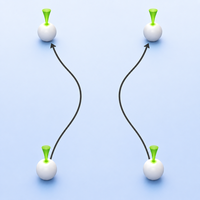
Phys. Rev. X 16, 031079 (2026)
Review of Modern Physics
Colloquium: Laboratory exploration of planetary interiors
Article | | 2026-09-30 06:00 EDT
G. W. Collins, S. Seager, J. Eggert, X. Gong, M. Huff, J. R. Rygg, T.-A. Suer, and R. Jeanloz
Astronomers observe thousands of planets beyond our Solar System, many with extreme interior conditions. Deep inside these worlds, gravity produces pressures millions to billions of times stronger than Earth's atmosphere. At these pressures, matter behaves in surprising ways: hydrogen can become metallic, water and ammonia may form exotic superionic states, and hydrocarbons can turn into diamond. This Colloquium describes how studying these unusual materials helps scientists explain how planets form, evolve, and generate magnetic fields and magma oceans. Using powerful lasers and pulsed-power facilities, researchers recreate such pressures in laboratories, revealing new physics and improving understanding of the hidden interiors of distant planets.
Rev. Mod. Phys. 98, 031004 (2026)
arXiv
Accidental accuracy and formal consistency in $GW$+BSE: Exact benchmarks and regime-dependent error cancellation
New Submission | Materials Science (cond-mat.mtrl-sci) | 2026-10-01 20:00 EDT
Standard many-body perturbation theory for optical excitations combines the $ GW$ approximation for quasiparticle energies with the Bethe-Salpeter equation (BSE) for the electron-hole response. Formally, the BSE kernel must equal the functional derivative of the self-energy, $ K=\delta\Sigma/\delta G$ . In routine practice, however, the kernel is built from a statically screened direct interaction and a bare exchange interaction, which breaks this consistency. Using exact diagonalization of the extended Hubbard dimer, we construct a controlled benchmark that isolates the price of this inconsistency. We show that the internally inconsistent practical $ GW$ +BSE construction frequently yields accurate optical gaps through accidental cancellation between an underestimated $ GW$ gap and an oversized bare-exchange kernel, and we map the regions of parameter space where this accidental accuracy occurs. Upon switching on the nearest-neighbor interaction and binding the exciton, the practical construction remains the accurate one throughout the weak-binding regime, with cancellation optima at parts in $ 10^{3}$ , while the frozen-$ W$ construction fails at every binding strength. Beyond a binding threshold both static constructions deteriorate, showing that deeply bound excitons require physics beyond any static kernel. Accidental accuracy is therefore a property of the weak-binding regime, and the systematic failure of the frozen-$ W$ derivative kernel within the explored parameter space traces to its overscreening of the exchange channel. The accuracy of the practical kernel is an accidental cancellation of two independent errors, an underestimated quasiparticle gap and an oversized exchange term, not a hidden consistency. These results provide a controlled taxonomy of approximation failure in $ GW$ +BSE and a precise diagnostic for when standard workflows can be trusted.
Materials Science (cond-mat.mtrl-sci), Strongly Correlated Electrons (cond-mat.str-el)
10 pages, 8 figures, 2 tables
Hidden Angular Momentum Loop Currents in Symmetric Crystals
New Submission | Mesoscale and Nanoscale Physics (cond-mat.mes-hall) | 2026-10-01 20:00 EDT
Rule Yi, Vincent P. Flynn, Benedetta Flebus
Loop-current order has been invoked to explain unconventional electronic phases, with the crystal lattice usually regarded as a passive host for the underlying collective dynamics. Here we show that circulating currents can originate in the lattice itself, sustained by quantum and thermal fluctuations. We develop a microscopic description of angular momentum exchange that separates transfer between sites from crystalline restoring torques and reveals how circulation can emerge in a symmetry-preserving equilibrium state. In a two-dimensional elastic lattice preserving time-reversal, inversion, and fourfold rotational symmetries, we uncover opposite current loops on neighboring plaquettes while the mean angular momentum vanishes at every site. These currents are sustained by zero-point fluctuations in the phonon vacuum and persist at finite temperature. We trace their origin to directional elastic interactions in locally symmetry-lowered environments, with the higher crystal symmetry organizing the resulting currents into a compensated pattern of circulation. Our results extend the physics of equilibrium loop currents to lattice dynamics, revealing that elastic geometry can organize fluctuations into persistent angular momentum circulation without electronic or magnetic order, external driving, or spontaneous symmetry breaking.
Mesoscale and Nanoscale Physics (cond-mat.mes-hall)
17 pages, 3 figures
Geometry and Mechanics of Ribbon Gridshells
New Submission | Soft Condensed Matter (cond-mat.soft) | 2026-10-01 20:00 EDT
Daniel Castro, Joo-Won Hong, Hillel Aharoni, Étienne Reyssat, José Bico, Benoît Roman
Mechanical metamaterials exhibit anomalous properties induced from non-trivial mesoscopic constituents. Inspired from architectural and industrial structures, we introduce arrangements of long, narrow ribbons intersecting at prescribed angles as a model thin-sheet metamaterial. These ribbon gridshells are shown to display highly non-linear behavior driven by the geometric constraints, nonetheless unlike most complex mechanical systems, we are able to explicitly write out the coarse-grained governing equations and to classify their solutions in terms of the intersection patterns of the ribbons. It is shown that the structure can assume arbitrary, tunable Gaussian curvature distributions, allowing us to formulate an inverse design problem, solvable under a suitably defined local condition. An analysis of the soft modes, confirmed by experiment and numerics, reveals rich mechanics which may exhibit both a rigid and an anomalously soft behaviors.
Soft Condensed Matter (cond-mat.soft)
Energy-Efficient Non-Volatile Photonic Switching via Composition-Engineered Sn-Doped GST
New Submission | Materials Science (cond-mat.mtrl-sci) | 2026-10-01 20:00 EDT
Xingyu Zhang, Daniel Vaz, Chi-Yi Kao, Marcus Tamura, Xiong Feng, Carlos A. Rios Ocampo, Bhavin J. Shastri, Nathan Youngblood
Integrated phase-change photonics allows non-volatile optical switching with no static power draw, but the electrical energy needed to reversibly switch the material’s state limits practical scaling. Efforts to improve energy efficiency have mostly focused on device optimization, such as redesigning the integrated microheater or waveguide. Here, we take a different, materials-centered approach by alloying Sn to Ge$ _2$ Sb$ _2$ Te$ _5$ (GST) without altering the device structure or CMOS compatibility. We explore Sn concentrations ranging from 0 at.% to 20 at.% on waveguide-integrated PN and PIN heaters and observe a reduction in both the amorphization and crystallization energies in the 5–10 at.% range. At higher Sn content this trend reverses and the switching energy increases, which is suggestive of phase segregation when combined with TEM compositional analysis. A 10 at.% Sn device continues to switch over 1000 cycles, with observable degradation in the extinction ratio from 4.5 $ \pm$ 0.3 dB to 2.4 $ \pm$ 0.3 dB. Post-cycling imaging shows PCM migration and void formation which we believe can be further improved by enhanced encapsulation. Overall, Sn alloying offers a route to lower programming energy in integrated phase-change photonics without negatively affecting the switching speed relative to un-doped GST.
Materials Science (cond-mat.mtrl-sci), Optics (physics.optics)
Ab initio calculated diamagnetic and paramagnetic susceptibility of carbonate minerals
New Submission | Materials Science (cond-mat.mtrl-sci) | 2026-10-01 20:00 EDT
Jaroslav Hamrle, Matěj Machek, Vladimír K. Kusbach, Zuzana Roxerová
The anisotropy of magnetic susceptibility (AMS) is a widely used tool to infer rock fabrics, yet quantitative interpretation is limited by sparse single-crystal magnetic properties for rock-forming minerals and by the difficulty of separating intrinsic diamagnetism from impurity-related magnetism. Here we use density-functional theory (DFT) combined with perturbation theory to compute the diamagnetic susceptibility and AMS of calcite-group carbonates (calcite, magnesite, and dolomite) and to quantify the additional paramagnetic contribution from transition-metal doping.
For pure calcite, the calculated susceptibility and its anisotropy are in good agreement with published single-crystal measurements, validating the ab initio approach for diamagnetic phases. We provide improved intrinsic diamagnetic reference values for magnesite and dolomite, for which experimental susceptibilities are commonly affected by magnetic impurities. To address impurity effects explicitly, we model Fe and Mn substitution in calcite using supercells. The computed spin moments reproduce expected high-spin states (Fe$ ^{2+}$ , $ S=2$ ; Mn$ ^{2+}$ , $ S=5/2$ ) and yield a susceptibility anisotropy per Fe concentration that matches the experimental slope. The strong anisotropy is primarily governed by an orbital contribution tied to the crystallographic $ c$ -axis rather than by spin-orbit coupling, highlighting orbital magnetisation as a key but numerically challenging ingredient for modelling of paramagnetic AMS in carbonates.
Materials Science (cond-mat.mtrl-sci)
Morphodynamics of lipid vesicles under osmotic forcing
New Submission | Soft Condensed Matter (cond-mat.soft) | 2026-10-01 20:00 EDT
Nicholas Broussinos, David Saintillan
We investigate the dynamics of spherical lipid vesicles subjected to an osmotic shock using continuum simulations of a permeable, area-incompressible fluid membrane with bending elasticity and surface viscosity. The dynamics are governed by a single dimensionless parameter $ \varGamma$ , which measures the relative strength of osmotic pressure and bending forces. Osmotic forcing drives a three-stage evolution comprising rapid buckling and collapse, smoothing of the resulting wrinkles and ridges, and slow folding into an invaginated morphology resembling the precursor to experimentally observed vesicle-in-vesicle structures. Linear stability analysis predicts the wavelength and growth rate of the initial buckling instability and shows that the dimensionless buckling time scales as $ \varGamma^{-2}$ , in quantitative agreement with simulations. At longer times, the energy budget reveals a reversal in elastic energy transfer: bending energy accumulated during buckling is released during relaxation and dissipated by membrane viscosity. A scaling analysis of the folding dynamics predicts that the dimensionless folding time scales as $ \varGamma^{-2/3}$ , again in excellent agreement with simulations. These results provide a continuum description of the mechanisms and widely separated timescales governing osmotically driven membrane collapse and invagination.
Soft Condensed Matter (cond-mat.soft), Biological Physics (physics.bio-ph), Fluid Dynamics (physics.flu-dyn)
9 pages, 5 figures
Stress-based structure optimization for a range-separated hybrid van der Waals density functional
New Submission | Materials Science (cond-mat.mtrl-sci) | 2026-10-01 20:00 EDT
Per Hyldgaard, Yunqi Shao, Raul Quintero-Monsebaiz, Lars Öhrström
Complex matter, often partly soft and pliable, is the generic form of material systems. We must therefore generally call on density functional theory (DFT) to first predict the atomic structure before we can use it to also characterize (expected) properties. A recent range-separated hybrid (RSH) van Waals density functional (vdW-DF), `vdW-DF2-ahbr’ (abbreviated AHBR) [PRX 12, 041003 (2022)], shows promise as a high-accuracy predictor of both binding energies and structure, from molecules to solids. However, the present implementation in Quantum Espresso (QE) does not, in our experience, support robust stress-based unit-cell optimization of RSHs. Here we document and illustrate work enabling practical AHBR-based complex-matter discovery: We port the AHBR XC functional to the Vienna Ab Initio Simulation Package (VASP) where use of stress-based DFT optimization is already stable also for RSHs. We test the implementation by comparing high-accuracy AHBR-QE and AHBR-VASP predictions of non-covalent molecular interactions and for structure and cohesion of simple bulk structures. We also illustrate and test the use of the new AHBR-VASP implementation to predict and understand (atomic and anti-ferromagnetic) structure in distorted-rocksalt metal monoxides. Finally, we illustrate use for complex-soft-matter discovery by predicting motifs for layer stacking in the C2N covalent-organic framework (COF) system [Nat. Commun. 6, 6486 (2015)].
Materials Science (cond-mat.mtrl-sci)
10 figures, Six tables
Results of Classical and Nonclassical theories of nucleation for ordering transition in barium titanate
New Submission | Materials Science (cond-mat.mtrl-sci) | 2026-10-01 20:00 EDT
Results of classical and nonclassical approach to nucleation at the ordering phase transition in barium titanate are presented. A nonclassical nucleation model is applied to the first-order paraelectric cubic phase to ferroelectric tetragonal phase transition in barium titanate is considered.
Materials Science (cond-mat.mtrl-sci)
30 pages, 8 figures
Measures of Chaotic Advection in Simulations of Active Nematics
New Submission | Soft Condensed Matter (cond-mat.soft) | 2026-10-01 20:00 EDT
Md Mainul Hasan Sabbir, Brandon Klein, Daniel A. Beller, Kevin A. Mitchell
Active nematics are non-equilibrium fluids composed of rod-like self-propelled units that collectively generate large-scale coherent flows. Here, we focus on a canonical experimental system: an active nematic fluid in $ 2D$ driven by ATP, composed of densely packed, extended microtubule (MT) bundles cross-linked by kinesin motors. An intriguing feature of this system is the creation and annihilation of topological defects with topological charge $ \pm1/2$ , due to the fracturing of the material. Experiments confirm that the positive ($ +1/2$ ) defects serve as “virtual stirring rods” that move around each other in a complex braiding pattern. This collective braiding motion of positive defects stretches and folds the fluid itself, i.e., produces macroscale chaotic advection. The degree of self-mixing due to the chaotic advection can be measured using topological entropy and the Lyapunov exponent. Our goal is to determine whether continuum models of MT-based active nematic fluid can reproduce these measurements. To this end, we use two continuum models: the traditional Beris-Edwards (BE) model and the more recently developed Beris-Edwards model with enhanced nematic locking (BENL). The difference between the two models is the adoption of the “nematic locking principle”, which states that an individual MT bundle cannot rotate independently of its neighbors due to steric interactions among elongated dense MT bundles. This principle holds in the BENL model except in small localized areas of the material domain where the material fractures, specifically near the creation and annihilation of topological defects. We employ several numerical methods to estimate measures of chaotic advection using both models. Our study shows that the BENL model more accurately reproduces experimental measures of self-mixing driven by chaotic advection in MT-based active nematic fluids.
Soft Condensed Matter (cond-mat.soft), Chaotic Dynamics (nlin.CD), Fluid Dynamics (physics.flu-dyn)
Modeling density variations in two-dimensional microtubule-based active nematics
New Submission | Soft Condensed Matter (cond-mat.soft) | 2026-10-01 20:00 EDT
Kevin A. Mitchell, Sean Ricarte, Md Mainul Hasan Sabbir, Brandon Klein, Daniel A. Beller
A dense two-dimensional layer of aligned microtubules (MTs), powered by molecular motors, is a canonical laboratory model of active materials and a synthetic analog of biological systems such as bacterial turbulence, mitotic spindles, and morphogenesis. This material exhibits nematic ordering and associated topological defects, which display complex emergent dynamics, including the creation and annihilation of defects and the braiding of defects around one another in a complicated chaotic dance. Despite its prominent role in research, the MT-based active nematic material lacks a well established theoretical model that accurately captures the rich density variations prominently seen in experiments—density variations that are, in fact, the experimental signature of the nematic structure itself. The MT-system is typically modeled using two fields: the Q-tensor (encoding the order and orientation of the nematic phase) and the fluid velocity; critically, the microtubule density is assumed to be constant. This traditional model is adopted from classical Landau-de Gennes liquid crystal theory. Here, we present a fundamentally different approach to modeling MT-based active nematics that explicitly incorporates density variations, producing simulations that strongly resemble experimental videos, including the characteristic striation patterns. It also reproduces important behavior of the system confined to a circular well—behavior seen experimentally, but not captured by current theory. In crafting our model, we present an alternative to Landau-de Gennes theory for the creation and annihilation of topological defects that does not rely on the classic isotropic-nematic phase transition.
Soft Condensed Matter (cond-mat.soft)
Single-particle detection of the Néel transition in LaCrO$_3$ microcrystals via widefield nitrogen-vacancy center magnetic imaging
New Submission | Materials Science (cond-mat.mtrl-sci) | 2026-10-01 20:00 EDT
Carson O. Patterson, Ethan Q. Williams, Eden Tzanetopoulos, Benjamin C. Li, Rachel T. Smith, Matthew Chang, Hideyuki Watanabe, Daniel R. Gamelin, Kai-Mei C. Fu
Rare-earth orthochromites exhibit rich, chemically tunable magnetic behavior, making them attractive for temperature sensing and temperature-dependent switching applications. Realizing this potential requires understanding how synthesis conditions and particle morphology influence the underlying Cr$ ^{3+}$ magnetic ordering. Orthochromite magnetism has traditionally been characterized by ensemble techniques such as neutron diffraction and SQUID magnetometry, which report only averaged magnetic properties and cannot access particle-level information. Here we use widefield nitrogen-vacancy (NV) magnetometry to image the stray magnetic fields of individual LaCrO$ _3$ microcrystals produced via molten salt synthesis, resolving the antiferromagnetic Néel transition in single particles. Of the 18 particles measured between 278 and 298 K, five show a clear onset of magnetization near the ensemble Néel temperature, four show no measurable magnetic signal, and nine display temperature-independent signatures consistent with localized magnetic impurities undetected by ensemble measurements. Below the Néel temperature, particle magnetization remains fixed under a rotating in-plane field, consistent with canted antiferromagnetic ordering rather than paramagnetism, while repeated thermal cycling shows that the magnetic field pattern varies between cooldowns with certain features recurring at the same locations, consistent with micron-scale structurally pinned antiferromagnetic domains in which the sign of the weak ferromagnetic moment is set independently each time they pass through the Néel transition. These results establish single-particle NV magnetometry as a sensitive probe of magnetic ordering and domain structure in individual microcrystals, a key step toward correlating individual particle morphology and defect structure with magnetic ordering in orthochromites.
Materials Science (cond-mat.mtrl-sci), Mesoscale and Nanoscale Physics (cond-mat.mes-hall), Quantum Physics (quant-ph)
Enabling Domain-Specific Atomistic Models: A Machine Learning Potential for the Solid Acid Family
New Submission | Materials Science (cond-mat.mtrl-sci) | 2026-10-01 20:00 EDT
Jonas Hänseroth, Rose Asuka Baroness von Stackelberg, Christian Dreßler
Machine-learned interatomic potentials trained across the periodic table have made atomistic simulation broadly accessible, and specializing them to a single compound class is widely expected to improve accuracy. Yet examples remain scarce, and fewer still surpass universal models in speed or reach a higher level of electronic-structure theory. Here we present a potential that is universal within the class of water-free solid-state hydrogen-bond network mediated proton conductors rather than across chemistry and a database of 4.4 million first-principles configurations spanning 55 materials. It surpasses leading general-purpose potentials across this domain, recovering measured activation energies and the ordering of anion rotational dynamics that those models miss; agreement on static structure does not imply agreement on transport. Accuracy falls for compositions far from the training set but stays competitive for close structural relatives, and a higher level of electronic-structure theory is reached with a few hundred additional configurations per material. We further introduce a compact variant carrying a fifth of the parameters, faster still and yet more accurate than every general-purpose model tested. It sustains more than a quarter of a million atoms on a single graphics processor, placing grain boundaries and the transition into the highly conducting phase within reach, and making a quantum treatment of the protons affordable. Reference accuracy and accessible system size thus become largely independent, offering a template for other compound classes.
Materials Science (cond-mat.mtrl-sci), Chemical Physics (physics.chem-ph)
Theory of criticality-enabled $U(1)$ symmetry breaking in a class of 1+1D systems
New Submission | Strongly Correlated Electrons (cond-mat.str-el) | 2026-10-01 20:00 EDT
E. S. Andriyakhina, A. S. Shankar, T. Senthil, Z. D. Shi
We present an analytic theory of the recently proposed phenomenon of spontaneous $ U(1)$ symmetry breaking at 1+1D Lifshitz quantum critical points. The low-energy field theory contains two periodic scalars $ \theta$ and $ \phi$ , with a Berry phase coupling that makes $ \theta$ canonically conjugate to the $ U(1)$ charge density $ \partial_x \phi$ . Within a controlled large-$ N$ limit, we demonstrate that the $ U(1)$ -charged phase vertex $ e^{i\beta\theta}$ develops long-range order, while the conjugate vertex $ e^{i\beta\phi}$ decays as a stretched exponential, $ \log\langle e^{i\beta\phi(x)} e^{-i\beta\phi(0)}\rangle\propto-|\beta|^{4/3}|x|^{2/3}$ . Going beyond the large-$ N$ limit, we give an analytic argument that the Lifshitz field theory supports $ U(1)$ long-range order provided its dynamical exponent satisfies $ z\neq1$ , a condition strongly supported by existing calculations. We test these predictions using finite-size and infinite-system DMRG in an itinerant-fermion chain with $ U(1) \rtimes \mathbb{Z}_2$ symmetry. At the $ \mathbb{Z}2$ ferromagnetic transition, the spin sector of the chain maps to the Lifshitz field theory. Consistent with analytic predictions, the $ U(1)$ -charged spin-nematic bond operator $ S_i^+S{i+1}^+$ exhibits long-range order, while the electron Green’s function shows stretched-exponential decay. Together, these results elucidate the mechanism and consequences of criticality-enabled $ U(1)$ symmetry breaking in 1+1D.
Strongly Correlated Electrons (cond-mat.str-el)
Three-Dimensional Shankar Skyrmions in Frustrated Antiferromagnets
New Submission | Mesoscale and Nanoscale Physics (cond-mat.mes-hall) | 2026-10-01 20:00 EDT
Vladyslav M. Kuchkin, Ricardo Rama-Eiroa, Carlos Saji, Alvaro S. Nunez, Roberto E. Troncoso
We formulate a continuum theory for three-dimensional (3D) Shankar skyrmions in frustrated chiral antiferromagnets (AFs) and derive the conditions for metastable finite-size $ \pi_3(SO(3))$ solitons. A Derrick–Hobart scaling analysis shows that exchange, Dzyaloshinskii–Moriya interaction (DMI), anisotropy, and frustration can balance to set a finite equilibrium size. We identify two microscopic routes to this common topological and stabilization framework: intrinsic rotation-frame order in noncollinear AFs and an $ \mathbb{S}^3$ extension of an amplitude-softened Néel field. In the latter, the smooth four-component texture projects onto a Néel field containing a spatially separated pair of oppositely charged Bloch points. Numerical minimization yields metastable monopole textures, while the effective dynamics identifies coherent breathing oscillations as their characteristic finite-frequency collective mode. Our results provide a microscopic framework for the statics and dynamics of Shankar skyrmions and identify frustrated chiral AFs as promising hosts of 3D non-Abelian topological textures.
Mesoscale and Nanoscale Physics (cond-mat.mes-hall), Materials Science (cond-mat.mtrl-sci), Other Condensed Matter (cond-mat.other)
5 pages, 6 figures, and a supplemental material
Dense and porous phase transition study of SEI formation using phase-field method
New Submission | Materials Science (cond-mat.mtrl-sci) | 2026-10-01 20:00 EDT
Joonyeob Jeon, Lukas Kobbing, Tejs Vegge, Jin Hyun Chang, Birger Horstmann, Ivano Eligio Castelli
The solid electrolyte interphase (SEI) is essential for the long-term stability of batteries because it influences the reactions between the electrode and electrolyte. Despite previous studies, the SEI evolution from dense to porous phases remains incompletely understood. Here, we investigate the SoC-dependent evolution of the SEI using a phase-field framework under open-circuit conditions. Spatially correlated noise is introduced to describe stochastic transport perturbations, and the dense-to-porous transition time is evaluated from the evolution of interface roughness arising from the competition between noise-induced transport and surface relaxation. The simulations reveal three distinct roughness evolution regimes. The predicted transition time generally increases from approximately one month at 20% SoC to more than seven months at 80% SoC, with a pronounced change between 55% and 60%. This change corresponds to the graphite SoC-OCV relation, which controls the interfacial Li0 radical concentration through the Nernst condition. Under dynamic SoC conditions caused by irreversible capacity loss, the transition behavior changes as the SoC evolves during storage. These results show that the SoC-OCV relation is central to determining SEI phase stability and the dense-to-porous transition time under open-circuit storage.
Materials Science (cond-mat.mtrl-sci)
It has 7 figures and 1 supplementary paper
Sign problem and criticality in world-line quantum Monte Carlo methods
New Submission | Strongly Correlated Electrons (cond-mat.str-el) | 2026-10-01 20:00 EDT
Rubem Mondaini, Richard T. Scalettar
Discussions of the sign problem usually focus on its role as the primary limitation of the applicability of quantum Monte Carlo methods for reliably solving quantum many-body models. Its behavior as a function of spatial lattice size, doping, temperature, and interaction strengths has been carefully characterized within the determinant quantum Monte Carlo algorithm. Here, we consider the much less well-explored question of the temperature- and size-dependence of the sign problem in the world-line quantum Monte Carlo method. We review how, in this algorithm, even sampling the partition function of free fermions yields a sign problem, which we connect to non-analytic behavior in the corresponding reference model, hard-core bosons on a lattice. The latter exhibits a finite-temperature Kosterlitz-Thouless phase transition in 2D, and we show how this non-analytic behavior is imprinted on the average sign of the weights for the corresponding free fermion 2D tight-binding model. Our results thus show how phase-transition information can remain encoded in the sign problem even after direct sign sampling becomes impractical.
Strongly Correlated Electrons (cond-mat.str-el), Computational Physics (physics.comp-ph)
6+4 pages; 3+2 figures
Polymorph-Tunable Spin Texture and Excitonic Structures in Monolayer WSi2P4
New Submission | Materials Science (cond-mat.mtrl-sci) | 2026-10-01 20:00 EDT
Xianbo Chenwei, Yu Zhou, Ke Wu, Gaofeng Xu, Ruixue Li, Yuan Li, Yabei Wu, Shaowen Xu, Fanhao Jia
Two-dimensional semiconductors that simultaneously possess a direct band gap and strong spin-orbit coupling (SOC) are highly attractive for quantum optoelectronics. Using first-principles GW plus Bethe-Salpeter equation (GW-BSE) calculations, we show that monolayer WSi2P4-an experimentally accessible member of the MSi2X4 family-hosts a direct K-valley gap together with strong SOC. Its three competing polymorphs (alpha, beta and gamma) are all direct-gap semiconductors and are kinetically locked behind 1.3 eV migration barriers. The sigma_h mirror plane of the D3h of alpha and gamma phases enforces a persistent spin texture across the Brillouin zone, weakly modulated near gamma by interband SOC mixing, whereas the polar beta phase (C3v) exhibits Rashba spin splitting. SOC splits the doubly-degenerate lowest bright exciton into dark states and splits the original absorption peak into two peaks (A and B), whose relative brightness is governed by the K-valley conduction-band splitting. alpha-WSi2P4 displays the brightest Peak A because a tiny band crossing of opposite-spin branches can open a spin-allowed radiative channel. These results establish the MSi2P4 family as a phase-tunable platform for the cooperative engineering of spin texture, band splitting, and excitonic brightness within a single material system.
Materials Science (cond-mat.mtrl-sci)
Synchronous Monte Carlo method and its application to a mean-field spin glass model
New Submission | Disordered Systems and Neural Networks (cond-mat.dis-nn) | 2026-10-01 20:00 EDT
Standard Markov chain Monte Carlo methods update variables one at a time to satisfy detailed balance, which prevents them from fully exploiting massively parallel hardware such as graphics processing units (GPUs). We study a Monte Carlo method for systems with pairwise interactions in which all variables are updated simultaneously, made possible by auxiliary Gaussian fields introduced through the Gaussian integral identity. The method satisfies detailed balance and is therefore guaranteed to converge to the canonical distribution. For mean-field spin glasses, its dynamics can be analyzed exactly by dynamical mean-field theory (DMFT). Applying the method and the DMFT to the random orthogonal model, which exhibits a random first-order transition, we find that the fluctuation-dissipation theorem (FDT) is clearly violated below the dynamical transition temperature, and that the relation between response and correlation takes the two-slope form of a generalized FDT, with simulations and theory in quantitative agreement.
Disordered Systems and Neural Networks (cond-mat.dis-nn)
15 pages, 4 figures, 2 tables
Optical observation of interlayer spin correlation
New Submission | Mesoscale and Nanoscale Physics (cond-mat.mes-hall) | 2026-10-01 20:00 EDT
Akiyoshi Park, Pranshoo Upadhyay, Andrey Grankin, Emil Viñas Boström, Mahdi Ghafariasl, Hassan Alnatah, Masoud Mohammadi-Arzanagh, Gautam Nambiar, Beini Gao, Alireza Alvandi, Sakthi Rajmano Madhan Kumar, Ghadah Alshalan, Isaac Sherwood, Mahmoud Jalali Mehrabad, You Zhou, Arun Ramanathan, Xavier Roy, Angel Rubio, Mohammad Hafezi
Spin correlations govern numerous collective behaviors of quantum materials, underpinning exotic phenomena such as unconventional superconductivity and topological magnetism. In layered materials, the interlayer spin correlation is important because it characterizes the magnetic ground state and determines spin transport across the interface. Yet interlayer spin correlations have remained hard to measure directly, leaving one of the most basic quantities of two-dimensional magnetism out of experimental reach. Here we provide the first direct optical probe of interlayer spin correlations, using two-magnon Raman scattering in the van der Waals antiferromagnet (AFM) CrSBr, in remarkable agreement with a microscopic spin-wave model without any fitting parameter. Moreover, the two-magnon channel switches on only in the AFM state and vanishes when a magnetic field takes the crystal to a ferromagnetic state. We furthermore establish an exciton-mediated variant of the technique, where tuning the laser near the exciton resonance enhances the signal roughly tenfold due to the exciton’s large oscillator strength. Magnon-pair Raman spectroscopy thus opens a direct optical window into interlayer spin correlations in van der Waals magnets, extendable to twisted bilayers and proximity-coupled heterostructures.
Mesoscale and Nanoscale Physics (cond-mat.mes-hall), Materials Science (cond-mat.mtrl-sci), Strongly Correlated Electrons (cond-mat.str-el), Optics (physics.optics)
27 pages, 4 figures (main text), 7 supplementary figures, 1 supplementary table. Includes Supplementary Information
Defect Dynamics and Isomer Quenching in $^{229}$Th:CaF$_2$ Crystals
New Submission | Materials Science (cond-mat.mtrl-sci) | 2026-10-01 20:00 EDT
Ming Guan, Michael Bartokos, Kjeld Beeks, Takahiro Hiraki, Shinji Kitao, Takahiko Masuda, Nobumoto Nagasawa, Koichi Okai, Ryoichiro Ogake, Martin Pimon, Noboru Sasao, Fabian Schaden, Thorsten Schumm, Makoto Seto, Kenji Tamasaku, Sayuri Takatori, Yoshitaka Yoda, Akihiro Yoshimi, Koji Yoshimura
Thorium-229 doped calcium fluoride ($ ^{229}$ Th:CaF$ _2$ ) is a leading candidate for a solid-state nuclear clock, owing to the unusually low energy of the $ ^{229}$ Th isomer transition at 8.3557,eV and the very high banggap of CaF$ _2$ around 12,eV. Here we report a temperature-dependent study of $ ^{229}$ Th:CaF$ _2$ luminescence, covering radioluminescence, photoluminescence, thermoluminescence, and afterglow. Using synchrotron x-ray excitation together with a cryo-vacuum system, we resolve the thermal quenching of the self-trapped exciton (STE) scintillation into its triplet and singlet components, identify eleven thermoluminescence glow peaks together with their associated emission bands, and separate the temperature-dependent components that make up the long-lived afterglow. The trap depths obtained in this way are closely correlated with the temperature dependence of x-ray-induced isomer quenching, including the enhanced isomer yield near \SI{-60}{\celsius} and the minimum near \SI{-80}{\celsius}, supporting the carrier-trapping picture in which trapped carriers are unavailable to quench the nucleus. Taken together, these results connect the optical and nuclear observables of $ ^{229}$ Th:CaF$ _2$ through a unified picture of electron defects and Th-related traps, while providing a comprehensive characterization of the material relevant to solid-state nuclear clock operation.
Materials Science (cond-mat.mtrl-sci)
12 pages, 7 figures, 2 tables
Quantum quenches of scar states in the Affleck-Kennedy-Lieb-Tasaki model via Clifford augmented tensor network simulation
New Submission | Strongly Correlated Electrons (cond-mat.str-el) | 2026-10-01 20:00 EDT
Azar C. Nakhl, Ben Harper, Muhammad Usman, Thomas Quella
Clifford augmented methods have emerged as a powerful technique to simulate quantum circuits and many-body systems by exploiting the stabiliser structure found in said systems, whilst additionally enabling one to readily quantify the non-stabilizerness (i.e.\ magic) present. In this work, we utilise a qudit Clifford augmented simulation method to probe the presence of magic in the Affleck-Kennedy-Lieb-Tasaki (AKLT) model, finding that its ground state and scar states are highly magical as quantified by their Stabiliser Rényi Entropy (SRE). Nevertheless, owing to its low entanglement structure, these states are still readily expressible as a Clifford augmented Matrix Product State with low bond-dimension and moreover may be time-evolved using the Clifford augmented time-dependent variational principle (TDVP) algorithm. We utilise Clifford augmented TDVP to study the string order dynamics in the scar states of the AKLT model after a quench within the Haldane phase to the anti-ferromagnetic Heisenberg Hamiltonian. We observe that there is a decay of string order following the quench, which is more pronounced with increasing bimagnon number. This finding highlights the sensitivity of string order in the AKLT scar states to symmetry-preserving quenches, even when the initial and final Hamiltonians belong to the same topological phase.
Strongly Correlated Electrons (cond-mat.str-el), Quantum Physics (quant-ph)
11+3 pages, 8 figures
First-Principles Study of Two-Dimensional CeN: Interplay between Structural Stability, Electronic Structure, and Magnetism
New Submission | Materials Science (cond-mat.mtrl-sci) | 2026-10-01 20:00 EDT
Jose Mario Galicia Hernandez, Jose Jorge Rios Ramirez, Gregorio Hernandez Cocoletzi, Juan Francisco Rivas Silva
In this work, the structural stability, and the electronic and magnetic properties of a novel CeN monolayer derived from the (111) surface of bulk rock salt CeN are investigated using first-principles calculations. Dimensional reduction produces substantial changes in the local atomic environment, decreasing the Ce-N coordination from sixfold in the bulk to threefold in the monolayer and shortening the Ce-N bond length, while preserving an essentially planar hexagonal structure. Moreover, the electronic and magnetic properties are significantly modified, which may be useful for practical applications. Both ferromagnetic (FM) and antiferromagnetic (AFM) configurations were investigated and found to be strongly bound, with the FM state slightly lower in energy. The magnetic moments are predominantly localized on the Ce atoms and mainly originated from the Ce 4f states. The electronic structure also exhibits a pronounced dependence on magnetic ordering, highlighting the connection between localized 4f states and the spin-dependent electronic properties of the system. In addition, the calculated elastic properties confirm the mechanical stability of the monolayer, while phonon calculations support its dynamical stability. Ab initio molecular dynamics simulations further indicate that the two-dimensional structure preserves its integrity under finite-temperature conditions. Overall, these results demonstrate that dimensional reduction significantly modifies the structural, electronic, and magnetic behavior of CeN without compromising the stability of the resulting two-dimensional lattice. The combination of structural robustness, localized Ce 4f magnetism, and spin-dependent electronic properties make the CeN monolayer an interesting system for further exploration in two-dimensional magnetism and spin-dependent applications.
Materials Science (cond-mat.mtrl-sci)
Eigenstate thermalization at the edge of the many-body spectrum
New Submission | Strongly Correlated Electrons (cond-mat.str-el) | 2026-10-01 20:00 EDT
Arnav Pushkar, Pranay Patil, Soumya Bera, Masaki Tezuka, Sumiran Pujari
It is well-known that thermalization breaks down in presence of an extensive number of symmetries or conservation laws that are mutually compatible or commuting with each other. We ask here how an extensive number of mutually incompatible local symmetries govern eigenstate thermalization (ETH). We will investigate this through models within the class of bond-dependent $ \mathbb{Z}_2$ -symmetric quantum spin-$ \frac{1}{2}$ Hamiltonians that naturally admit this structure. This leads to exponentially large degeneracies in the spectrum governed by the incompatible symmetry structure. Here, using spectral diagnostics, we show that non-integrability can survive despite extensively many conserved quantities when they are incompatible. Furthermore, we show that ETH behavior persists deep into the many-body spectral edge due to this structure. In other words, incompatible local symmetries enable a mechanism to obtain enough thermodynamic entropy at low excitation energy densities to make ETH operational or predictive near the ground state.
Strongly Correlated Electrons (cond-mat.str-el), Disordered Systems and Neural Networks (cond-mat.dis-nn), Statistical Mechanics (cond-mat.stat-mech), Quantum Physics (quant-ph)
6+7 Pages, 3+12 figures
Reference-Measure Freedom of the Effective Hamiltonian: From Stochastic Thermodynamics to the Macroscopic Limit
New Submission | Statistical Mechanics (cond-mat.stat-mech) | 2026-10-01 20:00 EDT
The effective Hamiltonian (EH), also referred to as the potential of mean force or free-energy landscape, is widely used to describe equilibrium properties and slow dynamics in chemical and softmatter systems. However, the conventional EH has been argued to be ill-defined because it does not transform as a scalar under a change of coordinates. Here, we show that this apparent problem originates from an implicit change of the reference measure (gauge) with respect to which the equilibrium probability density is defined. We formulate the equilibrium measure and the Fokker–Planck equation (FPE) intrinsically on the manifold of slow variables and show that an EH is a scalar function defined with respect to a chosen gauge. Different EHs, including the conventional EH and the diffusion-dependent EH recently proposed in a Riemannian formulation, thus provide different gauge representations of the same intrinsic equilibrium measure and stochastic dynamics. We further show that the gauge choice has an operational meaning: different restraint protocols for the slow variables select different reference measures. Finally, when the equilibrium measure obeys a large-deviation principle in a macroscopic limit, differences among EHs associated with subleading gauges become subleading relative to the large-deviation speed. The leading part of the EH is then determined by the gauge-independent large-deviation rate function, and the corresponding deterministic dynamics is likewise gauge independent.
Statistical Mechanics (cond-mat.stat-mech), Soft Condensed Matter (cond-mat.soft)
12 pages, 0 figures
Operando Charge Carrier Dynamics by Intensity-Modulated Photoluminescence: From Perovskite Thin Films to Solar Cells
New Submission | Materials Science (cond-mat.mtrl-sci) | 2026-10-01 20:00 EDT
Constantin Bach, Dong Won Kim, Yitian Du, Yana Vaynzof, Carsten Deibel
The charge-carrier lifetime in halide perovskites often varies by orders of magnitude with the injection level, complicating the analysis of conventional time-resolved photoluminescence and comparisons of reported lifetimes. We use intensity-modulated photoluminescence spectroscopy (IMPLS) as a frequency-domain alternative. Carried out under operating conditions, it yields the lifetime at a specific injection level, e.g., one-sun-equivalent illumination. On thin films, IMPLS and steady-state photoluminescence yield comparable lifetimes. For perovskite/transport-layer stacks, the IMPLS response becomes more complex. A dedicated transfer function disentangles charge transfer from interface recombination and predicts an upper limit on the charge-carrier lifetime in the solar cell. In devices, electrical methods such as intensity-modulated photovoltage spectroscopy (IMVS) often fail to measure the lifetime due to capacitive effects. IMPLS shows not only the same two characteristic frequencies as IMVS, but also a third one, thereby resolving the lifetime itself.
Materials Science (cond-mat.mtrl-sci), Applied Physics (physics.app-ph)
Three-Dimensional Topology from Stacking-Controlled Umklapp Scattering in Large-Angle Twisted Graphite
New Submission | Materials Science (cond-mat.mtrl-sci) | 2026-10-01 20:00 EDT
Juncheng Li, Cong Chen, Wang Yao
Large-angle twisted graphene lies beyond the local-stacking description of conventional moiré systems: inequivalent rotation centers define distinct commensurate interfaces whose low-energy interlayer hybridization is governed by intervalley Umklapp tunneling. For three-dimensional twisted graphite assembled from interfaces with different crystalline symmetries, a symmetry-constrained effective model reveals that competition between nonchiral and chiral tunneling produces one-ring and two-ring nodal-line phases and a $ C_3$ -protected higher-order topological insulator in the presence of sublattice (chiral) symmetry. The nodal rings carry integer winding numbers, allowing oppositely wound rings to annihilate into the gapped phase. We further examine how sublattice-symmetry breaking modifies these phases. Density functional theory (DFT) and atomistic calculations for $ 21.8^\circ$ twisted graphite identify the equilibrium structure as a higher-order topological insulator, while compression drives it into a topological Weyl semimetal phase. These findings establish the stacking sequence of symmetry-inequivalent interfaces as a means of engineering band topology in three-dimensional twisted structures.
Materials Science (cond-mat.mtrl-sci)
10 pages, 6 figures
Nature of the 175-180 cm$^{-1}$ Raman Feature in Altermagnetic $α$-MnTe
New Submission | Materials Science (cond-mat.mtrl-sci) | 2026-10-01 20:00 EDT
Pankaj Bhardwaj, Rajib Sarkar, Naresh Shyaga, Subhransu Kumar Negi, Kartick Biswas, Susmita Jana, Pavan Nukala, B. R. K. Nanda, Dhavala Suri
The 175 cm$ ^{-1}$ Raman mode in $ \alpha$ -MnTe has long been assigned to the material’s only symmetry-allowed phonon ($ E_{2g}$ ), yet first-principles calculations consistently place this mode below 100 cm$ ^{-1}$ . Recent works have offered three competing explanations for the discrepancy: a weak symmetry-lowering ($ D_{6h}\rightarrow D_{3h}$ ) phonon, an electronic plasmon arising from intrinsic hole self-doping, or an extrinsic MnTe$ _2$ impurity signature. Here we resolve this controversy using stoichiometry-controlled molecular beam epitaxy (MBE). We deliberately vary the fraction of pyrite-type MnTe$ _2$ secondary phase relative to the $ \alpha$ -MnTe matrix. Across this series, the 175 cm$ ^{-1}$ mode tracks the presence of MnTe$ _2$ essentially one-to-one – present wherever MnTe$ _2$ is detectable, absent in stoichiometric, single-phase $ \alpha$ -MnTe at nominal LASER powers. When LASER power is ramped up, an additional mode emerges in MnTe as well positioned close to $ \approx$ 175 cm$ ^{-1}$ ; our detailed temperatures dependendent Raman analysis identifies the LASER power scorched region close to a distorted MnTe phase, confirmed via transmission electron microscopy. This direct, growth-controlled correlation identifies the mode as an extrinsic MnTe$ _2$ impurity signature or as a distorted MnTe feature, rather than an intrinsic phonon or plasmon feature, providing a practical diagnostic for phase purity in MBE-grown $ \alpha$ -MnTe and clarifying which Raman features can be reliably attributed to the intrinsic altermagnetic phase.
Materials Science (cond-mat.mtrl-sci)
Interdependent-Network Criticality without a Second Network: Cascading Collapse of the Joule-Coupled Insulator-Metal Transition in $VO_2$
New Submission | Statistical Mechanics (cond-mat.stat-mech) | 2026-10-01 20:00 EDT
Ouriel Gotesdyner, Michal Wasserman, Hodaya Kaster, Yosi Abulafia, Avital Fried, Bnaya Gross, Shlomo Havlin, Amos Sharoni
When driven by a large enough electric field or current, the insulating state of vanadium dioxide ($ VO_2$ ) typically collapses abruptly into the metallic state (the insulator-metal transition, IMT) following a brief incubation delay. These incubation delays, typically lasting microseconds or less, have been analyzed predominantly through macroscopic electro-thermal modeling, providing little statistical insight into the transition dynamics. Here, we investigate the electrically driven IMT in a two-dimensional $ VO_2$ lattice and demonstrate that the material behaves as a complex, interdependent network despite being a single structural entity. Because metallic domains dissipate significantly more Joule heat than insulating regions, each switching event raises the Joule heating of the network, resulting in network dependency and triggering a cascading chain reaction. Combining time-resolved resistance measurements with a Joule-coupled resistor-network model and interdependent-network theory, we observe an abrupt (first-order) transition preceded by an anomalously long incubation plateau lasting thousands of seconds. During this metastable plateau, an effective branching factor of the switching activity approaches unity at criticality, and the plateau lifetime diverges with exponent $ \zeta=1/2$ ; the order parameter scales with exponent $ \beta=1/2$ . These signatures coincide with those predicted for interdependent networks, indicating that dissipative Joule coupling alone can drive mixed-order catastrophic cascades in a single-network correlated-oxide system.
Statistical Mechanics (cond-mat.stat-mech), Strongly Correlated Electrons (cond-mat.str-el)
Main article pages 1-14 pages Supplementary Material pages 15-26
Spectroscopic Evidence for Nontrivial Band Topology in Superconducting FeTe/MnTe Heterostructure
New Submission | Superconductivity (cond-mat.supr-con) | 2026-10-01 20:00 EDT
Shiwu Su, Yu Liang, Tongrui Li, Zhen Wang, Yuzhe Wang, Xianglin Li, Sen Liao, Pengxu Ran, Jiexiong Sun, Shengtao Cui, Zhe Sun, Zhengtai Liu, Jishan Liu, Mao Ye, Jing Tao, Donglai Feng, Juan Jiang
FeTe has long been regarded as a nonsuperconducting antiferromagnetic metal with trivial band topology, but recent advances in stoichiometry control have begun to challenge this picture. Here we use higher-order epitaxy on zinc-blende MnTe to stabilize near-stoichiometric FeTe with strongly suppressed interstitial Fe and a superconducting transition onset near 13 K. Angle-resolved photoemission spectroscopy reveals markedly enhanced quasiparticle coherence, well-defined Fe-derived hole bands, and a nearly two-dimensional Dirac-cone-like state near the Fermi level. First-principles calculations identify an inversion between odd- and even-parity bands, yielding nontrivial $ Z_2$ topology and a Dirac surface state consistent with experiment. These results elucidate the intrinsic electronic structure of stoichiometric superconducting FeTe and provide evidence for nontrivial band topology, positioning FeTe/MnTe as a promising platform for exploring topological superconductivity.
Superconductivity (cond-mat.supr-con)
7 pages, 4 figures, 1 table
Spin Birefringence and Spin Polarized Transmission across p-wave Altermagnetic Heterostructure
New Submission | Mesoscale and Nanoscale Physics (cond-mat.mes-hall) | 2026-10-01 20:00 EDT
This paper investigates electron transport properties across N/AM interface or N/AM/N heterojunction. Based on Hamiltonians in the three regions, general wave functions are proposed and combined linear equations are constructed. Reflection and transmission coefficients as well as spin polarizatioin of the altermagnet heterostructure are obtained. When electron incident from normal metal to altermagnet, it is scattered and split into + branch and _ branch transmitting into altermagnet zone with separate refractive angles. Total internal reflection might happen to + branch. Critical angle of total reflection is determined by incident conditions and properties of AM material. In the heterostructure case, spin-up and spin-down electrons transmitted with same propagation directions but different transmission probabilities. Transmission and polarization periodically change with length of the junction. Exchange field and spin-splitting strength have pronounced effect on spin-polarized transmittance while the effect of spin-orbit coupling is quite small. Optimized system can be found by tuning parameters of the AM material. This study will lay the theoretical groundwork for experimental research on spin-selective outputs and spintronic devices.
Mesoscale and Nanoscale Physics (cond-mat.mes-hall)
11 pages, 11 figures
Tunability of the structural and magnetic transition in kagome material: PrIr$_3$B$_2$
New Submission | Strongly Correlated Electrons (cond-mat.str-el) | 2026-10-01 20:00 EDT
Gayathri V, Irshad K A, Sathishkumar M, Boby Joseph, S. Manni
We report the temperature and pressure tunability of an unusual structural transformation associated with a two-step metal-insulator-metal (MIM) transition in the kagome lattice compound PrIr$ _3$ B$ _2$ using synchrotron X-ray powder diffraction. At ambient conditions of temperature and pressure, the monoclinic ($ C2/m$ ) and the hexagonal ($ P6/mmm$ ) phases coexist as twinned structure in the crystal. As the temperature (pressure) is decreased (increased), PrIr$ _3$ B$ _2$ converts fully to monoclinic structure at $ T =$ 280 K (at ambient pressure) and $ P =$ 1.2 GPa (at room temperature). Temperature dependence of the monoclinic structure at ambient pressure presents complex evolution of lattice parameters with weak but clearly discernable anomalies at \SI{\sim 250} {\K} and \SI{\sim 110} {\K}, which are correlated with the second MIM transition and the linear to nonlinear temperature-dependent resistivity crossover, respectively. These anomalies are likely due to some charge order state causing a partially gapped Fermi surface. The magnetic phase diagram of PrIr$ _3$ B$ _2$ is also investigated from anisotropic measurements. At 10 K, a superzone gap opens near the antiferromagnetic transition, which does not close even in the polarized state. From the tunability of the crystal structure and magnetic and electronic ground state, promising electronic orders are indicated in this kagome metallic magnet.
Strongly Correlated Electrons (cond-mat.str-el), Materials Science (cond-mat.mtrl-sci)
8 pages + supplementary information
Exact analytic solutions of classical time crystals
New Submission | Other Condensed Matter (cond-mat.other) | 2026-10-01 20:00 EDT
Stavros Theodorakis, Athina Hadjizorzi
We present examples of classical time crystals (in a parabolic potential for the position) that admit simple exact analytic solutions. The kinetic energy in these crystals is piecewise parabolic as a function of speed and is minimised at nonzero values of the speed. The solutions are periodic, while the speed acquires definite periodic discontinuities. The solutions are stable along the branches where the action is lower. We also examine the classical time crystal with quartic kinetic energy. We show how the quartic kinetic energy can be emulated by a piecewise parabolic one, leading to accurate and transparent solutions.
Other Condensed Matter (cond-mat.other)
12 pages, 10 figures
Excursion-Resolved Thermodynamic Inference without Observing Reverse Transitions
New Submission | Statistical Mechanics (cond-mat.stat-mech) | 2026-10-01 20:00 EDT
Experiments often detect only selected transitions, leaving the underlying state dynamics and dissipation hidden. We show that waiting-time distributions between directed visible events can reconstruct the boundary dynamics without observing the reverse of every detected transition. Under a simple source-target closure condition, they determine visible rates and the hidden excursions connecting observed states, yielding a rigorous lower bound on total entropy production that improves the standard waiting-time estimate when reverse events are available. Remarkably, observing only a spanning directed cycle is sufficient to identify the full Markov generator, even when all reverse cycle edges and other microscopic transitions remain unseen.
Statistical Mechanics (cond-mat.stat-mech)
5 pages, 3 figures. Comments are welcome
Mixed bubbles in a binary mixture of spin-1 Bose-Einstein condensates
New Submission | Quantum Gases (cond-mat.quant-gas) | 2026-10-01 20:00 EDT
Uyen Ngoc Le, Ha Phuong Uyen Mai, Hieu Binh Le, Hiroki Saito
In mean-field theory, the ground state of a two-component Bose-Einstein condensate (BEC) in a uniform system is either uniformly mixed or totally separated. Beyond-mean-field effects introduce an additional phase, the mixed-bubble state, in which the two components remain mixed within one of the separated domains. Here we show that a mixed-bubble state can emerge in a binary mixture of spin-1 $ {}^{7}{\rm{Li}}$ and $ {}^{23}{\rm{Na}}$ BECs even within the mean-field framework. We further demonstrate the existence of a metastable uniformly-mixed state, which undergoes a transition to the mixed-bubble state triggered by a local perturbation.
Quantum Gases (cond-mat.quant-gas)
6 pages, 4 figures, 1 supplemental pdf file
Moving against the odds with a cyclic active Brownian ratchet: current enhancement and reversal
New Submission | Soft Condensed Matter (cond-mat.soft) | 2026-10-01 20:00 EDT
Theo Spornhauer, Benoît Mahault, Johannes Zierenberg
We show that periodically modulating the self-propulsion of active particles in an asymmetric potential can both enhance rectified transport and reverse its direction, even when the propulsion speed itself never changes sign. Current enhancement results from the nonlinear response of active transport to propulsion strength, whereas current reversal emerges from the interplay between activity-induced spreading and passive relaxation. Our theoretical analysis identifies the regimes governed by these distinct rectification mechanisms and predicts the finite range of driving periods over which current reversal occurs. These results establish cyclic activity as a means of dynamically controlling rectified active transport, with potential applications to the selective sorting of active particles.
Soft Condensed Matter (cond-mat.soft), Statistical Mechanics (cond-mat.stat-mech)
Constructive comments to the authors are still welcome and appreciated!
Multipartite entanglement hidden in vector-chiral correlations of spin-1/2 chains
New Submission | Strongly Correlated Electrons (cond-mat.str-el) | 2026-10-01 20:00 EDT
Characterizing entanglement in quantum materials through experimentally accessible observables remains a central challenge. Quantum Fisher information associated with sums of one-site spin operators provides one route by linking entanglement to measurable magnetic response functions. Extending this approach to local composite observables requires new entanglement bounds. Here we establish a rigorous bound for the total nearest-neighbour vector chirality of periodic spin-$ 1/2$ chains with an even number of sites. The quantum Fisher information per spin cannot exceed $ k+1$ for any $ k$ -producible state, so exceeding this bound certifies entanglement depth of at least $ k+1$ . Combining infinite density-matrix renormalization group and thermal pure quantum-state calculations, we demonstrate multipartite entanglement encoded in vector-chiral correlations at zero and finite temperatures in an extended $ J_1$ -$ J_2$ XXZ chain. The spin-current coupling between vector chirality and electric polarization offers, in principle, access to this witness through dielectric loss spectroscopy in multiferroic magnets, extending entanglement diagnostics beyond dipolar spin correlations.
Strongly Correlated Electrons (cond-mat.str-el), Quantum Physics (quant-ph)
21 pages, 4 figures
Logarithmic Quasi-Long-Range Order and Novel Continuous Phase Transition in the Two-Dimensional $XY$ Model with $1/r^4$ Interaction
New Submission | Statistical Mechanics (cond-mat.stat-mech) | 2026-10-01 20:00 EDT
Xianzhi Pan, Zhijie Fan, Youjin Deng
We investigate the phase diagram and critical properties of the two-dimensional classical XY model with interactions decaying as $ 1/r^{2+\sigma}$ . At the marginal case $ \sigma=2$ , we show that the low-temperature phase is characterized by logarithmic quasi-long-range order (log-QLRO), where spin correlations decay as a power of the logarithm of distance, $ C(r)\sim(\ln r)^{-\eta_\ell}$ with $ \eta_\ell\propto T$ , and that the transition into this phase is a continuous transition beyond both the Ginzburg-Landau-Wilson paradigm and the Berezinskii-Kosterlitz-Thouless mechanism. Our analysis combines a near-exact Gaussian spin-wave theory, an adiabatic renormalization-group analysis, and large-scale Monte Carlo simulations. We find that the $ 1/r^4$ interaction logarithmically modifies the spin-wave stiffness kernel as $ \gamma(k)\simeq\kappa k^2\ln(1/k)$ , which suppresses vortex proliferation and gives rise to a nonuniversal correlation-length exponent $ \nu\propto1/\sqrt{2\pi\kappa}$ . Crucially, our simulations reveal that the short-range algebraic QLRO phase is unstable against a weak long-range perturbation for $ \sigma\le2$ . These results establish $ \sigma=2$ as the crossover boundary between the long-range and short-range universality classes and provide a critical evaluation of recent theoretical proposals.
Statistical Mechanics (cond-mat.stat-mech)
Surface-Dependent Phonon Dynamics in 9-Armchair Graphene Nanoribbon Arrays
New Submission | Materials Science (cond-mat.mtrl-sci) | 2026-10-01 20:00 EDT
Ángel Labordet Álvarez, Gabriela Borin Barin, Michel Calame, Mirjana Dimitrievska
We use temperature-dependent Raman spectroscopy to investigate five configurations of atomically precise 9-armchair graphene nanoribbons (9-AGNRs) differing in substrate, alignment, and coverage. Measurements from 70 to 300 K and full-window Lorentzian fits yield the positions and linewidths of the radial-breathing-like mode (RBLM), confinement-activated $ D$ , and $ G$ modes. The $ D$ and $ G$ modes soften on heating at configuration-dependent rates. For the same unaligned high-coverage film before and after polymer-free transfer, measured $ D$ - and $ G$ -mode redshift rates are smaller on the Raman-optimised substrate than on Au by factors of 4.7 and 5.6, respectively. We model the frequency shifts as thermoelastic contributions from substrate-ribbon thermal-expansion mismatch plus a Klemens-type anharmonic term. Between 80 and 290 K, the model gives $ D$ - and $ G$ -mode redshifts from $ 0.305$ to $ 6.322\mathrm{cm}^{-1}$ , whereas the zero-K-referenced Klemens-type contribution remains below $ 0.050\mathrm{cm}^{-1}$ . Under the adopted assumptions, thermal-expansion mismatch therefore dominates these shifts. The modelled RBLM change remains below $ 1~\mathrm{cm}^{-1}$ and cannot be robustly separated into its two contributions. The dense aligned Au array additionally shows intermediate-temperature minima in the $ D$ - and $ G$ -mode linewidths, inconsistent with conventional monotonic anharmonic broadening and indicating an additional temperature-dependent broadening or line-shape contribution.
Materials Science (cond-mat.mtrl-sci)
13 pages, 4 figures. Supplementary Information included
Phase Separation in Fractonic Fluids: Coarsening, Interfaces, Nucleation, and Hyperuniformity in and out of Equilibrium
New Submission | Statistical Mechanics (cond-mat.stat-mech) | 2026-10-01 20:00 EDT
We develop a theory of phase separation in fluids conserving higher-order multipole moments of a scalar density, and investigate the resulting coarsening dynamics, nucleation, and interfacial fluctuations. We find that higher-order conservation laws slow the relaxation of all phenomena investigated, whereas nonequilibrium violations of the fluctuation–dissipation theorem suppress density and interfacial fluctuations while hindering nucleation. Simulations support these predictions.
Statistical Mechanics (cond-mat.stat-mech), Soft Condensed Matter (cond-mat.soft), High Energy Physics - Theory (hep-th)
Varying A-site radius and size disorder to tune magnetic ordering in compositionally complex perovskite oxides
New Submission | Strongly Correlated Electrons (cond-mat.str-el) | 2026-10-01 20:00 EDT
Madeleine Geers, Ravi Kiran Dokala, Roland Mathieu, Rebecca Clulow
A long standing goal of magnetochemists is to be able to control ordering temperatures through compositional engineering. Here we report the synthesis of a perovskite oxide with twelve cations accommodated within a single phase solid solution, AM7O$ _3$ , A = La$ _{\frac{1}{5}}$ Sm$ _{\frac{1}{5}}$ Gd$ _{\frac{1}{5}}$ Nd$ _{\frac{1}{5}}$ Dy$ _{\frac{1}{5}}$ (A5), and M7 = Ti$ _{\frac{1}{7}}$ Cr$ _{\frac{1}{7}}$ Mn$ _{\frac{1}{7}}$ Fe$ _{\frac{1}{7}}$ Co$ _{\frac{1}{7}}$ Ni$ _{\frac{1}{7}}$ Cu$ _{\frac{1}{7}}$ . Bulk magnetometry measurements for A5M7O$ _3$ , as well as for A = La, Gd and La$ _{\frac{1}{2}}$ Gd$ _{\frac{1}{2}}$ , show that all these compounds magnetically order as ferrimagnets between 89 and 115 K. We find that the magnetic properties are influenced by considering a combination of the size disorder parameter alongside the A-site cationic radii and valence electrons.
Strongly Correlated Electrons (cond-mat.str-el)
7 pages, 5 figures
Fully developed active turbulence defined through a non-equilibrium phase transition
New Submission | Soft Condensed Matter (cond-mat.soft) | 2026-10-01 20:00 EDT
Lasse Bonn, Tianxiang Ma, Olga Bantysh, Wei Feng, Martin Cramer Pedersen, Guangyin Jing, Jordi Ignés-Mullol, Francesc Sagués, Nuno A. M. Araujo, Amin Doostmohammadi
Non-equilibrium systems challenge the standard definitions of phases and phase transitions from equilibrium statistical physics. For example, in active fluids continuous energy injection at the microscale drives the system intrinsically out of equilibrium. This process gives rise to collective turbulent-like flows whose onset remains poorly defined. Here we show that the onset corresponds to an activity-driven phase transition, marked by the emergence of a system-spanning critical backbone of vorticity nodal lines. Combining two independent experiments, microtubule kinesin active nematics and dense suspensions of swimming bacteria, with large-scale simulations of active nematics and fluctuating nematohydrodynamics, we show that this transition occurs at a critical activity threshold. Below this threshold, vorticity structures are fragmented and vortex centres form only finite, mechanically floppy networks. Above this threshold, the nodal lines of the vorticity field percolate and the vortex centres form a rigid, system-spanning cluster. The geometric transition is characterised by the emergence of critical percolation statistics for the vorticity nodal lines, while the mechanical transition reflects the emergence of a vortex configuration that shows rigidity percolation statistics for vortex centres. We show that both transitions are absent in equilibrium systems that obey detailed balance, demonstrating that the transition is intrinsically non-equilibrium. These results establish an experimentally accessible definition of fully developed active turbulence, linking microscopic activity to macroscopic geometry, and mechanics of living systems.
Soft Condensed Matter (cond-mat.soft), Biological Physics (physics.bio-ph)
7 Pages, 4 Figures, Accepted at Nature Physics
Square-root growth of operator entanglement in an integrable brickwork circuit
New Submission | Statistical Mechanics (cond-mat.stat-mech) | 2026-10-01 20:00 EDT
It is widely expected that the von Neumann entanglement of a local operator grows at most logarithmically in integrable many-body systems in infinite volume. We give a counterexample in a four-state brickwork circuit whose gate is a permutation matrix solving the constant Yang–Baxter equation. The von Neumann operator entropy grows as $ (\log2)\sqrt{t/\pi}+O(\log t)$ , whereas fixed-index Rényi entropies grow linearly below index one and logarithmically above it. At fixed relative Hilbert–Schmidt error below one, matrix product operator simulations require a bond dimension growing at least as $ \exp(c\sqrt t)$ for some $ c>0$ .
Statistical Mechanics (cond-mat.stat-mech), Exactly Solvable and Integrable Systems (nlin.SI), Quantum Physics (quant-ph)
4.5 pages and 17 pages of Supplemental Material
Chiral quantum chaos around exponentially many zero modes in the quantum breakdown model
New Submission | Strongly Correlated Electrons (cond-mat.str-el) | 2026-10-01 20:00 EDT
Kohei Kawabata, Kinya Guan, Hosho Katsura
The quantum breakdown model is a model of randomly interacting fermions, motivated by the physics of dielectric breakdown. Here, we establish classification of symmetry and quantum chaos in a zero-dimensional, all-to-all-interacting version of the quantum breakdown model. It exhibits the $ \mathbb{Z}_4$ periodicity with respect to the number of fermionic modes, reminiscent of the symmetry classification of the Sachdev-Ye-Kitaev model. A unique feature of the quantum breakdown model is that it realizes all the five classes with chiral symmetry and hosts an exponentially large number of many-body zero modes protected by the chiral index. We elucidate the separation and scaling of the spectral gap and demonstrate the symmetry-enriched hard-edge spectral statistics as signatures of quantum chaos in the chiral symmetry classes.
Strongly Correlated Electrons (cond-mat.str-el), Disordered Systems and Neural Networks (cond-mat.dis-nn), High Energy Physics - Theory (hep-th), Quantum Physics (quant-ph)
16 pages, 5 figures, 7 tables
The hidden side of paintbrushes: a geometry shaped by power laws
New Submission | Soft Condensed Matter (cond-mat.soft) | 2026-10-01 20:00 EDT
Raphaelle Taub (LPS), Jérôme Crassous (IPR, PMMH), Thomas Salez (LOMA, X-DEP-MECA), Frédéric Restagno (LPS), Christophe Poulard (LPS)
Since prehistoric times, painters have used brush-like tools made from animal and plant materials to apply pigments to rock surfaces. Over time, techniques for creating brushes evolved, and converged towards optimized shapes. Our study performed over hundreds of brushes reveals universal scaling laws. In particular, we uncover a relation between bristle length and diameter linked to the shape of the bristle ends, which governs their mechanical response with and without paint. For round brushes, we found that the size of the paint stain scales with the compression distance, meaning it only depends on the force applied by the painter and not on the mechanical responses of the brushes. These results shed light on the underlying universal physical principles governing brush design and their impact on artistic techniques.
Soft Condensed Matter (cond-mat.soft)
Qantum Well Resonant Tunneling Diode Probe of Correlated States in Twisted Bilayer MoS$_2$
New Submission | Strongly Correlated Electrons (cond-mat.str-el) | 2026-10-01 20:00 EDT
Chengjie Zhou, Jin-Xin Hu, Sihong Xu, Zijing Jin, Hui Li, Kam Tuen Law, Jiannong Wang
Moiré superlattices formed in transition metal dichalcogenides (TMDs) offer a versatile platform for exploring emergent quantum phases arising from strong electronic correlations. In this work, we develop a new experimental platform, the quantum well resonant tunneling diode (QWRTD), to probe the electronic landscape of $ \approx 57^\circ$ twisted bilayer MoS$ _2$ (tMoS$ 2$ ). By measuring the differential conductance ($ dI/dV{\text{Probe}}$ ) as a function of filling factor $ \nu$ and displacement field $ D$ , we observe a robust integer correlated insulating state at $ \nu = 1$ that persists across the measured displacement field range. Furthermore, we identify a displacement-field-induced fractional insulating state at $ \nu = 3/4$ for $ D < -75$ ~mV/nm. Temperature- and magnetic-field-dependent measurements characterize this $ \nu = 3/4$ state as a potential generalized Wigner crystal. These correlated states are also observed in another device with a similar twist angle ($ \approx 56.5^\circ$ ). Our results provide direct evidence of correlated states in near-AB-stacked tMoS$ _2$ and establish QWRTD as a powerful experimental tool for investigating strong correlations and topology in van der Waals heterostructures.
Strongly Correlated Electrons (cond-mat.str-el), Mesoscale and Nanoscale Physics (cond-mat.mes-hall)
Weyl superconductivity from Feshbach resonance in the three-dimensional repulsive Hubbard model
New Submission | Strongly Correlated Electrons (cond-mat.str-el) | 2026-10-01 20:00 EDT
Taekyoung Kim, Pit Bermes, Giorgia A. Busin, Fabian Grusdt
Motivated by the first experimental realization of the antiferromagnetic phase transition in the three-dimensional Fermi-Hubbard model, we present a theoretical study of the model’s 3D superconducting phase. By formulating a 3D extension of the Feshbach mechanism, we provide a unified microscopic picture at strong coupling in which pairing is driven by near-resonant bound states of dopants. These long-lived bound states acquire a qualitatively different internal structure in three dimensions compared to their two-dimensional counterparts, giving rise to a distinct superconducting state, namely a time-reversal symmetry breaking $ d_{x^2-y^2}+id_{z^2}$ pairing state. We also provide an estimate of the corresponding critical temperature, and provide evidence that the resulting superconducting phase hosts gapless Weyl points. Our results represent a new milestone for the field of quantum simulation, challenging experiments and large-scale numerics alike to test our predictions.
Strongly Correlated Electrons (cond-mat.str-el), Quantum Gases (cond-mat.quant-gas)
Giant PhotoMagnetoDiode Effect
New Submission | Mesoscale and Nanoscale Physics (cond-mat.mes-hall) | 2026-10-01 20:00 EDT
V. L. Korenev, S. A. Tarasenko
We report the observation of a photomagnetodiode effect with a giant rectification ratio of 10 at a magnetic field of 0.1 T. The effect consists of a diode-like dependence of the photocurrent on the applied voltage that emerges in an external magnetic field. Such a pronounced nonreciprocity is observed in high-quality VPE-grown GaAs samples at low temperatures at interband photoexcitation. The photoconductivity is invariant upon reversing the polarity of both electric and magnetic fields. Similar behavior with even higher asymmetry ratio is observed in photoluminescence. The findings are well described by the theory of ambipolar drift of carriers in electric and magnetic fields together with fast surface recombination.
Mesoscale and Nanoscale Physics (cond-mat.mes-hall)
7 pages, 3 figures
Active spinners drive passive matter into chiral rotors
New Submission | Soft Condensed Matter (cond-mat.soft) | 2026-10-01 20:00 EDT
Dennis Schorn, Anpuj Nair S, Stijn van der Ham, Benno Liebchen, Hanumantha Rao Vutukuri
Active spinners inject angular momentum into their surroundings without persistent translation, providing a route to chiral active matter distinct from self-propelled particles moving along curved trajectories. Recent studies have shown that spinner fluids can self-organize into rotating clusters with circulating edge currents characteristic of odd-viscous fluids. Whether angular-momentum injection alone can transmit chirality and edge-current dynamics to ordinary passive matter - and thus serve as a generic mechanism for imparting chiral functionality to undriven material components - remains an open question. Here, we show experimentally and numerically that purely rotational magnetic spinners can transfer chirality and edge-current dynamics to passive colloidal matter. At high passive-particle fraction, active spinners assemble into rotating clusters surrounded by passive matter. Remarkably, upon changing composition and spinner attraction, this organization turns inside out: passive colloids form rotating clusters surrounded by a chiral spinner fluid. These passive rotors exhibit edge currents and the same angular-velocity scaling, $ |\Omega|\sim R^{-2}$ , as their active counterparts. A minimal model shows that spinner-mediated transverse and non-reciprocal interactions are sufficient to reproduce these complementary chiral states and their boundary-driven dynamics. Our results establish angular-momentum injection by active spinners as a route to endow otherwise passive matter with chirality, collective rotation and boundary transport.
Soft Condensed Matter (cond-mat.soft)
18 pages, 5 figures
The Hidden Topology of Network Entanglement
New Submission | Statistical Mechanics (cond-mat.stat-mech) | 2026-10-01 20:00 EDT
Topology and geometry are inseparable in physical networks. Here we show that, after factoring out the topology-dependent number of eligible edge pairs, exchangeability makes the mean crossing propensity of those pairs exactly graph independent while preserving topology in fluctuations. We derive a microscopic, parameter-free theory for the response when topology and geometry are coupled. Synthetic and real three-dimensional networks confirm that structure hidden from the normalized mean survives in correlations that determine response.
Statistical Mechanics (cond-mat.stat-mech)
5 pages, 4 figures
Emergent Quantum Geometric Phases in Holey Graphene
New Submission | Mesoscale and Nanoscale Physics (cond-mat.mes-hall) | 2026-10-01 20:00 EDT
Pablo Canteli, Yuriko Baba, Juan Salvador-Sánchez, Jorge Estrada-Álvarez, Ana Pérez-Rodríguez, Carlos Sánchez-Sánchez, Vito Clericò, Takashi Taniguchi, Kenji Watanabe, Francisco Domínguez-Adame, Rafael A Molina, Enrique Diez, Elena Díaz, Mario Amado
In graphene and other two-dimensional materials, periodic modulations of the electron density can significantly alter the energy spectrum and transport properties. Here, we report magnetotransport measurements in encapsulated monolayer graphene with ultra-high-quality patterned periodic antidot lattices that preserve the intrinsic electronic properties of the material. This lithographically defined platform enables controlled access to commensurability and superlattice phenomena at length scales otherwise difficult to achieve. By systematically tuning the lattice dimensions, we reveal a hierarchy of classical commensurability features arising from cyclotron orbits with comparable radii that follow multiple classical trajectories, resulting in broadened resistance peaks beyond the conventional single-orbit picture. Superimposed on these features, we observe pronounced Brown-Zak oscillations arising from the quantum commensurability between the magnetic flux quantum and the unit cell of the engineered Bravais lattices. We demonstrate that the intrinsic geometric phase of our system is directly measurable and show a precise matching of the magnetic field periodicity to the lithographic periodic patterning, where moiré-like electronic spectra can be geometrically generated in single-layer graphene without the need for twist, lattice mismatch, or multilayer stacking. Our results establish nanopatterned graphene as a clean, tunable, and scalable platform for realizing and exploring moiré physics through on-demand real-space design
Mesoscale and Nanoscale Physics (cond-mat.mes-hall), Quantum Physics (quant-ph)
22 pages, 5 figures
Realization of ZnSe-based Field-Effect Transistors operating at Cryogenic Temperatures as a Platform for Future Spin-Qubit Applications
New Submission | Materials Science (cond-mat.mtrl-sci) | 2026-10-01 20:00 EDT
Christine Falter, Yurii Kutovyi, Nils von den Driesch, Denny Dütz, Nataliya Demarina, Prateek Kaul, Anjana Rajan, Jiayuan Zhang, Thomas J. Smart, Leqi Zhou, Lidia Kibkalo, András Kovács, Qing-Tai Zhao, Lars R. Schreiber, Alexander Pawlis
The wide-bandgap compound semiconductor ZnSe is a promising host material for the realization of electron spin-qubits. Its non-degenerate conduction band and the potential for isotopic nuclear spin purification promise long spin coherence times. Key requirements for such devices include reliable electrostatic control of electrons in ZnSe and low-resistance ohmic contacts that remain functional at cryogenic temperatures. In this work, we utilize a novel Shadow Wall technique for molecular-beam epitaxy combined with in-situ deposition of Al ohmic contacts to realize normally-off ZnSe-based field-effect transistors. The devices exhibit linear output characteristics and effective gate control of the channel from room temperature down to 5 K, confirming low-resistance ohmic contacts to the undoped ZnSe channel. The drain current can be modulated by several orders of magnitude through electrostatic gating, with threshold voltages of approximately 3 V and field-effect mobilities exceeding 100 cm2/Vs over the investigated temperature range. Self-consistent Schrödinger-Poisson and drift-diffusion simulations reproduce the measured transfer characteristics and provide insight into the role of interface electrostatics in determining the channel formation and threshold voltage. These results demonstrate the potential of gated ZnSe heterostructures for future spin-qubit applications.
Materials Science (cond-mat.mtrl-sci)
First-Principles Study of I$_2$ and CH$_3$I Adsorption on Transition Metal Decorated 2D-Material substrates : Insights from Electronic Structure and Reaction Kinetics
New Submission | Materials Science (cond-mat.mtrl-sci) | 2026-10-01 20:00 EDT
Radioactive iodine species, particularly I$ _2$ and CH$ _3$ I, pose significant environmental and technological hazards owing to their high volatility, chemical stability, and relatively weak interaction with traditional substrate and sorption materials. In this work, we proposed a series of transition-metal (TM) (Fe, Ni, Cu, Zn) decorated boron-doped graphene (BDG) and 2D-MoTe2 substrates for efficient adsorptive capture and mitigation of such volatile Iodine species. Using systematic first-principles density functional theory (DFT) calculations, we elucidate the microscopic origin of the enhanced adsorption by analyzing the changes in the electronic structure upon adsorption. More importantly, we analyzed the thermodynamic and kinetic feasibility of adsorption on these newly designed substrates using Climbing-Image Nudged Elastic band (CI-NEB) calculations and found that TM decoration serves as an effective catalytic center, thereby making the reaction thermodynamically and kinetically feasible. Conversely, the reaction becomes thermodynamically and kinetically unfavorable on pristine substrates in the absence of a TM atom as a catalytic center. This work deepens our understanding of the electronic origin of the enhanced adsorption and reaction kinetics, and the predictions made will be useful for experimental realization.
Materials Science (cond-mat.mtrl-sci)
On the Relation Between the Boson Peak and the Vibrational Phases in Glasses
New Submission | Disordered Systems and Neural Networks (cond-mat.dis-nn) | 2026-10-01 20:00 EDT
Philip Rasmussen, Søren S. Sørensen
The boson peak is a vibrational feature commonly found in glassy and disordered systems described as the deviation from the scaling of the Debye model ($ g({E}){\propto}{E}^2$ ). Despite much interest, the microscopic nature of the vibrations is only anecdotally discussed. Here we report how the boson peak appears in conjunction with a crossover from localized to extended but non-wave-like and coincide with a maximum in phase coherence and spatial periodicity. Our analyses provide new insights into the microscopic origin of the boson peak across a wide range of glasses.
Disordered Systems and Neural Networks (cond-mat.dis-nn)
Anisotropic wavevector-dependent damping of thickness-quantized magnons
New Submission | Mesoscale and Nanoscale Physics (cond-mat.mes-hall) | 2026-10-01 20:00 EDT
Tamara Azevedo, Rostyslav O. Serha, Yannik Kunz, Matthias R. Schweizer, Vitaliy I. Vasyuchka, Mathias Weiler, Andrii V. Chumak, Burkard Hillebrands, Mikhail Kostylev, Alexander A. Serga
Magnon damping is a key factor governing spin-wave transport and nonlinear dynamics of multimode magnon systems. However, many descriptions rely on the assumption of an effective mode-independent parameter, which can mask wavelength-dependent relaxation processes that depend on propagation geometry and mode profile. Here, we employ high-resolution parametric-instability spectroscopy to probe thickness-quantized spin waves with wavelengths down to about a hundred nanometers in micrometer-thick yttrium iron garnet films. The instability threshold exhibits a regular sawtooth dependence on the magnetic field, arising from switching between discrete thickness modes. Comparison with dipole–exchange theory reveals anisotropic wavevector-dependent damping that increases with mode number and depends differently on the in-plane and out-of-plane wavevector components.
Mesoscale and Nanoscale Physics (cond-mat.mes-hall), Other Condensed Matter (cond-mat.other)
CYNAR: a trajectory-based estimator of entropy production
New Submission | Statistical Mechanics (cond-mat.stat-mech) | 2026-10-01 20:00 EDT
Marco Baiesi, Ivan DI Terlizzi
Inferring the entropy production rate $ \sigma$ from recorded trajectories is a key challenge in stochastic thermodynamics. In experiments, the forces governing the dynamics are usually unknown and often only some of the system’s degrees of freedom can be observed. Building on a recently introduced method [I. Di Terlizzi, Phys. Rev. Lett. 135, 237101 (2025)], we develop and validate CYNAR (computation yields nonequilibrium analysis and reconstruction), a pipeline that estimates $ \sigma$ from trajectories. It exploits a kinetic decomposition of $ \sigma$ into a traffic term $ {\cal T}$ , inferred from the short-time curvature of correlation functions, and an inflow rate $ {\cal G}$ , computed from the steady-state score, i.e., the gradient of the log-density. We show that the same decomposition, evaluated on any subset of observed coordinates, always bounds $ \sigma$ from below, for any diffusion tensor and without knowledge of the hidden degrees of freedom. We then compare CYNAR with a more standard approach that estimates $ \sigma$ from steady-state probability currents, on four systems of increasing complexity. CYNAR proves to be more reliable, with no detectable bias close to equilibrium, weak dependence on spatial discretization, and marked robustness to measurement noise. It is also readily applicable to high-dimensional systems, where the traffic alone provides a lower bound close to $ \sigma$ , and remains informative under partial observation, including cases where the flux-based estimate vanishes identically. CYNAR is provided as an open-source Python package.
Statistical Mechanics (cond-mat.stat-mech), Soft Condensed Matter (cond-mat.soft)
17 pages, 10 figures
An electromechanically coupled multiphase-field model with generalized kinetic relations for ferroelectrics
New Submission | Materials Science (cond-mat.mtrl-sci) | 2026-10-01 20:00 EDT
Hsu-Cheng Cheng, Dennis M. Kochmann
Classical phase-field models typically use the Allen–Cahn evolution law to model interface motion as a consequence of energy-gradient descent. This implies a linear kinetic relation between the velocity of an interface (e.g., a domain wall in a ferroelectric) and its driving force. When nonlinear kinetic relations are to be modeled, as commonly found in ferroelectric ceramics, an alternative evolution law and hence an alternative model is needed. Here, we propose an electromechanically (stress-driven) coupled multiphase-field framework with a general kinetic formulation, which integrates a prescribed kinetic relation directly into the evolution law. We show that this model correctly evolves domain walls with the assigned nonlinear kinetics, e.g., of mixed exponential-power law type, following the so-called Merz–Stadler law. The multiphase formulation further enables distinct kinetic relations and interfacial energies to be assigned to different order-parameter pairs, which reflects the distinguishable properties of the different types of ferroelectric domain walls. The proposed framework is broadly applicable for simulating kinetic relations in materials with applications beyond ferroelectrics.
Materials Science (cond-mat.mtrl-sci), Computational Physics (physics.comp-ph)
41 pages, 9 figures
Second-order Real Nodal Lines in Nodal Surface Semimetals
New Submission | Materials Science (cond-mat.mtrl-sci) | 2026-10-01 20:00 EDT
Yunye Wang, Ruopu Zhao, Tianqi Zhang, Weikang Wu
Real nodal lines (RNLs) featuring real Chern numbers and second-order boundary modes have attracted widespread attention. In all previously reported realizations, an RNL is linked by another nodal line, and whether an RNL can be linked by other types of band degeneracies has remained open. Here, we propose a second-order real nodal-line semimetal in which a pair of RNLs is linked by a nodal surface. We show that this state can be realized in spinless systems with both $ PT$ and nonsymmorphic $ S_{2z}T$ symmetries, where the $ S_{2z}T$ -enforced nodal surface prevents the pair of RNLs from annihilation. Each nodal line carries a nontrivial real Chern number $ \nu_R=1$ , giving rise to topological hinge Fermi arcs located at a pair of $ PT$ -related hinges. Guided by this construction, we identify the interpenetrated graphene network (IGN) as a promising material realization. First-principles calculations confirm that a pair of nodal lines traversing the Brillouin zone are linked by a nodal surface and each nodal line carries double nontrivial $ Z_2$ charges. The bulk-boundary correspondence of IGN manifests as a pair of hinge Fermi arcs together with drumhead surface states. Our work establishes nodal surfaces as a new linking partner for real nodal lines and provides a roadmap for exploring higher-order real topology in carbon-based and other light-element systems.
Materials Science (cond-mat.mtrl-sci)
7 pages and 4 figures
Curvature-induced migration of small domains on lipid membranes
New Submission | Soft Condensed Matter (cond-mat.soft) | 2026-10-01 20:00 EDT
Membrane curvature has been shown to bias the location of lipid or protein domains, but the roles of bending rigidity, spontaneous curvature, Gaussian bending modulus, and line tension are difficult to separate in general. We develop a small-domain description for a membrane whose shape is held fixed, e.g. by strong adhesion to a curved substrate. Combining a local Helfrich energy with the small-area isoperimetric expansion gives a position-dependent energy determined by the local mean and Gaussian curvatures. We identify four generic regimes of curvature preference whose boundaries depend on only two dimensionless parameters. On specific membrane shapes with complex curvature, we show that this curvature preference determines the energy landscapes experienced by small domains, which are strongly dependent on the size of the domain through the line tension contribution. For example, on an oblate-shaped membrane, very small domains tend to localize at the poles, whereas larger domains prefer to localize at the equator. Whether this transition is continuous or discontinuous is found to strongly depend on the spontaneous curvature of the domain. This ordering suggests a mechanism by which small domains can collect and coalesce at one location before relocating as they grow.
Soft Condensed Matter (cond-mat.soft), Biological Physics (physics.bio-ph)
Invited submission to Biophysical Journal’s Special Issue “Foundations of Membrane Biophysics: Dedicated to Wolfgang Helfrich”
A transferable full-band Monte Carlo framework for complex alloy avalanche photodiodes
New Submission | Materials Science (cond-mat.mtrl-sci) | 2026-10-01 20:00 EDT
Shafat Shahnewaz, Hannaneh Karimi, Joe C. Campbell, Avik W. Ghosh
We present a physics-based multiscale full-band Monte Carlo framework for modeling avalanche multiplication and excess noise in complex alloy avalanche photodiodes (APDs), demonstrated on Al$ _{0.7}$ InAsSb as a representative quaternary system. The framework links atomistic material structure to device-level avalanche statistics: an environment-dependent $ sp^3d^5s^\ast$ tight-binding calculation resolves the full conduction- and valence-band structure of the random- or digital-alloy configuration – including $ \Gamma$ , X, and L valley ordering, non-parabolicity, anisotropy, and spin-orbit-induced valence-band splitting – and supplies the band-structure inputs for stochastic high-field transport. A central element of the framework is a physics-derived treatment of alloy-disorder scattering, in which the quaternary disorder potential is constructed from atomic valence differences, covalent radii, and Thomas–Fermi screening through a composition-weighted decomposition into binary contributions, complemented by composition-interpolated polar-optical, acoustic, intervalley-phonon, impurity, and impact-ionization models. Because every material-dependent input is generated from the atomic composition and configuration by the same well-defined procedure, the framework transfers without structural modification to arbitrary zinc-blende ternary and quaternary alloys. Applied to a \SI{1}{\micro\meter} Al$ _{0.7}$ InAsSb p-i-n APD, the framework reproduces the measured gain and excess-noise characteristics with only the impact-ionization softness parameters calibrated. The approach provides a documented, reproducible route for analyzing and designing complex alloy APDs in which band structure, disorder, and scattering physics jointly determine gain and ionization statistics.
Materials Science (cond-mat.mtrl-sci), Applied Physics (physics.app-ph)
$μ$SR measurements of 3D Ising ferromagnetism in bulk Fe$_3$GeTe$_2$ crystals
New Submission | Strongly Correlated Electrons (cond-mat.str-el) | 2026-10-01 20:00 EDT
M. N. Wilson, J. Huang, T. J. Hicken, D. A. Mayoh, B. M. Huddart, G. Balakrishnan, T. Lancaster
Fe$ _3$ GeTe$ _2$ is a quasi-two-dimensional itinerant ferromagnet with a van-der-Waals layered structure that exhibits substantial magnetic anisotropy. In bulk samples, this material becomes magnetically ordered below 220K, while in thin samples, the gate-tunability of the ferromagnetic moment has attracted significant interest. Alongside high-temperature ferromagnetism, a low-temperature magnetic state occurs whose nature has not been conclusively identified, with some studies suggesting a transition between ferromagnetism and antiferromagnetism with temperature. Here we present magnetometry and $ \mu$ SR data that demonstrate that Fe$ _3$ GeTe$ 2$ exhibits three-dimenional Ising-like ferromagnetism over the entire temperature range between $ T{C}=220$ ~K and 2K. The feature at 170~K that has previously been proposed to be a transition to antiferromagnetism is instead likely to represent a domain-freezing transition.
Strongly Correlated Electrons (cond-mat.str-el)
9 pages, 8 figures
Magnetization relaxation of interacting chains of nanomagnets
New Submission | Mesoscale and Nanoscale Physics (cond-mat.mes-hall) | 2026-10-01 20:00 EDT
Denis Ledue, Renaud Patte, Francois Vernay, Hamid Kachkachi
We investigate the magnetization dynamics crossover from single-particle to collective behavior in a one-dimensional chain of dipolar-coupled nanomagnets with uniaxial anisotropy. Using both an intermediate-to-high damping (IHD) analytical approach based on Langer’s theory and time-quantified Monte Carlo (TQMC) simulations, we derive and validate semi-analytical expressions for the relaxation rate and the magnetization relaxation curves. Our main results include: (i) a closed-form expression for the relaxation rate accounting for (weak) dipolar interactions, (ii) a two-exponential semi-analytical formula for the magnetization dynamics $ m(t)$ of an interacting chain, and (iii) a systematic comparison with TQMC simulations, showing good agreement for a wide range of parameters. The analysis reveals a field-controlled crossover from uniform (macrospin-like) reversal to edge-nucleation propagation, driven by the spatial inhomogeneity of dipolar stabilization. The derived expressions provide a computationally efficient framework for predicting the relaxation behavior of dipolar-coupled nanomagnetic assemblies.
Mesoscale and Nanoscale Physics (cond-mat.mes-hall)
14 pages, 8 figures
Phonon-mediated closing of topological Floquet gaps in graphene: Non-phenomenological analysis
New Submission | Materials Science (cond-mat.mtrl-sci) | 2026-10-01 20:00 EDT
Royi Ledermann, Rave Hanoch Saadon, Adam Herling, Ofer Neufeld
Floquet band engineering has been intensively studied for its potential to control material properties via laser driving. In particular, Floquet topological states have been measured on the surface of Bi$ _2$ Se$ _3$ . Nonetheless, the original prediction of Floquet topological bands in graphene remains unobserved, with works only measuring non-topological Floquet-Bloch states or indirect features. Here, we theoretically explore graphene irradiated by circular lasers with non-phenomenological electron-phonon (e-ph) coupling. We show that e-ph interactions substantially broaden Floquet bands due to graphene’s large zero-point motion, as expected from phenomenological treatments. However, we further find that larger displacement $ \Gamma$ optical phonons reduce Floquet gaps by about half, even in absence of instrumentation broadening, and can also induce additional features like flat bands. These phonons “enter the gap” and blur photoemission signatures. Including non-$ \Gamma$ phonons closes the gap and greatly reduces visibility. When these modes couple to reasonably expected instrumentation broadening, the effect is significantly exacerbated. Our results propose an answer to the missing Floquet topological gaps and also lead to clear mitigation strategies: (i) Pre-pumping coherent phonons to counteract blurring, or (ii), transition to a Dirac system with more favorable phonon statistics. Moreover, our analysis proposes that Floquet topological physics is alive in localized regions, such that properties of interest like transport should be accessible. We expect this work to impact experimental analysis and lead to set-ups where graphene Floquet topology might finally be directly observed.
Materials Science (cond-mat.mtrl-sci), Optics (physics.optics)
Main text (4 figures) and SI
Multi-Branch Transport in a Back-gated WS$_2$ Transistor at Deep-Cryogenic Temperature
New Submission | Mesoscale and Nanoscale Physics (cond-mat.mes-hall) | 2026-10-01 20:00 EDT
Megan Powell, Vilas Patil, Hazel Neill, Stephen O’Sullivan, Paul K. Hurley, Lida Ansari, Farzan Gity, Alessandro Rossi
Two-dimensional materials are promising candidates for electronic applications beyond the operating limits of conventional semiconductor technologies. Within this class, transition-metal dichalcogenides offer attractive properties for field-effect transistor operation, with tungsten disulphide (WS$ _2$ ) emerging as a particularly promising material for operation at cryogenic temperatures. Here, we investigate the electrical performance of a back-gated multilayer WS$ _2$ transistor at deep cryogenic temperature, down to 20 mK. The device remains strongly gate-tunable throughout the cryogenic regime, with an effective on/off current ratio exceeding $ 10^{5}$ . Most notably, the low-temperature turn-on characteristics exhibit reproducible shoulder-like features, which we describe using a phenomenological model comprising multiple effective conduction branches operating in parallel.
Mesoscale and Nanoscale Physics (cond-mat.mes-hall), Applied Physics (physics.app-ph)
20 pages, 12 figures, includes appendix
Engineering Grain Boundary Commensurability for Ferroelectric Stabilization in Hafnia-Based Films
New Submission | Materials Science (cond-mat.mtrl-sci) | 2026-10-01 20:00 EDT
Chuqiao Shi, Xinyan Li, Xing He, Kaiji Zhao, Jesse Schimpf, Akash Surampalli, Adan Mireles, Sergio Puebla, Yi Jiang, Ramamoorthy Ramesh, Xiaofeng Qian, Lane W. Martin, Andrew M. Rappe, Yimo Han
Grain boundaries fundamentally dictate the macroscopic properties of polycrystalline materials by breaking long-range symmetry. In ferroelectrics, these structural discontinuities are conventionally considered as detrimental features that induce depolarization fields and accumulate defects, thereby suppressing or pinning local polarization. Here, we demonstrate that the commensurability of grain boundaries inherently governs the polar-orthorhombic phase stability in polycrystalline Hf0.5Zr0.5O2 (HZO) thin films. Using depth-resolved multislice electron ptychography, we map the three-dimensional (3D) phase distribution across diverse boundaries with atomic resolution, revealing that highly commensurate grain boundaries effectively suppress the nonpolar-tetragonal phase by compensating for lattice mismatch while mitigating geometric frustration. Monte Carlo simulations uncover the atomistic and energetic origins of polar-phase stabilization, showing that commensurate grain boundaries favor the polar-orthorhombic phase more strongly than other grain boundaries. Guided by this principle, we epitaxially engineer HZO thin films to promote the preferential formation of commensurate grain boundaries, resulting in an approximately 60% enhancement in the remanent polarization of ferroelectric devices. These findings provide direct 3D experimental and theoretical evidence that establishes grain boundary commensurability as a critical degree of freedom for designing functional interfaces, guiding the construction of novel ceramics and polycrystalline ferroelectrics.
Materials Science (cond-mat.mtrl-sci)
Thermal magnon transport in FM/AFM bilayers
New Submission | Mesoscale and Nanoscale Physics (cond-mat.mes-hall) | 2026-10-01 20:00 EDT
Progress in information processing relies on spintronics, where magnetic states serve as efficient carriers for data storage and transfer. In this work, we theoretically study magnon propagation in a bilayer composed of a ferro-magnet and an antiferromagnet. For this purpose, we probe the spin Seebeck effect by introducing a spatially varying temperature profile. This generates a local magnon excitation and a continuous magnon flux from hot to cold regions which we quantify through the resulting non-equilibrium magnon accumulation. Based on the chirality of these modes, we identify specific constraints for magnon modes traveling either from the ferromagnet into the antiferromagnet or vice versa. A key finding is the observation of a thermally triggered spin current in the antiferromagnet, a phenomenon typically absent in bulk antiferromagnets that obey time-reversal symmetry. These results provide important insights into the design of heterostructures for magnonic chirality-selective spin transport.
Mesoscale and Nanoscale Physics (cond-mat.mes-hall), Materials Science (cond-mat.mtrl-sci)
Strong Dimerization and Field-Induced Reconstruction of the Low-Energy Spectrum in $\mathrm{Cu}_3(\mathrm{OH})_4(\mathrm{HCO}_2)_2$
New Submission | Strongly Correlated Electrons (cond-mat.str-el) | 2026-10-01 20:00 EDT
Sk Saniur Rahaman, S. R. Hassan
We investigate the field-dependent low-energy thermodynamics of the distorted triangular quantum antiferromagnet $ \mathrm{Cu}_3(\mathrm{OH})_4(\mathrm{HCO}2)2$ using a sector-resolved Superblock Diagonalization Method (SBDM) supplemented by a transfer-matrix treatment of weakly coupled layers. The strong exchange hierarchy, dominated by the Cu1–Cu1 intradimer coupling $ J_2=150,\mathrm{K}$ , separates a high-energy dimer sector from a much softer magnetic manifold formed predominantly by the Cu2 moments. In the 24-site cluster, sixteen Cu1 spins form the strongly bound sector while eight Cu2 spins remain magnetically active; polarization of these eight spins gives $ S^z=4$ compared with $ S^z{\rm sat}=12$ , providing a direct microscopic origin for the one-third magnetization scale. The finite-temperature thermodynamics reveals a non-monotonic field evolution of the low-energy scale: the dominant $ C/T$ feature softens with increasing field, reaches a minimum near the field region around $ 2,\mathrm{T}$ , and subsequently hardens as the low-temperature magnetization approaches $ M{\rm sat}/3$ . Temperature and field sweeps thus expose a common field-induced spectral reconstruction, while the strongly reduced entropy reflects the restricted number of thermally active degrees of freedom below the dimer excitation scale. Our results identify strong-dimer-induced reduction of the active magnetic Hilbert space, followed by field-driven reorganization of the residual spin sector, as the common microscopic origin of the one-third magnetic response and the non-monotonic low-temperature thermodynamics.
Strongly Correlated Electrons (cond-mat.str-el)
13 pages, 5 figures, 32 references
Cluster-based Structural Similarity for Dataset Visualization and Data Selection for Machine Learning Interatomic Potentials
New Submission | Materials Science (cond-mat.mtrl-sci) | 2026-10-01 20:00 EDT
Machine learning interatomic potentials (MLIPs) are essential components for accelerating simulation-driven materials design. Data-efficient MLIP training relies on data-selection strategies that maximize structural diversity while limiting computationally expensive first-principles calculations. A key challenge in such strategies is evaluating structural similarity, which involves a trade-off between retaining information on individual atomic environments and reducing computational cost. Here, we propose similarity evaluation methods that achieve both representational fidelity and computational efficiency. Our method represents each structure using a small set of characteristic atomic environments identified by k-medoids clustering and computes pairwise similarity through optimal matching between these representatives or their distributions. Molecular benchmarks demonstrate that our method is approximately 50 times faster than the baseline method while also more clearly distinguishing structures with different chemical compositions. Similarity-based data-selection benchmarks demonstrate that our methods improve the data efficiency and stability of force prediction in MLIPs.
Materials Science (cond-mat.mtrl-sci)
31 pages, 12 figures
Atomic-Scale Imaging of Lattice Relaxation and Topological Flat Bands in Helical Trilayer Graphene
New Submission | Mesoscale and Nanoscale Physics (cond-mat.mes-hall) | 2026-10-01 20:00 EDT
Shudan Jiang, Zonglin Li, Yu Gu, Liang Liu, Dandan Guan, Yaoyi Li, Hao Zheng, Canhua Liu, Kenji Watanabe, Takashi Taniguchi, Shengwei Jiang, Xiaoxue Liu, Zhiwen Shi, Guorui Chen, Jinfeng Jia, Tingxin Li, Can Li, Shiyong Wang
Helical trilayer graphene (HTG) has emerged as a highly tunable moire quantum material that hosts strong electronic correlations and nontrivial band topology. However, the atomic-scale lattice structure and local electronic properties have remained largely unexplored. Here we present a comprehensive real-space study of HTG using a combination of scanning near-field optical microscopy and low-temperature scanning tunneling microscopy. We directly image supermoire lattice relaxation, revealing large triangular domains separated by sharp domain walls, as well as stripe domains connected by smoothly varying boundaries. Atomic-scale spectroscopy uncovers flat bands with a honeycomb electronic texture and one-dimensional boundary states confined to domain walls. By systematically varying the twist angle, we identify a magic angle of approximately 1.9°, substantially larger than the 1.6 degree predicted by theory. Our results establish a direct microscopic link between lattice relaxation and flat bands in HTG.
Mesoscale and Nanoscale Physics (cond-mat.mes-hall), Materials Science (cond-mat.mtrl-sci), Strongly Correlated Electrons (cond-mat.str-el)
12pages, 4 figures
Minimizing capture time with many small traps in heterogeneous media
New Submission | Statistical Mechanics (cond-mat.stat-mech) | 2026-10-01 20:00 EDT
Denis S. Grebenkov, Theodore Kolokolnikov
We study the problem of optimally placing a large number of small absorbing traps to minimize the mean first-passage time (MFPT) of particles diffusing in a heterogeneous medium with space-dependent diffusivity $ D(x)$ and prescribed initial particle distribution $ \omega(x)$ . In two and three dimensions we identify two distinct regimes, depending on how strongly the trap ensemble depletes the particles. In the weak trapping regime (fewer traps) the optimal trap density $ \rho$ is the arithmetic average $ \rho = \frac12(\mu+\omega)$ of the normalized inverse diffusivity $ \mu \propto 1/D$ and the initial particle distribution $ \omega$ . In the strong trapping regime (more traps), it is proportional to their geometric average, $ \rho \propto \sqrt{\mu \omega}$ . We revisit the classical Green’s function approach and show that it applies to weak trapping only; in 2D this requires the trap size to be exponentially small in the number of traps, so that most applications of interest fall in the strong trapping regime instead. We therefore develop a homogenization approach that captures both regimes. A special choice of initial particle distribution is $ \omega \propto 1/D$ , which corresponds to the equilibrium particle distribution in the absence of traps according to the Itô interpretation. In this case we show that the optimal trap distribution is the stationary particle distribution itself, regardless of the trapping strength, and this makes the MFPT constant throughout the domain; the same trap distribution also minimizes the worst-case capture time. Finally, in one dimension we find instead $ \rho\propto\left(\mu \omega\right) ^{1/3}$ , and a similar analysis covers space-dependent drift and thin domains of variable cross-section. Direct numerical optimization confirms the analytical results.
Statistical Mechanics (cond-mat.stat-mech), Analysis of PDEs (math.AP), Probability (math.PR)
Entropy-Driven Altermagnetism from Thermal Magnons
New Submission | Strongly Correlated Electrons (cond-mat.str-el) | 2026-10-01 20:00 EDT
Tanaya Halder, Ashis K. Nandy, Anamitra Mukherjee
We identify a route to altermagnetism driven by entropy upon heating and demonstrate it in a minimal square-lattice antiferromagnet. An exchange modulation is entropically favored because the resulting momentum-dependent magnon splitting increases the magnon entropy, thereby lowering the free energy and favoring altermagnetism. We derive an instability criterion for this exchange-modulated state, predict its temperature-driven reentrant behavior, and show that its overlap with Néel order defines a finite-temperature altermagnetic phase. Variational spin-wave theory, spin–lattice Monte Carlo, and cluster diagonalization establish the entropy-driven instability and its coexistence with magnetic order. The resulting state supports a transverse spin conductivity. The mechanism provides a route to thermally induced altermagnetism in compensated magnets coupled to sufficiently soft physical modes.
Strongly Correlated Electrons (cond-mat.str-el)
Many-body topology in parity-preserving tensor networks
New Submission | Statistical Mechanics (cond-mat.stat-mech) | 2026-10-01 20:00 EDT
Maksimilian Usoltcev, Nguyen Hanh Dung, Carolin Wille, Matteo Rizzi, Alexander Altland
Planar parity-preserving tensor networks (ppTNs) admit a fermionic formulation in which the Gaussian, efficiently contractible limit is deformed by local interactions. We investigate how many-body methods can be used to analyze such contractions in a minimal two-parameter ppTN. Its contraction is simultaneously an interacting fermionic partition function, a loop gas, a deformed toric-code norm, and a quartic Ising model, allowing the same phase diagram to be approached with complementary tools. At its center lies a `topological island’, characterized beyond the Gaussian limit by a boundary-twist $ \mathbb Z_2$ indicator that reduces to Chern-number parity and admits a loop-winding interpretation under duality. Fermionic perturbation theory predicts the interacting phase boundaries, tensor-network numerics establish their critical behavior, and the loop and spin descriptions reveal a self-dual line with a $ c=1$ four-state-Potts multicritical fixed point.
Statistical Mechanics (cond-mat.stat-mech), Strongly Correlated Electrons (cond-mat.str-el), Quantum Physics (quant-ph)
23 pages (35 with appendix), 13 figures
Room-temperature polariton supersolids
New Submission | Quantum Gases (cond-mat.quant-gas) | 2026-10-01 20:00 EDT
Yuanhao Gong, Jingwen Ma, Shuang Zhang, Xiaobo Yin, Xiang Zhang
Exploring exotic quantum phases of matter at room temperature represents a frontier challenge in modern physics. The supersolid phase, uniquely merging crystalline order with frictionless superfluid flow, stands among the most intriguing macroscopic quantum phenomena. However, all previous demonstrations of supersolidity, whether in ultracold atomic gases or III-V semiconductor-based polariton systems, have been strictly confined to cryogenic temperatures. Here, we report the observation of room-temperature supersolids in photonic-crystal polariton condensates. By integrating a room-temperature-stable perovskite semiconductor with a dispersion-engineered photonic-crystal waveguide, we create a polariton condensate with multi-mode dispersion landscapes and pronounced parametric nonlinearities. Above a critical condensation density, the interacting condensates spontaneously break continuous translational symmetry, creating a non-rigid supersolid phase that simultaneously exhibits emergent crystalline order and global quantum coherence. This work establishes a room-temperature platform for investigating quantum hydrodynamics and developing coherent quantum simulation devices.
Quantum Gases (cond-mat.quant-gas), Optics (physics.optics)
Training and memory in a randomly driven fractal gel
New Submission | Materials Science (cond-mat.mtrl-sci) | 2026-10-01 20:00 EDT
Chloe W. Lindeman, Joshua D. Clugston, Justin C. Goodrich, Mark Sutton, James L. Harden, Robert L. Leheny
A variety of disordered materials, including jammed particulate systems and crumpled paper, can be trained to exhibit memory of a cyclic strain amplitude. Only recently, however, have questions emerged around the whether random driving can impart similar training. Here, we employ x-ray photon correlation spectroscopy to study a fractal nanoparticle gel trained via either deterministic cyclic shear or random shear bounded by strain amplitudes $ -\gamma_t$ and $ +\gamma_t$ . Both types of training lead to microstructural reversibility, with a slower and more irregular training for the random protocol. In both cases, the shear induces redistribution of internal stress in the gel with corresponding irreversible strain displacements whose magnitudes decrease during training. Finally, we show that memory of the random driving can be read out and quantified using a standard protocol.
Materials Science (cond-mat.mtrl-sci), Soft Condensed Matter (cond-mat.soft)
6 pages, 4 figures, and supplementary material
Impurity-induced Friedel oscillations and Wigner crystallization in Luttinger liquids via Unified Field Bosonization Technique
New Submission | Strongly Correlated Electrons (cond-mat.str-el) | 2026-10-01 20:00 EDT
Soundarya P, Venkata Suryanarayana M, Joy Prakash Das
We present an analytical study of impurity-induced density correlations in interacting one-dimensional Luttinger liquids using the Unified Field Bosonization Technique (UFBT). Unlike conventional approaches that treat impurities perturbatively, UFBT incorporates localized impurities exactly at the free-fermion level while treating interactions non-perturbatively. Closed analytical expressions for fermionic Green functions and density-density correlation functions are obtained for strongly inhomogeneous systems, enabling a unified description of the impurity-induced $ 2k_F$ Friedel oscillations and the $ 4k_F$ Wigner-crystal like correlations. The corresponding scaling behaviour is derived analytically, revealing a crossover in the dominant long-distance correlations at $ g=1/3$ : Friedel correlations dominate for $ g>1/3$ , whereas Wigner-crystal like correlations become dominant for $ g<1/3$ , corresponding to the regime of sufficiently strong repulsive interactions. A reflection-coupled harmonic analysis is developed to account for the left-right mixing induced by impurity backscattering and to consistently reproduce the resulting density correlations. The spinless limit is also obtained as a direct reduction of the spinful formulation. These results provide an analytically controlled framework for describing impurity-induced and interaction-driven density correlations in strongly inhomogeneous one-dimensional quantum systems.
Strongly Correlated Electrons (cond-mat.str-el)
Fingerprints of unconventional pairing in superconductor-hole-gas heterostructures
New Submission | Mesoscale and Nanoscale Physics (cond-mat.mes-hall) | 2026-10-01 20:00 EDT
Serafim S. Babkin, Karsten Flensberg, Jeroen Danon, Maksym Serbyn
Superconductor and two-dimensional hole gas heterostructures are promising platforms for quantum devices, but their intrinsic properties, e.g., unconventional pairings, are hard to access experimentally. Here, we show that the in-plane-field dependence of the superfluid stiffness and spin susceptibility exhibits nonanalyticities encoding the induced gap structure in the hole gas. Additionally, Fourier harmonics of the stiffness tensor’s field-angle dependence, accessible via kinetic-inductance measurements, provide fingerprints of unconventional pairing and cubic Rashba coupling.
Mesoscale and Nanoscale Physics (cond-mat.mes-hall), Superconductivity (cond-mat.supr-con)
6 pages, 3 figures; Supplemental Material: 7 pages, 2 figures
A latent-space extrapolation grade built into graph atomic cluster expansion foundation potentials
New Submission | Materials Science (cond-mat.mtrl-sci) | 2026-10-01 20:00 EDT
Yury Lysogorskiy, Anton Bochkarev, Ralf Drautz
Foundation machine-learning interatomic potentials cover broad configurational and chemical spaces, but their reliability can vary across the atomic environments encountered during a simulation. Here we introduce the calibrated Mahalanobis (CALM) extrapolation grade $ \gamma$ , a piecewise differentiable per-atom quantity integrated into GRACE foundation models and evaluated alongside energies and forces in a single model pass. We define $ \gamma$ from nearest-cluster Mahalanobis distances in latent feature space, setting $ \gamma=1$ from the training-distance distribution separately for each element and cluster. Controlled tests show that a normalized random projection of the invariant many-body basis detects structural and chemical extrapolation. On different foundation datasets, OMat24 and SMAX, $ \gamma$ correlates with atomic force errors and separates structures with different error distributions. The CALM grade adds percent-level computational cost, and its spatial gradient guides uncertainty-biased data collection toward configurations with larger absolute force errors.
Materials Science (cond-mat.mtrl-sci)
48 pages, 8 figures and 1 table in the main text; supplementary information with 12 figures and 8 tables
Topological Transverse Transport without a Gap in Critical Topological Flat Bands
New Submission | Mesoscale and Nanoscale Physics (cond-mat.mes-hall) | 2026-10-01 20:00 EDT
Chang-geun Oh, Tomoki Ozawa, Jun-Won Rhim
Quantized Hall transport is traditionally anchored to a bulk spectral gap, which isolates the occupied subspace and exponentially suppresses thermal deviations. Recently discovered critical topological flat bands (CTFBs) challenge this paradigm: an exactly flat band touches a dispersive continuum while retaining a well-defined integer Chern number. However, their finite-temperature transverse transport properties remain entirely unexplored. Here, we develop a low-temperature theory of the intrinsic electrical, thermoelectric, and thermal Hall responses in CTFBs. At fixed particle number, the macroscopic flat-band degeneracy forces a singular Lambert-$ W$ drift of the chemical potential, generating an algebraic-logarithmic hierarchy of low-temperature corrections: $ T\ln(1/T)$ for electrical Hall, $ T[\ln(1/T)]^2$ for thermoelectric Hall, and $ T[\ln(1/T)]^3$ for thermal Hall conductivity, replacing the activated thermal protection of a gapped Chern insulator. By contrast, externally pinning the chemical potential to the flat-band energy locks the flat band to half occupation at any nonzero temperature, obstructing the recovery of the fully filled topological ground state as $ T\to0^+$ . Our results establish that a bulk spectral gap is unnecessary for zero-temperature Hall quantization, but indispensable for its exponential thermal protection.
Mesoscale and Nanoscale Physics (cond-mat.mes-hall), Strongly Correlated Electrons (cond-mat.str-el)
7 pages, 3 figures
A Different Perspective on Superconductivity in Crystalline Graphene: Exploiting Energetics
New Submission | Superconductivity (cond-mat.supr-con) | 2026-10-01 20:00 EDT
Ke Wang, Shicong Song, K. Levin
A central mystery of crystalline graphene is why superconductivity is so widespread yet often confined to strange slivers near boundaries between distinct isospin-ordered metals. In this paper, we apply a ``two-parent’’ energetic framework which we show can explain this unusual form of superconductivity \textit{without} specifying the details of the necessarily present pairing attraction. First-order transitions are crucial here: when two normal isospin-ordered states are degenerate in free energy, even a small net superconducting energy gain may stabilize an equilibrium superconductor. We demonstrate how this is possible even though the small energy gain from pairing is reduced by the expense of reconstructing the normal metal, which is needed to achieve superconducting compatibility. The first order degeneracy also gives superconductivity a choice between two normal state parents, favoring the state with the largest net free energy gain.
Superconductivity (cond-mat.supr-con), Materials Science (cond-mat.mtrl-sci)
8 pages, 3 figures
Probing Collective and Individual Kondo Screening: Multi-Stage, Multi-Channel Kondo Effects in a $C_3$-Symmetric Four-Impurity Model
New Submission | Strongly Correlated Electrons (cond-mat.str-el) | 2026-10-01 20:00 EDT
Danqing Hu, Jiangfan Wang, Zixiang Hu, Yi-feng Yang
Collective screening has been proposed to underlie the basic physics of multi-impurity and lattice Kondo systems. But how to establish this picture and distinguish it from individual (local) Kondo screening remains a grand challenge. The recently developed auxiliary-bath numerical renormalization group (AUNRG) method provides a key step towards resolving this issue. Its application to the $ C_3$ -symmetric three-impurity Kondo (3IK) model with a shared electron bath reveals fully screened Fermi liquid ground states arising from collective screening of cluster spin degrees of freedom at small Kondo coupling $ J_{\rm K}$ and individual (local) screening of local impurities at large $ J_{\rm K}$ . Here we design a four-impurity Kondo (4IK) model where the probe impurity couples only to the original three Kondo impurities to detect the nature of the screened states. We show that the collective and individual Kondo screenings give rise to emergent multi-stage, two-channel Kondo effect and unstable three-channel Kondo effect, respectively. This suggests a special helicity structure of the screened states and confirms the idea of collective screening in multi-impurity Kondo systems. Our work also demonstrates that the same auxiliary-bath construction can be readily extended to models with additional impurities to explore novel many-body quantum states with emergent cluster degrees of freedom.
Strongly Correlated Electrons (cond-mat.str-el)
6 pages, 4 figures
Collective excitations of driven-dissipative quantum fluids of light
New Submission | Quantum Gases (cond-mat.quant-gas) | 2026-10-01 20:00 EDT
Alberto Bramati, Iacopo Carusotto
In this work we give an overview on a couple of decades of theoretical and experimental research on the many-body physics of driven-dissipative quantum fluids of light in optical cavities. These systems consist of a large number of photons enclosed in a cavity device where spatial confinement induces a finite photon mass and the Kerr optical nonlinearity of the cavity material mediates finite photon-photon interactions. Differently from standard Bose gases of material particles like liquid Helium or ultracold atomic gases, photons are inevitably subject to radiative and/or non-radiative losses, which must be compensated by some pumping mechanism. As a result, the properties of the steady state are not imposed by a thermal equilibrium condition, but are determined by a dynamical interplay of pumping and losses. Among the many collective phenomena that are observed in these systems, we focus here on the collective excitations around the steady state and we characterize the impact of the driven-dissipative nature of the gas on their properties, in particular on their dispersion relation. Different pumping configurations give very different behaviors: a specific discussion is provided for the most important configurations used in the experiments. Observable consequences of the various forms of the dispersion -gapped, gapless, sonic, band-sticking, diffusive Goldstone- are illustrated with a special eye towards their consequences on the superfluidity properties. We conclude the article with a presentation of a few research avenues that we personally find most exciting for the next years, namely the osbervable consequences of the concurrently superfluid and solid nature of supersolid states of light and the collective dynamics of quantum correlated states of strongly interacting photon gases in the presence of strong nonlinearities, in particular Mott insulator states.
Quantum Gases (cond-mat.quant-gas)
Liquid crystalline order and its impact on shape evolution of fluid lipid membranes
New Submission | Soft Condensed Matter (cond-mat.soft) | 2026-10-01 20:00 EDT
Ingo Nitschke, Maik Porrmann, Axel Voigt
Dynamic approaches to minimize the classical curvature-elasticity free energy for a fluid lipid membrane, are extended towards a Surface Beris–Edwards–Helfrich model. This extension explicitly treats the liquid crystal structure of the membrane, which results from the lipid molecules, that are, on average, oriented normal to the surface. Locally varying liquid crystal order leads to local variations in bending rigidities and surface viscosity and thus influences the shape evolution. This provides a multiscale coupling between the local membrane mechanics on the level of the lipids and the mesoscopic length and time scales of biological functions. The model is derived using the Lagrange–d’Alembert principle. We provide a numerical algorithm to solve the equations in the one-constant approximation and demonstrate the impact on the emerging equilibrium shapes, which not only depend on the specified conserved surface area and enclosed volume, as for the classical curvature-elasticity free energy, but also the elastic parameter. Exploring the dynamic evolution shows a tight coupling of tangential flow, shape evolution and liquid crystalline order. We further point to extensions towards lipid phase separation and asymmetric lipid bilayers.
Soft Condensed Matter (cond-mat.soft), Mathematical Physics (math-ph), Fluid Dynamics (physics.flu-dyn)
Electronic Reconstruction across the Tilt-Free Transition in La$_3$Ni$_2$O$_7$
New Submission | Superconductivity (cond-mat.supr-con) | 2026-10-01 20:00 EDT
Mengjie Kong, Gergely Németh, Yingpeng Yu, Bosen Wang, Jianping Sun, Jinguang Cheng, Ferenc Borondics, Bastien Michon
The emergence of high-$ T_c$ superconductivity in pressurized La$ _3$ Ni$ _2$ O$ 7$ is intimately linked to a structural transition that suppresses the tilts of the NiO$ 6$ octahedra, yet its impact on the electronic structure remains poorly understood. Here, we probe the electronic response across this tilt-free transition at $ T{st}\simeq 544$ K using broadband infrared-to-visible reflectivity at ambient pressure, covering photon energies from 15 meV to 3.2 eV. We observe a pronounced redistribution of spectral weight over an exceptionally broad energy range, with spectral weight transferred from excitations between 1 and 3 eV toward low-energy excitations below 1 eV. Most strikingly, two low-energy interband excitations progressively converge and merge upon entering the tilt-free phase, revealing a substantial reconstruction of the finite-energy electronic structure. These changes point to a reconstruction of the bilayer Ni $ 3d{z^2}$ -derived electronic states, whose interlayer coupling is central to proposed mechanisms of superconductivity in La$ _3$ Ni$ _2$ O$ _7$ . Our results establish the tilt-free transition as a direct route to reorganizing the electronic degrees of freedom implicated in high-$ T_c$ superconductivity and provide an ambient-pressure reference for the electronic structure of the superconducting state.
Superconductivity (cond-mat.supr-con)
Fluctuation-induced ionic friction at solid-electrolyte interfaces
New Submission | Soft Condensed Matter (cond-mat.soft) | 2026-10-01 20:00 EDT
Damien Toquer, Baptiste Coquinot, Nikita Kavokine, Lydéric Bocquet
In this article, we explore how transport at a solid–electrolyte interface is affected by the internal fluctuations of the solid and quantify the role of solid excitations on ionic friction. Combining molecular dynamics simulations with theoretical modeling, we show that the presence of ions enhances the dynamical response of the electrolyte compared to pure water. This leads to an ionic contribution to the fluctuation-induced interfacial friction. We show that collective ionic modes dominate the dissipation, such that ionic friction arises from many-body effects rather than from individual drag forces. Furthermore, high-frequency molecular modes are found to be ion-specific, suggesting possible routes toward spectral separation of ions, with implications for desalination, filtration, and energy conversion.
Soft Condensed Matter (cond-mat.soft), Mesoscale and Nanoscale Physics (cond-mat.mes-hall), Statistical Mechanics (cond-mat.stat-mech), Chemical Physics (physics.chem-ph)
adapol: Adaptive pole-fitting for quantum many-body physics
New Submission | Strongly Correlated Electrons (cond-mat.str-el) | 2026-10-01 20:00 EDT
Zhen Huang, Chia-Nan Yeh, Lin Lin, Nils Wentzell, Jason Kaye, Hugo U. R. Strand
We describe adapol, a Python package for fitting Matsubara Green’s functions, self-energies, and hybridization functions by a compact sum of simple poles with real pole locations and matrix-valued residues. This pole-fitting step arises in many contexts, including hybridization fitting for quantum impurity solvers based on exact diagonalization, perturbation theory, and tensor networks, the compression of existing pole expansions such as the discrete Lehmann representation, diagrammatic methods based on discrete pole representations, and the analytic continuation of Matsubara Green’s functions. adapol uses a modified version of the AAA rational approximation algorithm to estimate pole locations, and non-convex optimization to refine them. This procedure yields accurate and compact fits in a black-box and noise-robust manner. adapol provides a simple, self-contained interface with extensive documentation and examples, as well as an interface to the TRIQS package.
Strongly Correlated Electrons (cond-mat.str-el), Numerical Analysis (math.NA)
Designing Strongly Correlated Quantum Phases of Matter with Foundation Neural-Network Quantum States
New Submission | Strongly Correlated Electrons (cond-mat.str-el) | 2026-10-01 20:00 EDT
Alessandro Sinibaldi, Luciano Loris Viteritti, Riccardo Rende, Federico Becca, Giuseppe Carleo
Designing a material with a desired property amounts to solving an inverse problem: finding the couplings of a microscopic Hamiltonian whose ground state exhibits that property. For strongly correlated quantum systems, solving this problem efficiently remains largely out of reach. To address this challenge, we present a general framework for ab initio inverse design based on Foundation Neural-Network Quantum States, a recent approach in which the ground states of a family of Hamiltonians are encoded in a single variational wave function. Because the ansatz depends explicitly on the couplings, any target property is a differentiable function of them, and the search for the right Hamiltonian reduces to gradient-based optimization in coupling space. We apply this approach to search for nonmagnetic phases of frustrated Heisenberg models on the square lattice with an increasing number of free next-nearest-neighbor couplings, aiming to identify new quantum spin liquid candidates. With a single coupling, the method recovers the known nonmagnetic window of the square $ J_1$ -$ J_2$ Heisenberg model, whereas letting the two diagonal couplings vary independently reveals an extended nonmagnetic region connecting the square-lattice and anisotropic-triangular-lattice regimes. In a search space of eight independent couplings within a $ 2\times2$ unit cell, which contains several paradigmatic frustrated spin models, the optimization spontaneously converges to the $ J_1$ -$ J_2$ -$ \delta$ Heisenberg model, in which the diagonal couplings alternate between two values on neighboring plaquettes, a model recently proposed in the context of altermagnetism. Finite-size scaling up to $ 16\times16$ clusters in this optimal model shows that the ground state has no magnetic, dimer, or plaquette order, establishing it as a new quantum spin liquid candidate, distinct from those previously proposed on the square lattice.
Strongly Correlated Electrons (cond-mat.str-el), Disordered Systems and Neural Networks (cond-mat.dis-nn)
10 pages, 4 figures
Long-lived divergence from equilibrium of electrons, nuclear spins and lattice for a solid state ion trap at low temperature
New Submission | Mesoscale and Nanoscale Physics (cond-mat.mes-hall) | 2026-10-01 20:00 EDT
Guy Matmon, Manuel Grimm, Markus Mueller, Byron J. Villis, Andrew J. Fisher, Gabriel Aeppli
A fundamental problem in physics as well as engineering is equilibration. For example, the regulation of thermal and quantum fluctuations enables thermal and quantum annealing of complex systems. A key question is how different subsystems, such as electrons, nuclear spins and phonons equilibrate on their own as well as with each other. Level crossings play a special role in the dynamics of coupled degrees of freedom, for it is here that entanglement can be maximized to speed up relaxation. Here we use optical methods to establish the electronuclear level scheme, including avoided and unavoided crossings, and to examine equilibration of a rare earth ion (Ho$ ^{3+}$ ) in a salt (LiYF$ _4$ ), a model system with quantum fluctuations which can be tuned via an external magnetic field transverse to the crystallographic long axis of the tetragonal host. We track the state of the system by monitoring the populations of the levels as a function of swept longitudinal fields, and discover that at low temperatures, depending on the experimental protocol, vastly different non-equilibrium states arise. We find evidence that nuclear spin excitations diffuse and equilibrate without the assistance of phonons, and tend to acquire higher effective temperatures than the electronic spins and the yet cooler lattice. A theory of thermally assisted tunneling rules out the standard scenario of phonon -assisted tunneling, and instead suggests that fast dynamics at level anti-crossings are facilitated entirely by nuclear spin diffusion. This provides a new understanding of thermalization and related slow relaxation phenomena in dense, multi-component interacting quantum systems.
Mesoscale and Nanoscale Physics (cond-mat.mes-hall), Quantum Physics (quant-ph)
63 pages, 13 figures
Controlling Switching Evolution in Lead-Free Perovskite-Inspired Chalcogenide Memristors for Neuromorphic Computing
New Submission | Materials Science (cond-mat.mtrl-sci) | 2026-10-01 20:00 EDT
Emmanuel Joseph Shaji, Zhiyuan Li, Srikanth Doddapaneni, Bhavya Rakheja, Vikrant Chaudhary, Avantika Suthar, Lingyun Zhu, Jingxin Ma, Hongbin Zhang, Monojit Bag, Gerardo Hernandez-Sosa, Ramesh Kumar
Memristors have emerged as key building blocks of neuromorphic computing architectures due to their ability to integrate data storage and processing. While metal halide perovskites have recently shown significant promise owing to their mixed electronic-ionic conduction and low-cost solution processability, their reliance on toxic lead and limited stability presents critical challenges. Here, we report environmentally friendly, low-toxicity AgBiS2-based solution-processable memristors exhibiting an ultra-low SET voltage of ~0.08 V and a high ON/OFF ratio of >104. First-principles calculations identify Ag interstitials as the energetically most favourable native defect and reveal low migration barriers within the Ag sublattice, for both interstitials and vacancies, facilitating ionic transport in the AgBiS2 lattice. Through interface and thickness engineering, the resistive switching behaviour can be systematically tuned from abrupt digital to gradual analog modes. Notably, thicker switching layers promote the evolution of stable conductive pathways through intermediate metastable states, revealing a controllable filament evolution process. Electrochemical impedance spectroscopy reveals pronounced negative capacitance (inductive) behaviour at low bias voltages, arising from coupled electronic-ionic dynamics. Consistent with this behaviour, pulse measurements demonstrate gradual conductance modulation under pulse trains, emulating synaptic responses relevant for neuromorphic computing. Finally, post-operando structural analysis reveals substantial morphological evolution of the switching layer driven by repeated filament formation and rupture. Linking structural dynamics to switching variability provides important design principles for achieving reliable and durable sustainable memristors.
Materials Science (cond-mat.mtrl-sci)
Phase-Field Modeling of Liquid Phases with Ordering
New Submission | Materials Science (cond-mat.mtrl-sci) | 2026-10-01 20:00 EDT
A strong negative enthalpy of mixing can lead to ordering in liquid solutions. To describe ordering in liquids, different thermodynamic descriptions of liquid phases have been developed in the CALPHAD approach, including the associate model and the modified quasichemical model. In this study, we show that the key to directly incorporate these liquid phase models and their corresponding CALPHAD-type free energy formulations in phase-field simulations, is to identify the internal processes and to properly define the internal thermodynamic variables. The free energy of the liquid phase can then be converted to a function of component compositions and internal variables, and the evolution of the internal variables will be determined via Allen-Cahn-type relaxation equations. We demonstrate this modeling strategy using the formation of stoichiometric phases from liquid phases in Na-Sb and Na-Sn systems. This study will pave the way for predicting microstructure evolution in liquids with ordering using phase-field simulations.
Materials Science (cond-mat.mtrl-sci), Mesoscale and Nanoscale Physics (cond-mat.mes-hall)
Spectral theory for dynamical large deviations in non-Markov self-interacting processes
New Submission | Statistical Mechanics (cond-mat.stat-mech) | 2026-10-01 20:00 EDT
Francesco Coghi, Juan P. Garrahan
We develop a spectral theory for dynamical large deviations in non-Markov jump processes and non-Markov chains, whose dynamics depends on the past through state- and jump-dependent empirical observables. We demonstrate that a multiscale Wentzel-Kramers-Brillouin-Jeffreys (WKBJ) Ansatz separates fast configurational relaxation from slow memory evolution, reducing the Feynman–Kac equation for occupation and flux statistics to an eigenvalue problem for a new tilted operator coupled to Hamilton–Jacobi characteristics. This provides a computationally efficient framework for quantifying fluctuations in a broad class of non-Markovian systems. We illustrate our general results with a bistable self-induced East model.
Statistical Mechanics (cond-mat.stat-mech), Probability (math.PR)
6 pages, 2 figures
Quantization through Dissipation and the Optical Quantum Hall Effect
New Submission | Mesoscale and Nanoscale Physics (cond-mat.mes-hall) | 2026-10-01 20:00 EDT
Zhenisbek Tagay, Ahmed Abouelkomsan, Yugo Onishi, Adbhut Gupta, Loren Pfeiffer, Liang Fu, N. P. Armitage
The integer quantum Hall effect remains the most paradigmatic and remarkable example of exact quantization in condensed matter physics. Its Hall conductivity $ \sigma_{xy}$ is fixed to $ e^2/h$ times an integer to a precision limited only by measurement and independent of disorder or interactions. This robustness has several explanations, each capturing a strikingly different piece of the physics. In Laughlin’s gauge argument, flux insertion pumps an integer charge between edges, so quantization follows from gauge invariance alone. The edge-channel picture instead attributes transport to chiral, ballistic 1D channels at the sample boundary, one per filled Landau level. Bulk arguments tie $ \sigma_{xy}$ to a topological invariant of the disordered system, with extended states compensating exactly for the current not carried by localized ones. Here we demonstrate an additional route to understanding quantization, rooted in the finite-frequency dissipative electrodynamics of the bulk. Using high-precision terahertz Faraday rotation and numerics, we show that the cyclotron resonance alone does not give quantized plateaus under Kramers-Kronig transformation. Quantization is recovered only once a faint, low-frequency, topologically enforced dissipative contribution from impurity states is included. This dynamical mechanism, hiding in plain sight within the dissipative response, ties the DC value to the finite-frequency optical response and offers a new route to quantization through the optical Hall effect.
Mesoscale and Nanoscale Physics (cond-mat.mes-hall)
Resonances control when multiterminal Josephson currents reduce to two-terminal couplings
New Submission | Mesoscale and Nanoscale Physics (cond-mat.mes-hall) | 2026-10-01 20:00 EDT
Multiterminal Josephson junctions, in which one weak link couples three or more superconductors, are studied as hosts of topological Andreev bands, multi-pair supercurrents and tunable circuit elements. Their currents are modeled both as pairwise networks of two-terminal couplings and through genuinely multiterminal processes such as quartets. We ask how accurate the pairwise description is and what controls its error. In a microscopic scattering model of planar junctions, we compare exact currents with the best pairwise approximation, which allows arbitrary nonsinusoidal couplings. In ensembles of disordered three- and four-terminal junctions, the pairwise terms capture nearly all of the energy variation, yet the median current error ranges from 8.0 to 21.2 percent, about twice the energy error, because currents weigh the multiterminal harmonics more strongly. Designed devices extend the comparison to sixteen terminals. We identify a mechanism that controls this error. A normal-region mode near the Fermi level that couples to three or more terminals produces large nonpairwise currents, and detuning it with a gate suppresses them. Shifting only this mode, selected from normal-state properties, predicts the gate dependence of the error in eight three- and four-terminal devices without fitting currents. Finite-gap calculations in two clean devices confirm a drop from tens of percent near resonance to below one percent. An analytic single-level model gives a sufficient detuning for pairwise accuracy at any terminal count. Planar junctions thus inherit the resonant and cotunneling regimes known from quantum dots, and normal-state properties identify the mode that selects between them.
Mesoscale and Nanoscale Physics (cond-mat.mes-hall), Superconductivity (cond-mat.supr-con), Quantum Physics (quant-ph)
42 pages (12-page main text plus Supplemental Material), 20 figures, 11 tables
Research Square
Enhanced Orbital Hall Effect via sp,d-Coupling-Engineered Orbital Texture
Article | Spintronics | 2026-09-30 20:00 EDT
Dapeng Zhu, Junda Qu, Chenyue Wen, Kun Zhang, Xiaobai Ning, Qingtao Xia, Tianren Luo, Yaru Zhao, Weisheng Zhao
The discovery of the orbital Hall effect (OHE) has established the orbital degree of freedom as a critical enabler for energy-efficient magnetic memory technologies. While massive materials have demonstrated the ability to produce giant OHE based on their unique orbital texture, a general method for realizing giant OHE in a CMOS-compatible material remains elusive. Here, we propose heavy-element doping of Cu base as a general strategy to boost OHE via sp,d-coupling-engineered orbital texture. We synthesize two sample series with Ni and CoFeB ferromagnetic layers on doped Cu base, i.e., Cu7X1 alloys (X = Ta, W, Tb, Mn) to separate OHE and spin Hall effect (SHE) contributions. Spin-torque ferromagnetic resonance measurements demonstrate that OHE-induced spin-orbital torque efficiency is enhanced approximately sixfold in Cu7X1 alloys, comparable to heavy metal of Ta and W. Current-induced magnetization switching experiments confirm this enhancement, with a significant reduction in critical switching current density. Theoretical calculations reveal that the enhanced OHE originates from orbital coupling between Cu 4s/4p orbitals near the Fermi level and 5d orbitals of dopant element with large orbital angular momentum. This work provides a general strategy to realize significant OHE in CMOS-compatible materials, enabling high-efficiency orbitronic applications.
Research Square:rs-11125912 (2026)
Posted on Research Square and Under Review at Nature Portfolio
Physical sciences/Physics/Condensed-matter physics/Spintronics, Physical sciences/Physics/Electronics, photonics and device physics/Electronic and spintronic devices