CMP Journal 2026-09-30
Statistics
Nature: 24
Nature Materials: 1
Nature Physics: 2
Physical Review Letters: 17
Physical Review X: 1
arXiv: 119
Research Square: 4
Nature
Sugar-rich foods exacerbate antibiotic-induced microbiome disruption
Original Paper | Haematological cancer | 2026-09-29 20:00 EDT
Anqi Dai, Annamaria Ballweg, William Jogia, Madhumitha Rangesa, Peter A. Adintori, Mirae Baichoo, Tyler Funnell, Teng Fei, Nicholas R. Waters, Abrielle Swartz, Sukanya Sahu, Brianna Gipson, Sandeep S. Raj, Eiko Hayase, Zoe Pierce, Kenton Wu, Natalie Smith, Justin Neuberger, Adam Warren, Marina Burgos da Silva, Oriana Miltiadous, Corrado Zuanelli Brambilla, Marissa Lubin Buchan, Tatanisha K. Peets, Ana Gradissimo, Luigi A. Amoretti, Caichen Duan, Chenzhen Zhang, Fanny Matheis, Alexis P. Sullivan, John B. Slingerland, Annelie G. Clurman, Daniel G. Brereton, Paul A. Giardina, Antonio L. C. Gomes, Abigail J. Johnson, Dan Knights, Robert R. Jenq, Kate A. Markey, Miguel-Angel Perales, Sergio A. Giralt, Marcel R. M. van den Brink, Jonas Schluter, Jonathan U. Peled
Diet shapes the composition of the gut microbiota1; however, the specific effects of distinct food groups on microbiome dynamics are unclear, particularly in circumstances of extreme perturbation. Here we evaluated the relationship between diet and intestinal microbiome dynamics by precisely tracking 9,419 meals consumed by 173 patients who were hospitalized for haematopoietic cell transplantation and analysing subsequent microbiome changes. Bayesian inference applied to data from 158 patients with paired longitudinal microbiome samples revealed that the intake of sweets and sugars during antibiotic exposure predicted exacerbated microbial dysbiosis, manifesting as lowered α-diversity and greater expansion of the pathobiont Enterococcus. Experiments in mice also showed that sucrose supplementation increased and prolonged antibiotic-induced Enterococcus expansion. These data suggest that avoiding a diet rich in simple sugars during antibiotic treatment may mitigate microbiota disruption. Further studies in independent cohorts will offer opportunities to generalize these findings and evaluate microbiota-sparing interventions.
Haematological cancer, Bone marrow transplantation, Microbiome, Nutrition
Type 2 immune history trains lung macrophages for viral disease tolerance
Original Paper | Innate immunity | 2026-09-29 20:00 EDT
Payal Damani-Yokota, Yavor Yordanov, Eduardo D. Bernier, Chaitra Sreenivasaiah, Alireza Khodadadi-Jamayran, Matthias C. Kugler, Stephen T. Yeung, Stacey Bartlett, Valeria Mezzano, Eric Bartnicki, Mingjun Liu, Fei Chen, William C. Gause, Aristotelis Tsirigos, Iannis Aifantis, Mila B. Ortigoza, Bettina Nadorp, Musa M. Mhlanga, Kamal M. Khanna
Severe respiratory viral disease varies widely among individuals and often reflects immunopathology rather than inadequate pathogen control, suggesting that previous immune history can prime the lungs towards disease tolerance. Here we show that nerve- and airway-associated macrophages (NAMs), a subset of interstitial macrophages, expand ephemerally after type 2 inflammation induced by Nippostrongylus brasiliensis. We therefore hypothesized that NAMs acquire epigenetically imprinted trained immunity and tested this using a heterologous challenge model in which mice that were previously infected with N. brasiliensis were challenged 4-6 weeks later with lethal H1N1 influenza. All of the N. brasiliensis-conditioned mice survived, whereas all of the unconditioned controls succumbed by days 5-6. Protection occurred without reduced viral burden or enhanced T cell responses, instead tracking with reduced immunopathology, amplified type 2 cues, increased efferocytosis and accelerated tissue repair. Using NAM-DTR mice, we show that conditioned NAMs are necessary and sufficient for protection: depletion or replacement with unconditioned NAMs abrogated survival, whereas adoptive transfer of conditioned NAMs conferred tolerance without enhancing viral clearance. Genomic analyses implicated an IL-4-STAT6-PPARγ and ARG1 chromatin program that imprints a pro-resolving and reparative NAM state driving tissue repair, type 2 immunity and efferocytosis during lethal respiratory viral infections. Finally, meta-analysis of human lung single-cell atlases from cohorts of healthy individuals and individuals with IPF and COPD revealed context-dependent NAM-like repair programs. These findings establish local trained immunity in lung-resident macrophages as a mechanism of disease tolerance and a therapeutic entry point for severe inflammatory respiratory infections.
Innate immunity, Monocytes and macrophages
Global mangrove distribution on the open coast is controlled by waves
Original Paper | Ecological modelling | 2026-09-29 20:00 EDT
Sarah Wells, Bradley Henderson, Andrew Dansie, Daniel A. Friess, Thorsten Balke, William Glamore
Mangrove forests are ecologically important ecosystems that provide services such as coastal protection1 and climate change mitigation2. Understanding why mangroves are present at a location can provide causal links for mangrove management, restoration science3 and climate change adaptation. On the open coast, the influence of waves in shaping mangrove distribution is poorly understood. Here we show that waves are a key control on global coastal mangrove distribution. We developed a process-driven mangrove presence or absence model to assess 20 years of open-source hindcast wave data including three swell partitions at 400 globally distributed coastal sites. By defining and identifying windows of opportunity for mangrove establishment in cases for which wave forcing is low, the mechanistic model achieved 78.2% accuracy. Modest increases or decreases in wave forcing affect the suitability of mangrove sites, demonstrating that future region-specific changes to wave climate may lead to distributional shifts along the coast. Waves are a primary control on open-coast mangroves globally and this knowledge is essential to predict current and future mangrove distributions in a changing climate.
Ecological modelling, Climate-change ecology, Physical oceanography
X-ray liquidography decodes complex motions in azobenzene isomerization
Original Paper | Chemical physics | 2026-09-29 20:00 EDT
Jungmin Kim, Hosung Ki, Seonggon Lee, Alekos Segalina, Yunbeom Lee, Hyotcherl Ihee
Capturing ultrafast structural rearrangements of organic molecules in solution remains a central challenge, with isomerization being a key example. Yet, despite decades of studies, a detailed atomic-level structural understanding of how isomerization occurs remains elusive for most molecules. Even for azobenzene, a textbook case of trans-cis isomerization with its deceptively simple structure of two phenyl rings linked by an azo bridge, the mechanism remains contentious. Extensive experimental and theoretical studies1,2,3,4,5,6,7,8,9,10,11,12,13,14,15,16,17,18,19,20,21,22,23,24,25,26,27,28,29,30,31,32,33 have proposed disparate pathways, including rotation1,2,3,4,5,6,7,8,9,10,11,12,13,14,15, inversion16,17,18,19, hula twist20,21 and inversion-assisted rotation22,23,24,25,26,27,28,29,30, without reaching consensus owing to the lack of direct structural evidence. Here we apply femtosecond X-ray liquidography to trans-azobenzene in solution and resolve, with atomic-level precision, the molecular structures of two transient intermediates bridging the trans and cis forms. The unveiled structures reveal that the trans-to-cis conversion proceeds through a sequence of distinct motions, initiated by C-N torsion, a motion that has received little attention in previous studies, and subsequently dominated by N-N rotation. This work provides structural insights into the volume-conserving nature of azobenzene isomerization and establishes X-ray liquidography as a versatile tool for molecular filming of structural dynamics in solutes lacking heavy atoms, overcoming the limitations imposed by dominant solvent scattering.
Chemical physics, Physical chemistry, Chemistry, Reaction kinetics and dynamics
Histone readers MLLT1 and MLLT3 concentrate AID to confer locus specificity
Original Paper | Class switch recombination | 2026-09-29 20:00 EDT
Noé Seija, Sophia Gannon, Kíra A. Häfner, Tim M. Gemeinhardt, Jana Ridani, Diego Alvarez, Mélanie Provencher, Poorani Ganesh Subramani, Christian Poitras, Eva-Maria Piskor, Tarik Möröy, Nicholas Vonniessen, Bruce Mazer, Marcelo A. Navarrette, Nicole J. Francis, François Robert, Javier M. Di Noia
Activation-induced deaminase (AID) drives antibody diversification through class-switch recombination and somatic hypermutation of the immunoglobulin (Ig) genes, but its off-target mutagenic activity contributes to B cell lymphoma1,2,3,4,5. How AID selectively mutates Ig loci and a restricted set of other genes remains unknown. Transcription is required for AID activity, but most transcribed genes are not mutated1,5,6,7, and AID occupies more loci than it mutates7,8,9. Here we identify the super elongation complex histone readers MLLT1 and MLLT3 as determinants of selective AID activity. Combined loss of MLLT1 and MLLT3 abolishes all AID-dependent mutagenic processes, recapitulating AID deficiency. AID-mutated genomic regions in mouse and human B cells are precisely marked by high MLLT1 and MLLT3 occupancy (MLLT1/MLLT3high). Transcriptional changes after deleting both readers are modest and cannot explain the AID activity loss. Mechanistically, MLLT1 and MLLT3 are dispensable for global AID chromatin tethering but locally enrich AID downstream from promoter regions. Both readers bind to AID and act redundantly, but MLLT1 has a dominant role in mice through its intrinsically disordered region, which promotes condensates that selectively concentrate AID. Fusing AID to MLLT1 or MLLT3 is sufficient to restore class-switch recombination and mutagenesis in Mllt1-/-Mllt3-/- cells. These findings reveal that local MLLT1/MLLT3high-dependent enrichment licenses AID at a restricted subset of genomic regions by spatially confining and concentrating its activity, probably through condensate formation.
Class switch recombination, Transcription, Somatic hypermutation, Histone post-translational modifications
Carbene transfer from thianthrenium ylides for cyclopropanation
Original Paper | Synthetic chemistry methodology | 2026-09-29 20:00 EDT
Deepak Behera, Sagnik Chatterjee, Áron Adorján, Chuanhao Wang, Ahmet Altun, Frank Neese, Tobias Ritter
Carbenes are reactive divalent carbon intermediates that serve as one-carbon synthons to access cyclopropanes. The synthetic utility of these three-membered carbocycles has led chemists to accept the dangers associated with the explosive starting materials1 or intermediates2 required for both conventional and modern cyclopropanation reactions. Sulfonium salts, although safer, have not been competitive for cyclopropanation because they typically do not function as efficient carbene donors3. In all cyclopropanation reactions reported, diversity can be obtained through either the olefin or carbene partner, but not both; for example, several modern reactions are limited to activated olefins, such as styrenes4,5,6,7. Here we report how alkylthianthrenium salts differ conceptually from all other carbene precursors and allow for carbene-transfer chemistry, including the synthesis of cyclopropanes, in which both the olefin and the carbene partner can be diverse. The steric bulk and low Lewis basicity of thianthrene can rationalize the superior reactivity of the thianthrenium salts for cyclopropanation because undesired energetically low-lying local minima on the potential energy surface, as present for other sulfonium salts, are avoided. Despite high reactivity, thianthrenium salts exhibit a desirable safety profile that allows scale up, also in the solid state through ball-milling, which is dangerous with many other cyclopropanation reactions. The combination of reactivity and safety highlights thianthrenium ylides as a general compound class for metal-carbene reactivity that extends beyond cyclopropanation to diverse carbene-transfer reactions, including σ-bond insertion and sigmatropic rearrangements.
Synthetic chemistry methodology, Homogeneous catalysis
An amygdala to anterior hypothalamic circuit gates stress sensitivity
Original Paper | Neural circuits | 2026-09-29 20:00 EDT
Zachary T. Pennington, Alexa R. LaBanca, Afra N. Mahmud, Shereen D. Abdel-Raheim, Madeline E. Bacon, Patlapa Sompolpong, BumJin Ko, Austin M. Baggetta, Yosif Zaki, Yu Feng, Zhe Dong, Alexander C. W. Smith, Tristan Shuman, Paul J. Kenny, Denise J. Cai
Previous adversity increases sensitivity to subsequent stressful events1,2,3,4,5,6,7,8, but the causal underlying changes in brain circuitry are poorly understood. Here we harnessed unbiased whole-brain activity mapping to identify circuits that are functionally remodelled by previous adversity to promote heightened stress sensitivity. The anterior hypothalamic nucleus (AHN)–a region that has received little attention until now in the context of stress–displayed heightened stress reactivity in previously stressed mice. This was accompanied by increased correlational strength between the AHN and a threat-related brain network. Using in vivo Miniscope imaging, we then found that neuronal activity in the AHN scales with negative valence. Moreover, previous stress amplified the proportion of valence-sensitive AHN neurons, indicating inflated processing of negative valence in the AHN might drive heightened stress sensitivity. Providing causal support for the role of AHN in negative valence and stress sensitivity, inhibiting AHN neurons blunted, and exciting their activity promoted, stress responses. Finally, amygdala neurons that project to the AHN were found to track negative valence, and silencing amygdala inputs to the AHN abolished sensitized stress responses. These findings define a key role of the AHN in regulating negative valence signals from the amygdala and highlight a new pathway that heightens sensitivity to stressful events.
Neural circuits, Stress and resilience
Dynamic protrusions mediate crawling motility in Asgard archaea
Original Paper | Cellular microbiology | 2026-09-29 20:00 EDT
Philipp Radler, Tobias Viehboeck, Zhen-Hao Luo, Nevena Maslać, Katharina Schmidt, Robert Hauschild, Masaru K. Nobu, Silvia Bulgheresi, Theresia E. B. Stradal, Klemens Rottner, Hiroyuki Imachi, Michael Sixt, Christa Schleper
Crawling motility is a hallmark of eukaryotic cells and requires a dynamic actin cytoskeleton, regulated adhesion and spatially organized signalling pathways1,2. Asgard archaea, which are considered the closest known prokaryotic relatives of eukaryotes, potentially encode these functions within their large set of ‘eukaryotic signature proteins’3,4,5,6. The few cultivated members show a complex cell morphology, consisting of a central cell body from which several protrusions extend, filled with an actin-based cytoskeleton7,8. Here, live-cell microscopy of two organisms of the Lokiarchaea and Hodarchaea lineages7,9 showed that they dynamically and greatly change their cell shape on a minute time scale and grow and retract their extensive protrusions with a speed of 1.5-4.8 µm min-1, respectively. After adhering to a glass surface, cells use their protrusions to undergo active crawling motion. In the presence of selected actin inhibitors, however, the observed dynamics were arrested, suggesting a central role of actin in these processes. The observed cellular plasticity and motility are unique features among prokaryotes and might have been crucial for the emergence of the first eukaryotic cells that are thought to have formed through the association of a member of the Asgard archaea and an α-proteobacterium, the ancestor of mitochondria.
Cellular microbiology, Amoeboid migration
Osteoclasts intercept meningeal lymphatic paths for dural metastasis
Original Paper | Cancer microenvironment | 2026-09-29 20:00 EDT
Rui Zeng, Jiaxu Zhao, Haibao Peng, Jiadong Ma, Shuyi Hua, Youming Zeng, Xiaohui Li, Yang Huang, Cheng Li, Jiahui Yang, Hongru Chen, Xue Feng, Qiangqiang Zhang, Liang Chen, Yudan Chi
Dural metastasis (DM)–a devastating complication of advanced malignancies such as breast and lung cancers–is defined by tumour cell infiltration into the dura mater and presents unique clinical challenges distinct from brain metastasis1,2. Our study unveils a, to our knowledge, previously unrecognized role of meningeal lymphatic dysfunction in DM pathophysiology, providing a new conceptual framework for this unique form of metastatic disease. Distinctive cranial erosion patterns, identified through clinical imaging, set DM apart from other metastases. Using a new mouse DM model, we discovered significant impairments in meningeal lymphatic drainage associated with tumour progression. Through single-cell RNA sequencing analysis, we characterized the tumour micro-environmental landscape of DM, highlighting the predominant immunosuppressive tactics driven by cancer-related osteoclasts (OCs). Notably, large OCs localize specifically at the skull-tumour interface, whereas smaller OCs permeate intratumoral regions. We found that these OCs disrupted lymphatic paths significantly, and targeting them therapeutically led to restoration of meningeal lymphatic structure and function in DM, thereby augmenting anti-tumour immune responses. Mechanistically, we demonstrated that OC-derived angiopoietin-2 contributes to the dysregulation of meningeal lymphatic drainage in the DM model. Our findings suggest a new therapeutic approach to restore meningeal lymphatic function through selective OC targeting, offering promising avenues for enhancing anti-tumour immunity and improving clinical outcomes in patients with DM.
Cancer microenvironment, Immunoediting, Cancer immunotherapy, Neuroimmunology
Population-scale immune multiome atlas reveals regulatory disease mechanisms
Original Paper | Functional genomics | 2026-09-29 20:00 EDT
Masahiro Kanai, Toni M. Delorey, Jarno Honkanen, Rodosthenis S. Rodosthenous, Julianna Juvila, Shane Murphy, Isabella Teixeira-Soldano, Hee Seung Hwang, Juha Karjalainen, Jussi Halonen, Georgia Panagiotaropoulou, Yuanxiang Zhang, Cristin McCabe, Eric Chen, Kosaku Nanki, Toshimi Yoshida, Kai Liu, Marla Glean, Nitya Mehrotra, Emily P. Finan, Daniel Chafamo, Yixiao Zhu, Mikko Arvas, Sanni Ruotsalainen, Zhili Zheng, Yoshihiko Tomofuji, Daiki Tokuyasu, Shinichi Namba, Kyuto Sonehara, Yukinori Okada, Mary Pat Reeve, Mitja Kurki, Caroline B. M. Porter, Orr Ashenberg, Wei Zhou, Kimmo Pitkänen, Jukka Partanen, Aarno Palotie, Daniel B. Graham, Mark J. Daly, Ramnik J. Xavier
Most disease-associated genetic variants lie in non-coding regions1,2, yet mechanistic insights are limited by the lack of an empirical framework for characterizing the molecular consequences of regulatory variation. Single-cell molecular quantitative trait locus (QTL) mapping3,4 connects variants to gene regulation but lacks the power and simultaneous measurements to trace mechanisms from chromatin to expression5. Here we show that population-scale simultaneous profiling of chromatin accessibility and gene expression across immune cells reveals regulatory architectures connecting variants to disease. From paired single-nucleus assay for transposase-accessible chromatin-sequencing (snATAC-seq) and single-nucleus RNA-sequencing (snRNA-seq) analysis of 10 million peripheral blood mononuclear cells in 1,108 Finnish individuals6, we identify 51,083 cis-expression QTLs for 20,829 genes, 338,100 cis-chromatin accessibility QTLs for 210,584 peaks, 119,094 putative causal variants and 593,765 peak-gene links. Variants completing chromatin-to-expression cascades show twice the disease colocalization of chromatin-only effects, with massively parallel reporter assays7 validating 10,428 fine-mapped molecular QTLs. At evolutionarily constrained genes, we identify multilayered regulatory buffering, in which chromatin accessibility changes occur with normal effect sizes, but transmission to expression is attenuated through weaker, more numerous enhancer-gene links. This reconciles why disease variants preferentially target constrained genes despite apparent expression QTL depletion8,9,10,11. Analysis using a massively parallel reporter assay7 confirms that this buffering acts downstream of the regulatory element, with constraint operating at the chromatin-to-expression interface rather than on intrinsic cis-regulatory activity. Our atlas provides testable hypotheses for over half of immune disease associations, illustrated by cascades at autoimmune loci (TICAM1 and RHOH) and Finnish-enriched variants (TNRC18 and IL21R).
Functional genomics, Gene regulation, Genetic association study, Quantitative trait loci, Genetic variation
Human genetics implicates a BACH2-NRF2 axis in fetal haemoglobin activation
Original Paper | Genetics research | 2026-09-29 20:00 EDT
Chun-Jie Guo, Uma P. Arora, Xiaoheng Cheng, Wanying Xu, Liam D. Cato, Rick Li, Henry Y. Lu, Andrew J. Lee, Fulong Yu, Gaurav Agarwal, Peng Lyu, Tianyi Ye, Mateusz Antoszewski, Mariel Wissmann, Baraka S. Mkumbe, Supachai Ekwattanakit, Patrick Deelen, Liberata Mwita, Raphael Sangeda, Thidarat Suksangpleng, Suchada Riolueang, Paola G. Bronson, Dirk S. Paul, Emily Kawabata, William J. Astle, Francois Aguet, Kristin Ardlie, Aitzkoa Lopez de Lapuente Portilla, Guolian Kang, Yingze Zhang, Seyed Mehdi Nouraie, Victor R. Gordeuk, Mark T. Gladwin, Melanie E. Garrett, Allison Ashley-Koch, Marilyn J. Telen, Brian Custer, Shannon Kelly, Carla Luana Dinardo, Ester C. Sabino, Paula Loureiro, Anna Bárbara Carneiro-Proietti, Cláudia Maximo, Adriana Méndez, Angelika Hammerer-Lercher, Julie Makani, Vivien A. Sheehan, Mitchell J. Weiss, Lude Franke, Björn Nilsson, Adam S. Butterworth, Vip Viprakasit, Siana Nkya, Vijay G. Sankaran
Human genetic studies have identified key regulators of fetal haemoglobin (HbF) expression, including BCL11A, resulting in therapeutic advances1,2,3,4,5,6,7,8. Yet the mechanisms by which HbF expression is activated remain incompletely understood9. Here we conduct a large multi-ancestry genome-wide association study of HbF levels in 28,279 individuals that identifies 91 conditionally independent associations across 12 genomic regions. In one previously uncharacterized associated region, the high-HbF-linked causal variant rs1010474-C reduces BACH2 expression and elevates HbF levels. Direct perturbation or inhibition of BACH2 likewise increases HbF expression. Mechanistically, BACH2 restrains activation of the HbF-encoding γ-globin genes, while loss of BACH2 enhances NRF2 chromatin occupancy and promotes the formation of activation foci at the γ-globin genes. Although BACH2 and NRF2 binding motifs in the γ-globin promoters overlap, they can be selectively edited to activate or repress γ-globin, respectively, and do so independently of BCL11A. These findings illustrate how human genetic variation continues to advance our understanding of therapeutically relevant regulatory mechanisms underlying HbF expression.
Genetics research, Genome-wide association studies, Anaemia, Haematopoietic stem cells
Prion-like transmission of human tau strains in the mouse brain
Original Paper | Molecular neuroscience | 2026-09-29 20:00 EDT
Sofia Lövestam, Aki Shimozawa, Airi Tarutani, Reiko Ohtani, Masami Masuda-Suzukake, Kazuko Hasegawa, Andrew C. Robinson, Yuko Saito, Shigeo Murayama, Mari Yoshida, Hisaomi Suzuki, Mitsumoto Onaya, Masato Hasegawa, Michel Goedert, Sjors H. W. Scheres
Most neurodegenerative diseases are thought to spread through the brain by prion-like mechanisms, in which filamentous protein assemblies self-propagate by templated seeding1. Distinct conformations of amyloid filaments may provide the physical basis for the strains that lead to different diseases2. However, a central pillar of the prion hypothesis, that strains retain their structural identity upon transmission, has not been demonstrated. Here we show that the injection of tau filaments from the brains of individuals with Alzheimer’s disease or corticobasal degeneration into the brains of wild-type mice leads to the seeded assembly of amyloid filaments made of mouse tau with the same structures as those of the seeds. Thus, we show that, similar to prion strains, tau filaments propagate through templated seeding, and that the mouse is a suitable model to study the molecular mechanisms by which distinct tau folds drive disease-specific pathology in the brain.
Molecular neuroscience, Cryoelectron microscopy
Wafer-scale epitaxy growth of high-mobility p-type boron carbon nitride
Original Paper | Two-dimensional materials | 2026-09-29 20:00 EDT
Chien-Chih Tseng, Chang-Hsun Huang, Jui-Cheng Kao, Jui-Han Fu, Aowen Li, Ryo Ishikawa, Seong Rae Cho, Chenxi Lei, Kai Qi, Chih-Zong Deng, Po-Yu Yang, Cheng-Tang Pan, Wei-Chun Chen, Ming-Chung Wu, Fong-Zhi Chen, Yu-Wei Lin, Yu-Chieh Lo, Ya-Lun Ho, Kosuke Nagashio, Yi-Chia Chou, Naoya Shibata, Chun-Wei Pao
(包 淳偉), Vincent Tung
A long-standing bottleneck in realizing two-dimensional (2D) CMOS technology lies in the lack of high-performance p-type semiconductors1,2,3,4. Strong electron-doping tendencies, orbital localization and pronounced hole scattering have collectively impeded the development of stable, efficient p-type 2D materials. Here we report the epitaxy growth of boron carbon nitride (BCN) as a high-performance p-type semiconductor. By engineering the dehydrogenation and surface reaction pathways of monomethyl ammonia borane (MMAB) and ammonia borane (AB), we overcome a crucial barrier: the spatial and temporal mismatch in the delivery of boron (B), carbon (C) and nitrogen (N) atoms, which disrupts lattice uniformity. The result is a wafer-scale, monolayer 2D BCN in which C atoms and dimers primarily substitute for N sites within a continuously crystallized, locally distorted boron nitride lattice, leading to a sizable bandgap of 1.90 eV. Wafer-scale arrays of p-type BCN FETs exhibit benchmark performance, with a field-effect hole mobility of 100 cm2 V-1 s-1, on-current >0.9 mA μm-1, on-off ratio of 108 and threshold voltage of -0.45 V, surpassing current state-of-the-art p-type 2D semiconductors. Our findings establish BCN as a scalable and stable p-type platform, bridging a critical gap in the materials palette for three-dimensional monolithic integration of complementary electronics.
Two-dimensional materials, Materials for devices
Transcription pause and elongation regulators mediate somatic hypermutation
Original Paper | Somatic hypermutation | 2026-09-29 20:00 EDT
Lizhen Wu, Anurupa Devi Yadavalli, Caillan C. McAuliffe, Qi Ha, Mahsa Nouri Barkestani, Foad Rommasi, Isaac Fianu, Filip Senigl, David G. Schatz
Somatic hypermutation (SHM) creates point mutations in the variable regions of immunoglobulin genes in activated B cells to support antibody affinity maturation1. SHM is initiated by activation-induced deaminase (AID), and the single-stranded DNA substrate of this cytosine deaminase is thought to arise during RNA polymerase II (PolII) transcription, perhaps in the context of PolII stalling2,3. The factors and mechanisms that mediate AID chromatin recruitment and generate its putative stalled PolII substrate during SHM are unknown. Negative elongation factor (NELF) stabilizes PolII in a paused state near the transcription start site. Release of NELF from PolII and the PolII elongation-versus-termination decision are regulated by opposing super elongation complex (SEC) kinase and integrator-protein phosphatase 2A (INT-PP2A) activities4. Here we demonstrate that NELF, the SEC components MLLT1 and MLLT3 and the INT-PP2A phosphatase module are required for SHM. We show that NELF can associate with PolII in the AID target window in the gene body and that, in the absence of NELF, AID fails to deaminate its targets despite efficient recruitment to chromatin and transcription by PolII. MLLT1 and MLLT3 interact with AID through their histone-binding YEATS domain and are required for AID enrichment at its target sites. We propose a physiological function for the NELF-PolII association in gene bodies in creating the stalled PolII substrate for AID action during SHM.
Somatic hypermutation, Class switch recombination, Transcription, Transcriptomics
GPCR antagonism via rewiring of receptor trafficking and degradation
Original Paper | Molecular engineering | 2026-09-29 20:00 EDT
Kaitlin Rhee, Lawrence Shue, Akimasa Adachi, Pengwei Sun, James Osei-Owusu, Dingjingyu Zhou, Aoxing Cheng, Yi Ran Xu, Qingyue Li, Apoorva Baluapuri, Edward P. Harvey, Karen Adelman, Meredith A. Skiba, Bianxiao Cui, Jun R. Huh, Andrew C. Kruse, Xin Zhou
G-protein-coupled receptors (GPCRs) represent one of the most important yet incompletely addressed classes of therapeutic targets1. Here we report a strategy for functional GPCR antagonism through bispecific antibody-mediated endocytosis and lysosomal degradation. GPCR-TfR1 targeting chimeras (GTACs) achieve potent and selective downregulation of multiple GPCRs, including BILF1, RXFP1 and CCR6–viral, cancer and immune targets that have been difficult to drug2,3,4. GTACs lead to complete inhibition of receptor signalling, including constitutive signalling, with more than one to two orders of magnitude greater potency than conventional antibody antagonists. Using protein engineering and multicolour live-cell imaging, we establish a context-dependent degrader design and explain the cellular mechanisms, with broad relevance for degrader technology. The GTAC platform establishes induced endocytosis and rewiring protein trafficking as a model for therapeutic GPCR modulation.
Molecular engineering, Antibody therapy, Receptor pharmacology, Biologics
γδ T cell receptor dependencies define a unique immunosurveillance modality
Original Paper | T-cell receptor | 2026-09-29 20:00 EDT
Nicolas Veland, Bethania Garcia-Cassani, Ángela Zarco-Cuadrillero, Annamaria Mavrigiannaki, Ambra Natalini, Josephine Eum, Alejandro Suarez-Bonnet, Pierre Vantourout, Duncan R. McKenzie, Jannik Franken, Ana V. Marin, Anett Jandke, Rosa Andrés-Ejarque, Jessica Strid, Adrian C. Hayday, Miguel Muñoz-Ruiz
γδ T cells are one of three lymphocyte lineages that utilize gene rearrangement to diversify their antigen receptors. Nonetheless, the cells’ classification has remained uncertain, complicating our ability to understand the basis for their evolutionary conservation. Whereas many γδ T cells display hallmarks of adaptive immunity, others, including those in barrier tissues, make rapid, reportedly T cell receptor-independent responses that phenocopy innate immune cells1. Here we address this paradox and show that the phenotypes of tissue-intrinsic γδ T cells, including their rapid, innate-like responsiveness to tissue stress and carcinogenesis, acutely depend on the γδ T cell receptor (TCRγδ). Those dependencies emphasize the unique biology of γδ T cells and of the immunosurveillance modalities they mediate, with their clinical deployment evidently requiring environments conducive to TCRγδ signalling.
T-cell receptor, Mucosal immunology
Spatiotemporal clonal architecture of the newborn mouse forebrain
Original Paper | Developmental neurogenesis | 2026-09-29 20:00 EDT
Guohua Yuan, Michael Kunst, Marilyn R. Steyert, Matthew G. Keefe, Rémi Mathieu, Cindy T. J. van Velthoven, Delissa McMillen, Jack Waters, Yasmin Fukushima, Adam Kazerounian, Arturo Alvarez-Buylla, Hongkui Zeng, Tomasz J. Nowakowski
How hundreds of cell types of the mammalian forebrain emerge from a limited set of progenitor cells during development remains largely unknown1,2,3, and studies so far have overwhelmingly focused on the cerebral cortex. Here, to fill this gap, we applied lentiviral barcoding across the major subdivisions of the mouse forebrain: cortex, hippocampus, striatum, thalamus and olfactory bulb. We registered cellular profiles to their anatomical distribution using spatial transcriptomics, creating an atlas of clonal cell lineage relationships across a newborn mouse forebrain. We uncover previously unrecognized differences in generation of ventral and dorsal medium spiny neurons, as well as unexplored lineage relationships between late-born medium spiny neurons, striatal astrocytes and distinct subpopulations of the olfactory bulb neurons. We show that clones of GABAergic (γ-aminobutyric acid-producing) neurons with broad regional dispersion are enriched for genes implicated in neurodevelopmental disorders. Our results highlight a developmental principle whereby glutamatergic neurons and astrocytes are clonally related and retained within their region of origin, whereas GABAergic neurons are clonally related to oligodendrocyte precursor cells but disperse extensively across brain regions. Together, our findings will serve as a foundational reference for studies of mammalian forebrain development and its disorders.
Developmental neurogenesis, Cell fate and cell lineage
Scalable decision-making for games of imperfect information
Original Paper | Computer science | 2026-09-29 20:00 EDT
Samuel Sokota, Eugene Vinitsky, Hengyuan Hu, Zhiyuan Fan, J. Zico Kolter, Gabriele Farina
Real-world decision-making generally involves hidden information, that is, information that is unknown to one agent but possessed by another. Unfortunately, the presence of large amounts of hidden information renders established reinforcement learning and search approaches ineffective. Even with multimillion-dollar industrial research efforts1, top-human-level play at Stratego–a board wargame with hidden information on a massive scale–has remained beyond the reach of artificial intelligence (AI). Here we introduce Ataraxos, an AI for Stratego based on general techniques that we developed for both self-play reinforcement learning and test-time search under hidden information. Ataraxos defeated the most decorated human Stratego player of all time by a large margin–achieving, to our knowledge, the first superhuman result in the game’s history–while consuming orders of magnitude less compute and data than previous efforts. Using the same techniques, we built a superhuman AI for Barrage Stratego and state-of-the-art AIs for Hanabi and dou dizhu, all with low cost and high sample efficiency. The success of this approach across adversarial, cooperative and team games establishes a design pattern for reinforcement learning and search that is effective under large amounts of hidden information, a longstanding desideratum of the field of strategic decision-making.
Computer science, Computational science
Evolution of terrestrial anatomy revealed by a derived stem tetrapod
Original Paper | Phylogenetics | 2026-09-29 20:00 EDT
Ben Igielman, Xavier Jenkins, Jason Head, Vincent Fernandez, Lucy Roberts, Timothy Smithson, Roger Benson
Tetrapods (limbed vertebrates) include lissamphibians and amniotes, and now comprise half of all vertebrate species, with particular importance on land. Limbs first appeared in stem tetrapods by the Late Devonian, 365 million years ago1,2,3,4,5. However, many taxa either have limbs with fin-like functional anatomy or have secondarily lost them, raising questions about the ecological context and early evolution of the tetrapod limb6. Here we provide considerable new data on the enigmatic Early Carboniferous Westlothiana lizziae, widely cited as the earliest terrestrially adapted stem amniote7,8. We find unexpected plesiomorphies of the skull roof, palate, braincase and mandible, alongside aquatic adaptations, including an ossified internal gill skeleton and extensive denticles on the palate and mandible. These traits return Westlothiana as a stem tetrapod in our phylogenetic analyses, demonstrating that terrestrial adaptations such as an amniote-like pedal formula, loss of fin-like forelimb function and superficially claw-like terminal phalanges evolved in a mosaic fashion, and that these traits evolved in a transitional, amphibious context before the origin of the tetrapod crown group. Our findings reinforce recent suggestions of a taxonomically inclusive tetrapod-stem lineage, but also illuminate substantial gaps in anatomical knowledge, especially for small-bodied taxa, that obstruct our understanding of early tetrapod evolution.
Phylogenetics, Palaeontology, Evolution, Palaeoecology, X-ray tomography
Butterfly wing patterns in flight create powerful illusory motion cues
Original Paper | Behavioural ecology | 2026-09-29 20:00 EDT
George R. A. Hancock, Emmanuelle S. Briolat, Anna E. Hughes, Laura A. Kelley, Jolyon Troscianko
The dazzling stripes found on zebras and snakes have long been thought to interfere with predator motion perception1,2, but this hypothesis has received little empirical support so far3. Butterflies show enormously diverse and high-contrast wing patterns, the function of which has inspired intense theoretical debate and research4. Here we suggest that butterfly wing patterns work in tandem with flight dynamics to create visual illusions that confuse predators. We use multiple lines of enquiry with biologically inspired modelling to support this hypothesis: free-flight butterfly take-offs filmed at high speed demonstrate the creation of misleading motion cues; phylogenetically controlled analyses demonstrate that this is an evolutionarily widespread strategy; in silico evolution experiments independently converge on high-contrast butterfly-like wing patterns; and behavioural experiments validate model predictions. Our results show that butterfly wing patterns and flight dynamics create powerful illusory motion effects, potentially representing one of the most successful visual defence strategies in moving animals.
Behavioural ecology, Evolutionary ecology
Self-aligned optical microcomb emerging between octave-separated lasers
Original Paper | Frequency combs | 2026-09-29 20:00 EDT
Grégory Moille, Pradyoth Shandilya, Jordan Stone, River Beard, Shao-Chien Ou, Zongda Li, Mark Harrington, Kaikai Liu, Robert Rockmore, Curtis R. Menyuk, Daniel J. Blumenthal, Sean P. Krzyzewski, Miro Erkintalo, Kartik Srinivasan
Optical frequency combs (OFCs) are frequency rulers essential for precision metrology, next-generation navigation and testing of fundamental physics1. Despite intense efforts, chip-integrated OFCs remain laboratory-bound, unable to fulfil their promise of compact and cost-effective deployment. Although improvements in fabrication and integration are important, a conceptual limitation has stymied progress: on-chip OFC architectures have aimed to miniaturize their table-top counterparts and relied on cascading outward from a single pump2,3. In integrated platforms, this approach does not readily generate the strong, low-noise, octave-spaced signals crucial for robust zero-frequency offset detection4. Here we overcome this limitation through an architectural inversion, in which an optical microcomb fills the spectrum between two octave-separated pumps. The two pumps generate a parametrically driven cavity soliton5 in an integrated χ(3) resonator6, which robustly self-aligns to both pumps across multiple foundry-fabricated devices and operating configurations. This produces a single octave-spanning comb from telecom to visible wavelengths, whose zero-frequency offset is defined by the harmonic offset of the pumps and can therefore be reliably detected and stabilized. We showcase the capabilities of our platform by executing all of the three core tasks of OFC metrology: optical frequency synthesis, low-noise millimetre-wave generation and integrated optical clock readout, using the same self-aligned microcomb with only its input locks changed.
Frequency combs, Nanophotonics and plasmonics, Integrated optics
Function-preserving watermarking of AI-generated proteins
Original Paper | Machine learning | 2026-09-29 20:00 EDT
David Stutz, Alexander I. Cowen-Rivers, Guillermo Ortiz-Jimenez, Jeremy Ratcliff, Vinicius Zambaldi, Lindsay Willmore, Josh Abramson, Harshnira Patani, Christina Kouridi, Florian Stimberg, Mel Vecerik, Alex Chu, Sukhdeep Singh, Sumanth Dathathri, Eliseo Papa, Valentin De Bortoli, Arnaud Doucet, Demis Hassabis, Jue Wang, Sven Gowal, Pushmeet Kohli
Generative artificial intelligence (AI) models are revolutionizing biology, with tools such as AlphaFold 3 and protein design models accelerating breakthroughs in protein structure prediction and the creation of new functional proteins1. Tracking and establishing the provenance of AI-generated protein sequences and structures is becoming increasingly important to tackle a range of emerging challenges, including biosecurity and concerns about information veracity2,3,4. Here we introduce SynthIDBio, a family of methods for watermarking protein sequences and structures to establish the provenance of those generated with AI. SynthIDBio-sequence actively embeds a watermark into protein sequences while preserving function. We demonstrate this by creating watermarked, functional designed protein binders with binding affinity comparable with non-watermarked counterparts and near-perfect watermark detection accuracy. Furthermore, SynthIDBio-structure, a fine-tuned AlphaFold3 model, embeds an imperceptible watermark into biomolecular structures. Our work is a proof-of-concept that function-preserving biological watermarking is feasible, introducing a potential tool for provenance in the rapidly expanding era of AI-driven biological engineering.
Machine learning, Computer science, Protein design, Protein folding
A TBK1/ULK1 signalling axis couples lysosomal stress to TFEB activation
Original Paper | Cell signalling | 2026-09-29 20:00 EDT
Alessandra Esposito, Ibrahim Bayramoglu, Chiara Varriale, Maria Pia Cavaliere, Maria Elsa Brunetti, Rossella Agostinis, Rachel M. Jansen, Dan A. Tudorica, Yongjia Duan, Martina Spacci, Alessia Calcagnì, Carolin D. Strobl, Verena Passerini, Fabrizio Andreone, Jlenia Monfregola, Julia Richter, Francesca Sacco, Wolfram Klapper, Oliver Weigert, Andrea Ballabio, Roberto Zoncu, James H. Hurley, Joern Dengjel, Gennaro Napolitano
Lysosomal adaptation to environmental changes is critical for cellular and metabolic homeostasis and requires coordination by the mTORC1 kinase, which conveys nutritional and stress signals into distinct, substrate-specific outputs1,2. The FLCN-FNIP complex (FLCN:FNIP) serves as a crucial regulator of lysosomal function by selectively controlling the ability of mTORC1 to inhibit transcription factor EB (TFEB), a master regulator of catabolic programs and a known oncogene3. Yet how FLCN:FNIP activity is regulated has remained unclear. Here we identify a nutrient-independent lysosomal signalling pathway that regulates FLCN through v-ATPase-driven recruitment of TBK1 or ULK1 (TBK1/ULK1) to lysosomes, via the TAX1BP1 adaptor. This enables TBK1/ULK1-mediated FNIP1 phosphorylation at S296, resulting in inhibition of FLCN and nuclear translocation of TFEB. Recurrent ATP6V1B2 v-ATPase mutations, found in patients with follicular lymphoma, constitutively activate this pathway, leading to hyperactivation of TFEB and follicular lymphoma proliferation. Our work uncovers a lysosomal signalling pathway that is critical for lysosomal adaptation and tumorigenesis.
Cell signalling, Cancer
A two-hit mechanism triggers autoimmune hair loss
Original Paper | Skin stem cells | 2026-09-29 20:00 EDT
Jun Cui, Peng Wu, Ying Chang, Yi Yu, Zhi Gao, Yejing Ge, Bin Li, Huanwei Huang, Jianmin Chang, Ting Chen
Autoimmune diseases arise from a breakdown of immune tolerance, yet the mechanisms that initiate tissue-specific autoimmunity remain poorly understood1,2,3,4. Here we identify a two-hit mechanism in which immune dysregulation and physiological neural activation converge to trigger autoimmune alopecia. We show that transient depletion of regulatory T (Treg) cells during the anagen phase of the hair cycle, but not during telogen, induces CD8+ T-cell-mediated destruction of immune-privileged hair follicle stem cells (HFSCs), resulting in hair loss. This anagen-restricted susceptibility depends on sympathetic nerve activity, which is physiologically elevated during anagen: sympathetic denervation prevents disease, whereas psychological stress or optogenetic activation of sympathetic nerves renders otherwise resistant telogen skin susceptible to autoimmune attack after Treg cell depletion. Mechanistically, sympathetic noradrenaline signalling through HFSC-intrinsic ADRB2 promotes physiological reactivation of endogenous retroviruses (ERVs) in anagen HFSCs. Under conditions of Treg cell depletion, this ERV-associated state drives autoimmune pathology by engaging AIM2-dependent innate immune activation and pathogenic CD8+ T cell responses. Accordingly, genetic ablation of Aim2 or pharmacological inhibition of ERV reverse transcription protects against disease development. Together, these findings show that physiological sympathetic activity establishes a transiently vulnerable epithelial state, whereas Treg cells prevent this state from progressing to tissue-specific autoimmunity. This neuro-epithelial-immune circuit links hair-cycle state to the breach of HFSC immune privilege and the initiation of autoimmune alopecia.
Skin stem cells, Autoimmunity
Nature Materials
Amplitude-controllable event-driven organic photosensors based on ionic-mediated inhibition
Original Paper | Polymers | 2026-09-29 20:00 EDT
Chao Zhao, Xudong Su, Xi Chen, Sen Zhang, Zixuan Yuan, Ning Lin, Jinjian Shen, Yuxing Tao, Shijie Wang, Bingjun Wang, Tianming Li, Xu-hui Li, Qunping Fan, Zhongrui Wang, Wei Ma
Next-generation artificial vision systems must integrate rapid temporal-contrast detection with dynamic sensory-gain modulation to prioritize task-relevant stimuli. Conventional semiconductor photosensors lack intrinsic mechanisms for spike generation with tunable amplitude, requiring complex multitransistor architectures and limiting efficiency. Here we report an event-driven organic photosensor that integrates temporal-contrast detection and amplitude modulation within a single active layer by coupling ionic and electronic transport in an organic mixed ionic-electronic conductor. In a bulk heterojunction with a non-fullerene acceptor, fast electron extraction generates excitatory photocurrent spikes, whereas ion-compensated hole accumulation in the organic mixed ionic-electronic conductor donor provides voltage-tunable inhibitory control over spike amplitude–functionally analogous to attentional gain modulation in biological vision. This enables in-sensor amplitude-temporal coding, preserving motion-relevant contrast in bias-weighted optical events and reducing redundant read-out. These results establish ionic-electronic coupling in organic mixed ionic-electronic conductors as a materials strategy for adaptive, low-power neuromorphic vision hardware.
Polymers, Sensors and biosensors
Nature Physics
Deterministic and programmable fusion for the scalable generation of photonic graph states
Original Paper | Quantum optics | 2026-09-29 20:00 EDT
Yan Li, Yunfan Yang, Zenghui Bao, Jize Yang, Luyan Sun, Yipu Song, Yukai Wu, Hongyi Zhang, Luming Duan
Entanglement in multiphoton graph states is an important resource for applications such as measurement-based quantum computing and memoryless quantum repeaters. However, most experimental demonstrations have only successfully prepared small-scale instances. A method known as fusion provides a divide-and-conquer approach that can link smaller resource states into larger, more complex graphs. Its practical scalability in linear optical systems has been limited by the probabilistic nature of conventional fusion protocols, which necessitates extensive hardware overhead and feed-forward resources to achieve deterministic outcomes. Here we introduce and experimentally demonstrate a deterministic fusion operation on a superconducting circuit device with built-in error mitigation. Our scheme can connect small time-bin-encoded cluster states that are generated on demand into larger, reconfigurable photonic graph states of increased size. We implement fusion by non-destructively projecting pairs of flying microwave photons into Bell states. The protocol involves the active reset and reuse of superconducting qubits to circumvent the effects of decoherence. We demonstrate genuine multipartite entanglement across 13 photonic qubits, establishing a scalable framework for photonic graph-state synthesis.
Quantum optics, Single photons and quantum effects, Qubits
Fully developed active turbulence defined through a non-equilibrium phase transition
Original Paper | Fluids | 2026-09-29 20:00 EDT
Lasse Bonn, Tianxiang Ma, Olga Bantysh, Wei Feng, Martin Cramer Pedersen, Guangyin Jing, Jordi Ignés-Mullol, Francesc Sagués, Nuno A. M. Araujo, Amin Doostmohammadi
Non-equilibrium systems challenge the standard definitions of phases and phase transitions from equilibrium statistical physics. For example, in active fluids, continuous energy injection at the microscale drives the system intrinsically out of equilibrium. This process gives rise to collective turbulent-like flows whose onset remains poorly defined. Here we show that the onset corresponds to an activity-driven phase transition, marked by the emergence of a system-spanning critical backbone of vorticity nodal lines. Combining two independent experiments, namely, microtubule-kinesin active nematics and dense suspensions of swimming bacteria, with large-scale simulations of active nematics and fluctuating nematohydrodynamics, we show that this transition occurs at a critical activity threshold. Below this threshold, vorticity structures are fragmented and vortex centres form only finite, mechanically floppy networks. Above this threshold, the nodal lines of the vorticity field percolate and the vortex centres form a rigid, system-spanning cluster. The geometric transition is characterized by the emergence of critical percolation statistics for the vorticity nodal lines, whereas the mechanical transition reflects the emergence of a vortex configuration that shows rigidity percolation statistics for vortex centres. We show that both transitions are absent in equilibrium systems that obey detailed balance, demonstrating that the transition is intrinsically non-equilibrium. These results establish an experimentally accessible definition of fully developed active turbulence, linking microscopic activity to macroscopic geometry, and mechanics of living systems.
Fluids, Computational biophysics, Biological physics
Physical Review Letters
Distinguishing Coherent and Incoherent Errors in Multiround Time-Reversed Dynamics via Scramblons
Article | Quantum Information, Science, and Technology | 2026-09-29 06:00 EDT
Zeyu Liu and Pengfei Zhang
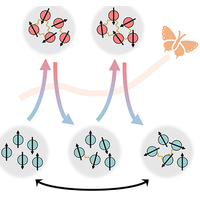
Errors in multiround time-reversed dynamics accumulate with different scalings depending on whether they are coherent or incoherent.
Phys. Rev. Lett. 137, 140401 (2026)
Quantum Information, Science, and Technology
Constant-Depth Magic State Cultivation with Clifford Measurements by Gauging
Article | Quantum Information, Science, and Technology | 2026-09-29 06:00 EDT
Bence Hetényi, Benjamin J. Brown, and Dominic J. Williamson
Magic states are a scarce resource for two-dimensional qubit stabilizer codes. Magic state cultivation was recently proposed to reduce the cost of magic state preparation by measuring the transversal Clifford operator of the color code. Cultivation achieves logical error rates for the colo…
Phys. Rev. Lett. 137, 140601 (2026)
Quantum Information, Science, and Technology
Observation of $\mathrm{ϒ}(1\mathrm{S})+Z$ Associated Production and Measurement of the Effective Double-Parton Scattering Cross Section in Proton-Proton Collisions at $\sqrt{s}=13\text{ }\text{ }\mathrm{TeV}$
Article | Particles and Fields | 2026-09-29 06:00 EDT
A. Hayrapetyan et al. (CMS Collaboration)
The observation of the associated production of an meson with a boson and a measurement of the ratio of its fiducial cross section to the fiducial cross section of the boson are presented. Both the meson and the boson are identified via decays into a pair of opposite-sign muons. Th…
Phys. Rev. Lett. 137, 141902 (2026)
Particles and Fields
Programming Coherent and Quantum Light with a Free-Electron Wavepacket
Article | Atomic, Molecular, and Optical Physics | 2026-09-29 06:00 EDT
Songyu Zhu, Yushan Zeng, Chenhao Pan, Yiming Pan, Ye Tian, and Ruxin Li
The pursuit of programmable light sources with high coherence and spectral purity hinges on establishing a precise set of phase relationships in light-matter interactions. Here, we demonstrate that the quadratic dispersion of a freely propagating electron wave packet serves as a programmable quantum…
Phys. Rev. Lett. 137, 143601 (2026)
Atomic, Molecular, and Optical Physics
Giant Photon Blockade with Multiple Atoms
Article | Atomic, Molecular, and Optical Physics | 2026-09-29 06:00 EDT
Xin Liu, Qing-Hong Liao, Qing-Yue Zhang, and Yong-Chun Liu
Nonlinearity at the single-photon level is important in both fundamental research and applications of quantum optics. Strong single-photon nonlinearity is usually hard to achieve with a single atom coupled to a cavity mode. Unfortunately, stronger nonlinearity cannot be achieved by coupling more ato…
Phys. Rev. Lett. 137, 143602 (2026)
Atomic, Molecular, and Optical Physics
Solubility Enhanced Surfactant-Induced Flow in Air-Liquid-Air Sheets
Article | Physics of Fluids, Earth & Planetary Science, and Climate | 2026-09-29 06:00 EDT
Jun Eshima, Tristan Aurégan, Emmanuel Villermaux, Howard A. Stone, and Luc Deike
Liquid interfaces appear throughout nature and engineering and are typically contaminated by surface active agents (surfactants), which are characterized by a wide range of solubility. We demonstrate that solubility enhances by an order of magnitude surfactant-induced flow in air-liquid-air films, i…
Phys. Rev. Lett. 137, 144001 (2026)
Physics of Fluids, Earth & Planetary Science, and Climate
High Hole Doping Redirects Pressure-Induced Phase Transformation of Silicon
Article | Condensed Matter and Materials | 2026-09-29 06:00 EDT
Tong Zhao, Shulin Zhong, Yuxin Sun, Defan Wu, Zhidan Zeng, Yilun Wang, Chunyi Zhang, Rui Shi, Hao Chen, Qunlin Nie, Zhenyi Ni, Xiaodong Pi, Xiangyang Ma, Yunhao Lu, and Deren Yang
The pressure-induced phase transformation of semiconductors, particularly silicon (Si), has long been a fundamental problem in condensed matter physics. Decades of research have predominantly focused on external factors such as temperature, load, and unloading rate, leaving the role of inherent elec…
Phys. Rev. Lett. 137, 146101 (2026)
Condensed Matter and Materials
Structural Phase Separation Couples to Charge-Density-Wave Formation in Kagome Metal FeGe
Article | Condensed Matter and Materials | 2026-09-29 06:00 EDT
Boyang Zhao, Youngjun Ahn, Qinwen Deng, Yidai Liu, Sijie Xu, Donald A. Walko, Stephan O. Hruszkewycz, Pengcheng Dai, Liang Wu, and Haidan Wen
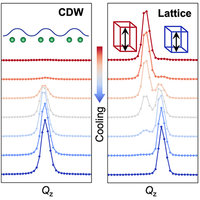
Temperature-dependent high-resolution synchrotron X-ray diffraction reveals structural Bragg peak splits in FeGe at the charge-density-wave transition temperature suggesting that its quantum states may be manipulated with strain.
Phys. Rev. Lett. 137, 146102 (2026)
Condensed Matter and Materials
Role of the Apical Oxygen in Cuprate High-Temperature Superconductors
Article | Condensed Matter and Materials | 2026-09-29 06:00 EDT
Samuel Vadnais, Rémi Duchesne, Kristjan Haule, A.-M. S. Tremblay, David Sénéchal, and Benjamin Bacq-Labreuil
Scanning tunneling microscopy measurements exploiting the natural superstructure modulation of the cuprate superconductor (Bi-2212) have revealed a possible correlation between the Cu-apical-O distance and the superconducting order parameter , as reported recently by O'Mahony…
Phys. Rev. Lett. 137, 146502 (2026)
Condensed Matter and Materials
Nonlocal Edge Mode Hybridization in the Long-Range Interacting Kitaev Chain
Article | Condensed Matter and Materials | 2026-09-29 06:00 EDT
David Haink, Andreas A. Buchheit, Christof Weitenberg, and Benedikt Fauseweh
In one-dimensional -wave superconductors with short-range interactions, topologically protected Majorana modes emerge, whose mass decays exponentially with system size, as first shown by Kitaev. In this Letter, we extend this prototypical model by including power law long-range interactions within …
Phys. Rev. Lett. 137, 146503 (2026)
Condensed Matter and Materials
Emergent Andreev Reflection from a Lattice Duality Defect
Article | Condensed Matter and Materials | 2026-09-29 06:00 EDT
Atsushi Ueda, Tokiro Numasawa, Boris De Vos, and Masataka Watanabe
Andreev reflection converts an incoming fermion into an outgoing hole and is usually tied to a superconducting interface. We show that an analogous charge-conjugating boundary condition emerges from a purely lattice duality defect. Starting from a Majorana representation of the transverse-field Isin…
Phys. Rev. Lett. 137, 146504 (2026)
Condensed Matter and Materials
General Construction from Topological Loop States to Topological Invariants in Exactly Flat Bands
Article | Condensed Matter and Materials | 2026-09-29 06:00 EDT
Rui-Heng Liu, Jiangping Hu, and Chen Fang
Electronic flat bands have localized Wannier-like orbitals as zero modes. In the Lieb or kagome models, the localized orbitals satisfy a topological condition that entails two noncontractible loop eigenstates along the axis in real space and one topological band touching point with other band…
Phys. Rev. Lett. 137, 146601 (2026)
Condensed Matter and Materials
Temporal Topology and Nonreciprocity Hidden in Homogeneous Dissipation
Article | Condensed Matter and Materials | 2026-09-29 06:00 EDT
Aoxi Wang, Yafei Zhang, and Chang Qing Chen
From the diminishing sound of a plucked guitar string to the quick fading of ripples on water, wave attenuation in lossy media is a ubiquitous phenomenon. Here, we unveil a hidden connection between this familiar effect and a time-domain non-Hermitian topology. We show that a broad class of velocity…
Phys. Rev. Lett. 137, 146602 (2026)
Condensed Matter and Materials
Quantized Heat Flow in the Hofstadter Butterfly
Article | Condensed Matter and Materials | 2026-09-29 06:00 EDT
A. Zhang, G. Aissani, Q. Dong, Y. Jin, K. Watanabe, T. Taniguchi, C. Altimiras, P. Roche, J.-M. Berroir, E. Baudin, G. Fève, G. C. Ménard, O. Maillet, and F. D. Parmentier
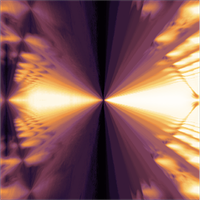
Heat flow in the Chern Insulator states of the Hofstadter butterfly is obtained in a graphene/hBN moiré for the first time.
Phys. Rev. Lett. 137, 146603 (2026)
Condensed Matter and Materials
Real-Space Hybrid Topological Singularities in Structured Elastic Waves
Article | Condensed Matter and Materials | 2026-09-29 06:00 EDT
Tong Fu, Pengfei Zhao, Liyou Luo, Zhiling Zhou, Dong Liu, Wanyue Xiao, Jensen Li, and Shubo Wang
Real-space singularities govern a broad spectrum of wave phenomena, yet they remain largely unexplored in elastic wave systems. Here, we report hybrid topological singularities that emerge on the surfaces of finite-sized solids due to the full vectorial character of elastic waves. These textures fus…
Phys. Rev. Lett. 137, 146604 (2026)
Condensed Matter and Materials
Criticality and Universality of the Generalized Kuramoto Model
Article | Statistical Physics; Classical, Nonlinear, and Complex Systems | 2026-09-29 06:00 EDT
Zhongpu Qiu, Tianyi Wu, Sheng Fang, Jun Meng, and Jingfang Fan
We explore synchronization transitions in a generalized Kuramoto model with -dimensional vector oscillators on complete graphs (CG) and on -dimensional lattices. On the CG, we analytically derive universal critical exponents for all even . Through the Botet-Jullien-Pfeuty relatio…
Phys. Rev. Lett. 137, 147201 (2026)
Statistical Physics; Classical, Nonlinear, and Complex Systems
Reversible to Irreversible Transitions in Pattern-Forming Systems with Cyclic Interactions
Article | Polymers, Chemical Physics, Soft Matter, and Biological Physics | 2026-09-29 06:00 EDT
C. Reichhardt and C. J. O. Reichhardt
Transitions from reversible to irreversible or fluctuating states above a critical density and shear amplitude have been extensively studied in nonthermal cyclically sheared suspensions and amorphous solids. Here, we propose that the same type of reversible to irreversible transition occurs for a sy…
Phys. Rev. Lett. 137, 148201 (2026)
Polymers, Chemical Physics, Soft Matter, and Biological Physics
Physical Review X
Quasicrystal Topological Hydrodynamics
Article | | 2026-09-29 06:00 EDT
Jun-liang Duan, Chuanjie Hu, Jiayun Ning, Xu-jie Chai, Li-Wei Wang, Yang Dong, Jianjun Liu, Shan Zhu, Huanyang Chen, Jian-Hua Jiang, and Jin-hui Chen
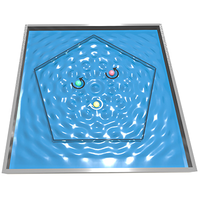
Quasicrystalline water waves allow exquisite insight into topological physics and provides a unique platform for manipulating particle for a wide range of applications.
Phys. Rev. X 16, 031078 (2026)
arXiv
Memory-induced optimal switching in a dynamic Ising-Kuramoto model
New Submission | Statistical Mechanics (cond-mat.stat-mech) | 2026-09-30 20:00 EDT
We study a globally coupled stochastic system in which each unit carries an Ising spin and a continuous phase. The spins undergo Glauber switching with relaxation rate $ \gamma$ , while the phases are driven by Ornstein-Uhlenbeck noise with correlation time $ \tau$ . A spin-dependent phase interaction supports a composite coherent mode, $ Z_m=N^{-1}\sum_j\sigma_j e^{i\theta_j}$ , that can order even when the ordinary phase coherence is small. Linear response about the nonmagnetic incoherent state gives the synchronization threshold $ K_{\mathrm c}=[(\mu+\beta_s\gamma)\chi_\gamma]^{-1}$ , where $ \chi_\gamma$ is a memory-weighted Laplace transform of the free phase correlation function. The competition between the increasing Glauber response and the decreasing memory susceptibility produces a finite switching rate at which $ K_{\mathrm c}$ is minimized. We derive a general sufficient condition for such an interior optimum and show that finite-time Ornstein-Uhlenbeck correlations satisfy the required fast-switching asymptotics, whereas the white-noise limit need not. Finite-size simulations reproduce the nonmonotonic threshold, its shift toward slower switching as $ \tau$ increases, antiphase composite order in a nonmagnetic state, and mode mixing on a magnetized background.
Statistical Mechanics (cond-mat.stat-mech)
6 pages, 4 figures
Discrete Scale Invariance of Ising Mesons
New Submission | Disordered Systems and Neural Networks (cond-mat.dis-nn) | 2026-09-30 20:00 EDT
Denis V. Vasilyev, Abbas Ali Saberi
Discrete scale invariance often arises from resonant few-body or singular scale-invariant dynamics. We show that it can instead emerge in the internal motion of a composite excitation in an ordered quantum magnet. In the marginal $ 1/r^4$ transverse-field Ising chain, long-range bonds generate an asymptotic inverse-square attraction between dressed domain walls, with strength fixed by the spontaneous magnetization. The dressed two-kink threshold curvature sets the relative kinetic scale. Together, these independently accessible quantities determine the scale-anomaly exponent and hence the meson hierarchy. In the supercritical regime, the same exponent governs geometric binding-energy and size ratios, logarithmic level accumulation, and log-periodic threshold scattering. Full-spin exact diagonalization and a fourth-order weak-field Hamiltonian support the coupled energy–size scaling in the finite window between core and ring effects. This provides a microscopic many-body realization of quantum limit-cycle physics, with its universal scaling fixed by magnetic order and kink mobility.
Disordered Systems and Neural Networks (cond-mat.dis-nn), Quantum Gases (cond-mat.quant-gas), Statistical Mechanics (cond-mat.stat-mech)
26 pages, 8 figures
Advancing Fuzzy-Sphere CFTs: $\mathrm{SO}(3)$-Rotation-Resolving Exact Diagonalization, 3D Ising Heavy Primaries, and Quasi-Hole-Space Projection
New Submission | Strongly Correlated Electrons (cond-mat.str-el) | 2026-09-30 20:00 EDT
Fuzzy-sphere regularization has recently emerged as a powerful framework for studying three-dimensional conformal field theories (CFTs). In this work, we exploit symmetry and Hilbert-space structures to substantially advance this framework. We develop an exact-diagonalization algorithm that resolves the full $ \mathrm{SO}(3)$ rotational symmetry, reducing computational costs by factors of several hundred. For the three-dimensional Ising CFT, we identify around 100 primary operators, including a large number of previously unknown heavy scalar primaries up to scaling dimension $ \Delta\approx16.5$ . We also resolve the tension between previous fuzzy-sphere and bootstrap results regarding the parity-odd scalar primary. Furthermore, we identify a branch of scalar primaries associated with $ \phi^n$ operators in the $ \phi^4$ Lagrangian description, beginning with the identity, $ \sigma$ , $ \epsilon$ , $ \epsilon’$ , and $ \sigma’$ . Their wave functions exhibit a semi-classical structure closely related to states invariant under area-preserving diffeomorphisms of the sphere. Finally, we show that critical points involving fractional quantum Hall states can be studied within a substantially reduced Hilbert space spanned by quasi-hole states of the corresponding model quantum Hall wave functions like the Laughlin state. This suggests a general strategy for exploring CFTs intertwined with topologically ordered phases.
Strongly Correlated Electrons (cond-mat.str-el), Mesoscale and Nanoscale Physics (cond-mat.mes-hall), Statistical Mechanics (cond-mat.stat-mech), High Energy Physics - Theory (hep-th)
53 pages, 10 figures, 7 tables
Topological Band Theory for High-Dimensional Parameter Spaces
New Submission | Mesoscale and Nanoscale Physics (cond-mat.mes-hall) | 2026-09-30 20:00 EDT
Vivek Chakrabhavi, Walt Chavarria, Jonathan J. Heckman, Steven Rayan
We study the topological band theory of quantum Hall systems in which the adiabatic flux parameters of an external gauge potential form a high-dimensional manifold. This situation arises both for strongly correlated matter on spatial Riemann surfaces of genus $ g > 1$ , as well as in the formal study of matter on compact oriented manifolds of dimension $ 4\ell+2 = 2p$ coupled to $ p$ -form gauge potentials. In these cases, the underlying topological invariants defined over the parameter space are significantly richer than the low-dimensional (i.e., two-dimensional) case and involve both the curvature (i.e., first Chern class) as well as higher order curvature invariants. These higher curvature invariants correspond to topologically protected contributions to Kubo-like formulae, constructed from correlation functions of the physical current operators. We illustrate these general considerations with an explicit example from hyperbolic band theory based on the genus-two Bolza Riemann surface, a case which has recently been simulated on a synthetic-dimension platform.
Mesoscale and Nanoscale Physics (cond-mat.mes-hall), High Energy Physics - Theory (hep-th), Mathematical Physics (math-ph), Algebraic Geometry (math.AG), Quantum Physics (quant-ph)
24 pages, 4 figures
Nonreciprocal Chiral Automata
New Submission | Statistical Mechanics (cond-mat.stat-mech) | 2026-09-30 20:00 EDT
Andrew A. Allocca, Armin Rahmani, Pouyan Ghaemi, Sriram Ganeshan
Odd pressure is a parity-odd transport coefficient that gives an isotropic pressure response to vorticity in compressible two-dimensional fluids. By asymmetrically coupling vortical and compressional modes, it provides a direct mechanism for a nonreciprocal hydrodynamic response reminiscent of several biological systems. Yet microscopic models realizing odd pressure as a transport coefficient are relatively scarce. Here, we construct one such model using a lattice-gas cellular automaton based on the Frisch-Hasslacher-Pomeau II model with rest particles and chiral collisions, whose Chapman-Enskog coarse-graining produces a nonzero odd pressure coefficient. The key ingredient is a local parity-breaking collision that weakly rotates moving particles in the presence of a rest particle. At hydrodynamic scales, this microscopic rule acts as an effective magnetic field, converting the model’s bulk viscosity into odd pressure. More generally, we derive expressions relating Hall viscosity, odd pressure, and odd torque to their parity-even counterparts in our model.
Statistical Mechanics (cond-mat.stat-mech), Soft Condensed Matter (cond-mat.soft), Fluid Dynamics (physics.flu-dyn)
5+2 pages, 2 figures
Spectroscopy of phonon-coupled integer and fractional Chern insulators: emergence of polarons and chirality deficit of graviton mode
New Submission | Strongly Correlated Electrons (cond-mat.str-el) | 2026-09-30 20:00 EDT
Min Long, Yuzhu Wang, Zi Yang Meng
Strong electron-phonon coupling can destabilize both Chern insulators (CIs) and fractional Chern insulators (FCIs) in favor of charge order, but whether the instabilities in CI and FCI share a common microscopic mechanism remains unclear. In this paper, we address this question by studying a flat-band Haldane model coupled to dynamical Holstein phonons at integer and fractional fillings using density-matrix renormalization group with local basis optimization. We find that the low-energy effects of phonons are dominated by their dressing of charge-neutral collective modes. In the CI and FCI, phonons dress excitons and magnetorotons into composite modes that we identify as exciton polarons and magnetoroton polarons, respectively. These modes soften strongly upon approaching the transition, while the momenta of their energy minima anticipate the ordering wave vectors of the charge-ordered phases. The phonon spectrum, in turn, acquires dispersive features inherited from the exciton and magnetoroton modes, providing direct lattice signatures of these neutral excitations. Within the FCI phase, electron-phonon coupling also enhances the opposite-chirality spectral weight of the graviton response, thereby resulting in a chirality deficit. Our results provide a unified excitation-based picture of phonon-driven instabilities in CIs and FCIs and establish lattice dynamics as a probe of their neutral collective modes.
Strongly Correlated Electrons (cond-mat.str-el), Mesoscale and Nanoscale Physics (cond-mat.mes-hall), Materials Science (cond-mat.mtrl-sci)
4+22 pages, 4 + 18 figures
Magnetoplasmon molecule
New Submission | Mesoscale and Nanoscale Physics (cond-mat.mes-hall) | 2026-09-30 20:00 EDT
A. V. Larionov (1), A. V. Gorbunov (1), A. B. Van’kov (1), D. A. Shchigarev (1, 2, 3), L. V. Kulik (1), V. Umansky (4) ((1) Institute of Solid State Physics named after Yu. A. Osipyan, Russian Academy of Sciences, Chernogolovka, Russia, (2) Moscow Institute of Physics and Technology, Dolgoprudny, Russia, (3) Skolkovo Institute of Science and Technology, Moscow, Russia, (4) Braun Center for Submicron Research, Weizmann Institute of Science, Rehovot, Israel)
We investigate a two-dimensional electron system in an external magnetic field. An intrinsic four-particle excitation of the electron system, which we term a magnetoplasmon molecule, is observed. The molecule comprises two identical electrons and two Fermi holes with opposite spins. Both electrons and one Fermi hole participate in the collective plasma oscillations of the electron system, whereas the second Fermi hole neutralizes the excess electronic charge. We examine the interaction between the magnetoplasmon molecule and a magnetoexciton condensate.
Mesoscale and Nanoscale Physics (cond-mat.mes-hall)
9 pages, 5 figures
Linking Topological Medium Range Order and Density-Wave Coherence to Metallic Glass Ductility
New Submission | Materials Science (cond-mat.mtrl-sci) | 2026-09-30 20:00 EDT
Minhazul Islam, Muchen Wang, Andrea Fantin, Geun Hee Yoo, Ji Young Kim, Hamdan Ashfaq, Eun Soo Park, Robert Maass, Yunzhi Wang, Yue Fan, Hee-Suk Chung, Sang-Chul Lee, Jinwoo Hwang
Metallic glasses exhibit pronounced composition-dependent mechanical properties, yet identifying the structural origins of these changes remains difficult. An outstanding issue is how to correlate different forms of medium range order (MRO), defined at different length scales and accessed through different experimental observables, and to understand their connection to properties. We combine synchrotron reduced density function, G(r), with machine-learning-assisted four dimensional scanning transmission electron microscopy (4D-STEM) to examine geometric and topological MRO in five Zr-based metallic glasses. Density wave analysis of G(r) provides a geometric MRO descriptor through the coherence length of atomic density correlations, while 4D-STEM reveals nanoscale topological and chemical MRO motifs, including crystal-like local ordering with distinct rotational symmetries. We show that the G(r)-derived coherence length captures an important baseline tendency for cooperative ductile relaxation, while composition-dependent topological MRO provides an additional structural contribution that helps explain the observed mechanical responses. In particular, increasing Zr content suppresses Cu-rich FCC-like MRO, increases the cooperative coherence volume, and promotes fine Zr-rich HCP-like local order associated with enhanced ductility. These results identify the combined structural influence of geometric and topological MRO as a key basis for composition-dependent mechanical response in metallic glasses.
Materials Science (cond-mat.mtrl-sci)
Excitonic Stripe Order in the Two-Orbital Hubbard-Kanamori Model
New Submission | Strongly Correlated Electrons (cond-mat.str-el) | 2026-09-30 20:00 EDT
Rafael D. Soares, Luke Staszewski, Chunhan Feng, Alexander Wietek
Excitonic condensation and stripe formation are two distinct manifestations of electronic correlations. While excitonic order naturally arises in multi-orbital systems, stripe order is a prominent feature of doped correlated-electron models. Here, we investigate an excitonic analogue of stripe order in the two–orbital Hubbard-Kanamori model on the square lattice, characterized by a spatial modulation of inter-orbital particle-hole coherence and, in the orbital-parity-symmetric limit, spontaneous breaking of a relative orbital $ \mathbb{Z}_2$ symmetry. Using unrestricted real-space Hartree-Fock calculations complemented by random-phase-approximation instability analysis, we determine how the Kanamori interactions select different excitonic channels. The sign of Hund’s exchange controls the spin character of the condensate: ferromagnetic Hund coupling favors triplet excitonic order, whereas antiferromagnetic Hund coupling stabilizes singlet excitonic order. Upon doping, commensurate excitonic density waves develop incommensurate textures, including excitonic stripes and, in the triplet sector, spiral excitonic density waves. We further show that crystal-field splitting strongly reorganizes the excitonic instability by modifying inter-orbital nesting and can stabilize triplet excitonic order even in the absence of pair hopping. Our results establish excitonic stripes as a distinct symmetry-broken state of multi-orbital correlated systems and identify microscopic routes for their stabilization.
Strongly Correlated Electrons (cond-mat.str-el)
24 pages; 13 Figures. Comments are welcome
Measuring trainable degrees of freedom in materials graph neural networks: a random-subspace intrinsic dimension analysis
New Submission | Materials Science (cond-mat.mtrl-sci) | 2026-09-30 20:00 EDT
Shehroz Ahmad Shoaib, Kangming Li
Final predictive accuracy is the standard basis for comparing graph neural networks (GNNs) in materials-property prediction, but it does not show how strongly performance depends on access to trainable parameter-space directions. Here, we introduce trainable-degree dependence as a complementary characterization of materials GNN learning. Using random-subspace intrinsic-dimension analysis, we train CGCNN, ALIGNN, and DimeNet++ in randomly oriented parameter subspaces across six prediction tasks and measure how performance recovers as independent trainable degrees of freedom are restored. The resulting recovery curves separate endpoint accuracy from the trainable-dimensional demand required to recover it. They reveal distinctions that final errors alone miss: metallic classification and log-bulk-modulus regression recover near-reference performance from small fractional subspaces, formation-energy and band-gap prediction show stronger architecture dependence, and phonon prediction is most sensitive to dimensional restriction. Dataset-size sweeps show that band-gap models require larger fractional subspaces as training data grows, whereas formation-energy and bulk-modulus responses are more stable. A width sweep shows that fractional thresholds can remain stable while absolute threshold dimensions increase with model size. Random-subspace analysis therefore provides a targeted stress test for how materials GNNs use their optimization space.
Materials Science (cond-mat.mtrl-sci), Artificial Intelligence (cs.AI)
Accelerating phase-field simulations on exascale computing systems for faster-than-real-time precipitate aging predictions
New Submission | Materials Science (cond-mat.mtrl-sci) | 2026-09-30 20:00 EDT
Stephen DeWitt, David J. Gardner, Philip Fackler, Yonggil Song, Miroslav Stoyanov, Carol S. Woodward, Balasubramaniam Radhakrishnan
Three-dimensional phase-field simulations are a gold-standard for microstructure prediction for materials, but their computational cost often limits application-relevant calculations to modest domain sizes and timescales. Here, we present a holistic approach for accelerating Fourier pseudospectral phase-field simulations by combining performance-portable GPU computing, large-scale distributed-memory parallelism, and high-order implicit-explicit time integration within the MEUMAPPS C++ framework. We demonstrate this approach with a 1.5-billion-grid-point simulation of the growth and coarsening of 1,920 gamma’’ precipitates in a Ni-Nb-Fe alloy. The simulated seven-hour heat treatment is completed in 5.5 hours, making the calculation faster than real time and an estimated 217-501x faster than a CPU-only, first-order baseline. This performance makes three-dimensional simulations of thousands of interacting precipitates tractable, enabling quantitative studies ocollective microstructural phenomena, large simulation ensembles, and real-time integration into controlling and interpreting experiments. Benchmarking shows single-node GPU speedups of up to 17.5x relative to comparable CPU resources, near-ideal strong scaling to 4096 GPUs for a 12-billion-grid-point problem, and a further 2.6-2.9x acceleration from fourth-order time integration at scientifically relevant error tolerances. These results establish a performance-portable strategy for exploiting leadership-scale GPU systems that is applicable to a broad class of Fourier pseudospectral simulations beyond phase-field models such as fluid dynamics and crystal plasticity simulations.
Materials Science (cond-mat.mtrl-sci)
39 pages, 4 figures
Far-field terahertz spectroscopy across the charge-density-wave transition in 2H-NbSe$_2$
New Submission | Materials Science (cond-mat.mtrl-sci) | 2026-09-30 20:00 EDT
Dmitriy Yavorskiy, Adil Rehman, Wojciech Brzezicki, Jan Skolimowski, Marcin Białek, Wojciech Knap, Dawid Wutke, Natalia Olszowska, Andrzej Wiśniewski, Ashutosh S. Wadge
Charge-density-wave (CDW) formation in 2H-NbSe$ 2$ modifies the low-energy electronic structure and gives rise to collective excitations coupled to the lattice. Here, we investigate bulk 2H-NbSe$ 2$ single crystals using far-field terahertz time-domain spectroscopy (THz-TDS) in reflection geometry across the CDW transition at $ T{\mathrm{CDW}} \approx 33$ ~K. Below $ T{\mathrm{CDW}}$ , the THz response shows a pronounced high-frequency feature near 1.5~THz together with longer-lived sub-THz oscillations. Both responses progressively weaken upon warming and are strongly suppressed across the CDW transition, supporting their association with the CDW state. Using time-dependent Ginzburg–Landau simulations, we reproduce the main features of the experimental THz response, associating the high-frequency response mainly with CDW amplitude dynamics and the sub-THz response with defect-pinned phase dynamics. The $ \sim1.5$ ~THz feature lies close to the frequency range reported for the Raman CDW amplitude mode, while coupling to lattice degrees of freedom may also influence its spectral position. We also performed complementary angle-resolved photoemission spectroscopy measurements, which reveal momentum-selective redistribution of near-Fermi-level spectral weight across the transition. Together, these results show that far-field THz spectroscopy provides a sensitive probe of collective CDW dynamics in bulk 2H-NbSe$ _2$ .
Materials Science (cond-mat.mtrl-sci)
Altermagnetism produces pair emission and absorption from dark excitons and magnons in La$_2$O$_3$Mn$_2$Se$_2$
New Submission | Materials Science (cond-mat.mtrl-sci) | 2026-09-30 20:00 EDT
Birender Singh, Xian Xu, Sabrina R. Hatt, Suvodeep Paul, Yu-Mi Wu, Chao-Chun Wei, Violet Williams, Kyung-Mo Kim, Yihao Zhang, Mohamed Shehabeldin, Cameron Grant, April Li, Michael Geiwitz, Xiaoyin Li, Garrett E. Granroth, Feng Liu, Qiong Ma, Benedetta Flebus, Judy J. Cha, Vinod M. Menon, Benjamin A. Frandsen, Diana Y. Qiu, Huiwen Ji, Kenneth S. Burch
Altermagnets’ (AMs) non-relativistic spin splitting enables novel states, spintronic and magneto-optical devices, though their optical signatures remain elusive. Here, we report exciton-magnon emission and absorption: optical sidebands from a spin-forbidden dark exciton, a direct consequence of altermagnetic symmetry. Combined optical spectroscopy and first-principles calculations reveal that La$ _2$ O$ _3$ Mn$ _2$ Se$ _2$ is an altermagnetic insulator, hosting a strongly bound, spin-forbidden dark exciton and a higher-energy bright exciton. Photoluminescence (PL) and absorption reveal mirror-image sidebands, Stokes-shifted in emission and anti-Stokes-shifted in absorption, symmetric about the dark exciton, whose energy shifts and spectral shapes match the magnon energy scale and density of states measured independently by inelastic neutron scattering. The PL intensity tracks the full equal-time spin-spin correlator, combining static and dynamical contributions, and rules out alternative processes. This directly couples PL to magnetism, with potential for magneto-optical devices. These results establish exciton-magnon spectroscopy as a new route for optically identifying and exploiting AMs.
Materials Science (cond-mat.mtrl-sci)
Magnetic excitations of the strongly-anisotropic triangular XXZ model: a projected spin-product state approach
New Submission | Strongly Correlated Electrons (cond-mat.str-el) | 2026-09-30 20:00 EDT
Recent experiments have sparked interest on the ground-state properties and on the excitation spectrum of the spin-$ 1/2$ triangular XXZ model with strong Ising-like anisotropy. In this work, we introduce and analyze a ``projected’’ coherent-state approximation to the model, constructed by projecting spin-product states onto the low-energy configurations of the triangular Ising antiferromagnet. Within this approximation, we discuss the structure of the ground-state ordering and the magnetization curve under a longitudinal field. We then discuss the excitation spectrum by linearizing equations of motion deriving from a time-dependent variational principle. This leads to a natural description of spin-wave-like excitations within the strongly constrained Hilbert space. At zero field, the variational approximation leads to a very flat landscape of quasi-degenerate states, which results in a low-energy pseudo-Goldstone mode in the excitation spectrum. We compare our results to experimental measurements on the cobaltite K$ _{2}$ Co(SeO$ _{3}$ )$ _{2}$ (KCSO). Our approximation leads to a dramatic improvement as compared to linear spin-wave theory. However, there remain deviations in the value of the pseudo-Goldstone gap and in the dispersion near $ M$ points at low field.
Strongly Correlated Electrons (cond-mat.str-el)
15 pages, 12 figures
Facet- and thickness-dependent band-edge alignment at ZrSe\texorpdfstring{$_3$}{3} surfaces: hybrid-functional calculations with spin-orbit coupling
New Submission | Materials Science (cond-mat.mtrl-sci) | 2026-09-30 20:00 EDT
Sandro G Holanda, Bruno Ipaves, Astrid Campos-Mata, Shreyasi Chattopadhyay, Pulickel M Ajayan, Douglas S Galvao, Marcelo L Pereira Junior
Transition-metal trichalcogenides MX$ _3$ are quasi-one-dimensional van der Waals materials whose layers form through lateral chain binding, giving them an interlayer cleavage plane and in-plane electronic anisotropy. Among them, ZrSe$ _3$ is stable under ambient conditions and semiconducting. Exfoliated crystals expose four crystallographic planes, and electrocatalytic measurements on an individual crystal assigned the hydrogen evolution activity to the high-energy (210) facet rather than to the basal plane. Those non-basal surfaces remain uncharacterized, since the available calculations treat either the bulk crystal or the free-standing basal monolayer. Here, we compute the surface energies and the equilibrium morphology of these four surfaces with a dispersion-corrected semilocal functional, and their band-edge alignment with the HSE06 hybrid functional including spin-orbit coupling. The surface energies span nearly an order of magnitude, from \SI{0.097}{\joule\per\meter\squared} for (001) to \SI{0.869}{\joule\per\meter\squared} for (010), and the Wulff shape exposes the four observed planes with area fractions of \SI{17.1}{\percent}, \SI{4.4}{\percent}, \SI{71.4}{\percent}, and \SI{7.0}{\percent}. The ionization potential varies by \SI{0.45}{\electronvolt} between facets and the electron affinity by \SI{0.80}{\electronvolt}, the gap of (210) falls from 1.43 to \SI{0.94}{\electronvolt} between 10 and \SI{23}{\angstrom}, and (010) remains metallic. The facets separate according to whether the cut preserves or distorts the Se-Se dimer, and the distorted dimers concentrate the frontier states. Because the same dimer governs the bulk electronic structure of the MX$ _3$ family, the criterion transfers to the related trichalcogenides.
Materials Science (cond-mat.mtrl-sci)
12 pages, 04 figures
Fracture of Lattice Materials from Low to High Relative Density
New Submission | Materials Science (cond-mat.mtrl-sci) | 2026-09-30 20:00 EDT
Adam P. Taylor, Sage Fulco, Kevin T. Turner
Lattice materials have highly tunable mechanical properties that are controlled by their internal geometry and base material behavior. While fracture models for low-density lattices are well-established, the fracture of lattices at relative densities above 30% remains largely unexplored. Here, we present an analytical model that combines homogenization methods and blunt-crack fracture theory to predict the fracture toughness of triangular and hexagonal lattices over a wide range of relative densities. Finite element modeling corroborates the analytical framework and demonstrates a shift in failure mechanisms between low and high relative density regimes. At high relative densities, failure is dominated by nodal stress concentrations, which are strongly influenced by the local crack-tip geometry and the macroscopic crack path. Significant stress redistribution is observed as the relative orientation and lattice fillet radius are varied, resulting in increased fracture toughness relative to baseline geometries. Furthermore, quasi-brittle poly(methyl methacrylate) (PMMA) lattices achieve about a 1.6x enhancement in fracture toughness relative to perfectly brittle lattices as failure is delayed by localized plasticity. Notably, some quasi-brittle lattices are found to exceed the fracture toughness of their base material – a feature only possible when the cell size is large compared to the base material’s plastic radius. Experiments on lattice fracture specimens made from laser-cut PMMA validate the finite element results, but highlight the stochastic nature of failure in brittle lattice materials, especially at higher relative densities.
Materials Science (cond-mat.mtrl-sci)
22 pages, 14 figures
Autonomous self-harmonic drift in Langevin dynamics causes a compaction of underlying domain for the density of Stochastic Localization
New Submission | Statistical Mechanics (cond-mat.stat-mech) | 2026-09-30 20:00 EDT
Our recent research on Langevin dynamics with self-harmonic drift and classical spins has revealed a strong connection to Stochastic Localization," a concept attracting attention in the fields of mathematical geometry and data science. Roughly speaking, the former can be viewed as a version of the latter in which the $ n$ -dimensional Euclidean space - the domain of the probability distribution function appearing in the latter - is compactified’’ to the surface of an $ n$ -dimensional sphere. By comparing the two frameworks, we argue that this compactification is a consequence of requiring the drift to be autonomous. The relationship between the two approaches may expand the scope of Stochastic Localization.
Statistical Mechanics (cond-mat.stat-mech), Mathematical Physics (math-ph), Data Analysis, Statistics and Probability (physics.data-an)
5 pages. 1 table. 0 figure
Topology Obstructs Nodeless Excitons
New Submission | Mesoscale and Nanoscale Physics (cond-mat.mes-hall) | 2026-09-30 20:00 EDT
Lowest-energy excitons are usually expected to have nodeless $ 1s$ -like envelope wavefunctions. We show that band topology can obstruct this expectation. The exciton envelope wavefunction is a section of the valence-conduction transition bundle, whose topology can enforce momentum-space zeros, with their parity or signed total index fixed by the corresponding characteristic class. We exemplify this behavior in a minimal $ PT$ -symmetric three-band model with a rank-two transition bundle characterized by Euler number $ \nu^e=2$ . By directly solving the Bethe-Salpeter equation with both contact and Rytova-Keldysh interactions, we find that the lowest exciton contains two zeros, each with index $ +1$ , and is less strongly bound than its topologically trivial counterpart. We further classify topology-enforced exciton nodal structures for real and complex transition bundles in dimensions $ d \leq 3$ . Our results establish the topology of the transition bundle as a direct constraint on exciton wavefunctions and spectra.
Mesoscale and Nanoscale Physics (cond-mat.mes-hall)
10 pages 4, figures
Magnetic properties and Fermi-surface topology of kagome magnet HoV$_6$Sn$_6$
New Submission | Strongly Correlated Electrons (cond-mat.str-el) | 2026-09-30 20:00 EDT
Tucker Beekmann, Ganesh Pokharel, Wyatt Edward Ackerman, Stephen D. Wilson, David E. Graf, Keshav Shrestha
We report a study of the magnetic properties and Fermi-surface topology of the kagome magnet HoV$ _6$ Sn$ _6$ using magnetization and tunnel-diode-oscillator (TDO) measurements. The temperature-dependent magnetization exhibits Curie-Weiss behavior at high temperatures and reveals long-range magnetic order below $ T_c$ $ \approx$ 2.4 K. Below Tc, the field-dependent magnetization reveals pronounced magnetic anisotropy, with saturation moments of $ \approx$ 9.5 and 7 $ \mu_B$ /Ho for fields applied along the out-of-plane and in-plane directions, respectively. To probe the Fermi surface, we perform TDO measurements in magnetic fields up to 41.5 T and at temperatures down to 0.35 K. The TDO signal exhibits well-defined quantum oscillations with multiple frequencies extending up to $ \sim$ 9 kT. Angular- and temperature-dependent measurements are used to determine the Fermi-surface geometry and cyclotron effective masses, respectively. To elucidate the electronic structure, we perform first-principles calculations of the electronic bands, density of states (DOS), and Fermi surface. The calculated band structure exhibits flat-band features, van Hove singularities, and Dirac-like crossings near the Fermi level. The DOS near the Fermi level is dominated by the V-d orbitals, indicating that the V kagome layers play a major role in determining the low-energy electronic properties of HoV6Sn6. Our calculations further support a ferromagnetic ground state with the Ho moments oriented along the c axis, consistent with neutron-scattering measurements. The calculated quantum-oscillation frequencies from the Fermi-surface pockets of HoV6Sn6 are in overall good agreement with the experimentally observed frequencies. Our combined experimental and theoretical results provide insight into the magnetic anisotropy and electronic structure of HoV$ _6$ Sn$ _6$ and reveal its multiband Fermi-surface topology.
Strongly Correlated Electrons (cond-mat.str-el)
28 pages, 8 figures
Derivation of Fokker-Planck equation and its entropy production
New Submission | Statistical Mechanics (cond-mat.stat-mech) | 2026-09-30 20:00 EDT
Tânia Tomé, Mário J. de Oliveira
We derive the Fokker-Planck equation and its entropy production from the master equation. To this end we consider a discrete space of states where the master equation is defined and appropriate transition rates are introduced. A transition rate has two parts, one of which is the ordinary term proportional to the inverse of the spacing and the other is inversely proportional to the square of the spacing corresponding to the variance of the independent stochastic variable. In the continuous space limit, we obtain the Fokker-Planck as well as the rate of entropy production and the flux of entropy. We also consider the case where the space of states is the phase space and discuss the equations appropriate for systems in contact with several heat reservoirs and for isolated systems.
Statistical Mechanics (cond-mat.stat-mech)
Unveiling Three-Dimensional Skyrmion Transitions Through Vortices and Monopoles
New Submission | Mesoscale and Nanoscale Physics (cond-mat.mes-hall) | 2026-09-30 20:00 EDT
Melissa E. Henderson, Daichi Kurebayashi, Benjamin Heacock, Wangchun Chen, Charles W. Clark, David G. Cory, Dusan Sarenac, Shannon Watson, Jonathan S. White, Lisa DeBeer-Schmitt, Oleg A. Tretiakov, Dmitry A. Pushin
Magnetic skyrmions represent vortex-like spin configurations that provide a robust platform for next-generation spintronic technologies. Although they are often treated as two-dimensional objects with integer topological charge, their extension into three-dimensional strings realizes other composite structures with unique device functionalities that transcend planar frameworks. Unfortunately, a lack of bulk probes has failed to realize such higher-dimensional topological structures and their implementations. Here, we report the first experimental visualization of three-dimensional topological $ Q = 0$ skyrmion structures using neutron scattering tomography techniques across the equilibrium phase of a Co$ _8$ Zn$ _8$ Mn$ _4$ sample. Disordered skyrmion states reveal metastable skyrmioniums and composite topological objects novel to bulk systems. Vortex-antivortex lattices mediate changes in topology, with unprecedented transition pathways via a coupling of merons and monopoles. The present realization of bulk Q = 0 quasiparticles and meron-mediated dynamics paves the way for higher-dimensional spintronic frameworks through multi-bit encoding architectures, unidirectional transport schemes, and monopole-mediated controls.
Mesoscale and Nanoscale Physics (cond-mat.mes-hall), Materials Science (cond-mat.mtrl-sci)
9 pages, 5 figures, 1 table
Fundamental concepts of thermal phonon coherence
New Submission | Materials Science (cond-mat.mtrl-sci) | 2026-09-30 20:00 EDT
Theodore Maranets, Haoran Cui, Milad Nasiri, Evan Doe, Yan Wang
As scientists seek to transcend traditional material property relationships, novel structures with artificial periodicity, configurational complexity, and disorder are increasingly being explored. For phonons, these architectures can induce significant phase correlations, which strongly shifts lattice heat conduction away from the conventional framework of particle-like scattering. This thermal phonon coherence can develop in space and time separately, resulting in distinct wave-like phenomena. Here we rigorously outline the theories of phonon spatial and temporal coherence. Crucially, this review focuses on demystifying and building conceptual understanding of the fundamental principles linking the various thermal conductivity and phonon property results reported in the literature. Furthermore, we use this understanding to establish a comprehensive physical picture of the wave nature of thermal phonons, unifying the spatial and temporal coherence theories. Altogether, the theoretical dissections in this review provide an extensive knowledge base for understanding and engineering thermal phonons in complex materials.
Materials Science (cond-mat.mtrl-sci)
Multistability by Design in Complex Triangular Mechanical Metamaterials
New Submission | Soft Condensed Matter (cond-mat.soft) | 2026-09-30 20:00 EDT
Chaviva Sirote-Katz, Yair Shokef
We introduce frustrated triangular networks that mix two different beam thicknesses. The two thicknesses separate the energetic costs of second-order buckling and angular deformation into four competing contributions. Using scaling arguments and mapping to an effective Ising description, we construct the system’s phase diagram in terms of its dimensionless geometric parameters. Selected beam arrangements exhibit local bistability: hexagonal motifs switch independently between opposite twisting states, while linear motifs support independently switchable beam states. In both cases, the number of mechanically stable configurations grows exponentially with system size. Experiments on fabricated silicone metamaterials confirm the predicted bistability and local switching. More generally, the allowed beam arrangements map onto rhombus tilings, producing a large combinatorial space of architectures. The system thus combines multiplicity in both architecture and stable deformation states, establishing beam-thickness patterning as a route for programming frustration, multistability, and extensive degeneracy in triangular mechanical metamaterials.
Soft Condensed Matter (cond-mat.soft)
Directional strain control of magnetism in MnBi$_2$Se$_4$, MnSb$_2$Se$_4$, and MnSb$_2$Te$_4$ freestanding monolayers
New Submission | Materials Science (cond-mat.mtrl-sci) | 2026-09-30 20:00 EDT
Swarnava Ghosh, Tanvir Sohail, Markus Eisenbach
MnBi$ _2$ Se$ _4$ , MnSb$ _2$ Se$ _4$ , and MnSb$ _2$ Te$ 4$ are layered magnetic quantum materials of interest for spintronic and topological electronic applications, where control of magnetic order at the atomic scale is essential. These materials are particularly sensitive to strain. We investigate their strain-dependent magnetism in the monolayer limit using first-principles calculations across the full two-dimensional strain space spanned by independent variations of the two in-plane strain components. Our results show that the Mn-projected local moments depend primarily on the volumetric strain, whereas the magnetic ground state, exchange interactions, magnetocrystalline anisotropy, and ordering temperature show pronounced directional and composition-dependent responses. We also observe strain-induced competition between the phases, with MnBi$ _2$ Se$ _4$ , and MnSb$ _2$ Se$ _4$ monolayers exhibiting a more diverse range of competing magnetic states, while MnSb$ _2$ Te$ _4$ monolayer remains ferromagnetic over a larger portion of strain space. MnSb$ _2$ Te$ _4$ also exhibits a substantially larger out-of-plane magnetocrystalline anisotropy, while showing a weaker dependence on strain than the Se-based materials. The calculated magnetic ordering temperature maps further highlight the role of two-dimensional strain to tune thermal magnetic stability in these materials. These results establish magnetoelastic trends across this family of Mn-based chalcogenide monolayers.
Materials Science (cond-mat.mtrl-sci), Applied Physics (physics.app-ph), Computational Physics (physics.comp-ph)
Quantum metric induced nonlinear transport in the hidden loop-current phase of kagome metal RbV$_3$Sb$_5$
New Submission | Strongly Correlated Electrons (cond-mat.str-el) | 2026-09-30 20:00 EDT
Jia-Chen Shi, Shupeng Xu, Utkarsh Khandelwal, Nashra Pistawala, Luminita Harnagea, Steven J. May, Ritesh Agarwal
A hidden low-temperature phase with possible loop-current order has been proposed in the kagome metals AV$ _3$ Sb$ _5$ (A=K, Rb or Cs), but its experimental signatures remain subtle and indirect. Here, we use third-order nonlinear transport to probe this hidden phase in RbV$ _3$ Sb$ _5$ . At ~35 K, the longitudinal cubic response develops a strong kink and pronounced directional anisotropy with a strong departure from common relaxation time scaling, while the transverse cubic response acquires a magnetic field-odd component at the same temperature. Their coincident onset identifies the third-harmonic response as a sensitive marker of the low-temperature electronic reconstruction with time-reversal broken symmetry. Crucially, we find that the quantum metric quadrupole contributes directly to the longitudinal third-order response. In a loop-current charge-density-wave model, its direction selective enhancement captures the observed angular reconstruction. Our work shows how higher-order nonlinear transport translates subtle changes in electronic symmetry and quantum metric into measurable electrical signatures in quantum materials that is important for studying complex electronic phases of matter.
Strongly Correlated Electrons (cond-mat.str-el), Materials Science (cond-mat.mtrl-sci)
Artificial versus Natural Atoms: The uncanny capability of the many-body Schrödinger equation to produce emergent behavior
New Submission | Strongly Correlated Electrons (cond-mat.str-el) | 2026-09-30 20:00 EDT
The paper reviews the theoretical and experimental progress achieved in the last 25 years in understanding the novel physics of artificial atoms and molecules as arising from the formation of Wigner molecules (WMs) of localized (to a stronger or lesser extent) fermionic or bosonic particles, which are finite quantum analogs of the more familiar bulk Wigner crystal. The term artificial atoms, as used here, encompasses a broad range of recently fabricated quantum nanodevices and experimental apparatuses consisting of a finite number of mutually repelling confined particles, including two-dimensional semiconductor and moiré transition metal dichalcogenide quantum dots, as well as trapped ultracold neutral atoms or ions. These nano-sized or micro-sized artificial devices and apparatuses (in single well or multi-well of variable-shape arrangements) hold a great promise for technological applications in the field of quantum information and quantum computers, as well as for advances in fundamental many-body physics. Prominent quantum effects of Wigner molecularization are the strong quenching of the spectral energy gaps, the appearance of rovibational spectra (in analogy with natural molecules), entanglement, and pinning due to an external perturbation. In high magnetic fields or at rapid rotation, WMs provide an alternative theory to the fractional quantum Hall effect. The physics of Wigner molecules is shown to derive from the solutions of the many-body Schrödinger equation (MBSE) in the regime of strong interparticle correlations arising from the dominance of the potential over the kinetic energy, or from a high magnetic field, as well as from a rapid rotation… (continues in the paper).
Strongly Correlated Electrons (cond-mat.str-el), Nuclear Theory (nucl-th), Atomic Physics (physics.atom-ph)
Review paper, 100 pages with 50 figures. For related papers, see this https URL
J. Phys.: Condens. Matter 38, 343002 (2026)
Enhanced Critical Currents and Irreversibility Fields in YBa$_2$Cu$_4$O$_8$ Films through Ca-Substitution
New Submission | Superconductivity (cond-mat.supr-con) | 2026-09-30 20:00 EDT
Jiangteng Liu, Shuhei Funaki, Yuki Ogimoto, Bryan Zhang, Ryoya Nagaura, Ryuji Yoshida, Takeharu Kato, Masashi Miura, Serena Eley
The intrinsic carrier concentration of superconducting materials may not be optimal, and different superconducting properties may have distinct optimal doping levels. Here, we show that Ca substitution increases the hole concentration in intrinsically underdoped epitaxial (Y$ _{1-x}$ Ca$ _x$ )Ba$ _2$ Cu$ _4$ O$ _8$ (YCa124) films with $ x \leq 0.10$ , driving YCa124 toward optimal doping, increasing $ T_c$ and $ J_c$ . At 40 K, 10% Ca doping increases $ J_c$ by factors of 2.4 and 10 at 0.03 and 6 T, respectively, compared with the undoped film. The field dependence of $ J_c$ follows $ J_c \propto B^{-0.5}$ , independent of Ca content, indicating that Ca substitution does not alter the dominant pinning mechanism. This field dependence is consistent with pinning by planar Y-125 stacking-fault intergrowths observed by electron microscopy. In addition, Ca substitution slows thermally activated vortex motion (creep) at $ T \gtrsim 15$ K, while at lower temperatures the creep rate $ S$ shows an unusual decrease with increasing field. Finally, we consider how doping tunes the upper bound on $ J_c$ , set by the depairing current density $ J_d$ , and the lower bound on creep, set by the Ginzburg parameter $ G_i$ . We find positive correlations between $ J_c$ and $ J_d$ , and between $ S$ and $ G_i$ , and compare them with trends across a broad range of superconductors.
Superconductivity (cond-mat.supr-con)
Localization Transition in Kinetically Deformed one-dimensional Aubry-André Model
New Submission | Statistical Mechanics (cond-mat.stat-mech) | 2026-09-30 20:00 EDT
We propose a $ q$ -deformation in the single-particle kinetic energy and investigate how it modifies the localization in the one-dimensional Aubry-André (AA) model. We construct a Hermitian $ q$ -deformed kinetic operator as a nonlinear function of the lattice translation operator, preserving the uniform lattice and recovering the conventional AA Hamiltonian continuously in the undeformed limit $ q\to1$ . The deformation generates an infinite set of correlated odd-range kinetic processes, controlled by a single parameter q, rather than phenomenologically involving long-range hopping. Under the dual transformation, this long-range hopping appears as higher harmonics of the dual quasiperiodic potential, providing a controlled route for breaking the exact self-duality of the AA model, with $ q$ as the control parameter, consequently modifying the localization structure for $ q\neq1$ . In contrast to the conventional AA model, where all eigenstates localize simultaneously at $ \lambda_c=2$ , the deformed model exhibits a fraction of delocalized states even beyond $ \lambda_c =2$ . An intermediate regime also emerges in the $ q-\lambda$ plane where localized and extended eigenstates coexist across the spectrum. We also propose a possible experimental realization of the hierarchy produced in the $ q$ -deformed kinetic setting in a periodically driven AA model.
Statistical Mechanics (cond-mat.stat-mech)
17 pages, 12 figures
Derivation of the General Solution of the Black-Scholes Boundary-Value Problem
New Submission | Statistical Mechanics (cond-mat.stat-mech) | 2026-09-30 20:00 EDT
There are infinitely many functions that satisfy the Black-Scholes partial differential equation and the terminal condition corresponding to the European call option. This means that the Black-Scholes formula, which led to the award of the 1997 Nobel Prize in Economic Sciences, is not the unique solution, as was once assumed. Consequently, it violates the law of one price, one of the fundamental laws of economics and finance. In this article, we present a rigorous derivation of these solutions to the Black-Scholes boundary value problem.
Statistical Mechanics (cond-mat.stat-mech), Mathematical Physics (math-ph)
Orbital-engineered px,y-kagome lattice in a halogen monolayer
New Submission | Materials Science (cond-mat.mtrl-sci) | 2026-09-30 20:00 EDT
Xulin Liu, Jingyi Duan, Yueqian Chen, Wenbo Liu, Peiyao Xiao, Yuxiang Liu, Pei Liu, Minjun Wang, Baojie Feng, Dongfei Wang, Xun Shi, Wei Jiang, Yugui Yao, Wende Xiao
Multi-orbital kagome lattices with explicit orbital degrees of freedom remain largely unexplored, as most experimentally realized systems rely on complex d-electron manifolds that are approximated by isotropic single-orbital models. Here, we overcome this limitation by realizing a px,y-orbital kagome lattice through deposition of a Br monolayer on Ag(111), where orbital filtering selectively suppresses the pz channel. Scanning tunneling microscopy, angle-resolved photoemission spectroscopy, and density-functional-theory calculations reveal a large-area, highly ordered kagome structure whose band dispersions quantitatively match the anisotropic px,y tight-binding model. To extract the intrinsic manifold from the substrate background, we construct an effective H-passivated model, which uncover the intrinsic electronic structure and reveals nontrivial topological characteristics of the px,y kagome manifold driven by first-order spin-orbit coupling effect. Our work establishes Br/Ag(111) as an experimentally accessible platform for multi-orbital kagome physics, extending the kagome paradigm from the conventional d-orbital regime to an orbitally engineered topological setting.
Materials Science (cond-mat.mtrl-sci)
8 pages, 4 figures
From Automated Simulation to Autonomous Discovery: A Hierarchical Framework for Agentic Computational Materials Science
New Submission | Materials Science (cond-mat.mtrl-sci) | 2026-09-30 20:00 EDT
Linggang Zhu, Jian Zhou, Zhimei Sun
The convergence of large language models, materials-specific foundation models, and agentic artificial intelligence is reshaping the paradigm of computational materials discovery. While high-throughput computation, automated workflows, and data-driven modeling have greatly expanded the scale of materials exploration, the core scientific decision-making loop remains largely human-directed. Agentic AI introduces the possibility of systems that can autonomously reason about materials objectives, execute simulations, and refine strategies. However, the rapid emergence of such systems has created a critical need for a unified and operational framework to define, evaluate, and guide scientific autonomy in computational materials discovery. In this Perspective, we propose the Computational Materials Agent Autonomy Level (CMA-AL) framework, a hierarchical taxonomy defining six levels of autonomous agency in computational materials science: scripted excecutor, LLM-assisted operator, adaptive explorer, experiment-ready modeler, agentic digital twin, and self-extending intelligence. We further map emerging agentic systems onto the framework and identify key scientific and technological challenges toward higher autonomy. CMA-AL provides a common language for characterizing agentic computational materials discovery, evaluating the maturity of emerging systems, and guiding their evolution toward increasingly autonomous materials discovery.
Materials Science (cond-mat.mtrl-sci)
Crossover of Scaling Behaviors of Work Cumulants in a Driven Gaussian Field Theory
New Submission | Statistical Mechanics (cond-mat.stat-mech) | 2026-09-30 20:00 EDT
Yanbo Qiao, Ruohan Xu, H. T. Quan
We derive the finite-temperature characteristic function of work (CFW) for a driven $ O(N)$ Gaussian field theory and obtain closed-form expressions for all zero-temperature excess-work cumulants. For gapped protocols, we use adiabatic perturbation theory (APT) to derive the $ \tau_Q^{-2}$ scaling for protocols with a nonzero first derivative at either boundary, where $ \tau_Q$ is the protocol duration; smoother boundaries lead to faster decay. For power-law protocols approaching the critical point with exponent $ p$ , we determine the competition between critical excitations and the regular contribution. The $ n$ th cumulant’s critical contribution follows Kibble–Zurek (KZ) scaling $ \tau_Q^{-p(d+n)/(p+2)}$ for $ d+n<2p+4$ , acquires a logarithmic correction $ \tau_Q^{-2p}\log\tau_Q$ at $ d+n=2p+4$ , and scales as $ \tau_Q^{-2p}$ above this condition, where $ d$ is the spatial dimension. This analytical study of the APT–KZ crossover in a solvable model provides a basis for studying their competition in interacting field theories.
Statistical Mechanics (cond-mat.stat-mech), Quantum Physics (quant-ph)
Effects of Longitudinal Spin Current Density Gradient on Spin-Orbit Torque Switching of Perpendicular Magnetization
New Submission | Mesoscale and Nanoscale Physics (cond-mat.mes-hall) | 2026-09-30 20:00 EDT
Guowen Gong, Qianbiao Liu, Lijun Zhu
It has remained a critical open question as to whether a longitudinal spin current gradient (e.g., due to a gradient in the thickness, composition, or width) can replace the longitudinal magnetic field required for deterministic spin-orbit torque switching of normal metal/ferromagnet heterostructures with perpendicular magnetic anisotropy. Here, we report robust micromagnetic and experimental evidence that any realistic longitudinal spin-current density gradient cannot be an effective replacement for a longitudinal magnetic field to enable deterministic switching of a perpendicular magnetic anisotropy device. Instead, the longitudinal spin current density can only modify the nucleation and pulse-timing-sensitive oscillations of magnetic domains and thus the picosecond-scale strip-like indeterministic switching windows. The same conclusions hold robustly when the transverse effective field associated with the spin-current pulse (the sum of the Oersted field and field-like torque) is taken into account. The indeterministic switching prevents applications in the presence of finite device-to-device variations and drifts in write current pulse and thermal fluctuations of device parameters. We also experimentally show that, instead of a longitudinal spin current density gradient, perpendicular spins are much more effective in deterministic switching of perpendicular spin torque devices.
Mesoscale and Nanoscale Physics (cond-mat.mes-hall)
Enabling the Ambient Pressure Growth of ScB2 Crystals for AlGaN Power Electronics
New Submission | Materials Science (cond-mat.mtrl-sci) | 2026-09-30 20:00 EDT
Satya K. Kushwaha, Ahamed Raihan, Astrid D. Kengne, Daniel Joel Harrison, R. Shipra, Han Xie, Evan N. Crites, Allana G. Iwanicki, Luke J. Meiler, Sharad Mahatara, Maxime A. Siegler, Renae N. Gannon, Steven R. Spurgeon, Rajeswari Kolagani, Amitayush Jhu Thakur, Stephan Lany, Patrick E. Hopkins, Jessica L. McChesney, Nancy Haegel, Tyrel M. McQueen, Michael G. Spencer, MVS Chandrashekhar
Here we report the growth of single crystalline ScB2, an ultrahigh-temperature ceramic, at ambient pressure in a laser-heated Optical Floating Zone via the travelling solvent method. Crystals have been grown from both Sc-rich (55-65 at% Sc) and B-rich self-flux (80-83 at% B) at growth rates in the range of 0.2-2 mm/hr. The structure of grown crystals is in good agreement with an AlB2-type layered hexagonal phase, space group P6/mmm, with lattice constants a = 3.1423(2) Å (resp. 3.1502(3) Å) and c = 3.5084(3) Å (resp. 3.5041(3) Å) for crystals grown under Sc-rich (resp. B-rich) conditions. Crystals natively grow along the in-plane [100] direction. Electron backscattered diffraction shows that Sc-flux growth results in boules with multiple domains containing Sc inclusions, with the domains highly aligned. In contrast, B-flux boules are single domain after the initial nucleation region. Rocking-curve measurements of B-flux crystals for the (h000) and (000l) reflections show single peaks, establishing that the crystals are free from grain boundaries; the asymmetry in the scattered-intensity tails suggests the presence of point defects. Surface X-ray photoemission spectroscopy shows that the electronic environment in B-flux crystals is superior to that of Sc-flux crystals and produces highly resolved binding-energy peaks for B 1s and Sc 2p. Work-function measurements for the (11-20) plane give a value of approximately 5 eV, consistent with the highly electrically conductive nature of ScB2. These results demonstrate the viable ambient-pressure growth of ScB2, establish it as a lattice-matched substrate candidate for Al-rich AlGaN power microelectronics, and show that this growth route enables scalable manufacturing of ScB2 substrates.
Materials Science (cond-mat.mtrl-sci)
25 pages
Evanescent-wave Johnson Noise from Superconductors
New Submission | Superconductivity (cond-mat.supr-con) | 2026-09-30 20:00 EDT
Hruday Mallubhotla, Gustav Romare, Ilya Esterlis, Maxim Vavilov, Robert Joynt, Alex Levchenko
We compute the evanescent-wave Johnson noise (EWJN) in the vacuum half-space above a superconductor, and the resulting relaxation time ($ T_1$ ) of spin and charge qubits placed at nanometer distances from the surface. The electromagnetic response is described by a single microscopic transverse current-response kernel $ Q(q, \omega)$ for a BCS superconductor. This is computed for varying densities of both non-magnetic impurities and magnetic impurities, for arbitrary frequency and temperature and for wave vectors $ q \ll k_F$ (the Fermi wavevector). When combined with the fluctuation-dissipation theorem and the nonlocal surface impedances of the half-space, this yields the magnetic and electric field noise at any distance $ z \gg k_F^{-1}$ from the surface, from which we obtain $ T_1$ . Just below $ T_c$ the magnetic noise is enhanced relative to the normal state by the coherence (Hebel-Slichter-type) peak of the dissipative conductivity and drops exponentially at lower temperatures; the electric noise shows no coherence peak. The theory predicts that there is a zero-temperature noise floor induced by magnetic impurities. In the gapless regime produced by pair breaking, the finite subgap density of states $ \nu(0)$ yields a temperature-independent noise spectral density and a relaxation rate bounded by $ T_1^{-1}(T)\le[\nu(0)/\nu_F]^{2},T_{1,N}^{-1}(T)$ for $ T\ll T_c$ , with equality in the extreme nonlocal regime. Here $ \nu(0)$ and $ \nu_F$ are the superconducting and normal-state densities of states at the Fermi energy, and $ T_{1,N}(T)$ is the relaxation time the same electrode would produce in its normal state at the same temperature.
Superconductivity (cond-mat.supr-con), Quantum Physics (quant-ph)
17 pages, 9 figures
Frustrated Gd3+ Double Perovskites as High-Performance Magnetocaloric Materials for Sub-100 mK Adiabatic Demagnetization Refrigeration
New Submission | Materials Science (cond-mat.mtrl-sci) | 2026-09-30 20:00 EDT
Tim Treu, Marvin Klinger, Christian Heil, Hans-Albrecht Krug von Nidda, Vinicius E. S. Frehse, Mamoun Hemmida, Anton Jesche, Alexander A. Tsirlin, Philipp Gegenwart
Achieving temperatures below 100 mK is essential for advancing quantum technologies and exploring fundamental quantum phenomena. While paramagnetic salts have traditionally enabled adiabatic demagnetization refrigeration (ADR), their limitations have driven the search for more effective alternatives. In this work, we present Gd3+-based double perovskites, Ba2GdSbO6 and Sr2GdSbO6, as high-performance magnetocaloric materials. Starting ADR from 2 K and 5 T, these compounds reach 67 mK and 68 mK in small finite magnetic fields, and 83 mK and 78 mK in zero field, respectively, which are the lowest reported ADR temperatures for Gd3+ magnets (S = 7/2) under these conditions. The frustrated geometry and the complex interplay of exchange and dipolar interactions suppress their antiferromagnetic ordering temperatures to 100 and 166 mK for Ba2GdSbO6 and 190 mK for Sr2GdSbO6, while maintaining an outstanding entropy density of 189 mJ K-1 cm-3 and 201 mJ K-1 cm-3, respectively. Notably, Ba2GdSbO6 sustains sub-100 mK cooling even at finite fields of 0.5 T, making it particularly promising for practical ADR applications.
Materials Science (cond-mat.mtrl-sci), Strongly Correlated Electrons (cond-mat.str-el)
Multicomponent anyons in one-dimensional optical lattices
New Submission | Quantum Gases (cond-mat.quant-gas) | 2026-09-30 20:00 EDT
Sagarika Basak, Xi-Wen Guan, Han Pu
We investigate the ground-state and dynamical properties of multicomponent interacting anyons confined in a one-dimensional (1D) optical lattice. Adopting the Anyon–Hubbard model, we explore spin and charge correlations as functions of interaction strength and the anyonic statistical parameter. Our results demonstrate that multicomponent effects combined with fractional exchange statistics substantially reshape both charge and spin correlations. For fractional exchange statistics, the canonical symmetric shell structure with prominent singularities in the spinor fermionic momentum distribution undergoes notable structural reconstruction, exhibiting emergent asymmetry, new spectral peaks, and broadened singular features. Unlike the Tonks–Girardeau bosonic gas, pseudobosons, representing a limiting case of anyons, cease to display a dominant zero-momentum peak. Instead, a quasi-fermionic shell structure emerges with finite-momentum peaks, whose locations are modulated by lattice site occupancy and interaction strength. The structure factor of spin correlations uncovers antiferromagnetic ordering in spinor anyon systems, with correlation magnitudes tunable by anyonic exchange statistics. Furthermore, quench dynamics analysis reveals the statistical phase parameter as an effective tuning knob. It enables the switching of dipole oscillations between underdamped and overdamped relaxation regimes and governs overall cloud expansion dynamics. Our findings pave the way for exploring statistics-driven ground-state and dynamical phase transitions in spinor anyon systems.
Quantum Gases (cond-mat.quant-gas), Quantum Physics (quant-ph)
25 pages, 13 figures
Generalized Effective Spin-Chain formalism for multicomponent anyons in one-dimensional optical lattices
New Submission | Quantum Gases (cond-mat.quant-gas) | 2026-09-30 20:00 EDT
Sagarika Basak, Xi-Wen Guan, Han Pu
We develop a generalized effective spin-chain (GESC) formalism for strongly interacting multicomponent anyons in a one-dimensional (1D) optical lattice. By mapping particle motion onto spinless fermions and spin states onto an ordered chain, this framework provides a spin–charge-separated perspective on the physical effects of fractional exchange statistics. In the strong-interaction regime, the leading-order charge Hamiltonian becomes independent of the statistical phase; instead, virtual tunneling through doubly occupied states directly imprints this phase on the spin-exchange coefficients. The GESC formalism captures ground-state properties of the full Anyon–Hubbard model reported in S.Basak, X.-W.Guan, and H.~Pu, unpublished manuscript (2026), and reveals that their statistical dependence is predominantly encoded in the explicit anyonic structure of the observables rather than the underlying spin ground state. This formalism uncovers that, out of equilibrium, successive spin exchanges accumulate direction-dependent phases; the resulting interference drives crossover from dispersive to localized impurity transport and generates inversion-asymmetric propagation at intermediate statistics. Suppressed expansion persists for identical and distinguishable impurities, with differences in propagation governed by the interplay between impurity identity and interaction anisotropy. Ultimately, GESC offers a versatile, computationally efficient theoretical framework that connects macroscopic dynamics to microscopic virtual exchange processes, conferring a unique spin–charge-separated vantage for resolving how fractional exchange statistics survives strong interactions and manifests distinctly across static and dynamical regimes.
Quantum Gases (cond-mat.quant-gas), Quantum Physics (quant-ph)
27 pages, 15 figures
Mechanical Signature of a Chemically Driven Bath
New Submission | Soft Condensed Matter (cond-mat.soft) | 2026-09-30 20:00 EDT
Tian Huang, Jintae Park, Hyuk Kyu Pak, Steve Granick
Using optical tweezers, we demonstrate that the CuAAC click reaction increases the positional fluctuations of a trapped 2 micrometer colloid by at least 20% without altering the trap’s corner frequency. This excess variance relaxes to the thermal baseline as reagents are depleted. The additional noise is Gaussian, with a flat power spectrum extending past the corner frequency up to 7 kHz. Notably, the noise amplitude decouples from the macroscale reaction rate, and independent molecular force dipoles are orders of magnitude too small to generate the observed variance. Although the chemical free energy released locally exceeds the energy absorbed by the bead by five orders of magnitude, this energy couples inefficiently. The mechanical action of the reacting bath cannot be represented as a sum of independent molecular events.
Soft Condensed Matter (cond-mat.soft)
5 pages, 4 figures
Magnetic-field-activated transport from band geometry in gapped nodal-line semimetals
New Submission | Mesoscale and Nanoscale Physics (cond-mat.mes-hall) | 2026-09-30 20:00 EDT
L. Medel Onofre, L. E. Sosa-Arias, A. Martín-Ruiz
We develop a nonperturbative semiclassical theory of magnetotransport in gapped nodal-line semimetals, retaining the full magnetic-field dependence of Berry-curvature and orbital-magnetic-moment corrections. Starting from a minimal two-band model, we derive exact expressions for both the intrinsic Hall response and the dissipative Fermi-surface conductivity, valid to all orders in the magnetic field within the semiclassical regime. We show that the orbital magnetic moment reconstructs the geometrically active Fermi surface, breaking the azimuthal cancellation imposed by the nodal-line geometry and thereby activating an intrinsic Hall current that is absent at zero magnetic field. The Hall response exhibits a pronounced nonmonotonic dependence on the chemical potential and a strongly nonlinear magnetic-field evolution, reflecting the redistribution of geometrically active states around the nodal ring. We further demonstrate that the Fermi-surface conductivities recover the conventional Drude behavior in the weak-field limit, while acquiring quadratic and ultimately nonperturbative magnetic-field corrections together with a field-induced transport anisotropy that gives rise to a measurable planar Hall effect at intermediate fields. Both the intrinsic and dissipative responses are strongly enhanced when the Fermi level lies close to the nodal ring, where Berry curvature and orbital magnetic moment are largest. Our results identify magnetic-field-activated geometric transport as a characteristic signature of nodal-line semimetals and provide a unified framework for describing magnetotransport beyond perturbative magnetic-field expansions, together with experimentally accessible signatures of orbital-magnetic-moment physics.
Mesoscale and Nanoscale Physics (cond-mat.mes-hall), Materials Science (cond-mat.mtrl-sci), Other Condensed Matter (cond-mat.other)
Linear and nonlinear transport responses of topological nodal-line semimetals
New Submission | Mesoscale and Nanoscale Physics (cond-mat.mes-hall) | 2026-09-30 20:00 EDT
L. E. Sosa-Arias, A. Martín-Ruiz
Topological nodal-line semimetals are three-dimensional quantum materials characterized by band crossings that form closed loops in momentum space. In $ \mathcal{PT}$ -symmetric realizations, these nodal rings are stabilized in the absence of spin-orbit coupling, giving rise to drumhead surface states and unconventional transport responses. In this work, we study charge transport across a nodal-line semimetal containing a finite electrostatic barrier, with both leads described by the same equilibrium material. By solving the corresponding scattering problem, we show that the transmission across the barrier exhibits {Klein-tunneling behavior protected at normal incidence by the nodal topology}, despite the extended nodal-line dispersion, which can be traced back to Berry-curvature-induced momentum locking. Using the Landauer-Büttiker formalism, we derive general expressions for the linear and nonlinear conductances, including both longitudinal and Hall components, and evaluate them at zero and finite temperature. Our analytical and numerical results elucidate the dependence of the conductance on barrier height and width, as well as on a $ \mathcal{PT}$ -breaking mass term. We identify distinct transport regimes in which nonlinear contributions are strongly enhanced and transverse Hall currents emerge, providing clear transport signatures of nodal-line topology and suggesting potential routes toward device applications.
Mesoscale and Nanoscale Physics (cond-mat.mes-hall), Materials Science (cond-mat.mtrl-sci), Other Condensed Matter (cond-mat.other)
Averaging in thermodynamic dislocation theory: general macroscopically uniform stress and strain states
New Submission | Materials Science (cond-mat.mtrl-sci) | 2026-09-30 20:00 EDT
The averaging procedure, developed for polycrystalline bars under axially symmetric tension or compression, is extended to arbitrary macroscopically uniform stress and strain states. Starting from the equal probability hypothesis for grain orientations, the mean resolved shear stress and the mean resolved elastic and plastic shear strains are defined as root-mean-square averages over all slip-system orientations. Two exact identities for isotropic orientation averages show that the mean resolved shear stress is proportional to the von Mises equivalent stress, and that the direction of macroscopic plastic flow, obtained from the hypothesis that the plastic slip rate on a system is proportional to the resolved shear stress acting on it, is the stress deviator. The result is an associated $ J_2$ flow theory whose hardening law is not fitted but follows from the kinetics of thermally activated dislocation depinning and the evolution equations for the dislocation density and the effective disorder temperature of thermodynamic dislocation theory, written as rates with respect to time so that arbitrary loading paths can be followed. For torsion the theory yields the torque–twist relation of bars and tubes without the classical reductions to a shear stress–strain curve. The parameters for copper are identified jointly from Hopkinson-bar tension, dynamic compression at room and elevated temperatures, and torque–twist records at several twist rates. One set of material parameters, consistent with the earlier compression-only identification, describes tension, compression and torsion from room temperature to $ 1173$ ,K and from $ 10$ to $ 2300$ ,s$ ^{-1}$ to $ 6$ ,% rms over 142 data points; the tension–torsion discrepancy noted by Johnson and Cook is traced to the initial dislocation state of their torsion specimens.
Materials Science (cond-mat.mtrl-sci)
26 pages, 1 figure
Polar-Domain Volume as a Unified Descriptor of Transport in Ionic Liquids
New Submission | Materials Science (cond-mat.mtrl-sci) | 2026-09-30 20:00 EDT
Ganesh K. Rajahmundry, Tarak K. Patra
Developing molecular scale structural descriptors that can quantitatively predict the macroscopic transport properties of ionic liquids remains a longstanding question, owing to the complex interplay between molecular interactions, nanoscale organization, and collective ion dynamics. Here, we use all atom molecular dynamics simulations to establish quantitative structure property relationships between the equilibrium microstructure and two key transport properties viscosity and ionic conductivity in a series of imidazolium based ILs with chemically distinct anions and varying alkyl chain lengths. While viscosity and ionic conductivity exhibit distinct dependencies on alkyl chain length and anion chemistry, these seemingly different trends largely collapse onto unified correlations when expressed in terms of the mean polar-domain volume. In particular, both transport properties exhibit systematic power-law scaling with the mean polar domain volume fraction, revealing a common structural origin underlying the variations in ion and momentum transport across chemically distinct ILs. These results establish polar-domain volume as a physically motivated molecular-scale descriptor and provide a general structure property framework for connecting nanoscale organization to macroscopic transport properties in ILs.
Materials Science (cond-mat.mtrl-sci)
Interlayer coupling between twisted graphenes through atomically-precise barriers
New Submission | Mesoscale and Nanoscale Physics (cond-mat.mes-hall) | 2026-09-30 20:00 EDT
Yueyang Wang, Ben Fuller, Hongxia Xue, Tianyu Zhang, Kenji Watanabe, Takashi Taniguchi, Vladimir Falko, Dong-Keun Ki
Understanding and controlling interlayer coupling in van der Waals (vdW) materials is crucial for engineering novel electronic phenomena, including correlated states, topological phases, and superconductivity. Twisted bilayer graphene (TBG) offers a highly tunable platform to explore how interlayer orientation and separation influence quantum transport and moiré physics. Here, we introduce a method for achieving precise, atomic-scale control of interlayer coupling in TBG using dual-gated devices separated by ultrathin, thickness-tunable hBN spacers. This approach enables systematic control of interlayer interactions, demonstrating that the critical displacement field required for electron-hole bilayer behavior decreases as the layer separation increases at a fixed twist angle. Remarkably, at small twist angles, moiré-related side peaks persist even when layers are separated by tetralayers of hBN (approximately 1.3 nm), indicating robust interlayer band hybridization. By combining atomic-layer-precise control of interlayer coupling with independent twist angle tunability, our platform opens new avenues for discovering novel moiré physics governed by engineered interlayer coupling and moiré patterns.
Mesoscale and Nanoscale Physics (cond-mat.mes-hall)
Probing the electronic structure of $\mathrm{UTe}_2$ with ARPES and high-energy spectroscopy
New Submission | Strongly Correlated Electrons (cond-mat.str-el) | 2026-09-30 20:00 EDT
$ \mathrm{UTe}_2$ has emerged as one of the most intensively studied strongly correlated materials in recent years owing to its unconventional superconductivity and the possible realization of a spin-triplet, topologically nontrivial pairing state. A central open issue concerns the nature of the $ \mathrm{U},5f$ electrons and their participation in low-energy quasiparticle states. In this review, we summarize recent spectroscopic studies of $ \mathrm{UTe}_2$ using momentum-resolved angle-resolved photoemission spectroscopy (ARPES) and element- and configuration-sensitive X-ray probes, including X-ray absorption spectroscopy (XAS), X-ray absorption near-edge structure (XANES), X-ray magnetic circular dichroism (XMCD), resonant X-ray emission spectroscopy (RXES), and resonant inelastic X-ray scattering (RIXS). A key finding is the pronounced technique dependence of the inferred electronic structure. We synthesize the present spectroscopic picture by integrating these results with modern electronic-structure calculations such as density functional theory plus dynamical mean-field theory (DFT+DMFT). These findings support an intermediate-valence ground state with significant admixture of $ 5f^2$ and $ 5f^3$ configurations in $ \mathrm{UTe}_2$ , and they delineate key experimental and theoretical benchmarks needed to connect the normal-state electronic structure to the superconducting mechanism.
Strongly Correlated Electrons (cond-mat.str-el)
38 pages, 17 figures, accepted to Electronic Structure
Electronic Structure, 2026
Fabrication framework for three-dimensional colloidal particles with decoupled geometry and material composition
New Submission | Materials Science (cond-mat.mtrl-sci) | 2026-09-30 20:00 EDT
Hamed Almohammadi, Gurminder K. Paink, Vasumathi Venkat, Jacopo Movilli, Atalaya Milan Wilborn, Haritosh Patel, Haichao Wu, David Weitz, Joanna Aizenberg
Shape-programmable particles offer significant opportunities for microrobotic systems at the individual level and for hierarchical materials with emergent functionalities arising from collective particle behavior. However, fabricating shape-changing stimuli-responsive particles with complex three-dimensional geometries at colloidal length scales remains a major challenge. Here, we introduce a general fabrication framework that decouples particle geometry from material composition to produce free-standing three-dimensional colloidal particles with complex architectures. Our approach combines soft lithography, swelling-assisted extraction, and sacrificial adhesive transfer to fabricate particles with high geometric fidelity. We establish a predictive framework that defines the accessible design space for increasingly complex particle geometries. We further extend our framework to fabricate high-aspect-ratio pillar arrays with intricate three-dimensional architectures at colloidal length scales. To demonstrate material versatility, we fabricate particles from both liquid crystal elastomers and hydrogels. We show reversible shape-changing behavior of liquid crystal elastomer particles with cylindrical and chiral shapes under thermal and optical stimuli. In suspension, these particles display collective optical dynamic behavior arising from coupling between changes in the programmed liquid crystal organization within the particles and stimulus-induced geometric reconfiguration of the particles. Collectively, this work establishes a versatile platform for geometry-programmable colloidal particles with emergent collective functionalities, providing a route toward materials and fluids with dynamically programmable properties.
Materials Science (cond-mat.mtrl-sci)
Synthesis and modification of thin NaSICON solid electrolytes using ion beams
New Submission | Materials Science (cond-mat.mtrl-sci) | 2026-09-30 20:00 EDT
Giovanni Ceccio, Jiri Vacik, Ivan Mastronardo, Clausia D Urso, Eva Stepanovska, Romana Miksova
Solid electrolytes (SEs) for sodium-based superionic conductors (NaSICON) were first introduced in 1976 and quickly recognized for their excellent ionic conductivity. While considerable effort has been made to develop thin electrolytes for all-solid-state batteries (ASSBs), only a few sodium-based SEs have been successfully fabricated as thin films. These thin films are particularly desirable for their reduced electrical resistance, which typically increases with the thickness of the SE. By reducing the thickness of the SEs to the nanometer scale, their ionic conductivity can be significantly enhanced. In this study, the NASICON composite was initially prepared in the form of pellets using the mixed oxide technique with a planetary ball mill and synthesized by the solid-state method at 1300 °C. The resulting pellets were used as sputtering targets in a low-energy ion facility to prepare continuous NASICON nanofilms. To explore the effect of ion implantation on the electrical properties of NASICON, the prepared films were bombarded with Ni ions at 1.1 MeV and varying fluences, using the Tandetron accelerator at the CANAM infrastructure (NPI Řež). The electrical properties of both the synthesized and implanted films were analyzed through electrochemical impedance spectroscopy (EIS). The results, describing the impact of irradiation on NASICON’s properties, are presented here.
Materials Science (cond-mat.mtrl-sci)
Evidence for Distributed Fault Energetics and Their Impact on Deformation in a Chemically Complex Alloy
New Submission | Materials Science (cond-mat.mtrl-sci) | 2026-09-30 20:00 EDT
Kaijun Yin, Jun-Ping Du, Peijun Yu, Rui Feng, Hanyu Hou, Haw-Wen Hsiao, Ke An, Peter K. Liaw, Shigenobu Ogata, Jian-Min Zuo
Chemically complex alloys feature intrinsically heterogeneous local chemical environments and, consequently, fluctuations in local fault energetics. However, experimentally quantifying their relationship remains challenging, leaving the role of this distributed energy landscape in deformation mechanisms incompletely resolved. Here, we develop a distribution based framework linking experimentally measured stacking fault widths to deformation relevant apparent fault energy, revealing a distributed local fault-energy landscape in CrCoNi. The framework reveals the stabilizing role of energy fluctuations and captures an upward shift in the apparent fault energetics, from negative values toward zero following heat treatment, which atomistic simulations associate with the emergence of L12 type chemical short-range order. Using one-dimensional kinetic Monte Carlo simulations, supported by electron microscopy observations, we further show that history-dependent changes in the local fault-energy landscape bias the competition among stacking faulting, nano-twinning and HCP transformation in CrCoNi. Our results provide an experimentally anchored, distribution-based framework for understanding deformation in chemically complex alloys as it evolves within a distributed fault-energy landscape shaped by local chemical order.
Materials Science (cond-mat.mtrl-sci), Mesoscale and Nanoscale Physics (cond-mat.mes-hall)
~370 lines main text, 7 main figures, supplementary notes 1-9, supplementary figures 1-7, supplementary tables 1-2
Locking transition in coupled disordered systems
New Submission | Disordered Systems and Neural Networks (cond-mat.dis-nn) | 2026-09-30 20:00 EDT
When a system of many interacting constituents is extended across space, every region carries the same disordered landscape, and it is unclear whether distant regions settle into the same state. We study copies of the Random Energy Model (REM), sharing one disorder realization, coupled along a chain. A first-order transition separates a phase with short-range correlations, from a locked phase in which the entire chain occupies the lowest-energy state with probability one, even at positive temperature. No intermediate ordering lengths occur. In the Generalized REM the chain locks either to the lowest-energy state or to the lowest free-energy valley.
Disordered Systems and Neural Networks (cond-mat.dis-nn), Statistical Mechanics (cond-mat.stat-mech)
Quantized Hyperfine Field at an Implanted $μ^+$ Site in PrPb$_3$: Interplay between Localized $f$ Electrons and an Interstitial Charged Particle
New Submission | Strongly Correlated Electrons (cond-mat.str-el) | 2026-09-30 20:00 EDT
T. U. Ito, W. Higemoto, K. Ohishi, N. Nishida, R. H. Heffner, Y. Aoki, A. Amato, T. Onimaru, H. S. Suzuki
The local effect of an interstitial hydrogen-like particle on localized $ f$ electrons was studied in PrPb$ _3$ by means of $ \mu^+$ spin rotation and relaxation. Spontaneous $ \mu^+$ spin precession with harmonic frequencies was observed for the first time in $ f$ electron compounds. We demonstrate that the signal is derived from a coupling between the $ \mu^+$ spin and the hyperfine-enhanced nuclear spin of nearest neighbor (nn) $ ^{141}$ Pr with Ising-like anisotropy. The signal also suggests a marked suppression of spin dynamics of the nn $ ^{141}$ Pr in comparison with that of the bulk $ ^{141}$ Pr. These facts strongly indicate modification of the $ f$ electronic state due to the interstitial charged particle.
Strongly Correlated Electrons (cond-mat.str-el), Materials Science (cond-mat.mtrl-sci)
5 pages, 4 figures. Archival upload of the author-prepared manuscript and figures as accepted for publication in 2009. Affiliations shown are those at the time of publication
Phys. Rev. Lett. 102, 096403 (2009)
Orientation engineering is a universal strategy for ferroelectric trans-switching
New Submission | Materials Science (cond-mat.mtrl-sci) | 2026-09-30 20:00 EDT
Cameron Scott, Jorge Íñiguez-González
About two decades ago, ``strain engineering’’ emerged as a powerful strategy to tune epitaxial thin films. Here we contend that ‘’orientation engineering’’ - that is, controlling the film’s growth direction - constitutes a complementary design route that opens unprecedented opportunities and deserves greater attention. Specifically, we show that orientation engineering can endow standard ferroelectric compounds with exotic and useful behaviors that may be difficult or impossible to obtain otherwise. Critically, we predict it readily enables ‘’trans-switching,’’ where polarization components switch perpendicularly to the applied electric field, paving the way for novel 3D device architectures. We also show that, by controlling the electric screening provided by electrodes in contact with the film, ferrielectric behavior can be obtained. Notably, one can even design an operational mode where the switching is, in effect, fully transversal to the applied field. Supported by phenomenological calculations for representative compounds LiNbO$ _3$ and BaTiO$ _3$ , we thus propose orientation engineering as a powerful and general method to unlock unprecedented functionalities in common ferroelectrics.
Materials Science (cond-mat.mtrl-sci), Mesoscale and Nanoscale Physics (cond-mat.mes-hall)
6 pages, 4 figures
Static versus dynamic universality in the site-diluted kagome Ising model
New Submission | Statistical Mechanics (cond-mat.stat-mech) | 2026-09-30 20:00 EDT
Alexandros Vasilopoulos, Zeynep Demir Vatansever, Erol Vatansever, Gerard T. Barkema, Nikolaos G. Fytas
We study the site-diluted Ising model on the kagome lattice using the Wolff single-cluster algorithm, focusing on both equilibrium and dynamic critical properties. The equilibrium critical exponents $ \nu = 1$ and $ \gamma/\nu = 7/4$ retain their exact pure Ising values for all spin concentrations $ p$ considered, consistent with the marginal irrelevance of disorder at $ \alpha = 0$ , with the specific heat crossing over from logarithmic to double-logarithmic growth upon dilution. These static results are shared between the kagome and square lattices. On the dynamic side, $ z$ decreases upon dilution on both lattice, opposite to what is observed under local dynamics, with evidence of saturation to a $ p$ -independent value at strong dilution, suggesting a diluted dynamic fixed point. While $ z$ is consistent between the two lattices in the pure case, it differs in the diluted regime, an effect we attribute to the two lattices sitting at different positions along the renormalization-group flow between the Ising and percolation fixed points, rather than to a true asymptotic breakdown of dynamic universality.
Statistical Mechanics (cond-mat.stat-mech)
11 pages, 6 figures, 3 tables
Tuning the secondary electron yield and electronic conductivity of MgZnO multilayers synthesized by Atomic layer deposition
New Submission | Materials Science (cond-mat.mtrl-sci) | 2026-09-30 20:00 EDT
Mathieu Lafarie, Sarah Dadouch, Fréderic Miserque, Yunlin Zheng, Jocelyne Leroy, Mohamed Belhaj, Thomas Proslier
Secondary electron emission (SEE), arising from the interaction of energetic electrons with material surfaces, can induce deleterious effects in vacuum radio-frequency (RF) systems, notably multipacting, thereby degrading performance and threatening device integrity. Despite extensive efforts, effective and widely adopted mitigation strategies remain limited. Here, we report an approach to simultaneously tailor SEE and electrical conductivity using nanometric multi-element multilayers deposited by atomic layer deposition (ALD). The design and fabrication of these heterostructures are presented, and a range of films is systematically characterized to establish correlations between emission properties, electrical conductivity, chemical and structural features. We demonstrate that such heterostructures enable combinations of total electron emission yield (TEEY) and conductivity unattainable in single-phase materials, including regimes combining high TEEY with relatively high conductivity and low TEEY with low conductivities. These results open new avenues for the rational design of functional surfaces for vacuum electronic applications.
Materials Science (cond-mat.mtrl-sci), Superconductivity (cond-mat.supr-con)
18 pages, 12 figures, 1 table
Ergodicity in a hole-dopped Anderson spin insulator
New Submission | Strongly Correlated Electrons (cond-mat.str-el) | 2026-09-30 20:00 EDT
M. S. Bahovadinov, A. A. Markov, G. V. Shlyapnikov
An interacting many-body system being localized in the presence of disorder can fail to serve as its own bath. In an electronic system, the charge and spin degrees of freedom can act as thermal baths for each other. In this paper, we study the stability of an Anderson insulator in the spin sector with respect to charge doping. We consider one-dimensional two-component fermions in a lattice with large onsite repulsion ($ t-J_{XX}$ model) and with a single hole in a random magnetic field. In the absence of the hole the spin sector is localized in arbitrarily weak random magnetic fields. We argue that a single hole thermalizes the spin chain in the weak disorder limit. In this regime our numerical results indicate ergodicity of the system as a whole and delocalization of the hole. At larger magnetic fields the hole eventually localizes with a finite localization length, and the Anderson spin insulator is restored.
Strongly Correlated Electrons (cond-mat.str-el), Disordered Systems and Neural Networks (cond-mat.dis-nn)
Ohm’s law for information revealed by a skyrmion Maxwell’s demon
New Submission | Mesoscale and Nanoscale Physics (cond-mat.mes-hall) | 2026-09-30 20:00 EDT
Soma Miki, Yoshishige Suzuki, Ryo Ishikawa, Yuki Hibino, Shunya Morishita, Hiroto Imanishi, Keigo Adachi, Yoichi Shiota, Takayuki Nozaki, Minori Goto, Hikaru Nomura, Shigemi Mizukami, Eiiti Tamura
Reducing the energy cost of computation-a pressing issue in the age of AI-requires a framework for circuit design based on information thermodynamics. By extending non-equilibrium statistical mechanics to information thermodynamics, it has been shown that a probability flow carrying information-hereinafter referred to as an ‘information current’-is driven by its conjugate thermodynamic force, namely ‘information affinity’. Since information affinity plays a role analogous to that of voltage in an electrical circuit, it is suggested that information transport also follows a linear response relationship analogous to Ohm’s law. However, despite this theoretical prediction, experimentally establishing an Ohm-like constitutive relation for information transport remains an important unsolved problem. Here, we realise an information engine consisting of two magnetic skyrmions undergoing Brownian motion at room temperature. We demonstrate that the resulting information current is proportional to the information affinity generated by Maxwell’s demon over a relatively wide range, establishing Ohm’s law for information. Furthermore, we clarify that, in real information circuits, both Ohm’s law for information and Kirchhoff’s voltage law must be slightly modified to account for interactions between information carriers and the scattering of the information current.
Mesoscale and Nanoscale Physics (cond-mat.mes-hall), Applied Physics (physics.app-ph)
18 pages, 4 figures
Deep Learning GW Quasiparticle Hamiltonians for Many-Body Excited-State Electronic Structure at Scale
New Submission | Mesoscale and Nanoscale Physics (cond-mat.mes-hall) | 2026-09-30 20:00 EDT
Xiaoxun Gong, Zechen Tang, Woochang Kim, Yang Li, Wenhui Duan, Yong Xu, Steven G. Louie
Accurate quasiparticle electronic structures are the foundation for understanding excited-state properties of materials and explaining optoelectronic, quantum, and transport phenomena. First-principles GW calculations nevertheless remain computationally intensive for large or configurationally complex systems. Here we introduce DeepH-GW, a deep-learning framework that predicts an effective GW quasiparticle Hamiltonian directly from atomic structure. Building on the local, equivariant message-passing architecture of DeepH, DeepH-GW is trained on high-fidelity plane-wave GW calculations through a real-space Hamiltonian-reconstruction interface. This approach combines the systematic accuracy and broad chemical applicability of plane-wave methods with linear-scaling neural-network inference. Across the systems examined, DeepH-GW reproduces quasiparticle band structures with errors on the order of a few meV. Moreover, we show that, despite the intrinsic nonlocality of many-body interactions, DeepH-GW exhibits strong cross-scale transferability from relatively small training structures to substantially larger supercells. We demonstrate that the framework can accurately capture GW-level electron-phonon band-gap renormalization through predictions in supercells with thermal displacements, illustrating the power of the approach. DeepH-GW therefore provides a practical route toward large-scale many-body simulations and foundation models for excited-state electronic structure.
Mesoscale and Nanoscale Physics (cond-mat.mes-hall), Materials Science (cond-mat.mtrl-sci), Computational Physics (physics.comp-ph)
24-hr Solid-State Power Generation with Self-Adaptive Tunable Radiative Coatings
New Submission | Materials Science (cond-mat.mtrl-sci) | 2026-09-30 20:00 EDT
Day-night solid-state power generation is experimentally demonstrated with thermoelectric generators integrated with a tunable radiative coating, which switches between a selective solar absorber during daytime and a radiative cooler during nighttime by temperature without any external control. The self-adaptive radiative coating is carefully designed with thermochromic VO2 thin film on heavily doped silicon substrate along with a phase-shifting silicon spacer in between, whose physical mechanism is elucidated. The fabricated coating exhibits a high solar absorptivity of 0.90 and a low infrared emissivity of 0.23 during daytime, and a high emissivity of 0.85 at night, resulting in large emissivity change of 0.62 within the atmospheric transparency window upon metal-to-insulator phase transition. From outdoor tests in a high vacuum apparatus, the tunable radiative coating in 35-mm squared size achieves 1.64 W/m2 power generation around noon time from a stack of commercial thermoelectric modules of 15 mm squared, which is 32% more from that with a black absorber. At night, it produces 26 mW/m2 power, outperforming the black emitter by 63%. Even exposed the ambient with convective loss, the 2-inch-round tunable coating generates power of 0.48 W/m2 at noon time, 14% more than the black absorber of the same size. The tunable radiative coating covered thermoelectric modules produces open circuit voltages from 433 mV to -62 mV in vacuum and from 300 mV to -51 mV in ambient through 24-hr continuous outdoor tests.
Materials Science (cond-mat.mtrl-sci)
Topological Pseudo-Goldstone Modes from Weakly Broken Dipole Conservation
New Submission | Quantum Gases (cond-mat.quant-gas) | 2026-09-30 20:00 EDT
Yan-Guang Yue, Jie Lou, Yan Chen
Weakly breaking a continuous symmetry in an ordered phase can convert its Goldstone modes into topological collective bands. We establish this mechanism in a neutral dipole condensate whose conserving parent supports two independent Goldstone phase modes. Weak real flavor mixing pins the phases and selects a chiral condensate. The resulting gyroscopic coupling acts on their winding polarization texture, producing a pseudo-Goldstone sector containing a topological lowest band. Restoring dipole conservation forces the two modes to meet at zero frequency, where their separate band Chern numbers cease to be defined. The same parent dipole charges define a tensor current whose circular response permits model-assisted reconstruction of low-energy embedded local Berry curvature in the benchmark regime. Analytical stability bounds and a large-occupation limit provide a controlled realization of this mechanism.
Quantum Gases (cond-mat.quant-gas)
Polar Phase of an Egg-Yolk Particle in a Rotating Magnetic Field
New Submission | Soft Condensed Matter (cond-mat.soft) | 2026-09-30 20:00 EDT
The orbit selected by a magnetic particle in a viscous liquid under a rotating field is commonly described in the instantaneous Stoner–Wohlfarth limit, in which the magnetic moment always occupies a minimum of the anisotropy energy. In this limit, precession out of the field plane exists only for reduced fields $ B_0/B_a<1/\sqrt2$ , and stronger fields admit only planar synchronous rotation or libration. We study a macroscopic egg-yolk particle, a printed shell containing two freely rotating permanent magnets in fluid-filled cavities, driven by a compensated rotating field and tracked optically. In addition to synchronous rotation, precession, and libration, the particle exhibits a polar phase: above the instantaneous bound and at high frequency, the shell axis leaves the field plane and locks onto a narrow cone about the rotation axis. We extend the model by a finite viscous friction between the magnets and the shell. The extension introduces a single dimensionless parameter, the ratio $ \kappa$ of inner to outer rotational friction, and reduces to the instantaneous theory as $ \kappa\to0$ . Numerical phase diagrams show that increasing $ \kappa$ tilts the bistable band to higher fields at higher frequencies and extends stable precession above $ B_0/B_a=1/\sqrt2$ , whereas for large $ \kappa$ planar libration returns at high frequency. With a calibrated anisotropy field, relaxation rate, and $ \kappa$ of order unity, the model reproduces the terminal state of all measured records and their tilt angles, including the polar cone. In the model the polar state is maintained by a steady rotation of the magnets relative to the shell, driven by the field and anisotropy torques and dissipated by the inner friction; it therefore exists only for intermediate $ \kappa$ .
Soft Condensed Matter (cond-mat.soft)
18 pages, 4 figures, submitted to Phys. Rev. E
Spin separation of Dirac electrons by twisted and vector optical beams
New Submission | Mesoscale and Nanoscale Physics (cond-mat.mes-hall) | 2026-09-30 20:00 EDT
A. A. Gunyaga, M. V. Durnev, S. A. Tarasenko
We demonstrate that twisted and vector optical beams can spatially separate two-dimensional electrons with opposite spin projections. Spin accumulation arises from diverging spin currents induced by structured light together with spin relaxation and diffusion. We derive analytical expressions for the resulting spin density in the quasi-local and diffusion-controlled regimes and numerically calculate the spin textures for the parameters relevant to transition metal dichalcogenide monolayers. Our results suggest a mechanism by which the twist and vector pattern of optical beams can be imprinted onto the electron spin degree of freedom.
Mesoscale and Nanoscale Physics (cond-mat.mes-hall)
6 pages, 2 figures
Finite-momentum trimers and Cooper quartets in a one-dimensional Fermi gas with coexistent $s$- and $p$-wave interactions
New Submission | Quantum Gases (cond-mat.quant-gas) | 2026-09-30 20:00 EDT
We study finite-momentum trimers and Cooper quartets in a one-dimensional two-component Fermi gas with coexistent $ s$ - and $ p$ -wave interactions, regularized in the relative momentum of each pair so that they remain Galilean invariant. Pauli blocking alone then makes the trimer dispersion deviate from free center-of-mass motion, so the trimer energy can be lowest at finite total momentum. Allowing this motion expands the $ abb$ region among pairs and trimers and removes the region where an odd-wave pair is lowest. The $ aabb$ quartet lies below all these branches at every sampled coupling, and in a strip starting on the crossing of the two dimer-pair channels its lowest breakup channel is a moving $ abb$ trimer and an atom. At weak interspecies attraction, a variational bound shows that two odd-wave Cooper pairs bind into a quartet, whose binding exceeds that of the coexisting trimer by orders of magnitude as the attraction weakens. At stronger interspecies attraction, the quartet binding relative to two unlike-species dimers disappears when the odd-wave interaction is switched off, although the even-wave interaction dominates the interaction energy. Relative to the in-vacuum case, the Fermi sea enhances the weak-coupling quartet binding, and at fixed scattering lengths the quartet binding grows with density while the coexisting trimer becomes much shallower. These results show that neither the most strongly bound pair nor the dominant interaction energy alone determines whether the quartet binds.
Quantum Gases (cond-mat.quant-gas), Strongly Correlated Electrons (cond-mat.str-el), Superconductivity (cond-mat.supr-con), Nuclear Theory (nucl-th), Atomic and Molecular Clusters (physics.atm-clus)
16 pages, 9 figures
Cavity-QED enhancement of quantum entanglement and battery performance in double quantum dots
New Submission | Mesoscale and Nanoscale Physics (cond-mat.mes-hall) | 2026-09-30 20:00 EDT
Hamid Arian Zad, Usama Shoukat, Michal Jaščur, Hazrat Ali, Saeed Haddadi
We theoretically investigate quantum correlations and energy storage in a single-electron silicon double quantum dot (eDQD) coupled to a single-mode microwave cavity. The charge and spin degrees of freedom are hybridized by Rashba spin-orbit coupling (SOC), while the cavity interacts with the eDQD through spin-photon and charge-photon couplings. Using the reduced thermal density matrix, we characterize spin-charge entanglement by concurrence and quantum coherence by the $ l_1$ norm. At low temperature, the cavity strongly modifies the spin-charge correlations, producing distinct regimes of enhanced and suppressed entanglement. We identify a nonlinear crossover between an eDQD-dominated regime and a photon-dressed regime. This crossover is revealed independently by two signatures: a rapid change in the concurrence and the onset of finite photon occupation in the cavity. Its boundary exhibits a dominant $ G_{\rm c}\propto\sqrt{\Omega}$ dependence and is robust against cavity Hilbert-space truncation. Beyond the Rashba coupling studied in [Ferreira et al., Phys. Rev. A 107, 052408 (2023)], we show that the cavity provides an additional tunable means of controlling quantum correlations and energy storage. We further characterize the eDQD as a quantum battery under coherent charging and evaluate its stored energy and ergotropy. The ergotropy varies markedly across a cavity-dressing crossover resembling that identified from entanglement, connecting cavity-induced modification of the dressed states to extractable work. Optimization over the charge-photon coupling reveals parameter-dependent optimal charging regimes and enhanced maximum ergotropy with increasing Rashba coupling. Our results establish cavity coupling and SOC as complementary controls of quantum correlations and extractable energy in semiconductor eDQD-cavity systems.
Mesoscale and Nanoscale Physics (cond-mat.mes-hall), Other Condensed Matter (cond-mat.other), Quantum Physics (quant-ph)
15 pages, 7 figures
HyTopo A High-Performance Hierarchical Algorithm for Mapping the Structural Evolution and Transition Networks of Gas Hydrates
New Submission | Materials Science (cond-mat.mtrl-sci) | 2026-09-30 20:00 EDT
Zherui Chen, Shuquan Huang, Ke Xu, Zhanbo Li, Xinyu Song, Haijun Wang, Dingyuan Tang, Qingxia Liu, Yajun Deng
Resolving the formation and dissociation mechanisms of hydrate requires identifying not only hydrate-like water, but also the specific cage topologies by which disordered liquid water reorganizes into, or escapes from, crystalline hydrate networks. Here we introduce HyTopo, a cage-topology-centered analysis framework that combines a hydrate order parameter, hierarchical ring and cage recognition, and cage-transition network analysis. Based on local orientational correlations, HyTopo classifies water molecules into liquid-like, precursor-like, hydrate-like, and ice-like environments, and uses this information to guide efficient topological searches for crystalline hydrate cages and defective intermediates. Applications to methane hydrate growth, homogeneous nucleation, and depressurization-induced dissociation reveal that hydrate evolution is governed by heterogeneous and pathway-dependent cage dynamics. During hydrate growth, EA-WPU suppresses the overall proliferation of cage-like structures while altering the balance between defective cages and crystalline sI cages. During nucleation, incomplete cage motifs dominate the early pathway and provide a structural reservoir from which a small fraction of stable 512 and 51262 cages. Hydrate dissociation proceeds through interfacial collapse, bulk decomposition, and dissolved-gas exsolution, with cage lifetimes and transition pathways strongly dependent on cage topology. These results show that HyTopo provides a physically interpretable and topology-resolved route to connect local water ordering, cage formation, structural defects, and hydrate phase transitions in complex molecular simulations.
Materials Science (cond-mat.mtrl-sci)
Linear-Scaling Quantum Transport from Machine-Learning Density Functional Theory Hamiltonians
New Submission | Materials Science (cond-mat.mtrl-sci) | 2026-09-30 20:00 EDT
Bang Liu, Yang Zhong, Zhi-Xin Guo, Xin-Gao Gong, Hongjun Xiang
Quantum transport simulations that combine density functional theory (DFT) with the nonequilibrium Green’s function formalism (DFT-NEGF) are important to modern technology, yet their unfavorable scaling has long confined predictive simulations to small, idealized systems far below the ten-thousand-atom scale of realistic devices. Here, we introduce HamGNN-NEGF, a linear-scaling framework with DFT-level fidelity. An E(3)-equivariant graph neural network trained on conventional DFT Hamiltonians of small structures predicts Hamiltonians for large devices, avoiding costly DFT-NEGF training data. The predicted Hamiltonians are integrated with DFT-derived electrode self-energies, a nonorthogonal kernel polynomial method for Fermi-level determination, and a recursive Green’s function algorithm, yielding a computational cost that scales linearly with device length at fixed cross section. Even for devices containing fewer than 500 atoms, HamGNN-NEGF achieves speedups exceeding three orders of magnitude over fully self-consistent DFT-NEGF, with the advantage increasing further with system size. Benchmarks on pristine Pt-Si-Pt, doped Pt-Si:P-Pt, and Pt-molecule-Pt junctions demonstrate meV-level Hamiltonian accuracy, faithful transmission spectra, and predictive simulations beyond 10,000 atoms. Eliminating transport self-consistency also enables hybrid functionals such as HSE06 without additional NEGF overhead, while a zero-bias Hamiltonian approximation extends the framework to finite-bias transport in weakly nonlinear regimes. HamGNN-NEGF thus bridges first-principles accuracy and device-scale simulation, providing a practical route toward predictive modeling of realistic nanoelectronic and quantum devices.
Materials Science (cond-mat.mtrl-sci)
22 pages, 4 figures
Quantum Simulation of Detuning-Controlled Proximity-Induced Localization and Reentrant Delocalization in a Quasiperiodic Ladder
New Submission | Quantum Gases (cond-mat.quant-gas) | 2026-09-30 20:00 EDT
Mrinal Kanti Giri, Shih Tai-Ming, Pinaki Sengupta, Pochung Chen
We demonstrate proximity-induced localization and re-entrant delocalization in a detuned quasiperiodic ladder. In the weak-quasiperiodic regime, where uncoupled Aubry-André chains are extended, a staggered detuning applied to only one leg induces localization in the neighboring leg through inter-leg hybridization. With further increasing detuning, the pure chain re-enters a delocalized regime, producing a delocalized-localized-delocalized sequence without directly modifying its quasiperiodic potential. We identify these regimes using static localization diagnostics and demonstrate experimentally accessible dynamical signatures on IBM Quantum hardware: strongly suppressed wavefunction spreading in the proximity-localized regime and its re-entrant recovery at larger detuning. These results establish leg-selective detuning as a programmable control knob for inducing and reversing localization in coupled quasiperiodic systems.
Quantum Gases (cond-mat.quant-gas), Disordered Systems and Neural Networks (cond-mat.dis-nn), Quantum Physics (quant-ph)
14 pages, 14 figures. Comments are welcome!
Defect-controlled electrical and optical properties of CrN thin films: experiment and first-principles study
New Submission | Materials Science (cond-mat.mtrl-sci) | 2026-09-30 20:00 EDT
J. Bulíř, U. D. Wdowik, J. More-Chevalier, P. Hubík, E. de Prado, M. Vondráček, L. Fekete, M. Novotný, J. Lančok, D. Legut
Thin chromium nitride (CrN) films were deposited by RF magnetron sputtering in a reactive atmosphere of Ar-N$ _2$ on fused silica and MgO (001) substrates at temperatures between 400 $ ^o$ C and 800 $ ^o$ C. The influence of nitrogen content and substrate temperature on structural, electrical, and optical properties was systematically investigated. The overstoichiometric CrN films exhibited a reduced resistivity below 6 m$ \Omega \cdot$ cm with stable p-type behavior, while increasing the substrate temperature above 600 $ ^o$ C induced a transition to n-type conductivity. Spectroscopic ellipsometry in the UV-Vis-NIR and infrared spectral ranges revealed a strong dependence of the dielectric function and the absorption edge on film stoichiometry and deposition conditions. Structural characterization using X-ray diffraction and atomic force microscopy confirmed substrate-dependent crystallinity and grain growth. Density functional theory calculations showed that cation and anion vacancies strongly modify the electronic structure and optical response, explaining the experimentally observed conductivity transitions. The results demonstrate that the deposition parameters provide an effective means to tailor CrN thin films via defect engineering.
Materials Science (cond-mat.mtrl-sci)
12 pages, 14 figures
Thermodynamics of the space of trajectories governed by a combination of two additive boundary functionals
New Submission | Statistical Mechanics (cond-mat.stat-mech) | 2026-09-30 20:00 EDT
This paper extends the formalism of stochastic path-space thermodynamics by systematically expanding the space of thermodynamic variables with a spectrum of boundary and relative functionals of random processes. Generalizing the approaches introduced in preprints arXiv:2607.24078 and arXiv:2609.08477, we investigate the fluctuation statistics of a one-dimensional Ornstein-Uhlenbeck process with an asymmetric linear drift and a step penalty potential at the origin, which models the waiting phase of a molecular Brownian motor. Utilizing the Feynman-Kac formalism and the parabolic cylinder theory, a numerical scheme based on matching logarithmic derivatives via the secant method is constructed. A high-precision eigenvalues of the effective Hamiltonian is obtained, which define the cumulant generating function. We formulate a modified path-space fluctuation theorem of the Gallavotti-Cohen type for the conjugate drift current at a fixed integral occupation time of the system in the dissipative half-plane. The physical and thermodynamic significance of the new variables is elucidated. A combination of “residence time” and “integral current” functionals is applied to describe an ion channel sensitive to mechanical or electrical stimuli.
Statistical Mechanics (cond-mat.stat-mech), Mathematical Physics (math-ph), Biological Physics (physics.bio-ph)
23 pages, 3 figures. This work extends and generalizes the trajectory functional approach introduced in preprints arXiv:2607.24078 and arXiv:2609.08477 by incorporating relative path-space invariants and establishing a modified strong-drift fluctuation theorem
Symmetry-enforced topological parity: revisiting $2\mathbb{Z}$ classifications beyond cellwise symmetry actions
New Submission | Mesoscale and Nanoscale Physics (cond-mat.mes-hall) | 2026-09-30 20:00 EDT
Momentum-dependent symmetry actions can turn the even-integer constraint of a $ 2\mathbb{Z}$ classification of topological insulators and superconductors into an odd-integer constraint without changing the symmetry algebra. For internal and order-two crystalline symmetries in up to four spatial dimensions, we derive parity relations between the Chern or winding number of a gapped Hamiltonian and topological invariants of its momentum-dependent antiunitary symmetry matrices. Whenever the symmetry action enforces odd parity, any symmetry-preserving gapped phase must be topologically nontrivial. Using cellwise actions, which are represented by momentum-independent matrices in a fixed unit-cell basis, as a reference, we determine how locality constrains the realization of odd topological numbers. Explicit model constructions and no-go theorems distinguish three cases: odd values can be realized by finite-range symmetry actions, can be realized by exponentially decaying quasilocal actions but not by finite-range actions, or are impossible in finite-dimensional Bloch systems.
Mesoscale and Nanoscale Physics (cond-mat.mes-hall), Mathematical Physics (math-ph)
46 pages, 5 figures
Weakly interacting Bose-Einstein condensate with stochastic resetting
New Submission | Statistical Mechanics (cond-mat.stat-mech) | 2026-09-30 20:00 EDT
Nikhil Mesquita, Manas Kulkarni, Satya N. Majumdar, Sanjib Sabhapandit
Stochastic resetting can generate strong correlations in many-body systems through a shared fluctuating environment. Here, we investigate how such dynamically emergent correlations (DEC) coexist with intrinsic (direct) interactions in a weakly repulsive Bose-Einstein condensate described within the Gross-Pitaevskii framework. The condensate undergoes free expansion from an initial Thomas-Fermi state and is stochastically reset to this initial state at a constant rate. We show that the resetting protocol drives the system into a unique nonequilibrium steady state and obtain its density profile, edge statistics, and full counting statistics analytically. The steady-state density retains an inverted-parabolic form within the core, while developing exponentially decaying tails outside it. We further show that resetting induces nontrivial fluctuations of the condensate edge and particle number, yielding exact scaling forms for the edge distribution and the full counting statistics. Our results provide a tractable setting for exploring the interplay between intrinsic repulsive interactions and attractive DEC generated by a common stochastic environment in quantum many-body systems.
Statistical Mechanics (cond-mat.stat-mech), Quantum Gases (cond-mat.quant-gas)
34 pages, 7 figures
Evolution of Magnetism in Ce$_4$Ge$_7$ under Magnetic Field and Pressure
New Submission | Strongly Correlated Electrons (cond-mat.str-el) | 2026-09-30 20:00 EDT
Kaixin Ye, Qihe Yu, Yongjian Li, Yanan Zhang, Ye Chen, Rui Li, Lin Jiao, M. Smidman, Yongjun Zhang, Yu Liu, Huiqiu Yuan
We report the magnetic and transport properties of single-crystalline Ce$ _4$ Ge$ _7$ , which crystallizes in a non-centrosymmetric orthorhombic structure (space group C222$ _1$ ). It undergoes an antiferromagnetic transition at $ T_N$ = 7.3 K. When a magnetic field is applied along the $ b$ -axis, a metamagnetic transition occurs at 1.3 T (at 2 K). Correspondingly, this transition gives rise to an anomalous Hall effect, which is dominated by the intrinsic Karplus-Luttinger mechanism. Under hydrostatic pressure, $ T_N$ of Ce$ _4$ Ge$ _7$ initially increases slightly and is then gradually suppressed. For pressures above $ P_c$ = 10.2 GPa, no magnetic order is observed. The divergence of the $ A$ coefficient, the maximum of the residual resistivity, and the non-Fermi liquid behavior around $ P_c$ indicate the possible existence of an antiferromagnetic quantum critical point in Ce$ _4$ Ge$ _7$ .
Strongly Correlated Electrons (cond-mat.str-el), Materials Science (cond-mat.mtrl-sci)
Second-order coherence properties of ultrafast polariton dynamics in plasmonic lattices
New Submission | Quantum Gases (cond-mat.quant-gas) | 2026-09-30 20:00 EDT
Evgeny A. Mamonov, Lukas Freter, Sioneh Eyvazi, Elliot W. Lloyd, Päivi Törmä
The first-order coherence properties of strongly coupled systems supporting polariton lasing and Bose-Einstein condensation (BEC) have been thoroughly studied and show consistent results. In contrast, second-order coherence properties have been found to vary for different systems, and the second-order coherence function can deviate from the value of one, typical for atomic BEC, revealing super-Poissonian fluctuations even above the BEC/polariton lasing threshold. This calls for a deeper understanding of the emission statistics and dynamics in light-based condensates, especially in the non-equilibrium regime. Here we demonstrate a coherent state of polariton emission from a plasmonic lattice measured as the second-order coherence function value separately for $ \mathrm{\Gamma}$ - and non-$ \mathrm{\Gamma}$ -point radiation (ground state and high-energy tail). We observe a high degree of coherence with the value $ g^{(2)}(\tau=0)-1<10^{-4}$ . We also demonstrate the ultrafast ($ >$ 1 THz) nature of the dynamics. The process can be interpreted as a BEC with ultrafast, sub-50-fs thermalization, but we also suggest an alternative explanation as superradiance in a system where the emitters have vibrational degrees of freedom.
Quantum Gases (cond-mat.quant-gas), Optics (physics.optics), Quantum Physics (quant-ph)
Accurate ground-state entropies from population Monte Carlo: The antiferromagnetic Ising model on the Shastry-Sutherland lattice
New Submission | Statistical Mechanics (cond-mat.stat-mech) | 2026-09-30 20:00 EDT
Denis Gessert, Wolfhard Janke, Martin Weigel
We demonstrate how the population annealing Monte Carlo simulation method can be used to compute the ground-state entropy to high precision. This approach is tested for the classical antiferromagnetic Ising model on the Shastry-Sutherland lattice with diagonal couplings chosen twice as strong as the nearest-neighbor interactions. In the absence of an external magnetic field, the model is known to be disordered at all temperatures, with a macroscopically degenerate ground state. We find the ground-state entropy to be $ 0.458,777,78(10)$ per site, which is in good agreement with the estimate of a recent study using the corner transfer matrix renormalization group method. The sampled ground-state configurations are analyzed by considering the bond configurations, the local-energy configurations, and the spin-spin correlations. While all observations are consistent with the disordered nature of the ground state, the numerical data suggest a power-law decay of the size distribution of clusters of sites with local energies different from the ground-state level.
Statistical Mechanics (cond-mat.stat-mech), Computational Physics (physics.comp-ph)
10 pages, 11 figures, 2 tables
Engineering Vacuum Fluctuations in Hyperbolic Heterostructures
New Submission | Mesoscale and Nanoscale Physics (cond-mat.mes-hall) | 2026-09-30 20:00 EDT
Jie-Cheng Feng, Xinle Cheng, Itai Keren, Dante M. Kennes, Abhay N. Pasupathy, Dmitri N. Basov, Emil Vinas Bostrom, Angel Rubio
Vacuum fluctuations can be engineered using optical cavities, resonators, and surface-polaritonic modes, but extending such control deep inside a material remains this http URL we show that the vacuum field inside a hyperbolic material can be reshaped by a much thinner overlayer with opposite this http URL effect requires overlap between the hyperbolic bands of the two materials and modifies the coupling between the vacuum field and matter excitations within the bottom material, without changing its intrinsic dielectric properties. As an application, we use Eliashberg theory to study a two-dimensional superconducting layer inside the bottom material, showing that the overlayer can remotely change its critical this http URL results may shed light on recent experiments reporting changes in superconductivity arising from a frequency-matched hyperbolic overlayer, and suggest an on-chip route to long-range control of matter excitations and collective material properties.
Mesoscale and Nanoscale Physics (cond-mat.mes-hall)
Uniform-Charge-Density $d$-Wave Superconductivity in the Pure $t$-$J$ Model at $1/8$ Doping on an Infinite Cylinder
New Submission | Strongly Correlated Electrons (cond-mat.str-el) | 2026-09-30 20:00 EDT
The ground state of the square-lattice $ t$ -$ J$ model at $ 1/8$ hole doping has been the subject of a long-standing controversy, with conflicting numerical reports of stripe order versus superconductivity. Here, we address this debate using the variational uniform matrix product state (VUMPS) method, which optimizes the wave function directly in the thermodynamic limit along the cylinder axis and eliminates the boundary pinning effects that can arise in finite-cylinder calculations. On an infinite cylinder of circumference $ L_y = 8$ , we find a uniform-charge-density $ d$ -wave superconducting ground state with quasi-long-range pairing correlations. The dominant pairing occurs at zero center-of-mass momentum, while no sizable finite-momentum pairing component is detected. Twisted-boundary-condition calculations reveal a finite superconducting phase stiffness, with the order-parameter phase winding smoothly to follow the applied flux, providing an independent probe of the robustness of the superconductivity. Moreover, both charge and spin correlations decay rapidly, with no signatures of long-range stripe or magnetic order, in contrast to an $ L_y=6$ cylinder at $ 1/6$ doping where the same method readily identifies stripe order. Our results provide methodologically distinct evidence in the long-standing stripe–superconductivity debate in the pure $ t$ -$ J$ model and reveal uniform $ d$ -wave superconductivity in a minimal model of doped Mott insulators.
Strongly Correlated Electrons (cond-mat.str-el), Superconductivity (cond-mat.supr-con)
7 pages (incl. references) + 3 pages Supplemental Material; 7 figures
Engineering Synaptic Dynamics in Ag-Modified TaO$_x$ Memristive Devices
New Submission | Materials Science (cond-mat.mtrl-sci) | 2026-09-30 20:00 EDT
R. Leal Martir, W. Quiñonez, A.J.T. van der Ree, M. H. Aguirre, G. Palasantzas, M. J. Sánchez, D. Rubi
Engineering not only the magnitude but also the dynamics of synaptic weight updates is an important challenge for memristive neuromorphic hardware. Here, we show that Ag modification of TaO$ _x$ memristors introduces an electrically selectable degree of freedom in synaptic depression through the interplay between Ag-related and oxygen-vacancy dynamics. Reference devices exhibit conventional bipolar switching, whereas Ag-modified devices display symmetric table-with-legs hysteresis loops, metastable intermediate states, and a strongly non-monotonic dependence of depression dynamics on programming amplitude. By varying only the pulse amplitude, the same device can be driven among three regimes: gradual sigmoidal depression, an abrupt update concentrated within a few pulses, and a broadly distributed evolution extending over more than one hundred pulses. A minimal coupled-state model, in which a vacancy-related switching variable interacts with a slower Ag-related internal degree of freedom, reproduces this gradual–abrupt–gradual crossover using two individually monotonic field-activated processes. The functional impact is assessed in a memristor-based multilayer perceptron. For MNIST, the abrupt, sigmoidal, and slowly evolving responses yield accuracies of approximately 50%, 85%, and 88%, respectively, while the gradual regime reaches approximately 72% for Fashion-MNIST. These results show that coupling Ag-related and oxygen-vacancy dynamics can transform synaptic depression from a fixed device characteristic into an electrically programmable property.
Materials Science (cond-mat.mtrl-sci)
27 pages, 7 figures
The Spectral Cost of Detecting Nonequilibrium at Finite Temporal Resolution
New Submission | Statistical Mechanics (cond-mat.stat-mech) | 2026-09-30 20:00 EDT
A detector that cannot take two snapshots closer than a time $ \tau_0$ still identifies a fully observed finite Markov generator exactly, provided its gaps are randomized by two clocks. Identification is not detection. For a normal nonequilibrium network, the number of snapshots needed to reject every hidden equilibrium explanation grows as $ e^{2\gamma_{\mathrm{irr}}\tau_0}$ , where $ \gamma_{\mathrm{irr}}$ is the slowest damping of rotating modes. No adaptive schedule beats this rate, and a test on one dependent trajectory attains it.
Statistical Mechanics (cond-mat.stat-mech)
4 pages, 2 figures; Supplemental Material included
Scale invariance, fractal dynamics, and critical exponents at the phase transition
New Submission | Statistical Mechanics (cond-mat.stat-mech) | 2026-09-30 20:00 EDT
We propose that, at criticality, equilibrium dynamics effectively evolves on a fractal subspace rather than throughout the full Euclidean space. Starting from Fisher’s formulation of the order-parameter correlation function, we interpret the anomalous critical exponent $ \eta$ geometrically through a correlation fractal dimension associated with this effective subspace. Using fractional-calculus tools, we derive a form of the correlation function that recovers critical behavior below the upper critical dimension and obtain an explicit relation between $ \eta$ and a fractal dimension $ d_R$ linked to the Riesz fractional derivative. We also examine the Rushbrooke scaling relation and investigate critical behavior in non-integer-dimensional and disordered systems. In the disordered case, controlled by a parameter $ \sigma$ , we test the range over which the proposed geometric interpretation remains valid. The results connect scaling laws, critical exponents, correlations, and fractal geometry, suggesting that the anomalous behavior observed at criticality can be understood as a consequence of dynamics constrained to an effective fractal subspace.
Statistical Mechanics (cond-mat.stat-mech)
Doctoral thesis, University of Brasília, Institute of Physics, Brasília, Brazil, 2026. 102 pages
Anomalous transport in periodic systems driven by active fluctuations
New Submission | Statistical Mechanics (cond-mat.stat-mech) | 2026-09-30 20:00 EDT
This dissertation investigates the transport of Brownian particles driven by active fluctuations in periodic potential landscapes. Unlike thermal noise, active fluctuations break detailed balance and violate the fluctuation-dissipation theorem. They model self-propulsion mechanisms and active-bath interactions in biological and synthetic micro-systems. By focusing on white Poisson shot noise with non-Gaussian amplitude statistics, this work systematically uncovers the mechanisms governing three major transport anomalies: giant transport enhancement, absolute negative mobility, and the ratchet effect.
Combining Monte Carlo simulations with analytical modeling, this work demonstrates that active fluctuations adhering to a bidirectional skew-normal amplitude distribution enhance directed velocity compared to the free-particle by several orders of magnitude. This giant transport enhancement is fully quantified via a phenomenological jump-relaxation model that decouples particle displacement into instantaneous stochastic jumps and deterministic relaxation towards potential minimum. Extending this model to inertial dynamics reveals that finite particle mass m acts as a dynamic control parameter capable of strengthening, weakening, constructively inducing, or completely suppressing transport enhancement depending on noise variance.
Furthermore, an ultra-minimal model for absolute negative mobility is established in a one-dimensional, purely overdamped system, showing that discontinuous shot noise drives transport opposite to an applied bias without requiring particle inertia, nonlinearity of spatially periodic potential, or explicit time-dependent periodic driving. Conversely, under an alternative scaling of the average stochastic force, an asymmetric distribution of fluctuation amplitudes generates net directed transport through a tilting ratchet effect in the zero-bias limit.
Statistical Mechanics (cond-mat.stat-mech)
Doctoral dissertation in a form of a guidebook through the series of articles (their full versions are available on arXiv). It was prepared under the supervision of Jakub Spiechowicz
Atomic-scale control of spin transport in exchange-coupled molecules
New Submission | Mesoscale and Nanoscale Physics (cond-mat.mes-hall) | 2026-09-30 20:00 EDT
A. Fétida, R. Robles, F. Scheurer, M. Romeo, J. Kröger, N. Lorente, L. Limot
Spin transport between coupled spins is governed by tunneling and exchange interactions, yet their microscopic relation in real space has remained experimentally elusive. To address this, we functionalize the tip of a scanning tunneling microscope with a single molecule and use it as a movable spin sensor positioned above a second molecule on a ferromagnetic surface, forming an exchange-coupled molecular junction. From the same spectroscopic dataset, we independently extract the junction conductance, exchange coupling, and spin polarization with atomic-scale resolution. Conductance and exchange display nearly identical spatial dependences, consistent with a minimal Hubbard description in which both are governed by the same hopping matrix between the molecular frontier orbitals. In contrast, the spin polarization depends on the orbital composition and the relative weight of the resulting transport channels. These results establish a real-space connection between tunneling, exchange, and spin transport in magnetically coupled molecules.
Mesoscale and Nanoscale Physics (cond-mat.mes-hall)
Vapor phase growth and characterization of van der Waals BiSbTeSe platelets on semiconducting MoS2
New Submission | Materials Science (cond-mat.mtrl-sci) | 2026-09-30 20:00 EDT
M. Zhezhu, V. Torosyan, V. Mehrabyan, A. Vasilev
Three dimensional topological insulators of the tetradymite family, such as BiSbTeSe (BSTS), are attractive for spintronic and quantum device applications because of their compensated, bulk-insulating character. Nanostructured BSTS platelets are promising for practical TI based devices. However, their growth often requires complex equipment, organometallic precursors, or electrically insulating substrates. Simple growth on technologically relevant semiconducting substrates remains largely unexplored. Here, we report the vapor phase growth of van der Waals BSTS platelets directly on semiconducting MoS2 using a presynthesized BiSbTe1.5Se1.5 crystal as the source material. The grown BSTS platelets exhibit thicknesses ranging from 4 nm to 246 nm, with an average lateral size of 1.4 mkm for individual platelets. Raman spectra of platelets, acquired in correlation with AFM thickness measurements, reveal contributions from both BSTS and the underlying MoS2 substrate. Among the characteristic BSTS modes, A21g mode shows the highest sensitivity to platelet thickness and local composition. EDS analysis reveals a systematic thickness dependence of the platelet composition, with an apparent crossover around 49 nm that coincides with a change in the thickness dependence of the low-wavenumber component of the E2g Raman band. This correlation suggests a composition-related origin of the Raman behavior, with the compositional variations tentatively attributed to the differential volatility of the constituent elements during growth. These results demonstrate that MoS2 is a promising van der Waals platform for BSTS deposition and provide a structural and compositional baseline for future studies of BSTS-MoS2 heterostructures.
Materials Science (cond-mat.mtrl-sci), Chemical Physics (physics.chem-ph)
Topological Hall Effect Induced by Chiral Spin Textures at the Ferroelectric/Ferromagnetic Interface
New Submission | Materials Science (cond-mat.mtrl-sci) | 2026-09-30 20:00 EDT
Jingkuan Xiao, Yaqing Han, Jianfeng Guo, Renjun Du, Jiawei Jiang, Baoshan Cui, Runnong Zhou, Siqin Wang, Siqi Jiang, Fuzhuo Lian, Di Zhang, Guodong Ma, Jiabei Huang, Zhaochen Qu, Wanting Xu, Kenji Watanabe, Takashi Taniguchi, Alexander S. Mayorov, Jinsheng Wen, Haifeng Ding, Gong Chen, Ahmet Avsar, Hongxin Yang, Lihong Bao, Hong-Jun Gao, Shiyu Zhu, Lei Wang, Geliang Yu
Chiral spin textures, largely driven by the Dzyaloshinskii-Moriya interaction, offer significant potential for next-generation computing technologies due to their chirality and topological stability. Ferroelectric/ferromagnetic van der Waals heterostructures are particularly appealing because they can combine interfacial inversion-symmetry breaking and spin-orbit coupling to promote interfacial Dzyaloshinskii-Moriya interaction, while switchable ferroelectric polarization provides a nonvolatile tuning knob. This study investigates interfacial chiral spin textures in few-layer Fe$ _3$ GeTe$ _2$ /$ \alpha$ -In$ _2$ Se$ _3$ heterostructures. Two groups of topological Hall signals are identified just below and above the coercive field, and thickness-dependent transport reveals a notable reduction in critical temperature with increasing Fe$ _3$ GeTe$ _2$ layer thickness. Low-temperature magnetic force microscopy images reveal two types of magnetic bubbles with opposite magnetic contrasts near the coercive field, each associated with distinct topological Hall signals. Together with atomistic spin-dynamics simulations and first-principles calculations, these results support the formation of interfacial DMI-stabilized chiral spin textures. Switching the ferroelectric polarization of the $ \alpha$ -In$ _2$ Se$ _3$ layer further enables nonvolatile modulation of both anomalous and topological Hall effects. The resulting ferroelectric and magnetic bistabilities generate four distinguishable Hall resistance states programmable by electric and magnetic fields. These findings highlight the potential of van der Waals interfaces for advanced device applications.
Materials Science (cond-mat.mtrl-sci), Mesoscale and Nanoscale Physics (cond-mat.mes-hall)
Nonlinear optical responses of semiconducting graphene nanoribbons: Strong constraint from a hidden symmetry
New Submission | Mesoscale and Nanoscale Physics (cond-mat.mes-hall) | 2026-09-30 20:00 EDT
Jiawei Ruan, Weichen Tang, Yang-Hao Chan, Chen Hu, Xiaoxun Gong, Steven G. Louie
Nonlinear optical (NLO) responses are powerful tools for probing material structures, as they are highly sensitive to spatial symmetries. For instance, it is well known that having inversion symmetry forbids even-order NLO effects. Here, we show that nonspatial symmetries can also significantly constrain NLO responses. In graphene nanoribbons (GNRs) with bipartite-lattice structures, we identify the approximate bipartite-lattice particle-hole (BLPH) symmetry strongly suppresses even-order NLO effects, even for systems with no inversion symmetry. Importantly, we demonstrate that this approximate symmetry enables the optical generation of nearly pure spin shift currents in ferromagnetic GNRs, with the charge shift currents strongly suppressed. The spin orientation of these photo-induced DC spin currents can be easily tuned by an external magnetic field, providing distinct advantages over previous schemes for generating pure spin shift currents in antiferromagnetic systems. We illustrate our findings using a recently synthesized ferromagnetic Janus GNR. Our results underscore the significance of an overlooked symmetry aspect of NLO responses and highlight magnetic GNRs as promising candidates for spintronic devices.
Mesoscale and Nanoscale Physics (cond-mat.mes-hall), Materials Science (cond-mat.mtrl-sci)
Stiffness-dependent Dielectric Relaxation in Thermoreversible Microgels: Effects of Temperature and Strain
New Submission | Soft Condensed Matter (cond-mat.soft) | 2026-09-30 20:00 EDT
Sayantan Chanda, Sonali Vasant Kawale, Ranjini Bandyopadhyay
We investigate how particle stiffness governs length-scale-dependent relaxation dynamics in dense suspensions of thermoresponsive PNIPAM microgels subjected to temperature variations and large amplitude oscillatory shear. By combining dielectric spectroscopy with rheometric measurements, we directly correlate microscopic polarization fluctuation dynamics with macroscopic mechanical relaxation. Highly crosslinked, stiffer microgels exhibit longer dielectric relaxation times across a broad temperature range and strain-induced slowing down, whereas softer, open-network microgels exhibit nearly strain-independent dielectric dynamics. Below the volume phase transition temperature (VPTT), macroscopic bulk stress relaxation experiments reveal that suspensions of the softest particles relax most rapidly. For the stiffer microgel suspensions, however, the dynamics decouple: bulk stress relaxation speeds up with increasing stiffness even as dielectric relaxation slows down. Above the VPTT, softer particles undergo greater volume collapse, leading to very rapid bulk stress relaxation. Besides exhibiting slower stress decay, stiffer microgel suspensions also undergo shear-induced structural regeneration during the later stages of deformation. These findings demonstrate that particle stiffness and internal architecture govern relaxation pathways across microscopic and macroscopic length scales, thereby providing a framework for designing adaptive soft metamaterials, stress-dissipative coatings, and self-healing robotic materials.
Soft Condensed Matter (cond-mat.soft), Chemical Physics (physics.chem-ph)
39 pages including supplementary material, 5 figures
Phase separation, morphology, and metastability in the three-dimensional active Potts model
New Submission | Statistical Mechanics (cond-mat.stat-mech) | 2026-09-30 20:00 EDT
We study the three-dimensional active Potts model (APM) on a cubic lattice with 2, 4, and 6 orientational states. The steady-state phase diagrams exhibit low-density gaseous, high-density polar liquid, and liquid–gas coexistence phases, with the phase behavior controlled by density, temperature, and propulsion speed and retaining the main features of the previously studied two-dimensional APM. At weak propulsion, the dense phase forms a slab perpendicular to its direction of motion. With increasing propulsion speed, this morphology persists for the 2-state model, whereas the dense phases for 4 and 6 states reorient and propagate along their longitudinal direction. For the 6-state model, the reoriented dense phase further develops a cylindrical morphology. We also examine the stability of polar liquids against artificially introduced droplets using microscopic simulations and coarse-grained hydrodynamic equations. At high propulsion speeds, counter-propagating droplets can partially modify the initial polar state, while transverse droplets can completely alter it, demonstrating the metastable nature of polar liquids in the three-dimensional active Potts model.
Statistical Mechanics (cond-mat.stat-mech)
12 pages, 10 figures
Exact anomalous current fluctuations in the strong-anisotropy limit of the XXZ chain
New Submission | Statistical Mechanics (cond-mat.stat-mech) | 2026-09-30 20:00 EDT
Taiki Ishiyama, Taiga Kurose, Kazuya Fujimoto, Tomohiro Sasamoto
We study spin-current fluctuations of the folded XXZ chain, which describes the strong-anisotropy limit of the XXZ chain. We obtain an exact expression for the moment-generating function of the time-integrated spin current at infinite temperature. A long-time asymptotic analysis establishes that the rescaled time-integrated current converges to a non-Gaussian distribution described by the M-Wright function. The derivation relies on a nonlocal map to the one-dimensional t-0 model and its exact spin-charge separation. By extending this approach, we also show that the dynamical correlation function of the spins summed over two adjacent sites exhibits a diffusive Gaussian profile at long times.
Statistical Mechanics (cond-mat.stat-mech), Quantum Gases (cond-mat.quant-gas), Mathematical Physics (math-ph), Quantum Physics (quant-ph)
Operando Surface Probe Microscopy Reveals Electrochemical Origins of Reliability Variability in Hafnia Ferroelectrics
New Submission | Materials Science (cond-mat.mtrl-sci) | 2026-09-30 20:00 EDT
Anudeep Tullibilli, Kartick Biswas, Shubham Kumar Parate, Pavan Nukala
Device-to-device and sample-to-sample variability remains a major obstacle to the reliable implementation of hafnia-based ferroelectrics, even in nominally identical structures fabricated under similar processing conditions. This highlights the need for operando diagnostic probes that provide process-relevant feedback beyond conventional structural phase analysis. Here, we demonstrate that operando nanoscale surface measurements serve as sensitive probe of the local electrochemical processes governing reliability in hafnia ferroelectric devices. Using epitaxial rhombohedral Y:HfO2 films grown on La0.67Sr0.33MnO3 (LSMO)-buffered SrTiO3 as a model system, we combine operando atomic force microscopy, conductive AFM, piezoresponse force microscopy, and correlative STEM-EELS to directly link surface evolution with interfacial electrochemistry. Devices exhibiting wake-up show a spatially uniform increase in surface height, arising from homogeneous oxidation of the LSMO electrode followed by oxygen migration into the ferroelectric layer during polarization switching. In contrast, leaky devices display pronounced surface roughening and blister formation, originating from spatially inhomogeneous oxidation states in the pristine LSMO electrode that promote competing oxygen evolution reactions at the LSMO/Y:HfO2 interface. The accompanying electron generation produces leakage which is transient. Guided by these mechanistic insights, we introduce simple modifications to the processing conditions, without altering the optimized ferroelectric phase, that suppress the competing electrochemical pathways and reproducibly yield 100% ferroelectric devices. More broadly, this work establishes operando surface evolution as a powerful nanoscale diagnostic of hidden electrochemical processes and provides a practical route for improving the reliability and reproducibility of hafnia-based ferroelectric devices.
Materials Science (cond-mat.mtrl-sci)
Submitted to Small
Screening of Coulomb Interactions in MoS2 Nanoribbons: Enhanced Coulomb interactions, Antiscreening, and Edge Magnetism
New Submission | Materials Science (cond-mat.mtrl-sci) | 2026-09-30 20:00 EDT
A. Montaghemi, H. Hadipour, A. Khademi, A. Yazdani
MoS2 has attracted significant attention for its promising applications in optoelectronics, owing to the remarkable stability of its excitons and trions. These quasiparticles have large binding energies that arise from the MoS2 moderate band gap and the unconventional screening of Coulomb interactions in low dimensions. Here, we investigate the screening of long-range Coulomb interactions in the 1H and 1T’ phases of MoS2 across different dimensionalities, with particular emphasis on nanoribbons. Our analysis is based on first-principles calculations combined with the constrained random-phase approximation. This work presents a comparative study of MoS2, h-BN, black phosphorene, and graphene nanoribbons, with emphasis on the role of Coulomb interactions in shaping their electronic and magnetic properties. In one-dimensional nanoribbons, quantum confinement leads to a substantial enhancement of Coulomb interactions relative to 2D MoS2. Calculations show that the Hubbard U increases from 2.6 eV in the 2D system to nearly 3.5 eV in the semiconducting nanoribbons. In these systems, the Coulomb interaction is long-ranged, with its tail extending over more than 100 A, nearly twice of that in the 2D structure. The presence of asymmetric edge states involving d and p orbitals in non-hydrogen-passivated zigzag MoS2 nanoribbons, in contrast to phosphorene, h-BN, and graphene nanoribbons, results in a finite net magnetization.
Materials Science (cond-mat.mtrl-sci)
Quantum Statistical Thermal Engine at the BCS-BEC crossover
New Submission | Statistical Mechanics (cond-mat.stat-mech) | 2026-09-30 20:00 EDT
Santiago Henríquez Lira, Felipe Isaule, Martín HvE Groves, Francisco J. Peña, Patricio Vargas, Thomás Fogarty
We propose a quantum heat engine based on a two-component Fermi gas with s-wave contact interaction, operating across the BCS-BEC crossover. The work is extracted from the statistical properties of the gas, which are controlled by the interaction, rather than relying solely on compression and expansion stages. Using the functional renormalization group formalism, we obtain the equation of state in a non-perturbative form along the crossover, encompassing the superfluid-normal phase transition. The cycle combines isentropic density strokes, isochoric thermalization, and isothermal interaction sweeps. This construction makes it possible to integrate features of both Otto and Carnot cycles, in which the system simultaneously saturates both efficiency limits without the net work vanishing. In the absence of density variations, the cycle reduces to a statistical Stirling-like engine, in which the work generated arises exclusively from the interaction, achieving efficiencies up to $ 38%$ . A pronounced asymmetry emerges through the crossover, giving rise to distinct operating regimes depending on the trajectory followed in the phase diagram. Consequently, the same architecture can be tuned to function as an engine, refrigerator, accelerator, or heater. These findings highlight pairing correlations as a versatile thermodynamic resource for quantum heat machines.
Statistical Mechanics (cond-mat.stat-mech), Quantum Gases (cond-mat.quant-gas), Quantum Physics (quant-ph)
14 pages, 10 figures
A Bioinspired Magnetothermally Triggered Capsule for Rapid Microrobot Release
New Submission | Soft Condensed Matter (cond-mat.soft) | 2026-09-30 20:00 EDT
Mengfan Zhang, Zike Chen, Zhihao Lv, Zheng Jia, Rui Xiao, Guoyong Mao
Capsules are attractive platforms for microrobot delivery, combining structural simplicity with protected delivery and rapid release remains challenging. Inspired by the latched spring mechanism of Impatiens balsamina seed dispersal, a magnetothermally triggered capsule integrates a phase-change hydrogel latch, a monostable cover that serves as an elastic spring, and a payload-carrying base. Mechanical analysis guides the cover design to avoid bistability after assembly and premature hydrogel latch rupture before triggering. During transport, the hydrogel constrains the inverted cover. Under an alternating magnetic field, Fe3O4-mediated heating softens the hydrogel and induces cohesive failure, releasing stored energy to drive capsule opening and microrobot ejection. The capsule opens within 50 ms after hydrogel softening and ejects microrobots at an estimated initial velocity of 1.0 m/s. Demonstrations on a three-dimensional platform and ex vivo porcine stomach establish protected delivery, target-site opening, and post-release actuation.
Soft Condensed Matter (cond-mat.soft), Materials Science (cond-mat.mtrl-sci), Applied Physics (physics.app-ph)
Defect Organization in Coexisting Hexagonal and Square Lattices on Ellipsoids
New Submission | Soft Condensed Matter (cond-mat.soft) | 2026-09-30 20:00 EDT
Wenyu Liu, Han Xie, Baohui Li, Jeff Z.Y. Chen, Yao Li
Curvature and topology jointly organize defects in two-dimensional crystals, but their combined role remains unresolved when competing lattice symmetries coexist with spatially varying curvature. We use simulated-annealing Langevin dynamics to study Hertzian particles forming coexisting hexagonal (Hex) and square (Sq) lattices on prolate and oblate ellipsoids. Mapping reduced density and aspect ratio reveals a broad sequence of scar and domain-based morphologies in both Hex-dominant and Sq-dominant backgrounds. Latitude-resolved comparisons show that Gaussian curvature biases defects toward its maxima under weak deformation. Strong prolateness, however, confines high curvature to small polar caps that cannot independently accommodate all defect motifs. Defects then spread toward lower-curvature latitudes to relieve defect crowding and elastic repulsion. In the Hex-dominant regime, this competition drives vertex-contacted domains with neutralized corner contacts, and compensating positive defects locate away from the poles. The Sq-dominant regime features Hex-rich triangular domains, bridged states, and linear or open scars similarly reorganized by curvature anisotropy. On oblate ellipsoids, the extended equatorial high-curvature belt allows defects to separate azimuthally while remaining curvature-localized. This work elucidates that nonuniform curvature can engineer rich defect patterns by selecting the spatial distribution of topological charge and the connectivity of finite defect motifs.
Soft Condensed Matter (cond-mat.soft), Statistical Mechanics (cond-mat.stat-mech), Biological Physics (physics.bio-ph), Chemical Physics (physics.chem-ph)
13 pages, 16 figures, accpeted by The Journal of Chemical Physics
Switching Anomalous Hall and Nernst Responses by Nonmagnetic N Occupation at Fixed Noncoplanar Mn Antiferromagnetic Order
New Submission | Materials Science (cond-mat.mtrl-sci) | 2026-09-30 20:00 EDT
Xin Liu, Jiyuan Xu, Li Ma, Guoke Li, Dewei Zhao, Congmian Zhen, Denglu Hou
Nonmagnetic atomic occupation can control anomalous transverse transport by modifying magnetic symmetry without changing the underlying magnetic order. We demonstrate this effect using controlled $ \gamma$ -Mn, Mn$ _4$ N, and MnN reference states with the same lattice constant and identical noncoplanar all-in-all-out Mn magnetic configurations, while varying only the occupation of the N sublattice. The anomalous Hall and anomalous Nernst responses exhibit a pronounced zero–finite–zero evolution across the series despite the unchanged Mn spin order. In $ \gamma$ -Mn and MnN, the high magnetic symmetry enforces complete cancellation of the Brillouin-zone-integrated Berry curvature. In Mn$ _4$ N, N occupation lowers the magnetic symmetry while preserving inversion and breaking the relevant twofold rotational symmetries, thereby lifting the cancellation constraint and permitting an uncompensated Berry-curvature contribution along the [111] direction. The resulting finite anomalous Hall conductivity reaches $ -126$ ~S/cm near the Fermi level. These results establish nonmagnetic sublattice occupation as a symmetry-control parameter for Berry-curvature-driven transport in compensated antiferromagnets, independent of changes in the magnetic order.
Materials Science (cond-mat.mtrl-sci)
Chemical-Disorder-Induced Non-metallic Transport in Thermodynamically Metallic Mo4TGa16Ge (T = Co, Rh or Ir)
New Submission | Materials Science (cond-mat.mtrl-sci) | 2026-09-30 20:00 EDT
Chaoguo Wang, Jiaqi Tian, Xin Gui
Flat-band electronic states can be highly sensitive to chemical perturbations, offering opportunities to access a broader range of electronic behaviors beyond that of parent materials. Here, we report the discovery of a new series of compounds, Mo4TGa16Ge (T = Co, Rh, or Ir), derived from the strongly correlated flat-band superconductor, Mo4PtGa17, via nominally preserving the total valence electron counts. All three materials crystallize in a noncentrosymmetric cubic space group, F-43m, with Ge selectively occupying one of the Ga sites in the parent compound. Although the total electron count remains the same, Mo4TGa16Ge exhibits significantly distinct properties from Mo4PtGa17. Theoretical calculations predict metallic electronic structures with narrow, dominant Mo-d states at the Fermi energy, while low-temperature heat capacity results demonstrate finite Sommerfeld coefficients. However, electrical transport measurements show predominantly non-metallic behaviors with small observed activation energies, excluding the possibilities of conventional semiconducting behaviors. Combining chemical bonding analysis, electronic structure and compositional determination from X-ray crystallography and spectroscopy, we propose that the coexistence of the non-metallic transport features and the thermodynamically metallic behaviors can be attributed to the high sensitivity of the narrow-band materials to chemical disorders. Thus, the discovery and investigation of Mo4TGa16Ge provide a chemically tunable platform for studying disorder-controlled transport in flat-band intermetallics.
Materials Science (cond-mat.mtrl-sci), Strongly Correlated Electrons (cond-mat.str-el)
33 pages, 9 tables, 10 figures
Pronounced Site Preference in Cr-Doped Mn-Based M-Type Hexaferrites and Its Chemical Origins
New Submission | Materials Science (cond-mat.mtrl-sci) | 2026-09-30 20:00 EDT
Dylan Correll, Susheng Tan, Evan Wang, Xin Gui
Cation distribution plays a critical role in determining the properties of crystalline oxides. Understanding the chemical factors that govern cation distribution is therefore essential for the rational design of cation-ordered materials, particularly frustrated magnets in which structural disorder can strongly affect the magnetic ground state. Here, we investigate the origin and evolution of cation distribution in the extensively studied M-type hexaferrite structure using the first Mn-based M-type hexaferrite, KSb3Mn9O19, as a model system. A systematic Cr3+-doped series, KSb3(Mn1-xCrx)9O19, was examined using powder and single-crystal X-ray diffraction, electron microscopy, and energy-dispersive X-ray spectroscopy. Cr3+ exhibits a pronounced preference for the Mn Kagome sublattice, accompanied by the evolution of Mn vacancies and Mn3+/Sb3+ disorder on neighboring sites. Analysis of the local coordination environments and their evolution with Cr content suggests that crystal-field effects, chemical bonding, and local structural strain collectively govern this site selectivity. The magnetic properties of the Cr-doped compounds show similar behaviors as the undoped parent compound, other than the doping-induced spin-glass state at the highest Cr concentration, supported by heat capacity measurements. These results establish a chemical picture of cation site distribution and selection in M-type hexaferrites and demonstrate how substitution at one crystallographic site can induce coupled redistribution and disorder across neighboring sublattices. Moreover, this work establishes local coordination chemistry as a route toward understanding and ultimately controlling cation distribution in complex oxides, providing chemical design principles for structurally well-defined frustrated magnetic materials.
Materials Science (cond-mat.mtrl-sci)
36 pages, 9 figures, 6 tables
Rotational symmetry and common-mode phase drift in a counter-wound S-shaped Aharonov–Bohm interferometer
New Submission | Mesoscale and Nanoscale Physics (cond-mat.mes-hall) | 2026-09-30 20:00 EDT
Halil Serdar Solak, Afif Siddiki
We study common flux offsets in a three-dimensional InAs Aharonov-Bohm waveguide formed by two quarter-circle bends of opposite curvature. Each bend contains a through-opening that separates two conducting arms and encloses an independently specified flux. For a spin-independent, two-terminal model with ideal confined fluxes, microreversibility and a rotation exchanging the complete modules imply $ \mathcal{T}(\phi_1,\phi_2)=\mathcal{T}(-\phi_2,-\phi_1)$ . The counter-wound configuration is therefore stationary against common offsets, while the same-winding configuration is stationary against differential offsets. This constraint does not require cancellation of every interference phase, and it extends to a spatially uniform ambient field perpendicular to the plane of the guide, even though that field also penetrates the conductor. Three-dimensional scattering calculations at $ R=350$ nm and $ E_F\simeq 7.283$ meV retain three open orbital lead modes and strong reflection at the openings. The finest sampled counter-wound sweep has a visibility of approximately 3.56%; referring the grids to a common threshold gives an estimated continuum visibility of 2.6-2.9%. The response coefficients vary strongly with energy, while a 100 mK electron temperature retains about 98% of the visibility. For weak, purely common Gaussian phase noise, the leading transmission variance is quartic in noise amplitude, whereas the mean shift remains quadratic. Flux imbalance and asymmetric scalar potentials restore a linear response; symmetric scalar disorder preserves stationarity without guaranteeing high transmission. The proposed experimental test requires few-mode coherent transport, calibrated flux controls, and a magnetic-source design whose leakage fields and spin-dependent terms are assessed explicitly.
Mesoscale and Nanoscale Physics (cond-mat.mes-hall)
22 pages, 6 figures; submitted to Physical Review B
Nonrelativistic and Relativistic Contributions to Spin-Momentum Locking and Spin Photogalvanic Effect in an Altermagnetic Multiferroic
New Submission | Materials Science (cond-mat.mtrl-sci) | 2026-09-30 20:00 EDT
Giuseppe Cuono, Subhadeep Bandyopadhyay, Amar Fakhredine, Mathews Benny, Xujia Gong, Paolo Barone, Andrea Droghetti, Carmine Autieri, Silvia Picozzi
Altermagnetic multiferroics provide a platform where non-relativistic spin-momentum locking (SML) coexists with relativistic spin textures, yet disentangling their different origins remains challenging. Here, using first-principles density-functional-theory calculations and symmetry analysis of the multipolar expansion of the spin polarization, we investigate the altermagnetic multiferroic BaCuF4. Its dominant non-relativistic altermagnetic d-wave SML originates primarily from a CuF6 octahedral rotation coupled to the polar distortion and can therefore be reversed by ferroelectric switching. We show that spin-orbit coupling generates additional spin multipoles and, depending on the Neel-vector orientation, induces spin canting and weak ferromagnetism. By exploiting the group-subgroup relations between spin groups and magnetic space groups, we then distinguish non-relativistic altermagnetic, canting-associated, and purely relativistic contributions to the SML. We further show that this hierarchy is encoded in the nonlinear spin-photogalvanic response, whose spin projection selectively probes contributions of different origins. These results establish a direct connection between the microscopic spin texture and nonlinear spin transport in altermagnetic multiferroics.
Materials Science (cond-mat.mtrl-sci)
12 + 15 pages, 7 + 14 figures, 4 + 4 Tables
Multistate Torsion in Zitterbewegung
New Submission | Mesoscale and Nanoscale Physics (cond-mat.mes-hall) | 2026-09-30 20:00 EDT
We derive nonlinear Zitterbewegung velocity of electrons augmented by band torsion in crystals. The equation of motion with multistate quantum geometric tensors and torsion culminates in transient nonlinear photocurrent responses distinct from the recently measured resonant steady-state photovoltaic effects induced by circularly polarized light. Tomography protocols for measuring the multistate quantum geometric torsion tensors are proposed.
Mesoscale and Nanoscale Physics (cond-mat.mes-hall), Optics (physics.optics), Quantum Physics (quant-ph)
5+6 pages
From Chemical Complexity to Tunable Magnetic Ordering in Highly Disordered High-Entropy Spinel Oxides
New Submission | Materials Science (cond-mat.mtrl-sci) | 2026-09-30 20:00 EDT
Neha Sharma, Sushanta Mandal, Nikita Sharma, Amritpal, Sangeeta Thakur, Viktor Ukleev, Chen Luo, Florin Radu, S. D. Kaushik, Tirthankar Chakraborty, Sanjoy Kr. Mahatha, Denis Pelloquin, Sourav Marik
High-entropy stabilization chemistry is redefining materials design by transforming configurational disorder, arising from the deliberate incorporation of multiple principal cations, into a thermodynamic advantage that promotes phase stability and enables emergent functionalities. In this work, we investigate the evolution of magnetic ordering in spinel-type high entropy oxides by systematically varying the cation composition of the B site within a fixed high-entropy A-site matrix, (Ni$ _{0.2}$ Mg$ _{0.2}$ Co$ _{0.2}$ Cu$ _{0.2}$ Zn$ _{0.2}$ )B$ _2$ O$ _4$ . Upon introducing multicomponent B-site configurations, we uncover a strikingly linear dependence of the magnetic transition temperature (T$ _C$ ) on the T$ _C$ s of the corresponding single B-site high-entropy systems. Remarkably, this trend persists even in highly complex (Ni$ _{0.2}$ Mg$ _{0.2}$ Co$ _{0.2}$ Cu$ _{0.2}$ Zn$ _{0.2}$ )(Cr$ _{0.2}$ Mn$ _{0.2}$ Fe$ _{0.2}$ Ga$ _{0.2}$ X$ _{0.2}$ )$ _2$ O$ _4$ , X = Al and Ti. Despite the material’s extremely high degree of disorder, absence of a dominant magnetic ion or a straightforward superexchange pathway, detailed magnetization measurements, low-temperature X-ray magnetic circular dichroism, and neutron powder diffraction studies reveal robust long-range ferrimagnetic ordering. These results reveal an emergent predictability in ferrimagnetic high-entropy spinel oxides, where, despite extreme configurational disorder and competing interactions, robust ferrimagnetic order can arise from, rather than be hindered by, extreme configurational disorder. This establishes a pathway for predictively tuning magnetic transition temperatures in high-entropy oxides beyond conventional ordered systems.
Materials Science (cond-mat.mtrl-sci), Strongly Correlated Electrons (cond-mat.str-el)
Correlation-assisted topological and metamagnetic transitions in Rashba-coupled superconductors: $t$-$J$-$U$ model study
New Submission | Strongly Correlated Electrons (cond-mat.str-el) | 2026-09-30 20:00 EDT
Tushar Dey, Maciej Fidrysiak, Józef Spałek
Unconventional superconductivity commonly emerges in systems characterized by strong electronic correlations, with layered copper-oxides serving as a canonical example. Observation of spin-momentum locking within Bi-family of the cuprates, compatible with the presence of non-negligible Rashba-type spin-orbit coupling (RSOC), calls for an investigation of the joint effects of electronic correlations and RSOC on pairing in copper-oxide and related superconductors. Employing statistically-consistent variational approximation (SGA), we carry out such an analysis by constructing the phase diagram for the case of square-lattice \textit{t-J-U} model incorporating RSOC. We also investigate the effects of time-reversal-symmetry breaking by Zeeman field, as well as characterize emergent topological superconducting (TSC) states. Chern number $ C = \pm 4$ TSC is found in a broad regime of on-site Coulomb repulsion close to half-filling. The latter is not governed by correlations and emerges also within the weak-coupling Bogoliubov-de Gennes (BdG) scheme. Yet, we identify a distinct $ C = \pm 2$ TSC state that is driven specifically by electronic correlations via a topological transition occurring with no bulk quasiparticle gap closure, and is accompanied by discontinuous metamagnetic and Lifshitz transitions. Moreover, a qualitatively distinct doping evolution of the $ d$ - and $ p$ -wave components of the underlying mixed-parity SC order parameter above the metal-to-insulator transition is demonstrated. Our work points toward the relevance of joint correlation and RSOC effects beyond BdG scheme to phase diagrams of RSOC-coupled superconductors.
Strongly Correlated Electrons (cond-mat.str-el), Superconductivity (cond-mat.supr-con)
Hierarchical Fourier Phase Projection for Local Electronic Observables
New Submission | Materials Science (cond-mat.mtrl-sci) | 2026-09-30 20:00 EDT
Tao Hu, Weiqing Zhou, Zhichang Fu, Yechen Chen, Shengjun Yuan
Large-scale electronic-structure calculations require efficient access to local observables without explicitly constructing all occupied orbitals. We develop hierarchical Fourier phase projection (HPP), which organizes Fourier probes into a reusable spatial hierarchy that progressively removes short-range aliasing while exploiting density-matrix locality. The method provides systematic refinement from low-cost local estimates to the projection-exact limit of the chosen numerical occupation operator, without discarding previously evaluated responses. Tests using frozen Kohn–Sham Hamiltonians for semiconducting and metallic systems demonstrate controllable convergence of electron densities and nonlocal pseudopotential forces, weak size dependence of the probing resolution required for a fixed local accuracy, and near-linear growth of the direct computational cost at fixed probing workload. Inter-level changes further provide practical information for terminating the refinement at finite accuracy. HPP connects electronic locality, observable accuracy, and computational effort within a single hierarchical framework, providing a scalable route to local quantities in large-scale electronic-structure calculations.
Materials Science (cond-mat.mtrl-sci)
14 pages, 7 figures
Multiscale modelling of nanoscaled FETs based on 2D ferroelectric materials
New Submission | Mesoscale and Nanoscale Physics (cond-mat.mes-hall) | 2026-09-30 20:00 EDT
Alejandro Toral-Lopez, Michele Virgilio, Gianluca Fiori, Damiano Marian
Ferroelectric materials are highly attractive for low-power, high-speed electronics and emerging neuromorphic computing architectures. However, the severe physical scaling limits of conventional bulk (3D) ferroelectrics at the nanoscale have shifted attention towards two-dimensional (2D) ferroelectric monolayers. Accurate device-level performance predictions are essential to accelerate the experimental testing and screening of these novel materials. In this work, we present a multiscale simulation framework that bridges first-principles density functional theory with Non-Equilibrium Green’s Function (NEGF) transport calculations. Using a 2D Indium Phosphide monolayer as a case study, our approach leverages a continuously interpolated, polarization-dependent Hamiltonian embedded within a self-consistent Poisson-NEGF solver. The model captures the dynamic interplay between ion movement and electronic transport, naturally reproducing macroscopic hysteresis loops and memory windows without empirical parameters. This predictive pipeline provides a computationally efficient tool to evaluate and optimize next-generation 2D ferroelectric field-effect transistors.
Mesoscale and Nanoscale Physics (cond-mat.mes-hall), Materials Science (cond-mat.mtrl-sci)
4 figures
Electronic Coupling and Charge-Transfer Landscape of Graphene on Ge(001)/Si(001): Multiscale Analysis Assisted by Machine Learning
New Submission | Materials Science (cond-mat.mtrl-sci) | 2026-09-30 20:00 EDT
Pawel Dabrowski, Przemysław Przybysz, Maciej Rogala, Iaroslav Lutsyk, Paweł Krukowski, Witold Kozłowski, Michał Piskorski, Piotr Milczarski, Iwona Pasternak, Jakub Sitek, Marek Kopciuszyński, Ryszard Zdyb, Jagoda Sławińska, Pawel J. Kowalczyk
Understanding and controlling charge transfer at graphene-semiconductor interfaces is essential for the integration of two-dimensional materials into silicon-compatible technologies. Here, we combine ultraviolet photoelectron spectroscopy (UPS), Kelvin probe force microscopy (KPFM), angle-resolved photoemission spectroscopy (ARPES), scanning tunneling spectroscopy (STS) and density functional theory (DFT) to resolve work-function modulation and electronic coupling in graphene grown on Ge(001)/Si(001). UPS and KPFM reveal a spatially non-uniform work-function landscape correlated with the nanofaceted morphology of the substrate. ARPES and DFT calculations for the pristine interface consistently indicate n-type doping and electron transfer from Ge to graphene. In contrast, modeling of the oxidized interface predicts a reversal to p-type doping, providing a plausible explanation for the different doping polarities reported in the literature. Machine-learning-assisted classification of the STS data resolves distinct local electronic regimes, ranging from nearly free-standing graphene on nanofacet tops to more strongly coupled inter-facet regions and nanoribbon-like regions with distinct local electronic responses. By identifying the mechanisms governing local graphene-substrate interactions and charge transfer, our study provides guidelines for tailoring the synthesis process and minimizing defect formation during delamination. These insights support the production of high-quality graphene layers for electronic devices and for transfer as protective coatings for air-sensitive materials.
Materials Science (cond-mat.mtrl-sci)
Disentangling octahedral distortion and symmetry breaking in the ordered double perovskite SrLaCoNbO$_6$
New Submission | Materials Science (cond-mat.mtrl-sci) | 2026-09-30 20:00 EDT
Ajay Kumar, Clemens Ulrich, Yaroslav Mudryk, Rajendra S. Dhaka
We report a comprehensive high temperature structural investigation of the B-site ordered double perovskite SrLaCoNbO$ 6$ using combined Raman spectroscopy and x-ray diffraction (XRD) over the range 25–900~$ ^\circ$ C. Two distinct temperature-driven anomalies are identified at $ T\mathrm{OD} = 300\pm 25^\circ$ C and $ T_\mathrm{PT} = 750\pm 25^\circ$ C through pronounced renormalizations in the phonon frequency and linewidth, accompanied by the evolution and suppression of characteristic XRD reflections. The low-temperature anomaly at $ T_\mathrm{OD}$ is associated with an isostructural octahedral distortion within the monoclinic $ P2_1/n$ phase. At $ T_\mathrm{OD}$ , the radial and angular distortion parameters of the CoO$ _6$ and NbO$ 6$ octahedra decrease to near-zero values before reversing upon further heating due to an inversion of the in-plane Co–O and Nb–O bond-length hierarchy. The high-temperature anomaly at $ T\mathrm{PT}$ corresponds to a symmetry-breaking structural phase transition from $ P2_1/n$ to the monoclinic $ I2/m$ phase, confirmed by group-theoretical analysis and Rietveld refinement. These results demonstrate that integrating temperature-dependent Raman spectroscopy with laboratory-based XRD, complemented by quantitative octahedral distortion analysis, provides a robust approach to disentangle isostructural octahedral distortions from symmetry-breaking phase transitions in complex double perovskite oxides without recourse to synchrotron or neutron diffraction facilities.
Materials Science (cond-mat.mtrl-sci), Applied Physics (physics.app-ph)
Irreducible Weyl Semimetals
New Submission | Materials Science (cond-mat.mtrl-sci) | 2026-09-30 20:00 EDT
A key objective in Weyl-semimetal (WSM) research is to identify phases built from minimal configurations of Weyl points (WPs), which provide the simplest settings for investigating the intrinsic physics of chiral topological charges. Pang et al. [Phys. Rev. Res. 8, 033304 (2026)] recently established that crystallographically realizable WSMs can be decomposed into linear combinations of 16 minimal “irreducible Weyl molecules” (IWMs). A fundamental question remains unresolved: which of these non-decomposable configurations can themselves form standalone crystalline phases? Here we introduce irreducible Weyl semimetals (IWSMs), in which two bands crossing near the Fermi level form an elementary symmetry-compatible complex whose complete Weyl-node configuration is charge neutral and crystallographically indivisible. Combining all 1651 magnetic space groups with Weyl-orbit multiplicities and band-compatibility relations, we classify IWSMs formed by crystalline-symmetry-protected twofold WPs. Only ten of the sixteen primitive inventories admit one-copy realizations, comprising four Pair, four Split, and two Mixed charge-node architectures. Remarkably, this classification uncovers five unconventional and previously unrecognized topological phases: the charge-three Pair IWSM {3, -3}; the Split IWSMs {3, -1, -1, -1}, and {4, -1, -1, -1, -1}; and the Mixed IWSMs {3, 1, -2, -2} and {3, 3, -2, -2, -2}. For all ten classes, symmetry-constrained lattice models verify the complete node inventories, Chern charges, and surface chiral-flow incidence. Our results establish crystalline irreducibility as a phase-level organizing principle beyond individual Weyl nodes and provide a symmetry-resolved framework for identifying minimal Weyl complexes in electronic, phononic, and photonic systems.
Materials Science (cond-mat.mtrl-sci), Computational Physics (physics.comp-ph)
9 figures
Blind directions of linear response and the limits of finite-perturbation bounds on efficiency fluctuations
New Submission | Statistical Mechanics (cond-mat.stat-mech) | 2026-09-30 20:00 EDT
Thermodynamic uncertainty relations bound the fluctuations of time-antisymmetric currents. Stochastic efficiency is not one: a ratio of two odd quantities, it is even under path reversal, and for the conventional ratio $ -W/Q_h$ no moment exists. We work with the exergetic ratio $ \eta=W/(W+T_0S)$ , whose moments exist, and ask how much of its variance a finite perturbation of the dynamics can certify when linear response cannot. The question is specific to nonlinear observables: for every current, and every observable linear in transition counts and residence times, the multiparameter Cramér-Rao bound over rate and site perturbations already equals the variance. For $ \eta$ it does not. The Cramér-Rao bound vanishes on a hyperplane of perturbation directions, while the Barankin multi-point bound, applied to tilted path measures, stays positive there and recovers 75% of the variance of $ \eta$ in a three-state motor model where every linear-response bound is zero. The Gram matrix of tilted Markov-jump path measures is a Feynman-Kac matrix exponential whose potential is the Hellinger integrand of the jump intensities, and the cost of a perturbation is its $ \chi^2$ divergence, which no dissipation bound controls. The bound captures 1.25-1.57 times the best linear-response bound, and the gain persists on networks of up to sixteen states. For an Ornstein-Uhlenbeck process the construction is exactly solvable: the optimal tilt scales as $ T^{-1/2}$ and three test points nearly reach the supremum. Two limits are established. The gain is a short-window effect that disappears as the counts become Gaussian, and the bound cannot be turned into inference: coarse measurements bound $ \chi^2$ only from below. The construction is a computational instrument for a model in hand, not an uncertainty relation.
Statistical Mechanics (cond-mat.stat-mech)
28 pages, 2 figures, 13 tables. Replication package: this https URL
Emergent activity powers a path to chaos for pairs of acoustically trapped spheres
New Submission | Soft Condensed Matter (cond-mat.soft) | 2026-09-30 20:00 EDT
Matthew K. Gronert, Ben Cao, Ella M. King, David G. Grier
Pairs of spheres sharing an acoustic trap sometimes spin intermittently despite having no self-propulsion, no obvious power source, and no symmetry-breaking mechanism, switching between rocking and spinning within a single trajectory. Nonreciprocal wave scattering powers this emergent activity, and drag shapes their dynamics by coupling rotations to translations. Mismatched pairs can pass through a supercritical Hopf bifurcation into a quasiperiodic torus on which the pair’s orbit reverses regularly and, farther from equilibrium, into deterministic chaos. Experiments motivate this mechanism and share its qualitative signatures; simulations reveal a full noise-free route from passivity to chaos, and suggest how analogous dynamics can emerge in other active-matter systems.
Soft Condensed Matter (cond-mat.soft), Statistical Mechanics (cond-mat.stat-mech)
16 pages, 7 figures
Strong-to-Weak Spontaneous Symmetry Breaking of Dephased Fermions
New Submission | Strongly Correlated Electrons (cond-mat.str-el) | 2026-09-30 20:00 EDT
Strong-to-weak spontaneous symmetry breaking (SWSSB) is a novel phase transition in mixed states associated with the loss of global charge information. In this work we study fermions with $ U(1)$ symmetry under infinite density dephasing and derive the SWSSB properties of the resulting mixed states. Our central observation is that at infinite dephasing every Renyi correlator is exactly the spin-spin correlator of a compact XY model, whose Boltzmann weight is the squared full-counting-statistics generating function of a classical ensemble built from the parent state. For the Renyi-2 correlator it is the full counting statistics of the parent state itself. We complement the infinite dephasing mapping with a novel diagrammatic expansion for the Renyi-1 correlator, applicable to any diagonal mixed state, which computes the couplings of the Renyi-1 XY model. We also study a replica field theory for even Renyi index quantities, applicable at finite dephasing. Our analysis indicates that fully dephased metals display long-range SWSSB in $ d\geq 2$ , as confirmed numerically and experimentally in $ d=2$ , and quasi-long-range SWSSB in $ d=1$ . For insulating parent states both an SWSSB and a trivial phase are possible at infinite dephasing depending on UV details. Long-range SWSSB in $ d\geq 3$ , or quasi-long-range SWSSB in $ d=2$ , survives above a nonuniversal, Renyi-index-dependent threshold and is lost when the parent state is deep in the insulating phase, with the exception of quantum Hall insulators which generically have quasi-long-range SWSSB. For even Renyi indices we also determine the stability of the SWSSB phase away from infinite dephasing and derive the universality class of the SWSSB transition.
Strongly Correlated Electrons (cond-mat.str-el), Statistical Mechanics (cond-mat.stat-mech), Quantum Physics (quant-ph)
18 pages
Reversible field-free superconducting diode effect controlled by an antiferromagnet
New Submission | Superconductivity (cond-mat.supr-con) | 2026-09-30 20:00 EDT
Filip Krizek, Kamil Olejník, Tobias Edwinson, August Jacobi, Athira Suresh, Andrej Farkaš, Jan Kraus, Vít Novák, Christoph Müller, Vojtěch Pařízek, Niclas Heinsdorf, Peter Wadley, Oliver Amin, Kevin Edmonds, Tomas Jungwirth, Libor Šmejkal, Anna Birk Hellenes, Sumit Ghosh, Michal Mazur, Dominik Kriegner, Lucas Casparis, Saulius Vaitiekėnas
The semiconductor diode, which allows current to flow preferentially in one direction, is a fundamental building block of numerous modern electronic circuits. Its superconducting analogue—the superconducting diode effect—enables directional dissipationless current flow and may provide similar functionality in future superconducting quantum circuits. Realization of such a nonreciprocal supercurrent requires broken time-reversal symmetry. At zero applied field, this has been typically associated either with intrinsic unconventional superconductivity or extrinsic spin-split electronic states induced by magnetic proximity. Here we demonstrate a field-free superconducting diode effect in conventional superconducting Al proximitized by collinear antiferromagnetic CuMnAs, whose electronic structure breaks time-reversal symmetry without generating spin splitting. By tuning the proximity effect through an insulating AlAs interlayer and correlating the reversal of the diode polarity with the reversal of the remanent Néel state, we establish that the antiferromagnet controls the superconducting diode effect. Our results show that neither spin-split bands nor net magnetization is required for a magnetically controlled field-free superconducting diode effect, extending superconducting nonreciprocity to a broader class of collinear compensated magnets.
Superconductivity (cond-mat.supr-con), Mesoscale and Nanoscale Physics (cond-mat.mes-hall)
14 pages, 4+5 figures
Variational Monte Carlo for the Hubbard model
New Submission | Strongly Correlated Electrons (cond-mat.str-el) | 2026-09-30 20:00 EDT
In these lecture notes, we introduce the variational Monte Carlo method for the Hubbard model. First, we briefly introduce the single-orbital Hubbard model and its multi-orbital extension, focusing only on electronic models. Then, we introduce the general scheme under which variational Monte Carlo works and we present the variational wave functions that can properly describe superconductive and magnetic states in single-orbital and multi-orbital Hubbard models. We also detail how to perform Monte Carlo calculations for the given wave functions. We also describe how to optimize a variational wave function with the stochastic reconfiguration method. Finally, we present a few results for correlation functions that can be computed in variational Monte Carlo, to determine, for instance, the presence of charge or spin order and superconductivity.
Strongly Correlated Electrons (cond-mat.str-el)
29 pages, 7 figures
Eva Pavarini and Erik Koch (Eds.): Correlated Materials: Method and Applications, Reihe Modeling and Simulation, Vol. 16 (Forschungszentrum J"ulich, 2026) http://www.cond-mat.de/events/correl26
Interlayer dark excitons in a van der Waals heterostructure
New Submission | Mesoscale and Nanoscale Physics (cond-mat.mes-hall) | 2026-09-30 20:00 EDT
Rundong Ma, Konstantin Davydov, Liuxin Gu, Lifu Zhang, Hassan Alnatah, Beini Gao, Ruihao Ni, Suji Park, Houk Jang, Takashi Taniguchi, Kenji Watanabe, You Zhou
Interlayer excitons in transition metal dichalcogenide (TMD) heterostructures exhibit long lifetimes and long-range transport, making them promising for excitonic devices and quantum many-body phases, such as Bose-Einstein condensates. Achieving these goals requires a precise understanding of spin-allowed bright and nominally spin-forbidden dark excitons, because the lowest-energy exciton species governs population, transport, and condensation. Despite substantial progress, unambiguously distinguishing singlet and triplet interlayer excitons has been challenging, as moiré excitons in these heterostructures can mimic their optical signatures. Here, we report the direct spectroscopic identification of bright (singlet) and dark (triplet) interlayer excitons in high-quality, dual-gated WSe$ _2$ /hBN/WSe$ _2$ homobilayers. Electric-field-dependent photoluminescence and reflectance reveal two momentum-direct interlayer transitions with distinct spin configurations. The interlayer dark excitons obey selection rules that differ from those of bright excitons. Strikingly, interlayer dark excitons retain strong valley polarization, even with their ultralong lifetime exceeding microseconds. Finally, we demonstrate twist-angle control, wherein twist-induced electron-hole momentum mismatch modulates interlayer exciton emission. These results provide critical insights into the electronic and excitonic structure of TMD heterostructures, opening new avenues for excitonic many-body physics and optoelectronic devices.
Mesoscale and Nanoscale Physics (cond-mat.mes-hall), Materials Science (cond-mat.mtrl-sci), Optics (physics.optics)
15 pages, 4 figures
Interlayer Fermi Polarons in Bilayer MoTe$_2$
New Submission | Mesoscale and Nanoscale Physics (cond-mat.mes-hall) | 2026-09-30 20:00 EDT
Ruihao Ni, Eugen Dizer, Maximilian Wolf, Son T. Le, Sharadh Jois, Jeffrey J. Schwartz, Liuxin Gu, Rundong Ma, Suji Park, Beini Gao, Lifu Zhang, Houk Jang, Takashi Taniguchi, Kenji Watanabe, Aubrey T. Hanbicki, Adam L. Friedman, Richard Schmidt, You Zhou
Atomic bilayers of transition metal dichalcogenides (TMDs) host quantum phases governed by the layer degree of freedom, including bilayer Wigner crystals, fractional Chern insulators, and exciton condensates. These phases are probed primarily through exciton spectroscopy, yet it remains poorly understood how excitons and carriers interact to form Fermi polarons in bilayers, where both the impurity and the Fermi sea carry a layer pseudospin. Progress has been limited because most TMD bilayers have momentum-indirect optical bandgaps, in which non-radiative decay and inhomogeneous broadening obscure the intrinsic spectra. Here, we show that bilayer MoTe$ _2$ , unlike most TMD bilayers, retains a direct optical bandgap, providing a clean platform for studying bilayer Fermi-polaron physics. In a dual-gated device, an out-of-plane electric field continuously tunes the hybridization between intralayer and interlayer excitons, forming layer-coherent excitons. Upon electrostatic doping, the excitonic spectrum evolves into multiple polaron branches, controlled by both carrier doping and the out-of-plane electric field. Among these, we identify a polaron with no analog in monolayers, in which a layer-coherent exciton is dressed by carriers in the opposite layer, and is quantitatively captured by our field-theoretic model. Our results establish that pseudospin structure in both the impurity and the bath reshapes polaron formation, opening new avenues to many-body states such as Bose-Einstein condensates with interlayer coherence.
Mesoscale and Nanoscale Physics (cond-mat.mes-hall), Quantum Gases (cond-mat.quant-gas), Strongly Correlated Electrons (cond-mat.str-el)
16 pages, 4 figures
3/8 charge-density wave instability in the kagome metal CsV$_3$Sb$_5$
New Submission | Materials Science (cond-mat.mtrl-sci) | 2026-09-30 20:00 EDT
Luca Buiarelli, Hyeonseo H. Park, Ethan T. Ritz, Rafael M. Fernandes, Turan Birol
The kagome metal CsV$ _3$ Sb$ _5$ exhibits charge density wave (CDW) and superconducting transitions, both of which are substantially affected by pressure. Recent x-ray diffraction experiments identify a new charge-ordered phase at a pressure coinciding with the dip of the superconducting dome. This CDW phase displays a distinctive wavevector $ \mathbf{Q} = (3/8, 0, 1/2)$ and monoclinic symmetry, in contrast to the $ 2\times2\times 2$ and $ 2\times2\times 4$ orders reported at ambient pressure. In this letter, we show that density functional perturbation theory (DFPT) calculations on a fine reciprocal-space grid predict the leading lattice instability of CsV$ _3$ Sb$ _5$ to be at this wavevector. Finite-displacement calculations reveal that while anharmonic effects stabilize the conventional $ L_2^-$ CDW at ambient pressure, the competing $ 3/8$ instability becomes energetically favorable above $ \sim$ 1 GPa, consistent with experimental observations. Interestingly, the nesting function displays a peak at the same wavevector. A Landau free energy analysis explains the emergence of the monoclinic distortion observed in x-ray diffraction, in addition to several bond-ordering patterns that may be relevant to the observed trends in the superconducting $ T_c$ .
Materials Science (cond-mat.mtrl-sci), Strongly Correlated Electrons (cond-mat.str-el)
10 pages, 4 figures + Supplemental Material
Boundary Criticality in (2+1)-dimensional U(1) Dirac Quantum Spin Liquid
New Submission | Strongly Correlated Electrons (cond-mat.str-el) | 2026-09-30 20:00 EDT
Huan Jiang, Zhiming Pan, Xue-Jia Yu, Shao-Kai Jian
An emergent gauge field can control boundary critical behavior without changing the bulk quantum spin liquid. We investigate the boundary criticality in $ (2+1)$ -dimensional $ U(1)$ Dirac spin liquid, whose low-energy physics is described by massless quantum electrodynamics. Using a perturbative renormalization-group analysis in a half-space, we show that Neumann and Dirichlet boundary conditions for the emergent gauge field lead to distinct boundary universality classes. We determine the boundary scaling dimensions of the fundamental fields and gauge-invariant operators that provide observable signatures. We further propose a fermion-gauge lattice model with tunable boundary interactions as a microscopic setting for realizing and probing these boundary universality classes.
Strongly Correlated Electrons (cond-mat.str-el), Statistical Mechanics (cond-mat.stat-mech), High Energy Physics - Theory (hep-th)
4.4 pages + Supplemental Material, 3 figures
Spatially dispersive photogalvanic effects as a probe of quantum geometric tensor
New Submission | Mesoscale and Nanoscale Physics (cond-mat.mes-hall) | 2026-09-30 20:00 EDT
Yicong Chen, Bumseop Kim, Senin Ahammed Akkara Paramban, Zhurun Ji, Utkarsh Khandelwal, Shupeng Xu, Jiachen Shi, Sergiy Krylyuk, Albert V. Davydov, Andrew M. Rappe, Ritesh Agarwal
Berry curvature and quantum metric of Bloch states govern a wide range of phenomena, yet unified experimental access to both remains limited. Here we show that light spatial-dispersion alters the selection rules of second-order photocurrents and responses forbidden by parity become allowed in centrosymmetric crystals without any external fields, magnetic order, interfaces, strain, or engineered symmetry breaking. The resulting response is intrinsic and its weight is set by the quantum geometry of the Bloch states. Conventional photogalvanic effects are constrained by crystal symmetry and entangle the quantum metric with shift vector contributions. The spatially-dispersive response instead isolates the quantum metric and Berry curvature in distinct polarization channels. Implementing this approach in 1T’-MoTe2 across its temperature-driven transition to Td-Weyl phase, we resolve helicity-even and helicity-odd photocurrents corresponding to quantum metric and Berry curvature contributions, respectively, from the same device. The metric-dominated response persists across both phases and exhibits a robust spectral structure reproduced by first-principles calculations and linked to momentum-resolved quantum metric hotspots. In contrast, the curvature-driven channel emerges only when inversion symmetry is broken and shows strong sensitivity to carrier doping through competing momentum-space contributions. Our results establish photogalvanic effects with spatially varying optical fields as a general route to accessing quantum geometry in materials where photon energy and electronic filling probe different parts of the excitation manifold.
Mesoscale and Nanoscale Physics (cond-mat.mes-hall)
4 figures
The Principle of Minimum Justified Correlation
New Submission | Statistical Mechanics (cond-mat.stat-mech) | 2026-09-30 20:00 EDT
It is shown that Shannon entropy, Fisher information, and quantum-mechanical kinetic energy may all be viewed as measures of correlation. We begin with a fundamental correlation-destroying map: a joint probability density $ \rho(x,y)$ is replaced by $ \rho_x(x)\rho_y(y)$ , the product of its marginal distributions. In the discrete case, Shannon’s entropy is nondecreasing under this map. For continuous distributions, this fundamental map leads to a well-behaved, coordinate-invariant correlation measure, analogous to the discrete Shannon entropy: [ I[\rho] = h[\rho_x] + h[\rho_y] - h[\rho]. ] In the continuous case, however, another measure appears: Fisher information. The relative Fisher information $ J(\rho|\rho_x\rho_y)$ behaves similarly under the fundamental map. For a normalized real quantum wavefunction, this decrease is exactly proportional to the decrease in mean kinetic energy, [ \langle T\rangle_\psi - \langle T\rangle_\Phi = \frac{\hbar^2}{8m} J(\rho|\rho_x\rho_y), \qquad \Phi = \sqrt{\rho_x \rho_y}. ] In Jaynes’s language, the result supports a principle of minimum justified correlation: given physical constraints and a set of possible distributions or related amplitudes satisfying those constraints, select from that set those with the least correlation.
This is Part I of a two-part paper. Here we develop the entropy, Fisher-information, and kinetic-energy identities above, and state the principle they support. Part II addresses questions which Part I raises but leaves unanswered: multiple solutions, time dependence, the role of spin, a route to the Schrödinger equation itself, and a proposed experimental test. AI has been used.
Statistical Mechanics (cond-mat.stat-mech), Quantum Physics (quant-ph)
13 pages, 0 figures
How Thermodynamically Accessible are Quaternary Mixed-Metal Chalcohalides?
New Submission | Materials Science (cond-mat.mtrl-sci) | 2026-09-30 20:00 EDT
Pascal Henkel, G. Krishnamurthy Grandhi, Jarno Laakso, David Rovira Ferrer, Edgardo Saucedo, Jingrui Li, Paola Vivo, Miguel A. L. Marques, Patrick Rinke
Quaternary mixed-metal chalcohalides (MMCHs) are a promising mixed-anion semiconductor family, but their thermodynamic accessibility remains largely unexplored. We combine density functional theory with the Alexandria Materials Database to carry out a rapid and reliable evaluation of the thermodynamic accessibility of 54 M(II)$ _2$ M(III)Ch$ _2$ X$ _3$ compounds. All evaluated MMCHs are predicted to be thermodynamically unstable, but a considerable fraction of MMCHs lie within computational uncertainty of the convex hull. Their predicted decomposition follows five distinct reaction pathways, most commonly into M(III)$ _2$ Ch$ _3$ , M(II)X$ _2$ , and M(II)Ch. Solution processing of six Sn-based MMCHs supports our analysis. Notably, this includes the first synthesis of the previously unreported Sn$ _2$ InS$ _2$ Br$ _3$ in a multiphase film. Our approach identifies convex hull proximity and competing phase formation as key constraints on MMCH synthetic accessibility during solution processing, thereby guiding future MMCH exploration.
Materials Science (cond-mat.mtrl-sci)
Anisotropic interface-confined superconductivity in FeTe-based heterostructures
New Submission | Superconductivity (cond-mat.supr-con) | 2026-09-30 20:00 EDT
Bicky Singh Moirangthem, Kamal R. Joshi, Zi-Jie Yan, Pu Xiao, Lok-Kan Lai, Cui-Zu Chang, Ruslan Prozorov
Interface-confined superconductivity emerges from the interaction of electronic states across chemically distinct boundaries, providing a route to engineer superconducting phases where magnetism and topology coexist. Determining the intrinsic nature of such superconductivity, however, is challenging because the superconducting layer is only a few nanometers thick and buried beneath several normal layers. Here, we measure the whole-sample Meissner response of six $ \mathrm{FeTe}$ -based heterostructures in a uniform magnetic field using a frequency-domain tunnel-diode resonator. In the ultrathin limit, the conventional normalization of the measured susceptibility, $ \chi(T\to0)=-1$ , fails by tens of percent. We establish the appropriate calibration and invert $ \chi(T)$ to determine the London penetration depth $ \lambda(T)$ . Two key results emerge. First, the broad transitions observed in $ \chi(T)$ arise naturally from the extreme geometry and large $ \lambda$ , without requiring chemical or structural inhomogeneity; the extracted $ \lambda(T)$ closely tracks the resistive transition. Second, $ \lambda(T)$ and the corresponding superfluid density are inconsistent with a fully gapped isotropic $ s$ -wave state and instead indicate a strongly anisotropic order parameter possibly with line nodes or deep gap minima. The inferred $ \lambda(0)$ is of order $ 1,\mu$ m, consistent with an independent analysis of the 2D phase stiffness. Despite the distinct chemical, magnetic, and topological character of the three overlayers, all six FeTe heterostructures exhibit similar low-temperature power-law behavior, with no systematic dependence of the superconducting response on overlayer identity. These results point to the interfacial $ \mathrm{FeTe}$ layer as the common origin of superconductivity.
Superconductivity (cond-mat.supr-con)
Neural-quantum-state based downfolding of the three-band Emery model for cuprates and nickelates
New Submission | Strongly Correlated Electrons (cond-mat.str-el) | 2026-09-30 20:00 EDT
Hannah Lange, Julius F. A. Tirpitz, Annabelle Bohrdt
Understanding the physics underlying high-temperature superconductivity in cuprates and, more recently, infinite-layer nickelates has remained a central challenge in condensed-matter physics. We establish neural quantum states (NQS), specifically Hidden Fermion Determinant States (HFDS), as a scalable variational approach to the three-band Emery model of the copper- and nickel-oxide layers in these materials. After benchmarking HFDS against matrix product states on width-two geometries, we study ground states of fully two-dimensional (2D) systems of up to $ 10\times10$ unit cells ($ 300$ sites). We characterize the momentum-space distribution of dopants and find a pronounced electron-hole dichotomy similar to cuprate experiments. We further downfold the three-band model to effective single-band descriptions by constructing interacting Wannier functions. We consider a wide range of parameters – from the charge-transfer regime relevant to cuprates to the Hubbard-Mott regime of nickelates, as well as systematic scans of the charge-transfer gap that has been demonstrated to impact the critical superconducting temperatures. Across all regimes, the effective model significantly deviates from the usual Fermi-Hubbard model: The typical ratio $ U/t$ is enhanced, some parameters experience a significant doping dependence, and sizable terms beyond the conventional Hubbard model are present, most notably a density-assisted hopping $ t_n$ . Notably, in all effective models, $ t_n$ has the largest contribution to particle-hole asymmetry, rather than next-nearest-neighbor hopping contributions. The effective parameters sensitively depend on the charge-transfer energy, doping, and interaction ratios. Our results establish HFDS as an efficient tool for studying the 2D Emery model and demonstrate that single-band descriptions can require interaction terms generated by the underlying multi-band models.
Strongly Correlated Electrons (cond-mat.str-el), Disordered Systems and Neural Networks (cond-mat.dis-nn), Quantum Gases (cond-mat.quant-gas), Superconductivity (cond-mat.supr-con)
Classification of topological phases of matter in stochastic systems
New Submission | Statistical Mechanics (cond-mat.stat-mech) | 2026-09-30 20:00 EDT
Topological phases of matter support edge states protected from noise and perturbations, and the classification of which symmetry and dimension support such phases was developed for quantum systems and analogous platforms. While topological phases have also been discovered in stochastic systems and posited as mechanisms for biochemical processes, a classification consistent with their Markovian constraints remains lacking, impeding generalization to new scenarios. These constraints alter the matrix space preventing the application of previous classification methods, while hosting new properties such as the necessity of non-Hermiticity for non-trivial topological phases. We introduce new methods including a new homotopy approach and redefinition of the point gap and find that only two symmetry classes remain robust: no symmetry and pseudo-Hermiticity. In these symmetry classes, we identify the dimensions with topologically non-trivial phases and their group structure, creating a rigorous framework for predicting robust behavior in active and living matter.
Statistical Mechanics (cond-mat.stat-mech)
21pages, 4 gifures
Imaging phase winding in topological superconductors with a fork-tip Josephson STM
New Submission | Superconductivity (cond-mat.supr-con) | 2026-09-30 20:00 EDT
Vladislav Poliakov, Archisman Panigrahi
The complex phase winding in a topological superconductor remains challenging to access by conventional real-space probes. We propose a scheme to probe this winding with a fork-tip Josephson STM near an impurity, where two superconducting tips form an interferometer sensitive to phase differences between two positions. The signal remains accessible even if the relative phase between the fork-tip and sample fluctuates, establishing a route towards a local phase-sensitive STM probe of topological superconductivity. We numerically compute the interference pattern to demonstrate that the magnitude and phase of the order parameter can be reconstructed as a function of angle, providing a route towards resolving the longstanding open experimental problem of directly detecting phase winding in topological superconductors.
Superconductivity (cond-mat.supr-con), Strongly Correlated Electrons (cond-mat.str-el)
5+3+5 pages, 3+1 figures
Research Square
Topological Percolation and Jamming Define the Universal First Critical Density in Granular Densification
Article | Topological matter | 2026-09-29 20:00 EDT
Yuan Li, Ian Baker
We present a first-principles topological framework that links integral geometry and jamming criticality to two key micro-CT observables: the Structure Model Index (SMI) and Degree of Anisotropy (DA). SMI is identified with the normalized mean curvature of the ice-void interface, and its evolution is captured by a Landau-type quadratic law describing the convex-to-concave pore network crossover. DA is derived from the fabric tensor of the jammed granular phase, yielding a cusp-shaped anisotropy function with distinct scaling regimes below and above jamming. Our closed-form expressions achieve R² = 0.99 for SMI and R² = 0.91 for DA. The percolation threshold (ρc = 556 kg m⁻³) and jamming density (ρⱼ = 550 kg m⁻³) coincide within uncertainties, establishing a unified, observation-based topological criterion for the first critical density in granular porous media-demonstrated for firn densification and universally applicable to other geo-porous materials.
Research Square:rs-10911093 (2026)
Posted on Research Square
Physical sciences/Materials science/Condensed-matter physics/Topological matter, Physical sciences/Physics/Fluid dynamics
Harnessing a transient liquid-metal flux for the ultrafast photoforging of compositionally complex oxide nanoarchitectures
Article | Synthesis and processing | 2026-09-29 20:00 EDT
Taegon Oh, Taehee Kim, Yeon-Ju Ryu, Sehyeon Seok, Jiheong Kang, Seon Joon Kim, Albert Lee, Ji-Soo Jang
Synthesizing compositionally complex oxides (CCOs) from thermodynamically immiscible elements is fundamentally constrained by phase segregation during conventional prolonged thermal processing, which also degrades the underlying substrate. Here, we report an ultrafast synthesis strategy, termed photoforging, that couples a transient eutectic gallium-indium liquid-metal flux with a single 20 ms intense pulsed light (IPL) treatment. Under IPL, the flux ruptures and wets the nickel fiber surfaces, uniformly delivering and homogenizing disparate transition-metal precursors while forming a flash-induced Ni-Ga intermetallic layer that monolithically anchors the oxide coating; the concurrent rapid heating and quenching kinetically trap up to ten cations within a metastable, single-phase NiO rock-salt lattice. This process yields CCO nanoarchitectures–including vertically oriented, ultrathin nanosheets in select compositions–directly integrated onto the substrate. Exploiting this compositional versatility, we custom-design a binder-free high-surface-area quinary oxide electrode for water splitting that delivers exceptional activity and durability for both hydrogen and oxygen evolution reactions–one of many reaction-specific combinations accessible through this platform.
Research Square:rs-10952845 (2026)
Posted on Research Square and Under Review at Nature Portfolio
Physical sciences/Materials science/Nanoscale materials/Synthesis and processing, Physical sciences/Materials science/Materials for energy and catalysis/Electrocatalysis, Physical sciences/Chemistry/Catalysis/Catalyst synthesis, Physical sciences/Chemistry/Catalysis/Electrocatalysis
From Single-Photon to Superradiant Light Emission in Dense WSe2 Quantum Emitter Arrays
Article | Single photons and quantum effects | 2026-09-29 20:00 EDT
Edward Yu, Frances Camille Wu, Shang-Hsuan Wu, Jadon Zheng, Kenneth Lin, Bin Fang, Emanuel Tutuc
Cooperative quantum light emission phenomena, most notably superradiance, have been challenging to achieve in solid-state materials due to emitter inhomogeneity and unavoidable mechanisms for dephasing and nonradiative decay. We demonstrate here an approach for creating arrays of quantum emitters from strained monolayer WSe2 with sufficient similarity and density to enable observation of the transition from isolated emitter behavior to cooperative quantum light emission culminating in superradiance. This approach offers a precise, controllable way to create and control arrays of quantum emitters by suspending monolayer WSe2 over a nanocavity array, with uniform local strain created and controlled using electrostatic interactions with an underlying silicon substrate to which a back gate voltage is applied. By varying the inter-cavity spacing relative to the emission wavelength, we observe the transition from isolated quantum emitter behavior with strong antibunching to coherently interacting quantum emitters with pronounced photon bunching, a dramatically decreased emission lifetime, and increased peak emitter intensity, the signatures of superradiant emission. Our studies also elucidate the influence of exciton redistribution on emitter intensity as a function of back gate bias voltage. The platform we have demonstrated offers a new approach to the realization of interacting quantum light emitters based on two-dimensional materials.
Research Square:rs-10452237 (2026)
Posted on Research Square and Under Review at Nature Portfolio
Physical sciences/Optics and photonics/Optical physics/Single photons and quantum effects, Physical sciences/Materials science/Nanoscale materials/Two-dimensional materials, Physical sciences/Nanoscience and technology/Nanoscale devices/Electronic devices
ODEONN: A Digital ODE Solver Architecture for Oscillatory Neural Networks
Article | Electronic and spintronic devices | 2026-09-29 20:00 EDT
Aida Todri-Sanial, Bram Haverkort
Oscillatory Neural Networks (ONNs) are an alternative computing paradigm for AI and combinatorial optimization problems. However, digital architectures are often designed for specific applications of ONNs. This work introduces a modular and scalable architecture called ODEONN that is generic to multiple applications of ONNs, and to the best of our knowledge, is the first fully digital ONN to also support complex-valued coupling. Additionally, an approximation of the sine function is introduced that uses half of the hardware resources compared to standard methods. The performance of ODEONN is compared with a full-precision software simulation, where a performance degradation of less than 2% is shown. Therefore, we conclude that the fixed-point quantization and the approximated waveform affect the accuracy of computation by only a small amount. Furthermore, ODEONN shows a 45× reduction in energy-delay product over the software simulation running on conventional hardware.
Research Square:rs-10893236 (2026)
Posted on Research Square and Under Review at Nature Portfolio
Physical sciences/Physics/Electronics, photonics and device physics/Electronic and spintronic devices, Physical sciences/Physics/Techniques and instrumentation/Design, synthesis and processing