CMP Journal 2026-09-29
Statistics
Nature Materials: 1
Nature Nanotechnology: 2
Nature Physics: 1
Nature Reviews Materials: 1
Nature Reviews Physics: 1
Physical Review Letters: 10
Physical Review X: 1
Review of Modern Physics: 1
arXiv: 134
Research Square: 1
Nature Materials
Controllable gene delivery via masked adeno-associated viral vectors
Original Paper | Genetic vectors | 2026-09-28 20:00 EDT
Zhiying Zeng, Liying Chang, Jingjing Wang, Yingze Liu, Xin Wang, Yi Sun, Yi Zuo, Xiaoyu Hou, Yong Wang, Zhen Gu, Tao Liu
Controllable gene delivery to specific tissue by adeno-associated viruses (AAVs) is a challenge in gene therapy. Here we develop masked AAVs, whose transduction is blocked and restored only on pathological activation or by activation triggered by exogenous signals. The masking effect is accomplished by genetic encoding of non-canonical amino acid with tetrazine groups into AAV capsid proteins, allowing efficient reaction with trans-cyclooctene-modified truncated AAV receptor or polyethylene glycol to completely block viral infectivity in mice. With three different cleavable linkers, masking groups are selectively removable through liver-specific protease matriptase-2, near-infrared light or inflammation-associated reactive oxygen species, thus restoring the infectivity of AAVs and allowing localized transduction in mice. Systemic administration of protease-activated masked AAVs enables tissue-specific gene delivery to the liver, while administration of near-infrared-activated masked AAVs provides localized transduction in irradiated regions such as muscles and brain. Intravenous administration of reactive-oxygen-species-activated AAVs achieves targeted gene delivery to the myocardium in a cardiac ischaemia-reperfusion injury model, resulting in the localized expression of VEGF-A165 and myocardial repair.
Genetic vectors, Synthetic biology
Nature Nanotechnology
Stopped-light-enhanced gravitational force sensing
Original Paper | Nanometrology | 2026-09-28 20:00 EDT
Yicheng Zhu, Qi Geng, Boyi Xue, Yuncong Sun, Ruixiang Zhang, Xianfeng Chen, Xiaoshun Jiang, Farhan Azeem, Miguel Tierz, Wenjie Wan
As the weakest fundamental force, gravity yields only small accelerations from millimetre-scale masses, making them difficult to detect. Detecting the gravitational fields of microscopic objects is important for microscale sensing, imaging or studies of the impact of the quantum state of an object on gravity. Cavendish-type torsion balances can sensitively measure gravity from small source masses, but their integration with micro- and nanophotonic readout remains challenging. Here we show gravitational-force sensing of a millimetre-sized mass using a torsion pendulum integrated with optical microcavity readout. A coupled photon-phonon resonance induces stopped light behaviour, reducing the group velocity to 2,000 m s-1 and producing steep optical dispersion. The exponentially decaying evanescent field of the microcavity converts nanoscale displacements over an ~100 nm coupling length into optical signals, thereby increasing displacement sensitivity. The sensor reaches a displacement sensitivity of 7.85 pm/(\sqrt{ {\mathrm{H}}{\mathrm{z}}}), corresponding to an acceleration sensitivity of 3.06 × 10⁻¹⁶ g. By periodically modulating the mass position, we resolve a minimum detectable gravitational-force change of 3.02 × 10⁻¹⁶ N. This compact, sensitive scheme supports microscopic gravitational sensing and may allow for studies of gravity’s quantum nature.
Nanometrology, Nanophotonics and plasmonics, Slow light
Single-crystal rhombohedral boron nitride wafers for integrated sliding ferroelectric memory
Original Paper | Electronic devices | 2026-09-28 20:00 EDT
Jiajie Qi, Tian Gu, Jingfang Tu, Qiu Yang, Quanlin Guo, Liangliang Guo, Pan Wu, Le Chen, Mingkang Zhang, Chong Zhao, Enze Tian, Qianqian Yang, Kanghao Xie, Fuwei Yang, Bai Song, Linxing Zhang, Xiaorui Zheng, Xiaobo Lu, Enge Wang, Li Wang, Chenguang Qiu, Zhibin Zhang, Kaihui Liu
Two-dimensional rhombohedral boron nitride (rBN) has emerged as a promising sliding ferroelectric material for high-density, fast-speed and non-volatile memories. However, the batch production of ferroelectric rBN wafers has remained a critical challenge due to the thermodynamic instability of the rhombohedral phase and the inherent difficulties in maintaining consistent growth kinetics. Here we report a step-templated interfacial epitaxy strategy that enables the reproducible fabrication of 4-inch rBN wafers from nickel-boron films sputtered on the stepped sapphires. Comprehensive structural characterizations across multiple scales confirm the high phase purity and batch-to-batch consistent quality of produced rBN wafers. The intrinsic sliding ferroelectricity is verified in a unified ferroelectric field-effect transistor (FeFET), which exhibits ultrafast switching speed (at the nanosecond scale), high fatigue resistance (>2 × 10⁹ cycles) and long-term non-volatility (10 years). FeFET arrays are also constructed based on rBN wafers, featuring a high integration density with significant on/off ratios (106). Remarkably, the rBN FeFETs can maintain large memory windows (4 V) and excellent thermal stability (>470 K), even at an ultrashort channel length of 30 nm. These results establish rBN as a scalable platform for next-generation sliding ferroelectric memories, facilitating their applications in high-density memory chips and artificial intelligence accelerators.
Electronic devices, Ferroelectrics and multiferroics, Two-dimensional materials
Nature Physics
Multiscale transitional flow in anisotropic nanoparticle suspensions revealed by time-resolved X-ray scatter microscopy
Original Paper | Fluid dynamics | 2026-09-28 20:00 EDT
Kesavan Sekar, Viney Ghai, Reza Ghanbari, Marko Bek, Marianne Liebi, Aleksandar Matic, Ann E. Terry, Kim Nygård, Roland Kádár
Complex fluids transition from laminar to transitional flow above a critical control parameter, in a similar manner to their Newtonian counterparts. In a continuum mechanics sense, fluid elements follow the ensuing complex trajectories, which gives rise to secondary flows in terms of macroscopic vortices. However, it is not known whether their trajectories exhibit the same spatiotemporal behaviour as the macroscopic flow field if idealized fluid elements are replaced with actual anisotropic nanoparticles. Here, to address this fundamental question, we develop a multiscale method that combines small-angle X-ray scatter microscopy with polarized light imaging, thereby bridging seven orders of magnitude in length scales. We demonstrate proof of principle for Taylor-Couette flow–a classical transitional flow problem–of platelet-like graphene oxide nanoparticle and rod-like cellulose nanocrystal suspensions. The analysis shows markedly different multiscale dynamics underlying flow stability: whereas the platelet-like particles follow the macroscopic dynamics of the secondary flows, as expected for high rotational Péclet numbers, the rod-like particles exhibit characteristic high-frequency orientational motion at moderate rotational Péclet numbers that correlates with the turnover frequency of the vortex instabilities.
Fluid dynamics, Imaging techniques, Nanoparticles
Nature Reviews Materials
Spectrally engineered materials for personal thermoregulation
Review Paper | Engineering | 2026-09-28 20:00 EDT
Jia-Tong Li
(李佳桐), Qizhang Li
(李启章), Po-Chun Hsu
(徐伯均), Ronghui Wu
(吴荣辉)
Thermal management of the human body is essential for maintaining health and comfort. Conventional thermal regulation relies heavily on centralized heating, ventilation and air-conditioning systems, which are energy-intensive and poorly suited to individual thermal needs. Spectrally engineered textile materials are a promising alternative, enabling decentralized, personal thermoregulation with low or zero energy consumption by tailoring radiative heat exchange between the skin and the environment. In this Review, we examine advances in spectrally engineered materials for personal thermoregulation from the perspective of multiscale structural design, with an emphasis on relationships between environmental demands, required spectral properties and multiscale structures. We summarize key features and examples of static and tunable thermoregulation textiles, and we analyse how structural features govern the spectral selectivity and tunability. Finally, we discuss challenges and opportunities for improving spectrum selectivity, adaptive tunability, environmental sustainability and scalable manufacturing to translate spectrally engineered textiles from laboratory demonstrations to real-world applications.
Engineering, Materials science
Nature Reviews Physics
Scaling strategies for photonic neural networks
Review Paper | Integrated optics | 2026-09-28 20:00 EDT
Hui Zhang
(张卉), Yiming Ma
(马逸明), Zhanshan Wang
(王占山), Xinbin Cheng
(程鑫彬), Anthony Laing, Ai Qun Liu
(刘爱群)
Photonic computing, with photonic neural networks at the forefront, capitalizes on the intrinsic properties of light, including massive parallelism, sub-nanosecond latency and ultralow power dissipation, to emulate the computational modalities of biological neurons and accelerate computations. Nevertheless, scaling photonic neural networks to support artificial intelligence models with billions of parameters remains challenging. Currently, three architectural pathways dominate research efforts: Mach-Zehnder interferometer networks, diffractive optical networks and wavelength-division multiplexing networks. Scaling strategies are pursued across four primary classes: spatial (through wide-layer expansion or deep-layer stacking), temporal (via recurrent processing with internal or external feedback), spectral (via dense wavelength utilization and parallel multiplexing techniques) and informational (through the integration of various degrees of freedom or quantum features, such as superposition and entanglement, to enhance computational complexity). This Review dissects the scaling strategies, elucidates their inherent performance-scalability trade-offs, critically assesses the opportunities in developing hybrid approaches that integrate architectural innovations across different types of scaling and discusses practical factors such as analogue precision limits and opto-electronic conversion inefficiencies.
Integrated optics, Photonic devices, Quantum information, Silicon photonics
Physical Review Letters
Atom-Photon Entanglement with a Single Trapped Cesium Atom
Article | Quantum Information, Science, and Technology | 2026-09-28 06:00 EDT
H. Hwang, J. Moon, F. Herzallah, E. Oh, A. Safari, and M. Saffman
High-fidelity atom-photon entanglement using single cesium atom trapped in an optical tweezer acts as a new interface for heterogeneous quantum networks.
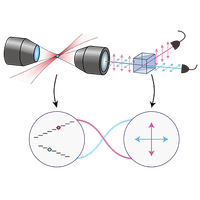
Phys. Rev. Lett. 137, 140801 (2026)
Quantum Information, Science, and Technology
Optimal Shadow Estimation with Minimal Measurement Settings
Article | Quantum Information, Science, and Technology | 2026-09-28 06:00 EDT
Zhiyao Yang, Datong Chen, and Huangjun Zhu
Shadow estimation is a powerful framework for predicting quantum properties from randomized measurements. While 3-design protocols achieve optimal worst-case performance, the minimal number of measurement bases required for such optimality has remained open. Here we prove that measurement base…
Phys. Rev. Lett. 137, 140804 (2026)
Quantum Information, Science, and Technology
Observation of a ${B}_{c}^{*+}$ Meson with the ATLAS Detector
Article | Particles and Fields | 2026-09-28 06:00 EDT
G. Aad et al. (ATLAS Collaboration)
The ATLAS collaboration has observed a spin-1 partner of the bottom-charm meson lying just 64.5 MeV above it, consistent with the predicted excited state in which the quark spins are aligned.
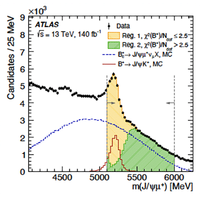
Phys. Rev. Lett. 137, 141901 (2026)
Particles and Fields
Observation of Nuclear Suppression in Coherent $\mathrm{ϒ}(1\mathrm{S})$ Photoproduction off Heavy Nuclei at the LHC
Article | Nuclear Physics | 2026-09-28 06:00 EDT
A. Belyaev et al. (CMS Collaboration)
The first measurement of coherent meson photoproduction off heavy nuclei is performed using ultraperipheral lead-lead collisions collected by the CMS experiment at a nucleon-nucleon center-of-mass energy of 5.02 TeV. The nuclear gluonic structure is probed at a nucleon momentum fraction of ord…
Phys. Rev. Lett. 137, 142301 (2026)
Nuclear Physics
Complete Reflection of Nonlinear Electromagnetic Waves in Underdense Pair Plasmas Enabled by Dynamically Formed Bragg-like Structures
Article | Plasma and Solar Physics, Accelerators and Beams | 2026-09-28 06:00 EDT
Kavin Tangtartharakul, Alexey Arefiev, and Maxim Lyutikov
In contrast to relativistically induced transparency in electron-ion plasmas, where nonlinear electromagnetic waves render initially opaque plasmas transparent, we show using kinetic simulations that such waves can instead make initially transparent pair plasmas fully reflective. The difference is m…
Phys. Rev. Lett. 137, 145201 (2026)
Plasma and Solar Physics, Accelerators and Beams
Switching between Spin and Orbital Hall Currents in a Single System via Ferrovalley Order
Article | Condensed Matter and Materials | 2026-09-28 06:00 EDT
Zhikuan Wang, Wei Tan, Bin Cui, Zeyu Jiang, and Bing Huang
The spin Hall and orbital Hall effects are fundamental mechanisms for generating transverse spin and orbital currents. However, their intrinsic entanglement via spin-orbit coupling (SOC) has made the generation of pure spin or orbital Hall current a long-standing challenge. Here, we demonstrate a st…
Phys. Rev. Lett. 137, 146301 (2026)
Condensed Matter and Materials
Quantum-Geometry-Enabled Landau-Zener Tunneling in Singular Flat Bands
Article | Condensed Matter and Materials | 2026-09-28 06:00 EDT
Xuanyu Long and Feng Liu
Flat-band materials have attracted substantial interest for their intriguing quantum geometric effects. Here we investigate how singular flat bands (SFBs) respond to a static, uniform electric field in the weak-field regime and whether they can support single-particle dc transport. By constructing a…
Phys. Rev. Lett. 137, 146302 (2026)
Condensed Matter and Materials
$\mathrm{SU}(N)$ Quantum Spin Model with Weak and Strong First-Order Transitions from Néel to Valence-Bond Solid
Article | Condensed Matter and Materials | 2026-09-28 06:00 EDT
Ryan Flynn and Anders W. Sandvik
We introduce an symmetric two-dimensional quantum spin model, the model, which hosts a ground state transition between Néel antiferromagnetic and spontaneously dimerized states. The terms are products of two adjacent singlet projectors on nearest-neighbor sites, as in the often studied
Phys. Rev. Lett. 137, 146501 (2026)
Condensed Matter and Materials
Cooperative Quantum Optical Effects of Moiré Exciton Superlattices
Article | Condensed Matter and Materials | 2026-09-28 06:00 EDT
Haowei Xu, Wang Yao, and Ju Li
The unique properties of two-dimensional moiré systems have been widely studied from many perspectives. However, relatively little work has investigated how the real-space structure of moiré systems can directly engender novel properties and functionalities. In this Letter, we explore how intriguing…
Phys. Rev. Lett. 137, 146901 (2026)
Condensed Matter and Materials
Singular Basins in Multiscale Systems: Tunneling between Stable States
Article | Statistical Physics; Classical, Nonlinear, and Complex Systems | 2026-09-28 06:00 EDT
S. Yanchuk, S. Wieczorek, H. Jardón-Kojakhmetov, and H. Alkhayuon
Simplified models of systems with fast and slow dynamics can miss a narrow region of phase space--a "singular funnel"--leading to misleading predictions of the system's behavior.
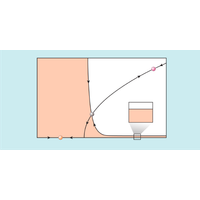
Phys. Rev. Lett. 137, 147202 (2026)
Statistical Physics; Classical, Nonlinear, and Complex Systems
Physical Review X
Erratum: Programmable Quantum Anomalous Hall Insulator in Twisted Crystalline Flatbands [Phys. Rev. X 16, 011015 (2026)]
Article | | 2026-09-28 06:00 EDT
Wenxuan Wang, Yijie Wang, Zaizhe Zhang, Zihao Huo, Gengdong Zhou, Shu Zhang, Kenji Watanabe, Takashi Taniguchi, Xiaoxia Yang, Qing Dai, X. C. Xie, Kaihui Liu, Zhida Song, and Xiaobo Lu
Phys. Rev. X 16, 039901 (2026)
Review of Modern Physics
Colloquium: Manabe’s legacy of simulating and understanding global warming
Article | | 2026-09-28 06:00 EDT
T. A. Shaw
Syukuro "Suki" Manabe won part of the 2021 Nobel Prize in Physics for his role in predicting global warming using early climate models. This Colloquium traces that decades-long effort, showing how Manabe combined bedrock physical laws with a keen intuition for simplifying assumptions to construct a hierarchy of climate models, ranging from a simple 1D model of the globally averaged atmosphere to a 3D model of the fully coupled atmosphere-ocean system with realistic continental geometry. Each rung of this hierarchy yielded new insight and specific predictions, not just for global warming but also for the spatial patterns of warming--predictions borne out by subsequent observations.

Rev. Mod. Phys. 98, 031003 (2026)
arXiv
From a three-fluid junction to Young’s law: Constitutive and rigid-support limits of wetting
New Submission | Soft Condensed Matter (cond-mat.soft) | 2026-09-29 20:00 EDT
Young’s law on a rigid solid and the Neumann balance at a three-fluid junction describe different admissible motions. We connect them through an ordered continuum construction. An affine viscoelastic third phase first acquires permanent deformation memory in the no-relaxation limit at fixed modulus. Independently specified material-surface laws distinguish surface free energy from mechanical surface stress. On the deformable support, displacement of solid material and migration of the wet-dry partition give separate equilibrium conditions. Stiffening an anchored support suppresses displacement at a fixed macroscopic observation distance but leaves reversible migration possible. The surviving variation gives Young’s law; the constrained mechanics remains as a reaction carrying normal and, in general, tangential capillary loads. Two complementary results substantiate this reduction. A clamped finite-strain model with circular liquid interfaces yields uniform convergence of reduced energies and recovery of the spatial Young angle for global almost minimisers. A separate quadratic half-space model gives convergence of stationary migration derivatives and a nonzero limiting traction distribution. The results explain how a local Neumann-like ridge can coexist with a Young angle measured against the distant wall, while distinguishing geometric convergence from the control of migration and reaction forces.
Soft Condensed Matter (cond-mat.soft), Mathematical Physics (math-ph), Fluid Dynamics (physics.flu-dyn)
Blockwise friction heterogeneity redistributes stretching in a 2D Gaussian polymer under Batchelor-Kraichnan random flow
New Submission | Soft Condensed Matter (cond-mat.soft) | 2026-09-29 20:00 EDT
We study a two-dimensional Gaussian Rouse chain divided into two contiguous blocks with different local friction coefficients but identical Hookean elasticity. In quiescent conditions, friction heterogeneity leaves the continuous-time equilibrium Gaussian conformation unchanged while producing distinct block mobilities and a modified generalized relaxation spectrum. The exact friction-weighted translational diffusion coefficient retains the scaling $ D_\gamma\propto N^{-1}$ , with a friction-dependent prefactor; the corresponding diffusion law and generalized-mode formulation extend beyond the diblock to more general local friction profiles. We then place the chain in an incompressible Batchelor-Kraichnan random flow. Under a common external flow, the high-friction block becomes more extended than the low-friction block. The deformation asymmetry strengthens with friction contrast and develops across the weak- to moderate-flow regime, remaining clearly visible at the strongest finite-time conditions. It also persists when the chain-specific longest-mode Weissenberg number is matched across friction ratios, showing that, within the same finite-time protocol, the effect is not accounted for solely by a shift of the global relaxation timescale. In generalized-mode coordinates, the smooth random strain does not directly mix mode indices and preferentially amplifies the slowest mode. At larger flow strengths, extension distributions broaden markedly and exhibit pronounced temporal drift over the simulated time window. Since all simulated chain-specific longest-mode Weissenberg numbers remain below unity, this drift is interpreted as slow convergence toward the broad, power-law-tailed stationary Hookean regime near the coil-stretch threshold. Overall, friction heterogeneity alone is sufficient to redistribute deformation along an otherwise mechanically uniform polymer.
Soft Condensed Matter (cond-mat.soft), Statistical Mechanics (cond-mat.stat-mech), Fluid Dynamics (physics.flu-dyn)
22 pages, 6 figures. Simulation code and data are available at Zenodo: this https URL
Growth and Interface Engineering of Superconducting TiN on Sapphire by Thermal-Laser Epitaxy
New Submission | Superconductivity (cond-mat.supr-con) | 2026-09-29 20:00 EDT
Anthony Hyatt, Anand Ithepalli, Eegene Clara Chung, Yorick A. Birkholzer, Brendan Faeth, Huili Grace Xing, David A. Muller, Darrell G. Schlom, Debdeep Jena
Thermal-laser epitaxy (TLE) extends the accessible pressure, temperature, and growth-rate regimes of conventional molecular-beam epitaxy, enabling in situ laser annealing, high-purity buffer-layer growth, and efficient evaporation of refractory elements. These capabilities make TLE a promising platform for engineering low-loss superconducting resonators and Josephson-junction heterostructures. Here, we study the TLE growth of TiN on sapphire and observe improved transport properties with increasing growth temperature up to 1150 C. Unfortunately, we observe that the high ammonia pressure and elevated substrate temperatures required for optimal TiN properties promote reactions at the sapphire surface, resulting in voids at the TiN-substrate interface. These defects increase interfacial surface area, introduce dangling bonds, and could compromise tunnel-barrier heterostructures. We mitigate this degradation using an initial TiN seed layer grown at 850 C. With the seed layer, we achieve a superconducting transition temperature of 5.8 K, a residual resistivity ratio of 12.2, and a resistivity of 1.19 micro-ohm cm at 10 K, which, to our knowledge, is the lowest reported for TiN grown on sapphire.
Superconductivity (cond-mat.supr-con), Materials Science (cond-mat.mtrl-sci)
R-transforms for non-Hermitian block random matrices: a spherical integral approach
New Submission | Disordered Systems and Neural Networks (cond-mat.dis-nn) | 2026-09-29 20:00 EDT
We extend the spherical-integral approach to $ \mathcal{R}$ -transforms of non-Hermitian random matrices to random matrices with a fixed $ K \times K$ block structure. We introduce a rank-$ K$ spherical integral defining a scalar $ H$ -transform on $ 2K \times 2K$ overlap matrices and an associated matrix-valued $ \mathcal{R}$ -transform encoding the joint block structure. Using the replica method, we derive a conjectural subordination relation for sums of independent block matrices. This framework provides a method for determining the spectral boundaries of large non-Hermitian random matrices with a fixed block structure.
Disordered Systems and Neural Networks (cond-mat.dis-nn), Mathematical Physics (math-ph), Probability (math.PR)
A Robust “Shrink-and-wrap” Piecewise Construction Transforms 3-Dimensional Mesh Structures into Mechanical Metamaterials
New Submission | Soft Condensed Matter (cond-mat.soft) | 2026-09-29 20:00 EDT
Fnu Braminder (1), Issac Varghese (1), Noah Kim (1), Alyssa Thomas DeCruz (2), Eric A. Josephs (1 and 2) ((1) Mechanical Metamaterials and Kinetic Devices (Vertically Integrated Projects (VIP)) team, Stony Brook University, (2) Department of Biomedical Engineering, College of Engineering and Applied Sciences (CEAS), Stony Brook University)
Mechanical metamaterials are materials that, by virtue of their microstructural architectures, exhibit mechanical properties not often found in nature: for example, auxetic mechanical metamaterials are materials that possess a negative Poisson’s ratio in response to deforming forces. However, outside of relatively simple crystalline, lattice-based, or repeating-pattern architectures composed of mostly identical unit cells, mechanical metamaterials like auxetics are notoriously difficult to design, particularly across all three dimensions. Here we show that, for any structure that can be decomposed into triangular or tetrahedral meshes, those structures can be subjected to a simple transformation that that creates conditions within those triangular or tetrahedral simplexes that, regardless of their individual geometries, introduces a counter-rotating polygon/polyhedron mechanism that both guarantees a negative Poisson ratio and allows locally programmable mechanical properties. We apply this “shrink-and-wrap” construction to generate mechanical metamaterials from increasingly complex 3D structures, first from simple (convex) polyhedrons; then, to designs with arbitrarily large numbers of vertices and designed using constructive solid geometry (CSG) and 3D scanning; and, ultimately to 3D objects generated from videos captured by mobile phone camera – making potentially any object or geometric structure designed or found in the real world transformable into a mechanical metamaterial. We show that these monolithic auxetic constructions remain readily 3D-printable via additive manufacturing techniques. We expect this piecewise approach to designing arbitrarily complex mechanical metamaterial structures can enable numerous potential applications where programmable internal reconfigurations and/or force redirection are required across and throughout their 3D geometries.
Soft Condensed Matter (cond-mat.soft), Materials Science (cond-mat.mtrl-sci)
20 pages, 4 main figures, 4 supplementary figures. Fnu Braminder, Issac Varghese, and Noah Kim contributed equally to this manuscript
Emergent low-energy many-body Hilbert spaces in Chern bands
New Submission | Strongly Correlated Electrons (cond-mat.str-el) | 2026-09-29 20:00 EDT
Chen-Xin Jiang, Zi-Xiang Hu, Bo Yang
We show that in Landau levels and more generic Chern bands, the most relevant many-body subspace selected by realistic two-body interactions alone (e.g., in the limit of vanishing bandwidth and band gap) depends strongly on the particle density and can be constructed systematically. Using the well-defined hierarchical structure of conformal Hilbert spaces (CHS), each with a highest-density vacuum state, we compute, for both fermionic and bosonic systems, the many-body quantum metric that quantifies the interaction energy scales of these subspaces. For a large family of short-range, Coulomb-based interactions, particles preferentially occupy the many-body states in the smallest accommodating CHS. This allows us to describe the low-energy physics of the interacting system in terms of the appropriate anyonic degrees of freedom. Our results also explain why, in any Chern band (in lattice or continuum systems), band mixing tends to be suppressed even in the limit of strong interaction; this suppression is stronger when the band deviates less from the ideal trace condition and when the two-body interaction is shorter-ranged.
Strongly Correlated Electrons (cond-mat.str-el), Mesoscale and Nanoscale Physics (cond-mat.mes-hall)
5 pages, 4 figures, comments welcome
Zoology of chiral superconductors in Chern bands
New Submission | Strongly Correlated Electrons (cond-mat.str-el) | 2026-09-29 20:00 EDT
André Grossi Fonseca, Aidan Reddy, Ahmed Abouelkomsan, Liang Fu, Marin Soljačić
Evidence for chiral superconductivity has recently been observed in several van der Waals systems including rhombohedral multilayer graphene and twisted bilayer MoTe$ _2$ . In the latter, superconductivity emerges at carrier densities near a fractional Chern insulator. This raises the question of what kinds of superconductors may emerge in a system of electrons in a topological band with strong repulsive interactions. Here, we adapt the target-phase optimization method to search for chiral superconductors in a minimal model of interacting electrons in a Chern band. We construct a differentiable loss function for superconductors from the sign oscillation of the pair-binding energy and combine gradient-based optimization with a rigorous screening procedure to identify and characterize superconductors. Applying this framework within exact diagonalization to spinless electrons in periodically modulated Landau levels with screened Coulomb interactions, we uncover a broad family of chiral superconducting phases. At filling $ \nu=2/3$ , we recover the previously identified $ f-\mathrm{i} f$ hole superconductors and find additional $ p\pm \mathrm{i} p$ and $ f+\mathrm{i} f$ superconductors of both electrons and holes, occurring near and far from the limit of ideal quantum geometry. At $ \nu=1/2$ , we identify $ p- \mathrm{i} p$ electron and $ f-\mathrm{i} f$ hole superconductors and find, for the first time, a direct transition between chiral superconductors and composite Fermi liquids. Our results reveal that chiral superconductivity in Chern bands comprises a diverse landscape of competing pairing instabilities and establish target-phase optimization as a general strategy for searching for quantum phases in complex interacting systems.
Strongly Correlated Electrons (cond-mat.str-el)
Read-Rezayi fractional Chern insulators in modulated Bernal graphene
New Submission | Strongly Correlated Electrons (cond-mat.str-el) | 2026-09-29 20:00 EDT
Ruth Mora-Soto, André Grossi Fonseca, Raul Perea-Causin, Hui Liu, Emil J. Bergholtz, Marin Soljačić
Fibonacci anyons provide a universal platform for topological quantum computation, and emerge as low-energy excitations in the $ \mathbb{Z}_3$ Read-Rezayi phase in the fractional quantum Hall effect. However, realistic microscopic realizations of this phase in the absence of a magnetic field have remained elusive. We study a model of periodically modulated Bernal bilayer graphene with gate-screened Coulomb interactions. Using the recently developed target-phase optimization method in conjunction with band-projected exact diagonalization, we identify at filling $ \nu=3/5$ a region of parameter space whose ground state is consistent with a Read-Rezayi fractional Chern insulator. The partially filled band from which it arises is a part of a two-band complex which mimics geometric aspects of the lowest and first Landau levels, with the ground state at $ \nu=1/2$ consistent with the Moore-Read state. Our results suggest that modulated Bernal graphene can realize delicate non-Abelian fractional quantum Hall states at zero magnetic field, while demonstrating target-phase optimization as a practical route to discovering such phases in realistic, high-dimensional microscopic models.
Strongly Correlated Electrons (cond-mat.str-el)
Mechanical Clustering of Cells via the ExtraCellular Matrix
New Submission | Soft Condensed Matter (cond-mat.soft) | 2026-09-29 20:00 EDT
Ran Glinowiecki, Shahar Goren, Oren Tchaicheeyan, Bar Ergaz, Robin L. B. Selinger, Yair Shokef, Ayelet Lesman
Tissues are composites of living cells and extracellular matrix (ECM), that jointly determine their unique mechanical behavior. Here, we experimentally demonstrate that contractile cells remodel the ECM by generating long-range bands of aligned and densified fibers that mechanically couple cells into multicellular clusters. Using a finite-element model, we quantify the collective mechanical interactions mediated by these ECM bands for various volume fractions of cells. The model incorporates contractile particles that mimic cell-active forces within a nonlinear biological gel, inducing stiffening internally rather than through external loading. We find that even a small volume fraction of contractile particles (approximately 10%), much below what is expected for percolation of sphere contacts, leads to internal stiffening, mediated by the high-concentrated stress bands between cells and is strongly dependent on the nonlinear mechanical response of the ECM. Percolation analysis of the band network reveals sharp transitions at a critical particle volume fraction, that aligns with the onset of internal stiffening. These results demonstrate that long-range interaction between contractile cells through the deformation of the medium has the potential to globally shape the structure and mechanics of the bulk gel, leading to a functional structure with modified properties. These modified macroscopic changes can define organizing principles in tissue patterning and morphogenesis.
Soft Condensed Matter (cond-mat.soft)
Connecting finite-size scaling and renormalization-group flows in Anderson localization on random graphs
New Submission | Disordered Systems and Neural Networks (cond-mat.dis-nn) | 2026-09-29 20:00 EDT
Ignacio García-Mata, Weitao Chen, John Martin, Bertrand Georgeot, Gabriel Lemarié
We investigate the relation between two complementary descriptions of the Anderson transition on small-world random graphs: finite-size scaling of eigenfunction moments and renormalization-group (RG) flows of multifractal dimensions $ D_q$ . The RG flows recover the qualitative structure previously reported for the information dimension $ D_1$ , while their extension to other $ D_q$ with smaller moment orders $ q<1/2$ confirms the strongly multifractal nature of the localized phase characterized by a clear separation between multifractal and localized behaviors at strong disorder. On the other hand, we show that we can construct another beta function characterizing the flow of eigenfunction moments, whose collapse onto a single function across different disorder strengths provides a clear confirmation of single-parameter scaling property. These results indicate that the family of RG trajectories observed for the information dimension $ D_1$ need not imply two-parameter scaling and Kosterlitz-Thouless like critical behavior. To characterize these properties, one should consider different observables, such as large $ q>1/2$ and small $ q<1/2$ eigenfunction moments, which are associated with distinct critical behaviors, in particular different critical exponents.
Disordered Systems and Neural Networks (cond-mat.dis-nn), Quantum Physics (quant-ph)
14 pages, 8 Figures
Knowledge-Driven XRD Phase Identification via Multi-View Retrieval and Explanation
New Submission | Materials Science (cond-mat.mtrl-sci) | 2026-09-29 20:00 EDT
X-ray diffraction (XRD) is a experimental technique for determining the phase composition and structure of crystalline materials. However, interpreting XRD patterns is challenging, particularly in high-throughput materials discovery, where many novel materials may need to be characterized and no reference patterns are available. Consequently, machine learning is increasingly used to accelerate and automate the analysis while reducing errors associated with human interpretation. We propose a multi-decision framework for XRD phase analysis that integrates representation learning, similarity-based retrieval, and explainable decision support within a unified reference database. A convolutional autoencoder learns compact latent representations of XRD patterns that preserve structural similarity while remaining robust to variations arising from experimental noise and measurement conditions. By integrating multiple decision pathways within a shared latent space, the framework moves beyond single-label prediction toward ranked and interpretable phase analysis that mirrors expert practice. During inference, complementary decision mechanisms are applied, including latent-space classification and retrieval, explanation-guided similarity using Integrated Gradients, and composition-based similarity search. These mechanisms generate ranked candidate phase lists that are aggregated into a final prediction with an associated confidence score. Experiments on synthetic datasets demonstrate strong predictive performance, achieving 98.85,% accuracy for crystal system classification and 95.82,% accuracy for space group prediction on the test set, while maintaining robustness under realistic perturbations. The framework supports reliable, analyst-friendly identification of crystal phases and structures in high-throughput and exploratory materials discovery settings.
Materials Science (cond-mat.mtrl-sci), Machine Learning (cs.LG)
12 pages, 5 figures, conference proceeding
The Young-E(3) Tensor Product Decomposition for Rotation and Permutation Equivariant Cluster Expansions
New Submission | Materials Science (cond-mat.mtrl-sci) | 2026-09-29 20:00 EDT
James M. Goff, Aidan P. Thompson
A generalization of fixed-lattice cluster expansions (CE) and atomic cluster expansions (ACE) is presented that expresses both rotation and permutation symmetries. By performing Schur–Weyl decomposition in Young subgroup-stabilized carriers, followed by joint coupling of rotation and permutation representations, arbitrary $ S_N\times SO(3)$ tensor product carriers are generated. This allows us to resolve complete, orthonormal joint rotation and permutation-adapted bases for arbitrary tensor product ranks and arbitrary angular and radial tensor product content. We show that this very general Young–E(3) (YE3T) tensor product basis contains the ACE basis as a subset, corresponding to the special case where permutation symmetry character is restricted to the fully symmetric carrier. Rather than constructing an overcomplete rotation and permutation-invariant basis and reducing it \textit{a posteriori}, Barthelemy \textit{et al.} recently demonstrated scaling benefits by not constructing an overcomplete basis. YE3T directly produces a complete orthonormal basis without an overcomplete step and rigorously extends to permutation characters beyond permutation-symmetric features. The YE3T decomposition yields new joint irreducible rotation- and permutation-equivariant basis sets that surpass existing rotation-adapted expansions in both speed and accuracy, defining a new Pareto front for machine-learned interatomic potentials. We show that the tunability of the permutation symmetry character makes the basis useful for both atomistic and electronic-structure simulations.
Materials Science (cond-mat.mtrl-sci)
Jahn-Teller Distortion-Driven Lattice Parameter Tunability in Coherent High-Entropy Oxide Thin Films
New Submission | Materials Science (cond-mat.mtrl-sci) | 2026-09-29 20:00 EDT
Dhiya Srikanth, Joseph Petruska, Matthew Furst, Kaylin Lamaute, Jon-Paul Maria, Saeed S. I. Almishal
Here, we isolate how Cu concentration and Jahn-Teller distortions control the out-of-plane lattice parameter of pseudomorphic MgCoNiCuZnO-derived high-entropy oxide films on MgO. We prepare nine compositions spanning 0-20% Cu, verify target composition and phase by X-ray fluorescence and diffraction, and grow films by pulsed laser deposition across multiple substrate temperatures. At 500 °C, the lattice parameter increases nearly linearly with Cu content; at 300°C, it decreases nonlinearly, producing a 2.6% difference between temperature regimes for equimolar MgCoNiCuZnO at our growth conditions. We attribute this change in lattice parameter to temperature-dependent coupling between Cu-driven Jahn-Teller distortions and Co valence change. While prior work identifies Co valence as the primary driver of the MgCoNiCuZnO lattice response with temperature; our results establish Cu Jahn-Teller distortion as an equally important structural control parameter.
Materials Science (cond-mat.mtrl-sci)
Quantum Geometric Origin of Yu-Shiba-Rusinov States
New Submission | Superconductivity (cond-mat.supr-con) | 2026-09-29 20:00 EDT
In this work, we revisit the classic Yu-Shiba-Rusinov (YSR) problem of magnetic impurities in $ s$ -wave superconductors and uncover a quantum geometric origin of the YSR bound-state structure. The key geometric quantity is the momentum-space average of Bloch band projector over low-energy electrons, whose matrix rank, positive eigenvalues, and corresponding eigenvectors directly control the number, energies, and symmetry representations of the YSR states, respectively. As a result, a superconductor with nontrivial normal-state quantum geometry can host more bound states than its trivial counterpart, even if they share the same electronic dispersion. We apply our theory to monolayer $ 1H$ -NbSe$ _2$ and find that the geometric texture of its single superconducting band enforces three symmetry-distinct YSR channels for a magnetic point impurity at Nb or Se sites. Our work opens a route to probing normal-state wavefunction geometry through local YSR spectroscopy.
Superconductivity (cond-mat.supr-con), Mesoscale and Nanoscale Physics (cond-mat.mes-hall), Strongly Correlated Electrons (cond-mat.str-el)
9 pages, 2 figures
Nanodiamond Sensing of Stray Fields during Domain Reversal
New Submission | Mesoscale and Nanoscale Physics (cond-mat.mes-hall) | 2026-09-29 20:00 EDT
Kin On Ho, Hamza Abudayyeh, Andrew Perez, Hui-Ping Chang, Liang Juan Chang, Junwei Tong, Can Cui, Jean Anne C. Incorvia, Xiaoqin Li
Quantitative measurement of nanoscale stray magnetic fields during domain reversal is important for understanding and optimizing magnetic memory and logic devices. Yet, achieving high spatial resolution with minimally invasive probes remains challenging. Here we demonstrate nanodiamonds (NDs) hosting an ensemble nitrogen vacancy (NV) centers as local quantum sensors of domain-reversal stray fields in a CoFeB strip. During magnetic-field-driven reversal, the ND sensors resolve three distinct local responses depending on their positions relative to the strip: a positive frequency jump at the edge, an unexpected negative jump just outside the strip, and a negligible change near the center. These contrasting signals are quantitatively explained by magnetostatic boundary fields from micromagnetic simulations. We further implement a fully constrained fitting procedure for optically detected magnetic resonance spectra, enabling robust field extraction even when resonances are partially resolved. Together, these results establish NV-ND magnetometry as a simple, transferable, and quantitative approach for characterizing spatially heterogeneous magnetic fields in thin-films and spintronic devices.
Mesoscale and Nanoscale Physics (cond-mat.mes-hall)
Nano Lett. 26, 12527 (2026)
Chiral Weyl-Kondo semimetallic state through enhanced correlation in CeGaGe
New Submission | Strongly Correlated Electrons (cond-mat.str-el) | 2026-09-29 20:00 EDT
Arushi, Kevin Allen, Yuan Fang, Kuan-Sen Lin, Mounica Mahankali, Hari Bhandari, Karthik Rao, Alberto Ruiz Biestro, Christopher Lane, Jian-Xin Zhu, Sanu Mishra, Geoffroy Hautier, Qimiao Si, Emilia Morosan
Strongly correlated chiral materials have been proposed to host a chiral Weyl-Kondo semimetal (cWKSM) state, in which Kondo hybridization pins chirality-induced Kramers-Weyl point crossings, together with additional symmetry-enforced band crossings, near the Fermi level. Realizing this state requires a material that combines crystal chirality, non-symmorphic symmetry, and Kondo correlations, and currently there are no known materials that combine all these requirements. Here we report evidence for a cWKSM state in CeGaGe, a member of the RXY (R = rare earth; X = Al, Si; Y = Ga, Ge) family. Magnetization measurements confirm long-range antiferromagnetic order below T$ _N$ = 4.7 K with a complex, canted magnetic structure. Unique to CeGaGe among the known RXY systems is a structural transition from an achiral tetragonal I4$ _{1}$ md structure (at high temperatures) to the chiral tetragonal P4$ _{3}$ structure (at low temperatures). The structural transition in CeGaGe allows us to highlight the role of chirality in stabilizing the Kramers cWKSM state. Hall resistivity measurements with $ H || c$ reveal an anomalous Hall conductivity (AHC) that is constant below the Kondo temperature $ T_K \approx 7$ K and drops sharply above it. This crossover tracks the onset of Kondo coherence rather than the magnetic ordering, which occurs at T$ _N$ = 4.7 K. Together with first-principles calculations for the $ P4_3$ structure, this identifies the AHC as an intrinsic, Berry-curvature-driven contribution generated by Kondo hybridization, rather than a consequence of extrinsic scattering or dynamic scalar spin chirality. These results establish CeGaGe as a rare experimental platform in which crystal chirality, strong electronic correlations, and non-trivial band topology coexist, providing the first material realization of a Kondo-driven cWKSM state.
Strongly Correlated Electrons (cond-mat.str-el)
Magnetic Q-balls
New Submission | Mesoscale and Nanoscale Physics (cond-mat.mes-hall) | 2026-09-29 20:00 EDT
A.J. Balseyro Sebastian, Keisuke Ohashi, Muneto Nitta
We study charged soliton branches in quasi-one-dimensional chiral magnetic systems with Dzyaloshinskii–Moriya (DM) interaction, easy-axis anisotropy, and Zeeman coupling. The same static magnetic functional is equipped with two different dynamical completions: an antiferromagnetic model with second-order time derivatives and a ferromagnetic model with Berry-phase dynamics. On the helical branch selected by the static DM interaction, the problem reduces to an analytically tractable one-dimensional system for the polar angle of the order parameter. We derive the existence conditions for polar Q-balls from the curvature of the reduced effective potential and the presence of a nonzero turning point. In the antiferromagnetic case, the allowed frequency window is symmetric and can be completely closed by the combined effect of the DM coupling and the Zeeman field. At zero Zeeman field, the same reduction also supports antiferromagnetic Q-kinks, for which we obtain explicit profiles, charges, energies, and reduced-sector fission criteria. In the ferromagnetic case, the Berry phase makes the rotation frequency act as a shifted Zeeman field. As a result, north- and south-pole charged droplets are selected by opposite signs of the shifted rotation. We also show that a formal pole-to-pole solution of the ferromagnetic mechanical problem does not generally correspond to a finite-energy magnetic soliton, because the Berry term does not renormalize the physical Hamiltonian. These results clarify how charged-soliton mechanisms depend on the underlying magnetic dynamics, even when the static chiral energy is the same.
Mesoscale and Nanoscale Physics (cond-mat.mes-hall), High Energy Physics - Theory (hep-th)
25 pages, 10 figures
Odd stochastic density functional theory
New Submission | Statistical Mechanics (cond-mat.stat-mech) | 2026-09-29 20:00 EDT
Yael Avni, Michel Fruchart, David Martin, Tali Khain, Vincenzo Vitelli
Stochastic density functional theory (SDFT) provides a powerful framework for studying the dynamics of many-body systems both in and out of equilibrium. In its standard form, it can be viewed as a density-based formulation of coupled Langevin equations with white noise. Here, we extend SDFT to a class of systems, ranging from magnetized electrolytes to chiral active matter, that possess a chiral overdamped limit in which a relaxation timescale and an oscillation period are simultaneously taken to zero. We derive this formulation, which we dub ``odd SDFT”, by taking the overdamped limit of a fluctuating hydrodynamic description of underdamped particles subject to a Lorentz force. We establish the validity and utility of the resulting framework by calculating the collective mobility tensor of interacting particles using both direct linear response and a Green-Kubo relation. We then apply the theory to the Hall conductivity of electrolytes in magnetic fields. Going beyond mean-field theory and using two distinct Green-Kubo relations, we derive the full conductivity tensor, extending the relaxation part of the Debye-Hückel-Onsager theory to the case of finite magnetic fields.
Statistical Mechanics (cond-mat.stat-mech), Soft Condensed Matter (cond-mat.soft)
Temperature Dependent Evolution of the Electronic Structure in EuZn2As2 across the Neel Transition
New Submission | Materials Science (cond-mat.mtrl-sci) | 2026-09-29 20:00 EDT
Milo Sprague, Anup Pradhan Sakhya, Barun Ghosh, Mazharul Islam Mondal, Arun K. Kumay, Himanshu Sheokand, Kapil Gope, Tetiana Romanova, Dariusz Kaczorowski, Arun Bansil, Madhab Neupane
Magnetoresistive materials have been tremendously important for the development of magnetic memory storage and spintronic devices. Recently, the antiferromagnetic EuX2Pn2 compounds, with X being a transition metal and Pn being a pnictogen, have seen intensive research interest due to their unusual anomalous Hall effect behavior and pronounced resistive anomaly near the Neel temperature (TN). These magnetotransport phenomena have been interpreted in the context of shortranged ferromagnetic Structuations, magnetic polaron formation, canted spin configurations, and temperature dependent metal insulator transitions in the electronic structure. Here, we report the observation of such a pronounced resistivity anomaly in EuZn2As2 near TN = 19 K. We demonstrate the suppression of this anomaly using applied magnetic fields, both in plane and out of plane. To further interpret the origin of the observed transport behavior, we studied the temperature dependent electronic structure using combined angle resolved photoemission spectroscopy (ARPES) and first principles density functional theory (DFT) calculations, which exhibits limited modifications to the bands across TN away from the Fermi energy. This lack of involvement of the electronic structure indicates a spin-scattering origin of the aforementioned transport properties, rather than a reconstruction of the Fermi surface.
Materials Science (cond-mat.mtrl-sci), Mesoscale and Nanoscale Physics (cond-mat.mes-hall)
12 pages, 7 figures, supplementary material included
Physical Review B 114, 105140 (2026)
In-Memory AM Demodulation Using an All-Silicon Independent-Dual-Gate Gain-Cell Memory with $<10^{-22}$ A Leakage Determined by Single-Electron Counting
New Submission | Mesoscale and Nanoscale Physics (cond-mat.mes-hall) | 2026-09-29 20:00 EDT
Katsuhiko Nishiguchi, Toshiaki Hayashi, Kensaku Chida, Takase Shimizu, Gento Yamahata, Seiya Kasai
Ultra-low-leakage memories are attracting increasing attention for in-memory sensing and computing. However, achieving sufficiently long retention in silicon memories for analog signal processing remains challenging because of leakage through the access transistor. In this work, we demonstrate an all-silicon independent-dual-gate memory whose leakage current, inferred from single-electron counting statistics, is below $ 10^{-22}$ A, giving a measured retention time exceeding 1000 s. Owing to the extremely low leakage, the subthreshold nonlinearity of the access transistor can be exploited without disturbing the stored charge, enabling in-memory amplitude-modulation (AM) demodulation. The proposed memory provides a CMOS-compatible platform for ultra-low-power signal processing and in-memory sensing.
Mesoscale and Nanoscale Physics (cond-mat.mes-hall), Applied Physics (physics.app-ph)
4 pages, 4 figures. Accepted for publication in IEEE Electron Device Letters
Enhancing magnonic frequency combs via geometric nonlinearity
New Submission | Mesoscale and Nanoscale Physics (cond-mat.mes-hall) | 2026-09-29 20:00 EDT
Magnonic frequency combs (MFCs) generated via internal magnetic nonlinearities have exhibited rich physics beyond their optical counterparts. However, existing approaches rely on dynamic nonlinearity, which typically demands high power thresholds and stringent momentum conservation. Here we show that the geometric nonlinearity intrinsic to magnetic systems, originating from the unit-norm constraint of the magnetization vector, can serve as an independent nonlinear resource for MFC generation. Through transverse Floquet engineering, this geometric constraint converts a transverse drive into a longitudinal parametric modulation. In the low-frequency limit, the four-particle process reduces to an effective two-magnon modulation, enabling low-threshold comb generation in the linear regime, with the modulation amplitude scaling quadratically with the driving field and enhanced flatness arising from geometric harmonics. These results provide a deeper understanding of frequency combs and magnon nonlinear interactions, and offer a new theoretical foundation for enhancing MFC performance.
Mesoscale and Nanoscale Physics (cond-mat.mes-hall)
17 pages, 7 figures
Quantum undular bores, rainbows, and event horizons in superfluid dam breaks
New Submission | Quantum Gases (cond-mat.quant-gas) | 2026-09-29 20:00 EDT
Liam M. Farrell, Wyatt Kirkby, Alex Harris, David Tyler, Maxim Olshanii, Duncan H.J. O’Dell
The sudden removal of a potential barrier from a Bose-Einstein condensate (BEC) gives rise to a quantum version of a hydrodynamic dam break and leads to rich wave dynamics that have similarities to other localized defect problems such as domain wall dynamics in spin systems. Denoting $ \Delta n$ as the initial difference in density between the upper $ n_{1}$ and lower $ n_{0}$ reservoirs on either side of the dam, we use the Gross-Pitaevskii equation to study the quasi-one dimensional case in both perturbative ($ \Delta n \ll n_{0}$ ) and non-perturbative ($ \Delta n \sim n_{1}$ ) regimes. In the perturbative regime a pair of outwardly propagating dispersive wavepackets forms which can be viewed as quantum versions of undular tidal bores that have analytic forms at long times in terms of the integrals of Airy functions with a wavelength that grows as $ (\hbar^2 t)^{1/3}$ . Airy functions are the universal wave functions that dress structurally stable fold caustics where pairs of rays coalesce, and, indeed, we show that the quantum dam break problem has the same ray structure as the naturally occurring caustic phenomenon of a double rainbow, including Alexander’s dark band between the two bows where no light is scattered: we identify the intermediate density plateau in the dam break as an analogous `silent band’ where only evanescent sound waves can exist. In the opposite regime of a non-perturbative dam break we show that a self-induced sonic horizon occurs when $ \Delta n \geq (8/9)n_{1}$ . A discussion of possible experimental schemes for amplification of quantum undulations is included as well as an alternative scheme for dispersive wave generation where a constant flow is imprinted on a BEC in box trap.
Quantum Gases (cond-mat.quant-gas), General Relativity and Quantum Cosmology (gr-qc), Mathematical Physics (math-ph), Pattern Formation and Solitons (nlin.PS), Quantum Physics (quant-ph)
44 pages, 13 figures
Dopant-modulated lattice softening drives drastic thermal conductivity reduction in \b{eta}-FeSi2 thermoelectrics
New Submission | Materials Science (cond-mat.mtrl-sci) | 2026-09-29 20:00 EDT
Cuiping Zhang, Qingyong Ren, Yangfan Cui, Chen Chen, Songbai Hu, Shengnan Dai, Chin-Wei Wang, Wanju Luo, Dexiang Gao, Bao Yuan, Junying Shen, Fan Chen, Wei Xu, Yuting Li, Mingfang Shu, Xiaoli Huang, Pengfei Qiu, Jie Ma
Suppressing lattice thermal conductivity (\k{appa}lat) is pivotal for thermoelectric efficiency. While traditional strategies rely heavily on phonon scattering from mass- and size-mismatches, we demonstrate a robust \k{appa}lat suppression mechanism driven by dopant-induced lattice stiffness modulation. Through a comparative analysis of p-type (Mn) and n-type (Co, Ir) doping in the \b{eta}-FeSi2 model system, we show that Co and Ir doping significantly reduce \k{appa}lat. Notably, Co doping achieves a ~71% reduction at 300 K even without significant mass and size contrast. By correlating transport data with neutron powder diffraction, heat capacity, and Raman spectroscopy, we reveal anomalous lattice expansion, a substantial reduction in Debye temperature, and marked vibrational redshift and broadening. These systematic changes provide strong evidence for atomic-scale lattice softening and a fundamental weakening of interatomic force constants, which synergistically lower phonon group velocities and amplify anharmonic scattering. Our findings establish lattice stiffness manipulation as a powerful strategy for thermal management, offering a distinct design pathway beyond traditional mass- and strain-fluctuation models.
Materials Science (cond-mat.mtrl-sci)
21 pages, 7 figures
Quantum Front 5, 9 (2026)
Symmetry-permuting entanglers for non-invertible symmetry-protected topological phases
New Submission | Strongly Correlated Electrons (cond-mat.str-el) | 2026-09-29 20:00 EDT
1+1D symmetry-protected topological (SPT) phases with invertible symmetry can be characterized by the symmetric entanglers: globally symmetric finite-depth local unitary circuits that generate representative ground states from a product state. For non-invertible symmetries, however, distinct SPT phases, such as the three $ \mathrm{Rep}(D_8)$ SPT phases, may not be connected by any symmetric entangler. We show that the three $ \mathrm{Rep}(D_8)$ SPT phases can nevertheless be connected by \emph{symmetry-permuting} finite-depth local unitary circuits, realizing dualities predicted by topological quantum field theory (TQFT). We construct an explicit matrix product unitary connecting two of the $ \mathrm{Rep}(D_8)$ SPT phases, and show that its action on string order parameters reproduces the anyon permutation predicted by the TQFT duality.
Strongly Correlated Electrons (cond-mat.str-el), High Energy Physics - Theory (hep-th), Quantum Physics (quant-ph)
13 pages, 3 figures
Continuously varying exponents in the distribution of waiting times in the symmetric exclusion process on a percolation cluster
New Submission | Statistical Mechanics (cond-mat.stat-mech) | 2026-09-29 20:00 EDT
Arpan Chatterjee, Kabir Ramola, Deepak Dhar
We study the waiting-time distribution of hard-core interacting particles in the symmetric exclusion process on one- and two-dimensional lattices with side branches attached to each lattice site in the steady state. We use numerical simulations together with an approximate analytical treatment of particles trapped in side branches in the steady state. Such a two-dimensional carpet serves as a simplified model for trapping of a supercritical percolation cluster. At high particle densities, the system exhibits strong dynamical heterogeneity, with the distribution of logarithms of waiting times developing well-separated peaks corresponding to particles trapped at different depths from the backbone. We show that the probability that a tagged particle occupies the same position at time $ t_0+t$ as at time $ t_0$ decays algebraically as $ t^{-\omega}$ , where the exponent $ \omega$ varies continuously with particle density for densities above a threshold value $ \rho^\ast<1$ . We also investigate the correlations between successive waiting times along the trajectory of a tagged particle.
Statistical Mechanics (cond-mat.stat-mech), Disordered Systems and Neural Networks (cond-mat.dis-nn)
13 pages, 14 figures
Pancake-shaped vortex droplets in dipolar molecular BECs
New Submission | Quantum Gases (cond-mat.quant-gas) | 2026-09-29 20:00 EDT
Zibin Zhao, Xinyi Tang, Tianmiao Zhang, Zhaopin Chen, Huanbo Luo, Guihua Chen, Bin Liu, Boris A. Malomed, Yongyao Li
Anisotropic interactions profoundly affect topological excitations in quantum fluids. Motivated by recent advances in the studies of microwave-shielded polar molecules, we introduce self-trapped modes in the form of pancake-shaped quantum droplets (QDs) with embedded vorticity, which are maintained by strongly anisotropic dipole-dipole interactions. The stability region of singly charged ($ S=1$ ) vortices nearly coincides with that of the ground-state QDs ($ S=0$ ), demonstrating the robustness of the vortex states. The strong anisotropy of the system splits the core (pivot) of vortex QDs with $ S=2$ into separated unitary ones. The angular momentum and stability of the state with $ S=2$ are affected by the separation between the unitary cores. Higher-charge vortex QDs with $ S>2$ are stable too, for sufficiently large particle numbers and inter-core separations. On the other hand, bound vortex-antivortex pairs with $ S=\pm 1$ are unstable. Head-on collisions between the vortex QDs exhibit distinct regimes, including rebound, merger, and fragmentation. Tuning the cylindrically symmetric component of the dipolar interaction reveals a pronounced sign-dependent response: positive tuning preserves the self-bound vortex, whereas negative tuning drives expansion and fragmentation. The results demonstrate that the microwave-dressed molecular QDs offer a robust platform for the realization of self-trapped vortex states, demonstrating how the strong anisotropy reshapes their structure, stability, and dynamics.
Quantum Gases (cond-mat.quant-gas)
7 pages, 5 figures, and 68 references
Helicity-Controlled Hall Transport in Hybrid Topological Magnetic Textures
New Submission | Mesoscale and Nanoscale Physics (cond-mat.mes-hall) | 2026-09-29 20:00 EDT
Anton V. Hlushchenko, Julia Kharlan, Mykhailo I. Bratchenko, Aleksei V. Chechkin, Jarosław W. Kłos, Oleg A. Tretiakov
Topological magnetic textures can serve as information carriers driven by spin currents. However, their motion is generally accompanied by a Hall effect that deflects them from the current direction, limiting transport efficiency and controllability. We develop a unified spin-space transformation framework enabling a systematic study of hybrid spin textures with different helicities, such as skyrmions, antiskyrmions, bimerons, and antibimerons. Combining analytical theory with micromagnetic simulations, we establish the relation between helicity and current-driven transport. An analytical solution of the generalized Thiele equation identifies helicity as a geometric control parameter and yields a simple expression for the Hall angle, enabling its continuous tuning, complete suppression, and deterministic steering along arbitrary in-plane directions. Micromagnetic simulations confirm that the generated spin textures remain stable under Landau–Lifshitz–Gilbert dynamics and validate the analytical predictions. These results establish helicity as a versatile control parameter for programmable transport of topological magnetic textures.
Mesoscale and Nanoscale Physics (cond-mat.mes-hall)
2 figures, supplementary information included
Electrically switchable one-dimensional quadrupolar excitons in lateral double heterojunctions
New Submission | Mesoscale and Nanoscale Physics (cond-mat.mes-hall) | 2026-09-29 20:00 EDT
Two neighboring lateral interfaces provide a spatial degree of freedom for controlling one-dimensional charge-transfer excitons within a single semiconductor monolayer. We investigate a type-II WS2-MoS2-WS2 double heterojunction using an effective-mass two-particle Hamiltonian with a screened Coulomb interaction. For equivalent left and right interfaces at zero electric field,inter-interface coupling produces energetically split even- and odd-parity exciton states, each with zero permanent dipole. An electric field perpendicular to the interfaces continuously converts the lower state from a quadrupolar superposition with a quadratic Stark shift into a predominantly single-interface dipolar exciton with an approximately linear shift. The spatially resolved calculation gives binding energies of approximately 104 and 100 meV, a doublet splitting of 4.6 meV, and a crossover field of 0.87 V/um for a representative 1.5-nm MoS2 strip. Projection tests show that the lowest doublet controls the response near this crossover. Strip width tunes the coupling much more strongly than the binding energy, providing geometric control of the low-field Stark sensitivity. These results establish a continuum-model route to electrically reconfigurable one-dimensional quadrupolar excitons.
Mesoscale and Nanoscale Physics (cond-mat.mes-hall), Materials Science (cond-mat.mtrl-sci)
Phonon angular momentum transfer torque
New Submission | Other Condensed Matter (cond-mat.other) | 2026-09-29 20:00 EDT
Verena Brehm, Daniel A. Bustamante Lopez, Shu Zhang, Dominik Juraschek
Angular momentum in solids is carried by (quasi)particles such as magnons, plasmons, and phonons, and coupling between these reservoirs enables diverse hybrid phenomena. Here, we introduce the transfer of angular momentum from lattice vibrations to magnetic order through the phonon angular momentum transfer torque (PAMTT), generated by a polarized phonon bath. We identify thermal routes for generating phonon angular momentum: a phonon Edelstein accumulation in noncentrosymmetric crystals and temperature-gradient-induced PAM currents with longitudinal Seebeck-like and transverse Hall components. Using realistic order-of-magnitude estimates, we find that PAMTT could produce measurable ferromagnetic-resonance frequency shifts and, for favorable interfacial coupling, drive magnetization reversal on nanosecond timescales.
Other Condensed Matter (cond-mat.other), Materials Science (cond-mat.mtrl-sci)
Dense auto-hetero associative memories applied to noisy communication channels
New Submission | Disordered Systems and Neural Networks (cond-mat.dis-nn) | 2026-09-29 20:00 EDT
Elena Agliari, Andrea Alessandrelli, Adriano Barra, Alberto Fachechi
Networks of interacting Hebbian networks have recently been shown to perform a task beyond associative memory, namely \emph{pattern disentanglement}: when fed with a spurious mixture of stored patterns, the different modules spontaneously specialize on, and retrieve, the different constituents of the mixture. So far, this capability has only been established for pairwise interactions, which limits the number of patterns that can be handled. Here we introduce a dense extension of these modular networks, in which both the auto-associative couplings within each module and the hetero-associative couplings among modules are promoted to higher-order Hebbian interactions. We show that, with a suitable choice of the interaction orders, the network disentangles mixtures while storing a number of patterns that scales linearly with the module size, a regime where its pairwise counterpart fails. Through a statistical-mechanical analysis based on Guerra’s interpolation, we derive the self-consistency equations for the order parameters and draw the phase diagrams identifying the region where disentanglement is achieved; these predictions are confirmed by Monte Carlo simulations. Finally, we show that disentanglement provides a natural decoding primitive, and we illustrate it with two applications: the explicit reconstruction of all the hidden patterns from the Hebbian tensors and a stream of unlabeled mixtures, and a proof-of-concept communication protocol in which each message token is transmitted as a masked mixture of hidden patterns and decoded by the network dynamics. Owing to its attractor-based decoding, the protocol degrades gracefully under strong channel corruption, where conventional secure-transmission pipelines fail abruptly.
Disordered Systems and Neural Networks (cond-mat.dis-nn), Cryptography and Security (cs.CR), Information Theory (cs.IT)
GEM: An implementation of the ghost-Gutzwiller approximation for simulating interacting quantum systems
New Submission | Strongly Correlated Electrons (cond-mat.str-el) | 2026-09-29 20:00 EDT
Samuele Giuli, Tsung-Han Lee, Yong-Xin Yao, Ina Park, Harrison LaBollita, Ivan Pasqua, Nicola Lanatà, Olivier Gingras
We present GEM (Ghost Embedding Method) from the title here, an open-source software package written in Python for computing equilibrium properties of strongly correlated electronic systems within the ghost-Gutzwiller approximation method. GEM provides a computationally efficient framework for studying multi-orbital lattice models. It supports zero- and finite-temperature calculations and symmetry broken phases. It is integrated with the TRIQS ecosystem, providing tools for model construction, self-consistent solution, and evaluation of physical observables. We first detail the method’s theoretical formulation, then we present the software architecture, and finally we introduce some practical workflow, which also validates the implementation against established results. In particular, we illustrate the capabilities of GEM through multiorbital and finite-temperature applications and discuss its computational cost relative to more demanding quantum embedding approaches.
Strongly Correlated Electrons (cond-mat.str-el), Materials Science (cond-mat.mtrl-sci)
21 pages, 4 figures
Finite-temperature phase transitions across spin symmetries in two-dimensional magnets
New Submission | Mesoscale and Nanoscale Physics (cond-mat.mes-hall) | 2026-09-29 20:00 EDT
Chen Chen, Moritz A. Goerzen, Megha Arya, Lionel Calmels, Yongping Du, Dongzhe Li
Recent advances in intrinsic two-dimensional (2D) magnets have created a need for a unified understanding of finite-temperature phase transitions across different spin-symmetry classes. Here, we investigate finite-temperature magnetism in the classical 2D Heisenberg model using large-scale Monte Carlo simulations, continuously spanning the easy-plane, isotropic, and easy-axis regimes. We find that characteristic temperatures are strongly affected by the interplay of finite-size effects and spin symmetry, induced by magnetocrystalline anisotropy, being most pronounced in the isotropic Heisenberg regime and substantially reduced toward the easy-plane and easy-axis limits. Examining Berezinskii–Kosterlitz–Thouless (BKT) physics in the easy-plane regime, we find that the characteristic temperatures independently estimated from the magnetization and heat capacity deviate significantly from those proposed by BKT theory, but match a previously reported anomaly in the XY-model. We report that characteristic temperatures instead are correlated with the proliferation of vortex-antivortex pairs, suggesting the gain in entropy by their accelerated nucleation as the origin of the anomaly. Establishing this connection both theoretically and numerically, we argue that the thermodynamic characteristic temperature in finite easy-plane Heisenberg magnets, including the deviation from BKT theory, is subject to the interplay between finite-size spin correlations and vortex proliferation. These results clarify how experimental and technologically relevant temperature scales evolve with magnetic anisotropy, spin symmetry, and system size in finite 2D magnets.
Mesoscale and Nanoscale Physics (cond-mat.mes-hall)
11 pages, 5 figures
Electro-Thermal Origins of Enhanced Performance and Scalability in Disc-Type Phase-Change Memory
New Submission | Materials Science (cond-mat.mtrl-sci) | 2026-09-29 20:00 EDT
Ghazi Sarwat Syed, Loris Coccia, Siddharth Gautam, Vara Prasad Jonnalagadda, Abu Sebastian
Disc-type phase-change memory is a promising device architecture for analog in-memory computing, enabled by the unique physical properties of ultra-thin phase-change materials and the device geometry. In this study, we develop a comparative analytical framework using compact electro-thermal models to examine the state dependent readout and programming behavior of these devices. The framework provides insight into the fundamental physical mechanisms responsible for their enhanced functionality and highlights promising directions for further device optimization and performance improvement.
Materials Science (cond-mat.mtrl-sci), Mesoscale and Nanoscale Physics (cond-mat.mes-hall)
Backward Kolmogorov Transport: Sampling Invariant Laws of Reversible Diffusions from Trajectory Data
New Submission | Statistical Mechanics (cond-mat.stat-mech) | 2026-09-29 20:00 EDT
We consider a reversible diffusion with unknown drift, observed through trajectories, and construct samplers of its invariant law. The trajectories contain samples of this law, but a sampler built from them by density or score estimation inherits the errors of these estimates, in particular on the barriers between metastable states. The trajectories also contain the dynamics, and for a reversible diffusion the ratio between the law of the process and its invariant law solves the backward Kolmogorov equation, so that the eigenpairs of the generator propagate it in closed form. Backward Kolmogorov transport (BKT) evaluates this ratio with eigenpairs estimated from the trajectories and coefficients computed once from the initial particles, and moves the particles along the Wasserstein gradient flow of the Kullback-Leibler divergence. The particles do not interact, BKT defines a transport map, and no density, score or drift is estimated. With exact eigenpairs BKT transports the spectral projection of the initial law exactly when this projection is positive. For estimated eigenpairs we prove a transport identity in which truncation enters only through the initial law and estimation only through the residual of the eigenpairs, and a local stability bound in the 2-Wasserstein distance. With coefficients computed from the transported particles, the sampling error of the retained modes cancels, and a central limit theorem identifies the asymptotic variance. Experiments on Ornstein-Uhlenbeck processes, multi-well potentials, separable products and alanine dipeptide, including comparisons with particle methods based on density estimates, agree with these results, and with an accurate spectrum the errors of BKT reach or fall below those of independent samples.
Statistical Mechanics (cond-mat.stat-mech)
Site-Selective Yttrium Substitution in Ti3AlC2 Enables Interlayer Engineering and Li Transport in Ti3C2Tx cathodes for High-Power Energy Storage
New Submission | Materials Science (cond-mat.mtrl-sci) | 2026-09-29 20:00 EDT
Tetiana Boichuk, Andrii Boichuk, Mahesh Eledath Changarath, Joao Fonseca, Said Agouram, Marie Finas, Alejandro Molina-Sanchez, Juan F. Sanchez-Royo
In this work, we introduce a precursor-level strategy by substitutionally doping the Ti3AlC2 MAX precursor with a small amount of Yttrium during top-down MAX preparation. This allows permanent structural changes that are retained in the resulting Ti3C2Tx MXene. Density functional theory (DFT) calculations identify the outer Ti(4f) site, facing the Al layer, as the preferred incorporation site for Y under the Al-excess synthesis conditions used here, rather than the inner Ti(2a) or Al(2b) sites. This site-specific substitution is consistent with the experimentally observed lattice expansion and carbide-like Y bonding and provides a microscopic basis for the structural changes retained in the resulting Ti3C2Tx MXene. Y incorporation expands the MXene interlayer spacing due to an increase in the amount of hydroxyl surface terminations, creating more favorable pathways for lithium-ion transport. Comprehensive structural characterization (including XRD, XPS and TEM) confirms these modifications. As a result, the Y-doped Ti3C2Tx cathode shows diffusion-controlled charge storage with a Li diffusion coefficient of 10-9-10-11 cm2/s. It delivers a reversible capacity of about 130 mAh/g at 0.2 C and retains 74 mAh/g after 1000 cycles at 2 C with nearly 100% Coulombic efficiency. The electrode also achieves a high power density of up to 3970 W/kg, outperforming the undoped MXene and previously reported multilayered MXene cathodes. These results show that substitutional doping of the MAX precursor is a promising strategy for controlling the interlayer structure of MXenes and improving ion transport, providing a new route for the development of high-power energy-storage electrodes.
Materials Science (cond-mat.mtrl-sci), Chemical Physics (physics.chem-ph)
Phase-selective growth of water-soluble strontium aluminate via sputtering deposition for freestanding oxide membranes
New Submission | Materials Science (cond-mat.mtrl-sci) | 2026-09-29 20:00 EDT
Evgenios Stylianidis, Marie Dallocchio, Bernat Mundet, Lucia Varbaro, Clementine Thibault, Christo Guguschev, Mario Brützam, Javier Herrero, Marta Gibert
We report the epitaxial growth of high-quality water-soluble strontium aluminate films via sputtering deposition. We systematically investigate the dependence of the films structural quality on the growth conditions and we show that we can selectively grow, using the same target, both the cubic Sr3Al2O6 and the tetragonal Sr4Al2O7 phases by varying the atmosphere during growth. Using these water-soluble sacrificial layers we then synthesize ferromagnetic freestanding Sm2NiMnO6 membranes. By means of X-ray diffraction, synchrotron spectroscopic techniques and SQUID magnetometry, we demonstrate that our freestanding films exhibit properties comparable to epitaxial films.
Materials Science (cond-mat.mtrl-sci)
Trimers, pairs and localisation on disordered random graphs
New Submission | Disordered Systems and Neural Networks (cond-mat.dis-nn) | 2026-09-29 20:00 EDT
Higher-order networks take group interactions as given. I ask what happens when a group interaction is made by pairwise dynamics on a graph, and follow it through the transition that decides whether it matters at large scale, Anderson localisation. An emergent hyperedge is a $ k$ -body bound state of a Hamiltonian whose terms live on the vertices and edges of the graph, Borromean when none of its $ (k-1)$ -body faces is bound, detected on a finite graph by a $ k$ -fold coincidence that survives the thermodynamic limit while the $ (k-1)$ -fold ones vanish. Sparse random graphs produce one from the simplest pairwise dynamics: three distinguishable particles with on-site attraction $ U$ and hopping $ t$ bind into a trimer before any pair binds. The thresholds are obtained on the Bethe lattice, in closed form for the pair, in both sectors that an expander graph has and a lattice lacks, the one a condensate sees and the one a Fermi liquid sees. On a disordered graph the emergent hyperedges nucleate on rare deep sites and localise before their parts: the compact trimer, with a narrow band and a threefold sensitivity to site energies, undergoes the Anderson transition at a disorder of $ 1.6t$ , against $ 17t$ for a single particle and $ 4t$ for a pair, and the Fermi liquid of trimers is a glass above a line between $ 1.5t$ and $ 1.7t$ , where a liquid of single particles at the same density needs $ 15t$ to $ 16t$ . The transition is the single-particle cavity transition with the composite’s hopping and effective disorder. A group interaction made by pairwise dynamics is an order of magnitude more fragile to heterogeneity than the network that makes it.
Disordered Systems and Neural Networks (cond-mat.dis-nn), Statistical Mechanics (cond-mat.stat-mech), Physics and Society (physics.soc-ph)
11 pages, 7 figures
Digital Etching of Single-Crystalline Silicon Fin Barriers Down to Sub-10 nm
New Submission | Materials Science (cond-mat.mtrl-sci) | 2026-09-29 20:00 EDT
Yu Wu, Teun A. J. van Schijndel, Anthony P. McFadden, Wilson J. Yánez-Parreño, Raymond W. Simmonds, Christopher J. Palmstrøm
This work presents a fabrication process to realize sub-10 nm-thick, high-aspect-ratio Si fins using high-resistivity float-zone single-crystal Si wafers. Following anisotropic wet etching, a digital etching process based on repeated rapid thermal annealing (RTA) oxidation and vapor-phase hydrofluoric acid (VHF) etching of the resulting oxide was developed, enabling thinning of Si fins into the sub-10 nm regime. Cross-sectional scanning transmission electron microscopy confirms fin thicknesses as thin as 6 nm, although with a tapered profile resulting from the initial anisotropic wet etch. Tapering of the fin was reduced by using an N{_2}/O{_2} (5:1) ambient together with a reduced ramp rate during the temperature ramping for the RTA oxidation process. A thickness variation of 3 nm along a 1.2 {\mu}m tall fin was achieved on a fin with 12 nm near the top and 15 nm near the base. The developed process provides a pathway for fabricating Josephson junctions, setting a foundation toward reproducible and scalable superconducting qubit fabrication with single-crystal Si dielectric barriers using readily available Si processing technology.
Materials Science (cond-mat.mtrl-sci)
Improved Learning of Molecular Energetics Through an Electron-Wise Joint Charge Density and Energy Objective
New Submission | Disordered Systems and Neural Networks (cond-mat.dis-nn) | 2026-09-29 20:00 EDT
Vadim Ionas, Jonas Elsborg, Felix Ærtebjerg, Arghya Bhowmik
We present a graph neural network-based learning framework trained to jointly predict electron densities and molecular energies. The model is trained to predict electron densities calculated with a Generalized Gradient Approximation (GGA) functional while simultaneously learning to predict molecular energies obtained with hybrid functional calculations at the B3LYP level of theory. Our results indicate that the rich spatial information in electron density distribution can be used to improve and accelerate the learning of accurate energies. By sharing an equivariant molecular representation across density and energy prediction heads, the model learns complementary molecular quantities within a unified framework. This provides a new promising route for practical use cases of many recent charge density learning frameworks for atomic scale simulations.
Disordered Systems and Neural Networks (cond-mat.dis-nn)
13+2 pages, 5 figures
Mpemba effect without a wall
New Submission | Statistical Mechanics (cond-mat.stat-mech) | 2026-09-29 20:00 EDT
Siddharth S. Sane, John Bechhoefer
Experimental demonstrations of the Mpemba effect in a colloidal-particle system have imposed an instantaneous temperature quench via an initial condition where individual particle trajectories are drawn from a high-temperature Boltzmann distribution and then evolve in a bath at lower temperature. The potential used for the high-temperature distribution has had two walls that impose a finite range of initial positions, even at effectively infinite temperatures. The potential for evolution in the bath had no walls and matched that used for the initial condition over its support. For low bath temperatures, the difference between the dynamics with and without walls is negligible. Nonetheless, it has been speculated that the walls are perhaps more important than they seem and might even be required for the Mpemba effect to occur. Here, we introduce a new potential that lacks walls and use it for both the initial high temperature state and for subsequent evolution. This new potential then allows us to investigate by simulation Mpemba effects at finite-quench rates. Our results help clarify intuitions concerning the existence of a Mpemba effect and show that the Mpemba effect appears only for bath-temperature quenches faster than a critical quench rate.
Statistical Mechanics (cond-mat.stat-mech)
17 pages, 7 figures
Composition-Driven Metal-to-Semiconductor Transition and Enhanced Phonon Transport in B-C substituted Clathrate
New Submission | Materials Science (cond-mat.mtrl-sci) | 2026-09-29 20:00 EDT
Ghulam Hussain, Dario Massa, Rajibul Islam, Magdalena Birowska, Carmine Autieri, Xiaoguang Li
Establishing chemical design rules that simultaneously control the electronic structure and thermal transport is a long-sought goal for heat-management and energy materials. Here, we demonstrate that a single B-to-C substitution changes the electron count and simultaneously reconstructs the bonding network and crystal structure, driving a metal-to-semiconductor transition while concurrently enhancing the lattice thermal conductivity. Using density-functional theory (DFT) and machine-learned interatomic potentials (MLIPs), we investigate the electronic structure, lattice dynamics, and phonon thermal transport in cubic BaB3C3 and its B-to-C-substituted tetragonal BaB2C4 structure. The substitution donates one electron per formula unit to the B-C framework, thereby triggering the formation of strong C-C bonds and opening a bandgap of 0.33 eV. The Message Passing Atomic Cluster Expansion (MACE) model reproduces DFT energies and forces, yielding phonon dispersion and lattice thermal conductivity in excellent agreement with DFT benchmarks. Thermodynamically stable cubic BaB3C3 possesses an isotropic lattice thermal conductivity of 7.6 W/mK at 300 K. Substituting B with C hardens the phonon dispersion (evidenced by a frequency upshift from ~800 to ~900 cm^-1) and simultaneously boosts both phonon group velocities and lifetimes. Consequently, the lattice thermal conductivity surges to 18.7 W/mK, representing a remarkable ~2.5-fold enhancement of the in-plane component and a transformation from isotropic to anisotropic behavior, characterized by kappa_x = kappa_y > kappa_z. Our results demonstrate that minimal B-to-C substitution provides a viable strategy to modulate the electronic structure, thereby transforming the crystal from a metal to a semiconductor and concomitantly enhancing phonon thermal transport.
Materials Science (cond-mat.mtrl-sci), Applied Physics (physics.app-ph)
Parity-selected Bethe-Salpeter equation: symmetry-adapted regularization of the exciton-phonon self-energy in polar semiconductors
New Submission | Materials Science (cond-mat.mtrl-sci) | 2026-09-29 20:00 EDT
Finite-temperature Bethe-Salpeter calculations of exciton-phonon self-energies in polar materials are bottlenecked by the Fröhlich divergence of the intra-1s scattering vertex. We show that for a bound electron-hole pair this divergence is analytically eliminated by electron-hole interference: the intra-1s vertex admits the exact factorization $ V_{\mathrm{el}}(q)=q,\mathcal G(q)$ with $ \mathcal G(0)\propto(m_h-m_e)/(m_h+m_e)$ , vanishing identically for equal masses (parity protection). A multipole interference factor $ \mathcal I_n=\beta_e^{,n}-(-\beta_h)^{n}$ determines where the singularity survives-only in dipole-allowed inter-state channels. We formulate a parity-selected truncation of the exciton-phonon self-energy in which the intra-1s channel is evaluated exactly at negligible cost, converging with $ 10^2$ -$ 10^3$ fewer $ q$ -points. We find that the regularized intra-1s channel, previously obscured by numerical cutoffs, controls the temperature-dependent exciton shift in mass-asymmetric polar semiconductors.
Materials Science (cond-mat.mtrl-sci)
7 pages, 5 figures, 1 table
Active matter within flexible boundaries: a novel experimental approach with T. aceti nematodes
New Submission | Soft Condensed Matter (cond-mat.soft) | 2026-09-29 20:00 EDT
Christina M. Ceballos, Matthew S. Mizuhara, Mykhailo Potomkin, Anton Peshkov
We experimentally explore the collective behavior of the nematode T. Aceti inside flexible boundaries showing the emergence of previously unreported states. These nematodes have been previously shown to be able to synchronize their body oscillations in a favorable condition of confined space. In this collective state, they are able to exert a strong pushing force which we exploit to study how their collective motion could deform a pliable boundary. Using a novel experimental technique, we were able to simulate a non-rigid border at a liquid-liquid-gas triple point. We discovered a state with periodic boundary deformations which are due to the synchronized oscillations of the nematodes. More interestingly, we found a novel state where the nematodes are able to form multiple protrusions in the border which oscillate, rotate, merge, and split. We propose a numerical model that is able to reproduce some of the observed parameters of this state as well as offer an analytical insight into protrusions dynamics. Our research opens a pathway for exploring the interaction between active matter and flexible interfaces with a new kinds of active matter agents forming dynamic non-chaotic border deformations.
Soft Condensed Matter (cond-mat.soft), Biological Physics (physics.bio-ph)
Spin pumping reveals vortex-mediated angular-momentum dissipation at the superconducting transition
New Submission | Superconductivity (cond-mat.supr-con) | 2026-09-29 20:00 EDT
Maximilian Mangold, Alex Burg, Franz Weidenhiller, Thomas N.G. Meier, Hiroto Adachi, Lin Chen, Christian Back
Spin pumping into superconductors is generally expected to become less efficient below the critical temperature $ T_\textrm{c}$ because quasiparticle transport freezes out. Here we report a pronounced enhancement of the spin pumping-induced magnetic damping in Py/Nb heterostructures, confined to a narrow temperature interval immediately below the superconducting transition. The damping exceeds its normal-state value and therefore cannot be explained within the conventional quasiparticle picture of spin transport. The enhancement coincides with the finite-resistance vortex-creep regime of the Nb layers and disappears upon cooling into the pinned vortex state, indicating that mobile Abrikosov vortices provide an additional channel for spin-angular-momentum dissipation. These results establish ferromagnetic resonance as a sensitive probe of dissipative vortex dynamics in superconductors.
Superconductivity (cond-mat.supr-con)
Domain growth in lipid membranes and the budding instability
New Submission | Soft Condensed Matter (cond-mat.soft) | 2026-09-29 20:00 EDT
Jean Wolff, Fabrice Thalmann, Carlos Marques, David Andelman, Haim Diamant, Shigeyuki Komura
We investigate the growth of a circular domain in a phase-separating lipid membrane and its relation to the budding instability. We describe the in-plane dynamics with a conserved, time-dependent Ginzburg-Landau model under radial symmetry. Numerical solutions show a crossover of the domain size $ D$ as a function of time $ t$ from $ D\sim t^{1/3}$ at early times to $ D\sim t^{1/2}$ at later times, followed by saturation due to finite system size. The time-dependent line tension $ \sigma(t)$ , evaluated from the evolving concentration profile, rises rapidly before approaching the planar-interface value. This behavior distinguishes an early line-tension-dominated regime from a later domain-size-dominated regime. To estimate the budding instability, we combine $ D(t)$ and $ \sigma(t)$ with a quasistatic criterion for the loss of stability of a partially budded domain. The budding-instability time decreases with increasing membrane spontaneous curvature and increases near the critical point. Thus, the evolution of both domain size and line tension is essential for determining the time required for the budding instability.
Soft Condensed Matter (cond-mat.soft), Statistical Mechanics (cond-mat.stat-mech), Biological Physics (physics.bio-ph)
9 pages, 6 figures
Impact of Phonon-Magnon Scattering on Thermal Transport across Antiferromagnetic and Ferromagnetic Oxides
New Submission | Materials Science (cond-mat.mtrl-sci) | 2026-09-29 20:00 EDT
Phonon–magnon coupling has been extensively studied in ferromagnets, whereas its microscopic mechanisms in antiferromagnets remain less understood. Here, we combine first-principles calculations with spin–lattice dynamics to investigate phonon–magnon interactions and their impact on thermal transport in antiferromagnetic NiO and MnO, which are put in contrast to the ferromagnetic EuO with an identical crystal structure. Green–Kubo and spectral energy density analyses show that spin dynamics reduce phonon thermal conductivity and lifetimes, with the strongest effects in MnO. Comparison of the excitation spectra indicates that spin-induced phonon scattering depends sensitively on the relative phonon and magnon energy scales, while the contrasting behavior of MnO and EuO further highlights the role of magnetic order. A simplified phase-space model further illustrates that, for comparable phonon and magnon energy scales, the antiferromagnetic case can support a larger phonon–magnon scattering phase space than the ferromagnetic case, suggesting a greater number of kinematically allowed scattering channels. These results identify excitation energy scales and magnetic order as key factors governing phonon–magnon scattering in magnetic materials.
Materials Science (cond-mat.mtrl-sci)
How Much Do We Understand Ce L3 XANES? Ab Initio Insights into Configuration-Specific Screening at the Multiplet–Continuum Frontier
New Submission | Strongly Correlated Electrons (cond-mat.str-el) | 2026-09-29 20:00 EDT
How can local multiplet signatures, collective core-hole screening, and an extended photoelectron be reconciled in Ce $ L_3$ x-ray absorption near-edge spectra? Motivated by the question raised by Kvashnina [Chem. Eur. J. 30, e202400755 (2024)], we address this challenge using XSpectruplet, which couples local multiplet dynamics to continuum photoelectron propagation in self-consistent Kohn–Sham screening potentials. For Ce$ ^{4+}$ in CeO$ _2$ , our heuristic search identifies primary and secondary stationary screening states whose calculated white-line maxima lie about 7.3eV apart after including their independently calculated total-energy difference, yet both retain the same effective local spectroscopic $ 4f^0$ sector. Their squared overlaps with the unrelaxed sudden reference give approximate statistical weights of 63% and 30%, respectively, within an independent-channel description. Their contrasting screening responses arise from collective rehybridization of occupied orbitals, rather than occupation of an additional localized $ 4f$ spectator, and produce contributions in both the main white-line and satellite regions. Ce$ ^{3+}$ in monazite CePO$ _4$ provides the contrasting case of a localized $ 4f^1$ spectator participating explicitly in the multiplet dynamics. Independent relaxation of neutral $ 4f$ and white-line states gives a CeO$ _2$ pre-edge–white-line gap of 10.51eV, close to the experimental separation of approximately 10.7eV. Its excess over the fixed-background spectral gap defines a net correction, which we transfer heuristically to CePO$ _4$ without changing its local multiplet structure. This gives an estimated CePO$ _4$ gap of 6.38eV, compared with approximately 8.1~eV experimentally. Distinct spectral contributions can thus arise from collective screening without a change in the effective local configuration.
Strongly Correlated Electrons (cond-mat.str-el)
Physics-based logarithmic description of electrostatic field enhancement in hemisphere-on-cylindrical-post structures for high-field applications
New Submission | Other Condensed Matter (cond-mat.other) | 2026-09-29 20:00 EDT
Thiago A. de Assis, Fernando F. Dall-Agnol, Richard G. Forbes
Electrostatic (ES) field enhancement at sharp conducting structures plays a central role in lightning protection, corona discharge, electrical breakdown in vacuum (for example in particle accelerators), and more generally in technological applications of field electron emitters. A canonical geometry for studying this ES effect is the hemisphere-on-cylindrical-post (HCP) model, in the regime where the structure stands on a planar conductor of large lateral extent, and a large gap exists between the structure and the counter-electrode. A parameter of major interest is the apex field enhancement factor (AFEF) (apex-ES-field/background-ES-field). For this (and other) structures, a formula for the AFEF can be written in the form AFEF = ASC x ASR, where the apex sharpness ratio (ASR) is given by the ratio (post-height/apex-radius-of-curvature), and the apex sharpness coefficient (ASC) depends on the post shape. For the HCP model, no exact analytical formulas for the ASC or the AFEF are currently known. (Quite possibly none exist.) This paper develops a compact analytical approximation for the ASC and hence for the AFEF. This compact formula has a logarithmic-style structure, rather than the power-style structure used in previous approximations. When compared with precise finite-element analyses of the HCP model, over the computationally accessible range 1 to 1000 for the ASR, this logarithmic-style formula has a maximum error-magnitude of 0.15 percent, which is significantly better than older approximations.
Other Condensed Matter (cond-mat.other), Accelerator Physics (physics.acc-ph), Atmospheric and Oceanic Physics (physics.ao-ph), Applied Physics (physics.app-ph)
14 pages, 5 figures
Periodically modulated traveling waves in integrate-and-fire networks: recursive speed law and propagation failure
New Submission | Statistical Mechanics (cond-mat.stat-mech) | 2026-09-29 20:00 EDT
Jie Nissel, Ricardo Erazo-Toscano, Rosahn Bhattarai, Marius Osan, Mandeep Chauhan, Remus Osan
Traveling waves of activity in neural tissue can be halted by spatial inhomogeneity in synaptic coupling. We study an integrate-and-fire network in which each neuron fires once and the coupling decays exponentially. For this model the leading-edge firing map reduces exactly to a scalar equation for the wave speed in space, with a slow unstable and a fast stable homogeneous speed, $ c_1$ and $ c_2$ , and a periodic modulation of the coupling enters this equation pointwise. Positive periodic waves terminate in folds. For slowly varying modulation the fold amplitude approaches a plateau set by the trough of the modulation, where the local bottleneck speed is $ \sqrt{c_1 c_2}$ ; the approach to the plateau is set by the local geometry of the trough. For rapidly varying modulation the fold amplitude grows linearly with frequency, with a slope given by a full-amplitude average over the integrated modulation profile; a weak-ripple truncation of that average overestimates the slope about 2.5-fold at the default coupling. A perturbative recursion in the amplitude gives the speed profile explicitly. We distinguish loss of the periodic wave from failure of a particular launch, and the excitatory regime $ \epsilon\le 1$ from its sign-changing extension. The results are checked against direct integration of the reduced equation and first-spike firing-map simulations of the network.
Statistical Mechanics (cond-mat.stat-mech), Disordered Systems and Neural Networks (cond-mat.dis-nn), Pattern Formation and Solitons (nlin.PS), Neurons and Cognition (q-bio.NC)
18 pages, 8 figures; Supplemental Material (14 pages, 10 figures) appended
Piezo-Hall effect in $\mathrm{RbCr_2Se_2O}$
New Submission | Materials Science (cond-mat.mtrl-sci) | 2026-09-29 20:00 EDT
San-Dong Guo, Shi-Hao Zhang, Feng-Ren Fan
The anomalous Hall effect (AHE) is of fundamental importance for understanding spin-orbit coupling and magnetic transport in magnetic materials. Meanwhile, strain can significantly modify material properties, and the piezoelectric effect stands as a well-known representative. The piezo-Hall effect combines the two physical ingredients of AHE and strain. Specifically, the piezo-Hall effect describes a physical process in which the magnetic space group (MSG) of a magnetic material prohibits a net magnetic moment and suppresses the AHE in the pristine state but transforms into a new MSG upon strain application that permits a net magnetic moment, thereby enabling the emergence of the AHE. The underlying mechanisms cover strain-induced magnetic electronic state transition and strain tuning of magnetization direction. We take the $ d$ -wave altermagnetic metal as an example to analyze the piezo-Hall effect in detail, with first-principles calculations carried out on the specific material $ \mathrm{RbCr_2Se_2O}$ to verify this scenario. A notable result is that under identical uniaxial strain applied along the $ x$ and $ y$ directions, the anomalous Hall conductivity exhibits opposite signs but equal magnitudes. Similarly, the piezo-magneto-optical effect can also be proposed, and if strain tuning is replaced by electric-field modulation, the electro-Hall effect and electro-magneto-optical effect can be also put forward accordingly. Even temperature can serve as an external field to introduce the temperature Hall effect. Our work advances the understanding of the coupling between strain and physical properties.
Materials Science (cond-mat.mtrl-sci)
7 pages, 6 figures
Unifying Magnetic, Electrical, and Thermoelectric Responses in a Non-Collinear Antiferromagnet
New Submission | Materials Science (cond-mat.mtrl-sci) | 2026-09-29 20:00 EDT
André José, Adrielson Dias, Carlos Eduardo, Giovanna Celly, Luiza Paffer, José Araújo, José Laurentino, Monalisa Cavalcante, José Holanda
Non-collinear antiferromagnets offer unconventional routes for controlling magnetic, electrical, and thermoelectric responses through their complex spin configurations and interfacial symmetry. Here, we detect exceptional interfacial properties arising from a non-collinear antiferromagnet by demonstrating a robust and quantitatively consistent exchange-bias response in an IrMn$ _3$ /Py heterostructure. The system consists of a 10 nm IrMn$ _3$ layer coupled to a 5 nm permalloy (Py) film. Longitudinal magneto-optical Kerr effect (MOKE), anisotropic magnetoresistance (AMR), and anomalous Nernst effect (ANE) measurements independently reveal the same unidirectional field shift of approximately 50 Oe, together with a consistent cosine angular dependence. The simultaneous observation of these signatures establishes a direct correspondence between the interfacial magnetic symmetry imposed by the non-collinear antiferromagnet and the responses of the adjacent ferromagnet. This symmetry is manifested consistently in magnetization reversal, charge transport, and thermally driven voltage generation, demonstrating that the exchange-bias imprint is not restricted to a single experimental observable. Our results reveal a coherent multifunctional response of IrMn$ _3$ /Py and extend the conventional understanding of exchange bias beyond collinear antiferromagnetic systems. More broadly, they demonstrate the potential of non-collinear antiferromagnets as platforms for coupling magnetic, electrical, and thermoelectric functionalities in spintronic and spin-caloritronic devices.
Materials Science (cond-mat.mtrl-sci), Mesoscale and Nanoscale Physics (cond-mat.mes-hall), Soft Condensed Matter (cond-mat.soft), Applied Physics (physics.app-ph), Optics (physics.optics)
Unveiling Lattice Dynamics and a Hidden Structural Transition in the 2D Ferromagnet AgVP$_2$Se$_6$ via Raman Spectroscopy
New Submission | Materials Science (cond-mat.mtrl-sci) | 2026-09-29 20:00 EDT
Thi Hai Yen Pham (1 and 2), Po-hao Chang (1 and 2), Aidan C. Malloy (1 and 2), Seng Huat Lee (3), Zhiqiang Mao (3), Maria F. Munoz (4), Riccardo Torsi (4), Angela R. Hight Walker (4), Igor Mazin (1 and 2), Patrick M. Vora (1 and 2) ((1) Department of Physics and Astronomy, George Mason University, (2) Quantum Science and Engineering Center, George Mason University, (3) 2D Crystal Consortium, Pennsylvania State University, (4) Physical Measurement Laboratory, NIST)
Transition-metal chalcophosphates (TMCs) are two-dimensional (2D) van der Waals materials supporting a broad range of electronic and magnetic properties. Among quaternary TMCs, AgVP$ _2$ Se$ _6$ is a rare ferromagnet (FM) with a triangular V sublattice, in contrast to the antiferromagnetic (AFM) zigzag chains of the sulfide AgVP$ _2$ S$ _6$ . Prior Raman studies of AgVP$ _2$ Se$ _6$ have been performed far above the Curie temperature ($ T_C$ ), preventing studies of spin-phonon coupling. Here, we report polarization-resolved, temperature-dependent Raman and magneto-Raman spectroscopy of AgVP$ _2$ Se$ _6$ single crystals grown by chemical vapor transport (CVT) and flux methods, across the FM transition, complemented by density functional theory (DFT) calculations of phonon, optical and magnetic properties. Cryogenic Raman spectra resolve up to thirty peaks, while angle-resolved measurements enable their symmetry assignment. Spectral differences between CVT- and flux-grown crystals are traced back to the presence of different interlayer stacking domains in these samples. Temperature- and field-dependent Raman spectra remain largely unchanged across $ T_C$ , suggesting weak spin-phonon coupling. However, pronounced spectral alterations near 100 K suggest a potential structural phase transition. Our DFT calculations further reconcile the large discrepancy between the transport activation gap ($ \approx$ 0.325 eV) and optical absorption edge ($ \approx$ 2.14 eV), attributing the former to a transition to the V-d upper Hubbard band that is optically dark but thermally accessible. We also suggest a theoretical explanation of the qualitative difference (reproduced by DFT calculations) between the magnetic properties of the sulfide and selenide. These results provide key information regarding the lattice dynamics of AgVP$ _2$ Se$ _6$ and will guide future applications in spin-based electronics.
Materials Science (cond-mat.mtrl-sci)
46 pages (30 main text + 16 Supporting Information), 6 figures and 1 table in the main text, 7 figures and 5 tables in the Supporting Information
Symmetry-guided Design Principles for Spin Splitting and Hall Transport in Orthorhombic Altermagnetic Perovskites
New Submission | Materials Science (cond-mat.mtrl-sci) | 2026-09-29 20:00 EDT
Rasmita Kumari, Bishal Das, Aftab Alam
Magnetic symmetry can generate momentum-dependent spin-split electronic bands even in the absence of spin-orbit coupling (SOC), giving rise to the recently discovered class of altermagnets. Here, we establish a unified symmetry framework for collinear antiferromagnets in orthorhombic Pbnm perovskites by combining spin and magnetic group theory with first-principles calculations. We show that the irreducible representation of the magnetic order uniquely determines the momentum-space planes supporting altermagnetic spin splitting, the form of the effective low-energy Hamiltonian, the orientation of SOC-induced weak ferromagnetic canting, and the allowed anomalous Hall conductivity (AHC) tensor components. These predictions are validated in eight experimentally realized orthorhombic perovskite oxides spanning both insulating and metallic regimes. In particular, LaTiO3 and CaCrO3 exhibit sizable anomalous Hall conductivities of approximately 38 and 205 S/cm, respectively, despite nearly vanishing net magnetization. We further show that SOC gaps symmetry-protected altermagnetic band crossings, generating large Berry curvature, while the Hall response is fundamentally rooted in the underlying non-relativistic spin splitting. Our work establishes a predictive symmetry-based framework for discovering and engineering altermagnetic materials with tunable spin-dependent electronic and transport properties.
Materials Science (cond-mat.mtrl-sci)
Mobile-impurity dynamics in a non-Hermitian Stark-localised bath
New Submission | Quantum Gases (cond-mat.quant-gas) | 2026-09-29 20:00 EDT
Muhammad S. Hasan, Hsiang-Hua Jen, Jhih-Shih You
We investigate the dynamics of a clean mobile impurity coupled to a bath subjected to a linear Stark potential as well as asymmetric hopping in one dimension. The impurity mediates resonant tunnelling in the bath whenever the interaction strength matches the Stark potential and leads to loss in the memory of the initial state of the bath particles. The non-Hermitian asymmetry does not shift these resonances but reshapes them directionally, and it destroys the bath’s Stark-induced memory through the non-Hermitian skin effect. On the other hand, we find that the impurity is localised only within an intermediate range of Stark potential. At very weak tilt strengths the bath offers no potential to trap the impurity, while at strong tilt the bath freezes into a nearly periodic charge density wave that pushes the impurity towards partial localisation. Counterintuitively, the impurity localises in the intermediate regime where the bath’s initial-state memory is strongly suppressed, yet a spatially inhomogeneous density profile persists. The interaction amplifies these density fluctuations, dressing the impurity with an effective disordered potential that traps it. Since the skin effect degrades this intermediate density distribution, the impurity localisation window shifts toward stronger tilt in the non-Hermitian regime.
Quantum Gases (cond-mat.quant-gas)
12 pages, 5 figures
Low-temperature thermal expansion of the $α$ and $ω$ phases of titanium
New Submission | Materials Science (cond-mat.mtrl-sci) | 2026-09-29 20:00 EDT
Norimasa Nishiyama, Atsushi Togo, Yoshitaka Matsushita
We investigated the low-temperature thermal expansion of the $ \alpha$ phase and the $ \omega$ phase, a high-pressure polymorph of titanium, by X-ray diffraction measurements from approximately 5 to 300 K, together with first-principles calculations. Single-phase bulk polycrystalline $ \omega$ -Ti was synthesized at 7.7 GPa and 500 $ ^\circ$ C and recovered to ambient pressure. Although the two phases exhibit very similar volumetric thermal expansion, their axial responses are markedly different. In $ \alpha$ -Ti, the $ c$ -axis thermal expansion coefficient becomes negative below approximately 50 K and reaches a minimum of $ -0.71 \times 10^{-6}$ K$ ^{-1}$ at 20 K. Both experiment and theory indicate substantially smaller $ c$ -axis negative thermal expansion than previously reported from single-crystal length measurements. In contrast, $ \omega$ -Ti expands nearly isotropically along the $ a$ and $ c$ axes, and its $ c/a$ ratio remains nearly temperature independent and close to the ideal bcc-derived value. The $ c$ /$ a$ ratio of $ \alpha$ -Ti decreases with increasing temperature. Debye-Grüneisen analysis yielded Debye temperatures of $ 427 \pm 5$ K and $ 409 \pm 12$ K and effective Grüneisen parameters of $ 1.33 \pm 0.04$ and $ 1.23 \pm 0.04$ for $ \alpha$ -Ti and $ \omega$ -Ti, respectively. The first-principles calculations reproduce the volumetric thermal expansion of both phases and capture the overall trends of their axial responses.
Materials Science (cond-mat.mtrl-sci)
28 pages, 2 tables, 6 Figures
Criticality without Temperature in an Ising Spin System
New Submission | Statistical Mechanics (cond-mat.stat-mech) | 2026-09-29 20:00 EDT
Christos Kakalis, Fotios K. Diakonos
Criticality in the Ising model is conventionally generated by Hamiltonian dynamics and controlled by temperature. Here we show that critical like behavior can emerge in an Ising system whose dynamics is completely independent of the Ising Hamiltonian and contains no temperature like parameter. We introduce an adaptive cluster dynamics in which spin connectivity is controlled by a local quiet time variable, the time elapsed since a spin was last updated. The Ising Hamiltonian enters only as an observable characterizing the resulting configurations. As the parameter $ \alpha$ , controlling the connectivity strength, is varied, the system undergoes spontaneous symmetry breaking accompanied by strong collective fluctuations. The cluster size distribution develops an extended power law regime, terminated by a small finite size hump at the largest scales, while the Ising energy exhibits a singular response to the variation of $ \alpha$ . These results show that memory dependent connectivity alone can generate collective critical behavior, revealing a route to nonequilibrium criticality without energy based dynamics.
Statistical Mechanics (cond-mat.stat-mech), Mathematical Physics (math-ph), Adaptation and Self-Organizing Systems (nlin.AO), Computational Physics (physics.comp-ph)
5 pages, 5 figures
Let CSP Be Your ANCHOR: Adaptive Crystal Search over Frozen Structure Priors
New Submission | Materials Science (cond-mat.mtrl-sci) | 2026-09-29 20:00 EDT
Emma Lei Hovmand, Jonas Elsborg, Melih Kandemir, Arghya Bhowmik
De novo crystal generation (DNG) models decide where to search in composition space and how to generate structures with one set of weights. We argue that discovery is better served by separating the two. A crystal structure prediction (CSP) model is a physical prior that should be improved by likelihood training, while rewards, including novelty measured against the search’s own history, should act on a search over compositions. We introduce ANCHOR, a GRPO composition policy trained with multi-objective rewards around a frozen CSP model, and continuous adaptive novelty (CAN), a graded novelty score against known structures and a growing discovery history. Using the frozen CSP model as a fixed ruler under one evaluator, we test where adaptation should act. Replacing DNG compositions with ANCHOR’s policy on the same CSP backbone raises MSUN from 11.4% to 47.6% and SUN from 1.1% to 22.1% at 99.9% formula uniqueness. Fine-tuning DNG models directly on the same rewards instead moves their composition marginal without raising their on-hull fraction. We show that KL-regularized fine-tuning of a DNG model can only reweight chemistry the pretrained model already supports by a bounded factor, while unregularized DNG fine-tunes move toward known or less stable chemistry. Even a stability-only reward routed into ANCHOR’s CSP backbone roughly halves SUN relative to the frozen backbone, whereas likelihood training on structures found during search can improve a CSP backbone. Under MatterGen’s evaluation pipeline, ANCHOR raises state-of-the-art MSUN from 29.2% to 41.3%, transfers without retraining to two further CSP backbones, and reaches 47.1% after distillation into Crystalite-CSP. As with any model optimised against a potential, its on-hull rate depends on that potential.
Materials Science (cond-mat.mtrl-sci), Machine Learning (cs.LG), Computational Physics (physics.comp-ph)
52 pages, 2 figures, 23 tables
Temperature Periodic Modulation Doubles the Power Output of Thermoelectric Generators
New Submission | Materials Science (cond-mat.mtrl-sci) | 2026-09-29 20:00 EDT
Dario Narducci, Antonio Mazzacua, Federico Giulio
Thermoelectric heat harvesting provides in principle a flexible, reliable way to convert heat into electric energy, thus recovering waste heat and powering off-net devices. However, thermoelectricity conversion efficiency is still low, despite the major efforts deployed over the last two decades to improve materials performances. A largely unexplored opportunity to increase harvesting efficiency is offered by converting heat flux dynamically. It was shown [D. Narducci et al., Mater. Today Phys. 54, 101713 (2025)] that when the temperature of the heat source is sinusoidally modulated, this leads to an increase of the maximum power by up to 50 %. In this paper we show how this approach can be further and significantly enhanced. We found that sinusoidal modulation can be outperformed by a different periodic modulation, leading to an increase of the power output by up to 100 % compared to the stationary case. Furthermore, we extended our analyses beyond the constant-property approximation, showing that the power output enhancement is robust, applying to any real material where the temperature dependence of all phenomenological coefficients is accounted for. This major power output enhancement offers a novel, immediately applicable pathway to overcome the efficiency limits of thermoelectric devices.
Materials Science (cond-mat.mtrl-sci)
5 pages, 3 figures
Kitaev-Heisenberg model on the square-hexagon-dodecagon lattice
New Submission | Strongly Correlated Electrons (cond-mat.str-el) | 2026-09-29 20:00 EDT
Saeed Barari, Yasir Iqbal, Ganapathy Baskaran, Saeed S. Jahromi, Chunxiao Liu, Julien Vidal
We study the spin-$ 1/2$ Kitaev-Heisenberg model on the square-hexagon-dodecagon lattice with a symmetry-preserving tri-coloring of the Kitaev exchanges. We focus on two cases: (i) the pure Kitaev model with anisotropic exchanges and (ii) the Kitaev-Heisenberg model with isotropic Kitaev exchange. In the absence of Heisenberg interactions, we use the standard mapping of the Kitaev model onto a quadratic Majorana-fermion problem in a $ \mathbb{Z}_2$ gauge field. We find a gapped energy spectrum throughout the positive-coupling phase diagram, except at a single point where the twofold-degenerate energy bands form a Dirac cone. This unique gapped region corresponds to a toric code phase. However, depending on the couplings, vortex excitations on square, hexagonal, and dodecagonal plaquettes realize three distinct relative assignments to the $ e$ and $ m$ anyons. We determine these relative assignments from the physical fermion parity of the vortex sectors and locate their boundaries by tracking zero crossings of vortex-bound Majorana levels. For the isotropic Kitaev-Heisenberg model, we combine graph-based projected entangled-pair-state calculations, exact diagonalizations, and linear spin-wave theory to study the entire phase diagram. Apart from the toric code topological phases that are robust around the Kitaev limits, we obtain four collinear magnetically ordered phases that can be characterized by their local and relative orderings of hexagonal plaquettes. We also identify a special point at which the ground state is a product state.
Strongly Correlated Electrons (cond-mat.str-el)
16 pages, 12 figures
Bare-Die Antiferromagnetic Computing
New Submission | Mesoscale and Nanoscale Physics (cond-mat.mes-hall) | 2026-09-29 20:00 EDT
Yu Liu, Zhuoting Han, Zexin Feng, Peixin Qin, Zhiyuan Duan, Yuhao Ye, Zengwei Zhu, Chengyan Zhong, Li Liu, Guojian Zhao, Wenbin Shen, Jingyu Li, Sixu Jiang, Xiaoyang Tan, Xiaoning Wang, Ziang Meng, Chengbao Jiang, Zhiqi Liu
Semiconductor electronic devices are increasingly constrained by fundamental quantum tunneling effects and charge-based mechanisms, which severely limit further miniaturization, write-speed scaling, and environmental robustness of silicon-based technologies. These limitations are particularly prohibitive for deep-space exploration, where extreme temperatures, ultra-strong magnetic fields, and intense radiation rapidly incapacitate conventional electronics without massive shielding. Here, we present an intrinsically resilient, strain-mediated antiferromagnetic MnIr/PMN-PT edge processor that operates reliably as a bare die under temperatures up to 500 K, magnetic fields of 55 T, and radiation doses of 1.5 Mrad. By exploiting an input-modulated in situ self-refreshing encoding mechanism, the device performs nonlinear feature extraction and classification directly from raw analog signals, enabling an analog computing architecture that requires no time-frequency transformation. This architecture achieves 99.8% accuracy in speech recognition without digital preprocessing and 100% accuracy in astronaut visual object recognition. Furthermore, an all-hardware integrated drone vision system demonstrates real-time in situ command execution and autonomous navigation, delivering a terahertz-level response frequency and an ultra-low energy consumption of approximately 0.2 fJ per operation. This work expands the functional scope of antiferromagnetic devices beyond memory and logic, establishing them as a promising materials platform for energy-efficient physical computing and autonomous intelligence in extreme environments.
Mesoscale and Nanoscale Physics (cond-mat.mes-hall), Materials Science (cond-mat.mtrl-sci), Applied Physics (physics.app-ph)
75 pages, 26 figures, 4 tables. Published at Advanced Materials
Toward catalyst-mediated growth of diamond and cubic boron nitride wires
New Submission | Materials Science (cond-mat.mtrl-sci) | 2026-09-29 20:00 EDT
A reproducible method for sustained catalyst-mediated growth of diamond and cubic boron nitride (cBN) wires has yet to be established. Catalyst-assisted growth has produced carbon and boron nitride nanotubes and a wide range of elemental, compound and alloy nanowires. Diamond and cBN wires could combine high specific stiffness and strength with heat conduction and electrical insulation. I propose vapor-liquid-solid (VLS) and vapor-solid-solid (VSS) routes in which temperature, feed, catalyst or starting contact changes between formation of the first diamond or cBN segment and its continued growth. The approaches include switching from carbide or boron-rich starter wires, depositing catalyst on selected facets of existing crystals, and using local solid feedstock to supply the catalyst during initial growth. Historical diamond-whisker reports motivate renewed tests of diamond-metal contacts. The proposed experiments ask whether these contacts can favor tetrahedral bonding while maintaining a supply of atoms to the growing wire. Both single-crystal and polycrystalline products, from nanometer to micrometer and larger diameters, are of interest.
Materials Science (cond-mat.mtrl-sci)
Perspective; 64 pages, including 30 pages of Supporting Information; 8 figures
Generalized η-pairing eigenstates in three-component Hubbard models under a transverse field
New Submission | Strongly Correlated Electrons (cond-mat.str-el) | 2026-09-29 20:00 EDT
We investigate three-component Hubbard models on a bipartite lattice in the presence of a trans?verse field. Unlike the two-component Hubbard model, where the {\eta}-pairing symmetry survives the transverse field, the three-component model possesses neither {\eta}-pairing symmetry nor conservation of the particle number of each component. We introduce a generalized {\eta}-pairing operator, formed as a hybridization of three types of two-component pairing operators, and employ the restricted spectrum-generating algebra to construct a family of exact eigenstates. These eigenstates exhibit off-diagonal long-range order. Furthermore, we construct an exact tensor-product state whose co?herent periodic dynamics provide an exact realization of quantum many-body scar dynamics while simultaneously exhibiting long-range magnetic order. We also propose three protocols for preparing this state via quench dynamics, and verify their effectiveness through numerical simulations.
Strongly Correlated Electrons (cond-mat.str-el)
Boolean Cumulants and Exact Reduced Descriptions of Renewal-Driven Systems
New Submission | Statistical Mechanics (cond-mat.stat-mech) | 2026-09-29 20:00 EDT
Marco Bianucci, Riccardo Mannella
Reduced descriptions of unresolved fluctuations are commonly based on Gaussian processes, despite the fact that many realistic forcings possess finite correlation times and a renewal structure. For memoryless step (Kubo-Anderson) noise, we show that the reduced dynamics admit two exact and complementary descriptions: a kernel representation governed by the Boolean cumulants of the jump distribution, and a frozen-noise representation for stationary probability densities. For exponentially distributed waiting times, the totally time-ordered $ G$ -cumulants coincide exactly with the Boolean cumulants of the jump law, leading to an exact resummation of the memory kernel. The resulting kernel is expressed through the Boolean generator $ \eta$ evaluated on a resolvent operator. Within this hierarchy, second-order closure is exact if and only if the jump distribution is symmetric Bernoulli. For general jump laws, the leading closure error is controlled by the universal combination $ (b4/b2)\lambda^2$ . Unlike classical cumulant expansions, however, the Boolean hierarchy acts on the reduced kernel rather than directly on the stationary measure. A complementary exact description is provided by the frozen-noise representation. For the linear system with linear multiplicative interaction (LIMI/CAM) model, it reduces the dynamics to a random affine recursion and yields exact expressions for stationary densities and Kesten tail indices. The analysis reveals that rates, moments, and closure errors are governed by the Boolean hierarchy, whereas stationary-density properties are determined by the geometry of the jump distribution through the frozen dynamics. Finite-correlation reductions are therefore controlled not only by the variance and correlation time of the forcing, but also by the underlying combinatorial structure of the renewal process. For memoryless renewal noise, that structure is Boolean.
Statistical Mechanics (cond-mat.stat-mech), Mathematical Physics (math-ph), Chaotic Dynamics (nlin.CD)
57 pages
Computational symmetry hierarchy of time-reversal-even and -odd spin Hall conductivity tensors in altermagnets
New Submission | Materials Science (cond-mat.mtrl-sci) | 2026-09-29 20:00 EDT
Dameul Jeong, Seoung-Hun Kang, Young-Kyun Kwon
Predicting the full spin Hall conductivity tensor of a magnetic crystal is difficult because crystallographic and magnetic symmetries do not constrain all parts of the response in the same way. Here, we separate the spin Hall conductivity of altermagnets into time-reversal-even and time-reversal-odd channels and combine symmetry analysis with first-principles calculations for six representative compounds spanning distinct crystallographic classes. The even channel follows crystallographic selection rules consistent with its Berry-curvature Fermi-sea origin. The odd channel is set by magnetic symmetry and can be reshaped by antiunitary operations whose spatial parts originate from screw or glide symmetries. Momentum-resolved analysis further links the even response to spin-orbit-driven avoided crossings and the odd response to anisotropic near-Fermi-level spin-current response textures. By converting crystallographic and magnetic symmetry operations into linear constraints on the full 27-component SHC tensor, this framework provides a computational prescreening route for identifying symmetry-allowed spin Hall channels before dense first-principles transport calculations. Extending the same analysis to 62 spin-split collinear antiferromagnets yields a magnetic-point-group tensor atlas, identifying design limits such as the complete 13/14tensor partition in CuF2 and the one-parameter time-odd tensor compression in MnSe.
Materials Science (cond-mat.mtrl-sci)
5 figures
Placement-driven reversal of preferred spin alignment in monolayer hBN vacancy pairs
New Submission | Materials Science (cond-mat.mtrl-sci) | 2026-09-29 20:00 EDT
The negatively charged boron vacancy is an optically addressable spin centre in hexagonal boron nitride (hBN), but bringing two vacancies together introduces electronic interactions absent from the isolated-defect picture. Here we use density-functional theory at total charge q = -2 to show that atomic-scale placement reverses the preferred collinear spin alignment in monolayer hBN. Among seven configurations, the closest pair, separated by 4.3 angstrom, favours parallel alignment by 27.6 meV within the semilocal approximation. Moving one vacancy by a single lattice vector reverses the preference, and a 7.5 angstrom pair favours antiparallel alignment by 50.7 meV. Numerical controls change these two reference splittings by less than 1 meV; hybrid-functional calculations retain their signs while substantially changing their magnitudes. Local distortions connect the antiparallel preference at 7.5 angstrom to changes in vacancy-state hybridization along an intervening atomic chain. The closest pair instead exhibits a contact-localized spin-density contrast and constrained angular energies that depart from the bilinear Heisenberg form. These results identify a placement-sensitive regime of interacting defects and provide a microscopic foundation for investigating coupled spin centres in atomically thin materials.
Materials Science (cond-mat.mtrl-sci), Mesoscale and Nanoscale Physics (cond-mat.mes-hall), Quantum Physics (quant-ph)
15-page main text, 4 main figures; 72-page Supplementary Information included in the same PDF
Quantum Dynamics of Full Counting Statistics in Fermionic Lattices with Localized Gain
New Submission | Statistical Mechanics (cond-mat.stat-mech) | 2026-09-29 20:00 EDT
Bijay Kumar Agarwalla, Manas Kulkarni
We investigate the dynamics of full counting statistics (FCS) of the growth of the total number of fermions in a one-dimensional non-interacting lattice subjected to a localized particle gain (source) at one edge. The dynamics of the setup is modeled by the Gorini–Kossakowski–Sudarshan–Lindblad (GKSL) quantum master equation. We recast the counting problem that involves counting particle number at every lattice site to a problem where only the local injected site is involved. We employ the Schwinger-Keldysh path integral formalism within the GKSL framework and derive an analytical expression for the cumulant generating function at arbitrary times and obtain a Levitov-Lesovik type formula in the long-time limit, earlier derived for boundary driven setups in the steady-state. For clean lattices with either short- or long-range hopping, supporting single-particle delocalized eigenstates, we show that all cumulants grow linearly with time in the asymptotic regime. Our analytical results are in excellent agreement with direct numerical simulations. These findings establish a general framework for characterizing FCS and quantum fluctuations in driven open fermionic systems with localized particle injection.
Statistical Mechanics (cond-mat.stat-mech), Mesoscale and Nanoscale Physics (cond-mat.mes-hall)
19 pages, 3 figures
Non-stationary Statistics and Energetics of Brownian Motion under Stochastic Harmonic Confinement
New Submission | Statistical Mechanics (cond-mat.stat-mech) | 2026-09-29 20:00 EDT
Deepak Gupta, Sabine H. L. Klapp
We investigate the positional statistics and thermodynamic properties of a Brownian particle confined in a Harmonic trap. The stiffness of the particle fluctuates in time as the square of the Brownian process. First, in the absence of a thermal bath, we investigate the probability density function of the position of the particle at time $ t$ . Then, we provide an expression to compute the $ n$ th positional moment. We evaluate the first four positional moments and discuss their asymptotic behavior in the long-time limit. In contrast to previously studied models of fluctuating stiffness, the current model describes a non-stationary process. Furthermore, we provide the exact expression for the average work performed on the system and the average heat exchanged by the particle with the bath. Their long time behavior again reflects the non-stationary nature of the process. Our theoretical predictions are supported by numerical simulations.
Statistical Mechanics (cond-mat.stat-mech)
24 pages, 4 figures
Benchmark of First-Principles Titanium K-Edge X-Ray Absorption Spectral Simulations on Titanium-containing Oxides
New Submission | Materials Science (cond-mat.mtrl-sci) | 2026-09-29 20:00 EDT
Chuntian Cao, Joshua J. Kas, Karol Dyro, Bruce Ravel, John Vinson, Deyu Lu
X-ray absorption spectroscopy (XAS) is a powerful, element-specific probe for investigating the local structural and electronic properties of materials. However, quantitative analysis remains challenging, necessitating accurate first-principles spectral simulations. In this study, we benchmark first-principles simulations of Ti K-edge X-ray absorption near-edge structure (XANES) against experimental data for nine common titanium compounds. We systematically investigate key physical effects, including quadrupole excitations, thermal disorder, and many-body shake-up. Our results demonstrate that quadrupole excitations and thermal disorder are essential for capturing accurate pre-edge features, while many-body shake-up effects significantly influence the spectral shape of the main- and post-edge regions. By incorporating these effects alongside a band-theory treatment of the core-hole final state, our simulated spectra achieve excellent agreement with experimental data for most of the systems, as evidenced by high similarity scores. The shoulder peak in BaTiO$ _3$ at 4980 eV in the experiment is largely missing in simulation. Further analysis shows that more accurate electronic structure theory than semi-local density functional theory is required to capture the correlation effects of the Ba $ 4f$ orbitals and that defects, such as oxygen vacancies, may also contribute to the shoulder. Beyond tackling specific titanium material systems, this work establishes a robust workflow for generating high-fidelity Ti K-edge XANES databases for titanium compounds, providing a framework that can be generalized to a broad range of materials.
Materials Science (cond-mat.mtrl-sci)
Scaling Theory for Learning Low-Energy Quantum Subspaces
New Submission | Strongly Correlated Electrons (cond-mat.str-el) | 2026-09-29 20:00 EDT
Phase diagrams and energy surfaces require low-energy states across a family of Hamiltonians, but solving each parameter point independently is prohibitively expensive. An important question is not how a single labeled eigenstate behaves under parameter variation, but how much information about the low-energy sector is contained in a small set of reference wavefunctions. We show that the physically relevant object is the isolated low-energy subspace itself: it remains well defined through degeneracies and level crossings, and it can be learned efficiently from nearby sampled states. Working in this subspace, we prove that a sampling pattern cancelling the first $ q$ nonconstant response orders yields an energy-density error bounded by $ d^{2(q+1)}$ for every retained level, where $ d$ is the parameter-space sampling distance. For a gapped local ground state on $ n$ sites, locality sharpens this to $ d^2(nd^2)^q$ , identifying $ nd^2$ as the natural scaling variable governing the effectiveness of higher-order information from sampled wavefunctions. In a local analytic regime this gives a sampling cost $ K=\mathcal{O}([\log(1/\varepsilon)]^D)$ at fixed parameter dimension $ D$ . Numerical results on Heisenberg and transverse-field Ising chains confirm the distance scaling law and the $ nd^2$ collapse. Beyond characterizing learnability, the scaling behavior further provides a finite-size probe of phase transitions near criticality.
Strongly Correlated Electrons (cond-mat.str-el)
29 pages, 8 figures
On mechanistically accessible copolymer sequences
New Submission | Soft Condensed Matter (cond-mat.soft) | 2026-09-29 20:00 EDT
Richard Golnik, Nicola Vassena, Alex Blokhuis
Structural observations in polymer chemistry are often rationalized through underlying mechanistic insights. The study of families of mechanisms - and the phenomenology and lawlike behavior that can accompany them - is less common. Here we construct a theory that links a mechanistic feature - the number of nearest neighbors $ k$ that influence monomer incorporation - with the accessible copolymer sequence space.
We find that the reaction mechanisms can be mapped 1-to-1 to a regular de Bruijn graph of degree $ k$ . We calculate the periodic copolymer sequences as function of neighbor index $ k$ , and number of monomers $ s$ . We show that the number of periodic sequences grows explosively with $ s,k$ , bounded from below by $ s!^{s^{k-1}}/s^k$ . We find that periodic k-polymerization is governed by several simple laws describing allowed sequences, number of specific reactions, repeating unit length and the allowed and disallowed sequence coexistence in block copolymers.
We formulate Simple Assembly Rules (SAR) that capture commonly observed behavior and design of literature systems, and characterize the possible k-polymerizations they are allowed to access ($ k\leq2$ ) as function of symmetries and illustrate our findings with reported examples from the coordination chemistry and supramolecular chemistry literature.
We discuss chemical-structural contributions by which nontrivial ($ k>1$ ) sequences are formed, highlighting the importance steric hindrance, long-range interactions and degrees of freedom.
Soft Condensed Matter (cond-mat.soft), Statistical Mechanics (cond-mat.stat-mech), Chemical Physics (physics.chem-ph)
14 pages, 10 figures
Charge Regulation Mediated Interaction of Amphoteric Nanoparticle Surfaces
New Submission | Soft Condensed Matter (cond-mat.soft) | 2026-09-29 20:00 EDT
Saurav Tyagi, Kamal Tripathi, Saikat Chakraborty, Sunita Kumari
Charge regulation refers to the ability of ionizable biomolecules and their counterparts to adjust their ionization state in response to external perturbations, including changes in pH, ionic strength, or electrostatic interactions with neighboring charged species. Here, we use explicit-ion molecular dynamics / charge-regulation Monte Carlo simulations to compute the interaction force between two spherical, charge-regulated nanoparticles as a function of separation, and compare symmetric (chemically identical) and asymmetric (chemically complementary) surface configurations against the constant charge approximation. We find that charge regulation produces up to an order-of-magnitude stronger short-range attraction than constant charge for asymmetric nanoparticle pairs, particularly at low electrolyte concentration, and that charge regulation qualitatively alters the interaction between symmetric, chemically identical nanoparticles, driving a crossover from net repulsion to net weak-attraction as ionic strength decreases. This transition is not observed under the constant charge assumption which shows that charge regulation is not a minor correction but can change both the strength and the sign of nanoscale electrostatic interactions, with implications for the assembly and stability of charge-regulated colloidal systems
Soft Condensed Matter (cond-mat.soft)
7
Hall conductance of dilute electrolytes from odd stochastic density functional theory
New Submission | Statistical Mechanics (cond-mat.stat-mech) | 2026-09-29 20:00 EDT
Yael Avni, Michel Fruchart, David Martin, Tali Khain, Vincenzo Vitelli
Electrolytes under an external magnetic field exhibit a Hall conductivity, much like metals and semiconductors. However, existing theories fail to quantitatively account for their measured Hall conductivities. To make progress toward such a theory, we develop a stochastic density functional framework for electrolytes in a magnetic field. This framework, which we dub odd SDFT, extends the celebrated stochastic density functional theory (SDFT) to incorporate transverse mobilities and chiral time-correlated noise. Using this framework, we calculate the Hall conductivity in the absence of hydrodynamic solvent effects through three approaches: (i) direct response, (ii) Green-Kubo relation, and (iii) a hybrid fluctuation-dissipation relation. We further show that odd SDFT applies more broadly to fluids with broken time-reversal and mirror symmetry, including odd-diffusive fluids and chiral active matter. Our results generalize the relaxation correction of Debye-Hückel-Onsager theory to magnetized electrolytes and provide a foundation for incorporating additional effects mediated by the solvent that could quantitatively reconcile theory and experiments.
Statistical Mechanics (cond-mat.stat-mech)
Superconducting Pairing Symmetry on Geometric-Algebra Foundations via the Scalar-Projection Method
New Submission | Superconductivity (cond-mat.supr-con) | 2026-09-29 20:00 EDT
We formulate the low-energy theory of superconducting pairing in the geometric algebra $ Cl_{3,0}$ . Conventional BCS mean-field theory and its extensions ($ s$ -, $ p$ -, $ d$ -wave, etc.) have algebraic counterparts in an eight-dimensional real multivector space. The construction is a two-level projection: matrix blocks are represented as Clifford multivectors, and their grade-0 projected geometric products extract the scalar blocks from which Hamiltonians are built. The result is an algebraic reconstruction, physically equivalent to the standard complex-matrix formulation. In this reconstruction, the dichotomy of pairing channels acquires an algebraic root: it follows from the fermionic identity $ B^\dagger(V)=-B^\dagger(V^{\mathsf T})$ , and the Fierz rearrangement is realized by the map $ \Phi:G\mapsto Ge_{31}$ (with $ e_{31}^2=-1$ ). This yields a kernel/matrix dictionary: at the effective-kernel level grades $ 0\oplus3$ correspond to spin singlets and grades $ 1\oplus2$ to triplets; at the pairing-matrix level the singlet plane is $ \mathrm{span}{e_2,e_{31}}$ . The BCS limit has a double grade identity: kernel grade 0 (scalar glue) and vertex grade 2, a bivector ($ i\sigma_2\leftrightarrow e_{31}$ ). We state three algebraic results: (i) a decomposition theorem for BdG quantum geometry with a null-texture criterion, applied to the chiral-state controversy in CsV$ _3$ Sb$ _5$ ; (ii) a Fierz sign duality in the four-dimensional Minkowski algebra, with a chirality-reversal extension to two-node Weyl-semimetal models; (iii) an error bound and condition-number structure for tomographic reconstruction under a linear-response probe model. Illustrations include a glue-generation mechanism, a one-loop algebraic renormalization flow whose feeding constant coincides in magnitude with the $ \mathfrak{su}(2)$ Casimir, closed-form $ \mu=0$ inter-node spectra, and a UTe$ _2$ two-phase analysis.
Superconductivity (cond-mat.supr-con), Mesoscale and Nanoscale Physics (cond-mat.mes-hall), Strongly Correlated Electrons (cond-mat.str-el)
33 pages, 13 tables, no figures; Supplemental Material (Secs. S1-S6) included
Democratizing Atomistic Simulation Workflows for the AI Era with the Quantum Accelerator
New Submission | Materials Science (cond-mat.mtrl-sci) | 2026-09-29 20:00 EDT
Andrew S. Rosen, Naisargi Goyal, Brad Ayers, Vineet Bansal, Julia H. Baratta, Samuel M. Blau, Yuan Chiang, Sihoon Choi, Orion Archer Cohen, Blake Dallmann, Tom Demeyere, Will Engler, Yue-Wen Fang, Isabella Furrick, Eliu Huerta, Honghui Kim, Hironori Kondo, Anup Kumar, Jaehong Kwon, Osman Mamun, Charles B. Musgrave III, Hananeh Oliaei, Aryan Saha, Davide Sarpa, Benjamin X. Shi, Yuliang Shi, Xing Wang, Robert B. Wexler
We present the Quantum Accelerator (QuAcc), an open-source workflow library for atomistic simulations with an emphasis on quantum-mechanical calculations. QuAcc provides predefined workflow recipes spanning first-principles electronic-structure methods, semiempirical and tight-binding approaches, classical potentials, and foundation machine-learned interatomic potentials (MLIPs). A central design feature of QuAcc is its separation of domain-specific scientific logic from the workflow engine used to orchestrate and execute calculations. Workflows are written as ordinary Python functions and can be executed with multiple supported workflow engines without modifying the underlying source code, lowering the barrier to developing and contributing new workflows. QuAcc also streamlines the evaluation of foundation MLIPs by providing a unified platform for generating ab initio reference calculations consistent with the model of interest, mitigating methodological drift when assessing model performance. Together, these features make QuAcc a flexible and accessible framework for atomistic simulation workflows that have become central to the current era of machine learning and artificial intelligence.
Materials Science (cond-mat.mtrl-sci)
Topological chiral edge modes in the continuum of a trivial bulk
New Submission | Mesoscale and Nanoscale Physics (cond-mat.mes-hall) | 2026-09-29 20:00 EDT
Chiral edge modes in topological states of matter are routinely found inside band gaps, which may be deformed and shifted as a function of the lattice momentum. Here we show that they can exist inside a bulk band instead, i.e., in the continuum. These chiral edge modes in the continuum (CEMICs) are induced by introducing an imaginary magnetic flux to an otherwise topologically trivial two-dimensional system, realized by imposing asymmetric couplings along the edge. While the stronger couplings provide a preferred circulation direction, we find that the edge localization of CEMICs does \textit{not} originate from the non-Hermitian skin effect, which is typically associated with systems featuring asymmetric couplings and the open boundary condition. Instead, this edge localization is due to the energy exchange between the system and the environment at the asymmetric coupling junctions, which leads to a parity-time (PT) transition in the Brillouin zone. Intriguingly, the onset of CEMICs is independent of the system size in the macroscopic limit, which is given by the golden ratio between the asymmetric couplings and their geometric average.
Mesoscale and Nanoscale Physics (cond-mat.mes-hall), Optics (physics.optics)
8 pages, 8 figures
Correlation Between Dopant Atom Evaporation Field and Measured Site Preference in Atom Probe Tomography
New Submission | Materials Science (cond-mat.mtrl-sci) | 2026-09-29 20:00 EDT
Kasper A. Hunnestad, Constantinos Hatzoglou, Frida H. Danmo, Zewu Yan, Edith Bourret, Francois Vurpillot, Antonius T. J. van Helvoort, Sverre Selbach, Dennis Meier
Complex oxides possess a wide range of electric, magnetic, and optical properties that can be precisely tuned by chemical doping. The atomic-scale analysis of the property-controlling dopants, however, becomes increasingly difficult towards low doping levels. Atom probe tomography (APT) offers chemical sensitivity and spatial resolution to image individual dopant atoms down to a few parts per million. To reliably extract such information, detailed knowledge about the atom-specific field evaporation processes is required. Here we demonstrate a first insight into the APT-measured atomic position of dopant atoms and the field evaporation conditions, using Zr-doped ErMnO3 as a model system. Our analysis reveals a substantial preferential retention of both matrix and dopant atoms which strongly affects the dopant site determination and can lead to an incorrect interpretation. The retention effect is determined by intrinsic and extrinsic parameters, such as the dopant’s evaporation field and concentration and the analysis temperature, respectively, as we explain based on field-evaporation simulations. Our results are important for the APT-based analysis of individual dopant atoms in solid systems and the understanding of field evaporation dynamics at the atomic level in general.
Materials Science (cond-mat.mtrl-sci), Mesoscale and Nanoscale Physics (cond-mat.mes-hall)
Mobility-network topology carries incremental, softness-orthogonal information about future aging dynamics in a glass-forming liquid
New Submission | Soft Condensed Matter (cond-mat.soft) | 2026-09-29 20:00 EDT
Does the spatial organization of particle mobility in a glass predict future motion beyond what local structure knows? In leakage-free simulations of an aging Kob–Andersen liquid ($ N=2028$ ; 200 trajectories; three temperatures), mobility-network topology raises the out-of-fold $ R^2$ by $ \dRtwo=0.0049$ –$ 0.0122$ , monotonically with quench depth, retaining $ \ge 98%$ atop softness-class baselines. Giant mobile components are dense hotspots whose members subsequently quiet down: exhaustion zones of cooperative motion — a spatial anticorrelation channel invisible to single-particle descriptors.
Soft Condensed Matter (cond-mat.soft), Disordered Systems and Neural Networks (cond-mat.dis-nn)
A roadmap for polymer informatics super-intelligence
New Submission | Soft Condensed Matter (cond-mat.soft) | 2026-09-29 20:00 EDT
Akhlak Mahmood, Janhavi Nistane, Huan Tran, Chiho Kim, Rampi Ramprasad
Polymer informatics has matured from isolated property-prediction studies into an integrated discipline that couples data, models, and decision-making across the polymer design cycle. Yet it still falls short of a true intelligent system capable of inverse design on demand, causal reasoning across chemistry, processing, and performance, and closed-loop autonomous experimentation. This article traces a roadmap toward that goal, grounded in experience developing two complementary agentic and informatics platforms. Central to this vision is a modular, agent-directed architecture in which a polymer super-intelligence layer interprets a researcher’s design question in natural language and coordinates domain-specialized tools, matched to the available data, for neat polymers, composites and formulations, solvents, and synthesis and processing. The resulting system spans the full chain from molecular design through processing to product-level performance and human perception. Orchestrated together, its generative design, synthesis-feasibility reasoning, and practicality assessment already form the decision-making core of a self-driving polymer laboratory, leaving autonomous, closed-loop experimentation as the principal step that remains. We survey emerging capabilities along this roadmap, including automated extraction of property data from the literature, chemistry-aware representation, property prediction for membranes and sustainable plastics, solubility and green-solvent recommendation, and computer-guided retrosynthetic planning, exposing the remaining gaps and the research and infrastructure investments needed to move from today’s orchestrated tool ecosystem toward a genuinely super-intelligent polymer design partner.
Soft Condensed Matter (cond-mat.soft)
Native implementation of the machine-learned Skala exchange-correlation functional in CP2K: Unified one-centre reconstruction for molecular and condensed-phase calculations
New Submission | Materials Science (cond-mat.mtrl-sci) | 2026-09-29 20:00 EDT
Johann Pototschnig, Franz Pöschel, Jürg Hutter, Thomas D. Kühne
We implement the machine-learned Skala exchange-correlation (XC) functional natively in CP2K using its Gaussian and plane-wave (GPW) and Gaussian and augmented-plane-wave (GAPW) methods. A joint one-centre reconstruction of density, density gradients, and kinetic-energy density before functional evaluation preserves mixed gradient terms and nonlocal couplings between smooth and atom-local contributions in all-electron and pseudopotential calculations. An XC-specific GAPW representation resolves rapidly varying local contributions on atom-centred grids, reducing plane-wave requirements for pseudopotential calculations. The implementation includes Brillouin-zone sampling and point-group symmetry reduction. With sufficiently flexible orbital bases, it retains the molecular benchmark accuracy of our earlier GauXC formulation. All-electron Skala-D3(BJ) calculations yield a mean absolute error (MAE) of 1.54 kJ mol$ ^{-1}$ against diffusion Monte Carlo for crystalline CO$ _2$ , NH$ _3$ , and urea, spanning dispersion, quadrupolar electrostatics, and hydrogen bonding. For all thirteen DMC-ICE13 phases, the MAEs are 1.16 kJ mol$ ^{-1}$ for absolute lattice energies and 0.82 kJ mol$ ^{-1}$ for the twelve relative energies to ice Ih. At fixed experimental geometries, all-electron/mixed-core calculations give a band-gap MAE of 0.43 eV on a 15-material set, substantially below commonly used semilocal functionals and comparable to widely used hybrid functionals. The LC10 benchmark nevertheless reveals systematically underestimated equilibrium lattice constants, indicating structural overbinding. This framework connects molecular Skala to condensed-phase electronic structure and enables future development using periodic many-body reference data.
Materials Science (cond-mat.mtrl-sci), Disordered Systems and Neural Networks (cond-mat.dis-nn), Chemical Physics (physics.chem-ph), Computational Physics (physics.comp-ph), Quantum Physics (quant-ph)
37 pages, 4 figures; supplementary information included
Nanometer-scale operando electric field mapping in oxide junctions by correlative STEM-EBIC and 4D-STEM
New Submission | Materials Science (cond-mat.mtrl-sci) | 2026-09-29 20:00 EDT
Yining Xie, Eoin Moynihan, Xingyao Li, Richard Beanland, Aditya Singh, Marin Alexe, Mingmin Yang, Ana Sanchez
Understanding local electric fields at oxide interfaces is essential for linking interfacial electrostatics to device functionality, yet conventional electrical measurements infer these fields only indirectly. Here, we combine operando scanning transmission electron microscope electron-beam-induced current (STEM-EBIC) with four-dimensional-STEM (4D-STEM) to quantitatively reconstruct the bias-dependent electric field spatial distribution across an oxide Schottky junction at nanometer scale. Using La0.67Sr0.33MnO3/Nb:SrTiO3 (LSMO/NSTO) as a model system, we fabricate an electron-transparent junction on a MEMS biasing platform and verify that it retains the rectifying transport behavior. STEM-EBIC provides complementary information addressing several key limitations in quantitative 4D-STEM field mapping for heterojunctions. The reconstructed electric field profiles show a pronounced nonlinear decay within the depletion region and an extended penetration into the LSMO. These results directly reveal the deviations of oxides Schottky junction from the ideal conventional Schottky depletion model, providing experimental signatures of non-classical interfacial electrostatics. Our correlative approach enables quantitative nanoscale electric field mapping in operating oxide heterojunctions, providing a basis for linking interfacial electrostatics to macroscopic transport and guiding oxide devices design.
Materials Science (cond-mat.mtrl-sci)
(Sub)nanoscale Visualization of Reconstruction-Driven Moiré Exciton Localization and Delocalization
New Submission | Mesoscale and Nanoscale Physics (cond-mat.mes-hall) | 2026-09-29 20:00 EDT
Medha Dandu, Sriram Sankar, Giovanny Espitia, Rwik Dutta, Patrick J. Hays, Daria Blach, Takashi Taniguchi, Kenji Watanabe, James R. Chelikowsky, Seth Ariel Tongay, Peter Ercius, Jordan A. Hachtel, Mit H. Naik, Archana Raja, Sandhya Susarla
Spectral fingerprints in optical absorption and emission have typically been used as a signature of exciton localization in twisted moiré bilayers. However, the mechanism by which excitons become confined to specific stacking sites and their associated optical signature is experimentally unresolved. Here, we directly visualize in real space how tuning the change in extent of structural reconstruction leads to localization and delocalization of moiré excitons in the WSe2/WS2 moiré superlattice. Using cryogenic monochromated electron energy loss spectroscopy, together with first-principles GW-Bethe Salpeter equation calculations and optical spectroscopy, we uncover the physical mechanism that drives the correlation between twist-angle-dependent structural transformations, the real-space localization of moiré excitons, and their optical signatures. Surprisingly, and in contrast to the prevailing understanding, we show that the emergence of new moiré exciton resonances in the optical spectra alone is insufficient to establish exciton localization. Instead, the extent of structural reconstruction and external strain drives exciton localization, leading to new design principles for engineering moiré excitons and strain-aware quantum optoelectronic devices.
Mesoscale and Nanoscale Physics (cond-mat.mes-hall)
Final three authors are corresponding authors, First three authors gave equal contribution
Bogoliubov coupled-cluster theory for su(2) Hamiltonians
New Submission | Strongly Correlated Electrons (cond-mat.str-el) | 2026-09-29 20:00 EDT
Swarnamoy Ghosh, Thomas M. Henderson, Gustavo E. Scuseria
Coupled-cluster theory is the method of choice for weakly correlated systems, but in strongly correlated systems where the mean-field reference is qualitatively poor, it can break down badly. These failures can be ameliorated by using symmetry-broken mean-field references. For systems that spontaneously break spin symmetry, we might favor an unrestricted reference. In systems that instead break number symmetry, we turn to Bogoliubov coupled cluster theory. In this work, we apply Bogoliubov coupled-cluster to Hamiltonians with an underlying su(2) algebra to study the pairing Hamiltonian and the spin XXZ and J1-J2 models by exploiting the correspondence between fermionic-pair operators and spin-1/2 operators. For the pairing problem, the reference is the usual Bardeen–Cooper–Schrieffer (BCS) quasiparticle vacuum, while for spin systems we use the analogous spin-BCS reference, which breaks Sz symmetry and provides a flexible starting point for strongly correlated regimes. Correlation is incorporated through a hierarchy of coupled-cluster approximations. Beyond energies, we compute the response density matrices for the evaluation of spin–spin correlation functions for the XXZ and J1-J2 Heisenberg models, and the pairing parameter and particle-number variance for the pairing Hamiltonian. We also derive the corresponding relaxed density matrices, including the effects of orbital relaxation. Benchmark calculations for the half-filled pairing Hamiltonian and spin models demonstrate that Bogoliubov coupled cluster provides a systematically improvable wave-function-based approach for su(2) Hamiltonians, including geometrically frustrated spin systems requiring complex and noncollinear BCS references.
Strongly Correlated Electrons (cond-mat.str-el), Superconductivity (cond-mat.supr-con)
Finite-temperature grain boundary phases, transformations, and diagrams in alloys
New Submission | Materials Science (cond-mat.mtrl-sci) | 2026-09-29 20:00 EDT
Current understanding of alloy grain boundaries is limited by the incompleteness of atomistic simulation techniques, which either neglect entropy or artificially constrain the atomic density. This study introduces Monte Carlo simulations that simultaneously sample all the microscopic degrees of freedom in complex interfaces: position, configuration, and atom number. The method enables rigorous predictions of finite-temperature grain boundary structures, phase transformations, and diagrams in multicomponent materials. Simulations of W-V alloys demonstrate the necessity of the approach by uncovering a range of previously inaccessible phase transitions including condensation of interstitial solutes and transformation of dislocation structure.
Materials Science (cond-mat.mtrl-sci)
7 pages, 5 figures
Pre-registered tests of solid-state-physics-inspired LLM compression: a cluster-level negative result at small-language-model scale
New Submission | Disordered Systems and Neural Networks (cond-mat.dis-nn) | 2026-09-29 20:00 EDT
We report a three-month autonomous research-agent program testing five solid-state-physics-inspired compression mappings on pretrained language models, with predictions committed to git before any pilot data and a 3-sigma gate deciding PASS or SHELVE. The common anchor – area-law / Kohn-nearsighted decay of the one-particle density matrix – has a distance face (P001 Wannier, P002 tight-binding) and a rank face (P003 DMRG-truncated MLPs, P005 Wilson-RG, P011 tensor-train embeddings). P005 was pre-empted at Phase 1; three of four Phase-3 pilots were falsified. On the attention face, GPT-2-medium attention-versus-distance is best fit by a stretched exponential in 12 of 16 median-layer heads once probe padding is excluded, and a tight-binding cutoff costs +96% perplexity (P002); on Pythia-160M the Wannier sparsity 0.054 +/- 0.004 is indistinguishable from PCA, random-Haar and identity baselines (P001). On the rank face, per-token tensor-train bond dimension does not track surprisal (r = 0.016 vs a pre-registered 0.65) and the format inflates rather than compresses (P011). P003 is mixed: its scaling claim shelved (r = -0.434), its MPO premise died at stage-0, and its cross-paper check, r = 0.523 as first written, collapses to 0.047 under the same correction, leaving both cross-paper checks null. The results invert the pre-registered prediction that most attention heads behave like Kohn-nearsighted insulators, pointing instead to critical, glassy or heavy-tailed regimes; the inversion is specific to the <= 350M scale tested, while the rank-face no-gain result held to 7-8B. We contribute the pre-registration + 3-sigma + cluster-framing + append-only-catalogue discipline – including why our own enforcement gate was designed but not deployed – four pre-registered negative results with full data release, and the inversion. The catalogue holds eighteen concluded studies, seventeen negative.
Disordered Systems and Neural Networks (cond-mat.dis-nn), Materials Science (cond-mat.mtrl-sci), Other Condensed Matter (cond-mat.other), Machine Learning (cs.LG)
37 pages, 9 figures
Second largest eigenvalue does not bound stationary entropy production
New Submission | Statistical Mechanics (cond-mat.stat-mech) | 2026-09-29 20:00 EDT
We examine the spectral dissipation-coherence trade-off inequality conjectured by Oberreiter {\it et al}. [Phys. Rev. E 106, 014106 (2022)], stating that the coherent number, defined from the second largest eigenvalue, provides a lower bound on the stationary entropy production per unit oscillation. We disprove this conjecture by explicitly constructing a counterexample, which accompanies finite coherent number with vanishing stationary entropy production. This model also excludes a wide class of thermodynamic bound with the real and imaginary parts of the second largest eigenvalue of the transition rate matrix. Our result implies that the second largest eigenvalue does not necessarily characterize the degree of coherent oscillation.
Statistical Mechanics (cond-mat.stat-mech), Adaptation and Self-Organizing Systems (nlin.AO)
6 pages, 1 figure
Observing Colossal and Tunable Near-field Thermal Radiation with A Highly Sensitive Annular Micro-thermocouple Junction
New Submission | Mesoscale and Nanoscale Physics (cond-mat.mes-hall) | 2026-09-29 20:00 EDT
Ken Araki, Wei Han Won, Liping Wang
Near-field radiative heat transfer between two objects has been theoretically predicted and experimentally demonstrated to exceed far-field blackbody limit across nanoscale vacuum gap distance enabled by evanescent surface waves coupling, while significant enhancement by more than 100 times usually requires sub-50-nm vacuum gaps around room temperature. This is challenging for parallel-plate configuration with millimeter sample sizes due to intrinsic wafer bow and contaminant particles. Sphere-plate configuration with a microsphere attached to bimaterial cantilevers or micro-thermocouple tips has been used to experimentally demonstrate near-field radiative heat transfer down to 30-nm gaps, but it is much less developed because of the challenges in the sophisticated sensor fabrication, low sensitivity and weak signals. In this work, we overcome these challenges by an annular micro-thermocouple junction fabricated at the end of a glass fiber with straightforward thin-film deposition to achieve high measurement accuracy with large Seebeck coefficient 25 uV/K and thermal resistance 8.7e6 K/W. With a silica microsphere attached underneath the micro-thermocouple junction, we report experimental observation of colossal near-field radiation heat transfer over blackbody limit down to 10-nm gap up to 2600 times with quartz and 900 times with doped silicon. Upon phase transition of VO2 thin film emitter, tunable near-field heat transfer up to 430-fold enhancement is experimentally demonstrated at 15-nm gap with 64% reduction. Experimental data agrees well with rigorous modeling based on fluctuational electrodynamics and Derjaguin approximation, and underlying mechanism is understood by energy transmission calculations. The results will advance the experimental study and fundamental understanding of energy transport at nanoscale gaps.
Mesoscale and Nanoscale Physics (cond-mat.mes-hall), Applied Physics (physics.app-ph)
Fluctuations and multifractality in stochastic models of interface growth and population dynamics
New Submission | Statistical Mechanics (cond-mat.stat-mech) | 2026-09-29 20:00 EDT
This thesis studies how disorder and fluctuations shape large-scale growth phenomena in three related settings: fluctuating interfaces, random spring chains, and random multiplicative growth. The first part concerns interface growth and a phenomenon denoted anomalous scaling, where local and global exponents this http URL clarify its origin, we study two models in which this mismatch has different causes. The first is a heterogeneous elastic line, where we show that the apparent anomaly is a purely statistical effect. The second is the stochastic porous medium equation, a strongly nonlinear model in which the anomaly is genuine. The second part concerns Anderson localization, which appears here through the spectral properties of the heterogeneous elastic lines. We study chains with both random masses and random spring constants, with particular emphasis on the strong-disorder regime, where standard weak-disorder expansions break down. We develop a new combinatorial method to probe this regime. The last part concerns random multiplicative growth with redistribution. In such models, changes in wealth, population, or mass, for instance, are proportional to the amount already present, so that small differences are amplified over time. This naturally generates broad distributions and provides a simple mechanism for the emergence of inequality and concentration, with applications to population dynamics, wealth distribution, city growth, and ecology. We in particular study models in which each site has its own quenched growth rate, representing a persistent advantage or disadvantage, and is also subject to transient fluctuations. Redistribution competes with these mechanisms by homogenizing the system. This competition leads to rich phase diagrams.
Statistical Mechanics (cond-mat.stat-mech), Disordered Systems and Neural Networks (cond-mat.dis-nn), Probability (math.PR)
Electronic and topological properties of Ce-based honeycomb ferromagnet Ce$_2$Zn$_6$Ge$_3$
New Submission | Strongly Correlated Electrons (cond-mat.str-el) | 2026-09-29 20:00 EDT
Yanen Huang, Zihan Yang, Jiawen Zhang, Yuwei Zhou, Lubin Wang, Gang Li, Michael Smidman, Chao Cao, Yu Liu, Huiqiu Yuan
Ce$ _2$ Zn$ _6$ Ge$ _3$ is a rare example of the Ce-based honeycomb ferromagnet. Here, we report its Fermi surface and topological properties by quantum oscillations via the magnetoresistance and tunnel diode oscillator (TDO) based measurements, in combination with the density functional theory (DFT) calculations. Four fundamental frequencies are observed in the quantum oscillations, and their angle dependence is more compatible with the DFT calculations assuming that the 4$ f$ -electrons are localized, suggesting a localized nature of ferromagnetism in Ce$ _2$ Zn$ _6$ Ge$ _3$ . Furthermore, the observations of negative longitudinal magnetoresistance and non-zero Berry phase, as well as the existence of two pairs of Weyl points near the Fermi level as revealed from the calculated electronic structures, provide strong evidence for nontrivial topology in Ce$ _2$ Zn$ _6$ Ge$ _3$ . These findings suggest that Ce$ _2$ Zn$ _6$ Ge$ _3$ could provide a unique platform to study magnetism, topology, quantum criticality and their interplay.
Strongly Correlated Electrons (cond-mat.str-el), Materials Science (cond-mat.mtrl-sci)
Magneto-optical Kerr spectroscopy of exciton Rydberg states in a magnetic van der Waals heterostructure
New Submission | Materials Science (cond-mat.mtrl-sci) | 2026-09-29 20:00 EDT
Astha Khandelwal, Benran Zhang, Madhusmita Jena, Zhenchao Wen, Kenji Watanabe, Takashi Taniguchi, Saroj P. Dash, Zhenglu Li, Ryo Kitaura, Bhagwati Prasad, Daichi Kozawa
Excitonic states in two-dimensional semiconductors are sensitive to time-reversal symmetry breaking, yet how interfacial exchange acts on higher-lying exciton Rydberg states remains largely unexplored. Here we show that wavelength-resolved magneto-optical Kerr spectroscopy of a proximity-coupled MoSe$ _2$ /Fe$ _3$ GaTe$ _2$ van der Waals heterostructure resolves magnetic symmetry breaking across the A- and B-exciton manifolds. Combining reflection, photoluminescence, and photoluminescence excitation spectroscopy with first-principles many-body calculations including screening by the metallic Fe$ _3$ GaTe$ _2$ layer, we assign the strongly enhanced Kerr resonances to the ground and 2s states of both manifolds. Reversing the magnetic field inverts the polarity of every resonance. A field-odd/field-even decomposition confirms a magnetic origin. The opposite Kerr polarities of the A- and B-exciton manifolds can be explained by proximity-induced exchange coupling to the opposite valence-band spins of the two exciton series. Our results establish resonant Kerr spectroscopy as a sensitive probe of magnetically induced symmetry breaking across the excitonic manifold.
Materials Science (cond-mat.mtrl-sci)
11 pages, 4 figures. Supplementary Information (9 pages, 3 figures) is provided as the ancillary file anc/si.pdf
Probing hydrodynamics in graphene and quark matter via Seebeck coefficient
New Submission | Mesoscale and Nanoscale Physics (cond-mat.mes-hall) | 2026-09-29 20:00 EDT
Subhalaxmi Nayak, Jayanta Dey, Sabyasachi Ghosh
We investigate the Seebeck coefficient as a probe of collective transport behavior in graphene and quark-gluon plasma using a kinetic-theory approach in the hydrodynamic regime. The Seebeck coefficient is obtained by solving the Boltzmann transport equation in the relaxation-time approximation. At high-charge-carrier density, corresponding to the Fermi-liquid domain, our result approaches the behavior expected from the conventional Mott relation. In contrast, significant deviations from the Mott relation are observed in the low-carrier-density regime, corresponding to the Dirac fluid domain. These facts are in good agreement with experimental Seebeck coefficient data for graphene. This behavior indicates the emergence of collective hydrodynamic transport in graphene. The enthalpy per particle plays a key role for the Seebeck coefficient in the Dirac fluid regime. We extend our formalism to the ultra-relativistic quark-gluon plasma. A similar deviation from the Mott relation is observed, supporting a similar fluid response in the Seebeck coefficient across two markedly different strongly correlated quantum systems - graphene and quark matter.
Mesoscale and Nanoscale Physics (cond-mat.mes-hall)
Enhanced sliding in the coexisting Charge Density Wave phase of strained TbTe3
New Submission | Strongly Correlated Electrons (cond-mat.str-el) | 2026-09-29 20:00 EDT
Antoine Gallo Frantz, Aleksander Sinchenko, Luc Ortega, Abdellali Hadj Azzem, Jose Emilio Lorenzo, Pierre Monceau, David Le Bolloch, Vincent Jacques
In the last years, the application of mechanical tensile stress has been shown to trigger unconventional phases in quantum materials. Recently, an orientational transition of the charge density wave (CDW) of TbTe3 was reported under the application of moderate uniaxial tensile stress, associated to the in-plane a/c lattice anisotropy. This leads to the disappearance of the pristine c-oriented CDW (CDWc) and to the appearance of the orthogonal a-oriented one (CDWa). A coexistence phase with a superposition of CDWa and CDWc appears when a=c. Here, we probe the sliding dynamics of both CDWc and CDWa as a function of applied tensile stress, i.e. in the pure CDWc, pure CDWa and coexistence phases, by measuring current-voltage characteristics and associated differential resistances. If the pristine CDWc has been known to display non-linear dynamics and thus sliding for several years, we show here that the strain-induced CDWa phase also displays the same characteristics, proving its incommensurate nature. Moreover, we show that sliding also takes place both for CDWc and CDWa, with reduced threshold currents, in the coexistence phase, which questions the microstructure of these coexisting orthogonal CDWs in real space. Finally, the linearity of the threshold fields is kept for all deformation states, with finite threshold fields at Tc, which is discussed in terms of commensurability and pinning potentials. This work opens new questions for the theoretical description of sliding CDWs in quasi-2D systems.
Strongly Correlated Electrons (cond-mat.str-el), Materials Science (cond-mat.mtrl-sci)
12 pages, 9 figures
Quantum-Geometric Amplification of Nonperturbative Interaction Scales
New Submission | Strongly Correlated Electrons (cond-mat.str-el) | 2026-09-29 20:00 EDT
Stefano Bilamour, René Meyer, Johanna Erdmenger, Domenico Di Sante
Weak interactions at a two-dimensional quadratic band touching (QBT) can generate an exponentially small symmetry-breaking gap, $ m\sim e^{-A/V_1}$ , that cannot be captured by every finite order of perturbation theory. We show that the singular quantum geometry of the gapped QBT converts this beyond-all-orders scale into an algebraically enhanced response. The quantum metric develops a momentum-space hot spot whose Brillouin-zone integral diverges logarithmically, and therefore grows algebraically when the gap is dynamically generated by interactions. Through the inverse-frequency Souza–Wilkens–Martin optical sum rule, the same amplification appears in the negative-first longitudinal optical moment, even though the ordinary optical conductivity remains $ O(e^2/\hbar)$ and its absorption threshold is exponentially small. We establish these results analytically for a massive QBT and verify them microscopically in an interacting kagome lattice model known to develop a spontaneous quantum anomalous Hall mass at its QBT from loop currents order. Our results identify quantum geometry as an asymptotic amplifier of nonperturbative interaction scales.
Strongly Correlated Electrons (cond-mat.str-el), Materials Science (cond-mat.mtrl-sci)
We welcome any suggestion and comment about content and missing important references. Main text consists of 5 pages + references. Supplemental Material consists of 68 pages
Cell division sets a universal flow geometry in cell layers
New Submission | Soft Condensed Matter (cond-mat.soft) | 2026-09-29 20:00 EDT
Tianxiang Ma, Lasse Bonn, Valeriia Grudtsyna, Nigar Abbasova, Martin Cramer Pedersen, Nuno A. M. Araujo, Amin Doostmohammadi
Collective flows in epithelial tissues contain a geometric backbone of vortical interfaces whose statistics exhibit hallmarks of critical percolation and conformal invariance. Yet how fundamental cellular processes govern the breakdown of such symmetry-rich flow geometry remains unclear. Here we show that cell division plays a central physical role in regulating this universal flow organization by controlling both the geometric and mechanical flexibility of the cell-cell network. Using pharmacological perturbations, we find that when proliferation is suppressed through two independent interventions, coherent flows persist but neighbor exchanges decline and conformally invariant geometry is lost. Blocking apoptosis does not affect universality, isolating division as the key control. A vertex model with tunable division quantitatively reproduces these effects and restores conformal invariance when division is allowed. We further trace this effect to changes in both the geometric and mechanical organization of the cell layer: Divisions act as intermittent topological renewals that loosen constraints, preserving the network’s flexibility and capacity to rearrange across scales. Thus, beyond its canonical role in growth, cell division acts as a structural and mechanical regulator of collective self-organization. These findings establish a direct connection between fundamental biological processes and emergent physical symmetries.
Soft Condensed Matter (cond-mat.soft), Biological Physics (physics.bio-ph)
15 pages, 4 figures
Proc. Natl. Acad. Sci. U.S.A. 123 (30), e2532420123 (2026)
Sub-20 nm spin textures with arbitrary topological charge stabilized by higher-order interactions
New Submission | Mesoscale and Nanoscale Physics (cond-mat.mes-hall) | 2026-09-29 20:00 EDT
Zhen Sun, Shiwei Zhu, Moritz A. Goerzen, Megha Arya, Changsheng Song, Dongzhe Li
Topological magnetization textures play a central role in modern magnetism. For many applications, spin textures with different topological charges $ Q$ in the same system are particularly attractive. Although the coexistence of skyrmions and antiskyrmions ($ |Q| = 1$ ) has been reported in inversion-symmetric magnets, extending this to high-$ Q$ ($ |Q| > 1$ ) textures with arbitrary charge remains elusive. Here, using an atomistic spin model parameterized from first-principles calculations, we predict the emergence of sub-20 nm high-$ Q$ textures in Janus monolayers, van der Waals magnets of growing interest. We explore skyrmion and antiskyrmion rings as well as skyrmion bags with $ |Q|$ up to 5, and characterize their nucleation mechanisms, thermal stability, and collapse pathways. We find that higher-order spin interactions (HOI), which extend the conventional bilinear-exchange Hamiltonian, are essential for stabilizing these high-$ Q$ spin textures. The rings remain thermally stable at zero magnetic field. HOI substantially enhance their energy barriers while leaving their size nearly unchanged and stabilize them even in the absence of Dzyaloshinskii-Moriya interaction. Skyrmion bags, in contrast, nucleate only in the presence of HOI. In particular, the four-spin three-site interaction is the key ingredient preventing high-$ Q$ textures from collapsing into the ferromagnetic state. Finally, we identify previously unreported parity-dependent collapse mechanisms for high-$ Q$ textures. Our results establish HOI as an overlooked mechanism for high-$ Q$ nucleation.
Mesoscale and Nanoscale Physics (cond-mat.mes-hall)
14 pages, 6 figures
Effects of chain stiffness on the breakdown of the Cox-Merz rule in linear and ring polymer melts
New Submission | Soft Condensed Matter (cond-mat.soft) | 2026-09-29 20:00 EDT
Keishin Tsujino, Yuhi Sakamaki, Shota Goto, Kang Kim, Nobuyuki Matubayasi
The Cox-Merz rule is an empirical relation between the magnitude of the complex viscosity, $ \lvert\eta^\ast(\omega)\rvert$ , obtained from linear viscoelasticity, and the steady-shear viscosity, $ \eta(\dot{\gamma})$ . In this study, we performed molecular dynamics simulations of coarse-grained polymer melts using the Kremer-Grest model and systematically examined the validity of the Cox-Merz rule as a function of chain length and chain stiffness for linear and ring polymers. For short chains and, more generally, for flexible chains, $ \lvert\eta^\ast(\omega)\rvert$ and $ \eta(\dot{\gamma})$ show good agreement at corresponding values of angular frequency $ \omega$ and shear rate $ \dot{\gamma}$ . For linear polymers, however, the discrepancy between the two viscosities becomes increasingly pronounced with increasing chain length and chain stiffness, with $ \lvert\eta^\ast(\omega)\rvert$ exceeding $ \eta(\dot{\gamma})$ at high corresponding values of $ \omega$ and $ \dot{\gamma}$ . This deviation is associated with the pronounced nonlinear response under strong steady shear, where flow-induced chain extension and alignment can modify the entanglement constraints that govern relaxation near equilibrium. In contrast, ring polymers retain substantially better agreement between $ \lvert\eta^\ast(\omega)\rvert$ and $ \eta(\dot{\gamma})$ with increasing chain length and stiffness within the range examined here, indicating a weaker breakdown of the Cox-Merz rule. These results demonstrate that the applicability of the Cox-Merz rule depends strongly on chain length, chain stiffness, and molecular architecture. When the molecular response under steady shear deviates substantially from the relaxation behavior characterized by linear viscoelasticity near equilibrium, the complex viscosity can no longer accurately predict the steady-shear viscosity, resulting in a pronounced breakdown of the Cox-Merz rule.
Soft Condensed Matter (cond-mat.soft)
9 pages, 5 figures
Localization in tight-binding models with power-law distributed couplings
New Submission | Disordered Systems and Neural Networks (cond-mat.dis-nn) | 2026-09-29 20:00 EDT
Maximilian Weigmann, Luca Schaefer, Barbara Drossel
We study the localization properties of 1D and 2D tight-binding models with power-law distributed couplings by comparing the spectrum and the localization properties of the eigenmodes of the Laplacian and the adjacency matrix, using numerical diagonalization of these matrices for different system sizes and connectivities. These two matrices are relevant for different types of dynamical processes. While all eigenmodes of the adjacency matrix are localized for sufficiently large system sizes, the Laplacian matrix always leads to a small proportion of system-spanning modes due to a conservation law, and therefore to power-law tails in the probability distribution of the participation ratio and its relation to the eigenvalues. In one dimension, the exponent of these power laws change continuously with the exponent that characterizes the distribution of couplings. In two dimensions, the modes with the largest relaxation times change from system-spanning to localized when the exponent of the distribution of couplings becomes larger than 0.75. We provide phenomenological explanations for all these findings.
Disordered Systems and Neural Networks (cond-mat.dis-nn)
Phase compositions of Si oxynitride: A comprehensive thermodynamic modeling study
New Submission | Materials Science (cond-mat.mtrl-sci) | 2026-09-29 20:00 EDT
Andrey Sarikov, Mariia Babiichuk, Mariia Voitovych, Sergii V. Mamykin1
In this work, a comprehensive thermodynamic description of the formation of phases in amorphous SiOxNy (0 <= x <= 2, 0 <= y <= 4/3) films as a function of the film chemical composition and fabrication temperature is presented. Two possible phase states, namely homogeneous single-phase Si oxynitride and two-phase mixture of Si oxide and Si nitride phases, are analyzed in terms of the lowest values of the Gibbs free energy. The characters of the modification of the phase composition upon changing the SiOxNy stoichiometry indices and fabrication temperature are determined. Moreover, characteristic features of the chemical composition of the Si oxide and Si nitride phases in two-phase Si oxynitrides are revealed. Particular attention is given to the thermodynamic origin of the boundaries between different phase states of the SiOxNy films and to determining the critical stoichiometry values separating them. A comprehensive phase diagram indicating single- and two-phase SiOxNy regions as functions of the fabrication temperature is constructed. The peculiarities of the transitions between different SiOxNy phase states, along with underlying mechanisms, are discussed with reference to this phase diagram. The obtained results extend our understanding of the fundamental properties of Si oxynitride films and their dependence on the film fabrication conditions, and may be used for tailoring SiOxNy characteristics for practical applications.
Materials Science (cond-mat.mtrl-sci), Mesoscale and Nanoscale Physics (cond-mat.mes-hall)
34 pages, 12 figures, 1 table
Chemical site bases and average-atom potentials for the atomic cluster expansion
New Submission | Materials Science (cond-mat.mtrl-sci) | 2026-09-29 20:00 EDT
Lorenzo Piersante, Anirudh Raju Natarajan
Interatomic potentials are central tools in the atomistic modeling of materials. The atomic cluster expansion (ACE) parameterizes such potentials from ab initio data, conventionally encoding the chemical degrees of freedom with a one-hot representation that yields chemically stratified models. The alternative chemical representations used in on-lattice configurational cluster expansions have not been assessed for interatomic potentials. Here we revisit the multicomponent ACE for an arbitrary chemical site basis. We then establish an exact analytical mapping between a fitted linear ACE and the average-atom potential that describes a perfectly random alloy. We benchmark potentials built on the occupational, Chebyshev, and conventional ACE bases against solute binding and vacancy formation energies in Mg-Nd, and against the mixing enthalpies of the Mo-Nb and Cr-W solid solutions. When training data are scarce, the occupational basis converges fastest and offers the best control over targeted material properties, while the conventional and Chebyshev bases face challenges in reproducing these properties. The occupational basis likewise yields the most reliable average-atom description of disordered alloy thermodynamics. In the large-data limit the three bases perform identically. The chemical basis is therefore a design choice that governs data efficiency. Its explicit treatment opens a route to average-atom potentials for the thermodynamic, mechanical, and kinetic properties of concentrated alloys.
Materials Science (cond-mat.mtrl-sci), Computational Physics (physics.comp-ph)
Optimization of InAs/InAlGaAs/InP quantum dots for O-band laser applications
New Submission | Materials Science (cond-mat.mtrl-sci) | 2026-09-29 20:00 EDT
Anna Penkała, Paweł Podemski, Vinayakrishna Joshi, Vitalii Sichkovskyi, Johann P. Reithmaier, Grzegorz Sęk
The O-band telecommunication spectral range combines minimal chromatic dispersion with low transmission loss, making it highly suitable for optical communications. Semiconductor telecom lasers utilizing low-dimensional active regions, such as quantum dots, offer low threshold power and high thermal stability. However, long-wavelength quantum dot emitters often suffer from thermal carrier escape through excited states when the energy separation between the ground and excited states is insufficient. Here we demonstrate the optimization of InAs quantum dot emitters grown on InP by molecular-beam epitaxy for O-band laser active regions. By optimizing the design for better carrier capture efficiency and tuning the emission wavelength to the O-band, we show ways of improving the carrier confinement. Absorption spectroscopy on the finalized structure confirms substantial energy separation between the quantum dot ground and excited states, effectively suppressing thermal carrier escape even at elevated temperatures. These results highlight critical design for improving carrier capture and retention in long-wavelength quantum dot lasers.
Materials Science (cond-mat.mtrl-sci), Mesoscale and Nanoscale Physics (cond-mat.mes-hall)
10 pages, 9 figures
A projection operator approach for ultracold bosons coupled to a cavity
New Submission | Quantum Gases (cond-mat.quant-gas) | 2026-09-29 20:00 EDT
Sarbarish Sen, Bimalendu Deb, K. Sengupta
We employ a projection operator technique to study the equilibrium phases and the non-equilibrium quench and ramp dynamics of ultracold bosons described by a two-dimensional (2D) Bose-Hubbard model coupled to a high-finesse cavity with competing local short-range and cavity-mediated long-range interactions. Our analysis relies on a systematic elimination of high-energy virtual hopping processes; this enables us to capture the effects of short-range quantum fluctuations on the phase diagram of the model while treating the cavity-induced long-range interaction within mean-field theory. We find that the phase boundaries between the superfluid (SF), supersolid (SS), charge-density-wave (CDW) and Mott insulating (MI) phases are significantly modified by the presence of these fluctuations. We use this approach to study the dynamics of bosons following a quench/ramp from the CDW to the SS and SF phases; our analysis indicates the presence of oscillatory dynamics characterized by a single frequency due to a quench which takes the system near the critical point. In contrast, for a quench deep inside the SF phase, the dynamics involves multiple frequencies. An explicit comparison with Gutzwiller mean-field theory shows the importance of quantum fluctuations in shaping such post-quench dynamics; this feature may be tested experimentally as we discuss. We also study the ramp dynamics of these bosons and identify a bound on the ramp rate above which the present method is expected to produce accurate results.
Quantum Gases (cond-mat.quant-gas), Strongly Correlated Electrons (cond-mat.str-el)
v1; 20 pages, 10 figs
A Unified Rational-Function Approximation for Square-Well, Square-Shoulder, and Nonadditive Hard-Sphere Mixtures
New Submission | Soft Condensed Matter (cond-mat.soft) | 2026-09-29 20:00 EDT
Andrés Santos, Santos B. Yuste, Ana M. Montero, Mariano López de Haro
We develop a rational-function approximation for the structural properties of multicomponent fluids with narrow square-well and square-shoulder interactions, together with weakly nonadditive hard-sphere mixtures. The theory is obtained by reformulating the analytical Percus–Yevick solution for additive sticky hard-sphere mixtures so as to account for finite interaction widths, leading to a unified semianalytical framework for these classes of fluids. The approximation satisfies the exact low-density limit and preserves the continuity of the cavity functions; a simple local correction restores the continuity of their first derivatives. Comparison with Monte Carlo simulations for binary mixtures shows that the theory accurately describes both the radial distribution functions and their Fourier transforms for narrow wells and shoulders and for weak nonadditivity. The proposed formulation extends previous sticky-hard-sphere-based approaches while retaining their analytical simplicity.
Soft Condensed Matter (cond-mat.soft), Statistical Mechanics (cond-mat.stat-mech), Chemical Physics (physics.chem-ph)
14 pages (+ 11 from the Supplemental Material), 7 figures (+ 20 from the Supplemental Material)
Spontaneous breaking of continuous scale invariance and Efimovian-like dynamics in a driven-dissipative harmonic oscillator
New Submission | Quantum Gases (cond-mat.quant-gas) | 2026-09-29 20:00 EDT
Zehui Wu, Jian Yu, Jian-Song Pan
The Efimov effect manifests discrete scale invariance through a geometric series of three-body bound states. Analogous discrete scale symmetry has been observed in the Efimovian expansion of scale-invariant strongly interacting Fermi gases. However, it is unclear whether strong correlation is necessary. Here we investigate the spontaneous breaking of continuous scale invariance in a simple driven-dissipative harmonic oscillator whose driving and dissipation parameters scale as $ 1/t$ . By transforming to logarithmic time, we show that the dynamics is governed by a non-Hermitian superoperator whose spectral decomposition reveals the emergence of a pair of eigenmodes with opposite real parts and equal imaginary parts. This signals the spontaneous breaking of continuous scale invariance and gives rise to Efimovian-like oscillations: log-periodic decay oscillations obeying discrete scaling laws. The onset of oscillations coincides with a PT-symmetry breaking transition in logarithmic time. The Efimovian-like oscillations are robust against weak nonlinear interactions and perturbations. Our work implies that the spontaneous breaking of continuous temporal scale symmetry and the emergence of Efimovian-like dynamics can even be observed in a simple driven-dissipative system without many-body interactions.
Quantum Gases (cond-mat.quant-gas)
7 pages, 6 figures
Moiré Quantum Layer Hall Effect
New Submission | Mesoscale and Nanoscale Physics (cond-mat.mes-hall) | 2026-09-29 20:00 EDT
Jin-Xin Hu, Wen-Bo Dai, X. C. Xie
Even-layer topological antiferromagnetic thin films such as MnBi$ _2$ Te$ _4$ exhibit an unconventional layer Hall effect (LHE) arising from a layer-locked Berry curvature. This effect manifests as a layer-polarized anomalous Hall effect that can be controlled by a vertical displacement field. However, achieving a quantized version of the LHE remains experimentally challenging. In this work, we propose that moiré engineering, using an electrostatic superlattice potential from control layers, can realize the quantum layer Hall effect (QLHE). Specifically, by placing moiré control layers in close proximity to the surfaces of a MnBi$ _2$ Te$ _4$ thin film without breaking $ PT$ symmetry, the resulting system exhibits a vanishing net Hall conductance but a quantized layer Hall conductance of $ e^2/h$ . A weak gate electric field then breaks $ PT$ symmetry and drives the system into a layer-polarized quantum anomalous Hall (QAH) phase. Furthermore, when a single control layer is introduced on only one surface, the layer-polarized QAH emerges even in the absence of an external electric field. We identify the microscopic origin of the QLHE as an emergent layer-$ U(1)$ gauge field generated by the scalar moiré potential, which in turn produces opposite periodic pseudomagnetic fields on the top and bottom layers. Our work provides a feasible pathway toward realizing the QLHE in antiferromagnetic thin films.
Mesoscale and Nanoscale Physics (cond-mat.mes-hall)
7 pages, 6 figures
Unconventional superconductivity in locally non-centrosymmetric CeNi$_2$As$_2$
New Submission | Superconductivity (cond-mat.supr-con) | 2026-09-29 20:00 EDT
Félix Morineau, Jan Knapp, Javier Landaeta, Thomas Lühmann, Lea Richter, Petra Knappova, Soumen Ash, Sushma Lakshmi Ravi Sankar, Konstantin Semeniuk, Elena Hassinger, Christoph Geibel, Manuel Brando, Daniel F. Agterberg, Andrew P. Mackenzie, Seunghyun Khim
Recent years have seen intense research on heavy fermion superconductivity, inspired by the discovery of multiple superconducting phases in UTe$ _\text{2}$ and CeRh$ _\text{2}$ As$ _\text{2}$ . In the latter material, two superconducting phases observed under applied magnetic field oriented along the crystallographic $ \textit{c}$ direction are associated with local inversion symmetry breaking. To advance understanding of these phenomena, it is highly desirable to find further examples of heavy fermion superconductivity in materials with locally non-centrosymmetric structure. We have succeeded in this quest, by growing single crystals of the CaBe$ _\text{2}$ Ge$ _\text{2}$ isomorph of CeNi$ _\text{2}$ As$ _\text{2}$ . The resulting superconductivity brings more than we had foreseen. In addition to providing the opportunity to compare and contrast with that of CeRh$ _\text{2}$ As$ _\text{2}$ , the condensation occurs from an incoherent normal state quantitatively similar to that of UBe$ _\text{13}$ . Our findings therefore raise profound questions not just about superconductivity in the locally non-centrosymmetric structures, but about unconventional superconductivity itself.
Superconductivity (cond-mat.supr-con), Strongly Correlated Electrons (cond-mat.str-el)
22 pages, 8 figures. Includes supplemental material
Ergodicity, ergodicity breaking, and temporal evolution of probability density in non-equilibrium: new perspectives by multispeckle DLS
New Submission | Soft Condensed Matter (cond-mat.soft) | 2026-09-29 20:00 EDT
Testing the ergodicity hypothesis through experimentation in real systems is of crucial importance as it challenges a fundamental assumption underlying a wide range of theoretical models of physical and complex systems. High-calibre experiments can demonstrate whether, when and how a real system explores all of its possible states, and serve as a crucial conduit between abstract theoretical frameworks and tangible real-world applications. This approach is intended to guarantee that our descriptions of complex systems remain both physically meaningful and technologically relevant, thereby facilitating a more nuanced and comprehensive understanding. The development of a novel light scattering experiment has enabled us the direct measurement of the full distribution of fluctuations in the particle concentration in colloidal model systems and thus the direct determination of the probability distribution. This, in turn, facilitates the experimental verification of the ergodic hypothesis and the quantification of ergodicity breaking as a function of metastability.
Soft Condensed Matter (cond-mat.soft)
Electrolyte density, diffusivity and conductivity in graphene nanoconfinement predicted by separating interfacial from genuine confinement effects
New Submission | Soft Condensed Matter (cond-mat.soft) | 2026-09-29 20:00 EDT
Haoyuan Quan, Hanne S. Antila, Maximilian R. Becker, Philip R. Loche, Roland R. Netz
Confined aqueous electrolytes exhibit strong deviations from bulk behaviour, but it remains unclear which changes arise from genuine confinement-induced modification and which merely reflect the influence of interfaces. Here, we introduce an interfacial deficit-length framework, capable of decomposing density, diffusivity, and conductivity of confined electrolyte solutions into interfacial and confinement contributions. By applying the framework to molecular dynamics simulations of aqueous alkali halides in planar graphene nanoslits coupled to bulk reservoirs at variable electrolyte concentration, we show that genuine confinement effects emerge only for slit heights $ H \lesssim 1$ nm; for larger H, deviations from bulk behaviour are quantitatively captured by interfacial deficit lengths. These deficit lengths are strongly ion-specific and generally positive for water and salt densities as well as for conductivities, meaning that graphene interfaces reduce the values of these observables, while diffusivity deficit lengths tend to be negative, corresponding to larger slit self-diffusivities relative to the corresponding bulk reference. Our deficit-length framework is applicable to any observable from experiments or simulations on nanoconfined electrolytes and predicts confined electrolyte properties for variable slit height H and reservoir electrolyte concentrations.
Soft Condensed Matter (cond-mat.soft)
19 pages, 5 main figures; Supplementary Information included
First Principles Magnetic Initialisation Made Simple
New Submission | Materials Science (cond-mat.mtrl-sci) | 2026-09-29 20:00 EDT
Kit D. Brown, Robert A. Lawrence
A fundamental issue with first principles electronic structure calculation is the requirement for magnetic initialisations, which are usually derived from experimental results. In this paper, we present a new and computationally inexpensive method to predict magnetic structures from first principles, based upon symmetry analysis and a non-magnetic band structure only. We demonstrate that this method of creating initialisations successfully reproduces the known magnetic ground state for a wide class of magnetic materials, including ferromagnetic BCC Fe, antiferromagnetic L1$ _0$ PtMn, and frustrated antiferromagnetic L1$ _2$ IrMn$ _3$ , while also predicting non-magnetic materials to remain non-magnetic.
Materials Science (cond-mat.mtrl-sci)
13 pages, 11 figures
Quorum sensing with density-enhanced motility and size regulation
New Submission | Soft Condensed Matter (cond-mat.soft) | 2026-09-29 20:00 EDT
Motivated by biological systems and my previous studies of quorum sensing with density-enhanced motility, I study a model of density-enhanced size and motility, in which both particle size and motility increase when the local density (over a lengthscale larger than particle diameter) exceeds the global density. The emergent structures along different size ratios are spots, holes, bands and labyrinths controlled by several distinct observations. First, the characteristic pattern length scale is controlled by the sensing radius and remains approximately independent of the size ratio. Second, the total area occupied by the particles decreases with increasing size ratio. Third, the active fraction barely depends on the size ratio. These results demonstrate how both particle size and motility can couple microscopic regulation to large-scale pattern formation. I conclude by discussing possible extensions of the model.
Soft Condensed Matter (cond-mat.soft), Other Condensed Matter (cond-mat.other), Biological Physics (physics.bio-ph), Computational Physics (physics.comp-ph), Physics and Society (physics.soc-ph)
Low-Temperature Stabilization of $δ$-NbN Superconducting Thin Films through Energy-Selective Ion Beam Sputtering
New Submission | Superconductivity (cond-mat.supr-con) | 2026-09-29 20:00 EDT
Yifan Liu, Junwoo Lee, Mingyu Xu, Weiwei Xie, Robert J. Cava, Qi Hua Fan
Achieving high-quality superconducting thin films at low temperatures is a central challenge for scalable quantum device integration and Complementary Metal-Oxide-Semiconductor (CMOS)-compatible fabrication. Here, we demonstrate a room-temperature magnetron sputtering approach for synthesizing niobium nitride (NbN) thin films using a novel energy-selective ion source that enables independent control of ion energy and ion flux. This capability provides a powerful route to precisely tailor surface kinetics and crystallization pathways, overcoming longstanding limitations in stabilizing high-quality NbN at reduced temperatures. The resulting films were characterized by superconducting transport measurements, X-ray diffraction, X-ray photoelectron spectroscopy, and transmission electron microscopy. Compared with conventional reactive sputtering, ion beam-assisted growth yields a substantial narrowing of the transition width at the superconducting temperature, indicating improved phase purity and electronic homogeneity. Furthermore, this work introduces energy-selective ion control as a general, non-equilibrium route to stabilize metastable superconducting phases at low temperatures, offering a new design paradigm for thin-film quantum materials.
Superconductivity (cond-mat.supr-con), Applied Physics (physics.app-ph)
19 pages,5+2 figures
Capacitance sensing in bilayer graphene with gate reflectometry
New Submission | Mesoscale and Nanoscale Physics (cond-mat.mes-hall) | 2026-09-29 20:00 EDT
Tamás Kalmár, Gergő Fülöp, Bálint Szentpéteri, Olivér Kürtössy, Kenji Watanabe, Takashi Taniguchi, Szabolcs Csonka, Péter Makk
In the search for topological states in bilayer graphene, capacitance measurement methods are widely utilized in bridge type readouts or source-drain reflectometry setups. In this paper we demonstrate an alternative readout method based on gate reflectometry. We probe the capacitance of a BLG flake encapsulated between hBN and WSe$ _2$ through a lumped-element LC resonator coupled to the top gate electrode of the heterostructure. The microwave readout reliably tracks the opening of a displacement field-induced band gap in the device. Compared to simultaneous DC transport measurements, the RF signal proves to be less affected by the percolating transport channels caused by sample disorder. Furthermore, we use the gate based readout to identify a small-angle alignment between the hBN and BLG flake. From the fixed frequency microwave readout, we extract the device capacitance change between the insulating and metallic state of the bilayer and utilize a comprehensive capacitance network model to explain its origin. Finally, we propose an advanced, multiplexed double-resonator readout scheme capable of simultaneously measuring top and bottom gate capacitances to extract the layer polarizability of the system. This work establishes gate reflectometry as a highly scalable and powerful methodology for exploring topological phases and internal charge dynamics in van der Waals heterostructures.
Mesoscale and Nanoscale Physics (cond-mat.mes-hall), Applied Physics (physics.app-ph)
21 pages, 16 figures
Landau-de Gennes corrections to the Oseen-Frank limit: Anchoring-induced tilt modes
New Submission | Soft Condensed Matter (cond-mat.soft) | 2026-09-29 20:00 EDT
An asymptotic analysis of the Landau–de Gennes framework is performed to compute higher-order corrections to the Oseen–Frank limit in a bounded three-dimensional domain under appropriately scaled surface anchoring energy. A systematic decomposition of the $ \mathbf{Q}$ -tensor into three mutually orthogonal subspaces-the uniaxial scalar, geometric tilt vector, and transverse anisotropy tensor-reveals that the leading $ \mathcal{O}(\varepsilon)$ correction to the Oseen–Frank director field $ \mathbf{n}_0(\mathbf{x})$ is dominated by a non-vanishing tilt field $ \mathbf{p}1(\mathbf{x})$ , where $ \varepsilon$ represents the ratio of the nematic coherence length to the characteristic domain size. This macroscopic variation constitutes a soft mode released from the boundary once the surface anchoring energy is retained at its physical scaling rather than driven to an infinite strength. We show that this tilt field is governed by the linear Jacobi equation, $ \mathcal{J}{\mathbf{n}_0}(\mathbf{p}1)=\mathbf{0}$ , subject to a non-trivial, anchoring-driven Dirichlet boundary condition, where $ \mathcal{J}{\mathbf{n}_0}$ is the on-shell Jacobi operator of the harmonic map $ \mathbf{n}_0$ on $ \mathbb{S}^2$ . The two fields are accompanied at $ \mathcal{O}(\varepsilon^2)$ by an off-shell correction to both the uniaxial scalar and the transverse anisotropy tensor, passively induced by the elastic non-uniformity $ (\nabla\mathbf{n}_0\neq\mathbf{0})$ and the boundary-driven tilt $ (\mathbf{p}_1\neq\mathbf{0})$ . Through $ \mathcal{O}(\varepsilon^2)$ , the tilt enters the energy only through surface terms, not the bulk, providing a pathway for the system to lower its energy . Under the conventional benchmark of rigid Dirichlet conditions, this response is annihilated outright, demonstrating that corrections built upon infinite energy barriers obscure the underlying physics of anchoring-driven tilt modes.
Soft Condensed Matter (cond-mat.soft)
Improving the critical current density of the $\mathrm{V}{0.59}\mathrm{Ti}{0.40}\mathrm{Ce}_{0.01}$ alloy superconductor through successive cold-working and annealing at different temperatures
New Submission | Superconductivity (cond-mat.supr-con) | 2026-09-29 20:00 EDT
Asi Khandelwal, SK. Ramjan, Basudev Padhi, L. S. Sharath Chandra, Archna Sagdeo, Kranti Kumar, Sudip Pal, M. K. Chattopadhyay
The critical current density ($ J_c$ ) of V-Ti alloy superconductors is strongly influenced by the size and distribution of microstructural defects that pin magnetic flux lines. In this work, the effect of successive cold working and annealing (SCA) at 550°C on the microstructure, superconducting properties, and flux-pinning behaviour of the V$ _{0.59}$ Ti$ _{0.40}$ Ce$ _{0.01}$ alloy is investigated and compared with the previously reported SCA at 450 and 650°C. During SCA at 550°C, the superconducting transition temperature increases gradually with successive processing steps. The first annealing after cold rolling to 50% thickness produces a significant enhancement in $ J_c$ over the measured field range, whereas subsequent SCA cycles result in only marginal changes. The $ J_c$ remains relatively weakly dependent on magnetic field over wide magnetic-field range, and the final cold-worked sample exhibits a finite $ J_c$ up to 8.5 T. Pinning force density analysis shows that grain boundaries dominate flux pinning in low magnetic fields, whereas dislocations and $ \beta$ -$ \alpha’$ interfaces become the dominant pinning centres in higher fields. Comparison of the different SCA temperatures shows that 650°C provides the highest low-field $ J_c$ , whereas 450°C gives the best high-field performance. In contrast, SCA at 550°C provides most balanced field dependence and the largest enhancement in $ J_c$ relative to the corresponding as-cast alloy. Although the highest absolute $ J_c$ in the high-field regime is achieved after the third SCA cycle at 450°C, a comparable value is obtained after only the first annealing at 550°C. These results demonstrate that the intermediate annealing temperature of 550°C provides an effective balance between defect generation, phase evolution, and recovery, resulting in enhanced flux pinning over a wide magnetic-field range.
Superconductivity (cond-mat.supr-con)
t-J model at 50
New Submission | Strongly Correlated Electrons (cond-mat.str-el) | 2026-09-29 20:00 EDT
I briefly overview the original formulation of the t-J model starting from Hubbard model, as well as stress its unique features, i.e., advantages and shortcomings when discussing its physical properties. Particular emphasis is put on a brief characterization of connection between magnetism, unconventional superconductivity, and the Mott-Hubbard localization of the correlated carriers in a narrow band. In the second part I summarize the model generalization to the three–orbital situation. The main purpose is to list some basic features of the physics associated with t–J model.
Strongly Correlated Electrons (cond-mat.str-el), Superconductivity (cond-mat.supr-con)
15 pages, 5 figures
Exact probability distributions of complex spacing ratios in non-Hermitian random matrices
New Submission | Disordered Systems and Neural Networks (cond-mat.dis-nn) | 2026-09-29 20:00 EDT
The complex spacing ratio is the complex displacement from a reference eigenvalue to its nearest neighbor divided by the corresponding displacement to its next-to-nearest neighbor. Its statistics provide a useful diagnostic of spectral correlations and nonintegrability in open quantum systems. Here, starting from the exact joint eigenvalue probability densities, we derive finite-$ N$ complex-spacing-ratio distributions for the Gaussian ensembles of non-Hermitian random matrices in classes AI$ ^†$ and AII$ ^†$ , realized by complex symmetric and complex self-dual random matrices, respectively. In class AII$ ^†$ , we obtain an exact algebraic expression for arbitrary $ N$ and explicitly evaluate the distributions and representative moments for $ N=3, 4, 5, 6$ . In class AI$ ^†$ , although the joint density retains a noncompact integral over nonunitary eigenvector degrees of freedom, we analytically derive a normalized one-dimensional integral representation for $ N=3$ and determine the asymptotic behavior, including a logarithmic correction to the cubic level repulsion and a nonanalytic contribution to the angular density. We further confirm these analytical results through direct numerical diagonalization of non-Hermitian random matrices.
Disordered Systems and Neural Networks (cond-mat.dis-nn), Mathematical Physics (math-ph), Quantum Physics (quant-ph)
16 pages, 4 figures, 3 tables
Attraction-controlled torque organization and rotational states in frictional granular matter
New Submission | Disordered Systems and Neural Networks (cond-mat.dis-nn) | 2026-09-29 20:00 EDT
In this study, we numerically investigate how interparticle attraction affects stress transmission, torque organization, and particle rotation in a two-dimensional frictional granular material. Although the attraction is a central force and exerts no direct torque on the particles, it strongly modifies the contact network and particle rotation. Attraction produces a low-rate stress state and selects the high-stress state near the shear-thickening regime of the dry system, while leaving the high-rate thickened state almost unchanged. By decomposing the shear stress, we find that the direct attractive contribution accounts for only a fraction of the total stress, while the repulsive contribution is strongly enhanced. Attraction increases the coordination number and torque amplitude and can reverse the local torque-sign correlation. At low packing fractions and intermediate shear rates, a stress-collapse state emerges with strongly suppressed torque and rotation despite a finite contact network. These results show that attraction controls macroscopic rheology through reorganization of the frictional contact network.
Disordered Systems and Neural Networks (cond-mat.dis-nn)
9 pages, 7 figures
Machine-learning-guided exploration of domain walls in the hybrid improper ferroelectric Ca3Ti2O7
New Submission | Materials Science (cond-mat.mtrl-sci) | 2026-09-29 20:00 EDT
Ida C. Skogvoll, Erik Fransson, Leo Ö. Westin, Benjamin A. D. Williamson, Nicholas C. Bristowe, Sverre M. Selbach, Paul Erhart
Ruddlesden-Popper phases are highly tunable and naturally layered structures, in which polarization can arise via a hybrid improper ferroelectric mechanism. This enables a complex domain wall (DW) structure where multiple order parameters, like octahedral rotations, polar distortions and strain, interact. In this work, we explore the rich set of DW structures in prototypical Ca3Ti2O7, mapping out the DWs in the {100}, {110} and {001} pseudo-tetragonal planes using group theory and machine-learned interatomic potentials (MLIPs). The trained potential reproduces the density functional theory (DFT) order parameter and polarization profiles for all wall types and orientations considered. A charge-aware training framework combined with reference Born effective charges reduces the prediction errors for the DW formation energies by 70%, revealing the importance of including long-range electrostatics to model symmetry-broken interfaces. Finally, the MLIP is used to identify minimum energy pathways at the atomic scale with nearly the precision of DFT calculations, revealing a low-energy antipolar configuration for polarization switching.
Materials Science (cond-mat.mtrl-sci)
Plasmon modes in three-dimensional nodal-ring semimetals: tilt and gap effects
New Submission | Mesoscale and Nanoscale Physics (cond-mat.mes-hall) | 2026-09-29 20:00 EDT
We study plasmon modes in three-dimensional nodal-ring semimetals, considering both the gapless $ \mathcal{PT}$ -symmetric nodal ring (PTNR) and its gapped counterpart (GNR). Working in the low-doping regime where the linearised Hamiltonian is valid, we compute the non-interacting density-density response function, the Drude weight, and the plasmon dispersion within the random-phase approximation. We treat the untilted configuration as well as in-plane tilt along $ k_x$ and axial tilt along $ k_z$ . For the in-plane tilted GNR, a strong-enough tilt or a small enough chemical potential pushes part of the ring into a partially-gapped regime. Only part of the Fermi surface survives there. We obtain closed-form results for this regime in two limits: a small tilt and a small gap. The small-gap limit produces a fractional-power correction to the Drude weight and the plasmon frequency. For the axially-tilted GNR, the partially-gapped window has a double-valued local Fermi surface for which we obtain the density-of-states and the Drude weights in closed forms. We analyse how the tilt and the mass-gap affect the plasmon dispersion and the anisotropy between axial and in-plane directions. Our results provide a systematic comparison between the gapless and gapped cases and between different tilt directions.
Mesoscale and Nanoscale Physics (cond-mat.mes-hall), High Energy Physics - Theory (hep-th)
17 pages
Pressure-induced s,p-d electron redistribution accompanies structural transformation in amorphous Zr-Cu alloy under compression
New Submission | Materials Science (cond-mat.mtrl-sci) | 2026-09-29 20:00 EDT
P. Dziegielewski, J. Antonowicz, K. Georgarakis, O. Lord, M. Amboage, D. Daisenberger, L. Clough, T. Irifune, T. Shinmei
Extreme compression can reorganize atomic valence states, in some regimes driving charge from spatially extended orbitals into more compact ones. We investigate this effect in amorphous Zr67Cu33 metallic glass by combining high-pressure X-ray absorption fine structure measurements up to 69 GPa with molecular dynamics simulations and density functional theory calculations. The Zr K-edge XANES spectra show a pronounced increase in the pre-edge intensity and a change in its pressure dependence, whereas the Cu response is markedly weaker. Molecular-dynamics simulations reproduce the measured EXAFS spectra and provide reliable input for the electronic-structure calculations. The calculated Mulliken populations reveal pressure-induced depletion of Zr s and p-states, accompanied by an increase of the d-state population, while the density of states indicates enhanced p-d hybridization under compression. These results provide experimental and computational evidence for pressure-induced s,p-d electronic redistribution in zirconium and link this effect to the previously reported anomalous structural evolution of the compressed amorphous alloy.
Materials Science (cond-mat.mtrl-sci), Disordered Systems and Neural Networks (cond-mat.dis-nn)
Extracting the anyonic exchange phase from co-tunneling through an open quantum dot
New Submission | Mesoscale and Nanoscale Physics (cond-mat.mes-hall) | 2026-09-29 20:00 EDT
Felix Puster, Matthias Thamm, Bernd Rosenow
The elementary excitations of fractional quantum Hall states obey anyonic statistics, described by an exchange phase $ \theta$ intermediate between the bosonic and fermionic values. We study an interferometer in which three chiral edge segments are pairwise connected by three quantum point contacts, so that, depending on the applied voltages, one of the segments acts as an open quantum dot: its spectrum is continuous, and tunneling through it is resonant without any gate tuning. This setup realizes the co-tunneling mechanism of a recently proposed antidot interferometer in a particularly simple setting. Using a non-equilibrium Keldysh calculation to third order in the tunneling amplitudes, we show that the interference current contains a co-tunneling contribution in which two quasiparticles are exchanged, so that for Laughlin states the exchange phase $ \theta=\pi\nu$ appears as the phase shift between the Aharonov-Bohm oscillations measured in two voltage configurations. We obtain a closed analytic expression for the interference current at finite temperature and finite separation between the quantum point contacts and show that, provided voltage-induced changes of the enclosed area are sufficiently screened, the exchange phase can be extracted from a robust phase-plateau difference. Alternatively, simultaneous measurements of the interference currents at two drains avoid this screening assumption and time-of-flight phases can be quantified analytically, allowing the exchange phase to be extracted by a controlled extrapolation with a few-percent systematic error.
Mesoscale and Nanoscale Physics (cond-mat.mes-hall)
17 pages, 6 figures
Out-of-equilibrium finite-time percolation transitions and spinodal-like behaviors after quenches across magnetic first-order transitions of Ising systems
New Submission | Statistical Mechanics (cond-mat.stat-mech) | 2026-09-29 20:00 EDT
Andrea Pelissetto, Davide Rossini, Ettore Vicari
We analyze the out-of-equilibrium relaxational dynamics of ferromagnetic Ising-like systems driven across their low-temperature magnetic first-order transition (FOT) line, by sudden and slow variations of an external homogenous magnetic field $ h$ . As a paradigmatic example, we consider a two-dimensional Ising system driven across its low-temperature FOT line by suddently quenching $ h$ from $ h_i<0$ to $ h>0$ , inducing a transition from the negatively to the positively magnetized phase. We show the emergence of a dynamic percolation transition at a finite critical time $ t_c(h)$ along the post-quench evolution for finite (sufficiently small) values of $ h$ , which is marked by the percolation of the largest positive-spin cluster and the antipercolation of the largest negative-spin cluster. This out-of-equilibrium percolation transition displays a finite-size scaling behavior as in the standard random-percolation case. However, while the fractal dimension of the percolating clusters is consistent with the random-percolation value, the exponent controlling the approach to criticality differs and depends on $ h$ . We also show that the percolation transition marks the passage from the metastable negatively-magnetized phase to the stable positively-magnetized one. Therefore, in the small-$ h$ limit, the percolation critical behavior is related to the spinodal-like behavior of the magnetization, implying that the percolation time $ t_c(h)$ exhibits a spinodal-like exponential dependence on $ h$ . The existence of percolation transitions is likely a generic phenomenon at magnetic Ising-like FOTs. For example, we observe an analogous behavior in dynamic (Kibble-Zurek-like) protocols entailing slow variations of the magnetic field driving the crossing of the FOT line.
Statistical Mechanics (cond-mat.stat-mech), High Energy Physics - Lattice (hep-lat)
15 pages
Dynamical transition in non-Hermitian Chern insulator
New Submission | Mesoscale and Nanoscale Physics (cond-mat.mes-hall) | 2026-09-29 20:00 EDT
Zhi-Qiang Zhang, Yuan-Hang Ren, Ming Lu, Hua Jiang
We unveil a peculiar dynamical transition for the propagation of wave packets in non-Hermitian Chern insulators, where the evolution of the topological wave packets at the edge is not solely determined by the topological Chern number. Unlike the Hermitian Chern insulator, where a wave packet initiated at the edge propagates along the system boundary, here it may instead penetrate into the bulk. This behavior is attributed to the competition between the localization induced by conventional topology and the non-Hermitian skin effect. Specifically, when the former dominant, the wave packet will evolve along the boundary; otherwise, it will spread into the bulk. These features demonstrate that while the generalized-Brillouin zone framework reliably predicts topological phase transitions, it does not on its own specify the dynamical transitions.
Mesoscale and Nanoscale Physics (cond-mat.mes-hall)
Physical Review B 112, 144305 (2025)
High-Throughput Imaging of Degradation-Inducing Microscopic Impurities in Perovskite Solar Cells
New Submission | Materials Science (cond-mat.mtrl-sci) | 2026-09-29 20:00 EDT
Sofiia Kosar, Anil R. Pininti, Vladyslav Hnapovskyi, José P. Jurado, Subhashri Mannar, Lorenzo Mardegan, Anand S. Subbiah, Frédéric Laquai, Stefaan De Wolf
The scalable fabrication of high-quality, large-area perovskite thin films is hindered by microscopic inhomogeneities, particularly residual compositional impurities formed during processing. Identifying these impurities, understanding their impact on device operation, and enabling their rapid detection are essential for upscaling perovskite solar cells (PSCs). Here, nano-Fourier transform infrared spectroscopy combined with high-resolution optical and scanning probe techniques was used to identify detrimental impurities in wide-bandgap perovskite films relevant to tandem solar cells. Photo-stress experiments revealed that degradation of the perovskite layer initiates at impurity-perovskite interfaces, demonstrating that impurities act as failure nucleation sites. Leveraging these insights, a rapid, non-invasive, and high-throughput framework based on high-resolution reflected light microscopy and machine learning-supported image analysis was developed, enabling detection and quantification of harmful impurities in as-prepared films within seconds. Films with higher impurity density show accelerated early degradation, establishing this parameter as an early-warning metric for stability screening. Extending this framework to degradation tracking further reveals coupled photo- and thermo-chemical contributions to impurity-mediated instability. Overall, this work establishes a practical chemically-validated diagnostic imaging framework for rapid pre-screening of perovskite films to enable stable and scalable PSCs.
Materials Science (cond-mat.mtrl-sci)
20 pages, 4 figures
Superfluid Spin Transport in the Van der Waals Antiferromagnet CrCl$_3$
New Submission | Mesoscale and Nanoscale Physics (cond-mat.mes-hall) | 2026-09-29 20:00 EDT
Peisen Yuan, Xiaomin Guo, Vincent Flynn, Benedetta Flebus, Fèlix Casanova, Luis E. Hueso
Over the past decade, the quest for spin superfluidity has moved to the forefront of spintronics, driven by the promise of phase-gradient-driven, ultra-low-loss spin transport. However, experimental investigations remain limited, primarily due to the lack of suitable material systems. Here, we report on the discovery and control of a superfluid spin transport in the easy-plane van der Waals antiferromagnetic (AFM) insulator CrCl$ _3$ by a nonlocal device structure. Combining nonlocal magnon transport measurements with theoretical modelling, we demonstrate that spin superfluidity emerges in CrCl$ _3$ under canted AFM spin configurations, where it gives rise to ultra-long range (around 90 $ \mu$ m), weakly decaying spin transport. We also provide direct evidence that strong magnetic fields and elevated temperatures suppress the superfluid state, restoring the rapid exponential decay with distance of incoherent magnons. These findings underscore the potential of spin superfluidity in two-dimensional magnetic insulators and establish CrCl$ _3$ as a promising platform for energy-efficient, long-distance spin transport in next-generation spintronic applications.
Mesoscale and Nanoscale Physics (cond-mat.mes-hall)
14 pages, 4 figures, and Supplementary Information
Ultra-high vacuum Raman platform for in situ characterization of graphene nanoribbons
New Submission | Materials Science (cond-mat.mtrl-sci) | 2026-09-29 20:00 EDT
Jeong Ha Hwang, Amogh Kinikar, Lukas Rotach, Andres Ortega-Guerrero, Carlo A. Pignedoli, Klaus Muellen, Thorsten G. Englmann, Xinliang Feng, Pascal Ruffieux, Roman Fasel, Mickael L. Perrin, Gabriela Borin Barin
Atomically precise graphene nanoribbons (GNRs) exhibit tunable electronic and magnetic properties governed by edge topology and finite-size effects, which make them versatile platforms for next-generation electronic and spintronic applications. However, the unpaired pi-electrons responsible for their magnetic properties simultaneously make them highly susceptible to chemical degradation under ambient conditions. This intrinsic reactivity poses a central experimental challenge: accessing vibrational and electronic signatures of air-sensitive GNRs during synthesis and under controlled environments without breaking vacuum. Once the material has been exposed to air, standard characterization techniques would probe oxidized or chemically modified species rather than the pristine form. Here, we overcome this limitation by developing a home-built ultra-high vacuum (UHV) Raman platform designed to preserve sample integrity by preventing air exposure and to enable in situ investigation of material properties. The portable Raman vacuum suitcase (RVS) integrates temperature control and precise gas dosing, allowing direct monitoring of growth kinetics, lattice dynamics, and reactive-edge responses under well-defined thermal and chemical environments. Using this platform, we monitor the on-surface synthesis of 7- and 9-atom-wide armchair GNRs (7- and 9-AGNRs), quantify the evolution of 7-AGNR Raman modes over a wide temperature range (162-748 K), and resolve chemical changes upon controlled O2 exposure that are consistent with oxidation at the reactive zigzag sites. These results establish UHV Raman spectroscopy with the RVS as a route to accessing the intrinsic vibrational signatures of low-dimensional quantum materials under controlled environments.
Materials Science (cond-mat.mtrl-sci)
AI-Assisted Identification of Magnetic Orders and Skyrmions
New Submission | Materials Science (cond-mat.mtrl-sci) | 2026-09-29 20:00 EDT
Haowen Yang, Sophia Huerta, Yingying Wu
Exotic magnetic orders in two-dimensional (2D) materials are attracting huge interest for energy-efficient spintronic applications, yet realizing robust high-temperature van der Waals antiferromagnets and topological magnetic states remains challenging. In this work, we develop a machine-learning framework for identifying magnetic orders and predicting magnetization using structural, compositional, and electronic information derived from the Materials Project. Fixed-length descriptors are constructed for two complementary tasks: ferromagnetic (FM) versus antiferromagnetic (AFM) classification and quantitative magnetization prediction. Magnetic order is classified using a LightGBM model trained on structure-derived descriptors without explicitly including magnetic descriptors. Five-fold cross-validation grouped by chemical system is used to reduce chemical leakage, together with hyperparameter and classification-threshold optimization. On an isolated test set, the classifier achieves a balanced accuracy of 93.6% in the testing set. Magnetization is predicted using a residual multilayer perceptron with compositional, structural, electronic, and task-specific initial-state descriptors. A logarithmic target transformation and robust weighted loss are used to account for the broad magnetization distribution, while three independently trained models are combined into a final ensemble. The model achieves a mean absolute error of 0.686 {\mu}B/formula unit. For selected magnetic candidates, simulated magnetic imaging and phase-reconstruction analysis are further used to investigate magnetization textures and skyrmion-like features through normalized magnetization profiles and topological charge. This framework provides an efficient approach for screening 2D magnetic materials and prioritizing candidates for antiferromagnetic and topological spintronic applications.
Materials Science (cond-mat.mtrl-sci), Mesoscale and Nanoscale Physics (cond-mat.mes-hall)
25 pages, 4 figures
Density functional perturbation theory of meta-generalized gradient approximations using algorithmic differentiation
New Submission | Materials Science (cond-mat.mtrl-sci) | 2026-09-29 20:00 EDT
Bruno Ploumhans, Niklas Frederik Schmitz, Michael F. Herbst
Density functional perturbation theory (DFPT) is an established framework for the computation of derivatives in plane-wave density functional theory. We present an implementation of DFPT for exchange-correlation (XC) functionals $ E_\mathrm{xc}(\rho,\tau)$ that incorporate an explicit dependence on both the density $ \rho$ and the kinetic energy density $ \tau$ . This covers the popular class of semilocal meta-generalized gradient approximations (meta-GGAs) as well as broader nonlocal parametrizations. We sidestep the derivation of cumbersome XC second energy derivative expressions by recasting these derivatives as a Jacobian-vector product of the XC potentials, which we evaluate with algorithmic differentiation (AD) techniques. Integration with our previously developed AD-DFPT framework [N. F. Schmitz et al., npj Comput. Mater. 12, 6 (2026)] provides access to derivatives of arbitrary ground state quantities with respect to arbitrary perturbations. We employ AD-DFPT to compute a range of response properties for ZnO and BaTiO3, and find that the recent r2SCAN01 meta-GGA functional generally outperforms LDA and PBE. Finally, we showcase the optimization of a neural-network meta-GGA to self-consistently reproduce hybrid-DFT reference densities of bulk silicon, using AD-DFPT gradients. Overall, these results establish AD-DFPT as a versatile route for computing DFT derivatives at the meta-GGA level, be they common response properties or the unusual derivatives required for the gradient-based training of novel XC functionals.
Materials Science (cond-mat.mtrl-sci), Computational Physics (physics.comp-ph)
Periodic Trends and a Physics-Based Multistage Search for High-$T_c$ Hydride Superconductors
New Submission | Superconductivity (cond-mat.supr-con) | 2026-09-29 20:00 EDT
Hydrogen-rich materials under pressure are candidates for conventional phonon-mediated superconductivity, but first-principles electron–phonon-coupling (EPC) calculations are computationally demanding. We develop an interpretable multistage workflow for prioritizing binary hydride superconductors before full EPC calculations. Using controlled cubic $ X_m$ H$ _n$ prototypes at 200GPa, we introduce the spectral moment $ A_1$ as an intermediate measure of electron–phonon perturbation strength. In its linewidth-based construction, $ A_1$ remains finite as harmonic phonons soften, allowing related structures with imaginary harmonic modes to be screened; it does not establish superconductivity or physical realizability for unstable structures. For dynamically stable cubic systems, $ A_1$ correlates strongly with the H-$ 1s$ density-of-states fraction at the Fermi level, $ \alpha$ , a projected Fermi-surface descriptor, $ \beta$ , and atomic number density, $ \rho$ . These trends are summarized heuristically by $ A_1\approx h\alpha\beta\rho$ , where $ h$ is framework- and pressure-dependent; the descriptor is used for ranking, not as a universal $ T_c$ predictor.GPa identifies candidates and prioritizes NaH$ _6$ structural families. Higher-accuracy calculations show that $ Pm\bar{3}m$ NaH$ _6$ is dynamically stable down to 50~GPa and has a harmonic Allen–Dynes estimate of $ T_c\approx230$ ~K. The framework combines electronic descriptors with progressively more expensive stability and EPC calculations for scalable hydride exploration.
We incorporate $ \alpha\beta\rho$ and enthalpic competitiveness into a three-stage evolutionary search comprising multiobjective structural screening, harmonic-phonon stability filtering, and coarse density-functional perturbation-theory (DFPT) EPC calculations. Application to more than 100,000 binary hydride structures at 50 and 200
Superconductivity (cond-mat.supr-con)
Chiral Weyl–Kondo semimetal and circular photogalvanic effect in a prototype Kondo lattice system
New Submission | Strongly Correlated Electrons (cond-mat.str-el) | 2026-09-29 20:00 EDT
Yuan Fang, Kuan-Sen Lin, Mounica Mahankali, Arushi, Kevin Allen, Sanu Mishra, Emilia Morosan, Qimiao Si
Chiral Weyl–Kondo semimetals (cWKSM) provide a setting in which chiral Weyl quasiparticles emerge in the immediate vicinity of the Fermi energy from a Kondo-driven reconstruction of the strongly correlated electronic states in chiral heavy fermion systems (K.-S. Lin et al., arXiv:2602.22185). A defining characteristic of this strongly correlated topological state is the Kramers chiral Weyl fermions in the low-energy quasiparticle states. Recently, experiments in CeGaGe have emerged as a concrete realization of the proposed effect (Arushi et al., preprint). Motivated by these findings, here we go beyond the materials-specific effects by constructing a prototype Kondo lattice model; it incorporates only the essential couplings that respect the associated tetragonal crystalline symmetries. This simplification allows us to robustly demonstrate the symmetry-enforced Kramers Weyl fermions and related topological nodal states in the spectrum of heavy quasiparticles. Furthermore, the simplification provides a tractable setting to determine the salient features in the system’s nonlinear optical response, the circular photogalvanic effect, in chiral Weyl–Kondo semimetals. Both analytical and numerical calculations identify sharp peaks in the frequency domain as signatures of the Kondo-driven chiral Weyl nodes; the sharpness of the spectrum reflects the resonant nature of the underlying strongly correlated electronic excitations. Thus, cWKSM provides a unique setting to spectroscopically identify topological fermions that are induced by strong electron correlations. As such, our results are expected to bring about much needed new insights into the understanding of strongly correlated gapless topological matter.
Strongly Correlated Electrons (cond-mat.str-el)
6 + 6 pages, 3 + 1 figures
Pyroelectric thermo-wave probing of BaZr0.2Ti0.8O3 ceramics
New Submission | Materials Science (cond-mat.mtrl-sci) | 2026-09-29 20:00 EDT
Nicholas V. Morozovsky, Yuriy O. Zagorodniy, Mykola Yelisieiev, Oleksandr S. Pylypchuk, Mykola O. Semenenko, Iryna V. Kondakova, Lesya P. Yurchenko, Viktor Bovtun, Valentin V. Laguta, Eugene A. Eliseev, Volodymyr O. Dzhagan, Anna N. Morozovska
BaxZr1-xTiO3 ceramics with 0.15 < x < 0.25, which have high dielectric permittivity, small leakage currents and low dissipation factor, are promising materials for tunable capacitor devices, multilayered ceramic capacitors and piezoelectric actuators. These materials reveal relaxor properties due to the local chemical strains caused by the isovalent substitution of Ti4+ ions by Zr4+ ions with a larger ionic size. However, to the best of our knowledge, the pyroelectric properties of BaxZr1-xTiO3 ceramics with x~0.2 have not been studied. To fill the gap in knowledge, we perform the pyroelectric thermo-wave probing of BaZr0.2Ti0.8O3 ceramics prepared by the solid-state synthesis. Results of the thermo-wave probing of the most interesting polar states, namely polarized, depolarized, relaxed and restored polarized states, reveal the pronounced pyroelectric response that can be strongly asymmetric with respect to the opposite surfaces of the ceramics. The asymmetry and profiles of pyroelectric response depend significantly on the pre-history of the electric field cycling indicating possible non-ergodic relaxor-type polar states in the ceramic sample. X-ray diffraction spectrum, recorded at room temperature, reveals the virtual absence of the macroscopic tetragonality and the weak asymmetry of the (200) peak, which indicate the small tetragonality inside the Ti-enriched polar nanoregions. Decrease of the relative intensity of the Raman band at 714 cm-1 occurring upon heating evidences the diffuse ferroelectric-paraelectric phase transition between 30 C and 40 C. The temperature dependence of the dielectric permittivity obeys modified Curie-Weiss law with power 1.4, indicating that both ordered ferroelectric and relaxor states coexist in the BaTi0.8Zr0.2O3 ceramics.
Materials Science (cond-mat.mtrl-sci)
24 pages, 10 figures, to be submitted to Ceramics International
Speed-Fisher Information: Chaos and Irreversibility in Classical and Quantum Dynamics
New Submission | Statistical Mechanics (cond-mat.stat-mech) | 2026-09-29 20:00 EDT
Nachiket Karve, Nathan Rose, David Campbell, Anatoli Polkovnikov
We propose a unified perspective on classical and quantum chaos based on the sensitivity of a system’s stationary states to slow driving. We probe this sensitivity via the system’s susceptibility to the average protocol speed, which we call the ``speed-Fisher information,” and relate it to irreversible entropy production in the system. We show that chaotic dynamics manifests as a divergence of the speed-Fisher information with the protocol time, and that this response is controlled by the perturbation’s low-frequency spectral weight. This approach to chaos applies to both classical and quantum Hamiltonian systems, and naturally extends to non-Hamiltonian classical flows. Additionally, we identify a quantum regime at times shorter than the Planckian timescale, in which the speed-Fisher information exhibits a uniquely quantum scaling. We illustrate this framework with simple classical and quantum examples
Statistical Mechanics (cond-mat.stat-mech), Chaotic Dynamics (nlin.CD), Quantum Physics (quant-ph)
23 pages, 10 figures
Structure and Dynamics of Bose Polarons across the Mott-Insulator to Superfluid Transition
New Submission | Quantum Gases (cond-mat.quant-gas) | 2026-09-29 20:00 EDT
Ragheed Alhyder, Alessio Recati, Georg M. Bruun
A mobile impurity particle immersed in a quantum degenerate gas leads to the formation of a quasiparticle, which can
serve as a sensor for its environment. Here, we develop a unified wave function description of an impurity in a two-dimensional Bose-Hubbard model across the Mott-insulator to superfluid transition. Using a multi-mode variational ansatz based on the quantum Gutzwiller approach, we show that
the impurity can form several kinds of polaronic and molecular states. In addition to their spectral properties, the
wave function provides direct access to the microscopic structure of these states, and we demonstrate that strong correlations in the critical regime of the quantum phase transition give rise to several non-analytic features in the polaron properties. Increasing the impurity-boson interaction leads to transitions between polaron and molecular ground states, and the number of bosons in the impurity dressing cloud grows rapidly at the quantum critical point as the bath modes soften. We furthermore reveal qualitatively distinct non-equilibrium many-body dynamics after the injection of the impurity in the different phases of the Bose-Hubbard model. Our spectral, real space, and dynamical predictions describe complementary properties of
polarons in a strongly correlated bosonic bath, which can be observed using current techniques with atoms in optical lattices.
Quantum Gases (cond-mat.quant-gas)
A Si-on-SiC Platform for Interfacing with Vanadium Dopants in the Telecom O-Band
New Submission | Materials Science (cond-mat.mtrl-sci) | 2026-09-29 20:00 EDT
Timothy Draher, Nolan Bitner, Vasileios Niaouris, Claire E. McDermott, David Czaplewski, Supratik Guha, David D. Awschalom, F. Joseph Heremans, Alan M. Dibos
Vanadium color centers in silicon carbide (SiC) offer telecom O-band emission, sub-microsecond optical lifetimes, and second-scale spin relaxation times, rendering them promising candidates for quantum network nodes. However, efficient photon extraction from the high-refractive-index SiC host remains challenging. Here, we introduce a silicon-on-SiC heterogeneous photonic platform in which silicon nanocavities evanescently couple to shallow vanadium dopants in commercial 4H-SiC, enabling efficient zero-phonon line (ZPL) collection under resonant excitation. In as-grown ensembles, we observe Purcell-enhanced photoluminescence with transient spectral hole burning linewidths of 50 MHz on microsecond timescales. In dilute implanted samples, we isolate individual vanadium centers with high-purity single photon emission and a Purcell-enhanced lifetime of 109 ns. The entire optical interface operates through a single lensed fiber, including a 905 nm repump laser that recovers the vanadium charge state with 95% efficiency. These results establish Si-on-SiC as a scalable, foundry-compatible platform for telecom-wavelength spin-photon interfaces.
Materials Science (cond-mat.mtrl-sci), Quantum Physics (quant-ph)
Main: 10 pages, 4 figures | SI: 28 pages, 12 figures, 3 tables
Catalogue of Collinear Magnetic Structures in Stoichiometric Materials
New Submission | Materials Science (cond-mat.mtrl-sci) | 2026-09-29 20:00 EDT
Liangliang Huang, Houhao Wang, Yuanze Song, Ruixi Pu, Xiangang Wan, Feng Tang
Magnetic materials persistently serve as a fertile platform for exploring novel quantum emergent phenom ena and advancing information technologies. Reliably determining their magnetic structures (MSs), which is essential for understanding their emergent quantum properties, usually depends on experiments such as neutron scattering. Here, noting that around half of the MSs in MAGNDATA (a database of experimentally determined MSs) are collinear, we adopt the spin space groups (SSGs) to preset the candidate MSs for a given nonmagnetic crystal structure to be collinear from the outset. On the other hand, more than 80% of the collinear magnets in MAGNDATA are subject to maximal subgroups of nonmagnetic groups which are collinear SSGs, and we then enumerate all collinear MSs formed at Wyckoff positions by the maximal collinear SSG subgroups of the 230 nonmagnetic space groups. With such exhaustive enumeration, we categorize all symmetry-allowed collinear MSs for the 72,075 nonmagnetic stoichiometric structures in Inorganic Crystal Structure Database, obtaining 365,639 collinear MSs. We then determine the ground-state SSG symmetries of 7,824 collinear magnets among the 21,315 selected materials using first-principles calculations. These magnets then undergo a comprehensive topological classification combining SSGs and magnetic space groups, outputting thousands of new magnetic topological materials. The experimentally determined MSs in MAGNDATA represent the tip of the iceberg in our computational database of collinear magnets, expected to guide MS characterization by experimentalists and further investigation towards spintronics applications.
Materials Science (cond-mat.mtrl-sci)
Main text: 10 pages, Supplemental Materials: 1110 pages. Comments are welcome
Perfect Born Sampling of Symmetric Thermal Tensor Network for Quantum Lattice Models
New Submission | Strongly Correlated Electrons (cond-mat.str-el) | 2026-09-29 20:00 EDT
Jianxin Gao, Qiaoyi Li, Yuan Gao, Chuanshu Xu, Guoliang Wu, Su Yi, Bin-Bin Chen, Wei Li
Accurate calculations of quantum lattice models at low temperatures constitute a major challenge in many-body physics. Stochastic sampling of tensor-network states offers a promising route to tackle this problem; however, existing schemes have long faced a fundamental dilemma—sampling efficiency and symmetry acceleration \textit{cannot} be achieved simultaneously. Here we propose a perfect Born sampling approach for thermal tensor networks, which performs importance sampling directly from the purified density matrix via the Born rule and incorporates Abelian and non-Abelian symmetries by sampling symmetry quantum numbers. We benchmark the method, realized as both stochastic matrix product states (stoMPS) and stochastic projected entangled pair states (stoPEPS), on large-scale quantum lattice models. Using stoMPS, we accurately simulate the square-lattice Hubbard model on cylinders up to width $ W=10$ , and study the triangular-lattice Hubbard model down to $ T/t = 1/64$ , revealing scalar chiral order at half filling and kinetic ferromagnetism upon electron doping. We further extend the stoMPS method to compute finite-temperature quantum dynamics, as demonstrated by the optical conductivity of the Hubbard model, and generalize it to stoPEPS, as showcased on the $ 20\times20$ square-lattice quantum Ising model at its quantum critical point. Our method combines high sampling efficiency with full symmetry acceleration, and can be used as a state-of-the-art framework for studying both equilibrium and dynamical properties down to ultralow temperatures.
Strongly Correlated Electrons (cond-mat.str-el)
Research Square
MILES: a learnable multiscale materials language for corrosion science and beyond
Article | Metals and alloys | 2026-09-28 20:00 EDT
Sviatlana Lamaka, Vipul Gupta, Tim Würger, Arjan Mol, Anthony Hughes, Christian Feiler, David Winkler, Majid Laleh, Mikhail Zheludkevich
Machine learning (ML) models continue to accelerate materials design and discovery. They rely on atomic/molecular-scale descriptors that represent entities used for training at the corresponding scale. However, as scales increase, descriptors must also span scales, creating the “multiscale modelling dilemma”. Here, we introduce Material Input Line Entry System (MILES) for encoding descriptors that span the micro-to-macro scales. MILES encapsulates a nested series of descriptors for a range of metrics from materials, characterization, performance, or mechanical data. MILES tokens begin with a two-letter code that designates a property followed by its value(s). Tokens are arranged in levels in a modular structure to capture information in a MILES string. We demonstrate a transformer-based encoder that, when trained on ExCorr corrosion inhibitor database-derived MILES strings, learns latent representations capturing material-, inhibitor-, and performance-dependent organization. These results highlight MILES’s potential as a materials language for ML. We also describe the software tool milescoder that simplifies MILES encoding and decoding as well as demonstrate automated extraction of literature information for constructing MILES strings using MILES-GPT. We furthermore describe an ablation study showing improved latent-space organization when MILES strings are augmented with literature-mined information.
Research Square:rs-10871829 (2026)
Posted on Research Square
Physical sciences/Materials science/Structural materials/Metals and alloys, Physical sciences/Materials science/Condensed-matter physics/Surfaces, interfaces and thin films