CMP Journal 2026-08-13
Statistics
Nature Physics: 1
Science: 16
Physical Review Letters: 16
Physical Review X: 2
arXiv: 79
Nature Physics
Diamond melting in shock compression experiments at 1 TPa pressures
Original Paper | Phase transitions and critical phenomena | 2026-08-12 20:00 EDT
Marius Millot, Federica Coppari, Amy Lazicki, Yong-Jae Kim, Otto L. Landen, Vladimir A. Smalyuk, Peter M. Celliers, Jon H. Eggert
Carbon’s abundance, strong covalent bonding and relevance to inertial confinement fusion and planetary science have motivated extensive investigation of its phase diagram at terapascal pressures. However, the melting curve and the existence of phases beyond diamond remain uncertain. Here we resolve the discrepancy between experiments and theoretical simulations of the melting temperature of diamond and show that the diamond structure persists up to 1 TPa. This contradicts a previous report of a transition to the BC8 phase, which density functional theory predicts to be the thermodynamically stable phase of carbon above pressures around 1 TPa. We combine optical velocimetry, pyrometry and X-ray diffraction to probe microcrystalline diamond under nanosecond shock compression. Shock temperature and reflectivity measurements reveal changes in thermodynamic and optical properties, along with a decrease in X-ray diffraction intensity. These results provide evidence for shock-induced melting with a slight decrease in melting temperature with increasing pressure near 7,300 K. Our work delivers atomic-scale benchmarks for quantum simulations of condensed matter at extreme conditions, with implications for planetary interiors. Our improved understanding of diamond melting might also be relevant for achieving higher energy gain in laser-driven nuclear fusion.
Phase transitions and critical phenomena, Structure of solids and liquids
Science
Room-temperature multiferroicity in all-van der Waals heterostructures
Research Article | Multiferroics | 2026-08-13 03:00 EDT
Qinqin Wang, Baojuan Xin, Chen Liu, Huairuo Zhang, Yinchang Ma, Mario Lopez, Hao Wu, Qishuo Tan, Gaojie Zhang, Haixin Chang, Xi Ling, Efrain E. Rodriguez, Albert V. Davydov, Xixiang Zhang, Wei-Hua Wang, Evgeny Y. Tsymbal, Cheng Gong
Multiferroics host simultaneous and coupled ferroic orders, allowing disparate external stimuli to induce abrupt transformations in their structures and properties. Creating multiferroicity in two-dimensional (2D) van der Waals (vdW) platforms would add the elements of strong quantum confinement, enhanced quasiparticle excitations, and wide tunability to the capabilities of these systems. In this work, we constructed vdW heterostructures of ferromagnetic triiron gallium ditelluride (Fe3GaTe2) and ferroelectric copper indium thiophosphate (CuInP2S6) to integrate their respective orders. We observed strong interferroic coupling at room temperature by demonstrating ferroelectrically reconfigurable magnetic anisotropy of 2D Fe3GaTe2. The interferroic magnetoelectricity diminished with increasing Fe3GaTe2 thickness, revealing the interfacial nature of heterostructure multiferroicity. Our discovery of all-vdW heterostructure multiferroicity opens the door to the artificial assembly of vdW layers for designer 2D multiferroics.
Tracking the baryon number with nuclear collisions
Research Article | Physics | 2026-08-13 03:00 EDT
STAR Collaboration*
Baryon quantum number is found to be conserved since baryogenesis in the early Universe. Conventionally, each fractionally charged valence quark is understood to carry one-third of a baryon number. An alternative hypothesis posits that baryon number is instead carried by a baryon junction–a nonperturbative, Y-shaped gluonic configuration. Neither scenario has been verified experimentally. The STAR Collaboration reports measurements at mid-rapidity of baryon number (B) over the electric charge number difference (∆Q) in isobar nuclear collisions, and the net-proton yield along rapidity in photonuclear collisions. A larger B/∆Q ratio and less asymmetric net-proton yield are observed than predicted from models assigning baryon number to valence quarks. These findings, corroborated by previous measurements in Au+Au collisions, disfavor the valence quark picture.
Promoter-driven recrystallization affording highly textured ruthenium
Research Article | Thin metal films | 2026-08-13 03:00 EDT
Youngchul Leem, Yoonhoo Ha, Young-Min Lee, Yong-Ryun Jo, Jeong Yub Lee, Eun-Hyoung Cho, Byeong-Gyu Chae, Jaewoo Lee, Gi-Young Jo, Seong Yong Park, Kyung-Eun Byun, Jeehwan Kim, Sang Won Kim
The electrical properties of polycrystalline materials are governed by crystallite characteristics and spatial arrangement. We grew ruthenium polycrystals with a near-complete out-of-plane preferred orientation and predominantly low-energy grain boundaries on amorphous dielectric substrates, without relying on epitaxial growth or lattice-matched conditions. Whereas prior studies used high-density, high-quality polycrystalline materials derived from high-purity sources, we exploited trace carbon as a transient promoter at grain boundaries, revealing that it generated transient free volume during recrystallization and thus facilitated atomic migration, driving the dynamic vertical and horizontal orientation of grains. Our findings provide microscopic insights into the engineering of grain boundary kinetics through controlled trace element incorporation. The developed strategy is applicable to other polycrystalline materials, offering versatility for advanced material design and applications.
The eukaryote chromosome, a two-state system with interconversion by a volume phase transition
Research Article | Molecular biology | 2026-08-13 03:00 EDT
Andrew J. Beel, Pierre-Jean Matteï, Roger D. Kornberg
The formation of metaphase chromosomes requires the activity of condensins, DNA translocases that reduce chromosomal length through the process of loop extrusion. Reduction of length, however, does not account for the increase in density of chromatin in condensed states. Here, we show that eukaryotic chromosomes are ionic hydrogels and that the chromosomal material is a two-state system, with interconversion between condensed and decondensed states through a volume phase transition, analogous to a liquid-gas transition. Ionic contacts between histone tails and DNA, formed and broken by histone acetylation and deacetylation, may control the transition and be responsible for condensation in heterochromatin and decondensation in euchromatin.
Xylose phosphatase activity of dystroglycan self-regulates its receptor function
Research Article | Cell biology | 2026-08-13 03:00 EDT
Ishita Chandel, David Venzke, Bailey A. Wollesen, Liping Yu, Kevin P. Campbell
Dystroglycan (DG) is an extracellular matrix receptor crucial for tissue development and pathogen entry. DG harbors a long, complex glycan called matriglycan. Loss of matriglycan or reduction in its length disrupts DG function, causing dystroglycanopathies. However, the mechanism regulating matriglycan length is unknown. In this study, we found that a xylose kinase facilitated the initiation of matriglycan synthesis by adding a phosphate to the xylose of the matriglycan primer. Matriglycan elongation occurred when the phosphate was removed by the N-terminal domain of DG (DGN). DGN has the conserved DXDXT/V active site motif found in haloacid dehalogenase domains of phosphohydrolases. Mutations in this site abolished DGN phosphatase activity, reduced matriglycan length, and caused muscle disease in mice. Thus, DG has an unexpected xylose phosphatase function involved in regulating matriglycan extension.
A joint geophysical-geochemical deep-mantle zoning map beneath East Africa and the Indian Ocean
Research Article | Mantle geophysics | 2026-08-13 03:00 EDT
Xiyuan Bao鲍习源, Mathurin Dongmo Wamba, Andreas Stracke
Geochemical signatures of hotspot lavas suggest that their mantle sources are compositionally distinct, but their source locations remain elusive. Mapping hotspots to their deep origins is complicated by the presence of interconnected, low-seismic velocity networks in the mantle, where plumelike anomalies often deviate from vertical conduits. We propose a graph theory-based framework to systematically trace ensembles of plume paths using a high-resolution regional tomographic model. Applied to eight East African and Indian Ocean hotspots, our method identified clustered source zones near the core-mantle boundary. Multivariate analysis of the isotope ratios of hotspot-related basalts reveals a broadly similar clustering. Together, these independent observations provide a first-order joint geophysical-geochemical zoning map in this region, with at least three distinct domains within the African large low-shear-velocity province (LLSVP).
A cross-organ single-cell analysis of hypertension
Research Article | Hypertension | 2026-08-13 03:00 EDT
Qiongzi Qiu, Yong Liu, Hong Xue, Rajan Pandey, Jing Liu, Lishu He, Pengyuan Liu, Bhavika Therani, Vinod Kumar, Jing Huang, Shima Sadri, Maya Guenther, Kristie Usa, Michael Grzybowski, Mark A. Vanden Avond, Andrew S. Greene, Allen W. Cowley, Sridhar Rao, Aron M. Geurts, Mingyu Liang
Hypertension is a leading cause of disease burden and mortality. Here, we present a single-cell analysis of hypertension and end-organ damage across six organs and tissues in angiotensin II-treated mice, Dahl salt-sensitive rats, and spontaneously hypertensive rats. We identified gene programs associated with blood pressure and renal injury, including a conserved vascular smooth muscle cell program and cross-segment renal tubular programs, along with tissue-specialized endothelial adaptations and coordinated changes across cell types in select organs. Integration with human genomic data revealed model-specific and shared cell type-trait links. We prioritized a noncoding variant (rs28451064) and used genome editing to demonstrate its in vivo effect on blood pressure and allele-specific regulation of local genes. Our study provides a multimodel, cross-organ cellular resource for hypertension research.
Chemovaccination with a late-liver-stage antimalarial induces durable immunity against malaria
Research Article | Chemovaccination | 2026-08-13 03:00 EDT
Ryan W. J. Steel, Yu Cheng Chua, Waail A. I. Abdalla, Robyn McConville, Amelia Ford, Sabrina Caiazzo, Eva Hesping, Daniel Fernandez-Ruiz, Lauren E. Holz, William R. Heath, John A. McCauley, David B. Olsen, Justin A. Boddey
Plasmodium falciparum sporozoite vaccines, in which parasites are attenuated at the liver stage, provide high efficacy but require complex manufacture and intravenous administration of high sporozoite doses. We found that a single low-dose P. berghei sporozoite exposure (intravenous or mosquito bite) and treatment with a plasmepsin IX and X (PMIX/X) inhibitor, either WM382 or MK-7602, that produced “chemo-attenuated liver merozoites” (CALM) induced sterile immunity in mice for up to 21 months. Protection involved anti-circumsporozoite protein (CSP) antibodies and CD8+ T cells, including liver-resident memory subsets that recognized diverse antigens (SERA1, RPL6, GAP50, RNT, PHIST, S20, and RBP). WM382 also attenuated P. falciparum liver merozoites, and conservation of PMIX/X active sites supports pan-Plasmodium potential for preventing malaria. CALM vaccination merits clinical evaluation, including by natural mosquito exposure if long-acting injectable PMIX/X inhibitor formulations prove feasible.
Fossil denticles reveal how ocean productivity shapes shark baselines and recovery potential
Research Article | Paleontology | 2026-08-13 03:00 EDT
Erin M. Dillon, Douglas J. McCauley, Migdonio González, Sean R. Connolly, Brígida de Gracia, Jonathan D. Cybulski, Richard D. Norris, María Mercedes Gómez, Irene García-Pérez, Nicole D. Leonard, Jian-xin Zhao, Kimberly García-Méndez, Aaron O’Dea
Shark populations on coral reefs have declined globally, but few baselines exist to quantify natural variability before human impact. Using fossil dermal denticles preserved in reef sediments, we reconstructed shark communities across the Isthmus of Panama before substantial exploitation [~7 to 3 thousand years ago (ka)] and recently (past century). We found differences in shark baselines and responses to fishing between the oceans on either side of the Isthmus. Reefs in the Pacific supported an ~20-fold higher shark abundance than Caribbean reefs before human impact. Caribbean shark populations–particularly pelagic species–have declined by 75% since the mid-Holocene, whereas their Pacific counterparts persisted over millennia despite higher fishing pressure. These contrasting trajectories are consistent with differences in oceanic productivity that dictate regional carrying capacities, highlighting the importance of incorporating oceanographic context into marine conservation targets.
Forest canopy decline under elevated CO2 during the Paleocene-Eocene Thermal Maximum
Research Article | Paleoecology | 2026-08-13 03:00 EDT
Regan E. Dunn, Marieke Dechesne, Brady Z. Foreman, Keifer Nace, Jenna M. West, Ellen D. Currano
Uncertainty remains regarding the impact of rapid anthropogenic warming on forest ecosystem structure, biodiversity, and function. As an analog, we reconstruct forest canopy density and compositional change in Wyoming, USA, through the Paleocene-Eocene Thermal Maximum (PETM), an interval of abrupt carbon increase and warming ~56 million years ago. We develop a proxy to quantify leaf area index and assess shifts in floral composition using palynomorphs. Forest canopies opened abruptly at onset of PETM warming, landscape erosion increased, and vegetation shifted from broad-leaved angiosperm to fern- and palm-dominated ecosystems. When combined with regional data, these patterns suggest that continental-scale changes in plant communities cause landscape destabilization. These shifts also have implications for multimillennial-scale hydrologic and carbon cycle feedbacks in the climate system.
Artificial hibernation reveals synaptic engram architecture associated with memory retention
Research Article | Memory | 2026-08-13 03:00 EDT
Y. J. Lin, A. Takahashi-Nakazato, K. Tsutsumi, T. Takahashi, D. Mercier, H. Ashitomi, M. C. Chiang, M. Haberl, M. Uytiepo, A. Maximov, Y. Makino, T. Nemoto, R. Enoki, A. Hirano, K. Soga, S. Looprasertkul, N. Ohno, Y. Kubota, T. Sakurai, K. Z. Tanaka
Memories leave lasting physical changes at the synaptic level. Although stable, larger spines are thought to support memory, the high turnover of dendritic spines and the drifting of neuronal representations after memory formation suggest alternative possibilities. To elucidate the structural trace underlying memory retention, we used a mouse model of artificial hibernation. During hibernation, hippocampal neurons exhibited a substantial reduction in their activity and an extensive elimination of dendritic spines and synapses. Despite these changes, their memory and associated hippocampal neuronal representations remained intact. We found that a subset of spines characterized by synaptic contacts with multisynaptic boutons is maintained during hibernation. These findings suggest that synaptic engram architecture, rather than larger spines per se, is resilient to network remodeling and associated with long-term memory retention.
Eco-evolutionary feedback reshapes competitive dynamics in an orchard fly system
Research Article | Evolutionary ecology | 2026-08-13 03:00 EDT
Samuel J. Leonard, Mulin Huan, Neha Viswanathan, Austin Kerker, Paul Schmidt, Jonathan M. Levine
The feedback between competition and evolution is central to hypotheses about the origin and maintenance of species diversity. Yet, whether competition-induced evolution is sufficiently rapid, consistent, and strong to maintain diversity on ecological timescales remains unresolved. We conducted an outdoor mesocosm experiment with four pairs of orchard fly species in which we manipulated species’ ability to evolve to one another during interspecific competition. We found significant competition-induced rapid evolution across phenotypes, which typically shifted in parallel across species. This evolution strongly affected the competitive population dynamics of all species pairs, typically boosting the rarer species’ abundance, and in one pair, reversing the abundance hierarchy. These results suggest that feedback between competition and evolution may be common and maintain species diversity on ecological timescales.
A thalamocortical circuit encoding deviations from sensory history
Research Article | Neuroscience | 2026-08-13 03:00 EDT
Yi Ning Leow, Arundhati Natesan, Alexandria Barlowe, Sofie Ährlund-Richter, Tianyu (Cindy) Luo, Mehrdad Jazayeri, Mriganka Sur
Prior expectations guide attention and support perceptual filtering during decision-making. In mice performing a visual discrimination task, choices depended on trial-by-trial differences between consecutive stimuli (|ΔDir|). We hypothesized that thalamic lateral posterior (LP; rodent pulvinar) projections to prefrontal areas such as the anterior cingulate cortex (ACC), previously implicated in selective attention and predictive processing, could support history-dependent evaluation of current sensory evidence. In this work, we report that optogenetic manipulations of LP-ACC axons disrupted history-dependent evaluation of current sensory evidence, producing |ΔDir|-dependent choice biases. Two-photon imaging showed that LP-ACC axons represented stimuli along a task-dependent low-dimensional curved manifold whose geometry scaled with |ΔDir|, emphasizing larger deviations from recent evidence. These findings identify the LP-ACC as a thalamocortical pathway that implements a contrastive, history-referenced representation of sensory evidence during decisions.
A CDK1 phospho-switch reprograms TRAIP to unload replisomes in mitosis
Research Article | Molecular biology | 2026-08-13 03:00 EDT
Geylani Can, Maksym Shyian, Archana Krishnamoorthy, Samreen Ahmed, Yang Lim, Alex Wu, Raphael Pavani, Manal S. Zaher, André Nussenzweig, Markus Räschle, Thomas E. Wilson, Thomas W. Glover, Johannes C. Walter, David Pellman
Cells entering mitosis with incompletely replicated DNA face catastrophic chromosome segregation failure. During interphase, the replisome-associated E3 ubiquitin ligase TRAIP ubiquitylates barriers in front of the fork to allow replisome progression. In mitosis, TRAIP is reprogrammed from a trans-acting to a cis-acting ligase that can ubiquitylate the replisome itself. This enables the processing of unreplicated DNA by promoting replisome disassembly, fork breakage, and joining of the broken chromosome arms. Here, we describe a mechanism for this reprogramming: The adenosine triphosphatase transcription termination factor 2 (TTF2) is recruited to the replisome, where its noncatalytic N-terminal domain tethers cyclin B-cyclin-dependent kinase 1-phosphorylated TRAIP to the leading strand DNA polymerase ε in a geometry that allows replisome ubiquitylation. Thus, a phosphoregulated architectural switch alters replisome organization in mitosis to safeguard genome integrity before chromosome segregation.
TTF2 processes sites of incomplete DNA replication during mitosis via sister-chromatid exchanges
Research Article | Molecular biology | 2026-08-13 03:00 EDT
Ryo Fujisawa, Karim P. M. Labib
Mammalian cells frequently enter mitosis before DNA replication has finished, necessitating the rapid processing of unreplicated loci to facilitate chromosome segregation. The TRAIP ubiquitin ligase induces replisome disassembly during mitosis, triggering the cleavage of DNA replication forks. Until now, the mechanisms that regulate TRAIP and process cleaved DNA replication forks were unclear. In this study, we show that the transcription termination factor 2 (TTF2) adenosine triphosphatase is a new type of phosphoreceptor that binds a conserved phosphorylation site on TRAIP during mitosis. TTF2 couples phosphorylated TRAIP to DNA polymerase ε (Pol ε) in the replisome, leading TRAIP to ubiquitylate the CDC45-MCM-GINS (CMG) helicase. This triggers mitotic replisome disassembly and a repair pathway that produces sister-chromatid exchanges, supporting a model for how fork cleavage promotes the segregation of underreplicated loci in mammalian cells.
Overcoming the performance ceiling of textured piezoelectric ceramics
Research Article | Piezoelectrics | 2026-08-13 03:00 EDT
Jinjing Zhang, Zidong Wang, Shuai Yang, Ruixuan Liu, Jianglei Chang, Haijun Wu, Mingwen Wang, Xiaoqing Chen, Yang Zhang, Xianghong Zhou, Chenbo Zhang, John Daniels, Yuan-Jinsheng Liu, Shi Liu, Yunfei Chang, Xianjie Wang, Xinya Feng, Chunchun Li, Nan Zhang, Jinglei Li, Shujun Zhang, Fei Li
Textured piezoelectric ceramics could deliver the ultrahigh piezoelectricity of single crystals while retaining the mechanical robustness and cost-effectiveness of conventional ceramics, but after decades of effort, their piezoelectricity has not approached that of single crystals. We exploited compositional flexibility of textured ceramics, a critical advantage over single-crystal counterparts, using a machine-learning approach. Our samarium (Sm)-doped Pb(In1/2Nb1/2)O3-Pb(Sc1/2Nb1/2)O3-PbTiO3 textured ceramics exhibited an ultrahigh piezoelectric coefficient (d33) of 1720 picocoulombs per newton and a Curie temperature of 250°C. These values are comparable to, or even surpass, those of state-of-the-art single crystals. In situ x-ray diffraction and Rayleigh analysis indicate that their exceptional piezoelectricity is predominantly intrinsic rather than driven by domain switching. Leveraging these textured ceramics, we fabricated a piezoelectric accelerator that exhibits not only higher sensitivity but also substantially better reliability than its single-crystal counterparts.
Physical Review Letters
Exponentially Accelerated Sampling of Pauli Strings for Nonstabilizerness
Article | Quantum Information, Science, and Technology | 2026-08-12 06:00 EDT
Zhenyu Xiao and Shinsei Ryu
Quantum magic, quantified by nonstabilizerness, measures departures from stabilizer structure and underlies potential quantum speedups. We introduce an efficient classical framework for computing stabilizer Rényi entropies and stabilizer nullity of generic -qubit wave functions. The method combines…
Phys. Rev. Lett. 137, 070402 (2026)
Quantum Information, Science, and Technology
Complete Characterization of State Conversions by Work Extraction
Article | Quantum Information, Science, and Technology | 2026-08-12 06:00 EDT
Chung-Yun Hsieh and Manuel Gessner
We introduce a thermodynamic work-extraction task that describes the energy storage enhancement of quantum systems. This task induces majorizationlike conditions that provide a necessary and sufficient characterization of state conversions in general quantum resource theories. When applied to specif…
Phys. Rev. Lett. 137, 070403 (2026)
Quantum Information, Science, and Technology
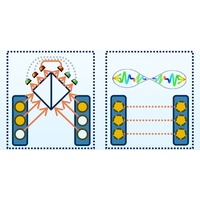
High-Performance Quantum Memory for Quantum Interconnects
Article | Quantum Information, Science, and Technology | 2026-08-12 06:00 EDT
Hao-Xuan Luo, Chang Li, Jia-Ling Ren, Yuan Yuan, Yong-Li Wen, Jian-Feng Li, Yun-Fei Wang, Shan-Chao Zhang, Hui Yan, and Shi-Liang Zhu
Researchers propose a new way to evaluate the performance of quantum memory devices, which will be key components in a future quantum Internet.
Phys. Rev. Lett. 137, 070802 (2026)
Quantum Information, Science, and Technology
Emergent Decoherence Dynamics in Doubly Disordered Spin Networks
Article | Quantum Information, Science, and Technology | 2026-08-12 06:00 EDT
Cooper M. Selco, Christian Bengs, Chaitali Shah, Zhuorui Zhang, and Ashok Ajoy
Elucidating the emergence of irreversible macroscopic laws from reversible quantum many-body dynamics remains challenging, particularly in disordered media. Here, in a doubly disordered electron-nuclear spin network in nitrogen-doped diamond, we uncover an emergent decoherence law for polarizati…
Phys. Rev. Lett. 137, 070803 (2026)
Quantum Information, Science, and Technology
Evidence for a $∼43$ GeV $γ$-ray Line Signal in a Stacking Analysis of the Virgo, Fornax, and Ophiuchus Galaxy Clusters
Article | Cosmology, Astrophysics, and Gravitation | 2026-08-12 06:00 EDT
Yi-Zhong Fan, Zhao-Qiang Shen, Yun-Feng Liang, Xiang Li, Kai-Kai Duan, Zi-Qing Xia, Xiao-Yuan Huang, Lei Feng, and Qiang Yuan
As the largest gravitationally bound objects in the Universe, galaxy clusters have provided the first piece of evidence for the presence of dark matter and may be suitable targets for indirect dark matter searches. Among various signals, the GeV-TeV -ray line has been taken as the smoking-gun signa…
Phys. Rev. Lett. 137, 071003 (2026)
Cosmology, Astrophysics, and Gravitation
Inverse Problem in Effective Field Theory
Article | Particles and Fields | 2026-08-12 06:00 EDT
Francesco Calisto, Clifford Cheung, Grant N. Remmen, Francesco Sciotti, and Michele Tarquini
We show that the tree-level spectrum of heavy particles can be directly extracted from the Wilson coefficients of the corresponding effective field theory at low energies. This procedure is exact when the number of resonances is finite and otherwise approximate. Our results are derived from a new cl…
Phys. Rev. Lett. 137, 071601 (2026)
Particles and Fields
First Measurement of the Absolute Branching Fraction of ${η}_{c}→γγ$
Article | Particles and Fields | 2026-08-12 06:00 EDT
M. Ablikim et al. (BESIII Collaboration)
We apply a tag-and-probe method to precisely measure the absolute branching fraction of the decay with the BESIII experiment at BEPCII. Starting with a large initial sample of events, a sample of events is tagged via the golden channel ,
Phys. Rev. Lett. 137, 071802 (2026)
Particles and Fields
Searches for Charged-Lepton-Flavor Violation in ${χ}_{bJ}(1P)$ Decays
Article | Particles and Fields | 2026-08-12 06:00 EDT
M. Abumusabh et al. (Belle and Belle II Collaborations)
We report the first searches for charged-lepton-flavor violation in decays of (, 1, and 2) to a pair of charged leptons using 158 million decays collected with the Belle detector in collisions at the KEKB collider. No significant signal is observed, and we set upper limits on t…
Phys. Rev. Lett. 137, 071803 (2026)
Particles and Fields
Indistinguishable Photons from a Two-Photon Cascade
Article | Atomic, Molecular, and Optical Physics | 2026-08-12 06:00 EDT
Timon L. Baltisberger, Francesco Salusti, Mark R. Hogg, Malwina A. Marczak, Nils Heinisch, Sascha R. Valentin, Stefan Schumacher, Arne Ludwig, Klaus D. Jöns, and Richard J. Warburton
Decay of a four-level diamond scheme via a cascade is a potential source of entangled photon pairs. A solid-state implementation is the biexciton cascade in a semiconductor quantum dot. While high entanglement fidelities have been demonstrated, the two photons, XX and X, are temporally correlated, t…
Phys. Rev. Lett. 137, 073603 (2026)
Atomic, Molecular, and Optical Physics
Quantum Advantage for Single-Photon State Characterization
Article | Atomic, Molecular, and Optical Physics | 2026-08-12 06:00 EDT
S. N. van den Hoven, M. C. Anguita, S. Marzban, and J. J. Renema
We propose a multiphoton interference protocol that characterizes the pairwise overlaps of the internal modes of single photons more efficiently than pairwise Hong-Ou-Mandel characterization experiments. We experimentally implement this protocol to characterize three photons. We show that our implem…
Phys. Rev. Lett. 137, 073604 (2026)
Atomic, Molecular, and Optical Physics
Experimental Demonstration of Dynamical Similarity of the Preseeded Magneto-Rayleigh-Taylor Instability in Scaled Z-Pinch Implosions
Article | Plasma and Solar Physics, Accelerators and Beams | 2026-08-12 06:00 EDT
D. E. Ruiz et al.
With the achievement of thermonuclear ignition, there is interest to increase the performance of inertial-confinement-fusion (ICF) systems to reach high fusion yields and high-energy gain for energy-production purposes. One approach to achieve this is magnetic-direct-drive (MDD) ICF, where magnetic …
Phys. Rev. Lett. 137, 075102 (2026)
Plasma and Solar Physics, Accelerators and Beams
Observation of Flatband Skin Effect in a Mechanical Lattice
Article | Condensed Matter and Materials | 2026-08-12 06:00 EDT
Xulong Wang, Dongyi Wang, Congwei Lu, Ruo-Yang Zhang, Ching Hua Lee, Kun Ding, and Guancong Ma
Symmetry-protected ideal flat bands in one-dimensional Hermitian lattices are populated by compact localized states--a special class of localization with wave functions confined within a small region. In this Letter, we demonstrate that the non-Hermitian skin effect can appear in a flat band. Unlike …
Phys. Rev. Lett. 137, 076601 (2026)
Condensed Matter and Materials
Topological Surface Charge Detection via Active Capacitive Compensation: A Pathway to the 4D Quantum Hall Effect
Article | Condensed Matter and Materials | 2026-08-12 06:00 EDT
Yuanze Li, Renfei Wang, Yifan Zhang, Jiahao Chen, Yingdong Deng, Jin Xie, Xufeng Kou, Yang Liu, and Tian Liang
The topological magnetoelectric effect (TME) in three-dimensional topological insulators (TIs), described by , serves as a condensed-matter realization of the four-dimensional quantum Hall effect (4D QHE). In dual-gate axion insulator devices, the TME-induced polarization yields a …
Phys. Rev. Lett. 137, 076602 (2026)
Condensed Matter and Materials
Dipolar-Driven Mean-Field Criticality in the Ferrimagnet ${\mathrm{Eu}}{2}{\mathrm{MnSi}}{2}{\mathrm{O}}_{7}$
Article | Condensed Matter and Materials | 2026-08-12 06:00 EDT
Masahiro Kawamata, Maxim Avdeev, and Yusuke Nambu
We report mean-field critical behavior in , a melilite-type ferrimagnet with spin-only and moments and negligible orbital contributions. Magnetization measurements combined with neutron powder diffraction reveal critical exponents close to the mean-field values, indicating that l…
Phys. Rev. Lett. 137, 076703 (2026)
Condensed Matter and Materials
Magnetic-Field-Tunable Repulsive Exciton-Exciton Interaction in the van der Waals Antiferromagnet ${\mathrm{NiPS}}_{3}$
Article | Condensed Matter and Materials | 2026-08-12 06:00 EDT
Kaiyang Huang, Jaena Park, Zhuo Yang, Je-Geun Park, Atsuhiko Miyata, Yoshimitsu Kohama, and Yasuhiro H. Matsuda
Two ultranarrow absorption peaks around 1.5 eV, which are widely believed to originate from a transition from a spin-orbital entangled triplet to a singlet state, in the two-dimensional van der Waals crystal , have attracted considerable attention because of their pronounced spin-dependent char…
Phys. Rev. Lett. 137, 076903 (2026)
Condensed Matter and Materials
Quantifying and Minimizing Dissipation in a Nonequilibrium Phase Transition
Article | Polymers, Chemical Physics, Soft Matter, and Biological Physics | 2026-08-12 06:00 EDT
Yuejun Shen, Zhiqiao Jiang, Yunfan Huang, Brittany M. Cleary, Yixing Jiang, Grant M. Rotskoff, and Aaron M. Lindenberg
In a finite-time continuous phase transition, topological defects emerge as the system undergoes spontaneous symmetry breaking. The Kibble-Zurek mechanism predicts how the defect density scales with the quench rate. During such processes, dissipation also arises as the system fails to adiabatically …
Phys. Rev. Lett. 137, 078101 (2026)
Polymers, Chemical Physics, Soft Matter, and Biological Physics
Physical Review X
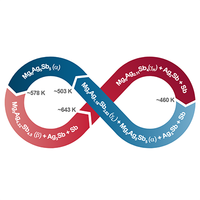
Unraveling Non-polymorphic Phase Evolution in Mg-Ag-Sb for Designing Thermally Recoverable Thermoelectrics
Article | 2026-08-12 06:00 EDT
Shizhen Zhi, Xiaojing Ma, Shanghao Chen, Tianyu Zhang, Yao Xu, Jiang Chen, Sheng Ye, Chenhao Lin, Linmao Wen, Jinxuan Cheng, Rongpei Shi, Xingjun Liu, Feng Cao, Lijun Zhang, Yuhao Fu, Qian Zhang, and Jun Mao
Thermal degradation in MgAgSb thermoelectric material can be reversed with low-temperature annealing.
Phys. Rev. X 16, 031035 (2026)
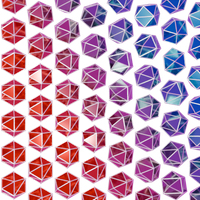
Evolution of Polycrystallinity in Homogeneously Nucleated Colloidal Crystals
Article | 2026-08-12 06:00 EDT
Merin Jose, Nicholas H. P. Orr, Taiki Yanagishima, and Roel P. A. Dullens
Direct observations of the birth and growth of polycrystalline colloidal crystals clarify the role of grain formation, a key aspect in understanding and tuning the properties of polycrystalline materials.
Phys. Rev. X 16, 031036 (2026)
arXiv
Temperature-Driven Sequential Modeling for the Prediction of Annual Power Conversion Efficiency Profiles of Organic Photovoltaic Materials: Douala Case Study
New Submission | Materials Science (cond-mat.mtrl-sci) | 2026-08-13 20:00 EDT
Steve Cabrel Teguia Kouam, Rockefeller Rockefeller, Raoult Dabou Teukam, Jean-Pierre Tchapet Njafa, Patrick Sorrel Mvoto Kongo, Jean-Pierre Nguenang, Serge Guy Nana Engo
Organic photovoltaic (OPV) materials are promising candidates for distributed solar energy in tropical regions, yet existing virtual screening tools report static power conversion efficiency (PCE) values at standard testing conditions (STC) that fail to capture the temperature-driven performance degradation experienced under real deployment conditions. Here we introduce a Climate-Native computational framework that forecasts the annual PCE profile of OPV donor molecules under geographically realistic operating conditions. The framework combines GFN2-xTB molecular dynamics with an equivariant graph neural network surrogate ($ 268$ Neyman-stratified CEP molecules; $ 120,600$ training geometries; $ \sim 1050\times$ speedup over explicit quantum chemistry) and sequential deep learning models trained on annual time series anchored in NASA POWER climate data for Douala, Cameroon, and validated by zero-shot transfer to Yaoundé and Maroua. Applied to $ \sim 30,000$ molecules from the Harvard Clean Energy Project (CEP) and validated against $ 350$ HOPV15 experimental device measurements, the framework demonstrates that sequential models trained on full molecular dynamics trajectories outperform time-averaged baselines ($ 35%$ -$ 48%$ relative MAE improvement over static baselines), confirming that thermal conformational dynamics carry information beyond mean geometry. We further introduce a seasonal stability score that reranks OPV candidates by performance consistency under tropical conditions, identifying molecules whose deployment suitability differs substantially from their static PCE ranking.
Materials Science (cond-mat.mtrl-sci), Machine Learning (cs.LG), Chemical Physics (physics.chem-ph)
12 pages, 5 figures and 2 tables
OpenMP Fortran programs for rotating dipolar Bose-Einstein condensates
New Submission | Quantum Gases (cond-mat.quant-gas) | 2026-08-13 20:00 EDT
Denis Mujo, Dušan Vudragović, Paulsamy Muruganandam, Sadhan K. Adhikari
In this paper we present Open Multi-Processing (OpenMP) Fortran 90/95 programs to solve the Gross-Pitaevskii equation for a rotating dipolar Bose-Einstein condensate (BEC) in two and three dimensions, which is a new version of our previous published programs for a dipolar Bose-Einstein condensate without rotation. After the recent experimental study of a rotating dipolar BEC [L. Klaus et al., Nature Phys. 18, 1453 (2022)], the present programs will be useful tools for related theoretical investigation. The algorithm used is the split-step semi-implicit Crank-Nicolson scheme for imaginary- and real-time propagation to obtain stationary states and BEC dynamics, respectively, as in the previous version [L. E. Young-S. et al., Comput. Phys. Commun. 286 (2023) 108669].
Quantum Gases (cond-mat.quant-gas), Pattern Formation and Solitons (nlin.PS)
Chemically Meaningful Textualization Enables Explainable Validation of Metal-Organic Frameworks by Large Language Models
New Submission | Materials Science (cond-mat.mtrl-sci) | 2026-08-13 20:00 EDT
Computation-ready metal-organic framework (MOF) databases are essential for high-throughput screening, yet many reported crystal structures remain chemically unreasonable or disordered, compromising simulation fidelity. Existing validation approaches can identify non-computation-ready structures, but they often rely on heuristic rules, license requirement, or offer limited interpretability. Here, we show that large language models (LLMs) can serve as interpretable validators of MOF structures when crystallographic information is transformed into chemically meaningful text. By benchmarking nine descriptors, we find that successful LLM-based validation depends not on the amount of structural information alone, but on whether local coordination, framework connectivity, and chemical context are organized into a linguistically learnable representation. Fine-tuned LLMs using specialized descriptors (mof2text) achieve performance comparable to graph-based models in identifying unreasonable MOFs. Importantly, these models extend beyond black-box classification by generating diagnostic rationales for likely error sources, including abnormal bonding, connectivity, and charge states, as well as error-category predictions for annotated datasets. This work establishes chemically informed textualization as the key step that transforms LLMs from generic text models into practical and explainable tools for curating MOF databases.
Materials Science (cond-mat.mtrl-sci), Artificial Intelligence (cs.AI)
Discriminating superconducting fluctuations from the pseudogap in Bi$_2$Sr$2$Ca${n-1}$Cu$n$O${2n+4+δ} (n = 2,3)$: A magnetotransport study
New Submission | Superconductivity (cond-mat.supr-con) | 2026-08-13 20:00 EDT
Shunpei Yamaguchi, Nae Sasaki, Shintaro Adachi, Keiichi Harada, Yuki Teramoto, Shintaro Matsuda, Tomohiro Usui, Takenori Fujii, Takashi Noji, Itsuhiro Kakeya, Haruka Taniguchi, Michiaki Matsukawa, Atsushi Miyake, Hajime Ishikawa, Koichi Kindo, Takao Watanabe
Understanding the normal state is essential for uncovering the mechanism of high-$ T_c$ superconductivity. We investigate magnetotransport in Bi$ _2$ Sr$ _2$ CaCu$ _2$ O$ _{8+\delta}$ and Bi$ _2$ Sr$ _2$ Ca$ _2$ Cu$ _3$ O$ _{10+\delta}$ single crystals over a wide doping range. While the in-plane resistivity and Hall coefficient show strong pseudogap-induced temperature dependence, the $ T^2$ Hall-angle behavior and the modified Kohler’s rule remain robust across all dopings. The onset temperatures of the pseudogap are clearly distinct from superconducting fluctuations, although they scale with the pseudogap magnitudes with a factor consistent with a $ d$ -wave superconductor. These results demonstrate that the pseudogap does not arise from superconducting fluctuations and instead suggest that it may originate from preformed Cooper pairing in the BCS-BEC crossover regime.
Superconductivity (cond-mat.supr-con)
7 pages 4 figures in the main manuscript; 9 pages 9 figures in the Supplemental Material
Geometry of Noisy Quantum Many-Body Dynamics with Continuous Symmetries: Entanglement and Correlations
New Submission | Statistical Mechanics (cond-mat.stat-mech) | 2026-08-13 20:00 EDT
Marco Lastres, Sanjay Moudgalya
We study unitary quantum dynamics in noisy Brownian models with global continuous symmetries, such as $ U(1)$ and $ SU(2)$ , focusing on Rényi entanglement entropies and hydrodynamic and non-hydrodynamic correlators. By mapping the averaged late-time dynamics to the low-energy physics of effective replica Hamiltonians, we find that the evolution is controlled by the quantum geometry of their ground-state manifolds, which is directly related to the geometry of $ k$ -commutants—the symmetry algebra of $ k$ replicas of the system. In interacting systems, these $ k$ -commutants are generically determined solely by the symmetries of the system, independent of microscopic details of the noisy evolution. This allows us to use the time-dependent variational principle (TDVP) to provide simple geometric explanations for the sub-ballistic Rényi entanglement growth and the anomalous decay of non-hydrodynamic correlators in interacting systems with continuous symmetries. We find this behavior to be intimately connected to singularities within the $ k$ -commutant manifolds, arising from frozen ``void’’ states in the Hilbert space that exist due to continuous on-site symmetries. This also demystifies the important role of voids in the dynamics of these observables, previously identified in $ U(1)$ symmetric systems. We compare these behaviors in interacting systems with Abelian and non-Abelian continuous symmetries and in free-fermion systems, which differ in the geometry of their $ k$ -commutants. Ultimately, this work provides a general geometric framework for systematically studying observables in noisy systems with continuous symmetries, including Haar-random circuits.
Statistical Mechanics (cond-mat.stat-mech), Strongly Correlated Electrons (cond-mat.str-el), High Energy Physics - Theory (hep-th), Mathematical Physics (math-ph), Quantum Physics (quant-ph)
41+16 pages, 9 figures
Quetzalcoatlite as a Disorder-Free Platform for Chiral Magnetism and Frustration
New Submission | Strongly Correlated Electrons (cond-mat.str-el) | 2026-08-13 20:00 EDT
Aleksandar Razpopov, P. Peter Stavropoulos, Michael R. Norman, Roser Valentí
The natural mineral quetzalcoatlite Zn$ _6$ Cu$ _3$ (TeO$ _6$ )$ _2$ (OH)$ _6$ $ \cdot$ (Ag$ _x$ Pb$ _y$ Cl$ {x+2y}$ ) is a structurally ideal kagome magnet, providing a platform for exploring the interplay of geometric frustration, chirality, and tunability in a disorder-free framework. Here, we present the (first) comprehensive ab initio study of its electronic and magnetic properties. The electronic structure is dominated by localized half-filled Cu $ d{x^2-y^2}$ orbitals that become insulating through electronic correlations. Mapping the low-energy physics onto a Heisenberg model reveals that the magnetism is governed primarily by two exchange interactions: a nearest-neighbor intralayer kagome coupling and a next-nearest-neighbor interlayer coupling. Their competition stabilizes an unconventional three-dimensional chiral magnetic state. Each kagome layer hosts a $ \sqrt{3}\times\sqrt{3}$ order, while adjacent layers are rotated by $ 60^\circ$ , producing a right-handed spiral along the crystallographic $ c$ -axis. This intrinsic chiral order emerges naturally from the crystal structure and magnetic interactions, establishing quetzalcoatlite as a distinctive realization of chiral magnetism on a perfect kagome lattice. At the same time, the small energy scale of the exchange interactions places the material close to competing magnetic regimes, suggesting that moderate pressure, chemical substitution, or structural modifications may strongly enhance frustration, suppress long-range order, and potentially drive the system toward a quantum spin-liquid state.
Strongly Correlated Electrons (cond-mat.str-el)
9 Pages, including 6 Figures, and additional four pages of Supplementary Information
The Fate of Crystalline Topological Phenomena in the Continuum
New Submission | Strongly Correlated Electrons (cond-mat.str-el) | 2026-08-13 20:00 EDT
The continuum limit is a widely used theoretical construct for obtaining continuum field-theories of crystalline systems. We study the formulation of a continuum limit for gapped bosonic phases and ask whether their topological properties survive passage to the continuum. Using methods in algebraic topology and category theory, we give a rigorous formulation of the continuum limit and construct a surjective global map relating crystalline topological phases across all finite point-group symmetries to continuum invertible topological phases. Consequently, we find that some lattice phases admit no continuum limit, while distinct lattice phases that do admit a continuum limit can share the same continuum image, hence implying that some lattice topological data can collapse. Conversely, we find that every continuum invertible phase admits a faithful crystalline realization. In addition to the general framework, we apply it to several examples, including studies of a 2D rotation-symmetric phase, higher-order topological phases, and the mixed spin-lattice anomaly of the deconfined quantum critical point between an antiferromagnet and valence bond solid.
Strongly Correlated Electrons (cond-mat.str-el), Mathematical Physics (math-ph)
55+70 pages, 16+1 figures
Thermodynamic Spectroscopy of Emergent Excitations in Quantum Spin Ice
New Submission | Strongly Correlated Electrons (cond-mat.str-el) | 2026-08-13 20:00 EDT
Zhengbang Zhou, Tony An, Yong Baek Kim
Quantum spin ice (QSI) is a three-dimensional quantum spin liquid where fractionalized spinons interact with emergent photons. The XXZ model on the pyrochlore lattice realizes such a $ U(1)$ quantum spin liquid and a number of pyrochlore magnets have been investigated as candidate materials, but the detection of emergent excitations has been a major challenge. The specific heat is expected to show the higher-energy spinon excitations and a lower-energy anomaly at the ring-exchange scale, which sets both the photon bandwidth and the energy of the emergent magnetic monopoles (or visons). In reality, the lower-energy peak is obscured by the nuclear Schottky anomaly in non-Kramers Pr-based systems, while it is not clearly resolved from the spinon contributions in Ce-based dipolar-octupolar systems. In this work, we propose a novel thermodynamic probe of the elusive ring-exchange energy scale. We show that in the presence of a weak perturbation coupled to the transverse component of the pseudospin degrees of freedom, the temperature derivative of an observable conjugate to such a weak perturbing force is highly sensitive to the ring-exchange energy scale. Using this scheme, it is shown that the difference between thermal expansion coefficients along the [100] and [010] directions should show a peak at the ring-exchange energy scale for non-Kramers QSI. Similarly, the temperature derivative of the magnetization, $ dM/dT$ , of dipolar-octupolar pyrochlores under a weak magnetic field can also detect the same signal. Moreover, the sign of these signatures distinguishes the zero-flux and $ \pi$ -flux QSI states.
Strongly Correlated Electrons (cond-mat.str-el)
Main text: 7 pages, 3 figures; Supplemental material: 16 pages, 3 figures
Light induced superconducting diode effect in patterned films
New Submission | Superconductivity (cond-mat.supr-con) | 2026-08-13 20:00 EDT
Evan M. Wilson, Hou-Tong Chen, Alexander V. Balatsky
Structured light offers a route to control superconducting transport without permanently modifying the material or applying a static bias. Here we show that structured optical driving can generate a superconducting diode response in patterned superconducting films with asymmetric holes. Using generalized time-dependent Ginzburg Landau simulations, we find that optical driving produces rectified dc photovoltages and zero bias directional supercurrent imbalance in a junction free geometry, with continuous-drive diode efficiencies of order $ 10^{-3}$ and pulsed efficiencies reaching $ 10^{-2}$ . The response is controlled by both the hole array and the optical mode. Increasing the number of asymmetric holes enhances rectification, reversing circular helicity reverses the diode polarity, and the optical spatial mode strongly modifies the magnitude and polarity of the directional response. Pulsed excitation enhances the zero bias line cut current imbalance to the percent level. For linearly polarized illumination, the asymmetric metacrystal converts the drive into local chiral supercurrent motion, inducing an inverse Faraday effect like mechanism for dynamical time reversal symmetry breaking. These results establish patterned superconducting films as a viable platform for light-tunable superconducting diode behavior.
Superconductivity (cond-mat.supr-con), Mesoscale and Nanoscale Physics (cond-mat.mes-hall)
8 pages, 6 figures
Operational identifiability of false-vacuum decay rates in the quantum Ising chain
New Submission | Statistical Mechanics (cond-mat.stat-mech) | 2026-08-13 20:00 EDT
Boliang Yu, Ruixin Zhou, Hang Su
Extracting a thermodynamic nucleation rate from finite-time quantum dynamics requires separating observable decay from estimator and finite-size validity. We develop a multilevel identification framework to real-time tensor-network simulations of false-vacuum decay in the one-dimensional quantum Ising chain. Across twelve parameter points with non-empty analysis intervals, the same coherent two-kink amplitudes semi-quantitatively predict both infinite-chain survival and magnetization dynamics: the survival coefficient has a median lattice-to-theory ratio of 0.902, while the magnetization-area slope ratios span 0.809–0.953. By contrast, the microscopic nearest-neighbour bond response is coherence dominated: vacuum–pair coherence contributes 60.0–81.5% within the seven parameter points satisfying the matched-bond-dimension convergence criterion, while substantial late-window slope discrepancies remain that cannot be removed by a scalar normalization. The framework establishes reliable finite-time decay coefficients and identifies the additional finite-size and branch-validation requirements for a bulk thermodynamic rate interpretation. Within the two-kink model, a lattice-resolved WKB action reduces the median fixed-prefactor discrepancy with the coherent-bubble spectral calculation to 4.13%. Quantitative cross-level consistency, observable-dependent reduced-model error, and a thermodynamic-rate interpretation that remains subject to finite-size validation can therefore coexist.
Statistical Mechanics (cond-mat.stat-mech), Quantum Physics (quant-ph)
23 pagse, 6 figures
Strain-controlled magnetism and magnetoelasticity in monolayer NiPS$_3$ and CrPS$_4$
New Submission | Materials Science (cond-mat.mtrl-sci) | 2026-08-13 20:00 EDT
Balázs Nagyfalusi, Alvaro Bermejillo-Seco, Linde de Jong, Ritesh Das, Yaroslav M. Blanter, Herre S. J. van der Zant, Amador Garcia-Fuente, and Jaime Ferrer
We develop a first-principles framework for magnetoelastic coupling in two-dimensional magnets based on a strain-dependent Heisenberg model. In this approach, strain derivatives of the exchange interactions provide direct access to magnetostriction and to the magnetic renormalization of the elastic tensor, establishing a microscopic link between spin interactions and elastic response. We apply the method to monolayer NiPS$ _3$ and CrPS$ _4$ , which exhibit contrasting magnetoelastic behavior. NiPS$ _3$ shows weak and nearly isotropic spin-lattice coupling, consistent with a robust zigzag antiferromagnetic ground state. In contrast, CrPS$ _4$ displays strong anisotropic coupling, leading to strain-driven transitions between spin-spiral and ferromagnetic phases and significant changes in the critical temperature and elastic response. Our results demonstrate a general route to quantify magnetoelastic effects in low-dimensional magnets and highlight CrPS$ _4$ as a promising platform for strain engineering of magnetic order.
Materials Science (cond-mat.mtrl-sci), Mesoscale and Nanoscale Physics (cond-mat.mes-hall)
12 pages, 11 figures, 3 tables
Many-Body Destabilization of Intermediate Oxygen-Hole States
New Submission | Materials Science (cond-mat.mtrl-sci) | 2026-08-13 20:00 EDT
Anirudh Adavi, Kayahan Saritas, Ming Lei, Das Pemmaraju, Paul R. C. Kent, Iwnetim I. Abate
Oxygen holes in transition-metal oxides can appear as localized polarons, symmetry-delocalized ligand holes, or intermediate states whose stability is controlled by subtle electron-correlation effects. In layered Na$ _{2-x}$ Mn$ _3$ O$ _7$ , hybrid density functional theory (DFT) predicts an unusual bond-centered split oxygen-hole polaron stabilized near ordered Mn vacancies. Here we resolve the nature of this state using diffusion Quantum Monte Carlo (QMC). Although hybrid DFT favors the split configuration, QMC reverses the energetic ordering and identifies the localized oxygen polaron as the lower-energy state. The result is robust to the class of trial wavefunctions used, including hybrid and generalized-gradient DFT wavefunctions. Many-body spin densities further show that the nominal split state partially collapses toward a localized polaron. Because localized and split configurations produce similar O K-edge spectral features, this qualitative failure is not resolved by conventional X-ray absorption signatures alone. These findings identify Na$ _{2-x}$ Mn$ _3$ O$ _7$ as a stringent benchmark for oxygen-hole polarons and reveal a failure mode of hybrid functionals in correlated oxides.
Materials Science (cond-mat.mtrl-sci)
Large bias-tunable magnetoresistance from spin-dependent interlayer hybridization in van der Waals antiferromagnet CrSBr-based heterostructures
New Submission | Mesoscale and Nanoscale Physics (cond-mat.mes-hall) | 2026-08-13 20:00 EDT
Sadeed Hameed (1), Aditya Kumar (1), Chengjie Yu (2), Aravind P. Balan (1 and 3), Xinran Wang (1), Lichuan Zhang (2), Yuriy Mokrousov (1 and 4), Mathias Kläui (1 and 5) ((1) Institute of Physics, Johannes Gutenberg University Mainz, Mainz, Germany, (2) School of Physics and Electronic Engineering, Jiangsu University, Zhenjiang, China, (3) Department of Materials Science and NanoEngineering, Rice University, Houston, Texas, USA, (4) Peter Grünberg Institut and Institute for Advanced Simulation, Forschungszentrum Jülich and JARA, Jülich, Germany, (5) Centre for Quantum Spintronics, Department of Physics, Norwegian University of Science and Technology, Trondheim, Norway)
We explore the large magnetoresistance (MR) in \ce{hBN}/few-layer-graphene/\ce{CrSBr}/few-layer-graphene heterostructures and reveal the mechanism behind its non-monotonic bias dependence. Using bias voltage and temperature as independent tuning knobs, we achieve MR up to \SI{350}{\percent} at \SI{20}{K}, characterized by symmetric M-shaped maxima around $ \pm 0.5,\mathrm{V}$ . Continuous tuning of the magnetization angle $ \theta$ via a hard-axis magnetic field shows that the barrier band-edge offset varies linearly with $ \cos(\theta/2)$ , a first-order signature of spin-dependent interlayer hybridization. This linear relationship rules out the Jullière model and a spin-filter projection. We conclude that the magnetic-configuration-dependent band edge, rather than electrode spin polarization, dictates the large magnetoresistance in \ce{CrSBr} junctions.
Mesoscale and Nanoscale Physics (cond-mat.mes-hall), Materials Science (cond-mat.mtrl-sci)
Symmetry-Dependent Mechanical and Vibrational Response of Formamidinium Lead Halide Perovskites: A DFT Study
New Submission | Materials Science (cond-mat.mtrl-sci) | 2026-08-13 20:00 EDT
Mahdi Faghihnasiri, Carmine Autieri, Sara Memarzadeh
Formamidinium-based hybrid halide perovskites (FAPbX3, X = Cl, Br, and I) have attracted considerable attention for optoelectronic applications owing to their outstanding optical and electronic properties. However, the influence of crystal symmetry reduction on their mechanical behavior and stability has not yet been comprehensively understood. In this work, density functional theory (DFT) calculations were performed to investigate the structural, elastic, dynamical, and nonlinear mechanical properties of the cubic and ps-cubic phases of FAPbX3. The elastic constants, bulk, shear, and Young’s moduli, Poisson’s ratio, sound velocities, and Debye temperature were evaluated and correlated with the second Piola-Kirchhoff stress-strain response under tensile and compressive loading. The results reveal that the effect of symmetry reduction is strongly dependent on the halide composition. For FAPbCl3 and FAPbBr3, the transition from the cubic to the ps-cubic phase reduces the lattice stiffness, decreases the acoustic phonon velocities, and lowers the Debye temperature, whereas the opposite trend is observed for FAPbI3. The stress-strain analysis further reveals pronounced nonlinear, anisotropic, and asymmetric mechanical behavior, demonstrating that symmetry reduction can either activate or suppress strain-accommodation mechanisms depending on the halide species, thereby governing the mechanical stability and the onset of structural softening. These findings provide microscopic insight into the relationship between crystal symmetry, lattice dynamics, and nonlinear mechanical response in formamidinium-based halide perovskites, offering useful guidance for the design of mechanically robust optoelectronic materials.
Materials Science (cond-mat.mtrl-sci)
Yttrium Superhydrides Revisited: Advanced Experimental and Theoretical Studies of YH$_6$, YH$9$ and YH${10}$
New Submission | Superconductivity (cond-mat.supr-con) | 2026-08-13 20:00 EDT
Dmitrii V. Semenok, Pedro N. Ferreira, Di Zhou, Fabian Jőbstl, Andrey V. Sadakov, Kirill S. Pervakov, Burkhan I. Massalimov, Toni Helm, Ryosuke Akashi, Vladimir M. Pudalov, Viktor V. Struzhkin, Christoph Heil, Ivan A. Troyan
Yttrium polyhydrides are benchmark materials in high-pressure superconductivity, yet several key properties of the Y-H system remain insufficiently characterized. Here we combine contact transport, contactless radio-frequency measurements, pulsed-field experiments, and first-principles calculations to reinvestigate YH$ _6$ , YH$ _9$ , and YH$ _{10}$ in the pressure range 140-213 GPa. Yttrium hydrides YH$ _6$ ($ \textit{$ T_c$ }$ = 218-221 K) and YH$ _9$ ($ \textit{$ T_c$ }$ = 235-237 K) demonstrate narrow superconducting transitions ($ \textit{$ {\Delta}$ T$ _c$ }$ = 2-5 K), approaching the limit imposed by thermal fluctuations. Pulsed-field measurements on YH$ _6$ up to 60 T establish an extended superconducting phase diagram with a linear slope $ \textit{dB$ _{c2}$ /dT}$ = -0.52 T/K, pronounced transition broadening above 30 T, and negligible normal-state magnetoresistance. We report the radio-frequency AC susceptibility study of YH$ _6$ , providing evidence for superconductivity via high-frequency field screening in a contactless geometry. Experiments involving Pd incorporation, Pd thin-film sputtering, and Al alloying show strong suppression of high-temperature superconductivity, with no transitions detected above 78-120 K. Finally, using density-functional theory with the stochastic self-consistent harmonic approximation, superconducting density-functional theory, and full-bandwidth Migdal-Eliashberg calculations, we show that anharmonic effects substantially reduce the predicted $ \textit{$ T_c$ }$ of cubic YH$ _{10}$ to approximately 260-270 K. These results strongly disfavor room-temperature superconductivity in binary yttrium superhydrides.
Superconductivity (cond-mat.supr-con), Materials Science (cond-mat.mtrl-sci)
Giant Effective Permeability in Drude Thin Films Probed by THz Time-Domain Spectroscopy
New Submission | Other Condensed Matter (cond-mat.other) | 2026-08-13 20:00 EDT
Gian Paolo Papari, Zahra Mazaheri, Antonio Vettoliere, Carmine Granata, Roberto Russo, Giovanni Ausanio, Umar Farooq, Junaid Yaseen, Can Koral, Antonello Andreone
The electromagnetic response of metallic films is commonly analyzed in terahertz spectroscopy by assuming unit relative magnetic permeability. In this work we show that this assumption introduces significant distortions in the electrodynamic retrieval of highly conductive films. Aluminum and copper films, 10 nm thick, were investigated by terahertz time-domain spectroscopy in both transmission and reflection configurations. By applying a self consistent retrieval method that independently determines the complex permittivity and permeability, we show that the Drude-type dielectric response is systematically accompanied by a permeability that strongly departs from unity. This deviation is intrinsically linked to the reactive impedance of the films, which clarifies the light induced onset of large screening currents within a transversally confined geometry. A phenomenological interpretation based on the Faraday Neumann Lenz mechanism and a lumped-element model of the film impedance accounts for the observed trends. These results indicate that the common assumption $ \tilde{\mu}=1$ in non-magnetic Drude films can lead to an incomplete or biased electrodynamic characterization in the terahertz regime.
Other Condensed Matter (cond-mat.other)
18 pages, 11 figures
Layer-Number-Controlled Symmetry Breaking and Surface-State Transport in Rhombohedral Graphene Multilayers
New Submission | Mesoscale and Nanoscale Physics (cond-mat.mes-hall) | 2026-08-13 20:00 EDT
Bosai Lyu, Jian Zheng, Kai Liu, Yulu Ren, Size Wu, Yating Sha, Shuhan Liu, Youngju Park, Kenji Watanabe, Takashi Taniguchi, Jinfeng Jia, Zhiwen Shi, Jeil Jung, Weidong Luo, Guorui Chen
Rhombohedral multilayer graphene hosts layer-polarized flat bands, providing an intriguing platform for correlated and topological electronic states; however, the role of layer number in governing symmetry breaking and surface screening remains elusive. Here we prepare rhombohedral graphene multilayers and systematically conduct electrical transport measurements. We uncover an unconventional layer dependence of phase transitions: the critical displacement field (D$ _{c}$ ) for the layer-antiferromagnetic (LAF)-to-semimetal transitions remains constant across tetralayer to hexalayer graphene, whereas the D$ _{c}$ for semimetal-to-layer-polarized-insulator (LPI) transition increases with layer number, defying unscreened Coulomb interaction models. In hexalayer graphene, surface-state-dominated transport emerges, with Landau levels (LLs) and resistive peaks selectively controlled by adjacent gates, a signature of strong interlayer screening absent in thinner stacks. High magnetic fields reveal valley-layer-locked LLs and dissipative states possibly from interlayer backscattering, highlighting the presence of decoupled surface states. Our findings establish layer number as a key tuning knob for engineering correlated and topological phases in rhombohedral graphene multilayers.
Mesoscale and Nanoscale Physics (cond-mat.mes-hall), Strongly Correlated Electrons (cond-mat.str-el)
Accurate Evaluation of Nanoscale Spatiotemporal Dynamics with Electron Correlation Microscopy
New Submission | Materials Science (cond-mat.mtrl-sci) | 2026-08-13 20:00 EDT
Po-Cheng Kung, Ajay Annamareddy, Mark D. Ediger, Dane Morgan, Paul M. Voyles
Electron correlation microscopy (ECM) can measure materials dynamics with nanoscale spatial resolution from intensity correlation functions. However, adopting X-ray photon correlation spectroscopy (XPCS) normalization frameworks unchanged when calculating intensity correlations can introduce errors. Due to the constrained sampling volumes and larger speckle sizes in nanobeam electron diffraction, XPCS-style time-averaging and scattering-vector averaging introduce systematic artifacts, such as artificial anticorrelations or elevated baselines that lead to systematic errors in structural relaxation times and stretching exponents. This work presents physics-inspired, ECM-specific intensity normalizations over time- and azimuthal-averaged intensities of the first diffraction ring that limit those errors. The framework is validated using molecular dynamics simulations of a CuZr supercooled liquid to benchmark against the self intermediate scattering function, successfully reproducing relaxation times. When applied to experimental time-resolved 4D STEM datasets of a Pt57.5Cu14.7Ni5.3P22.5 nanowire, the method correctly identifies highly stable, unchanging nanoscale crystalline phases that were erroneously misclassified as relaxing domains by previous frameworks. Other previous ECM research is reevaluated in light of these observation. This robust approach establishes an artifact-free pathway for evaluating localized spatiotemporal relaxation behaviors.
Materials Science (cond-mat.mtrl-sci), Disordered Systems and Neural Networks (cond-mat.dis-nn)
Spatially heterogeneous relaxational dynamics and the evolution of recoverable strain following flow cessation of a ductile nanocolloidal glass
New Submission | Soft Condensed Matter (cond-mat.soft) | 2026-08-13 20:00 EDT
Chloe W. Lindeman, James J. Griebler, Penelope Grace Kovakas, Miaoqi Chu, Qingteng Zhang, Suresh Narayanan, James L. Harden, Simon A. Rogers, Robert L. Leheny
We report a combined rheology and x-ray photon correlation spectroscopy (XPCS) study of the structural and mechanical relaxation of a ductile, nanocolloidal glass following the cessation of shear flow. After the glass is sheared to 300% strain at various shear rates and then held at fixed strain, the stress undergoes a protracted, quasi-logarithmic decay with hold time that depends weakly on the initial strain rate. Recovery rheology measurements reveal that this stress relaxation is accompanied by a logarithmic decrease in the elastic component of the recoverable strain; hence, the rates of decrease of the stress and recoverable strain are proportional. XPCS measurements during the stress relaxation reveal dynamics dominated by a convection-like backflow that is divided into two dynamically distinct regions indicative of banded motion. In one region, the flow can be modeled by an affine strain, while in the other region the glass moves as a plug while undergoing slow, glassy relaxation. The rates of these dynamics approximately track the rate of loss of recoverable strain, indicating this motion is the predominant microscopic mechanism driving the conversion of recoverable to unrecoverable strain during stress relaxation. In contrast, XPCS measurements during strain recovery reveal purely affine flow with no evidence of heterogeneity and with strain rates that agree quantitatively with the rheometry measurements. Together, these results provide a unified microscopic picture connecting the evolving internal dynamics of a ductile glass to its macroscopic mechanical relaxation following flow cessation.
Soft Condensed Matter (cond-mat.soft), Materials Science (cond-mat.mtrl-sci)
27 pages, 14 figures, and supplemental material
Soft-Phonon-Driven Effective Inversion-Symmetry Crossover in Quantum Paraelectrics
New Submission | Materials Science (cond-mat.mtrl-sci) | 2026-08-13 20:00 EDT
Xiaojiang Li, Guodong Zhao, Fei Yang, Seng Huat Lee, Richard D. Schaller, Jong-Woo Kim, Matthew Krogstad, Long-Qing Chen, Philip J. Ryan
Symmetry lays the foundation of condensed matter physics and its experimental manifestation provides fundamental insight into the collective behaviors of quantum materials. Optical second-harmonic generation (SHG) is widely regarded as a fingerprint of inversion-symmetry breaking, yet whether and how collective lattice dynamics govern the nonlinear optical manifestation of local inversion-symmetry breaking remains unknown. Here, combining optical SHG, diffuse X-ray scattering, and microscopic theory, we reveal a phonon-regulated mechanism governing the temperature-dependent manifestation of local inversion-symmetry breaking in quantum paraelectric material KTaO3. We demonstrate that an oxygen-defect-mediated nonlinear optical channel is strongly coupled to the host soft polar mode, whose thermal fluctuations scramble the associated electronic phase coherence and thereby suppress the nonlinear manifestation of local inversion-symmetry breaking at elevated temperatures. Consequently, the nonlinear response exhibits a temperature-driven crossover from a regime in which local inversion-symmetry breaking is optically manifest to one that appears effectively centrosymmetric, without any accompanying structural change. Our findings revise the conventional picture of the temperature-dependent manifestation of inversion-symmetry breaking in quantum paraelectrics and establish a framework for understanding and engineering defect-mediated nonlinear optical responses in materials hosting low-energy polar excitations.
Materials Science (cond-mat.mtrl-sci)
10 pages
Advances and opportunities for automated robotic preparation of 2D materials and fabrication of 2D heterostructures
New Submission | Materials Science (cond-mat.mtrl-sci) | 2026-08-13 20:00 EDT
S. Davari, D. L. Duong, T. Faltermeier, J. A. Goss, A. Hasani, D. Kotekar-Patil, J. Peabody, S. Wyss, H. O. H. Churchill, N. J. Borys
The mechanical exfoliation, transfer, and stacking of 2D atomic sheets from van der Waals crystals synergize to enable atomic layer-by-atomic layer engineering of 2D heterostructures with tailored properties that yield new exotic phenomena and states of matter. With the huge variety of van der Waals materials available, there is a limitless number of ways to couple 2D semiconducting, insulating, magnetic, metallic, topological, etc. systems with one another. Experimental exploration of this vast space starts with the fabrication of high-quality 2D heterostructures, which is commonly performed manually, relying on humans to execute delicate operations. Many scientific advancements have been achieved in this manner, revealing immense potential for further discovery and innovation of increasingly sophisticated 2D heterostructures. However, soon, the complexity of the 2D heterostructures that define the scientific state-of-the-art will exceed the capabilities of manual fabrication. Therefore, the demand for robotic instruments for preparing 2D materials and fabricating complex 2D heterostructures with greater quality, at higher rates, and with better reproducibility is increasing. This review covers recent scientific, instrumentation, and processing advances rising to this challenge. Robotic instruments for mechanical exfoliation, optical metrology of 2D crystallites, stacking, as well as advancements in supporting technologies such as organic-free stamps, vacuum-compatible processing tools, and artificial intelligence (AI) are covered. Looking forward, a new generation of AI-driven, automated advanced manufacturing tools is anticipated to emerge from these current advancements. These new tools will bridge the current state-of-the-art of 2D heterostructure science to new scientific frontiers defined by precision fabrication of high-quality, complex, many-layer 2D heterostructure systems.
Materials Science (cond-mat.mtrl-sci)
Shiva Davari et al 2026 2D Mater. 13 032004
A piston-like polymer stochastic heat engine
New Submission | Statistical Mechanics (cond-mat.stat-mech) | 2026-08-13 20:00 EDT
Colloidal stochastic engines are often regarded as microscopic analogues of macroscopic pis ton cylinder heat engines. However, although they share some underlying physical principles, such systems remain far from being direct force generators from a practical perspective. Motivated by this limitation, the present study introduces a polymer-based stochastic engine that more closely mimics the operation of piston cylinder engines. In this setup, heat is converted into work through a cyclic process in which a polymer is pulled into and out of a narrow channel under varying tem peratures. The work performed by the engine can be directly obtained from the cyclic trajectory in the force position diagram, analogous to the pressure volume diagram in traditional heat engines. Despite its much higher number of degrees of freedom compared to colloidal engines, the polymer en gine nevertheless follows several characteristic features observed in such systems. Numerical results demonstrate consistency with universal low-dissipation bounds for e ciency, recovery of Carnot e ciency under regeneration, and low-dissipation scaling of work and power.
Statistical Mechanics (cond-mat.stat-mech)
16 pages, 4 figures
Dynamics of the spontaneous emission factor in multiple quantum well nanowire lasers
New Submission | Mesoscale and Nanoscale Physics (cond-mat.mes-hall) | 2026-08-13 20:00 EDT
Parya Reyhanian, Christopher G Poulton, Arti Agrawal, Charlene J. Lobo
The spontaneous emission factor - often known as the \b{eta} factor - is an important quantity in the description of quantum well lasers, influencing both the threshold power as well as the general shape of the light in-light out (L-L) curve. Past work on modelling multiple quantum well (MQW) nanowire laser devices has typically assumed that the \b{eta} factor is a constant parameter that can either be estimated or fit in a post-hoc manner. However, the \b{eta} factor can be derived from the transitions between valence and conduction bands in semiconductor quantum wells, together with knowledge of the cavity modes. Here we investigate the dynamic nature of the \b{eta} factor for MQW nanowire lasers, and show how it can be computed. We also examine the dependence of the spontaneous emission rate and spontaneous emission factor \b{eta} on the charge carrier density, quantum well thickness, and composition, and discuss the impact on laser threshold and operation.
Mesoscale and Nanoscale Physics (cond-mat.mes-hall), Quantum Physics (quant-ph)
9 pages, PREPRINT
Spatially Resolving the Pre-Thermal Anatomy of a Driven Bosonic Fluid
New Submission | Mesoscale and Nanoscale Physics (cond-mat.mes-hall) | 2026-08-13 20:00 EDT
Shantam Ravan (1, 2), Aaron Müller (3), Johannes Cremer (1, 4), Jonathan Curtis (3), Daniel Fernandez (1), Ronald Walsworth (2, 4. 5), Eugene Demler (3), Amir Yacoby (1) ((1) Department of Physics, Harvard University, (2) Department of Physics, University of Maryland, College Park, (3) Department of Physics, ETH Zurich, (4) Quantum Technology Center, University of Maryland, College Park, (5) Department of Electrical and Computer Engineering, University of Maryland)
Understanding how coherently driven quantum many-body systems redistribute energy prior to thermal equilibrium remains a central challenge in many-body physics. Here, we utilize nitrogen-vacancy (NV) magnetometry to perform micron-scale spatial imaging of room-temperature magnon dynamics in a yttrium iron garnet (YIG) thin film. We resolve a hierarchy of discrete parametric scattering events that serve as deterministic stepping stones toward thermalization. By applying a two-tone wave-mixing protocol, we first isolate the elementary four-magnon interaction and extract its coupling strength via the spatial growth of the scattering product. We then drive the system with an intense single-frequency excitation near ferromagnetic resonance, revealing that magnon-magnon interactions trigger a spontaneous, multi-generation scattering cascade. We demonstrate that in each generation, the dominant scattering channels correspond to one of the out-scattered magnons being in the slow magnon regime, reminiscent of the enhancement of optical nonlinearities in slow light systems. We capture this dynamics quantitatively using a near field magnonics framework and extract the cascade order and nonlinear coefficients directly from power-dependent frequency shifts. By revealing the multi-stage dynamical process through which monochromatic injected magnons evolve toward equilibrium, our work establishes spatially resolved magnonics as a powerful platform for visualizing non-equilibrium many-body kinetics.
Mesoscale and Nanoscale Physics (cond-mat.mes-hall)
Unifying Physical Backpropagation
New Submission | Disordered Systems and Neural Networks (cond-mat.dis-nn) | 2026-08-13 20:00 EDT
Cyrill Bösch, Yigithan Gediz, Hakan Türeci
Physical computing systems exploit device dynamics for computation, but their gradient-based optimization is challenging: backpropagation through a digital twin suffers from model-reality gap. On-device gradient computation could resolve this issue, and a handful of theoretical and experimental studies have proposed ways to achieve it. Yet a unifying theory identifying when a physical system can compute the gradient of its own performance has been missing. Here we develop such a unification, based on the adjoint method: we identify sufficient conditions under which the adjoint field required for formally exact gradients can be generated on the same hardware that performs the computation. Linear and nonlinear systems obey fundamentally different conditions: for linear systems damping or gain is admissible provided reciprocity is preserved. For nonlinear trajectory systems the sufficient conditions are reciprocity of the linearized system and the existence of a time-reversal mirror. Algorithmically, the nonlinear case requires infinitesimal nudging, whereas linear systems admit a finite-amplitude experiment. We recover Equilibrium Propagation, Hamiltonian echo backpropagation, fully forward mode training and in situ gradient methods in integrated-photonic and free-space-optical systems. We further show that reciprocity is only the simplest instance of a more general intertwining condition, which extends exact on-device gradient computation to a class of non-Hermitian, non-reciprocal systems. Further generalizations include time-dependent parameters, Onsager-reciprocal dynamics and nonlinear, PT-symmetric Schrödinger equations. Our work provides a unified theoretical basis for formally exact physical learning algorithms and a template for constructing them across a range of physical systems.
Disordered Systems and Neural Networks (cond-mat.dis-nn), Emerging Technologies (cs.ET), Machine Learning (cs.LG), Optics (physics.optics)
58 pages, 3 figures
Magnetoelastic coupling descriptor for high-throughput ab initio search of magnetocaloric materials
New Submission | Materials Science (cond-mat.mtrl-sci) | 2026-08-13 20:00 EDT
Debajit Chakraborty, Kirill D. Belashchenko, Aleksander L. Wysocki
We use Landau theory of phase transitions to design a magnetoelastic coupling descriptor that can identify magnetic materials on the brink of a first-order transition, where a strong magnetocaloric effect (MCE) can arise. The descriptor can be computed from electronic structure calculations and requires structural optimization in the paramagnetic state, which we model using special quasi-random collinear spin configurations. We first evaluate the descriptor for a set of known magnetocaloric materials and identify compounds in which the MCE is driven by magnetoelastic coupling. We then apply the descriptor in a high-throughput \emph{ab initio} screening of magnetic L1$ _2$ compounds. This search identifies the L1$ _2$ cubic phases of Mn$ _3$ Ge and Mn$ _3$ Sb as materials with strong magnetoelastic coupling and potential for a large magnetocaloric response.
Materials Science (cond-mat.mtrl-sci)
9 pages, 3 figures
Realization of Arbitrary Gauge Fields via Symmetry-Protected Zero Modes
New Submission | Mesoscale and Nanoscale Physics (cond-mat.mes-hall) | 2026-08-13 20:00 EDT
J. X. Dai, Bingbing Wang, Jiangzi Chen, Y. X. Zhao, Haoran Xue
Gauge fields are fundamental to modern physics, but prescribed gauge configurations are often difficult to implement in artificial systems. Here, we present a general scheme for realizing arbitrary static $ \mathrm{O}(N)$ lattice gauge configurations using symmetry-protected zero modes of sublattice-imbalanced bipartite units. The target $ \mathrm{O}(N)$ link on each bond is encoded in the connectivity and strengths of positive microscopic couplings. By decoupling the zero-mode manifold from the remaining modes, the target gauge Hamiltonian forms an exact spectral block of the microscopic tight-binding model rather than a perturbative approximation. We experimentally demonstrate this framework in acoustic crystals through a $ \mathbb{Z}_2$ quadrupole topological insulator, an $ \mathrm{SO}(2)$ Hofstadter model, and an $ \mathrm{SO}(3)$ non-Abelian topological insulator. Our results provide a general and accessible route to gauge-field physics in artificial systems.
Mesoscale and Nanoscale Physics (cond-mat.mes-hall)
Acoustic Plasmon Resonance: Breaking the Anderson Stiffness Paradigm in Quasi-Two-Dimensional Superconducting Films
New Submission | Superconductivity (cond-mat.supr-con) | 2026-08-13 20:00 EDT
Recent experiments on superconducting films have revealed an acoustic plasmon mode that depends critically on the superconducting transition, directly challenging the long-standing Anderson-Higgs paradigm regarding the stiffness of the plasma spectrum in superconductors. In this Letter, we provide a microscopic theoretical framework that explains this behavior and establishes the physical conditions under which classical Anderson-Higgs constraints are bypassed. We demonstrate that in films of finite thickness, the transverse redistribution of normal and superfluid charge densities enables a unique coupling mechanism to electromagnetic radiation - a feature fundamentally absent in the conventional Carlson-Goldman scenario. Our theory predicts an acoustic mode whose dispersion, temperature scaling, and dependence on film thickness are in remarkable agreement with recent experimental observations. By delineating the regime of this acoustic response, we reconcile the observed electromagnetic activity of collective excitations with the fundamental principles of superconductivity.
Superconductivity (cond-mat.supr-con)
Spin lifetime anisotropy in graphene induced by the SiO2 interface
New Submission | Mesoscale and Nanoscale Physics (cond-mat.mes-hall) | 2026-08-13 20:00 EDT
Aron W. Cummings, Chunhao Guo, Andrew Grieder, Shihao Tu, Mayank Gupta, Junqing Xu, Juan Marmolejo-Tejada, Yuan Ping
Understanding how common dielectric substrates influence the spin transport properties of graphene is essential for advancing graphene-based spintronic technologies. Here we use a comprehensive set of numerical simulations to reveal how a SiO$ _2$ substrate modifies the spin texture and governs spin relaxation in graphene. Using first-principles density matrix dynamics simulations, as well as tight-binding (TB) transport simulations, we quantify the effects of electron-phonon scattering, impurity scattering, and electrostatic disorder on the spin relaxation process. We find that a 2D SiO$ _2$ substrate induces a predominantly Rashba-type helical spin texture in graphene, leading to a spin lifetime anisotropy of 1/2. Meanwhile, bulk SiO$ _2$ breaks in-plane symmetry in graphene, leading to anisotropic in-plane and out-of-plane components in the spin texture, which we capture with a newly-developed TB model of graphene. Transport simulations under realistic disorder conditions reveal a spin lifetime anisotropy between 0.5 and 1, similar to what is seen in measurements of graphene spin valves on a SiO$ _2$ substrate. Our results reveal a more complex picture of spin relaxation at the ubiquitous graphene/SiO$ _2$ interface, beyond the standard Rashba model, providing critical insight for interpreting experiments and guiding substrate engineering for graphene spintronics.
Mesoscale and Nanoscale Physics (cond-mat.mes-hall), Materials Science (cond-mat.mtrl-sci), Computational Physics (physics.comp-ph), Quantum Physics (quant-ph)
Fluctuation Spectra and Response Function of Coupled Atomic and Molecular BECs
New Submission | Quantum Gases (cond-mat.quant-gas) | 2026-08-13 20:00 EDT
Avinaba Mukherjee, Raka Dasgupta
We investigate out-of-equilibrium properties of atomic molecular Bose Einstein condensates coupled through a Feshbach resonance, with the Feshbach coupling and detuning subject to Gaussian white noise. Using a bosonic Josephson junction framework and a Bloch sphere description, we examine the interplay of detuning, coherence, and noise governing the system dynamics. Coupling and detuning noise produce distinct fluctuation spectra, featuring both Feshbach resonant and symmetric off resonant peaks. We characterize the dispersive and absorptive response of the atom dimer system under periodic driving. The atom molecule hybridization at the Feshbach resonance maximizes the linewidth and minimizes both the effective temperature and the phase difference between the driving field and the system. This leads to an optimized power utilization and quality factor.
Quantum Gases (cond-mat.quant-gas)
12 pages, 9 figures, 1 table
First-principles cumulant approach to the vibronic structure of spin defects
New Submission | Materials Science (cond-mat.mtrl-sci) | 2026-08-13 20:00 EDT
Jinsoo Park, Yu Jin, Arpan Kundu, Jorge O. Sofo, Giulia Galli
Color centers in wide-band-gap semiconductors are leading platforms for solid-state quantum technologies, yet a quantitative description of their vibronic structure has remained elusive due to the complexity of multi-phonon processes in localized defect states. Here we present a first-principles Green’s function framework based on the retarded cumulant ansatz (RCA) to describe electron-phonon interactions in spin defects; our approach goes beyond the adiabatic and lowest-order perturbation theory approximations underlying widely used approaches. Applied to the negatively charged nitrogen-vacancy (NV$ ^-$ ) center in diamond, our method reveals that multi-phonon satellites persist over a 400 meV energy window even at zero temperature, driven by quantum zero-point fluctuations. We demonstrate that accurate spectral functions require mode-, momentum-, spin-, and orbital-resolved electron-phonon matrix elements sampled across the full Brillouin zone, to account for hybridized and propagating phonon channels. We find that the vibronic structure of the NV$ ^-$ center exhibits strong spin and orbital anisotropy, with different orbitals coupling to qualitatively distinct parts of the phonon spectrum, and spin-selective coupling affecting both sideband positions and intensities.
Materials Science (cond-mat.mtrl-sci)
7 pages, 3 figures
Logarithmically Correlated Landscapes and Localization in Non-Hermitian Quasicrystals
New Submission | Disordered Systems and Neural Networks (cond-mat.dis-nn) | 2026-08-13 20:00 EDT
Xianqi Tong, Qifeng Ding, Xiaosen Yang
We study a one-dimensional Hatano-Nelson ring whose nonreciprocal hopping is quasiperiodically modulated through zero. A gauge transformation maps every eigenstate onto a single spatial envelope, whose logarithm becomes a deterministic, logarithmically correlated field once the hopping vanishes along the quasiperiodic orbit. We derive an exact Fourier representation and prove that the landscape variance grows logarithmically with system size, with a stiffness set by the modulation power and the arithmetic of the incommensurate frequency. The extended phase terminates at an algebraic boundary given by Jensen’s formula. Inside the singular regime, localization requires the stiffness to exceed a critical threshold: above it, the wavefunction weight concentrates on the few highest landscape peaks and the state is localized; below it, the weight spreads over too many competing peaks and the state is a critical multifractal. The extreme-value statistics are anomalous: peak gaps grow as a power of the logarithm of rank, with an exponent that encodes the continued-fraction type of the frequency, distinct from the Anderson, Aubry-André, and random-gauge universality classes. The stiffness adds across channels in multiband lattices, and all signatures survive percent-level component disorder, placing the mechanism within reach of nonreciprocal topolectrical circuits.
Disordered Systems and Neural Networks (cond-mat.dis-nn)
8 pages, 5 figures
Thickness-Driven Superconductor-Insulator Transition in (Cu,C)-1234 and Proximity-Induced Superconductivity Recovery in (Cu,C)-1234/YBCO Heterostructure
New Submission | Superconductivity (cond-mat.supr-con) | 2026-08-13 20:00 EDT
Zhihang Xu, Detian Yang, Ping Zhu, Ruoxian Sun, Xiaoyang Cai, Yanqun Guo, Chuanbing Cai
Superconducting proximity effect and related thickness-driven property evolution remain an important issue in understanding high temperature superconductors. Among proximity systems, superconductor-superconductor (S-S’) is special for the existence of intrinsic superconductivity in both materials. Such platform allows the different superconducting orders to compete, couple and reconstruct at the interface. In this paper, (Cu,C)-1234/YBCO heterostructure grown on LAO (001) with fixed thickness of bottom YBCO layer as 150 nm and varied thickness of top (Cu,C)-1234 layer as 188nm, 87 nm, 18nm and estimated 1.2 nm were fabricated and component films were preserved. Electrical transport characterization indicated that as the thickness decrease the (Cu,C)-1234 film degrades and underwent the superconductor-insulator transition (SIT) from thicker to less than 18 nm. In contrast, superconductivity is re-established in transport measurements when the insulating (Cu,C)-1234 layer is coupled to superconducting YBCO As the (Cu,C)-1234 thickness is further reduced to approximately 1.2 nm, the recovered superconductivity is strongly suppressed. The observed thickness dependence is consistent with a scenario in which interfacial coupling restores superconductivity over a finite thickness range before increasing disorder and dimensional confinement dominate in the two-dimensional limit. This work establishes a promising platform for investigating interfacial coupling between cuprate superconductors and provides new insight into the superconducting proximity effect in high-temperature superconducting heterostructures.
Superconductivity (cond-mat.supr-con)
Deep-Learning-Accelerated Dopant Selection for High-k HfO2 Dielectrics: A Disorder-Resolved Study of Y, Si and Al
New Submission | Materials Science (cond-mat.mtrl-sci) | 2026-08-13 20:00 EDT
Zunair Masroor, Bonwook Gu, Wonjoong Kim, Trinh Ngoc Le, Summal Zoha, Han-Bo-Ram Lee
Hafnium oxide (HfO2) is the cornerstone high-k dielectric in modern silicon technology. Since the constraints of silicon device fabrication rule out replacing the material itself, dopant incorporation is the principal means available to engineer its band gap and dielectric constant within existing process flows. However, dopant selection is still largely empirical due to the coupled interplay among thermodynamic stability, electronic insulation, and dielectric response. Here, we present a high-throughput computational framework integrating special quasi-random structures (SQS), machine-learning potentials (SevenNet), and graph neural networks (ALIGNN) to systematically evaluate doped-HfO2 compositions across three dopants (Al, Si, Y) and two technologically relevant polymorphs (monoclinic and orthorhombic). Our analysis uncovers a fundamental design principle: formation energy, band gap, and dielectric constant are decoupled parameters requiring application-specific prioritization rather than simultaneous optimization. Yttrium achieves the lowest formation energy (-3.763 eV/atom) and favors orthorhombic phase stabilization at process-compatible thermal budgets; silicon preserves near-pristine band gaps (around 5.72 eV) critical for suppressing leakage in gate dielectric applications; and aluminum enables concentration-tunable band gap widening (5.6-5.9 eV) suited for voltage scaling. Validation against experimental literature and density functional theory (DFT) confirms quantitative accuracy (0.02 eV band gap error for Si-doping, mean absolute error less than 0.001 eV/atom formation energy). This framework provides rational, property-decoupled guidance for dopant engineering in HfO2-based dielectrics and related high-k oxide systems.
Materials Science (cond-mat.mtrl-sci)
Magnetic noise of a dark exciton Bose-Einstein condensate
New Submission | Mesoscale and Nanoscale Physics (cond-mat.mes-hall) | 2026-08-13 20:00 EDT
Excitons provide a promising platform for the realization of solid-state Bose-Einstein condensation (BEC), offering quantum coherence, strongly correlated electron-hole physics, and superfluidity. Yet, its unambiguous experimental identification remains challenging. In particular, $ S_z= \pm 1$ triplet excitons are excellent candidates to realize an exciton BEC, because of their intrinsically limited recombination rate and thus long lifetimes. However, since their optical detection is inherently forbidden, experimental signatures remain elusive. In this work, we demonstrate that the magnetic nature of a $ S_z= \pm 1$ triplet exciton BEC gives rise to stray magnetic field noise, that can be measured using nitrogen-vacancy (NV) center magnetometry. Using an external magnetic field to tune the system from an antiferromagnetic to a ferromagnetic ordering, the longitudinal spin sound mode of the BEC softens, bringing the mode into the characteristic gigahertz frequency range of the NV spin relaxation rate and thus allowing direct detection. Furthermore, we demonstrate an unconventional UV scaling at small distances $ d$ from the sample, owing to the cubic corrections to the sound mode dispersion and damping rate in the form of Beliaev damping. Through this approach, we establish that the spin component of exciton BECs offers new approaches to detect exciton BECs.
Mesoscale and Nanoscale Physics (cond-mat.mes-hall), Quantum Gases (cond-mat.quant-gas)
6+8 pages
Light-induced effective magnetic fields in Landau quantized graphene
New Submission | Strongly Correlated Electrons (cond-mat.str-el) | 2026-08-13 20:00 EDT
Hiroki Ueda, Alexej Pashkin, Ece Uykur, Kryštof Kašša, Filip Chudoba, Jan Kunc, Manfred Helm, Milan Orlita, Stephan Winnerl
Ultrafast magnetism triggered by circularly polarized radiation underpins ultrafast spin control, relevant to future technologies, e.g., opto-spintronics and magnonics. The dynamics are often complicated and intertwined among correlated subsystems, such as electrons, spins, phonons, plasmons, topology, and lattice, due to many-body quantum coupling at ultrafast timescales. Here, we demonstrate light-induced effective magnetic fields generated by selective excitation between non-equidistant Landau quantized states in graphene, a prototypical Dirac material, using circularly polarized pulses. By magnetically tuning the Landau-level transition resonance away from other low-energy excitations, we obtain a clean electrostatically controllable platform and identify the microscopic origin of the light-induced magnetic signals, independent of sublattice coupling. Because different Landau levels carry distinct optical Hall conductivities, direct modification of their occupancies via optical excitations creates transient Faraday rotation signals with dispersive magnetic-field dependence, mirroring the static magneto-optical lineshape. The induced effective magnetic field normalized by the pump electric field exceeds typical reported values for the inverse Faraday effect of electronic origin. Our results establish a clear microscopic picture of the inverse Faraday effect of electronic origin, which can trigger hierarchical dynamics among correlated sublattices once Landau-level transitions are magnetically tuned to coincide with other low-energy excitations in Dirac systems and related materials.
Strongly Correlated Electrons (cond-mat.str-el)
23 pages, 4 figures
Advancing in situ hydrogen embrittlement studies through an integrated charging cell for SEM micromechanical testing
New Submission | Materials Science (cond-mat.mtrl-sci) | 2026-08-13 20:00 EDT
Lavakumar Bathini, Guillaume Kermouche, Sergio Sao-Joao, Frédéric Christien, Szilvia Kalácska
A comprehensive understanding of hydrogen-deformation interactions at the microscale is essential for revealing hydrogen embrittlement mechanisms. In situ micromechanics with simultaneous hydrogen (H-) charging has therefore gained traction in recent times. In the present study, we aim to address the drawbacks of current in situ H-charging setups by developing a more robust 3-electrode-based back-side charging system for a scanning electron microscope to perform various micromechanical tests. The development of the novel setup is discussed and demonstrated through micropillar compression of an Fe-25Cr single crystal (110) during H-charging. H has increased the yield strength and the apparent strain-hardening rate. H activates multiple slip systems and enhances dislocation density and entanglement, leading to pronounced forest hardening as revealed by electron microscopy. Estimation of activation volume from strain-rate jump tests indicates that the deformation is controlled by the solute drag effect on kink mobility and dislocation forest hardening.
Materials Science (cond-mat.mtrl-sci)
Manuscript under revision
Spin nematic liquid crystal and scalar spin chirality in tetragonal lattice YbMnBi$_2$
New Submission | Strongly Correlated Electrons (cond-mat.str-el) | 2026-08-13 20:00 EDT
Yaofeng Xie, Sijie Xu, Yu Pan, Taekoo Oh, Tingjun Zhang, Masaaki Matsuda, Zhaoyu Liu, Zehao Wang, Yiheng Wang, Siyu Pan, Avishek Maity, Sylwia Pawledzio, Xiaoping Wang, Songxue Chi, Feng Ye, Yiqing Hao, Huibo Cao, Barry L. Winn, Melissa K. Graves-Brook, Shuai Wu, Fan Li, Xiaoyuan Zhou, Claudia Felser, Naoto Nagaosa, Pengcheng Dai
A spin nematic order, analogous to the nematic liquid crystal, characterizes the spontaneous breaking of spin-space rotational symmetry while preserving time-reversal ($ T$ ) symmetry. In contrast, scalar spin chirality (SSC), a composite three-spin order, breaks $ T$ symmetry and is known to induce an anomalous Hall effect (AHE). Although a spin nematic phase has been suggested in frustrated magnets and the square-lattice iridate, how it might affect magnetotransport properties is unknown. Here we use polarized neutron scattering to show that tetragonal $ A$ MnBi$ _2$ ($ A$ = Ca, Yb) is a strictly $ c$ -axis-aligned collinear antiferromagnet (C-type), with $ T_N \approx 270$ K and 290 K, respectively. On cooling from 450 K to $ T_N$ , low-energy spin excitations in YbMnBi$ _2$ spontaneously change from isotropic to anisotropic in spin space within the tetragonal plane, forming a dynamic spin nematic phase around 400 K due to heavy Yb-induced spin-orbit coupling, before gapping out below $ T_N$ . Similar measurements on CaMnBi$ _2$ reveal isotropic paramagnetic scattering without a spin nematic phase above $ T_N$ . Under an in-plane magnetic field, the Yb$ ^{3+}$ moments may interact with the dynamic spin nematic phase to induce nonzero SSC, giving rise to AHE and an anomalous Nernst effect (ANE) in YbMnBi$ _2$ that are absent in CaMnBi$ _2$ above $ T_N$ . A symmetry-based Ginzburg-Landau analysis shows that coupling terms between the nematic order and SSC are allowed under an external magnetic field, which could explain the rapid increase of AHE with field in YbMnBi$ _2$ . Our results provide compelling evidence for dynamic SSC-induced AHE and ANE in the paramagnetic phase of a compensated collinear antiferromagnet, opening a new avenue for the physics of composite spin orders and room-temperature spintronics without magnetic order.
Strongly Correlated Electrons (cond-mat.str-el)
Lithography-free patterning of SrTiO$_3$-based two-dimensional electron gases using direct atomic layer processing
New Submission | Materials Science (cond-mat.mtrl-sci) | 2026-08-13 20:00 EDT
Anshu Gupta, Karolis Parfeniukas, Amit Chanda, Thor Hvid-Olsen, Mira Baraket, Maksym Plakhotnyuk, Kasper S. Pedersen, Felix Trier
We present a scalable and lithography-free strategy for the realization of a two-dimensional electron gas (2DEG) in TiO$ _2$ -patterned SrTiO$ _3$ (100) via Al deposition using magnetron sputtering. A 15 nm thick TiO$ _2$ layer, deposited by direct atomic layer processing, is employed to spatially define the conducting regions, enabling direct transport measurements without post-growth microfabrication. Upon Al deposition, an insulating AlO$ _x$ overlayer is formed, and the region lacking the TiO$ _2$ pattern leads to the creation of oxygen vacancies in SrTiO$ _3$ . These oxygen vacancies act as electron donors, populating the Ti 3$ d$ conduction bands and giving rise to a confined 2DEG at the interface. Magneto-transport measurements reveal a sheet carrier density on the order of $ \approx5-7\times10^{13}$ cm$ ^{-2}$ , comparable to values typically achieved in pulsed laser deposition-grown SrTiO$ _3$ -based heterostructures, along with effective electrostatic tunability. This work demonstrates a simple, cost-effective, and industry-compatible route for engineering oxide 2DEGs, providing a versatile platform for scalable device fabrication and interfacial transport studies.
Materials Science (cond-mat.mtrl-sci)
19 pages, 4 figures
Applied Physics Letters 129, 061903 (2026)
Data-Efficient Adaptation of DPA-4 Force Fields to DFT+U Energetics: A Case Study in NiO
New Submission | Materials Science (cond-mat.mtrl-sci) | 2026-08-13 20:00 EDT
Fengyu Xie, Peiheng Jiang, Zhicheng Zhong
Foundation machine-learned force fields (MLFFs) are often pretrained on broad materials datasets whose electronic-structure conventions may not reproduce the phase energetics required for a specific correlated material. Using NiO as a case study, we examine whether incorrect source-level phase energetics can be corrected efficiently through target-level fine-tuning. Along a common structural interpolation, non-spin-polarized PBE and ferromagnetic PBE+U predict opposite energetic orderings of the octahedral Oct and square-planar Sqr phases. Pretrained DPA-4 models adapt rapidly to the NiO PBE+U surface, reaching energy and force root-mean-square errors (RMSEs) of approximately 0.5 meV/atom and 30 meV/Å, respectively, with approximately 170 PBE+U labels. Crucially, models previously fine-tuned to the opposing no-U surface recover the qualitative PBE+U phase ordering with nearly the same target-data efficiency as models fine-tuned directly from their respective pretrained initializations. Our results show that incorrect source-level phase energetics can be reversed through target-level fine-tuning, and suggest a practical multi-fidelity strategy in which pretraining prioritizes broad, consistent, and affordable data, while compact target-level datasets impose energetics through application-specific fine-tuning.
Materials Science (cond-mat.mtrl-sci), Computational Physics (physics.comp-ph)
Lipid Controlled Non-Monotonic Assembly and Rheology of an Egg Yolk Protein at Water-Soybean Oil Interface
New Submission | Soft Condensed Matter (cond-mat.soft) | 2026-08-13 20:00 EDT
Nancy Jaglan, Rumal Singh, Sajal K Ghosh
An essential component of food items like mayonnaise and salad dressing is hen egg yolk. Phosvitin (PVT) is a phosphoprotein, which exists in the granules of this hen egg yolk which stabilizes the food emulsion by preventing phase separation. To understand, how this protein is adsorbed at the interface of water and edible oil in the presence and absence of lipids is essential for improved control in food production. To monitor the kinetics of this adsorption, the dynamic interfacial tension has been determined in the current investigation. The drop in interfacial tension over time indicates the adsorption of protein at interface which is enhanced on increasing the concentration of protein in water phase. However, at higher concentration, the positive activation energy hinders the adsorption process resulting a saturated interfacial tension. The dilation rheology of the macromolecular film at this oil-water interface shows the elastic nature of the film to be greater than the viscous nature, indicating the formation of a soft gel film. At low concentration, the zwitterionic lipid, 1-palmitoyl-2-oleoyl-sn-glycero 3-phosphocholine (POPC), promotes this protein adsorption at the interface. Interestingly, at high concentration, the lipid overtakes the interface removing the protein from there. The lipid-protein composite film again shows the nature of a soft gel. The non-monotonic effects of lipids on assembly of protein at the water-edible oil interface is an important observation to optimize the composition of relevant food products.
Soft Condensed Matter (cond-mat.soft)
16 pages, 8 figures, 35 references
Optically Tunable Threshold Switching and Thermally Activated Transport in Planar Ag/MAPbI$_3$ Thin Single-Crystal Devices
New Submission | Materials Science (cond-mat.mtrl-sci) | 2026-08-13 20:00 EDT
Ofelia Durante, Valeria Demontis, Sebastiano De Stefano, Selene Matta, Adolfo Mazzotti, Daniela Marongiu, Emanuele Meloni, Elisa Pili, Fang Liu, Nicola Sestu, Angelica Simbula, Mauro Carta, Michele Saba, Andrea Mura, Massimiliano Di Ventra, Giovanni Bongiovanni, Antonio Di Bartolomeo
Halide perovskites have enabled major advances in optoelectronics, extending well beyond photovoltaics. Their mixed ionic-electronic conduction, once regarded as detrimental to device stability, is increasingly viewed as a functional degree of freedom for memory and neuromorphic-inspired devices, especially when coupled to external stimuli such as light. Specifically, single crystals are attractive models because they suppress grain-boundary effects and microstructural disorder that can mask intrinsic transport and interfacial mechanisms in polycrystalline films. Here, we report the growth of thin methylammonium lead iodide (MAPbI$ _3$ ) single crystals by a space-confined method and their integration into planar two-terminal devices with directly deposited Ag contacts. At room temperature, the devices exhibit ultra-low dark currents ($ 10^{-13}-10^{-12}$ A) and negligible hysteresis in the dark. Under illumination, the current increases due to photogeneration and the I-V characteristics develop a pronounced polarity-dependent hysteresis and a threshold-like transition between two conductance states. Temperature-dependent dark measurements (300-400 K) show thermionically activated, contact-influenced transport and a weakly varying normalized hysteresis metric. Together with the back-to-back Schottky-diode analysis and control devices using more inert contact materials, these results support a transport model in which Ag/perovskite interfaces play a central role and the hysteretic response is influenced by coupled interfacial and ionic processes.
Materials Science (cond-mat.mtrl-sci), Mesoscale and Nanoscale Physics (cond-mat.mes-hall)
28 pages, 9 figures
Advanced Science (2026): e77024
Effect of Weak Non-Conservative Dynamics on Pattern Formation in Scalar Active Matter
New Submission | Soft Condensed Matter (cond-mat.soft) | 2026-08-13 20:00 EDT
Biological systems such as bacteria and cells undergo growth or degradation, resulting in weak violations of mass conservation. We investigate how such weak non-conservative dynamics affect phase separation in scalar active matter by incorporating a reaction term into a minimal continuum model. Through numerical simulations and linear stability analysis, we show that even weak non-conservative reactions arrest coarsening and stabilize nonequilibrium microphase-separated states. With increasing activity, the system undergoes a morphological transition from interconnected labyrinthine patterns to worm-like structures and eventually to isolated droplets. Quantitative analysis of the correlation function and static structure factor reveals a well-defined steady-state characteristic length. Qualitative analysis of the resulting phases shows that the non-conservative reaction primarily promotes microphase separation and enhances local hexagonal ordering, while activity predominantly controls the domain morphology. Our results demonstrate that weak violations of mass conservation fundamentally alter the nonlinear coarsening dynamics of active phase separation and provide a minimal framework for understanding pattern formation in related systems.
Soft Condensed Matter (cond-mat.soft)
8 Figures, 9 Pages
Quantum Anomalous Hall Effect in $d^{10}$ Oxide Monolayers
New Submission | Mesoscale and Nanoscale Physics (cond-mat.mes-hall) | 2026-08-13 20:00 EDT
Zeyu Li, Xudong Zhu, Yulei Han, Zhenhua Qiao
Quantum anomalous Hall effect (QAHE) arises from the interplay between magnetic order and spin-orbit coupling, which opens up a topologically nontrivial band gap to host chiral edge states in the absence of magnetic field. So far, magnetic order of QAHE usually originates from partially filled transition-metal $ d$ orbitals or correlation-driven moiré bands. Here, we propose an experimentally accessible family of two-dimensional oxides, M$ _2$ DO$ _6$ (M = Zn, Cd; D = Se, Te), that can realize QAHE from the half-filled O-$ 2p$ orbital induced spontaneous ferromagnetism. In M$ _2$ DO$ _6$ monolayers, spin-polarized Dirac points appear at K/K$ ^{\prime}$ valleys and along $ \Gamma$ -K/$ \Gamma$ -K$ ^{\prime}$ lines. $ C_3$ rotational symmetry then generates eight symmetry-related crossings in the first Brillouin zone. Upon gap opening by spin-orbit coupling, each massive Dirac point contributes half Chern number, resulting in a high-Chern-number QAHE phase with $ \mathcal{C}=4$ . We establish cation deintercalation as a general strategy to activate O-$ 2p$ ferromagnetism in oxides. Our finding provides a route to realize QAHE from O-$ 2p$ ferromagnetism and offers design principles applicable to oxygen-based magnetic topology platforms beyond conventional $ d$ -electron systems.
Mesoscale and Nanoscale Physics (cond-mat.mes-hall)
Magnetic active matter across scales
New Submission | Soft Condensed Matter (cond-mat.soft) | 2026-08-13 20:00 EDT
Francisca Guzmán-Lastra, Margaret Rosenberg, Marco Musacchio, Lorenzo Caprini, Hartmut Löwen
Magnetic interactions provide a versatile and powerful tool for controlling and organizing active matter, where individual units continuously consume energy to drive autonomous motion. These interactions arise naturally in biological systems, such as magnetotactic bacteria, and can be engineered into synthetic platforms, including colloidal microswimmers, magnetic nanoparticles, and macroscopic granular robots. This review focuses on active, self-propelled particles that carry an intrinsic magnetic dipole moment, powered by their own energy consumption rather than driven by external fields; here, the dipole moment mediates interactions and self-organization, not propulsion. We survey experimental and theoretical studies across all length scales, showing how dipolar interactions shape single-particle dynamics, collective behavior, and self-organization. We discuss models incorporating pairwise dipolar forces and confinement, and examine emergent phenomena such as chaining, swarming, and tunable pattern formation. We close by outlining challenges and opportunities in the design, control, and application of magnetic active systems, from programmable materials and biomedical actuation to nonequilibrium physics.
Soft Condensed Matter (cond-mat.soft), Statistical Mechanics (cond-mat.stat-mech)
Density-Selected Topological Pathways in the Melting of Single-Particle-Thick Stripes
New Submission | Soft Condensed Matter (cond-mat.soft) | 2026-08-13 20:00 EDT
The melting of stripe-forming systems involves changes in connectivity that are not fully captured by conventional structural and orientational descriptors. We investigate a two-dimensional model with competing interactions whose low-temperature phase consists of one-particle-thick stripes. Molecular dynamics simulations along seven heating isochores are analyzed using thermodynamic, orientational, dynamical, and graph-based observables. Heating produces a multistage reconstruction in which the loss of stripe alignment and the reorganization of filament connectivity occur over distinct temperature ranges. Density controls whether the disordered filaments fragment into finite polymer-like clusters or remain joined in a dynamically fluid, system-spanning network. The topological observables distinguish these outcomes, which are not resolved by the thermodynamic and orientational responses alone. Thus, the same ordered stripe microphase can melt into topologically distinct fluids selected by density.
Soft Condensed Matter (cond-mat.soft), Statistical Mechanics (cond-mat.stat-mech)
Strain-controlled sign reversal of the anomalous Hall effect in Ru/[Co/Ni]$_N$ multilayers
New Submission | Materials Science (cond-mat.mtrl-sci) | 2026-08-13 20:00 EDT
Jingying Zhang, Sigang Wang, Yue Xiang, Wenhui Xie, Zhe Yuan, Yi Liu, Zongzhi Zhang
The anomalous Hall effect (AHE) is a hallmark transport phenomenon in ferromagnets arising from relativistic spin-orbit interaction. Here, we report an unexpected sign reversal of the AHE in Ru/[Co/Ni]$ _N$ multilayers controlled by the stacking sequence of the Ru layer. When Ru is placed beneath, rather than atop, the Co/Ni multilayers, the anomalous Hall signal switches from positive to negative. By systematically varying the multilayer repeat number N and combining transport measurements with first-principles calculations, we show that this reversal originates from in-plane tensile strain imposed by the Ru underlayer, which reshapes the electronic structure and redistributes Berry curvature near the Fermi level. Our findings establish interfacial strain as an effective knob for tuning Berry-curvature-driven transport and suggest a pathway toward strain-controlled topological transport phenomena in magnetic multilayers.
Materials Science (cond-mat.mtrl-sci), Other Condensed Matter (cond-mat.other)
Spin-polarized supercurrents and Josephson diode effect in altermagnets
New Submission | Superconductivity (cond-mat.supr-con) | 2026-08-13 20:00 EDT
Janus F. Niebuhr, Matthias Eschrig, Danilo Nikolić
We present a systematic theoretical study of the Josephson effect in junctions consisting of a d-wave altermagnet (AM) placed between two BCS superconductors (SC). In general, the SC/AM interfaces are spin-active and modeled by spin-dependent $ \delta$ potentials, allowing for an arbitrary direction of the local exchange field vector. The model is formulated within the fully quantum (Gor’kov) and quasiclassical (Eilenberger) Green’s function technique, applied to two distinct cases of (i) a weakly spin-polarized AM (exchange field much smaller compared to the Fermi energy) and (ii) a strongly spin-polarized AM (exchange field comparable to the Fermi energy). We apply our model to the SC/AM/SC geometry, accounting for the Josephson current-phase relation (CPR). In the weakly spin-polarized regime, the CPR displays the normal Josephson effect. Irrespective of the orientation of the altermagnet, the junction undergoes the $ 0-\pi$ transition. Depending on the orientation, the system displays the features similar to those of a ferromagnetic or an antiferromagnetic junction. To investigate the spin-polarized currents and nonreciprocal transport as the central results of the present work, we put the main focus on the strongly spin-polarized regime. Within this regime, we distinguish two cases. A coplanar exchange field profile across the junctions displays the normal Josephson effect; however, with a pure and stable long-range second harmonic in the CPR. In contrast, a noncoplanar exchange field profile gives rise to the so-called quantum geometric phases across the junction, leading to the absence of the phase-inversion center in the Josephson CPR. As a result, a Josephson diode effect emerges with a significant charge diode efficiency larger than 30% and a perfect spin diode efficiency of 100%.
Superconductivity (cond-mat.supr-con), Mesoscale and Nanoscale Physics (cond-mat.mes-hall)
18 pages main text, 5 pages supplemental materials, 10 figures in total
Magneto-optical magnetoelectric voltage sensor
New Submission | Materials Science (cond-mat.mtrl-sci) | 2026-08-13 20:00 EDT
Michael P. Path, Jeffrey McCord
Applications in high-voltage and electromagnetically harsh environments require reliable galvanically isolated voltage sensing, which can be achieved using optical readout. While established optical voltage sensors rely on electro-optic effects or piezoelectric strain with direct optical detection, strain-mediated magnetoelectric coupling combined with magneto-optical readout offers an alternative voltage sensing principle that remains largely unexplored. Here, such a sensor based on a bismuth-substituted yttrium iron garnet magneto-optical indicator film mechanically coupled to a piezoelectric actuator is presented. Voltage induced stress results in changes of the out-of-plane magnetization via magnetoelastic coupling which is detected through magneto-optical Faraday rotation. A critical state of the domain structure is set via an applied bias field, in which voltage-induced nucleation and domain-wall motion dominates the response. In this high sensitivity regime, both AC and DC voltage readout modes are demonstrated, based on either voltage-driven magnetization reversal or voltage-induced modifications of the magnetization loop shape. Equivalent voltage noise densities in the millivolt per root hertz range are achieved. The results establish strain-mediated magneto-optical voltage sensing as a distinct approach to optically isolated voltage measurement.
Materials Science (cond-mat.mtrl-sci), Applied Physics (physics.app-ph)
Resonant Raman signatures of bright and momentum-dark exciton coupled by intervalley phonon scattering in monolayer WSe2
New Submission | Materials Science (cond-mat.mtrl-sci) | 2026-08-13 20:00 EDT
Hendrik Lambers, Nihit Saigal, Lara Blinov, Jonas Kiemle, Alexander W. Holleitner, Ursula Wurstbauer
Exciton-phonon coupling in atomically thin transition metal dichalcogenides governs key processes such as exciton thermalization and intervalley scattering and remains challenging to access directly by optical spectroscopy. Here, we employ resonance Raman spectroscopy at cryogenic temperatures to probe exciton-phonon coupling in hBN-encapsulated WSe_2 monolayers. Tuning the excitation laser across the bright exciton X_KK resonance, we observe rich Raman spectra and focus on the resonance profile of the degenerate A_1’/E’ optical phonon mode. The profile exhibits two asymmetric resonance peaks whose energetic separation significantly exceeds the phonon energy - a feature that cannot be explained by first-order Raman scattering alone. We demonstrate that this discrepancy is resolved by including third-order Raman scattering, in which intervalley scattering enabled by a finite-momentum phonon couples the bright exciton X_KK to a momentum-dark exciton X_d. Fitting the experimental resonance profiles of two independent samples with a model comprising coherent first- and third-order scattering yields consistent exciton energies and linewidths, with a momentum-dark exciton X_d approximately 45meV to 55meV below the bright exciton X_KK. The results indicate efficient bright-to-dark exciton coupling. Our findings provide a microscopic framework for understanding the anomalously bright emission spectra of WSe_2 monolayers despite its spin-forbidden lowest exciton transition and highlight the role of momentum-dark excitons in resonant light-matter interaction.
Materials Science (cond-mat.mtrl-sci)
main manuscript and supplemental information
Dimensional crossover and local strain induced deflection of the spin spiral state in multiferroic NiI2
New Submission | Mesoscale and Nanoscale Physics (cond-mat.mes-hall) | 2026-08-13 20:00 EDT
Tianxing Jiang, Lianchuang Li, Haiyan Zhu, Hongyu Wang, Junchao Tian, Wenzhao Wang, Weiyi Pan, Haitao Wang, Changlin Zheng, Hongjun Xiang, Changsong Xu, Donglai Feng, Tong Zhang
Low-dimensional multiferroics hold great promise for integrated magnetoelectric devices. Spin spiral state has recently been shown to induce ferroelectricity in single-layer van der Waals (vdW) material NiI2. However, how this state evolves and can be tuned towards the two-dimensional limit remain unclear. Here, we combine spin-polarized scanning tunneling microscopy, layer-by-layer film growth, and multi-scale theoretical modeling to investigate the spin spirals in NiI2 thin films. As the film thickness increases from 1 to 7 monolayers, we observed a continuous increase of spin-spiral wavelength and a rotation of wavevector from near [110] to [1-10] direction, which evidences a dimensional crossover primarily driven by enhanced interlayer exchange energy. Moreover, we find that the film wrinkles can cause deflection of the spin spiral wavevector, which is caused by local curvature induced modification of exchange interactions. Our findings establish thickness and local strain as two tuning methods for engineering non-collinear helical magnetism and accompanied electric polarization in vdW multiferroics.
Mesoscale and Nanoscale Physics (cond-mat.mes-hall), Materials Science (cond-mat.mtrl-sci)
Science Bulletin 2026
Electronic structure, band offset, and interface electron population of the LaInO$_3$/BaSnO$_3$ system
New Submission | Materials Science (cond-mat.mtrl-sci) | 2026-08-13 20:00 EDT
G. Hoffmann, A. A. Riaz, C. Kalha, A. Gloskovskii, C. Schlueter, O. Brandt, W. Aggoune, C. Draxl, O. Bierwagen, A. Regoutz
Perovskite oxides and their heterostructures exhibit a wide range of functional properties. Among these materials, BaSnO$ _3$ /LaInO$ _3$ heterostructures form high-mobility two-dimensional electron gases (2DEGs) at their interfaces. In particular, room-temperature electron mobilities exceeding 100~cm$ ^2$ /Vs were enabled by recent advances in thin-film growth. This work presents a combined experimental and theoretical study of the electronic structure of BaSnO$ _3$ , LaInO$ _3$ , and BaSnO$ _3$ /LaInO$ _3$ heterostructures with varying LaInO$ _3$ overlayer thicknesses. Soft and hard X-ray photoelectron spectroscopy (SXPS and HAXPES) measurements are combined with densities of states (DOS) derived from hybrid density functional theory (DFT) calculations. The analysis of core, semi-core, and valence states allows to arrive at a comprehensive understanding of the chemical bonding and electronic structure in the parent oxides as well as the formed heterostructures. For the BaSnO$ _3$ /LaInO$ _3$ heterostructure, the band offset and population of 2DEG states at the interface is directly probed using HAXPES.
Materials Science (cond-mat.mtrl-sci), Applied Physics (physics.app-ph)
Ideal heat engine cycles at maximal efficiency – the ideal gas and beyond
New Submission | Statistical Mechanics (cond-mat.stat-mech) | 2026-08-13 20:00 EDT
Gregory Behrendt, Sebastian Deffner
Given a particular heat engine cycle, what is the optimal working medium that results in the highest efficiency? While one might jump to the conclusion that it must surely be the ideal gas, the situation is actually more intricate. Starting with a general Hemlholtz potential that depends polynomially on molar volume and temperature we derive exact expressions for the ideal Stirling, Otto, and Brayton cycles. We find that quite universally the maximal efficiency is achieved for thermodynamics systems, whose working mediums are linear in temperature. This includes the ideal gas, but also classical harmonic oscillators and pheonmenological models of the rubber band.
Statistical Mechanics (cond-mat.stat-mech)
5 pages; 3 figures
Universality in the deswelling of tangentially active polymer chains in dilute solutions
New Submission | Soft Condensed Matter (cond-mat.soft) | 2026-08-13 20:00 EDT
Suryansh Tripathi, Aritra Santra
Dilute solutions of linear polymer chains with tangentially active monomeric beads are simulated using a Brownian dynamics (BD) algorithm over a range of solvent quality in the crossover regime between $ \theta$ and athermal solvents. The conformational changes with increasing P{é}clet number ($ Pe$ ) (which is proportional to the strength of activity) suggest deswelling of the chains resulting in a collapse of the radius of gyration data to a random walk (RW) statistics at a unique value of $ Pe$ , independent of the solvent quality. The swelling behaviour of active polymers in the crossover regime relative to their size at the $ \theta$ state is found to follow the same universal characteristics as that of passive polymer chains. Furthermore, based on polymer blob theory we present a novel scaling of the thermal blob size with tangential activity of the monomeric beads. Altogether, this work establishes a connection between the configurational properties of active polymers and scaling laws in polymer physics, which provides a useful framework to study the dynamics of activity induced motion of polymeric molecules for various biophysical applications.
Soft Condensed Matter (cond-mat.soft)
Mismatch between Raman shear modes and ferroelectric polarization in 3R-MoS$_{2}$
New Submission | Mesoscale and Nanoscale Physics (cond-mat.mes-hall) | 2026-08-13 20:00 EDT
Johannes Schwandt-Krause, Jan-Niklas Heidkamp, Mohammed El Amine Miloudi, Swarup Deb, Elisabeth Grune, Kenji Watanabe, Takashi Taniguchi, Rico Schwartz, Oliver Kühn, Tobias Korn
Sliding ferroelectricity in parallel-stacked two-dimensional van der Waals materials enables a broad range of novel device concepts, but exploiting it requires reliable, non-destructive assignment of the underlying stacking order and polarization state. Here, we combine Kelvin-probe force microscopy (KPFM) with low-frequency Raman spectroscopy to probe the polarization domains and stacking configurations of a exfoliated trilayer 3R-MoS$ _{2}$ flake on a hBN substrate. We find that ABA and BAB - both stackings with zero net polarization - are indistinguishable in KPFM, yet show drastically different low-frequency shear modes. This observation is reproduced across multiple flakes and is corroborated by low-temperature photoluminescence. Notably, the standard bond-polarizability model does not account for the difference in shear-mode activity between the ABA and BAB configurations, indicating that the interlayer Raman response of these stackings is governed by physics beyond a simple polarizability picture. Our results show that none of the here-used individual techniques alone is sufficient to assign sliding-ferroelectric stacking order and motivate a combined spectroscopic-scanning-probe approach.
Mesoscale and Nanoscale Physics (cond-mat.mes-hall), Materials Science (cond-mat.mtrl-sci)
A Multi-scale Investigation of Aqueous Foams Stabilised by PNIPAM Microgels
New Submission | Soft Condensed Matter (cond-mat.soft) | 2026-08-13 20:00 EDT
Joanne Zimmer, Luca Mirau, Kevin Gräff, Gaëtan Barth, Carina Schneider, Vera A. N. A. Hesse, Hayden Robertson, Regine von Klitzing
Aqueous foams possess multiple structural motifs across different length scales: macroscopic foam, bubbles, foam films and the air/water interface. In this study, macroscopic foams are generated by sparging gas through an aqueous dispersion of PNIPAM microgels which act as foam stabilisers due to their surface activity. The stiffness of the microgels and thus their interfacial activity are tuned by variation of the cross-linker density. The effect of the cross-linker density and the microgel concentration on the resulting foam formation properties (foamability) and the foam stability are investigated. A lower cross-linker density and a higher microgel concentration enhance the foamability, generate foams with smaller bubbles and higher liquid fractions, and increase the foam stability. These observations are correlated with the microgel behavior at the single air/water interface examined by pendant drop tensiometry and Langmuir compression experiments as well as the mobility in single free-standing foam films determined using a Thin Film Pressure Balance. Our findings highlight good agreement across all length scales: increased foamability correlates with a faster decrease in surface tension, and higher foam stability with a higher surface elastic modulus of a microgel-covered single air/water interface and decreasing mobility in foam films.
Soft Condensed Matter (cond-mat.soft)
Energy-Dependent Dechanneling in Cu: Insights from Monte Carlo Channeling Simulations
New Submission | Materials Science (cond-mat.mtrl-sci) | 2026-08-13 20:00 EDT
Przemyslaw Jozwik, Cyprian Mieszczynski, Renata Ratajczak, Andrzej Turos
Ion channeling and backscattering techniques are powerful tools for studying crystal lattice disorders and defect structures in crystalline materials. However, the accurate interpretation of channeling phenomena necessitates the utilization of simulation models that account for the intricate interactions between point defects, dislocations, and extended defect clusters. The present paper introduces a Monte Carlo method that reproduces experimental spectra over a wide range of analyzing beam energies and enables quantitative identification of defect types and distributions. The simulations reveal characteristic energy dependencies that distinguish point defects from extended defects, offering a novel perspective on disturbances caused, for example, by ion implantation in metals and semiconductors. To this end, the McChasy code has been developed as a flexible and accessible tool for scientists, enabling the modeling of various crystal systems, including complex semiconductors, multilayer epitaxial films, and oxide crystals. The program’s integration of experimental data on ion channeling with defect modeling establishes a robust framework for defect analysis in materials science. The present article expounds upon the simulation capabilities of the program by reproducing the characteristic “elbows” in channeling spectra that were previously observed in experiments conducted on Cu crystals.
Materials Science (cond-mat.mtrl-sci), Atomic Physics (physics.atom-ph)
12 pages, 2 figures
Formally Verified Lock-Free Software Transactional Memory for Scientific Measurement
New Submission | Other Condensed Matter (cond-mat.other) | 2026-08-13 20:00 EDT
Automated measurement of condensed-matter experiments requires instrument-control, data-acquisition, and user-interface threads to access shared, naturally hierarchical state concurrently. Coarse-grained locking can delay acquisition and cause sample loss, whereas fine-grained locking requires deadlock-prone lock ordering across instruments. Instead, we describe the lock-free software transactional memory (STM) that has been at the core of an open-source measurement platform for 16 years, in nuclear magnetic resonance experiments and, more recently, in optically detected magnetic resonance experiments. The STM organizes this state as a tree and provides atomic subtree updates and consistent subtree snapshots. After initial bundling, an unchanged subtree snapshot is acquired in $ O(1)$ time through a custom lock-free atomic shared pointer. Within each bounded TLA+ configuration, TLC exhaustively checks the state space, establishing the safety and livelock-freedom properties specified for that configuration. Bounded executions of the atomic shared-pointer implementation are separately checked under the C11 weak-memory model. The same Snapshot and Transaction interfaces are exposed to Python scripting and AI-assisted automation.
Other Condensed Matter (cond-mat.other), Instrumentation and Detectors (physics.ins-det)
15 pages, 7 figures, submitted
Phonon anomalies and critical scaling in the spin-$1/2$ trimer chain Na$_2$Cu$_3$Ge$4$O${12}$
New Submission | Strongly Correlated Electrons (cond-mat.str-el) | 2026-08-13 20:00 EDT
P. Srikanth Patnaik, A. K. Bera, Srishti Bhardwaj, Tulika Maitra, Buddhananda Banerjee, Anushree Roy, S.M. Yusuf
Low-dimensional quantum magnets provide an ideal platform to explore spin-lattice coupling-mediated quantum correlations, which give rise to emergent quasiparticle excitations. The antiferromagnetically coupled spin-1/2 trimer chain of copper ions in Na$ _2$ Cu$ _3$ Ge$ 4$ O$ {12}$ (NCGO) hosts high-energy spin excitations of different species, whose energy scales overlap with those of lattice vibrations. Here, we report a comprehensive temperature-dependent Raman spectroscopic study performed between 80 and 400 K. The dynamic spin susceptibility, as obtained from the analysis of the broad spectral background, reveals the emergence of quasiparticle excitations below 170 K. We further identify an unusual crossover of phonon dynamics when the material transits from a normal paramagnetic state to a correlated quantum magnetic state. A power law dependence of the integrated Raman susceptibility of the phonon modes, $ I{\chi^{\prime\prime}}^{i}\sim|T-T{c}|^\beta$ , is observed with the critical temperature $ T_c$ =167$ \pm$ 1 K, and critical exponent $ \beta = 0.24\pm 0.02$ . The combined results obtained from the broad spectral background and sharp phonon peaks further indicate that the phonon renormalization observed across the crossover is driven by dynamic spin states. Additionally, statistical correlations among phonon energy eigenvalues, quantified through matrix-norm and power-test analyses of 200 spectra recorded at 80 K, reveal an unexpected linear correlation among phonon modes, also indicating that the collective lattice response is governed by spin correlations. These findings establish NCGO as a model system for investigating cooperative spin-lattice coupling and critical scaling behavior of phonon dynamics in low-dimensional magnetic materials.
Strongly Correlated Electrons (cond-mat.str-el)
Main text: 13 pages, 5 figures Supplemental material 14 pages, 14 figures
Phys. Rev. B 114 (2026) 074403
Thermoelastic Harvesting Outperforming Thermoelectric Generators Below 100 °C
New Submission | Materials Science (cond-mat.mtrl-sci) | 2026-08-13 20:00 EDT
Bruno Neumann, Andreas Henschke, Morik Nikolic, Sebastian Fähler
Low-grade waste heat below 100 degC is one of the largest untapped opportunities in solid-state energy conversion. Three ferroic routes are candidates for recovering this resource: thermomagnetic, pyroelectric, and thermoelastic harvesters. The last has remained the most unexplored, despite decades of progress on the underlying NiTi shape-memory alloy wires. Three system-design changes close this gap: a protagonist-antagonist architecture that recovers the energy for prestraining, a continuously tunable prestrain mechanism that sets the force-strain balance, and transversal water flow that decouples cycle frequency from wire length. The resulting harvester delivers a directly measured power density of 366 mW/cm^3 with respect to the active material, about 1.7 times the next-best thermoelastic device, ahead of every reported thermomagnetic and pyroelectric generator, and outperforming the best thermoelectric generators in this temperature range also with respect to power per material cost. The system maps the parameter space directly through force and displacement measurements, without using material-property estimates, giving a quantitative picture of how the alloy responds while the device is doing work.
Materials Science (cond-mat.mtrl-sci), Applied Physics (physics.app-ph)
26 pages, including supplementary
Beam Routing through Excitons in Transition Metal Dichalcogenide Monolayers
New Submission | Materials Science (cond-mat.mtrl-sci) | 2026-08-13 20:00 EDT
Yonas Lebsir, Jacob Terndrup Heiden, Jorge Barcia Rodríguez, Maria Papadopoulou, Kenji Watanabe, Takashi Taniguchi, N. Asger Mortensen, Sergii Morozov, Nicolas Ubrig
Routing light at the nanoscale typically relies on nanostructured surfaces to imprint directionality on the emission. Using low-temperature, angle-resolved cathodoluminescence spectroscopy, we show that the intrinsic excitonic transitions of a semiconductor can themselves produce routed emission. We probe monolayers of WSe$ _2$ , MoSe$ _2$ , and MoTe$ _2$ and resolve the excitonic species of monolayer WSe$ _2$ – the bright exciton, the trion, and the spin-forbidden dark exciton – through their distinct angular emission profiles. While the in-plane transition dipoles of the bright exciton and trion radiate predominantly toward the surface normal, the out-of-plane dipole of the dark exciton, inaccessible under normal-incidence optical excitation, produces a directional emission channel at large angles. We further tune the balance between neutral and charged exciton emission through the local dielectric environment. Our results establish dark excitons in TMD monolayers as a platform for directional light emission in compact photonic architectures without additional nanostructuring.
Materials Science (cond-mat.mtrl-sci), Mesoscale and Nanoscale Physics (cond-mat.mes-hall), Optics (physics.optics)
Macroscopic fluctuation theory for the multi-time statistics of current in non-stationary diffusive systems
New Submission | Statistical Mechanics (cond-mat.stat-mech) | 2026-08-13 20:00 EDT
Sabyasachi Chowdhury, Kapil Sharma, Sandeep Jangid, Tridib Sadhu
The statistics of current fluctuations has long been a central object of study in non-equilibrium physics. Most existing work has focused on one-time statistics, while their multi-time generalisation remains comparatively less explored. We address this gap by extending the fluctuating hydrodynamics framework of Macroscopic Fluctuation Theory (MFT) to study multi-time statistics in the non-stationary state of a diffusive system on an infinite line. For the simplest cases of a non-interacting lattice gas and hard-core Brownian point particles, we present explicit solution of the MFT leading to multi-time large-deviation statistics. For generic systems, the MFT is solved perturbatively, yielding explicit results for two-time correlations. These reveal that the connection between current fluctuations and fractional Brownian motion, previously observed for flat initial conditions, does not persist for step initial conditions. We independently verify these hydrodynamic results by solving the corresponding microscopic dynamics for the non-interacting gas and for the symmetric simple exclusion process. Additional confirmation comes from numerical simulations.
Statistical Mechanics (cond-mat.stat-mech), Mathematical Physics (math-ph)
50 pages, 5 figures, JSTAT Special Issue StatPhys29
Two routes to quantum anomalous Hall states in altermagnets
New Submission | Strongly Correlated Electrons (cond-mat.str-el) | 2026-08-13 20:00 EDT
Makoto Naka, Shuntaro Sumita, Yukitoshi Motome, Hitoshi Seo
We theoretically propose two possible routes to realizing quantum anomalous Hall states in altermagnetic materials. We consider a minimal square-lattice Hubbard model with antisymmetric spin-orbit coupling associated with an orthorhombic crystal structure, which supports a topologically trivial altermagnetic state. By incorporating Rashba-type spin-orbit coupling and external perturbations, we demonstrate that this trivial state can be turned into topological altermagnetic phases in two distinct ways. The first route is driven by a staggered potential that breaks the symmetry connecting crystallographically equivalent sublattices, leading to a topological altermagnetic ground state characterized by a quantized Hall conductivity $ \left| \sigma_{xy} \right|=e^2/h$ and a Chern number $ C=1$ . The second route is realized by applying a magnetic field perpendicular to the two-dimensional plane. The resulting topological state appears as a metastable state in the magnetic hysteresis loop, exhibiting a quantized Hall conductivity $ \left| \sigma_{xy} \right|=2e^2/h$ associated with a Chern number $ C=2$ . We show that these topological transitions are accompanied by characteristic gap closings at the Brillouin-zone boundary, with the number of gap-closing points determining the Chern number. Ribbon-geometry calculations reveal chiral edge states consistent with the bulk topological invariants and demonstrate distinct spin polarizations between the $ C=1$ and $ C=2$ states. Our results establish experimentally accessible routes to quantized anomalous Hall responses in altermagnets.
Strongly Correlated Electrons (cond-mat.str-el), Mesoscale and Nanoscale Physics (cond-mat.mes-hall)
10 pages, 6 figures
The electrical transport of intrinsic two-dimensional ferroelectric metal PtBi2
New Submission | Materials Science (cond-mat.mtrl-sci) | 2026-08-13 20:00 EDT
Breaking the conventional stereotype that ferroelectrics are necessarily insulating, two-dimensional (2D) ferroelectric metals combine seemingly incompatible switchable electric polarization and metallic conductivity, providing a fertile ground for the discovery of novel electrical transport phenomena and the development of innovative electronic devices. Using the semiclassical Boltzmann equation and first-principles calculations, we systematically investigate the linear and nonlinear transport responses of the intrinsic 2D ferroelectric metal \ch{PtBi2} to an applied electric field. Our \textit{ab initio} molecular dynamics simulations reveal that it possesses a high Curie temperature reaching $ 800~\text{K}$ . We propose that the crystal structure of its high-temperature paraelectric phase can be explicitly distinguished through simple measurements of the in-plane electrical conductivity. Quantitative calculations of the Edelstein effect and the intrinsic spin Hall effect demonstrate a sizable charge-to-spin conversion efficiency, highlighting its potential in spintronics. We also find that a Berry curvature dipole-induced nonlinear Hall effect emerges in uniaxially strained \ch{PtBi2}. Furthermore, we highlight the unique advantages of 2D ferroelectric metals in gate-controlled transport applications. Based on the domain wall scattering mechanism, we conceptually design a novel ferroelectric metal field-effect transistor (FEM-FET) capable of nonvolatile switching between high-resistance and low-resistance states under a gate voltage. Our work not only unveils the rich transport physics in 2D ferroelectric metals but also provides valuable insights into the design of next-generation nonvolatile memory and spintronic devices.
Materials Science (cond-mat.mtrl-sci), Mesoscale and Nanoscale Physics (cond-mat.mes-hall)
11 pages, 6 figures
Shortcuts to Parameter Sweeps
New Submission | Statistical Mechanics (cond-mat.stat-mech) | 2026-08-13 20:00 EDT
Chi Xiang, Guodong Cheng, Geng Li
Efficient evaluation of stationary parametric sensitivities over broad parameter ranges is important for identifying influential training data, fitting force fields, and predicting material responses, but standard pointwise approaches require repeated relaxation and sampling. Here we introduce Shortcuts to Parameter Sweeps (STPS), an engineered control strategy that uses an auxiliary control to transport the probability density along a prescribed family of instantaneous stationary states during a finite-time parameter sweep. This enables the continuous response curve over the full parameter interval to be estimated from a single controlled sweep using covariance-based response relations. STPS applies to both equilibrium and nonequilibrium steady-state systems, including those with unknown stationary distributions, and can be implemented directly using stationary samples in high-dimensional settings. Numerical tests on single-particle and interacting many-body systems show that STPS yields response curves in close agreement with reference results. These findings establish STPS as an efficient, sample-based framework for continuous sensitivity analysis in stochastic simulations.
Statistical Mechanics (cond-mat.stat-mech)
6 pages main text, 2 figures; 11 pages supplemental material
Connecting the tensor-categorical formulation of anyon condensation with operator algebras and entropic order parameters
New Submission | Strongly Correlated Electrons (cond-mat.str-el) | 2026-08-13 20:00 EDT
Anyon condensation that describes the transition between topological quantum field theories can be formulated in the language of tensor categories or that of operator algebras. We deploy the formalism of Doplicher-Haag-Roberts bimodules over quasi-local $ \mathrm{C}^{\ast}$ -algebras recently developed in [1] to investigate anyon condensation, which is associated with an extension of a certain operator algebra. The connection between notions in the two formulations is thereby made manifest in an intuitive, diagrammatic manner. An entropic order parameter, as the quantum information-theoretic measure characterising a condensation, is naturally defined, and we give a very simple proof of a bound on it.
Strongly Correlated Electrons (cond-mat.str-el), High Energy Physics - Theory (hep-th), Quantum Physics (quant-ph)
20 pages
Lectures on ultrathin film ferromagnetism
New Submission | Mesoscale and Nanoscale Physics (cond-mat.mes-hall) | 2026-08-13 20:00 EDT
In these Lecture Notes we review some of the fundamental principles that have emerged from research on the ferromagnetism of ultrathin films consisting of 3d transition-metal overlayers. Their growth is often layer-by-layer. This growth mode produces quantum wells along the vertical direction that profoundly impact any physical property of the materials. In addition, the vertical confinement establishes spin ensembles that extend to macroscopic distances along the in-plane directions and are finite along the vertical (perpendicular) direction, i.e. they are two-dimensional. Accordingly, they display ground state properties that originate from the two-dimensionality, such as dead'' magnetic layers or enhanced magnetic moments’’, an oscillatory interlayer magnetic coupling and an anomalous perpendicular versus in-plane magnetic anisotropy that produces, in some specific situations, a perpendicular collective orientation of the spins. At finite temperatures, ferromagnetic order is observed to persist and an analysis of the magnetic order of ultrathin films in terms of the renormalization group provides a suitable framework for explaining this observation. The ferromagnetic order is lost at a phase transition which follows closely the two-dimensional Ising universality class, as shown by an accurate analysis of data in the vicinity of the critical point. The perpendicular spin orientation is often observed to turn in-plane by a reorientation phase transition which is also properly described by a renormalization group argument. Finally, the perpendicular spin orientation introduces topological excitations of the ferromagnetic order, consisting of stripes of reversed perpendicular spin direction. The stripe order undergoes a phase transition to the paramagnetic state that is not yet completely understood.
Mesoscale and Nanoscale Physics (cond-mat.mes-hall)
Electron transport in a 1.6~nm-thick double-gated (100) silicon nanosheet: A theoretical study accounting for phonon confinement and remote-phonon scattering
New Submission | Mesoscale and Nanoscale Physics (cond-mat.mes-hall) | 2026-08-13 20:00 EDT
Shoaib Mansoori, Bimin Cai, Edward Chen, Dallin O. Nielsen, Massimo V. Fischetti
We study theoretically electron transport in an top-and bottom-gated (100) 1.6 nm-thin silicon nanosheet with SiO2/HfO2 gate stacks, focusing on the intrinsic physical processes that affect transport: the confinement of phonons and the presence of interface hybrid plasmon-phonon excitations (IPPs or remote phonons'). The band structure is calculated using local empirical pseudopotentials; an approximated elastic continuum model is used to consider the confinement of acoustic phonons; the dielectric continuum limit is used to deal with the IPPs. We find that the electron mobility is affected significantly by the boundary conditions chosen to deal with phonon confinement. The more realistic assumption of phonons clamped at the SiO2/HfO2 interfaces and optical phonons at the Si/SiO2 interfaces results in a room temperature mobility much smaller than what is obtained using the common assumption of bulk phonons in the elastic, high-temperature approximation. We also find that, as a result of the complicated structure of the primed subbands, the high-field saturated velocity is significantly lower than its bulk value, as it had been measured in the past in the case of Si inversion layers but never explained theoretically. Finally, we find that IPP scattering does depress the low-field mobility but to a small extent, thanks to the presence of the interfacial SiO2 layers and to the proximity of the metal gates. Moreover, by keeping electrons cooler’, IPP scattering results in a higher saturated velocity. Therefore, the presence of high-kappa materials in the gate-insulator stacks should not affect negatively the performance of field effect transistors based on Si nanosheets.
Mesoscale and Nanoscale Physics (cond-mat.mes-hall)
28 pagews, 14 figures
Second-Chern Bounds in Non-Abelian Quantum Geometry
New Submission | Mesoscale and Nanoscale Physics (cond-mat.mes-hall) | 2026-08-13 20:00 EDT
Junwen Zhao, Zhiming Pan, Kang Yang, Congjun Wu
We study the quantum geometry of doubly degenerate energy levels in a four-dimensional parameter space. For degenerate pairs with $ SU(2)$ gauge structures, the quantum geometry obeys $ \big(\textrm{tr } g\big)^2/16\geq\sqrt{\det g}\geq |\textrm{Tr}(F\wedge F)|/12$ . The first inequality characterizes the anisotropy in the metric. The second determinant inequality measures the self-duality of the curvature under Hodge star operation and the inter-level processes that do not close under the three $ SU(2)$ rotations of the doubly degenerate levels. The saturation of the determinant bound induces a quaternion Kähler structure on the four-dimensional parameter space, analogous to the complex structure induced by the ideal-band condition in two-dimensional Chern insulators. As examples, four-band Dirac Hamiltonians automatically saturate the determinant bound and possess a topological zero in $ \textrm{Tr}(F\wedge F)$ . We discuss the comparison to degenerate pairs with $ U(2)$ gauge structures.
Mesoscale and Nanoscale Physics (cond-mat.mes-hall), Mathematical Physics (math-ph)
6 pages
Random close packing at extreme size ratios with an Adam-based inflation protocol
New Submission | Soft Condensed Matter (cond-mat.soft) | 2026-08-13 20:00 EDT
We present \texttt{rcpgenerator}, an openly available code for generating $ d$ -dimensional dense, disordered, non-overlapping close packings from an arbitrary prescribed list of particle diameters. The method adapts the Clarke–Wiley inflation protocol, but instead uses the Adam optimizer to relax the particle configuration. Typically, particle coordinates are advanced with a single, global step size, which must shrink as the size ratio $ S\equiv D_{\max}/D_{\min}$ grows, generally stalling the optimization. Adam instead gives each coordinate its own adaptive step size, stabilizing the optimization time across a broader range of $ S$ . We demonstrate this in three-dimensional periodic tests that reach $ S\sim5\times10^{5}$ for a continuous lognormal distribution ($ N\sim10^{6}$ diameters) and particle numbers up to $ N\approx5.6\times10^{6}$ for power-law distributions, with the densest packings reaching $ \phi\simeq0.87$ , each completed in minutes to hours on a multicore machine. Across truncated-lognormal, truncated-power-law, and Weibull distributions, the resulting $ \phi$ reproduces trends such as the locations of peaks and knees with distribution shape and $ S$ found in prior numerical results and in the parameter-free Farr–Groot prediction, with a remaining offset typically $ 0.005$ –$ 0.01$ . Additionally, results are commensurate with multimodal packing densities measured in vibrated-bed experiments. The code and the complete per-case census behind every figure are released with the paper.
Soft Condensed Matter (cond-mat.soft)
11 pages, 10 figures, 3 tables, Code: this https URL data archived at Zenodo, doi:https://doi.org/10.5281/zenodo.21435447
Exact solution for stationary states of a closed memristor with mobile charged vacancies
New Submission | Mesoscale and Nanoscale Physics (cond-mat.mes-hall) | 2026-08-13 20:00 EDT
Irina V. Boylo, Konstantin L. Metlov
A nonlinear model of a memristor based on charged mobile vacancies is considered taking into account the electrostatic interaction between them. This interaction significantly affects the stationary (limiting) vacancy distributions formed under the action of the electric current flowing through the memristor, for which analytical expressions are obtained in this work. Between the regions with reduced and increased vacancy concentrations, an intermediate electrically neutral region is formed due to the electrostatic interaction. Interestingly, the limiting resistances in the on'' and off’’ states of such a memristor do not depend on the strength of the electrostatic interaction, at least in the leading first order in the vacancy concentration.
Mesoscale and Nanoscale Physics (cond-mat.mes-hall), Mathematical Physics (math-ph)
5 pages, 2 figures, bilingual: English (edited machine translation), Russian (primary)
PACE-SIMS: Checkpoint-Gated Autonomous SIMS Characterization with AI-Agent Quality Control
New Submission | Materials Science (cond-mat.mtrl-sci) | 2026-08-13 20:00 EDT
Anton V Ievlev, Heather Hare, Yiyang Li, Sergei V Kalinin
Time-of-flight secondary ion mass spectrometry (ToF-SIMS) is widely used for local chemical investigations across a broad range of materials and systems. However, its operation is expensive in expert time: a trained researcher must supervise acquisition throughout, dynamically tuning parameters throughout the experiment, often across a campaign spanning multiple days. Here, we present PACE-SIMS, an agentic workflow which runs a SIMS study as a human-AI collaboration. Here, the researcher specifies the scientific questions and quality requirements, and an AI agent builds the plan and, after approval, executes it autonomously, pausing at checkpoints to judge each measurement and to correct, retry, or escalate. To validate the approach, we applied it to a study of chemical composition in 18O-enriched WOx films. During this blind randomized, two-polarity study (8.1 hours, 35 measurements) the agent made three unscripted corrections a fixed script would have missed, and all four predictions held against the sealed ground truth. The same run returned transferable measurement science, including a composition calibration, a 5.3% isotope-reading offset between the two ion polarities, and the deposition’s tracer-delivery mechanism, from less than two hours of researcher attention. The developed agentic architecture is not specific to SIMS and can be applied to other analytical techniques, with primary target being the destructive measurements for which optimization methods are poorly applicable.
Materials Science (cond-mat.mtrl-sci)
Wormhole Geometry from a Magnetic Vortex
New Submission | Mesoscale and Nanoscale Physics (cond-mat.mes-hall) | 2026-08-13 20:00 EDT
Dušan Đorđević, Fabián Molina, Vladimir Juričić
Strong coupling to a magnetic texture makes an electron propagate through an emergent curved space. We show that an elementary vortex realizes the exterior spatial geometry of an Ellis wormhole: an ultrastatic throat with radius fixed by the topological charge and Hund exchange, cut off at short distances by the microscopic core. Two separable signatures follow directly: the electron deflection collapses onto a single Ellis curve governed by the vortex winding and exchange coupling, while the spin Berry phase produces a half-flux Aharonov–Bohm response switched on and off by winding parity. The same metric can be emulated in a designer honeycomb lattice, where the valley-symmetrized wave-packet response follows the predicted exterior geodesic. These signatures are accessible through real-space electron deflection and scattering, providing experimentally distinct probes of the emergent geometry and Berry flux. The magnetic vortex thus turns a topological defect into a tunable curved-space lens for electrons in quantum materials and designer lattices.
Mesoscale and Nanoscale Physics (cond-mat.mes-hall), General Relativity and Quantum Cosmology (gr-qc), High Energy Physics - Theory (hep-th)
6 pages + 6 pages of supplementary material
Revisiting Safe Temperature for Environmental Accelerated Aging of Additively Manufactured Polymers
New Submission | Soft Condensed Matter (cond-mat.soft) | 2026-08-13 20:00 EDT
Keven Alkhoury, Nikash Long, Justin Moustouka, Nour Mousbah, Irine Chenwi, James LeBlanc, Vikas Srivastava
Accelerated aging is widely used to study the long-term behavior of materials within laboratory time scales, particularly for materials exposed to solvent environments over extended periods. This is especially important for additively manufactured (AM) polymers, whose increasing use in naval and commercial undersea applications requires reliable methodologies for assessing durability under in-service conditions. A common approach relies on elevating the temperature below the glass transition or melting temperature to accelerate degradation. However, the temperature limits for accelerated aging of AM polymers remain poorly understood, particularly because temperatures beyond a threshold may activate deformation and degradation mechanisms that are absent under service conditions. To address this gap, this paper investigates fused deposition modeling (FDM) Acrylonitrile Butadiene Styrene (ABS) exposed to saltwater and deionized (DI) water to establish a temperature threshold for accelerated aging in aqueous environments and propose a methodology for determining such thresholds. Controlled geometries and varying print directions were employed to explicitly probe the underlying mechanisms. We show that samples exposed to temperatures above the threshold exhibit pronounced shrinkage and warping along the printing direction due to the relaxation of process-induced internal stresses. These observations establish an accelerated-aging temperature threshold of 50$ ^\circ$ C for ABS, beyond which additional mechanisms absent under service conditions become active. Additionally, the resulting geometric distortions are masked in thick geometries but become highly pronounced in thin structures. Moreover, solvent ionic content strongly influences water uptake, with saltwater reaching saturation in 1 day, whereas DI water did not reach saturation even after 30 days and exhibited greater mass uptake.
Soft Condensed Matter (cond-mat.soft)
Finite-depth scaling and an exact Bernoulli-leaf identity for the min-plus process on the binary tree
New Submission | Statistical Mechanics (cond-mat.stat-mech) | 2026-08-13 20:00 EDT
The min-plus process is a stochastic coagulation-annihilation-type process on the binary tree, of interest in mathematics, physics, and computer science as a tractable instance of max-type recursive distributional equations. We carry out large Monte Carlo simulations at effective tree depths up to $ N=60$ that provide finite-depth corroboration of the Beta(2,1) stretched-exponential limit for its root value $ X_{N}$ at $ p=1/2$ , on the asymmetric $ \sqrt{N}$ side of the random-homogeneous-systems classification recently introduced by Chen, Duquesne, and Shi and by Morfe. Off criticality, our simulations confirm the sub-critical closed form $ \mathbb{P}(X_{\infty}=1)=(1-2p)/(1-p)$ within Monte Carlo error and document a super-critical mean growth exceeding the elementary $ (2p)^{N}$ lower bound at the depths we reach. For a Bernoulli($ q$ )-initial-condition variant, we identify an elementary closed-form identity at $ p=1/2$ that pins down the order parameter $ \mathbb{P}(X_{N}=0)=q$ exactly, locates the absorbing-state phase transition at $ p_{c}=1/2$ in the operator-mixing probability rather than in the initial-zero density, and shows that the conditional law on positives deforms substantially with $ q$ . Our simulations use a level-wise recursion and an FFT-based precomputed leaf table which reduce the effective simulation depth while preserving the recursive tree law and may be useful for the simulation of related recursive equations on large trees.
Statistical Mechanics (cond-mat.stat-mech), Mathematical Physics (math-ph), Probability (math.PR)
AMSart style, 20 pages, 8 figures, 26 refs
J. Phys. A: Math. Theor. 59 (32), 325202 (2026)
Proliferation Transitions for Non-Abelian Anyons
New Submission | Strongly Correlated Electrons (cond-mat.str-el) | 2026-08-13 20:00 EDT
Sakura Schafer-Nameki, Yunqin Zheng, Andrea Antinucci
We construct phase transitions that proliferate condensable anyons in general 2+1d topological orders, including non-abelian ones. The central tool that provides a systematic approach to this question is the Symmetry Topological Field Theory (SymTFT). For a given topological order, we identify the relevant symmetry from the transparent lines generated by the condensable anyons, and thereby realize the topological order in terms of a 3+1d SymTFT sandwich. The proliferation phase transition is realized by coupling scalar fields to the anyons purely on the symmetry boundary of the SymTFT. We illustrate the construction for abelian theories, as well as non-abelian ones, $ D(S_3)$ and $ SU(2)_k$ Chern-Simons theories, and extend it to anomalous anyons.
Strongly Correlated Electrons (cond-mat.str-el), High Energy Physics - Theory (hep-th), Quantum Algebra (math.QA), Quantum Physics (quant-ph)
24 pages
Interface phases and dynamics in two-dimensional quantum magnets: A “holographic” approach from universality to quantum simulation
New Submission | Statistical Mechanics (cond-mat.stat-mech) | 2026-08-13 20:00 EDT
Abhishodh Prakash, Jaydev Singh Rao, Siddharth A. Parameswaran, Alessio Lerose
We introduce a framework to classify quantum phases, phase transitions, and non-equilibrium dynamics of interfaces separating ordered bulk domains in 2D quantum magnets - equivalently, confining strings in dual lattice gauge theories - based on effective 1D Hamiltonians governing geometric fluctuations. Building on a “holographic” approach from [Phys. Rev. Lett. 129, 120601 (2022)], here reinterpreted as an exact bosonization, we uncover a rich quantum phase structure, with a variety of stiff and rough interface phases described by gapped and gapless 1D ground states, respectively, all distinguishable through the statistics of 2D wave-function snapshots. Our framework allows us to predict distinct spatiotemporal scaling laws for non-equilibrium curvature-driven interface dynamics across parameter space, which can be readily probed in existing experiments. We finally show that our approach enables the unprecedented experimental opportunity of directly measuring charge full counting statistics and symmetry-resolved properties of an encoded 1D system, as we explicitly demonstrate by numerically simulating a neutral-atom array experiment.
Statistical Mechanics (cond-mat.stat-mech), Quantum Gases (cond-mat.quant-gas), Strongly Correlated Electrons (cond-mat.str-el), Quantum Physics (quant-ph)
21+7 pages, 7+1 figures
Probing Impurity Quantum Criticality with Entanglement Witnesses
New Submission | Strongly Correlated Electrons (cond-mat.str-el) | 2026-08-13 20:00 EDT
Mateo Cárdenes Wuttig, Andrew J. Millis
Entanglement is a defining feature of quantum mechanics, and its relation to quantum criticality is of considerable current interest. Here we show that measurable spin and charge fluctuations provide an entanglement witness of quantum criticality in the two-impurity Kondo model, which has experimental realizations in terms of coupled quantum dots and magnetic impurities added to surfaces. We use density-matrix renormalization group and numerical renormalization group calculations to resolve the non-Fermi-liquid critical point separating two independently Kondo-screened impurities from an inter-impurity singlet and interpret it as a change in the dominant entanglement partner of each local moment: from entanglement of the local moment with an extended set of conduction-electron degrees of freedom to entanglement with the other impurity. This reorganization is accompanied by a singular response of the impurity-bath entanglement and the inter-impurity susceptibility. We show how the same structure is encoded in the quantum Fisher information of collective spin and charge operators at zero and finite temperatures, connecting the entanglement picture to experimentally accessible dynamical response functions. Our results establish impurity systems as controlled settings in which quantum-critical entanglement can be detected through measurable correlations, and provide further insight into the possibility of understanding heavy-fermion physics in terms of entanglement.
Strongly Correlated Electrons (cond-mat.str-el), Mesoscale and Nanoscale Physics (cond-mat.mes-hall), Quantum Physics (quant-ph)
Emergent heavy fermion and superconductivity near Mott transition in twisted bilayer graphene
New Submission | Strongly Correlated Electrons (cond-mat.str-el) | 2026-08-13 20:00 EDT
Near a bandwidth-tuned Mott transition, the Fermi velocity $ v_F$ and quasiparticle residue $ Z$ of a metal often vanish. Here, we show that analogous phenomena emerge in twisted bilayer graphene (TBG) at integer fillings and can be captured by an emergent heavy-fermion framework within a projective active-band limit. Unlike models incorporating remote bands, our effective heavy-fermion description arises from \textit{mixed-valence Mott} physics via decoupled charge and local-moment sectors. In the charge sector, active bands $ c(\mathbf{k})$ hybridize with an emergent \emph{orthogonal fermion} $ \psi(\mathbf{k})$ to open a large Mott gap at $ |\mathbf{k}| > k_\ast$ ($ k_\ast$ sets the momentum-patch size) and a quadratic band-touching semimetal near $ \mathbf{k}=0$ at neutrality ($ \nu=0$ ). The orthogonal fermion is a linear combination of the doublon and holon excitations and may be written as $ \psi_i \sim (\delta n^f_i+\frac{1}{2})^{-1} f_i$ . An emergent Kondo coupling $ J_K \sim U$ ($ U$ is the local Hubbard interaction) between $ \psi$ and local moments $ \psi’$ frames the Mott transition as a Kondo screening transition, tuned by the twist angle $ \theta$ . Away from the magic angle, a Kondo-screened heavy semimetal develops below $ T_K$ (the Kondo temperature) with vanishing $ Z$ . Introducing anti-Hund’s coupling $ J_A$ generates an s-wave fully gapped or nematic, nodally gapped superconducting dome near the Mott boundary even at $ \nu=0$ . At other integer fillings $ \nu = \pm 1, \pm 2$ , increasing bandwidth first drives the small-gap Mott state into an intermediate quadratic band-touching semimetal before entering a heavy Fermi liquid with large Fermi surfaces. Our results establish a unified framework for emergent heavy fermion physics with both itinerant carriers and local moments from the $ f$ orbital.
Strongly Correlated Electrons (cond-mat.str-el)
5+15 pages