CMP Journal 2026-08-12
Statistics
Nature: 20
Nature Materials: 1
Nature Nanotechnology: 1
Nature Physics: 1
Physical Review Letters: 20
Physical Review X: 2
arXiv: 79
Nature
Lead carboxylates passivation for meter-scale perovskite solar modules
Original Paper | Solar cells | 2026-08-11 20:00 EDT
Dongdong Xu, Ke Xiao, Ye Liu, Xin Luo, Jian Xu, Yikang Wei, Yameen Ahmed, Shuncheng Yang, Haonan Liu, Yinke Wang, Shun Huang, Manya Li, Yuhong Zhang, Han Gao, Hongfei Sun, Gongtao Duan, Qiaolei Han, Qiang Liu, Shuo Zhang, Xingjie Lv, Jingfu Jiang, Li Chao, Dongxue Liu, Min Hao, Xincheng Hou, Makhsud I. Saidaminov, Hairen Tan
Environmentally sensitive ammonium halides have emerged as indispensable surface passivators for perovskite solar cells, demonstrating broadly effective performance at the laboratory scale1-4. However, the sensitivity of ammonium halides to humidity typically necessitates operation under an inert atmosphere5. Coupled with the heterogeneous distribution of passivators during large‑area slot‑die coating, applying such surface treatment techniques to the fabrication of meter‑scale perovskite solar modules under ambient conditions remains challenging. Here, we instead employ chemically stable lead carboxylates as passivators on perovskite films engineered to have a naturally-formed formamidinium iodide-enriched surface via a high-saturation vapor pressure solvent system (2-methoxyethanol, 1,3-dioxolane, and dimethyl sulfoxide). By treating tailored surface with lead dioleate to enhance carrier transport and surface passivation, we fabricated perovskite solar modules that achieved certified efficiencies of 24.0% (aperture area of 810 cm2) and 22.0% (total area of 0.72 m2) and passed all IEC 61215 reliability tests. These results represent the highest reported performance for scalable, industrially viable perovskite photovoltaics.
Solar cells
Glucose-responsive probiotics for glycaemic modulation in mice and monkeys
Original Paper | Synthetic biology | 2026-08-11 20:00 EDT
Ningzi Guan
(管宁子), Deqiang Kong
(孔德强), Xianyun Gao
(高纤云), Lingxue Niu
(牛灵雪), Yang Zhou
(周阳), Guiling Yu
(余贵玲), Tian Gao
(高天), Mengyao Liu
(刘梦瑶), Wenbo Ma
(马文博), Yiyu Jin
(金昳雨), Jianli Yin
(尹剑丽), Shangang Zhao
(赵善刚), Haifeng Ye
(叶海峰)
Sustained and controlled delivery of glucose-lowering agents using engineered designer cells is recognized as an effective strategy for diabetes therapy1. However, current technologies rely on external signal control or have been programmed into mammalian cells using synthetic gene networks, which pose safety concerns arising from transplantation2,3. Here we developed an engineered oral-deliverable glucose-sensing and functional response probiotic living drug for ‘sense-and-respond’-based control of diabetic blood glucose. We created a glucose sensor based on a synthetic gene circuit that incorporates the glucose-responsive transcriptional regulator HexR, coupled with a synthetic promoter. Upon oral administration of the engineered probiotics carrying the sensor, the cells reside temporarily in the intestine and regulate the expression of therapeutic transgenes in response to glucose levels that exceed the normal threshold. We show efficacy from the engineered probiotics for glycaemic control in multiple diabetic mouse and non-human primate models, demonstrating that long-term oral administration drives clear improvements in lipid profiles, while also attenuating development of multiple diabetic complications. Our probiotics-based living drug enables therapeutic dosing in response to real-time blood glucose levels, providing a programmable, orally deliverable sense-and-respond platform for metabolic therapy without transplantation.
Synthetic biology, Type 2 diabetes
Temporal uncoupling of radial glia lineage progression in cortical organoids
Original Paper | Developmental neurogenesis | 2026-08-11 20:00 EDT
Melissa Stouffer, Osvaldo A. Miranda, Florian M. Pauler, Fabrizia Pipicelli, Carmen Streicher, Giselle Cheung, Simon Hippenmeyer
Radial glial progenitors (RGPs) produce all excitatory neurons in the developing cerebral cortex. Mosaic analysis with double markers (MADM)-based lineage tracing in vivo has revealed a quantitative framework of RGP lineage progression1. Here we established MADM technology2,3 in mouse embryonic stem cells to probe RGP lineage progression in a self-organizing cortical organoid system. We found that RGPs exhibit a high level of plasticity in proliferative potential in organoids rather than strict temporally stereotyped lineage progression as observed in vivo. RGPs in organoids showed increased lineage restriction, diminishing cell-type diversity in clones of cortical projection neurons, despite uniform single-cell transcriptional signatures of RGPs and a unitary lineage trajectory. Thus, critical non-cell-autonomous cues that are absent in self-organizing systems and/or the genuine stem cell niche are essential for faithful temporal control of RGP lineage progression and the generation of clonal cortical cell-type diversity.
Developmental neurogenesis, Neural stem cells
Cascading continental-scale floods across Europe in 1342-1343
Original Paper | Hydrology | 2026-08-11 20:00 EDT
Andrea Kiss, Alberto Viglione, Mariano Barriendos, Silvia Enzi, Martin Bauch, Kris Decker, Nicolas Maughan, Dag Retsö, Astrid Ogilvie, Miriam Bertola, Tim Soens, Libor Elleder, Rudolf Brázdil, Kathleen Pribyl, Juraj Parajka, Ioannis Telelis, Inês Amorim, Josep Barriendos, Oliver Böhm, Gerardo Benito, Chiara Bertolin, Dario Camuffo, Denis Coeur, Gaston Demarée, Radoslaw Doktor, Markus Dotterweich, Rüdiger Glaser, Jürgen Komma, Neil Macdonald, Hrvoje Petrić, Christian Rohr, Petra Schmocker-Fackel, Lothar Schulte, Willem H. J. Toonen, Oliver Wetter, Günter Blöschl
Europe has experienced extreme floods in recent decades. However, even larger floods are possible and must be considered in flood risk management1,2. Their characteristics can be clarified by analysing the largest documented historical floods. In Central Europe, the Magdalena Flood of July 1342 is usually considered the largest of the last millennium; however, knowledge of its characteristics is incomplete3,4,5,6,7. Here we show that 16 major flood events occurred across much of Europe between late 1341 and 1343. Four of these events had return periods of 500-1,000 years (the Magdalena, Bartholomew, Candlemas and Jacob Floods). Although Magdalena was thought previously to be the only extreme European flood in 13423,7, our new documentary dataset suggests that it formed part of a broader sequence. The year with the greatest number of extreme floods during the past 700 years was 1342, and 1343 ranks among the top ten. This highly unusual sequence of floods had substantial socio-economic impacts, including a paradigm shift in flood mitigation measures in Europe. A series of volcanic eruptions along with multi-annual Arctic sea ice retreat is a plausible cause of this flood sequence. Clusters of extreme floods occurring within a few months are rarely considered in risk management8. Quick and proactive risk strategies are needed that account for this eventuality.
Hydrology, Natural hazards
Rb-driven transcription limits its tumour-suppressive effects in breast cancer
Original Paper | Breast cancer | 2026-08-11 20:00 EDT
April C. Watt, Antonio Ahn, Catherine Blyth, Julia R. Dixon-Douglas, Krutika Ambani, Rhiannon Coulson, Michael Taylor, Keefe T. Chan, Catherine Dietrich, Brendan E. Russ, Susanne Ramm, Christabella A. Mahendra, Kun-Hui Lu, Nichelle Pires, Jesus Garcia-Sannicolas, Olivia Voulgaris, Sheena Nunag, Ching-Seng Ang, Mark A. Dawson, Elgene Lim, Monica Arnedos, Sarat Chandarlapaty, Fabrice André, Shom Goel
The retinoblastoma protein (Rb) is a tumour suppressor best known for repressing E2F transcription factors and halting cell cycle progression1. In hormone receptor-positive (HR+) breast cancer, CDK4/6 inhibitors activate Rb by preventing its phosphorylation, forming a key component of current endocrine therapy regimens2. How pharmacologically activated Rb remodels chromatin and influences transcription beyond cell cycle arrest remains poorly understood. Here we show that CDK4/6 inhibition induces redistribution of hypophosphorylated Rb to promoters and enhancers. Although Rb predictably binds to cell cycle gene promoters to repress transcription, at other sites, it unexpectedly promotes expression of oestrogen-responsive genes by integrating into oestrogen receptor (ER)-rich transcriptional hubs. CDK4/6 inhibition enhances ER target gene expression in breast cancer cells, patient-derived xenografts and clinical HR+ breast cancer samples in an Rb-dependent manner. This reprogramming is mediated in part by KDM5A, whose interaction with Rb contributes to gene regulation at these loci. Critically, components of this Rb-driven ER transcriptional program are pro-proliferative. In endocrine-sensitive tumours, this effect can be neutralized with anti-oestrogen therapy, explaining therapeutic synergy. In endocrine-resistant settings such as ESR1-mutant breast cancer, the program persists, limiting the therapeutic efficacy of CDK4/6 inhibition. These findings reframe Rb as a dual-function transcriptional regulator that, although enforcing cell cycle arrest, can also activate programs that counteract its tumour suppressor function.
Breast cancer, Cell-cycle exit, Epigenetics, Tumour-suppressor proteins
Procognitive restoration of PV neuron plasticity in neurodevelopmental disorders
Original Paper | Genetics | 2026-08-11 20:00 EDT
Yu-Tzu Shih, Jason Bondoc Alipio, Zin-Juan Klaft, Nathaniel Green, Alok Nath Mohapatra, Travis D. Goode, Muthu Panchanatham, Devesh Pathak, Lai Ping Wong, Ruslan Sadreyev, Jung Ho Hyun, Omar Ahmed, Chris Dulla, Amar Sahay
The hippocampus forms memories of our experiences in populations of coactive pyramidal neurons (PNs)1,2,3. Fast-spiking parvalbumin-expressing inhibitory neurons (PV INs) in the dentate gyrus-CA3/CA2 circuit of the hippocampus precisely control PN activity through mossy fibre-dependent feedforward inhibition4,5,6,7,8,9,10,11. PV INs coordinate experience-dependent changes in their intrinsic excitability, synaptic connectivity, physiology and plasticity properties9,12,13,14,15–referred to here as experience-dependent PV IN plasticity–to regulate PN activity. PV IN impairments in early life, when neural circuitry is highly sensitive to experience, are thought to result in network hyperexcitability, seizures and impaired cognition, which are hallmarks of neurodevelopmental disorders (NDDs)16,17,18. Here we designed an input-specific translatome screen to identify regulators of experience-dependent PV IN plasticity genes (XPGs) in the CA3/CA2 subregion of adult hippocampus. We demonstrate that a substantial proportion of upregulated candidate XPGs exhibit haploinsufficiency in autism spectrum disorder, epilepsies, bipolar disorder and schizophrenia, which suggests that there is impaired experience-dependent PV IN plasticity in NDDs. In proof-of-concept experiments, targeted upregulation of a candidate XPG, the homeobox gene Meis2 (ref. 19), in CA3/CA2 PV INs in an NDD risk mouse model in adulthood is sufficient to restore experience-dependent PV IN plasticity. Moreover, ensemble and sharp-wave ripple properties and cognition were improved, and seizures were suppressed. Thus, experience-dependent PV IN plasticity is a convergent mechanism for NDD risk genes that can be re-instated in adulthood to reverse developmental deficits in circuitry, network excitability and cognition.
Genetics, Neuroscience
A gas-enshrouded and gas-reddened black hole at cosmic dawn
Original Paper | Early universe | 2026-08-11 20:00 EDT
Rohan P. Naidu, Jorryt Matthee, Harley Katz, Anna de Graaff, Pascal A. Oesch, Aaron Smith, Jenny E. Greene, Gabriel Brammer, Andrea Weibel, Raphael Hviding, John Chisholm, Ivo Labbé, Robert A. Simcoe, Callum Witten, Wendy Q. Sun, Hakim Atek, Josephine F. W. Baggen, Sirio Belli, Rachel Bezanson, Leindert A. Boogaard, Sownak Bose, Rychard J. Bouwens, Alba Covelo-Paz, Pratika Dayal, Yoshinobu Fudamoto, Lukas J. Furtak, Emma Giovinazzo, Andy Goulding, Max Gronke, Kasper E. Heintz, Michaela Hirschmann, Garth Illingworth, Akio K. Inoue, Benjamin D. Johnson, Joel Leja, Ecaterina Leonova, Ian McConachie, Michael V. Maseda, Priyamvada Natarajan, Erica Nelson, David J. Setton, Irene Shivaei, David Sobral, Mauro Stefanon, Sandro Tacchella, Sune Toft, Alberto Torralba, Pieter van Dokkum, Arjen van der Wel, Marta Volonteri, Fabian Walter, Bingjie Wang, Darach Watson, Katherine Whitaker
The physical processes that led to the formation of billion-solar-mass black holes within the first 700 million years of cosmic time, a period known as cosmic dawn, remain a puzzle1. Several theoretical scenarios have been proposed to seed and rapidly grow black holes2,3,4, but direct observations of these mechanisms remain elusive. Here we present a source 660 million years after the Big Bang that exhibits singular properties: among the largest hydrogen Balmer breaks reported at any redshift, broad multi-peaked Hβ emission, and Balmer line absorption in several transitions. We model this source as an enshrouded black hole in which the Balmer break and absorption features are a result of extremely dense, turbulent gas forming a dust-free envelope around a supermassive black hole5,6. This source may provide evidence of an early black hole embedded in dense gas–a theoretical configuration proposed to rapidly grow black holes by super-Eddington accretion7,8. Radiation from the black hole seems to dominate almost all observed light, leaving limited room for contribution from its host galaxy. If the source merged with its brighter neighbour, it would resemble the recently discovered ‘little red dots’ with perplexing spectral energy distributions9,10,11. The redness of the black hole is due to gas, not dust12,13, and scattering, not kinematics, gives rise to the complex line shapes and luminosities–black hole masses of these sources may therefore be overestimated by orders of magnitude.
Early universe, Galaxies and clusters
Towards an equitable future of global photovoltaic waste recycling
Original Paper | Energy policy | 2026-08-11 20:00 EDT
Chen Wang, Jian Zuo, Xinyu Chen, Ruidong Chang, Pengfei Yuan, Kuishuang Feng, Yu Xin, Xi Liu, Peipei Tian, Jing Li, John Laurence Esguerra, Jiashuo Li
The world is confronting an escalating crisis of burgeoning photovoltaic (PV) waste1. However, the effectiveness and scalability of prevailing PV waste management approaches remain unclear owing to considerable heterogeneity across regions and over time. Here we develop a comprehensive framework to evaluate the economic and climate benefits of local versus outsourced recycling, covering mainstream technologies. Considering supply-side material constraints, global PV waste will reach 297-402 million tonnes by 2060, with middle-income regions such as China becoming major contributors after 2040. Notwithstanding anticipated technological advancements, the break-even point for global PV waste recycling remains more than a decade away. Combining region-specific recycling technologies with outsourced recycling strategies yields the maximal global net benefits, reducing greenhouse gas emissions by up to 3.32 billion tonnes of CO2-equivalent and generating cumulative net benefits of US$529.1-935.5 billion by 2060. However, outsourced recycling raises inequality concerns for low-income regions. Our results show that a well-designed declining-subsidy scheme effectively mitigates these inequalities, particularly in the early stages. We suggest that regionally adapted recycling strategies and international cooperation, with a focus on technology transfer and funding for recycling capacity in low-income regions, provide effective ways to achieve equitable and scalable PV waste circularity.
Energy policy, Environmental social sciences
Luminescent-reaction-enabled super-resolution imaging
Original Paper | Electrochemistry | 2026-08-11 20:00 EDT
Wenxin Zhu
(朱文鑫), Chi Zhang
(张弛), Jiahui Gui
(桂家辉), Yibo Yang
(杨熠博), Yuxin Wan
(万宇欣), Xin Wang
(王鑫), Liying Qu
(曲丽颖), Ao Guo
(郭奡), Ziqing Zhang
(张紫晴), Zhenqian Han
(韩镇谦), Weisong Zhao
(赵唯淞), Jiandong Feng
(冯建东)
By breaking the optical diffraction limit, super-resolution fluorescence microscopy has advanced our understanding of biological complexity under the framework of light-excited luminescence1. The use of external light excitation remains a key factor that shapes the imaging capabilities and live-cell compatibility of fluorescence-based approaches2. An alternative is the reaction-excited luminescence, such as electrochemiluminescence (ECL)3, chemiluminescence (CL)4 and bioluminescence (BL)5, providing a chemically defined toolbox for enabling different imaging merits, from ultrasensitive analysis6,7 to biocompatible imaging8,9. Despite its light-free excitation and high sensitivity, conventional luminescent-reaction-enabled imaging is fundamentally limited in spatiotemporal resolution owing to low photon budget10,11. Here we develop a chemistry-based super-resolution imaging framework, luminescent-reaction-enabled super-resolution imaging via entropy-weighted correlation combined with deconvolution (RIED). As an experimental-computational concept, RIED introduces a spatiotemporal recording strategy to uncover specific luminescent-reaction-enabled imaging information content, which is efficiently collected and computed to achieve super resolution using a reconstruction strategy adapted to reaction-driven photon statistics. We achieve super-resolution ECL, CL and BL imaging of intracellular organelles, attaining approximately 100 nm resolution. This approach is used for highly sensitive imaging of surface proteins and 41-h ultralong-term continuous super-resolution live-cell imaging of mitochondrial transfer dynamics. Our work establishes an emerging class of chemistry-enabled, laser-free super-resolution microscopy with expanded biological imaging versatilities.
Electrochemistry, Imaging studies, Mitochondria, Super-resolution microscopy
Degree-of-polarization modulation for high-dimensional optical computing
Original Paper | Applied optics | 2026-08-11 20:00 EDT
Alessandro Petrini, Claudio Conti, Davide Pierangeli
Spatial light modulation is a cornerstone of modern photonics. Crucial advances in photonic information processing1,2,3 rely on the spatial manipulation of the optical phase4,5,6,7,8,9,10,11,12 and state of polarization (SOP)13,14,15,16,17,18,19,20,21,22,23,24,25,26,27. The degree of polarization (DOP)28,29,30 is a fundamental property that can serve as an extra resource. However, no technology exists at present that can spatially modulate the DOP in a programmable manner31,32,33,34. Here we demonstrate spatial DOP modulation, thereby achieving control over a new degree of freedom of light. By engineering the polarization statistics at the micrometre scale with a phase-only spatial light modulator, we realize more than 1,024 spatial modes with fully programmable SOP and DOP. This structured light, sculpted in its polarization content to arbitrary shapes, enables direct encoding of information in a high-dimensional space. We encode colour images into a single-wavelength laser by using a one-to-one mapping between the red-green-blue space and the volume of the Poincaré sphere. Polarization colours expand the dimensionality of optical computing and encryption schemes, as demonstrated by (1) fully parallel photonic classification of colour images by a high-dimensional photonic neural network and (2) high-security multidimensional optical encryption. These approaches to optical processing of high-dimensional data highlight the opportunities enabled by DOP modulation in photonics, cryptography and computing.
Applied optics, Applied physics, Optical techniques
Neural basis of compositional control
Original Paper | Computational neuroscience | 2026-08-11 20:00 EDT
Assia Chericoni, Justin M. Fine, Taha S. Ismail, Gabriela Delgado Salazar, Melissa C. Franch, Elizabeth Mickiewicz, Ana G. Chavez, Eleonora Bartoli, Danika L. Paulo, Vaishnav Krishnan, Mohamed Hegazy, Alica M. Goldman, Lu Lin, Garrett P. Banks, Nisha Giridharan, Mohammed Hasen, Nicole R. Provenza, Andrew Watrous, Seng Bum Michael Yoo, Sameer A. Sheth, Benjamin Y. Hayden
Naturalistic goal-directed behaviour often involves continuous actions directed at dynamically changing goals1,2,3. Just as microeconomics serves as a rigorous foundation for discrete choices, control theory can serve as a foundation for understanding choice in continuous ones3,4. In continuous contexts, behaviour is composed of blends of goals, and the closest analogue to choice is a strategic reweighting of goal-specific control policies5,6. Here, to understand the algorithmic and neural bases of continuous choice, we examined behaviour and brain activity in humans performing a continuous prey-pursuit task7. Using a newly developed control-theoretic decomposition of behaviour, we find that pursuit strategies are well described by a meta-controller dictating a mixture of lower-level controllers, each linked to specific pursuit goals. Neurons in the anterior cingulate cortex predict major changes in policy blends, whereas hippocampal neurons encode and update the latent policy state supporting early planning. Meanwhile, orbitofrontal cortex activity is consistent with an encoding of the current value structure of the task, rather than policy switching. Together these results are consistent with a tripartite functional division in which hippocampus serves as a state-estimating controller, anterior cingulate cortex serves as a meta-controller, and orbitofrontal cortex provides a value context signal.
Computational neuroscience, Decision, Reward
Structural mechanism governing the directionality of bridge recombination
Original Paper | Cryoelectron microscopy | 2026-08-11 20:00 EDT
Masahiro Hiraizumi, Januka S. Athukoralage, Nicholas T. Perry, Eisuke Tsujimoto, Nami Shiojiri, Naoto Nagahata, Lauren Lee, Gwanggyu Sun, Matthew G. Durrant, Sita S. Chandrasekaran, Silvana Konermann, Keitaro Yamashita, Patrick D. Hsu, Hiroshi Nishimasu
Bridge recombinases from the IS110 family of transposons, such as IS621, associate with a bridge RNA (bRNA) to mediate programmable recombination between donor DNA and target DNA1,2. Although insertion is mediated by the recombinase-bRNA complex, it remains unknown how IS621 elements are excised from host genomes to form the circular DNA intermediates required for transposition. Here we show that bRNA is weakly expressed from IS621 loci in the Escherichia coli genome and that the IS621 recombinase-bRNA complex mediates excision less efficiently than insertion. Furthermore, we present the cryo-electron microscopy structures of the IS621 recombinase-bRNA complex bound to excision DNA substrates, providing mechanistic insights into the excision reaction. Similar to the previously reported donor- and target-bound insertion complex2, the excision complex comprises two recombinase dimers, each accommodating the target- and donor-binding loops of the bRNA. However, DNA recognition differs notably between the two complexes. Although the donor and target DNAs form a bent U-shape during insertion2, the excision substrates adopt linear conformations and bind across both bRNA loops, forming an X-shaped structure. This geometry reduces the efficiency of top-strand exchange and contributes to the naturally observed bias favouring insertion over excision. Despite these differences, the efficiencies of both reactions are similarly modulated by base pairing between specific dinucleotides in the bRNA, termed handshake guides, and the top strands of the DNA substrates. Overall, this study provides mechanistic insights into the complete IS110 transposition cycle and facilitates the optimal design of programmable bridge-editing applications.
Cryoelectron microscopy, DNA recombination, Transposition
Species intraspecific variation drives tropical forest drought resistance
Original Paper | Ecophysiology | 2026-08-11 20:00 EDT
Chris M. Smith-Martin, Robert Muscarella, Timothy J. Brodribb, María Uriarte
Severe droughts are increasingly driving tree mortality, yet predicting forest resilience remains limited by a lack of understanding of within-species variation in drought resistance1,2,3,4. Although hydraulic traits such as embolism resistance are central to drought survival, studies conducted primarily in temperate regions have reported little intraspecific variation5,6,7,8,9,10,11,12, implying that there are evolutionary constraints in the adaptive potential of tree species. Here we test this assumption using a dataset comprising 11 hydraulic traits for 290 trees representing 18 species collected along Puerto Rico’s fourfold rainfall gradient (1,000 to 4,000 mm per year). We find that substantial intraspecific variation, together with species turnover, drives coordinated shifts in drought resistance across the gradient. Most species exhibit substantially more embolism resistance and wider stomatal safety margins in drier forests, demonstrating a considerable level of intraspecific variation in tropical trees and a mechanism for adaptation to increasingly dry conditions. Species lacking such trait variability may be highly vulnerable under a future drier climate. Incorporating both interspecific and intraspecific trait variation into predictive models will advance our ability to forecast forest resilience to intensifying droughts.
Ecophysiology, Forest ecology, Tropical ecology
Numerous bow shocks in the outer Helix Nebula
Original Paper | Interstellar medium | 2026-08-11 20:00 EDT
Pieter van Dokkum, Roberto Abraham, William P. Bowman, Seery Chen, Steven R. Janssens, Deborah M. Lokhorst, Imad Pasha, Carter Rhea
Near the end of their lives, low-mass and intermediate-mass stars expel metal-enriched material in winds and outflows, ultimately producing planetary nebulae1,2. The ejected material is expected to fragment and mix into the interstellar medium (ISM), but this final assimilation step has been difficult to observe directly3,4. Here we report evidence for this process in the form of 22 bow shocks in the eastern outskirts of the Helix Nebula, detected in Hα emission with the partially completed MOTHRA telescope. Unlike the large-scale wind-ISM bow shocks commonly observed around evolved stars5,6,7, the shocks are compact and associated with individual clumps of gas. Going outward from the central star, the radius of curvature Rc decreases by a factor of roughly 102 over the radial range r = 0.4-1.4 pc. This is accompanied by a morphological transition from thin, well-defined bows to fuzzy, patchy structures. We interpret these changes as progressive stripping and fragmentation of asymptotic giant branch-shell remnants as they interact with the ISM. The slope of the observed Rc-r relation implies a loss of fragment coherence on a timescale of roughly 104 years, providing a rare direct constraint on the timescale for disruption and entrainment of fragmented stellar ejecta into the ISM8,9.
Interstellar medium, Stellar evolution
Maternal influences on infant gut microbiome and health
Original Paper | Metagenomics | 2026-08-11 20:00 EDT
Trishla Sinha, Siobhan Brushett, Asier Fernández-Pato, Sanzhima Garmaeva, Sergio Andreu-Sánchez, Johanne E. Spreckels, Cyrus A. Mallon, Nataliia Kuzub, Milla Brandao Gois, Jiafei Wu, Marloes Kruk, Soesma A. Jankipersadsing, Jackie A. M. Dekens, Ranko Gacesa, Arnau Vich Vila, Corinna Bang, Corine Perenboom, Andre Franke, Hanne L. P. Tytgat, Sara Colombo Mottaz, Lilian Peters, Ank de Jonge, Henkjan J. Verkade, Morris A. Swertz, Cisca Wijmenga, Folkert Kuipers, Sicco Scherjon, Jan Sikkema, Aline B. Sprikkelman, Marlou L. A. de Kroon, Jelmer R. Prins, Sanne J. Gordijn, Gerard H. Koppelman, Sijmen A. Reijneveld, Jingyuan Fu, Moran Yassour, Alexander Kurilshikov, Alexandra Zhernakova
The establishment of the infant gut microbiome is critical for later health1,2, yet how it is shaped by maternal and early-life factors remains unclear. Here we metagenomically sequenced 4,526 longitudinal faecal samples from 714 mother-infant pairs in the Dutch birth cohort Lifelines NEXT, spanning 12 weeks of pregnancy to 1 year postpartum. We integrated these data with 474 clinical and exposure variables, and with ultra-deep sequencing of breast milk and vaginal microbiomes. We observe that the maternal gut microbiome undergoes only subtle changes during pregnancy and postpartum, influenced by diet, infections and pre-pregnancy smoking. The maternal gut microbiome is a major reservoir for infant gut strains, with only occasional transmission from vaginal and breast milk microbiomes. Mother-infant gut strain sharing is time dependent, and higher maternal gut species abundance increases the likelihood of strain transmission. We find that the maternal gut microbiome is a predictor of infant eczema. Mode of delivery and feeding mode primarily shaped the infant gut microbiome and its functional profiles, with maternal exposures also having a role. Of 585 vaginally delivered infants, 155 were born at home, but home delivery was only moderately associated with infant gut microbiome composition, similar to other birth parameters such as duration of pushing and ruptured membranes. Overall, we highlight the central role of the mother and her microbiome in shaping the infant gut ecosystem and early health outcomes.
Metagenomics, Microbiome
Evidence for the first globular cluster stellar stream beyond the Milky Way
Original Paper | Cosmology | 2026-08-11 20:00 EDT
Julie Kiel Holm, Sarah Pearson, Jacob Nibauer, David J. Sand, Adrian M. Price-Whelan, Tjitske Starkenburg, David Hendel, Catherine Fielder
The dark matter content of ultra-diffuse galaxies (UDGs) is the subject of considerable debate1,2,3,4,5. Stellar streams, which form when a host galaxy tidally strips stars from an orbiting stellar system, provide a powerful technique to constrain the dark matter content of external galaxies6. The stripped stars form long, thin leading and trailing tidal arms that persist for billions of years. Stellar streams from globular clusters (GCs) are particularly sensitive probes of dark matter halos and substructure7,8,9,10. GC streams are expected to exist in a variety of host galaxy types11,12 but, so far, they have only been observed in the Milky Way (MW). Here we present evidence for the first, to our knowledge, extragalactic GC stellar stream, identified in deep Hubble Space Telescope (HST) imaging of the UDG UGC 9050-Dw1. The stream’s morphology, colour and apparent association with a compact source support the GC progenitor interpretation observationally and we reproduce the observed surface brightness with simulated GC stellar populations. We use generative stream modelling, which fits dynamical models directly to the stream morphology, to constrain the mass of the progenitor and present the first stream-based halo constraint for an UDG. The stream models point to a GC origin and suggest a massive dark matter host halo. By extending the reach of GC stream analysis to external galaxies, this work opens a new chapter in dark matter science.
Cosmology, Dark energy and dark matter, Galaxies and clusters
Heterogeneous climatic controls on tropical-forest biomass
Original Paper | Biogeography | 2026-08-11 20:00 EDT
Matheus Henrique Nunes, Helene C. Muller-Landau, Eric Bastos Görgens, Adrian Pascual, Ralph Dubayah
Tropical-forest aboveground biomass (AGB) is a major component of the global carbon cycle and understanding its response to climate change is crucial for predicting future climate-carbon feedbacks. Yet debate continues as to whether differences between studies in observed associations with climate reflect true regional variation or methodological differences1,2,3,4,5. Here we analyse around 16 million spaceborne-LiDAR-derived estimates of AGB for the year 2020 across intact lowland forests in the Amazon, the Congo Basin and Southeast Asia to investigate how climatic variables differentially relate to AGB on pantropical scales. We show that climatic associations with AGB are heterogeneous and depend on environmental context. Temperature dominates in drier forests, with AGB in the Congo Basin the most sensitive to warming, whereas Southeast Asian forests have the strongest declines in AGB under increasing water limitation. Across regions, the effects of temperature and drought anomalies intensify with aridity and are further modified by soils and topography. In the tallest (above 70 m), carbon-dense forests6,7, storms (lightning and windthrow) emerge as a strong negative driver. These results reconcile previously conflicting findings and show that predicting tropical-forest carbon storage requires accounting for interactions among climate, disturbance, soil and topography in a variety of biogeographical contexts.
Biogeography, Ecosystem ecology, Tropical ecology
Superconducting 2D cuprate with a single CuO2 plane
Original Paper | Phase transitions and critical phenomena | 2026-08-11 20:00 EDT
Hengsheng Luo, Dongjoon Song, Yijun Yu, Liguo Ma, Peng Cai, Ruidan Zhong, Yiwen Chen, Lin Zhao, Jian Shen, Dan Shahar, Xingjiang Zhou, Zhengyu Weng, Xian Hui Chen, Wei Ruan, Yuanbo Zhang
Atomically thin van der Waals crystals epitomize ideal material systems in the two-dimensional (2D) limit. This reduction in dimensionality often leads to important consequences, best exemplified by the emergence of new physics in graphene and other 2D materials that can be readily tuned by gating1,2. Vast opportunities arise in extending this top-down approach to other material systems. Recent experiments have demonstrated that the essential physics of high-temperature superconductivity in cuprates is contained within just two CuO2 planes3. Here we push dimensionality reduction to the extreme by examining a single layer of Bi2Sr2CuO6+δ (Bi-2201), which comprises only one CuO2 plane. In this ultimate 2D limit, we observe a robust dimensionality effect that manifests as an approximately 10% reduction in the optimal superconducting transition temperature. Moreover, this reduction in dimensionality offers unprecedented tunability–we successfully extended the phase diagram of Bi-2201 into uncharted territories via finely controlled oxygenation of single-monolayer specimens. Leveraging this tunability, we discovered that an anomalous metal state emerges between the insulating and superconducting states as the temperature approaches zero. Concurrently, we observe an anomalous scaling behaviour characterized by a divergent critical exponent. These findings illuminate the nature of the superconductor-to-insulator quantum phase transition in cuprates.
Phase transitions and critical phenomena, Superconducting properties and materials
In vivo genome-wide CRISPR screens of human T cells in solid tumours
Original Paper | Cancer immunotherapy | 2026-08-11 20:00 EDT
Qi Liu, Peixin Amy Chen, Esha Urs, Shimin Zhang, Maya M. Arce, Charlotte H. Wang, Jun Yan, Vinh Q. Nguyen, Zhongmei Li, Jin Seo, Nupura Kale, Fanglue Peng, Yikai Luo, Laine Goudy, Taylor N. LaFlam, Haixia Zhong, Chandrima Modak, Emma Dann, Jae Hyung Jung, Amanda Kirane, Allison Betof Warner, Boi Bryant Quach, Zinaida Good, Brian R. Shy, Eric Shifrut, Sagar P. Bapat, Greg M. Allen, Justin Eyquem, Katherine Fuh, Stacie E. Dodgson, Jason G. Cyster, Alexander Marson, Julia Carnevale
Large-scale CRISPR screening in human T cells holds significant promise for identifying genetic modifications that enhance cellular immunotherapy. Yet, many regulators of T cell performance in solid tumours are not revealed in vitro1,2. In vivo screening in tumour-bearing mice is more physiological but has been limited by low intratumoural T cell recovery. Here we developed an in vivo model that efficiently recovers human T cells from solid tumours, permitting genome-wide CRISPR screens with few mice. Tumour-infiltrating T cells from this model exhibit hallmarks of dysfunction compared with splenic T cells, creating an ideal screening context. We performed two genome-wide CRISPR knockout screens to identify regulators of intratumoural T cell abundance and effector function. The abundance screen revealed the P2RY8-Gα13 GPCR signalling axis as a negative regulator of T cell tumour infiltration. The effector function screen identified GNAS as a key driver of T cell dysfunction in tumours, whose product, Gαs, acts as a convergent node downstream of multiple GPCRs sensing distinct suppressive ligands. Knockout of GNAS rendered T cells resistant to multiple suppressive cues and significantly improved efficacy across diverse solid tumour models in chimeric antigen receptor (CAR) and T cell receptor (TCR) systems. Combinatorial knockout of P2RY8-GNAS further enhanced tumour control, demonstrating that complementary in vivo screens can identify orthogonal targets whose combined editing improves therapeutic potency. This flexible, scalable platform can be adapted for systematic discovery of genetic strategies to improve solid tumour T cell therapies.
Cancer immunotherapy, Immunotherapy
Biomarkers of nivolumab benefit in resectable non-small cell lung cancer
Original Paper | Non-small-cell lung cancer | 2026-08-11 20:00 EDT
Tina Cascone, Mark M. Awad, Jonathan D. Spicer, Jie He, Shun Lu, Fumihiro Tanaka, Robin Cornelissen, Lubos B. Petruzelka, Yang Gao, Jean-Louis Pujol, Hiroyuki Ito, Ludmila de Oliveira Muniz Koch, Tudor-Eliade Ciuleanu, Lin Wu, Sabine Bohnet, Yasutaka Watanabe, Janis M. Taube, Julie Stein Deutsch, Cinthya Coronado Erdmann, Stephanie Meadows-Shropshire, Jaclyn Neely, Virginia Ip, Yu-Han Hung, Padma Sathyanarayana, Sumeena Bhatia, Katherine Chu, Steven I. Blum, Stefano Lucherini, Nathanial Eddy, Akshay Yadav, Mariano Provencio
Perioperative nivolumab significantly improved event-free survival (EFS) compared with placebo in patients with resectable non-small cell lung cancer (NSCLC) in the CheckMate 77T study (ClinicalTrials.gov NCT04025879)1. Here, after randomization, 98 out of 229 patients who received nivolumab and 92 out of 232 patients who received placebo had evaluable biomarkers (41% of randomized patients). Of the 98 patients receiving nivolumab, 83 (85%) had detectable circulating tumour DNA (ctDNA) before initiating neoadjuvant treatment and 90 (92%) at neoadjuvant treatment completion. Of the 92 placebo-treated patients, 75 (82%) had detectable ctDNA at the treatment start and 78 (85%) at completion. Among the 98 nivolumab-treated patients, 76 (78%) had detectable and evaluable ctDNA before and after neoadjuvant treatment, and 50 of them (66%) had pre-surgical ctDNA clearance, and 25 out of 50 (50%) had pathologic complete response (pCR). For the placebo-treated group, these values were 64 out 92 (70%) for detectable and evaluable ctDNA before and after neoadjuvant treatment, and 24 out of 64 (38%) had pre-surgical ctDNA clearance, and 3 out of 24 (12%) had pCR. Furthermore, 4 out of 48 (8%) patients in the nivolumab group and 9 out of 44 (20%) in the placebo group who were negative for molecular residual disease (MRD) after surgery and before adjuvant treatment initiation became positive during the adjuvant treatment period; all had disease recurrence. EFS seemed to be prolonged with nivolumab (n = 60) versus placebo (n = 45) in patients with single or co-alterations in any of the KEAP1, STK11, CDKN2A and/or SMARCA4 driver genes (hazard ratio, 0.48; 95% confidence interval, 0.28-0.83). In a machine-learning model trained using biomarker-evaluable patients, top predictors of prolonged EFS included pre-surgical ctDNA clearance, non-N2 NSCLC, pCR, squamous tumour histology and nivolumab treatment. These findings provide insights into predictive markers for outcomes with perioperative nivolumab in resectable NSCLC.
Non-small-cell lung cancer, Predictive markers, Randomized controlled trials
Nature Materials
An inherent T cell-activating mRNA delivery carrier for in vivo CAR T generation
Original Paper | Biomedical materials | 2026-08-11 20:00 EDT
Qiannan Cao, Yingli Yao, Wenming Zheng, Hongqian Liu, Mingxia Jiang, Dayang Xie, Siting Zhang, Pijun Su, Huilin Yuan, Xiaoyuan Chen, Huapan Fang, Huayu Tian
The clinical success of chimeric antigen receptor (CAR) T cell therapy requires scalable, non-invasive strategies for in vivo T cell engineering. Although mRNA delivery offers a promising alternative, lipid-nanoparticle-based carriers show limited efficiency for in vivo T cell transfection and typically require antibody conjugation. Here we report an inherent T cell-activating polymer-lipid nanoparticle that enables ligand-free, efficient mRNA transfection and activation of T cells in vivo. This mRNA delivery vehicle, composed of p-toluenesulfonyl arginine (RT)-modified oligoethylenimine-based lipid nanoparticles (ERTLNPs), preferentially mediated mRNA transfection in the spleen following systemic administration. Without exogenous stimulation, ERTLNPs intrinsically activated T cells, triggering robust mRNA expression and proliferation. Mechanistically, ERTLNPs engaged the PI3K/AKT/mTOR signalling axis to reprogram T cell metabolism, promoting expansion and restraining exhaustion. The systemic delivery of mRNA encoding fibroblast activation protein CAR via ERTLNPs contributed to the in situ generation of functional CAR T cells, which efficiently eliminated pathological fibroblasts in models of cancer and fibrosis, with minimal off-target effects. This ligand-free, metabolically reprogramming mRNA delivery system provides a clinically translatable approach for in vivo CAR T cell generation.
Biomedical materials, Drug delivery, Nanoparticles, Transfection
Nature Nanotechnology
Multi-element nanoscale doping of iron-rich sodium layered oxides enables ampere-hour-level Na-ion batteries
Original Paper | Batteries | 2026-08-11 20:00 EDT
Ruo-Xi Jin, Xincheng Lei, Xiao-Chuan Su, Xing Zhang, Yao Zhao, Xiaodong Qi, Zhuo-Ya Lu, Xu-Sheng Zhang, Yu-Ying Zhang, Jin Zhang, Qingxi Yuan, Jing Zhang, Lirong Zheng, Yu-Jie Guo, Sen Xin, Dong Su, Rui Wen, Li-Jun Wan, Yu-Guo Guo
The Fe(III)|Fe(IV) redox couple in iron-containing Na layered oxides enables high-capacity, cost-effective positive electrodes. However, although a high iron content (when the Fe concentration exceeds 33 at.% on transition metal layers) leads to rapid capacity decay during battery cycling, the underlying mechanism of this detrimental behaviour remains unclear. Here we report that the electrochemomechanical failure mechanism in Fe-rich Na layered oxides is related to the stability of the Fe octahedral coordination environment at the nanoscale. Fe-ion migration and dissolution govern the formation of intragranular microcracking in the positive electrode active material particles, accompanied by dislocations and an uneven distribution of mechanical stress. Driven by the non-uniform strain field, microcracks proliferate and planar gliding occurs, resulting in a stepped surface. By nanoscale doping with Al(III) (1 at.%), Y(III) (1 at.%) and Co(III) (3 at.%), we inhibit the Fe-ion migration and dissolution, thereby reducing cracks and planar gliding. Using the multi-element nanoscale-doped iron-rich sodium layered oxide at the positive electrode and a hard-carbon-based negative electrode, we assembled and tested 2.7-Ah Na-ion pouch cells showing an initial specific energy of 121 Wh kg-1 (based on the total mass of the cell) at 26 mA g-1, and a discharge capacity retention of 83.4% after 2,000 cycles at 130 mA g-1 at 25 °C.
Batteries, Materials for energy and catalysis, Materials science
Nature Physics
Simple and efficient end-to-end quantum thermal and ground state preparation
Original Paper | Quantum physics | 2026-08-11 20:00 EDT
Zhiyan Ding, Yongtao Zhan, John Preskill, Lin Lin
Quantum computing algorithms for many-body physics, chemistry and materials science typically require the preparation of thermal or ground states for a given Hamiltonian. Here we propose quantum algorithms based on system-bath interactions to prepare thermal and ground states for a range of physically relevant Hamiltonians. These algorithms require only forward evolution under a system-bath Hamiltonian in which the bath is a single reusable ancilla qubit, making them especially well suited for early fault-tolerant quantum devices. By carefully designing the bath and interaction Hamiltonians, we prove that the fixed point of the dynamics accurately approximates the desired quantum state. Furthermore, we establish theoretical guarantees on the mixing time, and thereby provide a rigorous justification for the end-to-end efficiency of system-bath interaction models in thermal and ground state preparation for the physically relevant models we consider.
Quantum physics, Thermodynamics
Physical Review Letters
Gaussian Time-Translation Covariant Operations: Structure, Implementation, and Thermodynamics
Article | Quantum Information, Science, and Technology | 2026-08-11 06:00 EDT
Xueyuan Hu, Lea Lautenbacher, Giovanni Spaventa, Martin B. Plenio, Nelly H. Y. Ng, and Jeongrak Son
Time-translation symmetry strongly constrains physical dynamics, yet systematic characterization for continuous-variable systems lags behind its discrete-variable counterpart. We close this gap by providing a rigorous classification of Gaussian quantum operations that are covariant under time transl…
Phys. Rev. Lett. 137, 070201 (2026)
Quantum Information, Science, and Technology
Bridging Quantum and Semiclassical Thermodynamics in Cavity QED
Article | Quantum Information, Science, and Technology | 2026-08-11 06:00 EDT
Marcelo Janovitch, Sander Stammbach, Matteo Brunelli, and Patrick P. Potts
In cavity quantum electrodynamics (QED), photons leaving the cavity can be irreversibly lost or reused as a power source. This dichotomy is reflected in two different thermodynamic bookkeeping methods of the light field, both corresponding to valid thermodynamic frameworks. In this Letter, we formul…
Phys. Rev. Lett. 137, 070401 (2026)
Quantum Information, Science, and Technology
Entangling Quantum Memories through a 420 km Long Fiber
Article | Quantum Information, Science, and Technology | 2026-08-11 06:00 EDT
Xi-Yu Luo, Chao-Yang Wang, Ming-Yang Zheng, Bin Wang, Jian-Long Liu, Bo-Feng Gao, Jun Li, Zi Yan, Qiao-Mu Ke, Da Teng, Rui-Chun Wang, Jun Wu, Jia Huang, Hao Li, Li-Xing You, Xiu-Ping Xie, Feihu Xu, Qiang Zhang, Xiao-Hui Bao, and Jian-Wei Pan
Entanglement generation between remote quantum memories is demonstrated in a regime that surpasses the repeaterless communication limit.

Phys. Rev. Lett. 137, 070801 (2026)
Quantum Information, Science, and Technology
Measurement of the Minimum Cold Dark Matter Halo Mass with Strong Gravitational Lensing
Article | Cosmology, Astrophysics, and Gravitation | 2026-08-11 06:00 EDT
A. M. Nierenberg, D. Gilman, T. Treu, X. Du, C. Gannon, H. Paugnat, S. Birrer, A. J. Benson, K. N. Abazajian, T. Anguita, S. G. Djorgovski, S. F. Hoenig, R. E. Keeley, A. Kusenko, H. R. Larsson, L. A. Moustakas, P. Mozumdar, W. Sheu, D. Sluse, D. Stern, D. Williams, and K. C. Wong
We explore the lowest mass limit that can be placed on the halo mass function in cold dark matter (CDM) using 28 strong gravitational lenses. For this purpose, we study an extreme model in which the halo mass function and mass-concentration relation follow CDM, with a sharp cutoff at some mass scale…
Phys. Rev. Lett. 137, 071001 (2026)
Cosmology, Astrophysics, and Gravitation
Search for Dark Matter Annihilation and Decay with $\mathrm{H}α$ Line Emission
Article | Cosmology, Astrophysics, and Gravitation | 2026-08-11 06:00 EDT
Rebecca K. Leane
I present a new indirect search for dark matter (DM) using hydrogen- () recombination emission. DM annihilation or decay products can ionize neutral gas; subsequent recombination cascades generate photons through the transition. In quiet gas-rich dwarf galaxies, the population is negli…
Phys. Rev. Lett. 137, 071002 (2026)
Cosmology, Astrophysics, and Gravitation
Evidence of Higgs Boson Inclusive Production at High Transverse Momentum Decaying to a Pair of $b$-Quarks with the ATLAS Detector
Article | Particles and Fields | 2026-08-11 06:00 EDT
G. Aad et al. (ATLAS Collaboration)
This Letter reports on the first evidence of inclusive Higgs-boson production at high transverse momentum in the final state, reconstructed in a single large-radius jet. The results are based on proton-proton collision data recorded by the ATLAS detector at the Large Hadron Collider at a center-…
Phys. Rev. Lett. 137, 071801 (2026)
Particles and Fields
Study of Nuclear Effects on Charm Production in Light-Ion Collisions
Article | Nuclear Physics | 2026-08-11 06:00 EDT
R. Aaij et al. (LHCb Collaboration)
The onset of nuclear effects in light-ion collisions is studied by measuring the ratio of meson production between NeNe and OO collisions at a center-of-mass energy per nucleon pair of 5.36 TeV recorded by the LHCb detector. The meson yields are measured differentially in transverse momentum (
Phys. Rev. Lett. 137, 072301 (2026)
Nuclear Physics
Radiative Corrections to Two-Neutrino Double-Beta Decay
Article | Nuclear Physics | 2026-08-11 06:00 EDT
Jordy de Vries, Emanuele Mereghetti, Saad el Morabit, and Stefan Sandner
We use heavy-nucleus effective field theory to compute radiative corrections to two-neutrino double- decay (). Our main result is the first derivation of a universal radiative-correction factor for double-weak decays--the analog of the Sirlin function in single- decay--independent of nuclear mat…
Phys. Rev. Lett. 137, 072501 (2026)
Nuclear Physics
Pearl-Vortex Tunneling in Magic-Angle Twisted Graphene
Article | Condensed Matter and Materials | 2026-08-11 06:00 EDT
Marta Perego, Peter Koopmann, Clara Galante Agero, Alexandra Mestre Torà, Artem O. Denisov, Takashi Taniguchi, Kenji Watanabe, Vadim Geshkenbein, Gianni Blatter, Thomas Ihn, and Klaus Ensslin
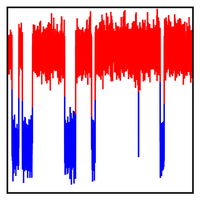
A Josephson junction acts as a single-vortex sensor, enabling the detection of the dynamics of individual Pearl vortices in magic-angle twisted graphene.
Phys. Rev. Lett. 137, 076001 (2026)
Condensed Matter and Materials
Contactless Cavity Sensing of Superfluid Stiffness in Atomically Thin $4\mathrm{Hb}\text{-}{\mathrm{TaS}}_{2}$
Article | Condensed Matter and Materials | 2026-08-11 06:00 EDT
Trevor Chistolini, Ha-Leem Kim, Qiyu Wang, Su-Di Chen, Luke Pritchard Cairns, Ryan Patrick Day, Collin Sanborn, Hyunseong Kim, Zahra Pedramrazi, Ruishi Qi, Takashi Taniguchi, Kenji Watanabe, James G. Analytis, David I. Santiago, Irfan Siddiqi, and Feng Wang
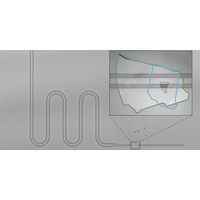
A key property of superconductors called superfluid stiffness can now be measured in a wide range of 2D systems.
Phys. Rev. Lett. 137, 076002 (2026)
Condensed Matter and Materials
Microscopic Insight into Enhanced Electron Heat Capacity in Silicon Nanoparticles
Article | Condensed Matter and Materials | 2026-08-11 06:00 EDT
A. Aryanpour and Ali Sadeghi
We report a strong size dependence in the electronic heat capacity of silicon nanoclusters, tracing its origin to the distinctive electronic structure of surface atoms. By combining ab initio calculations with machine-learned local density of states and exploiting the extensivity of heat capacity, w…
Phys. Rev. Lett. 137, 076201 (2026)
Condensed Matter and Materials
Electronic Reconstruction at the Quasicrystal-Moiré Crossover in Twisted Bilayer Graphene
Article | Condensed Matter and Materials | 2026-08-11 06:00 EDT
Kuo-En Chang, Aitor Garcia-Ruiz (艾飛宇), Ta-Lei Chou, Yen-Ting Liu, Sheng-Chin Ho, Yu-Chiang Hsieh, Ching-Hua Kao (高慶樺), Chiu-Hua Huang, Ying-Mei Yang, Kenji Watanabe, Takashi Taniguchi, Ming-Wen Chu, Ming-Hao Liu (劉明豪), and Tse-Ming Chen
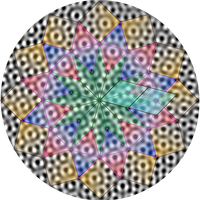
Twisted bilayer graphene near the quasicrystalline twist angle reveals strong interlayer coupling and an anomalous fourfold-to-twelvefold Landau-level transition in electron transport.
Phys. Rev. Lett. 137, 076301 (2026)
Condensed Matter and Materials
Layer Edelstein Effect
Article | Condensed Matter and Materials | 2026-08-11 06:00 EDT
Binchang Zhou, Pan Zhou, Baoru Pan, Yuzhong Hu, Songmin Liu, and Lizhong Sun
Electrical control of magnetism represents a fundamental route toward next-generation spintronic functionalities. In this Letter, we introduce a universal current-induced spin phenomenon in bilayer systems, termed the layer Edelstein effect (LEE), which serves as the natural counterpart of the layer…
Phys. Rev. Lett. 137, 076401 (2026)
Condensed Matter and Materials
Exact Dynamical Structure Factor of One-Dimensional Hard Rods and its Universal Random Matrix Behavior
Article | Condensed Matter and Materials | 2026-08-11 06:00 EDT
Oleksandr Gamayun and Miłosz Panfil
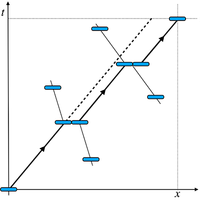
An exact, nonperturbative formula for the dynamic structure factor of a strongly correlated gas of quantum hard rods captures features such as edge singularities and the diffusive behavior of correlations at large space-time intervals.
Phys. Rev. Lett. 137, 076502 (2026)
Condensed Matter and Materials
Chirality and Quasi-Long-Range Order in Finite-Flux Gutzwiller States for Magnetized Frustrated Magnets
Article | Condensed Matter and Materials | 2026-08-11 06:00 EDT
Wen O. Wang, Urban F. P. Seifert, Oleg A. Starykh, and Leon Balents
We study Gutzwiller-projected wave functions for triangular-lattice U(1) Dirac spin liquids in a Zeeman field, where we allow the U(1) gauge field to develop a gauge flux, resulting in (spin-split) spinon Landau levels. We find that at a given magnetization, the optimal candidate state has a finite …
Phys. Rev. Lett. 137, 076701 (2026)
Condensed Matter and Materials
Current-Driven Nonlinear Skyrmion Dynamics in $d$-Wave Altermagnets
Article | Condensed Matter and Materials | 2026-08-11 06:00 EDT
Yang Liu, Zhejunyu Jin, Jie Liu, and Peng Yan
The center of mass and helicity are two dynamic degrees of freedom of skyrmions. In this Letter, we study the current-driven skyrmion motion in frustrated -wave altermagnets. Contrary to conventional wisdom, we find that the skyrmion helicity is not locked with the skyrmion Hall angle, but unidirec…
Phys. Rev. Lett. 137, 076702 (2026)
Condensed Matter and Materials
Fermi and Darling-Dennison Resonances in Vibrational Spectra of Solids from First Principles
Article | Condensed Matter and Materials | 2026-08-11 06:00 EDT
Davide Mitoli, Jacques K. Desmarais, Jean-Pierre Flament, Lorenzo Mino, and Alessandro Erba
Infrared (IR) and Raman vibrational spectra of materials and surfaces can be rather complex and are often interpreted in combination with simulations based on the double-harmonic approximation. A variety of anharmonic spectral features (band shifts, combination bands, overtones, hot bands, resonance…
Phys. Rev. Lett. 137, 076902 (2026)
Condensed Matter and Materials
Symmetry-Protected Phases in a 1D Active Solid with Mechanochemical Feedback
Article | Polymers, Chemical Physics, Soft Matter, and Biological Physics | 2026-08-11 06:00 EDT
Soumyadeep Mondal, Phanindra Dewan, Lakshman Santhosh Kumar, and Sumantra Sarkar
We present a framework for mechanochemical self-organization in active solids where elasticity is reciprocally coupled to Hopf oscillators. Our model reveals a rich landscape of symmetry-protected phases identified through amplitude equations and group-theoretic analysis. We uncover a universal tran…
Phys. Rev. Lett. 137, 078401 (2026)
Polymers, Chemical Physics, Soft Matter, and Biological Physics
Cochlear Nonlinear Network Correlate of Consonant vs Dissonant Sounds Perception
Article | Polymers, Chemical Physics, Soft Matter, and Biological Physics | 2026-08-11 06:00 EDT
Florian Gomez and Ruedi Stoop
For centuries, the human distinction between consonant and dissonant dyadic sounds ("c-d perception phenomenon") has remained an unresolved puzzle, igniting novel directions in physics research. Here, we demonstrate that nonlinear sound processing by the network of activated cochlear amplifiers reve…
Phys. Rev. Lett. 137, 078402 (2026)
Polymers, Chemical Physics, Soft Matter, and Biological Physics
Erratum: Two-Loop Four-Graviton Scattering Amplitudes [Phys. Rev. Lett. 124, 211601 (2020)]
Article | 2026-08-11 06:00 EDT
S. Abreu, F. Febres Cordero, H. Ita, M. Jaquier, B. Page, M. S. Ruf, and V. Sotnikov
Phys. Rev. Lett. 137, 079901 (2026)
Physical Review X
Strain-Tunable Anomalous Hall Effect in Hexagonal MnTe
Article | 2026-08-11 06:00 EDT
Zhaoyu Liu, Sijie Xu, Jonathan M. DeStefano, Elliott Rosenberg, Tingjun Zhang, Jinyulin Li, Matthew B. Stone, Feng Ye, Wei Tian, Sarah Edwards, Rong Cong, Siyu Pan, Ching-Wu Chu, Liangzi Deng, Emilia Morosan, Rafael M. Fernandes, Jiun-Haw Chu, and Pengcheng Dai
Uniaxial strain applied to the hexagonal altermagnet isolates a single magnetic domain, revealing a sharp anomalous Hall effect and a sign reversal driven by modifications to the electronic Berry curvature.
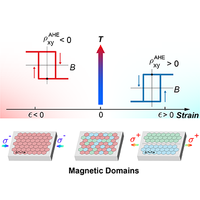
Phys. Rev. X 16, 031033 (2026)
Pseudogap, Fermi Liquid, Van Hove Singularity, and Maxima of the Compressibility and of the Knight Shift as a Function of Doping in the Two-Dimensional Hubbard Model
Article | 2026-08-11 06:00 EDT
Y. M. Vilk and A.-M. S. Tremblay
Analysis of Hubbard model simulations reveals that a maximum in the isothermal compressibility marks the pseudogap boundary, driven by spin-density-wave precursor bands crossing the zero-frequency level.
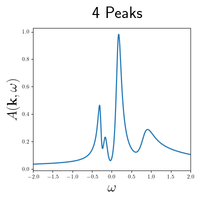
Phys. Rev. X 16, 031034 (2026)
arXiv
Complete kinematic null for local kinetic dissipation in a sixfold-driven electron fluid
New Submission | Mesoscale and Nanoscale Physics (cond-mat.mes-hall) | 2026-08-12 20:00 EDT
We identify a complete kinematic null in a two-dimensional electron fluid driven by a sixfold boundary pattern. In the $ U_3^\pm$ channel of $ D_{12}$ , device symmetry excludes both the vector representation $ R_1$ and the full first-gradient tensor $ R_1\otimes R_1$ . Hence at the symmetry-fixed center $ \mathbf{j}(0)=0$ and $ \partial_i j_j(0)=0$ , so every local quadratic dissipative form built from the modeled charge/momentum field through first gradient order vanishes independently of the constitutive coefficients. In an $ O(2)$ -isotropic angular-harmonic kinetic model the first allowed local sector is $ m=3$ . For $ \nu q^2/\gamma_3\ll1$ , its heating is set by the previously derived coefficient $ \kappa_4=v_F^4/(16\gamma_2^2\gamma_3)$ . An explicit incompressible Stokes disk realizes a nonzero center signal, and a finite-moment kinetic boundary-value solution approaches the corresponding local benchmark. Within the local, fixed-current momentum-conserving Stokes regime, the normalized magnetic response can then be fitted for effective $ \gamma_3$ and $ \gamma_2$ . Thus the sixfold drive creates a measurement point where ordinary local charge/momentum hydrodynamic dissipation is absent while a kinetic mode remains finite.
Mesoscale and Nanoscale Physics (cond-mat.mes-hall)
13 pages total; 3 main-text figures; Supplemental Material included in the same PDF
Analytic Boundary Terms for Arbitrary Crystal Geometries and Direct-Sum Evaluation of Madelung Constants in Triclinic Lattices
New Submission | Other Condensed Matter (cond-mat.other) | 2026-08-12 20:00 EDT
The direct-sum evaluation of Madelung constants is complicated by the conditional convergence of lattice sums, which gives rise to a shape-dependent boundary term. In this work, we present, for the first time, a closed-form analytic expression for this boundary term that is valid for arbitrary crystal geometries. For general triclinic lattices, this boundary term maps exactly onto the electrostatic potential generated by a set of uniformly charged parallelograms. In addition, we demonstrate that the residual finite-size correction for a crystal of characteristic size $ p$ decays as $ (2p+1)^{-2}$ . Building on these results, we develop a robust direct-sum method for the accurate computation of Madelung constants in arbitrary triclinic lattices and validate its effectiveness through explicit calculations on representative Bravais lattices.
Other Condensed Matter (cond-mat.other), Computational Physics (physics.comp-ph)
11 pages, 4 tables, 3 figures
Journal of Chemical Theory and Computation, 2026
Numerical modeling of microstructure evolution in nanocrystalline alloys - grain boundary segregation, solute drag and mechanics
New Submission | Materials Science (cond-mat.mtrl-sci) | 2026-08-12 20:00 EDT
Prakarsh Pandey, Shiva Rudraraju
Nanocrystalline (NC) alloys hold much promise as structural alloys due to their superior mechanical properties over traditional coarser grained microcrystalline alloys. Strength of metallic alloys is related to the underlying grain size - as represented by the classical Hall-Petch relation. Generally, a metals strength increases with decreasing mean grain size from the micrometer scale to the nanometer scale, until about a mean size of 20 nm. Any further decrease of grain size results in decreasing strength. Thus, there is an optimal range of mean grain size for most metals about which maximum material strength can be obtained. In the context of NC alloys, stabilization of the grain size in this optimal range is one of the primary synthesis challenges. Since nm-scale mean grain sizes are desired, phenomena like GB solute segregation and solute precipitation are utilized during alloy synthesis to mitigate grain growth. Numerical modeling the phenomena of GB-solute interactions and the evolution of these stabilized GBs under mechanical load are of immense interest to the NC alloy community. To enrich the numerical modeling formulations available in this space, we present here a phase-field method based numerical framework to model GB segregation, solute precipitation and effect of external loading on NC alloys. While some of these effects have been modeled in isolation, a unified treatment of the solute and GB segregation with mechanics interactions has not be considered in the literature. We present a 3D FEM finite-strain phase-field formulation for modeling grain evolution and microstructure stabilization. Beyond the formulation, various case studies demonstrate the applicability of this framework. Further, thermodynamic and kinetic arguments are provided based on the evolution of GB energy to explain the effects of solute drag, GB pinning and mechanical deformation.
Materials Science (cond-mat.mtrl-sci)
Manuscript under review
Ripple Signatures of Majorana Hybridization across a Topological Quantum Quench
New Submission | Quantum Gases (cond-mat.quant-gas) | 2026-08-12 20:00 EDT
Xin-Xin Wang, Jin-Xin Li, Ya-Wen Tang, Lu Qin, Zun-Lue Zhu, Wu-Ming Liu, Liang-Liang Wang, Xing-Dong Zhao
The crossover between topology and nonequilibrium dynamics has emerged as a rich frontier, in which quantum systems can exhibit unique dynamical phenomena that lie beyond the reach of equilibrium. Of particular interest are quench dynamics across topological phase, as it may reveal the information about the underlying Majorana zero-energy states. Here, we investigate the fate of Majorana boundary modes in a quenched fermionic superfluid using self-consistent time-dependent Bogoliubov-de Gennes theory. For quantum quenches within the topological regime, Majorana boundary modes survive but undergo coherent boundary oscillations arising from the nonadiabatic deformation of their wave functions. Furthermore, a pronounced ripple pattern appears in the post-quench density distribution following a sudden topology-changing quench. Here we identify that these ripple structures originates from the coherent hybridization and interference of the initially separated Majorana boundary states. Our findings establish nonequilibrium boundary dynamics as a new approach for probing Majorana physics, which is complementary to conventional equilibrium measurements.
Quantum Gases (cond-mat.quant-gas), Optics (physics.optics)
Cell Natural Orbitals in Quantum Materials
New Submission | Materials Science (cond-mat.mtrl-sci) | 2026-08-12 20:00 EDT
Harshitra Mahalingam, Nishchhal Verma, Daniel Muñoz-Segovia, Raquel Queiroz
Understanding correlated quantum matter starts with an accurate model of the single-particle states that interact at low energies: their dispersion, band geometry, orbital content and charge density. In many cases, notably the topological bands of moire materials, it is not straightforward to find a real-space description with a few local orbitals that accomplishes this task. Here we provide a systematic way to identify the local degrees of freedom that best capture the band geometry and charge density of any chosen set of bands. We use the unit-cell one-particle reduced density matrix (UC-1pRDM), obtained by restricting the projector onto the target bands to a single unit cell. Its eigenstates, which we call cell natural orbitals (CNOs), form a local, symmetric basis uniquely determined by the Bloch wavefunctions and the choice of real-space partition. Their eigenvalues measure the occupation of each CNO in the target bands, quantifying entanglement across unit-cell boundaries and the importance of multi-orbital character. A set of CNOs that maximizes total spectral weight and reproduces the target band symmetries provides optimal trial states for Wannierization. We exemplify this by constructing a lattice model for twisted bilayer WSe$ _2$ that tracks the orbital content across twist angles.
Materials Science (cond-mat.mtrl-sci), Mesoscale and Nanoscale Physics (cond-mat.mes-hall), Strongly Correlated Electrons (cond-mat.str-el)
17 pages, 7 figures
Solver-Agnostic Implementation of Atom-Informed Thermal Conductivity Fields in Continuum Heat-Flow Simulations
New Submission | Materials Science (cond-mat.mtrl-sci) | 2026-08-12 20:00 EDT
W. Downs, C. Ugwumadu, M. Ali, R. M. Tutchton
A recent work introduced the Simulator Collection for Atomic-to-Continuum Scales (SCACS) toolkit, a framework for improving finite element predictions of heat flow by mapping atom-resolved thermal conductivity into the stiffness matrix of the Galerkin finite element formulation [Ugwumadu et al., Phys. Rev. Materials 10, 053804 (2026)]. Here, we demonstrate that SCACS-derived conductivity fields are solver-independent and can be transferred to existing continuum simulation platforms. As a proof of concept, we map SCACS-derived conductivity fields from complex silicon structures onto finite element meshes in Abaqus and compare the resulting heat-flow solutions with that obtained using conventional uniform-conductivity assignment within Abaqus. Comparison of the two implementations shows that atom-informed conductivity fields can be incorporated into existing finite element workflows and improve realistic prediction and the accuracy of its solution. This work supports broader efforts to improve the predictive capability of continuum simulations for efficient materials design and property prediction.
Materials Science (cond-mat.mtrl-sci)
10 pages, 5 figures, Structure files available
MXene with Janus Structure at Transition metal site -A route to Emergent Properties
New Submission | Materials Science (cond-mat.mtrl-sci) | 2026-08-12 20:00 EDT
Rajdeep Biswas, Tanusri Saha Dasgupa
Motivated by the discovery of bimetallic MXene compounds with Janus metal sites, we investigate Janus MXenes TiM”CO2, where M” = Mo, W. Our computational analysis reveals that broken inversion symmetry in the Janus structure, coupled with strong spin-orbit coupling at M”, generates diverse and remarkable functionalities. These include pronounced Rashba spin splitting, non-trivial Z2 topology, Berry-curvature-dipole-driven nonlinear anomalous Hall effect, and strain control of the Berry curvature dipole. Notably, the 4d transition-metal-based TiMoCO2 and 5d transition-metal-based TiWCO2, with M” elements from the same column of the periodic table, display markedly different behaviors. While TiMoCO2 is a Z2 topological insulator, TiWCO2 is a trivial semimetal. Both compounds, however, exhibit compelling quantum properties. TiWCO2 shows a robust Rashba effect with a large Rashba coefficient of 1.35 eV. Angstrom and a large nonlinear anomalous Hall conductivity of 120 x 0.0001 G0. TiMoCO2, a Z2 narrow-gap semiconductor with weaker Rashba splitting and moderate nonlinear anomalous Hall conductivity, exhibits a strain-driven transition from semiconductor to semimetal. This transition modulates both the sign and magnitude of the Berry curvature dipole, yielding a sizable nonlinear anomalous Hall conductivity of 17 X 0.0001 G0 under 2% tensile strain. Our findings underscore the potential of MXenes as a platform for investigating and tailoring multifunctional quantum phenomena.
Materials Science (cond-mat.mtrl-sci)
10 pages, 7 figures
Light Polarization Sensitive Transistor Action in the van der Waals ferroelectric 4H-SnS2
New Submission | Materials Science (cond-mat.mtrl-sci) | 2026-08-12 20:00 EDT
Abhishek Bajgain, Rabindra Basnet, Subhashree Chatterjee, Alexander Samokhvalov, Ramesh C. Budhani
Van der Waals (vdW) ferroelectric semiconductors provide a unique platform for exploring the interplay between spontaneous polarization, electronic transport, ion migration, and photocarrier generation at the nanoscale. Here, we establish a room-temperature ferroelectric state in SnS2 and its sensitivity to structural polytype by directly contrasting the centrosymmetric 2H-phase with the polar 4H-phase. Raman spectroscopy distinguishes the 2H and 4H polymorphs of SnS2 through their characteristic phonon fingerprints. Piezoresponse force microscopy confirms room-temperature ferroelectricity in the 4H phase, while the 2H phase exhibits no ferroelectric response. The built-in polarization in a three-terminal transistor device of the 4H-SnS2 is modulated significantly by electrostatic gating and on exposure to linear and circularly polarized light. This device reveals polarization-controlled output characteristics with distinct gate-voltage induced hysteretic response and thermally activated carrier transport, confirming p-type semiconducting behavior strongly coupled to ferroelectric polarization. The photoresponse likewise exhibits polarization-assisted carrier separation, sublinear power-law scaling, a nonmonotonic temperature response correlated with the characteristic Raman modes, ferroelectric hysteresis, and a pronounced dependence on the circular and linear polarization states of the incident laser beam. These results establish 4H-SnS2 as a promising material system for polarization-driven electronic and optoelectronic technologies, including nonvolatile memory and photoferroelectric functionalities.
Materials Science (cond-mat.mtrl-sci)
Revealing the Atomic Structure of NiO/Ga${2}$O${3}$ Interfaces
New Submission | Materials Science (cond-mat.mtrl-sci) | 2026-08-12 20:00 EDT
Michelle A. Smeaton, Krishna Acharya, Anna Sacchi, Renae N. Gannon, M. Brooks Tellekamp, Andriy Zakutayev, Vladan Stevanovic, Steven R. Spurgeon
NiO/Ga$ _{2}$ O$ _{3}$ heterojunctions have garnered significant attention for use in power electronics due to the ultrawide bandgap and wafer-scale availability of Ga$ _{2}$ O$ _{3}$ and the controllable p-type doping of NiO. However, the structure of NiO/Ga$ _{2}$ O$ _{3}$ interfaces remains underexplored, largely due to the complexity of the junction between their dissimilar cubic and monoclinic crystal structures. Here we investigate the atomistic structure of the NiO/Ga$ _{2}$ O$ _{3}$ interface for (100), (-201), and (001) oriented Ga$ _{2}$ O$ _{3}$ substrates using aberration-corrected scanning transmission electron microscopy (STEM) in combination with interface modeling and image simulations. We evaluate the abruptness and consistency of the interfaces and compare them to calculated interface models, proposing precise atomic structures and assessing potential structural variation arising from complexity of the monoclinic Ga$ _{2}$ O$ _{3}$ crystal structure. Our interface analysis supports increased focus on (100) oriented Ga$ _{2}$ O$ _{3}$ as a candidate for fabricating high quality, low defect density NiO/Ga$ _{2}$ O$ _{3}$ heterojunction devices. Importantly, we consider the effects of specimen thickness and 3D-to-2D projection during the STEM imaging process to differentiate such effects from real crystal variations. This work provides insight into the effect of substrate orientation on NiO film and interface quality, creating a pathway to improving heterojunction properties. It further highlights important considerations for interpretation of stability and interlayer phase formation in these interfaces, which is crucial for their integration into reliable and robust power electronic devices.
Materials Science (cond-mat.mtrl-sci)
16 pages, 14 figures, including Supplementary Material
Orbital-selective oxygen holes in cuprate ladders beyond the Zhang-Rice paradigm
New Submission | Strongly Correlated Electrons (cond-mat.str-el) | 2026-08-12 20:00 EDT
Chengyun Hua, Tianran Chen, Isaac C. Ownby, Colin L. Sarkis, Garrett Granoth, Masaaki Matsuda, Jiaqiang Yan, Ho Nyung Lee, Jeongkeun Song, Yuya Shinohara, Masatomo Uehara, Jun Akimitsu, Oleksandr Prokhnenko, Eugen Weschke, Takeshi Egami, D. Alan Tennant
The electronic structure of the spin-ladder cuprate Sr14Cu24O41 challenges the presumed universality of the Zhang-Rice singlet (ZRS) framework and models based exclusively on Cu-O hybridized orbitals. Combining polarization-dependent resonant soft X-ray scattering at the O K-edge with inelastic neutron scattering, we show that doped holes in the Cu2O3 ladders localize predominantly in planar non-bonding O 2pz (p{\pi}) orbitals of rung oxygen sites rather than forming conventional ZRS states. Polarization-resolved RSXS uniquely identifies this orbital assignment, while lattice and magnetic excitations reveal its coupled consequences, establishing a unified microscopic picture that excludes the conventional {\sigma}-bonded singlet. This oxygen-sublattice charge order produces an anomalous diagonal stretching phonon and explains the absence of incommensurate magnetic fluctuations and anomalous magnon splitting. These findings motivate a reassessment of hole pairing in ladder cuprates and the sufficiency of copper-centric models for cuprate superconductors.
Strongly Correlated Electrons (cond-mat.str-el)
Some features of high-temperature superconductivity on flat bands
New Submission | Strongly Correlated Electrons (cond-mat.str-el) | 2026-08-12 20:00 EDT
V.R. Shaginyan, A.Z. Msezane, S.A. Artamonov
In this letter, we examine how the presence of flat band leads to the formation of a high-temperature superconductor even in the case of repulsive pairing interactions. We also show that in the case of flat bands, the high-temperature superconducting state deforms the flat band, tilting it and making the effective mass finite. As a result, neither the superfluid weight nor the supercurrent disappear. Our results are in good agreement with experimental data.
Strongly Correlated Electrons (cond-mat.str-el), Superconductivity (cond-mat.supr-con)
4 pages, 1 figure
Balanced electron and phonon heat transport in metallic $\varepsilon$-TaN
New Submission | Materials Science (cond-mat.mtrl-sci) | 2026-08-12 20:00 EDT
Sungyeb Jung, Hongze Li, Yudan Li, Noah Rossignol, Woongchul Choi, Yaguo Wang, Jianshi Zhou, Li Shi, Feliciano Giustino
Most materials with high thermal conductivity belong to one of two classes: metals, where heat is carried predominantly by electrons, and insulators, where heat transport is dominated by the phonon contribution. Materials that combine substantial electronic thermal conductivity and lattice thermal conductivity are rare, because the mechanisms that favor electron transport typically suppress phonon transport, and vice versa. Here, we report the theoretical prediction and experimental realization of such a material, metallic $ \varepsilon$ -TaN. Our calculations predict a total thermal conductivity at room-temperature of 273$ \pm$ 5Wm$ ^{-1}$ K$ ^{-1}$ in single crystals and 145$ \pm$ 5Wm$ ^{-1}$ K$ ^{-1}$ in polycrystals with 0.5$ \mu$ m grains, with an unusually large lattice contribution (79%) for a metal. The latter value is in agreement with our local transient thermoreflectance measurements on polycrystalline samples yielding $ \sim$ 130Wm$ ^{-1}$ K$ ^{-1}$ . We show that the balanced electronic and lattice thermal conductivities of $ \varepsilon$ -TaN originate from a combination of large Fermi velocity and small Fermi density of states on the electron side, and large speed of sound and wide phonon gap on the lattice side.
Materials Science (cond-mat.mtrl-sci)
Submitted to Phys. Rev. B
Helimagnetism from competing intra- and interchain interactions in CrBr$_2$ and CrI$_2$
New Submission | Materials Science (cond-mat.mtrl-sci) | 2026-08-12 20:00 EDT
John A. Schneeloch, Matthew B. Stone, Zachary Morgan, Despina Louca
CrBr$ _2$ and CrI$ _2$ are promising platforms for studying the effect of dimensionality on magnetic order, having been isolated in a 3-, 2-, and 1-dimensional form as bulk crystals, monolayers, and individual chains encapsulated in carbon nanotubes. However, the interactions that give rise to their helimagnetic order are unknown. Via inelastic neutron scattering on single crystals, we have determined the exchange interactions of these compounds from the spin wave dispersions, finding that the helimagnetic order arises primarily from competing antiferromagnetic interactions between intrachain and interchain nearest-neighbors. Single-ion anisotropy is substantial, modulating the helical spin rotation and gapping the inelastic intensity at points of branch crossings. As temperature increases, long-range order vanishes but intralayer correlations remain detectable up to at least 50 K.
Materials Science (cond-mat.mtrl-sci), Strongly Correlated Electrons (cond-mat.str-el)
Signatures of auxeticity in microgels at low and ultralow crosslinker concentration
New Submission | Soft Condensed Matter (cond-mat.soft) | 2026-08-12 20:00 EDT
Susana Marín-Aguilar, Leah Rank, Emanuela Zaccarelli
Auxetic behavior, characterized by a negative Poisson’s ratio, is a counterintuitive mechanical response exhibited, among other systems, by certain polymer networks. Here, through in silico simulations we investigate the mechanical response of thermoresponsive microgels across the volume phase transition upon varying crosslinker concentration down to ultralow conditions, a regime so far unexplored. After refining the method to estimate the elastic moduli based on equilibrium shape fluctuations for the challenging case of ULCs, which are very sparse networks with rather anisotropic shape, we are able to show the onset of auxetic behavior near the volume phase transition for microgels with crosslinker concentration of ~ 1%. In addition, we find that ULC microgels exhibit a slightly negative Poisson’s ratio across the whole swollen regime. Further examining the auxetic response within the inner region of the network, we also demonstrate that, for ULC microgels, this extends at all length scales, suggesting that it is an intrinsic property of the weakly connected polymer network. The present findings should likely stimulate novel experimental investigations, aiming to measure the Poisson’s ratio of individual low and ultralow crosslinked microgels, to verify these intriguing numerical predictions.
Soft Condensed Matter (cond-mat.soft)
Nanoscale imaging of ferromagnetic vortex dynamics with scanning NV magnetometry
New Submission | Mesoscale and Nanoscale Physics (cond-mat.mes-hall) | 2026-08-12 20:00 EDT
Jeffrey Rable, Jyotirmay Dwivedi, Nitin Samarth, Paul Stevenson, Arun Bansil, Swastik Kar
The generation and manipulation of spin waves at the nanoscale via magnetic vortices are of considerable importance because of their broad applications across magnonic and quantum technologies. Previously, fixed nitrogen-vacancy (NV) centers in diamond have been used to locally characterize vortex dynamics, and scanning NV magnetometry (SNVM) has been used to image vortices’ static stray fields. Here, we demonstrate SNVM imaging of both the static and microwave fields generated by vortices in mesoscopic permalloy structures with $ \sim$ 50 nm spatial resolution, achieving excellent agreement with micromagnetic simulations, while revealing the effects of disorder. We further demonstrate a 40$ \times$ microwave field enhancement near a vortex core and image the disorder-dependent, spatially varying, evanescent decay of these microwaves. Our ambient, tabletop technique surpasses diffraction-limited techniques’ resolutions by at least 5$ \times$ , with far greater accessibility and throughput than synchrotron radiation-based techniques, offering new opportunities in the study and development of magnonic devices.
Mesoscale and Nanoscale Physics (cond-mat.mes-hall)
Experimental Visualization of a Fermi Gas
New Submission | Other Condensed Matter (cond-mat.other) | 2026-08-12 20:00 EDT
Angle-resolved photoemission spectroscopy (ARPES) can measure electrons’ energy vs momentum relations in solids via photoelectric effect. This pedagogical paper experimental results from this technique as a tool for visualizing the Fermi gas model in quantum statistical mechanics. This model is an important starting point for understanding more complex electronic behaviors in real metals.
Other Condensed Matter (cond-mat.other)
This paper is part of the Special Topic on Motivating Physics Learning through Research Applications to appear in American Journal of Physics
Real-Time FPGA-Based Multi-Parameter Feedback Stabilization of a Silicon Double Quantum Dot
New Submission | Mesoscale and Nanoscale Physics (cond-mat.mes-hall) | 2026-08-12 20:00 EDT
Johnathan Bryan, Tim J. Wilson, Hong-Wen Jiang
Long term operation of semiconductor spin qubits requires active stabilization of quantum dot potentials against low-frequency charge noise. Previous work demonstrated a gradient-descent feedback (GDFB) approach on a silicon double quantum dot utilizing transport current measurements. We extend such a GDFB approach in a silicon double quantum dot device with high-bandwidth rf-reflectometry readout by utilizing a field-programmable gate array, the OPX by Quantum Machines, for digital signal processing. The OPX enables continuous multi-parameter gradient calculation and quick gate voltage updates, significantly increasing the effective feedback bandwidth compared to previous work. By operating with 8 steps per feedback cycle and an integration time of 25.6 $ \mu$ s, this high speed stabilization scheme achieves a -6 dB noise suppression up to a bandwidth of 5 kHz. This effectively suppresses low frequency 1/f noise, maintaining device stability over longer time periods, and potentially enables real-time control in large-scale quantum dot arrays.
Mesoscale and Nanoscale Physics (cond-mat.mes-hall)
4 pages, 5 figures
Giant mode splitting of azimuthal spin waves in radial vortices
New Submission | Mesoscale and Nanoscale Physics (cond-mat.mes-hall) | 2026-08-12 20:00 EDT
Zhenyu Wang, Liangrui Li, Xuejuan Liu, Xiansi Wang, Ruifang Wang, H. Y. Yuan
Radial vortex is a topological spin texture stabilized by the interfacial Dzyaloshinskii-Moriya interaction (DMI) in ferromagnetic disks. Previous investigations have shown that the doublet splitting of azimuthal modes in traditional circular vortices arises from the coupling between azimuthal spin waves and vortex core (VC), an effect occurs only for azimuthal indices $ m=\pm1$ and is absent for higher-order modes. Here, we present a giant mode splitting of azimuthal spin waves in radial vortices, even in the absence of the VC. This mode splitting arises from the DMI, which can be an order of magnitude larger than that induced by the VC. Moreover, the DMI-induced frequency splitting increases with both the DMI constant and mode index, reaching tens of GHz for higher-order azimuthal modes. Our results reveal a robust mechanism for mode splitting in chiral magnetic textures and deepen the fundamental understanding of the DMI effect on the spin-wave dynamics in confined magnets.
Mesoscale and Nanoscale Physics (cond-mat.mes-hall)
10 pages, 9 figures
On the Importance of Geometric Nonlinearity and Temperature-Dependent Properties in Multi-Material Thermo-Mechanical Topology Optimization
New Submission | Materials Science (cond-mat.mtrl-sci) | 2026-08-12 20:00 EDT
Shirin Hosseinmardi, Xiangyu Sun, Ramin Bostanabad
Thermo-mechanical compliant devices are commonly designed with small-strain linear elasticity and temperature-independent material properties, even though they might operate hundreds of kelvin above ambient where both assumptions are questionable. In this work, we quantify the effect and cost of each assumption in multi-material topology optimization of thermally actuated compliant devices. To this end, we introduce a physics-informed, simultaneous analysis-and-design framework with (i) a finite-strain quadratic-Hencky (logarithmic-strain) constitutive model whose isotropic thermal eigenstrain admits an exact additive split in log-strain space, and (ii) temperature-dependent conductivity, thermal expansion, and elastic moduli for a titanium–copper–steel material system. We optimize a thermal actuator and a thermal gripper at three design temperatures under both a baseline model and the full physics, subject to mass and manufacturability constraints. Every converged design is re-evaluated by verified nonlinear finite element solvers in the full factorial of constitutive law and property model. The comparison between the two factors reveals that the constitutive law is the decisive modeling choice: These devices work as linkages where linear kinematics mistakes rotation for compressive strain; its error therefore grows with the design temperature and concentrates on the very layouts that exploit rotation best. Because a linear optimizer also steers away from the rotation-rich mechanisms that would expose this bias, the model can deceptively appear trustworthy when validated against its own designs. Designing with the full physics yields consistently stronger and more temperature-robust devices at a modest increase in design-time cost.
Materials Science (cond-mat.mtrl-sci), Computational Engineering, Finance, and Science (cs.CE), Machine Learning (cs.LG)
Observation geometry for uncertainty-aware Hamiltonian inference and experimental design in quantum magnets
New Submission | Strongly Correlated Electrons (cond-mat.str-el) | 2026-08-12 20:00 EDT
Roy Liu, Venugopal Ranganathan, David Dahlbom, Shizhou Xu, Tianyu Zhang, Yuan Ni, Daniel M. Pajerowski, Garrett Granroth, Thomas Strohmer, Matthew B. Stone, Andrew F. May, Mark D. Lumsden, Joshua J. Turner, Yongqiang Cheng, Zhantao Chen
Determining microscopic interactions from spectroscopic and scattering measurements is central to understanding quantum materials, yet it often remains unclear which interactions can be reliably revealed by the available experimental data and how additional experimental modalities should be designed to resolve the remaining ambiguities. Here we present an artificial intelligence-enabled framework for uncertainty-aware Hamiltonian inference and adaptive experimental design. By combining Hamiltonian-conditioned neural surrogates with Bayesian inference and observation geometry, the framework characterizes how measurements constrain Hamiltonian parameter space, quantifies the identifiability of microscopic interactions, and propagates posterior uncertainty directly in the physical Hamiltonian parameter space rather than an abstract learned representation. Using multimodal powder and single-crystal inelastic neutron scattering measurements of the quantum magnet NiPS$ _{3}$ , we demonstrate physically interpretable Hamiltonian inference, modality-aware uncertainty quantification, and adaptive experimental design. The framework provides a general strategy for uncertainty-aware microscopic characterization and multimodal experimental design across quantum materials.
Strongly Correlated Electrons (cond-mat.str-el), Materials Science (cond-mat.mtrl-sci)
Equilibrium Distributions for Strongly Nonlinear Many-Body Systems
New Submission | Statistical Mechanics (cond-mat.stat-mech) | 2026-08-12 20:00 EDT
Jialin Zhang, Yong Zhang, Hong Zhao
Obtaining equilibrium distributions of nonlinear systems is essential for accurately computing macroscopic observables. Conventional theoretical corrections are typically limited to weak nonlinearities, where interaction terms can be treated as effectively uncorrelated perturbations and the random phase approximation applies. In this Letter, we develop a framework to determine equilibrium distributions based on the generalized energy equipartition principle. Our approach recovers existing corrections in the weakly nonlinear regime and, crucially, remains valid for strong nonlinearities, where perturbative contributions become correlated and conventional approaches break down. Numerical simulations of the nonlinear Schrödinger equation, the Majda-McLaughlin-Tabak model, and the Fermi-Pasta-Ulam-Tsingou model demonstrate accurate corrections for nonlinearities more than an order of magnitude stronger than those accessible to conventional theories.
Statistical Mechanics (cond-mat.stat-mech), Chaotic Dynamics (nlin.CD), Applied Physics (physics.app-ph)
6 pages, 3 figures
Metallic Bonding-Driven Elastic Softness and Optical Response in the Mg-Rich Laves-Phase LaMg2
New Submission | Materials Science (cond-mat.mtrl-sci) | 2026-08-12 20:00 EDT
Farjana Mou, S. M. Nazmus Shakib Pias, M A Islam, Md Zahidur Rahaman
A systematic first-principles investigation of the structural, electronic, mechanical, and optical properties of the cubic C15 Laves-phase intermetallic compound LaMg2 is performed within density functional theory. The calculated elastic constants satisfy the mechanical stability criteria for cubic crystals, confirming the intrinsic stability of the C15 phase. LaMg2 exhibits relatively low bulk, shear, and Young’s moduli, indicating enhanced compressibility and elastic softness compared with transition-metal-based Laves phases. Direction-dependent elastic analysis reveals moderate anisotropy in Young’s modulus, shear modulus, and Poisson’s ratio, whereas linear compressibility remains nearly isotropic, consistent with the high crystallographic symmetry. The ductile nature of LaMg2 is supported by Pugh’s ratio and Poisson’s ratio, suggesting resistance to brittle failure and the dominance of metallic bonding. Electronic structure calculations confirm metallic behavior with a finite density of states at the Fermi level, primarily originating from La-5d states, accompanied by delocalized charge density characteristic of metallic interactions. The optical response further reflects the metallic nature through high reflectivity, strong optical conductivity at low photon energies, and pronounced absorption in the ultraviolet region. The combination of mechanical compliance, ductility, and metallic optical response highlights LaMg2 as a promising lightweight intermetallic material for applications requiring structural stability, damage tolerance, and efficient electromagnetic shielding or reflective components.
Materials Science (cond-mat.mtrl-sci)
25 pages, 6 figures, 2 tables
Moving Analogue Horizons in Stationary Ferroelectrics
New Submission | Mesoscale and Nanoscale Physics (cond-mat.mes-hall) | 2026-08-12 20:00 EDT
David Galvez-Poblete, Rubén M. Otxoa, Alvaro S. Nunez, Sebastian Allende
We show that a traveling modulation of the polarization-gradient stiffness in a ferroelectric material induces an effective flow in its collective polarization dynamics. Within a controlled local approximation, small polarization fluctuations, or ferrons, obey a massive Klein-Gordon equation with flow. Unlike conventional analogue-gravity platforms, the effective flow originates from the modulation of the material parameters rather than from the physical transport of the medium. This mechanism enables mobile analogue horizons separating sub-ferronic and super-ferronic regions, the latter supporting negative-norm antiferron modes. Their coupling to positive-norm ferrons gives rise to superradiant-like amplification, while the effective mass gap can be tuned independently through an external electric field. Ferroelectric systems therefore provide a novel and experimentally controllable platform for analogue gravity with massive scalar excitations.
Mesoscale and Nanoscale Physics (cond-mat.mes-hall)
7 pages, 3 figures
Quadrupolar phase transition in superconducting lanthanum hydride
New Submission | Superconductivity (cond-mat.supr-con) | 2026-08-12 20:00 EDT
Abhishek Raghav (1 and 2), Kousuke Nakano (2 and 3), Marco Cherubini (1), Ryotaro Arita (2 and 4), Michele Casula (1) ((1) Institut de Minéralogie, de Physique des Matériaux et de Cosmochimie, Sorbonne Université, CNRS UMR 7590, Paris, France, (2) Center for Emergent Matter Science, RIKEN, Wako, Japan, (3) Center for Basic Research on Materials, National Institute for Materials Science (NIMS), Tsukuba, Japan, (4) Department of Physics, The University of Tokyo, Japan)
Lanthanum hydride (LaH$ {10}$ ) has been widely studied for its high superconducting critical temperature of 250 K at about 170 GPa pressure. Although the structural $ {R\bar{3}m}$ -to-$ {Fm\bar{3}m}$ transition under pressure connected to the emergence of the superconducting phase in this material is broadly understood, the detailed characterization of its nature and its order parameter are still missing. By applying the cluster multipole moment analysis to the hydrogen sublattice, we reveal that this transition is triggered by a quadrupolar $ T{2g}$ order parameter, and we provide evidence for its weak first-order nature. By performing path integral molecular dynamics coupled to a message-passing atomic cluster expansion (MACE) neural network potential, trained on Perdew-Burke-Ernzerhof (PBE) density functional theory configurations, we show that the collapse of the order parameter at the transition is simultaneously associated with the discontinuous softening of the optical $ T_{2g}$ phonons. Their symmetry lets them carry a non-negligible electron-phonon coupling in LaH$ _{10}$ , while the weak first-order nature of the transition makes them soft. The presence of structural instabilities with low-frequency quadrupolar distortions can be a key ingredient to enhance superconductivity in superhydrides and provides guidance for the discovery of new high-$ T_c$ superconductors in hydrogen-rich compounds.
Superconductivity (cond-mat.supr-con)
24 pages, 6 figures in the main text, 7 figures in extended data
Universal Density Control of Surface Reconstruction in Two-Dimensional Metals
New Submission | Materials Science (cond-mat.mtrl-sci) | 2026-08-12 20:00 EDT
We identify a unified thickness criterion for surface reconstruction in ultrathin metal sheets. The critical thickness is governed by the change in surface atomic density upon reconstruction: thinning always favors structural changes that increase this density. Thus, thinning suppresses the (1x2) reconstruction of 5d noble metal (110) sheets but promotes the quasi-hexagonal reconstruction of 4d noble metal (001) sheets. Density functional calculations validate these trends and show only minor corrections from surface stress and quantum-oscillation effects.
Materials Science (cond-mat.mtrl-sci)
Machine-learning approach for the phase stability and mechanical properties of disordered alloys at finite temperature
New Submission | Materials Science (cond-mat.mtrl-sci) | 2026-08-12 20:00 EDT
Rutchapon Hunkao, Urvesh Patil, Stefano Sanvito
The prediction of stable alloys forming solid-state solutions across large portions of the composition space is a serious theoretical challenge, since one has to evaluate the Gibbs free energy, including both configurational and vibrational contributions. This requires an energy theory capable of extremely high throughput. By taking the Ni-Pd system as prototype, we construct an efficient Jacobi-Legendre machine-learning potential based on density-functional-theory data, which provides accurate energies and forces across the entire composition space. Based on a cluster expansion up to three-body terms and only 873 trainable parameters, this allows us to compute the partition function by directly integrating all accessible microstates, differing for composition, atomic configuration and thermal agitation. We confirm that Ni and Pd are fully miscible, forming an $ fcc$ solid-state solution. This is only metastable at room temperature, while becomes thermodynamically stable at around 600~K, with the stability achieved first at the Pd-rich end of the composition range. Interestingly, entropy and heat capacity analysis reveal a competition between the solid-state solution and two intermetallic phases with long-period L1$ _0$ structure for NiPd and NiPd$ _3$ . All in all, our approach offers a powerful and high-throughput workflow for the study of disordered alloys, an approach that can be extended to multi-component systems such as high-entropy alloys.
Materials Science (cond-mat.mtrl-sci)
Dynamics of amorphous membranes in the two-dimensional limit
New Submission | Mesoscale and Nanoscale Physics (cond-mat.mes-hall) | 2026-08-12 20:00 EDT
Liga Jasulaneca, Alberto Mart'ın-Pérez, Hongji Zhang, Prertahn Munireternam, Natalia A. Mamchik, Chee-Tat Toh, Artem K. Grebenko, Barbaros Özyilmaz, Makars Šiškins, Farbod Alijani
Atomically thin mechanical resonators have been realized predominantly in crystalline two-dimensional (2D) materials, such as graphene, where long-range crystalline order sets their elastic properties and defines their nonlinear resonant behavior. Extending these concepts to the amorphous 2D limit has remained largely unexplored. Here, we demonstrate that monolayer amorphous carbon (MAC) forms suspended membranes that support optothermal actuation and sensitive interferometric readout across both linear and nonlinear regimes of its resonant motion. We resolve thermomechanical motion, driven resonances, and multimode spectra in MAC nanodrums. The frequencies of fundamental vibration modes correspond to unusually low pretensions, placing monolayer MAC nanodrums in a regime where geometric nonlinearities, stress heterogeneity, and mode coupling emerge at comparatively low drive powers. Consistently, we observe pronounced nonlinear dynamics, including hardening, softening, and mixed Duffing responses, nonlinear damping, parametrically excited modes, and signatures of intermodal coupling. These results establish MAC as a robust nanoelectromechanical platform and open an experimental route to disorder-governed nanomechanics in the 2D amorphous limit.
Mesoscale and Nanoscale Physics (cond-mat.mes-hall), Materials Science (cond-mat.mtrl-sci), Applied Physics (physics.app-ph)
Higher-Order Topological States with Cleavage-Dependent Dirac Mass
New Submission | Mesoscale and Nanoscale Physics (cond-mat.mes-hall) | 2026-08-12 20:00 EDT
Hongyu Chen, Min Long, Chuang Chen, Zi Yang Meng
Topological quantum chemistry based on local charge profiles lacks predictive power for the crystalline cleavage of higher-order topological insulators (HOTIs). By cleaving an obstructed atomic insulator, we discover a topological phase characterized by e/2 fractional charges localized at precisely half of the corners, while the remaining empty corners host complementary vacancies of interstice charge. These zero-energy charge-vacancies and topological corners form a spatially balanced geometry, confined separately by C2 rotation symmetry. Crucially, we demonstrate that the emergence of corner zero modes dictates that specific dangling bonds-acting as the mass of a Dirac fermion-must explicitly expose in, and subtly slope toward, the corner regions. This strict directionality is verified by the anisotropic evolution of the mass term within a (2+1)-dimensional parameter space. Moreover, we find that the topological corners acquire lower entanglement entropy compared to the bulk, a behavior opposite to that of the real-space energy distribution.
Mesoscale and Nanoscale Physics (cond-mat.mes-hall)
Construction of 3D-Ferroelectric Polarization Microstructure and Detection of Polarization Invariants under Induced Flexoelectric Strains
New Submission | Materials Science (cond-mat.mtrl-sci) | 2026-08-12 20:00 EDT
Sabarigresan Murugan, Vaishnavi S M, Ranjith Ramadurai
Ferroelectric thin films that are heterophased and polycrystalline possess strain sensitive piezoelectric behavior. However, a direct insight into polarization orientations within a given grain and how mechanical stresses reconfigures the ferro elastically coupled polarization orientations remains ambiguous. A polarization component resolved imaging in a Piezoresponse Force Microscope (PFM) was developed in combination with correlative structure and phonon studies that provide insights into grain orientation, domains and bending stress driven phase transitions. The method correlates the polarization invariant and the respective grain orientations present underneath. The technique facilitates an experimental inverse model approach to determine crystallographic grain orientation from the ferroelectric domain. A three point bending stage introduces a flexoelectric strain in Ba0.85,Ca0.15Zr0.1Ti0.9O3_BCZT thin films and simultaneous polarization imaging. This novel technique potentially captures the formation of new polarization invariant of a monoclinic phase that appears under high pressures. The experimental findings pave way for development of inverse modelling of heterophased and polycrystalline systems.
Materials Science (cond-mat.mtrl-sci)
Tunable Memory Effect in Dissipative Strongly Correlated Quantum Systems
New Submission | Quantum Gases (cond-mat.quant-gas) | 2026-08-12 20:00 EDT
Strongly interacting quantum many-body systems subjected to non-Markovian dissipation pose a formidable challenge due to the interplay between strong correlation effects and memory effects. In this Letter, we develop a general theoretical framework to compute how a system observable responds to dissipation, which captures memory effects at short times and recovers the Markovian limit at longer times. Using this framework, we predict that, for a strongly correlated quantum critical state with critical exponent $ \eta$ , the short-time dynamics of a system observable always obeys a $ t^{2\eta}$ scaling law. This emerges as a universal result from the interplay between strong correlation and memory effects, independent of the microscopic Hamiltonian of the system. We further reveal a crossover behavior of this scaling law to either $ t^{2\eta-1}$ or linear-in-$ t$ behavior beyond the memory time scale. We propose a concrete physical realization of a non-Markovian bath with tunable memory time using ultracold atoms, where our predictions can be straightforwardly verified in current experiments.
Quantum Gases (cond-mat.quant-gas)
5+6 pages, 3 figures
Anomalous current fluctuations in the stochastic XNOR hopping model
New Submission | Statistical Mechanics (cond-mat.stat-mech) | 2026-08-12 20:00 EDT
We consider fluctuations of the spin current in the stochastic XNOR process, a kinetically constrained hopping model in one spatial dimension. We formulate three conjectures with explicit amplitudes for the long-time current distributions: a Gaussian limit on the $ t^{1/4}$ scale for homogeneous initial states with nonzero magnetization, a half-normal limit on the $ t^{1/4}$ scale for domain-wall states with opposite magnetizations, and an M-Wright limit on the $ t^{1/8}$ scale for homogeneous initial states at zero magnetization. Earlier work identified the tracer mechanism and anticipated the scaling exponents and limiting shapes in the domain-wall and zero-magnetization settings. Starting from the microscopic XNOR dynamics, we predict the missing amplitudes for the continuous-time process and extend the picture to homogeneous biased initial data. Simulations provide numerical support for all three conjectures without fitted parameters. A separate mathematical companion paper presents an extensively AI-generated candidate proof. Generative-AI tools were used in the research and writing workflow.
Statistical Mechanics (cond-mat.stat-mech), Probability (math.PR), Exactly Solvable and Integrable Systems (nlin.SI)
27 pages, 6 figures
Role of Goldstone mode in nonequilibrium insulator under DC electric field
New Submission | Strongly Correlated Electrons (cond-mat.str-el) | 2026-08-12 20:00 EDT
Measurements of resistive breakdown in electronic systems under a DC electric field have shown that the threshold fields for the insulator-to-metal transition are significantly lower than predicted by single-electron excitation scenarios, such as the Landau-Zener theory. In this work, we propose an alternate mechanism of destabilizing ordered insulators under a DC electric field by fluctuations of the order parameters through the Goldstone mode excitation. The low-energy bosonic excitations receive energy from accelerated electrons and thus destroy the spontaneous symmetry breaking. Using the Keldysh Gree’s function formalism, we numerically confirm that the Goldstone mode remains well-defined in the nonequilibrium steady state, while its nonequilibrium excitations are sensitive to the electric field. The effective temperature of the Goldstone mode increases much more rapidly than the electronic effective temperature, with the bosonic threshold field significantly smaller than the electronic one, which suggests that collective phase dynamics may further reduce the transition field to the experimental range via a purely electronic mechanism.
Strongly Correlated Electrons (cond-mat.str-el)
8 figures; submitted to Physical Review B
Topological states of generalized dissipative Majorana wires
New Submission | Mesoscale and Nanoscale Physics (cond-mat.mes-hall) | 2026-08-12 20:00 EDT
Farokhnaz Hosseinifar, Ali G. Moghaddam
We study the generalized one-dimensional (1D) quantum dissipative models corresponding to a Majorana wire which can possess more than one Majorana bound state at each end. The system consists of a 1D fermionic open quantum system whose dynamics is governed by a quadratic Lindblad equation. Using the adjoint Lindblad equation for the fermionic two-point correlations, we find the gaps in the damping and purity spectra of a generic 1D model. Then, using the symmetry-based classification, we show that a winding number as the topological invariant can be defined which distinguishes different steady states of the system in the presence of damping and purity gaps. Then we focus on certain models with different Lindblad quantum jump terms and explore their phase diagrams by calculating the damping and the purity gaps as well as the winding number. In particular, we show that by inclusion of quantum jumps between next-nearest-neighbor sites, higher winding numbers and, equivalently, more Majorana bound states can be achieved. Also, by introducing imbalanced couplings, we can switch between states with negative and positive winding numbers. Finally, we should mention that since our formulation is based on the fermionic correlations rather than the Majorana operators, it can be easily extended to the dissipative topological phases belonging to other symmetry classes.
Mesoscale and Nanoscale Physics (cond-mat.mes-hall), Quantum Gases (cond-mat.quant-gas)
9 pages, 3 figures
J. Phys.: Condens. Matter 35, 025301 (2023)
Carrier-tunable RKKY magnetism in a crystalline magnet
New Submission | Strongly Correlated Electrons (cond-mat.str-el) | 2026-08-12 20:00 EDT
Xiang S.W. Huang, Bruno K. Saika, Satoshi Hamao, Yuki Majima, Yuki Settai, Hideki Matsuoka, Yuki M. Itahashi, Masato Sakano, Taro Nakajima, Shinichiro Seki, Yoshihiro Iwasa, Kyoko Ishizaka, Masaki Nakano
In itinerant magnets governed by the Ruderman-Kittel-Kasuya-Yosida (RKKY) interaction, the exchange coupling depends on both the moment-moment distance $ r$ and the Fermi wavevector $ k_{\mathrm{F}}$ , yet in bulk synthesis the two are tightly coupled: a change in composition typically alters both. Here, we use a thin-film approach to tune these two variables independently in a single crystalline host. Using molecular-beam epitaxy (MBE), we stabilize either $ 2\times2\mathrm{R}0^\circ$ Cr$ _{1/4}$ NbSe$ _2$ or $ \sqrt{3}\times\sqrt{3}\mathrm{R}30^\circ$ Cr$ _{1/3}$ NbSe$ _2$ within the same NbSe$ 2$ host through separate growth windows. Controlled post-growth annealing performed across a series of temperatures then modifies the carrier density while leaving the Cr superstructure intact below a structural-transition threshold. The two as-grown phases are distinct in electronic structure, magnetic ground state, and transport. Along this annealing series, the Hall response evolves systematically while the magnetic response changes in a structurally insensitive manner, with ferromagnetic order emerging within the same $ \sqrt{3}\times\sqrt{3}\mathrm{R}30^\circ$ structural class only above a critical annealing temperature, experimentally disentangling carrier density and moment geometry. The Hall magnitude and sign evolution point to a low-carrier-density system in which $ k{\mathrm{F}}$ is susceptible to modest external tuning. Cr-NbSe$ _2$ thus realizes carrier-sensitive RKKY magnetism in a single crystalline host, within an MBE-plus-annealing approach extensible across the intercalated transition-metal dichalcogenide family.
Strongly Correlated Electrons (cond-mat.str-el), Materials Science (cond-mat.mtrl-sci)
12 pages, 5 figures; Supplemental Material: 12 pages, 11 figures, 1 table
Enhanced Screening in Epitaxial Graphene via Nearly Free-Electron Metal Intercalation
New Submission | Materials Science (cond-mat.mtrl-sci) | 2026-08-12 20:00 EDT
Cedric Schmitt, Lukas Gehrig, Jonas Erhardt, Kilian Strauß, Stefan Enzner, Martin Kamp, Timur Kim, Giorgio Sangiovanni, Jörg Schäfer, Simon Moser, Ralph Claessen
Graphene exhibits extraordinarily high carrier mobility, making it a promising platform for next-generation electronics. Scalable growth on SiC, however, suffers from limited dielectric screening at the graphene-substrate interface, degrading electronic performance. In this work, we systematically enhance dielectric screening by intercalating a bilayer of indium at the graphene-SiC interface. Using graphene’s plasmaronic signature observed in angle-resolved photoemission spectroscopy as a proxy for interaction strength, we quantitatively demonstrate strong dielectric screening arising from the interplay of both indium layers. Layer-resolved density functional theory shows that the first indium layer acts as a buffer that absorbs substrate interactions, enabling the second layer to form a nearly free-electron system that efficiently screens the graphene layer above. Experiments with only a single intercalated indium layer reveal reduced screening, confirming the essential role of the second layer. Our results establish 2ML indium intercalation as a powerful route for engineering dielectric environments in graphene.
Materials Science (cond-mat.mtrl-sci)
Geometric Phonon Energy Pumping in a Layer-Hybridized Moiré Exciton Manifold
New Submission | Mesoscale and Nanoscale Physics (cond-mat.mes-hall) | 2026-08-12 20:00 EDT
Bitap Raj Thakuria, Himangshu Prabal Goswami
Slow cyclic modulation of an open quantum system can generate a geometric contribution to its energy transfer statistics, separable from the dynamic background. In this work we construct an experimentally anchored four state open system model for a gate-tunable WSe2/WS2 moiré exciton manifold within a population level full counting statistics framework. We first drive the system uniformly through a closed gate and pump loop and separate the geometric contribution from the dynamic background by reversing the loop direction. We then examine how this response changes with environmental rates, exciton coupling, control conditions, and static spectral broadening. A shorter cycle period followed by nonuniform traversal of the driving loop substantially improves detectability while preserving the geometric response. Combined with enhanced phonon relaxation and reduced radiative loss, this gives about a fourteenfold fixed time signal to noise gain relative to the uniform loop. Our results show that the geometric phonon response remains robust against realistic variations in the system and its environment, and that we can improve its detectability more effectively by suppressing dynamical noise through frequency modulated driving.
Mesoscale and Nanoscale Physics (cond-mat.mes-hall)
From Zero to Mega-Gauss Fields: Comprehensive Magnetophotonic Spectroscopy of Graphene Dirac Cones
New Submission | Mesoscale and Nanoscale Physics (cond-mat.mes-hall) | 2026-08-12 20:00 EDT
Shojiro Takeyama, Hiroaki Saito
We investigate the infrared magneto-optical response of n-doped epitaxial graphene on 4H-SiC in ultrahigh magnetic fields up to 560T, utilizing single-turn coil and electromagnetic flux compression techniques. The measured absorption spectra are anomalously broad, strongly deviating from conventional cyclotron resonance. Angle-resolved photoemission spectroscopy (ARPES) reveals a distorted Dirac dispersion featuring a ``camel-back” structure with an energy gap of $ E_g \sim 0.2$ ~eV. Using the band parameters extracted via a generalized bilayer graphene model, we construct a Landau level (LL) fan chart that dictates a critical level crossing between the $ N=0^+$ and $ N=0^-$ states near 160–200T. At this threshold, the optical transition mechanism undergoes a dramatic shift from an electron-dominated collective mode to a cooperative electron-hole collective excitation. Furthermore, the extreme-field absorption spectra under thulium fiber laser excitation ($ \hbar\omega_0 = 0.636$ eV)—culminating in a massive resonance near 400T with a shoulder at 200T—are excellently reproduced by a collective Alfvén wave model. This analysis also evidences a magnetic-field-induced enhancement of the sublattice potential asymmetry parameter (from 0.10eV to 0.12~eV). This directly signifies that the macroscopic electron-hole band asymmetry is further amplified by the applied magnetic field. Ultimately, the field-induced energy inversion generates a strongly interacting, fully compensated electron-hole plasma. The resonant excitation of Alfvén waves in this regime demonstrates that a pristine tabletop analog to the relativistic electron-positron plasmas found in astrophysical extremes can be elegantly realized within a 2D graphene system.
Mesoscale and Nanoscale Physics (cond-mat.mes-hall)
19 pages, 7 figures
Dynamical Crossover in Landau$-$Zener Tunneling in Dissipative Rydberg Lattices
New Submission | Quantum Gases (cond-mat.quant-gas) | 2026-08-12 20:00 EDT
In this work, we investigate the excitation dynamics of a Rabi-coupled dissipative Rydberg lattice with a time-dependent detuning. The system is analyzed using (i) a Lindblad master equation within a mean-field approximation and (ii) an effective non-Hermitian Hamiltonian framework. While the mean-field approach captures the emergence of an antiferromagnetic order in the Rydberg excitation profile, the non-Hermitian description provides direct insight into the complex energy spectrum and its avoided crossings, which govern the Landau$ -$ Zener dynamics. We identify a regime in which the sublattice population imbalance vanishes near the avoided crossing, resulting in identical Landau$ -$ Zener probabilities on the two sublattices. Beyond a critical effective blockade strength there is a dynamical crossover to another regime in which the sublattice population imbalance persists through the avoided crossing, giving rise to sublattice-dependent Landau$ -$ Zener probabilities. Furthermore, Rydberg interactions prolong the lifetime of Landau$ -$ Zener-induced excitations in the presence of weak dissipation and strong Rabi coupling. In contrast, for weak Rabi coupling, the Rydberg blockade inhibits excitation and suppresses the Landau$ -$ Zener transition probability.
Quantum Gases (cond-mat.quant-gas)
Revealing time characteristics of optical excitations in dielectric and plasmonic structures through cathodoluminescence interferometry
New Submission | Mesoscale and Nanoscale Physics (cond-mat.mes-hall) | 2026-08-12 20:00 EDT
Evelijn Akerboom, Hirohsi Sugimoto, Minoru Fujii, Nicolas Pazos-Perez, Ramon A. Álvarez Puebla, A. Femius Koenderink, F. Javier García de Abajo, Albert Polman
Cathodoluminescence (CL) spectroscopy provides access to optical excitations with nanometer spatial resolution, but direct time-resolved measurements of optical resonances remain challenging. Here, we demonstrate that CL interferometry provides access to the temporal response, phase behavior, and modal spectral structure of resonant nanoscale scatterers without requiring ultrafast pump-probe schemes. We develop an analytical framework in which Fourier transformation angle- and frequency-resolved CL interferograms yields the decay time of optical resonances governed by the linear optical response. Multimode resonators exhibit characteristic temporal CL beating signatures associated with spectral mode splitting. By exploiting transition radiation emitted from a nearby metallic surface as a broadband reference, we further demonstrate phase retrieval and cross-correlation measurements between instantaneous and resonant emission processes. Experimental measurements on Au nanoparticles, broadband plasmonic emitters, Au nanostars, and Si nanospheres supporting multipolar Mie resonances confirm the theoretical predictions, and decay times in the range 1-10 fs are derived for each system. Our results establish CL interferometry as a powerful approach for accessing spectral, spatial, and phase information within a single nanoscale measurement with fs resolution.
Mesoscale and Nanoscale Physics (cond-mat.mes-hall), Optics (physics.optics)
14 pages, 4 figures, with supporting information
Two-component ultracold Bose gases with spin-orbit coupling
New Submission | Quantum Gases (cond-mat.quant-gas) | 2026-08-12 20:00 EDT
These lecture notes provide an introduction to Bose-Einstein condensates with Raman-induced spin-orbit coupling. Owing to the interplay between the peculiar single-particle dispersion, featuring a double-minimum structure, and the two-body interaction, these systems possess a complex phase diagram. Three different quantum phases can be observed, i.e., a stripe, a plane-wave, and a single-minimum phase, each characterized by different broken symmetries. The condensate dynamics is also significantly affected by the spin-orbit coupling, as revealed by the behavior of the Bogoliubov spectrum in infinite systems and the behavior of the discretized collective mode frequencies in trapped configurations, especially close to the phase transitions. In turn, the superfluid and rotational properties are also deeply modified by the coupling between the motional and spin degree of freedom. Finally, a special attention is devoted to the stripe phase and its supersolid character, which can be clearly revealed by the study of its dynamic features.
Quantum Gases (cond-mat.quant-gas)
21 pages, 6 figures, Proceedings of the International School of Physics “Enrico Fermi”, Course 211 - Quantum Mixtures with Ultra-cold Atoms, July 2022
Proceedings of the International School of Physics “Enrico Fermi”, Volume 211: Quantum Mixtures with Ultra-cold Atoms (IOS Press, 2025), pp. 53-73
Multi-scale modeling of high strain rate deformation and spall fracture in poly-crystalline metals
New Submission | Materials Science (cond-mat.mtrl-sci) | 2026-08-12 20:00 EDT
This thesis utilizes a multiscale method by connecting molecular dynamics (MD) based information to hydrodynamic macroscopic calculations for investigating the shock response and spallation of metals. First, shock propagation in Cu, Al, and Ni single crystals is simulated up to $ 100$ GPa at strain rates $ >10^6$ s$ ^{-1}$ . Shock-Hugoniot ($ U_s$ -$ U_p$ ) relations agree strongly with experiments (error $ <6%$ ); the Foiles EAM potential shows the least deviation for Ni. Second, a multiscale framework linking MD atomic void kinetics to hydrodynamic macro-calculations is established. Using particle swarm optimization (PSO), Nucleation and Growth (NAG) parameters are extracted for Cu, Nb, Mo, and Al, yielding free surface velocity (FSV) profiles matching experiments within $ 8%$ for Al. Third, deformation across ten Al tilt (STGB) and twist (STwGB) bicrystals at rates of $ 10^{10}$ -$ 10^{11}$ s$ ^{-1}$ proves that threshold spallation depends on boundary misorientation. Phase transitions near GBs lower spall strength at high $ U_p$ , whereas GB plasticity prolongs pull-back and delays spallation (e.g., $ 14.2^\circ$ STwGB). FSV methods are found to underestimate true peak tensile strength. Fourth, the framework is extended to polycrystals via 11 STGB and 12 STwGB configurations. Voids consistently nucleate at weakened GBs. Unique NAG parameters are fitted using PSO for all 23 bicrystals. An Average Void Growth in a Fluid Element (AVGFE) model is introduced to map these distinct boundary properties into 1D hydrodynamic codes. The combined model is validated against empirical Al flyer impacts at $ 518$ , $ 1588$ , and $ 2275$ m/s. The simulated temporal FSV curves mirror experiments, with spall strength deviations tightly bounded within $ 2.15%$ , $ 2.9%$ , and $ 6.0%$ , respectively, and spall thickness deviations within $ 2.4$ -$ 4.0%$ .
Materials Science (cond-mat.mtrl-sci)
PhD Thesis, Andhra Univ., India (Jan 2024). Shodhganga: this http URL. Enhanced archive ed. Core content unchanged: 37 figs, 13 tabs, 110 refs. Published parts: (i) Comput. Mater. Sci. 211 (2022) 111543; (ii) J. Dyn. Behav. Mater. 9 (2023) 24-35; (iii) Mater. Today Proc. 87 (2023) 164-169, 204-209; (iv) post-award ext.: Phys. Scr. 101 (2026) 325907. Full copyrt info on page ix
Quantum Mechanism of Piezomagnetism in Higher-Spin Altermagnets
New Submission | Strongly Correlated Electrons (cond-mat.str-el) | 2026-08-12 20:00 EDT
We investigate piezomagnetism in higher-spin altermagnets with easy-plane single-ion anisotropy using a flavor-wave approach. We show that quantum fluctuations of higher-spin collective modes provide a microscopic origin of the piezomagnetic response. For integer spins, the relevant branch softens and evolves into a Higgs-like amplitude mode on approaching the large-$ D$ transition, endowing the excitation with a sizable dipolar component and producing a pronounced enhancement of piezomagnetism. By contrast, in half-integer systems the higher-spin branches are progressively separated from the low-energy dipolar sector as the anisotropy increases, which suppresses their contribution to the response. This integer-half-integer contrast directly links macroscopic piezomagnetism to the low-energy fate of multipolar excitations. Our results establish piezomagnetism as a probe of higher-spin quantum dynamics and identify higher-spin altermagnets as a promising setting for quantum magnetoelastic responses.
Strongly Correlated Electrons (cond-mat.str-el), Materials Science (cond-mat.mtrl-sci)
6+2 pages, 4+1 figures, 1 table
Composite-Boson Ansatz for Fractional Quantum Hall Manifolds of Lattice Bosons at Generic Fillings $ν<1/2$
New Submission | Quantum Gases (cond-mat.quant-gas) | 2026-08-12 20:00 EDT
Umut Can Turhan, A. Levent Subaşı, Rifat Onur Umucalılar
Hofstadter systems provide a lattice route to fractional quantum Hall physics, but their low-energy manifolds often lack simple wave-function descriptions. Here we present a composite-boson ansatz for a broad family of finite-size lattice-split Laughlin-quasihole manifolds in the low-flux Hofstadter–Bose–Hubbard model on a torus at generic fillings (\nu<1/2). Attaching two vortices to each boson yields reduced-flux orbitals from which we construct a many-body trial basis. Its translation-resolved rank reproduces the expected low-energy-manifold dimension and provides a composite-boson interpretation of the established quasihole counting previously inferred from generalized exclusion rules and thin-torus arguments. For smaller systems, diagonalization within the lowest-band-projected ansatz span closely reproduces the exact projected spectrum, while variational Monte Carlo extends the rank and energetic analysis to larger systems for which explicit subspace construction becomes costly. To probe the fractional quantum Hall character of these manifolds, we calculate their many-body Chern-numbers and show that localized added-flux excitations exhibit quasihole-like behavior, with fractional density depletion and an Aharonov–Bohm-free braiding phase that both track the effective filling. Together, these results establish a microscopic composite-boson framework for organizing a broad family of sub-half-filled fractional quantum Hall manifolds of lattice bosons.
Quantum Gases (cond-mat.quant-gas), Strongly Correlated Electrons (cond-mat.str-el)
7+22 pages
Scalable Size- and Shape-Selective Purification of Colloidal Building Blocks via Excluded Volume Interactions
New Submission | Soft Condensed Matter (cond-mat.soft) | 2026-08-12 20:00 EDT
Thomas Kainz, Isobel McSweeney, Andrei-Micea Top, Nicolas Bruder, David J. Pine, Andrea Dodero, Ullrich Steiner
Excluded-volume interactions, arising solely from steric constraints, play a crucial role in determining the structure, dynamics, and phase behaviour of colloidal suspensions. This is particularly important for non-spherical particles, where orientation-dependent effects also become significant. In this study, we employ depletion-driven phase separation to develop a scalable, size-selective method for purifying spherical and non-spherical colloidal clusters that exhibit an interplay of concave and convex surface areas. Phase diagrams of charge-stabilised polystyrene spheres ranging in size from 267 to 1008 nm demonstrate that the mixing-demixing transition occurs across a range of surfactant concentrations rather than at a single threshold. Taking advantage of this transition width enables the purification of a single component from binary mixtures at size ratios as low as 1.6 in a single step. When the same approach is applied to tetrameric colloidal clusters, these are enriched fifteenfold relative to uncoordinated spheres. Importantly, the efficiency of sorting depends not only on the effective size but also on the geometry of the aggregate. For instance, anisotropic, weakly fused clusters separate more efficiently than spherical aggregates because their concave surface curvature is reduced compared to unfused clusters. These findings establish excluded-volume-driven sorting as a practical and scalable route for purifying colloidal building blocks for hierarchical assembly.
Soft Condensed Matter (cond-mat.soft)
High-pressure electride superconductor Li5N for multifunctional applications: A theoretical insight into the physical properties
New Submission | Materials Science (cond-mat.mtrl-sci) | 2026-08-12 20:00 EDT
M. Abdul Hadi Shah, S.H. Naqib
This study aims to unveil the physical properties of multifunctional Li5N electride under high pressure in the range of 150-350 GPa through first principles analysis within the density functional theory.
Materials Science (cond-mat.mtrl-sci), Superconductivity (cond-mat.supr-con)
Anisotropic magnon spin transport in CrPS$_4$
New Submission | Mesoscale and Nanoscale Physics (cond-mat.mes-hall) | 2026-08-12 20:00 EDT
Krishnaraajan Sundararajan, Muhammad Zohaib, Yulia Kreminska, Sytze H. Tirion, Bart J. van Wees
Crystal anisotropy provides a powerful route for realizing direction-dependent transport in solid-state systems. While its influence on electronic transport is well established, the role of anisotropy in magnon spin transport in van der Waals magnets is largely unexplored. Here, in a nonlocal geometry, utilizing the monoclinic van der Waals antiferromagnet CrPS$ _4$ , we observe pronounced anisotropy in both electrically and in thermally excited magnon spin transport. Electrically generated magnons exhibit a magnon spin conductivity at least 2.2 times larger and a spin diffusion length at least 2.7 times longer for transport along the crystallographic-b axis compared to the crystallographic-a axis, where $ \lambda_m^{a} \sim$ 211 nm and $ \lambda_m^{b} \geq$ 575 nm. In comparison, at 8T, we find the nonlocal second-harmonic resistance associated with thermally excited magnons to be $ \sim$ 7 times larger along the crystallographic-b axis at 25K. We further show that a magnon spin diffusion length cannot be reliably extracted from the nonlocal second-harmonic resistance, owing to the extended temperature profile within CrPS$ _4$ . Likewise, we show that the anisotropy in the spin Seebeck coefficients cannot be reliably estimated from the thermally excited magnon spin transport alone, as it is intertwined with the anisotropic heat conductivity of CrPS$ _4$ . Utilizing the electrically generated magnon spin transport, we demonstrate that intrinsic crystalline anisotropy serves as an effective control parameter for tuning magnon spin transport, opening new avenues for magnonic device engineering.
Mesoscale and Nanoscale Physics (cond-mat.mes-hall), Materials Science (cond-mat.mtrl-sci), Quantum Physics (quant-ph)
42 pages,23 figures
Strong coupling between antiferromagnetic magnons and spoof surface plasmons
New Submission | Mesoscale and Nanoscale Physics (cond-mat.mes-hall) | 2026-08-12 20:00 EDT
Yamin Sun, Ka Shen, H. Y. Yuan
Hybrid magnonic system provides a versatile platform for coherent information exchange between spin excitations and other physical degrees of freedom. While strong coupling between magnons and spoof plasmons has been observed based on ferrimagnetic spheres and localized microwave resonators, it remains unexplored whether coherent magnon-plasmon coupling can be achieved in planar magnetic structures. Here we study the hybridization of antiferromagnetic (AFM) magnons and spoof surface plasmons in a planar heterostructure consisting of an AFM thin film, a dielectric spacer, and a structured metal surface. By analytically solving the coupled Maxwell and magnetization dynamics equation, we predict strong magnon-plasmon coupling in the terahertz regime, manifested by pronounced avoided crossings in the dispersion. The coupling originates from the spatial overlap between magnonic and plasmonic modes in the dielectric spacer, and can be efficiently tuned through geometric parameters of the system. The calculated cooperativity confirms that the hybrid system can operate in the strong coupling regime, enabling coherent information transfer between magnons and plasmons. Our results establish a planar platform for plasmon-magnon hybridization, which is more amenable to on-chip manipulation and integration.
Mesoscale and Nanoscale Physics (cond-mat.mes-hall)
Studying electron beam coherence using plasmon interference
New Submission | Mesoscale and Nanoscale Physics (cond-mat.mes-hall) | 2026-08-12 20:00 EDT
Evelijn Akerboom, F. Javier García de Abajo, Albert Polman
Energetic electrons create distinct cathodoluminescence (CL) angular distributions upon interaction with dielectric and plasmonic nanostructures, providing valuable information on coherences in the excitation pathways. A counterintuitive prediction is that the CL signals arising from the excitation associated with different lateral regions of an extended electron wave are mutually incoherent and do not interfere, while the signals originating from different structures within the electromagnetic field of a narrow electron beam are mutually coherent. We present conclusive experimental evidence of these effects by examining the angular CL emission profile from defocused electron-beam excitation of a thin silicon nitride film, which is shown to follow an incoherent sum of CL excitations within the electron beam spot. In contrast, CL interferences are observed for separated plasmonic scatterers excited within the evanescent field of a single electron. Coherence may be recovered through correlations between emitted light and post-selected electron states, for which we propose a measurement geometry that erases which-path information of the electron trajectory.
Mesoscale and Nanoscale Physics (cond-mat.mes-hall)
12 pages, 3 figures in main text, with end matter and supporting information
Future perspective of muons; a quantum particle measuring quantum processes
New Submission | Other Condensed Matter (cond-mat.other) | 2026-08-12 20:00 EDT
Adam Berlie, Sayani Biswas, Alex Louat, Rhea Stewart, John Wilkinson
Although considered a niche technique, muon spectroscopy provides a unique and complementary insight into a range of different materials from hard condensed matter to biological samples and everything in between. In matter, the muon has a mass of $ \frac{1}{9}m_p$ or $ 207m_e$ , and is a local probe of quantum states that can provide a focus on the bulk properties of materials. While often interpreted in a classical framework, the muon is itself a quantum particle and it is increasingly common for researchers to take account of this when thinking about muon spectroscopy experiments. In this perspective, we focus on the power of using this quantum treatment of muon spectroscopy, which is a key future direction for the technique.
Other Condensed Matter (cond-mat.other), Quantum Physics (quant-ph)
Noise-Induced Localized Patterns in Excitable Media: Amplitude versus Persistence
New Submission | Soft Condensed Matter (cond-mat.soft) | 2026-08-12 20:00 EDT
Chau Dao, Jr-Ming Yang, Chuan-Hsiang Huang, Gia-Wei Chern
Transient spatially localized activity underlies a broad range of biological processes, yet the statistical property of fluctuations that controls its nucleation remains unclear. We systematically investigate noise-induced dynamics in a spatially extended FitzHugh-Nagumo excitable system and identify three regimes: a quiescent phase, a spatially extended alternating phase, and a pattern-forming phase characterized by transient localized excitation patches. Surprisingly, we find that temporal noise correlations are not required for patch formation: Gaussian white noise produces localized patches when its amplitude is sufficiently large, whereas weaker fluctuations can achieve the same effect when temporal correlations allow them to persist. Our results identify the instantaneous amplitude and the persistence as joint stochastic control parameters for transient pattern formation in excitable media. These distinct quantities are linked through the integrated noise strength, which quantifies the accumulated stochastic forcing available to nucleate an excitation. In addition, the inhibitor response time subsequently determines whether the excitation remains localized or spreads throughout the system.
Soft Condensed Matter (cond-mat.soft)
10 pages, 6 figures
Analytical Theory for Anomalous Diffusion in the Anderson Model with Heavy Tails
New Submission | Disordered Systems and Neural Networks (cond-mat.dis-nn) | 2026-08-12 20:00 EDT
Elizaveta Safonova, Aleksey Lunkin, Mikhail Feigel’man
We develop an analytical theory of anomalous transport in a noninteracting Anderson model with heavy-tailed hopping amplitudes. The broad distribution of hopping amplitudes gives rise to an extended intermediate-time regime with a subdiffusive effective exponent, despite the absence of interactions or genuine many-body effects. By solving the transport equations analytically, we derive the time dependence of the mean-square displacement and identify a continuous crossover from an intermediate anomalous regime to asymptotically diffusive transport. As the localization transition is approached, the spatial extent of the subdiffusive window diverges parametrically, while the crossover to conventional diffusion remains finite in units of $ \Gamma_0^{-1}$ . This produces an increasingly broad anomalous transport regime in space that can closely resemble Griffiths-type transport observed near the many-body localization transition. Our results demonstrate that rare hopping processes alone provide a microscopic single-particle mechanism for robust transport anomalies, establishing an analytical benchmark for distinguishing interaction-induced effects from disorder-driven dynamics.
Disordered Systems and Neural Networks (cond-mat.dis-nn), Mathematical Physics (math-ph), Quantum Physics (quant-ph)
9 pages, 4 figures
Oscillation modes of skyrmion strings in a ferromagnetic film
New Submission | Materials Science (cond-mat.mtrl-sci) | 2026-08-12 20:00 EDT
Eugene M. Chudnovsky, Dmitry A. Garanin
It is shown that a skyrmion string in a ferromagnetic film consisting of $ N$ atomic layers exhibits flexural oscillations at eigenfrequencies $ |\omega_{m}|=(4J’S/\hbar)\sin^{2}[\pi m/(2N)]$ , where $ J’$ is the interlayer exchange coupling, $ S$ is the length of the atomic spin, and $ m=1,…,N-1$ . This result is confirmed numerically for individual skyrmion strings in a discrete microscopic spin-lattice model of up to ten atomic layers, as well as for skyrmion-string lattices at finite temperature.
Materials Science (cond-mat.mtrl-sci)
9 PR pages, 7 figures
Oxygen K-edge X-ray Absorption Spectroscopy Database for NMC811 Layered Cathode Materials
New Submission | Materials Science (cond-mat.mtrl-sci) | 2026-08-12 20:00 EDT
Jian He, Bowen Xiu, Feng Ryan Wang, Frank MF de Groot, Nongnuch Artrith
X-ray absorption spectroscopy (XAS) probes the local chemical environment of the absorbing atom and is one of the most powerful characterization techniques for battery materials. Here we present a database of simulated oxygen K-edge XAS spectra for the layered cathode material LiNi0.8Mn0.1Co0.1O2 (NMC811), built on the atomic structures of our recent work[1]. All spectra were obtained using the excited electron and core-hole (XCH) method with the R2SCAN meta-GGA functional, as implemented in the Vienna Ab initio Simulation Package (VASP). The database covers benchmark binary oxides (TiO, Ti2O3, TiO2, Mn3O4, Mn2O3, MnO2) together with a realistic NMC811 supercell containing 60 transition metal sites at three states of charge. Because each spectrum is resolved at the level of individual oxygen sites, the database links O K-edge spectral features to specific oxygen environments defined by their local coordination and transition metal neighbors. All data are freely available and can serve as a reference for spectral fingerprinting, for direct comparison with experiments, and as training data for machine learning models.
Materials Science (cond-mat.mtrl-sci)
13 pages, 6 figures
Steady-state phase transition in one-dimensional hybrid contact process
New Submission | Statistical Mechanics (cond-mat.stat-mech) | 2026-08-12 20:00 EDT
Lin Shang, Shuai Geng, Xingli Li, Jiasen Jin
We investigate the steady-state phase transition in a one-dimensional hybrid contact process. We implement the single-site and cluster mean-field approximations based on the effective fields and present all the possible steady states of the system. We show the existence of the stable absorbing and active phases, and the bistable region in the long-time limit. The saddle-node bifurcation is observed at the boundary between the absorbing phase and the bistable region, suggesting a discontinuous phase transition. While the absorbing to active phase transition is continuous. To characterize the nonclassical scaling behavior of the continuous phase transition, we extract the true critical points and exponents by means of the coherent anomaly method.
Statistical Mechanics (cond-mat.stat-mech), Quantum Physics (quant-ph)
9 pages, 6 figures
Spin Splitter without Spin-Split Bands: A Reconfigurable Altermagnetic Texture
New Submission | Strongly Correlated Electrons (cond-mat.str-el) | 2026-08-12 20:00 EDT
Bin Xi, Jie Lu, Qiang Luo, Ken Chen, Jia-Wei Mei, Hong-Gang Luo, Jize Zhao
The altermagnetic spin-splitter effect converts an electric field into a transverse pure spin current, with no net magnetization and no charge-Hall counterpart. In established materials this function is tied to crystal-fixed spin-split bands that lock the polarization axis to the lattice. We show that the noncoplanar counter-spiral ground state of a frustrated honeycomb magnet instead carries the altermagnetic operation through a $ \mathbf Q$ -locked helicity mirror $ g$ . The mirror selects the spin-current polarization and forbids the perpendicular one, while an antitranslation $ \Theta$ forbids even-parity spin splitting. Band splitting and spin-splitter response therefore rest on different symmetry elements. Either element alone enforces the charge-Hall zero—a redundancy absent from other spin–orbit-free noncollinear routes—and a charge Hall appears only when both elements are removed. Hole doping then realizes a \emph{spin splitter without spin-split bands}—the symmetry-allowed odd-parity residual below $ 2\times10^{-7}$ of the hopping $ t$ at the Fermi level—with $ \sigma_H^{(s_y)}=0.082,e^2/h$ without spin–orbit coupling and with zero charge Hall response. Selecting among the three degenerate $ \mathbf{Q}$ orientations rotates the polarization axis in exact $ 120^\circ$ steps at fixed magnitude and charge-Hall zero; the selection rules persist in a $ 32$ -site cell accessible to programmable photonic and circuit lattices.
Strongly Correlated Electrons (cond-mat.str-el)
17 pages, 4 figures
Influence of interactions on the chiral effect in $1D$ Dirac semimetal
New Submission | Strongly Correlated Electrons (cond-mat.str-el) | 2026-08-12 20:00 EDT
We consider the 1D Su-Schrieffer-Heeger (SSH) model. It was recently shown that, for the noninteracting model in its Dirac semimetal phase, the linear response of the axial charge density to an external electric field is proportional to the electrical conductivity in the presence of finite dissipation, with the proportionality factor determined by the coupling constants. This relation may be viewed as a manifestation of the chiral effect, which is a dimensional reduction of the 3D chiral magnetic effect. In the present work, we investigate the same model in the presence of two versions of local Hubbard-type interactions using numerical Quantum Monte Carlo simulations. We find, within the numerical resolution and for the parameters studied, that, even in the regime where sufficiently strong interactions drive the system into a Mott insulating phase, the proportionality between the induced axial charge density and the electrical conductivity remains unchanged. This result indicates that the chiral effect is not renormalized by local Hubbard interactions.
Strongly Correlated Electrons (cond-mat.str-el), Mesoscale and Nanoscale Physics (cond-mat.mes-hall)
Latex, 9 pages, 12 figures
Universal scaling of spatially extended zero modes in inhomogeneous SSH chains
New Submission | Strongly Correlated Electrons (cond-mat.str-el) | 2026-08-12 20:00 EDT
Gilles Parez, Nicolas Crampé, Quentin Labriet, Lucia Morey, Luc Vinet
Protected zero modes are a hallmark of topological phases of matter and are exponentially localized at sharp interfaces between distinct gapped phases. We investigate how this picture changes for smooth interfaces in a broad class of inhomogeneous Su-Schrieffer-Heeger (SSH) models. Combining an exact lattice solution with an inhomogeneous Dirac description, we show that the associated Jackiw-Rebbi zero mode becomes spatially extended. For arbitrary smooth hopping profiles, its lattice extension universally scales as the square root of the system size, independently of the microscopic details of the interface. This emergent length defines a mesoscopic critical region separating two gapped phases, within which correlations decay algebraically before crossing over to exponential decay. In addition, the entanglement entropy scales as the logarithm of the emergent length near the interface, confirming the interpretation of a mesoscopic critical region. Our results establish a universal critical length governing the low-energy physics of smooth topological interfaces.
Strongly Correlated Electrons (cond-mat.str-el), Statistical Mechanics (cond-mat.stat-mech), Quantum Physics (quant-ph)
6+6 pages, 3+5 figures
Boundary-layer analysis of the partial engulfment of a small particle by a lipid membrane
New Submission | Soft Condensed Matter (cond-mat.soft) | 2026-08-12 20:00 EDT
We study the axisymmetric partial engulfment of a small rigid sphere by a fluid Helfrich membrane. When the size ratio $ \eps$ between the particle and the membrane is small, the neck that joins the wrapped cap to the surrounding membrane is an elastic boundary layer, and we analyse it by matched asymptotic expansions. The leading inner surface is a catenoid, a minimal surface that stores no Helfrich energy, so that the energy of partial engulfment is carried by the first correction and appears only at order $ \eps^{2}\ln(1/\eps)$ . We obtain it by solving the inhomogeneous Jacobi equation of the catenoid, forced by the spontaneous curvature and by the ambient mean curvature that the neck must match, and we give its coefficient in closed form. The boundary layer can then be integrated out, and the neck replaced by a scalar self-energy carried at the pole, so that the outer field can be closed independently of the inner one. For a membrane coupled to a tension reservoir we derive the binding threshold, which turns out to be independent of both the tension and the spontaneous curvature, the complete-wrapping threshold, and the hysteresis of the envelopment transition. The neck self-energy law is confirmed against the full nonlinear shape equations.
Soft Condensed Matter (cond-mat.soft), Mathematical Physics (math-ph)
Jamming transition in an active exclusion process
New Submission | Statistical Mechanics (cond-mat.stat-mech) | 2026-08-12 20:00 EDT
Kavita Jain, Sakuntala Chatterjee
Multiple studies on active matter have shown that activity can induce or suppress a phase transition, or modify the critical behavior of a passive system. Here we investigate how activity affects the jamming transition which is a paradigmatic example of nonequilibrium phase transitions in passive systems. We consider a one-dimensional system of active particles with hardcore interactions and a direction of self-propulsion which can be reversed at a given switching rate. For a class of particle hop rates and infinite switching rate, our model reduces to a passive system which is known to exhibit a transition between a high-density fluid phase and a low-density jammed phase in the stationary state. Using Monte Carlo simulations and a mean field theory, we study how the mean mobility of the particle and the hole cluster distribution vary with density and finite switching rate. Our main result is that activity hinders the formation of jam and can even inhibit it; more precisely, we find that the jamming transition occurs at a critical density that decreases with decreasing switching rate, and at sufficiently small switching rate, the system exists only in the fluid phase.
Statistical Mechanics (cond-mat.stat-mech)
Singularities in Soft Matter Systems
New Submission | Soft Condensed Matter (cond-mat.soft) | 2026-08-12 20:00 EDT
When a liquid thread pinches off, its neck thins as it separates into two unconnected regions. Using continuum mechanics, we can predict that the neck reaches zero radius in finite time while its curvature grows without bound. Together, the vanishing neck and diverging curvature form a finite-time singularity. However, a real fluid does not realise these mathematical limits as molecular or material physics takes over once the neck becomes sufficiently small. Similar singularities arise throughout soft matter whenever a smooth continuum description is used at vanishing length scales. This review asks what the shrinking region forgets, what it retains, and which material length, time, or stress cuts off the apparent divergence. The dynamics near a singularity often become self-similar, with profiles at different times collapsing onto one shape when rescaled by the shrinking local length. Sometimes that collapse is universal enough that the surrounding geometry and forcing no longer determine the local dynamics. Nonetheless, the measured output could still depend on how the shrinking region is fed by the surrounding flow and on the small-scale physics that finally replaces the ideal divergence. Complex fluids and active matter change the same local balance by bringing their own timescales into the shrinking region. Beyond interfaces, the same logic applies when the localised object is a stress concentration or a defect in geometry or order rather than a moving surface. Singularities matter because they show where continuum theory stops being the relevant description and how the small-scale cutoff sets the outputs that count in printing, coating, aerosols, and stretchable solids.
Soft Condensed Matter (cond-mat.soft), Fluid Dynamics (physics.flu-dyn)
Accelerated Discovery of Materials with Extreme Work Functions through Uncertainty-Aware Multi-Fidelity Screening
New Submission | Materials Science (cond-mat.mtrl-sci) | 2026-08-12 20:00 EDT
Jun Meng, Ryan Jacobs, Rehan Kapadia, John Booske
Work function plays a pivotal role in technologies ranging from energy conversion and electronics to catalysis. In this work, we integrated machine learning (ML) with multi-fidelity screening to develop a data-driven framework for accelerating the discovery of materials with extreme work functions. We augmented a previously published Random Forest (RF) model for work function to include prediction uncertainty calibration and domain of applicability assessment to enhance prediction robustness. By combining the augmented RF model with universal ML interatomic potential simulations and targeted ab initio calculations, we screened 5.5 million compounds from the GNoME and Alexandria databases. This workflow identified 209 surfaces with extreme low work functions below 2.0 eV and 227 surfaces with extreme high work functions above 6.0 eV, corresponding to 136 and 172 unique materials, respectively. The resulting candidates revealed trends consistent with established chemical principles, including the tendency of alkali- and alkaline-earth-terminated surfaces to exhibit low work functions. While it also uncovered less conventional motifs: lanthanide-rich surface terminations were strongly associated with extremely low work functions, whereas surfaces containing metalloids or phosphorus at the top layer were correlated with exceptionally high work functions. This work demonstrates a scalable strategy that leverages ML models and multi-fidelity computational efforts to accelerate the discovery of materials with extreme work functions for advanced electronic, energy-conversion, and catalytic applications.
Materials Science (cond-mat.mtrl-sci)
20 pages, 8 figures
Patterned states in the nematic phase of flexible-core phenyl benzoate dimers
New Submission | Soft Condensed Matter (cond-mat.soft) | 2026-08-12 20:00 EDT
K. S. Krishnamurthy (1), S. Y. Khatavi (2), C. V. Yelamaggad (1), N. V. Madhusudana (3) ((1) Centre for Nano and Soft Matter Sciences, (2) National Forensic Science University, (3) Raman Research Institute)
This study deals with both spontaneously-formed and electrically-induced structures observed in the nematic phase of two dielectrically negative twist-bend nematogens. In planar cells, the nematic layers are inhomogeneous, existing in a quasiperiodic ground state that involves essentially azimuthal director deviations. This phenomenon is understood using a simple model based on the relative flexoelectric and elastic contributions to free-energy. In an external electric field, a variety of instabilities are obtained. In an increasing static field, for example, the initial periodic surface electroconvective instability is followed by the volume periodic flexoelectric instability. Uncommonly, the growth of the latter takes place via nucleation and front propagation. Due to the low bend elastic deformation cost, flexoelectric bands progressively distort as they narrow (mediated by edge dislocations) under an increasing field to eventually form fanlike objects. In the megahertz region, in each half cycle following 0 V, the electroconvective and flexoelectric instabilities appear transiently with the latter setting in at a higher voltage. Above a few hertz, flexoelectric instability ceases; the sequence of patterned states then is oblique roll to bimodal-grid to normal-roll to chevron. Above 100 kHz, periodic wide bands oriented normal to the rubbing axis are obtained at a threshold voltage that decreases with increasing frequency. Our measurement of threshold voltage corresponding to different frequencies (or electrical conductivity and permittivity values) in this regime agrees well with the earlier theoretical predictions relating to the inertial conduction instability.
Soft Condensed Matter (cond-mat.soft)
32 pages and 21 figures. Under review in Phys. Rev. E
Multi-step deformation experiment and development of a model for the mechanical behavior of polymeric glasses
New Submission | Soft Condensed Matter (cond-mat.soft) | 2026-08-12 20:00 EDT
Grigori A Medvedev, Enran Xing, Mark D Ediger, James M Caruthers
Traditional models for stress-strain behavior of glassy polymers are based on the assumption that the critical features of the stress-strain response can be explained by changes in the molecular mobility. The four-step deformation experiments consisting of (i) an initial constant strain rate loading, (ii) unloading to specified stress, (iii) creep under that stress and (iv) second constant strain rate loading, challenges that assumption. Specifically, existing models fail to predict the experimentally observed large second stress overshoot in case of a slight unloading. Until now there has remained a possibility that the mobility was actually lower in case of a partial rather than complete unloading, which would preserve the main assumption, if not particular details, of these specific constitutive models. By performing direct optical experiments using the photobleaching technique simultaneously with the mechanical four-step experiments it is shown that a lower molecular mobility upon partial unloading does not take place. As traditional models cannot account for these experimental results, a new model has been developed where the changes of molecular structure manifest not in the relaxation time, but in the shear modulus, which is function of an internal variable that is the fraction of the efficiently packed material. This fraction obeys a population balance equation, where the steady-state fraction is controlled by the applied stress. In the absence of deformation, the efficiently packed fraction increases, which explains the increase in the modulus in the course of physical aging below Tg. The model qualitatively describes the four-step experiment as well as single step loading experiments.
Soft Condensed Matter (cond-mat.soft), Materials Science (cond-mat.mtrl-sci)
23 pages, 6 figures, 56 references, Supporting Information with 6 figures
Macromolecules (2022) 55 (15): 6351-6363
Competing collinear and non-collinear spin textures imaged by spatially-resolved REXS in Eu(Al0.4Ga0.6)4
New Submission | Strongly Correlated Electrons (cond-mat.str-el) | 2026-08-12 20:00 EDT
Fellipe B. Carneiro, Zéetény Bacsó, Kevin Allen, Aly H. Abdeldaim, Rebecca Scatena, Jaime M. Moya, Roger D. Johnson, Emilia Morosan, Alessandro Bombardi
Here, we use resonant elastic x-ray scattering (REXS) to investigate the inhomogeneity of the zero-field magnetic spin texture of Eu(Al$ _{0.4}$ Ga$ _{0.6}$ )$ _4$ . By using spatially-resolved REXS, we show that the two magnetic transitions at T$ _{N1}$ = 17 K and T$ _{N2}$ = 14 K originate from two nearly degenerate, yet distinct, orthogonal pairs of q-vectors. The corresponding phases are segregated spatially, such that one fraction of the sample comprises coexisting orthogonal spin-density-wave domains, while another fraction hosts coexisting orthogonal helical domains. Additionally, the helical state forms inversion domains indicating that the inversion symmetry is not broken prior the magnetic transition. Our results suggest that the magnetic state is single-q and revealed a large variation of spin textures across a 0.8 - 1 mm area of the sample surface. These results demonstrate clear differences between the locally and globally probed magnetic textures, typically assumed to be representative of the system as a whole, highlighting the importance of spatially-resolved probes for accurately describing the magnetic behavior of this class of materials.
Strongly Correlated Electrons (cond-mat.str-el)
7 pages 5 figures
Assessing fidelity-limiting factors and achieving single-qubit gate fidelity beyond 99.999% in driven silicon spin qubits
New Submission | Mesoscale and Nanoscale Physics (cond-mat.mes-hall) | 2026-08-12 20:00 EDT
Kenta Takeda, Akito Noiri, Takashi Nakajima, Leon C. Camenzind, Takashi Kobayashi, Giordano Scappucci, Seigo Tarucha
In semiconductor single-spin qubits, high-fidelity quantum gates have been demonstrated; however, achieving consistent performance remains challenging due to variations in driven qubit coherence, which is less explored than free-evolution coherence such as $ T_2^\ast$ . Here, we report single-qubit gate fidelities above 99.999%, achieved by dramatically extending the driven-spin coherence time and suppressing off-resonant driving effects that are detrimental to accurate fidelity benchmarking. We demonstrate that removing proximal reservoirs significantly enhances the spin-locking coherence time ($ T_{1\rho}$ ), a critical metric for qubits under microwave driving. Furthermore, we reveal that in typical spin qubit setups using parity readout and rectangular pulses, off-resonant excitation of neighboring qubits causes substantial benchmarking artifacts. By optimizing device conditions to mitigate microwave-induced degradation and implementing spectrally tailored pulse shaping, we achieve a $ {\pi}/2$ gate fidelity of 99.99920(2)%, with remaining errors primarily limited by incoherent noise. These results showcase the mechanisms that bound fidelity benchmarking in state-of-the-art silicon spin qubits and provide practical guidelines for achieving and verifying high fidelities in these systems.
Mesoscale and Nanoscale Physics (cond-mat.mes-hall), Quantum Physics (quant-ph)
A Dynamical Mechanism for Irreversibility in Cyclically Driven Amorphous Solids
New Submission | Soft Condensed Matter (cond-mat.soft) | 2026-08-12 20:00 EDT
Sauvik Chatterjee, Asaf Szulc, Ido Regev
Amorphous solids subjected to athermal quasistatic oscillatory shear undergo a transition from periodic reversible dynamics to irreversible diffusive dynamics at yielding. How irreversibility arises in such deterministic, dissipative dynamics remains unclear. Here we show that trajectories remain locally stable, with perturbations decaying rather than growing even in the irreversible regime, ruling out the sustained exponential sensitivity to initial conditions associated with chaotic dynamics. Rather than diverging continuously, nearby trajectories initially remain close before eventually separating through rare branching events, after which their separation grows diffusively. A mean-field soft-spot model reproduces the same branching statistics and reveals their microscopic origin. We find that branching originates from competition between nearly-degenerate plastic instabilities, in which a small perturbation changes which instability activates first and thereby alters the subsequent sequence of plastic events. These results identify instability-selection-induced branching as a dynamical mechanism for irreversibility in cyclically driven amorphous solids.
Soft Condensed Matter (cond-mat.soft), Disordered Systems and Neural Networks (cond-mat.dis-nn), Statistical Mechanics (cond-mat.stat-mech)
Using Deposition Rate and Substrate Temperature to Manipulate Liquid Crystal-like Order in a Vapor-deposited Hexagonal Columnar Glass
New Submission | Soft Condensed Matter (cond-mat.soft) | 2026-08-12 20:00 EDT
Camille Bishop, Zhenxuan Chen, Michael F. Toney, Harald Bock, Lian Yu, M.D. Ediger
We investigate vapor-deposited glasses of a phenanthroperylene-ester, known to form an equilibrium hexagonal columnar phase, and show that liquid crystal-like order can be manipulated by the choice of deposition rate and substrate temperature during deposition. We find that rate-temperature superposition (RTS), the equivalence of lowering deposition rate and raising substrate temperature, can be used to predict and control the molecular orientation in vapor-deposited glasses over a wide range of substrate temperatures (0.75Tg to 1.0Tg). This work extends RTS to a new structural motif, hexagonal columnar liquid crystal order, which is being explored for organic electronics applications. By several metrics, including the apparent average face-to-face nearest-neighbor distance, PVD glasses of the phenanthroperylene-ester are as ordered as the glass prepared by cooling the equilibrium liquid crystal. By other measures, the PVD glasses are less ordered than the cooled liquid crystal. We explain the difference in the maximum attainable order with the existence of a gradient in molecular mobility at the free surface of a liquid crystal, and its impact upon different mechanisms of structural rearrangement. This free surface equilibration mechanism explains the success of the RTS principle and provides guidance regarding the types of order most readily enhanced by vapor deposition. This work extends the applicability of RTS to include molecular systems with a diverse range of higher-order liquid crystalline morphologies that could be useful for new organic electronic applications.
Soft Condensed Matter (cond-mat.soft), Materials Science (cond-mat.mtrl-sci)
33 pages, 4 figures, 46 references; Supplemental information with 9 figures
J. Phys. Chem. B 2021, 125, 2761-2770
Competition between local magnetic disorder and altermagnetism in doped FeSb$_2$
New Submission | Materials Science (cond-mat.mtrl-sci) | 2026-08-12 20:00 EDT
Enrico Di Lucente, Michele Simoncelli
Recent experimental reports suggest that the narrow-gap nonmagnetic semiconductor FeSb$ _2$ can be transformed into an altermagnetic metal through Co doping (Co$ _{0.15}$ Fe$ _{0.85}$ Sb$ _2$ ), or into a magnetically disordered or short-range-ordered state through Cr doping (Cr$ _{0.15}$ Fe$ _{0.85}$ Sb$ _2$ ). Here we explore the energy landscape and magnetic states of these doped systems from first principles, relying on Hubbard-augmented density-functional theory (DFT+U) combined with the Romeo ground-state search algorithm. Within the established virtual-crystal approximation (VCA), we show that \texttt{Romeo} finds several non-trivial magnetic states, which inform targeted explicit simulations of doping in supercells. We rely on these findings to discuss strengths and limitations of the VCA-Romeo approach versus the explicit-doping supercell approach, and how they can be used in synergy. Overall, our simulations suggest that the ground state of the Cr-doped system is a Locally Disordered Spin-Compensated (LDSC) configuration, formally compatible with Néel’s L-type fully compensated ferrimagnetism, whereas the ground state of the Co-doped system is found to be altermagnetic (AFMo). This work shows how approximate and explicit simulations of magnetic alloys can be mutually informative, and establishes a protocol for studying candidate metallic altermagnets.
Materials Science (cond-mat.mtrl-sci)
5 pages and 5 figures (main), 8 pages and 11 figures (supplementary)
Stable Glasses of Organic Semiconductor Resist Crystallization
New Submission | Materials Science (cond-mat.mtrl-sci) | 2026-08-12 20:00 EDT
Kushal Bagchi, Marie E. Fiori, Camille Bishop, M.F. Toney, M.D. Ediger
The instability of glassy solids poses a key limitation to their use in several technological applications. Well-packed organic glasses, prepared by physical vapor deposition (PVD), have drawn attention recently because they can exhibit significantly higher thermal and chemical stability than glasses prepared from more traditional routes. We show here that PVD glasses can also show enhanced resistance to crystallization. By controlling the deposition temperature, resistance towards crystallization can be enhanced by at least a factor of ten in PVD glasses of the model organic semiconductor Alq3 (Tris(8-hydroxyquinolinato) aluminum). PVD glasses of Alq3 first transform into a supercooled liquid before crystallizing. By controlling the deposition temperature, we increase the glass to liquid transformation time thereby also increasing the overall time for crystallization. We thus demonstrate a new strategy to stabilize glasses of organic semiconductors against crystallization, which is a common failure mechanism in OLED (organic light emitting diode) devices.
Materials Science (cond-mat.mtrl-sci), Soft Condensed Matter (cond-mat.soft)
22 pages, 4 figures, 50 references; Supporting information with 10 figures
J. Phys. Chem. B 2021, 125, 461-466
Exact Expressions of Entropy for Classical Non-interacting Many-body Systems
New Submission | Statistical Mechanics (cond-mat.stat-mech) | 2026-08-12 20:00 EDT
Yuheng Wu, Henrik Heelweg, Rigel Galgana
In the thermodynamic limit, the equilibrium state of a many-body system can be characterized by three pairs of conjugate thermodynamic variables: $ E/T,V/P,N/\mu$ . In this limit, the thermodynamic properties in all ensembles are equivalent up to the leading order of $ E,V,N$ . However, for systems of finite size, this ensemble equivalence is no longer exact, and the thermodynamic properties may differ substantially among ensembles. To quantify these finite-size effects rigorously, it is desirable to develop a universal ensemble theory applicable to systems of arbitrary size, providing exact expressions for entropy and, thereby, giving rise to the precise value of all equilibrium thermodynamic quantities. In this work, we propose a theory that determines the exact entropy expressions for classical non-interacting many-body systems of arbitrary size across all statistical ensembles, based on only two postulates: \textbf{stationarity}, requiring that the physical laws be invariant under time translation, and \textbf{unbiasedness}, requiring that the equilibrium mixed state maximize the entropy subject to the prescribed constraints. Moreover, we show that the entropy expressions obtained in different ensembles converge to the common asymptotic form $ S \asymp \ln!\left( \left( \frac{4\pi m e E}{3N} \right)^{3N/2} \cdot \left(\frac{V}{N}\right)^N \right)+N$ , consistent with the predictions of the large deviation theory.
Statistical Mechanics (cond-mat.stat-mech), Chemical Physics (physics.chem-ph)
32 pages, 2 figures, not submitted yet
Sum rules and density-wave modes in spin-singlet fractional quantum Hall fluids
New Submission | Strongly Correlated Electrons (cond-mat.str-el) | 2026-08-12 20:00 EDT
Ritajit Kundu, Rakesh K. Dora, Dung Xuan Nguyen, Ajit C. Balram
Fractional quantum Hall (FQH) states are prototypical examples of strongly interacting topologically ordered systems. In this work, we obtain thermodynamic fits on the plane for the pair correlation function, and its Fourier transform, the static structure factor, of two-component spin-singlet Halperin and Jain FQH fluids by expanding them in the recently introduced basis of the orthogonal associated Laguerre polynomials [Fulsebakke et al., SciPost Phys. 14, 149 (2023), this https URL ] and ascertaining the expansion coefficients by fitting them to large-system Monte Carlo data evaluated using their trial wavefunctions. In this fitting procedure, aside from constraining the exact short-distance behavior of the wavefunction, we also derive and enforce the sum rules that the long-wavelength expansion of the static structure factor must adhere to. We show that incorporating these constraints is crucial for obtaining numerically stable and accurate values of the long-wavelength Girvin-MacDonald-Platzman (GMP)/symmetric density-wave excitation gap. We further extend this approach to spin-resolved density-correlation functions, enabling the evaluation of the gap of the antisymmetric density-wave mode for these spin-singlet FQH states. Finally, we use the density-correlators to compute variational energies of the states and construct phase diagrams for bilayer FQH systems. These could be relevant for understanding recent bilayer FQH experiments that map out the phase diagram by tuning the interlayer separation and density-imbalance/layer-polarization.
Strongly Correlated Electrons (cond-mat.str-el), Mesoscale and Nanoscale Physics (cond-mat.mes-hall)
27 pages, 8 figures
Tunable chiral anomaly in electron magnetotransport in the Weyl semimetallic Pb$_{1-x}$Sn$_x$Te:Cr alloy
New Submission | Materials Science (cond-mat.mtrl-sci) | 2026-08-12 20:00 EDT
A. Królicka, E. Łusakowska, M. Matusiak, A. Mirowska, A. Łusakowski, T. Story, K. Dybko
We study magnetotransport properties of semiconductor substitutional alloy Pb$ _{1-x}$ Sn$ _x$ Te, known to exhibit Sn-content dependent properties of topological crystalline insulators with a semimetallic zero-gap state at a specific band inversion point. We experimentally verify the theoretically predicted role of chemical disorder in this multivalley electron system, which leads to sequential band inversions in various valleys and places the Fermi level close to the pairs of Weyl nodes, as identified in the density functional theory calculations. Doping with mixed-valence Cr resonant impurities enables exploitation of the unique properties of dopant resonant states, which provide an effective means of tuning carrier concentration. The combination of these two effects results in the pinning of the Fermi level in the vicinity of the nodal touching points across a wide range of composition. To address the above issues, we grow Bridgman bulk crystals of Pb$ _{1-x}$ Sn$ _x$ Te heavily doped with chromium and covering the full range of tin (0 $ \leq x \leq$ 1), i.e. spanning both the topological crystalline insulator and trivial electronic regimes. We observe the emergence of the three dimensional (3D) Weyl semimetal phase over a range of Sn compositions, namely for $ 0.25 < x < 0.45$ . We provide magnetotransport evidence for this and verify the relationship between the magnitude of the experimentally determined Berry curvature and the electrical properties of these materials. Quantum transport regime observed in magnetoresistance is also independently confirmed by thermal conductivity measurements.
Materials Science (cond-mat.mtrl-sci)
36 pages, 11 figures
Structural, Optical and Magnetic Properties of Superparamagnetic Fe3O4@TiO2 and Fe3O4@SiO2@TiO2 CoreShell Nanostructures
New Submission | Materials Science (cond-mat.mtrl-sci) | 2026-08-12 20:00 EDT
Wagner Henrique Gamas, Rosana R. Rangela, Grecia Alejandra Gomez-Iriarteb, Sergio Seabra. Pablo, L. Bernardo
Tailoring core-shell nanostructures using iron oxide core (Fe3O4) and titanium dioxide shell (TiO2) offer a promising multifunctional platform for multimodal cancer therapies. TiO2 shell exhibits photo-responsive optical properties suitable for optical imaging and phototherapies, while Fe3O4 magnetic core enables magnetic resonance imaging (MRI) and magnetic hyperthermia therapy (MHT). This present work reports synthesis and characterization from core-shell Fe3O4@TiO2 and Fe3O4@SiO2@TiO2 nanostructures. Structural and physical properties were evaluated using X-ray Diffraction (XRD), Fourier-Transform Infrared Spectroscopy (FTIR), Transmission Electron Microscopy (TEM), High-Resolution Scanning Electron Microscopy (HRSEM), Diffuse UV-Vis Reflectance Spectroscopy (DRS) and SQUID magnetometry. This work highlights the potential use of magnetic (core) and optically activated (shell) nanostructures for multimodal therapies assisted by magnetic hyperthermia.
Materials Science (cond-mat.mtrl-sci)
Microscopic derivation of a field equation for active Brownian particles
New Submission | Soft Condensed Matter (cond-mat.soft) | 2026-08-12 20:00 EDT
Martín Pinto-Goldberg, Rodrigo Soto
To understand the phenomena displayed in active phase separation, general top-down theories like Active Model B+ (AMB+) add fluxes that break time reversal symmetry. Starting from an Enskog-like kinetic theory of hard-core active Brownian particles in the high persistence regime, we derive AMB+ from first principles. For the effective free energy to have two minima, we propose an effective parametrization of the pair correlation function. Explicit expressions for all coefficients in the model are given as a function of the microscopic parameters to leading order in the Péclet number.
Soft Condensed Matter (cond-mat.soft)
Skin-Anderson Localization Transition in Strongly Coupled Disordered Non-Hermitian Chains
New Submission | Disordered Systems and Neural Networks (cond-mat.dis-nn) | 2026-08-12 20:00 EDT
The interplay between disorder and non-Hermitian effects gives rise to a variety of intriguing localization phenomena. While disorder tends to localize the eigenstates through Anderson localization, non-Hermitian non-reciprocity promotes the formation of skin modes by driving the eigenstates toward the system boundaries giving rise to non-Hermitian skin effect (NHSE). In this work, we investigate the interplay between these competing mechanisms in a two-leg ladder consisting of a Hatano-Nelson chain coupled to a Hermitian chain via asymmetric inter-chain hopping, with strong disorder present in both chains. We show that tuning the asymmetry of the inter-chain coupling induces successive transitions in the nature of the eigenstates, from skin localization to Anderson localization and subsequently back to skin localization. Remarkably, the non-Hermitian skin effect re-emerges even though the energy spectrum exhibits a line-gap topology, demonstrating that robust skin localization can persist beyond the conventional point-gap regime.
Disordered Systems and Neural Networks (cond-mat.dis-nn), Mesoscale and Nanoscale Physics (cond-mat.mes-hall)
8 pages, 8 figures. Suggestions/Comments are welcome
Inferring stealthy hyperuniform correlations from quantum transport
New Submission | Mesoscale and Nanoscale Physics (cond-mat.mes-hall) | 2026-08-12 20:00 EDT
Natanael C. Costa, Mauro S. Ferreira, Caio Lewenkopf, Felipe A. Pinheiro, Paul J. Steinhardt, Salvatore Torquato, Carlo Vanoni
Stealthy hyperuniform disordered systems exhibit strongly suppressed long-wavelength fluctuations, producing correlated disorder with unusual consequences for wave propagation. A central quantity characterizing these systems is the stealthiness parameter $ \chi$ , which controls the range of excluded Fourier components in the disorder spectrum. However, in realistic settings, the microscopic disorder configuration may not be directly accessible, making it challenging to determine $ \chi$ from structural information alone. Here, we propose a conductance-based inverse protocol to recover stealthy hyperuniform correlations from transport data. As a proof of concept, we study spinless fermions in a one-dimensional tight-binding chain connected to clean semi-infinite leads, with on-site disorder generated by imposing a stealthy spectrum $ S(k)=\Theta(|k|-K)$ , where $ K=2\pi\chi$ . The energy-dependent transmittance is computed using a recursive Green’s function method and compared with target spectra through a misfit function defined over an energy window. We show that the position of the sharp drop separating high- and low-transmittance regions is strongly controlled by $ \chi$ , while the disorder strength $ W$ mainly affects the absolute magnitude of the transmittance. As a result, the misfit function displays a clear minimum close to the target stealthy parameter. Our results demonstrate that transmittance spectra can serve as fingerprints of stealthy hyperuniform disorder, providing a practical route to infer correlated-disorder parameters from transport measurements.
Mesoscale and Nanoscale Physics (cond-mat.mes-hall), Disordered Systems and Neural Networks (cond-mat.dis-nn)
10 pages, 7 figures
Floquet Green’s functions for lattice electrons driven by Gaussian quantum light
New Submission | Strongly Correlated Electrons (cond-mat.str-el) | 2026-08-12 20:00 EDT
We formulate Floquet Green’s functions for noninteracting single-band lattice electrons driven by a reservoir-stabilized single-mode Gaussian quantum light source. The source is prescribed externally and is not updated by the many-electron polarization, while an active electronic probe still conditions the source evolution through the Peierls coupling. The two time arguments of a Green’s function share one source history: the lesser and greater components are obtained by convolving a shared-history four-endpoint kernel with the continuous bath kernels before the final source trace, while the bath canonical anticommutation relation yields an equal-time covariance that seeds the retarded and advanced one-leg propagations. The Peierls coupling is treated nonperturbatively within the prescribed-source model, and classical Floquet theory is recovered in the appropriate limit. Numerical calculations on a minimal one-dimensional model show finite-coupling quantum-source corrections beyond a prescribed classical drive, together with spectral reconstruction and occupancy redistribution for squeezed vacuum and squeezed coherent sources. The squeezing parameter and phase provide additional control knobs, beyond classical amplitude modulation, for both sideband structure and occupied weight. This work provides a theoretical framework for quantum Floquet engineering of condensed matter with an externally prescribed quantum light source.
Strongly Correlated Electrons (cond-mat.str-el), Mesoscale and Nanoscale Physics (cond-mat.mes-hall), Optics (physics.optics), Quantum Physics (quant-ph)
35 pages, 14 figures
Floquet Engineering of Topological Phases and Magneto-Optical Response in a Driven $d$-wave Altermagnet
New Submission | Mesoscale and Nanoscale Physics (cond-mat.mes-hall) | 2026-08-12 20:00 EDT
We study how Floquet driving with linearly polarized light controls the topology and magneto-optical response of a two-dimensional (2D) $ d$ -wave altermagnet. In the absence of linearly polarized optical field and under spin conservation, we find that the system hosts a spin-Chern (a quantum-spin-Hall analog) phase with Chern numbers of opposite sign in the two spin sectors. The irradiated optical field breaks the $ C_{4z}\mathcal{T}$ crystalline antiunitary symmetry between the spin sectors. Symmetry breaking originates from polarization-dependent Peierls phases, which renormalize hopping anisotropically along the two axes. The resulting spin-selective gap closures produce intermediate Chern-insulating phases with $ C=\pm1$ . The drive amplitude $ A_0$ determines the inversion thresholds, while rotating the polarization by $ \pi/2$ swaps the spin sectors and reverses the Chern number. Using the Kubo formalism, we compute the frequency-dependent longitudinal and Hall conductivities and derive the corresponding Faraday and Kerr rotations for a free-standing conducting sheet. The longitudinal response tracks the Floquet-renormalized interband thresholds, whereas the optical Hall response, together with the sign of the magneto-optical rotations, distinguishes the two opposite Berry-curvature chiralities. Sizable Kerr angles occur only within narrow resonant windows and should be interpreted together with the reflected intensity and Kerr ellipticity. These results identify linearly polarized light as a symmetry-selective handle for spin-resolved band inversion, Chern-number switching, and contact-free optical detection in $ d$ -wave altermagnets.
Mesoscale and Nanoscale Physics (cond-mat.mes-hall)
Exact First-Passage Time Response Theory from Steady-State Response
New Submission | Statistical Mechanics (cond-mat.stat-mech) | 2026-08-12 20:00 EDT
The mean first-passage time (MFPT) provides a universal temporal measure of transport, reaction, search, and switching processes in physical, chemical, and biological systems. Understanding how MFPTs respond to perturbations is therefore crucial for prediction and control, yet a systematic theory has been lacking. We establish a compact theoretical framework for linear and nonlinear MFPT response in continuous-time Markov processes. The key tool is an exact correspondence that maps the intrinsically transient response of MFPTs onto the steady-state response of an auxiliary system. This correspondence yields exact and universal response relations for MFPTs between arbitrary state pairs, expressed entirely in terms of unperturbed MFPTs and steady-state probabilities. We then obtain a factorized physical decomposition of the MFPT response into linear upstream, linear downstream, and nonlinear contributions. Further corollaries include response-curve inference rules, fundamental bounds on MFPT responses, analytical expressions for higher-order responses of MFPTs and steady-state probabilities, and multi-rate response formulas. Additionally, our result offers computational advantages in calculating both MFPTs and steady-state distributions. Finally, a biologically motivated folding network is analyzed, and a recently reported paradox on MFPT is clarified.
Statistical Mechanics (cond-mat.stat-mech), Mesoscale and Nanoscale Physics (cond-mat.mes-hall), Mathematical Physics (math-ph), Biological Physics (physics.bio-ph)
7+10 pages, 3 figures. See also our companion paper [arXiv:2608.06368]