CMP Journal 2026-08-11
Statistics
Nature: 1
Nature Materials: 1
Nature Nanotechnology: 1
Nature Physics: 3
Physical Review Letters: 7
Physical Review X: 1
arXiv: 134
Nature
Phosphine-mediated azine C-H couplings with water and ammonia
Original Paper | Computational chemistry | 2026-08-10 20:00 EDT
Kyle G. Nottingham, Dane A. Brunner, David Dalmau, Amanda K. Melanese, Juan V. Alegre-Requena, Robert S. Paton, Andrew McNally
The unique reactivity of transition metals has advanced C-H functionalization chemistry, enabling practitioners to directly modify drug and agrochemical compounds during Structure Activity Relationship (SAR) studies. These metals are particularly adept at transforming the C-H bonds of arenes and aromatic heterocycles, generating new reactions that form C-C and C-heteroatom bonds. However, among the many potential coupling partners, (hetero)arene C-H coupling reactions with water and ammonia are rare.1-5 Despite being two of the most abundant chemicals on Earth, their reactivity can be at odds with transition metal complexes and the elementary steps associated with C-O/C-N bond formation.6 We suspected that elements outside of the transition metal block might instead facilitate these reactions. Here, we show that simple triarylphosphines enable selective azine C-H coupling with water and ammonia. The reactions proceed via a distinct mechanism where pendant aldehyde and imine functional groups interconvert to acetal- and aminal-type forms, studied here both experimentally and computationally. This unusual example of neighboring group participation effectively delivers water and ammonia molecules into a P(V) coordination environment, promoting C-O and C-N bond formation via ligand-coupling reactions.7 A broad range of pyridines are compatible, as well as quinolines and diazines, and the chemistry functions as a late-stage tactic for hydroxylation and amination of complex pharmaceuticals and agrochemicals.
Computational chemistry, Synthetic chemistry methodology
Nature Materials
Topology-guided vortices in a polariton condensate
Original Paper | Bose-Einstein condensates | 2026-08-10 20:00 EDT
Andrea Zacheo, Marco Marangi, Nilo Mata-Cervera, Yijie Shen, Giorgio Adamo, Cesare Soci
A major challenge in polariton fluids is achieving deterministic control over the spin texture of the macroscopic condensate, which governs the nucleation and dynamics of topological excitations such as vortices, solitons and strings. Typically, external gauge fields are used to access the polariton pseudospin, resulting in configurations weakly constrained by cavity modes and sensitive to disorder and fluctuations. Here we report spin polaritons confined by the topology of a bound state in the continuum metasurface with broken inversion symmetry in a halide-perovskite film. Geometry-driven condensation under spin-momentum locking produces pairs of half-vortices with opposite spin, intrinsically pinned to polarization strings extending from their cores. By tuning excitation density, these half-vortices are controllably displaced along the strings, preventing annihilation across an interposed topological domain wall. This approach establishes cavity geometry as an intrinsic source of spin textures, guiding vortex displacement and enabling robust topological excitations in structurally disordered materials.
Bose-Einstein condensates, Metamaterials, Quantum fluids and solids
Nature Nanotechnology
A programmable DNA origami nanosyringe for directed membrane translocation
Original Paper | Biomaterials | 2026-08-10 20:00 EDT
Longjiang Ding, Sisi Fan, Xiang Hao, Xinxin Jing, Jiahui Liu, Andreas Peil, Pengfei Zhan, Dechang Li, Stephan Nussberger, Na Liu
Bacterial contractile injection systems provide a model for membrane penetration and targeted delivery of molecular cargo through mechanical actuation. Replicating these features in synthetic nanoscale systems remains challenging, particularly with respect to coupling structural organization with dynamic actuation, reversibility and spatiotemporal regulation. Here we report a DNA origami nanosyringe that integrates these capabilities to enable programmable membrane translocation. The DNA origami nanosyringe comprises two ~70-nm DNA origami bundles crosslinked by a ~10-nm gold nanoparticle. One bundle forms a cholesterol-functionalized membrane-anchoring base, whereas the other serves as a DNA fuel-driven sliding needle. After binding to supported lipid bilayers or vesicle membranes, DNA-fuel actuation drives the needle downwards in ~14-nm steps, thereby enabling membrane penetration, while reverse actuation retracts the needle and promotes membrane resealing. We show that this device provides controllable delivery of cargo tethered to the needle tip into lipid-bounded compartments and can regulate biochemical processes within cell-sized environments, including membrane-localized hybridization chain reactions, RNA transcription and catalytic RNA cleavage. These results demonstrate a strategy for constructing dynamic DNA devices that operate at membrane interfaces and coordinate mechanical actuation with biochemical function.
Biomaterials, DNA nanotechnology
Nature Physics
Phase coherence and disorder-induced wave propagation in micromotor arrays
Original Paper | Soft materials | 2026-08-10 20:00 EDT
Romane Braun, Alexis Poncet, Alexandre Morin, Denis Bartolo
Machines are designed, assembled and programmed to convert energy into predetermined dynamics and functions. By contrast, living systems such as interacting cells and animal groups self-organize, synchronize and perform complex tasks without predefined patterns. Inspired by these decentralized architectures, experiments have shown that small assemblies of elastically coupled self-propelled robots can achieve two fundamental functionalities observed in nature: collective motion and oscillatory deformations. However, biological inspiration has steered research towards translational self-propulsion, whereas active rotation remains an underexplored route to design broader animate materials. Here we show that active rotation can induce the self-organization of microscopic metamachines composed of thousands of three-dimensional printed rotary motors. We first demonstrate and explain how motors precessing in unspecified directions collectively arrange their dynamics into a pristine antiferromagnetic phase. Next, we elucidate the emergence of spatiotemporal order in the form of phase coherence in the rotors’ precession. Finally, we show how quenched disorder initiates the free propagation of phase waves across self-organized regions with mismatched rotation speeds. Our results suggest that spinner-based metamachines could illuminate metachronal-wave formation in living systems and signal propagation in synthetic animate materials.
Soft materials, Statistical physics, thermodynamics and nonlinear dynamics
Spectroscopy of Wigner crystal polarons in an atomically thin semiconductor
Original Paper | Electronic properties and materials | 2026-08-10 20:00 EDT
L. Wang, F. Menzel, F. Pichler, P. Knüppel, K. Watanabe, T. Taniguchi, M. Knap, T. Smoleński
Strongly interacting electrons in two-dimensional systems can spontaneously break translational symmetry, forming a periodic Wigner crystal. Although these crystals have been realized in several platforms, experimental studies of their collective many-body excitations in the absence of a magnetic field have not been demonstrated. Here we access this regime optically by uncovering Wigner crystal polarons, which are hybrid light-matter quasiparticles that arise from the dressing of excitons by the collective excitations of the Wigner crystal. These polarons manifest as optical resonances in the cryogenic reflectance spectra of a charge-tunable WSe2 monolayer, appearing concurrently with previously identified exciton umklapp transitions. In contrast to the latter, the energies of Wigner crystal polarons are governed not only by the electronic lattice constant but also by their hybridization with attractive exciton-polarons, whose strength is controlled by electronic interactions. These many-body excitations provide an optical interface to the spin state of the Wigner crystal that, as we demonstrate, can be controlled both magnetically and optically. Our work establishes layered materials as a platform for exploring dynamical impurity dressing by strongly correlated electronic orders.
Electronic properties and materials, Phase transitions and critical phenomena, Quantum fluids and solids, Optical spectroscopy, Two-dimensional materials
Wigner polarons probe the dynamics of a Wigner crystal in a monolayer semiconductor
Original Paper | Micro-optics | 2026-08-10 20:00 EDT
Lifu Zhang, Liuxin Gu, Haydn S. Adlong, Arthur Christianen, Eugen Dizer, Ruihao Ni, Rundong Ma, Suji Park, Houk Jang, Takashi Taniguchi, Kenji Watanabe, Ilya Esterlis, Richard Schmidt, Atac Imamoglu, You Zhou
Wigner crystals–lattices made purely of electrons–provide a platform for studying correlation-driven quantum phase transitions. Despite extensive research, accessing the internal dynamics of Wigner crystals has remained challenging, with most experiments probing only static order or collective motion. Here we demonstrate optical probing and the manipulation of zero-field Wigner crystals and elucidate their static and dynamic properties in the frequency domain. We observe optical resonances that we identify as Wigner polarons–quasiparticles formed when the electron lattice is locally distorted by exciton-Wigner crystal coupling. We further achieve all-optical control of spins in the Wigner crystal, thereby directly probing valley-dependent Wigner polaron scattering well above the magnetic ordering temperature and in the absence of any external magnetic field. Finally, we show optical melting of the Wigner crystal and observe different responses of the umklapp (static) and Wigner polaron (dynamic) resonances to optical excitation. Our results provide an avenue for understanding electron dynamics and achieving ultrafast optical control of interaction-driven quantum phase transitions in strongly correlated electron systems.
Micro-optics, Phase transitions and critical phenomena, Two-dimensional materials
Physical Review Letters
Bound State in the Continuum and Multiple Atom State Transfer Applications in a Waveguide QED Setup
Article | Atomic, Molecular, and Optical Physics | 2026-08-10 06:00 EDT
Xiang Guo, Xiaojun Zhang, Mingzhu Weng, Qian Bin, Hao-di Liu, Hai-Jun Xing, Xin-You Lü, and Zhihai Wang
Bound states in the continuum (BICs) have been extensively exploited to enhance light-matter interactions in metamaterials, yet their emergence and utility in multiatom waveguide platforms remain far less explored. Here we study atom-waveguide-dressed BICs in a one-dimensional coupled-resonator wave…
Phys. Rev. Lett. 137, 073601 (2026)
Atomic, Molecular, and Optical Physics
Single Optically Detectable Tumbling Spin in Silicon
Article | Atomic, Molecular, and Optical Physics | 2026-08-10 06:00 EDT
Félix Cache, Yoann Baron, Baptiste Lefaucher, Jean-Baptiste Jager, Frédéric Mazen, Frédéric Milési, Sébastien Kerdilès, Isabelle Robert-Philip, Jean-Michel Gérard, Guillaume Cassabois, Vincent Jacques, and Anaïs Dréau
We demonstrate single-spin spectroscopy of a fluorescent tumbling defect in silicon called the "G center," behaving as a pseudomolecule randomly reorienting itself in the crystalline matrix. Using high-resolution spin spectroscopy, we reveal a fine magnetic structure resulting from the spin principa…
Phys. Rev. Lett. 137, 073602 (2026)
Atomic, Molecular, and Optical Physics
Observation of Non-Hermitian Spectral Deformation in Complex Momentum Space
Article | Atomic, Molecular, and Optical Physics | 2026-08-10 06:00 EDT
Mu Yang, Yue Li, Mingtao Xu, Wei Yi, Jin-Shi Xu, Chuan-Feng Li, and Guang-Can Guo
Open systems feature a variety of phenomena that arise from non-Hermitian physics. Recent theoretical studies have offered many insights into these phenomena through the non-Bloch band theory, though many of the theory's key features are experimentally elusive. In particular, the correspondence betw…
Phys. Rev. Lett. 137, 073801 (2026)
Atomic, Molecular, and Optical Physics
Structure of Self-Generated Magnetic Fields in Laser-Solid Interaction from Proton Tomography
Article | Plasma and Solar Physics, Accelerators and Beams | 2026-08-10 06:00 EDT
J. Griff-McMahon, C. A. Walsh, V. Valenzuela-Villaseca, S. Malko, B. McCluskey, K. Lezhnin, H. Landsberger, L. Berzak Hopkins, G. Fiksel, M. J. Rosenberg, D. B. Schaeffer, and W. Fox
Self-generated magnetic fields in laser-solid interactions are experimentally characterized to reveal the 3D location and local field strength, rather than path-integrated quantities, using multiview proton radiography and tomographic inversion. We infer magnetic fields that extend several millimete…
Phys. Rev. Lett. 137, 075101 (2026)
Plasma and Solar Physics, Accelerators and Beams
Magnetization of Electronic Ground States in Frustrated Superstable Graphs
Article | Condensed Matter and Materials | 2026-08-10 06:00 EDT
F. P. M. Méndez-Córdoba, J. Tindall, D. Jaksch, and F. Schlawin
Geometric frustration lies at the heart of many unconventional quantum phases in strongly interacting electron systems. Here, we analytically determine the ground state magnetization of the half-filled Hubbard model on frustrated geometries where superstable states--eigenstates which are robust again…
Phys. Rev. Lett. 137, 076501 (2026)
Condensed Matter and Materials
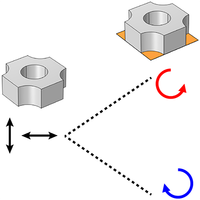
Maximal Axion Optical Chirality Enabled by Degenerate Quasibound States in the Continuum
Article | Condensed Matter and Materials | 2026-08-10 06:00 EDT
Chang-Yin Ji, Chong Wang, Jiafang Li, and Yugui Yao
Coupling a topological insulator with an achiral photonic crystal amplifies the ultraweak optical signatures of axion quasiparticles by orders of magnitude, unlocking powerful new observables like near-unity circular dichroism and optical nonreciprocity.
Phys. Rev. Lett. 137, 076901 (2026)
Condensed Matter and Materials
Correlations between Rare Events for Gaussian Stochastic Processes with Long-Term Memory
Article | Statistical Physics; Classical, Nonlinear, and Complex Systems | 2026-08-10 06:00 EDT
Apurba Biswas and Thomas Guérin
A new theory of rare recurrent events dispenses with the simplifying assumption that recent events lack memory of previous ones.

Phys. Rev. Lett. 137, 077101 (2026)
Statistical Physics; Classical, Nonlinear, and Complex Systems
Physical Review X
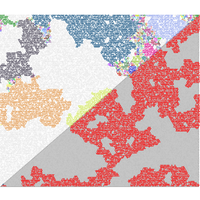
Fast Algorithm for 2D Rigidity Percolation
Article | 2026-08-10 06:00 EDT
Nina Javerzat and Daniele Notarmuzi
An algorithm for simulating the rigidity percolation transition, based on novel theoretical results, overcomes previous size limitations and enables the highly precise characterization of its universality classes, shedding new light on rigidity transitions in amorphous systems.
Phys. Rev. X 16, 031032 (2026)
arXiv
Revisiting the Coupling of Thermodynamics and Electromagnetics
New Submission | Statistical Mechanics (cond-mat.stat-mech) | 2026-08-11 20:00 EDT
Stefanie Braun, Henning Struchtrup, Manuel Torrilhon
We revisit the coupling of continuum thermodynamics and electromagnetic theory for polarisable and magnetisable matter in motion. Two routes are followed and then compared. The first route is the axiomatic bulk theory of Dreyer, Guhlke and Müller, in which universal balance laws are closed by an entropy principle. We show that the source of the internal energy balance must be built with the non-convective electric current, that the polarisation current and the Lorentz magnetisation enter through one single identity, which Dreyer et al.\ do not write down, and that this identity fixes both the admissible entropy variables and the signs of the bound-current ansatz. The second route is the statistical-mechanical one of Mazur, in which the macroscopic Maxwell equations are obtained by ensemble averaging over a system of atoms with internal charge carriers. Mazur stops before the conservation laws, so we derive them, and we estimate the size of the mass-correction terms that appear. The comparison shows that after a redefinition of polarisation and magnetisation the two sets of equations agree structurally. The only irreducible difference is a momentum contribution from microscopic field fluctuations, which can not be reproduced in a purely macroscopic theory. We further show that the electromotive intensity $ \mathcal{E}$ and the Lorentz magnetisation $ \mathcal{M}$ are not modelling choices but appear by themselves, and that the asymmetric look of the entropy function is a consequence of the chosen energy variable and not a defect of the theory.
Statistical Mechanics (cond-mat.stat-mech)
Density instabilities and thermal stabilization of phase separated states in dipolar lattice bosons
New Submission | Quantum Gases (cond-mat.quant-gas) | 2026-08-11 20:00 EDT
Yaghmorassene Hebib, Stefano Peaquin, Chao Zhang, Vittorio Penna, Barbara Capogrosso-Sansone
Recent advances in realizing nearly degenerate dipolar gases in optical lattices have enabled the study of quantum systems with long-range anisotropic interactions. Here, we investigate hard-core dipolar bosons on a two-dimensional square lattice described by an extended Bose–Hubbard model. Using path-integral quantum Monte Carlo simulations at fixed azimuthal angle $ \varphi=45^\circ$ , we investigate density instabilities arising from first-order phase transitions. We start by mapping the ground-state phase diagram at half filling as a function of dipolar interaction strength and polar angle $ \theta$ . For weak interactions, the system remains superfluid for all $ \theta$ . Above a critical interaction strength, the superfluid phase becomes unstable and gives way to checkerboard, stripe, or incompressible phases depending on $ \theta$ .
For $ \theta\gtrsim 62^\circ$ , we find that half filling becomes unstable and only the empty state, $ n=0$ , and the fully filled state, $ n=1$ , are stable. Unlike recent experimental reports of a self-bound insulator at half filling, the homogeneous ground state does not support such a phase, but instead exhibits a direct first-order transition between $ n=0$ and $ n=1$ .
At finite temperature, thermal fluctuations shift the onset of density instabilities to larger $ \theta$ and stabilize intermediate fillings in the regime where half filling is unstable in the ground state. This leads to phase-separated states consisting of empty and fully filled regions that resemble the experimentally observed “self-bound insulator.” In a harmonic trap, similar structures also emerge from phase coexistence associated with the underlying first-order transition.
Quantum Gases (cond-mat.quant-gas)
8 pages, 6 figures
Hexagonal Stacking Maximizes Proton Configurational Entropy among Ice-I Polytypes
New Submission | Statistical Mechanics (cond-mat.stat-mech) | 2026-08-11 20:00 EDT
Ice I admits cubic, hexagonal, and mixed layer stackings, but rigorous entropy comparisons have focused on the two ideal endmembers. We represent every cyclic uniform-registry stacking by a word in a nonnegative transfer operator K and its transpose. For every such even-length word, applying the Schatten-Hölder inequality proves that alternating hexagonal stacking maximizes the ice-rule count at every common finite cross-section; the configuration constant is therefore maximal among all periodic uniform-registry polytypes. We obtain the lower endpoint by restricting Nagle’s positive even-subgraph expansion to exactly enumerated disjoint blocks. Finner’s degree-two hypergraph Hölder inequality and rational Collatz-Wielandt certificates for two-replica prism transfer operators give the upper endpoints. These constructions yield $ 1.503360 \le w \le 1.540196$ , with $ w(\mathrm{Ic}) \le 1.527699$ .
Statistical Mechanics (cond-mat.stat-mech), Mathematical Physics (math-ph)
14 pages, 4 figures. Supplemental Material included as appendices S1-S7
A transient nonlinear finite element framework and implementation of coupled electro-chemo-mechanics of polyelectrolyte hydrogels
New Submission | Soft Condensed Matter (cond-mat.soft) | 2026-08-11 20:00 EDT
Bibekananda Datta, Brandon K. Zimmerman, Thao D. Nguyen
Polyelectrolyte (PE) hydrogels exhibit complex behavior characterized by large mechanical deformations, nonlinear stress response, solvent transport, and ion diffusion. The interplay between these mechanisms can lead to unexpected swelling dynamics, deformation patterns, and stress response. As such, advanced computational tools are needed for the efficient design of PE hydrogel-based devices, such as actuators and sensors for soft robotics, microfluidic valves, and drug delivery systems. In this work, we develop a numerical framework to simulate the coupled electro-chemo-mechanical behavior of PE hydrogels using finite element analysis. Applying this framework, an electro-chemo-mechanical model for PE hydrogels in a dilute ionic solution is implemented as a user element (UEL) subroutine in Abaqus/Standard. The model and UEL implementation are validated by comparing to experiments in the literature for transient free-swelling of a DMAEA gel in a solution of varying ionic strengths, then applied to study the consolidation behavior under confined compression and the transient bending behavior of a hydrogel bilayer. The simulations show that the ionic strength of the external solution, fixed charge density, and Flory-Huggins parameter play significant roles in the magnitude of the transient swelling and consolidation behavior.
Soft Condensed Matter (cond-mat.soft)
Reply to Smallenburg: Near-melting nucleation and the exponential growth of hard-sphere nucleation times
New Submission | Soft Condensed Matter (cond-mat.soft) | 2026-08-11 20:00 EDT
Smallenburg reports near-melting point simulations and observes a well-predicted spontaneous nucleation with mixed, finite-time morphology, in a Comment on our recent Perspective. The Comment’s incorrect broader takeaway — that equilibrium coexistence is “readily achievable” — rests on an untested generalization from a single state point near the phase envelope, and misses entirely the intriguing role played by Frenkel’s underlying mechanism. We reiterate the salient point missed by the Comment: the nucleation time grows astronomically with just tenths of a percent of volume fraction away from 53%. This phenomenology emerges from the entropy exchange mechanism Frenkel described, which predicts that spontaneous phase separation is dynamically accessible only down to about 53% volume fraction from the melting point, and astronomically long waiting times through most of the remaining phase envelope. We provide here calculations to address the potential misconception created by the Comment.
Soft Condensed Matter (cond-mat.soft)
Comment on arXiv:2605.04288
Fuzzy Spectroscopy of Bound States in Massive Quantum Field Theories
New Submission | Statistical Mechanics (cond-mat.stat-mech) | 2026-08-11 20:00 EDT
Joseph Taylor, Matthew Yusuf, Zlatko Papić
Mesons and glueballs are paradigmatic bound states of confining quantum field theories (QFTs), but their nonperturbative spectroscopy in the continuum remains challenging beyond one spatial dimension. Here we perform such spectroscopy for the Ising QFT using a recently developed regularization based on noncommutative ``fuzzy’’ geometry. On a thin fuzzy torus, we reproduce the universal low-lying $ \mathbb E_8$ meson masses of the magnetically perturbed $ (1{+}1)\mathrm{D}$ Ising QFT. By increasing the torus aspect ratio, we continuously track the second-lightest $ \mathbb E_8$ meson as the system effectively crosses over from 1D to 2D. On the 2D fuzzy torus and sphere, we find a subthreshold scalar level and above-threshold response features consistent with previous estimates of glueball masses. The same excitations are revealed away from equilibrium using quench dynamics. Our results establish fuzzy geometries as nonperturbative spectroscopic probes of massive QFTs, including their bound-state evolution through dimensional crossover.
Statistical Mechanics (cond-mat.stat-mech), Strongly Correlated Electrons (cond-mat.str-el), High Energy Physics - Lattice (hep-lat), High Energy Physics - Theory (hep-th)
18 pages, 12 figures
Defect-Controlled Multiferroicity via Stacking Control in Nonmagnetic van der Waals Bilayers
New Submission | Materials Science (cond-mat.mtrl-sci) | 2026-08-11 20:00 EDT
Bumseop Kim, Sayed Ali Akbar Ghorashi, Andrew M. Rappe
We present a general paradigm that directly couples vacancy-localized magnetism to interfacial sliding ferroelectricity in nonmagnetic van der Waals (vdWs) bilayers. Utilizing bilayer hexagonal boron nitride (hBN) as a prototypical vdWs host system, we use first-principles calculations to show that a single vacancy acts as a local registry sensor, lifting the degeneracy between polar sliding partners via a defect-centered polarization offset. For interlayer vacancy pairs, we discover a defect selectivity where the hosting sublattice fully dictates the interlayer exchange, stabilizing either ferrimagnetic or antiferromagnetic configurations. Applying an out-of-plane electric field selects the polar registry and drives an amplitude modulation of the compensated Néel order parameter. These findings establish a robust, sublattice-dependent engineering of multiferroic functionality via stacking control across a wide class of nonmagnetic 2D heterostructures.
Materials Science (cond-mat.mtrl-sci)
15 pages, 4 figures
Classical fractons with cosmological fixed points
New Submission | Statistical Mechanics (cond-mat.stat-mech) | 2026-08-11 20:00 EDT
Akash Singh, Dileep P. Jatkar, S. L. Sondhi, Abhishodh Prakash
Classical fractons are Hamiltonian systems that can develop attractors after projection onto configuration or shape variables, although the full phase space admits none. We study a scale-invariant, dipole-conserving two-parameter family of fracton Hamiltonians $ H_{\alpha,\beta}$ . By separating coordinates into scale and shape, we obtain autonomous shape dynamics that admit fixed points which leave a purely scale evolution of the form $ R(t)\propto |t|^{\alpha/(\alpha-\beta)}$ . The shape fixed points, which determine the distribution of the expanding particles, are central configurations of power-law Riesz potentials. The distinguished model $ (\alpha,\beta)=(-2,1)$ is unique: its scale evolution takes the Einstein-de Sitter form $ R(t)\propto |t|^{2/3}$ , its fixed-point equation is the equal-mass Newtonian central-configuration, its large-$ N$ distribution is a homogeneous ball, and its homothetic trajectories admit a zero-energy Newtonian gravitational dual. The fixed points are locally stable, and simulations at moderate $ N$ approach them from random initial data. Large $ N$ simulations reveal a richer class of fixed-points: bound clusters of approximately fixed physical size retain internal motion, while their centers approach unequal-mass Newtonian central configurations and preserve large-scale homogeneity. A scale-separation conjecture yields an effective unequal-mass fracton dynamics for the centers and a corresponding zero-energy Newtonian gravitational dual. Trajectories generically exhibit a bidirectional arrow of time: scale and shape complexity grow away from a Janus point, while Boltzmann entropy grows logarithmically. Together, these features reproduce the salient structure of a flat matter-dominated cosmology. In the distinguished fracton model, all these cosmological analogues emerge as attractor properties, making it a toy model for cosmological dynamics without fine-tuning.
Statistical Mechanics (cond-mat.stat-mech), Strongly Correlated Electrons (cond-mat.str-el), General Relativity and Quantum Cosmology (gr-qc), Classical Physics (physics.class-ph)
64 pages, 10 figures
Optimally embedded tight binding for reproducing geometry dependent observables
New Submission | Mesoscale and Nanoscale Physics (cond-mat.mes-hall) | 2026-08-11 20:00 EDT
In tight-binding models, the position operator is reduced to intra-cell orbital positions (embeddings). While accurately reproducing band structures, such models often fail for geometry dependent responses depending on the position operator. To address this, we investigate the role of these embeddings and introduce the general framework of optimally embedded tight binding. Treating the embeddings as geometric tuning parameters to be fixed against a reference response (obtained from ab-initio computation or experiment), we obtain tight-binding models of GaAs and CdS which quantitatively reproduce non-linear optical responses at no cost to band structure accuracy. The optimal embeddings are determined efficiently using position derivatives obtained from decomposing tight-binding observables into a geometry independent and dependent part, and explicit derivatives are provided for key quantities such as the quantum geometric tensor. The decomposition reveals where geometric effects dominate, and we show in both toy models and in the Chern insulator V2O3 how geometry can dramatically alter the local metric trace. Our results highlight that orbital embeddings should be treated as a genuine model parameter which should be explicitly fixed against physical data to get accurate minimal models.
Mesoscale and Nanoscale Physics (cond-mat.mes-hall), Materials Science (cond-mat.mtrl-sci), Strongly Correlated Electrons (cond-mat.str-el)
Main: 18 pages, 7 figures, Appendix: 10 pages, 6 figures
Engineering correlated phases through manipulation of Van Hove singularities
New Submission | Strongly Correlated Electrons (cond-mat.str-el) | 2026-08-11 20:00 EDT
Thomas P. Sheerin, Maria Ramirez, Chris A. Hooley, Luke C. Rhodes
Controlling the ordered phases of correlated electron systems remains a central challenge in quantum materials design. Divergences in the electronic density of states, known as Van Hove singularities (VHSs), are one obvious route to such control. It is clear from recent work that the exact functional form of these divergences can profoundly affect which phases are realized; a full picture, however, remains elusive. In this work, we use both the hot-spot parquet renormalization group and the truncated-unity functional renormalization group to theoretically study the emergent correlated states of a two-dimensional square-lattice Hubbard model with VHSs at or near the Fermi level. By varying a single hopping parameter, $ t_3$ , we are able to change the strength of the VHS divergence in the density of states from logarithmic (for $ t_3 < t_{3c}$ ) to power-law (for $ t_3 = t_{3c}$ ). Further increase of $ t_3$ ($ t_3 > t_{3c}$ ) causes each original Van Hove point to split into two, both of the conventional logarithmic type. We show that which of these regimes we are in strongly influences the predicted ordered states. We also study the dependence on doping, and find that the ferromagnetic state that occurs at Van Hove filling in these models is unstable to very small shifts in the Fermi level, often giving way to distinct ordered states depending on whether the model is electron- or hole-doped. These results highlight the importance of tuning VHS properties to control ordered states in correlated materials, and offer design rules to engineer these phases in novel systems.
Strongly Correlated Electrons (cond-mat.str-el), Materials Science (cond-mat.mtrl-sci)
18 pages, 12 figures
Ferroelectric-controllable spin-orbit torque in two-dimensional multiferroic heterostructure
New Submission | Mesoscale and Nanoscale Physics (cond-mat.mes-hall) | 2026-08-11 20:00 EDT
Weiyi Pan, Gusthavo M.S. Brizolla, Jaroslav Fabian
Spin-orbit torque (SOT), which enables electrical control of magnetization, plays a crucial role in the development of next-generation spintronic devices. Realizing SOT in two-dimensional van der Waals systems, together with achieving efficient nonvolatile manipulation via ferroelectricity, would be highly beneficial for the implementation of tunable logic devices with enhanced storage density. In this work, based on first-principles calculation and using a multiferroic Fe$ _{3}$ GeTe$ _{2}$ /In$ _{2}$ Se$ _{3}$ heterostructure as a representative example, we demonstrate that switching the ferroelectric polarization of the In$ _{2}$ Se$ _{3}$ layer induces a pronounced modification in the magnetization-dependent distribution of torkance within the heterostructure. Specifically, when the magnetization is in the plane, where the torque is maximal, reversing the polarization of In$ _{2}$ Se$ _{3}$ from upward to downward enhances the total torkance to more than 150% of its original value. This substantial variation primarily originates from the polarization-induced modulation of the $ z$ component of the time-reversal-odd torkance, which is mainly associated with an approximately 233% change in the atomic-resolved torque contributed from the middle Fe layer in Fe$ _{3}$ GeTe$ _{2}$ layer. Further analysis reveals that the electronic states near $ \Gamma$ on the Fermi surface undergo significant reconstruction upon polarization switching, which is responsible for the observed variation in the time-reversal-odd torque. Our results not only provide new insights into the functional potential of van der Waals multiferroic heterostructures, but also offer a viable strategy for achieving electrically tunable SOT, paving the way for future programmable spintronic devices.
Mesoscale and Nanoscale Physics (cond-mat.mes-hall), Materials Science (cond-mat.mtrl-sci)
Dynamical quantum phase transitions in a hybrid quantum dot system with superconducting and ferromagnetic leads
New Submission | Mesoscale and Nanoscale Physics (cond-mat.mes-hall) | 2026-08-11 20:00 EDT
Antoni Jankiewicz, Kacper Wrześniewski, Ireneusz Weymann
We theoretically explore the non-equilibrium dynamics of a single quantum dot system coupled to both ferromagnetic and superconducting electrodes. To investigate its time evolution, we utilize the time-dependent numerical renormalization group technique, which captures the system’s response to abrupt parameter changes in a fully non-perturbative manner. Our analysis focuses on dynamics following a sudden modification in the couplings to the leads or a shift of the orbital level. In particular, we calculate the time evolution of the induced local superconducting pairing correlations and magnetization. In this context, the relevant energy spectra are examined. Moreover, we study the behavior of the Loschmidt echo and the return function to shed light on the signatures of dynamical quantum phase transitions. The determined dependencies reveal non-trivial competition between relevant correlations, involving superconducting pairing and ferromagnetic-contacted induced exchange field, and deepen our understanding of nanoscale hybrid systems’ dynamical behavior.
Mesoscale and Nanoscale Physics (cond-mat.mes-hall)
Probing intermittent polariton vortex dynamics with two-point correlations
New Submission | Mesoscale and Nanoscale Physics (cond-mat.mes-hall) | 2026-08-11 20:00 EDT
R. Cherbunin, A. Liubomirov, P. Kozhevin, M. Chukeev, M. Petrov, S. Kavokina, A. Nalitov, A. Kavokin
Superconducting single-photon detectors with time resolution of 80 ps have been used to study the spatiotemporal dynamics of a trapped bosonic condensate of exciton-polaritons. Both second- and first-order correlation functions are found to exhibit pronounced oscillations in time governed by the dynamics of the polariton condensate in the trap. We have identified the intermittent regime of stochastic transitions between stationary and limit-cycle regimes near the Andronov-Hopf bifurcation manifested in asymmetric distortions of the correlation function. This rich interplay of deterministic and stochastic condensate dynamics is explained theoretically as a manifestation of mutually compensating self-repulsion and reservoir-mediated attraction.
Mesoscale and Nanoscale Physics (cond-mat.mes-hall)
6 pages, 4 figures
Understanding the Oxygen Reduction Reaction and Oxygen Evolution Reaction in Metal Intercalated Biphenylene Bilayers
New Submission | Materials Science (cond-mat.mtrl-sci) | 2026-08-11 20:00 EDT
Henri G. Mendonça, Pedro H. Souza, Walter Orellana, Roberto H. Miwa
We conducted an {\it ab initio} study of the oxygen reduction reaction (ORR) and oxygen evolution reaction (OER) in metal-encapsulated biphenylene bilayers, B/M/B, with M = Ti, V, Cr, Mn, Fe, Co, Ni, Cu, Nb, Ru, W, Os and Pt. In most systems, the intercalated metal sits at the square carbon sites (C$ ^{468}$ ) of the biphenylene lattice. Using a computational hydrogen electrode approach, we evaluated the reaction energetics at these active sites. Several B/M/B systems show competitive ORR and OER performance. Among the investigated systems, Cu, Pt, Ru, and Mn exhibit the lowest ORR overpotentials of 0.42, 0.44, 0.50, and 0.56 V, respectively, while Fe is identified as the most active catalyst for OER with an overpotential of 0.44 V. To understand the catalytic trends, we looked at the electronic structure through the metal $ d-$ band centers, the C$ ^{468}$ $ p_z-$ band centers, and the corresponding orbital charge populations. The band centers did not give a simple polynomial dependence on the overpotentials, though they did point to favorable electronic ranges for the best catalysts. The $ d-$ orbital charge population of the encapsulated metal, however, correlated most clearly with activity-especially for OER-yielding volcano-type plots. From these, B/Fe/B emerges as the best OER catalyst, while B/Mn/B lies closest to the ORR optimum. The $ p-$ orbital population at the active carbon site also captures the main trends, albeit less strongly. Overall, these results show that straightforward electronic descriptors can predict catalytic behavior in metal-encapsulated biphenylene bilayers and guide the search for efficient catalysts where the carbon framework itself drives the reactivity.
Materials Science (cond-mat.mtrl-sci)
15 pages, 8 figures
Sn-Doping in LPCVD-Grown (010) $β$-Ga$_2$O$_3$ Films
New Submission | Materials Science (cond-mat.mtrl-sci) | 2026-08-11 20:00 EDT
Saleh Ahmed Khan, Ahmed Ibreljic, Sourav Sarker, Anhar Bhuiyan
In this work, Sn-doped (010) $ \beta$ -Ga$ _2$ O$ _3$ homoepitaxial films were grown by low-pressure chemical vapor deposition (LPCVD), and the influence of Sn incorporation on their structural, morphological, and electrical properties was systematically investigated. Controlled room-temperature carrier concentrations ranging from $ 1.17 \times 10^{17}$ to $ 3.06 \times 10^{18}$ cm$ ^{-3}$ were achieved, with corresponding Hall mobilities decreasing from 113 to 63 cm$ ^2$ V$ ^{-1}$ s$ ^{-1}$ . The films exhibited the monoclinic $ \beta$ -Ga$ _2$ O$ _3$ phase, near-stoichiometric composition, and well-defined step-flow morphology, with a minimum rocking-curve FWHM of 68.4 arcsec and an RMS roughness of 2.63 nm. Film thicknesses ranging from 1.66 to 11.3 $ \mu$ m were obtained at growth rates of 6.4 to 16.6 $ \mu$ m h$ ^{-1}$ , demonstrating the ability of LPCVD to produce thick epitaxial layers. The sample with a room-temperature carrier concentration of $ 1.17 \times 10^{17}$ cm$ ^{-3}$ exhibited room-temperature and low-temperature Hall mobilities of 113 cm$ ^2$ V$ ^{-1}$ s$ ^{-1}$ and 380 cm$ ^2$ V$ ^{-1}$ s$ ^{-1}$ at 84 K, respectively. Both represent the highest reported values for LPCVD-grown Sn-doped $ \beta$ -Ga$ _2$ O$ _3$ . Transport modeling of the same sample yielded a shallow donor activation energy of 32.7 meV, a deeper donor level at 95 meV, and a low compensating acceptor concentration of $ 2.0 \times 10^{16}$ cm$ ^{-3}$ , indicating efficient donor activation and a low degree of compensation. These results demonstrate that LPCVD enables controlled Sn doping while maintaining excellent structural and electrical quality, providing a viable route for realizing thick $ \beta$ -Ga$ _2$ O$ _3$ epitaxial drift layers.
Materials Science (cond-mat.mtrl-sci), Applied Physics (physics.app-ph)
Coherent Control of Domain-Wall Transport in an Ultracold Bose Gas
New Submission | Quantum Gases (cond-mat.quant-gas) | 2026-08-11 20:00 EDT
O. Farion, M. Pourzand, J. M. McGuirk
Domain walls are carriers of spin transport whose controlled manipulation underlies a wide range of spintronic and information-processing technologies. Here we demonstrate tunable domain-wall transport in a weakly interacting nondegenerate ultracold Bose gas. We initialize a three-domain pseudo-spin-1/2 texture and observe spontaneous propagation of long-lived domain walls driven by exchange-mediated spin currents. By varying the orientation of the spin domains, we control the balance of spin currents across the walls and thereby tune their trajectories, including reversals of the initial direction of motion. Measurements reveal a crossover from an exchange-stabilized regime, in which coherent spin-exchange collisions suppress wall motion, to a diffusion-dominated regime characterized by rapid transport at thermal velocities. Numerical solutions of a quantum Boltzmann equation reproduce the observed dynamics and identify transverse phase gradients as an important control parameter governing domain-wall propagation. These results establish coherence and phase engineering as tools for programming spin transport in ultracold gases and provide a route toward controllable domain-wall dynamics in atomtronic systems.
Quantum Gases (cond-mat.quant-gas), Atomic Physics (physics.atom-ph)
Spin selective non-van der Waal electride nature in manganese under ambient pressure
New Submission | Materials Science (cond-mat.mtrl-sci) | 2026-08-11 20:00 EDT
Shishir Timilsena, Dinesh Thapa, David James Faller, Prabesh Adhikari, Nicholas Dimakis, Svetlana Kilina
Electrides are an unusual class of ionic materials in which electrons localized in non-nuclear, interstitial regions act as anions within the crystal lattice. Here, we employ first-principles quantum mechanical calculations to investigate the structural, electronic, magnetic, and electride characteristics of elemental manganese (Mn) at an ambient pressure (0 GPa), focusing on its three crystalline phases: cubic ($ \alpha$ )-Mn ($ I\bar{4}3m,no.217$ ), cubic ($ \beta$ )-Mn ($ P4_132, no.213$ ), and hexagonal ($ hex$ )-Mn ($ P6_3/mmc, no.194$ ). Our calculations reveal pronounced interstitial-electron character in all three phases, accompanied by spin-selective electron localization function (ELF), establishing elemental Mn as a non-van der Waals electride system. Bader charge analysis indicates substantial electron redistribution from the Mn host framework toward the interstitial anionic-electron (IAE) regions, with an effective charge transfer of approximately $ -1.645e$ , $ -1.477e$ , and $ -1.083e$ per interstitial basin in $ \alpha$ -Mn, $ \beta$ -Mn, and $ hex$ -Mn, respectively. The electride character is further supported by the electronic density of states, where the IAE-associated states exhibit finite contributions near the Fermi level ($ E_F$ ) and coexist with Mn-derived states, demonstrating their direct participation in the low-energy electronic structure. The combined electron localization function (ELF), effective charge transfer, and electron population due to IAE at $ E_F$ therefore provide consistent evidence for interstitial anionic electrons in elemental Mn. To the best of our knowledge, this work provides the first systematic identification of spin-selective electride character in elemental Mn at ambient pressure, highlighting the possibility of exploiting its interstitial-electron states for unconventional electronic and magnetic functionalities.
Materials Science (cond-mat.mtrl-sci)
Metastability limit of pristine 2D noble metals with high-energy facet: dominance of the Bell-Evans-Polanyi principle
New Submission | Materials Science (cond-mat.mtrl-sci) | 2026-08-11 20:00 EDT
Using density functional theory, we predict that ultrathin (110) sheets of Rh, Pd, Ag, and Ir tend to transform into their (100) counterparts via lattice contraction. An approximately linear relationship between the transformation barrier and the energy difference between (110) and (100) sheets is revealed, demonstrating that the Bell-Evans-Polanyi (BEP) principle dominates. Furthermore, the critical thicknesses for these metals are also described by the BEP principle: below these thicknesses, the (110) sheets are no longer metastable and undergo spontaneous structural transformation.
Materials Science (cond-mat.mtrl-sci)
Gate-tunable electronic properties of epitaxial Bi (111) films using a printable hexagonal boron nitride ionogel
New Submission | Materials Science (cond-mat.mtrl-sci) | 2026-08-11 20:00 EDT
Jagannath Jena, Heather E. Kurtz, Siddhesh Ambhire, Justin S. Wood, Fateme Mahdikhany, Junyi Yang, Eugene Ark, Vinod K. Sangwan, J. Samuel Jiang, Steven S.-L. Zhang, Mark C. Hersam, Anand Bhattacharya
Achieving effective electrostatic control of carrier transport in semimetals remains challenging due to strong screening and multiband effects. We report efficient low voltage top gated control of electronic transport in epitaxial Bi (111) thin films grown on GaAs (111) substrates using a printable hexagonal boron nitride ionogel. Magnetotransport measurements reveal pronounced nonlinear Hall conductivities arising from multiband electron and hole contributions. Remarkably, the application of a small gate voltage (less than 0.4 V in magnitude) leads to a systematic evolution of the low field Hall conductivity slope and the electron-hole compensation point. The response to gate voltage depends upon thickness and temperature. The observed behavior cannot be explained by a conventional Fermi level shift with rigid bands and instead indicates a non rigid band response associated with multiband effects and a gat tunable Rashba spin orbit coupling. Our results establish printable ionogel gating as a powerful approach to tune multiband transport in topological semimetals.
Materials Science (cond-mat.mtrl-sci)
19 pages, including 4 Figures and References
Quantum tribology: acceleration-induced Stokes friction and Magnus force in correlated Bose fluids
New Submission | Quantum Gases (cond-mat.quant-gas) | 2026-08-11 20:00 EDT
V. M. Kovalev, A. N. Osipov, I. G. Savenko
The Landau criterion, a cornerstone of quantum fluid dynamics, dictates that dissipation is forbidden for uniform motion below a critical velocity. Yet, the fundamental question of how acceleration reshapes the principles of quantum friction has remained open since Landau and Pitaevskii’s seminal works. Here, we establish a theoretical framework for the quantum tribology of non-inertial motion, describing a probe particle undergoing composite translation and rotation within a weakly interacting Bose condensate. Using the nonlinear Gross-Pitaevskii equation, we show that centripetal acceleration fundamentally modifies the energy-momentum constraints on elementary excitations. This leads to a finite drag force in the subsonic regime of the probe particle motion, and a characteristic quantum stick-slip behaviour in the deeply supersonic regime – a direct generalization of the classical Landau-Pitaevskii picture. Beyond this dissipative response, we uncover a fundamentally distinct mechanism: the nonlinearity of the quantum fluid, combined with the broken symmetry of the trajectory, gives rise to a non-dissipative anomalous transverse force. This quantum Magnus-like response, emerging from the second-order density perturbation, performs no work and is rooted in the geometric asymmetry of the dynamically induced flow. Our findings lay the foundation for a universal program in quantum tribology of accelerated motion, establishing a direct and experimentally testable connection among non-inertial dynamics, nonlinear response, and topological symmetry breaking across platforms ranging from ultracold atoms and exciton-polariton condensates to cosmological analog systems.
Quantum Gases (cond-mat.quant-gas), Mesoscale and Nanoscale Physics (cond-mat.mes-hall)
All-electrical Coherent Control of a Single Rare-earth Spin Qubit
New Submission | Mesoscale and Nanoscale Physics (cond-mat.mes-hall) | 2026-08-11 20:00 EDT
Yaowu Liu, Dasom Choi, Stefano Reale, Jeongmin Oh, Seorhin Choi, Lei Fang, We-hyo Soe, Arzhang Ardavan, Andreas J. Heinrich, Soo-hyon Phark, Fabio Donati
Electrical control of single spin qubits is a major frontier for nanoscale, high-speed, and scalable quantum devices. Yet, extending it to highly shielded rare-earth 4f electrons remains an experimental challenge across solid-state platforms. Here we demonstrate all-electrical coherent control of a single Er electron spin, which is exchange-coupled to a nearby Ti atom. Scanning tunneling microscopy-based electron spin resonance with three-dimensional magnetic-field control enables comprehensive mapping of the resonance and Rabi frequencies, revealing pronounced anisotropies in both the Er g-tensor and the Er-Ti exchange interaction. The electrical modulation of the anisotropic Er-Ti coupling results in an efficient drive of the Er spin, allowing us to achieve near-gigahertz Rabi frequencies - a ten-fold improvement over the present record for rare-earth spin qubits. By establishing anisotropic exchange as a general resource for electrically accessing shielded rare-earth spins, our results open a new route to ultrafast and local control of rare-earth spins in solid-state quantum devices.
Mesoscale and Nanoscale Physics (cond-mat.mes-hall), Quantum Physics (quant-ph)
Reactive polar mesogenic self-assembly approach enables domain-programmable polymer ferroelectrics
New Submission | Soft Condensed Matter (cond-mat.soft) | 2026-08-11 20:00 EDT
Fan Ye, Minghui Deng, Yuyang Zheng, Xiujuan Liu, Xiuhu Zhao, Haowei Jiang, Yanyun Hou, Bingyu Zou, Neng-Ang Peng, Shuo Zhao, Kutay Sağdıç, Danqing Liu, Yang Shen, Yan-Qing Lu, Satoshi Aya, Mingjun Huang
Ferroelectric polymers combine switchable polarization with the processability of soft materials, but their development has been dominated by poly(vinylidene fluoride) and related fluoropolymers, whose crystalline polar phases restrict mechanical compliance and domain design with spatial precision. Here we establish a generic design principle for creating intrinsically flexible ferroelectric liquid-crystal polymers through reactive polar mesogenic self-assembly. The approach creates polyfluoroalkyl-free polymer films in which robust ferroelectric order arises from liquid-crystalline molecular organization rather than crystalline phase formation. By transferring ferroelectric order from fluid mesogenic states into polymer networks, the resulting materials combine mechanical adaptability with programmable polar architectures. Especially, the photoalignment technology enables these polar states to be organized into pixelated domain architectures. This work establishes a design space towards soft ferroelectric polymers that integrate molecularly programmed polar order, mechanical tunability and environmentally conscious chemistry, expanding the design space of adaptive materials for flexible electronics, wearable systems and soft robotics.
Soft Condensed Matter (cond-mat.soft), Materials Science (cond-mat.mtrl-sci)
Turning angle analysis reveals hidden anisotropies in the anomalous diffusion of molecules in live cells
New Submission | Statistical Mechanics (cond-mat.stat-mech) | 2026-08-11 20:00 EDT
Michał Balcerek, Adrian Pacheco-Pozo, Agnieszka Wyłomańska, Diego Krapf
Molecular motion within living cells provides a window into the physical principles underlying intracellular organization and transport. Yet a fundamental limitation remains: measured trajectories are often short, noisy, and randomly oriented, rendering spatial anisotropies inaccessible to conventional analyses. We show that turning-angle statistics provide a robust approach for uncovering anisotropies in anomalous diffusion. Using a two-dimensional anisotropic fractional Brownian motion model with random orientations, we show theoretically and through simulations that turning-angle distributions preserve signatures of anisotropy. We apply this approach to single-particle tracking data, including quantum dots in the cytoplasm of HeLa cells and membrane proteins in hippocampal neurons. Turning angles reveal hidden anisotropies in the motion of quantum dots and Nav 1.6 channels, and in specific dynamical states of glycoprotein CD4. These results establish turning-angle analysis as a powerful strategy for detecting organization in complex environments and reveal that anisotropic anomalous diffusion is an overlooked feature of intracellular dynamics.
Statistical Mechanics (cond-mat.stat-mech), Probability (math.PR), Data Analysis, Statistics and Probability (physics.data-an)
Main text: 17 pages, 6 figures; Supplementary information: 14 pages, 5 figures
Metallic Gross-Neveu criticality and superconductivity on the $\mathrm{SO}(3)$ SLAC fermion
New Submission | Strongly Correlated Electrons (cond-mat.str-el) | 2026-08-11 20:00 EDT
Feng-Yu Zhang, Yin-Kai Yu, Zi-Xiang Li, Shuai Yin
The realization of Dirac criticality beyond the conventional Gross-Neveu-Yukawa (GNY) paradigm has become a major frontier in condensed matter physics. In this work, we introduce an $ \mathrm{SO}(3)$ -symmetric bilayer SLAC fermion model with tunable inter-layer interactions that exhibits a rich quantum phase diagram. As the interaction strength increases, the system undergoes two distinct phase transitions. The primary transition is a continuous boundary separating a Dirac semimetal (DSM) from an $ \mathrm{SO}(3)$ -broken ordered phase. Crucially, this transition evades the standard GNY universality class because the emergent order only gaps out a subset of the itinerant fermions. Using large-scale quantum Monte Carlo (QMC) simulations, we establish that this transition belongs to the Gross-Neveu-$ \mathrm{SO}(3)$ universality class with $ N=6$ irreducible Dirac cones and precisely extract the corresponding critical exponents. At stronger couplings, a second transition drives the system into an inter-layer $ \mathrm{SO}(3)$ -symmetric superconducting (SC) state. We provide strong numerical evidence that this transition is a quantum-fluctuation-driven first-order transition. Our study provides new insights into the exploration of Dirac criticality beyond the standard GNY universality class, and also offers a novel platform to realize superconductivity featuring $ \mathrm{SO}(3)$ symmetry.
Strongly Correlated Electrons (cond-mat.str-el), Statistical Mechanics (cond-mat.stat-mech)
10 pages, 6 figures, including Supplemental Material
Predicting large-supercell defect formation energies from machine-learning charge density models trained on small supercells
New Submission | Materials Science (cond-mat.mtrl-sci) | 2026-08-11 20:00 EDT
Junjie Zhou, Menglin Huang, Shiyou Chen
First-principles defect calculations are often limited by the cost of the large supercells required to suppress image interactions. Machine-learning interatomic potentials (MLIPs) provide another alternative, but training defect MLIPs typically requires thousands of structures and weeks of data generation. Since charge density is the key to density-functional-theory (DFT), we propose a machine-learning charge density (MLCD) route for predicting defect formation energies with higher data efficiency. We optimize the training set by integrating small supercells of varying sizes for better extrapolation, allocating their proportions based on spatial charge-density analysis. With only 96 supercells containing 16–96 atoms as the dataset, MLCD accurately predicts the formation energies of four intrinsic defects in 360-atom supercells, with defect-wise mean absolute error below 0.05 eV. In contrast, MLIPs trained on the same dataset can err by more than 1 eV. These results show that charge-density learning enables more robust cross-size transfer than direct energy-force fitting and that mixed-size data design can substantially reduce the cost of defect prediction.
Materials Science (cond-mat.mtrl-sci)
Local coordination and migration-network topology shape Li-ion transport and delithiation in the low-energy $\varepsilon$-LiMnO$_2$ polymorph
New Submission | Materials Science (cond-mat.mtrl-sci) | 2026-08-11 20:00 EDT
Fukuan Wang, Busheng Wang, Yong Liu
In rocksalt-derived oxide cathodes, the local Li-migration environment around an O4 tetrahedral intermediate is commonly classified by the number of face-sharing transition-metal (TM) neighbors. In LiMnO2, the TM species is Mn, and 0-TM denotes the absence of face-sharing Mn neighbors. However, migration and delithiation may also depend on higher-shell coordination and tetrahedral connectivity. Using the recently reported low-energy epsilon-LiMnO2 polymorph as a model, we examine these factors through bond-valence site-energy and bond-valence pathway analyses combined with first-principles calculations. The resulting migration maps and tetrahedral statistics reveal distinct topologies and dimensionalities across four LiMnO2 polymorphs. Although the epsilon phase and the lithiated-spinel phase Li2Mn2O4 (hereafter spinel) have identical tetrahedral-type fractions, their 0-TM motifs form quasi-one-dimensional chains and a three-dimensional network, respectively. Climbing-image nudged elastic band calculations further distinguish the two structures: epsilon-phase barriers are 0.35-0.36 eV, compared with 0.41-0.53 eV in spinel, a difference that may be associated with distinct next-nearest corner-sharing shells. Ab initio molecular dynamics yields an apparent activation energy of 0.32 eV, while direction-resolved mean-squared displacements show preferential Li migration along c, supporting low-barrier quasi-one-dimensional diffusion. Delithiation calculations show that differences in 0-TM connectivity and Li-Li separation between the epsilon phase and spinel are associated with Li-site evolution and calculated voltage steps, suggesting that motif connectivity may influence voltage response. These results link the local environments and spatial connectivity of 0-TM motifs to Li migration and delithiation, providing insights into the design of metastable cathode structures.
Materials Science (cond-mat.mtrl-sci)
9 pages, 7 figures
Quantum geometric localization length and localization criticality in an ideally flat Chern band
New Submission | Strongly Correlated Electrons (cond-mat.str-el) | 2026-08-11 20:00 EDT
We propose that the localization length in an isolated, ideally flat Chern band is set by quantum geometry. We explore the corresponding localization transition and its critical scaling by applying transfer matrix calculations in the maximally localized hybrid Wannier basis, whose spatial spread is exactly characterized by a quantum geometric length. Remarkably, upon tuning the quantum metric of the Chern band, we observe a crossover from a universal regime controlled by the Dirac fixed point to a non-universal regime with continuously varying critical exponents. Within the universal regime, the localization length exhibits a pronounced linear dependence on the quantum geometric length, supporting its quantum geometric nature. These findings provide a novel quantum geometric perspective on the localization in quantum Hall systems such as twisted moiré superlattices, and shed new light on the long-standing controversy over the criticality of the integer quantum Hall transition.
Strongly Correlated Electrons (cond-mat.str-el), Disordered Systems and Neural Networks (cond-mat.dis-nn)
8 pages and 4 figures for the main text; 13 pages, 8 figures and 2 tables for SM
Multimodal deep learning framework to predict strain localization of Mg/LPSO two-phase alloys
New Submission | Materials Science (cond-mat.mtrl-sci) | 2026-08-11 20:00 EDT
Daiki Kuriki, Fabien Briffod, Takayuki Shiraiwa, Manabu Enoki
This study proposes a method for predicting three-dimensional (3D) local strain distribution under compressive deformation of as-cast Mg/LPSO two-phase alloys from 3D microstructure images. The 3D local strain distribution was obtained by applying the digital volume correlation method to X-ray CT images before and after compression tests. Three microstructure descriptors were extracted from the 3D microstructure images around each strain measurement point: volume fractions of the phases, persistent diagrams that can express the connectivity of the phases, and two-phase spatial correlation that can express the spatial distribution of the phases. A deep learning model was then constructed to predict local strain from the three microstructure descriptors. Since two types of descriptors were used in this study, numerical data and image data, multimodal deep learning was employed to make predictions. Thus, the use of multiple microstructure descriptors enabled predictions to be made with higher accuracy than when predictions were made from a single descriptor. Feature importance of the descriptors was assessed through correlation analysis and occlusion sensitivity analysis. The results revealed that high strain tended to occur in the region where the hard phase, LPSO phase, had a large elongated phase oriented at a 45° direction to the loading direction. This result is consistent with other previous studies and indicates that the proposed method is effective in elucidating the relationship between the microstructure and the deformation behavior of the material.
Materials Science (cond-mat.mtrl-sci)
Published in Acta Materialia, Volume 281, 120398 (2024)
Acta Materialia 281 (2024) 120398
Low-frequency output fluctuations in an open exclusion process with particle pausing
New Submission | Statistical Mechanics (cond-mat.stat-mech) | 2026-08-11 20:00 EDT
Slow internal states reshape both the mean throughput and the temporal organization of a driven lattice gas. Exit-counting statistics reveal this effect in a finite open totally asymmetric simple exclusion process whose particles reversibly switch between active and paused states. Increasing pausing lowers the mean current smoothly, whereas the long-window Fano factor is strongly nonmonotonic. At the reference boundary rates, the maximum remains near a measured mean paused population (N_p=L\rho_{\rm paused}\simeq1.5)–(2) across lattice lengths L=50-500, while the corresponding pausing rate scales as (k_p^{\rm max}\propto L^{-1}). A minimal constant-birth, linear-death approximation translates an order-one collective crossover into this finite-size displacement and gives (N_p^\star\simeq1.50) in the independent-pause, strong-blocking limit. The simulations delimit this approximation: the pause number is overdispersed, and at fixed (N_p), slower unpausing increases both the correlation time and the noise amplitude. Residence-time and structural analyses further separate the relevant slow variables. The pause-free versus pause-containing residence-time scale tracks the fitted output-correlation time, whereas the noise amplitude follows fluctuations, rather than the mean size, of the largest particle cluster. Low-frequency output noise therefore identifies an intermittent finite-size regime shaped jointly by slow-defect kinetics and traffic-jam reorganization.
Statistical Mechanics (cond-mat.stat-mech), Subcellular Processes (q-bio.SC)
Effects of high-pressure synthesis on phase formation and superconducting properties of PrFeAsO1-xFx
New Submission | Superconductivity (cond-mat.supr-con) | 2026-08-11 20:00 EDT
Priya Singh, Konrad Kwatek, Tatiana Zajarniuk, Tomasz Cetner, Jan Mizeracki, Shiv J. Singh
Motivated by recent reports of enhanced superconducting performance in several families of iron-based superconductors (IBS) processed by high-pressure (HP) synthesis, we investigate the influence of high gas pressure and high-temperature synthesis (HP-HTS) process on the structural, microstructural, electrical transport, and magnetic properties of Pr-based oxypnictide PrFeAsO1-xFx (Pr1111) using the processing conditions of 0.5 GPa for 1 h previously optimized for other IBS families. Representative underdoped (x = 0.2), optimal doped (x = 0.3), and overdoped (x = 0.5) compositions from the ambient-pressure electronic phase diagram of Pr1111 are selected to evaluate its composition-dependent effects of HP-HTS. The results demonstrate that HP-HTS enhances fluorine incorporation, improves phase formation, and produces a denser microstructure with improved grain connectivity in the underdoped and optimal doped compositions. Magnetic measurements reveal increased in the superconducting transition temperature (Tc) of ~1 K for x = 0.2 and ~6 K for x = 0.3, whereas only a marginal improvement in the critical current density is observed. Electrical resistivity measurements of the underdoped composition show a slight increase in Tc accompanied by a broader resistive transition, indicating residual structural inhomogeneity. In contrast, the overdoped composition exhibits increased impurity phase segregation, accompanied by suppression of superconductivity. These results demonstrate that the effectiveness of HP-HTS in Pr1111 is strongly composition dependent and governed by the interplay among fluorine incorporation, phase stability, and microstructural evolution, highlighting the need for further optimization of the HP-HTS processing conditions.
Superconductivity (cond-mat.supr-con), Materials Science (cond-mat.mtrl-sci), Applied Physics (physics.app-ph)
29 pages, 6 Figures
Machine Learning Framework for Magnetic Candidate Discovery in Cerium-Based Compounds
New Submission | Materials Science (cond-mat.mtrl-sci) | 2026-08-11 20:00 EDT
Joshua A. Torres, Yaser M. Banad, Benjamin O. Tayo, Tej Nath Lamichhane
Cerium (Ce), the most abundant lanthanide, offers significant potential for addressing shortages in high-performance magnetic materials, particularly through the discovery of compounds suitable for gap magnets. However, predicting Ce-based ferromagnets with uniaxial magnetic anisotropy remains challenging because their magnetic behavior depends strongly on crystal structure, exchange geometry, and electronic interactions. Here, we present a physics-guided computational framework to screen known Ce-based crystal structures and identify promising Ising ferromagnets for future synthesis. A Random Forest classifier uses seven structural and SOAP descriptors, including unit-cell volume, density, atomic sites, space group, atomic density, Ce SOAP overlap, and transition-metal SOAP overlap, to prioritize candidate compounds. Selected crystallographic structures are then analyzed using Ising-model Monte Carlo simulations to characterize phase behavior and critical properties. Critical exponents extracted from simulated phase transitions provide quantitative insight into magnetic regimes and anisotropy-related effects. We further employ autoencoders trained on affinity-based features from simulated spin configurations to identify latent signatures of phase evolution and transition behavior. Together, this framework integrates structural screening, statistical-mechanical simulation, and machine learning to accelerate the identification of promising Ce-based magnetic materials and provide candidates for experimental synthesis and validation.
Materials Science (cond-mat.mtrl-sci)
Momentum-Selective Electron and Spin Dynamics under Ultrafast Photoexcitation
New Submission | Strongly Correlated Electrons (cond-mat.str-el) | 2026-08-11 20:00 EDT
Gusein Bedirkhanov, Nagamalleswararao Dasari, Alexander I. Lichtenstein, Evgeny A. Stepanov
Recent advances in time-resolved spectroscopies have enabled direct access to the momentum-selective nonequilibrium dynamics of correlated quantum materials, revealing a strongly momentum-dependent response of electrons and collective excitations. Interpreting these observations requires a real-time theoretical framework that consistently captures the interplay between strong local electronic correlations and nonlocal collective fluctuations, a capability that remains beyond state-of-the-art nonequilibrium approaches. Using a recently developed real-time many-body framework, we resolve the momentum-selective ultrafast dynamics of a photoexcited correlated electron system. We predict a transient nodal-antinodal anisotropy in electronic heating, providing a microscopic explanation for the momentum-dependent response debated in time-resolved photoemission and Raman experiments, and identify the nonthermal spectral-weight transfer responsible for the transient antinodal in-gap states observed in ultrafast photoemission. We further uncover a momentum-selective magnetic response, in which antiferromagnetic fluctuations undergo a strongly nonthermal, quench-like excitation far above the electronic temperature while preserving their correlation length, before relaxing through a momentum-space magnon cascade toward lower-momentum modes. Finally, by tracking the real-time local spin susceptibility, we identify a dynamical, experimentally accessible signature of local-moment formation and its photoinduced melting. Our results establish a unified microscopic picture of ultrafast electronic and magnetic dynamics, providing a framework for interpreting momentum-resolved pump-probe experiments.
Strongly Correlated Electrons (cond-mat.str-el)
Composite-State Localization Beyond the External Landscape in Non-Hermitian Quasicrystals
New Submission | Disordered Systems and Neural Networks (cond-mat.dis-nn) | 2026-08-11 20:00 EDT
Tian Zhou, Xue-Bin Wang, Zhongmin Yang, Tao Liu
A composite excitation need not inherit the localization behavior of its constituents. We show that an interacting non-Hermitian quasiperiodic ladder realizes a controllable and reversible localization inversion between composite and unbound excitations, where internal configuration, rather than only the external potential, becomes a control parameter for localization. Opposite complex potentials on the two legs cancel at first order for a same-rung pair but act directly on separated particles, allowing extended composite states to persist while the unpaired sector becomes localized. A strong-coupling theory identifies the composite state as an emergent weakly modulated non-Hermitian quasicrystal generated by virtual unpaired configurations. Breaking the potential antisymmetry restores a direct modulation of the composite band and reverses the localization hierarchy. Engineering configuration-space pathways further stabilizes an extended composite band embedded within a localized continuum, the inverse of the conventional bound-state-in-the-continuum scenario. Our results establish internal configuration as a reversible control parameter for localization.
Disordered Systems and Neural Networks (cond-mat.dis-nn), Mesoscale and Nanoscale Physics (cond-mat.mes-hall), Quantum Physics (quant-ph)
13 pages, 10 figures
Multiphysics Modeling of Thermo-Viscoelastic Damage in Functionally Graded Abradable Coatings with Probabilistic Geometric Tolerance Analysis
New Submission | Mesoscale and Nanoscale Physics (cond-mat.mes-hall) | 2026-08-11 20:00 EDT
Amjad El-Mellouhi, Yassine Adjal, Khaled Dhibi, Fedwa El-Mellouhi
In aircraft engines, functionally graded abradable coatings are used to control blade-tip clearance, but their durability is governed by effects that are often treated separately in existing models, including temperature-dependent viscoelastic softening, progressive damage, deposition-induced microstructural modulation, and geometric tolerances. This study integrates these effects within a unified multiphysics–probabilistic framework. The solved domain is a local through-thickness coating column driven by prescribed strain and temperature histories that include thermal eigenstrain and coating–substrate expansion mismatch. The results show that periodic property modulation increases end-of-cycle damage relative to the monotonic gradient and concentrates the maximum stress within a localized modulation crest. Propagating symmetric geometric tolerances through the coupled solver produces a strongly right-skewed damage distribution and a higher classification-level exceedance probability for the modulated gradient than for the monotonic gradient. This exceedance behavior cannot be obtained from a deterministic analysis performed at nominal geometry. The implementation is verified through spatial and temporal refinement, closed-form unit tests, nested Monte Carlo convergence with Wilson confidence intervals, and a hold-out-validated polynomial response surface. Numerical verification is clearly distinguished from experimental validation, and the simulated case is presented as a generic benchmark rather than an identified material model. The framework links deposition parameters and tolerance bands to damage-exceedance risk, supporting reliability-oriented screening of graded and multilayer coating systems.
Mesoscale and Nanoscale Physics (cond-mat.mes-hall), Computational Physics (physics.comp-ph)
Quantum Metric Induced Critical Current Anomaly in Flat Band Josephson Junctions
New Submission | Superconductivity (cond-mat.supr-con) | 2026-08-11 20:00 EDT
Zhong C.F. Li, Yuxuan Deng, Dmitri K. Efetov, K. T. Law
In well-established theories of Josephson junctions, the superconducting critical current ( I_\mathrm{c} ) increases as the normal state conductance ( \mathcal{G} ) increases. However, in a recent experiment in twisted bilayer graphene (TBG) based Josephson junctions, unexpectedly, it was observed that the increase of the critical current is accompanied by a decrease of the normal state conductance. We call this phenomenon the critical current anomaly. In this work, we point out that in the TBG-based Josephson junction, due to the suppression of the conventional Josephson current by the flatness of the band and the quantum metric enabled Josephson current (QMJC), the critical current anomaly can occur. The QMJC appears if the quantum metric length is comparable or longer than the junction length. We show that both ( \mathcal{G} ) and ( I_\mathrm{c} ) have the conventional and the quantum metric contributions, and there are parameter regimes in which ( I_\mathrm{c} ) increases even when ( \mathcal{G} ) decreases. We first demonstrate the critical current anomaly by a simple modified Lieb-lattice model both analytically and numerically. The incredible consistency with the experimental results is demonstrated using a realistic six-band model of twisted bilayer graphene. Therefore, we suggest that the critical current anomaly observed in the experiment provide strong evidence of QMJC which were ignored in well-established theories of Josephson junctions.
Superconductivity (cond-mat.supr-con), Mesoscale and Nanoscale Physics (cond-mat.mes-hall)
Bose-Einstein condensates with Raman-induced spin-orbit coupling : An overview
New Submission | Quantum Gases (cond-mat.quant-gas) | 2026-08-11 20:00 EDT
Since their first realization more than a decade ago spin-orbit-coupled Bose-Einstein condensates have been the subject of intense theoretical and experimental investigations. Spin-orbit coupling deeply modifies the equilibrium properties of the condensate, giving rise to novel configurations such as a supersolid stripe phase and a phase-separated plane-wave state. At the level of dynamics, both the frequency and the nature of the collective modes are significantly affected by the coupling with the spin degree of freedom. Here we review some of the most relevant advances in the field and provide our perspective on possible future research directions.
Quantum Gases (cond-mat.quant-gas)
7 pages, 4 figures, perspective article
EPL 143, 25001 (2023)
Fluctuation-based evidence for number–phase dynamics in a frustrated orbital superfluid
New Submission | Quantum Gases (cond-mat.quant-gas) | 2026-08-11 20:00 EDT
Rui-Lang Zeng, Zi-Yao Zhang, Ling-Na Wu, Cong-Jie Zhang, Da-Gang Xia, Andreas Hemmerich, Xiao-Qiong Wang, Zhi-Fang Xu
Frustrated quantum matter can host intertwined orders rooted in symmetry-related low-energy landscapes, yet static order parameters alone do not reveal how fluctuations are organized among competing configurations. Here we measure mode-resolved shot-to-shot population fluctuations in a $ p$ -orbital triangular-lattice superfluid with a tunable bias among three valleys. We observe a bias-tuned evolution from enhanced, anticorrelated fluctuations of two minority valleys toward strong confinement of relative-population fluctuations in a selected two-valley stripe phase. The dominant fluctuation structure is captured by an effective canonical model that includes interactions among the condensed modes, supporting a quasi-equilibrium description of the coherent three-valley condensate. Together, the data and model reveal a quantum–thermal regime shaped by pair-tunneling-induced number–phase dynamics, in which relative-phase scrambling softens effective barriers in the minority-valley regime, while phase rigidity gives rise to macroscopic harmonic confinement in the stripe phase. Our results establish mode-resolved fluctuation measurements as a probe of hidden number–phase back-action in frustrated quantum fluids.
Quantum Gases (cond-mat.quant-gas), Statistical Mechanics (cond-mat.stat-mech)
6+11 pages, 4 figures
Cubic-Equivariant Neural Density Functional Theory for Three-Dimensional Lattice Fluids
New Submission | Statistical Mechanics (cond-mat.stat-mech) | 2026-08-11 20:00 EDT
Jens Weimar, Martin Oettel, Alessandro Simon
We construct a neural classical density functional that acts directly on unrestricted three-dimensional density profiles. As a computationally tractable test bed, we consider parallel hard cubes of side length three on a simple cubic lattice. A fully convolutional network learns the one-body direct-correlation functional $ c^{(1)}[\rho]$ from data obtained with grand-canonical Monte Carlo simulations in randomized external potentials. Complete profiles are used during both training and inference; a stochastic Bernoulli mask on the output sites makes full-profile training effective without explicitly extracting and storing overlapping local density windows. Averaging the first-layer kernels over all 48 rotations and reflections of the cubic point group additionally imposes exact cubic equivariance without data augmentation. We compare the learned functional with independent simulation data and with the lattice fundamental-measure functional of Lafuente and Cuesta. The neural functional markedly improves the homogeneous equation of state and the density profile at a planar hard wall. For the anisotropic pair distribution around a fixed particle, both functionals reproduce the principal packing shells, with their relative accuracy depending on crystallographic direction. These results demonstrate neural density-functional calculations on complete three-dimensional profiles while also identifying accurate full-dimensional training data, thermodynamic consistency, and structural correlations as the central challenges for extensions to continuum fluids.
Statistical Mechanics (cond-mat.stat-mech)
Denoising Diffusion Monte Carlo Electron Densities with Physically Informed Variance Stabilization: From Fourier Filters to 3D UNETs
New Submission | Materials Science (cond-mat.mtrl-sci) | 2026-08-11 20:00 EDT
Kenneth O. Berard, Brenda Rubenstein, Jaron T. Krogel
Obtaining accurate electron densities is important for the fundamental description of molecular and condensed matter systems, as well as for the development of next-generation density functionals. Diffusion Monte Carlo (DMC), in particular, is known to produce benchmark-quality data; however, the predicted real-space electron densities contain substantial amounts of statistical noise. In this work, we study denoising approaches for DMC densities, judged on the basis of the information-theoretic Jensen-Shannon divergence. The denoising is facilitated by an approximate heteroscedastic to homoscedastic transformation leveraging the density functional theory density as a physical prior. We systematically compare a range of denoising techniques-including Fourier transform, regression, and 3D UNETs-on materials showing a wide range of density variations: carbon diamond, blue phosphorus, and rutile VO2. Our results indicate that simple flattened machine learning models and 2D image-based models introduce line artifacts and struggle to capture the full spatial correlation. In contrast, when using variance stabilization, regression methods outperform all others in both the high and low- noise limits across all materials considered. The best denoisers reduce the required cost of density-generating DMC simulations by 10-100x, providing a promising route forward for application in noise-sensitive tasks such as DFT functional inversion.
Materials Science (cond-mat.mtrl-sci), Quantum Physics (quant-ph)
Fermionic Lattice Supersolidity in the Attractive Three-Color Fermi-Hubbard Model
New Submission | Strongly Correlated Electrons (cond-mat.str-el) | 2026-08-11 20:00 EDT
The recent experimental realization of the half-filled three-color Fermi-Hubbard model on a square optical lattice provides a novel platform for exploring exotic states of matter beyond conventional SU(2) systems. In this Letter, we investigate the three-color Fermi-Hubbard model with color-dependent attractive interactions using determinant quantum Monte Carlo simulations. We find that, at quantum degenerate temperatures, a lattice Fermi supersolid state emerges from the interplay between a moderately-to-strongly interacting two-color subsystem and a weakly coupled third-color environment. This supersolid state, characterized by the coexistence of charge-density-wave and color-superfluid orders, is highly promising for experimental detection with current techniques. Our results demonstrate that the attractive three-color Fermi-Hubbard model on a square optical lattice offers an experimentally accessible system for exploring the supersolidity of ultracold lattice fermions, requiring only a simple lattice geometry and easily tunable onsite interactions.
Strongly Correlated Electrons (cond-mat.str-el), Quantum Gases (cond-mat.quant-gas)
10 pages, 11 figures
Plasmon modes in quadratic and cubic nodal line semimetals
New Submission | Strongly Correlated Electrons (cond-mat.str-el) | 2026-08-11 20:00 EDT
Nodal line semimetals (NLSMs) host distinctive topological properties and unconventional collective excitations. While plasmons in linear NLSMs are well studied, those of higher-order dispersive NLSMs remain poorly understood. We investigate plasmon modes in 3D quadratic and cubic NLSMs within the random phase approximation (RPA), valid for $ r_s\ll1$ but breaking down in the small-doping cubic regime where the density of states diverges. Deriving the one-loop polarizability and evaluating its coefficients numerically from the full 3D Lindhard integral, we find distinct carrier-density scaling laws: quadratic NLSMs exhibit $ \omega_p\sim n^{1/2}$ , while cubic NLSMs show $ \omega_p\sim n^{2/3}$ at large doping crossing over to $ \omega_p\sim n^{3/4}$ at small doping. The $ n^{3/4}$ law is not quantitatively reliable: the diverging density of states drives $ r_s>1$ already at $ n\sim10^{18}$ cm$ ^{-3}$ , limiting the observable window to at most $ 10^{18}\lesssim n\lesssim10^{19}$ cm$ ^{-3}$ ; below this, beyond-RPA correlations are essential. These scalings originate from the power-law density of states and intraband (Drude) response, and are analogous in phase-space power counting to bilayer and trilayer graphene, respectively. The long-wavelength intraband polarization dominates the plasmon frequency, while interband contributions are subleading (two to three orders of magnitude smaller for $ \Omega\ll\mu$ ). Both systems share a plasmon anisotropy $ \Omega_p^z/\Omega_p^\perp\to\sqrt{2}$ in the thin-ring limit, a generic consequence of the torus Fermi-surface geometry. This $ \sqrt{2}$ doublet, though observable by HREELS, cannot distinguish quadratic from cubic dispersion; the density scaling exponent is the true distinguishing signature. Our results provide a framework for the collective dynamics of higher-order dispersive NLSMs and suggest experimentally testable signatures accessible by HREELS.
Strongly Correlated Electrons (cond-mat.str-el), Mesoscale and Nanoscale Physics (cond-mat.mes-hall)
Out-of-equilibrium inhomogeneous XX chains: Exact results and the hydrodynamic limit
New Submission | Statistical Mechanics (cond-mat.stat-mech) | 2026-08-11 20:00 EDT
Vincenzo Alba, Federico Rottoli
We study the out-of-equilibrium dynamics in the XX chain with step-like magnetic field, which maps to an inhomogeneous tight-binding chain after Jordan-Wigner transformation. We obtain exact analytic expressions for the fermionic two-point correlation function after a quantum quench from several initial product states, both homogeneous and inhomogeneous ones. This is achieved by using a combination of Fourier and Laplace transforms, which al low us to map the problem to a standard Riemann-Hilbert problem on the unit circle. For arbitrary positions and times the correlators are not expressed in terms of elementary functions. However, in the hydrodynamic limit $ x,y,t\to\infty$ with fixed ratios, we provide explicit formulas that depend only on the effective transmission coefficient across the origin. We benchmark our analytic predictions against exact numerical simulations and find excellent agreement in the hydrodynamic limit, apart from finite-time corrections.
Statistical Mechanics (cond-mat.stat-mech), Quantum Gases (cond-mat.quant-gas), Strongly Correlated Electrons (cond-mat.str-el), High Energy Physics - Theory (hep-th), Quantum Physics (quant-ph)
23 pages, 7 figures
High-Capacity Generalized Hopfield Networks
New Submission | Statistical Mechanics (cond-mat.stat-mech) | 2026-08-11 20:00 EDT
Generalized Hopfield networks are introduced where memories and neurons are continuous variables that lie on a Riemannian manifold. We explicitly focus on symmetric spaces associated with the special unitary groups SU(d), and use both numerical and analytical (replica) techniques to demonstrate an almost order of magnitude enhancement in critical capacity over the vector networks starting with d=3 and further rapidly growing with d. To circumvent the non-linear geometric constraints, we use a Lie algebraic method [following V. Galitski, Phys. Rev. A 84, 012118 (2011)] to exactly describe the classical neural network in terms of linear algebra in an auxiliary Hilbert space. It is shown that in contrast to the traditional Hopfield networks, memory recall in SU(d) Hopfields corresponds to neuron alignment along a top eigenvector of a spiked matrix, which is less susceptible to random matrix crosstalk than other models with continuous neuron variables. Physical platforms to realize SU(d) Hopfields are briefly discussed and physical (in addition to algorithmic) recall mechanism is demonstrated, where memory recovery occurs naturally through generalized Landau-Lifshitz-Gilbert dynamics. To illustrate SU(3) memory recall, we introduce a color (RGB) image encoding/decoding protocol and explicitly run image recovery on corrupted cues. Finally, we quantize the generalized Hopfields which are shown to reduce to Sachdev-Ye glassy type of models. Their many-body spectra generally feature two types of dark and memory bands, where the latter exhibits chaotic Wigner-Dyson level statistics that hides Hebbian data.
Statistical Mechanics (cond-mat.stat-mech), Computer Vision and Pattern Recognition (cs.CV), Neural and Evolutionary Computing (cs.NE), Quantum Physics (quant-ph)
14 pages, 9 figures
Quantum Formulation of Chiral Vortical Effect in Weyl Semi-metals
New Submission | Strongly Correlated Electrons (cond-mat.str-el) | 2026-08-11 20:00 EDT
The chiral vortical effect (CVE) is the generation of an axial current in a rotating Weyl fermion; its description is presently based on semiclassical frameworks. In this work, we develop a fully quantum formulation for CVE, solving the exact evolution of microscopic spinful wavefunctions, which enables a bottom-up quantitative test of semi-classical theories and postulated distributions $ f_{\text{CVE}}$ in different reference frames. Notably, it shows that $ f_{\text{CVE}}$ is over a ground-state-free Floquet spectrum, qualitatively distinct from a thermal equilibrium distribution (i.e., fermi form $ f_F$ ), underscoring CVE as a non-equilibrium phenomenon, distinguished from other chiral transports. The $ f_F$ only approximately holds when three conditions are simultaneously fulfilled: (1) slow rotation $ \omega R/v_F\ll 1$ , (2) high chemical potential $ \mu/(\hbar v_F R)\gg 1$ , (3) isotropic symmetry, where $ R$ is the size, $ v_F$ is fermi velocity. In these conditions, the theory recovers established semiclassical results, including the current-response coefficients and the magnetization contribution; otherwise, it uncovers quantum phenomena such as ``void states”, deviation from the semiclassical formula $ j_{\text{CVE}} \sim \mu^2$ , a $ v_F$ -independent charge pumping. The theory is based on semimetals, providing more experimentally accessible detection than fundamental Weyl particles.
Strongly Correlated Electrons (cond-mat.str-el), Mesoscale and Nanoscale Physics (cond-mat.mes-hall), High Energy Physics - Theory (hep-th)
22 pages, 10 figures
Universality of PVDF-Li$^+$ Ion Interface Chemistry in Lead-free Perovskite Energy Storage Devices
New Submission | Materials Science (cond-mat.mtrl-sci) | 2026-08-11 20:00 EDT
Arun Kumar (1), Ayush Kumar Pandey (1), Ankur Yadav (1), Vishnu Saraswat (2), Shiladitya Sengupta (1), Abhishek Tewari (3 and 4), Monojit Bag (1 and 5) ((1) Department of Physics, Indian Institute of Technology Roorkee, Roorkee, India, (2) Department of Electronics and Communication Engineering, SR University, Warangal, India, (3) Department of Metallurgical and Materials Engineering, Indian Institute of Technology Roorkee, Roorkee, India, (4) Mehta Family School of Data Science and Artificial Intelligence, Indian Institute of Technology Roorkee, Roorkee, India, (5) Centre for Nanotechnology, Indian Institute of Technology Roorkee, Roorkee, India)
Electrode binders are conventionally regarded as inert structural components. Here, we show that in lead-free perovskite supercapacitors, the binder defines the optimal electrolyte composition. Across a factorial matrix of poly(vinylidene fluoride) (PVDF) loadings and LiTFSI concentrations in CsSnCl$ _3$ electrodes, the capacitance optimum shifts systematically with binder content along a single linear relationship, described by the Interfacial Balance Rule ($ \lambda+\theta=1$ ), where $ \lambda$ and $ \theta$ are the normalized lithium-supply and polymer contributions at the optimized interfacial state. The same relationship holds for hybrid MASnCl$ _3$ , showing that the optimum is governed by the polymer-electrolyte interface rather than the perovskite lattice chemistry. Simulations using a pre-trained MACE machine-learned interatomic potential show that PVDF adopts a planar configuration on CsSnCl$ _3$ and simultaneously interacts with cationic and anionic sites. This configuration homogenizes lithium adsorption energetics, introduces fluorine-mediated coordination, and confines lithium to a two-dimensional interfacial region while preserving lateral mobility. Tuning polymer coverage through surface density and chain length reveals a finite interfacial lithium accommodation capacity that marks the onset of out-of-plane aggregation. The Interfacial Balance Rule provides a macroscopic descriptor of this finite interfacial resource, balancing polymer-mediated lithium stabilization against limited accommodation space. Binder loading is therefore an active design parameter for polymer-regulated energy-storage interfaces.
Materials Science (cond-mat.mtrl-sci), Chemical Physics (physics.chem-ph)
Arun Kumar and Ayush Kumar Pandey contributed equally to this work. Corresponding authors: Abhishek Tewari and Monojit Bag
Persistence probability based dynamics and phase diagrams in biased q-voter models
New Submission | Statistical Mechanics (cond-mat.stat-mech) | 2026-08-11 20:00 EDT
Amit Pradhan, Pratik Mullick, Parongama Sen
Persistence probability in opinion dynamics models estimates the tendency of the agents not to change their initial opinion till the present time. Here we consider two nonlinear q-voter models with binary opinions, where the dynamics are governed by a biased choice when the q panel is not unanimous. The models are studied for different parameter ranges corresponding to the known stationary states. Mean field theory and numerical simulations are used to compute the persistence probability for the two types of opinion separately. The long time behavior in general is either a saturation or a decay that can be approximated by an exponential form, depending on the chosen parameters. Based on this, phase diagrams in the parameter space are presented for both the models. The regions in the phase diagrams indicate a strong correlation with the behavior of fixed points in the corresponding models, which is non-trivial as far as the persistence probability is concerned.
Statistical Mechanics (cond-mat.stat-mech)
14 pages, 8 figures
Pressure-Induced Stacking Disorder and Suppression of Long-Range Sm-type Order in Medium-Entropy Rare-Earth Alloys
New Submission | Materials Science (cond-mat.mtrl-sci) | 2026-08-11 20:00 EDT
Raimundas Sereika, Matthew P. Clay, Kallol Chakrabarty, Yogesh K. Vohra
Rare-earth medium-entropy alloys provide a platform for investigating how chemical disorder modifies the well-established pressure-induced structural evolution of close-packed $ 4f$ lanthanides. Here, we study TbHoEr and TbHoDy using synchrotron X-ray diffraction in diamond anvil cells. Both alloys transform from the ambient hexagonal close-packed (hcp) structure to a double hexagonal close-packed (dhcp) phase, while no well-resolved bulk Sm-type intermediate phase is observed. For TbHoEr, compression to 70 GPa further reveals a high-pressure rhombohedral hR24 phase. Unlike the constituent heavy lanthanides, however, both alloys bypass the intermediate Sm-type phase. Two-dimensional diffraction images further reveal streak-like diffuse scattering in the transition region, indicating stacking disorder and limited stacking coherence along the close-packed direction. These observations indicate that the transformation proceeds through a stacking-disordered close-packed state rather than through a well-ordered bulk Sm-type phase. We propose that configurational disorder, local lattice distortion, stacking-fault energetics, and transformation kinetics collectively suppress the development of long-range Sm-type order. The results demonstrate that medium-entropy alloying can fundamentally modify pressure-induced stacking pathways in rare-earth materials under extreme conditions.
Materials Science (cond-mat.mtrl-sci)
29 pages, 11 figures
Magnetoelastic coupling in stripe-domain states of yttrium iron garnet
New Submission | Mesoscale and Nanoscale Physics (cond-mat.mes-hall) | 2026-08-11 20:00 EDT
Nimisha Arora, Daniel Prestwood, Takashi Kikkawa, Eiji Saitoh, Jack Gartside, Will Branford, Hidekazu Kurebayashi
We study magnetoelastic coupling in stripe-domain magnetic states of $ 3,\mathrm{\mu m}$ -thick YIG thin films grown on a GGG substrate. Broadband ferromagnetic resonance reveals low-frequency stripe-domain magnon branches modulated by a field-independent phonon comb with a frequency spacing of $ 3.5,\mathrm{MHz}$ , matching the value predicted for confined thickness-shear modes of the GGG substrate. Analytical fitting yields coupling rates that vary between $ 0.33$ –$ 0.54,\mathrm{MHz}$ and cooperativities of order $ 10^{-1}$ , indicating that the system is in the weak-coupling regime without resolvable avoided-crossing gaps. Magnon-phonon mode-overlap calculations using finite-element simulations show that the weak coupling arises from phase and domain-sign cancellation: the local magnetoelastic coupling is sizable, but more than $ 99%$ of the coherent overlap cancels across the stripe texture. Fully coupled simulations further demonstrate phonon-mediated excitation of a remote YIG layer and show that efficient propagating-phonon generation requires spatially asymmetric magnon modes, establishing magnetic texture as a control parameter for magnon–phonon coupling.
Mesoscale and Nanoscale Physics (cond-mat.mes-hall), Materials Science (cond-mat.mtrl-sci), Applied Physics (physics.app-ph)
9 pages, 5 figures
A Shared Observation Shields Collective Fluctuations while Preserving Local Independence
New Submission | Statistical Mechanics (cond-mat.stat-mech) | 2026-08-11 20:00 EDT
As a liquid approaches its glass transition, its dynamics turns heterogeneous: mobile and immobile regions coexist, and the four-point susceptibility $ \chi_4$ that quantifies this heterogeneity grows sharply. Interpreting that growth is subtle, because the collective signals experiments record, such as a tagged particle’s trajectory, an overlap function, or a mean field, are generated by the same particles they describe. Here we compute exactly what conditioning on such a shared record does to the population that produced it, for a broad class of stochastically observed systems; the guiding example is a tagged particle and the cage of $ z$ neighbors that drives its force history. Using a Girsanov path transformation, we prove that the conditioning multiplies the independent joint law of the $ z$ trajectories by exactly one term: a centered-square penalty along the single collective direction the record can see. Any fixed pair of particles stays nearly independent, with covariance falling as $ O(z^{-1})$ and mutual information as $ O(z^{-2})$ , the property known as propagation of chaos, yet the $ z(z-1)$ weak pair correlations add coherently into a finite suppression of collective fluctuations, the Schur shield $ D - C = -C^2(aI + C)^{-1} \preceq 0$ . An exactly solvable Brownian model calibrates the construction. The physical consequence is a calculable baseline for dynamical heterogeneity: conditioning itself contributes a computable, nonpositive amount to the susceptibility of a conditioned ensemble, so the genuine cooperative signal is the excess of the measured $ \chi_4$ over this baseline rather than over zero, a comparison that existing simulation data can already perform.
Statistical Mechanics (cond-mat.stat-mech), Optics (physics.optics)
Transient fluid removal at soft interfaces: Contact-time-controlled squeeze-out in a cylinder-on-flat contact
New Submission | Soft Condensed Matter (cond-mat.soft) | 2026-08-11 20:00 EDT
We study transient fluid removal in cylinder-on-flat contacts between stiff PMMA cylinders and a soft PDMS substrate. The cylinder geometry eliminates the edge-scraping mechanism that can occur for deformable rubber blocks, allowing the influence of sliding on fluid squeeze-out to be examined more directly. Experiments were performed mainly in glycerol at the low sliding speed $ v=3 \ {\rm \mu m/s}$ using cylinders with different surface roughness. After the initial elastic-loading stage, we find that the friction during sliding depends primarily on the total time elapsed since application of the normal load rather than on the preceding sliding distance. The subsequent friction evolution follows approximately the same dependence on total contact time. Stationary squeeze-out calculations predict the evolution of the mean surface separation and real contact area, in reasonable agreement with that inferred from the measured friction. These results show that essentially the same squeeze-out process governs fluid removal during stationary contact and low-speed sliding, and that sliding-induced elastohydrodynamic effects have only a minor influence under these conditions.
Soft Condensed Matter (cond-mat.soft)
Thermo-mechanical Characterization of 2D hexagonal Boron Phosphide (h-BP)
New Submission | Materials Science (cond-mat.mtrl-sci) | 2026-08-11 20:00 EDT
This study explores the thermo-mechanical properties of a two-dimensional (2D) monolayer hexagonal boron phosphide (h-BP). h-BP is predicted to possess a moderate band gap, high thermal stability, and excellent carrier mobility, making it suitable for advanced electronic, sensing, and energy applications. A classical molecular dynamics (MD) potential for h-BP was developed using density functional theory (DFT) calculations. The derived parameters were implemented in MD simulations to evaluate mechanical behavior under tensile loading along both zigzag and armchair directions at varying temperatures (300 K to 900 K). The results reveal significant anisotropy in mechanical performance, with higher tensile strength and elastic modulus in the zigzag direction across all temperatures. Increasing temperature reduces both tensile strength and stiffness due to thermal softening and increased atomic vibrations. The influence of structural defects was also investigated, revealing that Stone-Wales and vacancy defects reduce the tensile strength and failure strain of h-BP, with the two-atom vacancy producing the most pronounced mechanical degradation due to localized stress concentration and premature crack initiation. These findings provide a foundation for future research on the mechanical stability of h-BP in extreme environments.
Materials Science (cond-mat.mtrl-sci)
Solving the Gibbs Paradox by Local Free Space and Collision Potential
New Submission | Statistical Mechanics (cond-mat.stat-mech) | 2026-08-11 20:00 EDT
This paper argues that the Gibbs paradox can be resolved without using the concept of identical particles in quantum mechanics. The molecules in different regions of the gas can be distinguished, so there is no need to introduce the N! factor. For each molecule, the volume of its free movement space is local at every instant. Moreover, collisions are the primary way of interaction between gas molecules and the fundamental driving force for reaching equilibrium. The potential energy during collisions cannot be ignored. Based on the local free space assumption and collision potential energy, this paper uses the canonical ensemble method to rederive the entropy increase formula for gas mixtures. It includes parameters such as molecular mass, effective radius, and collision characteristic time, which vary with the type of gas molecules. This solves the problem that the entropy increase of gas mixtures is independent of gas properties, that is, it truly resolves the Gibbs paradox instead of providing a new conceptual explanation.
Statistical Mechanics (cond-mat.stat-mech)
Unified open-boundary electrostatics in real-space density functional theory
New Submission | Materials Science (cond-mat.mtrl-sci) | 2026-08-11 20:00 EDT
Rajat Kumar, David Codony, Phanish Suryanarayana, Abhiraj Sharma
We present an electrostatic formulation in real-space density functional theory that provides a systematic and unified treatment of the open-boundary electrostatics of isolated and partially periodic systems, including in the presence of an applied uniform electric field along the open (finite) directions. Specifically, we formulate a local electrostatic energy functional whose stationarity yields the Poisson equation for the electrostatic potential, subject to periodic and Dirichlet boundary conditions along the periodic and open directions, respectively. Using a Green’s function approach, we derive analytical expressions for the Dirichlet values arising from the total charge density of the system. We also derive the expressions for the energy, atomic forces, and stress tensor. We implement the resulting expressions within the large-scale parallel real-space SPARC electronic structure code. Using representative examples, we verify the accuracy and efficiency of the framework, demonstrating exponential convergence of the computed quantities with vacuum size and excellent agreement with established plane-wave codes while requiring significantly less vacuum at comparable accuracy. Since no existing implementation provides the stresses for such systems, we instead verify them against numerical derivatives of the energy, finding close agreement. Finally, we apply the framework to compute static polarizabilities and piezoelectric coefficients, obtaining very good agreement with values reported in the literature.
Materials Science (cond-mat.mtrl-sci)
Quantum-Device Simulation of Optical Decoherence of Hole-Spin Qubits in Self-Assembled Quantum Dots
New Submission | Mesoscale and Nanoscale Physics (cond-mat.mes-hall) | 2026-08-11 20:00 EDT
Jyun-Jie Jiang, Pericles Philippopoulos, Félix Beaudoin, Hong Guo
Spin-photon interfaces are essential for communications between distant spin qubits in quantum technologies, but the interband optical excitation can also damp electrically driven hole-spin Rabi oscillations in semiconductor self-assembled quantum dots (SAQDs). We report a device-level modeling workflow that integrates realistic SAQD geometry and multiband electronic-structure analysis with models of electrically driven spin control, interband optical transitions, and open-system dynamics. This workflow enables device-level estimation of Rabi-oscillation damping arising from repeated interband absorption-emission cycles. As an example, for a gated GaAs SAQD subjected to a uniform magnetic field $ B_0$ along the growth direction of the SAQD, we predict the Rabi frequency of the hole spin qubit and its damping under external illumination. At $ B_0=2$ T, the calculations yield a hole-spin Rabi frequency of 37.3 MHz. When the electrically driven SAQD is illuminated by a broadband LED centered at a wavelength of 790 nm, increasing the optical power from 0.3 to 1.5 mW shortens the Rabi-oscillation decay time from 90.3 to 17.5 ns. Increasing the SAQD height reduces the electron-hole overlap and thus the emission rate, but the resulting redshift moves the interband transitions into stronger spectral overlap with the LED spectrum, thereby increasing the rate of repeated absorption-emission cycles and enhancing photon-induced Rabi-oscillation damping. The results show that geometry, spin-control conditions, and illumination spectrum should be co-optimized in semiconductor spin-photon devices.
Mesoscale and Nanoscale Physics (cond-mat.mes-hall), Quantum Physics (quant-ph)
Nonisospectral Integrability and Exact Current Fluctuations in the Two-Dimensional SSEP
New Submission | Statistical Mechanics (cond-mat.stat-mech) | 2026-08-11 20:00 EDT
We study annealed current fluctuations in the two-dimensional symmetric simple exclusion process across a circular passive counting boundary. The initial density is $ \rho_1$ inside a disk of radius $ R$ and $ \rho_2$ outside, and the observable is the net decrease of the particle number in the disk over a finite time. Using convexity of the macroscopic fluctuation theory action and rotational averaging, we show that the minimizer of the full two-dimensional variational problem may be chosen radially symmetric. For the resulting radial problem, a suitable change of variables leads to a nonisospectral formulation on the half-line. Combining the associated scattering construction with a scalar factorization, we obtain a closed expression for the scaled cumulant generating function and hence the annealed large-deviation statistics of the current.
Statistical Mechanics (cond-mat.stat-mech), Mathematical Physics (math-ph), Exactly Solvable and Integrable Systems (nlin.SI)
Three figures, comments are very welcome. The supplementary material will be uploaded later
Excitron-Induced Pair Fluctuations Reveal Superconductivity in the Electron Gas
New Submission | Superconductivity (cond-mat.supr-con) | 2026-08-11 20:00 EDT
Understanding how superconductivity can emerge in dilute electronic systems remains a central challenge in condensed matter physics. By performing first-principles calculations of the electron self-energy \Sigma(k,iw_n) in the low-density three-dimensional electron gas, we identify a sharp divergence at r_s ~ 8 and T ~ 10^{-4}E_ F, signaling a second-order phase transition. This critical behavior originates from one-dimensional superconducting fluctuations mediated by virtual excitations of an excitron—a quasi-1D electronic composite formed by an electron and longitudinal electron-hole pairs. Although the superconducting mechanism itself is plasmon-mediated, the excitron channel provides a unique window into its fluctuation dynamics. Near the transition, we observe a pseudogap and a linear-in-T inverse electron lifetime, reminiscent of phenomena in high-T_c materials. These results reveal an unexpected route by which plasmon-driven superconductivity manifests in the dilute 3D electron gas through quasi-1D excitron dynamics.
Superconductivity (cond-mat.supr-con), Strongly Correlated Electrons (cond-mat.str-el)
10 pages, 5 figures. Supplemental Material (7 pages, this http URL) included
Crystalline Group-IV Josephson Junction
New Submission | Mesoscale and Nanoscale Physics (cond-mat.mes-hall) | 2026-08-11 20:00 EDT
Frederik H. Knudsen, Axel Leblanc, Patrick J. Strohbeen, Jechiel van Dijk, Yiliu Li, Logan Kusher, Arunav Bordoloi, Alisa Danilenko, Xiangchao Ma, Salva Salmani-Rezaie, Javad Shabani
Conventional superconducting quantum electronics rely on well-established Josephson junctions made of Al/AlO$ _{x}$ where the weak link AlO$ _{x}$ is amorphous and is believed to host two-level systems that limit coherence. Crystalline Josephson junctions exhibit atomically ordered interface quality but remain constrained by complex fabrication and intrinsic asymmetry of epitaxial growth. Here, we demonstrate a fully epitaxial approach based on superconductivity in gallium-doped germanium, enabling the realization of Josephson junctions entirely grown in situ by molecular beam epitaxy. These devices feature atomically sharp interfaces and crystalline weak links, resulting in strong Josephson coupling in the ultra-short regime. We observe an unconventional enhancement of the switching current under applied magnetic field, which we attribute to quasiparticle-assisted thermalization processes from the Al contacts. This platform combines structural coherence, fabrication simplicity, and scalability, offering a promising route toward low-disorder, CMOS-compatible superconducting qubits in a merged element transmon architecture.
Mesoscale and Nanoscale Physics (cond-mat.mes-hall)
Spin-Orbital Hall Nano-Oscillators using PtCr/NiFe
New Submission | Mesoscale and Nanoscale Physics (cond-mat.mes-hall) | 2026-08-11 20:00 EDT
Utkarsh Shashank, Akash Kumar, Daegeun Jo, Thi Ngoc Anh Nguyen, Jong-Guk Choi, Sambit Ghosh, Michal Strach, Lunjie Zeng, Andrew B. Yankovich, Roman Khymyn, Ahmad A. Awad, Eva Olsson, Peter M. Oppeneer, Johan Åkerman
The orbital Hall effect provides a promising route for generating angular-momentum currents beyond conventional spin Hall physics. PtCr alloys exhibit unusually large current-induced torques, but the contribution of orbital transport and the ability of these torques to sustain coherent nonlinear magnetization dynamics remain unresolved. Here we demonstrate spin-orbital Hall nano-oscillators by exploiting a homogeneous heavy-metal/light-metal alloy in which orbital Hall currents generated by Cr are converted by Pt into spin currents, producing giant spin-orbit torques. Using PtCr/NiFe heterostructures, the effective torque efficiency increases from ~0.14 in Pt/NiFe to ~0.40 in Pt0.38Cr0.62/NiFe despite substantial Pt dilution, enabling coherent auto-oscillations with the threshold current density reduced from ~ 1.07 x 10^12 to ~ 4.4 x 10^11 A m^-2. First-principles calculations show that Cr alloying suppresses the intrinsic spin Hall conductivity while enhancing the orbital Hall conductivity, and reproduce the observed torque enhancement only when orbital transport is included. Our combined experimental and first-principles results show that alloy engineering enables giant spin-orbit torques through an intrinsic orbital-mediated contribution, enabling coherent auto-oscillations without engineered multilayers and establishing a scalable materials platform for low-power nonlinear spintronic and orbitronic devices.
Mesoscale and Nanoscale Physics (cond-mat.mes-hall), Materials Science (cond-mat.mtrl-sci)
20 pages, 4 figures
High Thermal Conductivity of Back-End-of-Line Compatible Diamond Films
New Submission | Materials Science (cond-mat.mtrl-sci) | 2026-08-11 20:00 EDT
Jinwen Liu, Chufei Cheng, Feifei Tan, Jinquan Zhang, Di Lu, Bing Dai, Jiaqi Zhu, Runsheng Wang, Zhe Cheng
Back-end-of-line (BEOL) thermal management requires electrically insulating heat-spreading dielectric that can be integrated within thermal budgets below 400 C. Here, we report polycrystalline diamond films grown directly on Si at a substrate temperature below 400C. Two films with average thickness of 760 and 1000 nm were characterized by Raman spectroscopy, scanning electron microscopy (SEM), and time-domain thermoreflectance (TDTR). Raman spectra show a sharp diamond peak with minor signatures of non-diamond carbon, while SEM reveals lateral growth and large grain size. Temperature dependent TDTR measurements were performed from room temperature to 100C. Sensitivity analysis indicates that the sensitivity of cross-plane thermal conductivity is comparative to the in-plane thermal conductivity. Accordingly, the films were analyzed using an isotropic thermal model by considering the nearly-isotropic grain structure, yielding room temperature effective thermal conductivity of 73 and 86 W m-1 K-1, respectively. These values are about two orders of magnitude higher than those of conventional dielectric materials and demonstrate the potential of diamond films grown at low temperatures as dielectric heat-spreading layers.
Materials Science (cond-mat.mtrl-sci), Mesoscale and Nanoscale Physics (cond-mat.mes-hall)
Lee-Yang Theory Guided Force Field Refinement Based on Phase Diagrams
New Submission | Statistical Mechanics (cond-mat.stat-mech) | 2026-08-11 20:00 EDT
Bin Jin, Qijun Ye, Xinzheng Li, Kuang Yu, Shenzhen Xu
We propose a general framework for automatic force field refinement guided by phase diagrams, grounded in Lee-Yang phase transition theory. The central idea is to directly use the partition function modulus as a phase-diagram-guided optimization target. Evaluating the modulus at points close to the real axis, where the Lee-Yang zeros are mostly associated with the phase transition, is more physically meaningful and avoids the numerical difficulty of explicitly solving for the zeros. This approach requires no system-specific order parameters or response properties for characterizing phase transition points, making it universal across various discontinuous phase transitions and material systems. We validate the method on refining parameters of a Lennard-Jones potential covering both gas-liquid and solid-liquid transitions, and a Cu embedded-atom method potential based on experimental melting curves. The refined force fields reproduce the target phase diagrams with significant improvement across all systems. For Cu, the refinement simultaneously improves predictions of enthalpy and heat capacity, which are observables beyond the optimization target. These results establish Lee-Yang theory as a practical tool for contemporary force field development.
Statistical Mechanics (cond-mat.stat-mech), Computational Physics (physics.comp-ph)
Heat and mass transport in a three-dimensional mesoscale odd fluid
New Submission | Soft Condensed Matter (cond-mat.soft) | 2026-08-11 20:00 EDT
Fluids with nonvanishing antisymmetric components of the transport coefficient tensor are named odd fluids. In our previous works, we proposed a mesoscale simulation model for isotropic two-dimensional odd fluids and then extended it to the three-dimensional case to model an anisotropic odd fluid with cylindrical symmetry. The Navier-Stokes equation and the viscosity tensor of this three-dimensional mesoscale odd fluid were derived previously via a kinetic theory. Herein, we derive the heat conduction and self-diffusion equations, along with the corresponding thermal conductivity and self-diffusivity tensors. These theoretical results are validated by simulations. We further investigate heat and mass transport behaviors of three-dimensional odd fluids in a confined geometry through our mesoscale model. In striking contrast to normal isotropic fluids, the steady-state temperature and density distributions of confined odd fluids are significantly deformed by the odd transport coefficients.
Soft Condensed Matter (cond-mat.soft), Fluid Dynamics (physics.flu-dyn)
11 pages, 3 figures
Reliability-Safety Trade-off in AI Distillation: A Renormalization-Group Approach
New Submission | Statistical Mechanics (cond-mat.stat-mech) | 2026-08-11 20:00 EDT
Y.M.Du, Miao-Miao Yi, Tan-Ji Zhou, C.P.Sun
Knowledge distillation transfers more than task competence: it also transmits response propensities, refusal policies, error boundaries, and latent safety biases. We formulate this behavioral inheritance as a coarse-graining model grounded in statistical mechanics, in which the student’s answer and refusal decisions define two macrostates, while the teacher induces an effective field that reshapes the student’s free-energy landscape. The model yields a reliability-safety trade-off relation controlled by a single parameter K, which we term the hazard discrimination capability. The predicted trade-off is consistent with refusal-token data [arXiv: 2412.06748]. In knowledge distillation, a teacher with strong hazard discrimination improves the student’s attainable reliability and safety, whereas poor discrimination limits the attainable trade-off. Repeated distillation acts as an iterated renormalization-group-like transformation, under which K follows a flow across generations. The flow exhibits a tricritical structure separating regimes of K loss, stable transmission, and threshold-dependent inheritance, and yields testable scaling predictions for multigenerational distillation.
Statistical Mechanics (cond-mat.stat-mech)
Elementary magnons and interacting multi-magnon quasiparticles in the effective spin-$\frac{1}{2}$ kagome-staircase magnet Co${3}$V${2}$O$_{8}$
New Submission | Strongly Correlated Electrons (cond-mat.str-el) | 2026-08-11 20:00 EDT
Yuan Xiao, Jiajun Mo, Zhenmeng Jiang, Haoyang Leng, Otkur Omar, Yanjun Li, Fengyi Song, Jianjun Ying, Shang Gao
The excitation spectrum of an anisotropic magnet provides a direct link between its microscopic Hamiltonian and interaction-driven quasiparticles. Here we use high-resolution time-domain terahertz spectroscopy to map the magnetic excitations of the three-dimensional kagome-staircase compound Co$ _{3}$ V$ _{2}$ O$ _{8}$ as functions of temperature and magnetic field. At low energies, polarization-resolved spectra identify magnetic-dipole-active one-magnon modes and track their evolution across the ferromagnetic and spin-density-wave phases. Combining their field dependence with previously reported inelastic-neutron-scattering dispersions, we determine an effective spin-$ \frac{1}{2}$ Hamiltonian with strongly anisotropic exchange that quantitatively reproduces the one-magnon spectrum. This model provides a noninteracting benchmark for the high-energy response, where we observe sharp branches with field slopes that are two to four times those of the one-magnon modes, together with anticrossings between branches of different magnon numbers. Their sharpness, polarization dependence, and departure from the calculated multi-magnon continua identify them as interacting multi-magnon quasiparticles that can be stabilized by strong exchange anisotropy.
Strongly Correlated Electrons (cond-mat.str-el)
Retained hidden excess generates memory in price-limited markets
New Submission | Statistical Mechanics (cond-mat.stat-mech) | 2026-08-11 20:00 EDT
The daily return of a stock is often restricted to an exchange-imposed band to curb extreme fluctuations. Any attempted price movement beyond this band is clipped, leaving an unobserved excess. We introduce a minimal stochastic latent-state model in which a fraction of this hidden excess is retained for the next day. This retention generates memory, even though the daily stochastic driving shocks are independent. For symmetric driving shocks with regularly varying tails, the stationary latent return preserves the tail index of the noise, but has an enhanced tail amplitude. In the wide-band limit, a close of the daily return at either limit of the band admits a single-dominant-shock description. We show that after such an event, the mean return on the following day has the same sign and grows proportionally to the band width, while the probability of reaching the same limit again approaches a finite value. Reaching the opposite band limit on the following day requires a second extreme shock of opposite sign and is power-law suppressed. Simulations support these analytical predictions. Empirical data from stocks subject to daily price limits are qualitatively consistent with the predicted same-sign response and its increase across wider price bands.
Statistical Mechanics (cond-mat.stat-mech), Trading and Market Microstructure (q-fin.TR)
15 pages, 7 figures
An Automated Magnetron Sputtering Chamber for Ferroelectric Thin Film Deposition
New Submission | Materials Science (cond-mat.mtrl-sci) | 2026-08-11 20:00 EDT
Stanislav A. Udovenko, Ian Mercer, Sarah Olandt, Ric Wilburn, Kevin Dressler, Susan Trolier-McKinstry, Jon-Paul Maria, Darren C. Pagan
Optimization of next-generation materials synthesis and manufacturing processes can be accelerated by effective use of digital datasets. However, a majority of existing custom research infrastructure, including that for thin film deposition, is primarily manually operated and not compatible with this new research paradigm. Here, a template is provided for upgrading existing manual deposition chambers to enable automated and autonomous experimentation. As an example, the upgrade of an existing magnetron sputtering chamber dedicated to synthesis of wurtzite ferroelectrics is presented. Focus is placed on automation of instrumentation; system and deposition control; and synchronized and automated data collection strategies. An example use case of the system for semi-autonomous determination of process-property relationships is presented, specifically minimization of coercive field in wurtzite Al$ _{1-x-y}$ Sc$ _x$ B$ _y$ N thin films.
Materials Science (cond-mat.mtrl-sci)
A Systematic Comparison of q-Gaussian Fitting Methods across Complex Systems
New Submission | Statistical Mechanics (cond-mat.stat-mech) | 2026-08-11 20:00 EDT
Facundo Máximo Abaca, Darío Javier Zamora, Bruno S. Zossi, Ana G. Elias
Nature exhibits a wide variety of nonlinear phenomena characterized by strong fluctuations that push the system away from equilibrium. Recent studies have shown that non-extensive statistics are more suitable for analyzing these phenomena, as they can capture long-range correlations and heavy-tailed distributions that conventional Boltzmann-Gibbs statistics cannot represent. However, estimating the non-extensiveness parameter ($ q$ ) is not trivial, and methods vary significantly across disciplines.
This paper presents a systematic and interdisciplinary comparison of three fitting methods: direct nonlinear fitting of the probability distribution function (PDF), linearization using the q-logarithm function, and numerical fitting of the cumulative distribution function (CDF). We applied this analysis to various phenomena, from areas such as geophysics, space weather and economics, analyzing the critical impact of discretization. The results show that $ q$ estimates are highly sensitive to histogram binning, while the CDF-based method provides a bin-free alternative that yields more stable estimates for the datasets analyzed here. This contribution provides relevant information for the search for a method that allows the correct determination of the parameters of heavy-tailed distributions in various disciplines.
Statistical Mechanics (cond-mat.stat-mech)
10 pages, 9 figures
High second Chern number induced by long-range hopping in a four-dimensional Dirac model
New Submission | Mesoscale and Nanoscale Physics (cond-mat.mes-hall) | 2026-08-11 20:00 EDT
Zheng-Rong Liu, Xiang Liu, Rui Chen, Bin Zhou
Four-dimensional (4D) topological systems provide a promising platform for exploring topological phenomena beyond three dimensions. So far, extensive recent studies on 4D topological insulators have focused on the 4D Dirac model, while its second Chern number is restricted to a limited set of values. In this work, we demonstrate that introducing long-range hopping into the 4D Dirac model induces topological phases with high second Chern numbers. Furthermore, we show that the long-range hopping can transform a trivial insulator into a topological insulator with a nonzero second Chern number. Our work establishes long-range hopping as a powerful route for engineering 4D topological states and reveals new possibilities for realizing unconventional topological phases beyond minimal models.
Mesoscale and Nanoscale Physics (cond-mat.mes-hall)
8 pages, 5 figures
Thermodynamic evidence for interaction-driven first-order topological quantum phase transitions
New Submission | Mesoscale and Nanoscale Physics (cond-mat.mes-hall) | 2026-08-11 20:00 EDT
Surajit Dutta, Nadav Auerbach, Chiho Yoon, Tonghang Han, Matan Uzan, Zhengguang Lu, Niladri-Sekhar Kander, Yaozhang Zhou, Yuri Myasoedov, Martin E. Huber, Kenji Watanabe, Takashi Taniguchi, Long Ju, Fan Zhang, Eli Zeldov
Topological quantum phase transitions in non interacting systems occur through continuous gap closing and reopening. In strongly interacting systems, however, competing ordered states have long been predicted to drive first order transitions, although this possibility has remained experimentally unresolved. Recent transport studies of correlated phases in charge neutral rhombohedral graphene were interpreted as evidence for continuous topological transitions. Here, using nanoSQUID on tip magnetometry, we directly image the local orbital magnetization of a spin orbit proximitized rhombohedral graphene quantum anomalous Hall (QAH) state. We provide the first real space visualization of a QAH phase with a record Chern number, reconstruct its local thermodynamic gap, and track the evolution of its magnetization across competing correlated states. Combined with self consistent Hartree Fock calculations, these measurements show that the sequential transitions between the layer antiferromagnetic, QAH, and layer polarized insulating states are first order, accompanied by discontinuous changes in orbital magnetization. Near the phase boundaries, we observe fluctuating magnetic domains, providing direct microscopic evidence of phase coexistence between nearly degenerate competing ordered states. Together, these observations provide the first direct thermodynamic evidence for first order topological quantum phase transitions and establish a microscopic framework for understanding interaction driven topological quantum phase transitions through phase competition and coexistence.
Mesoscale and Nanoscale Physics (cond-mat.mes-hall)
Interaction between Rydberg Excitons in Cuprous Oxide Revealed through Resonant Second Harmonic Generation
New Submission | Mesoscale and Nanoscale Physics (cond-mat.mes-hall) | 2026-08-11 20:00 EDT
Andreas Farenbruch, Henje Stolz, Peter Grünwald, Dirk Semkat, Nikita Siverin, Dmitri R. Yakovlev, Dietmar Fröhlich, Manfred Bayer
We report experimental and theoretical investigations of interacting excitons of the yellow series in cuprous oxide (Cu$ _2$ O) with principal quantum numbers up to by means of second harmonic generation (SHG). Using picosecond pulsed laser excitation up to 10 GW/cm$ ^2$ peak intensity we observe a pronounced change of the spectra with increasing pump laser intensity: an energetic shift to lower absolute energies and a spectral broadening. The absolute intensities of the spectral lines scale for low powers with the square of the pump power, but saturates at higher powers. At still higher powers the SHG intensity is actually reduced. To explain these results quantitively, we developed a semi-classical theory of resonant SHG where the process of SHG is fully coherent. The excitons are assumed to be bosons interacting by a distance dependent potential giving rise to both the changes in spectral line shape and the saturation by a $ \it{Rydberg}$ blockade. The concomitant measurement of two-photon absorption allows to derive quantitative values for the exciton-exciton interaction. While the results agree in order of magnitude with those calculated by state-of-the art atomic-like van der Waals interaction theory, the scaling with principle quantum number is quite different. As a possible screening by an electron-hole plasma created by three-photon absorption into blue and violet band states could be ruled out, our results point toward fundamental differences between excitons and atoms.
Mesoscale and Nanoscale Physics (cond-mat.mes-hall), Quantum Physics (quant-ph)
Interface dynamics in tissue invasion
New Submission | Soft Condensed Matter (cond-mat.soft) | 2026-08-11 20:00 EDT
Nino Despeignes, Lila Sarfati, Marc Durand, Frédéric van Wijland
We rely on a hydrodynamic description of living tissues to describe the interface separating two of them with distinct constitutive properties. Using the difference in their homeostatic pressures as a control parameter, we show that the interface generates an emergent capillary surface tension that depends on the hydrodynamic scale, and that makes it very stable to large wavelengths perturbations. Using the difference of active forces the two tissues experience as a control parameter, we not only find that the front propagation mechanism shifts from the pushed wave to the Burgers wave, but we also find that the emergent surface tension is not sufficient to stabilize the interface at large enough drive and low enough viscosity.
Soft Condensed Matter (cond-mat.soft)
Ground-state phase diagram and route to supersolidity in a two-component extended Bose-Hubbard model
New Submission | Quantum Gases (cond-mat.quant-gas) | 2026-08-11 20:00 EDT
Xuexin Qiu, Ning Bian, Yang Liu, Saisai He, Z. Y. Xie, Hong-Gang Luo, Jize Zhao
We investigate the ground-state phase diagram of a two-component extended Bose-Hubbard model recently realized with dipolar excitons, using the projected entangled-pair states. For the experimentally relevant parameter regime, checkerboard, Mott-insulating, superfluid, and vacuum phases are identified. These phases exhibit orbital-selective character, wherein the two components occupy different quantum states, but we find no evidence for a supersolid phase. The absence of supersolidity is attributed to the strongly interaction-dominated microscopic energy scales, which severely restrict the superfluid regime. Guided by the supersolid mechanism, we further explore a nearby parameter regime with enhanced hopping of one component and identify an orbital-selective supersolid phase. Further finite bond-dimension and unit-cell analyses establish the robustness of this phase. Our results clarify the zero-temperature phase structure of the dipolar-exciton platform and provide a possible route toward realizing supersolidity in this setting.
Quantum Gases (cond-mat.quant-gas), Strongly Correlated Electrons (cond-mat.str-el)
Microscopic Origin of Spin Splitting in Altermagnetic CrSb Thin Films
New Submission | Materials Science (cond-mat.mtrl-sci) | 2026-08-11 20:00 EDT
Dai Mingyang, Song Hongquan, Kang Zhuo, Xu Yuanji, Tian Fuyang
Altermagnets have recently emerged as promising materials for spintronic applications owing to their momentum-dependent spin splitting. Among them, metallic CrSb is particularly attractive owing to its giant spin splitting and high Néel temperature. However, the microscopic origin of the distinct spin-splitting behaviors in bulk and thin-film CrSb remains unresolved. Here, we systematically investigate the electronic structures of CrSb slabs with different surface orientations using first-principles calculations. Although all considered slabs preserve spin-group symmetries compatible with altermagnetism, they exhibit markedly different electronic structures: the (2$ \bar{1}\bar{1}$ 0) slab retains pronounced altermagnetic spin splitting, whereas the (0001) and (10$ \bar{1}$ 0) slabs display nearly spin-degenerate bands. We demonstrate that dimensional reduction fundamentally changes the microscopic origin of altermagnetic spin splitting. Unlike bulk CrSb, altermagnetic spin splitting in thin films requires long-range inter-unit-cell coplanar Cr–Sb hopping, while Sb–Sb hopping provides an additional contribution. The preservation or suppression of these hopping pathways explains the strong surface dependence of the spin splitting. Our findings establish a microscopic mechanism for understanding altermagnetism in reduced dimensions and provide a general principle for engineering spin splitting in low-dimensional altermagnetic materials.
Materials Science (cond-mat.mtrl-sci), Strongly Correlated Electrons (cond-mat.str-el)
Distribution of Relaxation Times analysis of evolution of Oxygen Reduction Pathways for ionic conductor infiltration on MIEC cathode
New Submission | Materials Science (cond-mat.mtrl-sci) | 2026-08-11 20:00 EDT
Rakhi Saha, Preethi Sudarsan, Manju Kumari, Hee Jung Park, Abdelkrim Mekki, Khalil Harrabi, Somaditya Sen
Solid oxide fuel cells (SOFCs) are promising electrochemical energy conversion devices; however, the sluggish cathodic oxygen reduction reaction (ORR) remains a major limitation for intermediate-temperature operation. ORR subprocesses can be modified by infiltrating ionic Sm0.2Ce0.8O2-delta (SDC) on mixed ionic electronic SrFe0.9Ti0.1O3-delta (STF). However, the processes are indistinguishable in most cases and poorly understood using conventional equivalent circuits. Distribution of Relaxation Times (DRT) analysis distinguishes these processes to identify the dynamics with temperature and surface reconstruction. Such analysis is being reported, revealing the connection between increase of active sites, temperature, and polarization resistance (RP). SDC infiltration preferentially accelerates oxygen surface exchange and activation processes over the relatively high frequency charge transfer process related to cathode surface at elevated temperatures for the infiltrated cells. RP was reduced substantially with the systematic redistribution of each process to as low as 0.04 ohm.cm2 at 800 degC. This work underlines the deconvolution of the processes using DRT as a tool, and SDC infiltrated STF as a model cathode system to provide a mechanistic insight of understanding ORR kinetics and design a rationale for developing high-performance SOFC air electrodes
Materials Science (cond-mat.mtrl-sci)
Time-Reversal-Invariant Altermagnetic Acoustic Crystals
New Submission | Mesoscale and Nanoscale Physics (cond-mat.mes-hall) | 2026-08-11 20:00 EDT
Tianzhi Xia, Han-Rong Xia, Jinglin Liu, Xiying Fan, Zebin Zhu, Zhen Gao
Altermagnets have emerged as a new class of magnetic materials that combine spin-split electronic bands with zero net magnetization. Extending this paradigm to classical-wave systems has, however, been fundamentally challenging because conventional realizations require broken time-reversal symmetry (TRS). Here, we overcome this limitation by introducing two pseudospin degrees of freedom and constructing a pseudo-time-reversal operator that faithfully reproduces the action of its physical counterpart while preserving actual TRS. Building on this framework, we theoretically propose and experimentally realize the first time-reversal-invariant altermagnetic acoustic crystal. Acoustic measurements directly reveal pseudospin-dependent band splitting–a defining hallmark of altermagnetism–under strictly TRS-preserving conditions. Moreover, the altermagnetic acoustic crystal exhibits sublattice-pseudospin locking, enabling flexible control over acoustic pseudospin splitting and filtering. Our work establishes acoustic crystals as a versatile platform for exploring altermagnetic physics and opens new avenues for spin-inspired wave manipulation in nonmagnetic devices.
Mesoscale and Nanoscale Physics (cond-mat.mes-hall)
12pages, 4 figures
Electronic bistability, discontinuous switching and stochasticity in a two-dimensional semiconductor
New Submission | Mesoscale and Nanoscale Physics (cond-mat.mes-hall) | 2026-08-11 20:00 EDT
S. Jana, M. Kravtsov, A. Ermakov, X. Zhou, A. Kudriashov, L. Elesin, X. Zhou, A. L. Shilov, D. A. Svintsov, T. Taniguchi, K. Watanabe, K. S. Novoselov, A. Avsar, A. Principi, D. A. Bandurin
Bistability - two stable electronic states under the same bias - underlies switching and memory, but is usually absent in transistors and must be engineered through material means: doped tunnel junctions, filaments in memristors, or phase transitions. Here we demonstrate a transistor with intrinsic electronic bistability in a single chemically homogeneous crystal. In dual-gated black phosphorus, whose band gap narrows under a perpendicular electric field due to a giant Stark effect, the gates not only modulate carrier density but also reshape the band profile, forming interband tunnel junctions in the channel. Transport across the two-gate parameter space reveals competing conduction regimes - diffusive, two tunnelling channels and Zener breakdown - whose interplay produces negative differential conductance and transconductance, discontinuous switching, and hysteresis with the state set by gate history. Moreover, the switching remains intrinsically stochastic, yet statistically stable within a narrow range of gate voltages, providing an electrically programmable source of randomness. Devices based on this principle should be realisable in other two-dimensional semiconductors, opening a route to next-generation computing architectures in which nonlinearity, switching, memory and stochasticity are integrated within a single electrostatically programmable element.
Mesoscale and Nanoscale Physics (cond-mat.mes-hall)
8 pages; 3 figures
Light-Stabilized Metastable Electronic State in NiO with Enhanced Orbital Hybridization2
New Submission | Materials Science (cond-mat.mtrl-sci) | 2026-08-11 20:00 EDT
Thomas C. Rossi, Fabio G. Santomauro, Lars Mewes, Janina Löffler, Dominik Kinschel, Giacomo Rossi, Mario Gutiérrez, Oliviero Cannelli, Boris V. Sorokin, Jochen Rittmann, Jakob Kel, James Budarz, Anna Wach, Adam H. Clark, Emiliano Dal Molin, Maged F. Bekheet, Albert Gili, Sebastian Praetz, Daniel Grötzsch, Delphine Cabaret, Renske M. van der Veen, Majed Chergui
Light-driven control of electronic structure in correlated metal oxides offers new opportunities for optimizing materials used in photovoltaic and photoelectrochemical technologies. We show that photoexcitation of NiO, a prototypical transparent semiconductor and hole-transport material, across its charge-transfer gap produces a long-lived metastable state with enhanced Ni 3d-O 2p orbital hybridization. We characterize this state using Ni K-edge X-ray absorption spectroscopy, which probes how structural and electronic changes affect the unoccupied p density of states during continuous and pulsed ultraviolet excitation. Under pulsed excitation, high carrier densities of approximately 10^20 per cubic centimeter generate a state with a lifetime of approximately 600 picoseconds, in which enhanced hybridization coexists with lattice heating. By contrast, continuous ultraviolet irradiation at much lower carrier densities of approximately 10^13 per cubic centimeter stabilizes a similar electronic state with negligible lattice heating, demonstrating that its formation is not solely thermally driven. First-principles DFT+U+V calculations attribute the spectral changes to stronger Ni 3d-O 2p hybridization, which alters the unoccupied Ni 4p states probed by dipole-allowed K-edge transitions. We attribute this change to the dynamic screening of on-site electronic correlations following photoexcitation, which redistributes the charge density. Because orbital hybridization governs carrier transport and charge-transfer energetics, our results identify photoinduced screening as a mechanism for dynamically tuning correlated oxides and suggest new design principles for optoelectronic materials.
Materials Science (cond-mat.mtrl-sci), Strongly Correlated Electrons (cond-mat.str-el)
77 pages, 5 figures
Layer-Locked Chiral Topological Superconductivity
New Submission | Mesoscale and Nanoscale Physics (cond-mat.mes-hall) | 2026-08-11 20:00 EDT
We uncover a universal mechanism for realizing layer-locked topological phases. Guided by it, we investigate the realization of layer-locked chiral topological superconductivity-the superconducting analogue of the quantum anomalous layer Hall effect-in a nonsymmorphic bilayer antiferromagnetic system with s-wave pairing. We identify three distinct gate-tunable topological phases and establish a direct correspondence between the nearly quantized layer-resolved Chern numbers and the layer-locking behavior of chiral Majorana edge states, vortex-core Majorana zero modes, and nearly quantized thermal Hall responses.
Mesoscale and Nanoscale Physics (cond-mat.mes-hall), Materials Science (cond-mat.mtrl-sci), Quantum Gases (cond-mat.quant-gas), Superconductivity (cond-mat.supr-con)
7 pages, 4 figures
A Dataset of Equilibrium State Configurations of Adsorption in Zeolites
New Submission | Materials Science (cond-mat.mtrl-sci) | 2026-08-11 20:00 EDT
Marko Petković, Rachna Ramesh, Vlado Menkovski, Sofía Calero
Zeolites are crystalline nanoporous materials widely used in adsorption, separation, and catalytic processes. Molecular simulations are commonly used to predict adsorption properties, but most high-throughput adsorption datasets report only ensemble-averaged quantities such as loadings or isotherms, rather than the molecular configurations from which these averages are obtained. Here, we present AdsZeo, a coordinate-resolved dataset of equilibrium methane adsorption configurations in aluminium-substituted, sodium-containing zeolite frameworks. The processed release contains 4,775 framework realisations derived from 191 zeolite topologies. Each framework realisation was simulated at 13 methane pressures between 0.1 and 100 bar at 298 K using grand canonical Monte Carlo simulations, giving 62,075 production simulations in total. In addition to scalar adsorption records, the dataset stores production-frame methane pseudo-atom coordinates, mobile Na$ ^+$ cation coordinates, framework atomic coordinates, per-frame loading and energy statistics, and simulation metadata in a processed DuckDB database. The release contains 12,415,000 saved production-frame records and 1,245,376,215 saved particle-coordinate records. AdsZeo provides coordinate-resolved adsorption data across variations in framework topology, aluminium content and distribution, sodium cation arrangement, pressure, and methane loading, enabling reuse for adsorption analysis, spatial statistics, density estimation, and machine-learning models for molecular configuration generation in charged zeolite pores.
Materials Science (cond-mat.mtrl-sci)
Relaxation-driven flat bands and topology in moiré transition metal dichalcogenide heterobilayers
New Submission | Mesoscale and Nanoscale Physics (cond-mat.mes-hall) | 2026-08-11 20:00 EDT
Mitchell Luskin, Max Geier, Liang Fu, Ziyan Zhu
Moiré transition metal dichalcogenide (TMD) heterobilayers are commonly modeled by a continuum theory that yields topologically trivial bands, in contrast to their homobilayer counterparts which host topological bands and fractional Chern insulators (FCI). We show this conclusion is an artifact of neglecting the pseudomagnetic field generated by lattice relaxation, an effect intrinsic to every moiré material. We develop a continuum model that resolves relaxation into three channels: a modified moiré potential with higher Fourier harmonics, a pseudoelectric (scalar deformation) potential, and a pseudomagnetic (vector) potential. Using WSe$ _2$ /WS$ _2$ as a prototype, we find that the pseudomagnetic field alone gaps the third and fourth valence bands with Chern numbers $ \pm 1$ over a broad range of twist angle and lattice mismatch, while the moiré potential correction and pseudoelectric potential narrow the bandwidth and enhance the bandgaps, which survive many-body interactions using neural-network variational Monte Carlo calculations. Relaxation also smoothens the Berry curvature and quantum metric relative to the rigid model, moving the band closer to the ideal Chern limit, beneficial for the quantum anomalous Hall effect, FCI states, and flat-band superconductivity when filled to higher bands. Our work establishes a new framework that connects first-principles calculations, through the continuum model, to many-body observables. Using this framework, we show moiré heterobilayers as a new class of topological materials whose topology is driven entirely by intrinsic lattice relaxation.
Mesoscale and Nanoscale Physics (cond-mat.mes-hall), Strongly Correlated Electrons (cond-mat.str-el)
Clustered Attractor Manifolds and Dynamical Condensation in Self-Attention
New Submission | Disordered Systems and Neural Networks (cond-mat.dis-nn) | 2026-08-11 20:00 EDT
Qucheng Gao, Zuyi Yang, Xiao Chen
Transformer layers generate state-dependent interaction networks: token representations determine the attention matrix, which in turn updates the representations. We study this feedback in a minimal normalized self-attention dynamics and identify the overlap gap as the central quantity governing its attractor structure in the thermodynamic limit. When tokens form internally aligned clusters and their similarity to members of the same cluster exceeds that to every other cluster by a nonvanishing amount, inter-cluster attention is exponentially suppressed as the dimension increases. This mechanism produces a high-dimensional manifold of clustered fixed points, ranging from a few macroscopic clusters to extensive microscopic fragmentation, and also controls their stability against perturbations. Starting from an unstructured Gaussian state, we find that clustered states nucleate from the diffuse background only above a finite threshold in attention sharpness, giving rise to a dynamical attention-condensation transition.
Disordered Systems and Neural Networks (cond-mat.dis-nn), Statistical Mechanics (cond-mat.stat-mech), Machine Learning (cs.LG)
6 pages, 3 figures. Supplemental Material: 25 pages, 9 figures
Hyperbolic exciton-plasmon polaritons in MoS$_2$/MoOCl$_2$ van der Waals heterostructures
New Submission | Mesoscale and Nanoscale Physics (cond-mat.mes-hall) | 2026-08-11 20:00 EDT
Polaritons formed by strong coupling between excitons and confined electromagnetic modes underpin emerging nanophotonic technologies, yet platforms based on isotropic metals or optical microcavities provide limited control over propagation direction. Here we predict that monolayer MoS$ _2$ on the in-plane hyperbolic conductor MoOCl$ _2$ supports hyperbolic exciton-plasmon polaritons governed by crystallographic direction, slab thickness, and hyperbolic mode order. Using an anisotropic transfer-matrix model coupled to a dissipative three-level Hamiltonian, we obtain wavevector-dependent anticrossings between the MoOCl$ _2$ plasmons and the spin-orbit-split A and B excitons of MoS$ _2$ , yielding lower, middle, and upper polariton branches with coupling energies $ g_A$ = 64.7 meV and $ g_B$ = 61.2 meV. Rotating the in-plane wavevector tunes the plasmon-exciton detuning, while increasing the MoOCl$ _2$ thickness activates higher-order hyperbolic Fabry-Pérot modes. Their coupling follows an approximate effective-mode-volume scaling. Strong coupling persists for excitonic linewidths up to 50 meV, with the normalised spectral-resolution ratio remaining above unity. These results establish MoS$ _2$ /MoOCl$ _2$ as a lithography-free platform for directional and multimode exciton-plasmon polariton engineering in the visible spectral range.
Mesoscale and Nanoscale Physics (cond-mat.mes-hall)
11 pages, 6 figures
Nonequilibrium dynamics of doped Chern ferromagnets: a case study for false vacuum decay
New Submission | Strongly Correlated Electrons (cond-mat.str-el) | 2026-08-11 20:00 EDT
Kilian Kuhlbrodt, Olivier Huber, Oliver Breach, Weijie Li, Xiaodong Xu, Kenji Watanabe, Takashi Taniguchi, Martin Kroner, Siddharth A. Parameswaran, Atac Imamoglu
Even though metastable false vacuum decay is ubiquitous in physics, its underlying dynamics are still not well understood. Dissipative state preparation in moiré quantum materials provides an exceptional setting for exploring this physics since it allows the possibility of generating exotic quantum states that are not the ground state of the system Hamiltonian. Motivated by recent experiments demonstrating steady-state optical orientation of the spin-valley degree of freedom of holes, here we investigate dynamics of itinerant and Chern ferromagnets in the presence of an opposing magnetic field. Optical pumping using a circularly polarized Laguerre-Gauss beam allows us to deterministically prepare a true vacuum bubble embedded inside a metastable state. Depending on its initial size controlled by the pump power, we observe that the bubble collapses or expands due to an interplay between domain wall and bulk dynamics. For external magnetic fields comparable to the coercive field of ferromagnetism, we observe up to two-orders-of-magnitude prolongation of the spin polarization decay time at commensurate fillings corresponding to integer and fractional Chern insulator states. Our experiments reveal that the nonequilibrium dynamics of the ferromagnetic domains is substantially more sensitive to the precise filling factor around Chern insulator states than standard transport or optical measurements.
Strongly Correlated Electrons (cond-mat.str-el)
8 pages, 3 figures
Depletant-DNA Induces Chirality in the Condensed Domains of Lyotropic Liquid Crystals
New Submission | Soft Condensed Matter (cond-mat.soft) | 2026-08-11 20:00 EDT
Zeba Afia Hasan, Elizabeth Adeogun, Harold Hatch, Jacob Monroe, Karthik Nayani
We report on the phase behavior of solutions of a chromonic liquid crystal, disodium cromoglycate (DSCG) resulting from the presence of DNA that acts as a depletant. We show that DNA (both single and double stranded) can induce phase condensation of DSCG at volume fractions a thousand-fold lower than a commonly studied depletant of similar size, namely polyethylene glycol. Twist angle characterization via polarized optical microscopy reveals DNA introduces macroscopic chirality within the condensed phase, despite being present only in the continuous phase- as confirmed by imaging of fluorescently tagged DNA. UV-vis absorption spectroscopy reveals that the introduction of chirality reduces the absorption coefficient strongly, indicating that induced chirality leads to considerable increase in the average lengths of DSCG aggregates. We also show that DNA at concentrations (~nmol/L) typical for a post amplification event (such as PCR) can induce an isotropic-biphasic phase transition of DSCG enabling a fast optical method to report the presence of DNA. Overall, these findings establish DNA as exceptionally efficient depletants that regulate both phase condensation and chirality transfer in lyotropic liquid crystals and thereby providing a simple optical platform for detection of amplified DNA.
Soft Condensed Matter (cond-mat.soft)
An Active Matter Pathway for Non-Equilibrium Liquid-Liquid Extractions
New Submission | Soft Condensed Matter (cond-mat.soft) | 2026-08-11 20:00 EDT
Jude C. Obijiaku, Oladipupo P. Ogolo, Damilola E. Fadipe, Angela Deneke, Karthik Nayani
We report on a Marangoni flow-driven pathway for non-equilibrium transport of metal ions across an oil-water interface. Under specific conditions, we show that the adsorption of a metallic species onto the extractant-decorated oil-water interface creates interfacial tension gradients that give rise to Marangoni flows. Strikingly, we observe that these flows are accompanied by removal of metal from the aqueous phase and that the extraction kinetics follow a non-diffusive behavior. The extraction rates are significantly higher - at least a threefold increase - when Marangoni flows are present. We show that the strength of the interfacial instability is coupled to the lowering of the interfacial tension- which is metal-dependent and therefore can lead to rate-mediated selective extractions. Overall, our study shows a fundamentally different paradigm for liquid-liquid extractions opening up a range of new directions of inquiry and future technologies.
Soft Condensed Matter (cond-mat.soft)
Prediction of BaBiO$_3$-like superconducting perovskites in K-doped SrAsO$_3$
New Submission | Superconductivity (cond-mat.supr-con) | 2026-08-11 20:00 EDT
Zhihong Yuan, Rui Liu, Pengyu Zheng, Zhiping Yin
Using first-principles calculations, we predict a new perovskite compound SrAsO$ _3$ . The undoped cubic phase has pronounced soft-phonon instabilities, which are gradually suppressed upon K doping the Sr site. The cubic phase becomes dynamically stable for K-doping levels above approximately 60%, and the stabilized K-doped phases are metallic with predicted conventional phonon mediated superconductivity. Moreover, the inclusion of nonlocal exchange interactions broadens the electronic bandwidth, enhances the electron-phonon coupling (EPC) strength, and increases the superconducting transition temperature ($ T_c$ ) of these doped compounds. In particular, the HSE06 hybrid exchange-correlation functional corrected EPC constant $ \lambda$ reaches 1.41 for Sr$ _{0.4}$ K$ _{0.6}$ AsO$ _3$ , corresponding to a predicted $ T_c$ of 44.3 K. These results suggest that SrAsO$ _3$ is a BaBiO$ _3$ -like superconducting perovskite driven by strong electron-phonon coupling.
Superconductivity (cond-mat.supr-con), Computational Physics (physics.comp-ph)
Energy-efficient spin Hall nano-oscillators using CoGd ferrimagnets
New Submission | Materials Science (cond-mat.mtrl-sci) | 2026-08-11 20:00 EDT
Jiayu Lei, Raghav Sharma, Shishun Zhao, Fanrui Hu, Yuchen Pu, Chenhui Zhang, Rahul Mishra, Hyunsoo Yang
Conventional spin Hall nano-oscillators (SHNOs) based on ferromagnets face practical limitations due to high threshold current densities and large external magnetic field requirements. Ferrimagnets provide an attractive alternative due to their unique magnetic dynamics and potential for energy-efficient spintronic devices. In this study, we report rare-earth-transition-metal (RE-TM) ferrimagnetic SHNOs utilizing Co1-xGdx alloys, in which compositional tuning enables high-performance operation near the magnetization compensation. The optimized SHNO operates at a low current density (1.43\ast10^7 A/cm^2), a small magnetic field (5 mT), and exhibits a narrow linewidth (0.61 MHz) simultaneously, showing an order-of-magnitude improvement over its ferromagnetic counterparts. This enhanced performance arises from high spin-orbit torque efficiency, low magnetic anisotropy, reduced effective magnetization, and minimized nonlinearity near the compensation point. These results establish RE-TM ferrimagnets as a promising materials platform for next-generation spintronic devices and offer new strategies for realizing energy-efficient, high-performance spintronic oscillators.
Materials Science (cond-mat.mtrl-sci)
5 figures
Anharmonic dephasing in the electron-phonon interaction
New Submission | Materials Science (cond-mat.mtrl-sci) | 2026-08-11 20:00 EDT
Mingran Kong, Bartomeu Monserrat
Electron-phonon coupling has been a central topic in condensed matter physics for decades, and firstprinciples methods have demonstrated remarkable success in quantitatively capturing its role in a wide variety of physical phenomena and materials. Conventional calculations of electron-phonon coupling typically assume that phonons have infinite lifetimes, but phonons can exhibit finite lifetimes due to anharmonic phonon-phonon interactions. In this work, we derive an expression for the electron-phonon coupling scattering rates including the effects of anharmonic three-phonon interactions, which lead to phonon dephasing and finite phonon lifetimes. We also describe a first-principles implementation of this anharmonic electron-phonon coupling which can be seamlessly integrated within existing workflows for the evaluation of electron-phonon and phonon-phonon coupling interactions. Finally, we present calculations of electron-phonon scattering rates including phonon dephasing in a range of materials, and discuss the different microscopic mechanisms by which anharmonic phonons influence electron-phonon coupling. This study establishes the importance of finite phonon lifetimes in the evaluation of electron-phonon coupling, and provides a platform to explore these effects in a wide range of materials and phenomena.
Materials Science (cond-mat.mtrl-sci), Computational Physics (physics.comp-ph), Quantum Physics (quant-ph)
Wrinkling in Selected Polymer Thin Films Induced by Combined Ion Beam and Humidity Exposure
New Submission | Materials Science (cond-mat.mtrl-sci) | 2026-08-11 20:00 EDT
Alessia Danagoulian, Benli Jiang, Nicholas Russo, Colette Abadie, Jalal Karimzadeh Khoei, Grace Pettis, Jocelyn Zhang, Neil Baker, Eda Güney, Omid Moradi, Wei-Jing Chen, Jiaqi Tang, Robert Sims Jr, Kevin E. Smith, Gozde Ozaydin Ince, Karl F. Ludwig Jr
This study investigates ion beam sputtering (IBS)-induced surface wrinkling phenomena in three polymers with varying hydrophilicity: poly-hydroxy-ethyl-methacrylate (pHEMA), poly-4-vinyl pyridine (p4VP), and poly-2,4,6,8-tetramethyl-2,4,6,8-tetravinylcyclotetrasiloxane (pV4D4). It is observed that pHEMA and p4VP films wrinkle only when exposed to ion bombardment and subsequent water vapor exposure. No wrinkling is observed in pV4D4 under these same conditions. X-ray photoelectron spectroscopy (XPS) and Fourier transform infrared spectroscopy (FTIR) are performed before IBS, after IBS, and after exposure to humidity. XPS shows that IBS drives chemical changes within the surface layer, creating a graphitized film at the surface. For the polymer films that exhibit wrinkling (pHEMA and p4VP), XPS and FTIR indicate water absorption in both the surface and the bulk of the films, resulting in swelling. We conjecture that the formation of wrinkles arises from this swelling being mechanically constrained by the rigid underlying silicon substrate and the stiff graphitized surface layer. In contrast, the absence of wrinkle formation in pV4D4 under the same experimental conditions can be attributed to its comparatively low water absorption and the correspondingly limited swelling response.
Materials Science (cond-mat.mtrl-sci), Soft Condensed Matter (cond-mat.soft)
Electronic conductivity in anharmonic crystals: Phonon dephasing in the electron-phonon interaction
New Submission | Materials Science (cond-mat.mtrl-sci) | 2026-08-11 20:00 EDT
Mingran Kong, Bartomeu Monserrat
The electron-phonon interaction underpins many material properties, for example, the conductivity of metals and the optoelectronic response of semiconductors. First-principles calculations of the electron-phonon interaction are a powerful tool to quantitatively describe many of these properties in increasingly complex materials. However, one key assumption of all calculations is that phonons have infinite lifetimes, an approximation that may break down when anharmonic phonon-phonon interactions are strong. In this work, we present a theory for the interaction of electrons with finite-lifetime phonons experiencing dephasing. Using a first-principles implementation of the theory, we find that anharmonic dephasing dramatically enhances electron-phonon scattering rates in metallic MgB2. Microscopically, phonon-phonon interactions create new scattering channels that increase the phase space available for electron-phonon scattering. As a result, anharmonic dephasing strongly suppresses conductivity in MgB2, bringing the calculated values substantially closer to experiment within the Boltzmann transport equation framework. This example establishes the importance of finite phonon lifetimes in the evaluation of electron-phonon scattering, and the microscopic mechanism suggests that anharmonic dephasing could play an important role in the conductivity of many metals. More broadly, our theory and first-principles implementation of anharmonic dephasing in the electron-phonon interaction provides a solid foundation to explore this regime in other materials.
Materials Science (cond-mat.mtrl-sci), Applied Physics (physics.app-ph), Computational Physics (physics.comp-ph)
Altermagnetism-Induced Spin-resolved electronic structure in Janus FeX0.5Y0.5 Monolayers (X, Y = S, Se, Te)
New Submission | Materials Science (cond-mat.mtrl-sci) | 2026-08-11 20:00 EDT
Mengyang Zhang, Jie Li, Yifei Chen, Shifang Li, Zhentao Fu, Jianxin Zhong
Realizing the spin-resolved electronic properties in superconducting materials stands as a critical frontier, offering both novel fundamental physics and potential for dissipationless spin-based devices. Here, we predict a series of Janus FeX0.5Y0.5 monolayers derived from iron-based superconductors (e.g., FeSe, FeTe, and FeS) by using Kondo-type model and first-principles calculations. These Janus structures exhibit significant spin-splittingelectronic states, large topological band gaps (51.4 meV) and high Néel temperatures (415 K). We further reveal that valley polarization can be effectively tuned via applied in-plane strain and the resulting valley-polarized anomalous Hall conductivity can be manipulated by shifting the Fermi level. Our work suggests a new strategy based on altermagnetism for engineering spin-splitting states in superconducting systems and inspires further exploration of superconducting spintronics.
Materials Science (cond-mat.mtrl-sci)
Self-induced crystalline fluctuation spin-glass state in Mn7C3 binary compounds
New Submission | Materials Science (cond-mat.mtrl-sci) | 2026-08-11 20:00 EDT
Zekun Yu, Chao Zhou, Kuo Bao, Xiaofeng Wang, Zhaoqing Wang, Jinming Zhu, Enxuan Li, Andong Yao, Yuhan Meng, Yufei Ge, Xingbin Zhao, Shuailing Ma, Pinwen Zhu, Qiang Tao, Tian Cui
Crystalline spin glasses are attractive compounds owing to their unique nature and applications. Here, we synthesised a bulk Pnma-type Mn7C3 spin glass by a high-temperature, high-pressure method. Experimental characterisation including X-ray diffraction and magnetic susceptibility measurements demonstrated that the compound has a triangular Ising-model-based structure, high freezing temperature of 37.4 K, and novel competition mechanism. Theoretical calculations and simulations revealed that the triangular Mn units are spontaneously frustrated and bridge neighbouring Mn units via polarised C atoms and messenger Mn atoms. Triangular C units each share one electron within a three-pronged electron cloud. This electron is the direct cause of frustration and competition in Mn7C3. The competition within the triangular Mn units suggests that the possible magnetic configurations are highly degenerate and that the Mn7C3 spin glass has high robustness. This work introduces a new family of spin glasses with ordered microgeometries that drive electronic structure disorder, and an application-friendly spin-glass material for use in fields like high-efficiency hardware and algorithm design in artificial intelligence.
Materials Science (cond-mat.mtrl-sci)
16 pages, 4 figures, 3 supplementary figures, 2 supplementary tables
Scalene Yang–Baxter triples as a source of hidden symmetries beyond the ordinary Yang–Baxter equation
New Submission | Statistical Mechanics (cond-mat.stat-mech) | 2026-08-11 20:00 EDT
Pramod Padmanabhan, Somnath Maity, Vladimir Korepin
We study a nearest-neighbor non-Hermitian spin chain obtained from one member of an exact non-braided scalene Yang–Baxter triple. Its local Hamiltonian density violates both the difference-form Reshetikhin condition and its general non-difference counterpart, obstructing its realization by a differentiable homogeneous regular solution of the ordinary Yang–Baxter equation. The transfer matrices constructed from the regular member do not commute among themselves at distinct spectral parameters. Nevertheless, the scalene Yang–Baxter relation implies cross-commutativity with another transfer matrix constructed from the third member of the scalene triple. We evaluate the latter for arbitrary chain length and show that, on even periodic chains, it is a finite generating function of a non-obvious staggered nilpotent symmetry. The resulting conserved hierarchy belongs entirely to the algebra generated by this single symmetry and hence does not constitute an extensive family of algebraically independent charges. Nevertheless, this example demonstrates that scalene Yang–Baxter triples can act as an algebraic symmetry-discovery mechanism beyond the ordinary self-commuting transfer-matrix framework.
Statistical Mechanics (cond-mat.stat-mech), High Energy Physics - Theory (hep-th), Mathematical Physics (math-ph), Exactly Solvable and Integrable Systems (nlin.SI)
10 pages + Appendix + References
Multitask Scanning Probe Microscopy
New Submission | Materials Science (cond-mat.mtrl-sci) | 2026-08-11 20:00 EDT
Aditya Raghavan, Yu Liu, Ian Mercer, JP Maria, Sergei Kalinin
Scanning probe microscopy provides nanoscale access to structural, electrical, electromechanical, magnetic, and mechanical properties of materials. Its increasing use for wafer-scale characterization and combinatorial materials exploration creates a need to distribute measurements efficiently across large spatial domains. This is particularly important when available modalities differ in acquisition time and potential for tip and sample damage, making exhaustive multimodal mapping over spatial grids impractical. Here, we demonstrate multitask scanning probe microscopy, a live, closed-loop workflow in which a multitask Gaussian process learns spatial and cross-modal relationships and autonomously selects both the next measurement location and the next experimental protocol. The approach is implemented on an automated large-sample atomic force microscope and demonstrated on a composition-spread AlScN wafer using tapping-mode and Dual AC Resonance Tracking (DART) measurements. Paired initial measurements establish the relation between the tasks, after which noncoincident measurements are used to update both response landscapes. The resulting workflow extends active learning in scanning probe microscopy from spatial sampling to autonomous allocation of measurement modalities and provides a basis for combining rapid, weakly perturbative imaging with slower contact, electrical, electromechanical, magnetic, or spectroscopic measurements.
Materials Science (cond-mat.mtrl-sci), Machine Learning (cs.LG), Instrumentation and Detectors (physics.ins-det)
Phonon-assisted transport and hole-phonon coupling in GaAs double quantum dots
New Submission | Mesoscale and Nanoscale Physics (cond-mat.mes-hall) | 2026-08-11 20:00 EDT
Jin Leng, Wei-Zhu Liao, Hao-Tian Jiang, Di Liu, Bao-Chuan Wang, Gang Cao, Hai-Ou Li, Guo-Ping Guo
Hole-phonon interactions play an important role in transport and decoherence processes in semiconductor quantum dots. Here we investigate hole-phonon coupling in a gate-defined GaAs double quantum dot integrated with a quantum point contact charge sensor. Under finite source-drain bias, pronounced oscillatory stripe patterns appear near specific charge transition regions in the charge stability diagram. We attribute these oscillations to phonon emission during inelastic interdot tunneling. A theoretical model including piezoelectric hole-phonon coupling reproduces the observed patterns. Furthermore, our analysis shows that the oscillations emerge only in particular charge configurations. Our results provide direct insight into phonon-assisted transport and coherent hole-phonon interactions in semiconductor quantum dots.
Mesoscale and Nanoscale Physics (cond-mat.mes-hall), Quantum Physics (quant-ph)
Chin. Phys. Lett. 43, 070602 (2026)
Exchange-induced suppression of superconductivity in a nano-skyrmion lattice - superconductor hybrid
New Submission | Superconductivity (cond-mat.supr-con) | 2026-08-11 20:00 EDT
Dongfei Wang, Wenbin Li, Eric Mascot, Roland Wiesendanger
Engineered magnet-superconductor hybrids have recently been identified as promising platforms for the investigation of topological superconductivity. Beyond ferro- and antiferromagnetic structures, coupling non-collinear spin textures, such as skyrmion lattices, to superconductors offers an exciting route for creating and manipulating unconventional superconducting states. In this work, by preparing monolayer Fe on Ir(111) thin films grown epitaxially on a Nb(110) surface, we realize a hybrid system of a nano-skyrmion lattice proximitized to a superconducting substrate. Scanning tunneling spectroscopy shows that superconductivity becomes suppressed by the Fe nano-skyrmion lattice, with both the superconducting gap and coherence peaks disappearing. Tight-binding calculations reveal that with increasing exchange coupling, the gap is progressively filled up and eventually superconductivity gets quenched. These results reveal microscopic constraints for designing topologically non-trivial states based on magnet-superconducting heterostructures.
Superconductivity (cond-mat.supr-con)
All-Electron Single-Atom Reference Correction for Absolute Transition Energies in Fixed-Reference PAW-XCH Calculations
New Submission | Materials Science (cond-mat.mtrl-sci) | 2026-08-11 20:00 EDT
Yinan Wang, Teruyasu Mizoguchi
The transition energy of a core-loss spectrum comprises a transferable atomic core-reference contribution and a material-dependent response that determines chemical shifts. Density functional theory calculations commonly underestimate absolute transition energies. In VASP, the same PAW dataset is used for the ground and core-excited occupations, retaining the ground-state atomic reference when the core occupation changes and thereby omitting the associated all-electron atomic reference change. We evaluate this change using self-consistent single-atom calculations and construct a residual atomic reference correction from the valence reference change and isolated-atom total-energy response. Comparisons with an independent ultrasoft-pseudopotential implementation demonstrate numerical consistency of the all-electron reference for K, L1, and L2,3 core holes, while representative corrected spectra approach the experimental absolute energy scale. For a fixed element, edge, and core-hole scheme, the atomic reference terms cancel from energy differences, showing that same-element chemical shifts are governed by the double difference of the supercell total energy. At the Al and Si L2,3 edges, the near-edge spectral shape additionally depends strongly on the PAW representation of low-lying 3d-like unoccupied states.
Materials Science (cond-mat.mtrl-sci)
Jaynes–Cummings dynamics of fermionic heteronuclear dimers in the Mott regime
New Submission | Quantum Gases (cond-mat.quant-gas) | 2026-08-11 20:00 EDT
R. J. Lewis-Swan, K. V. Kheruntsyan
We formulate and exactly solve a model for coherent association and dissociation of fermionic heteronuclear dimers in the deep-lattice Mott regime. Starting from the onsite three-component atom–molecule Hamiltonian, we show how the single-site model maps to the paradigmatic Jaynes–Cummings Hamiltonian from quantum optics. In this mapping, the fermionic molecular/free-atom sector forms an effective two-level system, while the bosonic atomic mode plays the role of the oscillator degree of freedom. We fix the conserved number of fermionic constituent atoms to one but allow an arbitrary conserved number $ N$ of bosonic constituent atoms. The accessible doublet is then $ |e,N-1\rangle\leftrightarrow|g,N\rangle$ , and the coherent conversion coupling is bosonically enhanced to $ \chi\sqrt{N}$ . Exact analytic expressions are derived for molecular dissociation, atom-pair association, mode populations, and boson–fermion correlation dynamics. The model provides a transparent matter-wave realization of Jaynes–Cummings physics in a heteronuclear Bose–Fermi system and an exactly solvable setting for understanding coherent atom–molecule conversion and bosonic enhancement in lattice systems.
Quantum Gases (cond-mat.quant-gas), Quantum Physics (quant-ph)
8 pages, 1 figure
Gradient-based optimization of non-Abelian fractional quantum states in patterned superlattices
New Submission | Mesoscale and Nanoscale Physics (cond-mat.mes-hall) | 2026-08-11 20:00 EDT
Yifei Guan, Lichen Yu, Zizhuang Liu, Xin Lu, Jianpeng Liu
The realization of fractional Chern insulator (FCI) states in moiré heterostructures has attracted intense interest in the study of correlated states emerging from topological flat bands. So far, most experimentally realized FCI states may be interpreted as lattice analogues of fractional quantum Hall (FQH) states hosting Abelian anyonic excitations. Realizing non-Abelian FCI states is an important challenge in the field. Patterned dielectric superlattices provide a versatile platform for engineering topological flat bands. Such systems offer substantial structural flexibility and tunability, because their lattice patterns, periods, and other structural parameters can all be designed and fabricated. Here we propose to realize non-Abelian FCI states in patterned dielectric superlattices coupled to bilayer graphene. Specifically, we provide a realistic workflow based on a gradient-descent algorithm to design non-Abelian fractional states in bilayer graphene superlattices. The experimentally relevant structural parameters of the superlattices are gradient-optimized to favor a flat Chern band with quantum-geometric properties reminiscent of those of the first excited Landau level. Exact diagonalization calculations at 1/2 filling of the optimized flat Chern band naturally yield non-Abelian FCI states. We apply this workflow to triangular, honeycomb, and kagome patterned superlattices and find robust non-Abelian FCI states over a large region of the parameter space spanned by the superlattice constant and vertical potential drop. Our work thus establishes an experimentally feasible framework for exploring non-Abelian FCIs in realistic patterned-superlattice devices. It also demonstrates the potential of device-level inverse design to engineer correlated topological matter beyond the Abelian paradigm.
Mesoscale and Nanoscale Physics (cond-mat.mes-hall), Strongly Correlated Electrons (cond-mat.str-el)
Machine-learning octet $AB$-type binary compounds across chemical space with domain knowledge of the interatomic bond
New Submission | Materials Science (cond-mat.mtrl-sci) | 2026-08-11 20:00 EDT
Rohan Kumar (1), Mariano D. Forti (1), Aakash A. Naik (2,3), Luca M. Ghiringhelli (4), Thomas Hammerschmidt (1) ((1) ICAMS Ruhr-Universität Bochum Germany, (2) Department of Materials Chemistry BAM Berlin Germany, (3) Institute of Condensed Matter Theory and Optics Friedrich-Schiller-Universität Jena Germany, (4) Scientific Computing Center Karlsruhe Institute of Technology Germany)
The prediction of the structural stability of octet $ AB$ -type binary compounds is a classical materials informatics problem. The challenge is to capture the relative stability of 4-fold coordinated atoms in zincblende ($ \beta$ -ZnS) structure and 6-fold coordinated atoms in rocksalt (NaCl) structure, modulated by charge transfer and atomic-size differences. Previous structure maps and machine-learning approaches used atomic features such as valence-electron count, ionization potential and atomic radii, using either physical intuition or symbolic regression. Here, we demonstrate that explicitly incorporating the domain knowledge of the interatomic bonds can significantly and systematically improve the prediction of $ \beta$ -ZnS/NaCl stability. We encode this bonding information through a coarse-grained representation of the local electronic structure obtained by a recursive solution of a tight-binding bond model. The underlying pairwise Hamiltonians are taken from downfolded eigenstates of density-functional theory calculations for diatomic molecules and thereby include domain knowledge of the bond between specific $ A-B$ pairs. The benefit of this description is demonstrated with an ensemble of independently trained Kernel Ridge or symbolic regression models combined with sequential feature selection. The obtained models are compared to a previous symbolic-regression model using the same set of \emph{ab initio} calculations for octet binaries as training data. We find a significant improvement in the prediction of the formation energy difference of $ AB$ compounds as compared to previous works and demonstrate that an increasing amount of bond-informed recursion features improves the predictive accuracy.
Materials Science (cond-mat.mtrl-sci)
Size-Dependent Band-Tail Localization in Oxide Semiconductors Revealed by Direct Density-of-States Mapping
New Submission | Mesoscale and Nanoscale Physics (cond-mat.mes-hall) | 2026-08-11 20:00 EDT
Chang Niu, Kisoo Nam, Aravindh Shankar, Jian-Yu Lin, Sanjeev Khare, Sumi Lee, Pramey Upadhyaya, Peide D. Ye
Disorder-induced localization is expected to become increasingly important as amorphous oxide semiconductor transistors are scaled toward low-dimensional channels, yet the electronic states responsible for this transport regime remain difficult to resolve experimentally. Here, we use a lock-in-based electric-field penetration technique to directly map the effective density of states (DOS) in In-based oxide semiconductor thin-film transistors (TFTs). The extracted quantum capacitance, carrier density, and chemical potential reveal a disorder-dominated transport regime in which band-tail states are not merely passive traps, but become screening-active and partially transport-active. Geometry-dependent DOS mapping shows an exponential suppression of the effective DOS with channel length, demonstrating size-dependent band-tail localization and providing a microscopic origin for a distinct localization-induced threshold-voltage roll-off mechanism. Temperature-dependent measurements show that the disorder-dominated DOS is strongly suppressed at low temperatures, while extended diffusive states remain nearly unchanged, confirming the localization origin. By tuning film thickness, O2 annealing, and In/Ga/Zn composition, we further demonstrate systematic suppression of disorder and effective-DOS localization. This work establishes direct DOS mapping as a device-level probe of localization physics and provides a pathway for engineering disorder in low-dimensional oxide semiconductor electronics.
Mesoscale and Nanoscale Physics (cond-mat.mes-hall), Materials Science (cond-mat.mtrl-sci), Applied Physics (physics.app-ph)
30 pages
Pseudo-Distributions: Thermodynamic Geometry and an Empirical Application
New Submission | Statistical Mechanics (cond-mat.stat-mech) | 2026-08-11 20:00 EDT
Negin Bayrami, Hosein Mohammadzadeh, Hamzeh Agahi, Hossein Mehri-Dehnavi, Zahra Ebadi
We develop a consistent pseudo-analytic framework based on $ g$ -calculus for constructing deformed statistical distributions. By mapping standard algebraic operations through a monotone generator function, we systematically derive the associated pseudo-logarithmic and pseudo-exponential structures. Applying this formalism, we introduce a new family of pseudo-distributions that generalizes nonextensive statistical mechanics at both the probability density and cumulative distribution levels, recovering classical and standard nonextensive statistics as limiting cases. We investigate the thermodynamic geometry of the proposed models using the Ruppeiner metric on the equilibrium manifold. A perturbative analysis around the classical limit reveals that, to leading order, the thermodynamic scalar curvature is governed solely by the generator deformation parameter, while the nonextensivity parameter remains decoupled. To evaluate the empirical robustness of the framework, we apply the model to analyze the absolute deviations of daily West Texas Intermediate crude oil prices from their hundred-day moving average. Model comparison based on information criteria demonstrates that the proposed pseudo-distributions provide a superior description of these high-frequency financial fluctuations and their heavy-tailed characteristics compared to standard benchmarks. These results suggest that $ g$ -calculus offers a flexible and physically grounded mathematical tool for generating deformed statistics and analyzing their geometric properties.
Statistical Mechanics (cond-mat.stat-mech)
Polarization engineered all 2D Graphene/Ferroelectric hybrid for persistence-free photoresponse
New Submission | Mesoscale and Nanoscale Physics (cond-mat.mes-hall) | 2026-08-11 20:00 EDT
Navkiranjot Kaur Gill, Shaili Sett, Saloni Kakkar, Kenji Watanabe, Takashi Taniguchi, Arindam Ghosh
Graphene-based van der Waals hybrid photodetectors typically work on trap-mediated photogating mechanism, exhibiting high sensitivity, but under-perform in the fast detection of repetitive optical signals. Designing photodetectors that are simultaneously fast and highly sensitive has therefore remained difficult. In this work, we realize both attributes by integrating atomically thin sliding ferroelectrics in the design architecture, thereby uniting semiconducting properties with intrinsic polarization fields capable of efficiently governing interfacial photocarrier dynamics. We report a bilayer graphene-bilayer MoS2 (with MoS2 in a rhombohedrally stacked (3R) configuration) van der Waals photodetector with edge-contacted dual-gated field-effect transistor architecture. The photo-induced modulation in spontaneous out-of-plane polarization of 3R-MoS2 and selective confinement of charge carriers in bilayer graphene under an out-of-plane displacement field results in a tunable persistence-free photoresponse. Here, the photoinduced polarization change in 3R-MoS2 produces an optically controlled gating effect that alters the electrostatic environment of bilayer graphene, resulting in a temperature-independent photoresponse with rapid response times of the order of 10’s of milliseconds (limited by the measurement instrument). We demonstrate reproducible detection of optical signals and examine the photon-counting resolution of this structure in high-sensitivity regimes, where we determine its internal quantum efficiency to be 10 percent with minimum detectable photon number of 31 in single shot measurements. This work highlights the functionality of 3R-MoS2 in manipulating the interfacial charge dynamics and establishes the hybrid of graphene and ferroelectric 3R-MoS2 as a promising platform for ultra-sensitive optoelectronic devices.
Mesoscale and Nanoscale Physics (cond-mat.mes-hall)
10 pages; 4 figures
Magnetically induced Circular Photogalvanic Effect in Symmetric Two-dimensional Materials
New Submission | Mesoscale and Nanoscale Physics (cond-mat.mes-hall) | 2026-08-11 20:00 EDT
Peng Liu, Fanhao Jia, Ruixue Li, Yuan Li, Igor Zutic, Gaofeng Xu
Photocurrents that depend on the helicity of the incident light can be generated in both bulk and low-dimensional materials lacking inversion symmetry, known as the circular photogalvanic effect (CPGE). We propose that by employing a magnetic effect, the limitation on the inversion symmetry broken materials can be overcome, such that helicity-dependent photocurrent can be generated in a symmetric material, i.e., a magneto-circular photogalvanic effect (MCPGE). As a proof of principle, we elucidate the mechanism of such an MCPGE through an effective Hamiltonian of a monolayer SbH on a magnetic substrate with an adjustable magnetization. Moreover, the associated response in optical absorption is analyzed, both single-particle and excitonic, through a Bethe-Salpeter equation to describe the Coulomb interaction in excitons. Our result broadens the mechanism of CPGE and opens new opportunities for optoelectronic devices.
Mesoscale and Nanoscale Physics (cond-mat.mes-hall)
7 pages, 4 figures
Parity-Resolved Quantum Capacitance and Quantum Inductance in Topological, Trivial, and Normal Nanowire Interferometers
New Submission | Mesoscale and Nanoscale Physics (cond-mat.mes-hall) | 2026-08-11 20:00 EDT
Viktoriia Pinchenkova, Valerii K. Kozin, Maximilian Hünenberger, Daniel Loss, Jelena Klinovaja
Quantum-capacitance measurements convert the curvature of a quantum-dot energy in a flux-threaded nanowire loop into fast parity-sensitive signals and, therefore, have become a promising readout tool for Majorana devices. However, Majorana-like quantum-capacitance responses can also arise from topologically trivial Andreev bound states, making capacitance alone insufficient to identify a topological phase. To analyze this problem, we consider a quantum dot coupled to both ends of four nanowire realizations: a topological nanowire hosting Majorana bound states, non-topological superconducting nanowires hosting one or two Andreev bound states, and a fully normal nanowire. Motivated by proposals to use quantum inductance as an additional phase-sensitive probe, we compute both the parity-resolved quantum capacitance $ C_\mathrm{Q}$ and inverse quantum inductance $ L_\mathrm{Q}^{-1}$ as functions of the magnetic flux by exact diagonalization. We show that signatures associated with zero-energy Majorana bound states, such as $ h/e$ periodicity and an $ h/(2e)$ flux shift between even and odd parity sectors in $ C_\mathrm{Q}$ and $ L_\mathrm{Q}^{-1}$ , are not sufficient indicators of topological superconductivity. In certain realistic parameter regimes, similar Majorana-like behavior can arise from a trivial Andreev bound state and even from a purely normal nanowire. By contrast, two nearly zero-energy Andreev bound states can generate a pronounced $ h/(2 e)$ -periodic component associated with charge-$ 2e$ transfer, providing a clear non-Majorana signature. A low-energy projection shows that the Majorana, single-Andreev-state, and normal cases can be mapped onto the same minimal low-energy model explaining their similar flux-dependent responses despite their different physical origins.
Mesoscale and Nanoscale Physics (cond-mat.mes-hall)
Magnetotransport evolution and nonlinear Hall effect in altermagnetic MnTe
New Submission | Materials Science (cond-mat.mtrl-sci) | 2026-08-11 20:00 EDT
Wei Zhou, Zhifeng Xue, Yunxing Li, Nannan Tang, Ye Tao, Dingyong Zhong, Jiawei Luo, Donghui Guo, Huichao Wang
Hexagonal MnTe is a prototypical semiconducting altermagnet whose properties are heavily influenced by intrinsic disorder, yet how the resulting diverse transport regimes shape its magnetotransport behavior remains to be clarified alongside the role of relativistic spin-orbit coupling (SOC). Here, we present a systematic study of the anisotropic magnetoresistance (AMR), planar Hall effect (PHE), and nonlinear transport in MnTe bulk single crystals. Below the Néel temperature (TN ~ 304 K), the emergence of high-order harmonics in AMR and PHE within the high-temperature metallic regime reveals the interplay of magnetic order, crystalline symmetry, and SOC. At relatively lower temperatures, the disappearance of higher-order symmetries coincides with a transport crossover into the hopping conduction regime, suggesting that carrier localization diminishes the transport sensitivity to the Fermi-surface topology. In addition, we detect distinct second-order nonlinear Hall signals, providing evidence for a macroscopic inversion-asymmetric response in altermagnetic MnTe. Extending the investigations into the localized regime provides key insights into the subtle role of disorder and SOC in macroscopic charge transport. Our work thus underscores the necessity of exploring magnetotransport across diverse conducting regimes to comprehensively understand altermagnetic properties.
Materials Science (cond-mat.mtrl-sci), Disordered Systems and Neural Networks (cond-mat.dis-nn), Strongly Correlated Electrons (cond-mat.str-el), Applied Physics (physics.app-ph)
Frontiers of Physics,2026
Effective one-body interactions due to the presence of a liquid-vapor interface
New Submission | Soft Condensed Matter (cond-mat.soft) | 2026-08-11 20:00 EDT
In this study we investigate the behavior of additive binary square-well mixtures within the framework of classical density functional theory. By leveraging on the geometrical structure of the square-well interaction, we propose a novel form of the perturbation theory contribution to the density functional in terms of weighted densities, inspired by fundamental measure theory. We apply this functional in order to study the effective one-body interaction due to the liquid-vapor interface of the solvent acting on a dilute component of dissolved nano particles. The effective one-body interaction attracts the nano particles strongly to the interface. We show that this effective interaction potential can be calculated either from the density profiles of the full mixture, at low but non-vanishing concentrations of the nano particles, or by employing the Widom insertion theorem in the dilute limit of vanishing density of nano particles. Both routes display excellent agreement.
Soft Condensed Matter (cond-mat.soft), Statistical Mechanics (cond-mat.stat-mech)
Melih G"ul, Roland Roth, Physica A Applications of Statistical Mechanics, Volume 674, 09.15.2026,130686
Ensemble-level loopy message passing with generalized-edge closure for percolation
New Submission | Statistical Mechanics (cond-mat.stat-mech) | 2026-08-11 20:00 EDT
Predicting the percolation threshold of highly clustered networks from local statistics remains difficult, because short loops break the independence assumption underlying tree-like message passing. Existing remedies address loopy connectivity either through prescribed local motifs in random-graph ensembles or through a single network’s realized topology, leaving an ensemble-level treatment of arbitrary connectivity patterns absent. Here, we develop a loopy message-passing framework for random clustered graph ensembles based on generalized-edge statistics, which characterize overlap patterns among the neighborhoods of different nodes. This yields a progressively refined approximation scheme based on neighborhoods of increasing size around each node. The low-order approximations recover previous equations for random network ensembles, and the new result that yields refined threshold prediction is developed by the second-order approximation. We show that the effectiveness of this framework depends not only on short-cycle density but also on the internal consistency of generalized edges. To diagnose this effectiveness, we introduce the generalized-edge closure coefficient (GECC) to quantify this consistency. Because GECC is computed entirely from local statistics and does not rely on any percolation calculation, it serves as an a priori diagnostic for the reliability of the approximation. Using synthetic and real networks, the threshold is evaluated via the second-order and lower-order approximations. Comparisons with Monte Carlo simulations show that GECC captures key structural features that strongly affect the percolation threshold. These results establish ensemble-based loopy message passing as an efficient route for predicting the percolation threshold in large clustered networks.
Statistical Mechanics (cond-mat.stat-mech)
11 pages, 3 figures, 1 table
Geometrical approach and topological electron density in the $p_x + ip_y$ superconductor
New Submission | Strongly Correlated Electrons (cond-mat.str-el) | 2026-08-11 20:00 EDT
Karyn Le Hur, Kabir Narayanan, Óscar Mañas Chambert
We present an analysis on the geometrical and physical nature of the $ p_x + ip_y$ superconductor on the square lattice, with an emphasis on the topological phase transition at half-filling. We develop a local topological marker from specific Dirac points within the Brillouin zone, which is introduced via the addition of two one-dimensional (1D) $ \mathbb{Z}$ $ (\mathbb{Z}_2$ ) invariants defined on the Bloch sphere. We relate this topological marker to the electron spectral function integrated on frequency through the local momentum-resolved electron density, which may be measured via Angle Resolved Photoemission Spectroscopy (ARPES), and show that it remains well-protected including temperature effects. Integrating on a small area around a specific point in momentum space associated to the measure uncertainty, this also reveals the Van Hove logarithmic profile of the density of states in the derivative of the local marker while preserving the topological information. Topological transitions correspond to a protected semi-metal. We analyse the real space representation of this topological marker from correlation functions. We present physical responses such as the topological superfluid density.
Strongly Correlated Electrons (cond-mat.str-el), Mesoscale and Nanoscale Physics (cond-mat.mes-hall), Superconductivity (cond-mat.supr-con), Mathematical Physics (math-ph), Quantum Physics (quant-ph)
7 pages, 3 figures, additional information
Noisy Braiding of Majorana Modes: A Comparison of Nanowire Trijunction and Quantum-Dot-Assisted Architectures
New Submission | Mesoscale and Nanoscale Physics (cond-mat.mes-hall) | 2026-08-11 20:00 EDT
Dibyajyoti Sahu, Suhas Gangadharaiah
Majorana zero modes have emerged as one of the most promising platforms for topological quantum computation, since their non-Abelian braiding statistics allow quantum information to be encoded nonlocally and manipulated through braiding operations that are, in principle, protected against local perturbations. In practice, however, a braid is only as robust as its physical implementation: finite-time operation, residual couplings, and environmental noise can all convert local excitations into logical errors during the exchange process. Here, we address this question through a microscopic comparison of two representative braiding architectures, a nanowire trijunction and a quantum-dot-assisted setup, simulating the full time-dependent Bogoliubov–de Gennes dynamics under both noiseless and noisy conditions. We show that the dot-assisted architecture consistently achieves a lower error over a shorter timescale than the trijunction, owing to its more localized exchange mechanism. This advantage persists in the presence of noise, and a spatially resolved analysis further reveals that, in the dot-assisted geometry, fast noise localized on the dot produces a smaller error than equivalent noise on the wires, whereas slow, quasi-static noise on the dot becomes the dominant limitation. Taken together, these findings link the different error contributions directly to device geometry, pointing to concrete design principles for noise-resilient Majorana-based quantum gates.
Mesoscale and Nanoscale Physics (cond-mat.mes-hall), Other Condensed Matter (cond-mat.other)
11 pages, 7 figures
When Spectroscopies Speak the Same Language: Unifying Rheology, Electrochemical Impedance, and Dielectrics
New Submission | Soft Condensed Matter (cond-mat.soft) | 2026-08-11 20:00 EDT
Shivangi Mittal, Sachin Shanbhag, Yogesh M. Joshi
Spectroscopic techniques measure the dynamical response of physical systems subjected to oscillatory perturbations. For small perturbations around the equilibrium state, these spectroscopic methods are unified by the common mathematical framework of linear response theory. This work presents a unified perspective on rheological or mechanical spectroscopy, electrochemical impedance spectroscopy, and broadband dielectric spectroscopy through the lens of linear response theory. Subtle conceptual similarities and differences among these techniques are highlighted by analyzing their mapping to the linear response theory, basic building blocks, elementary models, and time and frequency domain response functions. Data validation and analysis approaches, including Kramers-Kronig relations, equivalent circuits, and multimode models are discussed. The shared fundamentals of different spectroscopies enable seamless exchange of ideas across domains.
Soft Condensed Matter (cond-mat.soft)
45 pages, 6 figures. Published in ACS Measurement Science Au
Time-resolved study of carbonization and growth of ultrathin 3C-SiC on Si(111) under ultra-high vacuum
New Submission | Materials Science (cond-mat.mtrl-sci) | 2026-08-11 20:00 EDT
Pranjali Jadhao, Mojdeh Fallahpour, Josef Polčák, Eva Kolíbalová, Michal Horák, Jan Michalička, Petr Bábor, Stanislav Voborný, Tomáš Šikola
The early-stage formation of silicon carbide (SiC) on Si(111) by ethylene exposure under ultra-high vacuum (UHV) was investigated to resolve the time-dependent chemical and morphological evolution of an ultrathin layer. Clean Si(111) substrates were exposed to C$ _2$ H$ _4$ at 800 °C for 2 min to 4 h, and the surfaces followed by in-situ X-ray photoelectron spectroscopy (XPS) and ex-situ AFM, SEM, AES, SIMS and TEM. Si 2p and C 1s peak analysis shows the progressive conversion of elemental silicon into a carbidic Si-C phase, the SiC fraction overtaking the elemental component between 120 and 160 min and saturating near 80-81% beyond 180 min, leaving about 19-20% residual elemental silicon. Correlative SEM and AFM reveal a parallel morphological progression, from sparse isolated islands to a coalesced, near-continuous layer. AES depth profiling confirms carbon incorporated into the near-surface region rather than weakly adsorbed as contamination, assigning the islands to early SiC nuclei. TEM confirms the zinc-blende lattice and the presence of cubic silicon carbide (3C-SiC). Together, these results provide a time-resolved picture of SiC nucleation, coalescence and layer growth on Si(111), relevant to 3C-SiC heteroepitaxy, and can be utilized in the optimization of SiC/Si(111) templates for growth of III-nitride and other carbide systems on silicon (e.g. Mo$ _2$ C).
Materials Science (cond-mat.mtrl-sci), Mesoscale and Nanoscale Physics (cond-mat.mes-hall)
Quantum sensing composite excitations in an anisotropic ferromagnet via a qubit
New Submission | Mesoscale and Nanoscale Physics (cond-mat.mes-hall) | 2026-08-11 20:00 EDT
Amey S. Rodge, Tarek Moussa, Akashdeep Kamra, Bashab Dey
Ordered magnets harbor intrinsically squeezed ground states and magnonic excitations characterized by entanglement between spins and nonclassical magnon number composition. A pathway to detecting the superpositions of noneigenmode magnon number states underlying these nonclassical magnetic ground states has recently been demonstrated by utilizing a qubit coupled to the magnon mode via a direct dispersive interaction. Here, we theoretically develop this qubit spectroscopy further delineating the capabilities and limitations of this qubit spectroscopy for sensing the quantum superpositions that underlie the excited states. We demonstrate that the spectroscopy lends itself naturally to unraveling the superpositions that underlie the various quantized squeezed-magnon number states. However, excited states comprising superpositions of multiple squeezed Fock states become increasingly hard due to the large number of possible transitions, and resulting peaks, in the qubit spectroscopy thereby requiring qubits with narrower linewidths. Along the same lines, we theoretically demonstrate the qubit spectroscopy of a low amplitude coherent squeezed-magnon state analyzing the tradeoff between frequency crowding due to multiple transitions and peak linewidths. Our work lays the groundwork and design equations for deploying high-quality qubits towards sensing the composite nature of spin excitations in magnetic systems.
Mesoscale and Nanoscale Physics (cond-mat.mes-hall), Quantum Physics (quant-ph)
Spin Polarization of a Two-Dimensional Electron Liquid
New Submission | Strongly Correlated Electrons (cond-mat.str-el) | 2026-08-11 20:00 EDT
G. A. Nikolaev (1 and 2), M. E. Sergeev (1 and 2), I. V. Kukushkin (1), A. V. Shchepetilnikov (1 and 3) ((1) Osipyan Institute of Solid State Physics, Russian Academy of Sciences, Chernogolovka, Russia, (2) Moscow Institute of Physics and Technology, Dolgoprudny, Russia, (3) National Research University Higher School of Economics, Moscow, Russia)
We show experimentally that the longitudinal resistance of a strongly correlated two-dimensional electron system provides a direct quantitative measure of its spin polarization. Using electrically detected electron spin resonance as an independent calibration of the spin state, we establish a parameter-free relation between magnetotransport and spin polarization, enabling spin polarization to be reconstructed from transport measurements alone. The extracted spin polarization quantitatively explains the magnetic field and temperature dependence of the electrically detected spin-resonance signal and allows the magnetic state of the electron liquid to be mapped over a broad range of carrier densities and magnetic fields.
Strongly Correlated Electrons (cond-mat.str-el), Mesoscale and Nanoscale Physics (cond-mat.mes-hall)
9 pages, 4 figures
Long-range exchange interaction controls the fine structure of excited trion states in semiconductor quantum dots
New Submission | Mesoscale and Nanoscale Physics (cond-mat.mes-hall) | 2026-08-11 20:00 EDT
We develop a microscopic theory of the long-range electron-hole exchange interaction in charged excitons (trions) confined in semiconductor quantum dots. While the ground-state singlet trion remains degenerate in the spin component of unpaired charge carrier by time-reversal symmetry, excited trion states exhibit a rich fine structure resulting from the interplay of electron-electron and electron-hole exchange interactions. We derive the effective long-range exchange Hamiltonian for both the spin-$ 3/2$ heavy-hole and a simple spin-$ 1/2$ valence band models. The long-range exchange interaction mixes singlet and triplet trion configurations, giving rise to anisotropic fine-structure splittings and related polarization-dependent optical spectra determined by the quantum-dot shape. Analytical expressions are obtained for the long-range exchange parameters. The developed theory establishes a unified microscopic description of the fine structure of excited trions in semiconductor quantum dots and provides a framework for interpreting polarization-resolved optical spectroscopy of charged excitonic complexes.
Mesoscale and Nanoscale Physics (cond-mat.mes-hall), Materials Science (cond-mat.mtrl-sci), Other Condensed Matter (cond-mat.other)
16 pages, 5 figures
Buried germanium quantum well proximitised by magnetic field-resilient superconducting platinum iridium germanosilicide
New Submission | Mesoscale and Nanoscale Physics (cond-mat.mes-hall) | 2026-08-11 20:00 EDT
Praveen Viswanathan, Erik Lemmens Sjöstrand, Davide Costa, Marinus Fischer, Athique Ahmed, Sara Martí-Sánchez, Lucas E. A. Stehouwer, Jordi Arbiol, Anasua Chatterjee, Giordano Scappucci, Karina L. Hudson
Hybrid superconductor-semiconductor systems provide a versatile platform for quantum technologies, ranging from superconducting-spin interfaces to topological quantum devices. Progress toward scalable implementations requires superconductors that exhibit high critical fields ($ >1$ T) at accessible temperatures integrated with low-disorder semiconductor heterostructures. Here we demonstrate a superconducting platinum iridium germanosilicide (PtIrSiGe), with critical out-of-plane magnetic field up to $ B_{\perp} = 1.9$ T and critical temperature of $ T_c\sim 1.85$ K, integrated with planar germanium with mobility $ \mu = 1.3\times 10^6$ cm$ ^{2}$ /Vs via top-down lithography fabrication. We show that the integrity of the germanium quantum well and mobility and density of the 2D hole gas are preserved despite annealing at $ 500°$ C, a temperature comparable to that used for strained germanium epitaxy. We further demonstrate proximitisation of a buried germanium quantum well in a gate-defined Josephson junction/SQUID on a Ge/SiGe heterostructure.
Mesoscale and Nanoscale Physics (cond-mat.mes-hall)
7 pages, 3 figures
Symmetry Breaking by Interfacial Dead Layers: Observation of Forbidden Self-Induced Spin-Orbit Torque in Symmetric Ferromagnets
New Submission | Mesoscale and Nanoscale Physics (cond-mat.mes-hall) | 2026-08-11 20:00 EDT
Athira Ravindran K, Raghvendra Posti, Manish Kumar Mohanta, Abhishek Kumar, Damanpreet Kaur, Alberto Anadón, Sebastien Petit-Watelot, Juan-Carlos Rojas-Sánchez, Michel Hehn, Puru Jena, Debangsu Roy
Conventionally, spin-orbit torques (SOTs) in ferromagnets require heavy-metal layers or engineered structural asymmetry to break inversion symmetry. In this work, we report the observation of robust, self-generated SOTs in a nominally symmetric, heavy-metal-free MgO/NiFe/MgO trilayer - a geometry where such torques are theoretically forbidden. By combining harmonic Hall measurements with SQUID magnetometry and X-ray photoelectron spectroscopy, we identify the symmetry-breaking origin: a 1.8 nm magnetic dead layer at the bottom interface. Crucially, we demonstrate a quantitative agreement between our data and the drift-diffusion theory predicted by Kim and Lee, yielding a theoretically extracted dead-layer thickness (1.2 nm) which matches structural characterization. Furthermore, density-functional calculations confirm that NiFe possesses sufficient intrinsic spin Hall conductivity to support the observed spin currents. These results reframe the parasitic dead layer as a functional spintronic component, establishing a universal, all-ferromagnetic route to SOTs in standard magnetic heterostructures.
Mesoscale and Nanoscale Physics (cond-mat.mes-hall)
A spin-bond theory unifying non-relativistic spin splitting and emergent spin-orbit textures
New Submission | Materials Science (cond-mat.mtrl-sci) | 2026-08-11 20:00 EDT
Magnetic order with vanishing net magnetization can produce non-relativistic spin-split bands, broadly categorized into even-parity altermagnets and odd-parity (p)-wave magnets. Here, we introduce a spin-bond theory that unifies these seemingly distinct phenomena into a single algebraic framework. We demonstrate that non-relativistic spin textures are fundamentally governed by two components of the electronic bond: unitary spin phases and Hermitian spin amplitudes. The unitary sector generates odd-parity p-wave and emergent spin-orbit-like textures, while the Hermitian sector generates even-parity spin fields, including the uniform (\Gamma)-split and bond-structured altermagnetic limits. Beyond unifying known phases, our theory uncovers a mixed non-commuting regime that emerges when the unitary and Hermitian sectors fail to commute, revealing an underlying non-commuting spin-bond structure. This regime generates a non-coplanar spin texture characterized by an even-in-momentum transverse spin polarization, providing a direct spectroscopic fingerprint for spin- and angle-resolved photoemission spectroscopy. Furthermore, we establish that this synthetic spin-orbit coupling can be dynamically tuned by geometrically controlling the non-commutation of the bond sectors. By providing a microscopic foundation for such tuning, our theory paves the way for advanced applications, including field-free spin qubits.
Materials Science (cond-mat.mtrl-sci)
Preserved metallicity and tunable magnetism in Zr-based Janus MXenes
New Submission | Materials Science (cond-mat.mtrl-sci) | 2026-08-11 20:00 EDT
Janus MXenes provide a chemically asymmetric platform to tailor the properties of two-dimensional transition metal carbides. Here, we present a systematic first-principles study of the structural, electronic, mechanical, and magnetic properties of Janus ZrMCX2 MXenes (M = Cr, Hf, Nb, Sc, Ti; X = F, Cl, S). All compositions exhibit negative formation energies and satisfy the Born stability criteria, supporting the energetic and mechanical stability of the Janus structures. In contrast to the metal-tosemiconductor transitions frequently reported for functionalized MXenes, we find that the metallic character is preserved in nearly all ZrMCX2 systems, despite the strong chemical asymmetry introduced by the Janus configuration. Surface functionalization nevertheless plays a key role in modulating the electronic density near the Fermi level and strongly influences the magnetic and mechanical responses. Several compounds exhibit ferromagnetic or antiferromagnetic ground states, three display halfmetallicity, and sizable magnetic anisotropy energies are obtained, with Neel temperatures exceeding room temperature in selected cases. Functionalization also enhances the elastic stiffness of the Janus structures. These results demonstrate that chemical asymmetry and surface termination provide effective control over magnetic and mechanical properties while maintaining a robust metallic framework, identifying Zr-based Janus MXenes as promising model systems for metallic and spindependent two-dimensional materials.
Materials Science (cond-mat.mtrl-sci)
9 pages, Physical Chemistry Chemical Physics (2026). Published by the Royal Society of Chemistry. DOI: https://doi.org/10.1039/d6cp00440g
Physical Chemistry Chemical Physics, 2026
Uniaxial stress effects on magnetic and electric properties of the ground state in a centrosymmetric magnetic skyrmion host Gd$_2$PdSi$_3$
New Submission | Strongly Correlated Electrons (cond-mat.str-el) | 2026-08-11 20:00 EDT
Hiraku Saito, Naoki Kobayashi, Takuro Kawasaki, Tatsuya Nakamura, Akiko Kikkawa, Yasujiro Taguchi, Yoshinori Tokura, Taro Nakajima
We investigate effects of uniaxial stress to magnetic orders and electrical resistivity of the centrosymmetric magnetic skyrmion compound Gd$ _2$ PdSi$ _3$ , which has a hexagonal crystal structure composed of triangular lattice layers of magnetic Gd$ ^{3+}$ ions. This compound is known to exhibit the triple-$ q$ magnetic skyrmion lattice phase with a giant topological Hall effect in the first field induced phase [T. Kurumaji $ \textit{et al}$ . Science $ \textbf{365}$ , 914-918 (2019)]. In contrast to the established picture of the field-induced phase, the ground state of this system still remains to be studied. Although previous studies reported the existence of the incommensurate magnetic modulations described by a magnetic modulation wave vector $ {\bf q}=(q,0,0)$ where $ q\sim 0.14$ and its equivalents, it is still unclear whether the magnetic structure is a single-$ q$ structure or a multiple-$ q$ structure. In the present study, we performed magnetization, resistivity and neutron diffraction measurements with a compressive uniaxial stress applied perpendicular to the $ c$ axis. The observed data revealed that the system did not exhibit anisotropic magnetic and electric properties expected from a single-$ q$ magnetic order, suggesting that the magnetic ground state of this system is a multi-$ q$ magnetic order.
Strongly Correlated Electrons (cond-mat.str-el)
7 pages, 4 figures
Robust spin pseudogap and spin-charge separation in the $σt$-$J$ model
New Submission | Strongly Correlated Electrons (cond-mat.str-el) | 2026-08-11 20:00 EDT
Zheng-Yuan Yue, Jia-Xin Zhang, Zheng-Cheng Gu
The $ \sigma t$ -$ J$ model, obtained from the usual $ t$ -$ J$ model by flipping the sign of the spin-down hopping term, has been proposed to eliminate the strong interference between doped holes and the spin background, known as the phase string effect. In this work, we investigate the finite-temperature properties of the $ \sigma t$ -$ J$ model using infinite projected entangled-pair state (iPEPS) algorithms, in comparison with the $ t$ -$ J$ model and its easy-plane variants. We show that these models share similar spin-pseudogap thermodynamics, with a maximum in the spin susceptibility at $ T^\ast \sim J$ and a broad specific-heat peak. Tensor network renormalization (TNR) further provides strong evidences for a Berezinskii-Kosterlitz-Thouless (BKT) transition in the spin sector of the $ \sigma t$ -$ J$ model at a lower temperature $ T_\text{BKT} < T^\ast$ due to its reduced $ \mathrm{U}(1)$ spin-rotation symmetry. Crucially, in contrast to the $ t$ -$ J$ model and to its easy-plane variants that also exhibit BKT transitions, these signatures remain robust upon doping: the doped holes preserve and even enhance the antiferromagnetic correlations in the $ xy$ spin plane, leading to a weak doping dependence of both $ T^\ast$ and $ T_\text{BKT}$ . Finally, we develop a slave-fermion mean-field theory for the $ \sigma t$ -$ J$ model, whose projective symmetry group (PSG) is selected based on numerically determined hopping and pairing correlations, and show that it explains the robust spin pseudogap upon doping.
Strongly Correlated Electrons (cond-mat.str-el)
20 pages, 14 figures
Sampling Free Energy Landscapes of Ionic Colloidal Crystal Systems using Machine-Learned Proxy Collective Variables
New Submission | Statistical Mechanics (cond-mat.stat-mech) | 2026-08-11 20:00 EDT
Michael S. Chen, Stefano Sacanna, Glen M. Hocky
Charged colloids coated with a polymer brush can be designed to preferentially self-assemble into different crystal structures by varying easy-to-tune experimental conditions. For a given set of conditions, we have observed in experiments and simulations a distribution of thermodynamically (meta)stable self-assembled crystal structures. Properly quantifying the free energy landscape of these colloidal systems is essential for rationally choosing conditions to preferentially target particular crystal structures. For some of the structures we have formed, standard crystalline order parameters are not able to differentiate between crystals or between crystals and amorphous aggregates. We show that local environment similarity descriptors are able to distinguish the relevant metastable states, but are too expensive for use in biased MD simulations. Here, we adopt an approach from machine-learned interaction potentials showing that SE(3)-equivariant transformer networks can serve as an efficient-to-evaluate machine-learned proxy. As a result, we can compute the relative free energies of accessible colloidal structures as a function of different experimentally-relevant physical knobs that can steer our system between two observed crystal types. As an example application, we then show how changing surface potentials of positive and negative colloids while maintaining the same attractive energy can shift which crystal structure is favored.
Statistical Mechanics (cond-mat.stat-mech), Soft Condensed Matter (cond-mat.soft), Chemical Physics (physics.chem-ph)
10 pages, 5 figures
Revealing Hidden Unconventional Pairing through Nonreciprocal Transport
New Submission | Superconductivity (cond-mat.supr-con) | 2026-08-11 20:00 EDT
Wen-Bo Dai, Ming Gong, Xianxin Wu, Chui-Zhen Chen, X. C. Xie
Identifying the pairing symmetry of Cooper pairs is a fundamental step toward understanding the microscopic mechanisms of unconventional superconductors. However, experimental identification remains a formidable challenge, particularly when unconventional pairing is obscured by a dominant $ s$ -wave component that masks its spectroscopic signatures. Here, we develop a symmetry-resolved framework to identify superconducting pairing symmetry through nonreciprocal conductance upon exchanging source and detector terminals in multiterminal devices. We show that nonreciprocal transport arises from symmetry-breaking components of the superconducting order parameter and exhibits a characteristic angular dependence that encodes the momentum-space structure of the pairing gap. In particular, time-reversal-breaking singlet pairing induces nonreciprocal charge transport, while spin-triplet pairing generates nonreciprocal spin responses, providing distinct transport fingerprints of the underlying order. We demonstrate this mechanism using representative models of iron-based and noncentrosymmetric superconductors and outline experimental protocols for multiterminal measurements. Our results advance the theoretical understanding of nonreciprocal transport in superconductors, and establish it as a symmetry-selective probe for identifying hidden unconventional pairing in a wide range of superconducting materials.
Superconductivity (cond-mat.supr-con), Mesoscale and Nanoscale Physics (cond-mat.mes-hall)
19 pages, 11 figures, including Supplementary Material
Probing crystal-field modulations with magnetic adatoms on the incipient charge-density-wave superconductor $2H$-NbS$_2$
New Submission | Mesoscale and Nanoscale Physics (cond-mat.mes-hall) | 2026-08-11 20:00 EDT
Werner M.J. van Weerdenburg, Margarete Huisinga, Constantin Flommersfeld, Lisa M. Rütten, Katharina J. Franke
The interplay between multiple quantum phases in layered materials may lead to incipient quantum behavior, where the material’s ground state is close to a phase transition and sensitive to local disorder. The transition metal dichalcogenide material $ 2H$ -NbS$ _2$ exhibits incipient charge-density-wave behavior along with a well-developed superconducting state, creating a scenario where the local lattice instabilities play a crucial role. Here we present how an individual magnetic atom on $ 2H$ -NbS$ _2$ can be applied as a local sensor to reveal hidden crystal-field modulations. By manipulating the adatom across the surface with the tip of a scanning tunneling microscope, we measure variations in the Yu-Shiba-Rusinov (YSR) excitation spectra and map the local environment around an intrinsic point defect. We find that while the superconducting state is spatially uniform, the YSR excitation energy strongly depends on the position of the atom. We determine that the main contribution to this effect originates from variations in the local crystal-field environment. These results establish a new approach to investigate crystal-field modulations at the atomic scale and reveal how defects and lattice instabilities shape the atomic landscape of an incipient charge-density-wave material.
Mesoscale and Nanoscale Physics (cond-mat.mes-hall), Superconductivity (cond-mat.supr-con)
Disorder-robust trivial Majorana-like states from smooth confinement in chiral superconducting nanowires
New Submission | Mesoscale and Nanoscale Physics (cond-mat.mes-hall) | 2026-08-11 20:00 EDT
Eslam Ahmed, Jorge Cayao, Yukio Tanaka
Near-zero-energy states in Majorana nanowires can arise from topologically trivial mechanisms such as smooth spatial inhomogeneity and disorder, making zero-energy pinning alone insufficient evidence of bulk topology. Here we identify a real-space mechanism governing their robustness to symmetry-preserving disorder. For a chiral-symmetric Bogoliubov-de Gennes Hamiltonian, we decompose a low-energy state into two normalized components of opposite chirality and show that disorder-induced splitting is bounded by their spatial overlap. We demonstrate this result in a finite Rashba nanowire with smooth chemical potential and pairing profiles. Below the bulk topological transition, smooth confinement produces partially separated chiral components with exponentially small overlap, yielding globally trivial Majorana-like Andreev bound states that remain near zero energy even under strong scalar, nonmagnetic disorder. The chiral overlap therefore provides a direct diagnostic of the protection of low-energy states against local perturbations, independent of the bulk topological invariant.
Mesoscale and Nanoscale Physics (cond-mat.mes-hall), Superconductivity (cond-mat.supr-con)
13 pages, 8 figures. Comments welcome
Superconductivity, pseudogap and marginal Fermi liquid in a relative-momentum-local theory
New Submission | Superconductivity (cond-mat.supr-con) | 2026-08-11 20:00 EDT
Cuprate superconductors host (d)-wave superconductivity (SC), a pseudogap (PG) with Fermi arcs and a strange metal (SM) with incoherent excitations and temperature-linear resistivity. These regimes emerge from the same doped Mott system but are usually described separately. Here a relative-momentum-local (RML) theory is constructed, with the exact spin-singlet Cooper representation of antiferromagnetic superexchange in the (t)-(J) model serving as a common thread. Pair correlations organize the low-energy behaviour of this Cooper channel into phase-coherent static SC, phase-incoherent quasi-static PG and phase-incoherent dynamic SM. A static RML prescription yields an exactly solvable PG Hamiltonian with nodal electron poles, antinodal gaps, resolution-broadened Fermi arcs and gapless charge-(2e) Cooper surfaces. A Cooper-surface Lifshitz transition generates logarithmic enhancements in the specific-heat coefficient and charge response without a spin singularity. The particle-particle continuum at finite centre-of-mass momentum produces Ohmic damping, while a dynamic RML prescription yields a one-loop self-energy with marginal-Fermi-liquid scaling. Spectral-weight transfer in the physical pair spectrum diagnoses the PG–SM crossover, whereas nonzero phase stiffness and global phase coherence identify SC. The RML theory relates single-particle, pair-sensitive and thermodynamic probes to three infrared organizations of one Cooper channel. A decisive experimental signature would be zero-energy Cooper-surface ridges in two-electron angle-resolved photoemission spectroscopy (2e-ARPES).
Superconductivity (cond-mat.supr-con)
17 pages, 3 figures
Predictive Simulation of Interphases on Li Metal Surface
New Submission | Materials Science (cond-mat.mtrl-sci) | 2026-08-11 20:00 EDT
Xinyu Li, Jingxuan Ding, Daniel C. Hannah, Yumin Zhang, Qichao Hu, Kang Xu
Interphases remain the least understood components in advanced batteries. Although their properties dictate whether a new battery chemistry could perform as designed, there has never been a reliable way to predict what an interphase could arise from a new electrolyte system due to the absence of atomistic level knowledge about interphasial formation process. In this work, we attempt to develop a simulation method that can universally predict interphasial chemistries formed on Li metal surface, so that the electrolyte engineering would no longer need lengthy Edisonian approaches. By combining a transferable universal polarizable force field and a universal machine learning force field, we simulate interphasial chemistry across chemically diverse electrolyte formulations, and successfully replicate the experimental observation that fluorinated solvents promote the formation of LiF-rich interphases, whereas interphases of more organic origin arise from conventional carbonate-based electrolytes. By directly capturing these spontaneous interfacial reactions behind these interphasial chemistries, our simulations establish molecular-level relationships between electrolyte chemistry, salt concentration, decomposition pathways, and SEI properties, and opens a route toward universal and high-throughput predictive simulation of interphases that is the foundation for AI-driven electrolyte discoveries.
Materials Science (cond-mat.mtrl-sci)
16 pages, 4 tables, 5 figures
Polar-vortex-driven interfacial strain coupling in PbTiO3/SrRuO3 Heterostructures
New Submission | Materials Science (cond-mat.mtrl-sci) | 2026-08-11 20:00 EDT
S. A. Raza, V. A. Stoica, H. Zheng, H. G. Lee, A. Ross, U. Saha, L. Q. Chen, L. W. Martin, V. Gopalan, J. W. Freeland
Interfacial coupling in oxide heterostructures is a central problem in condensed-matter physics, as it typically emerges at the atomic scale through local interactions mediated by lattice polarization and strain. In this work, we investigate nanoscale polar-supertexture-driven interfacial strain coupling in (PbTiO3)16/(SrRuO3)9/(PbTiO3)16 heterostructures grown on DyScO3(110) substrates. Under appropriate epitaxial strain conditions, the PbTiO3 layers form polar vortex superstructures with a periodicity of approximately 10 nm. We demonstrate that the resulting in-plane nanoscale strain modulation propagates into the SrRuO3 layer. Using element-specific resonant X-ray reflectivity, we probe the nanoscale strain modulations of the strontium and ruthenium sublattices at the interface, revealing strong interfacial strain coupling between the ferroelectric and ferromagnetic layers. These findings provide new insights into engineering nanoscale magnetic modulations through interfacial strain and polarization control.
Materials Science (cond-mat.mtrl-sci)
11 pages, 5 figures
Spatially resolved elastic strain and lattice rotation at threading dislocations in HgCdTe/CdZnTe epilayers by dark-field X-ray microscopy
New Submission | Materials Science (cond-mat.mtrl-sci) | 2026-08-11 20:00 EDT
C. Yildirim, A. Benhadjira, P. Ballet, T. N. Tran Caliste, J. Baruchel, C. Detlefs, D. Brellier, M. P. Kabukcuoglu
Threading dislocations (TDs) propagating from a Cd$ _{1-y}$ Zn$ _{y}$ Te (CZT) substrate into a liquid-phase-epitaxy Hg$ _{1-x}$ Cd$ _{x}$ Te (MCT) epilayer set the minority-carrier lifetime and dark-current floor of mid-wave infrared focal-plane arrays, yet at device-grade densities their local strain fields have been accessible only through topography, which conflates lattice tilt and elastic strain. We apply dark-field X-ray microscopy in reflection geometry to a \SI{7}{\micro\metre}-thick (111) MCT/CZT epilayer. Shallow Bragg angle and absorption makes the signal layer dominated while the numerical aperture of the objective keeps the layer and substrate rocking curves convolved, so weak-beam images on either side of the rocking curve and their difference image the correlated defects in a single frame: dot-like substrate TDs and the elongated, in-plane island features they nucleate in the layer. Kernel average misorientation resolves each TD as a \SI{7}{\micro\metre} signature, the layer thickness, alongside axial strain lobes of $ \pm(4$ to $ 5)\times10^{-5}$ .
Materials Science (cond-mat.mtrl-sci), Applied Physics (physics.app-ph)
Topological phase rectification via Aharonov-Bohm interference in a Majorana–quantum-dot interferometer
New Submission | Mesoscale and Nanoscale Physics (cond-mat.mes-hall) | 2026-08-11 20:00 EDT
Jia Liu, Hao-Yuan Yang, Yuan Hong, Li Ma, Feng Chi, Zi-Chuan Yi, Li-Ming Liu, Zhen-Guo Fu
We propose and theoretically investigate a topological superconducting rectifier based on a quantum-dot–Majorana interferometer. The Aharonov-Bohm phase, controlled by a magnetic flux threading the interferometer loop, tunes the quantum interference between a trivial $ 2\pi$ -periodic quantum-dot channel and a topological $ 4\pi$ -periodic Majorana channel. At non-integer flux, this interference generates a persistent current background $ I_{\rm off}$ that shifts the current-phase relation into a unipolar regime, in which the supercurrent flows strictly in one direction. We introduce a signed unipolarity factor $ \eta_u$ , with $ |\eta_u|>0.5$ defining the unipolar regime, and establish its quantitative relationship to the conventional diode efficiency $ \eta$ . The unipolarity proves robust against variations of the quantum-dot level, spin polarization, and Majorana hybridization, is enhanced by stronger Majorana coupling and Rashba spin-orbit interaction, and persists at realistic temperatures and under quasiparticle poisoning. We further propose a topological diode figure of merit $ \mathcal{Z}_{\rm TD}$ , defined from the Fourier spectrum of $ \eta_u$ , whose nonzero value provides a model-independent signature of the $ 4\pi$ -periodic Majorana channel and distinguishes topological from trivial rectification mechanisms. Our findings establish the quantum-dot–Majorana interferometer as a promising route toward high-performance topological superconducting diodes with clear experimental signatures accessible via standard dc transport measurements.
Mesoscale and Nanoscale Physics (cond-mat.mes-hall), Superconductivity (cond-mat.supr-con)
18 pages, 8 figures. Comments are welcome
Anomalous temperature dependence of polaron mobility in a nonlinear double-well potential: unbiased X-propagator approach
New Submission | Strongly Correlated Electrons (cond-mat.str-el) | 2026-08-11 20:00 EDT
Stefano Ragni, Osor S. Barišić, Naoto Nagaosa, Andrey S. Mishchenko
We develop an unbiased X-propagator method for calculating finite-temperature optical conductivity $ \sigma(\omega)$ and dc mobility $ \mu$ for arbitrary nonlinear electron-phonon interaction. We apply it to a polaron coupled to a double-well lattice potential, a minimal model for strongly anharmonic polar materials. At moderate coupling, the mobility exhibits three temperature regimes associated with confinement within one well, thermal competition with the barrier, and barrier-insensitive high-temperature dynamics. This sequence produces a concave temperature dependence of the mobility that is absent in conventional linear-coupling polaron models. At strong coupling, the mobility becomes nonmonotonic, and its temperature evolution is reflected in a characteristic redistribution of optical spectral weight. For parameters relevant to SrTiO$ _3$ , our results qualitatively reproduce both the anomalous concave mobility and the onset of violation of the Mott-Ioffe-Regel limit, thereby supporting nonlinear coupling to a soft anharmonic lattice mode as a microscopic mechanism for anomalous transport in dilute polar metals.
Strongly Correlated Electrons (cond-mat.str-el), Materials Science (cond-mat.mtrl-sci)
6 pages, 4 figures + supplemental material
Substrate-dependent thermally driven morphological evolution of Pt${0.9}$Ni${0.1}$ thin films on sapphire and langasite
New Submission | Materials Science (cond-mat.mtrl-sci) | 2026-08-11 20:00 EDT
M. Awais Fiaz, M. Greenslit, R. J. Lad, Mauricio Pereira da Cunha, Luke Doucette, S. M. Hollen
We examine the thermal evolution of 100-nm-thick Pt$ _{0.9}$ Ni$ _{0.1}$ alloy films on sapphire and langasite substrates with a 10-nm Zr adhesion layer. Sequential vacuum annealing from room temperature to 800 $ ^\circ$ C produces a substrate-dependent morphological pathway that is quantified by atomic force microscopy, image segmentation, height-distribution analysis, and effective coarsening metrics. Both types of films remain densely granular up to 400 $ ^\circ$ C, undergo a sharp coarsening transition between 400 and 600 $ ^\circ$ C, and evolve into coalesced faceted crystallites by 800 $ ^\circ$ C. The mean projected feature area increases from $ 7.84 \times 10^2$ to $ 1.09 \times 10^5$ nm$ ^2$ on langasite and from $ 3.32 \times 10^2$ to $ 1.67 \times 10^5$ nm$ ^2$ on sapphire. Sapphire therefore develops the larger faceted crystallites, while langasite exhibits the larger roughness maximum at 600 $ ^\circ$ C. Area distributions reveal that the 400-600 $ ^\circ$ C transition does not uniformly shift the initial granular population but instead replaces it with a distinct large-feature ensemble. Height and roughness measurements show a pronounced maximum at 600 $ ^\circ$ C, followed by partial smoothing at 800 $ ^\circ$ C, consistent with rapid coalescence followed by faceting-limited growth. An effective Arrhenius analysis based on $ \Delta\langle r^2\rangle$ , with $ \langle r^2\rangle = \langle A\rangle/\pi$ , identifies the 400-600 $ ^\circ$ C interval as the dominant coarsening window. These results show that the thermal stability of PtNi/Zr films on sapphire and langasite is governed by the coupled influence of alloy mobility, interfacial energetics, and substrate-dependent morphological selection.
Materials Science (cond-mat.mtrl-sci)
8 pages, 5 figures in the main manuscript; 4 pages, 5 figures in the Supplemental Material
Tunable Multiband Geometry and Fractional Phases in Higher Vortexable Systems
New Submission | Strongly Correlated Electrons (cond-mat.str-el) | 2026-08-11 20:00 EDT
Xiaohan Wan, Siddhartha Sarkar, Ting Cao, Mark Rudner, Di Xiao, Kai Sun
Higher vortexability is often viewed as a route to topological flat bands with higher-Landau-level-like quantum geometry. Here we emphasize a complementary perspective: it provides a tunable multiband structure in which wave function geometry can be varied continuously while the band dispersion, degeneracy, and topology remain fixed. We perform systematic exact-diagonalization studies of many-body phases in fractionally filled higher vortexable moiré systems, retaining the full flat-band Hilbert space rather than projecting onto a single band. The multiband treatment reveals a cascade of Abelian and non-Abelian phases at zero magnetic field, including integer and fractional exciton insulators, Abelian fractional Chern insulators, Moore-Read and Read-Rezayi states. At fixed filling, different phases are connected through transitions or crossovers driven solely by changes in wave function geometry, highlighting quantum geometry itself as a direct tuning parameter between competing topological states. At fillings associated with Moore-Read and Read-Rezayi states, our calculations show that interband mixing shifts the optimal quantum geometry regime without suppressing non-Abelian topological order under screened Coulomb interaction. Our results establish higher vortexable moiré bands as a tunable platform for exploring geometry-driven multiband topological phases at zero magnetic field.
Strongly Correlated Electrons (cond-mat.str-el), Mesoscale and Nanoscale Physics (cond-mat.mes-hall)
AES-Debye: an Accurate, Efficient, and Scalable Engine for Debye Scattering Calculations
New Submission | Materials Science (cond-mat.mtrl-sci) | 2026-08-11 20:00 EDT
Navid Panchi, Sebastian Kuckuk, Markus Wittmann, Michael Engel, Alberto Leonardi
Total scattering models are essential for characterizing the structure and disorder of nanoscale materials. The Debye scattering equation (DSE) provides a rigorous route to elastic total scattering, but its direct evaluation is computationally demanding because pairwise contributions must be accumulated at every scattering vector, whereas common acceleration strategies based on binned pair-distance distributions or gridded fast Fourier transforms can introduce discretization and aliasing artifacts that compromise diffuse-scattering accuracy. Here, we present AES-Debye, an accuracy-preserving DSE framework that aggregates pair distances into a pair distribution function (PDF) using corrected bin centers and numerically robust accumulation to suppress discretization and summation errors. A data-locality-aware parallel design enables efficient execution on CPUs and GPUs. We demonstrate strong scalability by computing a high-resolution total scattering profile for a system of 90 million atoms, $ (0.1,\mu\mathrm{m})^{3}$ , in minutes on a distributed-memory CPU platform. These capabilities extend accurate elastic total scattering calculations to large, complex systems while simultaneously providing high-resolution PDFs for downstream structural analysis.
Materials Science (cond-mat.mtrl-sci), Mesoscale and Nanoscale Physics (cond-mat.mes-hall), Applied Physics (physics.app-ph)
24 pages, 10 figures
Cell Natural Orbitals in Interacting Topological Bands
New Submission | Strongly Correlated Electrons (cond-mat.str-el) | 2026-08-11 20:00 EDT
Nishchhal Verma, Harshitra Mahalingam, Daniel Muñoz-Segovia, Raquel Queiroz
Topological bands exhibit obstruction to exponentially localized and symmetric Wannier functions, challenging the standard paradigm of representing projected interactions in terms of local orbitals with finite range. To faithfully capture the form factors and quantum geometry of topological bands we introduce a singular-value decomposition of the band-projected density form factors, enabling a geometry-based truncation scheme of the Hilbert space, exposing an intrinsic hierarchy on band-projected interactions that is determined by the underlying wavefunctions. This decomposition is most naturally described in terms of Cell Natural Orbitals (CNOs), as the eigenstates of the unit-cell reduced one-particle density matrix, whose occupation provide a measure of the minimal orbital complexity required to faithfully represent the band wavefunctions overlaps. The CNO decomposition identifies systematically the minimal number of local orbitals needed to reproduce short-ranged interactions while resolving the hierarchy of interaction strengths across CNO channels. Applied to magic-angle twisted bilayer graphene in the chiral limit, we find that the dominant CNO is centered at the AA site, resembling the $ f$ -fermion of the heavy-fermion model. The subdominant CNO channels carry progressively weaker interaction matrix elements, allowing them to be treated at the static mean-field level, while the dominant channel requires a dynamical self-energy. The formalism illustrates how variations of charge density within the unit cell generate momentum dependence in the CNO envelope function and, consequently, dispersion in the single-particle spectral function. More broadly, our results establish CNOs as a geometry-informed bridge between band topology and real-space correlations, providing a systematic framework for analyzing interactions and emergent phases in quantum materials.
Strongly Correlated Electrons (cond-mat.str-el), Mesoscale and Nanoscale Physics (cond-mat.mes-hall), Materials Science (cond-mat.mtrl-sci)
11 pages, 9 figures