CMP Journal 2026-08-06
Statistics
Nature: 1
Nature Nanotechnology: 2
Science: 14
Physical Review Letters: 4
Physical Review X: 2
Review of Modern Physics: 1
arXiv: 62
Nature
Operational Tropical Cyclone Forecasting with AI
Original Paper | Atmospheric dynamics | 2026-08-05 20:00 EDT
Ferran Alet, Tom R. Andersson, Ilan Price, Stratis Markou, Andrew El-Kadi, Dominic Masters, Amy Li, Samier Merchant, Natalie Williams, Gregory Thornton, Ken MacKay, Olivia Graham, Akib Uddin, Ben Gaiarin, Devaja Shah, Elinor Kruse, Wallace Hogsett, David Zelinsky, John Cangialosi, Jonathan Martinez, James Franklin, Mark DeMaria, Kate Musgrave, Caroline L. Bain, Helen Titley, Jacklynn Stott, Remi Lam, Aaron Bell, Paul Komarek, Matthew Willson, Alvaro Sanchez-Gonzalez, Peter Battaglia
Tropical cyclones are among the most dangerous and costly weather phenomena, yet forecasting them remains a profound scientific challenge. Here, we introduce WeatherNext Cyclones (WN-C), an AI operational weather model producing state-of-the-art ensemble forecasts for track, intensity, and size of tropical cyclones worldwide. Trained on a combination of global analysis data1 and a global database of historical tropical cyclones2,3, WN-C generates large ensembles of possible global weather and cyclone scenarios extending 15 days into the future. Evaluated on tropical cyclones from 2023-2025, the track, intensity and wind radii predictions from WN-C offer an average of a day or more of lead time advantage over leading operational models, an improvement in accuracy comparable to the progress seen over the last decade of operational development. We achieved these results using inputs orders of magnitude coarser than regional models, suggesting that high resolution is not a strict prerequisite for state-of-the-art intensity forecasting and that this coarser atmospheric data contains more intensity signal than previously recognised. Including predictions from WN-C in a weighted-average consensus ensemble substantially improves its skill. The scalability of WN-C enables up to 1,000-member ensembles which better capture rare events over conventional 50-member ensembles. By providing state-of-the-art operational ensemble guidance to human forecasters, this work represents a step-change towards more reliable and timely forecasts and warnings that can help protect lives and mitigate the devastating impacts of tropical cyclones.
Atmospheric dynamics, Natural hazards
Nature Nanotechnology
Radial nanochannel-array carbon enables high-performance intermetallic fuel cell catalysts
Original Paper | Fuel cells | 2026-08-05 20:00 EDT
Lei Gao, Sooyeon Hwang, Xiaorui Li, Jiamao Zheng, Kwanpyung Lee, Shuo Liu, Dominik Wierzbicki, Jialu Li, Jinghua Guo, Bingzhang Zhang, Honghong Lin, Qing Zhao, Guofeng Wang, Chaochao Dun, Gang Wu
The challenge of designing platinum-based intermetallic catalysts for oxygen-reduction cathodes in fuel cells is to synergistically integrate four critical merits into one catalyst, including fine metal nanoparticles, high ordering degree of intermetallic structure, high Pt content against support and mesopore-rich carbon supports for favourable ionomer dispersion and mass/charge transfers. Here we introduce a radial nanochannel-array carbon sphere (RNCS) support that contains open-through-grooved mesopores with sufficient volume and optimal size. PtCo intermetallic nanoparticles are uniformly assembled into the RNCS to achieve exceptional thermal and electrochemical stability. Annealing at desirable elevated temperatures (>1,000 °C) simultaneously yields highly ordered L10-PtCo intermetallic phases (>80%) and fine particle dispersion (<5 nm), even at a high Pt content of 40 wt%. The RNCS support enables all these merits in a single catalyst due to its ordered mesoporous structures with effective nanoconfinement, and the supported PtCo intermetallic catalyst in membrane electrode assemblies delivered a compelling current density of 2.12 A cm-2 at 0.70 V under heavy-duty vehicle conditions and retained 82.5% performance after a rigorous accelerated stress test of 150,000-voltage cycles.
Fuel cells, Nanoparticles
Spectral biophysical cytometry with nanosensors reveals remodelling of immune cells in atherosclerosis
Original Paper | Biosensors | 2026-08-05 20:00 EDT
Cenk O. Gurdap, Dunya Aydos, Luca A. Andronico, Gábor Tóth, Tugce Ceker, John Cowgill, Irem Muge Akbulut Koyuncu, Neslihan Basak, Jaromir Mikes, Andrey S. Klymchenko, Federico Pietrocola, Petter Brodin, Ingela Lanekoff, Verda Ceylan Bitirim, Erdinc Sezgin
The biophysical properties of cells determine cellular physiology. Leveraging these properties for biomedical applications demands the ability to measure multiple parameters simultaneously across millions of cells and diverse cell types. However, current technologies are limited by throughput and low dimensionality. Here we introduce spectral biophysical cytometry (SBC), a high-throughput platform that integrates environment-sensitive nanosensors with spectral flow cytometry to resolve multiparametric biophysical properties of immune cells at single-cell resolution. By using fluorescent nanosensors that report membrane order, mitochondrial potential and membrane potential, SBC enables simultaneous quantification of key cellular physical states across diverse immune cell populations. When applied to peripheral blood mononuclear cells, SBC reveals cell-type-specific biophysical heterogeneity and identifies distinct remodelling signatures associated with atherosclerosis. In particular, T-cell subsets exhibit substantial alterations in membrane order and mitochondrial depolarization, reflecting coordinated changes in lipid composition and metabolic pathways. Integration with lipidomics and transcriptomics demonstrates that the nanosensors can detect biophysical shifts that correlate with dysregulated lipid metabolism and mitochondrial function, providing mechanistic insight into immune dysfunction in disease. Importantly, SBC achieves rapid, label-efficient profiling using commercially available instrumentation, enabling scalable biomarker discovery directly from blood samples and establishing a powerful strategy for linking biophysical phenotypes to immune cell function.
Biosensors, Nanomedicine
Science
Turbulent seismoacoustic imprints during a hurricane landfall
Research Article | Environmental seismology | 2026-08-06 03:00 EDT
Qing Ji, Ipshita Dey, Eric M. Dunham
Hurricane evolution is affected by turbulence in the hurricane boundary layer (HBL), which is typically measured using aircraft flights and towers. Through a case study of a landfalling hurricane, we show that seismoacoustic data can also be used for HBL turbulence analysis. We identified contributions of HBL turbulence in infrasound pressure and seismic displacement, validating our interpretation by combining large-eddy simulation, calibrated with meteorological data, with quasi-static elastic deformation modeling. The convection velocity of the turbulent pressure field is key to this pressure-displacement coupling. For atmospheric studies, continuous infrasound pressure serves as a proxy for 10-meter wind speed, and the inertial subrange of pressure spectra provides an estimate of the turbulent dissipation rate near the top of the surface layer at ~100 to 200 meters, complementing portable tower data at ~10 meters.
The fungal pathogen Candida auris exposes chitin to trigger IFNγ and persist in hair follicles
Research Article | Immunology | 2026-08-06 03:00 EDT
Eric Dean Merrill, Victoria Prudent, Pauline Basso, Emilie Rapp, Parna Moghadam, Abram Rodriguez, Ethan Hung, Charlotte Hurabielle, Jeffrey Cheng, Raymond Jaihyun Cho, Brook Abegaze, Amanda Buck, Kennedi Pyper, Alessandra Veinbachs, Elina K. C. Wells, Tiffany C. Scharschmidt, Michael D. Rosenblum, Ari B. Molofsky, Suzanne M. Noble
Candida auris is a multidrug-resistant fungus of major public health concern whose mechanisms for persistence on skin, a major risk factor for deadly outbreaks, remain unclear. In this study, we compared skin colonization by C. auris versus C. albicans to illuminate distinct fungal-immune interactions in mice. C. auris exhibited enhanced skin persistence, hair follicle tropism, and direct hair binding. Whereas C. albicans triggered a type 3/17-skewed sterilizing antifungal immune response, C. auris triggered a type 1 interferon-γ (IFNγ)-driven response directed toward hair follicles. IFNγ enhanced C. auris colonization by signaling to keratinocytes and repressing epithelial antifungal defense programs. Genetic and biochemical approaches demonstrated that, in response to cues associated with the skin, C. auris increases cell wall chitin exposure, triggering type 1 immunity and promoting fungal persistence.
The climate benefits of retiring a fully operational internal combustion engine vehicle
Research Article | Vehicular emissions | 2026-08-06 03:00 EDT
J. Elliott Campbell, Roland Geyer
Internal combustion engine (ICE) vehicles represent the single largest source of carbon dioxide emissions for most US households. Although battery electric vehicles (BEVs) considerably reduce use-phase emissions, the transition poses a fundamental life cycle optimization challenge: Is there a net climate benefit to retiring a functional ICE vehicle before its end of life? Retiring a functioning ICE vehicle incurs a fundamental trade-off between BEV manufacturing emissions and decreased vehicle operation emissions. In this study, we evaluated this trade-off across a comprehensive range of retirement scenarios and found that scrappage-and-replacement yields consistent emissions reductions across most contexts, including the retirement of new ICE vehicles. Although scrapping a functional asset remains economically prohibitive under current market conditions, these results demonstrate a major mitigation potential for policy interventions, such as enhanced scrappage subsidies, to address the emissions of an increasingly durable ICE fleet.
Chemically induced skin tumors arise from long-lived stem cells of the upper hair follicle
Research Article | Cancer | 2026-08-06 03:00 EDT
Eve Kandyba, Arnaud Jabouille, Ferriol Calvet, Yun Rose Li, Andrea Curtabbi, Diana Cristea, Joyce Shin, Reyno Delrosario, Jonathan Anzules, Di Wu, David Quigley, Mark Taylor, Camila Zanette, Fang Yin Lo, Jacob Higgins, Jesse Salk, Nuria Lopez-Bigas, Allan Balmain
The identification of the cancer cell of origin is a fundamental issue in cancer biology. We used fluorescent lineage tracing of independent mouse skin stem cell populations, single-cell transcriptomics, and duplex sequencing to identify the origin of chemically induced skin tumors. Tumors arose predominantly from Lgr6+ and/or Lrig1+ stem cells of the upper hair follicle but only very rarely from the Lgr5+ and Krt19+ hair follicle bulge. Lgr6+ stem cells initiated by dimethylbenzanthracene responded to tumor promoter treatment, resulting in clonal expansion of initiated cells carrying the canonical Hras Q61L mutation. Spontaneous mutations in Kras also clonally expanded but did not generate tumors unless the Hras gene was deleted, thus revealing a competitive interaction between the Hras and Kras pathways that influences clonal selection.
Levitated sensor for magnetometry in ambient environment
Research Article | Magnetic sensing | 2026-08-06 03:00 EDT
Wei Ji, Changhao Xu, Guofeng Qu, Dmitry Budker
Levitated particle systems have gained attention as a rapidly advancing platform for precision sensing, offering low-loss, highly isolated environments by eliminating mechanical contact and associated noise. Current room-temperature levitation techniques are primarily sensitive to acceleration, and it remains challenging to integrate them with high-sensitivity magnetic sensing. In this work, we demonstrate a diamagnetically stabilized magnetically levitated magnet magnetometer, where the motion of the magnet is detected optically. We achieved a sensitivity of 32 femtoteslas per square root of Hertz, which is adequate for a wide range of applications in biology, chemistry, and fundamental physics, matching the performance of superconducting quantum interference devices and atomic magnetometers, while offering the advantage of operating at room temperature and under Earth’s magnetic field.
Calcium tunes snail mucus-based materials to multiple functions
Research Article | Biological materials | 2026-08-06 03:00 EDT
Mariella Gabler, Emeline Raguin, Ernesto Scoppola, Barbara Steigenberger, Assa Yeroslaviz, Peter Werner, Peter Fratzl, Franziska Jehle
Mucus is known as a viscous fluid; yet, snails manufacture various mucus-based materials with much higher cohesion and tailored to different and even antagonistic functions, including lubrication, adhesion, protection, and defense. To gain insight into this versatility, we use a multidisciplinary approach to investigate five different mucus-based materials produced by the snail Cepaea nemoralis. Our results demonstrate that snails use collagen VI as a main structural component and add amorphous calcium carbonate (ACC) during mucus secretion. ACC functions as an ion source in wet mucus types, most likely for cross-linking, or as a mineral precursor in dry mucus types. These findings shed light on the versatility of these viscoelastic materials, which are able to switch between very different properties on the basis of calcium and protein content.
Decadal doubling of Siberian methane emissions due to warming-induced fires and methanogenesis
Research Article | Methane emissions | 2026-08-06 03:00 EDT
Sihong Zhu, Yi Liu, Paul I. Palmer, Liang Feng, Dongxu Yang, Shangfeng Chen, Motoki Sasakawa, Robert J. Parker, Hartmut Boesch, Junji Cao, Ove Hermansen, Stephen M. Platt
The northern permafrost region, which stores double the amount of carbon in the atmosphere, is vulnerable to accelerated warming. Methane emissions from thawing permafrost may eventually result in a climate-carbon feedback. Our analysis of atmospheric methane data shows that Siberian growing-season methane emissions have increased by 12.0 ± 1.9 teragrams of methane (TgCH4) (5% per year) over the period 2010-2023. We reveal contrasting Siberian hydrological trends linked to high-pressure systems and distinct air-sea-land interactions. Warmer, drier conditions over eastern Siberia enhance fire-related emissions (0.7 ± 0.1 TgCH4 year-2), and wetter conditions over western Siberia promote wetland-related emissions (0.4 ± 0.1 TgCH4 year-2). Weakly nonlinear relationships between temperature maxima and emissions suggest that by 2050, higher Siberian emissions could offset about 20% of the global methane reduction required for climate targets, with eastern Siberia dominating the projected increase.
Generative design of bacteriophages with genome language models
Research Article | Synthetic biology | 2026-08-06 03:00 EDT
Samuel H. King, Claudia L. Driscoll, David B. Li, Daniel Guo, Aditi T. Merchant, Garyk Brixi, Max E. Wilkinson, Brian L. Hie
Many important biological functions arise not from single genes but from complex interactions encoded by entire genomes. We report the first generative design of complete bacteriophage genomes using genome language models. We generated viable bacteriophages with target host tropism, using the phage ΦX174 as our design template. Experimental testing yielded 16 phages with diverse fitness profiles in laboratory conditions. Cryo-electron microscopy confirmed that a generated phage utilizes an evolutionarily distant DNA packaging protein in its capsid. A cocktail of generated phages rapidly overcomes ΦX174-resistant Escherichia coli strains, demonstrating a path toward artificial intelligence-generated phage therapies against rapidly evolving bacterial pathogens. This work provides a blueprint for the design of diverse synthetic bacteriophages and useful biological systems at the genome scale.
Fossil evidence favors a role for vision in the modular evolution of the primate neocortex
Research Article | Evolution | 2026-08-06 03:00 EDT
Richard F. Kay, Chris L. Organ, Paul E. Morse, Kari L. Allen, E. Christopher Kirk
Neocortical expansion is a key innovation of crown primates, although fossil evidence for how the neocortex has evolved remains elusive. We studied neocortical evolution using virtual brain endocasts from extant and Eocene-Miocene fossil primates. We found that neocortex size increased in parallel across crown primate clades, with rapid increases in tarsiers and anthropoids. Although the frontal lobe is commonly described as having expanded disproportionately in primates, we show that it evolved gradually, following a common pattern for allometric scaling. By contrast, nonfrontal neocortical regions underwent rapid increases relative to brain size in haplorhines. Neocortical expansion occurred in concert with increases in optic foramen area, suggesting that visual sensory inputs are functionally tied to modular evolution of the primate neocortex.
Paleogenomic insight into the collapse, recovery, and management of American bison
Research Article | Conservation genomics | 2026-08-06 03:00 EDT
Jonas Oppenheimer, Joshua D. Kapp, Molly Cassatt-Johnstone, Samuel Sacco, William E. Seligmann, Holland C. Conwell, Sarah Ford, Cassandra Gunn, Lael D. Barlow, Amy Phillips, Kenneth P. Cannon, Lawrence C. Todd, Spencer R. Pelton, Glen MacKay, Kyle Forsythe, Mark A. Edwards, Mark C. Ball, David R. W. Bruinsma, Jessica Z. Metcalfe, John W. Ives, Robert J. Losey, Tatiana Nomokonova, Tomasin Playford, Chris Widga, Craig M. Lee, Karsten Heuer, Wes Olson, Paul Stothard, John Southon, Donalee M. Deck, Christopher N. Jass, Richard E. Green, Lee C. Jones, Gregg P. Adams, Todd K. Shury, Gregory A. Wilson, Beth Shapiro
American bison (Bison bison) were nearly hunted to extinction by the 20th century. This rapid decline and the fragmented nature of remnant populations pose challenges to their recovery and resilience, as does human-facilitated admixture between bison subspecies and cattle (Bos taurus). To contextualize current diversity, we sequenced 115 ancient and 45 modern bison genomes from the past ~20,000 years. Our results show that past bison populations were connected, in contrast to structured modern herds. Modern wood bison (B. b. athabascae), a northerly distributed subspecies, carry plains bison (B. b. bison) ancestry from 1920s translocations, and many sampled bison lack cattle ancestry. Our findings reveal the legacy of human impacts on bison and highlight the applicability of ancient DNA for guiding wildlife restoration.
Vicinal disubstitution of alkyl C-X synthons via alkene radical cation generation
Research Article | Organic chemistry | 2026-08-06 03:00 EDT
Yufei Zhang, Tamal Das, Zi Xuan, Mrinmoy Das, Hammed O. Bisiriyu, Alon Nudler, Ben D. Parasch, Matthew D. Resmini, Aubrey E. Graham, David F. Watson, Jennifer S. Hirschi, Patricia Z. Musacchio
In organic chemistry, functionalization of two adjacent carbons often starts from alkenes or already disubstituted precursors. Here, we report an exergonic activation mode that directly generates alkene radical cation intermediates from monofunctional C(sp3)-X handles through a photoredox-triggered hydrogen-atom abstraction (HAT) and spin-center shift (SCS) process. Computations show that electron delocalization and a network of hydrogen-bonding solvent molecules facilitate a concerted [HAT+SCS] mechanism. The catalytic platform was used to design a transfer of electrophilic reactivity (C-X) from one carbon to another, which we refer to as electrophilic shuttling. Thus, two nucleophiles can be used in the construction of 1,2-difunctionalization adducts from homobenzylic C-X synthons, delivering bisazole architectures and demonstrating compatibility with other nucleophile classes. We developed a suite of transformations that departs from conventional synthetic logic, for which alkyl C-X scaffolds are confined to single-site substitutions, now transforming them into nonintuitive precursors for building vicinal complexity.
Adaptive modulation of theta sweeps in the brain’s navigation circuit
Research Article | Neurophysiology | 2026-08-06 03:00 EDT
Abraham Z. Vollan, Michael F. Schellenberger, Richard J. Gardner, May-Britt Moser, Edvard I. Moser
Efficient navigation requires prioritizing information from behaviorally relevant locations. In rats, such selective sampling may arise from theta-paced sweeps in grid and place cell populations, which scan nearby space in a left-right alternating pattern coordinated by parasubicular direction signals. This alternation promotes uniform spatial coverage during exploration, but whether sweeps can be flexibly tuned to moment-to-moment demands remains unknown. Using large-scale Neuropixels recordings in freely behaving rats, we show that sweeps and direction signals are rapidly and dynamically modulated: They track moving targets during pursuit, precede orienting responses during immobility, and reverse during backward locomotion–all without prior spatial learning of goal locations. Comparable modulation occurs during rapid eye movement (REM) sleep. Together, these findings identify sweeps as a flexible, attention-like mechanism for selectively sampling allocentric cognitive maps.
Heavily doped, highly compensated epitaxial ScN thin films exceed Boltzmann thermopower limits
Research Article | Thermoelectrics | 2026-08-06 03:00 EDT
Renuka Karanje, Dheemahi Rao, Diksha Dadhich, Sourav Rudra, Ashalatha Indiradevi Kamalasanan Pillai, Magnus Garbrecht, Subroto Mukerjee, Bivas Saha
The Seebeck effect converts a temperature gradient into an electric voltage. However, conventional transport theories constrain this thermopower to a few millivolts per Kelvin in crystalline materials. We present experimental evidence of a Seebeck coefficient exceeding -124 millivolts per Kelvin near room temperature in heavily doped, highly compensated (HDHC) epitaxial scandium nitride (ScN) thin films. Random distribution of charged dopants in HDHC ScN are known to generate potential fluctuations that distort the electronic bands and give rise to percolative transport, and our results further reveal a power-law scaling between thermopower and electrical conductivity. In ultrathin films, the Rytova-Keldysh modifications of the Coulomb potential further amplify the potential fluctuations and enhance the Seebeck response. Our findings reveal a solid-state analog of electrolyte-like thermopower in a crystalline semiconductor.
A molecular switch for coordinating kinesin and dynein transport of mitochondrial cargo
Research Article | Cell biology | 2026-08-06 03:00 EDT
Christina Gladkova, Maria G. Paez-Segala, William P. Grant, Mark Kittisopikul, Samuel A. Myers, Yuxiao Wang, Ronald D. Vale
The cellular distribution of mitochondria in response to stress and local energy needs is governed by the relative activities of the microtubule-based molecular motors kinesin and dynein. The mechanism for switching between these two opposite-polarity microtubule motors remains unknown. In this study, we coupled a cellular synthetic cargo transport assay with AlphaFold2-guided mutagenesis to identify a regulatory helix in the mitochondrial adaptor protein [trafficking kinesin-binding protein (TRAK)] that mediates switching between kinesin- and dynein-driven transport. Differences in the helix sequence explained why two near-identical TRAK isoforms transported mitochondria in predominantly opposite directions. Phosphorylation of the regulatory helix by stress-activated kinases caused the activation of dynein and dissociation of kinesin. Our results reveal a molecular mechanism for coordinating the directional transport of mitochondria in response to intracellular signals.
Physical Review Letters
AI-Boosted Rare Event Sampling to Characterize Extreme Weather
Article | Physics of Fluids, Earth & Planetary Science, and Climate | 2026-08-05 06:00 EDT
Amaury Lancelin, Alexander Wikner, Laurent Dubus, Clément Le Priol, Dorian S. Abbot, Freddy Bouchet, Pedram Hassanzadeh, and Jonathan Weare
A new algorithm combines AI weather forecasts with a physics-based climate model to efficiently characterize rare and dangerous weather events.

Phys. Rev. Lett. 137, 064201 (2026)
Physics of Fluids, Earth & Planetary Science, and Climate
Dynamical Orbital Angular Momentum Induced by Circularly Polarized Phonons
Article | Condensed Matter and Materials | 2026-08-05 06:00 EDT
Dapeng Yao, Dongwook Go, Yuriy Mokrousov, and Shuichi Murakami
We show that the orbital angular momentum (OAM) of electrons is dynamically induced by circularly polarized phonons. The induced OAM originates from the adiabatic evolution in which electrons acquire Berry phase formulated in terms of the Berry curvature encoded in phonon displacement space. By intr…
Phys. Rev. Lett. 137, 066301 (2026)
Condensed Matter and Materials
Orbital Accumulation Induced by Chiral Phonons
Article | Condensed Matter and Materials | 2026-08-05 06:00 EDT
Tetsuya Sato, Takeo Kato, and Aurelien Manchon
We theoretically investigate orbital accumulation driven by chiral phonons via orbital-dependent electron-lattice coupling. We derive a formula for the orbital accumulation induced by classical lattice dynamics or nonequilibrium phonons, emphasizing the rectified second-order response of the orbital…
Phys. Rev. Lett. 137, 066302 (2026)
Condensed Matter and Materials
Strongly Enhanced Charge-Density Waves and Correlated Insulating State in Atomically Thin $1T\text{-}{\text{TaS}}_{2}$
Article | Condensed Matter and Materials | 2026-08-05 06:00 EDT
Gan Liu, Yulu Liu, Qiling Luo, Zhentao Huang, Kenji Watanabe, Takashi Taniguchi, Meiyu Wang, Jinsheng Wen, Yi Lu, and Xiaoxiang Xi
A combination of Raman spectroscopy and transport measurements shows that approaching the 2D limit markedly enhances the charge density wave order and the associated correlated insulating state in 1-TaS.
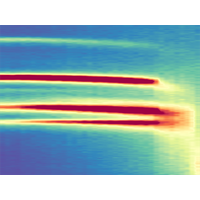
Phys. Rev. Lett. 137, 066502 (2026)
Condensed Matter and Materials
Physical Review X
Free Probability in a Minimal Quantum Circuit Model
Article | 2026-08-05 06:00 EDT
Felix Fritzsch and Pieter W. Claeys
Researchers characterize out-of-time-order correlation functions in a quantum circuit model, mapping system-bath interactions to free probability structures.
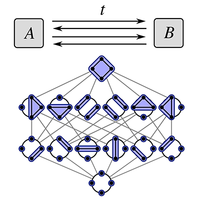
Phys. Rev. X 16, 031027 (2026)
Quantum Geometric Tensor Determines the Pure-State I.I.D. Conversion Rate in the Resource Theory of Asymmetry for Any Compact Lie Group
Article | 2026-08-05 06:00 EDT
Koji Yamaguchi, Yosuke Mitsuhashi, Tomohiro Shitara, and Hiroyasu Tajima
Researchers prove that the quantum geometric tensor completely dictates pure-state asymptotic conversion rates under any compact Lie group symmetry.
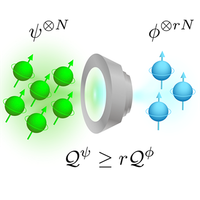
Phys. Rev. X 16, 031028 (2026)
Review of Modern Physics
Ion Coulomb crystals: An exotic form of condensed matter
Article | Condensed matter | 2026-08-05 06:00 EDT
Giovanna Morigi, John Bollinger, Michael Drewsen, Daniel Podolsky, and Efrat Shimshoni
Coulomb crystals form when the Coulomb interaction between charged particles dominates over kinetic energy; the prototype is the Wigner crystal formed by conduction electrons in metals at low densities. In recent years, it has become possible to realize Coulomb crystals using laser-cooled trapped ions, and these systems allow for unprecedented control of experimental parameters. This review describes the state of the art of ion Coulomb crystals in one, two, and three dimensions, their properties in and out of equilibrium, and their importance across fields ranging from condensed matter to astrophysics.
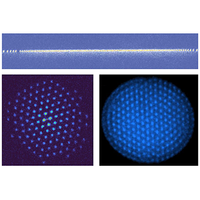
Rev. Mod. Phys. 98, 035001 (2026)
Condensed matter
arXiv
Breakdown of Monotonic Impurity Entropy Flow in $\mathscr{PT}$-Symmetric Multichannel Kondo Systems
New Submission | Strongly Correlated Electrons (cond-mat.str-el) | 2026-08-06 20:00 EDT
Pradip Kattel, Abay Zhakenov, Natan Andrei
We study a $ \mathscr{PT}$ -symmetric non-Hermitian multichannel Kondo model consisting of a pair of spin-$ \frac12$ impurities coupled to $ n$ conduction-electron channels through complex-conjugate Kondo couplings. The impurity renormalization-group (RG) flow is characterized by the Kondo scale $ T_K$ and a dimensionless non-Hermiticity parameter $ \alpha$ . As $ \alpha$ increases, the exact Bethe Ansatz solution exhibits four impurity phases: overscreened Kondo, zero mode, Yu–Shiba–Rusinov (YSR), and local moment. The Kondo, zero-mode, and local-moment phases are $ \mathscr{PT}$ -unbroken, whereas the YSR phase spontaneously breaks $ \mathscr{PT}$ symmetry. Using a generalized thermodynamic Bethe Ansatz, we determine the impurity free energy and Affleck–Ludwig $ g$ -function throughout the $ \mathscr{PT}$ -unbroken phases. In the Kondo phase, the defect RG flow connects the ultraviolet and infrared conformal fixed points, with the impurity entropy flowing from $ 2\ln2$ to $ 2\ln\left[2\cos\left(\frac{\pi}{n+2}\right)\right]$ , in agreement with defect conformal field theory. In the zero-mode phase, zero-energy impurity strings reorganize the spectrum into multiple excitation towers, while in the local-moment phase, the RG flow becomes cyclic, returning to the unscreened local-moment fixed point. We conjecture that RG irreversibility, and hence a generalized Affleck–Ludwig $ g$ -theorem, survives throughout the Kondo phase. Our exact solution nevertheless shows that a real spectrum and defect entropies consistent with defect CFT do not guarantee RG irreversibility: the impurity entropy is non-monotonic in both the zero-mode and local-moment phases.
Strongly Correlated Electrons (cond-mat.str-el), Statistical Mechanics (cond-mat.stat-mech), High Energy Physics - Theory (hep-th), Mathematical Physics (math-ph), Quantum Physics (quant-ph)
The arXiv abstract has been shortened to comply with the abstract length limit; the full abstract appears in the manuscript
Magnetic-Field-Driven Dimensional Reduction in a Quantum Antiferromagnet
New Submission | Strongly Correlated Electrons (cond-mat.str-el) | 2026-08-06 20:00 EDT
Subhankar Khatua, Marcin Raczkowski, Jeroen van den Brink, Fakher F. Assaad
Low dimensionality enhances quantum fluctuations, triggering novel states of quantum matter to emerge. In real materials, low dimensionality usually arises from spatially strongly anisotropic couplings. Here, we demonstrate a different mechanism: in two-dimensional systems with coupled alternating ferromagnetic (FM) and antiferromagnetic (AFM) spin-$ 1/2$ chains, an applied magnetic field may drive a dimensional reduction. Under magnetic field, the FM chains polarize and stiffen, suppressing the propagation of transverse AFM fluctuations from one chain to another, and effectively induce one-dimensional behavior at low energies. For a model describing botallackite, Cu$ _2$ (OH)$ _3$ Br, quantum Monte Carlo dynamics show that beyond a critical magnetic field, the low-energy spectrum reduces to that of a one-dimensional AFM Heisenberg spin-$ 1/2$ chain with field-dependent incommensurate two-spinon fluctuations, providing clear signatures for inelastic neutron scattering.
Strongly Correlated Electrons (cond-mat.str-el)
Main text: 8 pages including the end matter and 6 figures. Supplemental material: 6 pages
Entanglement entropy of fermions in a strange metal
New Submission | Strongly Correlated Electrons (cond-mat.str-el) | 2026-08-06 20:00 EDT
Santanu Singh, Surajit Bera, Chenyuan Li, Subir Sachdev, Sumilan Banerjee
The subsystem-size dependence of ground-state entanglement entropy and its crossover to thermal entropy as a function of temperature are well understood for one-dimensional (1D) gapless systems described by conformal field theory (CFT), and for free fermions with a Fermi surface in any dimension. However, little is known about the entanglement entropy for gapless fermionic systems without quasi-particles, such as a strange metal. Here we study the entanglement entropy of fermions in a solvable large-$ N$ 1D lattice model akin to the Yukawa-Sachdev-Ye-Kitaev (Yukawa SYK) model. In this model, two Fermi points are coupled to scalar bosons via spatially random Yukawa interactions, providing a solvable model of a strange metal when the bosons become critical at a quantum critical point. We exactly compute the second Rényi entropy of fermions in a spatial subregion in this model. Our results unravel crucial role of intra-subregion entanglement between fermionic and bosonic degrees of freedom along with the inter-subregion entanglement in understanding the ground states of such strongly coupled fermion-boson systems. We show that the crossover from thermal entropy to entanglement entropy, is captured by a single scaling ansatz, that collapses the second Rényi entropy of fermions for different subregion sizes and temperatures into a single universal curve. We further show that the universal scaling curve for the critical strange metal is well described by the standard CFT formula, albeit with an effective central charge substantially larger than the non-interacting value.
Strongly Correlated Electrons (cond-mat.str-el), Disordered Systems and Neural Networks (cond-mat.dis-nn), Statistical Mechanics (cond-mat.stat-mech), High Energy Physics - Theory (hep-th), Quantum Physics (quant-ph)
37 pages, 18 figures
Experimental Kuramoto Platform
New Submission | Statistical Mechanics (cond-mat.stat-mech) | 2026-08-06 20:00 EDT
Leandro Freitas, Victor H. S. Bittencourt, Débora D. Superbi, Wanderley C. Silva Junior, Arthur N. Montanari, Luis A. Aguirre
Phase reduction provides a principled relationship between high-dimensional oscillator dynamics and low-dimensional phase models such as the Kuramoto model. However, connecting analytical results derived from the Kuramoto framework to experimental data remains an open challenge, as many physical platforms violate the weak-coupling assumptions underlying standard phase reduction. Here, we present an experimental platform based on electronic quadrature oscillators whose phase dynamics are, under certain assumptions, equivalent to the Kuramoto model. Crucially, this equivalence is achieved for both weak and strong coupling through a non-diffusive coupling circuit, and the design approach supports arbitrary (weighted and directed) network topologies while preserving scalability and oscillation regularity. Across different coupling schemes, we demonstrate that the platform reliably reproduces phase transitions predicted by the Kuramoto model for both global and cluster synchronization. This cost-effective platform enables systematic experimental validation of analytical and numerical results for synchronization in complex networks.
Statistical Mechanics (cond-mat.stat-mech), Disordered Systems and Neural Networks (cond-mat.dis-nn), Dynamical Systems (math.DS)
Physical Review E (2026)
Gibbs variational principles and Boltzmann irreversible theorem
New Submission | Statistical Mechanics (cond-mat.stat-mech) | 2026-08-06 20:00 EDT
Mário J. de Oliveira, Silvio R. Salinas
We analyze the Gibbs variational principles associated with the probability distributions of (i) an isolated system and (ii) a system at constant temperature. We give an example of using the Gibbs inequality to obtain the free energy and analyze the phase diagram of an Ising model with competing interactions. We also review the Boltzmann irreversible theorem, and show how it is connected to the Gibbs variational principles. This connection is established by using the Kolmogorov equation for the evolution of the probability distribution, which predicts a monotonic increase of entropy for an isolated system, and a decrease of the free energy for a system in contact with a thermal reservoir.
Statistical Mechanics (cond-mat.stat-mech)
Revista Brasileira de Ensino de F'isica, vol. 48, e20260079 (2026)
Fractional Viscoelasticity in Transient Unentangled Polymer Networks
New Submission | Soft Condensed Matter (cond-mat.soft) | 2026-08-06 20:00 EDT
Sachin Shanbhag, Ralm G. Ricarte
Stress relaxation in transient polymer networks often shows extended power-law behavior, $ G(t) \sim t^{-\beta}$ , where the exponent $ \beta$ frequently departs from the value $ 1/2$ predicted by the sticky Rouse model and its variants. We introduce the fractional inhomogeneous Rouse model (FIRM), which uses a generalized Langevin equation driven by fractional Gaussian noise of exponent $ \alpha$ , while retaining heterogeneous bead friction to represent sticky cross-links. Thus, FIRM unifies subdiffusive sticker dynamics and chain heterogeneity within a single framework. We show that the relaxation modulus $ G(t)$ can be represented as a linear combination of Mittag-Leffler functions. For homogeneous chains, it recovers two power-law regimes, $ t^{-\alpha/2}$ and $ t^{-2\alpha}$ , on either side of the terminal relaxation time. Fitting FIRM to stress relaxation data for an imine-based polystyrene vitrimer shows that $ \alpha < 1$ is required to capture the shape of the terminal relaxation. It also accommodates both Arrhenius and non-Arrhenius temperature dependence in the rheological activation energy. We derive expressions for dynamic properties such as mean-squared displacement and dielectric response and outline how generalized memory kernels extend the framework to real materials. Together, these results suggest novel ways in which data from rheology, dielectric spectroscopy, scattering, and other experimental methods may be incorporated into a chemistry-specific molecular model.
Soft Condensed Matter (cond-mat.soft)
38 pages, 11 figures, submitting to J. Chem. Phys
Valley polarization of moiré interlayer exciton complexes driven by many-body interactions
New Submission | Mesoscale and Nanoscale Physics (cond-mat.mes-hall) | 2026-08-06 20:00 EDT
Adrian O. Paulus, Mikołaj J. Metelski, Alain Dijkstra, Kenji Watanabe, Takashi Taniguchi, Nathan P. Wilson, Jonathan J. Finley
Localized interlayer excitons (IX) in moiré transition metal dichalcogenide heterostructures can both probe and participate in many-body states hosted by the moiré superlattice. When the IX density is small compared to the moiré lattice density, the formation of incompressible charge crystals at fractional electronic moiré fillings modifies exciton-charge scattering, leading to enhanced lifetimes in photoluminescence (PL) measurements. At high IX densities, the exciton dynamics are altered by the emergence of an excitonic Mott insulator and the formation of doubly-occupied sites (IXX). Here, we investigate the IX PL lifetime and valley polarization in an R-type $ \mathrm{WSe_2}$ /$ \mathrm{WS_2}$ bilayer across a wide range of IX and charge densities. While previous studies reported a decrease of polarization in time-integrated measurements in charge-incompressible phases, our results show that this arises not from enhanced intervalley scattering, but from a dilution of the valley polarization by the dramatic enhancement of IX lifetimes. At high excitation densities, we probe the dynamics of the IXX and show that despite the nominal antiparallel valley configuration of the two constituent excitons, a strong, anomalous valley polarization develops as the IXX population decays. Our results shed light on the complex exciton and valley dynamics of IX and demonstrate that they are strongly modified by the rich many-body physics of moiré heterobilayers.
Mesoscale and Nanoscale Physics (cond-mat.mes-hall), Strongly Correlated Electrons (cond-mat.str-el)
12 pages, 4 figures. Extended Data: 4 figures
Role of Particle Shape in Strain-Controlled Resuspension of Dense Suspensions
New Submission | Soft Condensed Matter (cond-mat.soft) | 2026-08-06 20:00 EDT
Mohammadreza Mahmoudian, Mahdi Vaezi, Parisa Mirbod
Dense non-Brownian suspensions exhibit complex resuspension dynamics governed by hydrodynamic interactions, particle microstructure, and gravity. While viscous resuspension in spherical suspensions is known to be strain-controlled, its applicability to anisotropic particles remains unclear. Here, we investigate dense suspensions of spherical and rod-shaped particles under steady and oscillatory shear. The results reveal two strain-controlled transitions: particle detachment from the sediment bed and the transition to a fully suspended state. Both particle shapes exhibit the same critical strain for detachment, approximately 6, indicating that resuspension onset is largely independent of particle morphology. In contrast, complete resuspension requires a critical strain of approximately 120 for spheres and 180 for rods, demonstrating a strong effect of particle anisotropy. A fluid-strain scaling collapses the onset of resuspension across particle concentrations and shapes while highlighting the distinct influence of particle shape on complete suspension. These findings establish a unified strain-based framework for viscous resuspension and clarify the role of particle anisotropy in dense suspension dynamics.
Soft Condensed Matter (cond-mat.soft)
12 pages, 10 Figures (This manuscript is in review in the Journal of Rheology)
Pressure-Tunable Electronic and Magnonic Transport in Altermagnet La$_2$O$_3$Mn$_2$Se$_2$
New Submission | Materials Science (cond-mat.mtrl-sci) | 2026-08-06 20:00 EDT
Nafise Rezaei, Alireza Qaiumzadeh, Artem R. Oganov, Mojtaba Alaei
Hydrostatic pressure provides a symmetry-preserving route to engineer electronic and magnonic transport in the correlated insulating altermagnet La$ _2$ O$ _3$ Mn$ 2$ Se$ 2$ . Using first-principles calculations combined with spin-Hamiltonian modeling, we show that compression from 0 to 40 GPa markedly enhances the inequivalence between the competing second-neighbor exchange interactions, increasing $ |J{2a}-J{2b}|$ from 1.97 to 9.38 meV while preserving the compensated antiferromagnetic ground state. The resulting exchange anisotropy amplifies the momentum-dependent splitting between the two chiral magnon branches, yielding a nearly fourfold enhancement of the longitudinal magnon-driven spin Seebeck response at 100 K, from $ 3.68\times10^{-1}$ to $ 1.36$ meV/K. In contrast, hydrostatic pressure preserves the magnetic-symmetry selection rules governing the anomalous Hall effect while redistributing the electronic Berry curvature, producing pronounced energy-dependent sign reversals in the anomalous Hall conductivity. These results identify exchange anisotropy as the microscopic mechanism underlying the pressure-enhanced magnon response and establish hydrostatic pressure as an effective means of simultaneously controlling electronic and magnonic transport in insulating altermagnets.
Materials Science (cond-mat.mtrl-sci)
Green’s function theory of magnetism in Bi$_2$CuO$_4$: anisotropic Heisenberg XYZ model
New Submission | Materials Science (cond-mat.mtrl-sci) | 2026-08-06 20:00 EDT
The Green’s function theory of Lymar’ and Rudoi [Theor. Math. Phys. vol. 21, 990 (1974)] is generalized to the case of multiple intra- and inter-sublattice magnetic interactions in a collinear spin-half antiferromagnet and applied to magnetic excitations in Bi$ _2$ CuO$ 4$ . The spin Hamiltonian includes both the out-of-plane and in-plane symmetric anisotropy terms and the Zeeman term, which describes the interaction with an external magnetic field $ B$ applied along the Néel vector. Within the spin-wave approximation we calculate spin excitation dispersion, antiferromagnetic resonance frequencies and the critical field $ B_c$ of the spin-flop metamagnetic transition. A weak in-plane anisotropy is shown to result in a gap in the acoustic-like branch of the excitations. The gap nonlinearly depends on the external field and closes at $ B=B_c$ . An expression for the Neel temperature in the Tyablikov random phase approximation at zero field is derived. For the parameters derived from the recent inelastic neutron scattering study by Yuan et al. [Phys. Rev. B vol. 103, 134436 (2021)] it gives $ T{\rm N}\approx 52$ ~K.
Materials Science (cond-mat.mtrl-sci)
12 pages, 5 figures
Computational Microstructure Analysis of Sintered Ceramics
New Submission | Materials Science (cond-mat.mtrl-sci) | 2026-08-06 20:00 EDT
Nikhil Dhanankam, Deeksha Kodangal, Rajendra K. Bordia, Ulf D. Schiller
Characterizing materials through manual extraction of physical properties from microstructure images is a laborious process. This work presents a workflow to extract porosity, solid fraction, grain size distribution, and pore size distribution from scanning electron microscopy (SEM) images of sintered ceramic samples using an automated pipeline. The primary challenge for extracting physical properties from SEM images is the presence of unimodal histograms in SEM images as a result of the overlapping intensity ranges for the grain and pore phases. We evaluated several different methods for noise reduction and local thresholding of SEM images. We find that topological filtering in combination with Sauvola thresholding enables segmentation and extraction of physical property data from SEM images. We validated the automated pipeline by comparing our results with the results of manual analyses performed for samples sintered at 1200$ ^o$ C and 1400$ ^o$ C and achieved an Intersection over Union (IoU) score of 95.14% and 99.85%, respectively. The workflow provides an efficient means to automatically extract microstructure properties from SEM images as a crucial step in generating materials datasets for machine learning.
Materials Science (cond-mat.mtrl-sci), Computational Engineering, Finance, and Science (cs.CE)
Full Paper, ICCS 2026 Workshops
In Paszynski, M., Barnard, A.S., Zhang, Y.J. (eds) Computational Science - ICCS 2026 Workshops. Lecture Notes in Computer Science, vol 16787. Springer, Cham
First-principles predictions of carrier mobility with record accuracy using GW perturbation theory
New Submission | Materials Science (cond-mat.mtrl-sci) | 2026-08-06 20:00 EDT
Nick Pant, Sabyasachi Tiwari, Steven G. Louie, Zhenglu Li, Feliciano Giustino
Accurate prediction of carrier mobility is critical for the discovery and design of next-generation electronic materials. Despite sustained progress, state-of-the-art ab initio methods remain limited by the approximate treatment of electron-phonon interactions at the density functional theory level. Here, we demonstrate that incorporating many-body GW corrections to both the electronic band structure and electron–phonon couplings when solving the ab initio Boltzmann transport equation yields a mean absolute relative error of just 11% for electron mobilities across benchmark semiconductors, including Si, GaAs, GaP, diamond, and SiC. The common practice of neglecting GW corrections to the electron–phonon interaction can lead to mobility errors exceeding 50%. The present findings highlight the importance of many-body GW self-energy effects in carrier transport simulations, and provides fundamental insights into how many-body electron–phonon interactions govern charge transport in crystalline solids.
Materials Science (cond-mat.mtrl-sci)
Main manuscript and supplemental materials
Phys. Rev. Lett. 137, 056303 (2026)
Magnetic Field Reorganization of Electronic States in Moiré Bilayer Graphene
New Submission | Mesoscale and Nanoscale Physics (cond-mat.mes-hall) | 2026-08-06 20:00 EDT
Milan Sharma Mandigo-Stoba, William Wang, Jackson Kuklin, Jack Lichterman, Kenji Watanabe, Takashi Taniguchi, Qianhui Shi
Magnetic fields are widely used to diagnose quantum phases in two-dimensional systems through quantum oscillations or by tuning spin and valley polarizations, but magnetic fields can also reshape the underlying electronic structure. Here, using a bilayer graphene/hBN moiré system, we reveal a rich magnetic field induced evolution of the semiclassical orbit network, encompassing Lifshitz transitions, magnetic breakdown, and scattering between coexisting electron and hole pockets. At magnetic fields of 1 T to 2 T, quantum oscillation frequencies and the Hall density change markedly over a broad carrier density range, signaling magnetic breakdown and magnetic Lifshitz transitions. This evolution is valley contrasting: Berry curvature hot spots near the breakdown junctions enhance magnetic breakdown in the K valley while suppressing it in the K$ ^\prime$ valley, whereas valley-antisymmetric orbital magnetic moments split the corresponding Lifshitz transitions. The resulting valley-selective trajectories manifest at higher fields as valley-symmetry-breaking Hofstadter gaps. At elevated temperatures and low magnetic fields, scattering between coexisting electron and hole pockets produces nearly density-independent resistance oscillations whose frequency tracks the sum of their Fermi surface areas, persisting after conventional Onsager oscillations are thermally washed out. Our results provide a unified picture of how modest magnetic fields reorganize moiré electronic states as the system evolves from semiclassical transport toward the Hofstadter regime.
Mesoscale and Nanoscale Physics (cond-mat.mes-hall)
Electron correlation in semiconductors and insulators via symbolic regression
New Submission | Materials Science (cond-mat.mtrl-sci) | 2026-08-06 20:00 EDT
Nick Pant, Viet-Anh Ha, Donghwan Kim, Feliciano Giustino
Predicting quasiparticle energies in materials requires expensive numerical evaluations of the electron self-energy. This limits calculations to ordered systems with small unit cells. Here, using symbolic regression, we show that the GW self-energy can be accurately approximated with compact analytical functions of physically motivated Kohn-Sham descriptors. These expressions can be learned from a single GW calculation in the ordered phase and remain accurate under symmetry breaking induced by quantum and thermal fluctuations, elastic deformations, and amorphous disorder. This development enables routine GW calculations of complex materials with thousands of atoms at a computational cost comparable to semi-local density functional theory. We demonstrate the accuracy of this approach for covalent semiconductors, ionic insulators, and two-dimensional materials. These results establish symbolic regression as a viable route to predictive, interpretable, and transferable many-body electronic structure models.
Materials Science (cond-mat.mtrl-sci)
Accepted in Phys. Rev. B (16 June 2026). Main manuscript and supplemental material
Quantized topological invariant of symmetry-projected Gibbs states
New Submission | Strongly Correlated Electrons (cond-mat.str-el) | 2026-08-06 20:00 EDT
We study Gibbs states projected onto the symmetric sector of contractible one-form symmetries. In a three-dimensional cluster-model interpolation, this projection stabilizes symmetry-protected topological and projected-paramagnetic phases, both sharply distinct from thermal disorder. A flux-twisted membrane invariant distinguishes these three phases by the values $ -1,+1,0$ , respectively. These values are exact on the endpoint, self-dual, zero-temperature, and infinite-temperature lines; elsewhere their quantization requires positive spatial-sheet, winding-line, and interface tensions. Quantum Monte Carlo supports the quantization through tension diagnostics and direct finite-size estimates.
Strongly Correlated Electrons (cond-mat.str-el), Other Condensed Matter (cond-mat.other), Statistical Mechanics (cond-mat.stat-mech), High Energy Physics - Theory (hep-th)
6+16 pages, 2+2 figures, 1 table
Unveiling the Role of Friction in Coarse-Grained Clay: A Hybrid Framework Integrating Long-Range Interactions and Granular Contact Mechanics
New Submission | Materials Science (cond-mat.mtrl-sci) | 2026-08-06 20:00 EDT
Wang-Qi Xu, Yijie Wang, Zhen-Yu Yin
Given the predominant role of inter-particle physicochemical forces in governing clay behavior, researchers have increasingly utilized coarse-grained molecular dynamics (CGMD) simulations. However, inter-particle friction has been historically overlooked due to methodological limitations, and the extent to which this omission influences simulation accuracy remains an unresolved question. This study proposes a novel hybrid CGMD framework explicitly coupling long-range Buckingham potential with Hertzian granular contact mechanics. A baseline model was validated via isotropic compression, where the resulting compressibility and derived compression index (Cc) aligned with macroscopic geotechnical observations. Parametric analyses revealed that viscoelastic damping of particle contacts governs structural evolution. Elevated damping suppresses densification, trapping platelets in disorganized, high-void-ratio configurations. Furthermore, evaluating the interplay with thermal fluctuations underscores the necessity of precise temperature control to prevent such unphysical kinetic trapping. Finally, uniaxial compression tests demonstrate the critical importance of inter-particle friction. Explicit friction locks sliding interfaces and sustains significantly higher loads compared to frictionless models; the latter rely solely on geometric interlocking and ultimately exhibit unphysical fluid-like yielding. By bridging atomistic potentials with contact mechanics, this framework highlights the fundamental role of the inter-particle friction and offers essential guidelines for future multi-scale simulations of clay assemblies.
Materials Science (cond-mat.mtrl-sci)
25 pages in total, 11 figures, 2 tables
Zero-Clustering Geometry in Realistic Fractional Quantum Hall Wave Functions
New Submission | Strongly Correlated Electrons (cond-mat.str-el) | 2026-08-06 20:00 EDT
Xin Wan, Ziang Wang, Zi-Xiang Hu, Zhao Liu
The clustering pattern of zeros in the ground state of a fractional quantum Hall system is a defining feature of its topological properties. We analyze the geometrical fluctuations of the zeros around individual electrons and propose to use the displacement ratio of the zeros to visualize and measure the distance of a realistic state to a model wave function. The distribution of the zero displacement ratio behaves like an order parameter in the transition from a Laughlin phase to a topologically trivial one. The statistical comparison between quantum Hall states belonging to different Jain sequences leads to a composite fermion fluid description of the $ \nu = 1/5$ ground state with long-range Coulomb interaction that agrees almost perfectly for as few as $ 3$ -$ 5$ electrons, overcoming the long-standing difficulties of accommodating the competing liquid and crystal orders at short distances.
Strongly Correlated Electrons (cond-mat.str-el), Mesoscale and Nanoscale Physics (cond-mat.mes-hall)
13 pages, 11 figures, including a supplementary material
Monolithic integration of optically anisotropic GeSe-based films on GaAs by templated solid-phase epitaxy
New Submission | Materials Science (cond-mat.mtrl-sci) | 2026-08-06 20:00 EDT
Kira J. Martin, Autumn Y. Lee, Pranav Mahaadev, Pooja D. Reddy, Kelly Xiao, Tri Nguyen, Ashlee M. García, Aaron M. Lindenberg, Kunal Mukherjee
Layered IV-VI semiconductors such as GeSe exhibit strong in-plane optical anisotropy, making them promising candidates for polarization-sensitive photonic devices. However, realizing these properties in scalable platforms requires heteroepitaxial integration on technologically relevant substrates like GaAs. Direct growth of GeSe is complicated by its glass formation at low temperatures and high vapor pressure at elevated temperatures. To overcome this, we develop a method for ex-situ solid-phase epitaxy utilizing a SnSe buffer and offcut GaAs substrate to enable single-orientation crystalline GeSe films. Using polarized reflection measurements, we find that stabilizing a single-in-plane-orientation results in a 2x increase in anisotropic response between the armchair and zigzag directions. This work provides a new integration route to harness the anisotropic optical properties of GeSe and its alloys for polarization-sensitive technologies.
Materials Science (cond-mat.mtrl-sci)
11 pages, 5 figures
Nano-scale visualization of magnetic vortices in metal nanoparticles
New Submission | Materials Science (cond-mat.mtrl-sci) | 2026-08-06 20:00 EDT
Satoko Toyama, Yoshiki O. Murakami, Ayako Nishikawa, Takehito Seki, Akihito Kumamoto, Yuichi Ikuhara, Naoya Shibata
Magnetic vortices in individual nanoparticles are fundamental spin structures that govern the properties of next-generation magnetic devices and biomedical applications. However, directly imaging their complete structure, from the circulating in-plane magnetization to the nanometer scale out-of-plane core, remains challenging. Here, direct and quantitative visualization of magnetic vortex structures in individual cobalt nanoparticles is achieved by integrating a time-reversal methodology with tilt-scan-averaged differential phase contrast scanning transmission electron microscopy in a magnetic-field-free environment. This approach enables magnetic imaging in conjunction with atomic-scale analysis and reveals a correlation between particle geometry and internal demagnetizing fields. In addition, dynamic evolution of the vortex under in situ magnetic-field application is tracked, enabling unambiguous determination of the out-of-plane core polarity. This approach provides a powerful platform for correlating atomic-scale structure and magnetism within individual nanoparticles and for understanding the origins of nanoscale magnetic properties, thereby supporting the rational design of advanced nanomagnetic materials and devices.
Materials Science (cond-mat.mtrl-sci)
The two-particle-irreducible vertex of the two-dimensional lattice $ϕ^4$ model across the Ising transition
New Submission | Statistical Mechanics (cond-mat.stat-mech) | 2026-08-06 20:00 EDT
We reconstruct the 2PI vertex $ \Gamma(k,p;q)$ from Monte Carlo measurements of the connected two-particle correlator for the two-dimensional single-component $ \phi^4$ lattice field theory and follow it across the Ising transition. Resolving the vertex in the irreducible representations of the point group $ C_{4v}$ , we find that the instability is driven by the $ A_1$ (ferromagnetic) channel at zero transfer, whose leading eigenvalue of the symmetrized Bethe–Salpeter kernel approaches unity. Substantial $ B_1$ (nematic) and $ B_2$ (diagonal nematic) contributions cooperate with $ A_1$ across all system sizes, highlighting that the soft sector is
multidimensional. In real space, the vertex is short-ranged away from criticality while it develops a power-law tail at the critical point. In the ordered phase, the $ q=0$ eigenvalue collapses because the ferromagnetic weight has condensed into the (one-particle-reducible) order parameter (or collective coordinate for a finite system), although finite-momentum fluctuations persist. By stripping the crossed-channel ladders, we obtain the fully irreducible vertex, which is a local contact – to a very good approximation. Inserted into the parquet and Schwinger–Dyson equations, this contact reproduces the Monte Carlo self-energy with an accuracy better than one-tenth of a percent. This provides a first-principles benchmark of the dynamical local-vertex approximation (D$ \Gamma$ A). Additionally, we demonstrate that in the critical region, the physical solution of the parquet equations behaves as a repulsive fixed point, driven initially by a single order-parameter mode.
Statistical Mechanics (cond-mat.stat-mech), High Energy Physics - Lattice (hep-lat), Computational Physics (physics.comp-ph)
13 pages, 9 figures
Microscopic theory of the field-induced instability of the vortex-free state in superconducting thin-film strips
New Submission | Superconductivity (cond-mat.supr-con) | 2026-08-06 20:00 EDT
In the Pearl–London theory, the edge-barrier-disappearance field of a superconducting thin-film strip depends on an arbitrary short-distance core cutoff because the vortex is treated as a point object. The theory does not determine the cutoff or how it depends on temperature $ T$ , and therefore cannot determine the $ T$ dependence of the instability field. Here we formulate the microscopic stability problem directly for the vortex-free superconducting state. This removes the core-cutoff ambiguity and determines the instability field $ B_s$ over the full temperature range and across all width regimes considered here. For a homogeneous dirty strip with negligible self-field, three width regimes occur. For $ W<W_1(T)$ , superconductivity disappears continuously into the normal state through a one-dimensional (1D) instability. For $ W_1(T)<W<W_2(T)$ , an edge-selective two-dimensional (2D) long-wavelength mode becomes unstable. For $ W>W_2(T)$ , the critical wave number is finite and the unstable mode is localized near an edge. In the wide-strip limit, $ B_s\propto1/W$ , recovering the Pearl–London scaling. In sufficiently narrow strips, however, the Pearl–London edge-barrier picture fails qualitatively.
Superconductivity (cond-mat.supr-con), Instrumentation and Detectors (physics.ins-det)
6 pages, 2 figures
Wavepacket Approach for Spin Transport in Zigzag Spin Chain
New Submission | Strongly Correlated Electrons (cond-mat.str-el) | 2026-08-06 20:00 EDT
We study the spin transport property of a spin nematic liquid in a frustrated zigzag spin chain in a magnetic field from the perspective of the time evolution of wavepackets by a time-dependent density-matrix renormalization group method. We use the periodic boundary condition to avoid an edge-induced magnetization structure in the open boundary condition. We find that at the saturation, a magnon-pair wavepacket of momentum k=pi stays localized, since the gapless dispersion due to the antiferro-quadrupole quasi-long-range order has a rather flat structure, indicating zero propagation velocity.
Strongly Correlated Electrons (cond-mat.str-el)
7 pages, 4 figures, Proceedings of CCP2023 (August 4-8, 2023, Kobe, Japan)
Analytical Floquet Quantum Statistics from Nonequilibrium Green’s Functions
New Submission | Statistical Mechanics (cond-mat.stat-mech) | 2026-08-06 20:00 EDT
Yuhua Ren, Gaomin Tang, Hui Pan, Jian-Sheng Wang
We derive an analytical expression for the steady-state quantum statistics of periodically driven quantum systems coupled to a bath using the nonequilibrium Green’s function (NEGF) formalism. By embedding Floquet theory into NEGF, we obtain closed expressions for the retarded, advanced, and lesser Green’s functions in the Floquet representation, yielding the Floquet Fermi distribution in which the steady-state occupation is expressed as a weighted sum of Fermi functions shifted by integer multiples of the driving frequency. The weights are determined solely by the Fourier components of the micromotion operator, providing a transparent interpretation of Floquet sideband occupations. Our analysis extends beyond the diagonal commuting Hamiltonians treated in earlier work, and further shows that the robust Floquet distribution remains valid for a broad class of weakly coupled bath spectral functions beyond the ideal featureless-bath approximation. Finally, we establish a Floquet version of the Landauer formula for the DC part of the current, in which the equilibrium Fermi functions are replaced by their Floquet-modified counterparts. Together, these results provide a coherent description of Floquet quantum statistics and transport in periodically driven open quantum systems.
Statistical Mechanics (cond-mat.stat-mech)
14 pages, 3 figures
Methods for traceable scanning magnetometry using single nitrogen vacancy centers in diamond: determining orientation, distance and localization
New Submission | Mesoscale and Nanoscale Physics (cond-mat.mes-hall) | 2026-08-06 20:00 EDT
Nikhita Khera, Ephraim Spindler, Yanis Abdedou, Marcel Gasser, Sandra Wolff, Bert Lägel, Robert Frömter, Mathias Weiler, Mathias Kläui, Elke Neu
Individual, scannable nitrogen vacancy (NV) centers in single crystal diamond nanostructures enable nanoscale, quantitative imaging of magnetic stray fields. Nevertheless, important parameters like distance between the NV center and the sample and the orientation of the NV high symmetry axis are often not known precisely and enter data evaluation as free fitting parameters. We here use scanning NV imaging on micro-patterned, perpendicularly magnetized stripes and discs. From these measurements, we directly infer NV - sample distance d_NV and the NV’s azimuthal orientation without the need for an external vector magnet control. We determine d_NV = 31.5 nm, while we infer the azimuthal orientation with a precision of 3°. We additionally employ commercially available silicon needles to image the apex topography of our diamond nanostructures to detect surface contamination. Simultaneously, monitoring NV fluorescence as a function of the needle’s position allows us to estimate the lateral placement of the NV inside the diamond nanostructure.
Mesoscale and Nanoscale Physics (cond-mat.mes-hall), Applied Physics (physics.app-ph), Quantum Physics (quant-ph)
16 pages, 11 figures, 1 table
Structural and dynamical behavior of methane-water systems under nanoconfinement
New Submission | Soft Condensed Matter (cond-mat.soft) | 2026-08-06 20:00 EDT
José Torres-Arenas, Ángel M. Fernández-Fernández, Martín Pérez-Rodríguez, Manuel M. Piñeiro
We investigate the structural and dynamical behavior of methane water systems under nanoconfinement using molecular dynamics simulations across pore widths from 1 to 5 nm. Structural analysis reveals a strong and nonmonotonic dependence on confinement: while tetrahedral ordering partially recovers as confinement is reduced, cubic like order associated with clathrate precursors is maximized at intermediate pore sizes. Radial distribution functions show that three dimensional correlations are suppressed under strong confinement, whereas lateral ordering persists, indicating a reduction in the effective dimensionality of structural organization. Transport properties reflect the same structural competition. Parallel diffusion is nonmonotonic with pore size, while perpendicular motion is subdiffusive due to confinement induced trapping and heterogeneity. Methane exhibits stronger subdiffusion and remains dynamically coupled to the water matrix. A characteristic confinement length scale emerges at which structural ordering, dynamical heterogeneity, and solvent solute decoupling are simultaneously maximized. At strong confinement, three dimensional correlations are suppressed, leading to dimensional reduction, frustrated ordering, and inhibited nucleation.
Soft Condensed Matter (cond-mat.soft), Mesoscale and Nanoscale Physics (cond-mat.mes-hall)
The Frequency-Dependent Spin Contribution to the Magnetoelectric Tensor of Cr$_2$O$_3$: A First-Principles Study
New Submission | Materials Science (cond-mat.mtrl-sci) | 2026-08-06 20:00 EDT
Torsten Geirsson, Davide Sangalli, Alberto García-Cristóbal, Alejandro Molina-Sánchez
The magnetoelectric (ME) effect provides a promising pathway for controlling magnetic functionalities using electric fields. While first-principles methods for the static linear ME response are well established, comparable approaches for the frequency-dependent response remain less developed, despite experiments showing pronounced finite-frequency resonances. Here, we investigate the dynamical spin-induced linear ME response from first principles and systematically compare the independent-particle approximation (IPA), random-phase approximation (RPA), time-dependent density functional theory (TDDFT), and the Bethe-Salpeter equation (BSE). We apply these methods to the prototypical ME material Cr$ _2$ O$ _3$ and compare the results with available experimental and theoretical studies. We find that the IPA and RPA fail to reproduce the previously reported finite static limit of the spin-induced response. Within the BSE framework, pronounced excitonic resonances emerge in the ME spectrum, in qualitative agreement with experiment. We also identify a magnon-like peak that coincides with a pole of the transverse spin susceptibility while remaining essentially dark in optical absorption, highlighting the sensitivity of the ME response to spin excitations. TDDFT places this mode closer to the expected low-energy magnonic regime and yields a sizable static spin-induced response. Our results show that these frameworks capture complementary aspects of the dynamical ME response. Low-energy collective spin excitations are required to recover the static limit, whereas electron-hole interactions are essential for reproducing the excitonic resonances.
Materials Science (cond-mat.mtrl-sci)
18 pages, 16 figues
Nanosecond timescale plasticity in shock-compressed polycrystalline MgO: evidence for transition in mechanism above 100 GPa
New Submission | Materials Science (cond-mat.mtrl-sci) | 2026-08-06 20:00 EDT
A. Chakraborti, H. Ginestet, F. Bertrand, J. Chantel, S. Merkel, M. Harmand, S. Pandolfi, A. Amouretti, M. Andrzejewski, K. Appel, E. Barraud, A.B. Belonoshko, E. Brambrink, K. Buakor, C. Camarda, O. Castelnau, D.M. Cheshire, G. Collins, T.E. Cowan, C. Crépisson, J. Deng, X. Fang, M. Fitzgerald, A. Gleason, F. Hanby, N.J. Hartley, P.G. Heighway, H. Höppner, N. Jaisle, J. Kim, Z. Konopkova, D. Kraus, A. Krygier, L. Libon, C.M. Lonsdale, S-N. Luo, W. Lynn, M. Masruri, E.E. McBride, D. McGonegle, J.D. McHardy, M.I. McMahon, R.S. McWilliams, T. Michelat, B. Nagler, M. Nakatsutsumi, A-M. Norton, I. Ocampo, I.I. Oleynik, C. Otzen, S.E. Parsons, D.J. Peake, A. Pelka, A. Phelipeau, C. Prescher, T.R. Preston, N. Pulver, L. Rogal, J-P. Schwinkendorf, G. Shoulga, R.F. Smith, S. Singh, C.N. Somarathna, T. Stevens, C.V. Storm, C. Strohm, T-A. Suer, M. Tang, A. Tipeev, M. Toncian, T. Toncian, U. Trdan, T. Tschentscher, J.D. Umpleby-Thorp, L. Wang, J.S. Wark, A. Descamps, A. Higginbotham, T.M. Hutchinson, C. McGuire, A. Sollier, G. Morard, J.H. Eggert
The mechanical properties of ceramics under extreme conditions directly impact applications ranging from shielding spacecrafts, designing plasma facing materials in nuclear fusion to understanding the rheology of deep planetary interiors. Here, we use polycrystalline MgO as a model ceramic to understand the high-pressure-temperature mechanical behaviour of such materials under extreme strain rates. We use laser-driven shock compression up to 175(15) GPa on the principal Hugoniot along with ultrafast diagnostics at the European X-ray Free Electron Laser to probe the dominant deformation mechanisms with changing P -T conditions. These near-instantaneous time-resolved snapshots, coupled with elasto-viscoplastic self-consistent (EVPSC) simulations, strongly suggest that MgO attains plastic regime in the nanoseconds scale accompanied by a pressure-mediated change in dominant slip system between 95 and 175 GPa. This work provides a new direct window into the deformation dynamics of polycrystalline ceramics under high-velocity impacts.
Materials Science (cond-mat.mtrl-sci)
Raman Signatures of Lithium Ion Dynamics in LLZO Garnet Electrolytes: Atomistic Insights from MD-Raman Calculations
New Submission | Materials Science (cond-mat.mtrl-sci) | 2026-08-06 20:00 EDT
Takeru Miyagawa, Willis O’Leary, Manuel Grumet, Hyunwon Chu, Jennifer L.M. Rupp, Waldemar Kaiser, David A. Egger
Lithium lanthanum zirconate (LLZO) garnets are among the most promising solid electrolytes for next-generation batteries owing to their high ionic conductivity, chemical stability, and compatibility with lithium metal. Raman spectroscopy is commonly employed to distinguish the highly conductive cubic phase from the poorly conductive tetragonal phase of LLZO, yet the atomistic origin of these spectral differences and their direct connection to Li-ion transport remain unresolved. Here, we close this gap by comparing computed and experimental Raman spectra for the tetragonal, cubic, and Ta-doped variants of LLZO, with the computed spectra obtained from the MD-Raman approach that combines machine-learning molecular dynamics with first-principles polarizability calculations. We show that the contrasting ionic transport behavior across these LLZO variants is encoded in the vibrational dynamics of the lithium sublattice and gives rise to distinct features in their Raman spectra. A symmetry-resolved analysis further reveals that experimentally observed Raman peaks do not correspond to individual normal modes, but instead arise from overlapping contributions of multiple symmetry-allowed vibrations, challenging conventional peak-assignment approaches. By explicitly connecting experimentally accessible Raman signatures to the underlying atomic-scale dynamics, our results show how Raman spectroscopy can move beyond empirical phase identification toward a microscopic probe of Li-ion dynamics in lithium garnet electrolytes.
Materials Science (cond-mat.mtrl-sci)
Nanomechanics of MXene flakes at gold interfaces
New Submission | Materials Science (cond-mat.mtrl-sci) | 2026-08-06 20:00 EDT
Pierluigi Bilotto, Sabine Schwarz, Marko Piljevic, Iago Peters, Michael Stöger-Pollach, Carsten Gachot
The demand for novel self-powering and sustainable electronics requires major efforts in identifying new advanced materials for nano-applications. MXene have gathered attention due to their electronic and mechanical properties, however, their nanomechanical compliance against a metal-like interface is still not clearly identified. In this work, we employ atomic force microscopy to characterize the nanomechanical properties of a self-assembled thin flake of titanium carbide MXene (Ti3C2Tx) against a gold probe. The investigation returns an interfacial shear stress of 399 MPa, and the observation of nano-wear localized in the center of the MXene flake. Nevertheless, MXene flakes retained their crystallinity in the tribofilms as confirmed by transmission electron microscopy and electron energy loss spectroscopy. The outcomes of this work set the basis for the use of Ti3C2Tx in novel nano harvesting systems involving metal interfaces (e.g., tribovoltaic nanogenerators) with large scope in nanoelectronics, wearable sensing, electric vehicles, and robotics.
Materials Science (cond-mat.mtrl-sci), Mesoscale and Nanoscale Physics (cond-mat.mes-hall)
An improved car-oriented mean-field theory for stochastic traffic flow models
New Submission | Statistical Mechanics (cond-mat.stat-mech) | 2026-08-06 20:00 EDT
Yasar Efe Dai, Andreas Schadschneider, Michael Schreckenberg
We propose an improved mean-field analysis of cellular automata models of single-lane vehicular traffic. By combining aspects of the Car-Oriented-Mean-Field (COMF) theory and the 2-site cluster method, which have been previously successfully applied to similar models, we aim to capture both short- and long-range correlations more accurately. In contrast to classical mean-field theories, the improved method is well suited for models with inhomogeneous stationary states and able to capture the essential properties of phase separation, e.g. in models with slow-to-start rules. The improved accuracy and new physical insights are illustrated through an application to the VDR model with $ v_{\text{max}}=1$ .
Statistical Mechanics (cond-mat.stat-mech)
Performance Analysis of Double Perovskite-Based Solar Cells Using SCAPS-1D Simulation: A brief review
New Submission | Materials Science (cond-mat.mtrl-sci) | 2026-08-06 20:00 EDT
H. Laltlanmawii, Lalrem Kima, Mahabur Rahman, Md. Ferdous Rahman, Dilshod Nematov, S. Bhattarai, C. V. M. Chaturvedi, Yazen M. Alawaideh, A. Laref, D. P. Rai
Lead-free double perovskites are among the rapidly developing next-generation solar cell technologies, providing the required low toxicity, stability, as well as high optoelectronic potential. So far, experimentally prepared lead-free perovskite solar cell devices are reported to have low power conversion efficiency (PCE) for practical application as compared to the lead-based perovskites. In recent years, numerical simulations have emerged as a cost-effective approach that plays a crucial role in expediting scientific research, can bridge the gap between experiment and theory, and provide predictive information regarding the preparation of solar cells and their PCEs without undergoing real-time experiments. The tools, such as 1D numerical simulation software SCAPS-1D, are now needed to test newer architectures and determine what exactly is holding them back. So far in the field of solar cell research, SCAPS-1D has been extensively used and looks like a powerful software due to its user-friendliness and simulation of results in a few seconds. The speed and ease of simulation make SCAPS-1D a very popular tool; as a result, it enables rapid optimization of a large number of photovoltaic devices and their performances without undergoing any experimental work, which can save time and money. However, one serious drawback is that the SCAPS-1D simulator works only for 1D configurations. It is ineffective in incorporating atomistic interactions and 3D effects. Hence, the efficacy of the SCAPS-1D simulator solely relies on the accuracy of the input parameters that the user provides, failing which may give wrong results and large deviations from accuracy.
Materials Science (cond-mat.mtrl-sci)
Atomic Scale Ordering of Sulfur Vacancies Enhances Charge Transport in Monolayer MoS$_2$
New Submission | Materials Science (cond-mat.mtrl-sci) | 2026-08-06 20:00 EDT
Alessandro Pecchia, Andrea Lorenzoni, Alexander Croy, Francesco Mercuri, Massimiliano Cavallini
Defect engineering in two-dimensional semiconductors has primarily focused on controlling the nature and concentration of atomic defects. Here, we show that the spatial arrangement of defects can be equally decisive in determining electronic transport. Using sulfur vacancies in monolayer MoS$ _2$ as a model system, we investigate the impact of vacancy ordering through density functional theory, density functional tight-binding calculations, and quantum transport simulations. We demonstrate that a periodic vacancy arrangement at a concentration of 11.1% transforms isolated defect states into a narrow dispersive in-gap miniband, whereas randomly distributed vacancies generate only localized electronic states. This electronic transition fundamentally alters charge transport, enabling band-like propagation through the defect network rather than transport limited by disconnected localized states. A systematic analysis of the complete symmetry-reduced ensemble of 94 non-adjacent four-vacancy configurations shows that the ordered pattern lies within a broad low-energy manifold and is not energetically anomalous, although it is not the thermodynamic ground state. Device-level simulations of Au/MoS$ _2$ /Au junctions reveal efficient alignment of the metal Fermi level with vacancy-derived states, promoting charge injection into the defect miniband. As a result, ordered vacancy arrays exhibit electrical currents up to five orders of magnitude higher than statistically equivalent random distributions and can approach, or locally exceed, the transport performance of pristine MoS$ _2$ . These findings establish atomic-scale defect ordering as a powerful design principle for two-dimensional materials, demonstrating that the organization of defects, beyond their concentration alone, provides a route to simultaneously preserve functionality and high electrical conductivity in highly defective semiconductors.
Materials Science (cond-mat.mtrl-sci)
24 pages, 6 figures, submitted for peer-review
Residual Saturation under Pressure-Controlled Drainage
New Submission | Statistical Mechanics (cond-mat.stat-mech) | 2026-08-06 20:00 EDT
Fernando Alonso-Marroquin, Hans J. Herrmann
Here, pressure-controlled drainage is formulated as bond percolation with trapping on the pore-network graph, establishing a direct connection between percolation theory and pressure–saturation relations. In two dimensions, the deviation of the residual saturation from its non-vanishing thermodynamic limit obeys a finite-size scaling law with exponent $ \delta \approx 0.25$ , independent of microscopic details of the lattice. In three dimensions, finite-size corrections decay more rapidly ($ \delta \approx 0.75$ ), while the asymptotic residual saturation remains finite and depends on coordination number. This extends the standard invasion-percolation picture beyond the breakthrough state, where the invading cluster is fractal and the invaded-phase saturation vanishes in the infinite-size limit.
Statistical Mechanics (cond-mat.stat-mech)
6 pages, 4 figures
Unifying microscopic theories for the phono-magnetic effect
New Submission | Materials Science (cond-mat.mtrl-sci) | 2026-08-06 20:00 EDT
Natalia Shabala, Finja Tietjen, Ylva Liljegren, R. Matthias Geilhufe
Phonon angular momentum induces an effective magnetic field, a phenomenon called phono-magnetic effect, which has been measured to vary significantly in size. Here, we compare three approaches for deriving the effective magnetic field of a phonon, using electron-phonon coupling and orbital magnetism. The adiabatic approach assumes a slow ionic motion, keeping electrons in the ground state. The perturbative approach treats the electron-phonon interaction as a perturbation to the electronic ground state, and the Floquet approach is based on the time-periodicity of the circular ionic motion. We show that all three approaches lead to the same effective Hamiltonian in the low-frequency limit, which moves us closer towards a unified theory of the phono-magnetic effect. Furthermore, we identify two phononic contributions to the sample magnetization, spontaneous and induced. Thus, we clarify the role of the effective magnetic field in the phonon-induced magnetization. We conclude by providing a numerical estimate for the effective magnetic field in SrTiO$ _3$ .
Materials Science (cond-mat.mtrl-sci)
10 pages, 2 figures
Emergent Replica Clock Unifies Many-Body Localization and Thermalization
New Submission | Disordered Systems and Neural Networks (cond-mat.dis-nn) | 2026-08-06 20:00 EDT
Many-body localization (MBL) and eigenstate thermalization (ETH) are traditionally distinguished by a collection of separate diagnostics, not by a single order parameter. We show that replication and folding of isolated unitary dynamics generate a complex statistical mechanics of forward–backward history pairings and, in a closed cyclic infrared sector, an emergent clock $ r_x\in\mathbb Z_t$ . Its correlator has three distinct asymptotics: exponential decay in MBL, scale-free decay at criticality, and long-range locking in the thermal phase. A controlled $ l$ -bit reduction makes the clock action quasi-local, while its inverse correlation length obeys $ \xi_{\rm pair}^{-1}=\kappa_{\rm el}=\ln|\rho_0/\rho_q|$ , unifying history coherence, the defect line tension, and the transfer spectrum. Replica order supplies a second, discrete coordinate—the first order at which a hidden dynamical invariant becomes visible—and can distinguish localized dynamics that share the same spatial correlation length.
Disordered Systems and Neural Networks (cond-mat.dis-nn)
5 pages, 3 figures
A phase field model of coupled crack and dislocations: emission, blunting, and the necessity of dissipative toughening
New Submission | Materials Science (cond-mat.mtrl-sci) | 2026-08-06 20:00 EDT
Khanh Chau Le, Thi My Kieu Tran
We propose a phase field model of a macrocracked single crystal in which the crack and the geometrically necessary dislocations descend from a single energy functional. Energy minimization alone then decides dislocation nucleation, through an integral criterion evaluated in closed form along slip chords. The criterion yields a size effect inaccessible to point-wise strength conditions: a grain-size-dependent yield stress. With slip suppressed the model reproduces Griffith fracture; with fracture suppressed, the nucleation load measured by the full non-smooth solver agrees with the closed-form nucleation criterion to four percent. The coupled computations produce a two-stage response: at loads an order of magnitude below cleavage, dislocation bands emitted from the notch tip blunt and shield it, raising the initiation load; once the crack grows, the bands heal; a compact cluster of like-signed dislocations travels with the tip, its canceling partner walls pinned at the grain boundary, and the dissipated fracture resistance equals the elastic one. In the purely energetic, dissipationless limit, emission shields the crack but does not toughen it; toughening requires dissipation, incorporated in the sequel through the threshold resistance to dislocation motion.
Materials Science (cond-mat.mtrl-sci), Mathematical Physics (math-ph), Numerical Analysis (math.NA), Classical Physics (physics.class-ph)
35 pages, 5 figures
Lifting the degeneracy of quantum spin liquid phase by uniaxial pressure
New Submission | Strongly Correlated Electrons (cond-mat.str-el) | 2026-08-06 20:00 EDT
Shams Sohel Islam, Zurab Guguchia, Orion Gerguri, Petr Král, Maxime Lamotte, Toni Shiroka, Jonas A. Krieger, Thomas J. Hicken, Tina Arh, Gediminas Simutis, Abanoub Hanna, Nazmul Islam, Bella Lake, Hubertus Luetkens, Hans Henning Klauss, Rajib Sarkar
We report muon spin relaxation/rotation ($ \mu$ SR) measurements of the candidate three-dimensional (3D) quantum spin liquid (QSL) PbCuTe$ 2$ O$ 6$ , hosting $ S=1/2$ moments, under controlled in situ [110] uniaxial compression up to $ \sigma{[110]}=37.7$ ~MPa. A small directional lattice perturbation significantly modifies the local magnetic response, while above $ \sigma{\rm cr}\sim10.8$ ,MPa the relaxation rates are strongly enhanced and the internal-field distribution is substantially broadened. These changes occur along with the local crystalline symmetry breaking. While, no evidence for conventional static long-range magnetic order is observed, the compression drives the system towards a structurally modified and strongly correlated state in which enhanced quasi-static correlations coexist with persistent slow spin dynamics. This work demonstrates a clean and symmetry-selective route to control frustrated exchange landscape and access hidden magnetic instabilities in a 3D QSL candidate opening up the possibilities to tune other correlated systems where intrinsic coupling between magnetic and lattice degrees of freedom are relevant.
Strongly Correlated Electrons (cond-mat.str-el)
7 pages, 4 figures. The supplementary information has not been uploaded in the current version
In search of novel ductile superconductors
New Submission | Superconductivity (cond-mat.supr-con) | 2026-08-06 20:00 EDT
We performed a first-principles high-throughput screening of the mechanical properties of phonon-mediated superconductors selected from the recent experimentally synthesized superconducting materials database PRX Energy 4, 033012 (2025). We developed the workflows that combine first-principles calculations of elastic constants and generalized stacking fault energies to assess the ductility of superconducting candidates. Starting from the 250 materials identified with promising superconducting critical temperatures, we computed their elastic tensors to evaluate bulk and shear moduli, Pugh’s ratio, and Pettifor’s ratio from first principles. To further characterize their plastic deformation behavior, we calculated the stacking fault energy and surface energy for selected materials and slip directions, allowing the estimation of Rice’s ratio and ductility indicators. We found that several new materials simultaneously exhibit high-T$ _c$ and ductility including HfPd$ _2$ Al, TiRuSb, and ZrNi$ _2$ Ga with predicted isotropic T$ _c$ = 6.80K, 12.88K, and 8.23K, respectively. This work offers a quantitative mapping of mechanical performance across a wide range of superconductors and provides a reference to identify new mechanically promising superconductors.
Superconductivity (cond-mat.supr-con)
An Exchange-Correlation Functional for Fast and Accurate Modeling of Ferroelectric Perovskites
New Submission | Materials Science (cond-mat.mtrl-sci) | 2026-08-06 20:00 EDT
Owain T. Beynon, Chiara Gattinoni
We present a novel exchange correlation functional, C09x-PBEc, which combines C09 exchange with PBE correlation, to accurately model the ferroelectric properties of perovskites while retaining the computational efficiency of GGA functionals. With a growing interest in developing machine learning interatomic potentials (MLIPs) to model large-scale ferroelectric systems of technological relevance, it is important to scrutinise the density functional theory exchange-correlation functionals which are used to compute the forces, energies and stresses the MLIP is trained on. Using the example of the prototypical ferroelectrics lead titanate, PbTiO3, and barium titanate, BaTiO3 we show that many widely used functionals tend to overestimate their lattice constants and spontaneous polarization. Conversely, non-local van der Waals functionals with C09 exchange accurately capture these properties compared to experiment, but with a larger computational overhead than, for example, GGA. We show that C09x-PBEc combines the accuracy provided by the C09 exchange with the computational affordability of GGA, making it an excellent candidate to be used in the training of MLIPs for ferroelectric perovskites. We also demonstrate that an MLIP trained using C09x-PBEc accurately reproduces the ferroelectric-to-paraelectric phase transition temperature of PbTiO3 with respect to experiment, showing a marked improvement on MLIPs trained using GGA.
Materials Science (cond-mat.mtrl-sci)
Growth and characterization of GaN/Ga2O3 Nanowire Heterostructures for Ultraviolet Optoelectronics
New Submission | Materials Science (cond-mat.mtrl-sci) | 2026-08-06 20:00 EDT
Edgars Butanovs, Eriks Dipans, Martins Zubkins, Edvards Strods, Anatolijs Sarakovskis, Juris Purans, Ashutosh Kumar, Sergiy Khartsev, Martin Berg, Anders Hallen, Qin Wang, Joseph le Pluart, Peter Ramvall
Ultraviolet-range GaN/b-Ga2O3 heterostructures were fabricated and investigated in both planar and nanowire geometries using pulsed laser deposition and reactive magnetron sputtering from a liquid gallium target for b-Ga2O3 deposition, while both GaN nanowire arrays and planar p-type Mg-doped GaN layers were grown by metal-organic chemical vapor deposition. Precise control of film uniformity and thickness was achieved as confirmed by structural and morphology studies using X-ray diffraction, X-ray photoelectron spectroscopy, atomic force microscopy and scanning electron microscopy. Planar n-Ga2O3/p-GaN heterojunction diodes were electrically and photoelectronically characterized, exhibiting pronounced rectifying behavior, high forward current and a visible-blind ultraviolet photoresponse under zero external bias, demonstrating intrinsic self-powered operation. Furthermore, GaN/b-Ga2O3 core/shell nanowire heterostructures were developed and systematically studied with a focus on morphology control and process optimization. The influence of deposition parameters on shell thickness, uniformity, and tapering was investigated, enabling improved conformality of the b-Ga2O3 coating on the M-plane facets of GaN nanowires. The results highlight the viability of physical vapor deposition techniques for forming GaN/b-Ga2O3 heterostructures and establish a pathway toward nanowire-based ultraviolet optoelectronic devices.
Materials Science (cond-mat.mtrl-sci)
J. Appl. Phys. 140, 045702 (2026)
Ghost-RISB for Correlated Electron-Phonon Systems: Application to the Hubbard-Holstein Model
New Submission | Strongly Correlated Electrons (cond-mat.str-el) | 2026-08-06 20:00 EDT
Samuele Giuli, Ricardo J. Campos-Lopes, Emin Moghadas, Massimo Capone
We develop a generalization of the ghost-rotationally-invariant slave-boson (ghost-RISB) method that incorporates local phonon modes coupled to arbitrary on-site electronic degrees of freedom, enabling a nonperturbative treatment of electron-electron and electron-phonon interactions within an efficient variational framework. The method extends the ghost-orbital construction to capture dynamical self-energy effects and phonon-induced renormalizations beyond static slave-boson approaches. Benchmarking against dynamical mean-field theory (DMFT) results for the Hubbard-Holstein model, we find excellent quantitative agreement for electron quasiparticle weights and phonon properties across a wide range of coupling strengths, and it captures accurately the competition between electron-electron and electron-phonon interactions. We show that the inclusion of the ghost orbitals is crucial to accurately describe the regime of low-frequency, strongly dynamical, phonons. The extended ghost-RISB achieves this accuracy at a fraction of the computational cost of DMFT, due to its self-consistency rooted in static observables instead of dynamical ones, enabling rapid exploration of correlated electron-phonon phase diagrams. We exploit this advantage to characterize the most demanding regime of strong coupling and adiabatic phonons. Our analysis shows a suppression of the superconducting order parameter, which is interpreted as a Franck-Condon-like reduction of the overlap between the phonon wavefunctions associated with empty and doubly-occupied sites in the bipolaronic regime.
Strongly Correlated Electrons (cond-mat.str-el), Materials Science (cond-mat.mtrl-sci), Superconductivity (cond-mat.supr-con)
12 pages, 6 figures
Structural Chirality from Short-Range Order in Heteroanionic Materials
New Submission | Materials Science (cond-mat.mtrl-sci) | 2026-08-06 20:00 EDT
Established routes to structural chirality in inorganic crystals depend on symmetry-lowering atomic displacements of an achiral parent structure. We show that chirality can instead be forced by the ordering of two anion species over the sites of an achiral parent, independent of atomic displacements. ReO$ _3$ -type oxyfluorides with a 2:1 anion stoichiometry, such as NbO$ _2$ F, exhibit two ordering patterns: cis octahedral coordination and period-three anion-chain ordering, both rooted in the off-centring of $ d^0$ cations. By direct enumeration, we prove that every configuration combining both orderings on the smallest commensurate cell is chiral, belonging to a Sohncke space group. For the specific case of NbO$ _2$ F, density-functional theory calculations predict that the ground state is the maximally symmetric chiral configuration. Wang-Landau Monte Carlo simulations of a DFT-trained cluster-expansion model predict an equilibrium chiral phase up to a first-order transition at 494 K. These results establish configurational ordering as a chemically realisable route to structural chirality, and mark heteroanionic materials with analogous ordering chemistry as candidates for a new class of chiral functional materials.
Materials Science (cond-mat.mtrl-sci), Statistical Mechanics (cond-mat.stat-mech)
High-speed time-series prediction using compact memristor circuits with adjustable dynamics
New Submission | Mesoscale and Nanoscale Physics (cond-mat.mes-hall) | 2026-08-06 20:00 EDT
Dániel Molnár, János Volk Jr., Tímea Nóra Török, Zoltán Balogh, Nadia Jimenez Olalla, Miklós Csontos, Juerg Leuthold, András Halbritter
Ta$ _2$ O$ _5$ nonvolatile memristors are used as compact, traceable, and well-controllable dynamic reservoir computing layers to perform time-series prediction tasks. The strongly voltage-dependent switching speed is utilized for information processing. It enables the configuration of tailorable programming and forgetting times in response to the positive and negative driving voltage pulses. Benchmarking this framework on time-series prediction problems reveals that the configurable forgetting dynamics enables a high prediction accuracy using a rather small number of memristive input channels. The training is based either on optimizing the output layer using linear regression with fixed forgetting times, or on optimizing the forgetting times as well. In the first case, six memristive channels, while in the second, only two memristive channels are used to demonstrate excellent prediction accuracy for the benchmark tasks. This scheme allows for the tunability of the operating frequency over many orders of magnitude: by adjusting the input voltage levels, the information processing speed of the same memristive dynamic layer can be increased from the kHz to the MHz range while maintaining excellent prediction accuracy. These findings demonstrate the merits of memristor based dynamic networks in the analysis, prediction and recovery of fast temporal signals, approaching telecommunication data rates.
Mesoscale and Nanoscale Physics (cond-mat.mes-hall)
Large nonlinear Hall effect in strained moiré structures hosting high-pseudospin fermions
New Submission | Mesoscale and Nanoscale Physics (cond-mat.mes-hall) | 2026-08-06 20:00 EDT
Srijata Lahiri, Gourab Paul, Bilal Tanatar, Saurabh Basu
We investigate the linear and nonlinear Hall response of a moiré \emph{watermill lattice}, in which stacking and twisting generate a four-band manifold near the Fermi level with suppressed group velocities at discrete magic angles. Including an inversion symmetry breaking onsite mass breaks the interlayer symmetry, opening a gap in this manifold and driving the system into a non-trivial bulk topological phase. We map the resulting phase diagram as a function of the strength of the mass and twist angle $ \theta$ , revealing several sectors with high Chern numbers. We then introduce strain to break the residual $ C_3$ symmetry of the lattice which activates a finite Berry curvature dipole and correspondingly, a nonlinear Hall response. The dipole reverses sign sharply across topological phase boundaries, producing butterfly like features when plotted against the relevant system parameters. Its magnitude substantially exceeds that reported for symmetry-broken transition metal dichalcogenides, consistent with the elevated Wilson-loop winding and enhanced quantum geometry associated with the lattice’s pseudospin-$ 3/2$ character. We conclude by incorporating thermal effects on the Berry curvature dipole, asserting that it is an important tool for discerning topology at low temperatures.
Mesoscale and Nanoscale Physics (cond-mat.mes-hall)
14 pages, 12 figures
Effects of Interfacial States and Strain on Tunnel Magnetoresistance in van der Waals Magnetic Tunnel Junctions
New Submission | Materials Science (cond-mat.mtrl-sci) | 2026-08-06 20:00 EDT
Sakshi Goel, Arti Kashyap, Keisuke Masuda, Terumasa Tadano
All-two-dimensional magnetic tunnel junctions promise atomically sharp interfaces, yet the role of interface-induced states in their spin transport is not fully understood. Here, we theoretically investigate spin-dependent transport in van der Waals magnetic tunnel junctions of the structure Cr$ _2$ C/$ MY_2$ /Cr$ 2$ C ($ M$ = Mo, W; $ Y$ = S, Se) with barrier thicknesses of 3, 5, 7, and 9 layers. The broad features of the $ \mathbf{k}{\parallel}$ -resolved conductances, namely suppression near the $ \Gamma$ point and enhancement at six off-$ \Gamma$ hot spots, are consistent with the decay of evanescent states in the barrier. However, trilayer WS$ _2$ , MoSe$ _2$ , and WSe$ 2$ barriers exhibit conductances of the order of $ e^2/h$ at $ \mathbf{k}{\parallel}$ points within the hot spots. We attribute these near-unity transmission channels to resonant coupling between the interfacial states at the two electrode–barrier interfaces, as evidenced by their weak but finite residual weight at the barrier center. For thicker barriers, this coupling weakens, which suppresses the residual weight, thereby reducing the tunnel magnetoresistance (TMR) ratio of the MoS$ _2$ junction while enhancing those of the other junctions. To exploit the interfacial states for spin-selective tunneling, we further examine biaxial tensile strain applied to the trilayer junctions. At 4% strain, the TMR ratio increases from 176% to 540% for MoS$ _2$ and from 98% to 496% for WS$ _2$ , whereas MoSe$ _2$ and WSe$ _2$ exhibit comparatively weaker enhancement. Our results establish interfacial-state engineering via strain and barrier thickness as effective routes for enhancing the TMR effect in all-two-dimensional magnetic tunnel junctions.
Materials Science (cond-mat.mtrl-sci)
Predicting Plasticity in Two-Dimensional Foam Channel Flow Around an Obstacle
New Submission | Soft Condensed Matter (cond-mat.soft) | 2026-08-06 20:00 EDT
Alexandre Stepanetz, Bahaa Mazloum, Benjamin Dollet, Misaki Ozawa
We study the prediction of plastic activity in the confined channel flow of two-dimensional amor- phous soft particles around a circular obstacle. Using datasets generated with a particle-based bubble model, we formulate the prediction problem within two supervised-learning frameworks: re- gression of the non-affine displacement and binary classification of neighbor change events. A key technical challenge is that the obstacle and the confining walls explicitly break translational and rotational symmetries. We address this issue by introducing additional structural descriptors that encode the positions of particles relative to these boundaries. Starting from simple linear models, we systematically increase the complexity of the learning framework by considering a logarithmic transformation of the target variable, the incorporation of particle-size information, the addition of symmetry-breaking obstacle and wall descriptors, the coarse-graining of local structural descrip- tors, and nonlinear neural-network models. We find that the obstacle and wall descriptors provide the largest improvement in predictive performance. Nevertheless, the models considered here cap- ture mainly the overall localization of plastic activity near the obstacle and do not fully reproduce its detailed heterogeneous pattern in individual configurations. A perturbation analysis indicates that this heterogeneity is robustly encoded in the initial structure, suggesting that further progress requires more expressive structural representations and machine-learning architectures.
Soft Condensed Matter (cond-mat.soft)
Resolving coupled transport in space and time from molecular fluctuations in confined fluids
New Submission | Statistical Mechanics (cond-mat.stat-mech) | 2026-08-06 20:00 EDT
Thê Hoang Ngoc Minh, Ian C. Bourg
Transport in fluids is generally reduced to continuum laws parametrized by bulk coefficients and effective interfacial parameters, such as viscosities, diffusivities, slip lengths, and interfacial resistances. This description becomes incomplete at the nanoscale, where spatial heterogeneity, molecular structure, and finite relaxation times are inseparable from the transport process. Here we formulate coupled transport in nanoconfined fluids as a space–time-resolved Onsager response matrix and extract it from equilibrium molecular dynamics simulations. Applied to a confined charged fluid, the framework resolves the nonlocal and transient pathways coupling particle, solute, heat, and charge transport. Momentum transport appears as a long-lived, nonlocal hydrodynamic mode, whereas charge transport relaxes rapidly through localized ionic friction. Off-diagonal responses reveal distinct projected dynamics, providing a microscopic basis for nonlocal, history-dependent transport laws.
Statistical Mechanics (cond-mat.stat-mech), Mesoscale and Nanoscale Physics (cond-mat.mes-hall), Computational Physics (physics.comp-ph), Fluid Dynamics (physics.flu-dyn)
38 pages total, including 17 pages of Supplementary Materials; 5 figures (3 main, 2 supplementary) and 2 supplementary tables
Complex field-induced magnetic phases and anisotropic magnetotransport in off-stoichiometric CeCuBi2
New Submission | Strongly Correlated Electrons (cond-mat.str-el) | 2026-08-06 20:00 EDT
Vikas Chahar, Shivam Rathod, Sneh, Lipika, Shobha Singh, Balwant Singh Chauhan, Subhadeep Bej, Weida Yin, Yin-Chen Huang, Rie Y. Umetsu, Ratnamala Chatterjee, Kaustuv Manna
We report a detailed study on the structural, angle-dependent magnetic and magnetotransport properties of highly anisotropic off-stoichiometric CeCuBi2 single crystals. Our results reveal CeCuBi2 as an anisotropic Kondo antiferromagnet exhibiting complex field-induced magnetic behavior and unusual magnetotransport properties. Magnetic susceptibility and specific heat measurements reveal antiferromagnetic (AFM) ordering below TN = 14 K with strong anisotropy and weak heavy-fermion behavior. Electrical transport measurements show highly anisotropic resistivity and a broad hump around 47 K, indicative of Kondo-driven heavy-fermion behavior. Magnetization measurements reveal multiple field-induced metamagnetic phases, while AC susceptibility measurements indicate slow spin dynamics and spin-glass-like behavior in intermediate field-induced magnetic states. Furthermore, we observe large and strongly anisotropic magneto transport responses, including room-temperature magnetoresistance of approximately 22% at 300 K and 9 T and butterfly-like anisotropic magnetoresistance with AMR values reaching approximately 10.9%. These results highlight a strong interplay among Kondo correlations, magnetic anisotropy, and field-tunable spin configurations, making CeCuBi2 a possible platform for exploring correlated and anisotropic quantum phenomena.
Strongly Correlated Electrons (cond-mat.str-el)
RKKY interaction as a probe of spin splitting and odd-parity nature in Floquet collinear magnets
New Submission | Mesoscale and Nanoscale Physics (cond-mat.mes-hall) | 2026-08-06 20:00 EDT
Hou-Jian Duan, Yong-Jia Wu, Xiaoliang Xiao, Ming-Xun Deng, Mou Yang, Rui-Qiang Wang
Odd-parity magnets were recently proposed to emerge in collinear antiferromagnets (AFMs) via Floquet engineering, with valley-dependent spin splitting underlying the odd-parity spin polarization. This proposal brings about two key challenges: detecting the spin splitting to verify the generation mechanism of these magnets, and identifying such polarization to confirm the odd-parity nature. Here, we show that the Ruderman-Kittel-Kasuya-Yosida (RKKY) interaction provides a unified magnetic probe for both tasks. Taking collinear $ f$ -wave magnets as a representative example, we find that the RKKY interaction yields distinct magnetic signals of the spin splitting—including a magnetism reversal in the Heisenberg/Ising terms and a sign alternation of the Dzyaloshinskii-Moriya (DM) term—that enable clear discrimination of collinear $ f$ -wave magnets from other related AFMs. Moreover, the DM term exhibits an $ f$ -wave shape with odd-parity symmetry, satisfying $ J^{\alpha\beta}{DM}(\mathbf{R}) = -J^{\alpha\beta}{DM}(C_{2q}\mathbf{R})$ ($ q=3$ ), which directly reflects the odd-parity spin polarization $ S_z(\mathbf{k}) = -S_z(C_{2q}\mathbf{k})$ in momentum space. This behavior persists in $ p$ -wave magnets ($ q=1$ ), demonstrating the generality of our approach. Our work establishes the RKKY interaction as a versatile probe for detecting band features of collinear odd-parity magnets, with predictions accessible to existing experimental techniques such as spin-polarized scanning tunneling spectroscopy.
Mesoscale and Nanoscale Physics (cond-mat.mes-hall)
15 pages, 7 figures
Delocalized Coupled-Cluster Theory for Polaron Structure and Dynamics
New Submission | Materials Science (cond-mat.mtrl-sci) | 2026-08-06 20:00 EDT
Hamlin Wu, Moritz K.A. Baumgarten, Tong Jiang, Joonho Lee
Polaron ground states and finite-temperature dynamics remain challenging to simulate because existing methods struggle to combine nonperturbative accuracy, systematic improvability, and scalability from models to materials-specific Hamiltonians. We introduce a translationally invariant variational coupled-cluster (CC) theory for polarons, termed delocalized CC (dCC), with closed-form energies at cost as low as $ \mathcal{O}(N^3)$ and no phonon-number cutoff. dCC accurately describes the ground states of the one- and two-dimensional Holstein and Su–Schrieffer–Heeger (optical and bond) models and the Fr{ö}hlich model, in close agreement with density matrix renormalization group (DMRG) and diagrammatic Monte Carlo benchmarks. A projected tangent-space response formalism built on the same ansatz yields electron-addition spectral functions and optical conductivities at zero and finite temperature. The resulting spectra agree well with DMRG, Lanczos, and neural-network quantum-state benchmarks while retaining a physically interpretable excitation hierarchy, and extend to two-dimensional lattices at finite temperature beyond the practical reach of these methods. The same framework applies directly to \textit{ab initio} electron–phonon matrix elements, yielding LiF electron- and hole-polaron binding energies that match state-of-the-art many-body calculations. These results establish dCC as a unified variational framework for polaron ground states and dynamics, from model systems to real materials.
Materials Science (cond-mat.mtrl-sci), Chemical Physics (physics.chem-ph)
Magnetic catalysis and Hall conductivity of excitonic insulators in a planar four-Fermi model
New Submission | Mesoscale and Nanoscale Physics (cond-mat.mes-hall) | 2026-08-06 20:00 EDT
William R. Tavares, Rudnei O. Ramos, Nei Lopes
We study the effects of a perpendicular magnetic field on the excitonic insulator (EI) phase in the semiconductor regime using an extended planar four-Fermi model. Within the large-$ N$ approximation, we determine the coupled scalar and excitonic condensates at finite temperature, chemical potential, and magnetic field. The field enhances the EI condensate and raises its critical temperature, providing an excitonic realization of magnetic catalysis, while the scalar condensate remains constant throughout the EI phase. By contrast, the critical chemical potential depends nonmonotonically on the field because of the successive occupation of Landau levels. The magnetic field also shifts the mean-field tricritical point and enlarges the first-order region of the temperature–chemical-potential phase diagram. We further analyze the Hall conductivity and find that increasing the field reduces the number of plateaus and modifies the threshold for a finite Hall response. For the parameters considered, the emergence of the EI condensate is accompanied by a characteristic change in the Hall conductivity, including a field-dependent change of slope near a continuous transition. These results show that the combined phase structure and Hall response can provide complementary signatures of excitonic ordering in planar fermionic systems.
Mesoscale and Nanoscale Physics (cond-mat.mes-hall), High Energy Physics - Phenomenology (hep-ph)
19 pages, 13 figures
Accessing Chern Numbers From Bloch Eigenstates Singularities
New Submission | Mesoscale and Nanoscale Physics (cond-mat.mes-hall) | 2026-08-06 20:00 EDT
Rajesh Asapanna, Rabih El Sokhen, Paolo Aceto, Patrick Popescu-Pampu, Martin Guillot, Jacqueline Bloch, Sylvain Ravets, Clément Hainaut, Alberto Amo, Pierre Delplace
We propose two methods to extract the Chern numbers of the Bloch bands of a two dimensional insulator, and apply them to a photonic lattice experiment. These two methods require the knowledge of the complex-valued components of the Bloch eigenvectors, or their ratios. Unlike other tomography methods relying on the approximate reconstruction of the Berry curvature and its integration over the Brillouin zone, our methods boil down to the observation of phase vorticities in the eigensates structure. Those measurements, robust to experimental noise, yield exactly quantized values. One of the two methods exploits the non-normalization of the eigenmodes, making it particularly relevant for classical wave systems.
Mesoscale and Nanoscale Physics (cond-mat.mes-hall)
Nonlinear nanoelectromechanics of a movable Cooper-pair box
New Submission | Superconductivity (cond-mat.supr-con) | 2026-08-06 20:00 EDT
S. Park, A. Patra, L. Y. Gorelik, M. J. Park, H. C. Park, R. I. Shekhter
We theoretically study the dynamics of a movable Cooper-pair box coupled to a normal-metal pillar using a semiclassical approach. We analyze the dynamical stability induced by the nonlinear nanoelectromechanical coupling between the mechanical motion and an inelastic Andreev tunneling through linear stability and bifurcation analyses. As a function of $ \eta$ , defined as the ratio of electrostatic energy to Josephson coupling energy, the system exhibits reentrant stability. At small $ \eta$ , the fixed point loses stability through a supercritical Hopf bifurcation, giving rise to self-sustained vibrations. With a further increase of $ \eta$ , a second critical point appears, at which the fixed point regains stability. We show that this second transition corresponds to an inverse subcritical Hopf bifurcation in the adiabatic regime and to an inverse supercritical Hopf bifurcation in the nonadiabatic regime. These results extend previous studies of adiabatic self-vibrations to the nonadiabatic regime and reveal a rich nonlinear dynamical phase diagram arising from the interplay between electronic and mechanical degrees of freedom in superconducting devices.
Superconductivity (cond-mat.supr-con)
8 pages, 1 figure
Scaling behavior in non-reciprocal and odd conserved dynamics near criticality
New Submission | Soft Condensed Matter (cond-mat.soft) | 2026-08-06 20:00 EDT
Martin Kjøllesdal Johnsrud, Giulia Pisegna, Ramin Golestanian
In recent years, non-reciprocity has been explored as a ubiquitous manifestation of non-equilibrium activity at the microscopic scales for various active matter systems, from mixtures of chemically active enzymes, colloids, and droplets, to engineered light-controlled active colloids and robotic meta-materials. A commonly used minimal model to describe the dynamics of a binary mixture of conserved species with non-reciprocal interactions is the non-reciprocal Cahn-Hilliard (NRCH) model. The model is characterized by a temperature-like tuning parameter, which can trigger phase separation, and a non-reciprocal coupling, which can lead to the formation of spatio-temporal patterns, as it represents an intrinsic source of non-equilibrium activity and breaks parity and time-reversal symmetries. Here, we study the scaling behavior of the NRCH model near the critical point using perturbative dynamical renormalization group techniques. We find that structural and dynamical correlations are controlled by different correlation lengths, both of which diverge at the critical point, but governed by different scaling laws. In particular, while the structural correlations are always controlled by temperature and the classical Wilson-Fisher critical exponent, the dynamical correlation length exhibits multiple scaling regimes in which either temperature or non-reciprocal coupling can dominate as the key tuning parameter, with a new critical exponent characterizing the divergence. The critical point corresponds to a conserved equilibrium-like dynamics with odd mobility, which we denote as the odd Cahn-Hilliard (OCH) model. Our findings may have important implications on how living systems can control phase separation and spatio-temporal pattern formation using the rates of catalytic reactions, and in general metabolism, as control parameters.
Soft Condensed Matter (cond-mat.soft), Statistical Mechanics (cond-mat.stat-mech), Biological Physics (physics.bio-ph)
X-ray Thermal diffuse scattering from real-space displacement correlations
New Submission | Materials Science (cond-mat.mtrl-sci) | 2026-08-06 20:00 EDT
Benjamin Fahl, Jonathan Bulled, Artem Korshunov, Dmitry Chernyshov, Yevheniia Kholina, Arkadiy Simonov
We introduce a method for calculating X-ray thermal diffuse scattering based on the three-dimensional difference pair distribution function (3D-dPDF). Within the harmonic approximation the method is exact, as it includes all orders of multi-phonon scattering. A single Fourier transform delivers the diffuse intensity over large volumes of reciprocal space. We tested the method against experimental diffuse scattering measured on a silicon single crystal. With nothing refined beyond a scale and a background, the calculation reproduces the measured intensity to an R2 residual below 5%. Because the method uses the same pair-correlation language as the established Yell program, thermal and static correlated disorder enter the analysis on equal footing.
Materials Science (cond-mat.mtrl-sci)
HPHT growth of centimeter-sized cubic boron nitride crystals
New Submission | Materials Science (cond-mat.mtrl-sci) | 2026-08-06 20:00 EDT
Andrey Katrusha, Weihua Peng, Jianguo Peng, Konstantin Iakoubovskii
Single crystals of cubic boron nitride (cBN) exceeding 10 mm in size were grown by the high-pressure high-temperature (HPHT) temperature-gradient method using a Ni-Cr-based solvent catalyst. Compared with the previously reported maximum crystal size of approximately 3 mm, this improvement was achieved by maintaining a stable precursor flux during one week of growth at a source temperature of 1950 °C. In contrast to diamonds, which were grown with the same HPHT cell and showed nearly isometric shapes, the cBN crystals had elongated shapes. We attribute this cBN morphology to a localized growth near the BN source due to the relatively low effective diffusivity of boron and nitrogen species in the metallic solvent.
Materials Science (cond-mat.mtrl-sci)
Direct Evidence for Robust Bulk Band Gap Across the Charge Density Wave Transition in TiSe2
New Submission | Strongly Correlated Electrons (cond-mat.str-el) | 2026-08-06 20:00 EDT
Turgut Yilmaz, Anil Rajapitamahuni, Muhammad Awais Fiaz, Zhenxian Liu, Jerzy T. Sadowski, Abdullah Al-Mahboob, Asish K. Kundu, Shawna M. Hollen, Boris Sinkovic, Elio Vescovo
The mechanism driving the charge density wave (CDW) transition in TiSe2 has been debated for decades, with proposals ranging from an excitonic insulator to a lattice-driven instability. A central question remains whether the transition involves an opening or enhancement of the bulk band gap. Using high-resolution angle-resolved photoemission spectroscopy, we directly track the temperature evolution of the bulk band edges across the CDW transition at TCDW = 200 K. Contrary to the expectation of a gap-opening transition, we find that the size of the fundamental band gap remains constant from the high-temperature normal phase down to 160 K. While the CDW induces clear band-folding signatures and spectral weight redistribution, the underlying band extrema are unperturbed. These results demonstrate that TiSe2 does not undergo a temperature-driven electronic gap opening. Instead, they support a scenario where the transition is governed by a lattice symmetry-breaking reconstruction that folds, but does not gap, the electronic structure of a pre-existing band insulator.
Strongly Correlated Electrons (cond-mat.str-el), Materials Science (cond-mat.mtrl-sci)
4
Effective single particle picture for anharmonic lattice dynamics: a Rosetta stone for electronic and ionic response
New Submission | Materials Science (cond-mat.mtrl-sci) | 2026-08-06 20:00 EDT
Giovanni Caldarelli, Francesco Mauri
We establish a theoretical framework for the dynamics of a lattice of ions in a mean-field approach, where anharmonicity is included via self-consistency. In this picture, the many-body dynamics of a system of $ N$ atoms in three dimensions is mapped onto two kinds of $ 6N$ -dimensional vectors: the phonon condensate, describing the evolution of the average atomic positions, and the phonon spinors, describing the evolution of the atomic elastic constants. The phonon spinors are classified by a quantum number that behaves as a spin: the phonon pseudospin.
The many-body Liouville equation is replaced by two wave equations equivalent to the time-dependent Schrödinger equation for the electronic wave function in density functional theory. Exploiting this parallelism, we formulate the response of the anharmonic lattice in one-to-one correspondence with time-dependent density functional theory for electrons. In complete analogy with the electronic case, we express the ionic response in terms of matrix elements of operators representing external fields and forces. We show how anharmonicity screens external perturbations through a phonon analogue of the Hartree-exchange-correlation kernel.
We provide expressions for the lattice optical and thermal conductivity, showing how thermal conductivity depends on the phonon pseudospin. By approximating the density matrix as a Gaussian, we recover the equations of the time-dependent self-consistent harmonic approximation. In this case, the linear-response equations are formulated in terms of an anharmonic kernel including three- and four-phonon scattering.
By translating anharmonic lattice dynamics into the language of density functional theory, this work shows how theoretical and computational advances in modeling the dynamical response of interacting electrons can be directly applied to interacting ions.
Materials Science (cond-mat.mtrl-sci)
It Takes Two to Tribo: Stochastic Charge Evolution in Repeated Binary Collisions of Acoustically Levitated Particles
New Submission | Soft Condensed Matter (cond-mat.soft) | 2026-08-06 20:00 EDT
Tom F. O’Hara, Adrian C. Barnes, Nathan Croll Dawes, Karen L. Aplin
The mechanisms governing triboelectric charging between insulating particles of the same material remain an open question in nonequilibrium physics, with several competing models proposed to explain observed charging behaviour. Here, we investigate charge evolution in a minimal system consisting of two acoustically levitated particles undergoing repeated binary collisions. To quantify particle charge transfer, purpose-built Faraday cage picoammeters were developed and calibrated. The MultiLev acoustic levitation system was used alongside Ultraino simulations to generate transducer control signals, enabling controlled collision and separation of polystyrene (PS) particles. Although individual collision events exhibit stochastic charge transfer, described by skew-normal distributions, we demonstrate for the first time that the cumulative charge evolution of an individual acoustically levitated particle pair follows the saturation behaviour predicted by the condenser model of triboelectric charging, with fits achieving $ R^2 > 0.99$ . Under identical conditions, conductive graphite-coated PS particles also undergo charge transfer, but accumulate substantially less charge, consistent with the distinct charging behaviour expected for conductive materials.
Soft Condensed Matter (cond-mat.soft)
Submitted to Physical Review E
The crossmetric tensor and the geometrical meaning of the imaginary numbers
New Submission | Materials Science (cond-mat.mtrl-sci) | 2026-08-06 20:00 EDT
The product of two Cartesian quaternions can be written as a quadratic form based on a 4x4 matrix made of the symbols 1,i,j,k where i,j,k are imaginary numbers introduced by Hamilton. We generalized this matrix to non-Cartesian bases, and showed that the matrix is made of the metric and the cross tensors. We called it crossmetric tensor. Its symbols are s,a,b,c; they are the elementary crystallographic quaternions. We determined the crossmetric tensors for the six crystal families. We also showed that any unit crystallographic quaternion can be geometrically represented by an infinity of pairs of oriented planes intersecting along the vectorial component of the quaternion such that the angle between them is the semiangle of the rotation. The composition of quaternions follows the intuitive source-target rule. The elementary quaternions a,b,c are geometrically represented by pair of perpendicular and oriented planes intersecting along the axis a,b,c, respectively. Other complementary quaternions noted a’,b’,c’ were also introduced. They are the pairs of planes ma, mb, mc. The elementary quaternions a,b,c follow Hamilton rules on the squares of imaginary numbers. The complementary quaternions follow Hamilton rules on the bi and tri-products. For Cartesian basis, the quaternions i,j,k appear as a specific case of crystallographic quaternions. They are formed by the pairs of perpendicular faces of the cube mx, my, mz. Since these planes intersect along the x, y and z axis, respectively, the elementary and complementary quaternions are equal, i.e. i=i’,j=j’,k=k’, which explains why the square, bi and tri-product Hamilton rules are satisfied all together with only three quaternions i,j,k.
Materials Science (cond-mat.mtrl-sci), Metric Geometry (math.MG)
18 pages, 4 figures, 1 appendix
Tetrahedral linkage as an intrinsic measure of glycan antifreeze behavior
New Submission | Soft Condensed Matter (cond-mat.soft) | 2026-08-06 20:00 EDT
Aakash Kumar, Shoumik Saha, Dilip Gersappe
Antifreeze materials prevent ice-formation by disrupting the ice-formation by binding to certain ice-planes. Cellulose, the most abundant biopolymer, has shown the ability to bind to ice-planes but the exact mechanism of this binding is far from being understood. Molecular dynamics simulations are used to investigate the hydration water of chains of cellulose-type glycans and its significance in the expression of the antifreeze behavior of sugar-derivatives found in some antifreeze materials. We find that glycans are able to prevent water from freezing near its surface by preventing their rearrangement to achieve a highly tetrahedral structure at temperatures well-below the freezing point of water. This validates our hypothesis on the role of tetrahedral coordination based on previous $ \textit{ab initio}$ calculations that demonstrated cellulose prefers to bind to ice basal and prismatic planes using a tetrahedral geometry. Our findings suggest that the tetrahedral ordering of water around glycans is the key to understanding and designing cellulose-based antifreeze materials.
Soft Condensed Matter (cond-mat.soft)
9 pages
A fractional quantum Hall factory on quantum processors: constant-depth preparation of clustered non-Abelian states
New Submission | Strongly Correlated Electrons (cond-mat.str-el) | 2026-08-06 20:00 EDT
Cheng Xu, Ching Hua Lee, Hong-Hao Tu, Yang Zhang
Non-Abelian anyons arise as exotic excitations in fractional quantum Hall (FQH) matter and have proved very elusive to realize in conventional platforms. In this work, we show that on a programmable quantum hardware platform, the more exotic FQH excitations are the less costly ones to prepare: clustered non-Abelian FQH states admit parallel quantum preparation circuits whose two-qubit depth is independent of system size, while constructing the more common Abelian Laughlin state requires a sequential circuit chain with linear depth. The centerpiece of this work is our new systematic framework for cataloging possible FQH states and preparing them on quantum circuits at unprecedented scale and variety. Our prepared parafermionic Read–Rezayi $ \mathbb{Z}_3$ state holds depth 3 from 8 to 118 qubits, and full root sampling extends to a 154-qubit, 104-electron Read–Rezayi $ \mathbb{Z}_4$ state. In all, our demonstrated 18-family catalog of prepared FQH states extends to all 156 qubits of an IBM Heron processor, limited only by existing hardware scale. Measurements on the prepared states recover the expected fractional quasihole charges, with the charge estimator exact in every symmetry-selected shot for the clustered states, and braiding data of the non-Abelian $ e/4$ quasihole measured via interferometric extensions. Our work establishes a scalable route to studying FQH physics on quantum processors and opens new avenues for preparing and probing non-Abelian topological matter far beyond the reach of conventional platforms.
Strongly Correlated Electrons (cond-mat.str-el), Quantum Physics (quant-ph)
16.5 pages, 11 figures