CMP Journal 2026-07-30
Statistics
Nature: 1
Nature Nanotechnology: 1
Science: 16
Physical Review Letters: 15
Physical Review X: 2
arXiv: 76
Nature
Somatic mutations reveal the ontogeny of microglia in human aging
Original Paper | Ageing | 2026-07-29 20:00 EDT
Julia A. Belk, Yaowen Zhang, Emily E. Reilly, Quanming Shi, Daniel Dan Liu, Nicole Womack-Gambrel, Maarten van der Linde, Lisa Ma, Debasmita Paul, Alejandro Medina Enciso, Raja Kalluru, Jacob Weiss, Rui Li, Anna E. Eastman, Chunfang Zhu, Arnav Chakravarthy, Syed Bukhari, Dipabarna Bhattacharya, Suyash Raj, Daniel Richard, Simone Brioschi, Matthew R. Chrostek, Daniel C. Nachun, Christopher M. Arends, Jayakrishnan Gopakumar, Isak W. Tengesdal, Ademar Bynum, Shaneice Mitchell, Katalin Sandor, Wenxi Zhang, Badri N. Vardarajan, Inma Cobos, Donald E. Born, Robert B. West, Anne Brunet, Marco Colonna, Krishna L. Bharani, Hannes Vogel, Thomas J. Montine, Caitlin S. Latimer, Irving L. Weissman, Magdalena Matusiak, Jody E. Hooper, C. Dirk Keene, Howard Y. Chang, Siddhartha Jaiswal
Microglia are the resident macrophages of the central nervous system1. In mice, microglia seed the brain during embryogenesis and can be maintained throughout life with minimal input from adult hematopoiesis2-4. The origins of human microglia are less clear, but recent evidence suggests that marrow-derived cells contribute to the human microglial pool in certain individuals5-9. Here, to investigate the ontogeny of human microglia, we develop an approach that uses the collection of accumulated somatic mutations which uniquely labels each clone of cells to track the infiltration of marrow-derived cells into the human brain. Applying this approach to 20 aged individuals, we find evidence of an influx of marrow-derived cells into the brain in all examined individuals. Single cell analysis, including single cell lineage tracing using mitochondrial DNA variants, demonstrates that these infiltrating cells are similar to microglia and can comprise a large fraction of the microglial pool. Analysis of human cohort data demonstrates a protective association between most types of clonal hematopoiesis and Alzheimer’s disease. In sum, this work uncovers a widespread influx of myeloid cells into the healthy human brain which contributes to the pool of human microglia and becomes common with aging.
Ageing, Genomics, Haematopoietic stem cells, Mutation, Neuroimmunology
Nature Nanotechnology
Coherent room-temperature dipole synchronization in plasmonic nanocavities
Original Paper | Nanophotonics and plasmonics | 2026-07-29 20:00 EDT
Rakesh Arul, Piper Fowler-Wright, Lille Børresen, Brendon W. Lovett, Jonathan Keeling, Jeremy J. Baumberg
Plasmonic nanocavities enable the synchronization of spatially distant emissive dipoles through strong near-field coupling in subnanometre gaps. Yet, it remains unclear how collective phase order can emerge in nanoscale optical systems where dissipation, disorder and ultrafast radiative loss normally suppress long-lived coherence. Here we report the formation of a room-temperature synchronized dipole state in locally ordered plasmonic nanogap two-dimensional arrays under non-resonant continuous-wave pumping. The system consists of methylene blue emitters confined in cucurbit[7]uril-defined subnanometre gaps between close-packed gold nanoparticles. Unlike lasers, photonic Bose-Einstein condensates or exciton-polariton condensates, this system exhibits spatial coherence across the dipoles, while rapid radiative emission suppresses temporal photon coherence. Increased coherence is observed with increasing pumping, marked by the spatial spread of g(1) coherence, but without spectral narrowing or directional emission. This driven-dissipative system exhibits fast temporal coherence formation within 10 fs and complex spatial correlations. Combining ultralow mode volumes and high Purcell enhancement, it offers a scalable platform for studying dipole synchronization at room temperature for photonic and quantum technologies.
Nanophotonics and plasmonics, Quantum fluids and solids
Science
Toward an exact quantum many-body treatment of Kondo correlation in magnetic impurities
Research Article | Physics | 2026-07-30 03:00 EDT
Tianyu Zhu, Linqing Peng, Huanchen Zhai, Zhi-Hao Cui, Runze Chi, Garnet Kin-Lic Chan
The Kondo effect is a prototypical quantum phenomenon arising from the interaction between localized electrons in a magnetic impurity and itinerant electrons in a metallic host. Although this phenomenon has served as the testing ground for quantum many-body methods for decades, the precise description of Kondo physics with material specificity remains challenging. Here, we present a systematic ab initio approach to converge toward an exact zero-temperature electronic treatment of Kondo correlations. Across a series of 3d transition metals, we extracted Kondo temperatures matching subtle experimental trends, with accuracy exceeding that of standard models. We further obtained microscopic insight into the origin of these trends. More broadly, we demonstrate the possibility to start from fully ab initio many-body simulations and push toward the realm of converged predictions.
An adaptor for feedback regulation of heme biosynthesis by a mitochondrial protease
Research Article | Biochemistry | 2026-07-30 03:00 EDT
Thomas Cottle, Lydia Joh, Cori Posner, Adam DeCosta, Dean R. Campagna, Mark D. Fleming, Sarah Ducamp, Julia R. Kardon
Heme biosynthesis is tightly coordinated to support essential functions without accumulating toxic porphyrins and depleting cellular iron. Heme induces degradation of the heme biosynthetic enzyme, 5-aminolevulinate synthase (ALAS), by the mitochondrial caseinolytic protease complex CLPX-CLPP (CLPXP), but the mechanism for heme-triggered degradation had not been elucidated. We found that polymerase delta-interacting protein 2 (POLDIP2) is a heme-sensing adaptor protein sufficient to reconstitute negative feedback degradation of ALAS by CLPXP. POLDIP2 was necessary to support ALAS turnover in cells and regulate heme production during erythropoiesis. POLDIP2 directly recognized and recruited heme-bound ALAS to CLPXP. Degradation initiation required a carboxyl-terminal element of ALAS, truncations of which cause an erythropoietic protoporphyria. Our findings establish a mechanism for conditional degradation by CLPXP that underlies erythropoietic protoporphyrias linked to CLPX and ALAS.
Atlas of lysosomal aging reveals a metabolite signature shared with lysosomal storage disorders
Research Article | Cell biology | 2026-07-30 03:00 EDT
Anna M. Puszynska, Thao P. Nguyen, Andrew L. Cangelosi, Andrea Armani, Justin M. Roberts, Kristin A. Singh, James C. Cameron, Tenzin Tseyang, Grace Y. Liu, Steven Lai, Hans-Georg Sprenger, Jason Yang, William N. Colgan, Jibril F. Kedir, Kathrin M. Kajderowicz, Theodore K. Esantsi, Yuancheng Ryan Lu, Millenia Waite, Tenzin Kunchok, Caroline A. Lewis, Fabian Schulte, George W. Bell, David M. Sabatini, Jonathan S. Weissman
Lysosomal dysfunction is a well-recognized feature of aging. Here, we used a suite of tools for rapid lysosomal isolation to construct a multitissue atlas of the metabolite changes lysosomes undergo during aging. Aged lysosomes in brain, heart, muscle, and white adipose tissue accumulated glycerophosphodiesters and cystine, metabolites that are causally linked to juvenile lysosomal storage disorders, Batten disease, and cystinosis. Levels of these metabolites increased linearly with age, preceding organismal decline. Caloric restriction, a lifespan-extending intervention, mitigated these changes in the heart and muscle but not the brain. Our findings link lysosomal storage disorders to aging-related dysfunction and open avenues for the mechanistic investigation of how lysosomal functions deteriorate during aging and in age-associated diseases.
Spatiotemporal multiomics uncover tumor ecosystem dynamics during metastatic colonization
Research Article | Cancer | 2026-07-30 03:00 EDT
Yunfan Sun孙云帆, Yu Zhong钟裕, Shang Liu刘尚, Zefan Zhang张泽凡, Chunqing Wang王春青, Yang Liu刘旸, Junbing Chen陈俊冰, Wei Guo郭玮, Xiaoying Gu顾晓莹, Keqiang Rao饶克强, Zifei Wang王子斐, Muzi Cao曹沐紫, Yue Wang王悦, Waidong Huang黄外东, Xuanxuan Zou邹轩轩, Xi Chen陈茜, Shuangjian Qiu邱双健, Yinhong Shi史颖弘, Huichuan Sun孙惠川, Xiaohu Huang黄小虎, Yuhang Wang王宇航, Jiyan Wang王吉妍, Zhifang Wu武志芳, Ru Tian田茹, Yuanhang Zhang张远航, Jie Gu古杰, Miaomiao Jiang江苗苗, Yinqi Bai白寅琪, Guibo Li李贵波, Min Xie谢敏, Feng Xi席凤, Lihua Peng彭丽花, Shiping Liu刘石平, Shuang Yang杨爽, Yu Zhang张誉, Miguel A. Esteban, Xin Jin金鑫, Ao Chen陈奥, Jian Wang汪建, Yong Cang仓勇, David H. Peng彭海翔, Xun Xu徐讯, Jian Zhou周俭, Liang Wu吴靓, Jia Fan樊嘉
The mechanisms underlying the interactions between disseminated tumor cells (DTCs) and their tissue microenvironment during metastatic colonization are currently poorly understood. We integrated multimodal single-cell and spatial profiling from liver cancer mouse models and human metastases to track the spatiotemporal dynamics of DTCs and their microenvironments from single-cell seeding to overt lung metastasis. We identified a residual population of quiescent Phgdhhigh DTCs that survived initial innate immune clearance and became transiently enriched in micrometastases. These cells shaped an immune-scarce microenvironment through PHGDH-dependent, H3K27me3-mediated epigenetic silencing of chemokine transcription, thereby promoting metastatic expansion. Cx3cr1high interstitial macrophages were also transiently enriched before DTC expansion, creating an immune-privileged niche for metastatic outgrowth by recruiting immunosuppressive cells. Inactivating the PHGDH-H3K27me3 axis in DTCs or depleting interstitial macrophages restored immune surveillance and inhibited metastatic colonization. These findings provide insights into the development of micrometastasis-targeting regimens.
X-chromosome inactivation draws L1 mutagenesis to the human X chromosome
Research Article | Molecular biology | 2026-07-30 03:00 EDT
Jose de los Rios Barreda, Maria E. Ferreiro, Natasha Jansz, Charles C. Bell, Juan M. Botto, Trung V. Nguyen, Barun Pradhan, Minchun Chen, Ana Colomer-Boronat, Darwin J. Da Costa Guevara, Diane A. Flasch, Sabrina Gericke, Thomas E. Wilson, Adam D. Ewing, Sara R. Heras, Francisco J. Sanchez-Luque, Ryan Lister, John V. Moran, Geoffrey J. Faulkner
X-chromosome inactivation (XCI) enables gene dosage compensation in XX eutherians. Long interspersed element-1 (LINE-1 or L1) retrotransposons are unusually abundant on the human X chromosome and are hypothesized to facilitate XCI. Here, we used long-read DNA sequencing to conduct a haplotype-aware analysis of engineered L1 integration preferences in the PA-1 human embryonic carcinoma cell line. Crucially, clonal XCI in PA-1 cells enabled derivation of active (Xa) and inactive (Xi) X-chromosome haplotypes. L1 integration strongly favored the Xi and other genomic regions that undergo DNA replication late in S-phase. These results suggest that the X chromosome is L1 rich because of XCI and imply that L1 integration preference for the Xi in XX individuals could potentially double the frequency of X-linked pathogenic L1 mutations in their XY descendants.
Supergene control of chiral development in mirror-image flowers
Research Article | Plant development | 2026-07-30 03:00 EDT
Haoran Xue, Marco Saltini, Nicola Illing, Kelly Shepherd, Olivia Page-Macdonald, Oliver Marketos, Caroline Robertson, Anand Shankar, Sarah Süß, Christian Kappel, Saleh Alseekh, Eva E. Deinum, Robert A. Ingle, Michael Lenhard
How genes determine the development of chiral structures is a fascinating question. The reciprocal placement of female and male organs on opposite sides of mirror-image flowers promotes efficient cross-pollination. Here, we identified that in butterfly lilies, female and male organs deflect by a combination of genetically controlled chirality and gravitropism, orienting left and right with respect to an external rather than internal reference axis. We found coordinated organ placement to be controlled by a hemizygous supergene containing two candidate causal loci, MIR156-R and YUCCA-R, that are responsible for opposite female and male organ orientation, respectively. The resulting differential placement of pollen carrying the two supergene alleles on pollinators’ bodies leads to their transfer to the stigmas of flowers with opposite handedness and maintenance of the reproductive polymorphism.
The molecular architecture of mammalian vitreous body collagen fibrils
Research Article | Structural biology | 2026-07-30 03:00 EDT
Xinyao Lou, Ye Cong, Yuqian Xu, Yazhao Liu, Ying Li, Chuangye Yan
Collagen, a fundamental constituent of the extracellular matrix, has long remained elusive to high-resolution structural characterization. Using a tailored system and optimized cryo-electron microscopy processing for long-period filaments, we determined the structure of native collagen fibrils from the porcine vitreous body, with local resolutions extending from 2.6 to 7 angstroms. Each 67-nanometer periodic unit contains type II, V/XI, and IX collagen triple helices together with opticin, at a stoichiometry of 8:4:4:4, which reveals their detailed higher-order molecular packing. Abundant galactose-glucose disaccharides modify hydroxylysine residues in conserved -glycine-X-hydroxylysine- motifs, mediating fibril packing and structural stability. Our structure uncovers the glycan-mediated assembly principle of collagen fibrils and clarifies the structure-function basis of collagens in the vitreous body.
Catalytic Appel fluorination of alcohols with potassium fluoride
Research Article | Organic chemistry | 2026-07-30 03:00 EDT
Anirban Mondal, Job J. C. Struijs, Caleb J. N. Doyle, Zijun Chen, Zian Wang, Worawit Tangamornchaipattana, Christophe Allais, Paul F. Richardson, Jared Piper, Robert S. Paton, Simon Aldridge, Véronique Gouverneur
Appel halogenation reactions are widely used to convert alcohols to alkyl halides but are not suitable to prepare alkyl fluorides because fluoride is sequestered as a difluorophosphorane. In this work, we introduce bench-stable neopentoxyphosphonium salts to solve this enduring challenge. With these reagents, various alcohols undergo fluorination with potassium fluoride under hydrogen bonding phase-transfer catalysis, a manifold offering a pathway to enantioselective fluorination of alcohols. Mechanistically, a neopentoxyfluorophosphorane is formed, which undergoes reversible exchange with the alcohol substrate in preference to difluorophosphorane formation. The catalyst assists with potassium fluoride solubilization and with phosphorus-fluorine bond dissociation, leading to the alkoxyphosphonium fluoride ion pair undergoing stereoinvertive fluorination. Turnover results from stronger binding of the catalyst to fluoride than phosphine oxide, the by-product of the reaction, which is recyclable as starting material for the synthesis of the phosphonium reagents.
n-Type polymer layers enable efficient, scalable, and thermally stable perovskite solar modules
Research Article | Solar cells | 2026-07-30 03:00 EDT
Danpeng Gao, Jie Gong, Lei Yang, Ning Wang, Bohong Chang, Liangchen Qian, Francesco Vanin, Chunlei Zhang, Zexin Yu, Shuai Li, Jianqiu Gong, Zonglong Zhu
Fullerene-based electron transport layers (ETLs) used in inverted (p-i-n) perovskite solar cells face issues regarding cost, scalability, and instability, whereas highly stable inorganic oxides feature unfavorable energy alignment and enhance hysteresis, which reduce power conversion efficiency (PCE). We report a nonfullerene conjugated polymer, 2PB-T, that incorporates coplanar and electron-withdrawing perylene bisimide (PBI) units into its backbone. The PBI polymeric backbone and side-chain engineering address the instability of small-molecule ETLs by optimizing electron transport properties, film uniformity, and interfacial binding. Small-area devices achieved a champion PCE of 27.8%, with a certified maximum power point tracking (MPPT) efficiency of 27.3%. Perovskite modules with areas of 20.6 and 625 square centimeters reached PCEs of 24.4 and 22.5%, respectively. Small-area devices retained more than 98.6% of their initial PCE after 1752 hours of continuous MPPT at 85°C in air, and the 625-square-centimeter module maintained 96.9% of its initial PCE after 5900 hours of outdoor operation.
Calcium isotopes link ocean acidification to Aptian-Albian foraminiferal extinctions
Research Article | Extinctions | 2026-07-30 03:00 EDT
Jonathan Chen, Andrew D. Jacobson, Brian T. Huber, Kenneth G. MacLeod, Chuyan Wan, Anna R. Waldeck, Barbara Balestra, Bradley B. Sageman
The second-largest extinction event in the evolutionary history of planktic foraminifera occurred at the Aptian-Albian boundary. This extinction may reflect ocean acidification (OA) associated with Oceanic Anoxic Event 1b. As calcium isotope ratios (δ44/40Ca) can track how biocalcification rates respond to OA, we measured δ44/40Ca records for planktic and benthic foraminifera, bulk carbonates, and authigenic calcite across the Aptian-Albian boundary in the South Atlantic. Benthic and bulk δ44/40Ca data display a distinct sequence of negative and positive excursions, similar to δ44/40Ca variations across other OA events. Planktic δ44/40Ca values increase markedly, tracking a reduction in calcification rates coincident with decreases in the size, diversity, and shell thickness of planktic foraminifera. These results suggest that OA drove extinctions of planktic foraminifera at the Aptian-Albian boundary.
The genomic identity of early smallpox in South America
Research Article | Ancient dna | 2026-07-30 03:00 EDT
Bruno Romero González, Margarita Reyes-Madrid, Bernardo Arriaza, Lara M. Cassidy, Mauricio Moraga, Constanza de la Fuente Castro, Shigeki Nakagome
Smallpox was a major driver of population collapse in the Americas after European contact, yet the genetic identity of the causal strains remains unknown. Here, we report the first ancient smallpox genomes in the Americas, dating to approximately 1492-1631 common era (CE), recovered from two Inca-Colonial individuals in northern Chile. These genomes form a now-extinct lineage that diverged around 1296 CE, after the splitting of early medieval European strains but before the emergence of modern variola lineages, providing direct molecular evidence for smallpox introduction through European colonization. We further identify a constant tempo of gene inactivation until the late 16th century, followed by a phase of constraint and a subsequent rebound in substitution rates, linking variola virus evolution to major shifts in human demography and epidemiology.
A 10-million-year biogeographic holding pen primed the Great American Biotic Interchange
Research Article | Paleontology | 2026-07-30 03:00 EDT
Z. Jack Tseng, Leah X. Kahn, Adolfo Pacheco-Castro, Oscar Carranza-Castañeda, José Jorge Aranda-Gomez, Yang Wang, Julio César Chávez-Ambriz, Chance Hannold, H. Gregory McDonald, Xiaoming Wang
The movement of taxa between North and South America across the Panamanian land bridge, known as the Great American Biotic Interchange (GABI), established modern-day mammal assemblages in the Americas, heralding the decisive end of what has been called the “splendid isolation” of the South American fauna. Lacking substantive low-latitude records, previous work on this pattern relied on South American and temperate North American fossils to conclude that pulsed interchanges began about 2.8 million years ago (mya). Based on new low-latitude fossil data from México, we found evidence for a prolonged, triphasic interchange. Phase 1 consisted of the initial accumulation of northern higher-latitude mammals in a Mexican “holding pen” beginning 10 mya. Dispersal began in phase 2, with a strong north-south gradient and increasing biogeographic connections (7 to 3 mya). The final phase consisted of the already well-described taxonomic pulses (from ~2.8 mya).
DNA polymerization activates RNA cleavage of a reverse transcriptase-like antiviral enzyme
Research Article | Bacterial immunity | 2026-07-30 03:00 EDT
Xuejun Rong荣雪君, Jun Xiao肖军, Xinyuan Zhao赵新元, Yan Yan闫艳, Jing Li李静, Yifan Chen陈逸凡, Yihua Fan范益华, Zhichao Liu刘志超, Yue Cao曹越, Fan Chen陈凡, Rui Cheng成锐, Xionglue Wang王雄略, Longfei Wang王隆飞, Bin Zhu朱斌
Defense-associated reverse transcriptases (DRTs) transcribe noncoding RNAs (ncRNAs) for antiviral defense, but the mechanisms of ncRNA-independent DRTs remain unclear. In this work, we show that a single DRT4 mediates RNA-targeting antiphage defense by integrating DNA polymerase, exonuclease, and RNA endonuclease activities. First, through an equilibrium between its DNA polymerase and exonuclease activities, DRT4 senses phage infection, as elevated deoxynucleotide triphosphate levels shift the equilibrium toward polymerase activity, thereby promoting protein-primed single-stranded DNA (ssDNA) synthesis. Second, ssDNA of sufficient length, phage DNA binding proteins, and deoxyguanosine triphosphate collectively activate an unusual RNA endonuclease activity of DRT4, excising guanosine 3’-monophosphate from both phage and host RNA to terminate infection. These findings reveal a distinctive immune strategy combining nucleic acid synthesis and degradation, expanding the functional landscape of DRTs for new DNA- and RNA-processing technologies.
Enabling sustainable supply of the essential cancer medicines etoposide and teniposide in yeast
Research Article | Biosynthesis | 2026-07-30 03:00 EDT
Siyu Shen, Xue Hu, Dan Li, Yuru Tong, Yunpeng Lv, Zhenjiang Tian, Jiadian Wang, Hao Tang, Yapeng Wang, Lan Kang, Jens Nielsen, Luqi Huang, Yating Hu
Lignans constitute a diverse family of plant metabolites with therapeutic potential. Among them, podophyllotoxin-type aryltetralin lignans serve as precursors for etoposide and teniposide. Etoposide is an essential anticancer medicine approved for first-line treatment of small cell lung cancer, whereas teniposide is used for treatment of leukemia and some brain tumors. Currently, these drugs depend on extraction of precursors from the endangered plant Sinopodophyllum hexandrum, followed by chemical transformations. By identifying key glycosyltransferases and executing more than 60 genetic edits involving 45 heterologous enzymes, the complex biosynthetic pathway of podophyllotoxin-type lignans was reconstructed in yeast. In this study, we established a chemoenzymatic route that streamlines the synthesis of etoposide and teniposide through a single chemical step from biosynthetic precursor 4’-demethyl-epipodophyllotoxin-4-O-glucoside, which enables a secure supply chain of these essential medicines.
Recovering signatures of archaic hominin introgression using ancestral recombination graphs
Research Article | 2026-07-30 03:00 EDT
Yulin Zhang, Arjun Biddanda, Sarah A. Johnson, Colm O’Dushlaine, Priya Moorjani
Admixture between modern humans and extinct hominins has shaped the genomes of present-day individuals, but reconstructing this history has been constrained by the scarcity of archaic samples and unadmixed outgroup populations. We introduce TRACE, a reference- and outgroup-free approach that uses features of ancestral recombination graphs to identify archaic ancestry. Simulations show TRACE has high precision and low false discovery rates. Applied to 1000 Genomes, TRACE recovers known Neanderthal and Denisovan introgression and uncovers ghost admixture from uncharacterized hominins in both Africans and non-Africans. Ghost ancestry persists in Neanderthal and Denisovan ancestry deserts, challenging their interpretation as Homo sapiens-specific regions. In Oceanians, TRACE finds deep lineages are enriched in Denisovan compared to Neanderthal regions, supporting super-archaic introgression. TRACE enables mapping archaic introgression without archaic genomes.
Plasma surface engineering for efficient and stable perovskite solar cells and modules
Research Article | Solar cells | 2026-07-30 03:00 EDT
Rundong Fan, Yue Ma, Shuoyang Xu, Liang Cheng, Zhongyang Zhang, Yan Li, Huijun Liu, Zhaoboxun Bao, Guilin Liu, Yuetong Wu, Xinmeng Zhuang, Kailin Li, Yanrun Chen, Jackson Tze Fung Ng, BoShiun Huang, Wentao Zhou, Yu Zhang, Ying Han, Ruiyang Yin, Shaocheng Liu, Tianhao Xia, Mengqi Xiao, Xiaowei Zhan, Xiaoxu Zhao, Qi Chen, Huanping Zhou
The instability of perovskite solar cells (PSCs) stems largely from the formation and evolution of interfacial defects associated with the soft, multicomponent perovskite lattice. We report a scalable, plasma-based passivation strategy that forms conformal, uniform, and strong-bonded heterostructure through in situ chemical reactions on large-area perovskite films. This approach also mitigates defect accumulation within the laser-scribed interconnection regions, where localized damage often dominates module-level performance losses. We achieved a power conversion efficiency (PCE) of 27.2% in small-area devices (active area 8.313 square millimeters) and 24.0% (certified efficiency of 23.5%) in 100-square-centimeter (cm2) modules (aperture area 65.05 cm2). The small-area device retained 98.1% of its initial PCE after 2000 hours of maximum power point tracking at 85°C under 1-sun illumination, and the 100-cm2 module retained 99.3% of its initial PCE after 1600 hours at 65°C under 1-sun illumination.
Physical Review Letters
Non-Gaussianity from Superselection Rules
Article | Quantum Information, Science, and Technology | 2026-07-29 06:00 EDT
Nicolas Moulonguet, Eloi Descamps, José Lorgeré, Astghik Saharyan, Arne Keller, and Pérola Milman
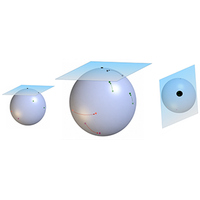
Stellar rank physically emerges from superselection rules and provides an interpretation to non-Gaussianity in terms of intrinsic multimode entanglement.
Phys. Rev. Lett. 137, 050203 (2026)
Quantum Information, Science, and Technology
Tight and Self-Testing Multipartite Quantum Bell Inequalities from the Renormalization Group
Article | Quantum Information, Science, and Technology | 2026-07-29 06:00 EDT
Paolo Abiuso, Julian Fischer, and Miguel Navascués
Attempts to understand multipartite quantum nonlocality are thwarted by the difficulty of devising quantum Bell inequalities (QBI) for systems composed of more than a few separate parties. In this Letter, we introduce the notion of tight connectors, a class of tensors which, if contracted according …
Phys. Rev. Lett. 137, 050204 (2026)
Quantum Information, Science, and Technology
Universality Emerging in a Universality: Derivation of the Ericson Transition in Stochastic Quantum Scattering and Experimental Validation
Article | Quantum Information, Science, and Technology | 2026-07-29 06:00 EDT
Simon Köhnes, Jiongning Che, Barbara Dietz, and Thomas Guhr
At lower energies, the resonances in scattering experiments are often isolated. In quantum chaotic many-body, disordered, or generically stochastic systems, the resonances overlap at larger energies. Eventually, the Ericson regime is reached in which the cross section behaves like a random function.…
Phys. Rev. Lett. 137, 050403 (2026)
Quantum Information, Science, and Technology
High-Temperature Limit Penalizing High-Frequency Quantum Fluctuations
Article | Quantum Information, Science, and Technology | 2026-07-29 06:00 EDT
Graeme Pleasance, Erik Aurell, and Francesco Petruccione
We revisit the Caldeira-Leggett model of quantum Brownian motion with Ohmic spectral density, and derive an additional contribution to the decoherence kernel in a new high-temperature limit at arbitrarily large cutoff frequency. This contribution reveals a novel mechanism for the classicalization of…
Phys. Rev. Lett. 137, 050405 (2026)
Quantum Information, Science, and Technology
Boosting Work Extraction in Quantum Batteries via Continuous Environment Monitoring
Article | Quantum Information, Science, and Technology | 2026-07-29 06:00 EDT
Gabriele Cenedese, Giuliano Benenti, Dario Ferraro, and Marco G. Genoni
During the charging process, interactions between a quantum battery and its charger generally generate quantum correlations, which may reduce the amount of work extractable from the battery alone. We show that, by coupling the system with an environment that can be continuously monitored, one can we…
Phys. Rev. Lett. 137, 050406 (2026)
Quantum Information, Science, and Technology
Search for ${K}{L}→{π}^{0}{π}^{0}γγ$ and ${K}{L}→{π}^{0}{π}^{0}X$ Where $X→γγ$ at the KOTO Experiment
Article | Particles and Fields | 2026-07-29 06:00 EDT
J. Redeker et al.
We performed searches for where may be an axionlike particle that promptly decays to two photons, and the first search for at the KOTO experiment using data taken in 2021. The search is performed for mass in the range of . Three events were observed in the signa…
Phys. Rev. Lett. 137, 051804 (2026)
Particles and Fields
Evidence for $J/ψ$ Suppression in Incoherent Photonuclear Production
Article | Nuclear Physics | 2026-07-29 06:00 EDT
S. Acharya et al. (ALICE Collaboration)
According to quantum chromodynamics, at sufficiently high energy, the structure of hadrons reveals a dynamic equilibrium between gluon splitting and gluon recombination--a phenomenon known as saturation. The process of diffractive photonuclear production of a vector meson provides a direct insigh…
Phys. Rev. Lett. 137, 052301 (2026)
Nuclear Physics
Study of Key $^{57}\mathrm{Ni}(p,γ)^{58}\mathrm{Cu}$ Resonances to Understand $^{44}\mathrm{Ti}$ Nucleosynthesis in Supernovae
Article | Nuclear Physics | 2026-07-29 06:00 EDT
S. R. Carmichael et al.
An important validation of nucleosynthesis models of core-collapse supernovae is the comparison of radioisotope predictions to abundances inferred from observations of rays emitted in remnants. One such isotope, , is especially sensitive to the reaction rate. Despite this importa…
Phys. Rev. Lett. 137, 052702 (2026)
Nuclear Physics
Nonreciprocal and Long-Range Three-Body Interactions in Bose-Einstein Condensates Induced by Optical Feedback
Article | Atomic, Molecular, and Optical Physics | 2026-07-29 06:00 EDT
Yi-Qing Zhang, Liang-Jun He, Han Pu, Zheng-Wei Zhou, and Yong-Chang Zhang
We propose generating atom-atom three-body interactions in quantum gases by placing a quasi-two-dimensional Bose-Einstein condensate in front of two reflecting mirrors and illuminating it with dichromatic laser beams. These pumping fields traverse the condensate twice, thereby inducing a feedback ef…
Phys. Rev. Lett. 137, 053201 (2026)
Atomic, Molecular, and Optical Physics
Third-Order Nonlinear Transport in a Percolative Two-Dimensional Superconductor
Article | Condensed Matter and Materials | 2026-07-29 06:00 EDT
Wenjun Liu, Chenghe Wang, Xiubin Li, Kenji Watanabe, Takashi Taniguchi, Tao Zhang, Xiao-Xiao Zhang, and Jing Li
Percolative superconductivity frequently arises in two-dimensional van der Waals materials due to reduced dimensionality, enhanced quantum fluctuations, and complex electron-phonon interactions, providing a unique platform where normal electrons coexist with Cooper pairs. We report the observation o…
Phys. Rev. Lett. 137, 056201 (2026)
Condensed Matter and Materials
Manipulating Topological Boundary States: From Corner-Bound to Arbitrarily Positioned Extended States
Article | Condensed Matter and Materials | 2026-07-29 06:00 EDT
Yating Yang, Di Zhu, Jien Wu, Yuzhen Yang, Han Jia, Zhongbo Yan, Weiyin Deng, and Zhengyou Liu
Topological insulators with bulk-boundary correspondence have been widely explored in condensed-matter, photonic, and phononic systems. Two-dimensional second-order topological insulators are typically characterized by zero-dimensional boundary states localized at sharp corners. While these corner b…
Phys. Rev. Lett. 137, 056604 (2026)
Condensed Matter and Materials
Dual-Circular Raman Optical Activity of Axial Multipolar Order
Article | Condensed Matter and Materials | 2026-07-29 06:00 EDT
Hikaru Watanabe, Rikuto Oiwa, Hitoshi Mori, and Ryotaro Arita
Multipolar order, such as octupolar order, is a key concept in condensed matter physics, particularly in light of elusive hidden orders. However, its experimental identification remains challenging due to the absence of direct coupling to conventional external stimuli. In this Letter, we propose tha…
Phys. Rev. Lett. 137, 056903 (2026)
Condensed Matter and Materials
Fröhlich-Type Polarons in Isotopically Enriched Hexagonal Boron Nitride
Article | Condensed Matter and Materials | 2026-07-29 06:00 EDT
Ioannis Chatzakis, Timur Abdilov, Elliott Walker, Jaime Freitas, Song Liu, and James H. Edgar
Exciton-phonon interactions play a central role in defining the optical response of hexagonal boron nitride (hBN), yet their quantitative determination has remained incomplete. Here, we reveal the Fröhlich-type exciton-phonon coupling in boron-10-enriched hBN using low-temperature cathodoluminescenc…
Phys. Rev. Lett. 137, 056904 (2026)
Condensed Matter and Materials
Breakthrough in Short-Wavelength Infrared Quantum Efficiency in Te-Hyperdoped Silicon Photodetectors via Light-Trapping Strategies
Article | Condensed Matter and Materials | 2026-07-29 06:00 EDT
E. García-Hemme, R. Benítez-Fernández, S. Duarte-Cano, F. Pérez-Zenteno, S. Algaidy, C. Mata-Alonso, S. de Castro-Romero, R. García-Hernansanz, J. Olea, A. del Prado, E. San Andrés, I. Mártil, and D. Pastor
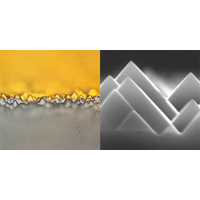
A new light-trapping architecture could lead to CMOS-compatible night-vision technology.
Phys. Rev. Lett. 137, 057002 (2026)
Condensed Matter and Materials
Diffusion in Two-Dimensional Hyperuniform Media
Article | Statistical Physics; Classical, Nonlinear, and Complex Systems | 2026-07-29 06:00 EDT
Jing Zhang, Shengda Zhao, Rongxin Yue, Jiaxin Yu, and Xinghua Zhang
Understanding diffusion in disordered systems composed of obstacle particles is crucial for elucidating transport phenomena ranging from biological tissues to engineered porous materials. Existing studies predominantly employ the random sequential adsorption method and characterize media solely by d…
Phys. Rev. Lett. 137, 057101 (2026)
Statistical Physics; Classical, Nonlinear, and Complex Systems
Physical Review X
Predicting Liquid Properties and Behavior via Droplet Pinch-off and Machine Learning
Article | 2026-07-29 06:00 EDT
Jingtao Wang, Qiwei Chen, C. Ricardo Constante-Amores, Denise Gorse, Alfonso Arturo Castrejón-Pita, and José Rafael Castrejón-Pita
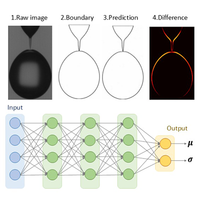
A powerful method allows hard to measure properties like viscosity and surface tension to be determined from a single, high-speed snapshot.
Phys. Rev. X 16, 031021 (2026)
Deceleration of Accelerator-Produced and In-Trap Electron Cooling of Highly Charged Ions
Article | 2026-07-29 06:00 EDT
S. Rausch, Z. Andelkovic, S. Fedotova, W. Geithner, F. Herfurth, M. Horst, J. Ködel, K. Mohr, D. Neidherr, W. Nörtershäuser, N. Stallkamp, S. Trotsenko, G. Vorobjev, and D. Zisis
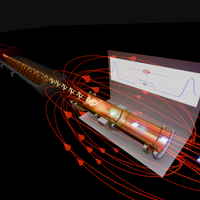
The electron cooling of highly charged ions (HCI) in a Penning trap, as well as the deceleration and trapping of accelerator-produced HCI, has been demonstrated at the HITRAP facility, paving the way for unprecedented precision experiments in QED, materials science, and astrophysics.
Phys. Rev. X 16, 031022 (2026)
arXiv
Isolation of spin-valley locked nodal-line fermions in $d$-wave $\mathrm{AV_2X_2O}$ altermagnets
New Submission | Materials Science (cond-mat.mtrl-sci) | 2026-07-30 20:00 EDT
Pritesh Srivastava, Rahul Verma, Bahadur Singh
Crystalline symmetries stabilize topological states with distinct electronic properties, while altermagnets exhibit momentum-dependent spin splitting without net magnetization. Here, we combine first-principles calculations with a minimal tight-binding model to realize $ C$ -paired spin-valley-locked nodal-line fermions in the $ d$ -wave altermagnet $ \mathrm{AV_2X_2O}$ (A = Rb, Cs, or K; X = Te, Se, or S). The low-energy electronic structure hosts coexisting spin-degenerate and spin-polarized nodal lines around $ C_{4z}$ -paired valleys near the Fermi level. The spin-polarized nodal lines are protected by the out-of-plane mirror symmetry $ \mathcal{M}_z$ and remain robust against spin-orbit coupling. The minimal model reveals their microscopic origin and establishes a general design principle for their isolation. Layer engineering and electronic correlations serve as material-specific knobs for realizing these isolated spin-valley-locked nodal lines near the Fermi level. Our results establish the $ \mathrm{AV_2X_2O}$ family as a versatile platform for exploring topological spin-valley locking in $ d$ -wave altermagnets.
Materials Science (cond-mat.mtrl-sci)
Quantum spin-glass criticality in disordered frustrated dimer magnets
New Submission | Strongly Correlated Electrons (cond-mat.str-el) | 2026-07-30 20:00 EDT
Darshan G. Joshi, Matthias Vojta
We study quantum phase transitions of Mott insulators between spin-glass and featureless paramagnetic phases. Specifically, we consider a triangular-lattice bilayer Heisenberg model with bond disorder. The clean system has two phases, a dimer quantum paramagnet and a non-collinear antiferromagnet, separated by a quantum critical point. Bond disorder destroys the antiferromagnetic phase via the interference of dipolar textures and results in spin-glass order, such that the system features a quantum phase transition between spin-glass and dimer phases. We study the vicinity of this transition using a variant of bond-operator theory and calculate thermodynamic observables as well as excitation spectra. Bond disorder leads to strong inhomogeneities near the transition which suppresses non-collinearities and leads to anomalously weak glassiness in the near-critical quantum spin glass. We characterize the low-energy excitations which have a strong tendency towards spatial localization, and we track the behavior of the amplitude (i.e. Higgs) mode across the glass phase whose spectral weight we find to be strongly suppressed due to interference effects.
Strongly Correlated Electrons (cond-mat.str-el), Disordered Systems and Neural Networks (cond-mat.dis-nn)
7 pages, 6 figures + Supp. Mat
Dirac Fermion Scattering and Pseudospin Polarization in Structurally Asymmetric Graphene Wormholes
New Submission | Mesoscale and Nanoscale Physics (cond-mat.mes-hall) | 2026-07-30 20:00 EDT
Arián Gorza, Facundo Arreyes, Juan Sebastián Ardenghi
We study the quantum transport of massless Dirac fermions through two asymptotically flat graphene sheets connected by a structurally asymmetric catenoid wormhole in $ (2+1)$ -dimensional curved spacetime. Analytic scattering basis functions are derived: Hankel functions of integer order (in the half-flux sector) in the flat sheets and Gauss hypergeometric functions in the curved throat. We construct a transfer matrix via piecewise numerical matching, verifying unitarity up to numerical precision. The transmission probability rises monotonically to unity at high energies. Global transmission exhibits mirror degeneracy under inversion of structural asymmetry, but local observables depend on incidence direction. The manifold’s spin connection acts as a Hermitian coupling inducing an $ A/B$ sublattice imbalance at the throat. Structural asymmetry induces a local pseudospin imbalance. A larger curvature radius enhances $ P_z$ polarization via a larger geometric phase; abrupt incidence suppresses it. Sub-barrier modes exhibit a negative transmission phase time, compatible with Hartman-type wave-packet reshaping.
Mesoscale and Nanoscale Physics (cond-mat.mes-hall), General Relativity and Quantum Cosmology (gr-qc)
10 pages, 6 figures
Gaps in unconventional superconductors
New Submission | Superconductivity (cond-mat.supr-con) | 2026-07-30 20:00 EDT
The energy gap is one of the defining properties of a superconductor and appears because the quasiparticle excitations radically change once a metallic system enters the superconducting state. Unconventional superconductors typically exhibit a non-uniform gapping and therefore show physical effects that are subject to intense research. In this review, we provide an overview of concepts needed to understand how unconventional superconductors are different from conventional ones, where the gapping comes from and how it expresses itself in experimentally accessible quantities. This should give the basis to understand current open research questions and navigate the recent literature that tend to contain contradictory conclusions.
Superconductivity (cond-mat.supr-con)
34 pages, 15 figures, a pedagogical article to review and introduce the topic
Influence of BaTiO_3 nanoparticles on the anisotropy of the dielectric properties of nematic liquid crystal 5CB
New Submission | Materials Science (cond-mat.mtrl-sci) | 2026-07-30 20:00 EDT
Juliya M. Gudenko, Oleksandr S. Pylypchuk, Victor V. Vainberg, Denis O. Stetsenko, Igor A. Gvozdovskyy, Serhii E. Ivanchenko, Eugene A. Eliseev, Vladimir N. Poroshin, Anna N. Morozovska
This work is devoted to the mechanisms of dielectric response and electric conductivity of suspensions consisting of the nematic liquid crystal 5CB with different concentrations (from 0 to 10 wt.%) of ferroelectric BaTiO_3 nanoparticles with an average size of 24 nm. We revealed that the incorporation of nanoparticles influences significantly the dielectric permittivity magnitude and anisotropy, as well as dielectric losses of the suspension. A pronounced temperature dependence of the anisotropic dielectric permittivity of the suspensions was found at lower temperatures corresponding to the mesophase state; but it is also present at higher temperatures corresponding to the isophase. The dependence of the mesophase-isophase transition temperature on the concentration of BaTiO_3 nanoparticles appeared nonmonotonic. With increasing temperature, both the capacitance and the electrical resistance of the pure liquid crystal increase, as well as it increases in the suspensions with small concentration of BaTiO_3 nanoparticles. Due to space charge accumulation in the shells of nanoparticles, larger concentrations of BaTiO_3 nanoparticles influence strongly the ionic transport by promoting the formation of ionic-electronic screening. This effect modifies the dielectric properties and conduction mechanisms of the suspension, leading to the nonmonotonic dependence of the mesophase - isophase transition temperature versus the nanoparticle concentration.
Materials Science (cond-mat.mtrl-sci), Soft Condensed Matter (cond-mat.soft)
21 pages, 7 figures
Dynamic phase-field model for brittle fracture in grounded glaciers
New Submission | Materials Science (cond-mat.mtrl-sci) | 2026-07-30 20:00 EDT
Aarosh Dahal, Umar Khayaz, Ravindra Duddu, Aditya Kumar
Fracture and calving of glaciers are key contributors to ice-mass loss and sea-level rise, yet predictive modeling remains challenging. Fracture in grounded glaciers is driven by gravitational forces and is typically studied within the framework of quasi-static linear elastic fracture mechanics. In this work, we show that purely quasistatic brittle fracture simulations within the phase field fracture framework under fixed self-weight can become strongly overdriven after crevasse initiation, producing unphysical thickening of the diffusive crack band and diffuse damage patterns. This pathology arises because gravity drives a growing region ahead of the crack tip beyond the strength surface. To resolve this, we show that the post-nucleation propagation is fundamentally a dynamic instability rather than a quasistatic process and propose the use of dynamic formulations of fracture. We demonstrate that accounting for inertia results in sharp, localized cracks that propagate through the ice thickness. As a second objective, this paper introduces a new dynamic formulation of the phase-field fracture model of Kumar et al. (J. Mech. Phys. Solids 2018) in which elastic, inertial, and gravitational contributions are degraded consistently in fractured regions.
Materials Science (cond-mat.mtrl-sci)
Topological control of local electroneutrality in confined electrolytes
New Submission | Soft Condensed Matter (cond-mat.soft) | 2026-07-30 20:00 EDT
Topology governs finite-size violations of local electroneutrality in confined electrolytes. Within Poisson-Boltzmann theory, we show that this topological control gives rise to a universal hierarchy of deviations in spherical, cylindrical, and planar confinement. We quantify this effect through an electroneutrality deviation ratio that captures the global electrostatic constraints associated with compactness and boundary multiplicity in the three topological classes corresponding to slit, cylindrical, and spherical cavities. Although local electroneutrality is asymptotically restored in the limit of infinite cavity size, finite-size deviations follow a robust topological hierarchy, being strongest in spherical cavities, weaker in cylindrical confinement, and weakest in planar slits. These results prove that topology is the organizing principle underlying confinement-induced charge redistribution and that violations of local electroneutrality constitute a general electrostatic constraint governing overcharging, charge reversal, and long-range charge correlations. More fundamentally, they demonstrate that changing the topology modifies the global electrostatic constraints without altering the local Poisson-Boltzmann equations. As a counterintuitive manifestation of nonlinear confinement in a point-ion model, we report the existence of inside confinement charge reversal (ICCR) in charged hollow cylindrical and spherical nanoparticles. Since physically consistent, more general electrolyte theories must recover the Poisson-Boltzmann description in the appropriate limiting case, the present results establish a benchmark against which topological effects should be assessed beyond the Poisson-Boltzmann description.
Soft Condensed Matter (cond-mat.soft)
14 pages, 5 figures, 2 appendix
Scale-dependent universality class crossover in magnetic skyrmion polymers
New Submission | Soft Condensed Matter (cond-mat.soft) | 2026-07-30 20:00 EDT
R. L. Silva, R. C. Silva, R. L. Stamps
Dipolar magnetic skyrmions can assemble into chains with alternating helicity that act as one-dimensional polymers, yet their statistical mechanics violates the universal harmonic scaling observed in actin, DNA, and microtubules. From first principles, we compute the inter-skyrmion pair potential and find a bi-exponential form of competing interactions with two characteristic decay lengths that encode the distinct microscopic mechanisms of repulsion and attraction. Multiscale simulations reveal a power-law temperature dependence with exponent $ 1$ in the worm-chain limit of a single bond, and exponent $ 1/2$ in the three-bond limit. We find that the power-law behavior is remarkably independent of magnetic field strength, and the crossover is due to competing radial interactions responsible for the bonds, resulting in a quartic transverse confinement. We show that the precise form of the competing interactions (e.g., Morse or double-Yukawa) does not affect the temperature dependence.
Soft Condensed Matter (cond-mat.soft), Mesoscale and Nanoscale Physics (cond-mat.mes-hall), Statistical Mechanics (cond-mat.stat-mech)
12 pages, 4 figures
Thermodynamics-Informed Machine Learning for Energy Materials Discovery
New Submission | Materials Science (cond-mat.mtrl-sci) | 2026-07-30 20:00 EDT
Pol Benítez, Cibrán López, Claudio Cazorla
Machine learning (ML) is transforming materials discovery by enabling rapid prediction of properties that previously required computationally expensive first-principles calculations. Yet most current ML models remain fundamentally limited to zero-temperature descriptions, learning static lattice energies while neglecting the thermodynamic effects that govern materials behaviour at finite temperature. Because phase stability, functional response, and performance are governed by free-energy landscapes rather than static energies alone, this limitation represents a major barrier to predictive materials design under realistic operating conditions. In this Perspective, we argue that developing thermodynamics-informed ML constitutes one of the most important and least explored frontiers in materials discovery. We examine the fundamental shortcomings of energy-based models, highlighting the essential roles of entropy and anharmonicity in determining free energies and materials functionality. We review emerging strategies, including machine-learned interatomic potentials and hybrid ML-statistical mechanics frameworks, while identifying key challenges related to data availability, transferability, and thermodynamic consistency. Building on these advances, we outline a roadmap for thermodynamics-informed ML centred on direct free-energy learning, entropy-aware representations, and adaptive sampling across temperature. We highlight the transformative opportunities this paradigm offers for energy materials and argue that the next generation of ML models must move beyond static energy predictions towards a thermodynamic description of materials behaviour under realistic operating conditions.
Materials Science (cond-mat.mtrl-sci)
19 pages, 4 figures
Near-zero effective magnetization enabling ultra-low threshold currents in spin Hall micro-oscillators
New Submission | Mesoscale and Nanoscale Physics (cond-mat.mes-hall) | 2026-07-30 20:00 EDT
A. Koujok, H. Kurebayashi, K. Yamamoto, B. Heinz, V. K. Kushwaha, X. Hou, A. Hamadeh, T. Seki, P. Pirro
Reducing the electrical current required to excite magnetization dynamics is a central challenge, e.g. for energy-efficient magnonic devices or oscillator-based computing. Spin Hall oscillators typically rely on large current densities to compensate intrinsic magnetic damping, so these systems are usually studied on the nanoscale (Spin Hall Nano Oscillators, SHNOs) to work with moderate currents and a favorable heat dissipation geometry. Here, we demonstrate that engineering a near-zero effective magnetization ($ M_\mathrm{eff}$ ) enables a drastic reduction of the magnetization oscillation threshold current density for Spin Hall oscillators. This makes it possible to excite even comparably large systems with micrometer lateral sizes, so-called “Spin Hall Micro-Oscillators” (SHMOs). Using micro-focused Brillouin light scattering spectroscopy, we quantify the threshold current density in SHMOs based on W/CoFeB/MgO/Ta with near-zero $ M_\mathrm{eff}$ . We observe threshold current densities as low as $ J_{\mathrm{th}}$ = (0.292 $ \pm$ 0.025) $ \times 10^{10}$ A/m$ ^{2}$ , representing a reduction of more than two orders of magnitude compared with most recent reported SHNOs. Using systematic micromagnetic simulations, we investigate the breaking down of the macrospin approximation and underline the high influence of $ M_\mathrm{eff}$ on magnetization dynamics under applied spin currents. Our results establish $ M_\mathrm{eff}$ engineering as a powerful strategy for realizing ultra-low-power spin Hall oscillators and energy-efficient magnetization control.
Mesoscale and Nanoscale Physics (cond-mat.mes-hall)
Hidden symmetry at the diabolical points of a biaxial spin
New Submission | Strongly Correlated Electrons (cond-mat.str-el) | 2026-07-30 20:00 EDT
In a rotated frame the biaxial spin Hamiltonian $ k_1S_x^2+k_2S_y^2-\mathbf{h}\cdot\mathbf{S}$ is a finite tight-binding chain whose hopping amplitudes are tuned by the applied field. A chain with no vanishing hopping has a nondegenerate spectrum, so a degeneracy can occur only where the field severs the chain. We show that at every point of the exact diabolical-point lattice found by Kececioglu and Garg the chain is severed twice over, in two different rotated frames and at two bonds that are fixed independently. The two severings are carried by projectors that commute with the Hamiltonian but not with each other. In that form they realize the hidden symmetry anticipated by Garg. A single operator built from them pairs the degenerate levels; its rank gives the multiplicity of every lattice point, replacing an earlier continuity and topological argument. Because the two partners of a doublet occupy disjoint stretches of the chain, an exact and manifestly negative determinant fixes the orientation of every cone. At every degeneracy of the model the lower level therefore carries Chern charge -1 in the convention used here.
Strongly Correlated Electrons (cond-mat.str-el)
12 pages, 5 figures
Giant Bulk-Rashba Splitting in Polar Topological Insulator BiSbTeS$_2$
New Submission | Mesoscale and Nanoscale Physics (cond-mat.mes-hall) | 2026-07-30 20:00 EDT
Bulk-Rashba spin splitting is forbidden in tetradymite topological insulators like Bi$ _2$ Se$ 3$ or Bi$ 2$ Te$ 3$ , since their quintuple-layer stacking preserves inversion symmetry. We show that BiSbTeSe$ 2$ escapes this restriction: in the Se-Bi-Se-Sb-Te sequence, the structure loses its inversion center, reducing the point group symmetry at $ \Gamma$ from $ D{3d}$ to $ C{3v}$ . First-principles density functional calculations with spin-orbit coupling show that this ordered structure retains bulk band inversion and a linearly dispersive surface state of a strong topological insulator. Additionally, its bulk bands acquire a pronounced linear-in-$ k$ spin splitting away from $ \Gamma$ . Fitting the conduction- and valence-band doublets to symmetry-constrained two-band $ k\cdot p$ Hamiltonians, we extract intrinsic linear Rashba coefficients of $ \alpha{\mathrm{CB}}\approx2.66~\mathrm{eV,\textÅ}$ and $ \alpha{\mathrm{VB}}\approx0.35~\mathrm{eV,\textÅ}$ . The conduction-band value places ordered BiSbTeSe$ _2$ among the strongest bulk-Rashba topological-insulator systems reported to date and approaches the coupling found in the benchmark polar Rashba semiconductor this http URL ordering thus provides a route to giant bulk spin–momentum locking that coexists with protected topological surface states, offering a platform in which bulk Rashba and topological surface contributions to spin and charge transport can be investigated within the same material.
Mesoscale and Nanoscale Physics (cond-mat.mes-hall), Materials Science (cond-mat.mtrl-sci)
14 pages, 11 figures
On the static dielectric constant of thin dielectrics in extremely scaled silicon nanosheet transistors
New Submission | Mesoscale and Nanoscale Physics (cond-mat.mes-hall) | 2026-07-30 20:00 EDT
Massimo V. Fischetti, Dallin O. Nielsen, Edward Chen
We argue that the static dielectric constant of small (thin and/or narrow) semiconductor and insulator nanostructures depends strongly on the their environment. We do so by considering the electronic response simply reviewing, briefly but critically, the existing literature. Regarding the ionic response, in addition to reviewing the literature, we use a simple model to account for the confinement of optical phonons in thin films and show that the reduction of their density of states has a negligible effect on the dielectric constant, in contrast to some claims found in the literature. In general, we argue that in realistic structures, such as double-gated Si nanosheets, the use of the bulk dielectric constants for both the channel and the gate insulators, is justified.
Mesoscale and Nanoscale Physics (cond-mat.mes-hall)
Spin-Orbit Torque’s Hidden Partner
New Submission | Mesoscale and Nanoscale Physics (cond-mat.mes-hall) | 2026-07-30 20:00 EDT
Shuai Li, Maokang Shen, Liuyu Tang, Weiwei Lin, Kaiming Cai, Tao Wang, Tianli Jin, Yue Zhang
The spin-orbit torque (SOT) is widely recognized as the primary mechanism for current-driven magnetization switching in nonmagnetic/ferromagnetic bilayers. In this work, we show that, in the presence of interfacial Dzyaloshinskii-Moriya interaction (iDMI), the Zhang-Li torque, a current-induced spin-transfer torque (STT) acting on nonuniform magnetization at the device boundary, can trigger switching behaviors strikingly similar to those of SOT, including field-assisted deterministic reversal and switching polarity control. These results suggest that the Zhang-Li torque may act as a significant complementary mechanism to SOT. This work provides a broader perspective on the switching physics in heavy metal/ferromagnet (HM/FM) structures and offers practical guidance for the design of SOT-MRAM devices.
Mesoscale and Nanoscale Physics (cond-mat.mes-hall)
11 pages, 4 figures. Submitted to Physical Review Letters
Non-Hermitian Random Matrix Theory of Jamming in Active Disordered Media
New Submission | Statistical Mechanics (cond-mat.stat-mech) | 2026-07-30 20:00 EDT
We develop a theoretical framework for the mechanics of active jammed systems based on non-Hermitian random matrix theory. Starting from a microscopic model of active particles with non-reciprocal interactions, we formulate the linearized dynamical matrix as a non-Hermitian perturbation of a Wishart ensemble describing the passive contact network. Using Girko’s Hermitization together with the self-consistent Born approximation, we derive a self-consistent equation for the low-frequency resolvent based on the full Marchenko–Pastur distribution. We show that active non-reciprocity regularizes the soft-mode divergence at the jamming transition, leading to a scaling law for the mechanical compliance. We further establish a crossover between perturbative and activity-dominated regimes and propose a corresponding scaling form near the active jamming point.
Statistical Mechanics (cond-mat.stat-mech)
24 pages, 4 figures
Physics-informed Machine Learning Prediction of Hubbard Interaction Parameters
New Submission | Materials Science (cond-mat.mtrl-sci) | 2026-07-30 20:00 EDT
Jiyeon Kim, Indukuru Ramesh Reddy, Bongjae Kim, Sooran Kim
Accurate determination of Hubbard interaction parameters is essential for beyond-DFT approaches such as DFT+$ U$ , DFT+DMFT, and DFT+$ U$ +$ V$ in correlated materials. In practice, however, these parameters are often chosen empirically, limiting their transferability across materials. Advanced computational approaches such as the constrained random-phase approximation (cRPA) provide a rigorous route for evaluating Hubbard interactions, but their computational cost remains a bottleneck for large-scale materials screening. Here, we present machine-learning (ML) models for predicting cRPA-derived Hubbard interaction parameters: effective on-site $ U_{\rm eff}$ , inter-site $ V$ , and Hund’s coupling $ J$ for transition-metal oxides (TMOs). We combine ensemble-learning models with a regression-based brute-force search (BFS) approach to achieve both predictive accuracy and explicit analytical expressions. We construct features that capture electronic, structural, and atomic properties, including the TM-$ d$ bandwidth and TM-$ d$ /O-$ p$ band-center separation, as physically motivated descriptors of localization and screening. Our ensemble models achieve RMSEs of 0.148 eV, 0.062 eV, and 0.007 eV for $ U_{\rm eff}$ , $ V$ , and $ J$ , respectively. The derived analytical forms directly relate $ U_{\rm eff}$ to electron localization and TM-$ d$ /O-$ p$ hybridization, suggest the importance of hybridization and structural compactness in determining $ V$ , and indicate that $ J$ is governed primarily by elemental descriptors of the TM ion. Together, the present study provides an efficient approach for predicting cRPA-derived $ U_{\rm eff}$ , $ V$ , and $ J$ , while offering physical insight into the factors underlying these Hubbard interactions.
Materials Science (cond-mat.mtrl-sci), Strongly Correlated Electrons (cond-mat.str-el)
Asymmetric Floquet-Engineered Mode Coupling in Hybrid Magnonics
New Submission | Mesoscale and Nanoscale Physics (cond-mat.mes-hall) | 2026-07-30 20:00 EDT
Amin Pishehvar, Jayakrishnan M. P. Nair, Zixin Yan, Yu Jiang, Benedetta Flebus, Xufeng Zhang
In hybrid magnonic systems, linear magnon–photon hybridization inherently produces symmetric, reciprocal interactions, precluding asymmetric mode coupling. Floquet driving can tailor mode coupling strengths but, with single-tone modulation, inevitably generates a symmetric interaction that preserves this reciprocity. Here we introduce dual-tone Floquet modulation to unlock a new degree of freedom in hybrid magnonic systems, where the relative phase $ \theta$ of two commensurate drives continuously controls the asymmetry of the Floquet-engineered interaction, enabling asymmetric mode coupling absent in existing hybrid magnonic systems. We demonstrate this in a strongly coupled cavity magnonic device, where tuning $ \theta$ reversibly switches single-sided Autler–Townes splitting between the two hybrid modes—a direct spectroscopic signature of phase-programmable asymmetric coupling. This approach opens a new path toward controllable nonreciprocal and topological functionalities in hybrid magnonic systems, with broad implications for advanced quantum and classical signal processing.
Mesoscale and Nanoscale Physics (cond-mat.mes-hall), Applied Physics (physics.app-ph)
16 pages, 10 figures
PUDA: An AI-Native Hardware Harness for Self-Driving Laboratories
New Submission | Materials Science (cond-mat.mtrl-sci) | 2026-07-30 20:00 EDT
Zekun Ren, Hongzhao Tan, Jiaen Yee, Kedar Hippalgaonkar
Physical Unified Device Architecture (PUDA) is an AI-native hardware harness for self-driving laboratories (SDLs). Rather than building a human-centered graphical user interface (GUI) orchestration layer, PUDA creates a command-line runtime environment that lets agents observe, orient, decide, and act over experiments while hardware execution remains deterministic, atomic, and auditable. Headless by design, devices appear through discoverable command-line interfaces, JSON protocols are routed through a distributed messaging system, and command responses, data products, and reports are preserved as structured records. PUDA organizes protocols, runs, samples, measurements, and command logs into an AI-native data structure linked by run identifiers and timestamps, preserving provenance from submitted protocol through hardware response to resulting data products. PUDA separates scientific orchestration from physical operation and data telemetry: agents choose experiments, while PUDA executes validated commands and captures provenance-linked state, responses, and data. The contribution is not another optimizer, orchestrator, or recipe language. It is a practical execution and data environment for agentic SDLs; the broader physical AI implication is that PUDA provides an AI-native hardware harness for AI systems to interact with physical tools.
Materials Science (cond-mat.mtrl-sci), Artificial Intelligence (cs.AI)
Same-spin Andreev reflections in the quantum Hall regime: the role of loss
New Submission | Mesoscale and Nanoscale Physics (cond-mat.mes-hall) | 2026-07-30 20:00 EDT
Chun-Chia Chen, Jordan T. McCourt, John Chiles, Lingfei Zhao, Kenji Watanabe, Takashi Taniguchi, François Amet, Antonio L. R. Manesco, Harold U. Baranger, Gleb Finkelstein
The interfaces of superconductors and topological materials hold promise for realizing exotic states and excitations. An important example is provided by the chiral Andreev edge states (CAES), which are formed at interfaces between quantum Hall (QH) states and superconductors (SC). CAES combine electron and hole amplitudes which are hybridized via Andreev reflections. This study explores the spin properties of the CAES through selective spin filtering of the QH edge channels. We find robust evidence of spin-flips accompanying the Andreev processes: electrons can be reflected from the superconductor as holes in the same spin channel. We demonstrate that the distribution of the reflection probabilities is exponential and then use random matrix theory to account for this observation. Finally, we observe Andreev reflections in the spin-polarized {\nu} = 1 case, which is enabled by particle loss. Our findings shed light on the mechanism underlying Andreev reflections of spin-polarized chiral states. They also demonstrate the importance of considering non-Hermiticity when constructing topological superconductors in hybrid materials.
Mesoscale and Nanoscale Physics (cond-mat.mes-hall), Superconductivity (cond-mat.supr-con)
19 pages, 10 figures
Nanoscale Imaging of Strain-Controlled Altermagnetic Domains in α-MnTe
New Submission | Materials Science (cond-mat.mtrl-sci) | 2026-07-30 20:00 EDT
Alex L. Melendez, Sijie Xu, Liangbo Liang, An-Ping Li, Pengcheng Dai, Hu Miao, Zhaoyu Liu, Huan Zhao
Altermagnets combine compensated magnetic order with momentum-dependent spin splitting, offering a route to spintronic functionality without the stray fields of conventional ferromagnets. Mechanical strain provides a promising means of controlling their Néel order, yet the microscopic pathway by which strain reorganizes an altermagnetic texture remains unresolved. Here, we integrate a piezo-driven uniaxial strain cell with scanning nitrogen-vacancy magnetometry to image the magnetic domains of bulk {\alpha}-MnTe during in situ compression at room temperature. We find that compression reorganizes the magnetic texture through domain coalescence, increasing the size of the largest connected domain while reducing the domain-wall density. Upon unloading, however, the strain-formed domain network does not retrace the loading pathway. Instead, the large connected regions fragment into a new metastable configuration, producing pronounced hysteresis in the maximum domain size and stray-field distribution. These results identify domain connectivity and topology as key carriers of strain-induced magnetic memory. Our work reveals domain coalescence and hysteretic fragmentation as the microscopic pathway of strain control in {\alpha}-MnTe and establishes a route toward strain-programmable altermagnetic textures and reconfigurable spintronic devices.
Materials Science (cond-mat.mtrl-sci)
16 Pages, 3 figures
Quantum Geometry-Driven RKKY: From Flat to Dispersive Bands
New Submission | Strongly Correlated Electrons (cond-mat.str-el) | 2026-07-30 20:00 EDT
Zhenggang Zhou, Chuang Li, Lun-Hui Hu
In flat-band systems, quantum metric bounds physical observables like superfluid weight and coherence length, suggesting a single geometric scale for spatial correlations. Here, we show that the RKKY exchange in an isolated filled flat band can violate this expectation. With the intraband channel absent, the exchange proceeds via virtual interband transitions across the gap; the kernel becomes the inverse-gap-weighted trace product of the real-space flat-band projector and empty-band projectors. Because the corresponding momentum-space projectors are analytic, the kernel decays exponentially, with a decay length $ \xi_\text{RKKY}$ set by the closest singularities of the analytically continued projectors in the complex momentum plane. Thus, this length depends on both the flat-band geometry and the band gap. Applying this formalism to Chern flat-band systems, we find that for small gaps, $ \xi_\text{RKKY}$ depends non-monotonically on the quantum metric length: it first decreases, then increases, revealing that stronger quantum geometry can shorten the magnetic exchange range. Upon restoring dispersion, a nontrivial inversion representation can force the overlap between Bloch states at antipodal Fermi points to vanish under gate tuning, producing a $ 1/R^3$ RKKY tail instead of the conventional $ 1/R^2$ —a geometric selection effect.
Strongly Correlated Electrons (cond-mat.str-el), Materials Science (cond-mat.mtrl-sci)
5 pages, 4 figures. Comments are welcome
DC Josephson transport in a three-terminal Yu-Shiba-Rusinov system
New Submission | Superconductivity (cond-mat.supr-con) | 2026-07-30 20:00 EDT
Scanning tunneling microscopy (STM) of magnetic adatoms on superconducting surfaces has established Yu-Shiba-Rusinov (YSR) states as a versatile platform for studying magnetic-superconducting interactions and phase-coherent quantum transport. Here, we investigate nonreciprocal supercurrent transport in a three-terminal Josephson junction comprising three BCS superconductors (A', B’ and C'), each coupled to a magnetic impurity hosting a pair of YSR states. Treating terminals A’ and C' as primary transport electrodes and terminal B’ as a phase-control node, we demonstrate field-tunable nonreciprocal supercurrent between the primary electrodes. This effect requires both: the control terminal and broken particle-hole symmetry at least in one impurity attached to a primary electrode. Without the control terminal we show that the supercurrent remains reciprocal. Our results establish multi-terminal YSR junctions as a promising platform for engineering nonreciprocal superconducting transport and symmetry-breaking phenomena at the atomic scale.
Superconductivity (cond-mat.supr-con), Strongly Correlated Electrons (cond-mat.str-el)
6 pages, 3 figures
Mode-Resolved Light Scattering Recovers Polymer Thermodynamics in Solutions with Trace Large-Mass Scatterers
New Submission | Soft Condensed Matter (cond-mat.soft) | 2026-07-30 20:00 EDT
Noriaki Mizumoto, Takashi Yasuda, Xiang Li
Light scattering provides direct access to polymer conformations and thermodynamics. However, trace large-mass scatterers such as aggregates and nanobubbles form unavoidably in polymer solutions and dominate the scattered intensity, obscuring the intrinsic polymer signal. We demonstrate that resolving the static scattering intensity by molecular mobility cleanly separates the polymer and large-scatterer contributions. Applying this mode-resolved analysis to aqueous poly(ethylene glycol) solutions, we isolate the polymer scattering even when these scatterers account for more than 90 % of the total intensity. The resolved polymer intensity recovers the universal osmotic equation of state from the dilute to the semidilute regime over 288 to 358 K. This approach establishes a reliable basis for measuring the thermodynamics of interacting macromolecules in solutions where irreproducible large-mass scatterers have precluded quantitative analysis.
Soft Condensed Matter (cond-mat.soft), Chemical Physics (physics.chem-ph)
8+13 pages, 6+13 figures
Percolating Multifractal Domains at a Polymorphic Phase Boundary
New Submission | Materials Science (cond-mat.mtrl-sci) | 2026-07-30 20:00 EDT
Yuan-Jinsheng Liu, Xu Tian, Jiahui Zhai, Shi Liu
Giant piezoelectricity in ferroelectrics is commonly associated with phase-boundary instabilities, among which the polymorphic phase boundary (PPB) is a prominent example conventionally attributed to the coexistence of ferroelectric phases. Here, using large-scale molecular dynamics simulations of the lead-free (K,Na)NbO3-(Bi,Na)ZrO3 solid solutions, we show that the PPB hosts a percolating multifractal polar domain which governs the dielectric and piezoelectric responses. By quantifying the global fractal dimension and multifractal spectrum width of this polar network, we identify fractal connectivity and multiscale heterogeneity as microstructural order parameters for the PPB. The maximum reversible piezoelectric response occurs when the fractal-domain volume fraction approaches the three-dimensional percolation threshold, suggesting that near-critical polar connectivity enables giant reversible electromechanical coupling. In this mechanism, the fractal backbone preserves polar memory and provides the restoring force required for reversibility, while the surrounding nonfractal regions supply the polar compliance needed for large polarization rotation and strain. These results establish percolating multifractal polar domains as a microscopic mechanism for PPB-enhanced piezoelectricity and suggest fractal connectivity as a design parameter for high-performance piezoelectrics.
Materials Science (cond-mat.mtrl-sci), Computational Physics (physics.comp-ph)
16 pages, 4 figures
Transient Detour and Cooperative Oxygen Exchange in the Polarization Switching of Ferroelectric Hf0.5Zr0.5O2
New Submission | Materials Science (cond-mat.mtrl-sci) | 2026-07-30 20:00 EDT
Ryotaro Sahashi, Po-Yen Chen, Teruyasu Mizoguchi
Hafnium zirconium oxide (HZO) has attracted significant attention as a core material for next-generation non-volatile memories due to its excellent ferroelectricity in the ultra-thin film regime and its CMOS process compatibility. However, the exploration of its polarization switching mechanism has predominantly relied on static energy barrier analyses, leaving the transient bond formation and cooperative dynamic mechanisms under actual electric field driving unresolved. In this study, we performed Electric-Field-Induced MD simulations on a defect-free ideal HZO lattice using a fine-tuned machine learning force field (MACEField). As a result, we successfully reproduced the P-E hysteresis loop dynamically and demonstrated that the polarization switching in HZO is driven not by conventional simple displacement models (S:N/S:T models), but by the dynamic mutual exchange of 3-coordinated oxygen (O3c) and 4-coordinated oxygen (O4c). Analysis of the oxygen atom displacement trajectories revealed that this pathway is accompanied by a unique “detour” behavior originating from transient cation-oxygen bond formation. Furthermore, we identified an “internal self-compensation mechanism” in which the local volumetric expansion and contraction accompanying the coordination number changes are effectively offset within the cell. These findings provide, from a dynamic perspective, a microscopic physical origin of for HZO’s exceptional ability to sustain stable polarization switching without macroscopic strain, a property that has long distinguished HZO from conventional perovskite ferroelectrics yet lacked atomistic explanation. These findings suggest that preserving the integrity of cooperative O3c/O4c exchange pathways, rather than minimizing individual atomic displacements, is the key design principle for endurance and scalability in next-generation ferroelectric memories.
Materials Science (cond-mat.mtrl-sci)
14pages, 7 figures, and 4 pages of SI
Algebraic Diagrammatic Construction of the Multichannel Dyson Equation
New Submission | Strongly Correlated Electrons (cond-mat.str-el) | 2026-07-30 20:00 EDT
Thibault Demartini, J. Arjan Berger, Guillaume Blanchon, Thomas Duguet, Denis Lacroix, Pina Romaniello, Vittorio Somà
The multichannel Dyson equation (MCDE) was recently introduced as a new approximation scheme to compute the one-body Green function in many-body systems, as reported by Riva et al. in Physical Review Letters, volume 131, article 216401, published in 2023. The physical content of this novel approximation scheme is further clarified by recovering it from an extended version of the algebraic diagrammatic construction (ADC) truncation scheme. It is thus demonstrated that the MCDE approximation lies in between the so-called ADC(2) and ADC(3) truncations of the dynamical self energy. Building on this clarification, the MCDE approximation is tested on the periodic one-dimensional Hubbard model with 4, 6, and 8 site lattices and shown to deliver an improved treatment over ADC(2) of both the quasiparticle peaks and the so-called satellites in the spectral strength distribution.
Strongly Correlated Electrons (cond-mat.str-el)
Role of particle density in the Hall response of synthetic fermionic ladders: Lifshitz and Meissner-vortex transitions
New Submission | Quantum Gases (cond-mat.quant-gas) | 2026-07-30 20:00 EDT
Matteo Ferraretto, Matteo Acciai, Massimo Capone
We characterize the Hall response of non-interacting fermionic $ M$ -leg ladders in the presence of an artificial magnetic flux, that can be realized in one-dimensional optical lattices supplemented with a synthetic dimension.
We focus on the Hall imbalance, which can be directly measured in experiments with ultracold fermionic atoms. At relatively large synthetic flux we find a dependence of the density that contrasts with previously reported density-independent behavior. In particular, the Hall imbalance can be significantly enhanced in the limit of small density of particles (or holes), or it can vanish and change sign at specific fluxes, which we obtain analytically in the large inter-leg coupling regime. This behavior is explained in terms of Lifshitz transitions of the band structure, where the number of Fermi points changes as a function of the flux and density. Finally, we explore the connection between these transitions and the so-called Meissner-vortex transition for fermionic ladders by computing the site-resolved leg and rung currents and discussing the similarities and differences with the bosonic counterpart.
Quantum Gases (cond-mat.quant-gas)
14 pages, 6 figures
Critical non-thermal fixed point and the dynamical condensation phase transition
New Submission | Quantum Gases (cond-mat.quant-gas) | 2026-07-30 20:00 EDT
Anne-Solène Bornens, Elisabeth Gliott, Nicolas Cherroret
Using a non-perturbative quantum kinetic framework, we develop a unified description of the far-from-equilibrium dynamics of three-dimensional Bose gases following cooling quenches across the Bose-Einstein condensation transition. By tracking the spatio-temporal evolution of the momentum distribution, we show that the equilibrium condensation threshold simultaneously acts as a dynamical critical point, separating distinct far-from-equilibrium universality classes governed by different non-equilibrium attractors. While quenches above the transition exhibit a single-timescale relaxation toward a thermal fixed point, quenches below the transition display a crossover from a transient weak-turbulence regime to a coarsening fixed point governed by the diffusive recombination of vortex lines. Quenches directly to the condensation threshold, finally, are controlled by a previously unidentified critical fixed point characterized by the superdiffusive spreading of critical fluctuations and a distinct set of dynamical exponents. Together, these dynamical scaling laws establish a far-from-equilibrium counterpart of the condensation phase transition, in which the equilibrium critical point also organizes the long-time non-equilibrium dynamics.
Quantum Gases (cond-mat.quant-gas), Quantum Physics (quant-ph)
Entanglement signatures of topological phase transitions in a dirty Weyl semimetal
New Submission | Mesoscale and Nanoscale Physics (cond-mat.mes-hall) | 2026-07-30 20:00 EDT
Vinícius Mohr, Shunji Tsuchiya, Andras Szabo
Three-dimensional Weyl semimetals (WSMs) constitute paradigmatic gapless topological phases whose nodal structure is stable against weak perturbations, including disorder. Two distinct ways to destroy the topology of the Weyl nodes are through pairwise annihilation in momentum space or by sufficiently strong disorder that eliminates the quasiparticle pole, driving the system into a non-Fermi-liquid diffusive-metallic state. In this work, we study the evolution of entanglement spectrum and entanglement entropy of a dirty WSM as it undergoes these two topological transitions. In the clean limit, the WSM topology is reflected by a locus of $ \xi=1/2$ eigenvalues of the reduced correlation matrix mirroring the structure of Fermi arcs. We show that disorder broadens this feature into a finite-width distribution, which disappears either through a gradual loss of spectral weight upon node annihilation or by melting into the background at the onset of metallicity. When tuning across the disorder-driven transition, the scaling of the Rényi entropies observed for weak disorder gradually breaks down as the system approaches the critical disorder strength.
Mesoscale and Nanoscale Physics (cond-mat.mes-hall), Disordered Systems and Neural Networks (cond-mat.dis-nn)
6 pages, 6 figures
Interface evolution in the two-dimensional quantum Ising model
New Submission | Statistical Mechanics (cond-mat.stat-mech) | 2026-07-30 20:00 EDT
Georgios Kampanis, Marianna Sorba, Gesualdo Delfino
We consider the unitary time evolution of an interface in the regime of spontaneously broken symmetry of the two-dimensional quantum Ising model. The interface is induced by an initial condition interpolating between the two degenerate ground states in one of the spatial dimensions. The interpolation is left generic in order to investigate the dependence of the late time dynamics on the initial condition. Exploiting the basis of asymptotic quasiparticle states of the bulk theory, the order parameter is analytically determined at large times in the rough phase. The mechanism allowing the breakdown of this phase as the distance from criticality increases emerges from the theory.
Statistical Mechanics (cond-mat.stat-mech), High Energy Physics - Theory (hep-th)
Computational Study of Water Adsorption and Dissociative Mechanisms Impacting g-C3N4’s Optical and Electronic Properties
New Submission | Materials Science (cond-mat.mtrl-sci) | 2026-07-30 20:00 EDT
Amil Aligayev, Ulkar Jabbarli, F. Javier Domınguez-Gutierrez, Ulkar Samadova, Jialin Li, Stefanos Papanikolaou, Qing Huang
In the quest for sustainable energy solutions, water splitting emerges as a crucial process for generating clean hydrogen a versatile and renewable fuel essential for energy storage, emissions reduction, and achieving sustainability goals. This study employs a comprehensive computational approach, utilizing atomistic simulations to systematically investigate the effects of water absorption on the electronic and optical properties of g-C3N4 nanosheets. Our methodology integrates ab initio computations grounded in density functional theory (DFT), which allows for a detailed characterization of the nanosheet and serves as a benchmark for self-consistent charge density functional tight binding (SCC-DFTB) simulations. This approach provides valuable insights into the behavior of the nanosheet under the influence of absorbed OH and H2O molecules by considering calculated parameters for photocatalytic efficiency. Additionally, we extend our investigation to classical molecular dynamics simulations within the ReaxFF framework, modeling the emission of multiple H2O molecules and assessing the subsequent rate of H2 evolution. A key finding of our study reveals that the dissociation of H2O into HO and O molecules significantly enhances both the optical absorbance and conductance of the nanosheet compared to its pristine state. These results underscore the potential of g-C3N4 nanosheets as effective materials for water splitting applications.
Materials Science (cond-mat.mtrl-sci)
Electronically Inactive Intercalated La$_2$NiO$_4$ Layer in Superconducting La$_5$Ni$3$O${11}$
New Submission | Superconductivity (cond-mat.supr-con) | 2026-07-30 20:00 EDT
Tianyang Xie, Yuxin Wang, Zhan Wang, Kun Jiang, Jiangping Hu
The recent discovery of superconductivity in La$ _5$ Ni$ _3$ O$ _{11}$ extends the family of superconducting Ruddlesden–Popper nickelates beyond La$ _3$ Ni$ _2$ O$ _7$ . Unlike conventional members of a single Ruddlesden–Popper series, La$ _5$ Ni$ _3$ O$ _{11}$ contains an intercalated La$ _2$ NiO$ _4$ layer between La$ _3$ Ni$ _2$ O$ _7$ blocks, raising the question of whether this additional layer participates in the low-energy electronic structure. Here, we combine density functional theory, Wannier-based tight-binding modeling, and rotationally invariant slave-boson calculations to investigate the electronic role of the intercalated layer. We find that realistic electronic parameters place the La$ _2$ NiO$ _4$ layer in gapped insulating regimes rather than a paramagnetic metallic state. Furthermore, realistic interlayer hybridization fails to generate any appreciable La$ _2$ NiO$ _4$ -derived spectral weight at the Fermi level. Our results demonstrate that the low-energy electronic structure of La$ _5$ Ni$ _3$ O$ _{11}$ is governed primarily by the La$ _3$ Ni$ _2$ O$ _7$ block, with the intercalated La$ _2$ NiO$ _4$ layer remaining electronically inactive. This establishes a minimal low-energy description of La$ _5$ Ni$ _3$ O$ _{11}$ and provides a unified framework for understanding superconductivity in intercalated Ruddlesden–Popper nickelates.
Superconductivity (cond-mat.supr-con), Materials Science (cond-mat.mtrl-sci)
11 pages, 7 figures
Quantum Brownian transport in a correlated Gaussian force
New Submission | Statistical Mechanics (cond-mat.stat-mech) | 2026-07-30 20:00 EDT
Yun Jeong Kang, Seungsik Min, Sung Kyu Seo, Kyungsik Kim
We study a classical system-bath model in which a system particle is linearly coupled to a bath of harmonic oscillators. In a system subject to white and correlated Gaussian noises, we derive an expression for the joint probability density, and the mean squared values of the system-bath particles are calculated. For white noise, the mean squared values of the system-bath particles exhibit an anomalous time dependence, which is different from that of normal diffusion. In particular, for a correlated Gaussian noise, the mean squared displacement and mean squared velocity of the bath particle show superspreading growths of $ t^5$ and $ t^3$ in $ t{\ll}{\tau}$ , respectively. When $ {\tau}=0$ , the mean squared velocity of a quantum particle under random noise is proportional to $ t$ , while the mean squared velocity of a bath particle in the presence of correlated Gaussian noise increases in proportion to $ t^2$ . This anomalous transport phenomenon results from the mixed derivative structure of the master equation, which couples with the transport coordinates in the diffusion dynamics of the relative coordinates. This result shows that the removal of dissipation in the Caldeira-Leggett framework leads to fundamentally different transport mechanisms characterized by non-diffusive quantum diffusion.
Statistical Mechanics (cond-mat.stat-mech)
13 pages, 2 Tables
Scanning Gate Microscopy Modulation of Supercurrent in Graphene Josephson Junctions
New Submission | Mesoscale and Nanoscale Physics (cond-mat.mes-hall) | 2026-07-30 20:00 EDT
Ivan Villani, Samuele Fracassi, Niccolò Traverso Ziani, Maura Sassetti, Matteo Carrega, Vaidotas Miseikis, Camilla Coletti, Fabio Beltram, Kenji Watanabe, Takashi Taniguchi, Sergio Pezzini, Stefan Heun
Graphene Josephson junctions represent an excellent platform for quantum technologies, thanks to the combination of high carrier mobility, ballistic transport, and large gate-tunable critical currents, preserved even under quantizing magnetic fields. Investigating the spatial distribution of supercurrent flow could be crucial for elucidating transport mechanisms and advancing the engineering of these devices. In this work, we employ a Scanning Gate Microscope to investigate supercurrent transport in hBN-encapsulated graphene Josephson junctions contacted by Niobium leads. We study the supercurrent modulation as a function of the applied tip voltage bias and tip-to-sample distance, and provide a complete characterization of the tip-induced modulation. Our experimental results are quantitatively consistent with numerical simulations and pave the way towards local mapping and manipulation of gate-tunable superconducting phenomena with unprecedented spatial resolution.
Mesoscale and Nanoscale Physics (cond-mat.mes-hall), Superconductivity (cond-mat.supr-con)
25 pages, 9 figures
Fluctuation force induced by quenched random polarizations
New Submission | Disordered Systems and Neural Networks (cond-mat.dis-nn) | 2026-07-30 20:00 EDT
We investigate the zero-temperature behavior of the fluctuation force induced by random electric dipoles that are frozen into a material and incapable of fluctuating thermally. Examples of such materials are relaxor ferroelectrics. In terms of the setup and geometry, we focus on a layered system comprising two coplanar semi-infinite slabs separated by a distance $ \ell$ as well as a system comprising a neutral atom in the vacuum located at a distance $ \ell$ above the surface of a semi-infinite slab. For both systems, we consider the cases where the quenched random dipolar disorder occurs inside the bulk as well as on the surface of the slabs. In all of these cases, we find that the bulk (surface) dipolar disorder-induced fluctuation force grows with the mean square quenched electric dipole moment per unit volume (area). The bulk (surface) dipolar disorder-induced fluctuation pressure between two semi-infinite single-layered slabs decays with $ \ell^{-3}$ ($ \ell^{-4}$ ), whereas the bulk (surface) dipolar disorder-induced fluctuation force on an atom in the vacuum near a slab containing the disorder decays with $ \ell^{-4}$ ($ \ell^{-5}$ ). We also find that the quenched dipolar disorder-induced fluctuation force between two coplanar slabs can be repulsive and serve to enhance the ``nanolevitation effect” in a three-layered dielectric system that obeys the Dzyaloshinskii-Lifshitz-Pitaevskii condition.
Disordered Systems and Neural Networks (cond-mat.dis-nn), Mesoscale and Nanoscale Physics (cond-mat.mes-hall), Materials Science (cond-mat.mtrl-sci), Atomic Physics (physics.atom-ph)
16 pages, 6 figures. Invited contribution to JCP’s Special Topic on “Statistical Physics: From Quantum Fluctuations to Soft Matter and Viral Assemblies” honoring the memory of Rudolf Podgornik
High-dimensional theory of the glass transition revisited: hopping and local defects
New Submission | Disordered Systems and Neural Networks (cond-mat.dis-nn) | 2026-07-30 20:00 EDT
Harukuni Ikeda, Francesco Zamponi
The replicated liquid theory provides a microscopic mean-field description of the glass transition by combining the density functional theory of liquids with the replica method originally developed for spin glasses. In the conventional replica liquid theory, a glassy state is described by assuming that particles in different replicas undergo vibrational motion around common centers of mass, thereby forming molecules that contain one particle from every replica. Here we revisit this assumption by allowing each molecule to contain only a subset of replicas. This generalized formulation describes particle-level replica mismatches, which may be associated with non-vibrational motions such as particle hopping. We apply the theory to high-dimensional hard and harmonic spheres, where the mean-field description is expected to become exact. For hard spheres, replica mismatches destabilize the glassy metastable state and shift the dynamical transition to a significantly higher packing fraction, while leaving the leading thermodynamic glass transition unchanged. The resulting transition density agrees, at leading order in high dimensions, with the recent rigorous lower bound for random sphere packings obtained by Campos, Jenssen, Michelen, and Sahasrabudhe by using a discretized version of greedy Random Sequential Absorption, suggesting an algorithmic interpretation of the transition: grandcanonical dynamics is more efficient in high dimensional spaces than canonical one. For harmonic spheres at finite temperature, the glassy state contains a finite replica-mismatch fraction even at the thermodynamic ideal-glass transition, thereby shifting the transition point from that predicted by the conventional replica ansatz.
Disordered Systems and Neural Networks (cond-mat.dis-nn), Soft Condensed Matter (cond-mat.soft), Statistical Mechanics (cond-mat.stat-mech)
27 pages, 6 figures
Disentangling bulk and surface states in the electronic structure of PtBi$_2$(0001)
New Submission | Strongly Correlated Electrons (cond-mat.str-el) | 2026-07-30 20:00 EDT
Stefanie Suzanne Brinkman, Xin Liang Tan, Anders Christian Mathisen, Fabian Göhler, Øyvind Finnseth, Chul-Hee Min, Grigory Shipunov, Falk Pabst, Manuel Alonso Lemos, Balasubramanian Thiagarajan, Craig Polley, Masashi Arita, Kenya Shimada, Anna Isaeva, Jorge I. Facio, Hendrik Bentmann
Recent reports of surface-localized topological superconductivity in trigonal PtBi$ _2$ highlight the importance of understanding its surface electronic structure. We investigate the bulk and surface band structure of PtBi$ _2$ using angle-resolved photoemission spectroscopy (ARPES) and first-principles calculations. Through photon-energy- and polarization-dependent measurements, we disentangle bulk dispersions from surface states on the two distinct surface terminations of PtBi$ _2$ (0001). For both terminations, we assign several different surface states and find good agreement between experiment and calculations. Based on our calculations, we analyze the orbital composition in the surface and bulk bands and compare the results to polarization-dependent ARPES measurements. Together, our results provide a coherent picture of the surface electronic structure of PtBi$ _2$ across both surface terminations.
Strongly Correlated Electrons (cond-mat.str-el), Materials Science (cond-mat.mtrl-sci)
End-to-End Modeling of a Volatile TiO2 Memristor for Neuromorphic Circuit Simulation
New Submission | Materials Science (cond-mat.mtrl-sci) | 2026-07-30 20:00 EDT
Lukas Endres, Hannes Töpfer, Michaela Blum, Hauke Honig, Peter Schaaf
Memristors are promising devices for applications such as non-volatile memory, neuromorphic computing, logic circuits, and analog signal processing. The development of such systems requires accurate simulations based on models that reproduce the electrical behavior of real devices under both continuous and pulsed excitation. This work presents the development of a simulation environment for a volatile TiO2-based memristor. Experimental measurement data are analyzed to verify the memristive behavior of the device and to identify a suitable model. The model parameters are then optimized to match the measured characteristics. The resulting model is implemented in SPICE and validated by comparing simulation results with measurement data. The comparison shows a good agreement between simulation and experiment, demonstrating that the developed model is suitable for reproducing the electrical behavior of the investigated memristor and can be applied in circuit-level simulations, as demonstrated by a leaky integrate-and-fire neuron.
Materials Science (cond-mat.mtrl-sci), Signal Processing (eess.SP)
10 pages, 13 figures, 14 references
The Role of Odd Diffusivity in Multipoint Statistics of State-Dependent Observables
New Submission | Statistical Mechanics (cond-mat.stat-mech) | 2026-07-30 20:00 EDT
Odd diffusivity is a transverse transport coefficient that appears when time-reversal and parity symmetries are broken. Its most distinctive signature is a probability flux perpendicular to a density gradient, generated by the antisymmetric part of the diffusion tensor. Here we show that for an arbitrary number of state-dependent observables measured at arbitrary times, their joint statistics are independent of the antisymmetric part of the diffusion tensor. Thus, the Lorentz flux does not contribute to any multipoint state-observable measurements. The result clarifies the separate roles of two effects that are often linked together by fluctuation–dissipation relations, i.e., odd mobility and odd diffusivity. This observation demonstrates that the anomalous correlations in odd-diffusive systems originate solely from odd mobility. It also allows the statistics of state-dependent observables in odd-diffusive systems to be computed using conventional Langevin dynamics without the antisymmetric diffusion part while preserving the antisymmetric mobility tensor. It implies that universal relations associated with state-dependent observables alone, such as nonlinear fluctuation–dissipation relations and generalized Green–Kubo relations, remain valid in odd-diffusive systems without modification. We verify our findings through mean back relaxation, the diffusion coefficient, the nonlinear fluctuation–dissipation relation, and a generalized Green–Kubo relation in diverse systems.
Statistical Mechanics (cond-mat.stat-mech)
15 pages, 4 figures
Inferring Magnetic Material Parameters from Statistical Measures in Strongly Fluctuating Magnetization Dynamics
New Submission | Materials Science (cond-mat.mtrl-sci) | 2026-07-30 20:00 EDT
Kübra Kalkan, Atreya Majumdar, Ross Knapman, Omer Fetai, Franziska Scheibel, Sabrina Disch, Illia Horenko, Karin Everschor-Sitte
Magnetic material parameters such as the exchange stiffness and magnetic anisotropy govern the behavior and functionality of magnetic systems, yet their local inference from magnetization data remains challenging, particularly in strongly fluctuating regimes with polycrystalline or multiphase microstructure, where conventional texture-based methods become unreliable. We introduce a magnetization-only framework for inferring material parameters from thermally driven magnetization dynamics. Using micromagnetic simulations, we extract statistical quantities such as temporal mean and latent entropy from the magnetization dynamics, fit models to these descriptors, and invert the models to infer material parameters. We show that this framework enables material-parameter inference as well as grain-boundary detection in a heterogeneous sample. Among the descriptors considered, latent entropy yields more accurate parameter estimates than the temporal mean. Our results establish latent entropy as an efficient descriptor for inferring magnetic material parameters from dynamical magnetization data and point toward its use for experimental parameter extraction at high temperatures and, more broadly, under strongly fluctuating conditions.
Materials Science (cond-mat.mtrl-sci), Other Condensed Matter (cond-mat.other), Computational Physics (physics.comp-ph)
14 pages, 10 figures, 4 tables
Magnetic hopfions at room temperature
New Submission | Materials Science (cond-mat.mtrl-sci) | 2026-07-30 20:00 EDT
Kaixin Zhu, Wenli Gao, Zhan Wang, Shuaishuai Sun, Siyuan Huang, Junxi Tong, Jun Li, Huanfang Tian, Zian Li, Huaixin Yang, Ying Zhang, Olle Eriksson, Filipp N. Rybakov, Nikolai S. Kiselev, Jianqi Li
Hopfions are three-dimensional (3D) topological solitons predicted to exist in diverse magnetic systems, yet their practical utility has been largely restricted to cryogenic environments. Here, we overcome this temperature constraint by demonstrating stable magnetic hopfions in the chiral magnet Co8Zn8Mn4 at and above room temperature. Using a transmission electron microscope equipped for in situ optical excitation, we generate magnetic hopfions with femtosecond laser pulses. Long-term observations further reveal Brownian-like motion at room temperature and thermally activated collapse upon approaching the high-temperature regime. Together with micromagnetic simulations and homotopy group analysis, our experimental observations uncover the hopfion formation mechanism through the fusion of bimeron pairs. These findings establish room-temperature magnetic hopfions and provide a framework for their further studies under technologically relevant conditions.
Materials Science (cond-mat.mtrl-sci)
10 pages, 4 figures
Electronic and magnetic properties of small one-dimensional Wigner crystals from an ab initio approach
New Submission | Strongly Correlated Electrons (cond-mat.str-el) | 2026-07-30 20:00 EDT
Daniele Lagasco, Jan Arjan Berger
We present an \emph{ab initio} method to study the electronic and magnetic properties of small one-dimensional Wigner crystals. In particular, we focus on the calculation of the electronic charge distribution and the exchange coupling constant. Our theoretical studies are motivated by the experimental observation of few-electron Wigner crystals in a carbon nanotube [Science 364, 870 (2019)]. We model the experimental setup by confining electrons in a one-dimensional potential well with infinite side barriers. We represent the Hamiltonian of the system in a basis of Slater determinants and perform full configuration interaction to ensure we capture all the electron correlation for a given basis set. As the one-particle basis set we use particle-in-a-box wave functions which by construction satisfy the boundary conditions. With our approach, we obtain accurate electronic density profiles of small one-dimensional Wigner crystals. These profiles clearly show the localisation of the electrons. Finally, we present a simple approach to obtain the exchange coupling constant by mapping our \textit{ab initio} method on a Heisenberg Hamiltonian. We illustrate our approach on a Wigner dimer. We obtain excellent agreement with a result in the literature.
Strongly Correlated Electrons (cond-mat.str-el)
10 pages, 5 figures
Microscopic Emergence of Ancilla Lattice Physics in the Emery Model
New Submission | Strongly Correlated Electrons (cond-mat.str-el) | 2026-07-30 20:00 EDT
Mikołaj Walicki, Johannes Knolle, Krzysztof Wohlfeld
We derive a controlled low-energy effective theory for the three-band Emery model on the Lieb lattice near (n=2) filling. Starting from the positive charge-transfer regime, a sequence of Schrieffer–Wolff transformations rigorously establishes a direct microscopic mapping onto an ancillary lattice structure. For realistic cuprate-like parameters, this framework naturally reproduces the conventional Fermi-liquid (FL) phase at a filling shifted by one electron per site. Our analysis identifies the precise microscopic conditions required to access the exotic fractionalized Fermi-liquid (FL$ ^\ast$ ) phase. We show that realizing FL$ ^\ast$ requires nonstandard cuprate parameter regimes together with additional interactions that stabilize a quantum spin liquid in the background ancilla layer. These results establish a microscopic foundation for ancilla physics in multiorbital materials and clarify the conditions for realizing FL$ ^\ast$ . We discuss the possibility to replicate ancilla model physics in Lieb lattice cold atom simulations.
Strongly Correlated Electrons (cond-mat.str-el)
6 pages, 2 figures, and supplementary material
Squirming motion near corrugated surfaces
New Submission | Soft Condensed Matter (cond-mat.soft) | 2026-07-30 20:00 EDT
Sagnik Garai, Thomas G. Fai, Christina Kurzthaler
Swimming microorganisms often operate in complex confinement, where an interplay of long-ranged hydrodynamic interactions and a short-ranged repulsive interaction can give rise to interesting dynamical behaviors. Here, we theoretically investigate the trajectories of microswimmers - modeled as squirmers - in the presence of periodic boundaries. The latter modify their swimming velocity, leading to behaviors that differ qualitatively from swimming near planar walls. Using a perturbative approach based on bispherical coordinates and the Lorentz reciprocal theorem, we characterize the interaction between a squirmer and a periodic surface in the limit of small surface amplitude and systematically explore its dependence on the boundary corrugation wavelength, squirmer type, orientation, and swimmer-surface distance. Most importantly, our results reveal that pullers become trapped in the valley of the surface corrugations, in contrast to their sliding motion near planar walls. Furthermore, the near-surface dynamics of pushers display oscillations, reflecting the periodicity of the surface structure. A tilt of the swimmer orientation with respect to the surface corrugations results in a wave-length dependent drift that sorts pushers from pullers. These findings highlight the impact of hydrodynamic interactions in shaping microswimmer transport near structured boundaries with potential implications for microbiological phenomena, such as biofilm formation, and technological applications.
Soft Condensed Matter (cond-mat.soft), Biological Physics (physics.bio-ph), Fluid Dynamics (physics.flu-dyn)
Crystal forming ability of amorphous refractory metals under nanoindentation: a molecular dynamics study
New Submission | Materials Science (cond-mat.mtrl-sci) | 2026-07-30 20:00 EDT
Prashant Dwivedi, Alberto Fraile, Tomas Polcar
Amorphous refractory metal coatings combine high hardness with chemical inertness, yet their metastability makes them prone to mechanically induced crystallisation (devitrification) under contact loading, and how readily such a glass re-orders to its parent body centred cubic (bcc) crystal is unknown across the refractory series. We prepared amorphous V, Nb, Mo, Ta and W by melt quenching to 300 K, validated each interatomic potential against ab initio liquid radial distribution functions, and probed them by large scale molecular dynamics nanoindentation. Indentation drives a localised amorphous to bcc transformation by bulk nucleation, growth and coalescence. A crystal forming ability (CFA), the maximum slope of the sigmoidal bcc fraction versus depth curve, spans about a factor of four and decreases as V > Mo > Nb > Ta > W; it falls with indenter velocity as CFA $ \propto v^{-m}$ with a mean exponent of 1.08, so CFA$ \cdot v$ is nearly constant and the transformation rate is almost velocity independent. Transforming atoms carry excess non affine displacement and local shear strain, not hydrostatic pressure, marking a shear associated displacive pathway; the bulk driving force is largest for the most resistant element, W, so resistance tracks cohesive bond strength rather than the thermodynamic driving force. Early bcc like order sets the sharpness and depth of the transition, whereas the mechanical work to half transformation sets the persistent nucleus density. A grain population balance links nucleation, growth and coalescence to a terminal microstructure whose completeness does not follow the CFA order.
Materials Science (cond-mat.mtrl-sci)
Structure-Property Correlation of Cr/Cu-MnFeCoNi High-Entropy Alloys for Alkaline Water Electrolysis
New Submission | Materials Science (cond-mat.mtrl-sci) | 2026-07-30 20:00 EDT
Shreyasi Chattopadhyaya, Raphael B. de Oliveira, Deepti Gangwar, Tymofii S Pieshkov, Marcelo L. Pereira Junior, Dhiman Banik, Astrid Campos-Mata, Atin Pramanik, Soumyabrata Roy, Douglas S. Galvão, Chandra Sekhar Tiwary, Krishanu Biswas, Pulickel M Ajayana
High-entropy alloys (HEAs), with their unique compositional-complexity and tunable surface chemistry, have emerged as promising electrocatalysts for energy conversion. The catalytic activity of HEA often arises from the interplay between the intrinsic activity of the individual elements and the synergistic effects generated at the interfaces. Even a single-element substitution in a multicomponent HEA can substantially alter the surface-chemistry and electrochemical kinetics of the active surface. Here we investigated the structure-property relationship of CrMnFeCoNi (HEA-Cr) and MnFeCoNiCu (HEA-Cu) HEAs by comparing the alkaline hydrogen evolution reaction (HER) and oxygen evolution reaction (OER) activity. Under the same experimental condition, HEA-Cu outperforms HEA-Cr towards both HER and OER. Substituting Cr with Cu significantly enhances the bifunctional activity, where HEA-Cu achieved a lower overpotential (538 mV) and Tafel slope (165 mVdec-1) when compared with HEA-Cr. Computational analysis corroborates these findings, showing that Cu substitution modulates the electronic-structure to provide favorable binding energies for reaction intermediates (H\ast, O\ast, OH\ast, and OOH\ast). Interestingly, unlike HER, recovered HEA-Cu after OER showed migration of Cu forming a Cu-rich outer layer shell with a multimetallic core. These findings demonstrate the potential of single-element substitution in HEAs as a strategy for designing high-performance, cost-effective catalysts for efficient water electrolysis.
Materials Science (cond-mat.mtrl-sci)
Boundary-Driven Anisotropic Coarsening in Conserved Phase Separation
New Submission | Statistical Mechanics (cond-mat.stat-mech) | 2026-07-30 20:00 EDT
Emilio N.M. Cirillo, Nicklas Jävergård, Adrian Muntean, Stela Andrea Muntean
Universal scaling in phase separation is typically assumed to be isotropic in systems with conserved dynamics. Here we show that boundary forcing alone can break this dynamical scaling symmetry, leading to anisotropic coarsening, with different effective global growth laws observed parallel and perpendicular to the boundary. We consider a ternary mixture with two conserved components and a passive species undergoing surface evaporation, which provides a simple setting to investigate this effect. In this case, evaporation leads to a progressive mass loss and to the formation of macroscopic concentration gradients, which, in turn, drive anisotropic coarsening, with different effective growth laws observed parallel and perpendicular to the boundary. At the same time, bulk regions appear to retain the standard Model B scaling, suggesting that the observed anisotropy is mainly induced by boundary fluxes rather than by changes in the intrinsic dynamics. Our results indicate that boundary conditions can play an important role in breaking scaling symmetry and may offer a way to influence coarsening behavior in nonequilibrium phase separation.
Statistical Mechanics (cond-mat.stat-mech), Mathematical Physics (math-ph)
The electric field gradient tensor as a symmetry-adapted order parameter in Landau theory
New Submission | Strongly Correlated Electrons (cond-mat.str-el) | 2026-07-30 20:00 EDT
Quadrupolar hyperfine spectroscopies, including Nuclear Quadrupole Resonance (NQR), Nuclear Magnetic Resonance (NMR), Time-Differential Perturbed Angular Correlations (TDPAC), and Mössbauer spectroscopy, have long used the electric field gradient (EFG) at a nuclear site as an empirical proxy for order parameters in structural and electronic phase transitions, yet the EFG has never been systematically incorporated into Landau theory. Here we provide that framework. The EFG is an exactly traceless, symmetric rank-2 tensor defined at a crystallographic site. Decomposing it under the site-symmetry group and inducing over the Wyckoff orbit determines its irreducible representation content in the parent space group. Whenever the representation of a zone-center transition is present, symmetry requires the corresponding EFG combination to vanish above the transition and grow linearly with the order parameter below it, inheriting its critical exponent, sign, and domain structure. Symmetry-orthogonal channels are quadratic, recovering the classic empirical relations. This yields a falsifiable classification of primary, secondary, and forbidden EFG responses. The framework is validated against five decades of quadrupolar experiments, reproducing critical exponents, first-order discontinuities, and a null result, and by first-principles calculations satisfying the predicted parity and zero theorems. All-electron calculations for $ \alpha$ -quartz confirm the orbit-selection rule: only the EFG combination transforming as the soft-mode irreducible representation varies linearly with distortion amplitude, while the orthogonal combination remains suppressed by two orders of magnitude. A proposed study of the $ ^{75}$ As site across the nematic transition in BaFe$ _2$ As$ _2$ provides five falsifiable predictions, including a previously unstated null result.
Strongly Correlated Electrons (cond-mat.str-el), Materials Science (cond-mat.mtrl-sci)
23 pages (15 main article and 8 pages supplementary materials), 9 figures. In the process of submission to Newton Journal
Symmetry-Selective Strain Control of Anisotropic Magnetic Response in a Silicon FinFET Double Quantum Dot
New Submission | Mesoscale and Nanoscale Physics (cond-mat.mes-hall) | 2026-07-30 20:00 EDT
Strain naturally develops in three-dimensional quantum-dot structures such as silicon FinFETs during fabrication and cooling. Such strain becomes especially important in a double quantum dot, because the two dots can experience different local strain and therefore acquire different magnetic responses. To understand how this dot-to-dot strain difference affects coupled hole spins, we theoretically study the local (g) tensors of a silicon FinFET double quantum dot by combining a three-dimensional Poisson–Schrödinger calculation based on a six-band (k!\cdot!p) model with configuration interaction. We find that the effect of strain depends on both its tensor component and its spatial symmetry. For the diagonal components (\epsilon_{yy}) and (\epsilon_{zz}), strain mainly changes the principal (g) values, with only a small opening of the maximum-response axes. In contrast, the shear component (\epsilon_{yz}) can also change the orientation of the local magnetic response. When the strain profile preserves the transverse mirror symmetry, the shear-induced rotation is strongly suppressed. Breaking this local constraint permits a pronounced off-diagonal response and rotates the principal magnetic axes. The same component- and symmetry-selected trends appear in a Zeeman-only calculation, showing that the valence-band Zeeman coupling is sufficient to generate them, while the full Hamiltonian determines their quantitative expression. Together, these results show how the tensor component and spatial symmetry of strain can be used to control both the magnitude and orientation of the magnetic response in coupled hole-spin qubits.
Mesoscale and Nanoscale Physics (cond-mat.mes-hall)
17 pages, 15 figures
Instability-induced bistable shape-morphing kirigami structures
New Submission | Soft Condensed Matter (cond-mat.soft) | 2026-07-30 20:00 EDT
Xiaoyuan Ying, Marcelo A. Dias
Deployable shape-morphing structures that transform from flat sheets into stable three-dimensional configurations are highly desirable for applications ranging from soft robotics and biomedical devices to adaptive architecture and aerospace systems. Existing kirigami-based morphing systems primarily rely on isotropic deployment, compliant soft materials, or external constraints to maintain deployed shapes, which limits geometric programmability, structural integrity, and applicability in rigid-material systems. Here, we present an inverse design framework for anisotropic bistable kirigami structures that enables programmable shape morphing through controlled geometric frustration and instability-induced deployment. The framework combines a semi-analytical mechanical model with geometry to establish a direct connection between geometric transformation and the underlying energy landscape. We show that instability-induced shape morphing leads to tunable bistability and directional deployment in anisotropic kirigami structures. The results are validated through finite element simulations and experiments, demonstrating stable deployed configurations and programmable anisotropic morphing. The proposed framework further provides a general design strategy that can be integrated with various active actuation systems, enabling broader engineering applications.
Soft Condensed Matter (cond-mat.soft), Materials Science (cond-mat.mtrl-sci), Classical Physics (physics.class-ph)
Majorana current induced by charge current in Kitaev magnet/graphene bilayers
New Submission | Mesoscale and Nanoscale Physics (cond-mat.mes-hall) | 2026-07-30 20:00 EDT
We investigate Majorana current induced by charge current in Kitaev magnets coupled with graphene through the mechanism by which Majorana fermions in the Kitaev magnet are dragged by electrons in graphene. We calculate Majorana current density based on the perturbation with respect to a Kondo type Majorana-electron coupling and obtain an analytical expression of the Majorana current induced by charge current, indicative of electronic control of charge-neutral Majorana fermions. We also discuss Majorana heat current induced by charge current and give estimations of their magnitudes.
Mesoscale and Nanoscale Physics (cond-mat.mes-hall), Strongly Correlated Electrons (cond-mat.str-el)
6 pages, 1 figure
Depth-Resolved Lattice Distortions in a Silicon-Germanium Qubit Host
New Submission | Mesoscale and Nanoscale Physics (cond-mat.mes-hall) | 2026-07-30 20:00 EDT
Jonathan C. Marcks, E. S. Joseph, J. Reily, Talise Oh, Abigail Postlewaite, Tao Zhou, M. A. Eriksson, Mark Friesen, Martin V. Holt
Semiconductor qubits, promising for quantum computation, inherit properties from their host lattice. Quantum dot spins, occupying the local lowest energy states in the conduction band, necessarily couple to structural disorder and interfaces. While silicon-based systems promise low noise alongside industrially compatible manufacturing, the growth of SiGe—a leading platform—unavoidably introduces lattice dislocations, inhomogeneous strain, and crosshatch patterns, expected to cause fluctuations between devices, qubit failure, and subsequently higher operational overhead. Through X-ray nano-structural mapping of an Intel Si/SiGe chip, we reveal, with 30$ $ nm lateral and 200$ ~$ nm functional depth resolution, how extended lattice defects introduced during growth propagate through the heterostructure, creating permanently distorted lattice planes and strain. We correlate these at the $ \approx1\mu$ m scale of a quantum dot device and calculate the impact on qubit energy spectra. We observe crosshatch fine structure and find that substrate miscut and growth correlate with the final crosshatch pattern.
Mesoscale and Nanoscale Physics (cond-mat.mes-hall)
14 pages, 5 main text figures and 6 supplemental figures
Ferroelectric switchable altermagnetic-like compensated ferrimagnets with charge ordering
New Submission | Materials Science (cond-mat.mtrl-sci) | 2026-07-30 20:00 EDT
Unconventional collinear magnets with almost zero magnetization but prominent nonrelativistic spin-splitting, such as altermagnets, can inherit the advantages of both ferromagnets and antiferromagnets. By incorporating more degrees of freedom such as ferroelectricity and charge ordering, these unconventional magnets can be even more interesting and functionalized. With this design principle, the Fe$ _3$ O$ _5$ monolayer is predicted to exhibit a hybrid spin-splitting mechanism, with the superposition of the altermagnetic-like $ k$ -path alternating splitting and ferrimagnet-like Zeeman splitting. Benefiting from the hidden magnetoelectricity based on the spin-charge coupling, such spin-splitting can be fully switched by an electric field. Its conductivity is highly spin-polarized, with a polarization ratio above $ 99%$ , comparable to half-metals but with zero magnetization.
Materials Science (cond-mat.mtrl-sci), Mesoscale and Nanoscale Physics (cond-mat.mes-hall), Strongly Correlated Electrons (cond-mat.str-el)
5 figures
Two-magnon scattering in the framework of the Lippmann-Schwinger equation
New Submission | Mesoscale and Nanoscale Physics (cond-mat.mes-hall) | 2026-07-30 20:00 EDT
Jorge Marquez Chavez, Ondřej Wojewoda, Yixuan Song, Geoffrey S. D. Beach, Caroline A. Ross
Controlling magnetic losses requires identifying the microscopic origin of extrinsic linewidth broadening. We introduce a Lippmann–Schwinger framework for two-magnon scattering from weak defect potentials, showing that scattering is set by the overlap between the perturbation of the effective field and degenerate spin-wave states. Applied to iron garnet films, YIG/GGG(111) and YIG/GGG(110), we identify crystallographic directions along which these perturbation are elongated. This approach provides a link between the crystallography, effective field on the sample scale and two-magnon scattering.
Mesoscale and Nanoscale Physics (cond-mat.mes-hall), Materials Science (cond-mat.mtrl-sci), Applied Physics (physics.app-ph)
Theory of phonon-magnon hybridization and angular momentum in CrI$_3$ and CrBr$_3$
New Submission | Materials Science (cond-mat.mtrl-sci) | 2026-07-30 20:00 EDT
Maxime Mignolet, Miquel Royo, Massimiliano Stengel, Matthieu J. Verstreate
In magnetic materials angular momentum can be mediated by different carriers, including electrons, magnons, and phonons. The magnons can interact with circularly polarized phonons which are close in energy, provided specific symmetry conditions are met. If the interaction is strong enough the phonons and magnons shift in frequency and start to mix to form hybrid magneto-elastic quasi-particles. In this paper, we develop a constrained Hamiltonian framework which incorporates hybrid stiffness matrices and Berry curvatures. We quantify the degree of hybridization between phonons and magnons (up to 8% in CrI$ _3$ and 25% in CrBr$ _3$ ) using a decomposition of the total energy, which is a generalization of the norm decomposition for atomic contributions to phonons used in the literature. We also explore how the total angular momentum is conserved but shared between the phononic and magnonic subsystems upon hybridization.
Materials Science (cond-mat.mtrl-sci)
24 pages, 2 figures Submitted to SciPost Physics
Density-wave phases, anisotropic transport, and Planckian dissipation in single crystals of the superconductor La3Ni2O7
New Submission | Superconductivity (cond-mat.supr-con) | 2026-07-30 20:00 EDT
Zhehong Liu, Masamichi Nakajima, Markus Kriener, Shunsuke Kitou, Xiaowei Lyu, Chieko Terakura, Kosuke Karube, Ka Man Yip, Sorin Lazar, Nobuto Nakanishi, Keiko Shimada, Akiko Kikkawa, Yukako Fujishiro, Xiuzhen Yu, Taka-hisa Arima, Yoshinori Tokura, Yasujiro Taguchi
Pressure-induced superconductivity in bilayer nickelates provides a platform for investigating intertwined roles of charge/spin orders and electric transport in unconventional superconductivity. However, important quantitative information on the transport, such as the absolute value of the resistivity, the anisotropy, and the scattering rate of carriers, remains insufficient due to the lack of accurate measurements using large single crystals. Here we establish a high-precision pressure-temperature phase diagram of high-quality La3Ni2O7 single crystals, by measuring the in-plane and out-of-plane resistivities. We resolve two distinct anomalies associated with density-wave formation with contrasting pressure dependences. The pressure-induced structural transition enhances not only the resistivity values for both directions, but also its anisotropy at low temperatures, demonstrating a pronounced effect of density-wave order on the charge dynamics. Superconductivity with zero-resistance emerges near the boundary where the density-wave phases are fully suppressed, and above Tc, the resistivity exhibits a temperature-linear dependence over a wide temperature range while the scattering rate falls within a regime of the Planckian limit. Our results show that pressure dramatically changes the anisotropic charge transport via modifying density-wave orders, and eventually produces a pronounced strange-metal state with strong scatterings, from which superconductivity develops. This establishes robust density-wave correlations and Planckian dissipation as remarkable features of La3Ni2O7.
Superconductivity (cond-mat.supr-con)
44 pages, 4 figures, 9 extended data, 5 supplementary data, 4 supplementary tables
Generation of representative powder particle packing in 2D/3D: which tool for which application?
New Submission | Materials Science (cond-mat.mtrl-sci) | 2026-07-30 20:00 EDT
Antoine Tainturier, Louis Lemarquis, Victor Szczepan, Marc Bernacki
Although dense sphere packings serve as the initial state for simulations in powder metallurgy, additive manufacturing and granular physics, the choice of a packing generator is rarely guided by a systematic benchmark. A representative packing must be (i)-(ii) physically admissible (non-overlapping particles in gravitational equilibrium); (iii) faithful to the target particle size distribution (PSD); (iv) representative in relative density Phi; and (v) computationally affordable. Four open-source tools have been benchmarked, meeting (i)-(ii) by construction: the sequential DR (dropping-and-rolling) and its densified variant DR-ME, and the discrete element method (DEM) codes LAMMPS (gravity) and dp3D (isostatic compression). Across four configurations (2D/3D lognormal, 3D bimodal, and a 3D domain-size study), they are compared against an industrial MIM-grade powder, with PSD fidelity measured by the bin-width-independent Hellinger distance and Phi against the feedstock solid loading (phi_exp = 0.62, by Archimedes’ method). In 3D, the DEM codes reach the densest packings but run more than three orders of magnitude slower: for approximatively 20 000 particles, DR shows a 9% phi shortfall relative to dp3D while running 1800x faster. These idealised model packings yield application-driven tool-selection guidelines.
Materials Science (cond-mat.mtrl-sci)
On the robustness of noisy solutions in non-convex neural networks
New Submission | Disordered Systems and Neural Networks (cond-mat.dis-nn) | 2026-07-30 20:00 EDT
Enrico M. Malatesta, Alessandra Passalacqua, Riccardo Zecchina
Optimization in non-convex neural network models is strongly influenced by the geometry of the solution space: sparse, isolated, point-like clusters are typically algorithmically inaccessible, whereas wide and flat regions can be found efficiently despite being relatively rare. At zero temperature this picture has been formalized in binary perceptrons through the overlap gap property (OGP), which limits algorithmic access to configurations with zero training error above a critical constraint density $ \alpha_{\rm OGP}$ . Here we extend this description to finite temperature, where a positive training error is allowed and statistically penalized. We first show that the frozen one-step replica-symmetry-breaking solution, dominating the zero temperature equilibrium measure, survives at any finite temperature. We furthermore derive a general criterion, based on the smoothness of the single-pattern Gibbs weight near the decision boundary, that determines when a finite-temperature relaxation of the loss removes freezing. We then extend the OGP construction to finite temperature and show that dense, algorithmically accessible regions of finite-energy configurations persist beyond $ \alpha_{\rm OGP}$ , up to a threshold $ \alpha_{\rm OGP}(\epsilon)$ that grows with the allowed training error $ \epsilon$ . Finally, in the teacher-student setting, we show that these wide, finite-energy regions still retain good generalization. Using a finite energy message-passing algorithm, we demonstrate numerically that thermal noise enables effective generalization in the regime of constraint densities where both recovering the teacher and finding a zero temperature solution are computationally hard.
Disordered Systems and Neural Networks (cond-mat.dis-nn), Machine Learning (cs.LG), Probability (math.PR)
25 pages, 13 figures
Anisotropic Spin Polarization and magnetic spin hall effect in Ferromagnets
New Submission | Mesoscale and Nanoscale Physics (cond-mat.mes-hall) | 2026-07-30 20:00 EDT
Jiabin Wang, Zhenhua Zhang, Wancheng Zhang, Jianxiong Zhao, Yong Liu, Rui Xiong, Zhihong Lu
Spin-dependent transport in ferromagnets underpins the development of high-density spintronic memories. Spin-dependent transport in strong spin-orbit-coupled ferromagnets exhibits a significant anisotropy. Both the overall spin polarization during charge transport and the magnetic spin Hall conductivity are found to exhibit pronounced anisotropy when the magnetization is tilted away from the crystallographic easy axis or when the electric field is rotated relative to the crystal axes. These anisotropic responses originate primarily from spin-orbit coupling, which is identified as the key driver of the large anisotropy observed in ferromagnet. Furthermore, strain tunability of the magnetic spin Hall anisotropy is demonstrated, with tensile strain progressively enhancing the oscillatory amplitude of the spin Hall conductivity. These findings establish strong spin-orbit-coupled ferromagnets as a platform for anisotropic spin-current generation and field-free spintronic devices that exploit intrinsic material anisotropy for improved performance and energy efficiency.
Mesoscale and Nanoscale Physics (cond-mat.mes-hall), Computational Physics (physics.comp-ph)
Interactions between structural and magnetic domains through the Verwey transition in stoichiometric and doped magnetite
New Submission | Strongly Correlated Electrons (cond-mat.str-el) | 2026-07-30 20:00 EDT
Mateusz Ślęzak, Zbigniew Kąkol, Ryszard Zalecki, Andrzej Kozłowski, Naveen Kumar Chogondahalli Muniraju, Neven Barišić, Stuart Gilder, Wojciech Tabiś
The magnetic response of magnetite as it cycles through the Verwey transition at $ T_{\rm V}\approx 120$ K remains incompletely understood, despite numerous studies of both structural and magnetic domains. For example, although the alternating-current susceptibility increases upon heating through the Verwey temperature $ T_{\rm V}$ , the magnetization may either increase or decrease. Since many intertwined processes occur at $ T_{\rm V}$ , a multifaceted view of the magnetic changes may help clarify the nature of these processes and establish specific features of the transition as diagnostic tools. To this end, we report measurements of the magnetic response of magnetite upon heating through $ T_{\rm V}$ under a wide range of applied-field conditions. We studied synthetic stoichiometric and doped (Zn, Ti, and Al) single crystals, as well as a natural polycrystalline sample, with the aim of explaining how and why the magnetization changes as a function of temperature through $ T_{\rm V}$ . The magnetic-field-induced reorientation of the monoclinic $ c$ axis may broaden the transition, primarily in stoichiometric magnetite. These findings help clarify the mechanism of the transition.
Strongly Correlated Electrons (cond-mat.str-el)
Temporal Interference from Topological Transitions in Monitored Quantum Dynamics
New Submission | Statistical Mechanics (cond-mat.stat-mech) | 2026-07-30 20:00 EDT
Qingyuan Wang, Ruoyu Yin, Eli Barkai
Temporal interference patterns can be detected with stroboscopic monitoring that treats the back action of measurements and the unitary dynamics. Previous work established that the mean detected recurrence time is integer-quantized and given by a topological invariant, a winding number $ w$ . When measurement periods are at resonance with the system’s timescales, the winding number can abruptly change. We focus on a generic quantum system and the transition $ w\to w-2$ , signified by the creation of two dark states in Hilbert space, whose corresponding modes are responsible for the interference pattern. Close to the transition an extremely slow decay of the amplitude of first detection is found, superimposed by oscillations, in contrast to the monotonically exponential decay close to the case $ w\to w-1$ . We show how these oscillations are obtained from the symmetry of the system and find the conditions for optimal observations of the phenomenon.
Statistical Mechanics (cond-mat.stat-mech), Quantum Physics (quant-ph)
Neural variational framework for random Young-diagram limit shapes
New Submission | Statistical Mechanics (cond-mat.stat-mech) | 2026-07-30 20:00 EDT
We develop a structure-preserving neural variational framework for random Young-diagram ensembles, with representations adapted to the structure and scaling of each measure. The method is validated on the Plancherel, uniform, minimal-difference, and fixed-(q) (q)-Plancherel ensembles, using known asymptotic profiles only for post-training comparison. We then study a quartically deformed hook-length ensemble without assuming an analytical saddle shape. Large-(n) neural profiles are compared with finite-size MAP profiles obtained from exact-action searches and with mean profiles obtained from corner-transfer Metropolis–Hastings sampling. Increasing the deformation suppresses the leading rows and broadens the support, while the neural, discrete, and sampled mean profiles agree at the percent level. These results provide numerical evidence for a deformation-dependent macroscopic saddle family.
Statistical Mechanics (cond-mat.stat-mech), Mathematical Physics (math-ph), Data Analysis, Statistics and Probability (physics.data-an)
38 pages, 9 figures
A Degenerate Singlet-Triplet Qubit with All-Electrical Orthogonal Control
New Submission | Mesoscale and Nanoscale Physics (cond-mat.mes-hall) | 2026-07-30 20:00 EDT
Phuong X. Nguyen, Konstantinos Tsoukalas, Jann H. Ungerer, Julian Santen, Valentin John, Stefan D. Oosterhout, Lucas Stehouwer, Stefano Bosco, Giordano Scappucci, Menno Veldhorst, Amir Yacoby
Singlet-triplet qubits offer an attractive encoding for semiconductor quantum computing, combining ancilla-free readout, reduced sensitivity to common-mode noise, and baseband voltage control. However, the Zeeman energy difference $ \Delta E_\mathrm{Z}$ is typically fixed by local magnetic field gradients or $ g$ -factor inhomogeneities, leaving the exchange interaction $ J$ as the only dynamically tunable parameter. This always-on $ \Delta E_\mathrm{Z}$ precludes orthogonal control of the qubit’s rotation axes and introduces unwanted state rotations during idling. Here we demonstrate all-electrical orthogonal control of a degenerate singlet-triplet (DST) qubit formed by two hole spins in a germanium double quantum dot. Exploiting the electrically tunable anisotropic $ g$ -factors of the two spins, we identify a regime where both $ \Delta E_\mathrm{Z}$ and $ J$ vanish, making the $ S$ and $ T_0$ states degenerate at the idle point. By applying only baseband voltage pulses, we independently control both $ J$ and $ \Delta E_\mathrm{Z}$ , enabling fully orthogonal $ Z$ - and $ X$ -axis rotations. Randomized benchmarking yields an average physical single-qubit gate fidelity of 99.53% for a gate duration of approximately 100 ns. Finally, we electrically tune the degenerate point across a wide range of magnetic field orientations, enabling operation in a regime of enhanced coherence time and offering a route towards multi-qubit scaling under a shared global magnetic field.
Mesoscale and Nanoscale Physics (cond-mat.mes-hall), Quantum Physics (quant-ph)
Twist-driven helical flattening in nematic elastomer cylinders
New Submission | Soft Condensed Matter (cond-mat.soft) | 2026-07-30 20:00 EDT
Alexia Chatzitheodorou, Christian D. Santangelo
Liquid Crystal elastomers (LCEs) deform anisotropically along a prescribed nematic director field, making them promising candidates for programmable shape change. Existing studies have primarily focused on either director patterns on flat sheets or simple patterns on curved geometries, leaving the case of a non-trivial director on a non-trivial geometry still largely unexplored. Many biological systems, however, have both complex geometries and complex helical fiber architectures. To explore the interplay between director and underlying geometry, we use a non-Euclidean plate theory for nematic elastomers with a through-thickness twisted director to develop an effective 2D model. With a fixed twist angle, our model shows an anomalous coupling between mid-surface curvature and director twist. This emergent term arises from the interplay between orientational order and elasticity, and dominates traditional bending contributions. To illustrate the general theory, we study the stability of cylindrical shapes with through-thickness twist. We find that the cylinder is unstable to a long-wavelength helical flattening mode and determine the critical parameter for the onset of instabilities.
Soft Condensed Matter (cond-mat.soft)
Angular Momentum Transfer in Magnetic Weyl Semimetal Spheres
New Submission | Mesoscale and Nanoscale Physics (cond-mat.mes-hall) | 2026-07-30 20:00 EDT
Adriano Biondo, Francesco M. D. Pellegrino
In this work, we investigate the problem of electromagnetic angular momentum within the framework of topological materials, described by axion electrodynamics. Specifically, we calculate the electromagnetic angular momentum for a spherical sample of magnetic Weyl semimetal in the presence of a point charge. We then analyze how, by moving the point charge quasi-statically, the angular momentum stored in the electromagnetic field can be converted into mechanical angular momentum of the sphere. Finally, we derive analytical expressions for the resulting angular velocity and angular displacement, demonstrating that the effect is enhanced in the Weyl semimetal compared with a topological insulator.
Mesoscale and Nanoscale Physics (cond-mat.mes-hall), Materials Science (cond-mat.mtrl-sci)
14 pages, 3 figures
No band gap, no problem: Defects in InAs using a band-avoiding occupation-constrained density functional theory
New Submission | Materials Science (cond-mat.mtrl-sci) | 2026-07-30 20:00 EDT
Peter A. Schultz, Arthur H. Edwards, Evan M. Anderson, Anthony C. Knighton, Leopoldo Diaz
Density functional theory (DFT) underestimates the experimental band gap—the infamous band gap problem. As the band gap defines the energy scale of defect levels, this complicates computation of charge transition energies for atomic defects. In the extreme case of narrow-gap semiconductors, the DFT band gap collapses to zero, seemingly precluding quantitative predictions of defect levels. We present a band-avoiding occupation-constrained DFT (ba-occ-DFT) approach that prevents spurious occupation of band-edge states and enables reliable total energy calculations of atomic defects. Application to indium arsenide (InAs) shows that ba-occ-DFT circumvents the band gap problem, separates band-edge errors from defect level calculations, and enables rigorous defect level predictions in a narrow-gap semiconductor despite a zero DFT band gap.
Materials Science (cond-mat.mtrl-sci), Chemical Physics (physics.chem-ph)
Dual Enhancement of Superconductivity in FeSe/SrTiO3 via Orbital and Correlation Synergy
New Submission | Superconductivity (cond-mat.supr-con) | 2026-07-30 20:00 EDT
Guihao Jia, Jingming Yan, Yucong Peng, Shendong Su, Pei Ouyang, Xiaopeng Hu, Qi-Kun Xue, Wei Li
In iron-based superconductors, the dz2 orbital band typically resides far below the Fermi level and has not been considered to participate in Cooper pairing. Here, using monolayer FeSe/SrTiO3 as a model system, we demonstrate that tip-induced tensile strain controllably shifts the dz2 band toward the Fermi level, driving a two-stage enhancement of superconductivity. In-plane lattice expansion first enhances electronic correlation, amplifying superconductivity in the initial stage. As strain further increases, the upward-shifted dz2 band hybridizes with the dxy band, reconstructing the pairing-active d-orbital bands and inducing a secondary, stronger gap enhancement. Collectively, these two stages enlarge the superconducting gap from 17.8 to 23.6 meV. Throughout this process, invariant Fermi wave vectors confirm that the enhancement originates from band renormalization and reconstruction rather than carrier doping. Our work establishes a route to tailor superconducting states via strain-activated electronic correlations and band engineering, and reveals a previously unrecognized orbital-selective pairing mechanism with broad implications for correlated multiband superconductors.
Superconductivity (cond-mat.supr-con), Strongly Correlated Electrons (cond-mat.str-el)
17 pages, 4 figures
Proc. Natl. Acad. Sci. U.S.A. 123, e2602209123 (2026)
Engineering SU($N$)-Symmetric Hubbard Models with Microwave-Shielded Dipolar Molecules
New Submission | Quantum Gases (cond-mat.quant-gas) | 2026-07-30 20:00 EDT
Jing-Lun Li, Ragheed Alhyder, Andreas Schindewolf, Kaden R. A. Hazzard, Mikhail Lemeshko, Georgios M. Koutentakis
Ultracold polar molecules provide strong, long-range interactions that microwave shielding makes tunable and nearly nuclear-spin independent, giving an emergent SU($ N$ ) symmetry. However, extended Hubbard models of polar molecules in optical lattices lack, so far, controllable finite on-site interactions, a key ingredient of strong correlated physics. We show that tuning the Rabi frequency of the microwave coupling can bring two individual molecules (monomers) on neighboring lattice sites into resonance with a field-linked dimer (doublon) on one of the sites, enabling coherent doublon–monomer-pair conversion. In this model, we characterize the key Hubbard parameters and the dimer lifetime, demonstrating that the on-site and off-site interactions can be tuned nearly independently through the microwave amplitude and orientation, respectively. Our results provide a roadmap for implementing SU($ N$ )-symmetric extended Hubbard models with controllable doublon fluctuations, providing access to quantum-simulation in the strongly dipolar regime.
Quantum Gases (cond-mat.quant-gas)
Formation of $\mathrm{L}1_2$-ordered $γ’$-$\mathrm{Ni}_3\mathrm{Al}$ precipitates in ternary Cu-Ni-Al alloys modelled using an ab initio concentration wave theory and atomistic simulations
New Submission | Materials Science (cond-mat.mtrl-sci) | 2026-07-30 20:00 EDT
Christopher D. Woodgate, Hubert J. Naguszewski, Samuel L. Deacon, Mathys P. Potel, Ján Minár, David Quigley, Julie B. Staunton
Precipitation-strengthened Cu-Ni-Al alloys are of interest for technological applications because coherent, $ \mathrm{L}1_2$ -ordered $ \gamma’$ -$ \mathrm{Ni}3\mathrm{Al}$ precipitates can confer high mechanical strength while allowing the material to retain many of the good transport properties characteristic of elemental Cu. In this work, we study the thermodynamics and phase stability of the pseudobinary $ \textrm{Cu}x (\textrm{Ni}{3/4} \textrm{Al}{1/4})_{1-x}$ system, $ 0 \leq x \leq 1$ . We use a computational modelling framework combining first-principles electronic structure calculations with a concentration wave analysis from which atom-atom effective pair interactions are extracted for use in atomistic Monte Carlo simulations. Our modelling reveals three distinct, composition-dependent regimes of phase behaviour, in qualitative agreement with the experimentally determined phase diagram. At low Cu content, Cu is soluble in the $ \mathrm{L}1_2$ -ordered $ \mathrm{Ni}_3\mathrm{Al}$ phase, with a single identifiable phase transition corresponding to chemical ordering between Ni and Al. At intermediate compositions, this high-temperature ordering is followed at lower temperatures by phase separation of Cu and $ \mathrm{L}1_2$ -ordered $ \mathrm{Ni}_3\mathrm{Al}$ . Finally, at high Cu content, $ \mathrm{L}1_2$ -ordered $ \mathrm{Ni}_3\mathrm{Al}$ precipitates directly from the solid solution, with no clearly identifiable secondary transition. We relate these phase transformations to features of the underlying electronic structures of the considered alloys. Overall, this work demonstrates a computationally efficient workflow capturing both chemical ordering and coherent precipitation in multicomponent substitutional alloys, with relevance to the study of phenomena such as precipitation strengthening.
Materials Science (cond-mat.mtrl-sci), Computational Physics (physics.comp-ph)
19 pages, 10 figures
Interaction-induced sign reversal of the orbital magnetic susceptibility in Chern insulators
New Submission | Strongly Correlated Electrons (cond-mat.str-el) | 2026-07-30 20:00 EDT
It has been well established that the orbital magnetization of interacting electrons can be simply evaluated by applying the single-particle formula to self-consistent HF bands. However, we show that such procedure fails qualitatively for orbital magnetic susceptibility, especially in topological systems: in a Chern-insulating phase of twisted MoTe$ _2$ , the interaction-induced correction reverses the sign of the susceptibility. This result follows from an algebraic framework that solves the HF problem at finite magnetic field, where noncommuting canonical momenta obstruct a direct calculation: a \emph{reverse Peierls substitution} maps every magnetic-translation-invariant operator to a unique bivariate function, converting the finite-field self-consistency into a function equation that can be expanded systematically in $ B$ . At first order, this yields a linear equation for the field-induced change $ \delta X$ of the Fock potential, leading to an intrinsically interaction-induced susceptibility in addition to a single-particle-like one. The framework reproduces the Středa formula for insulators, and an auxiliary-Hilbert-space construction carries it to periodic and moiré systems. Finite-field HF calculations in a gapped Dirac model and in the twisted-MoTe$ _2$ Chern insulator confirm the theory quantitatively.
Strongly Correlated Electrons (cond-mat.str-el)
8 pages, 2 figures. Comments are welcome
Momentum Structure of Superconductivity and Sublattice Effects from Quasiparticle Interference in CsV$_3$Sb$_5$
New Submission | Superconductivity (cond-mat.supr-con) | 2026-07-30 20:00 EDT
Aaron G. Greenberg, Xinze Yang, Junze Deng, Pranab Kumar Nag, Kirsty Scott, Yi Jiang, Haoyu Hu, Chandra Shekhar, Dong Chen, Claudia Felser, Santiago Blanco-Canosa, Päivi Törmä, B. Andrei Bernevig, Eduardo H. da Silva Neto
Quantum interference encoded in the sublattice texture of kagome Bloch wavefunctions has been widely invoked as a route to correlated states, including chiral charge order, unconventional superconductivity, and their possible intertwining in pair-density-wave (PDW) states. Using sub-Kelvin scanning tunneling microscopy, we conducted spectroscopic mapping of the kagome material CsV$ _3$ Sb$ _5$ with high energy resolution and dense energy sampling through the superconducting gap. Quasiparticle interference (QPI) analysis, aided by ab initio and symmetry calculations, reveals an isotropic superconducting gap on the Fermi surfaces derived from V $ M_z$ -even ($ M_z^+$ ) $ d$ orbitals, thereby constraining possible gap symmetries and limiting any gap anisotropy to the remaining V $ M_z$ -odd ($ M_z^-$ ) and Sb $ p_z$ bands. Meanwhile, the CDW-peak-selected d$ I$ /d$ V$ spectra closely track the spatially averaged density of states and show no distinct enhancement restricted to subgap energies, which do not support an additional PDW modulation within our sensitivity. Finally, the selective absence of specific QPI scattering vectors points to a spectroscopic sensitivity to sublattice character on the Fermi surface. Together, these results provide a clearer experimental picture of the low-energy electronic structure relevant to kagome superconductivity in CsV$ _3$ Sb$ _5$ .
Superconductivity (cond-mat.supr-con), Strongly Correlated Electrons (cond-mat.str-el)
24 pages, 4 figures
Direct minimization versus iterative embedding in the ghost-Gutzwiller method: a comparative study of magnetism in Mott insulators
New Submission | Strongly Correlated Electrons (cond-mat.str-el) | 2026-07-30 20:00 EDT
Antonio Maria Tagliente, Ivan Pasqua, Michele Fabrizio
Accurately describing a hypothetical symmetry-invariant Mott insulator presents a long-standing ing challenge in iterative quantum embedding methods. We address this issue within the ghost- Gutzwiller method, which can be solved either through an iterative embedding scheme, analogous to dynamical mean-field theory, or by directly minimizing its variational energy functional. Across the Mott transition of the single-band Hubbard model, these formally equivalent approaches behave very differently: the iterative scheme is computationally efficient but fragile, necessitating ad-hoc recipes in the Mott phase that fail in a Zeeman field, leading to a discontinuous energy and a spurious fully-polarized insulator. Direct minimization avoids these artifacts, stabilizing a genuinely paramagnetic solution. Conversely, when symmetry breaking is allowed, as in an antiferromagnetic phase, the iterative scheme yields the correct solution, closely aligning with dynamical mean-field theory. Our findings delineate the conditions under which the iterative embedding can be trusted and when direct minimization is instead required.
Strongly Correlated Electrons (cond-mat.str-el)
Inhomogeneous saturation of excitons in monolayer transition-metal dichalcogenides
New Submission | Mesoscale and Nanoscale Physics (cond-mat.mes-hall) | 2026-07-30 20:00 EDT
Blake T. Hipsley, Adam Alfrey, Steven T. Cundiff
We observe that the apparent inhomogeneous broadening, as measured by two-dimensional coherent spectroscopy (2DCS), of the exciton resonance in transition-metal dichalcogenide monolayers depends on the excitation strength. A key strength of 2DCS is the ability to separate inhomogeneous broadening, which primarily contributes to the diagonal linewidth, from homogeneous broadening, which dominates the cross-diagonal linewidth. We show that the fluence dependence of the diagonal linewidth arises from the effective saturation fluence varying with the exciton’s resonance energy, i.e., inhomogeneous saturation. These results are critical for interpreting the exciton linewidths, which are often used as a measure of sample quality.
Mesoscale and Nanoscale Physics (cond-mat.mes-hall), Optics (physics.optics)
Materials Behavior as Mechanism Ensembles: A Probabilistic Framework for Emergent Behaviors
New Submission | Materials Science (cond-mat.mtrl-sci) | 2026-07-30 20:00 EDT
Brad L. Boyce, Mitchell A. Wood, Krishna Garikipati, Andreas E. Robertson, Jeffrey Larson, Ishan Srivastava, Bert Debusschere, Saaketh Desai, Prasad Iyer, Pieterjan Robbe, Mathew Cherukara, Todd Munson, Ming Du, Trupti Mohanty, David J. Gardner, Laurent Capolungo, Benjamin A. Jasperson, Jingye Tan, Rémi Dingreville
Materials behavior is often treated as a deterministic mapping from structure to properties, yet many important phenomena emerge from the conditional activation of multiple mechanisms across scales. This is especially evident in fatigue of metals, where crack growth is typically modeled as monotonic and irreversible process, despite evidence that local microstructure, loading history, and competing unit processes can shift the balance among propagation, arrest, and self-healing. Here we present a probabilistic framework that describes materials behavior as an ensemble of constituent mechanisms whose activation, interaction, and evolution determine emergent outcomes. The framework connects mechanism activation, state evolution, and macroscopic observables in a probabilistic way. In the case of fatigue crack propagation, it reframes damage tolerance as an inference problem over mechanism competition and provides a basis for integrating multiscale simulation, multimodal characterization, and machine learning. The same logic extends to other physical and chemical systems suggesting a portable framework for any system in which emergent behavior reflects mechanism competition under changing conditions. The broader ambition of this perspective review is a shift from correlating structure and performance after the fact to identifying, in advance, the conditions that make desired emergent behavior probable.
Materials Science (cond-mat.mtrl-sci)
Quantum-Geometric Raman Response in Multiorbital Flat-Band Systems
New Submission | Strongly Correlated Electrons (cond-mat.str-el) | 2026-07-30 20:00 EDT
Flat-band materials host rich collective phenomena, yet a complete theory of their signatures in inelastic light scattering remains lacking. While naive theories of interacting flat bands would predict that Raman scattering vertices vanish identically in the limit of vanishing dispersion, we show that this picture is incomplete upon including the multiorbital character of such systems. We show that virtual interband processes generate a finite subgap Raman vertex controlled by the quantum geometric tensor even in the strict flat-band limit. We develop a systematic perturbative theory for Raman scattering from flat bands in the limit where the photon energy is far from resonance with interband transitions. Treating interband Coulomb scattering and light-matter coupling on equal footing, we decompose the Raman scattering vertices into an interaction-independent geometric term expressible directly in terms of the quantum geometric tensor, together with effective resonant and non-resonant pieces generated by virtual interband Coulomb scattering. We then study the polarization-resolved Raman response from collective excitations of an interacting flat band with nontrivial quantum geometry, and demonstrate quantitative agreement of our framework with a full multi-orbital calculation at large photon detuning from interband transitions. These results establish quantum geometry as an intrinsic contribution to inelastic light scattering in flat-band systems, and suggest polarization-resolved Raman spectroscopy as a quantum geometry-sensitive probe of the collective excitations of correlated flat-band platforms.
Strongly Correlated Electrons (cond-mat.str-el)
18 pages, 6 figures
Magnetic Breakdown and Anomalous Quantum Oscillation in Rhombohedral Tetralayer Graphene
New Submission | Mesoscale and Nanoscale Physics (cond-mat.mes-hall) | 2026-07-30 20:00 EDT
Jing-Yu Zhao, Yang-Zhi Chou, Sankar Das Sarma
We investigate magnetic breakdown near Van Hove singularities (VHSs) in the electron-doped rhombohedral tetralayer graphene, where chiral superconductivity has recently been reported. Using the noninteracting band structure and Kubo formula, we identify anomalous Shubnikov-de Haas effects: Ring-like structures in the Landau fan and anomalous high-frequency peaks in the frequency spectra. These anomalous quantum oscillations can be understood by the reconstruction from magnetic breakdown among three nearby Fermi pockets separated by VHSs. Remarkably, these qualitative anomalous features persist into a stronger-VHS regime, where the semiclassical picture breaks down, and chiral superconductivity emerges. The temperature and (weak) disorder dependence of the oscillations are also investigated. Our results establish that the magnetic-breakdown-induced anomalous quantum oscillation provides a general distinctive probe for the underlying Fermi-surface geometry associated with VHSs and may explain the recent quantum oscillation experiment in rhombohedral tetralayer graphene [arXiv:2606.05356].
Mesoscale and Nanoscale Physics (cond-mat.mes-hall), Materials Science (cond-mat.mtrl-sci), Strongly Correlated Electrons (cond-mat.str-el), Superconductivity (cond-mat.supr-con)
16 pages, 11 figures