CMP Journal 2026-07-29
Statistics
Nature: 25
Nature Materials: 1
Nature Nanotechnology: 1
Nature Reviews Physics: 1
Physical Review Letters: 48
Physical Review X: 1
arXiv: 85
Nature
The piezochiral effect
Original Paper | Structure of solids and liquids | 2026-07-28 20:00 EDT
Z. Zeng, M. Först, M. Fechner, X. Deng, A. Cavalleri, P. G. Radaelli
Chirality is a pervasive property of matter that underpins many important phenomena across physics1, chemistry2 and biology3. Given its broad importance, the development of protocols for rational control of chirality in solid-state systems is highly desirable, especially if this effect can be tuned continuously and in two directions. Yet, this goal has remained elusive owing to the absence of a universal conjugate field that couples linearly to this structural order4,5,6. Here we introduce the piezochiral effect, which enables control of chirality through mechanical strain. We show by symmetry analysis that uniaxial strain induces chirality in a broad class of achiral crystals that host fragments of opposite chirality within each unit cell7,8, an effect that has so far remained unrecognized. The strain-induced handedness can be tuned either by changing the strain direction or by switching between compressive and tensile strain. We experimentally verify this effect in AgGaS2, using measurements of the optical activity under strain. Our discovery establishes a new scheme for chirality control, with potential applications that range from spintronics to asymmetric catalysis, and enantioselective interactions in biosystems.
Structure of solids and liquids
Diverse bacterial pattern recognition receptors sense the core phage proteome
Original Paper | Cryoelectron microscopy | 2026-07-28 20:00 EDT
Hyunbin Lee, Sofia Luengo-Woods, Jianxiu Zhang, Kira S. Makarova, Yuri I. Wolf, Collin Chiu, Simone A. Evans, Junyi Chen, Haopeng Xiao, Liang Feng, Eugene V. Koonin, Alex Gao
Recognition of foreign molecules inside cells is critical for immunity across all domains of life. Proteins of the STAND NTPase superfamily1,2, including eukaryotic NOD-like receptors, play a central role in this process3,4. In bacteria and archaea, although several STAND families sense phage proteins5,6,7,8,9, their functional diversity remains largely unexplored. Here we conduct a systematic phylogenetic analysis of prokaryotic STAND NTPases and identify at least 90 structurally distinct families associated with antiviral defence. We first show that the uncharacterized Avs7 family recognizes the major capsid protein (MCP) of tailed phages. Three cryogenic electron microscopy structures of Salmonella enterica Avs7 reveal an asymmetric, butterfly-shaped tetramer that assembles stepwise through large, MCP-induced conformational changes, incorporating bacterial elongation factor Tu (EF-Tu) as a structural component that enhances defence. Using genetic screens with a library of 687 phage genes, we further show that 13 additional STAND families sense 13 conserved phage proteins, encompassing most of the core structural and replicative components of tailed phages. These include 2 distinct MCP-sensing families (Avs8 and Avs10) and 11 others (Avs11-21), which recognize the portal, portal adaptor, tail nozzle, head-tail connector, tail terminator, tail tube protein, tail assembly chaperone, tape measure protein, DNA polymerase, helicase/RecA-type ATPase and single-stranded DNA annealing protein, respectively. Together, our findings reveal a mechanism of host-factor repurposing and establish structure-based pattern recognition as a fundamental strategy of bacterial immunity.
Cryoelectron microscopy, Microbiology, Molecular biology
Mitochondrial metabolism and epigenetic crosstalk drive SASP
Original Paper | Epigenetics | 2026-07-28 20:00 EDT
Hélène Martini, Jodie Birch, Francisco D. M. Marques, Stella Victorelli, Anthony B. Lagnado, Nicholas Pirius, Ana Catarina Franco, Gung Lee, Yeaeun Han, Jennifer L. Rowsey, Wazim Mohammed Ismail, Amelia Mazzone, Tianna M. Espe, Taro Hitosugi, Ya Li, Alexander M. Washington, Aaron Havas, Rabi Murad, Xue Lei, Rebecca A. Porritt, Oliver D. K. Maddocks, Jair Machado Espindola-Netto, Dominik Saul, Sundeep Khosla, Diana Jurk, Enis Kostallari, Alexandre Gaspar-Maia, Peter D. Adams, João F. Passos
Senescent cells promote tissue dysfunction in part through the senescence-associated secretory phenotype (SASP)1. Cytosolic mitochondrial nucleic acids activate innate immune signalling to initiate this inflammatory programme2,3. Here we show that mitochondrial metabolism provides a second layer of control that enables execution of the inflammatory programme. In senescent cells, the mitochondrial pyruvate-citrate-acetyl-CoA axis is upregulated, increasing the availability of acetyl-CoA to support histone acetylation at SASP genes. Whereas mitochondrial DNA-driven signalling activates inflammatory transcription factors, acetyl-CoA availability is required for robust transcription of SASP genes. Accordingly, enhancing acetyl-CoA levels promotes SASP gene expression, whereas inhibition of SLC25A1, the mitochondrial citrate exporter, reduces histone acetylation at SASP loci, limiting activity of this programme. In vivo, inhibition of SLC25A1 reduces chromatin accessibility at SASP loci, dampens inflammation and improves healthspan in aged mice. Together, these findings identify a mitochondrial metabolic checkpoint that enables the epigenetic execution of innate immune signalling, revealing a mechanism that selectively controls the inflammatory output of senescent cells.
Epigenetics, Senescence
Alternating CO2 and bicycloalkane copolymerization to circular polyesters
Original Paper | Polymer synthesis | 2026-07-28 20:00 EDT
Min Zhu, Xavier Westworth, Yingluo Zhao, Gaurav S. Deshmukh, Deepak K. Barange, Tao Zhang, Ravikumar R. Gowda, Linda J. Broadbelt, Eugene Y.-X. Chen
Transforming abundant but inert CO2 into useful polymers has been pursued since the 1960s (ref. 1) and has typically been achieved by copolymerization with a reactive comonomer, aided by a catalyst, which can address both thermodynamic constraints and high kinetic barriers associated with CO2 fixation and incorporation2,3,4,5. However, making polyesters remains a challenge as alternating copolymerization of CO2 with alkenes is thermodynamically infeasible6. Here we introduce a closed-loop CO2-based polyester platform for producing high-performance yet recyclable polyesters by direct alternating copolymerization of CO2 with bicycloalkanes, bicyclic butane (BCB) and pentane (BCP) monomers. This copolymerization is initiated by a simple organic catalyst and proceeds in a perfectly alternating fashion to high-molar-mass polyesters with maximum (50 mol%) CO2 incorporation and architecturally defined backbones, in which the in-chain ring structure enables tailorable thermal and mechanical properties. These polyesters exhibit desired orthogonal performance and end-of-life outcomes. Although the BCB-CO2 polyesters exhibit exceptional thermal and hydrolytic stability across the full pH range, they can be selectively depolymerized in bulk and base-catalysed conditions to regenerate pure BCB monomers in >90% isolated yield. The BCP-CO2 polyesters can also be selectively depolymerized but to bicyclolactones. Sequential depolymerization-repolymerization cycles establish circular lifecycles for BCB/BCP-CO2 high-performance polyesters.
Polymer synthesis, Polymers
Avalanche-like intercalation and intraparticle correlations in graphite
Original Paper | Batteries | 2026-07-28 20:00 EDT
Jiho Han, George S. Phillips, Alice J. Merryweather, Juhwan Lim, Christoph Schnedermann, Robert L. Jack, Clare P. Grey, Akshay Rao
Although graphite is the most widely used negative electrode material in lithium-ion batteries1, its lithium insertion processes and associated dynamics, particularly those of the dilute stages, remain poorly understood. A fundamental understanding of how symmetry-breaking phase transitions occur continuously under operating conditions is lacking. Here, using operando optical microscopy, we provide a unified picture of ion intercalation dynamics during the dilute stages of graphite intercalation, showing that the graphitic particles undergo rapid, localized deintercalation-intercalation step events, leading to deintercalation-intercalation of micrometre-sized regions within seconds. These are reminiscent of a phase-transition phenomenon, ‘avalanches’, which occurs in disordered materials, involving step changes in the order parameter due to jumps between multiple metastable states2,3. Using a modified random field Ising model, the avalanches are related to static disorder, which disrupts intercalation dynamics. The model can also account for the apparently continuous transitions between stages and the experimental avalanche statistics. Finally, we develop a methodology to spatio-temporally analyse the sequences of avalanche events, revealing considerable heterogeneous connectivity. Our work highlights the role of local and static disorder in explaining unexpected phase-transition behaviour and provides new tools and concepts for studying layered battery materials.
Batteries, Materials chemistry, Phase transitions and critical phenomena
Sequential reading of a stepwise-shortened peptide immobilized on nanopore
Original Paper | Nanopores | 2026-07-28 20:00 EDT
Jialu Chen
(陈佳璐), Hanhan Zhang
(张含含), Kefan Wang
(王可凡), Tian Li
(厉田), Wen Sun
(孙雯), Zixuan Wang
(王子璇), Xinmeng Gao
(高心萌), Zhenyuan Cao
(曹祯媛), Yusheng Ouyang
(欧阳羽升), Lang Yao
(姚琅), Yifan Wang
(王逸凡), Yunqi Xiao
(肖云麒), Ruidong Li
(李瑞冬), Xingwang An
(安兴旺), Xinyi Dai
(代馨怡), Lulu Zhao
(赵露露), Lu Qian
(钱璐), Panke Zhang
(张盼科), Shuo Huang
(黄硕)
Accurate decoding of peptide sequences is crucial in proteomics. However, achieving this goal is a technical challenge, owing to the compositional and structural complexity of peptides1. Studies inspired by the success of nanopore nucleic acid sequencing have shown that nanopore-based techniques can also be applied to peptide sequencing2,3. The key is to generate narrowly distributed, consistent and sequence-dependent events during sequential nanopore readout. Here we introduce a nanopore-based strategy termed transient pore analyte looping (tPAL). We develop an engineered Mycobacterium smegmatis porin A (MspA) nanopore that is dual modified with a nickel-ion-bound nitrilotriacetic acid (NTA-Ni) adapter and the target peptide. This distinctive sensing configuration enables precise recognition of the N terminus of the immobilized peptide by multiple re-readings. With the aid of cholesterolized aminopeptidase, the immobilized peptide can be shortened sequentially in single-amino-acid increments, yielding sequence-dependent, stepwise and narrowly distributed signal alterations that provide clues to allow peptide sequence decoding. Our strategy achieves single-amino-acid resolution and effectively identifies single-amino-acid mutations, post-translational modifications and unnatural-amino-acid insertions–indicative of its versatility in nanopore proteomics and chiral peptide analyses.
Nanopores, Proteomics, Sensors
Perpendicular switching of polarization in layered ferroelectrics
Original Paper | Electronic properties and materials | 2026-07-28 20:00 EDT
Pushpendra Gupta, Sergio Puebla, Fernando Gómez-Ortiz, Xinyan Li, Sajid Husain, Ting-Ran Liu, Peter Meisenheimer, Vishantak Srikrishna, Dmitri Nikonov, Matthew Chen, Yogesh Kumar, Ashish Omar, Koushik Das, Barat Achinuq, Sujoy Roy, Yu-Tsun Shao, Yimo Han, Sayeef Salahuddin, Amrita Mathuriya, Sasikanth Manipatruni, Philippe Ghosez, Javier Junquera, Ramamoorthy Ramesh
Ferroelectric materials exhibit a spontaneous electric polarization that can be reversed by an electric field1, a property central to non-volatile memories2,3, sensors4 and actuators5,6. In most conventional ferroelectrics, the polarization originates from a softening of a polar mode7. The amplitude of the mode along a given direction couples with the applied field along the same direction8. Ferroelectrics with a predominant in-plane polarization are harder to use in standard device geometries and therefore the field has mostly focused on out-of-plane ferroelectrics. Developing approaches that enable manipulation of the in-plane polarization component with an out-of-plane field would therefore provide new opportunities for device design and functionality. Here we have discovered that a trilinear coupling between the in-plane and out-of-plane polarization, mediated by means of the octahedral tilts and rotations in the layered ferroelectric Bi4Ti3O12, naturally fulfils this challenge and enables perpendicular switching of the polarization state. In its bulk monoclinic phase, this material hosts a large in-plane polarization (about 50 μC cm-2) driven by a proper ferroelectric instability, together with smaller out-of-plane polarization (about 5 μC cm-2) of improper origin, induced by oxygen octahedral distortions. We demonstrate that, in c-axis-oriented epitaxial films, the in-plane polarization switches deterministically under an out-of-plane electric field. This cross-coupling between orthogonal polarization components provides a route to transverse manipulation of ferroic order parameters and establishes layered ferroelectrics as a platform for capacitive computing concepts.
Electronic properties and materials, Ferroelectrics and multiferroics
New-deal mortgage programmes benefited white borrowers disproportionately
Original Paper | History | 2026-07-28 20:00 EDT
Katherine A. Thomas, Thomas B. Storrs, Wenfei Xu, Jacob W. Faber
We show that the Federal Housing Administration (FHA) and Veterans’ Administration (VA) mortgage programmes had few Black borrowers and proportionate foreign-born borrowers in their early years. Although scholars have long posited that the beneficiaries of these programmes were disproportionately white, evidence of the identities of these early borrowers was scant and lacking information on their nativity1,2,3. Here we fill this void by linking records from the Reconstruction Finance Corporation Mortgage Company (RFCMC), consisting of 29,921 FHA-insured and VA-guaranteed loans from 1935 to 1947, to Census data. Although the population of the USA was 9.9% Black in 1940, we find that only 2.1% of FHA-insured loans and 5.1% of VA-guaranteed loans went to Black borrowers. We also show that immigrants were proportionally represented in FHA lending (10.0% of loans) relative to their share of the population and in VA lending (2.2% of loans) relative to their share of Second World War veterans4. Our results indicate substantial racial inequality in the two foundational homeownership policies in the USA5,6. We anticipate our findings to be a starting point for nascent scholarship exploring the roles of FHA and VA lending in shaping racial disparities in access to homeownership and related outcomes, such as neighbourhood attainment and wealth7,8.
History, Society, Sociology
Weight-four parity checks in a spin-shuttling architecture
Original Paper | Electronic devices | 2026-07-28 20:00 EDT
Brennan Undseth, Nicola Meggiato, Yi-Hsien Wu, Sam R. Katiraee-Far, Larysa Tryputen, Sander L. de Snoo, Davide Degli Esposti, Giordano Scappucci, Eliška Greplová, Lieven M. K. Vandersypen
Recent advances in coherent spin shuttling have made sparse semiconductor spin-qubit arrays an appealing solid-state platform to realize quantum processors1,2,3,4,5,6,7. The dynamic and long-range connectivity enabled by shuttling is also essential for many quantum error-correction schemes8,9,10. Here we demonstrate a silicon spin-qubit device comprising a shuttling bus for coherently transporting qubits that can interact at four isolated locations that we call bus stops. We dynamically populate the array and tune all single- and two-qubit operations using shuttling and quantum non-demolition spin measurements, without access to charge sensing in most of the device. We achieve universal control of the effective five-qubit processor and select the connectivity required to form a surface-code stabilizer plaquette that supports X- and Z-type parity checks up to weight four. We use the parity checks to generate multi-qubit entanglement between all qubit combinations in the array and report the genuine entanglement of a five-qubit Greenberger-Horne-Zeilinger state, constituting one of the largest such states constructed with gate-defined semiconductor spins. The protocols developed here lay the groundwork for modular calibration and operation of sparse spin-qubit arrays, and we highlight the feasibility of near-term quantum error-correction experiments with mobile spin qubits.
Electronic devices, Quantum information
Enzymatic glycosylation and amidation reshapes polyene bioactivity
Original Paper | Biocatalysis | 2026-07-28 20:00 EDT
Saadia N. Mirza, Alberto Carella, Joseph W. Thompson, Deepanjan Panda, Anna R. I. McDonald, Matthew D. Crossley, Wei Li Thong, Katherine J. Robins, Sarah. A. Shepherd, Matthew J. Cliff, Clara Valero, Andrew Thom, Michael Bromley, Jason Micklefield
Fungal diseases are an escalating threat to human health, driven by rising antimicrobial resistance and a lack of new antifungal treatments1,2. Polyenes, a class of complex natural products, have been widely used as antifungal agents due to their broad-spectrum activity3. However, their clinical use is limited by severe toxicity and poor solubility, making safer and more effective alternatives urgently needed4. Previous efforts to generate improved polyenes have relied on costly, step-inefficient and atom-inefficient chemical syntheses5,6. Here we describe the discovery and characterization of pathways to previously undescribed polyenes, including unusual glycosyltransferase enzymes that introduce sugars onto polyene scaffolds. We also show how the reaction scope of an amidotransferase enzyme can be expanded to transform the detrimental carboxylate substituent of polyenes to alternative functionality. Introduction of a second sugar combined with carboxylate modifications leads to more potent polyene antifungals, with reduced toxicity, that are accessible by clean and efficient fermentation or enzymatic routes.
Biocatalysis, Biosynthesis, Natural products
A digitally controlled silicon quantum processing unit
Original Paper | Electronic and spintronic devices | 2026-07-28 20:00 EDT
Commercially relevant quantum computers will require large numbers of high-performing qubits that can be manufactured, integrated and controlled at scale. Silicon exchange-only qubits1,2,3,4,5,6,7,8,9,10 are a strong candidate modality owing to their control-signal simplicity and compatibility with advanced semiconductor manufacturing11,12,13, but questions remain around the achievability of sufficiently low noise and a scalable control and wiring solution13,14,15,16,17,18,19. Here we introduce a quantum processing unit composed of a custom-designed cryogenic complementary metal-oxide-semiconductor (CMOS) controller, a high-density superconducting ribbon cable and a low-noise exchange-only qubit device. The quantum chip features a 3-rail array of 54 exchange-coupled quantum dots, configurable to host up to 18 exchange-only qubits. We integrate and use these components to demonstrate qubit performance for both single-qubit and entangling operations that advances the exchange-only state of the art7,8,10 by an order of magnitude. We further validate this system by implementing a distance-5 repetition code20 and a distance-2 quantum error-detecting code21,22,23,24,25,26 and then make detailed comparisons with simulations. Our work facilitates the development of future utility-scale quantum computers with manageable operational and capital requirements.
Electronic and spintronic devices, Quantum information, Qubits
A global view of human centromere variation and evolution
Original Paper | Centromeres | 2026-07-28 20:00 EDT
Shenghan Gao, Keisuke K. Oshima, Shu-Cheng Chuang, Mark Loftus, Tamara A. Potapova, Annalaura Montanari, David S. Gordon, Zikun Yang, Yafei Mao, PingHsun Hsieh, Jennifer L. Gerton, Miriam K. Konkel, Mario Ventura, Glennis A. Logsdon
Centromeres are essential chromosomal regions that ensure accurate chromosome segregation during cell division, yet their highly repetitive sequence has historically hindered their complete assembly and characterization1. Consequently, the full spectrum of centromere diversity across individuals, populations and evolutionary contexts remains largely unexplored. Here we address this gap in knowledge by assembling and characterizing 2,110 centromeres from diverse individuals representing 5 continental and 28 population groups. Using bioinformatic tools tailored for centromeres, we identify variation, including 226 centromere haplotypes and 1,870 α-satellite higher-order repeat variants. While most centromeres have a single kinetochore site, we find that around 6% have di-kinetochores, and less than 1% have tri-kinetochores, which we confirm using long-read chromatin profiling and multigenerational inheritance. We also show that kinetochore position is closely associated with the underlying sequence and structure of the centromere. To understand the nature of evolutionary change, we compared these centromeres to 5,747 centromeres assembled by the Human Pangenome Reference Consortium. We show that centromeres have a 20-fold variation in mutation rate, and a subset of centromeres has evidence of archaic hominin introgression. We validate these mutation rates in a 4-generation, 28-member family and show that the kinetochore site is the most rapidly mutating region in the centromere. We propose a model that reveals an ‘arms race’ between centromeric sequence and proteins, with frequent mutations within the kinetochore site that lead to changes in genetic and epigenetic landscapes and, ultimately, rapid evolution of these critically important regions.
Centromeres, Evolutionary genetics, Genomics, Population genetics, Structural variation
Rational design of disordered proteins for sequence-function investigation
Original Paper | Biopolymers in vivo | 2026-07-28 20:00 EDT
Kara Hunter, Trevor Brandt, Karina Guadalupe, Kavindu C. Kolamunna, Jeffrey M. Lotthammer, Nora M. Shamoon, Jessica K. Niblo, Brooke Nicholson, Lea M. Day, Alec Martinez, Alex S. Holehouse, Shahar Sukenik, Ryan J. Emenecker
Despite lacking a stable three-dimensional structure, intrinsically disordered protein regions (IDRs) are ubiquitous across all kingdoms of life and have essential cellular roles1. While rational design of folded proteins has seen substantial recent progress2, our ability to design IDRs remains more limited3. Here we present GOOSE (Generate disOrdered prOteins Specifying propErties), a comprehensive computational framework for the rational design of IDRs. GOOSE’s versatility and throughput enable us to design and test thousands of IDR sequences to reveal distinct sequence-to-function relationships. Using GOOSE to explore these relationships, we examine how sequence properties influence IDR structural ensembles in cells, design IDRs that respond to structural changes associated with cell volume decrease, create scaffold IDRs that self-assemble and recruit specific clients, and design novel IDRs that protect cells from desiccation. Our work uses rational sequence design as a powerful method for exploring function in IDRs and provides a versatile tool for designing functional disordered proteins.
Biopolymers in vivo, Intrinsically disordered proteins, Protein design
In situ structure of the poxvirus portal complex
Original Paper | Cryoelectron tomography | 2026-07-28 20:00 EDT
Thomas Calcraft, Miguel Hernandez-Gonzalez, Michael Way, Peter B. Rosenthal
Poxviruses are a family of large, complex double-stranded DNA viruses that includes human pathogens such as variola–the cause of smallpox–and monkeypox. Recent outbreaks of mpox underscore the need for a better understanding of poxvirus biology1,2. Poxvirus assembly is a conserved process that involves the formation of a biconcave core inside the membrane of the maturing virus3,4. Here we use cryo-electron tomography combined with subtomogram averaging and structure prediction to determine the structure and composition of the portal complex–a pore that spans the core wall–in vaccinia virus, the prototypical poxvirus. The hexameric complex consists of the E8, E6 and L3 proteins, which are conserved across poxviruses and essential for mRNA release during the establishment of infection5,6,7. E6, which is also required for virus assembly8,9,10, forms the central chamber of the portal and interacts with the surrounding core wall. A hexamer of E8 attaches to the exterior side of E6. L3, a target of TRIM5α-mediated restriction11, binds as a hexamer of dimers to the interior side. Furthermore, the viral helicase D5, which is required for genome release from cores12, associates with cytoplasmic cores during infection by docking onto the exterior E8 rim of the portal complex. We propose that the portal complex represents an attractive target for the development of anti-poxvirus therapeutics.
Cryoelectron tomography, Pox virus
Plasmonic metamaterial time crystal
Original Paper | Metamaterials | 2026-07-28 20:00 EDT
Tingwen Guo, Jules Sueiro, Gian Marcello Andolina, Artem Levchuk, Stefano Ponzoni, Romain Grasset, Donald Monthe, Ian Aupiais, Dmitri Daineka, Javier Briatico, Thales VAG de Oliveira, Alexey Ponomaryov, Atiqa Arshad, Arjun Karimbana-Kandy, Gulloo Lal Prajapati, Igor Ilyakov, Jan-Christoph Deinert, Sebastian F. Maehrlein, Luca Perfetti, Marco Schirò, Yannis Laplace
Spatial photonic crystals (SPCs) are unique structures for light-matter interactions because they achieve a large and spatially periodic dielectric contrast on wavelength scales1,2,3,4. Their temporal analogues, photonic time crystals (PTCs), promise similar advances by periodically modulating optical properties in time5,6,7,8,9,10,11, but require strong, ultrafast modulation, which is challenging to obtain experimentally5,12,13,14,15. Driven metamaterials have been considered as a route to realize PTCs, yet all-optical implementations have remained unknown because of the challenge of achieving modulation on such short timescales. Here we demonstrate the all-optical realization of a photonic time crystal, achieved with a surface plasmon cavity metamaterial operating at terahertz frequencies. We demonstrate strong (near-unity) and coherent (sub-optical cycle) periodic driving of the plasmonic metamaterial enabled by field-induced dynamical modulation of the kinetic energy of the carriers and effective mass reaching up to 80% of their rest mass. Our spectroscopic measurements show a transition into the PTC regime mediated by an exceptional point, at which two Floquet-driven optical eigenmodes coalesce. In the PTC regime, emergent gain is shown to reduce plasmonic losses by more than 50% (refs. 16,17), and we predict plasmonic lasing to be within experimental reach. These results establish a robust platform for time-domain photonics in plasmonic systems.
Metamaterials, Nanophotonics and plasmonics, Photonic crystals, Terahertz optics
Earliest siphuncle-bearing cephalopod from the early Cambrian
Original Paper | Palaeontology | 2026-07-28 20:00 EDT
Zuchen Song
(宋祖晨), Bing Pan
(潘兵), Junfeng Guo
(郭俊锋), Jakob Vinther, Guoxiang Li
(李国祥), Jian Han
(韩健), Heyo Van Iten, Xiaofang Zhao
(赵晓芳), Xianzhi Pei
(裴先治), Jiaxin Peng
(彭佳欣), Yaqin Qiang
(强亚琴), Boyao Zhang
(张博耀), Hanjie Wen
(温汉捷)
Modern cephalopods are unique among molluscs in ancestrally possessing a chambered, gas- and fluid-filled shell, the internal septa of which are penetrated by a siphuncle. Combined with jet propulsion, the siphuncle enables cephalopods to engage in a nektonic and mostly predatory lifestyle through long-term regulation of their bouyancy1. The origin of this key innovation remains unknown, as major gaps exist between the earliest accepted cephalopod, Plectronoceras cambria2 from the late Cambrian era, and molecular clock estimates placing the divergence of the lineage from other molluscs in the early Cambrian3,4. Here we report Eoceras shaanxiense gen. et sp. nov., a millimetre-sized cephalopod with an orthoconic shell from the Shuijingtuo Formation (Cambrian Stage 3) of South China. Internally, the shell exhibits multiple septa along with a peripherally situated segmented tube that appears to bridge the septa through minute canals, indicating that the soft body migrated aperturally to form successive chambers during growth while maintaining contact with earlier chambers via the tube. Collectively, these features identify the segmented tube in E. shaanxiense gen. et sp. nov. as a candidate primordial cephalopod siphuncle, thus extending the known range of stem cephalopods back to the early Cambrian and revealing the early stages in the evolutionary assembly of a chambered phragmocone employed in buoyancy regulation.
Palaeontology
Octahedral-coordinated Co3O4 for water electrolysis in acid
Original Paper | Electrocatalysis | 2026-07-28 20:00 EDT
Yue Wang, Yujin Ji, Jing Zhou, Jinxin Chen, Chenchen Li, Chendi Zhao, Jia Ke, Yutian Xiong, Sihui Pan, Wei-Hsiang Huang, Chih-Wen Pao, Chang-Yang Kuo, Chien-Te Chen, Youyong Li, Zhiwei Hu, Qi Shao, Xiaoqing Huang
The development of highly active and stable non-noble metal oxide catalysts to replace iridium-based materials for efficient acidic water electrolysis is crucial1,2,3. However, traditional spinel cobalt oxide suffers from intrinsic performance limitations from coexistence of inactive tetrahedral (Td) and highly active octahedral (Oh) coordination sites4,5. Here we report a new trigonal-phase Co3O4 (Tri-Co3O4) produced by a vacuum-mediated molten-alkali mechanochemical method, which shows edge-shared [CoO6] octahedral coordination with the space group P-3m1 (164). The three-layer compact structure provides Co2+ and Co3+ located in octahedral coordination in the ratio 1:2. Tri-Co3O4 achieves a low overpotential of 269 millivolts (mV) at the current density of 10 mA cm-2 in the acidic oxygen evolution reaction (OER), 181 mV less than spinel-type Co3O4. It also achieves a current density exceeding 1,800 mA cm-2 at a cell voltage of 1.80 V in proton-exchange membrane water electrolysis (PEMWE) devices. The catalytic mechanism shows that the 2D layered structure with edge-shared octahedral coordination can effectively optimize the adsorption of intermediates and reduce the dissolution of Co, thereby substantially improving the activity and stability of the non-noble metal catalysts.
Electrocatalysis, Two-dimensional materials
In situ structures of plant photosystem supercomplexes
Original Paper | Antenna complex | 2026-07-28 20:00 EDT
Jiao Li
(李姣), Eduard Elias, Kai Zhang
(张凯), Roberta Croce, Jiapeng Zhu
(朱家鹏)
Photosynthesis sustains life on Earth by converting light to chemical energy through the coordinated action of photosystem I (PSI) and photosystem II (PSII) within thylakoid membranes1,2,3,4. Although structures of isolated photosystems are available, their native organization in chloroplasts remains unknown. Here, using in situ cryo-electron microscopy, we directly imaged Oryza sativa (rice) chloroplasts and determined structures of photosystem supercomplexes in their native membrane environment. We resolved a C2S2M2L4-type PSII-light harvesting complex II (LHCII) supercomplex, including four LHCII antenna trimers that were not retained in purified preparations. Excitation energy transfer calculations based on this architecture closely reproduce in vivo measurements, indicating its physiological relevance. We also resolved asymmetric PSII-LHCII dimers, including side-by-side, trans-lumenal and trans-stromal architectures, and higher-order assemblies of trimers and tetramers. On the basis of these observations, we propose that PSII forms a trans-lumenal and trans-stromal ‘skeleton’ that shapes thylakoid morphology and supports grana stacking. In addition, we obtained high-resolution structures of PSI-LHCI-LHCII and PSI-LHCI supercomplexes. Together, these structures reveal extensive networks of lipids, pigments and cofactors, providing the first molecular framework for understanding how the native architecture of plant photosystem supports the exceptional photon-to-electron efficiency of photosynthesis.
Antenna complex, Cryoelectron microscopy, Photosystem I, Photosystem II, Protein analysis
Photocatalytic water splitting by 2D polymer with out-of-plane carrier flow
Original Paper | Artificial photosynthesis | 2026-07-28 20:00 EDT
Hangyu Zhuzhang, Zhiyang Yu, Xiaocong Liang, Lihua Lin, Xianzhi Fu, Kazunari Domen, Xinchen Wang
Solar-driven water splitting with semiconductor particulates offers a sustainable pathway for hydrogen production1,2. Two-dimensional (2D) π-conjugated polymers have emerged as promising photocatalysts owing to their cost effectiveness and optoelectronic tunability3,4. However, photoexcited states in polymers are largely confined within π-conjugated 2D planes, making charge carriers vulnerable to recombination. Despite widespread modification of the electronic structure to enhance in-plane charge separation, long-term experimental efforts continue to highlight a persistent bottleneck in quantum efficiency5. To maximize charge utilization efficiency, the main challenge lies in inducing out-of-plane carrier migration, namely, fostering carrier flow through van der Waals-bonded layers. Here, using polymeric carbon nitride crystals as model systems, we demonstrate that out-of-plane carrier transport can be activated over surprisingly long distances (about 200 nm) by applying lateral or vertical internal electric fields by means of encapsulating nanofilms on different polymer facets. The lateral and vertical electric fields boost apparent quantum efficiency for overall water splitting to 53.4% and 82.1%, respectively. Our study introduces a strategy for transitioning from intrinsic 2D-confined excited states into kinetic-driven 3D spatially separated states and paves the way for maximizing energy conversion by polymer photocatalysis.
Artificial photosynthesis, Photocatalysis
Climate benefit and ecological cost trade-offs for ocean iron fertilization
Original Paper | Carbon cycle | 2026-07-28 20:00 EDT
Jun Yu, J. Keith Moore, Francois W. Primeau, Anthony F. Michaels, Amy G. Nuno, Kristen M. Krumhardt, Michael N. Levy, Keith Lindsay, Hui Wang, James T. Randerson, Adam C. Martiny
Ocean iron fertilization (OIF) is being discussed as a potential carbon dioxide removal (CDR) strategy1. Yet the trade-offs between climate benefits and ecological costs remain poorly understood2,3,4. Here we use a process-rich ocean biogeochemical model with validated representations of marine biodiversity and biogeochemistry5 to quantify fertilization potential and ecosystem impact across ten ocean biomes over 60 years. We find regional disparities in climate ecosystem trade-offs: biomes with comparable CDR efficiency have contrasting ecological outcomes. The Southern Ocean and the equatorial Pacific achieve the highest efficiencies through distinct pathways: the former through non-local downstream carbon export, the latter through local export with downstream loss, as fertilized blooms deplete macronutrients in source water, suppressing non-local productivity. Consequently, equatorial fertilization reduces energy flows to higher trophic levels, expands oxygen-minimum zones (OMZs) and reduces macrozooplankton biomass. These ecosystem impacts are potentially avoidable by shifting deployment to higher latitudes. Post-fertilization recovery experiments reveal ecosystem resilience in the Southern Ocean but persistent perturbations in the equatorial Pacific owing to regional iron retention. Balancing climate benefits and ecological risks yields three tiers: the Southern Ocean (higher efficiency/lower risk); the equatorial Pacific and global fertilization (higher efficiency/higher risk); and the subtropics (lower efficiency/moderate risk). Sixty years of fertilization yield net CDR of 1.1-5.3 ppm, with more than half re-emitted within decades post-fertilization. The disconnect between local interventions and global outcomes complicates robust carbon crediting and raises equity and governance concerns.
Carbon cycle, Marine biology
Over 20,000 precolonial earthworks in the Southwest Amazonia
Original Paper | Archaeology | 2026-07-28 20:00 EDT
Martti Pärssinen, Risto Kalliola, Alceu Ranzi, Eetu Puttonen, Rhuan Carlos Lopes, Pirjo Kristiina Virtanen, Francisco Apurinã, Kalle Ruokolainen, Juha Hyyppä, Antero Kukko, Mariana Campos, Fabio de Novaes, Markku Oinonen, Antonia D. Barbosa, Sanna Saunaluoma, Evandro Ferreira
Numerous geometric earthworks have been found in southwestern Amazonia, evidence of a monument-building precolonial civilization1,2,3. This knowledge has contributed to the discussion about the deep history and the precolonial urbanism of Amazonia, its sociocultural contexts and its environmental legacy2,4,5,<a data-test=”citation-ref” data-track=”click” data-track-action=”reference anchor” data-track-label=”link” href=”https://www.nature.com/articles/s41586-026-10835-7#ref-CR6“ id=”ref-link-section-d21080214e769_2” title=”Watling, J. et al. Impact of pre-Columbian “geoglyph” builders on Amazonian forests. Proc. Natl Acad. Sci. USA 114, 1868-1873 (2017).”>6,7,8. Estimates of the geographical extent and population size of the forest civilization have remained weak, because the detection of earthworks has been almost exclusively limited to deforested areas where vegetation does not completely hide the structures. Here we used canopy-penetrating LiDAR data over 4,430 km of flight to define the geographical distribution and quantity of earthworks in this region better. On the basis of both existing data and our LiDAR documentation, we show that this cultural area alone contains as many earthworks as previously estimated for the whole of Amazonia. We also propose that the total human population of the area in 100-300 ad was 1.25-3 million people. If similar results are found elsewhere in Amazonia, the total precolonial population density and its effect on the current Amazonian soil and forest structure, biodiversity and even some modelling of the global climate should be re-evaluated.
Archaeology, Environmental impact, Forestry, Geography, Palaeoclimate
Miniaturizing and modifying natural proteins with Raygun
Original Paper | Machine learning | 2026-07-28 20:00 EDT
Kapil Devkota, Daichi Shonai, Joey Mao, Young Su Ko, Wei Wang, Scott Soderling, Rohit Singh
Proteins have evolved over billions of years through coordinated substitutions, insertions and deletions, yet computational protein design cannot fully replicate nature’s ability to engineer new proteins from existing templates. Protein language models1,2,3 generate informative per-residue representations, but harnessing them for large-scale, function-preserving sequence modifications has remained beyond reach. Here we introduce Raygun, a generative artificial intelligence framework that enables miniaturization, modification and augmentation of proteins, using a probabilistic encoding of protein sequences constructed from language model embeddings. Our key conceptual advance is to encode each protein not as a sequence of variable length in high-dimensional space, but as a probability distribution in fixed dimensions, making proteins of any length directly commensurable. Controlled by just two parameters governing substitutions and length changes, Raygun can shrink proteins by 10-25% (sometimes more than 50%), expand them beyond their natural size, and introduce extensive sequence diversity, all while preserving predicted structural integrity and functional sites. In cell-based validation, Raygun miniaturized fluorescent proteins (2 shorter than 96% of fluorescent proteins in FPbase) and TurboID, a synthetic biotin ligase that has been widely adopted for proteomics. It also expanded epidermal growth factor (EGF), generating variants with higher EGFR-binding affinity than the wild type. These results show that protein function can be faithfully captured in a length-agnostic representation, enabling the kind of coordinated, large-scale sequence modifications that characterize natural protein evolution.
Machine learning, Protein design
Cretaceous zhelestid mammals are zalambdalestoids
Original Paper | Palaeontology | 2026-07-28 20:00 EDT
Andres Giallombardo, Eva A. Hoffman, Maureen A. O’Leary, Paúl M. Velazco, Shawn P. Zack, Michael J. Novacek
Placental mammals (the clade that includes bats, primates and whales) developed highly varied molars as they diversified in the Palaeogene, indicating derived diets such as carnivory and herbivory1. Cretaceous eutherian stem taxa to Placentalia had, however, more conservative dentitions–typically molars with high, sharp cusps for insectivory. The discovery 38 years ago of molars of Late Cretaceous zhelestid mammals2 with relatively low (bunodont) cusps, convergent with those of herbivorous placental ungulates, suggested a previously unknown Cretaceous radiation of more placental-like fossils3,<a data-test=”citation-ref” data-track=”click” data-track-action=”reference anchor” data-track-label=”link” href=”https://www.nature.com/articles/s41586-026-10861-5#ref-CR4“ id=”ref-link-section-d21908835e539_1” title=”Archibald, J. D. Fossil evidence for a Late Cretaceous origin of “hoofed” mammals. Science 272, 1150-1153 (1996).”>4,5. However, as associated dental, cranial and skeletal material of a single individual zhelestid has never been found6, the hypothesis of what zhelestids are–physically and phylogenetically–has eluded rigorous testing. Here we describe Tamirkhan balcarceli, a new fossil from the Upper Cretaceous of Mongolia, whose type specimen represents a single individual with quadrangular, zhelestid-like molars in a skull and a cursorially adapted partial hind limb. Tamirkhan reveals that zhelestid molars co-occur with features that are historically diagnostic of the well-known Cretaceous clade Zalambdalestidae: elongate first lower incisors with restricted enamel and an open root extending under the cheek teeth; translacrimal canals; and fused distal hindlimbs with elongate metatarsals7,8,9. Zhelestids are therefore a dental variant within Zalambdalestoidea with skeletal features of that clade.
Palaeontology, Phylogenetics
Intestinal stem cells count self-renewal divisions to switch multipotency
Original Paper | Cell signalling | 2026-07-28 20:00 EDT
Dong Tong
(童东), Anqi Li
(李安奇), Quanquan Jiang
(蒋泉泉), Qili Yuan
(袁启立), Xiaozhao Liu
(刘晓昭), Ximiao He
(何西淼), Jiejunyi Liang
(梁杰俊一), Yunyun Han
(韩芸耘), Zheng Guo
(郭峥)
Multipotent stem cells maintain tissue homeostasis by producing distinct daughter cell types in defined proportions1,2, but how they coordinate type-specific ratios during repeated divisions remains unknown. Drosophila intestinal stem cells (ISCs) switch between producing enteroendocrine cells (EECs) and enterocytes (ECs)3,4, yet maintain a constant EEC:EC ratio despite rapid tissue turnover5,6,7. Here we show that ISCs intrinsically count self-renewal divisions through an epigenetic mechanism to control multipotency switching. After each asymmetrical division producing an enteroendocrine mother cell (EMC; which divides symmetrically to produce a pair of EECs), ISCs execute precisely eight divisions that generate ECs, before switching back to EMC production at the ninth division. This counting is driven by antagonistic histone modifications: Trithorax group (TrxG)-dependent active marks (H3K4me3 and H3K36me3) progressively decline, whereas Polycomb group (PcG)-dependent repressive marks (H3K27me3) accumulate over successive divisions, triggering fate switching at a threshold. The division count is tunable by modulating TrxG and PcG activities, but withstands acute injury. Crucially, EMC-derived transient Notch signalling establishes active marks in ISCs to initiate the count, designating each EMC production as the cycle’s start point. Our work identifies a histone-modification-based division counter that programs developmental fidelity in stem cells, with implications for engineered tissue growth and differentiation disorder therapies.
Cell signalling, Differentiation, Epigenetic memory, Epigenetics
The past and future impact of climate change on childhood malaria in Africa
Original Paper | Attribution | 2026-07-28 20:00 EDT
Colin J. Carlson, Tamma Carleton, Romaric C. Odoulami, Cullen D. Molitor, Christopher H. Trisos
Despite recent advances in climate change attribution, many health impacts remain unmeasured1. Here we leverage over a century of clinical data2 to investigate whether human-caused climate change has increased the burden of childhood malaria across sub-Saharan Africa. We find a robust effect of temperature and extreme precipitation on prevalence, consistent with previous findings at local scales and in laboratory experiments. We estimate that rising temperatures have probably increased malaria in East and southern Africa, but averted a comparable number of cases in West Africa, with a net impact of 1 excess case per 1,000 children (95% confidence interval (CI) -4 to 6) across the continent. Over the coming century, we project that climate change could marginally accelerate the elimination of malaria in West and central Africa, where the present-day burden is highest; across the continent, this could avert 1 (low greenhouse gas emissions: 95% CI -2 to 6) to 20 (high greenhouse gas emissions: 95% CI 0-52) cases per 1,000 children by the end of the century. However, reducing future global warming from 3 °C to under 2 °C could prevent an average of 5 excess cases per 1,000 in high-elevation (more than 1 km) East Africa and in southern Africa (95% CIs -3 to 13 and -4 to 14, respectively) by 2100. Our study resolves a decades-old debate about one of the first suspected health impacts of climate change, providing a template for future work measuring its true global burden.
Attribution, Environmental health, Malaria, Projection and prediction
Nature Materials
Fast interlayer exciton drift driven by lattice reconstruction in a van der Waals heterobilayer
Original Paper | Nanophotonics and plasmonics | 2026-07-28 20:00 EDT
Fedele Tagarelli, Edoardo Lopriore, Cristian de Giorgio, Daniel Erkensten, Raül Perea-Causín, Samuel Brem, Kenji Watanabe, Takashi Taniguchi, Ermin Malic, Andras Kis
Modern short-scale information transmission mainly relies on dissipative charge transport, with electrons scattered by defects and phonons, leading to significant power losses. By contrast, excitons–charge-neutral quasiparticles–offer a playground for electro-optical energy-efficient information transduction and processing owing to their extended lifetimes, charge neutrality and efficient electrostatic control. In this work, we report the observation of fast exciton transport in a van der Waals heterostructure over distances exceeding 10 µm, constrained only by the heterostructure finite size. We observe the presence of excitonic potential ramps that leads to long-range rapid exciton drift and enables rapid dilution of the initial exciton population. Our measurements reveal fast exciton propagation, with interlayer exciton drift velocities of approximately 2.66 × 10⁴ m s-1, within a transport regime that remains robust across a wide range of exciton densities and temperatures up to 150 K. Our work opens avenues for the development of high-speed, energy-efficient excitonic devices, such as field-effect switches and modulators.
Nanophotonics and plasmonics, Optical materials and structures, Two-dimensional materials
Nature Nanotechnology
Strain-isolated microneedles for ambulatory hormonal and metabolic monitoring
Original Paper | Analytical chemistry | 2026-07-28 20:00 EDT
Gwangmook Kim, Seokjoo Cho, Hyunah Ahn, Canran Wang, Hong Han, Xiaotian Ma, Moon-Ju Kim, Jin Qu, Jihong Min, Wei Gao
Hormones and metabolites jointly regulate physiology yet their dynamic interplay remains difficult to resolve due to the lack of technologies for continuous, multiplexed monitoring. Microneedle biosensors that access dermal interstitial fluid offer a minimally invasive approach to molecular profiling, but deployment is limited by trade-offs between fabrication scalability and precision, and by mechanical instability under skin deformation. Here we present a strain-isolated microneedle platform fabricated by combining two-photon polymerization with ultrasound-assisted moulding, enabling scalable replication of submicrometre-sharp microneedles (∼430-nm apex width) bearing hierarchical, high-surface-area microstructures. Nanostructured gold and platinum electrodes enable high-fidelity sensing at the single-needle level, providing a 4.7-fold higher peak current and a 9-fold larger electrochemical surface area, respectively. Mechanical decoupling of the sensing interface from tissue deformation preserves stable molecular access during motion. When integrated with battery-free wireless electronics and multiplexed aptameric and enzymatic sensors, the system enables continuous in vivo monitoring of serotonin and glucose for 12 h. In freely moving rats, the platform captures biomolecular dynamics associated with stress, feeding and circadian rhythms. This work establishes a mechanically robust, scalable microneedle biointerface for ambulatory molecular monitoring and context-aware assessment of physiological state.
Analytical chemistry, Biomaterials, Biomedical engineering, Techniques and instrumentation
Nature Reviews Physics
Artificial intelligence for representing and characterizing quantum systems
Review Paper | Computer science | 2026-07-28 20:00 EDT
Yuxuan Du, Yan Zhu, Yuan-Hang Zhang, Min-Hsiu Hsieh, Patrick Rebentrost, Weibo Gao, Yi-Zhuang You, Jens Eisert, Giulio Chiribella, Dacheng Tao, Barry C. Sanders, Ya-Dong Wu
Efficient characterization of large-scale quantum systems, especially those produced by quantum analog simulators and megaquop quantum computers, poses a central challenge in quantum science owing to the exponential scaling of the Hilbert space with respect to system size. Recent advances in artificial intelligence (AI), with its aptitude for high-dimensional pattern recognition and function approximation, have emerged as a powerful tool to address this challenge. A growing body of research has leveraged AI to represent and characterize scalable quantum systems, spanning from theoretical foundations to experimental realizations. Depending on how previous knowledge and learning architectures are incorporated, the integration of AI into quantum system characterization can be categorized into three synergistic paradigms: machine learning, deep learning and language models. This Technical Review discusses how each of these AI paradigms contributes to two core tasks in representing and characterizing quantum systems: quantum property prediction and quantum system reconstruction. These tasks underlie a range of applications, from quantum certification and benchmarking to enhancing quantum algorithms and identifying critical quantum phenomena. We also discuss key challenges and open questions, together with future prospects at the interface of AI and quantum science.
Computer science, Quantum information
Physical Review Letters
Thirty-Six Quantum Officers Are Entangled
Article | Quantum Information, Science, and Technology | 2026-07-28 06:00 EDT
Simeon Ball and Robin Simoens
There exist pairs of orthogonal Latin squares of any order except if or [Bose et al., Further results on the construction of mutually orthogonal latin squares and the falsity of Euler's conjecture, Can. J. Math. 12, 189 (1960)]. In particular, the problem of Euler's thirty-six officers doe…
Phys. Rev. Lett. 137, 050202 (2026)
Quantum Information, Science, and Technology
Deterministic Equations for Feedback Control of Open Quantum Systems
Article | Quantum Information, Science, and Technology | 2026-07-28 06:00 EDT
Alberto J. B. Rosal, Patrick P. Potts, and Gabriel T. Landi
Feedback control in open quantum dynamics is crucial for the advancement of various coherent platforms. However, currently only a handful of feedback master equations exist in the literature, which are restricted to specific types of feedback. In this letter we first introduce a unifying framework, …
Phys. Rev. Lett. 137, 050401 (2026)
Quantum Information, Science, and Technology
Bottlenecks in Quantum Channels and Finite Temperature Phases of Matter
Article | Quantum Information, Science, and Technology | 2026-07-28 06:00 EDT
Tibor Rakovszky, Benedikt Placke, Nikolas P. Breuckmann, and Vedika Khemani
We prove an analog of the "bottleneck theorem," well-known for classical Markov chains, for Markovian quantum channels. In particular, we show that if two regions (subspaces) of Hilbert space are separated by a region that has very low weight in the channel's steady state, then states initialized on…
Phys. Rev. Lett. 137, 050402 (2026)
Quantum Information, Science, and Technology
Kicked-Ising Quantum Battery
Article | Quantum Information, Science, and Technology | 2026-07-28 06:00 EDT
Sebastián V. Romero, Xi Chen, and Yue Ban
Entanglement has been identified as a key resource for enhancing charging performance in quantum batteries. We show that the kicked-Ising model at the self-dual point provides an explicit charging mechanism, where maximal entanglement growth yields maximal energy injection. Identifying the Floquet d…
Phys. Rev. Lett. 137, 050404 (2026)
Quantum Information, Science, and Technology
Anticoncentration is (Almost) All You Need
Article | Quantum Information, Science, and Technology | 2026-07-28 06:00 EDT
Markus Heinrich, Jonas Haferkamp, Ingo Roth, and Jonas Helsen
Until very recently, it was generally believed that the (approximate) 2-design property is strictly stronger than anticoncentration of random quantum circuits, mainly because it was shown that the latter anticoncentrate in logarithmic depth, while the former generally need linear depth circuits. Thi…
Phys. Rev. Lett. 137, 050601 (2026)
Quantum Information, Science, and Technology
Topological Robustness of Orbital Angular Momentum Entanglement in Stochastic Channels
Article | Quantum Information, Science, and Technology | 2026-07-28 06:00 EDT
Tatjana Kleine, Pedro Ornelas, Cade Peters, Zhenyu Guo, Bereneice Sephton, Isaac Nape, Yijie Shen, and Andrew Forbes
Orbital angular momentum (OAM) entanglement gives access to multiple qubit and high dimensional Hilbert spaces but is unfortunately susceptible to disturbance, decaying in real-world noisy channels. Here, we show that an underlying topology arising from OAM entanglement remains robust to such channe…
Phys. Rev. Lett. 137, 050602 (2026)
Quantum Information, Science, and Technology
Observing Quantum Correlation Dynamics in Tunable Superconducting Bose-Hubbard Simulators
Article | Quantum Information, Science, and Technology | 2026-07-28 06:00 EDT
Z. T. Wang, Si-Yun Zhou, Yun-Hao Shi, Kaixuan Huang, Z. H. Yang, Jingning Zhang, Kui Zhao, Yueshan Xu, Hao Li, S. K. Zhao, Yulong Feng, Guangming Xue, Yu Liu, Wei-Guo Ma, Cai-Ping Fang, Hao-Tian Liu, Yong-Yi Wang, Kai Xu, Haifeng Yu, Heng Fan, and S. P. Zhao
The dynamics of quantum correlations are central to understanding many physical properties of quantum systems. Here we experimentally study the correlation dynamics via two-particle quantum walks in superconducting Bose-Hubbard qutrit arrays, with tunable on-site interaction realized by Floquet en…
Phys. Rev. Lett. 137, 050603 (2026)
Quantum Information, Science, and Technology
Levitated Nano-accelerometer Sensitized by Quantum Quench
Article | Quantum Information, Science, and Technology | 2026-07-28 06:00 EDT
M. Kamba, S. Otabe, K. Funo, T. Sagawa, and K. Aikawa
We realize a nanoscale accelerometer with a levitated nanoparticle near the ground state, exploiting its dynamical behavior triggered by the abrupt quench of its trapping potential. We find that rapid quenching provides a readout time at which the sensitivity is enhanced by 2 orders of magnitude wit…
Phys. Rev. Lett. 137, 050801 (2026)
Quantum Information, Science, and Technology
Measurement of the Cosmic Ray Nickel Energy Spectrum from 10 GeV/n to 2 TeV/n with the DAMPE Space Mission
Article | Cosmology, Astrophysics, and Gravitation | 2026-07-28 06:00 EDT
F. Alemanno et al. (DAMPE Collaboration)
Nickel, one of the most tightly bound nuclei alongside iron, is the most abundant heavy element beyond iron in cosmic rays. With DAMPE's excellent charge resolution and broad energy range, a high-precision energy spectrum provides valuable insights into the acceleration sources of heavy nuclei and t…
Phys. Rev. Lett. 137, 051001 (2026)
Cosmology, Astrophysics, and Gravitation
Boiling After the Dust Settles: Constraining First-Order Phase Transitions During Dark Energy Domination
Article | Cosmology, Astrophysics, and Gravitation | 2026-07-28 06:00 EDT
Seth Koren, Yuhsin Tsai, and Runqing Wang
A first-order phase transition could occur in the late Universe when vacuum energy begins dominating the energy density () and convert some latent heat into other forms such as invisible radiation. This generic possibility also has concrete motivation in particle physics models, which invoke a …
Phys. Rev. Lett. 137, 051002 (2026)
Cosmology, Astrophysics, and Gravitation
Multimessenger Signatures of Tilted, Self-Gravitating, Black Hole Disks
Article | Cosmology, Astrophysics, and Gravitation | 2026-07-28 06:00 EDT
Milton Ruiz, Antonios Tsokaros, and Stuart L. Shapiro
We perform fully relativistic general-relativistic magnetohydrodynamics simulations of magnetized, self-gravitating black hole disk (BHD) systems in which the black hole spin is misaligned with the disk angular momentum. Massive disks (disk to black hole mass ratios of 16%-28%) around rapidly rotati…
Phys. Rev. Lett. 137, 051402 (2026)
Cosmology, Astrophysics, and Gravitation
Renormalization of the Quantum Stress Tensor Fluctuations and the Limits of Semiclassical Gravity
Article | Cosmology, Astrophysics, and Gravitation | 2026-07-28 06:00 EDT
Alejandro Perez and Daniel Sudarsky
We analyze the expectation value of the energy-momentum tensor and its fluctuations in quantum field theory on curved spacetimes. A generally accepeted condition for the conceptual consistency of semiclassical gravity is that the fluctuations of the energy momentum tensor remain small compared to it…
Phys. Rev. Lett. 137, 051501 (2026)
Cosmology, Astrophysics, and Gravitation
Loss of Asymptotic Freedom in the Two-Dimensional $\mathrm{O}(\mathrm{N})$ Nonlinear Sigma Model: Complex Conformal Field Theory and Realization in Heisenberg Spin Chains
Article | Particles and Fields | 2026-07-28 06:00 EDT
Christopher Yang and Thomas Scaffidi
The two-dimensional nonlinear sigma model (NLSM) is asymptotically free for : it exhibits neither a nontrivial fixed point nor spontaneous symmetry breaking. Here, we show that a nontrivial fixed point generically does exist in the complex coupling plane and is described by a complex conf…
Phys. Rev. Lett. 137, 051601 (2026)
Particles and Fields
Probing Stringy Horizons with Pole Skipping in Nonmaximal Chaotic Systems
Article | Particles and Fields | 2026-07-28 06:00 EDT
Ping Gao and Hong Liu
In this Letter, we study pole skipping in nonmaximally quantum chaotic systems. Using Rindler conformal field theories and the large- Sachdev-Ye-Kitaev chain as illustrative examples, we argue that the pole skipping points of few-body operators organize into trajectories in the complex frequency-mo…
Phys. Rev. Lett. 137, 051602 (2026)
Particles and Fields
Evidence for the Rare Decay ${B}^{+}→\overline{\mathrm{Λ}}p{μ}^{+}{μ}^{-}$
Article | Particles and Fields | 2026-07-28 06:00 EDT
R. Aaij et al. (LHCb Collaboration)
A search for the rare decay is performed using proton-proton collision data recorded by the LHCb experiment at a center-of-mass energy of , corresponding to an integrated luminosity of . An excess of events is found with respect to the background-only expectation, with a…
Phys. Rev. Lett. 137, 051801 (2026)
Particles and Fields
New High-Sensitivity Search for Neutron to Mirror-Neutron Oscillations at the PSI Ultracold Neutron Source
Article | Particles and Fields | 2026-07-28 06:00 EDT
N. J. Ayres, Z. Berezhiani, G. Bison, K. Bodek, V. Bondar, P.-J. Chiu, M. Daum, C. B. Doorenbos, S. Emmenegger, K. Kirch, V. Kletzl, J. Krempel, B. Lauss, D. Pais, I. Rienäcker, D. Ries, D. Rozpędzik, P. Schmidt-Wellenburg, K. S. Tanaka, J. Zejma, N. Ziehl, and G. Zsigmond
In a search for potential signals of neutron () to mirror-neutron oscillations, a collaboration centered at the Paul Scherrer Institute investigated the remaining parameter space claimed by anomalies with a dedicated high-sensitivity apparatus. An elaborate magnetic-field-mapping analysis and …
Phys. Rev. Lett. 137, 051802 (2026)
Particles and Fields
Test of Lepton Flavor Universality with ${B}^{0}→{K}^{*0}{ℓ}^{+}{ℓ}^{-}$ Decays at Large Dilepton Invariant Mass
Article | Particles and Fields | 2026-07-28 06:00 EDT
R. Aaij et al. (LHCb Collaboration)
Muon-electron universality is tested in decays, in the dilepton-invariant-mass region above the resonance. The analysis uses beauty mesons produced in proton-proton collisions recorded by the LHCb detector at center-of-mass energies of 7, 8, and 13 TeV, corresponding to an integrate…
Phys. Rev. Lett. 137, 051803 (2026)
Particles and Fields
$r$-Process Nucleosynthesis with Ab Initio Nuclear Masses around the $N=82$ Shell Closure
Article | Nuclear Physics | 2026-07-28 06:00 EDT
J. Kuske, T. Miyagi, A. Arcones, and A. Schwenk
Our understanding of the origin of heavy elements beyond iron relies on the rapid neutron capture process ( process), which accounts for roughly half of their cosmic abundance. However, the extreme neutron-rich conditions required for the process involve many nuclei that remain experimentally ina…
Phys. Rev. Lett. 137, 052701 (2026)
Nuclear Physics
Mass of Helium-4 from the Cyclotron Frequency Ratio $^{4}{\mathrm{He}}^{+}/{^{12}\mathrm{C}}^{3+}$
Article | Atomic, Molecular, and Optical Physics | 2026-07-28 06:00 EDT
Maria Fernandez Davila, Moisés Medina Restrepo, Cristian A. Navarro, and Edmund G. Myers
By measuring the cyclotron frequency ratio of to in a Penning trap the mass of has been determined to be 4.002 603 254 665(36) u. [The corresponding mass of the alpha particle is 4.001 506 179 662 (36) u]. This opens the possibility of deriving the atomic mass of the electron at a rel…
Phys. Rev. Lett. 137, 053001 (2026)
Atomic, Molecular, and Optical Physics
Timing Ultrafast Charge Transfer via Fano Interference beyond the Core-Hole Clock
Article | Atomic, Molecular, and Optical Physics | 2026-07-28 06:00 EDT
Ji-Cai Liu, Nicolas Velasquez, Victor Kimberg, Sayantan Sarkar, Oksana Travnikova, Iyas Ismail, Renaud Guillemin, Man Zhang, Pavel Krasnov, Marcella Iannuzzi, Michael Odelius, Ralph Püttner, Maria Novella Piancastelli, Marc Simon, Faris Gel’mukhanov, and Tatiana Marchenko
Ultrafast charge transfer (CT) lies at the heart of molecular and electronic functionality. We develop a Fano-based core-hole clock (FCHC) method that captures coherent coupling between localized excitons and the directly populated delocalized CT continua in resonant Auger scattering. Applied to sul…
Phys. Rev. Lett. 137, 053202 (2026)
Atomic, Molecular, and Optical Physics
Universality in Ionic Three-Body Systems Near an Ion-Atom Feshbach Resonance
Article | Atomic, Molecular, and Optical Physics | 2026-07-28 06:00 EDT
Jacek Gębala, Michał Tomza, and José P. D’Incao
We calculate the bound and scattering properties of a system of two neutral atoms and an ion near an ion-atom Feshbach resonance. Our results indicate that long-range ion-atom interactions lead to significant deviations from universal behavior derived from contact or van der Waals potentials. We fin…
Phys. Rev. Lett. 137, 053402 (2026)
Atomic, Molecular, and Optical Physics
Optomechanical Disk Resonator in the Quantum Ground State of Motion
Article | Atomic, Molecular, and Optical Physics | 2026-07-28 06:00 EDT
Andrea Barbero, Samuel Pautrel, Bertrand Evrard, Jérémy Bon, Romain Dezert, Martina Morassi, Aristide Lemaître, Adrien Borne, and Ivan Favero
Although they enabled several advances in the field of optomechanics, optomechanical disk resonators have not yet been qualified for operation in the quantum regime of motion. We present the experimental demonstration of an optomechanical disk resonator prepared in the quantum ground state. With a g…
Phys. Rev. Lett. 137, 053601 (2026)
Atomic, Molecular, and Optical Physics
Hybrid Acousto-Optical Double Dressing of a Two-Level System
Article | Atomic, Molecular, and Optical Physics | 2026-07-28 06:00 EDT
Yuan Zhan, Zixuan Wang, Richard P. Mirin, Kevin L. Silverman, and Shuo Sun
We experimentally investigate resonance fluorescence from a two-level system in a novel configuration where a strong laser drives an optical Rabi oscillation while an acoustic field parametrically modulates the frequency of the two-level system. We observe emission spectra that deviate markedly from…
Phys. Rev. Lett. 137, 053602 (2026)
Atomic, Molecular, and Optical Physics
Superradiant Phase is a Finite Size Effect in Two-photon Processes
Article | Atomic, Molecular, and Optical Physics | 2026-07-28 06:00 EDT
Fabrizio Ramírez, David Villaseñor, Nahum Vázquez, and Jorge G. Hirsch
Two-photon light-matter interactions exhibit distinctive features such as spectral collapse. The two-photon Dicke model has been reported to exhibit a superradiant phase which could be useful in quantum applications. Here we show that this superradiant phase is not a genuine thermodynamic phase but …
Phys. Rev. Lett. 137, 053603 (2026)
Atomic, Molecular, and Optical Physics
Coherent Regime of Kapitza-Dirac Effect with Electrons
Article | Atomic, Molecular, and Optical Physics | 2026-07-28 06:00 EDT
Kamila Moriová, Petr Koutenský, Neli Laštovičková Streshkova, Marius Constantin Chirita Mihaila, Zbyněk Šobáň, Jaromír Kopeček, Andreas Schertel, and Martin Kozák
Electron matter waves coherently diffract when passing through a periodic structure of light formed by two interfering light waves. In this so-called Kapitza-Dirac effect, the electron momentum changes due to absorption and emission of photons via stimulated Compton scattering. Until now, the effect…
Phys. Rev. Lett. 137, 053604 (2026)
Atomic, Molecular, and Optical Physics
Imperfect Blockade in Rydberg Superatoms
Article | Atomic, Molecular, and Optical Physics | 2026-07-28 06:00 EDT
Valentin Magro, Sébastien Garcia, and Alexei Ourjoumtsev
A theory of imperfect Rydberg blockade is developed and experimentally verified, promising higher-quality elements for quantum technologies.
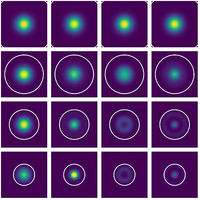
Phys. Rev. Lett. 137, 053605 (2026)
Atomic, Molecular, and Optical Physics
Coherent Attosecond Pulses Generated by a Relativistic Electron Beam Interacting with an Intense Laser at a Grazing Angle
Article | Plasma and Solar Physics, Accelerators and Beams | 2026-07-28 06:00 EDT
H. Peng, T. W. Huang, C. N. Wu, K. Jiang, R. Li, C. Riconda, S. Weber, and C. T. Zhou
The interaction between relativistic electron beams and intense laser fields has been extensively studied for generating high-energy radiation. However, achieving coherent radiation from such interactions needs to precisely control the phase matching of the radiating electrons, which has proven to b…
Phys. Rev. Lett. 137, 055101 (2026)
Plasma and Solar Physics, Accelerators and Beams
Kapitza Pendulum Route to Supercurrent Tunnel Diodes
Article | Condensed Matter and Materials | 2026-07-28 06:00 EDT
Yuriy Yerin, Stefan-Ludwig Drechsler, A. A. Varlamov, Francesco Giazotto, Jeroen van den Brink, and Mario Cuoco
Superconducting diodes that support nonreciprocal supercurrent flow in principle constitute attractive, nondissipative, circuit elements for superconducting electronics. But their realization faces fundamental challenges, as conventional Josephson tunnel junctions are inherently reciprocal. The so f…
Phys. Rev. Lett. 137, 056002 (2026)
Condensed Matter and Materials
Universal Critical Dynamics of Vortex Shedding in Quantum Fluids
Article | Condensed Matter and Materials | 2026-07-28 06:00 EDT
Niccolò Geracitano, Francesco Viola, Paolo Luchini, and Vincenzo Citro
In classical fluid dynamics, the von Kármán vortex street behind a bluff body is the canonical example used to study vortex formation and dynamics. This is governed by a local Hopf bifurcation, which drives the continuous and asynchronous release of vortical structures in the wake. In superfluid sys…
Phys. Rev. Lett. 137, 056004 (2026)
Condensed Matter and Materials
Incipient Modulated Phase in ${\mathrm{Sr}}{1-x}{\mathrm{Ca}}{x}{\mathrm{TiO}}_{3}$
Article | Condensed Matter and Materials | 2026-07-28 06:00 EDT
Benoît Fauqué, Daniel A. Chaney, Philippe Bourges, Stéphane Raymond, Frédéric Bourdarot, Arno Hiess, Paul Steffens, Benoît Baptiste, Luigi Paolasini, Alexeï Bosak, Kamran Behnia, and Yasuhide Tomioka
Nanometer-scale modulations can spontaneously emerge in complex materials when multiple degrees of freedom interact. Here we demonstrate that ferroelectric lies in close proximity to a finite- lattice instability associated with a tendency toward structural modulation. Using inelastic …
Phys. Rev. Lett. 137, 056101 (2026)
Condensed Matter and Materials
Disorder-Free Solitonlike Energy Transport in Moiré-Engineered Phononic Flat Bands
Article | Condensed Matter and Materials | 2026-07-28 06:00 EDT
Chunjiang Li, Tiancheng Zhang, Jiahao Cheng, Xuzhe Zhao, Shuang Zhang, Nicholas X. Fang, Junqiao Wu, Jiachen Li, and Kaichen Dong
The pursuit of low-loss, directional energy transport and heat localization is critical in frontier fields such as hybrid quantum computing, thermophysics, and materials science. Localized phonon modes, with spatially confined vibrational energy and suppressed diffusive scattering, provide promising…
Phys. Rev. Lett. 137, 056102 (2026)
Condensed Matter and Materials
Realization of the Thermal Haldane Lattice
Article | Condensed Matter and Materials | 2026-07-28 06:00 EDT
Jiaxin Li, Chengxin Xu, Shuihua Yang, Zifu Xu, Guoqiang Xu, Lizhou Dai, Kaipeng Liu, Jianfeng Chen, Guangming Tao, Ghim Wei Ho, Tianlong Li, and Cheng-Wei Qiu
A thermal analogue of the Haldane model supports one-way chiral edge states of heat, extending the framework of Chern insulators to thermal diffusion systems.
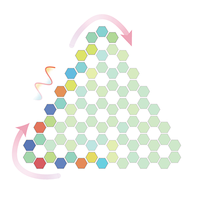
Phys. Rev. Lett. 137, 056301 (2026)
Condensed Matter and Materials
Unveiling the Hidden Spin-Polarized Bi(110) Surface States by Spin-Resolved Photoemission
Article | Condensed Matter and Materials | 2026-07-28 06:00 EDT
Taichi Okuda, Tatsuya Shishidou, Munisa Nurmamat, Kazuki Sumida, Eike Schwier, Koji Miyamoto, and Michael Weinert
The full three-dimensional spin texture of the Bi(110) surface states has been investigated by means of spin- and angle-resolved photoemission spectroscopy. The observed complex in-plane spin texture is in basic agreement with the prior reports and first-principles calculations, and the previously u…
Phys. Rev. Lett. 137, 056401 (2026)
Condensed Matter and Materials
Atomic Resolution in Near-Edge Core-Loss Mapping Beyond the Conventional Delocalization Limit
Article | Condensed Matter and Materials | 2026-07-28 06:00 EDT
Jiayi Wu, Juri Barthel, Leslie J. Allen, and Mitsutaka Haruta
The spatial resolution of core-loss electron energy-loss spectroscopy (EELS) is limited by the delocalization of inelastic scattering from long-range Coulomb interactions, especially for light-element edges at low energy losses. Here we demonstrate atomic-resolution imaging of the Si edge in Si [1…
Phys. Rev. Lett. 137, 056402 (2026)
Condensed Matter and Materials
Theory of Angle Resolved Photoemission Spectroscopy of Altermagnetic Mott Insulators
Article | Condensed Matter and Materials | 2026-07-28 06:00 EDT
Lorenzo Lanzini, Purnendu Das, and Michael Knap
Altermagnetism has emerged as an unconventional form of collinear magnetism with spatial rotational symmetries, that give rise to strongly spin-split bands despite an underlying fully compensated antiferromagnetic order. Here, we develop a theory for the angle resolved photoemission spectroscopy res…
Phys. Rev. Lett. 137, 056501 (2026)
Condensed Matter and Materials
Monte Carlo Sampling for Wave Functions Requiring Symmetrization or Antisymmetrization
Article | Condensed Matter and Materials | 2026-07-28 06:00 EDT
Koyena Bose, Steven H. Simon, and Ajit C. Balram
Many strongly correlated states, such as those arising in the fractional quantum Hall effect and spin liquids, are described by wave functions obtained by dividing particles into multiple clusters, constructing a readily evaluable wave function in each cluster, and (anti)symmetrizing across these cl…
Phys. Rev. Lett. 137, 056502 (2026)
Condensed Matter and Materials
Latent-Geometry Correspondence: Unraveling Hidden Symmetry Groups with Graph Theory
Article | Condensed Matter and Materials | 2026-07-28 06:00 EDT
Xinyu Zhang, Ruotao Ye, Malte Röntgen, Menglin L. N. Chen, Su-Huai Wei, Shuang Zhang, and Wenlong Gao
Seeking symmetry where it is not manifest, physicists have explored hidden symmetries throughout classical to quantum systems. A framework of generalized geometric symmetries, dubbed "latent symmetries," whose existence can be elegantly discerned entirely algebraically, has fueled this endeavor anew…
Phys. Rev. Lett. 137, 056602 (2026)
Condensed Matter and Materials
Breakdown of Self-Averaging at Quantum Hall Transitions
Article | Condensed Matter and Materials | 2026-07-28 06:00 EDT
Emuna Rimon, Eytan Grosfeld, and Yevgeny Bar Lev
We study the full distribution of the zero-temperature Hall conductivity in a lattice model of the integer quantum Hall effect across disorder realizations. Near the plateau transition, the distributions develop heavy power-law tails with exponent , implying a finite mean but divergent vari…
Phys. Rev. Lett. 137, 056603 (2026)
Condensed Matter and Materials
Higher-Order Topology Embedded in First-Order Topological Bands
Article | Condensed Matter and Materials | 2026-07-28 06:00 EDT
Jiancheng Zheng, Zhenhang Pu, Jiuyang Lu, Weiyin Deng, Manzhu Ke, and Zhengyou Liu
Traveling edge states and trapped corner states coexist within the exact same energy band of an acoustic crystal, overcoming a long-held rule that deemed them mutually exclusive.
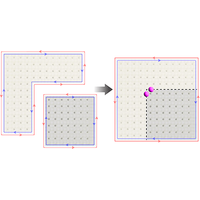
Phys. Rev. Lett. 137, 056605 (2026)
Condensed Matter and Materials
Probing Multipolar Order in the Candidate Altermagnet ${\mathrm{MnF}}_{2}$ through the Elastocaloric Effect under Strain
Article | Condensed Matter and Materials | 2026-07-28 06:00 EDT
Rahel Ohlendorf, Luca Buiarelli, Hilary M. L. Noad, Andrew P. Mackenzie, Rafael M. Fernandes, Turan Birol, Jörg Schmalian, and Elena Gati
The first unambiguous bulk confirmation of altermagnetism in MnF is achieved by combining symmetry-guided strain and magnetic-field tuning with highly sensitive elastocaloric measurements and first-principles theory.
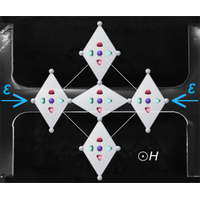
Phys. Rev. Lett. 137, 056702 (2026)
Condensed Matter and Materials
Competing States in the $S=1/2$ Triangular-Lattice ${J}{1}\text{-}{J}{2}$ Heisenberg Model: A Dynamical Density-Matrix Renormalization Group Study
Article | Condensed Matter and Materials | 2026-07-28 06:00 EDT
Shengtao Jiang (蒋晟韬), Steven R. White, Steven A. Kivelson, and Hong-Chen Jiang
Previous studies of the triangular-lattice Heisenberg antiferromagnet have inferred the existence of a nonmagnetic ground-state phase for an intermediate range of , but disagree concerning whether it is a gapped quantum spin liquid (QSL), a gapless (Dirac) QSL, or a weakly symmetry-…
Phys. Rev. Lett. 137, 056703 (2026)
Condensed Matter and Materials
Unconventional Unidirectional Spin Hall Magnetoresistance in Epitaxial IrMn/FeNi Bilayer
Article | Condensed Matter and Materials | 2026-07-28 06:00 EDT
Haiming Xu, Yong Xiao, Chuangwen Wu, Xiao Deng, Mingyu Wei, Yu Liu, Yining Wang, Yang Cao, Chenglong Jia, Yalu Zuo, Hao Wu, Tao Zhu, Junwei Zhang, Yong Peng, Dingfu Shao, Guoqiang Yu, Xiaoxi Liu, Desheng Xue, Jingsheng Chen, Dezheng Yang, Baoshan Cui, and Li Xi
Unidirectional spin Hall magnetoresistance (USMR), arising from the interaction between nonequilibrium spin accumulation and magnetization, has been proposed as a simple two-terminal method for electrically detecting magnetic states in heavy-metal/ferromagnet bilayers. However, conventional spin pol…
Phys. Rev. Lett. 137, 056704 (2026)
Condensed Matter and Materials
Panoramic Observation of Hyperbolic Exciton Polaritons in CrSBr
Article | Condensed Matter and Materials | 2026-07-28 06:00 EDT
Weizhe Zhang, Qi Wang, Hefei Zhao, Zheng Guan, Ruizhe Gu, Dingyang Zhang, Zhiwen Zhuang, Qihuang Gong, Zuxin Chen, and Wenjing Liu
Hyperbolic polaritons exhibit nonclosed hyperbolic isofrequency contours and hold great promise for integrated photonics due to their ultralarge momentum and directional propagation characteristics. However, their direct far-field observation remains challenging due to the large momentum mismatch. H…
Phys. Rev. Lett. 137, 056902 (2026)
Condensed Matter and Materials
Higher Josephson Harmonics in a Tunable Double-Junction Transmon Qubit
Article | Condensed Matter and Materials | 2026-07-28 06:00 EDT
Ksenia Shagalov, David Feldstein-Bofill, Leo Uhre Jakobsen, Zhenhai Sun, Casper Wied, Amalie T. J. Paulsen, Johann Bock Severin, Malthe A. Marciniak, Clinton A. Potts, Anders Kringhøj, Jacob Hastrup, Karsten Flensberg, Svend Krøjer, and Morten Kjaergaard
Tunable Josephson harmonics open new avenues for qubit design. We demonstrate a superconducting circuit element consisting of a tunnel junction in series with a superconducting quantum interference device (SQUID) loop, yielding a Josephson potential whose harmonic content is strongly tunable by magn…
Phys. Rev. Lett. 137, 057001 (2026)
Condensed Matter and Materials
Optimal Area Exploration by Resetting Active Particles
Article | Statistical Physics; Classical, Nonlinear, and Complex Systems | 2026-07-28 06:00 EDT
Kristian Stølevik Olsen, Hartmut Löwen, and Lorenzo Caprini
Identifying optimal strategies for efficient spatial exploration is crucial, both for animals seeking food and for robotic search processes, where maximizing the explored area is a fundamental requirement. Here, we propose position resetting as an optimal protocol to enhance spatial exploration in a…
Phys. Rev. Lett. 137, 057102 (2026)
Statistical Physics; Classical, Nonlinear, and Complex Systems
Isometric Incompatibility in Growing Elastic Sheets
Article | Polymers, Chemical Physics, Soft Matter, and Biological Physics | 2026-07-28 06:00 EDT
Yafei Zhang, Michael Moshe, and Eran Sharon
Geometric incompatibility, the inability of a material's rest state to be realized in Euclidean space, underlies shape formation in natural and synthetic thin sheets. Classical Gauss and Mainardi-Codazzi-Peterson incompatibilities explain many patterns in nature, but they do not exhaust the mechanis…
Phys. Rev. Lett. 137, 058201 (2026)
Polymers, Chemical Physics, Soft Matter, and Biological Physics
Active Polymers Translocate Faster in Confinement
Article | Polymers, Chemical Physics, Soft Matter, and Biological Physics | 2026-07-28 06:00 EDT
K. R. Prathyusha, Paulami Sarkar, Justin Xu, and Saad Bhamla
Living organisms employ diverse strategies to navigate confined environments. Inspired by translocation observations on California blackworms (Lumbriculus variegatus), we combine biological experiments and active-polymer simulations to examine how confinement and stiffness govern translocation. Acti…
Phys. Rev. Lett. 137, 058302 (2026)
Polymers, Chemical Physics, Soft Matter, and Biological Physics
Theoretical Analysis of Resource-Induced Phase Transitions in Estimation Strategies
Article | Polymers, Chemical Physics, Soft Matter, and Biological Physics | 2026-07-28 06:00 EDT
Takehiro Tottori and Tetsuya J. Kobayashi
Organisms adapt to volatile environments by integrating sensory information with internal memory, yet their information processing is constrained by resource limitations. Such limitations can fundamentally alter optimal estimation strategies in biological systems. For example, recent experiments sug…
Phys. Rev. Lett. 137, 058401 (2026)
Polymers, Chemical Physics, Soft Matter, and Biological Physics
Physical Review X
Non-Hermitian Bethe-Salpeter Equation for Open Systems: Emergence of Exceptional Points in Excitonic Spectra from First Principles
Article | 2026-07-28 06:00 EDT
Zhenlin Zhang, Wei Hu, Enrico Perfetto, and Gianluca Stefanucci
Extension of the Bethe-Salpeter equation to open quantum systems predicts that engineered photonic environments induce exceptional points in the excitonic spectra of transition-metal dichalcogenides, providing a pathway for non-Hermitian quantum devices with controllable optical and valleytronic properties.
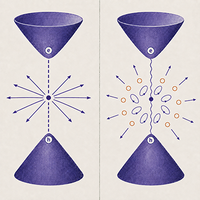
Phys. Rev. X 16, 031020 (2026)
arXiv
A flexible kinetic Monte Carlo framework for GaN molecular beam epitaxy with adaptive on-the-fly barrier evaluation
New Submission | Materials Science (cond-mat.mtrl-sci) | 2026-07-29 20:00 EDT
Sajid Ali, Norbert Krause, Carla Verdi
We present a lattice-based kinetic Monte Carlo (KMC) framework for simulating GaN(0001) growth by molecular beam epitaxy. The framework captures the key microscopic processes governing epitaxial growth, including temperature-dependent surface diffusion, flux-driven deposition, Ehrlich–Schwoebel (ES) step-edge barriers, Ostwald ripening, and species-specific desorption, within a scalable architecture that enables systematic exploration of experimentally relevant growth conditions. In addition to predefined activation-energy catalogs, the framework supports adaptive on-the-fly barrier evaluation using machine-learned interatomic potentials. When previously unencountered local atomic configurations arise, activation barriers are computed via nudged elastic band, potential energy scans, or Brønsted–Evans–Polanyi methods, and cached for reuse. Predefined-barrier simulations reproduce compact triangular island formation, and further capture Ostwald ripening during growth interruptions and ES barrier-induced multilayer nucleation. At elevated temperatures, desorption drives an island ``walking’’ regime, in which N–Ga exchange generates weakly bound Ga adatoms (AdGa) at trailing edges; preferential desorption of AdGa leads to asymmetric edge retreat and net island translation. Our KMC framework provides a flexible platform for predictive simulations of GaN epitaxy at the atomic scale and, more broadly, non-equilibrium growth of compound semiconductors.
Materials Science (cond-mat.mtrl-sci)
Applied Surface Science, 2026
Stripe-tuned superconductivity in single-flavor metals with nontrivial quantum geometry
New Submission | Superconductivity (cond-mat.supr-con) | 2026-07-29 20:00 EDT
Yi-Ting Tu, Yang-Zhi Chou, Yi Huang, Sankar Das Sarma
We study how the interplay between nontrivial quantum geometry and an applied stripe potential affects superconductivity in a two-dimensional single-flavor metal. Assuming a weak contact attractive interaction and focusing on the lowest subband in the presence of a strong stripe potential, we analytically derive two possible pairing states in the quasi-one-dimensional limit. In addition to the conventional longitudinal $ p_y$ -wave order (with the stripes along the $ y$ direction), we find that an exotic transverse $ p_x$ -wave order can be stabilized. The competition between these two orders is controlled by the electron density of each stripe and the Berry-curvature-dressed interaction. Notably, the transverse $ p_x$ wave order develops a nodal line at $ k_x=0$ , while the longitudinal $ p_y$ order is fully gapped. We discuss the possible experimental probes distinguishing these orders. Our results establish a way of controlling the pairing symmetry through a stripe potential, predicting superconductivity with nontrivial quantum geometry.
Superconductivity (cond-mat.supr-con), Mesoscale and Nanoscale Physics (cond-mat.mes-hall), Strongly Correlated Electrons (cond-mat.str-el)
16 pages, 6 figures
Probing nonlocal superconducting fluctuations with covariance noise magnetometry
New Submission | Superconductivity (cond-mat.supr-con) | 2026-07-29 20:00 EDT
Gustav Romare, Ilya Esterlis, Shimon Kolkowitz, Alex Levchenko
The nonlocal superconducting fluctuation corrections to the conductivity tensor $ \sigma_{ij}(\mathbf{q},\omega)$ are calculated within the time-dependent Ginzburg-Landau framework, and their observable consequences for quantum noise magnetometry are worked out. For a single nitrogen-vacancy (NV) sensor we obtain the relaxation rate $ 1/T_1$ as a function of temperature, sample-sensor distance, and probe frequency, identifying the scales at which the nonlocality and the dynamics of the pair fluctuations cut off the critical enhancement near $ T_c$ . For two-sensor covariance magnetometry we show that the two-point field correlator develops additional spatial structure whose range directly measures the fluctuation correlation length $ \xi(T)$ . We further analyze two channels that accompany the paraconductivity: the Maki-Thompson correction to the spin susceptibility, and the fluctuation diamagnetism. Finally, we solve exactly, to all orders in a dc electric field and at all wave vectors, for the nonequilibrium current noise of the fluctuating film: the noise decouples from the nonlinear paraconductivity, violating the fluctuation-dissipation theorem by universal factors at criticality and acquiring a bias-induced spatial anisotropy directly measurable by covariance magnetometry. The results are connected to a recent experiment measuring current noise near a thin film of BSCCO.
Superconductivity (cond-mat.supr-con), Quantum Physics (quant-ph)
16 pages, 9 figures
Effective Field Theory of Operator Scrambling from Strong-to-Weak Symmetry Breaking
New Submission | Statistical Mechanics (cond-mat.stat-mech) | 2026-07-29 20:00 EDT
Bai-Lin Cheng, Shao-Kai Jian, Zhi-Cheng Yang
Operator scrambling is commonly diagnosed by the growth of out-of-time-ordered correlators (OTOCs), yet a general symmetry principle underlying their effective dynamics has remained elusive. For Brownian or short-time-correlated large-$ N$ Majorana systems, we develop a symmetry-based effective field theory for operator scrambling, organized by a strong-to-weak U(1) symmetry breaking in operator space. The key observation is that, in the noninteracting fermion limit, the four-fold Keldysh contour representation of an OTOC admits an emergent strong U(1) symmetry in a doubled Hilbert-space description, even when the original system has no ordinary conserved quantity. The associated slow mode is the phase of the strong-charge creation operator, whose conjugate density is identified with the local operator size. Generic interactions explicitly break the strong symmetry and generate a mass term at lowest order for the would-be Goldstone mode, thereby converting diffusive operator spreading into chaotic growth. We further show that higher-order symmetry breaking terms are tightly constrained by an emergent duality that combines time reversal with contour permutation. This duality fixes the effective action up to quadratic order in the response field, relates the multiplicative noise strength directly to the Lyapunov exponent, and makes the positivity of the Lyapunov exponent a consequence of convergence of the real-time path integral. The resulting OTOC dynamics is governed by a noisy FKPP equation, which captures within a unified framework the early-time exponential growth, ballistic propagation, nonlinear saturation, and stochastic front broadening of operator scrambling. We verify this construction in a Brownian SYK chain, where a direct saddle-point expansion reproduces the symmetry-based effective action. Our results reveal a symmetry origin of operator-size hydrodynamics and scrambling.
Statistical Mechanics (cond-mat.stat-mech), Strongly Correlated Electrons (cond-mat.str-el), High Energy Physics - Theory (hep-th), Quantum Physics (quant-ph)
32 pages main text + 16 pages appendix, 7 figures
Controlling Turbulent Flows in Compressible Active Nematics
New Submission | Soft Condensed Matter (cond-mat.soft) | 2026-07-29 20:00 EDT
Dimitrios Krommydas, Paarth Gulati, Aparna Baskaran, M. Cristina Marchetti
Motivated by experiments on light-patterned, quasi-2D active suspensions that exhibit large density variations, we develop a continuum theory of compressible active nematics–suspensions of apolar rods whose orientation is invariant under pi rotations. Under spatially patterned activity, the extensile isotropic active pressure expels material from high-activity regions and accumulates it in low-activity ones; an exactly solvable 1D reduction shows that the resulting density contrast is governed by a single dimensionless parameter, linear in the compressibility. Using compressibility as a tuning knob, we then steer active turbulence from high- to low-activity regions and, at sharp activity interfaces, stabilize an analytically tractable dynamical steady state: a one-dimensional chain of vortices held by soft, activity-induced confinement. Our results establish compressibility as a control parameter for density variations and turbulent flow in active nematic suspensions.
Soft Condensed Matter (cond-mat.soft), Biological Physics (physics.bio-ph), Fluid Dynamics (physics.flu-dyn)
7 pages, 3 figures; Supplementary Material: 24 pages, 7 figures
Momentum-Selective Two-Component Excitations in Electron-Doped Mott Insulators
New Submission | Strongly Correlated Electrons (cond-mat.str-el) | 2026-07-29 20:00 EDT
Zeyu Han, Can Cui, Jia-Xin Zhang, Zheng-Yu Weng
Experimental studies reveal a striking asymmetry in low-energy single-particle excitations between electron- and hole-doped cuprates. Electron-doped cuprates display a nontrivial dichotomy: Fermi-liquid-like behavior (suggesting weaker electronic correlations) coexists with correlation-driven features typical of hole-doped systems. This dual nature challenges a unified description within a doped Mott insulator framework. The present work addresses this issue by establishing that the ground-state wave function of the $ t$ -$ t’$ -$ J$ model generically possesses a two-component structure, comprising a coherent quasiparticle and an incoherent composite component. The kinetic energy arises from both the intrinsic propagation of the coherent quasiparticle and the resonance between these components. Using variational Monte Carlo at the level of a single hole, we show that for hole doping ($ t’<0$ ), this resonance between components dominates and concentrates in the nodal region at low energies. This emergent propagation induced by resonance can be physically interpreted as originating from the recombination of fractionalized degrees of freedom, which drives various phenomena associated with strong correlations. Conversely, for electron doping ($ t’>0$ ), the coherent quasiparticle propagation, which exhibits conventional properties of a Fermi liquid, is selectively enhanced in the antinodal region at low energies. This produces a separation in momentum space for systems with electron doping: the antinodal spectral weight at low energies is governed by the coherent quasiparticle, fundamentally differing from the nodal region, which remains dominated by the incoherent composite component. Motivated by such a structure and guided by experimental observations, we propose a phenomenological Green’s function at finite doping, yielding spectral features consistent with experiments.
Strongly Correlated Electrons (cond-mat.str-el), Superconductivity (cond-mat.supr-con)
28 pages, 13 figures
Organizing Principles for Moiré Quantum Matter
New Submission | Materials Science (cond-mat.mtrl-sci) | 2026-07-29 20:00 EDT
Qiaoling Xu, Yifan Gao, Tao Zhang, Ammon Fischer, Yi Jiang, Hanqi Pi, Zike Fan, Dongdong An, Kun Zhou, Yingjian Li, Yongqing Li, Yuhao Fu, Lei Wang, Lijun Zhang, B. Andrei Bernevig, Dante M. Kennes, Enge Wang, Angel Rubio, Lede Xian
Moiré flat bands in van der Waals bilayers are usually discussed through a small set of mechanisms associated with the $ \Gamma$ and $ K$ valleys of hexagonal crystals, and more recently with $ M$ -valleys systems. Here we show that this view is incomplete. The momentum-space location and effective local orbital character of the monolayer’s band edge, in conjunction with the moiré symmetry and the symmetry representations of the resulting bands, provide a general set of organizing variables for the emergent low-energy moiré Hamiltonian. Applying fully relaxed first-principles calculations, band unfolding and symmetry-representation analysis to more than 600 commensurate twisted bilayers spanning all 2D lattice classes, we identify several routes to moiré quantum matter beyond the conventional single-orbital paradigm. The resulting flat bands realize trigonal, honeycomb, square, checkerboard and kagome-like Hubbard models with single-orbital, multi-orbital and multi-site Hilbert spaces; spin-orbit-coupled multi-orbital flat bands exhibit symmetry-indicated topology beyond the conventional $ K$ -valley setting; and nonsymmorphic moiré symmetries enforce semimetallic flat-band connectivity. Analogous quasi-one-dimensional flat-band structures are found in $ M$ -valley hexagonal systems and $ X$ -valley square or rectangular systems resulting from emergent momentum-space nonsymmorphic symmetries. Separately, coupled multi-valley manifolds with kagome-like connectivity are identified in several systems whose parent band edges lie at non-high-symmetry points. These results establish a valley-orbital-symmetry framework for connecting parent-material electronic structure to emergent moiré Hamiltonians relevant to correlated, topological and symmetry-enforced moiré phases.
Materials Science (cond-mat.mtrl-sci), Strongly Correlated Electrons (cond-mat.str-el)
20 pages, 5 figures
Chiral Magnons: Mechanisms and Research Progress
New Submission | Strongly Correlated Electrons (cond-mat.str-el) | 2026-07-29 20:00 EDT
Wanxing Lin, Hanchen Deng, Bao-Tian Wang, Dao-Xin Yao
Chiral magnons are distinctive collective spin excitations in magnetic ordered systems, whose dispersion relations break momentum-inversion symmetry, $ \omega(\boldsymbol{k}) \neq \omega(-\boldsymbol{k})$ , resulting in essential non-reciprocal spin-wave propagation. This built-in directionality provides new opportunities for spin information transfer, thermal-spin interconversion, and low-dissipation non-reciprocal microwave devices, which complement but differ from topological magnonics. In recent years, the proposal and rapid development of altermagnetism have broadened the physical origin and research framework of chiral magnons, making them a research frontier in condensed matter physics. This review presents a unified framework for chiral magnons, covering symmetry-breaking mechanisms, material implementation, experimental characterization, transport response, and many-body non-Hermitian dynamics, and evaluates routes toward room-temperature and device-related platforms. The discussion is based on symmetry analysis, model Hamiltonians, and spin-wave theory, combined with first-principles calculations as well as recent spectroscopic (e.g., inelastic and polarized neutron scattering, Brillouin light scattering) and transport measurements. This review further summarizes bulk-gap and Berry-curvature induced chiral magnon edge states, the enhancement of non-reciprocity via chiral spin pumping and cavity-magnon hybrids, as well as non-Hermitian features arising from multiparticle damping and gain-loss competition. This review provides a comprehensive reference for elucidating the underlying mechanisms of chiral magnons, advancing the synthesis and experimental characterization of novel materials, and also guiding the design of next-generation non-reciprocal magnonic devices.
Strongly Correlated Electrons (cond-mat.str-el)
The paper is an English translated version of the original Chinese paper published in $\boldsymbol{Acta}$ $\boldsymbol{Physica}$ $\boldsymbol{Sinica}$. Please cite the paper as: W. Lin, H. Deng, B. T. Wang, and D. X. Yao, Chiral magnons: Mechanisms and research progress. Acta Physica Sinica 75: 050706 (2026). doi: https://doi.org/10.7498/aps.75.20251645
Acta Physica Sinica, 2026, 75(5): 050706
Spin-cQED with bulk germanium spin qubits
New Submission | Mesoscale and Nanoscale Physics (cond-mat.mes-hall) | 2026-07-29 20:00 EDT
A.-F. Kalo, E. A. Rodríguez-Mena, J. C. Abadillo-Uriel, M. Filippone, Y.-M. Niquet
Unstrained bulk germanium is a particularly attractive material for circuit quantum electrodynamics with spins (spin-cQED). We show, through systematic modeling and comparison with state-of-the-art strained germanium heterostructures, that hole spins in bulk germanium double quantum dots readily reach the strong-coupling regime with superconducting microwave resonators, achieving spin-photon coupling strengths $ g_s/2\pi\gtrsim100$ ,MHz. This enhancement originates from large spin-orbit interactions beyond the perturbative regime. In addition, the coupling is much less sensitive to the orientation of the applied magnetic field, which shall ease operation and limit the impact of device-to-device variability. Our results establish bulk germanium as a compelling platform for scalable spin-cQED.
Mesoscale and Nanoscale Physics (cond-mat.mes-hall), Quantum Physics (quant-ph)
4 pages, 3 figures + Supp. Mat
Strongly-connected percolation on directed lattices
New Submission | Statistical Mechanics (cond-mat.stat-mech) | 2026-07-29 20:00 EDT
M. E. J. Newman, P. Grassberger, R. M. Ziff
We study percolation on lattices with directed bonds, focusing on the behavior of strongly-connected percolation clusters – clusters in which every site is reachable from every other along a directed path. We consider the two-dimensional square lattice and various globally isotropic arrangements of the directions of the bonds. Performing simulations using a range of algorithmic approaches, we calculate high-precision values for critical exponents, fractal dimensions, crossing probabilities, and percolation thresholds for bond percolation with each bond arrangement. We find that the critical behavior is in a distinctly different universality class from that of traditional undirected percolation, but that all bond arrangements appear to fall in the same universality class.
Statistical Mechanics (cond-mat.stat-mech)
16 pages, 14 figures, 3 tables
MANDALA: An E(3)-Equivariant Graph Neural Network Framework for Learning Electronic-Structure Operators with Observable Guidance
New Submission | Materials Science (cond-mat.mtrl-sci) | 2026-07-29 20:00 EDT
Bartosz Brzoza, Wiktoria Szopa, Zakaria Elabid, Vincent Martinetto, Varadarajan Rengaraj, Mani Lokamani, Thomas D. Kühne, Attila Cangi
Electronic-structure calculations based on Kohn-Sham density functional theory remain indispensable in computational materials science and chemistry. Their computational cost, however, limits accessible system sizes and simulation times. At the same time, conventional machine-learning interatomic potentials (MLIPs), which are becoming the workhorse of large-scale materials modeling, usually target only energies and forces. They therefore leave out the quantum-operator-level information required to reconstruct band structures, densities of states, spatial charge distributions, and other electronic observables. \texttt{Mandala} fills this methodological gap. It is a modular software framework for learning block-sparse electronic-structure matrices with E(3)-equivariant graph neural networks. The framework is built around a unified representation of atom-resolved Hamiltonian, overlap, and density matrices, together with reusable abstractions for basis conversion, sparse block handling, irreducible representation mapping, graph construction, model definition, and training. This design allows \texttt{Mandala} to support heterogeneous chemical compositions, a wide range of neural architecture variants within one workflow, and multiple electronic-structure backends. \texttt{Mandala} evaluates selected observables directly from the predicted operators, including band energy, electron count, density of states, and band structure. This connects electronic-structure learning and observable-guided modeling while retaining a representation tied to quantum-mechanical operators rather than only scalar or vector targets as in MLIPs. In this form, \texttt{Mandala} is intended to complement atomistic interatomic potential workflows by resolving electronic structure and operator-derived observables within one scalable implementation.
Materials Science (cond-mat.mtrl-sci), Chemical Physics (physics.chem-ph)
Machine-Learning Potentials for sodium-potassium chloride mixtures: Predicting thermophysical properties and phase behavior of multicomponent salts
New Submission | Materials Science (cond-mat.mtrl-sci) | 2026-07-29 20:00 EDT
Karim Zongo, Hao Sun, Zijian Meng, Christopher Maxwell, Edmanuel Torres, Laurent Karim Béland
Predicting the properties of multicomponent molten salts using density functional theory (DFT) remains challenging because the spatial and temporal scales required to evaluate transport properties and phase behavior are computationally prohibitive. In this work, we develop a moment tensor potential trained using a a DFT dataset of NaCl, KCl, NaCl-KCl mixtures, and the NaK alloy, enabling large-scale molecular dynamics simulations across wide ranges of temperatures and compositions. We systematically evaluate the effect of D3 dispersion corrections and apply the resulting potential to predict liquid densities, diffusion coefficients, radial distribution functions, heat capacities, thermal conductivities, and the NaCl-KCl phase diagram. The model successfully reproduces many temperature- and composition-dependent trends. However, systematic deviations in several absolute properties persist, highlighting the importance of experimental validation and calibration. These findings support a hybrid modeling framework in which first-principles-informed machine-learning potentials provide transferable predictive capability and mechanistic insight, while experimental data incorporated during model development or subsequent engineering assessments is necessary to improve quantitative accuracy.
Materials Science (cond-mat.mtrl-sci)
Phase Transitions and Order Parameters in Correlation Matrices: A Wishart-Ensemble Perspective on the Largest Eigenvalue
New Submission | Statistical Mechanics (cond-mat.stat-mech) | 2026-07-29 20:00 EDT
Roberto da Silva, Antonio Mihara, Henrique Tramontina, Sandra D. Prado
We investigate the properties of the largest eigenvalue of correlation matrices within the framework of Wishart ensembles. In this work, we propose the largest eigenvalue as an effective empirical order parameter for detecting phase transitions in chaotic and spin systems, drawing an analogy between its derivatives and thermodynamic response functions derived from the free energy, however not necessarily linked to a critical divergence originally observed in the context of phase transitions theory.
Statistical Mechanics (cond-mat.stat-mech), Chaotic Dynamics (nlin.CD)
23 pages, 4 figures
Citrine Informatics: Chemical & Materials Development Platform
New Submission | Materials Science (cond-mat.mtrl-sci) | 2026-07-29 20:00 EDT
Maxwell C. Venetos, Steven J. Brown, Kenneth Kroenlein, Steven K. Kauwe, James E. Saal, Marco Musto, Matthew D. Gerboth, Kyle D. Miller, Gregory J. Mulholland
Data-driven materials discovery promises to compress the historically decades-long path from invention to deployment, yet translating individual successes into sustained industrial discovery programs remains difficult. Three obstacles recur: experimental data are scarce, costly, and published in formats that resist reuse; conventional accuracy metrics overstate model performance under the extrapolative conditions that define discovery; and realistic design spaces are bounded by physics, manufacturability, supply, and cost. We present the Citrine Platform, developed over more than a decade as an integrated response to these obstacles, and organize it as four cooperating stages within a closed sequential learning loop. Stage 1 ingests and featurizes data through the Graphical Expression of Materials Data (GEMD) model, which treats process history, measurement uncertainty, and provenance as first-class features. Stage 2 builds machine learning models with well-calibrated uncertainty, including multivariate prediction intervals for correlated objectives, and validates them with extrapolative cross-validation and dynamic discovery metrics rather than random held-out splits. Stage 3 encodes compositional, physical, processing, and economic constraints directly into the design space, and Stage 4 applies the FUELS sequential learning framework with uncertainty-aware acquisition functions to navigate large constrained spaces under tight evaluation budgets. Published case studies spanning organic semiconductors, autonomous nanoparticle synthesis, and benchmark optimization tasks demonstrate two- to nine-fold reductions in experimental effort relative to random search, illustrating a stack in which data, modeling, and design-space layers continuously co-evolve.
Materials Science (cond-mat.mtrl-sci)
61 pages, 9 figures
Transition between ground states in square anisotropic artificial colloidal ice
New Submission | Soft Condensed Matter (cond-mat.soft) | 2026-07-29 20:00 EDT
Leonardo G. Alanis-Cantú, Antonio Ortiz-Ambriz
In Artificial Colloidal Ice (ACI), paramagnetic colloidal particles are confined in double-well traps and interact via repulsive, isotropic, magnetic dipole-dipole interactions that can be controlled by an external magnetic field. In this paper, we dynamically introduce anisotropic interactions to ACI by rotating the external magnetic field, which, in equilibrium, makes the system go from a charge-free 2-in, 2-out ice rule state, to a charged 4-in, 4-out state. We observe a strong dependence of the final configuration on the field’s rotation rate $ \omega$ : at high angular velocity, the system achieves a defect free final state via a difussionless transformation from the initial ground state. However, counterintuitively, at slow rotation rates, ergodicity breaks down, trapping the system in a partially ordered metastable state.
Soft Condensed Matter (cond-mat.soft)
8 pages, 5 figures. Submitted
The effect of side chain length on the mesomorphic properties of ferroelectric nematogens
New Submission | Soft Condensed Matter (cond-mat.soft) | 2026-07-29 20:00 EDT
Natalia Podoliak, Martin Cigl, Pavlo Golub, Anej Sterle, Marta Lavrič, Nerea Sebastian, Aitor Erkoreka, Josu Martinez-Perdiguero, Alenka Mertelj, George Cordoyiannis, Vladimíra Novotná
The discovery of ferroelectric nematic phase opened new directions in the field of soft matter chemistry and physics. In this paper, we have modified a previously reported ferroelectric nematogen based on molecular structure with dimethylamino-terminated part. We have prepared two new homologues by prolonging a side chain and investigated the effect of its length on the mesomorphic properties. While previously reported homologues exhibited a direct phase transition from the isotropic (Iso) to the ferroelectric nematic phase (NF), for prolonged alkyl chain there is a narrow nematic phase (N) in between. For new compounds, we have established their mesomorphic and material properties. We have confirmed ferroelectricity of the NF phase by the polarization, SHG signal and permittivity. Finally, we have compared these parameters with respect to the side-chain length and discussed new effects, discovered for prolonged homologues due to the presence of an additional N phase.
Soft Condensed Matter (cond-mat.soft)
21 pages, 9 figures
First-Principles Origins of Charge Transport in Molecular Semiconductors
New Submission | Materials Science (cond-mat.mtrl-sci) | 2026-07-29 20:00 EDT
Charge transport governs organic transistors and photovoltaics, yet predicting it from atomic structure remains challenging. Electron–phonon interactions span disparate frequencies, strengths and spatial ranges, and collectively generate nonperturbative carrier dynamics. Existing methods regain tractability only by assuming a mechanism or reducing electron–phonon coupling to a few modes. We introduce a parameter-free framework that instead computes transport from ab initio electron–phonon Hamiltonians, propagating carriers across hundreds-of-molecule domains with the full phonon spectrum and letting transport regimes and bottlenecks emerge from nonperturbative Green–Kubo dynamics. Across five representative crystals, it captures measured mobilities, temperature exponents, and optical-conductivity fingerprints. Our results overturn the prevailing microscopic mechanism for DNTT, tracing its transient localization to correlated on-site disorder from acoustic phonons rather than independent hopping fluctuations. The resulting two-axis transport map provides design principles and highlights the underexplored phenacene family, exemplified by the high-mobility picene, as a promising direction.
Materials Science (cond-mat.mtrl-sci), Chemical Physics (physics.chem-ph)
Identifying Contact Barrier Types in Few-Layer MoS2 Devices Using Correlative IV, LBIC, and Bias-Dependent KPFM
New Submission | Materials Science (cond-mat.mtrl-sci) | 2026-07-29 20:00 EDT
Ariane Ufer, Zeinab Eftekhari, Benjamin Mayer, Hendrik Lambers, Hubert J. Krenner, Rebecca Saive, Ursula Wurstbauer
Electrical contacts between metals and two-dimensional (2D) semiconductors such as molybdenum disulfide (MoS2) critically govern device performance, yet their microscopic nature remains difficult to disentangle using any single characterization technique. Here we present an integrated experimental framework that combines current-voltage (IV) characterization, laser beam induced current (LBIC) mapping, and bias-dependent Kelvin probe force microscopy (KPFM) to comprehensively resolve the contact properties of few-layer MoS2-based two-terminal devices under ambient conditions. IV measurements deliver macroscopic transport characteristics as a function of bias voltage and illumination conditions. LBIC maps the local photocurrent response with micrometer spatial resolution, revealing the position and nature of internal electric fields at MoS2-metal interfaces. KPFM, operated under an applied static bias rather than in the conventional work-function mode, provides nanoscale-resolved potential distributions that quantify the relative magnitudes and spatial locations of contact barriers. We apply this framework to three representative devices - one exhibiting ohmic-like and two exhibiting diode-like contact behavior - and demonstrate that the combined analysis can unambiguously identify whether the dominant barrier is of Schottky or tunnel type and determine the asymmetry between the two contacts. We further demonstrate that thermal annealing significantly reduces the total resistance, while contact barriers remain the dominant source of resistance. The methodology is directly transferable to other 2D semiconductor-metal systems and provides a practical yet comprehensive route toward a quantitative microscopic understanding of 2D device contacts.
Materials Science (cond-mat.mtrl-sci)
Field-Induced Dissociation Reveals Excitonic Long-Range Photocarrier Transport in Bulk-Insulating Bi2Se3 Nanoribbons
New Submission | Mesoscale and Nanoscale Physics (cond-mat.mes-hall) | 2026-07-29 20:00 EDT
Rodrigo Becerra Silva, Xiang Yi, Ziyi Song, Dong Yu
Photoexcited charge carriers in topological insulators display anomalously long-range transport at cryogenic temperatures, but the underlying mechanism remains under debate. Here we use a transverse electric field as a discriminating probe of photocarrier dynamics in bulk-insulating Sb-doped Bi2Se3 nanoribbons, combining scanning photocurrent microscopy (SPCM) with ultrafast transient photovoltage (TPV) measurements. SPCM shows that suppression of the photocurrent requires a transverse electric field nearly 50 times larger than that needed to deflect free carriers, yet comparable to the expected exciton dissociation field. TPV measurements at 12 K and low excitation fluence reveal that the photocarrier diffusivity exceeds the value implied by the Einstein relation and the measured drift mobility by more than an order of magnitude, a bound that holds even at the lower end of the fitting uncertainty. Together, these observations indicate that the long-range photoresponse is not carried by free charge carriers but by a charge-neutral correlated state.
Mesoscale and Nanoscale Physics (cond-mat.mes-hall), Strongly Correlated Electrons (cond-mat.str-el)
23 pages, 4 figures
Fast Stokesian Dynamics for Rigid Aggregates
New Submission | Soft Condensed Matter (cond-mat.soft) | 2026-07-29 20:00 EDT
Deepak Mangal (1), Avinesh Ojha (4), Wanjiao Liu (4), Ronald G. Larson (1 and 2), Jesse Capecelatro (1 and 3) ((1) Department of Mechanical Engineering University of Michigan Ann Arbor Michigan 48105 USA, (2) Department of Chemical Engineering University of Michigan Ann Arbor Michigan 48105 USA, (3) Department of Aerospace Engineering University of Michigan Ann Arbor Michigan 48105 USA, (4) Coatings and Surfaces Research Ford Motor Company Dearborn Michigan 48126 USA)
We present a fast Stokesian dynamics (FSD) framework for the dynamics and rheology of suspensions of rigid aggregates. The method extends the sphere-level formulation of Fiore and Swan (2019) to multi-bead rigid bodies. Rigidity is enforced implicitly through geometric constraints, enabling stable and efficient time integration. We develop a block-triangular factorization preconditioner for the resulting saddle-point system. The approach combines an approximate inverse of the far-field mobility with a block-diagonal approximation of the Schur complement, enabling independent inversion of each aggregate sub-block via LU decomposition. The method is implemented as an open-source plugin for the HOOMD-blue software suite, and validated against benchmark problems, including doublet dynamics in shear flow, pair sedimentation, Brownian diffusion, and suspension rheology across dilute and structured regimes, accurately capturing both deterministic and stochastic behavior. The framework is further validated against experimental rheology of carbon black slurries, explicitly accounting for van der Waals cohesion, Hertzian contact, and tangential friction via enhanced lubrication. The simulations accurately reproduce the shear-thinning and high-shear viscous regimes. The method exhibits favorable GPU scaling for small system sizes, with decreasing runtime per bead prior saturation. A size-dependent Ewald splitting parameter accelerates simulations at low volume fractions, yielding up to an order-of-magnitude speedup compared to constant Ewald splitting. For larger systems, a constant Ewald splitting produces linear scaling with particle number, whereas the size-dependent choice leads to quadratic scaling due to increased far-field cost. Overall, the proposed framework enables accurate and scalable simulation of rigid aggregate suspensions in Stokes flow.
Soft Condensed Matter (cond-mat.soft)
33 pages, 9 figures (including 1 supplemental figure)
A Catalogue of Topological Moiré Bands in Twisted Semiconductors
New Submission | Materials Science (cond-mat.mtrl-sci) | 2026-07-29 20:00 EDT
Jiaheng Li, Yan Zhang, Jiaxuan Liu, Caiyuan Ye, Tiannian Zhu, Zhong Fang, Hongming Weng, Quansheng Wu
Twisted two-dimensional semiconductors provide a route to flat and topological moiré minibands, but systematic principles for organizing their material dependence have remained unclear. Here, we establish a high-throughput framework that integrates structural relaxation, first-principles electronic structure calculations, and moiré band topology. We apply this framework to 43 experimentally realized monolayers and 91 symmetry-inequivalent bilayer prototypes, yielding over 1,000 angle-resolved moiré electronic band structures. This database reveals that the low-energy moiré electronic structure is organized primarily by the valley character of the parent band edge together with stacking symmetry. In $ \Gamma$ -valley systems, the miniband width usually follows a nearly quadratic twist-angle scaling, consistent with a folding-dominated kinetic-energy scale. In $ K$ -valley systems, stacking-controlled interlayer hybridization governs whether parent Berry curvature is redistributed into isolated valley Chern minibands. By contrast, $ M$ -valley systems form a more material-specific class associated with anisotropic and symmetry-constrained band folding. The same valley-and-stacking hierarchy rationalizes the emergence or suppression of $ \mathbb{Z}_2$ minibands, and surface termination in Janus bilayers provides a microscopic knob for changing the relevant valley character. These results establish a materials-level organizing principle for designing flat and topological moiré bands in twisted semiconductors.
Materials Science (cond-mat.mtrl-sci), Mesoscale and Nanoscale Physics (cond-mat.mes-hall)
7 pages, 3 figures
Everything is a Spin: The Secret Lives of SU(2)
New Submission | Mesoscale and Nanoscale Physics (cond-mat.mes-hall) | 2026-07-29 20:00 EDT
Spin, pseudospin, valley, polarization, and other two-component degrees of freedom share the geometry of SU(2), yet their topological manifestations are usually discussed as separate phenomena. This review develops a common geometric language for their winding in momentum and real space,beginning with Berry phase and the Dirac Hamiltonian and extending to graphene, topological insulators, Weyl semimetals, and magnetic skyrmions. We argue that the common thread is not merely topology itself, but the continuity constraints imposed on two-component wavefunctions. Whenever the relevant symmetry is preserved, winding determines which states can continuously connect across an interface or deformation, thereby governing transmission, torque generation, optical selection rules, and other physical responses. We then ask a practical question: what does topology buy an engineer? In skyrmions, winding partitions magnetic configuration space and stabilizes ultrasmall information carriers with tunable dynamics. In graphene, pseudospin matching governs Klein tunneling, enabling a gate-controlled transmission gap without sacrificing the massless Dirac dispersion. In topological insulators and Weyl semimetals, spin-momentum locking and Berry-curvature engineering generate electrically selectable spin currents, while helicity-dependent optical transitions produce circular photogalvanic responses. Together, these examples suggest that topology is not merely a classification of quantum matter, but a design language in which symmetry-protected wavefunction continuity can be engineered for memory, switching, actuation, and sensing.
Mesoscale and Nanoscale Physics (cond-mat.mes-hall), Materials Science (cond-mat.mtrl-sci)
Stacking-dependent anisotropic altermagnetism in V$_{1/3}$NbS$_2$
New Submission | Strongly Correlated Electrons (cond-mat.str-el) | 2026-07-29 20:00 EDT
Chris J. Lygouras, Nathan Prouse, Jack H. Drouin, Youzhe Chen, Laura Garcia-Gassull, Zili Feng, Mingxuan Fu, Lü Fang, Alexander I. Kolesnikov, Christina Hoffman, Yiqing Hao, Huibo Cao, Maxime A. Siegler, Robert J. Birgeneau, Roser Valentí, Satoru Nakatsuji, Collin L. Broholm
We report profound impacts of the stacking sequence of triangular lattices of magnetic transition metal ions intercalated between the layers of the van der Waals material NbS$ 2$ . Using single crystal x-ray and neutron diffraction, and transport and magnetization measurements, we show there are two distinct polytypes of $ \rm V{1/3}NbS_2$ with disparate easy axes of magnetization and different anomalous Hall responses. Self-consistent analysis of inelastic neutron scattering data provides evidence for oscillatory RKKY interactions that extend to 1 nm and stabilize quasi-collinear A-type altermagnetic orders in both polytypes though with perpendicular easy axes. The detailed stacking sequence of a bulk polytype crystal dramatically impact its macroscopic anomalous Hall response and magnetism, which suggests a new path to engineer the bulk properties of a layered three dimensional solid.
Strongly Correlated Electrons (cond-mat.str-el)
9 pages manuscript plus 11 pages SI, 16 figures
Anomalous entanglement scaling from eigenvector nonorthogonality in critical non-Hermitian free fermions
New Submission | Mesoscale and Nanoscale Physics (cond-mat.mes-hall) | 2026-07-29 20:00 EDT
Entanglement carries universal content that labels phases and critical points. We study the entanglement entropy of the steady states of critical non-Hermitian free-fermion chains. It scales logarithmically with subsystem size, but the coefficients vary continuously with the parameters and form a Rényi family that no single central charge can reproduce. We trace this anomaly to an ``imaginary’’ Dirac point, a crossing in the imaginary part of the energy where the occupied state switches between two Bloch states. Their nonorthogonality weakens the occupation discontinuity and lowers the logarithmic coefficient. A low-energy expansion yields closed-form coefficients in excellent agreement with lattice numerics in various one-dimensional critical steady states. Remarkably, weak real onsite disorder leaves this logarithmic scaling intact and enhances the entanglement. Our results provide a generic understanding of entanglement in critical non-Hermitian free-fermion steady states.
Mesoscale and Nanoscale Physics (cond-mat.mes-hall), Quantum Physics (quant-ph)
Low-Temperature Magnetoresistance Hysteresis in Granular Cr1-xFexO2: Slow Relaxation of Transport-Active Magnetic Configurations
New Submission | Disordered Systems and Neural Networks (cond-mat.dis-nn) | 2026-07-29 20:00 EDT
E. Yu. Beliayev, V. A. Horielyi, I. G. Mirzoiev, V. V. Andrievskii
Low-temperature magnetoresistance loops of compacted CrO2 powders become strongly nonmonotonic when electrical transport is dominated by a small number of spin-dependent intergranular tunnelling paths. We reanalyse previously reported data for undoped CrO2 and Fe-containing Cr1-xFexO2, focusing on additional branch crossings beyond the conventional low-field hysteresis. In the Fe-containing specimen, the resistance decreases, passes through a minimum, rises over an extended field interval, and then decreases again at higher field. This nonmonotonic hysteretic feature is strongly reduced when the magnetic-field sweep is slowed. Digitization of the three fastest sweeps shows that the field at which the resistance starts to recover shifts approximately linearly with sweep rate, corresponding to an effective magnetotransport relaxation time of about 3 s. This scale is attributed not to microscopic spin flips but to the slow evolution of local moment and domain configurations at the intergranular contacts dominating the current. The observations are consistent with conventional negative tunnelling magnetoresistance superimposed on a slower resistance-increasing contribution associated with transient local magnetic disorder. Fe increases coercivity and interfacial magnetic heterogeneity while reducing the overall negative magnetoresistance. The results support a transport-weighted magnetic-reconfiguration mechanism for the unusual hysteresis shape.
Disordered Systems and Neural Networks (cond-mat.dis-nn)
12 pages, 5 figures
Tuning Density and Spin Ordering of Degenerate Fermi Gases in an Optical Cavity
New Submission | Quantum Gases (cond-mat.quant-gas) | 2026-07-29 20:00 EDT
Wei Qin, Yuan-Hong Chen, Renyuan Liao
We investigate a spin-degenerate Fermi gas coupled to a high-finesse optical cavity, where the competition between scalar and vectorial couplings is controlled by the relative polarization angle of the pump and cavity fields. We find that the phase transition threshold is synergistically determined by the scalar-vectorial coupling weight and Pauli blocking, with the latter dictating the critical pump lattice depth required for the onset of superradiance. For a two-component Fermi gas with opposite spins, the population ratio drives two distinct types of phase transitions corresponding to real-space phase separation: continuous and discontinuous. Nevertheless, the boundary of the phase transition remains fundamentally governed by the scalar-vectorial coupling competition. We clarify the impact of the relative polarization angle on phase transitions of the system; these results also apply to bosonic systems. Our results provide valuable theoretical insights for future experimental realizations.
Quantum Gases (cond-mat.quant-gas), Quantum Physics (quant-ph)
6 pages, 4 figures
Phys. Rev. A 114, L011302 (2026)
Van Hove singularity-driven giant Nernst signal in twisted double bilayer graphene
New Submission | Mesoscale and Nanoscale Physics (cond-mat.mes-hall) | 2026-07-29 20:00 EDT
Ujjal Roy, Monosij Roy, Unmesh Ghorai, Arkaprava Mukherjee, Ravi Kumar, Kenji Watanabe, Takashi Taniguchi, Nandini Trivedi, Rajdeep Sensarma, Subroto Mukerjee, Anindya Das
Twisted graphene layers host van Hove singularities (vHSs), peaks in the electronic density of states, thought to drive exotic phases in moiré materials, but their effect on thermal transport has remained unclear. Here we show that vHSs in twisted double bilayer graphene (tDBLG) generate an unusually large Nernst signal-the transverse voltage produced by a longitudinal temperature gradient in a magnetic field. The pronounced Nernst peaks at the vHSs of the conduction and valence bands of tDBLG are tunable by an electric field with a maximum value of $ \sim 40$ $ \mu V K^{-1} T^{-1}$ at $ \sim 1$ $ K$ , which is comparable to the best-known Nernst materials. Our theoretical calculations show that the large enhancement of the Nernst signal arises from the Lifshitz transitions around the vHSs. These findings establish the Nernst effect as a sensitive probe of Fermi-surface topology in moiré materials, and identify a universal thermoelectric signature of van Hove singularities.
Mesoscale and Nanoscale Physics (cond-mat.mes-hall)
Relaxation of quenched structural glasses: descent in a stiffening caging potential over inflection-point ‘speed bumps’
New Submission | Disordered Systems and Neural Networks (cond-mat.dis-nn) | 2026-07-29 20:00 EDT
Ting Qu, Deng Pan, Yuliang Jin
The slow energy relaxation in quenched glasses is a ubiquitous yet poorly understood phenomenon. Despite extensive study, the microscopic origin of the observed power-law decay remains debated, with proposed mechanisms ranging from saddle-point slowdown and marginal stability to coarsening of localized excitations and phonon dynamics. Here, by simulating gradient descent in archetypal structural glass formers, we show that none of these scenarios can account for our data. Instead, the power-law behavior emerges from a remarkably simple caging effect: each particle experiences an effective stiffening potential that arises from many-body confinement and diverges at a characteristic cage size. This mechanism analytically yields the observed power-law decay and is quantitatively reproduced by a minimal single-particle cage model with fixed neighbours, demonstrating that collective relaxation modes are not essential. The dynamics is punctuated by fluctuations as the system rolls through inflection points on the energy landscape, which act as `speed bumps’ but do not affect the overall power-law behaviour. In contrast to mean-field spin glass theory, we find no characteristic temperature that separates distinct dynamical regimes; state following within a given glass basin occurs universally for all initial temperatures whenever the system is sufficiently close to the inherent structure. Our results establish a complete physical picture of gradient descent dynamics in typical structural glasses.
Disordered Systems and Neural Networks (cond-mat.dis-nn), Statistical Mechanics (cond-mat.stat-mech)
Logarithmic Aging Diffusion from a Multiplicative Event Clock: Rare Event Statistics, Ultraslow Transport, and Ensemble-Time Inequivalence
New Submission | Statistical Mechanics (cond-mat.stat-mech) | 2026-07-29 20:00 EDT
Chunyan Li, Zheng Li, Yueyan Li, Haiwen Liu, X. C. Xie
Logarithmic time dependences occur in many aging materials, but neither a $ \ln t$ relaxation law nor a $ 1/t$ event rate uniquely identifies the underlying stochastic mechanism. We examine a specific log-aging process defined by iterating the age-conditioned forward-recurrence law after every event. This rule makes the event times multiplicative: the logarithmic ratios $ U_n=\ln(T_{n+1}/T_n)$ are independent and identically distributed with an explicit non-exponential density. Consequently, both the mean and the variance of the event count grow linearly with $ \ln(t/t_0)$ , while the density of the $ n$ th event time has a log-normal central sector and a fixed-$ n$ algebraic far tail. These clock statistics generate logarithmic drift and spreading, an Einstein relation under local detailed balance, and ultraslow transit and target-survival laws. They also separate trajectory reproducibility from ensemble–time equivalence: the relative scatter of the time-averaged mean-square displacement decays as $ 1/\ln(T/t_0)$ , although its mean does not converge to the ensemble lag MSD. We distinguish the exact event-level construction from its diffusion-limit generalized Fokker–Planck and random-clock subordination representations, and from a generalized-Langevin closure that can match selected responses and covariances but need not reproduce event counts or rare-duration statistics. The proposed clock is therefore tested not by a single logarithmic curve, but by the joint, no-refitting consistency of multiplier, count, transport, first-passage, and finite-window observables.
Statistical Mechanics (cond-mat.stat-mech), Disordered Systems and Neural Networks (cond-mat.dis-nn), Mesoscale and Nanoscale Physics (cond-mat.mes-hall), Superconductivity (cond-mat.supr-con)
86 pages, 12 figures
Reciprocal theorem for ion-releasing colloidal particles
New Submission | Soft Condensed Matter (cond-mat.soft) | 2026-07-29 20:00 EDT
Evgeny S. Asmolov, Olga I. Vinogradova
We describe a generalization of the reciprocal theorem for particles suspended in electrolyte solutions and subjected to an electric field that could be either applied or emerged spontaneously. Attention is focused on catalytic colloids that release ions. The power of the generalization is to capture the effect of formation of a secondary cloud around a catalytic particle, which is equivalent to accounting for an excess charge $ Q$ of a system. Our results show that the propulsion speed of catalytic particles has an extra contribution proportional to $ Q$ and an external field $ E_{\infty}$ . The derived equation for $ Q$ reveals that its sign is defined by the difference in the ion diffusivity and the magnitude is controlled by the average flux of ions from the surface. We demonstrate the application of the generalized theorem to electro- and diffusiophoresis of homogeneously releasing ions passive particles, as well as to a self-propulsion of inhomogeneous active particles (microswimmers). It is shown that whilst in some situations the extra term in the reciprocal theorem vanishes or has a little effect on the particle mobility, in many others it may dramatically change its magnitude, and even sign. In addition, the relevance of our results for microswimmer interactions is discussed briefly.
Soft Condensed Matter (cond-mat.soft), Fluid Dynamics (physics.flu-dyn)
10 pages, 3 figures
Twisted Multilayer Graphene: Superperiodicity and quasicrystals
New Submission | Mesoscale and Nanoscale Physics (cond-mat.mes-hall) | 2026-07-29 20:00 EDT
This thesis investigates how superperiodicity, quasiperiodicity, and disorder shape electronic and spin transport in graphene-based systems, with an emphasis on experimentally relevant length scales and realistic atomistic modeling. Using large-scale real-space quantum-transport methods, it first establishes controlled transport fingerprints that distinguish conventional Bloch propagation in periodic structures from the anomalous dynamics induced by quasiperiodic modulations. Building on this framework, the thesis analyzes magic-angle twisted bilayer graphene and shows that, within a finite disorder window where flat-band features remain robust, moderate Anderson disorder can counterintuitively enhance the mean free path. This disorder-induced delocalization is further linked to changes in the quantum metric extracted from optical conductivity, revealing a direct connection between transport, electronic geometry, and the real-space extent of the underlying states. The study then turns to graphene quasicrystal approximants and hybrid multilayer stacks, identifying sub-ballistic transport and self-similar localization patterns as signatures of quasicrystalline order, while also demonstrating their strong fragility against disorder and interlayer proximity effects. Finally, the thesis addresses spin transport in suspended monolayer graphene, showing that atomic-scale corrugations generate short-range fluctuating Rashba fields that can limit spin lifetimes to the nanosecond range even when charge transport remains close to ballistic. Taken together, these results provide a unified picture of how geometry, disorder, and structural complexity govern transport phenomena in twisted and corrugated graphene systems.
Mesoscale and Nanoscale Physics (cond-mat.mes-hall), Computational Physics (physics.comp-ph)
195 pages, 47 figures, PhD thesis
Imaging the Néel Vector in Two-Dimensional Antiferromagnets using Antisymmetric Compton Scattering
New Submission | Materials Science (cond-mat.mtrl-sci) | 2026-07-29 20:00 EDT
Wuxuan Li, Zhuocheng Lu, Jingshan Qi, Hua Wang, Kai Chang
We demonstrate that antisymmetric Compton scattering can detect both the switching and the continuous rotation of the Néel vector in two-dimensional (2D) antiferromagnets. By probing magnetoelectric (ME) multipoles, which couple electric and magnetic dipoles, this approach overcomes the limitations of conventional techniques that rely on a finite net magnetization. Using a group-theoretical decomposition of the staggered moments in 2D MnPS$ _3$ into irreducible representations, combined with first-principles calculations, we show that the antisymmetric Compton profile (ACP) is highly sensitive to the Néel vector orientation: it reverses sign under Néel vector reversal and exhibits distinct anisotropies under in-plane rotation. These results establish the ACP as a versatile probe of antiferromagnetic (AFM) order and magnetoelectric phenomena in van der Waals materials.
Materials Science (cond-mat.mtrl-sci)
5 pages, 4 figures
Nonlocal Majorana polarization in non-Hermitian topological superconductors
New Submission | Superconductivity (cond-mat.supr-con) | 2026-07-29 20:00 EDT
Arjun S. Kumar, Jorge Cayao, Oladunjoye A. Awoga
The nonlocal Majorana polarization, defined as the product of the expectation values of the particle-hole operator at opposite halves of the system, has been shown to be a reliable topological indicator that determines the presence and quality of Majorana zero modes in Hermitian topological superconducting setups. In this work, we extend the concept of nonlocal Majorana polarization to the non-Hermitian realm by taking into account the biorthogonal eigenstates and demonstrate its utility by exploring distinct non-Hermitian superconducting systems. In particular, we show that the Majorana polarization can distinguish between Majorana zero modes, trivial zero-energy states, and exceptional points in non-Hermitian superconductors. Also, we introduce the concept of nonlocal Majorana polarization sensitiviy for characterizing the contribution of non-Hermiticity to Majorana polarization. As a byproduct, we find that non-Hermiticity enhances Majorana zero modes robustness, a property captured by the nonlocal Majorana polarization.
Superconductivity (cond-mat.supr-con), Mesoscale and Nanoscale Physics (cond-mat.mes-hall)
9 pages, 6 figures
Don’t truncate, decompose: mean-field dynamics of long-range quantum systems from strongly correlated states
New Submission | Statistical Mechanics (cond-mat.stat-mech) | 2026-07-29 20:00 EDT
We challenge the widespread consensus that mean-field theory fails to describe long-range open quantum systems in the presence of symmetry breaking and/or when starting from strongly correlated states (e.g., macroscopic superpositions). While recent literature relies on cumulant expansions to capture such systems, this approach rests on truncations with no clear justification. Here, we show that it is, at best, conceptually redundant in the strong long-range regime. We show that the evolution can be decomposed into, and fully reconstructed from, independent mean-field dynamics. This decomposition generates the entire hierarchy of cumulants and, as a byproduct, identifies—to our knowledge, for the first time—a regime in which cumulant expansions exactly predict low-order cumulants. We illustrate the power of our findings with two applications: we compute the moment generating function for nonequilibrium $ \mathcal{Z}_2$ symmetry breaking, and construct states restoring time-translation symmetry in time crystals. In both cases, our method fully reproduces the exact many-body dynamics, which is out of reach of cumulant expansions. Our results reclaim the exactness of mean-field theory, offering a transparent framework for large-scale open quantum systems.
Statistical Mechanics (cond-mat.stat-mech), Quantum Physics (quant-ph)
6+7 pages. 2+1 figures
Covariance Geometry of Basis-Resolved Low-Energy Wavefunctions in the Spin-$1/2$ Kitaev–Heisenberg Model
New Submission | Strongly Correlated Electrons (cond-mat.str-el) | 2026-07-29 20:00 EDT
Sk Saniur Rahaman, S. R. Hassan
We develop a basis-resolved covariance framework for investigating the organization of low-energy many-body wavefunctions in the spin-$ 1/2$ Kitaev–Heisenberg model. By constructing covariance matrices from local-spin, bond-correlation, and plaquette-flux representations of the low-energy states, Principal Component Analysis (PCA) is employed to identify the dominant collective covariance modes. We find a systematic evolution of the covariance geometry across the phase diagram: magnetically ordered phases are described by an essentially one-dimensional covariance manifold, conventional magnetic phase boundaries exhibit competition between leading covariance modes, whereas the Kitaev regimes develop intrinsically multidimensional covariance geometry. Furthermore, the same many-body wavefunction produces distinct covariance geometries in different operator representations, demonstrating that covariance geometry is determined jointly by the quantum state and the physical observables used to probe it. Shannon entropy and the participation ratio provide quantitative measures of this evolution. The present framework establishes basis-resolved covariance geometry as a complementary statistical perspective for characterizing frustrated quantum many-body systems beyond conventional order parameters.
Strongly Correlated Electrons (cond-mat.str-el)
16 pages, 8 figures, 3 tables
Gibbs Phenomenon and Friedel Oscilations: Similarities, Differences, and the Educational Potential of their Comparison
New Submission | Other Condensed Matter (cond-mat.other) | 2026-07-29 20:00 EDT
Christos Mystilidis, Christos Tserkezis, George Fikioris
We explore the similarities and differences between the Gibbs phenomenon in partial Fourier representations of discontinuous signals and Friedel oscillations in the electron density of a solid near an anomaly. Inspired by the apparent similarities of the two phenomena, we perform a detailed exploration of both from the viewpoint of an engineer being introduced to a concept from solid-state physics. Focusing on the density of an one-dimensional electronic gas confined by a square potential, we show that, despite the similarities, Friedel oscillations cannot be attributed to the inability of a partial Fourier series to describe a discontinuity. Nevertheless, the two phenomena do exhibit similarities, which can be exploited to develop intuition. By adopting an educational style, we hope to establish some common language between electrical engineers and condensed-matter physicists, hoping that this can further inspire the two communities to seek intuition and further comprehension within neighbouring but different disciplines.
Other Condensed Matter (cond-mat.other)
10 pages, 4 figures
Anisotropic domain wall velocity profiles in the creep regime: the interplay of chiral damping, stiffness and Dzyaloshinskii-Moriya interaction
New Submission | Mesoscale and Nanoscale Physics (cond-mat.mes-hall) | 2026-07-29 20:00 EDT
Adriano Di Pietro, Alessandro Magni, Stefania Pizzini, Frowin Dörr, Yasser Shokr, Gianfranco Durin, Silvia Tacchi, Marco Madami, Giovanni Carlotti, Emily Darwin, Alexandra J. Huxtable, Christopher H. Marrows, Bryan J. Hickey, Michaela Kuepferling
The asymmetric expansion of magnetic bubble domains in ultrathin ferromagnets provides a powerful route to probe the interfacial Dzyaloshinskii-Moriya interaction (DMI). While conventional analyses rely on domain wall velocities measured along selected directions as a function of in-plane field, recent approaches have highlighted the additional insight contained in the angular dependence of the velocity, $ v(\theta)$ . Here, we develop an extended angular creep model that incorporates both the dispersive domain wall stiffness and a chirality-dependent prefactor associated with chiral damping. This generalization captures the full anisotropic dynamics of domain wall motion around a bubble domain. We show that these contributions significantly modify the angular velocity profile and can lead to features not accessible within existing models. Our results establish a more complete framework for interpreting creep-driven domain expansion and provide improved sensitivity for the quantitative extraction of DMI and chiral dynamical effects.
Mesoscale and Nanoscale Physics (cond-mat.mes-hall), Materials Science (cond-mat.mtrl-sci)
17 Pages, 6 Figures
To Blink or Not to Blink? A New Criterion to Quantify Luminescence Blinking
New Submission | Mesoscale and Nanoscale Physics (cond-mat.mes-hall) | 2026-07-29 20:00 EDT
Eduard A. Podshivaylov, Pavel A. Frantsuzov
Colloidal semiconductor quantum dots are promising materials for numerous applications due to their tunable emission and high quantum yields. However, emission instability in the form of luminescence blinking remains a significant obstacle to their practical implementation. While recent advances in synthesis and surface engineering have demonstrated partial or complete blinking suppression, the quantitative assessment of the “quality” of this suppression remains challenging. Existing criteria typically rely on threshold-based classification into ON and OFF states, which becomes inherently ambiguous owing to the continuous distribution of emission intensities in single quantum dots. Here, we propose a threshold-free two-dimensional quantitative criterion based on the variance of the recombination rate and the relative quantum yield, both of which can be extracted from standard time-correlated single-photon counting measurements. We validate the criterion using simulated blinking trajectories covering all major blinking mechanisms and demonstrate that it cleanly separates them into distinct regions of the two-dimensional parameter space while providing a quantitative measure of the degree of suppression. This approach directly quantifies the temporal stability of emission without requiring arbitrary state definitions, thereby providing a robust metric for comparing different blinking suppression strategies.
Mesoscale and Nanoscale Physics (cond-mat.mes-hall)
22 pages, 5 figures. Supplementary: 13 pages, 1 figure
Anisotropic bond-current susceptibilities and real-space current topology in correlated electron systems
New Submission | Strongly Correlated Electrons (cond-mat.str-el) | 2026-07-29 20:00 EDT
Worapon Phatcharasirinawakun, Hiroyuki Yamase
We derive all symmetry-allowed bond-current form factors generated by nearest-neighbor bond-charge interactions on square, triangular, and kagome lattices. We find that the anisotropy of the bond-current susceptibility systematically favors ordering wave vectors that support closed loop-current states, whereas symmetry-related wave vectors with weaker susceptibility generate noncirculating current textures. Near van Hove filling, this correspondence is robust across all lattice geometries considered, producing staggered flux phases on the square lattice, diamond-shaped current patterns on the triangular lattice and both chiral and nonchiral loop-current states on the kagome lattice. Our results establish a direct link between bond-current form factors, susceptibility anisotropy, and real-space current topology, providing a general framework for identifying loop-current orders and interpreting signatures of time-reversal symmetry breaking in correlated electron materials.
Strongly Correlated Electrons (cond-mat.str-el)
51 pages, 22 figures
Ultra-broadband and time-resolved depolarized dynamic light scattering for probing molecular dynamics in supercooled liquids and glasses
New Submission | Soft Condensed Matter (cond-mat.soft) | 2026-07-29 20:00 EDT
Till Böhmer, Rolf Zeißler, Robin Schwäch, Jan P. Gabriel, Florian Pabst, Thomas Blochowicz
Dynamic light scattering (DLS) is a versatile technique for probing microscopic dynamics in soft condensed matter. However, applying DLS to supercooled molecular liquids and glasses demands exceptional experimental performance due to weak depolarized scattering, slow relaxation near the glass transition, and the need for quantitative comparison with complementary spectroscopic techniques. In this tutorial we discuss, how a depolarized dynamic light scattering (DDLS) setup can be tailored to meet these challenges. By combining conventional fiber-optical photon correlation spectroscopy, and multispeckle photon correlation imaging with high-frequency DDLS, such a setup allows to capture rotational dynamics across more than 20 orders of magnitude in time. We detail the experimental design required for high signal-to-noise ratios and long-term optical stability, alongside the treatment of coherence and partial heterodyning effects. As we demonstrate, after proper treatment the different detection schemes yield the same electric-field autocorrelation function, enabling the construction of continuous, ultra-broadband DDLS datasets. Furthermore, multispeckle detection enables time-resolved correlation measurements without temporal averaging, extending DDLS to non-equilibrium systems such as aging molecular glasses. This methodology establishes a unified experimental framework for quantitative investigations of equilibrium and non-equilibrium molecular reorientation dynamics over an exceptionally broad time range.
Soft Condensed Matter (cond-mat.soft)
From weakly to strongly-interacting driven-dissipative bosons in one dimension
New Submission | Quantum Gases (cond-mat.quant-gas) | 2026-07-29 20:00 EDT
Martina Zündel, Loïc Herviou, Léonie Canet, Anna Minguzzi
We consider a one-dimensional driven-dissipative Bose-Hubbard model subjected to incoherent pump and one- and two-body losses, and analyze it by studying its two-point space-time correlations. By employing a combination of numerical methods, such as stochastic semi-classical simulations and tensor network methods, as well as perturbation theory within the Keldysh formalism, we characterize the system at varying filling and interaction strength. We present results for two complementary regimes: i) at large filling and weak interactions, where we show that Kardar-Parisi-Zhang scaling is visible in the linewidth of the spectral function and ii) at weak filling and strong interactions, where we analyze what remains of the mean field transition and identify a change of nature of the excitations. Our study covers two important regions of the phase diagram of such a system.
Quantum Gases (cond-mat.quant-gas)
13 pages, 21 figures
Tip-Tuned Renormalization-Group Spectroscopy Unmasks a False-positive Topological Superconducting Vortex
New Submission | Mesoscale and Nanoscale Physics (cond-mat.mes-hall) | 2026-07-29 20:00 EDT
Zhenhua Zhu, Qun Zhu, Yong-Wei Wang, Gu Zhang, Jihai Zhang, Xu-Cun Ma, Qi-Kun Xue, Can-Li Song, Dong E. Liu
Clean, nonsplit vortex zero-bias peaks (ZBPs) can be misinterpreted as Majorana zero modes (MZMs), making static scanning tunneling microscopy intrinsically ambiguous. Here we use the STM tip coupling to drive a local boundary-renormalization-group (boundary RG) flow, turning dynamical Coulomb blockade into a falsification test for Majorana-like ZBPs. Experimentally, in a $ \mathrm{SrSn}_3$ thin film, normal-state spectra establish an Ohmic dissipative environment, and a common boundary-RG/thermodynamic-Bethe-ansatz analysis of the superconducting-gap and vortex-center spectra yields consistent dissipation strengths within the $ r < 1/2$ Majorana-filter regime. Lowering the tip nevertheless drives a clean, non-split vortex-center ZBP into a zero-bias dip, opposite to the protected flow of an isolated MZM, unmasking the peak as a Majorana false positive produced by a conventional vortex-core state. The same flow selectively suppresses the strongly tip-coupled channel, resolving the two-gap superconductivity. Dissipative STM thus tests dynamical protection rather than spectral appearance.
Mesoscale and Nanoscale Physics (cond-mat.mes-hall), Strongly Correlated Electrons (cond-mat.str-el), Superconductivity (cond-mat.supr-con)
13 pages, 6 figures
From real polymers to random graphs: percolation thresholds in associative polymer solutions
New Submission | Soft Condensed Matter (cond-mat.soft) | 2026-07-29 20:00 EDT
Xinxiang Chen, Lennart Hebestreit, Friederike Schmid
Sol-gel transitions are ubiquitous in soft matter and biological systems, yet their thresholds are often poorly captured by classical Flory-Stockmayer theory because spatial organization and loop formation are neglected. Here, we combine molecular dynamics simulations with random graph and random geometric graph models to determine the respective roles of topology and geometry in reversible associative polymer solutions. We show that a coordinate-free random graph recovers the mean-field Flory-Stockmayer limit, whereas a random geometric graph quantitatively reproduces the shifted percolation thresholds observed in molecular dynamics simulations when the detection radius is chosen according to the polymer conformational size. This geometric mapping remains quantitatively valid for linear chains with regularly spaced binding sites over a broad range of chain stiffness. At the microscopic level, we identify primary loops formed already in the pre-gel regime as the dominant source of the deviation from mean-field predictions. Near the gel point, the cluster-size statistics obtained from simulations and random geometric graphs are consistent with the universality class of three-dimensional percolation. These results establish random geometric graphs as a minimal predictive framework for describing topological transitions in reversible associative polymer solutions and show that gelation and network formation can be inferred directly from single-chain conformational information.
Soft Condensed Matter (cond-mat.soft)
Ultradilute quasi-two-dimensional Bose-Bose liquid mixtures
New Submission | Quantum Gases (cond-mat.quant-gas) | 2026-07-29 20:00 EDT
Leandra Vranješ Markić, Ivan Poparić, Krešimir Dželalija, Petar Stipanović, Jordi Boronat
We study ultradilute $ ^{39}$ K Bose-Bose bulk mixtures and droplets in an external harmonic potential that confines them in one spatial direction towards the two-dimensional (2D) limit. Equations of state for several confinements are obtained with quantum Monte Carlo (QMC) at $ T=0$ , using interaction potentials that include information on the $ s$ -wave scattering length $ a$ and the effective range $ r_{\rm eff}$ . Performing the calculations using two different interaction potential models we have determined the range of confinements for which equations of state are universal in terms of $ a$ and $ r_{\rm eff}$ . Based on the QMC equation of state, we develop a 2D QMC density functional for each confinement strength and use it together with the local density approximation to determine properties of the self-bound drops. For moderate squeezing, energies and droplet profiles obtained using the 2D QMC functional agree well with those obtained using 3D functionals, while offering a substantial reduction in computational cost, and a consistent approach in crossover to 2D. Noticeably, our results approach 2D mean-field (MF) + Lee-Huang-Yang (LHY) predictions only for the most strongly confined systems for which universality in terms of $ a$ and $ r_{\rm eff}$ is observed. This implies a very narrow range of confinements for which 2D LHY functionals are applicable, which has important consequences for the study of vortices.
Quantum Gases (cond-mat.quant-gas)
7 pages, 5 figures
Lipid-Mediated Control of Thermally Induced Shape Transformations in Liquid Crystal Droplets
New Submission | Soft Condensed Matter (cond-mat.soft) | 2026-07-29 20:00 EDT
Lipids and liquid crystals provide a useful platform for addressing how molecular-scale organization is translated into mesoscale shape transformation. Variations in hydrocarbon-chain packing can modify interfacial order, anchoring conditions, and elastic stresses, potentially coupling molecular organization to droplet morphology. Here, we investigate the temperature-dependent structural evolution of monoolein-doped 4-octyl-4’-cyanobiphenyl (8CB) droplets dispersed in aqueous phospholipid solutions. Using polarized optical microscopy, we show that the internal monoolein concentration and the external lipid environment jointly regulate phase transitions, thin filamentation, and larger deformations during heating. The droplets undergo coupled smectic-nematic-isotropic transitions, with extended thin filaments observed exclusively in the smectic regime. At the smectic-to-nematic transition, we observe an abrupt and discontinuous onset of droplet shape deformation, revealing a shape-change transition coupled to the bulk mesophase transition. To our knowledge, this is the first report of a discontinuous droplet-shape-change transition coincident with a smectic-to-nematic phase transition. Varying the internal and external lipid contents redirects the reconfiguration pathway between filament-dominated smectic responses and more amorphous nematic shape changes. Interfacial tension measurements further show that stronger reductions in liquid-crystal-aqueous interfacial tension do not necessarily produce filamentation or deformation. Instead, the observed morphodynamics arise from the coupling between bulk elasticity, mesophase structure, and lipid-mediated interfacial organization. These findings establish lipid composition and hydrocarbon-chain architecture as key parameters governing thermally induced shape transformations in liquid crystal droplets.
Soft Condensed Matter (cond-mat.soft)
Stress Drops Associated with Surface Crack Formation in Photo-aged Polypropylene during Three-Point Bending
New Submission | Soft Condensed Matter (cond-mat.soft) | 2026-07-29 20:00 EDT
Kazuya Haremaki, Yusuke Koide, Takashi Uneyama, Yuichi Masubuchi, Takato Ishida
Using three-point bending, this study investigates surface-crack formation in photo-aged polypropylene (PP) that has a depth-dependent aging gradient. PP undergoes embrittlement under ultraviolet (UV) irradiation, and because the photo-oxidation proceeds inward from the irradiated surface, the embrittlement develops non-uniformly across the specimen thickness. PP specimens were mildly photo-aged by UV irradiation and had not yet developed visible surface cracks. Each specimen was bent in two configurations: with the UV-irradiated (“aged”) surface on the tensile side, and with the opposite (“reverse”) surface on the tensile side. When the aged surface was on the tensile side, the stress-strain curves exhibited several discrete stress drops, and in-situ side-view observation confirmed that the formation of each new surface crack coincided with a stress drop. In contrast, no clear stress drops were observed when the reverse surface was on the tensile side. These results show that the through-thickness gradient of embrittlement is directly reflected in the bending stress-strain response. Uniaxial tensile testing, the standard method for evaluating mechanical properties, formally assumes a nominally uniform deformation across the cross-section and therefore reflects the spatially averaged response. Three-point bending, by contrast, imposes the largest tensile strain at the specimen surface and thus selectively probes the embrittled surface layer, making it an effective method for detecting the surface embrittlement of photo-aged polymers.
Soft Condensed Matter (cond-mat.soft)
39 pages, 9 figures
Finite-temperature Lanczos for anisotropic spin systems using triple-hybrid high-performance computing
New Submission | Strongly Correlated Electrons (cond-mat.str-el) | 2026-07-29 20:00 EDT
J. Schnack (Bielefeld University)
Lanczos concepts are often realized on supercomputers. In view of modern architectures of high-performance computing triple-hybrid schemes employing MPI, CPU-openMP as well as GPU-openMP should be utilized. The present article sketches how such a scheme could be utilized in order to meet the demands of the finite-temperature Lanczos method for anisotropic spin systems.
Strongly Correlated Electrons (cond-mat.str-el)
8 pages, 5 figures
Ferroelectricity and antiferroelectricity in the BaS-PbS system with the rocksalt structure
New Submission | Materials Science (cond-mat.mtrl-sci) | 2026-07-29 20:00 EDT
The ferroelectric instability in superstructures, superlattices, quantum wires, and disordered solid solutions in the BaS–PbS system with the NaCl structure has been discovered and investigated using first-principles calculations within the density functional theory. The emergence of ferroelectricity in these structures is associated with the instability of TO phonons in linear –Pb–S–Pb–S– chains, which arises as a result of stretching of the structures upon the introduction of large barium atoms. Additionally, it has been discovered that, alongside ferroelectric phases, the structures also exhibit stable, competing antiferroelectric phases and those with a mixed ferroelectric–antiferroelectric ordering (ferroelectrically polarized one-dimensional Pb–S chains arranged in an ordered or disordered manner in the perpendicular direction). These phases often become the ground state of the studied systems. The closeness of the energies of the ferroelectric, antiferroelectric, and mixed states indicates the emergence of a multi-minimum potential with an infinite number of wells separated by potential barriers in the configuration space. This suggests a possible emergence of nonergodicity in the structures at low temperatures.
Materials Science (cond-mat.mtrl-sci)
The accepted manuscript distributed under the CC-BY-NC-ND license. 10 pages, 6 tables, 6 figures
Journal of Physics and Chemistry of Solids 218, 113887 (2026)
Entanglement asymmetry in the gapped XYZ spin-$\frac12$ chain
New Submission | Statistical Mechanics (cond-mat.stat-mech) | 2026-07-29 20:00 EDT
The entanglement asymmetry measures how strongly a symmetry is broken inside a subsystem. Analytic results at equilibrium have so far covered free theories and, perturbatively, the critical XXZ chain. We compute the Rényi entanglement asymmetries of a large interval in the gapped, $ U(1)$ -breaking phase of the interacting XYZ chain. The calculation combines three ingredients. A charged-moment identity, which we prove for fermionic Gaussian and for injective matrix-product ground states, ties the asymmetry to the static susceptibility of the broken charge. A non-conservation sum rule then evaluates the susceptibility from sine-Gordon form factors, its two-kink and one-breather channels providing a lower bound on the universal amplitude. The Baxter–Johnson–Krinsky–McCoy solution supplies the kink mass for different couplings. Infinite-system density-matrix renormalization group simulations built on these masses reproduce the master formula.
Statistical Mechanics (cond-mat.stat-mech), High Energy Physics - Theory (hep-th), Quantum Physics (quant-ph)
5 pages, 3 figures; Supplemental Material: 13 pages, 2 figures, 2 tables
Transformer Atomic Cluster Expansion: TRACE
New Submission | Materials Science (cond-mat.mtrl-sci) | 2026-07-29 20:00 EDT
Designing machine-learning interatomic potentials involves achieving the precise representation of complex many-body interactions alongside the efficiency required for scalable molecular dynamics. We introduce Transformer Atomic Cluster Expansion (TRACE), an energy-conserving architecture that combines atomic cluster expansion density correlations with local multihead cross-attention. The correlations form an O(3)-equivariant state for each center, which queries tensorial neighbor features that remain fixed functions of species and geometry. No learned state is passed between atoms. On a laptop MacBook-M1, we train and test TRACE for polymorphic cesium lead iodide, liquid water, and intramolecular methyl migration against experiments. For cesium lead iodide, TRACE reproduces the r$ ^2$ SCAN+rVV10 ordering of four polymorphs and gives a classical edge-sharing hexagonal non-perovskite($ \delta$ ) to corner-sharing cubic perovskite($ \alpha$ ) Gibbs-free-energy crossing $ \simeq$ 580K near the experimental observations of $ \simeq$ 600K. By employing enhanced sampling to cross high energy barriers, the same TRACE potential successfully captures the $ \delta$ -to-$ \alpha$ perovskite transformation without any reinforcement learning. A water potential trained on a reduced set of CCSD(T) configurations places the first oxygen–oxygen maximum at 2.85Å, compared to the experimental value of 2.80Å. For the gas-phase methyl migration in 2,2-dimethylisoindene, umbrella sampling yields an activation free energy of $ 27.92\pm0.03$ kcalmol$ ^{-1}$ , in close agreement with the experimental measurement of $ 29.2\pm1.1$ kcalmol$ ^{-1}$ . Across these diverse benchmarks, a single unified architecture successfully captures multi-species crystallization, liquid structures, phase diagrams, and chemical reactivity.
Materials Science (cond-mat.mtrl-sci)
Aharonov-Casher phase in twisted bilayer graphene
New Submission | Strongly Correlated Electrons (cond-mat.str-el) | 2026-07-29 20:00 EDT
Igor Kuzmenko, Y. B. Band, Yshai Avishai
The Aharonov-Casher (AC) effect is a quantum mechanical phenomenon in which the wave function of a particle with a magnetic moment moving in a region subject to an electric field develops a phase shift due to spin-orbit interaction, even if no classical force acts on it. This phase also depends on the medium through which the particle moves. Here we focus on the AC phase of an electron moving in twisted bilayer graphene (TBG) lying in the $ x$ -$ y$ plane, subject to a uniform electric field perpendicular to the plane of the graphene, $ {\bf E}=E{\hat{\bf z}}$ . The AC phase is determined by an $ SU(2)$ vector potential $ {\bf A}$ from which a phase factor is generated, and used to perform a gauge transformation of the Hamiltonian. We find that the AC phase is linear with $ E$ and exhibits sharp peaks at the magic angles.
Strongly Correlated Electrons (cond-mat.str-el)
6 pages, 4 eps figures
Relative hybridization textures as local coordinates for band geometry and topology
New Submission | Mesoscale and Nanoscale Physics (cond-mat.mes-hall) | 2026-07-29 20:00 EDT
Caiyuan Ye, Zhong Fang, Hongming Weng, Quansheng Wu
Global diagnostics such as Berry curvature and quantum metrics characterize the geometry and topology of an occupied Bloch subspace, leaving the microscopic sectors that carry this structure implicit. We introduce the relative hybridization coordinate $ Z$ as a projector-level diagnostic connecting these global quantities to local degrees of freedom. As the Grassmann graph coordinate relative to a chosen sector, $ Z$ reconstructs the local projector and retains the phase and matrix orientation absent from ordinary weight or fat-band descriptions. On valid chart patches, its momentum-space texture encodes Berry curvature, quantum metric, Berry phases, and Wilson loops, while chart obstructions appear as rank-drop defects whose balanced-chart winding of $ \det Z$ gives the first Chern number. In the QWZ model this defect inventory reproduces the Chern phase diagram. In the lattice BHZ model, matrix $ Z$ diagnoses the orbital $ E|H$ partition as a robust matched chart for the QSH geometry, while the spin partition remains essential to the block and $ \mathbb Z_2$ interpretation and shows rank deficiency as a matched chart in the spin-conserving limit. The relative hybridization coordinate thus provides a sector-resolved framework for relating band geometry and topology to microscopic structure.
Mesoscale and Nanoscale Physics (cond-mat.mes-hall)
First-Principles Wannier Representation of Proximity Effects
New Submission | Mesoscale and Nanoscale Physics (cond-mat.mes-hall) | 2026-07-29 20:00 EDT
Yaroslav Zhumagulov, Johan Félisaz, Stepan S. Tsirkin, Denis Kochan, Oleg V. Yazyev
Proximity effects in layered heterostructures are usually represented by static parameters fitted to first-principles bands, which discards the energy dependence of the virtual hybridization, the momentum transfer, and the spatial structure. We overcome this limitation by deriving a dynamical proximity operator $ \mathcal{V}(\mathbf{k},\mathbf{k}’;\omega)$ directly from density functional theory, downfolding the Kohn-Sham Hamiltonian of the heterostructure onto a fixed low-energy target Wannier subspace and reproducing its spectrum exactly within that subspace. The construction separates direct matrix elements from virtual hybridization through all remaining states. In graphene on hBN/Co(0001), virtual hybridization generates more than $ 99%$ of the proximity exchange and gives it a resonant frequency dependence set by the Co $ d$ states. In graphene/PtSe$ _2$ it resolves a sublattice-selective intervalley coupling with a $ \sqrt{3}\times\sqrt{3}$ charge modulation, and in graphene/WSe$ _2$ a bond-resolved Rashba coupling of $ 0.24$ ~meV, against below $ 1$ ~$ \mu$ eV for the direct projection alone. Our results expose the limitations of static projections and establish a fitting-free microscopic foundation for low-energy modeling, spin-relaxation theory, and transport calculations.
Mesoscale and Nanoscale Physics (cond-mat.mes-hall), Materials Science (cond-mat.mtrl-sci), Computational Physics (physics.comp-ph)
Gravity-controlled non-equilibrium Casimir pressure in a binary liquid mixture
New Submission | Statistical Mechanics (cond-mat.stat-mech) | 2026-07-29 20:00 EDT
Marcin Piotr Pruszczyk, Roberto Cerbino, Andrea Gambassi
We investigate the non-equilibrium Casimir pressure in an isothermal binary liquid mixture maintained in a spatially constant and stationary concentration gradient parallel to gravity and confined within a three-dimensional slab of thickness $ L$ , bounded by two infinite plates parallel to both the gravitational field and the imposed gradient. We assume that the liquid mixture, under the same non-equilibrium conditions, occupies both the interior and the exterior of the slab. Using fluctuating hydrodynamics, we show that the resulting finite-size excess pressure on the plates is described by a scaling function of the dimensionless variable $ k_{\mathrm{RO}}L$ , where $ k_{\mathrm{RO}}$ is the gravity-induced roll-off wavevector. At large separations, this Casimir pressure decays as $ 1/(k_{\mathrm{RO}}L)$ . Depending on the thermodynamic properties of the mixture, the corresponding force can be either attractive or repulsive, while it vanishes for ideal solutions. Since the mixture is assumed to be far from its consolute critical point, the Casimir pressure investigated here is entirely of non-equilibrium origin and it vanishes in the absence of the imposed concentration gradient. Finally, we propose an experimental setup where this force might be measured, consisting of two optically trapped colloidal particles immersed in a dense aqueous colloidal suspension diffusing into an overlying layer of pure water, estimating the expected magnitude of the resulting force.
Statistical Mechanics (cond-mat.stat-mech), Soft Condensed Matter (cond-mat.soft)
Laser induced optical reconfiguration in Ge_Sb_Te Films with composition dependent response
New Submission | Materials Science (cond-mat.mtrl-sci) | 2026-07-29 20:00 EDT
M. Zhezhu, A. Vasilev, M. Sukiasyan, A. Kutuzyan, N. Anosov, M. Yaprintsev, D. A. Ghazaryan, H. Gharagulyan
Phase change Ge_Sb_Te (GST) materials exhibit pronounced optical contrast and tunability driven by structural transformations, enabling a diverse range of photonic and optoelectronic applications. GST materials undergo reversible amorphous crystalline phase transitions during which the refractive index and extinction coefficient increase significantly in the crystalline phase across a broad spectral range. However, a systematic correlation between local composition, crystalline microstructure, and broadband optical response within as deposited crystalline GST films has not been established, particularly for films spanning various compositions within a single growth process and in the absence of amorphous-crystalline transitions. Here, we report a systematic study of composition resolved optostructural property relationships in as-deposited crystalline GST films spanning Ge3Sb2Te6, Ge2Sb2Te5, and GeSb2Te4 within a single CVD process, avoiding intermediate phase transitions. This enables direct correlations between composition, microstructure, morphology, and broadband optical response across 400-1700 nm. Specifically, the compositional gradient results in a shift of the absorption minimum from 815.9 nm to 889.8 nm, accompanied by a 5.9 fold change in the intensity, reflecting the strong dependence of optical behavior on composition and microstructure. We further show that femtosecond laser irradiation enables spatially selective tuning of the optical response. These findings establish crystalline GST films as a platform for broadband-tunable, spatially programmable photonic elements, controllable through both compositional design and localized laser processing.
Materials Science (cond-mat.mtrl-sci), Optics (physics.optics)
Quantum metric quadrupoles in elemental bismuth thin films
New Submission | Mesoscale and Nanoscale Physics (cond-mat.mes-hall) | 2026-07-29 20:00 EDT
Rhonald Burgos Atencia, Pavlo Makushko, Gabriele Naselli, Debottam Mandal, Paul Chekhonin, Sergey Kovalev, Steffen Kober, Zhe Wang, Igor Veremchuk, Oleksiy Pashkin, Fabian Ganss, Maria Teresa Mercaldo, Denys Makarov, Carmine Ortix
The nonlinear transport properties of solids are deeply rooted in the quantum geometry of their electronic wavefunctions, which is encoded in the quantum geometric tensor. Its real part, known as the quantum metric, has been recently identified as a primary origin of nonlinear transport in quantum materials where time-reversal and inversion symmetries are not simultaneously present. Consequently, the influence of the quantum metric on the largest class of materials – non-magnetic and centrosymmetric systems – has remained entirely elusive. Here, we demonstrate that third-order transport in centrosymmetric materials hosting relativistic fermions is governed by quantum metric quadrupoles (QMQs). We show that these QMQs can originate from both the non-Abelian quantum geometry of bulk three-dimensional Dirac fermions and the Abelian quantum geometry of spin-orbit-coupled surface states. In stark contrast to all zero-field nonlinear transport signatures known to date, the current driven by these QMQs persists as a robust, non-vanishing observable even in highly scalable polycrystalline thin films. We experimentally validate this quantum metric footprint by measuring nonlinear transport in thin films of elemental bismuth, observing a robust, surface-dominated, and broadband third-harmonic generation that persists up to room temperature. Our findings uncover a hidden role of the quantum metric in polycrystalline systems, establishing third-order nonlinear transport as a high-precision diagnostic tool of wavefunction geometry under ambient conditions.
Mesoscale and Nanoscale Physics (cond-mat.mes-hall), Materials Science (cond-mat.mtrl-sci)
Physical Mechanism of Vacuole Formation in Liquid Droplets
New Submission | Soft Condensed Matter (cond-mat.soft) | 2026-07-29 20:00 EDT
Pranay Jaiswal, Ivar S. Haugerud, William Verstraeten, Kerstin Göpfrich, Job Boekhoven, Christoph A. Weber
Vacuoles have been observed in liquid droplets across variety of experimental systems, ranging from biomolecular condensates composed of proteins and RNA, to synthetic coacervates formed by charged polymers or synthetic nanostars. These vacuoles are long-lived domains depleted of droplet material, and their formation is puzzling because the associated increase in interfacial area is thermodynamically unfavorable. Using theory, we show that vacuoles form through a generic mechanism: a local spinodal instability within the droplet. We demonstrate this mechanism in several experimentally relevant scenarios, including temperature quenches and droplets coupled to chemical processes occurring either inside or outside the droplet. Using non-equilibrium thermodynamics, we develop a theoretical framework that identifies the physicochemical conditions controlling whether vacuoles form and how big vacuoles can become. Our results suggest molecular designs and chemical pathways that promote vacuolation, enabling multi-compartment formation with engineered functions such as enhanced surface catalysis and compartment fission.
Soft Condensed Matter (cond-mat.soft), Biological Physics (physics.bio-ph)
16 pages, 9 figures
Quantum oscillation spectroscopy of Fermi-surface topologies in tetralayer graphene
New Submission | Mesoscale and Nanoscale Physics (cond-mat.mes-hall) | 2026-07-29 20:00 EDT
Abhijit Halder, Harsh Varshney, Snehamoyee Hazra, Santu Kumar Bera, Souvik Chakraborty, Ujjal Roy, Takashi Taniguchi, Kenji Watanabe, Amit Agarwal, Anindya Das
Quantum oscillations offer a direct probe of Fermi-surface topology and electronic degeneracy, yet disentangling both simultaneously across the Lifshitz transitions of multiband systems has remained an open experimental challenge. Here, we use Shubnikov-de Haas spectroscopy on a high-mobility, dual-gated Bernal-stacked tetralayer graphene (B-4LG) device to quantitatively reconstruct the complete sequence of six distinct Fermi-surface topologies-gully, annular, singly connected, and multiband pockets. The extracted oscillation frequencies determine the extremal momentum-space areas and their spin, valley, and gully-resolved degeneracies, in quantitative agreement with our tight-binding calculations. We further show that a perpendicular magnetic-field, combined with displacement-field lifts the valley degeneracy through an orbital-Zeeman coupling, producing a single-particle valley splitting of several $ meV$ , far larger than in bilayer or trilayer graphene. Our work demonstrates a framework for tracking Fermi-surface topologies and their flavor degeneracies in multiband quantum materials.
Mesoscale and Nanoscale Physics (cond-mat.mes-hall)
Critical Ripples and Dirac Fermions in Crystalline Membranes
New Submission | Other Condensed Matter (cond-mat.other) | 2026-07-29 20:00 EDT
Sebastián Bahamondes, Rodrigo Soto-Garrido, Enrique Muñoz, Vladimir Juričić
Crystalline membranes hosting Dirac fermions, with graphene as the paradigmatic example, combine two low-energy sectors with sharply different dynamics: nonrelativistic flexural phonons and relativistic-like Dirac quasiparticles. We develop the low-energy field theory of this coupled system at charge neutrality and determine how this dynamical mismatch controls the coupling between the two sectors. In the long-wavelength flat phase, rotational symmetry ties the renormalization of the leading local scalar strain–density coupling to the scale-dependent bending rigidity, causing its dimensionless strength to decrease logarithmically. At the same time, flexural modes become parametrically slower than the Dirac fermions, so the resulting fermionic feedback vanishes as a power this http URL flat phase is therefore stable against this perturbation. The physics changes when elastic interactions or electronic softening destabilize the membrane at a finite wavelength, selecting a ripple pattern formed by modes at $ \pm\mathbf{Q}$ . For an isolated pair of ordering wavevectors, provided that commensurability-induced phase pinning is irrelevant, the transition is governed by the bosonic Wilson–Fisher fixed point, while the Dirac fermions remain spectators. A genuinely hybrid electronic–structural critical point arises instead when symmetry permits a mass-type Dirac bilinear to share the ripple’s momentum and quantum numbers, including horizontal-reflection parity. The transition is then described by the chiral-XY Gross–Neveu–Yukawa universality class. Using the known one-loop critical exponents, we characterize this transition, determine the induced secondary elastic distortion, and show that the fermionic and bosonic velocities lock in the isotropic continuum limit.
Other Condensed Matter (cond-mat.other), Statistical Mechanics (cond-mat.stat-mech)
Crack-Tip Opening as a Probe for Length-Scale Separation in Geometrically Nonlinear Solids
New Submission | Soft Condensed Matter (cond-mat.soft) | 2026-07-29 20:00 EDT
Raúl Lazo-Molina, Mokhtar Adda-Bedia, Mohit Pundir, Rodrigo Arias, David S. Kammer
Soft elastic solids are highly deformable materials where fracture is driven by the complex coupling of geometric and material nonlinearities. While geometric nonlinearity (GNL) arises kinematically from the intrinsic capacity of solids to undergo large deformations, material nonlinearity stems from the constitutive behavior unique to each class of materials. Because GNL is a universal feature of all highly deformable solids, establishing its standalone impact is a prerequisite for understanding nonlinear fracture. Here, we focus on brittle soft solids to study the role of GNL alone on the near-tip fields of a static crack under mode I plane-strain conditions, providing a canonical baseline for integrating material nonlinearities in future investigations. By utilizing a compressible St. Venant-Kirchhoff material model, we analyze crack behavior under large deformations in the absence of material nonlinearity. We propose a robust postprocessing methodology based on the crack-tip opening displacement (CTOD) profile and derive asymptotic analytical solutions. Our results reveal a distinct near-tip region where the CTOD departs from classical linear elastic predictions, transitioning into a nonlinear regime dictated by Poisson’s ratio. Using a matched-asymptotics approach, we define a physical nonlinear length scale $ \lambda_\mathrm{nl}$ that bounds this region and scales quadratically with the far-field stress intensity factor $ K_I$ . We show that GNL acts as an intrinsic strain-stiffening mechanism sufficient to trigger energy partitioning, effectively shielding the crack tip and imparting an apparent toughening. Ultimately, we conclude that the geometrically nonlinear material model serves as a foundational framework for the broader study of nonlinear elastic fracture mechanics.
Soft Condensed Matter (cond-mat.soft)
Ro-vibrational van der Waals interaction between ultracold polar molecules
New Submission | Quantum Gases (cond-mat.quant-gas) | 2026-07-29 20:00 EDT
Kang Feng, Hanwei Yang, Hubert J. Jóźwiak, Tijs Karman
We describe the ro-vibrational van der Waals interaction between ultracold polar molecules. This interaction is strong, leading to fast elastic collisions and orders of magnitude suppression of collisional loss. This enables evaporative cooling of Fermi mixtures of molecules in different ro-vibrational states, without active shielding by applying external fields. The scheme is compatible with microwave shielding, where it enables controlled state dependent interactions, opening up new opportunities for quantum simulation and impurity physics. The interaction can also be used to stabilize fermionic molecules in optical lattices, to control interactions in synthetic dimensions, for enhanced tweezer loading, and direct infrared shielding.
Quantum Gases (cond-mat.quant-gas), Atomic Physics (physics.atom-ph), Chemical Physics (physics.chem-ph), Quantum Physics (quant-ph)
Tunable state-dependent interactions in collisionally stable mixtures of polar molecules
New Submission | Quantum Gases (cond-mat.quant-gas) | 2026-07-29 20:00 EDT
Hubert J. Jóźwiak, Hanwei Yang, Eugen Dizer, Arthur Christianen, Tijs Karman
We propose encoding a pseudo-spin-$ 1/2$ system in the ground ($ v=0$ ) and first excited ($ v=1$ ) vibrational states of polar molecules. Double microwave shielding simultaneously shields molecules in both states, suppressing two-body losses by orders of magnitude while strictly avoiding three-body recombination. The microwave dressing is state-dependent and results in highly tunable, long-range dipolar Ising exchange ($ J_z$ ), density-density ($ V$ ), and spin-density ($ W$ ) interactions. These interaction length scales readily exceed the typical interparticle spacing, pushing the molecules deep into the strongly interacting regime. In bulk gases, this enables the exploration of itinerant quantum magnetism and quantum droplets with novel anisotropic spin textures; in optical lattices, it naturally realizes extended Hubbard and $ t$ -$ J_z$ models, opening new directions in quantum simulation.
Quantum Gases (cond-mat.quant-gas), Atomic Physics (physics.atom-ph), Chemical Physics (physics.chem-ph), Quantum Physics (quant-ph)
8 pages, 8 figures
Macroscopic wall pressure and microscopic contact load in crowds without egress: social-group cohesion and boundary buffering
New Submission | Statistical Mechanics (cond-mat.stat-mech) | 2026-07-29 20:00 EDT
Crowd safety in confined venues is usually evaluated through evacuation performance or pre-collision avoidance, while direct mechanical hazards in dense gatherings without egress remain poorly understood. We study an Elastic Reorientation Model (ERM), a Social Force Model (SFM), and their coupled dynamics. Post-collision behavior is represented by social-group cohesion ($ \gamma_g$ ) and wall buffering ($ \gamma_w$ ), while risk is quantified by the macroscopic wall line pressure ($ P_{\text{wall}}$ ) and the microscopic maximum per-agent collision impulse ($ \delta p_{\text{max}}$ ). In the ERM, cohesion and wall buffering generally reduce $ P_{\text{wall}}$ by retaining agents in the bulk, but large groups exhibit a high-$ \delta p_{\text{max}}$ hazard window at intermediate cohesion. As $ \gamma_g\rightarrow1$ , local pairing suppresses cluster growth and shifts kinetic energy from relative to center-of-mass motion, reducing $ \delta p_{\text{max}}$ . SFM pushing and sliding amplify $ \delta p_{\text{max}}$ , especially when agent-agent and agent-wall interactions coexist, while active driving raises $ P_{\text{wall}}$ through near-wall accumulation. The coupled dynamics produces a wall-pressure/contact-load ($ P$ -$ p$ ) trade-off. Finite-size scaling reveals an independent-agent-induced phase boundary at $ \gamma_w=0.5$ , characterized by a susceptibility discontinuity, and a grouped-agent-induced continuous phase boundary along a finite segment of $ (1-\gamma_w)(1-\gamma_g)=0.5$ , characterized by divergent susceptibility and terminating at a critical point. Both disappear in the social-force-free ERM, showing that they emerge from the coupled ERM+SFM dynamics. These results provide mechanistic guidance for crowd-risk mitigation and safety planning in high-density venues without egress.
Statistical Mechanics (cond-mat.stat-mech), Physics and Society (physics.soc-ph)
16 pages, 8 figures
Fluctuation-dissipation violations in mean-field non-reciprocal spin glasses
New Submission | Statistical Mechanics (cond-mat.stat-mech) | 2026-07-29 20:00 EDT
We study the out-of-equilibrium dynamics of the spherical Sherrington-Kirkpatrick model with non-reciprocal asymmetric couplings. Rather than assuming stationarity, we derive the conditions under which the dynamical mean-field equations admit stable time-translational invariant solutions. We analytically solve the asymptotics of the correlation and response functions in the symmetric, uncorrelated and antisymmetric limits, showing that the fluctuation-dissipation theorem is generically violated in the presence of non-reciprocity despite exponential relaxation, due to broken detailed balance rather than aging. Numerical results for generic asymmetry allow us to interpolate between these solvable limit cases, revealing faster dynamics as the asymmetry increases, together with oscillatory dynamics driven by antisymmetric couplings. These results provide a reference framework for understanding the dynamics of disordered, non-reciprocal systems, disentangling two distinct origins of fluctuation-dissipation violations.
Statistical Mechanics (cond-mat.stat-mech), Disordered Systems and Neural Networks (cond-mat.dis-nn)
Integrating moment tensor potentials with finite-element modeling for heat transfer prediction in FLiBe-based molten salt systems
New Submission | Materials Science (cond-mat.mtrl-sci) | 2026-07-29 20:00 EDT
Mikhail Polovinkin, Ksenia Abramova, Oksana Rahmanova, Farit Valiev, Andrey Isakov, Andrey Goryachikh, Alexander Galashev, Yurii Zaikov, Dmitrii Maksimov, Alexander Shapeev, Nikita Rybin
Molten fluoride salts are promising heat-transfer media for advanced molten salt reactors (MSRs), where reliable thermophysical property determination is critical for component design and safety. We present an integrated multiscale framework that couples machine-learning-driven atomistic simulations with finite-element (FE) modeling to predict the heat-transfer performance of FLiBe-based salts in a linear heat exchanger. At the atomistic scale, Moment Tensor Potentials (MTPs), actively trained on ab initio data, are developed for pure FLiBe (66-34 and 74-26 LiF-BeF2 mol%), FLiBe-LaF3, and FLiBe-UF4. These potentials are used in molecular dynamics simulations to obtain temperature- and composition-dependent transport properties (density, viscosity, thermal conductivity, and isobaric heat capacity), which are mapped as inputs to a three-dimensional FE model of the experimental thermal loop. The FE model with literature transport properties reproduces the experimental heat-transfer behavior of pure FLiBe to within 10% in the laminar regime and 18% in the transitional and turbulent regimes, validating the end-to-end pipeline for this composition. The same model with MTP-MD-derived transport properties systematically overestimates the heat-transfer coefficient by 25-28%, an offset consistent with the MTP-MD biases on thermal conductivity and viscosity. Applied to the ternary systems FLiBe-LaF3 and FLiBe-UF4 over 0-5 mol%, the MTP-MD-driven FE model predicts a mean reduction in heat-transfer efficiency of 8-11% relative to pure FLiBe, with UF4 exhibiting the strongest effect. The qualitative ordering of the three systems is the more robust result; the absolute value of the 8-11% figure is contingent on the MTP accuracy. The framework is complementary to high-temperature experiments and provides a physics-based pathway for the rapid screening of MSR coolant formulations.
Materials Science (cond-mat.mtrl-sci)
Kinetically induced order from mobility-constrained excitations
New Submission | Strongly Correlated Electrons (cond-mat.str-el) | 2026-07-29 20:00 EDT
Aprem P. Joy, Urban F.P. Seifert
A fascinating feature of strongly correlated systems is that excitations may carry nontrivial quantum numbers under emergent symmetries which, in some cases, may strongly constrain their motion. We show that such constrained excitations can play a central role in driving symmetry-breaking long-range order through a kinetic mechanism: coupling to a local order-parameter field activates the mobility of otherwise constrained excitations, and condensation of the order parameter then enables a large gain in kinetic energy, thereby stabilizing a phase with long-range order. We illustrate this mechanism in two settings: (i) a dimerization instability in a spin chain with a magnetization dipole conservation law, and (ii) itinerant magnetism of electrons in the Kitaev-Kondo model, where charge carriers couple to local moments that form a spin liquid. This mechanism becomes operative whenever a finite density of mobility-constrained excitations is present, either through non-equilibrium preparation or thermal activation. In the latter case, we argue that increasing temperature can, counterintuitively, promote order by enhancing the kinetic-energy gain of thermally activated excitations.
Strongly Correlated Electrons (cond-mat.str-el)
5 pages of main text with 2 figures, and Supplementary material
Programmable Bulk Topological Channels via Strain Engineering
New Submission | Mesoscale and Nanoscale Physics (cond-mat.mes-hall) | 2026-07-29 20:00 EDT
Accumulated disorder at physical boundaries prevents the realization of ideal zero-dissipation topological edge channels. Here, we propose a strain engineering mechanism to create a topological domain wall in the pristine material bulk, thereby generating interior chiral channels spatially decoupled from physical boundaries. Quantum transport simulations reveal that these interior channels exhibit exceptional immunity to severe boundary disorder, maintaining an ideal vortex-free transport morphology. Furthermore, the spatial position and confinement of these interior channels can be quantitatively programmed. Under a linear gradient strain field, the channel width obeys an inverse square-root scaling law with respect to the strain gradient. In a high-Chern-number phase (|C|=2), we design the spatial splitting and merging of co-propagating chiral channels, suggesting a topological Mach-Zehnder-like geometry. These results suggest a route toward programmable bulk topological transport and reconfigurable topological circuitry.
Mesoscale and Nanoscale Physics (cond-mat.mes-hall)
Physics-Guided Interpretable Machine Learning Framework for Anomalous Transport in Crowded Media with Tunable Flexibility
New Submission | Soft Condensed Matter (cond-mat.soft) | 2026-07-29 20:00 EDT
Transport in crowded media is governed by the interplay of multiple physical mechanisms. Quantitatively disentangling their individual and coupled contributions remains a longstanding challenge because the evolving microstructure continuously modifies their relative influence. Here, we develop a physics-guided interpretable machine-learning framework that couples Brownian Cluster Dynamics simulations with surrogate machine-learning models and SHAP-based interpretation to quantitatively disentangle the individual and coupled effects of total volume fraction, explorer fraction, and template bond flexibility on explorer-particle transport. We demonstrate the framework using binary colloidal systems in which explorer particles diffuse through a template network formed by irreversible bonds with tunable flexibility. Structural descriptors, mean-squared displacement, intermediate scattering functions, and displacement distributions reveal that network formation localizes explorer particles through enhanced transient caging. Bond flexibility emerges as an independent regulator of post-network relaxation by promoting local bond rearrangements that facilitate the release of transiently caged particles without altering the irreversible network topology. Although crowding and composition dominate the overall transport response, quantitative attribution reveals how the relative contributions of crowding, composition, and template bond flexibility evolve as the confining environment develops. Beyond establishing bond flexibility as a distinct control parameter for relaxation in heterogeneous colloidal networks, this work provides a general physics-guided interpretable machine-learning framework for quantitatively disentangling coupled physical mechanisms in complex transport phenomena.
Soft Condensed Matter (cond-mat.soft), Materials Science (cond-mat.mtrl-sci)
Topological Classification of Non-Normalizable Vector Fields
New Submission | Other Condensed Matter (cond-mat.other) | 2026-07-29 20:00 EDT
Philipp Gessler, Alessandro Pignedoli, Alexander Neuhaus, Frank-J. Meyer zu Heringdorf, Maria Azhar, Karin Everschor-Sitte
Topological classification of physical vector fields conventionally relies on field normalization and homotopy-based invariants. However, when field amplitudes vanish, normalization becomes ill-defined, preventing a direct topological characterization. Here, we introduce a general framework for the topological classification of non-normalizable $ n$ -dimensional vector fields with compactifiable base spaces by transforming them into $ (n+1)$ -dimensional normalized vector fields. This construction extends homotopy-based classification to fields containing amplitude zeros. We explicitly demonstrate the approach for one-, two-, and three-dimensional non-normalized vector fields and derive the corresponding topological invariants. The resulting topological charges are robust under continuous deformations and can change only when the embedding structure becomes singular. Our framework provides a unified route to the topological characterization of non-normalizable fields and opens the door to the study of topological phenomena in a broad range of systems, including magnetic textures, ferroelectrics, electromagnetic fields, and wave systems.
Other Condensed Matter (cond-mat.other), Soft Condensed Matter (cond-mat.soft), Mathematical Physics (math-ph), Optics (physics.optics)
8 pages, 4 figures
Scaling universal Fermi network toward ground states: A diffusion-Monte-Carlo assessment
New Submission | Strongly Correlated Electrons (cond-mat.str-el) | 2026-07-29 20:00 EDT
Yu-Sheng Li, Saskia Poldmaa, Tzen Ong, Ahmed Abouelkomsan, Tay-Rong Chang, Hsin Lin, Liang Fu
In this work, we show that Fermi Sets—a provably universal neural network architecture for fermionic wavefunctions—can be systematically scaled up to find interacting ground states through energy minimization in a variational Monte Carlo framework. By further performing fixed-phase diffusion Monte Carlo (DMC) on the optimized neural network wavefunction, we demonstrate that as the network size increases, the variational energy systematically decreases while the energy improvement from DMC collapses monotonically to zero, indicating convergence to the ground state. We illustrate the scaling of Fermi Sets accompanied by the DMC assessment for interacting electrons in jellium and in a quantum dot under high magnetic fields.
Strongly Correlated Electrons (cond-mat.str-el), Mesoscale and Nanoscale Physics (cond-mat.mes-hall)
Pressure-Induced Irreversible Disorder in $β^{\prime}$-Mn$_3$(PO$_4$)$_2$: A High-Pressure X-ray Diffraction and Density-Functional Theory Study
New Submission | Materials Science (cond-mat.mtrl-sci) | 2026-07-29 20:00 EDT
Ana Melissa P. Brito, Neha Bura, Pablo Botella, Robert Oliva, Alanna Khesley L. da Costa, Fabiana V. da Motta, Mauricio R. D. Bomio, Alfonso Munoz, Joao Elias Rodrigues, Daniel Errandonea
The high-pressure structural behavior of $ \beta^\prime$ -Mn$ _3$ (PO$ _4$ )$ _2$ was investigated using synchrotron X-ray diffraction up to 20 GPa combined with density-functional theory calculations. At ambient conditions, $ \beta^\prime$ -Mn$ _3$ (PO$ _4$ )$ _2$ crystallizes in a monoclinic structure that exhibits strongly anisotropic compression. The pressure dependence of the unit-cell volume was described using a third-order Birch–Murnaghan equation of state, and the principal axes of compressibility were determined. Above 14.1 GPa, significant broadening and weakening of the diffraction peaks are attributed to the onset of irreversible pressure-induced structural disorder associated with the loss of long-range crystallographic order. The disordered state persists after decompression to ambient pressure, demonstrating the irreversible nature of the transformation. The calculations accurately reproduce the experimental compressional behavior and provide insights into the microscopic structural evolution under pressure. Compression is mainly accommodated through distortions of the Mn–O polyhedra, whereas the PO$ _4$ tetrahedra behave as comparatively rigid units. Several initially penta-coordinated Mn sites progressively evolve toward octahedral coordination under compression, while selected MnO$ _6$ polyhedra exhibit anomalous distortions and elastic softening preceding the onset of disorder. Elastic constant calculations further reveal that the crystalline phase becomes mechanically unstable near the experimentally observed transition pressure. The combined experimental and computational results suggest that the HP response of $ \beta^\prime$ -Mn$ _3$ (PO$ _4$ )$ _2$ is influenced by the interplay between framework complexity, anisotropic polyhedral compressibility, and elastic instability, providing new insight into pressure-induced structural degradation in structurally complex phosphate frameworks.
Materials Science (cond-mat.mtrl-sci), Chemical Physics (physics.chem-ph), Geophysics (physics.geo-ph)
33 pages, 9 figures, 3 tables
Dalton Transactions (2026)
Non-monotonic diffusion from nonequilibrium driving
New Submission | Statistical Mechanics (cond-mat.stat-mech) | 2026-07-29 20:00 EDT
Manish Patel, Ritwick Sarkar, Urna Basu, Debasish Chaudhuri
The stochastic dynamics of interacting particles far from equilibrium remains a fundamental challenge in statistical physics. While reciprocal interactions often permit effective one-body descriptions, such reductions generally fail for nonreciprocal interactions, which are ubiquitous in driven and active systems. We develop a unified theoretical framework for interacting particles with reciprocal and nonreciprocal couplings, applicable to the principal classes of active matter, including run-and-tumble, active Brownian, and active Ornstein-Uhlenbeck particles. As a minimal example, we study a passive particle driven by an active particle. On a periodic ring, we show analytically that the driven particle is always diffusive at long times, independent of the microscopic driving mechanism. Analytical predictions and numerical simulations reveal a nonmonotonic dependence of the effective diffusivity on the driving activity, giving rise to both enhanced and suppressed transport. Remarkably, the same behavior occurs in an equilibrium system driven out of equilibrium by coupling the driving particle to a higher local temperature. Our framework quantitatively captures both systems, identifies the common mechanism underlying the nonmonotonic transport, and establishes a unified description of transport under active and passive nonequilibrium driving.
Statistical Mechanics (cond-mat.stat-mech)
8 pages, 6 figures
Charge-6e superconductivity from doping SU(3) spin liquids
New Submission | Strongly Correlated Electrons (cond-mat.str-el) | 2026-07-29 20:00 EDT
Yan-Qi Wang, Boran Zhou, Hui Yang, Zhi-Qiang Gao
We propose doping $ SU(3)$ -symmetric spin liquids as a route toward charge-$ 6e$ superconductivity. This generalizes the idea of constructing charge-$ 4e$ superconductivity from doped $ SU(4)$ -symmetric phases. As a concrete platform, we study a bilayer triangular-lattice Hubbard model with $ SU(3)$ spin symmetry and interlayer antiferromagnetic exchange. Using complementary parton constructions, we analyze doped $ \mathbb{Z}_3$ quantum spin liquid and $ SU(3)$ -related chiral spin liquids. Doping a $ \mathbb{Z}_3$ quantum spin liquid can produce an orthogonal metal with a gauge invariant fermi surface of charge-$ 3e$ fermionic trions. Pairing these trions gives a time-reversal-symmetric charge-$ 6e$ superconductor. Doping Abelian $ SU(3)_1$ and $ SU(6)_1$ chiral spin liquids yields chiral charge-$ 6e$ superconductors with and without residual Abelian topological order, respectively. Doping a non-Abelian $ SU(3)2$ chiral spin liquid leads to a non-Abelian chiral charge-$ 6e$ superconductor intertwined with $ SO(3){-3}$ topological order and supporting non-Abelian $ h/(6e)$ superconducting vortices. We also identify several other phases, including $ \mathbb{Z}_3$ orthogonal metal, quantum anomalous Hall (crystal) phases enriched by $ \mathbb{Z}_3$ or $ \mathbb{Z}_2$ topological order, $ SU(3)$ -breaking charge-$ 2e$ superconductors, composite fermi liquid coupled to non-Abelian gauge field, and descendant chiral spin liquids. Our results identify doped $ SU(3)$ spin liquids as a natural setting where symmetry, fractionalization, and topology cooperate to produce charge-$ 6e$ superconductivity.
Strongly Correlated Electrons (cond-mat.str-el), Mesoscale and Nanoscale Physics (cond-mat.mes-hall), Superconductivity (cond-mat.supr-con)
11.5 pages, 1 figure
Interacting hydrodynamic modes in spinless fermions with dephasing noise
New Submission | Statistical Mechanics (cond-mat.stat-mech) | 2026-07-29 20:00 EDT
Fabian H.L. Essler, Patrik Penc
We study the non-equilibrium dynamics of spinless fermions with dephasing noise in the framework of a many-particle Lindblad equation. Using a mapping to the exactly solvable one-dimensional Hubbard model with purely imaginary tunneling amplitude we analyze the Heisenberg-picture dynamics of operators quartic in fermions and determine their hydrodynamic projections. We construct the relevant diffusive eigenoperators explicitly and show that, in the quartic sector, they can be interpreted as interacting pairs of bilinear hydrodynamic modes. As a consequence, translationally invariant quartic operators generically exhibit non-vanishing diffusive late-time tails, unlike translationally invariant bilinears. Our results show that the hydrodynamic tails of microscopic operators cannot in general be inferred from symmetry constraints or coarse-grained fluctuating hydrodynamics alone; they also depend crucially on the spatial structure and effective size of the hydrodynamic eigenoperators.
Statistical Mechanics (cond-mat.stat-mech), Quantum Physics (quant-ph)
22 pages
Stacking Polarity-Controlled Interlayer Photocarrier Dynamics in MoSe2/MoS2 Heterostructures
New Submission | Materials Science (cond-mat.mtrl-sci) | 2026-07-29 20:00 EDT
Gbenga S. Agunbiade, Ting Zheng, Hui Zhao
Control of interlayer photocarrier dynamics is central to optoelectronic applications of van der Waals heterostructures, yet deterministic and spatially uniform tuning strategies remain limited. Here we show that stacking polarity provides a global control parameter for photocarrier dynamics in MoSe$ _2$ /MoS$ _2$ heterostructures. By comparing hexagonal (2H) and rhombohedral (3R) MoS$ _2$ bilayers and engineering opposite interface terminations in 3R stacking, we resolve stacking-dependent interlayer charge-transfer dynamics using ultrafast pump–probe spectroscopy. While charge transfer in the 2H heterostructure occurs faster than the experimental resolution, the 3R heterostructures show time-resolvable charge transfer that slows from $ 0.25$ to $ 0.37$ ~ps depending on stacking polarity. Furthermore, the interlayer exciton lifetime is tuned from $ \sim$ 40$ to $ \sim$ 170$ ~ps. These effects arise from stacking-induced layer polarization in 3R MoS$ _2$ , which modulates interfacial wavefunction overlap.
Materials Science (cond-mat.mtrl-sci)
Nano Letters 26, 7564 (2026)
Solvable Quantum Circuits with non-Markovian Influence Matrices
New Submission | Statistical Mechanics (cond-mat.stat-mech) | 2026-07-29 20:00 EDT
Samuel H. Pickering, Max McGinley, Bhavik Kumar, Bruno Bertini
Influence matrices encode the action exerted on local subsystems by the rest of an extended quantum many-body system during their evolution. Thus, knowledge of the influence matrix facilitates computationally efficient simulations of local dynamics. Here we propose a new systematic approach to generating quantum circuits with complex dynamics for which the influence matrices can be written down exactly. In contrast to previous frameworks of this kind, such as dual-unitary circuits, the resulting influence matrices are non-Markovian, exhibiting nontrivial temporal correlations. We explicitly construct a broad family of circuits of this kind, based on dressing free-fermion (matchgate) circuits with appropriately chosen interaction terms. We show that, contrary to previous solvable instances, these circuits produce patterns of correlations that closely resemble that of typical many-body systems. Our approach can be directly interpreted in terms of an error correction scheme where the terms breaking the solvability of the influence matrices play the role of errors.
Statistical Mechanics (cond-mat.stat-mech), Mathematical Physics (math-ph), Quantum Physics (quant-ph)
Accurate Prediction of the $α\to β$ Phase Transformation Temperature in Tin via Full Anharmonic Treatment
New Submission | Materials Science (cond-mat.mtrl-sci) | 2026-07-29 20:00 EDT
Petr Šesták, Matous Mrovec, Martin Friák
Predicting the $ \alpha \to \beta$ (grey-to-white) transition temperature in tin presents a longstanding challenge for atomistic simulations, with existing theoretical approaches over- or underestimating the experimental boundary (286 K) by up to several hundred Kelvin. In this work, we construct an Atomic Cluster Expansion (ACE) potential trained on density functional theory data to evaluate the finite-temperature free energies of both phases. Evaluated on the same potential energy surface, the quasi-harmonic approximation predicts a transformation temperature of 377 K, whereas full thermodynamic integration, which accounts for explicit vibrational anharmonicity, yields 288 K. This shift directly quantifies the explicit anharmonic free energy, which is substantial for metallic $ \beta$ -Sn but negligible for semiconducting $ \alpha$ -Sn. The anisotropic anharmonicity in $ \beta$ -Sn is corroborated by its excess heat capacity, temperature-driven renormalization of its vibrational spectrum, and deviations of its atomic forces and displacements from the harmonic reference. Our results demonstrate that capturing full lattice anharmonicity is essential for predicting the phase stability of tin, while the absolute transition temperature remains limited by the accuracy of the underlying 0 K energetics.
Materials Science (cond-mat.mtrl-sci)
14 pages, 7 figures
Superfluidity without charge order in the attractive Hubbard model on the kagome lattice
New Submission | Strongly Correlated Electrons (cond-mat.str-el) | 2026-07-29 20:00 EDT
Xiaodong Jin, Yingping Mou, Rubem Mondaini
Using auxiliary-field quantum Monte Carlo simulations, we study the zero-temperature attractive Hubbard model on the kagome lattice at various relevant electronic fillings. The low-energy physics at $ 2/3$ -density is influenced by the Dirac point at the Fermi energy, wherein we unveil a superfluid transition at a critical attractive interaction $ U_c/t=-4.58(3)$ , which belongs to the chiral-XY universality class. This U(1) symmetry-breaking is not accompanied by charge order, even for substantially large interaction strengths, in a regime where a description in terms of hardcore bosons becomes increasingly suitable. An investigation of the latter shows that charge ordering at $ 1/3$ -filling only occurs at interaction strengths much larger than those corresponding to the mapping to the original fermionic model. Additionally, for densities exhibiting van Hove singularities in the non-interacting density of states, our results show that any attractive interaction gives rise to superfluidity, yet again without charge ordering, contrary to recent studies employing mean-field theory.
Strongly Correlated Electrons (cond-mat.str-el)
10 pages, 7 figures
Facet-Dependent Electronic Properties and Interfacial Point Defect Interactions in WS$_2$/ZnO Heterostructures
New Submission | Materials Science (cond-mat.mtrl-sci) | 2026-07-29 20:00 EDT
Aiming at two-dimensional materials for high-efficiency optoelectronics, WS$ 2$ /ZnO heterostructures are computationally screened for their facet-dependent electronic properties and interfacial defect thermodynamics using first-principles hybrid functional calculations. Interface comparison identifies the non-polar ($ 10\overline{1}0$ ) $ m$ -plane as the optimal substrate facet, maintaining a direct 2.42eV bandgap and a robust type-I band alignment. Isolated sulfur ($ \mathrm{V_S}$ ) and interfacial oxygen ($ \mathrm{V_O}$ ) vacancies introduce deep non-radiative recombination centers. Conversely, zinc vacancies ($ \mathrm{V{Zn}}$ ) act as shallow acceptors near the valence band edge, contributing to unintentional $ p$ -type behavior. Analysis of defect pairs reveals that neutral vacancies cluster across the van der Waals gap due to favorable binding energies. Under $ n$ -type conditions, defects stabilize as charged species. Although inter-layer Coulomb repulsion weakens the binding energy of $ (\mathrm{V_S} - \mathrm{V_{Zn}})’’’’$ pairs, their formation energy drops to 2.61eV under anion-poor conditions, making the $ -4$ cluster the most thermodynamically abundant defect pair at the interface. Furthermore, native $ \mathrm{V_{Zn}}$ prevents the Fermi level rise typically induced by interstitial hydrogen ($ \mathrm{H_i}$ ), distributing donated electrons into shallow acceptor states and preserving host band edge rigidity. These findings establish a microscopic framework for substrate selection and defect engineering in 2D/3D hybrid light-emitting diodes.
Materials Science (cond-mat.mtrl-sci)
10 pages, 24 figures
Element-Specific Visualization of Layer-Parity and Twist-Dependent Magnetism in CrSBr
New Submission | Mesoscale and Nanoscale Physics (cond-mat.mes-hall) | 2026-07-29 20:00 EDT
Aalok Tiwari, Shubhada Patil, Ravi Kumar Bandapelli, Alevtina Smekhova, Abhishek Kumar, Wenhao Liu, I-Hsuan Kao, Zhenhong Cui, Raghvendra Posti, Brandon Tran, Zixin Zhai, Priti Yadav, Sandy Adhitia Ekahana, Alexander X. Gray, Bing Lv, Vivekanand Shukla, Florian Kronast, Simranjeet Singh, Jyoti Katoch
Van der Waals (vdW) based antiferromagnets (AFMs) are an ideal platform for probing and understanding thickness- and twist-angle-dependent emergent spin phenomena. However, element-specific nanoscale characterization of the spin structure in atomically thin vdW-based AFMs systems and layer-parity effects remain elusive, making them crucial for both fundamental insight into low-dimensional magnetism and the rational design of spintronic devices based on these materials. Here, we utilize X-ray magnetic circular and linear dichroisms paired with photoemission electron microscopy to resolve the magnetic order in atomically thin CrSBr. Our comprehensive measurements reveal CrSBr magnetic structure at the nanoscale and its dependence on the layer number, surface encapsulation, temperature, and applied field. Moreover, in the orthogonally twisted bilayer configuration, obtained by twisting two CrSBr ferromagnetic monolayers by 90$ ^\circ$ , the magnetic easy axis fundamentally differs from the individual monolayers, unlocking a new pathway for moiré magnetism.
Mesoscale and Nanoscale Physics (cond-mat.mes-hall), Materials Science (cond-mat.mtrl-sci)
Singular geometry and eigenframe topology in local rank-2 tensor observables
New Submission | Materials Science (cond-mat.mtrl-sci) | 2026-07-29 20:00 EDT
I. C. J. Yap, B. Doerschel, S. Q. Jin, T. T. Dang, P. M. Scott, H. C. Hofsaess, D. C. Lupascu, A. Krawczuk, J. H. Schell
Symmetric second-rank tensors are reported through magnitude-ordered principal values and axes. This representation folds tensor space: although the physical tensor remains smooth, the reported parameters develop cusps and exchange labels when one principal value crosses zero or two become degenerate. It conceals a global effect: an arrow chosen along a principal axis and transported continuously around a closed loop encircling a degeneracy can return with opposite orientation, even though the tensor returns to itself. This reversal defines a binary return parity that is invariant under smooth loop deformations that avoid degeneracy. We use the electric-field-gradient (EFG) tensor as a clean prototype because it is symmetric, traceless, and locally measurable at a probe site. Applied strain provides external control coordinates that steer the local EFG through tensor space, as determined from first-principles calculations. In rutile TiO2, we identify an isolated control-space degeneracy with nontrivial parity; SnO2 exhibits point- or line-like degeneracies depending on the control slice; and in cubic MgO, strain locally controls all five EFG components. These results distinguish local reporting singularities from global eigenframe topology. The underlying spectral geometry also applies to spatial tensor fields, and strain-tuned, orientation-resolved hyperfine spectroscopy offers a route to reconstruct return parity locally.
Materials Science (cond-mat.mtrl-sci)
Extracting Atomic Environments for Machine Learning Interatomic Potentials
New Submission | Materials Science (cond-mat.mtrl-sci) | 2026-07-29 20:00 EDT
Jared C. Stimac, Fei Zhou, Kyle Bushick, Bo Lei, Sebastien Hamel, Amit Samanta, Vincenzo Lordi
In order to appropriately capture large-scale material features and emergent phenomena via atomistic simulations, such as Molecular Dynamics (MD), the system scale can range up to hundreds of millions of atoms. However, the force-field models that drive those simulations are generally trained with Density Functional Theory (DFT) reference data, limited to relatively small configurations on the order of 100s or 1000s of atoms. To compute DFT forces on atoms in regions of interest, for example for active-learning or on-the-fly training of interatomic potentials, one needs to extract a small set of atoms from the larger simulation box, and typical work with periodic boundary conditions for DFT; however, methods to select the shape and size of this extracted set of atoms, as well as to generate a potentially necessary passivating envelope, have not been systematically analyzed. In this work, we present a benchmark of various techniques to extract atomic environments from large, bulk configurations and embed them into smaller configurations suitable for DFT calculations with periodic boundary conditions. We test with a diverse set of material systems, which includes amorphous $ \mathrm{SiO_2}$ , Ta with screw dislocations, and molten C. We demonstrated a notably simple procedure, a method we refer to as deletions, yields superior performance over an array of alternative extraction methods.
Materials Science (cond-mat.mtrl-sci)
31 pages, 13 figures
Predicting the Slow Drift of Nuclear Spin Noise in Semiconductor Spin Qubits
New Submission | Mesoscale and Nanoscale Physics (cond-mat.mes-hall) | 2026-07-29 20:00 EDT
Wayne M. Witzel, Jesse J. Lutz, Matthew D. Grace, Natalie D. Foster, Ryan M. Jock, Dwight R. Luhman
The dynamics of a nuclear spin bath generates magnetic noise that is a key contributor to the decoherence of electron spin qubits in electrostatically-defined quantum dots. In this paper, we extend the cluster correlation expansion (CCE) technique, which has proven useful for predicting solid-state qubit coherence times across various settings but is limited to shorter time scales, to incorporate stochastic treatments of cluster dynamics in order to efficiently predict slow drifting Overhauser fields over longer time scales. This approach combines quantum evolution with classical rate matrices to enable simulation across a wide range of temporal regimes required to simulate, for example, the long-time convergence of the ergodic $ T_2^\ast$ from Ramsey experiments. Our methodology is validated against experimental data from various silicon spin qubit systems, demonstrating a strong agreement between simulation and measurement of Ramsey experiments presented in the form of $ T_2^\ast$ versus averaging time, autocorrelation functions, as well as power spectral densities. Furthermore, we demonstrate significant back-action effects through modeling and experiment; specifically, the dynamics of the nuclear spin bath depends upon the electron spin occupation schedule. Finally, our modeling quantitatively predicts the benefits from compensating for the slow drift of Overhauser fields in qubit operations. Our findings indicate that compensating for an Overhauser rotation measured $ \Delta t$ in the past results in an effective $ T_2^\ast$ , which we denote $ \tilde{T}_2^\ast(\Delta t)$ for clarity, under certain scenarios of interest, can be one or two orders of magnitude larger than the ergodic $ T_2^\ast$ if the Overhauser rotation is re-characterized every 100 milliseconds; that is, $ \tilde{T}_2^\ast(\Delta t = 100~{\rm ms})$ can be $ 10$ to $ 100$ times larger than $ T_2^\ast$ .
Mesoscale and Nanoscale Physics (cond-mat.mes-hall), Quantum Physics (quant-ph)
The interplay of crystal-field transitions and exchange spin dynamics in a ferrimagnet
New Submission | Materials Science (cond-mat.mtrl-sci) | 2026-07-29 20:00 EDT
Arpita Dutta, Pratyay Mukherjee, Ritwik Mondal, Shovon Pal
Rare-earth iron garnets offer an ideal platform for exploring the interplay of low-energy excitations and the complex temperature-dependent magnetization dynamics. In these systems, exchange coupling between rare-earth and iron sublattices generates high-frequency collective spin excitations. In addition, the robust spin-orbit coupling of localized 4$ f$ electrons triggers the crystal-electric-field (CEF) transitions at THz frequencies. Despite extensive research into the garnet spin dynamics, the interplay between CEF excitations and exchange modes has remained largely unmapped. Using temperature-dependent THz time-domain spectroscopy, we demonstrate a hybridization between the Yb-ion CEF excitation and the Yb-Fe exchange mode in Gd$ _{3/2}$ Yb$ _{1/2}$ BiFe$ _{5}$ O$ _{12}$ . This coupling is characterized by a significant redistribution of spectral and temporal weights as the material approaches its magnetization compensation temperature. Notably, the Yb-Fe exchange mode exhibits an anomalous redshift upon cooling – a reversal of the conventional blue shift typically driven by increased exchange coupling. We trace this phenomenon to a modification of Yb-Fe exchange anisotropy, driven by the interplay of the Fe exchange field and Yb CEF excitations. These findings highlight the critical role of CEF-mediated exchange coupling in shaping low-energy spin dynamics, positioning rare-earth garnets as a cornerstone for future THz spintronic technologies.
Materials Science (cond-mat.mtrl-sci)
Soft-mode nonlinearities away from ferroelectric phase transition
New Submission | Materials Science (cond-mat.mtrl-sci) | 2026-07-29 20:00 EDT
Payel Shee, Ipek Efe, Jingwen Li, Kshitij V. Goyal, Morgan Trassin, Shovon Pal
The interplay between ionic and electronic subsystems dictates the behavior of structural phase transitions in polar dielectrics, a coupling mediated by soft optical phonon modes. In incipient ferroelectrics such as SrTiO$ _3$ (STO), strong local-field effects can drive the lattice into a non-perturbative regime near the phase boundary. However, disentangling the distinct contributions of local fields from those of spontaneous macroscopic polarization remains an experimental challenge. Here, we isolate these mechanisms by probing paraelectric STO deep within its symmetric phase, where macroscopic spontaneous polarization is suppressed. Linear terahertz (THz) spectroscopy reveals that the soft mode exhibits a hybrid character, predominantly driven by electronic polarizability. Utilizing two-dimensional THz spectroscopy, we map the underlying nonlinear signals, demonstrating that the system persists in a perturbative regime characterized by robust local-field coherence. By implementing a microscopic model of coupled electronic and lattice degrees of freedom mediated by local fields, we qualitatively reproduce these multidimensional coherent signatures. Our findings highlight that while local fields are necessary to initiate non-perturbative lattice dynamics, they are insufficient on their own. This reveals that spontaneous polarization plays a deterministic role in dictating soft-mode nonlinearities in strongly correlated polar dielectrics.
Materials Science (cond-mat.mtrl-sci)