CMP Journal 2026-07-28
Statistics
Nature: 1
Nature Physics: 1
Physical Review Letters: 10
Physical Review X: 1
arXiv: 104
Nature
Entangled dual-site migration via boracycle rearrangement
Original Paper | Homogeneous catalysis | 2026-07-27 20:00 EDT
Zheng Zhu, Peiqi Zhang, Bin Gao, Kit San Ly, Hongyi Tao, Yiyi Fu, Zhenyang Lin, Yangjian Quan
Migration is a fundamental chemical transformation. Beyond scientific curiosity and mechanistic intrigue, migration reactions offer ingenious approaches to remote or otherwise challenging reaction sites, complementary to traditional synthetic methodologies.1 While single-site migration has been extensively studied with great regioselectivity control, orchestrating the concurrent migration of two distant sites along a carbon chain remains largely unexplored.2,3 This is primarily due to the exponentially raised complexity in controlling chemo-, regio-, and diastereoselectivity at two migrating centers. Here, we present a proof-of-concept strategy of entangled dual-site migration, enabled by a process we term the “borinane rearrangement”–a lead-and-follow movement of a borinane ring along the carbon backbone. This boracycle rearrangement traverses up to eight carbon atoms, allowing for precise control over both regio- and diastereoselectivity at two migrating positions. Moreover, the boracyclic products serve as versatile synthons for divergent synthesis of (hetero)cycles and epsilon-difunctionalization (one introduced functional group is four carbons away from the other), significantly expanding the chemical space of (hetero)cycle construction and multi-site modification, especially at the central regions of carbon chains.
Homogeneous catalysis, Synthetic chemistry methodology
Nature Physics
Superconductivity under pressure in a van der Waals heavy-fermion metal
Original Paper | Electronic properties and materials | 2026-07-27 20:00 EDT
Tong Shi, Wenhao Li, Qingxin Dong, Pengtao Yang, Hanming Ma, Zhaoming Tian, Ningning Wang, Jianping Sun, Yoshiya Uwatoko, Yi-feng Yang, Bosen Wang, Hechang Lei, Jinguang Cheng
CeSiI is a van der Waals heavy-fermion metal featuring a long-range antiferromagnetic order and Kondo coherence. The phase diagram that details the evolutions of the transition temperatures of those two orders as a function of external tuning parameters such as pressure is crucial for understanding strong electron interactions in heavy-fermion systems. Here we experimentally demonstrate the phase diagram of CeSiI. The critical temperature of the Kondo coherent state exhibits a V-shaped, non-monotonic dependence on pressure. Upon suppression of the antiferromagnetic order, a superconducting dome emerges with a maximum transition temperature of about 240 mK and the coherence temperature reaches its minimum. The close proximity of superconductivity to antiferromagnetic instability, together with a large upper critical field, suggests an unconventional pairing mechanism in CeSiI. Normal-state transport measurements further provide evidence for quantum criticality, as manifested by non-Fermi-liquid behaviour and divergence of the effective electron mass. Our findings support CeSiI as a heavy-fermion superconductor and reveal an unconventional nature for its Kondo coherence at ambient pressure, thus offering a platform for exploring the interplay among strong electron correlations, Kondo hybridization, magnetism and unconventional superconductivity in two-dimensional heavy-fermion systems.
Electronic properties and materials, Superconducting properties and materials
Physical Review Letters
Nonunique Decompositions of Mixed States and Deterministic Energy Transfers
Article | Quantum Information, Science, and Technology | 2026-07-27 06:00 EDT
Zihan Wang, Fei Meng, and Oscar Dahlsten
We investigate the impact of nonunique decompositions of mixed states on energy transfer. Mixed states generally have nonunique decompositions into pure states in quantum theory and, by definition, in other nonclassical probabilistic theories. We consider energy transfers constituting deterministic …
Phys. Rev. Lett. 137, 050201 (2026)
Quantum Information, Science, and Technology
Testing Local Lorentz Invariance with Laser Tracking of the LAGEOS and LAGEOS II Satellites
Article | Cosmology, Astrophysics, and Gravitation | 2026-07-27 06:00 EDT
David Lucchesi, Massimo Visco, Roberto Peron, José C. Rodriguez, Massimo Bassan, Giuseppe Pucacco, Luciano Anselmo, Graham Appleby, Marco Cinelli, Alessandro Di Marco, Marco Lucente, Carmelo Magnafico, Carmen Pardini, and Feliciana Sapio (SaToR-G Collaboration)
Violations of Lorentz invariance, a cornerstone of modern physics, are predicted by theories of quantum gravity and by extensions of general relativity involving new vector or tensor fields. In the weak-field limit, such a violation would primarily manifest as a nonzero value for the post-Newtonian …
Phys. Rev. Lett. 137, 051401 (2026)
Cosmology, Astrophysics, and Gravitation
Direct Measurement of the In-Medium ${η}^{‘}$ Mass Spectrum through the $γγ$ Decay Channel
Article | Particles and Fields | 2026-07-27 06:00 EDT
Y. Matsumura et al. (LEPS2/BGOegg Collaboration)
We measured the invariant mass of the meson through the decay channel to search for possible character change of in a nuclear medium. The measured invariant-mass spectra were analyzed by fitting realistic spectral functions. An enhancement was observed in the lower tail of the ma…
Phys. Rev. Lett. 137, 051901 (2026)
Particles and Fields
Observation of Sine-Gordon-Like Solitons in a Spinor Bose-Einstein Condensate
Article | Atomic, Molecular, and Optical Physics | 2026-07-27 06:00 EDT
Yannick Deller, Alexander Schmutz, Raphael Schäfer, Alexander Flamm, Florian Schmitt, Ido Siovitz, Thomas Gasenzer, Panayotis G. Kevrekidis, Helmut Strobel, and Markus K. Oberthaler
We experimentally generate sine-Gordon-like solitons in a spin-1 spinor BEC utilizing a robust and reproducible local phase-imprinting scheme. We find that the soliton velocity can be tuned by the effective quadratic Zeeman shift. This enables the investigation of controlled soliton interactions, in…
Phys. Rev. Lett. 137, 053401 (2026)
Atomic, Molecular, and Optical Physics
Constant-Amplitude $2π$ Phase Modulation from Topological Pole-Zero Winding
Article | Atomic, Molecular, and Optical Physics | 2026-07-27 06:00 EDT
Alex Krasnok
A resonant phase shifter should rotate a complex optical field without changing its magnitude, but loss and coupling usually make resonant phase tuning change the intensity as well. We introduce a pole-zero synthesis rule that produces a full phase winding at a chosen scattering magnitude for a s…
Phys. Rev. Lett. 137, 053801 (2026)
Atomic, Molecular, and Optical Physics
Mechanism for Nodal Topological Superconductivity on ${\mathrm{PtBi}}_{2}$ Surface
Article | Condensed Matter and Materials | 2026-07-27 06:00 EDT
Kristian Mæland, Giorgio Sangiovanni, and Björn Trauzettel
Experiments show that the Weyl semimetal hosts unconventional superconductivity in its topological surface states. Hence, the material is a candidate for intrinsic topological superconductivity. Measurements indicate nodal gaps in the center of the Fermi arcs. We derive that anisotropic electr…
Phys. Rev. Lett. 137, 056001 (2026)
Condensed Matter and Materials
Mode Conservation and Conversion in Polyatomic Phononic Crystals with Temporal Interfaces
Article | Condensed Matter and Materials | 2026-07-27 06:00 EDT
Mahmoud M. Samak and Osama R. Bilal
A sudden change in material properties creates a temporal interface and forces a propagating wave to change its frequency while preserving its wave number. In contrast to monoatomic lattices with a single-frequency-wave-number pair, polyatomic lattices support multiple frequencies for each wave numb…
Phys. Rev. Lett. 137, 056601 (2026)
Condensed Matter and Materials
$D$-Wave Phonon Angular Momentum Texture in Altermagnets by Magnon-Phonon Hybridization
Article | Condensed Matter and Materials | 2026-07-27 06:00 EDT
Hannah Bendin, Alexander Mook, Ingrid Mertig, and Robin R. Neumann
In altermagnets, the magnon bands are anisotropically spin split in reciprocal space without relativistic or dipolar spin-spin interactions. In this Letter, we theoretically study magnons and phonons coupled by spin-lattice interaction in a two-dimensional square-lattice -wave altermagnet. We show …
Phys. Rev. Lett. 137, 056701 (2026)
Condensed Matter and Materials
Non-Abelian Electric Field and Zitterbewegung on a Photonic Frequency Chain
Article | Condensed Matter and Materials | 2026-07-27 06:00 EDT
Shu Yang (杨树), Bengy Tsz Tsun Wong (黄梓峻), Jinbing Hu (胡金兵), and Yi Yang (杨易)
A ring of optical fiber can be made to host phenomena that originated in the realm of high-energy physics.
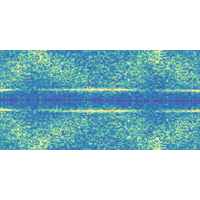
Phys. Rev. Lett. 137, 056901 (2026)
Condensed Matter and Materials
Flow through Bottlenecks: Stronger Is Slower
Article | Polymers, Chemical Physics, Soft Matter, and Biological Physics | 2026-07-27 06:00 EDT
Marta Grasa, Laciel Alonso-Llanes, Angel Garcimartín, and Iker Zuriguel
We present experimental results of the flow of programmable robots through a bottleneck. With these agents, velocity and force can be decoupled--a unique feature allowing us to show that, in the absence of physical contact and pushing from behind, and despite the development of clogs, moving faster a…
Phys. Rev. Lett. 137, 058301 (2026)
Polymers, Chemical Physics, Soft Matter, and Biological Physics
Physical Review X
Leading and Beyond Leading-Order Spectral Form Factor in Chaotic Quantum Many-Body Systems Across All Dyson Symmetry Classes
Article | 2026-07-27 06:00 EDT
Vijay Kumar, Tomaž Prosen, and Dibyendu Roy
Researchers analytically calculate the spectral form factor up to second order in time for chaotic many-body systems across all Dyson symmetry classes.
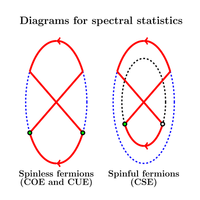
Phys. Rev. X 16, 031019 (2026)
arXiv
Continuous-Time Random Walk Description of Anomalous Spin Transport in Dilute Dipolar Networks
New Submission | Statistical Mechanics (cond-mat.stat-mech) | 2026-07-28 20:00 EDT
Cooper M. Selco, Christian Bengs, Ashok Ajoy
Nuclear spin diffusion is often summarized by a single diffusion coefficient, but this coarse-grained description can fail in dilute solids where positional disorder and long-range dipolar couplings generate a broad distribution of hopping rates. We develop a continuous-time random-walk (CTRW) description of $ ^{13}$ C polarization transport in natural-abundance diamond (1.1%), constructing the rate matrix from dipolar-mediated flip-flop couplings and sampling exact continuous-time trajectories. Although site-to-site hopping is Markovian, the disorder-averaged dynamics give rise to emergent, anomalous transport. The empirical waiting-time distribution exhibits a heavy tail with exponent $ \alpha=0.64$ and exponential cutoff $ t_{\rm cutoff}=19$ s; the mean jump length becomes correlated with the waiting time $ \tau$ for $ \tau\gtrsim0.1$ s; and the mean-squared displacement grows sublinearly in both step number and physical time, with exponents $ \gamma=0.56$ and $ \delta=0.87$ respectively. We trace the microscopic origin of these signatures to geometric trapping: polarization can rapidly exchange within strongly coupled clusters, including dimers, while weak inter-cluster links control long-range exploration. A kinetic percolation construction links global transport to inter-cluster crossing times, and identifies a corresponding crossing time of $ \sim20$ s, consistent with $ t_{\rm cutoff}$ . Finally, mapping paramagnetic impurities onto hard-sphere traps connects the CTRW framework to classic studies of trapping in reaction-diffusion theory and reproduces the qualitative timescale of experimentally measured relaxation, whereas a continuum diffusion equation description does not. These results show that dilute dipolar spin networks require a microscopic, network-resolved transport description beyond the Fickian diffusion equation.
Statistical Mechanics (cond-mat.stat-mech), Disordered Systems and Neural Networks (cond-mat.dis-nn), Quantum Physics (quant-ph)
Fourth-order closure obstruction and chiral nonlocality in circular kinetic magnetotransport
New Submission | Mesoscale and Nanoscale Physics (cond-mat.mes-hall) | 2026-07-28 20:00 EDT
Closing an angular moment hierarchy at the stress level omits a definite back-action from higher Fermi-surface harmonics. For a circular two-dimensional Fermi surface, streaming changes angular momentum by one, so the shortest omitted sequence, $ 1!\to!2!\to!3!\to!2!\to!1$ , adds a fourth-order term to the current eigenvalue, $ \Lambda(q)=\gamma_1+\nu q^2-\kappa_4q^4+\cdots$ , with $ \nu=v_F^2/(4\gamma_2)$ and $ \kappa_4=\nu^2/\gamma_3$ . We call this missing operator term the fourth-order closure obstruction. Its gradient expansion is controlled when $ \nu q^2/\gamma_3\ll1$ . Circular symmetry carries the same coefficient into a radial bi-Laplacian within each conserved angular-momentum block, and retaining $ m=3$ exactly, without a gradient expansion, amplifies higher radial modes monotonically. At zero field, positive collision rates exclude real-wave-number poles and response zeros; an equal-rate tail gives a square-root completion. A magnetic field makes the coefficient chiral, produces a Hall sign reversal, and enhances it when the $ m=3$ harmonic is long lived. In the collisionless high-field limit, the complete hierarchy becomes a Bessel pole–zero ladder, while finite closures form rational approximants to it. The result separates a controlled low-gradient coefficient from its geometry- and field-dependent finite-wave-number completion.
Mesoscale and Nanoscale Physics (cond-mat.mes-hall)
Statistical Mechanics of Thermal Diffusion in Rough Energy Landscapes
New Submission | Statistical Mechanics (cond-mat.stat-mech) | 2026-07-28 20:00 EDT
Soham Chattopadhyay, Blas P. Uberuaga
Starting from a variational principle for mass transport, we present a broadly applicable statistical framework describing thermal diffusion in complex solids. We show that microscopic thermodynamic and kinetic fluctuations govern non-Arrhenius diffusion, with kinetic terms described by machine-learnable relative diffusion contributions. For vacancy diffusion in solid solutions, deviation from Arrheniusness may occur when ordering effects start to become important but at higher temperatures, approximately Arrhenius behavior can occur, aided by configurational entropy and competing energy fluctuations.
Statistical Mechanics (cond-mat.stat-mech), Materials Science (cond-mat.mtrl-sci)
14 pages, 3 figures, 24 pages supplementary material
Theory of Andreev reflection spectroscopy with anisotropic spin-dependent scattering
New Submission | Mesoscale and Nanoscale Physics (cond-mat.mes-hall) | 2026-07-28 20:00 EDT
Zhiyue Li, Guoping Zhang, Tingyong Chen
Spintronic technologies require efficient generation and control of spin-polarized currents. Conventional ferromagnet-based methods suffer from sensitivity to external magnetic fields. Andreev reflection spectroscopy is vital for measuring spin polarization and superconducting gaps, yet prevailing theories assume isotropic interface scattering. This neglects ubiquitous anisotropy in heterostructures, causing misinterpretation of material properties. To resolve this, we develop a generalized model incorporating spin-dependent anisotropic scattering. Introducing distinct interface barriers for spin-up and spin-down electrons extends both the Blonder-Tinkham-Klapwijk formalism and the Chen-Tesanovic-Chien extension. This unified framework describes transport from normal metals to half-metals. Solving the Bogoliubov-de Gennes equations with modified boundary conditions yields current formulae with a transmission probability judgment function identifying dominant spin channels. In non-magnetic metals, interfacial anisotropy generates sizable spin-polarized currents via transmission spin filtering, suppressing Andreev reflection and reducing sub-gap conductance. For positively polarized ferromagnets, anisotropy nonlinearly modulates polarization, enhancing Andreev reflection to a threshold before suppression. Negatively polarized materials exhibit inverse spectra, enabling unambiguous polarization sign determination via conductance comparisons. Epitaxial Co film measurements validate the model, resolving subtle anisotropies. This refines Andreev spectrum interpretation and supports interference-resistant spin sources using non-magnetic platforms, benefiting magnetoresistive devices and superconducting quantum technologies.
Mesoscale and Nanoscale Physics (cond-mat.mes-hall), Quantum Physics (quant-ph)
15 pages, 5 figures
New class of exactly flat topological bands - compact localised states protected by local graph topology
New Submission | Strongly Correlated Electrons (cond-mat.str-el) | 2026-07-28 20:00 EDT
Strongly correlated quantum matter is fundamentally defined by the tension between non-commuting quantum operators. Hamiltonians exhibiting macroscopic degeneracies are of general interest in this field because they imply an infinite susceptibility to any non-commuting perturbation. In moiré heterostructures, engineering such extensive degeneracies in the kinetic Hamiltonian creates a fertile garden for exotic strongly correlated phases of matter to emerge from the resulting flat bands. Here, we introduce a prescription to construct an infinite family of exact flat band Hamiltonians supported on the faces of arbitrary graphs. We demonstrate this algorithm on the faces of four Bravais lattices. Using a discrete graph generalization of the Atiyah-Singer index theorem, we prove that the extensive degeneracies of such face-graph Hamiltonians are protected by the local topology of the face-graph connectivity. The resulting macroscopic null spaces yield compact localised states that remain localised over time due to frustration in hopping pathways. We discuss the broad implications of such non-dispersing quantum modes in diverse settings, from arrested dynamics in quantum networks and quantum machine learning algorithms to Majorana-free topological quantum computation.
Strongly Correlated Electrons (cond-mat.str-el), Disordered Systems and Neural Networks (cond-mat.dis-nn), Materials Science (cond-mat.mtrl-sci), Mathematical Physics (math-ph), Quantum Physics (quant-ph)
19 pages main text, 8 figures, 1 appendix. Comments welcome and will be gratefully acknowledged upon submission
Radiative Spin Caloritronics
New Submission | Mesoscale and Nanoscale Physics (cond-mat.mes-hall) | 2026-07-28 20:00 EDT
We predict the spin thermal Hall effect in nonreciprocal magneto-optical many-body systems, in which a longitudinal radiative heat current generates a transverse accumulation of the spin angular momentum carried by thermal photons. We show that this effect and the inverse spin thermal Hall effect constitute an Onsager-Casimir reciprocal pair, thereby establishing heat and photon spin as coupled transport channels in nonreciprocal photonic systems. The second law of thermodynamics imposes fundamental bounds on the spin-heat coupling, leading to a thermal-spin figure of merit that quantifies the efficiency of radiative spin-heat conversion. Our results establish a complete thermodynamic framework for photon spin caloritronics and lay the conceptual foundations for spin-controlled thermal radiation and nonreciprocal photonic thermal devices.
Mesoscale and Nanoscale Physics (cond-mat.mes-hall), Optics (physics.optics)
Bimodal colloids highlight the structural mirror of rigidity percolation and yielding
New Submission | Soft Condensed Matter (cond-mat.soft) | 2026-07-28 20:00 EDT
Robert A. Campbell, Ziye Zhuang, Ali Mohraz, Safa Jamali
In metastable particulate gels, it is tempting to believe that the dynamic similarities between the fluid-to-solid non-linear phase transition of rigidity percolation and the solid-to-fluid transition that occurs during yielding represent mirror images of the same continuous process. Even though these behaviors are clearly dynamically similar, their multi-scale nature makes it difficult to determine if they could also follow a unified structural pathway. We know from model monodisperse colloidal gels that both yielding and the elastic modulus seem to be heavily influenced by a small subset of topologically distinct singly-connected bridges linking mesoscale features. Here we use particle simulations to examine the participation of different classes of particle-level bonds and their contributions to the bulk mechanical response. We find that rigidity is disproportionately supported by singly connected intercluster bridges, whereas yielding localizes at bonds with high edge-betweenness centrality (EBC); strikingly, these independently identified populations substantially overlap and perform comparable mechanical roles. Bimodality exposes this correspondence by concentrating large-particle contacts in both populations, thereby providing a compositional label for the common backbone. Thus, rigidity and yielding are opposing mechanical manifestations of the same mesoscale structure: the intercluster bottlenecks that establish rigidity are also the sites at which rigidity is preferentially lost.
Soft Condensed Matter (cond-mat.soft)
From Local Structure to Thermodynamics and Transport of Water with Machine Learning Force Fields
New Submission | Soft Condensed Matter (cond-mat.soft) | 2026-07-28 20:00 EDT
Andreas Kretschmer, Florian Altmann, Nader Nour, Alper T. Celebi, Markus Valtiner
We evaluate machine learning force fields derived from different density functional theory exchange correlation functionals using the full six-dimensional pair correlation function of liquid water, three-body structural descriptors, excess entropy, and transport properties. The predicted microscopic structure and dynamics depend strongly on the underlying functional: neglecting dispersion produces pronounced overstructuring, overly negative excess entropy, and suppressed diffusion. Translational and orientational entropy contributions are tightly coupled and together exhibit a clear relationship with the reduced selfdiffusion coefficient. Among the tested models, RPBE-D3 provides the most consistent agreement with experiment across structural, thermodynamic, and transport properties. The classical SPC/E model serves as an additional reference and displays notable similarities to RPBE-D3, consistent with the comparable Born effective and partial charges of the two models.
Soft Condensed Matter (cond-mat.soft)
Emergent integrable dynamics in a non-integrable Rydberg-atom chain
New Submission | Quantum Gases (cond-mat.quant-gas) | 2026-07-28 20:00 EDT
Gianluca Morettini, Luca Capizzi, Leonardo Mazza, Maurizio Fagotti
We show that integrable and non-integrable dynamics can coexist in the same Rydberg-atom chain, depending on the initial state in which the system is prepared. In the setting we consider, Rydberg atoms mainly experience an effective dipolar interaction and, within the nearest-neighbor approximation, their dynamics can be mapped onto an effective integrable Fermi gas with ballistic transport. The inclusion of longer-range couplings, however, is essential for the theory to be predictive; those terms break the conservation laws associated with integrability, enabling, in particular, the emergence of genuine diffusive transport. We study the dynamics generated by a bipartition protocol and reveal a sharp qualitative change in behavior as the particle density is varied, suggesting the possibility of accessing weaker and stronger integrability breaking dynamics in the same Hamiltonian depending on the relevance of local interactions. We propose a theoretical mechanism that accounts for the differences. Our findings provide clear and concrete evidence that integrability breaking is not solely a property of the Hamiltonian and of the magnitude of the couplings that break integrability, but also of the state in which the system is prepared.
Quantum Gases (cond-mat.quant-gas), Statistical Mechanics (cond-mat.stat-mech), Quantum Physics (quant-ph)
4.5 pages + End Matter, 3 figures
Single crystal growth, structural and magnetic properties of CeZn${2-x}$Ga${2+x}$
New Submission | Strongly Correlated Electrons (cond-mat.str-el) | 2026-07-28 20:00 EDT
Danila Sokratov (1), H. Cein Mandujano (1 and 2), Ram Kumar (1), Jared Z. Dans (1), Phineas Sobel (1), Nicholas A. Crombie (1), Alicia Manjón-Sanz (3), Danielle R. Yahne (3), Philip Piccoli (4), Peter Y. Zavalij (2), Efrain E. Rodriguez (1 and 2), Johnpierre Paglione (1 and 5) ((1) Maryland Quantum Materials Center, Department of Physics, University of Maryland, College Park, MD, (2) Department of Chemistry and Biochemistry, University of Maryland, College Park, MD, (3) Neutron Scattering Division, Oak Ridge National Laboratory, Oak Ridge, TN, (4) Department of Geological, Environmental, and Planetary Sciences, University of Maryland, College Park, MD, (5) Canadian Institute for Advanced Research, Toronto, Ontario)
The tetragonal BaAl$ _4$ ($ I4/mmm$ ) parent structure underpins a diverse family of materials exhibiting novel phenomena, including nematic superconductivity, topological semimetallicity, and heavy fermion behavior. The recent growth of ternary R-Zn-Ga compounds, such as the previously reported CeZn$ _2$ Ga$ _2$ , has explored some of the members exhibiting rare-earth magnetism within this family. In this paper, we report on the structural and magnetic properties of single crystals of CeZn$ _{2-x}$ Ga$ _{2+x}$ , a Ga-rich analogue of CeZn$ _2$ Ga$ _2$ . Our CeZn$ _{2-x}$ Ga$ _{2+x}$ samples exhibit magnetic properties distinct from the paramagnetic behavior previously reported for CeZn$ _2$ Ga$ _2$ . We observe a magnetic transition around 4 K, pronounced metamagnetic states at low temperatures, and strong magnetic anisotropy. Though there are batch-to-batch variations that suggest a strong sensitivity to local structural imperfections, we consistently see the presence of magnetic transitions and metamagnetic states in our crystals. To investigate the local structural sensitivity hypothesis, we performed Reverse Monte Carlo analysis of collected powder neutron diffraction data, revealing the presence of significant local crystallographic disorder of the magnetic Ce site. Our findings demonstrate that the positional disorder drives competing ferromagnetic and antiferromagnetic correlations that lead to the observed spin glass behavior and complex anisotropic magnetism. This study illustrates that tuning the local crystallographic disorder enables engineering frustrated magnetic states in BaAl$ _4$ -type and similar intermetallic structures.
Strongly Correlated Electrons (cond-mat.str-el)
16 pages, 9 figures
AEcroscopyWave: Towards Self-Driving Characterization Platforms for Agentic AI
New Submission | Materials Science (cond-mat.mtrl-sci) | 2026-07-28 20:00 EDT
Yongtao Liu, Jawad Chowdhury, Ganesh Narasimha, Ralph Bulanadi, Liam Collins, Ruben Millan Solsona, Marti Checa, Asraful Haque, Sumner B. Harris, Stephen Jesse, Rama Vasudevan
The characterization of electronic materials has traditionally been stratified into two distinct regimens: industry-scale automated systems to inspect materials for defects and ensure quality (such as in the semiconductor industry), and highly customized, operator-driven systems requiring human experts. The former offers high throughput but limited flexibility, whereas the latter is heavily bandwidth-limited but provides research-grade discovery capabilities. Recent advances in “self-driving” characterization tools offer the potential to bridge the two stratified regimes, by the creation of application program interfaces (APIs) that can control hardware, and the integration of AI methods to incorporate autonomy into the process. Here, we discuss our latest developments in AEcroscopyWave, a custom-built characterization platform for the agentic-AI era, that provides unified control of scanning probe microscopes with programmable peripheral instrumentation, highlighting the design choices that are necessary for maximizing the capability of the system and the ease of use for both human and AI agents. The benefits of making heterogeneous scientific instruments accessible, composable and usable by agents is demonstrated by test cases.
Materials Science (cond-mat.mtrl-sci)
17 pages, 5 figures
Spectral Topology and Non-Bloch Band Theory for Domain-Wall Systems
New Submission | Mesoscale and Nanoscale Physics (cond-mat.mes-hall) | 2026-07-28 20:00 EDT
Mingtao Xu, Rui Wang, Tian-Shu Deng, Wei Yi
We study the spectral topology of one-dimensional non-Hermitian models in a domain-wall configuration, where different domains are arranged in a ring geometry. While eigenstates can localize near an interface under the non-Hermitian skin effect, we show that the localization of an eigenstate originates from the difference in the spectral winding numbers, with respect to the corresponding eigenenergy, between the two adjacent domains. We then obtain the conditions for the generalized Brillouin zone (GBZ) in the complex momentum space, by extending the Ronkin-function formalism to the domain-wall configuration. In addition to the conventional skin modes that correspond to standing waves on individual domains under the open boundary condition, a unique type of traveling-wave-like skin modes emerges, whose construction involves all domains. Besides their difference in the spatial profiles, these two types of modes obey distinct GBZ conditions, making them differentiable on the GBZ. Interestingly, the traveling-wave-like modes further carry a finite flux spectral winding number, indicating their boundary sensitivity.
Mesoscale and Nanoscale Physics (cond-mat.mes-hall)
27 pages, 6 figures
Response Morphologies of a Canonical Fluctuation Diagnostic Across Ehrenfest Phase Transitions
New Submission | Statistical Mechanics (cond-mat.stat-mech) | 2026-07-28 20:00 EDT
Fangfang Wang, Wei Liu, Ying Tang, Zengru Di
Microcanonical inflection-point analysis identifies MIPA-type higher-order transition structures from derivatives of the microcanonical entropy. Until recently, however, there was no canonical formulation for probing the corresponding fluctuation-level behavior directly from measurable energy fluctuations without reconstructing the density of states. Previous work addressed this limitation by introducing a canonical fluctuation diagnostic that quantifies energy-fluctuation asymmetry. Here, we investigate how this diagnostic behaves across representative first-, second-, and third-order phase transitions in the Ehrenfest classification. We consider the eight-state Potts model, the two-dimensional Ising model, and ideal three-dimensional Bose–Einstein condensation. The Potts and Ising systems exhibit a robust paired-extremum structure of the diagnostic near their respective transition regions, whereas ideal Bose–Einstein condensation exhibits a discontinuous response at the condensation temperature in the thermodynamic limit. These results show that a single fluctuation-based observable can display qualitatively distinct response morphologies across thermodynamic regimes, reflecting sensitivity to the nature of the underlying phase transition rather than serving as a direct classifier of Ehrenfest order.
Statistical Mechanics (cond-mat.stat-mech)
12 pages, 4 figures
Role of $p$-$d$ Hybridization on Optical Properties of Chalcopyrite Semiconductors
New Submission | Materials Science (cond-mat.mtrl-sci) | 2026-07-28 20:00 EDT
Neunghee Han, Harang Kim, Minjae Kim, Woonhyuk Baek
Designing quantum materials for coherent optical properties is a central agenda in quantum technology. Semiconductor quantum dots are an emerging approach for controlling coherent optical properties via confinement effects, tunable band gaps, and exciton binding energies, yet their inherent structural and compositional inhomogeneity degrades the coherence of the optical spectra, posing a major obstacle. We show that, for chalcopyrite semiconductors, hybridization between transition-metal $ d$ and ligand $ p$ electrons in the valence band is key to the coherence of the quantum dot optical spectrum. We demonstrate this using first-principles electronic-structure calculations and optical spectroscopy. The strong $ p$ -$ d$ hybridization in CuInS$ _{2}$ induces the Cu($ d$ ) Coulomb scattering channel, giving rise to the incoherent photodoped hole carrier, while the weak $ p$ -$ d$ hybridization in AgInS$ _{2}$ induces the delocalized photodoped hole carrier having a predominant S($ p$ ) orbital character. Our experimental results on optical spectra suggest that when the Cu ratio is enhanced in the Ag$ _{1-x}$ Cu$ _{x}$ In$ _{1-y}$ Ga$ _{y}$ S$ _{2}$ quantum dot, Cu atoms at both Ag sites and defect sites experience enhanced $ p$ -$ d$ hybridization, and a coupling begins to develop between the electrons in the quantum dot and the defect electrons at a small Cu ratio. This coupling activates Cu($ d$ ) Coulomb scattering for photodoped holes traversing the defect sites, producing an incoherent optical response that naturally explains the long-standing absence of band-edge spectral signatures in CuIn$ _{1-y}$ Ga$ _y$ S$ _2$ quantum dots. These results serve as a guideline for designing semiconductor quantum dots. To achieve a coherent optical spectrum, avoid $ p$ -$ d$ -hybridized orbital character in the photo-doped carrier.
Materials Science (cond-mat.mtrl-sci), Strongly Correlated Electrons (cond-mat.str-el)
8 pages, 5 figures
Uncertainty-quantified $J$-integral computation for quasicontinuum and finite element methods
New Submission | Materials Science (cond-mat.mtrl-sci) | 2026-07-28 20:00 EDT
Sai Harshith Badi, Stephen M. Whalen, Ronald E. Miller, Ellad B. Tadmor
The $ J$ -integral is a fundamental concept in fracture mechanics, quantifying the energy release rate that drives crack propagation. While extensively implemented in finite element (FE) codes and adapted for atomistic calculations, its application within multiscale frameworks bridging atomistic and continuum formulations remains unexplored. This work presents a rigorous implementation and validation of the $ J$ -integral within the three-dimensional quasicontinuum (QC3D) method, computed under plane strain assumptions, using continuum fields (stress, strain energy density) derived from the interatomic potential via the Cauchy-Born rule. The implementation is validated against linear elastic fracture mechanics (LEFM) theory and the virtual crack extension (VCE) method across three regimes: (1) small-strain linear elasticity, with a prescribed anisotropic $ K$ -field displacement applied throughout; (2) the same field evaluated through the nonlinear Cauchy-Born constitutive relation, without atomic relaxation; and (3) the same relation with atomic relaxation enabled, allowing the crack-tip region to equilibrate. Excellent agreement is shown throughout. We further introduce a Markov chain Monte Carlo framework to statistically quantify the uncertainty of $ J$ -integral results for a given mesh and integration domain, applicable to conventional FE methods as well. Predictive capability is demonstrated via a QC3D simulation of a three-point bending test of silicon, where the computed critical energy release rate agrees closely with the Griffith criterion. This work establishes a reliable framework for evaluating crack driving forces in multiscale fracture simulations with quantified uncertainty, enabling large-scale fracture simulations while resolving atomistic mechanisms at the crack tip.
Materials Science (cond-mat.mtrl-sci)
35 pages, 20 figures
Ferroelastic exciton splitting in hybrid perovskite nanowalls
New Submission | Materials Science (cond-mat.mtrl-sci) | 2026-07-28 20:00 EDT
Afreen, J. Delgado-Alvarez, H. Krishna Mishra, J. Castillo-Seoane, Koustav Maiti, Pravrati Taank, A. Borras, A. Barranco, Surajit Saha, Priya Mahadevan, J. R. Sanchez-Valencia, K. V. Adarsh
Hybrid metal-halide perovskites are soft semiconductors in which electronic excitations are strongly influenced by lattice distortions and structural phase transitions. An important open question is whether ferroelastic symmetry breaking merely broadens optical resonances or instead modifies excitonic states through exciton-lattice coupling. Here, we address this question using highly aligned MAPbI3 nanowalls fabricated by glancing-angle deposition, enabling symmetry-selective coupling between ferroelastic texture, structural anisotropy, and a well-defined optical axis. Combining temperature-dependent photoluminescence, X-ray diffraction and polarization-resolved ultrafast transient absorption spectroscopy, we observe a polarization-selective excitonic splitting in the orthorhombic phase at 5 K, characterized by orthogonal optical selection rules and a 45 meV energy separation. Near 160 K, where orthorhombic and tetragonal phases coexist, a lower-energy lattice-coupled excitation emerges 58 meV below the centre of the anisotropically split excitonic structure, consistent with coupling between excitonic and lattice-dressed states. At higher temperatures, these excitations progressively acquire lattice-dressed character accompanied by reduced optical anisotropy. A symmetry-guided effective Hamiltonian captures the evolution from anisotropically split excitons to coupled excitonic and lattice-dressed states across the structural transition. Our results show that ferroelastic texture and phase coexistence can modify exciton-lattice coupling, providing a route to symmetry-selective optical responses in soft polar semiconductors.
Materials Science (cond-mat.mtrl-sci), Mesoscale and Nanoscale Physics (cond-mat.mes-hall)
9 pages, 5 Figures, Supplementary Information available
Hydrogen-Induced Sign Reversal in Magnetic Hysteresis Evolution of CoPd Alloys and Co/Pd Multilayers
New Submission | Materials Science (cond-mat.mtrl-sci) | 2026-07-28 20:00 EDT
Hydrogen absorption in magnetic thin film nanostructures can modulate their electronic, magnetic, and transport properties by modifying the electronic structure and lattice strain. However, the influence of composition and nanostructuring on these two competing effects is not well understood. We systematically investigate hydrogen-induced magnetic hysteresis in Co$ _x$ Pd$ _{100-x}$ alloys, [Co(0.1 nm)/Pd(d)]$ _{15}$ , and [Co(0.2 nm)/Pd(d)]$ _{15}$ multilayers, using extraordinary Hall effect characterizations (EHE) in air and 4% H$ _2$ /N$ _2$ mixture. We show that the hydrogen-induced response is not universal, but depends strongly on composition and layer thickness. This reflects competition between Pd-related electronic effects and magnetoelastic anisotropy. In Pd-rich CoPd alloys and Co(0.2 nm)/Pd multilayers, hydrogen initially contracts the hysteresis loops at low Co fractions, followed by loop expansion above x ~ 40%. This contrast results from competition between suppression of Pd-induced magnetization through Pd-4d band filling and hydrogen-driven anisotropic strain that strengthens magnetoelastic anisotropy in Co-rich samples. In contrast, in ultrathin [Co(0.1 nm)/Pd(d)]$ _{15}$ multilayers, hydrogen induces a weak, non-monotonic but generally expanding loop behaviour across x = 15-60%, indicating a dominant role of interfacial magnetic connectivity and strain-mediated magnetoelastic anisotropy in the ultrathin limit. Furthermore, we observe a hydrogen-induced reversal of the EHE loop polarity near the crossover regime, reflecting a change in the dominant EHE scattering mechanisms, thus providing an additional degree of magnetic tunability by hydrogen. These results demonstrate that hydrogen can selectively tune the magnetism of CoPd nanostructures via composition-controlled electronic and magnetoelastic effects, offering insights for hydrogen-responsive spintronic and sensing devices.
Materials Science (cond-mat.mtrl-sci)
49 pages, 8 main figures; Supplementary Material included
Journal of Alloys and Compounds 1078 (2026) 189655
Evolution of the electronic and superconducting properties of Re-based quinary high-entropy alloys under chemical and physical pressure
New Submission | Superconductivity (cond-mat.supr-con) | 2026-07-28 20:00 EDT
Thiagarajan Maran, Yoshiya Uwatoko, Sathea Suweatha M N, Sonika Jangid, R.P. Singh, Arumugam Sonachalam, Sathiskumar Mariappan
We report a comparative study of chemical- and physical-pressure effects on the electronic and superconducting properties of the Re-based quinary high-entropy alloys (HEAs) [Nb0.67-xRex][TiZrHf]0.33 (x = 0.10, 0.20, and 0.56). Increasing Re concentration suppresses the superconducting transition temperature Tc from 5.4 to 3.9 K while producing positive, composition-dependent cocktail-effect ratios. Field-dependent transport and magnetization establish all three compositions as strongly type-II superconductors and identify x = 0.20 as the most distinctive composition, with the largest upper critical field and Ginzburg-Landau parameter and a Maki parameter close to unity. Most importantly, the pressure coefficient of Tc changes sign across the bcc-hcp structural change: dTc/dP is positive for the bcc x = 0.10 and 0.20 samples, with values of approximately 0.018 and 0.053 K/GPa, respectively, but negative for the hcp x = 0.56 sample, with a value of approximately -0.033 K/GPa. This systematic contrast within a single chemically related alloy series establishes a robust structure-associated superconducting response and identifies crystal structure as a key organizing variable under compression. Metallic transport and superconductivity remain robust up to approximately 8 GPa in all three compositions. These results reveal that chemical substitution and hydrostatic compression are complementary but nonequivalent routes for tuning superconductivity in Re-based HEAs.
Superconductivity (cond-mat.supr-con)
20 pages, 7 figures
Imaging of van der Waals Materials via Standing-Wave Photoemission Microscopy: Depth-Resolved Electronic Structure of WS2
New Submission | Materials Science (cond-mat.mtrl-sci) | 2026-07-28 20:00 EDT
J. R. Paudel, R. Muzzio, M. E. Matzelle, S. Sheikh, A. Fadul, A. Tiwari, F. Salmassi, E. Gullikson, K. M. McCreary, B. T. Jonker, J. Nieminen, C. M. Schneider, F. Kronast, A. Bansil, J. Katoch, A. X. Gray
Two-dimensional van der Waals materials promise electronic, optoelectronic, and quantum technologies, yet depth-resolved characterization remains challenging. Here, we demonstrate standing-wave photoemission electron microscopy (SW-PEEM) for Angstrom-scale spectromicroscopy of monolayer WS2 on a W/C multilayer substrate. Tuning the X-ray standing wave through the monolayer yields a chemical depth profile and valence-band modulation with enhanced sensitivity to the top and bottom sulfur layers. X-ray optical modeling determines the structure and field distribution. The measurements reveal an ~0.2 eV shift in sulfur-derived valence-band spectral weight between measurements with enhanced sensitivity to the top and bottom sulfur layers. This shift is unlikely to arise from strong direct substrate hybridization and is instead consistent with sulfur-related surface species, as supported by calculations using a representative elemental-sulfur model. These results establish SW-PEEM as a non-destructive depth-resolved probe, highlighting its potential to probe interfacial coupling, chemical reconstruction, and emergent states in van der Waals and moiré systems.
Materials Science (cond-mat.mtrl-sci)
Janus-induced atomic reconstruction amplifies twist-angle modulation of interlayer thermal transport in moiré bilayers
New Submission | Mesoscale and Nanoscale Physics (cond-mat.mes-hall) | 2026-07-28 20:00 EDT
Bin Xu, Rulei Guo, Jie Sun, Hiroo Suzuki, Takuma Yoshida, Ichiro Nakaya, Koki Sawasaki, Yasuhiko Hayashi, Shohei Chiashi, Tomoki Machida, Junichiro Shiomi
In two-dimensional moiré bilayers, atomic reconstruction, the spontaneous structural relaxation toward energy-minimizing stacking registries in the near-commensurate regime, can strongly modify local stacking and interlayer coupling, providing a possibility to significantly control phonon-mediated properties. Here we show that the twist-angle dependence of interlayer thermal conductance can be modified by introducing Janus-induced mirror-symmetry breaking into bilayer MoS2. The intrinsic out-of-plane dipole in MoSSe/MoS2 bilayers leads to frictionless interface, and reduces the lattice deformation energy, thereby promoting atomic-reconstruction into locally distorted aperiodic moiré patterns. These features weaken interlayer coupling and suppress phonon transmission across the interface, leading to an anomalously strong twist-angle dependence of thermal conductance, with a pronounced minimum at small twist angles and a reduction rate nearly one order of magnitude larger than that of twisted bilayer MoS2. Our results demonstrate that interlayer thermal transport is modified by atomic reconstruction, highlighting Janus-induced mirror-symmetry breaking as an effective way to promoting phonon engineering in two-dimensional moiré structures.
Mesoscale and Nanoscale Physics (cond-mat.mes-hall), Materials Science (cond-mat.mtrl-sci), Applied Physics (physics.app-ph)
Quantum fluctuation-driven transport crossover between two liquid states in distinguishable helium-4
New Submission | Statistical Mechanics (cond-mat.stat-mech) | 2026-07-28 20:00 EDT
Mika Tanabe, Momoko Tsujimoto, Kenichi Kinugawa
We show the emergence of a quantum fluctuation-driven transport crossover between two liquid states in distinguishable helium-4 obeying Boltzmann statistics, in the absence of atomic exchange. Using path integral centroid molecular dynamics simulations over 0.1-3.3 K and 1-60 bar, we investigate the transport properties of two distinct liquid states: the low quantum-dispersion liquid (LQDL) and the high quantum-dispersion liquid (HQDL). While LQDL exhibits conventional liquid behavior consistent with the Stokes-Einstein (SE) relation, HQDL emerges at lower temperatures and displays anomalous gas-like transport characterized by superdiffusion and ultralow viscosity, accompanied by a breakdown of the SE relation. This counterintuitive emergence of gas-like dynamics upon cooling reflects the dominant role of nuclear quantum fluctuations, in contrast to thermal fluctuations at higher temperatures. Across the LQDL-HQDL boundary, we identify a transport crossover marked by a qualitative change in the velocity autocorrelation function (VAF), a transition in the Prandtl number, and the emergence of transport minima in shear and kinematic viscosities, thermal conductivity, and thermal diffusivity. These minima reflect a crossover from liquid-like to gas-like transport upon cooling in the low-temperature subcritical region, in addition to the universal transport minima observed in the supercritical regime. The transition from oscillatory to monotonic VAF defines a second Frenkel line, distinct from the conventional Frenkel line observed in the supercritical region. LQDL is a heat-transport-dominated dissipative fluid, whereas HQDL is a momentum-dominated inertial fluid. These results demonstrate that nuclear quantum fluctuations alone induce gas-like liquid behavior and provide a unified picture of transport phenomena in distinguishable helium-4 without superfluidity.
Statistical Mechanics (cond-mat.stat-mech), Disordered Systems and Neural Networks (cond-mat.dis-nn), Materials Science (cond-mat.mtrl-sci), Quantum Gases (cond-mat.quant-gas), Quantum Physics (quant-ph)
main text (28 pages containing 15 figures) and supplementary material (28 pages)
Electrical control of the metal-insulator transition in a one dimensional device
New Submission | Mesoscale and Nanoscale Physics (cond-mat.mes-hall) | 2026-07-28 20:00 EDT
J. Craquelin, L. Jarjat, B. Hue, A. Théry, C. Fruy, N. Struchkov, D. Stefani, M. M. Desjardins, A. Cottet, M. R. Delbecq, T. Kontos
Controlling the low energy spectrum at the nanoscale with an external physical parameter has become an important resource for quantum devices. The emergence of an energy gap is one such key feature, linked to the mitigation of decoherence needed for quantum information processing. Indeed, the detrimental effects of high-energy uncontrolled excitations can only be cured at some specific tuning points in general. Achieving an energy gap is a natural way to extend decoherence countermeasures over a finite region of parameter space. This would be particularly useful in view of the recent efforts to build superconducting topological chains in a top-down approach. In this work, we demonstrate a large energy gap by spatially modulating the local potential of a suspended carbon nanotube, exploiting an analogy with condensed matter systems. This gap is homogeneous on the nanotube and tunable by about two orders of magnitude, bringing the electronic system from an insulating state to a near-metallic state at low temperatures.
Mesoscale and Nanoscale Physics (cond-mat.mes-hall)
22 pages including supplementary materials
Active flows drive anchoring of nematics at rigid walls
New Submission | Soft Condensed Matter (cond-mat.soft) | 2026-07-28 20:00 EDT
Michael Fang, Ioannis Hadjifrangiskou, Sumesh P. Thampi, Julia M. Yeomans, Jan Rozman
Although confinement strongly influences flows in active materials, it remains unclear how active particles align at rigid boundaries when no thermodynamic anchoring is imposed. We address this question using continuum simulations of active nematics, together with analytical arguments based on a reduced near-wall description. In the flow-tumbling regime, extensile systems align parallel to the boundary, whereas contractile systems align perpendicular to it, consistent with active anchoring observed at active-passive interfaces. In the flow-aligning regime, the preferred orientation depends on the sign of activity and of the flow aligning parameter: either the shear-like flow generated near the wall selects the Leslie angle, or no unique alignment is established. These results provide a unified framework for activity-induced anchoring at rigid walls, demonstrating that boundary alignment in dense active matter can emerge solely from the interplay between self-generated flows and orientational dynamics.
Soft Condensed Matter (cond-mat.soft), Statistical Mechanics (cond-mat.stat-mech), Fluid Dynamics (physics.flu-dyn)
Signatures of Topological Magnon Edge States in THz Spectroscopy and Cavity Response
New Submission | Mesoscale and Nanoscale Physics (cond-mat.mes-hall) | 2026-07-28 20:00 EDT
Ipsika Mohanty, Johannes Knolle, Silvia Viola Kusminskiy
Topological magnon insulators (TMIs) have emerged as promising platforms for low-energy spin-based information processing, due to their non-trivial bulk magnon topology and robust, chiral edge modes that support dissipationless transport. Although theoretical models predict these edge states, direct experimental detection remains challenging due to their limited sensitivity to conventional probes. In this work, we propose an all-optical pathway to detect topological magnon edge modes in ferromagnetic TMIs. Our approach harnesses parametric amplification of edge magnons via resonant electromagnetic driving, enabled by magnetoelectric coupling mechanisms. We concentrate on two-dimensional van der Waals ferromagnetic materials on the honeycomb lattice with magnonic band gaps in the terahertz (THz) range. We show that a spin-dependent effective electric dipole moment, arising from dynamic charge fluctuations and consistent with the lattice symmetry up to next-nearest-neighbor interactions, gives rise to one-photon-two-magnon processes leading to parametric amplification. On this basis, we propose a THz pump-probe spectroscopy protocol in which edge modes are selectively amplified and subsequently detected in absorption. Furthermore, we discuss the possibility of using THz cavities, enabling selective coupling to edge modes while filtering out bulk contributions. These findings establish a route for probing topological magnets and open new avenues for experimental exploration of exotic topological phenomena in magnetic quantum materials.
Mesoscale and Nanoscale Physics (cond-mat.mes-hall)
Field-tuned incommensurate fan phase in an Ising-like triangular antiferromagnet
New Submission | Strongly Correlated Electrons (cond-mat.str-el) | 2026-07-28 20:00 EDT
D. Flavián, R. Okuma, P. Manuel, Q. Huang, H. Zhou, R. Coldea
Using single-crystal neutron diffraction we report the observation of a field-tuned incommensurate phase in a field range just below magnetization saturation in the Ising-like triangular-lattice antiferromagnet Na$ _2$ BaCo(PO$ _4$ )$ _2$ . This phase occurs for magnetic fields applied along the Ising axis and exhibits an in-plane incommensurate propagation vector that moves along the hexagonal Brillouin zone boundary upon varying field, challenging the simple $ XXZ$ antiferromagnetic description of the system. Within a semiclassical framework, we successfully identify this pre-saturation phase as a coplanar fan phase and study the role of dipole-dipole interactions and bond-dependent exchange anisotropy in its stabilization mechanism. We additionally present a minimal exchange model including interlayer couplings, which reproduces the complex magnetic phase diagram in field including the observed field-dependence of the incommensurate propagation vector in the fan phase.
Strongly Correlated Electrons (cond-mat.str-el)
15 pages, 10 figures
Generalized Bloch-like ground states in distinct electron-site configurations derived from the same quasiperiodic structure
New Submission | Disordered Systems and Neural Networks (cond-mat.dis-nn) | 2026-07-28 20:00 EDT
Yuki Yamamoto, Nayuta Takemori
Sutherland-Kalugin-Katz (SKK) states have been proposed as generalized Bloch-like states in quasiperiodic systems where the absence of translational symmetry prevents the application of Bloch’s theorem. However, previous studies have largely relied on ansatz-based arguments, and a systematic procedure for constructing the SKK state from a specified Hamiltonian has remained unclear. In this work, we develop a constructive approach based on a generalized Fourier transform of creation operators in tight-binding models. We then apply this framework to vertex and dual models on the Ammann-Beenker (AB) tiling that stem from the same quasiperiodicity but differ in their electron-site configurations. Our construction reproduces the previously reported SKK state in the ground state of the vertex model and reveals a corresponding SKK state in the ground state of the dual model with high fidelity. The structural correspondence between the two SKK states indicates that such states are not tied to a particular choice of electron sites and reflect the underlying quasiperiodicity of the AB tiling.
Disordered Systems and Neural Networks (cond-mat.dis-nn)
15 pages, 13 figures
A DFT and Machine Learning-Assisted Study on the Lattice Thermal Conductivity of LiCdSb for Thermoelectric Applications
New Submission | Materials Science (cond-mat.mtrl-sci) | 2026-07-28 20:00 EDT
R. Zosiamliana, Lalhriat Zuala, N. T. Tien, Vo Khuong Dien, A. Laref, D. P. Rai
By using first-principles density functional theory (DFT) and the Boltzmann transport equation, we have calculated the corresponding electronic and thermoelectric properties of LiCdSb. For calculating electron transport properties, accurate band-structure estimation is crucial. Hence, for the precise band gap calculation, we have implemented a hybrid functional HSE06, which is widely known for its high accuracy. To evaluate the thermoelectric performance of a material, the calculation of lattice thermal conductivity (Kl) is a key parameter. However, from a theoretical perspective, the calculation of lattice thermal conductivity is very complex and demands huge computational resources. Therefore, in this work, we have opted for an alternative method of machine-learning interatomic potentials (MLIPs) for the calculation of Kl. Our result of Kl=0.24 Wm^-1K^-1 at room temperature is in qualitative agreement with the available theoretical and experimental data. The figure of merit (ZT) with Kl estimated from Slack+TDEC ZT is 0.18 at 300 K, and machine learning (ML) models ZT is 0.17 at 300K, combining with HSE06-based electronic transport properties agreed well with the available experimentally reported value of ZT is 0.10 at 300K. However, we report the ZT value well above the benchmark value of 1 beyond 600K. The ZT value exceeding 1 at higher temperatures makes LiCdSb a promising material for high-temperature energy conversion.
Materials Science (cond-mat.mtrl-sci)
Stoichiometric cluster learning for few-shot property prediction of multi-ionic integrated energetic materials
New Submission | Materials Science (cond-mat.mtrl-sci) | 2026-07-28 20:00 EDT
Ming-Yu Guo, Wei-Jia Zou, Yu Shang, Wei-Xiong Zhang
Multi-ionic materials pose a distinct representational challenge in machine learning-driven materials design. Different from single-molecule or composition-based materials, their properties arise from how charged building blocks aggregate into specific assemblies. Here, we show how pretrained machine-learned interatomic potentials (MLIPs) can bypass full crystal-structure prediction and support pre-synthesis screening from stoichiometric ionic clusters using multi-ionic integrated explosives (MIXs) as a synthesis-facing example. This strategy combines a stoichiometric ionic-cluster representation, which represents each candidate material by a non-periodic, stoichiometry-preserved formula-unit cluster, with multi-task fine-tuning (MT-FT), which adapts a pretrained atomistic backbone while retaining the energy–force objective as physical regularization for the sparse detonation-velocity labels. With the pretrained backbone regularized by MT-FT, this surrogate provides a cross-validated screen across only 25 structurally curated perovskite-type energetic materials (PEMs) with experimentally derived Kamlet–Jacobs (K–J) detonation velocities. Representation probes show that the learned descriptors implicitly retain site-aware ionic organization, density information, and coarse packing compatibility, implying why non-periodic clusters can remain predictive before full crystal structures are known. The surrogate extends known PEMs chemistry to three newly synthesized ABX$ _4$ materials with both unseen ABX$ _4$ stoichiometry and an unseen ethylenediammonium B-site cation, yielding three-point concordance with K–J reference velocities and a mean absolute error (MAE) of 92~m$ \cdot$ s$ ^{-1}$ without retraining. Together, these results establish stoichiometry-preserved cluster learning as a synthesis-facing screening strategy for data-scarce multi-ionic materials.
Materials Science (cond-mat.mtrl-sci), Chemical Physics (physics.chem-ph)
Chiral Dynamics of an Intruder across Dilute and Hydrodynamic Regimes
New Submission | Statistical Mechanics (cond-mat.stat-mech) | 2026-07-28 20:00 EDT
Raphaël Maire, Ignacio Pagonabarraga
We introduce and simulate an analytically tractable model for an intruder of arbitrary shape in a nonequilibrium bath, with chirality originating from the bath, the intruder, or their coupling. In the dilute regime, a Langevin description derived from a Boltzmann-Lorentz equation shows how intruder geometry governs ratchet effects and odd response. In the dense regime, the dynamics of the intruder are instead governed by the hydrodynamic modes of the bath and edge currents, which are described by a Stokes equation including a chiral torque density. Our results link shape to chiral transport and show that odd response arises from distinct mechanisms in the dilute and dense limits.
Statistical Mechanics (cond-mat.stat-mech), Soft Condensed Matter (cond-mat.soft), Fluid Dynamics (physics.flu-dyn)
Kinetic and Hydrodynamic Theories of Chiral Intruder Dynamics in Nonequilibrium Baths
New Submission | Statistical Mechanics (cond-mat.stat-mech) | 2026-07-28 20:00 EDT
Raphaël Maire, Ignacio Pagonabarraga
We study the chiral dynamics of an intruder immersed in a nonequilibrium bath in two complementary limits: the dilute kinetic regime and the dense hydrodynamic regime. In the dilute limit, starting from a Boltzmann-Lorentz description, we derive an effective Langevin equation whose coefficients are given explicitly by geometry-dependent boundary integrals. This formulation separates the effects of intruder-shape chirality from those of chiral intruder-bath interactions. We find that the chiral interactions generate an odd response and a torque, whereas the chirality of the intruder leads to a ratchet effect. We also show that fluctuation-dissipation-like relations exist and that certain symmetry-allowed couplings vanish in the dilute regime. In the dense regime, we argue that intruder dynamics are governed primarily by bath hydrodynamics and torque-density-driven edge currents not captured by the previous framework. These currents can generate both an antisymmetric drag and a curvature-induced torque, leading to an antisymmetric response when inertia is accounted for. Taken together, these results provide a step toward understanding the mechanisms governing the chiral dynamics of an intruder in a nonequilibrium bath across different scales.
Statistical Mechanics (cond-mat.stat-mech), Soft Condensed Matter (cond-mat.soft), Fluid Dynamics (physics.flu-dyn)
Universal Sign Reversal of Magnetic Response in Transmembrane Ionic Transport
New Submission | Soft Condensed Matter (cond-mat.soft) | 2026-07-28 20:00 EDT
Weak magnetic fields have long been reported to either enhance or suppress transmembrane ionic currents, yet the physical origin of these apparently contradictory responses remains unresolved. Here, we develop a mesoscopic equilibrium framework showing that weak magnetic fields primarily modify the equilibrium occupation probabilities of metastable transport states, thereby altering the resulting nonequilibrium ionic current. Rather than acting directly on microscopic ionic trajectories, magnetic fields regulate transport through the statistical redistribution of conducting states. This mechanism naturally explains both magnetic enhancement and suppression within a unified theoretical framework and predicts a universal criterion for magnetic sign reversal governed by a single equilibrium covariance. The theory further identifies experimentally testable signatures, including characteristic magnetic-field dependence and state-dependent transport modulation, providing a quantitative framework for interpreting weak-field magnetic effects in biological ionic transport.
Soft Condensed Matter (cond-mat.soft)
Current- and field-driven domain wall dynamics and chirality switching in a planar helimagnet
New Submission | Mesoscale and Nanoscale Physics (cond-mat.mes-hall) | 2026-07-28 20:00 EDT
Roman Teslia, Oleksiy Kolezhuk
We study the effect of electric current and magnetic field on the dynamics of chirality in a helimagnet with a strong easy-plane anisotropy. Using a continuum theory, derived for a quasi-one-dimensional frustrated ferromagnet close to the Lifshitz point, we show that a domain wall connecting domains with opposite chiralities can be driven by the current via the dissipative (non-adiabatic) component of the spin-transfer torque. Further, it is demonstrated that the adiabatic part of the torque in the presence of a magnetic field breaks the symmetry of the effective magnetic potential energy with respect to the chirality. We show that the leading symmetry-breaking term arises in the third order in the magnetization gradient, and derive the conditions of the chirality switching. Our conclusions are supported by numerical spin-lattice simulations.
Mesoscale and Nanoscale Physics (cond-mat.mes-hall)
11 pages, 7 figures
Microphase Separation in Quorum-Sensing Active Particles with Competing Interactions
New Submission | Soft Condensed Matter (cond-mat.soft) | 2026-07-28 20:00 EDT
Michele Antonioli, Nicoletta Gnan, Claudio Maggi
Standard quorum-sensing models in active matter exhibit collective phenomena such as motility-induced phase separation. Here, we show that incorporating competing sensing ranges– a minimal ingredient inspired by microbial communication –qualitatively changes this behavior, replacing macroscopic phase separation with self-organized microphases characterized by an emergent finite length scale. Starting from the microscopic dynamics, we derive a coarse-grained field theory whose coefficients are explicitly related to the moments of the microscopic sensing function. This mapping enables a direct comparison between particle-based simulations and continuum theory, allowing the characteristic modulation and correlation lengths to be predicted directly from the microscopic interaction parameters. Two-dimensional numerical simulations confirm these predictions and reveal a transition from macrophase separation to finite-wavelength density modulations as the competition between sensing scales increases. For stronger competing interactions, the system develops a peculiar cluster phase with an interstitial percolating network, which is captured by a higher-order gradient expansion. Our results identify competing quorum-sensing interactions as a simple microscopic mechanism for generating tunable active microphases.
Soft Condensed Matter (cond-mat.soft), Statistical Mechanics (cond-mat.stat-mech)
10 pages, 6 figures
Bipolar Thermoelectric Superconducting Quantum Devices
New Submission | Superconductivity (cond-mat.supr-con) | 2026-07-28 20:00 EDT
F. Antola, G. Marchegiani, A. Braggio, F. Giazotto
Quantum technologies increasingly require accurate modeling of their hardware components and of the non-equilibrium regimes in which they operate, where managing heat and energy flow becomes a central challenge. Thermoelectric effects, the direct conversion of a thermal gradient into electrical signals, offer one such route to this control. In this review, we present an overview of the bipolar thermoelectric effect, a recent development for thermoelectric conversion in reciprocal systems, where linear effects are forbidden by symmetry. This symmetry yields a bipolar thermoelectric signal, in which the generated voltage can exhibit both polarities at a fixed temperature gradient. This represents a non-trivial novelty relative to conventional thermoelectric effects, in which carrier dominance determines the sign of the thermoelectric signal. We summarize the underlying physical principles, showing how thermoelectricity emerges as a strong violation of detailed balance. Concrete physical conditions for obtaining bipolar thermoelectricity are then outlined, of which a tunnel junction between two superconductors with unequal energy gaps and suppressed Josephson coupling is the paradigmatic example. Afterward, we discuss the experimental observation of the effect to date and related proposals for different applications, including volatile memories and radiation detection. Finally, we briefly survey recent developments and outlooks, ranging from extensions to new platforms to a proposal for a novel quantum thermoelectric effect.
Superconductivity (cond-mat.supr-con), Mesoscale and Nanoscale Physics (cond-mat.mes-hall)
Shear-mode Direct Piezoelectric Response of Ferroelectric Nematic Liquid Crystals
New Submission | Soft Condensed Matter (cond-mat.soft) | 2026-07-28 20:00 EDT
Péter Salamon, Marcell Tibor Máthé, Hiroya Nishikawa, Fumito Araoka, Antal Jákli
Piezoelectricity (linear coupling between mechanical deformation and electric signal) was originally observed only in solid crystals. Recently, it was discovered that liquid ferroelectric nematic liquid crystals are also piezoelectric. However, so far only their converse piezoelectric signals (applied voltage-induced mechanical deformation) were measured quantitatively. In this work, we have carried out periodic shear-induced electric current and oscillatory rheology measurements on the two archetypic ferroelectric nematic compounds, RM734 and DIO. From temperature, frequency and strain dependent results of the first and second harmonic current signals together with the results from oscillatory rheometry, we were able to quantitatively determine the shear-mode direct piezoelectric coupling constants. These values are similar for both materials and are compared to results of previous converse piezoelectric measurements. We propose a physical mechanism in which the flow alignment of ferroelectric polarization leads to the direct piezoelectric response.
Soft Condensed Matter (cond-mat.soft)
Fermi-level mediated acceleration of flash sintering of oxide ceramics
New Submission | Materials Science (cond-mat.mtrl-sci) | 2026-07-28 20:00 EDT
Qin-Kun Li, Evgeni S. Penev, Boris I. Yakobson
The atomistic understanding of flash sintering (FS) remains speculative, despite its efficiency and versatility in materials processing. Employing first-principles calculations we demonstrate how charge compensation of a range of defects in the prototypical Y-stabilized cubic ZrO$ _2$ (YSZ) shifts Fermi level E$ _F$ up during FS, thereby accelerating cation migration for fast mass transport. The charge transition of Zr vacancy, V$ _{Zr}^q$ , reduces its bulk diffusion barrier in V$ _{Zr}^{-4}$ during flash by 2 eV, relative to V$ _{Zr}^0$ before flash, which is triggered by the charge equilibrium of nonstoichiometric defects. The substituent defect Y$ _{Zr}$ , released by annihilating O vacancy, V$ _O$ , in Y$ _{Zr}$ V$ _O$ Y$ _{Zr}$ defect complex, acts as electron acceptor and favors V$ _{Zr}^0$ before flash whereas excess V$ _O$ , as electron donor thermally generated at the FS onset, upshift E$ _F$ and thus support V$ _{Zr}^{-4}$ . The proposed mechanism of Fermi-level mediated cation diffusion for YSZ is generalized to other flash-sintered ceramics and has considerable bearing on the general theory of FS techniques in oxide ceramics.
Materials Science (cond-mat.mtrl-sci)
Hyperdeterminant wavefunctions
New Submission | Strongly Correlated Electrons (cond-mat.str-el) | 2026-07-28 20:00 EDT
Guan-Lin Lin, Di Xiao, Ying Ran
We systematically introduce hyperdeterminant wavefunctions as a variational-wavefunction-based theoretical framework for strongly correlated quantum states of matter, together with practical numerical simulation algorithms. This framework generalizes previously known fermionic parton constructions, yields reliable microscopics with intuitive physical pictures, and allows direct access to the fractionalized degrees of freedom together with associated microscopic effective field theories. We demonstrate the applications of this framework to fractional Chern insulators and quantum spin liquids. We comment that the hyperdeterminant states belong to a more general class of variational wavefunctions: the fused Gaussian states.
Strongly Correlated Electrons (cond-mat.str-el)
81 pages, 17 figures
Transient fluid removal at soft interfaces: Stationary squeeze-out and dynamic scraping in a block-on-flat contact
New Submission | Soft Condensed Matter (cond-mat.soft) | 2026-07-28 20:00 EDT
R. Xu, T. Tada, D. Ferré Sentis, B.N.J. Persson
Fluid removal from rubber-substrate interfaces is crucial for maintaining friction during walking and vehicle braking on contaminated surfaces. We study the transient friction of rectangular rubber blocks sliding against tile and glass surfaces lubricated with water, glycerol, mud, or silicone grease. Two block configurations with different lengths in the sliding direction were tested after different stationary waiting times. For water, stationary squeeze-out is nearly complete before sliding begins. For glycerol, both stationary squeeze-out and sliding-induced fluid removal are important. For mud and grease, the steady-sliding state is reached after a sliding distance of the order of the block length, with little dependence on the preceding waiting time, showing that sliding-induced scraping dominates fluid removal for highly viscous substances. Dividing the contact into shorter blocks accelerates fluid removal by reducing the drainage distance and increasing the number of leading edges. Stationary squeeze-out calculations based on the measured surface roughness are in reasonably good agreement with the glycerol experiments. The results provide design guidelines for rubber tread blocks with multiscale drainage channels and sufficient compliance to promote transient fluid removal.
Soft Condensed Matter (cond-mat.soft)
Tailoring the Frequency-Dependent Optical Response of Hematite through Mono- and Co-Doping: A First-Principles Study
New Submission | Materials Science (cond-mat.mtrl-sci) | 2026-07-28 20:00 EDT
Abdul Ahad Mamun, Muhammad Anisuzzaman Talukder
Understanding the effects of doping on the crystal structure and optical properties of semiconductor materials is crucial for advancing next-generation semiconductor and photonic technologies. Although various studies have focused on doped hematite ($ \alpha$ -Fe$ _2$ O$ _3$ ), the relationship between dynamical stability and optical properties remains insufficiently explored. This study presents a comprehensive first-principles investigation that simultaneously evaluates the phonon dispersion characteristics and frequency-dependent optical response of B-doped, Y-doped, and (B, Y)-co-doped $ \alpha$ -Fe$ _2$ O$ _3$ , providing deeper insights into the underlying mechanisms. We examined the finite-temperature vibrational properties, dielectric function, and optical characteristics to comprehend the lattice dynamics and light-matter interactions under electromagnetic radiation. Vibrational thermodynamics reveal that pristine and Y-doped hematite maintain dynamic stability, while B-doped hematite exhibits imaginary phonon modes indicating lattice instability due to distortions in the Fe–O framework. Notably, Y co-doping with B helps suppress these soft modes, restoring structural stability through lattice relaxation and improved interatomic forces. B doping enhances low-energy absorption by introducing additional states in the valence band, while Y doping alters orbital hybridization, leading to a broader dispersion. In the optical regime, doped hematite displays dominant interband transitions below $ 2$ eV and strong absorption between 1.80 eV and 4 eV. The (B, Y) co-doping combines the low-energy benefits with an improved optical response profile. In summary, doping significantly enhances lattice vibrations, light-matter interactions, and optical responses, providing an effective strategy for tailoring hematite for diverse applications in photoactive, optoelectronic, and photonic technologies.
Materials Science (cond-mat.mtrl-sci), Chemical Physics (physics.chem-ph)
The Polymer Physics of Kinetoplast DNA as a Polymerised Membrane
New Submission | Soft Condensed Matter (cond-mat.soft) | 2026-07-28 20:00 EDT
Takahiro Sakaue, Davide Michieletto
We analyze the conformational and dynamical properties of the kinetoplast DNA (kDNA), a massive sheet-like structure made from thousands of circular DNA molecules, found in the mitochondrion of certain parasites. The connectivity between circular DNA molecules is achieved by topological linking, hence, the kDNA may be regarded as a naturally occurring two-dimensional version of Olympic gels, whose physical properties are yet to be understood. We propose that the basic aspects in the large scale behaviors of kDNA could be described by the physics of polymerized membrane. Our analysis indicates the relevance of the hydrodynamic interactions in the dynamics of kDNA in aqueous solution. We demonstrate that the predicted dynamical scaling scenario captures various experimental data recently obtained from {\it in vitro} imaging experiments in a unified manner. We also provide an estimate for the in-plane elastic modulus of kDNA, whose magnitude agrees well with recent measurements.
Soft Condensed Matter (cond-mat.soft), Biological Physics (physics.bio-ph)
7 pages, 2 figures
Fe-doping-induced band structure modification and cryogenic phase stability in Cs2AgBiBr6 single crystals
New Submission | Materials Science (cond-mat.mtrl-sci) | 2026-07-28 20:00 EDT
Yanan Li, Xuejiao Wu, Jidong Deng, Jinbao Zhang
Despite its promise as a lead-free alternative, the practical application of Cs2AgBiBr6 in optoelectronics is limited by its wide band gap and detrimental intrinsic defects. To overcome these challenges, we synthesized Cs2AgBi0.5Fe0.5Br6 single crystals via a modified hydrothermal method. While both pristine and Fe-doped crystals undergo a structural phase transition near 125 K, Fe incorporation fundamentally alters its impact. The dopant simultaneously narrows the band gap in the high-temperature phase and suppresses the associated cryogenic structural instability. Our optical and X-ray structural studies establish Fe doping as a powerful strategy for tailoring the properties of Cs2AgBiBr6 , advancing its potential for high-performance, low-temperature optoelectronic and spintronic devices.
Materials Science (cond-mat.mtrl-sci)
Solid State Communications, Volume 409, 2026,116319, ISSN 0038-1098
Molecular dynamics with a first-principles-validated universal machine-learning potential reveals dynamic elementary processes of growth-related adspecies on GaN(0001)
New Submission | Materials Science (cond-mat.mtrl-sci) | 2026-07-28 20:00 EDT
Yoshito Takaesu, Akira Kusaba, Junko Ishii, Shigenori Matsushima, Yoshihiro Kangawa
Atomic-scale understanding of the surface elementary processes in metalorganic vapor phase epitaxy (MOVPE) of GaN has so far relied on static density-functional-theory (DFT) energetics and on first-principles molecular dynamics (FPMD) limited to a few tens of picoseconds. Here we combine FPMD with a universal machine-learning interatomic potential (MLIP), UMA, to follow the dynamics of growth-related adspecies on GaN(0001) over time scales inaccessible to purely first-principles approaches. FPMD simulations of a GaNH admolecule coexisting with H adatoms reveal a hitherto unrecognized diffusion mode, in which the N atom lifts the Ga atom of the GaNH unit off the surface layer during migration, and show that the lifted Ga abstracts an H adatom from the surface, events invisible to static DFT. Single-point UMA calculations on FPMD snapshots reproduce the first-principles relative energies along the trajectory (RMSE of about 8.5 meV/atom) without any retraining. Long-time MLIP-based MD (150 ps) then reveals dynamics never observed within the FPMD window: site-to-site H-adatom hopping, which gates the migration paths of the growth unit, and reversible dissociation of the GaNH unit into independently migrating Ga and NH adspecies. This work constitutes, to our knowledge, the first application of an MLIP to the molecular dynamics of GaN MOVPE.
Materials Science (cond-mat.mtrl-sci), Computational Physics (physics.comp-ph)
8 pages, 6 figures
Universal temperature-dependent electrical resistivity in actinides
New Submission | Materials Science (cond-mat.mtrl-sci) | 2026-07-28 20:00 EDT
Temperature-dependent electrical resistivity $ \rho(T)$ is one of the most common types of experimental data analyzed in condensed matter physics. For one group of pure metals, the actinides, experimental $ \rho(T)$ curves differ radically from one another to the point that there is no unified theoretical approach to understanding and fitting $ \rho(T)$ data in these elements. First-principles calculations result in $ \rho(T)$ curves that differ from experimental data, even qualitatively. In an attempt to unravel this long-standing problem, here I propose a simple model that accurately fits the $ \rho(T)$ data for eight phases of elemental actinides (from thorium (Th) to curium (Cm)) for which experimental data are publicly available to date. The model is based on the concept of two parallel conduction channels: one is described by the Bloch-Grüneisen equation, which is associated with the classical electron-phonon dissipation mechanism, and the other by the Arrhenius equation, which is associated with the nearest-neighbor hopping (NNH) conductivity. Debye temperatures $ \Theta_D$ derived from application of the model to $ \rho(T)$ data for eight elemental actinide phases agree well with reported values deduced from heat capacity measurements. For neptunium (Np) a maximum Arrhenius activation energy (among all actinides) of $ E_a=15.9$ $ meV$ was derived. The model was also successfully applied to $ \rho(T)$ data measured on $ \delta$ -phase plutonium-based alloys Pu-Ce and Pu-Ce-Ga.
Materials Science (cond-mat.mtrl-sci), Strongly Correlated Electrons (cond-mat.str-el)
36 pages, 16 figures
Interplay of Spin Waves, Crystal-Field Excitations, and Phonons in Multiferroic Ba3HoRu2O9 revealed by Inelastic Neutron Scattering, Crystal-Field Analysis, and Machine-Learned Phonon Calculations
New Submission | Strongly Correlated Electrons (cond-mat.str-el) | 2026-07-28 20:00 EDT
Ekta Kushwaha, Sayan Ghosh, Gourab Roy, Mohit Kumar, Manh Duc Le, Jhuma Shannigrahi, Som Datta Kaushik, Devashibhai T. Adroja, Tathamay Basu
Understanding the microscopic origin of spin-dipole coupling and high-energy excitations in correlated 4d-4f multiferroic oxides is challenging because magnetic, crystal-field, and lattice excitations frequently overlap in energy. The hexagonal 6H perovskite Ba3HoRu2O9 provides an ideal platform to investigate this interplay owing to the coexistence of Ru2O9 molecular units and localized Ho3+ moments. To identify the contributions from these different excitations, we combine inelastic neutron scattering (INS) with linear spin-wave calculations, crystal-field analysis, Raman spectroscopy, and machine-learned force field (MLFF) phonon calculations. A dispersive magnetic excitation below 6.2 meV is accurately reproduced by linear spin-wave theory, establishing its origin as a collective spin-wave excitation of the coupled Ru-Ho magnetic network. At higher energies, broad excitations centered near 20, 39, 70, and 90 meV is observed that are present far above magnetic ordering temperature. Crystal-field calculations based on the Stevens formalism place the strongest Ho3+ transitions within the experimentally observed energy window, while Raman spectroscopy and MLFF phonon calculations identify optical phonons with comparable energies. Together, these complementary results show that the broad INS feature near 39 meV is consistent with overlapping contributions from Ho3+ crystal-field excitations, lattice vibrations, and previously reported Ru2O9 molecular magnetic excitations. These findings establish a microscopic framework for understanding the interplay between spin, crystal-field, and lattice degrees of freedom in this multiferroic 4d-4f compound.
Strongly Correlated Electrons (cond-mat.str-el)
Current cross-correlations as probes for poor man’s Majorana states
New Submission | Mesoscale and Nanoscale Physics (cond-mat.mes-hall) | 2026-07-28 20:00 EDT
Saatwik Patnaik, Aditya Saran, Himadri S Dhar, Pertti Hakonen, Thierry Martin, Bhaskaran Muralidharan
The minimal Kitaev chain that emulates a topological superconductor with three quantum dots offers a tunable platform for potentially hosting poor man’s Majorana (PMM) modes. Asserting the need to go beyond differential conductance spectroscopy, we introduce current-current correlations as a viable framework for verifying their true non-locality. The robustness of the PMM modes, specifically with respect to delocalization as the system is tuned away from sweet spots, we show, is embedded in the relative magnitudes of the nonlocal transport processes. This aspect is adeptly captured by current cross-correlations, whose features show remarkable stability around the PMM sweet spot, specifically with respect to the detuning of an outer dot. We establish this as a prominent feature and a diagnostic for true PMMs even in the short chain limit. Our results accentuate the need for current cross-correlation measurements as a diagnostic framework for unambiguously verifying true non-locality of entangled states as well as topologically protected states.
Mesoscale and Nanoscale Physics (cond-mat.mes-hall), Other Condensed Matter (cond-mat.other), Quantum Physics (quant-ph)
13 pages, 6 figures, Appendix included. Comments welcome
Dynamical control of particle jets from a driven condensate in a one-dimensional lattice with double-well potential
New Submission | Quantum Gases (cond-mat.quant-gas) | 2026-07-28 20:00 EDT
We investigate the nonlinear dynamics of a Bose-Einstein condensate trapped in a double-well potential of a one-dimensional lattice, where the interatomic interactions are periodically modulated in time. In the typical case of a symmetric double-well, we observe collective particle emission under resonant driving, where the excitation regimes are explicitly constrained by the interplay between the drive strength and the hopping amplitude. By introducing a depth asymmetry between the wells, we find that moderate bias specifically enhances the emission rate, while large asymmetry suppresses it. The particle jets can be further controlled by modulating the hopping amplitudes, where the emission is weakened for finite hopping imbalances. These results outline the roles of asymmetry and external driving in precisely manipulating quantum many-body transport, and may offer insights into the design of atomtronic devices.
Quantum Gases (cond-mat.quant-gas), Quantum Physics (quant-ph)
9 pages, 8 figures
Ann. Phys. (Berlin) 538, e70253 (2026)
Observation of an emergent energy scale close to dimensional reduction in a quasi-two-dimensional quantum magnet
New Submission | Strongly Correlated Electrons (cond-mat.str-el) | 2026-07-28 20:00 EDT
Anneke Reinold, Laur Peedu, Kirill Amelin, Urmas Nagel, Toomas Rõõm, Sven Luther, Hannes Kühne, Dirk Wulferding, Kingshuk Mukhuti, Maarten W. de Dreu, Peter C. M. Christianen, Dennis Kudlacik, Dmitri Yakovlev, Zhiying Zhao, Taro Nakajima, Yoshimitsu Kohama, Thomas Lorenz, Franco Lisandrini, Corinna Kollath, Marcin Raczkowski, Fakher F. Assaad, Zhe Wang
By appropriately perturbing a critical transverse-field Ising chain away from its critical point, the system can develop a finite correlation length with a characteristic purely massive spectrum, whose ratios and correlations are precisely described by an integrable field theory and an infinite set of integrals of motion corresponding to the $ E_8$ Lie algebra. In this work, we report on experimental observation of a characteristic massive spectrum close to transverse field-induced dimensional reduction in a quasi-two-dimensional quantum magnet Cu$ _2$ (OH)$ _3$ Br, providing evidence for an emergent $ E_8$ symmetry and the corresponding excitations of bound states in the sublattice of its ferromagnetic chains. These results demonstrate the power of integrable field theory in describing emergent many-body quantum critical phenomena in condensed matter systems.
Strongly Correlated Electrons (cond-mat.str-el), Quantum Physics (quant-ph)
6 pages, 4 figures
On the flash temperature in sliding rubber contacts
New Submission | Soft Condensed Matter (cond-mat.soft) | 2026-07-28 20:00 EDT
We present an analytical theory for the flash temperature for viscoelastic solids sliding on rigid and randomly rough surfaces. The theory takes into account the surface roughness on all relevant length scales.
Soft Condensed Matter (cond-mat.soft)
Permutationally Invariant Quantum State Tomography for Fermions
New Submission | Quantum Gases (cond-mat.quant-gas) | 2026-07-28 20:00 EDT
Shion Yamashika, Daisuke Yamamoto
Quantum state tomography provides complete information about a quantum state, but its measurement cost generally grows exponentially with system size. In many-particle quantum simulators, this challenge is further compounded by the limited accessibility of local measurements and controls. Here we develop a tomography protocol for permutation-invariant fermionic many-body states with U(1) particle-number symmetry. We show that any such state is completely determined by the distribution of the total particle number and the occupation of a single collective mode within each particle-number sector, both of which are accessible in current ultracold-atom experiments. The number of required observables scales only linearly with the system size. More generally, the protocol reconstructs the permutation-symmetrized component of arbitrary U(1)-symmetric fermionic states, which can still encode nontrivial many-body and state-level structure beyond conventional few-body observables. We demonstrate this protocol in interacting non-Gaussian states of the complex Sachdev-Ye-Kitaev model and in free-fermion chains across a Lifshitz transition. This framework opens a route toward information-theoretic characterization of strongly correlated itinerant quantum matter in experimentally realistic fermionic quantum simulators.
Quantum Gases (cond-mat.quant-gas), Statistical Mechanics (cond-mat.stat-mech), Quantum Physics (quant-ph)
7+4 pages, 2 figures
Spin-Hall devices: spin relaxation spatially separates current injection from Joule dissipation
New Submission | Mesoscale and Nanoscale Physics (cond-mat.mes-hall) | 2026-07-28 20:00 EDT
Yanbo Qiao, Sariah Al Saati, Jean-Eric Wegrowe
The stationary state of a spin Hall bar connected to an external load circuit is investigated through a variational approach based on the principle of minimum power dissipation generalized to the two-spin-channel model. The self-consistent distributions of longitudinal and transverse current densities, alongside the corresponding spin and charge accumulations and dissipation power in the resistance, are derived. Surprisingly, it is shown that the Joule dissipation vanishes when the load resistance is placed at a sufficiently large distance compared with the spin-relaxation length. Such a highly non-trivial global stationary state appears as the most striking characteristic of the injection of pure spin current compared with more usual current injection.
Mesoscale and Nanoscale Physics (cond-mat.mes-hall)
27 pages, 10 figures
Local micromechanics in a mean-field model of glasses reveal key properties of its non-equilibrium RSB phase
New Submission | Disordered Systems and Neural Networks (cond-mat.dis-nn) | 2026-07-28 20:00 EDT
Makoto Suda, Edan Lerner, Eran Bouchbinder
A recently formulated mean-field model of glasses features an equilibrium, zero-temperature Replica-Symmetry-Breaking (RSB) transition in some parameter range. In this range, the model’s solution in the Replica-Symmetric phase is expressed in terms of an effective, self-consistent random potential for uncoupled degree of freedoms, where the transition to the RSB phase is characterized by the emergence of spectral-edge localized modes and a pseudogapped quartic vibrational spectrum, resulting in a finite spin-glass susceptibility. These properties are preserved in numerical solutions of the model under non-equilibrium conditions, i.e., upon an instantaneous quench. Inspired by recent advances in computer glasses, we define a micromechanical response function — the linear response to local force monopoles — in the framework of the mean-field model. We establish exact relations between the force monopole stiffness and global susceptibilities, which suggest a close correspondence between the non-equilibrium RSB phase of the model and the above-mentioned effective random potential description. As such, the obtained micromechanical observables constitute a concrete realization of the collective degrees of freedom of the model, offering a bridge between a glassy mean-field model and finite-dimensional glasses. We show that the model’s vibrational spectrum can be computed solely from the monopole response statistics and, by employing a marginal stability criterion, we extract a characteristic frequency/stiffness scale of soft glassy modes, which is related to the boson peak in finite-dimensional, laboratory glasses.
Disordered Systems and Neural Networks (cond-mat.dis-nn), Materials Science (cond-mat.mtrl-sci), Soft Condensed Matter (cond-mat.soft), Statistical Mechanics (cond-mat.stat-mech)
Observation of correlation-driven topological transport and robust ferromagnetism in 2D CrS$_2$
New Submission | Materials Science (cond-mat.mtrl-sci) | 2026-07-28 20:00 EDT
Sk Md Obaidulla, M. Nur Hasan, Dayal Das, Rafiqul Alam, Antonio Supina, Muhammad Awais Aslam, Sherif Kamal, Iva Šarić Jankovic, Aleksandar Matkovic, Christian Teichert, Atindra Nath Pal, Heike C. Herper, Marko Kralj
The realization of correlated layered magnets hosting robust ferromagnetism with emergent topological transport remains a key challenge in quantum materials. Here we report the first catalyst-free chemical vapour deposition growth of layered 1T-CrS$ _2$ , establishing a highly stable vdWs ferromagnet with an out-of-plane easy-axis anisotropy and a Curie temperature above room temperature. Transport measurements reveal a semimetal–insulator crossover near 80 K and pronounced negative magnetoresistance up to 350 K. A topological Hall effect emerges below 30 K, a rare signature of correlated transport in layered transition-metal dichalcogenide ferromagnets. First-principles calculations show that spin–orbit coupling gaps Dirac-like crossings, while electronic correlations reconstruct the Fermi surface by suppressing electron pockets and reducing the carrier density, enhancing momentum-dependent out-of-plane spin polarization. Magnetic measurements, supported by Heisenberg exchange calculations, reveal strong nearest-neighbour ferromagnetic exchange that stabilizes long-range ferromagnetism. Our results establish 1T-CrS$ _2$ as a rare correlated 3$ d$ layered ferromagnet in which electronic correlations and spin–orbit coupling cooperatively drive emergent topological transport.
Materials Science (cond-mat.mtrl-sci), Strongly Correlated Electrons (cond-mat.str-el)
10 Pages, 4 figures and additional supplementary information
Pair-Density Wave from Doping an Altermagnetic Mott Insulator
New Submission | Strongly Correlated Electrons (cond-mat.str-el) | 2026-07-28 20:00 EDT
Shuai A. Chen, Qianqian Chen, Guangyu Yu, Zheng Zhu
Pair-density-wave (PDW) superconductivity is a state in which the superconducting order parameter modulates at a finite wavevector. Using large-scale density matrix renormalization group, we study the doped altermagnetic Mott insulator in the checkerboard $ t$ -$ J$ model, where altermagnetic exchange anisotropy is encoded microscopically through anisotropic ferromagnetic next-nearest-neighbor exchange. By mapping the ground-state phase diagram as a function of doping and altermagnetic anisotropy, mainly on six-leg cylinders, we identify a transition from a uniform $ d$ -wave superconducting regime with charge modulation to a PDW regime coexisting with stripe order. In the PDW regime, we report an unconventional wave-vector locking $ \mathbf Q_{\mathrm{PDW}}\approx 2\mathbf Q_{\mathrm{Stripe}}$ along the cylinder direction, in contrast to the conventional relation. Pair correlations reveal a two-scale structure, consisting of short-distance local $ d$ -wave pairing and long-distance finite-momentum PDW correlations. A symmetry-based Ginzburg–Landau analysis is presented for the observed locking. Our results identify altermagnetism as a strong-coupling, microscopically grounded route to finite-momentum superconductivity in doped Mott insulators.
Strongly Correlated Electrons (cond-mat.str-el)
5 pages; 4 figures
Engineering two-body interaction for the Moore-Read State
New Submission | Strongly Correlated Electrons (cond-mat.str-el) | 2026-07-28 20:00 EDT
Engineering interactions that stabilize non-Abelian fractional quantum Hall phases is a central challenge in strongly correlated topological matter and quantum simulation. We introduce a differentiable framework for inverse Hamiltonian design, in which Haldane pseudopotentials are optimized by gradient-based exact diagonalization to stabilize target fractional quantum Hall phases. In spherical geometry, the Haldane pseudopotentials are treated as variational parameters and optimized in a JAX-based exact-diagonalization framework. By directly maximizing the overlap between the many-body ground state and the Moore-Read state, we obtain a robust pseudopotential profile that has Pfaffian overlaps exceeding $ 99%$ for systems up to $ N_e=12$ , substantially improving over conventional Coulomb interactions. Analyses of the neutral excitation spectrum and orbital entanglement spectrum further confirm that the optimized interaction stabilizes the Pfaffian topological phase. Our results demonstrate that essential features of the three-body Pfaffian parent Hamiltonian can be effectively encoded in a suitably designed two-body interaction. Furthermore, they identify a nearly universal exponentially decaying pseudopotential profile that stabilizes the Pfaffian phase and establishes a general framework toward engineering non-Abelian topological order in quantum simulation.
Strongly Correlated Electrons (cond-mat.str-el), Mesoscale and Nanoscale Physics (cond-mat.mes-hall)
9 pages, 10 figures
Elemental Germanium Phase-Change Memory
New Submission | Materials Science (cond-mat.mtrl-sci) | 2026-07-28 20:00 EDT
Till Zellweger, Marko Mladenović, Kevin Portner, Christoph Weilenmann, Michael Stiefel, Hanglin He, Klemens Bauer, Luiz Felipe Aguinsky, Mathieu Luisier, Alexandros Emboras
Phase-change memory (PCM) is a mature technology for fast, scalable, non-volatile data storage, with applications spanning embedded memory, as well as in-memory and neuromorphic computing. PCM predominantly relies on chalcogenide alloys, with $ \mathrm{Ge_2Sb_2Te_5}$ (GST) as the industry standard. Yet in these alloys, the individual Ge, Sb, and Te atoms redistribute upon cycling, causing stochastic operation and ultimately device failure. To address this issue, elemental antimony was proposed as a PCM material, but it exhibits a metastable amorphous state that prevents reliable data retention. Moreover, tellurium and antimony can contaminate complementary metal-oxide-semiconductor (CMOS) production lines or act as unintended dopants, restricting manufacturing of PCM to dedicated fabs. Here we introduce elemental germanium (Ge) as a CMOS-native phase-change material that overcomes these fundamental limitations. In a vertical PCM cell architecture, Ge enables sub-nanosecond crystallization (240 ps, 40 times faster than GST), non-volatile data storage with excellent thermal stability ($ >$ 110 °C for 10 years vs. $ \sim$ 87 °C for GST), and a resistance drift coefficient approximately 60% lower than in GST. These results establish pure Ge, a standard semiconductor, as an alternative to chalcogenide phase-change materials, achieving superior performance in key metrics and enabling phase-change memory to be fabricated in standard semiconductor facilities.
Materials Science (cond-mat.mtrl-sci), Applied Physics (physics.app-ph)
Berry curvature effects of chiral superconducting rhombohedral graphene
New Submission | Superconductivity (cond-mat.supr-con) | 2026-07-28 20:00 EDT
Jian-Hua Zeng, Zhi Wang, Qian Niu
We study the Berry curvature effects of the Bogoliubov quasiparticles in chiral superconducting rhombohedral graphene. Using a two-band Bogoliubov-de Gennes Hamiltonian to describe the superconducting quasiparticles, we calculate the momentum-space Berry curvature, the orbital magnetic moment, the anomalous thermal-Hall and the anomalous spin- and orbital-Nernst transport of the chiral $ p$ -wave superconducting states. We investigate the impact of the normal-state energy band warping in rhombohedral graphene, which can cause the Bogoliubov Fermi surface for quasiparticle excitations. We find that the Bogoliubov Fermi surface qualitatively modulates the anomalous Hall transports, inducing a deviation of the thermal Hall conductivity from the quantized value and strongly enhancing the spin- and orbital-Nernst responses.
Superconductivity (cond-mat.supr-con)
12 pages, 5 figures
Nanoscale linear response of strongly disordered stable solids
New Submission | Disordered Systems and Neural Networks (cond-mat.dis-nn) | 2026-07-28 20:00 EDT
D. V. Babin, I. O. Raikov, Y. M. Beltukov
Strongly disordered solids exhibit distinctive properties at the nanoscale, where conventional continuum theory breaks down. We show that their disorder-averaged linear response can be described by a modified continuum theory in which the response coefficients are local but depend nonlocally on the structural properties. The stability criterion requires the response operator to be positive semidefinite, which naturally leads to a correlated Wishart disorder. In the limit of strong disorder, these equations reduce the long-wavelength response to a scalar disorder-induced contrast field. In elasticity, this field describes the formation of a stiff shell around rigid nanoparticles and boundaries, whose characteristic extent is set by the nonaffine length. The predictions are confirmed by molecular-dynamics simulations of a Lennard-Jones glass and a model polymer. Direct calculation of the nonlocal elastic kernels further shows that the response is predominantly local on the scale of the stiffened interphase.
Disordered Systems and Neural Networks (cond-mat.dis-nn)
Electrolytes confined between polarizable surfaces in slit pores with anisotropic permittivity tensor
New Submission | Soft Condensed Matter (cond-mat.soft) | 2026-07-28 20:00 EDT
Alexandre P. dos Santos, Yan Levin
We present a method that enables efficient simulations of coarse-grained electrolyte solutions inside a narrow slit pore with an anisotropic dielectric permittivity tensor. The electrostatic equations for polarizable surfaces are solved using a 2D periodic Green’s function method combined with a slab-corrected anisotropic 3D Ewald summation. We apply this approach in Monte Carlo simulations to study 1:1 electrolytes confined between both polarizable dielectric and metallic surfaces. Our results show that dielectric anisotropy aggressively reshapes the double-layer structure. While a coordinate stretching transformation demonstrates that individual ion-image interactions depend strictly on the bulk-like parallel permittivity, the suppression of the perpendicular permittivity dramatically amplifies direct in-plane ion-ion correlations. Under strong anisotropy, these lateral correlations dominate the thermodynamics completely, rendering the structural profiles of mutually opposing dielectric and metallic boundaries practically identical by forcing the smaller cations directly into the contact plane of the larger anions.
Soft Condensed Matter (cond-mat.soft), Chemical Physics (physics.chem-ph)
The Uhlenbeck-Ford model in two dimensions: Reference system for fluid-phase free-energy calculations
New Submission | Statistical Mechanics (cond-mat.stat-mech) | 2026-07-28 20:00 EDT
Samuel Cajahuaringa, Rodolfo Paula Leite, Maurice de Koning
We investigate the Uhlenbeck-Ford (UF) model as a reference system for free-energy calculations in two-dimensional (2D) fluids. The 2D virial coefficients are computed exactly up to tenth order and combined with molecular simulation data to construct highly accurate numerical representations of the equation of state and the excess Helmholtz free energy. We then determine the phase diagram of the model in order to establish the thermodynamic stability limits of the fluid phase and thereby identify the range of applicability of the UF model as a fluid reference system. In the course of this analysis, we identify the solid, hexatic, and fluid phases, and show that the fluid remains the only thermodynamically stable phase, independent of density, for scaling parameters up to $ p\lesssim 70$ . Finally, we demonstrate the practical applicability of the 2D UF model as a reference system through thermodynamic integration calculations of the free energy of a two-dimensional Lennard-Jones fluid.
Statistical Mechanics (cond-mat.stat-mech), Soft Condensed Matter (cond-mat.soft), Chemical Physics (physics.chem-ph)
Harnessing X-ray Absorption Spectroscopy Data through Multimodal Mining of Battery Literature
New Submission | Materials Science (cond-mat.mtrl-sci) | 2026-07-28 20:00 EDT
Tanjin He, Aikaterini Vriza, Logan Ward, Xu Huang, Yiming Chen, Anubhav Jain, Gerbrand Ceder, Rajeev S. Assary, Ian T. Foster, Maria K. Y. Chan
X-ray absorption spectroscopy (XAS) is central to understanding the local electronic and atomic structure of materials, yet most published spectra remain inaccessible to data-driven analysis because they are embedded in figures and described through fragmented textual context in the literature. Here, we use multimodal (image and text) literature mining to transform this dispersed knowledge into an AI-ready experimental data resource. We developed a scalable spectroscopy data digitization pipeline that identifies XAS figures in full-text articles, digitizes spectral curves, and links each spectrum to accompanying metadata on the measured edge and material. Applying this pipeline to the battery literature produced an open dataset of 13,740 XAS spectra, spanning 66 absorbing elements and diverse battery chemistries, with expert validation confirming accurate extraction of spectral and metadata information. By converting literature-embedded spectra into structured numerical data, this dataset provides a foundation for large-scale XAS analysis, cross-laboratory comparison, high-throughput characterization, and autonomous discovery of advanced materials.
Materials Science (cond-mat.mtrl-sci), Artificial Intelligence (cs.AI), Computation and Language (cs.CL), Digital Libraries (cs.DL), Information Retrieval (cs.IR)
Growth and remodeling control shape memory in morphogenetic rods
New Submission | Soft Condensed Matter (cond-mat.soft) | 2026-07-28 20:00 EDT
Nicolas Romeo, David B. Brückner, Noah P. Mitchell
Mechanical instabilities provide a general design principle for shaping developing organs and engineering soft materials. However, in slender structures, simple elastic buckling tends to erase rather than preserve shape complexity: structures relax to the simplest possible shape, erasing finer detail. Living systems nonetheless build complex, reproducible morphologies from continually remodeling material, while remaining robust to noise arising across scales. Using analytical theory and numerical simulations of a minimal model of growing visco-elasto-plastic rods, we show that remodeling plays two opposing roles: At low plasticity, patterns coarsen through elastic relaxation, while high plasticity converts fluctuations into geometric disorder. This sets a trade-off between shape complexity and reproducibility with an optimal intermediate plasticity, which protects initial patterns. Growth breaks this trade-off by suppressing both failure modes, enabling complex shapes to be reproducibly generated. Our results identify remodeling and growth rates as two knobs governing whether an encoded pattern is remembered, degraded, or transformed.
Soft Condensed Matter (cond-mat.soft), Biological Physics (physics.bio-ph), Tissues and Organs (q-bio.TO)
6+11 pages, 3+5 figures
Symmetry Criterion for Van Hove Criticality at Non-Time-Reversal-Invariant Momenta
New Submission | Strongly Correlated Electrons (cond-mat.str-el) | 2026-07-28 20:00 EDT
At non-time-reversal-invariant momenta (non-TRIMs), time-reversal symmetry does not constrain the linear term of the band dispersion. Whether $ \nabla E$ vanishes is therefore determined entirely by the representation theory of the little group. For nondegenerate bands, $ \nabla E$ is forced to zero if and only if the vector representation $ \Gamma_{\mathrm{vec}}$ of the little group does not contain the trivial representation $ \Gamma_1$ . When $ \Gamma_{\mathrm{vec}}$ does contain $ \Gamma_1$ , $ \nabla E$ is not forced to vanish for any nondegenerate band; the classification instead depends on the multiplicity of $ \Gamma_1$ in $ \Gamma_{\mathrm{vec}}$ . For degenerate bands, the Wigner-Eckart theorem and Clebsch–Gordan coefficients determine whether linear couplings vanish, with classification performed at the subband level. Applied to space group 225, the criterion explains why the $ W$ point is critical for all nondegenerate bands, the degenerate $ E$ bands are generically noncritical, and the $ K$ and $ U$ points host parameter-dependent criticality. Supporting phase diagrams reveal a two-tier hierarchy: symmetry enforces $ \nabla E=0$ , while band parameters determine higher-order character. We extend this classification to all space groups hosting non-TRIMs in the single-group limit, providing a symmetry-dictated, parameter-independent framework for engineering Van Hove singularities in three-dimensional quantum materials.
Strongly Correlated Electrons (cond-mat.str-el), Materials Science (cond-mat.mtrl-sci), Superconductivity (cond-mat.supr-con)
Nature of Cr Segregation in FCC to BCC quenched Fe-12Cr Alloy, with Post-Quenching Heat Treatment: A Positron Annihilation Study
New Submission | Materials Science (cond-mat.mtrl-sci) | 2026-07-28 20:00 EDT
The Fe-Cr binary alloy is a model system for ferrtitic/martensitic steels. Cr clustering instigated loss of ductility, is one of the influential factors to deteriorate the alloys, and its severity depends on Cr concentration. This study aims at understanding (i) the nature of Cr precipitation in Fe-12Cr alloy using positron lifetime spectroscopy, transmission electron microscopy and Mössbauer spectroscopy studies and (ii) comparing the precipitation concentration and size with respect to Fe-9Cr alloy. The quenched alloys (from the high temperature FCC phase) are found to contain a high density of dislocations along with the sub-grain structure which lead to Cr rich {\sigma}-phase precipitation during post-quenching heat treatment at 748 K, while the alloy prepared with no dislocations and the sub-grain structure shows no precipitation, except at grain boundaries, consistent with observations in Fe-9Cr alloys. Selected area diffraction confirmed that the precipitates are tetragonal intermetallic {\sigma}-phase, contradicting the majority of the literature on Fe-Cr ferritic alloys which reported it as Cr rich BCC {\alpha}’-phase. Mossbauer spectroscopy studies showed signatures of Cr depletion from the rest of the matrix, indicating that the precipitates are Cr rich compared to the alloy composition. The kinetics of Cr precipitation is found to be higher in the Fe-12Cr alloy compared to the Fe-9Cr alloy. The average precipitate size is observed to be higher and the number density is lower in the Fe-12Cr alloy compared to the Fe-9Cr alloy. In addition, the experimental positron lifetime in defect-free lattice of Fe-(9, 12)Cr alloys is reported for the first time with substantial evidence.
Materials Science (cond-mat.mtrl-sci)
Journal, 12 pages, 8 figures
Magnetic-texture winding controls fermion-parity switches in an interacting $p$-wave magnet wire
New Submission | Strongly Correlated Electrons (cond-mat.str-el) | 2026-07-28 20:00 EDT
Coplanar magnetic spirals map locally onto uniform spin–orbit-coupled wires, but on a ring the rotating spin frame can change the electronic boundary condition. We prove, level by level in every fixed-particle-number sector, that even and odd texture windings impose boundary phases separated by half the single-electron flux period. Changing the winding by one also changes the physical pitch in inverse proportion to the circumference; a symmetric comparison removes this leading pitch correction. In the number-conserving topological phase, a global parity constraint then reverses the fermion-parity assignment of neighboring phase-winding branches. Density-matrix renormalization-group simulations show this reversal, support an Ising transition coexisting with a gapless charge mode, and relate the finite-size parity splitting to an independently calculated charge stiffness. Magnetic-texture winding thus changes the many-body spectrum through a global boundary condition that is not determined by the local band dispersion, providing a closed-geometry, number-conserving probe of topological pairing.
Strongly Correlated Electrons (cond-mat.str-el)
Dynamically enabled transition pathways in multistable systems
New Submission | Soft Condensed Matter (cond-mat.soft) | 2026-07-28 20:00 EDT
Franco Nicolas Piñan Basualdo, Benjamin Gorissen
Systems composed of interacting bistable elements are commonly described by transition graphs that determine which state changes are accessible under an external drive. Under quasistatic loading, accessibility is constrained by the equilibrium structure of the system, often resulting in sparse transition networks and unreachable stable states. Here, we show that dynamic loading of dissipatively-coupled hysteron networks enhances accessibility by enabling transition pathways that are forbidden under quasistatic driving while preserving the underlying equilibrium states. In particular, we consider pulse actuation and derive a control map linking pulse amplitude and duration to state transitions. For suitable dissipative couplings, individual hysterons become independently addressable using a single scalar input, increasing transition-graph connectivity and enabling access to otherwise unreachable states. We validate the framework experimentally using pneumatic hysterons and find good agreement with theory. More generally, the framework applies to dissipatively coupled networks of bistable elements across fluidic, mechanical, and electrical domains.
Soft Condensed Matter (cond-mat.soft)
Thermodynamics with thermodynamic variable first-passage time. I. From stochastic trajectories to nonlinear transport equations
New Submission | Statistical Mechanics (cond-mat.stat-mech) | 2026-07-28 20:00 EDT
The theoretical foundation of combining external nonequilibrium thermodynamics, the nonequilibrium statistical operator method, and stochastic first passage time thermodynamics are explored. It is shown that including a random lifetime of a metastable state in the generalized distribution function allows the first passage time to be considered as a fully - fledged macroscopic coordinate. A microscopic justification for this approach is provided, and a generalized thermodynamic potential is introduced. A procedure for closing the transport equations based on on thermodynamic consistency conditions is developed. It is shown that in the generalized Maxwell - Catteneo equation, the classical relaxation time is strictly replaced by the mean first passage time, which imparts internal macroscopic nonlinearity to the system. Using renewal theory, the exact mathematical structure of transport memory kernels for non-Markovian processes is derived. A qualitative comparative analysis of various approaches to the thermodynamic description of nonequilibrium phenomena is presented.
Statistical Mechanics (cond-mat.stat-mech), Data Analysis, Statistics and Probability (physics.data-an)
31 pages
Recrystallisation phenomena in an ultrafine-grained Al-Mg-Si alloy revealed by correlative in situ EBSD and TEM heating
New Submission | Materials Science (cond-mat.mtrl-sci) | 2026-07-28 20:00 EDT
Moritz Theissing, Sandra Gonzaga, Patrick Willenshofer, Thomas M. Kremmer, Stefan Pogatscher, Stefan Mitsche, Frank F. Sene, Matheus A. Tunes
Ultrafine-grained (UFG) aluminium alloys are promising lightweight structural materials for space applications, where a high grain-boundary density can act as sinks for irradiation-induced defects. Their deployment, however, is contingent on thermal stability: aluminium components in low-Earth orbit can reach $ \sim$ 200 $ ^\circ$ C under solar irradiation, close to where severely deformed aluminium alloys recrystallise. Accurate, bulk-representative determination of recrystallisation onset is therefore essential, yet conventional in situ transmission electron microscopy (TEM) heating is compromised by thin-film effects, ambiguous grain-boundary contrast, and small sampling volumes. Here, a UFG AA6061 (Al-Mg-Si) alloy produced by high-pressure torsion was studied by a direct comparison of in situ TEM heating and in situ electron backscatter diffraction (EBSD) heating, complemented by differential scanning calorimetry (DSC), analytical scanning transmission electron microscopy (STEM-EDX) and microhardness. In situ EBSD sampled $ \sim 10^{3}$ grains from bulk material and resolved the microstructural evolution into sequential recovery, recrystallisation and grain-growth regimes, placing the onset of instability at $ \sim$ 198 $ ^\circ$ C. Calorimetry, microhardness and nanoscale elemental mapping showed that grain refinement suppresses GP-zones formation and shifts precipitation to lower temperatures, with precipitation neither retarding recrystallisation nor restoring strength once the UFG structure is consumed. Revisiting the Brailsford-Bullough-Hayns sink-strength theory with a KAM-informed, temperature-dependent internal sink strength, we show that the grain-boundary sink strength collapses as recovery and recrystallisation proceed. We establish in situ EBSD heating as an in operando method for bulk-representative determination of microstructural instabilities in advanced metallic systems.
Materials Science (cond-mat.mtrl-sci), Space Physics (physics.space-ph)
Interaction-driven electronic ferroelectricity in van der Waals heterostructures
New Submission | Materials Science (cond-mat.mtrl-sci) | 2026-07-28 20:00 EDT
Ziying Wang, Ana Vera Montoto, Mohammad Amini, Yuxiao Ding, Jose L. Lado, Robert Drost, Adolfo O. Fumega, Peter Liljeroth
Strong electronic correlations in narrow-band systems provide a promising route to realize emergent quantum phases. While ferroelectricity in van der Waals materials is typically associated with inversion symmetry breaking driven by lattice distortions, interlayer sliding, or moiré reconstruction, the possibility of generating ferroelectricity directly from electronic interactions remains largely unexplored. Here, using molecular beam epitaxy, scanning tunneling microscopy, and ab initio calculations, we investigate two stacking geometries of bilayer 1T-TaSe$ _2$ , A-C and A-C$ ‘$ , formed by coupled Star-of-David charge density wave phases. We show that both stackings realize quasi-one-dimensional interacting chains, but are governed by distinct interaction mechanisms. In the A-C stacking, strong interlayer hybridization leads to dimerization and the formation of a band insulating state. In contrast, the A-C$ ‘$ stacking is dominated by interlayer Coulomb interactions, producing a spontaneous charge imbalance between layers that gives rise to an out-of-plane ferroelectric polarization. Furthermore, we demonstrate that ferroelectric and antiferroelectric interchain configurations can be stabilized and electrically switched by an external field. Our results prove that bilayer 1T-TaSe$ _2$ is a platform for interaction-driven electronic ferroelectricity, establishing an overlooked family of charge-ordered correlated states in 1T-TaSe$ _2$ multilayers.
Materials Science (cond-mat.mtrl-sci), Mesoscale and Nanoscale Physics (cond-mat.mes-hall), Strongly Correlated Electrons (cond-mat.str-el)
Thermodynamics with thermodynamic variable first-passage time. II. Dynamics of explosive boiling of superheated liquid, critical indices, fractional calculus
New Submission | Statistical Mechanics (cond-mat.stat-mech) | 2026-07-28 20:00 EDT
Within the framework of stochastic first-passage time thermodynamics (TFPT) and power-law distributions (Mittag-Leffler and Levy), the appearance of fractional Caputo derivatives in hydrodynamic equations is substantiated. The developed framework is applied to the problem of explosive boiling of a superheated liquid: an integral formula for nonlocal entropy production is derived and the critical index of dissipation intensity is calculated, along with qualitative changes in these parameters upon introducing external pressure. It is found that dissipation at a given instant is strictly determined by the integral history of the macroscopic matter flow J(t) over the entire evolutionary interval up to the moment of phase explosion. The calculated critical dissipation index z strictly describes the kinetic catastrophe and the violation of Prigogine’s minimum entropy production principle near spinodals.
Statistical Mechanics (cond-mat.stat-mech)
29 pages
Response-Selected Hidden Hyperuniformity in Hydrodynamic Active Matter
New Submission | Soft Condensed Matter (cond-mat.soft) | 2026-07-28 20:00 EDT
Hyperuniformity in active matter is usually treated as a property of a prescribed density or continuum field. This view misses a basic feature of hydrodynamic active matter: an incompressible fluid does not respond equally to every microscopic force. Longitudinal forcing is absorbed into pressure, whereas transverse forcing drives flow. The relevant question is therefore not only whether particles are uniformly arranged or whether the total activity is small, but which sector of the active forcing is selected by the physical response. Here we introduce response-selected hyperuniformity, in which long-wavelength order is a property of a source-response pair. In a reversible valence-one fluid with no prescribed partners, locally neutral clusters screen the signed active-moment sector that controls transverse flow, producing a first-moment spectrum that vanishes quadratically at low wavenumber. Locally unscreened moments instead generate a nonzero infrared plateau. The resulting transverse-force spectrum has a universal crossover from fourth- to sixth-order scaling, with the crossover set by the ratio of the unscreened residual to the screened analytic contribution. Complete partner renewal preserves this normal form, establishing exchangeable multipole inheritance, while turnover tunes the residual through an independently measured local defect density. The zero-residual limit yields strictly hyperuniform velocity fluctuations; any finite residual causes defect-controlled infrared leakage and sets a finite screening length. Thus microscopic exchange need not destroy hidden hyperuniform flow order, but rare unscreened moments determine how far the quiet-flow regime survives.
Soft Condensed Matter (cond-mat.soft), Materials Science (cond-mat.mtrl-sci), Statistical Mechanics (cond-mat.stat-mech)
Atomic-scale phase-field modeling with dopants: Stochastic self-consistent harmonic approximation with fractional site occupancy
New Submission | Materials Science (cond-mat.mtrl-sci) | 2026-07-28 20:00 EDT
Phase-field modeling has achieved great success in predicting pattern formation in materials, such as the formation of ferroelectric domains. However, because it is typically based on continuum mechanics, conventional phase-field modeling cannot be straightforwardly applied to atomic-scale pattern formation, such as dopant segregation and vacancy ordering, which are driven by chemical potentials. Here, we extend the phase-field concept to the atomic scale by formulating the free energy of atomic systems within stochastic self-consistent harmonic approximation (SSCHA) theory to allow fractional site occupations. Our methodology enables us to directly calculate the derivative of the free energy with respect to site occupation and thereby obtain the chemical potential, successfully reproducing Ag distributions in bulk Cu as well as the resulting lattice expansion. Furthermore, we applied our methodology to investigate dopant segregation around a {\Sigma}5(310)[001] Cu grain boundary doped with Ag atoms. We found that Ag atoms preferentially segregate at the vertices of the triangular motif of a grain boundary. As the number of dopants increases, excess Ag atoms segregate near the vertices and then at the bottom sites of the triangular motif. This study extends the phase-field concept to discrete atomic systems, enabling the identification of preferential dopant-segregation sites and thereby visualizing atomic-scale pattern formation.
Materials Science (cond-mat.mtrl-sci)
Coupling of Cation and Anion Dynamics in Solid Electrolytes Revealed by Virtual Isotopic Substitution Molecular Dynamics
New Submission | Disordered Systems and Neural Networks (cond-mat.dis-nn) | 2026-07-28 20:00 EDT
Xintian Wang, Andrew L. Goodwin, Theodosios Famprikis
We characterise the interplay between cation-translational and anion-rotational dynamics on the model system $ \rm \alpha\text{-}Li_{2}SO_{4}$ through virtual isotopic substitution molecular dynamics (VISMD) simulations. We independently control in turn the lithium translational- and sufate rotational- diffusivity by varying the masses of lithium and oxygen, respectively, showing that both diffusivities exhibit power-law relationships with the masses of each individual component. Changing either diffusivity produces an effect on the other; i.e. there exists a bidirectional coupling between anion and cation diffusive dynamics. From our variable-temperature/variable-mass dataset we demonstrate that the apparent activation energy for lithium diffusion depends strongly on the isotope mass, decreasing with accelerated sulfate dynamics; an observation which provides clear evidence of mode-coupling between cation and anion dynamics.
Disordered Systems and Neural Networks (cond-mat.dis-nn), Chemical Physics (physics.chem-ph)
Comment on “Observation of Kardar–Parisi–Zhang universal scaling in two dimensions”
New Submission | Quantum Gases (cond-mat.quant-gas) | 2026-07-28 20:00 EDT
J. Bloch, M. Escalera, Q. Fontaine, F. Helluin, A. Minguzzi, L. Canet, S. Ravets
In their paper published in Science 392, 221 (2026), Widmann and collaborators reported interferometry experiments to explore the emission coherence decay of a two-dimensional polariton condensate generated in an array of coupled resonators. The authors claim evidence of Kardar–Parisi–Zhang (KPZ) universal scaling in the measured spatio-temporal coherence decay. We argue in the following that the data were not properly analyzed. We re-analyze the experimental data acquired both with the square and the triangular lattices for various values of the excitation power. Instead of stretched exponential decays, in the space (time) windows considered in the paper we find that the measured $ |g^{(1)}(\delta {\bf r}, \delta t)|$ at $ \delta t=0$ ($ |\delta {\bf r}| $ close to $ 0$ ) rather show Gaussian (exponential) decay for all excitation powers. As a result, using as temporal and spatial exponents $ \beta=0.5$ and $ \chi=1$ , the data for all pump powers are found to collapse onto a single curve, which is not the KPZ scaling function. In particular, we show that the data collapse onto the KPZ scaling function presented in the paper is an artifact stemming from incorrect data normalization. We thus conclude that the main claim of the paper is not justified as the spatio-temporal decays of the coherence over the space-time windows analyzed in the paper are not well described by the KPZ universal behavior.
Quantum Gases (cond-mat.quant-gas)
Comment on arXiv:2506.15521, 14 pages, 11 figures
Dynamic hysteresis in an autocatalytic reaction network
New Submission | Statistical Mechanics (cond-mat.stat-mech) | 2026-07-28 20:00 EDT
Sheela Yadav, Jason R. Green, Moupriya Das
Here we show that an autocatalytic reaction network can exhibit dynamic hysteresis as a result of the competition between its intrinsic relaxation time scale and that of the periodic drive. The autocatalytic reaction steps generate bistability in the concentration of the autocatalytic species, and periodic pumping of the product species provides the external drive. Hysteresis arises from the lag between the concentration response of the autocatalytic species and the external periodic drive. The resulting hysteresis-loop area quantifies the extent of the system’s hysteretic response. Using the periodically driven Schlögl model as a representative bistable chemical system, we use this loop area to determine how the magnitude of the hysteretic response is controlled by the driving protocol, intrinsic fluctuations, and the size of the system. Varying the driving frequency and the strength of the fluctuations causes a turnover of the hysteresis loop area, whereas the area changes monotonically with driving amplitude and system size. These trends identify the driving protocol and fluctuation strength as primary controls on the magnitude of dynamic hysteresis. In contrast to stochastic resonance, which is typically associated with weak periodic forcing and noise-assisted amplification, dynamic hysteresis can characterize the reaction-system response over a wider range of external control conditions. We further show that the delayed concentration response is mirrored in Shannon entropy and in the total entropy production rate, connecting dynamic hysteresis to information-theoretic and stochastic-thermodynamic measures of irreversibility. Overall, we identify and interpret the role of the controlling factors in chemical dynamic hysteresis and suggest implications for efficient chemical logic gates and eventually, chemical computers.
Statistical Mechanics (cond-mat.stat-mech)
17 pages, 11 figures
Hidden topology and strong quantum metric bounds in trivial systems
New Submission | Mesoscale and Nanoscale Physics (cond-mat.mes-hall) | 2026-07-28 20:00 EDT
Chang-An Li, Yulin Qin, Bo Fu, Jian Li
The quantum metric integral (QMI) in two-dimensional (2D) systems is conventionally bounded from below by the Chern number. For systems with zero Chern number or identically vanishing Berry curvature, however, this bound becomes trivial and provides no useful geometric constraints. Here, we develop a dimension-reduction framework that decomposes the 2D QMI into lower-dimensional components in a nested-loop way. With this method, we establish a nonzero lower bound on the QMI arising from one-dimensional topological obstructions even when the conventional 2D topology is trivial. We explicitly demonstrate this mechanism in a tilted 2D Su-Schrieffer-Heeger model and an anisotropic Wilson-Dirac model with chiral symmetry. The resulting lower bounds of QMI are determined by the quantized Wannier bands along two different directions. We further investigate the quantum geometry in higher-order topological phases following the same strategy. By introducing Wannier-band basis obtained from the nested Wilson loop, we demonstrate that the Wannier-band QMI is bounded from below by the higher-order topological invariant, e.g. the quadrupole moment in Benalcazar-Bernevig-Hughes model. Our results establish nonzero lower bounds on QMI from a dimension-reduction framework, thereby generalizing the fundamental relation between quantum geometry and topology.
Mesoscale and Nanoscale Physics (cond-mat.mes-hall)
14 pages, 5 figures
Chiral thermal fluctuations and enhanced refrigeration in a nonreciprocal nanomechanical system
New Submission | Mesoscale and Nanoscale Physics (cond-mat.mes-hall) | 2026-07-28 20:00 EDT
Jesse J. Slim, Javier del Pino, Sander A. Mann, Ewold Verhagen
Understanding how the breaking of reciprocity influences thermal flows and microscopic thermodynamic processes such as refrigeration and energy conversion is of broad current interest. We report experimental measurements of thermal flows and refrigeration in nanomechanical resonator networks in which nonreciprocity is controlled through an optically-induced synthetic magnetic flux. Time-modulated optomechanical interactions allow controlled coupling, gauge fields, and refrigeration processes through nanomechanical frequency conversion. We quantify nonequilibrium heat flows between resonators coupled to dissipative baths of different occupation and image heat and effective temperature in networks through measuring correlations of fluctuations. Synthetic magnetism is shown to imprint chirality on thermal fluctuations in a loop of resonators, leading to pronounced chiral flows with different handedness in distinct frequency bands. We find that the heat flows in a non-equilibrium system are tuned by the synthetic magnetic flux, which redistributes energy in the thermal steady-state. Specifically, we illustrate how nonreciprocity enhances the refrigeration of a resonator in the strong coupling regime, reducing its temperature below the bound that applies to time-reversal symmetric networks. These results experimentally demonstrate the impact of nonreciprocity on thermodynamic machines, and provide new methods to characterize them at the microscopic level.
Mesoscale and Nanoscale Physics (cond-mat.mes-hall), Statistical Mechanics (cond-mat.stat-mech)
26 pages, 8 figures; includes Methods and Supplementary Information
Accessing Few-Layer CrI$_3$ Magnetoelasticity Through Bulk Single Crystals
New Submission | Strongly Correlated Electrons (cond-mat.str-el) | 2026-07-28 20:00 EDT
J. Arneth, M. Möller, D. A. S. Kaib, P. P. Stavropoulos, A. Razpopov, M. Jonak, S. Spachmann, M. Abdel-Hafiez, S. Biswas, K. Riedl, R. Valentí, R. Klingeler
The persistence of ferromagnetic long-range order in monolayers of the van der Waals semiconductor CrI$ _3$ opens new routes for spintronic applications based on two-dimensional quantum magnets. In the fabrication of such devices, the constituent materials inevitably experience anisotropic strain, which modifies their intrinsic electronic properties. At the same time, strain can serve as a powerful tuning parameter, driving the material to desired regimes. While several theoretical studies have investigated the effect of biaxial in-plane strain on CrI$ _3$ numerically, experiments are widely limited to the application of hydrostatic pressure. Here, we perform high-resolution magnetostriction experiments on bulk CrI$ 3$ samples, and \textit{ab-initio}-based magnetoelastic calculations, to elucidate the role of uniaxial lattice strain on the magnetic properties. Our data show that magnetostriction in CrI$ 3$ is unexpectedly sensitive to surface effects, which enables us to investigate the influence of in-plane and out-of-plane strain separately, in both the bulk ferromagnetic (BFM) phase emerging at $ T{\rm C}=61,\mathrm{K}$ and the surface antiferromagnetic (SAFM) phase below $ T^\ast \simeq 50,\mathrm{K}$ . In particular, we quantify the uniaxial strain dependence of the surface interlayer coupling $ J^{\rm SAFM}{\perp}$ and the surface spin-flip field $ B^\ast$ , which drastically exceed the strain effects in the BFM phase by a factor of $ \sim 30$ . The large magnetostrictive response allows us to study the magnetoelastic coupling in few-layer CrI$ _3$ through experiments on bulk single crystals, without requiring exfoliation.
Strongly Correlated Electrons (cond-mat.str-el), Materials Science (cond-mat.mtrl-sci)
23 pages, 14 figures
Distinct finite-temperature phase diagrams of non-invertible Kennedy–Tasaki duals
New Submission | Strongly Correlated Electrons (cond-mat.str-el) | 2026-07-28 20:00 EDT
Do two Hamiltonians related by a non-invertible transformation necessarily share the same finite-temperature phase diagram? For a cluster-model interpolation $ H(s)$ and its Kennedy–Tasaki dual $ \tilde H(s)$ , the map is a partial isometry and equates only their all-plus-sector partition functions. In one dimension, thermal order is forbidden on both sides, leaving only the common zero-temperature transition at $ s=\tfrac12$ . In three dimensions, however, the inequivalence is exact already at $ s=0$ : the cluster model has an analytic paramagnetic free energy, whereas its dual $ \mathbb Z_2$ gauge theory has a deconfinement transition at $ T_c\approx1.31$ . Quantum Monte Carlo shows that the mismatch occupies a finite window of the interpolation, marked by a self-dual frozen wedge on the cluster side and a deconfined dome on the gauge side; once both close the two phase diagrams agree again, coinciding over the entire remaining interval up to the shared trivial endpoint $ s=1$ .
Strongly Correlated Electrons (cond-mat.str-el), Other Condensed Matter (cond-mat.other), Statistical Mechanics (cond-mat.stat-mech), High Energy Physics - Theory (hep-th)
7+15 pages, 3+3 figures
Square Net TaSiAs Nanowires with Topological Surface Conduction and Linear Magnetoresistance
New Submission | Materials Science (cond-mat.mtrl-sci) | 2026-07-28 20:00 EDT
Anand Roy, Ofek Goldreich, Guy Ohad, Barun Barick, Olga Brontvein, Ora Bitton, Katya Rechav, Yishay Feldman, Leeor Kronik, Ernesto Joselevich
Square-net topological materials exhibit various interesting properties arising from the interplay of their structural diversity, topologically protected bands and different possible electronic features, including intrinsic magnetic ordering and superconductivity. However, little is known about the low-dimensional structures of these materials and their properties. Realization of low-dimensional topological square-net materials has the potential of enabling enhancement of their quantum behavior arising from quasi-compact 1D geometry and high surface-to-volume ratio, and their integration into functional devices. This work reports on the synthesis and properties of high-quality, single-crystal nanowires of Si square-net material TaSiAs. The chemical-vapor-transport produces TaSiAs nanowires that are chemically encapsulated with a thin dielectric shell of SiO2, enabling remarkable ambient stability and a pristine surface, which are critical for observing robust topologically protected surface states. Atomic-resolution structural analysis reveals a sharp core-shell interface, and a Si square-net lattice extending along the nanowire axis. These chemically protected nanowires allowed us to observe rich electrical and magnetotransport features, including 4 to 11 times lower room-temperature resistivity than the closest bulk analogues and non-saturating linear magnetoresistance, revealing topologically protected coherent surface transport. First-principles calculations show a wide-range (4 eV) linear band dispersion, alongside different Dirac cones that are protected by either symmorphic (C4) or non-symmorphic symmetries, predicting transport features consistent with our results. The findings demonstrate the unique properties of low-dimensional square-net topological materials and their potential applications, including next-generation interconnects, spintronic devices and quantum computing.
Materials Science (cond-mat.mtrl-sci)
5 figures
Non-Reciprocal yet Equilibrium Critical Dynamics
New Submission | Statistical Mechanics (cond-mat.stat-mech) | 2026-07-28 20:00 EDT
Non-reciprocal interactions find broad applicability in non-equilibrium and living systems. Their canonical implementation involves asymmetric couplings between two entities, which generally induce spatio-temporal patterns and time-dependent steady states that break time-translational invariance, representing a clear deviation from equilibrium physics. Although their phenomenology is well understood, whether non-reciprocal interactions induce new universality classes, and if so, under what conditions, remains an open question. In the present work, we perform a field-theoretic renormalization group (RG) analysis of the dynamics of two non-reciprocally coupled $ n$ -vector order parameters possessing a $ U(n)$ symmetry, generalizing previous results to order parameters with multiple components, a feature that has been shown to generate novel non-equilibrium critical behavior in certain non-reciprocal systems. To lowest order in $ \epsilon = 4-d$ , we find that the non-reciprocal coupling is RG-irrelevant, and the critical behavior is governed by the equilibrium fixed point of the Model A universality class of Hohenberg and Halperin with $ 2n$ vector components, even though the transition is into a non-equilibrium state. Our results demonstrate that non-reciprocity alone may not be sufficient to induce novel universality classes.
Statistical Mechanics (cond-mat.stat-mech)
Catalyst Diffusion Transformer: Generative Inverse Design of Heterogeneous Catalysts
New Submission | Materials Science (cond-mat.mtrl-sci) | 2026-07-28 20:00 EDT
Hayoung Doo, Dong Hyeon Mok, Seoin Back, Jonggeol Na
The vast chemical design space and complex, interdependent design variables make catalyst discovery for targeted properties highly labor- and resource-intensive. Although generative models have emerged as a promising solution, existing approaches are generally limited to single-property conditioning or narrow chemical spaces. Here, we present Catalyst Diffusion Transformer (CatDiT), a unified framework for inverse catalyst design that generates valid and novel structures ranging from intermetallic alloys to oxide surfaces. By learning compressed latent representations, CatDiT enables efficient training and rapid sampling while supporting simultaneous conditioning on adsorbate type, binding energy, and catalyst class. The model provides reliable control of discrete properties and directional control of continuous properties, enriching candidate pools for reaction-specific catalyst discovery. As a representative application, multi-conditional generation for the nitrogen reduction reaction (NRR) yields 28 density functional theory (DFT)-relaxed alloy candidates that satisfy the target activity window and lie above the pure-metal \astN-\astH scaling line, corresponding to a ~1.5-fold enrichment over the source distribution. These results establish CatDiT as a practical and scalable approach for property-directed catalyst inverse design and targeted catalyst generation.
Materials Science (cond-mat.mtrl-sci), Machine Learning (cs.LG)
Steady base states in a two-dimensional chiral fluid. The chiral Stokes cavity
New Submission | Soft Condensed Matter (cond-mat.soft) | 2026-07-28 20:00 EDT
We develop from first principles the hydrodynamics of a two-dimensional chiral fluid, i.e. one carrying a
net microscopic angular-momentum (spin) field. Enforcing angular-momentum conservation without imposing
stress-tensor symmetry, we derive the full form of the stress tensor and of the spin flux, and we show that
the entire chiral response is generated from the classical Newtonian one by a single operation of direct
physical origin — the $ 90^{\circ}$ rotation through which chirality acts, mirrored at the particle level by
transverse forces (Caprini & Marini Bettolo Marconi 2025). Applied to the irreducible (deviatoric) decomposition, the rotation
assigns to each classical channel a chiral partner — pressure to chiral pressure, bulk and shear
viscosities to their odd counterparts, the spin-flux gradient to its rotated image — one coefficient and
one mechanical action per channel, with no further cross-couplings. In this representation the steady base
states become elementary. Quiescent states are organised by a holomorphic chiral complex potential, the
mechanical and chiral pressures forming a conjugate harmonic pair subject to a topological existence
condition; inhomogeneous activity forces azimuthal flows; and a boundary-driven confined flow, the
chiral Stokes cavity, obeys a modified Helmholtz–Poisson system, solved in closed form in a
circular domain and numerically in a square one. A single dimensionless group controls both geometries and
sets the crossover from a screened, single-vortex regime to a sequence of sign-reversing vortical
structures. The theory yields quantitative predictions, amenable to direct comparison with experiments on
air-fluidised chiral disks (López-Castaño et al. 2022), and recovers the phenomenological frameworks of the
chiral-fluid literature as particular cases.
Soft Condensed Matter (cond-mat.soft)
35 pages, 5 figures. Comparison with experiment section to be added in the final version of the work
Aligning Heterogeneous DFT Datasets: A Graph Neural Network Approach to Cross-Functional Formation Energies
New Submission | Materials Science (cond-mat.mtrl-sci) | 2026-07-28 20:00 EDT
Yidong Huang, Tenglong Lu, Hanwen Kang, Junfeng Huang, Sheng Meng, Miao Liu
Heterogeneous density functional theory (DFT) calculations, particularly plane-wave implementations, introduce systematic formation energy errors ranging from tens to hundreds of meV/atom, depending on the selection of exchange-correlation functionals, kinetic energy cutoffs, pseudopotentials, and dispersion corrections. As demonstrated by the MatPES dataset, identical structures can exhibit an average energy discrepancy of 107 meV/atom between PBE and r2SCAN calculations. Such method-dependent discrepancies hinder the integration of multi-source DFT data, greatly limiting the scale and quality of datasets for training robust materials AI models. Here, we resolve this fundamental data silo barrier via graph-based transfer learning. Leveraging 380,190 structurally paired PBE-r2SCAN entries from the MatPES database, we train a structure-aware graph neural network to predict cross-functional energy residuals and align inconsistent DFT energy scales. By adopting GPTFF model architecture, the model converts conventional PBE energies to r2SCAN-level accuracy with a mean absolute error of 14.3 meV/atom, compared with 18.2 meV/atom achieved by CHGNet. This versatile approach effectively upgrades massive legacy PBE datasets to high-precision r2SCAN standards. It enables reliable predictions of phase stability, battery voltage profiles, and reaction thermodynamics, while allowing the integration of multi-source DFT data to advance the development of high-performance materials foundation models.
Materials Science (cond-mat.mtrl-sci), Computational Engineering, Finance, and Science (cs.CE), Chemical Physics (physics.chem-ph)
Hybrid-parity sliding multiferroics
New Submission | Materials Science (cond-mat.mtrl-sci) | 2026-07-28 20:00 EDT
Zhenzhou Guo, Jiangtao Yu, Shibo Fang, Jin Cao, Xiaodong Zhou, Yee Sin Ang, Wenhong Wang, Zhenxiang Cheng, Xiaotian Wang
Sliding ferroelectrics provide a nonvolatile platform for the electrical control of unconventional magnetism through reversible interlayer sliding. However, the coupling between sliding ferroelectricity and hybrid-parity nonrelativistic spin splitting (NSS) remains largely unexplored. Here, we introduce a class of hybrid-parity sliding multiferroics in which the spontaneous ferroelectric polarization is coupled to certain NSS components through interlayer sliding, allowing these components to be reversibly switched in an electrical way. Symmetry analysis identifies coplanar magnets as natural platforms for realizing this form of sliding multiferroicity. First-principles calculations establish bilayer VBr$ _2$ as a representative example, demonstrating the coupled reversal of the out-of-plane ferroelectric polarization ($ \pm$ 0.12 pC/m) and the signs of both even- and odd-parity NSS components via an interlayer-sliding pathway with an ultralow barrier of 6 meV/f.u. The signs of these NSS components are locked to the sliding-switchable ferroelectric polarization and encoded in the spin-current responses, providing a signature of the coupled ferroic switching. Our findings expand the scope of sliding multiferroics and the functionality of sliding ferroelectrics for low-energy, nonvolatile logic devices.
Materials Science (cond-mat.mtrl-sci)
Large-area CVD Graphene for Photogating-Based Photodetection
New Submission | Mesoscale and Nanoscale Physics (cond-mat.mes-hall) | 2026-07-28 20:00 EDT
D.A. Matienko, D.P. Borisenko, A.Yu. Kuntsevich
Our work explores large-area CVD graphene as a scalable platform for photodetectors. We show that substrate-induced photogating in graphene/SiO$ _2$ /Si structures enables a photoconductivity signal in mono-, bi-, and trilayer CVD graphene. The devices respond to illumination with photon energies above the Si band gap and do not respond to telecom frequency, suggesting the photoconductivity mechanism through the photogating. Large sample area and gate voltage-dependent resistivity measurements allow us to prove the dominant role of the photogating directly, demonstrating similarity of the capacitive recharging current and the photoresponse. The sensitivity is the highest (995 A/W) for the monolayer graphene. Increasing the number of graphene layers reduces the sensitivity due to screening and parallel conduction, but can improve detectivity by lowering the noise level. The sensitivity of CVD graphene device depends on fabrication route of photolitography: device with metal contacts fabricated before graphene transfer show higher photoresponce. Thus, our work demonstrate the potential of industrially relevant CVD graphene for sensitive photogating-based photodetectors.
Mesoscale and Nanoscale Physics (cond-mat.mes-hall), Applied Physics (physics.app-ph)
6 pages, 4 figures
Anomalous Localization in Magnetically Doped Two-Dimensional Topological Insulators
New Submission | Mesoscale and Nanoscale Physics (cond-mat.mes-hall) | 2026-07-28 20:00 EDT
Felippe Amorim, Washington F. dos Santos, Mauro S. Ferreira, Alexandre Reily Rocha, Caio Lewenkopf
Two-dimensional topological insulators (2DTIs) harbor spin-polarized edge states that are topologically protected by time-reversal symmetry against non-magnetic structural disorder. However, coupling to magnetic impurities breaks this symmetry, inducing backscattering and destroying perfect quantization. While the impact of isolated dilute magnetic impurities is well understood, the transport properties in the presence of dense, disordered ensembles of magnetic moments remain poorly understood. In this work, we develop an analytical framework, supported by extensive numerical simulations, that captures the behavior of edge transport in two-dimensional topological insulators (2DTIs) with a finite concentration of magnetic impurities. We predict the onset of Anderson localization and uncover an anomalous localization regime characterized by a sub-exponential decay of the conductance, scaling as $ \ln {\cal G} \propto -\sqrt{L}$ , where $ L$ is the system length. Furthermore, we demonstrate that the transport exhibits a universal scaling behavior governed solely by the effective impurity concentration. Applying our model to Mn-doped HgTe quantum wells, we find excellent agreement with experimental data. These findings provide a theoretical foundation for understanding anomalous localization phenomena in magnetically doped topological phases.
Mesoscale and Nanoscale Physics (cond-mat.mes-hall)
Reminiscences about Hans Capel
New Submission | Statistical Mechanics (cond-mat.stat-mech) | 2026-07-28 20:00 EDT
As an homage to the memory of Hans Willem Capel, I present some personal reminiscences and thoughts that come to my mind in this special occasion.
Statistical Mechanics (cond-mat.stat-mech), Mathematical Physics (math-ph)
4 pages, 2 figures
Electron Hydrodynamics and Bernoulli Effect in Venturi-Shaped 2D Systems
New Submission | Mesoscale and Nanoscale Physics (cond-mat.mes-hall) | 2026-07-28 20:00 EDT
C. A. Monari, A. D. Levin, A. S. Jaroshevich, Z. D. Kvon, V. A. Chitta, D. V. Dmitriev, A. K. Bakarov, G. M. Gusev
The study of electron hydrodynamics provides a powerful framework for understanding transport in ultraclean conductors, yet experimental evidence has thus far been largely restricted to the linear-response regime. Here, we report the direct observation of a strongly nonlinear transport regime in a high-mobility two-dimensional electron system. By engineering devices with a Venturi-shaped wedge geometry specifically designed to enhance convective nonlinearities, we uncover a pronounced nonlinear voltage response and large diodicity in the current-voltage characteristics. Our experimental findings show quantitative agreement with a theoretical model that attributes the observed nonlinearity to the convective acceleration of the electron fluid, analogous to the Bernoulli effect. These results provide compelling evidence for the applicability of the hydrodynamic framework to two-dimensional electron transport and open new avenues for exploring nonlinear and preturbulent phenomena in solid-state systems.
Mesoscale and Nanoscale Physics (cond-mat.mes-hall)
9 pages, 7 figures+supplemental material
Physical Review B 114, 045305 (2026)
Testing edge chirality with a three-path fractional quantum Hall interferometer
New Submission | Mesoscale and Nanoscale Physics (cond-mat.mes-hall) | 2026-07-28 20:00 EDT
We propose an average-current interferometer for the directional causal response of fractional quantum Hall edges. Three coherent quantum point contacts (QPCs) form a flux-enclosing loop, so the leading Aharonov-Bohm harmonic is cubic in tunneling. Interference between a direct transfer and a coherent two-step path resolves downstream and upstream propagation. For a local Laughlin edge at $ \nu=1/m$ , the upstream coefficient vanishes exactly, while the downstream amplitude scales as $ E^{3\nu-2}$ . A weak finite-range nonlocal density interaction spanning the tunneling points activates the upstream coefficient without creating an upstream mode. At low temperature and unresolved delay, its amplitude scales as $ E^{2\nu-1}$ and its aligned phase relative to the downstream reference is $ -\pi(1-\nu)/2+\chi_a$ modulo $ 2\pi$ , with $ \chi_a=0$ or $ \pi$ . Opposite cyclic voltage orderings isolate the two directions, while a folded same-filling Laughlin edge with a neutral weak link realizes a sign-tunable bridge. For a general Abelian edge, the device probes the directional content of the selected tunneling vertex. If $ \delta_\pm$ are its downstream and upstream weights, its nonzero directional amplitudes scale as $ E^{3\Delta_\ell-2}$ , with $ \Delta_\ell=\delta_++\delta_-$ , and obey $ A^u_\ell/A^d_\ell=|\sin(\pi\delta_-)/\sin(\pi\delta_+)|$ . When both are nonzero, positive-flux alignment gives, after removal of a known fixed sign, the relative phase $ \pi\Delta_\ell=2\pi h_\ell$ . In the same-vertex coherent unresolved-flight regime, the scaling dimension and directional ratio determine the exchange angle $ \theta_\ell=\pi(\delta_+-\delta_-)$ modulo $ 2\pi$ . The Aharonov-Bohm flux frequency additionally gives the charge, enabling separate extraction of quasiparticle charge, scaling dimension, and exchange angle.
Mesoscale and Nanoscale Physics (cond-mat.mes-hall), Quantum Physics (quant-ph)
A Grand-Canonical Solution to a Class of Random Optimization Problems
New Submission | Disordered Systems and Neural Networks (cond-mat.dis-nn) | 2026-07-28 20:00 EDT
Izat B Baybusinov, Enrico M Fenoaltea, Zhen Han, Yi-Cheng Zhang
We introduce a general framework to solve a class of combinatorial opti- mization problems, including the matching problem, the Traveling Salesman Problem, and also the minimum weight k-factor problem. By reformulating these problems as an arrangement model, we recast the optimization task into a grand-canonical ensemble, where chemical potentials are used to re- lax strict topological constraints. The analytical solution found can serve as a polynomial-time algorithm to compute an approximate minimum cost for arbitrary k and link-weight distributions. Our framework is complementary to existing approaches and reveals new connections between combinatorial optimization and the statistical physics of disordered systems.
Disordered Systems and Neural Networks (cond-mat.dis-nn), Physics and Society (physics.soc-ph)
25 pages, 7 figures
Volume 207,2026,118012,ISSN 0960-0779
Exceptional Cones from an Indefinite Bogoliubov Metric in Hyperbolic Polariton Condensates
New Submission | Mesoscale and Nanoscale Physics (cond-mat.mes-hall) | 2026-07-28 20:00 EDT
Junhui Cao, Kirill Bazarov, Alexey Kavokin
Long-wavelength Bogoliubov phonons in an ordinary condensate realize the standard acoustic Lorentz metric. We show that a condensate formed in a hyperbolic polariton band realizes a different collective geometry with an indefinite Bogoliubov metric whose spatial signature is inherited from the opposite signs of the band curvatures. This metric converts the acoustic light cone into a hyperbolic stability wedge, separating propagating quasiparticles from dynamically unstable ones. In a driven-dissipative condensate, gain saturation turns this metric relation into a non-Hermitian Bogoliubov dispersion. The zero-discriminant surface becomes an exceptional cone in the parametric space $ (q_x,q_y,\Delta_{\rm NH})$ , appearing as an exceptional hyperbola at fixed gain saturation. Across this surface the Bogoliubov branches coalesce, the biorthogonal phase rigidity collapses, and the spectrum changes from propagation to amplified or overdamped dynamics. Our results identify hyperbolic polariton condensates as a controllable setting where non-Hermitian exceptional degeneracies are organized by an effective Bogoliubov metric.
Mesoscale and Nanoscale Physics (cond-mat.mes-hall)
Neural RHEED alignment with limited training data during CdTe MBE growth
New Submission | Materials Science (cond-mat.mtrl-sci) | 2026-07-28 20:00 EDT
Bartłomiej Turowski, Jakub J. Meixner, Róża Dziewiątkowska, Wojciech Zaleszczyk, Tomasz Wojciechowski, Valentine V. Volobuev, Marcin M. Wysokiński, Tomasz Wojtowicz
We introduce a data-efficient neural-vision assisted method to automate crystallographic alignment during molecular beam epitaxy (MBE) growth. Trained on reflection high-energy electron diffraction (RHEED) patterns from only 15 CdTe structures, our model - enabled by physics-aware postprocessing - reliably infers crystallographic directions, replacing manual frame-by-frame inspection. To this end, we design, test, and critically compare neural-network architectures based on 2D and 3D ResNet configurations, both with and without postprocessing that leverages the physical constraints of RHEED image acquisition. Our work delivers (i) a fully trained neural system ready for closed-loop deployment in future CdTe growth experiments and (ii) a generalizable pipeline for new materials where access to diverse RHEED datasets is limited. More broadly, this study represents a step toward AI-driven MBE growth and demonstrates the potential of machine-learning-assisted automation in thin-film synthesis.
Materials Science (cond-mat.mtrl-sci)
Learning limit cycles via Hebbian synaptic plasticity
New Submission | Disordered Systems and Neural Networks (cond-mat.dis-nn) | 2026-07-28 20:00 EDT
Samantha J. Fournier, Luca Vincenzo Spallanzani, Pierfrancesco Urbani
We investigate high-dimensional, non-linear dynamical systems when exposed to incoherent periodic inputs and Hebbian-like synaptic plasticity. Our findings reveal a striking phenomenon: depending on the interplay between the strength of the periodic drive and synaptic plasticity, the system’s phase diagram can give rise to a region where, once both inputs are removed, the collective dynamics spontaneously settles into a limit cycle. This suggests that periodic drives can imprint lasting rhythmic patterns into the network through plasticity, effectively teaching it to oscillate on its own. Numerical simulations on finite size systems show that the limit cycle phase can be easily detected on single-sample trajectories, while averaged curves are affected by strong finite size effects due to sample-to-sample fluctuations of the period of the limit cycles.
Disordered Systems and Neural Networks (cond-mat.dis-nn)
Amortized Posteriors for Estimation of Material Constitutive Parameters from Multimodal Measurements on Small Punch Tests
New Submission | Statistical Mechanics (cond-mat.stat-mech) | 2026-07-28 20:00 EDT
Mohammad Ali Seyed Mahmoud, Aditya Venkatraman, Raj Mahat, Samantha Mitra, Surya R. Kalidindi
Bayesian calibration of material constitutive parameters from multimodal mechanical test data is often limited by the need to specify a joint likelihood across measurement modalities that differ in dimensionality, noise structure, and physical units. The resulting posteriors are often broad or strongly correlated, causing standard Markov Chain Monte Carlo (MCMC) samplers to mix poorly. Here, we present an amortized, likelihood-free framework that combines Gaussian process (GP) surrogates with Conditional Flow Matching (CFM) to learn conditional posteriors over constitutive parameters directly from synthetic multimodal parameter–observation pairs, avoiding hand-crafted likelihoods and repeated MCMC sampling. Once trained, the GP–CFM model generates posterior samples for each new specimen at negligible cost. The utility of this novel approach is demonstrated in this paper by estimating the values of Young’s modulus and yield strength from the early portion of the force–displacement ($ F$ –$ D$ ) curve and a Digital Image Correlation (DIC)-based displacement field measured in a Small Punch Test (SPT). It is observed that the $ F$ –$ D$ data alone produce broad posteriors, consistent with limited parameter discrimination in the global response. Adding the DIC-measured displacement field was seen to contract the posteriors and shift them towards the independently measured tensile reference values. This work establishes a robust likelihood-free framework for the inference of material constitutive parameters from multimodal data, demonstrated through SPT–DIC integration.
Statistical Mechanics (cond-mat.stat-mech), Materials Science (cond-mat.mtrl-sci)
Magnetic anisotropy in the near-stoichiometric van der Waals ferromagnet Fe$_3$GeTe$_2$
New Submission | Strongly Correlated Electrons (cond-mat.str-el) | 2026-07-28 20:00 EDT
Riju Pal, Joyal John Abraham, Satyabrata Bera, Mintu Mondal, Atindra Nath Pal, Bernd Buchner, Vladislav Kataev, Alexey Alfonsov
Quasi-two-dimensional (2D) van der Waals (vdW) ferromagnets such as the series Fe$ _{3-x}$ GeTe$ _2$ , with a relatively high Curie temperature and robust metallicity, offer an ideal platform for investigating itinerant magnetism in reduced dimensions. Here, we present a comprehensive electron spin resonance (ESR) investigation of single-crystalline almost-stoichiometric Fe$ _{3.03 \pm 0.03}$ GeTe$ _{2}$ across wide ranges of frequencies, temperatures, and magnetic fields to gain quantitative insights into its magnetic anisotropy and spin dynamics. Frequency-dependent ESR measurements establish Fe$ _{3}$ GeTe$ {2}$ as an easy-axis ferromagnet. Temperature-dependent high-field ESR reveals a large internal field that gradually decreases at higher temperatures. Remarkably, this internal field persists even above $ T\mathrm{C}$ , evidencing short-range spin correlations in Fe$ _{3}$ GeTe$ {2}$ . Analysis of spin-wave modes yields a strong uniaxial magnetocrystalline anisotropy $ K{\text{int}} \approx - 5 \times 10^6$ erg cm$ ^{-3}$ at 3 K and a large magnon gap $ \Delta(3 \mathrm{K})$ $ \approx$ 87.8 $ \pm$ 13.7 GHz ($ \approx$ 0.363 $ \pm$ 0.057 meV). Our study highlights that small variations in Fe content in Fe$ _{3}$ GeTe$ _{2}$ lead to substantial changes in the magnon gap at low temperatures, indicating the extreme sensitivity of spin dynamics to the chemical composition. These results establish Fe$ _{3}$ GeTe$ _{2}$ as a model vdW ferromagnet for exploring tunable anisotropies and magnon excitations in metallic 2D magnets.
Strongly Correlated Electrons (cond-mat.str-el), Materials Science (cond-mat.mtrl-sci)
17 pages, 16 figures
Self-energy pole optimization of superconductivity in the bilayer Hubbard model
New Submission | Strongly Correlated Electrons (cond-mat.str-el) | 2026-07-28 20:00 EDT
Taka-Shi Fujiwara, Shiro Sakai, Ryotaro Arita
We study the real-frequency structure of the self-energy in the bilayer Hubbard model, using the dynamical cluster approximation. At half filling, the Mott insulator-band insulator (MI-BI) crossover involves a rearrangement of self-energy poles between the bonding and antibonding bands; these poles cross as the interlayer hopping $ t_{\perp}$ is varied. Upon doping, this pole structure produces a band-selective pseudogap and enhances $ s^{\pm}$ -wave superconductivity. The order parameter is maximized near the MI-BI boundary, where low-energy anomalous self-energy poles develop simultaneously in both bands and cooperatively enhance the pairing. We further show that these self-energy poles can be interpreted as emergent fermionic excitations, offering an enhanced-pairing mechanism in common with the single-layer Hubbard model. The controllability of these poles through $ t_{\perp}$ makes the bilayer system an unconventional platform for optimizing strongly correlated superconductivity.
Strongly Correlated Electrons (cond-mat.str-el), Superconductivity (cond-mat.supr-con)
6 pages, 4 figures; Supplemental Material: 7 pages, 7 figures, 2 tables
Quantum oscillation fingerprints of altermagnetism in hole-doped RuO2
New Submission | Materials Science (cond-mat.mtrl-sci) | 2026-07-28 20:00 EDT
Altermagnetism, characterized by its ferromagnetism-like spin-splitting band structure and antiferromagnetism-like magnetic order, has garnered considerable attention recently. Although hole doping may promote magnetism in the debated altermagnet candidate RuO2, the evolution of its electronic and magnetic properties under hole doping remains poorly understood. Based on first-principles calculations, we employ quantum oscillations to study hole-doped RuO2. We find that hole doping can enhance spin splitting and reconstruct the Fermi surface in RuO2, which is revealed by the angle-dependent quantum oscillation frequency. By tracking a pair of closed Fermi-surface pockets, we identify a meaningful correlation between the magnetic moment of Ru and a quantum-oscillation-based signature of spin splitting. This correlation follows a quasi-linear trend over a broad doping range, which can be captured by a minimal two-dimensional d-wave altermagnetic model. In addition, the hole-doped RuO2 exhibits a transition from a nonmagnetic to an altermagnetic state via an intermediate state. The quasi-linear correlation through quantum oscillation and the distinct quantum oscillation frequency of the stable altermagnetic state can serve as useful signatures for identifying the altermagnetic state in RuO2. Our results provide a comprehensive framework for understanding hole-doped RuO2, offering new insights into altermagnetic transitions and their identification.
Materials Science (cond-mat.mtrl-sci)
Accepted for publication in Physical Review B. Main text: 9 pages, 5 figures; Supplemental Material: 7 pages, 8 figures
Control of morphology and topology in a lattice model of branching morphogenesis
New Submission | Statistical Mechanics (cond-mat.stat-mech) | 2026-07-28 20:00 EDT
Christian Hanauer, Frank Jülicher, Efe Ilker
We present a lattice model for morphogen-controlled branching morphogenesis which combines ideas and concepts from non-equilibrium physics and developmental biology. In this model, the stochastic occupation dynamics of cells is coupled with signaling molecules (morphogens) produced by the cells. We investigate growth patterns governed by morphogen concentration gradients, spanning regimes ranging from the diffusion-limited aggregation limit to the stochastic surface growth (Eden model) limit. Moreover, we introduce control over topology by a local operator and study growth, degrowth, and steady-state dynamics of branched patterns. The topology-preserving steady-state clusters exhibit a power-law scaling of radius of gyration with cluster size, yielding the exponents $ 0.68\pm0.01$ in square lattice and $ 0.67\pm 0.01$ in hexagonal lattice.
Statistical Mechanics (cond-mat.stat-mech), Biological Physics (physics.bio-ph)
Main text and appendix: 11 pages, 6 figures, 2 tables
A General Model of Interfacial Chemical Equilibrium in Phase-Field Method
New Submission | Materials Science (cond-mat.mtrl-sci) | 2026-07-28 20:00 EDT
We report a new approach to interfacial equilibria among multiple solution phases in the phase-field method. It employs auxiliary non-conserved variables to describe the composition differences among different phases, and their temporal evolution is driven by the differences among different chemical diffusional potentials. It is reduced to the Wheeler-Boettinger-McFadden (WBM) model of equal interfacial chemical compositions and to the Kim-Kim-Suzuki (KKS) model of equal interfacial chemical diffusion potentials as two limiting cases. It can directly incorporate thermodynamic databases without any further approximations and simplifications. It is generally applicable to a wide range of problems involving composition evolution and chemical equilibria, including processes such as interdiffusion between two ordered phases not sharing any common composition range, which would pose difficulty to the existing treatments using WBM and KKS models.
Materials Science (cond-mat.mtrl-sci)
Skew scattering induced contribution to orbital Hall response
New Submission | Mesoscale and Nanoscale Physics (cond-mat.mes-hall) | 2026-07-28 20:00 EDT
Dayana Joy, Vivek Pandey, Rhonald Burgos Atencia, Pankaj Bhalla
Our study provides the disorder-induced contribution to the orbital Hall conductivity in three-dimensional Weyl semimetals with broken time-reversal symmetry. Using the quantum kinetic approach, we analyse the impact of side-jump and skew scattering contributions to the system. The dependence of the orbital Hall conductivity on both disorder potential and the Fermi energy is explicitly demonstrated. Furthermore, we demonstrate that the higher-order disorder contribution, especially from the third power of disorder potential, dominates the orbital Hall conductivity under an oscillating electric field in a time-reversal symmetry broken Weyl semimetal, suppressing other scattering mechanisms, including the side jump contributions. We can enhance the extrinsic orbital Hall conductivity by tuning the strength of the disorder potential, applied energy, and choosing the system with appropriate Weyl node separation. Finally, our results are supported by numerical estimations and highlight potential experimental relevance for advancing orbitronics device technologies.
Mesoscale and Nanoscale Physics (cond-mat.mes-hall)
11 pages, 3 figures
Sign-optimized Quantum Monte Carlo
New Submission | Strongly Correlated Electrons (cond-mat.str-el) | 2026-07-28 20:00 EDT
Julius S. Herz, Robin Schäfer, Matías G. Gonzalez, David J. Luitz
The sign problem breaks the polynomial scaling of Quantum Monte Carlo methods. We alleviate it by rotation of the local basis of the Hilbert space, such that the phase of off-diagonal matrix elements of the rotated Hamiltonian is minimized. These minima coincide with optima of the average sign. We benchmark our method for frustrated Heisenberg antiferromagnets in one dimension and on the two-dimensional maple-leaf lattice. Our approach reveals more efficient bases with improved sign in a large part of the parameter space for all models considered, enabling us to reach lower temperatures, on par with state-of-the-art numerical linked cluster expansions which we directly compare to.
Strongly Correlated Electrons (cond-mat.str-el), Statistical Mechanics (cond-mat.stat-mech)
27 pages, 13 figures
Growth and characterization of planar hexagonal Ge on CdS
New Submission | Materials Science (cond-mat.mtrl-sci) | 2026-07-28 20:00 EDT
Andrea Besana, Veronica Regazzoni, Marco Faverzani, Fabrizio Rovaris, Emiliano Bonera, Sonia Freddi, Elisa Brugaletta, Mohamed Zaghloul, Fabio Pezzoli, Francesco Montalenti, Monica Bollani, Daniel Chrastina, Anna Marzegalli, Antonio M. Mio, Emilio Scalise, Giovanni Isella
Hexagonal group-IV semiconductors have attracted increasing interest owing to their unconventional electronic and optical properties compared to the cubic diamond phase. However, the stabilization of these metastable allotropes in planar heterostructures remains a major challenge. In this work, we demonstrate the epitaxial growth of planar hexagonal germanium on non-basal $ m$ -plane CdS substrates by low-energy plasma-enhanced chemical vapor deposition. The role of growth temperature in the formation and stabilization of the hexagonal phase is investigated. X-ray diffraction, scanning transmission electron microscopy, and polarization-resolved Raman spectroscopy reveal the formation of epitaxial hexagonal germanium with the expected crystal symmetry. In particular, the Raman response exhibits the characteristic polarization selection rules of the E$ _\text{2g}$ phonon mode of hexagonal Ge. Conversely, photoluminescence spectroscopy does not reveal any Ge-related emission feature. Combined transmission electron microscopy observations and atomistic modeling show that strain relaxation is governed by a limited set of dislocation mechanisms, which efficiently relieve most of the mismatch strain within a few nanometers from the interface and can involve localized cubic stacking insertions. At greater distances from the interface, the progressive loss of hexagonal order is increasingly dominated by stacking-fault disorder, particularly I3-type defects. These results establish CdS as a promising template for the planar stabilization of hexagonal Ge and provide insight into the defect mechanisms governing strain relaxation in metastable group-IV heterostructures.
Materials Science (cond-mat.mtrl-sci)
10 pages, 6 figures
Fluctuation theorems for autonomous work in the quantum regime
New Submission | Statistical Mechanics (cond-mat.stat-mech) | 2026-07-28 20:00 EDT
Fluctuation theorems for work provide universal constraints on nonequilibrium fluctuations, yet their quantum generalizations often rely on externally prescribed classical driving protocols. While for classical systems, fluctuation theorems have been extended to autonomous work, where the dynamics of the work source is subject to the backaction of the system, their generalization to the quantum regime is constrained by the uncertainty principle. Here, we extend fluctuation theorems for autonomous work from the classical regime to the quantum regime. By performing successive projective measurements over the work source and the system, we derive Jarzynski-type and Crooks-type fluctuation theorems for autonomous inclusive work from initial mixed thermal states. These relations are analogous to fluctuation theorems for autonomous work in the classical regime and explicitly incorporate the fluctuations of the work source. However, quantum noncommutativity prevents a consistent reduction to the nonautonomous counterparts, even in the limit of a large work source and correspondingly negligible backaction. By contrast, under the exclusive work definition, the nonautonomous limit is recovered when the measured observable of the work source commutes with its bare Hamiltonian and the backaction of the system on the work source is negligible. Our results are illustrated with the Dicke model, where a single-mode radiation field and an ensemble of two-level atoms act as the system of interest and the work source, respectively.
Statistical Mechanics (cond-mat.stat-mech), Quantum Physics (quant-ph)
Anyon Condensation In Symmetry-Enriched Topological Phases: $G$-Grading of Multifusion Categories
New Submission | Strongly Correlated Electrons (cond-mat.str-el) | 2026-07-28 20:00 EDT
Nianrui Fu, Siyuan Wang, Yu Zhao, Yidun Wan
Although anyon condensation is a standard mechanism for relating topological orders, anyon condensation in symmetry-enriched topological (SET) phases is more intricate because the condensate must also be compatible with the global symmetry. We study symmetry-preserving anyon condensation in SET phases described by the enlarged Hu-Geer-Wu (HGW) string-net model with multifusion-category input data. We show that a $ G$ -preserving condensation is characterized by a compatible grading of the input multifusion category, and that this grading constructs the multifusion-category input of the child SET phase. To make this construction concrete, we consider the case where the relevant data come from a finite group extension $ E$ of $ G$ by $ N$ : an $ E$ -graded fusion category induces a $ G$ -SET input by passing to the quotient symmetry $ G$ , and the resulting input naturally carries a compatible $ N$ -grading that implements the further condensation inside the SET phase while preserving $ G$ . We illustrate the construction using three quantum-double examples: the trivial extension $ \mathbb{Z}_2\times\mathbb{Z}_2$ , the non-Abelian semidirect product $ S_3$ , and the nontrivial central extension $ \mathbb{Z}_4$ . The $ \mathbb{Z}_4$ example further shows that symmetry fractionalized anyons do not obstruct symmetry-preserving condensation once the condensate is treated as a physical coherent state.
Strongly Correlated Electrons (cond-mat.str-el), Statistical Mechanics (cond-mat.stat-mech), High Energy Physics - Theory (hep-th), Mathematical Physics (math-ph)
28 pages, 3 Figures