CMP Journal 2026-07-31
Statistics
Nature Materials: 4
Nature Physics: 1
Physical Review Letters: 13
Physical Review X: 1
arXiv: 94
Nature Materials
A transferable gut microbiota-bile acid pathway programs nanomedicine pharmacokinetics and therapeutic response
Original Paper | Chemotherapy | 2026-07-30 20:00 EDT
Mengyu Chang, Yifan Wang, JongHoon Ha, Zoey R. Neale, Nadim J. Ajami, Laurence P. Diggs, Ansel P. Nalin, Yifan Ma, Shiyan Dong, Yasmine M. Hoballah, Abderrahman Day, Seong Dong Jeong, Annette Wu, Benjamin R. Schrank, Jared L. Edwards, Tianyu Wang, Xiaotian Wang, Yen-Tzu Chang, Chaoyang Tang, Anthony J. Lim, Michelle Najarro Torres, Weiye Deng, Timothy Peitsch, Maurice J. Dufilho IV, Sangeeta Goswami, Dadi Jiang, Albert C. Koong, Padmanee Sharma, Jennifer A. Wargo, Wen Jiang, Betty Y. S. Kim
The clinical efficacy of nanomedicines is often limited by hepatic sequestration, yet the endogenous programs determining this clearance state remain incompletely understood. Here we identify the gut microbiota as a regulator of nanomedicine biodistribution through bile-acid-associated programming of Kupffer cell phagocytic state. Using germ-free mice, microbial perturbation, faecal microbiota transplantation and multiomic profiling, we show that metronidazole remodels the gut microbial ecology and reprograms Kupffer cells into a reduced-uptake state, thereby suppressing hepatic clearance and enhancing the tumour accumulation of nanomedicines across multiple formulations and tumour models. Single-cell RNA sequencing reveals a shift in Kupffer cell populations from phagocytic to quiescent states, whereas metabolomic profiling identifies microbiota-dependent reductions in bile acid availability. Gut-bacteria-derived bile acids induce Kupffer cell phagocytosis, and faecal transfer transmits the low-clearance phenotype, defining a transferable gut microbiota-bile acid-Kupffer cell pathway affecting nanomedicine clearance.
Chemotherapy, Drug delivery, Innate immunity, Nanoparticles
Organic synapses with programmable linearity for neuromorphic computing
Original Paper | Optical materials | 2026-07-30 20:00 EDT
Yincheng Zhang
(章垠程), Wenwan Zeng
(曾雯琬), Hao Chen
(陈皓), Yunjie Tian
(田运杰), Qijie Lin
(林琪杰), Yifan Liu
(刘一帆), Cong Shan
(单聪), Qiu Li
(李秋), Siyuan Liu
(刘思源), Dongyue Huang
(黄东岳), Yunhao Cai
(蔡芸皓), Qian Peng
(彭谦), Hui Huang
(黄辉)
Organic synaptic devices offer a route to flexible and biocompatible neuromorphic computing and human-machine interfaces. However, electrical signal transmission is often nonlinear and poorly reproducible because of interfacial effects and non-uniform electronic processes that can increase energy consumption. Organic all-photonic synapses circumvent electrical transmission but remain limited by nonlinear photochemical and photoisomerization processes. Here we develop linearity-programmable organic all-photonic synapses based on a charge-separated-buffered adaptive luminescence mechanism. Systematic engineering of guest molecular structures modulates charge-separation kinetics, allowing precise control over synaptic linearity. The resulting devices exhibit a linearity parameter, v, of 0.0093, 99% uniformity, 97% repeatability, an optical trigger energy of 59 zJ per synaptic event and a response time of 1.39 ns. An all-photonic sensor system integrating linearity-programmable organic all-photonic synapses enables high-quality image acquisition and high image-classification accuracy. These results establish a molecularly programmable photophysical platform for neuromorphic signal processing and provide a potential route towards low-energy human-machine interfaces.
Optical materials, Photonic devices, Sensors and biosensors
3D-printed implantable bioelectronics enabled by anti-swelling and biphasic conductive hydrogels
Original Paper | Electronic devices | 2026-07-30 20:00 EDT
Yuan Yao, Jianhua Luo, Yue Hui, Jiahua Lyu, Yubin Ke, Wenhao Shen, Yuchen Xu, Yetian Yu, Hongcai Chen, Jiadong Chen, Guang Chen, Mohamad Sawan, Liang Tao, Nanjia Zhou
Hydrogel bioelectronics are promising candidates to bridge biological and electronic systems. However, maintaining stable communication between hydrogel devices and biological materials in wet physiological environments is challenging owing to the swelling-induced mechanical degradation of hydrogel encapsulation and electrical failure of conductive networks. To address this, we report a micellar self-assembly method to fabricate soft, stretchable and anti-swelling hydrogels as building blocks for implantable hydrogel bioelectronics. Compared with conventional swelling hydrogels and silicones, these anti-swelling hydrogels show reduced foreign-body reactions during long-term implantation. Using a microgel strategy, we engineer the anti-swelling hydrogel into a supporting matrix and a biphasic conductive hydrogel ink, enabling embedded 3D printing of hydrogel bioelectronics. Through regulating the monomer diffusion during the manufacturing process, we tailor the conductive phase of the conductive hydrogel, achieving conductivities of up to 4,000 S cm-1, and a strain at electrical failure exceeding 1,300% when equilibrated in an aqueous environment. Different types of hydrogel bioelectronic implant are printed, including brain-computer interfaces, wirelessly powered optoelectronics and sciatic-nerve stimulators. These devices show long-term stability and reliable operation following implantation in rats.
Electronic devices, Gels and hydrogels, Implants
Fermiology-driven goniopolar transverse thermoelectricity in kagome metals
Original Paper | Electronic properties and materials | 2026-07-30 20:00 EDT
Haihua Hu, Yiwei Ju, Erjian Cheng, Xiaolong Feng, Fei Sun, Rui Lou, Walter Schnelle, Ralf Koban, Honghui Wang, Alexander Fedorov, Oleksandr Suvorov, Anupam Jana, Jun Fujii, Ivana Vobornik, Denis V. Vyalikh, Bernd Büchner, Bin He, Xiaoqing Pan, Claudia Felser
The exotic geometry of the kagome lattice drives emergent quantum states and advances energy technologies; however, the anomalous Nernst effect (ANE)-based magnetic systems are fundamentally limited by low thermopowers (<6μ V K-1) and stray-field interference. Here we propose goniopolarity (axis-dependent carrier polarity) to achieve high zero-field transverse thermoelectric responses in kagome systems. By exploiting flat-band- and van Hove singularity-driven electronic states, we uncover exceptionally large goniopolar thermoelectric responses in LuCo6Ge6, including a transverse thermopower of 18.4 μV K-1 and a transverse Peltier conductivity of 105 A m-1 K-1 at room temperature and zero field. The synergy of flat bands with high electrical conductivity yields values an order of magnitude greater than those achieved in conventional ANE-based systems. Our findings establish goniopolar kagome metals as promising candidates for thermoelectrics.
Electronic properties and materials, Thermoelectrics
Nature Physics
Quantification of elastic barriers to rearrangement in molecular glasses
Original Paper | Glasses | 2026-07-30 20:00 EDT
Peng Luo, Zixuan Lin, Yixing Cao, Kritika Jha, Sarah E. Wolf, Shivajee Govind, Juliana I. Bonilla-Lugo, Richard B. Stephens, Zahra Fakhraai
The glass transition is marked by a rapid increase in the barriers for molecular rearrangement, and this leads to the vitrification of supercooled liquids. Recent theories suggested that at low temperature, molecular rearrangements generate elastic stresses that dissipate through the surrounding material and add a non-local contribution to relaxation barriers. However, it is difficult to experimentally measure this elastic contribution. Here we measure the elastic barriers by investigating the transformation of vapour-deposited stable glasses, influenced by distant boundaries of varying elasticity. Rigid boundaries preserve bulk super-Arrhenius dynamics in which both relaxation times and barriers increase on supercooling. By contrast, distant soft boundaries facilitate fast Arrhenius relaxations–even below the glass transition temperature–by allowing faraway stress dissipation. As such, the constant soft-substrate barrier is attributed to local interactions, whereas the differences between barriers on soft and rigid boundaries arise from non-local elastic barriers. Our results show that the rapid dynamical slowdown and vitrification of supercooled liquids are governed by the emergence and growth of elastic barriers, and provide a direct experimental basis for elasticity-based descriptions of the glass transition.
Glasses
Physical Review Letters
Fock Space Prethermalization and Time-Crystalline Order on a Quantum Processor
Article | Quantum Information, Science, and Technology | 2026-07-30 06:00 EDT
Zehang Bao et al.
Periodically driven quantum many-body systems exhibit a wide variety of exotic nonequilibrium phenomena and provide a promising pathway for quantum applications. A fundamental challenge for stabilizing and harnessing these highly entangled states of matter is system heating by energy absorption from…
Phys. Rev. Lett. 137, 050407 (2026)
Quantum Information, Science, and Technology
Experimental Realization of Thermal Reservoirs with Tunable Temperature in a Trapped-Ion Spin-Boson Simulator
Article | Quantum Information, Science, and Technology | 2026-07-30 06:00 EDT
Visal So, Mingjian Zhu, Midhuna Duraisamy Suganthi, Abhishek Menon, George Tomaras, Roman Zhuravel, Han Pu, and Guido Pagano
We propose and demonstrate an experimental scheme to engineer thermal baths with independently tunable temperatures and dissipation rates for the motional modes of a trapped-ion system. This approach enables robust thermal-state preparation and quantum simulations of open-system dynamics in bosonic …
Phys. Rev. Lett. 137, 050604 (2026)
Quantum Information, Science, and Technology
Light Dark Matter Search with 7.8 Tonne-Year of Ionization-Only Data in XENONnT
Article | Cosmology, Astrophysics, and Gravitation | 2026-07-30 06:00 EDT
E. Aprile et al. (XENON Collaboration)
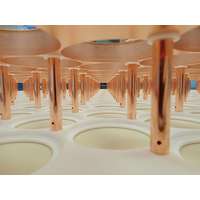
World-leading bounds are placed on sub-keV axionlike and dark-photon dark matter using ionization-only data from a liquid xenon detector.
Phys. Rev. Lett. 137, 051003 (2026)
Cosmology, Astrophysics, and Gravitation
Energy-Dependent Shifts of Medium-Scale Anisotropies in Very-High-Energy Cosmic Rays Observed by LHAASO-KM2A
Article | Cosmology, Astrophysics, and Gravitation | 2026-07-30 06:00 EDT
Zhen Cao et al. (LHAASO Collaboration)
Small deviations from isotropy in the arrival directions of Galactic cosmic rays serve as a unique probe of the local magnetic environment. In this Letter, we report observations of medium-scale anisotropies at energies above 10 TeV using the LHAASO-KM2A array. Our analysis identifies four regions o…
Phys. Rev. Lett. 137, 051004 (2026)
Cosmology, Astrophysics, and Gravitation
Search for the Decay ${B}^{+}→{K}^{+}{τ}^{+}{τ}^{-}$ Using Data from the Belle and Belle II Experiments
Article | Particles and Fields | 2026-07-30 06:00 EDT
M. Abumusabh et al. (Belle and Belle II Collaborations)
We report a search for the rare decay using mesons produced near threshold in electron-positron collisions and collected by the Belle and Belle II experiments. We fully reconstruct the hadronic decay of one meson produced in the decay, and search for c…
Phys. Rev. Lett. 137, 051805 (2026)
Particles and Fields
Pion $β$ Decay and $τ→ππ{ν}_{τ}$ beyond Leading Logarithms
Article | Particles and Fields | 2026-07-30 06:00 EDT
Vincenzo Cirigliano, Martin Hoferichter, and Nicola Valori
The consistent matching of short-distance contributions and hadronic matrix elements is crucial for precise predictions of weak processes involving hadrons. In this Letter, we address this point for charged-current processes involving two pions--pion decay and hadronic decays --…
Phys. Rev. Lett. 137, 051902 (2026)
Particles and Fields
Static Friction of Liquid Marbles
Article | Physics of Fluids, Earth & Planetary Science, and Climate | 2026-07-30 06:00 EDT
Yui Takai, Kei Mukoyama, Pritam Kumar Roy, Guillaume Lagubeau, David Quéré, Samuel Poincloux, and Timothée Mouterde
Liquid marbles, droplets coated with a granular layer, are highly mobile as particles prevent capillary adhesion to the substrate. Yet their coating creates a static rolling friction, which we measure and model. Motion requires shear within the shell so that it is governed mainly by the grain densit…
Phys. Rev. Lett. 137, 054001 (2026)
Physics of Fluids, Earth & Planetary Science, and Climate
Turbulent Nature of the Quasicontinuous Exhaust Regime for Fusion Plasmas
Article | Plasma and Solar Physics, Accelerators and Beams | 2026-07-30 06:00 EDT
Kaiyu Zhang, Wladimir Zholobenko, Andreas Stegmeir, Michael Faitsch, Konrad Eder, Christoph Pitzal, Frank Jenko, and ASDEX Upgrade Team
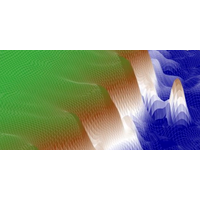
Supercomputer simulations reveal how turbulence supports a Goldilocks regime for operating a fusion reactor.
Phys. Rev. Lett. 137, 055102 (2026)
Plasma and Solar Physics, Accelerators and Beams
Thermal Switching of Electron Transfer at a ${\mathrm{VO}}_{2}$ Heterointerface for Accelerated Oxygen Evolution
Article | Condensed Matter and Materials | 2026-07-30 06:00 EDT
Mengfei Lu, Yu Du, Shicheng Yan, and Zhigang Zou
Structural phase transition offers an effective means to modulate interfacial electronic states and accelerate electron transfer in water electrolysis. Here, we exploit a heat-induced monoclinic-to-tetragonal phase transition in to facilitate electron transfer at heterojunc…
Phys. Rev. Lett. 137, 056202 (2026)
Condensed Matter and Materials
First-Principles Predictions of Carrier Mobility with Record Accuracy Using GW Perturbation Theory
Article | Condensed Matter and Materials | 2026-07-30 06:00 EDT
Nick Pant, Sabyasachi Tiwari, Steven G. Louie, Zhenglu Li, and Feliciano Giustino
Accurate prediction of carrier mobility is critical for the discovery and design of next-generation electronic materials. Despite sustained progress, state-of-the-art ab initio methods remain limited by the approximate treatment of electron-phonon interactions at the density functional theory level.…
Phys. Rev. Lett. 137, 056303 (2026)
Condensed Matter and Materials
Exactly Solvable Topological Phase Transition in a Quantum Dimer Model
Article | Condensed Matter and Materials | 2026-07-30 06:00 EDT
Laura Shou, Jeet Shah, Matthew Lerner-Brecher, Amol Aggarwal, Alexei Borodin, and Victor Galitski
We consider a family of generalized Rokhsar-Kivelson (RK) Hamiltonians, which are reverse-engineered to have an arbitrary edge-weighted superposition of dimer coverings as their exact ground state at the RK point. We focus on a quantum dimer model on the triangular lattice, with doubly periodic edge…
Phys. Rev. Lett. 137, 056503 (2026)
Condensed Matter and Materials
Kardar-Parisi-Zhang Physics in Optically Confined Continuous Polariton Condensates
Article | Condensed Matter and Materials | 2026-07-30 06:00 EDT
Mikhail Misko, Natalia Starkova, and Pavlos G. Lagoudakis
Kardar-Parisi-Zhang (KPZ) scaling has been observed in discrete polariton lattices, enabled by engineered band structures that stabilize the condensate. Whether this universality extends to intrinsically continuous systems with natural noise regularization remains an open question. We propose and nu…
Phys. Rev. Lett. 137, 056905 (2026)
Condensed Matter and Materials
Collapse and Revival of Exciton-Polaritons in a Single Nanocavity Revealed by Ultrafast Nonlinear Microscopy
Article | Condensed Matter and Materials | 2026-07-30 06:00 EDT
Liyu Zhang, Zhongao Huang, Kai Wang, Chao Guan, Zijian He, Jiaxing Yang, Shuzheng Chen, Xiaobo Han, and Peixiang Lu
The ultrafast dynamics of exciton-polaritons (EPs) in single plasmonic nanocavities are of fundamental interest due to extreme mode confinement (), which enables few-exciton strong coupling and strong nonlinearity of EPs. However, directly probing transient evolutions of EPs in a single nano…
Phys. Rev. Lett. 137, 056906 (2026)
Condensed Matter and Materials
Physical Review X
Path-Dependency and Emergent Computing under Vectorial Driving
Article | 2026-07-30 06:00 EDT
C. M. Meulblok, A. Singh, M. Labousse, and M. van Hecke
A general framework unravels path dependencies across a wide range of driven complex materials.
Phys. Rev. X 16, 031023 (2026)
arXiv
Coordinate and Momentum Distributions of a Small Composite System
New Submission | Statistical Mechanics (cond-mat.stat-mech) | 2026-07-31 20:00 EDT
Dmitry Naplekov, Yury Bezruk, Vladimir Yanovsky
An isolated small system consisting of a movable shell and a finite number of internal particles is considered. Exact distributions of the shell coordinates and momenta are obtained for various types of internal particle motion under the conditions of conservation of the total energy and momentum of the system. The coordinate distribution consists of a finite number of branches and may contain plateau regions. The momentum distribution corresponds to a non-uniform distribution of energy among the degrees of freedom of the system. It is shown that the coordinate distribution depends on the number of internal particles and remains unchanged when the dimensionality of their motion varies, whereas the momentum distribution depends on the number of degrees of freedom. Consequently, comparison of the coordinate and momentum distributions of the shell makes it possible to draw conclusions about the internal structure of the system. The chaotic motion of the shell caused by impacts from the internal particles is analyzed; unlike Brownian motion, it persists even in the absence of an external medium. A universal expression for the root-mean-square deviation of the shell is obtained explicitly, depending on the number of internal particles and their masses.
Statistical Mechanics (cond-mat.stat-mech), Mesoscale and Nanoscale Physics (cond-mat.mes-hall), Mathematical Physics (math-ph)
13 pages, 8 figures
MatCreatioNN: Machine learning-guided computational discovery of photocatalysts for environmental applications
New Submission | Materials Science (cond-mat.mtrl-sci) | 2026-07-31 20:00 EDT
The rational design of photocatalysts for environmental remediation and CO2 conversion remains limited by the high computational cost and sparse experimental data describing multi-parameter photocatalytic behavior. This work presents an integrated machine-learning framework that couples reinforcement learning-based metal-organic framework (MOF) generation with a multi-stage Crystal Graph Convolutional Neural Network (CGCNN) prediction funnel to identify photocatalysts optimized across multiple electronic and structural features. 120,000 MOF candidates were generated and screened using 13 key descriptors, including band-gap suitability, CO2/H2O selectivity, adsorption energy, and structural stability. The funnel approach reduced computational cost by 4.13-fold while maintaining predictive robustness. Two top candidates, a Cr-based and a Zn-based MOF, exhibited predicted photocatalytic fitness values of 1.70 +/- 0.25 and 1.20 +/- 0.05 fold higher respectively than benchmark materials such as PCN-224(Zr), demonstrating simultaneous improvements in light absorption, redox energetics, and framework durability. Simulated X-ray diffraction patterns confirmed strong structural agreement with experimentally synthesized MOFs, indicating high synthesizability. Post-hoc analysis revealed recurring structural motifs, such as the N262 metal cluster, that correlated strongly with high predicted photocatalytic activity. These results highlight the potential of data-driven methods to accelerate discovery of efficient and durable photocatalysts for environmental and energy-related transformations, providing a foundation for experimental realization and large-scale implementation of computationally designed MOFs.
Materials Science (cond-mat.mtrl-sci), Machine Learning (cs.LG)
8 figures, 0 tables. Supplementary information attached to file and data (Zenodo, Github) available
Catalysis Today, vol. 468, 115725 (2026)
When trajectory-based bounds fail: information thermodynamics under noisy feedback
New Submission | Statistical Mechanics (cond-mat.stat-mech) | 2026-07-31 20:00 EDT
Natalia Ruiz-Pino, Ludovic Bellon, Antonio Prados
Information engines exploit feedback to extract work from thermal fluctuations, extending the second law of thermodynamics through information-theoretic bounds. While several such bounds have been proposed, their relative performance under realistic conditions—where measurements are noisy and feedback is temporally correlated—remains largely unclear. Here, we experimentally and theoretically investigate this problem in an underdamped feedback-controlled system with Markovian measurements but non-Markovian control sequences. We compare three representative bounds derived from transfer entropy, unavailable information, and Markovian mutual information, and find that none is universally optimal. Instead, measurement noise preferentially affects information measures that rely on detailed trajectory statistics, while leaving quantities based on instantaneous correlations comparatively robust. As a consequence, trajectory-dependent bounds deteriorate rapidly, giving rise to a crossover in which the Markovian mutual-information bound becomes tighter than the unavailable-information bound over a broad range of measurement noise. Our results reveal a general limitation of information-theoretic descriptions that rely on detailed trajectory statistics in realistic settings and provide a unified perspective on information thermodynamics beyond idealised feedback protocols.
Statistical Mechanics (cond-mat.stat-mech), Mesoscale and Nanoscale Physics (cond-mat.mes-hall)
13 pages, 6 figures
Harnessing Native Chromium Oxidation for Giant Orbital Torque and Field-Free Magnetization Switching in NiFe/Cr Bilayers
New Submission | Mesoscale and Nanoscale Physics (cond-mat.mes-hall) | 2026-07-31 20:00 EDT
Chirag Kalouni, Abhishek Kumar, Manish Kumar Mohanta, Kanupriya, Athira Ravindran K, Damanpreet Kaur, Preet Kamal, Puru Jena, Debangsu Roy
Orbital currents offer charge-to-spin conversion beyond the efficiency limit of conventional heavy-metal Spin Hall sources. However, harnessing them has so far required either thick orbital-Hall materials or additional heavy-metal conversion layers. Here, we show that the native oxide of chromium, typically regarded as parasitic, transforms a simple NiFe\Cr bilayer into a self-contained dual-channel orbital-current source without the need for any conversion layer. First-principles calculations predict a nearly threefold enhancement of the orbital Hall conductivity upon surface oxygenation, driven by Cr(3d)-O(2p) hybridization. Experimentally, naturally oxidized NiFe\Cr heterostructures exhibit a giant damping-like torque efficiency of $ 3.9 \times 10^{6}$ $ \Omega^{-1}$ m$ ^{-1}$ , exceeding Pt (Ta) by one (two) orders of magnitude. The torque depicts a non-monotonic Cr-thickness dependence which cannot be explained by a conventional model. We have developed a drift-diffusion model with an oxidation-gated interfacial source which quantitatively reproduces the data, revealing that the Cr-CrO$ _x$ interface generates orbital currents over an order of magnitude stronger than the bulk orbital Hall channel with an orbital transport length of $ \approx 4$ nm. The enhanced torque enables field-free magnetization switching at $ 1.58 \times 10^{11}$ A m$ ^{-2}$ , outperforming heavy-metal and CuO$ _x$ benchmarks. These results establish native oxidation as a scalable strategy for realizing efficient orbital-torque devices.
Mesoscale and Nanoscale Physics (cond-mat.mes-hall), Materials Science (cond-mat.mtrl-sci)
21 pages ,8 figures
Spin-incoherent Mott-Thouless pumps
New Submission | Strongly Correlated Electrons (cond-mat.str-el) | 2026-07-31 20:00 EDT
Ajesh Kumar, Urban F. P. Seifert, Erez Berg, Achim Rosch
A Thouless pump describes a system in which a quantized amount of charge is transported by one lattice spacing per cycle when the parameters of a Hamiltonian are varied slowly and periodically. In the standard case, this quantization requires the system to remain in its ground state with vanishing thermodynamic entropy throughout the pumping process. Here, we introduce a class of Mott-Thouless pumps, which operate in highly entropic, spin-incoherent Mott states. We show analytically that these states exhibit exponentially protected quantized transport despite their extensive entropy, because the pumped charge resides in a gapped sector that remains dynamically decoupled from the hot spin degrees of freedom. By contrast, motivated by a recent experimental realization, we identify other classes of Mott-Thouless pumps that lack this protection. In these systems, spin excitations can efficiently generate charge excitations, leading to a rapid breakdown of quantized transport. Our analytical results are supported by numerically exact real-time simulations of finite systems.
Strongly Correlated Electrons (cond-mat.str-el), Mesoscale and Nanoscale Physics (cond-mat.mes-hall), Quantum Gases (cond-mat.quant-gas)
18 + 11 pages; 6 + 7 figures
Altermagnetism from a Cu-Fe Lieb Lattice in FeSe/Cuprate Heterostructures
New Submission | Strongly Correlated Electrons (cond-mat.str-el) | 2026-07-31 20:00 EDT
Ying Li, Augustin Davignon, Peng Rao, Runhan Li, Maia G. Vergniory, Roser Valentí, Johannes Knolle
Realizing altermagnetism in high-$ T_c$ cuprate-based systems would provide a direct route for studying spin-split electronic bands in the absence of net magnetization and investigate their interplay with unconventional superconductivity. Here, we propose that FeSe/cuprate heterostructures offer such a platform, where a 45$ ^\circ$ twist of Cu and Fe layers creates an effective CuFe$ _2$ Lieb lattice in which Fe magnetic order and Cu-Fe hybridization through the ligands induces altermagnetic $ d$ -wave spin splitting. A minimal tight-binding model shows that this mechanism is generic. Furthermore, a substrate-induced inequivalence of the two Se sites in FeSe provides a second route in which altermagnetism originates in the Fe layer and is transferred to the cuprate layer by proximity. Density functional theory calculations for FeSe/Bi$ _2$ Sr$ _2$ CuO$ _6$ heterostructures confirm the viability of both mechanisms and reveal ways to enhance the spin splitting. These results establish superconducting cuprate/transition metal chalcogenide heterostructures as a promising setting for engineering altermagnetism and studying its coupling to unconventional superconductivity.
Strongly Correlated Electrons (cond-mat.str-el), Superconductivity (cond-mat.supr-con)
Parity-selective spin splitting in coplanar antiferromagnets via bichromatic driving
New Submission | Materials Science (cond-mat.mtrl-sci) | 2026-07-31 20:00 EDT
Di Zhu, Zhongbo Yan, Mohsen Yarmohammadi
Parity is a central characteristic of momentum-dependent spin splitting in antiferromagnets (AFMs). Yet, intrinsic crystal symmetries typically restrict the splitting to either even or odd parity, preventing flexible spin control. Using a coplanar AFM, we demonstrate that bichromatic ($ \omega$ –$ n\omega$ ) Floquet driving offers a natural way to bypass this constraint. This mechanism generates asymmetric spin textures unattainable in static AFMs or under monochromatic driving. For the specific AFM considered here, we reveal an elegant relation between spin-splitting parity and harmonic hierarchy: $ \omega$ –$ 2\omega$ fields generate highly tunable odd- and mixed-parity spin splittings, whereas higher-order harmonics ($ n \ge 3$ ) exclusively produce even-parity states. The macroscopic magnetization can also be toggled via the specific driving protocol and harmonic $ n$ . These distinct spin splitting states manifest in qualitatively different macroscopic spin currents generated after an optical quench—a definitive transport signature complementing direct visualization via spin- and angle-resolved photoemission spectroscopy.
Materials Science (cond-mat.mtrl-sci), Mesoscale and Nanoscale Physics (cond-mat.mes-hall)
15 pages, 3figures
From pink to brown: Interaction-driven noise color shift in the Aubry-Andr{é} Model
New Submission | Statistical Mechanics (cond-mat.stat-mech) | 2026-07-31 20:00 EDT
M. Jiménez-Valdez, S. A. Montes-Camacho, E. J. Torres-Herrera
We revisit the metal-insulator transition in a one-dimensional lattice subjected to an on-site quasiperiodic potential, modeled using spin-1/2 particles with tunable nearest-neighbor interactions. To characterize the transition, we examine the power-spectrum, defined as the squared modulus of the Fourier transform of consecutive level spacings. In the absence of interactions, the power-spectrum fails to capture clear signatures of the transition, consistently exhibiting brown-noise-like behavior across regimes. In contrast, the interacting case reveals a marked change: the metallic phase displays spectral fluctuations consistent with pink noise, while the insulating phase is characterized by brown noise. These results are supported by analyses of the level spacing distribution and the level number variance. Additionally, we demonstrate that both statistics and the structure of energy eigenstates provide reliable indicators of the transition, in both interacting and non-interacting scenarios.
Statistical Mechanics (cond-mat.stat-mech)
8 pages, 6 figures
Flat-band formation and chiral superconductivity in driven topological insulators
New Submission | Strongly Correlated Electrons (cond-mat.str-el) | 2026-07-31 20:00 EDT
Suman Jyoti De, Leo Goutte, Kartiek Agarwal, T. Pereg-Barnea
We demonstrate that circularly polarized light can be used to Floquet-engineer nearly flat or Mexican-hat like electronic bands on the surface of three-dimensional topological insulators (3D TIs), which under suitable conditions, can support topological superconductivity via purely repulsive Coulomb interactions. The driving acts not merely by gapping out the Dirac cone on the surface of the 3D TI, but can be used to diminish, and even flip in sign, the intrinsic curvature of the surface state dispersion away from the Dirac point. Using parameters for canonical 3D TIs, we find that the flat band limit is attained for reasonable electric fields and the bands realized by changing the strength of the driving field have a similar energetic and spatial profile to those obtained in rhombohedral graphene under varying displacement field, where the case for superconductivity with purely repulsive interactions has recently been made. We find that, with the aid of appropriately placed screening metallic gate, one can obtain $ T_c \sim 7 $ K in this setup while avoiding Wigner crystallization for low electron densities in the range of $ 10^{11}-10^{12}/\text{cm}^2$ .
Strongly Correlated Electrons (cond-mat.str-el), Mesoscale and Nanoscale Physics (cond-mat.mes-hall)
The main text contains 6 pages and 2 figures
Machine Learning for Designing Undesignable Metal-Organic Frameworks
New Submission | Materials Science (cond-mat.mtrl-sci) | 2026-07-31 20:00 EDT
Many crucial processes are too complex for computational modeling, requiring experimentation to identify promising materials. Here, a methodology for material design is presented, while photocatalysis is presented as a specific case-study. Metal-Organic Frameworks (MOFs) are a subset of highly promising porous nanomaterials, used in a variety of unmodellable applications. Reinforcement learning generated 60,000 novel MOFs optimized for CO/H20 selectivity. A predictor funnel system was created, iteratively removing low-scoring MOFs to 10,986 potential candidates, improving computational efficiency by 276%. While trained Crystal Graph Convolutional Neural Network (CGCNN) models predicted features for creating a fitness function incorporating stability, catalytic ability, material cost, sustainability, and adsorption while allowing the inclusion of application specific design criterion. This designed function provides a computational method to model photocatalytic performance- and filtered down to two promising MOFs which each pass a myriad of synthesis criteria, first a Cr-based MOF with photocatalyst score 230% higher than the control. Second, a Zn-based MOF outperforms the best control across all relevant metrics, demonstrating robustness against variable fitness functions. This work designed 20 materials, each 125% better than the control for this application. Furthermore, analysis revealed insightful design patterns, such as the significant influence of metal cluster N262 on catalytic performance, providing a method for future work to narrow the chemical space. By incorporating industrially applicable features such as cost or stability of the material, this work successfully designs industrially promising materials in otherwise unmodellable processes such as drug delivery, while paving a method for multi-objective optimization incorporating 260% more features than prior work.
Materials Science (cond-mat.mtrl-sci)
8 pages, 7 figures. ISTAS 2025 Conference Paper
Proc. 2025 IEEE International Symposium on Technology and Society (ISTAS), Santa Clara, CA, USA, 2025
Evolution of the Irradiation Induced Defect Landscape through Dislocation Vacancy Loop Interactions in Tungsten
New Submission | Materials Science (cond-mat.mtrl-sci) | 2026-07-31 20:00 EDT
Soumya Mishra, Suchandrima Das
Structural materials for fusion reactors undergo neutron irradiation, generating defect populations that govern their mechanical response through irradiation hardening. Physically based mesoscale constitutive models require accurate descriptions of dislocation defect interactions and, critically, how both defect morphology and obstacle strength evolve during plastic deformation as the irradiation-induced defect landscape changes. Vacancy loops provide an ideal prototype for addressing this problem because they are among the most prevalent irradiation-induced defects in tungsten, yet their interaction mechanisms with dislocations and subsequent evolution remain poorly understood. Molecular dynamics simulations are used to systematically investigate interactions between edge dislocations and vacancy loops in tungsten by varying loop size, crystallographic orientation, and dislocation loop intersection geometry. Parallel loops exhibit strong geometry dependent behaviour, undergoing complete annihilation, transformation into weaker remnant defects, or defect transport depending on the interaction geometry. In contrast, inclined loops interact through Burgers vector reactions that form sessile <100> dislocation segments, producing substantially higher pinning strengths with little sensitivity to the intersection position. Finally, a framework is demonstrated for translating atomistically determined obstacle strengths into constitutive parameters, such as irradiation hardening, for mesoscale models. The mechanistic understanding developed here provides the physical basis for future mesoscale constitutive laws that explicitly account for the evolution of irradiation-induced defect populations and the resulting changes in dislocation-defect interaction mechanisms and obstacle strength, thereby improving predictive capability beyond calibrated conditions.
Materials Science (cond-mat.mtrl-sci)
Excited state optimization for strongly correlated quantum defects using ensemble variational Monte Carlo
New Submission | Strongly Correlated Electrons (cond-mat.str-el) | 2026-07-31 20:00 EDT
Kevin G. Kleiner, Lucas K. Wagner
Using the recently introduced ensemble variational Monte Carlo (VMC), we study optimized wave functions for strongly correlated point defects, including nitrogen-vacancy and silicon-vacancy centers in diamond and substitutional iron and chromium impurities in aluminum nitride. We study the effects of fully optimized determinant expansion parameters, orbitals, and Jastrow correlation factors on these systems. We find that orbitals from the hybrid functional PBE0 are much better (have lower objective functional) than semilocal PBE, which results in changes in the excitation energies up to 0.5 eV. Further improvements can be made by directly optimizing the objective functional, resulting in changes in excitation energies up to 0.2 eV. The most important parameter varies from defect to defect, reinforcing the necessity of optimizing all parameters to obtain accurate excited states in strongly correlated defects.
Strongly Correlated Electrons (cond-mat.str-el), Materials Science (cond-mat.mtrl-sci)
Anomalous Microwave Response in YBCO Resonators beyond the Two-Level-System Model
New Submission | Superconductivity (cond-mat.supr-con) | 2026-07-31 20:00 EDT
Kaiwen Zheng, Nathan J. Johnson, Nathan T. Thobaben, Sidharth Duthaluru, Haochen Shen, Denae T. Cherry, David S. Wisbey, Kater W. Murch
We report the microwave response of coplanar-waveguide (CPW) resonators fabricated from $ \mathrm{YBa_2Cu_3O_{7-\delta}}$ (YBCO) thin films over temperatures from approximately $ 70\mathrm{mK}$ to $ 40\mathrm{K}$ . The resonators exhibit internal quality factors $ Q_\mathrm{i}$ in the range of $ 4\times10^3$ to $ 10^4$ at 70 mK, which increase to a maximum of approximately $ 8\times10^3$ to $ 1.2\times10^4$ near $ 6~\mathrm{K}$ . At low temperatures, both $ Q_\mathrm{i}$ and the fractional shift of the resonance frequency $ \Delta f_\mathrm{r}/f_\mathrm{r}$ increases with temperature, qualitatively resembling behavior commonly associated with two-level-system (TLS) defects. However, neither response saturates on the temperature scale set by the resonator frequency, and the loss exhibits no observable microwave-power dependence. We show that low-temperature frequency upturn may be better described by an additional paramagnetic response associated with defect-induced local moments or Andreev bound states, while the low-temperature loss follows an approximately logarithmic temperature dependence whose microscopic origin remains unresolved. These measurements establish the millikelvin performance of patterned YBCO resonators and show that their low-temperature response cannot be understood within the conventional TLS framework alone.
Superconductivity (cond-mat.supr-con), Mesoscale and Nanoscale Physics (cond-mat.mes-hall), Quantum Physics (quant-ph)
8 pages, 5 figures
Universality of Energy-Space Entanglement in Quantum Impurity Models
New Submission | Strongly Correlated Electrons (cond-mat.str-el) | 2026-07-31 20:00 EDT
Entanglement entropy (EE) is commonly studied using real-space bipartitions. We show that, in quantum impurity models, an energy-space bipartition, equivalent to the momentum-space bipartition of the bath, can display universal behavior. Motivated by poor man’s scaling, we logarithmically discretize the bath and partition it into high- and low-energy sectors. For models with Fermi-liquid fixed points, including the Anderson model and fully screened or underscreened Kondo models, the low-energy EE flows to constants independent of model parameters. These constants are integer multiples of $ \ln 2$ plus corrections that depend only on the logarithmic discretization parameter $ \Lambda$ . We show that scale invariance of the fixed-point wavefunction in energy space maps to effective translation invariance along a one-dimensional chain, allowing the fixed points to be classified by one-dimensional topological band theory. With low-energy chiral symmetry, each $ \ln 2$ contribution originates from a topological edge mode. We also study transitions between distinct Fermi-liquid fixed points using the local-singlet–Kondo-singlet transition in a two-orbital Anderson model driven by an inter-orbital antiferromagnetic coupling. The local-singlet phase has an effectively decoupled impurity and nearly vanishing EE, whereas the Kondo-singlet phase has finite EE larger than $ \ln 2$ per spin and orbital. When chiral symmetry holds at low energies, this distinction corresponds to a topological transition of the effective bath chain. At the non-Fermi-liquid critical point, the EE develops an unstable plateau. Its $ \Lambda$ dependence resembles that of the overscreened two-channel Kondo model, supporting universality within the same non-Fermi-liquid universality class.
Strongly Correlated Electrons (cond-mat.str-el), Mesoscale and Nanoscale Physics (cond-mat.mes-hall)
7+17 pages, 4+4 figures
PEDOT:PSS-Coated Magnetoelastic Sensors for Highly Sensitive Wireless Humidity Sensing
New Submission | Materials Science (cond-mat.mtrl-sci) | 2026-07-31 20:00 EDT
Wenderson R. F. Silva, Robson C. O. Guedes, Gilberto Rodrigues-Junior, Eduarda P. M. Campos, Angelo Malachias, Joaquim B. S. Mendes
Magnetoelastic (ME) resonators provide an attractive platform for passive and wireless sensing, particularly for monitoring relative humidity (RH) in sealed or hard-to-access environments. In this work, we introduce ME humidity sensors functionalized with poly(3,4-ethylenedioxythiophene) sulfonate (PEDOT), marking the first application of this conductive polymer in ME-based humidity sensing. PEDOT films were deposited onto Metglas resonators via a simple drop-casting process, producing uniform and mechanically stable coatings. Comprehensive structural and morphological characterization by SEM, EDX, Raman spectroscopy, AFM/KPFM, and XRD confirmed the structural integrity of the polymer and revealed humidity-induced swelling of the PSS-rich domains, accompanied by enhanced polymer-chain mobility and an increase in the lamellar spacing from 23.5 Å to 24.2 Å at 95% RH. These structural changes directly affected the dynamic response of the resonators, leading to a systematic resonance-frequency downshift driven by the combined effects of water adsorption, mass loading, and viscoelastic damping. The optimized device achieved a sensitivity of 155 Hz/% RH in the 20 - 70% RH range, outperforming previously reported ME humidity sensors, while exhibiting a resolution better than 0.1% RH together with excellent response and recovery times. These results establish PEDOT as a highly effective functional coating for magnetoelastic humidity sensors and demonstrate a simple, low-cost, wireless sensing platform with high sensitivity and strong potential for practical environmental and industrial monitoring applications.
Materials Science (cond-mat.mtrl-sci), Mesoscale and Nanoscale Physics (cond-mat.mes-hall)
24 pages, 9 figures, 1 table
Fluctuation electrodynamics of quantum capacitance in electron bilayers
New Submission | Mesoscale and Nanoscale Physics (cond-mat.mes-hall) | 2026-07-31 20:00 EDT
Dmitry Zverevich, Alberto F. Morpurgo, Alex Levchenko
Capacitance is a thermodynamic probe of interacting electrons: it measures the energy cost of moving charge between conductors, and in low-dimensional systems this cost is shaped by exchange and correlation as much as by electrostatics. We develop a theory of the quantum capacitance of electron double layers, semiconductor quantum wells as well as monolayer and bilayer graphene devices, focusing on the contribution generated by interlayer correlations. Within a functional-integral formulation we show that the separation-dependent part of the ground-state energy is, at the level of ring diagrams, exactly the nonretarded Lifshitz expression for the van der Waals energy of two conducting sheets, with reflection amplitudes built from the layer polarizabilities. The interlayer correction to the inverse capacitance is the second density derivative of this energy: a Casimir compressibility. The zero-point fluctuations that generate Casimir forces between mirrors are here the coupled plasmons of the bilayer, and their contribution to the capacitance is obtained in closed form, with a universal coefficient; its sign shows that interlayer correlations oppose charging at high density. A Gell-Mann-Brueckner analysis gives the exact high-density limit in terms of universal functions. For graphene we find that monolayers follow the electron-gas template, while bilayer graphene is anomalous: interband screening suppresses the correction by orders of magnitude and reverses its sign in the experimentally relevant range of separations. We delineate the limits of the theory, identifying the dilute Wigner-crystal regime and electron-hole double layers near exciton condensation as regimes where the capacitance becomes a probe of interlayer pairing.
Mesoscale and Nanoscale Physics (cond-mat.mes-hall)
12 pages, 3 figures
Optimization of Epitaxial Mn4N Thin Films Grown by Sputtering for Spintronic Applications
New Submission | Materials Science (cond-mat.mtrl-sci) | 2026-07-31 20:00 EDT
Teodor Apetrei, Emre Demiroglu, Caner Deger, Can Onur Avci, Silvia Damerio
Ferrimagnetic Mn4N has recently emerged as a promising rare-earth-free platform for spintronic devices due to its low magnetization, high domain wall mobility, and strong anomalous Hall response. However, the realization of thin films with robust perpendicular magnetic anisotropy (PMA) and spin-orbit torque (SOT) functionality through scalable deposition techniques remains a significant challenge. In this work, we systematically investigate the growth of Mn4N thin films by reactive magnetron sputtering and determine the conditions required to achieve high-quality films suitable for SOT applications. We demonstrate that epitaxial, single-crystalline Mn4N films with strong PMA can be obtained on MgO(100), whereas films deposited on SrTiO3(100) exhibit a textured structure. The optimized films show square-shaped hysteresis loops with high remanence, large and tunable coercivity, and a pronounced anomalous Hall effect. By combining structural, magnetic, and magnetotransport characterization with density functional theory calculations, we reveal that epitaxial strain plays a key role in tuning magnetic anisotropy, while also showing that it is not the only contributing factor. In particular, our results emphasize the importance of interfacial effects in stabilizing PMA. Finally, we demonstrate efficient current-induced magnetization switching in Mn4N/Pt bilayers, confirming strong interfacial spin transparency. These findings establish sputtered Mn4N as a promising and versatile material platform for energy-efficient spin-orbitronic devices.
Materials Science (cond-mat.mtrl-sci)
Structure and thermodynamic stability of $β$-Ga$_2$O$_3$ surfaces
New Submission | Materials Science (cond-mat.mtrl-sci) | 2026-07-31 20:00 EDT
Konstantin Lion, Claudia Draxl
We present a comprehensive first-principles investigation of all symmetrically inequivalent low-index surfaces of $ \beta$ -Ga$ _2$ O$ _3$ , examining their structural properties and thermodynamic stability across experimentally relevant growth conditions. Using density-functional theory with both semi-local (PBEsol) and hybrid (PBE0) functionals, we calculate surface free energies for the (010), (100), (001), ($ \bar{2}01$ ), (110), (111), and ($ 11\bar{1}$ ) orientations, including the effects of harmonic vibrational contributions and varying oxygen chemical potentials. We demonstrate that the energetic ordering remains consistent across computational approaches and that the vibrational contributions remain below 0.2 J/m$ ^2$ up to temperatures of 1000 K. A coordination-based model that correlates surface stability with the density of under-coordinated atoms reveals that under-coordinated oxygen atoms and tetrahedral Ga sites substantially destabilize surfaces, while exposed under-coordinated octahedral Ga atoms serve as indicators of surface stability. Our thermodynamic analysis shows that stoichiometric terminations dominate over nearly the entire range of chemical potentials relevant for $ \beta$ -Ga$ _2$ O$ _3$ stability, while non-stoichiometric terminations emerge only under extreme reducing or oxidizing conditions. Notably, we predict the formation of stable Ga-rich terminations resembling Ga adlayers for the (100) and ($ \bar{2}01$ ) surfaces under highly reducing conditions.
Materials Science (cond-mat.mtrl-sci)
Decoding the Micromagnetic Hamiltonian from Magnetic Fingerprints
New Submission | Materials Science (cond-mat.mtrl-sci) | 2026-07-31 20:00 EDT
Bradley J. Fugetta, Anqi Liu, Kai Liu, Amy Y. Liu, Gen Yin
Extracting intrinsic magnetic Hamiltonians directly from magnetometry is challenging due to the high dimensionality of the parameter space and the degeneracy induced by ensemble averaging. Here, we introduce a collection of deep convolutional neural networks (CNNs) to extract the full phenomenological micromagnetic Hamiltonian directly from the magnetic fingerprints encoded within First-Order Reversal Curves (FORCs). We validate this approach via closed-loop verification, re-creating the input magnetometry for both simulated and experimental FORCs. To mitigate false positives, we deploy an `Alice–Bob’ parallel network that quantifies prediction uncertainty based on solely the information in FORCs without any additional ground-truth knowledge. This framework provides a robust, machine-learning-assisted approach to unravel the underlying spin behaviors in complex magnetic systems
Materials Science (cond-mat.mtrl-sci)
Bose-Einstein condensation and superfluidity on a fuzzy sphere
New Submission | Quantum Gases (cond-mat.quant-gas) | 2026-07-31 20:00 EDT
Vira Shyta, Flavio S. Nogueira, Ashley M. Cook
According to Hohenberg’s theorem, Bose-Einstein condensation (BEC) in two dimensions is impossible for any temperature $ T>0$ . By contrast, superfluidity does occur in two dimensions at finite temperatures; it emerges due to the breaking of Galilei invariance. Here we consider BEC and superfluidity on a compact two-dimensional space taking the form of a non-commutative (“fuzzy”) sphere, where the scalar bosonic fields are promoted to $ N\times N$ matrices. The dimension $ N$ is related to the non-commutativity parameter of space and introduces an additional scale into the system. We find that non-commutativity favors ordered phases and so enhances BEC and superfluidity. We analyze BEC in ideal and weakly interacting Bose gases on a fuzzy sphere, finding in each case that the critical temperature of BEC is greater compared to that found in the case of a commutative sphere $ S^2$ . Then we investigate the superfluid response of weakly interacting Bose systems. To account for vortices in a superfluid, we show that, even on an ordinary sphere, the collective coordinates of vortices induce non-commutativity. With this in mind, we extend the definition of vortex defects to an inherently non-commutative sphere studied here, where the notion of a point is untenable. The non-commutativity is expected to be experimentally relevant to BEC and superfluidity since the fuzzy sphere has a thermodynamic limit distinct from the one defined over a plane, unlike the $ S^2$ case. The significance of this difference is illustrated by the superfluid density calculation indicating that, in the large sphere limit, the normal fluid fraction on the fuzzy sphere yields a linear in $ T$ dependence, while on a commutative $ S^2$ it exhibits the usual two-dimensional $ \sim T^3$ behavior. This linear dependence, arising directly from non-commutativity, is reminiscent of Uemura’s law in cuprate high-$ T_c$ superconductors.
Quantum Gases (cond-mat.quant-gas), High Energy Physics - Theory (hep-th)
17 pages, 3 figures
Dynamics of Null and Electrostatic Blind Spots for Quantitative PFM
New Submission | Materials Science (cond-mat.mtrl-sci) | 2026-07-31 20:00 EDT
Marti Checa, Holland Swicegood, Ruben Millan-Solsona, Ralph Bulanadi, Jerry Zhao, Jack Lasseter, Stephen Jesse, Liam Collins
Piezoresponse force microscopy is a cornerstone technique for probing nanoscale electromechanical phenomena, yet quantitative and in some cases qualitative interpretation remains hindered by parasitic electrostatic forces coupled through cantilever dynamics. Recent approaches aim to suppress these artifacts by operating at resonance defined null spots or electrostatic blind spots, but whether these conditions are equivalent and how they evolve under realistic measurement conditions has remained unclear. Here, combining analytical beam models, geometrically faithful finite-element simulations, and automated interferometric measurements, we show that NS and ESBS are fundamentally different operating conditions. The NS is a modal zero at contact resonance where sensitivity to all excitations vanishes, whereas the ESBS is a quasistatic position where only the distributed electrostatic response is suppressed. Automated measurements reveal that both conditions evolve with the tip sample boundary condition yet remain spatially separated under realistic experimental conditions. While beam models capture the dominant cantilever mechanics, finite-element simulations and experiment show that quantitative prediction of near tip behavior requires realistic three dimensional probe electrostatics and mechanics. These findings establish NS and ESBS as dynamic operating conditions and provide a practical framework for advancing interferometric PFM toward truly quantitative electromechanical metrology.
Materials Science (cond-mat.mtrl-sci)
22 pages, 5 figures
Extended s-wave superconductivity in M-point twisted bilayer SnSe2
New Submission | Superconductivity (cond-mat.supr-con) | 2026-07-31 20:00 EDT
Lennart Klebl, Ammon Fischer, Salahudin V. Smailagić, Ming-Rui Li, Henning Schlömer, Haoyu Hu, B. Andrei Bernevig, Dante M. Kennes, Ronny Thomale
We investigate the emergence of electronic order and unconventional superconductivity in M-valley moiré materials. Starting from a first-principles Wannier model of AB-stacked twisted SnSe2, we tackle the (gate-screened) long-ranged Coulomb interaction with functional renormalization group simulations resolving the momentum structure and energy scales of the leading Fermi surface instabilities. Upon doping an antiferromagnetic stripe state at half-filling ($ \nu=3$ electrons per moiré unit cell) of the moiré flat bands, magnetic order gives way to unconventional superconductivity mediated by valley-selective spin fluctuations: Large hole doping ($ \nu\approx1$ ) leads to weak-coupling superconductors with various pairing symmetries, while slight electron- and hole-doping ($ \nu\approx2,4$ ) stabilizes a spin-singlet, extended s-wave state that benefits from scattering between virtual particle and hole states that are detuned from the Fermi level. These findings establish M-point moiré materials as a quantum simulation platform with phenomenological parallels to the class of iron pnictide superconductors.
Superconductivity (cond-mat.supr-con), Strongly Correlated Electrons (cond-mat.str-el)
8 pages, 4 figures, Supplementary Information
Topology of Shape and Data in Material Microstructures
New Submission | Materials Science (cond-mat.mtrl-sci) | 2026-07-31 20:00 EDT
Jeanie Schreiber, Zachary Grey, Adam Creuziger
One of the challenges in microstructure analysis is the rigorous quantification of the shape, size, and spatial arrangement of the microstructure beyond comparison of average values. We expound on formal principles combining Topological Data Analysis (TDA) and non-Euclidean distances between curves to motivate novel perspectives on the form and nature of pattern and shape in images. Specifically, TDA descriptors extracting persistent topological structures are combined with product submanifold learning of separable shape tensors (SST) to offer unique insights about electron backscatter diffraction (EBSD) images of material microstructures through the lens of a dual-parameter filtration. Beyond standard approaches, our methodology highlights how different choices or permutations of shape distances can lead to distinct notions of topological persistence, thereby broadening the interpretive scope of TDA. The resulting visualizations of feature extraction are designed to be both principled and explanatory, offering novel tools for modern imaging science with applications to material metrology. More broadly, this framework has strong potential to impact domains where precise quantification of topology and shape is critical for uncovering fundamental image patterns and features, and enables additional data-driven tools for microstructure analysis.
Materials Science (cond-mat.mtrl-sci), Computational Engineering, Finance, and Science (cs.CE)
Entropic signatures of the single-impurity Kondo state
New Submission | Mesoscale and Nanoscale Physics (cond-mat.mes-hall) | 2026-07-31 20:00 EDT
Johann Drayne, Silvia Lüscher, Will Grant, Vahid Movahed, Tim Child, Saeed Fallahi, Geoffrey C. Gardner, Michael J. Manfra, Yaakov Kleeorin, Yigal Meir, Joshua Folk
The Kondo singlet—a many-body state formed by entanglement between a localized spin and the Fermi sea—has been studied extensively through its transport signatures in quantum dots. Here we report a thermodynamic measurement of the entropy suppression associated with the formation of the Kondo singlet, using temperature-dependent charge sensing and a Maxwell relation to track the suppression of spin entropy as the first electron is added to a strongly-coupled GaAs quantum dot. Plotting $ dN/dT$ against the simultaneously measured occupation $ N$ reveals an asymmetric lineshape with its peak shifted to $ N>1/2$ —a hallmark of Kondo screening—that weakens with increasing temperature and is qualitatively reproduced by numerical renormalization group (NRG) calculations, with a small but persistent offset to lower occupation relative to the theory. An independent measurement of conductance versus occupation on the same device provides a test of these quantities through the mixed-valence crossover and matches NRG within experimental uncertainty.
Mesoscale and Nanoscale Physics (cond-mat.mes-hall)
Nanobubbles, pristine emulsions, high ionic strength electrokinetics – paradoxes of Colloid and Interface Science
New Submission | Soft Condensed Matter (cond-mat.soft) | 2026-07-31 20:00 EDT
Andrei Dukhin, Renliang Xu, Darrell Velegol
There are three paradoxes in the modern Colloid and Interface Science supported by large bulk of experimental evidence and contradicting classical theoretical models: - Electrokinetics at high ionic strength; - Nanobubbles having life span on scale of days and weeks without any surface stabilization; - Pristine emulsions having life span on scale of days and weeks without any surface stabilization.
We overview many dozens of experimental papers by broad spectrum of scientific groups from many countries. We consider this vast experimental data as unambiguous evidence that these phenomena exist. On other hand, classical theoretical models deny such possibility.
This contradiction between experiment and theory justifies introduction of new theoretical models. We overview these models. It turns out that there is one common feature between most promising of them – assumption regarding structured water layer at hydrophobic interface. That is why we combine these three phenomena in this review. There is extensive literature on century old idea of the structured water layer, experimental and theoretical. We overview this literature, which provides convincing support to this hypothesis. We discuss existing theoretical models that incorporate the structured interfacial water layer for the successful explanation of these phenomena in more detail. Theoretical model of electrokinetics at high ionic strength was developed several decades ago. Theoretical model explaining paradoxical longevity of nanobubbles and pristine emulsions by interaction between structured water layer and electric double layer is more recent.
Soft Condensed Matter (cond-mat.soft), Chemical Physics (physics.chem-ph)
36 pages, 5 figures, 7 equations, 1 table
Phase transitions and microphases in elastomers. I. Emergence of stable domains
New Submission | Soft Condensed Matter (cond-mat.soft) | 2026-07-31 20:00 EDT
Manu Mannattil, Haim Diamant, David Andelman
Elasticity often plays a key role in regulating phase separation in physical systems. Recent experiments have shown that elastic effects can be used to control microphase separation in swollen elastomers. Here, microphase separation arises from a mismatch between the characteristic length scales of elastic and thermodynamic interactions. In this first part of a two-part paper, we show that microphase formation in elastomers can be explained using conventional theories of elasticity through a nonlocal thermodynamic-elastic coupling arising from volume conservation. Our theory reproduces the observed dependence of phase transition temperature and domain size on elastomer stiffness in isotropically swollen elastomers. In the companion paper, we investigate the effects of anisotropic swelling and inhomogeneous elastic moduli.
Soft Condensed Matter (cond-mat.soft), Materials Science (cond-mat.mtrl-sci), Statistical Mechanics (cond-mat.stat-mech), Pattern Formation and Solitons (nlin.PS), Chemical Physics (physics.chem-ph)
13 pages, 6 figures
Temperature-doping phase diagram and endurance in Ce-doped HfO2
New Submission | Materials Science (cond-mat.mtrl-sci) | 2026-07-31 20:00 EDT
Amit Kumar Shah, Haidong Lu, Kawshan Hathurusingha, Alexei Gruverman, Xiaoshan Xu
The structural and ferroelectric properties of epitaxial Hf1-xCexO2 (CHO) thin films in the ultrathin regime are investigated as a function of Ce concentration (5% <= x <= 20%) and temperature. A temperature-doping phase diagram is established for 10 nm films, showing a systematic evolution from the ferroelectric orthorhombic phase to tetragonal and cubic phases with increasing Ce content. The orthorhombic-tetragonal transition temperature decreases from ~800°C at x = 5% to $ ~300°C$ at x = 15%, indicating strong stabilization of higher-symmetry phases with doping. Consistently, the remanent polarization decreases from ~15 to $ 3.8 {\mu}C/cm2$ as x increases from 5% to 20%. In contrast, the endurance improves significantly, with higher Ce concentrations exhibiting markedly enhanced cycling stability up to 108 cycles. The opposing trends of polarization and endurance are correlated with reduced orthorhombic distortion, suggesting that fatigue mitigation in Ce-doped HfO2 is linked to structural evolution. These results provide a framework for optimizing composition and reliability in ultrathin ferroelectric HfO2 devices.
Materials Science (cond-mat.mtrl-sci)
Design principles for energy dissipation in viscoelastic network metamaterials
New Submission | Soft Condensed Matter (cond-mat.soft) | 2026-07-31 20:00 EDT
Niranjan Sarpangala, Sean Fancher, Prashant K. Purohit, Eleni Katifori
Mechanical energy dissipation in networked materials is relevant for applications from vibration isolation to impact protection, yet identifying optimal dissipative architectures in large disordered truss networks is computationally prohibitive with conventional finite element methods. We develop an efficient graph Laplacian-based spectral framework for viscoelastic truss networks, in which the full continuum dynamics of each rod are retained exactly and the problem size scales with the number of joints rather than element-level discretization points. Using this framework, we investigate how redistributing cross-sectional areas within a network (without changing material composition) controls energy dissipation. We find that random redistribution typically reduces dissipation relative to a uniform baseline, while gradient-based optimization yields nontrivial architectures whose form is governed by the intrinsic attenuation length of the base material. Focusing on driving frequencies near a global resonant mode of the network, we show that the optimal mass distribution decays from the source (driven joint) with the attenuation length scale, and at small attenuation lengths the optimal architecture is independent of the boundary conditions. These results motivate future studies of dissipation length scale based design principles on more complex disordered architectures and provide an efficient computational framework for exploring such structures at scale.
Soft Condensed Matter (cond-mat.soft), Disordered Systems and Neural Networks (cond-mat.dis-nn), Materials Science (cond-mat.mtrl-sci), Other Condensed Matter (cond-mat.other), Computational Physics (physics.comp-ph)
Beyond Hexagonal Boron Nitride: First-Principles Study of Pentaoctite-BN and Pop-BN Monolayers
New Submission | Materials Science (cond-mat.mtrl-sci) | 2026-07-31 20:00 EDT
Victor M. S. da Conceição, Erika N. Lima, Roberto H. Miwa, Igor S. S. de Oliveira
We investigate two novel non-hexagonal boron nitride monolayers, pentaoctite-BN (PO-BN) and pop-BN (PP-BN), using first-principles calculations. Their structural, electronic, mechanical, vibrational, thermal, and optical properties are systematically analyzed to assess their stability and potential applications. Despite being metastable with respect to hexagonal BN, both polymorphs satisfy the criteria for dynamical, mechanical, and thermal stability, indicating that they are viable two-dimensional materials. Both systems are indirect-gap semiconductors whose electronic states near the band edges are dominated by out-of-plane pz orbitals. Their distinct pentagon-octagon ring networks also give rise to different in-plane elastic anisotropies. Many-body optical calculations reveal strong excitonic effects and pronounced polarization-dependent optical absorption, with lattice engineering shifting the optical response from the ultraviolet toward the visible and infrared regions. These findings demonstrate that engineering non-hexagonal lattice architectures provides an effective strategy for tuning the electronic and optical properties of two-dimensional BN, highlighting PO-BN and PP-BN as promising candidates for future optoelectronic and photonic applications.
Materials Science (cond-mat.mtrl-sci), Other Condensed Matter (cond-mat.other)
Single-crystal structural phase diagram of stoichiometric bilayer nickelate La3Ni2O7 under hydrostatic pressure
New Submission | Superconductivity (cond-mat.supr-con) | 2026-07-31 20:00 EDT
Misaki Sasaki, Zhehong Liu, Takeshi Hara, Shunsuke Kitou, Markus Kriener, Haruto Yoshimochi, Shion Yamada, Chieko Terakura, Naohisa Hirao, Hirokazu Kadobayashi, Yusuke Wakabayashi, Yoshinori Tokura, Yasujiro Taguchi, Taka-hisa Arima, Yukako Fujishiro
The bilayer nickelate La3Ni2O7 has attracted intense interest following the discovery of high-temperature superconductivity under pressure, representing the first nickelate superconductor realized in bulk form. However, the crystal structure of the superconducting phase remains under active discussion, complicating efforts to establish its microscopic origin. Here we resolve these structural controversies by establishing a definitive pressure-temperature phase diagram, including the superconducting region of stoichiometric La3Ni2O7 single crystals under hydrostatic conditions using helium as the pressure-transmitting medium. At ambient pressure, La3Ni2O7 adopts a polar orthorhombic Am2m structure characterized by charge order between inequivalent Ni sites and NiO6 octahedral tilting. Upon compression, the system undergoes a direct transition from the charge-ordered Am2m phase to the tetragonal I4/mmm phase near 10 GPa, coinciding with the onset of bulk superconductivity. These results establish the intrinsic structural evolution of La3Ni2O7 and provide a structural framework for microscopic theories of nickelate superconductivity.
Superconductivity (cond-mat.supr-con), Strongly Correlated Electrons (cond-mat.str-el)
Anisotropic Tensile Strength and Fracture Mechanism of $θ$-TaN: A Machine-Learning Potential Molecular Dynamics Study
New Submission | Materials Science (cond-mat.mtrl-sci) | 2026-07-31 20:00 EDT
Chenyang Cao, Hongfei Li, Shuo Cao
theta-phase tantalum nitride (theta-TaN) combines metallic conductivity with exceptionally high thermal conductivity, making it a potential material for device thermal management and interconnect applications. However, its tensile strength and fracture behavior remain unclear. Here, we investigate the anisotropic tensile response and fracture mechanism of theta-TaN using neuroevolution-potential molecular dynamics simulations. Size-convergence tests show that a 20 nm long model is sufficient for reliable prediction, and the mechanical parameters vary by less than 3.5% over the strain-rate range of 10^7 to 10^9 s^-1. The results reveal strong tensile anisotropy. The c-axis direction ([0001]) shows a higher strength of 80.10 GPa and modulus of 748.63 GPa, but a lower fracture strain of 15.02%. In contrast, the a-axis direction ([2-1-10]) shows a lower strength of 56.87 GPa and modulus of 570.74 GPa, but a higher fracture strain of 17.71%. From 300 to 900 K, the mechanical properties decrease nearly linearly, while more than 73% of the 300 K strength is retained at 900 K. Fracture occurs without observable dislocation activity and is governed by cleavage-plane selection: {10-10} prismatic planes under a-axis tension and the (0001) basal plane under c-axis tension. Atomic displacement analysis shows that local separation and microvoid formation precede macroscopic crack growth, indicating a brittle fracture process driven by local bond-network instability. These results provide atomic-scale mechanical data for assessing the reliability of theta-TaN in thermal management applications.
Materials Science (cond-mat.mtrl-sci)
16 pages, 9 figures,
Physics to Circuit Analysis of GaN RF Integrated Circuits versus GaAs and Silicon
New Submission | Materials Science (cond-mat.mtrl-sci) | 2026-07-31 20:00 EDT
Harkirat Kaur, Palak Kapoor, Rajesh Vedala
The migration of radio-frequency (RF) integrated-circuit platforms from silicon to GaAs and now to gallium nitride is derived here from first principles. The hexagonal non-centrosymmetric GaN lattice admits a macroscopic polarization; elasticity and the piezoelectric tensor fix the bound sheet charge at an AlGaN/GaN interface, and Poisson’s equation with triangular-well quantisation yields a degenerate quasi-two-dimensional channel of ~10^13 cm^-2 with no doping. Energy-momentum conservation for pair creation and phonon-limited energy relaxation set the breakdown field (3.3 MV/cm) and saturation velocity (2.5 x 10^7 cm/s), which combine into geometry-free limits V_brf_T = E_cv_sat/(2pi) and R_on^sp = 4V_br^2/(muepsilonE_c^3). These limits are mapped onto the low-noise amplifier, power amplifier, and switch/phase-shifter functions of a transmit/receive front end and quantified by a MATLAB device-physics model comparing GaN, GaAs, and Si up to 90 GHz. The purpose of this framework and its simulations is to identify which material platform offers the best performance at millimeter-wave frequency signals.
Materials Science (cond-mat.mtrl-sci), Signal Processing (eess.SP), Systems and Control (eess.SY)
6 pages, 6 figures, 1 table
Third-order nonlinear transport in a percolative two-dimensional superconductor
New Submission | Mesoscale and Nanoscale Physics (cond-mat.mes-hall) | 2026-07-31 20:00 EDT
Wenjun Liu, Chenghe Wang, Xiubin Li, Kenji Watanabe, Takashi Taniguchi, Tao Zhang, Xiao-Xiao Zhang, Jing Li
Percolative superconductivity frequently arises in two-dimensional van der Waals materials due to reduced dimensionality, enhanced quantum fluctuations, and complex electron-phonon interactions, providing a unique platform where normal electrons coexist with Cooper pairs. We report the observation of substantial third-order nonlinear transport in a trilayer $ 1T^\prime$ -MoTe$ 2$ superconductor within its percolative transition regime. The third-harmonic longitudinal voltage ($ V{|}^{3\omega}$ ) exhibits a clear cubic dependence on excitation current below a threshold, with both its magnitude and nonlinear coefficient strongly correlated with the superconducting state. This nonlinear response is semiquantitatively captured by the superconducting fluctuation within the time-dependent Ginzburg-Landau theory, where nonlinear transport arises due to fluctuating Cooper pairs. Our results demonstrate that third-order nonlinear transport serves as a sensitive probe of superconducting transitions in percolative systems and establish a foundation for exploring higher-order transport phenomena in strongly correlated systems.
Mesoscale and Nanoscale Physics (cond-mat.mes-hall), Strongly Correlated Electrons (cond-mat.str-el), Superconductivity (cond-mat.supr-con)
Phys. Rev. Lett. 137, 056201 (2026)
Iterative minimization in reduced density matrix functional theory for periodic systems
New Submission | Strongly Correlated Electrons (cond-mat.str-el) | 2026-07-31 20:00 EDT
Kai Luo, Jingang Han, Peize Lin, Daye Zheng, Mohan Chen, Xinguo Ren
Reduced density matrix functional theory (RDMFT) offers a route beyond Kohn-Sham density functional theory for strongly correlated systems, yet practical calculations for periodic solids are still out of reach. We formulate RDMFT for extended systems in a basis-independent way and present a planewave implementation using iterative minimization for periodic solids, evaluating nonlocal exchange-correlation functionals through the existing adaptive compressed exchange machinery. Natural occupations are optimized under N-representability constraints with a spectral projected gradient (SPG) method or an first-order explicit-by-implicit (EBI) map, while natural orbitals are updated by Riemannian optimization on the complex Stiefel manifolds. Benchmarks on typical systems of \ce{H2}, silicon, and sodium with the Hartree-Fock functional show that SPG reproduces converged hybrid references, whereas EBI can stall when occupations approach $ 0$ or $ 1$ . With the power and Müller functionals, SPG yields lower energies and more stable convergence than EBI. Applications to fractionally charged \ce{LiH}, dissociating \ce{H2} and \ce{N2} molecules, and equation of state of silicon show that the algorithm presented in this implementation is reliable and robust.
Strongly Correlated Electrons (cond-mat.str-el)
17 pages, 6 figures
A Universal Crystal-Field Design Principle for Orbital-Order-Driven Altermagnetism
New Submission | Materials Science (cond-mat.mtrl-sci) | 2026-07-31 20:00 EDT
Shantanu Pathak, Saswata Bhattacharya
Altermagnets combine collinear antiferromagnetic order with nonrelativistic spin splitting, enabling spintronic functionalities without relying on spin–orbit coupling. While staggered orbital ordering has recently emerged as an alternative route to altermagnetism, its generality has remained unexplored. Here, we establish a universal crystal-field design principle for orbital-order-driven altermagnetism. We show that structural relaxation consistently reconstructs the crystal-field landscape, activating a common $ d_{xz}/d_{yz}$ orbital manifold that drives spontaneous staggered orbital ordering and robust $ d$ -wave nonrelativistic spin splitting across transition-metal compounds spanning electron fillings from $ d^1$ to $ d^7$ . By introducing a unified symmetry framework based on layer-dependent magnetic and orbital order parameters, we demonstrate how interlayer stacking determines whether the system realizes a bulk altermagnetic state or a globally compensated antialtermagnetic phase. Furthermore, we reveal that this symmetry-protected spin-split texture gives rise to highly anisotropic spin-polarized conductivities. Our results establish crystal-field engineering as a predictive design strategy for discovering and engineering orbital-order-driven altermagnets.
Materials Science (cond-mat.mtrl-sci)
Unconventional and Fragile Magnetic Exciton in a van der Waals Quantum Magnet
New Submission | Materials Science (cond-mat.mtrl-sci) | 2026-07-31 20:00 EDT
Kai-Xuan Zhang, Min Zhang, Minjae Kim, Yong-Hyun Kim, Junghyun Kim, Heejun Yang, Pyeongjae Park, Chaebin Kim, Mangesh Diware, Junik Hwang, Youjin Lee, Byeong-Gwan Cho, Hyeong-Do Kim, Tae-Yeong Koo, Chunhua Chen, Mingtao Li, Xujie Lü, Wenge Yang, Kee-Hoon Kim, Seung-Ho Baek, Hyeonsik Cheong, Sung-Keun Lee, Beom Hyun Kim, Christopher Lane, Jian-Xin Zhu, Zhaorong Yang, Young-Woo Son, Je-Geun Park
The recently discovered magnetic exciton in the van der Waals (vdW) antiferromagnet NiPS3 exemplifies these phenomena, exhibiting several distinctive characteristics. Despite extensive investigation, much of its physics remains unresolved, with key questions about why the NiPS3 magnetic exciton is so sharp and optically bright despite the nominally spin-forbidden transition, posing significant challenges to a proper understanding and practical manipulation of the exciton. An urgent question is to what extent it is due to chemical disorder, magnetic weakening, lattice modification, or intrinsic instability of the bright exciton itself: answers to which will put stringent constraints on possible theoretical models. Here we address these questions using hydrostatic pressure as a clean, continuous, reversible, and in-situ tuning parameter. We find that the sharp photoluminescence peak is drastically suppressed by as little as 0.4 GPa and completely quenched by 1.5 GPa, with demonstrating its reversibility. Crucially, this bright-to-dark conversion occurs without magnetic, crystallographic, or electronic reconstruction despite an increase in the Neel temperature, as established by Raman, X-ray absorption, nuclear magnetic resonance spectroscopy, and first-principles many-body calculations. Our results demonstrate that the optical brightness of the magnetic exciton is independent of chemical disorder, lattice expansion, and weakening of magnetic order, indicating that a higher-order correlated mechanism governs the bright exciton. We further propose experimentally constrained microscopic scenarios involving exciton pairing, crystal-field-controlled spin-orbit mixing, and symmetry breaking, providing a framework for future tests of entangled magnetic exciton in correlated quantum magnets.
Materials Science (cond-mat.mtrl-sci), Strongly Correlated Electrons (cond-mat.str-el), Applied Physics (physics.app-ph), Quantum Physics (quant-ph)
Our findings indicate that the sharp coherence of the entangled magnetic exciton benefits from its delicate quantum nature, and its optical brightness can be activated by exciton pairing or spin-orbit coupling, while its fragility under external control is achievable through a high-order perturbation rather than a first-order transition
Optimization of magneto-electric properties in Lead-free (x)Co1.2Ti0.2Fe1.6O4 - (100-x)BaTiO3 based composites
New Submission | Materials Science (cond-mat.mtrl-sci) | 2026-07-31 20:00 EDT
Rajeev Dwivedi, Samanway Mohanta, Ashutosh Anand, Abhinash Tripathy, Najnin Bano, Dharmendra Kumar, Hemant Singh, R. Venkatesh, Sachin Gupta, Dinesh Kumar Shukla
This work presents a systematic study of lead-free multiferroic composites of (x)Co1.2Ti0.2Fe1.6O4 - (100-x)BaTiO3 (x = 10, 20, 30), which were synthesized by a solid-state reaction method to investigate the effects of composition and sintering temperature on their structural , electrical, magnetic, and magnetoelectric (ME) properties. X-ray diffraction along with Rietveld refinement confirms the coexistence of tetragonal BaTiO3 (BTO) and cubic spinel Co1.2Ti0.2Fe1.6O4 (CTFO) phases. Microstructural analysis shows that densification and grain growth are better at higher sintering temperatures, leading to better coupling between the two phases. Dielectric and ferroelectric studies indicate lossy polarization-electric field (P-E) behaviour due to leakage from the conductive phase, while magnetic properties show increased magnetization with increasing ferrite content. All composites exhibit ME coefficients, which depend on the composition and sintering conditions; the highest ME coefficient (~1.28 mV/cm.Oe) was observed for the 30CTFO - 70BTO composite sintered at 1200 °C. This improvement is due to the optimal balance between magnetostrictive and piezoelectric responses and improved interfacial strain transfer. These results demonstrate that simultaneous optimization of dopant-modified composition and sintering conditions is essential for achieving improved magnetoelectric coupling in bulk multiferroic composites. Moreover, the results demonstrate the potential of lead-free composites for multifunctional device applications in next-generation, low-power technologies, including high-density non-volatile memory (e.g. FeRAM/MRAM), magnetic field sensors, spintronic devices, and actuators.
Materials Science (cond-mat.mtrl-sci), Strongly Correlated Electrons (cond-mat.str-el)
30 pages, 10 figures
Ceramics International 52, 33321 (2026)
Non-reciprocity drives a Brownian dimer out of equilibrium
New Submission | Statistical Mechanics (cond-mat.stat-mech) | 2026-07-31 20:00 EDT
Suman Pramanik, Soham Dutta, Arnab Saha
We consider the minimal model of a two dimensional Brownian dimer consisting of two overdamped monomers, trapped in an isotropic harmonic potential and mutually coupled by a non-reciprocal harmonic spring that violates Newton’s action-reaction principle. We have shown that the non-reciprocal interaction alone can drive the system far from equilibrium, in the absence of any external time dependent drive and being in contact with a single thermal bath. The exact steady state probability distribution and current are explicitly calculated for the zero-rest-length limit of the spring, which eventually maps our model to another non-equilibrium phenomenon, called Brownian gyration. For a spring with finite rest length, these quantities are calculated numerically.
Statistical Mechanics (cond-mat.stat-mech)
Trion Excitations in Twisted Bilayer Graphene: A Quantum Monte Carlo Study
New Submission | Strongly Correlated Electrons (cond-mat.str-el) | 2026-07-31 20:00 EDT
Shibo Shan, Cheng Huang, Patrick Ledwith, Zi Yang Meng
Determining the nature of charge carriers is a fundamental goal in the study of strongly correlated electron systems. Here, we employ the continuous-field momentum-space quantum Monte Carlo method to reveal exotic “Dirac trion” excitations in the finite-temperature normal state of twisted bilayer graphene. While the ground state is a symmetry-breaking insulator with gapped ($ \sim$ 20 meV) electron-like excitations, we show that a small temperature ($ \sim$ 3 meV), well below the interaction scale, drives the system into a strongly fluctuating symmetric normal state. We demonstrate that this normal state hosts gapless excitations consisting of three-particle bound states, two electrons and one hole, that are exactly orthogonal to the higher-energy electrons at the zero-momentum gapless point. These Dirac trions have the remarkable property of being arbitrarily light despite being composed of heavy constituents, and their spectra can be easily tuned by varying the twist angle and interlayer hopping strength. Our unbiased quantum many-body computation sheds light on the Dirac trions in a projected correlated flat-band setting and opens the door for further investigation of many-body excitations in strongly correlated topological bands beyond Landau levels.
Strongly Correlated Electrons (cond-mat.str-el), Quantum Physics (quant-ph)
8 pages, 4 figures in the main text, 5 pages, 1 figure in the Supplemental Material
Tilt-driven ferrielectricity in PbZrO$_3$
New Submission | Materials Science (cond-mat.mtrl-sci) | 2026-07-31 20:00 EDT
Huazhang Zhang, Ying Liu, Carson Carroll, Saptam Ganguly, Bin Xu, Xiaozhou Liao, Gustau Catalan, Philippe Ghosez, Nicholas C. Bristowe
We reveal a tilt-driven mechanism for ferrielectricity in prototypical antiferroelectric PbZrO$ _3$ . Specifically, introducing an additional octahedral tilt into the antiferroelectric $ Pbam$ phase breaks the symmetry constraint that enforces equal antiparallel dipoles, converting the compensated $ \uparrow \uparrow \downarrow \downarrow$ '' nonpolar configuration into an uncompensated $ \uparrow \uparrow \downarrow \downarrow$ ‘’ polar $ Pmc2_1$ phase. First-principles calculations show that the $ Pmc2_1$ phase becomes stabilized under lattice contraction and gains increasing free-energy advantage over competing phases at finite temperatures. Atomic-scale imaging directly confirms the presence of $ Pmc2_1$ -like structures in thin films and single crystals. This work identifies a symmetry-governed, kinetically easily accessible pathway to ferrielectricity and establishes a form of ``competitive’’ improper ferroelectricity, with broad implications for antiferroelectrics.
Materials Science (cond-mat.mtrl-sci)
A Combined Microbeam and Phase-Field Approach to Identify the Toughness and Ultimate Strength of Amorphous Silica
New Submission | Materials Science (cond-mat.mtrl-sci) | 2026-07-31 20:00 EDT
Gustavo Alberto Rosales-Sosa, Gergely Molnar, Yoshinari Kato, Taichi Nakashima, Takahito Ohmura, Etienne Barthel, Guillaume Kermouche, Sergio Sao Joao, Shingo Nakane, Hiroki Yamazaki
This work presents a new approach to evaluating the toughness, described by the critical energy release rate ($ G_c$ ), and ultimate tensile strength ($ \sigma_c$ ) of amorphous silica (SiO$ 2$ glass), combining microbeam tests and phase-field calculations. The latter provides a numerical route to brittle fracture without prescribing explicit fracture surfaces \textit{a priori}, enabling crack initiation and propagation to be tracked. Single-notched microbeams and newly designed bone-shaped microbeams with a notch-free gauge section were fabricated by Focused Ion Beam (FIB) milling nd tested under bending in air, probing the brittle-fracture and strength-controlled regimes, respectively. Both geometries were modeled by Finite Element Analysis (FEA) coupled with a phase-field formulation. We found $ G_c = 5.1$ ~J/m$ ^2$ (critical stress intensity factor $ K{IC} = 0.61$ ~MPa$ \cdot$ m$ ^{1/2}$ ), an intrinsic material length scale $ \ell_c = 9.1$ ~nm, and $ \sigma_c = 6.8$ ~GPa, consistent with previously reported brittle properties of silica glass. Through a parametric study, we show the effect of notch geometry on the fracture response of the microbeams and the impact of dimensional measurement error on the determined toughness. Unlike conventional micromechanical methods that yield only $ K_{IC}$ , our combined microbeam geometries and phase-field approach simultaneously deliver $ G_c$ and $ \sigma_c$ , bridging brittle-fracture characterization and the strength-controlled regime inaccessible to toughness-only techniques.
Materials Science (cond-mat.mtrl-sci)
Cavity Tuning of the CDW–Superconductivity Interplay in a Kagome Metal
New Submission | Superconductivity (cond-mat.supr-con) | 2026-07-31 20:00 EDT
Lan-Ting Shi, I-Te Lu, Xin Wang, Dongbin Shin, Lede Xian, Angel Rubio
Kagome metals host competing electronic orders, including charge-density-wave (CDW) order and superconductivity, shaped by intertwined lattice, electronic-correlation, and kagome-geometric effects. Here, using quantum electrodynamical density functional theory, we identify an equilibrium cavity route for reshaping this balance in the kagome metal CsV$ _3$ Sb$ _5$ . An out-of-plane polarized single-mode cavity selectively softens CDW-related phonons, counteracting pressure-induced hardening and extending the CDW instability toward higher pressures. In the high-pressure regime where the CDW instability is otherwise suppressed, cavity coupling redistributes Eliashberg spectral weight toward lower frequencies, enhances the total electron–phonon coupling (EPC), and increases the EPC-based Allen–Dynes estimate of $ T_c$ . This response originates from a charge-density redistribution induced by the out-of-plane photon mode, which modifies lattice restoring forces and drives the phonon and EPC renormalization. These results establish cavity quantum electrodynamics as a viable equilibrium route for tuning intertwined charge order, lattice dynamics, and superconductivity in kagome materials.
Superconductivity (cond-mat.supr-con)
14 pages, 8 figures, including Supplemental Material
Finite-temperature bulk moduli from an EOS-based Grüneisen function
New Submission | Materials Science (cond-mat.mtrl-sci) | 2026-07-31 20:00 EDT
An equation-of-state (EOS)-based construction of the Grüneisen function is developed and assessed through predictions of finite-temperature bulk moduli. In this approach, the volume dependence of the Grüneisen function is expressed analytically in terms of static EOS information, anchored by Debye temperatures obtained from elastic data sampled near equilibrium, and constrained by the infinite-compression limit. The resulting form requires as material-specific input only static energy-volume data and near-equilibrium elastic properties, with no parameters adjusted to thermal data. Within a Mie–Grüneisen–Debye framework, the approach is examined for diamond, magnesium oxide, silicon, and sodium chloride, chosen to span a broad range of stiffness, using machine-learning interatomic potentials from the Universal Models for Atoms (UMA) and Universal Point Edge Transformer (UPET) families, together with a dispersion-corrected variant of UMA. The calculated bulk moduli reproduce the expected experimental softening trends and capture the overall scale of the bulk-modulus temperature derivatives, although the level of quantitative agreement depends on the material, the underlying interatomic potential, and the selected analytic EOS form. These results show that an EOS-based construction of the Grüneisen function can capture the leading thermal-softening behavior of bulk moduli without fitting to thermal data. The observed sensitivity to the underlying static description further suggests that the framework may help identify deficiencies relevant to thermoelastic transferability and thereby inform future training and validation strategies for universal machine-learning interatomic potentials.
Materials Science (cond-mat.mtrl-sci)
15 pages, 10 figures
Significant ordinary Nernst effect contribution to spin-orbit torque harmonic Hall measurements in metallic structures
New Submission | Mesoscale and Nanoscale Physics (cond-mat.mes-hall) | 2026-07-31 20:00 EDT
Igor Lyalin, C. C. Chiang, C. L. Chien
The harmonic Hall measurements are commonly used to quantify the spin-orbit torque in ferromagnet/normal metal bilayers. The contribution from ordinary Nernst effect to the second harmonic voltages is usually assumed to be negligible and omitted in the data analysis. We show that in Cr/Co bilayers the ordinary Nernst effect cannot be neglected and can lead to largely exaggerated values of spin-orbit torque efficiency. Conducting additional experiments, we estimate the Nernst coefficient of Cr and find it comparable to the values reported for other metals. Consequently, the ordinary Nernst effect should be carefully considered when employing the harmonic Hall technique to quantify spin-orbit torque in metals, while the results of some previous works might need to be re-examined.
Mesoscale and Nanoscale Physics (cond-mat.mes-hall)
9 pages, 4 figures, 1 table
Partial vision leads to an unexpected emergent collective behavior in active aligning particles
New Submission | Soft Condensed Matter (cond-mat.soft) | 2026-07-31 20:00 EDT
Raúl Molina-Prados Lallena, José Martín-Roca, Chantal Valeriani
The Vicsek Model represents a paradigmatic framework for understanding the collective motion of active aligning particles, traditionally assuming isotropic interaction fields. Inspired by biological systems characterized by limited perception and blind spots, we propose a generalized Vicsek model featuring two distinct, non-overlapping angular vision cones. We systematically investigate the non-equilibrium phase behavior of this system by tuning the aperture area ({\alpha}) and the front-back orientation (\b{eta}) of the cones. Our results reveal that restricting the lateral vision area destabilizes global order, shifts the critical noise, and induces highly dense traveling bands. Furthermore, breaking the front-back symmetry introduces non-reciprocal interactions that profoundly alter the emergent spatial structures: forward-biased vision drives strong clustering through “follow the leader” alignment, whereas backward-biased alignment stabilizes an exceptionally homogeneous flocking state with suppressed density fluctuations. Finally, we incorporate short-range volume exclusion, demonstrating that the structural integrity of these novel tightly-clustered phases is highly sensitive to steric interactions. Our work provides new insights into the interplay between non-reciprocal perception, spatial anisotropy, and physical constraints in active matter.
Soft Condensed Matter (cond-mat.soft), Computational Physics (physics.comp-ph)
Deep Learning for Accelerated Long-Horizon Forecasting of Multicomponent Multiphase Microstructure Evolution in High-Entropy Alloys
New Submission | Materials Science (cond-mat.mtrl-sci) | 2026-07-31 20:00 EDT
Hamidreza Razavi, Nele Moelans
Phase-field modeling provides a powerful approach for predicting microstructure evolution but becomes computationally prohibitive for multicomponent and multiphase systems over large spatial and temporal scales. This work presents an AE-GCN-LSTM surrogate framework for long-horizon forecasting of microstructure evolution in the multicomponent AlCrFeNi high-entropy alloy system containing coexisting BCC and FCC phases. A multi-head autoencoder compresses the four elemental concentration fields and phase-field order parameter into latent representations, which are formulated as graphs for learning their spatial and temporal evolution. The framework accurately forecasts microstructure evolution over horizons extending to 3,000,000 simulation timesteps. Its robustness is systematically evaluated under previously unseen conditions without retraining, fine-tuning, or parameter adaptation. These evaluations include variations in FCC precipitate size and initial position, microstructures containing one, two, and five FCC precipitates, and complex phase interactions involving precipitate merging and splitting. Although trained only on 100 x 100 computational domains containing a single nominal alloy composition, the framework is successfully transferred to larger 256 x 256 and 512 x 512 systems and to previously unseen AlCrFeNi compositions. Across the evaluated configurations, the model preserves the dominant phase morphology and compositional evolution while providing computational speedups ranging from approximately 7200 to 62300 relative to conventional phase-field simulations. These results demonstrate that latent graph-based AE-GCN-LSTM forecasting provides a scalable and computationally efficient surrogate for long-horizon simulation of multicomponent, multiphase microstructures and offers a promising foundation for high-throughput alloy design.
Materials Science (cond-mat.mtrl-sci), Artificial Intelligence (cs.AI), Computational Engineering, Finance, and Science (cs.CE)
Scalar-spin-chirality-driven fractional Chern insulator on a kagome lattice
New Submission | Mesoscale and Nanoscale Physics (cond-mat.mes-hall) | 2026-07-31 20:00 EDT
Shinnosuke Tsutsumi, Koji Kudo, Kentaro Nomura
Fractional Chern insulators (FCIs) are the lattice analogs of the fractional quantum Hall states, emerging even without an external magnetic field. In this work, we demonstrate the emergence of the FCI states in a kagome magnet with a noncoplanar magnetic order that induces a finite scalar spin chirality. By incorporating in our model both electron-electron interactions and the effect of band dispersion, we find that stronger interactions relative to the band dispersion stabilize the FCI state over a broader range of scalar spin chirality. We characterize the emergent FCI state by calculating overlap with representative states, identifying the ground-state degeneracy and the finite energy gap in the thermodynamic limit, and tracking the spectral flow under multiple flux-quantum insertions. Our results suggest that kagome magnets with scalar spin chirality can be promising platforms for realizing FCIs.
Mesoscale and Nanoscale Physics (cond-mat.mes-hall)
9 pages, 8 figures
Ensemble theory of thermodiffusion
New Submission | Statistical Mechanics (cond-mat.stat-mech) | 2026-07-31 20:00 EDT
R. Belousov, J. Elliott, A. Erzberger
Heat flow sustained by a temperature difference generates a gradient of matter as observed, for example, in atomistic simulations of hard-core gases. We use path-ensemble theory to represent the coupled thermal and diffusive transport by dynamics on a graph. Calibrated from a single equilibrium simulation, this model accurately predicts nonequilibrium mass distribution in a hard-core gas across a wide range of applied temperature gradients. It also enables estimation of transport properties, such as the Soret coefficient, using analytical expressions.
Statistical Mechanics (cond-mat.stat-mech)
6 pages, 3 figures
Giant nonlinear Hall effect in a Pt/ferrimagnetic insulator bilayer under Zeeman-exchange frustration
New Submission | Mesoscale and Nanoscale Physics (cond-mat.mes-hall) | 2026-07-31 20:00 EDT
Takayuki Shiino, Matteo Fettizio, Weronika Janus, Can Onur Avci
Competing magnetic interactions can create metastable or unstable states and render magnetic systems highly susceptible to external perturbations. Here we show that Zeeman-exchange frustration in an Al-substituted terbium iron garnet with a compositional gradient across its thickness gives rise to a giant nonlinear Hall response in an adjacent Pt layer. Near magnetic compensation, a field-induced spin-flip transition is accompanied by unusually large higher-order odd harmonic voltages, with the third, fifth, and seventh harmonics reaching amplitudes comparable to that of the first harmonic. The field, temperature, and current dependences collectively identify Joule heating as the parametric drive of the harmonic response. Macrospin-chain simulations further show that current-induced thermal modulation periodically switches the interfacial Fe magnetization between exchange- and Zeeman-dominated states and reproduces the observed harmonic signals. These results demonstrate how frustration can convert a weak thermal perturbation into a large nonlinear electrical response, providing a route to nonlinear magnetotransport in compensated ferrimagnets.
Mesoscale and Nanoscale Physics (cond-mat.mes-hall), Materials Science (cond-mat.mtrl-sci)
High-Field EPR/ENDOR of N/Be Centers for Defect Engineering in 6H-SiC
New Submission | Materials Science (cond-mat.mtrl-sci) | 2026-07-31 20:00 EDT
Yuliya Ermakova, Ekaterina Dmitrieva, Margarita Sadovnikova, Fadis Murzakhanov, George Mamin, Sergey Nagalyuk, Evgeny Mokhov, Marat Gafurov
Silicon carbide (SiC) in its various structural modifications is widely used in power semiconductor electronics, operating under extreme conditions of high temperature, high voltage, and intense radiation. The discovery of spin defects (S>0) with unique optical and coherent properties has further positioned SiC as a promising platform for quantum technologies. Here, we investigate a 6H-SiC single crystal co-doped with nitrogen and beryllium at concentrations of 1018 cm-3, using continuous-wave and pulsed electron paramagnetic resonance (EPR) and electron-nuclear double resonance (ENDOR). To enhance spectral resolution, experiments were conducted in the W-band (94 GHz; B = 3.4 T). Pulsed EPR identified nitrogen donors and beryllium acceptors in various lattice positions, allowing for the determination of their phase coherence and spin-lattice relaxation times. ENDOR measurements elucidated the electron-nuclear interactions with the local silicon and carbon environment, including distant coordination spheres. The observed hyperfine structures indicated highly delocalized spin density within the supercell. The TRIPLE resonance spectra verify coupled nuclear spin subspaces from different coordination spheres due to defect spin density. These results demonstrate the feasibility of incorporating dual impurities with distinct functional roles while preserving the crystal lattice`s structural features.
Materials Science (cond-mat.mtrl-sci), Quantum Physics (quant-ph)
https://www.mdpi.com/2079-4991/16/15/921
Hyperchaos in a Magnetic Nanodisk Driven by Ferromagnetic Resonance
New Submission | Mesoscale and Nanoscale Physics (cond-mat.mes-hall) | 2026-07-31 20:00 EDT
A Kolli (SPEC - UMR3680), Hugo Merbouche (SPEC - UMR3680), Salvatore Perna (DIETI), Claudio Serpico (DIETI), Damien Rontani (LMOPS), Grégoire de Loubens (SPEC - UMR3680)
We investigate the chaotic dynamics driven in the nonlinear regime of ferromagnetic resonance of an out-of-plane magnetized nanodisk in detail. By combining extensive micromagnetic simulations with time-series analysis across the control parameter space, we map the topological transitions from stable periodic orbits to strange attractors and quantify the dynamical complexity. Despite the simplicity of our nanoscale system, we evidence that it can exhibit hyperchaotic dynamics with up to three positive Lyapunov exponents in vast regions of the control plane accessible to experimental studies. Using a mode projection technique, we unveil that the generated complexity is related to the number of quantized spin-wave modes participating in the dynamics. Our findings establish magnon-spintronic nanodevices as versatile entropy sources for unconventional processing of information.
Mesoscale and Nanoscale Physics (cond-mat.mes-hall)
Oxygen Sensing Without Organic Molecules: Mixed-phase TiO2 as Cost-effective Ultrasensitive Optical Sensors
New Submission | Materials Science (cond-mat.mtrl-sci) | 2026-07-31 20:00 EDT
R.Rega, A.Fioravanti, F.Borbone, M.Mazzocchi, S.Lettieri
Oxygen (O2) detection is commonly carried out via either fluorescence-based optical sensors or chemoresistive sensors. Each approach has its own limitations. Optical sensors require the molecular design and synthesis of specific organic fluorescent species which can be costly and less stable. Chemoresistive sensors, despite presenting advantages in using more cost-effective inorganic materials, are often limited by low sensitivities to O2 at ppm concentrations and by their inability to operate at room temperature. In this work, we demonstrate the detection of O2 at concentrations as low as a few tens of ppm at room temperature by using titanium dioxide (TiO2) mixed-phase nanoparticles as optical sensors. By simultaneously measuring the photoluminescence of nanoparticles in rutile and anatase phase, O2 detection was achieved in the concentration range of 30-500 ppm, with a response curve well-calibrated by a Langmuir function. Good response promptness and repeatability are also demonstrated. This approach to O2 optical sensing offers two intrinsic advantages over the most commonly used methodologies: (1) use of a cost-effective, easy-to-prepare and stable of the sensitive material compared to those typically employed in optical sensing, and (2) improved room-temperature detection efficiency in the low O2 concentration range, outperforming most commonly-used chemoresistive sensors.
Materials Science (cond-mat.mtrl-sci)
Sensors & Actuators: B. Chemical 433 (2025) 137560
Finite-size effects and interaction-driven crossovers in quarter-filled attractive Hubbard model: Exact diagonalization, DMRG and machine-learning analysis
New Submission | Strongly Correlated Electrons (cond-mat.str-el) | 2026-07-31 20:00 EDT
Md Fahad Equbal, Satoru Hayami
We investigate the quarter-filled attractive Hubbard model on finite-width cylindrical lattices using exact diagonalization (ED), density-matrix renormalization group (DMRG) and unsupervised machine-learning-based techniques. Analysis of the ground-state energetics, local observables and correlation functions reveals a continuous interaction-driven crossover from weakly correlated fermions to a regime dominated by tightly bound singlet pairs. This crossover originates from the competition between kinetic-energy-driven fermionic itinerancy and interaction-driven onsite pair formation and exhibits behavior consistent with the BCS–BEC crossover in the thermodynamic limit. Hole-binding-energy calculations provide direct energetic evidence for pair formation: the two-hole binding energy remains negative throughout the attractive regime whereas three-hole binding emerges only at sufficiently strong attraction and exhibits pronounced finite-size dependence. To obtain an unbiased characterization of the correlation landscape, we apply principal component analysis (PCA) and uniform manifold approximation and projection (UMAP) to the real-space correlation matrices. PCA reveals a systematic redistribution of correlation variance whereas UMAP identifies a clear separation between weak- and strong-pairing regimes. Both machine-learning-based approaches independently identify the same crossover region inferred from conventional observables while providing an order-parameter-independent characterization of the underlying reorganization of many-body correlations. Finite-size scaling analyses of the pairing structure factor and the leading PCA variance ratio demonstrate that these signatures remain robust with increasing system size.
Strongly Correlated Electrons (cond-mat.str-el), Superconductivity (cond-mat.supr-con)
15 pages, 11 figures, 2 tables
STM study of single phosphorus incorporation into silicon by heating PBr3 on Si(100)
New Submission | Materials Science (cond-mat.mtrl-sci) | 2026-07-31 20:00 EDT
Tatiana V. Pavlova, Vladimir M. Shevlyuga
The objective of miniaturizing doped areas in silicon, with the ultimate goal of achieving atomic-precision doping, requires a fundamental understanding of the dopant incorporation process at the atomic level. We present a combined scanning tunneling microscopy (STM) and density functional theory (DFT) investigation of single phosphorus atom incorporation into the Si(100) surface. Phosphorus was supplied via PBr3 molecules, which completely dissociate on Si(100) at room temperature. By performing in situ annealing within the STM, we directly tracked the same phosphorus atom before and after heating. Upon annealing, the P atom undergoes an exchange with a nearby Si atom, forming a stable P-Si-Br complex with a Br atom located atop the Si atom of the heterodimer. The activation barrier calculated using DFT is consistent with our observation of doping starting at temperatures as low as 175 C. These results provide detailed atomic-scale insight into the phosphorus incorporation pathway and offer a foundation for improving methods of precise, single-atom doping in silicon.
Materials Science (cond-mat.mtrl-sci), Mesoscale and Nanoscale Physics (cond-mat.mes-hall)
Appl. Surf. Sci. 736, 166813 (2026)
Probing the Potential Profile of Twisted Bilayer Graphene via Fabry-Pérot Interference
New Submission | Mesoscale and Nanoscale Physics (cond-mat.mes-hall) | 2026-07-31 20:00 EDT
Curtis McDowell, Alina Mreńca-Kolasińska, Kenji Watanabe, Takashi Taniguchi, Ming-Hao Liu, Thiti Taychatanapat
We use Fabry-Pérot interference to probe the internal potential profile of large-angle twisted bilayer graphene. We trace anomalous resistance oscillations in the nominally unipolar regime to a hidden cavity formed by unintentional local doping in our device. By analyzing zero-field interference patterns, we determine the location and size of this inhomogeneity. Magnetotransport measurements support the model, distinguishing local cavity modes from global resonances through their different magnetic dependence. Simulations using our extracted profile reproduce the experimental features. Our results highlight interference spectroscopy as a simple, non-invasive probe for identifying local defects and internal potential barriers in ballistic devices.
Mesoscale and Nanoscale Physics (cond-mat.mes-hall)
8 pages, 4 figures and SI
Tunable Conformal Graphene Growth on Oxide Nanotube scaffolds: Towards Superwettable Hierarchical 2D-3D Architectures
New Submission | Materials Science (cond-mat.mtrl-sci) | 2026-07-31 20:00 EDT
Fernando Nunez Galvez, Muhammad Hamza, Johannes Berndt, Thomas Strunskus, Franziska Traeger, Nicolo di Novo, Juan R. Sanchez-Valencia, Carmen Lopez-Santos, Ana Borras, Eva Kovacevic
Hierarchical hybrid nanoarchitectures that integrate vertically oriented graphene nanowalls, GNWs, with metal oxide, MeOx, nanotube scaffolds offer versatile platform for smart surfaces, nanoelectronics, and electrochemical technologies. Herein we present rapid, dry, plasma-assisted fabrication route that enables direct and conformal growth of GNWs on mechanically robust MeOx nanoforests. The method combines supported single-crystalline organic nanowires as a 1D soft template with sequential plasma-enabled oxide deposition and GNW growth, all performed under mild temperature, power, and vacuum conditions. This approach yields an unprecedented 2D-3D hierarchical architecture consisting of tunable-thickness MeOx nanotubes uniformly decorated with radially oriented graphene nanosheets, forming re-entrant, multiscale surface. Resulting hierarchical roughness imparts fluorine-free, long-term omniphobicity, with contact angles exceeding 170 degree for water, bovine serum, and other complex fluids. GNWs dominate the wetting response across TiO2, Al2O3, and SiO2 nanotube scaffolds, effectively decoupling surface behavior from intrinsic oxide chemistry and maintaining robust repellency under UV irradiation and water condensation. Comprehensive SEM, TEM, XPS, angle-resolved NEXAFS, and Raman analyses elucidate growth mechanism and confirm preservation of the sp2 graphitic framework, together with controlled degree of edge functionalization. Overall, this work establishes universal, substrate-compatible, low-temperature, and scalable route for the fabrication of tunable graphene-metal oxide nano-microstructured multifunctional surfaces.
Materials Science (cond-mat.mtrl-sci)
65 pages, 7 figures, include supporting information
Molecular Hyperpolarisability as a Screening Descriptor for Second-Order Nonlinear Optics in Ferroelectric Nematic Liquid Crystals
New Submission | Soft Condensed Matter (cond-mat.soft) | 2026-07-31 20:00 EDT
Charles Parton-Barr, Nerea Sebastian, Richard Mandle
Ferroelectric nematic liquid crystals combine fluidity with macroscopic polar order. Although the archetypal NF material RM734 exhibits large nonlinear optical coefficients, most known ferroelectric nematics were designed without consideration of optical nonlinearity. Here, we assess whether electronic-structure calculations can be used to identify promising nonlinear optical candidates within known polar liquid-crystal materials. Frequency-dependent molecular hyperpolarisability tensors were calculated using a range of DFT methods and basis sets, then converted to macroscopic d-coefficients using an oriented-gas model with empirical
Soft Condensed Matter (cond-mat.soft)
Mpemba effect in a chemomechanical model of the Kinesin molecular motor
New Submission | Statistical Mechanics (cond-mat.stat-mech) | 2026-07-31 20:00 EDT
The Mpemba effect, wherein a system prepared farther from equilibrium relaxes faster than one initially closer to equilibrium, has been extensively investigated in a wide range of physical systems. In contrast, its role in biologically relevant non-equilibrium processes remains largely unexplored. Here, we investigate anomalous relaxation in the six-state chemomechanical network model of the Kinesin molecular motor under both equilibrium and non-equilibrium conditions. We first establish the existence of the Mpemba effect in chemical equilibrium and show that many of its qualitative features can be understood from the underlying free-energy landscape. We then examine the effects of mechanical and chemical driving, showing that breaking detailed balance primarily reshapes the Mpemba phase diagram without qualitatively altering the relaxation phenomenology over the physically relevant parameter regime. Finally, we demonstrate that the relaxation of the motor velocity also mirrors the anomalous relaxation of the underlying stochastic dynamics, thereby identifying an experimentally accessible signature of the Mpemba effect. Our results establish molecular motors as a promising baseline for studying anomalous relaxation in living systems and suggest a broader framework for exploring the Mpemba effect in non-equilibrium biochemical networks.
Statistical Mechanics (cond-mat.stat-mech), Soft Condensed Matter (cond-mat.soft), Biological Physics (physics.bio-ph), Chemical Physics (physics.chem-ph)
Observation of Moiré Time Crystal in Floquet-driven Rydberg Atomic Gases
New Submission | Quantum Gases (cond-mat.quant-gas) | 2026-07-31 20:00 EDT
Shuai Shi, Dong-Yang Zhu, Yu Yang, Chu-Rong Pan, Jing-Wen Tang, Ya-Peng Zhang, Yan-Li Zhou, Wei-Tao Liu, Li-Hua Zhang, Bang Liu, Dong-Sheng Ding
A Moiré time crystal is a non-equilibrium quantum phase emerging from the coherent interference of two distinct frequencies, at least one being the intrinsic oscillation of a symmetry-broken time crystal. Its hallmark is an ultra-long beat period, reflecting a time-domain mapping of the Moiré fringes that arise from mismatched spatial lattices. However, to date, no experimental realization of such a Moiré time crystal has been reported. In this work, by applying a bichromatic driving field with two distinct frequencies, we demonstrate that the interplay between long-range Rydberg interactions and dissipation gives rise to a unique comb-like Moiré pattern characterized by a beat-note comb, which superimposes subharmonic periodicity and fundamental frequencies. This Moiré pattern formed by two mismatched drives is staggered in the spectrum as the frequency of one driver changes. We experimentally map the phase diagram of the system and identify a robust region where the Moiré temporal order persists against perturbations in laser detuning. The reported Moiré time crystal not only provides a controllable platform for exploring emergent slow-fast dynamics and synthetic space-time symmetries but also opens avenues for engineering complex temporal order in driven quantum many-body systems.
Quantum Gases (cond-mat.quant-gas), Quantum Physics (quant-ph)
PASS: Perturbation augmented space group structure sampling for transferable Fe-O machine learning interatomic potential
New Submission | Materials Science (cond-mat.mtrl-sci) | 2026-07-31 20:00 EDT
Zixiong Wei, Fei Shuang, Poulumi Dey
Accurate atomistic modelling of iron (Fe) oxidation requires a reliable interatomic potential, which necessitates an extensive and representative first-principles dataset for training the interatomic potential. However, Fe-oxygen (O) system is known for its structural and magnetic complexity, rendering the generation of high-quality dataset challenging. In this work, we propose the Perturbation Augmented Space group structure Sampling (PASS) method to generate extensive and representative dataset consisting of small-cell structures with less than 10 atoms. We present a systematic approach to developing a first of its kind transferable machine learning interatomic potential (MLIP) for Fe-O system based on the atomic cluster expansion (ACE) framework. We thoroughly validate the accuracy and capability of the ACE MLIP across both pure Fe and Fe-O systems through bulk, surface, and interface properties. We showcase the formation of FeO-like structure in large-scale Fe oxidation simulation using the ACE MLIP. This work demonstrates that the PASS method yields an accurate and transferable MLIP which is capable of capturing the reactive complexity of oxide growth while remaining computationally practical for extended systems.
Materials Science (cond-mat.mtrl-sci), Computational Physics (physics.comp-ph)
33 pages, 5 figures
Mapping the influence of symmetry breaking in structure-property relationships of ABO$_3$ perovskites
New Submission | Materials Science (cond-mat.mtrl-sci) | 2026-07-31 20:00 EDT
Panupol Untarabut, Sylvian Cadars, Fabien Pascale, Sébastien Lebègue, Olivier Masson, Samuel Bernard, Assil Bouzid, Santanu Saha
Perovskite oxides have emerged as an important class of material with promising energy applications owing to their compositional and structural flexibility, which enables stabilization of both low- and high-symmetry phases and gives rise to diverse physical properties. Under ambient conditions, most perovskites adopt low-symmetry structures characterized by octahedral tilting and B-site displacements. Despite their importance, computational studies have largely focused on the ideal cubic phase as modeling these distortions remains challenging. The difficulty stems from the absence of a quantitative framework capable of capturing composition-dependent distortions that can occur through multiple non-equivalent atomic displacement modes, often requiring computationally expensive large supercells to explore the structural landscape. Consequently, the influence of distortions on the stability and properties of low-symmetry perovskites remains insufficiently understood. In this work, we develop an efficient computational framework for the rapid construction and exploration of composition-dependent structural models across both low- and high-symmetry phases. Using $ \textit{symmetry constrained templates}$ and $ \textit{unconstrained supercell templates}$ , we systematically investigate 15 representative compositions to uncover relationships between composition, supercell size and shape, and distortion patterns. Based on these insights, we propose a robust and computationally inexpensive protocol for rapid structural exploration and assess the influence of different distortion modes on key physical properties.
Materials Science (cond-mat.mtrl-sci)
29 pages, 11 figures
Orbital-Selective Mott Transition and Correlation-Amplified Charge Ordering in the Altermagnet CsCr$_2$S$_2$O
New Submission | Strongly Correlated Electrons (cond-mat.str-el) | 2026-07-31 20:00 EDT
Altermagnet CsCr$ _2$ S$ 2$ O undergoes a Verwey-type metal-to-insulator transition (MIT) driven by lattice distortion and a stripe charge order on the Cr sublattice, reminiscent of the physics in Fe$ 3$ O$ 4$ . However, atomic distortions occur exclusively at the ligand sites rather than the Cr sites. What drives such a pronounced charge imbalance between Cr sites thus remains a mystery. Utilizing DFT+DMFT calculations, we identify an orbital-selective Mott transition, which leaves the correlated metallic $ d{yz}$ orbital governing the low-energy physics. We demonstrate that S-site distortions trigger an initial, tiny charge asymmetry between Cr sites via Cr-$ d{yz}$ and S-$ p$ orbital hybridization. Crucially, this asymmetry is significantly amplified by dynamical electronic correlations, resulting in a large discrepancy in both the charge and electron correlations of the Cr-$ d{yz}$ orbital between distinct Cr sites. This further induces a substantial differentiation in local spin polarizations in the altermagnetic state, ultimately driving the MIT. In contrast, we predict that replacing S with Te weakens this correlation-amplification effect and fails to induce an MIT due to weaker electron correlations. Our findings demonstrate that many-body effects can drastically amplify ligand instabilities to reshape the electronic structure of altermagnets, highlighting that ligand engineering is of paramount importance for realizing robust metallic altermagnetism.
Strongly Correlated Electrons (cond-mat.str-el), Materials Science (cond-mat.mtrl-sci)
5 pages, 4 figures
Thermal spin transport in easy-planar $d$-wave altermagnets controlled by magnetic field
New Submission | Strongly Correlated Electrons (cond-mat.str-el) | 2026-07-31 20:00 EDT
Yuliia I. Gusieva, Kostiantyn V. Yershov, Jeroen van den Brink, Volodymyr P. Kravchuk
Altermagnets constitute a novel class of collinear spin-compensated materials in which magnon branches are spin-split even in the non-relativistic limit. The latter is the result of a more complex symmetry operation (compared to conventional antiferromagnets) that connects the two sublattices. Altermagnetic splitting strongly affects the magnon transport properties, leading, in particular, to the thermal magnon splitter effect in easy-axial $ d$ -wave altermagnets. Whether this effect also appears in easy-planar systems is not obvious, since the magnon branches do not carry a constant magnetic moment in this case. Here, we consider the easy-planar $ d$ -wave altermagnet of a rutile-type, e.g., NiF$ _2$ , and demonstrate the emergence of the altermagnetically generated magnon magnetic moment, which is momentum-dependent and possesses $ d$ -wave symmetry. This then leads to the spin-splitter effect, i.e., the emergence of a magnon-driven spin current (the flow of magnetic moment) in response to the applied temperature gradient. We also demonstrate that the corresponding thermal spin conductivity can be effectively tuned by an external magnetic field perpendicular to the easy plane.
Strongly Correlated Electrons (cond-mat.str-el)
11 pages, 8 figures
Three-Dimensional Kardar–Parisi–Zhang Scaling in Polariton Condensates
New Submission | Statistical Mechanics (cond-mat.stat-mech) | 2026-07-31 20:00 EDT
Junhui Cao, Denis Novokreschenov, Artem Alexandrov, Timothy Halpin-Healy, Alexey Kavokin
Kardar–Parisi–Zhang (KPZ) universality provides an example of macroscopic scaling generated by microscopic violation of detailed balance. While one- and two-dimensional realizations have been explored in driven condensates and growing interfaces, demonstrating KPZ scaling in three spatial dimensions remains a major challenge. Here we propose a three-dimensional exciton-polariton crystal as a platform for observation of 3D KPZ universality. Starting from a stochastic driven-dissipative Gross-Pitaevskii equation for a condensate formed in a three-dimensional photonic-crystal lower-polariton band, we eliminate the massive density and reservoir modes and obtain an effective $ 3+1$ -dimensional KPZ equation for the condensate phase. Numerical simulations of both the KPZ equation and the full driven-dissipative polariton model show an intermediate-asymptotic regime in which the first-order coherence obeys $ -\ln |\gone(0,\Delta t)|\propto |\Delta t|^{2\beta}$ and $ -\ln |\gone(\Delta r,0)|\propto |\Delta r|^{2\chi}$ , with exponents consistent with the $ 3+1$ KPZ benchmarks $ \beta= 0.1845$ , $ \chi= 0.3135$ . Our results identify three-dimensional polariton crystals as a controllable quantum fluid route to higher-dimensional nonequilibrium universality.
Statistical Mechanics (cond-mat.stat-mech)
From Exponential to Gaussian Tails: Fractal Wavefront Scaling and the $κ$-Weibull Distribution at Phase Transitions
New Submission | Statistical Mechanics (cond-mat.stat-mech) | 2026-07-31 20:00 EDT
O.V. Pavlovsky, M.Yu. Satleikin
The paper examines the features of critical evolution in an active medium modeled by a cellular automaton. The system evolves according to stochastic rules, exhibiting two qualitatively distinct dynamical regimes: one of fading activity and another of all-filling activity waves. Each regime is characterized by its own fractal dimension and fluctuation statistics, both of which are analyzed in detail. Within the critical interval, the system displays a nontrivial fractal dimension and a fluctuation distribution that bridges the two regimes. This bridging behavior arises because, in the critical interval, the dynamics are governed by avalanches.
Statistical Mechanics (cond-mat.stat-mech), Adaptation and Self-Organizing Systems (nlin.AO), Cellular Automata and Lattice Gases (nlin.CG)
9 pages, 21 figures
Semi-supervised Hopfield model: Theoretical and Numerical results
New Submission | Disordered Systems and Neural Networks (cond-mat.dis-nn) | 2026-07-31 20:00 EDT
Linda Albanese, Andrea Ladiana, Andrea Lepre
In the daily practice of Machine Learning, fully labeled datasets are a luxury: labels demand expensive and time-consuming human annotation, whereas raw, unlabeled data can be harvested automatically and in bulk. Semi-supervised learning, where the network jointly exploits the few labeled and the many unlabeled examples at its disposal, is the standard answer to this asymmetry, yet a statistical mechanical theory of semi-supervised Hebbian learning is still lacking. In this paper we fill this gap for the Hopfield network: we prescribe a synaptic coupling given by the convex combination, weighted by a mixing parameter \lambda in [0,1], of the supervised and unsupervised Hebbian kernels built from the same archetypes, and we solve for the emergent computational capabilities of the resulting network. A signal-to-noise analysis yields the one-step Mattis magnetization and the learning threshold, i.e. the minimum dataset size for stable retrieval. Using Guerra’s interpolation, we then derive the Replica Symmetric quenched pressure in the high-storage regime, treating the correlated disorder generated by the supervised and unsupervised channels through a particular eigen-channel decomposition. The resulting phase diagram shows that a mixed strategy outperforms both pure protocols. Finally, we prove that the quenched pressure is convex in \lambda, so thermodynamics cannot select an interior mixture: \lambda is therefore a learning hyperparameter. All the analytical findings are successfully checked against extensive Monte Carlo simulations.
Disordered Systems and Neural Networks (cond-mat.dis-nn)
Rheology of dense suspensions of granular spherocylinders by particle-based simulation
New Submission | Soft Condensed Matter (cond-mat.soft) | 2026-07-31 20:00 EDT
Alex Dixon, John Hone, Gavin Melaugh, Christopher Ness
Dense suspensions of rod-shaped granular particles are widespread in nature and manufacturing, where their fluid mechanical properties are often paramount. We have developed a particle-based simulation that models such suspensions under simple shear flow, providing predictions of the viscosity and microstructure for a given solids volume fraction and particle aspect ratio. The model tracks the trajectories of spherocylindrical rods under the action of short-range frictional contact and hydrodynamic forces, inspired by similar tools that have generated new insight into suspensions of granular spheres. It incorporates new schemes for the computation of lubrication forces between spherocylinders and the dynamic determination of the timestep. For aspect ratios up to 20, the model predicts a viscosity spike at shear start-up, giving way to steady state viscosities that increase systematically with volume fraction and aspect ratio. Likewise, particle alignment increases with volume fraction up to an aspect-ratio-dependent critical point. Our model corroborates the limited experimental rheology data available for suspensions of granular rods, and offers a tool for fundamental exploration of the fluid mechanics, microstructure and rheology of this widespread material.
Soft Condensed Matter (cond-mat.soft), Fluid Dynamics (physics.flu-dyn)
27 pages, 6 figures
Negative Thermal Expansion in Cubic Ice: A Collective Quantum Effect of the hydrogen-bond network
New Submission | Materials Science (cond-mat.mtrl-sci) | 2026-07-31 20:00 EDT
Loan Renaud, Tomasz Poreba, Richard Gaal, A. Marco Saitta, Michele Casula, Livia Eleonora Bove
We report neutron powder diffraction measurements and path-integral molecular dynamics simulations of stacking-disorder-free cubic ice I$ _c$ , produced by topotactic degassing of C2 hydrogen hydrate. Across the cryogenic stability range, ice I$ _c$ exhibits a density maximum near 70 K, closely matching that of hexagonal ice I$ _h$ despite their different long-range stacking sequences. Negative thermal expansion in ice I is therefore not specific to hexagonal stacking, but arises from the shared open tetrahedral hydrogen-bond network. Simulations with the MB-pol potential quantitatively reproduce the experimental anomaly only when nuclear quantum effects are included. The density maximum coincides, within the temperature resolution, with maximal anisotropy of the proton quantum distribution. Neutron-derived displacement parameters independently reveal a strongly enhanced transverse proton displacement, while phonon calculations identify low-frequency transverse modes with the most negative Grüneisen parameters. Together, these results establish the negative thermal expansion of ice I as a collective quantum effect governed by nuclear statistics and the dynamics of the hydrogen-bond network.
Materials Science (cond-mat.mtrl-sci)
Interacting Quantum Symmetric Exclusion Process
New Submission | Statistical Mechanics (cond-mat.stat-mech) | 2026-07-31 20:00 EDT
Denis Bernard, Friedrich Hübner, Stefano Scopa
We introduce and solve the Interacting Quantum Symmetric Exclusion Process (IQSEP), a family of models describing the stochastic quantum hopping of charged particles along the edges of a lattice, with hopping amplitudes that depend on the occupations of neighbouring sites. In the absence of interactions, they reduce to the standard quantum simple symmetric exclusion process, exhibiting coherent diffusive transport. For interactions of order one, they capture incoherent diffusive transport and its fluctuations, characterized by density-dependent diffusivity and mobility, making contact with the macroscopic fluctuation theory. By rescaling the interaction strength appropriately with the lattice mesh, we define a mesoscopic scaling regime that retains a finite coherence length in the continuous thermodynamic limit. This regime interpolates between coherent behavior at small length scales and incoherent behavior at large scales. The resulting scaling theory accounts for fluctuations of quantum coherences in interacting diffusive systems, going beyond the scope of standard fluctuating hydrodynamics.
Statistical Mechanics (cond-mat.stat-mech), Mathematical Physics (math-ph), Quantum Physics (quant-ph)
5 pages + End Matter and Supplemental Material; 2 figures
“Anomalous Solid Solution” in Ultra-High Melting Point Oxides: A New Strategy for Developing Ultra-High Temperature Thermal Protection Coatings
New Submission | Materials Science (cond-mat.mtrl-sci) | 2026-07-31 20:00 EDT
Yubo Wang, Hong Meng, Pengfei He, Shujun Hu, Chuan Sun, Ximing Duan, Xiaopeng Lu, Dingwang Yuan, Wangyu Hu, Xiubing Liang
The high-temperature performance of ultra-high temperature ceramics (UHTCs) in atmospheric environment is fundamentally governed by their melting points of oxidation products. Typical high-melting-point oxides, such as ZrO2, undergo phase transformations at elevated temperatures, leading to structural instability. Although doping with rare-earth or transition-metal cations can suppress these transformations, it often results in a reduction in melting point, thereby limiting practical service temperature. Here, ytterbia-stabilized zirconia (YbSZ) coatings are prepared via atmospheric plasma spraying, achieving a remarkable increase in the melting point of ZrO2 to approximately 2850 $ ^\circ\mathrm{C}$ and raising the ultimate plasma and oxyacetylene ablation temperature up to nearly 2780 $ ^\circ\mathrm{C}$ and 3200 $ ^\circ\mathrm{C}$ , which is the highest temperature resistance property as reported. Notably, this performance enhancement originates from a synergistic mechanism of strengthened ionic-covalent mixed bonding and improved oxygen vacancy stability. Based on these findings, the concept of “anomalous solid solution” is firstly proposed to be used in the area of ultra-high temperature protection, which provides new insights into the compositional design of UHTC systems.
Materials Science (cond-mat.mtrl-sci)
Synchronization, Kinematic Waves and Spike-Phase-Separation in Feedback Ising Neural Networks on Heterogeneous Graphs
New Submission | Statistical Mechanics (cond-mat.stat-mech) | 2026-07-31 20:00 EDT
Anna Poggialini, Irem Topal, Fabrizio Lombardi, Daniele De Martino
Structural heterogeneity constrains collective dynamics in complex systems. However, its analytical tractability out of equilibrium remains limited. In this work, we study a class of kinetic Ising neural networks driven out of equilibrium by a homeostatic feedback loop between the neuronal excitability and the population firing rate. Using a Curie-Weiss heterogeneous mean-field approximation validated by Monte Carlo simulations, we provide an analytical characterization of how a macroscopic synchronized limit cycle emerges via an Andronov-Hopf bifurcation on heterogeneous networks. We derive closed-form phase boundaries and show that the onset of oscillations is explicitly controlled by network heterogeneity through the degree moment ratio. Degree heterogeneity decouples the spiking rate per neuron m from the spiking rate per synapse u, generating physical phenomena absent in homogeneous systems. These include (i) kinematic waves of sequential, degree-ordered activations propagating from the network periphery to the hubs, and (ii) a low-temperature phase-separated state emerging via a pitchfork bifurcation. We prove that for highly heterogeneous topologies, this phase-separated fixed point stabilizes and dynamically destroys the synchronized limit cycle. These results provide a mathematical framework for understanding how heterogeneity regulates macroscopic oscillations and out-of-equilibrium transitions in neural networks
Statistical Mechanics (cond-mat.stat-mech), Biological Physics (physics.bio-ph)
15 pages, 5 figures
Intertwined magnetoresistance and Hall multifunctionality in a non-coplanar magnetic Weyl semimetal DyB4
New Submission | Materials Science (cond-mat.mtrl-sci) | 2026-07-31 20:00 EDT
Long Chen, Yulin Shen, Songxue Chi, Seunghoon Song, Yang Zhang, Jian Liu, Haidong Zhou
Anomalous magneto-transport responses provide complementary probes of orbital motion, momentum-space topology, and real-space spin chirality, yet their integration into a single material remains rare because their underlying requirements often compete. A promising materials-design strategy is to realize a magnetic Weyl semimetal that combines linearly dispersive high-mobility bands with tunable non-coplanar magnetism while limiting spin-dependent scattering. Here we identify DyB4, a frustrated rare-earth tetraboride, as a magnetic Weyl semimetal candidate that embodies this strategy and hosts intertwined magnetoresistance and Hall multifunctionality. Neutron diffraction reveals a sequence of field-tunable magnetic states, including non-coplanar spin configurations and PT-symmetry-broken phases. First-principles calculations identify steep linear dispersions and field-induced Weyl points near the Fermi level. Magneto-transport measurements establish a rare fourfold combination of extremely large magnetoresistance, chiral-anomaly-like negative magnetoresistance, large anomalous Hall conductivity arising from cooperative intrinsic Berry curvature and skew scattering, and scalar-spin-chirality-driven topological Hall responses. This multifunctionality arises from the distinct yet weakly coupled roles of itinerant carriers and localized 4f moments, which enable high-mobility transport, field-induced Weyl topology, and non-coplanar magnetism. DyB4 therefore provides a 4f-electron platform for correlating orbital transport, momentum-space Berry curvature, and real-space spin chirality, suggesting a route toward multifunctional magnetic topological materials.
Materials Science (cond-mat.mtrl-sci), Strongly Correlated Electrons (cond-mat.str-el)
28 pages, 6 figures
An iterative method bridging DFT, disorder averaging, and experiment in intercalated materials: application to Au-intercalated graphene
New Submission | Mesoscale and Nanoscale Physics (cond-mat.mes-hall) | 2026-07-31 20:00 EDT
Poonam Kumari, Alberto Zobelli, Igor de Melo Froldi, Adeline Crepieux, Laurent Simon, Cristina Bena
Intercalation can strongly modify the electronic dispersion of a host material, as directly revealed by angle-resolved photoemission spectroscopy (ARPES). We develop a general iterative method combining density functional theory (DFT), tight-binding (TB), disorder averaging within the self-consistent T-matrix approximation (SCTMA), and experiment, to construct an effective model of the intercalated system. DFT identifies the relevant microscopic degrees of freedom and constrains selected model parameters, while comparison of SCTMA calculations with experiment guides their further refinement. We apply this method to graphene intercalated with Au clusters and show that it reproduces the main ARPES signatures of the Au-cluster phase, including the broadening of the V12an Hove singularity and the emergence of kink-like features in the dispersion. The essential microscopic ingredients identified by the analysis are the hybridization between selected intercalant orbitals and the graphene states, together with an intercalation-induced local scattering potential.
Mesoscale and Nanoscale Physics (cond-mat.mes-hall), Materials Science (cond-mat.mtrl-sci)
12 pages, 8 figures
Effects of gold cluster intercalation in graphene: stationary waves and modified QPI features
New Submission | Mesoscale and Nanoscale Physics (cond-mat.mes-hall) | 2026-07-31 20:00 EDT
Cristina Bena, Marion Cranney, Poonam Kumari, Alberto Zobelli, Laurent Simon
Gold intercalation beneath epitaxial graphene on SiC produces a cluster phase with unusual standing waves and quasiparticle-interference (QPI) features concentrated near the graphene M points. We show that this can be explained by Au intercalation below graphene hollow sites, which induces a local scattering potential on the six surrounding carbon atoms. Within a T-matrix treatment, this ring-like scatterer produces elliptical QPI structures centered near M, in agreement with the experimental FT-STS measurements. We further show that these QPI features naturally generate the nearly stationary standing-wave patterns observed in real space. Finally, we compute the local-density-of-states contrast on and off a small cluster and show that its sign and magnitude are strongly energy dependent, consistent with the experimental observations.
Mesoscale and Nanoscale Physics (cond-mat.mes-hall), Materials Science (cond-mat.mtrl-sci)
9 pages, 6 figures
Charge-to-spin conversion in epitaxial and polycrystalline Bi and Bi/Ag layers
New Submission | Materials Science (cond-mat.mtrl-sci) | 2026-07-31 20:00 EDT
Federica Nasr, Emir Karadža, Santos F. Alvarado, Federico Binda, Tobias Goldenberger, Carlo Zucchetti, Myriam H. Aguirre, Paolo Moras, Andrey V. Matetskiy, Polina M. Sheverdyaeva, Paul Noël, Pietro Gambardella
Bi is predicted to be an efficient generator of spin-orbit torques (SOTs), with charge-to-spin conversion efficiency comparable to those of prototypical heavy metals, such as Ta, W, and Pt. However, experimental reports provide widely scattered interconversion efficiencies, while the origin of the large conversion signal in Bi/Ag bilayers remains controversial. Here, we investigate charge-to-spin conversion in epitaxial and polycrystalline Bi-based magnetic heterostructures by measuring the damping-like SOT using magneto-optic Kerr effect magnetometry, complemented by structural and spectroscopic analyses and harmonic Hall resistance measurements. We show that inserting an Ag spacer between Bi(001) and metallic ferromagnets (FeCo or Ni) enhances the SOT efficiency by more than one order of magnitude, reaching an effective spin Hall conductivity of approximately $ 2 \times 10^5 (\hbar/2e)$ S/m, in excellent agreement with theoretical expectations for bulk Bi. This enhancement can be consistently explained by the preservation of the structural and chemical integrity of Bi, otherwise compromised by the direct deposition of a ferromagnetic overlayer, rather than by Rashba spin-orbit coupling at the Bi/Ag interface. Comparative studies across epitaxial, polycrystalline, and intentionally surface-oxidized Bi films, beyond oxygen doses known to destroy Bi(001) surface states, reveal that structural disorder has a negative impact on the SOT efficiency and indicate a dominant bulk contribution to spin-current generation in Bi/Ag heterostructures, yielding an effective Bi spin Hall angle of approximately 1. By establishing a direct correlation between atomic-scale integrity and charge-to-spin conversion, this study provides design principles to improve the reliability of Bi-based SOT devices and offers a robust framework for interpreting spin-charge interconversion in Bi and Bi/Ag systems.
Materials Science (cond-mat.mtrl-sci), Mesoscale and Nanoscale Physics (cond-mat.mes-hall)
Phys. Rev. Mater. 10, 074406 (2026)
Current-based RF charge sensing in a carbon nanotube
New Submission | Mesoscale and Nanoscale Physics (cond-mat.mes-hall) | 2026-07-31 20:00 EDT
Marta Cagetti, Stefan Forstner, Victor Champain, Roger Tormo-Queralt, Christoffer B. Møller, Sergio L. De Bonis, Chandan Samanta, Elsa Vázquez-Rodriguez, Eneko Mateos-Madinabeitia, David A. Czaplewski, Adrian Bachtold
Ultra-sensitive charge detection is a widely used tool for quantum electronics with applications in quantum information processing and in probing the physics of condensed matter systems. Existing approaches require either an impedance-matched resonant circuit, or millimeter-scale proximity between amplifier and sample, both adding complexity and constraining device design. In this work, we introduce a current-mode charge sensor in a suspended carbon nanotube, operating at the $ 1.25$ MHz resonance of an RLC tank circuit and achieving a charge sensitivity of $ 0.15\mu e/\sqrt{\mathrm{Hz}}$ . We utilize it to measure a double quantum dot (DQD) electrostatically defined in the same nanotube, revealing a highly regular charge stability diagram. We perform single-shot readout of the DQD charge state at an integration time of $ 3.56\mu\mathrm{s}$ , without any false assignments over $ 10^{7}$ measurements and a signal-to-noise ratio of 17 exceeding the state of the art.
Mesoscale and Nanoscale Physics (cond-mat.mes-hall)
Influence of Rotational Diffusion on Macromolecular Self-Assembly Kinetics
New Submission | Soft Condensed Matter (cond-mat.soft) | 2026-07-31 20:00 EDT
Prabeen Kumar Pattnayak, Aloke Kumar, Gaurav Tomar
Macromolecular self-assembly underlies a plethora of biological processes and provides a versatile route for fabricating functional soft materials. The kinetics of self-assembly in solution are inherently stochastic and are fundamentally governed by the interplay of translational and rotational diffusion of the constituent macromolecules. While most computational studies model macromolecules as patchy spherical colloids, thereby neglecting the influence of polymer architecture and internal conformational dynamics, the role of these factors in macromolecular self-assembly kinetics remains poorly understood. Here, we investigate the self-assembly of two patchy macromolecules with different architectures, namely linear chains and star polymers with four and seven arms. The hydrodynamic radii of the macromolecules are chosen to be nearly identical, thereby matching their translational diffusion coefficients and thus isolating the influence of rotational diffusion on the self-assembly process. The binding probability of the patchy macromolecules is found to depend strongly on their internal architecture. Furthermore, reactive path density analysis reveals that self-assembly pathways are influenced by the rotational diffusion coefficient of the individual macromolecules. Overall, this study establishes a bridge between the equilibrium dynamics of macromolecules and their self-assembly kinetics, highlighting the importance of polymer internal architecture in the process of self-assembly.
Soft Condensed Matter (cond-mat.soft)
26 pages, 8 figures
Coupled Spin-Density-Wave and Bond-Order Driven Metal-Insulator Transition in Altermagnetic CsCr$_2$S$_2$O
New Submission | Strongly Correlated Electrons (cond-mat.str-el) | 2026-07-31 20:00 EDT
Chenchao Xu, Wansheng Bai, Guo-Xiang Zhi, Yi Liu, Xiaoqun Wang, Jianhui Dai, Chao Cao
A metal-insulator transition (MIT) driven by bond order (BO) coupled with a secondary spin-density wave (SDW) is identified in CsCr$ 2$ S$ 2$ O. Such coupling is enabled as a result of the broken time-reversal symmetry due to the pre-existing C-type antiferromagnetic (C-AFM) order. First-principles calculations reveal an orbital-selective physics that Cr-$ d{yz}$ orbitals form local moments and establish the altermagnetic order, while the Cr-$ d{xz}$ orbitals remain metallic and hybridize with S-$ p_z$ . Thus the low-energy physics is governed by the Cr-$ d_{xz}$ and S-$ p_z$ orbitals. On-site interactions then enhance a secondary SDW ($ s$ SDW) instability of the itinerant $ d_{xz}$ electrons, which couples to the Cr-$ d_{xz}$ -S-$ p_z$ bonding order. The resulting coupled $ s$ SDW-BO simultaneously produces experimentally observed structural distortion, charge disproportionation, local Cr-moment modulation, and gap opening. Our results establish an orbital-selective mechanism upon which pre-existing altermagnetism and electronic correlations cooperate to drive a structural MIT.
Strongly Correlated Electrons (cond-mat.str-el)
FFLO transition and quantum criticality in polarized Fermi gases
New Submission | Quantum Gases (cond-mat.quant-gas) | 2026-07-31 20:00 EDT
Francesco Pirolo, Leonardo Pisani, Pierbiagio Pieri
We investigate the zero-temperature transition from the polarized normal phase to the FFLO state in a two-dimensional Fermi gas by means of a diagrammatic t-matrix approach. We first show that the standard non-self-consistent theory produces an unphysical phase diagram because of a severe violation of the Luttinger theorem. Motivated by this observation, we introduce a minimal self- consistent extension that largely restores compliance with the Luttinger theorem while preserving the analytical simplicity of the original formalism. This leads to a physically consistent phase diagram over the whole interaction range. Building on this improved description, we characterize the quantum critical behavior of the FFLO transition through the quasiparticle decay rates, quasiparticle weights, momentum distributions, and the critical dynamics of both fermionic and bosonic degrees of freedom. We further compare the two- and three-dimensional systems, showing that their critical properties can be understood within a unified geometrical picture based on the nesting of the majority and minority Fermi surfaces. Finally, for the three-dimensional case, we demonstrate within the Hertz-Millis framework that vertex corrections are irrelevant, thereby placing the FFLO quantum phase transition in the mean-field universality class, in close analogy with itinerant antiferromagnets.
Quantum Gases (cond-mat.quant-gas)
32 pages, 17 figures
Thermodynamics and Kinetics of a Three-Arm Star Polymer Translocating through a Nanopore
New Submission | Soft Condensed Matter (cond-mat.soft) | 2026-07-31 20:00 EDT
Bhavesh R. Sarode, Harshwardhan H. Katkar
In this work, voltage-driven translocation of uniformly charged long linear and three-arm star polymers through narrow nanopores is investigated. Langevin dynamics simulation is performed using a coarse-grained model of the polymer and a semi-implicit representation of the nanopore. The mean translocation time of a linear polymer is found to be inversely proportional to the applied voltage over a wide range of voltages. In contrast, the mean translocation time of a three-arm star polymer of the same molecular weight exhibits a pronounced deviation from this scaling relation below a threshold voltage. The threshold voltage is found to be nearly independent of the molecular weight of the polymer, but depends on the size of the nanopore and salt concentration. Metadynamics simulation is used to estimate the free-energy landscape for the translocation of the three-arm star polymer. Below the threshold voltage, the free energy exhibits a pronounced second barrier resulting from an entropic contribution and electrostatic interactions between segments of the trailing arm inside the nanopore. A Fokker-Planck model developed using the estimated free-energy accurately predicts the deviation from the scaling relation below the threshold voltage and shows a remarkable agreement with the Langevin dynamics simulation results using a voltage-independent fitting parameter. The agreement between the theory and the Langevin dynamics simulation results is seen for different nanopore radii, molecular weights of the polymer and salt concentrations studied. A simple extension of the free energy landscape is suggested to predict translocation kinetics for higher molecular weights of the polymer without performing additional computationally expensive simulations.
Soft Condensed Matter (cond-mat.soft)
Supplementary document (this http URL) and supplementary video (translocation.mp4)
Symmetry, Sound, and the Quest for Chiral Superconductors
New Submission | Superconductivity (cond-mat.supr-con) | 2026-07-31 20:00 EDT
The confirmation of a bulk, topological superconductor is a central goal of modern quantum materials research. Despite decades of searching, no confirmed examples yet exist. A primary difficulty is that most experimental signatures of topological superconductivity are ambiguous and indirect. I review efforts to narrow the search for a chiral topological superconductor using measurements of elastic moduli. In principle, these experiments can provide unambiguous thermodynamic evidence for multi-component superconductivity—a pre-requisite for chiral superconductivity in 2D and quasi-2D materials. Despite the potential strength of this program, the results are still negative. I provide a pedagogical introduction to multi-component order parameters, chiral topological superconductivity, and how superconducting order parameters couple to strain. I discuss ongoing efforts in heavy fermion, iron pnictide, and Kagome superconductors, and suggest routes for speeding up the search process, as well as other experimental tools that should be developed for the pursuit of this goal.
Superconductivity (cond-mat.supr-con)
Quasiparticle phono-conversion: filming carriers coalescing into excitons
New Submission | Materials Science (cond-mat.mtrl-sci) | 2026-07-31 20:00 EDT
Enrico Perfetto, Takumi Fukuda, Xing Zhu, Jacques Hawecker, Harley Suchiang, Joanna Nadolna, Nanami Tomoda, Suji Park, Houk Jang, Kenji Watanabe, Takashi Taniguchi, Michael K. L. Man, Julien Madéo, Keshav M. Dani, Gianluca Stefanucci
Condensed matter physics is replete with phenomena involving high-energy free particles coalescing into low-energy bound few-particle states. While the cooling of the individual particles is well understood, the crucial step by which cold free carriers form a bound state remains elusive, involving complex energy and momentum relaxation pathways. Here, by combining ultrafast time- and momentum-resolved photoemission spectroscopy on a monolayer WSe$ _2$ with the first-principles excitonic-Bloch equations, we resolve the conversion of initially free electrons and holes at the bandedges into bound excitons. With unprecedented energy resolution, we observe the transient \textit{coexistence} of free-carrier and excitonic bands, accompanied by a transfer of spectral weight between the two. We establish the phononic origin of exciton formation and ascribe this coexistence to a sequential relaxation cascade toward the lowest-energy excitonic states, wherein intermediate states remain weakly populated. The efficiency of this process is controlled by valley multiplicity, large-momentum phonon emission and spin-flip processes. By elucidating how bound states emerge from their elementary constituents, our results point to strategies for engineering exciton formation, with direct implications for optical materials and devices that operate with excitons or free carriers.
Materials Science (cond-mat.mtrl-sci)
Convergence to the exact kinetics of the one-dimensional Riviera model
New Submission | Statistical Mechanics (cond-mat.stat-mech) | 2026-07-31 20:00 EDT
The Riviera model is a random sequential deposition model for house building on a lattice, in which a house cannot be built when both nearest-neighbor sites are already occupied. In one dimension, an attempted deposition is therefore rejected whenever the target site is an isolated vacancy. Despite the apparent simplicity of this rule, no exact analytical solution of the original model is currently known. We derive an infinite hierarchy of kinetic equations governing its dynamics and introduce a systematic closure scheme that can be implemented at arbitrary finite order. Solving the resulting systems order by order, we show that the corresponding kinetics converges rapidly toward the exact behavior. At high order, the method yields an exceptionally accurate estimate of the jamming density while retaining explicit analytical expressions for the full time-dependent evolution.
Statistical Mechanics (cond-mat.stat-mech)
16 pages, 5
Anomalous metal and superconducting phases in rhombohedral graphene
New Submission | Mesoscale and Nanoscale Physics (cond-mat.mes-hall) | 2026-07-31 20:00 EDT
Anna Okounkova, Abigail Sohm, Tobias Faehndrich, Manish Kumar, Derek Waleffe, Jiaqiang Yan, Kenji Watanabe, Takashi Taniguchi, Joshua Folk, Matthew Yankowitz
Two-dimensional superconductivity is now well established in graphene-based systems, with many such realizations showing evidence for unconventional pairing. Yet in several of the gate-tuned phases that otherwise exhibit clear signatures of superconductivity, the resistance does not vanish as temperature is lowered, instead saturating at a finite value. Here we report a systematic study of this behavior in rhombohedral graphene on a WSe$ _2$ substrate, finding regions of gate space with zero-resistance superconductivity alongside others with finite saturation resistance. At zero magnetic field, these regions appear as isolated pockets in gate space that otherwise exhibit strikingly similar phenomenology, including abrupt transitions to the normal state as temperature, perpendicular magnetic field, and current are raised above critical values. A small in-plane field expands and merges these pockets without qualitatively altering their behavior, producing a sharp boundary at millikelvin base temperature between states of zero or finite resistance. The finite-resistance state reproduces key phenomenology associated with the anomalous metal, a state that has been observed in thin-film superconductors for decades but lacks an accepted theoretical explanation. The tunability and reproducibility of ultra-clean rhombohedral graphene place strong constraints on extrinsic explanations and provide a new platform for understanding this behavior.
Mesoscale and Nanoscale Physics (cond-mat.mes-hall), Strongly Correlated Electrons (cond-mat.str-el), Superconductivity (cond-mat.supr-con)
20 pages, 15 figures
Hydration-Controlled Layer Stacking in (NH$_3$)$_2$Cu$_5$(SeO$_3$)$_2$(OH)$_6$(H$2$O)${2+x}$ ($x$ = 0, 1, and 3)
New Submission | Materials Science (cond-mat.mtrl-sci) | 2026-07-31 20:00 EDT
Priya R. Baral, Christian Jandl, Pauline Pradal, Johann Roos, Wenhua Bi, Arnaud Magrez
Hydration and dehydration are powerful yet underexplored variables for controlling the architecture of layered inorganic materials, because intercalated water can modify interlayer separation, hydrogen-bonding networks, and layer stacking. Here, we report the reflux synthesis of a new family of hydrated layered copper selenites, (NH$ _3$ )$ _2$ Cu$ _5$ (SeO$ _3$ )$ _2$ (OH)$ _6$ (H$ _2$ O)$ _{2+x}$ ($ x$ = 0, 1, and 3). From the crystal structures determined using electron diffraction and single crystal X-ray diffraction, we deduce that all three compounds share an identical layer built from Cu(OH)$ _4$ squares and Cu-centered square pyramids forming distorted kagomé-like Cu$ ^{2+}$ network. While the intralayer atomic arrangement is preserved across the series, the degree of hydration governs both the interlayer separation and the stacking sequence. These compounds therefore provide a rare platform relevant to the design of hydration-responsive materials for sensing, ion transport, separations, actuation, and energy-related applications. The preservation of distorted kagomé-like Cu$ ^{2+}$ layers across hydration states further suggests potential interest for examining how interlayer water and stacking sequence affect low-dimensional magnetic coupling. Under reflux conditions, these phases are also shown to act as reactive intermediates in the formation of Cu$ _2$ OSeO$ _3$ , establishing them as tunable precursors for copper oxoselenite synthesis.
Materials Science (cond-mat.mtrl-sci)
Transport Evidence of Magnetic Polarization in the Altermagnetic Candidate MnTe
New Submission | Materials Science (cond-mat.mtrl-sci) | 2026-07-31 20:00 EDT
Younes Ghorbani, Nayana Devaraj, Joshua Maile, Samuel Poage, Qihua Zhang, Maria Hilse, Stephanie Law, Salva Salmani-Rezaie, Awadhesh Narayan, Kaveh Ahadi
The ability to precisely control magnetic properties is central to the development of future spin-based electronics. In this work, we report the successful growth of epitaxial {\alpha}-MnTe thin films on InP(111) substrates using molecular beam epitaxy. Magneto-transport measurements at low temperatures reveal a distinct, hysteretic butterfly longitudinal magnetoresistance alongside a nonlinear transverse magneto-resistance response, suggesting the presence of a finite net magnetic polarization in the films. To understand the origin of this behavior, density functional theory (DFT) calculations were performed. While pristine bulk MnTe is a compensated antiferromagnet, our computational results suggest multiple pathways through which a finite magnetization can emerge in thin-film geometries, including interface-induced symmetry breaking and point defects. These findings demonstrate an epitaxial route for engineering magnetic responses in thin films.
Materials Science (cond-mat.mtrl-sci), Mesoscale and Nanoscale Physics (cond-mat.mes-hall)
Field-Selected Topological Buffering in a Disordered Skyrmion Crystal
New Submission | Strongly Correlated Electrons (cond-mat.str-el) | 2026-07-31 20:00 EDT
Wenyu Su, Nvsen Ma, Chen Cheng, Hong-Gang Luo
Quenched disorder can disrupt crystalline order without immediately destroying the topology of its constituent textures, but the relation between these processes in skyrmion crystals remains unclear. Using large-scale simulations of a triangular-lattice chiral magnet with random DM interactions, we show that the magnetic field selects between two disordering routes. At high fields, global translational coherence is lost at a weak-disorder scale, while sixfold bond-orientational order survives to a larger disorder strength and the total topological charge remains nearly locked up to a substantially larger scale. The resulting interval defines a topological buffer containing a Bragg-glass- like skyrmion regime followed by a skyrmion-glass regime. Finite-size scaling, spatial correlations, defect statistics, and spin autocorrelations support their distinct structural and glassy character. At lower fields, bond-orientational disordering nearly coincides with topological reconstruction, eliminating the skyrmion-glass window and contracting the buffer. These results identify the magnetic field as a control knob for separating crystalline disordering from topological-charge loss and establish topological buffering as a mechanism by which topological textures can remain robust in structurally disordered media.
Strongly Correlated Electrons (cond-mat.str-el), Materials Science (cond-mat.mtrl-sci)
6 pages, 3 figures
From Exact Diagonalization to DMRG: A Complete Numerical Study of the Transverse-Field Ising Model
New Submission | Strongly Correlated Electrons (cond-mat.str-el) | 2026-07-31 20:00 EDT
Chandra Sekhar Prayaga (Department of Physics, University of West Florida, Pensacola, FL)
We present a self-contained numerical study of the one-dimensional transverse-field Ising model (TFIM), tracing its ground-state entanglement structure from exact diagonalization at small system size (L=8,14,20) through density-matrix renormalization group (DMRG) calculations up to L=100. A single, consistent methodology - identical field grid, identical convergence diagnostic (independent runs at bond dimensions chi=100 and chi=200 at every point) - is used across all seven system sizes, and we show explicitly where exact diagonalization and DMRG must agree exactly rather than merely approximately. Along the way we document and resolve a bond-dimension convergence artifact that produced a spurious discontinuity in an earlier, less systematic dataset, as a worked cautionary example for practitioners. Using the resolved dataset we extract the central charge of the transition via two complementary routes - the leading logarithmic finite-size scaling of the mid-chain entropy, and the full Calabrese-Cardy formula applied to every bond of every system size simultaneously - obtaining c_eff to 0.51-0.52 as short-distance lattice corrections are systematically excluded, consistent with the exact two-dimensional Ising value c=1/2. We review the quantum-classical (Suzuki-Trotter) correspondence that underlies this agreement and discuss how the Widom-Kadanoff scaling hypothesis transplants from the classical to the quantum problem. The manuscript is intended as both a physics result and a worked methodological example of careful finite-size numerics.
Strongly Correlated Electrons (cond-mat.str-el)
9 pages, 5 figures
Observation of long-lived spin order in nanoconfined water
New Submission | Mesoscale and Nanoscale Physics (cond-mat.mes-hall) | 2026-07-31 20:00 EDT
Rohma Khan, Kang Xu, Nathaniel Jeffries, Ankit Bhardwaj, Boya Radha, Daniela Pagliero, Carlos A. Meriles
Liquids confined to nanometer-scale geometries exhibit behavior that departs markedly from their bulk counterparts, yet studying their dynamics under controlled conditions remains experimentally challenging. Here, we use nitrogen-vacancy (NV) center nuclear magnetic resonance (NMR) spectroscopy to probe water confined in 5.6 nm channels as a function of temperature. The system remains liquid throughout the investigated temperature range and exhibits strongly suppressed diffusivity, enabling direct detection of its 1H NMR spectrum. Occasionally, the proton resonance transforms into a doublet with a splitting of several tens of kilohertz, which we tentatively attribute to hyperfine interactions mediated by long-lived paramagnetic charge complexes, in turn seeded by solvated electrons optically injected during laser illumination. The intermittent appearance of this feature suggests a metastable state comprising a correlated population of charge-hydration complexes extending throughout the confined liquid.
Mesoscale and Nanoscale Physics (cond-mat.mes-hall)
Drumhead Surface States of Rhombohedral Graphite with Near Ideal Quantum Geometry Condition
New Submission | Materials Science (cond-mat.mtrl-sci) | 2026-07-31 20:00 EDT
The ideal quantum geometry (IQG) condition of equal magnitude between quantum metric ($ G(k)$ ) and Berry curvature ($ \Omega(k)$ ) as in $ |\Omega|$ /Tr$ G$ =1 has been associated with realizing fractional Chern insulators for the flat band in few layers of rhombohedral graphene (RG). More recently the IQG condition has also been proposed for superconductivity in the flat band for thick RG layers. Using density functional theory and Wannier functions, we study the symmetry-protected topology of bulk RG, drumhead surface state (DSS) of semi-infinite RG surface, and the IQG condition for thick RG slabs. We find that bulk RG is a weak topological insulator with spin-orbit coupling (SOC), besides being effectively a chiral semimetal with chiral nodal line without SOC. We also find that the DSS flat band of semi-infinite and thick RG slabs have a sizable convex curvature with depth agreeing with the recent angular resolved phono-emission spectroscopy experiment. The calculated IQG also shows a convex shape with the K point at the center having a minimum with approximately $ |\Omega|$ /Tr$ G$ \approx$ 1. But the inner rim of the DSS region shows the strict IQG condition of $ |\Omega|$ /Tr$ G$ =1. These results on semi-infinite and thick RG slabs from first-principles calculations provide useful information for the pristine DSS at the single particle level for future studies to consider when many-body interactions and strong correlations will be included.
Materials Science (cond-mat.mtrl-sci)
19 pages, 4 figures
Hubbard physics with ultracold polar molecules: on-site interaction energies for shielded molecules
New Submission | Quantum Gases (cond-mat.quant-gas) | 2026-07-31 20:00 EDT
Carlin Stewart-Wiese, Joy Dutta, Jeremy M. Hutson
We explore on-site interaction energies $ U$ for pairs of shielded ultracold molecules on the same lattice site. We use 2-dimensional effective potentials appropriate for microwave shielding, which have dipole-dipole character at long range but feature a very large repulsive core when the two molecules come close together. This causes very strong correlation between the motions of two molecules on the same site. We find behavior very different from that for ultracold atoms: in particular, there are states for which $ U$ is negative for weak lattices but crosses zero to positive values as the lattice strength increases. This behavior is found for both unbound pairs and 2-body bound states. The latter will give access to previously unexplored types of strongly dipolar Hubbard physics with multiple site occupancy.
Quantum Gases (cond-mat.quant-gas), Atomic Physics (physics.atom-ph)
Graph Neural Network Force Fields for Spin Dynamics in Metallic Magnets
New Submission | Strongly Correlated Electrons (cond-mat.str-el) | 2026-07-31 20:00 EDT
Ali Rayat, Yunhao Fan, Gia-Wei Chern
Metallic magnets exhibit complex spin dynamics governed by electronically generated interactions. Predictive simulations of such dynamics typically require repeated solutions of an underlying electronic problem throughout the time evolution, creating a major computational bottleneck. Here we introduce a graph neural network (GNN) magnetic force-field framework that learns the effective magnetic energy functional governing itinerant spin dynamics directly from electronic calculations. Conceptually analogous to machine-learned interatomic potentials, the proposed framework enables efficient evaluation of spin torques while capturing the nonlinear and spatially extended interactions generated by itinerant electrons. We benchmark the method on representative metallic magnetic systems exhibiting collinear, noncollinear, and noncoplanar magnetic order. The learned force fields accurately reproduce electronically generated spin torques and yield nonequilibrium spin dynamics in excellent agreement with direct electronic simulations. Our results establish graph neural networks as a powerful framework for machine-learned magnetic force fields, providing a pathway toward predictive large-scale simulations of nonequilibrium magnetism across multiple length and time scales.
Strongly Correlated Electrons (cond-mat.str-el), Machine Learning (cs.LG), Computational Physics (physics.comp-ph)
15 pages, 5 figures
Quantum Chaos and Diffusive Transport from Geometric Randomness
New Submission | Statistical Mechanics (cond-mat.stat-mech) | 2026-07-31 20:00 EDT
Bibek Saha, Abhishek Dhar, Sthitadhi Roy
The physics of quantum chaos and diffusive transport is typically studied in settings with microscopic disorder or many-body interactions. In this Letter, we demonstrate that these phenomena can arise purely from geometric randomness. By studying non-interacting quantum particles on random locally tree-like layered graphs with uniform couplings, we show that the geometric randomness and effective graph dimensionality dictates the presence of chaotic dynamics or lack thereof. These graphs can be considered as structurally disordered generalisations of regular square lattices or ladders, or equivalently as multi-component one-dimensional chains with random links between the components. We find that an extensive layer size yields robust quantum chaos, level repulsion, and diffusive transport. Conversely, in the quasi-one-dimensional limit, we find the coexistence of extensive number of localised and delocalised states – this leads to suppressed level repulsion accompanied by the latter driving ballistic transport. These results establish geometric randomness as a fundamental and independent mechanism for generating and tuning quantum chaos.
Statistical Mechanics (cond-mat.stat-mech), Disordered Systems and Neural Networks (cond-mat.dis-nn), Mesoscale and Nanoscale Physics (cond-mat.mes-hall), Quantum Physics (quant-ph)
8 pages, 6 figures
Lattice composite Fermi liquid with broken inversion symmetry
New Submission | Strongly Correlated Electrons (cond-mat.str-el) | 2026-07-31 20:00 EDT
Pavel A. Nosov, Zhengyan Darius Shi
We study transport in lattice composite Fermi liquids realized in half-filled Chern bands with broken inversion symmetry. We show that reduced crystalline symmetry exposes intrinsic singular dynamical responses of composite fermions that are otherwise hidden in the conventional Landau-level setting. At zero wave vector, inversion breaking allows gauge-field fluctuations to generate a non-analytic longitudinal optical resistivity, with $ \operatorname{Re}\rho^{xx}(\omega)\sim |\omega|^{4/3}$ for gate-screened Coulomb interactions. At finite wave vector $ \mathbf{q}$ , inversion breaking leads to nonreciprocal transport and a non-analytic $ \sim |\mathbf{q}|$ dependence of the Hall conductivity, both of which can be probed through surface acoustic wave propagation. We also discuss a distinct mechanism for singular DC transport in lattice composite Fermi liquids: renormalization of $ 2k_F$ scattering at the composite Fermi surface enhances Umklapp relaxation and can lead to a non-analytic temperature dependence of the resistivity. Taken together, our results identify transport signatures of lattice composite Fermi liquids that are absent in their continuum quantum Hall counterparts and can be directly tested in ongoing experiments on twisted MoTe$ _2$ and rhombohedral graphene, where evidence for zero-field composite Fermi liquids has recently been reported.
Strongly Correlated Electrons (cond-mat.str-el), Mesoscale and Nanoscale Physics (cond-mat.mes-hall), Statistical Mechanics (cond-mat.stat-mech)
21 pages, 6 figures, 10 page appendix