CMP Journal 2026-07-23
Statistics
Nature Materials: 1
Nature Nanotechnology: 3
Nature Physics: 1
Physical Review Letters: 14
Physical Review X: 1
arXiv: 71
Nature Materials
Van der Waals surface reconstruction for oriented epitaxial growth of two-dimensional metallic oxides
Original Paper | Materials science | 2026-07-22 20:00 EDT
Mei Zhao, Kenan Zhang, Shaowen Xu, Yuyin Li, Yuan Lu, Jiawen You, Chenchen Huang, Minting Lei, Zhien Wang, Yunyue Zhu, Tianyi Zhang, Charles B. Musgrave III, Jiangtao Wang, Shuang Pan, Chao Zou, Zhengtang Luo, Ning Dai, William A. Goddard III, Shun Wang, Jing Kong, Lijie Zhang
Hybrid integration of two-dimensional single-crystalline metal oxides, including semiconductors, dielectrics, ferroelectrics and ferromagnetics, with silicon circuits enables functionalities such as spintronics and neuromorphic and quantum computing, forming a key part of the ‘More-than-Moore’ roadmap. However, synthesizing two-dimensional metal oxide single-crystal films has remained challenging. Here we report a van der Waals surface reconstruction of mica for the general large-scale, unidirectional growth of two-dimensional metal oxides (where M = Co, Fe, Ni, Mn) and their doped counterparts, which seamlessly coalesce into single-crystalline films. Quantum mechanics calculations reveal that reconstructing mica’s oxygen atomic plane is critical for achieving the single-crystal epitaxy of these two-dimensional metal oxides. As an example, centimetre-scale two-dimensional Fe-doped CoO single-crystalline films were grown and exhibit room-temperature ferromagnetic semiconductor properties with a high Curie temperature of up to 430 K. These results demonstrate the power of this synthesis strategy, enabling the exploration of two-dimensional metal oxides for quantum physics and spintronics devices.
Materials science, Nanoscience and technology
Nature Nanotechnology
Magnetic brightening and nanoscale imaging of spin-polarized helical edge modes in ZrTe5
Original Paper | Electronic properties and materials | 2026-07-22 20:00 EDT
Samuel Haeuser, Richard H. J. Kim, Lin-Lin Wang, Thomas Koschny, Pedro M. Lozano, Genda Gu, Randall K. Chan, Joong-Mok Park, Martin Mootz, Liang Luo, Qiang Li, Jigang Wang
Efficient charge transport remains a fundamental challenge for nanoelectronic devices, as their performance is constrained by high dissipation and the impedance mismatch between high-frequency signal sources and nanoscale circuit interfaces. Although topologically protected helical edge modes offer a dissipationless and backscattering-resilient alternative, achieving nanoscale control over these modes requires direct visualization of their spatial electrodynamics, especially under high-frequency operation. Here, by utilizing cryogenic magneto-infrared scattering-type scanning near-field optical microscopy (cm-IR-sSNOM), we image spin-polarized helical edge channels in ZrTe5 at the nanoscale, revealing magnetic-field-induced brightening as a high-frequency electrodynamic signature of robust topological edge modes. Operating at 1.8 K and under a magnetic field of up to 5 T, we observe the emergence of edge-state polarizability at infrared frequencies that is notably resilient to the magnetic gaps that typically quench d.c. and microwave edge transport. Our results reveal a topological ‘two-lane’ spatial reorganization in which an external magnetic field induces a spin-population imbalance between counterpropagating edge modes. Favoured helical branches are confined against physical boundaries to activate a net infrared near-field contrast. This electrodynamic response scales linearly with the number of atomic layers, which confirms that individual layers in ZrTe5 preserve their discrete quantum spin Hall identities. These findings may be useful for developing topological spintronic devices, as the magnetic infrared tunability of helical edge channels provides a pathway for low-loss nanoscale interconnects and high-speed information processing.
Electronic properties and materials, Magneto-optics, Topological insulators, Two-dimensional materials
Dynamic delocalization of stress in brittle battery positive electrode active materials by shape-memory polymer nanocoating
Original Paper | Batteries | 2026-07-22 20:00 EDT
Yutong Liu, Wenhua Zuo, Wei Wang, Cong Lin, Qingsong Weng, Yinggang Zhu, Kai Zhang, Ke Du, Haihui Ruan, Feng Pan, Xuejie Huang, Xiang Liu, Hailong Yu, Guohua Chen, Qiang Liu
Stress-induced fractures are recognized as a primary cause of degradation in a wide range of positive electrode active materials during battery operation. However, the state-of-the-art mechanistic understanding and strategy development often overlook the brittle nature of these materials, as well as the dynamic and localized characteristics of mechanical stress during the charge and discharge cycles of the cell. Here we present a shape-memory polymer nanocoating method using initiated chemical vapour deposition to dynamically delocalize concentrated stresses in various positive electrode active materials, including Ni-rich layered oxides with different Ni contents and LiFePO4. Fracture simulations and surface-to-bulk physicochemical characterizations collectively show that the balanced stiffness and deformability of the shape-memory polymer nanocoating on the positive electrode material effectively mitigate stress gradients and the consequent surface reconstruction, chemical heterogeneity and intergranular cracking during battery operation. In particular, when a polymeric nanocoated nickel-rich layered oxide positive electrode active material (90 at% of Ni) is tested in non-aqueous lithium metal coin cell configuration at 25 °C, the cells can be consistently charged and discharged over long cycles at moderate (for example, 1,000 cycles at 400 mA g-1) and high (for example, 500 cycles at 1 A g-1) specific currents.
Batteries, Electrochemistry, Energy storage, Materials for energy and catalysis, Polymer chemistry
Immunostimulatory lipogel implant enhances cancer immunotherapy
Original Paper | Biomedical engineering | 2026-07-22 20:00 EDT
Ying Zhang, Enlai Wang, Shiyang Li, Yufan Yao, Quanlin Shao, Yanfang Wang, Yingjiao He, Mingqi Liu, Xiang Jin, Zhen Gu, Ran Mo
Cancer stem-like cells contribute to innate tumour immunoresistance and an immunosuppressive tumour microenvironment, leading to poor responses to immune checkpoint inhibitors. Chemotherapeutic agents can elicit tumour immunogenicity by inducing immunogenic cell death to reinforce the therapeutic efficacies of immune checkpoint inhibitors, but suffer from inefficient immunogenic cell death activation in highly resistant cancer stem-like cells. Here we report an immunostimulatory lyotropic liquid-crystal-based lipogel for localized co-delivery of all-trans retinoic acid, a differentiation-inducing drug, and doxorubicin, an immunogenic-cell-death-inducing chemotherapeutic agent with distinct release kinetics. The lipogel is tailored to release the combinatorial drugs in a differential and sustained manner, which fulfils the requirement for enhanced drug synergism in promoting the immunogenic cell death of cancer stem-like cells. Local implantation of the immunostimulatory lipogel elicits an antitumour immune response that is further augmented by an immune checkpoint inhibitor to suppress tumour growth and metastasis, as well as to prevent post-surgical recurrence in murine models of high-stemness tumours.
Biomedical engineering, Drug delivery
Nature Physics
Phonon focusing at room temperature
Original Paper | Condensed-matter physics | 2026-07-22 20:00 EDT
Man Li, Huan Wu, Zihao Qin, Chuanjin Su, Huu Duy Nguyen, Yongjie Hu
Wavelike heat transport in solids, known as phonon focusing, has so far been observed only at cryogenic temperatures, limiting both its investigation and potential applications. Here we demonstrate phonon focusing at room temperature in boron arsenide, a material with high thermal conductivity. The measured ray-like temperature patterns and heat propagation dynamics match with first-principles Boltzmann transport simulations. We show that the observed heat dynamics originate from the spatial redistribution of non-equilibrium phonon waves with long propagation lengths. Moreover, our first-principles theory identifies distinct transport symmetries governed by crystallographic orientation, which we experimentally validate across multiple samples. These findings offer opportunities for directional and nanoscale control of phonon waves, non-equilibrium phonon distributions, and phonon-carrier interactions for next-generation thermal and quantum technologies at room temperature.
Condensed-matter physics, Nanoscale materials, Quantum physics
Physical Review Letters
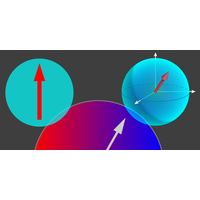
Benchmarking a Tunable Quantum Neural Network on Trapped-Ion and Superconducting Hardware
Article | Quantum Information, Science, and Technology | 2026-07-22 06:00 EDT
Djamil Lakhdar-Hamina, Xingxin Liu, Richard Barney, Sarah H. Miller, Alaina M. Green, Norbert M. Linke, and Victor Galitski
By implementing a quantum neural network using two quantum-computing platforms, researchers have taken steps toward determining whether such systems can reliably fulfill their theoretical promise.
Phys. Rev. Lett. 137, 040601 (2026)
Quantum Information, Science, and Technology
Space-Charge-Limited van der Waals Spin Transistor
Article | Quantum Information, Science, and Technology | 2026-07-22 06:00 EDT
Thomas K. M. Graham, Yu-Xuan Wang, Niranjana Renjith Nair, Kseniia Mosina, Kenji Watanabe, Takashi Taniguchi, Zdeněk Sofer, and Brian B. Zhou
Integrating semiconducting and magnetic materials could combine transistorlike operation with nonvolatility and enable architectures such as logic in memory. Here, we employ correlated electrical transport and scanning nitrogen-vacancy center magnetic imaging to elucidate a spin transistor concept t…
Phys. Rev. Lett. 137, 040802 (2026)
Quantum Information, Science, and Technology
Flux Magnetism in a Strongly Interacting Dipolar Lattice Supersolid under Tunable Gauge Fields
Article | Atomic, Molecular, and Optical Physics | 2026-07-22 06:00 EDT
Michele Miotto, Pietro Lombardi, Giovanni Ferioli, Joana Fraxanet, Maciej Lewenstein, Luca Tanzi, and Luca Barbiero
Supersolidity and magnetism are fundamental phenomena characterizing strongly correlated matter. Here we unveil a mechanism that directly connects these two regimes and can be experimentally accessed in ultracold atomic systems. Specifically, we exploit the distinctive properties of magnetic lanthan…
Phys. Rev. Lett. 137, 043401 (2026)
Atomic, Molecular, and Optical Physics
Zeptosecond $γ$-Ray Pulses Generation via FEL-Driven Microbunching and Laser-Compton Scattering
Article | Atomic, Molecular, and Optical Physics | 2026-07-22 06:00 EDT
Jinke Xiong, Hanghua Xu, Liangliang Ji, Chao Feng, and Zhentang Zhao
We introduce a novel and reliable approach too generate high-energy photon pulse bursts in both the attosecond and zeptosecond regimes (), high-energy photon pulse bursts by synergistically exploiting the inherent characteristics of free-electron lasers (FELs) and laser-Comp…
Phys. Rev. Lett. 137, 043803 (2026)
Atomic, Molecular, and Optical Physics
Flow-Induced Intermittent Transport Shapes Colloid Filtration in Complex Media
Article | Physics of Fluids, Earth & Planetary Science, and Climate | 2026-07-22 06:00 EDT
Filippo Miele, Ankur Deep Bordoloi, Pietro de Anna, Marco Dentz, Hervé Tabuteau, Verónica L. Morales, Partha Kumar Das, and Sascha Hilgenfeldt
Colloidal transport and filtration in porous media are commonly described by single-collector models that assume an underlying homogeneous structure. We use microfluidic experiments, particle tracking, and simulations to observe pore-scale and macroscopic filtration. We show that colloidal trajector…
Phys. Rev. Lett. 137, 044002 (2026)
Physics of Fluids, Earth & Planetary Science, and Climate
Interaction of Strong Electromagnetic Waves with Unmagnetized Pair Plasmas
Article | Plasma and Solar Physics, Accelerators and Beams | 2026-07-22 06:00 EDT
Navin Sridhar, Emanuele Sobacchi, Lorenzo Sironi, Masanori Iwamoto, Daniel Grošelj, and Brandon K. Russell
We investigate analytically and numerically the interaction of strong electromagnetic waves with unmagnetized pair plasmas. We show that the interaction is governed by a single nonlinearity parameter, , defined as the ratio of the wave strength parameter to the wave frequency in units of the plasm…
Phys. Rev. Lett. 137, 045102 (2026)
Plasma and Solar Physics, Accelerators and Beams
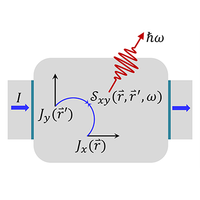
Hidden Dissipation in Topological Insulators: Near-field Radiation from Local Shot Noise
Article | Condensed Matter and Materials | 2026-07-22 06:00 EDT
Miaomiao Wei, Bin Wang, Fuming Xu, and Jian Wang
Finite-frequency local shot noise acting as a source of near-field radiation in topological conductors reveals a hidden energy-loss channel that does not rely on backscattering or dephasing and can be detected by near-field microscopy rather than conventional transport measurements.
Phys. Rev. Lett. 137, 046303 (2026)
Condensed Matter and Materials
Polaron-Driven Switching of Octupolar Order in Doped $5{\mathrm{d}}^{2}$ Double Perovskite
Article | Condensed Matter and Materials | 2026-07-22 06:00 EDT
Dario Fiore Mosca, Lorenzo Celiberti, Leonid V. Pourovskii, and Cesare Franchini
We investigate how doping-induced small polarons impact the low-temperature multipolar orders of the double perovskite . By computing intersite exchange interactions between localized hole polarons and magnetic ions from first principles, we demonstrate the reversal of the domin…
Phys. Rev. Lett. 137, 046504 (2026)
Condensed Matter and Materials
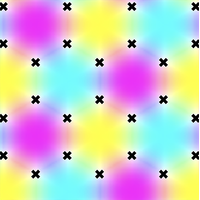
Finite-Momentum Pairing and Superlattice Superconductivity in Valley-Imbalanced Rhombohedral Graphene
Article | Condensed Matter and Materials | 2026-07-22 06:00 EDT
Maine Christos, Pietro M. Bonetti, and Mathias S. Scheurer
Superconducting instabilities in valley-imbalanced rhombohedral tetralayer graphene reveal the formation of finite-momentum pairing states and superlattice superconductors.
Phys. Rev. Lett. 137, 046505 (2026)
Condensed Matter and Materials
Unconventional Altermagnetism in Quasicrystals: A Hyperspatial Projective Construction
Article | Condensed Matter and Materials | 2026-07-22 06:00 EDT
Yiming Li, Mingxiang Pan, Jun Leng, Yuxiao Chen, and Huaqing Huang
Altermagnetism, a novel magnetic phase characterized by symmetry-protected, momentum-dependent spin splitting and collinear compensated magnetic moments, has thus far been explored primarily in periodic crystals. In this Letter, we extend the concept of altermagnetism to quasicrystals--aperiodic syst…
Phys. Rev. Lett. 137, 046704 (2026)
Condensed Matter and Materials
Altermagnetism in Quasicrystals
Article | Condensed Matter and Materials | 2026-07-22 06:00 EDT
Rui Chen, Bin Zhou, and Dong-Hui Xu
Altermagnets are a recently discovered class of magnetic materials that combine a collinear, zero-magnetization spin structure, characteristic of antiferromagnets, with spin-split electronic bands, a hallmark of ferromagnets. This unique behavior arises from the breaking of combined time-reversal an…
Phys. Rev. Lett. 137, 046705 (2026)
Condensed Matter and Materials
Ultrafast Formation of a Photoinduced Hidden State Driven by a Bond-Order Wave in a Metal-Organic Framework
Article | Condensed Matter and Materials | 2026-07-22 06:00 EDT
Samiran Banu, Tatsuya Amano, Takahisa Kato, Kou Takubo, Yoichi Okimoto, Shinya Koshihara, Yohei Kawakami, Hirotake Itoh, Wataru Kosaka, Hitoshi Miyasaka, Shinichiro Iwai, Akira Takahashi, and Tadahiko Ishikawa
Sub-10-fs pump-probe reflectivity measurements combined with model calculations reveal the emergence of a photoinduced hidden (PH) state in a donor-acceptor-type metal-organic framework. Transient spectra exhibit an additional absorption band developing on a timescale, signaling the ultrafas…
Phys. Rev. Lett. 137, 046902 (2026)
Condensed Matter and Materials
Phase Separation Induces Oscillations in Negative Feedback Loops
Article | Polymers, Chemical Physics, Soft Matter, and Biological Physics | 2026-07-22 06:00 EDT
Alessandra Lucchetti, Lukas H. Kristensen, Mogens H. Jensen, and Mathias S. Heltberg
Oscillations constitute a defining feature of nonequilibrium processes of life. We analyze a minimal degradation-mediated negative feedback loop, in which the final species in a linear cascade enzymatically degrades the first component. By coupling mean-field ordinary differential equations with a p…
Phys. Rev. Lett. 137, 048401 (2026)
Polymers, Chemical Physics, Soft Matter, and Biological Physics
Fitness-Driven Scaling Laws between mRNA and Protein Levels
Article | Polymers, Chemical Physics, Soft Matter, and Biological Physics | 2026-07-22 06:00 EDT
Yichen Yan (颜逸辰) and Jie Lin (林杰)
The relationship between protein and messenger RNA (mRNA) levels is a key aspect of gene expression. Although a strong mRNA-protein correlation is widely observed, the evolutionary force driving the correlation remains poorly understood, undermining the reliability of using mRNA abundance as a proxy…
Phys. Rev. Lett. 137, 048402 (2026)
Polymers, Chemical Physics, Soft Matter, and Biological Physics
Physical Review X
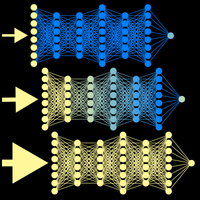
Statistical Physics of Deep Learning: Optimal Learning of a Multilayer Perceptron near Interpolation
Article | 2026-07-22 06:00 EDT
Jean Barbier, Francesco Camilli, Minh-Toan Nguyen, Mauro Pastore, and Rudy Skerk
Using statistical physics and random matrix theory, researchers derive the generalization error of a deep fully connected neural network and uncover the mechanisms governing its behavior as feature learning progressively propagates across layers.
Phys. Rev. X 16, 031014 (2026)
arXiv
Markov state models revisited: Principles and algorithms for unbiased observables
New Submission | Statistical Mechanics (cond-mat.stat-mech) | 2026-07-23 20:00 EDT
David Aristof, Robert J. Webber, Daniel M. Zuckerman
Markov state models (MSMs) have become ubiquitous tools for analyzing molecular dynamics (MD) simulations because of their simple, powerful premise: although complete MD sampling may be impossible, the MSM can “stitch together” transition probabilities derived from local sampling to provide a global picture of kinetics and mechanisms. In the standard MSM framework, the available MD data is organized into a single transition matrix, which is then used to estimate all observables at a lag time chosen so the coarse-grained dynamics are approximately Markovian. This approach leads to avoidable model bias and motivates long lag times that obscure short-timescale processes of interest. In contrast, this paper shows how to obtain unbiased coarse-grained observables at any fixed lag time and for any fixed coarse-graining in the limit of infinite, properly weighted data. The central idea is to replace the single-matrix framework with two transition matrices – one representing equilibrium dynamics and another representing source-sink recycling dynamics – and use the correct matrix or matrices to estimate the matched dynamical observables.
Statistical Mechanics (cond-mat.stat-mech), Chemical Physics (physics.chem-ph), Biomolecules (q-bio.BM)
Quantum geometry and critical temperature enhancement in MgB$_2$ superconductivity
New Submission | Superconductivity (cond-mat.supr-con) | 2026-07-23 20:00 EDT
Yi Jiang, Haoyu Hu, Dumitru Călugăru, Kaja H. Hiorth, Junze Deng, Hanqi Pi, Handong Chen, Maia G. Vergniory, Ion Errea, Emilia Morosan, Leslie M. Schoop, Claudia Felser, Miguel A.L. Marques, Päivi Törmä, Daniel Agterberg, B. Andrei Bernevig
MgB$ _2$ , a phonon-mediated superconductor with record-high critical temperature $ T_c\simeq 39$ K, is revisited to obtain a comprehensive theory of electrons, phonons, and their coupling with minimal ab initio input. We construct compact analytic models for the electronic structure, phonons, and electron-phonon coupling (EPC) of MgB$ _2$ . We show that strong in-plane B $ sp^2$ bonding realizes an obstructed band structure whose natural description is a bond-centered kagome lattice, yielding small quasi-2D $ \sigma$ -band Fermi-surface cylinders and pronounced quantum-geometric effects. The phonon spectrum is found to closely track that of a graphene-like boron layer, but the heavy intercalated Mg atoms dominate the three acoustic branches and rigidly lift the boron modes into the optical sector, while the in-plane B-B bond-stretching mode exhibits a pronounced softening along $ \Gamma$ -A. By symmetry, this $ \Gamma$ -point bond-stretching mode is the only $ \Gamma$ phonon that can couple to the $ \sigma$ Fermi surface, explaining its dominant contribution to the EPC. Upon electron doping toward the doubly degenerate band edge of the $ \sigma$ sheets, we find that a reduced density of states competes with enhanced EPC matrix elements. At light electron doping, ab initio calculations show that the EPC enhancement dominates, leading to an increase in $ T_c$ (within the clean doping limit without disorder effects). Using the Gaussian approximation for the EPC tensor, we further show that this enhancement is overwhelmingly quantum geometric in origin, arising from a geometric EPC contribution of the small $ \sigma$ Fermi surface peaked at $ \Gamma$ . Overall, our results provide a transparent, symmetry-based account of superconductivity in MgB$ _2$ and suggest that quantum-geometric effects can be essential for shaping doping trends in phonon-mediated superconductors.
Superconductivity (cond-mat.supr-con), Mesoscale and Nanoscale Physics (cond-mat.mes-hall)
96 pages, 38 figures
Quantum Mott semimetal in a one-dimensional Hubbard mode
New Submission | Strongly Correlated Electrons (cond-mat.str-el) | 2026-07-23 20:00 EDT
Boran Zhou, Taige Wang, Ya-Hui Zhang
Mott physics in topological bands has recently attracted considerable attention, particularly in the context of twisted bilayer graphene (TBG). However, the essential ingredients for stabilizing this physics remain unclear. Here, we demonstrate a quantum Mott semimetal phase as the ground state within a one-dimensional spinful Hubbard model featuring only one orbital per unit cell, protected by inversion and particle-hole symmetries. We start from a two-orbital model where a localized $ f$ orbital on the A sublattice hybridizes with a delocalized $ c$ orbital on the B sublattice. Projecting the $ f$ -orbital Hubbard $ U$ onto the active flat band yields a lattice model with Wannier orbitals centered on the B sublattice. Similar to TBG, a momentum-space scale $ k_\ast$ emerges, setting the interaction range in the projected model to $ 1/k_\ast$ . While the ground state is ferromagnetic with only the Hubbard $ U$ , introducing an inter-site antiferromagnetic spin coupling $ J$ stabilizes a Mott semimetal$ ^\ast$ phase with a central charge $ c=3$ . Using exact diagonalization (ED) and density matrix renormalization group (DMRG) methods, we show that this phase hosts a spinful Dirac fermion coexisting with a neutral spin mode – analogous to the fractionalized Fermi liquid (FL$ ^\ast$ ) phase in higher dimensions. Furthermore, breaking particle-hole (PH) symmetry via dispersion transforms the Mott semimetal into a Mott insulator, which is separated from a distinct Mott insulating phase by a continuous transition with a polarization jump of $ 1/2$ . Our work provides the first unbiased evidence of a Mott semimetal ground state and demonstrates that this 1D model captures some essential aspects of TBG physics, despite lacking a Wannier obstruction.
Strongly Correlated Electrons (cond-mat.str-el)
Anyon Crystals and Hall Crystals in a Periodic Potential
New Submission | Strongly Correlated Electrons (cond-mat.str-el) | 2026-07-23 20:00 EDT
Sayak Bhattacharjee, Julian May-Mann, Srinivas Raghu
We obtain integer and fractional quantum Hall crystals as ground states of a two-dimensional electron system subject to a strong perpendicular magnetic field and a periodic potential. For certain fractional states, we show that the Hall crystal can constitute an anyon crystal, with a periodic ordering of well-defined anyons. We find that the latter states can be stabilized at odd denominator Landau level filling fractions when Landau level mixing is sufficiently weak, and near half-filling of the underlying lattice. These phases are obtained from a mean-field analysis of an effective lattice model of bosons attached to an odd number of flux quanta, which transmutes their statistics to that of electrons. In boson coordinates, the Hall crystal is a supersolid: a superfluid with charge order. Under strong interactions, vortex-anti-vortex pairs spontaneously nucleate in the supersolid, realizing a crystalline state of anyons.
Strongly Correlated Electrons (cond-mat.str-el), Mesoscale and Nanoscale Physics (cond-mat.mes-hall)
5+10 pages, 3+2 figures
Quantum Simulation of Semiconductor Excitons in Ultracold Dipolar Fermi Gases
New Submission | Quantum Gases (cond-mat.quant-gas) | 2026-07-23 20:00 EDT
Florian Hirsch, Oriana K. Diessel, Rafał Ołdziejewski, Richard Schmidt
Inspired by the progress on the study of exciton physics in atomically thin transition metal dichalcogenide (TMD) semiconductors, we investigate the formation of analogs of excitons in cold atomic systems. To this end, we consider single-component fermions comprised of ultracold ground-state molecules or dipolar atoms in a hexagonal optical lattice. An energy offset between triangular sublattices opens up a band gap with degeneracies at the K/K’ points as in TMDs. We predict the existence of cold atomic excitons and show that cold atoms allow us to study excitons from the weak-coupling regime, where effective mass models apply, to the strong-interaction regime, described by flat-band models. We demonstrate how these excitons can be observed using lattice modulation spectroscopy, and how their wave functions can be mapped out using quantum gas microscopy. Firmly establishing the idea of quantum simulation of semiconductor physics, this work lays the foundation for simulating complex electronic states such as trions, polarons and excitonic insulators.
Quantum Gases (cond-mat.quant-gas), Mesoscale and Nanoscale Physics (cond-mat.mes-hall)
4 + 16 pages, 3 + 4 figures
Coloring in anyon superconductivity
New Submission | Strongly Correlated Electrons (cond-mat.str-el) | 2026-07-23 20:00 EDT
Umang Mehta, Yuto Nakajima, Hart Goldman
The recently observed signatures of superconductivity proximate to a fractional quantum anomalous Hall (FQAH) state in a twisted MoTe$ 2$ bilayer has revitalized interest in quantum phases of matter induced by anyon dynamics. Here we show how a panoply of anyon-driven phases associated with doping the lattice $ {\nu=2/3}$ FQAH state can be realized as competing instabilities of a Fermi surface of charge-$ e/3$ “quarks” coupled to a $ \mathrm{SU}(3){-1}$ Chern-Simons gauge field, which is dual to the more conventional $ \mathrm{U}(1)3$ Chern-Simons-Ginzburg-Landau theory of quasiholes. For example, a range of electronic superconductors emerge from color superconductivity, under which the Fermi surface experiences a pairing instability mediated by gauge fluctuations. These include SC$ \star$ phases – where superconductivity coexists with topological order – as well as topological superconductors displaying half-integer chiral central charges when the quarks are weakly paired. One example is a topological superconductor arising from a $ p+ip$ “color-valley-locked” pairing mechanism with chiral central charge $ c-=-1/2$ . On the other hand, both superconducting and non-Fermi liquid phases can emerge when the quarks form an itinerant ferromagnet, polarizing the Fermi surface to a particular combination of colors. Finally, our framework naturally accommodates the possibility of anyonic bound state formation, allowing access to phases induced by doping anyons of charge $ 2e/3$ as opposed to $ e/3$ within the same model. Our work unifies many earlier proposed anyonic phases as instabilities of a single parent quark metal phase, distilling their emergence into a competition between superconductivity and itinerant color ferromagnetism.
Strongly Correlated Electrons (cond-mat.str-el), Mesoscale and Nanoscale Physics (cond-mat.mes-hall), High Energy Physics - Theory (hep-th)
70 pages, 4 figures, 2 tables, 6 appendices
Optical Magnetic Switching in Odd-Parity Magnets with Spin-Orbit Coupling
New Submission | Strongly Correlated Electrons (cond-mat.str-el) | 2026-07-23 20:00 EDT
$ p$ -wave magnets exhibit odd-parity spin polarization in momentum space, with spin splitting that reverses under $ \vec{k}\rightarrow -\vec{k}$ , while preserving zero net magnetization. Here we show that, in odd-parity magnets with spin-orbit coupling, elliptically polarized light generates a momentum-independent spin-dependent term that dynamically switches a zero-net-magnetization $ p$ -wave state into a finite spin-polarized state. The Floquet-engineered bands also acquire a nonzero Chern number whose sign is controlled by the light polarization. For $ f$ -wave magnets, circularly polarized light induces a net out-of-plane magnetization, offering a direct experimental signature. Our results establish light as an efficient means of controlling magnetic states, with potential applications in spintronics and quantum information.
Strongly Correlated Electrons (cond-mat.str-el), Mesoscale and Nanoscale Physics (cond-mat.mes-hall), Materials Science (cond-mat.mtrl-sci)
5+5 pages, 11 figures, Submitted to a journal
Localization transitions of diffusion dynamics in physical networks
New Submission | Statistical Mechanics (cond-mat.stat-mech) | 2026-07-23 20:00 EDT
Jun Yamamoto, Ivan Bonamassa, Márton Pósfai
Network diffusion underlies many transport phenomena, with Laplacian modes setting how information spreads and relaxes. In physical networks, however, connectivity alone is not enough: node volumes introduce local dwell times that regulate how flow is stored before being propagated. Here we show that physical heterogeneity reshapes topology-driven localization, with the degree-volume ratio emerging as the relevant disorder parameter. We solve an analytical model in which ratio detuning qualitatively reorganizes the Laplacian spectrum, and demonstrate in empirical networks how degree-volume correlations shift extremal eigenmodes away from the nodes selected by topology alone. Our results reveal a general feature-rich-driven mechanism for localization control, showing that physicality non-trivially reshapes the disorder landscape governing network dynamics.
Statistical Mechanics (cond-mat.stat-mech), Physics and Society (physics.soc-ph)
6 pages, 3 figures
Electron-Induced Formation of C$_{2}$ on Si(100) from Acetylene and Ethylene
New Submission | Materials Science (cond-mat.mtrl-sci) | 2026-07-23 20:00 EDT
Oliver MacLean, Marc Savoie, Damian G. Allis, Rafik Addou, Ryan Groome, Si Yue Guo, Aru Joy Hill, Alex Inayeh, Hadiya Ma, Cameron J. Mackie, Sheena Ou, Marco Taucer, Denis A. B. Therien, Finley Van Barr, Ryan Yamachika
Hydrogen Desorption Lithography on Si(100) demonstrates the ability of the Scanning Tunneling Microscope (STM) to create functional atomic-scale structures and devices. The dehydrogenation of adsorbed molecules represents a potential complementary technique that has received little attention. For example, formation of C$ _{2}$ could introduce local strain or act as centers for subsequent reactions and would inform positionally controlled mechanosynthesis, an approach with vast potential in surface patterning and functionalization. Here, we studied the electron-induced dehydrogenation of acetylene and ethylene on Si(100) at 4 K using STM. Excitation of acetylene at +3.2 V and above induces configurational switching, including to a new sublayer-bonded geometry previously predicted to be an adsorption precursor, as well as migration and desorption. Excitation also induces dehydrogenation to C$ _{2}$ . Switching between three observed C$ _{2}$ configurations can be induced by excitation at +4.2 V and above. Simulations using density functional theory reproduced the experimental images based on choice of functional, dimer-buckling averaging, and inclusion of diffuse basis functions. In addition, dehydrogenation could be induced using field-emitted electrons on a scale ranging from a single molecule to a radius of >10 nm. These observations highlight the potential of carbon dehydrogenation as an additional tool in Atomically Precise Fabrication (APF).
Materials Science (cond-mat.mtrl-sci), Mesoscale and Nanoscale Physics (cond-mat.mes-hall), Chemical Physics (physics.chem-ph)
Manuscript is pages 1-25, 8 Figures. Supplementary Information is pages 24-35, with 15 Figures
Photoemission from Semi-Infinite Crystals: An \emph{Ab Initio} Scattering-State Approach
New Submission | Materials Science (cond-mat.mtrl-sci) | 2026-07-23 20:00 EDT
Tyler Wu, Truman Idso, Siddharth Karkare, Tomás Arias
Photoemission is an escape problem, yet first-principles calculations usually trap the electron in a periodic box. We present a parameter-free \emph{ab initio} framework that removes this artificial boundary by constructing open scattering states for semi-infinite crystal-vacuum interfaces from Wannier Hamiltonians and Green-function embedding. The method gives continuum-normalized time-reversed LEED final states with microscopic quasiparticle attenuation. For Ag(111), it predicts absolute quantum efficiency, vectorial photoemission, and mean transverse energy on the experimental scale.
Materials Science (cond-mat.mtrl-sci), Accelerator Physics (physics.acc-ph)
To be submitted to PRL
Assessing the Influence of d-Orbital Radius on the Formation of Localized Photogenerated States in Corundum Metal Oxides
New Submission | Materials Science (cond-mat.mtrl-sci) | 2026-07-23 20:00 EDT
Erica P. Craddock, Kathryn E. Knowles
Photogenerated polarons are fundamental to the photophysics of transition metal oxide semiconductors. It is therefore imperative to understand the mechanisms by which polarons form upon photoexcitation of transition metal oxides to realize their potential in photoapplications. Hematite ({\alpha}-Fe2O3) is known to form photoexcited small polarons, which limit its performance as a photoelectrocatalyst for water oxidation. Here, we report a systematic comparison of the electronic, optical and vibrational properties of hematite to those other metal oxides in the corundum crystal family that elucidates the impact of d-orbital radius on carrier-phonon coupling. Three corundum metal oxides are analyzed: {\alpha}-Al2O3 (no d-electrons), {\alpha}-Fe2O3 (3d), and {\alpha}-Rh2O3 (4d) with a combined approach of resonance Raman spectroscopy, thermal difference optical spectroscopy, and computational modeling of electronic and vibrational states. We find that the Raman spectrum of {\alpha}-Al2O3 does not change as the Raman excitation is varied across the visible region, as there is no optical absorption. In contrast, both {\alpha}-Fe2O3 and {\alpha}-Rh2O3 exhibit strong coupling of phonons to optical transitions at the onset of absorption, which is evidence of excitation into a polaronic state. Closely comparing the optical polaronic properties of {\alpha}-Fe2O3 and {\alpha}-Rh2O3, we establish that increased lattice covalency in {\alpha}-Rh2O3 arising from the increased radial extension of the 4d orbitals influences which phonon modes mediate photogenerated polaron formation.
Materials Science (cond-mat.mtrl-sci)
28 pages, 9 figures
J. Chem. Phys. 2026, 165, 034702
Chiral Magnetic Conductivity in the Tight-Binding Model of Dirac Semimetals
New Submission | Mesoscale and Nanoscale Physics (cond-mat.mes-hall) | 2026-07-23 20:00 EDT
Mustafa Bohra, Yuexiang Zhang, M.A. Zubkov
We consider the typical tight - binding model of Dirac semimetal in the presence of both magnetic and electric fields. The electric conductivity reveals dependence on magnetic field. We calculate this dependence in the limit of strong magnetic field, when the given model is described effectively by the one - dimensional SSH model because the dynamics in the plane orthogonal to magnetic field is reduced to that of the lowest Landau level (LLL). Considering the small temperature limit we take into account dissipation due to scattering on impurities. The corresponding dissipation rate is calculated explicitly. The obtained results confirm that the source of the magnetoconductivity in this system is chiral magnetic effect.
Mesoscale and Nanoscale Physics (cond-mat.mes-hall)
Latex, 25 pages
Macroscopic Polarization and Magnetization from Cavity Vacuum Fluctuations
New Submission | Materials Science (cond-mat.mtrl-sci) | 2026-07-23 20:00 EDT
Jingkai Quan, Chongxiao Fan, Benshu Fan, I-Te Lu, Dante M. Kennes, Angel Rubio
Cavity light-matter interaction has recently emerged as a new avenue for manipulating material properties without driving fields. Here, we demonstrate that cavity vacuum fluctuations can induce macroscopic polarization (magnetization), even in materials that lack spontaneous polarization (net magnetization) in free space. Starting from the effective photon-free quantum-electrodynamics Hamiltonian, we identify all crystallographic (magnetic) point groups that allow such cavity-induced responses. We derive the form of the corresponding response tensors based on symmetry analysis, whose elements can be obtained by quantum electrodynamical density functional theory (QEDFT) calculations. As representative examples, we show that the cavity-induced polarization in $ \alpha$ -quartz can be continuously controlled by rotating the cavity. For antiferromagnetic Mn$ _3$ Sn, we demonstrate that cavity-induced symmetry breaking generates an out-of-plane magnetization, accompanied by an anomalous Hall conductivity component that is forbidden outside the cavity. Our work establishes symmetry as a guiding principle for cavity materials engineering and provides a route for controlling polarization and magnetization through quantum vacuum fluctuations, i.e., cavity materials engineering.
Materials Science (cond-mat.mtrl-sci)
Coupled-channel approach to scattering of hybrid excitons
New Submission | Mesoscale and Nanoscale Physics (cond-mat.mes-hall) | 2026-07-23 20:00 EDT
Yasufumi Nakano, Meera M. Parish, Jesper Levinsen
We consider the interactions of hybrid excitons in a two-dimensional semiconductor bilayer, where spatially direct and indirect excitons are hybridized by interlayer charge-carrier tunneling. Starting from a microscopic electron-hole description, we construct realistic pseudopotentials for exciton-exciton interactions and use them as inputs to a coupled-channel scattering integral equation. This enables non-perturbative calculations of hybrid-exciton scattering beyond standard perturbative theories, and highlights the importance of energy-dependent scattering and channel mixing. In particular, we show that the interaction strength of hybrid excitons exhibits a rapid growth with increasing energy, which we find is inherited from their indirect-exciton component. We further demonstrate that dielectric screening affects the direct and indirect channels in distinct ways, leading to markedly different interaction strengths across experimentally relevant dielectric environments. Finally, we show that the hybrid-exciton scattering strength can be electrically tuned via the Stark shift, which controls the direct-indirect detuning and hence the hybridization of the two exciton modes.
Mesoscale and Nanoscale Physics (cond-mat.mes-hall), Quantum Gases (cond-mat.quant-gas)
18 pages, 9 figures
Nitrospinics as a platform from orbital-torque memory to artificial intelligence
New Submission | Materials Science (cond-mat.mtrl-sci) | 2026-07-23 20:00 EDT
Prabhat Kumar, Gaurav Kumar Shukla, Yoshio Miura, Shinji Isogami
The exploration of energy-efficient and functional spintronics has attracted considerable attention. Orbital transport has opened new pathways for current-induced torque generation beyond the conventional spin transport based on the spin Hall effect. In addition, artificial intelligence computing has been demonstrated using spintronic devices. Further progress of these devices can be anticipated through the development of unique and functional materials beyond the existing heavy metals and topological systems with strong spin-orbit coupling. The nitride materials exhibit unique chemical, magnetic, and structural versatility, including antiferromagnetism, high thermal stability, and compatibility with diverse device architectures. Here, we propose Nitrospinics as a conceptual and functional framework that exploits nitride materials for applications ranging from orbital-torque-based spintronic devices to artificial intelligence hardware. Using Cr2N, a two-dimensional nitride MXene with an atomic layered structure, as a prototype system, we discuss how nitrogen contributes to the structural stability, the orbital torque generation, and the interfacial orbital and spin conversion. We further outline key challenges and opportunities toward establishing nitride-based materials for next-generation computing technologies.
Materials Science (cond-mat.mtrl-sci)
Raman spectroscopy of van der Waals topological magnet GdGaI
New Submission | Materials Science (cond-mat.mtrl-sci) | 2026-07-23 20:00 EDT
Nan Jiang, Yijin Zhang, Yujie Xia, Tomo Higashihara, Ryutaro Okuma, Jun-ichi Yamaura, Yoshinori Okada, Kenji Watanabe, Takashi Taniguchi, Tiantian Zhang, Tomoki Machida, Yasuhiro Niimi
We report polarization-resolved Raman spectroscopy of a van der Waals compound GdGaI that is a candidate for excitonic insulators. By combining the symmetry analysis with density functional theory calculations, we identify six Raman-active phonons. The spectra exhibit only the expected anharmonic hardening down to 4 K: no additional peaks, no soft modes, and no signatures of zone folding are observed. This result indicates that any lattice distortion is below our experimental sensitivity, supporting an electronically driven origin for the band reconstruction reported by angle-resolved photoemission spectroscopy rather than an electron-phonon-driven mechanism. Moreover, we observe a pronounced circular dichroism of the $ A_{1g}$ modes under an out-of-plane magnetic field. Based on symmetry considerations, we attribute this dichroic response to chiral $ A_{1g}$ phonons with opposite angular momenta generated by spin-phonon coupling in the time-reversal-broken state. The temperature evolution of the degree of circular polarization further suggests that circularly polarized Raman spectroscopy detects the emergence of short-range antiferromagnetic correlations. Our results highlight GdGaI as a promising platform in which excitonic order, magnetism, and circularly polarized phonons can be intertwined, and demonstrate that circular-polarization Raman provides a sensitive probe of spin-phonon coupling in excitonic systems.
Materials Science (cond-mat.mtrl-sci), Mesoscale and Nanoscale Physics (cond-mat.mes-hall), Strongly Correlated Electrons (cond-mat.str-el)
8 pages, 5 figures
Phys. Rev. B 114, 065128 (2026)
Synergistic Interface Stability and High Room-Temperature Ionic Conductivity for Wide-Temperature All-Solid-State Batteries Based on Li6+xSixSb1-xS5I Electrolytes
New Submission | Materials Science (cond-mat.mtrl-sci) | 2026-07-23 20:00 EDT
Liang Ming, Qizhiran Sun, Guanping Xu, Muqing Su, Enyan Zhao, Wenzhe Gu, Weng-Fu Io, Kwun Nam Hui, Chuang Yu, Hai-Feng Li
Solid-state lithium-ion batteries (LIBs) are increasingly recognized for their exceptional energy density and safety. However, their widespread adoption is challenged by persistent issues such as thermal and electrochemical instability, dendrite formation, and limited compatibility with high-voltage cathodes. Sulfide-based solid electrolytes (SEs), particularly iodide argyrodites, offer outstanding ionic conductivity and stability; however, their practical application is constrained by the formation of space-charge layers, slow ion transport, and susceptibility to dendrite penetration. To address these challenges, we synthesized a novel Li6.6Si0.6Sb0.4S5I argyrodite electrolyte via ball milling and heat treatment, achieving a remarkable room-temperature ionic conductivity of 9.9 mS cm^-1. The electrolyte was integrated with a LiNbO3-coated LiNi0.7Co0.1Mn0.2O2 cathode to form an all-solid-state battery, which demonstrated an initial discharge capacity of 171.2 mAh g^-1, retained 84.2% of its capacity after 200 cycles at 0.5C, and maintained stable cycling across a broad temperature range from -20 degrees C to 60 degrees C. Our study shows that tailored electrolyte composition and a composite cathode configuration significantly enhance cycling stability and improve interfacial protection. These findings highlight the potential of Si-doped antimony-type iodide argyrodites for next-generation high-performance all-solid-state batteries, offering durable operation under diverse thermal conditions.
Materials Science (cond-mat.mtrl-sci)
Twisting-operator approach to identifying gaplessness in SU($N$) fermionic systems
New Submission | Strongly Correlated Electrons (cond-mat.str-el) | 2026-07-23 20:00 EDT
We propose a general necessary condition for a spinful fermion chain with SU(2) spin-rotation symmetry to be gapped. Specifically, we prove that the expectation value of a properly defined fermionic twisting operator asymptotically approaches unity in any gapped phase with finite ground-state degeneracy, with finite-size corrections bounded by $ \mathscr{O}(1/L)$ . Consequently, a non-unity value in the thermodynamic limit provides a sufficient criterion for identifying gapless fermion chains. We confirm this criterion using the $ s$ -wave Bardeen-Cooper-Schrieffer (BCS) Hamiltonian and determinant quantum Monte Carlo (DQMC) simulations of interacting Hubbard models. We further extend the twisting-operator approach to SU($ N$ )-symmetric fermionic systems, where the gapped ground-state sector must be SU($ N$ )-singlet and $ \langle \hat{\mathcal{U}}^M\rangle=1+\mathscr{O}(1/L)$ by a fermionic twisting operator $ \hat{\mathcal{U}}$ with a suitably chosen integer $ M$ .
Strongly Correlated Electrons (cond-mat.str-el), Statistical Mechanics (cond-mat.stat-mech), High Energy Physics - Theory (hep-th), Mathematical Physics (math-ph)
9 pages, 2 figures
Analytical Retrieval of Material Parameters in Monolayer Transition-Metal Dichalcogenides Based on a Solvable Exciton Model
New Submission | Materials Science (cond-mat.mtrl-sci) | 2026-07-23 20:00 EDT
Duy-Nhat Ly, Thanh-Son Nguyen, Ngoc-Tram D. Hoang, Van-Hoang Le
We develop an analytical procedure to retrieve fundamental material parameters of monolayer transition-metal dichalcogenides from optical and magneto-optical exciton spectra, based on the solvable modified Kratzer model. The proposed retrieval procedure naturally consists of two complementary stages. In the first stage, explicit inversion formulas determine the quasiparticle bandgap, effective screening parameter, and energy scaling factor directly from the experimentally measured energies of the three lowest excitonic states, from which the screening length is subsequently obtained. In the second stage, an analytical expression for the magnetic-field dependence of the exciton energies independently yields the reduced exciton mass, from which the surrounding dielectric constant is then calculated. Once the complete set of material parameters has been retrieved, the framework analytically predicts the diamagnetic coefficients, exciton radii, and complete magnetoexciton spectra without introducing additional fitting parameters or matrix diagonalization. The method is applied to a broad range of experimental samples for WSe$ _2$ , WS$ _2$ , MoS$ _2$ , MoSe$ _2$ , and MoTe$ _2$ monolayers embedded in different dielectric environments. The retrieved material parameters are in good agreement with independent experimental measurements and previous Rytova–Keldysh (RK) calculations, while the predicted excitonic properties accurately reproduce available magneto-optical observations. The proposed analytical theory provides an efficient, physically transparent alternative to conventional numerical fitting procedures and offers an effective tool for the rapid characterization of two-dimensional semiconductors via excitonic spectroscopy.
Materials Science (cond-mat.mtrl-sci), Mesoscale and Nanoscale Physics (cond-mat.mes-hall), Quantum Physics (quant-ph)
15 pages, 5 figures
Majorana bound states in anisotropic and tilted Dirac and Weyl systems
New Submission | Mesoscale and Nanoscale Physics (cond-mat.mes-hall) | 2026-07-23 20:00 EDT
Abraham Kaleb Plascencia Pérez Páez, Alireza Qaiumzadeh
Topological superconductors host Majorana boundary modes whose robustness is protected by the nontrivial topology of the bulk Bogoliubov quasiparticle spectrum. While Majorana bound states associated with Dirac and Weyl quasiparticles have been extensively investigated, much less is known about how anisotropic quasiparticle velocities and tilted band structures modify their microscopic properties. Here, we develop an analytical framework for Majorana bound states in effective two-dimensional (2D) Bogoliubov–de Gennes Dirac theories describing the surface quasiparticles of topological superconductors and extend the analysis to three-dimensional (3D) tilted Weyl systems by establishing a microscopic connection to the same low-energy description through superconducting pairing. For anisotropic 2D Dirac systems, we derive closed analytical expressions for the continuum topological invariant, Majorana wave function, localization length, propagation velocity, and finite-size minigap for arbitrary interface orientations. We show that the chirality of the Majorana channel is determined by the sign of the velocity-matrix determinant, while its localization and dispersion are governed jointly by the velocity tensor and the interface geometry. For tilted 2D Dirac cones, we demonstrate that the tilt leaves the spinor eigenstates, Berry phase, and projected pairing symmetry unchanged, but strongly suppresses the Majorana propagation velocity and finite-size minigap as the Lifshitz transition between type-I and type-II regimes is approached. Finally, we consider superconducting tilted 3D Weyl systems and show that the projection of a conventional spin-singlet $ s$ -wave pairing interaction onto the low-energy Weyl bands naturally generates an effective chiral $ p_x\pm ip_y$ pairing symmetry, providing a microscopic Bogoliubov–de Gennes description that supports localized Majorana surface states.
Mesoscale and Nanoscale Physics (cond-mat.mes-hall)
A Thermodynamic Pinning Criterion for Two-Dimensional Structural Superlubricity
New Submission | Materials Science (cond-mat.mtrl-sci) | 2026-07-23 20:00 EDT
Incommensurability and elastic reconstruction do not by themselves define a structurally superlubric phase. We define fully sliding and pinned zero-temperature phases by $ \limsup_{A\to\infty}\tau_{\rm dep}^{\max}(A)=0$ and $ \liminf_{A\to\infty}\tau_{\rm dep}^{\min}(A)>0$ , respectively; $ \Lambda_n=|V_n|G_{n,i}[D_{\rm rel}^{-1}(\mathbf q_n)]{ij}G{n,j}$ measures only reconstruction susceptibility. Translational covariance then proves that a clean, smooth, infinite moiré continuum can reconstruct without acquiring a bulk sliding barrier. We restore atomic sampling in a two-dimensional discrete model of graphene/hBN and test both a diffusion quantum Monte Carlo first-star potential and a 15-harmonic Leven potential across three rational approximants and five directions. No physical-coupling equilibrium or metastable barrier is resolved. The Leven spectrum raises the largest tested $ \Lambda$ from $ 0.142$ to $ 0.212$ , while artificial scaling through $ \Lambda=1$ reaches uncontrolled strain before a size-independent threshold appears. The tested zero-temperature in-plane models are therefore consistent with an elastically relaxed sliding regime; $ \Lambda=1$ is a reconstruction scale, not a static phase criterion.
Materials Science (cond-mat.mtrl-sci), Mesoscale and Nanoscale Physics (cond-mat.mes-hall), Quantum Physics (quant-ph)
Nonreciprocal phonon propagation via spatially asymmetric magnon-phonon coupling
New Submission | Mesoscale and Nanoscale Physics (cond-mat.mes-hall) | 2026-07-23 20:00 EDT
Hiroyuki Moriya, Motoki Asano, Daiki Hatanaka, Yoshitaka Taniyasu, Hajime Okamoto, Hiroshi Yamaguchi
Nonreciprocal propagation of surface acoustic waves (SAWs) based on the spatial asymmetry of magnon-phonon coupling is demonstrated. This nonreciprocity is enabled by an acoustic wavelength scale thick magnetic layer formed under a thin piezoelectric film. In this configuration, magnon modes activated by dipole-dipole interactions are localized near either the top or bottom interface depending on the propagation direction of the SAW. As a result, the spatial overlap between interfacial magnon and surface phonon modes is expected to become direction dependent, in a manner that leads to distinct unidirectional propagation of SAWs. Notably, the resulting nonreciprocity reaches the highest level among those reported for SAW devices based on a single magnetic layer. This finding will establish a new strategy of nonreciprocal acoustic propagation in a structurally simple magnomechanical device.
Mesoscale and Nanoscale Physics (cond-mat.mes-hall)
7 pages
Numerical exploration on unveiling the photovoltaic potential of MgXS3(X = Ti, Zr, Hf) chalcogenide perovskites
New Submission | Materials Science (cond-mat.mtrl-sci) | 2026-07-23 20:00 EDT
Md. Mizanur Rahman, Md. Nahid Hasan, Tanvir Ahmed, Jaker Hossain
Lead-free chalcogenide perovskites offer a nontoxic and thermally robust path beyond Pb-based perovskite solar cells (PSCs), but their device-level behavior in realistic three-dimensional geometries remains insufficiently characterized. In this work, we investigate ZnSe/MgXS3(X = Ti, Zr, Hf)/Sb2S3 solar cell architecture where MgXS3 absorbers from the II-IV-VI chalcogenide perovskite family is employed as the absorber layer. The device is analyzed using 3D finite-element simulations in COMSOL Multiphysics that self-consistently couple optical generation, drift-diffusion carrier transport, and heat transfer under AM 1.5G 1-sun illumination, following a fully coupled opto-electro-thermal framework. For each absorber composition, the impacts of absorber thickness, doping, and defect density are systematically investigated, and the contribution of an Sb2S3 back-surface-field (BSF) layer to carrier collection and spectral response is quantified. Under optimized conditions, MgZrS3, MgTiS3, MgHfS3-based devices achieves a simulated power conversion efficiency (PCE) of 28.18%, 26.72%, and 28.16%, respectively. The corresponding open-circuit voltage (VOC) values are 0.94 V, 0.74 V, and, 1.07 V while the short-circuit current density (JSC) values are 34.46 mA/cm2, 42.69 mA/cm2, and 29.89 mA/cm2, with fill factor (FF) values of 86.99%, 84.58%, and 88.02%, respectively. Coupled electro-thermal simulations further reveal a small spatially non-uniform steady-state temperature rise across the ultrathin cell stack, mainly governed by non-radiative recombination and Joule dissipation within the active layers. Overall, these results confirm MgXS3(X = Ti, Zr, Hf) chalcogenide perovskites as promising lead-free absorber materials and offer practical design guidance for achieving high-efficiency, thermally stable three-dimensional device architectures.
Materials Science (cond-mat.mtrl-sci), Optics (physics.optics)
37 pages, 11 figures, 1 table
Multi-Criticality and RG Topology in the Charge-Kondo-Breakdown Scenario in the Cuprates
New Submission | Strongly Correlated Electrons (cond-mat.str-el) | 2026-07-23 20:00 EDT
In this paper, we examine the dynamical charge-Kondo-breakdown scenario proposed for cuprate superconductors within the perspective of renormalization group (RG) topology. By analyzing the coupled RG flow equations governing the effective low-energy theory, we determine the fixed-point structure, stability properties, and global organization of the flow. We find that the putative finite-coupling interacting fixed point is unstable against perturbations transverse to an invariant critical manifold. As a result, generic RG trajectories exhibit runaway behavior. To elucidate the global structure of the theory, we combine analytical solutions of the flow equations with numerical phase portraits and Poincaré compactification. This analysis reveals that the interacting fixed point exhibits a marginally relevant instability, generating an exponentially large but finite crossover scale. The resulting flow topology closely resembles anisotropy-driven runaway flows encountered in fluctuation-induced weakly first-order transitions. Within this framework, the apparent quantum-critical regime can be understood as an extended crossover controlled by a near-critical fixed point, rather than by asymptotic scale invariance. The results obtained indicate that the existence of extended scaling behavior does not, by itself, imply the presence of a stable interacting quantum critical state. More generally, our analysis demonstrates how RG topology can provide a powerful diagnostic for distinguishing genuine criticality from pseudo-critical behavior in theories of strongly correlated quantum matter.
Strongly Correlated Electrons (cond-mat.str-el), Statistical Mechanics (cond-mat.stat-mech), Quantum Physics (quant-ph)
31 pages, 5 figures
Weakly Nonlinear Dynamics of Unstable Modes in Jammed Amorphous Solids
New Submission | Statistical Mechanics (cond-mat.stat-mech) | 2026-07-23 20:00 EDT
Kota Noto, Harukuni Ikeda, Kuniyasu Saitoh, Hisao Hayakawa
We investigate the structural evolution in jammed amorphous solids by analyzing the eigenmodes of a generalized Hessian matrix that incorporates spatial modulation via wave numbers. Unlike the conventional Hessian, this generalized formulation captures linearly unstable modes through a Fourier-based extension of the Hessian matrix, enabling us to study responses beyond the mechanically stable regime. We demonstrate that the excitation of unstable eigenmodes leads to structural rearrangements independent of the initial perturbation by the simulation. Furthermore, we derive a weakly nonlinear amplitude equation to describe the growth and saturation of these unstable modes, analogous to the Landau equation. Our framework provides a pathway to understand instability-driven configuration changes in disordered solids.
Statistical Mechanics (cond-mat.stat-mech)
23 pages, 13 figures
Fluid Memory Enhances Active Beating via Back-and-Forth Motion
New Submission | Soft Condensed Matter (cond-mat.soft) | 2026-07-23 20:00 EDT
Ciliary and flagellar beating often occurs in viscoelastic fluids. The surrounding fluid strongly influences the beating dynamics. Viscoelastic effects on beating dynamics, however, remain poorly understood. Here, we investigate the stochastic dynamics of experimentally realized colloidal models in a Jeffreys fluid. We find that back-and-forth beating transiently aligns the driving and polymeric forces, leading to a rapid increase in the beating frequency once the fluid memory becomes comparable to the stroke duration. The crossover is marked by a maximum in beating-period fluctuations. For unidirectional rotational motion, however, beating slows down with increasing fluid memory. Our results identify back-and-forth beating as a generic mechanism for exploiting fluid memory in active oscillators, providing a possible explanation for enhanced flagellar beating in polymeric fluids.
Soft Condensed Matter (cond-mat.soft), Statistical Mechanics (cond-mat.stat-mech)
6 pages, 4 figures
Spatially Dispersive Second-Harmonic Generation in Ferroaxial Systems
New Submission | Strongly Correlated Electrons (cond-mat.str-el) | 2026-07-23 20:00 EDT
Spatially dispersive second-harmonic generation (SHG) provides a powerful probe of centrosymmetric multipolar states beyond the electric-dipole approximation. We develop a gauge-consistent microscopic theory of spatially dispersive SHG that treats electric-quadrupole (EQ) and magnetic-dipole (MD) processes on equal footing. Applying the formulation to a minimal triangular cluster model with ferroaxial order, which is closely related to an electric toroidal dipole, we show that the nonlinear optical response directly reflects the ferroaxial order parameter. The agreement between length- and velocity-gauge calculations confirms the gauge consistency of the formulation. We further demonstrate that the EQ and MD contributions exhibit different spectral weights despite sharing the same resonance energies. In particular, the MD channel can dominate over the EQ channel at selected resonances, indicating that it is not merely a perturbative correction. Our results establish that both EQ and MD processes are essential for a quantitative description of spatially dispersive SHG in ferroaxial materials and provide a microscopic basis for interpreting nonlinear optical signatures of centrosymmetric multipolar order.
Strongly Correlated Electrons (cond-mat.str-el), Optics (physics.optics)
5 pages, 4 figures
Microscopic Conversion of Structural Chirality into Electronic Chirality in Artificial Chiral Clusters
New Submission | Mesoscale and Nanoscale Physics (cond-mat.mes-hall) | 2026-07-23 20:00 EDT
We investigate how structural chirality is converted into electronic chirality in a two-dimensional cluster model consisting of a triangular-lattice core and three rod-like extensions under a surface-induced polar field.
By evaluating the electric toroidal monopole (ETM) and the Edelstein effect, we show that both quantities exhibit antisymmetric and nonmonotonic dependence
on the structural parameter controlling the cluster geometry.
While the total density of states is almost unaffected by the structural deformation, the ETM-resolved spectrum changes significantly, indicating that chirality is encoded in the symmetry character of the electronic states rather than in the overall electronic spectrum.
Real-space analysis reveals that the induced ETM is concentrated near the vertices and rods, whereas the Edelstein response extends more broadly into the core region.
Furthermore, a parameter-decomposition analysis identifies spin-orbit coupling, surface-induced parity mixing, and structural chirality as the essential ingredients for both phenomena.
Our results clarify the microscopic connection between structural chirality, electronic chirality, and chiral transport responses in artificial surface nanostructures.
Mesoscale and Nanoscale Physics (cond-mat.mes-hall)
7 pages, 4 figures
Real-time probing of quadrupolar contributions to the absorption cross section of non-periodic systems
New Submission | Quantum Gases (cond-mat.quant-gas) | 2026-07-23 20:00 EDT
Anvar Khujakulov, Michele Guerrini, Carlo Andrea Rozzi, Caterina Cocchi
The non-perturbative evaluation of multipolar cross sections is essential for probing atomic and molecular responses to spatially inhomogeneous electric fields characteristic of nanoscale environments where the conventional dipole approximation breaks down. Taking the hydrogen atom as an analytical and numerical benchmark, we map in real time quadrupole interactions driven by instantaneous electric field gradients. Our study explores two distinct interaction regimes. Under a uniform field, quadrupolar responses are activated by multi-step dipole transitions, responsible for sub-1eV excited-state absorption. Conversely, under pure spatial gradients, the weak-field response is dominated by the single-photon $ 1s \to 3d$ quadrupole resonance at 12.1eV, while strong gradients induce low-energy stimulated emission via transiently driven coherent populations. This dynamical analysis is complemented by a rigorous evaluation of the symmetry aspects of the quadrupole response and the applied electric field. This methodology establishes the theoretical and computational foundation for future non-perturbative multipole simulations of molecules and nanostructures in the near-field regime.
Quantum Gases (cond-mat.quant-gas)
Emergence of giant vortices under nonlinear rotation with attractive interactions in a toroidal condensate
New Submission | Quantum Gases (cond-mat.quant-gas) | 2026-07-23 20:00 EDT
Rony Boral, Swarup K. Sarkar, Matthew Edmonds, Paulsamy Muruganandam, Pankaj Kumar Mishra
We numerically investigate the effects of a density-dependent gauge potential which induces nonlinear rotation on a Bose-Einstein condensate confined in a toroidal trapping geometry. By focusing on the resulting vortex lattice configurations, we demonstrate that increasing the strength of the nonlinear rotation leads to a structural transition from a ring-shaped vortex lattice to a giant vortex state. The quantum circulation associated with the giant vortex is found to be highly sensitive to the strength of the nonlinear rotation and the giant vortex appears in the regime of negative chemical potential. Additionally, we identify the parameter regime in which the Thomas-Fermi density profile remains valid by mapping the solution space based on the strength of the nonlinear rotation and the radius of the confining potential. Based on the Bogoliubov de Gennes analysis, we investigate the impact of nonlinear rotation on the collective excitation spectrum. Our results reveal a violation of the Kohn theorem, accompanied by changes in the breathing mode frequency that indicate radial deformation of the condensate. Our findings are further substantiated through a comprehensive hydrodynamic analysis. Finally, we analyze the stability of multiply quantized vortices under nonlinear rotation. Our findings indicate that while nonlinear rotation can enhance the global stability of these states, it does not necessarily ensure their local stability.
Quantum Gases (cond-mat.quant-gas)
16 pages, 12 figures
The origin of ferroelectricity, polarization and high resistivity in Aurivillius CaBi2B2O9 (B = Ta, Nb)
New Submission | Materials Science (cond-mat.mtrl-sci) | 2026-07-23 20:00 EDT
Fengzhang Tang, Shi Wei, Qi Hu, Jie Xing, Jianguo Zhu, Zhi Tan, Qiang Chen
Aurivillius layered oxides are important candidates for high-temperature ferroelectric and piezoelectric application. In this work, we combine group theoretic analysis with first-principles calculations to systematically investigate the origin of ferroelectric phase transition, polarization, piezoelectric response, and intrinsic electrical insulation of the two-layer Aurivillius ferroelectrics CaBi$ _{2}$ B$ _{2}$ O$ _{9}$ (B = Ta, Nb). The results show that the \textit{A2$ _1$ am} ferroelectric phase arises from the cooperative condensation of a polar mode and nonpolar oxygen octahedral rotation/tilting modes, whose the $ \Gamma_5^-$ X$ _2^+$ X$ _3^-$ trilinear coupling substantially lowers the total energy and deepens the ferroelectric potential well. The spontaneous polarization and anisotropic piezoelectric response are governed primarily by the cooperative displacements of the Bi$ _{2}$ O$ _{2}$ layers and Ta/NbO$ _{6}$ octahedra, with Bi ions providing an indispensable contribution to both responses. More importantly, the polar distortion can be traced to the relative in-plane displacement between adjacent the Bi$ _{2}$ O$ _{2}$ layer and the perovskite-like block. Because this displacement is intrinsic to the alternating Bi$ _{2}$ O$ _{2}$ /perovskite-block stacking topology and is independent of the number of perovskite layers, we identify interlayer sliding as a general, layer-number-independent structural mechanism for ferroelectricity in Aurivillius oxides. Our findings establish a unified microscopic picture linking structural distortions, ferroelectric polarization, piezoelectric response, and electronic insulation in CaBi$ _{2}$ B$ _{2}$ O$ _{9}$ (B = Ta, Nb), and provide theoretical guidance for designing layered ferroelectric oxides with high Curie temperatures and robust insulating behavior.
Materials Science (cond-mat.mtrl-sci)
THz-Driven Floquet Spin Valve-Modulator
New Submission | Mesoscale and Nanoscale Physics (cond-mat.mes-hall) | 2026-07-23 20:00 EDT
Within the scattering matrix ($ S$ -matrix) framework adapted to the high-frequency Floquet–Magnus formalism based on the length gauge, we investigate spin-dependent quantum transport in a 1D quantum ring with an asymmetric ($ \pi/2$ ) configuration of quantum point contacts. We demonstrate the realization of a contactless electromagnetic analog of the Datta–Das spin field-effect transistor with ferromagnetic leads operating at zero static magnetic field. It is shown that an off-resonance terahertz (THz) field enables high-precision switching between spin channels without altering the static parameters of the nanostructure. Driven by an electronic Vernier effect, the quantum interference in the asymmetric geometry yields a selective spin phase rotator alongside an ultra-high-contrast current-suppression regime (``optical shutter’’). The proposed architecture is fundamentally robust against multiphoton leakage sidebands, offering a thermally immune, high-speed alternative to conventional semiconductor static spin transistors.
Mesoscale and Nanoscale Physics (cond-mat.mes-hall)
69 pages, 5 figures. Contains extensive analytical derivations within the text and detailed Appendices on the gauge-invariant high-frequency approximation and non-Hermitian determinant factorization
Effective Complexity Reduction of the Landau-de Gennes Elastic Energy: A Quantitative Framework and Numerical Validation
New Submission | Soft Condensed Matter (cond-mat.soft) | 2026-07-23 20:00 EDT
Razvan-Dumitru Ceuca, Simone Rusconi, Arghir-Dani Zarnescu
We revisit the elastic energy formulation of the Landau-de Gennes model for nematic liquid crystals, focusing on quantitative reductions of the multi-constant elastic energy. Building on the generalized optimal scaling procedure (GOS) introduced by Rusconi et al. in 2025, we identify explicit parameter regimes in which the three-constant model $ (L_1,L_2,L_3)$ can be reduced to $ (L_1,L_2,0)$ and how the two-constant model $ (L_1,L_2,0)$ can be reduced to the commonly used one-constant configuration $ (L_1,0,0)$ . The analytical scaling predictions are tested numerically using the openQmin simulation framework, confirming that below a critical threshold for $ L_3$ or $ L_2$ , given by GOS, the deviation from the reduced model remains of the same order of magnitude as predicted by the scaling theory. These results provide a quantitative criterion for the validity of reduced elastic models and establish a direct connection between optimal scaling arguments and numerical observations within the Landau-de Gennes framework.
Soft Condensed Matter (cond-mat.soft)
Symmetry-Based Design Rules for Second-Harmonic Generation in Stacked and Twisted MoS2 Bilayers
New Submission | Materials Science (cond-mat.mtrl-sci) | 2026-07-23 20:00 EDT
Sumanti Patra, Caterina Cocchi
Understanding how stacking controls the nonlinear optical response of two-dimensional materials is key to designing van der Waals heterostructures with tailored functionalities. Here, we establish a comprehensive symmetry-based framework mapping the structural configuration of MoS2 bilayers across four point groups (D3h, D3d, C3v, C3) to their second-order susceptibility tensor chi^(2). Using group-theory arguments benchmarked against first-principles calculations, we demonstrate how symmetry breaking controls the activation and suppression of individual tensor elements in these systems. We show that the emergence of the in-plane component chi_xxx in twisted configurations (C3 group) induces a rigid azimuthal rotation of the second-harmonic generation polar lobes, which remains frequency-independent across the entire optical spectrum, locking to half of the structural twist angle. Our findings establish a direct, wavelength-independent optical route for twist-angle determination and provide a clear roadmap for engineering nonlinear optical responses in two-dimensional materials.
Materials Science (cond-mat.mtrl-sci)
Emergence of Hexanematic Order in a Growing Confluent Cell Monolayer
New Submission | Soft Condensed Matter (cond-mat.soft) | 2026-07-23 20:00 EDT
Hon Lin Too, Farisan Dary, Isaac Si Yuan Ling, Dustin Erhard Theofilusa, Duo Zhang, Haiyi Liang, Ee Hou Yong
Collective migration of epithelial layers underlies processes ranging from wound healing to cancer invasion. A defining yet challenging feature is the emergence of distinct cell morphologies within a single migrating confluent sheet, with larger, elongated cells at the active boundary and smaller, hexatically ordered cells in the bulk. Here, we develop a stochastic particle-Voronoi framework that captures this hexanematic organization without prescribing target geometries and distinct cell types. We show that boundary-driven collective motion generates an outward velocity gradient. This gradient, coupled to a density and velocity-dependent division rule, produces peripheral cells that are larger, more elongated, and more defect-prone, while bulk cells remain smaller, isotropic, and hexagonally packed. These results show how minimal, non-equilibrium mechanical interactions give rise to emergent, self-organized tissue-scale patterning during collective migration.
Soft Condensed Matter (cond-mat.soft), Statistical Mechanics (cond-mat.stat-mech)
Interface-resolved structural properties of epitaxial Y$_3$Fe$5$O${12}$/ Gd$_3$Fe$5$O${12}$ bilayers grown on GGG(111) by pulsed laser deposition
New Submission | Materials Science (cond-mat.mtrl-sci) | 2026-07-23 20:00 EDT
Kshitij Singh Rathore, Abhisek Mishra, Swayang Priya Mahanta, Shubhransu Sahoo, Anupama Swain, Pushpendra Gupta, Kapil Gupta, Jose M. Caicedo-Roque, Jessica Padilla-Pantoja, Francisco J. Belarre, Belen Ballesteros, Jose Santiso, Subhankar Bedanta
Epitaxial Y$ _3$ Fe$ _5$ O$ _{12}$ (YIG) and Gd$ _3$ Fe$ _5$ O$ _{12}$ (GdIG) thin films, along with their bilayer heterostructures, were grown on Gd$ _3$ Ga$ _5$ O$ _{12}$ (GGG)(111) substrates using pulsed laser deposition. Structural properties were investigated using X-ray diffraction, reciprocal space mapping, and cross-sectional transmission electron microscopy. The results confirm high crystalline quality and coherent epitaxial growth, with RSM revealing a coexistence of strained and partially relaxed regions governed by layer sequence. TEM analysis shows sharp interfaces, columnar microstructures, and antiphase boundaries that facilitate strain relaxation. A comparative study indicates that the GGG/YIG/GdIG stacking sequence exhibits improved structural quality with reduced defect density, attributed to the superior epitaxial growth of YIG on the substrate. These findings highlight the critical role of growth sequence in controlling strain and interfacial structure in garnet heterostructures.
Materials Science (cond-mat.mtrl-sci)
A framework for separating dephasing from decoherence in matter-wave Bell interferometers
New Submission | Quantum Gases (cond-mat.quant-gas) | 2026-07-23 20:00 EDT
S. Kannan, Y. S. Athreya, X. T. Yan, S. S. Hodgman, A. G. Truscott
Matter-wave Bell interferometers provide a sensitive probe of mass-dependent decoherence in entangled quantum systems. The degree of entanglement is obtained from the Bell-correlation amplitude of this interferometer. For observing potential mass-dependent decoherence, a reliable interpretation of any observed reduction in the Bell correlation amplitude is required, which depends on three factors: geometric dephasing, environmental decoherence, and technical dilution from source and detection statistics. In this work, we present a framework based on the Schwinger SU(2) mapping to separate these contributions into local unitaries or dissipative channels. We show that by evaluating the Bell correlation at zero interferometer path difference, it is possible to extract a source-distribution-independent Bell correlation amplitude reduction. When this framework is extended to involve atoms of different mass, we show that the known differential decoherence channels are negligible at current sensitivity. This yields a concrete bound at which a dual-species Bell interferometer would begin to signal differential decoherence beyond the known systematics, opening the way for such systems to probe new physics, such as mass-dependent decoherence mechanisms.
Quantum Gases (cond-mat.quant-gas), Quantum Physics (quant-ph)
Spin-wave softening across the uniform-to-stripe domain transition in iron garnet film
New Submission | Mesoscale and Nanoscale Physics (cond-mat.mes-hall) | 2026-07-23 20:00 EDT
Titiksha Srivastava, Victor Leroy, Nessrine Benaziz, Nathaniel Findling, Ludovic Largeau, Jamal Ben Youssef, Jean-Paul Adam, Thibaut Devolder, Joo-Von Kim
Spin-wave spectra across transitions between uniform and textured phases can offer deep insight into both symmetry-breaking physics and self-assembled magnonic bands. However, experiments require a material platform that combines low damping, well-defined textures, and spectroscopic access. Here, we study a Bi-doped iron-garnet film with perpendicular magnetic anisotropy (PMA), which undergoes a uniform-to-stripe-domain transition as a function of in-plane magnetic field. Real-space imaging by magnetic force microscopy reveals field-reorientable stripe domains aligned with the in-plane field, while reciprocal-space measurements using thermal microfocused Brillouin light scattering ($ \mu$ -BLS) reveal the softening of a low-frequency spin-wave branch near the transition and the appearance of additional modes in the stripe-domain state. Calculated dispersion relations identify finite-$ k$ softening in the Damon-Eshbach geometry ($ k \perp M$ ), with the corresponding wavelength matching the stripe periodicity at the transition. In addition, a $ \mu$ -BLS spectral model reproduces the measured mode frequencies and relative intensities at selected fixed fields. Micromagnetic simulations capture the field-driven formation of the stripe state and reproduce the experimental thermal $ \mu$ -BLS spectra. Our findings establish BiYIG with PMA as a model low-damping platform for studying spin-wave freezing, stripe-domain modes, and reconfigurable magnonic band structures.
Mesoscale and Nanoscale Physics (cond-mat.mes-hall)
Main text: 8 pages, 6 figures. Supplementary Material: 4 pages, 4 figures
How to measure loop currents in scanning tunneling microscopy
New Submission | Strongly Correlated Electrons (cond-mat.str-el) | 2026-07-23 20:00 EDT
Victoire Morisseau, Luke C. Rhodes, Peter Wahl, Carolina A. Marques
The emergence of loop current phases, where spontaneous loops of orbital currents give rise to a weak local magnetic moments, has been proposed to exist in a number of quantum materials based on measurements that pick up weak signatures of time reversal symmetry breaking or small magnetic moment order. The most prominent example is as an explanation of the pseudogap phase on the underdoped side of the phase diagram of the high-temperature cuprate superconductors, but more recently, it has been proposed to occur in Kagome materials and at the surface layer of Sr$ _2$ RuO$ _4$ . Experimental results have, however, been inconclusive so far, some detecting signatures that can be understood as emerging due to loop current phases, whilst others have not detected any significant proof. One of the techniques that should be able to pick up local signatures of loop current orders is low temperature scanning tunneling microscopy and spectroscopy (STM/STS), however firm predictions of how to detect them are missing. Here, we provide specific predictions for how loop current orders in a square lattice can be seen in spectroscopic maps, using models of the cuprate high-temperature superconductors and of the surface layer of Sr$ _2$ RuO$ _4$ . We find that, besides lifting degeneracies at the specific ordering vector of the loop current order, a finite spin polarisation emerges when spin-orbit coupling is present, signatures of which can be detected in spin-polarised STM.
Strongly Correlated Electrons (cond-mat.str-el)
8 pages, 4 figures, including Supplementary
Huge hole injection in tungsten dichalcogenide heterostructures without electric gating: a DFT study
New Submission | Materials Science (cond-mat.mtrl-sci) | 2026-07-23 20:00 EDT
Dawid Ciszewski, Wojciech Grochala
Van der Waals heterostructures based on transition metal dichalcogenides, TMDs, provide a versatile platform for tailoring electronic properties through interlayer charge transfer, CT. Precise control of CT is essential because it directly determines the electronic structure and carrier concentration in atomically thin materials. Recently, the concept of a chemical capacitor has been proposed as a route to achieving exceptionally high carrier densities through CT across insulating separator layers. Here, we extend this concept to van der Waals heterostructures by investigating TMD hBN OX, oxidizer, systems using density functional theory, DFT. Following the screening of candidate TMDs and electron acceptors, XeF2 and KrF2 were identified as suitable acceptors exhibiting type III broken gap band alignment with WS2 and WSe2, respectively. Periodic DFT calculations of large supercells reveal CT corresponding to hole concentrations of up to 0.23 h+ and 0.35 h+ per W atom in WS2 hBN XeF2 and WSe2 hBN KrF2 heterostructures, respectively. The resulting charge redistribution demonstrates that noble gas fluorides provide an efficient route for noncontact engineering of carrier density in TMD heterostructures, offering a new strategy for tuning correlated electronic phases in two dimensional materials.
Materials Science (cond-mat.mtrl-sci), Strongly Correlated Electrons (cond-mat.str-el)
9 pages, 2 Figures, 3 Tables and electronic supplement of 22 pages
Motility destabilizes an absorbing-state flock
New Submission | Statistical Mechanics (cond-mat.stat-mech) | 2026-07-23 20:00 EDT
Narayan Dutt Sharma, Subroto Mukerjee, Chandan Dasgupta, Sriram Ramaswamy
Activity, when it takes the form of motility, is generally seen to promote order in many-body systems. Here we present a one-dimensional lattice model that, in the non-motile limit, exhibits absorbing ferromagnetic states. When activity is introduced through biased motility, these absorbing state are destabilised and the system instead undergoes a transition from an ordered flock to a disordered state as the alignment strength is decreased. A finite-size scaling analysis of physical quantities reveals a continuous transition with critical exponents satisfying the hyperscaling relation in one dimension, providing quantitative evidence for the activity-induced disorder.
Statistical Mechanics (cond-mat.stat-mech)
10 Pages, 13 figures
Vanishing spin stiffness in weakly disordered two-dimensional Heisenberg ferromagnets
New Submission | Disordered Systems and Neural Networks (cond-mat.dis-nn) | 2026-07-23 20:00 EDT
Jacopo Niedda, Aldo Coraggio, Giacomo Bracci-Testasecca, Antonello Scardicchio
We show that a small fraction of antiferromagnetic bonds qualitatively alters the long-wavelength dynamics of two-dimensional Heisenberg ferromagnets. Although the classical ground state remains magnetized, weak bond frustration generates logarithmically correlated spatial fluctuations of the local spin stiffness, despite the microscopic disorder being short ranged. A replica field theory calculation shows that the effective disorder strength grows under coarse graining, while the spin stiffness decreases, yielding anomalously soft magnons with a scale-dependent dynamical exponent $ z > 2$ . Numerical diagonalization of the semiclassical spin-wave Hamiltonian confirms the anomalous low-energy scaling. The flow is toward an infinite-disorder, zero stiffness regime.
Disordered Systems and Neural Networks (cond-mat.dis-nn)
9 pages, 5 figures
Exploring Multifunctionality in MgO-Based Magnetic Tunnel Junctions with Coexisting Magnetoresistance and Memristive Properties
New Submission | Materials Science (cond-mat.mtrl-sci) | 2026-07-23 20:00 EDT
Alejandro Schulman, Elvira Paz, Tim Böhnert, Alex Steven Jenkins, Ricardo Ferreira
Magnetic tunnel junctions (MTJs) and memristors are two key emerging nanotechnologies that attracted significant interest for potential applications at the forefront of the digital revolution, including sensing, data storage, and non-conventional computation. The co-integration of these phenomena into a single multifunctional device is an important step toward harnessing the re-programmability of memristive systems with the high yield and varied functionality of MTJs. This study demonstrates the co-existence of magnetoresistance and memristive properties on MgO-based MTJs. These devices show a magnetoresistance with a linear response as a function of a magnetic field and no hysteresis, which are the requirements for good magnetic field sensors, as well as demonstrating a non-volatile and quasi-analogue memristive behavior as a function of an applied electrical field down to nanosecond pulses. Furthermore, by doping the oxide barrier, the memristive power consumption is lowered by 20% giving the multi-functionality of the devices a promising scalability potential. This study also shows that, memristive switching can be reversibly used to completely suppress and recover the spintronic functionalities. These results can pave the way for a seamless co-integration of memristors and spintronic devices in complex reprogrammable circuits addressing applications such as reprogrammable multifunctional field sensor arrays and neuromorphic computing.
Materials Science (cond-mat.mtrl-sci), Applied Physics (physics.app-ph)
9 pages, 5 figures adn 1 table. Published version of record. Published in Advanced Functional Materials 33 (2023), 2305238
Adv. Funct. Mater. 2023, 33, 2305238
Thickness-dependent crack suppression and wrinkle formation in freestanding BaTiO3 membranes
New Submission | Materials Science (cond-mat.mtrl-sci) | 2026-07-23 20:00 EDT
Rajesh Mandal, Ajay Kumar, Nini Pryds
Freestanding ferroelectric oxide membranes offer a promising route toward silicon-integrated low-power electronic and memory devices, but reproducible membrane quality remains challenging, particularly in ultrathin BaTiO3 (BTO), where cracking and wrinkling hinder integration. Here, we show that crack and wrinkle formation in released BaTiO3 membranes can be tuned by jointly controlling oxide thickness and polymer support thickness. Reducing the BaTiO3 thickness from 15 nm to 5 nm suppresses large-area, optically visible cracking across the analysed regions, but promotes dense nanoscale wrinkling, revealing a trade-off between fracture mitigation and morphological instability. In 10 nm BaTiO3 membranes, polymer support thickness further modulates wrinkling, with an intermediate thickness reducing wrinkle density. Piezoresponse force microscopy reveals time-dependent evolution of written contrast after release, indicating that apparent ferroelectric response is influenced by polarization switching, post-release morphology, interfacial contact, charge screening, and strain relaxation. These results establish processing guidelines for integrating freestanding ferroelectrics into future devices.
Materials Science (cond-mat.mtrl-sci)
Kinetically-Arrested Phase Separation leads to Tunable Domain Structures in Vapor-Deposited Glasses
New Submission | Materials Science (cond-mat.mtrl-sci) | 2026-07-23 20:00 EDT
A T M Mahbub Alahe, Thomas J. Ferron, Camille E. Bishop
The characteristic length scale of phase-separated organic thin film blends is a critical structural parameter governing the performance and functionality of organic electronic devices. The arrested morphologies of vapor-deposited organic thin films result from the interplay between thermodynamic driving forces and kinetic constraints during deposition. Here, we aim to isolate the role of kinetic effects in phase separation by varying the deposition rate at a constant substrate temperature for a co-deposited molecular glass blend of N,N’-bis(3-methylphenyl)-N,N’-diphenylbenzidine (TPD) and Disperse Orange 37 (DO37). The dependence of morphology on deposition rate is quantified using power spectral density (PSD) analysis of atomic force microscopy (AFM) images. Two distinct deposition rate-dependent length scales at the surface reveal how deposition kinetics directly influence domain size and film topography. Complementary Resonant Soft X-ray Scattering (RSoXS) measurements indicate that phase separation extends throughout the film thickness. These observations are consistent with the surface equilibration mechanism previously described for homogeneous vapor-deposited films, in which enhanced surface mobility allows molecules in the growing film to partially equilibrate into distinct surface-templated states during deposition. In the current work, this mechanism allows the multi-component blend to phase separate and coarsen into a structure with multiple length scales before kinetically arresting to an extent that depends on the deposition rate. The demonstration of finely tunable domain size with deposition rate provides strategies to design new organic electronic devices with desired morphologies.
Materials Science (cond-mat.mtrl-sci), Chemical Physics (physics.chem-ph)
22 pages, 7 figures
Core and valence photoemission spectra of atoms and molecules from a multichannel Dyson equation
New Submission | Other Condensed Matter (cond-mat.other) | 2026-07-23 20:00 EDT
Stefano Paggi, J. Arjan Berger, Pina Romaniello
We recently presented multichannel Dyson equations for the \textit{ab initio} simulation of various spectroscopies. In particular, we introduced a multichannel Dyson equation for the description of photoemission spectra. In this work, we apply our approach to the simulation of photoemission spectra of atoms and molecules. We introduce a numerically efficient approach to calculate their spectral functions. We compare the spectra obtained within the multichannel Dyson equation to those obtained with full configuration interaction and the $ GW$ method. We are thus able to show that the satellite features due to shake-up processes are significantly better described by the multichannel Dyson equation than by $ GW$ . Finally, we also discuss the slow convergence of the satellite energies with the size of the basis set and we propose a simple extrapolation method to reach the complete basis-set limit.
Other Condensed Matter (cond-mat.other)
Two- and three-body bound states in one-dimensional Fermi bipolaron with three-body interaction
New Submission | Quantum Gases (cond-mat.quant-gas) | 2026-07-23 20:00 EDT
We discuss the ground-state properties of two bosonic (or spin-1/2 fermionic in a singlet spin state) impurities immersed in a one-dimensional ideal Fermi gas with only the three-body contact interaction accounted for. Despite its simplicity, the considered model is found to demonstrate a variety of medium-induced few-body bound states. Particularly, using variational calculations with trial wave functions that correctly take into account one particle-hole excitation, we predict the emergence of a dimer state and several trimer states over a wide range of the three-body coupling parameter.
Quantum Gases (cond-mat.quant-gas)
7 pages, 2 figures; comments and relevant references welcome!
From MLIPs to Microstructure: A High-Throughput Computational Framework to Design Spinodal Alloys in High-Dimensional Composition Spaces via Analytic Derivatives of CALPHAD Model Predictions
New Submission | Materials Science (cond-mat.mtrl-sci) | 2026-07-23 20:00 EDT
Courtney Kunselman, Doguhan Sariturk, Siya Zhu, Vahid Attari, Raymundo Arroyave
Identifying regions of design space subject to spinodal decomposition is a critical component of alloy design in high-dimensional composition spaces. In cases where designers are seeking to exploit spinodal microstructures to tailor alloy properties, prediction of microstructure evolution and morphology is also needed. In this work, we present a Machine Learning Interatomic Potential (MLIP)-trained, CALPHAD-based, open-source workflow for high-throughput microstructure stability analysis and visualization. In this workflow, coherent strain contributions are captured via high-throughput MLIP elastic constant calculations. To predict microstructure morphology for compositions of interest, MLIP-generated thermodynamic models are fed into an elasto-chemical phase field simulation. Both stability analyses and phase-field simulations utilize analytically-derived Gibbs energy Hessians to improve computational efficiency and accuracy over finite difference approximations. We demonstrate this workflow by investigating microstructure stability in the Hf-Nb-Ti-V quaternary system.
Materials Science (cond-mat.mtrl-sci)
Logarithmic scaling correction in quench dynamics of the J1-J2 Potts model
New Submission | Statistical Mechanics (cond-mat.stat-mech) | 2026-07-23 20:00 EDT
In conventional quench dynamics governed by the Kibble-Zurek mechanism (KZM), the defect density generally decays as a pure power law of the quench rate. However, the KZM scaling of the two-dimensional (2D) XY model with topological phase transitions features prominent logarithmic corrections. Nevertheless, it remains unclear whether such logarithmic scaling corrections emerge in discrete-spin systems that host two successive topological phase transitions under thermal quenches. This work investigates the J1-J2 antiferromagnetic Potts model and constructs its equilibrium phase diagram. Based on the temperature ranges of the paramagnetic phase, quasi-long-range ordered (QLRO) phase, long-range ordered phase, and zero-temperature ground state, we design four quench protocols with distinct temperature intervals. Our results demonstrate that quenches terminating in the QLRO phase exhibit logarithmically corrected KZM scaling of the excess energy density, consistent with the dynamical universality class of the 2D XY model. In contrast, quenches ending in the LRO phase, including both finite-temperature and zero-temperature protocols, follow conventional power-law scaling. Our results clearly uncover the characteristic scaling corrections of the J1-J2 Potts model and offer theoretical guidance for future experimental investigations of KZM via photonic simulation platforms.
Statistical Mechanics (cond-mat.stat-mech)
16 pages, 13 figures
Exact theory of chirality-dependent p-wave magnetism and Edelstein effect in spin spirals
New Submission | Mesoscale and Nanoscale Physics (cond-mat.mes-hall) | 2026-07-23 20:00 EDT
Börge Göbel, Tom G. Saunderson, Freia Opfermann, Lennart Schimpf, Ersoy Şaşıoğlu, Samir Lounis
Spin-momentum locking is widely regarded as a hallmark of relativistic spin-orbit coupling. Here we demonstrate analytically that it can instead emerge solely from magnetic chirality. Solving the minimal tight-binding model of electrons coupled to a spin spiral using a generalized Bloch theorem, we show that the spiral generates chirality-dependent p-wave magnetism characterized by the antisymmetric spin texture $ \boldsymbol{s}(\boldsymbol{k})=-\boldsymbol{s}(-\boldsymbol{k})$ . The exact solution further yields closed-form expressions for the electrical conductivity and the spin Edelstein susceptibility, revealing a microscopic mechanism by which magnetic chirality alone can generate spin polarization without spin-orbit coupling, with direct implications also for chirality-induced spin selectivity. In the strong exchange-coupling regime, the spin-dependent physics of the spin spiral becomes directly analogous to the orbital-dependent physics of electrons propagating through a non-magnetic helix. Our work establishes a minimal exactly solvable model of chirality-induced spin-momentum locking and spin-charge conversion beyond the conventional spin-orbit coupled paradigm.
Mesoscale and Nanoscale Physics (cond-mat.mes-hall), Strongly Correlated Electrons (cond-mat.str-el)
6 pages, 4 figures. This work was supported by the EIC Pathfinder OPEN grant 101129641 “Orbital Engineering for Innovative Electronics” and by Deutsche Forschungsgemeinschaft (DFG): Project No. 328545488 - CRC/TRR 227, Project No. B12 and by the German Excellence Strategy -EXC3112/1 -533767171 (Center for Chiral Electronics)
Power-Law Suppression of Superfluid Stiffness in High-Kinetic-Inductance NbN Films
New Submission | Superconductivity (cond-mat.supr-con) | 2026-07-23 20:00 EDT
Meenakshi Sharma, Hrishikesh Borah, Sandeep Singh, Berit H. Goodge, Edouard Lesne, Sandra Nestler, Surinder P. Singh, Haolin Jin, Yejin Lee, Bernd Büchner, Uri Vool
Disorder is a powerful route to high kinetic inductance in superconducting ultrathin films, enabling compact high-impedance quantum circuits. This functionality, however, comes at the cost of reduced phase rigidity and potentially anomalous electrodynamics. Here, we use NbN microwave resonators with thicknesses down to 2.8 nm and sheet kinetic inductance up to 300 pH per square to probe how this trade-off reshapes the superconducting response. In the thinnest films, transport shows signatures of a Berezinskii-Kosterlitz-Thouless transition, while the microwave response reveals a pronounced low-temperature power-law suppression of the superfluid stiffness, inconsistent with Mattis-Bardeen theory. With increasing thickness, this anomalous regime is progressively suppressed, marking a continuous crossover toward conventional, gap-dominated electrodynamics. Cross-sectional transmission electron microscopy reveals a nanocrystalline twin-domain structure, pointing to oriented microstructural disorder as a crucial factor in the observed response. Overall, the crossover is governed by the ratio of superfluid stiffness to pairing energy, Theta(0)/Tc, identifying this ratio as a parameter governing the boundary between phase-fluctuation-dominated and gap-dominated superconducting electrodynamics in disordered nanofilms.
Superconductivity (cond-mat.supr-con), Mesoscale and Nanoscale Physics (cond-mat.mes-hall)
Inferring activity from fluid flow in continuum models of active matter
New Submission | Soft Condensed Matter (cond-mat.soft) | 2026-07-23 20:00 EDT
Aditya Mohapatra, Sagarika Adhikary, Rajesh Singh
Active matter systems are driven out of thermodynamic equilibrium by localized, microscale energy dissipation. While hydrodynamic continuum frameworks are highly successful at simulating these non-equilibrium phenomena (the forward problem), characterizing real-world active materials is fundamentally bottlenecked by the difficulty of measuring active stresses directly. This paper addresses the inverse problem using deep learning: model inference and model selection from observable flow field data of active fluids. We formulate a generalized hydrodynamic inversion framework applied to two cornerstone paradigms of active continuum physics: Active Model H (representing scalar active matter) and Active Nematics (representing active systems with orientational order). We demonstrate that the kinetic energy spectrum obtained from the fluid flow fields preserve a high-fidelity signature of activity to infer parameters of active model H and active nematics. Our deep learning method presents a principled way to bear upon questions of model inference and selection given the flow field data in continuum models of active matter.
Soft Condensed Matter (cond-mat.soft)
9 pages and 8 figures
Frequency-Division Multiplexing in Magnonic Waveguides
New Submission | Mesoscale and Nanoscale Physics (cond-mat.mes-hall) | 2026-07-23 20:00 EDT
Alina-Cristina Bunea, Laurentiu Stoleriu, Giacomo Talmelli, Dan Neculoiu, Christoph Adelmann, Florin Ciubotaru
Frequency-division multiplexing is a key functionality for wave-based information processing, enabling multiple information channels to coexist within the same physical medium. Here, we experimentally investigate spin-wave multiplexing in a CoFeB waveguide using all-electrical excitation and detection. Two independently generated microwave signals are simultaneously coupled into the same spin-wave waveguide through inductive antennas and characterized using broadband vector network analyzer measurements. The transmission spectra obtained under single-channel and multiplexed operation exhibit excellent agreement, demonstrating that spin waves with different frequencies and wavelengths propagate simultaneously without measurable interaction in the linear regime. The observation is confirmed using both dual-sweep and sweep-plus-single-tone excitation schemes. A theoretical analysis based on linear superposition and phase-sensitive detection explains the absence of observable inter-channel interference for independent microwave sources. Micromagnetic simulations further confirm that the amplitudes and wavevectors of the individual spin-wave modes remain unchanged during co-propagation, demonstrating the absence of interaction over the entire propagation distance. The results provide direct experimental evidence that independent spin-wave channels can coexist in a single waveguide and support the implementation of frequency-division multiplexing in future magnonic computing and microwave signal-processing architectures.
Mesoscale and Nanoscale Physics (cond-mat.mes-hall)
12 pages, 4 figures
Frequency-dependent electron-phonon coupling and vibrational responses in tight-binding and continuous Dirac models with nuclear velocity correction
New Submission | Mesoscale and Nanoscale Physics (cond-mat.mes-hall) | 2026-07-23 20:00 EDT
Paolo Fachin, Francesco Macheda, Paolo Barone, Francesco Mauri
The nuclear motion induces in the electronic atomic orbitals a nuclear-velocity-dependent phase (also known as electron-translation factor), which modifies the effective Hamiltonians constructed from localised atomic orbitals. In this work, using an Ehrenfest Lagrangian approach for the localised atomic orbitals (LCAO) and tight-binding methods, we determine, at any order in the nuclear velocity, the equations of motion and the vibrational responses within a linear response formalism, focusing on the tight-binding assessment of the Born effective charges and the force-constant matrix. The appearance of nuclear-velocity-dependent Peierls-like phases in the non-local part of the interactions restores the all-electron sum rules for frequency-dependent vibrational responses. In tight-binding models these corrections crucially modify the vibrational response from a qualitative point of view, also yielding contributions required to capture phenomena such as vibrational circular dichroism. We test these corrections in the tight-binding model for metallic gapped graphene - finding excellent agreement with \textit{ab initio} calculations - and for the topological time-reversal symmetry breaking Haldane model.
Mesoscale and Nanoscale Physics (cond-mat.mes-hall)
Let’s Stalk About Membranes: Committor-Based Enhanced Sampling of Stalk Formation
New Submission | Soft Condensed Matter (cond-mat.soft) | 2026-07-23 20:00 EDT
Giorgia Rossi, Enrico Trizio, Davide Bochicchio, Giulia Rossi, Michele Parrinello
Membrane fusion is essential for cellular communication and function, and understanding how two lipid bilayers merge is key to informing therapeutic strategies. Functionalized nanoparticles have recently emerged as synthetic fusogens, but the molecular mechanisms driving this process remain unclear, partly because fusion involves transitions over high free-energy barriers, difficult to capture in molecular simulations. While enhanced sampling methods can address this problem, they also rely on the definition of collective variables, which are especially hard to define for fusion, as it arises from the collective rearrangement of many molecules and cannot be easily reduced to a simple intuitive coordinate. Here, we study stalk formation, the first step of fusion, mediated by an amphiphilic gold nanoparticle, by employing an enhanced sampling strategy based on the committor function, machine-learned through a self-consistent procedure. This method requires minimal prior knowledge of the system and leverages the learned committor function as an effective collective variable, enabling uniform sampling of the entire pathway. From the resulting reactive trajectories and extensive transition region sampling, we obtain converged free-energy estimates and mechanistic insight into stalk formation.
Soft Condensed Matter (cond-mat.soft), Computational Physics (physics.comp-ph)
Derivation of the Boltzmann equation with no “molecular chaos”-type approximation
New Submission | Statistical Mechanics (cond-mat.stat-mech) | 2026-07-23 20:00 EDT
The paper resolves the problem of the derivation of a completely closed evolution equation for $ s$ -particle distribution function $ F_s(t)$ ($ s \le N$ ) from the Liouville equation for $ N \gg 1$ -particle distribution function $ F_N(t)$ with arbitrary initial condition $ F_N(0)$ and without any use of the “molecular chaos” type approximation. The initial correlations are accounted for in this equation in the kernel governing the evolution of $ F_s(t)$ via the special projection operator which exactly transforms the inhomogeneous Nakajima-Zwanzig Generalized Master Equation (GME) with an irrelevant initial condition term into the homogenous one. This equation is further simplified by presenting its kernel in the linear in the particles’ density $ n$ approximation. In this approximation the equations for one-particle $ F_1(t)$ and two-particle $ F_2(t)$ distribution functions are derived. It is shown that the terms describing the influence of initial correlations in the equation for $ F_1(t)$ disappear at the large timescale $ t \sim t_{\text{rel}} \gg t_{\text{cor}}$ ($ t_{\text{cor}}$ is a short correlation time as compared to a relaxation time $ t_{\text{rel}}$ of $ F_1(t)$ ) resulting in the linear Boltzmann equation. This equation can be presented as the nonlinear Boltzmann equation in the time interval $ t_{\text{cor}} \ll t \ll t_{\text{rel}}$ . At $ t_{\text{rel}} \to \infty$ (mean free path $ l \to \infty$ ) the Boltzmann equation holds for all finite times $ t \gg t_{\text{cor}}$ .
Statistical Mechanics (cond-mat.stat-mech)
A Theoretical Framework for the Coupling of Macroscale-Nanoscale Mechanochemical Phenomena in Condensed Matter
New Submission | Soft Condensed Matter (cond-mat.soft) | 2026-07-23 20:00 EDT
The field of covalent mechanochemistry has transitioned from fundamental science to engineering applications, yet it lacks a robust theoretical framework for predicting reaction kinetics in condensed matter. Existing analytical models fail under realistic conditions where macroscopic strains drive molecular-scale deformations that are highly non-linear. We develop a non-perturbative theoretical framework that captures activation barrier changes in highly strained molecules undergoing complex, non-linear deformations, describing the macroscale-nanoscale coupling of phenomena. The framework yields general expressions, parameterizable from atomistic simulations, enabling multiscale prediction of mechanochemical behavior. By presenting the expressions in terms of general observables, this work enables predictions of mechanochemical effects from simple structure optimization calculations, enabling the use of high level quantum chemical methods. We demonstrate this approach on the mechanochromic polymer spiropyran, showing how non-linear strain fields govern mechanophore activation.
Soft Condensed Matter (cond-mat.soft), Materials Science (cond-mat.mtrl-sci), Chemical Physics (physics.chem-ph)
Role of Resonant $\mathbf{k}$-Points in the Transient Optical Response of Pumped Germanium
New Submission | Materials Science (cond-mat.mtrl-sci) | 2026-07-23 20:00 EDT
Amir Eskandari-asl (Università degli Studi di Salerno, Italy), Giacomo Inzani (University of Regensburg, Germany), Matteo Lucchini (Politecnico di Milano, Italy), Adolfo Avella (Università degli Studi di Salerno, Italy)
Pump-induced transient optical properties combine contributions from electronic states throughout the Brillouin zone, but the relative relevance of off-resonant and l-photon resonant crystal momenta has remained unexplored. We address this issue in pumped germanium by resolving the transient absorptive response into momentum-space classes defined by the presence or absence of 1-, 2-, and 3-photon resonances with respect to the pump. Using the Dynamical Projective Operatorial Approach together with the related generalized linear response theory, we compute the differential imaginary part of the dielectric function and evaluate the contributions of each resonance class. Resonant regions account for nearly the entire optical response, whereas points outside the identified resonance sets contribute only negligibly. Nevertheless, the 2-photon-resonant set, although containing more than 98% of the residual (post-pump) excitation population, does not reproduce the full transient spectrum. Conversely, resonance classes with very small residual populations generate non-negligible contributions to the transient optical properties. This mismatch shows that the transient optical weight is not determined solely by the real-charge dynamics (which results in post-pulse residual excitation population) and is consistent with substantial virtual pump-induced contributions, whose dominant optical weight nevertheless arises from the resonant regions of momentum space. The class-resolved phase of the dominant 2$ \omega_{\mathrm{pu}}$ oscillations further shows that, whenever a class contributes appreciably, the phase of its oscillatory component follows that of the corresponding full signal. The resulting decomposition provides a momentum-resolved connection among multi-photon resonances and transient optical observables in a realistic material.
Materials Science (cond-mat.mtrl-sci), Other Condensed Matter (cond-mat.other), Optics (physics.optics)
10 pages, 6 figures, 19 panels, 1 table
Dynamical Criticality of a Machine-learning-assisted Monte Carlo algorithm for a Mean-Field Spin Glass model
New Submission | Disordered Systems and Neural Networks (cond-mat.dis-nn) | 2026-07-23 20:00 EDT
Seiya Miyamoto, Masayuki Ohzeki, Yoshihiko Nishikawa
We critically assess the performance of an autoregressive generative neural network model by applying it to an antiferromagnetic Ising model on a random regular graph. We train the network on equilibrium configurations in the low-temperature spin-glass phase of the model and perform Monte Carlo simulations using spin configurations generated by the network. The relaxation time of the Monte Carlo simulations drastically decreases with increasing the size of the training dataset and converges to an optimal value. The dynamical exponent characterizing the growth of the optimal relaxation time as a function of the system size is slightly reduced compared to the local Monte Carlo dynamics. However, we find that the size of the training dataset to achieve the optimal performance grows much faster with the system size than the relaxation time, implying that the total training cost eventually hinders a practical use of the method at large system sizes.
Disordered Systems and Neural Networks (cond-mat.dis-nn), Statistical Mechanics (cond-mat.stat-mech)
Submission to SciPost
Coherence-driven origin of metamagnetism in anisotropic heavy-fermion systems
New Submission | Strongly Correlated Electrons (cond-mat.str-el) | 2026-07-23 20:00 EDT
Ewan Scott, Zheyu Wu, Theodore I. Weinberger, Alexander G. Eaton, Michal P. Kwasigroch
A number of heavy-fermion materials exhibit magnetic field-induced metamagnetism: on applying a field along the magnetic hard axis, the magnetization first rises gradually, then jumps abruptly once a critical field is reached. Despite decades of phenomenological modeling, the microscopic origin of the pronounced magnetic anisotropy underlying this behavior has remained unresolved. The same is true of a related, long-standing puzzle: an anomalous maximum in the hard-axis susceptibility versus temperature. Both are complicated in $ 5f$ compounds by the dual localized-itinerant character of the relevant electrons. Here we develop an analytic $ c$ –$ f$ theory of magnetic anisotropy in heavy-fermion metamagnets, identifying the mixed susceptibility $ \chi_{\rm cf}(T,h,p)$ as a single thermodynamic observable that unifies the anisotropic response across temperature, field, and pressure. We test this theory against primary and literature data for the heavy-fermion superconductor UTe$ _2$ , finding excellent quantitative agreement in the temperature, field, and pressure evolution of its magnetic anisotropy – including a Kondo-coherence origin for the anomalous hard-axis susceptibility maximum, which we show is directly connected to the metamagnetic transition itself. Our results establish a general, microscopic, coherence-driven framework for anisotropic metamagnetism, applicable across the broad class of heavy-fermion compounds that display this phenomenology.
Strongly Correlated Electrons (cond-mat.str-el)
Random walks in Dirichlet random environment in dimension $d+1$
New Submission | Statistical Mechanics (cond-mat.stat-mech) | 2026-07-23 20:00 EDT
Guillaume Barraquand, Alexander K. Hartmann, Pierre Le Doussal
The atypical behaviour of random walks in time-dependent random environment was recently related to Kardar-Parisi-Zhang (KPZ) growth. While this is now well-understood in spatial dimension $ d=1$ , further efforts are necessary to better understand these connections in dimensions $ d>1$ . In this paper, we study this problem numerically for $ d=1, 2$ and $ 3$ , focusing on a discrete model with Dirichlet distributed transition probabilities. This model is a generalization of an integrable model in $ d=1$ , and it has the advantage of admitting an explicit, product-form, stationary measure. We verify that the growth of the variance of the logarithm of point-to-point probabilities, namely from the origin to position $ x$ in time $ t$ , is compatible with KPZ growth in dimension $ d=1$ and $ d=2$ . In spatial dimension $ d=3$ , we confirm the existence of a phase transition as the angle $ \vert x\vert /t$ increases and we obtain a lower bound based on an exact second moment calculation. We find that in the weak disorder phase the point-to-point probability acquires a heavy tailed distribution, and that in the strong disorder phase the cumulants of its logarithm grow with time. Further, we show that for this model, we can compute exactly the sample to sample variance of the thermal average $ \overline{ \langle x \rangle^2}$ and that it is related to the extreme diffusion coefficient introduced recently.
Statistical Mechanics (cond-mat.stat-mech), Mathematical Physics (math-ph), Probability (math.PR)
27 pages, 13 figures. Data gnuplot files for plots available at this https URL
Angular Momentum Quantization of a Charge-flux Composite: Quantum Electrodynamic Approach
New Submission | Mesoscale and Nanoscale Physics (cond-mat.mes-hall) | 2026-07-23 20:00 EDT
The fractional angular momentum of a two-dimensional charge-flux composite is a well-established phenomenon usually derived from a semiclassical Hamiltonian. However, when the composite is treated as an isolated system in free two-dimensional space, the fundamental rotational and reflection symmetries of the $ O(2)$ group demand that its total angular momentum is strictly quantized. We address this conceptual discrepancy by applying a full quantum electrodynamic (QED) approach combined with Noether’s theorem. We demonstrate that the interaction between the charge and flux, mediated by the vacuum electromagnetic field, generates an intrinsic interaction angular momentum composed of both field momentum and hidden relativistic momentum. This gauge-invariant interaction angular momentum exactly compensates for the fractional part of the kinetic angular momentum. Consequently, the net angular momentum of the composite strictly follows the integer or half-integer quantization rule. Our formalism clarifies that the conventional fractional spin corresponds to the expectation value of the kinetic angular momentum within the perturbed QED ground state. It also elucidates why the standard classical field angular momentum definition fails to capture this in two dimensions, due to non-vanishing boundary terms.
Mesoscale and Nanoscale Physics (cond-mat.mes-hall), Quantum Physics (quant-ph)
5 pages, 2 figures
Magnetoresistive Memory in the Paramagnetic Phase of Eu$_5$In$_2$As$_6$
New Submission | Strongly Correlated Electrons (cond-mat.str-el) | 2026-07-23 20:00 EDT
Sudhaman R. Balguri, Mira B. Mahendru, Rourav Basak, Enrique O. González-Delgado, Adam A. Aczel, David E. Graf, Andreas Rydh, Christopher C. Homes, Jonathan Gaudet, Ying Ran, Alex Frano, Fazel Tafti
Magnetoresistive materials that respond sensitively to applied fields are central to modern data storage technologies. Here we unveil a novel Magnetoresistive Memory (MRM) in Eu$ _5$ In$ _2$ As$ _6$ , where the electrical resistivity depends not only on the magnitude but also on the history of the applied magnetic field. Such an effect has been reported in only two classes of strongly correlated electron systems: perovskite manganites and pyrochlore iridates. In both cases, the effect has been observed in the magnetically ordered phase. It has been attributed to metastable magnetic states in manganites and conducting domain walls in iridates. Remarkably, the MRM in Eu$ _5$ In$ _2$ As$ _6$ onsets at twice the antiferromagnetic transition temperature, well within the paramagnetic phase. The temperature, field, and time dependence of resistivity suggest that either a hidden order or a fluctuating phase with short-range correlations underlies this effect. Our results offer MRM as a new platform for quantum sensing and memory technologies, and encourage searching for MRM in related materials.
Strongly Correlated Electrons (cond-mat.str-el), Materials Science (cond-mat.mtrl-sci)
20 pages, 4 figures
Proximity-induced charge transfer, strain and magnetic exchange in graphene/CrSBr heterostructure
New Submission | Strongly Correlated Electrons (cond-mat.str-el) | 2026-07-23 20:00 EDT
Asish K. Kundu, Anil Rajapitamahuni, Niraj Aryal, Turgut Yilmaz, Margalit L. Feuer, Suji Park, Houk Jang, Abhay Pasupathy, Xavier Roy, Jerzy T. Sadowski, Elio Vescovo
Stacking van der Waals materials provides a powerful route to engineer emergent electronic and magnetic behaviors through proximity-driven interactions. The graphene/CrSBr heterostructure has emerged as a compelling platform in this frontier, exhibiting exotic macroscopic responses– including uniaxial surface-plasmon-polariton propagation and an unconventional quantum Hall effect– indicative of strong interfacial electronic and magnetic coupling. However, a microscopic electronic landscape governing these phenomena has remained elusive. Here, we provide a comprehensive spectroscopic characterization of the graphene/CrSBr interface using a combination of angle-resolved photoemission spectroscopy (ARPES), low-energy electron microscopy (LEEM), and density functional theory. We resolve a massive redistribution of interfacial charge that concurrently hole dopes graphene and populates the quasi-one-dimensional spin-polarized conduction band of CrSBr, resulting insulator-to-metal transition in the interfacial CrSBr layer. Furthermore, electronic structure of CrSBr exhibits strong momentum-dependent renormalization distinct from conventional charge doping, and theoretical modeling supported by Raman spectroscopy points to additional interfacial compressive strain. In addition, ARPES reveals a splitting-like feature in the graphene Dirac cone consistent with spin degeneracy lifting, providing possible evidence of magnetic proximity coupling. These findings provide crucial microscopic insight into the system’s optical and transport responses and establish graphene/CrSBr as a versatile platform for charge-transfer control, strain-driven band engineering, magnetic-proximity coupling, and directionally confined excitations for next-generation spintronic and nanophotonic devices.
Strongly Correlated Electrons (cond-mat.str-el), Mesoscale and Nanoscale Physics (cond-mat.mes-hall)
26 pages, 4 figures
Competing ferromagnetic and antiferromagnetic interactions in non-altermagnetic Ru${1-x}$Cr${x}$O$_{2}$
New Submission | Materials Science (cond-mat.mtrl-sci) | 2026-07-23 20:00 EDT
David T. Plouff, Nawsher J. Parvez, Subhash Bhatt, Xixiang Zhang, Adam A. Aczel, Jonathan Gaudet, John Q. Xiao
We investigate the proposal of hole doping RuO$ _{2}$ via alloying with Cr ions to induce altermagnetism. Thin film samples of Ru$ _{1-x}$ Cr$ _{x}$ O$ _{2}$ ($ 0 \leq x \leq 0.28$ ) were prepared by reactive magnetron co-sputtering on TiO$ _{2}$ substrates, with epitaxial nature verified by X-ray diffraction and composition depth profiles determined by X-ray photoelectron spectroscopy combined with Ar etching. Neutron diffraction measurements of samples with $ x = 0$ and $ x = 0.23$ at low temperatures show no evidence of long-range altermagnetic order with spins oriented along the $ c$ -axis or within the $ ab$ -plane. In contrast, temperature dependent susceptibility measurements in samples with $ x \geq 0.16$ show a gradual downturn below $ T\approx20$ K, suggestive of antiferromagnetic interactions, although this coexists with ferromagnetic hysteresis and remnant magnetization at $ 4$ K for samples with $ x \geq 0.23$ . Together, our magnetometry and neutron scattering measurements suggest the coexistence of antiferromagnetically coupled ferromagnetic CrO\textsubscript{2} clusters. This indicates that Cr ions do not hole dope Ru bands to induce an altermagnet state, but rather the holes remain localized to the Cr ions.
Materials Science (cond-mat.mtrl-sci)
Stacking-tuned superconductivity and competing charge-density-wave states in NbSe$_2$
New Submission | Superconductivity (cond-mat.supr-con) | 2026-07-23 20:00 EDT
Sandra Sajan, Xinze Yang, Haojie Guo, Tarushi Agarwal, Samuel Mañas-Valero, Carla Boix-Constant, Eugenio Coronado, Fernando de Juan, Eduardo H. da Silva Neto, Ravi P. Singh, Maria N. Gastiasoro, Miguel M. Ugeda
Layer stacking provides a powerful yet underexplored route for reshaping collective quantum order in van der Waals materials. Here we use high-resolution scanning tunneling microscopy and spectroscopy to show that the stacking sequence alone can qualitatively transform the charge density and superconducting orders in NbSe$ _2$ , while preserving the same in-plane atomic structure. Comparing the 4Ha and 2H polytypes, we find that, unlike the ubiquitous triangular incommensurate $ 3Q^\mathrm{I}$ order of 2H-NbSe$ _2$ , 4Ha-NbSe$ _2$ hosts two competing CDW states with no measurable correlation with local strain: a unidirectional commensurate $ 1Q^\mathrm{C}$ phase and a triangular incommensurate $ 3Q^\mathrm{I}$ phase, with $ Q^\mathrm{I}=Q^\mathrm{C}+\delta$ . We introduce a phase-resolved analysis that directly maps the gradient of the CDW phases and reveals vortices bound to the $ 1Q^\mathrm{C}$ - $ 3Q^\mathrm{I}$ phase boundaries. These vortices accommodate the momentum mismatch $ \delta$ through abrupt $ 2\pi$ phase slips, providing a mechanism by which distinct charge orders coexist. Superconductivity is also reshaped by stacking, while both polytypes exhibit multiband pairing.
Superconductivity (cond-mat.supr-con)
5 pages, 4 figures, includes SI
Exact static exchange benchmark for the uniform electron gas: Dynamic-kernel tests and exchange-correlation cancellation near 2kF
New Submission | Superconductivity (cond-mat.supr-con) | 2026-07-23 20:00 EDT
The static local field factors of the uniform electron gas are known accurately from quantum Monte Carlo (QMC) calculations, but two of their most striking features have lacked a mechanism: $ G_+$ grows almost exactly as $ q^2$ up to nearly $ 2k_F$ , and the violent $ 2k_F$ physics of the Fermi surface leaves only a faint trace in it. Combining the textbook first-order local-field relation with the exact static exchange polarizability gives a compact exact benchmark: the universal exchange-only local field factor $ G_x(q,0) = -I(Q)Q^2/L(Q)^2$ , $ Q = q/2k_F$ , with exact values $ (1/4)(q/k_F)^2$ at small $ q$ , $ \pi^2/6$ at $ 2k_F$ – apparently never before stated as a local-field value – and $ 1/3$ at large $ q$ , giving the exchange-only spin-averaged contact value $ g(0) = 1/2$ of the unpolarized gas (BDL 1977). $ G_x$ rises to a finite maximum of 1.9924 at $ 1.9685k_F$ and passes through $ \pi^2/6$ at exactly $ 2k_F$ with a slope diverging as $ \ln^3|q-2k_F|$ . Against this benchmark, the 1980 BDL tabulation is accurate to about one percent below $ 1.5k_F$ , while the 2024 McLachlan-variational kernel of Nazarov and Silkin is two-percent accurate only below $ 0.5k_F$ , is a factor of 1.74 low at $ 2k_F$ , and its large-q limit is inconsistent with the contact constraint. A spin-resolved decomposition of QMC local field factors about the exact baseline shows that, within the resolution and smoothness assumptions of the QMC-based representations, both features follow from a strong exchange-correlation cancellation: at the QMC point closest to $ 2k_F$ ($ q = 2.01k_F$ , $ r_s = 2$ ), correlation cancels 0.43(7) of the exact exchange value 1.33. Computed consistently at each wavevector, the static exchange-kernel thresholds derived from the closed form reproduce, to 0.2%, the finite-wavevector charge threshold $ r_s \approx 10.6$ near $ q = 1.94k_F$ obtained numerically in 1980, and recovered again in 2014.
Superconductivity (cond-mat.supr-con), Strongly Correlated Electrons (cond-mat.str-el)
17 pages, 4 figures, 1 table
Fermionic pairs, from the surface to the bulk
New Submission | Quantum Gases (cond-mat.quant-gas) | 2026-07-23 20:00 EDT
Sandra Brandstetter, Carl Heintze, Fabian Brauneis, Stephanie M. Reimann, Georg Bruun, Maciej Gałka, Selim Jochim
Fermion pairing underlies collective quantum phenomena across widely different forms of matter. In extended systems such as ultracold Fermi gases, pairing is commonly understood through the BCS–BEC crossover, where the pair size evolves from large, overlapping Cooper pairs to tightly bound dimers. In finite systems such as atomic nuclei, superconducting grains and quantum dots, however, the same pairing tendency competes with confinement, shell filling and spatial inhomogeneity, making the microscopic structure of pairs much harder to access. Here, we image pair correlations in a finite, tunable system of few fermionic atoms with single-particle resolution and full counting statistics. We observe that confinement and shell structure re-organize pairing in real space: In the weakly interacting, confinement-dominated regime, closed-shell configurations suppress correlations in the high-density trap center. Pairing is mainly observed toward the low-density surface. Open-shell systems, however, support substantially stronger central pairing. Already for surprisingly small systems, increasing either interaction strength or particle number restores a locally bulk-like Cooper-pair profile in the trap center, whereas the edge retains dimer-like correlations. By resolving where pairs form and how their character changes from localized dimers to overlapping Cooper pairs, our measurements provide a microscopic view of pairing in finite fermionic matter and connect the physics of mesoscopic cold atoms to pairing phenomena in nuclei and superconducting nanostructures.
Quantum Gases (cond-mat.quant-gas), Nuclear Experiment (nucl-ex), Nuclear Theory (nucl-th), Quantum Physics (quant-ph)
Optimal Finite-Time Control of Nonreciprocal Brownian Dimers: Thermodynamic Anomaly and Multiple Transitions
New Submission | Statistical Mechanics (cond-mat.stat-mech) | 2026-07-23 20:00 EDT
We solve exactly a finite-time thermodynamic optimal control problem for two nonreciprocally interacting Brownian particles translated by two harmonic traps. The controller manipulates both the center and separation of the pair. Nonreciprocal interactions generate an internal active force that couples these two channels. The optimal protocol is oscillatory, deliberately opens the dimer even when the target separation is unchanged, and can extract work during transport. A central finding is a finite critical time beyond which the external-work infimum is $ -\infty$ : at any prescribed duration beyond this threshold, both extractable work and output power are unbounded. Physical regularizations such as finite trap range and force saturation restore a finite optimum and convert the anomaly into optimal-protocol transitions: in the zero-target case, a hard finite range produces a first-order-like jump from the zero protocol to a maximum-range protocol, whereas smooth force saturation gives a continuous, second-order-like onset. Under finite-range constraints, the optimal protocol can further undergo multiple finite-time transitions, producing multiple work-duration kinks with no qualitative analog in prior studies.
Statistical Mechanics (cond-mat.stat-mech), Soft Condensed Matter (cond-mat.soft), Biological Physics (physics.bio-ph)
7 pages, 4 figures
Stable valleys in the glassy landscape of a low-density parity-check (LDPC) code
New Submission | Statistical Mechanics (cond-mat.stat-mech) | 2026-07-23 20:00 EDT
Grace M. Sommers, David A. Huse
Classical low-density parity-check (cLDPC) codes defined on expander graphs are a fundamental ingredient in the construction of good quantum LDPC codes, a recent milestone in quantum error correction. They also define interesting statistical mechanics models in their own right, as they include examples of spin glass order without quenched randomness or frustration. We investigate this via a case study of a cLDPC code on a locally tree-like expander graph. Recursive techniques on trees, made possible by the locally tree-like property, probe a menagerie of stable, incongruent valleys induced by imposing different boundary conditions at low temperature. A complementary numerical study of the valleys on closed finite graphs reveals the inequivalence of the microcanonical and canonical ensemble for certain valleys.
Statistical Mechanics (cond-mat.stat-mech)
5 pages, 3 figures + 22 pages, 7 figures. Comments welcome
Quantum Fisher Information in semiclassical magnon systems
New Submission | Strongly Correlated Electrons (cond-mat.str-el) | 2026-07-23 20:00 EDT
Wolfgang Simeth, Pontus Laurell, Allen Scheie
Quantum Fisher Information (QFI) is a powerful spectroscopic tool to witness many-body quantum entanglement in solid state materials, but it is not always obvious how to relate it to other characteristics of condensed matter systems. In this study we elaborate on the meaning and interpretation of QFI in condensed matter by examining simple theoretical spin systems. We use finite sized spin systems to illustrate that QFI quantifies the momentum- dependent degree of quantum entanglement (that is the entanglement depth at a given wave vector) within a wave function. We subsequently use semiclassical frustrated spin models to show that, in the context of linear spin wave theory (LSWT), QFI quantifies the momentum-dependent degree of magnon squeezing in the ground state. In antiferromagnets with a zero-energy Goldstone mode, LSWT breaks down and QFI (and entanglement depth) diverges at the magnetic ordering wave vector. We also show examples of emergent quantum phases in frustrated spin systems that do not appear in classical phase diagrams. When these emergent phases are approached, QFI diverges across multiple wave vectors in momentum space. Taken together, QFI is not only helpful as a lower bound for entanglement depth, but serves as a momentum-resolved probe of entanglement that offers a novel perspective on quantum critical phenomena.
Strongly Correlated Electrons (cond-mat.str-el)