CMP Journal 2026-07-22
Statistics
Nature: 24
Nature Reviews Materials: 1
Physical Review Letters: 12
Physical Review X: 2
arXiv: 67
Nature
Electronic-resonance enhanced molecule for perovskite solar cells
Original Paper | Solar cells | 2026-07-21 20:00 EDT
Xiaoxiao Wu, Wenwen Kou, Zewei Li, Tiankai Zhang, Guiying Xu, Busheng Zhang, Heyi Yang, Shengyu Li, Yunxiu Shen, Tingting Xu, Yeyong Wu, Yue Yin, Haiyang Chen, Qinrong Cheng, Xian-Kai Chen, Yaowen Li, Yongfang Li
Self-assembly monolayers (SAMs), which anchor to transparent conductive oxide (TCO) substrate and form an interfacial molecular dipole to extract carriers from perovskite layer, has promoted a stepwise improvement in efficiency of perovskite solar cells (pero-SCs).1-5 However, the limited intrinsic bonding strength due to constrained electron density on coordination sites incurs SAMs desorption and compromises charge extraction under operational stressors, posing a notable challenge to their long-term stability.6,7 To address this, we design a SAM with donor-acceptor-donor (D-A-D) resonant molecular structure, in which the electronic resonance increases the negative charge density at the acceptor anchoring group, significantly strengthening the phosphonic acid-indium tin oxide (ITO) anchoring bond and preventing the SAM desorption during operation. The device applying D-A-D resonant SAM possesses remarkable operational stability with negligible decay under maximum-power-point tracking (MPPT) at 85±5 °C for 1,080 h, maintains >93% after 1,080 h under metal halide (MH) lamp illumination (100 mW cm-2, 4.4% UV inside) at 85±5 °C and also retains >98% after 720 repetitive thermal cycles between -40 °C and 85 °C. Concurrently, the resonance induced charge delocalization facilitates efficient carrier transport, realizing a certified power conversion efficiencies (PCEs) of 27.69% on 0.063 cm2 devices and 23.63% with aperture area of 15.64 cm2. The certified efficiency of 26.64% is also realized on flexible substrates (0.063 cm2), demonstrating the universality of this approach across different types of substrates.
Solar cells
RNA synthesis and substrate analog inhibition in the CCHFV polymerase
Original Paper | Cryoelectron microscopy | 2026-07-21 20:00 EDT
Hengxia Jia
(荚恒霞), Bo Tang
(唐博), Shunli Liu
(刘顺礼), Xin Wen
(闻馨), Fan Wu
(吴凡), Xiao Hu
(胡啸), Hu Zhou
(周虎), Tingting Chong
(种婷婷), Lincan Lv
(吕林灿), Qiaojie Liu
(刘巧洁), Guibo Rao
(饶桂波), Mingyu Wei
(魏明瑜), Xuping Jing
(景旭平), Sheng Cao
(曹晟), Fei Deng
(邓菲), Zhihong Hu
(胡志红), Bo Shu
(舒波), Rui Gong
(龚睿), Jiqin Wu
(吴继芹), Manli Wang
(王曼丽), Peng Gong
(龚鹏)
The about 4000-residue L proteins from the Nairoviridae are the largest known viral polymerases, lacking global structural information and promising nucleotide analog (NA) inhibitors. Here we report structures of full-length Nairoviridae Crimean-Congo hemorrhagic fever virus (CCHFV) L including a 3.0-Å-resolution polymerase elongation complex that elucidates mechanisms of both early and late elongation stages. Large additions and insertions are found in all three major functional regions that contain the endonuclease, RNA-dependent RNA polymerase (RdRP), and cap-binding domain of CCHFV L, extending RNA binding paths on both sides of RdRP active site and creating interaction networks critical for virus replication as suggested by CCHFV minigenome assay data. NAs with ribose-2’-modifications identical to the hepatitis C drug sofosbuvir are found to specifically and efficiently inhibit CCHFV RdRP through immediate chain termination mechanism. Using sofosbuvir-hepatitis C virus RdRP system as the reference, the potency of these NAs is further demonstrated in competition assays in the presence of corresponding NTPs.
Cryoelectron microscopy, Virology
Structures and inhibition of the Crimean-Congo haemorrhagic fever virus polymerase
Original Paper | Cryoelectron microscopy | 2026-07-21 20:00 EDT
Lu Xue
(薛璐), Jiacheng Gui
(桂嘉诚), Hainei Pan
(潘海内), Fan Wu
(吴凡), Shenghua Gao
(高升华), Wenhua Kuang
(匡文华), Tiancai Chang
(常添彩), Zimu Li
(李子木), Binqian Zou
(邹彬倩), Heyu Zhao
(赵河豫), Mei Li
(李梅), Min Zhou
(周旻), Hongyu Yuan
(袁洪雨), Lijun Rong
(荣立军), Peng Gong
(龚鹏), Jun He
(何俊), Zengqin Deng
(邓增钦), Manli Wang
(王曼丽), Peng Zhan
(展鹏), Xinwen Chen
(陈新文), Xiaoli Xiong
(熊晓犁)
Crimean-Congo haemorrhagic fever virus (CCHFV) is a tick-borne virus and causes severe, often fatal, human infections. Lacking licensed vaccines or drugs, CCHFV is a World Health Organization priority pathogen requiring urgent development of medical countermeasures1,2. The CCHFV Large (L) protein functions as the viral RNA-dependent RNA polymerase CCHFV-L, representing a promising antiviral target, and is among the largest viral polymerases in the order Bunyavirales. Here we define the cofactors required for CCHFV-L RNA synthesis in vitro, enabling capture and determination of elongating CCHFV-L-RNA complex structures. The structures show a markedly enlarged polymerase architecture, revealing that CCHFV-L RNA synthesis is accompanied by ordering of the polymerase peripheral domains. We also define how the baloxavir-derived experimental drug WXSH0208 (ref. 3) and the nucleoside analogue 2’-deoxy-2’-fluorocytidine4,5, which has nanomolar cellular potency, inhibit this polymerase through endonuclease inhibition and post-translocation chain termination, respectively. Together, these results should structurally guide rational optimization of inhibitors directed against CCHFV-L.
Cryoelectron microscopy, Pathogens, RNA, Virology
CRISPR-Cas regulates expression of embedded anti-phage defence systems
Original Paper | Bacterial genetics | 2026-07-21 20:00 EDT
Xian Shu, Rui Wang, Xufei Zhou, Feiyue Cheng, Jiayue Ma, Zhihua Li, Xin Li, Tuozhan Wu, Aici Wu, Qiong Xue, Chao Liu, Huiwei Zhao, Xifeng Cao, Lin Wang, Shouyue Zhang, Yan Zhang, Ming Li
Bacteria utilize diverse defence systems to protect against harmful foreign DNA such as bacteriophages1,2, but how these systems coordinate with each other remains poorly understood. Here we uncover CRISIS (CRISPR-supervised immune system), a widespread regulatory paradigm whereby type I CRISPR-Cas loci embed and transcriptionally modulate diverse innate defences. Small non-canonical CRISPR RNA (crRNA)-like RNAs guide the I-C CRISPR-associated complex for antiviral defence (Cascade) effector complex to inhibit promoters of diverse immune cassettes–including composite multi-system clusters–enabling their basal expression for antiviral activity while mitigating fitness costs associated with hyperactivation, such as host growth impairment or exclusion of beneficial plasmids. When CRISPR-Cas is compromised by mutation or anti-CRISPR proteins, there is a burst in transcription of these embedded defence systems, leading to higher-level innate immunity at the expense of host fitness. Together, adaptive CRISPR-Cas systems orchestrate diverse innate immune systems into a layered defence network, comprising a prokaryotic ‘immunity guard’ strategy.
Bacterial genetics, Bacteriophages, Non-coding RNAs
Non-epitaxial perovskite polariton laser diode operating under direct current
Original Paper | Diode lasers | 2026-07-21 20:00 EDT
Anatoly P. Pushkarev, Daria Khmelevskaia, Ivan A. Matchenya, Stepan A. Baryshev, Denis A. Sannikov, Alexey A. Ekgardt, Eduard I. Moiseev, Natalia V. Kryzhanovskaya, Alexey E. Zhukov, Dmitry V. Krasnikov, Alexandr A. Marunchenko, Alexey V. Yulin, Albert G. Nasibulin, Pavlos G. Lagoudakis
Reaching lasing in electrically pumped microdevices based on solution-processed semiconductors poses a substantial scientific and technological challenge. Halide perovskites offer a promising platform for electrical injection1, as their optically excited single-crystal cavities2,3,4 and predesigned5,6 or postprocessed microstructures7,8 have exhibited low lasing threshold. Indirect electrical pumping of a dual-cavity perovskite laser was recently obtained9, using a well-established technological concept of embedding a high-luminosity light-emitting diode (LED) with a high-gain medium into an integrated device10. Direct charge-carrier injection into a perovskite LED excited by auxiliary short, optical pulses resulted in amplified spontaneous emission (ASE)11. Other efforts for rational engineering of architectures12,13,14,15 that allow for high charge-carrier density are still to demonstrate lasing. Here we develop a new strategy for achieving direct electrical pumping of a perovskite laser. We integrate a solution-grown CsPbBr3 microplate with chemically inert single-walled carbon nanotube (SWCNT) electrodes and embed them into an optical microcavity. By cooling the microdevice down to 8 K at a constant current, a perovskite p-i-n diode is formed that facilitates a balanced carrier injection at high current densities. The perovskite microcavity diode operates in the strong coupling regime, exhibiting polariton lasing under a direct current of 65 μA.
Diode lasers, Polaritons
Prior therapy defines mutation profiles in childhood cancer at relapse
Original Paper | Cancer genomics | 2026-07-21 20:00 EDT
Mehdi Layeghifard, Marcos Díaz-Gay, Erik N. Bergstrom, Mathepan J. Mahendralingam, Nicholas Light, Sasha Blay, Joshua O. Nash, Nathaniel D. Anderson, Jessica N. Au, Scott Davidson, Pedro L. Ballester, Timmy Wen, Syed Kashif Daud, Lisa-Monique Edward, S. M. Ashiqul Islam, Azhar Khandekar, Burçak Otlu, Ledia Brunga, Rawan Hammad, Shimaa Nassif, Nirav H. Thacker, Tara Feltham, Noemi A. Fuentes-Bolanos, Marie Wong-Erasmus, Max F. Levine, Katherine E. Miller, Neerav N. Shukla, Michael D. Kinnaman, Dominik Glodzik, Carol Portwine, Sabrina Millson, Alexandra P. Zorzi, Mariam Mikhail, Conrad V. Fernandez, Laura Wheaton, Gunes Gundem, Andrew L. Kung, Uri Tabori, Chelsea Mayoh, Elli Papaemmanuil, Mark J. Cowley, David Malkin, Anita Villani, Ludmil B. Alexandrov, Adam Shlien
Children with cancer develop many short- and long-term side-effects of treatment1, but the amount of DNA damage associated with chemotherapy exposure is unclear2. Here we used mutational signatures to measure this damage using whole-genome-sequenced tumours from a multi-institutional cohort for which therapy dose and total exposure were uniformly collected3,4,5. Chemotherapy and radiotherapy were the only exogenous mutagens in relapsed childhood tumours and were often the dominant source of DNA alteration. Compared with treatment-naive tumours, post-therapy cancers carried nearly three times the number of private signatures, and two times the total burden of somatic mutations. Further, the mutagenic effects of different chemotherapies varied. Platinum-based therapies, for which we more than doubled the number of associated signatures, led to the highest number of variants in most patients. Using therapy exposure dates to track when therapy-associated mutations become detectable, we defined a minimum threshold for platinum-associated mutations to emerge. Remarkably, more than one-third of tumours treated with platinum drugs displayed detectable platinum signatures within one year. This work provides genomic evidence for the critical mutagenic effects of chemotherapy in childhood cancer, as a specific driver of tumour evolution. These data highlight opportunities for treatment de-escalation and the future possibility of tracking resistant clones before expansion.
Cancer genomics, Cancer therapeutic resistance, Paediatric cancer
Structural basis of the RNA-editing cascade in trypanosome mitochondria
Original Paper | Cryoelectron microscopy | 2026-07-21 20:00 EDT
Yun-Tao Liu, Andres F. Vacas, Jonathan Jih, Xiaojing Zhao, Clinton Yu, Jane K. J. Lee, Takuma Suematsu, Md Solayman, Hong Wang, Xiaorong Wang, Lan Huang, Liye Zhang, Inna Aphasizheva, Z. Hong Zhou, Ruslan Aphasizhev
The molecular mechanism of uridine insertion-and-deletion mRNA editing in trypanosome mitochondria1,2,3,4 has remained unclear because of the highly dynamic nature of the underlying multi-enzyme machinery5. Here, we define editosomes as supramolecular assemblies formed by the RNA-editing substrate-binding complex (RESC) and either RNA-editing catalytic complex 1 or 2 (RECC1 or RECC2)6, and present cryo-electron microscopy structures of the approximately 1-MDa RECC1 and RECC2. Resembling dragonflies, with a head, thorax-like core, tail and wings, these ribonucleoproteins mediate the uridine deletion and uridine insertion cascades, respectively. In each RECC, a tetrameric core containing one active and three inactive RNase III domains captures the guide RNA (gRNA)-mRNA duplex, while auxiliary zinc fingers distinguish deletion sites from insertion sites and position the substrate for mRNA cleavage (step I). Three peripheral oligonucleotide-binding-fold heterotetramers are flexibly attached to the core, forming a spatially adaptable reaction chamber. The tail recruits the exonuclease and uridylyltransferase that remove or add uridines (step II), whereas the wings, coordinated by an architectural tRNA, position RNA ligases to seal the edited mRNA (step III). Together, these structures reveal how gRNA-directed substrate recognition, mRNA cleavage, uridine deletion and insertion and ligation are integrated in a single macromolecular machine. This architecture defines the mechanism of information transfer in RNA editing.
Cryoelectron microscopy, RNA editing
Insulator-free topological photonic multi-lane highways
Original Paper | Photonic crystals | 2026-07-21 20:00 EDT
Xiaohan Cui, Ruo-Yang Zhang, Mudi Wang, Zi-Xuan Gao, Xiao-Dong Chen, Zhao-Qing Zhang, Yun Lai, C. T. Chan
Topological protection in photonic structures enables robust unidirectional propagation immune to structural disorder1,2,3,4,5,6,7,8,9,10,11,12,13,14,15,16,17,18,19,20. However, conventional implementations obtain this protection from topological-insulator domains whose interfaces host narrow guiding channels, leaving much of the insulating bulk inactive for transport. This imposes a fundamental trade-off between topological robustness and spatial footprint21,22,23,24,25. Here we introduce an insulator-free topological waveguide architecture that eliminates this trade-off, enabling multi-lane unidirectional light guiding with both 100% spatial utilization efficiency and topological protection. By strategically combining time-reversal and inversion-symmetry breaking in gyromagnetic honeycomb photonic crystals (PCs), we achieve four inequivalent photonic valley half-semimetals (PVHSMs)26,27 at distinct critical transition boundaries between trivial and Chern insulator phases. We arrange these four structures in a parallel, cyclic configuration, such that each domain simultaneously functions as a valley-selective waveguide and a topological barrier for the other valley in adjacent domains, circumventing the need for further topological insulating layers. Our experimental and theoretical results demonstrate that this multi-lane configuration transforms conventional edge states into densely packed, large-area one-way modes. These modes exhibit alternating unidirectionality across the four domains while maintaining robustness even under arbitrary sharp bends and pronounced shape variations. This work exemplifies a design strategy for ultracompact topological photonic circuits, with potential for high-density integrated optics.
Photonic crystals, Topological insulators
Planetary-mass exosatellite detected around the substellar companion of a star
Original Paper | Exoplanets | 2026-07-21 20:00 EDT
Kevin Hoy, Alice Zurlo, Pablo A Peña R, Jana Köhler, Silvano Desidera, Raffaele Gratton, Cecilia Lazzoni, Simon Petrus, Florian Rodler, Jonathan Smoker, Valentina D’Orazi, Ilaria Carleo, Ilaria Giovannini
Brown dwarfs occupy the mass regime between planets and stars. In systems containing both a star and a substellar companion (be it a brown dwarf or an exoplanet), a third object orbiting the companion can be called an exosatellite. Exoplanet satellites can be easily described as exomoons, but it is not clear if satellites of brown dwarf companions can be called the same, as the term lacks a formal definition. Despite more than 6,000 exoplanets being discovered1, no exomoon has ever been confidently detected. Although there are candidates, they lack confirmation and remain controversial2,3,4,5. In this work, we present evidence of an exosatellite orbiting the directly imaged brown dwarf companion CD-35 2722 B. Applying radial velocity analysis, the same technique used to discover the first exoplanet around a Solar-type star6, to VLT/CRIRES+ spectra of this brown dwarf, we find what appears to be the periodic signal of at least one orbiting satellite. This is the first time, to our knowledge, this technique has produced evidence of satellites around a companion brown dwarf. Our best-fitting model includes a satellite with a minimum mass of about 0.9 Jupiter masses and a period of around 170 days. Although it is uncertain whether this exosatellite will fulfil the presently undefined criteria for qualifying as an exomoon, it is a marked step towards that first uncontroversial detection, as advancing technology will allow the same method to be applied to less massive targets.
Exoplanets, Rings and moons
Tertiary lymphoid structures harbour stem-like tumour-specific T cells
Original Paper | Cellular immunity | 2026-07-21 20:00 EDT
Alexander B. Afeyan, Adi Nagler, Chloe R. Tu, Gabriel Roberti De Oliveira, Berkay Simsek, Maxwell D. Seager, Nourhan El Ahmar, Haley E. Sax, Emma Lin, Amit Sud, Mehdi Borji, Cleo Forman, Sophia Liu, Patrick A. Ott, Toni K. Choueiri, Jennifer G. Abelin, Richard Burack, Shuqiang Li, Kenneth J. Livak, Svitlana Tyekucheva, Derin B. Keskin, Fei Chen, Michael B. Atkins, Jeremy M. Simon, Sabina Signoretti, Giacomo Oliveira, David A. Braun, Catherine J. Wu
Tertiary lymphoid structures (TLSs) are associated with improved responses to immune checkpoint blockade across solid tumours1,2, but how they impact the phenotypic properties of tumour-specific T cells remains unclear. Here we found, across 24 treatment-naive renal cell carcinoma (RCC) tumours, that TLS-containing tumours are more heavily infiltrated by exhausted CD8+ T cells and have a reduced terminal exhaustion transcriptional program compared with TLS- tumours. Specificity screening of 554 T cell clonotypes expanded within the microenvironment of 6 RCC tumours revealed 82 TCRs that were reactive against tumour cells and/or RCC antigens. A subset of tumour-specific T cell clonotypes (12%) was enriched within TLSs, and these expressed an increased program of stem-like progenitor exhaustion, associated with favourable anti-tumour immunity. However, in 60 independent RCC tumours, macrophages within tumour margins of TLS-containing tumours had an inferred immunosuppressive phenotype and were colocalized with exhausted putative tumour-reactive T cells in a subgroup that was further analysed, therefore supporting this mode of immune evasion as a counterbalance to T cell immune pressure. Our data reveal that TLSs are reservoirs of tumour-specific T cells with stem-like progenitor features that could be leveraged by T cell immunotherapies.
Cellular immunity, Renal cell carcinoma, T cells, Tumour immunology
A vector-based strategy for olfactory navigation in Drosophila
Original Paper | Learning and memory | 2026-07-21 20:00 EDT
Andrew F. Siliciano, Sun Minni, Chad Morton, Charles K. Dowell, Noelle B. Eghbali, Silas E. Busch, Juliana Y. Rhee, L. F. Abbott, Vanessa Ruta
For many species, odours serve as key navigational cues1,2. Although tracking an odour plume has been modelled as a reflexive process3,4,5, it remains unclear whether animals can use memories of their past odour encounters to infer the spatial structure of their chemical environment or their location within it. Here we developed a virtual-reality olfactory paradigm that allows head-fixed Drosophila to explore structured chemical landscapes, offering insight into how memory mechanisms shape their navigational strategies. We found that flies track an appetitive odour corridor by following its boundary, alternating between rapid counter-turns to exit the plume and directed returns to its edge. Using a combination of behavioural modelling, functional calcium imaging and neural perturbations, we show that this ‘edge tracking’ strategy relies on vector-based computations within the Drosophila central complex, in which flies store and dynamically update memories of the direction to return to the plume’s boundary. Consistent with this, we find that FC2 neurons within the fan-shaped body, which encode a fly’s navigational goal6, signal the direction back to the odour boundary when flies are outside the plume. Plume tracking thus engages components of a conserved navigational toolkit, in which flies can use directional memories to navigate through complex and shifting chemical landscapes.
Learning and memory, Neural circuits, Olfactory system
Precise DNA base editing using AlphaFold3-based contact modelling
Original Paper | Biotechnology | 2026-07-21 20:00 EDT
Haowei Meng, Zhixin Lei, Yongchang Yan, Liren Wang, Sihan Zhang, Xichen Rao, Chuyun Shao, Xiaoting Zhang, Ke Chen, Lei Yang, Rongrong Liu, Gaohui Yang, Ruoyu Shen, Ruichu Gu, Xinyan Wang, Yiya Wang, Suiru Lu, Zhicong Lv, Bo He, Han Wen, Dali Li, Chengqi Yi
Achieving high specificity in biochemical transformations is crucial for research and therapeutics. This is particularly important for genome editing, where enhancing tool specificity ensures effective and precise editing outcomes1,2. Current strategies are constrained by activity-specificity trade-offs, high labour intensity and low success rates3,4. Here we present ContactSeek, an artificial-intelligence-driven framework that uses AlphaFold3 (AF3)-predicted contact probability5 to improve the specificity of genome editors. Using Cas9-TadA adenine base editors6,7,8 as a demonstration, we mapped their genome-wide off-targets and fed the off-target DNA sequences to AF3. Among AF3 outputs, we found that contact probability was more sensitive than predicted three-dimensional structures for detecting differential interactions between on- and off-target complexes. Correlating contact probability with sequencing-based off-target signals, ContactSeek identified and ranked consensus contact regions, which are neighbouring Cas residues with consistent contact changes to DNA/guide RNA, and pinpointed specificity-determining residues within them. ContactSeek can also be applied modularly and identified key residues in the TadA8e deaminase. Targeted amplicon sequencing, genome-wide profiling, R-loop assay and RNA-sequencing together confirmed the greatly enhanced specificity; our best variant, combining two mutations of Cas9 and TadA8e, outperformed several known high-fidelity adenine base editors. ContactSeek is also generalized to Cas12a-based cytosine base editors. Collectively, our framework represents an AF3-driven model tailored for specificity improvement, establishing a paradigm for improving the precision of genome editing tools through the integration of structural and functional dimensions.
Biotechnology, Computational models
AI-redesigned starting points and outcomes enhance protein evolution
Original Paper | Molecular engineering | 2026-07-21 20:00 EDT
Nicholas A. Krasnow, Joy A. Xu, Emily Zhang, Gandhar K. Mahadeshwar, Y. Allen Tao, Julia McCreary, Colin F. Hemez, Logan E. Brown, Wei Jiang, David R. Liu
Engineered or laboratory-evolved proteins often have suboptimal stability, activity or specificity. Here we applied artificial intelligence (AI)-based protein sequence design to address challenges in experimental enzyme evolution. Using the model ProteinMPNN, we redesigned three distinct botulinum neurotoxin (BoNT) proteases, generating variants with improved stability and full catalytic efficiency1. We hypothesized that redesigned enzymes may be more mutationally robust than their wild-type (WT) counterparts, and therefore may serve as better starting points to evolve new function. We performed side-by-side phage-assisted continuous evolution campaigns initiated with AI-redesigned proteases or with the corresponding WT proteases2. Evolving three distinct redesigned enzymes as starting points consistently yielded proteases with higher activity than evolving WT proteases in the same selection. Across four evolution campaigns, redesign conferred robustness that unlocked access to otherwise inaccessible highly functional sequences, confirmed by the inability of redesign-evolved mutations to function in WT enzyme backgrounds. When redesign raises fitness in sequence space local to the starting point, redesigned starting points adapt at a faster rate. Finally, we evolved both WT and AI-redesigned BoNT/E protease to selectively cleave the therapeutically relevant protein ataxin-2. Proteases evolved from the redesigned starting point reached higher catalytic efficiency and stability while minimizing native substrate cleavage, achieving more than 79-fold greater selected specificity for ataxin-2 than the best-performing variant evolved from WT BoNT/E. This study establishes a practical workflow using AI-redesigned starting points to evolve enzymes with improved properties compared with those evolved from natural proteins, with broad implications for protein science.
Molecular engineering, Protein design
The planktonic microbiome of the Great Barrier Reef
Original Paper | Metagenomics | 2026-07-21 20:00 EDT
Steven Robbins, Marko Terzin, Katherine Dougan, Julian Zaugg, Sara C. Bell, Patrick W. Laffy, J. Pamela Engelberts, Kim-Anh Lê Cao, Renee K. Gruber, Nicole S. Webster, David G. Bourne, Philip Hugenholtz, Yun Kit Yeoh
Large genome databases have markedly improved our understanding of marine microorganisms1,2,3,4,5. Although these resources have focused on prokaryotes, genomes from many dominant marine lineages, such as Pelagibacter and Prochlorococcus, are conspicuously underrepresented. Here we present the Great Barrier Reef Microbial Genomes Database (GBR-MGD), comprising 5,283 prokaryotic genomes obtained from Great Barrier Reef seawater samples using Nanopore and Illumina sequencing, including a collection of high-quality genomes of underrepresented groups. We show that standard short-read assemblies miss these populations owing to a combination of strain heterogeneity and low-GC-percentage sequencing bias. The GBR-MGD also comprises 20 chromosome-level picoeukaryote and 808,585 viral genomes, including a newly described clade of marine Crassvirales. We demonstrate the utility of the GBR-MGD to identify indicator taxa that can reliably predict the effects of reef management practices, such as the establishment of marine protected zones.
Metagenomics, Microbial ecology, Microbiome, Water microbiology
A global molecular code for birth order and neuronal identity in Drosophila
Original Paper | Cell type diversity | 2026-07-21 20:00 EDT
Sebastian Cachero, Myrto Mitletton, Isabella R. Beckett, Elizabeth C. Marin, Laia Serratosa Capdevila, Marina Gkantia, Jelly H. M. Soffers, Haluk Lacin, Gregory S. X. E. Jefferis, Erika Donà
The assembly of functional neural circuits relies on the generation of diverse neural types with precise molecular identity and connectivity. Unlocking general principles of neuronal specification and wiring across the nervous system requires a systematic and high-resolution characterization of its diversity, recently enabled by advances in single-cell transcriptomics and connectomics. However, linking the molecular identity of neurons to circuit architecture remains a key challenge. Here we present a high-resolution developmental transcriptional atlas for the Drosophila melanogaster nerve cord, the central hub for sensory-motor circuits. With a considerable 38× aggregate coverage relative to its reference connectome1,2, our atlas captures extensive molecular diversity and enables robust alignment to the adult connectome. We identified three developmental principles underlying neuronal diversity in the nerve cord. First, the timing of neurogenesis shapes diversification of molecular identity: embryonic-born neurons diverge faster than larval-born neurons, as also observed in the adult connectome. Second, 17 transcription factors common to neurons from all lineages provide a global molecular identity code for birth order. Lastly, by mapping sex-specific transcriptional profiles to the connectome, we identified female-specific apoptosis and transcriptional divergence as key global drivers of sex specification. By revealing key organizational axes of molecular identity, this atlas opens avenues to dissect the molecular mechanisms underpinning the development and evolution of neural circuits.
Cell type diversity, Cellular neuroscience, Molecular neuroscience, Neural patterning, Sexual dimorphism
Subnuclear genome compartmentalization controls bivalent chromatin activity
Original Paper | Epigenetics in the nervous system | 2026-07-21 20:00 EDT
Sajad Hamid Ahanger, Evan R. Semenza, Chujing Zhang, Eugene Gil, Mitchel A. Cole, Serena Huei-An Lu, Li Wang, Arnold R. Kriegstein, Daniel A. Lim
The nuclear genome is spatially organized into a three-dimensional architecture by physical association of large chromosomal domains with subnuclear compartments including the nuclear lamina at the radial periphery and nuclear speckles within the nucleoplasm1,2,3,4,5. However, how higher-order spatial genome architecture regulates human development has been overlooked, and the interplay between chromatin state and subnuclear genome compartmentalization is poorly understood. Here we generate high-resolution maps of genomic interactions with the lamina and speckles in cells of the neurogenic lineage isolated from mid-gestational human cortex, identifying an intimate association between subnuclear genome compartmentalization, chromatin state and transcription. During cortical neurogenesis, subnuclear genome compartmentalization is extensively remodelled, relocating hundreds of neuronal genes from the lamina to speckles, including key neurodevelopmental genes bivalent for trimethylation of histone H3 at Lys27 (H3K27me3) and Lys4 (H3K4me3). At the lamina, bivalent genes have exceptionally low expression, and relocation to speckles enhances resolution of bivalent chromatin to H3K4me3 monovalency and increases transcription more than eightfold. We further demonstrate that proximity to the nuclear periphery–not the presence of H3K27me3–maintains the lowly expressed, poised state of bivalent genes embedded in the lamina. We find that the repressive environment of the lamina is associated with spatial segregation of the transcriptional elongation machinery from the nuclear periphery. Our results establish a paradigm in which knowing the spatial location of a gene is necessary for understanding its epigenomic regulation.
Epigenetics in the nervous system, Nuclear envelope
Non-Gaussian statistics of the order parameter across a phase transition
Original Paper | Phase transitions and critical phenomena | 2026-07-21 20:00 EDT
Maxime Allemand, Géraud Dupuy, Paul Paquiez, Nicolas Dupuis, Adam Rançon, Tommaso Roscilde, Thomas Chalopin, David Clément
Second-order phase transitions are characterized by critical scaling and universality1. The singular behaviour of thermodynamic quantities at the transition, in particular, is determined by critical exponents of the universality class of the transition. However, critical properties are also characterized by the probability distribution of the order parameter across the transition2,3, in which non-Gaussian statistics are expected4,5,6, but remain largely unexplored7. Here, making use of single-atom-resolved detection in momentum space8, we measure the full probability distribution of the order-parameter amplitude across a continuous phase transition in an interacting lattice Bose gas9. We find that fluctuations are captured by an effective potential–reconstructed from the measured probability distribution by analogy with Landau theory10–displaying a non-trivial minimum in the superfluid (ordered) phase, which vanishes at the transition point. Moreover, we observe non-Gaussian statistics of the order parameter near the transition, distinguished by non-zero high-order cumulants undergoing abrupt sign changes. We show numerically that these sign changes of the cumulants obey critical scaling in homogeneous systems, and that their experimental behaviour is not reproduced by classical models, whereas it is captured by a low-temperature quantum model. Our results underscore the crucial role of order parameter statistics in probing critical phenomena and universality.
Phase transitions and critical phenomena, Quantum simulation
Imaging of nanoscale polar textures in quantum paraelectric SrTiO3
Original Paper | Cryoelectron microscopy | 2026-07-21 20:00 EDT
Yang Zhang, Suk Hyun Sung, Nishkarsh Agarwal, Maya Gates, Cong Li, Pu Yu, Robert Hovden, Ismail El Baggari
When cooling towards a ferroelectric phase transition, collective atomic motions (phonons) slow down (soften) until a static atomic displacement pattern forms, giving rise to spontaneous polarization throughout the material1. However, in quantum paraelectrics such as strontium titanate (SrTiO3), long-range ferroelectric order does not develop at low temperatures due to persistent quantum fluctuations of ionic positions2,3. In SrTiO3, quantum paraelectricity emerges below Tq ≈ 40 K refs. 4,5,6 and is preceded by anomalous phonon dynamics: a transverse acoustic phonon mode partially softens at a finite wavevector, hinting at a modulated state at the nanoscale7,8,9,10,11,12. The precise real-space structure of SrTiO3 at low temperature, however, has remained unresolved despite decades of study. Here we directly image the low-temperature polar structure of a SrTiO3 lamella using cryogenic scanning transmission electron microscopy down to 20 K. High-resolution imaging reveals a spatially fluctuating landscape of nanoscale domains. Below about 105 K, short-range polar domains initially self-organize into a periodic structure extending over tens of nanometres; however, upon entering the quantum paraelectric regime below Tq, the process reverses and the periodically ordered polar nanodomains fragment into smaller clusters. Quantum paraelectricity in SrTiO3 underlies remarkable properties, including large dielectric permittivity13,14, proximity to ferroelectricity15,16, multiferroicity17 and unconventional superconductivity18,19,20. Our visualizations suggest that these phenomena may be linked to complex ordering and disordering of polar nanodomains at low temperature.
Cryoelectron microscopy, Phase transitions and critical phenomena
Exceptional brain and ecological diversity in the earliest snakes
Original Paper | Herpetology | 2026-07-21 20:00 EDT
Tiago R. Simões, Gabriela Sobral, Simone Macrì, Roy Ebel, Thiago S. Fachini, Agustín G. Martinelli, William R. Nava, Giovanna M. X. Paixão, Luis M. Chiappe, Nicolas Di-Poï, Annie S. Hsiou
Understanding the ecological origin of snakes has remained a century-old challenge1,2, hindered by an extremely sparse early fossil record and conflicting interpretations of fossil ecologies. Here we describe an exceptionally preserved Cretaceous fossil snake, Tametara mirim gen. et sp. nov., from Brazil, representing one of the earliest-diverging stem snakes. High-resolution micro-CT scans reveal unprecedented details of cranial nerves, inner ear and brain anatomy, enabling the most integrated reconstruction of stem snake neuroanatomy to date. Quantitative and qualitative endocast analyses demonstrate that Tametara had a brain morphology distinct from both other stem and extant snakes, revealing substantial early neuroanatomical disparity–and probably sensory functions–in snake evolution. Independent evidence from telencephalon shape and bone microstructure converges on a fossorial lifestyle for Tametara and non-fossorial for another stem snake: Dinilysia. These results indicate that major ecological transitions occurred early in snake evolution, and that known stem species do not represent the ancestral condition of crown snakes. Early snake evolution thus involved complex shifts in habitat use and sensory ecology, revealing greater ecological and neuroanatomical diversity than previously thought.
Herpetology, Palaeontology, Phylogenetics
Brown bullhead catfish melanoma represents a novel transmissible cancer
Original Paper | Cancer genomics | 2026-07-21 20:00 EDT
Emily E. Curd, Samuel F. M. Hart, James Lubkowitz, Kirsten M. Tracy, Lucas Milazzo, Matthew Bodnar, Tom Jones, Mark J. Henderson, Peter Emerson, Julie A. Dragon
Since 2012, brown bullhead catfish (Ameiurus nebulosus) in a lake that spans Vermont, USA, and Quebec, Canada, have shown a high rate of melanomas, suggesting a causal contaminant or contagion1. We tested the hypothesis that this affliction represents a clonally transmissible cancer, a rare phenomenon in which cancer cells themselves spread between individuals, behaving more like parasites than conventional tumours2. Whole-genome sequencing of tumour and matched non-tumour host tissues revealed that tumour mitochondrial and nuclear genomes are more closely related to each other than to their hosts or unaffected fish. Hundreds of thousands of genetic variants are shared among tumour samples but are absent from host fish, vastly exceeding levels seen in conventional cancers3. These findings indicate that melanoma in these brown bullheads represents the fourth documented type of naturally occurring transmissible cancer in animals, after dogs4, Tasmanian devils5 and several bivalve species6,7,8,9,10,11,12,13. This raises important questions about the cancer’s origin, the mode of transmission and the long-term impact on fish populations.
Cancer genomics, Infectious diseases, Molecular evolution
Semiconducting and magnetic lanthanide MXenes from intercalated halides
Original Paper | Synthetic chemistry methodology | 2026-07-21 20:00 EDT
Qian Fang, Liming Wang, Kai Chang, Hongxin Yang, Pu Yan, Kecheng Cao, Mian Li, Jianming Xue, Xiaoping Ouyang, Zhifang Chai, Qing Huang
Two-dimensional (2D) magnetic semiconductors are crucial for next-generation information storage and spintronic technologies1,2. MXenes, owing to compositional diversity and tunable properties, provide a platform for designing functional materials3,4,5. Incorporating lanthanides (Ln) introduces localized 4f electrons with strong spin polarization, while potentially enabling semiconducting behaviour, offering a viable route to magnetic semiconductors6,7. However, the scarcity of MAX precursors and the susceptibility of Ln to dissolution in common etchants (for example, HF), compared with other M elements such as Mo, hinder the synthesis of lanthanide MXenes (Ln2CT2) by conventional ‘top-down’ etching8. Here we propose a general ‘bottom-up’ methodology for synthesizing Ln2CT2 (Ln = Gd, Tb, Dy, Ho, Er, Lu; T = Cl, Br) using layered halides as van der Waals building blocks. Multilayer Ln2CT2 exhibits composition-tunable properties, characterized by optical absorption onsets spanning 1.26-1.71 eV, room-temperature resistivity of 0.329-36.1 Ω cm with a negative temperature coefficient, and low-temperature ferromagnetic hysteresis at 2 K accompanied by positive Curie-Weiss temperatures between 6 K and 59 K. Theoretical calculations show that the d-electron states around the Fermi level (Ef) are largely diminished in bare Ln2C, whereas surface terminals further exhaust these states to open band gaps. Meanwhile, the highly localized 4f electrons in Ln2CT2, located far from the Ef, contribute to the spin splitting for the observed ferromagnetic behaviour. This combination of semiconducting and magnetic properties makes Ln2CT2 a valuable candidate for spintronic device applications.
Synthetic chemistry methodology, Two-dimensional materials
Efficient and precise programmable DNA knock-in without double-strand breaks
Original Paper | Biotechnology | 2026-07-21 20:00 EDT
Yanmin Gao
(郜艳敏), Yu Ma
(马宇), Kexin Yu
(于可欣), Yintian Liu
(刘印天), Buming Gu
(顾卜铭), Hao Tang
(唐昊), Wenjie Yan
(燕文杰), Shuangshuang Yang
(杨双双), Jingran Su
(苏敬冉), Xindong Wang
(王新东), Xin Ma
(马昕), Xinming Wang
(王新铭), Fang Wang
(王芳), Qingyang Li
(李青阳), Mengying Liu
(刘梦莹), Haifeng Wang
(王海峰)
Programmable gene knock-in holds substantial promise for treating genetic diseases and advancing cell therapies. However, achieving precise and efficient kilobase-scale DNA fragment integration remains challenging1,2. Here we report CRISPR kilobase-scale nickase-targeting (KNIT) editing for efficient, precise and programmable kilobase-scale DNA insertion without double-strand DNA cleavage, which is enabled through the coupling of a Cas9 nickase with a DNA donor recruiting system. KNIT editing facilitates programmable integration of DNA fragments from 0.7 kb to more than 10 kb and is effective across genomic loci and cell types. It achieves up to 89% efficiency and markedly reduces unintended insertion-deletion mutation (indels) rates, translocations and off-target editing. The system supports repeated insertion editing and multiloci gene knock-in with minimal translocations. Its enhanced version, KNIT editor 2, further improves efficiency via a single transfection. Moreover, in mutant cells with a pathological mutation, KNIT editing restores normal gene expression by inserting a therapeutic gene into a safe harbour locus or its native locus. Notably, KNIT editing enables non-viral and programmable chimeric antigen receptor T cell (CAR-T cell) engineering without double-strand breaks and with clinically relevant efficiencies. Moreover, the engineered CAR-T cells exhibit effective antitumour activity in vitro and in mouse models. Therefore, by achieving programmable and site-specific kilobase-scale DNA insertions without double-strand breaks while reducing unintended outcomes, KNIT editing provides a versatile platform for advancing personalized medicine.
Biotechnology, Cancer, Cell biology, DNA damage and repair, Genetics
Mapping drivers of life expectancy change in Asia from 1990 to 2023
Original Paper | Diseases | 2026-07-21 20:00 EDT
Life expectancy is a key indicator of population health and an important guide for health policy1,2. Although Asia represents approximately 60% of the global population, studies of longitudinal trends in life expectancy and their underlying drivers across Asian countries remain limited, with most previous research focused on western or high-income settings3,4,5,6. Here we provide a comprehensive analysis of life expectancy, cause-specific mortality and risk factors in 1990-2023 across 34 Asian countries and territories, utilizing data from the Global Burden of Disease Study 20231,7. Life expectancy increased in all countries and territories between 1990 and 2023, with the largest annual gains observed in South Asia and the smallest annual gains in high-income Asia Pacific countries and territories. Reductions in cardiovascular disease mortality were the primary contributors to life expectancy gains in Central Asia, East Asia and high-income Asia Pacific, whereas declines in diarrhoeal diseases and tuberculosis contributed most in South and Southeast Asia. In 2019-2023, life expectancy declined in several Asian regions, largely driven by the COVID-19 pandemic, with a nearly two-year loss in the first year of the pandemic. The causes of changes in life expectancy and the contributing risk factors varied across regions and countries/territories. Therefore, under the principles of proportional universalism, proactive and effective policies at both regional and national levels are essential to reduce premature mortality and reduce life expectancy inequalities across Asia.
Diseases, Risk factors
Genetic background sets the trajectory of experimental cancer evolution
Original Paper | Cancer genomics | 2026-07-21 20:00 EDT
Sarah J. Aitken, Frances Connor, Christine Feig, Tim F. Rayner, Margus Lukk, Juliet Luft, Stuart Aitken, Claudia Arnedo-Pac, James F. Hayes, Michael D. Nicholson, Ailith Ewing, Vasavi Sundaram, Jan C. Verburg, John Connelly, Craig J. Anderson, Mikaela Behm, Susan Campbell, Maëlle Daunesse, Vera B. Kaiser, Elissavet Kentepozidou, Oriol Pich, Aisling M. Redmond, Javier Santoyo-Lopez, Inés Sentís, Lana Talmane, Paul Flicek, Núria López-Bigas, Colin A. Semple, Martin S. Taylor, Duncan T. Odom
Human cancers are heterogeneous1. Dissecting how germline genetic variation and environmental factors shape tumour evolution using human datasets is limited by inherent diversity in genetic backgrounds2 and environmental exposures3,4,5. Here, to overcome these limitations, we re-ran early tumour evolution hundreds of times in diverged inbred mouse strains, generating matched histology and whole-genome and transcriptome sequences. The sex, environment and carcinogenic exposures were all controlled, and the study design allowed us to capture genetic variation comparable with that observed across human populations while exploiting the nested hierarchical structure of strain-litter-animal-tumour relationships. Our analyses reveal that epistatic interactions between genetic background and acquired somatic mutations result in population-specific disease progression, including choice of driver mutations, occurrence of whole-genome duplication and subclonal selection dynamics that mirror both cancer susceptibility and tumour growth rate. Even modest genetic divergence, comparable with that found across human ancestry groups, can strikingly alter selection pressures during cancer development to shape both cancer risk and the trajectory of tumour evolution.
Cancer genomics, Cancer models, DNA damage and repair, Experimental evolution, Genome informatics
Nature Reviews Materials
Nanoscale additive manufacturing of metals, alloys, and metal oxides
Review Paper | Design, synthesis and processing | 2026-07-21 20:00 EDT
Peter Serles, Yiming Ji, Cyrus J. B. M. Fiori, Wenxin Zhang, Wenyuan Chen, Daryl W. Yee, Julia R. Greer
Nanoscale metallic systems exhibit distinct material properties from their bulk counterparts, which can be amplified by nanoarchitecting complex 3D shapes to exploit emergent structure-property relationships. Advances in nanoscale additive manufacturing techniques have enabled freeform 3D nanostructuring of a broad library of metallic systems, including pure metals, multicomponent alloys, and metal oxides. These methods can be broadly divided into optical printing, which uses two-photon lithography with metallic precursors, and physical deposition methods, which use confined electrochemical or physical deposition. The beneficial properties of the resulting nanostructured metallic systems facilitate next-generation designs for various applications including nanostructured metamaterials with exceptional mechanical properties; microrobots and nanorobots capable of efficient propulsion and manoeuvrability in confined fluids; hierarchically structured electrocatalytic cells with enhanced reaction kinetics; and photonic metamaterials with deep subwavelength features that can precisely control light-matter interactions. This Review outlines metallic nanoscale additive manufacturing techniques and emergent applications. We also discuss future opportunities and challenges, including design of multimaterial devices, pathways to scalability and integration with other nanomanufacturing techniques, providing a roadmap towards widespread implementation of 3D nanoscale metallic systems.
Design, synthesis and processing, Mechanical engineering, Nanoscale devices, Nanoscale materials
Physical Review Letters
Observation of Genuine Tripartite Non-Gaussian Entanglement from a Superconducting Three-Photon Spontaneous Parametric Down-Conversion Source
Article | Quantum Information, Science, and Technology | 2026-07-21 06:00 EDT
Benjamin Jarvis-Frain, Andy Schang, Fernando Quijandría, Ibrahim Nsanzineza, Dmytro Dubyna, C. W. Sandbo Chang, Franco Nori, and C. M. Wilson
The generation of entangled photons through spontaneous parametric down-conversion (SPDC) is a critical resource for many key experiments and technologies in the domain of quantum optics. Historically, SPDC was limited to the generation of photon pairs. However, the use of the strong nonlinearities …
Phys. Rev. Lett. 137, 040201 (2026)
Quantum Information, Science, and Technology
Magnetic Correlations in the SU(3) Triangular-Lattice $t\text{-}J$ Model at Finite Doping
Article | Quantum Information, Science, and Technology | 2026-07-21 06:00 EDT
Annika Böhler, Fabian Grusdt, and Annabelle Bohrdt
Ultracold alkaline-earth atoms and molecules now enable experimental realizations of SU(N)-symmetric Fermi-Hubbard models, yet theoretical understanding of these systems, particularly at finite doping remains limited. Here we investigate the strong-coupling limit of the SU(3) symmetric Fermi-Hubbard…
Phys. Rev. Lett. 137, 040401 (2026)
Quantum Information, Science, and Technology
Measurement of the Dispersion-Galaxy Cross-Power Spectrum with the Second CHIME/FRB Catalog
Article | Cosmology, Astrophysics, and Gravitation | 2026-07-21 06:00 EDT
Haochen Wang, Kiyoshi Masui, Shion Andrew, Mohit Bhardwaj, Emmanuel Fonseca, B. M. Gaensler, R. C. Joseph, Victoria M. Kaspi, Bikash Kharel, Adam E. Lanman, Calvin Leung, Lluis Mas-Ribas, Juan Mena-Parra, Kenzie Nimmo, Aaron B. Pearlman, Ue-Li Pen, J. Xavier Prochaska, Ryan Raikman, Kaitlyn Shin, Seth R. Siegel, Kendrick M. Smith, and Ingrid H. Stairs
The dispersion of extragalactic fast radio bursts (FRBs) can serve as a powerful probe of the diffuse plasma between and surrounding galaxies, which contains most of the Universe's baryons. By cross-correlating the dispersion of background FRBs with the locations of foreground galaxies, we can study…
Phys. Rev. Lett. 137, 041001 (2026)
Cosmology, Astrophysics, and Gravitation
Chase Orbits, not Time: A Scalable Paradigm for Long-Duration Eccentric Gravitational-Wave Surrogates
Article | Cosmology, Astrophysics, and Gravitation | 2026-07-21 06:00 EDT
Akash Maurya, Prayush Kumar, Scott E. Field, Chandra Kant Mishra, Peter James Nee, Kaushik Paul, Harald P. Pfeiffer, Adhrit Ravichandran, and Vijay Varma
Orbital eccentricity is a key tracer of the astrophysical origins of compact binaries; yet it remains absent from routine LIGO-Virgo-KAGRA analyses, in part because of the prohibitive computational cost of generating eccentric template waveforms. The complicated morphology of these waveforms due to …
Phys. Rev. Lett. 137, 041401 (2026)
Cosmology, Astrophysics, and Gravitation
New Approach to Pulsar Timing Array Data Combination
Article | Cosmology, Astrophysics, and Gravitation | 2026-07-21 06:00 EDT
David Wright, Kalista Wayt, Jeffrey S. Hazboun, Xavier Siemens, Rutger van Haasteren, Levi Schult, and Stephen R. Taylor
In 2023, after more than two decades of searching, pulsar timing array (PTA) collaborations around the world announced evidence for a stochastic gravitational wave background. It was quickly followed by work from the International Pulsar Timing Array (IPTA), demonstrating that the results of regiona…
Phys. Rev. Lett. 137, 041402 (2026)
Cosmology, Astrophysics, and Gravitation
How Zonal Fields Suppress Reversed Shear Alfvén Eigenmode in Tokamak Plasmas
Article | Plasma and Solar Physics, Accelerators and Beams | 2026-07-21 06:00 EDT
Ruirui Ma, Pengfei Liu, Liu Chen, Fulvio Zonca, and Zhiyong Qiu
Understanding nonlinear saturation of reversed-shear Alfvén eigenmodes (RSAEs) in tokamaks is crucial for high-performance burning plasmas. Employing both nonlinear gyrokinetic simulations and theoretical analyses, we have discovered the novel result that, with energetic particle dynamics kept linea…
Phys. Rev. Lett. 137, 045101 (2026)
Plasma and Solar Physics, Accelerators and Beams
Radiation Reaction Effects on Coherent Emission in Relativistic Magnetized Shocks
Article | Plasma and Solar Physics, Accelerators and Beams | 2026-07-21 06:00 EDT
Yu Zhang, Yuan-Pei Yang, and Liang-Liang Ji
Relativistic magnetized shocks are natural sources of coherent radiation, representing a promising framework for fast radio bursts (FRBs). This Letter explores how the radiation reaction (RR) effect, triggered by high-energy photon emissions during shock radiation, significantly alters particle dyna…
Phys. Rev. Lett. 137, 045201 (2026)
Plasma and Solar Physics, Accelerators and Beams
Four Regimes of Primary Radiation Damage in Tungsten
Article | Condensed Matter and Materials | 2026-07-21 06:00 EDT
J. Byggmästar, V-M. Yli-Suutala, A. Fellman, J. Åström, J. Westerholm, and F. Granberg
We observe for the first time in silico the transition to a linear regime in the primary damage production in tungsten. As the critical plasma-facing material in fusion reactors, radiation damage in tungsten has been studied extensively in experiments and simulations. Irradiation experiments routine…
Phys. Rev. Lett. 137, 046101 (2026)
Condensed Matter and Materials
Displacive Quantum Critical Point in Superconducting Hydrides: The Case of ${\mathrm{H}}_{3}\mathrm{S}$
Article | Condensed Matter and Materials | 2026-07-21 06:00 EDT
Marco Cherubini, Abhishek Raghav, and Michele Casula
sulfur hydride has been widely investigated for its high superconducting critical temperature of 203 K at about . Despite being the precursor of superconducting hydrides, a detailed picture of its structural phase diagram in an extended temperature and pressure range is still missi…
Phys. Rev. Lett. 137, 046102 (2026)
Condensed Matter and Materials
Sachdev-Ye-Kitaev Physics from the Hubbard Model: A Floquet-Engineering Approach
Article | Condensed Matter and Materials | 2026-07-21 06:00 EDT
Charles Creffield, Fernando Sols, Marco Schirò, and Nathan Goldman
Ultracold atoms in an optical lattice could emulate a prominent model of quantum matter linked to black holes and high-temperature superconductors.
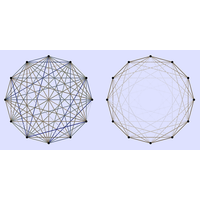
Phys. Rev. Lett. 137, 046302 (2026)
Condensed Matter and Materials
High Temperature Ferromagnetism in Epitaxial Monolayers of Co-Doped ${\mathrm{Fe}}{5}{\mathrm{GeTe}}{2}$
Article | Condensed Matter and Materials | 2026-07-21 06:00 EDT
Jules Courtin, Fatima Ibrahim, Davide Benettin, Djordje Dosenovic, Roberto Sant, Pâmella Vasconcelos Borges Pinho, Vincent Polewczyk, Alain Marty, Isabelle Gomes de Moraes, Matthieu Jamet, Denis Jalabert, Fadi Choueikani, Philippe Ohresser, Nicholas B. Brookes, Hanako Okuno, Mairbek Chshiev, and Frédéric Bonell
Magnetic van der Waals materials have mainly been investigated in their bulk form or as few-layer flakes. Because of the challenges in producing atomically thin films, only a few have been isolated as monolayers, which typically exhibit long-range magnetic order below 150 K. In this Letter, we use m…
Phys. Rev. Lett. 137, 046703 (2026)
Condensed Matter and Materials
Scaling of Relaxation and Entropy in Buckled Colloidal Monolayers
Article | Polymers, Chemical Physics, Soft Matter, and Biological Physics | 2026-07-21 06:00 EDT
Yongming Zhang, Qingyu Qu, Qian-Yuan Tang, and Xiaoguang Ma
By extracting spin configurations directly from a colloidal monolayer mimicking a 2D Ising lattice, entropy scaling laws for liquids and glasses are extended to the domain of spin systems, revealing a universal exponential relationship between configurational entropy and spin relaxation time.
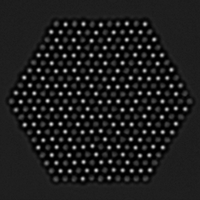
Phys. Rev. Lett. 137, 048201 (2026)
Polymers, Chemical Physics, Soft Matter, and Biological Physics
Physical Review X
Identifying Geometric Third-Order Nonlinear Transport in Disordered Materials
Article | 2026-07-21 06:00 EDT
Zhen-Hao Gong, Zhi-Hao Wei, Hai-Zhou Lu, and X. C. Xie
A theoretical data-analysis tool resolves the chaotic interpretation of nonlinear electronic transport data, providing a structured method to extract quantum geometric properties from realistic materials.
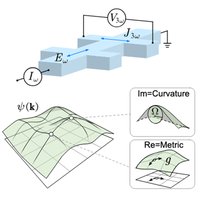
Phys. Rev. X 16, 031012 (2026)
Waves Maintain Large-Scale 2D Flows in Rotating Turbulence and Cause Their Demise
Article | 2026-07-21 06:00 EDT
Sébastien Gomé and Anna Frishman
A first-principles approach helps explain energy transfer from 3D wave excitation to 2D structures in rotating turbulent flow.
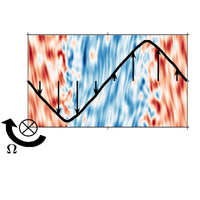
Phys. Rev. X 16, 031013 (2026)
arXiv
Sound Induced Hall Currents in Weyl Exciton Insulators
New Submission | Mesoscale and Nanoscale Physics (cond-mat.mes-hall) | 2026-07-22 20:00 EDT
Xinhong Zhou, Varsha Subramanyan, Qing-Dong Jiang
Weyl semimetals exhibit anomalous transport controlled by their gapless chiral nodes, while gapped Weyl systems are often expected to lose such distinctive responses. Here we show that Weyl excitonic insulators instead host a new form of axial-field-driven transport that exists only in the massive phase. Starting from the low-energy Breit-type Hamiltonian for a gapped Weyl system coupled to strain-induced axial potentials, we develop a semiclassical wave-packet theory and identify a dissipative transverse current generated by a dynamical axial potential. This response is qualitatively distinct from both ordinary vector-potential transport in gapped systems and axial responses in gapless Weyl semimetals. Physically, it originates from a mass-induced Berry structure of the reconstructed Weyl bands, which becomes active when the system is driven out of equilibrium by a chiral chemical-potential imbalance. We show that transverse sound waves provide a natural route to generate the required dynamical axial field and estimate the resulting current for realistic material parameters. Our results reveal sound-induced Hall transport as a direct probe of Weyl excitonic order and provide a transport signature of interaction-generated mass in Weyl materials.
Mesoscale and Nanoscale Physics (cond-mat.mes-hall)
11 pages, 2 figures
Probing Synthetic Caroli-de Gennes-Matricon States Through Critical Current in Full-Shell Nanowire Josephson Junctions
New Submission | Mesoscale and Nanoscale Physics (cond-mat.mes-hall) | 2026-07-22 20:00 EDT
Carlos Payá, Ángel Ibabe, Mario Gómez, Thomas Kanne, Jesper Nygård, Ramón Aguado, Pablo San-Jose, Eduardo J. H. Lee, Elsa Prada
Full-shell hybrid nanowires consisting of a semiconductor core fully enveloped by a superconducting shell have emerged as a platform to study Caroli-de Gennes-Matricon (CdGM) analogs. These subgap states can be considered a synthetic version of CdGM states in Abrikosov vortices. Unlike conventional CdGM states, these analogs exhibit a level spacing comparable to the superconducting gap, making them readily observable via tunneling spectroscopy techniques. The spectral density of CdGM analogs follows a characteristic skewed pattern as a function of applied axial magnetic field, an effect that is superimposed on the Little-Parks oscillations of the shell’s gap induced by fluxoid quantization. Here, we provide experimental evidence for CdGM analogs through a distinctive skewness fingerprint in the critical current and zero-bias resistance of overdamped Josephson junctions based on full-shell nanowires.
Mesoscale and Nanoscale Physics (cond-mat.mes-hall)
5 pages (main) + 2 pages (End Matter) + 4 pages (Supp. Mat.). 3 + 6 figures
Fragile Topology is Unstable Under Translation Refinement
New Submission | Mesoscale and Nanoscale Physics (cond-mat.mes-hall) | 2026-07-22 20:00 EDT
Yoonseok Hwang, Saavanth Velury, Taylor L. Hughes
Fragile topological phases become trivial upon the addition of suitable trivial bands, distinguishing them from stable topological phases. Nevertheless, various response phenomena and material realizations have been proposed for fragile phases. At the same time, many of these phenomena can also occur in atomic insulators, leaving open the question of what properties are specific to fragile phases. Enlarging the unit cell offers a natural perspective on this question. Band folding increases the number of bands in a manner analogous to adding trivial bands. In this work, we establish a systematic framework for determining the stability of fragile topology under unit-cell enlargement. We first establish a systematic criterion for trivialization under enlargements compatible with space-group symmetry, grounded in a physical electron-positron picture and formulated through a Hilbert-basis analysis of momentum-space symmetry data. We then show that, for all two-dimensional wallpaper groups, with or without spin-orbit coupling and/or time-reversal symmetry, every symmetry-indicated fragile phase is adiabatically connected to an atomic insulator in a suitable finite supercell and can therefore be trivialized by an arbitrarily small symmetry-preserving perturbation. Our results reveal that fragile topology has only finite stability under translation-symmetry refinement. This highlights that the fate of a fragile phase can depend on translation-symmetry-breaking perturbations, such as charge-density-wave ordering, and suggests that physical signatures insensitive to translation refinement are unlikely to uniquely characterize fragile topology.
Mesoscale and Nanoscale Physics (cond-mat.mes-hall)
14+10 pages, 3+2 figures
Information Compression at Criticality
New Submission | Statistical Mechanics (cond-mat.stat-mech) | 2026-07-22 20:00 EDT
Simon Jiricek, Miroslav Hopjan, Boris Altshuler, Vladimir Kravtsov, Lev Vidmar
Highly excited quantum states at the critical boundary of ergodicity are known to deviate from thermal behavior, yet their dynamical properties remain poorly understood. Here, we uncover the complexity of quantum dynamics at criticality through the lens of intrinsic information compression in energy space. We show that the Hamiltonian spectrum can be systematically truncated, yielding a simplified description of the dynamics while preserving its essential features. Specifically, for both interacting and noninteracting systems, we demonstrate that a vanishing fraction of Hamiltonian eigenlevels suffices to reproduce the power-law decay of the survival probability. The resulting truncated spectrum exhibits a fractal structure characterized by a level-spacing distribution with a power-law tail, while its spectral form factor displays the same asymptotic power-law decay as the survival probability.
Statistical Mechanics (cond-mat.stat-mech), Disordered Systems and Neural Networks (cond-mat.dis-nn), Quantum Physics (quant-ph)
8 pages, 7 figures
Exotic Electronic Order in a Parabolic Kagome Semimetal
New Submission | Strongly Correlated Electrons (cond-mat.str-el) | 2026-07-22 20:00 EDT
C. Alexander Baum, Jonas Issing, Sarbajit Mazumdar, Matteo Dürrnagel, Michael Klett, Ronny Thomale, Lennart Klebl
We study an interacting kagome-lattice realization of a quadratic band-touching semimetal at 2/3 filling with onsite and nearest-neighbor repulsive interactions. Combining functional renormalization group and slave-boson approaches, we map its phase diagram from intermediate to strong coupling and uncover a hierarchy of unconventional electronic orders. The leading instabilities comprise loop-current order, spontaneous altermagnetism arising from a spin-Pomeranchuk instability, and spin-loop-current order with distinctive and largely unexplored properties. We demonstrate how the interplay of band kinematics, electronic interactions, and quantum geometry governs the selection of these phases. Our findings establish quadratic band-touching semimetals as a promising platform for unconventional symmetry breaking and suggest analogous phenomena in other parabolic semimetals.
Strongly Correlated Electrons (cond-mat.str-el)
15 pages, 8 figures
Non-Fermi-Liquid Behaviors in Weakly Interacting Two-Dimensional Quasicrystals
New Submission | Strongly Correlated Electrons (cond-mat.str-el) | 2026-07-22 20:00 EDT
Non-Fermi-liquid (NFL) behavior is usually associated with strong electronic correlations, quantum criticality, or singular fluctuations that invalidate the quasiparticle picture. Quasicrystals are known to provide a fundamentally different route to such physics: their lack of translational symmetry gives rise to critical single-particle states and fragmented spectra even in the absence of electron-electron interactions. Here, we numerically study the NFL behaviors in quasicrystals with weak interactions. Using Penrose and Ammann–Beenker tilings as representative quasiperiodic systems, we analyze thermodynamic, magnetic, and transport properties within a weak-coupling perturbative framework. The Sommerfeld coefficient and magnetic susceptibility show anomalous temperature dependences governed by the singular energy dependence of the density of states near the Fermi level. The Wilson ratio reveals that low-temperature NFL behavior in quasicrystals is accompanied by enhanced spin fluctuations over a broad range of filling fractions, while its magnitude and temperature dependence vary sensitively with filling fraction. The self-energy shows anomalous scaling and a finite residual scattering rate, indicating the breakdown of quasiparticles. Our site-resolved analysis reveals a pronounced enhancement of the residual scattering rate in regions with a high local density of states. These results serve as a guide to analyze experimental data for quasicrystals and to identify the microscopic mechanism of the NFL behaviors.
Strongly Correlated Electrons (cond-mat.str-el), Disordered Systems and Neural Networks (cond-mat.dis-nn)
21 pages, 16 figures
Quantum critical fan and emergent relativistic symmetry of two-dimensional Dirac semimetals
New Submission | Strongly Correlated Electrons (cond-mat.str-el) | 2026-07-22 20:00 EDT
Friederike Ihssen, Bilal Hawashin, Mireia Tolosa-Simeón, Michael M. Scherer
Two-dimensional Dirac semimetals near a quantum critical point can be described by Gross–Neveu–Yukawa models. In view of recent experimental advances exhibiting a transition from Dirac semimetal to insulator in highly-tunable van-der-Waals heterostructures, a better understanding of finite-temperature effects is mandatory. Here, we study the Gross–Neveu–Yukawa phase diagram of the chiral Ising model with a non-perturbative field-theory approach at zero and finite temperature, both in the semimetallic phase and in the insulating phase with spontaneously broken $ \mathbb{Z}_2$ symmetry. At zero temperature, we find a quantum critical point with critical exponents that are close to the ones of the chiral Ising universality class, and show that relativistic symmetry is emergent close to the quantum critical point. At finite temperature, the ordered phase survives up to a finite critical temperature, at which we observe a classical phase transition into the disordered phase. We confirm that this transition lies in the two-dimensional Ising universality class. Finally, we determine the extent and scaling properties of the quantum critical fan, and the behavior of the quasiparticle weight, therein. In summary, we present a unified field-theoretical framework for the phase diagram of the chiral Ising model in the surroundings of its quantum critical point.
Strongly Correlated Electrons (cond-mat.str-el), Statistical Mechanics (cond-mat.stat-mech), High Energy Physics - Phenomenology (hep-ph)
11+12 pages, 7+3 figures
Towards a universal model for spin-orbit coupled Wannier Hamiltonians
New Submission | Materials Science (cond-mat.mtrl-sci) | 2026-07-22 20:00 EDT
While machine learning interatomic potentials (MLiPs) have matured to revolutionize material science, deep learning models for electronic structure are just beginning to emerge and restricted, almost exclusively, to non-orthogonal basis Hamiltonians. We introduce G(Wa)NN, the first deep-learning model capable of generating the electronic Hamiltonian of solid-state systems in an orthogonal Wannier basis. G(Wa)NN is trained on an unprecedented, diverse dataset of more than 111K Wannier Hamiltonians (150M+ hopping matrices) spanning 69 elements. The combination of optimized inference and linear-scaling methods for orthogonal Hamiltonians unlock transport simulations at massive scales (10K+ atoms). Crucially, the framework supports local finetuning, allowing users to adapt the base model to custom Wannier Hamiltonian datasets. To seamlessly translate these predictions into physical observables, we introduce Tailwater, a Python package providing an API interface to G(Wa)NN alongside a high performance post-processing library. Tailwater enables automated projection of the predicted Hamiltonian into an arbitrary low-energy subspace-directly mirroring familiar Wannier90 workflows-and includes a suite of Kernel Polynomial Method (KPM) functions that exploit the orthogonal basis to achieve strict linear scaling for spectral observables. The Tailwater ecosystem, with the G(Wa)NN model at its core, aims to help bridge the gap between deep learning and macro-scale quantum transport simulations.
Materials Science (cond-mat.mtrl-sci)
Electron escape probability in high-efficiency photocathodes measured by reverse-injection photovoltage
New Submission | Materials Science (cond-mat.mtrl-sci) | 2026-07-22 20:00 EDT
S. A. Rozhkov, V. V. Bakin, D. A. Kustov, V. S. Khoroshilov, V. L. Alperovich, O. E. Tereshchenko, H. E. Scheibler
The characterization of electron transfer through the emitting surface is of crucial importance for optimizing existing and developing new photocathodes. Here we propose and develop a method for the direct determination of the electron escape probability in high-efficiency semiconductor photocathodes. The proposed method is based on the variations in the surface photovoltage upon the injection of emitted photoelectrons back into a photocathode (``reverse injection”), which is induced by the polarity reversal of the external electric field. We demonstrate the method on \textit{p}-GaN(Cs,O) photocathodes with negative effective electron affinity by measuring the evolution of photoemission quantum efficiency upon the reverse injection of emitted electrons.
Materials Science (cond-mat.mtrl-sci)
4 pages, 3 figures
Coherent Magnons Driven by Photomodulated Anisotropy in Altermagnetic MnTe
New Submission | Strongly Correlated Electrons (cond-mat.str-el) | 2026-07-22 20:00 EDT
Dingbin Huang, Jonathon Kruppe, Resham Babu Regmi, Nirmal J. Ghimire, James Analytis, Joseph Orenstein
Manganese telluride ($ \text{MnTe}$ ) has recently emerged as a prototypical $ g$ -wave altermagnet, providing an ideal platform to investigate the non-equilibrium excitations of altermagnetic order. Here, we report simultaneous spatial mapping of the local equilibrium orientation of the Néel vector, $ \varphi_L(\mathbf{r})$ , alongside the amplitude, $ \Delta\varphi(\mathbf{r},t)$ , and frequency, $ \Omega(\mathbf{r})$ , of photoexcited spin waves. Based on these measurements, we place a remarkably low upper bound of $ \approx 60~\mu\text{eV}$ (0.7 K) on the spin-wave gap arising from intrinsic anisotropy. This exceptionally weak hexagonal anisotropy ($ K_6$ ) renders the altermagnetic order highly susceptible to optical tuning, allowing coherent spin waves to be driven by a photoinduced enhancement of $ K_6$ . Above a threshold pump fluence, our spatial maps reveal that this photomodulation manifests as a six-fold symmetric sawtooth dependence of $ \Delta\varphi$ on $ \varphi_L$ and a cycloid-like modulation of $ \Omega$ . Ultimately, the near-isotropy of the Néel vector in $ \text{MnTe}$ enables optical and mechanical control over the orientation of spin-splitting in the electronic band structure, offering new pathways for altermagnetic spintronics.
Strongly Correlated Electrons (cond-mat.str-el), Materials Science (cond-mat.mtrl-sci)
Long Non-Exponential PL Decay from Localized Defect States in Monolayer WSe$_2$ at Low Temperature
New Submission | Materials Science (cond-mat.mtrl-sci) | 2026-07-22 20:00 EDT
Immanuel Thekkooden, Susmitha Jana, Mrinal Deka, B.R.K. Nanda, V Praveen Bhallamudi
We investigate the recombination dynamics of localized defect emission in monolayer WSe$ _2$ using time-resolved photoluminescence over the temperature range from 4 to 120 K. The defect emission comprises a dominant sub-nanosecond exponential component and two weak, long-lived power-law channels extending from a few nanoseconds to several hundred nanoseconds. The power-law relaxation admits an interpretation in terms of continuous distributions of recombination lifetimes associated with an inhomogeneous ensemble of localized states. Temperature-dependent measurements were performed to examine the thermal detrapping mechanisms governing these long-lived channels. Spin-resolved electronic-structure and optical-transition calculations provide microscopic insight into the localized states and the available recombination pathways. These results provide a framework for understanding long-lived, non-exponential defect recombination in two-dimensional semiconductors.
Materials Science (cond-mat.mtrl-sci)
Variational formulation for the dynamics of soft matter including inertia
New Submission | Soft Condensed Matter (cond-mat.soft) | 2026-07-22 20:00 EDT
The motion of liquids and soft matter is over-damped and `slow’ when viscosity dominates. In this (low Reynolds-number) limit and when the system is isothermal, the equations of motion may be generated via Onsager’s variational principle, which neglects inertia. This variational approach is immensely powerful, being used to obtain equations of motion for colloidal fluids, droplets on surfaces and much more. However, inertia can play a role, manifesting as vibrations and under-damped motion. Here we show how to extend this variational framework so that it remains valid for when damping/dissipation and inertia are both equally important.
Soft Condensed Matter (cond-mat.soft), Statistical Mechanics (cond-mat.stat-mech), Mathematical Physics (math-ph)
6 pages
Quantum-Enabled Spintronic “Small” Antennas
New Submission | Mesoscale and Nanoscale Physics (cond-mat.mes-hall) | 2026-07-22 20:00 EDT
Antennas transmit information wirelessly from one location to another via electromagnetic waves. Miniaturizing them, however, is challenging since the radiation efficiencies of all traditional antennas, based on the principles of classical electromagnetics, plummet when their dimensions are shrunk to tiny fractions of the radiated wavelength. Lately, a new generation of antennas whose operations are underpinned by non-classical principles have been demonstrated and they can overcome this limitation. This enables embedded applications that were hitherto inaccessible. In addition, beam steering, which normally requires a large phased array (multiple antenna elements each much larger than the wavelength), can now be accomplished with a single element much smaller than the wavelength. Some of these antennas also have stealth attributes for secure and covert communication, which makes this new genre a disruptive new technology.
Mesoscale and Nanoscale Physics (cond-mat.mes-hall), Systems and Control (eess.SY), Quantum Physics (quant-ph)
Vacancy Diffusion Across FeCrAl Alloy Composition Space for Accident-Tolerant Fuel Cladding
New Submission | Materials Science (cond-mat.mtrl-sci) | 2026-07-22 20:00 EDT
Iron-chromium-aluminium (FeCrAl) alloys are leading candidates for accident-tolerant fuel cladding in light-water reactors, where their superior high-temperature oxidation resistance promises to extend coping times during loss-of-coolant accidents. The in-reactor lifetime of cladding is ultimately governed by radiation-induced microstructural evolution of which point defect transport is the dominant mechanism, however, this remains poorly understood. Here, we use a species-resolved kinetic Monte Carlo (KMC) model for vacancy diffusion in FeCrAl, parameterised by linear surrogate models trained on a database of migration barriers generated through the Hop-Decorate workflow. By sampling compositions spanning the Fe-rich to Cr-rich range of the Fe-Cr-Al system, we map how the local chemical environment controls vacancy hopping and hence macroscopic diffusivity. We find that increasing the Cr content in the alloy progressively decreases global diffusivity of vacancies even though activation energies stay relatively constant. This implies that the higher the Fe content in the alloy, the faster vacancies diffuse, thereby increasing annihilation events with fast-moving interstitials, potentially reducing irradiation induced defects and increasing radiation tolerance. Conversely, we find that Cr-rich alloy compositions stand out with a markedly elevated activation energy and significantly slower diffusion, orders of magnitude lower at accident-relevant temperatures. This indicates suppressed vacancy mobility in Cr-rich $ \alpha’$ phases which are known to form under irradiation.
Materials Science (cond-mat.mtrl-sci)
Theory of two-dimensional Wigner crystals with defects: Interactions, melting transitions and collective modes
New Submission | Strongly Correlated Electrons (cond-mat.str-el) | 2026-07-22 20:00 EDT
The physics of Wigner solids is characterized by an interplay of elasticity and long-range electrostatics, endowing crystal defects with properties distinct from those in charge-neutral crystals. Recent experiments observing lattice melting and Wigner-crystal-adjacent phases in two dimensions necessitate an examination of how defects affect the long-wavelength properties of such solids. Here, we use duality techniques to construct a comprehensive framework for studying the contribution of vacancies and interstitials, dislocations, and disclinations to the effective action of two-dimensional charged crystals. This allows for a systematic investigation of the interaction energies for the different combinations of defect pairs. We further study melting transitions due to defect proliferation, assessing and justifying some of the assumptions present in the literature. In the metallic Wigner crystal phase, characterized by a finite ground state density of vacancies, we find phonons with a dispersion relation that varies in an unusual way with the vacancy density. Consequently, we discuss how thermodynamic properties of such a vacancy Fermi liquid can be probed in measurements of the melting temperature and speed of sound. The field theory developed here can serve as a starting point in the study of anomalous Hall crystals and charge density waves with defects.
Strongly Correlated Electrons (cond-mat.str-el)
11+2 pages, 3 figures
Data-Efficient Training of Linear ACE Potentials through Leverage-Guided Subset Selection of ASSYST Structure Pools
New Submission | Materials Science (cond-mat.mtrl-sci) | 2026-07-22 20:00 EDT
Aynour Khosravi, Marvin Poul, Jörg Neugebauer, Chad Sinclair
The construction of machine-learned interatomic potentials (MLIPs) is often limited by the cost of generating large density-functional-theory (DFT) training datasets. For systematically generated structure pools such as ASSYST, a central practical question is how many configurations must be labeled to achieve reliable accuracy. Here we assess geometry-based, label-free subset selection for training linear Atomic Cluster Expansion (ACE) potentials. Using statistical leverage scores and CUR-type sampling, we compare leverage-guided selection against random, energy-based, and force-based baselines under controlled iterative protocols. Elemental Al provides the primary benchmark, with Cu and Al-Cu alloys used for transfer validation. Leverage-guided subsets recover plateau-level energy and force accuracy using substantially smaller labeled fractions (approximately 30-40%) than random sampling, corresponding to an effective 2-3x reduction in DFT labeling for the systems studied. In alloy tests, defect energetics remain comparable across strategies once sufficient chemical diversity is included, while leverage selection maintains competitive accuracy at reduced training size.
These results demonstrate that descriptor-space-guided, label-free subsampling can significantly reduce DFT workload for linear ACE models trained on ASSYST structure pools without degrading defect-level fidelity.
Materials Science (cond-mat.mtrl-sci)
16 pages, 6 figures
Acoustic Phonon Dynamics in Co-Doped BaFe$_2$As$_2$ Thin Film
New Submission | Superconductivity (cond-mat.supr-con) | 2026-07-22 20:00 EDT
Alexander Bartenev, Roman Kolodka, Larry Theran, Ki-Tae Eom, Jong-Hoon Kang, Jason Kawasaki, Chang-Beom Eom, Sergiy Lysenko
Pump-probe reflectivity reveals coherent acoustic oscillations at 33 and 8.2 GHz in a Ba(Fe$ _{0.92}$ Co$ _{0.08}$ )$ _2$ As$ _2$ thin film. The acoustic response was analyzed using a modified logistic-function model, suggesting a temporal redistribution of coherent acoustic energy consistent with anharmonic decay of the higher-frequency mode into the lower-frequency mode.
Superconductivity (cond-mat.supr-con)
3 pages, 1 figure, 1 table. Accepted for presentation at Frontiers in Optics + Laser Science (FiO LS 2026)
Battery Material Comparisons Should Refocus on Diffusivity with Best Practices
New Submission | Materials Science (cond-mat.mtrl-sci) | 2026-07-22 20:00 EDT
CJ Sturgill, Roya Rajabi, Md Abdullah Al Muhit, Hans-Conrad zur Loye, Morgan Stefik
The continuous demand for improved batteries motivates the discovery and advancement of materials with improved transport. Ionic diffusivity is the relevant material property where its measurement depends on accurate assessment of the active material length-scale, generally from the mass-specific surface area. In this perspective, we argue for renewed focus on diffusivity comparisons. A procedural review of 303 recent open-access publications about battery material development revealed two aspects: (1) 49% of publications support structure-property transport claims using diffusivity values and (2) of those reporting diffusivity values, 15% clearly stated that the length scale was measured after grinding-alone or stated that grinding was not used at all. Diffusivity assessment rationally requires length scale measurement after grinding (grind-measure), rather than the reverse. A range of measurement methods are compared, including SEM, BET, and SAXS as well as the resulting apparent diffusivities. Common errors and pitfalls of each of these approaches are described. As an example, datasets are presented for TiNb2O7 (TNO1) and Ti2Nb10O29 (TNO2) made from sol-gel (SOL) and solid state (SS) techniques using rigorous quantitative measurements to separately compare material diffusivities and galvanostatic performance. Here, the SOL samples had shorter length-scales and lower diffusion coefficients. Galvanostatic cell measurements, however, revealed that the shorter length-scales more than compensated for the lower diffusivities with better overall high-rate capacity retention. This example shows how cell level metrics often differ from underlying diffusivities. We argue that materials development needs renewed focus on property measurements like diffusivity where best-practices are important to derive meaningful insights towards structure-property relationships.
Materials Science (cond-mat.mtrl-sci)
18 pages, 5 figures
GQD-AdsNet: Graph Neural Networks Unlock Rapid Exploration of Transition Metal Adsorption on Graphene Quantum Dots
New Submission | Materials Science (cond-mat.mtrl-sci) | 2026-07-22 20:00 EDT
Lara Goncebat (1), Rodrigo Echeveste (2), Matías Gerard (2), Frederik Tielens (3), Gustavo Belletti (1), Paola Quaino (1) ((1) Instituto de Química Aplicada del Litoral IQAL (UNL-CONICET) Santa Fe Argentina, (2) Instituto de Investigación en Señales, Sistemas e Inteligencia Computacional sinc (i) (UNL-CONICET) Santa Fe Argentina, (3) General Chemistry (ALGC) Materials Modelling Group Vrije Universiteit Brussel (VUB), Brussel, Belgium)
In recent years, interest in single-atom catalysts supported on carbon-based structures has grown considerably due to their high catalytic activity and efficient uses of metal atoms. However, the design and characterization of these materials through first-principles calculations are computationally expensive, limiting the exploration of a large number of possible configurations. Here, we developed a framework based on graph neural networks (GNNs) to predict the adsorption energies of transition metals on graphene quantum dots (GQDs). The model was trained using data obtained from density functional theory calculations and achieved an $ R^2$ of 0.906 with an MAE of 0.101 eV, while reducing computational cost by roughly six orders of magnitude relative to DFT. This methodology provides an efficient tool for the accelerated screening and rational design of new catalysts based on carbon nanostructures.
Materials Science (cond-mat.mtrl-sci), Machine Learning (cs.LG)
Domain wall motion in a polycrystalline vortex lattice
New Submission | Superconductivity (cond-mat.supr-con) | 2026-07-22 20:00 EDT
Malcolm Durkin, Emily Waite, Taylor L. Hughes, Nadya Mason
Disorder fundamentally reshapes how crystalline systems respond to external forces, yet it remains unclear whether disorder drives interacting lattices toward glassy states or instead fragments them into domains separated by mobile interfaces. Here, we investigate vortex motion in superconducting island arrays, where disorder is introduced in a controlled manner by tuning the magnetic field away from commensurate vortex fillings. By driving vortices with an applied current, we observe a two-step depinning transition at incommensurate fillings. Comparison with molecular vortex model simulations shows that this intermediate regime is consistent with domain wall motion in a polycrystalline vortex lattice. While two-step depinning has been explored theoretically in driven periodic systems, direct experimental evidence linking this behavior to interface-dominated vortex motion has been lacking. Our results demonstrate that disordered, interacting vortex systems with strong periodic pinning can favor interface physics over homogeneous glassy dynamics.
Superconductivity (cond-mat.supr-con)
17 pages (9 main text, 8 supplemental), 12 figures (4 main text, 8 supplemental). Replacement of arXiv:1708.03082
Data-driven Design of Metal-Organic Frameworks with Tunable Negative Thermal Expansion
New Submission | Materials Science (cond-mat.mtrl-sci) | 2026-07-22 20:00 EDT
Prathami Divakar Kamath, Francesco Tavani, Alin Marin Elena, Théo Jaffrelot Inizan, Yen-hsu Lin, Jian Yin, Wenqian Xu, Omar M. Yaghi, Kristin A. Persson
Materials with negative thermal expansion (NTE) are essential for applications requiring precise control of thermal expansion. Owing to their exceptional chemical tunability, flexible architectures, and low-energy lattice vibrations, metal-organic frameworks (MOFs) represent a rich platform for exploring NTE. However, uncovering the structural motifs that govern NTE across the enormous MOF design space remains experimentally challenging, and large-scale first-principles phonon calculations are computationally prohibitive. Here, we comprehensively evaluate the factors influencing NTE in MOFs by utilizing a high-throughput workflow based on MACE-MP-MOF0, a machine learning interatomic potential fine-tuned for MOFs with near-ab initio accuracy, to construct PhononMOFdb, a database of phonons, inelastic neutron scattering spectra, bulk moduli, and heat capacities for over 12,000 MOFs. High-throughput screening of this database reveals that highly porous cubic topology frameworks with heavier, lower-valent metal nodes favor strong NTE, while linker functionalization provides a practical handle for tuning NTE magnitude and sign without compromising mechanical stability. Experimental validation via high-resolution temperature-dependent synchrotron powder X-ray diffraction on the Ce-UiO-66 MOF and its brominated variants confirms the design recipe and yields volumetric NTE coefficients surpassing current records. This work establishes a data-driven strategy for engineering NTE in MOFs, showing how machine learning-accelerated discovery and targeted experimental validation together unlock predictive materials design.
Materials Science (cond-mat.mtrl-sci)
Quadrature magnetoresistance scaling reflects linear field dependence rather than strange metallicity
New Submission | Superconductivity (cond-mat.supr-con) | 2026-07-22 20:00 EDT
D. B. Zhou, Y. Yang, L. F. Feng, M. F. Zhao, Z. Y. Jia, K. H. Gao
The quadrature scaling of magnetoresistance has been widely adopted as a hallmark of the strange metal state. However, whether this scaling signals quantum criticality or reflects conventional transport behavior remains controversial. Here, by systematically investigating the magnetotransport properties of NiTe2 nanosheets, we demonstrate that the quadrature scaling is not a unique signature of strange metallicity. We find that the scaling holds only when the crossover field , marking the transition from quadratic to linear magnetoresistance, is sufficiently small relative to the applied field range. Through controlled simulations, we show that the scaling emerges whenever linear magnetoresistance dominates, irrespective of its origin, and fails when the linear regime is inaccessible. This conclusion is supported by observations in SrTiO3 based heterostructures, where quadrature scaling appears despite the absence of strange metal behavior. Our results establish that the quadrature scaling merely reflects the presence of linear magneto resistance, urging caution in using this scaling as a diagnostic tool for exploring the strange metal state.
Superconductivity (cond-mat.supr-con)
21 pages,5 figures
Incommensurate modulation with $Q=0$ A-type Antiferromagnetic Order in CeRh$_2$As$_2$ revealed by NQR studies
New Submission | Superconductivity (cond-mat.supr-con) | 2026-07-22 20:00 EDT
Shiki Ogata, Shunsaku Kitagawa, Kenji Ishida, Manuel Brando, Elena Hassinger, Christoph Geibel, Seunghyun Khim
We performed $ ^{75}$ As nuclear quadrupole resonance (NQR) and nuclear magnetic resonance (NMR) measurements on a higher-quality single-crystalline CeRh$ 2$ As$ 2$ , a heavy-fermion superconductor exhibiting multiple superconducting (SC) phases under magnetic fields along the $ c$ axis. This SC multiphase is believed to originate from staggered Rashba spin-orbit coupling associated with locally broken inversion symmetry. In addition to superconductivity, CeRh$ 2$ As$ 2$ exhibits phase I below $ T_0\sim0.5$ K and an antiferromagnetic (AFM) state below $ T{N}\sim 0.25$ K in the early-stage samples. In the higher-quality sample, the AFM transition becomes more pronounced, and $ T{N}$ increases to nearly coincide with $ T{SC}$ . The NQR spectra at the As(1) site imply an internal field with an incommensurate distribution, indicating a two-dimensional incommensurate modulation of the magnetic structure superimposed on a $ Q=0$ A-type AFM component. Moreover, a pronounced decrease in the NQR intensity at $ T_0$ well-above $ T{N}$ and an abrupt increase in the internal field at $ T_{N}$ suggest the emergence of a slowly fluctuating AFM order at $ T_0$ which becomes static at $ T_{N}$ .
Superconductivity (cond-mat.supr-con), Strongly Correlated Electrons (cond-mat.str-el)
Charge transfer mediated anomalous photoluminescence enhancement in monolayer MoS2 graphene heterostructure via polystyrene assisted wet transfer
New Submission | Mesoscale and Nanoscale Physics (cond-mat.mes-hall) | 2026-07-22 20:00 EDT
Anagha Gopinath, Arpan De, Dipak Maity, Jyoti Mohanty
Van der Waals MoS2 graphene heterostructures are compelling candidates for high performance electronic and optoelectronic device applications. However, the interlayer charge transfer typically quenches the photoluminescence of monolayer MoS2, limiting the use of these heterostructures in light emitting applications. In this work, we report an anomalous photoluminescence enhancement in n-type monolayer MoS2 by integrating it with monolayer graphene via polystyrene assisted wet transfer process. Photoluminescence spectroscopy reveals a dominant trion to exciton conversion in the heterostructure. Kelvin probe force microscopy shows a 600 meV increase in the work function of MoS2 upon heterostructure formation. This work function shift, together with the higher work function of graphene, signifies electron transfer from MoS2 to graphene. Shifts in the graphene G and 2D Raman modes further corroborate the interlayer charge transfer. Hydroxyl and epoxy functionalization of graphene following heterostructure formation is evidenced by X ray photoelectron spectroscopy. DFT based Bader charge analysis quantifies the role of these functional groups in facilitating interlayer charge transfer. Collectively, our findings establish polystyrene assisted wet transfer as a practical interface engineering strategy for enhancing excitonic emission in MoS2 graphene heterostructures, thereby advancing their potential for scalable optoelectronic devices.
Mesoscale and Nanoscale Physics (cond-mat.mes-hall)
Alchemical thermodynamic integration for ab initio free-energy calculations in solutions
New Submission | Materials Science (cond-mat.mtrl-sci) | 2026-07-22 20:00 EDT
Liangrui Wei, Feng Zhang, Renata M. Wentzcovitch, Kai-Ming Ho, Yang Sun
We develop an alchemical thermodynamic integration scheme that couples ab initio force calculators on the fly during Monte Carlo and molecular dynamics simulations. The implementation is validated against existing hybrid-Hamiltonian approaches. The scheme yields ab initio free energies of high-pressure Fe-Ni and ambient Li-Na liquid solutions that agree with previous calculations and reproduce the experimentally observed Li-Na miscibility gap. The code has an efficiency comparable to standard ab initio molecular dynamics. These results establish this scheme as a practical alchemical-integration framework for first-principles free-energy calculations in solutions.
Materials Science (cond-mat.mtrl-sci)
Self-consistent GW theory for superconductivity in SrTiO3 models
New Submission | Superconductivity (cond-mat.supr-con) | 2026-07-22 20:00 EDT
Zhi-Hao Cui, John Sous, Andrew J. Millis, David R. Reichman
Superconductivity in doped SrTiO$ _3$ occurs over a wide range of carrier densities, including those for which the Fermi energy is below the polar longitudinal optical phonon scale. In this regime, the assumptions underpinning conventional implementations of Migdal-Eliashberg theory, including frequency cutoffs at the phonon scale and a Coulomb pseudopotential $ \mu^\ast$ , are not valid. We solve the finite-temperature $ GW$ equations with full momentum and frequency dependence, without cutoffs or $ \mu^\ast$ , for polar one-band models of SrTiO$ _3$ , using effective masses and three-phonon dielectric functions parameterized from ab initio calculations. Comparing different self-consistency levels, namely $ G_0W_0$ , $ GW_0$ , and fully self-consistent $ GW$ , we find that the one-shot ($ G_0W_0$ ) kernel overestimates the pairing-onset temperature by one to two orders of magnitude. The dominant suppression comes from replacing $ G_0$ by $ G$ , thereby incorporating the phonon renormalization factor in the electron Green function. Using the self-consistently computed interaction $ W$ further lowers and narrows the pairing-onset dome. In the dilute limit, our calculations identify the pairing channel as the Fröhlich phonon interaction screened by the incipient ferroelectricity of the material, with plasmonic and electronic screening effects negligible. The numerical solution of the full equations reveals a pairing-onset scale that remains non-zero as the density tends to zero, whereas Fermi-surface projection or Fermi-energy frequency truncation removes it. This work highlights the relevance of incipient ferroelectricity, the importance of self-consistency, and the need for a full momentum- and frequency-dependent treatment in modeling superconductivity in SrTiO$ _3$ -like doped polar semiconductors.
Superconductivity (cond-mat.supr-con), Materials Science (cond-mat.mtrl-sci), Strongly Correlated Electrons (cond-mat.str-el), Chemical Physics (physics.chem-ph)
18 pages, 8 figures
Conductivity of the Landau levels of two-dimensional Dirac cones and gapped nodal-rings in the quantum limit under impurity-potentials
New Submission | Mesoscale and Nanoscale Physics (cond-mat.mes-hall) | 2026-07-22 20:00 EDT
We investigate the dc magnetoconductivity of two-dimensional Dirac cones and gapped nodal rings (GNRs) subjected to a perpendicular magnetic field, which quantises the electronic spectrum into Landau levels (LLs). Working in the ultraquantum limit, where only the lowest LL (LLL) is partially occupied, we employ the Kubo–Bastin formalism to compute the transport coefficients for pointlike, Gaussian, and Yukawa impurity-potentials. For the Dirac case, the longitudinal conductivity is field-independent for pointlike impurities and a monotonic function of $ B$ for the Gaussian and Yukawa potentials, while the Hall conductivity vanishes identically owing to the particle-hole symmetry of the two neighbouring LLs. The GNR case is qualitatively different: its non-monotonic stretched-checkmark LL spectrum causes the effective LLL to migrate to successively lower indices as the field increases, producing a pronounced oscillatory structure in both conductivities. The longitudinal response develops resonant peaks at LLL degeneracies, while the Hall conductivity traces out a sawtooth pattern with sharp zero-crossings at these same points. These results establish distinct transport fingerprints for the two systems in the extreme quantum limit, and provide a theoretical framework for interpreting magnetotransport experiments on GNRs.
Mesoscale and Nanoscale Physics (cond-mat.mes-hall), Disordered Systems and Neural Networks (cond-mat.dis-nn), High Energy Physics - Theory (hep-th)
28 pages, 8 figures
Double anticrossings induced by nonlinear magnon interactions
New Submission | Mesoscale and Nanoscale Physics (cond-mat.mes-hall) | 2026-07-22 20:00 EDT
Geil Emdi, Tomosato Hioki, Koujiro Hoshi, Takahiko Makiuchi, Aoi Yamauchi, Eiji Saitoh
We observe pump-induced double anticrossings whose gap sizes and center-frequency shifts depend strongly on pump power, indicating a nonlinear mechanism. The anticrossings vanish at high magnetic fields, where energy conservation suppresses three-magnon splitting, thereby identifying the underlying process as three-magnon scattering. We attribute the double anticrossings to nondegenerate three-magnon splitting, which generates two magnon populations at distinct frequencies. Each population forms a standing-wave mode and couples independently to the Kittel mode, giving rise to two effective coupling channels. These results demonstrate that nonlinear magnon interactions can dynamically generate multiple coupling channels within a single system.
Mesoscale and Nanoscale Physics (cond-mat.mes-hall), Other Condensed Matter (cond-mat.other), Applied Physics (physics.app-ph)
6 pages, 3 figures
Collective modes in non-Hermitian fermionic superfluids
New Submission | Superconductivity (cond-mat.supr-con) | 2026-07-22 20:00 EDT
Gabriel Angelo V. Vila, Kristian Hauser Villegas
The Higgs and Nambu-Goldstone modes are paradigmatic collective excitations in superconductors and superfluids. These modes are commonly analyzed within the pseudospin formulation of BCS theory, where the dynamics are obtained from the Heisenberg equations of motion for pseudospins. However, this construction becomes inconsistent when directly extended to non-Hermitian systems. In this work, we develop a consistent pseudospin framework for non-Hermitian fermionic superfluids based on the metricized formulation of non-Hermitian quantum mechanics. We apply this formalism to a driven non-Hermitian BCS-type Hamiltonian with complex pairing interaction and analyze its collective excitation spectrum. We find that, in addition to the conventional Higgs (amplitude) mode, the system hosts a novel phase mode that has no counterpart in Hermitian superfluids. Remarkably, this mode is gapped even in the absence of the Anderson-Higgs mechanism, as is the case in neutral superfluids. Furthermore, the resonance spectrum depends explicitly on the initial nongauge phase of the complex order parameter and the dynamical response remains finite at resonance, in contrast to the divergence characteristic of Hermitian systems. These resonances disappear upon the emergence of exceptional points.
Superconductivity (cond-mat.supr-con), Quantum Gases (cond-mat.quant-gas), Quantum Physics (quant-ph)
2 figures
Absence of hidden analytic conserved quantities in harmonically confined rods
New Submission | Statistical Mechanics (cond-mat.stat-mech) | 2026-07-22 20:00 EDT
Sahil Kumar Singh, Abhishek Dhar, Sanjay Moudgalya
Systems of hard rods of equal length in a one-dimensional harmonic trap have been observed to exhibit peculiar non-ergodic behavior that might suggest the existence of a novel hidden conserved quantity beyond the two well known ones, i.e., the total energy and the center-of-mass energy. In this work, we investigate this possibility by systematically constraining the forms of the conserved quantities, and we rigorously rule out the existence of any extra hidden conserved quantity that is analytic in the positions and momenta of the rods involved. We do so by showing two key results: conservation during free motion demands the $ U(1)$ invariance of these quantities under rotations of the position and momenta of each rod, and conservation during collisions demand an $ S_N$ invariance under the permutation of the momenta of the rods as long as one of the rods have non-zero length. We then show that these conditions imply that any conserved quantity is functionally dependent on the two known conserved quantities. In addition, we show that in the special case where all rods have zero length (i.e., when they are point particles), conservation under collisions only requires invariance under a smaller $ S_N$ group of permutations of the labels of the rods, which leads to a much larger set of analytic conserved quantities that we explicitly write down. In all, this rigorously clarifies the structure of conserved quantities in the hard rod problem, and motivates the application of such systematic methods to other classical systems.
Statistical Mechanics (cond-mat.stat-mech), Mathematical Physics (math-ph), Chaotic Dynamics (nlin.CD)
20 pages, 3 figures
Optical Properties of Iron-Selenide Na${0.27}$K${0.27}$Rb${0.27}$Fe${1.7}$Se$_2$ Single Crystals
New Submission | Superconductivity (cond-mat.supr-con) | 2026-07-22 20:00 EDT
Andrei Muratov, Yevgeny Rakhmanov, Andrei Shilov, Igor Morozov, Yurii Aleshchenko
With infrared Fourier-transform spectroscopy and spectroscopic ellipsometry we investigated the in-plane reflectance of the superconducting Na$ _{0.27}$ K$ _{0.27}$ Rb$ _{0.27}$ Fe$ _{1.7}$ Se$ _2$ single crystals with a critical temperature $ T_c\approx 34.3$ K over a broad frequency range at temperatures of 4–300 K. The normal-state response of Na$ _{0.27}$ K$ _{0.27}$ Rb$ _{0.27}$ Fe$ _{1.7}$ Se$ _2$ is analyzed by a Drude-Lorentz model with one Drude component. The temperature dependences of the plasma frequency, optical conductivity, scattering rate, and dc resistivity of the Drude component in the normal state are presented. We report a Fano-shaped mode at 1430~cm$ ^{-1}$ indicating a coupling of the discrete mode presumably related to some electronic transition to a two-magnon continuum as well as a low-frequency broad band assigned to the acoustic magnon branch of the antiferromagnetic superstructure. These features persist in the reflectance in both the normal and superconducting states suggesting a mesoscopic coexistence of superconductivity and magnetism in Na$ _{0.27}$ K$ _{0.27}$ Rb$ _{0.27}$ Fe$ _{1.7}$ Se$ _2$ .
Superconductivity (cond-mat.supr-con)
13 pages, 6 figures, 1 table
Journal of Superconductivity and Novel Magnetism, Vol. 39, No. 4, 121 (2026)
Deterministic cascade coarsening in a Bistable Gene Toggle model
New Submission | Statistical Mechanics (cond-mat.stat-mech) | 2026-07-22 20:00 EDT
Priyanka D. Bhoyar, Prashant M. Gade
We investigate deterministic coarsening dynamics in a spatially extended bistable gene toggle model with diffusive coupling. Unlike classical curvature-driven coarsening, where domain walls move continuously and annihilate gradually, the present system exhibits a qualitatively different mechanism. The domain walls remain pinned for long intervals and disappear abruptly through collective cascade events. The density of domain walls decays approximately as $ \rho(t)\sim t^{-\delta}$ , but the coarsening exhibits clear log-periodic oscillations superimposed on the power-law behavior. For all values of the promoter strength $ \alpha$ considered, the measured exponent satisfies $ \delta<0.5$ , indicating a systematic deviation from the classical Allen–Cahn prediction $ \delta=1/2$ for curvature-driven coarsening. We show that log-periodic oscillations are not controlled by the density of domain walls, but by the \emph{domains that disappear} in each cascade. The average size of disappearing domains grows roughly linearly with cascade index, producing a constant geometric spacing of cascade times, consistent with discrete scale invariance.
Statistical Mechanics (cond-mat.stat-mech), Pattern Formation and Solitons (nlin.PS), Biological Physics (physics.bio-ph)
Multiscale ensemble Monte Carlo of transport and gas sensing in monolayer MoS$_2$
New Submission | Mesoscale and Nanoscale Physics (cond-mat.mes-hall) | 2026-07-22 20:00 EDT
Two-dimensional semiconductors, such as monolayer MoS$ _2$ , combine a technologically useful band gap with an all-surface geometry, making them attractive both as field-effect-transistor channels and as chemically sensitive devices. Predictive device design requires a transport model that is (i) physically grounded rather than empirical, (ii) validated against experiments, and (iii) able to span the scales from electron-phonon coupling to terminal current and sensor response. We present a self-consistent ensemble Monte Carlo (EMC) framework for monolayer MoS$ _2$ built on the ViennaEMC solver, comprising a Boltzmann-transport kernel with a full intrinsic and extrinsic scattering stack (deformation-potential acoustic and intervalley phonons, polar-optical Fröhlich and piezoelectric coupling, remote substrate phonons, screened charged-impurity and surface-roughness scattering), degenerate free-carrier statistics, and a self-consistent Poisson coupling. The intrinsic transport parameters are verified against first-principles density-functional perturbation theory (DFPT), and seven quantities (lattice constant, conduction-band effective mass, band gap, Born effective charges, the longitudinal-optical phonon energy, and both in-plane sound velocities) agree with the reference parametrization. In a multiscale coupling, the EMC velocity-field characteristic feeds a one-dimensional velocity-saturation channel model, which captures the velocity-saturated field dependence and reproduces the measured transfer characteristics of a CVD monolayer device in air and vacuum. Finally, an ambient/adsorbate extension reproduces the measured conductivity response to oxygen partial pressure and the concentration dependence of NO$ _2$ and NH$ _3$ sensing measured in several independent devices.
Mesoscale and Nanoscale Physics (cond-mat.mes-hall), Materials Science (cond-mat.mtrl-sci)
Energy Conversion, Fluctuation Suppression, and Information Transfer in the Thermodynamic Performance of Kinesin
New Submission | Statistical Mechanics (cond-mat.stat-mech) | 2026-07-22 20:00 EDT
Riku Kato, Takayuki Ariga, Tomohiro Tanogami
Kinesin is a molecular motor that transports intracellular cargoes along microtubules. Recent studies have quantified kinesin performance using various efficiencies within the framework of stochastic thermodynamics; however, quantitative comparisons remain difficult because different models and assumptions have been employed. As a result, it remains unclear which aspect of kinesin performance, if any, is thermodynamically optimized. Here, we systematically compare multiple thermodynamic efficiencies within a single kinesin-cargo model. To this end, we construct a thermodynamically consistent two-state kinesin-cargo model that retains both the discrete stepping of kinesin and its coupling to the cargo. Assuming a separation of time scales between the motor and the cargo, we derive analytical expressions for the thermodynamic efficiency, the information-thermodynamic efficiency, the thermodynamic uncertainty relation (TUR) efficiency, and the bipartite TUR efficiency, and compare them with numerical simulation results. We find that these efficiencies generally remain low, suggesting that kinesin is not optimized for maximizing the thermodynamic efficiencies considered here. Our results suggest that thermodynamic efficiencies alone may not fully characterize kinesin performance and motivate further investigation of complementary kinetic perspectives for assessing molecular motor function.
Statistical Mechanics (cond-mat.stat-mech), Biological Physics (physics.bio-ph)
31 pages, 15 figures
Bridging distributed quantum materials via multi-hotspot vacuum: remote Cooper pairing and Andreev teleportation
New Submission | Mesoscale and Nanoscale Physics (cond-mat.mes-hall) | 2026-07-22 20:00 EDT
Zuzhang Lin, Zhijian Song, Chengxin Xiao, Wang Yao
We introduce an architecture where mesoscopic quantum matter distributed over spatially separated nodes can be correlated in equilibrium, creating an unprecedented form of many-body quantum system. Central to the design is a multi-gap split-ring resonator (SRR) where the cavity photon has multiple hot spots – each with deep-subwavelength volume at a split gap and separated by millimeter-scale distances. The cavity’s vacuum fluctuations can then mediate a many-body interaction that bridges the distributed quantum materials embedded in the multiple gaps, coupling them into a single correlated mesoscopic system in equilibrium. As an example, we consider a THz SRR with two split gaps, each proximitized to a metallic moiré superlattice, where virtual exchange of a photon in the cavity vacuum mediates a current-current interaction across the gaps. The inherent attractive interaction channels lead to remote Cooper pairing reminiscent of mesoscopic superconductivity, demonstrated with density matrix renormalization group and exact diagonalization calculations. With the two constituents of a Cooper pair now paired across a millimeter-scale separation, a hole incident at one split gap can be converted into an outgoing electron at the remote gap, a process we term Andreev teleportation. The entanglement entropy between the two mesoscopic superlattices is shown to scale linearly with the area (total number of sites) of the mesoscopic lattice. Our results suggest an intriguing paradigm for equilibrium quantum networks of mesoscopic matter that enable emergent nonlocal functionalities and distributed quantum resources.
Mesoscale and Nanoscale Physics (cond-mat.mes-hall), Superconductivity (cond-mat.supr-con)
Phase equilibria in MnSb2Te4-GeSb2Te4 system and magnetic properties of Mn1-xGexSb2Te4 solid solutions
New Submission | Materials Science (cond-mat.mtrl-sci) | 2026-07-22 20:00 EDT
Fuad Safarov, Dunya Babanly, Jerome Robert, Elnur Orujlu, Elvin Ahmadov, Martin Bowen, Bohdan Kundys
As a sister compound of the antiferromagnetic topological insulator MnBi2Te4, MnSb2Te4 is also a candidate for exotic magnetic topological phases. On the other hand, the structurally analogous but nonmagnetic phase-change material GeSb2Te4 is also known to exhibit nontrivial band topology. Motivated by their shared crystal structure, the similar ionic radii of Mn2+ and Ge2+, and the opportunity to explore the interplay between magnetism and topology, here we investigate the effects of Ge substitution at Mn sites in MnSb2Te4. The Mn1-xGexSb2Te4 solid solutions were synthesized via high-temperature solid-state reaction and characterized for composition, structure, phase behavior, and magnetism using SEM-EDS, PXRD, DTA, and SQUID. Ge substitution was successful across the full composition range, producing homogeneous, single-phase samples that melt via peritectic reactions, as confirmed by the MnSb2Te4GeS-b2Te4 phase diagram. Ge substitution strengthens the sample’s paramagnetism, but with ferrimagnetic ordering up to x = 0.75, with both effective moment and saturation magnetization decreasing with increasing Ge content. Two distinct magnetic transitions - high-temperature paramagnetic to ferrimagnetic and low-temperature ferrimagnetic to ferromagnetic - were identified, with a dome-like shape dependence of the low-temperature magnetic transition on Ge substitution. A negative magnetization was observed in the pristine MnSb2Te4 and x = 0.12 substituted samples, while two distinct spin-flop transitions appeared in the samples with x = 0.32 and x = 0.55 Ge substitutions as a result of competing magnetic orderings. These findings facilitate future selective single-crystal growth of homogeneous, magnetic phases, paving the way for magneto-transport and topological surface states investigations.
Materials Science (cond-mat.mtrl-sci), Strongly Correlated Electrons (cond-mat.str-el)
10 pages, 5 figures, journal paper
Journal of Magnetism and Magnetic Materials 645, 173969 (2026)
Bose-Einstein Condensates in Time Dependent Traps
New Submission | Quantum Gases (cond-mat.quant-gas) | 2026-07-22 20:00 EDT
Yvan Castin (LKB (Lhomond)), Ralph Dum (LKB (Jussieu))
We present analytical results for the macroscopic wave function of a Bose-Einstein condensate in a time dependent harmonic potential. The evolution of the spatial density is a dilatation, characterized by three scaling factors which allow a classical interpretation of the dynamics. This approach is an efficient tool for the analysis of recent experimental results on the expansion and collective excitation of a condensate.
Quantum Gases (cond-mat.quant-gas)
Final version in English (4 pages) and in French (4 pages)
Physical Review Letters, 1996, 77, pp.5315
Isosbestic points in time resolved SAXS: from spectroscopic analogy to model free structural markers during colloidal gelation
New Submission | Soft Condensed Matter (cond-mat.soft) | 2026-07-22 20:00 EDT
Alain Gibaud, Wilbert J. Smit, Safa Jamali, Thomas Gibaud
Gelation is the transition from a fluid state into a system-spanning, out of equilibrim soft-solid network through a hierarchical process that couples local particle interactions to mesoscopic clustering and global connectivity. In time-resolved small-angle X-ray scattering (SAXS), isosbestic points – scattering wavevectors where scattering intensity remains invariant – emerge during this transformation, yet their physical meaning has remained unclear. Here, we show that two isosbestic points, $ q_1$ and $ q_2$ , observed during salt-induced gelation of Ludox colloids, reflect fundamental structural constraints rather than a two-species interconversion. The high-$ q$ point $ q_2$ is a universal geometric marker, determined by particle contact distances, while the low-$ q$ point $ q_1$ arises from Porod invariant conservation and separates rapidly arrested local clusters from the growing mesoscopic network. By decomposing the Porod invariant across the reciprocal-space regions defined by these points, we define a dimensionless parameter, $ \Phi(t/t_g)$ , whose sigmoidal evolution provides a simple, model-free, scale-resolved fingerprint of gelation. Together with the combined evolution of $ S(q_{\min},t)$ and $ S(q \rightarrow 0,t)$ , these results establish a quantitative model free framework linking local structuring, global connectivity, and scattering signatures, clarifying the role of isosbestic points in soft-matter transformations.
Soft Condensed Matter (cond-mat.soft)
submitted
Stereochemical Vacuum Gap Explains Out-of-Plane Thermal Insulation in MXenes
New Submission | Materials Science (cond-mat.mtrl-sci) | 2026-07-22 20:00 EDT
O. Mateos-Lopez, J. G. Vilhena, Isaac Armstrong, Hendrik Heinz, Miguel Muñoz Rojo, Juan Carlos Cuevas
Two-dimensional MXenes are promising materials for thermal management and spectral camouflage, combining low out-of-plane thermal conductivity with low infrared emissivity and mechanical robustness. Yet the near-order-of-magnitude spread in experimental out-of-plane thermal conductivity measurements (0.14-0.8 W/mK) and the systematic overestimation by simulations point to a fundamental gap in our understanding of heat transport in these materials. Here, we argue these differences originate in the overlooked role of heterogeneous surface terminations. Using Non-Equilibrium Molecular Dynamics simulations of Ti3C2Tx, we show that this discrepancy arises from a stereochemically induced vacuum gap between adjacent layers, formed when surface terminations of different sizes coexist. Even minor deviations from homogeneous terminations drastically suppress out-of-plane thermal conductivity, bringing simulated values into quantitative agreement with experiment. We also show that thermal conductivity scales strongly with the atomic density, and that introducing bulky surface terminations, including residual water, reduces the thermal conductivity to 0.3 W/mK, an order of magnitude below homogeneous termination values and below the minimum thermal conductivity limit predicted for disordered solids. Thus, we propose a chemistry-driven route to engineer thermal transport in MXenes.
Materials Science (cond-mat.mtrl-sci)
21 pages, 3 figures
Discrete distributions and statistical mechanics of small systems
New Submission | Statistical Mechanics (cond-mat.stat-mech) | 2026-07-22 20:00 EDT
Lev B. Klebanov, Michal Šumbera
We study connections between discrete probability distributions and the statistical mechanics of small systems. Using probability generating functions, we develop the theory of power series, infinitely divisible, and scalable distributions of non-negative integer-valued random variables, and introduce the class of Markovian distributions that arise naturally in stationary solutions of birth-death processes and in scalable infinitely divisible distributions.
These results are applied to the grand canonical ensemble description in statistical mechanics: the infinite divisibility leads to a quasiparticle picture of an interacting gas, and the virial expansion is linked to the combinants of the distribution. A kinetic model of the liquid-vapor phase transition is presented, in which the particle-number distribution at the critical point converges to the Discrete Stable distribution - the fixed point of a renormalization semi-group transformation. We also show that the scalability of the particle-number distribution is preserved in Tsallis non-extensive thermodynamics, even though infinite divisibility fails. Moreover, deformed discrete distributions, including the negative binomial as a q-deformation of the Poisson, arise naturally in this setting.
Statistical Mechanics (cond-mat.stat-mech), Probability (math.PR)
Sixteen-State Energy Mapping for First-Principles Four-Spin Ring Exchange: Validation on $La_2CuO_4$ and $SrFeO_2$
New Submission | Materials Science (cond-mat.mtrl-sci) | 2026-07-22 20:00 EDT
Xavier Rocquefelte, Peter Blaha
Four-spin ring (cyclic) exchange $ J_{ring}$ is an essential ingredient of the Heisenberg spin Hamiltonian of cuprates and other square-lattice magnets, yet it has lacked the kind of direct, local first-principles extraction that the four-state method provides for bilinear exchange, $ J$ . We supply it by generalizing that method to a sixteen-state ($ 2^4$ ) scheme. Symmetry reduces the sixteen configurations to six or eight inequivalent energies, so the cost is modest. The derivation also shows that the conventional four-state magnetic coupling, $ J$ , is itself ring-renormalized, by $ \pm 2 J_{ring} S^2$ with the sign set by the reference state. T-La$ 2$ CuO$ 4$ confirms this quantitatively: three independent routes agree on $ J{ring}$ to $ 0.2%$ , giving $ J{ring}/J_1 = 0.25$ , and a four-state $ J_1$ quoted without naming its reference is wrong by $ 12%$ in this material. The direct sixteen-state extraction itself proves reference-dependent, the Néel and ferromagnetic baths bracketing the mapping value: a fourth-order fingerprint of interactions beyond the pair-plus-ring model, which additional reference baths resolve into a bare $ J_{ring}$ and a converging tower of six- and eight-spin loop couplings. SrFeO$ 2$ ($ S = 2$ ), with the same plaquette yet $ J{ring}/J = 0.006$ , provides the negative control: a plaquette is necessary for ring exchange, far from sufficient. The complete workflow, including the band-gap and local-moment diagnostics that certify any such extraction, is implemented in the openly available Mag4 package, so that $ J_{ring}$ costs no more effort to obtain than $ J$ .
Materials Science (cond-mat.mtrl-sci), Strongly Correlated Electrons (cond-mat.str-el), Quantum Physics (quant-ph)
37 pages, 4 figures, 6 Tables
Annealing-enhanced spin-orbit effects in non-centrosymmetric superconducting NbRe films
New Submission | Superconductivity (cond-mat.supr-con) | 2026-07-22 20:00 EDT
Zahra Makhdoumi Kakhaki, Yuriy Yerin, Francesco Avitabile, Abhishek Kumar, Francesco Colangelo, Carla Cirillo, Oleksandr V. Dobrovolskiy, Carmine Attanasio
$ \text{Nb}{0.18}\text{Re}{0.82}$ (NbRe) is a non-centrosymmetric superconductor with a transition temperature $ T_\mathrm{c}$ reaching $ 9\text{ K}$ in bulk form. While bulk and single-crystalline NbRe exhibit signatures of multigap superconductivity, thin films generally display a single-gap superconducting state due to structural disorder and reduced crystallite dimensions. Here, we investigate the impact of thermal annealing on the superconducting and normal-state magnetotransport properties of NbRe films. The temperature dependence of the upper critical field, $ B_{\mathrm{c2}}(T)$ , is analyzed within the microscopic Werthamer–Helfand–Hohenberg (WHH) framework, while the normal-state magnetoconductivity is described using the three-dimensional Kawabata weak-localization/weak-anti-localization model. Annealing drives a pronounced change in the electronic response, manifested by a strong weak anti-localization behavior in the normal state and an upper critical field that surpasses both the conventional orbital-limiting field and the Pauli paramagnetic limit. The microscopic analysis reveals a strong intrinsic increase in the relative spin–orbit scattering strength, with the annealed film showing a significantly enhanced spin–orbit-to-dephasing field ratio. These findings provide direct, independent evidence that thermal modification of the NbRe microstructure successfully amplifies spin–orbit-mediated quantum transport, which acts as the key mechanism protecting the non-centrosymmetric superconducting state against paramagnetic pair-breaking well beyond conventional theoretical boundaries.
Superconductivity (cond-mat.supr-con)
8 pages, 3 figures
Deciphering Mechanoluminescence: How the Nature of Mechanical Stress and Structural Dimensionality Shape Mechanisms and Responses
New Submission | Materials Science (cond-mat.mtrl-sci) | 2026-07-22 20:00 EDT
Alexis Duval, Xavier Rocquefelte, Yann Gueguen, Patrick Houizot, Tanguy Rouxel
Mechanoluminescent materials exhibit a broad spectrum of controllable light-emission responses to mechanical stimuli of varying types and magnitudes. Yet progress toward high-performance systems remains constrained by an incomplete and often contradictory mechanistic understanding. Here, density functional theory (DFT) calculations optimized for the quantitative treatment of point defects are used to systematically investigate the interplay between stress type (hydrostatic vs. shear) and active-phase dimensionality (1D vs. 3D), using $ SrAl_2O_4:Eu^{2+}, Dy^{3+}$ and $ Ba_4Si_6O_{16}:Eu^{2+}, Ho^{3+}$ as representative model systems. Two distinct emission-driving mechanisms are identified: a piezoelectric contribution, and a second, apparently universal, mechanism arising from stress-induced structural reorganization at point defects sites. These results establish a design framework for mechanoluminescent materials in which crystal dimensionality, stress type and stress-sensitive point defects are deliberately matched to tune emission behavior and overall performance.
Materials Science (cond-mat.mtrl-sci)
27 pages, 8 figures, 2 tables
Pure Spin Bulk Photovoltaic Effect in an Altermagnetic Higher-Order Topological Insulator
New Submission | Mesoscale and Nanoscale Physics (cond-mat.mes-hall) | 2026-07-22 20:00 EDT
Sibgat Ulah, Ankan Bhattacharyya, Manisha Thakurathi
We investigate the bulk photovoltaic effect (BPVE) in a $ PT$ -symmetric two-dimensional heterostructure consisting of a topological insulator coupled to a $ d$ -wave altermagnet. To describe the symmetry-enforced degenerate bands of this system, we develop a non-Abelian formulation of the spin BPVE, extending the conventional theory from isolated nondegenerate bands to $ PT$ -degenerate manifolds. We show that the orientation of the Néel vector controls both the topological phase and the character of the nonlinear optical response. When the Néel vector lies in the $ xy$ -plane, the heterostructure realizes a second-order topological insulator (SOTI) protected by $ C_{4z}T$ symmetry. The system also retains $ C_{2z}$ symmetry, which completely suppresses second-order charge photocurrents while allowing finite spin photocurrents. As a result, the BPVE becomes an intrinsically pure spin photovoltaic effect, generating a dc spin current without an accompanying charge current. We find that linearly polarized light drives a spin shift current, whereas circularly polarized light generates a spin injection current. Both responses undergo a sign reversal whenever the local Dirac mass changes sign. As the Néel vector is rotated toward the $ z$ -axis, the SOTI phase transforms into a first-order topological insulating phase, leading to the coexistence of charge and spin photocurrents. Our results establish $ PT$ -symmetric altermagnetic topological-insulator heterostructures as a versatile platform for generating and controlling pure spin photocurrents and reveal nonlinear spin transport as a sensitive probe of topology and magnetic symmetry.
Mesoscale and Nanoscale Physics (cond-mat.mes-hall), Strongly Correlated Electrons (cond-mat.str-el), Superconductivity (cond-mat.supr-con)
22 pages, 11 figures
Activity and Competing Length Scales in an Anomalous Core-Softened Fluid
New Submission | Soft Condensed Matter (cond-mat.soft) | 2026-07-22 20:00 EDT
Davi Felipe Kray Silva, Thiago Puccinelli, Walas Silva-Oliveira, Leandro B. Krott, José Rafael Bordin
The interplay between activity and competing interaction length scales remains largely unexplored, despite its relevance to many soft and biological systems. Here, we study Active Brownian Particles interacting through a ramp-like core-softened potential that exhibits water-like anomalies in equilibrium. By varying the activity over a broad range of densities along two representative isotherms, one within the anomalous region and the other above it, we examine how self-propulsion modifies the structure and dynamics of the fluid. To gain microscopic insight into these changes, we construct effective interactions from the steady-state pair correlations using iterative Boltzmann inversion. We find that activity progressively suppresses the anomalies of the passive fluid, although signatures of the underlying structural crossover remain visible in normalized quantities. The effective interactions reveal that self-propulsion lowers the distinction between the local environments and facilitates population transfer between the two characteristic length scales. These results indicate that activity primarily acts by facilitating population transfer between the two local environments, thereby reducing the structural competition responsible for the anomalous response.
Soft Condensed Matter (cond-mat.soft)
Electrostatic Control Enables Robust Helical Edge Channel Transport in III-V Quantum Spin Hall Insulators
New Submission | Mesoscale and Nanoscale Physics (cond-mat.mes-hall) | 2026-07-22 20:00 EDT
Manuel Meyer, Tobias Fähndrich, Sebastian Schmid, Justus Walter, Martin Kamp, Adriana Wolf, Sergey Krishtopenko, Guillaume Sigu, Jean-Baptiste Rodriguez, Eric Tournie, Gerald Bastard, Frederic Teppe, Fabian Hartmann, Sven Höfling, Benoit Jouault
Quantum spin Hall transport in InAs/GaInSb-based two-dimensional topological insulators can be limited by parasitic bulk and edge contributions. We demonstrate that these limitations are effectively mitigated through electrostatic control in dual-gated InAs/GaInSb/InAs trilayer quantum wells grown on AlSb quasi-substrates. In macroscopic Hall bars exceeding the phase coherence length, a multi-probe analysis reveals an insulating bulk and a constant edge resistance over a wide electric-field range. In microscopic devices with edge lengths below the phase coherence lengths, the edge resistance remains robust and quantized accross a broad field range, revealing the intrinsic resilience of helical edge channels to electric-field perturbations. Only beyond a threshold value, parasitic edge contributions emerge. These results establish dual gating as a reliable strategy to suppress parasitic conduction while stabilizing helical edge transport, providing a versatile and reproducible platform for tunable topological transport in III-V quantum spin Hall systems.
Mesoscale and Nanoscale Physics (cond-mat.mes-hall)
Doping tunable charge density waves in misfit layer compounds
New Submission | Materials Science (cond-mat.mtrl-sci) | 2026-07-22 20:00 EDT
Hugo Le Du, Ludovica Zullo, Justine Cordiez, Robin Salvatore, Daniel Schmieg, Arindam Mukherjee, Giovanni Marini, Dominik Volavka, Francois Debontridder, Marie Herve, Tomas Samuely, Shunsuke Sasaki, Florent Pawula, Etienne Janod, Matteo Calandra, Laurent Cario, Tristan Cren
The ability to tune charge density waves (CDWs) through external control knobs, such as doping, pressure or strain is crucial for exploring the phase diagram of two dimensional (2D) or quasi-2D materials. Yet, controlling CDWs critical temperature and ordering vector remains a challenge for current experimental techniques. In this work, we establish misfit layer compound heterostructures as a reliable platform to manipulate CDWs in transition metal dichalcogenides. By combining ab initio calculations with low-temperature scanning tunneling microscopy, we show how to achieve doping tunable control over NbSe2 CDW by chemically alloying in the rocksalt subunit. Crucially, we prove that tuning the La Pb ratio in the misfit family (LaxPb1xSe)1.14(NbSe2)2 enables stabilization of different CDW orders, such as 2x2 or 3x3 patterns, and even coexisting phases. This work paves the way for engineering transition metal dichalcogenides with tailored charge density waves within misfit heterostructures.
Materials Science (cond-mat.mtrl-sci)
Programmable Spin Conversion in Gradient Quantum Matter
New Submission | Quantum Gases (cond-mat.quant-gas) | 2026-07-22 20:00 EDT
Mamoru Matsuo, Yuta Sekino, Hiroyuki Tajima
We propose programmable spin conversion in ultracold gases as gradient quantum matter, whose spin-dependent self-energy varies in space. Quantum kinetic theory shows that a dissipative self-energy curvature turns a force-driven scalar anisotropy into a spin source with mixed longitudinal-transverse momentum parity. Spin-resolved time-of-flight imaging can reveal a transverse spin texture that changes sign when either the drive or programmed curvature is reversed. Ultracold gases thereby offer a controllable spin source for gradient quantum matter.
Quantum Gases (cond-mat.quant-gas), Mesoscale and Nanoscale Physics (cond-mat.mes-hall)
9 pages, 1 figure
Thermal and electrical conductivity of a refractory high-entropy alloy after high-pressure torsion: Electron versus phonon contributions
New Submission | Materials Science (cond-mat.mtrl-sci) | 2026-07-22 20:00 EDT
Jacqueline Hidalgo-Jimenez, Payam Edalati, Md Amirul Islam, Makoto Arita, Bidyut Baran Saha, Kaveh Edalati
The equiatomic refractory high-entropy alloy TiZrHfNbTa was processed by high-pressure torsion (HPT) to investigate the effect of nanostructuring and defect engineering on thermal and electrical transport properties. Severe plastic deformation (SPD) via the HPT treatment induces substantial accumulation of dislocations, grain refinement to the nanometer level (average: 40 nm), and partial transformation from the BCC phase to the omega phase. While hardness increases to a steady state with processing, the specific heat capacity exhibits a non-monotonic behavior: it decreases at low strains due to the suppression of low-frequency vibrational modes by dislocations, then partially recovers at high strains due to anharmonic vibrations at newly formed high-angle grain boundaries. Thermal conductivity decreases at low strains but shows a slight recovery at high strains, whereas electrical conductivity decreases monotonically to a steady state without recovery. Analysis using the Wiedemann-Franz law reveals that the electronic contribution dominates thermal transport, while the phononic contribution (limited by the scattering of phonons on defects) is only 11 to 23%, depending on the degree of straining. The contrasting evolution of thermal and electrical conductivity is ascribed to the transition from dislocation-dominated vibrations at low strains to grain boundary-dominated vibrations at high strains, which affects phonons and electrons with different efficiencies.
Materials Science (cond-mat.mtrl-sci)
Auxetic behaviour in crystals of hard polyhedra
New Submission | Soft Condensed Matter (cond-mat.soft) | 2026-07-22 20:00 EDT
Rinske M. Alkemade, Silvana A. Caipa Cure, Alptuğ Ulugöl, Andrea Plati, Vera Belde, Haadi Naqvi, Felix Verbiest, Giuseppe Foffi, Daniela Kraft, Frank Smallenburg, Laura Filion
Auxetic materials - systems that, when subjected to a compression in one direction, also compress in one or more perpendicular directions - have intrigued researchers for decades due to their counterintuitive mechanical properties. Their unique behaviour gives auxetic materials potential for a wide range of applications such as shock absorbers, and electrodes in piezoelectric sensors. Most known auxetic materials are realized by connecting rigid, anisotropic units in a hinging manner, which are systems that often are hard to realize experimentally on the microscopic scale. Here, we explore the elastic behaviour of six crystals composed of discrete space-filling hard polygons or polyhedra. We show that some of these systems show partial auxetic behaviour, emerging from the interplay of entropy and geometry alone. To demonstrate the feasibility and robustness of this phenomenon, we create two experimental realizations of square-shaped particles, spanning both colloidal particles driven by Brownian motion and granular particles driven by external vibrations, and confirm the emergence of auxeticity in both cases.
Soft Condensed Matter (cond-mat.soft)
Magnonic crystalline properties of stripe textures in thin ferromagnetic films
New Submission | Mesoscale and Nanoscale Physics (cond-mat.mes-hall) | 2026-07-22 20:00 EDT
Joo-Von Kim, Victor Leroy, Titiksha Srivastava
Ordered stripe domains in ferromagnetic thin films form a natural one-dimensional crystal for propagating spin waves. Their spatial periodicity can be tuned readily with an applied magnetic field, making these systems an attractive platform for exploring how magnon band structures evolve as a function of the lattice constant $ a$ , a tuning that is difficult to achieve in physically patterned materials. In this work we employ micromagnetic simulations to calculate the spin-wave spectra of a model iron-garnet film, focusing on the influence of the external field and of cubic anisotropy. We find that band gaps at the Brillouin-zone center ($ k = 0$ ) and at the zone boundary ($ k = \pm \pi/a$ ) respond differently to the applied field, appearing over a broad range of frequencies and wave vectors. When a perpendicular magnetic field or cubic anisotropy is present, additional gaps can appear at the middle of the reduced Brillouin zone ($ k = \pm \pi/2a$ ). This behavior is interpreted as a Peierls-type distortion of the domain-wall lattice, wherein up'' and down’’ domains alternately expand and contract under the influence of the effective perpendicular field.
Mesoscale and Nanoscale Physics (cond-mat.mes-hall)
10 pages, 9 figures
Boundary quenches in (1+1)-dimensional conformal field theory
New Submission | Statistical Mechanics (cond-mat.stat-mech) | 2026-07-22 20:00 EDT
Michele Fossati, Colin Rylands, Eytan Grosfeld, Eran Sela, Pasquale Calabrese
We investigate a class of local quantum quenches in which the conformal boundary condition of a (1+1)-dimensional conformal field theory is abruptly changed. We derive a remarkably simple and universal expression for the time evolution of one-point functions on the half-line. This result provides a direct description of the propagation of the disturbance generated by the quench and, in turn, allows us to determine the dynamics of bipartite entanglement for subsystems adjacent to the boundary. We show that, once the subsystem becomes fully causally connected to the quench event, the entanglement entropy undergoes a sharp finite jump whose magnitude is universally given by the logarithm of the ratio of the boundary g-factors associated with the initial and final boundary conditions. We benchmark these analytical predictions against Matrix Product State simulations of the critical Ising spin chain, finding excellent agreement. The numerical analysis further allows us to investigate the time evolution of the spin-flip entanglement asymmetry, revealing how the symmetry-breaking perturbation emitted from the boundary propagates through the system. Our results uncover universal dynamical signatures of boundary quenches and establish a direct connection between nonequilibrium entanglement dynamics and boundary critical phenomena.
Statistical Mechanics (cond-mat.stat-mech), Strongly Correlated Electrons (cond-mat.str-el), High Energy Physics - Theory (hep-th), Quantum Physics (quant-ph)
20 pages, 6 figures
One geometric barrier unifies melting, vitrification and jamming of hard spheres in all dimensions
New Submission | Soft Condensed Matter (cond-mat.soft) | 2026-07-22 20:00 EDT
The Lindemann criterion that a solid loses stability once atomic vibrations reach roughly a tenth of the interparticle spacing, has remained an empirical rule for over a century. The numerical value was reproduced by mode-coupling and replica theories but never isolated as the consequence of a simple, verifiable argument. Here we show that for hard spheres in $ d$ dimensions the rule follows from three exact geometric ingredients. The contact theorem fixing the coordination number from the equation of state, an isotropy identity fixing how non touching neighbors project onto an escape direction, and a first-passage argument which is derived, in which the elementary hop spans one interparticle spacing rather than one particle diameter. The resulting parameter-free master equation locates the kinetic glass transition, random close packing, the Kauzmann point, glass close packing, and equilibrium crystal melting in $ d=3$ –$ 12$ , each to within a few per cent of reported independent simulation and replica-theory values, and places all five on a single barrier surface. The theory makes two predictions that are verifiable, the Lindemann constant, $ \c_L(3)=0.13$ per neighbor spacing in $ 3$ dimensions derived from the theory, which must fall systematically with increasing dimensions. The other being in two dimensions, the current theory predicts the arrest in the volume fraction $ \eta_g=0.781$ , the jamming at $ \eta=0.832$ , and both steps of the two-stage melting scenario, all of which are already corroborated by independent simulations and experiments.
Soft Condensed Matter (cond-mat.soft), Chemical Physics (physics.chem-ph)
Free energy landscape of Dense Associative Memory
New Submission | Disordered Systems and Neural Networks (cond-mat.dis-nn) | 2026-07-22 20:00 EDT
Using large deviations theory, we solve and obtain a general expression for the free energy functional for a broad class of associative memories, including dense associative memories. We illustrate the method by reproducing classical results for the Hopfield model. For a finite number of patterns, we derive the temperature-dependent free energy functional for dense associative memories featuring polynomial interactions and Log-Sum-Exponential (LSE) activation. We also evaluate the disorder-averaged ground-state energy of these systems in the extensive limit. Our analytical framework reveals how memory retrieval depends on the initial state in higher-order dense networks, and gives the exact full-retrieval threshold for the LSE model. This method provides a systematic procedure for analyzing diverse, complex architectures in associative memory.
Disordered Systems and Neural Networks (cond-mat.dis-nn), Statistical Mechanics (cond-mat.stat-mech), Artificial Intelligence (cs.AI)
5 pages, 1 figure
ATLAS: A Foundation Neural Sampler for Amorphous Materials
New Submission | Materials Science (cond-mat.mtrl-sci) | 2026-07-22 20:00 EDT
Mouyang Cheng, Denis Blessing, Botao Yu, Gerhard Neumann, Mingda Li, Carles Domingo-Enrich, Yuanqi Du
Amorphous materials exhibit exceptional mechanical and functional properties, yet their rugged energy landscapes are notoriously difficult to sample. Below the glass-transition temperature, conventional molecular dynamics and Monte Carlo become inefficient because equilibration relies on rare barrier-crossing events, while data-driven generative models are constrained by scarce and biased reference ensembles. Here, we introduce ATLAS, an efficient sampler that learns a diffusion process to generate Boltzmann-distributed amorphous structures directly from a target energy function. Parameterized by an equivariant graph neural network, ATLAS generalizes across system size, temperature, and composition. By exploiting the time reversal of the diffusion process, it enables efficient estimation of thermodynamic quantities and steering toward target observables. In two-dimensional Kob-Andersen systems, ATLAS reproduces parallel tempering Markov chain Monte Carlo structural distributions, free energies and entropies, achieving below 0.2% free energy error in the low-temperature glass regime with over 500-fold fewer energy evaluations. In Cu-Zr and Cr-Co-Ni metallic glasses, ATLAS recovers experimentally observed short-range-order trends and steers structures toward prescribed order parameters and optimized bulk moduli. Moreover, composition-amortized pretraining outperforms composition-specific training from scratch, reduces inverse-design costs by several hundred-fold, and enables sampling with expensive universal machine learning interatomic potentials. Coupled to a large language model agent, ATLAS searches an eight-element space for high-entropy metallic glasses balancing stiffness and ductility, identifying a converged Pareto frontier within 480 oracle evaluations. Together, these results establish ATLAS as a foundation model for sampling, steering and designing amorphous materials.
Materials Science (cond-mat.mtrl-sci), Machine Learning (cs.LG), Computational Physics (physics.comp-ph)
Quantized heat flow in moiré chern bands of bilayer graphene
New Submission | Mesoscale and Nanoscale Physics (cond-mat.mes-hall) | 2026-07-22 20:00 EDT
Santanu Samai, Debangan Sarkar, Abhijit Halder, T. Taniguchi, K. Watanabe, Subroto Mukerjee, Saurabh Kumar Srivastav, Anindya Das
When electrons are subjected simultaneously to a magnetic field and a periodic potential, they form the fractal Hofstadter spectrum, whose topological gaps host quantum Hall and Chern insulating states with distinct Chern numbers. While electrical transport has established the topology of these states, whether their heat transport is likewise universal has remained unexplored. Here, we measure the thermal conductance of quantum Hall, Chern insulator, and interaction-driven symmetry-broken Chern insulator states in a bilayer graphene-hexagonal boron nitride moiré superlattice with a moirè wavelength of $ \sim$ 14 nm using Johnson-noise thermometry. We find that the thermal conductance ($ G_Q$ ) is quantized in units of the thermal conductance quantum ($ G_Q = t\kappa_0T$ ) and is determined solely by the Chern number ($ t$ ), independent of the microscopic origin of the topological state. By directly revealing universal topological heat transport in Hofstadter bands, our work establishes thermal conductance as a stringent probe of moiré topological matter and provides a route to investigating more exotic phases, including fractional Chern insulators.
Mesoscale and Nanoscale Physics (cond-mat.mes-hall)
4 main figures, supplementary file included
Dynamical correlation functions of extensive charges after global quantum quenches
New Submission | Statistical Mechanics (cond-mat.stat-mech) | 2026-07-22 20:00 EDT
Riccardo Travaglino, Katja Klobas, Bruno Bertini, Pasquale Calabrese
We investigate the $ n$ -time cumulant generating function (or $ n$ -Full Counting Statistics, $ n$ -FCS) of extensive $ U(1)$ charges following a quantum quench. Exploiting space-time duality we characterise this function when evolving from initial states that are symmetric under the action of the charge. In particular, we show that if the correlations in time are sufficiently weak, e.g.\ the transport is ballistic, the $ n$ -FCS factorises into a sum of single-time FCS arranged in a time-shell structure. A direct implication of this structure is a drastic simplification of dynamical correlation functions: in the presence of time ordering they only depend on the smallest time entering the correlator. We support these findings with several analytical and numerical tests performed in free and interacting models.
Statistical Mechanics (cond-mat.stat-mech), Quantum Physics (quant-ph)
8 pages + appendices, 12 figures
Manifest charge-transfer physics in T$^\prime$-La$_2$NiO$_4$
New Submission | Strongly Correlated Electrons (cond-mat.str-el) | 2026-07-22 20:00 EDT
Wiktoria Lewandowski, Steffen Bötzel, Ilya M. Eremin, Frank Lechermann
The La$ _2$ NiO$ _4$ compound stabilizes in nature in the so-called T structure with octahedral oxygen coordination of the Ni site. Motivated by a similarly existing polymorph for La$ _2$ CuO$ _4$ in the cuprate system, we here study La$ _2$ NiO$ _4$ in the T$ ^\prime$ -structure with square-planar oxygen coordination of Ni by means of first-principles many-body theory. The hypothetical T$ ^\prime$ -La$ _2$ NiO$ 4$ compound turns out to be a manifest charge-transfer insulator with a cuprate-like charge gap of $ \sim 1.8$ eV. Upon doping, a strong carrier asymmetry is revealed, i.e. while holes dominantly enter O$ (2p)$ -derived states, electrons may become itinerant majorly within effective Ni-$ d{x^2-y^2}$ states. Nearest-neighbor antiferromagnetic ordering at stoichiometry appears absent in the T$ ^\prime$ structure, in stark contrast to the strong antiferromagnetism in the T structure. Our theoretical study opens up new pathways for correlation physics in layered nickelates with challenging charge-transfer signatures, awaiting experimental inquiries.
Strongly Correlated Electrons (cond-mat.str-el), Superconductivity (cond-mat.supr-con)
4 pages, 4 figures
Statistical properties of quadrangular surfaces
New Submission | Statistical Mechanics (cond-mat.stat-mech) | 2026-07-22 20:00 EDT
Hrant Topchyan, Rudik Badalyan, Ara Sedrakyan
We investigate the statistical properties of random quadrangular surfaces generated by different randomization procedures: the Gruzberg-Klümper-Nuding-Sedrakyan (GKNS) construction, and two newly introduced generalizations of dynamical triangulations (DT), dynamical (DQ) and general quadrangulations (GQ). We formulate these surfaces within a unified graph-theoretic framework and establish the relationships between the elementary operations defining the different ensembles. For GKNS surfaces, we demonstrate that the construction is equivalent to two mutually constrained percolation processes and determine the associated critical point and critical exponents, revealing deviations from ordinary percolation. For DQ and GQ, we analyze the underlying Markov chains and determine the scaling of mixing and relaxation times. We further analyze all three ensembles through their degree distributions, degree correlations, distance statistics, and Hausdorff dimensions. While DQ exhibits exponentially decaying degree distributions and geometric properties similar to DT, GKNS and GQ display broad, scale-free degree distributions. Moreover, GKNS surfaces possess an asymptotic Hausdorff dimension $ \Delta_H\approx 2$ , whereas DQ and GQ approach $ \Delta_H\approx 4$ , similarly to DT. This indicates that DQ is compatible with the universal behavior of DT, while GKNS and GQ define distinct classes of random geometry, implying a different underlying measure in the space of random surfaces and a possible geometric framework for a new class of noncritical string theories.
Statistical Mechanics (cond-mat.stat-mech), Disordered Systems and Neural Networks (cond-mat.dis-nn), High Energy Physics - Theory (hep-th)
Magnetic exchange interactions in the molecular orbital spin system NaV2O5 from a distributed moment point of view
New Submission | Strongly Correlated Electrons (cond-mat.str-el) | 2026-07-22 20:00 EDT
Claudio Garcia, Ilteris K. Turan, Swagata Acharya, Mark van Schilfgaarde, Jerome Jackson, Walter R L. Lambrecht
The magnetism in NaV2O5 results from doping of the narrow split-off conduction band of V2O5, which becomes half-filled and leads to a Mott-insulating splitting of spin resolved bands with anti-ferromagnetic order of the spins along the zigzag chains. In the Pmmn structure the spin of this S = 1/2 system is equally shared between two vanadium atoms, residing in a molecular orbital type state. While below 34 K a charge disproportionation occurs into V4+ and V5+, the situation above this temperature is less clear and amounts to a fluctuating moment with equal probability of occupancy of each V. While traditionally described as a quarter-filled ladder system with electron spin localized on the rungs of the ladder, we here take a distributed moment approach in terms of the spin density lumped into individual atomic magnetic sites, including the small induced moments on the oxygen atoms. Exchange interactions are calculated between these sites using a linear response approach based on quasiparticle-self-consistent GW band structures. Surprisingly we find the exchange interactions between the small magnetic moments induced on the vanadyl and bridge oxygen sites to be of the same order of magnitude and even larger than the exchange interactions between vanadium atoms. Their role in the critical temperature is found to be crucial. The spin wave spectra obtained from this classical Heisenberg type Hamiltonian extracted from first-principles contains unusual optic spin wave type collective excitations of high energy.
Strongly Correlated Electrons (cond-mat.str-el)
5 pages, 4 figures
Spatially resolved in-situ characterisation of competing martensitic transformation pathways during nanoscratch in 316H Stainless Steel
New Submission | Materials Science (cond-mat.mtrl-sci) | 2026-07-22 20:00 EDT
A. Kareer, R.W. Kerr, D. Craven, A.V. Davydok, C. Krywka, D.M. Collins
Localised surface deformation beneath frictional contacts generates a tribolayer whose microstructure and properties differ from the bulk. In austenitic stainless steels, this tribolayer forms through two competing martensitic transformation pathways. Here, these pathways are isolated in 316H stainless steel using in-situ synchrotron X-ray nanodiffractometry combined with nanoscratch testing, which together yield spatial maps of the evolving strain field beneath a single sliding asperity. Finite element modelling interprets the resulting distribution of martensitic phases, revealing a pressure driven pathway selection where hydrostatic compression ahead of the contact suppresses $ \alpha’$ formation and favours the $ \gamma \rightarrow \varepsilon$ transformation, while lateral sliding relieves this constraint and introduces a shear strain driving $ \varepsilon \rightarrow \alpha’$ , producing an overall sequential $ \gamma \rightarrow \varepsilon \rightarrow \alpha’$ pathway in the tribolayer. Where hydrostatic constraint persists, $ \varepsilon$ -martensite is retained; where material piles up and is unconstrained above the surface, the transformation proceeds directly to $ \alpha’$ . The $ \gamma$ -austenite adjacent to $ \alpha’$ - martensite shows elevated dislocation density, indicating that $ \alpha’$ formation is accommodated by plastic deformation in the surrounding matrix. This distinction could explain differences in galling performance among iron-based and cobalt-based hardfacing alloys, where the $ \varepsilon$ -martensite forming cobalt alloys offer superior galling resistance. The methodology presented resolves transient microstructural states inaccessible to static measurements of macroscale, multiple asperity contacts, establishing a route to mechanistic insight across tribological phenomena more broadly.
Materials Science (cond-mat.mtrl-sci)
Time-resolved ARPES in pumped excitonic systems: Floquet physics induced by excitonic fields
New Submission | Materials Science (cond-mat.mtrl-sci) | 2026-07-22 20:00 EDT
Amir Eskandari-asl, Adolfo Avella (Dipartimento di Fisica ‘E.R. Caianiello’, Università degli Studi di Salerno, I-84084 Fisciano (SA), Italy)
We develop a theoretical framework based on the Dynamical Projective Operatorial Approach (DPOA) to study the time- and angle-resolved photoemission spectroscopy (TR-ARPES) of pumped excitonic systems. Including Coulomb electron-electron interactions at the Hartree-Fock (HF) level, our formalism captures the formation of excitonic bound states under the application of pump pulses. Considering a prototypical two-dimensional two-band semiconductor, we analyze the equilibrium phase diagram, which shows the expected transition from a semiconducting to an excitonic-insulator phase as the Coulomb interaction strength or its range increase. Out of equilibrium, we find that when the pump frequency is resonant with an excitonic mode, coherent oscillations of the excitonic order parameter persist after the pump pulse subsides and give rise to clear Floquet sidebands in the TR-ARPES spectrum. These exciton-field-induced sidebands are distinct from those originating from the pump laser field. We also identify band-resonance-induced sidebands arising from residual coherences at momenta where the band gap is resonant with the pump frequency. Finally, we analyze the local Coulomb interaction limit. Our results corroborate recent experimental observations of exciton-field-induced Floquet-like sidebands and establish DPOA as an efficient and accurate method for simulating ultrafast phenomena in interacting electron systems.
Materials Science (cond-mat.mtrl-sci), Other Condensed Matter (cond-mat.other)
14 pages, 8 figures, 34 panels
Entropy power functional theory for Brownian many-body dynamics
New Submission | Soft Condensed Matter (cond-mat.soft) | 2026-07-22 20:00 EDT
We present a formally exact variational scheme for the overdamped Brownian dynamics of pairwise interacting many-body systems in general spatiotemporal nonequilibrium. A joint free power minimization principle determines instantaneously the one-body current and the global interparticle distance flux. The intrinsic free power functional splits into entropic and energetic rates, where the latter are treated explicitly. The adiabatic contribution to the entropy rate is the time derivative of the equilibrium entropy metadensity functional. Genuine nonequilibrium effects originate from a universal entropy superpower functional. Two continuity equations close the dynamical description.
Soft Condensed Matter (cond-mat.soft), Statistical Mechanics (cond-mat.stat-mech)
7 pages
Symmetry-protected cubic-touching topological surface bands with tunable singularities
New Submission | Strongly Correlated Electrons (cond-mat.str-el) | 2026-07-22 20:00 EDT
Jingtian Shi, Taylor L. Hughes, Ivar Martin
We propose a class of topological surface bands in three-dimensional topological crystalline insulators that have symmetry-protected cubic-order band touching. Within the symmetry constraint, the band dispersion can continuously vary between cubic dispersion, moat band and multi-mini-valley structure with van Hove singularities by adjusting particle-hole asymmetry and anisotropy. Thus, there is a family of tunable density-of-state singularities ranging from power-law to logarithmic divergences. This offrs a versatile platform for engineering strongly correlated phases of matter in topological surface states. We provide an example realization in a prism-lattice tight-binding model of angular-momentum-3/2 electrons.
Strongly Correlated Electrons (cond-mat.str-el)
Photon Correlation Spectroscopy as a Probe of Critical Fluctuations in Correlated Electron Systems
New Submission | Strongly Correlated Electrons (cond-mat.str-el) | 2026-07-22 20:00 EDT
Natasha Kiper, Bertrand Evrard, Yuya Shimazaki, Ido Schwartz, Martin Kroner, Kenji Watanabe, Takashi Taniguchi, Atac Imamoglu
Characterizing phase transitions between correlated electronic phases, extracting their critical exponents, and identifying their universality class are of central interest in many-body physics. Here, we propose and demonstrate that photon correlation spectroscopy can be used to gain insight into the nature of critical electronic density fluctuations. We study a semiconductor moiré material consisting of two MoSe2 layers separated by a monolayer h-BN spacer and measure interlayer electron dynamics via the second-order correlation function of the scattered photons. The correlated transfer of large numbers of electrons between the layers at the onset of an Ising-type layer pseudo-spin phase transition leads to photon bunching in light scattered by the exciton resonance of one layer. Our measurements pave the way for using photon correlations as a method to access dynamical exponents associated with electronic phase transitions.
Strongly Correlated Electrons (cond-mat.str-el)
10 pages, 5 figures
Complete Hierarchy of Nonrelativistic Odd-Parity Spin Splitting in Collinear Magnets
New Submission | Materials Science (cond-mat.mtrl-sci) | 2026-07-22 20:00 EDT
Yichen Liu, Junxi Yu, Pu Zhang, Cheng-Cheng Liu
Momentum-dependent nonrelativistic spin splitting provides a symmetry fingerprint of collinear magnets and can govern unconventional electronic, magnonic, and transport phenomena. Whereas even-parity $ s$ -, $ d$ -, $ g$ -, and $ i$ -wave splittings in collinear magnets have been extensively studied, odd-parity counterparts remain unexplored beyond the $ p$ -wave and $ f$ -wave classes. Here, using group theory, we establish the complete classification of odd-parity spin splitting in collinear magnets. We show that, in addition to the $ p$ -wave and $ f$ -wave forms, $ h$ - and $ k$ -wave splittings with $ \ell=5$ and $ 7$ are allowed, while $ m$ -wave splitting with $ \ell=9$ constitutes the upper bound. We derive a complete mapping from crystallographic point-group irreducible representations to the lowest-order odd-parity basis functions and formulate the coupling rule between a symmetry-breaking axial field and the parent Néel order that selects the induced odd-parity class. We further construct minimal lattice models that realize $ h$ -, $ k$ -, and $ m$ -wave splitting. Guided by this classification, we screen the MAGNDATA database and show that circularly polarized light can drive the $ \mathcal{PT}$ -symmetric antiferromagnets Fe$ _2$ TeO$ _6$ and MgFe$ _6$ Ge$ _6$ into $ h$ -wave and $ k$ -wave phases, respectively, exhibiting the hallmark spin splittings in both electronic bands and magnon spectra. Symmetry analysis and Berry-curvature calculations show that collinear odd-parity magnets of both $ h$ - and $ k$ -wave allow an anomalous Hall response, whereas the $ m$ -wave class forbids it. Together, these results complete the partial-wave hierarchy of odd-parity spin splitting in collinear magnets and establish symmetry criteria for anomalous transport in the high-partial-wave classes.
Materials Science (cond-mat.mtrl-sci), Mesoscale and Nanoscale Physics (cond-mat.mes-hall)
9 pages, 4 figures, and 2 tables
A unified tight-binding description of the electronic structure and Ising protection of superconductivity in misfit layered compounds
New Submission | Superconductivity (cond-mat.supr-con) | 2026-07-22 20:00 EDT
G.A. Bobkov, I.A. Shvets, I.V. Bobkova
Misfit layered compounds (MLCs) offer a unique bulk platform for realizing exotic quantum states typically associated with two-dimensional transition-metal dichalcogenides (TMDs), most notably Ising-protected superconductivity. Yet a theoretical description capturing their electronic structure beyond the simplistic picture of electronically isolated TMD layers has been lacking. Here, we develop a unified tight-binding model for metal dichalcogenide-based MLCs, parameterized by extensive density-functional theory (DFT) calculations across multiple structural configurations and chemical compositions. We show that the intervening tetragonal layers play an active role beyond charge reservoirs: they mediate a significant interlayer spin-orbit coupling entirely absent in the standard rigid-band picture. This emergent interlayer spin-orbit coupling is essential for reproducing the DFT band structure of bulk MLCs and, when incorporated into Bogoliubov–de Gennes calculations, provides a microscopic mechanism for the Ising protection of superconductivity by strongly enhancing the in-plane critical field. Our framework establishes MLCs as a distinct class of three-dimensional materials with intrinsically coupled layers and emergent spin-orbit phenomena.
Superconductivity (cond-mat.supr-con), Mesoscale and Nanoscale Physics (cond-mat.mes-hall)