CMP Journal 2026-07-21
Statistics
Nature Nanotechnology: 2
Nature Physics: 1
Physical Review Letters: 18
Physical Review X: 1
arXiv: 138
Nature Nanotechnology
Computationally guided design of bioactive nanostructures for targeted clearance of amyloid-β aggregates in Alzheimer’s disease
Original Paper | Nanomedicine | 2026-07-20 20:00 EDT
Tianyi Qi, Jingxuan Fu, Yajie Wang, Ming Zhao, Zhaoxu Zhang, Weicheng Peng, Qiqi Liu, Minghao Liu, Shibai Li, Qiannan Duan, Chunyu Wang, Jie Zhuang, Xiyun Yan, Yijin Liu, Hui Wang, Xinglu Huang
Targeted clearance of pre-existing amyloid-β (Aβ) aggregation remains a central challenge in Alzheimer’s disease (AD) therapy. Here we report a computationally guided protein-gold hybrid nanostructure, Aβ3FTnAu, that integrates Aβ-recognition motifs into self-assembled human ferritin nanocages containing structurally defined gold nanoclusters composed of 12 gold atoms with Au-Au distances of 2.4-4.5 Å, enabling the selective recognition and disassembly of aggregated human Aβ. Structural analysis, mutagenesis and molecular simulations identify key interactions between gold-coordinating residues within Aβ3FTnAu (H118, T122, C130) and the Met35 residue of Aβ, revealing a mechanism in which multivalent engagement destabilizes fibrillar interfaces and promotes progressive plaque disassembly. In 5 × familial AD transgenic mice, systemic administration of Aβ3FTnAu reduced cerebral amyloid burden, preserved synaptic integrity and improved cognitive performance. This work establishes a rationally designed bioactive nanomaterial for targeted remodelling of pathological protein aggregates.
Nanomedicine, Nanostructures
Catalytic profiling of extracellular vesicles maps altered cancer metabolism
Original Paper | Nanobiotechnology | 2026-07-20 20:00 EDT
Qingchang Chen, Yan Zhang, Auginia Natalia, Jun Zhou, Zhonglang Yu, Xianguang Ding, Chin-Ann J. Ong, Jimmy B. Y. So, Huilin Shao
Current technologies for measuring cancer metabolism have limited clinical utility, as they require invasive tissue sampling and lack analytical versatility. Here, we report a programmable nanotechnology platform that directly profiles extracellular vesicles (EVs) in patient biofluids to comprehensively capture metabolic alterations within the tumour milieu. This technology, termed atomically configured catalytic hybrids for profiling extracellular vesicle metabolites (ACTIVE), employs dual-matched biotic-abiotic nanohybrids based on defect-engineered transition-metal dichalcogenide peroxidase to catalytically quantify EV-associated metabolites. Each hybrid comprises a biomimetic peroxidase grown in situ on a metabolite-responsive biological oxidase. By spatially and energetically aligning their redox centres to enable direct electron transfer, these hybrids establish efficient tandem catalytic cascades that detect low-abundance metabolites in complex samples, achieving >30-times-higher catalytic efficiency than wild-type catalysts. In EV profiling applications, ACTIVE enables measurements in native biofluids (>103-fold improvement), captures a broad spectrum of metabolites (including their conversion dynamics) across EV subpopulations from diverse cellular systems and reflects dynamic changes in metabolic pathways during cellular reprogramming. In clinical specimens, using only 5 µl of native ascites fluid, ACTIVE reveals distinct metabolic reprogramming signatures within the tumour milieu, enabling stratification of patient prognosis.
Nanobiotechnology, Nanoscale materials
Nature Physics
Observation of superconductivity-induced leading-edge gap in a bilayer nickelate
Original Paper | Superconducting properties and materials | 2026-07-20 20:00 EDT
Wenjie Sun, Zhicheng Jiang, Bo Hao, Shengjun Yan, Hongyi Zhang, Maosen Wang, Yang Yang, Haoying Sun, Zhengtai Liu, Dianxiang Ji, Zhengbin Gu, Jian Zhou, Dawei Shen, Donglai Feng, Yuefeng Nie
The discovery of high-temperature superconductivity in pressurized bulk La3Ni2O7 has ignited substantial interest in nickelate superconductors. Unlike cuprates, for which superconductivity predominantly originates from the (3{d}{ {x}^{2}-{y}^{2}}) orbital, nickelates exhibit further complexity that arises from contributions from the (3{d}{ {z}^{2}}) orbital. This prompts fundamental questions about the pairing mechanism. Despite recent progress in stabilizing superconductivity in La3Ni2O7 thin films at ambient pressure, direct observation of the opening of the superconducting gap has not been achieved. Here we show evidence of the superconducting gap in this material using in situ angle-resolved photoemission spectroscopy. Fermi surface mapping shows two pockets that have slightly larger filling than that reported for non-superconducting single crystals. These bands exhibit moderate electron correlations, characterized by a band renormalization factor of 3-4. Both bands exhibit shifts of the leading edge across the superconducting transition and a gap with a magnitude of approximately 1-2 meV at Fermi momenta along the Brillouin zone diagonal and slightly away from the zone diagonal. This deviates from the conventional ({d}{ {x}^{2}-{y}^{2}}) gap structure. Additionally, the Ni-(3{d}{ {z}^{2}})-derived band lies approximately 75 meV below the Fermi level, deeper in energy than in non-superconducting single crystals, which indicates that the Fermi surface is dominated by the (3{d}_{ {x}^{2}-{y}^{2}}) orbital.
Superconducting properties and materials
Physical Review Letters
Essay: Pushing the Frontiers of High Energy Density Science toward Unexplored States of Matter
Article | Editorials, Essays, and Announcements | 2026-07-20 06:00 EDT
Federica Coppari
In this forward-looking PRL Essay, Federica Coppari presents a compelling perspective on high-energy-density science, centering on the remarkable behavior of matter under extreme conditions--such as very high pressures and a wide range of temperatures--like those found deep inside planets, stars, and fusion reactions.

Phys. Rev. Lett. 137, 040001 (2026)
Editorials, Essays, and Announcements
On-Device Learning of Optimal Probes via Out-of-Time-Order Correlators in Noise-Adaptive Quantum Metrology
Article | Quantum Information, Science, and Technology | 2026-07-20 06:00 EDT
Xinyue Long, Xiaodong Yang, Xiangyu Wang, Yufang Feng, Carlos H. S. Vieira, Ran Liu, Xinfang Nie, Jun Li, and Dawei Lu
Quantum metrology promises to surpass classical precision limits by leveraging quantum resources such as entanglement. Maximally entangled Greenberger-Horne-Zeilinger (GHZ) states are theoretically optimal probes for quantum metrology. However, they are fragile to environmental noise, severely limit…
Phys. Rev. Lett. 137, 040801 (2026)
Quantum Information, Science, and Technology
Baby Universes from Thermal Pure States in the Sachdev-Ye-Kitaev Model
Article | Cosmology, Astrophysics, and Gravitation | 2026-07-20 06:00 EDT
Martin Sasieta, Brian Swingle, and Alejandro Vilar López
We construct a simple two-dimensional holographic model of a closed "baby" universe. The baby universe spacetime originates from the black hole interior in Jackiw-Teitelboim gravity. The holographic description is a low-temperature thermal pure state of two Sachdev-Ye-Kitaev (SYK) models. The constr…
Phys. Rev. Lett. 137, 041501 (2026)
Cosmology, Astrophysics, and Gravitation
Imprints of Asymptotic Freedom on Confining Strings
Article | Particles and Fields | 2026-07-20 06:00 EDT
Jan Albert and Alexandre Homrich
We consider the Polyakov loop correlator in the confining phase of large Yang-Mills theory in three and four dimensions. It can be computed by summing over the exchange of closed flux tubes winding around the thermal cycle. At short separations, the leading divergence is controlled by perturbation…
Phys. Rev. Lett. 137, 041601 (2026)
Particles and Fields
Program-Synthesis-Driven Autodesign of Universal Unitary Operators
Article | Atomic, Molecular, and Optical Physics | 2026-07-20 06:00 EDT
Yifei Zhang, Dong Chen, Fan Wang, Wenrui Zhang, Yan Chen, Dingding Han, Jianmin Yuan, Xiangjin Kong, and Yu-Gang Ma
We demonstrate that AI-driven program synthesis can autonomously discover fundamental strategies for decomposing unitary matrices in photonic networks. By extending DreamCoder to complex-valued linear algebra, the system generates decomposition programs achieving the minimal Mach-Zehnder in…
Phys. Rev. Lett. 137, 043801 (2026)
Atomic, Molecular, and Optical Physics
Integrated Soliton Microcombs beyond the Turnkey Limit
Article | Atomic, Molecular, and Optical Physics | 2026-07-20 06:00 EDT
Ze Wang, Tianyu Xu, Yuanlei Wang, Kaixuan Zhu, Xinrui Luo, Haoyang Luo, Junqi Wang, Bo Ni, Yiwen Yang, Qihuang Gong, Yun-Feng Xiao, Bei-Bei Li, and Qi-Fan Yang
Self-injection locking enables integrated soliton microcombs with turnkey initiation and improved coherence, but it also pins the pump close to resonance, limiting the access to large detuning for broader combs. Here, we use an auxiliary resonator to dynamically hybridize the pump mode, enabling adi…
Phys. Rev. Lett. 137, 043802 (2026)
Atomic, Molecular, and Optical Physics
Dynamical Hysteresis in the Dissipation in Turbulent Flows
Article | Physics of Fluids, Earth & Planetary Science, and Climate | 2026-07-20 06:00 EDT
M. Ahmad, P. D. Mininni, M. Obligado, and J. A. Farnsworth
We present evidence of the dynamical hysteretic nature of dissipation in unsteady turbulent flows. Wind tunnel experiments and direct numerical simulations in oscillating flows show that, at stationary mean Reynolds number, the dissipation constant is larger for decelerating flows. Consequently, a p…
Phys. Rev. Lett. 137, 044001 (2026)
Physics of Fluids, Earth & Planetary Science, and Climate
Superfluidity in the Second Layer of $^{4}\mathrm{He}$ on Graphite
Article | Condensed Matter and Materials | 2026-07-20 06:00 EDT
Jun Usami and Hiroshi Fukuyama
Evidence for a new type of superfluid phase in second-layer on graphite has been obtained from simultaneous measurements of torsional-oscillator response and heat capacity on exactly the same sample down to 30 mK, which resolve substrate-related uncertainties in the previous studies. The new pha…
Phys. Rev. Lett. 137, 046001 (2026)
Condensed Matter and Materials
Velocity-Independent Dry Friction on Mica: Realization of Ideal Amontons-Coulomb Friction
Article | Condensed Matter and Materials | 2026-07-20 06:00 EDT
Hiroshi Sakuma, Diane E. Moore, David A. Lockner, and Toshihiro Kogure
The Amontons-Coulomb friction law assumes that the frictional force between materials is independent of sliding velocity. However, as Coulomb noted, this is a rough approximation, and a second-order dependence of friction on the logarithm of sliding velocity is incorporated in a commonly used "rate-…
Phys. Rev. Lett. 137, 046201 (2026)
Condensed Matter and Materials
Heavy-Fermion Phase Diagram in Magic-Angle Twisted Trilayer Graphene
Article | Condensed Matter and Materials | 2026-07-20 06:00 EDT
Le Zhang, Wenqiang Zhou, Xinjie Fang, Zhen Zhan, Kenji Watanabe, Takashi Taniguchi, Yi-feng Yang, and Shuigang Xu
The interplay between localized magnetic moments and itinerant electrons gives rise to exotic quantum states in condensed matter systems. Here, we demonstrate an electrically tunable heavy fermion phase diagram in magic-angle twisted trilayer graphene, achieved by controlling the Kondo hybridization…
Phys. Rev. Lett. 137, 046301 (2026)
Condensed Matter and Materials
Deep-Learning Density Functional Theory Hamiltonian in Real Space
Article | Condensed Matter and Materials | 2026-07-20 06:00 EDT
Zilong Yuan, Zechen Tang, Honggeng Tao, Xiaoxun Gong, Zezhou Chen, Yuxiang Wang, He Li, Yang Li, Zhiming Xu, Minghui Sun, Boheng Zhao, Chen Si, Chong Wang, Wenhui Duan, and Yong Xu
Integrating essential physical priors into deep-learning first-principles methods is a critical fundamental problem. Here we demonstrate that the deep learning density functional theory Hamiltonian (DeepH) method can be substantially improved by changing the learning objective to a rotation-invarian…
Phys. Rev. Lett. 137, 046401 (2026)
Condensed Matter and Materials
NMR Evidence for Spontaneous Electronic Chiral Order in URhSn
Article | Condensed Matter and Materials | 2026-07-20 06:00 EDT
Y. Tokunaga, T. Ishitobi, H. Sakai, S. Kambe, H. Harima, A. Nakamura, A. Maurya, D. Li, Y. Homma, F. Honda, D. Aoki, and Y. Shimizu
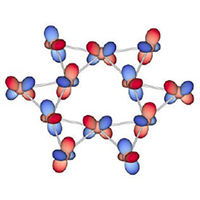
The first direct evidence of spontaneous electronic chiral order in URhSn, a strongly correlated material without an inherently chiral lattice structure, fundamentally challenges the prevailing notion that electronic chirality requires a chiral crystal framework.
Phys. Rev. Lett. 137, 046501 (2026)
Condensed Matter and Materials
Simulating Fermionic Fractional Chern Insulators with Infinite Projected Entangled-Pair States
Article | Condensed Matter and Materials | 2026-07-20 06:00 EDT
Hao Chen, Titus Neupert, and Juraj Hasik
Infinite projected entangled-pair states (iPEPSs) provide a powerful variational framework for two-dimensional quantum matter and have been widely used to capture bosonic topological order, including chiral spin liquids. Here, we extend this approach to fermionic topological order by variationally o…
Phys. Rev. Lett. 137, 046502 (2026)
Condensed Matter and Materials
Bridging Constrained Random-Phase Approximation and Linear Response Theory for Computing Hubbard Parameters
Article | Condensed Matter and Materials | 2026-07-20 06:00 EDT
Alberto Carta, Iurii Timrov, Sophie Beck, and Claude Ederer
The predictive accuracy of popular extensions to density-functional theory (DFT) such as and DFT plus dynamical mean-field theory () hinges on using realistic values for the screened Coulomb interaction . Here, we present a systematic comparison of the two most widely used approaches …
Phys. Rev. Lett. 137, 046503 (2026)
Condensed Matter and Materials
Relaxation toward an Ideal Chern Band through Coupling to a Markovian Bath
Article | Condensed Matter and Materials | 2026-07-20 06:00 EDT
Bruno Mera and Tomoki Ozawa
We propose a microscopic, weak-coupling mechanism by which generic Chern bands asymptotically relax toward ideal bands. We consider coupling interacting electrons to a Caldeira-Leggett-like Ohmic bosonic bath. Using the Born-Markov approximation, we analytically show that, upon taking the leading or…
Phys. Rev. Lett. 137, 046601 (2026)
Condensed Matter and Materials
Exact Fractionalized Ground States in an Extended Spin-1 Kitaev Chain
Article | Condensed Matter and Materials | 2026-07-20 06:00 EDT
Alwyn Jose Raja and R. Ganesh
Inspired by the Affleck-Kennedy-Lieb-Tasaki (AKLT) model, we present exact solutions for a spin-1 chain with Kitaev-like couplings. We consider an expanded Kitaev model with bilinear and biquadratic terms. At an exactly solvable point, the Hamiltonian can be reexpressed as a sum of projection operat…
Phys. Rev. Lett. 137, 046701 (2026)
Condensed Matter and Materials
Chiral Magnon Mixing by Symmetry-Breaking in Collinear Ferrimagnets
Article | Condensed Matter and Materials | 2026-07-20 06:00 EDT
Dhurba R. Jaishi, Tyler J. Slade, S. X. M. Riberolles, Bing Li, Tianxiong Han, D. M. Pajerowski, D. L. Abernathy, Barry Winn, Melissa Graves-Brook, B. G. Ueland, and R. J. McQueeney
Magnons in ferromagnets possess spin angular momentum defined by right-handed precession of the moment around the magnetization direction. In antiferromagnets with no net magnetization, left- and right-handed magnons are degenerate in the absence of an applied field. Ferrimagnets possess uncompensat…
Phys. Rev. Lett. 137, 046702 (2026)
Condensed Matter and Materials
Anomalous Reflection Phase of Slot Plasmons in an $\mathrm{AlGaN}/\mathrm{GaN}$ Plasmonic Crystal
Article | Condensed Matter and Materials | 2026-07-20 06:00 EDT
A. R. Khisameeva, D. A. Khudaiberdiev, I. M. Moiseenko, P. A. Gusikhin, A. S. Astrakhantseva, A. Shuvaev, A. Pimenov, D. A. Svintsov, I. V. Kukushkin, and V. M. Muravev
We experimentally investigate the terahertz spectrum of plasma excitations in a plasmonic crystal based on AlGaN/GaN two-dimensional electron system (2DES). While screened plasmon modes with linear dispersion are readily observed in such structures, unscreened modes localized in the slots between th…
Phys. Rev. Lett. 137, 046901 (2026)
Condensed Matter and Materials
Physical Review X
Engineered Molecular Clock Transitions for Precision Measurements
Article | 2026-07-20 06:00 EDT
Yuiki Takahashi, Harish D. Ramachandran, Arian Jadbabaie, Yi Zeng, Chi Zhang, and Nicholas R. Hutzler
Special clock transitions in heavy polar molecules have been engineered to probe physics beyond the standard model, suppressing disruptive electromagnetic noise by orders of magnitude while preserving high sensitivity.

Phys. Rev. X 16, 031011 (2026)
arXiv
Gaussian Reformulation of the Feynman Path Integral for Quantum Statistical Mechanics with Results for the Second Virial Coefficient of $^4$He
New Submission | Statistical Mechanics (cond-mat.stat-mech) | 2026-07-21 20:00 EDT
The Feynman path integral for quantum statistical mechanics is reformulated as Gaussian sampling of the neighborhood of each position configuration. The variance and mean are obtained from ring polymer statistics on a lattice, and from the high temperature expansion of the Wigner-Kirkwood commutation function, respectively. The algorithm avoids multiple temperature nodes for each configuration and the need for numerical cancelation in the statistical averages, which are problematic for conventional path integral quantum Monte Carlo. Analytic and simulation results for the second virial coefficient of helium are compared to laboratory measurements.
Statistical Mechanics (cond-mat.stat-mech), Quantum Gases (cond-mat.quant-gas), Quantum Physics (quant-ph)
12 pages, 2 figures
Thermal and viscous contrast in quantum Hall scanning-probe images
New Submission | Mesoscale and Nanoscale Physics (cond-mat.mes-hall) | 2026-07-21 20:00 EDT
Quantum Hall scanning images are often read as maps of a local potential, temperature, or viscosity, whereas a probe records a finite-resolution functional of a transport operator. We formulate this functional using Landau-level projection, a particle-number Ward identity, magnetization-subtracted thermoelectric transport, a hydrodynamic Stokes-Ohm inversion, and finite-tip Fisher information. Two results follow in complementary transport regimes. In the strong-field, sharp-Landau-level regime, the defect-induced thermoelectric and electrical Hall contrasts of a smooth scalar defect obey $ \delta\alpha_{xy}^{tr}/\delta\sigma_{xy}=(E_c-\mu)/(eT)$ . At the retained long-wavelength order, the orbital form factor, defect geometry, and common tip kernel cancel after the heat-magnetization current is removed, so the zero of the thermoelectric contrast is pinned by energy weighting at $ E_c=\mu$ rather than by defect shape. In the hydrodynamic regime, the measurable $ q^2$ tensor amplitudes mix Hall, longitudinal, transverse, boundary, electrothermal, and kinetic channels, so a Hall-odd image is not by itself a Hall-viscosity measurement. For a representative graphene geometry, a Schur-complement fit against the stated nuisance library yields a conditional one-standard-deviation sensitivity of approximately 68 square nanometers at SNR0 = 200, with boundary slip the limiting nuisance. The framework turns visual interpretation of quantum Hall nanoscopy into a quantitative observability test for electrical, thermoelectric, and viscous response channels.
Mesoscale and Nanoscale Physics (cond-mat.mes-hall)
Comments: 18 pages, 5 figures; includes Supplemental Material
Eddy currents and current reversal in curved magnetic thin-film Josephson junctions
New Submission | Superconductivity (cond-mat.supr-con) | 2026-07-21 20:00 EDT
Einar Skoglund, Maxim A. Tjøtta, Sol H. Jacobsen
Real-space geometric curvature in magnetic thin films introduces a controllable mechanism for tailoring the pathways of superconducting steady-state Josephson currents via the proximity effect. We present a generalized Green’s function method for calculating diffusive transport in arbitrarily curved surfaces, and show how the competing mechanisms of curvature and distance regulate conversion between different superconducting pairings in a proximity-coupled ferromagnet. We show how this dictates the distribution of current density, with the possibility of curvature-controlled current density manipulation, induced eddy currents and current reversal.
Superconductivity (cond-mat.supr-con), Mesoscale and Nanoscale Physics (cond-mat.mes-hall), Quantum Physics (quant-ph)
8 pages, 4 figures
Multibath Influence Matrices: Universal Scaling from Real-Time Dynamics
New Submission | Strongly Correlated Electrons (cond-mat.str-el) | 2026-07-21 20:00 EDT
Matan Lotem, Michael Sonner, Valentin Link, Alessio Lerose, Dmitry A. Abanin
Diverging timescales are the hallmark of critical dynamics and the bottleneck to their classical and quantum simulation. To tame this, we compress a spacetime tensor network: temporally into semigroup influence matrices and spatially via matrix-product states. Benchmarking on the two-impurity Anderson model with its four fermionic species, we compute spectral functions to map the evolution from a Kondo resonance, across a non-Fermi-liquid quantum critical point, and into a gapped singlet phase. Resolving transient through asymptotic dynamics in sudden quenches and Kibble-Zurek ramps, we obtain the universal two-channel-Kondo exponent. Together, these results establish multibath influence matrices as a practical tool for real-time dynamics in strongly correlated multi-orbital systems.
Strongly Correlated Electrons (cond-mat.str-el), Quantum Physics (quant-ph)
4.5 pages + End Matter, 3 figures
$J_{1} - J_{2} - δ$ model on a square lattice: From Altermagnet to Columnar antiferromagnet via quantum disordered phase
New Submission | Strongly Correlated Electrons (cond-mat.str-el) | 2026-07-21 20:00 EDT
Subharthi Paul, Darshan G. Joshi
Altermagnetism in the case of local-moment magnets is characterized by zero net magnetization and splitting of opposite chirality magnon bands in the absence of any spin-anisotropic interactions or external field. In this work we investigate the robustness of altermagnets against quantum fluctuations arising from magnetic frustration. We consider a Heisenberg model on a square lattice with two different types of second-neighbor interactions, as in a checkboard pattern, in addition to the nearest-neighbor interaction. This model continuously interpolates between the $ J_{1}-J_{2}$ Heisenberg model on the square lattice and the Heisenberg model on the checkerboard lattice. For weaker second-neighbor interactions a Néel-type altermagnet phase is realized. On the other hand, for stronger second-neighbor interactions a columnar antiferromagnet emerges. Using linear spin-wave theory we calculate the magnon dispersion, order parameter, static and dynamical structure factors for the two magnetic phases. Further, we show that there is an intermediate quantum disordered phase separating the two magnetic phases, which is connected to the one realized in the $ J_{1}-J_{2}$ model. The quantum disordered region is further stabilized as we tune towards the checkerboard lattice limit.
Strongly Correlated Electrons (cond-mat.str-el)
11 pages, 13 figs
Nonlocal Electrostatic Field Theory from Microscopic Description
New Submission | Soft Condensed Matter (cond-mat.soft) | 2026-07-21 20:00 EDT
Varazdat Stepanyan, Yevgeni Sh. Mamasakhlisov, Armen E. Allahverdyan
The study of electric fields in soft materials converges either to the study of point-like particles (local) in nonlinear theories or to the use of particles with finite sizes in nonlocal linear theories. In this work we start from the microscopic equations of motion and construct a unified mean field Fokker-Planck equation that describes the non-equilibrium electrostatics of nonlocal nonlinear systems. We obtain a generalized Poisson-Boltzmann equation for such systems as well as their electrostatic free energy expression. In the linear approximation we obtain an anisotropic susceptibility in an isotropic fluid which allows for local linear response inversion in electrostatics.
Soft Condensed Matter (cond-mat.soft), Statistical Mechanics (cond-mat.stat-mech)
Atomically precise triple-step staircase on a vicinal silicon surface: Is it Si(5 5 7), Si(7 7 10) or Si(8 8 11)?
New Submission | Materials Science (cond-mat.mtrl-sci) | 2026-07-21 20:00 EDT
A. N. Chaika, A. Yu. Aladyshkin, V. N. Semenov, A. S. Aladyshkina, A. M. Ionov, S. I. Bozhko
Scanning tunneling microscopy studies of periodic arrays of triple steps fabricated on single-crystalline Si(5 5 7) wafers demonstrate several possible atomic structures of consecutive steps and Si(1 1 1) terraces maintaining the same periodicity on micrometer-sized surface areas. Detailed analysis of the atomically resolved data reveals the formation of Si(8 8 11) triple-step staircase with a period of 18b=5.99 nm in projection onto the terrace plane, where b=0.333 nm is the distance between atomic rows for the Si(1 1 1)1x1 surface. Schematic models for several possible configurations of either 7x7 or 5x5-reconstructed terraces and triple steps are proposed.
Materials Science (cond-mat.mtrl-sci), Mesoscale and Nanoscale Physics (cond-mat.mes-hall)
28 pages, 11 figures
Nanowire networks’ interconnection graphs from their photomicrographs
New Submission | Disordered Systems and Neural Networks (cond-mat.dis-nn) | 2026-07-21 20:00 EDT
Javier Tau Anzoátegui, Juan Ignacio Diaz Schneider, Eduardo D. Martínez, Pablo Levy, Oscar Filevich, Cynthia P. Quinteros
Self-assemblies of tunable units are being intensively studied as physical systems with signal-processing capabilities. Specifically, silver nanowire networks (AgNWNs) have demonstrated accumulation, non-linearity, and memory retention with multiple timescales, features that enable a wide variety of neuromorphic implementations. In this study, we aim to extract the interconnection scheme to analyze the experimentally obtained network architecture and, eventually, use it as input to a previously developed simulation platform. By post-processing photomicrographs of AgNWN, we present a pipeline optimized to extract the interconnection diagram, recognizing the intersections formed among the nanowires, to determine the associated graph for each physical sample. A graph is a collection of nodes and edges whose properties can be associated with different electrical responses. It is thus possible to study graphs’ metrics, such as the degree distribution, community size, clustering coefficient, and path-length, to compare the experimental assemblies’ attributes to those of topological models of reference. Small-world, modular, and scale-free are well-known structures in the field of mathematical graphs. By analyzing the degree distribution, the adjacency matrices, among other useful representation means, the experimental assemblies reveal similarities to both small-world and modular topologies. All the mentioned analyses were conducted considering the interconnection scheme obtained from zenithal-view optical images, which overestimates the number of NWs’ interconnections (due to the impossibility of distinguishing real junctions from spurious cross-points between vertically displaced NWs). For that reason, this communication also studies the impact of artificially removing junctions from the resulting graphs on the previously calculated clustering coefficient and path length.
Disordered Systems and Neural Networks (cond-mat.dis-nn), Mesoscale and Nanoscale Physics (cond-mat.mes-hall), Mathematical Physics (math-ph)
Valley polarization, Rashba interaction, and weak altermagnetism in inversion-asymmetric MnPS$\text{3}|$WS$\text{2}$ van der Waals heterostructures
New Submission | Materials Science (cond-mat.mtrl-sci) | 2026-07-21 20:00 EDT
Purba Dutta, Soumajyoti Bid, Nirmal Ganguli
The deliberate breaking of inversion ($ \mathcal{P}$ ) symmetry in antiferromagnets has recently emerged as an effective means to induce various features, such as the emergence of Berry curvature, spin-valley locking, magnetoelectric coupling, and the transition from conventional antiferromagnetism to altermagnetism. Conversely, in non-magnetic systems, inversion symmetry breaking in the presence of strong spin-orbit interaction (SOI) gives rise to momentum-dependent spin splitting via the Rashba effect, enabling tunable spin polarization through external electric fields. Motivated by recent advances in two-dimensional materials, we perform first-principles calculations based on density functional theory to investigate the van der Waals (vdW) heterostructure formed by a $ \mathcal{P}$ -symmetric MnPS$ _3$ monolayer and a WS$ _2$ monolayer. We demonstrate that the interface hosts a rich interplay of emergent phenomena, including an altermagnetic phase, Rashba spin splitting, spin-valley locking, and valley polarization. Our results demonstrate that the heterostructure exhibits semiconducting behavior with a direct band gap of approximately 1.65~eV and a type-I band alignment. Remarkably, the electronic structure and band alignment can be effectively tuned between type-I and type-II regimes via an external electric field and in-plane biaxial strain. Furthermore, field-induced modulation enables strong control over the altermagnetic phase and the valley splitting. These findings establish the proposed vdW heterostructure as a highly tunable platform with significant potential for spintronic and valleytronic applications.
Materials Science (cond-mat.mtrl-sci), Mesoscale and Nanoscale Physics (cond-mat.mes-hall), Strongly Correlated Electrons (cond-mat.str-el)
17 pages, 15 figures
Unified Theory of Relaxation in Equilibrium and Nonequilibrium Glass-Forming Liquids
New Submission | Soft Condensed Matter (cond-mat.soft) | 2026-07-21 20:00 EDT
Zi-Long Wang, Qi-Lu Yuan, Yun-Jiang Wang, Jack F. Douglas, Matteo Baggioli, Zhao-Yan Sun, Wen-Sheng Xu
Understanding how structural relaxation evolves from equilibrium to nonequilibrium conditions remains a central problem in glass physics. Using simulations of model glass formers under steady shear, we show that external driving progressively suppresses the stringlike cooperative rearrangements that control relaxation in equilibrium, leading to dramatically faster dynamics. A theory based on collective motion and a shear-dependent effective temperature independently determined from fluctuation-dissipation relations quantitatively predicts the structural relaxation time across the full range of temperatures and shear rates investigated without additional nonequilibrium fitting parameters. These results show that equilibrium and nonequilibrium relaxation are governed by the same underlying cooperative mechanism, but they occur under different effective thermodynamic conditions under steady shear. More broadly, our study provides a unified microscopic description of thermal and mechanically driven dynamics in glass-forming liquids.
Soft Condensed Matter (cond-mat.soft), Materials Science (cond-mat.mtrl-sci), Statistical Mechanics (cond-mat.stat-mech)
v1: comments welcome
Quantitative Theory for the Amplitude of Fluorescence Quantum Beats from Geminate Triplet-Pair Fusion
New Submission | Other Condensed Matter (cond-mat.other) | 2026-07-21 20:00 EDT
Zachary Rex, Bách Ph\d{a}m Xuân, Gerald Curran III, Ivan Biaggio
We derive the amplitude of quantum-beats in the fluorescence from geminate triplet-exciton fusion in rubrene and tetracene from the full set of parameters that characterize triplet exciton dynamics. We find that the amplitude depends on the fission time in tetracene, but does not do so in rubrene, where it is determined by the dimensionality of triplet transport. Kinetic Monte Carlo simulations reproduce the experimental data in both materials, for a fission time of the order of 200 ps and isotropic triplet transport int tetracene, and for a triplet hopping time along the herringbone axis of 250 ps and anisotropic transport in rubrene.
Other Condensed Matter (cond-mat.other)
7 pages, 8 figures
The hydrodynamic Euler-elastica: shape transitions in the dynamical buckling of elastic filaments in Stokes flow
New Submission | Soft Condensed Matter (cond-mat.soft) | 2026-07-21 20:00 EDT
Clément Moreau, Laetitia Giraldi, Hermes Bloomfield-Gadêlha
The buckling of elastic filaments in viscous fluids, ubiquitous in biological systems like flagella, microtubules, and DNA, has long been described by the static Euler-elastica. Yet, when such filaments buckle dynamically, their shapes defy static predictions, exhibiting complex, unpredictable behaviours. Here, we use a coarse-grained numerical model to explore the long-timescale dynamics of filament buckling in Stokes flow, revealing three distinct morphological regimes, termed flip, loop, and knot. The dominance of each regime is primarily governed by the dimensionless buckling number $ \mathrm{Bu}$ . Fourier analysis shows that these transitions between shape regimes arise from competition between the first three curvature modes, with high-order modes decay fitting an exponential law. In some parameter ranges, distinct shapes coexist for close initial conditions, indicating deterministic sensitivity to small perturbations. These findings bridge static and dynamic buckling theories, with implications for biological propulsion and the design of microscale slender swimmers.
Soft Condensed Matter (cond-mat.soft)
Representation-Dependent Machine Learning of the Isotropic-Nematic Transition in the Lebwohl-Lasher Model
New Submission | Statistical Mechanics (cond-mat.stat-mech) | 2026-07-21 20:00 EDT
Maninder Kaur, Aojie Xue, David P Landau
Machine-learning detection of phase transitions depends not only on the learning algorithm, but also on whether the input representation preserves the symmetries of the system. We examine this for the weak first-order isotropic–nematic transition of the three-dimensional Lebwohl–Lasher model, whose apolar and continuously degenerate nematic phase makes raw molecular configurations a challenging input for unsupervised learning. Principal component analysis (PCA) and a convolutional autoencoder (CAE) fail to identify the transition from raw configurations because rotationally equivalent nematic states can appear far apart in the input space. When the same configurations are transformed into a rotationally invariant local-correlation representation, both methods recover transition-sensitive signatures and bimodal coexistence distributions. A supervised three-dimensional convolutional neural network (CNN), by contrast, accurately predicts the scalar order parameter from raw configurations when given order-parameter labels. The Lebwohl-Lasher model therefore separates unsupervised phase discovery from supervised order-parameter regression and shows that symmetry-respecting input representations are needed for unsupervised machine learning in orientationally ordered systems.
Statistical Mechanics (cond-mat.stat-mech)
Bond reconstruction and vacancy clustering in monolayer silicon carbide from first principles
New Submission | Materials Science (cond-mat.mtrl-sci) | 2026-07-21 20:00 EDT
Bond reconstruction in vacancy-related structures affects their formation energies, symmetries, and electronic and optical properties. Using density functional theory, we investigate bond reconstruction mechanisms of monovacancies and vacancy aggregates in monolayer silicon carbide. Multiple bond descriptors reveal that isolated monovacancies undergo both in-plane reconstruction and out-of-plane distortion, which together shape their stability and electronic structure. For compact vacancy aggregates, we show that bond reconstruction acts as a key stabilization mechanism. However, in carbon monovacancy, reconstruction suppresses optical activity. In contrast, a highly stable aggregate composed of three carbon vacancies surrounding a silicon vacancy emerges as a promising infrared color-center candidate, combining a triplet ground state with a favorable Debye-Waller factor of the emission. These results highlight the role of bond reconstruction in defining the quantum properties of vacancy defects in two-dimensional silicon carbide.
Materials Science (cond-mat.mtrl-sci), Quantum Physics (quant-ph)
10 pages, 7 figures, 2 tables
Instability-Avoiding Active Learning for Cluster Expansions in Complex Multielement Materials
New Submission | Materials Science (cond-mat.mtrl-sci) | 2026-07-21 20:00 EDT
Michael J. Waters, James M. Rondinelli
The high efficiency of cluster expansions make them appealing for studying chemical disorder in complex composition spaces such as in multi-principal element alloys (MPEAs). Several works have attempted to address the rapidly growing training cost with number of chemical species through active learning, transfer learning, and chemical embedding. However, many composition spaces have large regions where the host lattice becomes dynamical unstable, which are often avoided a priori so as to not generate expensive but inapplicable training data. Here, we demonstrate a procedure for integrating stability classification within an active learning workflow to autonomously avoid calculations for unstable structures. Our workflow augments the stability classification procedure with Mahalanobis distance-based structure selection to ensure model robustness by training set diversification. We benchmark our methods by training a cluster expansion for the complex FCC MPEA spanning the Ni-Fe-Cr-Al-Ti-Si alloy space, in which only Ni and Al are thermodynamically stable as FCC
Materials Science (cond-mat.mtrl-sci)
13 pages, 8 figures, supporting information included
Phase nucleation and evolution pathways of a nanostructured Inconel 725 alloy during heat treatment
New Submission | Materials Science (cond-mat.mtrl-sci) | 2026-07-21 20:00 EDT
Ruqing Cao, Ikponmwosa J. Iyinbor, Andrea M. Hodge, Timothy J. Rupert
Physical vapor deposition enables the fabrication of nanostructured superalloys with unique defect architectures, yet their phase evolution pathways can differ significantly from those of conventionally processed alloys. In this study, the effects of solution and aging treatments on phase selection and segregation behavior in sputtered Inconel 725 films with an initially uniform columnar nanotwinned structure were systematically investigated. Direct aging at relatively low temperatures promoted extensive {\delta}-phase precipitation at twin boundaries and defect-rich regions, which depleted Nb from the {\gamma} matrix and suppressed {\gamma}’/{\gamma}” precipitation. In contrast, high-temperature solution treatment induced recrystallization and eliminated the nanotwinned structure, significantly reducing {\delta}-phase precipitation and increasing Nb availability to enable the formation of ultrafine spherical {\gamma}’/{\gamma}” precipitates within a refined {\gamma} matrix (<1 {\mu}m). Subsequent aging treatments promoted elemental partitioning and drove the morphological evolution of {\gamma}’/{\gamma}” precipitates from spherical to lenticular forms, while {\delta} precipitation became increasingly concentrated along grain boundaries. This spatial separation of intragranular {\gamma}’/{\gamma}” and grain-boundary {\delta} phases enabled simultaneous precipitation strengthening and grain stabilization, resulting in hardness values approaching 9 GPa. As a whole, this study demonstrates that the initial templates provided by defect structures can govern phase selection and precipitation pathways, providing a strategy for tailoring microstructure and achieving synergistic strengthening in nanostructured superalloys.
Materials Science (cond-mat.mtrl-sci)
Observation of Critical Current Minimum in Super-Honeycomb Josephson Junction Arrays
New Submission | Mesoscale and Nanoscale Physics (cond-mat.mes-hall) | 2026-07-21 20:00 EDT
Melissa Mikalsen, Alexander-Georg Penner, Samuel D. Escribano, Nadav Drechsler, Arunav Bordoloi, Jacob Issokson, Felix von Oppen, Yuval Oreg, Javad Shabani
Superconductor-semiconductor Josephson junction arrays are a uniquely tunable platform for studying collective quantum phenomena, particularly in the regime where localized Andreev bound states can hybridize across the lattice when the physical separation between adjacent junctions is smaller than their coherence length ($ \xi_{\text{ABS}}>d_{\text{JJ}}$ ). Here, we investigate three distinct Al-InAs Josephson junction arrays: a square array and super-honeycomb array fabricated within this $ {\xi_{\text{ABS}}>d_{\text{JJ}}}$ regime, as well as a larger-spacing super-honeycomb control device designed such that $ \xi_{\text{ABS}}\lesssim!~d_{\text{JJ}}$ . Under an out-of-plane field, critical current peaks emerge at rational filling factors, reflecting stable vortex configurations in the lattices. In the super-honeycomb lattice, vortices localize to distinct non-identical plaquettes at different filling factors, as predicted by frustrated XY model simulations. A rotating in-plane field yields periodic critical current oscillations that reflect the Rashba spin-orbit coupling inherent to the InAs quantum well. Surprisingly, at $ f = 1$ , the closely spaced super-honeycomb array exhibits a distinct critical current minimum as the magnitude of the in-plane field increases, a signature absent in the square array and large-spacing super-honeycomb array. These results indicate that this signature is jointly influenced by the unique geometry of the super-honeycomb vortex lattice and by long-range inter-junction hybridization.
Mesoscale and Nanoscale Physics (cond-mat.mes-hall), Quantum Physics (quant-ph)
Stroboscopic stability of a Floquet chiral spin liquid beyond the folding frequency
New Submission | Strongly Correlated Electrons (cond-mat.str-el) | 2026-07-21 20:00 EDT
We study the two-step Floquet dynamics of the chiral $ J_1$ -$ J_2$ -$ K$ Heisenberg model on the $ 4\times4$ torus, alternating its non-chiral Heisenberg part $ H_{\rm AF}$ and its chiral plaquette part $ H_K$ , at the parameter point where the static model (recovered in the infinite frequency limit) hosts a quasi-degenerate, spectrally isolated chiral-spin-liquid (CSL) topological doublet. The one-period propagator is computed exactly in all momentum/rotation symmetry sectors. It is shown that, decreasing the frequency, the topological doublet survives the drive far beyond the frequency $ \omega_{\mathrm{res}}\simeq 11.5 J_1$ at which folded states first cross it in quasienergy: the time-averaged energy of the Floquet eigenstates, which orders the folded Floquet spectrum, shows that the doublet remains the isolated bottom of the spectrum down to $ \omega\simeq6J_1$ , while stroboscopic time evolution over thousands of periods shows no heating for $ \omega\gtrsim \omega_{\mathrm{res}}$ and only slow absorption below. The quasienergy resonances that occur in the folded regime are invisible in the average energy, identifying them as parametrically weak avoided crossings. We argue that this mechanism – stability controlled by local energy scales rather than by the extensive many-body bandwidth – is precisely the one expected to survive in the thermodynamic limit, where a prethermal Floquet CSL should persist for $ \omega$ above a threshold set by local scales, with heating times exponentially long in $ \omega/J_1$ . Consistently, the optimal $ D=3$ chiral PEPS of the static problem still describes the driven doublet deep in the folded regime, with an essentially unchanged local tensor.
Strongly Correlated Electrons (cond-mat.str-el), Quantum Physics (quant-ph)
16 pages, 8 figures
AIMS: An uncertainty-aware AI experimentalist for quantum matter
New Submission | Strongly Correlated Electrons (cond-mat.str-el) | 2026-07-21 20:00 EDT
Siyuan Qiu, Philip D. Suh, Nhat Huy Tran, Xirui Wang, Heonjoon Park, Kutay Akin, Kevin K. S. Multani, Seungwon Jung, Wenkai Cai, Xinyu Liu, Ziyan Zhu, Chunjing Jia, Zhantao Chen, Zhixun Shen, Zhurun Ji
Autonomous scientific agents are beginning to accelerate discovery, but most demonstrations operate in digital or highly structured settings where the objects, actions, and objectives are largely predefined. Quantum materials experiments pose a harder problem where uncertainties involve: the instrument state can drift, the useful signal may occupy only rare regions of an inhomogeneous sample, and the physical mechanism is often under-determined. Here we introduce the AI agent for Inference and Measurement in Science (AIMS), an uncertainty-aware closed-loop AI experimentalist for cryogenic microwave impedance microscopy that converts uncertainty into experimental action. AIMS links three nested loops: navigation under uncertain perception, measurement selection under sample inhomogeneity, and scale-resolved mechanism attribution under ambiguous physics. In navigation, it relocates the sample after cryogenic displacement, flags unreliable position estimates, and invokes recovery strategies, significantly reducing sample-locating time. In measurement, it maps twist angle distribution and generalized Wigner crystal score of twisted bilayer MoSe$ _2$ to identify regions with the strongest correlated response. In discovery, AIMS asks not whether melting is simply classical or quantum, but how the competition of Coulomb repulsion, hopping, and other energy scales shapes the observed hierarchy. By testing the classical limit, varying hopping and Coulomb scales, and preserving sample morphology as a secondary testable variable, AIMS prioritizes a quantum-fluctuation-renormalized origin of the anomalously robust $ \nu = 1/2$ crystal. AIMS demonstrates uncertainty-aware experimental agency for quantum matter with perception recovery, measurement choice, and energy-scale-resolved mechanism attribution in one closed loop.
Strongly Correlated Electrons (cond-mat.str-el), Mesoscale and Nanoscale Physics (cond-mat.mes-hall)
Glauber dynamics phase transitions in athermal random field Blume-Capel and Blume-Emery-Grifitths models
New Submission | Statistical Mechanics (cond-mat.stat-mech) | 2026-07-21 20:00 EDT
We solve the two models for Glauber dynamics and in equilibrium, both in the presence and absence of the external magnetic field on a complete graph. We compare the steady state of the Glauber dynamics with equilibrium and find that for low values of variance $ R$ of the Gaussian random field, the steady state of the Glauber dynamics depends on the initial state. Beyond a critical value $ R_{c}$ the equilibrium and non equilibrium steady states coincide. The variance $ R$ in random field models behaves similar to the temperature. The location of both the continuous and first order transitions can be obtained exactly for the Glauber dynamics steady state. The frustration is introduced by considering repulsive bi-quadratic interaction for Blume-Emery-Griffiths model. We also. consider repulsive bi-quadratic interaction and show that $ R_c$ can become zero depending on the value of the crystal field. Interestingly, we also find that even when a system has $ R_c=0$ at the start of quasi-static evolution with Glauber dynamics, with increasing $ R$ , in some regime of the couplings, the model undergoes a crossover to a random field Ising model universaility with $ R_c$ changing from $ 0$ to $ \sqrt{\frac{2}{\pi}}$ . In the presence of uniform magnetic field, regions of first order transition exhibit hysteresis under Glauber dynamics. These models exhibit rectangular, hexagonal, parallelogram, wasp-waisted, and double hysteresis loops. We derive the shapes of hysteresis loops analytically giving the equation for the value of the coercive field and show that while the area under the hysteresis loop depends on $ R$ , the shape is determined by the behavior of the models at $ R=0$ . In particular, in the case of Blume-Emery-Griffiths model the hysteresis plots have regions of continuous and first order transitions both, resulting in a rich phase diagram that depends non-trivially on the initial state.
Statistical Mechanics (cond-mat.stat-mech), Disordered Systems and Neural Networks (cond-mat.dis-nn)
21 pages, 11 figures
Signal amplification in simple metal-insulator transition devices
New Submission | Materials Science (cond-mat.mtrl-sci) | 2026-07-21 20:00 EDT
Victor Palin, Nareg Ghazikhanian, Matthew Frame, Yayoi Takamura, Ivan K. Schuller, Pavel Salev
Signal dissipation in large-scale neural networks can lead to information loss and ultimately to computational failures, necessitating local signal amplification at neuron - synapse connections. In biological nervous systems, axons are responsible for local signal amplification. Translating axon functionality into hardware, i.e., the ability to amplify and transmit signals without loss, is non-trivial because emulating the human brain implies building networks composed of ~10 billion interconnected neurons, each requiring a dedicated compact and scalable amplifier. Here, we demonstrate signal amplification in simple two-terminal devices made of a metal-insulator transition material. By operating the devices on the verge of the phase transition and taking advantage of negative differential resistance, we achieve robust signal amplification up to a factor of ~11.5. We also demonstrate the amplification of spiking sequences generated by a real neuristor, opening new exciting opportunities for the direct integration of artificial neurons and axons. The amplification can be controlled by easily adjustable experimental parameters, including DC bias, AC excitation, series resistance, and temperature. We further propose a model that predicts the gain using readily observable transport characteristics. Our results establish a framework for developing and optimizing axon-like amplification functionalities in nonlinear electronic materials.
Materials Science (cond-mat.mtrl-sci), Disordered Systems and Neural Networks (cond-mat.dis-nn), Strongly Correlated Electrons (cond-mat.str-el)
15 pages
Mapping Order in Semicrystalline Polymers using Machine Learning of Nanobeam Electron Diffraction
New Submission | Materials Science (cond-mat.mtrl-sci) | 2026-07-21 20:00 EDT
Nicholas Marchese, Arthur R. C. McCray, Yael Tsarfati, Karen Bustillo, Adam Marks, Alberto Salleo, Colin Ophus
Organic mixed ionic electronic conductors (OMIECs) are a promising class of polymer materials for applications spanning neuromorphic computation to energy efficient electronics and bioelectronics. Despite being highly tunable, the relationship between structural features and key performance properties such as charge carrier mobility is poorly understood. Scanning nanodiffraction in the transmission electron microscope (TEM) is a powerful probe for elucidating this structure-property relationship, but produces large, noisy datasets that are difficult to interpret because polymer reflections exhibit several distinct morphologies. To address the complexity, we trained a machine learning (ML) model to detect these polymer diffraction peaks and their intensities from synthetic data. Compared to correlative peak detection algorithms, the conventional method for analyzing nanobeam 4D scanning transmission electron microscopy (4DSTEM) data, we show that the ML model is significantly faster and outperforms correlative algorithms in almost all cases, opening up the possibility of near-live visualization of 4DSTEM experiments.
Materials Science (cond-mat.mtrl-sci), Machine Learning (cs.LG)
Submitted to ACS Macromolecules. Main text is 13 pages and 5 figures, 23 pages and 15 figures with supporting information
Topological magnon noises
New Submission | Mesoscale and Nanoscale Physics (cond-mat.mes-hall) | 2026-07-21 20:00 EDT
Shuang Liang, Tengyue Zhao, Yu-Hang Li, Hua Jiang
We develop a comprehensive formalism for magnon transport in ferromagnetic insulators driven by a temperature gradient. The formulas for magnon current and corresponding magnon noise are derived herein based on the spin Hamiltonian of a topological magnon insulator, which enables us to calculate the magnon Hall angle, to provide an explicit expression for the Fano factor, and to reaffirm the quantitative relations between magnon conductance and magnon noise. We find that the magnon current is not conserved in the presence of the Gilbert damping. Consequently, the reciprocal relation between the local and nonlocal noises, the Johnson-Nyquist formula between the conductance and the thermal noise, and the relation between the transmission coefficient and the shot noise are profoundly altered.
Mesoscale and Nanoscale Physics (cond-mat.mes-hall)
Ordinary Disordered Materials Can Carry Hyperuniform Physical Fields
New Submission | Materials Science (cond-mat.mtrl-sci) | 2026-07-21 20:00 EDT
Liyu Zhong, Haina Wang, Yang Jiao
Fluctuations in disordered matter play a central role in determining material properties and physical responses. Recent studies have identified an exotic class of systems known as structurally hyperuniform materials, in which large-scale density fluctuations are anomalously suppressed through special spatial organization of particles, phases, or microstructural features. Here we demonstrate that ordinary, structurally nonhyperuniform disordered materials can nevertheless support hyperuniform physical scalar, vector, and tensor fields such as charge, bound current, vorticity, defect density, and stress. We develop a general theoretical framework in which a physical field is generated from a more primitive parent field through a local physical operator. In Fourier space, the spectrum of the derived field is determined by the product of the parent-field spectrum and the Fourier symbol of the operator. When the operator embodies a local gauge-like constraint, its Fourier symbol possesses zeros at small wavenumber, eliminating the corresponding long-wavelength fluctuations. As a consequence, the derived field exhibits complete suppression of infinite-wavelength intensity fluctuations, irrespective of the large-scale disorder and nonhyperuniformity of the parent field. We demonstrate this mechanism in elastic, electrostatic, and magnetostatic settings, showing that operator-generated incompatibility, bound charge, and bound-current fields can become hyperuniform even when their parent eigenstrain, polarization, or magnetization fields remain conventionally disordered. These findings broaden the notion of hyperuniformity from a structural property of matter to a universal field phenomenon generated by local physical constraints.
Materials Science (cond-mat.mtrl-sci)
Harnessing disorder to decouple extension and shear in kirigami metamaterials
New Submission | Materials Science (cond-mat.mtrl-sci) | 2026-07-21 20:00 EDT
Haomin Yu, Hanxun Jin, Mingxuan Bi, Mohammad Jafari, Feng Helen Long, Michael J Greenberg, Farid Alisafaei, Guy Genin
Kirigami turns stiff sheets into compliant, shape-morphing structures, but its reliance on periodic cut patterns comes at a cost: correlated panel rotations couple extension to shear, so stretching one axis drives a parasitic shear that cannot be suppressed, and also confine anisotropic stiffness to a narrow, discrete set of responses that cannot be tuned independently. Biological tissues overcome an analogous constraint through controlled disorder, such as graded fiber orientations in skin and hierarchical anisotropy in myocardium, achieving direction-dependent mechanics unavailable to regular architectures. Here, we show that engineered disorder is a design degree of freedom for kirigami, with stochastic kirigami accessing a continuous and far broader region of mechanical response than periodic patterns. This includes programmable anisotropy with near-complete elimination of extension-shear coupling. Because disordered patterns lack a simple parameterization, we navigate this design space with a geometry-aware graph neural network (GNN) that maps cut topology to the full nonlinear, bidirectional stress-strain response, coupled to a genetic algorithm that inverse-designs patterns reproducing target responses along two perpendicular axes. The GNN trains an order of magnitude faster and more accurately than image-based models. Fabricated elastomer samples reproduce the predicted nonlinear, anisotropic responses, closing the loop from design to physical component. By turning disorder into a variable to control directional stiffness, this work develops architected materials that stretch without parasitic shear, from soft actuators to tissue-interfacing devices matched to the anisotropy of living tissue.
Materials Science (cond-mat.mtrl-sci), Machine Learning (cs.LG)
5 figures
3D Topologically Polarized Elastic Metamaterials Enable Asymmetric Energy Isolation at Low Frequencies
New Submission | Soft Condensed Matter (cond-mat.soft) | 2026-07-21 20:00 EDT
Shaoyuan Zhang, Xuejian Gong, Fangyuan Ma, Zheng Tang, Ying Wu, Di Zhou, Feng Li, Yugui Yao
Topologically polarized elasticity has been extensively studied in lower-dimensions, yet its three-dimensional (3D) counterpart remains largely unexplored. Here, we demonstrate omnidirectional topological elasticity in 3D structures that incorporate bending stiffness, which elevates zero-frequency topological mechanical states into finite-frequency phononic modes. These modes are localized at a single boundary, creating a pronounced stiffness contrast in both static and finite-frequency dynamic regimes. This three-dimensional structure exhibits highly polarized mechanical behavior across all spatial dimensions, establishing omnidirectional asymmetric topological elasticity. Experimental and numerical results confirm robust, asymmetric energy isolation, arising from the interplay between bulk topological polarization and boundary-localized surface modes. Our findings establish a paradigm for 3D metamaterials, with promising applications in vibration shielding and directional wave manipulation.
Soft Condensed Matter (cond-mat.soft), Materials Science (cond-mat.mtrl-sci)
published in Science Advances, 28 pages, 14 figures
Sci. Adv. 12 (29), eaec6144 (2026)
Beyond Janus Atomic Ordering: High-Throughput First-Principles Search for Hidden MoSO Monolayer Structures
New Submission | Materials Science (cond-mat.mtrl-sci) | 2026-07-21 20:00 EDT
Zhijing Huang, Tingting Zeng, Lin Zhang, Zhibin Gao, Longyuzhi Xu, Li Yang, Shuming Zeng, Zonglin Gu
Despite the growing interest in two-dimensional (2D) MoSO systems, existing studies have exclusively focused on conventional Janus structures. In this work, we perform high-throughput first-principles calculations to explore novel stable 2D MoSO monolayers. Combined with random sampling strategy, graph theory and group theory, we successfully screen out three novel non-Janus 2D MoSO monolayers from 1325 candidate structures, namely Reversed 2H-MoSO, Hybrid 2H-MoSO, and Hybrid 1T’-MoSO. Compared with Janus MoSO monolayers, the non-Janus MoSO counterparts possess lower binding energies, varying from -4.38 to -4.51 eV/atom. A systematic combination of dynamic, thermodynamic, and mechanical stability analyses corroborates their excellent structural robustness. Ab initio molecular dynamics (AIMD) simulations confirm their superior thermal resistance, with the structures remaining stable at temperatures beyond 2000 K. Interestingly, unlike the semiconducting Janus MoSO, the Hybrid 1T’-MoSO monolayer exhibits distinct metallic characteristics. Furthermore, we found that strain and curvature can enable controlled phase transitions of MoSO among semiconducting, semimetallic, and metallic phases. More importantly, the Hybrid 1T’-MoSO exhibits favorable HER activity with a Gibbs free energy of -0.002 eV, rendering it a promising candidate for hydrogen evolution catalysis. This work not only expands the family of 2D MoSO materials but also provides a reliable strategy for discovering stable functional 2D materials via high-throughput computation.
Materials Science (cond-mat.mtrl-sci)
High-entropy perovskites, architectured by s0/d0/d10 cations, as novel electrolytes for solid oxide fuel cells
New Submission | Materials Science (cond-mat.mtrl-sci) | 2026-07-21 20:00 EDT
Ho Truong Nam Hai, Rishad Kunafiev, Kwati Leonard, Kaveh Edalati
Solid oxide fuel cells enable efficient conversion of hydrogen into electricity. However, the limited availability of materials for their cathode, anode, and electrolyte remains a concern. This study introduces three high-entropy oxide perovskites as novel electrolyte materials for fuel cells (Ba0.50Sr0.50)(Ti0.33Zr0.33Hf0.33)O3 with s0/d0 cations, (Ba0.50Sr0.50)(Ga0.33In0.33Sn0.33)O3 with s0/d10 cations, and (Ba0.50Sr0.50)(Ti0.33Zr0.33Sn0.33)O3 with mixed s0/d0/d10 cations. Through sequential sintering by high-pressure torsion processing and calcination, these perovskites were synthesized and then printed with a thickness of about 6-10 microns on a Ni-SrZr0.5Ce0.4Y0.1O3 substrate as an anode and then coated with Ba0.5La0.5CoO3 as a cathode. Electrochemical analysis and impedance spectroscopy show that (Ba0.50Sr0.50)(Ti0.33Zr0.33Sn0.33)O3 with s0/d0/d10 cations exhibits the best performance with negligible current leakage and lowest ohmic resistance, while its maximum power density reaches 0.53 this http URL-2 at 973 K. Complementary synchrotron X-ray absorption and photoelectron spectroscopy analyses indicate that the superior performance of (Ba0.50Sr0.50)(Ti0.33Zr0.33Sn0.33)O3 correlates with its heterogeneous electronic structure characterized by tailored unoccupied d-orbital states, and favorable local metal-oxygen bond lengths and extrinsic oxygen vacancies. This investigation demonstrates the significance of high-entropy perovskites with mixed s0/d0/d10 cations as new rare-earth metal-free ion-conducting electrolytes, particularly for protonic solid oxide fuel cells.
Materials Science (cond-mat.mtrl-sci), Chemical Physics (physics.chem-ph)
14 pages, 8 figures
J. Alloys Compd., 1079 (2026) 189840
On the Information Required for Feedback Control
New Submission | Statistical Mechanics (cond-mat.stat-mech) | 2026-07-21 20:00 EDT
Matthew P. Leighton, Jose M. Betancourt, Thierry Emonet, Benjamin B. Machta, Michael C. Abbott
Biological systems across scales, along with many engineering problems, must control noisy systems with limited information. Here we study information-limited feedback control of stochastic systems to achieve target steady states, and derive a lower bound on the information rate from controlled system to controller. This framework allows us to obtain performance-information Pareto frontiers for wide-ranging control problems with limited information. For systems with state-independent passive dynamics, the bound is saturated by an explicit optimal control protocol which probabilistically time-reverses the passive dynamics. We showcase these results through applications to nonlinear particle localization, microbial navigation, and experimentally realized information engines.
Statistical Mechanics (cond-mat.stat-mech), Biological Physics (physics.bio-ph)
9 pages, 5 figures, + 14 pages SI
Tuning superconducting pairing symmetry via a staggered potential in the doped honeycomb Hubbard model
New Submission | Strongly Correlated Electrons (cond-mat.str-el) | 2026-07-21 20:00 EDT
Yanmei Cai, Yicheng Xiong, Ying Liang, Tianxing Ma
The ability to control superconducting pairing symmetry is crucial for designing unconventional and topological superconductors, yet practical tuning parameters beyond chemical doping remain limited. In this study, we investigate the effect of a tunable sublattice staggered potential on the pairing symmetry in the doped honeycomb Hubbard model. Determinant quantum Monte Carlo at finite temperature and constrained-path quantum Monte Carlo at zero temperature are employed to compute spin susceptibilities and pairing correlations in different channels. We find that increasing the staggered potential suppresses antiferromagnetic fluctuations and, at low doping, induces a transition in the dominant pairing tendency from $ d+id$ -wave to $ f_n$ -wave, with consistent results from both quantum Monte Carlo methods. In contrast, at higher doping levels, the system remains dominated by $ d+id$ -wave pairing even under an enhanced staggered potential. Moreover, strengthening the on-site interaction $ U$ enhances the dominant pairing channel, underscoring the essential role of electronic correlations. Our results establish the staggered potential as a practical band-engineering tool for selecting unconventional pairing symmetries without varying the doping concentration, providing inspiration for designing graphene-based artificial superconductors and related doped band insulators such as Li$ {}_x$ MNCl.
Strongly Correlated Electrons (cond-mat.str-el)
9 pages and 11 figures. Accepted for publication in Phys. Rev. B
Three Million Years Opposite State Data Retention in Partially Switched Wurtzite Ferroelectrics
New Submission | Materials Science (cond-mat.mtrl-sci) | 2026-07-21 20:00 EDT
Maike Gremmel, Roberto Guido, Victor Witte, Uwe Schröder, Simon Fichtner
Ferroelectric memories based on the wurtzite-structured ferroelectrics are projected to store information for more than 3 million years at 150C. These results are extracted by combining standard domain wall motion limited switching kinetics with the near-by-electrode injection model for opposite state retention in ferroelectric random access memory. This impressive performance is greatly aided by switching only a fraction of the total polarization to store data, in order to limit the initial imprint variation of the devices - an effect that is universally observed in films with different thicknesses (60 nm - 270 nm) and different compounds (AlScN and AlScBN). Paradoxically, yet systematically, this reduction in initial imprint consistently results in larger switching polarization after a given time, compared to the fully switching state and 5-7 orders of magnitude improved opposite state retention. Finally, partial switching is able to simultaneously boost endurance against premature polarization loss and breakdown, making it a promising strategy for improved operation of ferroelectric devices with large spontaneous polarization, in particularly wurtzite-structured compounds.
Materials Science (cond-mat.mtrl-sci)
A Disconnected Superconducting Regime at the Parent Limit of Infinite-Layer Nickelates
New Submission | Superconductivity (cond-mat.supr-con) | 2026-07-21 20:00 EDT
Chihao Li, Yutong Chen, Yaolong Bian, Yihao Zhang, Jiahao Ye, Zhitong An, Xingtian Sun, Yu Fan, Zhihui Chen, Zhanze Wang, Jinglei Zhang, Haichao Xu, Rui Peng, Donglai Feng
Infinite-layer nickelates have been widely viewed as cuprate analogs in which superconductivity emerges and forms a superconducting dome centered around 10-20% cation substitution. Here we show that pristine and stoichiometric PrNiO2, without cation substitution, exhibits intrinsic superconductivity characterized by zero resistance and diamagnetism in uncapped films. Through heterostructure engineering, we further exclude an interfacial origin of the superconductivity. Remarkably, zero-resistance superconductivity is consistently observed in trivalent-substituted PrNiO2, whereas it is rapidly suppressed by dilute divalent substitution. Combined with angle-resolved photoemission studies, these results indicate that such a new superconducting regime is confined to within 3% additional hole doping from pristine PrNiO2. Furthermore, this phase is separated from the previously established superconducting dome around ~ 20% divalent doping by a non-superconducting region in the phase diagram, and is further distinguished by a remarkably stronger upper-critical-field anisotropy. These findings establish a unique separated superconducting regime, suggesting that infinite-layer nickelates are not merely cuprate analogs but host distinct superconducting physics.
Superconductivity (cond-mat.supr-con), Strongly Correlated Electrons (cond-mat.str-el)
7 pages, 4 figures
Unconventional superconductivity in ScIr$_2$ chiral crystal with a kagome lattice
New Submission | Superconductivity (cond-mat.supr-con) | 2026-07-21 20:00 EDT
Keqi Xia, Jianzhou Zhao, Igor Plokhikh, Marisa Medarde, Yang Xu, Qingfeng Zhan, Dariusz Jakub Gawryluk, Toni Shiroka, Tian Shang
Materials with a kagome lattice host exotic quantum phenomena driven by the interplay between band topology, spin-orbit coupling, magnetism, and electronic correlations. While magnetism of kagome materials has been widely investigated, their unconventional superconductivity (SC) remains largely unexplored due to the limited availability of suitable materials. Here, we report evidence of unconventional SC in the ScIr$ _{2-x}$ Si$ _{x}$ family by combining muon-spin spectroscopy measurements with band-structure calculations. The parent ScIr$ _2$ undergoes a structural phase transition from a high-$ T$ cubic- to a low-$ T$ rhombohedral phase, while the Ir kagome layer remains, albeit slightly distorted. Although the structural transition is suppressed by Si substitution, the superconducting pairing of ScIr$ _{2-x}$ Si$ _{x}$ remains well described by a two-gap model. Since at least one of the gaps has nodes, this indicates an unconventional SC. Its unconventional nature can be explained by the distinct flat bands occurring near the Fermi level, leading to strong electronic correlations in the ScIr$ _{2-x}$ Si$ _{x}$ family. Moreover, the low-$ T$ phase of ScIr$ _2$ exhibits an Ir chiral chain; therefore, it can be classified as a topological chiral crystal. Overall, the unusual properties of the ScIr$ _{2-x}$ Si$ _{x}$ family make it an interesting, albeit rare, system for studying the interplay between unconventional SC, flat bands, and chirality.
Superconductivity (cond-mat.supr-con), Materials Science (cond-mat.mtrl-sci), Strongly Correlated Electrons (cond-mat.str-el)
24 pages, 7 figures; accepted by Adv. Mater
Period-dependent suppression of Fourier peaks for topography images: Analysis of periodicity of triple-step arrays on vicinal Si(h h m) surfaces
New Submission | Materials Science (cond-mat.mtrl-sci) | 2026-07-21 20:00 EDT
A. Yu. Aladyshkin, A. N. Chaika, V. N. Semenov, A. S. Aladyshkina, A. M. Ionov, S. I. Bozhko
Reliable determination of the periodicity of multiatomic steps on high-Miller-index vicinal surfaces is often complicated by (i) the presence of relatively narrow terraces tilted at large angles relative to the scanning plane, and (ii) unavoidable distortions in the lateral direction resulting from creep and improper calibration of a piezo scanner. We argue that the period of the triple-step arrays on vicinal Si(5,5,6) and Si(5 5 7) single-crystal wafers can be determined from raw scanning tunneling microscopy data, without preliminary corrections, with precision approaching the interatomic distance. We demonstrate that the intensity of the Fourier peaks of the differential maps, derived from raw topography images by the difference-of-Gaussians approach, strongly depends on the period of the ordered triple-step arrays. This suppression of the ninth Fourier peak indicates that the regular array of triple steps has a period of $ 18b=5.99$ nm in projection onto the Si(1 1 1) terrace plane, where $ b=0.333$ nm is the distance between atomic rows of the $ 1\times 1$ lattice in the $ [\bar{1},\bar{1},2]$ direction. This means that the nominally (5,5,7)-oriented Si wafers may correspond locally to the Si(8 8 11) orientation. The method can be applied to the precise analysis of other vicinal surfaces with narrow and wide terraces containing an integer number of Si(1 1 1)$ 7\times 7$ unit cells.
Materials Science (cond-mat.mtrl-sci), Mesoscale and Nanoscale Physics (cond-mat.mes-hall)
11 pages, 10 figures
Rolling pepper shaker on a slope
New Submission | Soft Condensed Matter (cond-mat.soft) | 2026-07-21 20:00 EDT
Although the rolling of a solid object is a mundane phenomenon in our daily life, its movement can be surprisingly complex and physically rich, particularly when the solid object has certain internal degrees of freedom, such as a half-filled plastic bottle of water. The translational and rotational motion of such an object couple in a highly nontrivial manner, often leading to seemingly unpredictable trajectories. We use a combination of experimental and theoretical approaches to analyze the rolling behaviors of a rigid cylinder that is partially filled with granular media, rolling on an inclined plane. We experimentally find a wide variety of rolling behaviors, including damped oscillation leading to a stop, meandering with avalanches coming to a stop, in addition to the stationary rolling and rolling with a constant acceleration. We address the occurrence of substantial slip during rolling, in contrast to what is often assumed. We classify the rolling behavior into three distinct phases and establish a phase diagram. We theoretically explain the transition between stopping and rolling and rationalize the phase boundary based on the rigid-body mechanics combined with the statics of granular media. Our study addresses the curiosity to understand the everyday phenomena and has significant implications for a wide range of physical applications from powder manufacturing technologies to robotics.
Soft Condensed Matter (cond-mat.soft)
9 pages, 10 figures
Measuring momentum-resolved dissipation of phonon-polaritons in LiNbO$_3$ with terahertz driving
New Submission | Materials Science (cond-mat.mtrl-sci) | 2026-07-21 20:00 EDT
Megan F. Biggs, Rossella Acampora, Niccolò Sellati, Mattia Udina, Lara Benfatto, Elsa Abreu, Steven L. Johnson, Jeremy A. Johnson
Mapping the dispersion of polaritons, hybrid quasiparticles arising from light-matter coupling, can provide key insights into the material dielectric response, coupling strength, and energy transfer pathways with other excitations. In this work, we present THz pump-Raman probe (TP-RP) as a versatile method for mapping the polariton dispersion in polar non-centrosymmetric materials, demonstrated here for the case of phonon-polaritons in LiNbO$ _3$ . By resonantly driving polaritonic modes with a broadband THz pump and probing them with a tunable NIR Raman pulse, TP-RP allows for the extraction of the momentum-dependence of both their frequency and damping rate with high accuracy. The spectral features observed in the pump-probe signal, including the polaritonic response as well as pulse artifacts, are reproduced within a many-body theoretical approach. Applying the technique to study the E(TO$ _1$ ) phonon of LiNbO$ _3$ enables the combined analysis of theory and experiments to uncover a nontrivial frequency dependence of the phonon intrinsic damping rate, revealing possible anharmonic couplings to other modes.
Materials Science (cond-mat.mtrl-sci), Optics (physics.optics)
29 pages, 13 figures
Lattice initialisation and finite-size effects of non-equilibrium molecular dynamics simulations for heat transfer across graphene-copper interfaces
New Submission | Materials Science (cond-mat.mtrl-sci) | 2026-07-21 20:00 EDT
L.A. van Goor, W.N. Edeling, D. Jafari, H. Lee, E. Luesink, W.W. Wits, A.V. Lyulin, B.J. Geurts
We study thermal transport across copper-graphene-copper interfaces using Non-Equilibrium Molecular Dynamics (NEMD), focusing on the influence of finite domain length and domain configuration, including lattice initialisation and associated graphene wrinkling, on the predicted thermal conductivity and Kapitza resistance. In the literature, NEMD simulations identified trends in the Kapitza resistance of graphene-copper interfaces. However, the simulation outcomes and reliability may depend heavily on configuration choices that are underexplored in the literature. We identify a strong sensitivity of the Kapitza resistance to domain configuration choices that affect the lattice constants and atomic density. We show that two conventional lattice initialisation strategies yield a factor of two difference in the Kapitza resistance, despite differences of only a few per cent in the lattice parameters. This behaviour is accompanied by strain-dependent shifts in the graphene and copper phonon spectra, and by increased phonon overlap at lower strain. Counter to conventional expectations, greater phonon-mode overlap coincides with higher Kapitza resistance, showing that spectral overlap alone cannot capture the interfacial heat-transfer dynamics. We suggest that in lattices initialised with lower residual strain, a damping boundary layer develops near the interface, and increases thermal resistance, as indicated by increased local structural disorder and local spectral broadening over a wider interfacial region. Beyond strain- and density-related effects associated with the lattice constants, Kapitza resistance shows no significant dependence on domain length or boundary temperature enforcement in this study. By contrast, the copper lattice conductivity exhibits clear domain-size and temperature dependence, consistent with phonon mean-free-path limitations and supported by phonon spectral analysis.
Materials Science (cond-mat.mtrl-sci), Mathematical Physics (math-ph), Computational Physics (physics.comp-ph)
Theory of associating polymers with annealed and quenched sticker disorder: Mean-field solution and phase behavior
New Submission | Soft Condensed Matter (cond-mat.soft) | 2026-07-21 20:00 EDT
Sofia Moschin, Achille Giacometti, Amos Maritan, Angelo Rosa
We develop a density-functional theory for solutions of associating polymers where attractions among charged monomers (stickers) are represented by local binary degrees of freedom, which are randomly placed along the chains. Extending the original Garel and Orland’s field-theoretic scheme for single-chain systems to an ensemble of interacting chains, we give the exact formulations of the model in both cases of annealed and quenched distributions of charges which we solve at the mean-field level. The solution produces qualitatively different free energy functionals. In the annealed case, the theory naturally yields a nontrivial scalar order parameter for the fraction of bonded sticker monomers and a self-consistent mass-action law at the saddle point. By contrast, in the quenched case no independent bonding order parameter emerges and the main effect is a renormalization of the effective two-body and three-body interaction parameters. The formulation is microscopic at the Hamiltonian level and, within the same field-theoretic framework, provides a systematic starting point for fluctuation corrections beyond the mean-field approximation.
Soft Condensed Matter (cond-mat.soft), Statistical Mechanics (cond-mat.stat-mech)
15 pages, 4 figures, submitted for publication
Two-dimensional solitons in extended GPE models with Lee-Huang-Yang corrections
New Submission | Quantum Gases (cond-mat.quant-gas) | 2026-07-21 20:00 EDT
G. N. Koutsokostas, F. Bristy, E. C. Psychogiou, G. A. Bougas, G. C. Katsimiga, S. I. Mistakidis, P. G. Kevrekidis, D. J. Frantzeskakis
We investigate the existence and dynamics of two-dimensional solitary waves in a quantum droplet environment described by the extended Gross-Pitaevskii equation featuring logarithmic mean-field and Lee-Huang-Yang interactions. In the modulationally stable regime of the background, we employ suitable multiscale asymptotic methods to derive effective nonlinear integrable models corresponding to the Kadomtsev-Petviashvili and Davey-Stewartson equations. Based on these reduced models, we construct approximate analytical solutions describing line solitons, algebraically localized lump solitons, ring solitons, and exponentially localized dromions embedded on the droplet background. The dynamical robustness of these solutions is monitored through numerical simulations. Line, lump and ring solitons stay closest to the theoretical predictions, although progressively deviate due to the emergence of small-amplitude radiation, while dromions depart from their analytical waveform the most, although they roughly maintain their shape. Our results unveil unprecedented multidimensional soliton solutions in models featuring the competition of mean-field and quantum fluctuations and as such are amenable to current ultracold atom experiments.
Quantum Gases (cond-mat.quant-gas), Pattern Formation and Solitons (nlin.PS), Atomic Physics (physics.atom-ph), Quantum Physics (quant-ph)
12 pages, 7 figures
Distributed Topological Charge and Spinorial Holonomy in Yukawa-Regularized Graphene Disclinations
New Submission | Mesoscale and Nanoscale Physics (cond-mat.mes-hall) | 2026-07-21 20:00 EDT
A. M. de M. Carvalho, G. Q. Garcia, E. Brito, C. Furtado
Conical geometries provide the standard description of disclinations, but they concentrate the curvature at a singular apex. We introduce a Yukawa-type regularization that replaces this singularity by a smooth curvature distribution while preserving the asymptotic topology of the defect. Exact expressions are obtained for the conformal factor, curvature, and enclosed topological charge. The resulting geometry exhibits a scale-dependent topological charge and a corresponding radius-dependent holonomy, establishing a direct connection between distributed curvature and geometric phases. We further investigate the dynamics of massless Dirac quasiparticles in this background and show that the regularized core modifies the spin connection while preserving the asymptotic topological signature of the defect. These results provide a finite-core extension of the conventional conical description and offer a natural framework for studying geometric and topological effects in graphene-like systems.
Mesoscale and Nanoscale Physics (cond-mat.mes-hall), General Relativity and Quantum Cosmology (gr-qc)
Marginal-Fermi-Liquid-like Behavior without Pseudogap in Infinite-Layer Nickelates
New Submission | Superconductivity (cond-mat.supr-con) | 2026-07-21 20:00 EDT
Yu Fan, Zhitong An, Xiang Ding, Xingtian Sun, Yutong Chen, Zhihui Chen, Shenglin Tang, Chihao Li, Jiahao Ye, Timur Kim, Haichao Xu, Rui Peng, Donglai Feng
Pseudogap formation, strange-metal behavior and unconventional superconductivity are closely intertwined in hole-doped cuprates, yet their relationship remains unresolved. Infinite-layer nickelates offer a distinct 3d9-derived platform to address this question by combining a cuprate-like Ni dx2-y2 Fermi surface with multiband electronic degrees of freedom. Here we use angle-resolved photoemission spectroscopy to resolve the low-energy spectral function of superconducting La0.8Ca0.2NiO2 and parent LaNiO2 thin films. In La0.8Ca0.2NiO2, the electronic self-energy Im Sigma(omega) is approximately linear in energy and its slope increases from (pi/2, pi/2) to (pi, 0), revealing momentum-dependent marginal-Fermi-liquid-like scattering. Both films show a progressive suppression of low-energy spectral weight from the diagonal direction toward (pi, 0), with stronger suppression in parent LaNiO2. However, finite Fermi-level spectral weight persists around the entire Fermi surface, with no leading-edge shift or back-bending indicative of pseudogap formation in either the electron pocket or the cuprate-like hole band. Our results demonstrate that momentum-selective correlations and marginal-Fermi-liquid-like scattering can occur without a detectable cuprate-like pseudogap, providing a benchmark for identifying the essential normal-state electronic ingredients of high-temperature superconductivity.
Superconductivity (cond-mat.supr-con), Strongly Correlated Electrons (cond-mat.str-el)
16 pages, 5 figures
Electrical Control of Altermagnetism in a Quasi-1D Magnet
New Submission | Materials Science (cond-mat.mtrl-sci) | 2026-07-21 20:00 EDT
Alberto M. Ruiz, Cuiju Yu, Diego López-Alcalá, Jose L. Lado, Adolfo O. Fumega, José J. Baldoví
Altermagnetism is a collinear magnetic state characterized by momentum-dependent spin splitting in fully compensated materials. While widely investigated in systems governed by three- or two-dimensional exchange interactions, its extension to quasi-one-dimensional magnets remains almost unexplored. Focusing on the experimentally established AgCrP$ _2$ S$ _6$ van der Waals magnet, we demonstrate that antiferromagnetic chains embedded in a two-dimensional lattice provide a general route to altermagnetism. Combining first-principles calculations and spin-space-group analysis, we show that out-of-plane symmetry breaking can generate a nonrelativistic d-wave spin splitting. An external out-of-plane electric field validates this mechanism, where the induced splitting increases linearly with field strength and reverses sign with field direction. We rationalize such behaviour by constructing an effective tight-binding model, which links the altermagnetic response to anisotropic third-neighbor interchain hoppings. Additionally, we show that Janus substitution also induces a d-wave spin texture, while ferroelectric interfacing with CuInP$ _2$ S$ _6$ enables polarization-controlled spin-split bands in a fully compensated ferrimagnetic state. Our results establish quasi-one-dimensional antiferromagnets as building blocks for altermagnetism.
Materials Science (cond-mat.mtrl-sci), Mesoscale and Nanoscale Physics (cond-mat.mes-hall)
Specimen design for material parameter identification using topology optimization
New Submission | Materials Science (cond-mat.mtrl-sci) | 2026-07-21 20:00 EDT
Adeline Wihardja, Kaushik Bhattacharya
Constitutive relations close the equations of continuum mechanics, and serve as a surrogate for a material in the design and engineering process. They are often specified in a parameterized form with parameters identified by experiment. In this paper, we propose a framework for identifying experimental configurations that are maximally informative for constitutive model discovery. The framework strongly couples modeling and experimentation: the model leverages high-dimensional data from full-field measurements, while the current uncertainty in the model guides the design of future experiments. We formulate this goal by integrating Bayesian optimal experimental design with topology optimization. The Bayesian design criterion quantifies expected information gain, which drives the topology optimization of the specimen geometry.
Materials Science (cond-mat.mtrl-sci)
Operando observation of strain relaxation in fatigued pearlitic steel
New Submission | Materials Science (cond-mat.mtrl-sci) | 2026-07-21 20:00 EDT
Louis Lesage, Johan Ahlström, Yubin Zhang, Can Yıldırım
Pearlitic steels are the material of choice for railway wheels and rails, where their lamellar ferrite-cementite structure balances cost, strength, and wear resistance. However, in use, cyclic loading combined with frictional heat softens the steel, promoting fatigue and eventual failure. Here we use Dark-Field X-ray Microscopy (DFXM) to follow, operando, the grain-scale response of a fatigued pearlitic colony during annealing up to 550 °C. Orientation maps reveal negligible lattice rotation and no sub-cell formation, indicating that the cementite lamellae suppress long-range dislocation motion. Strain maps nonetheless show pronounced relaxation: the elastic strain spread narrows by nearly 40%, with recovery starting below 250 °C, within the operating temperatures of railway wheels. We attribute this relaxation to short-range annihilation of dislocations confined between lamellae, linking grain-scale strain recovery to the macroscopic softening of pearlitic railway steels in service.
Materials Science (cond-mat.mtrl-sci)
Point Group Equivariant Graph Neural Networks for Materials
New Submission | Disordered Systems and Neural Networks (cond-mat.dis-nn) | 2026-07-21 20:00 EDT
Alexander J. Heilman, Qimin Yan
Equivariant graph neural networks have proven effective tools for inference of material’s properties directly from their structure. Traditionally, these have been applied such that they respect full $ O(3)$ equivariance, so that any rotation or reflection of the input structure is respected in the model’s output. While this works for general arrangements of atoms, additional symmetries of atomistic systems are left unleveraged. Furthermore, any symmetries of the filter functions are implicitly learned from the full dataset and not strictly enforced. In this work, we introduce point-group symmetry aware equivariant graph neural networks (PGEqNN) for materials science, with filter functions aligned with symmetry-aware indices for greater granularity in predictive tasks. With this architecture, we show that most of the predictive power of equivariant networks for tensorial elastic and dielectric datasets lies in the trivial subspaces of the point-group adapted bases. Exploiting this, an $ A_1$ -restricted variant matches or improves on its full point-group and $ SO(3)$ -partitioned counterparts while training fewer active parameters, yielding leaner models of equal accuracy.
Disordered Systems and Neural Networks (cond-mat.dis-nn), Materials Science (cond-mat.mtrl-sci)
Planar Microcavities can Suppress Exciplex Formation and Increase the Emission Efficiency of Organic Semiconductors
New Submission | Materials Science (cond-mat.mtrl-sci) | 2026-07-21 20:00 EDT
Tomohiro Ishii, Stéphane Kéna-Cohen
Optical microcavities are widely used to control the emission of organic semiconductors, but their ability to reshape the molecular pathways that precede emission remains largely unexplored. Here we show that embedding a ZnPc:TPBi blend in a planar Fabry-Pérot microcavity suppresses the formation of non-radiative exciplexes and removes bimolecular annihilation at high excitation densities, increasing the photoluminescence quantum yield by more than forty-fold under continuous-wave excitation. This enhancement is far larger than expected from the weak Purcell effect. Instead, transient spectroscopy, power-dependent photoluminescence and kinetic modelling point to a cavity-induced rebalancing of excited-state populations: long-range Förster energy transfer from ZnPc monomers to emissive aggregates is enhanced, allowing it to outcompete charge transfer to dark exciplexes. Electromagnetic calculations predict FRET enhancements of up to ~400-fold at relevant distances, consistent with the observed suppression of exciplex-mediated losses. Our results show that optical cavities can control not only how molecules emit, but also which excited states they form, opening a route to improved efficiency and reduced roll-off in organic optoelectronic and photonic devices.
Materials Science (cond-mat.mtrl-sci), Chemical Physics (physics.chem-ph), Optics (physics.optics)
23 pages, 4 figures
The crystallographic quaternions and their product law
New Submission | Materials Science (cond-mat.mtrl-sci) | 2026-07-21 20:00 EDT
Unit quaternions are widely used in science to encode rotations because the quaternion product is more efficient than matrix product and more stable than Rodrigues product to calculate the composition of two rotations. However, quaternions in their usual form refers to a Cartesian basis; they cannot be used in crystallography as they are. The usual way to solve this issue to apply back-and-forth coordinate changes from the crystal basis to a Cartesian basis attached to the crystal with the help of the structure tensor. Here, we show that actually quaternions can be used directly in the crystal basis by generalizing the quaternion product law. In that aim, we introduced a matrix that we called cross tensor. It allows the calculation of the cross product in the crystal basis, a bit like the metric tensor allows it for the scalar product. We also show the cross tensor is proportional to the inverse of the metric tensor. The formula of crystallographic quaternion product is then given; it depends uniquely on the metric tensor. The application of the crystallographic quaternions to Electron Back Scatter Diffraction is discussed.
Materials Science (cond-mat.mtrl-sci)
15 pages, 1 figures, 25 equations, 2 appendices
Collective Ring Formation in Active Matter
New Submission | Soft Condensed Matter (cond-mat.soft) | 2026-07-21 20:00 EDT
We study the formation of ring-like structures in interacting active particle systems in two dimensions. The emergent structure shows signatures of both spatial and orientational organization. The spatial organization is characterized by the radial distance of a tagged particle from the centroid of the assembly, while orientational organization is characterized by the radial alignment of its self-propulsion direction. We derive exact analytical expressions for the radial and polarization distributions for systems of active Brownian particles and run-and-tumble particles. While both models exhibit annular steady states, we show that their spatial and orientational organization differ qualitatively in the strongly active regime. A direct comparison of the two models reveals how the nature of the propulsion mechanism leads to the distinction in both the structure of the annulus and the statistics of particle orientations. Our results provide a unified analytical framework for characterizing emergent annular states in active matter and identify robust signatures that distinguish persistent active dynamics with continuous and discrete reorientation.
Soft Condensed Matter (cond-mat.soft), Statistical Mechanics (cond-mat.stat-mech)
12 pages, 8 figures
Vacancy-Induced Topological Phase Transition via Valley Annihilation in an Anisotropic Honeycomb Lattice
New Submission | Mesoscale and Nanoscale Physics (cond-mat.mes-hall) | 2026-07-21 20:00 EDT
Anna Hassine, Amit Goft, Boris Rotstein, Eric Akkermans
A single missing atom can drive a topological phase transition in a lattice that is otherwise trivial for all values of its parameters. We demonstrate this in a two-dimensional honeycomb lattice with anisotropic nearest-neighbor hopping ratio $ t’/t$ . The pristine lattice is topologically trivial for all $ t’/t$ by the Nielsen-Ninomiya fermion-doubling theorem: Dirac valleys appear in pairs whose topological charges cancel identically in any bulk invariant. A single vacancy breaks this cancelation, acting as an internal boundary with defect winding number $ \nu_3=\mp 1$ for $ t’/t<2$ . At $ t’/t=2$ , the two Dirac valleys merge and annihilate; the number of active pseudospinor degrees of freedom drops from $ m=2$ to $ m=1$ , violating the condition $ d+D+1=2m$ required for a non-trivial winding number. The winding number collapses to $ \nu_3=0$ : a topological phase transition within a fixed symmetry class (BDI), driven entirely by a bulk Lifshitz transition and observable only through the vacancy. The defect zero mode crosses over from algebraic ($ {\sim}1/r$ ) to stronger spatial confinement, with its inverse participation ratio reaching a sharp minimum at criticality. Wavefront dislocations in the local density of states provide a direct, spatially resolved image of $ \nu_3$ , accessible in graphene and in photonic and cold-atom analogs.
Mesoscale and Nanoscale Physics (cond-mat.mes-hall)
14 pages, 7 figures
Occupation-condensation transition of a sublinearly vertex-reinforced random walk on regular tree
New Submission | Statistical Mechanics (cond-mat.stat-mech) | 2026-07-21 20:00 EDT
A vertex-reinforced random walk steps to a neighbour with probability proportional to $ 1+\beta n^{a}$ , where $ n$ counts previous visits to that neighbour and $ a\in(0,1)$ sets the memory strength. On the rooted $ b$ -ary tree the exponential growth of the vertex set drives the walk outward while the reinforcement pulls it back. We report a sharp condensation transition of the occupation measure at a finite $ \beta_c(a,b)$ : below it the occupation spreads and the range grows linearly; above it a single vertex holds an $ O(1)$ fraction of the time, stable in the observation time, while the range keeps growing very slowly, at a rate better described by $ \log t$ than by any power. We do not find the range to be bounded, and keep this condensation distinct from finite-range localization. Four estimators locate the same threshold, which shows no systematic drift out to $ t=3\times10^{7}$ . In a frozen environment the walk is reversible, with edge conductances $ c_{uv}=w_{u}w_{v}$ , $ w_{v}=1+\beta n_{v}^{a}$ , and measure $ \mu_{v}\propto w_{v}\sum_{u\sim v}w_{u}$ describing the condensed core, whose neighbour coupling we test directly. Reversibility places the escape at the frontier within the branching-number criterion for biased walks on trees, predicting $ \beta_c\propto b-1$ ; the measured lines for $ b=2,3,4$ collapse under division by $ b-1$ to a few percent (bootstrap). The value $ a=1/2$ that governs the walk on $ \mathbb{Z}$ enters only as the marginal exponent of the condensed profile. Near $ \beta_c$ the occupancy is non-self-averaging and bimodal, a coexistence-type phenomenology.
Statistical Mechanics (cond-mat.stat-mech), Mathematical Physics (math-ph)
Baldereschi mean value points for three-dimensional Bravais lattices
New Submission | Materials Science (cond-mat.mtrl-sci) | 2026-07-21 20:00 EDT
The Baldereschi point of a crystal is a wavevector in the Brillouin zone at which every smooth periodic function of wavevector lies close to its mean value. Although originally introduced in the context of one-electron methods, mean-value points are ideal for explicitly correlated many-electron methods such as quantum Monte Carlo simulations, which can only use a single Bloch wavevector in the Brillouin zone of a simulation supercell. We have therefore evaluated and tabulated the Baldereschi mean-value points of all fourteen three-dimensional Bravais lattices.
Materials Science (cond-mat.mtrl-sci)
14 pages
Transport-Weighted Coercivity in Granular CrO2: Why Magnetoresistance and Magnetization Can Disagree
New Submission | Disordered Systems and Neural Networks (cond-mat.dis-nn) | 2026-07-21 20:00 EDT
E. Yu. Beliayev, I. G. Mirzoiev, V. A. Horielyi, I. A. Chichibaba
Magnetoresistance hysteresis is often used to estimate the coercive field of a magnetic material. We reanalyse our published magnetotransport and magnetometry data on compacted powders of the half-metallic ferromagnet CrO2 and show that this identification can fail in a granular conductor. The field Hp at the resistance maximum may be close to, above, or below the bulk coercive field Hc, depending on temperature and measuring current. For three samples with different particle shapes and insulating-shell thicknesses, the digitized ratio Hp/Hc follows the same qualitative sequence and suggests a common crossover near 15 K. We interpret this behaviour as a change in which interparticle junctions control the electrical response. Bulk magnetometry averages over the entire magnetic volume, whereas tunnelling resistance gives the largest weight to the small set of links that carries the current. Cohn’s exact network-sensitivity theorem provides a rigorous linear-response definition of these transport weights. In simple terms, Cohn showed that the influence of a given contact on the total resistance is proportional to the square of the current flowing through that contact. Combined with known magnetic pair-correlation effects, this leads to the concept of transport-weighted coercivity. In granular sensors and spin-dependent composites, the resistance peak cannot automatically be treated as the bulk coercive field. Conversely, the difference Hp - Hc may serve as a diagnostic of current-path localization, barrier evolution, and device-to-device variability.
Disordered Systems and Neural Networks (cond-mat.dis-nn)
Giant Flat Band Amplification via Inertial Anchors
New Submission | Materials Science (cond-mat.mtrl-sci) | 2026-07-21 20:00 EDT
In electronic materials, flat bands are associated with compact electron localization, with implications for superconductivity, ferromagnetism and strongly correlated systems. The physical significance of their counterparts in elastic media is far less charted. Here we report a strategy to achieve elastic flat bands through an inertial retrofitting of classical lattice architectures. The idea is to alter the cell geometry to realize a network of inertial anchors, effectively partitioning the lattice into an array of weakly coupled emergent resonators, whose resonances appear as flat bands in the phonon spectrum. We demonstrate flat-band conditions that combine localized and extended state attributes and induce a giant response that is spatially and temporally persistent. Laser vibrometry experiments reveal three signatures of this mechanism: amplification up to two orders of magnitude compared to pass band and band gap conditions, multi-cell activation that is agnostic to the source location, and a persistent transient response even after several excitation cycles.
Materials Science (cond-mat.mtrl-sci)
9 pages, 8 figures
Nematic Wigner crystals in rhombohedral multilayer graphene
New Submission | Strongly Correlated Electrons (cond-mat.str-el) | 2026-07-21 20:00 EDT
Yang Ge, Ashwini Malviya, Ethan Angerhofer, Zhengguang Lu, Jiabin Yu
Recent experiments have reported evidence for Wigner crystals (WCs) in rhombohedral graphene. Here, we investigate Wigner crystallization in rhombohedral tetralayer graphene using projected Hartree-Fock (HF) calculations and time-dependent Hartree-Fock (TDHF) calculations. We first perform HF calculations with one electron per Wigner unit cell, and find nematic WCs (nWCs) that spontaneously break the threefold rotational symmetry $ C_3$ and $ C_3$ -invariant WCs. In particular, there are two nWC regions in the phase diagram: one larger region at large displacement fields and low electron densities, and another smaller region at intermediate fields and high densities. Both the nWCs and the $ C_3$ -invariant WCs are valley-polarized states with zero Chern number, and have positive indirect gaps in the HF band structure. We then perform TDHF calculations to further test the local stability of the WC states. We find that all $ C_3$ -invariant WCs and half of the nWCs are locally stable, while the remaining nWCs are unstable towards WCs with two electrons per unit cell or metallic states. The predicted stable nWC phase can be identified experimentally by scanning tunneling microscopy through its anisotropic charge distribution or by angle-resolved transport measurements via a direction-dependent depinning voltage.
Strongly Correlated Electrons (cond-mat.str-el), Mesoscale and Nanoscale Physics (cond-mat.mes-hall)
8+14 pages, 4+6 figures
Quantum-metric-driven light-induced ferrovalley state in d-wave altermagnets
New Submission | Mesoscale and Nanoscale Physics (cond-mat.mes-hall) | 2026-07-21 20:00 EDT
Isolating the quantum metric from the Berry curvature remains a central challenge in quantum materials, as the two geometric quantities nearly always coexist and their contributions are difficult to disentangle. We show that d-wave altermagnets, whose real Hamiltonian possesses strictly vanishing Berry curvature, constitute an ideal platform for overcoming this obstacle. Using the Magnus expansion and exact Floquet diagonalization, we demonstrate that linearly polarized off-resonant light drives an orbital-selective ferrovalley phase through a purely quantum-metric–mediated band-gap renormalization, with no Berry curvature contribution at any order. The orbital selectivity originates from the hopping anisotropy, which generates a pronounced metric anisotropy between the $ d_{xz}$ and $ d_{yz}$ orbitals, and the gap reduction is expressed analytically in terms of the quantum metric. The resulting valley gap difference provides a direct, quantitative measure of the quantum metric, accessible to spin-resolved ARPES and optical pump-probe spectroscopy. This establishes d-wave altermagnets as a pristine, tunable platform in which quantum metric effects can be isolated, controlled by light polarization, and read out through valley polarization.
Mesoscale and Nanoscale Physics (cond-mat.mes-hall), Materials Science (cond-mat.mtrl-sci)
11 pages, 3 figures
Geometry contribution to sound attenuation in double-Weyl semimetals
New Submission | Mesoscale and Nanoscale Physics (cond-mat.mes-hall) | 2026-07-21 20:00 EDT
Varsha Subramanyan, Shi-Zeng Lin, Avadh Saxena
The axial coupling of strain to the nodes of the simple Weyl semimetals leads to anomalous contributions to sound attenuation in such materials. However, in double Weyl semimetals, there is no such axial coupling. Strain instead couples as a symmetry-breaking director field that deforms the Fermi surface around each Weyl node. In this work, we show that absence of axial coupling in double Weyl semimetals implies a very different mechanism of relaxation due to sound. The deformed geometry of the Fermi surface is the only source of sound attenuation under these conditions. Thus, we identify a geometric contribution to sound attenuation in double Weyl semimetals that is entirely absent in simple Weyl semimetals.
Mesoscale and Nanoscale Physics (cond-mat.mes-hall)
11 pages (6 main text + 2 appendices), 1 figure
Floquet Driving of Enzymatic Reactions: Counting Statistics and Long-Time Currents
New Submission | Statistical Mechanics (cond-mat.stat-mech) | 2026-07-21 20:00 EDT
Yuki Watanabe, Yuki Ishiguro, Takashi Oka
Technologies for artificially controlling chemical reaction systems, such as optogenetics, are rapidly advancing, making it increasingly important to understand reaction dynamics under time-dependent control. When the modulation of reaction rates is periodic in time, the Floquet formalism provides a systematic framework. We develop a Floquet theory for classical stochastic processes that enables the calculation of the current and its counting statistics under such periodic modulation. In particular, we formulate the theory in terms of a counting field and derive general expressions for the first cumulant and the corresponding current. The current is expressed using the effective Floquet generator and the kicked state, and we further obtain general asymptotic expressions for the current in both the high- and low-frequency regimes. As a concrete example to test our analytical expressions, we then apply the results to discrete Floquet driving – a non-perturbative, stepwise protocol. The setup is motivated by a biochemical system known as cyclic adenosine monophosphate (cAMP) production, which is an enzymatic reaction activated and inhibited by G-proteins. This is formulated as a discretely driven Michaelis–Menten-type reaction model, in which the catalytic activity is switched on and off abruptly in time, and we obtain analytical expressions and numerical results showing how periodic switching of reaction rates generates a long-time product current. In particular, in the high-frequency limit, we show that the effect of the periodic driving can be interpreted through an effective modification of the chemical reaction rates. These results provide a basis for Floquet analysis of periodically driven chemical reactions.
Statistical Mechanics (cond-mat.stat-mech), Biological Physics (physics.bio-ph), Chemical Physics (physics.chem-ph)
19 pages, 7 figures
Distinct reentrant transitions in a quasi-periodic Raman lattice
New Submission | Disordered Systems and Neural Networks (cond-mat.dis-nn) | 2026-07-21 20:00 EDT
Xingbo Wei, Zhentian Xie, Tong Liu, Gao Xianlong, Yunbo Zhang
We investigate a one-dimensional lattice with spin-orbit coupling (SOC) and a Zeeman potential containing uniform and quasiperiodic components. By tuning SOC, anomalous mobility edges emerge that separate critical from non-critical states, yielding a reentrant transition between two mixed phases, M$ _1$ \to$ M$ _2$ \to$ M$ _1$ , where M$ _1$ (M$ _2$ ) lacks (hosts) anomalous mobility edges. A new \emph{reentrant criticality transition}, defined as multiple entries into the critical phase, is identified. As a counterpart to reentrant delocalization/localization transitions, it completes the basic framework of reentrant phenomena across extended, localized, and critical states. The uniform Zeeman potential drives a reentrant delocalization transition, arising from the splitting of the localized region induced by the shift of mobility edges. This reveals a distinct pathway for reentrant phenomena beyond hybridization mechanisms.
Disordered Systems and Neural Networks (cond-mat.dis-nn)
14 pages, 15 figures
Phys. Rev. Research 8, L022044 (2026)
Microscopic Origin of Dephasing in Solids from First-Principles Electron-Phonon Interactions
New Submission | Other Condensed Matter (cond-mat.other) | 2026-07-21 20:00 EDT
Atsushi Yamada, Kazuhiro Yabana
Electron-phonon interactions provide a microscopic origin of effective dephasing in solids within real -time TDDFT via a time-domain Williams-Lax framework. In metals, Drude -like damping emerges from a single disordered configuration; in dielectrics, the same mechanism yields clean high-harmonic spectra without introducing ultrashort phenomenological dephasing times. Mapping supercell dynamics onto a primitive-cell density matrix reveals that dephasing is governed primarily by population dynamics (diagonal elements) rather than by the decay of off-diagonal coherence.
Other Condensed Matter (cond-mat.other)
5 pages plus 2 pages of Supplemental Material
STEP: Spin Tensor Equivariant Potential for Data-Efficient Learning of Magnetic Potential Energy Surfaces
New Submission | Materials Science (cond-mat.mtrl-sci) | 2026-07-21 20:00 EDT
Yuanqing Gao, Wen-Hao Luo, Lei Zhang, Kun Cao
Accurate and efficient modeling of magnetic potential energy surfaces remains challenging because spin-polarized first-principles calculations for diverse non-collinear spin-lattice configurations are computationally demanding. Here we introduce the Spin Tensor Equivariant Potential (STEP), a magnetic machine-learning interatomic potential that treats vector magnetic moments as continuous geometric degrees of freedom and embeds them in an equivariant representation. By coupling the central spin representation to its local spin-lattice environment through a Center-Environment Tensor Product, STEP introduces a physics-informed bias while preserving translational invariance and $ \mathrm{SO}(3)$ equivariance and supporting feature-level time-reversal symmetrization. Learning-curve analysis on monolayer CrI$ _3$ shows that STEP achieves pronounced data efficiency, with higher-order tensor channels and iterative center-environment couplings leading to steep learning curves for energy, force, and magnetic force errors. On public FeAl, CrN, and Fe benchmarks, STEP achieves competitive or improved accuracy compared with recent magnetic machine-learning potentials. Using a compact but representative CrI$ _3$ dataset, STEP reproduces phonon dispersions and magnon spectra with high fidelity, capturing subtle anisotropic magnetic interactions. For Fe$ _2$ Mo$ _3$ O$ _8$ , STEP further provides a quantitative description of magnon–phonon hybridization and reproduces its characteristic magnon polaron dispersion. Finally, spin dynamics simulations driven by STEP yield Curie temperatures for monolayer CrI$ _3$ and bcc Fe in good agreement with experiments. These results establish STEP as a physically informed, data-efficient, and scalable framework for modeling spin-lattice coupling, magnetic excitations, and finite-temperature magnetic behavior.
Materials Science (cond-mat.mtrl-sci)
The Geometry of Semantic Space: A Continuous Geometric Framework for the Transformer Architecture
New Submission | Disordered Systems and Neural Networks (cond-mat.dis-nn) | 2026-07-21 20:00 EDT
We present a continuous geometric framework that models the discrete algebraic operations of the Transformer architecture as an integro-differential equation (IDE) on a semantic fiber bundle $ \calE = \calM \times \R^d$ . Beginning from a single geometric axiom – that the token sequence forms a discrete $ 1$ -manifold equipped with a canonical measure lattice – we translate every core component of the modern Transformer (RMSNorm, RoPE, Softmax Attention, FFN, Residual Stream, SGD, Weight Decay) into a cohesive vocabulary of differential geometry, measure theory, and stochastic calculus. The resulting framework yields quantitative predictions spanning entropic optimal transport (Attention as a Schrödinger bridge) and non-equilibrium thermodynamics (SGD as Itô diffusion violating detailed balance). We conduct a six-part experimental campaign across five architectures (Qwen3, LLaMA\nobreakdash-3.1, Gemma\nobreakdash-3, GPT-2, Mistral) spanning $ 124$ M to $ 8$ B parameters. The empirical observables are quantitatively consistent with the geometric predictions: the $ \epsilon^{-1/2}$ Lipschitz scaling calibration at machine precision ($ R^2 = 1.000$ ), the Lie–Trotter operator-splitting torsion, the symmetric ablation instability confirming the Dual-Law of Topological Stability, the $ \calO(1/\sqrt{k})$ thermodynamic suppression of Poincaré recurrence on the RoPE torus, the thermodynamic context-limit phase transition, and the Non-Equilibrium Steady State parameter vortex – verified across two optimizers (AdamW and Pure SGD) to exclude momentum artifacts. The results demonstrate that analyzing Transformers through the lens of continuous stochastic differential geometry provides a predictive descriptive vocabulary for the stability limits, context bounds, and optimization dynamics of Large Language Models.
Disordered Systems and Neural Networks (cond-mat.dis-nn), Computation and Language (cs.CL), Machine Learning (cs.LG)
XMatcher: An Open-Source Framework for X-Ray Diffraction Phase Identification
New Submission | Materials Science (cond-mat.mtrl-sci) | 2026-07-21 20:00 EDT
Powder X-ray diffraction (XRD) is widely used for crystalline phase identification, and recent machine learning approaches have demonstrated remarkable capabilities in accelerating diffraction interpretation. However, reliable phase assignment still requires transparent, evidence-based validation, particularly for complex samples where interpretability and expert assessment remain essential. Search-match methods provide a robust and complementary strategy, yet many implementations are proprietary, limiting accessibility and reproducibility. Here, we introduce XMatcher, an open-source, evidence-driven framework that integrates diffraction databases, matching algorithms, and interactive visualization into a portable workflow. XMatcher generates theoretical diffraction libraries from crystal structures, retrieves candidate phases through chemical and diffraction constraints, applies global angular-shift correction and one-to-one peak matching, and reports quantitative agreement metrics together with peak-level evidence. Its AutoMix module extends identification to multiphase patterns by evaluating candidate phase combinations, estimating non-negative diffraction contributions, and visualizing phase-specific peak distributions. Through a local graphical interface, XMatcher enables ranked candidate inspection, interactive pattern comparison, PDF/CIF-based whole-pattern validation, and reproducible analysis export. By exposing both supporting and conflicting evidence rather than relying on a single similarity score, XMatcher provides an interpretable and reproducible platform for crystalline phase identification.
Materials Science (cond-mat.mtrl-sci)
Spin-Independent Dissipation Induces Emergent Spin Mobility Polarization in Donor-Double-Stranded DNA-Acceptor Systems
New Submission | Other Condensed Matter (cond-mat.other) | 2026-07-21 20:00 EDT
Hengrui Yang, Yu Xiong, Weitang Li, Zhigang Shuai
Despite extensive experiments, chiral-induced spin selectivity (CISS) remains debated. Using a donor-double-stranded DNA-acceptor model and Lindblad equation, we define spin mobility polarization via spin-resolved mean-square displacement and fix relaxation on a turnover plateau. Spin-independent relaxation locks the transient asymmetry from helical spin-orbit coupling (SOC) into a steady polarization. Weak SOC, expected to have little effect, boosts one spin but suppresses the other instead, in a “one enhanced, one suppressed” pattern. Flipping the helix exchanges them. The work defines mobility polarization as a probe and gives a generic dissipation-driven mechanism for CISS.
Other Condensed Matter (cond-mat.other)
To win, a model must thin: Capillary thinning as a benchmark complex flow for constitutive models of viscoelastic polymer solutions
New Submission | Soft Condensed Matter (cond-mat.soft) | 2026-07-21 20:00 EDT
Ranganathan Prabhakar, Joseph P. Connell
Capillary thinning of a liquid bridge is an exemplar of complex flow, where the macroscopic geometry couples tightly to the microscopic evolution of polymer conformations. Since its inception, capillary-breakup rheometry (CBR) has been viewed as a tool for measuring a single relaxation time. Yet experiments show that the apparent relaxation time depends systematically on polymer concentration, device geometry, and the preparation protocol. We argue that this variability is not a flaw, but evidence that thinning should be treated as a benchmark complex flow for testing constitutive models. We recast the output of a CBR experiment as the self-selected elastic strain rate, expressed through the elastic Weissenberg number Wi_e, rather than an apparent relaxation time, and organize it in an elastocapillary Pipkin diagram – Wi_e against a geometry-controlled Deborah number. A single-mode, mid-filament stress balance yields a family of Pipkin curves with universal features – a low-De_0 plateau and a finite-extensibility-constrained rise – that a scaling analysis collapses onto a master curve, with an elastic-onset-referenced Deborah number absorbing the unmeasured initial prestretch. The Conformation- and Concentration-Dependent Drag (C2D2) model, acting through coil-stretch hysteresis, lowers the plateau below the Entov-Hinch value and organizes data spanning decades in molecular weight and concentration, across a range of devices, where the classical FENE-P model cannot. The Pipkin diagram framework offers a path toward master plots for classes of polymer solutions, clarifying what is universal in extension-dominated flows.
Soft Condensed Matter (cond-mat.soft)
26 pages, 9 figures. Supplementary information and an experimental-parameters spreadsheet included as ancillary files. Submitted to the Journal of Rheology. C2D2 model code: this https URL (archived at this https URL)
Spin-valley-layer coupling with dual control via stacking and electric field in antiferromagnetic bilayer Janus YIBr
New Submission | Mesoscale and Nanoscale Physics (cond-mat.mes-hall) | 2026-07-21 20:00 EDT
The modification and enhancement of antiferromagnetic two-dimensional semiconductor is considered crucial for realizing novel electronic properties and facilitating promising applications. For this purpose, we investigate six antiferromagnetic 2D bilayer Janus YIBr structures with different stacking variations by means of first-principles calculation and an effective low-energy model. The calculation of magnetic anisotropy energy shows that the direction of easy axis varies with different stacking. First-principles-calculated energy bands reveal that there is a Dirac relativistic dispersion relation in the valence band in a wide energy window of 0.3 eV at least. The calculations for spin, atom properties and Berry curvature description show that there is spin, valley and layer coupling with spin splitting, valley polarization and quantum valley Hall insulators can be achieved in the bilayer Janus structures. Further analyses of the effect of external electric field can be used to control spin, valley and layer of the hole near the Fermi level. These can be useful in future exploration for novel properties, control methods and more functionalities in bilayer Janus structures.
Mesoscale and Nanoscale Physics (cond-mat.mes-hall), Materials Science (cond-mat.mtrl-sci)
8 pages, 6 figures
Layer Edelstein Effect
New Submission | Mesoscale and Nanoscale Physics (cond-mat.mes-hall) | 2026-07-21 20:00 EDT
Binchang Zhou, Pan Zhou, Baoru Pan, Yuzhong Hu, Songmin Liu, Lizhong Sun
Electrical control of magnetism represents a fundamental route toward next-generation spintronic functionalities. In this Letter, we introduce a universal current-induced spin phenomenon in bilayer systems, termed the layer Edelstein effect (LEE), which serves as the natural counterpart of the layer Hall effect in real space. It is defined by the emergence of layer-resolved spin magnetizations with opposite components on the top and bottom layers, driven by an in-plane charge current and controllable by an external electric field. We establish the general existence of the LEE using a minimal bilayer $ k \cdot p$ theory. By combining symmetry analysis with a general bilayer stacking framework, we derive a model-independent symmetry criterion demonstrating that the LEE is generically allowed in a broad class of nonmagnetic bilayer stacking systems. We further show that the LEE admits two universal manifestations: explicit layer-opposite spin magnetization components mandated directly by symmetry, and components become activated upon symmetry reduction by external electric fields. First-principles calculations on stacked bilayer MoSSe, MoTe$ _2$ and WTe$ _2$ confirm the predicted effect and illustrate their experimental feasibility. Our work establishes the LEE as a generic symmetry-governed response of bilayer systems, providing a unified conceptual framework for electrically generating and manipulating layer-resolved spin polarization.
Mesoscale and Nanoscale Physics (cond-mat.mes-hall), Materials Science (cond-mat.mtrl-sci)
Statistical-mechanics of a three-body Hopfield model with finite connectivity
New Submission | Disordered Systems and Neural Networks (cond-mat.dis-nn) | 2026-07-21 20:00 EDT
Yushi Sugawara, Koji Hukushima
A three-body Hopfield model defined on sparse random graphs with finite mean connectivity is studied using a replica-symmetric (RS) analysis. By extending the functional replica framework for conventional two-body finite-connectivity Hopfield models, self-consistent equations for the local-field distribution are derived and solved numerically by population dynamics. In contrast to two-body sparse Hopfield models, three-body interactions induce a discontinuous retrieval transition, coexistence of paramagnetic and retrieval solutions, and a distinct spinodal structure. Starting the RS population dynamics from an uninformative finite-amplitude field distribution leads to a spin-glass-like fixed point at low temperatures rather than to the retrieval state. This trapping already occurs for a single embedded pattern, where conventional cross-talk noise among stored patterns is absent, indicating that it originates from the combination of sparse connectivity and three-body interactions. Within the RS description, increasing the number of embedded patterns drives a crossing between the retrieval and glassy free-energy branches, making the glassy branch thermodynamically stable at high load. Finite-size Monte Carlo simulations using population annealing support the RS description of the retrieval branch and reproduce the trapping behavior under cooling, while deviations from the RS spin-glass branch point to replica-symmetry breaking in the low-temperature glassy regime. The characteristic storage load scales linearly with the mean connectivity, reflecting the sparse number of couplings. These results clarify how many-body discontinuity and sparse graph disorder simultaneously influence the accessibility and capacity of associative memory.
Disordered Systems and Neural Networks (cond-mat.dis-nn), Statistical Mechanics (cond-mat.stat-mech)
15 pages, 6 figures
Adverse Selection with Quality Variance: A Maximum-Entropy Approach
New Submission | Statistical Mechanics (cond-mat.stat-mech) | 2026-07-21 20:00 EDT
Zhi-Lei Zhang, Tan-Ji Zhou, C.P. Sun
The adverse-selection mechanism in markets explains how asymmetric information between buyers and sellers can drive high-quality goods out of the market, thereby causing market deterioration. In its simplest formulation, only the mean quality is used to describe the market, and this is insufficient to determine how fast the market deteriorates or how the quality distribution evolves. To resolve the two problems, we describe the adverse selection as a dynamic truncation of the quality distribution: buyers set an upper bound proportional to the mean quality by a rate $ \xi$ that is larger than unity, and sellers whose quality exceeds this upper bound reject an offer and exit the market. The retained market is then characterized by the conditional distribution obtained after this truncation, and the corresponding evolution process is iterated until market quality reaches a stable state. This statistical approach gives three results. (i) We identify a mechanism for preventing complete adverse selection, defined as the process where the quality of the market is driven down to the minimum quality floor. (ii) A larger quality variance or a smaller price premium, defined as the amount by which the payment upper bound exceeds the current mean quality, raises the upper bound on the deterioration in mean quality. (iii) A maximum-entropy benchmark shows numerically how quality variance and the payment rate jointly determine market deterioration and the final stable quality platform. This approach also clarifies how market interventions can slow adverse selection: they may raise buyers’ payment rate, reduce quality variance, or increase the minimum quality floor.
Statistical Mechanics (cond-mat.stat-mech)
First-principles electron-phonon scattering in real-time TDDFT
New Submission | Materials Science (cond-mat.mtrl-sci) | 2026-07-21 20:00 EDT
Zhengwei Nie, Subhojit Pal, Marti Lüders, Alexander Buccheri, Hannes Hübener, Shunsuke A. Sato, Umberto De Giovannini
Real-time time-dependent density functional theory provides a first-principles description of coherent electron dynamics in laser-driven solids, but its unitary formulation cannot capture the irreversible scattering, relaxation, and decoherence processes that drive excited carriers toward equilibrium. Here, we develop a dissipative rt-TDDFT framework in which first-principles electron-phonon interactions enter the evolution of the reduced one-body density matrix through self-energy-derived collision integrals within the Born-Markov approximation. The approach retains the quantum-coherent real-time propagation of the electronic system while introducing phonon-mediated transitions that redistribute carriers in energy and crystal momentum, thereby incorporating the microscopic momentum-transfer processes responsible for relaxation in real materials. The resulting framework provides a practical first-principles route to simulate relaxation, decoherence, and time-resolved spectroscopic signatures in realistic crystalline materials.
Materials Science (cond-mat.mtrl-sci)
Interfacial thermal transport in Si/SiC and SiC/diamond heterostructures: effects of amorphous interlayers and SiC polytypes
New Submission | Materials Science (cond-mat.mtrl-sci) | 2026-07-21 20:00 EDT
Pedram Mirchi, Shirin Sabokdast, Ali Rajabpour
This study examines phonon-mediated heat transfer across Si/SiC and SiC/diamond interfaces using non-equilibrium molecular dynamics simulations, emphasizing the influence of SiC polytypes and amorphous interlayers. For sharp interfaces, 4H-SiC exhibits considerably higher interfacial thermal conductance (ITC) than 3C-SiC, due to its broader active phonon spectrum and superior spectral matching with Si. While amorphous layers generally reduce ITC, a key observation is that an ultrathin 0.5-nm amorphous SiC (aSiC) layer can enhance heat transport in the Si/3C-SiC system: the ITC increases from 613 MW/m^2-K (sharp) to 716 MW/m^2-K, demonstrating a phonon-bridge effect. VDOS (vibrational density of states) analysis confirms that optimized ultrathin aSiC layers improve vibrational overlap and open additional phonon-transport channels. In contrast, thicker or silicon-rich amorphous layers significantly suppress ITC through enhanced inelastic phonon scattering. For SiC/diamond interfaces, any amorphous layer, particularly aSi, causes severe ITC degradation, highlighting the need for sharp, defect-free bonding to exploit diamond’s high thermal conductivity.
Materials Science (cond-mat.mtrl-sci)
40 pages, 11 figures
Surfaces and Interfaces 95 (2026) 109862
Coexistence of long- and quasi-long range spatial order in 1D quantum quasicrystals
New Submission | Quantum Gases (cond-mat.quant-gas) | 2026-07-21 20:00 EDT
A. Mendoza-Coto, M. Grossklags, J. Stefaniak, T. Donner, F. Piazza
Quasicrystals exhibit long-range positional order without periodicity, arising from multiple incommensurate wave vectors. In self-assembled quasicrystals, the spontaneous breaking of translational invariance gives rise to two Goldstone modes-phonons and phasons-associated with two competing wave vectors. Here, we demonstrate a unique scenario exclusive to quasicrystals: a mechanism that gaps out only one Goldstone mode (associated with one wave vector), while the other remains gapless. In one dimension, this leads to the coexistence of long-range order at the gapped wave vector and quasi-long-range order at the gapless one, due to sustained fluctuations. We show that this phenomenon can be realized using ultracold bosonic atoms in optical cavities.
Quantum Gases (cond-mat.quant-gas), Statistical Mechanics (cond-mat.stat-mech), Quantum Physics (quant-ph)
13 pages, 6 figures
Colored $Δ_T$ noise probes the topological character of edge modes
New Submission | Mesoscale and Nanoscale Physics (cond-mat.mes-hall) | 2026-07-21 20:00 EDT
Sachiraj Mishra, Colin Benjamin
We investigate colored $ \Delta_T$ noise, i.e., finite-frequency $ \Delta_T$ noise, as a probe of edge-mode (EM) transport in quantum Hall and quantum spin Hall systems. Colored $ \Delta_T$ noise probes finite-frequency nonequilibrium current fluctuations and dynamical transport properties that are often obscured in DC measurements of conductance and noise. Since $ \Delta_T$ noise is driven solely by a temperature and voltage bias under zero average charge current conditions, it eliminates current-induced Joule heating and directly probes intrinsic thermal fluctuations. We show that chiral, spin-conserving helical, and spin-flip helical (trivial) EMs exhibit distinct colored $ \Delta_T$ -noise signatures under appropriate bias protocols. Incorporating energy-dependent scattering through a quantum point contact, we demonstrate that electron-hole asymmetry significantly modifies the finite-frequency spectrum while preserving these distinguishing features. Notably, colored $ \Delta_T$ noise exhibits a frequency-dependent sign reversal absent in the corresponding white ($ \omega=0$ ) $ \Delta_T$ noise. We further investigate zero-temperature colored quantum shot noise and find that it vanishes identically for chiral EMs, whereas the spin-conserving helical response changes sign with frequency. By contrast, spin-flip helical (trivial) EMs exhibit a positive colored shot-noise spectrum. However, the corresponding colored $ \Delta_T$ noise retains its characteristic sign reversal, providing a robust distinction between spin-conserving helical and spin-flip helical (trivial) EM transport. These results establish colored $ \Delta_T$ noise as a robust, experimentally accessible, complementary probe for identifying chiral, spin-conserving helical, and spin-flip helical (trivial) EM transport in mesoscopic topological systems.
Mesoscale and Nanoscale Physics (cond-mat.mes-hall), High Energy Physics - Theory (hep-th), Mathematical Physics (math-ph), Applied Physics (physics.app-ph), Quantum Physics (quant-ph)
7 pages, 2 figures, 2 tables
Richards’ equation as a hydrodynamic limit: Chapman–Enskog reduction of the continuum kinetic equation for unsaturated soil water
New Submission | Statistical Mechanics (cond-mat.stat-mech) | 2026-07-21 20:00 EDT
Richards’ equation for unsaturated water flow is derived from the kinetic theory of the pore-filling distribution g(r,x,t) of a companion paper. It separates two limits that macroscopic theory usually conflates. The spatial limit is purely kinematic: contracting the representative elementary volume (REV) to a point yields the closed continuum kinetic equation (CKE) d_t g + div F = C[g], with F a pore-resolved pre-closure flux and C[g] the occupancy-gated redistribution operator. The dynamics lies in the temporal limit, the subject of this paper: a Chapman-Enskog (CE) reduction of the CKE controlled by the Damkohler number Da (redistribution time over forcing time), the structural analogue of the passage from Boltzmann to Navier-Stokes. The linearized redistribution operator J is self-adjoint and negative semidefinite in the mass inner product, with a one-dimensional kernel fixing a single invariant (water) and hence one macroscopic equation; the CE hierarchy inverts the same J at every order, only the source changing. Four results follow: the equilibrium step defines the retention curve; the linearized water budget plus the inter-REV source set the first-order equation; its solvability is mass conservation, i.e. Richards’ equation; and the response function gives the macroscopic flux, identifying the conductivity K as a first-order transport coefficient, the counterpart of viscosity. Mean-field reduction recovers the standard integral formula; the serial-path correction gives Mualem’s heterogeneity penalty. A bimodal pore-size distribution opens a gap in the relaxation spectrum; projecting onto the bands and applying CE within each, with cross-band relaxation surviving at O(1), derives the dual- and multiple-permeability models from first principles, the exchange coefficient set by inter-band connectivity. When Da is not small the expansion breaks down and the full CKE is needed.
Statistical Mechanics (cond-mat.stat-mech), Geophysics (physics.geo-ph)
A field theory approach to Breit-type Hamiltonians in gapped Dirac systems
New Submission | Mesoscale and Nanoscale Physics (cond-mat.mes-hall) | 2026-07-21 20:00 EDT
Xinhong Zhou, T. H. Hansson, Varsha Subramanyan, Qing-Dong Jiang
We develop a path-integral-based field theory for deriving Breit-type low-energy Hamiltonians for gapped Dirac systems coupled to both vector and axial gauge fields. Treating the mass gap as the large energy scale, we integrate out the high-energy component of the Dirac spinor and obtain a canonical Schrödinger description for the remaining low-energy degrees of freedom. For the ordinary Dirac equation, our method reproduces the conventional Breit Hamiltonian order by order. In the presence of axial gauge fields, however, the resulting Hamiltonian contains additional vector-axial couplings that have no analogue in the traditional electromagnetic case. We illustrate the method using three- and two-dimensional Dirac models and discuss its relevance to gapped Weyl systems, where dynamical axial fields can generate distinctive low-energy transport signatures.
Mesoscale and Nanoscale Physics (cond-mat.mes-hall)
12 pages, 0 figure
Response-function-optimized phase field modeling of solute trapping and solute drag in rapid alloy solidification
New Submission | Materials Science (cond-mat.mtrl-sci) | 2026-07-21 20:00 EDT
Joni Kaipainen, Tatu Pinomaa, Nikolas Provatas
Quantitative prediction of rapid solidification microstructures requires phase field models that represent the velocity dependence of interfacial properties, including solute partitioning, kinetic liquidus response, solute drag, and kinetic undercooling. These response functions control both microsegregation and morphology selection, but are difficult to prescribe accurately in phase field simulations that employ large interfaces for numerical efficiency. We introduce an optimization-based calibration strategy that embeds target sharp-interface response functions into a dilute alloy phase field formulation by treating the interfacial diffusivity interpolation function as a response-matching degree of freedom. The optimized diffusivity functions are obtained from one-dimensional steady-state phase field solutions, constrained to reproduce prescribed continuous-growth-model targets for velocity-dependent solute trapping and drag-modified liquidus kinetics. We demonstrate the calibrated model’s accuracy and versatility in dilute Al-Cu by reproducing the prescribed response functions for intermediate solute drag coefficients relevant to rapid solidification. Two-dimensional directional-solidification simulations are conducted to isolate the effect of drag at fixed composition, thermal gradient, and pulling velocity. We show that increasing solute drag shifts the solidification morphology from dendritic/cellular growth to mixed dendritic-banded structures, and finally to predominantly banded growth. We extend the formulation to dilute multicomponent alloys, enabling independent specification of equilibrium partition coefficients and liquidus slopes for multiple solute species. The framework provides a route for incorporating experimentally, theoretically, or atomistically informed nonequilibrium interface kinetics into quantitative phase field simulations of rapidly solidified alloys.
Materials Science (cond-mat.mtrl-sci), Computational Physics (physics.comp-ph)
19 pages, 6 figures, 10 pages of Supplementary Material with 1 figure
Symmetry-Engineered Nonlinear Hall Response and Optical Response in Strained Monolayer Janus AsTeBr
New Submission | Materials Science (cond-mat.mtrl-sci) | 2026-07-21 20:00 EDT
Dimple Rani, Ritesh Ranjan Badhai, Gayatri Panda, Subrata Jana, Prasanjit Samal
The nonlinear Hall effect (NLHE) enables the generation of a transverse charge current in nonmagnetic materials with broken inversion symmetry while preserving time-reversal symmetry through the Berry curvature dipole (BCD). However, in crystals with $ C_{3v}$ symmetry, the threefold rotational symmetry forces the BCD to vanish, thereby suppressing the intrinsic NLHE despite the presence of finite local Berry curvature. Here, using first-principles density functional theory combined with Wannier-based transport calculations, we demonstrate that uniaxial strain induces the NLHE in monolayer Janus AsTeBr by lowering the crystal symmetry from $ C_{3v}$ to $ C_{1}$ and generating a finite BCD. The resulting anisotropic redistribution of Berry-curvature hotspots produces pronounced nonlinear Hall conductivity and nonlinear Hall current, with the maximum response obtained at 2% tensile strain. To elucidate the accompanying electronic-structure evolution, we further investigate the strain-dependent optical properties through the joint density of states, dielectric function, optical absorption, and reflectance. The optical spectra exhibit a systematic red shift and enhanced low-energy interband transitions, consistent with the strain-induced reconstruction of the electronic structure. Our results establish a microscopic connection between symmetry breaking, Berry-phase geometry, nonlinear Hall transport, and optical response, demonstrating that uniaxial strain provides an effective strategy for tailoring multiple functional properties in Janus two-dimensional materials.
Materials Science (cond-mat.mtrl-sci)
11 pages, 13 figures
Symmetry-isolated magnetoelectric electro-optic effects in noncentrosymmetric metals
New Submission | Mesoscale and Nanoscale Physics (cond-mat.mes-hall) | 2026-07-21 20:00 EDT
C. O. Ascencio, D. J. P. de Sousa, Seungjun Lee, Tony Low
We classify the symmetry-constrained forms of the Berry curvature dipole $ \mathbf{D}$ , gyrotropic magnetic tensor $ \mathbf{K}$ , and magnetoelectric electro-optic (EO) tensor $ \mathbf{G}$ , which describe metallic optical and EO effects in time-reversal symmetric, noncentrosymmetric metals. We identify 11 space groups (SGs) in which $ \mathbf{D}$ and $ \mathbf{K}$ vanish by symmetry while $ \mathbf{G}$ remains allowed, thereby providing a more direct route to observing the recently predicted magnetoelectric EO effects associated with $ \mathbf{G}$ . First-principles based calculations confirm that $ \mathbf{D}$ and $ \mathbf{K}$ vanish for representative materials, while $ \mathbf{G}$ remains allowed and tunable via Fermi level shifting. We further show that the choices of SG and experimental configuration provide complementary paths for isolating $ \mathbf{G}$ -driven EO effects, including cases where $ \mathbf{D}$ and $ \mathbf{K}$ are also symmetry-allowed. In an oblique-incidence geometry, the $ \mathbf{D}$ -driven response produces a helicity-even absorption or gain correction, whereas the $ \mathbf{G}$ -driven response couples the $ s$ and $ p$ optical sectors and produces a bias-induced circular dichroism with a characteristic $ \sin\theta\cos\theta$ angular dependence. This provides a direct experimental route for separating the $ \mathbf{D}$ - and $ \mathbf{G}$ -driven EO signatures in noncentrosymmetric metals.
Mesoscale and Nanoscale Physics (cond-mat.mes-hall), Materials Science (cond-mat.mtrl-sci)
13 pages, 4 figures
Spatial resolution and point spread function of high-resolution scanning SQUID microscopy probes
New Submission | Superconductivity (cond-mat.supr-con) | 2026-07-21 20:00 EDT
Jan Ullmann, Katharina Kress, Timur Weber, Boris Gross, Daniel Jetter, Reinhold Kleiner, Martino Poggio, Dieter Koelle
Superconducting quantum interference devices (SQUIDs) show exceptional sensitivity to magnetic flux. In scanning SQUID microscopy (SSM), SQUID size and its distance to the sample are minimized in order to map weak magnetic fields with best possible spatial resolution. SQUID-on-lever (SOL) architectures have proven especially effective as SSM probes due to their small sensor size, robustness, and ease of integration with conventional atomic force microscopy hardware. In order to optimize magnetic microscopy carried out with SOL probes and to accurately reconstruct the magnetic fields that they measure, it is essential to know their point spread function (PSF). The size and shape of this PSF are determined by magnetic flux focusing effects, which depend on the characteristic length-scales of the superconductor and the sensor geometry. By simulating the coupling to sources of magnetic flux, this work provides a mathematical description of the SOL PSF, which contains a full description of the probe’s magnetic sensitivity and spatial resolution. We then use measurements of a single magnetic skyrmion to measure the magnetic flux response of a real SOL. We demonstrate excellent agreement with flux responses that are obtained from simulations, thereby confirming the calculated PSF and spatial resolution.
Superconductivity (cond-mat.supr-con)
12 pages, 9 figures
GPU-accelerated finite-temperature Lanczos method for Heisenberg spin systems with non-Abelian permutation symmetries
New Submission | Strongly Correlated Electrons (cond-mat.str-el) | 2026-07-21 20:00 EDT
Shadan Ghassemi Tabrizi, Thomas D. Kühne
We extend a recent GPU implementation of the finite-temperature Lanczos method (FTLM) for Heisenberg spin Hamiltonians, which uses only total-magnetization symmetry, to the full permutation symmetry, including non-Abelian point and space groups. For highly symmetric clusters such as icosahedral polyhedra, the multidimensional irreducible representations (irreps) of the permutation group reduce the block dimensions substantially further than any Abelian subgroup. Here, we provide a matrix-free formalism (avoiding explicit storage of the projected Hamiltonian) for using such symmetries. The implementation applies equally to Abelian groups, retaining the advantages of GPU acceleration. Several cluster topologies are built in; beyond these, symmetry groups can be supplied as site-permutation generators, with irrep matrices computed automatically, so that user-defined clusters run without any code changes. We demonstrate the approach in production runs on a single NVIDIA B200 accelerator for the s=3/2 Heisenberg antiferromagnet on the dodecahedron (Hilbert-space dimension 4^20 ~ 1.1x10^12) and for the s=1/2 square lattice of 5x8 sites (M=0 dimension 1.4x10^11). With R=24 random vectors per symmetry block and 60 Lanczos steps, the dodecahedron campaign (with the largest iterated symmetry block having a dimension of 3.6x10^9) requires about 50 GPU-hours. The code is openly available under the Apache-2.0 license at this https URL, archived at DOI: https://doi.org/10.5281/zenodo.21445872.
Strongly Correlated Electrons (cond-mat.str-el)
28 pages, 6 figures
Mechanical loss in amorphous solids: spatial correlations, interacting transitions, and annealed thermodynamic pathways
New Submission | Materials Science (cond-mat.mtrl-sci) | 2026-07-21 20:00 EDT
The disordered and defect-rich structure of amorphous solids forms heterogeneous, high-dimensional energy landscapes. Such an energy landscape can be described by a discrete-state network of transitions between stable energy minima. Under low-frequency mechanical oscillations, defect-mediated, thermally activated transitions provide a microscopic mechanism for mechanical dissipation that are the dominant cause of mechanical loss in the mirror coatings of ground based gravitational waves detectors. Using molecular simulations, we find spatially correlated and strongly interacting transitions that require a general network description instead of a superposition of independent two-level systems as traditionally assumed. An annealing study combined with an analysis of dominant relaxation paths in the energy landscape reveals novel mechanisms for reducing room temperature mechanical loss.
Materials Science (cond-mat.mtrl-sci)
Going Beyond the d-band Center to Design Intermetallic Catalysts for Nitrogen Reduction: A High-Throughput DFT and Machine Learning Study
New Submission | Materials Science (cond-mat.mtrl-sci) | 2026-07-21 20:00 EDT
Parastoo Agharezaei, Kulbir Kaur Ghuman
This study combines high-throughput DFT calculations with machine learning techniques to uncover the key descriptors governing the nitrogen reduction reaction (NRR) in intermetallic compounds (IMCs). A dataset of 47 bimetallic IMCs was constructed, and the adsorption energies of key intermediates (N2, N2H, and NH3) were systematically evaluated across all accessible surface sites, yielding approximately 1,200 data points. By incorporating intrinsic material properties along with electronic descriptors including s-, p- and d-band centers and fillings, as well as Bader charges of atoms neighboring the adsorbate, predictive ML models were developed with mean absolute errors of 0.26 eV for N2, 0.39 eV for N2H, and 0.17 eV for NH3 adsorption. Importantly, accurate predictions are obtained with only 20 key features, enabling the use of simple and computationally efficient ML models. SHAP analysis indicates that p- and s-band characteristics play a more prominent role in determining adsorption strength than the traditionally used d-band center, particularly for N2 and N2H intermediates. Beyond their established importance in systems containing p-block elements or nearly filled d-band metals, s- and p-orbitals are also found to contribute significantly to transition-metal alloys activity such as Fe-Co, driven by adsorption-induced sp-d hybridization. By challenging the d-band-centric paradigm and identifying s- and p-band descriptors as critical yet overlooked contributors, this work redefines the electronic descriptor space for intermetallic NRR catalysts and lays the groundwork for DFT-ML-guided discovery of non-noble materials for sustainable ammonia synthesis.
Materials Science (cond-mat.mtrl-sci)
main text: 38 pages, 9 figures Supplementary information: 12 pages, 1 figure, 6 tables
Non-equilibrium Effects in Vibrational Modes Pumped by Inelastic Tunneling
New Submission | Materials Science (cond-mat.mtrl-sci) | 2026-07-21 20:00 EDT
Chi Ming Yim, Owain T. Beynon, Seunghyun Khim, Chiara Gattinoni, Peter Wahl
The properties of strongly correlated electron materials exhibit a surprising sensitivity to small lattice distortions, providing an opportunity for their tuning by selective distortion driving, usually achieved by optical excitations. Using inelastic electron tunneling in scanning tunneling microscopy, we demonstrate that at the surface of a strongly correlated electron material, we can drive vibrational excitations out of equilibrium, by studying the dynamics of localized modes on the Pd-terminated surface of the delafossite oxide PdCrO2. This surface forms a tiling of hydrogen clusters of varying sizes and shapes upon hydrogen adsorption. Our findings reveal that vibrational excitations in the clusters exhibit longer lifetimes than on typical metal surfaces. Detailed analysis of the spectroscopy data reveals signatures of non-equilibrium effects in the excitations which we attribute to the extended lifetimes of these modes. Theoretical calculations support that the long-lived nature of the excitations is related to the unique properties of the substrate.
Materials Science (cond-mat.mtrl-sci)
22 pages, 4 figures
Interface-Confined Superconductivity with Thickness-Independent Superfluid Stiffness in (Pb,Sn)Te/FeTe Bilayers
New Submission | Superconductivity (cond-mat.supr-con) | 2026-07-21 20:00 EDT
Zi-Jie Yan, Hongtao Rong, Yiyuan Luo, Yufei Zhao, Pu Xiao, Zihao Wang, Lok-Kan Lai, Annie G. Wang, Zhiyuan Xi, Yanxing Li, Xiaoyu Wei, Ke Wang, Binghai Yan, Chih-Kang Shih, Cui-Zu Chang
Interface-induced superconductivity in FeTe-based heterostructures provides a promising route toward topological superconductivity, yet the roles of the neighboring layers topology, symmetry, and electronic structure remain unresolved. In this work, we employ molecular beam epitaxy to grow Pb1-xSnxTe/FeTe bilayers and use angle-resolved photoemission spectroscopy to track the evolution of the Pb1-xSnxTe layer from a trivial insulator to a topological crystalline insulator hosting multiple Dirac surface states. Electrical transport measurements reveal robust superconductivity throughout the entire composition range, with a nearly constant superconducting transition temperature of ~12 K despite substantial changes in the electronic structure and topology of Pb1-xSnxTe. Double-coil mutual-inductance measurements further reveal comparable superfluid stiffness across the topological phase transition and nearly thickness-independent superfluid stiffness despite large variations in the constituent-layer thicknesses, demonstrating that superconductivity is confined near the interface. These results establish that superconductivity in FeTe-based heterostructures is largely insensitive to the topology, crystal symmetry, and detailed electronic structure of the neighboring layer, supporting a primary origin in modifications to the FeTe layer. The coexistence of interface-confined superconductivity and tunable multiple Dirac surface states in Pb1-xSnxTe/FeTe bilayers provides a versatile platform for exploring topological superconductivity and interactions among multiple Majorana zero modes.
Superconductivity (cond-mat.supr-con), Mesoscale and Nanoscale Physics (cond-mat.mes-hall), Materials Science (cond-mat.mtrl-sci)
30 pages, 4 figures. Comments are very much welcome
Universal Jamming Criticality and Self-Organizing Principles from Disorder to the Limit of Perfect Crystalline Order
New Submission | Soft Condensed Matter (cond-mat.soft) | 2026-07-21 20:00 EDT
Jianhua Zhang, Jiaqi Si, Ning Xu, Hua Tong
While crystals are defined by periodic order, the nature of amorphous solids remains elusive due to their disordered, diverse, and nonequilibrium structures. Here, we focus on jammed elastic packings and systematically tune structure from crystalline to fully disordered to unveil the universal underlying characteristics. We demonstrate that their mechanical properties are universally governed by jamming criticality, featuring characteristic scaling behaviors near the jamming transition, excepting the singular close-packed point. This is facilitated by random nonaffine elasticity arising from contact-level disorder. Consequently, the jamming density can approach close packing, suggesting a fundamental decoupling between jamming criticality and the glass transition physics. Moreover, we uncover a universal coordination-number distribution and contact hyperuniformity in marginally jammed states, independent of particle-level structure. These findings suggest a general organizing mechanism for emergent rigidity in disordered solids, underscore the broad relevance of jamming physics, and complement principles of mechanical self-organization.
Soft Condensed Matter (cond-mat.soft), Statistical Mechanics (cond-mat.stat-mech)
CuCrZr heat-sink irradiation performance reveals new challenges for thermonuclear fusion reactors
New Submission | Materials Science (cond-mat.mtrl-sci) | 2026-07-21 20:00 EDT
Thomas Barzic, Anna-Carina Seitlinger, Christoph Frühwirth, Edward McDonald, Jing Tang, Jonathan A. Hinks, Alexandr Zinovev, Dmitry Terentyev, Stefan Luidold, Cláudio G. Schön, Enrique Jimenez-Melero, Stefan Pogatscher, Matheus A. Tunes
Commercial fusion energy requires materials that survive intense neutron bombardment whilst extracting extreme heat loads for conversion to electricity. The CuCrZr alloy, the leading heat-sink material for fusion reactors, derives its strength from a fine dispersion of nano-precipitates formed during prime-ageing heat-treatment. Whether this precipitation-hardening strategy can withstand fusion-relevant irradiation remains untested. Here we show, combining in situ transmission electron microscopy under heavy-ion irradiation and He implantation with thermodynamic and transmutation modelling, that the hardening precipitates dissolve under two opposing kinetic regimes: ballistic dissolution dominates at low temperatures, whilst dissolution and re-precipitation dominate at high temperatures. Although the accelerated dose rates inherent to ion irradiation shift the balance between ballistic mixing and thermal back-diffusion relative to reactor conditions, precipitate degradation at both kinetic extremes indicates that the prime-aged microstructure is unlikely to remain unaltered under prolonged neutron exposure. He bubbles and Kr-rich voids nucleate once vacancies become mobile, and transmutation over five service years irreversibly redirects the alloy chemistry towards Ni-Zr intermetallics. These three independent mechanisms converge to challenge the strategy on which CuCrZr performance depends, suggesting that the long-term performance of age-hardenable Cu-based heat-sink alloys in fusion reactors warrants further assessment. Our findings reveal a new materials challenge for fusion reactor design and commercialisation: the need for new Cu-based heat-sink alloys able to retain engineered strength whilst their chemistry is irreversibly rewritten - thermodynamically and ballistically - by the fusion neutron spectrum.
Materials Science (cond-mat.mtrl-sci), Plasma Physics (physics.plasm-ph)
Tilted Anisotropic Dirac Fermions in an Exponentially Decaying Magnetic Field
New Submission | Mesoscale and Nanoscale Physics (cond-mat.mes-hall) | 2026-07-21 20:00 EDT
We develop an analytical theory of Landau quantization for tilted anisotropic Dirac fermions in an exponentially decaying magnetic field. Using anisotropy scaling and a Lorentz transformation, we recast the laboratory-frame problem into the isotropic Dirac equation in the boosted frame, where the exponentially decaying magnetic-field problem admits an exact solution. Transforming the boosted-frame spectrum back to the laboratory frame yields an implicit quantization condition with an intrinsically energy-dependent guiding-center parameter. We identify the conditions for physically admissible states. We further show that the formalism recovers the known uniform-field spectrum of tilted anisotropic Dirac fermions in the appropriate limit. Our results establish a unified Lorentz-covariant framework for describing Landau quantization in tilted anisotropic Dirac materials in the presence of an exponentially decaying magnetic field.
Mesoscale and Nanoscale Physics (cond-mat.mes-hall)
6 pages, 2 figures
History-dependent discharge of compressed particle rafts
New Submission | Soft Condensed Matter (cond-mat.soft) | 2026-07-21 20:00 EDT
Mario Nabernik, Gregor Plohl, Kathrin Schulte, Carole Planchette
While particle-laden interfaces play a central role in many natural and industrial processes, predicting their mechanical properties remains a major challenge. These systems combine granular characteristics conferred by particle-particle contacts with elastic behavior originating from capillary interactions, making them very sensitive to their history. Using the relaxation of uniaxially compressed particle rafts through a local constriction as a model experiment, we demonstrate the existence of a reproducible and continuous aging process. Aging is observed for both front- and back-compressed rafts and is characterized by a progressive increase in particle mobility and raft deformability. Macroscopic changes are seen, for example, in the extent of relaxation and are correlated with flow modifications observed at the mesoscopic level among which are increased particle fluxes, broader shear zones and enhanced particle rearrangements. While aging can be attributed unambiguously to the constrained passage of the particles through a constriction, its microscopic origin remains hypothetical, the results suggesting that contact lines around the particles may evolve. Beyond providing new insight into the effects of raft history, the proposed constriction flow experiment offers a simple method to control and compare aging in different particulate assemblies.
Soft Condensed Matter (cond-mat.soft), Fluid Dynamics (physics.flu-dyn)
d-band filling dictates magnetic stability in Mn- and Co-substituted FeRh alloys
New Submission | Materials Science (cond-mat.mtrl-sci) | 2026-07-21 20:00 EDT
The composition-dependent magnetic properties of B2-ordered \zfralloys with substitutional disorder on the Fe sublattice areeV/atom), this exchange competition drives an
investigated using first-principles calculations within the coherent potential approximation. By systematically substituting Mn
and Co on the Fe sublattice, we establish $ d$ -band filling as the primary control parameter governing magnetic stability in this
itinerant system. Mn substitution (hole doping) shifts the Fermi level into the minority-spin bonding states, driving a collapse
of spin polarization (crossing zero at $ x \approx 0.5$ ) and the emergence of competing antiferromagnetic interactions
($ \eta_\mathrm{Mn} < 0$ ). Even though the ferromagnetic configuration remains energetically well separated from the G-type
AFM-II configuration across the studied range ($ \Delta E$ up to $ \sim$ 0.35itinerant magnetic softness'' that suppresses the Curie temperature by $ \sim$ 450~K -- a finite-temperature instability set by the near-cancellation of competing exchange interactions rather than by AFM--FM energy proximity. In contrast, Co substitution (electron doping) acts as a magnetic hardener’’ by pinning the Fermi level within the majority-spin pseudogap, preserving high
spin polarization ($ |P| \approx 0.75$ ) and stabilizing ferromagnetic exchange across the full composition range. These results
show that tuning the Fermi level relative to the pseudogap provides a systematic, microscopic framework for controlling magnetic
stability in B2-ordered itinerant magnets, distinct from simple magneto-volume models.
Materials Science (cond-mat.mtrl-sci)
Suppression of Non-Hermitian Skin Effect by Pseudomagnetic Field in Honeycomb Lattice
New Submission | Other Condensed Matter (cond-mat.other) | 2026-07-21 20:00 EDT
Magnetic suppression of the non-Hermitian skin effect (NHSE) offers a viable route for its control. While the NHSE has been realized in various classical-wave platforms, only pseudomagnetic fields (PMFs), which preserve time-reversal symmetry, can be engineered in such systems; however, their interplay with the NHSE remains underexplored. Here, we investigate this interplay in a non-Hermitian honeycomb lattice by considering two distinct mechanisms for generating PMFs: monotonically increasing strain and spatially modulated gain and loss. We show that in both scenarios, PMFs can efficiently suppress the NHSE by driving skin modes into the bulk, accompanied by a reduction of the skin topological area and a contraction of the complex-energy spectrum under periodic boundary conditions. This mechanism is insensitive to boundary details and holds for various edge terminations, including zigzag, bearded, armchair, and twig edges. Our results establish PMFs as a versatile and effective means to control the NHSE, and point toward feasible implementations in a broad range of artificial platforms, including photonic and acoustic metamaterials as well as topolectrical circuits.
Other Condensed Matter (cond-mat.other)
16 pages, 11 figures
Emergent odd response in active chiral films
New Submission | Soft Condensed Matter (cond-mat.soft) | 2026-07-21 20:00 EDT
Seema Chahal, Naveen Kumar D, Brato Chakrabarti
Active chiral fluids can support a nondissipative transport coefficient known as odd (or Hall) viscosity. Hydrodynamic descriptions of such fluids typically introduce odd viscosity phenomenologically. How such a response emerges from specific microscopic interactions remains incompletely understood. Here, building on classical shear rheology, we microscopically derive an odd rheological response in active chiral films: thin layers of torque-exerting, elongated particles anchored to a no-slip surface. A canonical realization of such a film is the bacterial carpet, in which flagellated bacteria are tethered head-down to a solid surface while their flagella remain free to spin and inject angular momentum into the surrounding fluid. Using a kinetic theory for the orientational dynamics of these anchored particles, we derive their stress response to an imposed shear flow. We reveal that shear-induced reorientation leads to a flow-aligned polarization and a transverse surface traction from which the odd-viscosity tensor follows in closed form. Numerical solutions of the nonlinear kinetic theory further highlight saturation of the transverse traction at strong shear, driven by shear-induced orientation dynamics – signaling departure from linear response. Our results demonstrate how odd viscosity can emerge self-consistently as a coarse-grained rheological signature of active fluid-structure interaction and establish active chiral films as a new controllable setting for odd hydrodynamics.
Soft Condensed Matter (cond-mat.soft), Fluid Dynamics (physics.flu-dyn)
Efficient Quantum-Mechanical Modeling of Nonradiative Charge Transfer Processes
New Submission | Materials Science (cond-mat.mtrl-sci) | 2026-07-21 20:00 EDT
Alexander Karl, Dominic Waldhoer, Theresia Knobloch, Christoph Wilhelmer, Tibor Grasser
Nonradiative charge transfer processes play a central role in a wide range of physical phenomena, including reliability phenomena in semiconductor devices such as bias temperature instability, hysteresis, random telegraph noise, and trap-assisted tunneling. nonradiative multiphonon (NMP) theory provides a physically rigorous framework for describing such charge transitions, but its full quantum-mechanical formulation is computationally too demanding for large-scale simulations. In this work, we present a systematic and implementation-oriented treatment of NMP-based models for practical large-scale simulations. Starting from the quantum-mechanical foundations of coupled electron–phonon dynamics, we derive computationally efficient approximations for charge capture and emission rates and clearly identify the underlying assumptions and validity regimes. In particular, we introduce an effective crossing-preserving approximation that yields fully analytic, numerically stable, and computationally inexpensive transition rates while retaining the essential quantum-mechanical physics. The resulting expressions are therefore well suited for large-scale device simulations, where capture coefficients must be evaluated repeatedly over broad multidimensional parameter spaces. Furthermore, we derive continuum formulations for transitions between localized defect states and extended electronic bands, enabling direct incorporation into semiconductor-device simulations. The resulting framework bridges microscopic defect physics and practical large-scale simulations of charge transfer processes in complex semiconductor devices. At the same time this work serves as a practical guide for implementing physically grounded NMP-based models, providing both a systematic derivation of the underlying theory and a clear guidance on the validity limits.
Materials Science (cond-mat.mtrl-sci), Applied Physics (physics.app-ph)
Depth Determination of Individual Shallow NV-Centers via Spin-Lock NMR
New Submission | Mesoscale and Nanoscale Physics (cond-mat.mes-hall) | 2026-07-21 20:00 EDT
Aaron Daniel, Beat Bürgler, Patrick Maletinsky, Patrick Potts
Quantitative quantum sensing with shallow electron spins, such as those hosted by nitrogen-vacancy (NV) centers in diamond, requires accurate knowledge of the spin’s depth below the host material’s surface. A widely used approach infers this depth from the 1H nuclear magnetic resonance (NMR) signal of immersion oil on the diamond surface that can be detected using dynamical decoupling sequences such as XY8. However, finite-width pulses make XY8 sensitive to subharmonic responses, including unwanted contributions from nearby 13C spins, and its instrument-limited spectral resolution provides only sparse sampling of the narrow 1H NMR lineshape. Here, we introduce Spin-Lock NMR as an alternative approach to single-NV depth determination. By tuning the Spin-Lock Rabi frequency to the 1H Larmor frequency, the NV probes the 1H NMR signal through the Hartmann-Hahn resonance without the harmonic ambiguities of pulsed decoupling sequences and with substantially higher instrument-limited spectral resolution. We derive a quantitative Spin-Lock NMR fit function from a Markovian master equation that directly relates the measured spectrum to the NV depth. Our approach yields NV depth estimates in excellent agreement with the established XY8-based protocol across multiple NV centers and establishes Spin-Lock NMR as a robust alternative for quantitative single-NV depth determination. To demonstrate its applicability, we employ our method to investigate the 1H nuclear spin signal that is regularly reported to be present on diamond, even in the absence of immersion oil.
Mesoscale and Nanoscale Physics (cond-mat.mes-hall), Quantum Physics (quant-ph)
Physically motivated iso-orbital indicator for meta-GGA exchange functionals
New Submission | Materials Science (cond-mat.mtrl-sci) | 2026-07-21 20:00 EDT
Jeet Sharma, Abhishek Bhattacharjee, Bikash Patra, Prasanjit Samal
The iso-orbital indicator $ \alpha = (\tau - \tau^\mathrm{vW})/\tau^\mathrm{UEG}$ is a key ingredient of meta-generalized gradient approximation (meta-GGA) functionals, but diverges in low-density tails , causing unphysical exchange potentials and systematic band gap errors as noted in [J. Chem. Phys. 150, 161101 (2019)]. We replace the denominator of $ \alpha$ with a physically motivated Pauli KED drawn from the orbital-free DFT literature, eliminating the divergence in the low density atomic tail without any empirical regularization parameter. Testing two such enhancement factors: LKT and PGS, within the r$ ^2$ SCAN and MS2 exchange functionals, we find that the modified indicators suppress spurious oscillations in the semilocal exchange potential and restore correct electron localization in atomic tails. For a ten-member cubic semiconductor benchmark, the band gap mean absolute error is reduced by 41.1 % for r$ ^2$ SCAN@PGS and 48.8 % for MS2@PGS, while cohesive energy accuracy is largely preserved. The consistent improvement across two functionals with distinct constructions confirms a physical rather than functional specific origin, and motivates further development of meta-GGA functionals with constraint satisfying iso-orbital indicators.
Materials Science (cond-mat.mtrl-sci)
11 pages, 9 Figures
Ah-SCDFT:A general approach for superconductivity with an-harmonic corrections
New Submission | Superconductivity (cond-mat.supr-con) | 2026-07-21 20:00 EDT
Xiaozheng Fan, Panshi Jing, Chuanguang Zhang, Junshuai Wang, Chunlan Ma, Shijing Gong, Chuanxi Zhao, Tianxing Wang, Yipeng An
First-principles studies of superconductivity often neglect anharmonic effects (AHE), despite their crucial role in achieving quantitative accuracy in many materials. To bridge this gap, we introduce a general computational approach, termed anharmonic superconducting density functional theory (ah-SCDFT) which systematically incorporates anharmonic corrections into standard SCDFT. This approach allows for high-fidelity predictions of superconducting properties with only a modest increase in computational cost for a limited number of superconducting calculation convergence steps. We demonstrate the effectiveness and reliability of ah-SCDFT by applying it to the prototypical superconductor MgB2, accurately reproducing its superconducting behavior under both ambient conditions and applied pressure in excellent agreement with experiment. Our results establish ah-SCDFT as a powerful, efficient, and broadly applicable approach for quantitatively reliable studies of superconductivity and a promising tool for the prediction of new superconducting materials.
Superconductivity (cond-mat.supr-con)
7 pages, 4 figures
Physical Review B 113, 214521 (2026)
Oval-shaped resonance distortion as a signature of quasiparticle heating effect in a niobium superconducting resonator
New Submission | Superconductivity (cond-mat.supr-con) | 2026-07-21 20:00 EDT
Zhenyuan Sun, Genting Dai, Xiao Geng, Liangliang Yang, Mingjun Cheng, Qing Yu, Jinlin Chang, Yi Yang, Linpan Jiang, Jianshe Liu, Wei Chen
We investigate the nonlinear behavior of a superconducting microwave resonator subjected to a dissipative mechanism where the associated quality factor (Q factor) decreases with increasing dissipated power, leading to a dissipative feedback effect. By modifying the Rothwarf-Taylor equations, we establish a macroscopic quasiparticle heating (QPH) model that directly links the quality factor to the microwave readout power. The key finding is the identification of a distinctive oval-shaped distortion in the resonance circle in the complex plane. This distortion serves as a practical experimental signature for identifying the readout power regime in which QPH dominates the loss, under conditions where other nonlinear mechanisms are sufficiently weak. To validate the model, we design and fabricate a niobium (Nb) half-wavelength coplanar waveguide (CPW) resonator and conduct systematic bath temperature and readout power sweeps. The model provides a well fit to the observed oval-shaped resonance circle distortion across a wide range of operating conditions, confirming the QPH mechanism as the primary source of the dissipative non-linearity in the parameter space investigated.
Superconductivity (cond-mat.supr-con)
Impurity-induced Inverse Faraday Effect
New Submission | Mesoscale and Nanoscale Physics (cond-mat.mes-hall) | 2026-07-21 20:00 EDT
A. A. Kopasov, A. A. Bespalov, A. S. Mel’nikov
We provide a quantum-mechanical description of the photoinduced dc current states and magnetic fields around nonmagnetic point impurities in a two-dimensional (2D) electron gas irradiated by a circularly polarized electromagnetic wave. Based on the solution of the corresponding time-dependent Schrodinger equation within the second-order perturbation theory in the electromagnetic wave amplitude we find that the resulting dc magnetic field component perpendicular to the plane of the 2D system is distributed like in a set of random magnetic fluxes bound to the positions of impurities. As a result, the spatially averaged dc magnetic field does not vanish far from the sample edges and, thus, our scenario of the inverse Faraday effect in disordered systems differs strongly from the standard one based on the relaxation time approximation within the hydrodynamic or kinetic equation approaches which would give only the photoinduced currents flowing along the sample edges. The predicted mechanism for formation of rectified currents flowing around the impurity centers is shown to be generic both for 2D and three-dimensional systems. The internal dc magnetic field can give rise to the photoinduced Hall effect and Faraday rotation for a probing electromagnetic signal.
Mesoscale and Nanoscale Physics (cond-mat.mes-hall)
15 pages, 3 figures
Spin relaxation in $X$-wave magnets with $X=p, d, f, g, i$
New Submission | Other Condensed Matter (cond-mat.other) | 2026-07-21 20:00 EDT
Lijie Liu, Mingbo Dou, Xu Chen, Xianjie Wang, M. Ye. Zhuravlev, A. V. Nikolaev, L. L. Tao
Spin relaxation results in the spin decoherence and a finite spin lifetime, which are detrimental to spintronic devices. To achieve a long spin lifetime desirable for spintronic devices, elucidating the spin relaxation mechanism and factors influencing the spin lifetime is of vital importance. Here, we investigate the spin relaxation in $ X$ -wave magnets ($ X=p, d, f, g, i$ ) with Rashba spin-orbit coupling within the framework of D’yakonov-Perel’ mechanism. We calculate the general matrix of the spin relaxation time for an arbitrary Néel vector direction of the $ X$ -wave magnet. As an illustration, we study the spin relaxation for the Néel vector along the $ [001]$ direction. It is found that the reciprocal spin-relaxation-time matrices are anisotropic and diagonal for the $ d$ -, $ f$ -, $ g$ - and $ i$ -wave magnets. For the $ p$ -wave magnet, we derive the analytical expressions for the temporal evolution of spins. Moreover, the spin relaxation rate is proportional to the momentum relaxation time, Rashba and altermagnetic spin-split strengths for all $ X$ -wave magnets. Our results shine more light on the fundamental understanding of the spin relaxation mechanism in $ X$ -wave magnets.
Other Condensed Matter (cond-mat.other)
Molecular chirality controls droplet division and helical fiber formation in liquid crystal emulsions
New Submission | Soft Condensed Matter (cond-mat.soft) | 2026-07-21 20:00 EDT
Simon Čopar, Mariana V. M. Rodriguez, Peter Marinko, Seyed Reza Seyednejad, Jan Dolinar, Miha Škarabot, Karthik Peddireddy, Khoa V. Le, Samo Kralj, Slobodan Žumer, Miha Ravnik, Venkata S. R. Jampani
Molecular chirality is a source of broken mirror symmetry, but using it to control mesoscale structures with a tunable length scale remains challenging. Here, we demonstrate that adding a chiral dopant to nematic liquid crystal droplets bounded by a deformable two-surfactant interface controls their morphogenesis: the ratio of droplet diameter to cholesteric pitch determines whether droplets divide asymmetrically or symmetrically upon cooling, and whether they transform into single- or double-strand helical fibers. The fiber periodicity and thickness both scale linearly with the cholesteric pitch, which varies by less than 2% with temperature across the self-shaping window. Numerical simulations reveal that chirality-driven elastic stresses at the interface destabilize the droplets and trigger cusp-mediated shape transformations. These results establish cholesteric pitch as a design variable to precisely control droplet division and decouple the dimensions of spontaneously formed mesoscale structures from temperature dependence.
Soft Condensed Matter (cond-mat.soft)
17 pages, 3 figures
Physics-constrained machine learning for decoding multi-nanobubble configurations in graphene
New Submission | Mesoscale and Nanoscale Physics (cond-mat.mes-hall) | 2026-07-21 20:00 EDT
Jihye Kim, Taegeun Song, Nojoon Myoung
Identifying multiple graphene nanobubbles from electronic spectra is challenging because their strain-induced features overlap. We develop a physics-constrained machine-learning framework that decodes nanobubble configurations from density-of-states (DOS) spectra. For spatially separated nanobubbles, previous full quantum-transport calculations established that the multi-bubble DOS is numerically equivalent to the normalized sum of the constituent single-bubble spectra. We encode this validated additive relation in a compact neural decomposition model. For each target spectrum, the basis coefficients are optimized independently, and the resulting weights directly identify the constituent geometries. The method accurately reconstructs configurations of increasing complexity and remains robust to repeated constituents, incomplete basis dictionaries, and simulated measurement noise. The framework provides an interpretable route for characterizing strain-engineered graphene nanostructures and may extend to other quantum materials with additive spectral responses.
Mesoscale and Nanoscale Physics (cond-mat.mes-hall)
16 pages (single-column), 4 figures
On the use of the Belopol’skaya-Daletskii representation of a diffusion on a Riemann manifold to construct path integrals
New Submission | Statistical Mechanics (cond-mat.stat-mech) | 2026-07-21 20:00 EDT
We show that the Belopol’skaya-Daletskii formulation of stochastic differential equations on a Riemann manifold offers an elementary way to construct equivariant representations of finite-dimensional approximations to the path measure of a diffusion. The key ingredient is the use of the exponential map to describe increments of the diffusion.
Statistical Mechanics (cond-mat.stat-mech), Mathematical Physics (math-ph), Probability (math.PR), Quantum Physics (quant-ph)
20 pages, no figures
Localized crystallization of Ce:YIG thin films on Si using CO2 laser annealing for integrated nonreciprocal photonic device applications
New Submission | Materials Science (cond-mat.mtrl-sci) | 2026-07-21 20:00 EDT
Xinran Ji, Junxian Wang, Tianchi Zhang, Xuan Zhao, Di Wu, Zixuan Wei, Yizhi Chen, Jialong Wang, Lei Bi
Laser annealing (LA) technique has emerged as an effective method for localized crystallization of magneto-optical (MO) garnet thin films on semiconductor substrates. However, no studies have explored the crystallization and magneto-optical (MO) properties of cerium-substituted yttrium iron garnet (Ce:YIG, Ce1Y2Fe5O12) thin films for integrated photonic device applications using LA technique. In this study, we provide a comprehensive investigation into the laser annealing of Ce:YIG films deposited on SiO2 substrates and silicon nitride photonic waveguides for integrated nonreciprocal photonic device applications. Garnet phase was successfully observed in films grown on SiO2 substrates, and SiN waveguides with laser annealing of sputtered Ce:YIG films on top of a laser annealed Y3Fe5O12 seed layer. The magneto-optical (MO) properties of Ce:YIG films on oxidized Si substrates were found to be comparable to those prepared by rapid thermal annealing (RTA). A Mach-Zehnder Interferometer (MZI) type optical isolator based on Ce:YIG film on SiN was fabricated, exhibiting a saturation Faraday rotation of -2317.7 deg/cm and propagation loss of 188.2 dB/cm. Isolation ratio of 27.1 dB and insertion loss of 10.1 dB were achieved at 1552.7 nm wavelength.
Materials Science (cond-mat.mtrl-sci), Optics (physics.optics)
A Unified Discrete and Continuous Theory of Core-Halo Complexity Maximizers
New Submission | Statistical Mechanics (cond-mat.stat-mech) | 2026-07-21 20:00 EDT
The maximization of statistical complexity has long been associated with the emergence of probability distributions lying between perfect order and complete disorder. While previous studies have shown that complexity-maximizing distributions exhibit a two-level structure in finite discrete systems, an analogous unified treatment for both discrete and continuous probability spaces has remained unavailable. In this work, we develop a general variational framework for a generalized statistical complexity constructed from Shannon and Renyi entropies. We derive a common stationary equation governing both discrete probability masses and continuous probability densities and prove that every stationary solution necessarily possesses exactly two probability levels, establishing a universal core-halo structure. We further demonstrate that the optimization problem reduces to a single multiplicity parameter and prove that the global complexity maximum is attained by the smallest admissible core, corresponding to a single dominant state in the discrete case and an infinitesimal core in the continuous limit. These results provide a complete analytical characterization of the complexity-maximizing distributions and reveal a common mathematical structure underlying complexity optimization in both discrete and continuous settings. The framework establishes a unified foundation for generalized statistical complexity with potential applications in statistical mechanics, information theory, and the analysis of complex systems.
Statistical Mechanics (cond-mat.stat-mech), Information Theory (cs.IT), Mathematical Physics (math-ph)
67 pages, 2 figures
Chemical filters for ultra-high-throughput materials screening and generation
New Submission | Materials Science (cond-mat.mtrl-sci) | 2026-07-21 20:00 EDT
Kinga O. Mastej, Panyalak Detrattanawichai, Hyunsoo Park, Anthony Onwuli, Masahiro Negishi, Aron Walsh
Generative artificial intelligence is rapidly transforming materials design by enabling de novo exploration of immense chemical spaces. Yet a large proportion of AI-generated compositions remain implausible, violating established chemical principles, which limits the reliability and interpretability of generative materials design. Here, we introduce a chemical validity operator that recasts heuristic chemical rules as a configurable algorithmic prior for evaluating and guiding generative materials discovery. Built on the open-source SMACT package, a data-informed oxidation-state model exposes tunable thresholds, allowing users to interpolate continuously between permissive and conservative chemical constraints, while supporting both exploratory and conservative materials-design workflows. Benchmarking six state-of-the-art generative models for inorganic crystals shows that most reproduce stoichiometry but under-represent realistic oxidation-state combinations, and that filtering removes compositions reliant on rarely observed oxidation states while preserving low-energy compounds near the convex hull. Beyond screening, the same operator can also serve as a reinforcement-learning reward, steering a latent diffusion model towards chemically grounded compositions. By encoding chemical heuristics and observations, this work establishes a foundation for oxidation-state-aware generative models.
Materials Science (cond-mat.mtrl-sci), Artificial Intelligence (cs.AI), Machine Learning (cs.LG)
19 pages, 7 figures, 3 tables, including Supplementary Information
The Recurrent Structural Frameworks of Stable Inorganic Materials
New Submission | Materials Science (cond-mat.mtrl-sci) | 2026-07-21 20:00 EDT
Roee Asher, Nadav Moav, Lee A. Burton
The number of possible crystal structures vastly exceeds the number realized among thermodynamically stable inorganic materials, suggesting that experimentally accessible structure space is organized around a limited set of preferred structural frameworks. Analysis of 23,160 structures on the thermodynamic convex hull identifies 6,820 distinct structural frameworks, of which 2,382 recur across multiple chemically distinct materials and are therefore classified as structural prototypes. Within a filtered dataset, metallic systems exhibit particularly strong structural recurrence, with 6,270 materials grouped into 535 frameworks and 327 prototypes, while 5,557 ionic compounds occupy 1,704 frameworks and 696 prototypes. These results demonstrate that stable inorganic materials occupy a highly compressible region of structure space and establish a recurrence-based catalog of structural prototypes that provides an empirical measure of framework prevalence, enabling the relative likelihood of structural frameworks in future materials to be estimated from their recurrence among known compounds.
Materials Science (cond-mat.mtrl-sci)
Large scale behavior in the Kuramoto-Sivashinsky equation: The Schwinger-Dyson route
New Submission | Statistical Mechanics (cond-mat.stat-mech) | 2026-07-21 20:00 EDT
The present paper is a study of the large scale properties of the Kuramoto-Sivashinsky equation. By using a Schwinger-Dyson framework, we aim to provide a proof that the only solutions that can sustain a stable scaling in the infrared limit have a negative effective viscosity (in the Kuramoto-Sivashinsky sense) with a minimal set of hypotheses, thereby showing that this constitutes a general property of the wave equation that does not depend on a specific set of truncations of a renormalisation group flow, or limitations of a given numerical scheme for example.
Statistical Mechanics (cond-mat.stat-mech), Chaotic Dynamics (nlin.CD), Fluid Dynamics (physics.flu-dyn)
12 pages, 2 figures
Informatics Modeling of High Tg Polymers: Assessing the Role of Processing versus Chemistry
New Submission | Materials Science (cond-mat.mtrl-sci) | 2026-07-21 20:00 EDT
Qinrui Liu, Scott R. Broderick
Despite the advances in structure-based modeling of polymer properties, accurately predicting glass transition temperature (Tg) is still challenging for polymers whose behavior is strongly influenced by intermolecular interactions and processing conditions. We previously developed a machine-learning model based on polymer topological descriptors to predict Tg. The model performed well and was based solely on the chemistry and structure of the polymer without any inclusion of processing parameters. In this work, we have extended that work by first applying that same model to a larger range of polymers and second by integrating processing parameters into the feature set. The chemistry-based model still demonstrates consistent predictive performance for most polymers, indicating that Tg is indeed primarily chemistry and structure driven and not strongly impacted by processing. However, several polymers exhibited deviations between predicted and experimental Tg values. Detailed analysis reveals that these differences are related to strong intermolecular interactions and processing-dependent factors, particularly for polymers prepared by solution casting and high temperature annealing. These results demonstrate that molecular topology provides a strong foundation for Tg prediction; however, this approach also screens out those classes of polymers for with processing conditions play an important role.
Materials Science (cond-mat.mtrl-sci)
Spin-phonon interaction in a symmetry-enforced spin-polarized state
New Submission | Materials Science (cond-mat.mtrl-sci) | 2026-07-21 20:00 EDT
Suman Kalyan Pradhan, Dayal Das, Shubham Patel, Subhajit Mahapatra, Sachin Majee, Dibyendu Majee, Arnab Bera, Achintya Singha, Snehasish Nandy, Samik DuttaGupta, Atindra Nath Pal
Symmetry-governed magnetic materials have emerged as a promising platform for spintronic functionalities without net magnetization or stray magnetic fields, motivating the exploration of how lattice dynamics couple to symmetry-derived spin-polarized electronic states. Understanding spin-phonon coupling in these systems is therefore essential for uncovering the microscopic origin of spin-lattice interactions and for enabling their control in quantum materials. However, this mechanism remains poorly understood because spin polarization originates from crystal symmetry rather than conventional magnetic order. Here, we address this issue in the g-type altermagnet CoNb4Se8 using temperature- and polarization-resolved Raman spectroscopy, complemented by measurements on a structurally analogous Co-deficient compound lacking well-defined long-range magnetic order. We observe pronounced symmetry-selective phonon renormalization across the magnetic transition in CoNb4Se8, while related phonon anomalies persist in the Co-deficient system, demonstrating that the lattice response cannot be explained solely by conventional exchange-striction associated with coherent magnetic ordering. First-principles calculations reveal that spin-orbit coupling establishes a symmetry-dependent interaction channel between lattice vibrations and symmetry-governed electronic states. Our results identify an alternative mechanism for spin-phonon coupling in symmetry-governed magnetic materials and demonstrate that phonons provide a sensitive probe of symmetry-driven spin polarization even without robust magnetic order. More broadly, this work provides a framework for understanding and engineering spin-lattice functionality in symmetry-driven quantum materials, offering design principles for coupling lattice dynamics to spin-polarized electronic states.
Materials Science (cond-mat.mtrl-sci)
Gate-tunable giant anomalous Hall effect in magnetic topological insulator bilayer
New Submission | Strongly Correlated Electrons (cond-mat.str-el) | 2026-07-21 20:00 EDT
In the two-dimensional limit, the intrinsic magnetic topological insulator MnBi2Te4 provides a compelling platform for exploring thickness-dependent quantum states and their evolution under external perturbations. Using first-principles calculations and classical Heisenberg Monte Carlo simulations, we demonstrate that electrostatic gating and surface chemical functionalization can drive a systematic crossover from the topological to the conventional anomalous Hall regime. This transition is governed by the simultaneous shift of the Fermi level away from the topological gap and a reversal of interlayer coupling from antiferromagnetic to ferromagnetic order. Results reveal that hole doping drives the Fermi level into the valence bands, inducing an exceptionally high anomalous Hall conductivity of 1127 S/cm arising from Berry curvature hot spots. In contrast, surface chemical doping drives a topological state where intrinsic $ \sigma_{xy}$ is reduced from $ e^2/h$ to $ \sim 0.86\ e^2/h$ by the spectral coexistance of chiral edge mode with metallic bulk states of the two-dimensional film. Furthermore, we show that both tuning routes significantly enhance in-plane exchange interactions, leading to a substantial increase in the magnetic ordering temperature relative to the pristine bilayer. These results establish a versatile framework for the simultaneous engineering of topological, magnetic, and transport properties in ultrathin MnBi2Te4, offering direct implications for the development of reconfigurable quantum devices.
Strongly Correlated Electrons (cond-mat.str-el), Mesoscale and Nanoscale Physics (cond-mat.mes-hall)
12 pages, 4 figures, Supplemental Materials
Mirror vs. inversion symmetry breaking in mesogenic dimers: NTB vs. NF phase
New Submission | Soft Condensed Matter (cond-mat.soft) | 2026-07-21 20:00 EDT
Małgorzata Bakiera, Jakub Karcz, Damian Pociecha, Katarzyna Kwiatkowska, Mateusz Pawlak, Przemysław Kula, Ewa Gorecka
The recently discovered twist-bend nematic NTB and ferroelectric nematic NF phases are distinct examples of spontaneous symmetry breaking in liquid crystals. Here, we report the occurrence of both type nematic phases within the same homologous series of dimers consisting of two strongly dipolar mesogenic units linked by a flexible spacer. The NF phase, observed for dimers having spacer with even number of atoms, exhibits the strong polar order; in the NTB phase, observed for dimers with odd number of atoms in the spacer, short-pitch heliconical director structure develops.
Soft Condensed Matter (cond-mat.soft)
A Voltage-Controlled Josephson Frequency Comb
New Submission | Superconductivity (cond-mat.supr-con) | 2026-07-21 20:00 EDT
Giorgio De Simoni, Francesco Giazotto
Microwave frequency combs constitute promising resources for quantum technologies, cryogenic electronics, and multiplexed sensing architectures. In this work, we propose a frequency-comb generator based on a Josephson field-effect transistor operated in a relaxation-oscillation regime. The device comprises a gate-tunable ballistic superconductor-semiconductor-superconductor junction embedded in a resistively shunted circuit, in which electrostatic control of the carrier density enables in situ tuning of both the critical current and the Josephson inductance. Time-domain circuit simulations indicate that the resulting oscillator produces coherent voltage pulses whose Fourier spectrum forms a microwave frequency comb. In contrast to conventional Josephson-based comb architectures, the proposed platform provides direct electrical control of the comb spacing, emission frequencies, and modal power distribution via a gate electrode. For a representative Al/InAs implementation, we demonstrate continuous frequency coverage in the technologically relevant 1-10 GHz range. Furthermore, the concept is shown to be compatible with higher-$ T_c$ superconductors, underscoring its potential as a compact and scalable microwave source for cryogenic quantum information and sensing applications.
Superconductivity (cond-mat.supr-con), Mesoscale and Nanoscale Physics (cond-mat.mes-hall)
13 pages, 7 figures
Frustration induced dimensional reduction and coexistence of long and short-range magnetic order in NdCl$_{3}$
New Submission | Strongly Correlated Electrons (cond-mat.str-el) | 2026-07-21 20:00 EDT
Eli Zoghlin, Matthew B. Stone, Vasile O. Garlea, Matthias D. Frontzek, Andrew D. Christianson, Andrew F. May
The phenomenon of frustration greatly enriches the accessible physics of quantum magnets. With this in mind we study the magnetism of NdCl$ {3}$ using a combination of bulk properties measurements and neutron scattering techniques. The low-temperature heat capacity reveals two magnetic transitions at $ T{N1}$ = 270 mK and $ T_{N2}$ = 180 mK. However, much of the magnetic entropy is released above $ T_{N1}$ , manifesting as a broad peak centered at $ T^{\ast} \approx$ 450 mK. Single crystal elastic neutron scattering reveals highly anisotropic magnetic diffuse scattering above $ T_{N2}$ , confirming that quasi-one-dimensional, short-range, antiferromagnetic order is the origin of the broad peak in the heat capacity. Magnetic Bragg peaks characterized by a $ \vec{k}$ = ($ 0$ $ 0$ $ \frac{1}{2}$ ) propagation vector emerge below $ T_{N1}$ . Interestingly, the magnetic diffuse scattering persists for $ T_{N2} < T < T_{N1}$ , indicating a regime of coexisting short and long-range order. The magnetic Bragg peaks exhibit an additional increase in intensity below $ T_{N2}$ with no change in $ \vec{k}$ . Concomitantly, the diffuse scattering disappears indicating the attainment of full long-range order. While the precise nature of the ordered magnetic ground state remains unresolved, the observed magnetic scattering indicates predominate $ c$ -axis moments with a small $ ab$ -plane component. We propose that the quasi-one-dimensional behavior and the coexistence of short and long-range order are driven by frustration of anisotropic exchange interactions.
Strongly Correlated Electrons (cond-mat.str-el), Materials Science (cond-mat.mtrl-sci)
15 pages, 6 figures, 2+A1 tables, submitted to Physical Review B
Stripe-Order Altermagnetism
New Submission | Mesoscale and Nanoscale Physics (cond-mat.mes-hall) | 2026-07-21 20:00 EDT
Zheng-Yang Zhuang, Zhongbo Yan
Altermagnetism combines compensated magnetic order with nonrelativistic spin splitting, yet established mechanisms predominantly rely on spin-reversing rotations in Néel-order antiferromagnets. Here we establish stripe-order altermagnetism governed instead by a spin-reversing mirror, placing it outside the usual rotation-based $ l$ -wave classification. Using two-orbital models, we show that the interplay of stripe spin and orbital orders yields two phases: a stripe altermagnet with mirror-selected nematic spin splitting and a stripe anti-altermagnet with spin-degenerate bands. The latter can support ferroelectric-like electrical control of spin splitting in suitable buckled structures. Random-phase-approximation (RPA) calculations show that stripe-order altermagnetism is favored near half filling under strong hopping anisotropy. The spin-reversing mirror further enforces a purely transverse spin current for an electric field parallel or normal to the mirror plane, providing a direct transport diagnostic.
Mesoscale and Nanoscale Physics (cond-mat.mes-hall), Materials Science (cond-mat.mtrl-sci), Strongly Correlated Electrons (cond-mat.str-el)
5 pages, 4 figures
Expansion of a free Fermi gas released from an isotropic trapping potential
New Submission | Statistical Mechanics (cond-mat.stat-mech) | 2026-07-21 20:00 EDT
We consider a system of non-interacting fermions prepared in the many-body ground state of an isotropic trapping potential in any dimension, and investigate the ballistic expansion of the fermionic cloud after the potential is suddenly released. Using semi-classical techniques, we derive the full late-time profile of the expanding cloud in the regime when the fermion number is large. We thus obtain explicit expressions for power-law potentials with arbitrary exponent $ a$ and in all dimensions $ d$ . The momentum distribution and the spatial profile of the cloud exhibit a universal edge exponent $ d/a$ , thus generalizing the Wigner semi-circle law and the Thomas-Fermi distribution.
Statistical Mechanics (cond-mat.stat-mech), Mesoscale and Nanoscale Physics (cond-mat.mes-hall)
28 pages, 7 figures, 55 references
Phonon dynamics in Chromium under pressure: absence of phonon criticality at the approach of the quantum critical point
New Submission | Strongly Correlated Electrons (cond-mat.str-el) | 2026-07-21 20:00 EDT
P. Rodière, J.E. Lorenzo, Q. N. Meier, L. Paolasini, A. Bosak
Fermi surface nesting is key to understanding the origin of the itinerant antiferromagnetic spin density wave in Chromium. At very low temperature, this density wave is destroyed above the critical pressure $ P_c\approx$ 10GPa, defining a quantum critical point. Strong electron-phonon coupling induces a small phonon softening close to the $ H-$ point of the Brillouin zone as well as close to the $ H$ -point. These phonon anomalies are known as Kohn anomalies. They remain unchanged down to 50K and are known to be present in both the paramagnetic and the antiferromagnetic phases. This paper presents inelastic X-ray scattering experiments on the phonon dispersion curves under pressure, up to $ P=$ 15.6GPa far above the critical pressure $ P_c$ . The softening of the well-known phonon anomalies is still present which leads to conclude that they do not play a major role at the antiferromagnetic ordering. Based on ab-initio calculation, the robustness of the Fermi surface nesting under pressure, explain the presence of these Kohn anomalies above the critical pressure.
Strongly Correlated Electrons (cond-mat.str-el)
accepted in Phys. Rev. B
Universal Dynamic Scaling of 2D Quantum Ising Transition on the Fuzzy Sphere
New Submission | Strongly Correlated Electrons (cond-mat.str-el) | 2026-07-21 20:00 EDT
Meng Zeng, Shuai Yin, Roderich Moessner
We revisit the problem of \textit{real-time} quantum dynamics of the paradigmatic two dimensional transverse-field Ising model using the recently developed fuzzy sphere regularization scheme. By linearly ramping the transverse field from the paramagnetic phase to criticality, we study the finite-time scaling behavior of the squared order parameter $ \langle m_z^2 \rangle$ , the excitation energy density $ Q$ , and the two-point correlation function of $ m_z$ . We establish numerically that, at intermediate quench rate, $ \langle m_z^2 \rangle$ follows the conventional Kibble-Zurek prediction set by the critical exponents of the $ 3$ D Ising universality class, and the correlation function exhibits the expected exponential decay whose correlation length can be used to estimate the non-universal scaling coefficient in the freeze-out time/length. In contrast, the excitation energy density $ Q$ does not reach the same scaling regime at available system sizes due to large effective finite-size gap from symmetry-enforced level sparsity in the energy spectrum. At slow quench rates the universal quasi-adiabatic scaling for both $ \langle m_z^2 \rangle$ and $ Q$ is recovered. Since the fuzzy sphere construction can realize not only the Ising conformal field theory (CFT), but a broad family of $ (2+1)d$ CFTs, our results establish a route to the real-time critical dynamics of strongly coupled CFTs that are otherwise computationally challenging to study.
Strongly Correlated Electrons (cond-mat.str-el), Statistical Mechanics (cond-mat.stat-mech), Quantum Physics (quant-ph)
4.5 pages with 4 figures in main text + 1.5 pages of appendix
Foundry CMOS platform for multimodal quantum materials characterization
New Submission | Materials Science (cond-mat.mtrl-sci) | 2026-07-21 20:00 EDT
Sharad Kumar Yadav, Luca Nessi, Ondrej Dyck, Jinchen Wang, Bogdan Dryzhakov, Alex Melendez, Huan Zhao, Qian Song, Doha Amer, Cole Brabec, Saleh Alqazlan, Ruonan Han, Riccardo Comin, Stephen Jesse, Dirk Englund, Jawaher Almutlaq
Quantum materials experiments increasingly rely on microwave, electrical, thermal, optical, and structural probes, but these capabilities are typically assembled from custom hardware that limits reproducibility and scalability. Here we show that a commercial 65-nm CMOS process can be repurposed as a passive, foundry-manufacturable characterization platform by functionally partitioning its metal stack into microwave, thermal, and electrical subsystems within a 1 mm2 footprint. The integrated RF architecture enables cryogenic magnetic susceptibility measurements of Fe3GeTe2 heterostructures at 1.75 K without sample-specific fabrication. We further demonstrate NV-center optically detected magnetic resonance (ODMR) with >20% contrast at 4-9 dBm microwave power, reducing power requirements by 20-25 dB relative to conventional antenna-based approaches while maintaining sensitivities of 2-3 uT/sqrt(Hz). We additionally confirm compatibility with in-situ electron-beam imaging, showing no measurable degradation in image quality upon device operation. These results establish a scalable, foundry-manufacturable platform for multimodal quantum sensing and materials characterization.
Materials Science (cond-mat.mtrl-sci), Instrumentation and Detectors (physics.ins-det), Quantum Physics (quant-ph)
DFT+U+V is equivalent to DFT+U with density-dependent hybridized projectors
New Submission | Materials Science (cond-mat.mtrl-sci) | 2026-07-21 20:00 EDT
Edward Linscott, Alberto Carta, Nicola Marzari
Hubbard-corrected density-functional theory (DFT+$ U$ ) is a popular tool for first-principles modeling of materials with localized $ d$ or $ f$ electrons, but its on-site corrections tend to over-localize charge and break covalent bonds. Inter-site $ +V$ corrections were introduced to counter this and are now widely used, but a formal justification has been lacking. Here we show that – to first order in $ V/U$ – inter-site corrections are exactly equivalent to on-site DFT+$ U$ evaluated on a density-dependent redefinition of the Hubbard projectors, hybridized with those of neighboring sites, providing insight into the explicit mechanism by which $ V$ affects covalency. If the projectors are held frozen, as is common practice, the equivalence partially breaks down. Beyond reinterpreting the formalism, these results sharpen the questions of how $ V$ should be computed and what the Hubbard subspaces fundamentally are.
Materials Science (cond-mat.mtrl-sci), Strongly Correlated Electrons (cond-mat.str-el), Chemical Physics (physics.chem-ph), Computational Physics (physics.comp-ph)
8 pages with an additional 6 pages of supplemental material
Resonant excitations via low frequency pumping in driven magnon systems
New Submission | Mesoscale and Nanoscale Physics (cond-mat.mes-hall) | 2026-07-21 20:00 EDT
Jan Mathis Giesen, Alexandre Abbass Hamadeh, Imke Schneider, Philipp Pirro, Sebastian Eggert
We analyse resonant excitations of ferromagnetic magnons via microwave pumping using Floquet theory. Special focus is put on driving frequencies that are below the corresponding magnon energy, which can be excited in large parameter regions via parametric resonances. We develop a theoretical framework that analytically predicts the regions of resonances and resonance thresholds in thin films of ferro- and ferri-magnetic materials like YIG as a function of damping, amplitude and frequency. Resonance regions are separated by exceptional points of the quasi-energies and the results are compared with micromagnetic simulations. The corresponding threshold amplitudes can be estimated from a characteristic powerlaw with damping, leading to the possibility of targeted exciatations at selected wavenumbers using low frequency drive.
Mesoscale and Nanoscale Physics (cond-mat.mes-hall), Other Condensed Matter (cond-mat.other), Quantum Gases (cond-mat.quant-gas)
8 pages, 5 figures
First-principles electronic transport properties of Ti and Ti-6Al-4V for modeling ultrashort-pulse laser ablation
New Submission | Materials Science (cond-mat.mtrl-sci) | 2026-07-21 20:00 EDT
Korbinian Hobmaier, Guillaume E. Allemand, Alberto Marmodoro, Matthieu J. Verstraete, Ján Minár, Heinz P. Huber, David Redka
Predictive modeling of ultrashort-pulse laser ablation requires temperature-dependent material parameters derived from the electronic structure, namely the electronic thermal conductivity, electron–phonon coupling, and heat capacity. These parameters are well documented for elemental metals but remain sparsely documented for alloys, apart from application-relevant exceptions such as stainless steels. The technologically important titanium alloy Ti-6Al-4V is a prominent example, which is still modeled using elemental-titanium values. We compute the electronic transport of hcp Ti and Ti-6Al-4V from first principles, using the Kubo–Greenwood formalism within the Korringa–Kohn–Rostoker coherent-potential-approximation framework, treating chemical and thermal disorder on equal footing. For elemental Ti, the calculated electrical resistivity agrees with independent \textsc{abinit} electron–phonon calculations and experiment, and also reproduces the high-temperature saturation near the Mott–Ioffe–Regel limit. Under electron–phonon nonequilibrium, the electronic thermal conductivity saturates and then decreases with electronic temperature, reaching a maximum of about \SI{2.97}{\kilo\watt\per\metre\per\kelvin} in Ti but only \SI{0.47}{\kilo\watt\per\metre\per\kelvin} in Ti-6Al-4V, a factor of 6.4 lower. In two-temperature-model simulations the alloy and elemental parameter sets yield peak lattice temperatures differing by only about 1.4%, consistent with reported experimental ablation thresholds that differ by about 3%, well within their measurement uncertainties. Replacing the first-principles thermal conductivity with the low-temperature Drude limit shifts the peak lattice temperature by up to 19%, showing that the functional form of the transport model is even more important than the elemental vs alloy distinction for predictive accuracy.
Materials Science (cond-mat.mtrl-sci)
Particle-scale structure of granular suspensions
New Submission | Soft Condensed Matter (cond-mat.soft) | 2026-07-21 20:00 EDT
Santos Bravo Yuste y Antonio M. Puertas
Granular suspensions are intrinsically nonequilibrium systems in which dissipative grain-grain collisions coexist with solvent-induced forcing. We study the particle-scale structure of a granular suspension modeled by inelastic hard spheres immersed in a thermal bath and compare Langevin-dynamics simulation results for the radial distribution function $ g(r)$ and the static structure factor $ S(q)$ with predictions of an equilibrium-inspired rational function approximation (RFA). The equilibrium hard-sphere RFA is supplied with nonequilibrium input for the contact value and a reduced isothermal-compressibility-like quantity, yielding analytical expressions for $ g(r)$ in Laplace space and for $ S(q)$ . We find that the RFA gives a very good description of the short- and intermediate-range structure of the suspension over a broad range of densities, drag coefficients, and inelasticities. It reproduces $ g(r)$ substantially better than the Percus-Yevick approximation in inelastic states, especially near contact, and gives a good account of $ S(q)$ except at the smallest wave numbers. There, simulations show a drag-dependent enhancement over the RFA prediction, indicating additional long-wavelength nonequilibrium correlations beyond the present equilibrium-like description. These results show that an equilibrium-based hard-sphere approach provides an accurate description of the particle-scale structure of the present Langevin model with inelastic hard spheres (except in the smallest-$ q$ region), and suggest that similar equilibrium-inspired approaches may also be useful for related nonequilibrium hard-sphere suspension models, including multicomponent systems.
Soft Condensed Matter (cond-mat.soft), Statistical Mechanics (cond-mat.stat-mech)
11 pages, 6 figures
Correcting DFT formation energies towards experimental accuracy using foundational MLIPs and latent-feature delta-learning
New Submission | Materials Science (cond-mat.mtrl-sci) | 2026-07-21 20:00 EDT
Timo Reents, Marnik Bercx, Giovanni Pizzi
Crystal structure databases curated by high-throughput density functional theory calculations typically serve as the starting point for computational materials discovery efforts. Thermodynamic stability data, such as formation energies and the energy above the convex hull, are important quantities to guide the search for novel materials, enabling filtering for (meta)stable structures. Here, we present the thermodynamic stability of the fully open-source, reproducible, and experimentally focused Materials Cloud three-dimensional crystals database (MC3D). We compare against two other DFT databases, the Open Quantum Materials Database (OQMD) and the Materials Project (MP), as well as against experimental formation enthalpies. We then demonstrate how recent foundational machine learning interatomic potentials (MLIPs) trained at the r$ ^2$ SCAN level (specifically, we test PET-OMATPES here) can be leveraged to improve the agreement of formation energies with experiment, reducing the mean absolute error by more than 40% relative to GGA without requiring any additional DFT calculation. Our results validate and extend the established practice of combining PBEsol geometries with meta-GGA energies to the era of foundational MLIPs. Finally, we train classical machine learning models to further correct the formation energies in a delta-learning framework, where we use the information-rich latent features of the foundational MLIP. These models further reduce the mean absolute error below 50 meV/atom, bringing it down to values comparable with the experimental uncertainty itself. Notably, compared to purely compositional features, the latent features (combined with carefully tuned regularization) simultaneously reduce the prediction error and limit the impact of the learned corrections on the relative phase stability.
Materials Science (cond-mat.mtrl-sci)
Symmetry-Based Microscopic Theory of the Unconventional Pairing Mechanism in La$_5$Ni$3$O${11}$
New Submission | Superconductivity (cond-mat.supr-con) | 2026-07-21 20:00 EDT
Recent experiments report high-temperature superconductivity in the hybrid nickelate $ \mathrm{La}_5\mathrm{Ni}3\mathrm{O}{11}$ , which is composed of alternating stacks of bilayer $ \mathrm{La}_3\mathrm{Ni}_2\mathrm{O}_7$ and monolayer $ \mathrm{La}_2\mathrm{NiO}_4$ . However, the superconducting transition temperature $ T_c \approx 64\mathrm{K}$ for $ \mathrm{La}_5\mathrm{Ni}3\mathrm{O}{11}$ is remarkably lower than the $ 80\mathrm{K}$ observed for pressurized $ \mathrm{La}_3\mathrm{Ni}2\mathrm{O}7$ . Thus, an unified microscopic theory is required to address the difference in the pairing mechanisms between these systems. Here, we develop a phenomenological symmetry-based approach to systematically analyze the low-energy physics in $ \mathrm{La}5\mathrm{Ni}3\mathrm{O}{11}$ , which is obtained by a charge self-consistent density functional theory plus dynamical mean-field theory method. We show that the superconductivity in $ \mathrm{La}5\mathrm{Ni}3\mathrm{O}{11}$ exhibits a two-gap nature, consisting of a leading interlayer pairing between the $ d{z^2}$ orbitals and a subleading intralayer pairing between the $ d{x^2-y^2}$ orbitals. The reduction of $ T_c$ can be attributed to the diminished contribution of the interlayer pairing, as reflected by the hopping parameter ratio $ |t{\perp}^z/t{\parallel}^{x}|$ . Base on this unified picture, we discuss the possible pairing mechanism and the role of $ \gamma$ pocket for the superconductivity in the bilayer NiO$ _2$ planes of nickelate superconductors.
Superconductivity (cond-mat.supr-con), Strongly Correlated Electrons (cond-mat.str-el)
5 pages, 4 figures
Structural and Vibrational Properties of D$_3$Se from First Principles: Anharmonic Quantum and Isotope Effects
New Submission | Superconductivity (cond-mat.supr-con) | 2026-07-21 20:00 EDT
Wenjie Ma, Yao Ma, Mi Pan, Pugeng Hou, Francesco Belli
Hydrogen-rich superconductors have garnered considerable interest following the discovery of hot superconductivity in high pressure H$ _3$ S, reviving prospects for room temperature superconductors under high-pressures. Using H$ _3$ Se as a reference system, we investigate the vibrational and superconducting properties of D$ _3$ Se in the Im\bar{3}m phase across 60-200 GPa by combining first-principles calculations with the stochastic self-consistent harmonic approximation to treat ionic quantum and anharmonic effects. These effects introduce significant renormalization to the phonon spectra and stabilize the lattice down to at least 70 GPa, well below the harmonic prediction of >110 GPa. Ultimately, the phonon renormalizations alter the electron-phonon coupling, introducing a decrease in the superconducting critical temperature by about 3-16 K across the studied pressure range with respect to standard calculations. Including anharmonic phonons within the Migdal-Eliashberg theory yields $ T_c \approx 154$ K at 75 GPa (with $ {\mu}^\ast = 0.1$ , $ {\lambda} = 3.0$ ), highlighting D3Se as a promising high-Tc superconductor at moderate pressures. Examining the role of anharmonicity in the isotope effect, we find that at 200 GPa it suppresses the isotope coefficient $ \alpha$ to 0.29 one third below the harmonic value (0.44) which approaches the BCS limit of 0.5. This dramatic reduction demonstrates that anharmonicity fundamentally governs the isotope effect on this system. The stark discrepancy between anharmonic and harmonic descriptions underscores the need for targeted experimental efforts to resolve the origin of the persistent theory-experiment discrepancy in compressed hydrides.
Superconductivity (cond-mat.supr-con)
Optimal transition states for polaron hopping transport without supercells
New Submission | Materials Science (cond-mat.mtrl-sci) | 2026-07-21 20:00 EDT
Vasilii Vasilchenko, Matteo Giantomassi, Samuel Poncé, Xavier Gonze
Polaron formation localizes charge carriers and drives a crossover from band-like to hopping transport in materials. Hopping dynamics can be obtained from DFT supercell calculations of transition states, but these suffer from polaron self-interaction, spurious electrostatics, and poor scaling with polaron size. We introduce a supercell-free framework for \textit{ab initio} polaron hopping transport based on variational polaron equations and the string method. The approach optimizes transition states between self-trapped polaron states directly in reciprocal space and provides the polaron configurations along the path, enabling evaluation of adiabatic hopping rates and mobilities. We apply the method to LiF and rutile TiO$ _2$ , revealing multi-step and anisotropic hopping mechanisms. In rutile TiO$ _2$ , the computed electron-polaron mobility agrees with experiment, whereas band-like Boltzmann transport substantially overestimates the mobility. Our results establish a scalable route to first-principles polaron-hopping dynamics in materials in which charge motion is governed by self-trapping.
Materials Science (cond-mat.mtrl-sci)
16 pages, 11 figures
Study of ordering in (MoCrTi)$_{100-x}$Al$_x$ refractory high-entropy alloys using machine learning interatomic potential
New Submission | Materials Science (cond-mat.mtrl-sci) | 2026-07-21 20:00 EDT
Jiyao Zhang, Klemens Lechner, Markus Maßwohl, Petra Spoerk-Erdely, David Holec
Refractory high-entropy alloys have emerged as promising candidates for high-temperature applications due to their exceptional mechanical properties. Understanding the thermodynamic mechanisms underlying chemical ordering in these complex systems is critical for optimizing their performance. In this work, by utilizing a universal machine learning interatomic potential with hybrid Monte Carlo and molecular dynamics simulations, the temperature-dependent thermodynamics and mechanical properties of (MoCrTi)(100-x)Alx system have been investigated. The heat capacities and short-range order parameters reveal distinct order-disorder transition behaviors. While the Mo25Cr25Ti25Al25 and Mo32Cr32Ti32Al4 alloys exhibit a single transition dominated by the synergistic ordering of B2-type atomic pairs, the Mo28Cr28Ti28Al16 and Mo30Cr30Ti30Al10 alloys display two separate transitions: a low-temperature stage driven by specific pairs (Mo-Al in Mo28Cr28Ti28Al16; Al-Al in Mo30Cr30Ti30Al10) and a high-temperature stage governed by the remaining pairs. Structural analysis indicates that in the low-temperature ordered B2 phase, Mo and Al share one sublattice while Cr and Ti share the other. Furthermore, the relationship between ordering and mechanical stiffness has been identified. Ordering significantly enhances the elastic constants and moduli, and gives rise to a non-monotonic compositional dependence. Unlike random solid solutions, where stiffness increases monotonically with decreasing Al content, ordered configurations exhibit a non-monotonic trend, peaking at the Mo30Cr30Ti30Al10 alloy. This enhancement is attributed to an optimized population of stiff atomic pairs induced by strong short-range order. These findings provide fundamental insights into the interplay between compositions, chemical ordering, and mechanical performance, offering guidance for the design of refractory high-entropy alloys.
Materials Science (cond-mat.mtrl-sci), Disordered Systems and Neural Networks (cond-mat.dis-nn)
14 pages, 9 figures, 44 references
Superconductivity in MgHCu3 perovskite revisited
New Submission | Superconductivity (cond-mat.supr-con) | 2026-07-21 20:00 EDT
Piotr Szkudlarek, Wojciech Grochala
We reexamine the crystal structure, electronic structure, lattice dynamics, phonon dispersion, electron-phonon coupling, and superconducting properties of MgHCu3 perovskite using the PBEsol and PBE functionals. This perovskite phase was recently proposed to exhibit superconductivity with the critical superconducting temperature, TC, of 42 K, which falls slightly over the classical 40 K limit for the phonon driven superconductivity. We show that although the crystal and electronic structure of this hypothetical compound are quite robust with respect to the k point mesh and functional used, yet the phonons and phonon related properties are extremely sensitive to the density of the grid chosen as well as functional used for calculations. Correspondingly, the values of the critical superconducting temperature calculated here for different Gaussian broadenings vary in a broad range of ca. 10 to 31 K and they do not exceed the classical limit. We suggest that the properties of this and many other high TC hydrides claimed should be thoroughly scrutinized using a variety of functionals, and benchmarked with experiment, to provide more reliable values of TC.
Superconductivity (cond-mat.supr-con), Materials Science (cond-mat.mtrl-sci)
13 pages, 3 Figures, 1 Table, and Supplementary Information of 9 pages
Defect configuration, not nitrogen content, governs the mechanical integrity of nitrogen-doped graphene: a molecular dynamics study
New Submission | Materials Science (cond-mat.mtrl-sci) | 2026-07-21 20:00 EDT
Indranil Rudra, Jahid Emon, A.K.M. Monjur Morshed
The mechanical reliability of nitrogen-doped graphene is often attributed to its nitrogen content, yet nitrogen occurs in chemically distinct configurations whose individual mechanical roles, and whose interactions with other defects, remain unresolved. Here, molecular dynamics simulations of uniaxial tension are used to separate the contributions of nitrogen chemistry, missing atoms, and defect arrangement to the strength and fracture of graphene. Three size-matched defects, a graphitic-nitrogen cluster, a void, and a pyridinic-nitrogen cluster, are compared so that two controlled contrasts isolate the effects of edge chemistry and of the vacancy independently. The graphitic cluster leaves the mechanical properties essentially unchanged (a strength reduction of <1 %), whereas the void degrades the ultimate strength by 23 % and the pyridinic cluster, which combines the same vacancy with edge nitrogen, is the most damaging (30 %), failing abruptly from its nitrogen-decorated rim rather than through the damage-tolerant process of the bare void. The mechanical impact of a nitrogen cluster is therefore governed by whether it carries vacancies, not by nitrogen itself. When a nitrogen cluster and a void coexist, their interaction is controlled by orientation relative to the load: in-line defects interact negligibly and fail at the more severe member, whereas side-by-side defects couple through overlapping stress fields and weaken the sheet progressively as they approach, an interaction that persists to separations of ~80 Å. These results establish that the mechanical integrity of nitrogen-modified graphene is determined by the configuration of defects, the bonding environment of nitrogen, and the arrangement of coexisting defects relative to the load, rather than by nitrogen content or defect density alone, thereby providing a basis for defect-tolerant design.
Materials Science (cond-mat.mtrl-sci)
Tunable Superconductivity Mediated by Heavy-Electron Plasmons: Band-Structure and Quantum-Geometric Engineering
New Submission | Superconductivity (cond-mat.supr-con) | 2026-07-21 20:00 EDT
Conventional superconductivity derives its pairing glue from lattice vibrations, tying its characteristic scales to chemistry and atomic masses. Plasmons$ -$ the collective oscillations of electrons$ -$ can instead be reshaped through electronic structure engineering, but the principles governing optimal plasmon-mediated pairing remain unclear. Here, we establish such principles for two-carrier systems in which heavy-electron plasmons mediate the pairing of light electrons. Within the random-phase approximation and Eliashberg theory, we calculate the optimal $ T_c$ of minimal metallic models and show that it is controlled by a competition between the plasmon energy scale and retardation-driven suppression of the repulsion, yielding optimal carrier densities and band masses. While the plasmon channel alone reaches only $ T_c\sim$ 0.1 K, a moderate phonon attraction cooperates with it, boosting $ T_c$ by two orders of magnitude to above 20 K. However, the band flattening needed for slow metallic plasmons also favors the development of competing orders. We therefore consider an insulating system in which coherent interband transitions between flat bands generate gapped interband plasmons without free carriers. The heavy-band quantum metric governs the dispersion and electron-plasmon pairing strength of the interband plasmon, while the quantum geometry of the light band suppresses static screening and enhances the net attraction. Because layer separation rapidly weakens pairing, we propose systems with coexisting light and heavy electrons living in different mirror-symmetry sectors of the same layer as promising platforms. Our results establish a new role for flat-band systems in superconductivity: rather than hosting the paired electrons themselves, they can serve as a tunable pairing mediator whose collective charge excitations set the superconducting energy scale beyond their narrow bandwidth.
Superconductivity (cond-mat.supr-con)
11 pages, 5 figures
Nonreciprocal Superconducting Transport from Chiral Edge States
New Submission | Superconductivity (cond-mat.supr-con) | 2026-07-21 20:00 EDT
Jin-Xing Hou, Yan-Song Song, James Jun He, Song-Bo Zhang
Nonreciprocal superconducting transport enables dissipationless rectification and has attracted considerable interest, yet its microscopic origin is typically sought in bulk electronic states. Here, we show that boundary-controlled chiral edge states in topological systems provide a simple yet largely overlooked mechanism for nonreciprocal superconducting transport. Focusing on chiral kagome antiferromagnets, we demonstrate that out-of-plane spin canting or spin-orbit coupling opens a high-Chern-number bulk gap, giving rise to multiple chiral edge modes. Strikingly, sublattice-dependent boundary termination selects a single-valley character for the edge states, leading to asymmetric edge spectra at opposite edges. This boundary asymmetry directly yields observable nonreciprocal signatures in Josephson junctions oriented transverse to the edges, including asymmetric Andreev spectra, Josephson diode effect, and anomalous Fraunhofer interference patterns. These findings broaden the microscopic understanding of superconducting nonreciprocity and highlight boundary engineering as a tunable route toward superconducting diode devices.
Superconductivity (cond-mat.supr-con)
10 pages, 4 figures
Phase-field modeling of TiO2 nanocarving via reaction with hydrogen-bearing gas
New Submission | Materials Science (cond-mat.mtrl-sci) | 2026-07-21 20:00 EDT
Alireza Seifi, Sheikh Akbar, Yanzhou Ji
TiO2 nanocrystals can be fabricated by carving the TiO2 bulk polycrystals using reductive H2-bearing gases, yielding single-crystal [001] nanowire arrays. However, the origin of the strongly anisotropic nanowire morphology during nanocarving remains largely unexplored. In this study, we formulate a 2-D phase-field model to investigate the TiO2 morphology evolution during nanocarving processes. The model incorporates TiO2 reduction reaction, Ti3+ diffusion, and anisotropies in surface energy, diffusivity and reaction rate. Through systematic simulations in both single- and poly-crystals, we elucidate the roles of different anisotropy factors in nanocrystal morphologies at different carving stages, identifying the strong reaction rate anisotropy as the dominant factor for experimentally observed nanowire morphologies. We further explore the effect of grain misorientation angle, generating a nanocarving morphology map to guide grain orientation control. This study provides insights into microstructure evolution mechanisms during nanocarving and guidances for related microstructure control.
Materials Science (cond-mat.mtrl-sci), Mesoscale and Nanoscale Physics (cond-mat.mes-hall)
Semi-fractality and localization on a chiral Cayley tree
New Submission | Disordered Systems and Neural Networks (cond-mat.dis-nn) | 2026-07-21 20:00 EDT
Carlo Vanoni, Vladimir E. Kravtsov, Boris L. Altshuler
We study a quantum particle hopping on an infinite Cayley tree with nearest-neighbor hopping amplitudes drawn from a distribution singular as $ |t|^{-a}$ near weak links and no on-site disorder. Because the graph is bipartite, the model has chiral symmetry, which strongly affects the statistics of eigenstates at the center of the spectrum. Using population dynamics to solve the cavity equations for the propagator, we analyze the distribution of the local density of states and show that it develops broad power-law tails. These tails imply an unusual form of wave-function statistics, which we call semi-fractality: the eigenstates occupy an extensive fraction of the system, but their higher moments behave as in a multifractal state. We find that the symmetry properties of the local-density-of-states distribution are not fixed only by the symmetry class, but vary continuously with the exponent controlling the power-law hopping distribution. As this exponent is changed, the system crosses from a semi-fractal regime to a localized one. At the transition, the wave functions realize an extreme intermediate form that we call semi-localized, simultaneously extended in their support but localized according to higher moments.
Disordered Systems and Neural Networks (cond-mat.dis-nn), Statistical Mechanics (cond-mat.stat-mech), Quantum Physics (quant-ph)
12 pages, 13 figures. Comments are welcome!
Machine Learning Potential-Driven Molecular Dynamics Simulations of Dehydrogenation in Pristine and Doped MgH$_2$
New Submission | Materials Science (cond-mat.mtrl-sci) | 2026-07-21 20:00 EDT
Bo Han, Jianchuan Wang, Rui Zhang, Martin Matas, Elias Vigl, Jing Tang, Yong Du, Christian Weiss, David Holec
Machine learning potential-driven molecular dynamics simulations (ML-MD) were employed to provide atomistic insights into the dehydrogenation kinetics of pristine and doped MgH2. Through systematic investigation of distinct surface orientations, the MgH2 (100) surface was identified as the most active low-index surface for hydrogen release. For pristine MgH2, our simulations revealed a novel H2 formation mechanism characterized by H2 generation in the subsurface region followed by diffusion to the surface for desorption, highlighting the critical role of subsurface processes beyond conventional surface-driven pathways. Comprehensive screening of 22 doping elements identified Ni as the most effective dopant. Among several descriptors, machine learning analysis identified the time-coupled Miedema electron density as the critical descriptor, underscoring the role of electronic properties. Consequently, a volcano-shaped relationship was uncovered between the intrinsic Miedema electron density ( nws ) and total hydrogen release (optimal window: 4.0 < nws < 5.4x10⁻² e/bohr3). Dopants within this range serve a dual function: acting as thermodynamic sinks for H attraction while maintaining a balanced interaction strength to facilitate H-H coupling and H2 release. This atomistic-level validation provides strong theoretical support for the experimentally observed “hydrogen pump” effect of catalytic phases. The present study demonstrates the strong capability of ML- MD in navigating through complex catalytic mechanisms and establishing quantitative property-activity relationships, providing a robust framework for rational design of high-performance catalysts for MgH2 and other hydrogen storage materials.
Materials Science (cond-mat.mtrl-sci)
Excitonic effects in the photocarriers dynamics of two-dimensional materials
New Submission | Materials Science (cond-mat.mtrl-sci) | 2026-07-21 20:00 EDT
Carlos Betancur, Gianluca Stefanucci, Enrico Perfetto
We investigate the role of excitonic correlations in shaping the ultrafast dynamics of photoexcited carriers in semiconductors. Conventional approaches describe relaxation within single-particle frameworks, where electron-electron and electron-phonon scattering drive thermalization toward Fermi-Dirac distributions, neglecting electron-hole correlations that dominate near band edges. We introduce a two-particle framework based on excitonic Bloch equations (XBE) that captures carrier-phonon scattering and explicitly accounts for exciton formation. Applying this approach to non-resonantly photoexcited WSe$ _2$ monolayers, we reveal qualitatively different carrier relaxation pathways: in contrast to state-of-the-art methods, XBE predict enhanced intervalley scattering and dominant carrier population in Q valleys over K valleys, in agreement with time-resolved ARPES experiments. Moreover, the momentum distribution of thermalized carriers is shaped by exciton wavefunctions rather than by Fermi-Dirac statistics, signaling the formation of a correlated nonequilibrium state. These results establish excitonic correlations as a key mechanism governing photocarrier dynamics in excitonic materials.
Materials Science (cond-mat.mtrl-sci)
14 pages, 5 figures
Nano Letters 2026
Plastic smoothing of rough surfaces
New Submission | Soft Condensed Matter (cond-mat.soft) | 2026-07-21 20:00 EDT
When two metal blocks are squeezed together the stresses in the asperity contact regions are usually so large that the asperities deform plastically, at least at short length scales. Many tribology properties of contacts, such as the contact stiffness and the electric and thermal contact resistance, and the fluid flow at interfaces, depend on the surface topography and are hence modified by the plastic flow. Here I present a new way to obtain an effective power spectra of plastically deformed surfaces to be used in the Persson contact mechanics theory. I also present results for the surface height topography obtained using the plastically modified power spectra, and compare to the experimental results of Yusof and Ripin, who studied the influence of plastic flow on the topography for a smooth steel surface squeezed against a rough steel surface. Finally, I discuss why some surfaces after plastic deformation have similar Gaussian roughness as before plastic deformation, only with smaller roughness amplitude, while other surfaces shows very skewed roughness after plastic deformation.
Soft Condensed Matter (cond-mat.soft)
Contrasting $Γ$- and K-Valley Moiré Physics in Twisted Monolayer/Bilayer WSe$_2$
New Submission | Mesoscale and Nanoscale Physics (cond-mat.mes-hall) | 2026-07-21 20:00 EDT
Jackson Kuklin, Ning Mao, Milan Mandigo-Stoba, Edgar Elias, Tianci Song, Connor Engel, Pola Pietrzkowski, Kenji Watanabe, Takashi Taniguchi, Daniel Rhodes, Yang Zhang, Qianhui Shi
Electronic orbital character plays a central role in determining electronic correlations, spin-orbit coupling, dimensionality, and ultimately the quantum phases of condensed-matter systems. Two-dimensional moiré materials have emerged as highly tunable platforms for exploring correlated phenomena, but the role of orbital degrees of freedom remains largely unexplored. Here, we identify twisted monolayer/bilayer WSe$ _2$ as a platform in which displacement-field tuning enables moiré physics to be realized in both the $ K$ and $ \Gamma$ valleys. The distinct orbital characters of these valleys give rise to contrasting correlated phases at moiré filling factors $ \nu=1$ and $ \nu=1/3$ . At $ \nu=1$ , the $ K$ -valley state is a weak insulator, consistent with an antiferromagnetic state near a van Hove singularity in the intermediate-coupling regime, similar to that observed in twisted bilayer WSe$ _2$ . In contrast, the $ \Gamma$ -valley state exhibits a pronounced Pomeranchuk effect, consistent with proximity to a Mott transition. At $ \nu=1/3$ , the $ K$ valley hosts a robust generalized Wigner crystal, whereas the $ \Gamma$ -valley state lies near the crystallization boundary and again exhibits a Pomeranchuk effect, with localization enhanced by increasing temperature or magnetic field. Our work highlights the importance of orbital character in defining quantum phases in moiré systems, and identify the $ \Gamma$ valley as a promising platform for exploring correlated phenomena near quantum phase transitions, where competing phases and enhanced fluctuations may give rise to unconventional phases.
Mesoscale and Nanoscale Physics (cond-mat.mes-hall)
Position-dependent tight-binding model for Li impurities in monolayer and bilayer graphene
New Submission | Mesoscale and Nanoscale Physics (cond-mat.mes-hall) | 2026-07-21 20:00 EDT
Hernan Aguirre, Hernan L. Calvo, Eduardo M. Perassi
Lithium adsorption and intercalation can significantly modify the low-energy electronic properties of graphene-based materials, making their characterization relevant for understanding Li-ion transport and storage in graphitic electrodes. In this work, we investigate the electronic structure of a Li ion adsorbed on monolayer graphene (MLG) and intercalated within AB-stacked bilayer graphene (BLG). To this end, we develop a semi-empirical tight-binding model that incorporates Li-position dependence. Its parameters are determined by fitting to density-functional-theory calculations for different configurations, heights, and supercell sizes. The obtained model accurately reproduces the electronic bands near the Fermi level for both MLG and BLG and provides a transparent interpretation of the impurity-induced modifications in terms of symmetry breakings, intervalley mixing, and band-gap openings. We find that the perturbation introduced by the Li ion is strongly localized and that its effect decreases with increasing supercell size. The fitted parameters further reveal systematic differences between MLG and BLG in the spatial profile of the impurity potential. The obtained results provide an efficient framework for studying dilute Li impurities and constitute a useful starting point for future investigations of Li diffusion and impurity-induced transport phenomena in graphene-based materials.
Mesoscale and Nanoscale Physics (cond-mat.mes-hall)
13 pages, 9 figures
Non-Abelian Gauge Field Mechanics
New Submission | Mesoscale and Nanoscale Physics (cond-mat.mes-hall) | 2026-07-21 20:00 EDT
Ivan Velkovsky, Carlos Camacho, Tomoki Ozawa, Hannah Price, Bryce Gadway
Non-Abelian gauge fields play a key role in describing the behavior of particles whose motion is coupled to internal degrees of freedom, such as their spin. Here, we experimentally realize a tuneable non-Abelian gauge field in an active mechanical lattice by using pairs of oscillators to encode a local pseudo-spin for each site, with inter-site spin-dependent couplings engineered via real-time measurement and feedback. We experimentally extract Wilson-loop observables in our set-up and hence demonstrate that we can create a genuinely non-Abelian gauge field. We then exploit the controllability of our mechanical lattice to engineer non-reciprocal hoppings to explore non-Hermitian non-Abelian gauge potentials. For a two-dimensional (2D) lattice, we demonstrate that the non-Hermiticity can manifest in direction-dependent Wilson loops for a single plaquette, while for a one-dimensional (1D) system, we show that a non-Abelian gauge potential can switch the localization of non-Hermitian skin modes between opposite ends of a chain. Our work establishes active mechanical lattices as a flexible and programmable platform for probing non-Abelian gauge fields and exploring their interplay with non-Hermitian dynamics.
Mesoscale and Nanoscale Physics (cond-mat.mes-hall), Other Condensed Matter (cond-mat.other), Classical Physics (physics.class-ph), Quantum Physics (quant-ph)
7 Pages, 3 figures
Color superconductors and holon metals from doping a Fractional Chern insulator
New Submission | Strongly Correlated Electrons (cond-mat.str-el) | 2026-07-21 20:00 EDT
We develop a unified framework for metallic and superconducting phases obtained by doping a fractional Chern insulator (FCI) with $ C=1/3$ . Starting from the parton construction $ c(\mathbf r)=f_1(\mathbf r)f_2(\mathbf r)f_3(\mathbf r)$ , the low-energy theory has $ SU(3){\mathrm{gauge}}\times SU(3){\mathrm{valley}}$ symmetry and nine Fermi pockets formed by charge-$ -e/3$ holons $ \psi_{ab}$ , where $ a$ and $ b$ label color and valley. Viewing the holons as quarks connects this problem to color superconductivity in high-energy physics. Color-antisymmetric pairing produces a class of charge-$ 2e$ superconductors with angular momentum $ L=3n$ and chiral central charge $ c_-=m/2$ , where $ m$ is odd. Thus a gas of charge-$ e/3$ anyons can enter a superconducting phase directly without binding. Particle–hole color–valley Higgs fields instead produce two $ Z_3$ orthogonal metals with one or three pockets, transforming respectively as a singlet or triplet of $ SU(3)_{\mathrm{valley}}$ . A $ U(1)^2$ holon metal with three identical pockets can preserve the triangular-lattice space group while reducing the emergent valley symmetry down to $ S_3$ . Its pairing instabilities include a gapped charge $ 2e$ $ f-if$ superconductor and a gapless charge-$ 2e$ orthogonal superconductor with $ \langle cc\rangle=0$ and a Bogoliubov Fermi surface at $ \Gamma$ . Finally, we discuss the possibility of a chemical-potential-tuned transition from the FCI to superconductivity and argue that all nine fermions may be required if the transition preserves the full emergent $ SU(3)_v$ symmetry.
Strongly Correlated Electrons (cond-mat.str-el), Superconductivity (cond-mat.supr-con)
5+7 pages