CMP Journal 2026-07-24
Statistics
Physical Review Letters: 9
Physical Review X: 1
arXiv: 61
Physical Review Letters
Sufficient Wigner Negativity Implies Genuine Multipartite Entanglement
Article | Quantum Information, Science, and Technology | 2026-07-23 06:00 EDT
Lin Htoo Zaw, Jiajie Guo, Qiongyi He, Matteo Fadel, and Shuheng Liu
Wigner negativity and genuine multipartite entanglement (GME) are key nonclassical resources that enable computational advantages and broader quantum-information tasks. In this Letter, we prove two theorems for multimode continuous-variable systems that relate these nonclassical resources. Both theo…
Phys. Rev. Lett. 137, 040202 (2026)
Quantum Information, Science, and Technology
Measurement-Induced Crossover of Quantum Jump Statistics in Postselection-Free Many-Body Dynamics
Article | Quantum Information, Science, and Technology | 2026-07-23 06:00 EDT
Kazuki Yamamoto and Ryusuke Hamazaki
We reveal a nontrivial crossover of subsystem fluctuations of quantum jumps in continuously monitored many-body systems, which have a trivial maximally mixed state as a steady-state density matrix. While the fluctuations exhibit the standard volume law following Poissonian statistics for sufficie…
Phys. Rev. Lett. 137, 040402 (2026)
Quantum Information, Science, and Technology
Programmable Open Quantum Systems
Article | Quantum Information, Science, and Technology | 2026-07-23 06:00 EDT
Mingrui Jing, Mengbo Guo, Lin Zhu, Hongshun Yao, and Xin Wang
Programmability is a unifying paradigm for enacting families of quantum transformations via fixed processors and program states, with a fundamental role and broad impact in quantum computation and control. While there has been a shift from viewing open systems solely as a source of error to treating…
Phys. Rev. Lett. 137, 040403 (2026)
Quantum Information, Science, and Technology
Pseudogauge-Invariant Nonequilibrium Density Operator
Article | Particles and Fields | 2026-07-23 06:00 EDT
Francesco Becattini and Carlos Hoyos
We obtain a form of the local thermodynamic equilibrium density operator, which is invariant under pseudogauge transformations of the stress-energy and the spin tensors. This operator is an excellent candidate to describe the dynamics of a system that is assumed to achieve local equilibrium from a p…
Phys. Rev. Lett. 137, 041602 (2026)
Particles and Fields
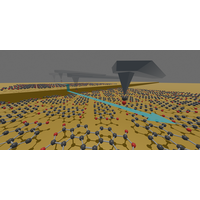
Breaking the Speed Limit of Chemical-Structure Imaging with Enhanced Force Sensitivity
Article | Condensed Matter and Materials | 2026-07-23 06:00 EDT
Yuuki Yasui and Yoshiaki Sugimoto
A new atomic force microscope captures the structures of individual molecules and their chemical bonds at record speeds.
Phys. Rev. Lett. 137, 046202 (2026)
Condensed Matter and Materials
Anyon Dispersion from Nonuniform Magnetic Field on the Sphere
Article | Condensed Matter and Materials | 2026-07-23 06:00 EDT
Mina-Lou Schleith, Tomohiro Soejima (副島智大), and Eslam Khalaf
The discovery of fractional quantum anomalous Hall states in moiré systems has raised the possibility of realizing phases of itinerant anyons, whose mobility requires the absence of continuous magnetic translation symmetry (CMTS). Motivated by this, we consider anyons on the sphere in the presence o…
Phys. Rev. Lett. 137, 046506 (2026)
Condensed Matter and Materials
Experimental Realization of Synthetic Magnonic Lattice via Floquet Engineering
Article | Condensed Matter and Materials | 2026-07-23 06:00 EDT
Amin Pishehvar, Jayakrishnan M. P. Nair, Zhaoyou Wang, Zixin Yan, Yu Jiang, Liang Jiang, Benedetta Flebus, and Xufeng Zhang
Magnonic systems, which exploit spin-wave excitations in magnetic materials, offer a promising platform for coherent information processing due to their low dissipation, strong nonlinearities, and intrinsic nonreciprocity. However, scaling magnonic circuits remains challenging, particularly with low…
Phys. Rev. Lett. 137, 046706 (2026)
Condensed Matter and Materials
Observation of Radiation-Loss-Based Non-Hermitian Point Gap in Photonic Crystals
Article | Condensed Matter and Materials | 2026-07-23 06:00 EDT
Yuto Moritake, Nozomi Ogawa, Issei Takeda, Yusuke Ohinata, Takahiro Uemura, Taiki Yoda, Kenta Takata, Eiichi Kuramochi, Hisashi Sumikura, and Masaya Notomi
A non-Hermitian point gap (NHPG) is a unique phenomenon in non-Hermitian systems and induces a non-Hermitian skin effect (NHSE). In photonic crystals, NHPG and NHSE have previously been explored mainly through material loss, where the typically low factors make direct observation of complex freque…
Phys. Rev. Lett. 137, 046903 (2026)
Condensed Matter and Materials
Erratum: Rate Equation for the Transfer of Interstitials across Interfaces between Equilibrated Crystals [Phys. Rev. Lett. 136, 066201 (2026)]
Article | 2026-07-23 06:00 EDT
Jörg Weissmüller
Phys. Rev. Lett. 137, 049901 (2026)
Physical Review X
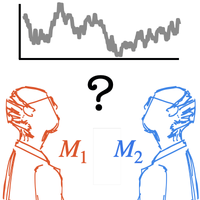
Limits of Inference in Complex Systems: When Stochastic Models Become Indistinguishable
Article | 2026-07-23 06:00 EDT
Javier Aguilar, Miguel A. Muñoz, and Sandro Azaele
A path-inference framework quantifies data resolution limits that render distinct stochastic models empirically indistinguishable and offers guidelines for designing experimental measurements that maximize information extraction.
Phys. Rev. X 16, 031015 (2026)
arXiv
Lithium-Projected Phonon Spectral Distributions as Robust Descriptors of Ionic Conductivity in Solid Electrolytes
New Submission | Materials Science (cond-mat.mtrl-sci) | 2026-07-24 20:00 EDT
Gajendra Bohara, Ramakrishna Podila
Lattice dynamics are widely invoked in the design of solid electrolytes, yet phonon information is commonly compressed into a band center or another scalar softness measure. Here we test whether the complete lithium-projected phonon density of states (Li-PDOS) provides a reproducible descriptor of experimental room-temperature ionic conductivity. MatterSim forces and Phonopy were used to generate harmonic total and Li-projected spectra for crystallographically resolved entries in the OBELiX dataset. A composition and structure audit defined a primary cohort of 260 materials (212 train and 48 test), a strict cohort of 241, and an exact-composition cohort of 168. Across 20 independently generated phonon-calculation database comparisons, the mean Wasserstein-1 distance was 0.542 THz for total DOS and 0.731 THz for Li-PDOS, revealing broad agreement but systematic, projection-dependent softening. Higher conductivity was associated with redistribution of normalized Li spectral weight toward low frequencies: in the untouched test set, the Li fractions below 2 and 5 THz had Spearman coefficients of 0.333 and 0.374, while the 5$ %$ cumulative-frequency quantile had a coefficient of $ -0.393$ . A Wasserstein kernel on the full Li-PDOS achieved held-out $ R^2=0.444$ , compared with 0.012 for total DOS and 0.181 for a static composition–structure kernel. The Li model remained stable in the strict ($ R^2=0.462$ ) and exact ($ R^2=0.451$ ) cohorts. Family adjustment attenuated scalar associations, and Li-versus-total whole-spectrum dependence was cohort sensitive. The results therefore support mobile-ion-resolved spectral distributions as useful comparative screening descriptors, not as a universal causal softness law.
Materials Science (cond-mat.mtrl-sci)
27 pages, 5 figures
Monte Carlo Studies of Twisted Bilayer Graphene: Strain and Thermal Fluctuations
New Submission | Strongly Correlated Electrons (cond-mat.str-el) | 2026-07-24 20:00 EDT
Johannes S. Hofmann, Patrick Ledwith, Ashvin Vishwanath, Jong Yeon Lee, Erez Berg
We study the phase diagram of twisted bilayer graphene at charge neutrality as a function of twist angle $ \theta$ , uniaxial heterostrain $ \varepsilon$ , and temperature $ T$ using sign-problem-free quantum Monte Carlo simulations. At $ T=0$ and zero strain, we find a continuous transition from a Dirac semimetal to a gapped Kramers inter-valley coherent (KIVC) phase as $ \theta$ decreases toward the magic angle. With finite strain, the KIVC phase undergoes a further continuous transition at smaller $ \theta$ into an anisotropic semimetal with gapless excitations near the center of the moiré Brillouin zone. In the KIVC regime, the entropy rises sharply with temperature and plateaus at $ 15,\text{K} \lesssim T \lesssim 40,\text{K}$ near the value expected from a Mott-like regime of localized electrons with nearly uncorrelated spin, valley, and orbital degrees of freedom, despite the topological obstruction preventing a localized tight-binding description of the active bands. The spectral function evolves continuously with $ \theta$ : at low $ T$ , a gap opens at the $ K$ points and the minimal gap shifts to $ \Gamma$ as $ \theta$ decreases; at intermediate $ T$ , the spectral function smoothly interpolates between a Dirac semimetal spectrum with coherent $ K$ -point quasiparticles and a spectrum with gapless $ \Gamma$ -centered quasiparticles near the magic angle. The later can be a anisotropic or a Mott semimetal and we discuss how to distiguish them in experiment.
Strongly Correlated Electrons (cond-mat.str-el), Mesoscale and Nanoscale Physics (cond-mat.mes-hall)
20 pages, 8 figures
Ideal Bands in Tight-Binding Models
New Submission | Mesoscale and Nanoscale Physics (cond-mat.mes-hall) | 2026-07-24 20:00 EDT
Lexu Zhao, Yang Ge, Shinsei Ryu, Jiabin Yu
A band is called ideal when its Dirichlet functional saturates the topological lower bound. We study ideal bands in finite-band tight-binding models with conventional two-dimensional lattice translation symmetries, allowing the bands to have non-flat dispersion. We first provide an analytic construction of isolated Chern-ideal bands with Chern number $ |\mathrm{Ch}|=1$ in finite-band models with exponentially decaying hopping. This construction applies only when at least two orbitals have different embedded positions (modulo lattice vectors), complementing the previously known construction for $ |\mathrm{Ch}|>1$ . We then show that isolated Chern-ideal bands with any nonzero Chern number cannot exist in finite-band models with finite-range hopping, regardless of the embedded orbital positions. The conclusion holds even if there are isolated band touching points, as long as the Berry curvature does not diverge anywhere in the Brillouin zone. We finally generalize the conclusions to Wilson-loop-ideal bands with zero total Chern number, such as Kane-Mele $ \mathbb{Z}_2$ -ideal bands.
Mesoscale and Nanoscale Physics (cond-mat.mes-hall), Materials Science (cond-mat.mtrl-sci), Strongly Correlated Electrons (cond-mat.str-el)
7+20 pages, no figure
Colloquium: Semi-Dirac Fermions in Quantum Matter
New Submission | Strongly Correlated Electrons (cond-mat.str-el) | 2026-07-24 20:00 EDT
Bruno Uchoa, Mohamed M. Elsayed, Valeri N. Kotov, Yinming Shao, Dmitri N. Basov
This article reviews the recent progress on the subject of semi-Dirac fermions, two dimensional quasiparticles that disperse quadratically, as Galilean invariant particles, or linearly, as massless relativistic particles, depending on their direction of motion. These particles exist at a phase boundary set by the continuous change in the connectivity of Fermi surfaces, known as topological Lifshitz transitions. The basic properties and the current experimental evidence of the existence of these particles in both synthetic lattices and quantum materials are presented. The many-body problem of semi-Dirac fermions is discussed from a theoretical perspective with an eye to physical observables of relevance to experiments.
Strongly Correlated Electrons (cond-mat.str-el)
Submitted to Reviews of Modern Physics
Ferromagnetic transition in a chiral spin chain
New Submission | Strongly Correlated Electrons (cond-mat.str-el) | 2026-07-24 20:00 EDT
Yuan Xiao, Rimika Jaiswal, Oleg A. Starykh, Leon Balents
We study the zero-temperature properties of a spin-$ 1/2$ Heisenberg chain with an additional three-site chiral term of strength $ g$ . The model is known to be integrable and previous work using Bethe ansatz has identified a phase transition from the usual critical state for $ g< g_c = 2/\pi$ to a chiral phase for $ g>g_c$ . Here we combine analytical and computational approaches to demonstrate that the transition point comprises an unusual Lifshitz transition with dynamical critical exponent $ z=3$ , and the chiral phase is a partially spin-polarized phase which spontaneously breaks SU(2) symmetry. We derive a strongly interacting chiral boson field theory for the critical point, and show that even its small-momentum, low-energy response is non-trivial. We also determine the universal properties of the chiral phase, and specifically show that it has a simultaneous quadratically dispersing ferromagnetic “magnon” mode coexisting with the power-law singularities and linearly dispersing excitations typical of a Luttinger liquid. Our conclusions are validated using numerics based on matrix product state methods and exact diagonalization.
Strongly Correlated Electrons (cond-mat.str-el)
28 pages, 11 figures
Magnetic ground states of CrPS$_4$ and NiPS$_3$ monolayers from long-range exchange interactions
New Submission | Materials Science (cond-mat.mtrl-sci) | 2026-07-24 20:00 EDT
Balazs Nagyfalusi, Ritesh Das, Alvaro Bermejillo-Seco, Herr S. J. van der Zant, Yaroslav M. Blanter, Amador Garcia-Fuente, Jaime Ferrer
We investigate the magnetic properties of monolayer CrPS$ _4$ and NiPS$ _3$ by combining first-principles calculations, second-principles spin models, and Monte Carlo simulations. Unlike conventional approaches that truncate exchange interactions after only a few shells and determine them by fitting total energies, we extract the magnetic exchange tensors directly from density functional theory using the LKAG formalism and include interactions until numerical convergence is achieved. We show that long-range exchange interactions qualitatively modify the magnetic behavior of both materials. In CrPS$ _4$ , they destabilize the previously predicted ferromagnetic ground state and stabilize a spin-spiral phase, reducing the critical temperature to about 21,K, in agreement with available experiments. The resulting magnetic phase diagram contains multiple collinear and non-collinear phases that can be tuned by temperature and external magnetic fields. In NiPS$ _3$ , the experimentally observed zigzag antiferromagnetic order only emerges when exchange interactions up to the fifth shell are included. These results demonstrate that quantitatively predictive spin models for thiophosphate monolayers require long-range exchange interactions and provide a predictive framework for accurately describing two-dimensional van der Waals magnets.
Materials Science (cond-mat.mtrl-sci)
11 pages, 12 figures
Doping-induced Ferromagnetic order and its unusual evolution to Helical Antiferromagnetic Order in Sr(Ni$_{1-x}$Co$_x$)$_2$P$_2$
New Submission | Strongly Correlated Electrons (cond-mat.str-el) | 2026-07-24 20:00 EDT
A. Sapkota, J. Schmidt, J. M. Wilde, L.-L. Wang, W. Tian, M. Matsuda, A. Kreyssig, S. L. Bud’ko, P. C. Canfield
SrNi$ _2$ P$ _2$ represents a unique case of a collapsed structural phase (one-third collapsed, where one out of every three P-P pairs forms a bond) in the A(TM)$ _2$ X$ _2$ family of compounds (A = alkali metal, alkaline-earth metal, or rare earth; TM = transition metal; X = pnictogen). Furthermore, Co doping studies aimed at understanding the interrelationship between this unusual bonding motif and the resulting physical properties produced a magnetically rich phase diagram, specifically on the Co-rich side of the phase diagram. However, important questions remained regarding the detailed nature of the magnetic ground states. To address these issues, we performed single-crystal neutron diffraction measurements on Sr(Ni$ _{1-x}$ Co$ _x$ )$ _2$ P$ _2$ with compositions $ x = 0.88$ , 0.94, and 0.97. For $ x = 0.88$ and 0.94, the measurements reveal incommensurate helical magnetic order with a doping-dependent propagation vector $ (0,0,\tau)$ , similar to that observed in Sr(Ni$ _{1-x}$ Co$ _x$ )$ _2$ As$ _2$ . In contrast, the $ x = 0.97$ composition shows clear signatures of a ferromagnetically ordered ground state, resolving the earlier ambiguity regarding the nature of the low-temperature phase. Furthermore, our results highlight the subtle balance between these competing ground states, whose evolution does not appear to be fully captured by the conventional frameworks of either itinerant or local-moment Heisenberg models typically applied to related 122 systems.
Strongly Correlated Electrons (cond-mat.str-el), Other Condensed Matter (cond-mat.other)
10 pages, 8 figures
A high-dimensional neural network potential for finite-temperature phenomena in NiTi martensite
New Submission | Materials Science (cond-mat.mtrl-sci) | 2026-07-24 20:00 EDT
Petr Jaroš (1), Petr Sedlák (2), Petr Šesták (2,3,4), Miroslav Černý (3,4), Jörg Behler (5,6), Hanuš Seiner (2) ((1) Faculty of Nuclear Science and Physical Engineering, Czech Technical University in Prague, Prague, Czech Republic, (2) Institute of Thermomechanics, Czech Academy of Sciences, Prague, Czech Republic, (3) Institute of Physical Engineering, Brno University of Technology, Czech Republic, (4) CEITEC BUT, Brno University of Technology, Czech Republic, (5) Lehrstuhl für Theoretische Chemie II, Ruhr-Universität Bochum, Germany, (6) Research Center Chemical Sciences and Sustainability, Research Alliance Ruhr, Bochum, Germany)
We present a high-dimensional neural network potential (HDNNP) for the martensitic phase of the NiTi shape-memory alloy trained to density functional theory (DFT) data. A central aspect of this work is the systematic validation of the potential with respect to the underlying DFT reference method for key properties governing structural evolution, including equilibrium crystal structures, elastic constants, generalized-stacking fault energies, and vibrational spectra. The HDNNP accurately describes the relative stability of the B19$ ^\prime$ and B33 phases, including subtle energy differences on the order of meV/atom. The predicted stacking-fault energy landscape is strongly anisotropic and reveals a preferential shear pathway, providing atomistic insight into deformation and twinning mechanisms. Finite-temperature molecular dynamics simulations further enable the investigation of unconstrained structural evolution as a function of temperature. Overall, the developed HDNNP provides a robust basis for atomistic simulations of the complex structural and functional behavior of martensitic NiTi systems containing hundreds of thousands of atoms on nanosecond time scales.
Materials Science (cond-mat.mtrl-sci)
Manuscript submitted to Materials & Design
High Order Geometric Channels for Nonlinear Transport in Bloch Bands
New Submission | Mesoscale and Nanoscale Physics (cond-mat.mes-hall) | 2026-07-24 20:00 EDT
Sami Farrag, Eugene Mele, Tony Low
We develop a geometric perturbation theory of Bloch states for perturbations coupling via the interband Berry connection. The gauge-invariant Bargmann trace builds the dressed dispersion and connection order by order as a hierarchy (Q^{(N)}), starting with the quantum geometric tensor. Higher members encode multiband geometry beyond the quantum metric and Berry curvature. Connected amplitudes control vertex-order corrections, while strict-order corrections reduce to disconnected products. For a uniform electric field we find the fully coherent, purely geometric sector of the third-order response.
Mesoscale and Nanoscale Physics (cond-mat.mes-hall), Quantum Physics (quant-ph)
Exact Nagaoka-to-spiral transition in the doped infinite-U triangular lattice
New Submission | Strongly Correlated Electrons (cond-mat.str-el) | 2026-07-24 20:00 EDT
Yang Zhang, Cristian D. Batista
We study the single-hole infinite-$ U$ Hubbard model on the triangular lattice with nearest- and next-nearest-neighbor hoppings $ t_1$ and $ t_2$ . A frustrating $ t_2$ destabilizes Nagaoka ferromagnetism through a Lifshitz transition to a long-wavelength coplanar spiral at $ t_{2,c}/t_1=-0.182$ . We determine the critical point analytically by reducing the many-body problem to an effective two-body hole–magnon scattering problem in which the hard-core hole–magnon constraint is treated exactly. Numerical calculations confirm the spiral ground state and reveal a coherent spin polaron with quasiparticle weight $ Z\simeq0.92$ at the Lifshitz-shifted momentum $ \mathbf{K}=-\mathbf{Q}^\ast$ . These results establish the first quantum instability of the triangular-lattice Nagaoka ferromagnet and provide the magnetic baseline for magnon-mediated pairing at finite doping.
Strongly Correlated Electrons (cond-mat.str-el), Superconductivity (cond-mat.supr-con)
4+11 pages, 3+3 figures
Analytical Forces from the Bethe-Salpeter Equation for Large-Scale Excited-State Relaxation
New Submission | Materials Science (cond-mat.mtrl-sci) | 2026-07-24 20:00 EDT
Yu Jin, Victor Wen-zhe Yu, Marco Govoni, Giulia Galli
We present an efficient plane-wave implementation of analytical nuclear forces for electronic excited states described by the Bethe-Salpeter equation (BSE). The formulation combines density-matrix perturbation theory with a Lagrangian approach, and avoids both explicit empty-state summations and the response calculations for each atomic displacement, required by conventional approaches based on density functional perturbation theory. Together with GPU acceleration, these advances make BSE forces calculations tractable for solid-state systems containing hundreds of atoms. We demonstrate the method on two point defects with distinct dielectric environments: the nitrogen-vacancy center in diamond, where BSE and time-dependent density functional theory (TDDFT) yield consistent excited-state relaxations, and the carbon-dimer defect in two-dimensional hexagonal boron nitride, where the screened electron-hole interaction included in the BSE stabilizes the localized defect excitation and corrects the relaxation pattern predicted by semilocal TDDFT. These results establish a scalable framework for BSE-level studies of excited-state relaxation and vibronic coupling in heterogeneous condensed systems.
Materials Science (cond-mat.mtrl-sci)
First-principles calculation of electron-phonon spectral functions for defects using phonon interpolation
New Submission | Materials Science (cond-mat.mtrl-sci) | 2026-07-24 20:00 EDT
Point defects in wide-band-gap semiconductors exhibit optical spectra strongly shaped by electron-phonon coupling, but direct first-principles calculation of the corresponding phonon sidebands is often limited by the coarse vibrational spectrum of the largest defect supercells accessible by ab-initio electronic structure codes. In this work, we present a phonon-interpolation method for Huang-Rhys spectral densities and optical lineshape functions on hypercells created by extending the defect-containing supercells on arbitrarily dense phonon $ q$ -point grids. The method is based on reconstructing the transition-induced force associated with the optical excitation and using this localized force source to couple the defect transition to a densely sampled vibrational continuum. In this formulation, the local defect physics is obtained from ab initio supercell calculations, while the long-wavelength acoustic modes and the detailed structure of the host phonon spectrum are recovered by diagonalizing interpolated dynamical matrices in large hypercells. We demonstrate the method on the negatively charged nitrogen-vacancy centre in diamond between its ground $ ^{3}A_{2}$ and excited $ ^{3}E$ states. The transition-force is shown to be strongly localized around the defect, with converged localization measures obtained in a $ 4\times4\times4$ supercell accessible by density functional theory calculations. We interpolate the electron-phonon coupling on hypercells up to $ 32\times32\times32$ corresponding to approximately 17 million atoms, thereby recovering smooth, continuous Huang-Rhys spectral densities with ultrafine spectral resolution. The dominant coupling band is found near 63~meV; the low-energy acoustic contribution follows the expected linear scaling; and we recover the finer van-Hove-related structures in the optical phonon regime observed in experiments.
Materials Science (cond-mat.mtrl-sci)
Geometric Superconducting Diode Effect in an NbN Nanoring
New Submission | Superconductivity (cond-mat.supr-con) | 2026-07-24 20:00 EDT
Tianyu Li, Peiyuan Huang, Jiong Li, Jiyao Shang, Nuo-Zhou Yang, Wuyue Xu, Wen-Cheng Yue, Yang-Yang Lyu, Chong Li, Yihuang Xiong, Xuecou Tu, Tao Tao, Xiaoqing Jia, Qing-Hu Chen, Huabing Wang, Peiheng Wu, Yong-Lei Wang
Superconducting diodes, which exhibit nonreciprocal critical currents, are promising building blocks for low-power cryogenic electronics and superconducting circuits. Existing superconducting diode platforms commonly rely on Josephson junctions, multilayer heterostructures, ferromagnetic elements, gate-difined structures. Here, we demonstrate a geometrically induced superconducting diode effect realized in a structurally minimal, single-materials NbN nanoring, where inversion-symmetry breaking is introduced solely by the asymmetric geometry. The device exhibits pronounced and polarity-switchable critical-current nonreciprocity. Systematic magnetic-field and temperature-dependent measurements reveal that, at low fields, the applied magnetic field redistributes the critical current asymmetrically between opposite bias directions without significantly reducing the overall superconducting current-carrying capability. Moreover, the maximal nonreciprocity and diode efficiency exhibit distinct temperature dependence: the maximal diode efficiency follows the evolution of the energy gap, whereas the maximal nonreciprocity is more closely associated with the superfluid density. These results establish asymmetric superconducting nanorings as a minimal geometric platform for studying nonreciprocal superconducting transport and provide a simple design principle for future superconducting electronics.
Superconductivity (cond-mat.supr-con), Mesoscale and Nanoscale Physics (cond-mat.mes-hall), Applied Physics (physics.app-ph)
Photo-induced currents and short-term memory for reservoir computing in a ferroelectric semiconductor
New Submission | Materials Science (cond-mat.mtrl-sci) | 2026-07-24 20:00 EDT
Yan Meng Chong, Atreya Majumdar, Manuel Zahn, Ingvild Hansen, Karin Everschor-Sitte, Dennis Meier
Physical reservoir computing represents an energy efficient approach for processing temporal signals by exploiting the intrinsic nonlinear dynamics and fading memory of a physical system. Recently, ferroelectric semiconductors moved into focus as reservoir materials motivated by their versatile electronic responses to external stimuli. Here, we explore the fundamental possibility to recognize time-varying light pulses via photo-induced currents, using the small-band-gap p-type semiconductor ErMnO$ _3$ as a model system. Under white light illumination, ErMnO$ _3$ exhibits non-linearly evolving photo-induced currents and controllable relaxation dynamics that naturally realize the high-dimensional projection and fading memory capabilities required for reservoir computing. The reservoir capability of ErMnO$ _3$ is reflected by the improved recognition accuracy of “Past” input pulses, which increases from ~33% to ~93% after applying reservoir transformation to the input signal. The results present ferroelectric hexagonal manganites as a promising platform for photo-induced current-based reservoir computing and highlight the potential of light-driven oxide semiconductors for temporal information processing.
Materials Science (cond-mat.mtrl-sci)
11 pages, 4 main text figures and 3 appendix figures
Exceptional Points in a Parallel Double-Quantum-Dot Josephson Junction Coupled to a Ferromagnetic Reservoir
New Submission | Mesoscale and Nanoscale Physics (cond-mat.mes-hall) | 2026-07-24 20:00 EDT
Yiyan Wang, Ruixin Zhou, Bing Dong
We investigate exceptional points (EPs) in a parallel double-quantum-dot Josephson junction coupled to a dissipative reservoir. By integrating out the leads, we obtain a non-Hermitian Bogoliubov-de Gennes description wherein the superconducting phase difference and orbital flux govern the complex Andreev spectrum. For spin-independent dissipation, the second-order EPs identified within the infinite superconducting gap limit are eliminated when the finite superconducting gap is properly incorporated. In contrast, spin-dependent dissipation originating from a ferromagnetic reservoir, in conjunction with magnetic flux, gives rise to second-order EPs that persist in superconducting leads with finite gap. Moreover, flux tuning enables the coalescence of two second-order EPs into a third-order EP, whose eigenvalue splitting exhibits cubic-root scaling behavior. A many-body parity analysis establishes the connection between the contrasting finite-gap behavior and the spectral relationship between the even- and odd-parity sectors. Finally, Josephson currents calculated from both the free-energy derivative and the surrogate-model density matrix demonstrate consistency and remain continuous across the EPs. These findings establish spin-selective dissipation and interferometric flux as effective control parameters for robust non-Hermitian singularities in superconducting nanostructures.
Mesoscale and Nanoscale Physics (cond-mat.mes-hall), Superconductivity (cond-mat.supr-con)
9 pages, 6 figures
Machine Learning for Charge State Characterization of Isolated Double Quantum Dots
New Submission | Mesoscale and Nanoscale Physics (cond-mat.mes-hall) | 2026-07-24 20:00 EDT
Hyma Vallabhapurapu, Marco Candido, Krishna Choudhary, Paul Steinacker, Ensar Vahapoglu, Chris Escott, Wee Han Lim, Andre Saraiva, Nard Dumoulin Stuyck, MengKe Feng
Scaling semiconductor quantum dot arrays toward fault-tolerant quantum computing requires efficient tuneup of spin qubits, a process that depends on the analysis of charge stability maps (CSMs) and remains largely manual. While machine learning has been widely applied to CSM analysis in reservoir-coupled devices, automated tuning in the increasingly important isolated-mode regime has received limited attention. In isolated-mode CSMs, charge transitions appear as near-vertical lines, making them well suited to compact, task-specific models. We present two convolutional neural networks with fewer than one million parameters, trained on CSMs collected from 32 silicon metal-oxide-semiconductor (SiMOS) double-quantum-dot devices measured at approximately 1 K using an automated cryogenic probing system. Sixteen devices were used for training and sixteen were held out to evaluate cross-device generalization against hand-labeled ground truth. CSMClassifier identifies charge instability and sensor artifacts, achieving 94% macro-averaged accuracy across three quality classes on 2,407 held-out images. ChargeLineNet localizes charge-transition lines and determines electron occupancy, achieving 95.3% exact line-count accuracy on 1,131 held-out images. Combined into a single pipeline, the models correctly determine electron occupancy for 93.8% of clean held-out images. Pre-training on synthetic images substantially improves label efficiency. Fine-tuning the pre-trained model on limited experimental data maintains over 90% accuracy, whereas training from scratch degrades significantly under the same conditions. Together, the two models occupy only 6.5 MB and process images in less than 60 ms on standard laboratory hardware, demonstrating a practical path toward scalable, automated characterization and tuneup of quantum-dot devices.
Mesoscale and Nanoscale Physics (cond-mat.mes-hall), Machine Learning (cs.LG)
MatDiffract: A Material-Informed Automated Analysis Platform for X-ray Powder Diffraction
New Submission | Materials Science (cond-mat.mtrl-sci) | 2026-07-24 20:00 EDT
Hongqing Wang (1,2,3), Mingwei Chen (4,5), Hongjie Luo (1,2,6), Yin Wen (1,2), Fazhi Qi (1,2), Xuqing Chai (3), Miao Liu (4,5), Fengyao HOU (1,2) ((1) Institute of High Energy Physics, Chinese Academy of Sciences, Beijing, China, (2) Spallation Neutron Source Science Center, Dongguan, China, (3) College of Computer and Information Engineering, Henan Normal University, Xinxiang, China, (4) Dongguan Institute of Materials Science and Technology, Chinese Academy of Sciences, Dongguan, China, (5) Songshan Lake Material Laboratory, Dongguan, China, (6) School of Computer Science, Sun Yat-sen University, Guangzhou, China)
High-throughput experimentation and self-driving laboratories are drastically accelerating materials discovery, yet automated interpretation of X-ray powder diffraction (XRPD) data remains a critical rate-limiting step. Conventional search-match workflows rely heavily on expert manual intervention, while pure data-driven machine learning approaches suffer from limited generalizability across chemical systems and lack rigorous crystallographic interpretability. Here we present MatDiffract, a material-informed automated analysis platform for high-throughput XRPD characterization. Built on a first-principles density functional theory (DFT)-derived inorganic crystal structure database, Atomly, MatDiffract constructs a perturbation-augmented simulated diffraction database, embeds multi-scale diffraction features into indexable vectors, and integrates hierarchical vector retrieval with full-pattern fitting Rietveld refinement and quantitative phase fitting. Benchmarked on 875 single-phase experimental patterns, the platform achieves 91.3% Top-1 and 97.2% Top-10 identification accuracy after automated refinement. For binary and ternary multiphase mixtures, it delivers 85.0% and 70.0% Top-1 accuracy with mass fraction mean absolute errors as low as 1.2% and 1.8%, respectively. Beyond mere phase labeling, MatDiffract outputs full crystallographic results including refined structural models, fitted profiles, and quantitative compositions within tens of seconds per sample. Its modular vector-based architecture supports seamless incremental expansion to new material systems, providing an end-to-end solution to close the characterization throughput gap for autonomous materials discovery and high-throughput materials development.
Materials Science (cond-mat.mtrl-sci)
21 pages, 7 figures
Long- and Short-Range Anion Order in SrTiO$_{3-x}$H$_x$ Perovskite Oxyhydrides: DFT+$U$ Sensitivity and HSE06 Cluster Expansion
New Submission | Materials Science (cond-mat.mtrl-sci) | 2026-07-24 20:00 EDT
Anion ordering in perovskite oxyhydrides can remain significant even in disordered states, particularly at non-dilute hydrogen concentrations. Nevertheless, hydride substitution poses challenges for accurate simulations based on density functional theory due to configurational complexity and Ti 3$ d$ reduction. Here, we develop a cluster expansion (CE) framework for SrTiO$ _{3-x}$ H$ _x$ incorporating HSE06 hybrid-DFT energetics. We first demonstrate that calculated mixing energies and ordering stability are highly sensitive to the choice of DFT+$ U$ , with maximum variations on the order of 100 meV/anion. We benchmark ordering energetics against HSE06 calculations and identify $ U$ = 3.3 eV as an HSE06 proxy, which enables extensive configurational exploration while limiting costly HSE06 calculations to key configurations for efficient learning of ordering energetics. Together, ground-state orderings, correlations between octahedral configurations and structural stability, and MC sampling of CE models all support a strong preference for the O$ _4$ H$ _2$ cis configuration in SrTiO$ _{3-x}$ H$ _x$ , in which two hydride ions occupy first-nearest-neighbor anion sites. This cis-type preference was overlooked in previous ATiO$ _{3-x}$ H$ _x$ studies, despite its sizable stabilization of ~200 meV per hydride comparable to reported anion-migration and polaron-formation energies. This study addresses both the previously underexplored sensitivity of CE-based ordering analyses to DFT+$ U$ and anion-ordering in perovskite oxyhydrides.
Materials Science (cond-mat.mtrl-sci)
Orbital Hall Effect Enables Field-Free Magnetization Reversal in Ferrimagnets without Additional Conversion Layer
New Submission | Materials Science (cond-mat.mtrl-sci) | 2026-07-24 20:00 EDT
Zelalem Abebe Bekele, Kun Lei, Xiukai Lan, Xiangyu Liu, Hui Wen, Weihao Li, Yongcheng Deng, Wenkai Zhu, Kaiming Cai, Lishu Zhang, Kaiyou Wang
The spin Hall effect provides a well-established route for electrical magnetization control, while the orbital Hall effect offers a powerful yet less explored source of angular momentum. Achieving field-free deterministic switching in straightforward orbital-torque architectures remains challenging. Here, we demonstrate orbital-Hall-current-driven switching in a Mo/CoGd bilayer without the need for a separate orbital-to-spin conversion layer across a wide temperature range. In this simplified geometry, Mo serves as both an orbital and spin current source. However, the spin contribution is insufficient due to weak spin-orbit coupling, which is consistent with first-principles calculations predicting a large orbital Hall conductivity. The adjacent ferrimagnetic CoGd layer provides both orbital-to-spin conversion and the perpendicular switching medium. Planar Hall and current-induced loop-shift measurements reveal a substantial unconventional z-polarized damping-like torque originating from interfacial symmetry breaking. Increasing the Mo thickness from 0.2 to 2 nm increases torque efficiency by approximately 31% (y-polarized) and 71% (z-polarized) components. This enhancement enables field-free deterministic switching with a critical current density down to 2.51 x 10^6 A cm^-2. Our results establish Mo/CoGd bilayers as a compact platform for orbital-current switching and point toward low-power orbitronic memory devices.
Materials Science (cond-mat.mtrl-sci)
19 pages, 4 figures
Cross-streamline diffusiophoretic migration of colloids in Taylor-dispersed channel flows
New Submission | Soft Condensed Matter (cond-mat.soft) | 2026-07-24 20:00 EDT
Yiran Li, Mobin Alipour, Amir A. Pahlavan
Diffusiophoretic transport of colloids in pressure-driven channel flow is commonly analysed in two limits: an early-time regime in which the solute field is fully two-dimensional, and a late-time macrotransport regime in which cross-sectional homogenization leaves only a weak axial bias on the particles. For colloids, however, many experiments operate in the broad intermediate window (a^2/D_{\mathrm s}\ll t\ll a^2/D_{\mathrm p}): the solute has entered the Taylor-dispersion regime, but the particles remain effectively non-diffusive across the gap. We show that the Taylor-dispersed solute retains a residual transverse gradient that is Péclet-enhanced relative to the axial gradient and decays only as (t^{-1/2}). This gradient is small in the solute concentration but large enough in (\nabla\ln c) to drive cross-streamline migration of colloids. Attractive fronts ((c_{\mathrm f}>c_{\mathrm i})) move particles toward faster centreline streamlines, sharpening the leading edge and accelerating removal; repulsive fronts ((c_{\mathrm f}<c_{\mathrm i})) move particles toward slower near-wall streamlines, broadening the trailing edge and delaying removal. Direct simulations and microfluidic experiments confirm these front-sharpening and front-broadening dynamics. An asymptotic Taylor-regime solute field, combined with a non-diffusive trajectory model, captures the observed front geometries, density profiles, and removal dynamics. The results show that Taylor-dispersed solute fields can remain dynamically two-dimensional for particles, even when their concentration is nearly cross-sectionally uniform.
Soft Condensed Matter (cond-mat.soft), Fluid Dynamics (physics.flu-dyn)
Visualizing Microwave-Driven Dynamics of Antiskyrmions and Surface Skyrmions
New Submission | Materials Science (cond-mat.mtrl-sci) | 2026-07-24 20:00 EDT
Zhuolin Li, Daisuke Nakamura, Spencer Reisbick, Chuhang Liu, Myung-Geun Han, Kosuke Karube, Wataru Koshibae, Naoto Nagaosa, Yasujiro Taguchi, Yimei Zhu, Yoshinori Tokura, Xiuzhen Yu
Microwaves provide coherent access to low-energy excitations and serve as effective probes of high-frequency spin dynamics in quantum and magnetic systems. For topological spin textures, microwave excitation is expected to generate rich collective responses, yet direct real-space observation of ultrafast dynamics remains limited. Here we use time-resolved Lorentz transmission electron microscopy to visualize microwave-driven dynamics in a hybrid antiskyrmion structure composed of a central antiskyrmion and surface skyrmions. We resolve the picosecond evolution of antiskyrmion area and second-harmonic signals, evidencing nonlinear responses of spin textures under microwave excitations. We track the core motions of the antiskyrmion and surface skyrmions, which follow distinct trajectories while sharing the same rotational sense. Micromagnetic simulations reproduce the key observations and associate the dynamic modes with the spatial modulation of the core profile along the thickness. These achievements establish ultrafast electron microscopy as a powerful real-space approach for probing high-frequency microwave-driven dynamics of topological magnetic solitons.
Materials Science (cond-mat.mtrl-sci)
Uni-XAS: Alignment-Driven Bidirectional Multimodal Learning for X-ray Absorption Spectroscopy
New Submission | Materials Science (cond-mat.mtrl-sci) | 2026-07-24 20:00 EDT
Suyang Zhong, Yuhao Zhao, Boying Huang, Fanjie Xu, Pengwei Xu, Haoyi Tao, Xi Fang, Jun Cheng, Fujie Tang
X-ray absorption spectroscopy (XAS) is a key technique for probing local atomic environments, yet learning based modeling must bridge two heterogeneous modalities: 1D continuous spectra and 3D atomic structures. Existing approaches typically decouple forward spectrum prediction and inverse structure inference into separate regression tasks, hindering shared representation learning. Moreover, severe permutation ambiguity among identical atoms often limits inverse modeling to coarse structure descriptors rather than explicit 3D structure generation. In this work, we present Uni-XAS, a unified benchmark and learning framework that reframes bidirectional XAS modeling as a cross-modal alignment and conditional generation problem. We first propose XASLip, an alignment recipe coupling a physics-aware spectral encoder with an absorberaware manifold optimization strategy to resolve fine-grained intra-element coordination variations. Building upon this shared latent space, we formulate forward prediction as anchored absolute-spectrum generation via retrieval-augmented decoding, effectively preventing physical scale collapse and energy drift. For the inherently ill-posed inverse problem, we introduce Permutation-Rectified Flow Matching, which integrates type-wise optimal transport into a continuous generative flow to provide a principled solution to ligand permutation ambiguity without relying on heavy high-order equivariant architectures. Evaluated on a largescale standardized benchmark of 328,839 structure-spectrum pairs, Uni-XAS demonstrates strong performance in cross-modal retrieval, accurate absolute-spectrum prediction, and composition-conditional 3D structure generation, establishing a scalable, reproducible, and protocol-consistent foundation for multimodal learning and standardized evaluation in scientific spectroscopy.
Materials Science (cond-mat.mtrl-sci), Disordered Systems and Neural Networks (cond-mat.dis-nn), Applied Physics (physics.app-ph), Data Analysis, Statistics and Probability (physics.data-an)
48 pages, 7 figures, 11 tables. Accepted by ACMMM 2026
Gaplessness indicator by topologically trivial twisting operators
New Submission | Strongly Correlated Electrons (cond-mat.str-el) | 2026-07-24 20:00 EDT
Yuan Yao, Linhao Li, Feng-Feng Song
We propose several general necessary conditions for quantum many-body system in one dimension respecting U(1) symmetry to be gapped. We show that the ground-state expectation value of topologically trivial twisting operators must approach unity in the thermodynamic limit with a certain finite-size scaling. Equivalently, its violation can indicate gaplessness of U(1)-symmetric Hamiltonians. The topological triviality of such a twisting operator enables us to derive infinitely many other gaplessness indicators by static structure factor to any order in real experiments, which are impossible to obtain by earlier topologically nontrivial twisting operators. We also apply analytic and numerical calculations to test the efficiency and consistency of our results.
Strongly Correlated Electrons (cond-mat.str-el), Statistical Mechanics (cond-mat.stat-mech), High Energy Physics - Theory (hep-th), Mathematical Physics (math-ph)
6 pages, 1 figure
Evidence for fully-gapped superconductivity in BCS superconductor NiBi3
New Submission | Superconductivity (cond-mat.supr-con) | 2026-07-24 20:00 EDT
Atul Gangwar, Kunal Yadav, S.Patnaik, Sandip Chatterjee
We investigate the physical characteristics, normal state and superconducting properties of NiBi3 single crystals. Measurements of electrical resistivity, magnetization, and London penetration depth demonstrate a superconducting transition temperature, Tc=4.0 K, with a sharp transition in resistivity (Tc = 0.20 K) and RRR = 18, reflecting the high quality of NiBi3 single crystals. With both orientations H perpendicular b and H parallel b of NiBi3 single crystals, we estimated the upper critical field, Hc2, from the magnetization data. In both orientations, Hc2 is significantly smaller than the Pauli limit, suggesting the orbital pair breaking in superconducting state. The coherence length, xi(0) = 26.78 nm, electron-phonon coupling constant, lambda(e-p) = 0.81, and penetration depth, lambda0 = 181.8 nm, suggest type-II superconductivity in NiBi3. In the superconducting state, lambda(T) is best described by an s-wave BCS model and does not have linear or quadratic dependency with T, which is in line with the expectation for a node-less superconducting order parameter. The temperature evolution of the superfluid density, obtained from lambda(T), reveals a fully gapped superconductivity in NiBi3, with a superconducting gap = 4.07. All the results from the present study indicate that NiBi3 is a typical type-II, BCS-like, moderately strong coupled, and fully gapped superconductor in the dirty limit.
Superconductivity (cond-mat.supr-con)
8 pages, 5 figures
Complete Raman Tensor Determination in Birefringent $β$-Ga$_2$O$_3$ by Single-Stage Hyperspectral Analysis of Polarization Angle-Resolved Raman Spectra
New Submission | Materials Science (cond-mat.mtrl-sci) | 2026-07-24 20:00 EDT
Hans Tornatzky, Jonas Rose, Moritz Meißner, Benjamin M. Janzen, Zbigniew Galazka, Juan Sebastián Reparaz, Manfred E. Ramsteiner, Markus R. Wagner
The low symmetry of the monoclinic phase of Ga$ _2$ O$ _3$ leads to pronounced optical anisotropy and, consequently, to birefringence, which strongly affects the Raman response. Because Raman scattering is fundamentally sensitive to the polarizability of a material, this anisotropy must be carefully accounted for in order to extract quantitative information - an effort that has only recently been shown to be feasible in such media. Here, we report Raman measurements from all three principal crystal planes $ (100)$ , $ (010)$ , and $ (001)$ , as well as from the $ (\overline{2}01)$ -plane of a $ \beta$ -Ga$ _2$ O$ _3$ single crystal. By combining polarization angle-resolved Raman spectroscopy (PARRS) with a newly developed fitting procedure and explicitly accounting for birefringence, we achieve full spectral separation and quantitatively determine the energies and relative Raman tensor elements of all 15 Raman-active modes.
Materials Science (cond-mat.mtrl-sci)
Tunnel magnetoresistance effect with a Cr-doped $\mathrm{RuO_{2}}(110)$ altermagnet
New Submission | Materials Science (cond-mat.mtrl-sci) | 2026-07-24 20:00 EDT
Katsuhiro Tanaka, Takuya Nomoto, Ryotaro Arita
Antiferromagnets can have a finite spin-polarization in the momentum space when their magnetic structure breaks the macroscopic time-reversal symmetry. This spin-polarization can produce a spin-polarized electric current even in antiferromagnets with vanishingly small net magnetizaton, which supports the antiferromagentic tunnel magnetoresistance (TMR) effect. In this paper, using first-principles calculations, we study the TMR effect with a doped altermagnet $ \mathrm{Ru}{1-x}\mathrm{Cr}{x}\mathrm{O}{2}$ with $ (110)$ orientation, whose collinear antiferromagnetic structure breaks the time-reversal symmetry macroscopically. The momentum-dependent spin-polarization combined with the $ (110)$ crystal orientation makes the electric current spin-polarized through bulk $ \mathrm{Ru}{1-x}\mathrm{Cr}{x}\mathrm{O}{2}(110)$ . We further calculate the TMR effect in the $ \mathrm{Ru}{1-x}\mathrm{Cr}{x}\mathrm{O}{2}(110)/\mathrm{TiO{2}}(110)/\mathrm{Ru}{1-x}\mathrm{Cr}{x}\mathrm{O}{2}(110)$ tunnel junction and show that a finite TMR effect emerges. Based on the analysis of the tunneling transport, the TMR effect is attributed to the spin polarized tunneling transport with momentum dependence and the interfacial magnetic structures, as well as the spin-polarized electric current in a bulk form of $ \mathrm{Ru}{1-x}\mathrm{Cr}{x}\mathrm{O}{2}(110)$ .
Materials Science (cond-mat.mtrl-sci), Mesoscale and Nanoscale Physics (cond-mat.mes-hall)
9 pages, 7 figures
Helical stability of double-stranded semiflexible chains with interstrand interactions
New Submission | Soft Condensed Matter (cond-mat.soft) | 2026-07-24 20:00 EDT
Farisan Dary, Donn Liew, Haiyi Liang, Ee Hou Yong
The mechanical and structural properties of dsDNA have been successfully described by models with varying levels of complexity and coarse-graining schemes. Prior work has characterized local stacking/twist effects and force-torque phase diagrams under external constraints. However, the role of base-pairing and torsional elasticity in global morphological transitions remain poorly characterized in the absence of external constraints. Here we investigate the delicate balance required for the strength of base-pairing interactions and the twisting energy to preserve the double-helix structure in a model made up of two semiflexible chains. We found that the model exhibits several distinct morphological phases: flat, random coil, double-helix, and the unwound double-helix. We calculate the Gauss linking number to characterize transitions between these phases.
Soft Condensed Matter (cond-mat.soft), Statistical Mechanics (cond-mat.stat-mech)
End-State-Controlled Quantum Transport in Armchair Graphene Nanoribbon Artificial Quantum Materials
New Submission | Mesoscale and Nanoscale Physics (cond-mat.mes-hall) | 2026-07-24 20:00 EDT
Artificial quantum materials based on atomically precise graphene nanostructures provide an ideal platform for exploring quantum phenomena arising from localized electronic states. Here, we develop a real-space theoretical framework to elucidate the microscopic origin of interface states in graphene architectures composed of $ n$ -triangulenes and armchair graphene nanoribbons (AGNRs). By continuously tuning the coupling between graphene building blocks, we reveal the evolution of triangulene zero-energy modes and AGNR end states into compact localized node orbitals at three-arm junctions. The number and chirality of these node orbitals obey a universal relation, $ N_{node,\delta}=|N_{es,t,A(B)}-N_{tri,0,B(A)}|$ , where $ N_{es,t}$ denotes the total number of AGNR end states contributed by the three AGNR arms at the junction, and $ N_{tri,0}$ is the number of zero-energy modes of the attached triangulene. The chirality of the node orbitals is determined by the dominant constituent: when $ N_{es,t}>N_{tri,0}$ , they inherit the sublattice chirality of the AGNR end states ($ \delta=A(B)$ ), whereas for $ N_{tri,0}>N_{es,t}$ they inherit that of the triangulene zero-energy modes ($ \delta=B(A)$ ). This real-space picture provides a transparent understanding of compact localized state (CLS) formation beyond conventional bulk topological descriptions. Using experimentally synthesized triangulene nanographenes as representative examples, we further explain the emergence of their zero-energy modes and quantitatively reproduce their tunneling spectra within an extended Anderson model. Finally, we demonstrate that these node orbitals can serve as elementary building blocks for constructing artificial graphene nanoribbons with highly tunable flat subbands near the Fermi energy. The resulting CLSs exhibit controllable degeneracy and strongly anisotropic quantum transport.
Mesoscale and Nanoscale Physics (cond-mat.mes-hall)
21 pages and 19 figures
Magnetically memorable inductance in superconducting multilayer resonators
New Submission | Superconductivity (cond-mat.supr-con) | 2026-07-24 20:00 EDT
R. Tyumenev, D. S. Kalashnikov, B. V. Fradkin, A. A. Neilo, A. G. Shishkin, N. V. Klenov, I. I. Soloviev, A. A. Golubov, M. Yu. Kupriyanov, I. A. Golovchanskiy, V. S. Stolyarov, A. S. Sidorenko, S. V. Bakurskiy
Superconductor-ferromagnet hybrid structures with tunable kinetic inductance are promising elements for neuromorphic and quantum computing circuits. We report the fabrication and microwave characterization of split-ring resonators based on Nb/Co/Nb/Co/Nb/Al spin-trigger multilayers and demonstrate a non-volatile spin-valve effect on their resonant properties. Reversal of the relative magnetization orientation of the cobalt layers produces a reproducible shift of the resonant frequency up to 4 MHz at zero applied magnetic field, corresponding to a change in the kinetic inductance of the structure. The incorporation of a proximitized aluminum overlayer is shown to enhance the inductance contrast between the parallel and antiparallel magnetic states by a factor of approximately three relative to structures without this layer. The experimental results are in quantitative agreement with a microscopic model based on the Usadel equations. The demonstrated magnetic memory of the resonant frequency at zero field establishes spin-trigger multilayers as viable field-programmable inductive elements for superconducting digital and neuromorphic circuits.
Superconductivity (cond-mat.supr-con)
9 pages, 7 figures + Suppl. Mat
Exceptional-Point Geometry of Weak Topological Boundary States
New Submission | Mesoscale and Nanoscale Physics (cond-mat.mes-hall) | 2026-07-24 20:00 EDT
Rafael A. Molina, Kevin González, Pedro A. Orellana
In this article, we demonstrate that weak topology can be formulated geometrically in terms of exceptional singularities of an analytically continued Bloch Hamiltonian. A general plaquette chiral model in two dimensions serves as a minimal realization of dual weak topology, possessing two independent families of weak topological invariants, one for each spatial direction. The weak-topological edge states correspond to exceptional points in complex momentum space, while corner zero modes emerge from exceptional curves obtained by complexifying both momenta. Compact localized states arise when the exceptional roots collapse to the origin. This framework provides a unified complex-momentum description of edge, corner, and compact localization.
Mesoscale and Nanoscale Physics (cond-mat.mes-hall), Optics (physics.optics), Quantum Physics (quant-ph)
5 pages, 6 figures
Thermal Hall Resistivity as a Unifying Description of Phonon Thermal Hall Effect in Various Insulators
New Submission | Strongly Correlated Electrons (cond-mat.str-el) | 2026-07-24 20:00 EDT
Dirui Wu, Ying Kit Tsui, Xavier Loh, Minseong Lee, Eun Sang Choi, Takao Sasagawa, Toshimitsu Ito, Xiao Renshaw Wang, Pinaki Sengupta, Xinyang Zhang, Christos Panagopoulos
A considerable phonon thermal Hall effect was recently discovered across a diverse collection of materials. To clarify this enigmatic thermal Hall response in various insulators, we investigate the doped Mott insulator La$ {5/3}$ Sr$ {1/3}$ NiO$ 4$ as an example material system and reveal a characteristic phonon-dominated thermal Hall effect. As a sensitive probe of the transverse thermal response, the thermal Hall resistivity $ w{xy}$ exhibits an insulating-like temperature dependence $ w{xy}(T)$ , a linear magnetic-field dependence $ w{xy}(H)$ near $ H=0$ , and a $ T$ -linear thermal Hall angle at low temperatures. The presence of similar phenomena across a series of insulators suggests that $ w_{xy}$ serves as a unifying description of phonon thermal Hall effect, corroborated by an apparent correlation between the insulating-like $ w_{xy}(T)$ and material’s localized electronic state.
Strongly Correlated Electrons (cond-mat.str-el), Other Condensed Matter (cond-mat.other)
20 pages, 13 figures
Magneto-Caloric effect and Multiple magnetic phases in Al doped Ni2MnSn0.75Al0.25 Heusler Alloys
New Submission | Materials Science (cond-mat.mtrl-sci) | 2026-07-24 20:00 EDT
Satya Vijay Kumar, Simran, Madhusmita Jena, Mehroosh Fatema, Atul Gangwar, Srishti Dixit, Umashankar Rajput, Nisha Shahi, Chetna Gautam, Sanjay Singh, Anup K. Ghosh, Sandip Chatterjee
Among Heusler compounds,Ni based alloys have been extensively investigated because they exhibit desirable properties such as high Curie temperatures, which are advantageous for advanced magnetic and spintronic this http URL effect of Al substitution on the magnetic ground state of Ni2MnSn was investigated using the Ni2MnSn0.75Al0.25 Heusler this http URL-dependent magnetisation measurements identify a second-order paramagnetic to ferromagnetic transition at TC is 734K,followed by a first-order martensitic transformation near 263K,demonstrating strong magnetostructural this http URL Weiss analysis yields a positive Weiss temperature theta CW is 746.4K and an effective magnetic moment of 6.82muB,confirming the predominance of ferromagnetic exchange interactions. The bifurcation between the ZFC and FCW magnetization curves,together with non saturating hysteretic M vs H loops, indicates the coexistence of competing ferromagnetic and antiferromagnetic this http URL magnetic investigations establish the formation of an interacting reentrant cluster glass state accompanied by an exchange-bias this http URL observed magnetic behavior is attributed to the modification of Mn Mn exchange interactions induced by Al substitution and the associated atomic disorder,resulting in a complex magnetic ground state.
Materials Science (cond-mat.mtrl-sci), Strongly Correlated Electrons (cond-mat.str-el)
27 pages, 13 Figures
Puzzling superconductivity in strontium ruthenate: then and now
New Submission | Superconductivity (cond-mat.supr-con) | 2026-07-24 20:00 EDT
James F. Annett, Karol I. Wysokiński
Strontium ruthenate is a very interesting low temperature superconductor with relatively simple normal state and very puzzling superconducting state properties. Despite over thirty years of intensive research, even the precise symmetry of the order parameter is not known. In this paper we briefly review some of the key developments, focussing on some of the newer experiments, especially those which challenged the previous understanding that it is a spin triplet odd parity chiral p-wave superconductor. Since Sr$ _2$ RuO$ _4$ now appears most probably a spin singlet superconductor we have calculated the Kerr effect for one candidate $ d$ -wave pairing state. We find that for the chiral $ d$ -wave $ E_g$ pairing state the calculated Hall conductance is non-zero and qualitatively similar to that found earlier under the assumption of a chiral p-wave $ E_u$ order parameter. We characterize the Hall conductance in relation to two sum rules, one related to Berry curvatures in the Bogoliubov quasiparticle states, and the other $ f$ -sum rule indicating the presence of inter-orbital pairing.
Superconductivity (cond-mat.supr-con)
9 pages, 3 figures, Accepted for publication. Low Temperature Physics (AIP)
Long-wavelength density response and momentum resolution in strange-metal charge spectroscopy
New Submission | Strongly Correlated Electrons (cond-mat.str-el) | 2026-07-24 20:00 EDT
Momentum-resolved electron energy-loss spectroscopy (EELS) on strange-metal Bi$ _2$ Sr$ _2$ CaCu$ 2$ O$ {8+x}$ (Bi-2212) observes a broad charge continuum that is nearly momentum independent over an extended finite-momentum regime, whereas optical spectroscopy determines a metallic local conductivity. We analyze the long-wavelength response function that connects these regimes: the proper homogeneous bulk charge-density polarization. For any homogeneous $ U(1)$ -conserving metal whose longitudinal matter conductivity remains finite in the $ q\to0$ limit at fixed nonzero frequency, the Ward identity gives $ \chi’’{\rho\rho}({\bf q},\omega)=q^2\operatorname{Re}\sigma_L({\bf q},\omega)/\omega$ . We then prove that any nonnegative normalized momentum-resolution kernel with a self-similar $ q$ -scaled profile, uniformly bounded second moment, and tight second-moment tails preserves this $ q^2$ asymptotic behavior, changing only the prefactor. Consequently, a nearly local finite-$ q$ continuum in Bi-2212, if continuously connected to a regular metallic optical limit of the same proper bulk response, is naturally described by a crossover surface $ q\ast(\omega,T)$ . The theorem is a constraint on the proper bulk density response, or on a positive $ q$ -scaled convolution of it; screened loss functions and surface EELS observables require the corresponding electrodynamic conversion before the constraint is applied.
Strongly Correlated Electrons (cond-mat.str-el), Superconductivity (cond-mat.supr-con)
17 pages, 2 figures, 1 table; accepted for publication in Journal of Physics: Condensed Matter
Emergent ferromagnetism in the NiI$_2$-NbSe$_2$ van der Waals heterostructure
New Submission | Mesoscale and Nanoscale Physics (cond-mat.mes-hall) | 2026-07-24 20:00 EDT
Büşra Gamze Arslan, Mohammad Amini, Ziying Wang, Alessandro Orsini, Jose L. Lado, Adolfo O. Fumega, Robert Drost, Peter Liljeroth
Multiferroicity arising from non-collinear spin textures and strong spin-orbit interactions offers a route to magnetoelectric functionality in the monolayer limit. Although theory predicts that the properties of monolayer multiferroics can be tuned by strain, gating, or proximity effects, experimental demonstrations of such control remain scarce. Here we show that the magnetic ground state of monolayer NiI$ _2$ , a prototypical two-dimensional multiferroic, is altered by proximity to a superconducting NbSe$ _2$ substrate. Using low-temperature scanning tunnelling microscopy (STM) and spectroscopy (STS), we show that the metallic substrate renormalizes the exchange interactions within NiI$ _2$ and drives it into a ferromagnetic ground state. This can be visualized by probing the Yu-Shiba-Rusinov (YSR) states within the superconducting gap of the NbSe$ _2$ substrate. Our results establish YSR states as an in situ probe of two-dimensional magnetism and demonstrate substrate engineering as a means of controlling magnetic order in atomically thin materials.
Mesoscale and Nanoscale Physics (cond-mat.mes-hall), Materials Science (cond-mat.mtrl-sci)
Circular phonon dichroism in $d$-wave altermagnets
New Submission | Mesoscale and Nanoscale Physics (cond-mat.mes-hall) | 2026-07-24 20:00 EDT
Ding Li, Tao Qin, Jianhui Zhou
Altermagnets, a new class of collinear antiferromagnets, exhibit momentum-dependent spin splitting and offer compelling advantages for antiferromagnetic spintronics. However, the magnetic order is intrinsically difficult to read out, which hinders practical applications. We propose finite-momentum circular phonon dichroism as a direct probe of Néel vector in two-dimensional $ d$ -wave altermagnets. Combining Onsager reciprocity with $ C_{2z}$ lattice symmetry, we find that the dichroic signal reverses sign when the Néel vector is flipped for the in-plane phonon wave vectors. Moreover, a channel-resolved decomposition identifies the circular phonon dichroism originates from the interband coherent transitions. Representative finite-momentum cuts show pronounced dichroic asymmetric ratio, with $ |\eta_{\mathrm{CPD}}|=37.3%$ . Our work reveals that the circular-ultrasound absorption acts as a direct probe of the Néel vector of $ d$ -wave altermagnets.
Mesoscale and Nanoscale Physics (cond-mat.mes-hall)
6 pages, 5 figures. Comments welcome
Entanglement asymmetry and quantum Mpemba effect for Kramers-Wannier duality
New Submission | Statistical Mechanics (cond-mat.stat-mech) | 2026-07-24 20:00 EDT
Milo Vescovo, Pasquale Calabrese, Filiberto Ares
The Kramers-Wannier duality is the prototypical example of a non-invertible symmetry, yet little is known about its fate away from criticality and out of equilibrium. We introduce the Kramers-Wannier entanglement asymmetry, a quantum-information measure that quantifies the breaking of this non-invertible symmetry in the transverse-field Ising chain. We first investigate its equilibrium properties, showing that it exhibits a striking crossover between the ordered and disordered phases together with a pronounced dip at the critical point that becomes increasingly sharp with subsystem size. We then study quantum quenches from both gapped phases to criticality and show that the Kramers-Wannier entanglement asymmetry decays to zero, signaling the dynamical restoration of the non-invertible symmetry. Remarkably, we uncover the emergence of a quantum Mpemba effect: under suitable conditions, states initially farther from equilibrium restore the Kramers-Wannier symmetry faster than states prepared closer to it. We provide both analytical and numerical evidence for this phenomenon and identify the mechanism responsible for its occurrence. Our work establishes entanglement asymmetry as a powerful probe of non-invertible symmetries beyond equilibrium and opens new perspectives on the dynamics of dualities in quantum many-body systems.
Statistical Mechanics (cond-mat.stat-mech), High Energy Physics - Theory (hep-th), Quantum Physics (quant-ph)
27 pages, 5 figures
Driven criticality links universal computation and optimal representations
New Submission | Disordered Systems and Neural Networks (cond-mat.dis-nn) | 2026-07-24 20:00 EDT
Adrián Roig, Miguel A. Muñoz, Guillermo B. Morales
Near-critical dynamics are often linked to enhanced computation, but the underlying mechanism remains unclear. We address this question in reservoir computing, where a fixed recurrent network maps input sequences into high-dimensional states and only a simple readout is trained. We extend fixed-reservoir universality results to discrete-time input-driven reservoirs and connect their key geometric condition, neighborhood separation, to dynamics. To this end, we introduce a finite-resolution neighborhood separability index and an input-conditioned maximal Lyapunov exponent. We find that neighborhood separability, chaotic time-series prediction, and smooth high-dimensional representation geometry are optimized in the same narrow window of marginal driven stability. In this regime, the covariance spectrum approaches the power-law scaling expected for near-optimal smooth representations. Our results link edge-of-instability computation, universality, readout performance, and optimal representation geometry within a common dynamical framework.
Disordered Systems and Neural Networks (cond-mat.dis-nn), Chaotic Dynamics (nlin.CD)
Direct Measurement of Exciton Dispersion in the Long-Wavelength Limit
New Submission | Mesoscale and Nanoscale Physics (cond-mat.mes-hall) | 2026-07-24 20:00 EDT
Peiyi He, Jiade Li, Jiakai Wang, Jiangxu Li, Jiahao Wang, Weiyu Sun, Yiwen Song, Xiaoyue Gao, Quanlin Guo, Bo Han, Ruochen Shi, Niklas Dellby, Tracy Lovejoy, Xing-Qiu Chen, Kaihui Liu, Yu Ye, Hailin Peng, Peng Gao
Exciton dispersion, which governs the propagation, scattering and radiative decay of electron-hole pairs, is essential to optoelectronics and quantum materials. In two-dimensional systems, weakened dielectric screening and long-range electron-hole exchange are predicted to induce nonanalytic exciton dispersion in the long-wavelength limit. However, direct quantitative characterization of its dimensional evolution remains lacking, especially in the ultralow-q regime (q < 0.02 $ Å^{-1}$ ). Here we employ defocus-engineered momentum-resolved electron energy-loss spectroscopy in scanning transmission electron microscopy, achieving an ultrahigh momentum resolution of 0.0002 $ Å^{-1}$ . Using freestanding hBN as a prototypical platform, we resolve layer-dependent exciton dispersion and quantify its characteristic crossover momentum and group velocity in the long-wavelength limit. With increasing thickness, the nonanalytic linear-dispersion regime is progressively compressed, manifested by a reduction in characteristic crossover momentum q_c from $ 1.82 \times 10^{-1} Å^{-1}$ in the monolayer to $ 3.0 \times 10^{-1} Å^{-1}$ in 25 layers. Meanwhile, the low-q group velocity increases from $ 2.0 \times 10^{-3} c$ to $ 2.9 \times 10^{-2} c$ , before the dispersion ultimately approaches the bulk-like parabolic limit. We further examine how the exciton band structure of monolayer hBN responds to its surrounding environment, including temperature, adjacent graphene layers, and interlayer twist in BN/graphene heterostructures. These findings uncover the fundamental physics of low-dimensional excitons, deliver valuable guidance for modulating exciton transport, diffusion and quasiparticle coupling in layered quantum materials, and establish a powerful experimental route to explore low-dimensional exciton physics.
Mesoscale and Nanoscale Physics (cond-mat.mes-hall)
Machine learning based prediction of optical properties in two-dimensional Mo-W-S-Se-Te transition-metal dichalcogenide alloys through physics-informed sampling
New Submission | Materials Science (cond-mat.mtrl-sci) | 2026-07-24 20:00 EDT
Vivek Chowdhury, Tarvir Anjum Aditto, Md. Samrat, Hafiz Imtiaz, Ahmed Zubair
Two-dimensional transition-metal dichalcogenide (TMD) alloys provide a compositionally tunable platform for controlling the optical and electronic properties. However, systematic prediction of their dielectric response across multicomponent alloy spaces remains challenging owing to the combinatorial cost of first-principles calculations. In this work, we combined ab initio optical-property calculations with a tabular foundation-model regression to predict the real and imaginary components of the frequency-dependent dielectric function for Mo-W-S-Se-Te TMD alloys. A dataset of 99 alloy structures spanning binary, ternary, quaternary, and quinary compositions was generated using density functional theory (DFT). The resulting polarization-dependent dielectric spectra were used to train a tabular prior-fitted network (TabPFN) and evaluated against the conventional Extra Trees and XGBoost models. To accommodate the in-context capacity limit of TabPFN, we introduced a non-uniform, physics-informed energy subsampling strategy that concentrates sampling in the optically active region above the band gap, where interband absorption is strongest. Trained solely on quaternary alloys, our TabPFN reconstructed the dielectric spectra of held-out quaternary compositions with an R2 > 0.98 and a mean absolute error below 0.10 for all four dielectric components, outperforming both baselines while requiring no gradient-based training or hyperparameter tuning. Our model further predicted derived optical quantities, including refractive index, extinction coefficient, and absorption coefficient. Additionally, our model generalized in a zero-shot manner to binary, ternary, and quinary alloys absent from the training set, with quinary predictions achieving an R2 > 0.97.
Materials Science (cond-mat.mtrl-sci), Applied Physics (physics.app-ph), Computational Physics (physics.comp-ph), Data Analysis, Statistics and Probability (physics.data-an)
Quasiparticle specific heat of two-component Fermi mixtures: The atomic 163Dy-40K mixture
New Submission | Quantum Gases (cond-mat.quant-gas) | 2026-07-24 20:00 EDT
Ultracold Fermi gases can enter a regime of normal superfluid phase separation, with an unpolarized superfluid component surrounded by a partially polarized normal component. Mass-imbalanced two-component Fermi mixtures on the Bardeen Cooper Schrieffer side of the crossover are studied using mean-field theory within the local density approximation, assuming s-wave pairing induced by a Feshbach resonance and imposing the phase-equilibrium conditions for the phase-separated state. The imbalance chemical potential is chosen to be smaller than the energy gap, so that other possible phases are avoided in the regime considered here. The energy gap and Hartree Fock potentials are obtained self- consistently. The effects of interaction strength and mass ratio on the phase diagram, superfluid density of states, and quasiparticle specific heat are then examined. Within the investigated parameter range, increasing the magnitude of the interaction strength increases the average and imbalance chemical potentials, while reducing the energy gap and the superfluid density of states. The total quasiparticle specific heat decreases with increasing imbalance chemical potential and interaction strength, but increases with mass ratio. Results for the Fermi Fermi mixture of dysprosium and potassium atoms show that the specific heat provides a thermal signature of mass-asymmetric pairing.
Quantum Gases (cond-mat.quant-gas)
49 pages, 13 figures
Two-Temperature Induced Phase Separation: Non-equilibrium Phase Behavior, Ordering, and Kinetics
New Submission | Soft Condensed Matter (cond-mat.soft) | 2026-07-24 20:00 EDT
Nayana Venkatareddy, Jaydeep Mandal, Jayeeta Chattopadhyay, Prabal K. Maiti
Two-temperature induced phase separation (2-TIPS) has emerged as a generic non-equilibrium mechanism in scalar active systems with heterogeneous activity, where particles coupled to different thermal reservoirs spontaneously demix into dense cold and dilute hot phases. Unlike equilibrium phase separation or motility-induced phase separation (MIPS), 2-TIPS is driven solely by unequal energy injection and the resulting heat flux between particle species. This review summarizes recent advances in 2-TIPS across diverse soft-matter systems, highlighting both its universal non-equilibrium mechanisms and the emergent ordered phases arising from particle shape anisotropy, chirality, confinement, and topology. We further discuss density-dependent phase-separation kinetics and coarse-grained descriptions linking microscopic dynamics to macroscopic behavior, and outline key directions for future research.
Soft Condensed Matter (cond-mat.soft)
Submitted to the Europhysics Letters
Fluctuation-Induced Bistability in the Dissipative Dynamics of Generic Cavity-Matter Quantum Systems
New Submission | Quantum Gases (cond-mat.quant-gas) | 2026-07-24 20:00 EDT
Luisa Tolle, Simon B. Jäger, Ameneh Sheikhan, Corinna Kollath, Catalin-Mihai Halati
We demonstrate that fluctuation-induced bistability is a robust and generic phenomenon in strongly interacting many-body systems with strong light-matter coupling. We identify a common microscopic mechanism based on resonances between photonic transitions and many-body energy scales, unifying the emergence of fluctuation-induced bistability across a broad class of models, including interacting spins, fermions, and bosons coupled to cavity modes. We develop complementary methods to study both the steady-state properties of fluctuation-induced bistability and its dynamical formation at finite times. In particular, we introduce the dressed-state rate equation approach, which reveals rich metastable dynamics and enables the investigation of its system-size dependence. By comparing its predictions with numerically-exact tensor-network simulations, we identify signatures of fluctuation-induced bistability already in small systems on finite timescales. Our results establish fluctuation-induced bistability as a universal feature of dissipative cavity-coupled many-body systems and provide a general framework for the investigation of its non-equilibrium dynamics across a wide range of hybrid quantum platforms.
Quantum Gases (cond-mat.quant-gas), Strongly Correlated Electrons (cond-mat.str-el), Quantum Physics (quant-ph)
Lifetime effects and satellites in the photoelectron spectrum of platinum metal
New Submission | Materials Science (cond-mat.mtrl-sci) | 2026-07-24 20:00 EDT
Prajna Bhatt, José Julio Gutiérrez Moreno, Laura E. Ratcliff, Aysha A. Riaz, Charlotte. M. L. André, Ann S. Y. Lu, Robert G. Palgrave, Andrei Gloskovskii, Christoph Schlueter, Pardeep K. Thakur, Tien-Lin Lee, Anna Regoutz
This work presents a comprehensive investigation of the electronic structure and many-body photoemission effects in metallic platinum using reflection high-energy electron energy-loss spec- troscopy (RHEELS), soft X-ray photoelectron spectroscopy (SXPS), and hard X-ray photoelectron spectroscopy (HAXPES), supported by ab initio calculations. Shallow and deep core state spectra enable the systematic characterisation of intrinsic line-shape asymmetries and satellite structures. Correlation of photoelectron satellites with RHEELS loss features allows the assignment of inter- band transitions, surface and bulk plasmons, plasmonic overtones, and semi-core ionisation losses across the Pt spectrum. Several previously unresolved satellite features and spin-orbit splittings are identified and discussed. Comparison of experimental valence band spectra with orbital-projected densities of states calculated using ab initio density functional theory (DFT) and G0W0 approaches, with and without spin-orbit coupling, demonstrates the critical role of relativistic effects in reproducing the Pt valence electronic structure. Together, these results establish a unified, internally consistent spectroscopic reference for metallic platinum, providing a robust framework for interpreting photoelectron spectra of Pt-containing catalysts, electronic materials, and related 5d transition metal systems.
Materials Science (cond-mat.mtrl-sci), Chemical Physics (physics.chem-ph)
Visualization of Defect Electronic States in Layered Semiconductor CrSBr
New Submission | Mesoscale and Nanoscale Physics (cond-mat.mes-hall) | 2026-07-24 20:00 EDT
Jonathan Brunette, Joost Aretz, Kiyoung Jo, Aljoscha Soll, Zdeněk Sofer, Malte Rösner, Nathan Guisinger, Adina Luican-Mayer
Chromium sulfur bromide (CrSBr) is a layered magnetic semiconducting material combining a rich magnetic phase diagram with axis-dependent electronic and optical properties. While defects in CrSBr have been shown to affect magnetic order and excitonic responses, their microscopic nature, atomic structure, and electronic properties are not yet fully understood. In this work, we use scanning tunneling microscopy/spectroscopy (STM/STS) to explore the structure and electronic signatures of two prominent defects in bulk CrSBr. Their structure reflects the symmetries of the underlying lattice, with electronic features near the valence band edge. By comparing experimental data with ab initio simulated STM images, we infer that a common defect corresponds to a b-axis-aligned double sulfur vacancy, in line with findings from a recent growth analysis study. This result advances our understanding of the role of intrinsic defects in shaping the electronic structure of CrSBr.
Mesoscale and Nanoscale Physics (cond-mat.mes-hall), Materials Science (cond-mat.mtrl-sci)
A single length scale rules ballistic aggregation: travels of a droplet train
New Submission | Soft Condensed Matter (cond-mat.soft) | 2026-07-24 20:00 EDT
Nathan Vani, Stefan Kooij, Aritro Mukherjee, Antoine Parrenin, Cees J.M. van Rijn, Daniel Bonn
Ballistic aggregation is a canonical non-equilibrium process, relevant across scales from granular gases to planetary accretion. Collisions are driven by differences in velocities, building up persistent correlations between neighbors. Here, we provide the first experimental realization of one-dimensional ballistic aggregation in a train of droplets formed by the breakup of a liquid jet. Experiments and simulations confirm the analytically predicted scaling, with the global process shown to be governed by a single length scale. While air drag inverts the sign of neighbor velocity correlations, a 1D ordering constraint protects bulk characteristics of ballistic aggregation such as the scaling exponent and the shape of the large mass tail. More broadly, our results show that Smoluchowski-like mean-field descriptions fail when collisions carry directional memory – as demonstrated here for jet-generated sprays.
Soft Condensed Matter (cond-mat.soft), Statistical Mechanics (cond-mat.stat-mech), Fluid Dynamics (physics.flu-dyn)
Thermal pseudo-transitions in a frustrated spin-pseudospin sawtooth chain
New Submission | Statistical Mechanics (cond-mat.stat-mech) | 2026-07-24 20:00 EDT
We present an exact analysis of a spin–pseudospin X sawtooth chain that incorporates three distinct valence states of copper ions and serves as a minimal model for one-dimensional cuprates composed of corner-sharing copper triangles. The model includes magnetic exchange and electrostatic coupling constants both along the base sites and between base and apex sites capturing the competition between spin and charge degrees of freedom. Using the transfer-matrix method, we derive exact expressions for the free energy and obtain an analytical condition defining the pseudo-critical line associated with pronounced thermodynamic anomalies. The ground-state analysis reveals, besides an antiferromagnetic phase, three frustrated phases characterized by distinct residual entropies. At finite temperatures, these zero-temperature phase boundaries evolve into narrow entropy ridges signaling pseudo-transitions between the corresponding quasi-phases. The specific heat and the avoided-crossing scale exhibit sharp but continuous peaks at the pseudo-critical temperature, whereas the physical correlation length may be controlled by a different subleading eigenvalue. Local correlation functions uncover a cooperative rearrangement from charge-dominated to magnetically correlated regimes. Our results demonstrate that the sawtooth geometry promotes frustration and short-range coherence leading to pronounced pseudo-transition behavior.
Statistical Mechanics (cond-mat.stat-mech)
11 pages, 6 figures
Pressure and asymmetry govern the shape and stiffness of inflatables
New Submission | Soft Condensed Matter (cond-mat.soft) | 2026-07-24 20:00 EDT
Nathan Vani, Tom Joblin, Alejandro Ibarra, José Bico, Étienne Reyssat, Benoît Roman
Inflatables made of thin sheets constitute a lightweight, scalable alternative to conventional soft robots. Since sheets are essentially inextensible while offering low resistance to bending, the shape of a straight tube should be trivially set by volume maximization. We show that networks of parallel tubes made from two sheets differing in stiffness defy this expectation as their global shape is governed by the binding angle at the junctions of adjacent tubes. Through this angle, the stiffness asymmetry induces a pressure-dependent curling and stiffening of the networks. Modeling a tube cross-section as two coupled rods, we quantitatively describe the geometry and mechanics of this new class of inflatables. Our model captures unexpected mechanical features such as a stiffness scaling as the square root of pressure and a contact-induced stiffening between neighboring tubes – challenging common assumptions on thin-sheet inflatables. Unlike prior work restricted to the high-pressure regime, the pressure-dependent description further enables multiprogrammable control over a continuous range of curvatures. Discussing a variety of examples, we finally show that networks of asymmetric tubes are a versatile platform for functional shape-morphing objects.
Soft Condensed Matter (cond-mat.soft)
Free-volume origin of diverging direct correlations in hard crystals: insights from an exact one-dimensional model
New Submission | Statistical Mechanics (cond-mat.stat-mech) | 2026-07-24 20:00 EDT
Alessandro Simon, Martin Oettel
Second order direct correlation functions in three-dimensional hard-sphere crystals have much larger amplitudes (of the order of $ 1/n_{\mathrm{vac}}$ where $ n_{\mathrm{vac}}$ is the vacancy concentration) and a more strongly structured spatial form of apparent shorter range than their liquid-state counterparts. We separate the two underlying questions—why the correlations are large and why they have the form they do—using the exact one-dimensional Percus functional for hard rods. A periodic crystal-like density is represented by Gaussian peaks with occupation probability $ q=1-n_{\mathrm{vac}}$ . The relevant thermodynamic quantity is the local insertion free volume $ A(x)$ . Its minimum can be written as $ A_{\mathrm{min}} =\Delta_{\alpha a}+(1-\Delta_{\alpha a})n_{\mathrm{vac}}$ , where $ \Delta_{\alpha a}$ is the residual free volume at full occupation caused by finite localization (characterized by a width parameter $ \alpha$ ) and lattice spacing $ a$ . The first and second direct correlations therefore contain the singular dependences $ c^{(1)}\sim\ln A_{\mathrm{min}} $ and $ c^{(2)} \sim-1/A_{\mathrm{min}} $ . The observed $ 1/n_{\mathrm{vac}}$ dependence is the vacancy-dominated limit $ n_{\mathrm{vac}}\gg\Delta_{\alpha a}$ , rather than the most general result. The spatial form of $ c^{(2)}$ has a separate geometrical origin: the hard-rod weight functions select configurations in which exclusion intervals and their boundaries intersect regions of small free volume. This produces plateaus, edges, and localized ridges tied to the underlying periodic density. A numerical solution of the inhomogeneous Ornstein–Zernike equation shows how these singular direct correlations are redistributed in the total and pair correlations. The model provides a minimal free-volume explanation for both the magnitude and the lattice-specific form of crystalline direct correlation functions.
Statistical Mechanics (cond-mat.stat-mech)
Shiba duality and $η$-altermagnetism: Pairing and charge orders in bipartite attractive Hubbard models
New Submission | Strongly Correlated Electrons (cond-mat.str-el) | 2026-07-24 20:00 EDT
We show that Shiba duality maps the altermagnetic principle of momentum-dependent band splitting from spin to $ \eta$ -pseudospin, defining $ \eta$ -altermagnetism ($ \eta$ -ALM) as a Bogoliubov-de Gennes (BdG) counterpart of ALM in pairing and charge orders. In half-filled pure Hubbard models on bipartite lattices, the duality relates repulsion-driven antiferromagnetism (AFM) to attraction-driven $ \eta$ -AFM with uniform singlet pairing and staggered charge-density modulation. In the BdG bands, the Shiba-dual parity-time-reversal $ \mathcal{\tilde{P}}\mathcal{\tilde{T}}$ symmetry protects a Kramers degeneracy of $ \eta$ -pseudospin. Anisotropic second-neighbor hopping breaks this degeneracy and generates $ \eta$ -ALM. Odd-parity $ \eta$ -ALM shows $ \eta$ -pseudospin splitting, whereas even-parity $ \eta$ -ALM has spin-$ \eta$ -locked splitting. Hartree-Fock-Bogoliubov computations on checkerboard and honeycomb lattices find $ \eta$ -ALMs with $ p$ -, $ d$ -, and $ f$ -wave splitting structures. Possible generalizations and experimental probes are discussed.
Strongly Correlated Electrons (cond-mat.str-el), Quantum Gases (cond-mat.quant-gas), Superconductivity (cond-mat.supr-con)
8+3 pages, 2 figures
Interlayer interactions reshape charge-density wave through electronic elasticity in 4H$_{\mathrm{b}}$-TaS$_2$
New Submission | Strongly Correlated Electrons (cond-mat.str-el) | 2026-07-24 20:00 EDT
Carolina A. Marques, Martha Rösler, Berk Zengin, Aleš Cahlík, Edoardo Martino, Konstantin Semeniuk, Helmuth Berger, László Forró, Ana Akrap, Fabian D. Natterer
Incommensurate charge-density waves (CDWs) in layered quantum materials frequently exhibit widely varying ordering wave vectors, even among nominally identical samples, obscuring their intrinsic electronic properties. Here we identify an inherent origin of this variability through the electronic elasticity of an incommensurate CDW using the model heterostructure 4H$ _{\mathrm{b}}$ -TaS$ _2$ , composed of alternating commensurate CDW on 1T and incommensurate CDW on 1H layers. Low-temperature scanning tunneling microscopy, combined with Fourier and quasiparticle-interference analysis, exploits the lattice-pinned 1T CDW as an internal reference to resolve discrete compressive ($ -2.3%$ ) and tensile ($ +3.2%$ ) elastic states of the neighboring 1H CDW selected by the interlayer registry of the adjacent layers. Corresponding few-meV shifts of a flat band demonstrate that weak interlayer interactions reshape the low-energy electronic structure through the intrinsic elasticity of the incommensurate CDW. These findings establish electronic elasticity as a mechanism by which subtle interlayer interactions control correlated electronic states in van der Waals heterostructures.
Strongly Correlated Electrons (cond-mat.str-el)
13 pages, 3 figures, includes 11 pages supplementary and 7 supplementary figures
Pseudogap formation in the moderate correlated layered attractive Hubbard model
New Submission | Strongly Correlated Electrons (cond-mat.str-el) | 2026-07-24 20:00 EDT
A. V. Belov, A. N. Rubtsov, B. Krippa
We consider the layered attractive Hubbard model with a moderate interaction strength at quarter filling. The Green’s function, self-energy, and density of states are calculated for relatively large clusters using the fluctuating local field method within the approximation of vanishing effective interaction. The emergence of a pseudogap is demonstrated for the cluster system, and it is shown that integration over the fluctuating field is equivalent to the summation of zero-mode ladder diagrams above critical temperature. For the large layered system, a pseudogap in the density of states is obtained within a cluster scheme that treats the coupling between layers as a static $ U(1)$ symmetry-breaking field.
Strongly Correlated Electrons (cond-mat.str-el)
9 pages, 6 figures
An on-chip programmable mechano-quantum transducer
New Submission | Mesoscale and Nanoscale Physics (cond-mat.mes-hall) | 2026-07-24 20:00 EDT
Xinrui Zhang, Wei Liu, Duanyu Ma, Lin-Ke Xie, Nai-Jie Guo, Zhongtao Gou, Yifan Wang, Jianxin Xu, Xiaoguang Luo, Zhao Mu, Honglong Chang, Weizheng Yuan, Jian-Shun Tang, Chuan-Feng Li, Guangcan Guo, Tao Ye
Solid-state spin defects encode local perturbations as measurable shifts in spin-transition frequencies, but mechanical actuation and quantum readout remain physically separated, resulting in a discrete measurement setup. Integrating these functions requires an on-site mechano-quantum interface that programs the lattice state of a defect host and quantitatively maps it onto the spin Hamiltonian. Here we first report an on-chip programmable mechano-quantum transducer (OCPMQT) that integrates voltage-defined micromechanical actuation with in situ spin-frequency readout in a two-dimensional van der Waals quantum-defect host. Mechanically programmed lattice states are encoded as shifts in the axial zero-field splitting parameter and resolved by optically detected magnetic resonance (ODMR) spectroscopy. Within a chip volume of 2.05\ast10^-2 cm^3, the transducer accesses ODMR-inferred strains as low as 0.0080% and delivers a volumetric force density of approximately 2.6\ast104 N/m^-3. A micromechanical-to-spin-Hamiltonian framework links on-chip electromechanics, interfacial strain transfer, and strain-spin coupling, enabling the electrical control micromechanical input to be measured directly as spin-frequency response.
Mesoscale and Nanoscale Physics (cond-mat.mes-hall), Quantum Physics (quant-ph)
Strong correlations and local self-energies from on-site ensembles
New Submission | Strongly Correlated Electrons (cond-mat.str-el) | 2026-07-24 20:00 EDT
Alberto Carta, Hugo U. R. Strand, Michael Schüler, Nicola Marzari
Addressing the many-body electronic-structure problem is a central goal of modern condensed-matter physics. Paramagnetic Mott insulators, in particular, have long represented a challenge for standard approaches, such as density-functional theory. Historically, these systems have been tackled either by considering many-body dynamics, as in the case of dynamical mean-field theory (DMFT), or, more recently, by invoking a polymorphous description consisting of large supercells populated with static symmetry-broken motifs whose spatial average restores the paramagnetic state. Inspired by these viewpoints, we introduce the on-site dephased ensemble (DE) approximation, in which the local electronic-structure problem is described by a thermal ensemble of all accessible local static solutions; this gives rise to a strong frequency dependence of the local electronic self-energy, as seen in DMFT or in the coherent-potential approximation of disordered alloys. We show that the DE successfully recovers defining hallmarks of strongly correlated Mott systems, both in terms of the self-energy as well as the persistence of local moments in time, in quantitative agreement with DMFT. By bypassing expensive quantum Monte Carlo solvers or large supercell calculations, this approach offers efficient routes to treating paramagnetic Mott systems in a first-principles setting, and highlights a deeper connection between the physics of strong correlations and that of disorder.
Strongly Correlated Electrons (cond-mat.str-el)
A statistical-physics framework for translocation elastometry of deformable particles
New Submission | Soft Condensed Matter (cond-mat.soft) | 2026-07-24 20:00 EDT
A soft particle driven through a pore narrower than itself must deform to pass, and how quickly it does so is set by how hard it is to squeeze. We propose a mathematical framework for turning rate measurements of this driven, stochastic passage into quantitative mechanical measurements. Treating the entry of the particle as one-dimensional Brownian dynamics across an elastic barrier, we solve the transport problem exactly and identify two dynamical regimes: at low drive the passage is thermally activated and limited by the energy needed to deform the particle, and at high drive it is friction-limited. We propose a framework to extract the particle’s deformation energy and relevant geometrical information by combining measurements in these two regimes. This method could be used in the context of nanopore sensing, where the drive is an applied voltage: the framework then provides a self-calibrating route—translocation elastometry—from a current-voltage measurement to the elasticity and shape of individual soft nanoparticles.
Soft Condensed Matter (cond-mat.soft), Mesoscale and Nanoscale Physics (cond-mat.mes-hall)
Supercurrent effect in a charge density wave intertwined superconductor
New Submission | Superconductivity (cond-mat.supr-con) | 2026-07-24 20:00 EDT
Zhen Zhu, Wei Cheng, Dang Liu, Pengyu Hu, Yi Yang, Qiaoyan Yu, Shasha Xue, Ruijun Xi, Xingsen Chen, Jice Sun, Dandan Guan, Yaoyi Li, Shiyong Wang, Canhua Liu, Zhuan Xu, Xin Liu, Hao Zheng, Jinfeng Jia
The energy-momentum (E-k) dispersion of quasiparticles constitutes a fundamental concept in condensed matter systems. The ability to modify the E-k dispersion, exemplified by supercurrent-induced Doppler shifts of Bogoliubov quasiparticle spectra in superconductors, enables manipulation of various emergent quantum properties. However, investigations into the supercurrent effect on superconductors intertwined with charge orders remain scarce. Here, we report that the Meissner current, generated by the diamagnetic response to an applied in-plane magnetic field, can tailor Bogoliubov quasiparticle excitations at the precursor charge density wave (CDW) vectors. Our scanning tunneling spectroscopic imaging reveals a field-driven symmetry breaking of CDW modulations, specifically a C3v-to-Cs transition, in superconducting NbSe2. Model calculations suggest that the observed anisotropy originates from a selective Doppler-shift-induced E-k dispersion reconstruction. Furthermore, altering the field direction enables on-demand tuning of anisotropic CDW modulations and visualization of their momentum-space distribution. These results highlight a novel mechanism for controlling emergent electronic phases through momentum-space engineering.
Superconductivity (cond-mat.supr-con), Mesoscale and Nanoscale Physics (cond-mat.mes-hall), Materials Science (cond-mat.mtrl-sci)
Main text: 20 pages, 4 figures; Supplementary Information: 27 pages, 17 figures
Nature Communications 17, 7009 (2026)
Optimal feedback control under stepwise equilibration and partial observation
New Submission | Statistical Mechanics (cond-mat.stat-mech) | 2026-07-24 20:00 EDT
Francesco Mottes, Michael P. Brenner
Many microscopic machines rely on noisy signals to direct nonequilibrium transformations and operate in a timescale-separated regime. We consider feedback protocols in which a system equilibrates between rapid, measurement-conditioned changes of its energy landscape. In this limit, the partially observable control problem reduces exactly to a finite-horizon Bellman recursion over Hamiltonian updates. For a harmonic trap translated to a prescribed target under noisy position measurements, we solve this recursion analytically. The optimal protocol balances its response to the estimated fluctuation against progress toward the target, exploiting information early while enforcing the endpoint near the deadline. The minimum work decomposes into a positive thermodynamic-length transport cost and a negative information-enabled extraction term set by the fraction of equilibrium fluctuations resolved by the measurement. When a fixed intervention cost exceeds the asymptotic extraction per cycle, it selects a finite optimal number of cycles. We show that, in this translated harmonic case, the minimum thermodynamic cost of creating and resetting the measurement record always exceeds this threshold, making the optimal cycle count finite and the net work non-negative for any measurement channel.
Statistical Mechanics (cond-mat.stat-mech)
9 pages, 4 figures. Supplementary Information: 13 pages, 1 figure
Sequential Topological Superconductivity in a Square Lattice with Chiral Charge Density Waves
New Submission | Superconductivity (cond-mat.supr-con) | 2026-07-24 20:00 EDT
Zhong-Xian Jin, Junkang Huang, Yu-Xuan Li, Tao Zhou
The interplay between charge order and superconductivity offers a fertile ground for emergent quantum phases. Here we theoretically investigate a square-lattice superconductor coexisting with a composite charge density wave (CDW) consisting of a real bond modulation (charge bond order, CBO) and an imaginary hopping modulation (chiral flux phase, CFP) that breaks time-reversal symmetry. We uncover that, while CFP alone does not induce topology in square lattices, its coexistence with CBO drives the system into two topologically nontrivial superconducting phases with Chern numbers $ C=+2$ and $ C=-2$ . The low-temperature thermal Hall conductivity $ \kappa_{xy}$ exhibits quantized plateaus proportional to the Chern number, providing a clear experimental fingerprint. Our results establish the square lattice as a pristine platform for engineering topological superconductivity through the synergy of real and imaginary bond modulations.
Superconductivity (cond-mat.supr-con), Materials Science (cond-mat.mtrl-sci)
9 pages, 5 figures
Probing the nonlocality of Landau levels in GaAs quantum wells through modified Purcell factors, Lamb shifts and dipole emitted spectra
New Submission | Mesoscale and Nanoscale Physics (cond-mat.mes-hall) | 2026-07-24 20:00 EDT
Lara Greten, Sabrina Meyer, Christina Schröder, Andreas Knorr, Stephen Hughes
In a two-dimensional electron gas, a strong perpendicular magnetic field confines electrons to quantized cyclotron orbits, giving rise to Landau levels with discrete orbit radii. Even the smallest Landau orbit, set by the magnetic length, spans tens of nanometers for fields of a few Tesla, imposing an intrinsic nonlocal response to electromagnetic excitations. From a microscopic theory of the nonlocal susceptibility, we derive the Green’s function, the central quantity governing all electromagnetic interactions, and evaluate Purcell factors, Lamb shifts, and emission spectra from a proximal dipole emitter beyond the Markov and rotating-wave approximations. Significant nonlocal effects resulting from spatial dispersion of the Landau level response modify the response for experimentally relevant situations up to distances of hundreds of nanometers and, in particular, brighten locally dipole-forbidden transitions due to near-field gradients at multiples of the cyclotron frequency. The relevant length scales are typical of state-of-the-art nanostructured terahertz architectures, and some of our nonlocal features are consistent with recent experiments using Landau level polaritons.
Mesoscale and Nanoscale Physics (cond-mat.mes-hall), Quantum Physics (quant-ph)
Symmetry and Quantum Geometry in Bloch Bands
New Submission | Strongly Correlated Electrons (cond-mat.str-el) | 2026-07-24 20:00 EDT
Ziwei Wang, Charlie Raca, Steven H. Simon
Quantum geometric quantities have featured heavily in the discussion of the properties of quantum systems in recent years. Among quantities most commonly discussed is the variance of Berry curvature and the integral of the trace of the quantum metric tensor. Despite their usefulness, it is known that they suffer from one significant complication: for a tight-binding model, the quantum geometric quantities depend not only on the parameters of the tight-binding model itself, but also the real space geometry of the tight-binding model, the so-called “orbital embedding”. One explicitly geometry-independent quantity is therefore the minimal value of the quantum geometric quantity out of all possible real space geometries. In this work, we demonstrate that, if the tight-binding model is compatible with certain spatial symmetries, then the real space geometry that minimizes the variance of the Berry curvature or the integral of the trace of the quantum metric tensor must obey all those spatial symmetries. We further show that the statement is applicable to systems with magnetic translation symmetries and other composite symmetries, with implications for the quantum geometry of the Hofstadter model.
Strongly Correlated Electrons (cond-mat.str-el)
15 pages, 2 figures
Complexity transition in the Dicke model of light-matter interaction
New Submission | Quantum Gases (cond-mat.quant-gas) | 2026-07-24 20:00 EDT
Tuning the coupling strength $ g$ of an interacting quantum system may drive a sudden change in its ground-state or thermal properties. To identify and grasp non-analytical, or even discontinuous, transitions in far-from-equilibrium dynamics proves more challenging. Recently Krylov complexity $ C_K$ has offered fresh insights about operator growth, thermalization, and chaos in quantum dynamics. Yet it remains unclear if, and how, changing $ g$ can trigger a sharp transition in the complexity measures. Here we present evidence for such a transition by mapping out the complexity phase diagram of the paradigmatic Dicke model describing two-level atoms coupled to a cavity photon mode. Two qualitatively different regimes of dynamics are identified and characterized. At the transition, the slope of $ C_K$ changes suddenly to coincide with a jump in the Krylov entropy. We elucidate the nature of the regime change from the wave packet dynamics in Krylov space, where a particle is confined by a roughly linear potential but hops as if it lives in a Rindler reference frame. The competition between confinement, which leads to bouncing, and deconfinement by Rindler hopping, which leads to the destruction of wave packet analogous to gravitational spaghettification, is sensitive to the disorder in Lanczos coefficients. The framework outlined here can be applied to other quantum many-body systems.
Quantum Gases (cond-mat.quant-gas), Quantum Physics (quant-ph)
12 pages, 12 figures