CMP Journal 2026-06-11
Statistics
Science: 18
Physical Review Letters: 9
Physical Review X: 1
arXiv: 87
Science
Long-term isolation and archaic introgression shape functional genetic variation in Near Oceania
Research Article | Archaic hominins | 2026-06-11 03:00 EDT
Patrick F. Reilly, Stephen Rong, Daniela Tejada-Martinez, Samantha L. Miller, Audrey Tjahjadi, Chang Liu, Jared Akers, Alysa Pomer, Margaret E. Prentice, D. Andrew Merriwether, Françoise R. Friedlaender, George Koki, Jonathan S. Friedlaender, Steven K. Reilly, Serena Tucci
Near Oceanic populations harbor substantial cultural, phenotypic, and genetic diversity yet are drastically underrepresented in human genomics. We generated 177 high-coverage Near Oceanian whole genomes and analyzed them alongside 1284 worldwide genomes, revealing major distinctions among and within islands, including long-term isolation and strong population bottlenecks. We reconstructed 1.897 billion base pairs of the archaic genome, including 831.9 million base pairs of Denisovan sequence, and found evidence for introgression from three Denisovan-like groups in Near Oceanians and adaptive Denisovan introgression at TRPS1, a skeletal development gene also under selection in central African rainforest hunter-gatherers and highland Ecuadorians. We then performed a massively parallel reporter assay and discovered 3127 high-frequency introgressed expression-modulating variants, finding an enrichment of functional impacts on genes in the interferon-γ signaling pathway including JAK1, GBP2, and OAS1.
Super-earths and mini-neptunes follow different orbital period-eccentricity relations
Research Article | Exoplanets | 2026-06-11 03:00 EDT
Ke-Ting Shin(辛科霆), Dong-Sheng An(安东升), Ji-Wei Xie(谢基伟), Ji-Lin Zhou(周济林), Fei Dai(戴飞)
Many exoplanets have been observed with radius sizes between that of Earth and that of Neptune and are thus classified into two groups: super-earths (SEs) and mini-neptunes (MNs). There are no SEs or MNs in the Solar System, and the mechanisms responsible for their formation and evolution are debated. We investigated the relationships between the orbital period and eccentricity of SEs and MNs using both ensemble statistical analyses and individual measurements. We found that MNs follow an anticorrelation between orbital period and eccentricity, but SEs follow a different relation, possibly in the opposite direction. These trends imply that MNs and SEs are dynamically distinct populations. We suggest that SEs have been more strongly influenced by violent processes such as gravitational scattering and giant impacts, whereas MNs predominantly experienced quiescent secular evolution.
Global density and biomass of arbuscular mycorrhizal fungal networks
Research Article | Mycorrhizae | 2026-06-11 03:00 EDT
Justin D. Stewart, Corentin Bisot, Rachael I. M. Cargill, Michael E. Van Nuland, Heidi-Jayne Hawkins, Loreto Oyarte Galvez, Malin Klein, Marije van Son, Victoria Terry, Louis Paré, Claudia Banchini, Franck Stefani, Felix Kahane, Kai-Kai Lin, Renato K. Braghiere, Katie J. Field, Nadejda A. Soudzilovskaia, Jinsu Elhance, Vasilis Kokkoris, Merlin Sheldrake, James T. Weedon, Thomas S. Shimizu, Stuart West, E. Toby Kiers
Arbuscular mycorrhizal fungi form symbioses with ~70% of plant species, building hyphal networks that exchange nutrients for host-derived carbon. These tubular networks move ~1 billion metric tons of carbon per year into Earth’s soils. However, we have no quantitative understanding of the hyphal infrastructure required to carry out this resource transfer. We assembled data from 322 studies representing more than 16,000 soil cores across nine biomes and developed machine-learning models to predict hyphal densities globally. With robotic imaging of more than 300,000 hyphae, we calibrated a biomass model from our spatial predictions. We estimate that global topsoils contain 1.10 × 10¹⁷ ± 0.13 × 10¹⁷ SD kilometers of living hyphae, weighing ~300 ± 60 SD megatons, ~4- to 6-fold the biomass of humans. Our uncertainty analyses identified undersampled ecosystems that require additional empirical attention.
Compound climate events threaten tropical semi-enclosed marine ecosystems
Research Article | Marine ecosystems | 2026-06-11 03:00 EDT
Éva E. Plagányi, Laura K. Blamey, Rob Kenyon, Stephanie Brodie, Roy Aijun Deng, Denham Parker, Richard D. Pillans, Nicole E. Murphy, Margaret Miller, Amelia A. Desbiens, Sean Pascoe, André E. Punt
Anthropogenic ocean warming affects ecosystem functioning but is not necessarily the primary climate driver regulating tropical seas. Tropical semi-enclosed marine ecosystems are poorly understood, geographically distinct, and influenced by compounding impacts from global warming, cyclones, monsoons, freshwater influx, and massive sea-level and circulation variability. We unify climate risk understanding of these large-scale integrated ocean-atmosphere-biological systems, showing that compound climate events expose resident species to larger, prolonged fluctuations, causing reconfigured spatial patterns and lack of sustained hydrological connectivity. We attribute changes in species’ abundance in these systems to complex and cumulative combinations of extreme temperatures, exposure, turbidity, and hydrologic connections. We describe evidence of such climate-induced physical and biological regime shifts in tropical marine ecosystems in northern Australia and identify implications for other systems.
Chemically induced skin tumors arise from long-lived stem cells of the upper hair follicle
Research Article | 2026-06-11 03:00 EDT
Eve Kandyba, Arnaud Jabouille, Ferriol Calvet, Yun Rose Li, Andrea Curtabbi, Diana Cristea, Joyce Shin, Reyno Delrosario, Jonathan Anzules, Di Wu, David Quigley, Mark Taylor, Camila Zanette, Fang Yin Lo, Jacob Higgins, Jesse Salk, Nuria Lopez-Bigas, Allan Balmain
The identification of the cancer cell of origin is a fundamental question in cancer biology. We used fluorescent lineage tracing of independent mouse skin stem cell populations, single cell transcriptomics, and Duplex sequencing, to identify the origin of chemically induced skin tumors. Tumors arose predominantly from Lgr6+ and / or Lrig1+ stem cells of the upper hair follicle, but only very rarely from the Lgr5+ and Krt19+ hair follicle bulge. Lgr6+ stem cells initiated by dimethylbenzanthracene responded to tumor promoter treatment resulting in clonal expansion of initiated cells carrying the canonical Hras Q61L mutation. Spontaneous mutations in Kras also clonally expanded, but did not generate tumors unless the Hras gene was deleted, thus revealing a competitive interaction between Hras and Kras pathways that influences clonal selection.
An all-optical signal processor enabling terabit-per-second real-time equalization
Research Article | Device technology | 2026-06-11 03:00 EDT
Benshan Wang, Qiarong Xiao, Tengji Xu, Li Fan, Shaojie Liu, Qiuqiang Kong, Jianji Dong, Junwen Zhang, Chaoran Huang
Large-scale artificial intelligence training demands ultralow-latency, energy-efficient interconnects for massive graphics processing unit clusters. In intensity-modulation/direct-detection links, digital signal processing (DSP) equalization is limited by nonideal equalization caused by phase loss as well as tight power and latency budgets. We present an integrated, programmable optical signal processor (OSP) that functions as a nonlinear universal equalizer and performs all-optical, DSP-free, real-time equalization. A deep reservoir with all-optical readout enables a Vernier scheme with ~1-picosecond (ps) sampling resolution and a tunable memory window. The OSP simultaneously equalizes eight wavelength-division-multiplexing (WDM) channels, delivering 1.6-terabits/second aggregate throughput with <60-picoseconds latency and tens of femtojoules/bit energy consumption. Operating before detection, it provides superior chromatic dispersion compensation, mitigates transceiver bandwidth limits and fiber nonlinearity, and expands the usable WDM window by a factor of 6.8.
Placental nicotinamide adenine dinucleotide modulates the timing of labor
Research Article | Reproduction | 2026-06-11 03:00 EDT
Erin J. Ciampa, Luana M. Machado, Kathy J. Lee, Amanda J. Clark, Kyle Q. Vu, Nawal A. Khan, Sarah Kispert, Samantha Armstrong, Yunping Li, Ginger L. Milne, Ashley Solmonson, S. Ananth Karumanchi, Samir M. Parikh
Labor is mediated proximately by prostaglandin signaling within gestational tissues and must be tightly regulated for birth to occur after appropriate fetal development. Metabolic changes accompanying gestational aging have been postulated as a determinant of birth timing, but specific nutrients, sensors, and messengers remain obscure. We report that placental nicotinamide adenine dinucleotide (NAD+) dynamically tunes gestational length. Depletion of placental NAD+ in mice provoked labor onset, mediated by the role of NAD+ as a cofactor for 15-hydroxy prostaglandin dehydrogenase, an enzyme responsible for suppressing prostaglandin accumulation. Augmentation of placental NAD+ prolonged gestation at baseline and in a model of preterm labor. These findings suggest a central role for metabolic exhaustion in provoking labor and reveal potential therapeutic avenues for preterm labor and the optimization of labor induction.
Assessing the net climate benefits of improved grazing intensity in global rangelands
Research Article | Climate mitigation | 2026-06-11 03:00 EDT
Robert S. Powell, Steven J. Davis, David G. Encarnation, Johannes Piipponen, Jinfeng Chang, Courtney M. Currier, Karl-Heinz Erb, Samuel Eze, Chaopeng Hong, Pierre Ploton, Shuai Ren, Pete Smith, Jishuai Su, Giuseppe Tempio, Cesar Terrer, Dominik Wisser, Fengwei Xu, Adam F. A. Pellegrini
Improved rangeland grazing could mitigate climate change through carbon dioxide (CO2) sequestration in soils and vegetation. However, altering grazing practices to increase ecosystem carbon storage may also decrease livestock production and/or increase greenhouse gas emissions through the supply chain, such that the net emissions impacts remain unclear. Here, we assess the global net mitigation potential of improving grazing intensity by quantifying potential CO2 sequestration alongside systems-level impacts of plant productivity changes, livestock emissions, feed requirements, and production constraints. Improving grazing intensity in global rangelands could sequester 2.2 ± 0.43 gigatons of carbon dioxide equivalent (Gt/CO2eq) per year in the near term, but maintaining livestock production through supplemental feeding would reduce net mitigation by 2 to 31% (to 1.8 ± 0.45 GT/CO2eq per year). Our results suggest that neglecting systems-level emissions impacts may substantially overestimate the global climate benefits of improved grazing.
A global map for introgressed structural variation and selection in humans
Research Article | Archaic hominins | 2026-06-11 03:00 EDT
PingHsun Hsieh, Natthapon Soisangwan, David S. Gordon, Athef Javidh, William T. Harvey, David Porubsky, Kendra Hoekzema, Carl Baker, Katherine M. Munson, Christopher Kinipi, Matthew Leavesley, Nicolas Brucato, Murray P. Cox, François‐X Ricaut, Irene Gallego Romero, Evan E. Eichler
Genetic introgression from Neanderthals and Denisovans shaped modern human genomes; however, introgressed structural variants (SVs ≥ 50 base pairs) remain challenging to discover. We integrated high-quality phased assemblies from four new Papua New Guinea (PNG) haploid genomes with 94 published assemblies of diverse ancestry to infer an introgressed SV map. Introgressed SVs are enriched in genes (47%), including critical genomic disorder regions, and are most abundant in PNG genomes. We identified 11 centromeres likely derived from archaic hominins, adding unexplored diversity to centromere genomics. Pangenome genotyping of these 98 assemblies across 1363 samples revealed 16 adaptive SVs, many associated with immune-related genes and expression, in the PNG genomes. We hypothesize that archaic SVs contributed to reproductive success, underscoring introgression as a major force in human adaptive evolution.
The air pollution benefits of low-severity fire
Research Article | Wildfires | 2026-06-11 03:00 EDT
Iván Higuera-Mendieta, Marshall Burke
Wildfires are reversing decades of air quality improvements across much of the US. Expanded use of prescribed fire is a primary proposed solution, but air quality trade-offs–more initial smoke for less smoke later–remain poorly quantified. Using two decades of satellite-derived measurements of fire severity and smoke particulate matter across California, we assessed the causal effect of low-severity wildfire, a proxy for prescribed burning, on subsequent wildfire activity and air quality. We found that low-severity fire reduced the probability of very-high-severity wildfire by 92%, with reductions lasting a decade and extending 5 kilometers from treated locations. Reduced future smoke far outweighed the smoke produced during treatment, with benefit-cost ratios exceeding five after a decade. Sustained treatment of 500,000 acres annually would reduce cumulative smoke fine particulate matter (PM2.5) by about 10% after a decade.
Mechanoelectrical metamaterials for broad-range, high-sensitivity pressure sensing
Research Article | Metamaterials | 2026-06-11 03:00 EDT
Feifan Yang, Haoming Yang, Guangzu Zhang, Shiyi Xu, Lin Zhu, Xuetian Gong, Lulu Liu, Fangyuan Luo, Shuhan Xu, Chunlei Liu, Jiamin Wu, Shenglin Jiang, Kanghua Li, Lijie Dong, Xin Chen, Sulin Zhang, Yao Zhang, Qing Wang
Mechanical metamaterials exploit precise control of unit-cell geometry and their macroscopic organization to realize unusual properties. Expanding the capabilities of mechanical metamaterials to incorporate additional functionality remains a challenge. We describe 3D-printed metamaterials embedded with molecular ferroelectrics for use as self-powered pressure sensors. Our gradient lattice design allows for adaptive reconfiguration and controlled deformation-mode transitions, yielding a synergy of low modulus and high load-bearing capacity alongside a monotonic mechanical load-electrical signal response. Furthermore, we implement a modulus gradient in the metamaterials to enhance sensitivity in low-loading regions and extend the detection range across six orders of magnitude. With a combination of high sensitivity and broad detection range, the dual-gradient metamaterials overcome the limitations imposed by the inverse relationships in existing sensors.
Unveiling the complexity of post-Roman polity formation in Pannonia using ancient DNA
Research Article | Ancient dna | 2026-06-11 03:00 EDT
Yijie Tian, István Koncz, Norbert Faragó, Corina Knipper, Ronny Friedrich, Deven N. Vyas, Levente Samu, Olga Spekker, Tamás Szeniczey, Tamás Hajdu, Balázs Gusztáv Mende, Péter Tomka, Ildikó Katalin Pap, Dávid Czigány, Rita Radzeviciute, Luca Traverso, Guido Alberto Gnecchi-Ruscone, Paolo Francalacci, Bernd Schöne, Gábor Tóth, Anna Szécsényi-Nagy, Petrus le Roux, Kurt W. Alt, Zuzana Hofmanová, Walter Pohl, Johannes Krause, Tivadar Vida, Patrick J. Geary, Krishna R. Veeramah
The transformation of the Roman world [fourth to ninth centuries common era (CE)], culminating in the Western Roman Empire’s fall, marked a fundamental transition in European history. Key questions persist regarding the regionally specific nature of this transformation. We generated a paleogenomic dataset to reconstruct post-Roman organizations in the Little Hungarian Plain at microregional resolution. Genetic and archaeological analyses of two Roman (n = 68) and five post-Roman (n = 246) sites reveal a rise in Northern European ancestry, reflecting large-scale population movements into this region. Moreover, despite post-Roman sites sharing similar genetic profiles, material culture, and burial practices, they show distinct social structures, especially regarding the role played by biological relatedness. These findings highlight local hierarchies and reveal the making of a post-Roman polity.
A 481-meter-high landslide-tsunami in a cruise ship-frequented Alaska fjord
Research Article | Landslide tsunamis | 2026-06-11 03:00 EDT
Dan H. Shugar, Katherine R. Barnhart, Mira Berdahl, Jacqueline Caplan-Auerbach, Göran Ekström, Aram Fathian, Marten Geertsema, Stephen P. Hicks, Bretwood Higman, Erin K. Jensen, Ezgi Karasözen, Patrick Lynett, John Lyons, Thomas Monahan, Gerard Roe, Kristian Svennevig, Liam Toney, Maximillian Van Wyk de Vries, Michael E. West
Early in the morning of 10 August 2025, a >64 × 106-cubic meter landslide struck Tracy Arm fjord in Alaska. The landslide was preconditioned by glacial retreat caused by climate change. The resulting 481-meter runup megatsunami followed an initial 100-meter-high breaking wave traveling at >70 meters per second. The landslide was preceded by several days of microseismicity, which increased in rate and magnitude until 1 hour before failure. The landslide produced globally observed long-period seismic waves equivalent in size to a moment magnitude 5.4 earthquake. A long-period (66 second) global seismic signal, produced by a landslide-induced seiche trapped within the fjord, persisted for up to 36 hours, the second time a days-long seiche had thus been observed. With fjord regions increasingly visited by cruise ships, and climate change making similar events more likely, this unanticipated, near-miss event highlights the growing risk from landslides and tsunamis in coastal environments.
Divergent evolution of nitrogen cycling along gradients of landscape water velocities
Research Article | Nitrogen cycle | 2026-06-11 03:00 EDT
Songjun Wu, Chris Soulsby, Yi Zheng, Andreas Musolff, Doerthe Tetzlaff
Increasing fertilization has pushed the nitrogen cycle beyond planetary boundaries, yet its fate remains uncertain owing to long-standing neglect of landscape water velocities in nitrogen models. Leveraging isotope-aided modeling across 3821 European catchments, we demonstrate that evolution of nitrogen cycling is strongly linked to shifts in landscape water velocities since 1980. We propose the concept of “wetness boundaries,” where hydrological transitions beyond boundaries amplify nitrogen accumulation and leaching, whereas conditions remaining within boundaries mitigate these processes. Applying this framework, we project reduced nitrogen leaching across 76% of Europe under mild hydrological shifts by 2100 but increasing nitrogen accumulation under pronounced deceleration of water cycling in Eastern and Southern Europe. These findings underscore emerging water quality risks under climate change and the need to mitigate extreme hydrological shifts.
Fast cell wall softening causes Venus flytrap closure
Research Article | Plant biomechanics | 2026-06-11 03:00 EDT
Jeongeun Ryu, Mathieu Colombani, Corentin Mollier, Joël Marthelot, Yoël Forterre
Plants can move rapidly without muscles, as seen in the Venus flytrap’s snapping lobes–a long-standing puzzle in plant biomechanics. Trap closure involves an elastic instability, but the active mechanical driver has remained elusive. Using in situ hydraulic and mechanical measurements, we identified the motor driving this transition. Closure occurs too quickly to be explained by water transport, revealing a distinct, nonhydraulic mechanism: a rapid (about one second) softening of the epidermal cell wall, releasing elastic energy stored in the trap. This represents the fastest modulation of wall mechanics reported in plants. Our finding reveals a mode of plant motility based on dynamic tuning of material properties, suggesting principles for muscle-free, bioinspired actuation.
Organic spontaneous emission approaching the monochromatic limit
Research Article | Photonics | 2026-06-11 03:00 EDT
Masashi Mamada, Kota Kataoka, Junki Ochi, Taehwan Lee, Ryuji Matsumoto, Mayu Yoshioka, Daisuke Fukushima, Takuji Hatakeyama
Spontaneous emission is inherently associated with spectral broadening mechanisms, resulting in finite bandwidth in the emitted light. Narrowing this linewidth toward the monochromatic limit has long been a central pursuit in photonics, as it determines the ultimate color purity of nonstimulated light sources. Organic luminescent materials offer facile wavelength tunability but typically exhibit broad emission bands (>40 nanometers). The emergence of multiple-resonance emitters has provided a promising route to overcome this limitation, yet most reported systems remain within 20 to 30 nanometers. We present a molecular design strategy that amplifies the multiple-resonance effect through molecular repetition, yielding fluorescence with linewidths of 6.9 nanometers in toluene, 5.5 nanometers in 3-methylpentane, and 9.1 nanometers in a doped polymer film, placing this molecular framework among the narrowest-band organic luminophores reported.
Patterns of brain-wide associations reflect socioeconomics
Research Article | Development | 2026-06-11 03:00 EDT
Scott Marek, Meghan Rose Donohue, Nicole R. Karcher, Caroline P. Hoyniak, Roselyne J. Chauvin, Ashley C. Meyer, John Miller, Andrew N. Van, Anxu Wang, Noah J. Baden, Vahdeta Suljic, Kristen M. Scheidter, Julia Monk, Forrest I. Whiting, Nadeshka J. Ramirez-Perez, Samuel R. Krimmel, Athanasia Metoki, Sarah E. Paul, Aaron J. Gorelik, Timothy J. Hendrickson, Stephen M. Malone, Rebecca F. Schwarzlose, Carlos Cardenas-Iniguez, Megan M. Herting, Steven E. Petersen, Joan Luby, Anita C. Randolph, Michael J. Shanahan, Eric Turkheimer, Benjamin P. Kay, Evan M. Gordon, Timothy O. Laumann, Deanna M. Barch, Damien A. Fair, Brenden Tervo-Clemmens, Nico U. F. Dosenbach
Previous brain-wide association studies (BWAS) have linked specific environmental and behavioral variables to brain variability. In this work, we mapped 649 variables to children’s brains and compared the resultant BWAS maps with each other and with neurobiological reference patterns. Socioeconomic status (SES) showed the strongest brain-wide associations. The SES associations were strongest in motor and sensory but not cognitive regions, a pattern shared across many BWAS maps, including intelligence quotient (IQ). A single, common BWAS brain pattern existed across variables that was most reflective of a child’s socioeconomics. Adjusting for SES weakened brain-IQ associations, eliminating the BWAS motor and sensory pattern. Brain-with-IQ associations also did not generalize when trained on higher-SES subsamples. Thus, children’s brains vary the most with SES, potentially through SES-dependent sleep deprivation and stress.
Laser phase plate improves structure determination of small proteins by cryo-EM
Research Article | 2026-06-11 03:00 EDT
Petar N. Petrov, Jessie T. Zhang, Jonathan Remis, Jeremy J. Axelrod, Hang Cheng, Eric S. Cooper, Ian K. Hicklin, Shahar Sandhaus, Cooper Schnurr, Robert M. Glaeser, Holger Müller
Phase plates can in principle overcome the poor image contrast in electron cryo-microscopy (cryo-EM) and the resulting limits on the structural reconstruction of small proteins. However, previous designs have been unstable and compromised the high-resolution signal. They have thus been unable to surpass results achieved by standard cryo-EM. Here, we show that the laser phase plate (LPP), installed in a custom, modern Titan Krios microscope, enhances the resolution in single-particle reconstruction of small proteins by improving specimen-motion correction, recovery of information from the early frames, as well as particle visualization, 3D classification, and alignment. These advances use standard defocus ranges and reconstruction procedures, but open the door to LPP-tailored protocols offering further improvements by leveraging the LPP demonstrated here.
Physical Review Letters
First Search for $B→{X}_{s}ν\overline{ν}$ Decays
Article | Particles and Fields | 2026-06-10 06:00 EDT
M. Abumusabh et al. (The Belle II Collaboration)
We report the first search for the flavor-changing neutral-current decays , where is a hadronic system with strangeness equal to 1, in data collected with the Belle II detector at the SuperKEKB asymmetric-energy collider. The data sample corresponds to an integrated luminosity of
Phys. Rev. Lett. 136, 231801 (2026)
Particles and Fields
Analytical Soft Functions for Heavy-Quark Final States at Hadron Colliders
Article | Particles and Fields | 2026-06-10 06:00 EDT
Ze Long Liu and Pier Francesco Monni
We present the first computation of the complete two-loop, fully differential soft function describing the production of a heavy-quark pair in association with a color-singlet system at hadron colliders. This result constitutes one of the most complex soft functions known to date and it is obtained …
Phys. Rev. Lett. 136, 231902 (2026)
Particles and Fields
Mass Probe of Tetrahedral Symmetry in Atomic Nuclei
Article | Nuclear Physics | 2026-06-10 06:00 EDT
F. F. Xu (许方方) and P. W. Zhao (赵鹏巍)
Tetrahedral symmetry has long been predicted as an exotic shape degree of freedom in atomic nuclei, yet clear experimental manifestations remain elusive. We show that the triple binding energy difference can isolate a structural effect of tetrahedral symmetry in . Using relativistic dens…
Phys. Rev. Lett. 136, 232503 (2026)
Nuclear Physics
Magneto-Optical Trapping of a Metal Hydride Molecule
Article | Atomic, Molecular, and Optical Physics | 2026-06-10 06:00 EDT
Jinyu Dai, Benjamin Riley, Qi Sun, Debayan Mitra, and Tanya Zelevinsky
Researchers have used laser cooling and trapping to isolate calcium monohydride, a key step toward producing ultracold atomic hydrogen.
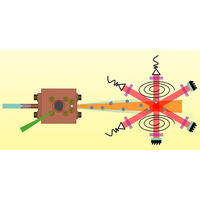
Phys. Rev. Lett. 136, 233403 (2026)
Atomic, Molecular, and Optical Physics
Role of Anionic Lone-Pair-Like Electrons in Producing Minimum Lattice Thermal Conductivity
Article | Condensed Matter and Materials | 2026-06-10 06:00 EDT
Hongwei Ming, Jiahui Wang, Shike Xu, Bushra Jabar, Yunpeng Zheng, Zhong-Zhen Luo, and Zhigang Zou
Cationic lone-pair electrons are often associated with distinctive phonon properties (e.g., strong lattice anharmonicity) that lead to low lattice thermal conductivity (). However, the reliance on specific cations (e.g., or ) severely restricts the broader applicability of this lone-pair-…
Phys. Rev. Lett. 136, 236301 (2026)
Condensed Matter and Materials
Evidence for Atomic-Scale Vibron-Mediated Electron Bunching
Article | Condensed Matter and Materials | 2026-06-10 06:00 EDT
A. Maiti, M. Amato, V. S. Stolyarov, H. Aubin, J. Estève, F. Pistolesi, M. Aprili, and F. Massee
Atomic-scale measurements show that vibrational excitations can cause electrons to move in bunches.
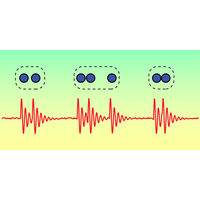
Phys. Rev. Lett. 136, 236501 (2026)
Condensed Matter and Materials
Fast and Continuous Detection of Single Microwave Photons via Photoassisted Quasiparticle Tunneling to a Superconducting Island
Article | Condensed Matter and Materials | 2026-06-10 06:00 EDT
J. Basset, O. Stanisavljević, J. Gabelli, M. Aprili, and J. Estève
A new mechanism for the detection of individual propagating microwave photons that realizes a microwave analogue of the photoelectric effect could be used for practical applications in quantum information and dark matter search.
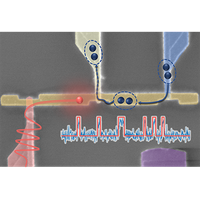
Phys. Rev. Lett. 136, 237001 (2026)
Condensed Matter and Materials
Long-Range Order in a Strictly Short-Range Quasi-2D XY Model: When Critical Fluctuations Matter
Article | Statistical Physics; Classical, Nonlinear, and Complex Systems | 2026-06-10 06:00 EDT
Minghui Hu, Chao Zhang, Dajun Zhang, Yanan Sun, Youjin Deng, and Jian-Ping Lv
The phase of spins in the quasi-two-dimensional (q2D) XY model has emerged as a topic of significant interest across multiple subfields of physics. Conventional wisdom, rooted in the Mermin-Wagner theorem and supported by existing paradigms, asserts that true long-range (LR) order is prohibited in q…
Phys. Rev. Lett. 136, 237101 (2026)
Statistical Physics; Classical, Nonlinear, and Complex Systems
Erratum: Bacterial Turbulence at Compressible Fluid Interfaces [Phys. Rev. Lett. 136, 138301 (2026)]
Article | 2026-06-10 06:00 EDT
Yuanfeng Yin, Bokai Zhang, H. P. Zhang, and Shuo Guo
Phys. Rev. Lett. 136, 239901 (2026)
Physical Review X
Fate of Topological Dirac Magnons in van der Waals Ferromagnets at Finite Temperature
Article | 2026-06-10 06:00 EDT
Rintaro Eto, Ignacio Salgado-Linares, Masahito Mochizuki, Johannes Knolle, and Alexander Mook
Theoretical modeling of magnon interactions at finite temperatures demonstrates that topological magnon gaps remain surprisingly stable near the Curie point, providing a roadmap for designing robust spintronic devices.
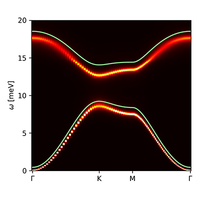
Phys. Rev. X 16, 021053 (2026)
arXiv
Numerical simulations of the spread from the mean of the SLE and Multiple SLE dynamics
New Submission | Statistical Mechanics (cond-mat.stat-mech) | 2026-06-11 20:00 EDT
The Schramm-Loewner Evolution (SLE) describes a family of fractal curves that arise in the study of the scaling limits of many planar Statistical Physics models. These curves are modeled using the Loewner Differential Equation for the conformal maps $ g_t(z)$ with a Brownian motion driver. Using Euler’s Method, in the current work we performed numerical experiments to study at a fixed time the quantities $ |g_t(z) - \overline{g_t(z)}|$ and $ Re(g_t(z)) - Re(\overline{g_t(z)})$ , where $ Re$ denotes the real part and $ \overline{g_t(z)}$ refers to the sample average. These random variables measure the ‘spread’ of the dynamics from the average behavior at fixed time. One of the scopes of this work is to give numerical predictions for future theoretical investigations on these quantities. When investigating these quantities in the SLE case our experiments predict that the distribution is bimodal when the dynamics started close to the origin, and it can become bell-shaped if the dynamics is started further from the origin. In the second part, we performed experiments for a Multiple SLE model whose driver is Dyson Brownian Motion. Due to singularity in the dynamics of the drivers and the many data points needed, this part is challenging from a computational perspective. In the multiple SLE case, our experiments predict that the distribution is bell-shaped in all cases. In addition, we check the changes in the distributions as we vary the parameter $ \kappa$ in the SLE case and $ \beta$ in the Multiple SLE case.
Statistical Mechanics (cond-mat.stat-mech), Numerical Analysis (math.NA), Probability (math.PR)
Note that an updated version of this paper is officially published in the Journal Research in Statistics (2026 Vol 4 Issue 1) that has more updated experiments and discussions. That version is also open access under the Creative Commons Attribution License. It is availabe at this https URL
Research in Statistics, 4(1) 2026
Ferromagnetism from the geometry of localized wavefunctions in moiré systems
New Submission | Disordered Systems and Neural Networks (cond-mat.dis-nn) | 2026-06-11 20:00 EDT
Miguel Gonçalves, Sarang Gopalakrishnan
We present a mechanism for ferromagnetism in narrow bands consisting of Anderson-localized states. We exploit single-particle localization to derive a controlled theory of exchange interactions within the narrow band. For quasiperiodic systems with a half-filled moiré band, we show that the critical interaction strength for ferromagnetism is highly sensitive to the geometry of real-space overlaps between localized orbitals: we find well-defined resonances at which ferromagnetism sets in for interaction energies that are far lower than the gap to other bands. Near these resonances, all the approximations in our theory are controlled, so our critical point predictions are quantitative. We show examples both in one and two dimensions. Our work identifies a route to ferromagnetism based on the geometry of real-space wavefunctions, distinct from previously found mechanisms based on the quantum geometry of Bloch bands.
Disordered Systems and Neural Networks (cond-mat.dis-nn), Strongly Correlated Electrons (cond-mat.str-el)
Exact Dynamics of Topological Order Across a CDW–SPT Transition
New Submission | Strongly Correlated Electrons (cond-mat.str-el) | 2026-06-11 20:00 EDT
Pradip Kattel, Yicheng Tang, Natan Andrei
We investigate the nonequilibrium dynamics of a one-dimensional interacting system across a transition from a charge-density-wave (CDW) phase to a symmetry-protected topological (SPT) phase. Starting from a CDW initial state, we study both sudden quenches and slow ramps into the SPT regime. While the CDW order melts under both protocols, the fate of topological order is sharply different. Following a sudden quench, long-range SPT order does not emerge because the post-quench state contains a finite density of excitations above the topological ground state. In contrast, slow ramps allow the system to follow the instantaneous ground state away from the critical region, enabling the buildup of SPT order with deviations governed by Kibble-Zurek defect production. The dynamics is solvable via a unitary mapping to a quadratic fermionic Hamiltonian, allowing us to compute the Loschmidt echo, correlation functions, and string correlator. The Loschmidt rate function exhibits cusps signaling dynamical quantum phase transitions, while the correlation dynamics reveal the contrasting mechanisms governing quenches and ramps across the transition. These results demonstrate that entering the topological regime is not sufficient for the emergence of topological order; the decisive factor is the suppression of excitation production during the evolution.
Strongly Correlated Electrons (cond-mat.str-el), Statistical Mechanics (cond-mat.stat-mech), Superconductivity (cond-mat.supr-con), Quantum Physics (quant-ph)
Universal critical behavior in ideal Bose-Einstein condensation
New Submission | Quantum Gases (cond-mat.quant-gas) | 2026-06-11 20:00 EDT
Arturo Camacho-Guardian, Leon Kleebank, Frank Vewinger, Martin Weitz, Julian Schmitt, Rosario Paredes, Victor Romero-Rochín
Ideal Bose-Einstein condensation (BEC) remains a paradigmatic example of a continuous phase transition and a cornerstone for understanding quantum degenerate bosonic matter. We demonstrate that critical behavior of the ideal Bose gas near the BEC phase transition falls into three distinct classes, determined exclusively by the low-energy scaling of the density of states. Depending on its scaling exponent, which is controlled by dimensionality and confinement, the transition displays either the usual algebraic divergences of thermodynamic susceptibilities, divergent behavior with marginal logarithmic corrections, or a more subtle form of criticality, where only the correlation length diverges. Our work provides a unified framework for criticality in noninteracting bosonic systems. This classification applies broadly to atomic, photonic, polaritonic, and magnonic condensates, where dimensionality, confinement, and spectral engineering can strongly reshape the density of states.
Quantum Gases (cond-mat.quant-gas), Mesoscale and Nanoscale Physics (cond-mat.mes-hall), Statistical Mechanics (cond-mat.stat-mech)
6 pages, 1 figure + SM: 8 pages. Comments are welcome
Chiral anomaly and planar Hall conductance in pseudospin-$1$ Fermions
New Submission | Mesoscale and Nanoscale Physics (cond-mat.mes-hall) | 2026-06-11 20:00 EDT
Positive longitudinal magnetoconductance (LMC) and planar Hall conductance (PHC) are hallmark transport signatures of the chiral anomaly in Weyl semimetals. Recent theoretical developments have extended Weyl fermions to multifold Fermionic systems with higher-pseudospin quasiparticle excitations, motivating the study of their magnetotransport properties. Here, we employ semiclassical Boltzmann transport theory within the relaxation-time approximation to investigate magnetotransport in pseudospin-1 Weyl semimetals, incorporating momentum-dependent scattering, orbital magnetic moment corrections, and charge-conservation constraints. To obtain a finite PHC, we break azimuthal symmetry through either a generic tilt of the quasiparticle dispersion or a finite misalignment between the electric and magnetic fields. In the untilted case, the PHC is positive and scales quadratically with magnetic field strength. Increasing the scattering strength induces a sign reversal of the PHC, producing a transition from positive to negative values. The PHC further exhibits the characteristic angular dependence $ \sin 2\gamma$ , where $ \gamma$ is the angle between the magnetic field and the $ x$ -axis. Tilt qualitatively alters this behavior: tilt along the $ x$ - and $ z$ -directions changes the angular response to $ \sin\gamma$ and $ \cos\gamma$ , respectively, generating strong anisotropy in the planar Hall signal. Moreover, the PHC shows a nonmonotonic dependence on tilt magnitude, revealing the interplay between tilt-induced symmetry breaking and chiral-anomaly-driven transport. Our results provide experimentally accessible signatures of multifold fermions and a framework for interpreting magnetotransport measurements in candidate materials of space groups 199, 214, and 220.
Mesoscale and Nanoscale Physics (cond-mat.mes-hall)
Comments are welcome
Reconfigurable Strain Gradient Polarity in Crystalline Oxide Nanomembranes for Controlled Bending of Functional Materials
New Submission | Materials Science (cond-mat.mtrl-sci) | 2026-06-11 20:00 EDT
Tiffany C. Wang, Minyong Han, Varun Harbola, Harold Y. Hwang
We report the fabrication and mechanical characterization of a “bubble” geometry for accessing local strain gradients using freestanding, single-crystalline manganite nanomembranes: a switchable bistable nanodrum, with opposite strain gradient polarities. By leveraging epitaxial strain as a source of pre-strain and with control of geometrical and mechanical boundary conditions, the fabricated device can support strain gradients with strain variation ranging from 0.01% to 1%. Switching energetics can be designed to configure the bubble morphology. By providing a mechanical framework for sustained strain gradients, this platform supports scalable oxide membrane applications such as the mechanical manipulation of magnetism, coupled to local probes.
Materials Science (cond-mat.mtrl-sci)
ACS Appl. Nano Mater. (2026)
Unusual half-metallic state in unconventional magnets
New Submission | Other Condensed Matter (cond-mat.other) | 2026-06-11 20:00 EDT
Half-metallic ferromagnets exhibit a gap in the density of states for one spin projection while remaining gapless for the opposite spin. We show that in helimagnets an unusual half-metallic state can exist, where the spin projection that experiences the gap is determined by the direction of the wave vector. This state originates from the nontrivial topology of the band structure, specifically from the dispersion forming a multi-sheeted covering over the Brillouin zone. We present two-dimensional tight-binding models for $ p$ -wave and $ f$ -wave half metals. These structures can be realized in crystalline and van der Waals systems. The complex band structure of the unusual $ p$ -wave half metal in nanostructures is also discussed. In a quantum well, a standing wave with a helical spin structure is formed, and a persistent spin current exists.
Other Condensed Matter (cond-mat.other)
Compressed minimum-purity time evolution for late-time quantum dynamics
New Submission | Statistical Mechanics (cond-mat.stat-mech) | 2026-06-11 20:00 EDT
Moksh Bhateja, Jonas B. Rigo, Markus Schmitt
Unitary time evolution of initially simple quantum many-body states rapidly generates entanglement and complex correlations, which limits direct numerical simulations. The late-time dynamics of physical observables, however, typically exhibits an effective simplicity in the form of hydrodynamics or kinetic theory. This leads to the question whether microscopic equations of motion can remain accurate and tractable up to long time scales by discarding irrelevant information in a controlled manner. Here, we introduce compressed minimum-purity time evolution (CoMPuTE) as an approach to keep track of a consistent set of reduced local density matrices, closing the hierarchical equations of motion using a minimum-purity principle. In benchmark applications we demonstrate (i) accurate description of energy diffusion in the one-dimensional mixed-field Ising model, (ii) the applicability to genuinely out-of-equilibrium Floquet dynamics starting from a pure state, and (iii) the limitations of the local reduced density matrix approximation when describing transport in the XXZ chain at $ \Delta=1$ that is governed by increasingly non-local integrals of motion. The CoMPuTE method enhances computational efficiency in comparison to the closely related local-information time evolution algorithm, opening a possible route towards an extension to systems in higher spatial dimensions.
Statistical Mechanics (cond-mat.stat-mech), Quantum Physics (quant-ph)
19 pages, 6 figures
Defect Tolerance in Trigonal Selenium Photovoltaics
New Submission | Materials Science (cond-mat.mtrl-sci) | 2026-06-11 20:00 EDT
Jiban Kangsabanik, Kasper Tolborg, Thomas Olsen, Kristian S. Thygesen
Understanding how point defects fundamentally influence photovoltaic performance remains a central question for emerging wide-band gap absorbers. Trigonal selenium (t-Se) has recently re-emerged as a promising photovoltaic material due to its near-optimal band gap for tandem and indoor applications. Here we quantify defect-assisted Shockley-Read-Hall (SRH) recombination in t-Se using first principles calculations across a large and chemically diverse set of point defects. Our results suggest that t-Se is intrinsically defect tolerant. Despite the presence of multiple deep levels in the gap, recombination via nonradiative multi-phonon emission processes is strongly suppressed by large lattice reorganizations and large energy releases of at least 0.5 EG per recombination event, while radiative defect-assisted capture also remains too small to account for the observed device losses. Consequently, SRH recombination mediated by realistic concentrations of point defects cannot account for the observed efficiency limitations in selenium photovoltaics. We explore trends in both radiative and nonradiative SRH recombination rates across the defect data set, highlighting their complex dependence on defect level position, lattice relaxation, charge state, and doping conditions. These findings establish trigonal selenium as a defect-tolerant wide-band-gap absorber and provide transferable design principles for optimizing next-generation photovoltaic materials for tandem and indoor applications.
Materials Science (cond-mat.mtrl-sci)
Topological Phase Transition in Mechanical Honeycomb Lattice
New Submission | Materials Science (cond-mat.mtrl-sci) | 2026-06-11 20:00 EDT
Yi Chen, Xiaoning Liu, Gengkai Hu
Topological materials provide a new tool to direct wave energy with unprecedented precision and robustness. Three elastic topological phases, the valley Hall, Chern and spin Hall insulators, are currently studied, and they are achieved separately in rather distinct configurations. Here, we explore analytically various topological phase transitions for in-plane elastic wave in a unified mass-spring honeycomb lattice. It is demonstrated that the three elastic topological phases can be realized in this single lattice by designing mass, stiffness or introducing Coriolis’ effect. In particular, the interface between valley Hall and Chern insulators is found to support topological interface mode for the first time. Perturbation method is used to derive the analytic effective continuum model in the neighbor of band degeneracy, and the physics in topological phase transitions are revealed through evaluation of topological invariants. The topologically protected interface states, their decaying profile as well as the pseudo-spin-indicating polarization specific for elastic wave are systematically analyzed, and these results are further confirmed numerically by Bloch wave analysis of domain wall strip and transient simulation of finite sized sample. This study offers a concise and unified analytical model to explore topology nature of elastic wave, and can provide intuitive guidance to design of continuum mechanical topological materials.
Materials Science (cond-mat.mtrl-sci), Applied Physics (physics.app-ph)
28 pages, 12 figures
J. Mech. Phys. Solids. 122(54), 2019
Dynamics of repeated BEC formation and extraction in dimple traps
New Submission | Quantum Gases (cond-mat.quant-gas) | 2026-06-11 20:00 EDT
Kyrylo Kovalchuk, Dominik Pfeiffer, Ludwig Lind, Mark Edwards, Alexander Yakimenko, Gerhard Birkl
We investigate repeated Bose-Einstein-condensate (BEC) formation and extraction in a dimple trap embedded in a reservoir of thermal atoms using a kinetic model. The model includes pulsed extraction, evaporation, three-body losses, and thermal-atom replenishment. Three extraction protocols are compared: extraction of all atoms from the dimple (BEC and thermal atoms), full and partial extractions of the BEC, but not of the thermal atoms. Residual atoms in the dimple after extraction seed subsequent Bose-stimulated growth and reduce the recovery time between extractions, but also enhance density-dependent losses. For all protocols, repeated extraction of BECs can be achieved without replenishment, but the number of BEC formations is limited by reservoir depletion and heating. With continuous replenishment, the system can reach a periodic steady-state regime, after an initial transient period, controlled by the externally imposed rates of extraction pulses and thermal-atom input. Within the explored parameter range, partial BEC extraction gives the highest efficiency, particularly for short extraction periods and high input rates. These results identify seeding by residual populations of BECs and thermal atoms as a kinetic mechanism for improving repeated condensate production in dimple traps.
Quantum Gases (cond-mat.quant-gas)
11 pages, 7 figures
Extrinsic quantum geometry in the quadrupolar bulk photovoltaic effect
New Submission | Mesoscale and Nanoscale Physics (cond-mat.mes-hall) | 2026-06-11 20:00 EDT
Steven Gassner, Swati Chaudhary, Martin Claassen
The bulk photovoltaic effect has become a valuable probe of the quantum geometry of Bloch bands. While it is restricted to inversion-broken systems within the dipole approximation, the finite momentum of light is appreciated to give rise to this effect even in centrosymmetric crystals, an effect referred to as “photon drag.” In this work, we recast the photon drag effect at leading order in the optical wavevector, highlighting a previously neglected contribution arising intuitively from the electric quadrupole correction to light-matter coupling. In the language of band geometry, we identify this interband quadrupole as a multiband metric tensor that quantifies the variation of two resonantly driven states extrinsic to the subspace they span. We predict that systems in which three or more bands strongly admix in momentum space, such as twisted MoTe$ _2$ bilayers, will have anomalously large photon drag due to this quadrupolar effect. Our work provides a conceptual bridge between band-geometric organizing principles and electromagnetic multipole corrections in nonlinear optics.
Mesoscale and Nanoscale Physics (cond-mat.mes-hall)
Screening of the Coulomb interaction in Carbon Nanotubes: A First-Principles cRPA study
New Submission | Materials Science (cond-mat.mtrl-sci) | 2026-06-11 20:00 EDT
Mohadese Rezayi, Hanif Hadipour
We investigate the electronic screening of long-range Coulomb interactions in carbon nanotubes with different chiralities using first-principles calculations within the random-phase approximation. Depending on their wrapping vector, carbon nanotubes exhibit either metallic or semiconducting behavior, providing an ideal platform to explore how reduced dimensionality and electronic structure govern screening in one-dimensional systems. The strength of on-site Coulomb interactions in these compounds falls within the range of 3.5 to 5 eV, which is approximately 2-3 eV smaller than the corresponding values in nanoribbon compounds. This reduction subsequently affects the value of long-range interactions, consistent with experimental results regarding the smaller binding energy of excitons in nanotubes. Despite their common carbon backbone, we find that the effective interaction landscape depends not only on metallicity but also sensitively on chirality and band topology. In particular, armchair and zigzag nanotubes with similar electronic character exhibit markedly different screening efficiencies. Our results establish a unified microscopic picture of electronic screening in carbon nanotubes and place them in direct context with previous first-principles studies of low-dimensional carbon nanostructures.
Materials Science (cond-mat.mtrl-sci)
9 pages and 7 figures
Synthetic Altermagnetism Beyond the Crystal Limit
New Submission | Other Condensed Matter (cond-mat.other) | 2026-06-11 20:00 EDT
Rodolfo A. Gallardo, Andrea M. León, Jürgen Lindner, Jhon W. González
Altermagnetic magnons in crystalline materials exhibit momentum-dependent splitting whose nodal structure and chiral character are governed by the point-group symmetry of the magnetic sublattice rotation. Here, we demonstrate the first synthetic realization of altermagnetic magnonics in a continuum platform composed of antiferromagnetically coupled ferromagnetic films with alternating in-plane exchange anisotropies, showing that the key signatures of altermagnetic magnonics emerge beyond the crystalline setting. Solving the linearized Landau-Lifshitz equation within a dipole-exchange framework, we show that this architecture reproduces the characteristic momentum-dependent splitting, nodal directions, and anisotropic isofrequency contours of A-type altermagnets. Long-range dipolar interactions qualitatively reconstruct this exchange-driven spectrum by lifting the nominal nodal degeneracy, hybridizing opposite-chirality modes, and producing a finite, thickness-dependent wave-vector splitting along directions that are nodal in the exchange-only limit. Extending the bilayer to finite multilayers reveals that synthetic altermagnetism undergoes a parity-dependent reconstruction that separates surface and bulk altermagnetic excitations. These results establish altermagnetic magnon phenomenology as an engineerable collective response of dipole-exchange multilayers beyond microscopic crystal symmetries.
Other Condensed Matter (cond-mat.other)
12 pages, 4 figures, including Supplemental Material
Nucleation instability preempts relativistic domain wall transport in high-exchange ferrimagnetic nanowires
New Submission | Materials Science (cond-mat.mtrl-sci) | 2026-06-11 20:00 EDT
Current-driven domain wall motion in ferrimagnets can approach the spin-wave velocity, giving rise to relativistic-like dynamics. While this regime has been experimentally observed in crystalline ferrimagnetic garnets and amorphous GdFeCo, the material conditions that determine whether it can be accessed remain unresolved. Here, we investigate spin-orbit-torque-driven domain wall motion in high-exchange GdCo nanowires using magneto-optical Kerr effect microscopy. We find that nucleation preempts relativistic transport. In GdCo, no velocity saturation or high-field collapse is observed. Instead, the large exchange interaction raises the maximum spin-wave group velocity to $ \approx 7\text{–}9~\mathrm{km/s}$ , far above the experimentally accessible domain wall velocities. Before this limit can be approached, increasing current density and in-plane magnetic field induce domain nucleation, disrupting steady-state propagation. We map the boundary separating domain wall transport from nucleation instability and show that the nucleation threshold decreases with pulse duration, consistent with thermally assisted barrier crossing. These results identify nucleation as the mechanism that prevents access to the relativistic regime in high-exchange ferrimagnets and establish a dynamical phase boundary between steady propagation and nucleation.
Materials Science (cond-mat.mtrl-sci)
Superconductivity near quarter- and half-filling of a strongly correlated triangular Hubbard band in twisted trilayer WSe2
New Submission | Superconductivity (cond-mat.supr-con) | 2026-06-11 20:00 EDT
Yungi Jeong, Kenji Watanabe, Takashi Taniguchi, Joonho Jang
The triangular-lattice Hubbard model is one of the paradigmatic settings for studying correlated electronic systems with geometric frustration that can give rise to a variety of phases. Recently, twisted bilayer TMD systems have emerged as attractive experimental platforms for realising such a model in the moderate-correlation regime. Alternating twisted trilayer TMD systems are expected to realise stronger correlations than bilayer systems owing to their mirror symmetry. Here we report the discovery of superconductivity near quarter- and half-filling, together with various correlated phases, in alternating twisted trilayer WSe2 (TTWSe2). At half filling, a robust correlated insulating state persists over a broad range of displacement fields, signalling the strongly correlated regime. Upon doping, superconductivity emerges over an extended region of the phase diagram. Near quarter filling, another superconducting state appears flanked by correlated metals. Our results establish the TTWSe2 system as a compelling platform for studying strongly correlated triangular-lattice Hubbard physics.
Superconductivity (cond-mat.supr-con)
Unveiling the Interplay of Charge and Magnetic Excitations in HgBa$_2$Ca$_2$Cu$3$O${8+δ}$
New Submission | Superconductivity (cond-mat.supr-con) | 2026-06-11 20:00 EDT
Karn Rongrueangkul, Martina Fedele, Leonardo Martinelli, Giacomo Merzoni, Roberto Sant, Nicholas B. Brookes, Dorothée Colson, Alain Sacuto, Götz Seibold, Sergio Caprara, Marco Moretti Sala, Giacomo Ghiringhelli, Riccardo Arpaia
Unraveling the mechanism that binds electrons into Cooper pairs in cuprate high-temperature superconductors remains one of the most fundamental challenges in condensed-matter physics. While both magnetic interactions and lattice vibrations are known to govern key electronic properties, their possible cooperation has never been directly observed. We investigate HgBa$ _2$ Ca$ _2$ Cu$ 3$ O$ {8+\delta}$ (Hg1223) - the cuprate with the highest $ T{\mathrm{c}}$ at ambient pressure - as a magnifying glass to probe the possible entwining of the excitations at the core of the pairing. Using resonant inelastic X-ray scattering, we find that the charge response is dominated by dynamic charge density fluctuations (CDF) extending up to several hundred meV, where magnetic excitations reside. At the same momentum where CDF are most intense, the paramagnon energy exhibits a pronounced softening, revealing a strong interplay among charge, lattice, and spin excitations. Our results point to a cooperative mechanism in which dynamic charge fluctuations mediate the coupling between lattice, charge and spin degrees of freedom-shedding new light on the fundamental origin of high-$ T{\mathrm{c}}$ superconductivity.
Superconductivity (cond-mat.supr-con), Strongly Correlated Electrons (cond-mat.str-el)
41 pages, 14 figures
Invariants of Sequential Circuits and Generalized Non-Abelian Statistics
New Submission | Strongly Correlated Electrons (cond-mat.str-el) | 2026-06-11 20:00 EDT
Shintaro Sato, Yoshimasa Hidaka, Ryohei Kobayashi
Non-invertible symmetries in quantum many-body systems generally give rise to sequential unitary circuits that move symmetry defects. In this paper, we investigate invariants defined by sequences of such circuits, which move non-invertible defects and generate a Berry phase evaluated on quantum states with defects. We show that this Berry phase generally defines an invariant under local deformations, provided that the sequential circuits preserve the locality of those deformations. This invariant also rules out a short-range-entangled state that preserves the non-invertible symmetry, thereby signaling the ‘t Hooft anomaly of a non-invertible symmetry purely in terms of unitary operators acting on a state. We then apply this framework to loop excitations in three spatial dimensions and identify a new loop excitation in the (3+1)D $ \mathbb{D}_4$ topological order, which we dub a non-Abelian fermionic loop. Using the invariant of sequential circuits, we characterize the statistics of non-Abelian fermionic loops. In addition, we find a new (3+1)D mixed topological order with a single non-Abelian fermionic loop, whose long-range entanglement is protected by an invariant of sequential circuits.
Strongly Correlated Electrons (cond-mat.str-el), High Energy Physics - Theory (hep-th), Quantum Physics (quant-ph)
20 pages, 11 figures
Polarization-Resolved Photon Statistics of Cavity Quantum Materials
New Submission | Mesoscale and Nanoscale Physics (cond-mat.mes-hall) | 2026-06-11 20:00 EDT
Benjamin Kass, Spenser Talkington, Martin Claassen
By forming hybrid light-matter states, optical cavities offer a route for engineering material properties, however, unambiguously probing the effects of light-matter coupling remains difficult. Here, we show that the polarization-resolved statistics of photons transmitted through a cavity, measurable via $ g^{(2)}$ , provide one such diagnostic. By relating $ g^{(2)}$ to matter correlation functions such as the Raman structure factor, we link photon bunching and antibunching to material properties. By applying this method to the stripy-to-antiferromagnetic transition in the Kitaev-Heisenberg spin model, we find that polarization-dependent patterns of bunching and antibunching encode the magnetic point-group symmetries of each phase and characterize the behavior at the phase boundary. Finally, we predict measuring $ g^{(2)}$ for output photon pairs polarized orthogonal to the input field will isolate higher-order light-matter scattering processes that probe higher-order material correlations.
Mesoscale and Nanoscale Physics (cond-mat.mes-hall), Strongly Correlated Electrons (cond-mat.str-el), Optics (physics.optics), Quantum Physics (quant-ph)
9+10 pages, 3+7 figures
Chiral Magnons and Cycloidal Phonons in Altermagnetic CuF$_{2}$ Monolayer
New Submission | Materials Science (cond-mat.mtrl-sci) | 2026-06-11 20:00 EDT
Andrea M. León, Matías F. Torreblanca, Carmine Autieri, Jhon W. González
Altermagnetism establishes momentum-dependent spin splitting through non-symmorphic crystal symmetries, yet whether these same symmetries simultaneously govern spin and lattice collective excitations remains open. Here we show, using first-principles calculations and linear spin-wave theory, that monolayer CuF$ _2$ hosts both chirality-split magnons and cycloidal phonons controlled by the same $ P2_1/c$ symmetry operations. The altermagnetic order drives strongly anisotropic magnon chirality via symmetric anisotropic exchange, with Dzyaloshinskii–Moriya interactions acting as a weak secondary modulation. Crucially, the phonon and magnon chiral responses are directionally complementary: cycloidal phonon angular momentum emerges precisely where magnon chirality is symmetry-suppressed, and vice versa. The magnon bands further carry quantized Chern numbers $ C^M = \pm 2$ , confirming non-trivial altermagnetic topology. These results establish monolayer CuF$ _2$ as a platform where a single symmetry framework engineers magnonic, phononic, and topological responses, providing a direct connection between altermagnetism and spin-lattice chirality in two-dimensional materials.
Materials Science (cond-mat.mtrl-sci), Strongly Correlated Electrons (cond-mat.str-el)
6 pages
Unveiling Orbital-mediated Ultrafast Demagnetization in Rare Earth-Transition-Metal Ferrimagnets
New Submission | Materials Science (cond-mat.mtrl-sci) | 2026-06-11 20:00 EDT
Jianwen Gao, Linlin Zhang, Mingli Ge, Runhua Zhang, Jinshan Wang, Hui Li, Xiaowei Zhou, Zhu Liu, Zongzhi Zhang, Li Xi, Yalu Zuo, Chenglong Jia, Feng Qiu, Shaojie Hu, Yang Ren
The ultimate speed limit of magnetic recording and spintronic devices is set by the efficiency of angular-momentum transfer during ultrafast demagnetization, yet its microscopic pathway in Rare-Earth-Transition-Metal (RE-TM) ferrimagnets remains debated. Here, we establish an orbital-mediated framework in which 3d spin-orbit coupling (SOC) governs angular momentum (AM) dissipation. Strong 3d-SOC in RE-Co enables sub-picosecond, single-step demagnetization via direct orbital-to-lattice transfer, whereas weak 3d-SOC in RE-Fe redirects AM into 4f orbitals, producing slower two-step dynamics. The second-stage rate scales with 4f-SOC strength, revealing a distinct orbital-mediated dissipation channel. Using time-resolved magneto-optical Kerr measurements, supported by an extended four-temperature model, corroborate this picture across diverse RE-TM systems (RE = Sm, Gd, Tb, Dy, Ho and TM = Fe, Co, CoNi). Our results identify the SOC-driven competition between 3d and 4f orbital channels as the universal mechanism governing ultrafast demagnetization in RE-TM ferrimagnets, enabling rational design of the switching speed for next-generation spintronic devices.
Materials Science (cond-mat.mtrl-sci)
A quantitative approach to flowing supercooled liquids: From microscopic heterogeneities to rheology
New Submission | Soft Condensed Matter (cond-mat.soft) | 2026-06-11 20:00 EDT
Soft glassy materials display rich and complex flow behaviors across both macroscopic and molecular scales, and a fundamental understanding of these phenomena remains an outstanding challenge. Here, we propose a theoretical model for the flow of supercooled liquids – a typical class of glassy fluids – based on a two-state paradigm that conceptualizes the flow as a dynamic coexistence of transient solid-like and liquid-like regions. The model rests on two essential physical ingredients: a correlation length that captures medium-range structural order, and a localized elasticity-mediated interaction that restricts stress propagation within solid-like regions. Remarkably, with all parameters determined solely from equilibrium state, the model quantitatively reproduces rheological responses – including both steady-state and start-up shear – for a broad range of shear rates. Furthermore, it simultaneously captures the evolution of molecular dynamic heterogeneity. This dual success – spanning macroscopic rheology and microscopic spatiotemporal fluctuations – underscores the pivotal role of structural and dynamic heterogeneities in governing the rheological response. Moreover, it provides a direct understanding of how the flow behaviors of a supercooled liquid are embedded in its equilibrium properties.
Soft Condensed Matter (cond-mat.soft)
12 pages,7 figures
Consistent Evaluation of Operators Involving the Position Operator in the Bloch Representation: Application to the Orbital Moment
New Submission | Mesoscale and Nanoscale Physics (cond-mat.mes-hall) | 2026-06-11 20:00 EDT
Daehyeon An, Junmo Jeon, Se Kwon Kim
The position operator plays a central role in condensed-matter observables such as velocity, orbital moment, and electric polarization. In solid-state physics, the evaluation of operators incorporating the position operator has not reached a consensus, as observed in the operator-level discrepancy between the local circulation of Wannier functions and the self-rotation of wave packets. Here, to achieve a consistent evaluation of such operators, we propose three rules for evaluating operators involving the position operator in the Bloch representation. The rules are devised to satisfy physical conditions: independence from the choice of unit cell, preservation of Hermitian conjugacy for the product of operators, and recovery of the correct intraband velocity. We further address the gauge dependence of the position operator and introduce a scheme termed gauge filtration, which systematically removes gauge-dependent contributions from the operators containing the position operator. This methodology ensures that the quantities obtained from the operator evaluation correspond to observable physical phenomena. By applying our framework, we reconcile the results concerning the self-rotation of the wave packet and the local circulation of the Wannier function. We expect our proposal to establish a consistent framework for evaluating operators involving the position operator.
Mesoscale and Nanoscale Physics (cond-mat.mes-hall), Quantum Physics (quant-ph)
DSpinGNN: A Physics-Informed Equivariant Graph Neural Network for Dynamic Magnetic Exchange Prediction in Strain-Deformed Monolayer CrI$_3$
New Submission | Mesoscale and Nanoscale Physics (cond-mat.mes-hall) | 2026-06-11 20:00 EDT
Isam A. Balghari, M. Faryad, M. Sabieh Anwar
Resolving the instantaneous, position-dependent isotropic magnetic exchange coupling $ J_{ij}$ across a dynamically deforming crystal lattice requires a computational approach that simultaneously handles structural forces and magnetic interactions at length scales inaccessible to first-principles methods. Here we introduce DSpinGNN, a bifurcated machine-learning architecture comprising an $ E(3)$ -equivariant graph neural network (E-GNN) for classical Langevin structural dynamics and a physics-informed $ \Delta$ -MLP that maps instantaneous local Cr-I-Cr bond geometry to isotropic exchange couplings, with the Goodenough-Kanamori superexchange relationship embedded as an analytical inductive bias. Trained on 345 DFT+U configurations of monolayer CrI$ _3$ and evaluated on a strictly withheld 61-configuration test set, DSpinGNN simultaneously achieves an energy MAE of $ 1.1$ meV/atom, a force MAE of $ 6.5$ meV/Å, and an exchange coupling MAE of $ 0.18$ meV ($ R^2 = 0.91$ ). Deployed at 400$ \times$ scale in a 3,200-atom supercell under a collinear Ising-constrained adiabatic approximation at $ 5$ K, the model maps the local exchange response to a propagating biaxial strain wave. Wave reflection at periodic boundaries generates transient constructive interference regions where local compressive strain exceeds the DFT-established FM-to-AFM threshold, producing spatially heterogeneous exchange coupling textures that damp as the wave dissipates. Quantitative analysis yields a domain wall width of $ \xi = 1.7 \pm 0.3$ ~nm and a constructive-interference oscillation period of $ \tau = 0.27$ ~ps – mesoscopic observables inaccessible to direct DFT and constituting testable predictions for cryogenic magnetic force microscopy. DSpinGNN provides a reproducible, transferable framework for mesoscale exchange mapping in strain-driven 2D magnetic materials.
Mesoscale and Nanoscale Physics (cond-mat.mes-hall)
Observation of coherently modulated phonon band and lifetime in superlattice
New Submission | Materials Science (cond-mat.mtrl-sci) | 2026-06-11 20:00 EDT
Yuxuan Liao, Hiroshi Uchiyama, Naomi Nagai, Natalia Morais, Taiushun Manjo, Rulei Guo, Harsh Chandra, Ryohei Nagahiro, Bin Xu, Hiroshi Fukui, Daisuke Ishikawa, Alfred Q.R. Baron, Yasuhiko Arakawa, Kazuhiko Hirakawa, Junichiro Shiomi
Similar to the behavior of elementary particles, such as photons and electrons, the interference of phonon waves in artificial periodic nanostructures coherently modulates phonon band structures, serving as the foundation for phonon band engineering. However, direct observation of such coherently modulated phonon band structures remains challenging despite substantial insights from existing literature. Here, utilizing high-resolution inelastic X-ray scattering, we observed coherently modulated phonon band structures with phononic band gaps in a short-period GaAs/AlAs superlattice at 300 K and 500 K. Our findings provide the first direct evidence of phonon coherence at and above room temperatures, signifying a major advancement in the artificial engineering of phonon band structures. Furthermore, our experimental observations and ab initio lattice dynamics revealed that the coherently modulated phonon band structure enhances three-phonon scattering channels, strengthening high-order anharmonic effects such as three-phonon scattering and optical phonon softening. Our observations demonstrate the robustness of phonon coherence at high temperatures, and opens new routes for engineering phonon band structure and high-order phonon-phonon scattering by employing a flexible, bottom-up nanostructuring approach, with extensive applications in phononic metamaterials, microelectronics, and thermoelectrics.
Materials Science (cond-mat.mtrl-sci), Applied Physics (physics.app-ph)
17 pages, 4 figures (+4 supplementary figures)
Integrated magnonic neural circuits based on nonlinear wave neurons
New Submission | Materials Science (cond-mat.mtrl-sci) | 2026-06-11 20:00 EDT
Mengying Guo, Xudong Jing, Kristýna Davidkova, Roman Verba, Zhenyu Zhou, Xueyu Guo, Carsten Dubs, Chuan Gao, Yiheng Rao, Kaiming Cai, Jing Li, Philipp Pirro, Andrii V. Chumak, Qi Wang
Artificial intelligence is driving intense interest in alternative computing hardware capable of neural information processing beyond conventional charge-based electronics. Among emerging approaches, wave-based computing promises highly parallel and energy-efficient operation, but scalable physical neural hardware has remained elusive because wave systems generally lack cascadable nonlinear neurons with signal regeneration and phase-robust operation. Here we demonstrate integrated magnonic neural circuits based on nonlinear threshold neurons realized in nanoscale yttrium iron garnet waveguides. The neurons perform weighted summation of multiple spin-wave inputs, while a pump-controlled nonlinear activation defines continuously tunable firing thresholds. Owing to deeply nonlinear spin-wave dynamics, the activated neurons emit self-normalized outputs whose intensities are largely independent of the input amplitudes, while nonlinear phase self-adjustment suppresses sensitivity to the relative input phases, enabling deterministic neuron-to-neuron cascading without external signal restoration. We experimentally realize programmable threshold neurons, reconfigurable weighted classification and deterministic cascading between sequential neuronal stages, and further demonstrate reconfigurable physical pattern recognition in a seven-neuron integrated magnonic circuit through experimental classification of the binary letter patterns ‘HUST’. These results establish nonlinear magnons as a scalable platform for integrated neural hardware and position nonlinear wave dynamics as a general paradigm for physical neuromorphic computing.
Materials Science (cond-mat.mtrl-sci), Applied Physics (physics.app-ph)
17 pages, 5 figures
Ambient and Pressure Dependent Superconductivity with Hydrogen Storage Potential in Quaternary Hydride LiMgZr2H12: A Comprehensive First-principles Insights
New Submission | Superconductivity (cond-mat.supr-con) | 2026-06-11 20:00 EDT
Jubair Hossan Abir, Tauhidur Rahman, Salauddin Muhammad Anis, Saleh Hasan Naqib, Raihana Shams Islam
Molecular hydrides have attracted relatively less attention in the search for high Tc superconductors because their hydrogen quasi-molecular units tend to be electronically inactive for superconductivity. In contrast, hydrogen rich compounds under high pressure have been widely considered strong candidates for achieving room-temperature superconductivity. However, their dependence on extreme pressure conditions significantly constrains their practical applicability. This work investigates hydrogen-rich superconducting materials that may be stable under ambient pressure conditions. Motivated by recent studies on the MgZrH2n family, a LiMgZr2H12 structure with Pmmm symmetry was designed. The mechanical, thermodynamic, and dynamical stability of the compound, together with its electronic and optical properties, were systematically investigated using first-principles calculations. Li doping in LiMgZr2H12 significantly increases the hydrogen derived contribution near the Fermi level (EF) and strengthens the electron-phonon coupling constant ({\lambda}) compared with MgZrH6. LiMgZr2H12 exhibits a critical temperature of 72.76 K at ambient pressure, which is further enhanced by applying pressure. At 10 GPa the critical temperature increases to 77.3 K. Elastic property analysis shows that the material remains mechanically stable over the pressure range studied (0-10 GPa). It also behaves like a ductile material suitable for current carrying applications. The material has a high machinability index, which is much higher than that of stainless steels. In addition, LiMgZr2H12 exhibits a gravimetric hydrogen storage capacity of 5.36 wt%, indicating its potential as a promising candidate for hybrid hydrogen storage technologies. This work offers a new direction for designing high-Tc hydrides at ambient conditions.
Superconductivity (cond-mat.supr-con), Materials Science (cond-mat.mtrl-sci)
Spin-Orbit Torque and Magnetization Switching in 2D Ferromagnetic Devices
New Submission | Mesoscale and Nanoscale Physics (cond-mat.mes-hall) | 2026-06-11 20:00 EDT
Bao-Huei Huang, Hong Guo, Yu-Hui Tang
Current-induced spin-orbit torque has emerged as a powerful technique for manipulating magnetization switching of ferromagnet/nonmagnet (FM/NM) based memory cell. By investigating nonequilibrium spin torque effect in a van der Waals heterobilayer, trigonal $ \text{Cr}{3}\text{Te}{4}/\text{PtTe}_{2}$ , the first-principles quantum transport calculations are applied to determine both local spin induction, resulting from Rashba-Edelstein effect in the FM layer, and spin current injection, flowing from the NM to the FM layer. Our work reveals that local spin induction significantly generates the fieldlike torque, which primarily governs the switching current in systems with strong in-plane magnetic anisotropy. Our work emphasizes the importance of optimizing spin Hall effect in the NM layer for perpendicular magnetic anisotropy (PMA)-based magnetization switching and maximizing the Rashba effect in the FM layer for in-plane magnetic anisotropy (IMA)-based switching.
Mesoscale and Nanoscale Physics (cond-mat.mes-hall), Materials Science (cond-mat.mtrl-sci)
15 pages, 14 figures
Physical Review B 113, 224421 (2026)
A stochastic model for elastoplastic contact of rough surfaces incorporating scale-dependent hardness
New Submission | Statistical Mechanics (cond-mat.stat-mech) | 2026-06-11 20:00 EDT
Yang Xu, Hengxu Song, Jianqiao Hu
The stress concentrations caused by inherent roughness of natural and manufactured surfaces often induce plastic deformation at contact interfaces, a challenge compounded by competing influences of the size effect of plastic deformation and self-affine rough surface topography. To address this, we developed a novel methodology based on stochastic theory using compounded Chapman-Kolmogorov equations, for the first time, to solve elastoplastic contact problems involving scale-dependent hardness. Our approach formulates three integral equations describing the evolution of probability density functions of elastic contact pressure, relative plastic contact area, and relative non-contact area across geometrical scales. We thoroughly investigate the effects of scale-dependent hardness on contact pressure distribution, relative elastic and plastic contact areas, and the area-to-load relationship. By adjusting various mechanical and material properties, our model predicts a smooth transition from linear elasticity to elastic-plastic behavior and finally to full plasticity. A key advancement is the derivation of a new topographic yield parameter incorporating a wider range of material and geometrical properties, aiding identification of contact status. Numerical solutions enable highly precise determination of elastic and plastic limits via curve-fitting, and we also provide a new diagram for rapid identification of contact status. This study pioneers a stochastic process framework for applying the compounded Chapman-Kolmogorov equation to rough surface contact analysis, and the integral equations characterizing how interfacial properties evolve with scale could offer valuable insights for other multidisciplinary fields where multiscale roughness is critical, such as earthquakes, electrical contact, and contact electrification.
Statistical Mechanics (cond-mat.stat-mech)
38 pages, 13 figures
Berry-phase-based Topological Charge in Quasicrystals and their Observable Features in Photonic System
New Submission | Mesoscale and Nanoscale Physics (cond-mat.mes-hall) | 2026-06-11 20:00 EDT
Ziyi Chen, Jinyu Zou, Jinhua Gao, Gang xu
Topological charges based on Berry phase play the fundamental role in the topological physics. However, such topological charges remain unexplored in quasicrystals, impeding the systematic understanding of topological states in such quasiperiodic systems. In this work, by deriving all the allowed topological charges according to group representation theory and the corresponding low-energy effective Hamiltonians, we establish a universal framework for Berry-phase-based topological charges in two-dimensional quasicrystals. Taking the $ C_{8v}$ quasicrystal as an example, we demonstrate and characterize a higher topological charge of $ C=4$ , which is inaccessible in conventional periodic systems. Applying our framework to photonic quasicrystals, we uncover that the circling of photon momentum around the charge gives a $ C$ times winding of the electromagnetic field distribution pattern. Such observable feature provides a direct experimental method to probe the topological charges. Our work paves the way for exploring topological charges in quasiperiodic matter, and fundamentally bridges periodic and quasiperiodic topological band theories.
Mesoscale and Nanoscale Physics (cond-mat.mes-hall)
8 pages, 3 figures
Bulk-like Compressibility of the Au-Au Metallic Bond in the Atomically Precise $\mathrm{Au}_{25}$ Cluster
New Submission | Materials Science (cond-mat.mtrl-sci) | 2026-06-11 20:00 EDT
Camino Martín-Sánchez, Khadijetou Ahmed Ethmane, Nicholas Giamboni, Latévi Max Lawson Daku, Céline Besnard, Thomas Bürgi
We present a high-pressure single-crystal X-ray diffraction study of the atomically precise $ \mathrm{Au}{25}(\mathrm{PET}){18}^{q}$ cluster ($ q=-1,0$ ) up to 10 GPa under strictly hydrostatic conditions. Our crystallographic analysis provides direct evidence for the pressure-induced phase transitions previously suggested by spectroscopic studies. Structural refinements reveal that the cluster accommodates compression through the reorganization of the flexible ligand shell and secondary distortions of the staple motifs, while the $ \mathrm{Au}_{13}$ icosahedral core remains intact. Notably, the internal Au-Au distances exhibit a monotonic contraction that quantitatively mirrors the compressibility of bulk gold. This invariant rigidity at the sub-nanometer scale demonstrates that the fundamental stiffness of the metallic bond is preserved regardless of size. Our findings reconcile previous contradictions in the elasticity of metal nanostructures by isolating the intrinsic mechanical response of the gold kernel from extrinsic structural and experimental artifacts.
Materials Science (cond-mat.mtrl-sci)
Draft: 13 pages, 4 figures. Supporting information: 48 pages
Shape-space dynamics and geometric pattern formation in nonreciprocal slender bodies
New Submission | Soft Condensed Matter (cond-mat.soft) | 2026-06-11 20:00 EDT
Balázs Németh, Mohamed Warda, Ronojoy Adhikari
Nonreciprocal interactions in active solids violate action-reaction symmetry and produce a net response to strain. Assuming invariance under Euclidean symmetries, we derive a shape-space formulation for the elastohydrodynamics of nonreciprocal slender bodies that separates intrinsic deformation from rigid motion. The resulting nonlinear reaction-advection-diffusion system represents a geometric flow whose activity-driven instabilities generate steady, oscillatory, and chaotic patterns. These manifest as rigid, swimming, and chaotic motion, linking nonreciprocal elastohydrodynamics to geometric pattern formation and unifying recent observations in slender active structures.
Soft Condensed Matter (cond-mat.soft)
Mathematical Basis for Analyzing Superconducting Phase Transitions Using Catastrophe Theory
New Submission | Superconductivity (cond-mat.supr-con) | 2026-06-11 20:00 EDT
Jiu Hui Wu, Hua Tian, Kejiang Zhou
We establish a rigorous mathematical bridge from quantum many-body path integrals to the cusp catastrophe model by Lyapunov-Schmidt reduction, which provides a theoretical foundation for analyzing superconducting phase transition using the catastrophe theory. First, it is proved that, near the critical point the infinite-dimensional effective action is diffeomorphic to a finite-dimensional catastrophe. Secondly, starting from Ginzburg-Landau free energy functional, the Euler-Lagrange partial differential equation can be reduced to the cusp catastrophe model. Thirdly, the fermionic imaginary-time path integral to the cusp catastrophe is derived through the Hubbard-Stratonovich transformation, Matsubara frequency expansion, and Grassmann algebra. Furthermore, we connect this framework with the adsorption potential theory we proposed, elucidating the catastrophic topological nature of the electron pairing mechanism in high-temperature superconductivity. The precise microscopic derivation of the adsorption potential from first-principles electronic structure calculations would strengthen the predictive power of the theory.
Superconductivity (cond-mat.supr-con), Quantum Physics (quant-ph)
Nonlinear Mechanics and Predictable Bifurcation of Multi-Cell Kresling Origami Chains
New Submission | Soft Condensed Matter (cond-mat.soft) | 2026-06-11 20:00 EDT
Songlin Yue, Leo de Waal, David Garcia Cava, Marcelo A. Dias
Meta-structures that display axial-twist coupling can be achieved through the emerging kinematics in Kresling origami patterns. A central challenge in these structures is understanding their nonlinear mechanical behaviour, specifically their equilibrium branches and bifurcation diagrams. This involves identifying relationships between desired responses and the geometric variables that define the design space, including the Kresling polygon count, initial twist angle, height, radius, and crease lengths. As the number of constituent units increases in an n-layer chain, we track complex equilibrium branches extending into the post-critical regime under successive instabilities, including branch-point bifurcations and limit-point instabilities. This work begins by establishing the relationship between the geometric design variables and the response curves of the assembled chain by modelling the crease lines as axial-load-carrying elements. Subsequently, equilibrium branches and instabilities are systematically investigated via continuation and bifurcation analysis, beginning with the single-layer system and progressively extending to two- and three-layer configurations. Finally, a generalisation strategy is proposed to extend these findings to an n-layer Kresling chain. This strategy enables the predictive construction of equilibrium paths and the inverse design of multi-layer meta-structures, using prescribed critical points to control post-critical behaviour. It provides a foundation for the inverse design and optimisation of architected mechanical metamaterials with programmable responses.
Soft Condensed Matter (cond-mat.soft), Materials Science (cond-mat.mtrl-sci), Classical Physics (physics.class-ph)
On the flash temperature in accelerated sliding contacts
New Submission | Soft Condensed Matter (cond-mat.soft) | 2026-06-11 20:00 EDT
The temperature increase in the contact regions between solids in sliding contact can easily reach several hundred Kelvin and thereby dramatically affect friction and wear. Here I extend an earlier multiscale theory for the flash temperature (Ref. \cite{MP}) to the case of accelerated motion, and present numerical results illustrating the theory.
Soft Condensed Matter (cond-mat.soft)
Pinned Boundaries Delay Contraction and Shape Stress Relaxation in Active Gels
New Submission | Soft Condensed Matter (cond-mat.soft) | 2026-06-11 20:00 EDT
Aniket Marne, James Clarke, Aravind Rao, Hyunjae Lee, Kyla Wong, Aditya Sriram, Rae Robertson-Anderson, Moumita Das, José Alvarado
Cells dynamically generate, transmit, and dissipate stress. Central to these processes is the actomyosin cortex, an active contractile material that drives cellular mechanical behavior. While prior studies have focused on freely contracting actomyosin systems, the role of mechanical constraints such as adhesion to boundaries remains less explored. To address this, we employ reconstituted actomyosin gels to investigate cellular contractility. We study contraction dynamics under pinned boundary conditions, where the gel is adhered transversely to two opposing surfaces, mimicking supracellular actomyosin networks in tissues and embryos. We find that pinned contraction leads to stress buildup, delaying contraction, producing intermittent dynamics, and generating spatially nonuniform strain fields. Stress is relieved through several pathways, including active-stress-driven symmetric constriction and defect-driven processes such as boundary detachment and internal rupture. We develop a hydrodynamic model incorporating elastic, viscous, and active stress contributions that distinguishes between stress-accumulation and stress-release phases and links variations in active stress to the observed intermittent dynamics. The model predicts distinct energy relaxation rates before and after detachment events, providing insight into stress dissipation. We compare experiments with numerical simulations, which reproduce the observed behavior and reveal how internal energy is generated and dissipated during stress buildup and relaxation. Together, our results demonstrate how boundary conditions and spatial heterogeneity govern the mechanical behavior of contractile active gels. These findings provide insight into stress regulation in cellular and tissue-scale systems and may inform the design of adaptive soft materials and bioinspired robotic systems.
Soft Condensed Matter (cond-mat.soft), Biological Physics (physics.bio-ph)
Ferroelectric Altermagnetic Chern Insulator in magnetic field: electrical control of the Chern number
New Submission | Mesoscale and Nanoscale Physics (cond-mat.mes-hall) | 2026-06-11 20:00 EDT
Meysam Bagheri Tagani, Carmine Autieri
The quantum anomalous Hall effect in altermagnets is difficult to realize because spin-up and spin-down states remain degenerate at the $ \Gamma$ point in the nonrelativistic limit. We start from the Bernevig-Hughes-Zhang model to incorporate nontrivial band topology. We demonstrate that the combined effects of an external magnetic field, spin canting, and ferroelectric orbital hybridization lift the degeneracy at the $ \Gamma$ point, enabling electric-field control of the Chern number. A minimal two-dimensional d-wave altermagnetic model with band inversion then realizes a ferroelectrically tunable Chern insulator with spontaneous spin canting. The ferroelectric polarization controls the topological phase and the orbital angular momentum, enabling a rich phase diagram with C = $ \pm 1$ and C = $ \pm 2$ through a Berry-curvature reorganization linked to the spin canting response and ferroelectricity. Our results establish a symmetry-consistent route to electrically tunable Chern insulating phases in altermagnetic materials, opening opportunities for low-power topological and orbitronic devices.
Mesoscale and Nanoscale Physics (cond-mat.mes-hall), Materials Science (cond-mat.mtrl-sci)
7 pages, 4 figures
Modelling magnetic material properties with uncertainty-aware neural networks
New Submission | Materials Science (cond-mat.mtrl-sci) | 2026-06-11 20:00 EDT
Clemens Wager, Heisam Moustafa, Alexander Kovacs, Qais Ali, Harald Oezelt, Hayate Yamano, Masao Yano, Noritsugu Sakuma, Hyuga Hosoi, Akihito Kinoshita, Tetsuya Shoji, Akira Kato, Thomas Schrefl
Machine learning is increasingly applied to accelerate the discovery of novel materials by exploring large compositional and structural design spaces. Yet, the scarcity of high-quality data and the frequent need for out-of-distribution prediction introduce substantial uncertainty, making the assessment of model reliability essential. In this work, we investigate uncertainty quantification as a means to evaluate model confidence in the context of permanent magnet research. In a first study, we benchmark classical and modern machine learning models for predicting intrinsic magnetic properties, focusing on the quality of their uncertainty estimates. We apply Gaussian negative log-likelihood loss and dropout-based Bayesian approximation as practical strategies for estimating predictive uncertainty. In a second study, we transfer these architectural features for uncertainty estimation to a more complex task: predicting coercivity from microstructural information using a graph neural network. Together, these studies demonstrate that uncertainty quantification not only enhances the trustworthiness of predictions but is also transferable across different modeling tasks.
Materials Science (cond-mat.mtrl-sci), Machine Learning (cs.LG)
pre print, unreviewed version
Sonochemically Boosted Hydrogen Evolution Activity of Janus TMD Monolayers
New Submission | Materials Science (cond-mat.mtrl-sci) | 2026-06-11 20:00 EDT
Rayantan Sadhukhan, Md Tarik Hossain, Julian Picker, Mahdi Ghorbani-Asl, Christof Neumann, Arkady V. Krasheninnikov, Tharangattu N. Narayanan, Andrey Turchanin
2D electrocatalysts that enable hydrogen evolution at low overpotentials offer an attractive alternative to expensive platinum-based systems. Here, we report the growth of Janus transition metal dichalcogenide (TMD) monolayers (MLs), SeMoS and SeWS, on Au foils using chemical vapor deposition, and systematically compare their catalytic properties in the context of hydrogen evolution reaction (HER) with those of their parent TMDs. The Janus MLs exhibited significantly enhanced catalytic performance relative to the parent TMDs. Furthermore, these MLs on Au foils were subjected to sonochemical treatment in polar and non-polar solvents, in which the treatment with polar solvents led to a substantial improvement in the HER activity of Janus MLs. In particular, SeMoS MLs treated with water showed a low overpotential of ~63 mV, a Tafel slope of ~42 mV/dec, and an exchange current density of ~10$ ^{-3}$ mA cm$ ^{- 2}$ , approaching that of platinum. Analyses indicate that enhanced electrocatalytic activity is associated with tensile strain induced by Au surface restructuring and the formation of defects in Janus MLs, as shown by experimental observations and by density functional theory calculations. The enhancement in catalytic performance due to sonochemical treatment emphasizes the importance of our results for developing novel catalytic systems for HER based on Janus 2D materials.
Materials Science (cond-mat.mtrl-sci)
Universal Information-Theoretic Structure of the Quasi-Stationary Domany–Kinzel Automaton
New Submission | Statistical Mechanics (cond-mat.stat-mech) | 2026-06-11 20:00 EDT
Hyun-Yong Lee, Kenji Harada, Naoki Kawashima
We characterize the quasi-stationary distribution (QSD) of the bond directed-percolation line of the Domany–Kinzel automaton using a matrix-product-state representation of the probability distribution, obtained by projecting out the absorbing state and iterating the transfer matrix. Unlike moment- or sampling-based methods, this yields the full conditional distribution and direct access to information-theoretic diagnostics. The spatial structure of the QSD changes sharply across the transition: the active phase is bulk-like with finite density, whereas in the inactive phase the surviving activity collapses into a single flock occupying a vanishing fraction of the chain, with an internal filling that ranges from a single cluster deep in the inactive phase to a loose, partially filled group near criticality. This picture carries a sharp information-theoretic signature: throughout the inactive phase the bipartite mutual information of the QSD equals the entropy of a single binary choice – whether the flock lies to the left or right of the cut – so the surviving clusters together encode just one bit of positional information, corresponding to a single effective cluster. The approach extends matrix-product-state techniques to the projected eigenvector defining a QSD, opening information-theoretic diagnostics for absorbing-state systems that bulk-observable methods cannot reach.
Statistical Mechanics (cond-mat.stat-mech), Cellular Automata and Lattice Gases (nlin.CG), Computational Physics (physics.comp-ph)
Intrinsic Nonreciprocity in Electron-Phonon Interaction Driven Thermoelectric Diodes
New Submission | Mesoscale and Nanoscale Physics (cond-mat.mes-hall) | 2026-06-11 20:00 EDT
Hao-Kun Ke, Lie-Run Tian, Jun-Feng Liu, Pei-Hao Fu, Jun Wang, H. Xu
We study an electron-phonon interaction driven thermoelectric diode. The nonreciprocity in this diode arises from the asymmetry between the probabilities of phonon emission and absorption in the electron-phonon interaction, as well as the structural reflection asymmetry. We reveal the intrinsic nature of this nonreciprocity, as the forward and backward electron transport remains asymmetric even when the applied temperature difference is not reversed. This intrinsic nonreciprocity gives rise to two novel transport phenomena. One is a novel thermoelectric effect which is driven by the temperature difference between the leads and the central device region, rather than the conventional temperature difference between the two leads. The second, and more significant, phenomenon is the suppression of electronic backscattering in the load resistor. This suppression decreases the resistance of the load resistor, which leads to the breakdown of Ohm’s addition law. Under suitable conditions, the presence of electron-phonon interaction can yield a larger thermoelectric current compared to the case without it. This intrinsic nonreciprocity opens up a new pathway for low-power electronics besides topology and superconductivity, and for nonreciprocal thermoelectric devices.
Mesoscale and Nanoscale Physics (cond-mat.mes-hall)
Accepted for publication in Physical Review Research as a Letter
Robust Spin Logic Enabled by Generalized $\mathrm{SU}(2)$ Symmetry in $p$-Wave Magnets
New Submission | Mesoscale and Nanoscale Physics (cond-mat.mes-hall) | 2026-06-11 20:00 EDT
Hao-Kun Ke, Gong Zhao, Siqing Li, Ruixiang Chen, Chui-Zhen Chen
Unconventional magnets combine the vanishing stray fields of antiferromagnets with the strong spin-splitting of ferromagnets, offering a unique material platform for spintronics. However, a critical challenge in realizing functional spin-logic devices lies in preserving long-range spin coherence against momentum-degrading scattering and gate-induced dephasing. Here, we demonstrate that the intrinsic momentum-dependent exchange field of a three-dimensional $ p$ -wave magnet can be precisely tuned against gate-induced Rashba spin-orbit coupling to establish a \textit{generalized} $ \mathrm{SU}(2)$ spin-rotation symmetry. This emergent conservation law generates a symmetry-protected Persistent Spin Helix (PSH), effectively integrating the high energy scales of 3D bulk magnetic exchange with the macroscopic coherence of symmetry protection. By modeling a synergistic $ p$ -wave magnetic spin field-effect transistor (spin-FET), we reveal high-visibility Datta-Das conductance oscillations controlled purely by electrical gating. Crucially, our quantum transport simulations confirm that this symmetry-engineered transport regime exhibits exceptional resilience against strong non-magnetic Anderson disorder and geometric variations. These results establish a synergistic paradigm for non-magnetized spintronics, demonstrating how the active integration of spin-orbit coupling and unconventional magnetism can yield disorder-resilient spintronic logic.
Mesoscale and Nanoscale Physics (cond-mat.mes-hall)
Quantum tidal locking in orbiting Bose-Einstein condensates
New Submission | Quantum Gases (cond-mat.quant-gas) | 2026-06-11 20:00 EDT
Yaoyuan Fan, Shuoyu Shi, Lang Cao, Ziyue He, Qiuxin Zhang, Dong Hu, Yu Wang, Qing Wang, Tianwei Zhou, Xiaoji Zhou
Angular momentum coupling manifests widely in diverse physical systems, underpinning the emergent properties and collective dynamics across different scales. The tidal locking, which originates from the synchronization of rotational and orbital motions, has far-reaching impacts in celestial mechanics, reflecting fundamental processes of angular momentum transfer, energy dissipation, and evolution toward dynamical equilibrium. However, its counterpart in mesoscopic quantum fluids has remained largely unexplored. Here we demonstrate the emergence of quantum tidal locking in Bose-Einstein condensates undergoing central force motion in an anharmonic potential. The condensate follows a well-defined orbital trajectory in a static trap and experiences an effective rotating potential induced by the trap anharmonicity. The sustained geometric squeezing continuously deforms the condensate and drives a self-organized synchronization process, in which the intrinsic rotation gradually locks to the orbital motion. Numerical simulations further reveal the formation of a ring-shaped vortex array over longer timescales, arising from the coherent evolution of the rotating matter wave during the locking dynamics. Our findings establish quantum tidal locking in mesoscopic systems as a robust self-organized mechanism for generating and stabilizing circulating states.
Quantum Gases (cond-mat.quant-gas), Atomic Physics (physics.atom-ph)
8 pages, 5 figures
Phys. Rev. A 113, 063306 (2026)
Spin-Polarized Electronic Structure and Chemical Bonding Data for 2,500+ Halide Double Perovskites
New Submission | Materials Science (cond-mat.mtrl-sci) | 2026-06-11 20:00 EDT
Luc Walterbos, Alex McEwan, Ravindra Shinde, Janine George, Linn Leppert
Halide double perovskites (A$ _2$ BB’X$ _6$ ) are a long-known class of materials that has recently been rediscovered for diverse applications, including photovoltaics, photocatalysis, and radiation detection. Their doubled unit cell provides immense chemical tunability, allowing the incorporation of magnetic ions and enabling access to a wide range of electronic-structure features, including different band-edge characters, alignments, and symmetries. Magnetic elements may further introduce spin degrees of freedom and magnetic behaviour, thereby broadening the functional landscape of these compounds. Here, we present the first comprehensive database of spin-polarised electronic-structure data for all halide double perovskites predicted to be stable by the recently introduced $ \tau$ tolerance factor by Bartel et al. The dataset focuses on the Cs$ _2$ BB’X$ _6$ family, with X = I, Br, Cl, and F, and includes density of states (DOS) for $ >$ 2,500 compounds, calculated using hybrid-functional density functional theory. Among these, 719 compounds exhibit band gaps in the visible range and 118 display half-metallic character. In addition, we provide chemical-bonding analysis using \textsc{lobster}, which provides insights into orbital interactions across the dataset. To facilitate exploration, we further offer UMAP-based visualisations and an interactive app for systematic investigation of chemical composition, electronic structure, and magnetic properties.
Materials Science (cond-mat.mtrl-sci)
Visualizing Transient Ordering Phenomena in Dense Nanoparticle Clouds
New Submission | Soft Condensed Matter (cond-mat.soft) | 2026-06-11 20:00 EDT
Rieke von Seggern, Jasmin Pongratz, Christine Ziegler, Sascha Schäfer
The dynamics of nanoparticles within nanoscale liquid environments exhibit a range of complex phenomena driven by the interplay of processes at varying length scales. While these dynamics have profound technical implications, such as in nanoscale catalytic kinetics, ion-transport pathways in energy storage, and macromolecular crowding in biological systems, real-space imaging of dense, confined nanoparticle assemblies remains a significant challenge. Here, we present a liquid-phase transmission electron microscopy approach in which dense clouds of gold nanoparticles are formed within microfluidic channels, rendering the particle ensemble visible in bright-field electron imaging. This strategy enables direct imaging of different density-dependent particle ordering phenomena, including a local structuring of the colloidal liquid in nanoscale spaces, disordered dynamic clouds at high nanoparticle densities and the reversible formation of superlattice structures. Our results provide a unique window into the complex processes of colloidal self-organization at the nanoscale.
Soft Condensed Matter (cond-mat.soft)
22 pages, 3 figures, for associated videos see this https URL
Perspective: The Physics of Active Solids – From Hamiltonians to Active Matter Models
New Submission | Soft Condensed Matter (cond-mat.soft) | 2026-06-11 20:00 EDT
Antik Bhattacharya, Jürgen Horbach, Smarajit Karmakar
The physics of active matter, wherein constituent particles consume energy to generate autonomous motion, has revolutionized non-equilibrium statistical mechanics. While a large body of work has successfully elucidated the behavior of dilute active systems, the dense regime – characterized by ``active glasses and active solids’’ – presents profound challenges that defy conventional theoretical frameworks. Recent observations reveal two striking features in these dense systems: an apparent enhancement of Mermin-Wagner-Hohenberg (MWH) fluctuations leading to anomalous long-wavelength density fluctuations, and a remarkable correspondence between activity-induced annealing and annealing via oscillatory shear. In this perspective article, we propose a novel approach toward a deeper understanding of dense active matter: by developing active Hamiltonian models as equilibrium reference frameworks, we map out pathways toward non-equilibrium active systems. This strategy allows us to elucidate both the correspondence between driven and active systems and the enhanced MWH fluctuations, which likely arise from a strong coupling between spatially random active forces and long-wavelength density (phonon) modes. We outline a comprehensive roadmap employing complementary approaches, including the active Hamiltonian formalism, comparative studies of oscillatory shear in active and passive solids, and investigations of chiral active matter. Establishing this activity-oscillatory shear correspondence across diverse systems is essential to demonstrate its universality, reveal the underlying large-scale emergent physics, and place our hypothesis on a firmer theoretical ground.
Soft Condensed Matter (cond-mat.soft), Disordered Systems and Neural Networks (cond-mat.dis-nn), Statistical Mechanics (cond-mat.stat-mech)
Boron Co-Alloying in AlScN Wurtzite Ferroelectrics: Insights from an 850-Sample Combinatorial Study
New Submission | Materials Science (cond-mat.mtrl-sci) | 2026-06-11 20:00 EDT
Federica Messi (1,2), Nathan Rodkey (1), Manuel Kober-Czerny (1), Sebastian Siol (1) ((1) Laboratory for Surface Science and Coating Technologies, Empa - Swiss Federal Laboratories for Materials Science and Technology, Dübendorf, Switzerland (2) Department of Materials, ETH Zürich, Zurich, Switzerland)
AlScN wurtzite ferroelectrics are promising candidates for energy-efficient non-volatile memory. However, AlScN suffers from a high coercive field and reduced cycling endurance, and the limited tunability of its properties constrains further optimization. Co-doping AlScN with boron offers the promise of independently tailoring the chemical and structural properties, making AlScBN an attractive quaternary system. This material has already been explored for a few selected compositions, however, no systematic study of the full AlScBN compositional space exists. A combinatorial approach consisting of gradient deposition with HiPIMS at low temperatures of 250°C and automatic analysis of film properties allowed us to analyze a total of 850 unique samples within the AlScBN phase space. In addition to a full screening of the materials’ chemical and structural properties, we fabricate and characterize combinatorial device libraries. XPS charge transfer analysis experimentally confirms that bond ionicity correlates with a reduction in the coercive field for AlScN and AlScBN systems, opposite trends are instead observed for AlBN. While the films maintain a high remanent polarization of 130-150 {\mu}C/cm2, Sc and B co-doping reduces the coercive field from 7 MV/cm to 3 MV/cm. Notably, B co-alloying lowers the amount of Sc needed to lower the coercive field, reducing reliance on this scarce element. In addition, we find that co-alloying with B, notably improves cycling endurance, which is related to a reduction in defect density. These results establish AlScBN as a scalable, CMOS-compatible ferroelectric, positioning it as an interesting alternative to AlScN.
Materials Science (cond-mat.mtrl-sci), Applied Physics (physics.app-ph)
Exact distribution of the output of a deep-layered machine
New Submission | Disordered Systems and Neural Networks (cond-mat.dis-nn) | 2026-06-11 20:00 EDT
Deep-layered machines, in which each node computes a Boolean function of all nodes below it, underpin deep learning and digital computation. Yet the statistics of their global output function remain poorly understood. We derive the exact finite-depth distribution of the output of a machine with width $ k$ and depth $ n$ . The distribution depends only on the Hamming weight of the output, and as $ n$ increases favors functions with low and high Hamming weights. But this bias peaks at a crossover depth proportional to $ 2^k$ before collapsing onto the constant functions true and false.
Disordered Systems and Neural Networks (cond-mat.dis-nn), Cellular Automata and Lattice Gases (nlin.CG)
Interfacial Coupling and Sparse Intercalation of 7-Atom-Wide Armchair Graphene Nanoribbons by N-Heterocyclic Carbene Monolayers
New Submission | Materials Science (cond-mat.mtrl-sci) | 2026-06-11 20:00 EDT
Dominik Lüthi, Lin Yang, Xiuling Yu, Ji Ma, Xinliang Feng, Carlo A. Pignedoli, Roman Fasel, Gabriela Borin Barin
Graphene nanoribbons (GNRs) synthesized on metal substrates experience electronic coupling and screening from the underlying surface, which, although often weak, can modify their observed properties and complicate their transfer to device-compatible substrates. Intercalation of GNRs by self-assembled monolayers (SAMs) offers a possible route to reduce this interaction. Here, we investigate the intercalation of 7-atom-wide armchair graphene nanoribbons (7-AGNRs) on Au(111) using N-heterocyclic carbenes (NHCs). Low-temperature scanning tunneling microscopy and spectroscopy, Raman spectroscopy, and density functional theory calculations reveal that the adsorption geometry of the NHCs strongly influences the intercalation yield for GNRs. Methyl-substituted NHCs form flat-lying dimers that partially intercalate the GNRs, producing locally decoupled segments. In contrast, bulkier isopropyl-substituted NHCs form upright monomers that embed the GNRs within the monolayer, preventing intercalation. The low intercalation yield indicates that lifting the nanoribbon from the Au surface is energetically costly. These results establish molecular adsorption geometry and packing as key parameters controlling intercalation at GNR-metal interfaces, with implications for the rational design of decoupling layers for GNR-based device integration pathways.
Materials Science (cond-mat.mtrl-sci), Mesoscale and Nanoscale Physics (cond-mat.mes-hall)
44 pages, 4 figures, Supporting Information included
The Kondo effect in ferromagnetic quantum critical CeRh$_6$Ge$_4$
New Submission | Strongly Correlated Electrons (cond-mat.str-el) | 2026-06-11 20:00 EDT
Martin Sundermann, Joe D. Thompson, Eric D. Bauer, Chun Fu Chang, Sheng-Huai Chen, Chang-Yang Kuo, Liu Hao Tjeng, Getrud Zwicknagl, Andrea Severing
The mechanism of a pressure-induced quantum critical point in the heavy fermion ferromagnet CeRh$ _6$ Ge$ _4$ has attracted interest, as ferromagnetic quantum criticality in a clean itinerant Ce compound is typically avoided. The localized versus itinerant character of the 4\textit{f} electrons is a key aspect for understanding this behavior. We investigated the electronic structure of the 4\textit{f} shell in CeRh$ _6$ Ge$ _4$ using core-level photoelectron and x-ray absorption spectroscopy, demonstrating the hybridization of Ce 4\textit{f} with the conduction electrons. Linearly polarized x-ray absorption reveals a temperature-dependent linear dichroism consistent with the crystal-electric-field (CEF) sequence as inferred from the static susceptibility. This dichroism cannot be described by an ionic full-multiplet model alone, but is reproduced by including the Kondo effect within a single-impurity Anderson model in the non crossing approximation (SIAM/NCA). The Kondo effect mixes higher lying crystal-field states into a resulting multiorbital ground state with 4\textit{f} occupancy \textit{n}$ _f$ ,$ \sim$ ,0.9. Deviations at low temperatures between the measured linear dichroism and calculated dichroism suggest an orbital-dependent Kondo effect. A scenario in which there is a multiorbital ground state and orbital-dependent Kondo hybridization should be a starting point for a model of pressure-induced criticality in CeRh$ _6$ Ge$ _4$ .
Strongly Correlated Electrons (cond-mat.str-el)
9 pages, 7 Figures, accepted in Phys. Rev. B
Coupling Chirality, Polar Order, and Altermagnetic Spin Splitting in a Hybrid Manganese Chloride
New Submission | Materials Science (cond-mat.mtrl-sci) | 2026-06-11 20:00 EDT
Li Liang, Ding Ning, Mingqiang Gu, Shanshan Wang, Alessandro Stroppa
Hybrid manganese halides enable the coexistence of molecular chirality, polar order, and magnetic exchange within a single lattice. Here, we combine first-principles calculations with spin-space-group analysis to investigate the synthesized enantiomeric pair [(R)/(S)-MPA]2[MnCl4(H2O)] (MPA = beta-methylphenethylammonium). We predict that its compensated magnetic state hosts altermagnetic spin splitting in the nonrelativistic limit, and that the coupled chiral, polar, and magnetic degrees of freedom define a symmetry-related manifold. From this manifold, we derive simple sign rules for the electronic and magneto-optical response: reversing both chirality and polarity, or reversing the magnetic domain alone, inverts the spin splitting throughout the Brillouin zone, whereas reversing chirality alone or polarity alone changes the spin-splitting sign only in symmetry-selected regions. With spin-orbit coupling, reversing chirality or magnetic order flips the Kerr rotation angle, while changing the polar variant leaves it unchanged. These results reveal a chemically accessible route to translate molecular handedness into symmetry-controlled spin splitting and magneto-optical readout in hybrid manganese halides. Critically, we show that the sign and momentum pattern of the splitting are governed by the interplay of the chiral, polar, and magnetic degrees of freedom. This interplay opens the possibility to control the spin splitting through a judicious design of the organic cations, by modulating their chirality and polarity.
Materials Science (cond-mat.mtrl-sci)
Estimation of conserved charges for a one dimensional system with inhomogeneous hopping
New Submission | Statistical Mechanics (cond-mat.stat-mech) | 2026-06-11 20:00 EDT
Quantum integrability in a system is characterized by a large number of conserved charges. However, finding the conserved charges in a generic quantum system is highly challenging. The integrable matrix theory provides a unified framework to obtain the conserved charges in a certain class of systems. We demonstrate this framework in case of a single-particle system on a 1D finite-sized lattice with inhomogeneous nearest neighbor hopping to study the statistical properties of the system across its chaotic–integrable crossover from the perspective of the conserved charges. The eigenspectrum of our random matrix model is studied first. We then estimate the conserved charges and find their properties throughout the chaotic to integrable transition of the system. We calculate the number of conserved charges across this crossover and observe that it is nearly equal to the size of the system at its integrable limit. Our result suggests that the number of conserved charges, estimated using the integrable matrix theory, can be a measure of quantum integrability.
Statistical Mechanics (cond-mat.stat-mech)
9 pages, 7 figures
Residual stress gradient in a thin film within the dislocation pile-up theory
New Submission | Materials Science (cond-mat.mtrl-sci) | 2026-06-11 20:00 EDT
A. V. Druzhinin, C. Cancellieri
A model for predicting the residual stress gradient in a thin film segment is developed on the basis of the theory of dislocation pile-ups. The initial shear stress within the film is relaxed via the formation of a pile-up of screw dislocations against the impenetrable film-substrate interface. Plastic strain is related to the dislocation density, leading to a fundamental equation, which links the residual stress to this density. The distribution of dislocations within the pile-up for an arbitrary, non-uniform residual stress profile is derived analytically by applying the force balance condition. This results in a singular integro-differential equation for the residual stress profile. The equation is solved numerically by a collocation method for various initial stress distributions: constant, linear, parabolic, and exponential functions. The solutions demonstrate that the established residual stress profile strongly depends on the film segment’s thickness-to-width ratio and the initial stress distribution. As this ratio increases, stress relaxation becomes more effective away from the film-substrate interface. In all cases, equilibrium requires a pile-up containing dislocations with both positive and negative Burgers vectors. The total number of dislocations and their density distribution vary significantly with the initial stress profile. This model provides a critical step towards more complex models of residual stress formation in constrained material systems, specifically, thin films.
Materials Science (cond-mat.mtrl-sci), Mathematical Physics (math-ph)
In Situ Dynamics of the Microscopic Crystallographic Dehydration Pathway in a Model Channel Hydrate, Theophylline
New Submission | Materials Science (cond-mat.mtrl-sci) | 2026-06-11 20:00 EDT
Natalia Koniuch, Sang T. Pham, Mohsen Danaie, Fanny Costa, Zabeada Aslam, Stephanie Foster, Helen Blade, Les Hughes, Nicole Hondow, Rik Drummond-Brydson, Sean M. Collins, Andy P. Brown
Solid-state phase transformations in molecular crystal hydrates govern stability and functional performance across a range of applications, including pharmaceutical, agrochemical and coordination framework materials. During dehydration, these hydrates can undergo substantial structural reorganisation involving changes in molecular orientation, intermolecular interactions, and lattice symmetry. Despite extensive study, the microscopic crystallographic pathways by which such transformations proceed remain poorly understood. Here, we investigate the dynamics of solid-state dehydration of theophylline monohydrate as a model molecular hydrate using in situ low-dose scanning electron diffraction (SED). Simultaneous observations of changes in morphology and crystallographic phase and orientation mapped across single particles reveal how complete dehydration proceeds via a two-step, reconstructive topotactic solid-state transformation: anisotropic, surface-specific mass loss of material near water channel sides (suggesting the monohydrate adopts a non-centrosymmetric crystal structure) is followed by surface-localised nucleation and growth of anhydrous form II on the parent monohydrate while preserving similar molecular orientations at a common plane. By providing direct, local crystallographic insight into hydrate dehydration, this work demonstrates how surface-controlled mass loss, morphological changes, and lattice orientation jointly govern solid-state transformations in molecular hydrates. More broadly, it establishes low-dose SED as an effective approach for probing dynamic phase transformations in beam-sensitive molecular crystals.
Materials Science (cond-mat.mtrl-sci)
43 pages
Phonons and magnetism of kagome FeGe probed by nuclear resonant scattering
New Submission | Strongly Correlated Electrons (cond-mat.str-el) | 2026-06-11 20:00 EDT
Yu Tang, Saizheng Cao, Sijie Xu, Xiaokun Teng, Sven Velten, Ilya Sergeev, Pengcheng Dai, Yilin Wang, Yu Song
Kagome FeGe hosts a $ 2\times2\times2$ charge-density wave (CDW) that strongly interplays with antiferromagnetic order. Here, we report $ ^{57}$ Fe nuclear resonant scattering measurement to study FeGe across its long-range CDW and incommensurate magnetic transitions. Upon entering the CDW state, hardening of acoustic phonons and optical phonons around 22meV, 27meV, and 31~meV are observed in the Fe partial phonon density of states, which can be qualitatively captured by first-principle calculations. Upon entering the incommensurate magnetic phase, neither the phonon density of states nor the hyperfine interaction parameters change significantly, although a subtle feature associated with the incommensurate magnetic order or slow fluctuations is detected in the time-domain Mössbauer spectra. These findings show that the CDW in kagome FeGe significantly modifies its lattice dynamics and magnetism, evidencing an intertwined nature of the spin, charge, and lattice degrees of freedom.
Strongly Correlated Electrons (cond-mat.str-el)
Reflective Metastructure Q-plate for Ultrashort Laser Pulses
New Submission | Mesoscale and Nanoscale Physics (cond-mat.mes-hall) | 2026-06-11 20:00 EDT
Christopher G. O. Weiß, Bert Lägel, Benjamin Stadtmüller, Martin Aeschlimann, Tobias Eul
The orbital angular momentum of light is an intriguing property for developing light driven applications. It emerged as an independent degree of freedom by which to manipulate light and, consequently, the interaction of light with matter. Several methods exist for the generation of light carrying orbital angular momentum, mostly employing transmitting or reflecting optical components, which radially modulate the phase profile of the light. As one of such components, transmissive q-plates established themselves as standard elements due to their usability over a broad wavelength range. Here, we present our approach to build a highly reflective q-plate based on a plasmonic metasurface capable of converting orbital angular momentum from the nanostructure to ultrashort laser pulses without temporal broadening. We highlight its working principle over a wide range of wavelengths for reflection under normal and gracing incidence.
Mesoscale and Nanoscale Physics (cond-mat.mes-hall), Optics (physics.optics)
17 pages, 9 figures
Heisenberg-Langevin theory of an exciton mirror
New Submission | Mesoscale and Nanoscale Physics (cond-mat.mes-hall) | 2026-06-11 20:00 EDT
We develop a Heisenberg-Langevin theory of an exciton mirror accounting for the retardation and the long-range electron-hole exchange. A particular case of a strong transverse magnetic field is analyzed in detail. The optical bistability due to repulsion between the excitons inside the light cone appears to be prone to a modulational instability towards the non-radiative surface polariton modes. Above the corresponding threshold, the pumped 2D exciton gas acts as an optical parametric generator of twin polariton beams. Conversely, below the threshold, the mirror acquires the phase-conjugating properties.
Mesoscale and Nanoscale Physics (cond-mat.mes-hall), Quantum Gases (cond-mat.quant-gas)
5 pages, 1 figure
When and how particles are removed by drops
New Submission | Soft Condensed Matter (cond-mat.soft) | 2026-06-11 20:00 EDT
Abhinav Naga, Franziska Sabath, Doris Vollmer, Halim Kusumaatmaja
Particulate contaminants decrease the power output of solar panels, the transparency of windows, and are detrimental to microelectronics, where even a single particle can induce a short circuit. Despite significant research on particle adhesion and self-cleaning, it remains unclear when and how a drop can remove a particle from a surface, thus efficiently cleaning the surface. Here, by combining lattice Boltzmann simulations and confocal microscopy experiments, we show that at least six different scenarios arise from the complex interplay between capillary and friction forces when a drop collides with a particle. Notably, the capillary force plays a dual role in particle removal: while its tangential component always drives removal, its normal component can also hinder it. By introducing a dimensionless capillary capture parameter, we can predict particle removal across a wide range of particle and surface properties. These results provide quantitative design principles for easy-to-clean surfaces that minimize water and chemical usage.
Soft Condensed Matter (cond-mat.soft), Materials Science (cond-mat.mtrl-sci), Fluid Dynamics (physics.flu-dyn)
Multilayer Screening of Double and Conventional Perovskite Solar Cells Using SCAPS-1D and Machine Learning: Optimization of ETL, HTL, and Absorber for High-Efficiency Architectures
New Submission | Materials Science (cond-mat.mtrl-sci) | 2026-06-11 20:00 EDT
Neda Nasiri, Seyed Mahdi Mastoor, Amirhosein Ahmadkhan Kordbacheh
The combinatorial design space of multilayer perovskite solar cells is vast, yet exhaustive experimental or computational screening of all possible material combinations remains impractical. Here, we integrate SCAPS-1D device simulations with machine learning to systematically explore 125 device architectures constructed from five electron transport layers (ETL), five absorbers (including lead-free double perovskites), and five hole transport layers (HTL). A representative subset of configurations is used to train a machine learning (ML) model, which predicts the power conversion efficiency (PCE) of the remaining unexplored structures. Leave-One-Group-Out cross-validation yields a Spearman rank correlation, demonstrating reliable ranking capability. SHAP (SHapley Additive exPlanations) analysis reveals that the HTL band gap, absorber band gap, and ETL electron affinity are the most influential descriptors, providing physical insights into interfacial recombination and charge extraction. The machine learning model identifies several high-performance configurations that are subsequently verified by full SCAPS-1D simulations. Among them, the device FTO/TiO$ _2$ /Cs$ _2$ AgBiBr$ _6$ /NiO/Ag achieves a PCE of 28.85%, and the ML-suggested structure FTO/SnO$ _2$ /Cs$ _2$ AgInBr$ _6$ /NiO/Ag exhibits 28.62%, outperforming a closely related literature architecture by approximately 4% absolute. Notably, eight of the top-11 structures employ the lead-free double perovskite Cs$ _2$ AgInBr$ _6$ . This work demonstrates that a physics-based, data-driven workflow combining SCAPS-1D, ML, and SHAP can accelerate the discovery of high-efficiency, environmentally friendly perovskite solar cells while providing transparent design rules. The approach is generalizable to other multilayer optoelectronic systems.
Materials Science (cond-mat.mtrl-sci), Applied Physics (physics.app-ph), Computational Physics (physics.comp-ph), Optics (physics.optics)
Non-Hermitian Delocalization Realizes Random Dirac Criticality in One Dimension
New Submission | Disordered Systems and Neural Networks (cond-mat.dis-nn) | 2026-06-11 20:00 EDT
Non-Hermitian systems can evade Anderson localization and exhibit delocalized states even in one dimension. Here, we show that such non-Hermitian delocalized states under periodic boundary conditions (PBC) are intrinsically critical, realizing the universality class of one-dimensional random Dirac fermions. By linking spectral winding to topological Anderson transitions via Hermitization, we demonstrate that the delocalized PBC states exhibit a Dirac-type criticality with universal algebraic correlations. In contrast to Hermitian systems, where this criticality occurs only at fine-tuned transition points, it emerges generically in non-Hermitian systems as a consequence of spectral topology. These results identify a universal mechanism by which non-Hermiticity promotes criticality, providing a unified description of non-Hermitian delocalization in one dimension.
Disordered Systems and Neural Networks (cond-mat.dis-nn), Optics (physics.optics), Quantum Physics (quant-ph)
7+10 pages, 4+3 figures
Proximity-induced unconventional superconductivity and chiral topological phases in twisted graphene/NbSe$_2$ van der Waals heterostructure
New Submission | Superconductivity (cond-mat.supr-con) | 2026-06-11 20:00 EDT
Adam Hložný, Marko Milivojević
We study proximity-induced unconventional superconductivity in a twisted graphene/NbSe$ _2$ van der Waals heterostructure using the Bogoliubov-de Gennes formalism. The normal-state parameters of proximitized graphene are extracted from ab initio calculations at a twist angle of $ 23.4^\circ$ , which reduces the common symmetry of the heterostructure to $ \mathbf{C}_3$ . We construct symmetry-allowed superconducting gap functions of the graphene layer according to the irreducible representations of the $ \mathbf{C}_3$ group, containing singlet and triplet pairing channels and their mixtures. Computing the topological invariants as a function of the mixing parameters, we find a rich phase diagram of chiral topological superconducting phases, characterized by nonzero Chern numbers $ C\in{-4,-2,2,4}$ . While the nature of the superconducting order parameter of NbSe$ _2$ remains debated, the formation of the van der Waals heterostructure and the related symmetry reduction can alter the relative stability of competing pairing channels, potentially stabilizing a chiral component that is proximity-induced into graphene and triggers the topological phases identified here, making the twisted graphene/NbSe$ _2$ heterostructure a promising platform for chiral topological superconductivity detectable via quasiparticle interference imaging and transport measurements.
Superconductivity (cond-mat.supr-con)
14 pages, 6 figures
Direct nanoscale observation of melting and solute redistribution in a hypoeutectic Al-Cu alloy with in situ STEM
New Submission | Materials Science (cond-mat.mtrl-sci) | 2026-06-11 20:00 EDT
Martin Hasenburger, Rostislav Daniel, Phillip Dumitraschkewitz, Thomas M. Kremmer, Matheus A. Tunes, Stefan Pogatscher
Melting and solidification of eutectic systems is a classical topic in physical metallurgy, yet the mechanisms at nanoscale are less investigated, due to experimental limitations in spatiotemporal resolution. The advent of \textit{in situ} STEM heating with MEMS technology has recently enabled investigation of eutectic behavior as a function of temperature, time and electrical resistivity. Using this methodology, we investigate the evolution of a nanocrystalline hypoeutectic Al–Cu alloy. Melting initiated in the hotter central region and propagated outward, with grain boundaries acting as preferred sites for eutectic liquid formation via Cu enrichment. The Al$ _2$ Cu phase melted prior to complete matrix melting. Liquid-state Cu redistribution over a distance of \SI{258}{\micro\metre} – several orders of magnitude beyond solid-state diffusion limits – resulted in Al-rich rim accumulations and Cu enrichment at the outermost edge of the observed chip region. These observations are discussed in the context of classical predictions for melting of eutectic systems.
Materials Science (cond-mat.mtrl-sci)
Scalable Conformal MoSx Catalyst for Efficient Hydrogen Evolution at Industrial-Level Current Density in Alkaline Electrolyzers
New Submission | Materials Science (cond-mat.mtrl-sci) | 2026-06-11 20:00 EDT
Yong Zuo, Sebastiano Bellani, Meysoun Jabrane, Gabriele Saleh, Thi-Hong-Hanh Le, Michele Ferri, Davide Salusso, Zhanzhao Li, Valentina Mastronardi, Marilena I. Zappia, Manjunath Chatti, Mirko Prato, Silvia Dante, Francesco Bonaccorso, Yongsheng Han, Liberato Manna
The development of simple and scalable fabrication strategies for cost-effective electrodes is crucial to advance water splitting in alkaline water electrolyzers (AWEs). Here, we present a coating-annealing method to conformally coat a MoSx catalyst layer onto a porous Ni foam (NF) substrate. By controlling the annealing process, the composition of the MoSx layer could be tuned from MoS2 to MoS3 and its catalytic performance for hydrogen evolution reaction (HER) in alkaline media was optimized. The MoS3@NF synthesized by this method achieved industrially relevant HER current densities of 200 mA/cm2 at a low overpotential of 246 mV, maintaining stable operation for over 240 h. The MoS3@NF cathode, combined with a stainless steel anode, enabled an alkaline water electrolyzer (AWE) cell to operate steadily at 1.96 V and 1 A/cm2 for 1000 h. This performance surpasses that of most of the previously reported water electrolyzers employing MoSx-based cathodes. Our work demonstrates the potential of MoS3 (with its abundant edge-sulfur atoms serving as active sites) as a high-performance cathode material for industrial AWEs.
Materials Science (cond-mat.mtrl-sci)
57 pages, 29 Figures
Chem Catalysis 6, 101763, 2026 (2026)
All-electric picosecond field-free spin-orbit torque switching in magnetic trilayers
New Submission | Materials Science (cond-mat.mtrl-sci) | 2026-06-11 20:00 EDT
Xinhou Chen, Shishun Zhao, Yuchen Pu, Qu Yang, Hyunsoo Yang
Spin-orbit torque (SOT) enables the electrical manipulation of the magnetization with high speed and low energy consumption for magnetic random-access memory (MRAM) applications. Previous studies of short-pulse SOT switching have mainly focused on the nanosecond regime, whereas reports employing picosecond pulses remain scarce and have largely relied on field-assisted switching using bulky, high-power laser systems, limiting prospects for chip-level integration. Here, we introduce an all-electrical on-chip nanoplasma pulse generator capable of producing pulses as short as 6.4 ps, enabling ultrafast picosecond field-free SOT switching in magnetic trilayers. We show that reducing the pulse width lowers the writing energy by 2-3 orders of magnitude, with ultrafast Joule heating assistance playing an essential role in the enhanced efficiency of the picosecond regime. Our demonstration of ultrafast, all-electrical, and field-free SOT switching establishes the nanoplasma pulse generator as an on-chip platform for ultrafast spintronic studies, with promise for high-speed, energy-efficient, and scalable SOT-MRAM technologies.
Materials Science (cond-mat.mtrl-sci)
From Topological Order to Mixed-State Phases: A Ground-State Probe of Fractionalized Excitations
New Submission | Strongly Correlated Electrons (cond-mat.str-el) | 2026-06-11 20:00 EDT
Yunlong Zang, Yu-Bin Li, Shenghan Jiang
How do we detect topological phases from a single ground state? Entanglement entropy and spectrum have long been the standard tools – but the reduced density matrix (RDM) itself contains far more information. We show that the RDM of a 2D topologically ordered system, expressed at the entanglement cut, realizes a 1D mixed-state phase. For the $ \mathbb{Z}_2$ toric code phase, it is a 1D $ \mathbb{Z}_2$ strong-to-weak spontaneous symmetry breaking (SW-SSB) phase, where deconfinement of anyons manifests as the short-range correlation of both $ \mathbb{Z}_2$ charge and $ \mathbb{Z}_2$ domain-wall in the RDM. The bulk $ e$ -$ m$ duality translates into a Kramers–Wannier self-duality of the SW-SSB phase. Extending the framework to gapped $ \mathbb{Z}_2$ spin liquids, the global spin-rotation symmetry manifests as an additional weak symmetry for the 1D RDM. Spin-$ \frac{1}{2}$ spinons result in a cusp on the disorder parameter of spin-rotation at $ \theta=\pi$ , providing a direct, ground-state signature of symmetry fractionalization. We verify this prediction analytically using the matrix product density operator formalism and numerically for the kagome-lattice resonating valence bond state. The proposed observable requires only a single ground-state wavefunction, making it amenable to quantum simulation platforms.
Strongly Correlated Electrons (cond-mat.str-el)
8+18 pages, 2+5 figures
Structural Changes and Transport Properties of $\mathrm{YBa_2Cu_3O_7}$ Locally Modified by a He$^+$ Focused Ion Beam
New Submission | Superconductivity (cond-mat.supr-con) | 2026-06-11 20:00 EDT
Ross Carter, Robin Hutt, Paul Zimmermann, Ainur Abukaev, Jan Ullmann, Simon Koch, Christoph Schmid, Manfred Burghammer, Reinhold Kleiner, Dieter Koelle, Edward Goldobin, Ivan A. Zaluzhnyy
Irradiation of a material with ions can cause various defects that can lead to structural phase transitions and the modification of the material’s properties. Here we study the irradiation of the epitaxyally grown thin films of the high-temperature superconductor $ \mathrm{YBa_2Cu_3O_7}$ with $ 30,\mathrm{keV}$ He$ ^{+}$ ions which leads to the expansion of the crystal lattice, decrease of the critical temperature $ T_c$ and eventually transition to an insulator. Fabrication of such insulating regions with a focused He-Ion beam with a spot size of $ \sim 10,\mathrm{nm}$ is a powerful technique for fabrication of superconducting nano-devices. Using low-temperature resistivity measurements, diffraction with a nanofocused X-ray beam and atomic force microscopy, we investigated how the structure and the electric transport properties of $ \mathrm{YBa_2Cu_3O_7}$ depend on the irradiation dose in a range $ 10$ –$ 100,\mathrm{ions/nm^2}$ and on the lateral size of the irradiated area in a range $ 30$ –$ 5000,\mathrm{nm}$ .
Superconductivity (cond-mat.supr-con), Materials Science (cond-mat.mtrl-sci)
Tracking atomic-scale interdiffusion in immiscible bimetallic nanoparticles via four-dimensional electron tomography
New Submission | Materials Science (cond-mat.mtrl-sci) | 2026-06-11 20:00 EDT
Jisheng Xie, Dijin Jiang, Zhen Sun, Yiheng Dai, Zezhou Li, Yao Zhang, Jihan Zhou
The interdiffusion of immiscible elements is generally considered both thermodynamically unfavorable and kinetically hindered. At the nanoscale, however, the mixing behavior of multielements materials often diverges from bulk equilibrium, yet a quantitative, atomically resolved description of this transformation has remained challenging. Using ex situ four dimensional atomic resolution electron tomography combined with in situ scanning transmission electron microscopy, here we reveal the atomic scale miscible transition driven by interdiffusion in immiscible PdIr nanoparticles at temperatures far below the melting point. The pathway involves surface reconstruction atom hopping at 200oC and surface flattening at 300oC, followed by a critical transition at 400oC where Ir interfacial diffusion and discrete Ir intermediates drive miscible intermixing. Upon reaching the nanoscale melting point 900oC, collective inward Ir diffusion yields the thermodynamically stable IrPd configuration. Our findings provide quantitative atomic scale insights into how metastable nanostructures evolve through distinct intermediates, offering a design framework for advanced multielement materials.
Materials Science (cond-mat.mtrl-sci)
14 pages, 4 figures
Grand-canonical phase diagram and chiral-current suppression at $π$ flux in a bosonic two-leg ladder
New Submission | Quantum Gases (cond-mat.quant-gas) | 2026-06-11 20:00 EDT
Meng Zhang, Qingyun Xu, Zhi Lin
We investigate the ground-state phase diagram of repulsively interacting bosons on a two-leg ladder threaded by a uniform artificial magnetic flux, using the cluster Gutzwiller mean-field method. In the strong-rung-coupling regime, self-consistent calculations are performed on a $ 2\times4$ cluster. By analyzing the superfluid order parameter, leg-resolved currents, chiral current, the current ratio on adjacent legs, and the density imbalance between the two legs, we distinguish Mott-insulating from superfluid regimes and characterize the observed states as Meissner-like, vortex-like (superfluid or Mott insulating), or biased-ladder. In regions overlapping with previous DMRG studies, our results qualitatively agree with the established phase structure, demonstrating that the cluster Gutzwiller approach balances computational efficiency and physical accuracy. We then construct the first grand-canonical $ t$ –$ \mu$ phase diagrams for this system, revealing how the magnetic flux modifies the shape, tilt, and extent of the Mott lobes. We further explore previously inaccessible regimes, including higher fillings $ \rho\gtrsim1$ and the intermediate interaction window $ U/t\in[7.69,9.09]$ . Special attention is paid to $ \varphi=\pi$ , where the effective triangular-ladder mapping becomes singular. Owing to the equivalence of $ \varphi=\pi$ and $ -\pi$ modulo $ 2\pi$ , a combined symmetry forbids net chiral currents, leading to a nonchiral Mott-insulating state, in contrast to the chiral-superfluid tendency expected away from $ \varphi=\pi$ . Our results offer a computationally efficient route for mapping the global phase structure of bosonic flux ladders and provide guidance for future ultracold-atom experiments in artificial gauge fields.
Quantum Gases (cond-mat.quant-gas)
8 pages, 4 figures
Path convergence in diffusion models
New Submission | Statistical Mechanics (cond-mat.stat-mech) | 2026-06-11 20:00 EDT
Roi Holtzman, Roman Beauvallet, Werner Krauth
We discuss diffusion-model paths interpolating between a target distribution known only through p patterns and a reference distribution that can be sampled. These interpolating paths can be constructed symmetrically or else in forward direction (often referred to as a “noising”) from the target patterns to the reference distribution or in backward direction (as a “denoising”) from the reference distribution to the patterns. For backward paths with identical diffusion noise, we consider the path convergence in number of patterns p towards the path for infinitely many patterns. In a one-dimensional test case, we show that this convergence is on a scale 1/sqrt(p), but with infinite mean square deviation. We demonstrate that the path convergence allows for extrapolation towards the p=infinity path which samples the target distribution. We provide a proof-of-concept extrapolation algorithm and propose the convergence and extrapolation of paths as a possible strategy for density estimation and generalization. We illustrate all our algorithms through pseudo-codes and provide Python implementations.
Statistical Mechanics (cond-mat.stat-mech)
7 pages, 4 figures
Experimental straintronics in nanotube quantum dots
New Submission | Mesoscale and Nanoscale Physics (cond-mat.mes-hall) | 2026-06-11 20:00 EDT
L. Huang, I. G. Rebollo, A. R. Champagne
Single-wall carbon nanotubes (SWCNTs) are narrow ribbons of graphene with atomically precise edges and a single quantum transport channel, at experimentally-relevant dopings. This makes them ideal systems to harness quantum transport straintronics (QTS), i.e. using mechanical strain to control accurately quantum transport. We present QTS data from three single-wall carbon nanotube quantum dot (SWCNT-QD) transistors over a broad range of in-situ tunable and reversible uniaxial strain ($ \Delta\varepsilon_\text{mech}\approx$ 0 to 3 %). We first present the nanofabrication of the suspended SWCNT transistors whose channel lengths are $ \approx$ 30 nm. The channels are strained by moving gold clamps holding firmly the nanotubes. We present detailed charge transport data, $ dI/dV_{\text{B}} - V_{\text{B}} - V_{\text{G}}$ and $ dI/dV_{\text{B}} - V_{\text{B}} - \Delta\varepsilon_\text{mech}$ , showing a large mechanical-gating effect of the SWCNT-QDs. The precise reversibility of the data, and their agreement with QTS theory, confirms that the tubes are strained elastically. We demonstrate that the mechanical control of the QD doping is not due to capacitive-gating effects, but to quantitatively predictable bandstructure changes including a strain-tunable bandgap. This precise mechanical control of the doping and bandgap of SWCNT-QDs could find applications in qubits, condensed matter physics, and homojunction molecular transistors.
Mesoscale and Nanoscale Physics (cond-mat.mes-hall), Materials Science (cond-mat.mtrl-sci), Strongly Correlated Electrons (cond-mat.str-el), Quantum Physics (quant-ph)
Roughening of active nonlinear interfaces with broken tilt symmetry
New Submission | Disordered Systems and Neural Networks (cond-mat.dis-nn) | 2026-06-11 20:00 EDT
Ailén M. Cámara, Alejandro B. Kolton, José Luis Iguaín
We study the roughening of an interface with nonlinear elasticity driven by temporally correlated noise, which breaks statistical tilt symmetry. Using scaling arguments and a self-consistent Hartree approximation, we derive the crossover diagram and the steady-state structure factor. We identify three scaling regimes associated with the Larkin, anharmonic Larkin, and Edwards–Wilkinson universality classes, and obtain the crossover lengths separating them. Numerical simulations of large systems confirm the analytical predictions over the full parameter range. Our results provide a unified description of finite-size and crossover effects in a minimal nonlinear-elastic Ornstein–Uhlenbeck active interface.
Disordered Systems and Neural Networks (cond-mat.dis-nn), Soft Condensed Matter (cond-mat.soft)
12 pages, 5 figures
Kinetic kagome magnetism: from self-trapping RVB polarons to semiclassical correlations
New Submission | Strongly Correlated Electrons (cond-mat.str-el) | 2026-06-11 20:00 EDT
Yufei Pei, Shuai A. Chen, Claudio Castelnovo, Roderich Moessner
To gain deeper insight into the role of hole kinetics in determining magnetism in highly frustrated doped Mott insulators, we consider the single-hole counter-Nagaoka problem on the kagome lattice, using magnetization as a tuning parameter. Near full polarization, a doped hole delocalizes upon binding reversed spins in a pattern of singlet bonds which we term resonating-valence-bond (RVB) polaron. These RVB polarons can have extremely small effective bandwidths, and hence exhibit self-trapping. By tuning the spin polarization, we track the evolution of these states toward the unpolarized sector, where we observe the emergence of $ \sqrt{3}\times\sqrt{3}$ antiferromagnetic correlation reminiscent of the classical Potts and Heisenberg models on the kagome lattice. These results provide a framework to understand how RVB physics at short scales evolves into conventional magnetic correlations at long scales.
Strongly Correlated Electrons (cond-mat.str-el)
15 pages, 18 figures
Weakly interacting Bose gases in the canonical ensemble
New Submission | Quantum Gases (cond-mat.quant-gas) | 2026-06-11 20:00 EDT
Jonata S. Soares, Axel Pelster, Arnaldo Gammal
Based on the canonical description of a non-interacting Bose gas, we work out how both thermodynamic and statistical properties change perturbatively with respect to weak two-particle interactions. Up to first order, we obtain a recursion formula for the canonical partition function, which consists of the same Feynman diagrams as the grand-canonical description but with different Feynman rules. Resumming this recursion formula for the canonical partition function allows one to characterize the statistics of the ground-state occupancy by its respective cumulants. We demonstrate the applicability of this approach by analyzing a dilute Bose gas with contact interaction in a box trap. To this end, we used Dirichlet boundary conditions in view of their relevance for current experiments with atomic gases, where the box trap is implemented, for instance, with digital mirror devices.
Quantum Gases (cond-mat.quant-gas)
Quantum dynamic simulation of triplet formation in an effective model of Y6 (BTP-4F)
New Submission | Materials Science (cond-mat.mtrl-sci) | 2026-06-11 20:00 EDT
Isabel Creed, Lucy J. F. Hart, Pranay Venkatesh, Tom Ward, Jarvist Moore Frost
We construct a five-state model for photoexcitation in Y6 (BTP-4F) dimers, and then solve the non-adiabtic dynamics using the Hierarchical Equations of Motion (HEOM) method. We find that triplets are populated mainly via a transiently excited \textit{intermolecular} charge-transfer singlet to triplet Frenkel exciton route; this route is not available to the monomer. Analysis of one-particle transition density matrices suggests that the charge-transfer states are spatially distinct to the Frenkel exciton states, indicating that the large spin-orbit-coupling for this transition is due to it being permitted by an associated change in orbital character.
Aggregation in Y6 therefore directly enables fast and high-yield intersystem crossing. We selenise our model dimers, significantly enhancing spin-orbit-coupling, which then accelerates this charge-transfer mediated route. Looking forwards to simulations on larger aggregates, we show that, though Marcus theory gives qualitatively correct dynamics, the long-time yields are incorrect due to it missing quantum recurrences. Instead, we show that the recently developed memory-kernel projector\cite{Gestsson2025-ez} method can produce semi-classical rates directly from the HEOM equations which lead to quantitatively correct dynamics and yields.
Materials Science (cond-mat.mtrl-sci)
11 pages, 6 figures; 22 page SI, 29 figures
Structural responses incipient to pressure-driven antiferromagnetic quantum critical point of van der Waals heavy-fermion metal CeSiI
New Submission | Strongly Correlated Electrons (cond-mat.str-el) | 2026-06-11 20:00 EDT
Hanming Ma, Tong Shi, Wenhao Li, Qingxin Dong, Xiaoli Ma, Shaoheng Ruan, Zhongjin Wu, Pengtao Yang, Zhaoming Tian, Jianping Sun, Yoshiya Uwatoko, Xiaohui Yu, Hechang Lei, Bosen Wang, Jinguang Cheng
CeSiI is a van der Waals heavy-fermion metal recently found to exhibit unconventional superconductivity near a pressure-induced antiferromagnetic quantum critical point (QCP) at Pc =6 GPa. Here, we report a comprehensive single-crystal X-ray diffraction study of CeSiI under high pressures up to 8.3 GPa at room temperature, revealing subtle structural responses that precede pressure-driven QCP. We find that the unit-cell volume decreases smoothly upon compression without showing any structural phase transition in the investigated pressure range. Intriguingly, we observe abrupt and concurrent anisotropic responses of the lattice parameters around Pc =6 GPa, i.e., the a-axis contracts while the c-axis enlongated suddenly, with the unit-cell volume smoothily varies with pressure. Structural refinements further show that these lattice anomalies primarily originate from changes of Ce-Ce and Ce-Si bond lengths, as well as a flattening of the inner honeycomb Si layer within the CeSiI monolayer around Pc. Our findings establish an interesting case linking pressure-driven electronic transition of QCP at low temperatures to incipient structural responses at room temperature, thereby providing fresh insight into the pressure-temperature phase diagram of CeSiI.
Strongly Correlated Electrons (cond-mat.str-el), Materials Science (cond-mat.mtrl-sci), Superconductivity (cond-mat.supr-con)
19 pages, 5 figures
Enhanced localization length in a disordered one-dimensional band via cavity coupling to delocalized states
New Submission | Mesoscale and Nanoscale Physics (cond-mat.mes-hall) | 2026-06-11 20:00 EDT
Francesco Mattiotti, Guido Pupillo, Jérôme Dubail, David Hagenmüller
We investigate the localization properties of cavity-coupled electronic states in disordered systems, motivated by recent proposals of cavity-mediated hopping in quantum Hall systems. We first introduce a minimal two-band model in which localized states in a disordered one-dimensional band are coupled, through a homogeneous cavity mode, to an excited band of delocalized states. Combining perturbation theory with a transfer-matrix approach, we show that cavity-assisted hopping between localized states decays exponentially with distance, implying that the eigenstates remain localized even beyond the perturbative regime. Nevertheless, the corresponding localization length increases with the light-matter coupling strength and can extend over several lattice sites in the single-electron ultrastrong-coupling regime. We then study a disordered Landau band coupled to a cavity mode within the framework developed in Refs.[1,2]. We find that the effective cavity-mediated coupling between edge states also decays exponentially with distance, but with a localization length that can reach micrometer scales for experimentally realistic parameters. By analyzing the inverse participation ratio, we show that this enhanced coupling is predominantly mediated by the most extended states of the upper Landau band. Our results demonstrate that, while cavity-induced hopping in disordered quantum Hall systems remains exponentially localized, the associated localization length can become sufficiently large for the corresponding states to exhibit effectively delocalized behavior on mesoscopic length scales.
Mesoscale and Nanoscale Physics (cond-mat.mes-hall), Disordered Systems and Neural Networks (cond-mat.dis-nn)
9 pages, 4 figures
Tunable Snapping and Rigid Foldability in the Mars Origami Pattern
New Submission | Soft Condensed Matter (cond-mat.soft) | 2026-06-11 20:00 EDT
Menelaos Raptis, Thomas C. Hull
Origami-inspired metamaterials exploit the interplay between geometry and elasticity to achieve programmable mechanical responses. Yet the origin and tunability of snap-through instabilities in non-rigidly foldable patterns remain poorly understood. Here we show that the Mars tessellation, a degree-4 vertex origami pattern composed of alternating square and rhombic faces, is not rigidly foldable because the folding-speed ratios required for vertex compatibility cannot be propagated consistently across neighboring units. This geometric incompatibility forces the facets to bend during folding, giving rise to a reproducible snap-through discontinuity in the force-displacement curve with a mean force drop of about 92.6 +/- 5.5 %, marking a transition between metastable states. Laser scoring of additional diagonal creases, guided by strain-field simulations, enables continuous tuning of the snap magnitude. These results reveal a general mechanism by which geometric frustration can be harnessed to program multistability in thin-sheet metamaterials.
Soft Condensed Matter (cond-mat.soft), Mathematical Physics (math-ph)
14 pages, 8 figures
Thermodynamically consistent phase field model for hydrogen-assisted cracking
New Submission | Materials Science (cond-mat.mtrl-sci) | 2026-06-11 20:00 EDT
G. F. Bouobda-Moladje, A. Ruffini, Y. Le Bouar, A. Finel
We propose a phase field model able to simulate hydrogen-assisted cracking in polycrystalline materials. Within a variational framework, the model simultaneously describes crack propagation and hydrogen segregation on crack surfaces and grain boundaries together with the associated reduction in interfacial energies. In the context of hydrogen-enhanced decohesion (HEDE) mechanisms, we demonstrate the ability of the model to capture the transition from transgranular cracking to hydrogen-assisted intergranular cracking.
Materials Science (cond-mat.mtrl-sci)
Stacking switching between correlation-protected radial Rashba field and persistent spin textures in graphene encapsulated by 1T-TaS$_2$ monolayers
New Submission | Mesoscale and Nanoscale Physics (cond-mat.mes-hall) | 2026-06-11 20:00 EDT
Juraj Mnich, Marko Milivojević, Martin Gmitra
We investigate the electronic structure, spin textures, and charge to spin/orbital transport in graphene encapsulated by 1T-TaS$ _{2}$ monolayers in the charge density wave phase. Using first-principles calculations, tight-binding modeling, and the Kubo formalism, we show that the encapsulation stacking dictates fundamentally distinct transport regimes. In the asymmetrical (AA) stacking, proximity fields from both interfaces constructively interfere, yielding a cumulative Rashba phase of nearly $ \pi/2$ . This pure radial Rashba spin pattern leads to the unconventional Rashba-Edelstein effect, which robustly dominates over the conventional response by a factor of 35 across a wide energy range. Conversely, the symmetrical (AA’) stacking preserves a horizontal mirror symmetry, establishing a stable, purely out-of-plane persistent spin texture. Furthermore, the computed orbital Hall effect is exceptionally efficient, surpassing the spin Hall effect by three orders of magnitude. Within the proximity-induced spectral gaps, the orbital Hall conductivity exhibits a finite plateau, whereas the spin Hall conductivity vanishes. Our findings establish graphene encapsulated heterostructures as a promising system for realizing distinct charge to spin and charge to orbital interconversion regimes determined by the choice of stacking order.
Mesoscale and Nanoscale Physics (cond-mat.mes-hall)
8 pages, 4 figures
Superconductivity in the pressure-amorphized topological insulator CrP$_4$
New Submission | Superconductivity (cond-mat.supr-con) | 2026-06-11 20:00 EDT
Chutong Zhang, Xiangzhuo Xing, Na Zuo, Bowen Zheng, Bin Li, Jiajia Feng, Xiaolei Yi, Yan Meng, Xiaoran Zhang, Bingchao Yang, Chao Wang, Xin Chen, Yongsheng Zhang, Xiaofeng Xu, Xiaobing Liu
The interplay among superconductivity, magnetism, and nontrivial band topology represents one of the most compelling frontiers in condensed matter physics. The exploration of novel superconductivity in 3d transition-metal compounds, particularly the rare Cr-based systems containing strongly magnetic Cr ions, has long attracted attention owing to their unconventional pairing mechanisms that challenge conventional wisdom. Yet, Cr-based superconductors remain scarce, especially those possessing nontrivial topological character, underscoring the urgent need to uncover new members. Here we report the observation of superconductivity in pressure-amorphized Cr-based topological insulator CrP$ _4$ . Upon compression, CrP$ _4$ undergoes an anomalous quantum phase transition from a metallic to a semiconducting-like state at around 15 GPa, driven by significant changes in the electronic structure. At approximately 70 GPa, re-metallization with superconductivity occurs alongside an irreversible amorphization. The superconducting transition temperature Tc increases monotonically with pressure, reaching 4.8 K at 141.3 GPa. Furthermore, theoretical calculations predict multiple topological phase transitions from a strong topological insulator to a trivial state and finally back to a strong topological state under pressure. Our study not only establishes CrP$ _4$ as the first Cr-based amorphous superconductor but also opens a new paradigm for exploring superconducting and topological properties in amorphous materials.
Superconductivity (cond-mat.supr-con), Materials Science (cond-mat.mtrl-sci), Strongly Correlated Electrons (cond-mat.str-el)
19 pages,6 figures, Physical Review B 113,224516(2026)
Substrate insulated Josephson junctions for superconducting quantum circuits
New Submission | Superconductivity (cond-mat.supr-con) | 2026-06-11 20:00 EDT
U. Strobel (1), L. Radtke (1), L. Kamps (2), J. N. Voss (1), J. Lisenfeld (1), J. Luo-Hofmann (2), D. Reuter (2), S. Masis (1), A. V. Ustinov (1 and 3), H. Rotzinger (1 and 3) ((1) Physikalisches Institut, Karlsruher Institut für Technologie, (2) Fraunhofer-Institut für Elektronische Nanosysteme, Chemnitz, (3) Institut für Quantenmaterialien und Technologie, Karlsruher Institut für Technologie)
We have developed a fabrication technique for Josephson junctions that employs a three-dimensional patterned, low-loss substrate instead of commonly used organic resists. The technique enables the fabrication of high-quality trilayer junctions from a wide range of geometries and materials, including high-melting-point superconductors such as tantalum or niobium. The junction electrodes are free from intentionally introduced oxides and organic materials, which are known sources of decoherence. We fabricate and characterize underdamped Nb/AlOx/Nb junctions of different sizes in several geometries. Such junctions enable manufacturing of quantum circuits operating at higher speeds and elevated temperatures.
Superconductivity (cond-mat.supr-con)
9 pages, 7 figures
Mass generation at a fixed point: A Functional Renormalization Group Study of the tricritical O($N$) model in $d=3$ and $N=\infty$
New Submission | Statistical Mechanics (cond-mat.stat-mech) | 2026-06-11 20:00 EDT
Shunsuke Yabunaka, bertrand Delamotte
Renormalization group (RG) fixed points are commonly associated with scale invariance and a divergent correlation length. We show that this connection can fail in the tricritical $ O(N)$ model in three dimensions in the limit $ N\to\infty$ . Revisiting the line of fixed points identified by Bardeen, Moshe, and Bander, we use the functional renormalization group to clarify the mechanism leading to mass generation at its singular endpoint (the BMB fixed point). We demonstrate that the generated mass is nonuniversal and originates from the nonanalytic structure of the effective potential. We show that the critical exponent $ \nu$ which takes the value $ \nu = 1/2$ along the regular part of the BMB line, that is, for $ 0 \leq \lambda < \lambda_{\rm BMB}$ , jumps to $ \nu = 1/3$ on the singular part of this line with the BMB FP, corresponding to $ \lambda = \lambda_{\rm BMB}$ , being the pivotal point between these two regimes. We also show how its singular potential emerges dynamically along the renormalization flow.
Statistical Mechanics (cond-mat.stat-mech)
27 pages, 14 figures
Plasmonic properties and correlation energies from a compact multipole representation of the dielectric response in 2D metals
New Submission | Materials Science (cond-mat.mtrl-sci) | 2026-06-11 20:00 EDT
Dario A. Leon, Claudia Cardoso, Kristian Berland
Multipole-Padé approximants provide a compact representation of dynamical response functions in terms of a small number of collective modes. Here, we generalize this framework to incorporate momentum dependence across the full Brillouin zone of 2D metals by constructing a symmetry-conserving, anisotropic representation of the inverse dielectric function. This analytic form enables efficient and accurate evaluation of quantities involving dynamical screening, including spectral features and correlation energies. We construct such compact representations for a set of seven two dimensional metals spanning distinct electronic regimes, and show that a small number of dispersive plasmonic modes suffices to accurately describe the dielectric response across the full Brillouin zone, while also yielding accurate correlation energies. The proposed representation therefore establishes a direct bridge between {\it ab initio} calculations and analytical models of screening, opening new avenues for applications in condensed matter systems.
Materials Science (cond-mat.mtrl-sci)
Approximate additivity in the solvent-mediated potential of mean force for ultrasoft particle systems
New Submission | Soft Condensed Matter (cond-mat.soft) | 2026-06-11 20:00 EDT
Joshua F. Robinson, Gary Yu, Patrick B. Warren
In the infinite dilution limit, we show that the solvent-mediated potential of mean force (PMF) between solutes, extracted from the hypernetted-chain (HNC) closure of the Ornstein-Zernike equations, can expressed as a convolution between solute-specific generalised excluded volume functions. In the limit of a structureless solvent of point particles and hard core solutes, this recovers the exact Asakura-Oosawa depletion potential as the overlap between excluded volume spheres. The methodology can be deployed for ultrasoft particle systems such as those encountered in dissipative particle dynamics (DPD), where the solvent-mediated PMF can be recovered with considerable accuracy. These results confirm that in coarse-grained molecular DPD simulations the parametrisation of the non-bonded repulsions is sensitive to the assumed intramolecular bond lengths if they are smaller than the range of the DPD potential, due to the overlap of the soft excluded volume functions.
Soft Condensed Matter (cond-mat.soft)
10 pages, 5 figures
Effect of polar distortions on the anomalous Hall conductivity of altermagnetic $α$-MnTe
New Submission | Materials Science (cond-mat.mtrl-sci) | 2026-06-11 20:00 EDT
Mathews Benny, Sahar Izadi Vishkayi, Amar Fakhredine, Chanchal K. Barman, Carmine Autieri
Altermagnetic $ \alpha$ -MnTe with Néel vector along the $ y$ -axis exhibits a finite anomalous Hall conductivity (AHC) and weak ferromagnetism along the $ z$ -axis. As already demonstrated in the bulk, there is the breaking of the C$ _6$ symmetry by the in-plane Néel vector, leaving a C$ _2$ -type magnetic symmetry. The surface of $ \alpha$ -MnTe breaks the C$ _2$ , leaving only a time-reversed mirror symmetry with respect to the $ x=0$ plane. Therefore, we demonstrate that on the surface, the interplay between breaking of the crystal symmetry and Néel vector orientation produces a reduction of the space group from hexagonal P6$ _3$ /mmc to orthorhombic Amm2. As a result, the surface exhibits not only a polar distortion along the $ z$ -axis, but also a polar distortion and a weak ferrimagnetism along the $ y$ -axis. To describe the surface of MnTe in an accessible way, we simplify the problem and examine the effect of the in-plane electric field in bulk MnTe. Moreover, as a doped ionic semiconductor, the properties of MnTe can be influenced by lattice polarization under an applied electric field. We investigate the interplay between the intrinsic anomalous Hall effect and lattice polarization, showing that polarization effects can substantially affect the AHC. Since the electric field breaks inversion symmetry, this contribution from the lattice polarization coexists with the non-linear anomalous Hall effect, highlighting the rich transport phenomenology of altermagnets.
Materials Science (cond-mat.mtrl-sci), Other Condensed Matter (cond-mat.other)
Gate-tunable spin-valley transport via carrier velocity in monolayer WSe$_2$
New Submission | Mesoscale and Nanoscale Physics (cond-mat.mes-hall) | 2026-06-11 20:00 EDT
Otman Bouladiane, Hocine Bahlouli, Clarence Cortes, David Laroze, Ahmed Jellal
We theoretically investigate spin- and valley-resolved quantum transport in monolayer tungsten diselenide (WSe$ _2$ ) described by an effective massive Dirac Hamiltonian. Particular attention is devoted to a finite barrier region characterized by simultaneously modulated Fermi velocity and scalar potential. The barrier velocity $ v_2$ is related to the external velocity $ v_1$ through a velocity ratio $ \xi=v_2/v_1$ , motivated by an optical analogy with the Snell-Descartes law. The exact refraction condition depends on the full spin- and valley-resolved dispersion, and the simple ratio $ \xi=v_2/v_1$ is recovered only in the massless, symmetric limit. The interplay of intrinsic spin-orbit coupling in the conduction and valence bands, quantified by $ \lambda_c$ and $ \lambda_v$ , with spin- and valley-dependent Zeeman fields, $ M_s$ and $ M_v$ , gives rise to substantial changes in the quasiparticle dispersion, leading to pronounced modifications of the transport characteristics. By solving the Dirac equation and enforcing current-conserving matching conditions at the interfaces, we compute the spin- and valley-dependent transmission probability and conductance. Our results demonstrate that the barrier velocity, scalar potential, incidence angle, incident energy, and barrier width serve as effective control parameters for transport, giving rise to strong anisotropy and resonant tunneling features. Furthermore, we show that both the magnitude and orientation of spin- and valley-polarized currents can be continuously tuned via velocity and potential modulation. These findings establish combined velocity and potential engineering as a powerful theoretical framework for controlling spin-valley physics in two-dimensional transition-metal dichalcogenides.
Mesoscale and Nanoscale Physics (cond-mat.mes-hall), Quantum Physics (quant-ph)
11 pages, 9 figures
A Pfaffian quantum Hall state of ultracold bosons
New Submission | Quantum Gases (cond-mat.quant-gas) | 2026-06-11 20:00 EDT
Joyce Kwan, Perrin Segura, Yanfei Li, Tizian Blatz, Annie Zhi, Brice Bakkali-Hassani, Annabelle Bohrdt, Martin Greiter, Fabian Grusdt, Markus Greiner
Fractional quantum Hall states are a cornerstone of topological physics, hosting fractionally charged quasiparticles with exotic statistics that promise to enable topologically protected quantum information processing. Among these, the Pfaffian state introduced by Moore and Read implements a p-wave pairing structure that supports excitations with non-Abelian exchange statistics. Despite extensive study in electronic systems, direct access to its pairing structure has remained limited. Here we realize a three-particle bosonic Pfaffian state of ultracold $ ^{87}\mathrm{Rb}$ atoms in an optical lattice subject to a Floquet-engineered synthetic magnetic field. Using a Bayesian-optimized adiabatic protocol, we prepare a state exhibiting Pfaffian pairing correlations. Site-resolved measurements of multi-point density correlations reveal a pronounced suppression of short-range three-body coincidences, reflecting the underlying pairing structure. We further probe the state’s transport response through Hall drift measurements. Our results establish a bottom-up approach to engineering non-Abelian topological order and lay the groundwork for future explorations of anyonic braiding in synthetic matter.
Quantum Gases (cond-mat.quant-gas), Strongly Correlated Electrons (cond-mat.str-el), Atomic Physics (physics.atom-ph), Quantum Physics (quant-ph)
9+11 pages, 5+9 figures