CMP Journal 2026-06-12
Statistics
Physical Review Letters: 9
Physical Review X: 1
arXiv: 77
Physical Review Letters
Magic Barrier before Thermalization
Article | Quantum Information, Science, and Technology | 2026-06-11 06:00 EDT
Lukas Ebner, Berndt Müller, Andreas Schäfer, Leonhard Schmotzer, Clemens Seidl, and Xiaojun Yao
We investigate the time dependence of antiflatness in the entanglement spectrum, a measure for nonstabilizerness and lower bound for nonlocal quantum magic resource, on a subsystem of a linear SU(2) plaquette chain during thermalization. Tracing the time evolution of a large number of initial states…
Phys. Rev. Lett. 136, 230403 (2026)
Quantum Information, Science, and Technology
Retrocausal Capacity of a Quantum Channel: Communicating through Noisy Closed Timelike Curves
Article | Quantum Information, Science, and Technology | 2026-06-11 06:00 EDT
Kaiyuan Ji, Seth Lloyd, and Mark M. Wilde
We study the capacity of a quantum channel for retrocausal communication, where messages are transmitted backward in time, from a sender in the future to a receiver in the past, through a noisy postselected closed timelike curve mathematically represented by the channel. We completely characterize t…
Phys. Rev. Lett. 136, 230801 (2026)
Quantum Information, Science, and Technology
Precise Measurement of the Chromoelectric Dipole Moment of the Charm Quark
Article | Particles and Fields | 2026-06-11 06:00 EDT
M. Ablikim et al. (BESIII Collaboration)
The combined symmetry of charge conjugation and parity () is tested in the hadronic transition , using a dataset of events collected by the BESIII detector at the BEPCII collider. The resulting asymmetry observable is , which is deter…
Phys. Rev. Lett. 136, 231903 (2026)
Particles and Fields
Beta-Delayed Neutron Emission of $N=84$ $^{132}\mathrm{Cd}$
Article | Nuclear Physics | 2026-06-11 06:00 EDT
M. Madurga et al.
Using the time-of-flight technique, we measured the beta-delayed neutron emission of . From our large-scale shell model (LSSM) calculation using the interaction [, Phys. Rev. Lett. 131, 022501 (2023)], we suggest the decay is dominated by the transformation of a neutron in the orbital…
Phys. Rev. Lett. 136, 232504 (2026)
Nuclear Physics
Hybrid SU(1,1) Interferometry in Optomechanics
Article | Atomic, Molecular, and Optical Physics | 2026-06-11 06:00 EDT
Chao Meng, Emil Zeuthen, and Polina R. Sharapova
In nondegenerate SU(1,1) interferometers, beam splitters are replaced by two-mode squeezers, enabling sub-shot-noise sensitivity without input squeezing and robustness to detection losses by quantum entanglement. We propose a hybrid implementation in optomechanics where one "arm" is a mechanical mod…
Phys. Rev. Lett. 136, 233602 (2026)
Atomic, Molecular, and Optical Physics
Cavity-Free Mode Control of Superfluorescence from Thermal Gas
Article | Atomic, Molecular, and Optical Physics | 2026-06-11 06:00 EDT
H. Maeda and K. Kitano
Transverse-mode control of light has traditionally relied on optical cavities, whereas recent cavity-free approaches based on periodically arranged cold atoms that exploit collective radiation have attracted increasing attention. Here, we demonstrate a new cavity-free method applicable to thermal ga…
Phys. Rev. Lett. 136, 233603 (2026)
Atomic, Molecular, and Optical Physics
Optical Tautochrone and Squeezing Dynamics in Nonuniform Lattices
Article | Atomic, Molecular, and Optical Physics | 2026-06-11 06:00 EDT
Ioannis Kiorpelidis, Matthias Heinrich, Alexander Szameit, Georgios A. Siviloglou, and Konstantinos G. Makris
We present exact analogies between the tautochrone problem of classical mechanics and the squeezed states of quantum optics to optical lattices. Both phenomena emerge in the same physical system, that of waveguide arrays with nonuniform couplings. Extension to two dimensions yields Lissajous-type tr…
Phys. Rev. Lett. 136, 233801 (2026)
Atomic, Molecular, and Optical Physics
Quantifying Lattice Strains in Elastically Deformed Covalent Crystals
Article | Condensed Matter and Materials | 2026-06-11 06:00 EDT
Jiayi Li, Heyi Wang, Juzheng Chen, Qian Zhang, Fanling Meng, Yiling Lian, Man Kit Cheng, Pak San Yip, Kefan Guo, Wenjun Liang, Yu Deng, and Yang Lu
Covalent semiconductor crystals such as silicon and diamond have demonstrated ultralarge elastic strains at micro and nanoscales, enabling desired figures of merit for strain engineered electronic and optoelectronic devices. However, the underlying origin of their elasticity--whether it arises from p…
Phys. Rev. Lett. 136, 236102 (2026)
Condensed Matter and Materials
Crystal-Field-Tuned Spin-Flip Luminescence in ${\mathrm{NiPS}}_{3}$
Article | Condensed Matter and Materials | 2026-06-11 06:00 EDT
Léonard Schué, Nashra Pistawala, Hebatalla Elnaggar, Yannick Klein, Christophe Bellin, Johan Biscaras, Fausto Sirotti, Yves Lassailly, Fabian Cadiz, Luminita Harnagea, and Abhay Shukla
Layered magnetic materials provide the opportunity for fundamental investigations of magnetism in the two-dimensional limit. , a prototype member of this family, is antiferromagnetic below 155 K and exhibits sharp photoluminescence associated with a transition between a triplet ground state and…
Phys. Rev. Lett. 136, 236401 (2026)
Condensed Matter and Materials
Physical Review X
General Approach to Solving Spin Moiré Superstructures
Article | 2026-06-11 06:00 EDT
Paul M. Neves, Takashi Kurumaji, Joshua P. Wakefield, Arno Hiess, Paul Steffens, Navid Qureshi, Robert Cubitt, Lisa M. DeBeer-Schmitt, Johanna C. Palmstrom, Satoru Hayami, Marek Bartkowiak, Markus Zolliker, Jonathan S. White, and Joseph G. Checkelsky
Mapping of spin textures in EuAgSb reveals three distinct, tunable magnetic phases, establishing a design framework for materials that manipulate information via spin-based vortex lattices.
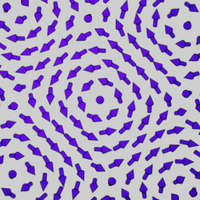
Phys. Rev. X 16, 021054 (2026)
arXiv
Mixed-dimensional quantum Monte Carlo studies of M-point moiré materials
New Submission | Strongly Correlated Electrons (cond-mat.str-el) | 2026-06-12 20:00 EDT
Dumitru Călugăru, Konstantinos Vasiliou, Haoyu Hu, B. Andrei Bernevig, Werner Krauth, S. A. Parameswaran
A new moiré-material platform has recently been proposed based on twisting two-dimensional triangular-lattice monolayers whose low-energy states lie at the three M points of the Brillouin zone. Continuum models derived from extensive ab initio simulations suggest that electrons in the conduction bands of one such M-point moiré material, twisted AA-stacked SnSe$ _2$ , realize a three-orbital Hubbard model with orbitally-selective, quasi-one-dimensional (quasi-1D) hopping, protected by a projective mirror symmetry. Here, we show that the resulting “mixed-dimensional” limit – in which the hopping is exactly quasi-1D in each valley, while the valleys are coupled by interactions into a fully two-dimensional network – can be sampled with Stochastic Series Expansion (SSE) quantum Monte Carlo (QMC) without a sign problem at any filling. We develop an efficient new SSE QMC algorithm that combines custom global updates with parallel tempering to overcome the equilibration challenges posed by the mixed-dimensional setting. We then use this algorithm to explore the phase diagram of M-point twisted AA-stacked SnSe$ _2$ . Over extended and realistic ranges of twist angles and interaction strengths, we find that at integer fillings the system supports correlated insulators whose nature and strength depend strongly on angle. At certain commensurate fractional fillings, we further find evidence for Wigner-Mott insulators. We analytically account for the main features observed numerically using a strong-coupling description. Finally, we discuss perturbations away from the mixed-dimensional limit and the possibility of applying our method to other realizations of mixed-dimensional Hubbard models.
Strongly Correlated Electrons (cond-mat.str-el), Mesoscale and Nanoscale Physics (cond-mat.mes-hall)
23+72 pages, 9+32 figures, 3+2 tables. See also manuscript by Vasiliou et al
Spin correlations, low-energy scales, and anisotropy scaling in kagome frustrated magnets
New Submission | Strongly Correlated Electrons (cond-mat.str-el) | 2026-06-12 20:00 EDT
Phillip Popp, Stephan Rosenkranz, Arthur P. Ramirez, Sergey Syzranov
Neutron scattering is central to identifying quantum states of magnetic materials. In the search for quantum spin liquids, broad spectral features of inelastic spectra have been cited as evidence for spinon excitations, but can also arise from magnon excitations excitations in the presence of quenched disorder and strong magnon interactions. We develop a new approach to this problem, based on the adiabatic continuity in the $ XXZ$ Heisenberg model on geometrically frustrating (GF) lattices as a function of the model’s anisotropy. Using this approach, we identify universal features and energies of finite-temperature spin correlators. Focusing on the kagome lattice, we show that the low-energy spin spectral function contains robust, momentum-independent peaks with frequencies: $ \omega_1 \approx 3.4 T^\ast$ and $ \omega_2 \approx 6.3 T^\ast$ , where the ``hidden energy scale’’ $ T^\ast$ is the characteristic scale of a low-temperature peak in the heat capacity, at which many GF magnets also display spin-glass freezing. We show that the spectral features at low energies $ \omega\lesssim T^\ast$ arise from single-magnon scattering and identify the magnetizations of the respective excitations. We explore the evolution of the spectral features with temperature and discuss extensions to other GF lattices. Our results provide a sharp spectroscopic criterion for interpreting neutron scattering in kagome and other GF quantum magnets.
Strongly Correlated Electrons (cond-mat.str-el), Mesoscale and Nanoscale Physics (cond-mat.mes-hall), Materials Science (cond-mat.mtrl-sci), Statistical Mechanics (cond-mat.stat-mech), Quantum Physics (quant-ph)
4.5 + 2 pages, 5 + 1 figures
Cyclotron mass-selective de Haas-van Alphen measurements using temperature modulation
New Submission | Strongly Correlated Electrons (cond-mat.str-el) | 2026-06-12 20:00 EDT
Michelle Hollricher, Andreas Bauer, Leo Maximov, Louw Feenstra, Christian Pfleiderer, Marc A. Wilde
We present a temperature-modulated de Haas-van Alphen measurement technique that allows selective addressing of quantum oscillations with different effective masses $ m^{\ast}$ using a non-monotonic amplitude evolution with temperature and magnetic field, governed by the temperature derivative of the Lifshitz-Kosevich factor. The technique relies on harmonic modulation of the sample temperature and phase-sensitive detection of quantum oscillations in the voltage induced in a pick-up coil. We use a set of frequencies with strong Zeeman-driven harmonic content in the compensated topological semimetal MoSi$ _{2}$ as a natural linear mass comb ranging from 1$ m^{\ast}$ to 13$ m^{\ast}$ to demonstrate the tunability of the mass-dependent quantum oscillation amplitudes experimentally. The technique allows to reliably isolate weak contributions of heavy orbits that are inaccessible in conventional de Haas-van Alphen frequency spectra because their frequency peaks overlap with much stronger frequency peaks of lighter orbits.
Strongly Correlated Electrons (cond-mat.str-el)
7 pages, 4 figures, supplementary material is appended to main article
Charting the emergent low-dimensional manifold of quantum materials
New Submission | Superconductivity (cond-mat.supr-con) | 2026-06-12 20:00 EDT
Jason Z. Kim, Omri Lesser, Debanjan Chowdhury
The periodic table of elements transformed chemistry by revealing simple organizing principles underlying atomic behavior. Despite decades of effort, no analogous framework has emerged for crystalline materials – their microscopic complexity and vast configurational space have defied reduction to fundamental organizing principles. Current databases catalog thousands of synthesized materials, but extracting predictive, interpretable models from this wealth of data remains a formidable challenge. Here we demonstrate that the materials landscape possesses a hidden geometric organization that can be unveiled through unsupervised nonlinear dimensionality reduction. Applying differential geometry techniques to the Inorganic Crystal Structure Database (ICSD), we reveal that just a few combinations of microscopic descriptors capture the vast majority of variance in material properties. This low-dimensional embedding autonomously segregates superconductors from ordinary materials and further distinguishes superconducting families in ways that transcend chemical similarity alone. Remarkably, the discovered geometric organization directly governs critical temperatures ($ T_c$ ) across diverse superconducting families, enabling accurate $ T_c$ predictions without any knowledge of the pairing mechanism. Our approach uncovers emergent organizing principles that control macroscopic quantum behavior, offering a new paradigm in how we build models of complex quantum materials directly from experimental data.
Superconductivity (cond-mat.supr-con), Disordered Systems and Neural Networks (cond-mat.dis-nn), Materials Science (cond-mat.mtrl-sci)
14 pages, 8 figures
Composite Quantum Geometry and Semiclassical Dynamics
New Submission | Mesoscale and Nanoscale Physics (cond-mat.mes-hall) | 2026-06-12 20:00 EDT
Henry Davenport, Yoonseok Hwang, Johannes Knolle, Frank Schindler
We derive semiclassical equations of motion for general composite bound states in insulators and semiconductors, covering excitations such as excitons and trions. For neutral composites we find that a uniform external electric field does not couple to a Berry curvature term, contrary to the naive expectation from single-electron dynamics. Instead, a distinct quantum geometric quantity appears generically in the equations of motion. This quantity is the difference between inequivalent Berry connections that can be defined for the composite, generalising the concept of the quantum geometric dipole previously studied for excitons. In the case of charged composites such as trions, we find an additional Berry curvature contribution to the equations of motion. As we demonstrate, however, there is an infinite family of inequivalent composite Berry curvatures, and so care must be taken to make the correct choice that describes the physical dynamics. We explain how this choice should be made dependent on the definition of a spatial centre for the composite. We end by discussing composite dynamics that have no single-electron counterpart. We find that trions in magic-angle twisted bilayer graphene undergo a transverse drift under an applied electric field and that this is driven not only by the Berry curvature contribution but also by the quantum geometric dipole. The interplay of these two geometric contributions further imprints itself on the trion’s internal dynamics, causing its dipole moment to oscillate in time.
Mesoscale and Nanoscale Physics (cond-mat.mes-hall), Strongly Correlated Electrons (cond-mat.str-el)
5 pages, 1 figure, and Supplemental Material
Hidden antiferromagnetism, persistent valley fluctuations, and $U(6)$ crossovers in triangular-lattice M-point moiré materials via determinantal quantum Monte Carlo
New Submission | Strongly Correlated Electrons (cond-mat.str-el) | 2026-06-12 20:00 EDT
Konstantinos Vasiliou, Dumitru Călugăru, Johannes S. Hofmann, S.A. Parameswaran
A new moiré material platform was recently proposed based on twisting two-dimensional atomic monolayers whose low-energy states lie at the three M-points of the Brillouin Zone. Continuum and ab initio modeling suggest that electrons in the conduction bands of these materials realize three-valley Hubbard models with valley-selective, quasi-one-dimensional hopping. Remarkably, the onsite Hubbard repulsion is almost $ U(6)$ -symmetric without fine-tuning. Here, we show that this class of systems naturally admits sign-free determinantal Quantum Monte Carlo simulations at a filling of three electrons per moiré unit cell. We use these to explore the phase diagram for interactions of various strengths and $ U(6)$ -breaking anisotropies. We show that for near-isotropic interactions as relevant to, e.g., AA-stacked twisted SnSe$ _2$ , the system exhibits an extended intermediate-coupling regime in which local-moment formation and itinerancy compete, and the crossover to a putative low-temperature ordered state can be understood in terms of fluctuating $ U(6)$ local moments. We argue that many of these features persist beyond the idealized sign-problem-free limit.
Strongly Correlated Electrons (cond-mat.str-el), Mesoscale and Nanoscale Physics (cond-mat.mes-hall)
7+49 pages, 4+27 figures, 1 table. See also manuscript by Calugaru et al
Influence-solvability: a systematic theory of $(1+1)D$ solvability and its application to brickwork circuits
New Submission | Statistical Mechanics (cond-mat.stat-mech) | 2026-06-12 20:00 EDT
Friedrich Hübner, Sun Woo P. Kim
Solvable' circuits, such as dual unitaries and its generalisations, have arisen as paradigmatic examples of tractable chaotic non-equilibrium dynamics, both in classical and quantum systems. However, while increasingly more complicated sufficient conditions have been proposed, a systematic theory classifying and understanding general features of solvable circuits is missing. We develop such a theory by introducing influence-solvable circuits, a class of $ (1+1)D$ circuits whose influence matrix, which represents the bath’ generated by its own evolution, is given by a uniform MPS with finite bond-dimension $ \chi$ . This property allows for efficient computation of subsystem dynamics and essentially contains all known examples of solvable circuits. We derive a set of necessary and sufficient local conditions by using a version of the fundamental theorem of MPS for open boundary conditions. Next we apply our theory to brickwork circuits with $ \chi=1$ influence-solvability and perform a systematic classification of classical brickwork circuits with local dimension up to $ d=3$ and quantum brickwork circuits with $ d=2$ . Our search reveals new solvable circuits that are not captured by known solvability conditions.
Statistical Mechanics (cond-mat.stat-mech), Quantum Physics (quant-ph)
49 pages
Dynamical Control of Superconductivity in Superconductor-Ferromagnet Bilayers
New Submission | Superconductivity (cond-mat.supr-con) | 2026-06-12 20:00 EDT
Dimitri Pimenov, Nicholas R. Poniatowski, Charlotte G. L. Bøttcher, Amir Yacoby, Debanjan Chowdhury
We study a simplified model of a ferromagnetic metal proximitized by a fully-gapped $ s-$ wave superconductor and integrated with a microwave resonator. The low-energy excitations in the combined system consist of ferromagnetic magnons, Bogoliubov excitations of the superconductor, and cavity photons. We show here that when the magnons and photons have comparable frequencies and are subject to an external drive, the hybridized driven magnon-polaritons induce a non-equilibrium crossover from the expected proximitized nodal $ p-$ wave superconductor to a fully gapped $ (p_x+ip_y)-$ superconductor. Moreover, the characteristic crossover temperature is inversely related to the magnon-photon detuning. We compute the temperature-dependent renormalization of the cavity photon frequencies across this nodal to nodeless evolution, which modifies the kinetic inductance of the resonator, and find a number of non-trivial features tied to the non-equilibrium (i.e., driven) nature of the problem. We compare and contrast these results with a recent circuit quantum electrodynamics (cQED) based experiment studying a permalloy-niobium bilayer, where a non-trivial dependence of the low-temperature cavity response on the magnon-photon detuning was observed. Our results pave the way for a principled exploration of engineering novel states of matter by coupling cavity photons to electronic collective modes in correlated two-dimensional materials and interfaces.
Superconductivity (cond-mat.supr-con), Mesoscale and Nanoscale Physics (cond-mat.mes-hall), Strongly Correlated Electrons (cond-mat.str-el)
Main text: 5.5 pages, 3 figures. Supplementary material: 4 pages, 3 figures
Hierarchical Interdiffusion Kinetics in Nanoscale Ni/Al Multilayers
New Submission | Materials Science (cond-mat.mtrl-sci) | 2026-06-12 20:00 EDT
S.S. Riegler (1), I. Gallino (2), N.J. Peter (3), A. Tarasov (2), T. Meyer (4), J. Schmauch (5), C. Pauly (6), Y.H. Sauni Camposano (7), H. Bartsch (7), R. Busch (1), R. Schwaiger (3), P. Schaaf (7), J. Arlt (2) ((1) Chair of Metallic Materials Saarland University, Chair of Metallic Materials TU Berlin (2), Institute of Energy Materials and Devices (IMD-1) Forschungszentrum Jülich GmbH (3), Institute of Materials Physics University of Goettingen (4), Physics Department Saarland University (5), Center for Correlative Microscopy and Tomography CoMiTo Saarland University (6), Chair Materials for Electrical Engineering and Electronics Institute of Materials Science and Engineering Institute of Micro- and Nanotechnologies MacroNano TU Ilmenau (7))
Nanoscale mass transport governs the onset of intermetallic formation in reactive metallic multilayers, yet the underlying mechanisms remain poorly understood. Here, we combine fast differential scanning calorimetry (FDSC) of free-standing Ni/Al multilayers (20 nm bilayer thickness) with correlative STEM to resolve the early interdiffusion regime. Varying the heating rate over five orders of magnitude (0.1 to 10,000 K/s) enables isoconversional Kissinger-Akahira-Sunose (KAS) analysis, linking heat-flow signatures to microstructural evolution. The as-deposited multilayers are nanocrystalline and exhibit pronounced premixing, with significant Ni enrichment throughout the Al layers. Upon annealing, mass transport proceeds hierarchically: at low temperatures, Ni diffusion is confined to Al grain boundaries (81 kJ/mol), while at higher temperatures lattice diffusion from grain boundaries into the grain interiors becomes active (168 kJ/mol), leading to increased mass transport and heat release. These findings identify grain boundaries as the dominant transport pathways controlling reaction onset and as key microstructural design parameters in reactive multilayers. By providing access to transient kinetic regimes and intermediate states, the combined FDSC-microscopy approach opens new opportunities for studying defect-mediated transport and non-equilibrium phase transformations.
Materials Science (cond-mat.mtrl-sci)
Compositional gradient engineering for enhanced ferroelectricity in ultrathin AlScN
New Submission | Materials Science (cond-mat.mtrl-sci) | 2026-06-12 20:00 EDT
Zekun Hu, Haiwen Zhang, Rajeev Kumar Rai, Yuhong Cao, Xiaolei Tong, Pedram Yousefian, Hyunmin Cho, Bongjun Choi, Chao-Chuan Chen, Yunfei He, Kefei Bao, Chloe Leblanc, Eric A. Stach, Roy Olsson, Deep Jariwala
Ferroelectric AlScN is promising for CMOS-compatible non-volatile memory, but thickness scaling is limited by leakage, premature breakdown, and defect-mediated failure. Here we show that compositional grading within a continuous wurtzite AlN-AlScN lattice mitigates these limitations by distributing structural and polarization discontinuities across the film thickness, reducing defect formation and local field concentration. In a 20 nm graded heterostructure, monotonic Sc incorporation and AlN-rich boundaries produce reversible ferroelectric switching, an as-grown metal-polar state, a 21% higher breakdown field, 10% enhanced remanent polarization, and 40x higher resistivity relative to homogeneous AlScN. Time-domain PUND measurements reveal strongly suppressed post-switching leakage, consistent with reduced defect-assisted and polarization-coupled conduction. This improved dielectric robustness enables ferroelectric functionality in 5 nm graded stacks containing only a 2 nm $ \mathrm{Al}{0.64}\mathrm{Sc}{0.36}\mathrm{N}$ region, with measurable switching near 1 V. These results establish compositional grading as a defect- and field-management strategy for scalable ultrathin wurtzite ferroelectrics.
Materials Science (cond-mat.mtrl-sci)
6 main figures
The formation of magnetic reentrancy in the Ising model on a decorated square lattice
New Submission | Statistical Mechanics (cond-mat.stat-mech) | 2026-06-12 20:00 EDT
A. V. Zarubin, F. A. Kassan-Ogly
In our work, based on an exact solution of the Ising model on a decorated square lattice with an arbitrary number of decorating spins, we have demonstrated the fundamental possibility of describing the phenomenon of multiple magnetic phase transitions (magnetic reentrancy) in the regime of competing exchange interactions. We analyzed the magnetic behavior of the system and established the conditions for the occurrence of magnetic reentrancy. We have determined the relationships of the model parameter under which the formation of one, three, and even five magnetic phase transitions is possible, which is confirmed by a complicated magnetic phase diagram. We have also proposed a unique method for finding critical temperatures that allows for the precise determination of their number and values, including those at extremely low temperatures.
Statistical Mechanics (cond-mat.stat-mech)
Computationally efficient method for determining limiting velocities of edge dislocations in anisotropic crystals
New Submission | Materials Science (cond-mat.mtrl-sci) | 2026-06-12 20:00 EDT
The continuum-limit theory of dislocations in crystals predicts divergences in the elastic energy at crystal-geometry dependent limiting velocities $ v_L$ , which separate subsonic, transsonic, and supersonic dislocation glide regimes and are therefore import for material strength models at high strain rates. Although it is known how to calculate those limiting velocities, there is one special case - edge dislocations with reflection symmetry, but non-vanishing elastic constants $ c’{16}$ or $ c’{26}$ - where previous methods have been notoriously slow. In this letter, we address this deficiency by deriving a computationally efficient method for determining the limiting velocities of edge dislocations with reflection symmetry.
Materials Science (cond-mat.mtrl-sci)
7 pages
Multiband Superconductivity and Charge Density Wave in HfxZr1-xTe3 single crystals
New Submission | Superconductivity (cond-mat.supr-con) | 2026-06-12 20:00 EDT
F. F. G. Nogueira, M.S. da Luz, M.S. Torikachvili, L.M. Ishikura, Ebrahim Dib, A.J.S. Machado
We report on the bulk multiband superconductivity and charge density wave (CDW) in HfxZr1-xTe3 single crystals. The parent compound ZrTe3 is a layered van der Waals material that undergoes a CDW transition near 63 K and exhibits only filamentary superconductivity below 2.0 K. Upon the introduction of a small amount of Hf (x = 0.02), the CDW transition temperature is reduced to TCDW ~ 53 K, while a robust bulk superconducting state emerges at Tc ~ 3.3 K, underscoring a subtle competition between CDW order and superconductivity in this quasi-one-dimensional system. Electrical resistivity, magnetic susceptibility, Hall effect, Seebeck coefficient, and specific heat measurements consistently confirm the bulk nature of the superconducting phase. The temperature dependence of the upper critical field Hc2(T) deviates markedly from single-band behavior, and it is well described by a two-band model, consistent with multiband superconductivity. Analysis of the Hall effect, and thermoelectric behavior reveal pronounced electronic anisotropy, with enhanced effective carrier masses, indicating that the subtle structural modification introduced by Hf substitutions affects the Fermi surface topology, as well as electronic correlations. Measurements of electrical resistivity in hydrostatic pressures up to ~ 2 GPa reveal that pressure drives TCDW to higher temperatures while suppressing Tc. These findings show that Hf doping can be used to fine-tune the balance between the CDW instability and superconductivity, possibly by means of chemical pressure effects, stabilizing a multiband superconducting state in Hf-doped ZrTe3.
Superconductivity (cond-mat.supr-con)
20 pages, 8 figures
Spontaneous symmetry breaking under Bose–Einstein condensation
New Submission | Quantum Gases (cond-mat.quant-gas) | 2026-06-12 20:00 EDT
Due to high current interest to Bose-Einstein condensation, the related topics, such as spontaneous gauge symmetry breaking, ergodic decomposition, and particle fluctuations, are intensively discussed in literature. These discussions, unfortunately, involve quite a number of controversies and confusions. The goal of the present brief survey is to clarify some of these confusions, concentrating on the principal points, such as the relationship between the conditions of Bose-Einstein condensation, the Bogolubov method of quasiaverages, spontaneous gauge symmetry breaking, ergodic decomposition, the presumed existence of nonthermodynamic particle fluctuations leading to the so-called ``grand canonical catastrophe”, and the requirements for system stability.
Quantum Gases (cond-mat.quant-gas)
16 pages Review
Laser Phys. Lett. 23 (2026) 063001
Resolving Finite-Size Errors in EOM-CCSD Band Gaps of Solids with Interacting-Bath Dynamical Embedding Theory
New Submission | Materials Science (cond-mat.mtrl-sci) | 2026-06-12 20:00 EDT
Jiachen Li, Christopher Hillenbrand, Christian Venturella, Enzhi Chen, Tianyu Zhu
Periodic equation-of-motion coupled-cluster theory with single and double excitations (EOM-CCSD) has shown promise for quantitative calculations of band structures in solids. However, its steep computational scaling has limited calculations to relatively coarse $ k$ -point meshes, leading to sizable finite-size errors and discrepant estimates of thermodynamic-limit band gaps in recent benchmarks. In this work, we revisit EOM-CCSD band gaps for ten semiconductors and insulators using interacting-bath dynamical embedding theory (ibDET), a systematically improvable Green’s function embedding framework that enables dense Brillouin-zone sampling at modest computational cost. By pushing the $ k$ -point sampling up to $ 10\times10\times10$ , well beyond the system sizes accessible in canonical periodic EOM-CCSD calculations, we significantly reduce finite-size errors and obtain stable thermodynamic-limit extrapolations. We further compare $ G_0W_0$ @PBE, $ G_0W_0$ @HF, and EOM-CCSD on an equal footing using the same numerical settings in PySCF. We find that EOM-CCSD yields a mean absolute error of 0.27 eV relative to experimental band gaps for a test set of ten semiconductors and insulators, lower than that of $ G_0W_0$ @PBE. For ZnO, EOM-CCSD also accurately describes the Zn $ 3d$ -band binding energy, despite overestimating the band gap. These results demonstrate that ibDET offers a practical route to high-accuracy many-body electronic structure calculations in periodic systems.
Materials Science (cond-mat.mtrl-sci), Chemical Physics (physics.chem-ph)
Lock-In Infrared Thermography: Phase Analysis for Rapid, Wide-Range Thermal Conductivity Measurements
New Submission | Materials Science (cond-mat.mtrl-sci) | 2026-06-12 20:00 EDT
Ethan A. Scott, Jeffrey L. Braun, Jessica Reyes, Bruce Bolliger, Terrence Soares, John T. Gaskins, Marko J. Tadjer, Patrick E. Hopkins
We report on a phase-based lock-in thermography approach, combined with a multilayered thermal model (often employed in thermoreflectance analysis), to measure the thermal conductivity of bulk materials and layered structures. The spatial distribution of the material’s thermal phase is monitored with an infrared camera, which is locked into the frequency of a modulated laser used to heat the material. This phase distribution is then fit with a thermal model, in which properties such as thermal conductivity are extracted as fit parameters. This approach enables non-contact, front-side measurements, which are insensitive to surface roughness. The technique does not strictly require the application of a transducer layer, but we highlight the practical benefits of applying a removable adhesive layer to serve as a near-surface absorber. We demonstrate the efficacy of the method by measuring materials with thermal conductivities that span over three orders of magnitude (approximately 1 W/m/K to > 2000 W/m/K).
Materials Science (cond-mat.mtrl-sci), Applied Physics (physics.app-ph), Instrumentation and Detectors (physics.ins-det)
7 pages, 6 figures
Hall conductivity reveals the nature of quantum coherence in strongly correlated metals
New Submission | Strongly Correlated Electrons (cond-mat.str-el) | 2026-06-12 20:00 EDT
Emily Z. Zhang, Thomas P. Devereaux
Linear-in-temperature resistivity is a hallmark for strange metallic transport, and appears universally in many strongly correlated electron systems. However, the focus on the longitudinal channel often overshadows the profound microscopic insights contained within the transverse response. Here, we utilize numerically exact determinantal quantum Monte Carlo simulations of the doped Hubbard model in a magnetic field to calculate longitudinal and transverse transport. We demonstrate that while the resistivity is robustly $ T$ -linear across parameter sets, the Hall response is highly sensitive to particle-hole asymmetry, Fermi surface topology, and many-body correlation effects. Specifically, the combination of these effects determine a crossover scale in which the system becomes quantum-coherent, and is reflected in the Hall conductivity. Our results demonstrate that while the $ T$ -linearity in resistivity appears universal, the Hall response reveals a crossover from semi-classical to quantum-coherent transport otherwise masked in the longitudinal channel.
Strongly Correlated Electrons (cond-mat.str-el)
17+8 pages, 5+9 figures
Optical pulse-induced quantum geometric waves in graphene
New Submission | Mesoscale and Nanoscale Physics (cond-mat.mes-hall) | 2026-06-12 20:00 EDT
Luis Fernando Cardenas Castillo, Wei Chen
We show that, under a short optical pulse, the quantum metric of Bloch states in the momentum-time (kx, ky , t) of graphene becomes dynamic and exhibits a wave-like behavior near Dirac points. This quantum metric wave reflects the Floquet-band structure caused by the pulse, as revealed by solving the time-dependent Schrödinger equation assuming that correlations and out-of-equilibrium effects can be ignored. The momentum and temporal components of the metric have very distinct time dependence that persists even after the pulse has passed. In addition, the pulse also generates a Berry curvature wave that is otherwise absent in static graphene. The time-dependent electron densities in conduction and valence bands also give arise to a Fisher information wave that constitutes part of the quantum metric wave, and is readily measurable by pump-probe experiments.
Mesoscale and Nanoscale Physics (cond-mat.mes-hall), Strongly Correlated Electrons (cond-mat.str-el)
15 pages, 5 figures
Site Preferences and “Coloring Problem” in Cu-doped BiMn$7$O${12}$ Quadruple Perovskite
New Submission | Materials Science (cond-mat.mtrl-sci) | 2026-06-12 20:00 EDT
Cheng Peng, Mingyu Xu, Yang Zhang, Ismail El Baggari, Jie Li, Weiwei Xie
Lightly Cu-doped BiMn$ _7$ O$ _{12}$ (x = 0.05, 0.10, and 0.15) was investigated using high-pressure synthesis, single-crystal X-ray diffraction, pair distribution function (PDF) analysis, STEM, magnetic measurements, and first-principles calculations. All compositions retain an average monoclinic $ I$ 2/$ m$ structure, while Cu substitution progressively suppresses the monoclinic distortion and drives the lattice toward a pseudo-cubic metric symmetry. PDF analysis reveals increasing local structural disorder and reduced medium-range coherence with increasing Cu concentration, despite preservation of the overall quadruple-perovskite framework. Single-crystal refinements indicate enhanced electron density at the octahedral Mn B sites, suggesting preferential Cu occupation within the MnO$ _6$ network rather than the conventional square-planar sites expected for Cu$ ^{2+}$ . Magnetic measurements reveal two characteristic anomalies near $ T_1$ ~ 100-120 K and $ T_2$ ~ 50-60 K, together with pronounced magnetic irreversibility, field-dependent hysteresis, and unsaturated magnetization. Increasing Cu concentration progressively suppresses the low-temperature magnetic state and weakens the field-induced moment. First-principles calculations favor Cu occupation at the square-planar sites, contrasting with the experimental refinements and highlighting strong competitions among local bonding, short-range disorder, and metastability in this highly frustrated quadruple perovskite system.
Materials Science (cond-mat.mtrl-sci)
24+3 pages, 6+4 figures
Role of quantum confinement in semiconductor-superconductor core-shell nanowires
New Submission | Mesoscale and Nanoscale Physics (cond-mat.mes-hall) | 2026-06-12 20:00 EDT
Tudor Gabriel Dumitru, Anna Sitek, Gunnar Thorgilsson, Sigurdur I. Erlingsson, Tudor Dan Stanescu, Andrei Manolescu
This work is motivated by the experimentally observed coherence of the supercurrent in semiconductor nanowires covered by a half-shell metallic superconductor, which leads to flux dependent supercurrent oscillations with period h/2e, as expected for a tubular superconductor, i.e. Little-Parks oscillations. We perform microscopic model calculations and compare the results for full and half metallic shells. We use an effective Hamiltonian derived from the Green’s function of the proximitized semiconductor nanowire, where the presence of the superconductor is represented by a self energy. Furthermore, we incorporate the electrostatic band-bending at the metal-semiconductor interface as a rectangular narrow quantum well on the semiconductor side. The properties of the eigenstates of the effective Hamiltonian are determined by the spatial profile of the corresponding transverse modes in the normal state. For half-shell wires, transverse modes with high-enough energy expand outside the interface quantum well and generate eigenstates with mixed electron-hole character that surround the entire circumference of the nanowire, similar to eigenstates of the full-shell system. We identify these states as being responsible for the observed Little-Parks effect.
Mesoscale and Nanoscale Physics (cond-mat.mes-hall)
12 pages, 10 figures, 53 references
Extending the La Solubility Limit in Sr$_3$Ir$_2$O$_7$ through High-Pressure High-Temperature Synthesis
New Submission | Materials Science (cond-mat.mtrl-sci) | 2026-06-12 20:00 EDT
La-doped bilayer iridates provide an important platform for studying the evolution of the spin-orbit-assisted Mott state under electron doping, but the La solubility achieved by conventional ambient-pressure synthesis is limited. Here, we report the synthesis and physical properties of nominally La-doped (Sr$ _{1-x}$ La$ _x$ )$ _3$ Ir$ _2$ O$ _7$ (x = 0.05, 0.10, 0.15, and 0.20) prepared using high-pressure high-temperature techniques. Single-crystal X-ray diffraction refinements, supported by scanning electron microscopy-energy-dispersive X-ray spectroscopy (SEM-EDX), reveal significantly enhanced La incorporation, with nominal x = 0.05 and 0.15 corresponding to actual compositions of approximately (Sr$ _{0.89}$ La$ _{0.11}$ )$ _3$ Ir$ _2$ O$ _7$ and (Sr$ _{0.77}$ La$ _{0.23}$ )$ _3$ Ir$ _2$ O$ _7$ , respectively. At nominal x = 0.20, the bilayer phase is no longer stabilized and instead transforms into cubic perovskite Sr$ _{1-x}$ La$ _x$ IrO$ _3$ . (Sr$ _{0.89}$ La$ _{0.11}$ )$ _3$ Ir$ _2$ O$ _7$ exhibits a ferromagnetic-like transition near 186 K accompanied by magnetic hysteresis and subtle lattice anomalies indicative of spin-lattice coupling. Despite its high electron-doping level, the compound remains strongly insulating, consistent with a heavily doped localized magnetic insulating state distinct from both parent Sr$ _3$ Ir$ _2$ O$ _7$ and ambient-pressure La-doped samples. In contrast, (Sr$ _{0.77}$ La$ _{0.23}$ )$ _3$ Ir$ _2$ O$ _7$ displays metal-like electronic behavior, weakened magnetic order, and enhanced carrier delocalization, although disorder-driven localization persists at low temperatures. These results demonstrate that high-pressure synthesis substantially extends the accessible doping range of bilayer iridates and reveals electronic and magnetic states inaccessible through conventional synthesis routes.
Materials Science (cond-mat.mtrl-sci), Strongly Correlated Electrons (cond-mat.str-el)
17+7 pages, 6+1 figures
Nonmonotonic temperature dependence of the thermopower of atomic-size gold contacts
New Submission | Mesoscale and Nanoscale Physics (cond-mat.mes-hall) | 2026-06-12 20:00 EDT
Thomas B. Möller, Marcel Strohmeier, Johannes Boneberg, Paul Leiderer, Wolfgang Belzig, Elke Scheer
We report measurements of the thermopower of atomic-size gold contacts realized by the mechanically controllable break junction (MCBJ) technique over a temperature range from 18 K to 295 K. A thermometer included in the lithographic structure close to the constriction provides a direct measurement of the temperature increase generated by heating one side of the contact with a focused laser beam. While the conductance histograms confirm the quantum nature of the transport, we observe a nonmonotonic temperature dependence of the ensemble-averaged thermopower with a minimum of $ -2,\mu$ VK$ ^{-1}$ at about 150 K. The values for the thermopower obtained at the lowest and the high temperature are compatible with values reported in the literature, but the nonmonotonic behavior in between disagrees with the expected linear dependence for quantum coherent conductors described by the Landauer formula. We develop a theoretical model based on an energy dependent transmission function that qualitatively reproduces the nonmonotonic behavior, but fails quantitatively. We therefore interpret our data as a result of phonon contributions to the thermopower beyond the Landauer model and with opposite sign than the classical phonon drag known from bulk systems. Our findings show that, firstly, the thermopower gives important insight into the transport properties of atomic-size structures and second that the linear approximation of the Landauer model has to be used with caution when studying more complex transport properties even for atomic contacts from free-electron metals.
Mesoscale and Nanoscale Physics (cond-mat.mes-hall)
How alignment controls heat transport in polymer chains with kinks?
New Submission | Soft Condensed Matter (cond-mat.soft) | 2026-06-12 20:00 EDT
Igor V. Parshin, Igor V. Rubtsov, Alexander L. Burin
Thermal transport in long polymer molecules is commonly attributed to ballistic propagation of long-wavelength acoustic phonons, which act as Goldstone modes arising from translational symmetry, while the transport of other phonons is suppressed by Anderson localization. This mechanism leads to thermal conductivity that increases with molecular length. Consistent with this picture, strongly aligned polymers exhibit exceptionally high thermal conductivity, whereas poorly aligned polymers are orders of magnitude less conductive and function as thermal insulators. Here we show that this strong sensitivity to molecular alignment originates from phonon scattering by molecular kinks. Even in the long-wavelength limit, the kink scattering remains strong because kinks break translational symmetry both for longitudinal and transverse phonons. As a result, randomly oriented kinks cause a rapid decrease in thermal conductivity with increasing molecular length. These findings identify alignment control by means of kink engineering as a route for tuning thermal transport in polymers.
Soft Condensed Matter (cond-mat.soft), Chemical Physics (physics.chem-ph)
6 pages, 4 figures, comments and suggestions would be appreciated
Water Flow Through Polar and Non-Polar Nanopores: Insights from Multiscale Simulations
New Submission | Materials Science (cond-mat.mtrl-sci) | 2026-06-12 20:00 EDT
Elizane E. de Moraes, João Victor Lemos Valle, Bruno H. S. Mendonça, Ernane de Freitas Martins, Hélio Chacham, Pablo Ordejón
Global water stress has emerged as a critical challenge, driving the search for advanced membrane materials that enable efficient, selective water filtration and transport. In this context, two-dimensional nanoporous membranes provide an ideal platform to elucidate how atomic-scale structure and electronic polarization govern water flow under extreme confinement. In this study, we employ multiscale simulations to investigate the effect of water flow through nanopores in graphene and hexagonal boron nitride (hBN) membranes. Our results reveal significantly higher water flow in hBN membranes than in graphene. This enhanced flow is attributed to the asymmetry of the hBN pores, which induces an electric dipole moment, as confirmed by quantum-mechanical (QM) calculations. Classical molecular dynamics simulations further demonstrate that water molecules exhibit a random distribution with no preferential orientation near the graphene pores, whereas hBN induces strong structuring. Furthermore, hybrid quantum mechanics/molecular mechanics (QM/MM) simulations indicate that the dipole moment of the hBN pore increases in the presence of water, as evidenced by the average charge distribution. Conversely, the symmetric nature of graphene pores results in non-polar characteristics, as verified by both QM/MM and QM calculations. These findings provide valuable insights into the distinct water-transport properties when flowing through graphene and hBN nanopores, with potential implications for designing advanced nanofiltration membranes.
Materials Science (cond-mat.mtrl-sci)
32 pages, 8 figures
Intrinsic Ductility from Shear Amorphization: From Pure Metals to Multi-Principal-Element Alloys
New Submission | Materials Science (cond-mat.mtrl-sci) | 2026-06-12 20:00 EDT
Morgan R. Jones, Duane D. Johnson, Nicolas Argibay
Direct links between electronic structure and intrinsic ductility remain elusive for metals. A framework is proposed that reduces the complexities of valence charge distribution, band filling, and shear strain effects into structure-property relationships describing the intrinsic ductility of metals and alloys. Rather than relying on crystal cleavage and dislocation nucleation at preexisting crack tips, we show that a lower energy fracture criterion, i.e., the activation energy density for amorphization, enables accurate predictions of both intrinsic ductility and ductile-to-brittle transition temperatures. From analytical expressions and tabulated ab-initio stiffness constants, lattice parameters, and binary interaction energies, we present a unified theory that reconciles ductile flow in pure metals and solid-solution alloys. Phase diagrams generated for the Nb-Ta-V-Ti system simultaneously explain its high strength and room-temperature tensile ductility, validating this framework as a practical one for rapid design of structural multi-principal-element alloys.
Materials Science (cond-mat.mtrl-sci)
23 pages, 7 figures, 15 equations
Revealing nonvolatile behaviors in magneto-thermal switching using microstructure-controlled superconducting composites
New Submission | Superconductivity (cond-mat.supr-con) | 2026-06-12 20:00 EDT
Keigo Ito, Yui Sakamoto, Hossein Sepehri-Amin, Yuto Watanabe, Poonam Rani, Kumpei Imamura, Takamasa Hirai, Keisuke Hirata, Shunsuke Mori, Yusuke Nakanishi, Kenichiro Hashimoto, Takasada Shibauchi, Yoshikazu Mizuguchi, Ken-ichi Uchida, Fuyuki Ando
Thermal conductivity in a conductor changes by the application of an external magnetic field, which functions as a magneto-thermal switch. For superconductors, a large magneto-thermal switching can occur through a superconducting-to-normal conducting phase transition due to the change in the electron contribution in thermal conductivity. Arima et al. recently reported a nonvolatile nature of the magneto-thermal switching for superconducting solders, which consist of phase-separated Sn and Pb domains. Although they clarified that magnetic flux trapping is required to induce the nonvolatile magneto-thermal switching, a rule for such material design is still unclear. Here, we investigate the microstructure dependence of magneto-thermal switching in superconducting Sn/Pb multilayered composites, which are created by an accumulative roll bonding method. The thickness of each layer, that is the scale of microstructure, can be systematically controlled by the repetition number of roll bonding while the whole sample size and average composition are unchanged. We find that, as the formation of micro-scaled Sn domains proceeds by increasing the repetition number, a nonvolatility in the magneto-thermal conductivity gradually appears in correlation with the remanent magnetization. This study directly confirms that the inclusions with a size comparable to or less than the magnetic vortex in superconducting matrix is essential for magnetic flux trapping, enabling the nonvolatile magneto-thermal switching in superconducting composites.
Superconductivity (cond-mat.supr-con)
Molecular reference corrections for quantum Monte Carlo adsorption energies
New Submission | Materials Science (cond-mat.mtrl-sci) | 2026-06-12 20:00 EDT
Accurate surface thermochemistry requires balanced error cancellation between extended slabs and molecular reference states. This balance can fail whenever the electronic-structure error is not transferable across the chemically distinct species entering a thermodynamic cycle. Here we examine this problem in single-determinant fixed-node diffusion Monte Carlo (SD-FNDMC) for oxygenated ORR intermediates on Pt(111). Gas-phase thermochemistry is used to diagnose the reference-state imbalance, and a hybrid cycle is introduced to separate slab-adsorbate binding from molecular formation. The hybrid cycle keeps the surface binding term at the SD-FNDMC level, where cancellation is expected to be most favorable, and replaces the molecular formation contribution with a benchmark coupled cluster reference. For Pt(111), the resulting correction is small for O and OH but larger for OOH, while the geometry-matched refinement gives only a secondary correction. Applying the same cycle to HCO and COH on Cu(111) gives corrections of opposite sign, showing that the bias is controlled primarily by the electronic structure of the molecular reference rather than by adsorbate geometry alone. This decomposition identifies molecular reference imbalance as a separable source of error in SD-FNDMC surface thermochemistry and reduces the corresponding bias without modifying the SD-FNDMC slab-binding contribution.
Materials Science (cond-mat.mtrl-sci), Chemical Physics (physics.chem-ph), Computational Physics (physics.comp-ph)
34 pages, 2 figures, 3 main tables; Supplemental Material included
When proofreading improves both speed and accuracy
New Submission | Statistical Mechanics (cond-mat.stat-mech) | 2026-06-12 20:00 EDT
Proofreading is generally thought to improve accuracy at the expense of speed. We show that this trade-off can be reversed in stochastic processes with long-lived stalled states. Using a non-Markovian renewal framework, we derive exact expressions for the error rate and completion time under proofreading for arbitrary stall-time distributions. Our analysis reveals that fluctuations in stall durations, rather than their mean alone, determine whether proofreading can simultaneously increase speed and accuracy. In the limit of strong stalling, this regime emerges when the coefficient of variation of the stall time exceeds a threshold set by the intrinsic error rate. These results provide a general criterion for proofreading in systems ranging from self-assembly and polymer replication to immune recognition and other nonequilibrium information-processing systems.
Statistical Mechanics (cond-mat.stat-mech), Biological Physics (physics.bio-ph)
14 pages, 6 figures
A wrong ground-state structure of HfO$_2$ predicted by machine-learning interatomic potentials based on the PBE functional
New Submission | Materials Science (cond-mat.mtrl-sci) | 2026-06-12 20:00 EDT
Shuqi Tang, Jinchen Wei, Kang Wang, Junjie Zhou, Yihan Zhang, Menglin Huang, Shiyou Chen
Machine-learning interatomic potentials (MLIPs) have become powerful tools for material simulations. Many MLIPs are trained based on density functional theory (DFT) datasets generated with the Perdew-Burke-Ernzerhof (PBE) exchange-correlation functional. Using a PBE-based MLIP for HfO2, we identify a previously unreported low-energy I41/amd structure, which is predicted to be more stable than the well-known ground-state structure, the monoclinic P21/c structure. Since experiments show clearly that HfO2 takes the P21/c structure as the ground state, this is obviously a wrong prediction. Unfortunately, the same prediction is also made by widely used PBE-based foundation models such as NequIP-OAM-L and MatterSim-v1-5M. Comparisons among different DFT functionals show that this error originates from the PBE functional, which overstabilizes low-density structures containing sixfold Hf-O octahedral units, such as the I41/amd and Pbcn phases. The error also affects the calculated energy landscapes and barrier heights along ferroelectric HfO2 polarization switching paths when there are large lattice relaxations. Fortunately, the error can be largely suppressed by other functionals such as PBEsol and local density approximation. Our study serves as a warning about the impact of errors in exchange-correlation functional approximations on the reliability of MLIP simulations of crystal structures and phase transitions.
Materials Science (cond-mat.mtrl-sci)
Leveraging rapid sintering to retain metastable zirconia in copper
New Submission | Materials Science (cond-mat.mtrl-sci) | 2026-06-12 20:00 EDT
Wangshu Zheng, Xi Chen, Xuyang Feng, Aiji Zou, Andrew Yun Ru Ng, Xiaoqing Wang, Zhili Dong, Qiang Guo, Chee Lip Gan
Cermets combining metastable ceramics and ductile metals promise superior toughness and strength. However, retaining metastability often requires high-temperature sintering that coarsens microstructures and relaxes matrix constraint. Here we introduce an ultrafast high-temperature sintering (UHS) strategy to overcome this trade-off in zirconia-copper cermets. By applying Joule heating at around 100 degrees C per second to 900 degrees C with only a 20 second hold, we obtained cermets containing up to 50 weight percent of metastable austenite in zirconia at room temperature within a fine-grained and homogeneous microstructure. The rapid sintering kinetically favors semi-thermal austenite formation while suppressing copper grain growth and matrix relaxation, thereby stabilizing the high-temperature phase and simultaneously preserving microstructural refinement. This approach offers significant potential for copper-based composites in applications such as transformation toughening, self-healing, and crack detection.
Materials Science (cond-mat.mtrl-sci)
15 pages, 6 figures
Quantum charge pumping in helical systems: A comparative study of short- and long-range hopping
New Submission | Mesoscale and Nanoscale Physics (cond-mat.mes-hall) | 2026-06-12 20:00 EDT
Leila Eslami, Santanu K. Maiti, Fatemeh Bourbour
Using the Keldysh non-equilibrium Green’s function approach, we investigate charge pumping through a single-stranded helical structure described by a tight-binding model that includes either short-range hopping (SRH) or long-range hopping (LRH). While quantum pumping has been studied in various low-dimensional systems, the detailed behavior of the spectral current and the pumped dc current in helical geometries in the presence of higher-order electron hopping (beyond nearest neighbors) has not yet been systematically explored. Here, we focus on the interplay between helicity and extended hopping ranges, analyzing how they jointly control the energy-resolved and dc pumped currents under time-periodic end potentials. For LRH, the pumped dc current exhibits pronounced plateau-like regions as a function of chemical potential when energy levels are sparsely spaced – consistent with adiabatic transport – whereas SRH yields more parameter-sensitive currents without clear plateaus. The plateau stability is controlled by the drive frequency: at higher frequencies, Floquet side-band mixing destroys the plateaus, leading to oscillatory currents. The phase dependence remains nearly sinusoidal, and the current vanishes at zero phase lag, confirming the necessity of out-of-phase potentials. Crucially, in helical systems, the decay exponent $ (\ell_c)$ acts as an effective structural parameter that can tune both the magnitude and sign of the pumped current, offering a geometric knob for controlling quantum pumping. Our findings not only fill a gap in the understanding of spectral and pumped currents in helical systems with extended hopping but also provide tools that can be applied to analyze similar phenomena in other chiral or quasi-one-dimensional systems.
Mesoscale and Nanoscale Physics (cond-mat.mes-hall), Applied Physics (physics.app-ph), Quantum Physics (quant-ph)
8 pages, 8 figures. Comments are welcome
Continuum Neural Momentum Eigenstate for Variationally Solving Quasiparticles
New Submission | Quantum Gases (cond-mat.quant-gas) | 2026-06-12 20:00 EDT
We design the first neural quantum state for continuum particles that, for any chosen allowed momentum $ \mathbf{k}$ , is by construction an exact eigenstate of total momentum with eigenvalue $ \mathbf{k}$ . Our architecture, EVE, enables off-the-shelf VMC to solve for momentum-sector ground states. We test EVE on 2D bosons with mutual $ 1/r$ interactions, finding that a single unified ansatz is capable of describing four qualitatively different states: superfluid, roton, crystal, and phonon. At different densities, we extract the underlying phase of matter from the dispersion’s shape. At $ r_s = 20.0$ , we see the roton minimum at finite $ k$ expected of a superfluid. At $ r_s = 100.0$ , we see striking zone folding indicative of crystalline order, with periodically spaced minima representing floating crystals connected by phonon arcs in between. Using density-density correlation functions, we confirm the phase diagnoses and probe the excitations’ correlation structures. Finally, we analyze the roton’s phase texture and find unexpected multi-particle phase strings, formed when several vortex dipoles merge, leaving two vortices connected by a phase slip.
Quantum Gases (cond-mat.quant-gas), Disordered Systems and Neural Networks (cond-mat.dis-nn), Strongly Correlated Electrons (cond-mat.str-el), Computational Physics (physics.comp-ph), Quantum Physics (quant-ph)
10 pages, 5 figures, comments welcome!
Conditional spinodal decomposition in Li-Mg anodes for lithium metal batteries
New Submission | Materials Science (cond-mat.mtrl-sci) | 2026-06-12 20:00 EDT
Leonardo Shoji Aota, Aubin Leray, Yuqi Liu, Frederic de Geuser, Chanwon Jung, Shyam Katnagallu, Tim M. Schwarz, Alisson Kwiatkowski da Silva, Júlio César Pereira dos Santos, Eric Marchezini Mazzer, Poonam Yadav, Christoph Freysoldt, Frank Stein, Yug Joshi, Se-Ho Kim, Dierk Raabe, Baptiste Gault
The development of batteries with high energy density, short charging times and use of sustainable materials is critical for decarbonization. Magnesium (Mg)-based anodes for lithium (Li) metal batteries promote homogeneous Li plating, thereby avoiding the formation of Li dendrites that cause short circuits and battery failure. However, microstructural modifications induced by Li-alloying and their influence on battery operation remain elusive. Here, we unveil the previously unknown formation of an ordered B2 phase, which creates a conditional spinodal decomposition with the \b{eta}-body-centered cubic phase. Chemical fluctuations characteristic of spinodal decomposition give rise to uniformly dispersed Li-rich \b{eta}-BCC and Li-poor B2 continuous interconnected phases, with the former providing a fast diffusion pathway for Li diffusion towards the anode, hence decreasing the propensity for dendrite formation at elevated current density. This is achieved using Earth-abundant and inexpensive Mg.
Materials Science (cond-mat.mtrl-sci)
A micromagnetic model with bidirectional magneto-thermal coupling
New Submission | Mesoscale and Nanoscale Physics (cond-mat.mes-hall) | 2026-06-12 20:00 EDT
Peiru Yi, Zian Xia, Weichao Yu
Most conventional micromagnetic frameworks in spin caloritronics rely on a unidirectional coupling approximation, wherein thermal fluctuations drive magnetization dynamics while the feedback of magnetic dissipation onto the thermal reservoir is neglected. Here, we establish a rigorously self-consistent bidirectional magneto-thermal coupling model by integrating the stochastic Landau-Lifshitz-Gilbert (sLLG) equation with a generalized heat transfer equation. In this closed-loop framework, the local temperature acts as a dynamical variable, and the damping-induced dissipation alongside stochastic work dynamically feeds back into the thermal bath as localized heat sources. Utilizing Ito stochastic calculus, we analytically prove that this coupled system strictly obeys the first law of thermodynamics and spontaneously recovers the correct Boltzmann statistics at equilibrium. Spatially resolved micromagnetic simulations further validate the energy exchange mechanism, capturing the finite-bath temperature reduction induced by spatial variation of magnetic moments and the modified density of states under exchange interactions. This bidirectional framework provides a robust microscopic foundation for investigating complex nonequilibrium magneto-thermal dynamics, such as the unidirectional spin-wave heat conveyer effect, paving the way for advanced spin-caloritronic applications.
Mesoscale and Nanoscale Physics (cond-mat.mes-hall)
9 pages, 4 figures
Observation of orbital-angular-momentum-driven temperature modulation via the spin Peltier effect
New Submission | Materials Science (cond-mat.mtrl-sci) | 2026-06-12 20:00 EDT
Sang J. Park, Tsuneyoshi Kan, Takamasa Hirai, Ken-ichi Uchida
Angular-momentum transport provides a pathway for controlling energy flow in solids beyond conventional charge-based mechanisms. While spin currents are known to mediate spin-caloritronic phenomena such as the spin Peltier effect (SPE), the role of orbital angular momentum in heat transport remains largely unexplored. Here we demonstrate orbital-angular-momentum-driven temperature modulation via the SPE in yttrium iron garnet/Pt/CuOx heterostructures. Using wedge-shaped CuOx layers combined with spatially resolved active thermal measurement techniques, we map the continuous thickness dependence and quantitatively disentangle the spin- and orbital-current-mediated contributions within a single device. The orbital-mediated component exhibits a pronounced maximum at an intermediate thickness, revealing a characteristic length scale for interfacial orbital-angular-momentum generation and propagation at the Cu/CuOx interface. These results provide direct experimental evidence that charge-current-driven orbital angular momentum can drive SPE-induced temperature modulation, establishing interfacial orbital processes as an additional channel for heat transport and providing a pathway toward spin-orbit caloritronics.
Materials Science (cond-mat.mtrl-sci)
A Geometric Design Principle for $\mathbb{Z}_2$ Topological Phases in Twisted Triangular-Lattice Bilayers
New Submission | Materials Science (cond-mat.mtrl-sci) | 2026-06-12 20:00 EDT
Jiaheng Li, Jiaxuan Liu, Yan Zhang, Zhong Fang, Hongming Weng, Quansheng Wu
Twisted van der Waals bilayers provide a versatile platform for engineering moiré electronic states, yet a general design principle for time-reversal-invariant topological moiré bands remains elusive. Here, we establish a geometry-driven principle for triangular-lattice bilayers: symmetry-related minima of the stacking-energy landscape are promoted by twist and relaxation into the two sublattices of an emergent honeycomb moiré lattice. First-principles calculations for BiTeBr reveal robust $ \Gamma$ -valley moiré valence bands with a nontrivial $ \mathbb{Z}2$ index over a range of twist angles. A four-band Wannier Hamiltonian in the emergent honeycomb basis quantitatively maps these bands onto an extended Kane–Mele model. An out-of-plane electric field drives a transition to a trivial phase by enhancing the Rashba coupling $ \lambda_R$ relative to the intrinsic Kane–Mele coupling $ \lambda{\rm SO}$ . The same honeycomb reconstruction and Kane–Mele mechanism are verified in representative additional triangular-lattice bilayers, establishing stacking reconstruction as a general, geometry-controlled route to electrically tunable moiré quantum spin Hall materials.
Materials Science (cond-mat.mtrl-sci)
6 Pages, 4 figures
A solvable model for unsupervised federated learning
New Submission | Disordered Systems and Neural Networks (cond-mat.dis-nn) | 2026-06-12 20:00 EDT
Giovanni Catania, Aurélien Decelle, Gianluca Manzan, Beatriz Seoane, Daniele Tantari
We introduce a theoretical framework for analyzing federated learning in a generative setting through a teacher-multiple interacting students scenario, in which each student receives a distinct realization of the data, either through a different noise corruption or by accessing a different subset, possibly of varying size. Using theoretical tools in equilibrium disordered system, we analytically show that interactions among students systematically enhance learning performance: highly noisy students require fewer samples to recover the underlying pattern, while low-noise students achieve a larger overlap with the ground-truth signal. We derive the optimal Bayesian conditions for teacher recovery as functions of the sample complexity, noise level, and interaction strength, and validate these predictions through numerical simulations. The resulting dynamics can be mapped onto equilibrium sampling in a Restricted Boltzmann Machine with a structured hidden layer, providing a principled theoretical understanding of how interactions improve distributed generative modeling.
Disordered Systems and Neural Networks (cond-mat.dis-nn), Machine Learning (cs.LG)
Collective alignment controls rotation frustration in granular flows of elongated particles
New Submission | Soft Condensed Matter (cond-mat.soft) | 2026-06-12 20:00 EDT
Antonio Pol, Riccardo Artoni, Patrick Richard
Dense granular flows made of elongated particles exhibit a strong inhibition of particle rotation compared to spherical grains, but the mechanisms responsible for this effect remain unclear. Using three-dimensional discrete element simulations, we investigate the angular dynamics of elongated particles in dense, confined shear flows. We systematically vary particle aspect ratio, interparticle friction, and boundary conditions to elucidate their respective roles. We show that the reduction of the average angular velocity cannot be attributed to particle shape, friction, or solid fraction alone. Instead, it is controlled by the degree of collective alignment developed under shear, quantified by a nematic order parameter. Based on this observation, we propose a simple scaling law linking the average angular velocity to the local shear rate through a hampering parameter that depends solely on the orientational order via the nematic order parameter. This scaling successfully collapses data obtained for different particle properties (shape, friction), different flow patterns, and, remarkably, remains valid for two additional flow configurations.
Soft Condensed Matter (cond-mat.soft)
Physical Review Fluids 11, 064302 (2026)
Holonomy Analysis of Optical-polarization Temperature Trajectories in Stress-induced Ferroelectric SrTiO$_3$
New Submission | Materials Science (cond-mat.mtrl-sci) | 2026-06-12 20:00 EDT
Hirotaka Manaka, Kazuma Seike, Yoko Miura
We develop a data-induced geometric framework for temperature trajectories in optical-polarization data and apply it to temperature-dependent birefringence imaging of stress-induced ferroelectric SrTiO$ _3$ . By treating the measured response as an observable projection of local material states, the optical-polarization response at each pixel is cast as a trajectory along the temperature axis. Singular value decomposition separates trajectory-induced geometric objects associated with optical-polarization-direction structure and temperature-evolution modes. Holonomies are then defined by transporting these objects around closed loops in real space. The resulting maps reveal spatially localized connection mismatches correlated with an enhanced ferroelectric transition temperature and stress-related optical anisotropy. Local order parameters and angular-gradient analyses confirm that these loop-level signals are distinct from orientational disorder and simple spatial variation. The signed holonomy of the temperature-evolution modes further resolves positive and negative connection structures under a fixed frame convention. These results demonstrate that the data-induced connection geometry of temperature trajectories provides an experimentally accessible diagnostic of electromechanical inhomogeneity in SrTiO$ _3$ under stress, without explicitly reconstructing hidden strain or electric-polarization fields.
Materials Science (cond-mat.mtrl-sci)
80 pages, 17 figures
Disentangling the origin of degradation in perovskite solar cells via optical imaging and Bayesian inference
New Submission | Materials Science (cond-mat.mtrl-sci) | 2026-06-12 20:00 EDT
Akash Dasgupta, Robert D. J. Oliver, Manuel Kober-Czerny, Charlie H. G. Nicholls, Xueli Cao, Yen-Hung Lin, Alexandra J. Ramadan, Henry J. Snaith
Machine learning and computational inference, coupled with experimental data, promise to significantly accelerate our rate of learning in most scientific disciplines. In this study, we develop tools that connect microscopic observations to macroscopic device behaviour, a capability that is essential for accelerating the design of durable energy materials. To this end, we introduce a novel approach that integrates photoluminescence imaging with drift diffusion simulations to understand operation and degradation in fully fabricated perovskite solar cells. By employing Bayesian inference, we generate “inferred maps” of parameters that govern recombination processes present in devices. We track these parameter maps while the devices are aged (70 °C, full spectrum sunlight) to analyse their temporal evolution during degradation. Notably, our approach allows us to distinguish between degradation occurring at the hole or electron transporting layer interface, or within the bulk. Our analysis reveals pronounced spatially non-uniform degradation, with significant macroscopic heterogeneity observed in the optoelectronic parameter maps. We pinpoint the greatest degradation observed in specific regions to stem from the perovskite/transport layer interfaces. Finally, we demonstrate that an amino-silane molecular passivation treatment suppresses this degradation, highlighting its specific role in enhancing device stability. Our approach offers valuable insights for future device fabrication and is a clear exemplification of how advanced Bayesian inference can significantly increase the value of experimental data.
Materials Science (cond-mat.mtrl-sci), Applied Physics (physics.app-ph)
A first-principles approach for predicting infrared optical properties of solids
New Submission | Materials Science (cond-mat.mtrl-sci) | 2026-06-12 20:00 EDT
Sreerag Sundaram, Ziqi Guo, Dudong Feng, Karthik Sasihithlu, Xiulin Ruan
We present a simplified formalism for predicting infrared optical constants from first-principles calculations. Addressing limitations of the widely used four-parameter semi-quantum Lorentz model, the proposed approach bridges the gap between the harmonic three-parameter model and full self-energy-based methods. By incorporating essential anharmonic effects including four-phonon scattering and phonon renormalisation, the model provides an efficient and accurate alternative while maintaining low computational cost. The frequency-dependent refractive indices of MgO and rutile TiO$ _2$ are computed and compared with experimental data, demonstrating good quantitative agreement. The framework offers a practical approach for predicting optical properties of materials across a wide range of materials.
Materials Science (cond-mat.mtrl-sci), Atomic and Molecular Clusters (physics.atm-clus)
Decoding Crystallographic Surface Chirality with Machine Learning: From Atomic Geometry to Fermi Surface Projections
New Submission | Materials Science (cond-mat.mtrl-sci) | 2026-06-12 20:00 EDT
Chetana Badala Viswanatha, Ka Man Yu, Benito Arnoldi, Anagha Aravind, Aaruni Kaushik, Jannis Lessmeister, Martin Aeschlimann, Benjamin Stadtmüller, S. Harshini Tekur
Intrinsically chiral metal surfaces, where handedness arises from the asymmetric step-kink-terrace topology of high-Miller-index planes, are model systems for enantiospecific catalysis, sensing, and spintronics. Yet, no consistent method exists to classify their handedness directly from experimental observables. We report a dual-domain machine learning framework that decodes crystallographic surface chirality from two independent image representations: atomic structure models in real space and simulated momentum-resolved photoemission maps of the Fermi surface projections in reciprocal space. ResNet18, a deep convolutional neural network, fine-tuned on a database of labeled images achieves ~73% classification accuracy on atomic models and ~99% on Fermi surface projections. We show that the latter transfers directly to synchrotron-acquired experimental images after fine-tuning on just two labeled frames. We identify a working correspondence between the two representations: just as the kink site geometry fixes the orientation of crystallographic planes in real space, the surface normal position in a momentum-resolved photoemission map anchors the orientation of the Fermi surface polygons in reciprocal space. It is precisely this relative orientation that encodes handedness into the map topology with high accuracy. The pronounced difference in accuracy shows that handedness is more readily recovered from the momentum-space electronic pattern than from the local atomic geometry of the kinked surface. This finding has direct implications for the disorder resilience of geometric chiral-induced spin selectivity (CISS) at realistic metal surfaces.
Materials Science (cond-mat.mtrl-sci), Disordered Systems and Neural Networks (cond-mat.dis-nn), Chemical Physics (physics.chem-ph)
Manipulation of the gyrotropic mode frequency and band structure in an FM / AFM disk via vortex imprinting
New Submission | Other Condensed Matter (cond-mat.other) | 2026-06-12 20:00 EDT
E. V. Skorokhodov, E. A. Karashtin, I. A. Fedotov, I. Yu. Pashen’kin, M. V. Sapozhnikov
We experimentally investigate the magnetic gyrotropic mode in a system of vortex ferromagnetic (FM) nanooscillator exchange coupled to an antiferromagnetic (AFM) layer. The micron-sized disks formed from the Ni80Fe20(12 nm) / Ir80Mn20 (5 nm) FM/AFM heterostructure are prepared so that the vortex magnetic state is imprinted into the AFM layer. We apply a magnetic resonance force microscopy (MRFM) method to locally study magnetic oscillations in single FM/AFM disks. We show that the gyrotropic mode frequency is significantly (approximately 4 times) shifted to the high frequency compared to similar structure consisting of a single ferromagnetic disk. Upon applying an in-plane magnetic field, we observe a strong peak at a double frequency which was previously predicted in theory. This is governed by the fact that vortex dynamics is strongly nonlinear in a noncentrosymmetric system under investigation.
Other Condensed Matter (cond-mat.other), Mesoscale and Nanoscale Physics (cond-mat.mes-hall)
14 pages, 6 figures
Real-time quantification of fluid flows around bubbles during directional solidification
New Submission | Soft Condensed Matter (cond-mat.soft) | 2026-06-12 20:00 EDT
Bastien Isabella, Emma Houllegatte, Cécile Monteux, Sylvain Deville
Directional solidification of bubbly liquids plays a critical role in shaping the microstructure and properties of many materials, yet the fluid dynamics governing bubble behavior during solidification remain poorly understood. Using cryo-confocal microscopy and particle image velocimetry, we quantify fluid flows around bubbles during solidification of water containing surfactants and tracers. Our results reveal that volumetric expansion dominates fluid motion, with velocities scaling linearly with the solidification rate (1-20$ \mu m/s$ ), while Marangoni flows-hypothesized to play a key role-are negligible ($ < 5\mu m/s$ ) under our experimental conditions. Diffusiophoresis and thermophoresis also contribute minimally. These findings challenge existing theoretical models and provide a framework for controlling bubble distribution in solidified materials
Soft Condensed Matter (cond-mat.soft), Materials Science (cond-mat.mtrl-sci)
15 pages, 9 figures
Thickness-Independent Quantum Geometric Responses Driven by Interlayer Antiferroic Coupling
New Submission | Materials Science (cond-mat.mtrl-sci) | 2026-06-12 20:00 EDT
Two-dimensional ferroic materials exhibit rich and intriguing physical phenomena, but their response properties generally depend sensitively on thickness, requiring precise layer-number control and thereby limiting practical applications. Here, we propose a general strategy for realizing thickness-independent quantum geometric responses through symmetry engineering induced by interlayer antiferroic coupling. Using spatial-dependent symmetry analysis, we show that thickness-independent behavior emerges when the symmetry breaking required for a given response is generated by interlayer antiferromagnetic (AFM) or antiferroelectric (AFE) coupling, without invoking topological mechanisms. Our first-principles calculations predict that multilayer MnS in the G-type AFM configuration exhibits a surface-dominated anomalous Hall effect, whose thickness-independent behavior can be significantly influenced by the stacking order. We further propose design principles for achieving thickness-independent anomalous and nonlinear Hall effects driven by interlayer AFE coupling, and suggest potential applications in distinguishing magnetic structures. Our findings open a new route towards robust functional devices based on antiferroic materials.
Materials Science (cond-mat.mtrl-sci)
Selective stabilization of antiferromagnetic orders in FeTe films via local strain engineering
New Submission | Strongly Correlated Electrons (cond-mat.str-el) | 2026-06-12 20:00 EDT
Hao Xu, Jing Jiang, Xuesong Gai, Haicheng Lin, Kai Liu, Zhong-Yi Lu, Kai Chang, Chong Liu
The parent compound FeTe hosts a complex magnetic landscape that is highly susceptible to lattice distortions. Although theoretical models have predicted a bicollinear to dimer antiferromagnetic (AFM) phase transition under tensile strain, its experimental realization and deterministic control has remained elusive owing to severe magnetic frustration. Here, combining high-resolution scanning tunneling microscopy (STM) and density functional theory (DFT) calculations, we demonstrate the selective stabilization of bicollinear and dimer AFM orders in few-layer FeTe films via local uniaxial strain engineering. By mapping the strain fields near dislocation areas in FeTe films and FeTe/FeSe heterostructures, we establish a direct correspondence between specific strain components and the resulting magnetic ground states. We find that uniaxial compression along the Fe-Fe next-nearest-neighbor direction stabilizes the bicollinear AFM order, with the stripe orientation aligning parallel to the compression axis. Crucially, we report the experimental realization of the long-range dimer AFM order, which emerges under anisotropic strain along the Fe-Fe nearest-neighbor direction. This phase manifests as a distinct $ \sqrt{2} \times \sqrt{2}$ electronic reconstruction and shares a common Neel temperature with the bicollinear phase. Our findings reveal that anisotropic strain effectively lifts the magnetic degeneracy among competing states. This work provides a robust strategy for the manipulation of elusive magnetic orders and offers insights into the interplay between lattice, spin, and electronic degrees of freedom in iron-based superconductors.
Strongly Correlated Electrons (cond-mat.str-el), Mesoscale and Nanoscale Physics (cond-mat.mes-hall)
Phase diagram of the Kitaev-Heisenberg-$Γ$ model: Classical and quantum magnetism, frustration, and subdominant interactions
New Submission | Strongly Correlated Electrons (cond-mat.str-el) | 2026-06-12 20:00 EDT
The Kitaev spin liquid provides a rare example of exactly solvable quantum spin liquid states. Intensive research over the past two decades has identified a variety of its candidate materials. In real materials, however, the Kitaev interaction is inevitably accompanied by additional magnetic interactions such as the Heisenberg and $ \Gamma$ interactions. These interactions often induce magnetic ordering at low temperatures, making it essential to clarify their effects in the search for and design of Kitaev spin liquid candidate materials. In this study, we revisit the ground-state phase diagram of the Kitaev-Heisenberg-$ \Gamma$ model from both classical and quantum perspectives, using state-of-the-art numerical techniques. In the classical case, we reveal a $ zoo$ $ of$ $ noncollinear$ $ orders$ , where a variety of noncollinear multiple-$ Q$ magnetic orders with and without incommensurate modulations emerge. In the quantum case, we unravel that quantum fluctuations suppress many of the competing orders found in the classical case, resulting in a reduced number of dominant incommensurate orders. We further identify $ highly$ $ frustrated$ regions, where spiral spin liquid states as well as new magnetically ordered states are potentially stabilized by other additional magnetic interactions. Our results provide a comprehensive perspective on the Kitaev-Heisenberg-$ \Gamma$ model for both classical and quantum spins and offer a valuable guide not only for interpreting experimental results on candidate materials, but also for searching and designing new materials to realize the Kitaev spin liquid.
Strongly Correlated Electrons (cond-mat.str-el)
18 pages, 13 figures
Frustration effects on the magnetization plateau physics in a trimerized quantum spin-1/2 chain
New Submission | Strongly Correlated Electrons (cond-mat.str-el) | 2026-06-12 20:00 EDT
L. M. Ramos, M. Schmidt, F. M. Zimmer
We investigate frustration-induced instabilities in a trimerized quantum spin chain motivated by recent experimental findings for the compound Na$ _2$ Cu$ _3$ Ge$ _4$ O$ _{12}$ . Employing a cluster mean-field approach combined with Lanczos exact diagonalization, we analyze the ground-state and quantum-information properties of a Heisenberg model with competing interactions in a magnetic field. In the weakly frustrated regime, the system exhibits a robust $ 1/3$ magnetization plateau associated with a collective ferrimagnetic-like trimer state. Increasing the next-nearest-neighbor intratrimer coupling drives a pronounced reorganization of spin correlations, leading to a crossover toward a doublon-like correlation regime and providing a static ground-state picture consistent with the composite excitations observed dynamically in trimerized chains. The resulting low-energy behavior can be interpreted in terms of weakly interacting emergent spins, offering a microscopic explanation for the extended stability of the magnetization plateau. Furthermore, through finite-size scaling analyses of the energy gap, von Neumann entanglement entropy, and fidelity susceptibility, we characterize the zero-field criticality of the model. Ultimately, our results suggest that frustration gives rise to qualitatively distinct quantum states and provide a microscopic framework for understanding the emergence of fractionalized excitations in trimerized quantum spin systems.
Strongly Correlated Electrons (cond-mat.str-el)
10 pages, 8 figures
Understanding quantum behaviors of an electron in a uniform magnetic field alternatively
New Submission | Mesoscale and Nanoscale Physics (cond-mat.mes-hall) | 2026-06-12 20:00 EDT
Jin-Ming Wang, Yuan-Zao Gao, Dai-Lin Cun, Jian Jing
Quantum mechanically, an electron moving in a uniform magnetic field forms Landau levels. A curious feature is that for states with a negative angular quantum number, the total probability current vanishes, which appears to contradict the classical picture of cyclotron motion. While a geometric interpretation based on classical orbits exists, alternative interpretations remain of interest. In this paper, we examine the probability current density and identify a critical radius that naturally partitions the plane into an inner clockwise-flow region and an outer counterclockwise-flow region. We show that the vanishing total current results from an exact cancellation between these two regions. Furthermore, by defining a partitioned kinetic angular momentum with respect to the critical radius, we reveal an intrinsic competitive structure: the electron simultaneously carries two opposing rotational components. The negative quantum number manifests in the strength of the inner counter-rotation, while the net kinetic angular momentum remains positive. This bidirectional flow picture also provides a dynamical interpretation of the infinite degeneracy of Landau levels.
Mesoscale and Nanoscale Physics (cond-mat.mes-hall), Quantum Physics (quant-ph)
9 pages, 1 figure
Modeling strained Cd$_3$As$_2$ thin films and their behavior in magnetic fields
New Submission | Strongly Correlated Electrons (cond-mat.str-el) | 2026-06-12 20:00 EDT
M. Smith, A.A. Burkov, P. P. Orth, I. Martin, Victor L. Quito
We present a systematic analysis of the behavior of thin films of Cd$ _3$ As$ _2$ under different strain profiles and in magnetic fields. In each case, we construct effective $ k \cdot p$ models by considering the reduction of symmetry and all constraints imposed by the remaining symmetries. Our analysis naturally describes both in-plane biaxial and uniaxial strain. Biaxial strain is expected to preserve in-plane $ C_4$ rotational symmetry while breaking inversion, allowing for a description in terms of the $ 4mm$ point group. Uniaxial strain, on the other hand, breaks $ C_4$ symmetry. For this case, we consider two scenarios: one preserving inversion, described by the $ mmm$ group, and one breaking it, leading to $ 2mm$ symmetry. After deriving the models, we examine the effects of out-of-plane magnetic fields, identifying two possible microscopic mechanisms that can account for the experimental results reported in Ahadi et al. (2025). Importantly, our analysis proposes a new method for differentiating between them. By incorporating the effects of multiple subbands along the confinement direction, we show that the opening of a gap in the lowest Landau level requires either reducing the symmetry down to $ 2mm$ , breaking both inversion and $ C_4$ rotations, or a topological transition of the band structure due to strain-induced band renormalization. Furthermore, we demonstrate that a two-dimensional Dirac semimetal phase can be induced by sufficiently large in-plane magnetic fields. This phase is highly sensitive to different strain profiles, with band touchings occurring when the field is applied perpendicular to preserved mirror planes, serving as a powerful probe of the material’s strain profile.
Strongly Correlated Electrons (cond-mat.str-el)
16 pages, 4 figures
Variational Monte Carlo study of a two-orbital Hubbard model for the iron pnictides
New Submission | Strongly Correlated Electrons (cond-mat.str-el) | 2026-06-12 20:00 EDT
Vito Marino, Gabriele Gatti, Massimo Capone, Luca F. Tocchio
We study a two-orbital Hubbard-Kanamori model, which has been originally proposed for iron-based superconductors, using variational Monte Carlo. We span the nonmagnetic sector at both hole-doping and electron-doping, with respect to the half-filled case $ n=2$ . We report the presence of a superconductive region with a $ s^{\pm}$ symmetry only when the half-filled system is in a Mott state, while orbital selectivity is absent. These results are qualitatively different from what was reported in the three-orbital Hubbard-Kanamori model, where a more extended superconductive region was observed with a concomitant development of orbital selectivity, and they are to some extent more reminiscent of the single-band Hubbard model.
Strongly Correlated Electrons (cond-mat.str-el), Superconductivity (cond-mat.supr-con)
7 pages, 6 figures
Andreev Reflection to Probe Momentum-Dependent Spin Polarization in Altermagnet CrSb
New Submission | Superconductivity (cond-mat.supr-con) | 2026-06-12 20:00 EDT
Yan Zhang, Yixuan Luo, Yue Yang, Zilong Li, Weilong Qiu, Lunhui Hu, Yuanfeng Xu, Yanfeng Guo, Chao Cao, Xin Lu
Altermagnetic materials have recently emerged as promising candidates for next-generation spintronic applications, characterized by the k-dependent spin-splitted band structure and a simultaneous zero-net-magnetization. Among them, altermagnetic candidate CrSb has attracted considerable attention, owing to its g-wave spin splitting and high Néel temperature. In this article, we employed mechanical point-contact spectroscopy (MPCS) with superconducting Nb tips to probe the Andreev reflection on CrSb single crystals along three principal crystallographic orientations. The extracted momentum-dependent spin polarizations are approximately 73.4% for the (0001) plane, 67.9% for the (-1-120) plane, and 61.9% for the (10-10) plane, respectively, distinct from conventional antiferromagnets. Furthermore, conductance spectra from spatial line-scans on the sample surface support the existence of altermagnetic domains with a characteristic size of 250-500 nm separated by domain-walls with width about 250 nm. These results strongly support the momentum-dependent spin polarization in altermagnetic CrSb and establish Andreev reflection as a new paradigm to probe k-dependent spin textures.
Superconductivity (cond-mat.supr-con), Strongly Correlated Electrons (cond-mat.str-el)
7 pages, 5 figures
PRL(2026)
Polarizing ultrathin ferroelectric BaTiO3 films through interfacial layer polarization
New Submission | Materials Science (cond-mat.mtrl-sci) | 2026-06-12 20:00 EDT
Ipek Efe, Edith Simmen, Tobias Goldenberger, Manfred Fiebig, Nicola A. Spaldin, Morgan Trassin
An important requirement for the integration of ferroelectric thin films into devices is deterministic control of the polarization state in films of only a few unit cells in thickness. Here, we utilize the charged atomic planes of (001)-oriented SmNiO$ _3$ (SNO) buffer layers as a polarizing template to stabilize the polarization in ferroelectric BaTiO$ _3$ (BTO) model system thin films. We show that an upwards (downwards) oriented polarization is achieved by selection of the [SmO]$ ^+$ ([NiO$ _2$ ]$ ^-$ ) buffer termination. Most importantly, the charged atomic planes of SNO suppress the depolarizing-field-induced critical thickness in BTO, and we record the emergence of a net polarization in our BTO films from the first unit cell deposited. Our experiments, guided by density-functional-theory (DFT) calculations, further highlight the impact of charged defects on the polarizing effectiveness of the SNO buffer. Specifically, oxygen vacancies counteract the polarizing field of the negatively charged, [NiO$ _2$ ]$ ^-$ -terminated surface of the SNO buffer. Our findings provide important insights into the interplay of defect chemistry and polarizing interfaces to stabilize ferroelectric polarization down to the single-unit-cell limit.
Materials Science (cond-mat.mtrl-sci)
Enhanced Photocurrent Response in Epitaxial 0.5PZT-0.5PFN Multiferroic Thin Films
New Submission | Materials Science (cond-mat.mtrl-sci) | 2026-06-12 20:00 EDT
Lucia Imhoff, Miguel A. Rengifo, Jose M. Caicedo Roque, Jessica Padilla-Pantoja, Jose Santiso, Marcelo G. Stachiotti, Myriam H. Aguirre
The exploration of novel multiferroic materials with strong coupling between ferroelectric polarization and photovoltaic effects is crucial for next-generation optoelectronic devices. In this study, we characterized highly oriented 0.5Pb(Zr0.52Ti0.48)O3-0.5Pb(Fe0.5Nb0.5)O3 multiferroic thin films grown by pulsed laser deposition on SrTiO3 (001) substrates with a SrRuO3 bottom electrode. The films exhibited excellent crystalline quality, with a single perovskite phase and (001) orientation. They displayed good ferroelectric properties (remanent polarization $ \sim$ 17 $ \mu$ C/cm$ ^2$ , PUND; coercive field $ \sim$ 150 kV/cm), alongside weak ferromagnetic behavior at room temperature (remanence 1.30 emu/cm$ ^3$ ; coercive field 90 Oe). Photovoltaic measurements demonstrated a robust, polarization-dependent photoresponse under 403 nm monochromatic laser illumination, achieving Jsc values between $ \pm$ 20 $ \mu$ A/cm$ ^2$ . This compelling observation confirms the intrinsic coupling between ferroelectric polarization and photovoltaic effects, highlighting the considerable promise of these single-phase multiferroic thin films for advanced photovoltaic and optoelectronic memory applications.
Materials Science (cond-mat.mtrl-sci), Mesoscale and Nanoscale Physics (cond-mat.mes-hall)
Physics-informed time-series forecasting of perovskite photoluminescence stability
New Submission | Materials Science (cond-mat.mtrl-sci) | 2026-06-12 20:00 EDT
Alexander Wieczorek (1), Manuel Kober-Czerny (1), Fábio Lopes (1), Austin George Kuba (2), Leon Müller (3), Christian M. Wolff (2), Jason Hattrick-Simpers (4,5), Sebastian Siol (1) ((1) Laboratory for Surface Science and Coating Technologies, Empa-Swiss Federal Laboratories for Materials Science and Technology, Dübendorf, Switzerland, (2) Institute of Electrical and Microengineering (IEM), Photovoltaic and Thin-Film Electronics Laboratory, EPFL -École Polytechnique Fédérale de Lausanne, Switzerland, (3) Fritz-Haber-Institut der Max-Planck-Gesellschaft, Berlin, Germany, (4) Department of Materials Science and Engineering, University of Toronto, Toronto, ON, Canada, (5) Acceleration Consortium, University of Toronto, Toronto, ON, Canada)
Accelerated ageing using elevated temperatures and illumination is one of the most common methods to rapidly study the stability of novel semiconductor materials. However, as the pace of materials discovery continues to accelerate, even faster stability evaluations are needed. A physics-informed time-series forecasting algorithm designed to predict the long-term photoluminescence stability of metal halide perovskites is presented. A diverse experimental dataset of 167 metal halide perovskites is collected, including different crystallinities and compositions. These are stressed using heat and light, while the photoluminescence (PL) is monitored. The >86k collected PL spectra are featurized using a physics-informed model, and a hybrid CNN-LSTM model is trained to forecast the PL intensity during degradation of samples unseen during model training. Notably, the approach generalizes across the material groups and outperforms baseline benchmarks. Furthermore, the physics-based featurization ensures explainability, enabling analysis to identify critical stability descriptors for given predictions. It is expected that this approach will be adapted to other types of time-series data and enables a pathway to significantly reduce experimental testing times.
Materials Science (cond-mat.mtrl-sci)
The first three listed authors contributed equally to the manuscript
The phase composition and physical properties of melt-quenched multicomponent alloy FeCoNiB0.7Si0.3Be
New Submission | Materials Science (cond-mat.mtrl-sci) | 2026-06-12 20:00 EDT
Oleksandr I. Kushnerov, Sergey I. Ryabtsev, Pavlo O. Galagan, Valerij F. Bashev
The structure and physical properties of the high-entropy multicomponent alloy FeCoNiB0.7Si0.3Be in the as-cast and melt-quenched states were studied. The cooling rate of the melt-quenched films was estimated to be approximately 10^6 K/s based on the film thickness. X-ray analysis revealed a multiphase structure, including a BCC-type ordered phase (structural type B2) and intermetallic compounds (Fe, Ni, Co)2B. In melt-quenched samples, the fraction of the B2 phase increased, leading to a decrease in microhardness from 10400 MPa in the as-cast state to 8900 MPa in the melt-quenched state. Magnetic studies confirmed the ferromagnetic nature of the FeCoNiB0.7Si0.3Be alloy. The coercive field of melt-quenched samples (17500 A/m) was significantly higher than that of the as-cast ones (5200 A/m), which is attributed to structure refinement and an increased level of microstresses.
Materials Science (cond-mat.mtrl-sci)
Accepted manuscript. 12 pages, 3 figures. Published in Functional Materials 32(3) (2025), 418-422. DOI: https://doi.org/10.15407/fm32.03.418
Funct. Mater. 32(3) (2025) 418-422
Dopant-induced modifications of the optical properties of GaSe
New Submission | Materials Science (cond-mat.mtrl-sci) | 2026-06-12 20:00 EDT
Jakub Sójka, Katarzyna Olkowska-Pucko, Kacper Walczyk, Zakhar R. Kudrynskyi, Volodymyr Boledzjuk, Adam Babiński, Maciej R. Molas, Grzegorz Krasucki
Doping plays a crucial role in tailoring the electronic, optical, and magnetic properties of semiconductors, enabling control of carrier dynamics and the formation of functional states for optoelectronic applications. We investigate the influence of Fe dopants on the optical properties of GaSe crystals using photoluminescence (PL) spectroscopy under varying excitation power, temperature, and magnetic field. Fe incorporation introduces multiple sharp emission lines in addition to intrinsic excitonic transitions, including free and localised excitons. Power- and temperature-dependent measurements indicate that these emission features are associated with Fe-related dopant centres (Fe-bound excitons). Magneto-PL measurements reveal two distinct families of $ g$ -factors, enabling the identification of intrinsic excitonic transitions and Fe-induced defect states. These results demonstrate that Fe doping creates optically and magnetically active centres in GaSe, providing insight into defect-related excitonic processes and their potential relevance for magneto-optoelectronic and quantum photonic applications.
Materials Science (cond-mat.mtrl-sci)
6 pages, 4 figures + SI
Phonon polariton confinement in isotopically pure MOVPE-grown BN triangles
New Submission | Mesoscale and Nanoscale Physics (cond-mat.mes-hall) | 2026-06-12 20:00 EDT
Maximilian Scharpey, Oskar Schröer, Daniel Wigger, Lena Miler, Jakub Iwański, Andrzej Wysmołek, Johannes Binder, Iris Niehues
Phonon polaritons, quasiparticles formed by the resonant hybridization of light and lattice vibrations, exhibit unique properties like the possibility of hyperbolic dispersions. In this context, exfoliated hexagonal boron nitride (hBN) has emerged as a promising material for phonon polariton-based research. However, to advance toward practical applications, it is essential to demonstrate efficient phonon-polariton propagation and confinement in large-area epitaxial BN. To address this topic, we use metalorganic vapor phase epitaxy (MOVPE)-grown BN and investigate the phonon polariton properties using scattering-type scanning near-field optical microscopy (s-SNOM) and nanoscale Fourier transform infrared spectroscopy (nano-FTIR). We report remarkably long phonon polariton propagation lengths, indicating the high crystalline quality of the BN layer. By using epitaxially grown isotopically pure triangular islands, we further demonstrate efficient phonon-polariton confinement with mode patterns tunable by the incident light wavelength. Our results pave the way for implementing all-epitaxial, microscale, high-quality polariton resonators for nanophotonics and quantum optics.
Mesoscale and Nanoscale Physics (cond-mat.mes-hall), Optics (physics.optics)
Tracking microscopic irreversibility during yielding of a colloidal fractal gel with Rheo-Echo-XPCS
New Submission | Soft Condensed Matter (cond-mat.soft) | 2026-06-12 20:00 EDT
William Chèvremont, Julien Bauland, Emmeline Brassac, Gonzalo Sanchez Vera, Stefano Aime, Frédéric Pignon, Thomas Gibaud
Understanding how microscopic structural dynamics relate to macroscopic mechanical response during yielding remains a central challenge in soft matter physics. Here, we introduce rheo-echo X-ray photon correlation spectroscopy (rheo-echo-XPCS) with nonlinear acquisition synchronized to oscillatory shear, enabling direct measurement of irreversible nanoscale dynamics under strain amplitude control. Applying this to a carbon black colloidal fractal gel, we resolve time-periodic echoes in the vorticity-direction intensity autocorrelation function whose decay encodes non-affine structural rearrangements. We find: (i)ballistic-like decorrelation with $ \tau \propto q^{-1}$ at all strains, where the decorrelation velocity $ v_\tau = 1/\langle q\tau \rangle$ scales linearly with the loss tangent $ \tan\delta = G’’/G’$ , establishing $ \tan\delta$ as a direct macroscopic signature of the rate of irreversible structural decorrelation; (ii)functional form continuous evolution from compressed exponential ($ \alpha \simeq 1.5$ ) at low strain, consistent with three-dimensional dipolar strain fields in the intact network-to stretched exponential ($ \alpha \simeq 0.5$ ) at high strain, reflecting a dimensional reduction from $ d_f = 3$ to $ d_f = 1$ as stress transmission shifts from bulk to quasi-one-dimensional filamentary backbones during network fragmentation.
Soft Condensed Matter (cond-mat.soft)
Population dynamics of surface-mediated autocatalytic processes
New Submission | Statistical Mechanics (cond-mat.stat-mech) | 2026-06-12 20:00 EDT
We investigate the population dynamics of surface-mediated autocatalytic processes, in which particles diffuse in a complex environment towards surface regions where they can be either killed or replicated. These opposite mechanisms compete with each other and lead to a sophisticated stochastic evolution of the population size. We provide a systematic analysis of the generating function of the population size. We also deduce its distribution, mean, variance and higher-order moments. For this purpose, we employ several equivalent descriptions of these quantities in terms of nonlinear integral equations and partial differential equations with nonlinear boundary conditions. We inspect the long-time behavior of the population dynamics in three regimes when the mean population size vanishes, reaches a steady-state level, or grows exponentially. A numerical solution of the underlying integral equations and independent Monte Carlo simulations support our theoretical predictions.
Statistical Mechanics (cond-mat.stat-mech), Mathematical Physics (math-ph), Chemical Physics (physics.chem-ph)
Thermoelectric information engine driven by an autonomous Maxwell demon across quantum-to-classical transitions
New Submission | Mesoscale and Nanoscale Physics (cond-mat.mes-hall) | 2026-06-12 20:00 EDT
Maximiliano Bernal Santibañez, Felipe Barra, Jose Mondaca
We study a three-terminal thermoelectric engine, focusing on the role of quantum coherence and information flow. A double-dot connects two reservoirs at different chemical potentials, while a third dot monitors their occupation via Coulomb interaction and can be interpreted as an autonomous Maxwell demon. Within the parameter range where the device operates as an engine, we identify conditions under which this interpretation holds. The system dynamics is described within a Redfield master equation that allows us to identify two distinct dynamical regimes with steady states well captured by suitable Lindblad approximations. These two regimes define a first quantum-to-classical transition controlled by the interdot tunneling strength. We further consider the effect of a phonon bath coupled to the double-dot, which induces a second quantum-to-classical transition by generating incoherent transport and decoherence in the small interdot tunneling regime. We identify a parameter region where phonon-induced decoherence suppresses both the coherent transport contribution and the information flow toward the monitoring dot, suggesting that coherence can enhance the demon mechanism in this regime. By tracking information and transport properties across these crossovers, our model shows how coherent tunneling, decoherence, and incoherent phonon-assisted transport compete in an autonomous information engine, while clarifying which thermodynamic Lindblad description is appropriate in each regime.
Mesoscale and Nanoscale Physics (cond-mat.mes-hall), Statistical Mechanics (cond-mat.stat-mech)
Quasi-2D trapped tilted dipoles at zero and finite temperatures in the strongly dipolar regime
New Submission | Quantum Gases (cond-mat.quant-gas) | 2026-06-12 20:00 EDT
Motivated by the recent experimental observation of dipolar supersolid stripes in a quasi two-dimensional geometry [arXiv:2512.13280 (2025)], we study a trapped system of fully polarized dipoles in a strongly axially confined geometry, both at zero and finite temperatures, by means of Bogoliubov theory. The dipoles are strongly harmonically trapped along the z axis and subjected to a box trap in the x-y plane. We characterize the physics of the trapped system at zero and finite temperatures as a function of the tilting angle of the dipoles, the number of particles and the scattering length, restricting ourselves to the experimentally relevant regime of large condensate fractions. We also illustrate the influence of the aspect ratio of the box trap in the liquid character of the system and its structure. We observe a remarkable promotion of spatial modulations when temperature is increased while keeping the total particle number constant for specific configurations, in qualitative agreement with previous Monte Carlo results in a 3D geometry. Our results are useful to understand the zero temperature physics of the trapped dipolar system in the quasi-2D limit and in the strongly dipolar regime. In addition, they allow to assess the effect of temperature in its equilibrium properties in experimentally relevant conditions, which may be useful for thermometry applications.
Quantum Gases (cond-mat.quant-gas)
14 pages, 11 figures
Current patterns and loss contributions in CORT cables carrying AC current
New Submission | Superconductivity (cond-mat.supr-con) | 2026-06-12 20:00 EDT
Benoît Vanderheyden, Julien Dular, Louis Denis, Steffen Elschner, Christophe Geuzaine, Mariusz Wozniak, Francesco Grilli
Conductor-on-round-tube (CORT) cables are a potential solution for carrying AC power in a small cross-section. Due to the geometry of the cable and the helical arrangement of the coated conductors (CC), the current follows a non-trivial pattern inside each CC. For instance, for the case of a single-layer cable, the current flow is mostly axial along the outer face of the CCs and mostly azimuthal along their inner face. Such a current distribution, known as the Garber current pattern, affects the transport AC losses. In numerical models, commonly adopted simplifications are either based on straight conductors or infinitely thin CCs. Such approaches neglect the Garber current pattern and thus misrepresent both the detailed current flow within the CC and the resulting 3D distribution of the fields. In this work, the detailed 3D current distribution in the CCs is investigated in a one-layer CORT cable, as a function of the cable geometrical parameters such as the conductor thickness, the pitch angle, and the gap between adjacent CCs. In particular, the impact of the Garber current pattern is studied on the two largest contributions to the AC losses, namely the surface losses (associated with the penetration of the component of the magnetic field parallel to the wide faces of the superconducting layer) and the edge losses (associated with the penetration of the perpendicular component of the magnetic field occurring in the vicinity of the gaps between the CCs). The detailed distribution of the currents in the CCs is examined and its relationship with the different AC loss mechanisms is established. This study is carried out by means of an effective 2D model that uses a system of coordinates conforming with the helical structure of the cable.
Superconductivity (cond-mat.supr-con), Accelerator Physics (physics.acc-ph)
11 pages, 15 figures
Quantum geometric anomalous Hall response in orbitally nonunitary superconductors
New Submission | Superconductivity (cond-mat.supr-con) | 2026-06-12 20:00 EDT
Viktor Frilen, Annica M. Black-Schaffer, Ankita Bhattacharya
We investigate the anomalous Hall response (AHR) in a multiband superconductor at optical frequencies, a phenomenon intimately related to the polar Kerr effect, a key probe of time-reversal symmetry breaking in superconductors. In translationally invariant multiband systems with purely intraband pairing, Galilean invariance decouples center-of-mass and relative motion of Cooper pairs, leading to the widespread expectation that a finite AHR requires either disorder or finite interband pairing amplitudes. However, this restriction can be lifted by the quantum geometric effects inherent to multiband Bloch states. Using a honeycomb lattice tight-binding model with Kane-Mele spin-orbit coupling, we analyze the AHR for the time-reversal symmetry broken chiral $ d$ -wave spin-singlet and chiral $ p$ -wave equal-spin-triplet pairing states with intraband pairing only. We demonstrate, through both analytical and numerical calculations, that the spin-singlet state yields a vanishing AHR, even with its broken time-reversal symmetry, whereas the equal-spin triplet state exhibits a finite AHR, even when it is spin-unitary. We attribute the latter to orbital nonunitarity, which, in the presence of spin-orbit coupling, generates the spin-polarized Bogoliubov quasiparticle states required for a finite AHR. The response is mediated by interband velocity matrix elements governed by the quantum geometry. This finding establishes that spin-unitary, but orbitally nonunitary pairing, can generate a finite AHR even without interband pairing and thereby revises the criteria for Kerr signals in superconductors.
Superconductivity (cond-mat.supr-con)
6+6 pages, 3+1 figures
Band-Selective Tunneling and Anisotropic Multiband Superconductivity in V$_2$Ga$_5$
New Submission | Superconductivity (cond-mat.supr-con) | 2026-06-12 20:00 EDT
Jozef Haniš, Jozef Kačmarčík, Filip Košuth, Levente Faber, Pavol Szabo, Szymon Królak, Michał J. Winiarski, Tomasz Klimczuk, Peter Samuely, Martin Gmitra
Multiband superconductors with structural anisotropy offer a fertile ground for exploring unconventional quantum states, yet disentangling their directional pairing characteristics remains a formidable challenge. Here, we present a comprehensive thermodynamic and spectroscopic study of the tetragonal intermetallic superconductor $ \text{V}2\text{Ga}5$ ($ T{\rm c} \approx 3.5$ ~K), combining first-principles electronic structure calculations with highly sensitive AC calorimetry and directional low-temperature scanning tunneling spectroscopy. By constructing a self-consistent, anisotropic multiband singlet $ s$ -wave pairing model within the fully symmetric $ A{1g}$ representation, we successfully reconcile the experimental specific heat and upper critical field anomalies. Crucially, we reveal that the apparent reversal of bulk gap hierarchies in directional tunneling experiments is a direct consequence of band-selective tunneling. This effect is governed by an elegant interplay between localized Fermi velocity ‘hot spots’ and specific Fermi surface topologies, rather than raw thermodynamic gap magnitudes alone. Our findings provide a clear microscopic picture of direction-dependent, band-selective tunneling in a highly uniaxial anisotropic superconductor, demonstrating how orientation-dependent transport constraints shape the observable signatures of multiband quantum condensates.
Superconductivity (cond-mat.supr-con)
10 pages, 3 figures
Micron-sized magnonic 3-port rectilinear circulator
New Submission | Mesoscale and Nanoscale Physics (cond-mat.mes-hall) | 2026-06-12 20:00 EDT
Kevin S. Weber, Loic Temdie, Vincent Castel, Timmy Reimann, Morris Lindner, Carsten Dubs, Yves Henry, Matthieu Bailleul, Vincent Vlaminck
The development of miniaturized non-reciprocal microwave technologies compatible with integrated circuit architectures remains a critical challenge for modern information technology. Here, we present the first experimental characterization of a micron-sized prototypical magnon circulator. Taking advantage of the chiral excitation of spin-waves via nanowire gratings, we propose an original design of a circulator involving three channels of rectilinear and unidirectional spin-wave beams. We demonstrate via a full 3-port spin-wave spectroscopy a genuine spin-wave circulation between the three ports. The narrow frequency band of operation can be tuned over a broad range of frequencies ($ 2$ -$ 8$ GHz) with both an external field of up to $ 100$ mT, and the dimensions of the grating specifying the wavevectors. This proposed scheme opens up possibilities for new architectures of integrated and miniaturized non-reciprocal microwave devices.
Mesoscale and Nanoscale Physics (cond-mat.mes-hall), Applied Physics (physics.app-ph)
10 pages, 4 figures, plus Appendix. Submitted to Physical Review Applied
Overview of the Theory of Extremely Correlated Fermi Liquids
New Submission | Strongly Correlated Electrons (cond-mat.str-el) | 2026-06-12 20:00 EDT
The Extremely Correlated Fermi Liquids (ECFL) theory is reviewed as a framework for understanding the $ t$ -$ J$ model in metallic systems close to the Mott insulating limit. This overview presents the underlying ideas and the resulting equations in a form accessible to nonexperts. We compare theoretical results with all available resistivity data for single-layer High-T$ _{c}$ systems, and with some spectral data. The highlighted results include a density dependent quasilinear T-dependence in resistivity, an unusually small quasiparticle weight, and distinct low-temperature emergent scales that dominate transport, thermodynamics and spectral properties of single-layer High T$ _c$ systems. Suggestions are made for further experiments to probe the physics of these challenging quantum many-body systems.
Strongly Correlated Electrons (cond-mat.str-el), Superconductivity (cond-mat.supr-con)
Symmetry-electronic fingerprints reveal competing magnetic phases in two-dimensional materials
New Submission | Materials Science (cond-mat.mtrl-sci) | 2026-06-12 20:00 EDT
Addis Fuhr, Zachary R. Fox, David Parker, Ayana Ghosh
Two-dimensional magnets offer compelling platforms for spintronics and quantum technologies, yet predicting their magnetic ground states, moments, and anisotropy remains challenging. This limitation primarily arises because existing machine-learning representations encode chemical environments without capturing the symmetry or exchange physics that govern magnetism. In this work, we introduce the symmetry-electronic fingerprint (SEF), a physically interpretable representation that encodes crystallographic symmetry operations, Wyckoff-site geometry, together with site-resolved electronic structure. Combined with ensemble learning with random forests, the SEF accurately classifies magnetic ordering while regressing moments alongside anisotropy energies while simultaneously resolving the distinct regimes of itinerant Stoner ferromagnetism from localized superexchange. What sets the SEF-trained models apart is that regions of elevated model uncertainty are not a failure but a diagnostic, identifying materials where these mechanisms compete. First-principles calculations on Co- and Ni-based halides and oxides confirm that these regions correspond to genuine near-degenerate FM and AFM phases with magnetic frustration, suppressed anisotropy, and emergent non-collinear ordering. By encoding symmetry together with exchange physics directly into the representation unlike conventional descriptors, the SEF transforms model uncertainty into a compass pointing toward two-dimensional materials where small perturbations drive transitions between collinear, frustrated, or non-collinear magnetic phases.
Materials Science (cond-mat.mtrl-sci), Data Analysis, Statistics and Probability (physics.data-an), Machine Learning (stat.ML)
Lone-Pair-Induced Lattice Softness Enables Ultralow Thermal Conductivity in Hybrid Organic-Inorganic Perovskite GuaPbI$_3$
New Submission | Materials Science (cond-mat.mtrl-sci) | 2026-06-12 20:00 EDT
Rudra P. Singh, Shantanu Pathak, Saswata Bhattacharya, R Lakshmi Narayan
Thermoelectric cooling efficiency is fundamentally constrained by lattice thermal conductivity, yet conventional inorganic thermoelectrics have approached a performance plateau despite extensive nanostructural engineering. Organic thermoelectrics possess intrinsically low thermal conductivity but often suffer from limited and morphology-sensitive charge transport. Here, we introduce a lone-pair-driven materials design strategy based on chemically induced lattice softness in hybrid organic-inorganic perovskites. A physics-guided symbolic-regression-based machine-learning framework identifies a lone-pair-dominated compositional regime associated with suppressed lattice thermal conductivity and selects GuaPbI3 as a candidate material. Mechanochemical synthesis yields crystalline GuaPbI3 with an ultralow room-temperature thermal conductivity of kappa = 0.088 W m^-1 K^-1. Electrical measurements reveal electronically active, bias-dependent bulk conduction pathways despite strong phonon suppression, while impedance spectroscopy confirms bulk-dominated transport. Density functional theory calculations indicate weakly dispersive valence bands, valence-conduction asymmetry, and localized electrostatic microenvironments from charge redistribution within the lattice. Calculated transport coefficients suggest strong sensitivity of carrier transport to chemical potential, while Lorenz-number analysis indicates deviations from conventional Wiedemann-Franz behavior near the band edges. These results support a picture in which lone-pair-rich hybrid frameworks generate soft and electronically heterogeneous lattice environments that suppress phonon transport while preserving electronically accessible states. This work establishes chemically induced lattice softness as a design principle for ultralow-thermal-conductivity hybrid materials.
Materials Science (cond-mat.mtrl-sci)
Tuning perpendicular magnetic anisotropy in ultra-low damping Li${0.5}$Al${x}$Fe$_{(2.5-x)}$O$_4$ thin films for efficient spin-orbit torque switching
New Submission | Materials Science (cond-mat.mtrl-sci) | 2026-06-12 20:00 EDT
Daisy O’Mahoney, Sauviz P. Alaei, Anna Janni, Muzhda Mehrzad, Christoph Klewe, Alpha T. N’Diaye, Zbigniew Galazka, Yuri Suzuki
Ultra-thin magnetic insulator films that simultaneously exhibit ultra-low magnon damping, perpendicular magnetic anisotropy (PMA), and low spin-orbit torque (SOT) switching current densities are highly desirable, albeit challenging, for next-generation spintronic technologies that exploit spin waves to transport information without dissipative charge currents. Here, we demonstrate this combination of properties in ferrimagnetic spinel Li$ _{0.5}$ Al$ _{x}$ Fe$ _{(2.5-x)}$ O$ _4$ (LAFO) thin films. Through this model system, we find that PMA can be tuned by epitaxial strain in the form of chemical composition and substrate choice and that low SOT switching current densities correlate with small but finite PMA. Ultra-low damping is stabilized primarily by having only Fe$ ^{3+}$ as magnetically active cations with secondary effects due to increased disorder from Al substitution distribution. SOT efficiency is governed by interface quality and independent of chemical composition. By varying the Al concentration, we systematically tune the saturation magnetization and magnetic anisotropy while maintaining ultra-low Gilbert damping parameters as low as $ 2\times10^{-4}$ and composition-independent damping-like SOT efficiencies. We identify an optimal composition LAFO x=0.7 (Li$ _{0.5}$ Al$ _{0.7}$ Fe$ _{1.8}$ O$ _4$ ), which combines ultra-low damping, stable PMA with small anisotropy fields, and low critical current densities for SOT switching, establishing it as a promising material platform for energy-efficient spin-wave and spintronic devices.
Materials Science (cond-mat.mtrl-sci)
8 pages, 6 figures
Limits of constant-parameter constitutive models for hydrogels under inertial cavitation
New Submission | Soft Condensed Matter (cond-mat.soft) | 2026-06-12 20:00 EDT
Tianyi Chu, Joseph Beckett, Zhiren Zhu, Jonathan B. Estrada, Spencer H. Bryngelson
Mechanical characterization of soft materials at high strain rates is challenging due to their high compliance, nonlinear viscoelastic behavior, and potentially history-dependent responses. Inertial microcavitation rheometry (IMR) addresses this challenge by coupling laser-induced cavitation (LIC) experiments with numerical simulations of bubble dynamics models to infer constitutive models and material parameters. Both IMR and its variants infer parameters that depend on the chosen fitting window, which suggests that a constant-parameter constitutive model is insufficient to describe the full cavitation event. We use this window dependence to identify when the constant-parameter assumption fails, rather than to report a single effective parameter set. The constitutive parameters are estimated over moving, overlapping windows using a modified iterative ensemble Kalman smoother with multiple data assimilation (MIEnKS-MDA). Within the neo-Hookean Kelvin–Voigt (NHKV) constitutive model, we obtain time-resolved estimates of the constitutive response in polyacrylamide (PAAm) hydrogels with different crosslinker concentrations. The inferred shear modulus and viscosity generally decrease and then plateau during cavitation, while exhibiting relatively weak temperature sensitivity. For gelatin gels, by contrast, the inferred property evolution shows a pronounced temperature dependence, with distinct trends at low and high temperatures. Moreover, both the apparent shear modulus and viscosity exhibit significant variations during the first two bubble collapses. These results show that time-resolved parameter estimation within the prescribed NHKV constitutive structure can diagnose where the constant-parameter model assumption falls short during cavitation, thereby guiding the development of improved physics-based models of complex bubble–material interactions.
Soft Condensed Matter (cond-mat.soft), Fluid Dynamics (physics.flu-dyn)
Exploratory digital alchemy for colloidal crystal discovery
New Submission | Soft Condensed Matter (cond-mat.soft) | 2026-06-12 20:00 EDT
Shih-Kuang (Alex)Lee, Sun-Ting Tsai, Sharon C. Glotzer
Digital Alchemy (DA), introduced by Van Anders et al., is a statistical mechanics-based generalized thermodynamic ensemble method that employs computer simulations to optimize colloidal particle design. This approach applies the principles of statistical mechanics to predict and tailor particle attributes that lead to desired self-assembled structures or material properties. However, as an inverse design method, its main limitation is that the target structure must be known \textit{a priori}. Therefore, the optimal design from DA does not guarantee the targeted structure is the most or the only stable one. This highlights the importance of forward design with an exploratory scheme for optimizing novel colloid designs, which becomes more suitable in such cases. In this paper, we introduce Exploratory Digital Alchemy (EDA), an enhanced forward design scheme that begins by releasing the constraint of the target crystal from DA, followed by an exploration-oriented bias that has been extensively used in enhanced sampling methods such as metadynamics (MetaD). We demonstrate the utility of EDA through examples involving particles interacting via a two-dimensional Lennard-Jones Gauss potential (LJGP) and a three-dimensional oscillating pair potential (OPP). We applied EDA to study the free energy landscapes given different potential parameters of LJGP at different temperatures. With the exploratory scheme, we’ve also successfully identified a wide range of OPP potential parameters that stabilize metastable Frank-Kasper phases. Our approach fuses the standard DA framework with metadynamics, which could potentially be useful for studying alchemical reactions in a generalized ensemble.
Soft Condensed Matter (cond-mat.soft), Statistical Mechanics (cond-mat.stat-mech), Chemical Physics (physics.chem-ph)
12 pages, 5 figures
Cepstral Analysis to accelerate Green-Kubo thermal conductivity calculations of Metal-Organic Frameworks
New Submission | Materials Science (cond-mat.mtrl-sci) | 2026-06-12 20:00 EDT
Florian P. Lindner (1), Egbert Zojer (1), Sandro Wieser (2) ((1) Institute of Solid State Physics, Graz University of Technology (2) Institute of Materials Chemistry, TU Wien)
Metal-organic frameworks (MOFs) are promising porous materials for applications such as gas storage and separation, where heat transport can critically affect device performance. However, reliable computational prediction of their thermal conductivities remains challenging. In particular, equilibrium molecular-dynamics-based Green-Kubo (GK) simulations, as the most widely used approach, are severely affected by statistical noise. Moreover, they rely on multiple ambiguous, user-defined parameters, which hinder transferability and automation. Here, we demonstrate for metal-organic frameworks that cepstral analysis in combination with GK simulations provides a robust route to massively mitigate these problems, while simultaneously reducing the required sampling times. This is shown for three prototypical frameworks, MOF-5, HKUST-1, and ZIF-8, employing machine-learned moment tensor potentials trained on DFT reference data. In contrast to conventional, direct GK analysis, which shows erratic convergence and strong sensitivity to ad hoc choices of parameters, the cepstral approach yields stable results across a wide range of correlation lengths and achieves convergence within about 1-2 ns of total sampling time. This establishes cepstral analysis base Green-Kubo simulations combined with machine-learned potentials as an efficient, reproducible and automation-ready framework for near ab initio accuracy prediction of thermal transport in MOFs and other complex low-thermal-conductivity materials.
Materials Science (cond-mat.mtrl-sci)
Geometric formulation of state-dependent Langevin dynamics using scalar free energy
New Submission | Soft Condensed Matter (cond-mat.soft) | 2026-06-12 20:00 EDT
Kento Yasuda, Zhongqiang Xiong, Zhanglin Hou, Kenta Ishimoto, Xinpeng Xu, Shigeyuki Komura
Stochastic dynamics with state-dependent diffusion are widely used for Brownian motion in confined, anisotropic, and hydrodynamically coupled systems. The conventional Langevin formulation includes a spurious drift associated with multiplicative noise, but its free energy generally does not transform as a scalar, meaning that the covariance is not explicit. Here, we formulate a geometrically consistent Langevin equation by introducing a scalar free energy and using the diffusion tensor as a metric on configuration space. The spurious drift is then expressed as a Christoffel contribution of the diffusion metric. While our formulation is equivalent to the conventional one through the relation between the non-scalar and scalar free energies, it makes the coordinate covariance explicit. We demonstrate its consistency in representative examples of state-dependent diffusion arising from coordinate transformations, geometrical confinement, and projection from curved to flat spaces.
Soft Condensed Matter (cond-mat.soft), Statistical Mechanics (cond-mat.stat-mech)
Driven dynamics of an attractive Bose polaron
New Submission | Quantum Gases (cond-mat.quant-gas) | 2026-06-12 20:00 EDT
Saptarshi Majumdar, Aleksandra Petković
We study the out-of-equilibrium dynamics of an impurity driven by a constant external force through a system of homogeneous weakly-interacting bosons in one spatial dimension. The impurity-boson interaction is assumed to be attractive. We show that the impurity exhibits drifted Bloch oscillations in a wide range of forces in the absence of a lattice. We characterize the dynamical response of the host bosons and explain the mechanism underlying the Bloch oscillations. We analyse the behavior of the drift velocity, the Bloch amplitude and the time period of oscillations in a wide range of forces and other system parameters. In contrast to the case of repulsive impurity-boson interaction, the drift velocity exhibits a sub-linear dependence on a weak applied force, $ V_d\sim {F}^{\alpha}$ with a positive exponent $ \alpha$ smaller than unity. The drift velocity monotonically increases with force, though the scaling behavior varies considerably across different regimes of $ F$ . Moreover, the amplitude of the velocity oscillations displays rich behavior: it first undergoes a decay with force, reaches a minimum, and then presents a revival, increasing with force.
Quantum Gases (cond-mat.quant-gas)
11 pages, 11 figures
Engineering electrically-switchable quantum anomalous Hall states by spin-orbit coupling
New Submission | Mesoscale and Nanoscale Physics (cond-mat.mes-hall) | 2026-06-12 20:00 EDT
Maosen Qin, Ziwei Wang, Gyeongmin Kim, Kenji Watanabe, Takashi Taniguchi, Steven H. Simon, Siddharth A. Parameswaran, Hryhoriy Polshyn
Nonvolatile gate-driven switching of quantum anomalous Hall (QAH) states in graphene moiré systems provides a promising route toward topological electronics based on chiral edge states. However, deliberate use of this switching mechanism requires control over both the magnetic properties and metastability of QAH states. While previous demonstrations mostly relied on the intrinsic magnetic energy landscape of moiré devices, here we show that this landscape can be engineered through proximity coupling to WSe2. We find that proximitizing twisted monolayer-bilayer graphene by WSe2 reshapes the magnetization reversals responsible for nonvolatile electrical switching of QAH states. We attribute this effect to the proximity-induced spin-orbit coupling (SOC), which can lock spin and valley and modify the magnetization of the competing states involved in switching compared with non-proximitized graphene systems. Our findings establish proximity-induced SOC as a new way to engineer magnetic properties and switchable magnetic states in graphene-based systems. We further demonstrate that strong magnetic metastability in tMBG allows the magnetic states to be gate-tuned between QAH and metallic regimes, and between QAH states with Chern numbers |C| = 2 and 1 without resetting the magnetic state. This functionality points toward new device architectures based on QAH chiral edge states.
Mesoscale and Nanoscale Physics (cond-mat.mes-hall), Strongly Correlated Electrons (cond-mat.str-el)
22 pages, 15 figures
Morphology control and low-temperature magnetotransport in chiral 2D perovskite R-(MBA)$_2$PbI$_4$
New Submission | Materials Science (cond-mat.mtrl-sci) | 2026-06-12 20:00 EDT
Shehreen Aslam, Sam Saiter, Bradley Lloyd, Paul Kliewer, Matthew P. Hautzinger, Matthew C. Beard, Meenakshi Singh
Two-dimensional chiral hybrid perovskites, such as R/S-(MBA)\textsubscript{2}PbI\textsubscript{4}, are leading candidates for realizing and studying chirality-dependent charge and spin transport. However, their prohibitive in-plane resistance has precluded the electrical characterization. Here, we overcome this bottleneck by engineering the thin-film morphology of the chiral perovskite $ R\text{-(MBA)}_2\text{PbI}_4$ , enabling the first robust lateral device integration. In Hall-bar geometries, we demonstrate Hall measurements under dark conditions, unambiguously identifying p-type conduction with a Hall mobility of $ \sim 0.2 \text{cm}^2 \text{V}^{-1} \text{s}^{-1}$ and a carrier density of $ \sim 3\times10^{14} \text{ cm}^{-2}$ , parameters previously inaccessible in this class of materials. Furthermore, we observe enhanced magnetoresistance along transport paths crossing grain boundaries, highlighting the strong influence of morphology on in-plane transport. This work demonstrates in-plane magnetotransport, enabling future investigations of the fundamental mechanisms of chirality-induced spin selectivity (CISS) and accelerating the integration of chiral materials into functional spintronic devices.
Materials Science (cond-mat.mtrl-sci)
20 pages, 4 figures, supplemental information