CMP Journal 2026-06-10
Statistics
Nature: 22
Nature Physics: 1
Physical Review Letters: 17
Physical Review X: 1
arXiv: 79
Nature
Structural basis for chaperone-guided assembly of RNA-induced silencing complex
Original Paper | Chaperones | 2026-06-09 20:00 EDT
Young-Yoon Lee, Minseok Jeong, Hansol Lee, Daniel Lee, Jaehyun Lee, Junsun Park, V. Narry Kim, Soung-Hun Roh
The RNA-induced silencing complex (RISC), comprising an Argonaute (AGO) protein and a small RNA, is the central effector in RNA silencing. Small RNAs are loaded onto AGO as bulky duplexes in an HSP70- and HSP90-dependent process1,2,3, but the molecular mechanism remains poorly understood. Here we identify the human AGO-HSP90-p23 complex, which captures AGO in an RNA-free state, termed the AGO maturation complex (AMC). The purified AMC enables RNA loading and AGO folding, faithfully recapitulating de novo RISC assembly. Using cryogenic electron microscopy, we determined the structure of AMC bound to a microRNA duplex. In contrast to its conformation in the RISC, AGO adopts a highly open conformation in the AMC: the N domain and the RNA-binding module (PAZ-MID-PIWI) are fully detached and anchored to opposite sides of the HSP90 dimer, connected solely by the unfolded L1 linker. This arrangement exposes a positively charged cleft that accommodates an RNA duplex. AGO folding is facilitated by a small RNA duplex containing a 5’-terminal phosphate–but not by single-stranded RNAs–revealing a role for the RNA duplex as a chaperone-like cofactor that directs AGO domain assembly. These findings elucidate the RISC assembly mechanism and establish the AMC as a molecular tool for probing optimal RNA features and chemical modifications for the rational design of small interfering RNA therapeutics. Our study also sheds light on how chaperones, together with ligands, can guide the folding of client proteins.
Chaperones, Cryoelectron microscopy, RNAi, RNAi therapy, Small RNAs
SIRT7 regulates dosage compensation and safeguards the female X chromosome
Original Paper | Chromosomes | 2026-06-09 20:00 EDT
Nicolas G. Simonet, Joshua K. Thackray, Barry Kesner, Anna Guitart-Solanes, François Serra, Maria Espinosa-Alcantud, Anna Lappala, Laia Marín-Gual, Cristina Marín-García, Uri Weissbein, Josema Castelló-García, Moritz Bauer, Danni Wang, Llorenç Rovirosa, Jay Tischfield, Lourdes Serrano, Bernhard Payer, Aurora Ruiz-Herrera, Berta N. Vazquez, Biola M. Javierre, Alejandro Vaquero, Jeannie T. Lee
Sirtuins are deacetylases implicated in stress responses and longevity in mammals1,2. Although their differential impact on disease for the two sexes has been noted3,4,5,6,7, the underlying reasons are unclear. Here, using Sirt7 as a model in mice, we examine the mechanisms leading to sex differences and find that Sirt7-/- female mice have decreased fitness throughout their lifespan. Notably, SIRT7 preferentially localizes to the sex chromosomes. In female individuals, SIRT7 loss affects X-chromosome inactivation, the first arm of dosage compensation that equalizes X-linked gene expression between males and females8,9,10. Xist is overexpressed and gene silencing becomes more efficient. However, SIRT7 loss has greatest impact on the active X (Xa) chromosome. The Xa chromosome becomes hyperacetylated at Lys36 of histone H3, structurally disorganized, prone to DNA damage and overexpressed. Increased Xa-chromosome expression leads to genome imbalance and augmented X-chromosome upregulation–the second arm of dosage compensation that balances X-chromosome versus autosomal gene expression. These data reveal an essential crosstalk between sirtuins and the sex chromosomes, with SIRT7 safeguarding X-chromosome integrity and dosage balance with autosomes. We propose that the sex bias in SIRT7 biology can be explained in part by unequal effects on the sex chromosomes.
Chromosomes, Dosage compensation
A 5.3-million-year-old deep-sea whale necropolis in the Diamantina Zone
Original Paper | Biodiversity | 2026-06-09 20:00 EDT
Xiaotong Peng, Peng Zhou, Xikun Song, Giovanni Bianucci, Mengran Du, Alberto Collareta, Zhaoming Gao, Tongtong Xie, Mingyao Teng, Daniel Leduc, Sadie Mills, Kaiwen Ta, Jiwei Li, Taoshu Wei, Shamik Dasgupta, Hao Liu, Yuan He, Wenjing Xu, Shuangquan Liu, Hanyu Zhang
Whale falls are biodiversity oases at seabeds1,2,3,4,5,6, yet their record from the oceans has remained sparse and fragmentary6,7. Here we report the discovery of a vast whale necropolis in the Diamantina Zone (4,616- to 7,001-m depth), extending about 1,200 km along the sea floor of the southeastern Indian Ocean. This area has a deep and extensive accumulation comprising five modern natural whale-fall communities and 476 fossil cetaceans recorded. We show that carcasses host specialized communities dominated by brittle stars, bone-boring worms and chemosynthesis-based bivalves and that the fossil record in this area comprises both extant and extinct deep-diving beaked whales. Isotopic dating shows that whale falls in this region have occurred since at least 5.3 million years ago. These findings reshape the understanding of the limits and biogeography of whale-fall ecosystems and establish some deep sea floors as a fossil archive for tracing cetacean evolution over geological time.
Biodiversity, Geochemistry, Palaeontology
Whole-genome duplication shaped cell-type evolution in the vertebrate brain
Original Paper | Cellular neuroscience | 2026-06-09 20:00 EDT
Yuanzhen Zhu, Shuai Zhang, Jiankai Wei, Diego Dolgetta-Garcia, Katia Jindrich, Huimin Liu, Chenggang Shi, Rongrong Pan, Yuwei Chen, Yan Xu, Qiye Li, Günter P. Wagner, Peter W. H. Holland, Guang Li, Sebastian M. Shimeld
The complex brains of vertebrates have more cell types than those of their closest relatives. Whole-genome duplications (WGDs) occurred during early vertebrate evolution1, but it is unclear whether the duplicated genes (ohnologues) facilitated cell-type evolution. Here using brain single-cell transcriptomes from five chordates–human2, mouse3, lizard4, lamprey5 and amphioxus–we report that many cell-type families with conserved core transcription factors in vertebrates do not show one-to-one homology with amphioxus. Moreover, ohnologues, particularly those from the first WGD, were more important than small-scale duplication paralogues for vertebrate cell-type evolution. To explore whether ohnologues are mechanistically important for this process, we predicted ancestral cell-type states and compared them to amphioxus and experimentally investigated macroglia. The findings indicate that ohnologues had a role in early vertebrate cell-type diversification. Moreover, by examining paralogue expression across cell types and species, we show that expression changes were mainly driven by dosage selection and subfunctionalization. We also link ohnologues to cellular diversity at different anatomical and cell-type scales. Our findings demonstrate the importance of WGDs for the evolution of early vertebrate brain complexity and highlight that the resultant ohnologues continued to capacitate cell-type evolution long after they were formed.
Cellular neuroscience, Evolutionary developmental biology, Genomics, Molecular evolution
In situ nanocrystal confinement for efficient blue perovskite LEDs
Original Paper | Applied optics | 2026-06-09 20:00 EDT
Shaocheng Liu, Mike Pols, Zhongyang Zhang, Xudan Huang, Zijian Huang, Ying Han, Zhenyu Guo, Liang Li, Rundong Fan, De-Yi Zhang, Du Ping, Wenjin Yu, Jiazhen Gu, Luxuan Men, Hao Dong, Shuxia Tao, Lifen Wang, Qi Chen, Huan Wang, Huaiyu Xu, Ling-Dong Sun, Chun-Hua Yan, Huanping Zhou
Metal halide perovskites have emerged as promising semiconductors for light-emitting diodes (LEDs) owing to their excellent luminescence properties1. However, their performance remains limited, primarily owing to the inherent contradiction between ‘high crystallinity’ and ‘small size’ in the in situ synthesis of perovskite nanocrystals on substrates. Here we report efficient blue perovskite LEDs (PeLEDs) achieved via in situ polymerization-driven nanocrystal confinement to synthesize perovskite films composed of high-quality nanocrystals. The in situ-formed polymer network imposes nanoscale spatial constraints during perovskite nanocrystal growth, enabling nanocrystals with small sizes and a high photoluminescence quantum yield of 83%. Furthermore, polymerizable monomers with sufficient coordination sites allow a prolonged lattice rearrangement of perovskite clusters, promoting the crystallinity of the nanocrystals. The synthesized perovskite nanocrystals are utilized in the fabrication of PeLEDs, resulting in an external quantum efficiency of 21.8% at 491 nm, which is among the highest performances in blue PeLEDs. This work simultaneously controls the thermal dynamics of perovskite crystallization and organic ligand reactions, which helps to advance understanding of the effect of ligand engineering on nanocrystal synthesis, benefiting the development of efficient PeLEDs and other optoelectronic technologies.
Applied optics, Lasers, LEDs and light sources
A prognostic human brain network for diffuse midline glioma
Original Paper | Cancer genomics | 2026-06-09 20:00 EDT
Jai Sidpra, Valentina Lind, Alexander L. Cohen, Frederic L. W. V. J. Schaper, Thomas J. Stone, Yura Grabovska, Asthik Biswas, Sniya Sudhakar, Francisco Sepulveda, Bruno S. Peres, Greta Veronese, Cristina Alemán-Charlet, Olumide Ogunbiyi, Kiarash Shamardani, Jiaqi Zhao, Alberto Castro Palacin, Gillian Miller, Raffaella S. Opipari, Enrico De Vita, Deborah Ridout, Suely F. Ferraciolli, Leandro T. Lucato, Jernej Avsenik, Eleonora Piccirilli, Andrés Morales-La Madrid, Jordi Muchart, Maura E. Ryan, Rajan Patel, Parthiv Haldipur, Ciaran S. Hill, Marie T. Krüger, Ludvic Zrinzo, Noor ul Owase Jeelani, Juan Pedro Martinez-Barbera, Andrew M. Donson, Kathleen Dorris, Paul S. Morgan, Alan Mackay, Humsa S. Venkatesh, Andreas Horn, Sabine Mueller, Adam L. Green, David M. Mirsky, Harith Akram, Chris Jones, Kristian Aquilina, Kshitij Mankad, Michelle Monje, Thomas S. Jacques, Michael D. Fox, Darren R. Hargrave
Diffuse midline gliomas (DMGs) are near-universally lethal tumours of the childhood central nervous system1,2. In animal models, DMGs form brain-wide integrated networks through neuron-to-glioma synapses3,4,5,6 and glioma-to-glioma gap junctional coupling3. This extensive connectivity robustly promotes the growth and invasion of DMG3,4,5,6,7,8,9 and other glial malignancies10,11,12 through paracrine mechanisms and direct neuron-to-glioma synapses. However, the organization and clinical implications of these connections in the living human brain remain to be elucidated. Here, we develop tumour network mapping to compute the brain-wide connectivity profile of DMG, defining a conserved brain network across pontine and thalamic DMG associated with patient short-term survival (DMG network). Tumour functional connectivity with the DMG network was independently predictive of patient overall survival across two external validation cohorts. Tumour growth mapped to DMG network-specific trajectories and peak in-network neurometabolic changes across development spatiotemporally aligned with the peak age incidence of DMG. Analyses of single-nucleus RNA sequencing data confirmed diverse synaptic gene enrichment in high-connectivity DMG. Strikingly, incidental surgical resection of high-connectivity thalamic DMG tissue conferred a significant survival advantage. Collectively, these data define a conserved and prognostically important brain network in children with DMG, consistent with the hypothesis that DMGs exploit otherwise healthy brain circuits to promote tumour growth.
Cancer genomics, Cancer imaging, Cancer in the nervous system, CNS cancer, Paediatric cancer
Two-component exciton condensates in an electron-hole bilayer
Original Paper | Bose-Einstein condensates | 2026-06-09 20:00 EDT
Ruishi Qi, Qize Li, Jiahui Nie, Ruichen Xia, Haleem Kim, Hyungbin Lim, Jingxu Xie, Takashi Taniguchi, Kenji Watanabe, Michael F. Crommie, Allan H. MacDonald, Feng Wang
Macroscopic quantum coherence emerges when bosons condense into a Bose-Einstein condensate (BEC)1,2,3,4,5. Excitons are a long-sought solid-state route to high-temperature BECs with strong interactions, electrical tunability and potentially multicomponent spinor order, but conclusive evidence for equilibrium condensation has remained elusive. Here we report evidence for two-component exciton BECs in MoSe2/hBN/WSe2 electron-hole bilayers6,7,8,9 by probing the spin-valley susceptibility of constituent electrons and holes. This heterostructure hosts equilibrium exciton fluids with four spin-valley flavours. Magneto-optical spectroscopy in a dilution refrigerator reveals three exciton condensate phases with distinct flavour polarizations. At zero magnetic field, the many-body ground state is a coherent superposition of two condensed intravalley exciton flavours. Under a magnetic field, the intravalley exciton condensate first switches to a two-component intervalley condensate through a first-order quantum phase transition at a weak critical field and then turns into a fully polarized single-component condensate at high fields. The condensate signatures form a dome in density-temperature space, persisting up to approximately 1.8 K. Our results establish van der Waals electron-hole bilayers as a versatile platform for strongly interacting, multicomponent exciton BECs.
Bose-Einstein condensates, Quantum fluids and solids, Two-dimensional materials
Mutation-dependent responses to sleep and exercise in clonal haematopoiesis
Original Paper | Atherosclerosis | 2026-06-09 20:00 EDT
Teresa Gerhardt, Walter Jacob, Lena Gaebel, Merlin Heiser, Christopher Wolfram, Pacific Huynh, Tetsushi Nakao, Bernardo Gindri Dos Santos, Pamela Toh, Aaron Douglas, Niki F. Brisnovali, Emir Radkevich, Md Mesbah Uddin, Abi G. Yates, Annie Khamhoung, Nader Yatim, Matteo Gianeselli, Máté G. Kiss, Sukanya Goswami, Daniella Nelson, Rachel Chen, Darwin D’Souza, Zhihong Chen, Seunghee Kim-Schulze, Trevor Fidler, Daniel Ezzat, Shaan Khurshid, Alexander G. Bick, Pradeep Natarajan, Patrick T. Ellinor, Abha K. Rajbhandari, Miriam Merad, Filip K. Swirski, Oren Cohen, Leigh Goedeke, Michael C. Honigberg, Cameron S. McAlpine
Clonal haematopoiesis (CH) activates inflammation and increases the risk of atherosclerosis1,2. Whether lifestyle alters CH clone expansion or the phenotypic programming of CH mutant cells, thereby affecting atherosclerosis, is unknown. Here, in humans and mice and across mutations in Jak2, Tet2, Trp53 and Dnmt3a, we demonstrate mutation-dependent responses to sleep and exercise in CH and show that mutant cells are uniquely sensitive to lifestyle. In two human datasets, moderate-to-vigorous physical activity was associated with lower prevalence of non-DNMT3A-driven CH. In atherogenic mice with Jak2V617F or Tet2 loss of function (LOF), but not Trp53 LOF or Dnmt3aR878H CH, uninterrupted sleep or exercise curtails clone expansion. In CH with the Jak2V617F mutation, sleep and exercise reduces clone expansion by selectively reprogramming mutant, but not cohabitant wild type, haematopoietic progenitor cells towards antiproliferative and metabolically healthy phenotypes by tempering bone marrow macrophage-haematopoietic progenitor cell IL-1β signalling. Sleep or exercise also lessens Jak2V617F-driven, Tet2 LOF-driven and Trp53 LOF-driven, but not Dnmt3aR878H-driven, atherosclerosis by locally reprogramming mutant vascular macrophages, independent of peripheral clone dynamics. In Jak2V617F, but not adjacent wild type, aortic macrophages, uninterrupted sleep blunts CLEC4E-dependent inflammasome activation, consequently diminishing lesions. Exercise, meanwhile, activates PAC1+ neurons in the locus coeruleus, raising the levels of peripheral noradrenaline, which signals through adrenergic receptor β2 (ADRβ2) whose expression is preserved by exercise in Jak2V617F, but not cohabitant wild type, aortic macrophages, selectively repressing their inflammatory programming and atherosclerosis. Our findings establish that healthy lifestyles gene-specifically diminish CH and selectively reprogram mutant haematopoietic progenitor cells and macrophages to maintain cardiovascular health.
Atherosclerosis, Myelopoiesis, Risk factors
Efficient and accurate neural-field reconstruction using resistive memory
Original Paper | Electrical and electronic engineering | 2026-06-09 20:00 EDT
Yifei Yu, Xinyuan Zhang, Shaocong Wang, Woyu Zhang, Xiuzhe Wu, Yangu He, Jichang Yang, Yue Zhang, Ning Lin, Bo Wang, Xi Chen, Songqi Wang, Xiaoshan Wu, Shihao Han, Yi Li, Meng Xu, Hegan Chen, Wenkui Zhang, Jingyi Chen, Xumeng Zhang, Xiaojuan Qi, Dashan Shang, Qi Liu, Zhongrui Wang, Kwang-Ting Cheng, Ming Liu
Applications such as medical imaging, augmented and virtual reality, and embodied artificial intelligence (AI) depend on the ability to reconstruct complex signals from sparse observations. These applications are characterized by incomplete measurements and limited computational resources. Traditional approaches to digital hardware face the following challenges: explicit signal representations require heavy sampling and storage, data movement across the von Neumann bottleneck dominates energy and latency, and CMOS (complementary metal-oxide-semiconductor)-based circuits offer limited parallel efficiency. Here we present a software-hardware co-optimization framework for sparse-input signal reconstruction. At the software level, we use neural fields1 to implicitly represent signals using neural networks, which are further compressed by low-rank decomposition and structured pruning. At the hardware level, we design a resistive-memory-based computing-in-memory platform, featuring a Gaussian encoder and a multi-layer perceptron processing engine. The Gaussian encoder leverages the intrinsic stochasticity of resistive memory for efficient encoding, whereas the processing engine enables precise weight mapping through a hardware-aware quantization circuit. On a 40-nm 256 Kb resistive-memory macro, the system delivers 23.5×, 21.0× and 32.3× gains in projected energy efficiency, together with 10.8×, 38.8× and 6.2× gains in projected parallelism, for three-dimensional computed tomography sparse reconstruction, novel view synthesis and dynamic-scene novel view synthesis, without compromising on reconstruction quality. This work advances AI-driven signal reconstruction technology and paves the way for future efficient and robust medical AI and three-dimensional vision applications.
Electrical and electronic engineering, Information technology
Gene ancestries reveal diverse microbial associations during eukaryogenesis
Original Paper | Evolutionary genetics | 2026-06-09 20:00 EDT
Moisès Bernabeu, Saioa Manzano-Morales, Marina Marcet-Houben, Toni Gabaldón
The origin of eukaryotes remains a central enigma in biology1. Continuing debates agree on the pivotal role of a symbiosis between an alphaproteobacterium and an Asgard archaeon2,3. However, the nature, timing and contributions of other potential bacterial partners4,5,6 and the role of interactions with viruses7,8,9 remain contentious. To address these questions, we used advanced phylogenomic approaches and comprehensive datasets spanning the known diversity of cellular life and viruses. Our analysis provided a revised reconstruction of the last eukaryotic common ancestor (LECA) proteome, in which we traced the phylogenetic origin of each protein family. We found compelling evidence for multiple waves of horizontal gene transfer from diverse bacterial donors, with some likely to have preceded mitochondrial endosymbiosis. We inferred plausible traits of the major donors and their functional contributions to the LECA. Our findings support a contribution of horizontal gene transfers to shaping the proteomes of pre-LECA ancestors and suggest a facilitating role of Nucleocytoviricota viruses. Taken together, our results suggest that ancient eukaryotes may have originated within complex microbial ecosystems through a succession of diverse associations that left a footprint of horizontally transferred genes.
Evolutionary genetics, Phylogenetics
Molecular glue degraders of HuR suppress BRAF-mutant colorectal cancer
Original Paper | Targeted therapies | 2026-06-09 20:00 EDT
Xiaocui Lu, Xiuyun Wang, Zheng Yang, Xusheng Wang, Lin Wang, Chunhui Xu, I-Chung Lo, Chenlu Geng, Lin Wang, Yisheng Pu, Keyu Zhang, Ziqiang Zhu, Lanxin Ye, Jiayuan Huang, Xiaofan Wei, Fang Bai, Yanan Zhu, Xiaobing Qian, Hao Dou, Hexiu Su, Yong Cang
BRAF gain-of-function mutations, particularly BRAF(V600E), affect roughly 10% of all patients with colorectal cancer (CRC), and portend poor prognosis with limited therapeutic interventions. BRAF inhibitors such as encorafenib are ineffective due to MAPK pathway reactivation driven by BRAF dimerization. Combined inhibition of BRAF and EGFR, although approved therapies, results in short survival benefits and frequent treatment resistance and relapse1,2,3. Here, through rational chemical library design coupled with parallel proteomic screening, we identified dHuR as a molecular glue degrader of human antigen R (HuR), an RNA-binding protein that drives tumour growth, invasion and therapy resistance. dHuR binds to the CRBN ubiquitin ligase to create a unique benzofuran-tethered composite surface to recruit HuR as a neosubstrate by engaging its β-hairpin G-loop degron, as revealed by the cryo-electron microscopy structure of the ternary complex. dHuR abrogated BRAF expression by inducing its exon 18 skipping, and demonstrated superior suppression of BRAF-mutant CRC tumours including those gaining resistance to BRAF inhibitors. Finally, we performed kinome library CRISPR screening and revealed that inactivation of EGFR or MEK enhanced dHuR cytotoxicity, thus establishing a combinatorial strategy to treat patients with refractory BRAF-mutant CRC.
Targeted therapies
Light-induced quantum friction of carbon nanotubes in water
Original Paper | Carbon nanotubes and fullerenes | 2026-06-09 20:00 EDT
Tanuja Kistwal, Krishan Kanhaiya, Adrian Buchmann, Chen Ma, Jana Nikolić, Julia Ackermann, Phillip Galonska, Sanjana S. Nalige, Vahideh Sardari, Aishwarya Sudarsan, Martina Havenith, Marialore Sulpizi, Sebastian Kruss
Friction slows down moving objects at both macroscopic and microscopic scales1. At the electronic level, quantum friction describes direct transfer of momentum between a liquid and the electrons of a solid2. Owing to its microscopic nature, this phenomenon remains experimentally challenging to capture3. Here we show that near-infrared fluorescent single-walled carbon nanotubes (SWCNTs) exhibit light-induced quantum friction in water. It is measured by observing an excitation-power-dependent linear decrease of around 50% in the diffusion constants of functionalized SWCNTs in aqueous solution. This effect disappears when excitons are localized, as in the case of SWCNTs with quantum defects. We further show that the chemical manipulation of exciton concentration by molecules that increase or decrease SWCNT fluorescence also modulates the diffusion constant by up to a factor of 2. Optical pump terahertz (THz) probe spectroscopy shows an instantaneous response (around 30 cm-1) that we assign to direct exciton-water coupling in the range of water Debye modes. It is followed by an increasing (>100 ps) response in the range of intermolecular translational modes of the hydrogen bond network of water (>100 cm-1), resembling heating. Classical molecular dynamics simulations further support a mechanism in which the fluctuating dipole moments of excitons create frictional forces. These findings establish light-induced quantum friction between excitons in SWCNTs and water and show that electronic excitations can be used to control nanoscale motion and fluid properties.
Carbon nanotubes and fullerenes, Excited states, Nanoscience and technology, Optical spectroscopy
Lignin to adipic acid in a high-yield chemical and biological redox process
Original Paper | Catalysis | 2026-06-09 20:00 EDT
Kathryn M. Mains, Chad T. Palumbo, Davide Rigo, Matthew S. Webber, Gloria Rosetto, Si Tong Bao, Austin L. Carroll, Nicolette R. Meyer, Alexander F. Benson, Brett A. Boyle, Stefan J. Haugen, Morgan A. Ingraham, William G. Alexander, Miriam Silberman, Logan C. Myers, Kelsey J. Ramirez, Kevin P. Sullivan, Adam M. Guss, Davinia Salvachúa, Yuriy Román-Leshkov, Shannon S. Stahl, Allison Z. Werner, Gregg T. Beckham
Viable manufacturing pathways to produce bio-based chemicals from renewable feedstocks, such as lignin derived from plant biomass, are needed to decarbonize the chemicals manufacturing sector. Converting the recalcitrant lignin polymer to valuable bioproducts remains a longstanding challenge in biorefining, with the highest reported single-product yield from lignin currently around 20 wt% (refs. 1,2,3,4). Most existing lignin depolymerization strategies target aryl-ether bond cleavage, which can produce aromatic monomers in yields of only about 30 wt%, and still as complex mixtures with C-C-linked dimers and oligomers5,6. The recalcitrance of these C-C linkages between aromatic moieties fundamentally limits single-product yields from lignin, prompting the development of strategies to efficiently cleave these C-C bonds3,7,8,9. Here we show how reductive processing of lignin from poplar accesses a hydrocarbon mixture of alkyl-aromatic monomers and oligomers that is privileged for oxidative conversion to monomeric aromatic carboxylic acids, comprising mostly benzoic acid and phthalic acid isomers in up to 73 wt% monomer yields, using a Co/Mn/Br catalyst. The soil bacterium Pseudomonas putida KT2440 was engineered to convert this mixture of aromatic carboxylic acids to muconolactone, a precursor to bio-based nylons, enabling final adipic acid yields up to 26 wt% (gram adipic acid per gram lignin) with a maximum theoretical yield of 57 wt%. This pairing of reductive and oxidative steps with lignin resembles processes in petrochemical refining and shows how lignin may be converted into a single, valuable bioproduct in high yields.
Catalysis, Chemical engineering, Metabolic engineering
Measurement of reactor neutrino oscillation with the first JUNO data
Original Paper | Experimental particle physics | 2026-06-09 20:00 EDT
Angel Abusleme, Thomas Adam, Kai Adamowicz, David Adey, Shakeel Ahmad, Rizwan Ahmed, Timo Ahola, Sebastiano Aiello, Fengpeng An, Guangpeng An, Costas Andreopoulos, Giuseppe Andronico, João Pedro Athayde Marcondes de André, Nikolay Anfimov, Vito Antonelli, Tatiana Antoshkina, Burin Asavapibhop, Didier Auguste, Margherita Buizza Avanzini, Andrej Babic, Jingzhi Bai, Weidong Bai, Nikita Balashov, Roberto Barbera, Andrea Barresi, Davide Basilico, Eric Baussan, Beatrice Bellantonio, Marco Bellato, JeanLuc Beney, Marco Beretta, Antonio Bergnoli, Enrico Bernieri, Nikita Bessonov, David Biaré, Daniel Bick, Lukas Bieger, Svetlana Biktemerova, Thilo Birkenfeld, David Blum, Simon Blyth, Sara Boarin, Manuel Boehles, Anastasia Bolshakova, Mathieu Bongrand, Aurélie Bonhomme, Clément Bordereau, Matteo Borghesi, Augusto Brigatti, Timothee Brugiere, Riccardo Brugnera, Riccardo Bruno, Jonas Buchholz, Antonio Budano, Max Buesken, Mario Buscemi, Severino Bussino, Jose Busto, Ilya Butorov, Marcel Büchner, Anatael Cabrera, Barbara Caccianiga, Boshuai Cai, Hao Cai, Xiao Cai, Yanke Cai, Yi-zhou Cai, Zhiyan Cai, Stéphane Callier, Steven Calvez, Antonio Cammi, Agustin Campeny, Dechang Cai, Chuanya Cao, Dewen Cao, Guofu Cao, Jun Cao, Yaoqi Cao, Rossella Caruso, Aurelio Caslini, Cédric Cerna, Vanessa Cerrone, Daniele Cesini, Chi Chan, Jinfan Chang, Yun Chang, Milo Charavet, Tim Charissé, Auttakit Chatrabhuti, Chao Chen, Guoming Chen, Haitao Chen, Haotian Chen, Jiahui Chen, Jian Chen, Jing Chen, Junyou Chen, Lihao Chen, Mali Chen, Mingming Chen, Pingping Chen, Po-An Chen, Quanyou Chen, Shaomin Chen, Shenjian Chen, Shi Chen, Shiqiang Chen, Sisi Chen, Xin Chen, Xuan Chen, Xurong Chen, Yi-Wen Chen, Yiming Chen, Yixue Chen, Yu Chen, Ze Chen, Zelin Chen, Zhang Chen, Zhangming Chen, Zhiyuan Chen, Zhongchang Chen, Zikang Chen, Brian Cheng, Jie Cheng, Yaping Cheng, Yu Chin Cheng, Zhaokan Cheng, Alexander Chepurnov, Alexey Chetverikov, Davide Chiesa, Pietro Chimenti, Yen-Ting Chin, Pin-Jung Chiu, Po-Lin Chou, Ziliang Chu, Artem Chukanov, Neetu Raj Singh Chundawat, Anna Chuvashova, Gérard Claverie, Catia Clementi, Barbara Clerbaux, Claudio Coletta, Marta Colomer Molla, Flavio Dal Corso, Daniele Corti, Salvatore Costa, Simon Csakli, Chenyang Cui, Shanshan Cui, Lorenzo Vincenzo D’Auria, Olivia Dalager, Jaydeep Datta, Luis Delgadillo Franco, Jiawei Deng, Zhi Deng, Ziyan Deng, Wilfried Depnering, Hanna Didenko, Xiaoyu Ding, Xuefeng Ding, Yayun Ding, Bayu Dirgantara, Carsten Dittrich, Sergey Dmitrievsky, David Doerflinger, Tadeas Dohnal, Maria Dolgareva, Dmitry Dolzhikov, Chuanshi Dong, Haojie Dong, Jianmeng Dong, Lan Dong, Damien Dornic, Evgeny Doroshkevich, Wei Dou, Marcos Dracos, Olivier Drapier, Tobias Drohmann, Frédéric Druillole, Ran Du, Shuxian Du, Yujie Duan, Katherine Dugas, Stefano Dusini, Hongyue Duyang, Martin Dvorak, Jessica Eck, Timo Enqvist, Heike Enzmann, Andrea Fabbri, Ulrike Fahrendholz, Lukas Fajt, Donghua Fan, Lei Fan, Liangqianjin Fan, Can Fang, Jian Fang, Wenxing Fang, Marco Fargetta, Elia Stanescu Farilla, Anna Fatkina, Laurent Favart, Dmitry Fedoseev, Zhengyong Fei, Franz von Feilitzsch, Vladko Fekete, Li-Cheng Feng, Qichun Feng, Shaoting Feng, Giovanni Ferrante, Federico Ferraro, Daniela Fetzer, Giovanni Fiorentini, Andrey Formozov, Marcellin Fotzé, Amélie Fournier, Sabrina Franke, Arran Freegard, Florian Fritsch, Ying Fu, Haonan Gan, Feng Gao, Ruixuan Gao, Ruohan Gao, Shijiao Gao, Alberto Garfagnini, Gerard Gaudiot, Arsenii Gavrikov, Raphaël Gazzini, Christoph Genster, Diwash Ghimire, Marco Giammarchi, Agnese Giaz, Gianfranco Giordano, Nunzio Giudice, Franco Giuliani, Alexandre S. Göttel, Maxim Gonchar, Guanda Gong, Guanghua Gong, Hui Gong, Michel Gonin, Oleg Gorchakov, Yuri Gornushkin, Marco Grassi, Christian Grewing, Maxim Gromov, Vasily Gromov, Minhao Gu, Xiaofei Gu, Yu Gu, Mengyun Guan, Yuduo Guan, Nunzio Guardone, Rosa Maria Guizzetti, Cong Guo, Jingyuan Guo, Wanlei Guo, Yuhang Guo, Paul Hackspacher, Caren Hagner, Hechong Han, Ran Han, Xiao Han, Yang Han, Ziguo Han, Chuanhui Hao, Jiajun Hao, Vidhya Thara Hariharan, JinCheng He, Jinhong He, Miao He, Mingtao He, Wei He, Xinhai He, Ziou He, Tobias Heinz, Dominikus Hellgartner, Patrick Hellmuth, Shilin Heng, Yuekun Heng, Rafael Herrera, Daojin Hong, YuenKeung Hor, Shaojing Hou, Zhilong Hou, Fatima Houria, Yee Hsiung, Bei-Zhen Hu, Hang Hu, Hao Hu, Jianrun Hu, Jun Hu, Peng Hu, Tao Hu, Wei Hu, Yuxiang Hu, Zhuojun Hu, Chunhao Huang, Guihong Huang, Hanyu Huang, Hexiang Huang, Jinhao Huang, Junlin Huang, Junting Huang, Kairui Huang, Kaixuan Huang, Qinhua Huang, Shengheng Huang, Tao Huang, Wenhao Huang, Xiaozhong Huang, Xin Huang, Xingtao Huang, Yongbo Huang, Lian-Chen Huang, Jiaqi Hui, Lei Huo, Cédric Huss, Safeer Hussain, Leonard Imbert, Antonio Insolia, Ara Ioannisian, Daniel Ioannisyan, Ammad Ul Islam, Roberto Isocrate, Adrienne Jacobi, Arshak Jafar, Beatrice Jelmini, Kuo-Lun Jen, Ignacio Jeria, Soeren Jetter, Xiangpan Ji, Xiaolu Ji, Xingzhao Ji, Huihui Jia, Junji Jia, Yi Jia, Cailian Jiang, Chengbo Jiang, Guangzheng Jiang, Junjie Jiang, Wei Jiang, Xiaoshan Jiang, Xiaozhao Jiang, Yijian Jiang, Yixuan Jiang, Yue Jiang, Ruyi Jin, Shuzhu Jin, Xiaoping Jing, Cécile Jollet, Liam Jones, Jari Joutsenvaara, Sirichok Jungthawan, Philipp Kampmann, Markus Kaiser, Leonidas Kalousis, Bowen Kan, Li Kang, Michael Karagounis, Rebin Karaparambil, Matej Karas, Narine Kazarian, Amir Khan, Amina Khatun, Khanchai Khosonthongkee, Florian Kiel, Patrick Kinz, Denis Korablev, Konstantin Kouzakov, Alexey Krasnoperov, Zinovy Krumshteyn, Andre Kruth, Tim Kuhlbusch, Sergey Kuleshov, Sindhujha Kumaran, Chun-Hao Kuo, Nikolay Kutovskiy, Pasi Kuusiniemi, Loïc Labit, Tobias Lachenmaier, Haojing Lai, ToUyen LamThi, Philipp Landgraf, Cecilia Landini, Lorenzo Lastrucci, Fedor Lazarev, Sébastien Leblanc, Victor Lebrin, Matthieu Lecocq, Priscilla Lecomte, Frederic Lefevre, Liping Lei, Ruiting Lei, Xiangcui Lei, Rupert Leitner, Petr Lenskii, Jason Leung, Bo Li, Chao Li, Daozheng Li, Demin Li, Dian Li, Fei Li, Fule Li, Gaoshuang Li, Gaosong Li, Haitao Li, Hongjian Li, Huang Li, Huiling Li, Jiajun Li, Jiaqi Li, Jin Li, Kaijie Li, Meiou Li, Mengzhao Li, Min Li, Nan Li, Qingjiang Li, Quanlin Li, Ruhui Li, Rui Li, Shanfeng Li, Shuaijie Li, Shuo Li, Tao Li, Teng Li, Weidong Li, Weiguo Li, Xiaomei Li, Xiaonan Li, Xiwen Li, Xinying Li, Yang Li, Yawen Li, Yi Li, Yichen Li, Yifan Li, Yingke Li, Yuanxia Li, Yufeng Li, Zepeng Li, Zhaohan Li, Zhibing Li, Zhiwei Li, Zi-Ming Li, Ziyuan Li, Zonghai Li, An-An Liang, Jing Liang, Jingjing Liang, Jiajun Liao, Minghua Liao, Yilin Liao, Yuzhong Liao, Daniel Liebau, Ayut Limphirat, Sukit Limpijumnong, Bo-Chun Lin, Guey-Lin Lin, Jiming Lin, Shengxin Lin, Tao Lin, Xianhao Lin, Xingyi Lin, Yen-Hsun Lin, Jiacheng Ling, Jiajie Ling, Xin Ling, Ivano Lippi, Caimei Liu, Fang Liu, Fengcheng Liu, Gang Liu, Haidong Liu, Haotian Liu, Hongbang Liu, Hongjuan Liu, Hongtao Liu, Hongyang Liu, Hu Liu, Hui Liu, Jianglai Liu, Jianli Liu, Jiaxi Liu, Jin’gao Liu, Jinchang Liu, Jinyan Liu, Kainan Liu, Lei Liu, Libing Liu, Mengchao Liu, Menglan Liu, Min Liu, Qishan Liu, Qian Liu, Qin Liu, Runxuan Liu, Shenghui Liu, Shuangyu Liu, Shubing Liu, Shulin Liu, Wanjin Liu, Xiaowei Liu, Ximing Liu, Xinkang Liu, Xiwen Liu, Xuewei Liu, Yan Liu, Yankai Liu, Yin Liu, Yiqi Liu, Yuanyuan Liu, Yuexiang Liu, Yunzhe Liu, Zhen Liu, Zhipeng Liu, Zhuo Liu, Domenico Lo Presti, Salvatore Loffredo, Lorenzo Loi, Paolo Lombardi, Claudio Lombardo, Yongbing Long, Fabio Longhitano, Kai Loo, Sebastian Lorenz, Selma Conforti Di Lorenzo, Chuan Lu, Fan Lu, Haoqi Lu, Jiashu Lu, Junguang Lu, Meishu Lu, Peizhi Lu, Shuxiang Lu, Xianghui Lu, Xianguo Lu, Xiaoxu Lu, Xiaoying Lu, Bayarto Lubsandorzhiev, Sultim Lubsandorzhiev, Livia Ludhova, Arslan Lukanov, Daibin Luo, Fengjiao Luo, Guang Luo, Jianyi Luo, Pengwei Luo, Shu Luo, Tao Luo, Wuming Luo, Xiaojie Luo, Xiaolan Luo, Zhipeng Lv, Vladimir Lyashuk, Bangzheng Ma, Bing Ma, Na Ma, Qiumei Ma, Si Ma, Wing Yan Ma, Xiaoyan Ma, Xubo Ma, Santi Maensiri, Jingyu Mai, Romain Maisonobe, Marco Malabarba, Yury Malyshkin, Roberto Carlos Mandujano, Fabio Mantovani, Xin Mao, Yajun Mao, Stefano M. Mari, Cristina Martellini, Agnese Martini, Jacques Martino, Johann Martyn, Matthias Mayer, Davit Mayilyan, Worawat Meevasana, Artur Meinusch, Qingru Meng, Yue Meng, Anita Meraviglia, Anselmo Meregaglia, Emanuela Meroni, David Meyhöfer, Jian Min, Lino Miramonti, Nikhil Mohan, Salvatore Monforte, Paolo Montini, Michele Montuschi, Nikolay Morozov, Iwan Morton-Blake, Xiangyi Mu, Pavithra Muralidharan, Lakshmi Murgod, Axel Müller, Thomas Mueller, Massimiliano Nastasi, Dmitry V. Naumov, Elena Naumova, Diana Navas-Nicolas, Igor Nemchenok, Elisabeth Neuerburg, VanHung Nguyen, Dennis Nielinger, Alexey Nikolaev, Feipeng Ning, Zhe Ning, Yujie Niu, Stepan Novikov, Hiroshi Nunokawa, Lothar Oberauer, Juan Pedro Ochoa-Ricoux, Samantha Cantu Olea, Sebastian Olivares, Alexander Olshevskiy, Domizia Orestano, Fausto Ortica, Rainer Othegraven, Yifei Pan, Alessandro Paoloni, Nina Parkalian, George Parker, Sergio Parmeggiano, Achilleas Patsias, Teerapat Payupol, Viktor Pec, Davide Pedretti, Yatian Pei, Luca Pelicci, Nicomede Pelliccia, Anguo Peng, Haiping Peng, Yu Peng, Zhaoyuan Peng, Elisa Percalli, Willy Perrin, Frédéric Perrot, Pierre-Alexandre Petitjean, Fabrizio Petrucci, Min Pi, Oliver Pilarczyk, Ruben Pompilio, Artyom Popov, Pascal Poussot, Stefano Pozzi, Wathan Pratumwan, Ezio Previtali, Sabrina Prummer, Fazhi Qi, Ming Qi, Xiaohui Qi, Sen Qian, Xiaohui Qian, Zhen Qian, Liqing Qin, Zhonghua Qin, Shoukang Qiu, Manhao Qu, Zhenning Qu, Muhammad Usman Rajput, Shivani Ramachandran, Gioacchino Ranucci, Neill Raper, Reem Rasheed, Thomas Raymond, Alessandra Re, Henning Rebber, Abdel Rebii, Bin Ren, Shanjun Ren, Yuhan Ren, Andrea Rendina, Cristobal Morales Reveco, Taras Rezinko, Barbara Ricci, Luis Felipe Piñeres Rico, Mariam Rifai, Markus Robens, Mathieu Roche, Narongkiat Rodphai, Fernanda de Faria Rodrigues, Lars Rohwer, Aldo Romani, Vincent Rompel, Bedřich Roskovec, Xiangdong Ruan, Xichao Ruan, Peter Rudakov, Saroj Rujirawat, Arseniy Rybnikov, Andrey Sadovsky, Sahar Safari, Giuseppe Salamanna, Deshan Sandanayake, Simone Sanfilippo, Anut Sangka, Nuanwan Sanguansak, Ujwal Santhosh, Giuseppe Sava, Utane Sawangwit, Julia Sawatzki, Michaela Schever, Jacky Schuler, Cédric Schwab, Konstantin Schweizer, Dmitry Selivanov, Alexandr Selyunin, Andrea Serafini, Giulio Settanta, Mariangela Settimo, Muhammad Ikram Shahzad, Yanjun Shan, Junyu Shao, Zhuang Shao, Anurag Sharma, Vladislav Sharov, Arina Shaydurova, Wei Shen, Gang Shi, Hangyu Shi, Hexi Shi, Jingyan Shi, Yanan Shi, Yongjiu Shi, Yuan Shi, Dmitrii Shpotya, Yike Shu, Yuhan Shu, She Shuai, Vitaly Shutov, Andrey Sidorenkov, Randhir Singh, Apeksha Singhal, Chiara Sirignano, Jaruchit Siripak, Monica Sisti, Maciej Slupecki, Mikhail Smirnov, Oleg Smirnov, Thiago Sogo-Bezerra, Michael Soiron, Sergey Sokolov, Julanan Songwadhana, Boonrucksar Soonthornthum, Felix Sorgenfrei, Albert Sotnikov, Mario Spinetti, Warintorn Sreethawong, Achim Stahl, Luca Stanco, Korbinian Stangler, Konstantin Stankevich, Hans Steiger, Jochen Steinmann, Malte Stender, Tobias Sterr, David Stipp, Matthias Raphael Stock, Virginia Strati, Mikhail Strizh, Alexander Studenikin, Katharina von Sturm, Aoqi Su, Jun Su, Yuning Su, Gongxing Sun, Guangbao Sun, Hansheng Sun, Lijun Sun, Liting Sun, Mingxia Sun, Shifeng Sun, Xilei Sun, Yongzhao Sun, Yunhua Sun, Yuning Sun, Zhanxue Sun, Zhengyang Sun, Narumon Suwonjandee, Troy Swift, Michal Szelezniak, Dušan Štefánik, Fedor Šimkovic, Ondřej Šrámek, Dmitriy Taichenachev, Christophe De La Taille, Akira Takenaka, Hongnan Tan, Xiaohan Tan, Haozhong Tang, Jian Tang, Jingzhe Tang, Qiang Tang, Quan Tang, Xiao Tang, Jihua Tao, Eric Theisen, Minh Thuan Nguyen Thi, Renju Tian, Yuxin Tian, Alexander Tietzsch, Igor Tkachev, Tomas Tmej, Marco Danilo Claudio Torri, Francesco Tortorici, Konstantin Treskov, Andrea Triossi, Giancarlo Troni, Wladyslaw Trzaska, Andrei Tsaregorodtsev, Alexandros Tsagkarakis, Yu-Chen Tung, Cristina Tuve, Nikita Ushakov, Guillaume Vanroyen, Nikolaos Vassilopoulos, Carlo Venettacci, Giuseppe Verde, Maxim Vialkov, Benoit Viaud, Cornelius Moritz Vollbrecht, Vit Vorobel, Dmitriy Voronin, Lucia Votano, Stefan van Waasen, Stefan Wagner, Pablo Walker, Jiawei Wan, Andong Wang, Caishen Wang, Chung-Hsiang Wang, Cui Wang, Derun Wang, En Wang, Guoli Wang, Hanwen Wang, Hongxin Wang, Huanling Wang, Jiabin Wang, Jian Wang, Jun Wang, Ke Wang, Kunyu Wang, Lan Wang, Li Wang, Lu Wang, Meifen Wang, Meng Wang, Meng Wang, Mingyuan Wang, Qianchuan Wang, Ruiguang Wang, Sibo Wang, Siguang Wang, Tianhong Wang, Tong Wang, Wei Wang, Wei Wang, Wenshuai Wang, Wenwen Wang, Wenyuan Wang, Xi Wang, Xiangyue Wang, Xuesen Wang, Yangfu Wang, Yaoguang Wang, Yi Wang, Yi Wang, Yi Wang, Yifang Wang, Yuanqing Wang, Yuman Wang, Yuyi Wang, Zhe Wang, Zheng Wang, Zhigang Wang, Zhimin Wang, Zongyi Wang, Apimook Watcharangkool, Junya Wei, Jushang Wei, Lianghong Wei, Wei Wei, Wei Wei, Wenlu Wei, Yadong Wei, Yuehuan Wei, Zhengbao Wei, Marcel Weifels, Kaile Wen, Liangjian Wen, Yijie Wen, Jun Weng, Christopher Wiebusch, Rosmarie Wirth, Steven Chan-Fai Wong, Bjoern Wonsak, Baona Wu, Bi Wu, Chengxin Wu, Chia-Hao Wu, Chin-Wei Wu, Diru Wu, Fangliang Wu, Jianhua Wu, Qun Wu, Shuai Wu, Wenjie Wu, Yinhui Wu, Yiyang Wu, Zhaoxiang Wu, Zhi Wu, Zhongyi Wu, Michael Wurm, Jacques Wurtz, Christian Wysotzki, Yufei Xi, Jingkai Xia, Shishen Xian, Ziqian Xiang, Fei Xiao, Pengfei Xiao, Tianying Xiao, Xiang Xiao, Wan Xie, Wei-Jun Xie, Xiaochuan Xie, Yijun Xie, Yuguang Xie, Zhangquan Xie, Zhao Xin, Zhizhong Xing, Benda Xu, Cheng Xu, Chuang Xu, Donglian Xu, Fanrong Xu, Hangkun Xu, Jiayang Xu, Jie Xu, Jilei Xu, Jinghuan Xu, Lingyu Xu, Meihang Xu, Shiwen Xu, Xunjie Xu, Ya Xu, Yin Xu, Yu Xu, Dongyang Xue, Jingqin Xue, Baojun Yan, Liangping Yan, Qiyu Yan, Taylor Yan, Tian Yan, Wenqi Yan, Xiongbo Yan, Yupeng Yan, Anbo Yang, Caihong Yang, Changgen Yang, Chengfeng Yang, Dikun Yang, Dingyong Yang, Fengfan Yang, Haibo Yang, Huan Yang, Jie Yang, Jize Yang, Kaiwei Yang, Lei Yang, Mengting Yang, Pengfei Yang, Xiaoyu Yang, Xuhui Yang, Yi Yang, Yichen Yang, Yifan Yang, Yixiang Yang, Yujiao Yang, Yuzhen Yang, Zekun Yang, Haifeng Yao, Li Yao, Jiaxuan Ye, Mei Ye, Xingchen Ye, Ziping Ye, Ugur Yegin, Frédéric Yermia, Peihuai Yi, Rattikorn Yimnirun, Jilong Yin, Na Yin, Weiqing Yin, Xiangwei Yin, Xiaohao Yin, Sivaram Yogathasan, Zhengyun You, Boxiang Yu, Chiye Yu, Chunxu Yu, Guangyou Yu, Guojun Yu, Hongzhao Yu, Miao Yu, Peidong Yu, Simi Yu, Xianghui Yu, Yang Yu, Zeyuan Yu, Zezhong Yu, Cenxi Yuan, Chengzhuo Yuan, Zhaoyang Yuan, Zhenxiong Yuan, Ziyi Yuan, Baobiao Yue, Noman Zafar, André Zambanini, Jilberto Zamora, Matteo Zanetti, Vitalii Zavadskyi, Fanrui Zeng, Pan Zeng, Shan Zeng, Tingxuan Zeng, Yuda Zeng, Yujie Zeng, Liang Zhan, Aiqiang Zhang, Bin Zhang, Binting Zhang, Chengcai Zhang, Enze Zhang, Feiyang Zhang, Guoqing Zhang, Haiqiong Zhang, Han Zhang, Hangchang Zhang, Haosen Zhang, Honghao Zhang, Hongmei Zhang, Jialiang Zhang, Jiawen Zhang, Jie Zhang, Jin Zhang, Jingbo Zhang, Jinnan Zhang, Junwei Zhang, Kun Zhang, Lei Zhang, Mingxuan Zhang, Mohan Zhang, Peng Zhang, Ping Zhang, Qingmin Zhang, Rongping Zhang, Rui Zhang, Shaoping Zhang, Shiqi Zhang, Shu Zhang, Shuihan Zhang, Siyuan Zhang, Tao Zhang, Xiaofeng Zhang, Xiaomei Zhang, Xin Zhang, Xu Zhang, Xuan Zhang, Xuantong Zhang, Xuesong Zhang, Xueyao Zhang, Yan Zhang, Yibing Zhang, Yinhong Zhang, Yiyu Zhang, Yizhou Zhang, Yongjie Zhang, Yongpeng Zhang, Yu Zhang, Yuanyuan Zhang, Yue Zhang, Yueyuan Zhang, Yumei Zhang, Yuning Zhang, Zhenyu Zhang, Zhicheng Zhang, Zhijian Zhang, Zhixuan Zhang, Baoqi Zhao, Fengyi Zhao, Jie Zhao, Liang Zhao, Mei Zhao, Rong Zhao, Runze Zhao, Shujun Zhao, Tianchi Zhao, Tianhao Zhao, Yubin Zhao, Dongqin Zheng, Hua Zheng, Xiangyu Zheng, Yangheng Zheng, Weili Zhong, Weirong Zhong, Albert Zhou, Guorong Zhou, Li Zhou, Lishui Zhou, Min Zhou, Shun Zhou, Tong Zhou, Xiang Zhou, Xing Zhou, Yan Zhou, Haiwen Zhu, Jiang Zhu, Jingsen Zhu, Jingyu Zhu, Kangfu Zhu, Kejun Zhu, Zhihang Zhu, Ivan Zhutikov, Bo Zhuang, Honglin Zhuang, Liang Zong, Jiaheng Zou, Sebastian Zwickel, Jan Züfle
Neutrino oscillations (see refs. 1,2 and references therein), a quantum effect manifesting at macroscopic scales, are governed by lepton flavour mixing angles and neutrino mass-squared differences3 that are fundamental parameters of particle physics, representing phenomena beyond the Standard Model. Precision measurements of these parameters are essential for testing the completeness of the three-flavour framework, determining the mass ordering of neutrinos and probing possible new physics. The Jiangmen Underground Neutrino Observatory (JUNO)4 is a 20-ktonne liquid-scintillator detector located 52.5 km from multiple reactor cores, designed to resolve the interference pattern of reactor neutrinos with sub-percent precision5,6. Here we report, using the first 59.1 days of data collected since detector completion in August 2025, the first simultaneous high-precision determination of two neutrino oscillation parameters, ({\sin }^{2}{\theta }{12}=0.3092,\pm ,0.0087) and (\Delta {m}{21}^{2}=(7.50,\pm ,0.12)\times 1{0}^{-5},{\mathrm{eV}}^{2}) for the normal mass ordering scenario, improving the precision by a factor of 1.6 relative to the combination of all previous measurements. These results advance the basic understanding of neutrinos, validate the design of the detector and indicate the readiness of JUNO for resolving the neutrino mass ordering with a larger dataset. The rapid achievement with a short exposure highlights the potential of JUNO to push the frontiers of precision neutrino physics and paves the way for its broad scientific programme.
Experimental particle physics, Particle astrophysics
Mitochondria directly interact with the nuclear pore complex
Original Paper | Cell biology | 2026-06-09 20:00 EDT
Ivan Menendez-Montes, Consuelo Marin-Vicente, Shibani Mukherjee, Mahmoud Salama Ahmed, Manuel Jose Gomez, Chukwuemeka George Anene-Nzelu, Chang Jie Mick Lee, Svenja Koslowski, Ashley Solmonson, Tara Tassin, Shah R. Ali, Pedro Pessoa, Abdallah Elnwasany, Nicholas T. Lam, Suwannee Thet, Enrique Calvo, Alisson C. Cardoso, Ana Helena M. Pereira, Feng Xiao, Ping Wang, Asim Mohamed, Hamed El-feky, Ahmed Elghamry, Gonzalo Gancedo-Alonso, Ngoc Uyen Nhi Nguyen, Ching-Cheng Hsu, Aundrea K. Westfall, Ralph DeBerardinis, Roger Sik-Yin Foo, Michael Kinter, Steve Pressé, Chao Xing, Luke Szweda, Asaithamby Aroumougame, Fatima Sanchez-Cabo, Jose Antonio Enriquez, Miguel Torres, Jesus Vazquez, Hesham A. Sadek
Mitochondria regulate cellular processes through direct and indirect interactions with other organelles. A well-studied example has been contact with the endoplasmic reticulum at mitochondrial-associated endoplasmic reticulum membranes1, which control pathways including redox and calcium homeostasis2,3. Recent studies have also reported direct mitochondria-nuclear membrane contacts in cancer cells and yeast that promote pro-survival signalling4,5. Here we identify direct interactions between mitochondria and nuclear pores. Using two unbiased proteomic screens, GST pulldown and BioID, we found that VDAC1 was the top mitochondrial candidate that interacts with the filamentous nuclear pore protein RANBP2. In vitro RANBP2 CRISPR knockout, RANBP2 truncation or site-directed mutagenesis of RANBP2-VDAC1 interacting amino acids resulted in reduced mitochondria-nucleus proximity and decreased nuclear ATP and phosphocreatine levels. This was accompanied by a decline in the levels of the nuclear phosphoproteome and downregulation of pathways involved in histone modification, cellular differentiation and transcriptional regulation in vitro. Moreover, deletion of the RANBP2 C-terminal domain in vivo in mice resulted in embryonic lethality due to cardiac and neural crest differentiation defects. Collectively, these results describe a mechanism by which mitochondria directly interact with the nuclear pore complex, a phenomenon critical for regulation of nuclear energetics and cellular differentiation. Undoubtedly, additional roles of this interaction remain to be revealed.
Cell biology, Energy metabolism, Molecular biology, Nuclear pore complex
A thalamus-brainstem attractor network drives history-biased decisions
Original Paper | Cognitive neuroscience | 2026-06-09 20:00 EDT
Shan Zhao, Heying Shan, Xiao Liu, Yu Qian, Jingyao Huang, Yi-Ran Liu, Zhenfei Jiao, Lichen Ye, Lin Cong, Xiaoou Wang, Zhi-Yuan Wang, Danyang Li, Ming-Quan Chen, Kai Wang, Ling Fu, Xu-Fei Du, Si Wu, Yu Mu
Natural environments often change gradually, making it adaptive to bias decisions on the basis of the recent past – a phenomenon known as serial dependence1,2,3. Large-scale recordings during behaviour have identified that serial dependence is a common motif for decision-making, with neural representations of past experiences found throughout the brain4,5,6,7,8,9,10,11. However, it remains unclear whether this bias arises from dedicated neural circuits with history-specific computations. Using whole-brain, cellular-resolution imaging in zebrafish performing memory-guided evasive manoeuvres12,13,14, we identified a hierarchical circuit that maintains past information and biases future choices. Discrete attractors in the dorsal thalamus encoded the position of the most recent obstacle, maintaining a categorical memory via persistent activity lasting 10-20 s. Optogenetic manipulation of the dorsal thalamus abolished or imposed serial bias. A downstream hindbrain integrator received input from the thalamus and combined it with current sensory cues to produce graded responses reflecting multi-trial history. Leveraging a comprehensive brain atlas in zebrafish15, we constructed a whole-brain computational model that recapitulated behaviour and also predicted a key role for heterogeneous inhibitory subtypes in enabling flexible state transitions. This attractor-integrator architecture reveals a hierarchical and modular computation that unifies robust memory retention with flexible sensory integration, providing a general principle for history-biased decisions.
Cognitive neuroscience, Network models, Neural circuits, Sensorimotor processing, Thalamus
Improved quantum processor logical error rates via correction and detection
Original Paper | Computer science | 2026-06-09 20:00 EDT
A. Paetznick, B. W. Reichardt, M. P. da Silva, C. Ryan-Anderson, D. Aasen, J. M. Bello-Rivas, J. P. Campora III, R. Chao, A. Chernoguzov, W. van Dam, J. M. Dreiling, C. Foltz, F. Frachon, J. P. Gaebler, T. M. Gatterman, L. Grans-Samuelsson, D. Gresh, D. Hayes, N. Hewitt, C. Holliman, C. V. Horst, J. Johansen, D. Lucchetti, Y. Matsuoka, M. Mills, S. A. Moses, B. Neyenhuis, A. Paz, J. Pino, P. Siegfried, A. Sundaram, D. Tom, Z. Wang, S. J. Wernli, M. Zanner, R. P. Stutz, K. M. Svore
Performing quantum algorithms for critical problems in physics and chemistry requires substantially lower error rates than the physical error rates of present quantum computers. Achieving such low logical error rates requires quantum error correction1,2 and physical error rates below a critical threshold value3,4,5,6,7,8. We experimentally demonstrate on a trapped-ion quantum charge-coupled device (QCCD)9,10 improvements in logical error rates ranging from 11× to 800× compared with several physical circuit baselines, including quantum computation on multiple qubits. Our results hinge on two quantum error correction code constructions optimized for an ion-trap processor: a 12-qubit code encoding two qubits inspired by Knill11 and a 16-qubit tesseract colour code encoding four qubits12,13. These constructions are combined with a scalable method of error detection and post-selection to achieve reduced logical error rates. Our results show that state-of-the-art quantum devices are already able to make use of fault tolerance and error correction to strongly suppress errors in non-trivial quantum circuit computations.
Computer science, Quantum information, Qubits
Deep learning four decades of human migration
Original Paper | Computational science | 2026-06-09 20:00 EDT
Thomas Gaskin, Guy J. Abel
Human migration is a fundamental driver of global demographic change, shaping population structure, labour markets and social policy across countries1,2,3. Although long-term migration patterns are often linked to economic development4, they can shift rapidly in response to shocks such as conflict, environmental crises and political change5. Despite its importance, migration remains difficult to measure consistently: existing data are sparse, concentrated in high-income settings and are fragmented across incompatible definitions, temporal resolutions and data types6,7,8. Past efforts have relied on partial datasets, including flow records, stock estimates and model-based reconstructions with limited coverage9,10,11,12,13,14. A central challenge is therefore to construct a globally consistent, high-resolution account of migration flows over time. Here we present a new dataset of annual origin-destination migration across 230 countries and regions from 1990 to the present, integrating diverse data sources into a unified modelling framework. By combining official statistics, census-based stocks, net migration estimates and past flow reconstructions, our approach produces temporally detailed and spatially comprehensive estimates that substantially extend existing resources. Using an ensemble of deep recurrent neural networks informed by geographic, economic, cultural and political covariates, we capture both persistent trends and short-term responses to changing conditions–all while propagating uncertainty to generate confidence bounds. Our results outperform existing five-year flow estimates on held-out data and provide finer temporal resolution, revealing previously obscured dynamics in global migration patterns. This framework highlights regions in which uncertainty remains high and data collection is most urgently needed. By releasing all data, code and trained models, we provide a transparent and reproducible foundation for future work. These advances enable a more timely and detailed understanding of human mobility, with implications for research and policy in an increasingly dynamic global system.
Computational science, Sociology
Amplified Arctic iceberg traffic reshapes benthic biodiversity
Original Paper | Biodiversity | 2026-06-09 20:00 EDT
Thomas Krumpen, Kirstin S. Meyer-Kaiser, Claudia Wekerle, Lars Ackermann, Deonie Castle, Melanie Bergmann, Mario Hoppmann, Shfaqat A. Khan, Autun Purser, Holger Schmithüsen
The Arctic is undergoing rapid warming, resulting in retreating sea ice and glaciers1, yet how cryospheric changes propagate into the deep ocean remains poorly understood2. Here we identify a climate-driven mechanism linking accelerating glacier disintegration to an increase in deep-sea hard-bottom habitats far beyond calving fronts. Seafloor observations in Fram Strait show a localized increase in the density and patchiness of dropstones delivered by debris-laden icebergs. At the same time, four decades of shipboard records show that the occurrence of icebergs increased abruptly in the early 2000s. Backtracking links these icebergs to the main outlet glaciers in northeast Greenland and the Russian High Arctic. In northeast Greenland, the timing of glacier destabilization coincides with this rise, whereas sparse satellite coverage in the Russian sector limits temporal attribution despite indications of enhanced glacier activity. A model sensitivity study shows that, apart from intensified calving, a more dynamic sea ice cover enhances downstream transport of glacial ice. Along these pathways, increased iceberg activity could reshape deep-sea habitats through enhanced melt and associated lithogenic input, and elevate navigational hazards as maritime traffic expands in the Arctic. Although modest compared with the iceberg discharges of Pleistocene Heinrich events, this mechanism provides a modern analogue of long-range cryospheric influence on the seafloor in a warming climate.
Biodiversity, Climate-change ecology, Climate-change impacts, Cryospheric science, Ecology
Building user-driven climate adaptation products
Original Paper | Climate change | 2026-06-09 20:00 EDT
Nabig A. Chaudhry, William D. Collins, David Anthoff, Andrew D. Jones
Climate adaptation products have traditionally been developed using a supply-driven model reliant on available climate information, leading to usability gaps1,2,3,4. To better meet user needs, the climate services field has recognized a need to shift towards a demand-driven model emphasizing co-production, that is, user-driven, scientifically informed products created through shared knowledge practices1,2,3,4,5. However, co-production can be challenging, especially for researchers unfamiliar with the approach or for digital and software-based products with complex user needs2,5,6,7,8. User-centred design, from the human-computer interaction field, offers a process that could complement co-production approaches to product development, yet its potential remains underexplored2. Here we show how user-centred design can be integrated into, and strengthen, co-production approaches for building user-driven climate adaptation products. Through a systematic review of the co-production and user-centred design literature, we identify key processes, mechanisms and best practices for both approaches. Our findings offer practical guidance for researchers and propose an integrated approach for developing climate adaptation products that are useful, usable and used.
Climate change, Interdisciplinary studies
A first-in-class pulsatile FXR agonist for bile-acid-related liver diseases
Original Paper | Drug discovery | 2026-06-09 20:00 EDT
Yi Zang, Jingjing Shi, Guanguan Zhao, Bixi Tang, Mingliang Liu, Benqiang Yao, Gaihong Wang, Hualing Pan, Shengsheng Yang, Rong Deng, Yishuang Zhao, Zhenwei Zhang, Hao-Ran Guo, Dan-Dan Sun, Hanlin Wang, Lixin Gao, Jinghua Yu, Xingxing Diao, Yong Li, Jia Li, H. Eric Xu
Nuclear receptors are central regulators of metabolism1, yet therapeutic strategies that enforce continuous receptor activation frequently lead to reduced efficacy and unacceptable toxicity. Here we report a first-principles drug design strategy that aligns pharmacokinetics with physiological signalling cycles. We developed linafexor, a potent non-bile-acid agonist of the farnesoid X receptor (FXR)2; it is engineered for rapid systemic clearance, which enables pulsatile receptor activation that mirrors endogenous bile acid dynamics3,4,5. Linafexor has robust efficacy across multiple preclinical models of metabolic dysfunction-associated steatohepatitis6, liver fibrosis7, primary biliary cholangitis and primary sclerosing cholangitis8,9. Transcriptomic analyses reveal that, unlike long-acting FXR agonists10,11, linafexor preserves cyclic FXR signalling, avoids receptor downregulation and prevents broad transcriptional dysregulation. Direct manipulation of delivery patterns demonstrates that sustained FXR activation–independent of compound identity–induces severe toxicity, establishing activation duration as a determinant of therapeutic index. In phase 1 clinical studies (ClinicalTrials.gov; NCT05082779), linafexor administered once daily produces transient FXR pathway engagement, marked by (1) induction of FGF1912,13,14, a key endocrine mediator of bile acid feedback regulation; and (2) suppression of C415, an intermediate reflecting hepatic bile acid synthesis, with no treatment-related adverse events. Together, these findings identify pulsatile FXR activation as a mechanistically grounded and clinically translatable strategy, and establish linafexor as a first-in-class therapeutic for bile acid-related liver diseases.
Drug discovery, Metabolic diseases
Diverse binding poses of agonistic neurotoxins on human Nav1.6
Original Paper | Cryoelectron microscopy | 2026-06-09 20:00 EDT
Xiao Fan, Jian Huang, Lin Yang, Jiaofeng Chen, Huan Wang, Xiaoshuang Huang, Jinli Geng, Qinglin Wu, Yuzhen Xie, Fangzhou Lu, Qinmeng Guo, Zilin Shen, Xueqin Jin, Nieng Yan
Voltage-gated sodium (Nav) channels are key targets of various venomous toxins. Deciphering the binding poses and mechanisms of action of representative toxins will help to dissect the functional mechanism of the channels and facilitate therapeutic development targeting Nav channels1,2. Here we present cryo-electron microscopy (cryo-EM) structures of distinct binding poses of three agonistic peptide toxins on the human Nav1.6-β1 channel complex. The globular β-scorpion toxin Cn2 nestles between the extracellular segment of voltage-sensing domain (VSD) in the second repeat of the Nav1.6 core α-unit (VSDII) and the pore extracellular loops in the third repeat of the Nav1.6 core α-unit (ECLIII), where it is stabilized by interactions with both protein regions and the branched N1372-glycan. Cone snail ι-conotoxin RXIA adopts an elongated conformation, spanning VSDI and VSDIV to wrap around the shoulder of the pore domain (PD). The bullet ant-derived toxin δ-paraponeritoxin-Pc1a exists as a transmembrane helix that stands between VSDII and PDIII. Our findings, corroborated by functional characterizations, illustrate the diversity in peptide toxin binding poses and mechanisms of action, link stabilization of the up state of VSDI or VSDII to channel activation, and provide clues to the rational design of selective Nav channel modulators.
Cryoelectron microscopy, Ion channels in the nervous system
Nature Physics
Spinon mediation of witness spin dynamics in herbertsmithite
Original Paper | Magnetic properties and materials | 2026-06-09 20:00 EDT
Hiroto Takahashi, Jack Murphy, Mitikorn Wood-Thanan, Pascal Puphal, Miguel-Ángel Sánchez-Martínez, Fabian Jerzembeck, Chun-Chih Hsu, Jonathan Ward, Masahiko Isobe, Yosuke Matsumoto, Hidenori Takagi, Stephen J. Blundell, Michael R. Norman, Felix Flicker, J. C. Séamus Davis
The kagome lattice of spin-1/2 copper atoms in herbertsmithite is conjectured to sustain a quantum spin liquid state with spinon quasiparticles. Ideally, the kagome crystal planes are each separated by a plane of spinless zinc atoms. However, in real crystals, some spin-1/2 copper atoms substitute randomly onto these inter-kagome zinc sites. Here we reconceptualize such ‘impurity’ atoms as quantum witness spins whose dynamics is designed to probe the spin liquid state. We then introduce spin noise spectroscopy to measure the frequency and temperature dependence of witness spin dynamics, demonstrating that their phenomenology is consistent with extensive interactions between witness spins mediated by propagation of spinons through a quantum spin liquid. Ultimately, a sharp transition occurs at around 260 mK, below which the properties of both spin noise and magnetic susceptibility suggest that the witness spins form a spin glass phase. Among the theoretical models considered, we demonstrate that our observations are only consistent with spinon-mediated interactions between witness spins by either a Z2 or U(1) quantum spin liquid, with the former model more closely matching the data. Our work demonstrates that quantum mechanical witness spins may now conceivably be used as a widely applicable probe of quantum spin liquid physics.
Magnetic properties and materials, Quantum fluids and solids
Physical Review Letters
Exotic Critical States as Fractional Fermi Seas in the One-Dimensional Bose Gas
Article | Quantum Information, Science, and Technology | 2026-06-09 06:00 EDT
Alvise Bastianello, Yi Zeng, Sudipta Dhar, Zekui Wang, Xudong Yu, Milena Horvath, Grigori E. Astrakharchik, Yanliang Guo, Hanns-Christoph Nägerl, and Manuele Landini
Critical quantum field theories occupy a central position in modern theoretical physics for their inherent universality stemming from long-range correlations. As an example, the Tomonaga-Luttinger liquid (TLL) describes a wealth of one-dimensional quantum systems at low temperatures. Its behavior is…
Phys. Rev. Lett. 136, 230402 (2026)
Quantum Information, Science, and Technology
Real-Time Sign-Problem-Suppressed Quantum Monte Carlo Algorithm for Noisy Quantum Circuit Simulations
Article | Quantum Information, Science, and Technology | 2026-06-09 06:00 EDT
Tong Shen and Daniel A. Lidar
We present a real-time quantum Monte Carlo algorithm that simulates the dynamics of open quantum systems by stochastically compressing and evolving the density matrix under both Markovian and non-Markovian master equations. Our algorithm uses population dynamics to continuously suppress the sign pro…
Phys. Rev. Lett. 136, 230601 (2026)
Quantum Information, Science, and Technology
Coupling a $^{73}\mathrm{Ge}$ Nuclear Spin to an Electrostatically Defined Quantum Dot in Silicon
Article | Quantum Information, Science, and Technology | 2026-06-09 06:00 EDT
Paul Steinacker, Gauri Goenka, Rocky Yue Su, Tuomo Tanttu, Wee Han Lim, Santiago Serrano, Tim Botzem, Jesus D. Cifuentes, Shao Qi Lim, Jeffrey C. McCallum, Brett C. Johnson, Fay E. Hudson, Kok Wai Chan, Christopher C. Escott, Andre Saraiva, Chih Hwan Yang, Vincent Mourik, Andrea Morello, Andrew S. Dzurak, and Arne Laucht
Single nuclear spins in silicon are a promising resource for quantum technologies due to their long coherence times and excellent control fidelities. Qubits and qudits have been encoded on donor nuclei, with successful demonstrations of Bell states and quantum memories on the spin- and cat-qu…
Phys. Rev. Lett. 136, 230602 (2026)
Quantum Information, Science, and Technology
Adaptable Route to Fast Coherent State Transport via Bang-Bang-Bang Protocols
Article | Quantum Information, Science, and Technology | 2026-06-09 06:00 EDT
Ya-Tang Yu, Hsin-Lien Lee, Shao-Hung Chung, Ting Hsu, Guin-Dar Lin, Ying-Cheng Chen, and H. H. Jen
Fast coherent state transport is essential to quantum computation and quantum information processing. While an adiabatic transport of atomic qubits guarantees a high fidelity of the state preparation, it requires a long timescale that defies efficient quantum operations. Here, we propose an adaptabl…
Phys. Rev. Lett. 136, 230802 (2026)
Quantum Information, Science, and Technology
Newman-Janis Algorithm from Taub-Newman-Unti-Tamburino Instantons
Article | Cosmology, Astrophysics, and Gravitation | 2026-06-09 06:00 EDT
Joon-Hwi Kim
It is shown that the Kerr metric represents the nonlinear superposition of self-dual and anti-self-dual Taub-Newman-Unti-Tamburino (NUT) instantons. This promotes the Newman-Janis algorithm to a rigorous derivation of the Kerr metric with a definite physical origin. In the same way, the Kerr-Newman …
Phys. Rev. Lett. 136, 231401 (2026)
Cosmology, Astrophysics, and Gravitation
Unveiling Light-Quark Yukawa Flavor Structure via Dihadron Fragmentation at Lepton Colliders
Article | Particles and Fields | 2026-06-09 06:00 EDT
Qing-Hong Cao, Xin-Kai Wen, Bin Yan, and Shu-Tao Zhang
Directly probing light-quark Yukawa couplings and their flavor structure remains a major challenge due to their smallness and overwhelming QCD backgrounds. In this Letter, we propose a theoretical framework to access these couplings at lepton colliders through transverse spin dependent azimuthal mod…
Phys. Rev. Lett. 136, 231901 (2026)
Particles and Fields
New Ground State in $^{149}\mathrm{La}$ Removes Two-Neutron-Separation-Energy Anomaly in Lanthanum Isotopes
Article | Nuclear Physics | 2026-06-09 06:00 EDT
S. Kimura, M. Wada, H. Haba, Y. Hirayama, H. Ishiyama, Y. Ito, T. Niwase, M. Rosenbusch, P. Schury, H. Ueno, Y. X. Watanabe, and Y. Yamanouchi
Nuclear mass is a key indicator of how the nuclear shell structure evolves. The recent mass measurement study of neutron-rich lanthanum isotopes [Jaries et al., Phys. Rev. Lett. 134, 042501 (2025)] reveals the presence of a distinct prominence in their two-neutron separation energies. However, its p…
Phys. Rev. Lett. 136, 232501 (2026)
Nuclear Physics
Search for Double Beta Decays of $^{134}\mathrm{Xe}$ with EXO-200 Phase II
Article | Nuclear Physics | 2026-06-09 06:00 EDT
S. Al Kharusi et al. (EXO-200 Collaboration)
EXO-200 was a leading double beta decay experiment consisting of a single-phase, enriched liquid xenon time projection chamber filled with an admixture of 80.672% and 19.098% . The detector operated at the Waste Isolation Pilot Plant between 2010 and 2018 and was designed to search for do…
Phys. Rev. Lett. 136, 232502 (2026)
Nuclear Physics
Momentum-Resolved Two-Dimensional Spectroscopy as a Probe of Nonlinear Quantum Field Dynamics
Article | Atomic, Molecular, and Optical Physics | 2026-06-09 06:00 EDT
Duilio De Santis, Alex Gómez-Salvador, Nataliia Bazhan, Sebastian Erne, Maximilian Prüfer, Claudio Guarcello, Davide Valenti, Jörg Schmiedmayer, and Eugene Demler
Emergent collective excitations constitute a hallmark of interacting quantum many-body systems, yet in solid-state platforms their study has been largely limited by the constraints of linear-response probes and by finite momentum resolution. We propose to overcome these limitations by combining the …
Phys. Rev. Lett. 136, 233401 (2026)
Atomic, Molecular, and Optical Physics
Efimov Effect in Ultracold Microwave-Shielded Polar Molecules
Article | Atomic, Molecular, and Optical Physics | 2026-06-09 06:00 EDT
Shayamal Singh and Chris H. Greene
A quantum-mechanical description is presented for the three-body physics of shielded dipolar molecules, including a prediction of observable Efimov physics. Despite the anisotropic and long-range nature of the interaction, shielding enables a regime in which universality emerges already at the two-b…
Phys. Rev. Lett. 136, 233402 (2026)
Atomic, Molecular, and Optical Physics
Pound-Drever-Hall Method for Superconducting-Qubit Readout
Article | Atomic, Molecular, and Optical Physics | 2026-06-09 06:00 EDT
Ibukunoluwa Adisa, Won Chan Lee, Kevin C. Cox, and Alicia J. Kollár
Scaling quantum computers to large sizes requires the implementation of many parallel qubit readouts. Here we present an ultrastable superconducting-qubit readout method using the multitone self-phase-referenced Pound-Drever-Hall (PDH) technique, originally developed for use with optical cavities. I…
Phys. Rev. Lett. 136, 233601 (2026)
Atomic, Molecular, and Optical Physics
Electrical Switching of Strain Gradients and 90° Domain Walls via Hidden Polar-Acoustic Coupling in ${\mathrm{PbTiO}}_{3}$
Article | Condensed Matter and Materials | 2026-06-09 06:00 EDT
Yajun Zhang, Konstantin Shapovalov, Xu He, Chang Liu, Huadong Yong, Xingyi Zhang, Jie Wang, Kun Zhou, and Philippe Ghosez
Although strain gradients hold great promise for tailoring emergent functionalities, their flexible global control remains a fundamental challenge. Here, we address this concern in under biaxial tensile strain by uncovering the spontaneous appearance of strain gradients and 90° ferroelectric …
Phys. Rev. Lett. 136, 236101 (2026)
Condensed Matter and Materials
Proper Theory of Magnon Orbital Angular Momentum at Equilibrium
Article | Condensed Matter and Materials | 2026-06-09 06:00 EDT
Junyu Tang and Ran Cheng
The orbital motion of chargeless bosons, unlike that of electrons, does not generate a magnetic moment and thus cannot directly interact with magnetic fields. To formulate the orbital angular momentum (OAM) of magnons, we first identify its proper conjugate variable by considering the Aharonov-Cashe…
Phys. Rev. Lett. 136, 236702 (2026)
Condensed Matter and Materials
Topological Transition and Emergence of Elasticity of Dislocation in Skyrmion Lattice: Beyond Kittel’s Magnetic-Polar Analogy
Article | Condensed Matter and Materials | 2026-06-09 06:00 EDT
Kohta Kasai, Akihiro Uematsu, Yu Wang, Tao Xu, Chang Liu, Susumu Minami, and Takahiro Shimada
Skyrmion dislocations exhibit intrinsic core structures possessing large skyrmion deformation and topological phase transitions.
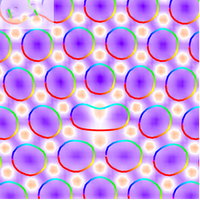
Phys. Rev. Lett. 136, 236703 (2026)
Condensed Matter and Materials
Learning the Action for Long-Time-Step Simulations of Molecular Dynamics
Article | Statistical Physics; Classical, Nonlinear, and Complex Systems | 2026-06-09 06:00 EDT
Filippo Bigi, Johannes Spies, and Michele Ceriotti
Machine learning can reduce the number of time steps needed to accurately predict the progress of a dynamically evolving system.

Phys. Rev. Lett. 136, 237301 (2026)
Statistical Physics; Classical, Nonlinear, and Complex Systems
Polaron-Polariton-Assisted Thermally Activated Superradiance
Article | Polymers, Chemical Physics, Soft Matter, and Biological Physics | 2026-06-09 06:00 EDT
Yi-Ting Chuang and Liang-Yan Hsu
We predict an anomalous thermally activated superradiance in molecular aggregates within polaritonic environments. In contrast to free space, the collective emission is enhanced when either the exciton-phonon coupling or the temperature increases. This counterintuitive phenomenon is captured by a mi…
Phys. Rev. Lett. 136, 238001 (2026)
Polymers, Chemical Physics, Soft Matter, and Biological Physics
Topological Approach to Measuring the Gaussian Curvature Modulus of Lipid Membranes in Simulation
Article | Polymers, Chemical Physics, Soft Matter, and Biological Physics | 2026-06-09 06:00 EDT
Seamus F. Gallagher and Markus Deserno
Fission and fusion of lipid membranes are ubiquitous shape transformations in living cells, necessary for maintaining the shape of organelles and enabling a host of transport processes between them. These topology-changing events involve curvature-elastic free energy changes proportional to the Gaus…
Phys. Rev. Lett. 136, 238201 (2026)
Polymers, Chemical Physics, Soft Matter, and Biological Physics
Physical Review X
Lieb-Mattis States for Robust Entangled Differential Phase Sensing
Article | 2026-06-09 06:00 EDT
Raphael Kaubruegger, Diego Fallas Padilla, Athreya Shankar, Christoph Hotter, Sean R. Muleady, Jacob Bringewatt, Youcef Baamara, Erfan Abbasgholinejad, Alexey V. Gorshkov, Klaus Mølmer, James K. Thompson, and Ana Maria Rey
A robust approach to quantum-enhanced differential phase sensing is developed using entangled Lieb-Mattis states, which are intrinsically insensitive to common-mode noise, enabling a practical path toward scalable quantum sensor networks in noisy environments.

Phys. Rev. X 16, 021052 (2026)
arXiv
Quantum Otto and Carnot Cycles via Skew Ising Model
New Submission | Statistical Mechanics (cond-mat.stat-mech) | 2026-06-10 20:00 EDT
Neda Valizadeh, Nayyere Einali Saghavaz, Zahra Ebadi, Hosein Mohammadzadeh
We investigate the thermodynamic performance of quantum heat engines and refrigerators based on a two-spin system subject to a skew magnetic field. The working substance is described by an interacting spin model that incorporates both spin–spin coupling and anisotropy induced by a tilted magnetic field. We analyze and compare quantum Carnot and Otto cycles, showing that the Carnot cycle exhibits a universal, entropy-driven behavior with smooth phase boundaries, while the Otto cycle displays a much richer structure governed by the interplay between the energy spectrum and nonequilibrium population differences. In particular, we identify a crossover in both efficiency and coefficient of performance as a function of the interaction strength, which arises from the competition between the interaction energy scale and the magnetic field. We further demonstrate that the skew angle induces state hybridization, modifying both the energy levels and occupation probabilities. Our results highlight that interactions and anisotropy, when properly tuned, can enhance thermodynamic performance, and emphasize the importance of multi-level effects in the design of quantum thermal machines.
Statistical Mechanics (cond-mat.stat-mech)
Computing phase diagrams using a convex hull algorithm
New Submission | Statistical Mechanics (cond-mat.stat-mech) | 2026-06-10 20:00 EDT
We present a simple universal computational algorithm for computing compositional phase diagrams of rocks and their melts at given temperature and pressure. It makes use of the mathematical concept of the convex hull of a set of points in the space spanned by the composition and the Gibbs free energy. All the complexities of determining the stability or separation of phases, the localization and orientation of tie lines, as well as the determination of characteristic points, curves and surfaces such as the solidus, liquidus, solvus, and the eutectic/peritectic points etc, are taken care of by the algorithm that computes the convex hull, supplemented with an algorithm to physically classify the resulting simplices. For the convex hull computation, the publicly available Qhull package can be used, which is available in SciPy. This makes this method accessible and intuitive for a broad set of scientific and educational applications. Although the method is not practical for systems of a large number of components, it is remarkably stable and efficient for systems of up to four. We present our implementation of the method as a publicly available Python package.
Statistical Mechanics (cond-mat.stat-mech), Materials Science (cond-mat.mtrl-sci)
Accepted for publication in Astronomy and Astrophysics
Anatomy of fast current-induced skyrmion motion in synthetic antiferromagnets
New Submission | Materials Science (cond-mat.mtrl-sci) | 2026-06-10 20:00 EDT
W. C. Chen, H. X. Yang, X. F. Zhang
The high mobility of current-driven skyrmions in synthetic antiferromagnets (SAFs) is widely explained by the macroscopic suppression of the skyrmion Hall effect through gyrotropic force compensation. This established view, however, overlooks a concurrent and significant reduction in the Gilbert damping parameter {\alpha}, a key factor in the Thiele equation governing skyrmion velocity. Here, we show that this damping attenuation originates from a reconfigured magnon-electron scattering landscape. Using a microscopic s-d model, we demonstrate that the strong antiferromagnetic interlayer Ruderman-Kittel-Kasuya-Yosida (RKKY) exchange coupling in SAFs increases the magnonic gap of skyrmion collective modes, thereby suppressing the thermal magnon population and, consequently, the magnon-electron scattering rate that dominates damping in metallic ferromagnets. Our work establishes a dual-mechanism framework to fully explain the superior kinetics of SAF skyrmions: the macroscopic topological effect rectifies the motion direction, while the microscopic dissipation mechanism reduces the drag. This synergy enables high-speed and efficient motion, providing a fundamental elucidation of the enhanced mobility reported in recent studies such as the work by Pham et al. [Science 384, 307-312 (2024)].
Materials Science (cond-mat.mtrl-sci), Mesoscale and Nanoscale Physics (cond-mat.mes-hall)
7 pages, 2 figures
Quantum-geometric origin of superfluid weight in quasicrystals with critical states
New Submission | Superconductivity (cond-mat.supr-con) | 2026-06-10 20:00 EDT
Kazuma Saito, Ryo Okugawa, Yusuke Kato, Takami Tohyama
A distinctive feature of many quasiperiodic systems is the presence of critical states that are neither extended nor exponentially localized. We investigate the geometric effect on the superfluid weight in quasiperiodic systems with critical states at zero temperature. We employ both real-space and momentum-space approaches to superfluid weight in quasicrystals, which allows us to separate the conventional and quantum geometric contributions. We find that the superfluid weight is dominated by the geometric contribution in quasiperiodic systems with critical states. This finding reveals a fundamental interplay between superconductivity and critical states in quasicrystals.
Superconductivity (cond-mat.supr-con)
6 pages, 2 figures
Fabry-Perot Interference, g-factor Anisotropy, and Gate-Tunable Quantum dot in Chiral Tellurium Nanowires
New Submission | Mesoscale and Nanoscale Physics (cond-mat.mes-hall) | 2026-06-10 20:00 EDT
Suresh Ghimire, Mohammad Hafijur Rahaman, Nathan Tanner Sawyers, Madan Mohan Bhandari, Gokul Acharya, Syed Zulfiqar Hussain Shah, Iris Nandhakumar, Pawan Kumar, Zainul Aabdin Khan, Hugh O. H. Churchill, Dharmraj Kotekar-Patil
Chiral materials with strong spin-orbit coupling offer a unique platform for exploring the interplay between topology, chirality, and quantum transport yet the quantum coherent regime in elemental tellurium nanostructures remains largely unexplored. Here we demonstrate phase-coherent quasi-ballistic transport, anisotropic Zeeman spectroscopy, and gate-tunable quantum dot formation in hydrothermally grown t-tellurium nanowires. Single nanowire field-effect transistors exhibit p-type transport with hole mobilities rising from approx. 80 cm2 V-1 s-1 at 210 K to approx. 190 cm2 V-1 s-1 at 1 K, consistent with a crossover from phonon-limited to Coulomb scattering dominated regimes near 50 K. Notably, devices segregate into two distinct regimes based on their room temperature two-terminal resistance : low-resistance devices (< 30 kOhm) exhibit Fabry-Perot interference, whereas high resistance devices (> 30 kOhm) display Coulomb-blockade behavior revealing a two-terminal resistance-driven transition between quasi-ballistic and strongly localized transport regimes. Zeeman spectroscopy in in-plane and out-of-plane magnetic fields yields highly anisotropic Lande g-factors (an in-plane gparallel = 1.18 and an out-of-plane gperp = 18.41) and directly resolves a spin-orbit energy gap DeltaSO = 0.864 meV from an avoided crossing. These results establish chiral tellurium nanowires as a versatile platform for gate-defined spin qubits exploiting large, tunable g-factors and for hybrid tellurium-superconductor architectures targeting Majorana zero modes in an elemental vdW system.
Mesoscale and Nanoscale Physics (cond-mat.mes-hall), Materials Science (cond-mat.mtrl-sci)
Main text 25 pages, 6 figures, SI 3 figures
Exactly solvable non-planar $\mathbb{Z}_{2}$ dimer liquids on checkerboard and ruby lattices
New Submission | Strongly Correlated Electrons (cond-mat.str-el) | 2026-06-10 20:00 EDT
Julia Wildeboer, Zohar Nussinov, Thomas Iadecola, Alexander Seidel
We generalize an influential framework for exactly solvable quantum dimer models with dual Ising gauge theory descriptions realizing the $ \mathbb{Z}{2}$ topological phase from trivalent to tetravalent parent lattices. The resulting quantum dimer models live on crossed-medial lattices and possess the remarkable feature of having crossed plaquettes, leading to transition graphs with generically intersecting loops. This non-planar structure runs counter to established templates for analytically tractable dimer liquids. As the simplest realization of the construction, we introduce an exactly solvable quantum dimer model on the checkerboard lattice that allows an exact mapping to the toric code, thus providing a particularly direct connection between the latter and Anderson’s short range resonating valence bond paradigm. We further show that a corresponding crossed ruby lattice construction, dual to an Ising gauge theory on the kagome lattice, naturally falls within the same framework. More generally, the construction gives rise to a broad class of exactly solvable crossed-medial quantum dimer models and admits natural iteration, generating cascades of solvable $ \mathbb{Z}{2}$ topological dimer liquids beyond the standard planar setting. We furthermore extend Kasteleyn methods to the relevant non-planar graphs, enabling controlled wave-function deformations away from the commuting-projector points while retaining efficient evaluation of correlation functions.
Strongly Correlated Electrons (cond-mat.str-el)
22 pages, 10 figures
Distribution of Majorana modes in the extended-range Kitaev chain
New Submission | Superconductivity (cond-mat.supr-con) | 2026-06-10 20:00 EDT
Pedro B. Widniczck, Gerardo Martínez
The topological properties of the Kitaev chain model with extended-range interactions are investigated, focusing on cases where the topological winding number is preserved. We assume that the pairing and hopping terms decay algebraically in space with exponents $ \alpha$ and $ \beta$ , respectively. We show that in the truncated-range scenario, there are as many distinct topological phases as the number of coupled neighboring sites. In addition, an explicit analytical formulation is provided to evaluate the topological invariant and the phase transitions that emerge in these systems. Besides the analytical description, we introduce a new physical insight into the topological excitations of the ground-state by measuring the spatial distribution of the edge modes with the Majorana average position. Taking the next-nearest neighbor Kitaev chains as a probe, various numerical calculations of Majorana edge states were performed in finite-size clusters to determine the sensitivity of the topological zero energy modes to the parameters of interest. The occupation of edge-to-edge non-local fermion states is computed and defined as an effective parity. Such an effective parity exhibits new interesting features beyond the energetic exchange from the ground-state fermion parity switches, which are related to the distribution of the respective edge modes. Our calculations show a direct correlation between the ground-state fermion parity and the edge occupation numbers, which are translated into localization and delocalization of the Majorana average position.
Superconductivity (cond-mat.supr-con)
Dominant in-plane anomalous Hall effect in a monoclinic room-temperature ferromagnet
New Submission | Materials Science (cond-mat.mtrl-sci) | 2026-06-10 20:00 EDT
Guoxin Zheng, Arjyama Bordoloi, Mingjun Fan, Shunsuke Kitou, Hiraku Saito, Taro Nakajima, Sobhit Singh, Takashi Kurumaji, Linda Ye
Ferromagnetic metals are characterized by enhanced dissipationless transverse transport responses via the anomalous Hall effect, offering a route towards magnetic sensing and spintronic readout functionalities. In most ferromagnets, the anomalous Hall current is constrained to lie in the plane perpendicular to the magnetization (or applied magnetic field). Recently, it has been recognized that selected symmetries can also permit a Hall response in a traditionally forbidden configuration, where the Hall current lies in the same plane as the magnetization, realizing an in-plane anomalous Hall effect. Reported realizations of this effect, however, are typically much weaker than the conventional Hall response in the same material. Here, through engineering specific crystallographic mirror symmetry-breaking, we realize a strongly enhanced in-plane anomalous Hall response in monoclinic Cr3Te4 with room-temperature ferromagnetism. Remarkably, the in-plane anomalous Hall signal exceeds the out-of-plane response by a factor of five, with which we demonstrate a unique in-plane field and current sensing functionality. Combined with density functional theory calculations, our results establish low-crystalline-symmetry ferromagnets with near-Fermi-level Weyl points as a practical platform for symmetry-engineered Hall responses, and point to a route towards room-temperature, geometry-flexible sensing devices.
Materials Science (cond-mat.mtrl-sci)
Jittery Quantum Boomerang Effect
New Submission | Disordered Systems and Neural Networks (cond-mat.dis-nn) | 2026-06-10 20:00 EDT
Pedro Dornelas, Gerson J. Ferreira
We study the dynamics of a spin-polarized wave packet in a disordered Rashba two-dimensional electron gas and identify a jittery quantum boomerang effect in which longitudinal and transverse motion return to the origin through fundamentally distinct mechanisms. Starting from an initial state with finite momentum along $ x$ and spin polarized along $ z$ , we calculate the time evolution by combining a Chebyshev expansion of the time-evolution operator with a disorder ensemble average. In the weak-scattering regime, equations of motion derived from the quantum kinetic equation reproduce the numerical trends and show that impurity scattering acts as a viscous damping mechanism that suppresses the transient Zitterbewegung and drives the transverse displacement back to $ y=0$ at long times. In contrast, the longitudinal dynamics show a Drude-like saturation at weak disorder. These results are consistent with the vanishing intrinsic spin Hall conductivity in the disordered Rashba model and with experimental observations of a transient intrinsic spin Hall effect in the time-domain. As disorder increases, the longitudinal dynamics evolve to a partial return toward the origin, which signals a transition from weak antilocalization to Anderson localization in 2D.
Disordered Systems and Neural Networks (cond-mat.dis-nn), Mesoscale and Nanoscale Physics (cond-mat.mes-hall), Statistical Mechanics (cond-mat.stat-mech)
4 figures, 9 pages
Atomic-scale visualization of the toroidal order in a trimeric Dy(III) single-molecule toroic
New Submission | Strongly Correlated Electrons (cond-mat.str-el) | 2026-06-10 20:00 EDT
Michael J. Jenkins, Madalynn G. Marshall, Jie Xing, Muthu Satheeshkumar, Brandon D. Watson-Sanders, Xiaoping Wang, Christina M. Hoffmann, Gopalan Rajaraman, Huibo Cao, Rongying Jin, Zi-Ling Xue
Single-molecule toroics (SMTs) offer a unique platform for next-generation quantum devices utilizing head-to-tail spin alignments in the compounds. Presence of toroidal moments in SMTs has been essentially based on magnetometry and ab initio calculations. Here, we report observation and probe of the toroidal moment in [Dy3(OH)(teaH2)3(paa)3]Cl(OMe) [teaH3: triethanolamine; paaH: N-(2-pyridyl)-acetoacetamide] from mapping of Dy3+ magnetic susceptibility tensors by polarized neutron diffraction (PND). Neutron diffraction under variable magnetic fields demonstrates field-induced magnetization along the c-axis with toroidal moments anti-parallelly stacked, providing definite proof of the toroidal moment. Magnetometry studies confirm the toroidal ground state. For the first time, the combined use of PND, variable-field neutron diffraction, ab initio calculations, and magnetometry is introduced as a robust and quantitative methodology to probe molecular-scale toroidal magnetism. This integrated approach overcomes limitations of earlier indirect methods, establishes a benchmark framework for investigating SMTs, and provides valuable insights for the design of molecular quantum materials.
Strongly Correlated Electrons (cond-mat.str-el)
Correlation-driven phonon renormalisation and the equation of state of $γ$-cerium
New Submission | Strongly Correlated Electrons (cond-mat.str-el) | 2026-06-10 20:00 EDT
Yao Wei, Siyu Chen, Evgeny Plekhanov, Ivan Stich, Cedric Weber, Jan M. Tomczak
We investigate the thermodynamic properties of elemental cerium by assessing the crucial role of phonon free energy within the framework of dynamical mean-field theory (DMFT). While conventional density functional theory (DFT) often fails to capture the intricate energy landscape of $ f$ -electron materials, our approach integrates many-body electronic correlations with lattice dynamics to achieve a more rigorous description of the equation of state. We calculate the total energy as a function of the lattice constant at both the DFT and DFT+DMFT levels, subsequently incorporating the vibrational free energy derived from the phonon density of states. Our findings reveal that electronic renormalisation of the force constants significantly alters the phonon spectra, particularly in the strongly correlated $ \gamma$ -phase. By applying these phonon corrections to the energy profiles, we observe a substantial refinement in the predicted equilibrium volumes. Using principal-component-based machine learning, we interpolate phonon dispersions continuously from a finite set of first-principles calculations and compare them to experiment, finding significantly closer agreement compared to conventional DFT and DFT+U calculations that neglect dynamical many-body correlations. This study underlines the necessity of accounting for both electronic and vibrational entropy when evaluating the phase stability and structural transitions of lanthanide systems under varying pressures and temperatures.
Strongly Correlated Electrons (cond-mat.str-el)
12 pages, 6 figures
Predicting Defect States: A Quick Screening Protocol for Substitutional Point Defect Engineering
New Submission | Materials Science (cond-mat.mtrl-sci) | 2026-06-10 20:00 EDT
Point defects in crystalline materials play a central role in determining electronic, optical, and magnetic properties. However, systematic exploration of defect configurations remains computationally expensive because large supercell calculations are required to approximate isolated defects under periodic boundary conditions. We present a unit-cell-based tight-binding protocol that enables rapid pre-screening of substitutional defects. The protocol extracts Wannier tight-binding Hamiltonians from small, fully relaxed unit cells of the host and defect-like systems, replicates the host Hamiltonian to construct a supercell model, and introduces the defect by modifying only the on-site energies at the substitution site while leaving the hopping parameters unchanged. We validate the protocol across three diverse systems: isostructural substitutional defects in transition-metal dichalcogenides (M$ _\mathrm{Mo}$ MoS$ _2$ , M = Ce, Zr, Nb, Tc, and Ru), symmetry-breaking carbon substitutions in hexagonal boron nitride (C$ _\mathrm{B}$ C$ _\mathrm{N}$ h-BN), and nitrogen-vacancy (NV$ ^-$ ) centers in diamond. These case studies span two-dimensional and three-dimensional hosts, simple substitutions, and substitution-vacancy complexes. In all cases, the protocol successfully captures the number of in-gap states, their degeneracies, and their shallow or deep character relative to host band edges, despite some quantitative deviations in absolute energy positions. We further identify limitations for vacancies of highly electronegative atoms and for charge-state or spin-polarization effects, both of which involve self-consistent charge redistribution not captured by the protocol.
Materials Science (cond-mat.mtrl-sci)
Synthesis and Characterization of Atomically-Sharp Superconductor-Dielectric Interface
New Submission | Materials Science (cond-mat.mtrl-sci) | 2026-06-10 20:00 EDT
Nathan Sitaraman, Zhaslan Baraissov, Alexis Grassl, Hongbin Yang, Daniel Tong, David Muller, Matthias Liepe
Modification of superconductor-dielectric interfaces is known to strongly impact coherence times of superconducting quantum devices. This relationship is thought to arise from differences in the concentration of “two-level system” defects in the disordered dielectrics and superconductor-dielectric interfaces; these defects couple to electromagnetic modes in the device and cause dissipation. Zirconium oxide barrier layers on niobium have emerged as a promising pathway to low-loss interfaces in recent years, evidently due to the crystalline nature of these layers in comparison to the amorphous niobium native oxide. We explain the unique ability of zirconium oxide to form a crystalline layer, to maintain a sharp interface with metallic niobium, and to prevent niobium oxide re-growth in terms of the chemical properties of ZrO$ _2$ and the Nb-Zr-O ternary system. We demonstrate a new method to grow air-stable zirconium oxide layers on niobium with a higher level of crystallinity and a sharper oxide-metal interface than previously shown, and provide the first comprehensive microscopic analysis of ZrO$ _2$ capping layer properties. These developments pave the way toward vital performance advances in superconducting quantum devices.
Materials Science (cond-mat.mtrl-sci), Superconductivity (cond-mat.supr-con), Accelerator Physics (physics.acc-ph)
Beyond the Markovian limit: Exact solutions for active motion in a power-law viscoelastic bath
New Submission | Soft Condensed Matter (cond-mat.soft) | 2026-06-10 20:00 EDT
Mintu Karmakar, Jure Dobnikar, Ignacio Pagonabarraga
Active particles from bacteria to synthetic microswimmers often navigate viscoelastic media with complex relaxation dynamics. The classical active Brownian model that assumes instantaneous friction is clearly not applicable to describe such motility, while the non-Markovian processes combined with viscoelasticity are relatively unexplored. Here, we develop an analytical theory for an active particle in a power-law viscoelastic medium by solving coupled non-Markovian generalized Langevin equations for translational and rotational degrees of freedom. The viscoelastic memory results in novel phenomena such as fractional short-time transport, enhanced long-time persistence, and de-correlation of the instantaneous force and the swimmer orientation. We demonstrate that the memory kernel controls the anomalous scaling exponents, while the activity determines the crossover between sub-diffusive, ballistic and diffusive regimes. Our work provides a framework for theoretical description of biological and synthetic micro swimmers in complex biological and polymeric environments.
Soft Condensed Matter (cond-mat.soft), Statistical Mechanics (cond-mat.stat-mech)
Microscopic Investigation of the Superconducting State in CuCo${2}$S${4}$: Evidence for an Intermediate-Coupling Fully Gapped Superconductor
New Submission | Superconductivity (cond-mat.supr-con) | 2026-06-10 20:00 EDT
K. Panda, A. Bhattacharyya, Liang-Wen Ji, Jing Li, R. Stewart, D. T. Adroja, Guang-Han Cao
The thiospinel compound CuCo$ _2$ S$ _4$ provides an attractive platform for exploring superconductivity in transition-metal chalcogenide spinels. Here, we report the first microscopic investigation of the superconducting state in CuCo$ 2$ S$ 4$ using muon spin rotation and relaxation ($ \mu$ SR) measurements, complemented by magnetization and heat-capacity experiments. The temperature dependence of the superconducting depolarization rate obtained from transverse-field $ \mu$ SR measurements indicates a fully gapped superconducting order parameter. The extracted gap ratio $ 2\Delta(0)/(k{\mathrm{B}}T\mathrm{SC}) = 3.95(2)$ exceeds the BCS weak-coupling value of 3.53, placing CuCo$ _2$ S$ _4$ in the intermediate electron-phonon coupling regime. Zero-field $ \mu$ SR measurements were performed to probe possible time-reversal symmetry breaking (TRSB) in the superconducting state. Within the experimental resolution, no additional spontaneous internal magnetic fields are observed below $ T_c$ . However, due to the presence of a ferromagnetic impurity phase and the associated fast-relaxing signal component, the sensitivity of the present measurements to weak spontaneous fields is reduced. Consequently, while no evidence for TRSB is detected, its existence cannot be definitively ruled out. Overall, our combined thermodynamic and $ \mu$ SR results demonstrate that CuCo$ _2$ S$ _4$ exhibits a fully gapped superconducting state with intermediate coupling strength, consistent with conventional $ s$ -wave superconductivity in this cobalt-based thiospinel system.
Superconductivity (cond-mat.supr-con)
Journal of Alloys and Compounds 1061, 187405 (2026)
Pressure-Driven Structural Phase Competition and Functional Response in Layered LiInP2S6
New Submission | Materials Science (cond-mat.mtrl-sci) | 2026-06-10 20:00 EDT
Xiaochi Xie, Pegah Mohammadi, Sobhit Singh
Understanding how hydrostatic pressure modifies interlayer interactions and competing ionic configurations is essential for controlling the emergent functional properties of layered quantum materials. Here, using first-principles density-functional theory calculations, we investigate the pressure-dependent structural, mechanical, electronic, and optical properties of three competing LiInP2S6 polymorphs: the monoclinic C2/c phase and the trigonal P-31c phase in both in-layer and in-gap configurations. Our results reveal a pressure-induced structural phase transition from the monoclinic ground-state C2/c phase to a trigonal P-31c in-layer phase at ~0.38 GPa, driven by enhanced interlayer coupling and anisotropic lattice compression. In contrast, the trigonal P-31c in-gap phase remains energetically unfavorable due to its stronger interlayer ionic interactions and reduced compressibility. All phases remain mechanically stable under compression (0-26 GPa) and exhibit enhanced mechanical rigidity, elastic wave velocities, and Debye temperatures with increasing pressure. Remarkably, the electronic and optical properties within each phase remain highly robust under pressure, with only moderate changes in the band gap and optical absorption edge (UV-Visible range) under pressure; however, substantial modifications emerge across the pressure-induced structural phase transition. These findings establish LiInP2S6 as a pressure sensitive ionic-vdW material in which subtle changes in interlayer interactions govern structural stability and functional properties.
Materials Science (cond-mat.mtrl-sci)
13 pages, 9 figures
Graphlet Histogram Representation Database of Inorganic Crystals
New Submission | Materials Science (cond-mat.mtrl-sci) | 2026-06-10 20:00 EDT
Aaditya Panigrahi, Yanjun Liu, Omri Lesser, Krishnanand Mallayya, Eun-Ah Kim
Machine learning models for materials property prediction increasingly rely on representations learned end-to-end from large density-functional-theory databases, limiting their applicability when only scarce experimental data are available. Domain-knowledge-driven representations precomputed from crystal structures alone offer a data-efficient, interpretable alternative, but existing approaches capture at most composition or bonding connectivity and discard local structural geometry. Here, we present Graphlet-MP, a database of graphlet histogram representations for 149,082 inorganic crystals from the Materials Project (MP). Seventy-nine distributions describe each material over three hierarchical graphlet orders: atomic sites, bonded pairs, and bond-angle triplets, extracted via screened Voronoi tessellation from the crystallographic information file. We provide a complete technical specification of the representation, an Earth Mover’s Distance metric for comparing materials in this space, and the full precomputed database. An accompanying open-source codebase enables users to generate graphlet histograms for arbitrary crystal structures, including experimentally determined ones, and to extend the database to new materials or target properties.
Materials Science (cond-mat.mtrl-sci), Computational Physics (physics.comp-ph)
5 pages, 2 figures
Finite-temperature Fe K-edge X-ray absorption simulations reveal local structural dynamics of an iron(II) photosensitizer in solution and the crystalline phase
New Submission | Materials Science (cond-mat.mtrl-sci) | 2026-06-10 20:00 EDT
Patrick Müller, Lorena Fritsch, Matthias Bauer, Thomas D. Kühne
Interpreting metal K-edge spectra of flexible photosensitizers requires a structural model that separates electronic signatures from thermal motion, solvent disorder, and crystal-packing effects. We combine Fe K-edge X-ray absorption measurements with second-generation Car–Parrinello ab initio molecular dynamics and all-electron Gaussian and augmented-plane-wave simulations for an iron(II) N-heterocyclic carbene photosensitizer in acetonitrile solution and in the crystalline phase. Ensemble-averaged spectra reproduce the main near-edge features in both environments and preserve the experimentally observed similarity of the first Fe coordination shell upon dissolution. Comparison with radial distributions extracted from extended fine-structure measurements validates the Fe–N and Fe–C coordination shells sampled by the trajectories, while element-resolved pair distributions explain why higher-shell experimental contrast is rapidly lost. The same dynamical ensembles reveal a broad out-of-plane distribution of the terpyridine nitrogen atom and a nearly octahedral distribution of the Fe-centered coordination planes. The results show that finite-temperature X-ray absorption simulations can provide a compact structural-dynamics picture of molecular transition metal photosensitizers by linking local spectra, solvent-phase ligand motion, and medium-range structural disorder within one trajectory-based description.
Materials Science (cond-mat.mtrl-sci), Applied Physics (physics.app-ph), Chemical Physics (physics.chem-ph), Computational Physics (physics.comp-ph)
Robust AI-Driven Discovery of Electronic Metal Phosphide Semiconductors
New Submission | Materials Science (cond-mat.mtrl-sci) | 2026-06-10 20:00 EDT
Benhao Zhu, Muhammad Faizan, Zewei Li, Wenshuo Li, Feifei Ren, Jiahao Xie, Lijun Zhang
Metal phosphides have diverse bonding motifs and coordination environments, making them promising for optoelectronic and thermoelectric applications, but their chemical space remains underexplored. Here we report an AI-driven high-throughput discovery workflow that combines generative materials design, machine-learning interatomic potentials, and targeted density functional theory (DFT) calculations. ICSD-derived Wyckoff-site substitution and MatterGen-based conditional structure generation are used to expand the candidate space beyond existing phosphide databases. A domain-finetuned DPA3 machine-learning potential then enables efficient prescreening of thermodynamic and dynamical stability before DFT validation. This workflow identifies 3,574 previously unreported stable phosphide structures, including 196 semiconductors with HSE06 band gaps of 0-3.0 eV. By screening these new semiconductors together with experimentally known phosphide semiconductors, we identify 30 promising optoelectronic candidates and 26 promising thermoelectric candidates, including seven newly discovered optoelectronic materials and eight newly discovered thermoelectric materials. These results provide a candidate pool for experimental synthesis and show that combining generative AI with machine-learning interatomic potentials can accelerate the discovery of functional semiconductor materials.
Materials Science (cond-mat.mtrl-sci)
46 pages, 5 main figures; Supporting Information included
Coherent manipulation of Kondo Majoranas in two-channel Kondo setups
New Submission | Strongly Correlated Electrons (cond-mat.str-el) | 2026-06-10 20:00 EDT
We study coherent manipulation of Majorana zero modes emerging in overscreened two-channel Kondo systems. Using compactified lattice models, we show that these interacting Kondo Majoranas support non-local qubits and admit teleportation, fusion, and braiding operations. In particular, we identify a distinction between non-topological and genuinely topological Y-junction geometries, the latter realizing a non-Abelian geometric holonomy. Our results establish a proof-of-principle route toward coherent control of non-Abelian anyons beyond conventional free-fermion platforms.
Strongly Correlated Electrons (cond-mat.str-el)
29 pages, 8 figures
Vortex pinning of Ba${0.62}$K${0.38}$BiO$_3$ investigated by magneto-optical Kerr-effect and magnetization measurements
New Submission | Superconductivity (cond-mat.supr-con) | 2026-06-10 20:00 EDT
Soichiro Yamane, Sota Nakamura, Atsutoshi Ikeda, Dayu Zhai, Siddarth Gorregattu, Xing He, Sudarshan Sharma, Yipeng Cai, Yasutomo J. Uemura, Martin Greven, Shingo Yonezawa
Vortex pinning plays a crucial role in determining properties of type-II superconductors. For example, it governs the irreversible magnetic response as well as dissipation caused by vortex motion. Here, we study vortex pinning in the three-dimensional oxide superconductor Ba1-xKxBiO3 using ultra-high-resolution magneto-optical Kerr effect (MOKE) and detailed magnetization measurements. We find that the zero-field MOKE signal in the superconducting state exhibits a pronounced magnetic-history dependence. This behavior closely resembles the remanent magnetization caused by trapped vortices. Furthermore, we demonstrate that the observed evolution of the MOKE signals is well described by Bean’s critical-state model for trapped vortices. Our results establish MOKE as a viable optical and mesoscopic probe of vortex pinning in type-II superconductors, providing a new complementary approach to investigate mixed-state phenomena. We also find that the training-field dependence of the MOKE is linear near zero training field, without any anomalies indicative of spontaneous time-reversal-symmetry breaking in an unconventional superconducting state. Our study defines a clear protocol to distinguish vortex-induced MOKE responses from those associated with a time-reversal-symmetry broken superconducting order parameter.
Superconductivity (cond-mat.supr-con), Materials Science (cond-mat.mtrl-sci), Strongly Correlated Electrons (cond-mat.str-el)
10 pages, 5 figures
Magnetic HIP-NN for spin dynamics in disordered itinerant magnets
New Submission | Disordered Systems and Neural Networks (cond-mat.dis-nn) | 2026-06-10 20:00 EDT
Supriyo Ghosh, Yunhao Fan, Sheng Zhang, Kipton Barros, Gia-Wei Chern
We present a magnetic extension of the Hierarchically Interacting Particle Neural Network (HIP-NN) that enables large-scale simulations of electron-mediated spin dynamics in disordered itinerant magnets. The resulting magnetic HIP-NN (mHIP-NN) incorporates rotationally invariant spin correlations directly into hierarchical message-passing layers, enabling the network to learn emergent magnetic energy landscapes and effective local fields from coupled geometric-spin environments while preserving spin-rotation symmetry. As a benchmark application, we consider structurally disordered itinerant $ s$ -$ d$ exchange models in which the effective magnetic forces arise dynamically from the instantaneous electronic structure and are computationally prohibitive to evaluate using conventional exact-diagonalization-based approaches. We show that mHIP-NN accurately reproduces the local torques governing Landau-Lifshitz-Gilbert dynamics and faithfully captures the nonequilibrium evolution of spatial spin correlations following thermal quenches. Our results establish symmetry-aware hierarchical message-passing networks as an efficient and scalable framework for large-scale simulations of frustrated itinerant spin systems and nonequilibrium magnetic dynamics. More broadly, because the learned energy functional remains fully differentiable with respect to both atomic coordinates and spin variables, the framework also provides a natural foundation for spin-dependent interatomic potentials and coupled atom-spin dynamics.
Disordered Systems and Neural Networks (cond-mat.dis-nn), Strongly Correlated Electrons (cond-mat.str-el), Machine Learning (cs.LG)
12 pages, 5 figures
Neural electron backscatter diffraction
New Submission | Materials Science (cond-mat.mtrl-sci) | 2026-06-10 20:00 EDT
In a polycrystalline microstructure, orientation and dislocation content vary smoothly within grains, and the grain boundaries between them are continuous curves. Electron backscatter diffraction (EBSD) records this continuum on a discrete grid with every subsequent analysis (from indexing to advanced pattern processing) confined to that grid. We introduce neural EBSD, which treats an EBSD scan as a continuous, differentiable four-dimensional field of Kikuchi diffraction intensity (in specimen–detector domain) and then represents it with a coordinate-based neural network. We develop and compare two formulations: a joint formulation that maps all four coordinates to intensity, and a factorized formulation that combines continuous specimen-domain coefficient fields with learned detector-domain basis patterns. Tested on recrystallized and additively manufactured Inconel 718, the factorized formulation shows better accuracy in reconstructing Kikuchi patterns that have map-averaged errors below 1% of the maximum intensity. Beyond reconstruction, it provides full-pattern super-resolution in the specimen frame, continuous querying along arbitrary off-grid paths, as well as spatially continuous boundary and heterogeneity localization from analytical spatial derivatives. Storing the network weights and learned bases in place of the raw patterns in a large dataset offers a 700-fold compression while preserving on-demand access to the full patterns for downstream analyses.
Materials Science (cond-mat.mtrl-sci)
Improved selector behavior in ultrathin chromium-doped V$_2$O$_3$ films
New Submission | Strongly Correlated Electrons (cond-mat.str-el) | 2026-06-10 20:00 EDT
Johannes Mohr, Tyler Hennen, Yudi Wang, Xiaoyu Xu, Loc Vinh, Dirk J. Wouters, Rainer Waser, Joyeeta Nag, Daniel Bedau
Devices based on the negative differential resistance effect in chromium doped V$ _2$ O$ _3$ are considered to be promising as selector elements for use in emerging memory technologies, as well as for neuromorphic applications. It is shown by electrical measurements, that the switching effect is maintained for very thin films down to 5 nm, and even improved properties such as a low leakage current and an abrupt transition are observed. For these thicknesses, the behavior of crystalline and amorphous films becomes very similar; most strikingly, a forming step is required in both. Transmission electron microscopy reveals this to be likely due to a thin amorphous layer that forms at the interface to the TiN electrode. Elemental mapping further shows a complex distribution of the chromium dopants, as well as a diffusion of Ti into the layer from the electrode, which might be responsible for the improved properties.
Strongly Correlated Electrons (cond-mat.str-el), Materials Science (cond-mat.mtrl-sci)
Higher-winding phases in one-dimensional non-Hermitian topological superconductors
New Submission | Mesoscale and Nanoscale Physics (cond-mat.mes-hall) | 2026-06-10 20:00 EDT
Yung-Yeh Chang, Xiang-Yu Li, Ken Shiozaki, Chen-Hsuan Hsu
Non-Hermitian topological superconductors provide a setting in which point-gap topology, non-Hermitian skin effects, and Majorana zero modes are strongly intertwined. In this work, we adopt a coefficient-based approach for computing winding numbers and deriving analytical expressions for phase boundaries in one-dimensional non-Hermitian topological superconductors characterized by point-gap topology with $ \mathbb{Z}$ invariants. We apply this approach to two non-Hermitian topological superconducting lattice models, with and without sublattice degrees of freedom, including longer-range hoppings, thereby accessing a much broader parameter space. These extensions generate higher-order polynomials and support phases with higher winding numbers, reflecting the underlying $ \mathbb{Z}$ topology. We further clarify how a weak perturbation suppresses the non-Hermitian skin effect while preserving the sublattice-symmetry-protected invariant associated with Majorana zero modes. The predicted winding numbers are verified by open-boundary spectra, where one or multiple pairs of zero-energy boundary modes appear consistently with the bulk invariant. We also examine the stability of these modes against onsite disorder through the inverse participation ratio. Our results provide a systematic and efficient route to constructing topological phase diagrams for higher-winding non-Hermitian topological superconductors.
Mesoscale and Nanoscale Physics (cond-mat.mes-hall)
17 pages, 10 figures
Antiferromagnetic order and magnetic polarons in lightly doped Li$_x$CoO$_2$ (x $\sim$ 0.9)
New Submission | Strongly Correlated Electrons (cond-mat.str-el) | 2026-06-10 20:00 EDT
Sudip Pal, Pampa Sadhukhan, Waqar Suleman, Andrej Pustogow, S. B. Roy
We investigate the magnetic properties of Li$ _x$ CoO$ _2$ (x$ \sim$ 0.9) using bulk magnetization, specific heat, nuclear magnetic resonance (NMR) and electron paramagnetic resonance (EPR) spectroscopy measurements. The dc magnetization, specific heat and NMR measurements, which probe the macroscopic response, indeed show that this compound partially undergoes an antiferromagnetic transition below $ T_N \sim$ 10 K. In addition, we observed a weak ferromagnetic response, which gives rise to the history dependence in magnetization measurements at low fields and is observed at temperatures above room temperature. We propose that there are ferromagnetic clusters at high temperatures due to the formation of magnetic polarons out of doped holes. In EPR measurements performed at the $ X$ -band frequency, only a fraction of the total spins contribute and show Curie-like paramagnetic behavior as reflected in the temperature dependence of the EPR intensity. The temperature variation of the EPR spectra can be understood in the framework of the diffusion of magnetic polarons.
Strongly Correlated Electrons (cond-mat.str-el)
Superheating field of clean superconductors near the type-I–type-II boundary: the low-temperature Meissner stability limit of niobium
New Submission | Superconductivity (cond-mat.supr-con) | 2026-06-10 20:00 EDT
We calculate the low-temperature superheating field $ B_{\rm sh}$ of clean superconductors near the boundary between type-I and type-II superconductivity, with particular emphasis on Nb. The calculation is based on the self-consistent nonlinear nonlocal Eilenberger theory and the linear stability analysis of the Meissner state. For a Nb-like material with $ \kappa_{\rm GL}=0.7$ , we obtain $ B_{\rm sh}\simeq 290,{\rm mT}$ at $ T/T_c=0.2$ , using $ B_{c0}\simeq 200,{\rm mT}$ . This value is substantially higher than the value obtained by naively extrapolating the Ginzburg–Landau result near $ T_c$ to $ T\ll T_c$ . For a TESLA-shaped Nb accelerator cavity, it corresponds to an intrinsic Meissner-stability limit of about $ 67,{\rm MV/m}$ .
Superconductivity (cond-mat.supr-con), Accelerator Physics (physics.acc-ph)
4 pages, 1 figure
Supermoiré Chern mosaic in helical trilayer WSe2
New Submission | Strongly Correlated Electrons (cond-mat.str-el) | 2026-06-10 20:00 EDT
Zhenyu Wang, Mingjie Zhang, Hai Meng, Xiuzhen Li, Subi Du, Yaotian Liu, Siyu Fan, Xiaofan Shi, Kenji Watanabe, Takashi Taniguchi, Wei Yang, Guangyu Zhang, Bingbing Tong, Guangtong Liu, Li Lu, Jie Shen, Gang Li, Jing Song, Enke Liu, Song Liu, Fengcheng Wu, Yang Xu
Helically twisted multilayers offer access to moiré physics beyond the single-superlattice paradigm, yet their correlated and topological transport properties remain largely unexplored in semiconductor moiré materials. Here we report magnetotransport measurements of helical trilayer WSe2, in which two coupled moiré patterns relax into a supermoiré landscape composed of inequivalent local topological domains with distinct electronic structures and unequal spatial areas. By electrostatic tuning, we identify a trilayer-hybridized regime where interactions and real-space reconstruction combine to generate a plethora of magnetic and topological states absent in the twisted bilayers. At moiré filling factor $ \nu$ = -1, we observe a ferromagnetic insulating state that is robust against magnetic field and accompanied by a non-quantized anomalous Hall response ~-4 kOhms. This behaviour is consistent with a time-reversal-symmetry-breaking supermoiré Chern mosaic, in which the Hall response arises from the non-cancelling contributions of local domains with opposite Chern character arranged by the relaxed structure. Under strong magnetic fields, a symmetry-broken Chern insulating state (C = 1) emerges near $ \nu$ = -2/3, displaying a much larger positive Hall response together with strongly enhanced longitudinal resistance, suggestive of field-reconstructed topological minibands and domain-boundary scattering. These results establish relaxed supermoiré semiconductor trilayers as a platform for spatially organized magnetism and topology beyond the bilayer limit.
Strongly Correlated Electrons (cond-mat.str-el)
30 pages, including 4 main figures and 10 supplemental figures
Edge slip stabilizes confined active vortices by suppressing localized instabilities
New Submission | Soft Condensed Matter (cond-mat.soft) | 2026-06-10 20:00 EDT
Zhihan Ye, Tianyu Ren, Hao Luo, Yanan Liu, Guangyin Jing
Confined active systems can sustain persistent vortical flows whose stability is strongly influenced by boundary conditions. At the individual level, active units generate internal stresses that drive spontaneous flows, which in turn advect and reorient the particles. This nonlinear coupling between active flow and orientational order is significantly mediated by the system’s boundaries, where the specific slip condition governs how these internal stresses generate active flow then rearrange the local orientations. However, a quantitative understanding of how boundary slip dictates their dynamical stability remains lacking. Here, we study how the slip boundary condition controls the stability of a steady vortex state in a circularly confined active nematic system. Using a continuum model in a flow-dominated regime, we perform a linear stability analysis and derive an explicit criterion incorporating the slip velocity and flow-alignment coupling. We find that increasing slip velocity suppresses localized linear instabilities, thereby promoting the persistence of the steady vortex state. This reveals a relaxing the boundary friction actually stabilizes the macroscopic coherent structure by depressing flow induced reorientation that typically destroys single-vortex states. Our findings establish boundary slip as a nontrivial hydrodynamic control parameter for engineering stable active flows.
Soft Condensed Matter (cond-mat.soft)
8 pages, 4 figures
Energetics of Nucleation in Finitely Deformed, Phase-Transforming Soft Solids
New Submission | Soft Condensed Matter (cond-mat.soft) | 2026-06-10 20:00 EDT
Classical nucleation theory describes the rate at which stable nuclei form within a metastable parent phase by crossing a free-energy barrier set by competing bulk and interfacial energies. In an elastic material, a pre-existing stress state modifies this barrier through an elastic contribution to the bulk driving force. This contribution is well characterized for linear elastic materials, but the corresponding finite-deformation result for soft solids remains less developed. The gap is computationally significant: in simulations that sample candidate nuclei throughout a stressed body, direct evaluation of the elastic contribution to free-energy change would require solving a new nonlinear elasticity boundary-value problem for each possible nucleus. Here, we derive an asymptotic expansion of the equilibrium elastic potential energy change for a hyperelastic body before and after formation of a small transformed region. The expansion is with respect to the amplitude of an isotropic transformation strain, while the pre-existing deformation and stress may be finite. At leading order, the elastic contribution to the formation energy is determined entirely by the known untransformed equilibrium fields, with additional terms accounting for stiffness contrast between the parent and transformed phases. Incorporating this into classical nucleation theory yields the stress-shifted transformation temperature, critical radius, and nucleation barrier. Representative results are shown for a compressible neo-Hookean solid under hydrostatic, uniaxial, and equibiaxial loading; tensile stresses promote nucleation and compressive stresses suppress it when transformation strain is expansive. Comparison with the corresponding linear-elastic result shows that finite-deformation effects can substantially change the predicted energy barrier at moderate stretches.
Soft Condensed Matter (cond-mat.soft)
10 pages and 4 figures in the main text. 11 appendix figures
One-Step Self-Organized Multifunctional Micromotors via Evaporative Liquid-Liquid Phase Separation
New Submission | Soft Condensed Matter (cond-mat.soft) | 2026-06-10 20:00 EDT
Senthan Pugalneelam Parameswaran, Akshay Sidhi, Ambareesh Shrivastav, Dibyendu Das, Tapan Chandra Adhyapak, Dileep Mampallil
Active microcarriers capable of transporting multiple functional components and navigating complex environments are highly desirable for biomedical applications, yet their fabrication typically requires complex multistep processes. Here we show that evaporation-induced liquid-liquid phase separation in all aqueous polymer and protein mixtures provides a simple one-step route to multifunctional micromotors. During droplet evaporation, micron-sized condensates spontaneously form and encapsulate enzymes, nanoparticles, and drugs. Evaporation-induced Marangoni flows and interfacial adsorption generate asymmetric internal self-organization of nanoparticles, producing Janus-like architectures and spontaneously emergent shape anisotropy without the need for patterned fabrication. Dual functionality with internal magnetic anisotropy allowed catalytic propulsion steered by magnetic torque, enabling directional motion even in homogeneous environments. Thus, we present a versatile platform for the one-step construction of biocompatible, multifunctional micromotors with internally asymmetric architectures.
Soft Condensed Matter (cond-mat.soft)
Electrical Spectroscopy of Intervalley Relaxation in WSe$_2$ Transistors
New Submission | Mesoscale and Nanoscale Physics (cond-mat.mes-hall) | 2026-06-10 20:00 EDT
We show that the transconductance of multilayer WSe$ 2$ field-effect transistors serves as a direct electrical spectrometer of the intervalley relaxation time $ \tau{\rm iv}$ , previously accessible only by ultrafast optical techniques. Extending an equilibrium valley-thermodynamics framework with a single relaxation equation for the $ \Gamma$ -valley carrier fraction $ f_\Gamma(t)$ , we predict three signatures: (i)a Lorentzian transconductance $ g_m(\omega)=g_{m,0}+g_{m,v}^0/(1+i\omega\tau_{\rm iv})$ , whose imaginary part peaks at $ \omega_c=\tau_{\rm iv}^{-1}$ with opposite signs for bilayer and trilayer; (ii)a two-stage current transient after a gate step, exhibiting bilayer overshoot or trilayer undershoot; and (iii)~sweep-rate-proportional hysteresis whose gate-voltage profile and layer-number sign reversal distinguish valley from trap-induced dynamics. All three signatures provide quantitative electrical access to $ \tau_{\rm iv}$ with standard rf and dc instrumentation.
Mesoscale and Nanoscale Physics (cond-mat.mes-hall), Materials Science (cond-mat.mtrl-sci)
7 pages; 5 figures
Finite-Time Orientational Relaxation Restructures Collective Motion in Polar Active Matter
New Submission | Soft Condensed Matter (cond-mat.soft) | 2026-06-10 20:00 EDT
Rajneesh Kumar, Subhransu Sekhar Mishra, Debasish Chaudhuri
We introduce a Langevin formulation of Vicsek-like active particles in which orientations evolve through finite-rate relaxation toward the local mean direction, with alignment strength $ J$ and rotational diffusivity $ D_r$ , thereby combining Vicsek-type local consensus with XY-like orientational dynamics. Using large-scale numerical simulations, we determine the nonequilibrium phase diagram as a function of activity and alignment rate. Increasing the alignment rate drives a sequence of transitions from a homogeneous isotropic state to polar bands, a cross-sea phase of intersecting bands, a homogeneous polar state, and ultimately a micro-clustered regime. The isotropic-to-polar transition is strongly first order, as evidenced by Binder cumulants and bimodal distributions of local polarization and density, indicating coexistence of gas-like and liquid-like regions. Near the onset of collective motion, band size increases with activity but depends non-monotonically on alignment rate. Further increasing the alignment rate drives the system through the cross-sea and homogeneous polar phases before enhanced density fluctuations lead to micro-clustering. Our results demonstrate that finite-time orientational relaxation acts as a control parameter that qualitatively restructures collective behavior in polar active matter.
Soft Condensed Matter (cond-mat.soft), Statistical Mechanics (cond-mat.stat-mech), Biological Physics (physics.bio-ph)
12 pages, 10 figures
Strain-programmable exciton diffusion in moiré heterostructures
New Submission | Mesoscale and Nanoscale Physics (cond-mat.mes-hall) | 2026-06-10 20:00 EDT
Chiho Song, Chiranjit Mondal, Jaebin Lee, Kenji Watanabe, Takashi Taniguchi, Bohm-Jung Yang, Jieun Lee
Moiré superlattices in van der Waals heterostructures have recently gained significant attention as an intriguing platform for studying correlated electronic systems and exotic excitonic properties. Previous reports, however, focused on creating and modulating moiré heterostructures through interlayer twisting or lattice constant mismatches, limiting controls on symmetry of heterostructures. In this work, we show that strain significantly alters the geometry of moiré superlattices by breaking the C3 rotational symmetry. We realize strain-induced moiré superlattices by intentionally regulating interlayer strain in WSe2-MoSe2 heterostructures, which is manifested by linearly polarized interlayer exciton emission coupled to the strain direction. Furthermore, interlayer exciton diffusion was preferentially guided along the stretched moiré superlattice orientations over a wide spatial range, reflecting the strain-modified moiré potentials. Our work highlights strain tuning as a versatile tool for designing moiré superlattices and programming excitonic transport, which opens pathways for van der Waals logic and information processing devices.
Mesoscale and Nanoscale Physics (cond-mat.mes-hall)
6 pages, 4 figures
Virial stress in systems of active Brownian particles in the presence of translational and rotational inertia
New Submission | Soft Condensed Matter (cond-mat.soft) | 2026-06-10 20:00 EDT
Chandranshu Tiwari, Sunil P. Singh, Roland G. Winkler
We elucidate the stress in a system of active Brownian particles augmented with translational and rotational inertia (ABP+TRI). Stress tensors are derived for periodic systems as well as systems confined between walls by employing Lagrange’s equations of motion of the first kind for the rotational motion. Using Langevin simulations of an ideal active gas in two dimensions, we confirm the existence of an equation of state for periodic systems that depends on translational and rotational inertia in general. Confinement implies a strong polarization of the propulsion direction near a wall and an enhanced density, both of which increase with increasing rotational inertia. This affects the local stress tensor normal to the confining walls, leading to a breakdown of the equation of state. Yet the local stress in the bulk part of the confined systems is identical with that of the periodic system. Importantly, for both kinds of boundary conditions, the so-called swim stress is not included in the local stress tensor; thus, in general, the swim stress is not representative of the stress in systems of ABP+TRIs.
Soft Condensed Matter (cond-mat.soft), Statistical Mechanics (cond-mat.stat-mech), Biological Physics (physics.bio-ph)
16 pages, 17 figures
J. Chem. Phys. 164, 224901 (2026)
Microscopic evidence for a Zhang-Rice triplet state in the van der Waals antiferromagnet, NiPS$_3$
New Submission | Strongly Correlated Electrons (cond-mat.str-el) | 2026-06-10 20:00 EDT
Beom Hyun Kim, Youjin Lee, Junik Hwang, Junghyun Kim, Je-Geun Park, Seung-Ho Baek
Quantum-entangled states underpin many emergent phenomena in quantum materials, yet their direct experimental identification remains a challenge. NiPS$ _3$ , a van der Waals antiferromagnet exhibiting a resolution-limited magnetic exciton in its ordered phase, has been proposed to host a many-body entangled Zhang-Rice triplet state. Here, using $ ^{33}$ S nuclear magnetic resonance (NMR) on $ ^{33}$ S-enriched NiPS$ _3$ single crystals, we provide microscopic evidence for this charge-transfer state. The $ ^{33}$ S and $ ^{31}$ P Knight shifts as a function of temperature reveal a unified spin-triplet configuration arising from strong hybridization between a self-doped hole in the S $ 3p$ orbitals and a hole in Ni $ 3d$ orbitals. Furthermore, the $ ^{33}$ S nuclear spin-lattice relaxation rate exhibits a power-law divergence as it approaches the Néel temperature $ T_N=155$ K, indicating critical slowing down of collective charge fluctuations consistent with spin-nematic correlations. These results reveal a spin-charge-intertwined ground state and establish the microscopic foundation for the exceptional coherence of the magnetic exciton in NiPS$ _3$ .
Strongly Correlated Electrons (cond-mat.str-el)
6 pages, 3 figures; Accepted for publication in Physical Review Letters
Moving backward to go faster: Diatom-inspired sliding reveals efficient modes of locomotion
New Submission | Soft Condensed Matter (cond-mat.soft) | 2026-06-10 20:00 EDT
Julien le Dreff, Blaise Delmotte
Across biological scales, from sperm cells to whales, locomotion commonly relies on undulatory gaits, in which traveling deformation waves interact with the surrounding fluid to generate thrust opposite to the direction of wave propagation. In viscous environments, microorganism locomotion is classically understood in terms of undulatory bending of slender filaments such as flagella, with optimal propulsion achieved when the deformation wavelength is comparable to the swimmer length. Inspired by diatom colonies, we identify a fundamentally different swimming mechanism based on sliding between neighboring elements within a chain. We show that sliding between stacked elongated cells generates internal shear that drives propulsion opposite to classical undulatory swimming, while achieving higher speeds and greater energetic efficiency. Remarkably, optimal performance occurs at wavelengths much larger than the chain length and at cell aspect ratios consistent with those observed in natural diatom colonies, suggesting that hydrodynamic efficiency may constitute an evolutionary selective pressure in diatom chains. Together, these results identify sliding as a previously overlooked mode of locomotion in multicellular assemblies and suggest new design principles for efficient bio-inspired microswimmers and swarm robotic systems.
Soft Condensed Matter (cond-mat.soft), Biological Physics (physics.bio-ph), Fluid Dynamics (physics.flu-dyn)
SANS and magnetometry study of the magnetic phase diagram of the B20 helimagnet FeRhSi
New Submission | Strongly Correlated Electrons (cond-mat.str-el) | 2026-06-10 20:00 EDT
E. V. Altynbaev, A. V. Guseva, D. O. Skanchenko, V. N. Krasnorussky, A. V. Bokov, D. A. Salamatin, V. A. Sidorov, A. V. Tsvyashchenko
This manuscript reports the first direct neutron-scattering evidence for long-period helimagnetism in the newly identified 4d-substituted B20 compound Fe0.5Rh0.5Si. By combining SANS with low-field magnetometry, we establish the magnetic modulation, construct a field-temperature phase diagram, and identify a candidate A-phase region supported by an independent structural signature. The work is important beyond this single compound because it expands the family of chiral B20 helimagnets into Rh-substituted materials, where spin-orbit coupling, disorder, and Dzyaloshinskii-Moriya interactions can be tuned. It will interest researchers in chiral magnetism, topological spin textures, magnetic neutron scattering, and quantum materials, and provides a foundation for future studies of emergent magnetic phases and topology-driven phenomena in chemically tuned chiral magnets.
Strongly Correlated Electrons (cond-mat.str-el), Materials Science (cond-mat.mtrl-sci)
Probing Spin Configurations in Exchange-Coupled Magnetic Bilayers with Orthogonal Anisotropies via Anomalous Hall and Nernst Effects
New Submission | Materials Science (cond-mat.mtrl-sci) | 2026-06-10 20:00 EDT
Sebin Jung, Hiroki Koizumi, Hiroaki Sukegawa, Hideto Yanagihara
When two ferromagnetic thin films with different magnetic easy axes are coupled via the exchange interaction, the magnetization process becomes nontrivial. In this paper, we demonstrate that three-dimensional magnetization information in such a bilayer system can be accessed electrically by combining measurements of the anomalous Hall effect (AHE) and anomalous Nernst effect (ANE). Specifically, we investigate a CoFe$ _2$ O$ _4$ (001)/Fe bilayer, where the insulating nature of CoFe$ _2$ O$ _4$ ensures that these transport measurements selectively probe only the conductive Fe layer. By combining the AHE and ANE results and comparing them with a simple micromagnetic simulation, we probe the magnetic configuration of antiferromagnetically coupled Fe layer and suggest the emergence of a twisted magnetic structure near the interface.
Materials Science (cond-mat.mtrl-sci)
Interaction-driven dynamics in graphene flakes as a benchmark for quantum simulation
New Submission | Strongly Correlated Electrons (cond-mat.str-el) | 2026-06-10 20:00 EDT
Fabian Eickhoff, Satoshi Ejima, Lukas Windgätter, Florian G. Eich, Hannah Rittich, Sebastian Zanker, Peter Schmitteckert
We study interaction-driven ultrafast dynamics in finite graphene flakes following an optical pump quench in an interacting tight-binding model. By comparing exact real-time evolution with simulations restricted to particle-hole excitation subspaces, we assess when relaxation can be captured by low-order many-body processes and when this is not sufficient. The single-particle orbital entropy provides a compact diagnostic for dynamic correlation growth. For the systems studied here, periodic graphene flakes are well described by low-order excitations, whereas confined geometries require substantial higher-order contributions even for relatively small interaction strengths. The quench protocol combines simple initial-state preparation with strongly correlated dynamics, identifying a promising benchmark problem for future quantum-computing simulations.
Strongly Correlated Electrons (cond-mat.str-el), Computational Physics (physics.comp-ph), Quantum Physics (quant-ph)
Optical-like interference control polar-phonons dispersions in 2D materials
New Submission | Materials Science (cond-mat.mtrl-sci) | 2026-06-10 20:00 EDT
Benoit Van Troeye, Geoffrey Pourtois
It has been argued that the polar phonon modes of two-dimensional (2D) materials should show a linear dependence close to the Brillouin zone center due to the reduced problem dimensionality compared to a three-dimensional crystal, leading to a vanishing LO-TO splitting. Revisiting this question using a mirror-charge framework derived from classical electrostatics, we show that it is not always true: with perfectly-reflective dielectric interfaces, it is possible to recover a LO-TO splitting, or an equivalent phenomenon for the out-of-plane modes. Effectively, the dispersion of polar phonon modes is governed by optical-like constructive and destructive interferences of the source potential with its reflection at the dielectric interfaces. This work highlights the critical role of dielectric boundary conditions to understand phonon-related properties in 2D materials.
Materials Science (cond-mat.mtrl-sci)
5 pages, 3 figures
Dichotomous electronic system in a bilayer Ni$^{1+}$ nickelate
New Submission | Superconductivity (cond-mat.supr-con) | 2026-06-10 20:00 EDT
Young-Joon Song, W. E. Pickett, K.-W. Lee
Infinite layer'' nickelates (ILNs) $ {\cal R}$ NiO$ _2$ ($ {\cal R}$ =rare earth elements), having empty apical O sites, become superconducting upon hole doping. They display a secondary electron Fermi surface (FS), giving hole doping, arising not from atomic orbitals but from a band based on interstitial density. Newly reported La$ _3$ Ni$ _2$ O$ _5$ F, formally Ni$ ^{1+}$ , provides an unexpected example of ILN with essentially ideal two dimensional character. A partially occupied single band $ E^\ast$ , based on interstitial density, has distinct properties, as its strongly anisotropic shape extends over the three apical’’ layers and leads to a cylindrical electron FS giving self-doping. This interstitial density is associated with a {\it network of valence bands}, including a Ni $ d_{xz},d_{yz}$ pair that partners with $ E^\ast$ to provide an incipient non-analytic Dirac point, leading to an unusual type of interstitial density–$ d$ band coupling. The $ E^\ast$ electron band and the conventional Ni $ dp\sigma$ band will display a dichotomy of hole and electron quasiparticle behavior in normal state transport and far-IR properties, and likely resulting in unconventional superconducting state properties even for nickelates.
Superconductivity (cond-mat.supr-con), Materials Science (cond-mat.mtrl-sci)
6 pages and 4 embedded figures
Extending Field Limits in Nanoscale Magnetic Imaging with Metamaterial-inspired Magnetic Flux Concentrators
New Submission | Materials Science (cond-mat.mtrl-sci) | 2026-06-10 20:00 EDT
A. Barrera, E. Fourneau, T. Pirottin, L. Marcano, R. Abrudan, R. Huang, Ll. Balcells, I. Orue, M.L. Fdez-Gubieda, D. Villanueva, A.G. Gubieda, L. Chang, B. Vanderheyden, R.J. Harrison, A.V. Silhanek, A. Palau, S. Valencia
Many nanoscale magnetic imaging techniques are constrained by the maximum magnetic field that can be applied during measurements, due to geometrical limitations or interactions with the probe or the detected signal (e.g., electrons). Here, it is demonstrated that sample-integrated metamaterial-inspired magnetic flux concentrators (MFCs) locally amplify magnetic fields, allowing observation of magnetization processes beyond instrumental limits. Micrometer-sized MFCs fabricated directly on the samples are tested in photoemission electron microscopy experiments employing X-ray magnetic circular dichroism as magnetic contrast mechanism. At low applied fields, substantial amplification factors enable observation of magnetization reversal in a chain of magnetite nanoparticles synthesized by magnetotactic bacteria at an applied field of 8 mT, substantially smaller than the 50 mT predicted by simulations in absence of MFCs. At higher fields, the field enhancement extends the accessible field range by a factor of five, enabling for the first time, imaging of the field-dependent magnetic domain structure evolution of an isolated giant magnetofossil. Finally, we show how MFC geometry and material parameters can be tuned to optimize performance considering sample and experimental constraints, providing a tunable and broadly applicable strategy for extending the accessible field range in a wide variety of nanoscale magnetic imaging techniques.
Materials Science (cond-mat.mtrl-sci)
Submitted and accepted manuscript versions for Small (Wiley). To be published (Article DOI: https://doi.org/10.1002/smll.202600073)
Propagation and localization of spin excitations at altermagnetic domain walls
New Submission | Strongly Correlated Electrons (cond-mat.str-el) | 2026-06-10 20:00 EDT
Oksana Peschanska, Jeroen van den Brink, Volodymyr P. Kravchuk
Altermagnets (A$ \ell$ Ms) are spin-compensated materials in which opposite-spin sublattices are connected by a symmetry that causes a spin splitting in their elementary excitations. As there is a strong effect of altermagnetism on domain wall properties, it is quite natural to also expect an enrichment of the physics of magnetic excitations at A$ \ell$ M domain walls. Here, we consider the propagation of spin eigen-excitations along domain walls in easy-axial $ d$ -wave A$ \ell$ Ms. Investigating the presence of bound states localized on a domain wall, we find that the effect of the A$ \ell$ M on the bound states strongly depends on the orientation of the domain wall relative to the crystallographic directions. If the domain wall is oriented along a nodal direction [100] or [010], A$ \ell$ M does not change the number of bound states; however, it leads to a nonlinear dispersion and a tilt of the wavefront. The effect of A$ \ell$ M is strongest when the domain wall is oriented along the directions [110] or [$ \bar{1}$ 10], i.e., along the directions of the strongest A$ \ell$ M splitting in the magnon spectrum. In this case, (i) the additional gapped bound states appear, (ii) degeneracy of the eigenstates with respect to their polarization (right-handed or left-handed precession of the N{é}el vector) is removed, and (iii) the localization area of the bound states strongly depends on the eigenfrequency. The latter may lead to strong localization of the bound state at the domain wall. We further consider the influence of a static magnetic field that is applied along the easy axis, and find that the magnetic field induces an asymmetry between the localization regions on opposite sides of the domain wall and sets an upper limit on the absolute value of the propagating eigenstate’s wave vector.
Strongly Correlated Electrons (cond-mat.str-el)
10 pages, 7 figures
Ultra-Soft Ferrimagnetism in a High-Entropy Spinel Oxide Driven by Site-Selective Cation Disorder
New Submission | Materials Science (cond-mat.mtrl-sci) | 2026-06-10 20:00 EDT
Neha Sharma, AmritPal, Nikita Sharma, Mathieu Duttine, Denis Pelloquin, S. D. Kaushik, Sanjoy Mahatha, Olivier Toulemonde, Sourav Marik
High-entropy materials are complex, multifunctional materials that have reshaped the design of advanced functional materials. Their chemically diverse compositions enable access to a broader compositional space than conventional solid solutions, while simultaneously posing significant challenges for fundamental structure property understanding. In this study, we introduce a new highentropy spinel oxide with an exceptionally low coercivity of 1.8 Oe at room temperature, among the lowest reported for bulk spinel oxides, and a high electrical resistivity (1560 ohm-cm). Neutron powder diffraction (NPD) and magnetic measurements reveal long-range collinear ferrimagnetic ordering (k = 0,0,0) with a transition temperature at 420 K. This rare combination of ultra-soft magnetic behavior, robust ferrimagnetic ordering well above room temperature, and high resistivity highlights its strong potential as an advanced soft-magnetic oxide for low-loss, high-frequency applications. Furthermore, X-ray absorption spectroscopy (XAS), Mossbauer spectroscopy, and NPD analyses were combined to determine the cation distribution and site selectivity across the tetrahedral and octahedral sites of the complex structure.
Materials Science (cond-mat.mtrl-sci), Soft Condensed Matter (cond-mat.soft)
The Two Dimensional Dynamical Bulk Boundary Correspondence: Beyond Two Band Models
New Submission | Statistical Mechanics (cond-mat.stat-mech) | 2026-06-10 20:00 EDT
Tomasz Masłowski, Nicholas Sedlmayr
A dynamical equivalent of the bulk-boundary correspondence has been suggested to occur in one and two dimensional topological models following sudden quenches. Depending on the topological invariant of the time evolving and initial phases involved large boundary contributions to a dynamical free energy occur. Moreover they occur periodically between the critical times at which this dynamical free energy becomes non-analytic, \emph{i.e.}~at dynamical quantum phase transitions. At these critical times the eigenvalue spectrum of the Loschmidt matrix which underlies the dynamical free energy closes its gap. The boundary contributions are understood to be due to zero-modes or in-gap bands of this matrix, forming a close analogy with equilibrium topological models and their edge modes. The exact cause of this phenomena and its generality remain unknown. In this article we test the dynamical bulk-boundary correspondence for a complicated two dimensional topological superconductor with a rich phase diagram, allowing quenches between many different Chern numbers. We show that there is no straightforward correspondence between the equilibrium phases quenched between and the dynamical bulk boundary correspondence. Furthermore the correspondence can depend on the orientation of the edges, suggesting a possible weak topological variant.
Statistical Mechanics (cond-mat.stat-mech)
Layer-parity-dependent interfacial coupling in Nb$_3$Cl$_8$/graphene van der Waals heterostructures
New Submission | Materials Science (cond-mat.mtrl-sci) | 2026-06-10 20:00 EDT
Hansheng Xu, Yuchen Gao, Xinyue Huang, Weihanzhang Guo, Zhijie Ma, Ziqi Liu, Pinfan Gu, Kenji Watanabe, Takashi Taniguchi, Youguo Shi, Yu Ye
Strongly correlated two-dimensional systems provide compelling platforms for investigating exotic quantum phenomena. Niobium chloride (Nb$ _3$ Cl$ _8$ ), a single-band Mott insulator, exhibits a remarkable out-of-plane polarization in its topmost layer that oscillates with layer parity, manifesting as an odd-even effect. Using atomic force microscopy (AFM) and Kelvin probe force microscopy (KPFM), this layer-parity-dependent polarization can be effectively characterized through surface morphology and potential mapping, enabling the unambiguous identification of different surface phases. We then fabricated dual-gate Hall devices by coupling different surface phases of Nb$ _3$ Cl$ _8$ with monolayer graphene to investigate how the topmost-layer out-of-plane polarization influences interfacial coupling and the resulting transport behavior. Our results reveal significant phase-dependent variations in charge transfer, carrier densities, and hybridization gaps (25.2 meV for Phase 1 and 30.0 meV for Phase 2). Density functional theory calculations corroborate these experimental findings, showing that distinct out-of-plane polarizations in the topmost layer lead to different orbital overlaps and interfacial coupling strengths. These findings highlight the critical importance of surface polarization and orbital orientation in engineering the properties of strongly correlated van der Waals heterostructures.
Materials Science (cond-mat.mtrl-sci), Strongly Correlated Electrons (cond-mat.str-el)
9 pages, 4 figures
Spin polarisation signatures of Fractionally Charged Skyrmions in Fractional Quantum Hall states
New Submission | Mesoscale and Nanoscale Physics (cond-mat.mes-hall) | 2026-06-10 20:00 EDT
Odysseas Williams, Stefan Faelt, Christian Reichl, Werner Wegscheider
We investigate spin polarisation and low-energy excitations in fractional quantum Hall (FQH) states using cavity-polariton spectroscopy of high-mobility GaAs quantum wells. By measuring the optical coupling strength of interband Landau-level excitations over the range $ 1/3 \le \nu \le 1$ , we extract the spin polarisation of the electron system as a function of filling factor.
Complete suppression of the oscillator strength of the lowest energy excitation, characteristic of singlet trion formation in fully polarised systems, is reported for the first time in this regime.
At large magnetic fields, fully polarised FQH states exhibit symmetric depolarisation away from their quantised fillings, analogous to Skyrmionic behaviour near $ \nu=1$ . The depolarisation follows an empirical law $ S=\nu^\ast$ , where $ S$ is the number of spin flips per added magnetic flux quantum and $ \nu^\ast$ the effective Composite Fermion filling factor. We interpret this behaviour as evidence for Minimal Fractionally Charged Skyrmions (MFCS) formed from bound spin-flip and quasiparticle excitations.
Mesoscale and Nanoscale Physics (cond-mat.mes-hall)
Spontaneous translation of charged droplets during evaporation on dry surfaces
New Submission | Soft Condensed Matter (cond-mat.soft) | 2026-06-10 20:00 EDT
Riming Xu, Yanbo Li, Jiawen Zhang, Jin Wang, Yikai Li
Evaporating sessile droplets are usually treated as capillary objects, but droplets generated by routine handling can carry tens to hundreds of picocoulombs of electric charge. Here we combine Faraday-cup charge measurements with optical imaging to determine how such charge evolves as water droplets evaporate on dry polymer substrates. A zero-time protocol shows that a reproducible initial charge is preserved on poly(methylpentene) (PMP), whereas PDMS, SOCAL-coated surfaces, and polystyrene either exchange, dissipate, or inject charge on contact. On PMP, ensemble-resolved measurements reveal two regimes: the charge remains nearly constant during early evaporation and then decreases abruptly once the droplet reaches a small-volume state. This charge collapse coincides with spontaneous lateral translation rather than jetting or breakup. A Rayleigh-normalized analysis, including a spherical-cap stress correction and measured contact-angle retention scale, shows that motion occurs only after evaporation drives the droplet into a high electro-pinning state. High-speed imaging and kinematic analysis support a picture in which the subsequent motion is governed by repeated contact-line depinning and re-pinning: the total distance traveled is strongly affected by dry-surface pinning, whereas the peak translational velocity serves as a more robust indicator of the discharge strength. These results identify a dry-substrate mode of evaporation-driven electrostatic relaxation, distinct from Coulomb fission on lubricated surfaces, in which substrate electrostatic passivity enables charge retention, droplet geometry selects the instability onset, and whole-droplet translation provides the charge-release pathway.
Soft Condensed Matter (cond-mat.soft), Applied Physics (physics.app-ph)
14pages 10figures
Dynamical Partition Functions of Stochastic Dynamics via Variational Flows
New Submission | Statistical Mechanics (cond-mat.stat-mech) | 2026-06-10 20:00 EDT
Nonequilibrium thermodynamics is governed by the dynamical partition function, and its computation in high-dimensional continuous-state dynamics is a longstanding challenge. The Feynman-Kac formalism provides a rigorous representation for generating functions of arbitrary path observables; however, practical evaluation beyond low dimensions or the weak-noise limit is hindered by the curse of dimensionality and the exponentially growing replica demands of trajectory-based methods. Here we develop a mesh-free neural variational framework that realizes the Feynman-Kac theorem with generative flow models, recasting tilted stochastic evolution as a time-dependent optimization problem. This approach enables the direct computation of both finite-time and asymptotic trajectory thermodynamics in a unified manner. The method applies to general observables, enabling the evaluation of work, entropy production, and current fluctuations. We demonstrate the accuracy and scalability of this method in various nonequilibrium systems including high-dimensional cases.
Statistical Mechanics (cond-mat.stat-mech)
Nonequilibrium Green Functions Simulations for Large Correlated Systems
New Submission | Strongly Correlated Electrons (cond-mat.str-el) | 2026-06-10 20:00 EDT
Erik Schroedter, Michael Bonitz, Jan-Philip Joost
Correlated real-time dynamics in large, spatially inhomogeneous quantum systems remain difficult to access with nonequilibrium many-body methods. Two-time nonequilibrium Green functions (NEGF) retain dynamical correlations but their computational runtime grows cubically with the number of time steps $ N_\mathrm{t}$ . This scaling bottleneck could recently be overcome by introducing the G1–G2 scheme that is linear in $ N_\mathrm{t}$ , but requires propagation of a two-particle correlation function and may suffer from numerical instabilities. This has restricted simulations to small systems with $ N_\mathrm{b} \sim 10^2$ basis states. Here we introduce a quantum-fluctuation formulation of nonequilibrium Green functions, denoted $ \delta$ NEGF, that represents dynamical two-particle correlations through fluctuations of field-operator products, $ \delta \hat G$ . This guarantees stable dynamics by preserving the positivity of the reduced density matrices, avoids the explicit storage of the two-particle Green function, and reduces the propagation to a finite ensemble of Hartree-Fock-like trajectories. Combined with a stochastic low-rank decomposition of the correlation functions, the method retains time-linear scaling while extending dynamical $ GW$ and particle-particle and particle-hole $ T$ -matrix simulations to basis sizes of order $ N_\mathrm{b}\sim 10^4$ . We benchmark $ \delta$ NEGF against exact and HF-GKBA results for lattice systems, finding stable correlated dynamics also at strong coupling. We further demonstrate large-scale simulations of diffusion in two-dimensional Hubbard lattices and ultrafast relaxation in graphene nanoribbon heterostructures with long-range Coulomb interactions. These results establish $ \delta$ NEGF as a scalable route to dynamical self-energy simulations of large, spatially inhomogeneous correlated quantum systems beyond the reach of existing NEGF implementations.
Strongly Correlated Electrons (cond-mat.str-el)
NANOG assembles into self-limiting aging micelles that drive a sol-gel transition and modulate DNA dynamics
New Submission | Soft Condensed Matter (cond-mat.soft) | 2026-06-10 20:00 EDT
Amandine Hong-Minh, Yair Augusto Gutierrez Fosado, Abbie Guild, Nicholas Mullin, Laura Spagnolo, Ian Chambers, Davide Michieletto
Proteins and nucleic acids form non-Newtonian liquids with complex rheological properties that contribute to their function in vivo. Here we investigate the rheology of the transcription factor NANOG, a key protein to maintain embryonic stem cell pluripotency. We find that at high concentrations, NANOG forms macroscopic aging gels that are dependent on its intrinsically disordered domain. By combining molecular dynamics simulations, mass photometry and Cryo-EM, we also discover that – in contrast with unbounded condensates formed by other intrinsically disordered proteins – NANOG forms self-limiting micelles with exposed DNA-binding domains. We show that these micelles can stabilize DNA entanglements and in turn modulate DNA dynamics. Based on our findings, we conjecture that NANOG may contribute to regulate gene expression by creating local gel-like environments that restrict genome dynamics and that its aging may ingrain mechanical memory in gene regulatory networks.
Soft Condensed Matter (cond-mat.soft), Biological Physics (physics.bio-ph)
Interplay between Aharonov-Bohm and Altshuler-Aronov-Spivak oscillations in phase-pure GaAs/InAs core/shell nanowires of different lengths
New Submission | Mesoscale and Nanoscale Physics (cond-mat.mes-hall) | 2026-06-10 20:00 EDT
Farah Basarić, Kaiwen Wang, Tudor-Gabriel Dumitru, Andrei Manolescu, Francisco Alvarado Cesar, Ana M. Sanchez, Christoph Krause, Detlev Grützmacher, Alexander Pawlis, Thomas Schäpers
In GaAs/InAs core/shell nanowires, comprising a tubular conducting shell, interference phenomena observed under an axial field and originating from closed-loop states encircling the insulating core, provide an ideal platform for superconducting quantum devices that utilize effects such as Aharonov–Bohm or Altshuler–Aronov–Spivak-type conductance oscillations. Both effects are different in nature with respect to phase rigidity because of interference of non-time-reversed or time-reversed paths, respectively. Since their occurrence is largely governed by averaging effects, which depend on sample dimensions and the transport regime, we present a systematic study of flux-periodic oscillations of phase-pure zinc-blende GaAs/InAs core/shell nanowires as a function of gate voltage for samples with different contact separation lengths. Our analysis shows that with increasing contact separation length, averaging effects result in gradual reduction of $ h/e$ -periodic Aharonov–Bohm-type oscillations, while the $ h/2e$ -periodic Altshuler–Aronov–Spivak oscillations and its $ h/4e$ -periodic higher harmonics are enhanced. The additional phase rigidity seen in the $ h/3e$ -periodic oscillations is attributed to phase rigidity propagating from the neighbouring lower harmonics. Our tight-binding transport simulations on nanowires of different lengths which contain only a few scattering centers confirm the experimental observations regarding the different harmonics and their phase rigidity. Together, our experimental and simulation findings indicate quasi-ballistic transport with persistent Aharonov–Bohm-, and phase-rigid Altshuler–Aronov–Spivak-type oscillations despite few scattering centers.
Mesoscale and Nanoscale Physics (cond-mat.mes-hall)
11 pages, 5 figures, 12 pages supplemental material including 12
Majorana fermions at self-generated interfaces
New Submission | Superconductivity (cond-mat.supr-con) | 2026-06-10 20:00 EDT
Nikola Prodanov, Sergio Ciuchi, Sergio Caprara
The Kitaev model describing a one-dimensional topological superconducting chain is known to support two Majorana fermions localized at the systems endpoints when the parameters are tuned to the topological phase. In this work, we investigate the possibility that Majorana fermions may also emerge away from the physical boundaries of the chain. To this purpose, we generalize the Kitaev model by incorporating a local coupling between the electronic density and a classical elastic (lattice) field. This electron-lattice interaction can induce phase separation between superconducting regions characterized by distinct topological invariants, thereby generating internal interfaces that host Majorana bound states. Under these conditions, a dilute gas of Majorana fermions can be realized in the bulk of the system.
Superconductivity (cond-mat.supr-con)
10 pages, 8 figures
Fractional shot noise of an SU(N) Kondo system
New Submission | Strongly Correlated Electrons (cond-mat.str-el) | 2026-06-10 20:00 EDT
Damian Krychowski, Stanisław Lipiński
We consider transport through a multi-level interacting quantum dot (N-QD) in Kondo regime. Using the Kotliar-Ruckentein slave boson approach (SBMFA) for N-level Anderson model we define effectively noninteracting quasiparticles of the SU(N) Kondo system ($ N=2,3,4,5,6$ ). Kondo resonance transmission coefficients determine linear noise describing quasiparticle partitioning. To discuss nonlinear conductance, susceptibilities and shot noise in the strong coupling regime, we apply Fermi liquid theory with parameters expressed by susceptibilities of pseudofermions determined within SBMFA. Nonlinear shot noise is dominated by two-quasiparticle scattering. However, we demonstrate that for occupation regions distant from the electron-hole symmetry point, the role of three-body correlations must be revealed.
Strongly Correlated Electrons (cond-mat.str-el), Mesoscale and Nanoscale Physics (cond-mat.mes-hall)
31 pages, 22 figures
Beilstein J. Nanotechnol. 17, 515 (2026)
Continuous and discontinuous transitions in the Ising-Heisenberg model on the extended Lieb lattice in a magnetic field
New Submission | Statistical Mechanics (cond-mat.stat-mech) | 2026-06-10 20:00 EDT
The spin-1/2 Ising-Heisenberg model on the extended Lieb lattice in a magnetic field is exactly mapped onto an effective spin-1/2 Ising model on the square lattice. The ground-state phase diagram comprises the quantum antiferromagnetic (QAF), quantum monomer-dimer (MD), classical ferrimagnetic (FRI), and classical ferromagnetic phase. The MD-FRI ground-state phase boundary extends to finite temperatures as a dome-shaped surface of discontinuous thermal transitions bounded by a line of Ising critical points. The QAF phase is enclosed by a surface of continuous thermal transitions evolving from the QAF-MD and QAF-FRI ground-state phase boundaries. Monte Carlo simulations fully confirm the existence and nature of both continuous and discontinuous thermal phase transitions obtained by exact and approximate analytical calculations.
Statistical Mechanics (cond-mat.stat-mech)
22 pages, 8 figures, submission to SciPost Physics Core journal
Efficient analytic continuation approach to Bethe-Salpeter excitation spectra in selected energy windows
New Submission | Materials Science (cond-mat.mtrl-sci) | 2026-06-10 20:00 EDT
We explore the merits of building the Bethe-Salpeter absorption spectrum in a specific energy range using analytic continuation techniques. Specifically, we calculate iteratively a few $ \bar{\bar \alpha}(z_k)$ polarizability tensors for a coarse set of $ (z_k)$ frequencies in the complex-plane. These data allow constructing a continued-fraction representation for $ \bar{\bar{\alpha}}(z)$ that is used to calculate the absorption spectrum close to the real energy axis in the desired energy range. The number and location of these sampling complex frequencies are discussed. The importance of building a continued-fraction representation of the full polarizability tensor with matrix-valued coefficients is emphasized. We show how to extract the poles of the continued fraction as a tool for analyzing the resulting spectra. We study as examples the valence excitations of a paradigmatic dipeptide, the C$ _{60}$ fullerene and its PCBM derivative, together with the description of the surface plasmon resonance of the Ag$ _{20}$ silver cluster. Further, the high-energy C$ _{60}$ X-ray absorption spectrum is explored.
Materials Science (cond-mat.mtrl-sci), Chemical Physics (physics.chem-ph)
Magnetism and Topology from Circularly Polarized Phonon Floquet Engineering
New Submission | Mesoscale and Nanoscale Physics (cond-mat.mes-hall) | 2026-06-10 20:00 EDT
Dapeng Yao, Tiantian Zhang, Takashi Oka, Takehito Yokoyama
We theoretically show that circularly polarized phonons induce electronic magnetization and drive a topological phase transition via phonon Floquet engineering. Considering the electronic states modulated by circularly polarized phonons on a honeycomb lattice, we show that such lattice dynamics generates an effective next-nearest-neighbor electron hopping, leading to a Haldane-type mass term. Circularly polarized phonon breaks time-reversal symmetry (TRS) and opens a gap at valley points, undergoing phase transition from a trivial insulator to a Chern insulator. Moreover, the orbital and spin magnetizations emerge due to the breaking of TRS. Our results show that circularly polarized phonons serve as an effective magnetic field to engineer magnetism and topology, offering new opportunities for phonon Floquet approaches.
Mesoscale and Nanoscale Physics (cond-mat.mes-hall)
7+4 pages, 4+1 figures
Thermodynamic Approach to Momentum Transport in Dense Fluids
New Submission | Statistical Mechanics (cond-mat.stat-mech) | 2026-06-10 20:00 EDT
Christopher Devik Fjeldstad, Jonas Bueie, Astrid S. de Wijn
We present a new framework for extending Chapman-Enskog theory beyond the hard-sphere fluid model. Rather than relying on effective hard sphere diameters, the approach makes use of on an exchange function which can be related to the thermodynamic properties of the system. We show that two existing extensions, including modified Enskog theory (MET), fit into this new framework. Based on our approach, we propose an alternative to MET that takes into account the potential interaction energy associated with the inter-particle interactions in the fluid. The proposed expression is applied to predicting the shear viscosity of several different simulated fluid models across a wide set of densities $ 0.05 \leq \rho^\ast \leq 0.8$ and temperatures $ 1.5 \leq T^\ast \leq 4.0$ in Lennard-Jones units. The fluid models considered include both the Weeks-Chandler-Anderson (WCA) fluid and the Lennard-Jones (LJ) fluid. At low and intermediate density, here taken to be $ \rho^\ast \leq 0.3$ , we report mean relative prediction errors between $ 2%$ and $ 4%$ for both these. Across all densities considered, the largest mean relative errors reported are $ 4.4%$ and $ 8.1%$ for the WCA fluid and LJ fluid respectively. We also investigate other interaction models, including a diatomic molecular model, in order to better understand the limitations of our approach.
Statistical Mechanics (cond-mat.stat-mech), Soft Condensed Matter (cond-mat.soft)
Degeneracy and trajectory control of spin eigenmodes excited by fs-optical pulses in a nearly compensated ferrimagnet
New Submission | Materials Science (cond-mat.mtrl-sci) | 2026-06-10 20:00 EDT
G. Yu. Levkin, D. M. Krichevsky, N. A. Gusev, A. K. Zvezdin, S. N. Polulyakh, V. I. Belotelov, D. O. Ignatyeva
We investigate optically excited spin dynamics in a uniaxial ferrimagnet near the magnetization compensation point under a magnetic field applied along the magnetic anisotropy axis. Experiment and numerical modeling reveal an unusual regime where the frequencies of two spin eigenmodes approach each other and become highly field sensitive. The modes, corresponding to opposite rotations of the Neel vector, simultaneously reverse their handedness at a critical field where their frequencies become degenerate. At this point, the two-frequency precessional dynamics collapses into a linear oscillations directed along the inverse-Faraday-effect excitation induced by a single pump pulse. We further show that a double-pulse excitation scheme enables control of the spin trajectory. These results uncover an unconventional dynamical regime in ferrimagnets and establish new opportunities for manipulating spin motion in magnonic systems and devices.
Materials Science (cond-mat.mtrl-sci)
Local density of states distribution and multifractal eigenvectors of weighted random networks via the cavity approach
New Submission | Disordered Systems and Neural Networks (cond-mat.dis-nn) | 2026-06-10 20:00 EDT
We study the local density of states (LDoS) distribution of a general class of weighted Erdős-Rényi graphs. Using the cavity method, we obtain a good approximation to the full LDoS distribution and compact expressions for its power-law tails, which we show to have exponent $ 3$ in the extended phase. We deduce that the eigenvectors in the continuous part of the spectrum are extended but (weakly) multifractal, and we extract expressions for the associated fractal dimensions and the singularity spectrum. We also demonstrate that the inverse participation ratio in this multifractal phase exhibits an unusual logarithmic scaling with system size, which is neither fully-extended nor localised by the usual definitions. Finally, we verify that some symmetry properties (derived from the non-linear sigma model), which have been shown to hold for many systems exhibiting multifractality, also hold in our case, both for the LDoS distribution and the singularity spectrum.
Disordered Systems and Neural Networks (cond-mat.dis-nn)
14 pages, 5 figures
Thermal Signatures of the Slater-Mott Crossover in the Hubbard Model: From Double Occupancy to Antiferromagnetic Correlation Length
New Submission | Strongly Correlated Electrons (cond-mat.str-el) | 2026-06-10 20:00 EDT
Mingzhong Lu, Yu-Feng Song, Youjin Deng, Yuan-Yao He
The interaction-driven crossover from a Slater insulator to a Mott insulator in the Néel-ordered ground state of the Hubbard model is a fundamental paradigm of strongly correlated electrons, yet its quantitative characterization has remained elusive. Here we establish a clear and experimentally accessible thermal criterion for this crossover via the sign change of the temperature derivative of double occupancy, $ (\partial D/\partial T)_U$ , near zero temperature. In the Slater regime, $ (\partial D/\partial T)_U>0$ reflects the major role of charge fluctuations; in the Mott regime, the anomalous $ (\partial D/\partial T)U<0$ , a manifestation of the Pomeranchuk effect, signals the dominance of low-energy spin superexchange physics. Using exact diagonalization and {\it numerically exact} quantum Monte Carlo simulations, we demonstrate that this criterion determines the crossover boundary at $ U{\rm cross}/t=4.0(2)$ for the half-filled two-dimensional Hubbard model. Furthermore, we obtain a consistent boundary independently from the maximum in the antiferromagnetic correlation length, which also arises from the superexchange physics. These two thermal signatures are theoretically unified through the local minimum of thermal entropy versus interaction $ U$ at low temperatures. Our results offer a direct, measurable, and physically intuitive framework to identify the Slater-Mott crossover in optical lattice experiments.
Strongly Correlated Electrons (cond-mat.str-el)
5 pages, 4 figures, and Supplementary Material
Field-Induced Up-Up-Down State and Frustrated Magnetism in a Non-Kramers Triangular Antiferromagnet
New Submission | Strongly Correlated Electrons (cond-mat.str-el) | 2026-06-10 20:00 EDT
Zhaoyi Li, Qinchen Duan, Bo Wen, Ruidan Zhong, Shu Guo
A previously unreported triangular lattice (TL) antiferromagnet, TmZnGaO4, was synthesized as single crystals, and its crystal structure, magnetic susceptibilities, and specific heat were reported. Its crystal structure is isomorphic to that of the transverse-field Ising antiferromagnet TmMgGaO4, with Tm3+ ions located in the TLs, separated by a nonmagnetic bilayer composed mainly of Ga3+ and Zn2+ ions. The magnetic susceptibilities indicate the dominating antiferromagnetic interactions. The magnetization curves (M-H) exhibit strong easy-c-axis anisotropy, with a clear one-third magnetic plateau emerging, consistent with a field-induced up-up-down spin configuration. Instead of forming a conventional long-range magnetic order, the system exhibits two broad anomalies at 0.11 K and 2.81 K in zero-field specific heat measurements, highlighting the persistence of strong spin fluctuations and the potential for exotic quantum spin states. The above results reveal its future interest in exploring exotic quantum spin states in TmZnGaO4.
Strongly Correlated Electrons (cond-mat.str-el), Materials Science (cond-mat.mtrl-sci)
Geometry still matters in quasi-one-dimensional single-file transport
New Submission | Statistical Mechanics (cond-mat.stat-mech) | 2026-06-10 20:00 EDT
Olivier Bénichou, Aurélien Grabsch
Single-file transport means no overtaking: particles move in a narrow channel while preserving their longitudinal order. This simple constraint has profound dynamical consequences, most notably tracer subdiffusion, and has made single-file transport a paradigmatic form of confined many-body motion, observed from molecular transport in zeolites to single-file diffusion of colloids in narrow channels. The standard view is that, once overtaking is suppressed, collective transport reduces to that of a strictly one-dimensional file. Here we show that this reduction fails in experimentally relevant finite-width channels: even when exchange is forbidden, the transverse equilibrium structure controls the transport laws and can qualitatively reshape them. Starting from the Brownian dynamics in the full confined geometry, we derive an exact large-scale one-dimensional fluctuating hydrodynamics for the longitudinal density, whose coefficients are fixed by the confined equilibrium equation of state. In the minimal hard-core setting, this yields a collective diffusivity that can become non-monotonic in density. This geometric anomaly propagates to exact large-scale predictions for integrated-current fluctuations, tracer displacement fluctuations and the associated density profiles. The effect is robust to the interaction potential, channel geometry, initial preparation and microscopic dynamics. Quasi-one-dimensional single-file transport therefore defines a distinct regime in which forbidding overtaking does not erase geometry from collective transport.
Statistical Mechanics (cond-mat.stat-mech)
9 pages, 12 pages of supplementary information
Ab initio study of magnetism in pristine and defective MnBi2Te4
New Submission | Materials Science (cond-mat.mtrl-sci) | 2026-06-10 20:00 EDT
Ana Beatriz Pedro Fontes, Jiaqi Zhou, Simon M.-M. Dubois, Jean-Christophe Charlier
The magnetic material MnBi2Te4 (MBT) has garnered significant attention due to its unique combination of long-range antiferromagnetism and nontrivial topological electronic properties. However, experimental measurements report inconsistent magnetizations, which could be attributed to a variety of intrinsic defects. To date, a comprehensive investigation of defect-engineered MBT systems has not yet been established. Employing state-of-the-art $ ab~initio$ techniques, this work systematically investigates the influence of various experimentally reported defects on the magnetic properties of bulk and monolayer MBT at different concentrations. Mn-vacancy and Mn-rich defects are found to enhance the ferromagnetism of bulk MBT. The investigation of Mn-rich and intermixing defects in the monolayer reveals that subtle structural and electronic modifications can alter the magnetic coupling. Projection onto a Heisenberg Hamiltonian demonstrates that defects modify exchange interactions, thereby giving rise to distinct magnetic ground states. This work sheds light on magnetic coupling mechanisms and provides guidelines for the experimental control of magnetism in MnBi2Te4.
Materials Science (cond-mat.mtrl-sci)
10 pages, 5 figures, 3 tables. Includes Appendix and Supplemental Material
Optical fingerprints across the strain-driven semi-Dirac transition in Kekulé-O graphene
New Submission | Mesoscale and Nanoscale Physics (cond-mat.mes-hall) | 2026-06-10 20:00 EDT
We show that the strain-driven semi-Dirac transition in Kekulé-O graphene gives rise to a sequence of anisotropic optical fingerprints associated with band structure reconstruction. Across the transition, optical spectral weight is continuously redistributed among the dominant interband transitions, leading to a pronounced enhancement of the optical anisotropy. Combining numerical four-band calculations with analytical low-energy results, we identify three low-energy fingerprints that emerge with increasing strain: gapped absorption peaks, semi-Dirac critical scaling, and a pronounced van Hove optical resonance. At the semi-Dirac critical point, where the Kekulé gap closes at the $ \Gamma$ point, the low-energy optical conductivity is characterized by $ \sigma_{xx}(\Omega)\propto\Omega^{1/2}$ and $ \sigma_{yy}(\Omega)\propto\Omega^{-1/2}$ . Beyond the transition, the semi-Dirac point splits into two anisotropic Dirac cones, accompanied by the emergence of saddle points near the $ \Gamma$ point. The resulting saddle-point excitations produce a pronounced van Hove optical resonance at energies well below those of graphene, while the split Dirac cones give rise to an anisotropic constant optical conductivity. We further show that the low-energy optical fingerprints can be traced to the continuous evolution of a dominant optical transition channel driven by strain-induced band reconstruction. Moreover, the fingerprints remain identifiable in the presence of moderate disorder broadening and finite-temperature effects, indicating their potential observability under experimentally realistic conditions.
Mesoscale and Nanoscale Physics (cond-mat.mes-hall)
15 pages, 9 figures
Direction-Dependent Quantum Transport Properties of MoS$_2$ Integrated into Biphenylene Configuration
New Submission | Materials Science (cond-mat.mtrl-sci) | 2026-06-10 20:00 EDT
Motivated by the experimental realization of the two-dimensional (2D) carbon biphenylene network (BPN), the theoretical extension of the BPN topology to various groups of elements was successfully implemented. In this work, we conducted first principles and quantum transport calculations to reveal the electronic, thermal, thermoelectric performance and current-voltage (\textit{I-V}) behavior of the pristine MoS$ 2$ -BPN by using density functional theory (DFT) combined with Non-Equilibrium Green’s Function (NEGF) formalism. At room temperature, the phonon thermal conductance is remarkably low along both the armchair and zigzag orientations, with values of 0.28 nW/K and 0.23 nW/K, respectively. The directional dependence of the electronic and thermal transport properties is clearly reflected in the thermoelectric figure of merit ($ zT$ ) values, which reach first peaks at 0.27 and 0.19 along the armchair and zigzag directions, respectively. The current-voltage ($ I-V$ ) characteristics demonstrate an exceptionally strong transport anisotropy, characterized by a substantial current ratio of $ I{\text{armchair}}/I_{\text{zigzag}} \approx 7 \times 10^4$ . Furthermore, while the current along the armchair direction increases steadily with the applied bias, transport along the zigzag direction is characterized by a pronounced intrinsic negative differential conductance (NDC). This contrast highlights fundamentally distinct charge transport mechanisms along the two orthogonal axes. Consequently, different directions of this BPN phase of MoS$ _2$ can be tailored for distinct nanoelectronic applications, where the armchair and zigzag axes serve as a reliable current switch and an active NDC device, respectively.
Materials Science (cond-mat.mtrl-sci)
Influence of CeO$_2$MnO$_x$ heterostructure on Hydrogen Peroxide Electrogeneration on Carbon-Based Catalysts
New Submission | Materials Science (cond-mat.mtrl-sci) | 2026-06-10 20:00 EDT
Caroline de O. Carrilho, Juliana M. S. de Jesus, João Paulo C. Moura, Dara Silva Santos, Aline B. Trench, Caio Machado Fernandes, Aila O. Santos, Odivaldo C. Alves, Júlio C. M. Silva, Mauro C. dos Santos
The sustainable electrogeneration of hydrogen peroxide (H2O2) via the two-electron oxygen reduction reaction (2e$ ^-$ ORR) represents a promising alternative to conventional production methods. In this study, CeO2 and CeO2MnOx nanoparticles were synthesized and supported on Vulcan XC-72 carbon at varying loadings (1, 3, and 5%), aiming to assess the lowest metal loading and high H2O2 electrosynthesis. Physicochemical characterizations confirmed the successful formation of CeO2 nanowires and the effectiveness of the MnOx surface modification. XRD, TEM, XPS, EPR, and contact angle analyses revealed that CeO2 loading increased surface hydrophilicity through the presence of oxygenated functional groups, thereby favoring electrochemical activity. On the other hand, all CeO2MnOx loadings were statistically equivalent to Vulcan XC-72 in terms of contact angle. Electrochemical evaluations using a rotating ring-disk electrode (RRDE) demonstrated enhanced ORR activity and high H2O2 selectivity for the 1% CeO2MnOx/C and 3% CeO2/C catalysts, achieving up to 90% selectivity and elevated ring currents. The results suggest that low metal loading and surface modification via MnOx improve the balance between active site exposure, oxygen adsorption, and intermediate stabilization, thus favoring the selective 2e$ ^-$ pathway. These findings support the development of cost-effective, non-noble-metal catalysts for green H2O2 production via electrosynthesis.
Materials Science (cond-mat.mtrl-sci), Chemical Physics (physics.chem-ph), Classical Physics (physics.class-ph)
Synthetic pre-training of graph-network models for predicting solid-state NMR parameters
New Submission | Materials Science (cond-mat.mtrl-sci) | 2026-06-10 20:00 EDT
Chiheb Ben Mahmoud, Carlos Bornes, Christopher J. Heard, Lukáš Grajciar, Jonathan R. Yates, Volker L. Deringer
Nuclear magnetic resonance (NMR) is a powerful probe of atomic structure, but accurate quantum-mechanical predictions of tensorial NMR parameters are computationally demanding. This creates a bottleneck both for direct quantum-mechanical studies and for collecting high-quality training data for machine-learning (ML) models. Here, we introduce a synthetic pre-training and fine-tuning protocol for graph-based ML models of solid-state NMR parameters. We first pre-train models on synthetic tensorial data, as obtained using an existing ML model, and subsequently fine-tune those models on new ground-truth data. We observe a pronounced improvement in data efficiency when pre-training and fine-tuning span the same compositional and configurational space, and we carry out initial experiments regarding chemical transferability. Our work outlines a route toward future data-efficient training workflows for tensorial ML models for solid-state NMR, combining inexpensive synthetic supervision with targeted first-principles refinement.
Materials Science (cond-mat.mtrl-sci), Computational Physics (physics.comp-ph)
Extensible links in a broad class of single polymer chain models
New Submission | Statistical Mechanics (cond-mat.stat-mech) | 2026-06-10 20:00 EDT
Michael R. Buche, Matthew J. Grasinger, Jason P. Mulderrig
The physics of polymer chains is often probed using molecular stretching experiments and various idealized single-chain models. The majority of these models consist of a discrete sequence of links, which may be treated as rigid or extensible. Although such models are well established and many specific extensible variants have been proposed, no generally applicable theory has been presented. Moreover, most existing treatments are heuristic rather than systematically and rigorously derived. This critical gap is closed here through the development of a generally applicable asymptotic theory for including link extensibility in a broad class of discrete models for single-chain thermodynamics. The theory is verified analytically using the freely jointed chain and validated numerically using the freely rotating chain. The resulting approximation is first-order accurate in inverse link stiffness, with quadratically decreasing error, and recovers extensible behavior across all link stiffnesses from a single rigid-link reference calculation.
Statistical Mechanics (cond-mat.stat-mech), Soft Condensed Matter (cond-mat.soft)
On pseudogap phase as precursor to a superconducting dome in high-Tc cuprates: Non-analytic T* as a function of doping
New Submission | Superconductivity (cond-mat.supr-con) | 2026-06-10 20:00 EDT
We generalize the condition under which a quantum material exhibiting a pseudogap phase is a precursor to a superconducting (SC) dome. The result reveals the non-analytic T\ast as a function of doping. A well-known example is the high-Tc cuprates. Essentially, the SC dome is generated under two conditions: (1) that the pseudogap T\ast is a decreasing function of doping, due to the decrease in size of extended pairing of doped holes with doping, and most importantly, (2) that the rate of configurational-ordering parameter is an increasing function of doping as a result of the decrease in extended length of the disordered pairs. These two conditions are provided by the new entanglement and confinement pairing mechanism of high-Tc cuprates. This is a theory that has recently been discussed in the literature by Buot et al. It hinges on a novel strong entanglement and confinement hole pairing (ECHP) mechanism that unravels the microscopic features of the entire phase diagram of both electron and hole-doped high-Tc cuprates.
Superconductivity (cond-mat.supr-con), Quantum Physics (quant-ph)
8 pages 3 figures
In-situ total scattering investigation of crystalline ordering in amorphous ion-beam sputtered thin films for interferometric gravitational wave detectors
New Submission | Materials Science (cond-mat.mtrl-sci) | 2026-06-10 20:00 EDT
Alberto Martinelli, Giulio Favaro, Giacomo Ciani, Livia Conti, Jean-Pierre Zendri, David Hofman, Massimo Granata, Angela Trapananti, Flavio Travasso, Laura Silenzi, Valeria Milotti, Marco Bazzan
Amorphous tantala is an important optical material used in a number of high-precision optical applications, including gravitational wave interferometry. In this paper, we study in-situ the structural changes that occur in amorphous ion-beam sputtered coatings during an annealing treatment by means of a synchrotron radiation scattering experiment. The scattering signal is measured as a function of time on a large range of the Q-space. X-Ray diffraction and Rietveld analysis are used to study crystallization during the annealing treatment, whereas pair distribution function analysis allows to inspect the structural changes occurring during the amorphous to crystalline transition. Our findings indicate that several structural rearrangements occur in parallel, namely a first quick establishment of a backbone structure in the cationic substructure appearing on a rather extended range (up to 100 Angstrom), followed by a progressive rearrangement of the oxygen atoms environment which gradually increases the crystallinity of the structure.
Materials Science (cond-mat.mtrl-sci), Instrumentation and Methods for Astrophysics (astro-ph.IM)
Interplay between photon condensation and electron-electron interactions in molecular systems
New Submission | Mesoscale and Nanoscale Physics (cond-mat.mes-hall) | 2026-06-10 20:00 EDT
Matteo Parisi, Elisabetta Paladino, Giuseppe A. Falci, Gian Marcello Andolina, Salvatore Savasta, Marco Polini, Francesco M. D. Pellegrino
We investigate a minimal molecular model consisting of square planar plaquettes hosting multiple electrons, whose dynamics is governed by a tight-binding Hamiltonian supplemented by on-site Hubbard repulsion. By coupling this system to a spatially nonuniform cavity mode, we analyze the emergence of a magnetostatic instability, namely photon condensation, originating from the paramagnetic Van Vleck mechanism. The global behavior of the system is analyzed for different electronic filling factors, and we find that, except for the special cases of half-filling and single electron, where the transition, if it occurs, is necessarily a second order phase transition, the global system may also undergo a first order transition because of the action of the electron-electron interaction. The polaritonic excitation energies are analyzed, providing clear spectroscopic signatures of the magnetostatic instability and of its order.
Mesoscale and Nanoscale Physics (cond-mat.mes-hall), Strongly Correlated Electrons (cond-mat.str-el), Quantum Physics (quant-ph)
22 pages, 8 figures
Approaching the Limit of Intrinsic Crystalline Thermal Insulation
New Submission | Materials Science (cond-mat.mtrl-sci) | 2026-06-10 20:00 EDT
Ruihuan Cheng, Zhiqiang Cui, Mani Jayaraman, Lincong Ji, Chen Wang, Zesheng Zeng, Petr Levinsky, Jiri Hejtmanek, Christophe Candolfi, Emmanuel Guilmeau, Xingchen Shen, Yue Chen
Crystalline materials with ultralow thermal conductivity ($ \kappa$ ) are potential thermal barrier coatings or thermoelectrics, yet the discovery of ultralow-$ \kappa$ materials remains inefficient due to the limitations of trial-and-error approaches. Herein, we propose a state-of-the-art high-throughput workflow that integrates universal machine learning interatomic potentials with high-fidelity phonon transport theories to accelerate the exploration of thermal insulators. Applying this approach, we identify dozens of crystalline materials with intrinsic room-temperature $ \kappa$ values below 0.2 $ \rm W m^{-1} K^{-1}$ . Among them, we report and experimentally validate CsTlI$ _4$ , a record-breaking material with an ultralow $ \kappa$ of 0.14 $ \rm W m^{-1} K^{-1}$ at 300 K. Structural and bond analyses reveal that a hierarchical bonding framework, consisting of multi-coordinated Cs-I and antibonding Tl-I interactions, leads to weak chemical bonding and a soft lattice. These features reduce phonon group velocities, enhance phonon scattering, and induce strong vibrational mismatch between sublattices, collectively suppressing both particle-like phonon propagation and wave-like tunneling. Beyond this specific system, we establish physically interpretable descriptors based on interatomic force constants that correlate strongly with ultralow $ \kappa$ and capture the role of bonding hierarchy and coordination environments in governing thermal transport. This work demonstrates a robust data-driven strategy for accelerating the discovery of thermal insulators and provides microscopic insight into how hierarchical bonding and strong anharmonicity cooperate to impede heat-carrying vibrations.
Materials Science (cond-mat.mtrl-sci)
How to grow a straight filament
New Submission | Soft Condensed Matter (cond-mat.soft) | 2026-06-10 20:00 EDT
Ludwig A. Hoffmann, L. Mahadevan
How can a growing biological filament remain straight despite stochastic fluctuations in growth? Motivated by filamentary structures that develop reproducibly across biological systems, we study the stability of a noisy, growing elastic filament regulated by feedback. We formulate a minimal model in which growth responds to the filament’s strain, curvature, and orientation through local or nonlocal spatiotemporal feedback laws. Linear stability analysis identifies the conditions under which these feedback mechanisms stabilize a straight configuration. In the presence of noise, we show that purely local feedback requires orientation sensing to suppress long-wavelength instabilities, whereas nonlocal feedback allows stabilization through proprioceptive (curvature) sensing alone. Coupling to an elastic substrate further suppresses large-scale fluctuations. Our results establish minimal control strategies that ensure robust straight growth and suggest experimental signatures for identifying the feedback mechanisms underlying morphogenesis.
Soft Condensed Matter (cond-mat.soft), Biological Physics (physics.bio-ph)
7 pages, 4 figures. 14 pages, 7 figures Supplementary Information
Hybrid Hamiltonian-diagrammatic quantum impurity solver
New Submission | Strongly Correlated Electrons (cond-mat.str-el) | 2026-06-10 20:00 EDT
Yang Yu, Gaurav Harsha, Lei Zhang, Agnieszka Jażdżewska, Dominika Zgid, Xinyang Dong, Emanuel Gull
Quantum impurity models, which describe the coupling between interacting orbitals and a non-interacting bath, play a central role in the physics of strongly correlated electron systems. Solving a quantum impurity model in general requires the use of non-perturbative numerical methods. Hamiltonian-based approaches, which rely on an explicit bath discretization, are typically limited to a small number of bath sites or small entanglement, and diagrammatic methods suffer from sign problems, slow convergence, or diagram truncation approximations. Here we show that these two classes of methods can be combined: augmenting diagrammatic methods with a small auxiliary bath can reduce the residual problem to a regime where low-order perturbation theory is highly accurate and rapidly converging. In a simple benchmark, the precision of the hybrid approach surpasses bold-line calculations by several orders of magnitude; for a strongly interacting two-orbital model with a severe sign problem, convergence is achieved at three orders of magnitude lower computational cost than competing methods; and convergence to the unknown exact result is rapidly accelerated in a difficult realistic problem. Our results establish a practical route to high-precision quantum impurity solutions in correlated quantum systems.
Strongly Correlated Electrons (cond-mat.str-el)
7 pages, 5 figures
Flower-like WO3-modified Vulcan carbon GDEs for photoelectro-Fenton process: Efficient ciprofloxacin degradation and mechanistic insights
New Submission | Materials Science (cond-mat.mtrl-sci) | 2026-06-10 20:00 EDT
João Paulo C. Moura, Vanessa S. Antonin, Caio Machado Fernandes, Aline B. Trench, Erica S. Conrado, Michell O. Almeida, Kathia M. Honorio, Renata Colombo, Rafael Sotana, Ana M.P. Neto, Mauro C. Santos
Electrochemical H2O2 synthesis was investigated using a 3 percent WO3 C gas diffusion electrode GDE. The catalyst outperformed bare Vulcan carbon, generating H2O2 concentrations of 423, 586, and 916 mg L at 50, 75, and 100 mA cm2, respectively, maintaining around 70 percent current efficiency. This performance and lower energy consumption are attributed to the WO3 carbon synergistic effect. In electro Fenton EF applications, the WO3 C GDE achieved rapid initial ciprofloxacin CIP degradation of around 70 percent in 30 min, though limited later by slow Fe2 regeneration. Incorporating UV light photoelectro Fenton overcame this constraint, yielding complete CIP removal within 90 min, while a boron doped diamond BDD anode enhanced total organic carbon TOC mineralization to 66 percent. The proposed degradation mechanism proceeds via hydroxyl radical attack on the piperazine ring with or without defluorination and quinolone ring oxidation, with theoretical analysis confirming reduced environmental toxicity of the transformation products. Overall, WO3 C GDEs represent a highly efficient strategy for H2O2 generation and wastewater remediation.
Materials Science (cond-mat.mtrl-sci), Mesoscale and Nanoscale Physics (cond-mat.mes-hall)
Roughness-robust surface altermagnetism in $PT$ antiferromagnets
New Submission | Materials Science (cond-mat.mtrl-sci) | 2026-06-10 20:00 EDT
Surface altermagnetism extends spin splitting beyond bulk altermagnets through symmetry reduction at surfaces and interfaces. An existing classification applies to the local symmetry of atomically flat surface terraces. The present paper addresses the symmetry of macroscopic spin-momentum correlations that survive averaging over compensated rough surfaces. These correlations are governed by the surface antisymmetry Laue point group. Rough-surface altermagnetism is forbidden at any surface of a magnet whose antisymmetry space group contains antitranslations, and the classification therefore reduces to $ PT$ -symmetric antiferromagnets. By restoring all symmetries leaving the surface normal invariant, roughness can generate compensated surface altermagnets from uncompensated flat terminations, increase the surface symmetry, or suppress spin splitting. By combining bulk switchability with altermagnetic surface transport properties, roughness-robust surface altermagnetism in $ PT$ -symmetric antiferromagnets provides a route toward spintronic functionality.
Materials Science (cond-mat.mtrl-sci), Mesoscale and Nanoscale Physics (cond-mat.mes-hall)
5 pages
Quantum statistics in an extended collider coupled to a qubit
New Submission | Mesoscale and Nanoscale Physics (cond-mat.mes-hall) | 2026-06-10 20:00 EDT
Rishav Chaudhuri, Sai Satyam Samal
Mesoscopic colliders provide an effective platform for probing the mutual statistics of quantum particles. Recent experiments have successfully extracted the mutual statistics of fermions, and more exotic anyons using quantum point contacts (QPCs). Coupling a point-like collider, such as a quantum point contact, to a two-level impurity or qubit can induce statistical transmutation of fermions, causing them to display boson-like bunching tendencies. Here, we extend the analysis to an extended collider. We investigate the scattering of two incoming fermionic and bosonic wave packets in the presence of post-selection on the impurity state, and systematically analyze the possible benchmarks used to characterize bunching and infer the underlying mutual statistics. We show that only a specific benchmark faithfully captures the mutual statistics of the colliding particles, while alternative choices can produce spurious statistical signatures. Hence, the correct benchmark for probing the quantum statistics depends on the intricate details of the mesoscopic collider.
Mesoscale and Nanoscale Physics (cond-mat.mes-hall), Quantum Physics (quant-ph)
Main text: 6 pages and 2 figures, Appendix: 13 pages