CMP Journal 2026-06-04
Statistics
Nature Physics: 1
Science: 17
Physical Review Letters: 14
Physical Review X: 1
arXiv: 80
Nature Physics
Evidence for the generic existence of two local structures in liquid water
Original Paper | Computational methods | 2026-06-03 20:00 EDT
Liwen Li, Jie Zhong, Jun Zhang, Zhiyuan Wang, Xiao Cheng Zeng
Water exhibits a variety of anomalous behaviours. To date, many computer simulations and experimental studies have shown compelling evidence for the existence of a liquid-liquid phase transition between the high-density and low-density phases in the deeply supercooled regime and for a critical point that terminates the boundary between the two phases. A possible theoretical scenario concerning the origin of these anomalies is the two-state model of water, which posits that water is composed of two distinct and interconvertible local structures. Here we identify multidimensional reaction coordinates that can provide molecular-level evidence for the generic existence of two local structures undergoing interconvertible reactions in liquid water. By employing unsupervised deep learning on massive molecular dynamics simulations of an accurate and widely used water model, we found that near the high-density/low-density phase boundary, interconvertible reactions proceed via a full-loop reaction pathway with three saddle points, whereas away from it the reactions proceed via a semi-loop pathway with a single saddle point. These findings provide molecular-level evidence in support of the two-state water model and may offer physical insights into the origin of the liquid-liquid phase transitions more generally.
Computational methods, Molecular dynamics, Phase transitions and critical phenomena
Science
Competition enables rapid adaptation to a warming range edge in a model plant community
Research Article | Adaptation | 2026-06-04 03:00 EDT
Takuji Usui, Amy L. Angert
Most predictions of whether populations will adapt to warming range edges ignore species interactions. We experimentally tested whether range-edge populations can adapt to warming within a competitive, model plant community (Lemna spp. and Spirodela polyrhiza duckweeds). Notably, we found that adaptation to warming range edges was possible only when populations evolved with interspecific competitors. Moreover, competitors enabled the evolution of both high-temperature tolerance and increased thermal performance breadth at the range edge, but not at the cooler range core. Our results reveal that competitors accelerate thermal adaptation when there is a shared evolutionary response to both competition and warming. Overall, we highlight the urgency of including community context in predicting future range shifts, showing that antagonistic interactions do not necessarily hinder adaptation to climate deterioration.
A stellar dynamical mass measurement of an inactive black hole at redshift 2
Research Article | Black holes | 2026-06-04 03:00 EDT
Andrew B. Newman, Meng Gu, Sirio Belli, Richard S. Ellis, Sai Gangula, Jenny E. Greene, Jonelle L. Walsh, Sherry H. Suyu, Sebastian Ertl, Gabriel Caminha, Giovanni Granata, Claudio Grillo, Stefan Schuldt, Tania M. Barone, Simeon Bird, Karl Glazebrook, Marziye Jafariyazani, Mariska Kriek, Allison Matthews, Takahiro Morishita, Themiya Nanayakkara, Justin D. R. Pierel, Ana Acebrón, Pietro Bergamini, Sangjun Cha, Jose M. Diego, Nicholas Foo, Brenda Frye, Yoshinobu Fudamoto, M. James Jee, Patrick S. Kamieneski, Anton M. Koekemoer, Asish K. Meena, Shun Nishida, Masamune Oguri, Piero Rosati, Adi Zitrin
Supermassive black holes and their host galaxies grow together over time, producing correlations between the black hole mass and various galaxy properties. Determining the evolution of these correlations requires precise measurements of the masses of distant black holes. We observed the gravitationally lensed quiescent galaxy MRG-M0138 at redshift 1.95 using James Webb Space Telescope integral field spectroscopy to spatially resolve the kinematics of stars within the black hole’s sphere of influence. By using a foreground lens model and fitting stellar dynamical models, we determined the mass of its inactive black hole to be solar masses. Comparing this measurement to local galaxies, we found that is higher than expected given the galaxy’s bulge mass but consistent with the correlation of with stellar velocity dispersion.
Spontaneous problem-solving in bumble bees
Research Article | Comparative cognition | 2026-06-04 03:00 EDT
Akshaye A. Bhambore, Ece N. Akmeşe, Emma Häkkinen, Milla K. Jussila, Juha-Heikki Kantola, Olli J. Loukola
Problem-solving using novel solutions without explicit training is often considered a hallmark of cognitive flexibility. We investigated whether bumble bees (Bombus terrestris) could solve a novel object manipulation task spontaneously. Bees trained to associate a blue ring (“flower”) on the floor with a reward successfully moved a ball underneath a flower relocated to the ceiling to reach the flower. In control experiments in which the flower was out of sight when ball movement began and remained hidden during transport, bees still succeeded in the task. These results suggest that these were goal-directed actions rather than reinforcement-based associations driven by perceptual feedback. Our findings provide evidence that bumble bees can exhibit spontaneous problem-solving, challenging the notion that such advanced cognitive abilities are exclusive to large-brained vertebrates.
Severe obesity in human HFpEF alters contractile protein function and organization
Research Article | Cardiology | 2026-06-04 03:00 EDT
Vivek P. Jani, Marcus Rhodehamel, Axel J. Fenwick, Weikang Ma, Eli Fisher, Maria T. Giannakopoulos, Sun Moon, Romi L. Castillo, Leslie M. Kennedy, Thomas C. Irving, Jil C. Tardiff, Elizabeth Murphy, Raghothama Chaerkady, Qing Wang, Meaghan E. Barry, Virginia S. Hahn, Kavita Sharma, Kenneth B. Margulies, Kenneth C. Bedi, Anthony Cammarato, David A. Kass
Heart failure with preserved ejection fraction (HFpEF) causes substantial morbidity and mortality and has few effective therapies. Its phenotype has changed over time, with morbid obesity and metabolic defects supplanting hypertension and cardiac hypertrophy. We reveal that cardiomyocytes from patients with severe obesity and HFpEF have very depressed contractile reserve, including reduced calcium- and length-stimulated tension, power, and myosin activation compared with less-obese HFpEF and nonfailing (NF) controls with or without obesity but similar to those with advanced HF and reduced ejection fraction. Myocyte defects correlate with body mass index and exercise hemodynamics in patients with HFpEF but not NF and appear reversible upon weight loss. Increased troponin I phosphorylation at threonine 181 occurs only in heart failure with obesity, contributing to sarcomere dysfunction. Weight reduction and sarcomere enhancers may offer benefits in HFpEF with obesity.
Global extent and drivers of tree cover loss quantified with high-resolution satellite data
Research Article | Remote sensing | 2026-06-04 03:00 EDT
Alexandra Tyukavina, Andrew J. Poulson, Jeffrey Pickering, Bernard Adusei, Matthew C. Hansen, Peter Potapov, Antoine Baggett, Carolina Ortiz Dominguez, Aleksandra Mikus, Andre Oktaviandra, Svetlana Turubanova, Anna Komarova, Diana Parker, Amy H. Pickens, Viviana Zalles, Will Byrne, Steven Painter, Lauren Thomas, Arden Ireland, Yuhao He, Nancy Harris, Xiao-Peng Song
Quantifying the drivers of tree cover loss globally provides a synoptic understanding of pressures on the world’s forests. Existing information about tree cover loss drivers relies on maps of coarse spatial and thematic resolution. In this study, we quantified the global extent of tree cover loss in 2018 at the scale of individual disturbances and provided a comprehensive accounting of land use outcomes using a global probability sample of 600 5 × 5-kilometer blocks mapped with high-resolution (3- to 10-meter) satellite data. Out of 277 thousand square kilometers of estimated global tree cover loss, nearly a third (29.0%) was due to long-term conversion of tree cover to other land uses, including conversion of natural tree cover to pasture (15.0%), cropland (6.4%), and nontimber tree plantations (3.8%).
Landscape efficiency frontiers for biodiversity, climate mitigation, and net economic value
Research Article | Sustainable development | 2026-06-04 03:00 EDT
Stephen Polasky, Peter L. Hawthorne, Rebecca Chaplin-Kramer, Jeffrey Smith, James S. Gerber, Saleh Mamun, Mary Ruckelshaus, Jason Russ, Rafael Schmitt, Adrian L. Vogl, Adam C. Castonguay, James Douglass, Virginia Kowal, Ian Madden, Richard Sharp, Brent Sohngen, Jinfeng Chang, Gretchen Daily, Martin Philipp Heger, Matthew Holden, Justin Johnson, Lisa Mandle, Eve McDonald-Madden, Urvashi Narain, Deepak Ray, Giovanni Ruta, Paul C. West, Stacie Wolny, Esha Zaveri, Richard Damania
National governments and multilateral institutions face difficult challenges reconciling biodiversity, climate, and economic development goals. We integrated spatial biophysical and economic data with optimization methods to develop sustainable landscape efficiency frontiers that show maximally feasible combinations of biodiversity conservation, land-based climate mitigation, and net economic value from agricultural crops, livestock, and forestry production. We applied this approach in 146 countries and found large potential gains in biodiversity, climate, and economic development from improved land use and land management. Summing national-level results shows the potential to increase climate mitigation by more than 200 billion metric tons of CO2 equivalents (>20% increase) or net economic value by more than US$350 billion (>80% increase), without loss in other objectives.
Home alone: Remote work, isolation, and mental health
Research Article | Personnel economics | 2026-06-04 03:00 EDT
Natalia Emanuel, Emma Harrington, Amanda Pallais
How does remote work affect isolation and mental health? We drew on five nationally representative surveys of American workers (N = 588,322) conducted from 2011 to 2024, omitting the peak pandemic years of 2020-2021. Our difference-in-differences approach compared changes in mental health among people in remotable jobs–who experienced a large and persistent rise in remote work since COVID-19–to people in nonremotable jobs, where remote work increased far less. We found that remote work increases time spent alone, worsens mental well-being across multiple measures, and increases the use of mental health services and prescriptions. These effects were concentrated among individuals living alone. We estimate that the rise of remote work explains about a third of the increase in isolation and mental distress between 2011-2019 and 2022-2024.
Homo cooperans: Understanding the nature of human cooperation
Research Article | Behavioral economics | 2026-06-04 03:00 EDT
Peter Andre, Teodora Boneva, Felix Chopra, Armin Falk
Human cooperation is fundamental to solving collective challenges, yet its individual drivers remain insufficiently understood. Using globally representative data from an incentivized two-player cooperation experiment conducted in 125 countries (N = 101,123 individuals), we assess the extent of human cooperation and study its individual determinants. Across the globe, about two-thirds of people choose to cooperate. The decision to cooperate is significantly shaped by cooperation beliefs, injunctive norms, and preferences. Effect sizes of these determinants vary across countries, a variation that is systematically associated with historical and cultural markers. Globally, people underestimate others’ willingness to cooperate–humans are more cooperative than they believe. A simple information treatment reduces misperceptions and causally increases cooperation.
Unexpected expansion and regrowth in Earth’s mangrove forests over the past four decades
Research Article | Coastal dynamics | 2026-06-04 03:00 EDT
Zhen Zhang, Nicholas J. Murray, Xiao-Peng Song, Pete Bunting, Thomas A. Worthington, Lola Fatoyinbo, Dehua Mao, Mingming Jia, Virni Budi Arifanti, Toh Aung, San San Htay, Daniel A. Friess
Global mangrove forests have disappeared rapidly because of deforestation but have also regrown through natural regeneration and restoration. Yet their long-term trends in extent and canopy cover remain poorly quantified. By developing a global dataset of annual mangrove extent and canopy cover, we show that losses (long-term conversion) and degradation (canopy thinning) have both reduced since the 1980s and have been largely offset by regeneration and seaward expansion in the past decade. Consequently, global mangrove extent has shifted from net loss to net gain since around 2010 and changed only marginally from the 1980s to 2023 (-0.5% ± 1.4%). Beyond changes in extent, persistent mangroves exhibited sustained canopy accumulation. Our findings reveal the underestimated resilience of a highly threatened ecosystem, demonstrate early conservation effectiveness, and highlight halting deforestation as a priority for achieving conservation targets through natural regrowth.
Fires reverse progress toward ozone air quality standards in the United States
Research Article | Air pollution | 2026-06-04 03:00 EDT
Weizhi Deng, Jun Wang, Meng Zhou, Xi Chen, Xiaodong Wu, Huanxin Zhang, Jason B. Cohen, Jing Wei, Arlindo da Silva, Guy P. Brasseur, Claire Granier, Laurence Rouil
Recent surges in wildfire emissions have exacerbated surface ozone pollution in the United States. Using deep learning, we developed a gapless daily surface ozone dataset at 1-kilometer resolution for 2003-2024. This dataset revealed a reversal in national policy-relevant ozone trends that had gone undetected by the sparse monitoring network: from -0.65 parts per billion (ppb) per year (2003-2015) to +0.13 ppb per year (2015-2024). The reversal was primarily driven by increasing wildfire emissions, offsetting 3.9 years of mitigation progress. Premature deaths from fire-sourced ozone have increased by 318 deaths per year since 2013, with post-2013 mortality 46% higher than pre-2013 mortality. During 2022-2024, wildfire emissions exposed 43 million people to nonattainment conditions, effectively preventing a 4-ppb tightening of the ozone standard. These results underscore the growing challenges of sustaining air quality progress as wildfires intensify under climate change.
Photocatalyzed oxidative cleavage of alkenes using CO2 as an oxygen donor
Research Article | Organic chemistry | 2026-06-04 03:00 EDT
Yuman Qin, Peng Ren, Jun Hu, Suman Pradhan, Thanh Huyen Vuong, Xiufang He, Lulu Alluhaibi, Nils Rockstroh, Susanna Monti, Giovanni Barcaro, Aleksander Jaworski, Piotr Kuśtrowski, Jabor Rabeah, Daniel Hohenberger, Sergey Bagnich, Anna Köhler, Josef Breu, Gianvito Vilé, Matthias Beller, Shoubhik Das
Oxidative cleavage of carbon-carbon double bonds often requires hazardous reagents and demanding conditions. In this study, we report a photocatalytic oxidative cleavage of alkenes using benign carbon dioxide (CO2) as an oxygen donor, producing ketones or carboxylic acids at atmospheric pressure and room temperature. A robust iron-based heterogeneous photocatalyst facilitates oxygen transfer to form an epoxide intermediate that subsequently undergoes ring opening and carbon-carbon bond cleavage to yield the oxidative products with high selectivity. Comprehensive mechanistic studies combine time-resolved spectroscopy, isotope labeling, and in situ spectroscopic analyses with advanced quantum mechanical simulations. These results uncover fundamental principles of oxygen transfer from CO2 under photocatalytic conditions, offering a sustainable platform for light-driven oxidative transformations.
Memory reactivation underlies experience-dependent adaptive regulation of sleep
Research Article | Sleep | 2026-06-04 03:00 EDT
Menghan Yu, Junjie Wang, Zihan Zhai, Ruoyi Huang, Guofan Fan, Xiaoya Su, Yijun Niu, Haochen Zhu, Jiayi Chen, Grace Jiang, Tian Zhang, Yi Zhong, Bo Lei
Recent memories are consolidated during sleep by spontaneous reactivation. However, whether and how memory reactivation affects sleep dynamics remain unclear. By tracking and modulating memory activity during sleep in mice, we revealed that negative memory reactivation promoted arousal, whereas positive memory supported sleep stability. This regulation was mediated by the reactivation of experience-specific hippocampus-amygdala engram circuits during sleep. In chronic stress models, negative memory reactivation promoted sleep disturbance, and targeted suppression of memory reactivation restored normal sleep. Our findings establish a memory-dependent sleep regulation in which memory reactivation engages downstream circuits responsive to specific memory content.
Confined growth of armchair MoS2 nanotubes at the 1-nm limit
Research Article | Nanomaterials | 2026-06-04 03:00 EDT
Yusuke Nakanishi, Ryosuke Senga, Shinpei Furusawa, Yuta Sato, Zheng Liu, Takumi Tanaka, Yanlin Gao, Mina Maruyama, Susumu Okada, Yasumitsu Miyata, Kazu Suenaga
Atomically thin nanotubes of semiconducting transition metal dichalcogenides offer a platform for exploring quantum phenomena at the one-dimensional limit and for realizing nanoscale transistor channels. However, conventional syntheses produce only large-diameter (>10 nm), multiwalled tubes with uncontrolled chiralities. We report the synthesis of single-walled molybdenum disulfide (MoS2) nanotubes with diameters approaching 1 nm, achieved through spatially confined reactions inside boron nitride (BN) nanotubes. The confined geometry stabilizes otherwise inaccessible, highly strained MoS2 nanotubes, yielding structurally well-defined armchair configurations. Their bandgaps shrink systematically with decreasing diameter, in accordance with long-standing theoretical predictions. The insulating BN sheath simultaneously provides an intrinsic gate-all-around architecture, thereby promising access to truly nanoscale transistor channels.
Long-range extended chains arising from polymerization-driven spontaneous assembly
Research Article | 2026-06-04 03:00 EDT
Min Chen, Dongyang Wang, Ye Zou, Changsheng Chen, Xixian Yang, Lixin Niu, Guan Sheng, Jin Wang, Lucas Q. Flagg, Lee J. Richter, Bethany A. Phillips, Bufan Xiao, Guangchao Liu, Liyan You, Julia Laskin, Dean M. DeLongchamp, Kejie Zhao, Ye Zhu, Chong-an Di, Jianguo Mei
A central challenge for conjugated polymers is to achieve long-range order while remaining solution-processable, which is essential for matching the electrical performance of their counterparts of crystalline inorganic semiconductors. Here we show that n-doped poly(benzodifurandione) (n-PBDF) can undergo polymerization-driven spontaneous assembly (PSA), in which chain growth, chemical doping, and structural ordering are intrinsically coupled, yielding long-range chain extension over hundreds of nanometers. We reveal that the spontaneously formed n-PBDF nanoribbons arise from a self-initiated, convergent growth mechanism driven by cooperative monomer-polymer interactions and stabilized by proton-coupled duplex chains and the polymer’s intrinsic polyelectrolyte character. With long-range extended chains in the nanoribbons, the aligned n-PBDF thin films demonstrate metallic-level conductivity (>104 Siemens per centimeter).
Stereoretentive radical-based alkyl-alkyl cross-coupling
Research Article | Organic chemistry | 2026-06-04 03:00 EDT
Yu Wang, Jiawei Sun, Yin Li, David A. Cagan, Oliver T. Ring, Xin Zeng, Jet Tsien, Luca Massaro, Jillian E. Smith, Brandon J. Orzolek, Michael R. Collins, Yu Kawamata, Phil S. Baran
The construction of stereogenic C(sp3)-C(sp3) bonds through cross-coupling remains a formidable challenge owing to competing β-hydride elimination and homocoupling as well as the poor inherent stereocontrol of radical pathways. In this work, we report a scalable stereoretentive radical-radical cross-coupling of two distinct, transient alkyl radicals, derived from enantioenriched sulfonylhydrazides and achiral primary and secondary alkyl halides, achieved without chiral ligands, directing groups, or exogenous redox agents. This substrate-controlled approach leverages a nickel-catalyzed, redox-neutral manifold, which enables precise kinetic matching of diazene-mediated radical generation and halogen atom transfer. The reaction produced enantiospecificities of 80 to 96% and synthetically useful yields (up to 90%) across diverse piperidine and pyrrolidine scaffolds while tolerating ethers, free amines, aryl halides, heterocycles, olefins, and other sensitive motifs. Mechanistic studies support caged radical rebound at nickel to preserve chirality, followed by nickel(I)-nickel(III)-mediated radical capture and reductive elimination.
Molecular mimicry of a pathogen virulence target by a plant immune receptor
Research Article | Plant immunity | 2026-06-04 03:00 EDT
Diana Gómez De La Cruz, Thomas Ingram, Rafał Zdrzałek, Jodie Taylor, Aleksandra Wawryk-Khamdavong, Kinga Bachowska, Mark J. Banfield, Nicholas J. Talbot, Matthew J. Moscou
Plants and animals respond to pathogen attack by mounting innate immune responses that require intracellular nucleotide-binding leucine-rich repeat (NLR) proteins. These immune receptors detect pathogen infection by sensing virulence effector proteins. However, how receptors evolve new recognition specificities remains poorly understood. We found that the plant NLR MLA3 (Mildew locus a 3) has evolved to recognize a pathogen effector by acting as a molecular mimic of an effector virulence target, thereby triggering an immune response. By introducing the mimic’s binding interface into the wheat stem rust resistance protein SR50, we bioengineered a chimeric receptor with dual recognition activities that conferred resistance to two major cereal pathogens in barley transgenic lines. These results demonstrate that molecular mimicry by immune receptors can be harnessed to engineer multiple disease resistance.
Ultralow chromium doping enables all-PbSe thermoelectric cooling
Research Article | Thermoelectrics | 2026-06-04 03:00 EDT
Shibo Liu, Yu Tian, Yi Wen, Shulin Bai, Bingchao Qin, Haonan Shi, Lizhong Su, Xiaokun Feng, Rong Liu, Dezheng Gao, Yang Jin, Yixuan Hu, Tian Gao, Dongrui Liu, Yichen Li, Yumo Zhu, Shaowei Han, Linlong Xing, Sining Wang, Xiang Gao, Yongjin Chen, Yongxin Qin, Li-Dong Zhao
Thermoelectric cooling is pivotal for solid-state thermal management, yet large-scale deployment is hindered by the scarcity and cost of tellurium in commercial bismuth telluride devices. We developed a tellurium-free thermoelectric cooler based on all lead selenide (PbSe), in which an ultralow-dopant chromium (Cr) grid allows the engineering of defects and donors to optimize carrier transport to match the performance of the n-type and p-type legs. We fabricated high-performance n-type (PbSe + 0.005Cr) and p-type (PbSe + 0.001Cr) crystals with synergistically matched properties. The device exhibits exceptional performance with lower power consumption and higher cooling capacity, achieving a cooling density of approximately 6 watts per square centimeter, a peak coefficient of performance of approximately 21, and a maximum temperature difference of approximately 53 kelvin at a 363-kelvin hot-side temperature. These findings establish PbSe as a highly effective, sustainable alternative for large-scale cooling applications.
Physical Review Letters
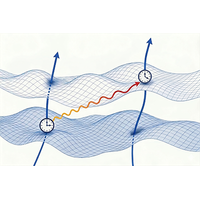
Observable Gravitational Wave Strain at Second Order
Article | Cosmology, Astrophysics, and Gravitation | 2026-06-03 06:00 EDT
Guillem Domènech, Shi Pi (皮石), and Ao Wang (王奥)
The ambiguity in associating gravitational waves with transverse-traceless components of the metric at second order in perturbation theory is resolved by computing the detector response to second order for the first time.
Phys. Rev. Lett. 136, 221402 (2026)
Cosmology, Astrophysics, and Gravitation
Edge Modes on Stringy Horizons
Article | Cosmology, Astrophysics, and Gravitation | 2026-06-03 06:00 EDT
Atish Dabholkar, Eleanor Harris, and Upamanyu Moitra
For a quantum field of arbitrary mass and spin in the static patch of de Sitter spacetime, the Euclidean partition function receives contributions from edge modes localized on the horizon, expressible in terms of the Harish-Chandra character of the de Sitter group. Considering the flat limit and sum…
Phys. Rev. Lett. 136, 221501 (2026)
Cosmology, Astrophysics, and Gravitation
One-Jettiness Distribution Contains Super-Super-Leading Logarithms
Article | Particles and Fields | 2026-06-03 06:00 EDT
Andrea Banfi, Jeffrey R. Forshaw, and Jack Holguin
We show that one-jettiness () in color-singlet plus jet production suffers from superleading logarithms starting at order relative to the Born level. This is one logarithm more dominant than any previously identified superleading logarithms. The extra logarithm is not associated with …
Phys. Rev. Lett. 136, 221901 (2026)
Particles and Fields
Swimming against a Superfluid Flow: Self-Propulsion via Vortex-Antivortex Shedding in a Quantum Fluid of Light
Article | Atomic, Molecular, and Optical Physics | 2026-06-03 06:00 EDT
Myrann Baker-Rasooli, Tangui Aladjidi, Tiago D. Ferreira, Alberto Bramati, Mathias Albert, Pierre-Élie Larré, and Quentin Glorieux
A superfluid flows without friction below a critical velocity, exhibiting zero drag force on impurities. Above this threshold, superfluidity breaks down, and the internal energy is redistributed into incoherent excitations such as vortices. We demonstrate that a mobile, finite-mass impurity immersed…
Phys. Rev. Lett. 136, 223401 (2026)
Atomic, Molecular, and Optical Physics
Unveiling Spin and Poynting Dual Textures of an Optical Skyrmionic Tube in Free Space
Article | Atomic, Molecular, and Optical Physics | 2026-06-03 06:00 EDT
Sicong Wang, Zhikai Zhou, Yongjie Zhu, Jialin Sun, Jiahui Mao, Minghui Wang, Shichao Song, Zi-lan Deng, Yaoyu Cao, Fei Qin, Yunkun Wu, Xifeng Ren, and Xiangping Li
Optical skyrmions are topological textures of electromagnetic fields with promising applications in information processing, transport, and storage. Exquisitely tailoring the optical fields of diverse physical quantities has expanded the family of skyrmions, yet such skyrmions only exhibit a single-q…
Phys. Rev. Lett. 136, 223803 (2026)
Atomic, Molecular, and Optical Physics
Benchmark Calculations of Charge State Distributions and Radiative Properties of Gold Plasmas in ICF Hohlraums
Article | Plasma and Solar Physics, Accelerators and Beams | 2026-06-03 06:00 EDT
Yongjun Li, Cheng Gao, Yong Hou, Fengtao Jin, Jiaolong Zeng, and Jianmin Yuan
Accurate ionization balance of gold plasmas in nonlocal thermodynamic equilibrium is essential for understanding the physics involved in inertial confinement fusion (ICF) hohlraums, where the persistent "drive deficit" issue may stem from an overestimation of the emission and absorption opacity of g…
Phys. Rev. Lett. 136, 225101 (2026)
Plasma and Solar Physics, Accelerators and Beams
Nonlinear Optomagnetic Signature of $d$-Wave Altermagnets
Article | Condensed Matter and Materials | 2026-06-03 06:00 EDT
Lijun Yang and Long Liang
Altermagnetism, a recently discovered collinear magnetic order with net zero magnetization but exhibiting spin-splitting band structure, has attracted much research interest due to the rich fundamental physics and possible applications. In this Letter, we investigate the optomagnetic response of -w…
Phys. Rev. Lett. 136, 226702 (2026)
Condensed Matter and Materials
Interlayer Self-Doping Multiferroics
Article | Condensed Matter and Materials | 2026-06-03 06:00 EDT
Shulin Zhong, Dacheng Tian, Shengyuan A. Yang, Lan Chen, Su-Huai Wei, and Yunhao Lu
Multiferroic materials, which simultaneously exhibit ferroelectric and magnetic orders, offer tremendous potential for next-generation electronic and spintronic devices. Here, we propose a novel design strategy toward a new type of multiferroics: the interlayer self-doping multiferroics. We show tha…
Phys. Rev. Lett. 136, 226703 (2026)
Condensed Matter and Materials
Multipolar Orbital Relaxation of the ${t}_{2g}$ States
Article | Condensed Matter and Materials | 2026-06-03 06:00 EDT
Aurélien Manchon, Chi Sun, Xiaobai Ning, Tetsuya Sato, Takeo Kato, and Tatiana G. Rappoport
Using a nonperturbative approach, the relaxation rate of orbital dipolar and quadrupolar moments is computed analytically for the states. In the presence of short-range impurities and in the absence of spin-orbit coupling, the orbital relaxation emerges from the competition between momentum scat…
Phys. Rev. Lett. 136, 226801 (2026)
Condensed Matter and Materials
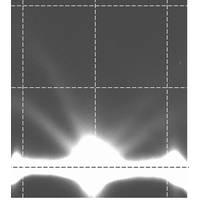
Electron Recoil via Sample Momentum Transfer in Optical-Mode Excitation
Article | Condensed Matter and Materials | 2026-06-03 06:00 EDT
Akira Yasuhara, Yamato Kirii, and Takumi Sannomiya
Momentum-resolved EELS provides the first direct evidence that electrons impart measurable momentum to planar samples during mode excitation.
Phys. Rev. Lett. 136, 226901 (2026)
Condensed Matter and Materials
On-Chip Cavity Electroacoustics Using Lithium Niobate Phononic Crystal Resonators
Article | Condensed Matter and Materials | 2026-06-03 06:00 EDT
Jun Ji, Joseph G. Thomas, Zichen Xi, Liyang Jin, Dayrl P. Briggs, Ivan I. Kravchenko, Arya G. Pour, Liyan Zhu, Yizheng Zhu, and Linbo Shao
Mechanical systems are pivotal in quantum technologies because of their long coherent time and versatile coupling to qubit systems. So far, the coherent and dynamic control of gigahertz-frequency mechanical modes mostly relies on optomechanical coupling and piezoelectric coupling to superconducting …
Phys. Rev. Lett. 136, 227001 (2026)
Condensed Matter and Materials
Macroscopic Illusion and Microscopic Reality of Glass Formation Paths: Cooling vs Compression
Article | Polymers, Chemical Physics, Soft Matter, and Biological Physics | 2026-06-03 06:00 EDT
Kajetan Koperwas, Żaneta Wojnarowska, and Marian Paluch
We provide evidence that dynamical slowdown in glass-forming liquids may follow different microscopic routes under cooling and compression, pointing to a previously unrecognized discrepancy between two dynamical landmarks: the Arrhenius-to-non-Arrhenius crossover associated with cooling and the infl…
Phys. Rev. Lett. 136, 228001 (2026)
Polymers, Chemical Physics, Soft Matter, and Biological Physics
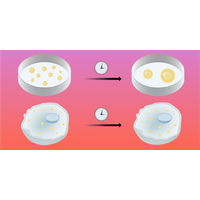
Entropic Charge Separation as a General Mechanism Arresting Nanoscale Condensate Coarsening
Article | Polymers, Chemical Physics, Soft Matter, and Biological Physics | 2026-06-03 06:00 EDT
Feipeng Chen, Jiaxing Yuan, Yaojun Zhang, Hajime Tanaka, and Ho Cheung Shum
Size-dependent electrostatic barriers place an upper limit on droplet merging efficiency.
Phys. Rev. Lett. 136, 228202 (2026)
Polymers, Chemical Physics, Soft Matter, and Biological Physics
Erratum: Critical Probability Distributions of the Order Parameter from the Functional Renormalization Group [Phys. Rev. Lett. 129, 210602 (2022)]
Article | 2026-06-03 06:00 EDT
I. Balog, A. Rançon, and B. Delamotte
Phys. Rev. Lett. 136, 229901 (2026)
Physical Review X
Generating Arbitrary Superpositions of Nonclassical Quantum Harmonic Oscillator States
Article | 2026-06-03 06:00 EDT
S. Saner, O. Băzăvan, D. J. Webb, G. Araneda, D. M. Lucas, C. J. Ballance, and R. Srinivas
Researchers have developed a method to generate arbitrary superpositions of non-Gaussian states in trapped-ion systems and applied it to realize superpositions of squeezed, trisqueezed, and higher-order squeezed states, with applications in quantum sensing and error correction.

Phys. Rev. X 16, 021049 (2026)
arXiv
SPLIT-PINN: Separable Probability Learning Technique via Physics-Informed Neural Networks for High-Dimensional Probabilistic Modeling
New Submission | Materials Science (cond-mat.mtrl-sci) | 2026-06-04 20:00 EDT
Pouria Behnoudfar, Deekshith Naidu Ponnana, Noah J. Schmelzer, Janith Wanni, George T. Gray III, Dan J. Thoma, Curt A. Bronkhorst, Nan Chen, Wenxiao Pan
We present a probabilistic modeling framework for incorporating small-scale spatial heterogeneity into macroscopic descriptions of material behavior for polycrystalline metallic materials. Spatially heterogeneous material state fields are represented using probability density functions (PDFs), providing a principled statistical description of microstructural variability and state evolution across different computational polycrystalline realizations. The framework is built on the inverse identification of a probabilistic transport model, formulated as a Liouville equation with an unknown drift term. To enable accurate, stable, and interpretable inference of this drift field in high-dimensional, transport-dominated settings, we develop a Separable Probability Learning Technique via Physics-Informed Neural Networks (SPLIT-PINN). This method incorporates a marginal-correction drift decomposition, orthogonality constraints, and residual-based adaptive training to enhance well-posedness, numerical stability, and physical consistency without imposing restrictive parametric assumptions. Using SPLIT-PINN, the drift field governing the temporal evolution of joint state PDFs is inferred directly from data. After benchmark validation, the framework is applied to physical computational datasets describing the evolution of polycrystalline microstructural states, including von Mises stress, dislocation density, and equivalent plastic strain rate. The learned Liouville model, trained on a single dataset, is subsequently used in forward predictions of the temporal evolution of joint and marginal PDFs for multiple unseen polycrystal realizations. Quantitative comparisons with reference PDFs demonstrate that the proposed framework yields accurate and robust probabilistic predictions and generalizes effectively across datasets.
Materials Science (cond-mat.mtrl-sci), Machine Learning (cs.LG)
Mobility Heterogeneity in a 2D Gaussian Lattice Polymer: A Dynamic Monte Carlo Study
New Submission | Soft Condensed Matter (cond-mat.soft) | 2026-06-04 20:00 EDT
We study mobility heterogeneity in a two-dimensional Gaussian lattice polymer using dynamic Monte Carlo simulations. The polymer dynamics is generated from a local three-monomer move dictionary, which explicitly enumerates allowed bond-preserving updates on a square lattice. As a homogeneous benchmark, this dictionary reproduces the expected Rouse-like behavior of an ideal chain, including the crossover in monomer mean-squared displacement (MSD) and the center-of-mass diffusion scaling $ D_{\rm cm} \sim N^{-1}$ . We then introduce a two-block version of the model in which the two halves of the chain are updated with different attempt rates, $ \omega_A$ and $ \omega_B$ , while the local move dictionary remains unchanged. For $ \rho=\omega_A/\omega_B>1$ , the more frequently updated block shows a larger block-resolved MSD at early and intermediate times, producing a positive normalized MSD asymmetry. However, numerical measurements show that the center-of-mass diffusion coefficient remains consistent with $ D_{\rm cm} \sim N^{-1}$ for all rate ratios studied. We invoke a simple coarse-grained Rouse argument to explain this result analytically. In this minimal Gaussian setting, rate-induced mobility heterogeneity modifies internal relaxation without changing the Rouse scaling of center-of-mass transport.
Soft Condensed Matter (cond-mat.soft), Computational Physics (physics.comp-ph)
12 pages, 8 figures. Simulation code and data are available at Zenodo: this https URL
Entropy-Compatible Reconstruction for High-Weissenberg Viscoelastic Flow
New Submission | Soft Condensed Matter (cond-mat.soft) | 2026-06-04 20:00 EDT
Log-conformation and square-root reconstructions preserve positive definiteness in high-Weissenberg viscoelastic simulations, but positivity alone does not guarantee compatibility with the discrete free-energy balance. We identify three reconstruction-level mechanisms by which strictly positive tensors can still generate nonphysical behavior: Jensen-type entropy bias, exponential amplification of logarithmic perturbations in highly stretched states, and sign-indefinite polymeric-work defects caused by using incompatible tensors in stress work and entropy variables. We formulate an entropy-compatible reconstruction principle and a corrected logarithmic reconstruction selected by a least-damping entropy constraint. The correction is local, positive, computable by bisection, spectrally controlled, and compatible with coupled velocity–pressure–conformation time stepping. We prove existence of the maximal admissible parameter, convexity of the entropy profile along the logarithmic path, a compatible free-energy estimate, a defect-budget estimate for noncompatible reconstructions, asymptotic inactivity on high-order admissible defects, and a conditional high-stretch resolution advantage in log-relative and entropy metrics. Reproducible diagnostics compare logarithmic, square-root, and linear reconstructions and verify the predicted entropy defects, work defects, stress-force errors, and high-Weissenberg accumulation.
Soft Condensed Matter (cond-mat.soft)
Round-Robin Test of a Light-Emitting Electrochemical Cell: Establishing a Reference Protocol for Quality Research
New Submission | Soft Condensed Matter (cond-mat.soft) | 2026-06-04 20:00 EDT
Anton Kirch, Kumar Saumya, Joan Ràfols-Ribé, Shi Tang, Christian Larsen, Ajay Kumar Poonia, Nicolò Maccaferri, Chang-Ki Moon, João Pedro Ferreira Assunção, Frank Nüesch, Sandra Gellner, Rubing Bai, Weiao Yang, Zuowei Liu, Daniel Tordera, Sergio Martínez-Saiz, Shun-ichiro Ito, Koshi Oi, Felix Hergenhan, Karl S. Schellhammer, Sebastian Reineke, Taishi Takenobu, Henk J. Bolink, Yufeng Hu, Zhiwei Liu, Ekaterina Nannen, Roland Hany, Malte C. Gather, Ludvig Edman
Emerging technologies benefit from a jointly established reference protocol, which can lower the bar of entry for new researchers while serving as a calibration standard for established actors. The light-emitting electrochemical cell (LEC) combines electrochemistry and optoelectronics in an intricate manner, and it can by that enable sustainable and commercially relevant printing fabrication of emissive thin-film devices. However, LEC performance is sensitive to a range of material and processing parameters, which frequently results in inadequate, or even erroneous, device evaluation. With this in mind, we present herein a LEC reference protocol, which details the sourcing of materials and the procedures and parameters for robust device fabrication and operation. The protocol has been tested across nine international research groups, and the collected results from this interlaboratory round-robin test confirm that good LEC performance can be reproducibly obtained following our protocol. We also identify common pitfalls that can arise during LEC development, and present practical steps for attaining optimum LEC performance. We hope this reference protocol will improve the quality of future LEC research and serve as a guide for future researchers entering this vibrant field.
Soft Condensed Matter (cond-mat.soft), Materials Science (cond-mat.mtrl-sci), Applied Physics (physics.app-ph)
Forman–Ricci Curvature for Irregular Convex Mosaics
New Submission | Soft Condensed Matter (cond-mat.soft) | 2026-06-04 20:00 EDT
Abhyudaya Gupta, Sayak Mukherjee, Kuldeep Saha
Forman has defined a discrete version of the Ricci curvature on Riemannian manifolds, known as the Forman–Ricci curvature. The Forman–Ricci curvature has found significant applications in several pattern recognition problems occurring in natural sciences. Domokos and Langi, on the other hand, have defined a notion of irregularity for convex mosaics, which has also found remarkable applications to the geological problem of fractures in rocks. We define a modification of the classical Forman–Ricci curvature for irregular convex mosaics and demonstrate how they can be used to distinguish between various fractures or cracking patterns appearing in nature.
Soft Condensed Matter (cond-mat.soft), Algebraic Topology (math.AT)
12 pages, 8 figures
Deformable Charge Dynamics in Biological Environments: An Extended Structural Dynamics Foundation for Biological Electrostatics
New Submission | Soft Condensed Matter (cond-mat.soft) | 2026-06-04 20:00 EDT
The point-charge approximation is one of the most successful idealizations in molecular biophysics, but it becomes strained in strong fields, confined geometries, and crowded aqueous environments. We develop a minimal Extended Structural Dynamics (ESD) model in which charged entities are treated as finite, deformable objects with an internal breathing mode rather than as structureless points. Starting from a Hamiltonian description and a controlled coarse-graining procedure, we derive an effective generalized Langevin equation for the center-of-mass motion. The reduced dynamics contain a memory kernel with three physically distinct contributions: finite-size causal delay, inertial deformation, and crowding-induced deformation. The derivation rests on explicit assumptions of small deformation, local dielectric screening, one dominant internal mode, and adiabatic elimination of the fast structural coordinate. Parameters are determined by independently measurable inputs – ionic radius, charge, mass, and the high-frequency dielectric constant of water – with one exception: the dimensionless coupling lambda governing crowding-induced deformation, discussed in detail in the paper. Two primary predictions follow. First, transport through confined geometries should show dynamical deviations from point-charge baselines scaling with ionic deformability, beyond static potential-of-mean-force predictions. Second, polarization response should preserve ionic-radius ordering across alkali ions. Two secondary consequences are identified: a field-dependent effective charge radius and a deformation-dependent correction to near-surface mobility. Amplification of these effects in confined settings is treated as a plausible extension rather than a derived result. The framework recovers standard electrostatic models as limiting cases.
Soft Condensed Matter (cond-mat.soft)
Part of a series on Extended Structural Dynamics. Companion papers: arXiv:2505.09650, arXiv:2603.02249, arXiv:2603.11064, arXiv:2605.16337. Also, the ESD framework has been peer reviewed in the context of plasma transport (BarAvi 2026c, Transport Phenomena, De Gruyter Brill, in press)
Uncertainty-Aware Symbolic Regression through Bayesian Support Selection
New Submission | Materials Science (cond-mat.mtrl-sci) | 2026-06-04 20:00 EDT
The Sure Independence Screening and Sparsifying Operator (SISSO) framework is a powerful symbolic-regression method for extracting compact and interpretable descriptors from large nonlinear feature spaces. However, standard SISSO is deterministic: it returns a single descriptor and point prediction, without quantifying uncertainty in descriptor selection, regression coefficients, or predictions. Here we introduce a probabilistic extension in which the sure independence screening (SIS) stage is kept deterministic to preserve scalability, while the sparsifying operator (SO) stage is reformulated as Bayesian inference over the SIS-screened support space. The resulting deterministic-SIS/Bayesian-SO framework yields posterior probabilities for competing descriptor supports, feature-inclusion probabilities, Bayesian-model-averaged predictions, and predictive credible intervals, while recovering the deterministic SO descriptor of standard SISSO in the maximum-a-posteriori limit. Applied to an $ X_2YZ$ Heusler-alloy magnetic-moment dataset, the approach gives modest improvements in five-fold cross-validation RMSE and near-nominal empirical coverage of the 95$ %$ predictive intervals. More importantly, the posterior exposes competing, physically related symbolic descriptor families that would appear artificially unique in a deterministic analysis. These results suggest that deterministic-SIS/Bayesian-SO can be used as an uncertainty-aware diagnostic extension of SISSO: a tool for assessing descriptor confidence, stability, and non-uniqueness in small-data materials regression problems.
Materials Science (cond-mat.mtrl-sci)
Multiparametric Quantum Sensing of Liquids Using NV Centres and Tethered Magnetic Nanoparticles
New Submission | Mesoscale and Nanoscale Physics (cond-mat.mes-hall) | 2026-06-04 20:00 EDT
Johannes Fiedler, Martin Møller Greve, Justas Zalieckas
We propose a new concept for non-invasive, multiparametric liquid analysis based on nitrogen-vacancy (NV) centre magnetometry, relaxometry and surface-tethered magnetic nanoparticles. Magnetic nanoparticles are anchored to a diamond surface via DNA strands, forming nanoscale mechanical oscillators whose thermally driven motion is strongly influenced by the surrounding liquid environment. The resulting time-dependent magnetic fields couple to near-surface NV centres and are detected via optically detected magnetic resonance or changes in spin coherence time. By spatially patterning the diamond surface with regions functionalised by DNA tethers of different lengths, sequences, or chemical modifications, a single liquid is mapped onto a high-dimensional quantum response vector rather than a single scalar observable. Changes in viscosity, molecular adsorption, or chemical interactions modify the dynamics of magnetic nanoparticles in a region-specific manner, enabling differential sensing across the surface. We outline the physical transduction mechanism, discuss relevant scaling relations, and assess experimental feasibility using established wide-field NV magnetometry and relaxometry methods. The proposed platform combines quantum sensing with surface heterogeneity, offering a versatile route toward parallel, label-free liquid characterisation.
Mesoscale and Nanoscale Physics (cond-mat.mes-hall), Quantum Physics (quant-ph)
Quantum String Interactions Revealed by Full Counting Statistics
New Submission | Strongly Correlated Electrons (cond-mat.str-el) | 2026-06-04 20:00 EDT
Chang-Yan Wang, Xue-Feng Zhang
How quantum strings interact is a basic question for extended objects in quantum many-body physics. Even the simplest hard-core constraint (no crossing), can generate a nontrivial effective potential, whose microscopic form is difficult to determine because the relative distance between the strings is intrinsically nonlocal. Here we show that this nonlocality is naturally captured by full counting statistics (FCS). For two hard-core quantum strings, we derive an analytic FCS expression for the emergent interaction by identifying the virtual process in which the two strings touch and hop back. Using the FCS–entanglement relation, we find the effective potential has the entanglement-controlled asymptotic form $ \ln\Delta E(r)\sim -\pi^2 r^2/(12 S_\ell)$ up to subleading terms, where $ S_\ell$ is the entanglement entropy between the two halves of a quantum string. We confirm the theory using high-precision numerical calculations and finite-size FCS estimates. Our results reveal FCS as a direct route to effective interactions between quantum topological line-defects, which may also be extended to higher-form charge.
Strongly Correlated Electrons (cond-mat.str-el), Quantum Gases (cond-mat.quant-gas), Quantum Physics (quant-ph)
Probing pairing symmetries through quasiparticle interference in chiral Bloch bands
New Submission | Superconductivity (cond-mat.supr-con) | 2026-06-04 20:00 EDT
Sayan Banerjee, Subrata Mandal, Peter P. Orth, Mathias S. Scheurer
Recent experiments in van der Waals multi-layer systems have demonstrated that superconductivity can emerge from symmetry-reduced, chiral normal states. We here provide a theory for quasiparticle interference (QPI) of superconductors with chiral Bloch bands. Our analysis reveals how the non-trivial quantum geometry of the Bloch states crucially affects the interference pattern even in the normal state, inducing significant sublattice dependence. In the superconducting state, the behavior becomes more complex due to the interplay of the quantum geometry of the Bogoliubov quasiparticles with the momentum-dependent phase of the order parameter. We reveal how the spatial dependence of the local spectral function around impurities can be used to distinguish between different candidate pairing states, both with zero and finite center-of-mass momentum. Our work thus provides guidance to interpreting QPI patterns in materials with chiral bands, which may be useful when probing the rich physics of pairing in such systems.
Superconductivity (cond-mat.supr-con)
Controlled Chemical Signaling between Enzymatic Nanomotors
New Submission | Soft Condensed Matter (cond-mat.soft) | 2026-06-04 20:00 EDT
Shuqin Chen, Giorgio Lovato, Oriol Jutglar Soler, Daniel Sánchez-deAlcázar, Ramin Golestanian, Samuel Sánchez
The coordinated interactions between organisms enhance collective functionality, a feature that artificial systems such as enzymatic nanomotors seek to replicate. A key objective, yet still a major challenge, is to achieve chemical communication among nanomotors. Progress has been limited by the difficulties in verifying effective signaling processes, including chemical signal propagation and the response of receiving nanomotors. Here, we address this challenge using an enzymatic nanomotor system that demonstrates communication between two populations through generically non-reciprocal phoretic response. A primary swarm of glucose-responsive nanomotors migrates toward a glucose gradient while producing H2O2 as a diffusible communication signal. This self-generated chemical gradient then acts as a chemoattractant for a secondary swarm of catalase-powered nanomotors. Through carefully designed experiments, we visualize the propagating H2O2 gradient and quantify the spatiotemporal response of the receiver nanomotors to the chemical front. Combined experimental and theoretical analysis has revealed that the synergy between different combinations of chemo-attractive and chemo-repulsive mobilities and catalytic rates of consumption and production of substrates and products gives rise to a wealth of different collective responses in the system. This work represents a step toward programmable synthetic systems at the collective level, broadening the functionality of chemical nanomotors and opening opportunities for future hybrid living-synthetic systems.
Soft Condensed Matter (cond-mat.soft), Materials Science (cond-mat.mtrl-sci), Chemical Physics (physics.chem-ph)
Moiré enabled spin pumping and preservation in MoSe2/WS2 heterobilayers
New Submission | Mesoscale and Nanoscale Physics (cond-mat.mes-hall) | 2026-06-04 20:00 EDT
Leo Yu, Kateryna Pistunova, Sudipta Kundu, Jenny Hu, Kenji Watanabe, Takashi Taniguchi, Felipe H. da Jornada, Tony F. Heinz
The spin degree of freedom is a fundamental quantum mechanical attribute with implications spanning from magnetism to quantum computing. Consequently, the relaxation of spin states for extended, Bloch electrons in solids has been studied for decades as it defines many of their properties and applications. We show that moiré patterns in layered materials can extend spin relaxation times by two orders of magnitude to 1 millisecond and beyond. This is achieved by suppressing spin mixing for electrons in 2D semiconductor heterostructures, particularly in the MoSe2/WS2 system, as we elucidate both experimentally and theoretically. The extended longitudinal lifetime facilitates spin alignment over 50% using only nanowatt levels of optical power. Our findings highlight the potential of moiré engineering for future quantum sensing and information processing.
Mesoscale and Nanoscale Physics (cond-mat.mes-hall)
Electronic primary thermometry – experimental comparison of the Coulomb Blockade and Shot Noise Thermometer
New Submission | Mesoscale and Nanoscale Physics (cond-mat.mes-hall) | 2026-06-04 20:00 EDT
Eemil Praks, Libin Wang, Yu-Cheng Chang, Renan P. Loreto, Mika Prunnila, Joonas T. Peltonen, Jukka P. Pekola
Since the redefinition of the kelvin in 2019, new methods of primary thermometry have been considered to replace the currently agreed temperature scale in the very high and low temperature limits. These new methods should provide improved uncertainties and, most importantly, a more direct link to the definition of the kelvin. In the low temperature ranges it is possible to realize thermometers that do not require any known reference temperature or external calibration parameters. We present an experimental comparison of two such thermometers: the Coulomb Blockade Thermometer (CBT) and the Shot Noise Thermometer (SNT). Both thermometers measure temperature hinging only on the natural constants $ k_\mathrm{B}$ , and $ e$ . Furthermore both of them are based on electron tunneling current and, thereby, need only electrical measurements, enhancing the practicality. CBT and the SNT are inter-compared in a range of 20 mK to 235 mK. The results show that the agreement of SNT and CBT is approximately within 2.5 % in this range. Basic measurement uncertainty is analyzed and we show that uncertainty in the measurement frequency can cause significant error. to temperature measurement of the SNT at low temperatures where finite frequency plays a role.
Mesoscale and Nanoscale Physics (cond-mat.mes-hall)
7 pages, 7 figures
Emergence of Macroscopic Quantum Order via Translational Zero Modes
New Submission | Materials Science (cond-mat.mtrl-sci) | 2026-06-04 20:00 EDT
Macroscopic quantum coherence in solids, such as in superfluids, superconductors, and condensates, is generally limited to low temperatures because order forms within a fixed excitation spectrum whose competing states become thermally populated as temperature rises. Here, we show that strong coupling between electronic excitations and a deformable lattice enables a different route. Above a critical density, this coupling nucleates self generated confining potentials that trap the very excitations generating them. Unlike rigid external traps, these potentials can translate through the host lattice without changing their internal structure, defining a translational zero mode. Coupling to this zero mode provides a shared dynamical coordinate that lowers and isolates a single collective many body configuration, opening a density dependent gap that suppresses thermal occupation of competing states and supports off diagonal long range order at elevated temperatures. As a concrete realization, we identify high-temperature superfluorescence in lead halide perovskites as the radiative instability of this zero mode dressed ordered excitonic state. More broadly, this establishes a general route to macroscopic quantum order: not cooling within a fixed spectrum, nor pairing instabilities, but a self generated mobile confining structure whose translational zero mode reconstructs the many-body spectrum to protect coherence.
Materials Science (cond-mat.mtrl-sci), Mesoscale and Nanoscale Physics (cond-mat.mes-hall), Quantum Gases (cond-mat.quant-gas), Strongly Correlated Electrons (cond-mat.str-el), Superconductivity (cond-mat.supr-con), Quantum Physics (quant-ph)
31 pages, 4 figures
Breaking the width-scaling limit in high-performance atomically thin 2D nanoribbon transistors
New Submission | Mesoscale and Nanoscale Physics (cond-mat.mes-hall) | 2026-06-04 20:00 EDT
Sameer Kumar Mallik, Adrian Christiansen, Saroj P. Dash
State-of-the-art transistors have been successfully scaled the gate lengths and channel thicknesses down to 5 nm for high-performance and energy-efficient information processing. However, reducing channel width below 40-50 nm remains a bottleneck, as dangling bonds, edge disorder, and lateral depletion suppress drive current and degrade device performance. Here, we break this width-scaling wall using ultra-scaled two-dimensional semiconductor (2DSC) nanoribbon transistors down to 15 nm. In contrast to the conventional scaling rule of degradation of current density upon width scaling, our atomically-thin monolayer and bilayer molybdenum disulfide nanoribbon transistors exhibit enhancement of on-current density of up to 230% and 170%,respectively, followed by a saturation for the narrowest channels down to 15 nm. The ultra-narrow nanoribbon transistors maintain the highest on/off ratios reported so far for similar device dimensions, with improved mobility and threshold-voltage stability, indicating reduced edge scattering and depletion with a stronger electrostatic control. These findings lead to a breakthrough in width scaling rules using 2DSC nanoribbons with enhanced performance at narrower channel widths, which is promising for the ultimate scaling of transistors.
Mesoscale and Nanoscale Physics (cond-mat.mes-hall), Materials Science (cond-mat.mtrl-sci), Applied Physics (physics.app-ph)
Physical properties of R$_2$Co$6$Al${20-δ}$ (R = Gd-Tm, Y) single crystals
New Submission | Materials Science (cond-mat.mtrl-sci) | 2026-06-04 20:00 EDT
Sushma Kumari, Fernando A. Garcia, Juan Schmidt, Tyler J. Slade, Aashish Sapkota, Ajay Kumar, Yaroslav Mudryk, Paul C. Canfield, Raquel A. Ribeiro
Rare-earth (R) based intermetallic compounds can often exhibit diverse physical properties and distinct magnetic anisotropies. A Notable example are the light rare earth members of the mono-clinic, R$ _2$ Co$ _6$ Al$ _{19}$ series that are known to display a range of physical properties, from non-Fermi liquid behavior to antiferromagnetic (AFM) ordering, with properties that vary depending on R. In this work, we have extended this series to the heavy rare earths and systematically investigate the synthesis, crystal structure, and physical properties of single crystals of R$ _2$ Co$ _6$ Al$ _{20-\delta}$ for R = Gd - Tm and Y. Single crystal X-ray diffraction reveals that these materials adopt an orthorhombic Imma-type structure with delta varying non-monotonically across the heavy rare earths; ranging from 0.73 for Dy to 0.91 for Gd. Temperature-dependent specific heat, resistivity, and magnetization measurements demonstrate AFM ordering in all materials, with the Neel temperature (TN) ranging from 1.8 K for Ho to 11.8 K for Tb. Notably, Gd and Tb-based materials exhibit two distinct AFM transitions, separated by approximately 2 - 3 K. These findings establish the heavy rare-earth members of the R2Co6Al20-delta series as anisotropic antiferromagnets with strong crystal electric field effects and exchange anisotropy. The observed deviation from de Gennes scaling and the anisotropy crossover across the series highlight the important interplay between RKKY exchange and crystal electric field interactions in this orthorhombic system.
Materials Science (cond-mat.mtrl-sci)
High-density, high-mobility ultrathin spin-polarized two-dimensional electron gas at the polar/polar LaVO$_3$/KTaO$_3$ interface: Insights from first-principles calculations
New Submission | Materials Science (cond-mat.mtrl-sci) | 2026-06-04 20:00 EDT
The emergence of high-mobility two-dimensional electron gases (2DEGs) at oxide interfaces provides a fertile platform for exploring emergent quantum phenomena and next-generation oxide electronics. Here, using first-principles density functional theory (DFT) calculations, we investigate the microscopic origin of the 2DEG formed at the interface between the band insulator KTaO$ _3$ (KTO) and the Mott insulator LaVO$ _3$ (LVO). Although both constituents are insulating in bulk, the LVO/KTO heterostructure develops robust metallicity at the interface, consistent with experimental observations. Our calculations show that this metallic state originates from an electronic reconstruction driven by the polar discontinuity across the interface. To avoid the polar catastrophe on both the polar LVO film and the polar KTO substrate, electrons are transferred from the outer surfaces toward the interface, leading to hole accumulation in the surface VO$ _2$ layer and electron accumulation in the interfacial TaO$ 2$ layer. This charge redistribution stabilizes a highly confined and spin-polarized 2DEG localized at the interface. The electronic states forming the 2DEG are predominantly derived from interfacial Ta $ 5d{xy}$ orbitals, confining carrier motion to the interfacial plane. Remarkably, the spin-up parabolic band hosting the 2DEG exhibits an exceptionally small effective mass, substantially lower than that of the prototypical LaAlO$ _3$ /SrTiO$ _3$ interface, indicating the potential for enhanced carrier mobility. Furthermore, the calculated interfacial electron density is nearly an order of magnitude larger than that of LaAlO$ _3$ /SrTiO$ _3$ , consistent with experiment. These findings identify the LVO/KTO heterostructure as a promising platform for realizing high-density, high-mobility spin-polarized 2DEGs and for engineering correlated oxide interfaces for quantum electronic applications.
Materials Science (cond-mat.mtrl-sci), Strongly Correlated Electrons (cond-mat.str-el)
14 pages, 10 figures
Morphogenesis driven by nematic defects in active biological networks
New Submission | Soft Condensed Matter (cond-mat.soft) | 2026-06-04 20:00 EDT
Silvia Paparini, Giulio G. Giusteri, L. Angela Mihai
Cellular morphogenesis, the process by which biological tissues acquire shape and structure, remains a fundamental challenge in understanding pattern formation and the coordinated remodeling of cellular assemblies. Under appropriate conditions, cytoskeletal filaments can organize into a nematic phase exhibiting partial orientational order. Topological defects within this nematic organization generate localized mechanical stresses that destabilize the tissue and promote deformation and structural rearrangements to relieve internal stresses. We develop a continuum framework that models living tissues as active biological networks represented as nematic polymer networks capable of heterogeneous growth and remodeling. The model captures macroscopic effects through spatial variations in the fiber order parameter which drives the system away from equilibrium. Morphogenesis is described as a sequence of quasi-static equilibrium states governed by the coupling between nematic order, elasticity, stress-driven growth, and adaptive relaxation. Finite element simulations illustrate Hydra regeneration and development when topological defects are prescribed according to the mature organism’s expected morphology. The results show that defect topology controls stress localization and shape evolution: $ +1$ defects drive protrusion formation, while $ -1/2$ defects act as structural stabilizers with minimal growth. By varying the initial defect configuration, we model diverse morphogenetic outcomes, including uniaxial regeneration, tentacle formation, and biaxial development.
Soft Condensed Matter (cond-mat.soft)
Effect of cations on van der Waals interactions between particles in aqueous alkali nitrate electrolytes
New Submission | Soft Condensed Matter (cond-mat.soft) | 2026-06-04 20:00 EDT
Micah P. Prange, Jaehun Chun, Gregory K. Schenter, Elias Nakouzi, Yihui Wei, Aurora E. Clark, Kevin M. Rosso, Carolyn I. Pearce
The van der Waals interaction has been extensively studied for colloidal forces and resultant emergent phenomena such as colloidal stability, aggregation, and suspension rheology, but the effect of electrolytes on this interaction, especially at intermediate and high electrolyte concentrations, remains incompletely understood. We have extended the Lifshitz theory for van der Waals interactions in pure water to alkali nitrate solutions at arbitrary concentrations by developing a dielectric response model for alkali nitrate solutions that is based on electronic structure calculations of the molecular constituents. Due to their importance in catalysis, ceramics, and coating technologies, the Hamaker constants for rutile, boehmite, and alumina nanoparticles suspended in alkali nitrate solutions are calculated as a function of salt concentration. Contrary to prevailing assumptions, increasing the concentration of sodium (Na), potassium (K), and rubidium (Rb) nitrate solutions causes appreciable increases of the Hamaker constants relative to pure water instead of decreases, whereas cesium nitrate (CsNO3) has almost no effect on the Hamaker constant. We discussed the influence of the solution molar volume, the polarizability of the dissolved ions, and optical properties of the interacting particles in the context of previously published work. Our study indicates a non-vanishing role of van der Waals interactions on colloidal stability at intermediate and high electrolyte concentrations, leading to physical insights on emergent phenomena associated with nanoparticles.
Soft Condensed Matter (cond-mat.soft), Statistical Mechanics (cond-mat.stat-mech)
Perfect Nonreciprocal Axion-polaritons
New Submission | Mesoscale and Nanoscale Physics (cond-mat.mes-hall) | 2026-06-04 20:00 EDT
Abhinava Chatterjee, Chao-Xing Liu
Dynamical axion describes a massive axion quasiparticle that arises from fluctuations of the magnetic order parameter. These fluctuations couple to electromagnetic fields, forming axion-polaritons – collective modes that are physically magnon-polaritons. We show that under appropriate static external electric and magnetic fields, axion-polaritons acquire a nonreciprocal dispersion, $ \omega(\textbf{k}) \neq \omega(-\textbf{k})$ , arising intrinsically from direction-dependent axion-photon coupling. Strikingly, we identify a regime of \textit{perfect nonreciprocity} in which the photon propagating in one direction is completely decoupled from the axion while the counter-propagating photon hybridizes strongly. Furthermore, the nonreciprocal dispersion manifests as an optical isolator – a device transmitting light preferentially in one direction. Our results establish nonreciprocal axion-polaritons as a powerful probe of axion quasiparticles and suggest experimentally accessible routes for their detection.
Mesoscale and Nanoscale Physics (cond-mat.mes-hall)
When Screening Current Controls Ferroelectric Switching: From Field-Limited to Current-Limited Regimes under an SPM Tip
New Submission | Mesoscale and Nanoscale Physics (cond-mat.mes-hall) | 2026-06-04 20:00 EDT
Denis Alikin, Anastasya Meng, Michael Kosobokov, Semen Melnikov, Violetta Safina
Tip-induced switching in ferroelectrics is commonly framed as a field-driven process controlled by domain-wall kinetics. Here we argue for a more universal viewpoint: under a scanning probe, polarization reversal is fundamentally constrained by how fast screening charge can be supplied and redistributed. By combining local switching experiments with finite-element simulations, we identify a screening-current-limited mechanism in which charge injection and its space-charge-limited relaxation set the pace of switching and the scaling of domain growth. This framework naturally explains regime changes and the apparent breakdown of intrinsic domain-wall laws often inferred in the nanoscale piezoelectric hysteresis measurements. Beyond a reinterpretation of tip switching, the results position screening currents as a hidden control parameter of ferroelectric reversal across materials, turning current regulation into a practical handle for deterministic nanoscale domain engineering.
Mesoscale and Nanoscale Physics (cond-mat.mes-hall)
Mechanical bistability and hysteresis in graphene-CNT hybrid systems: from atomistic simulations to macroscale structural responses
New Submission | Materials Science (cond-mat.mtrl-sci) | 2026-06-04 20:00 EDT
Mingda Ding, Nanami Sakurai, Man Shen, Taiki Inoue, Takahisa Matsuzaki, Takuo Mizuno, Kento Suzuki, John Isaac Enriquez, Harry Handoko Halim, Yuji Hamamoto, Yuta Nishina, Hiroshi Y. Yoshikawa, Yoshitada Morikawa, Yoshihiro Kobayashi
Hybrid systems composed of graphene (Gr) and carbon nanotubes (CNTs), such as films and aerogels, have attracted broad attention for applications in electronics, mechanics, energy, and environmental science. Since the microstructures of Gr-CNT hybrids strongly affect their properties, it is essential to establish mechanical principles that govern these structures. In this study, we investigated the structural stability and mechanical behavior of Gr-CNT hybrid systems by combining molecular dynamics (MD) simulations and nanoindentation experiments. MD simulations of stacked Gr-CNT structures, in which two Gr layers confine CNTs between them, identified the energetically stable configurations and their governing parameters, i.e., intertube spacing, CNT diameter, and wall number. Specifically, under certain conditions, the structures exhibit mechanical bistability with two stable configurations: adhesion and separation of the Gr layers, arising from the competition between interlayer van der Waals attraction and elastic deformation of Gr and CNTs. Simulated loading–unloading curves display hysteresis and energy dissipation related to the stable configurations. In addition, reduced graphene oxide (rGO)-CNT hybrid films were experimentally fabricated as macroscopic assemblies of the unit structures modeled in the simulations. Atomic force microscopy-based nanoindentation measurements on the rGO-CNT films exhibit clear hysteresis and higher dissipation energy compared with pure rGO, in good agreement with the simulation results. These results provide valuable insights into Gr-CNT hybrid systems and offer guidance for designing microstructures with enhanced properties for advanced applications.
Materials Science (cond-mat.mtrl-sci)
Authors’ original version (33 pages, 12 figures)
Vibrational model of entropy in dense two-dimensional fluids
New Submission | Soft Condensed Matter (cond-mat.soft) | 2026-06-04 20:00 EDT
A vibrational paradigm of atomic dynamic in dense fluids is known to provide useful insight on the transport and thermodynamic properties of fluids in three dimensions. In this paper, a vibrational model is generalized to describe the excess entropy of two-dimensional (2D) fluids. A simple practical implementation of this model is demonstrated to deliver accurate results for various systems, such as one-component plasmas with Coulomb and logarithmic interactions, a 2D fluid of dipole particles, and a 2D Yukawa fluid. The applicability limits, relevance to three-dimensional fluids, relations to other 2D phenomena, and potential practical applications are briefly discussed.
Soft Condensed Matter (cond-mat.soft), Statistical Mechanics (cond-mat.stat-mech), Plasma Physics (physics.plasm-ph)
11 pages, 7 figures
Physical Review E 113, 014104 (2026)
Probing PbTe-Pb nanowire devices with radio-frequency reflectometry
New Submission | Mesoscale and Nanoscale Physics (cond-mat.mes-hall) | 2026-06-04 20:00 EDT
Xin-Yi Tang, Lin Li, Zezhou Xia, Jierong Huo, Wenyu Song, Lining Yang, Zonglin Li, Jiaye Xu, Peilin Li, Runan Shang, Qi-Kun Xue, Ke He, Hao Zhang
We report the implementation of radio-frequency (rf) reflectometry on selective-area-grown PbTe-Pb nanowire devices on a CdTe substrate. These nanowires were predicted to host Majorana zero modes. We demonstrate the compatibility of the rf technique, both resistive and capacitive sensing, with these nanowires. The effect of dielectric loss from the CdTe substrate is also discussed. The feasibility of rf reflectometry is also verified at finite magnetic fields where zero-energy modes occur. Our results enable the fast control of PbTe quantum devices, paving the way for its application in topological quantum computation.
Mesoscale and Nanoscale Physics (cond-mat.mes-hall), Quantum Physics (quant-ph)
Antiferromagnetic Quantum Criticality in Infinite-Layer Cuprates Sr1-xNdxCuO2
New Submission | Superconductivity (cond-mat.supr-con) | 2026-06-04 20:00 EDT
Bin-Jie Wu, Ze-Xian Deng, Guang-Ran Wei, Xi Zhou, Ji-Hai Zhang, Da-Zhuang Deng, Qun Zhu, Yong Zhong, Can-Li Song, Xu-Cun Ma, Qi-Kun Xue
The interplay between quantum criticality and Fermi surface reconstruction is central to elucidating the phase diagram of high-temperature cuprate superconductors. While studies on electron-doped T’-structure cuprates suggest an antiferromagnetic origin of this reconstruction, quantitative consensus has been hindered by apical oxygen instabilities and uncontrolled oxygen vacancies. Here, we overcome these limitations by utilizing ozone-assisted molecular beam epitaxy to synthesize high-quality, oxygen-stoichiometric thin films of infinite-layer cuprate Sr1-xNdxCuO2 across its entire superconducting dome. Hall transport measurements reveal a sharp carrier-type transition signaling a Fermi surface reconstruction at a critical doping xc ~ 0.155. We show that a spin-density-wave tight-binding model quantitatively reproduces the transport evolution, supporting an antiferromagnetic origin of this quantum phase transition. Furthermore, upon suppressing superconductivity with magnetic fields, the normal-state resistivity exhibits a pristine strange metal behavior that persists down to 2 K in the vicinity of xc. Our findings establish an intrinsic, universal antiferromagnetic quantum criticality in electron-doped cuprates, positioning the structurally simplest infinite-layer cuprates as a clean benchmark platform for theories of unconventional superconductivity.
Superconductivity (cond-mat.supr-con), Materials Science (cond-mat.mtrl-sci), Strongly Correlated Electrons (cond-mat.str-el)
19 pages, 5 figures
Efficient Magnetic Spin-Filtering and Persistent Spin-Currents in Lifshitz-Transitioned Altermagnets: A Route to Open-Orbit Spintronics
New Submission | Mesoscale and Nanoscale Physics (cond-mat.mes-hall) | 2026-06-04 20:00 EDT
Wun-Hao Kang, Yu-Ting Hsiao, Jozef Genzor, Yaroslav Zhumagulov, Ming-Hao Liu, Denis Kochan
Altermagnets offer a unique venue for spin transport due to their vanishing net magnetization and momentum-dependent spin splitting. We demonstrate that a homotopic Lifshitz transition in two-dimensional altermagnets creates a regime where carriers are confined to geometrically protected, spin-selective open channels. These channels originate from non-contractible Fermi contours and act as metallic analogues of topological edge modes: they are sharply directional, spin-pure, and protected by Fermi-surface winding rather than an energy gap or boundary confinement. We predict three striking magneto-transport signatures of such topologically reconfigured altermagnets: open-orbit focusing with perfect lensing and retroreflection, high-efficiency magnetic spin filtering, and chirality-tunable spin persistent currents in altermagnetic nanotubes. Our results establish altermagnets as a platform where Fermi-surface winding directly engineers spin transport, bypassing the requirements for ferromagnetism or strong spin-orbit coupling. These findings identify Lifshitz-transitioned altermagnets as a route to topology-enabled spintronics that transcends the limitations of conventional edge-state paradigms.
Mesoscale and Nanoscale Physics (cond-mat.mes-hall), Materials Science (cond-mat.mtrl-sci)
main text 7.5 pages + non-essential 2.5 pages, 5 figures, comments are welcome, supplemental material upon request
Spin-polarization of the electric current in half-metallic Co$_2$MnSi Heusler thin films
New Submission | Materials Science (cond-mat.mtrl-sci) | 2026-06-04 20:00 EDT
José Solano Córdova, Anna Maria Friedel, Quentin Rossi, Jérôme Robert, Yves Henry, Philipp Pirro, Sébastien Petit-Watelot, Stéphane Andrieu, Matthieu Bailleul
Using propagating spin wave spectroscopy we measure the spin wave Doppler shift in patterned MgO/Co$ _2$ MnSi/MgO thin films and determine the degree of spin-polarization of the electric current. Our measurements reveal that the current is fully spin-polarized in the devices. This shows that the half-metallic character of the electron band structure translates into a fully spin polarized current flowing across the patterned films. Additionally, we measure a current-induced change of the spin-wave attenuation from which we estimate the non-adiabatic spin-transfer-torque parameter.
Materials Science (cond-mat.mtrl-sci)
Contact-network organization and motion statistics in shear-thickening suspensions
New Submission | Soft Condensed Matter (cond-mat.soft) | 2026-06-04 20:00 EDT
Michel Orsi, Rahul Pandare, Brolin Adu-Poku, Bulbul Chakraborty, Jeffrey F. Morris
We use lubricated-flow discrete-element-method (LF-DEM) simulations to examine how contact-network organization shapes particle motion in dense shear-thickening suspensions. The primary system studied is a two-dimensional bidisperse monolayer where rigid clusters are identified by the $ (3,3)$ pebble game; three-dimensional simulations are shown to have qualitatively similar rotational velocity statistics. Across the stress–solid-fraction state diagram, frictional contact number, $ k\ge 3$ percolation, and rigid-cluster fluctuations all strengthen in the same region where translational velocity correlations grow, consistent with rigid clusters translating coherently while the surrounding non-rigid particles accommodate a disproportionate share of the local velocity gradient. Rotational motion provides a complementary view: non-affine angular-velocity distributions broaden, near-contact rotations become increasingly anti-correlated, and rigid and non-rigid particles carry distinct statistics. Connectivity, rigidity, and velocity correlations are related but distinct signatures of the constrained collective motion that accompanies shear-thickening and the approach to shear jamming.
Soft Condensed Matter (cond-mat.soft), Fluid Dynamics (physics.flu-dyn)
Correlated States in Quantum Dot Clusters Coupled to a Common Superconductor
New Submission | Strongly Correlated Electrons (cond-mat.str-el) | 2026-06-04 20:00 EDT
Martin Žonda, Jakub Rękas, Tobiáš Poláček, Jana Kodrlová, Vladislav Pokorný, Martin Friák
We study an effective model of regular quantum dot clusters coupled to a common superconductor. By applying a canonical transformation, we map the system onto a particle-number-conserving representation, making it directly accessible to standard fermionic neural-network quantum-state variational Monte Carlo methods. We show that the superconducting gap closes at a particular high-symmetry point, which, in finite non-interacting systems, corresponds to crossings between singlet ground states of different character. Combining exact methods, density matrix renormalization group, and neural quantum-state variational Monte Carlo calculations, we identify three distinct interacting regimes: a trivial superconducting singlet phase, a strongly correlated regime connected to an effective Heisenberg model, and a critical intermediate regime with qualitatively different behavior in one and two dimensions. In one-dimensional systems, the intermediate regime exhibits a sequence of singlet-doublet transitions and becomes gapless in the thermodynamic limit even for finite Coulomb interaction. In two-dimensional clusters, we find robust triplet ground states. Furthermore, our results demonstrate that relatively standard fermionic neural quantum states provide an efficient approach for correlated superconducting nanostructures.
Strongly Correlated Electrons (cond-mat.str-el), Mesoscale and Nanoscale Physics (cond-mat.mes-hall)
38 pages, 10 figures, 1 table
Curvature-Controlled Infrared Regularization of Crystalline Membranes
New Submission | Mesoscale and Nanoscale Physics (cond-mat.mes-hall) | 2026-06-04 20:00 EDT
Pablo A. Morales, Pavel Castro-Villarreal
We show that negative Gaussian curvature regularizes the infrared sector of crystalline membranes. In a covariant formulation of embedded elasticity, the Green strain contains a symmetry-required linear coupling between the normal phonon and extrinsic curvature. Integrating out the in-plane phonons converts this coupling into a finite quadratic contribution to the inverse flexural response. Anomalous roughening is thereby replaced by curvature-controlled saturation, and the mechanism survives on minimal hyperbolic patches. Hyperbolic geometry preempts anomalous elasticity before the flat infrared regime is reached, implying the absence of a crumpling phase. The same Gaussian-order coupling admits sound propagation in the infrared.
Mesoscale and Nanoscale Physics (cond-mat.mes-hall)
7 pages, 1 figure
Functional trends and rheological evaluation of polyurethane microcapsules in dermato-cosmetic applications
New Submission | Soft Condensed Matter (cond-mat.soft) | 2026-06-04 20:00 EDT
Sharadwata Pan, Andreas Wierschem, Natalie Germann, Thomas Becker
To date, natural and synthetic polymer-based microcapsules have been used extensively in various dermato-cosmetic applications, with an emphasis on the targeted delivery of active ingredients, including therapeutic and aesthetic interventions. Although numerous polymer candidates have been comprehensively investigated, polyurethane based microcapsules have received comparatively minor attention, despite possessing a multitude of intrinsic benefits. However, in recent years, although there has been an upsurge of studies involving polyurethane, predominantly as a capsule wall or shell component, towards tangible dermato-cosmetic applications, these are only intermittently documented. In the current review, we target this lacuna, explore, and collate only the most contemporary trends and advances (2017-to date) in the field. In addition, despite the significance, and pertaining to the acute deficiency of rheological studies targeting polyurethane-based microcapsules in dermato-cosmetic applications, we critically examine and lay a comprehensive interpretation, based on the current state-of-the-art, inevitability for systematic inquiries, and identification of several target domains that need urgent attention. Finally, we deliberate on the challenges and the impending projections from a diverse outlook. We focus on a steady and more sustainable path forward via incorporation of green raw materials, cumulative domain-optimized and customer-focused applications, and a significantly improved understanding of the microcapsule mechanical behavior via implementation of novel rheological characterization procedures.
Soft Condensed Matter (cond-mat.soft)
52 Pages, 11 Figures, 1 Table
Transport Phenomena 2026; 1(1): 20260006
Spectral criteria for generalization in unsupervised Hebbian nets
New Submission | Disordered Systems and Neural Networks (cond-mat.dis-nn) | 2026-06-04 20:00 EDT
Elena Agliari, Paulo Duarte Mourão, Alberto Fachechi, Pierpaolo Vivo
We consider an unsupervised Hebbian network where the pairwise interactions among neurons are built on noisy realizations of hidden ground-truth vectors. Unlike classical Hopfield models, designed as memory devices, this class of networks can be employed to extract latent structure and generalize beyond the “training” set. By combining random matrix theory and replica methods, we derive the asymptotic spectrum of the corresponding interaction matrix and show that the onset of generalization is controlled by a sharp spectral transition. Depending on the quality and the size of the accessible dataset, the spectrum displays either two separated bulks, encoding informative and noisy directions, or a merged single-bulk phase where such distinction is lost. We show that, when coupled with regularization, the emergence of such a spectral split predicts the network’s capability to reconstruct the ground-truth vectors from corrupted samples.
Disordered Systems and Neural Networks (cond-mat.dis-nn), Statistical Mechanics (cond-mat.stat-mech)
Electron-Ion Path Integral Monte Carlo with Hard Core
New Submission | Materials Science (cond-mat.mtrl-sci) | 2026-06-04 20:00 EDT
We performed numerical (restricted) path integral Monte Carlo experiments on metallic Hydrogen from first principles. We study a quantum two component plasma where one component is made of pointwise particles of negative unitary charge and the other is made of charged hard spheres of positive unitary charge. We study both the additive mixture and a nonadditive mixture where we only keep a hard core between unlike species. We specialize to the case of the electron-proton plasma with a 1:1 ratios between the molar fraction of the two species. We measured thermodynamic and structural properties of the plasma. From an analysis of the structure we see a transition from a metallic Hydrogen phase, to a molecular Hydrogen phase as the temperature is lowered. As expected at high density the correlations are diminished.
Materials Science (cond-mat.mtrl-sci), Chemical Physics (physics.chem-ph), Computational Physics (physics.comp-ph), Plasma Physics (physics.plasm-ph), Quantum Physics (quant-ph)
12 pages, 1 table, 7 figures
Hydrodynamics of the Fermi-Pasta-Ulam-Tsingou chain
New Submission | Statistical Mechanics (cond-mat.stat-mech) | 2026-06-04 20:00 EDT
Shubhadeep Chakraborty, Abhishek Dhar
We provide a pedagogical review of the hydrodynamics of the FPUT chain. There are three hydrodynamic fields corresponding to the conservation of mass, momentum and energy. We provide physically motivated derivations of the hydrodynamic equations at the levels of Euler and then Navier-Stokes-Fourier. Next we consider examples to test as to how successful the hydrodynamic description is in predicting the observed time evolution of nonequilibrium initial conditions such as domain walls and blasts. We find that in some cases there is good agreement of microscopic simulations with predictions from the Euler equations while, in several other cases, there is significant departure from the Euler predictions suggesting that the role of dissipation and noise is important in general.
Statistical Mechanics (cond-mat.stat-mech)
Dipolar interlayer excitons in transition metal dichalcogenide alloy heterobilayers
New Submission | Mesoscale and Nanoscale Physics (cond-mat.mes-hall) | 2026-06-04 20:00 EDT
E. Katsipoulaki, N.G. Chatzarakis, E. Rigoutsou, D. Katrisioti, T. Taniguchi, K. Watanabe, S. Psilodimitrakopoulos, N.T. Pelekanos, I. Paradisanos
Interlayer excitons in transition metal dichalcogenide (TMD) heterobilayers possess a permanent electric dipole moment and long recombination lifetimes, making them a promising platform for exploring excitonic many-body physics. Here, we report dipolar interlayer excitons in a MoS$ _{1.4}$ Se$ _{0.6}$ /MoSe$ _2$ heterobilayer encapsulated in hexagonal boron nitride. Low-temperature photoluminescence measurements reveal a distinct emission peak at $ \sim1.4$ eV, attributed to radiative recombination of interlayer excitons. The emission exhibits a blueshift with increasing excitation power, indicating repulsive dipole-dipole interactions. Time-resolved photoluminescence measurements uncover nanosecond-scale lifetimes, consistent with the spatial separation of electrons and holes across the two layers. These findings establish chalcogen-alloyed TMD heterobilayers as a versatile platform for engineering dipolar excitons and tuning excitonic interactions in van der Waals materials.
Mesoscale and Nanoscale Physics (cond-mat.mes-hall), Materials Science (cond-mat.mtrl-sci)
5 pages, 3 figures
Why Fe doping kills photoluminescence in CsPbCl$_3$ but not in CsPbBr$_3$: Role of midgap Fe 3$d$ states and electron-phonon coupling
New Submission | Materials Science (cond-mat.mtrl-sci) | 2026-06-04 20:00 EDT
Arpan Das, Saptarshi Chakraborty
Understanding the impact of transition-metal doping on the optoelectronic properties of halide perovskite nanocrystals is essential for their rational design in photonic applications. We establish the microscopic origin of photoluminescence (PL) quenching in Fe-doped CsPbCl$ _3$ using spin-polarized density functional theory calculations. The emergence of Fe 3$ d$ midgap states creates efficient electron-trapping centres that drive nonradiative recombination, accounting for the reduced PL intensity. Extending this analysis to Fe-doped CsPbX$ _3$ (X = Cl, Br), we show experimentally that although PL intensity is suppressed in both systems relative to their pristine counterparts, their high-doping behaviour diverges: CsPbCl$ _3$ becomes completely non-emissive, whereas CsPbBr$ _3$ retains a finite, saturated PL intensity. Despite this contrast, electronic structure calculations reveal nearly identical midgap states in both materials, indicating that electronic effects alone cannot explain the distinct PL responses. Phonon calculations likewise fail to capture this difference. In contrast, electron-phonon coupling calculations based on the deformation potential approach reveal significantly stronger coupling in Fe-doped CsPbCl$ _3$ , enabling efficient dissipation of electronic excitation energy into lattice vibrations and leading to complete PL quenching. These results identify electron-phonon coupling as the key factor governing halide-dependent PL quenching and provide a unified microscopic framework for dopant-induced nonradiative processes in halide perovskites.
Materials Science (cond-mat.mtrl-sci), Strongly Correlated Electrons (cond-mat.str-el)
9 pages, 6 figures
Tunable Rashba Splitting in Janus InXPbP (X = S, Se, Te) Monolayers for Enhanced Photocatalytic Water Splitting
New Submission | Materials Science (cond-mat.mtrl-sci) | 2026-06-04 20:00 EDT
Vuong Van Thanh, Nguyen Minh Quan, Nguyen Tuan Hung
Janus two-dimensional (2D) materials exhibiting Rashba spin splitting have recently attracted considerable attention owing to their potential applications in spintronic devices and photocatalytic water splitting. In this work, we investigate, using first-principles calculations, the structural, mechanical, electronic, optical, and photocatalytic properties of Janus InXPbP (X = S, Se, Te) monolayers that exhibit significant Rashba effects. Our results demonstrate that all three monolayers are energetically, dynamically, and mechanically stable, as evidenced by cohesive energy calculations, phonon dispersion analysis, and elastic constants. By varying the chalcogen atom (X = S, Se, Te), the Rashba effect in InXPbP can be effectively tuned. Rashba parameters of 0.16 and 0.20 eVÅ are obtained near the conduction-band minimum (CBM) for InSPbP and InSePbP, respectively, whereas InTePbP exhibits giant Rashba spin splitting near both the CBM and valence-band maximum (VBM), with corresponding Rashba parameters of 0.90 and 0.87 eVÅ. Furthermore, the Janus InXPbP monolayers exhibit suitable band gaps of 1.21, 1.27, and 0.76 eV for InSPbP, InSePbP, and InTePbP, respectively, which are favorable for photocatalytic applications. All three monolayers possess suitable band-edge alignments for overall water splitting, yielding solar-to-hydrogen (STH) conversion efficiencies of 21.67%, 26.03%, and 29.83% for InSPbP, InSePbP, and InTePbP, respectively. Our findings not only enrich the family of Janus materials but also suggest that the Janus InXPbP monolayers are promising candidates for spintronic devices and high-performance photocatalytic water-splitting applications.
Materials Science (cond-mat.mtrl-sci)
26 pages, 8 figures, 6 tables
Finite-Basis Duality Estimate for the Surface-Code Threshold under Correlated Bit-Flip Errors
New Submission | Disordered Systems and Neural Networks (cond-mat.dis-nn) | 2026-06-04 20:00 EDT
We apply finite-basis duality to a statistical-mechanical model introduced by Chubb and Flammia for the surface code under spatially correlated bit-flip noise. Their mapping gives a random-bond Ising model with both two-body edge interactions and four-body face interactions. The single-equation estimate based on the duality analysis is slightly deviated from their Monte Carlo estimate (p_c=0.1004(6)). Following the finite-basis and graph-polynomial strategy, we instead use periodic and twisted-periodic sectors on toroidal bases. We have obtained an improved estimate of the critical point, $ p_c = 0.10348$ .
Disordered Systems and Neural Networks (cond-mat.dis-nn)
2 pages, 1 figure
Local-to-global heating crossover in chains of nanomagnets: A two-scale analytical framework
New Submission | Mesoscale and Nanoscale Physics (cond-mat.mes-hall) | 2026-06-04 20:00 EDT
We develop a two-scale analytical formalism to study heat generation and thermal transport in one-dimensional systems of nanomagnets subjected to a uniform alternating magnetic field. At the nanoscale, each nanomagnet acts as a localized, temperature-dependent heat source governed by its magnetic response, dipolar interactions, and interfacial coupling to the matrix, characterized by a nanoscale volumetric loss coefficient $ L_m$ . After spatial and temporal averaging, we obtain a coarse-grained assembly-scale equation with effective heating terms and a macroscopic loss coefficient $ L_N$ .
Using modal decomposition, we solve both equations exactly under Dirichlet and Neumann boundary conditions and establish explicit conditions for a local-to-global heating crossover; this is governed by the competition between heat generation, diffusion, dipolar coupling, and hierarchical losses. The crossover is quantified through the spatial correlation length and temperature variance, with stability criteria incorporating both diffusion and nanoscale losses. The coarse-graining procedure is derived rigorously, and its systematic approximation errors are quantified.
For prototypical magnetic hyperthermia systems, such as magnetite nanomagnets in water, our formalism reveals that realistic parameters place these systems firmly in the collective heating regime, with local temperature variations at the $ \sim\mu$ K level, which is currently unresolvable experimentally. The continuum Fourier description used here is validated by a Knudsen-number analysis ($ \mathrm{Kn} \ll 1$ for amorphous polymer and aqueous matrices).
Mesoscale and Nanoscale Physics (cond-mat.mes-hall)
33 pages, 15 figures
Curvature-driven revival of charge density waves in non-Euclidean space
New Submission | Materials Science (cond-mat.mtrl-sci) | 2026-06-04 20:00 EDT
Zhipeng Song, Zeyu Liu, Junde Liu, Yi Biao, Anning Yang, Qian Fang, Mojun Pan, Chen Liu, Jiaou Wang, Tian Qian, Chenmin shen, Hongliang Lu, Wei Ji, Hong-Jun Gao, Xiao Lin
Strongly correlated quantum states, such as charge density waves (CDWs), are exquisitely sensitive to Fermi surface topology and lattice symmetry, and are typically quenched by heavy carrier doping. In two-dimensional (2D) systems, however, macroscopic geometric curvature emerges as a novel structural degree of freedom to modulate microscopic quantum coherence. This raises a compelling physical question: can non-Euclidean geometric deformations compete with extreme electronic perturbations to reshape, or even revive, a quenched macroscopic quantum order? Here, by constructing monolayer TiSe$ _2$ -NbSe$ _2$ heterostructure on a BLG/SiC substrate for the first time, we report the curvature-driven revival of a frustrated charge order in a non-Euclidean space. Low-temperature angle-resolved photoemission spectroscopy (ARPES) reveals a massive interfacial charge transfer, which destroys the global Fermi surface nesting and completely suppresses the long-range CDW order in Euclidean flat regions. Strikingly, high-resolution scanning tunneling microscopy (STM) reveals that a novel, non-linear CDW state miraculously survives, remaining strictly localized within morphologically distorted, non-Euclidean nanoscale curved regions. Atomistic simulations unravel the structural origin of this phenomenon, demonstrating that interfacial twist and lattice mismatch spontaneously generate a corrugated superlattice.
Materials Science (cond-mat.mtrl-sci)
Local multiferroic ordering at room temperature in collinear magnetoelectric antiferromagnets induced by flexo-Zeeman coupling
New Submission | Materials Science (cond-mat.mtrl-sci) | 2026-06-04 20:00 EDT
Paulina J. Prusik, Igor Veremchuk, Florin Radu, Andrey N. Anisimov, Pavlo Makushko, Georgy V. Astakhov, René Hübner, Alexander Edström, Jürgen Fassbender, Fabian Ganss, Massimiliano Stengel, Kirill D. Belashchenko, Denys Makarov, Oleksandr V. Pylypovskyi
Spin-driven multiferroicity attracts significant interest due to its tunability and inherently strong magnetoelectric coupling. While this mechanism induces sizeable electric polarization, it typically occurs at low temperatures and in complex materials. In the simple oxide, the magnetoelectric antiferromagnet Cr$ _2$ O$ _3$ , we experimentally demonstrate the existence of specific domain walls that act as room-temperature multiferroic regions. This behavior stems from an anisotropic crystal-symmetry-dependent mechanism of exchange origin, which is applicable to a broad class of bipartite antiferromagnets. The key signature is the magnetization occurring at antiferromagnetic textures, driven by the flexo-Zeeman interaction. These findings establish a foundation for exploring high-temperature spin-driven multiferroicity for magnetoelectric spin-orbit memory and logic applications.
Materials Science (cond-mat.mtrl-sci), Strongly Correlated Electrons (cond-mat.str-el)
Nodal superconductivity with spin-triplet component in a noncentrosymmetric weakly-correlated metal
New Submission | Superconductivity (cond-mat.supr-con) | 2026-06-04 20:00 EDT
Marcel Strohmeier, Andriy Smolyanyuk, Karsten Held, Michael Smidman, Geetha Balakrishnan, Wolfgang Belzig, Elke Scheer, Angelo Di Bernardo
In conventional superconductors, Cooper pairs form in an even-parity spin-singlet state. Noncentrosymmetric superconductors, which lack inversion symmetry, exhibit antisymmetric spin-orbit coupling (ASOC) that can combine even-parity spin-singlet and odd-parity spin-triplet pairs into a mixed-parity order parameter. Spin-triplet components are highly beneficial for superspintronic devices. Whether ASOC alone $ -$ without strong electronic correlations $ -$ is sufficient to generate a measurable triplet component remains a central open question. Here, we resolve this question in Nb$ _{18}$ Re$ _{82}$ (Nb-Re), a weakly-correlated noncentrosymmetric metal whose superconducting pairing symmetry has been actively debated. Using low-temperature scanning tunneling spectroscopy on single crystals with four distinct crystallographic orientations, find a pronounced orientation-dependent anisotropy in the local density of states. Supported by a symmetry-constrained model, we show that the complete set of tunneling spectra requires a mixed-parity order parameter with the triplet amplitude reaching up to half of the singlet component. These results reconcile the conflicting reports in the literature on Nb-Re and demonstrate that ASOC is sufficient to foster a sizable spin-triplet component even without strong electronic correlations, suggesting that mixed-parity superconducting states may be more widespread than previously assumed. Since Nb-Re can be readily fabricated in thin-film form, these findings position it as an accessible platform for superspintronic devices and establish orientation-resolved tunneling spectroscopy as a general protocol for the detection of mixed-parity order parameters.
Superconductivity (cond-mat.supr-con), Materials Science (cond-mat.mtrl-sci)
Strain-induced suppression of thermochromism in divalent cobalt molybdate thin films
New Submission | Materials Science (cond-mat.mtrl-sci) | 2026-06-04 20:00 EDT
Kiri Van Koughnet, Joey Williamson, Kane Hill, Robert G. Buckley, Yurii G. Pashkevich, Sergej M. Orel, Eric Lebraud, Manuel Gaudon, Peter P. Murmu, Sarah Spenser, Dominique Appadoo, Shen V. Chong, Fryderyk Lyzwa
Thermochromic oxides provide a platform for coupling lattice, electronic, and magnetic degrees of freedom, with divalent cobalt molybdate $ CoMoO_4$ as a prototypical example. Despite extensive studies on powders, its thin-film behaviour - critical for device applications - remains largely unexplored. Here, we present a combined experimental and theoretical investigation of $ CoMoO_4$ thin films, including the first THz-VIS-UV spectra of $ \beta - CoMoO_4$ in thin-film form. In contrast to bulk powders, which undergo a first order $ \beta \rightarrow \alpha$ structural transition near 230K, the thin films retain the high-temperature $ \beta-$ phase across the entire temperature range. We show that microstrain fundamentally reshapes the phase landscape, suppressing thermochromism and stabilizing the $ \beta-$ phase. The optical spectra reveal pronounced phonon and electronic anomalies, including a softening of a low-energy, cation-dominated phonon (42cm$ ^{-1}$ ) upon cooling, in contrast to conventional mode-hardening. This behaviour indicates incipient atomic displacements analogous to those driving the bulk $ \beta \rightarrow \alpha$ transition, despite the absence of a structural phase change, and saturates between 200 and 150K. Temperature-dependent X-ray diffraction confirms persistent \beta-phase symmetry with increasing microstrain, consistent with strain-induced frustration of the first-order transition. At higher energies (0.12-3.7eV), the optical response exhibits a blue-shift of Co$ ^{2+}$ crystal-field transitions and charge-transfer excitations, indicating a strain-enhanced ligand field. Supported by structural refinements and theoretical calculations, we identify crystal field strengthening as the key mechanism stabilizing the $ \beta$ -phase. These results establish strain as a thermodynamic lever to control phase stability and functional properties in thermochromic oxides.
Materials Science (cond-mat.mtrl-sci)
15 pages, 7 figures
Percolation Criticality of Amorphous-Amorphous Transitions in Compressed Glasses
New Submission | Disordered Systems and Neural Networks (cond-mat.dis-nn) | 2026-06-04 20:00 EDT
Julien Perradin, Simona Ispas, Ricardo V. Paredes, Anwar Hasmy, Bernard Hehlen
The low-to-high-density transition in compressed silica glass is investigated using percolation theory. Large-scale molecular dynamics simulations of SiO$ _2$ glasses, with system sizes of up to 10$ ^6$ atoms and pressures ranging from 0 to 35 GPa, were carried out to investigate the emergence of structural motifs and their growth to system-spanning length scales under compression. On this basis, we introduced long-range descriptors that complement conventional local and medium-range structural measures. The results reveal critical percolation transitions of SiO$ _Z$ -SiO$ _Z$ clusters with increasing coordination number $ Z$ . The critical exponents slightly deviate from the standard (random) correlation, a behavior that seems to be more pronounced for higher coordinated polyhedra than for tetrahedra, suggesting a possible rigidity percolation mechanism. SiSi$ _z$ -SiSi$ _z$ clusters were also analyzed using the non-bonded approach. Bonded and non-bonded approaches complement each other in a particularly illuminating way for describing pressure-induced structural transformations and common mechanisms shared by bonded glasses, such as SiO$ _2$ , and non-bonded glasses, such as amorphous ice.
Disordered Systems and Neural Networks (cond-mat.dis-nn), Statistical Mechanics (cond-mat.stat-mech)
15 pages, 11 figures, 2 tables
Tunable supramolecular polymerization from protein charge heterogeneity and architecture
New Submission | Soft Condensed Matter (cond-mat.soft) | 2026-06-04 20:00 EDT
Nynke Marije Hettema, Meng Shen, Frank van Opstal, Emmett Lim, Liedewij Laan
Multidomain proteins with flexible unstructured sequence regions are abundant in cellular signaling. This protein architecture enables self-assembly into supramolecular structures, but how structured interaction domains and overall protein architecture jointly regulate the assembly size, structure and kinetics remains unclear. Here we use the budding yeast protein Bem1 as a model multidomain system to show that supramolecular polymerization can be tuned by charge heterogeneity and protein architecture. We experimentally demonstrate that Bem1’s isolated PB1 domain forms extended filaments, whereas full-length Bem1 forms substantially shorter assemblies, indicating that the PB1 domain drives assembly while the remaining protein architecture tunes filament length. To understand these observations, we develop minimal coarse-grained models approximating the PB1 as a polar 5-bead domain and the full-length Bem1 as a 6-bead model with an additional bead representing the remainder of Bem1. The weight distribution of supramolecular filaments assembled by the 5-bead model quantitatively follows reversible Flory-like polymerization theory, which is tunable within a narrow charge polarity regime. In contrast, the 6-bead model shifts chain-length distributions towards shorter polymers despite retaining the same driving domain. We show that this deviation arises from steric and geometric constraints imposed by the appended unstructured regions, where the rotational flexibility between the charge-polar structured domain and the unstructured region emerges as key physical parameter governing self-limited self-assembly. Together, our results establish charge polarity, protein architecture, and conformational flexibility as programmable control knobs for supramolecular polymerization and suggest a general framework for understanding how multidomain proteins assemble into tunable biomolecular structures.
Soft Condensed Matter (cond-mat.soft), Biological Physics (physics.bio-ph)
Surface Charge Doping for Ion-Pairing Criticality in Confined Electrolytes
New Submission | Soft Condensed Matter (cond-mat.soft) | 2026-06-04 20:00 EDT
Na Shen, Yabei Wu, Wenqing Zhang
Dielectric confinement strengthens Coulomb correlations in quasi-two-dimensional electrolytes and can promote Bjerrum pairing in charge-neutral slits. Here we use a generalized Debye-Huckel-Bjerrum theory to show that weak surface charge changes this picture by stoichiometrically doping the slit with mobile counterions. These counterions maintain a finite screening floor, decouple microscopic pairing from macroscopic ionicity, and shift association-driven criticality to lower temperatures. The critical-temperature suppression collapses onto a single scaled perturbation variable, revealing how surface charge and dielectric confinement jointly control charged nanofluidic slits. Brownian-dynamics tests further show that the same counterions are not always fully bulk-like diffusive: at low intrinsic salt density, explicit wall charge slows in-plane diffusion, whereas at higher intrinsic density the wall-induced diffusion penalty decreases and the mobile-counterion description becomes dynamically accurate. These results identify surface charge as a thermodynamic doping field that tunes both correlated ionic stability and the diffusion mechanism in nanofluidic confinement.
Soft Condensed Matter (cond-mat.soft), Statistical Mechanics (cond-mat.stat-mech)
14 pages, 5 figures
Monitored chaotic scattering
New Submission | Mesoscale and Nanoscale Physics (cond-mat.mes-hall) | 2026-06-04 20:00 EDT
C.W.J. Beenakker, J. Sánchez Fernán, J. Tworzydło
We extend the random-matrix theory of chaotic scattering to quantum dots whose dynamics is monitored by time-resolved measurements. Starting from a scattering matrix drawn from a circular ensemble, we construct the corresponding ensemble of Kraus operators for the monitored evolution of the many-body density matrix. In the single-particle sector the sum over measurement outcomes can be carried out algebraically, giving a discrete-time quantum master equation for the transferred charge. We solve this equation numerically and compare the resulting charge-transfer statistics with closed-form random-matrix predictions. The latter rely on an equipartition rule for monitored particles, which we formulate as a conjecture and test against the master equation.
Mesoscale and Nanoscale Physics (cond-mat.mes-hall), Quantum Physics (quant-ph)
15 pages, 7 figures; contribution for the special issue of this http URL. on “Random Matrices, Random Graphs, and Quantum Chaos: In Honor of Uzy Smilansky’s 85th Birthday”
Magnetic structure of diamond EuTi2Al20
New Submission | Strongly Correlated Electrons (cond-mat.str-el) | 2026-06-04 20:00 EDT
S. W. Lovesey, D. D. Khalyavin
We study magnetic symmetries of EuTi2Al20 that appear in the ordering of Eu ions below a temperature at 3.3 K, according to an analysis of substantial experimental evidence [M. Kawamata et al., J. Phys. Soc. Japan. 95, 024701 (2026)]. They descend from the cubic diamond structure that depends explicitly on mixing of orbitals with different spatial parities, e.g., diamond s- and p-atomic states. The lattice (2, 2, 2) Bragg spot, for example, is lattice forbidden in the absence of parity mixing. Our work is motivated by a first proposal that low-temperature magnetic symmetries of diamond EuTi2Al20 are orthorhombic and belong to magnetic crystal classes that include time reversal. Body-centre anti-translation in diffraction patterns is a corollary. Current experimental data does not distinguish between two orthorhombic candidates, even though one is centrosymmetric and the other one is polar. We demonstrate that magnetic parity-odd entities (multipoles) formed by mixing d-and f-atomic states at europium positions, with discreet symmetries that match those of a Dirac monopole, are different for the two candidates. Moreover, the multipoles are visible in resonant x-ray diffraction patterns. The selection rule from parity mixing in the parent cubic diamond structure is preserved, and permitted Bragg spots are different for the two candidate magnetic symmetries. Our symmetry informed diffraction patterns include rotation of the crystal about the reflection vector (an azimuthal angle scan) and a full account of x-ray polarization to spur more revealing experiments.
Strongly Correlated Electrons (cond-mat.str-el)
Machine learning via artificial neural networks coupled with density functional theory and experiments for thermodynamic optimization of high-entropy alloys for hydrogen storage at room temperature
New Submission | Materials Science (cond-mat.mtrl-sci) | 2026-06-04 20:00 EDT
Shivam Dangwal, Pranav Kumar, Yuji Ikeda, Blazej Grabowski, Kaveh Edalati
High-entropy alloys (HEAs) have received considerable attention for hydrogen storage because of their compositional flexibility; however, designing HEAs with optimal thermodynamics is critical. This study employs machine learning via artificial neural networks (ANN) and density functional theory (DFT) to design a novel AB-type TixNb2-xVCrMnFe (x = 0.5-2.0) high-entropy system for hydrogen storage at ambient temperature (A: Ti, V and Nb, and B: Cr, Mn and Fe). Both ANN and DFT predict that the hydride formation enthalpy decreases to negative values with increasing the titanium content. Two alloys with x > 1.5 are predicted to achieve enthalpies within the -25 to -39 kJ/mol range, making them appropriate for room-temperature hydrogen storage. Experiments demonstrate good agreement with the enthalpy predictions, with the Ti-rich alloys showing reversible hydrogen storage with fast kinetics at room temperature. These results provide a framework for reliable use of data analysis and ab initio calculations to explore high-entropy hydrides as hydrogen storage materials.
Materials Science (cond-mat.mtrl-sci)
A unified theory of thin film and bulk bilayer nickelates
New Submission | Superconductivity (cond-mat.supr-con) | 2026-06-04 20:00 EDT
The discovery of bilayer nickelate superconductivity in both pressurized bulk and thin films has drawn enormous attention on their similarity and distinction. Here we provide a unified explanation based on the two-component scenario for a number of key experimental observations reported recently. Our theory predicts two superconducting domes upon electron or hole doping, separated by a valence bond state near $ d_{z^2}$ half filling for strong interlayer superexchange coupling $ J$ , and a single dome across half filling with a lower $ T_c$ for weak or moderate $ J$ . Increasing doping drives the normal state from a Fermi liquid to non-Fermi liquid or weak insulating behaviors, with quasi-linear-in-$ T$ scattering rate near optimal $ T_c$ , while breaking the interlayer valence bonds by oxygen vacancies or chemical substitution simultaneously suppresses the superconductivity and causes local Kondo scattering of $ d_{x^2-y^2}$ electrons. These explain the different superconducting transitions and normal states in bulk and thin films, the effect of $ d_{z^2}$ hole or electron doping, and the Kondo effect in non-superconducting samples. We propose bulk superconductivity at ambient pressure by doping or reducing the interlayer magnetic coupling and predict even higher $ T_c$ upon electron doping.
Superconductivity (cond-mat.supr-con)
Barrier-channel intermixing and 2-dimensional electron gas degradation in Al-rich Al(Ga)N/AlGaN high electron mobility transistor heterostructures
New Submission | Materials Science (cond-mat.mtrl-sci) | 2026-06-04 20:00 EDT
Pietro Pampili, Vitaly Z. Zubialevich, Badal Mondal, Jayjit Mukherjee, Stefan Schulz, David A. J. Moran, Peter J. Parbrook
In this work, we report on recent results in understanding and addressing the issue of interface smearing in high-aluminium content AlGaN/AlGaN heterostructures. On the one hand, the growth of high-crystal quality AlGaN by metal-organic vapour phase epitaxy (MOVPE) requires the use of high temperatures, but on the other hand this may lead to alloy intermixing between barrier and channel layers, which smoothens out the polarization contrast and severely degrades or even completely destroys the 2-dimensional electron gas (2DEG). We show that X-Ray Diffraction (XRD) analysis can be used as a non-destructive way to assess the sharpness of the interface, and that improved growth schemes can be successfully used to achieve high-quality 2DEG, as confirmed by contactless resistivity measurements. In particular, sheet resistivities around 2,500 $ \Omega/\Box$ were demonstrated for AlN/Al$ _{0.75}$ Ga$ _{0.25}$ N, consistent with the best-reported values in the literature.
Materials Science (cond-mat.mtrl-sci)
Main paper: 6 pages, 6 figures. Supplementary Material: 3 pages, 1 table, 1 figure
Topography-based navigation in a millikelvin scanning tunneling microscope using binary-encoded position markers
New Submission | Mesoscale and Nanoscale Physics (cond-mat.mes-hall) | 2026-06-04 20:00 EDT
R. Fischer-Süßlin, R. Hartmann, T. Kandra, E. Scheer
We present a compact millikelvin scanning tunneling microscope (STM) operating at 270mK with topographic navigation to micron-scale targets. Two piezoelectric low-temperature nanopositioners extend the accessible sample area, while a multi-stage copper powder and capillary filter scheme preserves millikelvin energy resolution, verified by BCS spectroscopy on aluminium thin films. A lithographically fabricated binary-encoded gold pattern encodes unique 16-bit coordinates in 4x4 pixels of 200nm$ \times$ 200nm each. We demonstrate absolute positioning across a 350$ \times$ 350$ \mathrm{\mu}$ m$ ^2$ area from a single STM scan. Requiring only a single lithography step and no hardware modifications to existing STM setups, the navigation system provides a versatile platform for scanning tunneling spectroscopy of nanoflakes and nanoscale devices.
Mesoscale and Nanoscale Physics (cond-mat.mes-hall)
6 pages, 4 figures
Variational approach to determine the properties of dislocations at finite deformation
New Submission | Materials Science (cond-mat.mtrl-sci) | 2026-06-04 20:00 EDT
A generalised version of the continuum theory of curved dislocations describing the spatial and temporal evolution of the fields: statistically stored dislocation density, geometrically necessary dislocation density, and curvature has recently been proposed. The dynamics of the system are derived from a scalar functional of the relevant fields that cannot increase during the evolution of the system. However, the framework was established only for small deformations.
The aim of the present paper is to discuss the fundamentals of the elasticity theory of finite deformation in cases where individual dislocations are present in the system. The equilibrium equations are derived within a variational formalism. It is shown that introducing dislocations into the finite deformation framework is a nontrivial task. Moreover, if the deformation is large, the force acting on a dislocation segment is not the well-known Peach-Koehler force. In a forthcoming paper, the results obtained will be applied to the generalisation of the dislocation continuum theory of curved dislocations.
Materials Science (cond-mat.mtrl-sci)
Coulomb-mediated interactions of charge-transfer excitons in TMD lateral heterostructures
New Submission | Mesoscale and Nanoscale Physics (cond-mat.mes-hall) | 2026-06-04 20:00 EDT
Kabyashree Sonowal, Daniel Erkensten, Ermin Malic, Roberto Rosati
Lateral heterostructures of transition-metal dichalcogenides (TMDs) host spatially separated charge-transfer (CT) excitons. While analogous to interlayer excitons in vertical TMD heterostructures, these interfacial excitons possess much larger in-plane dipoles of several nanometers and an additional center-of-mass quantization. Here, we study the mutual interactions between these highly dipolar CT excitons on a microscopic footing. Accounting for the dipolar and quantum exchange interactions, we evaluate the experimentally accessible density-dependent energy renormalization and predict a net energy blueshift of a few meV for bound CT excitons. Interestingly, for small dipole moments, the energy renormalization displays a quadratic dependence with respect to the dipole moment, in contrast to the linear dependence found in vertical TMD heterostructures. We show that spatial energy offset and temperature are the key tuning knobs for controlling the density-dependent excitonic response. Overall, our results contribute to a better microscopic understanding of CT excitons and their interactions in lateral TMD heterostructures.
Mesoscale and Nanoscale Physics (cond-mat.mes-hall)
7 pages, 5 figures
Experimental observation of three-dimensional Anderson localization of electromagnetic waves
New Submission | Disordered Systems and Neural Networks (cond-mat.dis-nn) | 2026-06-04 20:00 EDT
Antton Goïcoechea, Alexey Yamilov, Clément Ferise, Sergey E. Skipetrov, Hui Cao, Matthieu Davy
A prominent phenomenon in contemporary condensed matter physics is Anderson localization – suppression of wave propagation in disordered systems as a result of interference effects. Despite being observed with various types of waves over the years, all prior attempts to reach Anderson localization of light in three-dimensional systems have been hampered by experimental artifacts. Here, we report an unambiguous experimental proof of three-dimensional Anderson localization of microwaves in disordered metal aggregates. By studying samples with different metal volume fractions, we show a clear difference between diffusive and localized behaviors, and the latter is confirmed by a scaling analysis of transmitted beam width in excellent agreement with theoretical and numerical results. Our demonstration opens avenues for both fundamental studies and practical applications of this extraordinary phenomenon.
Disordered Systems and Neural Networks (cond-mat.dis-nn)
Tunable Resonator Integrated Magnetometry
New Submission | Mesoscale and Nanoscale Physics (cond-mat.mes-hall) | 2026-06-04 20:00 EDT
Colin Stack, Brian Sears, Aruna Ramanayaka, David Ferguson, Ilya Sochnikov, Tony X. Zhou
The quantum-technology revolution is reshaping computing, sensing, and communication. In magnetometry, recent advances leverage precise control of spin qubits and color centers in solid-state crystals for mesoscopic-scale sensing. Yet at very low temperatures, superconducting sensing technology remains unrivaled because of its non-invasiveness and higher sensitivity. Here we describe a class of superconducting sensors that offers low loss and quantum non-demolition measurement characteristics. We designed and fabricated a superconducting flux-tunable resonator (tRes) in a superconducting chip foundry and matured it to a level that combines the speed of an inductor-capacitor circuit with the flux sensitivity of a superconducting quantum interference device (SQUID) to perform magnetometry at milli-kelvin temperature to investigate targets. We introduce its fundamental functionality readily at MHz magnetic sampling rate, showcase two measurement modalities, and investigate three circuits with gradually increasing complexity to extract target-specific information. The combination of high sensitivity and fast readout characteristics make tRes an attractive and versatile magnetometer.
Mesoscale and Nanoscale Physics (cond-mat.mes-hall), Materials Science (cond-mat.mtrl-sci), Superconductivity (cond-mat.supr-con), Applied Physics (physics.app-ph), Quantum Physics (quant-ph)
Very strong light-matter coupling in patterned GaAs heterostructures
New Submission | Mesoscale and Nanoscale Physics (cond-mat.mes-hall) | 2026-06-04 20:00 EDT
David de la Fuente Pico, Johannes Bürger, Antonio Gianfrate, Jesper Levinsen, Meera M. Parish, Daniele Sanvitto, Francesca Maria Marchetti, Dario Ballarini
The very strong light-matter coupling regime enables the non-perturbative modification of matter properties via light. Using a patterned GaAs/AlGaAs waveguide with twelve wide quantum wells, we demonstrate hybridization of heavy- and light-hole excitons within a single polariton state and show that, at finite magnetic field, the presence of the light-hole exciton suppresses coupling to the heavy-hole Rydberg excitons and unbound scattering states. We develop a fully microscopic theory that accounts for the combined effects of the magnetic field and light-matter coupling on the excitons, providing an accurate description of the experimental results beyond a perturbative coupled-oscillator framework. This identifies quantum well width as a key control parameter for engineering the light-induced hybridization of matter wave functions in polaritons, which, in turn, can play a crucial role in the optical non-linearities.
Mesoscale and Nanoscale Physics (cond-mat.mes-hall), Materials Science (cond-mat.mtrl-sci)
6 pages, 4 figures, plus Supplemental Material
Adiabatic Ramp Dynamics Across the ETH–MBL Transition in Disordered XXZ Spin Chain
New Submission | Statistical Mechanics (cond-mat.stat-mech) | 2026-06-04 20:00 EDT
Many-body localization(MBL) provides a mechanism by which isolated interacting quantum systems with disorder can avoid thermalization unlike ergodic systems satisfying the eigenstate thermalization hypothesis(ETH). Many-body localized systems retain signatures of their initial conditions at long times, whereas systems obeying ETH lose such information as they approach thermal equilibrium. Studying Non-equilibrium dynamics across ETH-MBL crossover is an important problem in condensed matter physics. Adiabatic control of parameters in interacting disordered systems provides a powerful framework to investigate MBL phases and their dynamical robustness. Using exact diagonalization and time-dependent numerical methods we study the effects of adiabatically ramped interactions in a disordered spin-1/2 XXZ chain, a paradigmatic model for exploring the many-body localization transition. By monitoring diagonal entropy density and entanglement entropy density growth across various ramp speeds, and system sizes. Our study incorporates Finite-size effects of spectral observables to probe the transition between ergodic and localized phases. The numerical results show that localized dynamical behavior remains largely intact under sufficiently slow ramp evolution, while increasing the driving rate promotes stronger excitation generation and larger entropy growth. This trend highlights the strong dependence of nonequilibrium adiabatic dynamics in disordered interacting quantum many-body systems.
Statistical Mechanics (cond-mat.stat-mech)
Stabilizing the parquet problem
New Submission | Strongly Correlated Electrons (cond-mat.str-el) | 2026-06-04 20:00 EDT
Herbert Eßl, Stefan Rohshap, Marcel Gievers, Markus Wallerberger, Alessandro Toschi, Anna Kauch
We systematically analyze the stability of the iterative solution of the parquet equations by studying the spectrum of the Jacobian associated with the commonly used damped fixed-point iteration procedure. In this context, we provide an explicit criterion that determines when the physical fixed point of the parquet iteration becomes unstable. Importantly, we demonstrate that misleading convergence issues, observed in parquet calculation at intermediate-to-high interaction values, are not restricted to parameter regions where the two-particle irreducible vertex diverges, but can also arise in absence of vertex divergences. Hence, the misleading convergence issues of parquet-based algorithms are not directly caused by the crossings of two solutions of the (multivalued) Luttinger-Ward functional, that are associated with vertex divergences. Building on these insights, we introduce a controlled stabilization strategy that allows the convergence to the physical solution in the instability regimes. We apply this procedure to the zero-point model and the Hubbard model in the atomic limit, where we successfully stabilize the physical solution deep in the non-perturbative regime, even across multiple divergence lines.
Strongly Correlated Electrons (cond-mat.str-el), Computational Physics (physics.comp-ph)
Many body localization in Disordered One-Dimensional Fermi-Hubbard Model
New Submission | Other Condensed Matter (cond-mat.other) | 2026-06-04 20:00 EDT
Harmanjeet Kaur, Vinod Ashokan
We investigate the non-equilibrium dynamics of the disordered one-dimensional Fermi-Hubbard model with a focus on many-body localization. The system is initialized in a charge-density-wave-state, and its time evolution is analyzed through sublattice imbalance (spin and charge), and bipartite entanglement entropy. A clear crossover from ergodic to non-ergodic behavior is observed with increasing disorder strength. In the weak disorder regime, rapid decay of imbalance and the fast growth of entanglement indicate efficient thermalization. In contrast, a strong disorder leads to persistent imbalance and slow dynamics, signaling the breakdown of ergodicity. The charge and spin sectors exhibit distinct relaxation behavior, providing evidence for partial decoupling between these degrees of freedom. Furthermore, in the interacting regime, the entanglement entropy shows slow logarithmic growth, reflecting the dephasing-driven dynamics characteristic of the many-body localized phase. These results highlight the interplay between disorder and interactions in determining the dynamical properties of the system and establish robust signatures of many-body localization in the Fermi-Hubbard model.
Other Condensed Matter (cond-mat.other)
Electron-Phonon Coupling and Charge Density Wave Instabilities in W2N and Halogen-Functionalized W2N Monolayers
New Submission | Superconductivity (cond-mat.supr-con) | 2026-06-04 20:00 EDT
Jakkapat Seeyangnok, Udomsilp Pinsook
The interplay between charge-density-wave (CDW) order and superconductivity is a central problem in condensed-matter physics because both phenomena often originate from the same electron-phonon coupling (EPC) mechanism. Here, we investigate the structural, electronic, vibrational, and superconducting properties of monolayer W2N and halogen-functionalized W2N (W2NF2 and W2NCl2) using first-principles calculations. Pristine W2N exhibits pronounced phonon instabilities near the M and K points driven by exceptionally strong EPC associated with softened low-frequency phonons. The coincidence between phonon softening and enhanced phonon linewidths identifies the instability as EPC-driven and indicative of a CDW tendency. Inclusion of van der Waals interactions stabilizes the lattice and yields strong-coupling superconductivity with {\lambda} = 1.00 and Tc = 13.2 K, while fluorination further weakens the soft-phonon anomaly, resulting in a moderate-coupling superconductor with {\lambda} = 0.67 and Tc = 5.3 K. In contrast, W2NCl2 exhibits a re-emergence of CDW-related phonon softening that can be continuously suppressed by compressive strain or electron doping. Under -3% compressive strain, the EPC constant decreases from {\lambda} = 1.35 to {\lambda} = 0.71, giving rise to superconductivity with Tc = 5.8 K. Across the entire W2N family, the low-energy physics is governed by softened ZA phonons near the M point, establishing a unified framework in which CDW order and superconductivity emerge as competing manifestations of the same soft-phonon-driven EPC mechanism.
Superconductivity (cond-mat.supr-con)
8 pages, 4 figures
Triangular Charge-Density Waves (T-CDW) Stabilize Janus Group-VI Chalcogenide Hydrides
New Submission | Superconductivity (cond-mat.supr-con) | 2026-06-04 20:00 EDT
Jakkapat Seeyangnok, Udomsilp Pinsook, Graeme J. Ackland
Hydrogenation is an effective strategy for enhancing electron–phonon coupling (EPC) and superconductivity in two-dimensional materials. However, excessively strong EPC can also induce lattice instabilities, leading to charge-density-wave (CDW) formation and structural phase transitions. Here, using first-principles calculations, we investigate CDW order in the Janus transition-metal chalcogenide hydrides 1T-WSH and 1T-WSeH. We find that the high-symmetry phases exhibit pronounced phonon softening at the M point, driving a transition to a commensurate $ 2\times2$ distorted structure characterized by an emergent triangular charge-density-wave (T-CDW) pattern. Analysis of the electronic structure, susceptibility, and phonon spectrum reveals that the instability is not driven by conventional Fermi-surface nesting but originates from strong momentum-dependent EPC. The T-CDW transition reconstructs the electronic structure and reduces the density of states at the Fermi level, leading to a substantial renormalization of the EPC strength. Consequently, the electron–phonon coupling constants decrease from $ \lambda=2.04$ to $ 1.50$ in 1T-WSH and from $ \lambda=3.94$ to $ 1.06$ in 1T-WSeH, while superconductivity remains robust in CDW phase with predicted transition temperatures of $ T_c=12.28$ K and $ 7.75$ K, respectively. Together with previous results for MoSH and MoSeH, our findings establish a universal mechanism in the 1T-$ MCH$ family ($ M=\mathrm{Mo},\mathrm{W}$ and $ C=\mathrm{S},\mathrm{Se}$ ), where the primary role of the T-CDW phase is not to eliminate superconductivity but to stabilize the lattice through EPC renormalization. The T-CDW phase therefore acts as an intrinsic self-stabilizing response that relieves excessively strong EPC while preserving phonon-mediated superconductivity.
Superconductivity (cond-mat.supr-con)
7 pages, 4 Figures
Superconducting properties of Nb${0.85}$Sc${0.15}$ film deposited by magnetron co-sputtering
New Submission | Superconductivity (cond-mat.supr-con) | 2026-06-04 20:00 EDT
Paul Berezhnoy, Anna Elistratova, Zakhar Enbaev, Mikhail Dryazgov, Alexander Mumlyakov, Oleg Solovyev, Mikael Geodakyan, Igor Trofimov, Vasily Stolyarov, Alexander Korneev, Michael Tarkhov
The technology has been developed for synthesizing Nb$ {1-x}$ Sc$ x$ films using magnetron co-sputtering from Nb and Sc targets. The material synthesis was accompanied by structural characterization using X-ray diffraction and X-ray reflectometry methods, which enabled the determination of thickness, phase composition and crystal structure. We also analyzed the superconducting properties. The critical temperature $ T_c$ was measured for samples with different concentarions of Sc and Nb. The maximum value of $ T_c$ equal to 6.35 K was observed for sample with a scandium content of approximately 15 %, which was determined by Auger spectroscopy. Transport and magnetoresistive measurements were performed in microbridges with length of 50 $ \mu$ m, width of 2 $ \mu$ m, and thickness of 30 nm. The critical current density was as high as 2.5 $ \text{ MA/cm}^{2}$ . Magnetic measurements were performed with the field oriented perpendicular to the sample. The upper critical field $ H{c2}(0) = 3.2$ T, electron diffusion coefficient $ D = 1.1$ $ \text{cm}^{2}/s$ , and coherence length $ \xi{GL} = 10.1$ nm. The synthesized Nb$ _{1-x}$ Sc$ _x$ intermetallic compound shows promise for various functional cryogenic electronics devices. \keywords{NbSc; superconductor; microbridge}
Superconductivity (cond-mat.supr-con)
10 pages, 8 figures, 2 tables
Cooper quartets and fractional vortices in frustrated Josephson junction dice arrays
New Submission | Mesoscale and Nanoscale Physics (cond-mat.mes-hall) | 2026-06-04 20:00 EDT
Erik Lennart Weerda, Olav F. Syljuåsen, Matteo Rizzi, Michele Burrello
Superconductivity mediated by Cooper quartets of charge 4e is a phenomenon of key importance for both the understanding of certain exotic superconductors and the engineering of quantum memories protected at the hardware level by topological order. Josephson junction arrays in the shape of the dice lattice constitute one of the main candidates for the realization of this phase of matter. Here, we analyze numerical signatures of the emergence of this exotic phase when superconducting dice arrays are frustrated by inserting one third of a flux quantum per rhombic plaquette. We adopt simulations of relaxation dynamics to study the critical current of such devices and analyse the Fourier decomposition of their bulk supercurrents. A further characterization of these systems at finite temperature is obtained through Monte Carlo techniques and two-dimensional infinite tensor networks. Our results indicate that the observed peaks of the critical current and temperature at frustration 1/3 correspond to a superconductor-insulator phase transition compatible with the deconfinement of half-vortices, while the low-temperature correlation functions of the model confirm the onset of a 4e superconducting phase mediated by Cooper quartets. We finally address the effects of Josephson energy and flux disorder typical of experimental arrays, and comment on the role of charging energies in the corresponding two-dimensional quantum model.
Mesoscale and Nanoscale Physics (cond-mat.mes-hall), Statistical Mechanics (cond-mat.stat-mech), Superconductivity (cond-mat.supr-con)
Theory of frozen flux in a narrow uniform superconducting strip after cooling in a small magnetic field
New Submission | Superconductivity (cond-mat.supr-con) | 2026-06-04 20:00 EDT
We analyze residual frozen flux in a long narrow superconducting strip cooled through its transition temperature $ T_{c}$ in a small perpendicular magnetic field. This problem is relevant for the issue of trapped magnetic flux in superconducting electronic devices. During cooling, the low-temperature vortex configuration is formed at temperatures very close to $ T_{c}$ , where the flux density is determined by dynamic balance between the thermally-activated exits and entries of vortices over the geometrical energy barrier formed by the interaction with the strip edges and the Meissner screening current. In the field range between the minimum flux-expulsion field and the penetration field, the equilibrium flux density is finite due to thermal activation and rapidly decreases with decreasing temperature. During cooling, however, the escape rate decreases exponentially, and the vortex density falls out of equilibrium at a field-dependent freezing temperature $ T_{\mathrm{fr}}$ . We derive and solve the dynamic-balance equation for this process, which yields definite quantitative results for $ T_{\mathrm{fr}}$ and the frozen vortex density. The relative freezing temperature $ 1!-!T_{\mathrm{fr}}/T_{c}$ exceeds the fluctuation width of the transition by a large logarithmic factor, rapidly increases when the magnetic field approaches the minimum flux-expulsion field, and logarithmically increases with decreasing cooling rate. The resulting frozen flux density has a very strong magnetic-field dependence which can be used to define the effective flux-expulsion magnetic field.
Superconductivity (cond-mat.supr-con), Mesoscale and Nanoscale Physics (cond-mat.mes-hall), Soft Condensed Matter (cond-mat.soft), Statistical Mechanics (cond-mat.stat-mech)
11 pages, 9 figures, Subm. Phys. Rev. B
SLUSCHI-UP: A Web Infrastructure for SLUSCHI Melting-Temperature Calculations Using Universal Machine-Learning Interatomic Potentials
New Submission | Materials Science (cond-mat.mtrl-sci) | 2026-06-04 20:00 EDT
Melting temperature is a critical property for high-temperature materials design, but first-principles melting calculations based on finite-temperature molecular dynamics can require substantial computational resources. The SLUSCHI method reduces this cost by using small-cell solid–liquid coexistence simulations and statistical analysis of many short molecular-dynamics trajectories. Here I present SLUSCHI-UP, a deployed web service for atomistic melting-temperature estimation that couples the SLUSCHI workflow to selectable pretrained universal machine-learning interatomic potentials (uMLIPs) and asynchronous GPU execution. Users submit a crystal structure through a Materials Project identifier or POSCAR input, select a uMLIP backend, and launch a queued melting calculation without local installation of simulation software. The current production interface supports mace-mpa-0-medium, Allegro-OAM-L, and DPA-3.2-5M-OMat24, while beta deployments expose additional models. On the compact MeltBench-10 validation set, the three production backends produce raw coexistence mean absolute errors in the range of approximately 178–327 K. Across the broader set of materials tested so far in MeltBench, the current deployed-job snapshot contains 119 raw uMLIP entries, and PBE-corrected Allegro-OAM-L predictions reach a mean absolute error of approximately 166 K. These values should be interpreted as screening-level infrastructure validation rather than a definitive ranking of uMLIPs. The results demonstrate that SLUSCHI-UP provides a practical, provenance-aware deployment layer between fast scalar melting-temperature predictors and much more expensive first-principles coexistence calculations, while retaining the usual limitations of uMLIP transferability, finite-size sampling, and high-temperature trajectory stability.
Materials Science (cond-mat.mtrl-sci)
Effective and Floquet Hamiltonians for High Frequency Driving and Floquet-induced Heating in Quantum Spin Chains
New Submission | Other Condensed Matter (cond-mat.other) | 2026-06-04 20:00 EDT
Mayukh Bandyopadhyay, Vinod Ashokan
We study the non-equilibrium dynamics of a disordered periodically driven quantum spin chain, with the competition between the interaction, disorder, and Floquet driving being of particular interest. We study dynamics of entanglement entropy, energy absorption to characterize dynamical regimes of the system whether it stays in the Floquet-MBL(many-body localization) region or thermalized region. Starting with a product state in the computational basis, followed by reduced density matrix which in turn gives rise to the entanglement entropy density. With the strength of the interaction, the transverse field, the parallel field, the disorder strength W and the driving frequency, we discover the distinct behaviors of fast delocalization and logarithmic entanglement growth and long-lasting memory of the initial state, indicative of localized or prethermal Floquet regimes. We observe that strong disorder arrests transport and enables slow entanglement dynamics, whereas strong driving frequency arrests energy absorption and creates a long-lived non-equilibrium state. Conversely, weak disorder or low driving frequency leads to delocalization. The outcomes show strong support for non-equilibrium phases in driven many-body systems.
Other Condensed Matter (cond-mat.other)
Berry-Curvature Activation by Orbital Flux in a Kagome Altermagnet
New Submission | Materials Science (cond-mat.mtrl-sci) | 2026-06-04 20:00 EDT
Meysam Bagheri Tagani, Carmine Autieri
We investigate topological electronic responses in a kagome altermagnetic metal hosting a compensated coplanar $ 120^\circ$ magnetic texture. Using a minimal tight-binding model incorporating nearest-neighbor hopping, noncollinear exchange coupling, intrinsic spin–orbit coupling, and an emergent orbital chiral flux, we demonstrate that frustrated kagome altermagnets provide a natural platform for realizing momentum-dependent spin splitting and Berry-curvature engineering without net magnetization. The noncollinear exchange field alone generates pronounced altermagnetic spin splitting and spin-polarized Fermi surfaces despite the absence of relativistic effects. However, for a strictly coplanar magnetic state, the system preserves a hidden antiunitary symmetry $ \mathcal{T}C_{2z}$ , which enforces identically vanishing Berry curvature even in the presence of sizeable spin–orbit coupling. We show that finite Berry curvature emerges only after introducing an orbital chiral flux term that breaks the hidden symmetry and generates effective momentum-space gauge fields analogous to a Haldane-type orbital flux. Remarkably, this mechanism produces local Berry curvature hot spots even in the complete absence of spin–orbit coupling and scalar spin chirality, establishing a purely orbital route toward topological altermagnetism. By systematically analyzing the anomalous Hall conductivity as a function of exchange coupling, spin–orbit interaction, and chiral flux, we identify a hierarchy of competing energy scales governing the transition from a symmetry-protected altermagnetic metal to a topological altermagnetic phase with strong Hall response. Our results demonstrate that frustrated kagome altermagnets constitute a versatile platform for engineering topological transport, Berry curvature, and spin-selective electronic structure in compensated magnetic systems.
Materials Science (cond-mat.mtrl-sci)
15 pages, 5 figures
Coherent State Path Integral Monte Carlo
New Submission | Strongly Correlated Electrons (cond-mat.str-el) | 2026-06-04 20:00 EDT
We propose a new quantum simulation method for a many body quantum liquid of identical particles at finite (non-zero) temperature. The new scheme expands the high temperature density matrix on the overcomplete set of single particles coherent states of John Rider Klauder instead of the usual plane waves as in conventional path integral methods. One is free to tune the elastic constant and/or the mass of the harmonic oscillator subtending the coherent states so as to maximize the computational efficiency of the algorithm. We prove that in the limit of an extremely stiff harmonic oscillator the results for the internal energy tends towards the correct expected values. Moreover we suggest that a stiff harmonic oscillator could allow the use of larger (imaginary) timesteps. This additional degree of freedom is the characteristic feature of our new algorithm and is not available in more conventional path integral methods.
Strongly Correlated Electrons (cond-mat.str-el)
19 pages, 2 tables, 3 figures
Eur. Phys. J. D 79, 146 (2025)
Crossover from Rabi oscillations to adiabatic population switching in the Faraday optical control of quantum dot spins
New Submission | Mesoscale and Nanoscale Physics (cond-mat.mes-hall) | 2026-06-04 20:00 EDT
Jan M. Kaspari, Zhe Xian Koong, Dorian A. Gangloff, Michał Gawełczyk, Doris E. Reiter
Stimulated Raman transitions in Faraday geometry allow for simultaneous single-shot qubit readout and qubit control. It involves driving an unbalanced $ \Lambda$ system via an auxiliary excited state. Due to the simultaneous driving of both transitions with unequal detuning, the resulting time-dependent Stark shift gives rise to additional resonance conditions beyond the conventional picture. We identify a distinct regime in which repeated passages through avoided crossings lead to step-like population inversion arising from Landau-Zener-Stückelberg interference. By changing the detuning beatnote, we demonstrate a controlled continuous crossover from Rabi-like oscillations to adiabatic population switching. These findings establish the oscillating Stark shift as a mechanism for engineering and controlling spin dynamics in Faraday geometry.
Mesoscale and Nanoscale Physics (cond-mat.mes-hall), Quantum Physics (quant-ph)
Autonomous heterogeneous catalyst discovery with a self-evolving multi-agent digital twin
New Submission | Materials Science (cond-mat.mtrl-sci) | 2026-06-04 20:00 EDT
Zhilong Song, Zongmin Zhang, Lixue Cheng
Theoretical heterogeneous catalysis promises rapid catalyst discovery, yet computational and machine-learning predictions often deviate from experiment and stay confined to narrow material families, for want of a faithful, condition-aware catalytic simulator. We present CatDT (Catalysis Digital Twin), a self-evolving multi-agent system that builds an autonomous digital twin of a working catalyst, unifying gas-solid and liquid-solid modeling. From only a bulk crystal and a natural-language reaction description, eight specialized agents and 27 scientific tools predict stable facets, reconstruct working surfaces, enumerate and rank reaction pathways, locate transition states, and compute kinetics in 5-30 min on a single GPU. Two innovations address the hardest steps: UniMech finds dominant pathways for novel materials at over $ 10^3\times$ lower cost than exhaustive enumeration by fusing agent-guided proposals with energy-cached graph search, and a memory-augmented reinforcement loop raises barrier-calculation success from 41% to 84% across 600 catalytic surfaces. Across seven gas-solid benchmarks – stepped metals, single-atom catalysts, ordered intermetallics, vacancy-rich 2D sulfides and carbides, and a strong-metal–support-interaction (SMSI) interface – every CatDT prediction lies within 0.5-2 times experiment over four orders of magnitude. For propane dehydrogenation, CatDT independently discovers non-precious candidates rivaling the Pt-based industrial benchmark, with a proposed Ni@ZrO$ _2$ SMSI overlayer reaching a simulated TOF of $ 1.63~\text{s}^{-1}$ at $ \sim$ 100% selectivity. More broadly, the decisive factor for a faithful catalyst digital twin – or any multi-stage scientific simulator – is not raw LLM capability but the engineered harness around it: deterministic tools, persistent memory, and verified self-improvement that compound across models, tools, and runs.
Materials Science (cond-mat.mtrl-sci)
Bulk and surface excitons in the van der Waals magnet CrSBr: Magneto-optical studies to 55 tesla
New Submission | Mesoscale and Nanoscale Physics (cond-mat.mes-hall) | 2026-06-04 20:00 EDT
Junho Choi, Yihyun Moon, Doohyeon Lee, Iva Plutnarova, Zdenek Sofer, Vinod M. Menon, Scott A. Crooker
In thin layers of the 2D magnetic semiconductor CrSBr, very recent studies identified two distinct band-edge optical resonances, believed to arise from distinguishable bulk and surface excitons. This behavior reportedly originates from the highly anisotropic nature of CrSBr – particularly in its antiferromagnetic state – where excitons are effectively confined within individual monolayers, such that excitons in the two surface layers “see” a different local dielectric environment and have a lower resonance energy. To explore this scenario, here we investigate optical absorption properties of few-layer CrSBr in magnetic fields. In addition to the fundamental exciton resonance at ~1.36eV, we observe an absorption resonance ~20 meV lower in energy. Compared to the fundamental transition, this resonance redshifts only half as much in small magnetic fields that induce ferromagnetic order, while in high fields to 55T it exhibits a smaller diamagnetic shift. Both behaviors point to distinguishable populations of bulk and surface excitons in CrSBr.
Mesoscale and Nanoscale Physics (cond-mat.mes-hall), Materials Science (cond-mat.mtrl-sci)
8 pages, 5 figures
Mechanoluminescence in crystalline inorganic materials: local disorder and the elastic distortion hypothesis
New Submission | Materials Science (cond-mat.mtrl-sci) | 2026-06-04 20:00 EDT
T. Rouxel, X. Rocquefelte, S. Tanabe
In this exploratory work, we aim to understand the mechanoluminescence (ML) phenomenon manifested by various inorganic compounds by focusing on the influence of mechanical loading on local distortion and loss of symmetry at active sites. To this end, we have analyzed the elastic deformation of several relevant crystalline phases and shown, through a kinematic analysis based on elastic constants, that the loading-induced distortion is smaller than, but remains comparable in magnitude to, the intrinsic structural distortion as quantified by the Baur descriptor. Although the structural distortion has previously been proposed as a structural fingerprint of the ML potential of a compound, it is by nature a static parameter, and must be supplemented by a dynamic distortion contribution that develops under mechanical load. By approximating the crystal deformation by that of simple polygonal motifs, we have been able to propose a rationale for otherwise puzzling observations: in particular, the marked differences in sensitivity to hydrostatic pressure and to shear, the appearance of an intense ML peak upon unloading in certain compounds, and the contrast in behavior depending on whether the preliminary UV irradiation is performed under load or at rest.
Materials Science (cond-mat.mtrl-sci)
35 pages, 5 figures, 2 tables
$η$-pairing in metallic and particle-hole asymmetric systems
New Submission | Strongly Correlated Electrons (cond-mat.str-el) | 2026-06-04 20:00 EDT
Philipp Werner, Aaram J. Kim, Lei Geng
Light-induced superconducting-like states have been reported in several classes of correlated materials. From a theoretical point of view, the induction of $ \eta$ -pairing is a promising route to nonthermal superconductivity. Numerical studies of photo-doped Mott systems revealed $ \eta$ -pairing states with very high effective critical temperatures. These investigations were however restricted to particle-hole symmetric states in large-gap Mott insulators, while the experiments were performed on strongly correlated metallic systems. It is thus relevant to explore if $ \eta$ -pairing also exists in non-particle-hole symmetric setups and in photo-excited metallic states. Here we use steady-state nonequilibrium dynamical mean field theory combined with a strong-coupling impurity solver up to third order to investigate this issue. We find that in the strongly correlated regime with large Mott gap, and for low effective doublon and holon temperatures, $ \eta$ -pairing is robust against changes in the total filling and an imbalance in the doublon and holon density. An asymmetry in the effective doublon and holon temperatures can however strongly suppress the order parameter. In photo-doped metallic systems with a three-peak structure in the local density of states, $ \eta$ -pairing can be realized in set-ups with positive doublon and holon temperatures and a population inversion in the low-energy quasi-particle band.
Strongly Correlated Electrons (cond-mat.str-el)
Exchange-mediated exciton splitting and linear dichroism in monolayer transition metal dichalcogenide induced by ferroelectric substrates
New Submission | Mesoscale and Nanoscale Physics (cond-mat.mes-hall) | 2026-06-04 20:00 EDT
Sudipta Kundu, Felipe H. da Jornada
Valley-polarized excitons in two-dimensional transition metal dichalcogenides (TMDs) offer a promising platform for quantum applications, yet the addressability and decoherence of these states remain fundamental challenges. Here, by developing a first-principles electrostatic embedding approach and performing large-scale GW plus Bethe-Salpeter equation calculations, we reveal novel excitons that emerge in TMD monolayers when supported by a ferroelectric twisted bilayer hBN substrate. We predict two competing low-energy excitons whose ordering depends on the dielectric environment: optically dark, charge-transfer excitons, and quasi-one-dimensional Wannier excitons with linear optical dichroism. The spatial localization of Wannier excitons, together with intervalley exchange interactions in monolayer TMDs, splits valley-degenerate excitons by about 3~meV without external magnetic fields. Our ab initio calculations clarify the role of the interfacial twist angle and the spatial localization of fringe fields, establishing design rules for engineering long-lived two-level systems in TMD monolayers supported by ferroelectric substrates.
Mesoscale and Nanoscale Physics (cond-mat.mes-hall), Materials Science (cond-mat.mtrl-sci)
5 figures
Soliton-antisoliton pairs in the supersymmetric gapped phase of an interacting Majorana chain
New Submission | Strongly Correlated Electrons (cond-mat.str-el) | 2026-06-04 20:00 EDT
Alberto Nocera, Mobin Shakeri, Armin Rahmani, Ian Affleck
A strongly interacting chain of Majorana fermions realizes the supersymmetric tricritical Ising phase, with supersymmetry (SUSY) extending into a symmetry-broken ordered phase adjacent to the tricritical point. Although the signatures of SUSY at the tricritical point are well understood, their behavior in the gapped phase remains less clear. Here, we address two key questions: how SUSY manifests in the gapped phase and what is the nature of the excitations in this phase. We show that, in the thermodynamic limit, a conventional SUSY diagnostic that remains finite at the tricritical point diverges immediately on the Ising side, yet decays continuously to zero deeper in the gapped phase, signaling the persistence of SUSY. Focusing on the lowest excited states in the supersymmetric gapped regime, we find that the excitations consist of soliton-antisoliton pairs separating distinct ordered regions. Each soliton binds an emergent localized Majorana mode, and together the pair forms a nonlocal Dirac fermion. The occupation of this Dirac mode distinguishes eigenstates with even and odd fermion parity.
Strongly Correlated Electrons (cond-mat.str-el), Superconductivity (cond-mat.supr-con), Quantum Physics (quant-ph)
16 pages, 10 figures, in memory of Ian Affleck
Density-functional theory calculation of hydrogen solubility in cubic silicon carbide at finite temperatures
New Submission | Materials Science (cond-mat.mtrl-sci) | 2026-06-04 20:00 EDT
Jonathan S. Evarts, Anne Chaka, Towfiq Ahmed
An ab initio framework using density-functional theory has been developed to predict hydrogen solubility in both pristine and defective \b{eta}-SiC. This study is motivated by the critical need for accurate hydrogen permeation models in fusion reactor designs, where predicting hydrogen permeation through tritium permeation barrier (TPB) materials is essential. Although silicon carbide is one of the leading candidates for TPBs, experimental permeation values vary widely due to differences between ideal single crystals and real, defect-containing materials. First principles calculations are employed to quantify the effects of interstitials, vacancies, and nonstoichiometric (amorphous) structures on hydrogen behavior in \b{eta}-SiC. Our results show that hydrogen solubility is significantly enhanced in carbon-rich nonstoichiometric amorphous structures and silicon vacancies compared to hydrogen occupying interstitial sites in pure \b{eta}-SiC.
Materials Science (cond-mat.mtrl-sci)
16 pages, 5 figures, 2 tables. Submitted to [Journal Name if applicable, otherwise leave blank]
Quantum Hall effect in vacancy-engineered $β$-Ag$_2$Te
New Submission | Mesoscale and Nanoscale Physics (cond-mat.mes-hall) | 2026-06-04 20:00 EDT
Mizuki Ohno, Veronica Show, Reiley Dorrian, Joseph Falson
Accessing surface quantum transport in topological insulators is hampered by residual bulk conduction arising from lattice defects. Here, we demonstrate a novel synthesis pathway for realizing high mobility $ \beta$ -Ag$ 2$ Te thin films where surface transport is dominant. An \textit{in-situ} vacancy engineering step as part of the molecular beam epitaxy growth process acts to modify the stoichiometry and suppress donor-type defects, enabling continuous tuning of the sheet carrier density over more than an order of magnitude through the charge-neutrality point without an external gate electrode. In the lower-carrier-density films, a fully developed $ \nu=1$ quantum Hall state is observed, and Landau-level energies extracted across samples collapse onto the $ E_N=v\mathrm{F}\sqrt{2e\hbar NB}$ relation, providing evidence for the massless Dirac dispersion of the top and bottom surface states. These results establish stoichiometry-driven vacancy engineering as a versatile lithography- and gate-free approach to accessing quantum Hall transport in epitaxial topological-insulator thin films.
Mesoscale and Nanoscale Physics (cond-mat.mes-hall)
MicroCup: A Cryogenic Specimen Preparation Strategy for Atom Probe Tomography of Organic Molecular Liquids
New Submission | Materials Science (cond-mat.mtrl-sci) | 2026-06-04 20:00 EDT
Kuan Meng, Florian Groll, Sebastian Eich, Guido Schmitz
Atom probe tomography (APT) of organic molecular liquids is limited by poorly reproducible specimen geometry, reduced milling rates, and beam sensitivity during cryo-FIB preparation. Here we introduce a MicroCup strategy that confines liquids in a FIB-prepared nanoscale cavity prior to phase separation, reduces deposited volume to increase preparation throughput, enables reproducible specimen geometry, and minimizes beam exposure in the region of interest. Using the liquid crystals 4’-octyl-4-cyanobiphenyl (8CB) and 4’-octyloxy-4-cyanobiphenyl (8OCB) as model systems, we establish stable and reproducible field evaporation conditions, enabling the detected intact ion molecular preservation above 70% in smectic-like phases with interpretable fragmentation behavior. Comparative analysis further shows that the oxygen atom in 8OCB promotes preferential cleavage pathways associated with bond polarization under high electric fields. By inducing partial crystallization within the MicroCup cavity, distinct regions could be resolved: 8CB shows broadly similar evaporation behavior across crystalline and amorphous regions, whereas 8OCB exhibits clearer regional contrast, with smectic-like regions dominated by intact molecular or large fragments and crystalline domains producing small alkyl fragments and ether-type species. These results provide spatially resolved evidence of a solid-liquid interface in a freeze-prepared organic liquid by APT and establish a reproducible workflow for probing local phase behavior in soft materials.
Materials Science (cond-mat.mtrl-sci), Soft Condensed Matter (cond-mat.soft)
Floquet-Engineered Parity Anomaly Staircase in a Cold Atom Dirac Lattice
New Submission | Quantum Gases (cond-mat.quant-gas) | 2026-06-04 20:00 EDT
Binayyak Roy, Vito Scarola, Sumanta Tewari
We propose a Floquet-engineered cold atom realization of a parity anomaly inspired anomalous Hall staircase in a two dimensional $ \pi$ -flux lattice. The effective model hosts massive Dirac fermions generated by the combined action of a time reversal symmetry breaking Floquet mass and a static inversion breaking mass offset. An additional momentum dependent scalar displacement term shifts different Dirac sectors in opposite energy directions without modifying their Bloch eigenvectors. As a result, the Berry curvature contribution associated with individual massive Dirac sectors can be selectively occupied, allowing the anomalous Hall response to evolve stepwise as a function of chemical potential or scalar displacement term. Evaluating the full lattice Berry curvature integral, we find plateau-like responses near $ 0$ , $ e^2/2h$ , and $ e^2/h$ , corresponding respectively to the activation of zero, one, and two effective massive Dirac sector contributions. We analyze the associated low energy Dirac theory, band topology, Berry curvature structure, and two parameter response maps, and discuss a possible realization using Raman-assisted tunneling, off-resonant Floquet driving, and auxiliary AC-Stark dressing in ultracold atomic optical lattices.
Quantum Gases (cond-mat.quant-gas), Quantum Physics (quant-ph)