CMP Journal 2026-06-05
Statistics
Nature Materials: 1
Physical Review Letters: 6
Physical Review X: 1
arXiv: 61
Nature Materials
High impact resistance in a high-entropy alloy with thermally stable hierachical heterostructures
Original Paper | Mechanical properties | 2026-06-04 20:00 EDT
Guowang Xu, Guodong Li, Peiwen Tang, Qianyong Zhu, Linbing Zhang, Cheng Zhang, Zezhou Li, Yan Li, Ruixiao Zheng, Chaoli Ma, Shiteng Zhao, Hongbo Guo
Face-centred cubic high-entropy alloys offer remarkable strain hardening and damage tolerance, yet moderate strength limits their performance under dynamic loading. While nanostructures can greatly improve strength, they are thermally unstable. Here we design a thermally stable three-dimensional-heterostructured (FeCoNi)86Al7Ti7 alloy. The hierarchical heterostructure, consisting of bimodal core-shell architecture, uniformly distributed nanoprecipitates and nanosized oxide particles (in the shell), remains stable up to 1,000 °C. The heterostructured alloy achieves high impact toughness, exhibiting 2.2-GPa yield strength and 1,100-MJ m-3 energy absorption density at a strain rate of 5 × 10³ s-1. The massive martensitic transformation accommodates strain under impact loading, forms nano-martensite networks that strengthen the material, and sustains plasticity. Strain partitioning between core and shell provides potent back-stress hardening, while profuse interfaces facilitate martensite nucleation. The synergy of heterogeneous deformation, precipitation strengthening and thermally stabilized nanostructures establishes a robust design pathway for alloys with high strength and impact toughness across extreme conditions.
Mechanical properties, Metals and alloys
Physical Review Letters
Realizing Unitary $k$-Designs with a Single Quench
Article | Quantum Information, Science, and Technology | 2026-06-04 06:00 EDT
Yi-Neng Zhou, Robin Löwenberg, and Julian Sonner
We present a single-quench protocol that generates unitary -designs with minimal control. A system first evolves under a random Hamiltonian ; at a switch time (the Thouless time), it is quenched to an independently drawn from the same ensemble and then evolves under . This single quen…
Phys. Rev. Lett. 136, 220403 (2026)
Quantum Information, Science, and Technology
Breakdown of Disorder-Suppressed Floquet Heating under Two-Frequency Driving
Article | Quantum Information, Science, and Technology | 2026-06-04 06:00 EDT
Cooper M. Selco, Christian Bengs, Chaitali Shah, and Ashok Ajoy
Periodic (Floquet) driving enables Hamiltonian engineering and nonequilibrium phases, but interacting systems eventually heat by absorbing energy from the drive. Disorder can greatly delay this process, yielding long-lived prethermal plateaus. Here, we show that this protection can fail when pulse-t…
Phys. Rev. Lett. 136, 220801 (2026)
Quantum Information, Science, and Technology
Crossed Surface Flat Bands in Three-Dimensional Superconducting Altermagnets
Article | Condensed Matter and Materials | 2026-06-04 06:00 EDT
Yuri Fukaya, Bo Lu, Keiji Yada, Yukio Tanaka, and Jorge Cayao
Higher dimensional topological phases in three-dimensional superconducting altermagnets characterized by zero-energy surface crossed flat bands indicate the interplay between altermagnetic and superconducting symmetries.
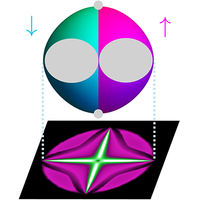
Phys. Rev. Lett. 136, 226001 (2026)
Condensed Matter and Materials
Nonlinear Magnetoelectric Edelstein Effect
Article | Condensed Matter and Materials | 2026-06-04 06:00 EDT
Jinxiong Jia, Longjun Xiang, Zhenhua Qiao, and Jian Wang
The generation of spin magnetization by linear and nonlinear Edelstein effects has so far relied solely on electric fields. Here, we propose a distinct mechanism, the nonlinear magnetoelectric Edelstein effect (NMEE), in which electric and magnetic fields act cooperatively to produce spin magnetizat…
Phys. Rev. Lett. 136, 226302 (2026)
Condensed Matter and Materials
Observation of Acoustic Magnetochiral Anisotropy in $α$ Quartz
Article | Condensed Matter and Materials | 2026-06-04 06:00 EDT
Munkhtuguldur Altangerel, S. Badoux, C. Proust, D. Vignolles, and G. L. J. A. Rikken
Acoustic magnetochiral anisotropy is observed in a diamagnetic crystal of quartz.

Phys. Rev. Lett. 136, 226303 (2026)
Condensed Matter and Materials
Acoustic Bound Pair States in the Continuum Induced by Off-Site Two-Body Interactions
Article | Condensed Matter and Materials | 2026-06-04 06:00 EDT
Zhenhang Pu, Chunbo Hua, Hailong He, Liping Ye, Jiuyang Lu, Weiyin Deng, Manzhu Ke, and Zhengyou Liu
A novel many-body bound state in the continuum induced entirely by uniform off-site 2-body interactions is observed by mapping a quantum 1D Bose-Hubbard model onto a 2D macroscopic phononic crystal.
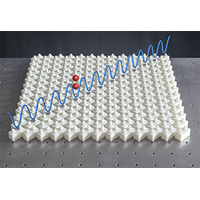
Phys. Rev. Lett. 136, 226501 (2026)
Condensed Matter and Materials
Physical Review X
Reassessing the Boundary between Classical and Nonclassical for Individual Quantum Processes
Article | 2026-06-04 06:00 EDT
Yujie Zhang, David Schmid, Yìlè Yīng, and Robert W. Spekkens
Researchers have proposed a unified rule to distinguish quantum from classical processes, recovering many standard signatures of quantumness while revealing that many phenomena long thought to be classical actually possess hidden, intrinsically quantum properties that could power future technologies.
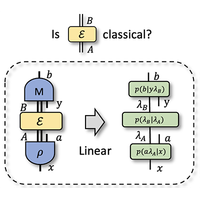
Phys. Rev. X 16, 021050 (2026)
arXiv
Superconducting Triple Point in UTe$_2$: Thermodynamics and Symmetry
New Submission | Superconductivity (cond-mat.supr-con) | 2026-06-05 20:00 EDT
Three lines of second-order phase transitions between the normal phase and two distinct superconducting phases meet at a single point on the phase diagram of UTe$ _2$ . Contrary to common belief, there are no thermodynamic constraints for such triple points. The phase diagram is interpreted within Landau theory in terms of two superconducting order parameters with different gauge symmetries. Such an interpretation is unique under the assumption of spatial uniformity.
Superconductivity (cond-mat.supr-con), Statistical Mechanics (cond-mat.stat-mech)
3 pages, 1 figure
Nambu Nonequilibrium Thermodynamics and the Lyapunov Structure of Open Systems
New Submission | Statistical Mechanics (cond-mat.stat-mech) | 2026-06-05 20:00 EDT
In open nonequilibrium systems, the thermodynamic entropy of a subsystem is not generally a Lyapunov function. Even during relaxation toward equilibrium, it may decrease temporarily because of exchanges with external reservoirs. This raises a basic question: what thermodynamic quantity, if any, organizes irreversible relaxation in an open system?
We address this question using an explicit open-piston model coupled to both a pressure reservoir and a heat bath. The reversible sector is formulated as a Nambu rotational flow generated by the extended energy and the subsystem entropy, while the irreversible sector is written as a gradient flow generated by a dissipation potential $ S_{NB}$ . In the adiabatic reversible limit, the Nambu bracket produces the oscillatory piston motion on the intersection of conserved level surfaces. After coupling to a heat bath and adding friction, the subsystem entropy $ S$ can exhibit nonmonotonic oscillations, whereas $ S_{NB}=S-H_{1}/T_{b}$ increases monotonically under the proposed positive-semidefinite dissipative structure.
We show that this monotonicity is not a consequence of identifying $ S_{NB}$ with thermodynamic entropy. Rather, it follows from two geometric conditions: the reversible Nambu flow preserves $ S_{NB}$ , and the irreversible dynamics can be written as a positive-semidefinite gradient flow generated by $ S_{NB}$ . The open-piston model therefore provides a minimal macroscopic realization in which thermodynamic entropy, dissipation potential, reversible temporal order, and irreversible relaxation can be separated explicitly.
Statistical Mechanics (cond-mat.stat-mech)
30 pages, 9 figures
Magnetic-field driven hybridization of heavy- and light-hole Rydberg excitons in GaAs quantum wells
New Submission | Mesoscale and Nanoscale Physics (cond-mat.mes-hall) | 2026-06-05 20:00 EDT
David de la Fuente Pico, Johannes Bürger, Antonio Gianfrate, Jesper Levinsen, Meera M. Parish, Daniele Sanvitto, Dario Ballarini, Francesca Maria Marchetti
We present a combined theoretical and experimental study of ground and excited Rydberg exciton states in wide GaAs quantum wells exposed to a magnetic field in the Faraday geometry. We employ a multiband exciton model based on the Luttinger Hamiltonian, which captures valence-band mixing between heavy- and light-hole states induced by both the quantum well confinement and the magnetic field, and we develop an efficient numerical approach to solve for both ground- and excited-state excitons. The method treats Coulomb interactions, magnetic confinement, and band mixing on an equal footing, enabling a systematic characterization of exciton energies, oscillator strengths, and orbital composition. We show that band hybridization increases with magnetic field and is significantly more pronounced for higher excited states, where it sets in at lower fields and strongly modifies their properties. The theoretical predictions are validated by polarization-resolved magneto-reflectance measurements up to 9 T on GaAs/Al$ _{0.4}$ Ga$ _{0.6}$ As quantum wells of 20 nm width. We find excellent agreement for both the diamagnetic shift and Zeeman splitting of the ground state and the first four Rydberg excitons. Our results demonstrate that valence-band mixing plays a crucial role in determining the magnetic-field dependence of excited exciton states and must be properly included for a quantitative description of magneto-excitons in wide GaAs quantum wells.
Mesoscale and Nanoscale Physics (cond-mat.mes-hall), Materials Science (cond-mat.mtrl-sci)
17 pages, 11 figures
Breakdown of Thermalization from Real-Time Dynamics in the Two-Dimensional Hubbard Model
New Submission | Strongly Correlated Electrons (cond-mat.str-el) | 2026-06-05 20:00 EDT
Alessandro Sinibaldi, Luciano Loris Viteritti, Riccardo Rende, Fakher F. Assaad, Giuseppe Carleo
Thermalization in strongly correlated fermionic systems remains a central open problem in quantum many-body physics. In this work, we investigate the real-time dynamics and the approach to thermalization in the two-dimensional Hubbard model, a paradigmatic framework for correlated electrons, relevant to high-temperature superconductivity and ultracold quantum simulation. Focusing on the half-filled square lattice, we monitor the time evolution of the double occupancy following a quench in the on-site interaction $ U$ , and assess whether its long-time value is captured by a canonical thermal ensemble. We employ time-dependent variational Monte Carlo methods combined with transformer-based Neural-Network Quantum States to accurately describe the nonequilibrium dynamics of fermions, especially for the behavior at long times, thereby accessing regimes that were previously inaccessible to numerical simulations. Our results reveal two distinct dynamical behaviors: for weak to intermediate interactions, the long-time double occupancy agrees with the thermal prediction, consistent with ergodic relaxation; beyond a critical interaction $ U_{C}$ , the dynamics deviate markedly from the thermal expectation, revealing clear signatures of thermalization breaking. These results establish numerical simulation as a powerful tool to probe nonequilibrium quantum phenomena in correlated fermionic matter.
Strongly Correlated Electrons (cond-mat.str-el), Disordered Systems and Neural Networks (cond-mat.dis-nn), Quantum Physics (quant-ph)
10 pages, 7 figures
Magnetochiral anisotropy in strained superconducting transition metal dichalcogenides
New Submission | Superconductivity (cond-mat.supr-con) | 2026-06-05 20:00 EDT
Joaquim Telles de Miranda, Maxim Khodas, Alex Levchenko
We present a theoretical study of nonreciprocal charge transport in two-dimensional noncentrosymmetric superconductors, focusing on transition-metal dichalcogenide MoS$ _2$ as a representative example. In the normal state, the electrical response of a material to the relative orientation of the current and magnetic field is suppressed to leading order in the symmetry-breaking perturbations. In the vicinity of the superconducting transition, magnetochiral anisotropy is strongly enhanced. We consider contributions to the nonreciprocal current originating from order-parameter fluctuations and quantum-interference processes. These terms are linked to higher-order Lifshitz invariants generically allowed in the Ginzburg-Landau free energy of superconductors with broken inversion and time-reversal symmetries. We further show that strain enables additional vector components in the nonlinear current response.
Superconductivity (cond-mat.supr-con)
Hydrogen-induced lattice cohesion weakening favors atomic displacement
New Submission | Materials Science (cond-mat.mtrl-sci) | 2026-06-05 20:00 EDT
Liang Gao, Yiran Mao, Markus Wilde, Xiaoou Yi, Cong Li, Shiwei Wang, Thomas Schwarz-Selinger, Jan Coenen, Richard Kembleton, Sebastijan Brezinsek, Christian Linsmeier, Guanghong Lu
Atomic displacement – the fundamental process underlying diverse deformation and damage phenomena in metals, from irradiation defect production to stress-driven dislocation motion – is governed by interatomic cohesion strength. Here, lattice-dissolved hydrogen (LDH) occurring in metals under direct hydrogen exposure is identified to effectively weaken lattice cohesion, and thereby facilitating atomic displacement and dislocation movement upon plastic deformation in sub-threshold stress regime. This atomic-scale insight provides a physically transparent mechanism for hydrogen-enhanced localized plasticity implicated in hydrogen embrittlement. We quantitatively verify the hydrogen-induced lattice cohesion weakening effect on metal surfaces exposed to low-energy hydrogen plasma, where massive defects are generated despite the absence of sufficient ion momentum for direct displacement damage. By unprecedentedly quantifying the cohesion-weakening effect of LDH independently from defect-trapped H, we establish a new paradigm to understand hydrogen embrittlement.
Materials Science (cond-mat.mtrl-sci), Applied Physics (physics.app-ph)
We reveal here the exact role of diffusive lattice-dissolved hydrogen (LDH) favoring kink pair nucleation and accelerating dislocation movement, unlocking the underlying nature of the HELP (Hydrogen-Enhanced Localized Plasticity) mechanism. Main text 17 pages, 4 figures; Supplementary Materials 9 pages, 2 figures
Opinion dynamics on social proximity disordered networks
New Submission | Statistical Mechanics (cond-mat.stat-mech) | 2026-06-05 20:00 EDT
Fellipe Aranha, Giuliano G. Porciúncula, Adauto J. F. de Souza, Paulo R. A. Campos, André L. M. Vilela
Understanding how local social pressure shapes collective opinion formation is essential in modern society, with implications in sociology, politics, finance, and technology. Complex networks are a powerful framework for investigating these processes and for representing social interactions in emergent phenomena, and canonical models such as random, scale-free, and small-world networks remain most relevant when Euclidean geometric proximity and contiguous interactions are not the dominant organizing factors. Our investigation explores the effects of Gabriel graphs, a spatially embedded network that utilizes proximity-based interactions, on social opinion dynamics. Using a geometric disorder parameter that randomly displaces agent coordinates, we transition from square lattices of social interactions to spatial random networks that preserve local constraints while introducing strong topological heterogeneity. Opinion dynamics operate through social pressure, with a level of nonconformity that affects dissent among opinions. We analyze magnetization, susceptibility, and Binder’s fourth-order cumulant to characterize the emergence and breakdown of global social consensus. The model exhibits second-order phase transitions whose behavior depends on both geometric disorder and nonconformity levels. We use volumetric scaling and provide a reference frame appropriate for characterizing criticality in regular and heterogeneous interaction topologies. We find that the standard critical exponents remain compatible with the two-dimensional Ising universality class. Furthermore, the results suggest that spatially constrained, planar, and globally connected interaction topologies preserve the dimensionality of space in critical dynamics analysis.
Statistical Mechanics (cond-mat.stat-mech)
16 pages, 9 figures, 3 tables
Fermiology and the Candidate Chiral Superconductor in Rhombohedral Tetralayer Graphene
New Submission | Superconductivity (cond-mat.supr-con) | 2026-06-05 20:00 EDT
Sandesh S. Kalantre, Ben H. Alexander, Julian May-Mann, Jonah Herzog-Arbeitman, Marisa Hocking, Qingrui Cao, Kenji Watanabe, Takashi Taniguchi, David Goldhaber-Gordon, Andrew J. Mannix, Trithep Devakul, Yves H. Kwan, Daniel E. Parker, Aaron Sharpe
Chiral superconductivity, in which the phase of the superconducting order parameter winds in momentum space, has long been sought for its close link to topological superconductivity. Recent work reported a superconductor in rhombohedral multilayer graphene emerging from a time-reversal symmetry broken normal state, suggesting that it could be a chiral superconductor. However, the possibility of chirality depends on the symmetry and structure of the normal-state Fermi surface, which have not been directly measured. Here we measure quantum oscillations in rhombohedral tetralayer graphene over a broad range of the phase diagram, including the superconducting region. At densities well above the onset of superconductivity, we reproduce previously-reported oscillations consistent with a spin- and valley-polarized quarter metal with a single simply-connected Fermi pocket. As the carrier density is reduced, we find a transition to a complex “multitone” state that persists through the superconducting region. This state’s spectrum of quantum oscillations is incompatible with a simply-connected quarter metal. The next-simplest candidate normal states suggested by our microscopic modeling (fully-polarized annular, nematic, and three-pocket states) are inconsistent with our measurements, albeit difficult to rule out entirely. The normal state is thus seen to be richer than previously envisaged, reshaping the search for the superconducting mechanism and the possible chirality of the pairing channel.
Superconductivity (cond-mat.supr-con), Mesoscale and Nanoscale Physics (cond-mat.mes-hall), Strongly Correlated Electrons (cond-mat.str-el)
12+60 pages, 4+52 figures
A nanoscale magnetic spectrum analyzer based on qubit dressed states
New Submission | Mesoscale and Nanoscale Physics (cond-mat.mes-hall) | 2026-06-05 20:00 EDT
Jan Rueschkamp, Shantam Ravan, Daniel Fernandez, Nazar Delegan, F. Joseph Heremans, David D. Awschalom, Ronald L. Walsworth, Nikola Maksimovic, Amir Yacoby
Magnetic field fluctuations on nanometer length scales manifest in a diverse range of phenomena – electron and spin dynamics in materials and devices, quantum many-body systems, and molecular chemistry. Measuring these phenomena requires sensors with a challenging combination of broad spectral bandwidth, high sensitivity, and nanoscale spatial resolution. Nitrogen-vacancy (NV) centers, atom-like quantum sensors in diamond, possess the requisite sensitivity and nanoscale sensing volume, but are typically limited in bandwidth by the practical speed of the applied quantum control sequence. Here, we overcome this limitation by exposing the NV qubit to a microwave dressing field during a dynamical decoupling sequence, which both amplifies and frequency-mixes target signals at arbitrary frequencies into the detection band of the dynamical decoupling protocol. We demonstrate this approach by using NV centers to detect both coherent and noisy nanoscale spin wave dynamics in a magnetic yttrium-iron-garnet (YIG) thin film over a broad frequency range. Our technique generalizes to other qubit platforms, providing a versatile framework for nanoscale spectroscopy across diverse physical and chemical systems.
Mesoscale and Nanoscale Physics (cond-mat.mes-hall)
Interplay of non-local transport and local scattering during electron thermalization and spatial equilibration in laser-excited metals
New Submission | Materials Science (cond-mat.mtrl-sci) | 2026-06-05 20:00 EDT
Markus Uehlein, Tobias Held, Christopher Seibel, Sebastian T. Weber, Baerbel Rethfeld
Ultrafast laser excitation of metals induces electronic nonequilibrium both in space and locally in the energy distribution. The subsequent dynamics are governed by the interplay between non-local transport and local scattering of hot electrons, yet combined microscopic descriptions of these processes remain sparse. Here, we disentangle the influence of these processes on thermalization using a reformulation of the Boltzmann transport equation in energy space that consistently describes both spatial equilibration and scattering through full collision integrals. Our results reveal that transport accelerates the apparent thermalization observed at the irradiated surface by removing athermal carriers, while the same spatial redistribution delays complete equilibration of the full electron system. We analyze the experimentally accessible energy-dependent dynamics at the front and back surface and find that the dominant process varies, depending on both position and on the energetic window. Overall, our work improves the understanding of the interplay of electronic nonequilibrium processes occurring in optically thick laser-driven systems with relevant implications for future electronic applications.
Materials Science (cond-mat.mtrl-sci)
Realistic quantum device data synthesized by consumer AI and how to identify it
New Submission | Mesoscale and Nanoscale Physics (cond-mat.mes-hall) | 2026-06-05 20:00 EDT
S. M. Frolov, O. V. Kravchenko
With the advance of generative artificial intelligence (AI) synthetic texts and images have become commonplace. These capabilities offer clear benefits, but have also raised a number of ethical concerns that often have to do with misrepresenting AI outputs as genuine material. A lesser known capability of generative AI is to perform the basic analysis, processing and even synthesis of numerical data. This raises the question of whether AI can be used to imitate experimental data that an expert would consider scientifically meaningful and on par with data in the figures of peer-reviewed manuscripts? In this paper, we focus on synthesizing data inspired by well-known experiments done frequently on quantum electronic devices. This field is related to information technologies such as spintronics and quantum computing, and is considered data-rich and data-driven. We demonstrate that it is possible to generate dramatic signals associated with iconic effects such as quantum bit control, Majorana fermions, Josephson effects, quantum dots and wires using widely available ChatGPT. We find that because some of the clearest data from quantum devices can be expressed in terms of relatively basic mathematical models, AI does not need to learn on the specialized body of data. Instead, knowledge of the physics equations and of the basic features of experimental signals can go a long way towards building a realistic dataset. We also demonstrate that real data can be augmented by AI, and that AI can mimic the noise of common scientific instruments. To help assure that published data come from experiments and are not synthesized by AI, we recommend sharing large volumes of the primary data. While it is straightforward for AI to mimic a few sets of data, consistently generating long measured sequences poses sufficient barriers to the proliferation of undisclosed synthetic data.
Mesoscale and Nanoscale Physics (cond-mat.mes-hall), Materials Science (cond-mat.mtrl-sci), Strongly Correlated Electrons (cond-mat.str-el), Superconductivity (cond-mat.supr-con), Quantum Physics (quant-ph)
Ideal Quantum Geometry for Fractional Chern Insulators
New Submission | Strongly Correlated Electrons (cond-mat.str-el) | 2026-06-05 20:00 EDT
Quantum geometry plays a fundamental role in many aspects of condensed matter physics. Among its central objects are the Berry curvature and the quantum metric – quantities that, while distinct, are intertwined through geometric constraints. In this article, we survey recent progress in understanding when and how this bound is saturated, with particular emphasis on the emergence of momentum-space holomorphicity of Bloch states. These developments highlight a profound connection between certain ideal Bloch bands and the Hilbert space structure of the lowest Landau level. We elucidate this relationship through a review of quantum Hall physics in both homogeneous and spatially varying magnetic fields, and conclude by exploring its implications for the search for fractionalized phases in emerging platforms, including moiré materials.
Strongly Correlated Electrons (cond-mat.str-el), Mesoscale and Nanoscale Physics (cond-mat.mes-hall)
Dissipation-coherence tradeoff for stochastic oscillations
New Submission | Statistical Mechanics (cond-mat.stat-mech) | 2026-06-05 20:00 EDT
Autonomous noisy oscillations in biochemical and mesoscopic systems require nonequilibrium driving and therefore dissipation. A striking conjecture by Oberreiter, Barato, and Seifert (OBS) proposes a universal lower bound on the entropy produced per oscillation period in terms of the coherence number of the slowest oscillatory mode. Here we derive a weaker but rigorous lower bound that preserves the OBS structure while introducing a mode-uniformity factor that quantifies how evenly the oscillatory eigenmode is distributed across states in the steady-state inner product. The result makes explicit that an eigenvalue-only prefactor can fail when the dominant oscillatory mode is localized. We also outline a proof-of-principle route for estimating this factor from low-dimensional data under single-mode dominance and sufficiently informative measurements, and derive an eigenvector-free corollary using only the smallest stationary probability. Translation-invariant Markov jump processes on a ring provide a symmetry-protected class with $ \eta=1$ , so the refinement reduces to the OBS form; the drift–diffusion limit on a circle saturates the bound.
Statistical Mechanics (cond-mat.stat-mech)
10 pages, 1 figure. Accepted in Phys. Rev. E
Complexity of the Laughlin wave function from the Dyson-orbital perspective
New Submission | Strongly Correlated Electrons (cond-mat.str-el) | 2026-06-05 20:00 EDT
The Fermi sea is a simple and common concept in physics. However, a related and equally simple concept – the Dyson orbital – is far less discussed in physics, especially in textbooks. Yet, Dyson orbitals offer a valuable tool for characterizing the complexity of a fermionic wave functions, particularly in distinguishing between Fermi-sea-like and non-Fermi-sea-like states. As a preliminary application, we examine the Laughlin wave function and find the fortunate fact that the Dyson orbitals can be determined analytically. Further numerical data provides \emph{quantitative} evidence that the Laughlin wave function describes a strongly correlated, non-Fermi liquid state.
Strongly Correlated Electrons (cond-mat.str-el), Quantum Physics (quant-ph)
11 pages, 6 figures. Comments are welcome
Physics Letters A 566, 131186 (2026)
A universal and efficient hybrid digital-analog fermionic quantum simulator
New Submission | Quantum Gases (cond-mat.quant-gas) | 2026-06-05 20:00 EDT
Hao-Tian Wei, Kaden R. A. Hazzard
We present a universal framework to harness fermionic ultracold atom platforms for quantum simulation, showing how variational algorithms on existing hardware can simulate many-body systems well beyond the hardware’s native Hamiltonian. Our analysis provides evidence that one can quantum simulate the ground-state properties of a broad class of gapless target Hamiltonians of local observables in a quantum evolution time that grows polynomially with the inverse relative error, $ T\sim O(\mathrm{poly}(1/\epsilon))$ up to logarithmic corrections, offering an exponential speedup over na{ï}ve classical algorithms such as exact diagonalization. We provide numerical evidence and theoretical argument that this holds for energy density, density-density, and spin-spin correlations in three qualitatively distinct models – the repulsive Hubbard model; a Hubbard model augmented with nearest-neighbor attractive interactions, which introduces the phenomenon of pairing; and the Hofstadter-Hubbard model, which introduces a gauge field and fractional quantum Hall physics. This work demonstrates quantum simulation using current fermionic platforms far beyond the models natively implemented in the hardware.
Quantum Gases (cond-mat.quant-gas), Strongly Correlated Electrons (cond-mat.str-el), Atomic Physics (physics.atom-ph), Quantum Physics (quant-ph)
29 pages, 12 figures, 8 appendices
BCS-BEC crossover driven by small Fermi pockets of a high-Tc cuprate superconductor
New Submission | Superconductivity (cond-mat.supr-con) | 2026-06-05 20:00 EDT
Junhyeok Jeong, Yamato Enomoto, Yoshimitsu Kohama, Tomotaka Nakayama, Kotaro Ando, Kifu Kurokawa, Soonsang Huh, Zhuo Yang, Toshihiro Nomura, Matthew D. Watson, Timur K. Kim, Cephise Cacho, Chun Lin, Makoto Hashimoto, Donghui Lu, Shiro Sakai, Takami Tohyama, Kazuyasu Tokiwa, Takeshi Kondo
Fermi arcs observed in underdoped cuprates have sparked debate over whether they represent segments of a large Fermi surface or small Fermi pockets. This ambiguity has long hindered their classification as either the conventional Bardeen-Cooper-Schrieffer (BCS) regime or the strongly coupled Bose-Einstein condensation (BEC) crossover limit. Here, using angle-resolved photoemission spectroscopy and quantum oscillations, we demonstrate the coexistence of a small Fermi pocket and a large superconducting gap in the clean inner CuO2 layers of the four-layer cuprate Ba2Ca3Cu4O8(F,O)2. This coexistence constitutes a hallmark of the BCS-BEC crossover and has remained elusive for decades. Despite the presence of antiferromagnetic (AF) order, the superconducting gap in the small pocket is remarkably large, yielding a gap-to-Fermi-energy ratio (Delta_pocket/e_F ~ 0.6) and a critical-to-Fermi-temperature ratio (Tc/TF ~ 1.3) that reach the theoretical upper bound for two-dimensional superconductivity. Unexpectedly, this BCS-BEC crossover emerges not as the carrier density decreases but as it increases, abruptly within a narrow doping range of less than 1%. These results provide a long-sought microscopic foundation for the d-wave pairing mechanism in doped AF-Mott insulators.
Superconductivity (cond-mat.supr-con), Materials Science (cond-mat.mtrl-sci), Strongly Correlated Electrons (cond-mat.str-el)
Nature Communications 17, 4810 (2026)
Majorana-like fermion physics: Emergence of topologically protected vortical states in graphene interacting with an electromagnetic field
New Submission | Mesoscale and Nanoscale Physics (cond-mat.mes-hall) | 2026-06-05 20:00 EDT
H. V. Grushevskaya, George Krylov
Within the framework of a quasi-relativistic model of graphene that admits topologically nontrivial Majorana-like quasiparticle excitations, appearance of such vortex states in the frequency dependencies of the complex dielectric permittivity of the system subjected to an external electromagnetic field has been examined. The vortex graphene states possess topological charges (flavours ) being nonzero Zak phases. Interaction effects of Majorana-like modes have been qualitatively related to the formation of Fano resonances in the optical response. The constructed topological model of graphene may be considered as a toy model of three-flavour mass-neutrino oscillations.
Mesoscale and Nanoscale Physics (cond-mat.mes-hall), Strongly Correlated Electrons (cond-mat.str-el)
20 pages, 4 figures
Beyond Critical Minerals Targets: Digital Rock Physics as Infrastructure for Secure and Circular Supply Chains
New Submission | Other Condensed Matter (cond-mat.other) | 2026-06-05 20:00 EDT
Hannah P. Menke, Alessio Scanziani, Maja Rücker
The United Kingdom and Europe are moving rapidly from critical minerals target-setting to implementation. The EU Critical Raw Materials Act and the UK’s Vision 2035 create ambitious benchmarks for domestic extraction, processing, recycling, circularity, and supply-chain resilience, but many prospective regional resources remain complex, under-explored, historically worked, or economically marginal. This paper argues that implementation will depend not only on permitting reform and project designation, but also on pre-competitive measurement, modelling, and data infrastructure capable of determining which ores, brines, waste streams, and recycling feedstocks can be processed viably and with lower environmental impact. Digital Rock Physics (DRP) should therefore be understood as enabling infrastructure for resource policy rather than as a specialist laboratory method alone. By combining three-dimensional imaging, correlative chemistry, AI-enabled image analysis, and pore-scale modelling, DRP can connect mineral texture and reactive pathways to decisions about ore characterisation, liberation prediction, leaching, Direct Lithium Extraction, mine-waste valorisation, and battery recycling. The paper sets out a UK-European policy agenda built around translational demonstrators, cross-disciplinary training, a Digital Ore Passport standard, a federated Digital Ore Database, and integrated geo-reactive end stations. Treated as shared implementation infrastructure, DRP could help turn critical minerals strategies into practical routes for supply security, resource efficiency, circularity, and more environmentally responsible development.
Other Condensed Matter (cond-mat.other)
Strong Optical-Optical Avoided Crossings Suppress Thermal Conductivity in Ga-Substituted TlInTe$_2$
New Submission | Materials Science (cond-mat.mtrl-sci) | 2026-06-05 20:00 EDT
In crystalline solids, avoided crossing between acoustic and optical phonons is widely recognized as an effective mechanism for suppressing lattice thermal conductivity ($ \kappa_l$ ). However, the role of avoided crossings among optical phonons remains largely unexplored due to their weak contribution to heat transport. Here, using first-principles calculations combined with the linearized Wigner transport equation (LWTE), we demonstrate that optical-optical avoided crossings can effectively reduce ($ \kappa_l$ ) in TlIn$ _{0.5}$ Ga$ _{0.5}$ Te$ _2$ . Pristine TlInTe$ _2$ exhibits strong optical phonon-dominated heat transport, where optical phonons contribute nearly 63% of $ \kappa_l$ . The phonon dispersion of TlInTe$ _2$ shows several crossing points in the optical region, which evolve into avoided crossings after 50% Ga substitution. Irreducible representation analysis reveals that the crossing phonon branches in TlInTe$ _2$ belong to different symmetry representations, whereas the corresponding branches in TlIn$ _{0.5}$ Ga$ _{0.5}$ Te$ _2$ possess the same symmetry representation, which enables phonon modes to couple and results in gap opening at the crossing points. These avoided crossings significantly suppress the optical phonon group velocity, thereby reducing the optical phonon contribution from 63% to 44% and lowering $ \kappa_l$ from 0.568 to 0.482 Wm$ ^{-1}$ K$ ^{-1}$ at 300 K. Mode-averaged transport analysis further confirms that the suppression of $ \kappa_l$ is primarily governed by reduced phonon group velocity ($ v_g$ ), while enhanced anharmonic scattering provides an additional secondary contribution. Our results establish symmetry-modified optical-optical avoided crossing as an effective route to suppress optical phonon transport and reduce $ \kappa_l$ in systems where optical phonons significantly contribute to heat transport.
Materials Science (cond-mat.mtrl-sci)
Strongly nonlinear regime of Josephson transmission lines revealed by two-tone spectroscopy
New Submission | Superconductivity (cond-mat.supr-con) | 2026-06-05 20:00 EDT
A. S. Averkin, A. A. Kopasov, I. E. Pologov, Aleksey N. Bolgar, Daria A. Kalacheva, Viktor B. Lubsanov, M. V. Fistul, A. Karpov
We present experimental and theoretical studies of the off-resonant and strongly nonlinear regime of Josephson transmission lines (JTLs) with galvanically-coupled nonlinear elements. The transition from the weakly to the strongly nonlinear regime of a JTL induced by increasing the input power of the pump is probed via two-tone spectroscopy. Measurements of the phase of the transmission coefficient for a weak probe signal reveal a large increase and pronounced oscillations in the phase length variation as a function of the microwave power of the pump. Experimental observations are explained on the basis of the developed theoretical approach suitable for the description of the nonlinear response of strongly driven JTLs. Using the derived nonlinear wave equation, we show that the behavior of the phase length variation is associated with the oscillatory dependence of the Josephson inductances on the microwave power. It is demonstrated that the dissipation-induced propagation losses increase in the strongly nonlinear regime and also lead to smearing out the phase length oscillations. The developed theoretical analysis is in good agreement with experimental observations.
Superconductivity (cond-mat.supr-con)
16 pages, 11 figures
Study on the validity of IPT+parquet method as an impurity solver in DMFT focusing on orbital fluctuations
New Submission | Strongly Correlated Electrons (cond-mat.str-el) | 2026-06-05 20:00 EDT
Aira Yamada, Ryota Mizuno, Masayuki Ochi, Kazuhiko Kuroki, Takuma Ohashi
A breakdown of calculations with exact impurity solvers in the dynamical mean field theory in multiband systems easily occurs due to the expensive numerical cost. To overcome this practical difficulty, three of the present authors developed an inexpensive and reliable impurity solver by combining the iterative perturbation theory (IPT) and parquet equation, and named it IPT+parquet [R. Mizuno, et al., Phys. Rev. B 104, 035160 (2021).]. In this study, we validate IPT+parquet focusing on the orbital fluctuation by comparing the numerically exact impurity solvers. We confirm that IPT+parquet can capture competition between orbital fluctuation channels, which the conventional IPT cannot capture.
Strongly Correlated Electrons (cond-mat.str-el)
7 pages, 5 figures
Odd-parity magnons in the Haldane-Hubbard model from topological exciton condensation
New Submission | Strongly Correlated Electrons (cond-mat.str-el) | 2026-06-05 20:00 EDT
Odd-wave magnets are the counterparts to even-wave altermagnets realizing odd-parity spin splitting. Normally discussed for noncollinear systems, they have recently been shown to appear in collinear magnetic states in the presence of loop currents. Here we study collective excitations of the paramagnetic and magnetic phase of the seminal Haldane-Hubbard model. We identify the existence topological excitons in the paramagnetic phase, and their condensation as the driving mechanism into the collinear Néel state. The latter realizes an odd-wave magnet with odd-parity magnons displaying a characteristic $ f$ -wave splitting. We further uncover that an electron bandgap closing ensures magnon bandgap closing causing a change in odd-parity magnon topology, as well as a drastically enlarged spin splitting. Our results establish the presence of topological excitons and odd-parity magnons in the Haldane-Hubbard, with potential realizations in Floquet-driven materials and cold atomic gases.
Strongly Correlated Electrons (cond-mat.str-el), Mesoscale and Nanoscale Physics (cond-mat.mes-hall), Materials Science (cond-mat.mtrl-sci)
8 pages, 4 figures
Breakdown of Fluctuational Electrodynamics in the Extreme Near Field
New Submission | Mesoscale and Nanoscale Physics (cond-mat.mes-hall) | 2026-06-05 20:00 EDT
Fluctuational electrodynamics relies on the assumption that thermal fluctuations in distinct bodies are statistically independent. We show that this approximation breaks down in the extreme near-field regime, where overlapping evanescent surface fields hybridize optical phonons across nanometric vacuum gaps and generate fluctuating-current cross correlations between opposite interfaces. Using a microscopic coupled-oscillator model combined with a Green-tensor formulation of the Poynting vector, we derive the resulting correlation-induced correction to the radiative heat flux. For polar materials supporting surface phonon-polaritons, these correlations become significant when the hybridization energy is comparable to the intrinsic damping rate and can substantially modify conventional fluctuational-electrodynamics predictions at subnanometric separations. Our results establish a microscopic framework for correlated thermal fluctuations in the extreme near-field regime and quantify their impact on radiative heat transfer.
Mesoscale and Nanoscale Physics (cond-mat.mes-hall), Statistical Mechanics (cond-mat.stat-mech), Optics (physics.optics)
Understanding deconfined quantum critical points from crystalline categorical Landau paradigm
New Submission | Strongly Correlated Electrons (cond-mat.str-el) | 2026-06-05 20:00 EDT
Hiromi Ebisu, Bo Han, Weiguang Cao
Deconfined quantum critical points (DQCPs) involving lattice symmetries evade the conventional Landau paradigm because the competing orders break incompatible internal and crystalline symmetries. We show that a class of DQCPs can nevertheless be understood as Landau-type transitions after gauging anomalous onsite symmetries. For spin chains with Lieb-Schultz-Mattis (LSM) anomalies, gauging produces a noninvertible lattice translation whose fusion closes only up to ordinary translations, giving rise to a crystalline categorical symmetry. In the gauged description, the original DQCP becomes a transition between different symmetry breaking patterns of this categorical symmetry. We demonstrate this mechanism in microscopic lattice models; the magnetic-valence-bond-solid (VBS) DQCP realizes a Rep($ D_8$ )-type crystalline categorical Landau transition, whereas a y-antiferromagnetic-VBS DQCP realizes a Rep($ H_8$ )-type one. Although Rep($ D_8$ ) and Rep($ H_8$ ) share the same fusion rules, they have inequivalent $ F$ -symbols and therefore define distinct categorical descriptions. Our results show that the universal categorical structure underlying these DQCPs is encoded in the full fusion category, rather than in the fusion ring alone.
Strongly Correlated Electrons (cond-mat.str-el), High Energy Physics - Theory (hep-th)
13 pages, 4 figures
Aqueous-alcohol mixtures in dimension two: miscibility and micro-segregation
New Submission | Soft Condensed Matter (cond-mat.soft) | 2026-06-05 20:00 EDT
Camille de la Vaissiere, Ayse Butuner, Aurélien Perera
Two dimensional site interaction models of water and alcohols are mixed in various proportions and studied by Monte Carlo simulations, with the purpose to clarify problems related to simulation of real micro-heterogeneous systems. Three alcohols are considered, methanol, pentanol and octanol. The main finding is that, while real alcohols demix with water from butanol onward, their 2D analogs are always fully miscible, while developing increasingly pronounced micro-segregation as the alcohol tail length increases. This is not a consequence of the intrinsically higher fluctuations in 2D, but rather a reorganization of these fluctuations under the charge ordering mechanism. The second finding is that water drives the micro-segregation through strong self-aggregation, but this is not enough to achieve full phase separation because of the water-alcohol contact at the outer rim of the water domains. In this work we examine how this local heterogeneity develops with increasing alcohol alkyl tails, monitored with the study of pair correlation functions, structure factors and Kirkwood-Buff integrals. The absence of clear local self-averaging of the latter provides an illustration of the tension between energy driven maintaining of local structures and entropy driven global homogeneity. In that, the 2D modelisation of real hydrogen bonding mixtures allows to better capture and reveal the physics behind the chemistry of these liquids.
Soft Condensed Matter (cond-mat.soft), Chemical Physics (physics.chem-ph)
24 pages, 17 fgures
Symmetry-Selective Stabilization of Charge-Density Wave in ScV$_6$Sn$_6$
New Submission | Strongly Correlated Electrons (cond-mat.str-el) | 2026-06-05 20:00 EDT
A. Korshunov, C.-Y. Lim, J. Corral-Sertal, G. Garbarino, D. Chernyshov, A. Rajapitamahuni, C. Yi, S. Roychowdhury, C. Shekhar, C. Felser, V. Pardo, Ella M. Schmidt, S. Blanco-Canosa
Charge-density-wave (CDW) order in kagome metals is highly sensitive to external tuning parameters such as chemical substitution and hydrostatic pressure, which generally suppress long-range order. Here, using high-resolution X-ray diffraction under controlled uniaxial strain, we show that anisotropic lattice deformation instead stabilizes and enhances the CDW state in ScV$ _6$ Sn$ _6$ . Compression along the [H00] and [HH0] directions lowers the crystal symmetry from hexagonal to orthorhombic, lifts the degeneracy between symmetry-equivalent in-plane CDW domains, and promotes long-range order while preserving the underlying trimer instability. Phonon calculations indicate only a moderate stabilization of the imaginary flat phonon mode, demonstrating that the increase in T$ _\mathrm{CDW}$ is primarily driven by the in-plane ordering of the Sn$ ^\mathrm{T}$ –Sc–Sn$ ^\mathrm{T}$ \textit{rattling} chains within the frustrated kagome lattice. A phenomenological model incorporating strain-dependent Ising couplings within a three-state Potts framework successfully reproduces the evolution of T$ _\mathrm{CDW}$ under compression and captures the continuous nature of the transition. Our results establish uniaxial strain as a powerful symmetry-selective tuning parameter for order-disorder transformations in frustrated lattices.
Strongly Correlated Electrons (cond-mat.str-el)
9 pages, 4 figures; Supplemental Material included
Polylogarithmic Structure of Bragg Diffraction in Finite-Coherence Lattices
New Submission | Statistical Mechanics (cond-mat.stat-mech) | 2026-06-05 20:00 EDT
We develop a polylogarithmic structure for Bragg diffraction based on a weighted multi-plane interference model. Within this kind of construction, the scattering amplitude is expressed as a polylogarithmic generating function. By introducing extra contributions with power-law and the usual exponential decay, it takes the form $ F(\theta) = \mathrm{Li}m\left(e^{i\theta{\mathrm{eff}} - \epsilon}\right)$ , where $ \epsilon$ is a finite coherence length. In the limit where $ \epsilon \rightarrow 0$ , the argument of the polylogarithm approaches the unit circle and the classical Bragg condition corresponds to the approach of the polylogarithm argument toward its branch point $ z=1$ . This formulation provides a compact analytical framework for describing diffraction line shapes within a generalized correlation model in which peak positions, widths, and line shapes arise from a single analytic structure. Although we are able to recover the standard Bragg law for ideal crystals, the polylogarithm model captures deviations due to finite correlation length, disorder and non-uniform lattice coherence. We show that if Bragg peaks correspond to boundary singularities of the polylogarithm, a connection between diffraction theory and complex analysis arise. The proposed theoretical model may be particularly relevant for disordered or partially coherent materials, where conventional diffraction models often require additional phenomenological broadening assumptions.
Statistical Mechanics (cond-mat.stat-mech)
8 pages, 1 figures
A granular Büttiker-Landauer motor
New Submission | Statistical Mechanics (cond-mat.stat-mech) | 2026-06-05 20:00 EDT
Olivier Devauchelle, Predrag Popović, Piotr Szymczak, Anaïs Abramian, Arnaud Lazarus
Random walkers usually diffuse according to Fick’s law. On average, they move down the gradient of their concentration and, in the absence of external force, tend to distribute themselves uniformly. In some experiments, however, this familiar notion is at odds with observation. Sand grains, for instance, gather along the nodal lines of a vibrated elastic plate to form a Chladni figure, thus accumulating where fluctuations are weak – a fact that escapes the reach of Fick’s law. On theoretical grounds, Büttiker [Zeitschrift für Physik B, 68, 1987] and Landauer [J Stat Phys, 53, 1988] proposed that particles submitted to a non-uniform temperature field would indeed gather where the temperature is low. They also predicted that, in the presence of a potential force, a non-uniform temperature could drive a steady current of particles, powered only by noise. Here, we present an experimental realization of these phenomena in a macroscopic system, which confirms the quantitative predictions of Büttiker.
Statistical Mechanics (cond-mat.stat-mech)
Run and tumble dynamics of a soft robotic cell
New Submission | Soft Condensed Matter (cond-mat.soft) | 2026-06-05 20:00 EDT
Siddhant Mohapatra, Fanny Wéry, Filip Novkoski, Piotr Nowakowski, Ana-Suncana Smith, Nicolas Vandewalle
The continuous regulation of transport properties through softness remains a longstanding challenge in active matter. Here, we show that encasing a programmable active particle within a deformable membrane naturally gives rise to intermittent stop-and-go dynamics, with ballistic motion at short times crossing over to diffusion at long times. Crucially, membrane softness acts as a single control parameter that continuously tunes persistence, intermittency, and long-time transport, linking the internal driving to the emergent locomotion of the synthetic cell. Combining experiments, simulations, and a run-and-tumble theoretical framework, we identify the minimal physical ingredients underlying this behavior and establish design principles for programmable soft active transport, opening new avenues at the interface of active matter physics and synthetic robotics.
Soft Condensed Matter (cond-mat.soft)
Thermodynamics of bouncing grains
New Submission | Statistical Mechanics (cond-mat.stat-mech) | 2026-06-05 20:00 EDT
Olivier Devauchelle, Predrag Popović, Piotr Szymczak, Anaïs Abramian, Arnaud Lazarus
When a horizontal plate vibrates strongly enough, it causes small particles such as sand grains to continually bounce on it and, over time, to diffuse across its surface. This phenomenon is the cause of the well-known Chladni figure, which is drawn by a higher density of grains gathering along the nodal lines of a resonating elastic plate. Using a heterogeneous, non-resonating plate, we investigate experimentally this type of diffusion. We find that, for the most part, is it comparable to classical molecular diffusion. We can define a temperature for the bouncing grains, and the system then obeys the fluctuation-dissipation theorem. We also recover Maxwell-Boltzmann statistics at equilibrium, when temperature is uniform. However, when temperature varies across the vibrating plate, the microscopic details of the grains’ dynamics affect their macroscopic behavior: Fick’s law, for instance, no longer applies. Instead, our experiments support a new transport relation that was recently proposed to represent diffusion in Chladni’s experiment. Finally, we propose an expression for the heat flux associated to the non-equilibrium steady state predicted by this new relation, and test it against observations.
Statistical Mechanics (cond-mat.stat-mech)
The KNN rollercoaster: from bulk ceramics to phase engineered wafer-scale thin films
New Submission | Materials Science (cond-mat.mtrl-sci) | 2026-06-05 20:00 EDT
Giulia Pavese, Federico Orlando, Fabio Melzi, Walter Piazzi, Andrea Pescarolo, Federico Maspero, Marco Asa, Riccardo Gianola, Andrea Picco, Andrea Serafini, Kui Yao, Silvia Picozzi, Laura Castoldi, Miguel-Ángel Badillo-Ávila, Riccardo Bertacco
Since the initial disclosure of the extraordinary piezoelectric coefficients of Potassium sodium niobate (KNN) in near-equimolar bulk ceramics, its development trajectory has resembled a rollercoaster, with its integration into microelectronics severely lagging due to thermodynamic stability issues and poor planar process compatibility. In this work, we revisit the bulk-derived phase diagram for the specific case of thin films integrated on silicon. By systematically investigating Mn-doped K1-xNaxNbO3 films grown on 8-inch wafers, we demonstrate that the optimal stoichiometry for thin films fundamentally diverges from the bulk equimolar standard. A Na-rich composition (> 70 at.%) is required to overcome substrate-induced constraints, effectively suppressing pyrochlore formation and chemical phase segregation while promoting dense columnar growth with a complete (001) out-of-plane polar orientation. Consequently, Na-rich films deliver outstanding functional properties, reaching remanent polarizations up to 14 uC cm-2, with piezoelectric coefficients of d33f= 79 pm/V and e31f = 10 C/m2. Supported by Density Functional Theory simulations, we correlate this enhancement with improved stability and a strain-driven structural reorientation toward a lower-symmetry monoclinic phase with tilted polarization. By redefining the phase engineering rules for wafer-scale thin films, our results establish a clear route toward KNN integration in microsystems.
Materials Science (cond-mat.mtrl-sci), Applied Physics (physics.app-ph)
27 pages, 5 figures
Resolving room temperature microscale fracture and plasticity of iron oxides along the cascade of iron ore reduction via nanoindentation and microcantilever bending
New Submission | Materials Science (cond-mat.mtrl-sci) | 2026-06-05 20:00 EDT
Shreehard Sahu, James P. Best, Gerhard Dehm, Anwesha Kanjilal
Understanding the fundamental mechanical behaviour of iron oxide phases is essential for controlling attrition and fracture during iron ore reduction process, particularly in hydrogen-based direct reduction systems. This study investigates the room temperature plasticity and fracture behaviour of single-crystal hematite, magnetite, and Wustite using nanoindentation and micro-cantilever fracture testing. Hematite exhibited the highest hardness, H and elastic modulus, E (H=18.5 GPa, E=281 GPa), followed by magnetite (H=8.7 GPa, E=165 GPa) and Wustite (H=7.5 GPa, E=145 GPa), reflecting differences in slip activity along the iron oxide reduction sequence. Furthermore, fracture toughness was measured using notched microcantilevers for all three iron oxide phases, aligned along low index and high index crystallographic planes, respectively. For the low index-oriented case hematite showed increased fracture toughness owing to crack deviation and faceting while magnetite and Wustite exhibited single plane cleavage fracture. Distinct changes in the deformation behavior in terms of plasticity and cracking of the three iron oxides were evident from both methods. Further investigation of a magnetite-gangue interface, particularly relevant to low-concentration ores, revealed significantly reduced fracture toughness compared to the magnetite phase. Overall, these results provide a comprehensive set of mechanical properties of iron oxides with potential application in material models for predicting fracture and attrition during hydrogen-based direct reduction.
Materials Science (cond-mat.mtrl-sci)
Superconductivity beyond band geometry: emergence of pair quantum geometry
New Submission | Superconductivity (cond-mat.supr-con) | 2026-06-05 20:00 EDT
Mehmet Akif Keskiner, Menderes Işkın
Quantum geometry shapes the effective mass of Bloch particles through the geometric properties of single-particle states. Here we show that this principle extends to paired states. Starting from a generic multiband Hubbard model, we derive an exact effective-mass theorem for two-body bound states and its many-body counterpart for Cooper pairs near the critical temperature within Gaussian fluctuation theory. In both cases, the inverse effective mass separates into a ``conventional’’ band-structure contribution and a new geometric contribution, pair quantum geometry, governed by quantum metrics on the pairing manifold, which becomes nontrivial when pairing is non-uniform across sublattices. In the many-body setting, analytic continuation renders the fluctuation kernel non-Hermitian, producing a biorthogonal pair geometry and a generally complex Cooper-pair effective mass whose imaginary part reflects Landau damping. Exact calculations on one-, two-, and three-dimensional lattice models show that pair quantum geometry can make quantitatively significant contributions to the effective mass. These results establish pair quantum geometry as a fundamental ingredient of superconductivity beyond conventional band geometry.
Superconductivity (cond-mat.supr-con), Quantum Gases (cond-mat.quant-gas), Strongly Correlated Electrons (cond-mat.str-el)
Main text (6 pages, 1 figure), SM (12 pages, 2 figures)
Hidden periodicities allow the prediction of locked particle motions on quasicrystalline surfaces
New Submission | Statistical Mechanics (cond-mat.stat-mech) | 2026-06-05 20:00 EDT
Seemant Mishra, Artem Ryabov, Philipp Maass
Motion of particles across quasicrystalline surfaces exhibits peculiar features due to the presence of long-range order without translational periodicity. Under time-periodic forcing, this motion can become locked in directions thatn deviate strongly from the mean driving direction. We show that for surface potentials with a quasicrystalline pattern of minima generated by a superposition of plane waves, particle trajectories are nonperiodic, yet their mean direction and speed are determined by hidden periodic potentials. The lattice vectors of these underlying potentials define characteristic velocities that dictate both directional and speed locking. The particle motion does not synchronize with the driving, and it is possible for the mean speed to remain nonlocked even in directionally locked states. These findings are demonstrated using a model directly amenable to experimental realization.
Statistical Mechanics (cond-mat.stat-mech), Adaptation and Self-Organizing Systems (nlin.AO)
6 pages, 4 figures plus 3 pages, 3 figures in supplemental material (included)
A microscopic design rule for spin supersolids in triangular-lattice magnets
New Submission | Strongly Correlated Electrons (cond-mat.str-el) | 2026-06-05 20:00 EDT
Ryota Ono, Jun’ichi Ieda, Michiyasu Mori, Sadamichi Maekawa
Spin supersolids emerge as a central topic in frustrated magnetism, motivating the search for realization in quantum materials. To this end, we study the origin of exchange anisotropy, $ \Delta$ , in triangular-lattice cobaltate families $ X_2$ Y$ Co(PO$ _4$ )$ _2$ and $ X_2$ Co(SeO$ _3$ )$ _2$ ($ X$ = Na, K, Rb, Cs; $ Y$ = Mg, Ca, Sr, Ba) by tailoring realistic spin models. We show that $ \Delta$ is determined by the ratio of trigonal crystal field to spin-orbit coupling strength. This framework explains contrasting anisotropies in these families, predicts systematic trends in $ \Delta$ across $ X/Y$ -substitutions, and identifies candidate materials for spin supersolids. Our results establish trigonal field engineering as a microscopic route toward the design of spin supersolids.
Strongly Correlated Electrons (cond-mat.str-el)
13 pages, 7 figures
Geometry-Driven Polarization Control in Ferroelectric Nematic Liquid Crystals
New Submission | Soft Condensed Matter (cond-mat.soft) | 2026-06-05 20:00 EDT
Kazuma Nakajima, Hirokazu Kamifuji, Hirotsugu Kikuchi, Kenjiro Fukuda, Masanori Ozaki
Ferroelectric nematic liquid crystals (FNLCs) combine fluidity with spontaneous polarization, offering promising avenues for flexible electromechanical systems. Here, we demonstrate that mechano-electrical conversion in FNLCs can be enhanced by mechanically programming a robust macroscopic polarization alignment. Using hybrid liquid crystal cells composed of rigid glass and flexible substrates, we show that deformation in the ferroelectric nematic phase suppresses polarization domains and produces long-range ordered polarization alignment over millimeter-scale areas. This geometry-driven alignment originates from coupling between the FNLC’s spontaneous splay deformation and the deformation-imposed cell geometry, and we further find that the selected polarization direction exhibits clear material dependence. Leveraging this deformation-enabled alignment, we develop an FNLC-based energy harvester that converts mechanical deformation into an output of approximately 1 V. These findings establish geometry-driven alignment as a practical design strategy for boosting FNLC mechano-electrical conversion while providing polarization control for soft electronic devices.
Soft Condensed Matter (cond-mat.soft)
The main text contains 17 pages and 6 figures, and the supplemental information contains 3 pages and 4 figures
Ferroelectric brightening of spin forbidden dark excitons in a WSe2/hybrid perovskite heterostructure
New Submission | Materials Science (cond-mat.mtrl-sci) | 2026-06-05 20:00 EDT
Xinyun Wang, Magdalena Grzeszczyk, Maxim Trushin, Ivan Verzhbitskiy, Dmitrii Litvinov, Yi Wei Ho, Yuan Chen, Zhenyue Wu, Mykola Telychko, Chuanqi Zhang, Andres Granados del Aguila, Kuan Eng Johnson Goh, Xinwei Li, Goki Eda, Shaffique Adam, Maciej Koperski, Kian Ping Loh
Long-lived dark excitons in monolayer WSe2 present promising candidates for carrying spin and valley information, but their optical access and spin manipulation have conventionally required the use of strong external magnetic fields. Here, using a ferroelectric hybrid perovskite heterostructure, we leverage the ferroelectric proximity effect to break the WSe2’s in-plane rotational symmetry and brighten the spin-forbidden dark excitons under zero magnetic field conditions. Furthermore, we show that the twist angle between the WSe2 and perovskite crystals controls the ferroelectric coupling strength and valley-contrasting polarization. Our proposed mechanism, supported by a four-band tight-binding model, suggests that the ferroelectric proximity effect induces an asymmetric intersublattice interaction, generating an effective in-plane spin-orbit coupling (SOC) field that rotates spin/valley polarization and brightens dark excitons. Our work establishes ferroelectric proximity coupling as an electrically reconfigurable, magnetic-field-free strategy for spin exciton control in two-dimensional semiconductors.
Materials Science (cond-mat.mtrl-sci), Quantum Physics (quant-ph)
Aging Time dependent Static Friction between Soft and Hard Solid Interfaces
New Submission | Soft Condensed Matter (cond-mat.soft) | 2026-06-05 20:00 EDT
Vinay A. Juvekar, Arun K. Singh
Understanding of friction between sliding surfaces is critical for variety of applications. We present a friction model between soft and hard solid interfaces for studying aging time dependent static friction. The model is based on strengthening of dangling chains with the substrate during aging period. The friction model is, in turn, validated with the experimental data from literature. Friction properties are also estimated in terms of gelatin concentration to justify the results.
Soft Condensed Matter (cond-mat.soft)
7 pages
Charge-Conjugation Violation and Population Asymmetry in Bipartite Fermionic Lattices
New Submission | Quantum Gases (cond-mat.quant-gas) | 2026-06-05 20:00 EDT
Di Xiao, Xue-Ting Fang, Lushuai Cao, Zhong-Kun Hu, Peter Schmelcher
Charge conjugation violation (CCV) is a central concept in particle physics and appears also for quasiparticles in quantum many-body systems, which typically relies on an embedded external symmetry breaking to the underlying system. An open question is how an intrinsic CCV mechanism could emerge and what its macroscopic consequences would be. We establish sublattice kinks in bipartite fermionic lattices as a concrete setup showing intrinsic CCV. The intrinsic CCV of the sublattice kink is based on the graph-topological nature of the underlying Hamiltonian, with no explicit symmetry breaking taking place. It leads to a population asymmetry of different configurations and imprints a hidden leaf-like structure in the eigenenergy spectrum. The population asymmetry also leads to an imbalanced sublattice-kink production triggered by the vacuum-instability in the quench dynamics. Our work demonstrates the graph topology as the microscopic origin of intrinsic CCV, with the population asymmetry as the macroscopic consequence, of which the proposed setup is highly amenable to experimental implementation via cold-atom quantum simulators.
Quantum Gases (cond-mat.quant-gas), Atomic Physics (physics.atom-ph), Quantum Physics (quant-ph)
Unveiling orbital landscapes in strongly correlated bulk nickelates with $s$-NIXS
New Submission | Strongly Correlated Electrons (cond-mat.str-el) | 2026-06-05 20:00 EDT
Edgar Abarca Morales, Martin Sundermann, Brett Leedahl, Vignesh Sundaramurthy, Georg Poelchen, Ulrich Burkhardt, Raul Cardoso, Pascal Puphal, Alexander Komarek, Bernhard Keimer, Matthias Hepting, Liu Hao Tjeng, Berit H. Goodge
We leverage $ s$ -orbital non-resonant inelastic X-ray scattering ($ s$ -NIXS) to perform orbital imaging on three bulk rare-earth nickelates spanning a range of formal nickel valence (3$ d$ electron filling) from Ni$ ^{3+}$ (3$ d^7$ ) to Ni$ ^{1+}$ (3$ d^9$ ). Our results directly reveal the ground states of these compounds all with minimal theoretical input. In particular, we demonstrate the low-spin orbital configuration of trivalent LaNiO$ 3$ , the $ d{x^2-y^2}$ configuration of monovalent LaNiO$ _2$ , and resolve the effective $ e_g$ crystal field splitting in the distorted octahedral environment of divalent La$ _2$ NiO$ _4$ . This work illustrates the potential of $ s$ -NIXS to study the ground state and excited states of strongly correlated materials without needing complex theoretical analysis of spectroscopic data.
Strongly Correlated Electrons (cond-mat.str-el)
3 figures, 10 supplemental figures, 1 table
Stacking-Dependent Magnetism and Tunable Half-Metallicity in Bilayer Janus 1T-MnSSe
New Submission | Materials Science (cond-mat.mtrl-sci) | 2026-06-05 20:00 EDT
Jakkapat Seeyangnok, Udomsilp Pinsook, Graeme J. Ackland
We investigate the structural, electronic, and magnetic properties of bilayer Janus 1T-MnSSe using first-principles calculations. Various AA- and AB-type stacking configurations are considered to examine the influence of interlayer registry on magnetic ordering and exchange interactions. The nonmagnetic state is unstable for all stackings, confirming intrinsic magnetism. The AA2 stacking is identified as the ground state and exhibits A-type antiferromagnetic ordering, indicating antiferromagnetic interlayer coupling. Monte Carlo simulations based on an effective Ising model reveal enhanced magnetic transition temperatures in the bilayer relative to the monolayer, with Néel temperatures above 300K for antiferromagnetic stackings and Curie temperatures up to 250K for ferromagnetic phases. Several stacking configurations exhibit robust half-metallic ferromagnetism with nearly 100% spin polarization at the Fermi level. Moreover, the half-metallic state can be tuned and ultimately transformed into a metallic ferromagnetic phase through carrier doping and biaxial strain. These findings establish bilayer MnSSe as a promising platform for controllable interlayer magnetism and spintronic applications in two-dimensional materials.
Materials Science (cond-mat.mtrl-sci)
9 pages, 6 figures
2.4 GHz Flip-flop Device within Nonequilibrium Superconducting Diode
New Submission | Superconductivity (cond-mat.supr-con) | 2026-06-05 20:00 EDT
Xiangyu Bi, Hongyi Li, Aoshen Yang, Yuqiang Fang, Ganyu Chen, Shichong Yang, Yicheng Shen, Qizheng Sun, Junwei Huang, Wei Jiang, Da Wang, Fuqiang Huang, Haijun Zhang, Qianghua Wang, Hongtao Yuan
Superconducting diode effect exhibits asymmetric critical supercurrent and has profound implications for condensed matter physics. The technical appeals of such superconducting diodes are their ultrahigh on-off ratio and diode efficiency for superconducting electronics owing to the dissipationless supercurrent therein. However, realizing superconducting diode operation at high working frequency, which is a key requirement for practical applications, remains elusive and challenging. Here, we demonstrate a polarity-controllable superconducting diode with non-equilibrium Josephson junction and its edge-triggered flip-flop operation at a high frequency up to 2.4 GHz, within a van der Waals superconductor 2M-WS$ _2$ . By simply tuning the thickness of superconducting 2M-WS$ _2$ nanoflakes to engineer inversion asymmetry in the junction, we achieve a high diode efficiency of 67% and an on-off ratio exceeding 10$ ^5$ . Importantly, the pulse width and duty cycle of output pulse signals in such superconducting diode flip-flop devices can be controlled in a broadband frequency range crossing 12 orders of magnitude. Theoretical analysis reveals that the non-equilibrium dynamic nature of supercurrent in these Josephson junctions enables such a high diode operating frequency and the polarity control of supercurrent. The 2.4 GHz non-equilibrium Josephson diode developed here provides a promising platform for advanced superconducting logic circuits and broadband telecommunication applications.
Superconductivity (cond-mat.supr-con)
33 pages, 4 figures
Endowing variational phase-field fracture models with custom strength criteria
New Submission | Materials Science (cond-mat.mtrl-sci) | 2026-06-05 20:00 EDT
Roberto Alessi, Matteo Brunetti, Roshan Udaram Patil, Jacinto Ulloa
By now, several approaches have been proposed to endow phase-field fracture models with the ability to describe crack nucleation under multiaxial stress states. These include techniques for splitting the free energy, direct modifications of the phase-field driving or resisting forces that sacrifice the variational structure of the problem, and the introduction of additional internal variables, such as plastic strains or other nonlinear strains. In this paper, we propose a fundamentally different strategy for incorporating arbitrary elastic domains into phase-field fracture models, formulated within the variational framework of generalized standard materials. The proposed approach relies on letting the dissipation potential depend on the current state of the material. In this way, the variational structure of the problem is preserved, while elastic degradation and the strength criterion remain two distinct and independently controllable aspects of the material response. Simple yet representative models are presented and thoroughly discussed to demonstrate the effectiveness of the proposed methodology. The resulting evolution of the elastic domain is investigated in both strain and stress spaces. Moreover, numerical simulations demonstrate a range of crack nucleation processes under multiaxial loading conditions for various analytical strength surfaces. This work paves the way for future developments and applications in several directions.
Materials Science (cond-mat.mtrl-sci), Analysis of PDEs (math.AP)
The mesoscopic foundations of non equilibrium thermodynamics and the arrow of time in the Dual Model of Liquids
New Submission | Statistical Mechanics (cond-mat.stat-mech) | 2026-06-05 20:00 EDT
This manuscripts has two goals. The first goal is to show that the interaction in the Dual Model of Liquids between the solidlike molecule aggregates and the lattice excitations is appropriate to represent the link between the behaviour at macroscopic scale of normal liquids and the physical processes characterizing those systems at mesoscopic scale. The second goal is to show that the duality allows identifying a time arrow on the mesoscopic scale in liquids. The interaction of quanta of elastic energy with the molecular clusters introduces a privileged direction, which is relevant in time dependent and dissipative macroscopic processes, although the interaction remains temporally reversible
Statistical Mechanics (cond-mat.stat-mech), Mesoscale and Nanoscale Physics (cond-mat.mes-hall)
78 pages including 11 figures and 215 references items
Non-adiabatic Ehrenfest dynamics with norm-conserving and ultra-soft pseudo-potentials with nuclear velocity corrections on the atomic orbitals within the Projector Augmented Wave Method framework
New Submission | Mesoscale and Nanoscale Physics (cond-mat.mes-hall) | 2026-06-05 20:00 EDT
Paolo Fachin, Francesco Macheda, Paolo Barone, Francesco Mauri
We derive the first-principles Ehrenfest molecular dynamics describing non-adiabatic processes with the inclusion of the nuclear-velocity-dependent phases (also known as electron-translation factors) on the atomic-orbital basis. These phases, appearing when nuclei are treated dynamically, affect effective Hamiltonians constructed from localised orbitals. In this work, we focus on the effects in the first-principles pseudo-potential Hamiltonian, both for the norm-conserving and ultra-soft cases, derived within the Projector-Augmented-Wave (PAW) method framework. Peierls-like phases depending on the nuclear velocities appear in the non-local part of the potential, while additional nuclear velocity and acceleration-dependent corrections appear in the ultra-soft pseudo-potential case. The use of velocity-including atomic orbital basis enables a Galilean-invariant description of the non-adiabatic Ehrenfest molecular dynamics, removing spurious non-adiabatic couplings that arise from neglecting the nuclear velocity phases in the atomic orbitals.
Mesoscale and Nanoscale Physics (cond-mat.mes-hall)
Investigating frictional instability due to pressurization in granular media: insights from coupled computational fluid dynamics discrete element method
New Submission | Soft Condensed Matter (cond-mat.soft) | 2026-06-05 20:00 EDT
Bimal Chhushyabaga (1), Behrooz Ferdowsi (1) ((1) Department of Civil and Environmental Engineering, University of Houston)
Fluid pressurization can reactivate subcritically stressed granular layers in faults, slopes, and injection-perturbed reservoirs, but grain-scale feedbacks among pressure diffusion, drainage, and contact-network degradation remain unresolved. Here, 3D coupled CFD-DEM simulations investigate pore-pressure-induced reactivation of confined, fluid-saturated granular shear layers under imposed shear stress. Strain-controlled tests define the Mohr-Coulomb strength envelope; stress-controlled simulations then impose subcritical shear stresses while basal pore pressure increases under drained and undrained conditions. Instability is governed not by pore pressure alone, but by its coupled evolution with effective stress, drainage, dilation or compaction, hydraulic connectivity, and granular fabric. Undrained boundaries retain excess pore pressure, whereas drained boundaries maintain vertical gradients and suppress excess pressure. Internal fields reveal alternating dilation and compaction bands and reorganization of a porosity-derived permeability proxy, showing that hydraulic pathways evolve during deformation. Micromechanical diagnostics identify localized particle rotation, force-chain reorganization, porosity redistribution, and coordination-number variations controlled mainly by imposed shear-stress level rather than drainage. Second-order fabric metrics show that post-failure weakening coincides with loss of directional force-chain organization, especially at lower shear. Friction-velocity and friction-porosity trajectories indicate a transition from dilatancy-dominated strengthening to pore-pressure-driven weakening. Viscous-number scaling partially organizes the low-Iv creeping response, 10^-8 <= Iv <= 10^-5, but not onto a unique local rheology. These results clarify how drainage-controlled hydromechanical feedbacks and fabric degradation convert pore-pressure forcing into instability.
Soft Condensed Matter (cond-mat.soft), Geophysics (physics.geo-ph)
Discovery of hidden order in the Shastry-Sutherland magnet Nd2Be2GeO7
New Submission | Strongly Correlated Electrons (cond-mat.str-el) | 2026-06-05 20:00 EDT
Andi Liu, Samuel H. Moody, Thomas J. Hicken, Jonas A. Krieger, Hubertus Luetkens, George D. A. Wood, Helen C. Walker, Zhendong Fu, Jason S. Gardner, Jinkui Zhao, Zhaoming Tian, Hanjie Guo
Hidden order typically manifests as a thermodynamic phase transition without a conventional order parameter, leaving its true nature concealed even at the lowest temperatures. In the frustrated Shastry-Sutherland magnet Nd$ _2$ Be$ _2$ GeO$ _7$ , we observe a related yet fundamentally distinct phenomenon. A sharp specific-heat anomaly appears at 250 mK, but zero-field neutron diffraction and muon spin relaxation detect no static magnetism down to 100 and 30 mK, respectively, pointing to a hidden-order state. Remarkably, this hidden order does not emerge under an applied magnetic field, but instead reveals itself only after the field is applied and subsequently removed where magnetic Bragg peaks appear, albeit with strongly suppressed moments. A glassy state is ruled out by ac susceptibility and specific heat measurements. Complementary $ \mu$ SR measurements reveal coherent spin fluctuations at a rate on the order of gigahertz. Taken together, these results suggest that the system lies in close proximity to the quantum spin liquid and long-range magnetic order state such that a small perturbation can effectively drive the system towards distinct ground states. These findings also distinguish Nd$ _2$ Be$ _2$ GeO$ _7$ from known frustrated systems, establishing it as a unique platform where the synergistic interplay among the spin-orbit coupling, crystal field, and magnetic frustration leads to unexpected quantum states.
Strongly Correlated Electrons (cond-mat.str-el)
8 pages, 4 figures for the main text; 5 pages, 6 figures for the supplemental materials
Optical Signature of Moiré Superlattices Formed by Twisted SrTiO$_3$ Membranes
New Submission | Materials Science (cond-mat.mtrl-sci) | 2026-06-05 20:00 EDT
T. A. M. Ragib Shahriar, Fumikazu Murakami, Xing He, Konnor Koons, Xinyan Li, Bumseop Kim, Shihan Qin, Varun Harbola, Jochen Mannhart, Yimo Han, Ruijuan Xu, Shengxi Huang, Andrew Rappe, Hanyu Zhu
Moiré superlattices formed at the interfaces of mismatched lattices have attracted significant interest over the past decade due to their large tunability of band parameters and interactions among electrons, spins, and lattices. Superlattices made from twisted perovskite oxides may have strong structure and potential modulation, but evidence of such modulation over macroscopic areas, particularly at large twisting angles, has not been clearly demonstrated so far. Here, we fabricated millimeter-scale twisted oxide bilayers at $ 36^\circ$ angle, close to the simple coincidence site lattice condition $ \Sigma5$ , from freestanding SrTiO$ _3$ membranes. We discovered new low-frequency vibrational modes whose Raman activity, according to molecular dynamics simulations, is greatly enhanced by an asymmetric, twisted interface between the SrO and TiO$ _2$ layers. Such an interface is energetically favorable from first-principles calculations and is corroborated by the observation of strong second harmonic generation from the interface comparable to that from the SrTiO$ _3$ surface throughout the bilayer region. The results are consistent with interlayer coupling enhanced by high-temperature annealing and confirmed by cross-sectional scanning transmission electron microscopy imaging. Our work sheds light on the structural behavior of twisted oxides and provides directions for tuning their phononic and nonlinear optical properties in future studies.
Materials Science (cond-mat.mtrl-sci), Mesoscale and Nanoscale Physics (cond-mat.mes-hall)
Eigenmodes of synthetic antiferromagnetic skyrmions
New Submission | Mesoscale and Nanoscale Physics (cond-mat.mes-hall) | 2026-06-05 20:00 EDT
Kauser Zulfiqar, Martin Lang, Samuel J. R. Holt, Swapneel Amit Pathak, Florian Bruckner, Hans Fangohr
We investigate the excitation modes of confined synthetic-antiferromagnetic (SAF) skyrmions using micromagnetic eigenvalue and ringdown simulations. Starting from a single skyrmion in a ferromagnetic layer, where the lowest-frequency modes are a gyrotropic and a breathing mode, we study how antiferromagnetic interlayer coupling modifies the dynamics in SAF bilayers. We consider several geometries: single SAF skyrmions in square and rectangular confinement, unequal layer thicknesses, and strips containing multiple skyrmions.
The antiferromagnetic coupling strongly modifies the low-frequency dynamics. The square geometry exhibits two nearly degenerate gyrotropic modes, where in each both layers have the same rotation sense. In rectangular geometries, we instead find nearly linear SAF skyrmion translation emerging from opposite gyration sense in the two layers. These translational modes become the characteristic low-frequency excitations of SAF skyrmion chains.
For skyrmion chains, we identify collective translational and breathing modes with standing-wave-like spatial profiles. Beyond ferromagnetic-like breathing modes, the SAF geometry supports breathing oscillations in which the two layers oscillate out of phase. We further demonstrate signal propagation along extended SAF skyrmion chains with propagation velocities comparable to ferromagnetic skyrmion chains.
These results provide a systematic description of the collective dynamics of SAF skyrmions arising from the interplay of geometric confinement, intralayer, and interlayer coupling.
Mesoscale and Nanoscale Physics (cond-mat.mes-hall)
34 pages, 21 figures
$E_\infty^{1,2}$-type Lieb-Schultz-Mattis anomalies, deconfined quantum critical points, and non-invertible symmetry breaking
New Submission | Strongly Correlated Electrons (cond-mat.str-el) | 2026-06-05 20:00 EDT
Hao-Ran Zhang, Hanlin Lin, Shuo Yang, Qing-Rui Wang
We study deconfined quantum critical points (DQCP) associated with Lieb-Schultz-Mattis (LSM) anomalies in one-dimensional spin chains. Our starting point is a structural characterization of the LSM anomaly in the Lyndon-Hochschild-Serre spectral sequence: $ \omega_{\mathrm{LSM}}\in E_\infty^{1,2}= H^1(\mathbb Z_{\mathrm{trans}},H^2(G_{\mathrm{int}},\mathrm{U}(1)))\subseteq H^3(G_{\mathrm{int}}\rtimes_{\rho}\mathbb Z_{\mathrm{trans}},\mathrm{U}(1))$ . Physically, this class decorates a translation defect with a projective representation of the internal symmetry $ G_\mathrm{int}$ . We show that gauging the internal symmetry in the presence of an $ E_\infty^{1,2}$ -type anomaly necessarily produces a non-invertible dual symmetry. This gives a general mechanism for type-II DQCP: in contrast to type-I examples with $ E_\infty^{2,1}$ -type anomalies which are dual to ordinary group-like symmetry breaking, type-II transitions are dual to spontaneous breaking of a non-invertible symmetry. We illustrate the mechanism using a spin-$ 1/2$ chain with an anomalous $ D_8$ LSM symmetry. We construct a dimer-to-ferromagnet DQCP candidate, provide numerical evidence for a critical theory with central charge $ c\approx 1$ , and show, using both category theory and explicit lattice constructions, that gauging the internal symmetry yields the non-invertible $ \mathrm{Rep}(H_8)$ dual symmetry.
Strongly Correlated Electrons (cond-mat.str-el), High Energy Physics - Theory (hep-th), Mathematical Physics (math-ph)
54 pages, 6 figures, many tables
A closed system setting for quantum thermalisation in free fermions
New Submission | Statistical Mechanics (cond-mat.stat-mech) | 2026-06-05 20:00 EDT
Purvaash Panduranghan-Udhayashankar, Filiberto Ares, Pasquale Calabrese
We study thermalisation and the possible occurrence of the Mpemba effect in a closed quantum setting that mimics the interaction of a system with thermal reservoirs coupled only at its boundaries. Specifically, we consider a tripartite geometry in which a finite chain, initially prepared at a finite temperature, is suddenly connected on both sides to two semi-infinite chains of the same nature held at a different temperature. These outer chains act as thermal baths, while the full system evolves unitarily under a homogeneous Hamiltonian. This setup provides a simple quantum realisation of a temperature quench and closely resembles the original scenario in which the classical Mpemba effect was first observed. We focus on two paradigmatic free-fermion models, the XX chain and the transverse-field Ising chain, which respectively preserve and break the global $ U(1)$ particle-number symmetry. As a probe of relaxation, we consider the Frobenius distance between the time-evolved reduced density matrix of the central subsystem and its stationary state, which is the thermal state at the bath temperature. Exploiting the free-fermionic structure of both models, the dynamics remains Gaussian and the Frobenius distance can be expressed exactly in terms of two-point correlation functions. Combining this representation with generalised hydrodynamics, we derive analytical predictions for the Frobenius distance in the hydrodynamic limit, providing a complete characterisation of the thermalisation process. Using these results, we investigate the possible occurrence of the Mpemba effect. We find that, despite the genuine non-equilibrium dynamics displayed by the system, no Mpemba effect arises in this setting. Our analysis identifies a broad class of boundary-driven thermalisation protocols in which relaxation is fully characterised analytically and exhibits no anomalous acceleration of equilibration.
Statistical Mechanics (cond-mat.stat-mech), Quantum Physics (quant-ph)
38 pages, 9 figures
Revealing quantum geometry effects in magic angle twisted bilayer graphene using the circular photogalvanic effect
New Submission | Strongly Correlated Electrons (cond-mat.str-el) | 2026-06-05 20:00 EDT
Eylon Persky, Leonie Parisot, Minhao He, Jiaqi Cai, Takashi Taniguchi, Kenji Watanabe, Pierre A. Pantaleon, Francisco Guinea, Xiaodong Xu, Aharon Kapitulnik
We report a photocurrent studies of a magic angle twisted bilayer graphene device using near infrared light. Through photocurrent imaging and polarization dependence, we separate the photo-thermoelectric effect from the photogalvanic effect. We observe a circular photogalvanic effect (CPGE) over a wide range of doping and temperature. The CPGE at normal incidence constraints the symmetry of the system to C$ _1$ , and points to a Berry curvature dipole, in agreement with theoretical predictions for strained graphene. Remarkably, the CPGE vanishes for filling $ -2.5 < \nu < -1.5$ , suggesting an additional symmetry breaking in that regime. Insight into this effect is obtained through Berry curvature dipole calculations, which emphasize a novel symmetry breaking effect near $ \nu=-2$ .
Strongly Correlated Electrons (cond-mat.str-el)
Includes Supplemental Material
Nonreversible Gauge Fields in Fokker–Planck Dynamics: Supersymmetric Hamiltonians and Learned Finite Forces
New Submission | Disordered Systems and Neural Networks (cond-mat.dis-nn) | 2026-06-05 20:00 EDT
We formulate stationary-density-preserving nonreversible perturbations of Fokker–Planck dynamics as gauge fields that deform relaxation spectra while leaving the invariant state fixed. When detailed balance holds, a similarity transformation maps the reversible Fokker–Planck operator to a Witten-Laplacian-type supersymmetric Hamiltonian; nonreversible gauges then appear as non-Hermitian perturbations that preserve the zero mode but modify the excited spectrum. This operator viewpoint gives a common language for relaxation gaps, circulating probability currents, hypocoercive acceleration, and finite control costs. We represent admissible gauge currents by antisymmetric tensor fields and identify the detailed-balance-violating Ohzeki–Ichiki force as a constant symplectic example whose infinite-strength limit is Hamiltonian dynamics. The continuous-time spectral gap alone does not select a finite gauge strength, so we introduce a finite-time regularized objective and an actor–critic procedure for learning the gauge. An exactly solvable anisotropic Gaussian Ornstein–Uhlenbeck benchmark separates the spectral transition from the finite-time optimum and shows that the learned gauge recovers the Lyapunov-equation optimum. A double-well benchmark then illustrates the same constrained selection in a nonconvex metastable landscape. Stochastic gradient methods enter this framework as physically relevant Fokker–Planck systems: mini-batch noise acts as an effective diffusion tensor, and adaptive methods such as Adam correspond to metric choices with possible nonequilibrium currents.
Disordered Systems and Neural Networks (cond-mat.dis-nn), Quantum Physics (quant-ph), Machine Learning (stat.ML)
33 pages, 3 figures
PolyGraphPy: A unified Python framework for atomistic simulation and machine learning-driven polymer design
New Submission | Materials Science (cond-mat.mtrl-sci) | 2026-06-05 20:00 EDT
João G. C. S. Duarte, Shruti Venkatram, Morgan Cencer, Traian Dumitricǎ, Ketson R. M. dos Santos
Polymers are indispensable materials with applications ranging from electronics to medicine owing to their versatility, which can be tailored by adjusting their chemical composition and architecture. The design space for these compounds is vast and governed by factors such as monomer classes, copolymer configurations (e.g., linear, branched, random, and alternating), chain size, stoichiometry, and material properties (e.g., density, refractive index, solubility, and Poisson’s ratio). Exploring this space requires efficient computational methodologies for polymer science. To address this challenge, we introduce PolyGraphPy, an open-source Python framework that integrates atomistic simulations with machine learning for accurate property prediction and property-guided polymer design. The framework automates Density Functional Tight Binding calculations to efficiently construct structured datasets for monomers, homopolymers, and alternating copolymers. For property prediction, PolyGraphPy employs Bayesian Graph Neural Networks (GNNs) with stochastic graph representations to predict target properties, such as static polarizability, while providing robust uncertainty quantification. Furthermore, the platform incorporates two complementary generative models for the de novo design of targeted molecules: a SELFIES-based Generative Pretrained Transformer (GPT) and a Genetic Algorithm (GA) based on BRICS graph fragmentation. Demonstrated on a dataset of acrylates, PolyGraphPy provides a highly customizable end-to-end pipeline that reduces computational costs and accelerates data-driven polymer informatics.
Materials Science (cond-mat.mtrl-sci)
Dynamic structural inhomogeneity in strontium ruthenate
New Submission | Strongly Correlated Electrons (cond-mat.str-el) | 2026-06-05 20:00 EDT
M. Spaić, R. Spieker, I. Bilonić, A. Paul, B. Krohnke Orquera, X. He, E. Topić, A. Minelli, F. Ye, N. Kikugawa, D. Sokolov, M. J. Krogstad, S. Rosenkranz, R. Osborn, T. Birol, M. Greven, D. Pelc
Strontium ruthenate (Sr$ _2$ RuO$ _4$ , SRO) has been the subject of intense research as a model quasi-two-dimensional metal with strong electronic correlations and potential exotic multi-component superconductor. Yet the nature of the superconducting state and its emergence remain debated, despite highly detailed knowledge of the normal-state electronic properties. Here we use diffuse neutron and x-ray scattering to uncover self-organized structural inhomogeneity on the picosecond timescale in SRO. We show that these structural correlations do not originate from extrinsic disorder but rather involve correlated displacements of oxygen atoms in the quintessential RuO$ _2$ planes. Moreover, the observed displacement pattern is consistent with distortions due to orbital order that we obtain in first-principles calculations, which suggests that orbital effects could play a pivotal role in the physics of SRO. The appearance of such dynamic inhomogeneity may be relevant for a wide range of prominent oxides with similar lamellar structures, such as the cuprates and nickelates.
Strongly Correlated Electrons (cond-mat.str-el), Superconductivity (cond-mat.supr-con)
19 pages, 3 main figures
Quantum Thermal Logic Gates
New Submission | Mesoscale and Nanoscale Physics (cond-mat.mes-hall) | 2026-06-05 20:00 EDT
Shuvadip Ghosh, Arnab Ghosh, Bivas Dutta, Papiya Maity
We propose a new concept for quantum thermal logic gates – analogous to classical electronic logic gates – that exploit the heat current in a coupled quantum-dot system tunnel-coupled to metallic thermal reservoirs for logic operations in quantum circuits. We obtained a remarkable one-to-one correspondence with the structure of classical electronic logic gate circuits. An experimental setup is presented that demonstrates a realizable nano-electronic quantum circuit architecture for implementing such quantum thermal logic operations.
Mesoscale and Nanoscale Physics (cond-mat.mes-hall), Materials Science (cond-mat.mtrl-sci), Strongly Correlated Electrons (cond-mat.str-el), Quantum Physics (quant-ph)
20 pages, 21 figures
Particle-Hole Ghost Interference in Superconductors
New Submission | Superconductivity (cond-mat.supr-con) | 2026-06-05 20:00 EDT
Archisman Panigrahi, Vladislav Poliakov, Leonid Levitov
Mirror-assisted optical interference can improve the fidelity of Young’s double-slit interference. Here we discuss an electron analogue: particle-hole interference in superconductors produced by a single impurity near a line defect, terrace edge, or phase boundary. Quasiparticle waves scattered directly from the impurity interfere with waves reflected by the boundary, generating a ``ghost’’ interference pattern that combines conventional $ 2k_F$ Friedel oscillations with additional hyperbolic fringes. Compared to the recently studied two-impurity Young’s interference, this effect appears already at first order in the impurity potential and is therefore parametrically stronger. The resulting spatial modulation extends beyond $ \lambda_F/2$ and is directly sensitive to the quasiparticle structure of the paired state, including possible Fermi-surface anisotropy of the superconducting order parameter. These findings point to boundary-assisted impurity interference as a robust local probe of superconducting electronic order, with clear signatures accessible to STM/STS measurements.
Superconductivity (cond-mat.supr-con), Mesoscale and Nanoscale Physics (cond-mat.mes-hall)
4+1 pages, 1 figure
1/3 Fractional and Gapless Integer Quantum Anomalous Hall States in Rhombohedral Graphene
New Submission | Mesoscale and Nanoscale Physics (cond-mat.mes-hall) | 2026-06-05 20:00 EDT
Jackson P. Butler, Tonghang Han, Andrew DiFabbio, Zach Hadjri, Emily Aitken, Kenji Watanabe, Takashi Taniguchi, Long Ju, Raymond C. Ashoori
The fractional quantum anomalous Hall (FQAH) effect occurs in moiré superlattices in both twisted bilayer MoTe$ _2$ and rhombohedral $ n$ -layer graphene aligned to hexagonal boron nitride (R$ n$ G/hBN) as a novel quantum phase driven by intertwined electron correlation and topology. Although several fractional states in the Jain sequence have been identified, the $ 1/3$ state, the most robust and fundamental state in conventional fractional quantum Hall (FQH) systems, was missing in either FQAH system. Determining whether it exists would have a major impact on understanding the mechanism of FQAH, especially in the theoretically still-debated R$ n$ G/hBN system. Here we report the FQAH effect at moiré filling factor $ \nu = 1/3$ in R$ 5$ G/hBN moiré superlattice devices, through a combination of quantum capacitance and transport measurements. By tuning the displacement field, we observed a topological phase transition from a $ 1/3$ fractional Chern insulator (FCI) to a trivial charge density wave state. With the inclusion of the $ 1/3$ state, the FQAH states in R$ 5$ G/hBN now exhibit a surprising level of particle-hole symmetry about half-filling, closely resembling the behavior of FQH states in the lowest Landau level. Additionally, we perform compressibility and transport measurements at a filling of one electron per moiré unit cell, $ \nu =1$ , and also for $ \nu \lesssim 1$ , where previous transport measurements displayed the extended quantum anomalous Hall (EQAH) effect. While our transport measurements show no change between the integer quantum anomalous Hall state (IQAH) and the EQAH region, compressibility measurements reveal a distinct transition from a gapped IQAH state to a gapless and highly compressible EQAH state. Our direct thermodynamic characterization of the rich phase diagram paves the way to engineering of anyon braiding and non-Abelian quasiparticles at zero magnetic field.
Mesoscale and Nanoscale Physics (cond-mat.mes-hall)
Superconducting triode effect in a quantum-dot Josephson junction with a biased top gate
New Submission | Mesoscale and Nanoscale Physics (cond-mat.mes-hall) | 2026-06-05 20:00 EDT
Yu-Hang Li, Xiaan Du, Hua Jiang, X. C. Xie
Non-reciprocal supercurrents enable non-dissipative rectification, holding great promise for superconducting electronics. Conventionally, this non-reciprocity, termed the superconducting diode effect, requires the simultaneous breaking of time-reversal and parity symmetries. Here, we propose a superconducting triode effect in an asymmetric quantum-dot Josephson junction coupled to an additional metallic top gate, which breaks the parity symmetry while explicitly preserving time-reversal symmetry. We demonstrate that the supercurrent across this junction exhibits a strong non-reciprocal effect that can be continuously manipulated via the top gate to achieve an ideal unidirectional supercurrent, thus manifesting a superconducting triode effect. Furthermore, under radio-frequency radiation, this junction exhibits highly asymmetric Shapiro steps, realizing fully quantized supercurrent rectification. Our work not only provides an alternative physical mechanism for the superconducting diode effect observed in Josephson junctions with explicit time-reversal symmetry, but also introduces a new tuning knob to manipulate supercurrent non-reciprocity.
Mesoscale and Nanoscale Physics (cond-mat.mes-hall), Materials Science (cond-mat.mtrl-sci), Superconductivity (cond-mat.supr-con)
Enhancement of charge correlations and real-space topological marker on an interacting non-Hermitian Su-Schrieffer-Heeger model
New Submission | Strongly Correlated Electrons (cond-mat.str-el) | 2026-06-05 20:00 EDT
Sebastião dos A. Sousa-Júnior, Pedro B. Melo, Rubem Mondaini, Arnob Kumar Ghosh, Rodrigo Arouca
We investigate the interacting non-Hermitian Su-Schrieffer-Heeger (SSH) model, focusing on the interplay between topology and charge ordering. Using a real-space topological marker, charge correlations, and the complex many-body spectrum, we map out the phase diagram under periodic and open boundary conditions. We show that the topological marker remains a robust diagnostic of non-Hermitian topological phases in the presence of interactions and consistently signals their breakdown at the onset of a charge density wave (CDW). We further demonstrate that non-Hermiticity enhances interaction effects: While moderate changes occur under periodic boundary conditions, open boundary conditions lead to a pronounced amplification of staggered charge correlations near exceptional points. This enhancement arises from the accumulation of low-energy states near exceptional points, which promotes electronic instabilities and strengthens CDW tendencies.
Strongly Correlated Electrons (cond-mat.str-el), Mesoscale and Nanoscale Physics (cond-mat.mes-hall), Quantum Physics (quant-ph)
15 pages including supplementary material, 5+8 figures
Coherent room-temperature dipole synchronization in nanocavity sheets
New Submission | Mesoscale and Nanoscale Physics (cond-mat.mes-hall) | 2026-06-05 20:00 EDT
Rakesh Arul, Piper Fowler-Wright, Lille Borresen, Brendon W. Lovett, Jonathan Keeling, Jeremy J. Baumberg
Plasmonic nanocavities enable the synchronization of spatially distant emissive dipoles through strong near-field coupling in sub-nm gaps. We report formation of a room-temperature synchronized dipole state in locally-ordered plasmonic nanogap 2D arrays under non-resonant continuous-wave pumping. Unlike lasers, photonic Bose-Einstein condensates, or exciton-polariton condensates, this system exhibits spatial coherence across the dipoles, while rapid radiative and non-radiative emission suppresses temporal photon coherence. A change of behaviour is observed with increasing pumping, marked by the spatial spread of g(1) coherence, but without spectral narrowing or directional emission. This driven-dissipative system exhibits fast temporal coherence decay and complex spatial correlations, offering a new platform for studying synchronization at room temperature. Combining ultralow mode volumes, high Purcell enhancement, and scalable ambient operation, it opens pathways for novel photonic and quantum technologies.
Mesoscale and Nanoscale Physics (cond-mat.mes-hall), Optics (physics.optics), Quantum Physics (quant-ph)