CMP Journal 2026-06-03
Statistics
Nature: 22
Nature Materials: 2
Physical Review Letters: 9
Physical Review X: 1
arXiv: 80
Nature
A natural depsipeptide antibiotic binds the E-site of the bacterial ribosome
Original Paper | Antibiotics | 2026-06-02 20:00 EDT
Manpreet Kaur, Dmitrii Y. Travin, Max J. Berger, Manoj Jangra, Martino Morici, Haaris A. Safdari, Dorota Klepacki, Wenliang Wang, Michael Cook, Sommer Chou, Allison K. Guitor, Kalinka Koteva, Min Xu, Linda Ejim, Aline Fiebig, Yeganeh Yousefi, Brian K. Coombes, Lesley Macneil, Nora Vázquez-Laslop, Alexander S. Mankin, Daniel N. Wilson, Gerard D. Wright
A key challenge in addressing the antibiotic resistance crisis is identifying new antimicrobial compounds1. Although natural products produced by fungi and bacteria, particularly actinomycetes, have been the source of most antibiotics discovered over the past 80 years, they have fallen out of favour owing to the frequent rediscovery of known drug scaffolds2. The current perception is that antibiotic-producing actinomycetes have been over-mined and possess little novelty left to yield. Here we demonstrate that by using improved fractionation approaches that enrich previously overlooked minor products, even well-studied strains of antibiotic-producing actinomycetes can provide new chemical scaffolds with unique modes of action. By fractionating a library of natural product extracts from soil bacteria, we show that Streptomyces rimosus, the source of the well-known antibiotic oxytetracycline, produces a cyclic depsipeptide antibiotic that we call manikomycin. Manikomycin can kill multidrug-resistant Enterobacteriaceae and is not susceptible to resistance associated with clinically used antibiotics. Biochemical, genetic and structural analyses reveal that manikomycin binds in the E-site of the large subunit of the bacterial ribosome, preventing entry of the 3’ end of the tRNA into the E-site and effectively hindering the translocation step of protein synthesis in a sequence-context-specific manner. Manikomycin is the first antibacterial agent, to our knowledge, to target the critical but underexplored E-site in the large ribosomal subunit, highlighting its value as a lead for developing new antibiotics.
Antibiotics, Applied microbiology, Drug discovery, Structural biology, Target identification
Earth’s east-west albedo symmetry
Original Paper | Atmospheric dynamics | 2026-06-02 20:00 EDT
Jianhao Zhang, Jake J. Gristey, Graham Feingold
Earth’s albedo is fundamental to the planetary energy budget1. The Northern Hemisphere (NH) and Southern Hemisphere (SH) contribute essentially equally to the planetary albedo–a remarkable yet puzzling phenomenon known as hemispheric albedo symmetry1,2,3,4,5,6. Although such symmetry is rare, it is not unique7. Nevertheless, other symmetry pairs have remained unexplored, despite their potential to illuminate possible causes of albedo symmetries and implications for the planetary energy budget. Using a 25-year satellite record, here we show that Earth also exhibits a unique and persistent east-west (E-W) albedo symmetry: the 27° E meridian divides the planet into an Eastern Hemisphere (EH) and a Western Hemisphere (WH) that reflect nearly identical amounts of sunlight. In contrast to the NH-SH symmetry, the EH-WH symmetry encapsulates a distinctive ‘triple symmetry’ in which clear-sky albedo, cloud radiative effect and open-ocean fraction all exhibit hemispheric symmetry around this meridian. This EH-WH symmetry arises from greater high-cloud reflection in the EH balancing greater low-cloud reflection in the WH. Furthermore, interannual variability in the EH-WH symmetry tracks the phase of the El Niño-Southern Oscillation (ENSO), indicating a potential connection to general circulation. This discovery of the EH-WH albedo symmetry and its emergence as a triple symmetry provides a reduced degree-of-freedom constraint for Earth system models (ESMs) and stresses the critical nature of continued Earth radiation budget observations under a rapidly changing climate.
Atmospheric dynamics, Climate and Earth system modelling, Projection and prediction
Relativistic electron acceleration at the bow shock of Jupiter and beyond
Original Paper | Astrophysical plasmas | 2026-06-02 20:00 EDT
Savvas Raptis, Drew L. Turner, Damiano Caprioli, Jamey R. Szalay, George Clark, Colby C. Haggerty
Collisionless shocks are ubiquitous in space plasmas throughout the Universe and are widely believed to be primary sites of cosmic ray acceleration1,2. The prevailing mechanism, diffusive shock acceleration, requires particles to repeatedly cross the shock front, gaining energy with each crossing. The maximum achievable energy is fundamentally constrained by the Hillas criterion, which relates the physical scale of the accelerator to the maximum particle energy3. However, the scarcity of direct observational constraints for acceleration sites limits our ability to predict maximum particle energies across most astrophysical systems. Here, using data from the Juno spacecraft of NASA, we show the direct evidence of relativistic electron acceleration (≥1 MeV) upstream of the bow shock of Jupiter, powered by a large-scale foreshock transient4,5. Leveraging these and complementary Solar System observations, we propose a universal scaling law for the Hillas limit that empirically connects the observable size of a transient to maximum particle energy. Applying this scaling to various environments, from planetary bow shocks6 to protostellar jets7 and supernova remnants8, yields a simple model of maximum obtainable particle energies ranging from MeV scales up to about tens of GeV, and about tens of TeV, respectively, providing an observationally grounded method for constraining maximum cosmic ray energies at astrophysical shocks9,10.
Astrophysical plasmas, High-energy astrophysics, Space physics
Acquired genetic and cell-state changes in IDH-mutant glioma progression
Original Paper | CNS cancer | 2026-06-02 20:00 EDT
Kevin C. Johnson, Avishay Spitzer, Frederick S. Varn, Masashi Nomura, Luciano Garofano, Tamrin Chowdhury, Anuja Lipsa, Linbin Zhang, Ester Calvo Fernández, Tanyeri Barak, A. Gulhan Ercan-Sencicek, Ayse Buket Peksen, Kevin J. Anderson, C. Mircea S. Tesileanu, Samirkumar B. Amin, Emre Kocakavuk, Dacheng Zhao, Fulvio D’Angelo, Simona Migliozzi, Lillian Bussema, Simon Gritsch, Hyo-Eun Moon, Sun Ha Paek, Franck Bielle, Alice Laurenge, Anna Luisa Di Stefano, Bertrand Mathon, Alberto Picca, Marc Sanson, Ann-Christin Hau, Frank Hertel, Kamil Grzyb, Zheng Zhao, Qianghu Wang, Tao Jiang, Julie J. Miller, Hiroaki Wakimoto, Daniel P. Cahill, Jennifer Moliterno, Murat Günel, Beth Hermes, Nader Sanai, Anna Golebiewska, Simone P. Niclou, Jason Huse, W. K. Alfred Yung, Anna Lasorella, Mario L. Suvà, Antonio Iavarone, Itay Tirosh, Roel G. W. Verhaak
Gliomas with mutant isocitrate dehydrogenase (IDH) are malignant brain tumours that typically arise in early to mid-adulthood and nearly always recur following treatment1,2. However, the genetic and cellular-state changes that drive IDH-mutant glioma progression under treatment remain incompletely understood. Here we integrated single-nucleus transcriptomic profiles, chromatin accessibility profiles and bulk DNA and RNA sequencing from 75 temporally separated gliomas across 35 patients comprising both the oligodendroglioma and astrocytoma IDH-mutant glioma tumour types. We show that malignant cell states transcriptionally resemble stages of normal glial-neuronal lineage development or a reactive mesenchymal-like state, mirroring states previously described in IDH wild-type glioblastoma3,4. Malignant cell states displayed distinct chromatin accessibility profiles that were comparable between both IDH-mutant glioma types. The abundance of less differentiated malignant cells increased with grade and with genetic alterations such as PDGFRA amplification. Longitudinal analysis highlighted two major malignant cell-state transition patterns. First, reduced lineage differentiation and increased proliferative malignant cells at recurrence were enriched in gliomas that acquired recurrence-associated genetic events. These included treatment-associated hypermutation, increased copy number changes and cell cycle alterations. Second, increased mesenchymal-like-state abundance occurred independently of acquired genetic alterations and instead coincided with elevated macrophage expression. Overall, our findings provide an integrative model that traces the cell intrinsic and extrinsic factors that shape cellular states during IDH-mutant glioma disease progression.
CNS cancer, Oncogenesis
Mining triggers extensive additional deforestation in sub-Saharan Africa
Original Paper | Conservation biology | 2026-06-02 20:00 EDT
Oscar Morton, Christopher G. Bousfield, Prince Dégny Valé, Ieuan Lamb, Victor Maus, Robert G. Bryant, David P. Edwards
Demand for minerals sourced from sub-Saharan Africa is expanding rapidly1,2,3,4,5. If poorly managed, mining expansion poses a key threat to tropical forests across the continent6,7. Here we present a spatiotemporal assessment of mining-driven deforestation of dense forests across Africa, using continent-wide data on post-deforestation land uses and a robust difference-in-differences framework to assess 16,627 mines between 2001 and 2020. In total, we find 187,000 hectares of direct mining-driven deforestation, that is, deforestation due to features directly associated with mining operations, such as pits, tailing ponds and spoil heaps. We estimate that mining also triggers an additional 8.0 percentage points (pp; 95% confidence interval (CI): 7.2-8.9 pp) increase in deforestation within 1 km of a mine compared with unmined areas. Increased levels of deforestation (1.1 pp, 95% CI: 0.7-1.5) persist up to 20 km from mines even after ten years. For every hectare of direct deforestation due to the mine footprint, mining triggers, on average, 34 hectares of additional offsite loss within five years through ancillary activities, including agriculture and settlements. Mines extracting cobalt and copper–key energy transition minerals–caused the highest amount of additional deforestation. Embedding offsite deforestation levels into environmental impact assessments for new mining projects will be key to ensuring zero-deforestation or no-net-loss supply chains for critical minerals and reduce future mining-driven forest losses in sub-Saharan Africa.
Conservation biology, Environmental impact, Tropical ecology
Cold-induced peptide signalling secures pollen resilience and crop yield
Original Paper | Abiotic | 2026-06-02 20:00 EDT
Shudong Chen, Yupan Zou, Huanshuo Cui, Qingfeng Dong, Dandan Yang, Xiaozhen Huang, Shujing Cheng, Peiyong Xin, Jinfang Chu, Wen Song, Cao Xu
Cold weather cause severe crop losses. Climate change exacerbates the unpredictability and frequency of such weather events, highlighting the need for cold-resilient crops1. Cold-induced pollen abortion and reproductive failure during flowering are major causes of yield losses2,3, yet the molecular mechanisms and signalling pathways that underlie cold resilience in pollen development remain unknown. Here we identify a subset of cold-responsive small signalling peptides in the RGF-GLV-CLEL family, SlRGF9 and SlRGF10, that control cold resilience in tomato pollen. After loss of function of SlRGF9 and SlRGF10, tomato plants (Solanum lycopersicum) showed no defects under normal conditions, but pollen abortion was observed after cold stress. The leucine-rich repeat receptor-like kinases, SlRGFR6 and SlSERK proteins, form cell-surface receptor complexes that bind to these cold-induced SlRGFs. Furthermore, SlRGF-SlRGFR6 signalling activates calcium influx through cyclic-nucleotide-gated channels, counteracting cold-delayed programmed cell death and ensuring tapetum degradation to support microspore development. Upregulating SlRGF9 and SlRGF10 in tomato plants prevents cold-induced yield losses by up to 52%. This cold-responsive peptide signalling pathway is conserved across dicots and monocots. For example, upregulation of RGF homologues in rice (Oryza sativa) boosts cold resilience in pollen and recovers 18.3% of grain yield loss. Our findings uncover a core peptide signalling axis that governs cold resilience in pollen and has broad potential for safeguarding crop productivity against cold stress.
Abiotic, Agriculture, Plant signalling, Pollen
Teosinte alleles enhance nitrogen assimilation and seed protein in maize
Original Paper | Agriculture | 2026-06-02 20:00 EDT
Yongcai Huang, Yidong Zhu, Yahui Cui, Guolong Shi, Xiaoxian Wu, Wenhao Li, Zhiteng Chen, Yu Zhou, Yincong Gu, Zhigui Bao, Shiqi Luo, Xingguo Wu, Ruifan Li, Jingjing Liu, Xiangjie Dai, Junxin Liu, Di Chen, Lulu Gao, Chong You, Youliang Li, Yu Zhang, Wenqin Wang, Haihai Wang, Yongrui Wu
During maize (Zea mays L.) domestication, seed protein content sharply declined1,2. In plants, glutamine and asparagine levels are closely correlated with protein content3,4. Asparagine is synthesized from glutamine, a process catalysed by asparagine synthase5. Teosinte harbours a superior haplotype of asparagine synthase 4 (ASN4)2. Here, we report that teosinte also possesses a superior haplotype gene promoting glutamine synthesis. We identify and clone teosinte high protein 3 (THP3), which encodes glutamate-oxaloacetate transaminase 1 (GOT1), a key enzyme involved in nitrogen assimilation and carbon-nitrogen balance. The superior THP3-T allele, subjected to negative selection during domestication, has natural variations that boost both its expression and enzymatic activity. Overexpressing THP3-T, but not the modern THP3-B allele, significantly increases seed protein, representing altered carbon-nitrogen composition. Pyramiding THP3-T with THP9-T (the latter encoding asparagine synthase 4 (ASN4)) synergistically elevates both seed and whole-plant protein in elite hybrids while maintaining yield. Our findings demonstrate a powerful strategy for crop improvement by reintroducing beneficial rare alleles disfavoured during domestication from wild relatives.
Agriculture, Natural variation in plants, Plant breeding, Plant genetics, Quantitative trait
Cell-type-resolved genetic variation shapes inflammatory bowel disease risk
Original Paper | Gene expression | 2026-06-02 20:00 EDT
Tobi Alegbe, Bradley T. Harris, Laura Fachal, Lucia Ramirez-Navarro, Marcus Tutert, Monika Krzak, Mennatallah Ghouraba, Michelle Strickland, Matiss Ozols, Celeste E. Cohen, Saniya Khullar, Eleonora Khabirova, Nikolaos I. Panousis, David Ochoa, Noor Wana, May Xueqi Hu, Jason Skelton, Jasmin Ostermayer, Kimberly Ai Xian Cheam, D. Leland Taylor, Yong Gu, Claire Dawson, Tina Thompson, Kenneth Arestang, Nilanga Nishad, Biljana Brezina, Charry Queen Caballes, Wendy Garri, Steven Leonard, Vivek Iyer, Miles Parkes, Chris Wallace, Rebecca E. McIntyre, Cristina Cotobal Martin, Gareth-Rhys Jones, Tim Raine, Carl A. Anderson
Most genetic variants associated with complex diseases lie in non-coding regions1, complicating efforts to identify effector genes and relevant cell types. Here we map cis-expression quantitative trait loci (eQTLs) across 2.2 million single cells using intestinal biopsies and blood from 421 individuals, including 125 with inflammatory bowel disease (IBD). Cell-type-level eQTLs were more distal to transcription start sites, enriched in enhancers, less likely to regulate the nearest gene, and more than 3.5-fold more likely to colocalize with IBD loci detected in genome-wide association studies (GWASs) than eQTLs detected at tissue-level resolution. We nominate effector genes at more than half of known IBD loci, including MAML2, PSEN2 and ZMIZ1 in myeloid cells, implicating reduced Notch signalling in intestinal immune dysfunction. We also identify Wnt-regulated genes, including MYC, in epithelial stem and progenitor cells, suggesting that impaired renewal contributes to barrier breakdown. Our results provide a mechanistic map that links genetic risk to specific genes and cell types in IBD, and a generalized framework for interpretation of GWAS loci using single-cell eQTL mapping of disease-relevant tissues in complex diseases.
Gene expression, Genome-wide association studies, Inflammatory bowel disease, Quantitative trait loci
Plastoglobules compartmentalize nitrogen assimilation in maize
Original Paper | Agriculture | 2026-06-02 20:00 EDT
Di Chen, Lulu Gao, Shujun Li, Yiqiu Cheng, Xiaoxian Wu, Wenhao Li, Jinman Zhang, Xueling Fu, Pan Xiang, Lu Sun, Zhiteng Chen, Hua Zhang, Youliang Li, Shiqi Luo, Chong You, Linhan Sun, Xing Huang, Yidong Zhu, Xing Zeng, Wenqin Wang, Yan He, Haihai Wang, Yu Zhang, Xuewei Chen, Yongrui Wu, Yongcai Huang
Efficient nitrogen assimilation is important for sustainable agriculture1, yet its subcellular organization remains unknown. Here we show that plastoglobules (PGs) in the chloroplasts of mesophyll cells function as a metabolic hub that orchestrates nitrogen utilization in maize. Nitrogen-responsive dynamics of PGs represent a conserved feature across plant species. We identify two key enzymes, nitrite reductase 2 (ZmNIR2) and glutamine synthetase 1 (ZmGLN1), specifically targeted to PGs by a chloroplast transit peptide and hydrophobic region. Cryogenic electron microscopy analysis of recombinant ZmGLN1 shows a decameric complex, enabling a metabolon with ZmNIR2 for enhanced efficiency. Among two NIR and six GLN enzymes, ZmNIR2 and ZmGLN1 are the primary PG-localized components that orchestrate sub-organellar nitrogen assimilation and dictate nitrogen use efficiency. Genetic variation in ZmNIR2 splicing in cultivated germplasm generates a PG-targeted isoform (ZmNIR2T1) that boosts NUE. Our work establishes PGs as a central compartment for primary nitrogen assimilation, providing a promising strategy to develop high-NUE crops for global food security.
Agriculture, Chloroplasts, Plant genetics
Analysis of trade-offs of post-sorting plastic packaging
Original Paper | Environmental chemistry | 2026-06-02 20:00 EDT
Alexandra Schmuck, Tiago G. A. Belé, Daniël Withoeck, Kevin M. Van Geem, Kim Ragaert, Steven De Meester
Increasing recycling rates requires not only better technologies but also smarter collection of plastic packaging waste1. Source separation–sorting materials such as plastics and metals at the household level–captures substantial waste volumes2,3, yet significant quantities still remain in the residual household waste fraction owing to misthrows and non-participation4,5. Post-sorting of mixed waste has been proposed as a one-bin alternative to boost capture6,7, despite concerns that contamination could compromise recycling quality7,8,9. Here we show, based on samples collected from one single material recovery facility, that bale purity, expressed as percent target polymer, is similar across source-separation and post-sorting pathways, but post-sorted bales contain more contaminants, including prohibited metals such as cadmium and lead. Post-sorted samples have higher moisture and dirt content8, which can lead to increased complex volatile organic compounds and necessitate additional washing. Concentrations of metals and halogens are elevated owing to non-packaging items, potentially compromising recycling quality and further complicating both mechanical and chemical recycling processes10,11. Although post-sorting can be a useful supplement, it should not replace source separation. Our results demonstrate that post-sorting can increase feedstock for recycling, but it also acts as a pathway for certain contaminants to enter plastic packaging waste, raising concentrations above typical levels, with potential risks to human health if these contaminants are not removed before recyclate production. As post-sorting of residual waste becomes crucial to meet circularity targets, these findings are particularly relevant.
Environmental chemistry, Industry, Polymers, Sustainability
Spermine is an endogenous iron chelator that inhibits ferroptosis
Original Paper | Cancer therapy | 2026-06-02 20:00 EDT
Man Li, Xuexin Yu, Shuqin Ouyang, Xiaohong Chen, Huiqi Yu, Yuanji Liu, Ziwen Li, Chunhua Yu, Rui Kang, Christine Gaillet, Ludovic Colombeau, Raphaël Rodriguez, Libing Song, Guido Kroemer, Daolin Tang, Jun Li
Ferroptosis is an iron-dependent form of cell death driven by lipid peroxidation1. Here we identify spermine–a polyamine derived from spermidine2–as an endogenous iron chelator that directly suppresses ferroptosis. Integrating metabolomics, stable isotope tracing and biophysical studies of the interaction between spermine and Fe2+ ions, we demonstrate that aldehyde dehydrogenase 18 family member A1 (ALDH18A1) promotes an alternative glutamine-dependent pathway for de novo spermine synthesis. This process limits iron availability and lipid peroxidation in hepatocellular carcinoma. Genetic or pharmacological inhibition of ALDH18A1–through knockout, short hairpin RNA delivered using adeno-associated virus (AAV), or the small molecule inhibitor YG1702–triggers ferroptosis and impairs both spontaneous and chemically induced hepatocarcinogenesis. Conversely, supplementation of spermine protects against ferroptosis-associated ischaemia-reperfusion injury across multiple tissues, including the liver, intestine and kidneys. These findings uncover a pathophysiologically relevant metabolic circuit in which spermine-mediated iron chelation suppresses ferroptosis.
Cancer therapy, Cell death
Chiral superfluorescence from perovskite superlattices at room temperature
Original Paper | Quantum optics | 2026-06-02 20:00 EDT
Qi Wei, Jonah S. Peter, Hui Ren, Weizhen Wang, Luwei Zhou, Qi Liu, Stefan Ostermann, Jun Yin, Songhua Cai, Susanne F. Yelin, Mingjie Li
Superfluorescence (SF) is the collective emission of intense, coherent light from an interacting ensemble of quantum emitters1,2,3,4. Although SF has been observed in several solid-state materials5,6,7,8, the spontaneous generation of circularly polarized SF from chiral materials (chiral SF) has not been realized9,10. Here, we report the observation of chiral SF originating from edge states in large-area (>100 µm × 100 µm), vertically aligned chiral perovskite superlattices at room temperature. Theoretical quantum optics calculations describe the transition from initially unpolarized, incoherent spontaneous emission to a coherent chiral SF state, quantitatively reproducing both the experimentally observed generation of circular polarization (up to about 14%) and its reversal of sign with opposite material handedness. Moreover, we show that both the intensity and the degree of circular polarization of chiral SF can be modulated by a weak magnetic field, enabling precise control over solid-state quantum light emission at room temperature. Our findings demonstrate an interplay between chirality and many-body quantum coherence, thereby showing promising new directions for chirality-controlled quantum optical applications.
Quantum optics
Mechanophore cross-linking enhances ballistic energy dissipation of polymers
Original Paper | Mechanical properties | 2026-06-02 20:00 EDT
Zhen Sang, Suong T. Nguyen, Kwangwook Ko, Senpeng Lin, Heecheol Jang, Simon Gonzalez-Zapata, Sullivan Fitz, Yun Kai, Steven Kooi, Chuting Deng, Monica Olvera de la Cruz, Marisol Koslowski, Heather J. Kulik, Stephen L. Craig, Keith A. Nelson, Jeremiah A. Johnson
Mechanical failure is a marked limitation for plastics used in structural, protective and coating applications. In particular, perforation under high-rate deformation is difficult to mitigate through conventional molecular design1,2. Cross-linking is widely used to improve the thermal and chemical stability of polymers, yet under mechanical deformation, it typically renders materials more brittle, limiting impact resistance and functional lifetime3. Overcoming this fundamental trade-off between stability and toughness remains a central challenge. Here we demonstrate that embedding a small fraction of force-sensitive mechanophores as cross-links into common polymers fundamentally reverses this trade-off, producing materials with substantially enhanced ballistic energy dissipation. At strain rates exceeding 107 s-1, we show that mechanophore-cross-linked networks absorb up to about 115% more energy than conventional thermosets and surpass even their uncross-linked thermoplastic counterparts. We attribute this behaviour to a force- and adiabatic-heating-driven local thermoset-to-thermoplastic transition, in which selective mechanophore scission facilitates viscoplastic deformation at the impact site while preserving network integrity in the surrounding regions. We demonstrate the generality of this strategy in both glassy polystyrene and rubbery styrene-butadiene-styrene triblock copolymers. These results establish mechanophore cross-linking as a design principle for converting commodity polymers into impact-resilient materials and open directions at the intersection of polymer mechanochemistry and extreme-strain-rate material behaviour.
Mechanical properties, Polymer synthesis
Commensal-derived acetylcholine enhances mucosal immune education
Original Paper | Microbiome | 2026-06-02 20:00 EDT
Deguang Song, Brianna Duncan-Lowey, Varnica Khetrapal, Randy Hamchand, Tong Deng, Hailey Brown, Anchi Wu, Anjelica L. Martin, Kaylyn M. Bauer, Yanyu Zhao, Mytien T. Nguyen, Nicole D. Sonnert, Shana R. Leopold, Qihao Wu, Jason M. Crawford, Noah W. Palm
The microbiota produces thousands of potentially bioactive small molecules1,2,3. High-throughput bioactivity screens of in vitro commensal cultures have exposed microbiota metabolites that shape host physiology by activating diverse G-protein-coupled receptors (GPCRs)4,5,6,7. However, owing to technical limitations, the GPCRome-wide bioactivities of in vivo metabolomes, which result from complex diet-microorganism-host interactions, remain unclear. Here we used a multiplexed GPCR screening technology to assess GPCRome-wide bioactivities of 100 commensal strains grown in vivo in monoassociated germ-free mice or in vitro in bacterial culture medium. In vivo and in vitro commensal metabolomes exhibited distinct GPCR activation patterns due to (1) host-mediated metabolite degradation; (2) in vivo microbial metabolic reprogramming; and (3) biotransformation of dietary substrates. Notably, we found that multiple commensal strains produced acetylcholine (ACh) in vivo through the conversion of dietary choline, including select Bifidobacterium strains that dominate the microbiome in early life and a probiotic Pediococcus strain. Mechanistically, we identified and characterized the bacterial enzymes that mediate this biotransformation in Bifidobacterium breve and Pediococcus pentosaceus, and generated an isogenic mutant B. breve strain lacking ACh production. Mice colonized with ACh-producing B. breve exhibited enhanced intestinal immunoglobulin A (IgA) production, altered microbiota composition and increased resistance to enteric infection. These findings underscore the profound impacts of the in vivo environment on microbiota metabolism and reveal a diet-microbiome-host axis that strengthens mucosal immune defences and reinforces host-microbiota mutualism.
Microbiome, Mucosal immunology
Nuclear shell structure governs short-range nucleon pairing
Original Paper | Experimental nuclear physics | 2026-06-02 20:00 EDT
D. Nguyen, C. Yero, H. Szumila-Vance, F. Hauenstein, N. Swan, L. B. Weinstein, J. Kahlbow, G. A. Miller, A. Schmidt, E. Piasetzky, O. Hen, C. Ayerbe Gayoso, E. Cohen, P. Datta, A. Denniston, B. R. Devkota, M. Diefenthaler, C. Fogler, B. R. Gamage, D. Higinbotham, I. Korover, C. Morean, M. Nycz, M. Satnik, S. Seeds, P. Sharp, M. Suresh, A. S. Tadepalli, R. Wagner, E. W. Wertz
Atomic nuclei are intricate quantum systems in which nucleons (protons and neutrons) are held together by the strong nuclear force. At very short distances, nucleons can momentarily form high-momentum pairs–known as short-range-correlated pairs–that shape the high-momentum structure of nuclear matter1,2. Studying how nucleons form short-range-correlated pairs provides a rare experimental window into the short-distance behaviour of the strong interaction3,4. Here we use the scattering of high-energy electrons from 40Ca, 48Ca and 54Fe, chosen for their distinct shell structures, to probe the formation of short-range-correlated pairs. Unexpectedly, we find that short-range-correlated pairing depends far more on the specific quantum orbitals occupied by protons and neutrons than on the nuclear mass or neutron-proton imbalance. This dependence is much stronger than that predicted by theoretical models. Our results point to a need for new angular-momentum quantum selection rules governing short-range nucleon pairing and reveal a deep connection between long-range nuclear shell structure and short-range interactions.
Experimental nuclear physics, Theoretical nuclear physics
High-pulse-energy integrated mode-locked laser using a Mamyshev oscillator
Original Paper | Electrical and electronic engineering | 2026-06-02 20:00 EDT
Zheru Qiu, Xuan Yang, Xurong Li, Jianqi Hu, Zhongshu Liu, Yichi Zhang, Xinru Ji, Jiale Sun, Grigory Lihachev, Zihan Li, Ulrich Kentsch, Tobias J. Kippenberg
Ultrafast lasers have led to numerous advances across science and technology: they enabled corneal surgery1, revealed chemical reaction dynamics2 and triggered the development of optical atomic clocks3. Over the past decades, extensive efforts have aimed to realize mode-locked lasers based on photonic integrated circuits (PICs) that are compact, manufactured at wafer scale and are compatible with further on-chip functionalities4,5,6. Yet, existing demonstrations to date lack the pulse energy required to drive nonlinear processes, such as supercontinuum generation. Here we demonstrate a mode-locked laser that overcomes this challenge through the use of erbium-ion-implanted silicon nitride PICs7. The laser is based on the Mamyshev oscillator architecture8, in which alternating spectral filtering and self-phase modulation enable mode-locking and can support large nonlinear phase shifts9. It operates without external seeding, delivering a 176-MHz pulse train with nanojoule pulse energy, comparable with fibre lasers and exceeding previous PIC-based sources by two orders of magnitude. The output exhibits high coherence, can be linearly compressed to 147 fs and can directly drive a 1.5-octave-spanning supercontinuum in a Si3N4 waveguide, without any further amplification. A compact terahertz time-domain spectrometer driven by this source achieved a bandwidth of 5 THz and a 90-dB dynamic range. We demonstrate its application in non-contact chemical analysis and inspection. Our results show the potential of an integrated ultrafast laser, with applications ranging from chip-scale frequency metrology to portable spectroscopy systems.
Electrical and electronic engineering, Integrated optics, Lasers, LEDs and light sources, Optics and photonics
LASER couples damage sensing to ESCRT assembly for lysosome repair
Original Paper | Calcium signalling | 2026-06-02 20:00 EDT
Claire S. Goul, Aakriti Jain, Samira Yitiz, Zahra E. Soltani, Serim Yang, Simon Rapp, Martina Spacci, Scot Federman, James Sacco, Huinan Li, Lauren D. Enriquez, Nalan Liv, Laralynne Przybyla, Roberto Zoncu
Lysosomal membrane integrity is essential for cell survival, but how damage sensing is spatiotemporally coupled to repair remains poorly understood. Recruitment and assembly of endosomal sorting complex required for transport (ESCRT) I-III rapidly counteracts membrane damage, but it is unclear how ESCRT-I recognizes defective lysosomal membranes. Here, leveraging genome-wide CRISPRi screens in a damage-sensitized genetic background, we identified LC3/GABARAP-assisted stimulator for ESCRT recruitment (LASER), a multicomponent protein assembly that forms rapidly upon calcium release from damaged lysosomes and couples sensing of lysosomal membrane damage to ESCRT-dependent repair. At the core of LASER is TFG, an endoplasmic reticulum exit-site-resident protein that translocates to damaged lysosomes by binding to ATG8 family proteins (LC3 and GABARAP) conjugated to lysosomal phospholipids. ATG8-bound TFG forms oligomeric assemblies that directly recruit the essential ESCRT-I subunit TSG101 via conserved motif recognition enhanced by avidity-driven interactions. TFG binding to TSG101 stimulates sequential ESCRT-I-II-III polymerization and promotes membrane repair. TFG mutations that drive hereditary spastic paraplegia disrupt its oligomerization and impair lysosomal ESCRT recruitment and membrane resealing, implicating defective repair as a driver of TFG-associated neurodegeneration. Thus, LASER promotes ESCRT polymerization at damaged lysosomes and couples damage sensing to membrane repair.
Calcium signalling, Endoplasmic reticulum, Lysosomes
Cooperation conflicts with equality when allocating public goods
Original Paper | Evolution | 2026-06-02 20:00 EDT
Anzhi Sheng, Qi Su, Alex McAvoy, Long Wang, Joshua B. Plotkin
Cooperation is typically seen as the ideal outcome in a social dilemma. Because cooperators are vulnerable to exploitation, much of the literature has focused on mechanisms, such as spatial structure, that support prosocial behaviour and the production of public goods1,2,3,4,5,6,7,8,9,10,11. Yet the rules for distributing these goods also shape behaviour and long-term prosperity. Here we study policies for allocating public goods, comparing equitable allocation, in which returns are proportional to potential contributions, with uniform allocation, in which all individuals receive equal shares. For most social networks, we find that uniform allocation facilitates the spread of cooperation compared with equitable allocation. But this success comes with a cost. Uniform allocation concentrates resources in a small number of highly connected individuals12, whereas peripheral individuals receive fewer benefits and may even be worse off than in a non-cooperative society. We develop a theoretical analysis of the tension between cooperation and equality, and we identify this conflict across diverse empirical social networks. Our results show that inequality may be an unavoidable consequence of allocation policies designed to foster cooperation in spatially heterogeneous populations. The question of how to promote cooperation is therefore incomplete: because policies that facilitate cooperation can also generate social stratification, we must weigh the benefits of cooperation against the inequality that accompanies it.
Evolution, Evolutionary theory
Enamel nanocrystal misorientation increased with meat-eating and agriculture
Original Paper | Biomaterials | 2026-06-02 20:00 EDT
Pupa U. P. A. Gilbert, Daniel R. Green, Patrick Mahoney, Debbie Guatelli-Steinberg, W. Scott McGraw, Emma Lagan, Fredrick Kyalo Manthi, Samuel Muteti, Emmanuel Ndiema, Fernando Ramirez Rozzi, Cayla A. Stifler, Connor A. Schmidt, Barat Q. Achinuq, Andreas Scholl, Benjamin Gilbert, Mackie C. O’Hara
Enamel covers teeth, is the hardest tissue in the vertebrate body and has a complex multiscale structure from nanometres to millimetres1. The structure comprises thin, long hydroxyapatite (Ca5(PO4)3OH) nanocrystals2, 50-70 nm wide, many micrometres long, parallel and bundled into approximately 5-µm-wide rods. The rods undulate and cross into a microscale ‘decussation pattern’ that toughens enamel by deflecting cracks3,4. However, the crystallographic orientation of enamel nanocrystals is poorly understood. Here we show that the misorientation angle of adjacent nanocrystals varies markedly across 12 primate teeth spanning 9 species, 17.8 million years of evolution and diverse diets. Using a method called Polarization Enabled Large Input of Crystal Angles at the Nanoscale (PELICAN)5, we compare nanocrystals in the same (pre)molar locations and show that misorientation increases with food hardness in extant and fossil non-human apes and monkeys. We compare misorientation across three major dietary shifts in human evolution: the transition to meat-eating about 2.0-1.5 million years before present6,7, to agriculture (about 12,000 years before present)8,9, and the Industrial Revolution (about 250 years before present)10. We show that over the past 1.6 million years, in the human lineage misorientation increased with time, especially when meat and stone-ground grains were introduced into human diets, but not with the Industrial Revolution. Thus, besides macro-changes, teeth adapted to dietary change at the nanoscale and crystallographically. This observation suggests that misorientation may contribute to enamel’s resilience; thus, bioinspired materials may consider small misorientation angles for added resilience.
Biomaterials, Nanoscale biophysics, Structural properties, Structure of solids and liquids
High-fidelity modular skeletons authenticate a Cambrian origin for Bryozoa
Original Paper | Palaeontology | 2026-06-02 20:00 EDT
Baopeng Song, Zhifei Zhang, Luke C. Strotz, Timothy P. Topper, Andrej Ernst, Junye Ma, Zhiliang Zhang, Mei Luo, Lars E. Holmer, Yue Liang, Yazhou Hu, Caibin Zhang, Yanlong Chen, Glenn A. Brock
The major animal body plans originated during the Cambrian explosion, yet the phylum Bryozoa has remained a conspicuous exception to this pattern1. The initial discovery of Protomelission gatehousei2 provided compelling evidence for a Cambrian origin for the Bryozoa, together with other major metazoan phyla and compatible with independent molecular clock estimates3,4,5,6,7. Nevertheless, the scarcity of definitive soft-tissue anatomy and diagnostic skeletal microstructure has left its phylogenetic affinities ambiguous and debated8,9. Here we report exquisite fossils of P. gatehousei and a new taxon, Dayingomelission hexaclitia gen. et sp. nov., from the early Cambrian Xiannüdong Formation of China. These specimens preserve in situ phosphatized soft tissues in modular skeletons, revealing critical anatomical structures, including styles, annular muscles, membranous sacs and ring septa. This suite of traits provides definitive evidence that these taxa belong to the Bryozoa. Phylogenetic analysis incorporating these new features identifies them as crown group stenolaemates. These results confirm a Cambrian origin for the phylum and reveal an unexpected early disparity in colonial architecture, demonstrating that bryozoan diversification was an integral component of the Cambrian radiation. Moreover, the early appearance of a differentiated stenolaemate crown group indicates a still deeper origin for the bryozoan stem lineage than was first apparent.
Palaeontology, Sedimentology
Centromeric footprints preserve telomere integrity in ALT cancers
Original Paper | Cancer epigenetics | 2026-06-02 20:00 EDT
Ragini Bhargava, Megan A. Mahlke, Tobias T. Schmidt, Christoph Bartenhagen, Baylee A. Smith, Katherine L. Ramsey, Takoda T. Zuehlke, Ray W. Bowman II, Michelle L. Lynskey, Anne R. Wondisford, Jean-Baptiste Ouriou, Sandra Schamus-Hayes, Michael J. Calderon, Simon C. Watkins, April E. Williams-Wehner, Jennifer M. Bone, Alok V. Joglekar, Matthias Fischer, Jan Karlseder, Yael Nechemia-Arbely, Roderick J. O’Sullivan
Alternative lengthening of telomeres (ALT) is a specialized telomere extension mechanism associated with 5-10% of all cancers1. Although ALT has been linked to epigenetic dysregulation and genome instability, specific genomic and epigenetic rearrangements generated after ALT activation have not been identified. Here we report the insertion of centromeric α-satellite repeats and CENP-B boxes at telomeric locations specifically in ALT cancer cell lines and primary ALT paediatric neuroblastomas, indicating a pathological link for this alteration. Analysis using directed methylation with long-read sequencing (DiMeLo-seq) revealed discrete footprints of CENP-A chromatin assembled at telomeric locations on subsets of chromosomes. By modelling ALT activation, we show that epigenetic dysregulation due to ATRX loss and DNA hypomethylation facilitates the acquisition of these centromeric chromatin signatures. Functionally, interfering with HJURP-mediated CENP-A deposition compromises telomere integrity and ALT, leading to aberrant telomeric mitotic DNA synthesis (MiDAS). We propose that, while originally generated by illegitimate recombination, these centromeric signatures became integral by maintaining telomeric chromatin integrity in the unique context of ALT cancer cells.
Cancer epigenetics, Centromeres, Double-strand DNA breaks, Genomics, Telomeres
Queen cell architecture shapes honey bee queen development
Original Paper | Animal physiology | 2026-06-02 20:00 EDT
Yu Fang, Beibei Ma, Xiaolu Jin, Anja Buttstedt, Yahya Al Naggar, Kathy Darragh, Huafeng Tian, Yin Zhu, Guan Yang, Yiying Yang, Yuan Huang, Wanli Li, Rumeng Xu, Jianke Li, Fuliang Hu, Liming Wu, Wenjun Peng, Xiaofeng Xue, Boris Baer, Kai Wang
Nest architecture in social insects is often viewed as a static structural component providing shelter or storage1. However, the extent to which these constructed environments actively shape biological traits remains poorly understood. Although the genetic and nutritional drivers of honey bee caste determination are well established2,3,4, the role for specialized queen cells has largely been attributed to spatial or structural factors, overlooking the influence of the physicochemical microenvironment5. Here we show that worker construction behaviour actively engineers a physicochemical niche that is crucial for queen development in honey bees. Queen cells exhibit distinct mechanical and chemical signatures that differ markedly from those of worker cells. These properties are not an accidental by-product of worker cell construction: workers construct queen cells deliberately and, in doing so, undergo task-specific physiological and transcriptomic reprogramming that enables precise engineering of these cell properties. Experimental manipulations of the rearing environment demonstrate that these physicochemical cues are causally required for normal queen development, functioning as a critical checkpoint that can profoundly influence an individual larva’s development. Together, our results establish a direct mechanistic link between social construction behaviour and developmental plasticity, revealing how an engineered environment can channel organismal fate.
Animal physiology, Entomology
Nature Materials
In situ mechanical characterization of functional and architected materials
Review Paper | Materials science | 2026-06-02 20:00 EDT
Hanxun Jin, Ming Chen, Matias Kagias, Maroun Abi Ghanem, Boyu Zhang, Horacio D. Espinosa
Recent advances in instrumentation have sparked a transformative journey in materials science, providing insights into the intricate relationship between processing, structure and properties. Among them, cutting-edge in situ micro- and nanoscale mechanical characterization methods, equipped with exceptional spatial and temporal resolution, such as instrumented electron microscopy, X-ray imaging and opto-acoustic techniques, have opened new frontiers in the study of emerging functional and architected materials, including low-dimensional materials, bio-inspired materials and three-dimensional architected metamaterials, underscoring the versatility of these innovative characterization techniques. Furthermore, the integration of artificial intelligence and machine learning offers promising opportunities to streamline high-throughput experimentation processes and enhance the efficiency and accuracy of characterization, and promote the design of next-generation materials. This Review provides a comprehensive overview of the latest micro- and nanoscale mechanical characterization methods. We highlight their interdisciplinary applications to functional and architected materials in the pursuit of solutions for energy, sustainability, semiconductor technology and healthcare.
Materials science, Nanoscale materials
Boosting ionic conductivity of single-ion conductive polyelectrolyte elastomers via high-dielectric plasticizers
Original Paper | Gels and hydrogels | 2026-06-02 20:00 EDT
Sangjun Ma, Solji Ahn, Jae-Man Park, Hakjun Lee, Seong-Yu Choi, Yong Eun Cho, Dong-yup Lee, Seung-Woo Lee, Maga Kim, Seung Won Moon, Yun Hyeok Lee, Yong-Woo Kim, Tae-Woo Lee, Jeong-Yun Sun
Ionic conduction plays a vital role in biological systems, energy storage and ionotronic devices. Polyelectrolyte elastomers have attracted growing interest as solid-state single-ion conductors due to their inherent ion selectivity, leakage-free nature and mechanical elasticity. However, existing polyelectrolyte elastomers have relatively low ionic conductivity (~10-3 mS cm-1), limiting their applicability as efficient ionic conductors. Here we present a materials design approach that boosts conductivity and preserves leakage-free operation by introducing a solid-state additive that combines two key characteristics: a high dielectric constant to increase dissociated ion density ((n)) and a plasticizing effect to enhance ion mobility ((\mu)). Demonstrated with succinonitrile, this approach increases conductivity by over two orders of magnitude at room temperature across both polycationic and polyanionic systems, further enhancing elasticity. By elevating conductivity across diverse polyelectrolyte networks, this work demonstrates a versatile route to achieve stable and efficient ion transport for next-generation solid-state single-ion conductors.
Gels and hydrogels, Materials for devices, Polymers
Physical Review Letters
$N=8$ Shell Breaking in $^{12}\mathrm{Be}$ from a Single-Particle Perspective
Article | Nuclear Physics | 2026-06-02 06:00 EDT
J. Chen et al. (ISOLDE Collaboration)
Experimental observations of the low-lying states in and their accurate modeling play an essential role in understanding the disappearance of the magic number. Long-standing experimental ambiguities have been clarified using an one-neutron adding (, ) reaction on using the ISOLDE Sol…
Phys. Rev. Lett. 136, 222501 (2026)
Nuclear Physics
Electron Affinity of the Carbon Dimer from Threshold Photodetachment Spectroscopy
Article | Atomic, Molecular, and Optical Physics | 2026-06-02 06:00 EDT
Sruthi Purushu Melath, Michael Hauck, Christine Lochmann, Robert Wild, Timothy P. Softley, Katrin Dulitz, and Roland Wester
Photodetachment spectroscopy of anions across the thresholds to the two lowest electronic states of neutral was carried out using rotationally cold trapped ions. The electron detachment was observed to follow - and -wave threshold behavior for transitions to the and
Phys. Rev. Lett. 136, 223001 (2026)
Atomic, Molecular, and Optical Physics
Mie Scattering Analog Circuit Emulator
Article | Atomic, Molecular, and Optical Physics | 2026-06-02 06:00 EDT
Emanuele Corsaro, Marco Balato, Giovanni Miano, Carlo Petrarca, Andrea Alù, and Carlo Forestiere
Mie scattering describes the linear interaction of electromagnetic waves with spheres of arbitrary composition and size. Here, we introduce and experimentally validate an analog circuit emulator of Mie scattering by temporally dispersive spheres. The emulator reconstructs the full scattering respons…
Phys. Rev. Lett. 136, 223802 (2026)
Atomic, Molecular, and Optical Physics
Single-Enantiomer Spin Polarizers in Superconducting Junctions
Article | Condensed Matter and Materials | 2026-06-02 06:00 EDT
Lorenz Meyer, Nicolas Néel, and Jörg Kröger
A new experiment shows that spin-polarized currents conducted by helical organic molecules are not just a measurement artifact, as some researchers suspected.
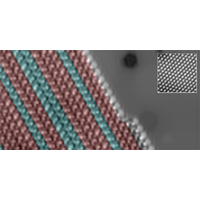
Phys. Rev. Lett. 136, 226201 (2026)
Condensed Matter and Materials
One-Dimensional Brownian Motion on Unpatterned Two-Dimensional Crystal Surfaces
Article | Condensed Matter and Materials | 2026-06-02 06:00 EDT
Ruisheng Zhao, Wanlin Guo, and Hu Qiu
Conventional one-dimensional (1D) Brownian motion on surfaces relies on physical tracks such as prefabricated channels or grooves. Here, we demonstrate through molecular dynamics simulations that a monolayer polymeric nanoflake can undergo persistent 1D Brownian motion on unpatterned, atomically…
Phys. Rev. Lett. 136, 226202 (2026)
Condensed Matter and Materials
Altermagnetic and Dipolar Splitting of Magnons in ${\mathrm{FeF}}_{2}$
Article | Condensed Matter and Materials | 2026-06-02 06:00 EDT
J. Sears, V. O. Garlea, D. Lederman, J. M. Tranquada, and I. A. Zaliznyak
Neutron scattering measurements show that altermagnetic splitting of chiral magnons in the classical antiferromagnet FeF is small compared to the effects of long-range dipolar interactions.
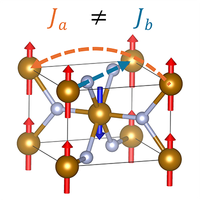
Phys. Rev. Lett. 136, 226701 (2026)
Condensed Matter and Materials
Efficient Predecision Scheme for Metropolis Monte Carlo Simulation of Long-Range Interacting Lattice Systems
Article | Statistical Physics; Classical, Nonlinear, and Complex Systems | 2026-06-02 06:00 EDT
Fabio Müller and Wolfhard Janke
We propose a fast and general predecision scheme for Metropolis Monte Carlo simulation of -dimensional long-range interacting lattice models with constituents. For potentials of the form , this reduces the computational complexity from to for and to for
Phys. Rev. Lett. 136, 227101 (2026)
Statistical Physics; Classical, Nonlinear, and Complex Systems
Emergent Isotropic-Nematic Transition in 3D Semiflexible Active Polymers
Article | Polymers, Chemical Physics, Soft Matter, and Biological Physics | 2026-06-02 06:00 EDT
Twan Hooijschuur, Ehsan Irani, Antoine Deblais, and Sara Jabbari-Farouji
Large-scale Brownian dynamics simulations of 3D semiflexible polymers show that activity modifies the classic picture of the isotropic-nematic transition which highlights a nontrivial interplay between activity, flexibility, and crowding in these systems.
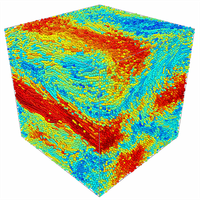
Phys. Rev. Lett. 136, 228101 (2026)
Polymers, Chemical Physics, Soft Matter, and Biological Physics
Correlation between Structural Order and Diffusion Length in Granular Flow
Article | Polymers, Chemical Physics, Soft Matter, and Biological Physics | 2026-06-02 06:00 EDT
David Luce, Adrien Gans, Sébastien Kiesgen De Richter, and Nicolas Vandewalle
We investigate how structural ordering, i.e., crystallization, affects the flow of bidisperse granular materials in a quasi-two-dimensional silo. By systematically varying the mass fraction of two particle sizes, we finely tune the degree of local order. Using high-speed imaging and kinematic modeli…
Phys. Rev. Lett. 136, 228201 (2026)
Polymers, Chemical Physics, Soft Matter, and Biological Physics
Physical Review X
Predicting Physical Links in Networks
Article | 2026-06-02 06:00 EDT
Shuai Li, Wei Chen, and Jan Nagler
A physics-informed framework allows for inferring general causal links across a wide range of networked dynamics systems.

Phys. Rev. X 16, 021048 (2026)
arXiv
High-Dimensional Latents Should Be Diagnosed Through Phase Structure
New Submission | Disordered Systems and Neural Networks (cond-mat.dis-nn) | 2026-06-03 20:00 EDT
Alejandro Ascarate, Leo Lebrat, Rodrigo Santa Cruz, Clinton Fookes, Olivier Salvado
We study autoencoder and variational-autoencoder latent spaces through the lens of spin-glass theory. The paper has two components. First, we formalize a latent-space spin-glass dictionary: for a fixed decoder, the reconstruction term together with a hyperspherical coordinates prior induces a Hamiltonian on the latent sphere, where latent coordinates play the role of continuous spins and the prior acts as an external magnetic field. This allows us to import operational spin-glass diagnostics – overlap distributions, susceptibility, and block-spin coarse-graining – to detect ordered, disordered, and edge-of-stability phases in trained latent representations. Second, we show that deliberately driving the latent system toward the edge-of-stability of the topological trivialization regime has concrete downstream consequences. In generation, hyperspherical compression improves the reconstruction-generation trade-off on CIFAR-10 and CelebA64, yielding lower self-FID while preserving or improving reconstruction. In anomaly detection, the same semi-ordered latent geometry improves both fully unsupervised and conditional OOD detection, including real-world Mars Rover and Galaxy Zoo datasets, as well as CIFAR-10/100 and Imagenette-based OOD benchmarks. We therefore advocate a phase-aware evaluation paradigm for AEs/VAEs, in which spin-glass observables complement standard ML metrics and expose the latent regimes that underlie downstream success or failure in many cases.
Disordered Systems and Neural Networks (cond-mat.dis-nn), Machine Learning (cs.LG)
9+22 pages, 4+6 figures, under review
On the Detection of Curl-Free Gauge Fields
New Submission | Superconductivity (cond-mat.supr-con) | 2026-06-03 20:00 EDT
Armen Gulian, Will Benston, Vahan Nikoghosyan
In quantum theory, electromagnetic gauge fields enter directly into the phase evolution of the wavefunction and can even influence quantum systems in regions where the associated electric and magnetic fields vanish. The Aharonov-Bohm effect demonstrates that such gauge fields produce observable consequences when a coherent quantum system encloses magnetic flux along a doubly connected path. This has led to the widespread view that curl-free gauge fields are undetectable in simply connected systems, giving rise to a form of topological blindness. Here we show that this conclusion is not fundamental. During nonequilibrium processes, collective quantum systems can develop transient responses to curl-free gauge fields without enclosing magnetic flux in a static geometry. Using superconducting condensates as a concrete example, we demonstrate that the evolving phase of the macroscopic wavefunction generates supercurrents and voltage pulses whose time integral is proportional to the open-path line integral of the vector potential. In contrast to the conventional Aharonov-Bohm effect, the resulting response is not restricted modulo the flux quantum and may greatly exceed the scale associated with static doubly connected geometries. The mechanism can be interpreted as a dynamical closure of the gauge contour in spacetime and is supported by gauge-invariant arguments, time-dependent Ginzburg-Landau theory modeling, and numerical simulations. These results establish a general principle for detecting curl-free gauge fields and suggest new approaches for probing hidden gauge structures in quantum matter and beyond.
Superconductivity (cond-mat.supr-con)
2 figures plus online video (Ref. [20])
Commensurability and Gap Enhancement in Superconducting Films Induced by Nonsuperconducting Layers
New Submission | Superconductivity (cond-mat.supr-con) | 2026-06-03 20:00 EDT
D. André Orna T., Mauro M. Doria, Daniel Reyes, Arkady Shanenko, Alexei Vagov, Y. T. Xing
We find that commensurate resonances in superconducting films endowed with a $ SISIS$ structure, where $ S$ and $ I$ stand for superconducting and insulating layers, respectively, enhance the gap to a value three to four times the bulk gap. Such resonances rely on spatially localized quantum states that arise due to the commensurability between the total film thickness and the distance between the two insulating barriers. Our results are obtained in the context of the Bogoliubov-de Gennes equations within the Anderson approximation, applied here to Bi films, where quantum size effects are possible due to the abnormally large mean free path.
Superconductivity (cond-mat.supr-con)
6 pages 4 figures
Neural Networks and Schramm-Loewner Evolutions
New Submission | Disordered Systems and Neural Networks (cond-mat.dis-nn) | 2026-06-03 20:00 EDT
Neilesh Shrotri, Vlad Margarint
In this manuscript, we explore the application of neural networks to predict the natural parameter $ \kappa \geq 0$ of Schramm-Loewner Evolution (SLE$ _\kappa$ ) theory. SLE$ _\kappa$ is a family of random fractal curves that has significant implications in Statistical Mechanics and Conformal Field Theory. This parameter $ \kappa \geq 0$ plays an important role in the theory as there are models of Planar Statistical Physics that are proven to have SLE as scaling limits as well as others that are conjectured to have this limit for various choices of the parameter $ \kappa \geq 0$ . In addition, there are three different statistical behaviors of the SLE curves as the parameter $ \kappa$ changes in $ [0, \infty).$ Leveraging the powerful pattern recognition capabilities of neural networks, this study aims to develop a predictive model that can estimate the $ \kappa$ parameter with good accuracy.
Disordered Systems and Neural Networks (cond-mat.dis-nn), Probability (math.PR)
The version of record which also contains robustness analysis, Deep Learning experiments for the SLE traces, etc. is available at Neural Comput & Applic 38, 318 (2026). this https URL
Neural Comput & Applic 38, 318 (2026)
Dynamical Josephson Effect Between a Singlet and a Triplet Superconductor
New Submission | Superconductivity (cond-mat.supr-con) | 2026-06-03 20:00 EDT
Morten Amundsen, Niladri Banerjee, Igor Žutić
Phase-sensitive Josephson effect has long been central to identifying unconventional pairing symmetries in superconductors. Although the selection rules governing Josephson junctions (JJs) are generally determined by the symmetries of the constituent superconductors, we demonstrate that this paradigm is modified in the dynamic regime. By modeling a JJ where spin-singlet and spin-triplet superconductors are separated by a two-dimensional electron gas, we show that a time-dependent gate voltage qualitatively changes the underlying selection rules. This modification arises as a consequence of the gate-controlled spin-orbit coupling. A harmonic modulation of the gate voltage generates an oscillatory $ \cos \phi$ Josephson component which vanishes in the static limit. The resulting charge current contains both dissipationless and dissipative components, with the latter strongly suppressed at low temperatures. This dynamical Josephson effect could transform the use of JJs in qubits, as sources of spin-triplet currents, and as platforms for proximity effects.
Superconductivity (cond-mat.supr-con), Mesoscale and Nanoscale Physics (cond-mat.mes-hall)
7 pages, 3 figures
Irregular Metamaterial Networks
New Submission | Disordered Systems and Neural Networks (cond-mat.dis-nn) | 2026-06-03 20:00 EDT
Thomas P. Wytock, Chiara Daraio, Heinrich M. Jaeger, Christopher A. Schuh, Lorenzo Valdevit, Vincenzo Vitellid, Adilson E. Motter
Metamaterials can achieve exceptional functionality through careful engineering of their mesoscale structure. Although appropriately introduced irregularities can be advantageous, current approaches largely conform to regular structures to preserve tractability. Here, we contend that network theory, enriched with geometry and physics, provides a natural framework for designing metamaterials with controlled irregularities at relevant scales, thereby enabling the discovery of new property-enhancing structures. We examine how this augmented network theory can facilitate the creation of irregular metamaterials with enhanced or novel properties and how metamaterial research, in turn, is opening new directions in network science. Supported by machine learning and advanced self-assembly, the emerging field of irregular metamaterial networks is poised to transform inverse design and scalable manufacturing of novel materials.
Disordered Systems and Neural Networks (cond-mat.dis-nn)
38 pages, 13 figures
A mean-field description of strong-to-weak symmetry breaking in the monitored three-dimensional Bose-Hubbard model
New Submission | Quantum Gases (cond-mat.quant-gas) | 2026-06-03 20:00 EDT
Yicheng Tang, Pradip Kattel, J. H. Pixley
Strong-to-weak spontaneous symmetry breaking has emerged as a novel form of ordering in monitored and open quantum systems, yet its characterization has so far primarily relied on nonlocal diagnostics. Here, we develop a Gutzwiller mean-field framework for monitored bosonic lattice systems, enabling the direct simulation of stochastic measurement dynamics in three spatial dimensions. Applying this approach to the monitored Bose-Hubbard model with local density measurements and Lindbladian dissipation, we identify strong-to-weak symmetry breaking through a trajectory-averaged local order parameter. We find that this local order parameter becomes critical near the same measurement strength as the charge-sharpening transition and exhibits Lorentz invariance with a correlation-length exponent, $ \nu\simeq 1.2$ , comparable to that of the charge-sharpening transition, suggesting that the two phenomena may originate from a common underlying critical point. Our work establishes a local characterization of strong-to-weak symmetry breaking, reveals its connection to charge sharpening, and provides concrete predictions for future experiments on the monitored Bose-Hubbard model.
Quantum Gases (cond-mat.quant-gas), Statistical Mechanics (cond-mat.stat-mech), Quantum Physics (quant-ph)
Two-orbital $e_g$ model with bond-dependent spin-orbit coupling: A playground for emergent band topology, Kitaev magnetism, and magnetoelectricity
New Submission | Strongly Correlated Electrons (cond-mat.str-el) | 2026-06-03 20:00 EDT
YuZheng Xie, Manoj Gupta, Arun Paramekanti, Tanusri Saha-Dasgupta
Inspired by the electronic structure of compounds like nickel dihalides Ni$ X_2$ ($ X$ =Cl, Br, I), we propose a low-energy two-orbital $ e_g$ model featuring bond-dependent spin-orbit terms, driven by atomic spin-orbit coupling on the ligand $ X$ . We demonstrate that this model hosts a rich array of phenomena. In the non-interacting band limit, spin-orbit-derived spin-dependent and spin-flip hopping terms produce topological bands with spin-Chern numbers $ C_s=\pm 2, \pm 4$ , and higher order topological states with fractional corner charges, respectively. In the half-filled Mott insulator limit, we recover a spin-$ 1$ Hamiltonian with bond-dependent Kitaev exchange interactions. We explore the magnetoelectric effect in this two-orbital model using symmetry-based perspective and microscopic calculations, going beyond the generalized Katsura-Nagaosa-Balatsky theory for the single-orbital case. Our work may be relevant to study of doping, strain, or pressure on Ni$ X_2$ and related materials.
Strongly Correlated Electrons (cond-mat.str-el)
Simulating Condensed Matter Physics on Quantum Hardware
New Submission | Strongly Correlated Electrons (cond-mat.str-el) | 2026-06-03 20:00 EDT
Ruizhe Shen, Tianqi Chen, Tommy Tai, Jin Ming Koh, Pouyan Ghaemi, Ching Hua Lee
Quantum hardware platforms are getting increasingly sophisticated in their ability to simulate condensed matter, including but not limited to strongly-correlated, topological, and non-equilibrium phenomena. This review surveys recent progress in quantum-hardware-based simulations of condensed matter, primarily emphasizing gate-based digital quantum computer simulation, with analog experiments discussed as complementary benchmarks. We first review major hardware platforms, including superconducting qubits, trapped-ions, ultracold atoms, Rydberg arrays, photonic systems, and moire quantum materials. We then introduce the basic ingredients of digital quantum simulation. Building on this foundation, we discuss representative applications to condensed-matter physics, spanning ground-state problems, strongly correlated matter, topological phases, non-equilibrium dynamics, open-system physics, and high-energy-physics-inspired simulations. Finally, we summarize key methodological tools used in state-of-the-art quantum-simulation workflows. We emphasize that present noisy quantum simulations serve not only as near-term demonstrations, but also as prototypes for the encodings, diagnostic protocols and error-control strategies required for future fault-tolerant quantum simulation.
Strongly Correlated Electrons (cond-mat.str-el), Mesoscale and Nanoscale Physics (cond-mat.mes-hall), Quantum Gases (cond-mat.quant-gas), Quantum Physics (quant-ph)
Anharmonic lattice dynamics and superconductivity in strained bulk and surface niobium
New Submission | Superconductivity (cond-mat.supr-con) | 2026-06-03 20:00 EDT
Mihir Ranjan Sahoo, Roman Lucrezi, Pedro Nunes Ferreira, Chia-Nien Tsai, Matthew Julian, Rohit P. Prasankumar, Mahmoud I. Hussein, Christoph Heil
Using first-principles calculations, we investigate how homogeneous strain and crystallographic surface orientation modify the vibrational and superconducting properties of niobium. For bulk Nb, tensile strain strongly softens the phonon spectrum and enhances the electron–phonon coupling, increasing the superconducting transition temperature from 9.5 K at equilibrium to 14.5 K at $ \sim!6%$ lattice expansion. For the low-index Nb(001), Nb(110), and Nb(111) surfaces, harmonic phonon calculations exhibit imaginary modes, showing that anharmonic lattice effects are essential. To treat these effects efficiently, we train Nb-specific machine-learning interatomic potentials on bulk and slab first-principles configurations and use them to accelerate stochastic self-consistent harmonic approximation calculations, thereby obtaining anharmonically renormalized phonon modes that are combined with density-functional perturbation theory electron–phonon matrix elements to construct the Eliashberg spectral function. Among the clean free-standing slabs considered here, Nb(001) exhibits the strongest electron–phonon coupling and the highest calculated transition temperature of 10.0 K, while Nb(110) and Nb(111) show progressively reduced pairing strength. Finally, by analyzing the Eliashberg spectral function and the functional derivative $ \delta T_\text{c}/\delta\alpha^2F(\omega)$ , we identify the phonon energy ranges most effective for superconducting pairing. Our results show that strain, surface termination, and anharmonic phonon renormalization provide complementary and interrelated microscopic routes for tuning superconductivity in Nb.
Superconductivity (cond-mat.supr-con), Materials Science (cond-mat.mtrl-sci)
14 pages, 10 figures
Coexistence of topologically nontrivial and trivial insulating states in topological Anderson Chern insulator
New Submission | Disordered Systems and Neural Networks (cond-mat.dis-nn) | 2026-06-03 20:00 EDT
Bo Yin, Yan Zhang, Anqi Wang, Jie Shen, Zhijun Wang, Quansheng Wu
The interplay between disorder and topology has become a central theme in condensed matter physics. Disorder can not only destroy topological phases but also induce them, as exemplified by the topological Anderson insulator (TAI). Here we show that, in close analogy, disorder can drive the clean-limit, time-reversal-broken(T-broken) quantum spin Hall state of ferromagnetic(FM) monolayer MnBi4Te7 into a quantum anomalous Hall phase, which was called topological Anderson Chern insulator (TACI). Using density functional theory (DFT) and nonequilibrium Green’s func tion (NEGF) calculations in the presence of disorder, we identify disorder induced phases-including T-broken TAI, TACI, Normal insulator, etc., then construct a comprehensive phase diagram. To discriminate multiple phases in the strong disorder regime, we further use the density of states computed within the self-consistent Born approximation (SCBA), which in particular distinguishes gapped and ungapped topological phases. We find that the two effective band inversions of Hamiltonian are suppressed at distinct critical disorder strengths; the survival of a single inversion over a finite disorder window stabilizes the TACI. Remarkably, at strong disorder, we further propose a zero Hall plateau insulating state characterized by an insulating bulk and edge channels subject to diffusive scattering that can coexist with the TACI. This behavior is distinct from a conventional band-gap Chern insulator and provides a clear experimental signature.
Disordered Systems and Neural Networks (cond-mat.dis-nn)
Optoelectronics and Magnetic properties calculation of RE2MnNiO6 (RE=La-Lu,Y) using Density Functional Theory
New Submission | Materials Science (cond-mat.mtrl-sci) | 2026-06-03 20:00 EDT
RE2NiMnO6 (RE = La-Lu) family of ordered double-perovskite oxides hosts a corner-sharing network of alternating NiO6 and MnO6 octahedra whose electronic and magnetic ground states are systematically governed by the A-site ionic radius through the lanthanide contraction. The strong localisation of RE 4f electrons poses a fundamental challenge to density-functional treatments, yet the hybridisation between 4f and neighbouring 5d (RE) or 3d (Ni, Mn) states is central to the origin of exchange interactions and optoelectronic response across the series. We present a comprehensive first-principles study of the electronic structure, lattice dynamics, and optical properties of representative RE2NiMnO6 compounds within the DFT+U framework. To disentangle the role of Kondo-type 4f - d hybridisation, calculations are performed with the RE 4f electrons treated both as frozen core states and explicitly in the valence manifold, enabling a direct assessment of their contribution to the band structure, dielectric function, and phonon dispersion. Spin-polarised calculations reveal significant spin-channel asymmetry, with magnetic moments reaching up to 30 {\mu}B per formula unit for select members of the series. The results establish a unified picture of how 4f occupancy and octahedral distortion collectively determine the magnetic and optoelectronic potential of this double-perovskite family.
Materials Science (cond-mat.mtrl-sci), Strongly Correlated Electrons (cond-mat.str-el)
Spin-$s$ model with competing interactions on diamond-decorated lattices
New Submission | Strongly Correlated Electrons (cond-mat.str-el) | 2026-06-03 20:00 EDT
D. V. Dmitriev, V. Ya. Krivnov, O. A. Vasilyev
We investigate the ground state properties, magnetization, and low-temperature thermodynamics of the ferromagnetic-antiferromagnetic spin-$ s$ model on diamond-decorated lattices with ideal diamond units, incorporating bilinear Heisenberg and higher-order exchange interactions between diagonal spins-$ \sigma$ . Local conservation of the composite spin on each diamond diagonal enables exact analysis. For the pure Heisenberg case, the system undergoes a series of $ 2\sigma$ transitions between monomer-dimer (MD), ferrimagnetic (Ferri) and ferromagnetic (F) phases with different optimal composite spin values as the coupling ratio varies. In the presence of higher-order interactions, a multicritical point exists where the states with all possible values of composite spin are degenerate, leading to maximal ground state degeneracy. The case $ s=\sigma=1$ with bilinear and biquadratic interactions is studied in detail. Its phase diagram comprises three phases - F, Ferri and MD, which meet at a triple point. On the phase boundaries, the ground state becomes macroscopically degenerate. For the diamond chain, we calculate the ground state degeneracy exactly; for higher dimensions, the problem maps onto a bond percolation framework, solved numerically. The residual entropy per spin reaches up to $ 60%$ of the maximal value, peaking at the triple point. Low-temperature magnetization curves in external magnetic fields exhibit plateaus and jumps. The excitation spectrum is gapped in the MD phase, gapless in the F phase, and resembles that of the Lieb-Mattis ferrimagnet in the Ferri phase. The high residual entropy suggests potential applications in ultra-low-temperature cooling and quantum thermal machines.
Strongly Correlated Electrons (cond-mat.str-el), Statistical Mechanics (cond-mat.stat-mech)
33 pages, 7 figures
Early Experiments on Macroscopic Quantum Tunneling
New Submission | Superconductivity (cond-mat.supr-con) | 2026-06-03 20:00 EDT
Before conclusive evidence of Macroscopic Quantum Tunneling, MQT, was published by Clarke, Devoret and Martinis in 1985, several other groups reported experimental results interpreted as MQT. The first, in chronological order, was in 1980 based on studies done at Leiden University in 1979. This paper looks back at these experiments on low capacitance Niobium point contacts in an rf SQUID, radio-frequency Superconducting Quantum Interference Device, configuration at temperatures between 1 and 4.2 K. The research was inspired by the theoretical predictions by Ivanchenko and Zilberman in 1969 on MQT in current-biased Josephson junctions and by Leggett in 1978 on MQT in closed loops with a superconducting weak link.
Superconductivity (cond-mat.supr-con)
7 pages,7 figures
Skyrmion and meron phases induced by spin-phonon coupling
New Submission | Strongly Correlated Electrons (cond-mat.str-el) | 2026-06-03 20:00 EDT
E. Iroulart, F. A. Gómez Albarracín, H. Diego Rosales
In chiral magnets, magnetic skyrmions are typically stabilized by the competition between exchange and Dzyaloshinskii-Moriya interactions under an external magnetic field, while the role of lattice degrees of freedom has received comparatively less attention. Here we study how spin-phonon (SP) coupling modifies magnetic interactions and the resulting spin textures in a two-dimensional skyrmion model in the square lattice. Using Monte Carlo simulations, we compare two simplified models describing the SP coupling: the Einstein site-phonon (ESP) and bond-phonon (BP) models. We find that ESP coupling stabilizes skyrmion crystals in field regimes that are topologically trivial in the uncoupled model and also induces additional textures, including meron-antimeron (M-aM) crystals and mixed skyrmion-bimeron (SkX-Bm) phases. Furthermore, for sufficiently strong phonon coupling, the conventional triple-$ \textbf{q}$ hexagonal skyrmion lattice is distorted into a double-$ \textbf{q}$ square skyrmion lattice. Overall, our results show that lattice effects provide a simple mechanism to tune topological magnetic phases.
Strongly Correlated Electrons (cond-mat.str-el), Statistical Mechanics (cond-mat.stat-mech)
Scaling Laws for Neural-Network Quantum States
New Submission | Disordered Systems and Neural Networks (cond-mat.dis-nn) | 2026-06-03 20:00 EDT
Riccardo Rende, Alessandro Sinibaldi, Luciano Loris Viteritti, Roeland Wiersema, Antoine Georges, Giuseppe Carleo
Scaling laws, the power-law relations between loss, architecture size, and compute observed in modern neural networks, offer a quantitative way to characterize the complexity of a learning problem, with the exponent governing the decay of the loss reflecting how rapidly additional resources translate into improved accuracy, and thus how hard the target is to learn. Whether an analogous framework can characterize the complexity of physical problems remains open. We address this question for Neural-Network Quantum States, a leading variational approach for strongly correlated quantum many-body systems. Using transformer wave functions to approximate ground states of the $ J_1$ -$ J_2$ Heisenberg model on triangular and square lattices with up to $ 20\times 20$ sites, we find that the $ V$ -score, a measure of accuracy of a variational state, decays as a power law in training compute. Under an appropriate rescaling of compute, results for different system sizes collapse onto a single curve, analogous to scaling collapse in critical phenomena. The resulting power law is, to a good approximation, independent of the number of sites, showing that the transformer Ansatz is size-consistent for the systems considered. The exponent decreases systematically with frustration, identifying it as a quantitative measure of representational difficulty of the ground state and establishing scaling laws as a general framework for benchmarking variational ansätze.
Disordered Systems and Neural Networks (cond-mat.dis-nn), Strongly Correlated Electrons (cond-mat.str-el), Computational Complexity (cs.CC), Quantum Physics (quant-ph)
7 pages, 5 figures
Structural glasses model using disorder fields: the boson peak from local ground states
New Submission | Disordered Systems and Neural Networks (cond-mat.dis-nn) | 2026-06-03 20:00 EDT
M. M. Balbino, I. P. de Freitas, A. M. S. Macedo, G. Krein, N. F. Svaiter
We show the emergence of a contribution characteristic of the boson peak in the spectral density of structural glasses. To model the vitreous state, we consider static density-fluctuation fields coupled to a multiplicative quenched disorder. Performing an ensemble average over all disorder realizations, a functional series representation of the average free energy is obtained. In this series representation of the average free energy for the glassy state of matter, we identify in the function space effective actions. These effective actions present a large number of metastable states and ground states. Random first-order transition, widely discussed in the literature as a description of the transition from the supercooled liquid to the glassy state of matter, emerges naturally in our formalism. We establish the connection between the use of hyperbolic differential equations with random coefficients and the presence of many ground states in the average free energy. This connection allows us to study emergent excitations in such amorphous materials.
Disordered Systems and Neural Networks (cond-mat.dis-nn)
13 pages, 0 figures
The pseudogap in high-$T_c$ superconductors from SU(2) gauge symmetry and dynamic correlation effects
New Submission | Strongly Correlated Electrons (cond-mat.str-el) | 2026-06-03 20:00 EDT
I. A. Goremykin, A. A. Katanin
We consider the spectral properties of the two-dimensional Hubbard model, describing the electronic properties of high-$ T_c$ compounds, within the SU(2) gauge theory, which assumes the separation of electronic degrees of freedom into those of spinon and chargon subsystems. We use the dynamic mean-field theory (DMFT) approach to describe magnetic long-range order in the chargon subsystem while also treating spinon fluctuations on top of this state. We show that DMFT supplemented by long-wavelength magnetic fluctuations is essential for describing the asymmetry in the damping between the inner and outer regions of the hole pockets and the resulting formation of Fermi arcs in the underdoped regime, especially at low hole doping. The underlying hole pockets in the chargon subsystem can be associated with those observed in quantum oscillation measurements.
Strongly Correlated Electrons (cond-mat.str-el), Superconductivity (cond-mat.supr-con)
15 pages, 7 figures
Phase transitions through excited-state level crossings and topological indicators: the case of the XXZ chain with staggered Ising interaction
New Submission | Strongly Correlated Electrons (cond-mat.str-el) | 2026-06-03 20:00 EDT
B. F. Márquez, K. Hallberg, A. A. Aligia
We combine two ways of determining the phase diagram of the spin-$ 1/2$ XXZ chain with a staggered Ising interaction and uniform transverse exchange, based on exact diagonalization. The model realizes a competition between Néel order and bond-dimerized phases generated by the alternating Ising interaction. The simplest approach to determine the phase boundaries is to use topological indicators based on generalized position operators. We show that in general, the bosonized and numerical results for the topological indicators agree. The second is based on crossings of excited energy levels and justified by conformal-field theory. In spite of the partial loss of translational symmetry caused by the alternating Ising interaction, we find that the latter method provides an accurate determination of the boundary between Néel and dimerized phases. Instead, while the jumps of a topological indicator provide a qualitatively correct phase diagram, its accuracy is affected when the gap is very small (or the correlation length very large) at one side of the transition, as we show using field-theoretical arguments. The combination of both methods provides a more efficient way of calculating phase diagrams for correlated one-dimensional models than other widely used conventional approaches.
Strongly Correlated Electrons (cond-mat.str-el)
8 pages, 3 figures
Shift current conductivity in monolayer SnS: a tight-binding analysis
New Submission | Materials Science (cond-mat.mtrl-sci) | 2026-06-03 20:00 EDT
Yuki Kusunoki, Tomoaki Kameda, Katsunori Wakabayashi
We investigate the bulk photovoltaic effect in monolayer SnS using an effective tight-binding model derived from first-principles calculations. By comparing short-range and long-range hopping models, we show that the essential features of the shift current conductivity are captured by a minimal model. The shift current is decomposed into transition intensity and shift vector, enabling identification of dominant interband transitions. The comparison reveals that long-range hopping processes quantitatively modify the peak positions and magnitudes, while the short-range model retains the characteristic low-energy structure of the nonlinear response. Our findings provide a transparent framework for understanding and designing bulk photovoltaic effects in two-dimensional materials.
Materials Science (cond-mat.mtrl-sci), Mesoscale and Nanoscale Physics (cond-mat.mes-hall)
12 pages; 10 figures
Undulatory forcing of an intruder through granular media: effects of frequency and packing fraction
New Submission | Soft Condensed Matter (cond-mat.soft) | 2026-06-03 20:00 EDT
Douglas Daniel de Carvalho, Erick de Moraes Franklin
We investigate the motion amid grains of an intruder undergoing an imposed force that oscillates with a given frequency. For that, we made use of discrete numerical simulations where the intruder was a larger disk on which a force oscillating in direction was applied, and the grains consisted of smaller disks. All disks were placed on a surface with basal friction over which they could slide, the system was confined in the sliding directions, and we varied the system packing fraction, oscillation frequency, and magnitude of the forcing. The results show intermittent and very complex motions of the intruder depending on both the packing fraction and frequency of oscillation: it can move sideways while slowly progressing forward, it can be blocked during a long period after and/or before start moving, or it can simply be blocked after a given time. Interestingly, we find that the displacement velocity is much higher when the system packing fraction is above a given threshold, contrary to intuition. The results show that there is an optimal frequency that minimizes the transit time for some ranges of packing fraction, and we propose a model based on the system elasticity that explains this behavior and agrees with the numerical simulations. Our findings shed new light on how to better explore oscillating motion to move objects within granular media.
Soft Condensed Matter (cond-mat.soft)
Accepted manuscript for Physical Review E, 113, 055422 (2026)
Physical Review E, 113, 055422, 2026
Negative temperature coefficient of Gilbert damping in magnetic bilayers
New Submission | Mesoscale and Nanoscale Physics (cond-mat.mes-hall) | 2026-06-03 20:00 EDT
Lulu Cao, Yuting Gong, Xianyang Lu, Yongbing Xu, Ya Zhai, Jing Wu, Roy W. Chantrell, Richard F. L. Evans
The Gilbert damping of magnetic materials is an important magnetic parameter that determines the switching speed and energy dissipation of spintronic devices. In simple metals, the intrinsic Gilbert damping increases with temperature and diverges near the Curie temperature as a result of spin fluctuations. Here we present atomistic simulations and experimental measurements showing surprising and opposite behavior in Py/Nd bilayers, where the Gilbert damping decreases with increasing temperature. The effect arises because of the enhanced damping at the interface as a result of spin pumping, where elevated temperatures cause a dynamic separation of the interfacial and bulk magnetization during relaxation. Furthermore, the temperature dependence of the damping can be controlled by varying the thickness of the Nd capping layer. Our findings present a new spintronic effect that can be used to modify the dynamic properties of nanoscale materials and devices for enhanced energy efficiency or with improved switching dynamics.
Mesoscale and Nanoscale Physics (cond-mat.mes-hall), Materials Science (cond-mat.mtrl-sci)
Fast Tensor Network Imaginary Time Evolution by Implicit Stepping on Logarithmic Grids
New Submission | Strongly Correlated Electrons (cond-mat.str-el) | 2026-06-03 20:00 EDT
John P. Zima, E. Miles Stoudenmire, Steven R. White, Olivier Parcollet, Jason Kaye
We present a new method for the efficient imaginary time evolution of quantum many-body wavefunctions represented by matrix product states (MPS). We first show that logarithmic time grids are sufficient to resolve long imaginary time dynamics, yielding an exponential reduction in the number of time steps compared with standard approaches. We then show that A-stable implicit time-stepping methods for ordinary differential equations allow stable propagation for any time step size. The resulting scheme requires only matrix-vector products and linear solves, standard operations in the MPS toolbox. We validate our approach with two examples: a Heisenberg spin chain, which we use to demonstrate a speedup of several orders of magnitude over the standard time-dependent variational principle method with uniform time steps, and a single-site Anderson impurity model with a metallic bath, for which propagation to large imaginary times allows one to observe the exponential dependence of the Kondo temperature on the interaction strength.
Strongly Correlated Electrons (cond-mat.str-el), Numerical Analysis (math.NA), Quantum Physics (quant-ph)
Second-Order Synaptic Memory using Inherent Plasticity of Moiré Superlattices
New Submission | Mesoscale and Nanoscale Physics (cond-mat.mes-hall) | 2026-06-03 20:00 EDT
Tanweer Ahmed, Kenji Watanabe, Takashi Taniguchi, Fèlix Casanova, Luis E. Hueso
Achieving synaptic functionality electronically in a single-element quantum material is a fundamental challenge, as conventional methods rely on the introduction of extrinsic charge-traps or polar components. Here, we demonstrate that twisted double bilayer graphene (tDBLG) moiré superlattices, composed purely of carbon, exhibit electronic hysteresis and plasticity in presence of twist-angle disorder. Inversion symmetry breaking at the moiré length scales also gives rise to second-order nonlinear electrical response via disorder-mediated extrinsic mechanisms. Such second-order nonlinearity is highly tunable in both sign and magnitude by varying carrier concentration and vertical displacement field. We harness the coexistence of electronic plasticity and second-order nonlinearity to realize a second-order synaptic memory device. Our findings establish strained moiré carbon systems as a powerful new platform for energy-efficient neuromorphic computing, demonstrating that complex electronic functionality can emerge purely from symmetry breaking physics in a single-element material.
Mesoscale and Nanoscale Physics (cond-mat.mes-hall), Materials Science (cond-mat.mtrl-sci)
This is a pre-peer review version. The published version of record and the supporting info can be obtained from the publisher’s website using the url: this https URL
Scattering and Bound States of Two Heteronuclear Ultracold Atoms in a Quasi-Two-Dimensional Confinement
New Submission | Quantum Gases (cond-mat.quant-gas) | 2026-06-03 20:00 EDT
We solve the two-body problem of ultracold heteronuclear atoms in a quasi-two-dimensional (quasi-2D) geometry. The quasi-2D confinement is realized by a harmonic trap along the longitudinal ($ z$ -) direction, with different trap frequencies for the two atoms, as in many current experiments on ultracold heteronuclear gases. As a consequence, the longitudinal center-of-mass (CoM) motion is coupled to the relative motion, which significantly complicates the two-body problem. We solve this problem exactly and derive the 2D scattering length $ a_{\rm 2D}$ , the 2D effective range parameter $ R_{\rm 2D}$ , and the bound-state energies, as functions of the $ s$ -wave scattering length and effective range of the two atoms in free three-dimensional (3D) space. We show that multiple 2D scattering resonances can be induced by the coupling between the longitudinal CoM and relative motion. Around these resonances, $ a_{\rm 2D}$ varies rapidly with the 3D scattering parameters, while $ R_{\rm 2D}$ is strongly enhanced. Since the effective pairwise interaction in quasi-2D ultracold gases is determined by i.e., the two-body scattering amplitudes and bound-state energies, our results can be used for manipulating the effective 2D interatomic interaction in quasi-2D ultracold heteronuclear gases by tuning the confinement frequencies and the 3D scattering parameters.
Quantum Gases (cond-mat.quant-gas), Quantum Physics (quant-ph)
Effective scatterings and universal clusters of heteronuclear ultracold mixtures in quasi-low dimensions
New Submission | Quantum Gases (cond-mat.quant-gas) | 2026-06-03 20:00 EDT
We study the effective s-wave scattering of two heteronuclear atoms harmonically confined in quasi-low dimensions, where the atoms have unequal masses and are subject to different confinement frequencies. The resulting effective scattering parameters in low dimensions, including scattering length and effective range, are derived as functions of three-dimensional scattering parameters and confinement strengths. Using realistic Li-K and Li-Cr mixtures as examples, we further compute the binding energies of universal $ (1+N)$ clusters in quasi-low dimensions using the effective scattering parameters. Our findings suggest a promising pathway for practically observing universal clusters and their associated many-body phases in low-dimensional ultracold heteronuclear systems.
Quantum Gases (cond-mat.quant-gas)
15 pages, 4 figures
Relaxation of the Random Site Coulomb glass Model in Two Dimensions
New Submission | Disordered Systems and Neural Networks (cond-mat.dis-nn) | 2026-06-03 20:00 EDT
This study investigates the influence of material density, disorder in onsite energies, and localization length on relaxation dynamics within a two-dimensional random site Coulomb glass model at half-filling. To explore relaxation laws, we calculate the eigenvalue distribution of the linear dynamical matrix using mean-field approximations. Our findings indicate that the system initially undergoes rapid relaxation through energy-lowering transitions. The depletion of the single-particle density of states (DOS) near the Fermi level leads to slow relaxation, with fluctuations diminishing according to a power law. Subsequently, the system adheres to an exponential decay law after a specific period, defined as the relaxation time, which is inversely related to the minimum eigenvalue of the dynamical matrix. As the density of the system decreases, the relaxation rate slows down, resulting in an increase in the relaxation time. For a constant density and localization length, an increase in the disorder of onsite energies results in a longer relaxation time. A significant portion of the eigenvalue spectrum remains unaffected, suggesting that a reduction in localization length concurrent with increased disorder may play an equally vital role in the slow dynamics observed.
Disordered Systems and Neural Networks (cond-mat.dis-nn)
8 pages, 11 figures
Phys. Rev. E 113, 064107 (2026)
Attractive Hopfions and Bimerons in Thin Films of Chiral Magnets: Cluster Formation and Lattice Instability in the Conical Phase
New Submission | Soft Condensed Matter (cond-mat.soft) | 2026-06-03 20:00 EDT
Andrey O. Leonov, Takayuki Shigenaga
We investigate the energetics, interactions, and ordering tendencies of bimerons (cholesteric fingers of the second type, CF–2) and hopfions in thin films of chiral magnets and chiral liquid crystals hosting a conical background state. Although isolated bimerons possess positive eigen-energy with respect to the conical phase, they develop an attractive interaction mediated by the restructuring and partial overlap of their positive-energy shells, i.e., intermediate regions formed relative to the conical state. This attraction promotes the formation of bound pairs and extended bimeron chains, even in parameter regimes where a periodic bimeron lattice is no longer thermodynamically stable.
Extending the analysis to three dimensions, we show that circularization of bimerons into hopfions renders their energy finite and gives rise to a well-defined metastability window closely linked to the stability range of cholesteric fingers. Isolated hopfions likewise exhibit an attractive interaction within the conical phase, leading to the formation of hexagonally ordered clusters. The attraction originates from the competition between favorable and unfavorable twist regions and from the energetic cost of the shell structures imposed by the conical background.
Despite the presence of attractive pair potentials and cluster formation, we demonstrate that hexagonal hopfion lattices do not exhibit an equilibrium lattice period. Instead, the system evolves toward states in which the conical spiral or the CF–1 phase (cholesteric fingers of the first type) progressively invade the inter-soliton regions, thereby preventing crystallization. Our results reveal a regime of attraction without stable long-range order and clarify the interplay between topology, confinement, and conical-phase frustration in chiral magnet and liquid-crystal thin films.
Soft Condensed Matter (cond-mat.soft), Mesoscale and Nanoscale Physics (cond-mat.mes-hall), Mathematical Physics (math-ph)
19 pages, 11 figures
Geometric aspects of spin transport in magnetic multilayers
New Submission | Mesoscale and Nanoscale Physics (cond-mat.mes-hall) | 2026-06-03 20:00 EDT
We discuss spin-dependent transfer-matrix formalism applied to magnetic multilayers in geometric terms. Starting from the stationary Schrödinger equation rewritten as a first-order spatial evolution problem, we interpret the transfer matrix as a path-ordered exponential and relate its matching-matrix construction to a noncompact group constraint. We thenconnect the induced Möbius action on reflection matrices to an Iwasawa decomposition, identify Weyl-chamber variables as the minimal noncompact transport invariants, and show how torque-related spin structures arise from compact-sector and commutator contributions. A sequence of multilayer examples illustrates the transition from pure spin filtering to controlled spin-orbit mixing and the resulting deformation of Weyl-chamber trajectories. We finally comment on the extension to higher-dimensional internal spaces relevant to orbital transport and realistic calculations.
Mesoscale and Nanoscale Physics (cond-mat.mes-hall)
14 pages, 9 figures
Observation of interaction-induced fast Thouless pumping of solitons
New Submission | Quantum Gases (cond-mat.quant-gas) | 2026-06-03 20:00 EDT
Yuqing Li, Jinxiong Jia, Yunfei Wang, Huiying Du, Zhong An, Zhenhua Qiao, Liantuan Xiao, Suotang Jia, Qian Niu, Jie Ma
Thouless pumping provides a paradigmatic platform for studying the effects of interactions on topological transport in periodically driven systems. However, most studies have been constrained by adiabatic conditions, which preclude exploration of interaction-driven novel topological states at high driving frequencies. Here, we experimentally investigate the interplay between interaction and modulation frequency in Thouless pumping realized in a periodically modulated lattice in momentum space of atomic Bose-Einstein condensate. We observe fast Thouless pumping of matterwave solitons at intermediate interactions, with no counterpart in the non- or weakly interacting regimes. Beyond the boundary of topological phase transition induced by interaction, nonadiabatic quantized pumping of solitons emerges at high modulation frequencies over a broad interaction range, in good agreement with theoretical calculations, while the solitons remain trapped in the low-frequency adiabatic pumping regime. Our work opens new avenues for accelerating topological transport in driven quantum systems and engineering fast topological devices.
Quantum Gases (cond-mat.quant-gas), Mesoscale and Nanoscale Physics (cond-mat.mes-hall), Pattern Formation and Solitons (nlin.PS)
8 pages, 4 figures
Multiferroicity in the two-dimensional limit in hexagonal LuFeO3 films
New Submission | Materials Science (cond-mat.mtrl-sci) | 2026-06-03 20:00 EDT
Huilin Lai, Junyu Tan, Jinfeng Zhai, Yang Shi, Lili Feng, Huanyu Zhang, Chuanrui Huo, Chuhang Liu, Lijun Wu, Lifeng Yin, Hangwen Guo, Jun Chen, Xiaoshan Xu, Jun Zhao, Yimei Zhu, Shiqing Deng, Wenbin Wang, Jian Shen
Multiferroic oxides, which combine coupled ferroelectric and magnetic orders, are central to understanding correlated quantum phenomena. Yet, as thickness approaches the two-dimensional (2D) limit, both ferroelectricity and magnetism are conventionally expected to vanish due to depolarization fields and finite-size effects, respectively. Here, we demonstrate that hexagonal LuFeO3 (h-LuFeO3) retains coupled ferroelectricity and magnetism at the 2D limit, with a thickness of just one and a half unit cells. Remarkably, the ferroelectric polarization remains comparable to bulk values at room temperature, while long-range magnetism and magnetoelectric coupling persist at low temperatures. We further show that the K3 phonon mode, which mediates the polarization-magnetism coupling, is stable down to the 2D limit. Our results establish h-LuFeO3 as the first oxide system to exhibit genuine 2D-limit multiferroicity, providing a fundamental breakthrough in the long-standing quest to understand and control coupled ferroic orders at the atomic scale.
Materials Science (cond-mat.mtrl-sci)
High-Throughput Discovery of Semimetallic Borophenes with Diverse Dirac States Via Transferable Tight-Binding Approach
New Submission | Materials Science (cond-mat.mtrl-sci) | 2026-06-03 20:00 EDT
Yuke Song, Shifang Li, Tao Ouyang, Chao Tang, Jin Li, Chaoyu He
Borophene has attracted extensive interest due to its structural flexibility and emergent topological electronic states. However, semimetallic borophenes hosting robust Dirac states remain rare among the large number of predicted allotropes. Here, we develop a transferable tight-binding framework for planar borophenes and combine it with a graph- and group-theory-based random generation strategy to perform high-throughput screening of 522 borophene candidates. Eight previously unreported semimetallic borophenes are identified, hosting diverse topological band crossings, including type-I and type-III Dirac cones, Dirac nodal lines, and quadratic nodal points. Notably, quadratic nodal-point semimetals are predicted in borophene for the first time. Symmetry analysis reveals crystalline-symmetry-protected Dirac states, while first-principles calculations confirm their dynamical and thermal stability. These findings establish borophene as a versatile platform for engineering emergent Dirac physics in two dimensions.
Materials Science (cond-mat.mtrl-sci)
Many-Body Non-Hermitian Physics in the Generalized Brillouin Zone
New Submission | Strongly Correlated Electrons (cond-mat.str-el) | 2026-06-03 20:00 EDT
Chaoze Lu, Chuanshu Xu, Zhenghao Yang, Xiancong Lu
The breakdown of conventional bulk-boundary correspondence (BBC) in
non-Hermitian system can be resolved by the generalized Brillouin
zone (GBZ) theory. However, extending the GBZ theory to interacting
many-body systems remains an open problem. Here, we consider an
interacting non-Hermitian model characterized by a circular GBZ. We
show that, based on a GBZ transformation, a quasi-reciprocal
many-body Hamiltonian can be constructed which, under periodic
boundary conditions (PBC), captures the physics of the original
non-Hermitian model under open boundary conditions (OBC). Using
exact diagonalization (ED), we determine the phase diagram for the
quasi-reciprocal many-body Hamiltonian by computing the Zak phase
and the structure factor of the charge-density-wave (CDW) phase. We
further investigate the entanglement properties and find that the
degeneracy of the low-lying entanglement spectrum characterizes each
phase in the phase diagram. These findings demonstrate that the
topological properties in interacting non-Hermitian system is encoded in
the entanglement spectrum of the quasi-reciprocal model. Our work
establishes a route to studying many-body non-Hermitian physics
within the GBZ formalism.
Strongly Correlated Electrons (cond-mat.str-el)
5 pages, 4 figures
Generation and time evolution of anomalous Floquet Majorana flat edge modes in two-dimensional noncolinear magnet-superconductor heterostructures
New Submission | Mesoscale and Nanoscale Physics (cond-mat.mes-hall) | 2026-06-03 20:00 EDT
Kamalesh Bera, Priyanka Mohan, Arijit Saha
We theoretically investigate the realization of gapless Floquet topological superconducting phases in a two-dimensional magnet-superconductor heterostructure (2D Shiba lattice) in the presence of a harmonic drive implemented in the chemical potential. Employing a real-space tight-binding model, we obtain both the regular $ 0$ - and anomalous $ \pi$ -Floquet Majorana flat edge modes (FMFEMs) in the quasi-energy spectrum. We also study the real-time evolution of the FMFEMs and analyze their local density of states in the presence of such a periodic drive. The topological characterization is performed using the winding number, exploiting the chiral symmetry of the equivalent bulk effective momentum-space Hamiltonian. This is also supported by the corresponding edge state spectra. Furthermore, we employ the Brillouin-Wigner (BW) and Floquet perturbation theory (FPT) to gain analytical insight into the problem. We compare our exact (numerical), BW, and FPT results in terms of the quasi-energy spectra obtained across different frequency regimes. We find good agreement between the exact numerical, BW, and FPT results in the higher-frequency and high-amplitude domain, particularly close to the $ 0$ -quasi-energy modes.
Mesoscale and Nanoscale Physics (cond-mat.mes-hall), Superconductivity (cond-mat.supr-con)
12 Pages, 6 PDF Figures, Comments are welcome
Geometric Bounds on the Finite-Time Performance of Active Machines
New Submission | Statistical Mechanics (cond-mat.stat-mech) | 2026-06-03 20:00 EDT
Optimizing energy conversion in active matter remains a central challenge in nonequilibrium physics. Here, we develop a unified thermodynamic framework that characterizes the finite-time performance of interacting active machines. We show that cyclic work admits a geometric decomposition into an antisymmetric thermodynamic curvature, governing work extraction, and a symmetric metric, controlling dissipation. Minimal-dissipation protocols follow geodesics in parameter space, while optimal work extraction deviates from them due to a curvature-induced, Lorentz-like effect. This geometric structure directly determines the finite-time scaling of work and dissipation, enabling a mapping onto Onsager-type quasi-linear current–force relations. We show that both the maximal efficiency and the efficiency at maximum power are governed by an asymmetry parameter and a figure of merit, establishing a formal correspondence between active machines and thermoelectric devices with broken time-reversal symmetry. Our results reveal a fundamental geometric origin of energy-conversion performance and provide a general framework for optimizing active machines.
Statistical Mechanics (cond-mat.stat-mech), Biological Physics (physics.bio-ph)
Monte-Carlo study of Compositional Heterogeneity in Multicomponent Cluster Crystals
New Submission | Soft Condensed Matter (cond-mat.soft) | 2026-06-03 20:00 EDT
Roshan Maharana, Daan Frenkel, Jure Dobnikar
Soft (sub)micron-sized particles with bounded interactions can form cluster crystals, periodic structures in which multiple particles occupy the same lattice site. While the thermodynamics of monodisperse cluster crystals is well understood, less is known about how compositional disorder affects their stability. Using Monte Carlo simulations and density functional theory we show that binary cluster crystals undergo a density driven transition from a homogeneous mixed state to a heterogeneous ``alloy” like solid in which lattice sites spontaneously differentiate into populations with distinct compositions and occupancies while preserving the underlying crystal symmetry. The transition is accompanied by a sharp increase in the equilibrium lattice site density and by increased compositional fluctuations, but we see no evidence for macroscopic phase separation. We demonstrate that this transition is governed by competition between clustering and demixing instabilities and derive a simple scaling law for the demixing density as a function of temperature, composition, and particle size mismatch, in quantitative agreement with simulation.
Soft Condensed Matter (cond-mat.soft)
7 pages, 4 figures
Tailoring pure valley-Zeeman spin-orbit coupling in WSe$_2$-encapsulated monolayer graphene
New Submission | Mesoscale and Nanoscale Physics (cond-mat.mes-hall) | 2026-06-03 20:00 EDT
Yaqing Han, Siqi Jiang, Jingkuan Xiao, Jiawei Jiang, Yulu Liu, Jiabei Huang, Yu Du, Di Zhang, Fuzhuo Lian, Wanting Xu, Siqin Wang, Kenji Watanabe, Takashi Taniguchi, Xiaoxiang Xi, Alexander S. Mayorov, Renjun Du, Kai Chang, Hongxin Yang, Lei Wang, Geliang Yu
Engineering proximity effects in twisted van der Waals heterostructures offers a powerful platform for designing electronic properties. While theoretical predictions of quantum interference in transition metal dichalcogenide-encapsulated graphene can selectively control the spin-orbit coupling component, experimental realizations have remained elusive. Here, we report pure valley-Zeeman spin-orbit coupling in monolayer graphene, achieved by encapsulation between two parallel twisted WSe$ _2$ monolayers. We observed a symmetry-enforced reordering of Landau levels, which is driven by the competition between the fixed valley-Zeeman energy and the magnetic-field-dependent cyclotron energy. This reordering is characterized by a transition from symmetry-broken states in the quantum Hall effect to a restored fourfold degeneracy with integer or half-integer quantum Hall sequences. We also demonstrate the ability to completely quench the proximity spin-orbit coupling by tuning the encapsulated geometry.
Mesoscale and Nanoscale Physics (cond-mat.mes-hall), Quantum Physics (quant-ph)
accepted in Physical Review Letters
Magneto-optical evidence for single-crystal-like magnetic switching of epitaxial antiferromagnetic LaFeO3 films
New Submission | Materials Science (cond-mat.mtrl-sci) | 2026-06-03 20:00 EDT
A. Rieche, W. Hoppe, C. Körner, A. D. Rata, F. Weber, J. B. G. Danziger, E. M. Vocks, F. Wührl, M. Bargheer, W. Widdra, G. Woltersdorf, S. Ebbinghaus, A. Herklotz, K. Dörr
Strained epitaxial films of the antiferromagnetic orthoferrite LaFeO3 offer a promising platform for antiferromagnetic spintronics, yet their magnetic switching behavior and domain structure have remained largely unexplored due to the small magnitude of the weak ferromagnetic moment. Here, we demonstrate that longitudinal magneto-optical Kerr effect (MOKE) measurements provide a sensitive and direct probe of magnetic switching and domain processes in coherently strained LaFeO3 thin films grown on orthorhombic substrates. By employing DyScO3(110), GdScO3(110), and NdGaO3(110) substrates, we achieve straincontrolled, largely twin-free growth and identify the orientation of the orthorhombic c-axis through the presence or absence of a longitudinal MOKE signal. Compressively strained films exhibit large Kerr signals, rectangular hysteresis loops, and magnetic single-domain remanence over macroscopic areas. Tensile strain on orthorhombic substrates is associated with two competing structural effects on thin film orientation; in-plane magnetization has been identified in some films on GdScO3(110) by MOKE. Angle-dependent MOKE hysteresis follows the Kondorsky model, indicating domain-wall-controlled switching analogous to bulk single crystals. Kerr microscopy reveals abrupt domain nucleation and rapid domain-wall motion, with defects acting as pinning centers and governing the coercive field. Our results establish MOKE as an efficient optical tool for identifying orthorhombic orientation, probing magnetic switching of coupled weak magnetization and Neel vectors, and accessing domain dynamics in LaFeO3 films. This provides a foundation for strain-engineered orthoferrite thin films in antiferromagnetic spintronics and magnonics.
Materials Science (cond-mat.mtrl-sci)
Stress-triggered atomic explosion of trapped hydrogen initiates crack nucleation
New Submission | Materials Science (cond-mat.mtrl-sci) | 2026-06-03 20:00 EDT
Liang Gao, Thomas Schwarz-Selinger, Martin Balden, Cong Li, Peter Manz, Wolfgang Jacob, Rudolf Neu, Christian Linsmeier, GuangHong Lu
Hydrogen embrittlement (HE) has persisted for more than a century as one of the most intractable problems in materials science. The prevailing view1 that diffusive H governs embrittlement has fostered the widespread assumption that H trapping at crystal defects mitigates HE. Here we overturn this conventional paradigm. Using plasma/ion irradiation of tungsten, we decouple – for the first time – H-induced crack nucleation from subsequent cavity propagation, and reveal nucleation as a two-stage mechanochemical fracture instability enabled by trapped H in the absence of diffusive H. In the first stage, H accumulation to a critical occupancy at dislocation cores acts as a chemical fuse, collapsing the local cohesive strength to a threshold at which infinitesimal external loads can trigger atomic decohesion. This bond rupture instantaneously enables the second stage: confined recombination of atomic hydrogen into molecular form. The abrupt release of chemical energy within an atomically restricted volume generates a transient inflation pressure that drives a dynamic, brittle jump to an internal macroscopic cavity. By separating mechanical decohesion triggering from energetic crack driving, our results provide a deterministic framework for the onset of H-induced crack nucleation under low-stress conditions. Furthermore, we place experimentally the classical H-enhanced decohesion model on an atomistic foundation and elevate it from phenomenology to prediction. Finally, by shifting the focus from experimentally elusive diffusive H to directly measurable trapped H, this work reframes HE as a deterministic, quantifiable instability, establishing a new paradigm for understanding and mitigating H-induced failure in high-strength metals.
Materials Science (cond-mat.mtrl-sci)
We demonstrate the indispensable role of defect-trapped hydrogen (DTH) in initiating crack nucleation in the absence of diffusive hydrogen, overturning the conventional theory of hydrogen embrittlement from Sir Johnson in 1875. The Main text 13 Pages, 1 table plus 4 figures
A proof of an identity for the critical exponents of jamming
New Submission | Statistical Mechanics (cond-mat.stat-mech) | 2026-06-03 20:00 EDT
Giorgio Parisi, Francesco Zamponi
Within the full replica-symmetry-breaking (fullRSB) solution of dense hard spheres in infinite dimension, Charbonneau, Kurchan, Parisi, Urbani, and Zamponi (CKPUZ; J.Stat.Mech.P10009, 2014) introduced three critical exponents $ a$ , $ b$ , $ c$ governing the matching region of the fullRSB profile near the jamming transition. These exponents satisfy two scaling relations. The first, $ b=(1+c)/2$ , was established analytically by the diffusion-drift balance in the scaling ansatz. The second, $ a+b=1$ , was observed numerically to arbitrary precision but could not be proven. The exponents $ a,b,c$ of the scaling fullRSB ansatz are related to the physical exponents $ \alpha, \theta, \kappa$ that control the gap, force, and overlap distributions by the relations $ \alpha=a/b$ , $ \theta=(c-a)/(b-c)$ , $ \kappa=c+1$ . Crucially, the relation $ a+b=1$ yields the scaling relations $ \alpha=1/(2+\theta)$ and $ \kappa=2-2/(3+\theta)$ predicted on independent grounds by the mechanical-marginal-stability arguments of Wyart and collaborators. Here, we give an analytic proof of the identity $ a+b=1$ from the scaling fullRSB equations. The proof was obtained through interaction with Claude (Sonnet 4.6 and Opus 4.7) and verified by us.
Statistical Mechanics (cond-mat.stat-mech), Disordered Systems and Neural Networks (cond-mat.dis-nn)
12 pages, no figures
Unconventional crystallization pathway bypassing the intermediate cubic phase in phase-change superlattices
New Submission | Materials Science (cond-mat.mtrl-sci) | 2026-06-03 20:00 EDT
Bai-Qian Wang, Nian-Ke Chen, Yao-Jie Wang, Jia Sun, Yu-Ting Huang, Ming Xu, Shengbai Zhang, Xian-Bin Li
The Ge-Sb-Te (GST) superlattice phase-change material is a promising candidate for overcoming the high power-consumption of phase-change memory (PCM). However, the working mechanism of the superlattice PCM remains controversial. Partial amorphization, which is currently considered the most plausible mechanism, remains hotly debated: how does the partially amorphized GST recrystallize into its superlattice phase instead of the conventionally expected cubic phase? Here, we address this issue using large-scale molecular dynamics simulations enabled by a machine-learning interatomic potential. Starting from a partially melted GST superlattice, we demonstrate that the residual crystalline regions serve as nuclei, enabling the amorphous GST to recrystallize directly into the superlattice phase without passing through the intermediate cubic phase. Moreover, the recrystallized phase is not an ideal superlattice, but rather a structurally ordered and chemically disordered defective superlattice characterized by anti-site defects and stacking faults. The defective superlattice region is also more susceptible to melting than the defect-free superlattice, and thereby can act as the active region of the PCM device. These results help to clarify the longstanding debates concerning the mechanism of superlattice-based PCM.
Materials Science (cond-mat.mtrl-sci)
13 pages, 6 figures
Role of Characteristic Length Scale in Interface Graphitization-Induced Wear Resistance of Diamond and Amorphous Carbon
New Submission | Materials Science (cond-mat.mtrl-sci) | 2026-06-03 20:00 EDT
WenLiang Shi, YanYu Zhang, WenZheng Liao, Kai Xu, HongYu Wu, ZhiCheng Zhong, KeKe Chang
The evolution of interfacial atomic structures critically influences the friction and wear behavior of carbon-based materials. However, how the characteristic length scale of friction-induced sp\textsuperscript{2} reconstruction governs macroscopic wear remains poorly understood, particularly for diamond and amorphous carbon where the interfacial graphitization modes differ fundamentally. In this work, we develop a machine learning potential for these carbon systems and investigate the structural evolution at interfaces in both diamond/diamond and amorphous/amorphous carbon systems using molecular dynamics simulations. Our results reveal distinct atomic-scale characteristics of graphitization at the two interfaces. Diamond interfaces develop a laterally continuous sp\textsuperscript{2} reconstruction layer with a characteristic length of 30–45Å, while amorphous carbon interfaces form only fully isolated sp\textsuperscript{2} patches of 8–12Å. This disparity in characteristic length scale determines the density of weakly bonded interfacial atoms left outside the reconstruction layer, thereby directly dictating the macroscopic wear rate. Based on these insights, we propose a strategy to regulate friction-induced graphitization in diamond coatings by protecting specific crystallographic orientations, such as the (111) close-packed planes. This work bridges the gap between atomic-scale interfacial structure and macroscopic tribological performance, offering mechanistic guidelines for the rational design of wear-resistant carbon-based coatings.
Materials Science (cond-mat.mtrl-sci)
14 pages, 12 figures
Spin-wave phase modulation using magnetic domain walls in dipolarly coupled structures for non-volatile magnonic computation
New Submission | Mesoscale and Nanoscale Physics (cond-mat.mes-hall) | 2026-06-03 20:00 EDT
Hanadi Mortada, Philipp Pirro, Alexandre Abbass Hamadeh
A controllable phase shifter is a key component for spin-wave-based logic and information processing devices. Here, we propose a domain-wall-position-controlled spin-wave phase shifter that exploits dipolar coupling between two closely spaced waveguides to enable continuous phase tuning over a range approaching 360degrees while keeping the spin-wave amplitude constant. Using micromagnetic simulations, we model a bias-free hybrid structure composed of a nanoscale waveguide magnetostatically coupled to a half-ring-shaped structure both made from bismuth-doped yttrium iron garnet with strong perpendicular magnetic anisotropy. Displacing a domain wall in the half-ring modulates the dispersion relation in the adjacent straight waveguide due to the changed magnetostatic interaction, providing a compact and dynamically reconfigurable phase-shifting mechanism. This approach offers precise and non-volatile control over spin-wave propagation and is compatible with energy-efficient magnonic logic architectures.
Mesoscale and Nanoscale Physics (cond-mat.mes-hall), Soft Condensed Matter (cond-mat.soft)
7 pages, 3 figures, supplementary material document provided
Applied Physics Letters (2026) (Volume #128, Issue #22)
In vivo measurements of fascia lata effective mechanics combined to a memory fiber recruitment viscoelastic modeling approach
New Submission | Soft Condensed Matter (cond-mat.soft) | 2026-06-03 20:00 EDT
The fascia lata plays a central role in force transmission and body mechanics, yet its in vivo mechanical behavior remains poorly characterized. Existing approaches – shear wave elastography and direct force measurements alike – share a fundamental limitation: none simultaneously captures both the elastic and viscous components of fascial mechanics within a single experiment. The primary aim of this study is therefore to develop an experimental and modeling framework that enables the reproducible measurement of the effective viscoelastic properties of the fascia lata in vivo. To this end, we combine controlled ramp-relaxation experiments on the human fascia lata with a constitutive model that integrates fiber recruitment and dual-timescale viscoelastic relaxation. We emphasize that this is an effective model: rather than describing intrinsic local material properties, it characterizes the mechanical response of the fascia lata complex including its coupling to the hip-thigh musculoskeletal system under controlled loading conditions. The model captures both the nonlinear stiffening during elongation and the dual decay of force during relaxation, using a minimal set of physically interpretable parameters. Repeated trials demonstrate good reproducibility, with parameter variability within 10%. Our results support the view that fascia lata behaves as a hierarchical, hydrated composite whose macroscopic mechanical response emerges from the coupled effects of collagen alignment, matrix viscoelasticity, and fluid flow. This work provides a quantitative foundation for future in vivo investigations into how training, rehabilitation, or aging influence the evolution of fascial mechanical properties.
Soft Condensed Matter (cond-mat.soft), Biological Physics (physics.bio-ph)
Soft Matter 2026
Drag-induced skin effect in a Bose-Fermi mixture
New Submission | Quantum Gases (cond-mat.quant-gas) | 2026-06-03 20:00 EDT
Wenjie Liu, Ching Hua Lee, Yi Qin
The non-Hermitian skin effect (NHSE) represents one of the most distinctive phenomena in non-Hermitian physics. Here, we uncover a new drag-induced NHSE mechanism in interacting Bose–Fermi mixtures where only bosons and not fermions experience asymmetric hoppings. %While bosons exhibit intrinsic skin localization due to asymmetric hopping, fermions remain Hermitian in isolation and do not independently support NHSE. We show that strong Bose–Fermi interactions enable fermions to inherit boundary accumulation through correlated bound states. %In the few-body regime, The interplay of interactions, quantum statistics, and non-Hermitian dynamics gives rise to an interaction-induced blockade mechanism, leading to highly asymmetric fermionic transport. We demonstrate that the drag-induced NHSE is dynamically stable and propose a feasible realization in ultracold Bose–Fermi mixtures with Floquet-engineered asymmetric tunneling. Our results establish a general interaction-mediated mechanism for emergent non-Hermitian localization in hybrid quantum matter.
Quantum Gases (cond-mat.quant-gas), Quantum Physics (quant-ph)
Quantum annealing for materials
New Submission | Materials Science (cond-mat.mtrl-sci) | 2026-06-03 20:00 EDT
Alfredo Fiorentino, Nicola Marzari
Finding the global minimum of a potential energy surface is a fundamental challenge in materials science, with applications ranging from protein folding to cluster physics and, more broadly, to systems in which the number of (meta)stable configurations grows prohibitively large. In recent decades, quantum annealing (QA) has emerged as a promising global optimization strategy, exploiting quantum fluctuations in contrast to the thermal fluctuations that drive its classical counterpart.
Here, we introduce a novel implementation of QA based on path-integral molecular dynamics, an efficient and well-established framework for sampling the quantum nuclear density without the need to manipulate many-body wavefunctions explicitly. While retaining the flexibility and simplicity of molecular dynamics simulations, this quantum-annealing protocol delivers strong performance across a wide range of atomic systems, simulated by either empirical force fields or machine-learning interatomic potentials. The method can be used either as a global optimizer of the potential-energy surface, or as a quantum-informed structure-search strategy in which nuclear quantum effects are included directly in the optimization workflow – a feature particularly relevant for materials such as high-pressure hydrides.
Materials Science (cond-mat.mtrl-sci)
Criticality and Quench Dynamics at the Anderson Transition of a Chern Insulator
New Submission | Strongly Correlated Electrons (cond-mat.str-el) | 2026-06-03 20:00 EDT
Lara Ulčakar, Jernej Mravlje, Gal Lemut, Tomaž Rejec
We study the critical properties of the topological Anderson phase transition in a strongly disordered Chern insulator, separating the topological phase from a trivial Anderson insulator. We show that the transition is characterized by a non-zero electrical conductance and by the emergence of a critical length scale in the real-space profile of the local Chern marker. From this, we extract the correlation-length and the dynamical critical exponents, which are consistent with those of non-interacting models of the integer quantum Hall effect. We then ramp the disorder strength across the transition and study the ensuing dynamics. In contrast to clean topological systems, we find that the excitation density does not follow the Kibble-Zurek scaling. The non-equilibrium length scale associated with the local Chern marker is decoupled from the generation of excitations. For studied system sizes, we find it to be close to the Kibble-Zurek prediction for the topological-to-trivial quench, while it deviates from it for the reverse direction.
Strongly Correlated Electrons (cond-mat.str-el)
Epitaxial $\mathrm{Co_2MnSi}$ with intrinsic magnetocrystalline anisotropy as a route to bias-field-free nonlinear half-metal magnonics at the nanoscale
New Submission | Mesoscale and Nanoscale Physics (cond-mat.mes-hall) | 2026-06-03 20:00 EDT
Anna Maria Friedel, Jaafar Ghanbaja, Björn Heinz, Moritz Bechberger, Sylvie Migot, Sébastien Petit-Watelot, Stéphane Andrieu, Philipp Pirro
Half-metallic Heusler compounds like $ \mathrm{Co_2MnSi}$ allow to bridge magnonic and spintronic functionality for hybrid unconventional computing approaches with sought-after properties like 100% spin polarization and associated low Gilbert damping $ \alpha\leq 10^{-3}$ . However, the desirable material parameters are inherently tied to the crystal lattice with a particularly critical dependence on structural order in $ \mathrm{Co_2MnSi}$ . To date, the successful fabrication of nanoscale devices with robust structural integrity remains yet a challenge, and consequently the impact of the material parameters on the resulting nonlinear spin-wave dynamics remains largely unexplored. Here, we report on a study of linear and nonlinear spin-wave dynamics in transversally magnetized $ \mathrm{Co_2MnSi}$ waveguides with impeccable crystalline ordering. We show that epitaxial, $ \mathrm{L2}_1$ -ordered $ \mathrm{Co_2MnSi}$ exhibits an intrinsic cubic anisotropy with first- and second-order contributions, stabilizing a magnetization alignment along the crystal $ \langle110\rangle$ directions. We confirm the implication of an unaffected crystal structure resulting in preserved magnetic properties in the patterned structures. Herein, the persistent magnetocrystalline anisotropy reshapes the spin-wave dispersion which yields a first-order nonlinear instability suppression range extending over several GHz - even for vanishing bias fields. Moreover, the intrinsic magnetocrystalline anisotropy can be exploited to counteract shape demagnetization for a stabilized low bias field operation in the favourable Damon-Eshbach geometry with high group velocities and decay lengths. Together with the proven half-metallicity and ultralow Gilbert damping, this research establishes $ \mathrm{Co_2MnSi}$ as a robust, scalable platform towards bias-field-free nonlinear half-metal magnonics.
Mesoscale and Nanoscale Physics (cond-mat.mes-hall), Materials Science (cond-mat.mtrl-sci)
Populating topologically protected edge states of a Chern insulator with the cold-atom elevator scheme and measurements
New Submission | Quantum Gases (cond-mat.quant-gas) | 2026-06-03 20:00 EDT
Toke Marstrand Pontoppidan Lindhard, Anne E. B. Nielsen
Two-dimensional Chern insulators support topologically protected, chiral edge currents, and these can be detected in experiments with ultracold atoms in optical lattices. It has previously been shown that one can populate a selected group of edge states of a Chern insulator by transferring particles from a reservoir. Here, we numerically investigate the effect of performing an instantaneous, projective measurement on the reservoir before the reservoir is discarded. In this way, the final state of the system is pure and described by a wavefunction. We also show that quite likely measurement outcomes can help to increase the final number or percentage of particles in the chiral edge states through postselection. Without the measurement step, the physics can be described in terms of single-particle physics. The measurement significantly complicates the description. By appropriately rewriting the analytical expressions, we show that measurement probabilities, expectation values, averages of expectation values, and purity can nevertheless be computed from the state before the measurement in a way that scales only linearly with the number of lattice sites for a fixed number of particles. This enables us to investigate a setup with, for instance, 14 particles and 198 lattice sites numerically. The approach applies generally to noninteracting, fermionic models that conserve the number of particles.
Quantum Gases (cond-mat.quant-gas), Mesoscale and Nanoscale Physics (cond-mat.mes-hall), Quantum Physics (quant-ph)
10 pages, 4 figures
Predicting the conditions for observing the Mpemba effect
New Submission | Statistical Mechanics (cond-mat.stat-mech) | 2026-06-03 20:00 EDT
Yue Liu, Tan Van Vu, Raphaël Chétrite, Frédéric van Wijland, Hisao Hayakawa
The Mpemba effect, a counterintuitive phenomenon where a hotter system relaxes faster than a colder one, has been widely observed in various nonequilibrium systems. Despite this progress, the fundamental structural features of the energy landscape required for its emergence remain a subject of debate. In this study, we investigate the conditions for the Mpemba effect within one-dimensional overdamped Langevin dynamics. We classify the potential landscapes based on the presence of single or double wells, their symmetry properties, and the existence of walls. We establish that the existence of the effect is primarily driven by the presence of boundaries, either hard or soft, rather than the specific internal structure of the potential landscape, such as metastability or the number of minima. By employing a spectral decomposition of the Fokker-Planck operator, we analyze the behavior of the first nontrivial eigenmode and demonstrate that its derivative acts as a Dirac delta peak in the low-temperature regime. This helps us elucidate the mechanism underlying the Mpemba effect: it appears as the interplay between this behavior and the initial population dynamics in a non-trivial way induced by the presence of the wall. Our analysis provides a unified classification across single- and double-well potentials, highlighting the crucial role of boundary conditions and asymmetry. Furthermore, we demonstrate that this framework allows for the engineering of potential landscapes capable of producing multistage Mpemba transitions.
Statistical Mechanics (cond-mat.stat-mech)
Magnetic field effects on spin-split band and magnon transport in altermagnets and emergent compensated ferrimagnets
New Submission | Strongly Correlated Electrons (cond-mat.str-el) | 2026-06-03 20:00 EDT
Kazushi Aoyama, Hikaru Kawamura
In altermagnets and fully compensated ferrimagnets, not only the electron band but also the magnon band exhibits spin splitting without net magnetization, which enables thermal activation of the magnon spin current. Here, we theoretically investigate magnetic field effects on the magnon properties of these antiferromagnets in the presence of a weak easy-axis anisotropy which makes the collinear states robust against the magnetic field. For the altermagnet and compensated ferrimagnet, we analyze a 2 sublattice order in the $ J_1$ -$ J_2$ -$ J_2^\prime$ model on the square lattice and a triple-$ {\bf Q}$ 12-sublattice order in the $ J_1$ -$ J_3$ model on the kagome lattice, respectively, each accompanied by $ d$ -wave and $ s$ -wave spin splitting at zero field. It is shown that for positive (negative) magnetic field $ H$ whose energy scale is smaller than the anisotropy gap, the up- and down-spin magnon bands are shifted to lower (higher) and higher (lower) energies, respectively, similarly to the Zeeman coupling in electron systems. In the altermagnet, with increasing field, the $ d$ -wave splitting tends to be deformed into the $ s$ -wave one, which is reflected as the change in the direction of the spin current generated by thermal gradient. In the compensated ferrimagnet, the $ s$ -wave nature, i.e., the population imbalance between the up- and down-spin magnons at $ H=0$ , results in an asymmetric field dependence of the longitudinal spin and thermal conductivities.
Strongly Correlated Electrons (cond-mat.str-el)
14 pages, 10 figures
Microscopic derivation of the microstretch theory for carbon nanotubes
New Submission | Materials Science (cond-mat.mtrl-sci) | 2026-06-03 20:00 EDT
Naoki Nishimura, Mamoru Matsuo, Takeo Kato
Twisted carbon nanotubes support phonons involving not only torsion, naturally associated with microrotation, but also radial breathing, which requires a scalar stretch degree of freedom. We derive an effective microstretch theory for these modes starting from nonlinear elasticity on a cylindrical surface. By linearizing the equation of motion around a uniformly twisted equilibrium configuration, we obtain the dynamical matrix for the twisting, longitudinal, and radial-breathing modes. This matrix coincides with that of a one-dimensional microstretch theory, and the corresponding elastic constants are expressed in terms of the Lamé constants, the nanotube radius, and the twist rate. The twist generates chiral couplings in the effective theory, which hybridize the three modes and open an anticrossing in the phonon dispersion. These results provide a microscopic basis for the microstretch description of phonons in twisted carbon nanotubes and clarify how structural chirality enters the effective couplings.
Materials Science (cond-mat.mtrl-sci)
7 pages, 2 figures
Hierarchical crack patterns: Identification of crack generations
New Submission | Disordered Systems and Neural Networks (cond-mat.dis-nn) | 2026-06-03 20:00 EDT
Yuri Yu. Tarasevich, Andrei S. Burmistrov, Andrei V. Eserkepov
Hierarchical crack patterns of various origins are ubiquitous in the world around us. We reduce the problem of classifying crack generations in an image of a part of the entire hierarchical crack pattern to the well-known topological sorting of a directed acyclic graph. The classification demonstrates robustness to reasonable shifts in the pattern image boundaries.
Disordered Systems and Neural Networks (cond-mat.dis-nn)
6 pages, 5 figures, 10 references
Multiscale Phase Separation in Chemophoretic Active Matter
New Submission | Soft Condensed Matter (cond-mat.soft) | 2026-06-03 20:00 EDT
Manisha Jhajhria, Subir K. Das, Snigdha Thakur
Nonreciprocal interactions in active matter provide interesting structure and dynamics. Here we investigate chemophoretic systems in which nonreciprocity arises from the asymmetric coupling between agents: first species produces certain chemicals and the other phoretically responds to it. This leads to phase separation at varying scales. Our study uncovers a re-entrant steady-state phase diagram as the nature of the coupling changes from chemoattractive to chemorepulsive character. Chemoattraction provides sustained domain growth, leading to macrophase separation via cluster coalescence. Aggregation in the chemorepulsive case, on the other hand, leads to a steady-state situation that displays phase separation only at a microscale, owing to strong caging effect and frequent fragmentation. The overall far-from-steady-state dynamics is quantified via calculations of growth exponents, cluster transition matrices, and mean-squared displacements.
Soft Condensed Matter (cond-mat.soft), Statistical Mechanics (cond-mat.stat-mech)
11 pages, 7 figures
Ferroelectric-tunable quantum nonlinearity of chiral Bloch electrons in a moiré system
New Submission | Mesoscale and Nanoscale Physics (cond-mat.mes-hall) | 2026-06-03 20:00 EDT
Zitian Pan, Jundong Zhu, Yu Hong, Jingwei Dong, Dongxia Shi, Kenji Watanabe, Takashi Taniguchi, Luojun Du, Wei Yang, Guangyu Zhang
Sliding ferroelectricity in van der Waals materials shows great potential for designing robust memory devices. However, its thermodynamic behaviors and the coupling with certain quantum effects remain largely unexplored. Here, we demonstrate ferroelectric control over quantum nonlinear transport in a hexagonal boron nitride (hBN) encapsulated twisted double-bilayer graphene moiré heterostructure. The ferroelectricity is attributed to the presence of rhombohedral stacking in the top hBN, confirmed by both electrical transport and optical second harmonic generation (SHG) measurements. Remarkably, the polarization magnitude remains temperature-independent across 1.7-200 K, while nucleation time exhibits thermally activated behavior, decreasing with increasing temperature. Furthermore, we demonstrate a ferroelectric-switchable nonlinear Hall effect, attributed to the chiral scattering induced by Berry curvature, with outstanding fatigue-resistant and nonvolatility, demonstrating direct coupling between sliding ferroelectricity and quantum geometric properties. Our results establish sliding ferroelectrics as a platform for exploring electrically programmable Berry curvature physics.
Mesoscale and Nanoscale Physics (cond-mat.mes-hall)
24 pages, 10 figures, 1 table. Zitian Pan and Jundong Zhu, both authors contribute equally. Nano Letters (in Press)
Kinetics of Droplet Cloaking and Wetting Ridge Growth on Lubricated Polymer Brushes
New Submission | Soft Condensed Matter (cond-mat.soft) | 2026-06-03 20:00 EDT
Antonio Torregrosa Abellán, Enqing Liu, Vincent Siekman, Frieder Mugele, Friederike Schmid, Rodrique G. M. Badr
We investigate the kinetics of wetting ridge growth and droplet cloaking on lubricant-infused polymer brushes using a combination of experiments, molecular dynamics simulations, and theoretical modeling. We focus on three representative systems: DMSO-water on hexadecane-swollen PLMA (D-H), water on hexadecane-swollen PLMA (W-H), and water on PDMS (W-S). The dynamics are governed by the interplay between interfacial thermodynamics, brush elasticity, and transport of lubricant within the brush. Ridge growth is accompanied by the formation of depletion zones both beneath and outside the drop. This leads to a progressive slowdown governed by the need to transport lubricant through the brush. At sufficiently high swelling, we observe local separation of oil from the brush within the ridge, providing an additional mechanism for lubricant depletion. To rationalize these observations, we develop a continuum diffusion model based on the free energy of the brush and its coupling to the contact line. The model quantitatively captures the growth of the wetting ridge at intermediate and late times, demonstrating that the kinetics are largely controlled by diffusive transport within the brush.
Soft Condensed Matter (cond-mat.soft)
Constraint-Enhanced Physical Search through Correlation Matching
New Submission | Statistical Mechanics (cond-mat.stat-mech) | 2026-06-03 20:00 EDT
Physical systems do not merely add noise to search processes; they impose constraints that generate structured correlations. We propose a principle of constraint-enhanced physical search in which temporal correlations in exploration are matched to constraint-induced spatial correlations in the update dynamics. Using a minimal tug-of-war bandit model (TOW), we show that a conservation law converts local observations into differential evidence across alternatives, while a temporally correlated drive controls the order of exploration. Search efficiency is improved not by stronger randomness or by maximal anti-correlation, but by matching the temporal correlation to the physical update scale that converts feedback into evidence. A scaling estimate identifies the update-noise-to-contrast ratio as the leading parameter that limits how strongly temporal anti-correlation can be used. The results suggest a general organizing principle for physical search: constraints and fluctuations can generate structured spatiotemporal correlations, and efficient exploration emerges when these correlations are matched to the update dynamics.
Statistical Mechanics (cond-mat.stat-mech)
13 pages, 4 figures
Reversible Superdense Ordering of Tetragonal Lithium in a Layered Material
New Submission | Materials Science (cond-mat.mtrl-sci) | 2026-06-03 20:00 EDT
Natalie L. Williams, Stephen D. Funni, Sihun Lee, Drake Niedzielski, Mingjia Fang, Josh Leeman, Ratnadwip Singha, Saif Siddique, Tyler Hendee, Shiyu Xu, Jeffrey Kaaret, Giovanni Sartorello, Nicole A. Benedek, Leslie M. Schoop, Lynden A. Archer, Tomás A. Arias, Judy J. Cha
Understanding lithium (Li) ordering and dynamics is foundational in energy storage. X-ray based experimental methods do not simultaneously provide atomic structure information together with chemical composition and local bonding information for lithium in solids. Here we employ scanning transmission electron microscopy (STEM) and combine imaging, spectroscopy, and diffraction within a single experiment, to observe, in situ, an all-solid-state electrochemical cell. By integrating multimodal STEM with other complementary techniques, we report a complete mapping of lithium intercalation in a layered system, LaTe3. We identify three ordered phases of LixLaTe3 with x ranging from 1/3 to 3 with in-plane strain of up to 5%. At a very high lithium concentration of Li3LaTe3, we discover an unexpected three-layer, superdense lithium phase with tetragonal symmetry occupying the van der Waals gap. This represents a new Li phase that is reversible. Our multimodal approach thus enables complete tracking of lithium ordering and dynamics, important for next-generation energy storage applications.
Materials Science (cond-mat.mtrl-sci), Mesoscale and Nanoscale Physics (cond-mat.mes-hall)
Molecular neutron spectroscopy techniques applied to ceramics $α$-SiC and $β$-Ga$_2$O$_3$
New Submission | Materials Science (cond-mat.mtrl-sci) | 2026-06-03 20:00 EDT
Adam J. Jackson, Svemir Rudić, Manh Duc Le, Sanghamitra Mukhopadhyay
Neutron spectroscopy is a powerful technique for determining the vibrational states of matter. Instruments with fixed geometry may measure inelastic scattering at a limited set of angles, producing a 1-D spectrum $ S(\omega)$ . Such measurements are usually simulated in a DOS-like semi-analytic incoherent approximation, well-established for study of bending/stretching modes in molecular crystals. In this work we empirically test the simulation method for two ceramics with industrial electronic applications that act as “worst-case” systems. The phonon scattering from $ \alpha$ -SiC and $ \beta$ -Ga$ _2$ O$ _3$ is coherent, depends on momentum transfer $ Q$ and sits in frequencies below the typical “fingerprint” range of molecular spectroscopy. Inelastic neutron-scattering measurements of powders were performed with two contrasting spectrometers at cryogenic and elevated temperatures, and simulations performed using a variety of density-functional approximations. We find that for 1-D powder spectra from a compact instrument, the approximate simulations are easily comparable with experimental spectra and give similar results to a more computationally-intensive numerical sampling of the coherent spectrum. Given the success with these systems, the approximate method appears to be suitable for modelling inelastic neutron scattering by harmonic phonons of almost any powder sample with this technique. When a $ Q$ -resolved instrument is used to collect the 2-D dynamical structure factor $ S(Q,\omega)$ , numerical averaging is still required to capture phonon features. Our simulations of inelastic scattering from $ \alpha$ -SiC in the 6H polytype using the PBEsol functional gave good agreement with the experiments. By contrast, the RSCAN functional gave the best agreement with the measured spectra of $ \beta$ -Ga$ _2$ O$ _3$ and is recommended for future work on the lattice dynamics of this material.
Materials Science (cond-mat.mtrl-sci)
15 pages, 8 figures
Two-mode collapse and revival of quantum coherent state in a tilted optical lattice
New Submission | Quantum Gases (cond-mat.quant-gas) | 2026-06-03 20:00 EDT
Chi-Kin Lai, Shengjie Jin, Yuanzhe Hu, Zhongshu Hu, Fansu Wei, Congwen Li, Tianwei Zhou, Hepeng Yao, Xiaoji Zhou
Collective dynamics is an important out-of-equilibrium feature of quantum coherent states and usually reflects the intrinsic properties of the state. Collapse and revival (CR) dynamics of phase coherence is a well-known example for bosonic coherent states, which is usually induced by applying a quench. Previous studies have shown that the CR frequency is governed solely by interactions, even in the presence of a tilt quench. However, whether such interaction-dominated oscillation is a universal feature remains unknown. In this work, we show that an ensemble of one-dimensional bosons can undergo two-mode CR, with frequencies set by both the interaction and the tilt, particularly when the tilt is weaker than the interaction. The newly discovered tilt mode is enabled by tunneling between lattice sites. When the two modes coexist, the amplitudes of both modes exhibit universal linear scaling for various tilts. These findings clarify the general features of CR dynamics in tilted lattice models and the underlying mechanism, and provide deeper insight into collective dynamics in correlated systems.
Quantum Gases (cond-mat.quant-gas)
20 pages, 13 figures
Chirality-resolved spectroscopy of Caroli-de Gennes-Matricon states in multiband FeTe${1-x}$Se${x}$ superconductors
New Submission | Superconductivity (cond-mat.supr-con) | 2026-06-03 20:00 EDT
T. Rõõm, A. Glezer Moshe, R. Nagarajan, U. Nagel, Hee Taek Yi, Seongshik Oh, G. Blumberg
We employ terahertz Faraday magneto-optical spectroscopy to probe the relaxation dynamics of quantized helical Caroli-de Gennes-Matricon (CdGM) states in epitaxial FeTe$ _{1-x}$ Se$ _x$ thin films, nodeless multiband superconductors with short coherence lengths in the moderately clean limit. By exploiting polarization-selective optical transitions, we directly resolve the helicity and band origin of vortex-core quasiparticles. We observe long-lived CdGM resonances with opposite circular polarizations for electron- and hole-like bands. This enables independent, band-resolved determination of quasiparticle lifetimes, vortex masses, coherence lengths, and upper critical fields, and reveals their systematic evolution with isovalent substitution. The results establish terahertz magneto-optics as a direct probe of helical vortex-core excitations and provide dynamical evidence for multiband CdGM states in iron-based superconductors.
Superconductivity (cond-mat.supr-con)
Enhanced superconductivity in atomically thin noble metals: From quantum confinement to interface-induced Lifshitz transition
New Submission | Superconductivity (cond-mat.supr-con) | 2026-06-03 20:00 EDT
Chun-Jie Zhang, Bing Zhang, Yapeng Wu, Xiao-Ping Li, Lei Wang
Unlocking superconductivity in intrinsically non-superconducting noble metals (Au, Ag, Cu) represents a fundamental challenge in low-dimensional physics. While quantum confinement in the atomically thin limit is known to trigger emergent superconductivity, strategies to amplify this marginal effect to experimentally accessible temperatures remain a key open question. Using first-principles calculations, we establish a unified framework linking intrinsic confinement effects with interface engineering in noble metal films. We reveal that intrinsic superconductivity is element-specific: it is suppressed in Ag by a stiff phonon spectrum, but emerges in trilayer Cu ($ T_{\rm C} \approx 0.78$ K) and pentalayer Au ($ 0.63$ K) driven by confinement-induced density-of-states (DOS) enhancement and phonon softening, respectively. In h-BN/Cu(111) heterostructures, $ T_{\rm C}$ is critically dictated by the interfacial stacking configuration. We identify the thermodynamically stable N-bonded interface as a reliable platform for accessible superconductivity ($ T_{\rm C} \approx 3.23$ K), whereas manipulating the system into a metastable B-bonded configuration boosts $ T_{\rm C}$ to $ 7.00$ K. This enhancement originates from a B-bonded-induced Lifshitz transition, where the Fermi surface forms a tangential contact with the Brillouin zone boundary at the M point, enhancing electron-phonon coupling beyond DOS effects. Our work unifies the understanding of intrinsic two-dimensional superconductivity with atomistic interface design, offering a blueprint for functionalizing noble metals as emergent superconductors.
Superconductivity (cond-mat.supr-con)
13 pages, 6 figures
Mechanochemical Nano-Writing of an Atomically Thin Metal
New Submission | Mesoscale and Nanoscale Physics (cond-mat.mes-hall) | 2026-06-03 20:00 EDT
Shuai Zhang, Yanyu Jia, Atanu Samanta, Yutian Bao, Haosen Guan, Zhaoyi Joy Zheng, Guangming Cheng, Ting Liu, Cangyu Qu, Kenji Watanabe, Takashi Taniguchi, Nan Yao, Ashlie Martini, Leslie Schoop, Andrew M. Rappe, Sanfeng Wu, Robert W. Carpick
Mechanical energy accelerates many physicochemical processes, including materials syntheses that are hard to produce with thermal energy alone. However, physical understanding connecting applied mechanical forces with internal stresses and ensuing reaction mechanisms is lacking. Here we demonstrate mechanical force-enabled synthesis and nanoscale patterning to metallize a two-dimensional (2D) material, producing an atomically-thin superconducting material. Localized force applied by atomic force microscope tips to van der Waals (vdW) encapsulated stacks of 2D bilayer MoTe2 and adjacent source Pd guides 2D Pd7MoTe2 growth with 50 nm lateral resolution. Force accelerates reaction kinetics exponentially per Eyring’s stress-assisted thermal activation model, reducing synthesis temperatures from ~200 °C to near-room temperature. Finite element simulations, density functional theory, and ab-initio grand canonical Monte Carlo calculations show that tip-induced compression facilitates Pd chemisorption to tensile-strained MoTe2 that converts to uniform Pd7MoTe2. This demonstrates a new, generalizable paradigm for nanoscale synthesis of quantum materials, and high-precision engineering of superconductivity.
Mesoscale and Nanoscale Physics (cond-mat.mes-hall), Materials Science (cond-mat.mtrl-sci), Superconductivity (cond-mat.supr-con)
20 pages, including 4 figures
Mott transition of photons: quantum Monte Carlo study of Gross-Neveu criticality in a cavity
New Submission | Strongly Correlated Electrons (cond-mat.str-el) | 2026-06-03 20:00 EDT
João C. Inácio, Natanael C. Costa, Fakher F. Assaad
The Hubbard model on the honeycomb lattice is a pristine realisation of a semimetal-to-insulator Mott transition belonging to the Gross-Neveu O(3) universality class. We couple this system to a single linearly polarised cavity photon mode. The light-matter coupling is such that the photon number remains an intensive quantity as is the case for an empty cavity. For this interacting light-matter model, we formulate a negative-sign-free fermion quantum Monte Carlo algorithm that allows for bias-free results on finite system sizes. Our numerical results show that the coupling to the cavity is irrelevant at criticality, even at strong electron-photon coupling. On the other hand, we observe, and show analytically, that the photon spectral function couples to the optical conductivity of the electronic system. The cavity photons thereby undergo a Mott transition, and the photon spectral function acts as a contact-free non-invasive probe for Mott criticality.
Strongly Correlated Electrons (cond-mat.str-el), Quantum Physics (quant-ph)
14 pages, 8 figures
Demonstrating magnetic memory in iron-rhodium structures using a quantum diamond microscope
New Submission | Materials Science (cond-mat.mtrl-sci) | 2026-06-03 20:00 EDT
Kristine V. Ung, Gregory M. Stephen, Nicholas A. Blumenschein, Alexander J. Edwards, Samuel W. LaGasse, Steven P. Bennett, Aubrey T. Hanbicki, Ronald L. Walsworth, Adam L. Friedman, Paul V. Petruzzi
Iron-rhodium (FeRh) has a first-order phase transition near room temperature between antiferromagnetic (AFM) and ferromagnetic (FM) phases, making it a promising material for magnetic memory technologies like heat-assisted magnetic recording (HAMR). It has a comparatively sharper phase transition and lower writing temperature than alternative materials, implying less thermal engineering constraints and an increase in write/read head lifetime. Despite great effort, however, AFM-based magnetic memory using FeRh has not yet been realized. Here, we employ both wide-field and scanning nanoscale quantum diamond microscopes (QDMs) to image directly the magnetic field of a patterned FeRh thin film structure under ambient conditions, demonstrating a magnetic recording technique that is reliable and robust. We experimentally identify coupling between the Néel and magnetization vector directions; and also, that the magnetic orientation of the FM phase uniquely determines the Néel vector in the AFM phase, due to pinned uncompensated magnetic moments (UMMs) in the FeRh structure. Thus, the magnetic orientation is maintained when the system is cycled between AFM and FM phases, providing the foundation for a practical, AFM-based magnetic memory.
Materials Science (cond-mat.mtrl-sci), Instrumentation and Detectors (physics.ins-det)
12 pages, 6 figures, to be submitted to Nature Materials
Continuous limit of a discrete stochastic model of cell migration
New Submission | Soft Condensed Matter (cond-mat.soft) | 2026-06-03 20:00 EDT
We analytically derive the continuous limit of the Cellular Potts Model (CPM) for a one-dimensional cell subjected to constant and run-and-tumble driving forces. By coarse-graining the discrete lattice dynamics, we obtain the Fokker-Planck equations governing the cell’s size and center-of-mass position. We show that in the low-force regime, the cell dynamics are accurately described by an overdamped Langevin equation. Beyond this regime, we expose intrinsic algorithmic artifacts, including a force-dependent diffusion coefficient, a non-linear force-velocity relationship, and the breakdown of the Einstein relation. We demonstrate that replacing the conventional Metropolis update rule with Glauber dynamics significantly mitigates these artifacts, broadening the physically valid parameter space. Our exact results bridge the gap between lattice-based simulations and continuous active matter models.
Soft Condensed Matter (cond-mat.soft)
RamanGPT: Bidirectional Mapping Between Crystal Structures and Raman Spectra with Graph Neural Networks and Generative Transformers
New Submission | Materials Science (cond-mat.mtrl-sci) | 2026-06-03 20:00 EDT
Frank M. Abel, Jaehyung Lee, Charles R. Campbell, Kamal Choudhary
Raman spectroscopy is one of the most accessible vibrational probes in materials laboratories, but its forward problem (structure to spectrum) is bottlenecked by the cost of density functional perturbation theory, and its inverse problem (spectrum to structure) typically relies on retrieval against curated references. We introduce RamanGPT, a deep-learning framework that addresses both directions for crystalline inorganic materials. The forward model, an Atomistic Line Graph Neural Network (ALIGNN), is trained on the 5{,}099-material Computational Raman Database and predicts 200-bin spectra over 50-1000cm$ ^{-1}$ with 42.5% having a cosine similarity greater than or equal to 0.354 suggesting qualitative features of the target spectrum. The model also shows some qualitative agreement with the approximate features and appearance of similar relative intensity of the modes to an experimental measurement of metallic 1T VSe$ _{2}$ , a system absent from the training set. The inverse model fine-tunes a large language model via Quantized Low-Rank Adaptation on Raman-plus-formula prompts, recovering lattice parameters with mean absolute errors of 1.14-2.16Å and reduced-formula consistency of 86.8% on 508 held-out materials. A cosine-similarity matcher and an inverse$ \rightarrow$ relax$ \rightarrow$ forward consistency loop are deployed at this https URL.
Materials Science (cond-mat.mtrl-sci)
Fracture energy of 6H-SiC at the microscale: effects of testing geometry and notch preparation
New Submission | Materials Science (cond-mat.mtrl-sci) | 2026-06-03 20:00 EDT
Zhuoqi Lucas Li, Siyang Wang, Ao Li, James O. Douglas, Florian Bouville, Oriol Gavalda-Diaz, Katharina Tinka Marquardt, Finn Giuliani
Micromechanical testing enables small-scale fracture energy measurements, but values depend strongly on geometry and specimen preparation. Here, the fracture energy of the single-crystal 6H-SiC {10-10} plane was measured using microscale double cantilever beam (DCB) and single cantilever beam (SCB) geometries. DCBs showed stable crack growth under displacement control and obtained 7.5 +- 0.3 J/m2. In contrast, SCBs notched by a Ga focused ion beam gave fracture energies over twice this value, indicating Ga implantation and near-notch residual stresses. Increasing the final notching current increased the measured fracture energy further. Although near-cryogenic notching limited ion-beam-induced damage, it did not reconcile SCB-derived values with DCB test results. Vacuum annealing substantially lowered the fracture energy and brought SCB results into close agreement with DCB measurements, whereas annealing in argon was less effective. Our findings highlight the importance of careful sample preparation and testing geometry selection for reliable fracture property measurement in ceramic materials.
Materials Science (cond-mat.mtrl-sci)
23 pages, 6 figures, under review by Journal of the European Ceramic Society
Quantitative Detection of Molecular Oxygen in the Gas Phase with Fluorescent Nanodiamonds
New Submission | Materials Science (cond-mat.mtrl-sci) | 2026-06-03 20:00 EDT
Nicholas A. Nunn, Antonin Marek, Alex I. Smirnov, Olga A. Shenderova, Marco D. Torelli
The quantitative detection of paramagnetic molecular oxygen (O2) in gas mixtures using optically detected magnetic resonance (ODMR) from negatively charged nitrogen-vacancy (NV-) centers in fluorescent nanodiamonds is described. Fluorescent nanodiamonds approximately 70 nm in diameter were deposited on the glass surface of a microfluidic channel, and the oxygen concentration varied from 0 to 100% (0 to 760 mmHg O2 partial pressure) by mixing O2 and N2 gases at ambient pressure. Continuous-wave (CW) ODMR contrast was measured using a double-modulation (lock-in) detection scheme applied to both optical excitation and microwave drives. The ODMR contrast decreases linearly with oxygen partial pressure, with a sensitivity coefficient k of (-10.1 +/- 0.3) x 10^-4 % mmHg^-1. The oxygen detection limit of the experimental setup was estimated to be approximately 8 mmHg O2 partial pressure (corresponding to about 1% O2 in the gas mixture). Cycling of the content of O2 in the gas mixture in the range of 0-5% revealed slight hysteresis and corresponding repeatability of 0.006 in percent ODMR contrast. The observed fluorescence quenching and relatively slow response (ranging from several to tens of minutes) upon changes in oxygen concentration suggest that physisorption of gas molecules on the nanodiamond surfaces contributes to equilibration dynamics. The applicability of the nanodiamond-based oxygen quantum sensor was further demonstrated by detecting transient bursts of molecular oxygen generated by enzyme-catalyzed decomposition of hydrogen peroxide.
Materials Science (cond-mat.mtrl-sci)
16 pages, 4 figures
Predicting core-level X-ray photoemission spectra of oxide surfaces from first principles – a case study for SnO$_2$
New Submission | Materials Science (cond-mat.mtrl-sci) | 2026-06-03 20:00 EDT
Wenxuan Cai, Stefan Kucharski, Chris Blackman, Juhan Matthias Kahk, Johannes Lischner
X-ray photoemission spectroscopy (XPS) is a powerful technique to gain insight into the chemical properties of oxide surfaces. However, the interpretation of XPS spectra is notoriously difficult as realistic surfaces contain different terminations, reconstructions, adsorbates and defects all of which leave (potentially overlapping) spectroscopic fingerprints. To address this challenge, we present a first-principles approach based on the Z+1 method that allows us to predict XPS spectra of oxide surfaces which can directly be compared to experimental measurements. We present results for different SnO$ _2$ (110) surfaces: the stoichiometric surface, surfaces with different types of vacancies (one of which is the fully reduced surface) and also the fully reduced surface with adsorbed OH and O$ _2$ molecules. For these systems, we calculate the O 1s core-electron binding energies of all oxygen atoms and then use this to predict the XPS spectrum. We find that the fully reduced surface gives rise to a highly symmetric peak shape in agreement with recent XPS measurements. In contrast, the spectrum of the stoichiometric surface exhibits an additional feature at low binding energies caused by the bridging oxygen atoms at the surface. For the reduced surface with OH and O$ _2$ adsorbates, the spectrum exhibits additional features at higher binding energies. The predicted spectra are in good agreement with experimental results obtained for reduced surfaces that have been exposed to oxygen gas. The presented method is general and can be straightforwardly applied to other surfaces.
Materials Science (cond-mat.mtrl-sci)
26 pages, 9 figures
Modification of Charge and Spin Textures by Light Chemical Substitution in Eu(Al${1-x}$Ga${x}$)$_4$ ($x=0.1$)
New Submission | Strongly Correlated Electrons (cond-mat.str-el) | 2026-06-03 20:00 EDT
Zétény Bacsó, Fellipe Carneiro, Kevin Allen, Aly H. Abdeldaim, Rebecca Scatena, Jaime M. Moya, Emilia Morosan, Alessandro Bombardi, Roger D. Johnson
We present the results of a resonant X-ray diffraction experiment, resolving both charge and spin textures in the intermetallic topological magnet Eu(Al$ {1-x}$ Ga$ {x}$ )$ 4$ , $ x$ = 0.1. Below $ \approx$ 75 K the system develops a charge density wave (CDW) with propagation vector kCDW ~ (0, 0, 0.18). The CDW order parameter grows monotonically on cooling until ~ 15 K, when a sudden decrease in the CDW amplitude occurs. Pairs of magnetic satellites of the (0, 0, 8) Bragg reflection corresponding to two distinct domains, k = ($ \pm \delta\text{m}$ , 0, 0), k2 = (0, $ \pm\delta\text{m}$ , 0), $ \delta\text{m} = 0.2002(4)$ were studied at the Eu L3 edge, appearing below TN = 14.8 K. Our measurement of TN is exactly coincident with the sudden drop in the CDW amplitude, which suggests strong coupling between the charge and spin orders, as observed in other compounds of the Eu(Al$ {1-x}$ Ga$ {x}$ )$ 4$ series. Azimuthal measurements revealed a single helical spin arrangement with an elliptical envelope of $ \mu\text{Y}/\mu\text{Z}$ = 1.19(6) for the k2 domain, and a tilted helical (helicoidal) spin arrangement for the k1 domain, with $ \mu\text{Y}/\mu_\text{Z}$ = 1.14(4) and $ \mu_\text{X}/\mu_\text{Z}$ = 0.20(2) that may be hidden for the k2 domain due to multiple subdomains. Temperature evolution of the magnetic satellite intensities in linear and circularly polarised light found the respective ratio to be invariant with temperature, suggesting a single magnetic phase below TN. This behaviour is unlike the x = 0 material, in which a spin density wave forms first, transitioning to a helical ground state on cooling through intermediate phases. Future theoretical work on the Eu electronic ground state, supported by related experiments, will help understand the effects of Ga substitution on the evolution of the magnetic structure.
Strongly Correlated Electrons (cond-mat.str-el)
20 Second Parity Lifetime in an InAs–Pb Tetron Device
New Submission | Mesoscale and Nanoscale Physics (cond-mat.mes-hall) | 2026-06-03 20:00 EDT
Morteza Aghaee, Zulfi Alam, Mariusz Andrzejczuk, Andrey Antipov, Theodora Asimakidis, Mikhail Astafev, Lukas Avilovas, Ahmad Azizimanesh, Amin Barzegar, Bela Bauer, Jonathan Becker, Umesh Kumar Bhaskar, Andrea G. Boa, Srini Boddapati, Nichlaus Bohac, Jouri Bommer, Jan Borovsky, Léo Bourdet, Samuel Boutin, Srivatsa Chakravarthi, Benjamin J. Chapman, Nikolaos Chatzaras, Tzu-Chiao Chien, Jason Cho, Patrick T. Codd, William Cole, Paul W. Cooper, Fabiano Corsetti, Ajuan Cui, Tareq El Dandachi, Konstantinos Divanis, Clayton Doyle, Andreas Ekefjard, Javier A. Falcon, Saeed Fallahi, Luca Galletti, Geoffrey C. Gardner, Haris Gavranovic, João Pedro Morais Gomes, Deshan Govender, Flavio Griggio, Ruben Grigoryan, Sebastian Grijalva, Sergei Gronin, Jan Gukelberger, Marzie Hamdast, Esben Bork Hansen, Sebastian Heedt, Samantha Ho, Laurens Holgaard, Kevin van Hoogdalem, Jinnapat Indrapiromkul, Henrik Ingerslev, Lovro Ivancevic, Max Jantos, Thomas Jensen, Jaspreet Singh Jhoja, Vidul R. Joshi, Konstantin V. Kalashnikov, Ray Kallaher, Rachpon Kalra, Farhad Karimi, Torsten Karzig, Maren Elisabeth Kloster, Christina Knapp, Jonathan Knoblauch, Jonne Koski, Anders Kringhøj, Tom Laeven, Jeffrey Lai, Gijs de Lange, Thorvald W. Larsen, Kyunghoon Lee, Kongyi Li, Shuang Liang, Tyler Lindemann, Luna Lochmatter, Marijn Lucas, Roman Lutchyn, Morten Hannibal Madsen, Nasiari Madulid, Ivan Maliyov, Yanick Mampaey, Michael Manfra, Signe Brynold Markussen, Esteban A. Martinez, J. R. Mattinson, Mónica Meira, Camille A. Mikolas, Sarang Mittal, Gopakumar Mohandas, Christian Mollgaard, Michiel W. A. de Moor, Chris Moore, George Moussa, Bhargav Nabar, Anirudh Narla, Ahmad Naseri, Chetan Nayak, Bjørn Funch Schrøder Nielsen
A central promise of topological quantum computing is that increasing the excitation gap improves device performance significantly. Here, we experimentally validate this principle in an InAs–Pb tetron device via interferometric single-shot parity measurements. By replacing aluminum with the higher-gap superconductor lead in our superconductor-semiconductor hybrid devices, we have improved the robustness of our topological phase. In addition, to enable fast and precise bring-up at scale, we have developed an rf measurement technique that resolves low-energy wire-end states and directly measures their energy splitting with $ \mu\text{eV}$ precision. We employ this technique to bring up a device in a multi-tetron array and perform parity measurements of one of the tetron’s hybrid nanowires (NWs). By controllably switching the wire parity, we observe $ h/2e$ -periodic bimodal shifts in the quantum capacitance of a quantum dot coupled to the hybrid nanowire in an interference loop. Further time-resolved measurements reveal a characteristic parity switching time of $ \sim 20$ s with some instances reaching minute-scale. Such extremely long parity lifetimes are orders of magnitude longer than typical qubit operation times, which are on the order of $ \mu\text{s}$ . Finally, we discuss potential implications for the fidelity of Pauli measurements.
Mesoscale and Nanoscale Physics (cond-mat.mes-hall), Quantum Physics (quant-ph)
Data-driven mapping of borophene growth pathways
New Submission | Materials Science (cond-mat.mtrl-sci) | 2026-06-03 20:00 EDT
Colin Bousige, Jean Furstoss, Julien Lam, Pierre Mignon
Deterministic synthesis of borophene remains challenging because many polymorphs compete during nucleation and growth. Here we combine a reactive machine-learned interatomic potential with grand-canonical Monte Carlo simulations and data-driven structural classification to track borophene formation from early nuclei to extended layers on Ag(111) and Ag(100). We build temperature-pressure substrate growth maps and resolve how vacancy motifs, phase intermixing and seed structure govern polymorph selection. The simulations reproduce key experimental trends, including the prevalence of $ \beta_{12}$ /$ \chi_3$ phases and their temperature-dependent competition, while revealing kinetic pathways that connect metastable nuclei to long-range order. We identify conditions that suppress competing motifs and promote targeted phases, providing actionable synthesis windows. These results establish a predictive framework for directing borophene growth and, more broadly, for controlling polymorphism in low-dimensional materials by coupling atomistic simulation with machine-learning-enabled phase recognition.
Materials Science (cond-mat.mtrl-sci), Mesoscale and Nanoscale Physics (cond-mat.mes-hall)
Axial dispersion in dilute solutions of linear and branched polymers in parallel-plate and expansion-contraction microchannels
New Submission | Soft Condensed Matter (cond-mat.soft) | 2026-06-03 20:00 EDT
C. Levi Petix, Tzortzis Koulaxizis, Griffin D. Overton, Antonia Statt, Michael P. Howard
The axial dispersion of polymers in microchannels depends on an interplay between microchannel geometry, polymer architecture, and hydrodynamics. Here, we investigate the axial dispersion of linear, comb, and star polymers in parallel-plate and sinusoidal expansion-contraction microchannels at dilute concentrations using multiparticle collision dynamics simulations. The polymers all contain the same number of monomers but differ in their architecture, and their concentration is fixed at either one value that is dilute for all polymers or the same value relative to the overlap concentration for each polymer. The dispersion coefficients measured at a nominal solvent volumetric flow rate are found to depend on both architecture and concentration. We show that the dispersion coefficients collapse as a function of the Péclet number after accounting for confinement effects on the polymer diffusion coefficient and polymer contributions to the flow field, and the dispersion coefficients in the parallel-plate microchannel can be reasonably predicted using a theory that accounts for inhomogeneous distribution of the polymers in the microchannel.
Soft Condensed Matter (cond-mat.soft)
Bernoulli principle in ferroelectrics
New Submission | Materials Science (cond-mat.mtrl-sci) | 2026-06-03 20:00 EDT
Anna Razumnaya, Yuri Tikhonov, Dmitrii Naidenko, Ekaterina Linnik, Igor Lukyanchuk
Ferroelectric materials, characterized by spontaneous electric polarization, exhibit remarkable parallels with fluid dynamics, where polarization flux behaves similarly to fluid flow. Understanding polarization distribution in confined geometries at the nanoscale is crucial for both fundamental physics and technological applications. Here, we show that the classical Bernoulli principle, which describes the conservation of the energy flux along velocity streamlines in a moving fluid, can be extended to the conservation of polarization flux in ferroelectric nanorods with varying cross-sectional areas. Geometric constrictions lead to an increase in polarization, resembling fluid acceleration in a narrowing pipe, while expansions cause a decrease. Beyond a critical expansion, phase separation occurs, giving rise to topological polarization structures such as polarization bubbles, curls and Hopfions. This effect extends to soft ferroelectrics, including ferroelectric nematic liquid crystals, where polarization flux conservation governs the formation of complex mesoscale states.
Materials Science (cond-mat.mtrl-sci)
Nanomaterials 2025, 15(13), 1049
Spin-chiral electron-phonon coupling in metallic strontium titanate
New Submission | Strongly Correlated Electrons (cond-mat.str-el) | 2026-06-03 20:00 EDT
N. Somun, L. Rogić, I. Khayr, E. Tafra, M. Basletić, A. Kundu, J. Dzian, F. Le Mardele, M. Orlita, M. Greven, B. Büchner, A. Alfonsov, M. N. Gastiasoro, A. Klein, D. Pelc
Electron-phonon coupling (EPC) - the interaction between conduction electrons and quantized atomic vibrations - plays a central role in condensed matter physics and determines some of the most important properties of materials, such as electrical resistivity and superconductivity. Conventionally, EPC is assumed to be induced by the ionic electrostatic background, and electronic spin plays no role in the process. In stark contrast with this view, here we uncover a direct spin-mediated coupling mechanism between electrons and transverse polar phonons in a metal. Using far-infrared light absorption measurements of the model system SrTiO$ _3$ in a magnetic field, we observe a strong spin-mediated EPC that is quantitatively consistent with recent theoretical predictions, and that generates chiral phonon modes with large effective magnetic moments. The extracted coupling strength is in good agreement with ab initio estimates and sufficiently high to explain superconductivity in SrTiO$ _3$ , thereby resolving a long-standing conundrum. Spin-chiral EPC should generically appear in all metals with polar phonons, and the present work could be of relevance to spintronics applications and to uncovering the origins of superconductivity in layered materials, metals with Dirac points in their electronic dispersions, and nearly ferroelectric superconductors.
Strongly Correlated Electrons (cond-mat.str-el), Superconductivity (cond-mat.supr-con)
20 pages, 4 figures
Emergent Hall viscosity in the integer quantum Hall phases of graphene-like systems
New Submission | Mesoscale and Nanoscale Physics (cond-mat.mes-hall) | 2026-06-03 20:00 EDT
We explicitly distinguish Hall viscosity as defined relative to the strain field vs. relative to an emergent vielbein or metric field and discuss it for graphene-like systems. Aside from the gravitational or vielbein/metric related geometric'' Hall viscosity prevailing throughout the literature, a contribution proportional to the Hall conductivity, the electronic’’ Hall viscosity, due to the emergent strain induced gauge field exists. We unify both contributions within the ``emergent’’ Hall viscosity, determine it explicitly for graphene in the semimetal and Semenoff semiconducting phases for integer quantum Hall states and in the latter case compare it to its non-relativistic limit. Under these circumstances two topological invariants enter the emergent Hall viscosity in the presence of translational and rotational symmetry which we derive in the Green function representation of Wigner-Weyl calculus. We discuss experimental perspectives for extracting the emergent Hall viscosity.
Mesoscale and Nanoscale Physics (cond-mat.mes-hall)
25 pages
Emergent cohesion via self-caging in maximally entangled rod packings
New Submission | Soft Condensed Matter (cond-mat.soft) | 2026-06-03 20:00 EDT
Random packings of disordered rigid rods exhibit emergent cohesion, as exemplified in a nest of twigs that is self-equilibrated, free-standing structures. We analyze the geometric motif underlying this cohesion using a rod packing that maximizes the average crossing number subject to non-penetration constraints. We show that this protocol leads to self-caging: collective geometric constraints that prevent rod escape even in finite systems with free boundaries, leading to packings that remain mechanically cohesive due to a combination of purely repulsive and frictional interactions. We show that self-caging is controlled by the available free-volume in translational and rotational configuration spaces, which is minimal when $ N/(Z\alpha)=1/3$ where $ N$ is the number of rods, $ \alpha$ is the aspect ratio, and $ Z$ is the average coordination number. Our results establish a minimal geometric motif for entanglement-induced cohesion in athermal rod packings, with implications for cohesive granular matter without attractive forces.
Soft Condensed Matter (cond-mat.soft)
Topological Weyl Phase of an Ideal Spin-Gapless Semiconductor KCrSe
New Submission | Materials Science (cond-mat.mtrl-sci) | 2026-06-03 20:00 EDT
Subhajit Mandal, Bishal Das, Himanshu Sharma, Satoru Hayami, Aftab Alam
The coexistence of topological and spin-polarized electronic states within a single material platform provides an attractive route toward emergent quantum phenomena and spintronic functionalities. However, materials simultaneously exhibiting spin-gapless semiconducting (SGS) behavior and Weyl semimetallicity remain exceedingly rare. Here, using first-principles calculations, we identify the half-Heusler compound KCrSe as an ideal spin-gapless Weyl semimetal. Transport calculations reveal a weak temperature dependence of the longitudinal conductivity and relatively small Seebeck coefficients, providing further evidence of its SGS nature. KCrSe hosts a single pair of Weyl nodes-the minimum number permitted in a Weyl semimetal-located in close proximity to the Fermi level (E$ \text{F}$ ), resulting in exceptionally clean bulk and surface electronic spectra. The nontrivial Berry curvature associated with these Weyl nodes gives rise to sizable anomalous transport responses, including an anomalous Hall conductivity of $ \sigma{xy}^{A}\sim 90.76\mathrm{S,cm^{-1}}$ and an anomalous Nernst conductivity of $ \alpha_{xy}^{A}\sim 0.15\mathrm{A,m^{-1}K^{-1}}$ at E$ _\text{F}$ , with substantially enhanced values at lower energies. The combination of an ideal Weyl topology, fully spin-polarized low-energy states, and finite anomalous transport establishes KCrSe as a promising platform for designing high-efficiency topological spintronic devices.
Materials Science (cond-mat.mtrl-sci), Mesoscale and Nanoscale Physics (cond-mat.mes-hall), Strongly Correlated Electrons (cond-mat.str-el)
6 pages, 5 figures
Bipolar-doped superconducting infinite-layer cuprates
New Submission | Superconductivity (cond-mat.supr-con) | 2026-06-03 20:00 EDT
Fengzhe Wang, Yueying Li, Heng Wang, Lizhi Xu, Xianfeng Wu, Lixiang Xu, Guangdi Zhou, Jin-Feng Jia, Peng Li, Haoliang Huang, Qi-Kun Xue, Zhuoyu Chen
Distilling the intrinsic physics of the superconducting CuO2 plane from the complexities of charge-reservoir layers is a defining challenge in high-temperature superconductivity. While superconducting electron-doped infinite-layer cuprates have been synthesized, controllable and uniform hole doping has long remained elusive despite exploratory attempts, limiting spectroscopic insights. Here, we realize bipolar doping across infinite-layer (Sr,Eu)CuO2 and (Ca,Li)CuO2+{\delta} single-crystalline thin films, mapping the electronic phase diagram. Both electron- and hole-doped films show pronounced electrical resistance anisotropy, indicating the quasi-two-dimensional nature of the CuO2 planes. Angle-resolved photoemission spectroscopy across electron- and hole-doped regimes reveals persistent antiferromagnetic band folding coexisting with superconductivity. Remarkably, at a hole doping ~0.07 determined by Luttinger volume, the antiferromagnetic folding emerges from Fermi arcs within the film’s single Fermi surface, with the onset superconducting transition temperature exceeding 60 K. These findings redefine the interplay between magnetic order and superconductivity and establish a definitive platform to investigate the intrinsic mechanism of high-temperature superconducting cuprates.
Superconductivity (cond-mat.supr-con), Strongly Correlated Electrons (cond-mat.str-el)