CMP Journal 2026-05-28
Statistics
Physical Review Letters: 19
Physical Review X: 1
Review of Modern Physics: 1
arXiv: 71
Physical Review Letters
High-Fidelity Controlled-Phase Gate for Binomial Codes via Geometric Phase Engineering
Article | Quantum Information, Science, and Technology | 2026-05-27 06:00 EDT
Yifang Xu, Yilong Zhou, Lida Sun, Hongwei Huang, Zi-Jie Chen, Lintao Xiao, Bo Zhang, Chuanlong Ma, Ziyue Hua, Weiting Wang, Guangming Xue, Haifeng Yu, Weizhou Cai, Chang-Ling Zou, and Luyan Sun
High-fidelity two-logical-qubit gates are essential for realizing fault-tolerant quantum computation with bosonic codes, yet experimentally reported fidelities have rarely exceeded 90%. Here, we propose a geometric phase engineering approach for implementing controlled-phase gates for binomially enc…
Phys. Rev. Lett. 136, 210602 (2026)
Quantum Information, Science, and Technology
Quantum-Enhanced Sensing Enabled by Scrambling-Induced Genuine Multipartite Entanglement
Article | Quantum Information, Science, and Technology | 2026-05-27 06:00 EDT
Guantian Hu, Wenxuan Zhang, Zhihua Chen, Liuzhu Zhong, Jingchao Zhao, Chilong Liu, Zixing Liu, Yue Xu, Yongchang Lin, Yougui Ri, Guixu Xie, Mingze Liu, Haolan Yuan, Yuxuan Zhou, Yu Zhang, Chang-Kang Hu, Song Liu, Dian Tan, and Dapeng Yu
Quantum sensing leverages quantum resources to surpass the standard quantum limit, yet many existing protocols rely on the preparation of complex entangled states and Hamiltonian engineering, posing challenges for universality and scalability. Here, we report an experimental implementation of a univ…
Phys. Rev. Lett. 136, 210801 (2026)
Quantum Information, Science, and Technology
SENSEI: A Search for Diurnal Modulation in Sub-GeV Dark Matter Scattering
Article | Cosmology, Astrophysics, and Gravitation | 2026-05-27 06:00 EDT
Itay M. Bloch et al. (SENSEI Collaboration)
Dark matter particles with sufficiently large interactions with ordinary matter can scatter in the Earth's atmosphere and crust before reaching an underground detector. This Earth-shielding effect can induce a directional dependence in the dark matter flux, leading to a sidereal daily modulation in …
Phys. Rev. Lett. 136, 211001 (2026)
Cosmology, Astrophysics, and Gravitation
Effective Density Matrix for Vacua in Asymptotically Flat Gravity
Article | Cosmology, Astrophysics, and Gravitation | 2026-05-27 06:00 EDT
Temple He, Prahar Mitra, and Kathryn M. Zurek
We explicitly construct the density matrix associated to the vacuum state of a large spherically symmetric causal diamond of area in four-dimensional asymptotically flat gravity. We achieve this using the soft effective action, which characterizes the low-energy gravitational degrees of freedom th…
Phys. Rev. Lett. 136, 211501 (2026)
Cosmology, Astrophysics, and Gravitation
Can the Strong Interactions between Hadrons Be Determined Using Femtoscopy?
Article | Nuclear Physics | 2026-05-27 06:00 EDT
Evgeny Epelbaum, Sven Heihoff, Ulf-G. Meißner, and Alexander Tscherwon
In the last decades, femtoscopic measurements from heavy-ion collisions have become a popular tool to investigate the strong interactions between hadrons. The key observables measured in such experiments are the two-hadron momentum correlations, which depend on the production mechanism of hadron pai…
Phys. Rev. Lett. 136, 212301 (2026)
Nuclear Physics
Probing the Quark-Gluon Plasma through ${p}_{T}$-Differential Radial Flow of Heavy Quarks
Article | Nuclear Physics | 2026-05-27 06:00 EDT
Maria Lucia Sambataro, Salvatore Plumari, Santosh K. Das, and Vincenzo Greco
We introduce the -differential radial flow in the heavy-quark sector. Within an event-by-event Langevin framework, we show that this observable exhibits a strong sensitivity to the heavy quark-bulk interaction. It provides a powerful and novel tool to constrain the transport coefficients of…
Phys. Rev. Lett. 136, 212302 (2026)
Nuclear Physics
Quenching of the $π0{p}{3/2}-π0{p}{1/2}$ Spin-Orbit Splitting in $^{20}\mathrm{O}$ and the Effect of the Tensor Force
Article | Nuclear Physics | 2026-05-27 06:00 EDT
J. Lois-Fuentes et al.
A new experiment settles a controversy over proton and neutron energies in light nuclei.

Phys. Rev. Lett. 136, 212501 (2026)
Nuclear Physics
Precision Extraction of the Deuteron Electric Polarizability via the Baldin Sum Rule with Full Low-Energy Coverage
Article | Nuclear Physics | 2026-05-27 06:00 EDT
Zi-Rui Hao, Gong-Tao Fan, Qian-Kun Sun, Hong-Wei Wang, Hang-Hua Xu, Long-Xiang Liu, Yue Zhang, Jiunn-Wei Chen, Yu-Xuan Yang, Sheng Jin, Kai-Jie Chen, Zhen-Wei Wang, Xiang-Fei Wang, Meng-Ke Xu, Zhi-Cai Li, Pu Jiao, Meng-Die Zhou, Shan Ye, Yu-Long Shen, Yin-Ji Chen, Hao Zhang, Jian-Jun He, Wen-Qing Shen, and Yu-Gang Ma
The photodisintegration cross sections of the deuteron have been systematically measured over the photon energy range of 2.33-19.65 MeV at the Shanghai Laser Electron Gamma Source. By applying the well-established Baldin sum rule to the newly obtained data, the sum of the electric and magnetic dipol…
Phys. Rev. Lett. 136, 212502 (2026)
Nuclear Physics
Quantum Trajectory Separation and Attosecond Mapping in Liquid High-Harmonic Generation
Article | Atomic, Molecular, and Optical Physics | 2026-05-27 06:00 EDT
Wanchen Tao, Ruisi Zhang, Qihe Guo, Lixin He, Tao-Yuan Du, Xingdong Guan, Pengfei Lan, and Peixiang Lu
High-harmonic generation (HHG) from liquids offers a potential pathway to attosecond spectroscopy in chemically complex and disordered environments, yet fundamental questions remain open: whether liquid harmonic emission preserves well-defined attosecond synchronization, and whether harmonic emissio…
Phys. Rev. Lett. 136, 213201 (2026)
Atomic, Molecular, and Optical Physics
Coherent Ionization of Atoms by Dense Beams of Extreme Relativistic Electrons
Article | Atomic, Molecular, and Optical Physics | 2026-05-27 06:00 EDT
S. Kim, C. Müller, and A. B. Voitkiv
Ionization is one of the basic physical processes, occurring when charged particles penetrate atomic matter. Here, we predict a novel ionization mechanism, arising in collisions with very dense and compact beams of extreme relativistic electrons, in which a significant fraction of the beam electrons…
Phys. Rev. Lett. 136, 213202 (2026)
Atomic, Molecular, and Optical Physics
Intermittent Fluctuations Determine the Nature of Chaos in Turbulence
Article | Physics of Fluids, Earth & Planetary Science, and Climate | 2026-05-27 06:00 EDT
Aikya Banerjee, Ritwik Mukherjee, Sugan Durai Murugan, Subhro Bhattacharjee, and Samriddhi Sankar Ray
Tracking how two nearly identical turbulent flows decorrelate over time links the dynamical origin of chaotic divergence in fully developed turbulence to intermittent strain-rate fluctuations, suggesting faster than expected mixing and transport in highly turbulent flows
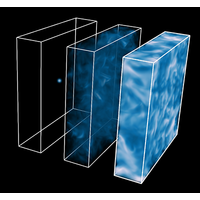
Phys. Rev. Lett. 136, 214001 (2026)
Physics of Fluids, Earth & Planetary Science, and Climate
Electron-Phonon Origins of Unconventional Resistivity in Moderately Correlated Perovskite Oxides
Article | Condensed Matter and Materials | 2026-05-27 06:00 EDT
Jennifer Coulter, Fabian B. Kugler, Harrison LaBollita, Antoine Georges, and Cyrus E. Dreyer
Transition-metal perovskite oxides exhibit moderately correlated metallic phases, several of which exhibit a resistivity scaling up to temperatures far exceeding the regime where Fermi-liquid electron-electron scattering is expected to dominate. Some of these materials, such as , also exhib…
Phys. Rev. Lett. 136, 216301 (2026)
Condensed Matter and Materials
Electronic Origin of Delicate Antiferromagnetism in ${\mathrm{Fe}}{x}{\mathrm{NbS}}{2}$
Article | Condensed Matter and Materials | 2026-05-27 06:00 EDT
Wenxin Li, Jonathan T. Reichanadter, Shan Wu, Ji Seop Oh, Rourav Basak, Shannon C. Haley, Siqi Wang, Joshua E. Chaparro Mata, Elio Vescovo, Donghui Lu, Makoto Hashimoto, Christoph Klewe, Suchismita Sarker, Jessica L. McChesney, Alex Frañó, James G. Analytis, Robert J. Birgeneau, Jeffrey B. Neaton, and Yu He
A combination of ARPES, XAS, and DFT shows a dramatic eV-scale electronic restructuring in FeNbS, similar to what happens in correlated oxides, and suggests electronic correlations play a central role in the magnetism of Fe-intercalated transition-metal dichalcogenides.
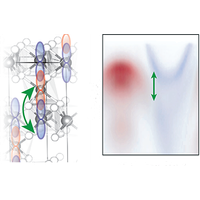
Phys. Rev. Lett. 136, 216503 (2026)
Condensed Matter and Materials
Spontaneously Broken Noninvertible Symmetries in Transverse-Field Ising Qudit Chains
Article | Condensed Matter and Materials | 2026-05-27 06:00 EDT
Kristian Tyn Kai Chung, Umberto Borla, Andriy H. Nevidomskyy, and Sergej Moroz
Recent developments have revealed that symmetries need not form a group, but instead can be noninvertible. Here we use analytical arguments and numerical evidence to illuminate how spontaneous symmetry breaking of a noninvertible symmetry is similar yet distinct from ordinary, invertible, symmetry b…
Phys. Rev. Lett. 136, 216601 (2026)
Condensed Matter and Materials
Exploring Chiral Exceptional Lines in the Visible Regime
Article | Condensed Matter and Materials | 2026-05-27 06:00 EDT
Jingyi Zhao, Xinhao Wang, Wenzhe Liu, Qinyu Jing, Yuyang Xu, Jiajun Wang, Haiwei Yin, Lei Shi, C. T. Chan, and Jian Zi
Topological singular lines in three-dimensional parameter space--nodal lines and exceptional lines--are fundamental to wave physics and hold promise for advanced photonic control. However, their observation, especially in the optical regime, has been hindered by the challenge of constructing the requi…
Phys. Rev. Lett. 136, 216901 (2026)
Condensed Matter and Materials
Terahertz-Assisted Multiband High-Harmonic Spectroscopy
Article | Condensed Matter and Materials | 2026-05-27 06:00 EDT
Sha Li, Lun Yue, Yaguo Tang, Vyacheslav Leshchenko, Pierre Agostini, Alexandra S. Landsman, Mette B. Gaarde, and Louis F. DiMauro
High-harmonic generation (HHG) is an extreme form of frequency upconversion that facilitates light-source engineering and ultrafast materials spectroscopy. Here, we broaden the spectroscopic scope of HHG, by demonstrating polarization manipulation of harmonic light in a dielectric, using a two-color…
Phys. Rev. Lett. 136, 216902 (2026)
Condensed Matter and Materials
Random Initial Data and Average Shock Time in the Fermi-Pasta-Ulam-Tsingou Chain
Article | Statistical Physics; Classical, Nonlinear, and Complex Systems | 2026-05-27 06:00 EDT
Matteo Gallone, Ricardo Grande, Antonio Ponno, Stefano Ruffo, and Erwan Druais
We investigate the dynamics of the Fermi-Pasta-Ulam-Tsingou chain with long-wavelength random initial data. When the energy per particle is small, thermal equilibrium is not reached on a fast timescale, and the system enters prethermalization. The formation of the prethermal state is characterized b…
Phys. Rev. Lett. 136, 217201 (2026)
Statistical Physics; Classical, Nonlinear, and Complex Systems
Phase Separation in a Chiral Active Fluid of Inertial Self-Spinning Disks
Article | Polymers, Chemical Physics, Soft Matter, and Biological Physics | 2026-05-27 06:00 EDT
Pasquale Digregorio, Ignacio Pagonabarraga, and Francisco Vega Reyes
We show that systematic particle rotations in a fluid composed of disk-shaped spinners can spontaneously lead to phase separation. The phenomenon arises out of a homogeneous and hydrostatic stationary state, due to a pressure feedback mechanism that increases local density fluctuations. We show how …
Phys. Rev. Lett. 136, 218301 (2026)
Polymers, Chemical Physics, Soft Matter, and Biological Physics
Excitability and Oscillations of Active Droplets
Article | Polymers, Chemical Physics, Soft Matter, and Biological Physics | 2026-05-27 06:00 EDT
Ivar S. Haugerud, Hidde D. Vuijk, Job Boekhoven, and Christoph A. Weber
In the field of biomolecular condensates and synthetic systems, it is an open question whether liquid droplets can undergo self-sustained oscillations of formation and dissolution. To unravel the minimal physicochemical prerequisite for such droplet oscillations, we present a simple model composed o…
Phys. Rev. Lett. 136, 218401 (2026)
Polymers, Chemical Physics, Soft Matter, and Biological Physics
Physical Review X
Anyon Superfluidity of Excitons in Quantum Hall Bilayers
Article | 2026-05-27 06:00 EDT
Zhaoyu Han, Taige Wang, Zhihuan Dong, Michael P. Zaletel, and Ashvin Vishwanath
Theoretical analysis of quantum Hall bilayers reveals that topological criticality facilitates the emergence of anyonic exciton superfluids, offering a robust mechanism for engineering exotic collective quantum states.
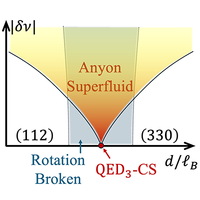
Phys. Rev. X 16, 021044 (2026)
Review of Modern Physics
2D van der Waals magnets: From fundamental physics to applications
Article | Condensed matter | 2026-05-27 06:00 EDT
Je-Geun Park, Kai-Xuan Zhang, Hyeonsik Cheong, Jae Hoon Kim, Carina A. Belvin, David Hsieh, Honglie Ning, and Nuh Gedik
Scientific discovery is often described as walking into a dark room and turning on the light. The discovery of 2D magnetism in van der Waals materials in 2016 was one such leap forward, removing one spatial dimension from macroscopic materials. The study of 2D magnets has challenged established theories and uncovered new phenomena. This review summarizes the current state of knowledge of magnetic phenomena in 2D van der Waals materials. The field encompasses not just the traditional study of ferromagnets and antiferromagnets but also topology, quantum and nonequilibrium dynamics, Floquet effects, magnons and spintronics, and the interaction of magnetism with light, phonons, and electric fields (multiferroics). The field is actively evolving, expanding theoretical understanding, materials capabilities, and experimental phenomenology while opening new directions for application.
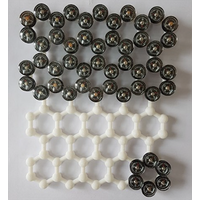
Rev. Mod. Phys. 98, 025003 (2026)
Condensed matter
arXiv
Dirac-Line Criticality and Emergent Horizons in Weyl Lifshitz Transitions
New Submission | Mesoscale and Nanoscale Physics (cond-mat.mes-hall) | 2026-05-28 20:00 EDT
Iftekher S. Chowdhury, Hom Nath Dhungana, Shah Haque, Hind Adawi, Eric Howard
Type-II Weyl fermions may emerge behind the event horizon of black holes. We employ the Painlevé-Gullstrand metric to study the surface of the Lifshitz transition at the horizon, equivalent to the interface separating the type-I and type-II Weyl states. We find several analogies between the black hole horizon and the transformation of type-I to type-II Weyl fermions through the Dirac line. We analyze the symmetry-protected topological order at the Lifshitz transition originating in semimetals. The emergence of Hawking radiation in Weyl semimetals is discussed. We show that the transition state from type-I to type-II Dirac fermions can be viewed as a black-hole horizon, which exhibits unique characteristics, including a Dirac-line Fermi surface with a nontrivial topological invariant and a critical chiral anomaly effect.
Mesoscale and Nanoscale Physics (cond-mat.mes-hall), Quantum Physics (quant-ph)
20 pages, 9 Figures
High-temperature instability of artificial cuprorivaite: a study using thermal analysis, X-ray powder diffractometry and polarized light microscopy
New Submission | Materials Science (cond-mat.mtrl-sci) | 2026-05-28 20:00 EDT
Vladimir A. Yuryev, Sergey V. Kuznetsov, Alexander A. Alexandrov, Tatyana V. Yuryeva
CaCuSi$ _4$ O$ _{10}$ powder was studied by differential scanning calorimetry and thermogravimetry methods in the range from room temperature to 1450$ ,^{\circ}$ C at heating and cooling rates of 20$ ,^{\circ}$ C/min.
The process of decomposition of cuprorivaite, the composition and transformations of its decomposition products during successive heat treatments were also studied by powder X-ray diffraction and polarization optical microscopy techniques.
It was found that CaCuSi$ _4$ O$ _{10}$ starts to decompose by incongruent melting at a temperature of about 1020$ ,^{\circ}$ C, with the minimum of the endothermic DSC peak associated with this process being at 1064.4$ ,^{\circ}$ C.
CaCuSi$ _4$ O$ _{10}$ decomposes irreversibly and subsequent cyclic annealings up to a temperature of 1450$ ,^{\circ}$ C at heating and cooling rates of 20$ ,^{\circ}$ C/min do not cause its re-synthesis.
CaCuSi$ _4$ O$ _{10}$ transforms into a two-phase system consisting of acicular crystals of monoclinic tridymite fused with green glass with the composition CuO$ ,-,$ Cu$ _2$ O$ ,-,$ CaO$ ,-,$ SiO$ _2$ , with the weight ratio of tridymite to glass being about $ 12:13$ , as a result of two successive annealings up to the temperature of 1450$ ,^{\circ}$ C.
Materials Science (cond-mat.mtrl-sci)
30 pages, 10 figures, 2 tables
Competition for Survival and the Maximum Entropy Production Principle in Self-Organized Silver Particle Chains
New Submission | Statistical Mechanics (cond-mat.stat-mech) | 2026-05-28 20:00 EDT
Albert Han, Jiri Kataman-Kustwan, Alexey Bezryadin
The maximum entropy production (MEP) principle is a hypothetical law of physics which dictates that complex systems, far from equilibrium, evolve into an ordered dissipative structure (DS) which generates as much entropy per second as possible. An important problem is whether the natural competition for resources, limits the ability of DS to achieve the maximum of the entropy production rate (EPR). We investigate this competition between DS by performing high precision electrical measurements on suspensions of silver particles under electric fields. To establish the impact of competition on MEP principle, precise electrical measurements are performed on two Ag suspension samples connected in parallel. The samples are able to self-organize, dissipate energy, generate entropy, and compete with each other for resources, i.e., electrical current. Our findings are as follows: (1) There is a competition between the two samples, which prevents both systems from achieving their maximum possible contribution to the global entropy production rate. (2) Due to this competition, we find that only one out of two samples can self-organize, while the other deteriorates and approaches zero EPR. (3) The global EPR, i.e., the entropy produced by the samples and the energy supply circuit, is also reduced from its possible maximum due to the competition between the sub-systems. Based on these observations, we propose that the competition effect constitutes an essential constraint that must be incorporated into formulations of the MEP. This principle parallels real-world phenomena, reflecting the competition for resources observed among species and individual organisms in natural systems. We also examine the global implications of the MEP and propose that it serves as a driving mechanism propelling the hypothetical ascent of civilizations along the Kardashev scale.
Statistical Mechanics (cond-mat.stat-mech), Adaptation and Self-Organizing Systems (nlin.AO)
15 pages; 14 figures
Atomic Structure of Amorphous Optical Coatings of TiO$_2$-doped GeO$_2$ by Grazing-Incidence Total X-ray Scattering Measurements
New Submission | Materials Science (cond-mat.mtrl-sci) | 2026-05-28 20:00 EDT
K. Prasai, J. Jiang, K. Lee, L. Yang, M. Chicoine, S. Khadka, A. Markosyan, A. Mehta, C. S. Menoni, S. Patel, F. Schiettekatte, B. Shyam, G. Vajente, H-P Cheng, M. M. Fejer, R. Bassiri
Reducing coating thermal noise in future gravitational-wave detectors requires identifying the atomic motifs that control mechanical loss in amorphous optical coatings. We combine grazing-incidence X-ray pair distribution function measurements with atomic-structure modeling to study amorphous TiO$ _2$ -doped GeO$ _2$ films over Ti cation concentrations from $ \sim$ 11 % to $ \sim$ 48 %, before and after annealing. The structural analysis reveals systematic composition- and annealing-dependent changes in short- and intermediate-range order. Increasing Ti content raises the average Ti coordination and promotes edge- and face-sharing polyhedral connections, while Ge remains predominantly fourfold coordinated. Annealing reduces these compact shared-polyhedron motifs and sharpens the first sharp diffraction peak, indicating a more relaxed intermediate-range network. Among the structural descriptors examined, the clearest correlation with the annealing-induced reduction in mechanical loss is the decrease in edge- and face-sharing polyhedra. These results connect composition, annealing, atomic structure, and mechanical dissipation in TiO$ _2$ -doped GeO$ _2$ , providing microscopic guidance for optimizing low-noise mirror coatings.
Materials Science (cond-mat.mtrl-sci)
Quantum criticality of the ferromagnetic Dicke-Ising model
New Submission | Strongly Correlated Electrons (cond-mat.str-el) | 2026-05-28 20:00 EDT
We describe the quantum phase transitions in the ferromagnetic Dicke-Ising model using a Landau theory approach. The theory quantitatively captures the change from a second- to a first-order transition between the normal and superradiant phases through a tricritical point. We identify virtual correlated nearest-neighbor double spin-flip processes as the crucial mechanism responsible for this behavior. The tricritical point constitutes a quantum phase transition above the upper critical dimension. We discuss the modifications to finite-size scaling required for the correct interpretation of numerical data at the tricritical point. Our results emphasize the need for adapted finite-size scaling forms in all-to-all interacting quantum systems and establish the ferromagnetic Dicke-Ising model as a paradigmatic platform for quantum phase transitions above the upper critical dimension, encompassing both standard $ \phi^4$ criticality and beyond.
Strongly Correlated Electrons (cond-mat.str-el), Quantum Gases (cond-mat.quant-gas), Quantum Physics (quant-ph)
10 pages, 3 figures
Inelastic Neutron Scattering of the layered Kitaev ferromagnet Li$_3$Co$_2$SbO$_6$
New Submission | Strongly Correlated Electrons (cond-mat.str-el) | 2026-05-28 20:00 EDT
Abdul Basit, Richard A. Mole, Alex J. Brown, Jiatu Liu, Chris D. Ling, Stephan Rachel
Cobalt-based quantum magnets forming layered honeycomb arrangements have attracted much attention recently, as they are considered as a potential platform for materials with exotic Kitaev spin exchange. Amongst the discussed candidate materials are Na$ _3$ Co$ _2$ SbO$ _6$ and Na$ _2$ Co$ _2$ TeO$ _6$ , both possessing a low-temperature ground state with magnetic zigzag ordering, similar to Na$ _2$ IrO$ _3$ and $ \alpha$ -RuCl$ _3$ . Here we report inelastic neutron scattering experiments on the quantum magnet Li$ _3$ Co$ _2$ SbO$ _6$ , which features ferromagnetic honeycomb planes with opposite magnetizations in neighboring planes. By comparing with linear spin wave theory, we show that the magnetic properties of Li$ _3$ Co$ _2$ SbO$ _6$ can be well-modelled by an extended Kitaev–Heisenberg model, establishing it as a Kitaev-ferromagnet, or more specifically, as a Kitaev A-type antiferromagnet. Our analysis is complemented by magnetic field measurements and simulations.
Strongly Correlated Electrons (cond-mat.str-el)
14 pages, 12 figures
Emergence of an antiferromagnetic topological Anderson insulator in the interacting Haldane model
New Submission | Mesoscale and Nanoscale Physics (cond-mat.mes-hall) | 2026-05-28 20:00 EDT
Alejandro J. Uría-Álvarez, Roser Valentí
We examine the emergence of topological Anderson insulating phases in the spinful Haldane model with Hubbard and next-neighbor density-density interactions, subject to Anderson disorder. Using finite-size exact diagonalization, we characterize the phases that arise from the interplay between topology, interactions, and disorder. In addition to standard $ C=2$ topological Anderson phases, we observe an antiferromagnetic $ C=1$ topological Anderson phase, consistent with the antiferromagnetic quantum anomalous Hall insulator previously identified in the clean model at finite staggered mass. We further analyze these phases using a neural network trained on the exact diagonalization data. Our results support the hypothesis that an explicit charge imbalance is required to induce the $ C=1$ phase, generated by Anderson disorder rather than by a staggered mass.
Mesoscale and Nanoscale Physics (cond-mat.mes-hall), Disordered Systems and Neural Networks (cond-mat.dis-nn)
Atomic-Scale Observation of Symmetry Breaking in Altermagnetic MnTe
New Submission | Materials Science (cond-mat.mtrl-sci) | 2026-05-28 20:00 EDT
Guodong Ren, Jonathan M. DeStefano, Xiao-Wei Zhang, Arashdeep S. Thind, Rajiv Giridharagopal, Jose Angel Castellanos-Reyes, Paul M. Zeiger, Noah Kamm, Zhaoyu Liu, Yaofeng Xie, Filip Krizek, Jan Michalicka, Richard Campion, Pengcheng Dai, Peter Wadley, David S. Ginger, Tomas Jungwirth, Robert F. Klie, Jan Rusz, Di Xiao, Jiun-Haw Chu, Juan Carlos Idrobo
The recent discovery of altermagnetism has sparked growing interest in compensated magnetic systems as promising platforms for highly scalable spintronics. Altermagnetism is a distinct magnetic order where opposite spin sublattices are connected by rotation, yielding zero net magnetization but momentum-dependent spin splitting. To date, experimental verification of altermagnetic order has been achieved predominantly through bulk-sensitive techniques, including spin-dependent electronic spectra and transport responses. However, direct atomic-scale evidence that explicitly correlates crystal symmetry, local structural distortions, and magnetic ordering has remained unexplored. Here, we report the direct atomic-scale observation of coexisting polar distortions and altermagnetic order in MnTe, combining atomic resolution scanning transmission electron microscopy (STEM) imaging with electron magnetic chiral dichroism (EMCD) measurements. We reveal that MnTe is not an ideal uniform P63/mmc g-wave altermagnet at the atomic scale. Instead, it hosts ubiquitous inversion-symmetry-breaking distortions that lower the spin-space-group (SSG) symmetry, admits d-wave altermagnetic components, and in lower-symmetry regimes, even allow s-wave spin splitting (net magnetization). The coexistence of ferroelectric signatures and altermagnetic order establishes local lattice symmetry in MnTe as a control knob for altermagnetic spin splitting, spin current generation, and multiferroic memory applications.
Materials Science (cond-mat.mtrl-sci)
Relaxation-driven topological domains in moiré materials
New Submission | Materials Science (cond-mat.mtrl-sci) | 2026-05-28 20:00 EDT
Arjyama Bordoloi, Daniel Kaplan, Sobhit Singh
Spatial control of topology is highly desirable for realizing tunable quantum functionalities in materials. Moiré superlattices formed by twisting van der Waals heterostructures provide a natural platform for spatially modulated electronic phases, yet the emergence of tunable topological domains in these systems remains largely unexplored. Here we show that structural relaxation in twisted bilayer BiSb drives the formation of a distinct moiré topological phase, characterized by coexisting topologically nontrivial (Z$ _2$ = 1) and trivial (Z$ _2$ = 0) domains within a single moiré unit cell. As the twist angle is reduced, relaxation-induced modulation of the interlayer separation stabilizes an expanding network of topological regions embedded within trivial backgrounds of the moiré unit cell. The resulting internal domain boundaries host topologically-protected gapless 1D edge states that are directly visible in our simulated scanning-tunnelling microscopy this http URL, we demonstrate that the real-space topological domain structure and associated gapless edge states can be reversibly tuned by an out-of-plane electric field. Together, these results establish twisted BiSb as a promising platform for programmable topological domain patterning, where intrinsic networks of edge channels can be continuously tuned and electrically reconfigured in moiré materials.
Materials Science (cond-mat.mtrl-sci)
MATBG Josephson diode as an universal thermal machine
New Submission | Mesoscale and Nanoscale Physics (cond-mat.mes-hall) | 2026-05-28 20:00 EDT
Hadi Mohammed Soufy, Colin Benjamin
Magic-angle twisted bilayer graphene Josephson junctions (MATBG-JJ) with a gate-tunable valley-polarized weak link exhibit an intrinsic Josephson diode effect originating from broken symmetries associated with valley polarization and band-structure anisotropy. Exploiting this nonreciprocal superconducting platform, we construct quantum Stirling (QSC), Otto (QOC), and Carnot (QCC) thermodynamic cycles, where the valley-polarization potential $ \Delta_v$ acts as the principal control parameter, in contrast to conventional Josephson thermal machines driven by superconducting phase bias. We systematically compare the performance of MATBG-based Josephson diode thermal machines (MATBG-JDTM) with MATBG-based Josephson junction thermal machines (MATBG-JJTM) and AA-stacked bilayer graphene Josephson junction thermal machines (AABLG-JJTM). Owing to the flat-band-enhanced density of states and electrically tunable nonreciprocal transport in MATBG, both MATBG-JDTM and MATBG-JJTM exhibit significantly enhanced work output and efficiency over a broad operating regime compared to AABLG-JJTM. In particular, the gate-controlled MATBG-JDTM provides a flux-free alternative to conventional phase-driven architectures, mitigating limitations associated with magnetic-flux control and flux-noise effects. Our results establish MATBG Josephson diode platforms as a promising route toward electrically tunable quantum thermal machines and nonreciprocal superconducting caloritronics.
Mesoscale and Nanoscale Physics (cond-mat.mes-hall), High Energy Physics - Phenomenology (hep-ph), Applied Physics (physics.app-ph), Quantum Physics (quant-ph)
21 pages, 18 figures, 1 table
Zero modes of non-abelian Dirac operator in topologically non-trivial band insulator
New Submission | Strongly Correlated Electrons (cond-mat.str-el) | 2026-05-28 20:00 EDT
We show that the local gauge-invariance of the quantum geometric tensor (QGT) defined in the Block-momentum space of a generic $ N$ -level (sublattice degrees of freedom) band insulator implies the existence of zero modes of non-abelian Dirac operator in such momentum space. Solutions of these zero modes equations in the two-dimensional Brillouin zone torus, in terms of Jacobi Theta function determine the probability amplitudes associated with the $ N$ -component ground state wave-function under adiabatic approximation in this Hilbert space. These solutions subjected to normalization, defines a complex projective ($ CP$ ) space of $ N-1$ dimension ($ CP^{N-1}$ space) when one or more degeneracy points exist in the dispersion spectrum of such band-isulator. We show how the non-abelian generalization of the vortexability criterion of Chern bands automatically follows from these zero-mode equations, and also demonstrate their connection with momentum space-version of Lowest landau level algebra. Subsequently we write an Euclidean action from which these zero mode equations follow. We point out that the non-interacting part of different paradigms used to understand fractional Chern insulator(FCI) like phases in a host of two-dimensional material can be understood within this approach. We analyse two effective hamiltonian : lattice Dirac (QZW) model and two-band model for rhombohedral $ N$ -layer graphene in our propsoed framework and obtain important conclusions.
Strongly Correlated Electrons (cond-mat.str-el), Mesoscale and Nanoscale Physics (cond-mat.mes-hall), High Energy Physics - Theory (hep-th)
27 pages including appendices
A method for calculating entropy production without knowing transition rates or dwell times
New Submission | Statistical Mechanics (cond-mat.stat-mech) | 2026-05-28 20:00 EDT
The entropy production rate is central to the study of non-equilibrium systems. This parameter is closely connected to violation of time-reversal symmetry, energy consumption, efficiency, and other properties of interest; in short, it quantifies how far a system is from thermodynamic equilibrium. Standard formulas for the entropy production require knowledge of the system’s underlying dynamics, but this knowledge may be hard to acquire in practice. Here, I present a method for inferring the entropy production rate of a Markovian system from the sequence of states that the system occupies on a single long trajectory or many shorter trajectories, and the total time of the trajectory or trajectories. The method does not require knowledge of the dwell times in the various states, the times at which transitions occur, or of the transition rates characterizing the Markov process.
Statistical Mechanics (cond-mat.stat-mech)
11 pages, 4 figures. Submitted to Physica A
A supersymmetric study of charge and spin transport in Weyl semimetals under axionic electrodynamic response
New Submission | Mesoscale and Nanoscale Physics (cond-mat.mes-hall) | 2026-05-28 20:00 EDT
J. C. Pérez-Pedraza, A. Martín-Ruiz, L. F. Urrutia
We investigate the charge and spin transport properties of a Weyl semimetal under an external magnetic field using a low-energy effective theory. By performing a chiral transformation, we remove the axial term from the fermionic Lagrangian, while its physical effects are retained through the system’s electromagnetic response. This response, derived from integrating out the fermionic degrees of freedom, takes the form of axionic electrodynamics and enters the Dirac equation via minimal coupling. The resulting dynamics separate naturally into magnetic and electric components: the magnetic sector admits a supersymmetric factorization, while the electric part exhibits a PT-supersymmetric structure. Robin boundary conditions are applied to the spinor, setting the energy spectrum and defining exact spinor solutions. We obtain the chiral projections of probability and current densities, exhibiting a chiral imbalance in the material. We show that in the x-direction, only one chirality contributes to the chiral current ($ j^x_l = 0$ ). Spin density and currents where also computed. Our results demonstrate how the interplay between axionic response and supersymmetry governs transport phenomena in our specific setup, offering novel insights into the effective field theory description of Weyl semimetals.
Mesoscale and Nanoscale Physics (cond-mat.mes-hall), High Energy Physics - Theory (hep-th)
26 pages, 11 figures
Spontaneous breaking of non-invertible symmetries and duality to beyond-Landau transitions
New Submission | Strongly Correlated Electrons (cond-mat.str-el) | 2026-05-28 20:00 EDT
Xie Chen, Shang Liu, Da-chuan Lu, Nathanan Tantivasadakarn
Spontaneous symmetry breaking is a well-understood mechanism for generating distinct phases of matter. Recently, the notion of symmetry has been broadened to include operations without inverses, leading to the concept of non-invertible symmetries. How do symmetry-breaking phases associated with non-invertible symmetries differ from those arising from conventional invertible symmetries? We address this question using concrete lattice models of the gapped phases with non-invertible Rep($ H_8$ ) symmetry as an example. We find that, despite the symmetry being non-invertible, the symmetry-breaking phases can still be characterized by the long-range correlation of local order parameters, which obey a more general algebraic structure than in the invertible setting. Furthermore, via generalized gauging, certain non-invertible symmetry-breaking transitions can be mapped to deconfined quantum critical points of invertible symmetries, and vice versa. We establish precise conditions under which this duality holds and illustrate them with several families of examples, providing a systematic route to studying beyond-Landau phase transitions.
Strongly Correlated Electrons (cond-mat.str-el), High Energy Physics - Theory (hep-th)
50 pages, 5 figures
On the Equivariant Learning of the $Q$-tensor Order Parameter
New Submission | Soft Condensed Matter (cond-mat.soft) | 2026-05-28 20:00 EDT
We construct and evaluate group-equivariant neural networks for the prediction of the two-dimensional $ Q$ -tensor order parameter of nematic liquid crystals from synthetically generated microscopic textures. Seven architectures, equivariant to cyclic groups $ C_k$ of order $ k$ for $ k=4,,8,,16,,32,,64,,128,, 256$ , are built using a combination of weight-sharing constraints, equivariant activations and regularization techniques. To do this, we construct rotation-like permutation matrix groups with elements $ \varrho_{C_k}(g)$ that act on row-wise vectorized images, thereby approximating a $ \frac{2\pi}{k}$ rotation of the circular subdomain on square images. We show that all seven equivariant models satisfy the $ Q$ -tensor equivariance constraint to within single-precision floating point accuracy. Comparing against approximate parameter-matched non-equivariant benchmarks, with and without data augmentation, we find that the equivariant models consistently achieve lower errors and generalize more robustly to unseen defect configurations. Performance increases with group order, suggesting that the incorporation of finer rotational symmetry leads to lower errors.
Soft Condensed Matter (cond-mat.soft), Computer Vision and Pattern Recognition (cs.CV), Machine Learning (cs.LG)
15 pages (excluding 7-page appendix); 6 figures
Lattice-Trapped Atom Interferometry with a Bose-Einstein condensate: Observation and Control of Interactions
New Submission | Quantum Gases (cond-mat.quant-gas) | 2026-05-28 20:00 EDT
Emmett Hough, Tahiyat Rahman, Forest Tschirhart, Subhadeep Gupta
Precision interferometry with atomic wavepackets confined in a one-dimensional optical lattice is an emergent paradigm in quantum sensing of forces and fields, with applications in gravimetry, accelerometry, geophysics, and fundamental physics tests. We report on the realization of a lattice-trapped interferometer where the two arms are sourced from a weakly-interacting ytterbium Bose-Einstein condensate, coherently split and trapped by pulsed optical standing waves before recombination. We directly observe atomic interactions through contrast changes and phase shifts of the interferometer. By changing either the atom number or the sample volume to vary the density, we demonstrate control over interactions and optimize interferometer performance. Our observations are effectively captured by a mean-field theoretical model of the system. This work experimentally probes the boundary where improved performance from source brightening through higher phase space density transitions into a regime beyond single-atom physics in lattice-trapped atom interferometry, and opens a door to incorporating many-body effects for metrological advances in such platforms.
Quantum Gases (cond-mat.quant-gas), Atomic Physics (physics.atom-ph), Quantum Physics (quant-ph)
12 pages including supplemental material, 10 figures
Chirality in Structural Phase Transitions
New Submission | Strongly Correlated Electrons (cond-mat.str-el) | 2026-05-28 20:00 EDT
Keita Matsubara, Kazumasa Hattori
Chirality, defined by the absence of mirror and inversion symmetries, has attracted considerable attention owing to its unique physical phenomena, including cross-correlated responses such as current-induced magnetization (CIM) and chiral phonons. Recently, it has been established that chirality is characterized by electric toroidal (ET) multipoles: the ET monopole $ G_0$ in cubic systems and the ET quadrupole $ G_u$ in noncubic systems. In this paper, we investigate achiral-to-chiral (AtC) structural phase transitions driven by atomic displacements and construct $ G_{0,u}$ as explicit functions of the displacement order parameter $ \eta$ based on a group-theoretical approach. We show that the leading-order dependence of $ G_{0,u}(\eta)$ is determined by the symmetry of the parent structure and the character of the displacive mode, providing a symmetry-based classification of AtC transitions beyond a binary distinction between achiral and chiral phases. We also demonstrate that $ G_{0,u}(\eta)$ is directly reflected in observable quantities such as CIM and CPS, both of which scale consistently with $ G_{0,u}(\eta)$ . We further clarify the microscopic mechanism by which AtC transitions give rise to chiral phonons and chiral phonon splitting (CPS) through the coupling between $ G_{0,u}(\eta)$ and phonon degrees of freedom.
Strongly Correlated Electrons (cond-mat.str-el)
30 pages, 17 figures
Spin-Hall-Like Magnon Transport in a Synthetic Antiferromagnetic Skyrmion Lattice
New Submission | Mesoscale and Nanoscale Physics (cond-mat.mes-hall) | 2026-05-28 20:00 EDT
Xingen Zheng, Xuejuan Liu, Zhenyu Wang, Jiyong Kang, Zhixiong Li, Hao Wu
We investigate spin-Hall-like magnon edge transport in a synthetic antiferromagnetic skyrmion lattice composed of two antiferromagnetically coupled skyrmion lattice layers with opposite magnetic textures. Based on a relaxed bilayer texture from micromagnetic simulations, we construct the bosonic Bogoliubov-de Gennes Hamiltonian within linear spin-wave theory and calculate the bulk and strip magnon spectrum. We find counterpropagating in-gap edge modes with opposite layer polarization, whose layer-resolved propagation is further confirmed by dynamical micromagnetic simulations. A symmetry analysis shows that the fully coupled system lacks the pseudo-time-reversal symmetry required for a genuine bosonic Z2 topological phase. Thus, the observed edge modes are not Z2-protected helical magnon edge states, but layer-polarized, spin-Hall-like modes originating from the opposite Hall tendencies of the two skyrmion lattice layers. These results establish synthetic antiferromagnetic skyrmion lattices as a platform for spin-Hall-like magnon transport beyond a strict bosonic Z2 classification.
Mesoscale and Nanoscale Physics (cond-mat.mes-hall)
22 pages, 4 figures
Quantum anomalous Hall effect in chiral semimetals
New Submission | Mesoscale and Nanoscale Physics (cond-mat.mes-hall) | 2026-05-28 20:00 EDT
Peng-Yi Liu, Yu-Hao Wan, Qing-Feng Sun
The quantum anomalous Hall (QAH) effect is conventionally understood to exist only in Chern insulators, while a recent study has shown that ferromagnetic metals can also host the QAH effect. Between insulators and metals, we demonstrate that QAH can persist even in a chiral semimetal, where conduction and valence bands touch at zero energy. Transport calculations demonstrate that the Hall conductivity of such a system can be quantized in the presence of dephasing. Interestingly, its longitudinal conductivity remains finite and exhibits semimetallic behavior, in contrast to Chern insulators. This unusual transport behavior originates from the quantization of the Berry curvature integral over occupied states and the semimetallic band structure. This chiral semimetal can transition into a Chern insulator, accompanied by the vanishing of longitudinal conductivity and a reduction of the intrinsic length scale of the Hall response. Our results extend the concept of QAH and uncover the semimetallic QAH transport signatures.
Mesoscale and Nanoscale Physics (cond-mat.mes-hall)
8 pages, 5 figures
Phys. Rev. B 113, 205425 (2026)
Magneto-Optical Detection of Anisotropic Spin Currents in Altermagnetic RuO2
New Submission | Materials Science (cond-mat.mtrl-sci) | 2026-05-28 20:00 EDT
Joongwon Lee, Jeonglyul Kim, Sreejith Nair, Seung Gyo Jeong, Changi Kim, Jae-Pil So, Bohm-Jung Yang, Bharat Jalan, Hyobin Yoo, Farhan Rana, Taekoo Oh, Hong-Gyu Park
Altermagnets are a recently identified class of collinear antiferromagnets that host large spin-split electronic bands, offering a promising platform for efficient spin-current generation. Among proposed candidates, the metallic oxide RuO2 is predicted to exhibit strong altermagnetic spin splitting; however, whether it sustains robust magnetic order beyond the ultrathin thickness limit remains unresolved. Here, we employ optical probes to investigate charge-to-spin conversion in a 12-nm-thick (101)-oriented RuO2 film grown on sapphire. Polarization-resolved second-harmonic generation reveals nonlinear optical responses consistent with the surface symmetry and Néel order of RuO2. Under an applied current, both second-harmonic generation and polar magneto-optical Kerr effect measurements detect a pronounced, directionally anisotropic spin polarization, exhibiting enhanced signals for current along [010] and strongly suppressed responses for current along [-101], in agreement with the symmetry of the altermagnetic spin-splitter effect. Non-magnetic or Rashba-type mechanisms cannot explain this symmetry-selective response. Scanning transmission electron microscopy further reveals that substantial strain persists even in relatively thick films, providing a possible explanation for the observed behavior. Therefore, these results establish RuO2 as an efficient spin source and demonstrate the potential of altermagnets for field-free spintronic devices.
Materials Science (cond-mat.mtrl-sci), Mesoscale and Nanoscale Physics (cond-mat.mes-hall), Applied Physics (physics.app-ph)
Dark-Soliton Branch Blocking in Transonic Bose–Einstein Condensate Flows
New Submission | Quantum Gases (cond-mat.quant-gas) | 2026-05-28 20:00 EDT
Acoustic horizons in Bose–Einstein condensates are usually characterized through long-wavelength Bogoliubov phonons. We study a nonlinear counterpart: whether a one-dimensional dark-soliton branch can sustain upstream laboratory motion in a stationary transonic flow. The mechanism is local at leading order. A regular dark soliton has a bounded fluid-frame velocity, limited by the local sound speed; therefore, in the supersonic region, the background flow exceeds the largest upstream velocity available to the soliton branch. The sonic point is thus the upstream edge of the local dark-soliton branch, rather than a hard wall or a soliton geodesic surface. We construct stationary transonic Gross–Pitaevskii backgrounds and evolve the full order parameter in an open, nonperiodic domain. The simulations show upstream propagation on the subsonic side, finite-depth stalling on the subsonic side, and downstream advection for defects initialized in the supersonic region with upstream velocity relative to the fluid. Convergence, branch-consistency, local-density, phase-jump, and a dense scan of dimensionless upstream attempts support the soliton-like interpretation. The result is a branch-existence constraint, not a rigorous lower bound on arbitrary density minima of the Gross–Pitaevskii field.
Quantum Gases (cond-mat.quant-gas), Pattern Formation and Solitons (nlin.PS)
15 pages, 12 figures, 1 table. Comments are welcome
Machine-learning-accelerated discovery of synthesizable high-temperature altermagnets with giant spin splitting
New Submission | Materials Science (cond-mat.mtrl-sci) | 2026-05-28 20:00 EDT
Yi-Fei Jiang, Jia-Xuan Guo, Zhen Zhang, Xin-Wei Yi, Jing-Yang You
Altermagnets offer a route to spin-polarized electronic states without macroscopic magnetization, because compensated magnetic order can generate momentum-dependent spin splitting through crystal-symmetry-controlled exchange fields. However, experimentally viable altermagnets combining large spin splitting, thermodynamic stability and high magnetic ordering temperatures remain scarce. Here, we develop a machine-learning-accelerated high-throughput framework to explore the tetragonal AB$ _2$ C$ _2$ D compounds. Screening 8640 variants identifies 1347 compensated antiferromagnetic candidates satisfying altermagnetic symmetry. An interpretable XGBoost model trained on first-principles spin-splitting data then isolates 34 low-hull-energy candidates,including four previously reported, with giant non-relativistic spin splittings exceeding 1.5 eV near the Fermi level. Detailed first-principles calculations of the representative RbMn$ _2$ Te$ _2$ O confirm a maximum spin splitting of $ \sim$ 1.88 eV with dynamical stability and an estimated Néel temperature of $ \sim$ 390 K. The giant splitting originates from symmetry-locked Mn-sublattice exchange fields amplified by directional Mn-d/Te-p hybridization. Furthermore, we uncover a profound soft-mode-driven structural transition associated with an interlayer dimensionality crossover in SrMn$ _2$ Te$ _2$ O, yet the unfolded electronic structure demonstrates that the altermagnetic spin splitting remains robust after lattice reconstruction. Hydrostatic pressure provides an additional tuning route, producing non-monotonic modulation of the spin-split Fermi surface governed by local coordination and orbital hybridization. These results establish tetragonal AB$ _2$ C$ _2$ D compounds as a tunable materials platform for stray-field-free spintronic devices and provide a general data-driven strategy for discovering robust giant-splitting altermagnets.
Materials Science (cond-mat.mtrl-sci)
32 pages,6 figures
Finite-size occupancy scaling of apparent fractal dimensions in stochastic trajectories
New Submission | Statistical Mechanics (cond-mat.stat-mech) | 2026-05-28 20:00 EDT
Bon A. Koo (University of Pennsylvania), Edward Ju (California Institute of Technology)
Estimating a fractal dimension from a finite stochastic trajectory is a finite-size scaling problem: the apparent box-counting exponent is shaped by an occupancy crossover between the resolved range of scales and the finite number of sampled points, and need not equal the dimension of the limiting process. We model this crossover with a balls-in-boxes occupancy law, which predicts the box-count curve, the finite-size saturation scale, and a scaling function for the normalized local slope. Across random-walk traces, fractional Brownian graphs, and Levy flights, the normalized local slope collapses onto a single crossover curve, while the windowed box-counting bias collapses when the regression window is positioned relative to the saturation scale. Inverting the occupancy model gives a finite-size bias correction that reduces error on controlled stochastic trajectories and transfers across held-out model classes. Comparisons with correlation dimension, detrended fluctuation analysis, the variogram, and Higuchi’s method show that the dominant bias is specific to point-sampled box-counting over finite scale windows, and that local-slope stability alone is not a reliable diagnostic. A DNA-walk example illustrates the workflow on measured data, and all figures, tables, and in-text numbers are regenerated from released single-seed code.
Statistical Mechanics (cond-mat.stat-mech), Probability (math.PR), Data Analysis, Statistics and Probability (physics.data-an), Computation (stat.CO), Methodology (stat.ME)
Main text: 30 pages, 5 figures; supplementary material included
Direction-selective intertwined charge, orbital, and lattice orders under uniaxial strain in hole-doped manganite: La0.75Ca0.25MnO3
New Submission | Strongly Correlated Electrons (cond-mat.str-el) | 2026-05-28 20:00 EDT
Ju Hyeon Lee, Beom Hyun Kim, Bongjae Kim
The complex interplay of charge, spin, orbital, and lattice degrees of freedom governs emergent phases in quantum materials, making strain a powerful control parameter. Recent advances in free-standing layer techniques have enabled extreme strains of nearly 8%, opening access to novel and often unexpected electronic and magnetic phases. Here, using a density functional theory approach, we investigate the effect of direction-selective uniaxial strain on the prototypical Jahn-Teller system La1-xCaxMnO3 (x = 0.25). We find that different strain directions stabilize qualitatively distinct structural, charge, and orbital responses, rather than merely different strengths of the same phase. In particular, extreme uniaxial strain selectively induces cooperative Jahn-Teller, breathing-like, and site-selective modulations, thereby enabling previously inaccessible intertwined orders in manganites. These results establish direction-selective uniaxial strain as a powerful and selective route for engineering emergent phases in quantum materials.
Strongly Correlated Electrons (cond-mat.str-el)
Effect of Vacancies on Hydrogen Mobility and Trapping in Elemental Fe and Cr: A DFT and kMC Study
New Submission | Materials Science (cond-mat.mtrl-sci) | 2026-05-28 20:00 EDT
Vallinathan K, Gurpreet Kaur, Sharat Chandra
Hydrogen-vacancy interactions play an important role in governing hydrogen transport and embrittlement in body-centered cubic (BCC) metals. In this study, a multiscale approach combining density functional theory (DFT) and kinetic Monte Carlo (kMC) simulations is employed to investigate hydrogen behavior in BCC Fe and Cr. The DFT-calculated binding energies and Bader charge analysis indicate stronger hydrogen trapping in Cr than in Fe. Migration and detrapping energy barriers are determined using the climbing-image nudged elastic band method, showing that the detrapping energy generally decreases with increasing hydrogen occupancy. However, the sixth hydrogen atom in Fe exhibits a finite barrier, contrary to some previous reports. kMC simulations are then used to evaluate hydrogen diffusion over extended time and length scales. The results demonstrate that vacancy defects significantly reduce hydrogen mobility and increase the effective activation energy, with a more pronounced effect observed in Cr due to stronger trapping. The combined DFT-kMC framework provides detailed insight into the mechanisms of hydrogen trapping, detrapping, and diffusion in BCC metals, offering important implications for understanding hydrogen embrittlement in structural materials.
Materials Science (cond-mat.mtrl-sci)
Hall effect in multi-leg bosonic ladders
New Submission | Quantum Gases (cond-mat.quant-gas) | 2026-05-28 20:00 EDT
Edmond Orignac, Roberta Citro, Thierry Giamarchi
We use bosonization to analyze the ground state Hall response of interacting bosonic N-leg ladders threaded by a flux. We derive an explicit expression of the Hall imbalance in a perturbative expansion in the band curvature, retaining fully the interactions. For small magnetic field the Hall resistance is proportional to the derivative of the logarithm of the charge stiffness with respect to density, generalizing the result obtained in the two leg case. We also consider the effect of temperature, and establish that at low temperature, corrections to the Hall resistance are exponentially small in the Meissner phase.
Quantum Gases (cond-mat.quant-gas), Mesoscale and Nanoscale Physics (cond-mat.mes-hall)
RevTeX 4.2,12 pages, 1 PDF figure
Analytical solution of the Langmuir model for moisture diffusion in cylindrical coordinates
New Submission | Materials Science (cond-mat.mtrl-sci) | 2026-05-28 20:00 EDT
Corentin Guigot, Romain Grangeat, Gilles-Alexis Renaut
Moisture diffusion in polymers and bio-based materials frequently exhibits non-Fickian behavior that cannot be described by classical diffusion models. The Langmuir model, which accounts for the coexistence of mobile and bound water molecules, has been widely used to represent such phenomena. However, analytical solutions of this model are generally limited to planar geometries, while cylindrical systems are typically investigated using numerical methods. In this work, the Langmuir diffusion model is solved analytically in cylindrical coordinates. The resulting solution provides both the local evolution of moisture content within the cylinder and the corresponding global moisture uptake kinetics. The analytical solution is validated through comparison with an independent numerical solution based on a finite difference scheme, showing excellent agreement for both the global absorption kinetics and the radial moisture profiles. The proposed formulation therefore provides a simple and efficient analytical framework for studying non-Fickian moisture diffusion in cylindrical systems such as natural fibers, and facilitates the identification of model parameters from experimental data.
Materials Science (cond-mat.mtrl-sci)
International Journal of Heat and Mass Transfer, 2026, 268, pp.129017
Cascade of magnetic-field-induced quantum spin states in a spin-1 honeycomb magnet
New Submission | Strongly Correlated Electrons (cond-mat.str-el) | 2026-05-28 20:00 EDT
Kaixin Tang, Zhao-Yang Dong, Yanyan Shangguan, Zhao Gong, Ye Yang, Song Bao, Houpu Li, Nan Zhang, Hongyu Li, Jian-Xin Li, Jinsheng Wen, Ziji Xiang, Xianhui Chen
Quantum fluctuations endow spin systems with surprisingly enriched magnetic phase diagrams. In frustrated magnets, strong quantum fluctuations boosted by either geometrical incompatibility or competitive exchange interactions stabilize cascades of unusual phases of matter. Here we reveal the presence of multiple quantum phases in the honeycomb antiferromagnet Na$ _{3}$ Ni$ _{2}$ BiO$ _{6}$ , both inside and beyond its field-induced one-third magnetization plateau. Comprehensive measurements of thermodynamic quantities demonstrate that the one-third plateau comprises at least three distinct spin states with nearly-degenerate net magnetization, separated by first-order transitions that likely involve sequential spin reconfiguration. Upon further increasing the magnetic field, the system evolves across a myriad of peculiar phases before reaching full polarization; these intermediate phases possess copious low-energy excitations, manifested by anomalous upturns of specific heat at ultralow temperatures – probably hinting at the development of “hidden” ordered ground states. The complex magnetic phase diagram of Na$ _{3}$ Ni$ _{2}$ BiO$ _{6}$ underlines the preponderant impact of quantum fluctuations on a honeycomb spin lattice with strong exchange frustration.
Strongly Correlated Electrons (cond-mat.str-el)
24 pages, 4 figures
Nature Communications (2026)
Search for high-pressure phases of yttrium via a data assimilation approach
New Submission | Materials Science (cond-mat.mtrl-sci) | 2026-05-28 20:00 EDT
Yuuki Kubo, Takahiro Ishikawa, Yuta Tanaka, Yuki Nakamoto, Masafumi Sakata, Shinji Tsuneyuki
We investigate the distorted face-centered-cubic (dfcc) phase of yttrium (Y) using a data-assimilation-based structure search that combines high-resolution powder x-ray diffraction (XRD) data with machine-learning interatomic potentials. By exploring supercells containing up to 128 atoms, we identify three low-enthalpy phases: the previously reported $ I4_1/a$ structure and two additional structures, $ Ibam$ and $ R\overline{3}$ . No data-assimilation-derived structure relaxes to the previously proposed $ R\overline{3}m$ phase. Phonon calculations show that $ I4_1/a$ , $ Ibam$ , and $ R\overline{3}$ are dynamically stable, whereas $ R\overline{3}m$ exhibits imaginary modes near the $ \Gamma$ point, indicating dynamical instability. Enthalpy calculations using both PBE and r$ ^{2}$ SCAN place the four candidate structures within about 10 meV/atom, indicating a complex energy landscape with multiple competing minima, although $ R\overline{3}m$ is consistently highest in enthalpy and r$ ^{2}$ SCAN favors $ I4_1/a$ throughout the dfcc pressure range. Rietveld refinements of the powder XRD profile at 60 GPa further narrow the viable structural models to $ I4_1/a$ and $ Ibam$ , both of which reproduce the experimental data better than $ R\overline{3}m$ and $ R\overline{3}$ . Taken together with the energetic ordering and dynamical stability, these results identify $ I4_1/a$ as the most plausible structure of the dfcc phase of Y, with $ Ibam$ remaining a close competing candidate, particularly toward the high-pressure side of the dfcc region.
Materials Science (cond-mat.mtrl-sci)
11 pages, 5 figures
Barrier crossing in a two-state system: Effect of bias and stochastic fields
New Submission | Statistical Mechanics (cond-mat.stat-mech) | 2026-05-28 20:00 EDT
Sara Oliver-Bonafoux, Raúl Toral, Amitabha Chakrabarti
We study barrier crossing in a two-state system, namely the kinetic Ising model, in the presence of a weak bias field and spatially homogeneous, but time-dependent, Gaussian random fields. We find that the bias field determines the location of the dominant maxima of the probability distribution function of the magnetization, whereas the noise intensity controls their sharpness and stability of the distribution. A moderate stochastic field lowers the effective energy barrier and facilitates transitions between ordered states, while strong noise induces broad distributions and significant backflow, which reduces directional selectivity. Our results suggest that efficient barrier crossing requires a balanced combination of moderate stochastic driving and controlled bias.
Statistical Mechanics (cond-mat.stat-mech)
Three-component superconductivity: the effect of second-order Josephson couplings
New Submission | Superconductivity (cond-mat.supr-con) | 2026-05-28 20:00 EDT
Shen-Yi Peng, Ling-Feng Zhang, Xiao Hu
Recently, a three-component Ginzburg-Landau (GL) model compatible with the 3Q pair-density-wave state has been proposed to explain the fractional quantum magnetic resistance oscillations of period $ \phi_0/3 = hc/6e$ observed in vanadium-based kagome superconductors. The physics of this model is governed by second-order Josephson-type couplings, which break both time-reversal symmetry and discrete $ \pi$ -phase flip symmetry. In this work, we theoretically derive the complete set of ground-state solutions and construct a comprehensive phase diagram in the GL parameter space, characterized by analytically determined phase boundaries. We identify five distinct ground states: an 8-fold degenerate frustrated state and four 4-fold degenerate non-frustrated phase-locked states. Four of these states spontaneously break time-reversal symmetry. Numerical analysis of the collective modes reveals the emergence of a Higgs-Leggett mode unique to the frustrated region, accompanied by mode softening near the phase boundaries. Our findings provide a comprehensive theoretical framework for understanding the multifaceted physics of multicomponent superconductivity.
Superconductivity (cond-mat.supr-con)
16 pages, 10 figures
Nonlinear Elasticity at the Damage Threshold of Semiconductor Nanocrystals
New Submission | Materials Science (cond-mat.mtrl-sci) | 2026-05-28 20:00 EDT
Daniel Hensel, Adriana Rodrigues, Anagha Kamath, Daniel Schmidt, Mariana Brede, Oliver Skibitzki, Fariba Hatami, Peter Gaal
The nonlinear photoacoustic response of indium phosphide nanocrystals on silicon nanotip arrays is investigated using time-resolved optical pump-probe spectroscopy and synchrotron-based X-ray diffraction. Femtosecond laser excitation triggers low-frequency and high-frequency radial breathing modes of the nanocrystals at 8 GHz and 10.3 GHz, respectively. At excitation fluences above 3 mJ/cm^2, nonlinear frequency mixing occurs, including sum- and difference-frequency generation, indicative of strain-induced nonlinear elasticity. A higher-order extension of Hooke’s law models the fluence-dependent spectral response and yields a physically valid elastic energy potential. Ex-situ energy-dispersive X-ray spectroscopy reveals a correlation between nanocrystal oxidation and the emergence of nonlinear acoustic modes. Time-resolved X-ray diffraction confirms the nanocrystals as the origin of the low-frequency modes and supports the hypothesis of acoustic decoupling from the substrate. These findings provide insight into the mechanical limits of semiconductor nanostructures under intense optical excitation and suggest new pathways for material characterization and optomechanical control at the nanoscale. The results advance the understanding of nonlinear phonon dynamics in nanocrystals and highlight their potential for integration into next-generation photonic and quantum devices.
Materials Science (cond-mat.mtrl-sci)
13 pages, 6 figures
Zero-Field Thermal Hall Effect in Insulator
New Submission | Strongly Correlated Electrons (cond-mat.str-el) | 2026-05-28 20:00 EDT
Zhe Cui, Haoran Fan, Wenjiang Zhou, Xianghong Jin, Yuchen Gu, Da Ma, Cong Xiao, Hua Jiang, Xincheng Xie, Bai Song, Yuan Li, Xi Lin
Fourier’s law dictates that heat flow is usually parallel to the applied temperature gradient. However, under a high magnetic field, heat flow carried by both electrons in conductors and phonons in insulators can be deflected, a phenomenon known as thermal Hall effect. Intriguingly, we observe at zero field a spontaneous thermal Hall effect in an antiferromagnetic insulator. Despite a vanishingly small uncompensated magnetization, the magnitude of this effect is surprisingly large, comparable to typical responses induced by several teslas of external field. This zero-field behavior indicates that charge-neutral heat carriers can be governed by an intrinsic effective field arising from the unique spin arrangement. Our discovery challenges the centuries-old preconception of heat conduction and open up new avenues for exploring non-trivial topological responses in quantum materials.
Strongly Correlated Electrons (cond-mat.str-el), Materials Science (cond-mat.mtrl-sci)
Taming quantum interference: a route to high electrical conductance in carbon nanotube assemblies
New Submission | Mesoscale and Nanoscale Physics (cond-mat.mes-hall) | 2026-05-28 20:00 EDT
Teresa Kulka, Agnieszka E. Lekawa-Raus, John S. Bulmer, Krzysztof Koziol, Fedor F. Balakirev, Irina V. Lebedeva, Jacek A. Majewski, Magdalena Marganska, Karolina Z. Milowska
Miniaturized electronics require lightweight conductors that maintain high conductance under demanding conditions. CNT networks are promising candidates, but their transport is governed by inter-nanotube junctions where electron waves interfere. Controlling this interference requires understanding how junction architecture shapes transmission. We explore coherent transport through experimentally relevant junctions, from single and multiple single-walled CNT (SWCNT) contacts to double-walled CNT (DWCNT) and triple-walled CNT (TWCNT) junctions, with atomistic tight-binding non-equilibrium Green’s-function calculations, also under a perpendicular magnetic field. We use analytically solvable minimal models to identify transport regimes expected for quasi-1D nanoscale junctions, and an electron-waveguide picture to interpret their CNT-specific manifestations. For single SWCNT–SWCNT junctions, high-transmission windows are set mainly by overlap length, doping and magnetic field. Gateway states can enhance conductance when some CNT subbands are gapped, and in some cases a magnetic field can restore transmission by lifting an interference blockade. In more complex architectures, added paths become selective: multi-junctions generate resonant filtering, while additional walls redistribute transmission instead of acting as independent channels. DWCNT junctions remain outer-wall dominated and SWCNT-like, whereas TWCNT junctions become genuinely multi-channel and more field-sensitive. This explains the lower, more field-sensitive conductance of multi-walled CNT (MWCNT) fibres, in accord with our ultrahigh-field measurements on SWCNT and MWCNT fibres. Ultimately, this work turns microscopic interference mechanisms into design principles for high-conductance, field-stable CNT conductors.
Mesoscale and Nanoscale Physics (cond-mat.mes-hall), Materials Science (cond-mat.mtrl-sci)
11 figures in main, 11 figures in SI; next magnetotransport manuscript after arXiv:2605.02295
Change in charge density wave order beyond the Lifshitz transition in 2H-Ta\textsubscript{1$\pmδ$}S\textsubscript{2}
New Submission | Strongly Correlated Electrons (cond-mat.str-el) | 2026-05-28 20:00 EDT
Mihir Date, Jan Berges, Enrico Da Como, Marcin Mucha-Kruczyński, Alex Louat, Gabriele Domaine, Niels B. M. Schröter, Malte Rösner, Matthew D. Watson
We investigate electronic instabilities in 2H-TaS\textsubscript{2} and a self-intercalated variant, 2H$ ^\dagger$ -Ta\textsubscript{1+$ \delta$ }S\textsubscript{2}. In conventional samples, which we determine to be slightly hole-doped, spectral gaps and backfolded features are found as fingerprints of the $ 3\times3$ charge density wave (CDW). Notably, the backfolded features emerge only at a temperatures below $ T\approx$ 65K, substantially lower than the established CDW temperature of 78~K, suggesting an incommensurate-commensurate lock-in transition analogous to the phenomenology of the 2H-TaSe\textsubscript{2}. In contrast, the self-intercalated 2H$ ^\dagger$ sample exhibits substantial electron doping and signatures of a novel \tworootthree CDW. Using \textit{ab initio} calculations of the phonon spectrum, we demonstrate that the \threebythree instability ($ \mathbf{q}=\sfrac{2}{3}\mathbf{\Gamma M}$ ) is highly sensitive to band filling. Furthermore, with increased interlayer spacing, a competing soft phonon mode emerges near $ \mathbf{q}=\sfrac{1}{2}\mathbf{\Gamma K}$ , corresponding to the superstructure observed in the 2H$ ^\dagger$ phase, although in our calculations this instability arises under hole doping rather than the electron doping inferred experimentally. These results establish band filling and interlayer spacing as key control parameters for CDW ordering vectors in 2H-TaS\textsubscript{2}, and highlight a route to engineering electronic instabilities in a prototypical layered material.
Strongly Correlated Electrons (cond-mat.str-el)
9 pages, 5 figures
Photon-energy-programmable subnanometric electron birth-site control
New Submission | Mesoscale and Nanoscale Physics (cond-mat.mes-hall) | 2026-05-28 20:00 EDT
Hirofumi Yanagisawa, Abhisek Sinha, Ravi Kumar, Neill Lambert, Hirotaka Kitoh-Nishioka
Optical control of electron-generation sites has broadly enabled ultrafast nanoscale imaging, spectroscopy, and functional control. Existing approaches achieve nanoscale site selectivity by shaping localised optical fields around nanostructures, thereby limiting independent site selectivity within the same local-field hotspot. Here, using a single-molecule electron emitter, we show that site selectivity can instead be encoded in the electronic excitation pathway, enabling subnanometric control of electron birth sites within the same local-field hotspot. By tuning the photon energy, we selectively access molecular states of different spatial symmetry and reversibly switch the electron birth site between distinct locations in the same emitter, with the change read out directly in the far-field emission pattern. The switching depends on photon energy alone and is absent under variations in intensity or polarisation. Our results establish optical birth-site selectivity that is not dictated by the local-field distribution, opening a route to electron birth-site control through the electronic excitation pathway.
Mesoscale and Nanoscale Physics (cond-mat.mes-hall), Quantum Physics (quant-ph)
High Temperature Jahn-Teller Distortion and Short Range Order in CsCuCl$_3$
New Submission | Materials Science (cond-mat.mtrl-sci) | 2026-05-28 20:00 EDT
Emma A. Pappas, Toby Woods, Jue Liu, Daniel P. Shoemaker
CsCuCl$ _3$ , chiral and Jahn-Teller distorted at room temperature, takes a more symmetric structure above 423K. Describing this ‘simpler’ high temperature structure is far from simple and has been the subject of many, sometimes contradicting, studies. Here we reinvestigate the high temperature structure of CsCuCl$ _3$ , its thermal stability, and its effect on room temperature chirality. In situ pair distribution function data from powder neutron diffraction confirms that CsCuCl$ _3$ is Jahn-Teller distorted both below and above T$ _c$ , and provides a quantitative view of short range order in the high temperature structure. In situ powder x-ray diffraction shows that CsCuCl$ _3$ does not undergo any additional structural changes above 423K and is congruently melting. In situ single crystal x-ray diffraction experiments reveal that the phase transition induces domains of mixed handedness in originally homochiral crystals. These findings contribute to a better understanding of phase transitions in Jahn-Teller distorted compounds, and highlight the potential use of phase transitions to control chiral domains.
Materials Science (cond-mat.mtrl-sci)
13 pages, 14 figures
Nanoscale Confinement Enhances Ultrafast Demagnetization
New Submission | Mesoscale and Nanoscale Physics (cond-mat.mes-hall) | 2026-05-28 20:00 EDT
Yoav William Windsor, Tobias Lojewski, Moumita Kundu, Klaus Sokolowski-Tinten, Nico Rothenbach, Andrea Eschenlohr, Markus Ernst Gruner, Katharina Ollefs, Carolin Schmitz-Antoniak, Soma Salamon, Daniela Zahn, Laurenz Rettig, Christian Schüßler-Langeheine, Niko Pontius, Renkai Li, Mianzhen Mo, Suji Park, Xiaoshe Shen, Stephen Weathersby, Xijie Wang, Rossitza Pentcheva, Heiko Wende, Ulrich Nowak, Uwe Bovensiepen
Nanoscale miniaturization has revolutionized the field of spintronics by enabling exponential growth in areal bit density. A similar leap is also expected in device speeds through successfully harnessing femtosecond magnetization dynamics. However, combining this with the miniaturization of realistic devices is challenging. To address this, we studied the effect of dimensional confinement on the femtosecond demagnetization of Fe. By gradually increasing the level of confinement while keeping excitation conditions constant, we found that Fe layers thinner than 10 nm exhibit enlarged demagnetization amplitudes, reaching a $ \sim75%$ increase at 2 nm. By combining ultrafast experiments sensitive to the spins, the charge carriers, and the phonons, we establish that this finite$ \text{-}$ size effect is magnetic in origin and is not phonon$ \text{-}$ driven. With the support of ab$ \text{-}$ initio calculations and atomistic spin dynamics simulations, we identify the enhancement effect as due to local weakening of spin order at the Fe$ \text{‘}$ s interface, which becomes significant upon increased confinement.
Mesoscale and Nanoscale Physics (cond-mat.mes-hall), Strongly Correlated Electrons (cond-mat.str-el)
Dry Glass Reference Perturbation Theory: Development, Applications and Extensions
New Submission | Soft Condensed Matter (cond-mat.soft) | 2026-05-28 20:00 EDT
This manuscript reviews the development, application and extensions of the dry glass reference perturbation theory (DGRPT) closure to the non-equilibrium thermodynamics of glassy polymers (NETGP). DGRPT was developed to allow for the self-consistent and accurate predictions of sorption from complex liquid mixtures into glassy polymers. DGRPT is applied in the context of diffusion theory to predict the membrane based separations of complex liquid mixtures with glassy polymer membranes. Several examples are given, including the membrane based fractionation of crude oil as well as the membrane based separation of highly non-ideal alcohol / hydrocarbon liquid mixtures. Extensions of the theory to higher order expansions are reviewed and evaluated.
Soft Condensed Matter (cond-mat.soft), Materials Science (cond-mat.mtrl-sci)
Energy and Scaling Limits of Phase-Change Memory
New Submission | Materials Science (cond-mat.mtrl-sci) | 2026-05-28 20:00 EDT
Rivka-Galya Nir-Harwood, Asir I. Khan, Emanuel Ber, Efrat Ordan, Keren Stern, Kye L. Okabe, Nicolás Wainstein, Eilam Yalon, Eric Pop
Phase change memory (PCM) relies on a reversible transition between amorphous and crystalline states of a material, and stands as a promising candidate for next-generation, energy-efficient data storage and neuromorphic hardware. Here, we review key innovations that have driven PCM technology to achieve energy consumption down to only tens of femtojoules per bit, and could further advance it closer to its fundamental limits. Because PCM switching is induced thermally, we highlight improvements in energy-efficiency through two primary strategies: by minimizing the active phase change material region to sub-10 nm dimensions, and by enhancing heat confinement within PCM devices to reduce thermal dissipation into the surrounding environment. While the theoretical limits could reach single attojoules per cubic nanometer of memory material, realizing these limits in practice is significantly constrained by electrical and thermal parasitics, particularly at contacts and interfaces.
Materials Science (cond-mat.mtrl-sci)
This is a review paper which is 37 pages and includes 15 figures. Supporting information is also given at the end of the document
SC-1 Etching of Niobium and Titanium Nitride Thin Films
New Submission | Materials Science (cond-mat.mtrl-sci) | 2026-05-28 20:00 EDT
Adrián Gutiérrez-Cruz, K. A. C. Rathnathilaka, Jani M. Taskinen, Tuomas Vaimala, Kestutis Grigoras, Harshad Mishra, Rishabh Upadhyay, Jorden Senior, Alberto Ronzani
Dry etching techniques, ubiquitous in microelectronics fabrication, often result in challenging levels of undesired collateral plasma-induced damage. In this work, we demonstrate a wet etching alternative for the patterning of niobium (Nb) and titanium nitride (TiN) thin films using the Standard Cleaning 1 (SC-1) solution. We characterize the etching process through its time-evolution dynamics, supported by scanning-electron and atomic force microscopy assessment of the etched film morphology. The results suggest etch dynamics that are linked to native oxides and film microstructure. Overall, the manageable etch rates, the safe operation and the high material selectivity are attractive for practical use in microelectronics fabrication.
Materials Science (cond-mat.mtrl-sci), Mesoscale and Nanoscale Physics (cond-mat.mes-hall)
8 pages, 4 pages of supplementary information
Engineering Molecular Rectification: Mechanisms, Modulation Strategies, and Device Integration
New Submission | Materials Science (cond-mat.mtrl-sci) | 2026-05-28 20:00 EDT
Junnan Guo, Shufan Song, Wenhui Fang, Jifeng Tang, Wenhao Li, Weikang Wu, Hui Li, Shishen Yan, Lishu Zhang
Molecular rectifiers, as prototypical components of molecular electronics, present unique opportunities for pushing device miniaturization to its ultimate limits. Nevertheless, challenges including limited rectification ratios (RR), insufficient robustness, and poor reproducibility impede their practical deployment. To make molecular rectifiers competitive with silicon-based devices, it is important to fully understand the design principles and fabrication methods from both mechanistic and experimental perspectives. By holistically considering the transport mechanisms, modulation strategies, fabrication, characterization techniques, and theoretical simulations, this review provides a comprehensive overview of molecular rectifiers. Representative examples of conceptually significant and high-performance molecular rectifier systems are highlighted to illustrate the relationships between rectification mechanisms, molecular design strategies, and device realization. Building on these discussions, we present an outlook for current bottlenecks and future directions to guide the development of molecular rectifiers. This review aims to serve as both a conceptual framework and a technical reference for researchers working at the intersection of molecular electronics and nanoscale device engineering in the post-CMOS era.
Materials Science (cond-mat.mtrl-sci), Mesoscale and Nanoscale Physics (cond-mat.mes-hall), Quantum Physics (quant-ph)
Unity-order coupling between free electrons and multiphoton waveguided Fock states
New Submission | Mesoscale and Nanoscale Physics (cond-mat.mes-hall) | 2026-05-28 20:00 EDT
L. Prelat, S. Abdullah, C. I. Velasco, F. J. García de Abajo
Electron beams enable highly localized near-field excitation of waveguided optical modes, yet their coupling is typically limited by short interaction times along straight-line trajectories with fixed impact parameters. Here, we theoretically demonstrate that electrostatic steering overcomes this limitation by introducing a tunable turning point in grazing electron trajectories, thus controlling the minimum electron–waveguide separation and producing strong coupling to waveguided modes. Specifically, we consider a biased rectangular silicon waveguide, where a repulsive static field deflects a grazing electron. In this configuration, the electron turning point governs both the coupling strength and the modal selectivity, which can be dynamically tuned through the electron incidence angle and the applied bias. In addition, the aloof electron–waveguide interaction suppresses lossy high-energy channels (e.g., above the silicon band gap) while preserving substantial excitation of the targeted waveguided modes. Using a practical biasing configuration and 100~keV electrons, we predict an average yield exceeding ten photons per electron, with voltage-tunable control of the interaction. Our results establish electrostatic steering as a practical route for engineering and enhancing free-electron coupling to waveguided photonic modes.
Mesoscale and Nanoscale Physics (cond-mat.mes-hall)
10 pages, 7 figures, 36 references
Order by inertia in spinning active matter: holey fluids and spin-textured crystals
New Submission | Soft Condensed Matter (cond-mat.soft) | 2026-05-28 20:00 EDT
Active matter sustains emergent flows at the expense of preserving structural order. The feedback between structure and viscous flows typically disrupts crystalline and liquid-crystalline organization by amplifying the very deformations they generate. Yet this destabilizing paradigm has recently been challenged by experiments showing that inertial fluid flows can stabilize few-body bound states of active spinners. Whether inertial active matter can sustain genuine cohesion and order at the many-body level, however, remains elusive. Here we investigate two-dimensional assemblies of macroscopic spinners operating at high Reynolds number and uncover two phase transitions leading to the emergence of a dilute percolating fluid and a dense spin-textured crystal. At low density, inertial flows generate two competing interactions: anisotropic attractions and transverse Magnus forces that continuously break and reconfigure bonds. Together they drive a percolation transition toward a dynamically rearranging holey liquid reminiscent of the empty-liquid states observed in equilibrium patchy colloids. At high density, the feedback between spin alignment and particle positions suppresses transverse rearrangements and yields a first-order transition toward a spin-ordered crystal. Our results demonstrate that, beyond the overdamped limit, hydrodynamic feedback can promote rather than destroy collective order, revealing a distinct regime of many-body active matter governed by inertial flows.
Soft Condensed Matter (cond-mat.soft)
Global magnetic phase diagram and multiple unconventional magnets in NiAs-type compounds
New Submission | Materials Science (cond-mat.mtrl-sci) | 2026-05-28 20:00 EDT
NiAs-type compounds such as CrSb and MnTe host $ g$ -wave altermagnet (AM) state. In order to search other possible unconventional magnets in this system, we present a global magnetic phase diagram based on a classical $ J_1$ -$ J_2$ -$ J_3$ Heisenberg model and density functional theory (DFT) calculations. We find another $ g$ -wave AM state and two $ f$ -wave OPMs in the phase diagram. Intriguingly, we show that a mixed-parity of the $ f$ -wave OPM and $ g$ -wave AM state can naturally emerge in an umbrella-like noncollinear magnetic structure. Our DFT calculations show that CrSe and CrTe$ _{1-x}$ Se$ _x$ are generally in such mixing state with dominated $ f$ -wave component. The interlayer next-nearest-neighbor coupling $ J_3$ is shown to be crucial in determining the phase diagram and in inducing strong competition between conventional and unconventional magnets. Inspired by this, we demonstrate that AM or OPM could be realized by applying chemical doping or strain to conventional magnets. Our results provide a guidance for design of both even- and odd-parity as well as mixed-parity unconventional magnets in NiAs-type compounds.
Materials Science (cond-mat.mtrl-sci)
5 pages, 3 figures in main text
Can MACE Potentials Accurately Describe Magnetism and Phase Stability in Fe-Ni Alloys? A Systematic Benchmark
New Submission | Materials Science (cond-mat.mtrl-sci) | 2026-05-28 20:00 EDT
Kushal Ramakrishna, Mani Lokamani, Attila Cangi
We present a systematic benchmark of MACE potentials for iron-nickel alloys, focusing on structural, elastic, magnetic, and finite-temperature properties relevant to phase stability. The reference dataset comprises spin-polarized PBE density functional theory (DFT) calculations for chemically disordered special quasirandom structures (SQS), spanning compositions, bcc and fcc crystal structures, and volumetric and shear deformations. A system-specific MACE-sqs model trained on this dataset achieves validation errors of 2.0 meV/atom for energies and 24.3 meV/Angstrom for forces. Compared with several MACE foundation models, including models trained with Hubbard U corrections, MACE-sqs gives the most consistent agreement with DFT and experiment for equations of state, equilibrium volumes, elastic constants, and thermal expansion trends in bcc and fcc Fe-Ni alloys. For the bcc-to-hcp transition, MACE-sqs predicts a pure-Fe transition pressure closer to experiment than the tested foundation models, but all models predict an incorrect increase of transition pressure with Ni content. This failure indicates that high-pressure magnetic collapse and composition-dependent magnetoelastic effects are not yet fully captured. Overall, targeted SQS-based training substantially improves the accuracy of MACE potentials for Fe-Ni alloys, while phase stability under magnetic collapse remains a key limitation for future model development.
Materials Science (cond-mat.mtrl-sci), Disordered Systems and Neural Networks (cond-mat.dis-nn), Computational Physics (physics.comp-ph)
Symmetry-Selective Topological Magnon Engineering by Phonon Angular Momentum
New Submission | Mesoscale and Nanoscale Physics (cond-mat.mes-hall) | 2026-05-28 20:00 EDT
Markus Weißenhofer, Philipp Rieger, Chandan K. Singh, M. S. Mrudul, Sergiy Mankovsky, Peter M. Oppeneer
Dynamical control of Berry curvature remains an outstanding challenge in the engineering of topological phases. Here, we demonstrate control of magnon band structures via coherently driven phonons, based on \textit{ab initio} spin-lattice coupling and Floquet theory. We show that this control is symmetry selective: linearly polarized phonons leave the spectrum unchanged, whereas circular and elliptical phonons carrying finite phonon angular momentum (PAM) induce chiral interactions that open and tune gaps at Dirac points, generating and reversing topological magnon phases. The gap magnitude and Chern numbers are directly governed by the PAM, enabling handedness-selective topology control. Applied to monolayer CrI$ _3$ , and supported by symmetry analysis, our results establish driven lattice dynamics as a general route to engineering topological bosonic excitations and a versatile platform for Floquet control of magnetism.
Mesoscale and Nanoscale Physics (cond-mat.mes-hall), Materials Science (cond-mat.mtrl-sci)
The Resetting Heat Engine: A Thermodynamic Cycle of Thermal Expansion and Compression
New Submission | Statistical Mechanics (cond-mat.stat-mech) | 2026-05-28 20:00 EDT
We consider a Brownian particle confined by an external potential and subject to stochastic resetting to the origin. Motivated by the repetitive nature of the dynamics, we describe the process as a thermodynamic cycle of thermal expansion and collapse, analyzed via a framework based on the Kullback-Leibler (KL) divergence between forward and reversed trajectory ensembles. While the entropy production generally depends on the full trajectory ensemble and cannot be reduced to thermodynamic state variables alone, we show that the harmonic potential constitute a special case, where the entropy production reduces exactly to a state-function-like expression determined solely by the distributions before and after resetting. Explicit analytical results are derived for periodic and Poissonian resetting. At low resetting rates $ r$ , the entropy production rate grows linearly with $ r$ and is proportional to the symmetric KL divergence between the reset and equilibrium distributions. At very high rates, the resetting process becomes effectively perpetual and the entropy production vanishes. Langevin simulations for an anharmonic quartic potential display the same generic behavior, indicating that these features are not restricted to harmonic confinement. Our results establish a direct connection between stochastic resetting, thermodynamic cycles, and information-theoretic measures of irreversibility.
Statistical Mechanics (cond-mat.stat-mech)
6 pages. One figure
Substrate-driven topological engineering in plasmonic Su-Schrieffer-Heeger chains
New Submission | Mesoscale and Nanoscale Physics (cond-mat.mes-hall) | 2026-05-28 20:00 EDT
Florian Herz, Alireza Naeimi, Svend-Age Biehs
We demonstrate the possibility of engineering the topological band structure of a plasmonic Su-Schrieffer-Heeger (SSH) chain through the interaction with its electromagnetic environment. We find that the long-range interaction of the in-plane modes of the SSH chain with the surface plasmon polaritons of a planar substrate introduces a band hybridization connected to a change of the Zak phase. On the other hand, the short-range interaction with the substrate introduces a band touching, again with a change in the Zak phase. Surprisingly, this second mechanism enables the emergence of topologically protected edge modes for parameters which correspond to the topologically trivial phase for an isolated plasmonic SSH chain. We study these mechanisms by changing the chain-substrate distance and the dimerization parameter. Finally, we discuss the robustness against disorder and, as one example, the impact of the observed effects on the near-field radiative heat transfer along the chain. Our findings pave the way to the engineering of edge modes in plasmonic topological configurations via the coupling to a plasmonic environment.
Mesoscale and Nanoscale Physics (cond-mat.mes-hall), Optics (physics.optics)
12 pages, 14 figures
Wetting of quantum fluids: a route to free-standing shell-shaped quantum droplets
New Submission | Quantum Gases (cond-mat.quant-gas) | 2026-05-28 20:00 EDT
We investigate wetting phenomena between self-bound quantum fluids in a three-component Bose mixture of $ ^{23}$ Na, $ ^{39}$ K, and $ ^{41}$ K atoms. Within a density-functional approach including mean-field interactions and Lee-Huang-Yang quantum-fluctuation corrections, we consider two binary quantum liquids, formed by components $ (1,2)$ and $ (2,3)$ , and study the adsorption of the softer $ (1,2)$ liquid on a stiffer $ (2,3)$ substrate. By tuning the interspecies scattering length $ a_{12}$ , we show that the surface tension of the $ (1,2)$ liquid can be strongly varied, driving a transition from partial wetting to complete wetting of the $ (2,3)$ phase. The contact angle extracted from cylindrical-cap geometries decreases continuously with increasing $ a_{12}$ and vanishes near a critical value $ a_{12}^{c}= -42,a_0$ . In the complete-wetting regime, a finite amount of $ (1,2)$ liquid wraps around a spherical $ (2,3)$ droplet, producing a self-bound core-shell droplet without external confinement, whose component-1 density has a shell-like, hollow projection. We further show that such shell-shaped quantum droplets can sustain quantized vortical excitations. These results identify wetting as a route to engineering free-standing shell-shaped quantum liquids and suggest new possibilities for studying capillarity, topology, and superfluidity in multicomponent quantum droplets.
Quantum Gases (cond-mat.quant-gas)
10 pages, 9 figures
Electrically driven Rabi dynamics of magnetic-field-induced corner states in a two-dimensional topological insulator
New Submission | Mesoscale and Nanoscale Physics (cond-mat.mes-hall) | 2026-05-28 20:00 EDT
D. V. Khomitsky, E. A. Lavrukhina, D. P. Krasavin, S. S. Krishtopenko, F. Teppe
We study coherent electric manipulation of magnetic-field-induced localized states at a double kink of a helical edge in a HgTe/CdHgTe quantum well. An in-plane magnetic field opens a gap in the one-dimensional edge spectrum, while changes in the edge orientation generate localized in-gap states at the kinks. We show that, for suitable geometry and magnetic-field direction, two such states form an effective lithographically defined two-level subsystem. Using an edge-state model that includes both the localized levels and the continuum states outside the magnetic-field-induced gap, we calculate the electric-dipole matrix elements and solve the time-dependent problem under resonant driving. The resulting dynamics exhibits Rabi oscillations with linear frequencies of $ 20$ –$ 40$ ~GHz for realistic parameters. We find that the continuum states provide a leakage channel whose strength is strongly controlled by the driving amplitude: reducing the electric field suppresses leakage below the percent level while preserving GHz-scale coherent oscillations. These results establish a route from magnetic-field-induced corner-state physics to electrically driven two-level dynamics in a realistic two-dimensional topological-insulator edge geometry.
Mesoscale and Nanoscale Physics (cond-mat.mes-hall), Materials Science (cond-mat.mtrl-sci)
12 pages, 7 figures
Anisotropic magnetism and Kondo-lattice behavior in the frustrated antiferromagnet Ce3MgBi5
New Submission | Strongly Correlated Electrons (cond-mat.str-el) | 2026-05-28 20:00 EDT
Karolina Gornicka, Brenden R. Ortiz, Matthew S. Cook, Heda Zhang, Andrew D. Christianson, Andrew F. May
We report the synthesis and physical characterization of single-crystalline Ce3MgBi5, a previously unexplored member of the Ce3MPn5 family. This compound crystallizes in the hexagonal P63/mcm structure, featuring an anisotropic Ce sublattice composed of zig-zag chains along the c axis and a distorted kagome-like network in the basal plane. Magnetization measurements reveal antiferromagnetic order below TN approximately 4.2 K, accompanied by strong magnetic anisotropy and multiple field-induced metamagnetic transitions for fields applied perpendicular to [001], leading to a dome-shaped H-T phase diagram. Electrical transport exhibits characteristic signatures of a Ce-based Kondo lattice, including broad resistivity maxima and pronounced field-dependent anomalies in the magnetoresistance and Hall response that track the magnetic phase boundaries. Specific-heat measurements confirm the magnetic transition and show that the full R ln 2 entropy expected for a Ce3+ Kramers doublet is recovered by 20 K, indicating an extended temperature range of magnetic fluctuations consistent with Kondo correlations. Our results establish Ce3MgBi5 as a platform within the Ce3MPn5 family for exploring the interplay of geometric frustration, magnetic anisotropy, and Kondo-lattice physics under applied magnetic fields.
Strongly Correlated Electrons (cond-mat.str-el)
Phys. Rev. Materials 10, 054413 (2026)
Electron-beam induced methane decomposition for in-situ carbon doping of hexagonal boron nitride
New Submission | Materials Science (cond-mat.mtrl-sci) | 2026-05-28 20:00 EDT
Barbara Maria Mayer, Manuel Längle, Umair Javed, Toma Susi, E. Harriet Åhlgren, Jani Kotakoski
Controlling the spatial incorporation of carbon into hexagonal boron nitride (hBN) is essential for engineering optically active defects, yet existing approaches lack nanoscale precision and control over the carbon supply. Here, we demonstrate a method for carbon doping of hBN using electron-beam irradiation in a low-pressure methane atmosphere, where the beam simultaneously generates vacancies and decomposes methane into individual carbon and hydrogen atoms. Using annular dark-field scanning transmission electron microscopy, we show that increasing the methane partial pressure suppresses pore growth and drives the formation of triangular boron-terminated pores through preferential hydrogen etching of nitrogen. Time-resolved electron energy-loss spectroscopy (EELS) mapping reveals progressive carbon incorporation into the lattice, accompanied by boron and nitrogen depletion. Carbon clustering occurs predominantly within the irradiated area: 84+-7% of carbon-rich regions are confined to the area exposed to the electron beam, while some carbon atoms are also found to diffuse up to an average distance of 4.7+-0.5 nm beyond it. The incorporated carbon atoms arrange in a hexagonal pattern within the lattice, forming patches that do not exceed ~1 nm in size. Analysis of the EELS fine structure indicates modifications to the local electronic environment within these regions, with implications for the optical properties of the resulting carbon-related defects.
Materials Science (cond-mat.mtrl-sci)
29 pages with 4 figures in the main text and 9 figures in the supplement
Third rank permeability in chiral solids
New Submission | Soft Condensed Matter (cond-mat.soft) | 2026-05-28 20:00 EDT
Effects of a third rank permeability term in chiral solids are studied. Fluid flow through such materials acquires vorticity upon emergence from the material. Materials of interest include chiral surface lattices such as the gyroid, chiral rib lattices, and granular materials comprised of sugar crystals, quartz sand, wheat or beans. A characteristic length scale is associated with the chirality. The length scale can be obtained by several methods. Contacts with nonlocal permeability, elasticity and piezoelectricity are explored.
Soft Condensed Matter (cond-mat.soft), Materials Science (cond-mat.mtrl-sci)
Transport Phenomena 1 (1) (2026)
Thermodynamic properties of chemically disordered compounds via AI-driven estimation of partition function with the PULSE method
New Submission | Statistical Mechanics (cond-mat.stat-mech) | 2026-05-28 20:00 EDT
Baptiste Bernard, Luca Messina, Eiji Kawasaki, Emeric Bourasseau
In this article, we present an improved version of the PULSE method (Partition function Unsupervised Learning Sampling and Evaluation) for estimating the thermodynamic properties of chemically disordered compounds. The aim is to reduce the computational cost of Monte Carlo approaches for this type of material and to demonstrate that this generative tool can estimate thermodynamic properties by sampling and estimating the partition function of the system. To validate this innovative approach, we use the 2D Ising model as a benchmark. We demonstrate that our method accurately reproduces average properties with high precision and efficiency compared to traditional Monte Carlo sampling methods. Our results highlight the efficiency and adaptability of the PULSE method, making it a valuable tool for studying materials for which conventional methods are too inefficient to compute properties affected by chemical disorder at low cost.
Statistical Mechanics (cond-mat.stat-mech), Artificial Intelligence (cs.AI), Computational Physics (physics.comp-ph)
13 pages, 11 figures, submitted to Physical Chemistry Chemical Physics
Fractional short-time dynamics in driven quantum gases
New Submission | Quantum Gases (cond-mat.quant-gas) | 2026-05-28 20:00 EDT
Quantum gases with short-range attractive interaction have a tendency to form pairs. For time-dependent interaction we find that the pairing amplitude at small separation satisfies a fractional differential equation (FDE). We derive analytic solutions of the pairing evolution for sudden interaction quenches and power-law drives toward resonant scattering. We observe universal short-time dynamics governed by a conformal fixed point at which the momentum distribution exhibits nonthermal, self-similar scaling in time, in quantitative agreement with experiment. At longer times, many-body effects induce relaxation toward an equilibrium state. In this limit, the FDE turns into a Müller-Israel-Stewart type equation that describes a hydrodynamic attractor approaching equilibrium.
Quantum Gases (cond-mat.quant-gas), Nuclear Theory (nucl-th)
Ultrafast dynamics of excitons in black phosphorus
New Submission | Materials Science (cond-mat.mtrl-sci) | 2026-05-28 20:00 EDT
Geoffroy Kremer, Juan F. P. Mosquera, Joël Morf, Aymen Mahmoudi, Frédéric Chassot, Viktor Christiansson, Maxime Rumo, Manuele Balestra, Fabian O. von Rohr, Philipp Werner, Michael Schüler, Claude Monney
Excitons are key quasiparticles determining the optical properties of solids. As such, they can be utilized to coherently control the electronic structure of materials using optical femtosecond pulses. Identifying the decoherence mechanism during the early non-equilibrium dynamics is crucial to achieve light-induced band-structure engineering in semiconductors. Here, we generate excitons in the direct band gap semiconductor black phosphorus with a resonant mid-infrared photoexcitation. Using time- and angle-resolved photoemission spectroscopy, we track their complex ultrafast dynamics on the few-picosecond time scale. We develop a quantum-kinetic theoretical framework to model the decoherence of excitons into dark excitons via phonon scattering. By combining simulation and experiment, we quantify key parameters describing the early dynamics of the excitons. Our work highlights phonon-mediated intravalley scattering as a fundamental limitation for coherent exciton phenomena in single-valley semiconductors.
Materials Science (cond-mat.mtrl-sci)
17 pages, 10 figures
Photon correlation microscopy of quantum matter
New Submission | Mesoscale and Nanoscale Physics (cond-mat.mes-hall) | 2026-05-28 20:00 EDT
Elie Vandoolaeghe, Iñigo Lasheras, Chirag Vaswani, Sampriti Saha, Purbasha Ray, Takashi Taniguchi, Kenji Watanabe, Prasana Sahoo, Nicolò Defenu, Thibault Chervy, Puneet A. Murthy
Light and matter share fundamental statistical properties, yet the experimental probes of quantum optics and many-body physics have largely evolved along separate trajectories. While many-body physics explores emergent collective phenomena, quantum optics has refined the measurement of correlations between individual photons. Here, we introduce photon correlation microscopy (PCM) - which bridges the two domains by leveraging correlations of emitted light to probe the correlations in quantum matter at mesoscopic scales. We demonstrate this approach using a one-dimensional (1D) ensemble of dipolar excitons confined at a lateral monolayer MoSe$ _2$ -WSe$ _2$ heterojunction. We use gate-defined potentials to confine the 1D excitons to a mesoscopic lengthscale to enhance the visibility of matter correlations in the emitted photon field. Power-dependent spectroscopy reveals a transition from a compressible to an incompressible phase, signaled by the simultaneous saturation of the emission intensity and energy blueshift, which is supported by numerical simulations. Through this crossover, photon correlation measurements show a striking evolution from bunching at low densities to antibunching at high densities. This constitutes a many-body blockade of photon emission emerging directly from a number-stabilized state, driven by collective dipolar repulsion. Our results establish PCM as a powerful probe of many-body physics through the lens of quantum optics, extensible to a broad class of correlated electronic phases, while pointing toward a route to generating non-classical light through many-body correlations.
Mesoscale and Nanoscale Physics (cond-mat.mes-hall), Quantum Gases (cond-mat.quant-gas)
Geometric Origin of Macroscopic Alignment in Granular Flows
New Submission | Soft Condensed Matter (cond-mat.soft) | 2026-05-28 20:00 EDT
Christopher Harper, Eric C.P. Breard, George W. Bergantz, PJ Zrelak
Predicting the alignment of non-spherical particles in dense granular flows under shear remains a central challenge in soft matter physics. We demonstrate that the first-order behavior of granular fabric,the anisotropic distribution of contacts, is a direct consequence of particle boundary geometry. By assuming uniform contact probability along a particle’s perimeter, we derive a mapping between local curvature and the macroscopic distribution of contact normals. This minimal geometric framework accurately predicts the uniaxial nematic order parameter S2 observed in both three-dimensional discrete element simulations and laboratory experiments using various particle geometries (e.g., rice, fibers, and disks) across a wide range of aspect ratios. Our results show that particle shape dictates the available orientation statistics, providing a purely geometric baseline for the emergence of fabric in dense granular systems.
Soft Condensed Matter (cond-mat.soft), Fluid Dynamics (physics.flu-dyn), Geophysics (physics.geo-ph)
Determinants of Phase-Separation Propensities, Material States, and Material Properties of Biomolecular Condensates
New Submission | Soft Condensed Matter (cond-mat.soft) | 2026-05-28 20:00 EDT
Phase separation of various materials has been studied for one and a half centuries. In the last two decades, phase separation of proteins and nucleic acids has received enormous attention, due its relevance to cellular functions. However, many of the observations on the resulting biomolecular condensates lack a theoretical underpinning. The first goal of this Account is to put forward theoretical frameworks for the phase-separation propensities, material states, and material properties of biomolecular condensates. Using these frameworks, I rationalize mechanistic interpretations from our recent experimental and computational studies, and synthesize these studies with prior literature to draw new conclusions. For phase-separation propensities, I relate the threshold (or saturation) concentration to the excess chemical potential in the dense phase, which in turn depends on intermolecular interaction strength and valency. For material states, I posit that liquid droplets form via complete phase separation, whereas amorphous dense liquids, reversible aggregates, and gels arise from premature termination of spinodal decomposition, due to overly weak or overly strong interactions or directional interactions. In particular, gels and aggregates are different forms of dynamically arrested states, with gels driven by tip growth via directional interactions whereas aggregates driven by monomer addition at interior sites to maximize valency. For material properties, I highlight the crucial roles of the stress relaxation time, which is determined by the mean lifetime of intermolecular bonds in a condensate. This relaxation time dictates how the condensate manifests viscoelasticity, including shear thickening and shear thinning, and accounts for the wide variation in zero-shear viscosity among different condensates.
Soft Condensed Matter (cond-mat.soft), Biological Physics (physics.bio-ph), Molecular Networks (q-bio.MN)
58 pages, 4 figures
Topological lattice gauge theory enriched by non-invertible symmetry
New Submission | Strongly Correlated Electrons (cond-mat.str-el) | 2026-05-28 20:00 EDT
Lea E. Bottini, Clement Delcamp, Edmund Heng, Campbell K. McLauchlan, Dominic J. Williamson
We use finite group topological lattice gauge theory, also known as the quantum double model, as a lens to explore a notion of topological order enriched by a non-invertible symmetry. For invertible symmetry enriched topological order, there is an established axiomatisation in terms of a G-crossed braided fusion category. We lay the foundations for a generalisation of this notion. By condensing an arbitrary algebra of charges in a quantum double model, we demonstrate that the category of localised excitations in the resulting theory forms a hypergroup-graded extension of the category of deconfined excitations. For every element in the hypergroup, the associated domain wall acts in a typically non-invertible way on these localised excitations. Both this action and the monoidal structure are compatible with the hypergroup grading. The actual categorical action is encoded in a Hopf monad on the category of localised excitations, and gauging the non-invertible symmetry amounts to computing the category of modules over this Hopf monad. Finally, we outline how this framework naturally extends to theories obtained by condensing algebras in a generic string-net model.
Strongly Correlated Electrons (cond-mat.str-el), High Energy Physics - Theory (hep-th)
Magnetic order, magnons, and crystal fields in van der Waals CeSiI
New Submission | Strongly Correlated Electrons (cond-mat.str-el) | 2026-05-28 20:00 EDT
Wolfgang Simeth, Connor A. Occhialini, Michael E. Ziebel, Nethmi W. Hewage, Sabrina J. Li, Daniel Pajerowski, Taehun Kim, Ben Zager, Jonathan Pelliciari, Kipton Barros, Daniel Rehn, Abhay N. Pasupathy, Valentina Bisogni, Xavier Roy, Allen Scheie
We report neutron, X-ray absorption, and resonant X-ray spectroscopy of magnetic excitations in the new heavy-fermion van-der-Waals superconductor CeSiI. We determined effective Hamiltonians and ground states of crystal electric fields and magnons. Isotropic Heisenberg interactions on a quasi two dimensional lattice, including ferromagnetic nearest-neighbor exchange as the dominant interaction, provide an excellent account to the low-energy measured dynamics and stabilize a co-rotating spin cycloid. Our study provides the basis to model CeSiI from first principles, thereby laying the ground for microscopic understanding of heavy-fermion physics, their unconventional superconductivity, and quantum criticality.
Strongly Correlated Electrons (cond-mat.str-el)
Odd spin symmetry and anisotropy switching in p-wave magnet CeNiAsO
New Submission | Strongly Correlated Electrons (cond-mat.str-el) | 2026-05-28 20:00 EDT
Fayuan Zhang, Huaxun Li, Xingkai Cheng, Yibo Fan, Yifan Yin, Yifan Gao, Zhanfeng Liu, Shengtao Cui, Zhouyi Yin, Yue Zhao, Junhao Lin, Zhengtai Liu, Mao Ye, Yaobo Huang, Shan Qiao, Wu Xie, Ping Miao, Hao Wu, Junwei Liu, Guanghan Cao, Chaoyu Chen
Odd-parity magnets, complementary to altermagnets, exhibit unique properties such as high efficiency in charge-spin conversion and compatibility with conventional superconductivity, of critical importance in the pursuit of energy-efficient spintronics and topological superconductors for quantum computation. For even-parity d-wave and g-wave altermagnets, the magnetic structure, spin-split band structure and physical properties are currently under intensive study. On the contrary, while hundreds of odd-parity magnets and the promising properties have been predicted in theory, experimental studies are scarce. Specifically, the magnetic structure and transport properties of candidates NiI2 and Ga3Ru4Al12 have been reported, yet the characteristic band structure and particularly the odd-parity spin symmetry remain elusive. Here we demonstrate experimentally the deterministic p-wave spin symmetry and resistance anisotropy switching for the prototype odd-parity magnet, CeNiAsO. Angle-resolved photoemission spectroscopy (ARPES) reveals two cleaved terminations with distinct surface band structure. By compensating the polar surface, we achieve intrinsic bulk band structure, for which the spin splitting can be well described by the p-wave magnetic structure through first-principles calculation. The bulk spin polarization measured by spin-resolved ARPES exhibits symmetry with only one degenerate plane, fingerprint of p-wave magnetism. We further demonstrate giant resistance anisotropy and switching between high-resistance and low-resistance states through modest field-induced domain selection, highlighting its potential for antiferromagnetic spin memory devices. The structural similarity between CeNiAsO and 1111-type Fe-based superconductors stimulates further exploration on the interplay between p-wave magnetism, superconductivity and band topology.
Strongly Correlated Electrons (cond-mat.str-el)
4 figures
Universal Stability of Ga Split Vacancies across α-, β-, and κ-Ga2O3 Polymorphs: A Machine-Learning Accelerated Study
New Submission | Materials Science (cond-mat.mtrl-sci) | 2026-05-28 20:00 EDT
Mohamed Abdelilah Fadla, Myrta Grüning, Lorenzo Stella
Split Ga vacancies are the dominant native acceptor in $ \beta$ -$ Ga_2O_3$ ; however, their role in $ \alpha$ and $ \kappa$ phases has been largely overlooked or assumed to be unfavorable. A detailed understanding of these defects is critical for tailoring the electrical conductivity and optical properties and optimising $ Ga_2O_3$ -based devices. In this work, we used machine learning interatomic potentials (MLIPs) to accelerate the discovery of non-local defect reconstructions, followed by HSE06 hybrid DFT to accurately quantify defect properties of single vacancy $ V_{\text{Ga}}$ , split vacancy $ V_{\text{Ga}}^{\text{i}}$ and substitutional donors ($ \mathrm{Hf_{Ga}}$ and $ \mathrm{Si_{Ga}}$ ) across a wide range of experimentally relevant conditions for the oxygen chemical potential. We find that split vacancies are the ground-state vacancy for all studied polymorphs ($ \beta$ , $ \alpha$ , and $ \kappa$ ). Split vacancies are more stable than simple vacancies by ~0.75 eV ($ \beta$ ), ~0.41 eV ($ \alpha$ ), and ~0.14 eV ($ \kappa$ ). Notably, MLIPs correctly identified the specific split-vacancy ground states and yielded an energetic ordering of symmetry-inequivalent defect configurations in excellent agreement with HSE06 results. While Hf and Si show low formation energy and act as shallow donors, especially under oxygen-poor conditions, their efficiency is limited by split-vacancy compensation. The growth under oxygen-poor conditions is a universal requirement to suppress these defects and achieve high n-type conductivity across the $ Ga_2O_3$ polymorph.
Materials Science (cond-mat.mtrl-sci)
Absolute measurement of penetration depth of superconducting thin films using microwave stripline resonators
New Submission | Superconductivity (cond-mat.supr-con) | 2026-05-28 20:00 EDT
Arghya Dutta, Ajeet Salunke, Mahesh Poojary, Vivas Bagwe, Sangita Bose, Pratap Raychaudhuri
Superconducting microstrip resonators, which leverage kinetic inductance to probe electrodynamics, are sensitive tools for studying superconducting thin films at microwave frequencies. However, extracting the absolute superconducting penetration depth from these measurements remains challenging. In this work, we present a hybrid method to determine the absolute value of penetration depth over a wide temperature range by combining resonator measurements with finite-element electromagnetic simulations in COMSOL Multiphysics. We demonstrate this approach by extracting the penetration depth of NbN films by fabricating resonators from films of various thicknesses. Furthermore, we extend the technique to materials with lower critical temperatures by employing a flip-film geometry. By placing a sample above a NbN resonator, separated by a thin Mylar dielectric, we create a coupled structure where changes in the sample’s penetration depth shift the resonant frequency. This non-destructive method provides a reliable, high-sensitivity platform for characterizing the penetration depth of diverse superconducting thin films.
Superconductivity (cond-mat.supr-con), Mesoscale and Nanoscale Physics (cond-mat.mes-hall)
Avoided Stoner instability at a single ordinary Van Hove point
New Submission | Strongly Correlated Electrons (cond-mat.str-el) | 2026-05-28 20:00 EDT
I.S. Tupitsyn, B. Currie, A.V. Chubukov, B.V. Svistunov, E. Kozik, N.V. Prokof’ev
When the Fermi surface and the Brillouin zone boundary touch at a Van Hove point, mean-field analysis predicts a ferromagnetic (Stoner) instability at finite $ T_{MF}$ for any coupling strength due to the divergent density of states. However, the predicted effect has not been observed experimentally. Several qualitative theoretical proposals have been put forward to explain why the mean-field prediction fails. Based on numerically exact results for the two-dimensional Hubbard model with an ordinary Van Hove singularity, we uncover the mechanisms behind the suppression of the ferromagnetic instability. We employ two diagrammatic Monte Carlo approaches: (i) the four-channel self-consistent approximation and (ii) numerically exact method of combinatorial summation of diagrams with controlled resummation of the truncated expansion. We find that the system avoids the Stoner instability down to temperatures an order of magnitude below $ T_{MF}$ due to the combination of the downward renormalization of the effective coupling and the suppression of the density of states by the loss of the quasiparticle residue.
Strongly Correlated Electrons (cond-mat.str-el), Materials Science (cond-mat.mtrl-sci)
7 pages, 6 figures
Multiscale Vectorial Determination of Magnetic Order Parameters using Electron Magnetic Linear Dichroism
New Submission | Mesoscale and Nanoscale Physics (cond-mat.mes-hall) | 2026-05-28 20:00 EDT
Jan Hajduček, Jáchym Štindl, Ján Rusz, Vojtěch Uhlíř
We demonstrate electron magnetic linear dichroism as a quantitative probe of vectorial magnetic order parameters with nanometer resolution in transmission electron microscopy. Explicit inclusion of vectorial core-level exchange splitting into mixed dynamic form factor simulations accounting for dynamical diffraction enables direct reconstruction of the magnetic spin axis from momentum-resolved electron energy-loss spectra. The resulting dichroic signal is intrinsically separable from nonmagnetic anisotropy, exhibits a well-defined dependence on the Néel vector or magnetization orientation, and remains robust down to the atomic scale. Applied to the collinear antiferromagnetic and ferromagnetic phase of cubic FeRh, this approach allows quantitative real-space mapping of the magnetic vector. These results open a pathway to nanoscale spectroscopy and imaging of antiferromagnets and altermagnets where the generalized approach to electron dichroism provides direct access to different magnetic order parameters.
Mesoscale and Nanoscale Physics (cond-mat.mes-hall)
Preprint
Non-invertible symmetry enriched string net topological orders
New Submission | Strongly Correlated Electrons (cond-mat.str-el) | 2026-05-28 20:00 EDT
Luisa Eck, Peter Huston, Kyle Kawagoe, David Penneys
We propose a definition of a non-invertible symmetry enriched topological order (NI-SETO), and we implement our definition for string net models. We do so in two ways, using full inclusions of unitary fusion categories (UFCs), as well as anyon condensation. In both cases, the NI-SETO is a relative center of UFCs. All NI-SETOs can be realized in either model, where we can use enriched UFCs to get chiral examples on the boundary of a 3D Walker-Wang model representing the anomaly. We describe several examples of NI-SETOs and compute the qualitative symmetry action on anyons and symmetry defects using tube algebra techniques.
Strongly Correlated Electrons (cond-mat.str-el), Mathematical Physics (math-ph), Category Theory (math.CT), Quantum Algebra (math.QA), Quantum Physics (quant-ph)
Synthesis and properties of bulk Mg$_3$WN$_4$ in a wurtzite-derived structure
New Submission | Materials Science (cond-mat.mtrl-sci) | 2026-05-28 20:00 EDT
Anna A. Berseneva, Christopher L. Rom, Layton Rudolph, Yunseung Kuk, P. Shiv Halasyamani, Rebecca W. Smaha, James R. Neilson, Andriy Zakutayev
Experimental synthesis of theoretically predicted materials with controlled elemental coordination environments can lead to realization of useful properties, such as facile ion transport or ferroelectric switching. Among such materials are new ternary nitrides in the Mg-W-N composition space, where several new stable and metastable compounds have been predicted and synthesized recently in bulk and film forms. Here, we report for the first time on the bulk synthesis of Mg$ _3$ WN$ _4$ in a wurtzite-derived crystal structure via a solid state metathesis reaction. $ In$ $ situ$ synchrotron powder X-ray diffraction shows how the ion exchange proceeds from Li$ _6$ WN$ _4$ + 3 MgCl$ _2$ precursors to Mg$ _3$ WN$ _4$ + 6 LiCl products, with the reaction starting slowly near 380 $ ^\circ$ C and completing by 600 $ ^\circ$ C, including the presence of a competing disordered rocksalt-derived phase (Mg,W)N above 440 $ ^\circ$ C. The follow up $ ex$ $ situ$ powder synthesis at 400 $ ^\circ$ C for 0.5 hour with 10% excess MgCl$ _2$ reveals the cation-ordered nature of the wurtzite-derived Mg$ _3$ WN$ _4$ structure with polar symmetry confirmed by second harmonic generation measurements. Optical absorption spectra, chemical composition analysis, and electron microscopy imaging suggests that bulk wurtzite Mg$ _3$ WN$ _4$ is prone to defect formation. Overall, this study shows that selective $ ex$ $ situ$ synthesis of the phase pure ternary nitrides, informed by \textit{in situ} measurements, is possible by carefully controlling the thermal budget of the reaction, and paves a way towards property characterization of wurtzite Mg$ _3$ WN$ _4$ .
Materials Science (cond-mat.mtrl-sci)
20 pages, 5 figures
A GPU-based Solver for Polarization Dynamics in Ferroelectric Materials
New Submission | Materials Science (cond-mat.mtrl-sci) | 2026-05-28 20:00 EDT
Ali Hasan, Edoardo Piccolo, Anna Giordano, Natalya Fedorova, Jorge Íñiguez-González, Davi Rodrigues, Giovanni Finocchio
Ferroelectric materials can be used for the development of multiple device concepts combining non-volatility, small dimensions, low-power actuation, and electrical tunability. Such development demands efficient and precise design of simulation tools describing the polarization texture. However, most existing ferroelectric solvers are CPU-based and rely on simplified electrostatic treatments and reduced-dimensional representations of the polarization field. These approximations limit their ability to capture finite-size and boundary effects and restrict the range of domain structures and domain walls that can be realistically simulated. Here, we present a fully GPU (graphics processing units)-accelerated and scalable numerical solver, named PETASPIN_microelectrics, for computing the full polarization vector field of ferroelectric systems using the Ginzburg-Landau formalism. Our solver incorporates an optimized and validated calculation of the full electrostatic field and enables the parallel execution of multiple simulations. We systematically validated the solver with several benchmark problems, including phase transitions in BaTiO3 and ferroelectric domain wall profiles. Our simulations reproduce temperature-driven hysteretic phase transitions in BaTiO3. We also reproduce hysteresis loops and demonstrate stabilization of a three-dimensional hybrid skyrmion in a PbTiO3/SrTiO3 bilayer system. Our results show quantitative agreement with predictions from an analytical theory and prior experimental studies. The proposed solver provides an efficient, accurate platform for large-scale simulations of ferroelectric materials including stabilization of topological textures supporting predictive modeling for next-generation of ferroelectric device design.
Materials Science (cond-mat.mtrl-sci), Mesoscale and Nanoscale Physics (cond-mat.mes-hall)
Realization of the Ruby Lattice Antiferromagnet in Layered Transition-Metal Fluorides
New Submission | Strongly Correlated Electrons (cond-mat.str-el) | 2026-05-28 20:00 EDT
Harald O. Jeschke, Daniel Guterding, Pratyay Ghosh
The antiferromagnet on the ruby lattice is expected to host a range of exotic emergent phenomena, yet its material realization has remained elusive. Here we show that the layered transition metal fluorides CsBaFe$ _3$ F$ _{12}$ and CsBaCr$ _3$ F$ _{12}$ with Fe$ ^{3+}$ and Cr$ ^{3+}$ ions realize only slightly distorted ruby lattice geometries with spin moments $ S=5/2$ and $ S=3/2$ , respectively. Their microscopic Hamiltonians, calculated with DFT energy mapping, are dominated by short-ranged antiferromagnetic interactions within the ruby layers. Classical Monte Carlo simulations reveal strong frustration in both compounds, with local Néel correlations on the hexagonal plaquettes and distinct long-range ordering tendencies governed by weaker triangular links. For CsBaFe$ _3$ F$ _{12}$ , the calculated thermodynamic behaviour is consistent with the experimentally reported magnetic ordering scale. For CsBaCr$ _3$ F$ _{12}$ , classical Monte Carlo and Luttinger-Tisza analysis reveal competing low-energy ordering wave vectors, strong finite-size sensitivity, and a tendency toward incommensurate order. Overall, our results establish these fluorides as experimentally accessible ruby-lattice antiferromagnets and provide quantitative predictions for future neutron-scattering studies.
Strongly Correlated Electrons (cond-mat.str-el), Materials Science (cond-mat.mtrl-sci)
11+8 pages, 7+5 figures