CMP Journal 2026-05-27
Statistics
Nature Nanotechnology: 2
Physical Review Letters: 7
Physical Review X: 1
arXiv: 89
Nature Nanotechnology
Reconstruction of magnon eigenfunctions by X-ray magnetic vector chronoscopy
Original Paper | Characterization and analytical techniques | 2026-05-26 20:00 EDT
Haonan Jin, Yuqiang Wang, Xinyi He, Jingyi Chen, Ethan L. Arnold, Gerrit van der Laan, Thorsten Hesjedal, Guoqiang Yu, Shilei Zhang
The collective precession of magnetization manifests itself as magnon modes. These modes are governed by complex-valued vectorial eigenfunctions, which have remained experimentally challenging to observe. Here we introduce X-ray magnetic vector chronoscopy (XMVC), a time-resolved resonant scattering method that reconstructs the full magnetization dynamics with angular resolution of 0.1° (±0.01°). Applied to a synthetic antiferromagnetic multilayer (Si/NiFe (8 nm)/Ru (0.8 nm)/CoFeB (5.5 nm)), XMVC enables magnon state tomography, by directly measuring the nanoscale vectorial eigenfunctions of hybridized modes arising from magnon-magnon coupling. This approach provides full access to the system’s non-Hermitian Hamiltonian, revealing the complex-valued coupling strengths and non-orthogonal eigenbases. These results establish XMVC as an experimental platform for studying nanoscale spin systems by extracting the eigenfunctions of the system.
Characterization and analytical techniques, Magnetic properties and materials, Spintronics
Chemical efflux imaging using an annular nanosensor array for in situ bladder cancer detection
Original Paper | Biosensors | 2026-05-26 20:00 EDT
Wonjun Yim, Hohyung Kang, Byung Ha Kang, Maeve E. McGinnis, Marco Machado, Xun Gong, Volodymyr Koman, Gabriel Sánchez-Velázquez, Xiaojia Jin, Zitang Wei, Mark A. Preston, Daniel A. Wollin, Michael S. Strano
Detection of analytes in extracted biofluids, such as urine for bladder cancer biomarkers, is challenging owing to sample dilution and instability outside the human body. Here we demonstrate an annular nanosensor array grafted onto a standard biomedical catheter, which enables three-dimensional chemical efflux imaging from within a tissue compartment or luminal space. This platform integrates near-infrared fluorescent single-walled carbon nanotubes with the catheter, leveraging a ball-lens scanning optical device for chemical signal mapping. We develop nanosensors based on a phospholipid copolymer that selectively detect nuclear matrix protein (NMP-22), a biomarker for bladder cancer. The results show differential sensor responses between apoptosis in six bladder cancer cell lines and healthy fibroblast cells. Nanosensor-functionalized catheters track gemcitabine-stimulated cell death and monitor protein efflux in vitro. We demonstrate spatial imaging of incident chemical flux using this platform, achieving localization of biomarker sources in complex tissues and organs with 182-fold signal enhancement compared with extracted biofluid sampling. As an application, the catheter equipped with a rotating ball lens chemically images porcine bladders, detecting biomarker efflux up to 2 cm away, highlighting its potential as a point-of-care diagnostic tool.
Biosensors, Carbon nanotubes and fullerenes, Imaging techniques, Sensors and biosensors
Physical Review Letters
Universality of Stochastic Control of Quantum Chaos with Measurement and Feedback
Article | Quantum Information, Science, and Technology | 2026-05-26 06:00 EDT
Andrew A. Allocca, Devesh K. Verma, Sriram Ganeshan, and Justin H. Wilson
We investigate universal features of measurement-and-feedback control of quantum chaotic dynamics by examining the quantum Arnold cat map, a paradigmatic model of quantum chaos. Inspired by probabilistic control of classical chaos, our protocol stochastically alternates between intrinsic instability…
Phys. Rev. Lett. 136, 210401 (2026)
Quantum Information, Science, and Technology
Dynamical Love Numbers for Black Holes and Beyond from Shell Effective Field Theory
Article | Cosmology, Astrophysics, and Gravitation | 2026-05-26 06:00 EDT
D. Kosmopoulos, D. Perrone, and M. Solon
We construct a novel effective field theory for a compact body coupled to gravity, whose key feature is that the dynamics of gravitational perturbations is explicitly determined by known solutions in black hole perturbation theory in four dimensions. In this way, the physics of gravitational perturb…
Phys. Rev. Lett. 136, 211401 (2026)
Cosmology, Astrophysics, and Gravitation
Lattice Unitarity: Saturated Collisional Resistivity in Hubbard Metals
Article | Atomic, Molecular, and Optical Physics | 2026-05-26 06:00 EDT
Frank Corapi, Robyn T. Learn, Benjamin Driesen, Antoine Lefebvre, Xavier Leyronas, Frédéric Chevy, Cora J. Fujiwara, and Joseph H. Thywissen
We investigate the interaction-induced resistivity of ultracold fermions in a three-dimensional optical lattice. In situ observations of transport dynamics enable the determination of real and imaginary resistivity. In the strongly interacting metallic regime, we observe a striking saturation of the…
Phys. Rev. Lett. 136, 213401 (2026)
Atomic, Molecular, and Optical Physics
Tailoring Superconductivity with Two-Level Systems
Article | Condensed Matter and Materials | 2026-05-26 06:00 EDT
Joshuah T. Heath, Alexander C. Tyner, S. Pamir Alpay, Peter Krogstrup, and Alexander V. Balatsky
First-principles simulations combined with Eliashberg theory reveal that adjusting the two-level system surface density and characteristic frequency can either enhance or suppress the superconducting gap and critical temperature.
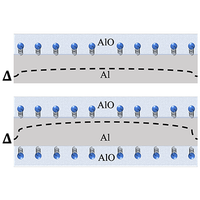
Phys. Rev. Lett. 136, 216001 (2026)
Condensed Matter and Materials
Large Many-Electron Effects in the Temperature-Dependent Electron-Phonon Renormalization of Semiconductor Band Gaps
Article | Condensed Matter and Materials | 2026-05-26 06:00 EDT
Xiaoxun Gong, Zhenglu Li, and Steven G. Louie
A computational framework captures the influence of many-body effects on semiconductor band gaps.
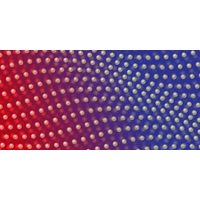
Phys. Rev. Lett. 136, 216401 (2026)
Condensed Matter and Materials
Electronic Layer Decoupling Driven by Density-Wave Order in ${\mathrm{La}}{4}{\text{Ni}}{3}{\mathrm{O}}_{10}$
Article | Condensed Matter and Materials | 2026-05-26 06:00 EDT
Ziqiang Guan (管梓强), Sophia F. R. TenHuisen, M. Tepie, Yifeng Zhao (赵祎峰), Ezra Day-Roberts, Harrison LaBollita, Alexander M. Young, Xiaomeng Cui (崔宵萌), Xinglong Chen (陈幸龙), Filippo Glerean, Carl Audric Guia, Mark P. M. Dean, Philip Kim, J. F. Mitchell, Antia S. Botana, Christopher C. Homes, and Matteo Mitrano
We probe the density-wave transition of the trilayer nickelate with polarization-resolved infrared spectroscopy. The low-energy electrodynamics is strongly anisotropic, with metallic in-plane and insulating out-of-plane character. In the ordered phase, the anisotropy grows more than an ord…
Phys. Rev. Lett. 136, 216501 (2026)
Condensed Matter and Materials
Kondo Echo Dynamics of Terahertz-Pumped Heavy Fermions
Article | Condensed Matter and Materials | 2026-05-26 06:00 EDT
Francisco Meirinhos, Michael Turaev, Michael Kajan, Tim Bode, and Johann Kroha
We provide a theoretical framework to describe the nonequilibrium temporal dynamics of correlated electron systems for realistic system parameters and the consequent, often exponentially long timescales. It is based on an entirely integrodifferential formulation of time-dependent dynamical mean-fiel…
Phys. Rev. Lett. 136, 216502 (2026)
Condensed Matter and Materials
Physical Review X
Three-Dimensional XY Universality and Nonlinear Magnetic Susceptibility in a Kagome Ice Compound
Article | 2026-05-26 06:00 EDT
Kan Zhao, Hao Deng, Hua Chen, Nvsen Ma, Noah Oefele, Jiesen Guo, Xueling Cui, Chen Tang, Matthias J. Gutmann, Thomas Mueller, Yixi Su, Vladimir Hutanu, Changqing Jin, and Philipp Gegenwart
Nonlinear magnetic susceptibility measurements in the kagome spin ice HoAgGe reveal hidden time-reversal symmetry breaking in the ground states, reached via a three-dimensional XY universality class transition.
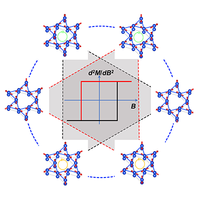
Phys. Rev. X 16, 021043 (2026)
arXiv
AutoDFT: A Closed-Loop Multi-Agent Framework for Autonomous DFT Calculations
New Submission | Materials Science (cond-mat.mtrl-sci) | 2026-05-27 20:00 EDT
Penghui Yang, Zhonghan Zhang, Yue Li, Xinrun Wag, Yanchen Deng, Yuhao Lu, Bijun Tang, Zheng Liu, Bo An
Density functional theory (DFT) serves as the basis for computational discovery in materials science and chemistry, yet each calculation demands extensive human effort: adjusting algorithms when convergence stalls, revising plans when unexpected physics emerges, and inserting steps as intermediate results reshape the problem. Existing LLM-based agents automate only the initial planning stage, producing a full execution plan upfront and leaving all subsequent adaptation to hand-crafted rules. As a result, these workflows remain fragile, do not generalize well beyond pre-planned scenarios, and often require expert intervention when failures or unexpected intermediate results require changes to the calculation path. Here, we introduce AutoDFT, a closed-loop multi-agent framework that embeds LLM reasoning into every stage of the DFT lifecycle, where a strategic planner produces a skeletal plan of step objectives; a step planner generates numerical parameters just in time from preceding results; and a monitor-recover-reflect cycle diagnoses failures, repairs them, and revises the plan when the evidence justifies it. We demonstrate both breadth and depth: breadth on VASPBench, a purpose-built benchmark spanning 34 tasks and 9 DFT calculation types, where AutoDFT achieves 94.1% task-level success with GPT-5.2; and depth on established materials databases, where AutoDFT produces quantitatively reliable property predictions across electronic, magnetic, and energetic properties. By closing the loop between planning and execution, AutoDFT enables experimentalists without deep computational expertise to obtain reliable first-principles results.
Materials Science (cond-mat.mtrl-sci), Artificial Intelligence (cs.AI), Computational Engineering, Finance, and Science (cs.CE)
Conserving relaxation-time approximation for electron-electron collisions
New Submission | Strongly Correlated Electrons (cond-mat.str-el) | 2026-05-27 20:00 EDT
Sayak Bhattacharjee, Tatia Kiliptari, Dmitrii L. Maslov
We develop a conserving relaxation-time approximation (cRTA), which explicitly enforces conservation of particle number, energy, and momentum and employs an energy-resolved projection onto the full space of collision invariants. This makes the cRTA applicable to transport quantities sensitive to the energy dependence of the nonequilibrium quasiparticle distribution near the Fermi surface. We benchmark the cRTA against several exact and asymptotically exact results. In particular, it reproduces the low- and high-temperature limits of the dc conductivity of a non-Galilean-invariant Fermi liquid (FL) with disorder, the hydrodynamic and collisionless limits of the finite wavevector longitudinal conductivity of a clean Galilean-invariant FL, and the asymptotic scaling forms of the optical conductivity of a clean non-Galilean-invariant FL beyond the semiclassical limit. For several observables, the agreement with exact solutions is quantitative at the percent level. These results demonstrate that the cRTA provides a simple and accurate framework for transport beyond the Fermi surface projection approximation.
Strongly Correlated Electrons (cond-mat.str-el)
5+9 pages, 1 figure
Quantum Interference Corrections in Electron Hydrodynamics
New Submission | Strongly Correlated Electrons (cond-mat.str-el) | 2026-05-27 20:00 EDT
We show that quantum-interference corrections in an electron fluid are tightly constrained by hydrodynamic Ward identities: charge and momentum conservation protect the $ m=0,\pm1$ sectors, so the leading correction first appears in the spin-two $ m=\pm2$ stress sector. The resulting hydrodynamic Cooperon has a robust infrared structure that renormalizes stress relaxation, and hence the viscosity. In channel flow this lowers the viscous resistivity, producing a hydrodynamic interference signature with the opposite sign to ordinary weak localization.
Strongly Correlated Electrons (cond-mat.str-el)
5+10 pages, 2 figures
Hydrodynamic Cooperons in Electron Fluids: Schwinger–Keldysh Derivation and Quantum Corrections to Magnetoresistance
New Submission | Strongly Correlated Electrons (cond-mat.str-el) | 2026-05-27 20:00 EDT
We develop a Schwinger–Keldysh effective theory for quantum-interference corrections in a two-dimensional electron system in the hydrodynamic regime. Starting from the clean hydrodynamic fixed point, we introduce a minimal random-friction disorder model that generates a finite momentum-relaxation time within the self-consistent Born approximation. The disorder-averaged theory then allows us to construct a hydrodynamic Cooperon and to compute the associated self-energy corrections to the collective modes. Conservation laws protect the density and momentum sectors, so that the leading quantum-coherence correction is forced into the spin-two stress sector. The associated stress self-energy renormalizes the shear viscosity and modifies both the Gurzhi response and its low-field magnetohydrodynamic signatures.
Strongly Correlated Electrons (cond-mat.str-el)
18 pages, 5 figures
Competition between pair and single-particle superfluidity in bosonic quasi-flat bands: A Gaussian state approach
New Submission | Quantum Gases (cond-mat.quant-gas) | 2026-05-27 20:00 EDT
Maxime Burgher, Simon Loddo, Laurens Vanderstraeten, Nathan Goldman, Ivan Amelio
The interplay between interactions and quantum geometry can drive weakly dispersive bosons into different exotic many-body phases. In this work we study a quasi flat-band model in one dimension that exhibits an extended pair-superfluid phase in the all-flat-band limit. Introducing single-particle hopping leads to an intriguing competition with a more conventional single-particle superfluid: we find that the pair superfluid remains stable for a finite range of the hopping strength until the system eventually transitions into the conventional superfluid phase. In our study, we make use of a variational Gaussian state approach that provides a unified description of the single-particle and pair superfluid phases, regarding both the ground state wavefunction and the collective excitation spectrum. In particular, we derive a general relation between the speed of sound and a ``quantum geometric kernel’’, thereby extending earlier connections to the quantum metric, which relied on single-particle mean-field theory. This approach is combined with insights from the two-boson problem and exact diagonalization to map out the full phase diagram of the model. Our results show that the Gaussian approach is a versatile tool for studying a broad range of superfluid phases of interacting bosons in multi-orbital lattices.
Quantum Gases (cond-mat.quant-gas)
Slave-boson Formalism for Superconducting Pairing at Strong Coupling
New Submission | Superconductivity (cond-mat.supr-con) | 2026-05-27 20:00 EDT
Sarbajit Mazumdar, Jonas Issing, Jannis Seufert, David Riegler, Peter Wölfle, Ronny Thomale, Michael Klett
We study the emergence of superconductivity in the one-band Hubbard model using the spin-rotation-invariant Kotliar-Ruckenstein slave-boson (SB) approach. Motivated by its intrinsically renormalized mean-field ground state, we construct an effective pairing vertex from dynamical fluctuations about the saddle point. Solving the anisotropic, frequency-dependent gap equation on the square lattice, we map the pairing instabilities across doping, interaction, temperature and real-frequency gap structure that qualitatively match experimental cuprate observations. This framework merges strong-correlation SB-type renormalizations with RPA-type pairing transparency, providing a scalable route to modeling multi-orbital superconductivity at strong coupling.
Superconductivity (cond-mat.supr-con), Strongly Correlated Electrons (cond-mat.str-el)
25 pages, 11 figures
Diamond compound refractive lenses for high energy Dark Field X-ray Microscopy
New Submission | Materials Science (cond-mat.mtrl-sci) | 2026-05-27 20:00 EDT
Steffen Staeck, Can Yildirim, Frank Seiboth, Terence Manning, Thomas Roth, Jean-Charles Stinville, Carsten Detlefs
Compound-refractive lenses (CRL) are a type of x-ray optics that find widespread applications as focusing and imaging lenses. The choice of material is one of the most defining properties of these lenses. In this work, we present a CRL made out of diamond. It provides an advantageous balance between refractivity and absorption, along with good manufacturability. Compared to Be CRLs, it features a higher optical density and thus enables application at higher photon energies without relying on large lens stacks or very small radii of curvature, which are challenging to manufacture. A diamond CRL is characterized for use as an objective for Dark-field X-ray Microscopy (DFXM) at the ID03 beamline of the European Synchrotron Radiation Facility (ESRF) and compared to Al and Be CRLs at 17 keV, 33 keV and 37 keV. Increasing the photon energy in DFXM from 17 keV to 37 keV opens up the possibility to investigate new sample systems, that were previously opaque to low energy x-ray radiation. The capability of the diamond CRL at 33 keV is illustrated through DFXM measurements on two 0.5 mm-thick iron-based samples, which cannot be probed at 17 keV.
Materials Science (cond-mat.mtrl-sci)
GPU-accelerated finite-temperature Lanczos method for spin Hamiltonians
New Submission | Strongly Correlated Electrons (cond-mat.str-el) | 2026-05-27 20:00 EDT
Shadan Ghassemi Tabrizi, Thomas D. Kühne
We present a GPU implementation of the finite-temperature Lanczos method (FTLM) for Heisenberg spin Hamiltonians that targets workstation hardware rather than distributed-memory clusters. The Hamiltonian action is evaluated matrix-free in a row-wise gather formulation. We introduce and compare two state-to-index strategies: a compressed lookup table (CLT), which reduces lookup memory by a factor of 16 relative to a full table while retaining a fixed, branch-light access pattern, and a GPU-adapted combinatorial-ranking scheme that removes the lookup table altogether. Numerical tests against FP64 CPU references show that FP32 GPU arithmetic changes heat capacities and magnetic susceptibilities by amounts several orders of magnitude below the stochastic uncertainty of the FTLM trace estimator at typical sample sizes. Benchmarks show speedups of up to about one order of magnitude over optimized multicore CPU calculations and enable Hilbert-space sectors of dimension ~10^8 on a single workstation GPU. The MATLAB/CUDA implementation, including example input files and benchmark scripts, is openly available at this https URL (archived at DOI: https://doi.org/10.5281/zenodo.20378647) under the Apache-2.0 license.
Strongly Correlated Electrons (cond-mat.str-el)
28 pages, 5 figures
Taming non-equilibrium thermal fluctuations in subthreshold CMOS circuits
New Submission | Statistical Mechanics (cond-mat.stat-mech) | 2026-05-27 20:00 EDT
Nahuel Freitas, Geremia Massarelli, Jeremy Rothschild, Dylan Keane, Ethan Dawe, Sewook Hwang, Akhil Garlapati, Trevor McCourt
As CMOS technology scales down, thermal fluctuations increasingly impact circuit behavior, posing challenges to conventional circuit design. However, the inherent stochasticity introduced by thermal noise is now being explored as a potential resource in the emerging field of probabilistic computing. This work presents a fully CMOS experimental platform that enables direct control over its intrinsic thermal fluctuations. These devices function as programmable multivariate Gaussian samplers, offering a hardware primitive for energy-efficient stochastic computing and serving as an experimental platform for studies in electronic noise and stochastic thermodynamics.
Statistical Mechanics (cond-mat.stat-mech), Applied Physics (physics.app-ph)
Nematic Phase Transitions in Multilayer Graphene Systems
New Submission | Strongly Correlated Electrons (cond-mat.str-el) | 2026-05-27 20:00 EDT
R. David Mayrhofer, Andrey V. Chubukov
Recent experiments on graphene multilayers under displacement field have demonstrated a wide variety of electronically ordered phases, including valley and/or spin polarized phases as well as potentially unconventional superconducting phases. In addition, quantum oscillation measurements in Bernal bilayer graphene and rhombohedral trilayer graphene showed the presence of electronic nematic states. Here, we investigate the emergence of nematic order in these systems, with emphasis on Bernal bilayer graphene, within a self-consistent Hartree–Fock framework, using a realistic band structure with trigonal warping and a dual-gate screened Coulomb interaction. We compute the phase diagram as carrier density and displacement field are varied, and find a sequence of isospin (spin and valley) polarized states consistent with experiment, including partially polarized phases with a large Fermi pockets for isospin-majority carriers and smaller Fermi pockets for isospin-minority carriers. Within these partially isospin polarized states, we identify regions with three $ C_3$ -symmetric pockets for the minority carriers and regions with only one or two such pockets, implying that the system develops a spontaneous nematic order that breaks $ C_3$ symmetry. We find numerically that nematicity emerges near the boundary between fully and partially polarized phases and is controlled by the strength of the screened interaction. We analytically derive a criterion for the nematic order, which agrees with our numerical results.
Strongly Correlated Electrons (cond-mat.str-el)
27 pages, 8 figures
Extended Bose-Hubbard Model on Small Grids: Exact Diagonalization and Monte Carlo Studies
New Submission | Quantum Gases (cond-mat.quant-gas) | 2026-05-27 20:00 EDT
Gabriele Costa, Matteo Ciardi, Fabio Cinti, Santi Prestipino
The superfluid-insulator transition in systems of lattice bosons is usually analyzed in the framework of the Bose-Hubbard model, and has been extensively studied by theory and simulations. Less attention has been paid to the remnants of the transition in truncated lattices, with or without periodic boundary conditions. Here we consider the hard-core limit of the extended Bose-Hubbard model on small square and triangular grids – i.e., sections of the square and triangular lattices containing up to 13 sites. By mapping out the zero-temperature phase diagram through exact diagonalization, we find ground-state characteristics that are markedly different from those emerging in the thermodynamic limit, together with similarities. The dichotomy between superfluid-like and insulating-like behavior is then investigated in two-dimensional systems of a few interacting bosons in the continuum, subject to confining and optical-lattice potentials mimicking the $ 3\times 3$ square grid. Using path-integral Monte Carlo simulations, we compute kinetic and potential energies, as well as superfluidity and exchange-cycle statistics, finding hints of Bose-Hubbard behavior even in systems of just five particles.
Quantum Gases (cond-mat.quant-gas), Quantum Physics (quant-ph)
15 pages, 18 figures
Resilience of the physicochemical properties of graphene-based materials for applications in harsh radiation environments
New Submission | Materials Science (cond-mat.mtrl-sci) | 2026-05-27 20:00 EDT
Marcilei A. Guazzelli, Saulo G. Alberton, Nemitala Added, Vitor A. P. Aguiar, Koiti Araki, Luis H. Avanzi, Francesco Cappuzzello, Manuela Cavallaro, Eliane F. Chinaglia, Marcia T. Escote, Fabio F. Ferreira, Mauro Giovannini, Renato F. Jardim, Sueli H. Masunaga, Nilberto H. Medina, Marcelo Nakamura, José R. B. Oliveira, Roberto B. B. Santos, Alexis C. Villas-Bôas
The development of radiation-tolerant materials capable of maintaining structural, electrical, and thermal stability in extreme, radiation-rich environments remains a critical challenge in materials science. In this work, the effects of 60 MeV 35Cl ion irradiation on highly oriented pyrolytic graphite (HOPG) and multilayer reduced graphene oxide (ML-rGO) were investigated. The samples were exposed to fluences of 5.11 x 10^9 and 1.3 x 10^10 ions/cm^2 and characterized by X-ray diffraction (XRD), Raman spectroscopy, scanning electron microscopy (SEM), atomic force microscopy (AFM), and electrical transport measurements. The results show that the irradiation response is strongly influenced by the initial structural organization of the material. In HOPG, ion exposure leads to a progressive loss of crystalline order, evidenced by XRD peak broadening and an increase in the Raman ID/IG ratio, accompanied by a reduction in electrical transport performance. In contrast, ML-rGO exhibits distinct behavior at higher fluences, suggesting partial structural reorganization. The appearance of more defined graphitic features in XRD and Raman analyses, along with changes in surface morphology and electrical response, suggests the formation of more ordered sp2 domains. These findings indicate that irradiation effects vary with the initial degree of order, providing useful insights for selecting carbon-based materials for devices operating under severe radiation conditions.
Materials Science (cond-mat.mtrl-sci), Nuclear Experiment (nucl-ex)
17 pages, submitted to Diamond & Related Materials
Cylindrical Trap Dependence in the Unitary Fermi Gas
New Submission | Quantum Gases (cond-mat.quant-gas) | 2026-05-27 20:00 EDT
The unitary Fermi gas serves as a tunable realization of a strongly coupled CFT, making it a powerful system for probing universal quantum many-body phenomena. Precise measurement of its properties remains experimentally challenging: finite-temperature effects and spatial inhomogeneity introduced by external trapping potentials can significantly distort observables. Cylindrical trap geometries are commonly used in experiments. This note extends an existing theoretical framework to this geometry, deriving how the cylindrical confinement modifies the dynamic structure factor at zero temperature. These results provide a necessary correction for the interpretation of experimental spectra in trapped unitary gases.
Quantum Gases (cond-mat.quant-gas)
24 pages, 2 figures
Phase behavior of solvent-nematogen mixtures
New Submission | Soft Condensed Matter (cond-mat.soft) | 2026-05-27 20:00 EDT
Sullivan Bailey-Darland, Takumi Matsuzawa, Eric R. Dufresne
Liquid mixtures with a nematogen can undergo both fluid phase separation and a transition from an isotropic to a nematic state. These phase transitions can couple and lead to phase behavior distinct from simple liquid mixtures or pure liquid crystals. We measured the phase behavior of mixtures of a nematogen (5CB) with simple liquid solvents (squalane and/or squalene). We observed two distinct kinds of binary phase diagrams: with and without a region of isotropic-isotropic coexistence. Varying the ratio of squalene to squalane, we continuously tuned the phase boundaries of the apparent binary system and revealed a region of three-phase coexistence. A mean-field model combining classical models of liquid mixing and nematic ordering quantitatively describes both binary and ternary phase behavior. This simple model predicts a range of topologically complex ternary phase diagrams and extends naturally to systems with more components.
Soft Condensed Matter (cond-mat.soft)
Finite Temperature Stacking Fault Stability in Random and Locally Ordered CoCrNi beyond the Harmonic Approximation
New Submission | Materials Science (cond-mat.mtrl-sci) | 2026-05-27 20:00 EDT
Reza Namakian, Fei Shuang, Thomas D Swinburne, Poulumi Dey, Ali Erdemir, Wei Gao
Previous density functional theory (DFT) calculations for random solid solution (RSS) CoCrNi predict negative intrinsic stacking-fault energy (ISFE) at 0 K, contrary to experimental observations of finite stacking-fault widths. Two explanations have been proposed: finite-temperature stabilization of the RSS state, suggested by harmonic approximations showing increasing ISFE with temperature, and local chemical order (LCO), which shifts the ISFE to positive values at 0 K. Here, we compute temperature-dependent generalized stacking-fault free energies for RSS and LCO CoCrNi using a near-quantum-accuracy machine learning interatomic potential and the fully anharmonic projected average force integrator. Unlike harmonic approximations, our anharmonic calculations show that the RSS ISFE decreases with temperature and remains negative, indicating that RSS stacking faults are not thermally stabilized at elevated temperatures. By contrast, LCO maintains positive ISFE over 0-1000 K. Molecular dynamics simulations further confirm unbounded dislocation dissociation in RSS CoCrNi but finite stacking-fault widths in the LCO state.
Materials Science (cond-mat.mtrl-sci)
Locally resolved electronic textures of reconstruction domains in marginally twisted monolayer-bilayer graphene
New Submission | Mesoscale and Nanoscale Physics (cond-mat.mes-hall) | 2026-05-27 20:00 EDT
Sean M. Walker, Patrick Sarsfield, Isaac Soltero, Xue-Ying LiYang, Laurent Molino, Ryan Plumadore, Kenji Watanabe, Takashi Taniguchi, Vladimir Falko, Adina Luican-Mayer
Controlling the stacking and rotational registry of graphene layers provides a powerful handle on atomic-scale structural reconstructions that alter the electronic landscape at the nanoscale. In particular, this governs how massless and massive Dirac fermions coexist and interact at the monolayer-bilayer graphene interface. In the limit of marginal twist, the system reconstructs into domains of distinct vertical stacking order, introducing characteristic electronic properties and new electronic length scales, a regime that, despite its structural richness, remains largely unexplored. Here, using scanning tunnelling microscopy and spectroscopy, we demonstrate that at very low rotation angles the monolayer-bilayer graphene system relaxes into a network of three distinct stacking domains with individual electronic textures revealed through spatially resolved spectroscopic mapping and corroborated by computed local density of states. We report switching of the hierarchy of the tunnelling characteristics between Bernal and rhombohedral domains as a function of bias voltage. Furthermore, the measured spectroscopic maps exhibit theoretically anticipated domain wall ‘twirling’ around energetically unfavorable AAB stacking nodes, promoted by out-of-plane deformations. Our results shed light on fundamental structure-property relationships underpinning moiré-driven phenomena, opening new avenues for harnessing structural degrees of freedom in van der Waals heterostructures.
Mesoscale and Nanoscale Physics (cond-mat.mes-hall)
28 pages, 13 figures
Multi-Scale Coherence of Represented Flows
New Submission | Statistical Mechanics (cond-mat.stat-mech) | 2026-05-27 20:00 EDT
Many problems in nonlinear and statistical physics are formulated through represented flows, including physical-space vector fields, phase-space drift fields, and truncated renormalization-group beta functions. We introduce a complementary representation-dependent diagnostic for testing whether finite-separation flow geometry is stable across observational resolution. For two separated points, states, or theories, the method compares the direction of the corresponding vector-field increment after the field has been smoothed at two resolutions. Averaging this normalized comparison over sampled separations gives a coherence matrix tied to the chosen variables, coarse graining, metric, and sampling protocol; it is a consistency test, not a coordinate-invariant quantity. We demonstrate the diagnostic in three settings. Synthetic divergence-free fields with identical Fourier amplitudes, spectra, and scalar two-point correlations nevertheless produce distinct coherence matrices, showing that second-order statistics do not determine cross-resolution increment geometry. Lorenz phase-space tests show that a smooth coordinate wrinkling changes represented drift geometry without changing the underlying dynamics, and that a weak model perturbation lowers finite-separation coherence even when local stretching proxies remain closely matched. Finally, for functional renormalization-group flows of the three-dimensional (O(1)) scalar theory, projected (M=4,5,6) LPA beta fields remain internally coherent, while cross-truncation coherence decreases as higher-order coupling directions are activated. The diagnostic provides a practical field-level check of how representations, models, and truncations preserve finite-separation flow geometry, complementing rather than replacing standard local, spectral, or fixed-point diagnostics.
Statistical Mechanics (cond-mat.stat-mech), Mathematical Physics (math-ph), Chaotic Dynamics (nlin.CD)
Ground state correlations in the one-dimensional Fermi one-component plasma
New Submission | Strongly Correlated Electrons (cond-mat.str-el) | 2026-05-27 20:00 EDT
Structural and dynamic correlations in the ground state of the one-dimensional Fermi one-component plasma are studied by Quantum Monte Carlo simulations. Results are presented for the pair correlation function, static structure factor, the one-particle density matrix and the momentum distribution, for the cases of full, partial and no polarization. Evidence is reported of density correlations slowly decaying with distance, with the concurrent emergence of quasi-crystalline order even in the weakly correlated regime. Effects of quantum statistics in the momentum distribution are discussed.
Strongly Correlated Electrons (cond-mat.str-el)
10 figures in color, 8 pages
Surface d-orbital order in intermetallic compound
New Submission | Strongly Correlated Electrons (cond-mat.str-el) | 2026-05-27 20:00 EDT
Zhanyang Hao, Haohao Sheng, Wanru Ma, Wengen Zheng, Yongqing Cai, Zijuan Xie, Wanlin Cheng, Zuowei Liang, Wu Xie, Wenjuan Zhao, Chen Liu, Zhibin Su, Junhao Lin, Liusuo Wu, Zhengtai Liu, Mao Ye, Ji Dai, Massimo Tallarida, Shengtao Cui, Yogendra Kumar, Kenya Shimada, Kenichi Ozawa, Shuki Torii, Kazuhiro Mori, Yue Xie, Junze Deng, Jiaou Wang, Xuetao Zhu, Jiandong Guo, Jiawei Mei, Zhenyu Wang, Xianhui Chen, Ping Miao, Zhijun Wang, Chaoyu Chen
Orbital order describes a quantum state where occupied orbitals line up in a periodic pattern. While orbital physics plays a fundamental and universal role in strongly correlated electron systems, the existence and particularly the band structure fingerprint of orbital order remain a long-standing mystery. Here, we report the discovery of rare earth 5d-orbital order developed by the surface states of intermetallic compound Tb2CoAl4Ge2. Angle-resolved photoemission spectroscopy reveals characteristic nematic features like Fermi surface deformation and band split. These experimental observations can be described by a ferro-orbital order term in the mean-field Hamiltonian. The structural and magnetic origin of such order is excluded by systematic high-resolution neutron powder diffraction and scanning tunnelling microscopy measurements. Our results provide strong evidence for a pure surface orbital order scenario avoiding complications from structural distortion as in colossal magnetoresistance manganites, magnetic order as in iron-based superconductors, and charge transfer p-orbital order in cuprates.
Strongly Correlated Electrons (cond-mat.str-el)
4 main figures, 10 extended figures
Direct Dispersion-Curve Engineering of Phononic Crystal Defect Modes for Prescribed Frequencies via Topology Optimization
New Submission | Materials Science (cond-mat.mtrl-sci) | 2026-05-27 20:00 EDT
Phononic crystals enable precise manipulation of elastic wave propagation through engineered bandgaps; however, designing defect states within these bandgaps for frequency-selective applications remains a significant challenge. Existing design approaches, including prior optimization formulations, struggle to systematically resolve the competing objectives of attracting desired defect modes to target frequencies while simultaneously repelling unwanted modes from the bandgap region. This inability to suppress competing modes often results in spurious, undesired in-gap resonant modes, thereby limiting design purity. This paper presents a novel two-stage topology optimization framework that addresses this challenge through an innovative multi-objective formulation based on a selection function with Gaussian weighting. In the first stage, the unit cell topology is optimized to create a wide bandgap around a target frequency. In the second stage, a supercell containing a defect is optimized using a specially designed objective function that dynamically balances mode attraction and repulsion via a selection function $ S(\omega)$ with adaptive $ \sigma$ parameters. This selection mechanism enables the optimizer to automatically identify and selectively attract the most suitable defect mode while repelling competing modes from the bandgap region, eliminating the need for manual mode tracking. Numerical examples demonstrate that the proposed framework successfully generates phononic crystals featuring engineered defect states that yield precisely positioned localized resonant modes at prescribed frequencies within wide bandgaps, with potential applications in frequency-selective filters and elastic wave manipulation devices.
Materials Science (cond-mat.mtrl-sci), Numerical Analysis (math.NA), Computational Physics (physics.comp-ph)
31 pages, 18 figures
Structural Alter-Phononics: Sublattice-Momentum Locking in Spinless Lattice Dynamics
New Submission | Materials Science (cond-mat.mtrl-sci) | 2026-05-27 20:00 EDT
Jing-Yang You, Zhen Zhang, Xianlei Sheng, Gang Su
The discovery of altermagnetism has shown that crystal symmetry can generate momentum-dependent internal polarization without net magnetization. Whether an analogous form of symmetry-organized momentum-space order can exist for spinless lattice vibrations remains unresolved. Here we identify a structural mechanism for $ alter$ -$ phononics$ , in which phonon eigenmodes formed from structurally equivalent sublattices acquire momentum-dependent sublattice polarization and frequency splitting in nonmagnetic crystals. The central quantity is the sublattice-resolved dynamical asymmetry $ \Delta(\mathbf q)=D_{AA}(\mathbf q)-D_{BB}(\mathbf q)$ , which controls the associated eigenvector polarization. We show that this effect requires an alter-generator that maps equivalent sublattices onto one another while rotating the wave vector, together with the absence of inversion exchange and little-group sublattice-exchange constraints that would otherwise enforce sublattice equipartition. These symmetry rules generate nematic $ d$ -wave, tetragonal $ d/g$ -wave, and tripartite six-lobe phonon textures. First-principles calculations demonstrate the mechanism in representative nonmagnetic crystals and show how a symmetry-preserving structural distortion can unlock a hidden $ d_{x^2-y^2}$ -type texture by removing glide-induced equipartition traps while retaining the screw-axis alter-generator. We further show that the eigenvector texture is inherited by sublattice-projected electron-phonon coupling and anharmonic response functions. Our results establish structural alter-phononics as a spinless counterpart to altermagnetic momentum-space order and provide experimentally testable signatures in finite-$ \mathbf q$ phonon spectra and displacement patterns.
Materials Science (cond-mat.mtrl-sci)
4 figures
Directional Symmetry Breaking of Spherical Active Colloids by Magnetoviscous Coupling
New Submission | Soft Condensed Matter (cond-mat.soft) | 2026-05-27 20:00 EDT
Ziyang Zhou, Takuya Kobayashi, Keita Saito, Masato Ito, Kohei Yoshinaga, Yasutaka Iwashita, Kazusa Beppu, Yusuke T. Maeda
Harnessing active matter requires strategies that break the directional symmetry of self-propelled motion without altering the propulsion mechanism itself. Here, we show that magnetically inert spherical active colloids can be steered through the anisotropic viscous response of a ferrofluid under a uniform magnetic field. Self-propelled Janus colloids exhibit robust cross-field motion transverse to the magnetic field, although the applied magnetic field directly controls neither the particles nor their propulsion speed. Quantitative measurements reveal an emergent reorientation torque that grows with propulsion speed and magnetic field strength. A squirmer model in a magnetoviscous medium captures these observations and shows that the torque arises from the coupling between swimmer-generated flow and anisotropic rotational viscosity. Our findings establish a hydrodynamic foundation for converting viscous dissipation into directional symmetry breaking through anisotropic rheology, providing a route to field-controlled material transport by active matter.
Soft Condensed Matter (cond-mat.soft)
19 pages, 5 figures, supplemental material
Modulation of charge density waves in a twisted vortex moire superlattice
New Submission | Materials Science (cond-mat.mtrl-sci) | 2026-05-27 20:00 EDT
Qian Fang, Yanhao Shi, Jingyi Duan, Hui Guo, Yikai Chen, Senhao Lv, Jiayi Wang, Zhongyi Cao, Jiayi Huang, Siyu Xu, Haitao Yang, Wei Jiang, Hui Chen, Hong-Jun Gao
Twisted moire superlattices in van-der-Waals heterostructures provide a powerful platform for engineering correlated states through moire-band reconstruction. However, whether globally coherent electronic orders can be continuously manipulated at the nanoscale remains largely unexplored. Reconstructed moire structures in small-angle and near-commensurate regime feature continuously varying local environments, offering new opportunities for nanoscale manipulation of correlated phases. Here, we report the modulation of charge density wave (CDW) states in a twisted vortex moire superlattice formed between monolayer VTe2 and superconducting NbSe2. Scanning tunneling microscopy/spectroscopy reveals that the intrinsic long-range CDW of monolayer VTe2 is reconstructed into inequivalent local phases with distinct stability and coherence within a single moire unit cell, including suppressed CDW order and enhanced short-range CDW correlations persisting to room temperature. First-principles calculations show that the reconstructed CDW landscape originates from strong local strain variation, where compressive strain substantially stabilizes the charge order. Furthermore, the modulated CDW states exhibit competing interplay with proximity-induced superconductivity. Our results establish vortex moire superlattices as a versatile platform for nanoscale manipulation of correlated electronic orders in low-dimensional quantum materials.
Materials Science (cond-mat.mtrl-sci), Other Condensed Matter (cond-mat.other)
20 pages, 4 figures
Anharmonic Quantum Transport Analysis of Thermal Transport Anomalies in Ultrathin Silicon Nanowires
New Submission | Mesoscale and Nanoscale Physics (cond-mat.mes-hall) | 2026-05-27 20:00 EDT
Lokanath Patra, Mayur Pratap Singh, Satish Kumar
Thermal transport in low-dimensional semiconductors is crucial for advancing thermal management in nanoelectronics, quantum devices, and thermoelectric devices. Recent molecular dynamics (MD) studies have identified a nonmonotonic dependence of thermal conductivity (k) on diameter in ultrathin silicon nanowires (NWs). However, classical MD methods are limited at low temperatures and in strongly confined regimes. This work introduces a fully quantum-mechanical perspective on this anomaly by employing anharmonic non-equilibrium Green’s function (NEGF) simulations combined with density-functional-theory-trained neuroevolution potentials. For [001]- and [110]-oriented NWs, k decreases with diameter d to a minimum at d_c = 6.24 nm and 5.50 nm, respectively, then rises with d, for a temperature range of 10-300 K. At room temperature, this behavior arises from dominant momentum-conserving normal scattering relative to Umklapp processes in confined regimes, thereby enabling Poiseuille-like hydrodynamic phonon flow that competes with boundary scattering. At cryogenic temperatures, strong radial confinement quantizes the phonon spectrum, and only low-frequency phonons (< 2 THz) significantly contribute to heat transport through quasi-ballistic propagation of long-wavelength modes, as demonstrated by the spectral thermal conductance. In contrast to classical MD, which is inaccurate at low temperatures due to overexcitation of high-frequency vibrations by Boltzmann statistics, neglect of quantum suppression, and overestimation of thermal conductivity in thinner NWs with stronger quantum confinement, the NEGF framework provides quantitative accuracy even at low temperatures, such as 10 K.
Mesoscale and Nanoscale Physics (cond-mat.mes-hall), Materials Science (cond-mat.mtrl-sci)
Conditions for domain-free negative capacitance
New Submission | Materials Science (cond-mat.mtrl-sci) | 2026-05-27 20:00 EDT
Prasanna Venkatesan Ravindran, Priyankka Gundlapudi Ravikumar, Asif Islam Khan
While negative capacitance has been demonstrated in ferroelectric-dielectric heterostructures in the form of capacitance enhancement, all experimental evidence, to date, suggests the existence of domains therein. Here, we address the question: what are the conditions to achieve ideal, domain-free negative capacitance in ferroelectric-dielectric heterostructures? Our main claim is that for given thicknesses of the ferroelectric and the dielectric layers, there is a critical value of domain wall energy parameter – above which the system would be stabilized in an ideal and robust domain-free negative capacitance state and would be robust against domain formation. Our analyses suggest that to achieve ideal negative capacitance, efforts should lie in understanding the means to control the domain wall energy on all fronts, both theory and experiments via high throughput design, discovery, and engineering of ferroelectrics.
Materials Science (cond-mat.mtrl-sci), Mesoscale and Nanoscale Physics (cond-mat.mes-hall), Applied Physics (physics.app-ph)
IEEE Transactions on Electron Devices 70.8 (2023): 4493-4496
Super-Arrhenius Dynamic Slowdown Revealed by Slow Variable Modulation in the Fragile Supercooled Liquid
New Submission | Soft Condensed Matter (cond-mat.soft) | 2026-05-27 20:00 EDT
Zhiye Tang, Shubham Kumar, Shinji Saito
The super-Arrhenius dynamic slowdown in fragile supercooled liquids remains one of the central unresolved questions in condensed matter physics. In this study, we analyze particle jump dynamics in a prototypical fragile glass-forming liquid, the Kob-Andersen Lennard-Jones (KALJ) model. Using the displacement of jumping particles as the reaction coordinate, we demonstrate the emergence of non-Poissonian dynamics as the temperature decreases. In the mildly supercooled regime, the outer region of the first coordination shell of a jumping particle exhibits a significant distribution shift during the jump motion. By comparing the survival probability with its slow-fluctuation limit using this distribution as a slow variable, we confirm that particles in this region modulate the jump dynamics, enhance the jump rate fluctuations, and thereby induce the dynamic slowdown as supercooling proceeds. As the temperature decreases, this behavior extends to the outer regions of the second coordination shell and beyond, intensifying the dynamic slowdown. This spatial growth of the slow variables responsible for dynamic disorder exhibits close correspondence with an increase in the static correlation length. These results provide a microscopic mechanism for the super-Arrhenius dynamic slowdown in the KALJ model.
Soft Condensed Matter (cond-mat.soft)
J. Chem. Phys. 164, 144504 (2026)
Near-Infrared-Triggered Photodynamic Antibacterial Therapy Using Rose Bengal-Coated Upconverting Nanoparticles
New Submission | Materials Science (cond-mat.mtrl-sci) | 2026-05-27 20:00 EDT
Pratik Deshmukh, Nandini Ahuja, Bhumika Sharma, Khageswar Sahu, Srinibas Satapathy, Shovan Kumar Majumder
Antimicrobial photodynamic therapy (aPDT) is a promising modality for inactivation of antibiotic resistant bacteria, relying on the activation of a photosensitizer (PS) by light of a specific wavelength. This process results in the formation of reactive oxygen species, which ultimately induce cell death. However, aPDT in its conventional form, is limited by the shallow penetration of visible light, restricting its effectiveness for treatment of soft tissue and orthopaedic tissues. To overcome this limitation, near-infrared (NIR) absorbing PS can be used. However, poor stability in vivo after injection, ineffective microbial targeting due to hydrophilic nature and off-site tissue damage are the issues with use of NIR absorbing bare PSs. This issue can be mitigated by combining NIR light with a upconverting nanoparticles (UCNPs), which mediate in conversion of NIR into visible light for effective PS activation. In this study, LaF$ _3$ :Er$ ^{3+}$ ,Yb$ ^{3+}$ nanoparticles were synthesized using a hydrothermal method and coated with Rose Bengal (RB), a promising hydrophilic PS for aPDT, to evaluate the potential for NIR-triggered aPDT. Characterization of the synthesized UCNPs confirmed the crystalline structure, size distribution and successful RB functionalization. Photophysical studies demonstrated efficient energy transfer between UCNPs and RB, leading to singlet oxygen ($ ^1$ O$ _2$ ) generation in vitro. Antibacterial studies against Methicilin resistant Staphylococcus aureus (MRSA), a superbug of implicated soft tissue and orthopaedic infections, revealed significant photo-bactericidal efficacy upon NIR irradiation, indicating the potential of RB-coated UCNPs for aPDT applications.
Materials Science (cond-mat.mtrl-sci), Mesoscale and Nanoscale Physics (cond-mat.mes-hall), Biological Physics (physics.bio-ph)
20 pages, 9 figures
Ultrametricity of Energy Minimum Configurations of RNA Secondary Structures in the Nussinov Model
New Submission | Disordered Systems and Neural Networks (cond-mat.dis-nn) | 2026-05-27 20:00 EDT
We present a numerical study of the ultrametric properties of the set of RNA secondary structures with the maximum number of base pairs (energetically degenerate minima) within the maximum matching model (Nussinov algorithm). Using 18 natural small nuclear RNAs as examples, we show that the degree of nontrivial ultrametricity varies widely. We consider the optimization problem for the degree of nontrivial ultrametricity of RNA secondary structures with the maximum number of base pairs under a fixed nucleotide composition. It is found that permuting the nucleotide sequence can strongly change the degree of ultrametricity, indicating the key role of nucleotide order in shaping the hierarchical properties of RNA secondary structures.
Disordered Systems and Neural Networks (cond-mat.dis-nn), Statistical Mechanics (cond-mat.stat-mech), Numerical Analysis (math.NA)
20 pages, 2 tables
Designing Quantum Matter in Pyrochlore Iridates: A Perspective on Recent Thin-Film Advances
New Submission | Strongly Correlated Electrons (cond-mat.str-el) | 2026-05-27 20:00 EDT
Xiaoran Liu, Michael Terilli, Ana-Marija Nedic, Jiandong Guo, Jak Chakhalian
The pyrochlore iridates R2Ir2O7 have emerged as a unique playground for exploring exotic quantum phenomena arising from the intricate interplay of strong spin-orbit coupling, electron correlations, and geometric frustration. While bulk crystals of these materials have revealed a rich landscape of correlated and topological states, recent breakthroughs in epitaxial thin-film synthesis and heterostructure engineering unlocked an entirely new dimension of discovery. This brief Perspective reviews recent advancements highlighting how new tuning knobs such as dimensional confinement, epitaxial strain, and interfacial coupling can be used to manipulate the delicate balance of competing interactions. We discuss several key discoveries enabled by this approach including the realization of the magnetic Weyl semimetal phase in (111) oriented films, strain-engineered magnetic multipolar orders, the emergence of a chiral spin liquid-like state in the quasi-2D limit, and the discovery of novel electronically anisotropic states at interfaces between pyrochlore iridates and other quantum materials, such as spin ice pyrochlores. These findings showcase that low-dimensional pyrochlore iridates provide ample opportunities for both theory and experiment to unravel, control and ultimately design novel quantum states of matter. We conclude by outlining key open questions and future directions ranging from the synthesis of new heterostructures to the application of advanced probes and the exploration of non-equilibrium phenomena.
Strongly Correlated Electrons (cond-mat.str-el)
Geometric Protection of Bipartite Entanglement in Hopf-Linked Quantum Rings
New Submission | Mesoscale and Nanoscale Physics (cond-mat.mes-hall) | 2026-05-27 20:00 EDT
We determine the bipartite entanglement bounds of two interacting electrons in deeply interlocked Hopf-linked quantum rings via exact diagonalization of the unexpanded 3D Coulomb interaction. This identifies an exact continuous spatial symmetry that geometrically isolates the positive-parity Bell state, preventing classical interaction-driven localization. A non-coplanar geometric tilt ($ \alpha > 0$ ) is essential to lift the exchange degeneracy and maintain this maximally entangled manifold as a state of frozen entanglement. However, a higher-order Schrieffer-Wolff transformation demonstrates this geometric protection is fundamentally bounded; uncancelled inter-orbital momentum transitions inevitably induce dynamical parity mixing. This defines a critical interaction threshold ($ \lambda_{crit}$ ) for irreversible entanglement collapse. Our analysis shows that the resulting bounding conditions reveal scaling limitations in mesoscopic semiconductor architectures, dictating the necessity of synthetic macroscopic platforms to achieve robust topological protection.
Mesoscale and Nanoscale Physics (cond-mat.mes-hall), Quantum Physics (quant-ph)
Quantum statistical mechanics: Gauge invariance, operator shifting, hyperdensity functionals, and nonequilibrium sum rules
New Submission | Statistical Mechanics (cond-mat.stat-mech) | 2026-05-27 20:00 EDT
Johanna Müller, Matthias Schmidt
We provide an extended acount of the recent statistical mechanical theory of gauge invariance against operator shifting in quantum many-body systems (arXiv:2509.20494). The gauge transformation is enacted by a shifting superoperator that displaces the fundamental position and momentum degrees of freedom. The shifting superoperator constitutes a map between Hilbert space operators and it features Lie algebra commutator structure. Averages of general observables remain invariant under the shifting both in and out of thermal equilibrium, as well as in groundstates. The gauge invariance induces exact sum rules that interconnect global observables and associated locally resolved correlation functions. In particular we describe the resulting one-body force, hyperforce, product, and two-body sum rules. We relate the shifting superoperator to a previously formulated quantum canonical transformation and present the generalization of quantum shifting to multi-component systems. The gauge theory respects fundamental fermionic and bosonic particle properties, as we demonstrate by proving the compatibility of operator shifting and exchange symmetry. We formulate the quantum version of hyperdensity functional theory to provide formal access to hyperforces as well as to general averaged quantum observables via universal density functionals. For time-dependent situations, we describe quantum dynamical gauge invariance and prove exact dynamical sum rules for nonequilibrium situations, as generated by Hamiltonian time dependence. We argue for the fundamental status of statistical mechanical gauge invariance based on the compliance of the underlying geometry with canonical quantization according to Dirac’s correspondence principle. Analogies and differences of the quantum mechanical sum rules with their classical counterparts remain indicative of the respective levels of description.
Statistical Mechanics (cond-mat.stat-mech)
21 pages, complementary to arXiv:2509.20494
Spatiotemporal Structures of Parametrically Driven Nonlinear Lattices
New Submission | Statistical Mechanics (cond-mat.stat-mech) | 2026-05-27 20:00 EDT
We theoretically investigate the effects of parametric driving on the one-dimensional Frenkel-Kontorova model, a nonlinear many-body lattice system. It is numerically found that a parametric vibration induces spatiotemporal ordering characterized by the subharmonic frequency $ \omega_{\mathrm{ex}}/2$ and wavenumber $ k$ which takes nontrivial values depending on the vibration strength $ P_{\mathrm{ac}}$ and frequency $ \omega_{\mathrm{ex}}$ . With increasing $ P_{\mathrm{ac}}$ , $ k$ gradually increases and discontinuously jumps up to $ k=\pi$ . Based on an extended linear stability analysis, we show that the former $ k$ resonance (the latter $ \pi$ resonance) corresponds to the unstable (stable) mode and that the $ k$ resonance is made possible by the interplay between the parametric amplification and the collective fluctuation developing through the nonlinear effect.
Statistical Mechanics (cond-mat.stat-mech), Pattern Formation and Solitons (nlin.PS)
6 pages, 3 figures + supplemental material
Chirality-Driven Hierarchical Morphologies in Self-Assembled Biaxial Amphiphiles
New Submission | Soft Condensed Matter (cond-mat.soft) | 2026-05-27 20:00 EDT
Sayantan Mondal, Jayashree Saha
Chirality plays a crucial role in determining the structure of many systems in nature. Twisted or helical aggregates as a consequence of self-assembly can be seen in many biological and synthetic materials. Despite extensive theoretical and experimental efforts, how molecular-scale chirality gives rise to complex twisted morphologies in amphiphiles still remains unexplored. Here we study the interplay between molecular hydrophobicity, shape anisotropy and chirality using molecular dynamics simulation. Variation of relative molecular concentration and intrinsic chirality of molecules drive a sequence of twisted liquid crystalline variants of lamellar, cylindrical and vesicular phases. These structures emerge spontaneously under equilibrium conditions and are characterized by orientational correlation functions. We demonstrate that variation in molecular chirality gives rise to the development of hierarchical chiral order within the system. Further increment of chirality competes with hydrophobic interactions, leading to morphological instabilities. Our findings establish a direct link between microscopic chirality and mesoscale structure formation and their instabilities. Qualitative comparison of liquidity and pitch of the observed phase morphologies with the amount of chirality has been reported.
Soft Condensed Matter (cond-mat.soft)
Visualizing Degradation in Anode-Free High-Utilization Aqueous Batteries Across Cell Lifetime
New Submission | Materials Science (cond-mat.mtrl-sci) | 2026-05-27 20:00 EDT
Sofia K. Catalina, Kyle Frohna, Willow Thompson, Katherine J. Harmon, Dasol Yoon, Jianbo Wang, Colin Ophus, Daniel N. Congreve, William C. Chueh
Operando microscopy has unveiled key mechanistic insights in battery materials during early cycling, but long-term characterization to unveil material evolution, degradation, and failure remain limited. To address this gap, we develop a custom operando optical microscope that captures images across hundreds of cycles and hours using optically accessible, anode-free pouch cells. We image through-plane, bulk-representative electrodeposition behavior of aqueous tin metal anodes, which are promising due to their high energy density but whose reactivity limits practical cycle life. We show that substrate governs the morphology and stability of plated tin, particularly at high plated capacities. Specifically, copper substrates exhibit a multi-stage tin growth mode, which results in high overpotentials and irreversible active material loss at high plated capacities. In contrast, graphite substrates display a single-stage growth mode with slower kinetics. Using this insight, we balance performance and stability to demonstrate a high-utilization (70%, 630 mAh g$ ^{-1}_{Sn}$ ) porous graphite substrate Sn anode with high efficiency and long lifetime. Our results underscore the importance of material and device optimization guided by operando characterization across device lifetime with broad applicability to electrochemical systems.
Materials Science (cond-mat.mtrl-sci), Chemical Physics (physics.chem-ph), Optics (physics.optics)
29 pages, 5 figures
MatFormBench: A Benchmarking Evaluation Framework for Target-Driven Materials Formulation
New Submission | Materials Science (cond-mat.mtrl-sci) | 2026-05-27 20:00 EDT
Linhan Wu, Chenxi Wang, Chuhan Yang, Zhengwei Yang, Yuyang Liu
Inverse design of materials has significantly advanced target-driven formulation optimization, yet existing materials machine learning benchmarks remain limited to forward property prediction, failing to systematically evaluate inverse optimization and generation algorithms, a critical gap that hinders the progress of target-driven materials design. To address this limitation, we propose MatFormBench, a novel benchmarking ecosystem tailored to evaluate and guide generative strategies for target-driven formulation. MatFormBench integrates a physics-driven formulation generation scheme to generate synthetic samples that faithfully emulate realistic materials structure-property response relationships, complemented by five escalating difficulty levels to quantify the complexity of these relationships. To rigorously assess algorithm performance, we further propose MatFormScore, a multi-dimensional metric that comprehensively quantifies performance across five critical axes: target success, search efficiency, exploratory capacity, robustness, and stability. We validate MatFormBench by evaluating 39 diverse inverse design algorithms, covering classical surrogate-assisted black-box search, state-of-the-art deep generative models, and increasingly popular Large Language Model (LLM)-based recommendation strategies. Across 1170 standardized algorithm-task evaluations, diffusion-based models demonstrate the strongest overall performance, while Variational Autoencoder (VAE)-based and Genetic Algorithm (GA)-based methods exhibit distinct advantages in specific scenarios. By establishing a unified evaluation standard for target-driven materials formulation, MatFormBench enables reproducible benchmarking, principled algorithm comparison, and diagnostic analysis of inverse design strategies, providing a foundational tool for advancing materials inverse design.
Materials Science (cond-mat.mtrl-sci), Artificial Intelligence (cs.AI)
26 pages
Relationship between heat effects and shear modulus relaxation during structural relaxation of a telluride glass
New Submission | Disordered Systems and Neural Networks (cond-mat.dis-nn) | 2026-05-27 20:00 EDT
G.V. Afonin, R.A. Konchakov, D.A. Chareev, S.A. Badmaeva, R.S. Khmyrov, A.N. Vasiliev, N.P. Kobelev, V.A. Khonik
We performed parallel measurements of heat effects and shear modulus relaxation for glassy Te$ _{75}$ Ge$ _{15}$ Ga$ _{10}$ taken as a representative of practically important non-metallic glasses with covalent bonding. It is shown that the heat effects occurring upon heating are quantitatively linked to the shear moduli in the glassy and crystalline states and their temperature derivatives as implied by Eq.(1), which was originally derived for metallic glasses. This relationship provides a good description of exo- and endothermal reactions using shear modulus relaxation data as an input. This is the first application of this approach to a non-metallic glass with directional interatomic bonding. The obtained results suggest that relaxation phenomena are governed by elastic dipoles – atomic configurations with the symmetry lower than that of surrounding matrix.
Disordered Systems and Neural Networks (cond-mat.dis-nn)
12 pages, 3 figures
Weak first-order phase transition out of the classical kagome spin liquid
New Submission | Strongly Correlated Electrons (cond-mat.str-el) | 2026-05-27 20:00 EDT
Cecilie Glittum, Olav F. Syljuåsen
The low-temperature fate of the spin-liquid regime in the classical kagome Heisenberg antiferromagnet has been debated for over three decades. Using an expansion in the number of spin components, we show that, contrary to earlier Monte Carlo simulations, the spin liquid terminates at a weak first-order phase transition into the $ \sqrt{3}\times\sqrt{3}$ phase which ordered moment saturates at zero temperature. Adding second-neighbor interactions, this transition belongs to a line of first-order phase transitions that ends at a critical point. For comparison, the pyrochlore antiferromagnet remains disordered at all temperatures.
Strongly Correlated Electrons (cond-mat.str-el), Statistical Mechanics (cond-mat.stat-mech)
Superconductivity-enhanced phonon angular momentum
New Submission | Superconductivity (cond-mat.supr-con) | 2026-05-27 20:00 EDT
Natsuki Okada, Philipp Werner, Shintaro Hoshino
We theoretically investigate the properties of phonon angular momentum in the superconducting state, using fulleride compounds in an external magnetic field as a model system. The electron orbital angular momentum injected by an external field is transferred to the phonon subsystem via electron–phonon coupling. We show that this field-induced phonon angular momentum is significantly enhanced and undergoes a sign reversal upon entering the superconducting state. In the normal state, the dominant energy scale governing the response function is the electronic bandwidth $ D$ . In the superconducting state, the phonon energy scale $ \omega_1$ enters the denominator, leading to an enhancement of order $ D/\omega_1$ . The observed sign change in the response can be explained by the competition between Fermi surface and Fermi volume contributions.
Superconductivity (cond-mat.supr-con)
6 pages, 3 figures (+11 pages)
Tunable competing optical excitation pathways in the topological surface states of Bi$_2$Te$_3$
New Submission | Materials Science (cond-mat.mtrl-sci) | 2026-05-27 20:00 EDT
Shin Yokoyama, Takahito Takeda, Nagi Suzuki, Takuma Iwata, Ping Zhou, Yogendra Kumar, Akio Kimura, Koji Miyamoto, Taichi Okuda, Mario Novak, Uwe Bovensiepen, Kenta Kuroda
Understanding coherent optical responses of topological surface states (TSSs) requires disentangling excitation pathways from the electronic band structure. Here, using angle-resolved two-photon photoemission spectroscopy, we identify two distinct excitation pathways in the TSSs of Bi$ _2$ Te$ _3$ : an off-resonant transition via virtual states and a resonant transition via unoccupied intermediate states. A pronounced modulation of the spectral response is observed, revealing a competition between the two coherent pathways. This competition is tunable via temperature-induced shifts of the chemical potential, which selectively modify the resonant channel. These results provide microscopic insight into the optical excitation mechanisms of TSSs and highlight the potential for controlling their optical responses, relevant for future spintronic devices.
Materials Science (cond-mat.mtrl-sci)
7 pages, 3 Figures, Supplementary Information
Neural Autoregressive Control Variates for the Quantum Monte Carlo Sign Problem
New Submission | Strongly Correlated Electrons (cond-mat.str-el) | 2026-05-27 20:00 EDT
We train a pair of autoregressive models to construct zero-mean control variates to mitigate the sign problem in quantum Monte Carlo simulations. The two autoregressive networks are confined to the positive- and negative-sign sectors with strictly disjoint support, and each is exactly normalized over its sector. Their difference is therefore structurally zero-mean, providing an unbiased auxiliary observable whose correlation with the sign estimator controls the variance reduction. We implement the method within the stochastic series expansion framework, which we extend to frustrated lattices by developing an incremental loop-topology update. Sign-ergodic sampling is achieved through a twist channel, which is the unique sign-changing mechanism on non-bipartite lattices. We implement the control variates as autoregressive transformers with an end-of-sequence parity mask that enforces exact sign-sector resolution, while the incremental loop-count change and cumulative frustration parity are incorporated as topological features. On the triangular-lattice Heisenberg antiferromagnet, we benchmark the method in the small-$ N$ limit. The control variate reduces the standard error of the average sign by up to an order of magnitude and that of the energy estimator by a factor of three to five, remaining effective even when the average sign drops below $ 10^{-3}$ . This work lays out the framework and provides a proof-of-principle demonstration that autoregressive control variates can effectively mitigate the sign problem. Scaling to larger systems with physics-informed architectures is the subject of future work.
Strongly Correlated Electrons (cond-mat.str-el), Machine Learning (cs.LG), Computational Physics (physics.comp-ph)
18 pages, 9 figures
Defect engineering of ultrathin gallium nitride via electric fields for advanced electronic, magnetic, and gas sensing applications
New Submission | Materials Science (cond-mat.mtrl-sci) | 2026-05-27 20:00 EDT
Yujia Tian, Devesh R. Kripalani, Ming Xue, Kun Zhou
Scaling wide-band-gap semiconductors to the ultrathin limit offers a transformative pathway for power electronics, with gallium nitride (GaN) representing a cornerstone material in this class. However, the operational resilience and functional tunability of its two-dimensional form (g-GaN) remain underexplored. This work shifts the focus from idealized systems to the complex materials behavior under realistic conditions, investigating how the synergistic effects of point vacancy defects, strain, and external electric fields govern its electronic, magnetic, and sensing landscapes. We demonstrate that these factors are not merely perturbations but are fundamental to modulating the material response. Our first-principles calculations suggest g-GaN maintains electronic stability under intense electric fields; notably, gallium vacancies are predicted to further extend the theoretical stability limit. While in-plane tension preserves the band gap evolution under an electric field, in-plane compression facilitates low-field metallization. Using nitrogen monoxide (NO) adsorption as a prototype, we find that the interaction is defect-modulated and potentially tunable by electric fields. Analysis of adsorption energetics and diffusion barriers suggests the gallium vacancy may act as a thermodynamic trap for NO. Targeted hybrid-functional (HSE06) validation confirms the reliability of observed adsorption trends and theoretical metallization thresholds, while revealing that precise electronic-exchange treatment is critical for capturing the magnetic ground state of nitrogen vacancies. By systematically examining the geometry, energetics, band structure, density of states, magnetic response, and charge transfer, this study clarifies the interplay between defects and external electric fields, providing insights into theoretical upper bounds for property tuning and semiconductor device engineering.
Materials Science (cond-mat.mtrl-sci), Computational Physics (physics.comp-ph), Quantum Physics (quant-ph)
8 figures
ACS Nano (2026) 20, 14378-14391
Influence of helicoidal spin-orbit coupling and Rabi coupling in dynamics of 2D Bose-Einstein Condensates
New Submission | Quantum Gases (cond-mat.quant-gas) | 2026-05-27 20:00 EDT
Sai Satyaprakash Biswal, S. Saravana Veni
This study explores the dynamics of Bose-Einstein condensates (BECs) with helicoidal spin-orbit coupling (SOC) and Rabi coupling, confined under a two-dimensional harmonic potential. The relationship between helicoidal SOC, non-linear interactions along with Rabi coupling and their impact on the stability and non linear trapped modes of the condensate is analyzed using a coupled Gross-Pitaevski (GP) framework. A linearized GP equation is used to investigate modulation instability (MI), demonstrating the impact of strong coupling effects and anisotropic confinement on the instability dynamics. It has been shown that the modulation instability in the condensate is predominantly governed by the competition between the attractive and repulsive mean-field interactions. Additionally, stability regimes are altered by the harmonic confinement, enhancing their susceptibility to SOC-induced asymmetry and intra- and intercomponent interactions. These results shed light on the possibility for unique quantum phases and emergent characteristics of helicoidal SOC-driven condensates.
Quantum Gases (cond-mat.quant-gas)
The manuscript has been accepted for publication in European Physical Journal Plus
Terahertz spin-current transparency through rough interfaces
New Submission | Mesoscale and Nanoscale Physics (cond-mat.mes-hall) | 2026-05-27 20:00 EDT
Jiří Jechumtál, Jakub Zázvorka, Ondřej Novák, Martin Rejhon, Peter Kubaščík, Lukáš Nowak, Petr Němec, Eva Schmoranzerová, Martin Veis, Lukáš Nádvorník, Zdeněk Kašpar
Spin transport across interfaces is critical for spintronic devices, yet remains difficult to probe on ultrafast timescales. We use terahertz emission spectroscopy on Co|Pt heterostructures whose interface roughness is tuned through the thickness of an underlying Au buffer layer, while leaving other growth parameters unchanged. From the measured THz electric field, we extract the interface spin-current transparency ts after correcting for the changes in sample impedance and optical absorption of the stack. Surprisingly, we find that ts decreases by only approximately 30% as the interface root-mean-square roughness and the lateral grain size both increase by a factor of three, with no measurable change in the THz spectrum. These results demonstrate that interfacial spin transport is relatively robust against morphological variations on ultrafast timescales, establishing terahertz emission spectroscopy as a reliable probe of spin dynamics across imperfect interfaces.
Mesoscale and Nanoscale Physics (cond-mat.mes-hall), Materials Science (cond-mat.mtrl-sci)
5 pages, 4 figures
Radiative electronic bound states in the continuum from defects in semiconductors
New Submission | Materials Science (cond-mat.mtrl-sci) | 2026-05-27 20:00 EDT
Seong Yun Hong, Liang Z. Tan, Ki Hoon Lee, Youngho Kang, Yeonghun Lee
Continuum-buried defect states in semiconductors are generally expected to be optically inactive due to their strong coupling to continuum bands. Here, we show that such defects can instead host radiative electronic bound states in the continuum (BICs), using the silicon G-center as a prototypical example. Hybrid-functional first-principles calculations with a Hubbard $ U$ correction reveal that a localized defect state, initially buried below the valence band maximum (VBM) in the ground state, undergoes exchange-driven energy-level reordering under optical excitation and shifts above the VBM. This exchange-induced transition suppresses nonradiative decay and enables robust radiative emission. By computing temperature-dependent nonradiative lifetimes and comparing them with experimental photoluminescence (PL) lifetimes, we quantitatively reproduce the observed temperature dependence of the emission. These results uncover a stabilization mechanism for continuum-embedded defect states and establish electronic BICs as a general paradigm for designing defect-based optical systems, including quantum emitters and qubits.
Materials Science (cond-mat.mtrl-sci), Quantum Physics (quant-ph)
Nano Letters (2026)
Electronic properties governing the phase stability and elastic anisotropy of C14 and C15 Cr-Hf-Nb Laves phases
New Submission | Materials Science (cond-mat.mtrl-sci) | 2026-05-27 20:00 EDT
M. Díaz-Choque, C. F. Schuch, L. T. F. Eleno
This study utilizes Density Functional Theory (DFT) to investigate the thermodynamic stability, elastic anisotropy, and electronic properties of C14 and C15 Laves phases within the Cr–Hf–Nb system. Both formation enthalpies and comprehensive elastic property analyses confirm the energetic and mechanical stability of the C14 (HfNb$ _2$ , HfCr$ _2$ , NbCr$ _2$ ) and C15 (HfCr$ _2$ , NbCr$ _2$ ) phases. Furthermore, the evaluation of elastic anisotropy reveals a descending order of HfCr$ _2$ > NbCr$ _2$ > HfNb$ _2$ for the C14 phase, contrasting with NbCr$ _2$ > HfNb$ _2$ > HfCr$ _2$ for the C15 phase. Finally, electronic structure and COHP analyses indicate that strong anti-bonding behavior near the Fermi level within the XM$ _2$ M–M bonds acts as a primary destabilization mechanism for both of these Laves phases.
Materials Science (cond-mat.mtrl-sci)
Ultrafast signatures of Dirac / flat-band hybrid states from time-resolved ARPES
New Submission | Materials Science (cond-mat.mtrl-sci) | 2026-05-27 20:00 EDT
Maria-Elisabeth Federl, Johannes Gradl, Franziska Bergmeier, Leonard Weigl, Lukas Bruckmeier, Theresa Glaser, Zamin Mamiyev, Christoph Tegenkamp, Niclas Tilgner, Thomas Seyller, Teresa Tschirner, Domenica Convertino, Stiven Forti, Camilla Coletti, Isabella Gierz
Hybridization of highly itinerant Dirac electrons with localized flat-band states is predicted to yield emergent phenomena such as exotic heavy-fermion behaviour. Epitaxial graphene on two-dimensional adsorbate structures on SiC(0001), which host flat bands, offers a promising platform to explore these effects. However, direct experimental evidence of interlayer hybridization in such systems has so far been lacking. Here, we address this gap using time- and angle-resolved photoemission spectroscopy (trARPES) where interlayer hybridization manifests in three key observations: (1) accelerated Dirac-carrier relaxation arising from additional electronic and phononic decay channels provided by the flat-band subsystem, (2) transient charging of the Dirac cone enabled by direct optical excitation from the flat bands, and (3) ultrafast back-transfer of charge into the flat bands on timescales governed by the interlayer coupling strength. We further demonstrate that the degree of hybridization can be tuned via the atomic number of the atoms intercalated at the graphene-SiC interface, establishing a controllable platform for investigating exotic correlated ground states.
Materials Science (cond-mat.mtrl-sci)
24 pages, 6 figures
Self-Consistent Spectral Quadrature Approach to Many-Body Green Functions
New Submission | Strongly Correlated Electrons (cond-mat.str-el) | 2026-05-27 20:00 EDT
We develop a self-consistent spectral quadrature (sc-SQ) framework for the calculation of many-body Green functions. The method approximates the Källén–Lehmann spectral measure by Gauss–Christoffel (GC) quadrature, yielding a rational Green function representation with guaranteed spectral positivity that exactly reproduces the first $ 2N$ spectral moments at pole order $ N$ . A key component is an SVD-based rank-selection criterion on the Hankel matrix, which identifies the numerically resolvable pole rank $ N^\ast$ from the singular-value gap and acts as a precision-guided diagnostic of correlation complexity. The scheme is made self-consistent by requiring that the spectral function used to evaluate expectation values coincides with the spectral function generated by the quadrature reconstruction. This defines a fixed-point hierarchy that connects systematically to established approximations, including Hartree–Fock and Hubbard-I, and incorporates non-perturbative features such as multi-peak spectral structure. We benchmark the approach for the Anderson impurity model against numerical renormalization group (NRG) results and apply it within dynamical mean-field theory for the Hubbard model on the Bethe lattice. The method captures the three-peak Anderson impurity spectrum and the suppression of quasiparticle weight in the half-filled Hubbard model on the Bethe lattice, including Mott-gap formation on the insulating branch for $ N\geqslant 5$ , in qualitative agreement with NRG references.
Strongly Correlated Electrons (cond-mat.str-el), Mesoscale and Nanoscale Physics (cond-mat.mes-hall)
Orbital Magnetization from Uniform and Periodic Magnetic Fields
New Submission | Mesoscale and Nanoscale Physics (cond-mat.mes-hall) | 2026-05-27 20:00 EDT
Magnetization is thermodynamically defined as the derivative of the grand potential with respect to a uniform magnetic field. However, a uniform magnetic field makes the kinetic momentum operators noncommuting and Landau-quantizes the electron motion. This changes the zero-field momentum-space to Landau-levels and raises a fundamental question: how can the thermodynamic response to a uniform field be reproduced by a linear-response calculation carried out in the momentum space of the zero-field problem? We address this question analytically in a quantum Hall ferromagnet that allows the orbital magnetization $ M$ to be computed in a closed form. We first compute $ M$ from the local Hartree–Fock projector response to a periodic magnetic field with zero net flux. We then compute $ M$ from the derivative of the grand potential with respect to a uniform magnetic field along the Středa line. The two approaches give the same result, even though the first keeps the Hilbert space fixed while the second changes the Landau-level degeneracy. Their agreement suggests that we should view orbital magnetization as the energy associated with the spectral flow that gives rise to the Středa formula. Our work provides a tutorial introduction to orbital magnetization and its relation to the Středa formula.
Mesoscale and Nanoscale Physics (cond-mat.mes-hall), Materials Science (cond-mat.mtrl-sci)
6 pages
Active learning of collinear magnetic Moment Tensor Potentials using the spin-MLIP package from soft-constrained spin-polarized DFT calculations: a case study of Fe-Pd
New Submission | Materials Science (cond-mat.mtrl-sci) | 2026-05-27 20:00 EDT
Arseniy Burov, Alexey S. Kotykhov, Dmitry A. Aksyonov, Ivan S. Novikov, Vladimir V. Ladygin
Explicit incorporation of magnetic degrees of freedom in machine-learning interatomic potentials (magnetic MLIPs) plays a crucial role in the correct description of magnetic materials and their properties. An important ingredient for fitting of magnetic MLIPs is spin-polarized density functional theory (DFT) calculations with non-equilibrium magnetic moments, i.e. DFT calculations with constraints on magnetic moments. In this study, we present a workflow for active learning of magnetic Moment Tensor Potential (mMTP) during molecular dynamics (MD) simulations. Magnetic MTP and its active learning algorithm were implemented in the open-source spin-MLIP code, DFT soft-constrained spin-polarized calculations were performed with the VASP code, and MD simulations were conducted in the open-source LAMMPS code. We test our workflow on the Fe-Pd crystal. The dependencies of magnetization and density of states (DOSs) on the volume of a supercell (or, pressure) are in good agreement with those calculated with DFT. Furthermore, the calculated DOSs correspond to the experimental ones.
Materials Science (cond-mat.mtrl-sci), Atomic Physics (physics.atom-ph)
Dynamics of ring polymer melts: Memory function approach
New Submission | Soft Condensed Matter (cond-mat.soft) | 2026-05-27 20:00 EDT
Nail Fatkullin, Carlos Mattea, Kevin Lindt, Siegfried Stapf, Margarita Kruteva
We investigated the static and dynamic properties of a Rouse ring polymer modified by introducing an effective, spherically symmetric, attractive potential of entropic nature and a memory function describing the effect of dynamic entanglement. Renormalized Rouse formalism is used to approximate the time dependence of the memory matrix. The results obtained are in good agreement with existing experimental data and the results of computer simulations of ring polymer ring with , , where N_e is the number of Kuhn segments in linear polymer melts between neighboring entanglements and , the number of Kuhn segments. For large molecular weights, a refined self-consistent approximation is proposed to describe the time dependence of the memory function. It is shown that this approximation allows us to describe an exponential decrease in the self-diffusion coefficient with molecular weight of the rings, i.e., the effect of dynamic localization.
Soft Condensed Matter (cond-mat.soft)
21 pages
Structure and energetics of grain boundaries in self-assembled double-gyroid block copolymer networks
New Submission | Soft Condensed Matter (cond-mat.soft) | 2026-05-27 20:00 EDT
Jing Chen, Aiping Zhu, Dan Wei, An-Chang Shi, Kai Jiang
Grain boundaries (GBs) are ubiquitous defects in crystalline materials. However, they remain less explored in block copolymer ordered phases. Here, we develop a self-consistent field theory framework to investigate GB structure and energetics in double-gyroid (DG) diblock copolymer networks. The GB energy landscape is obtained as a function of GB orientation, which reveals multiple local minima representing distinct network-switching GBs. Remarkably, the global minimum is a previously unidentified asymmetric-tilt network-switching GB (ATNS), exhibiting a lower energy than the experimentally observed $ (422)$ twin boundary (TB). Comparative analyses of representative low- (ATNS, $ (422)$ TB) and high-energy twist ($ (0\bar{1}\bar{1})$ , $ (100)$ TNSs) GBs reveal that, unlike enthalpy-dominated hard matter, GB stability in DG networks is predominantly entropy-driven. Twist-type GBs generate new nodes and disrupt nodal coplanarity, causing chain packing frustration and large entropy penalties. Conversely, the ATNS preserves favorable network connectivity and minimizes conformational constraints on polymer chains, making it the energetically preferred GB.
Soft Condensed Matter (cond-mat.soft)
Long-range deformations in Gaussian States
New Submission | Statistical Mechanics (cond-mat.stat-mech) | 2026-05-27 20:00 EDT
Francisco Pereira, Nandagopal Manoj, Sara Murciano
Imaginary-time evolution by a local Hamiltonian cannot induce a phase transition in one dimension, but longer-range interactions may subvert such constraints. Starting from the ground state of the Kitaev Majorana chain, we modify the wave function by an imaginary-time evolution generated by a quadratic Hamiltonian with power-law couplings that enhance pairing correlations, typically of the form $ 1/r^{\alpha}$ , where $ r$ is the distance between two sites. As the state remains Gaussian, entanglement and correlation functions can be computed analytically. We find that the decay exponent $ \alpha$ controls three distinct infrared regimes: for $ \alpha>1$ , the deformation produces only smooth crossovers at finite deformation strength, while the topological regime is reached only asymptotically as the deformation strength tends to infinity. At $ \alpha=1$ , the deformation induces an immediate flow to the topological phase: an infinitesimal deformation strength drives the system to a topological regime, and in a particular case, an emergent Kramers-Wannier symmetry enforces Ising-like scaling at long distances. For $ \alpha<1$ , the deformed state shows the same critical-like behavior for all non-zero deformation strength. We observe that even with arbitrarily long-range interactions, these models do not display a sharp phase transition at non-zero deformation strength.
Statistical Mechanics (cond-mat.stat-mech), High Energy Physics - Theory (hep-th), Quantum Physics (quant-ph)
35 pages, 14 figures
A tridiagonal matrix-valued process with stochastic resetting for arbitrary Dyson index $β>0$
New Submission | Statistical Mechanics (cond-mat.stat-mech) | 2026-05-27 20:00 EDT
Gernot Akemann, Satya N. Majumdar, Patricia Päßler
We introduce a symmetric tridiagonal matrix-valued process ($ \beta$ -TMP) $ H(t)$ whose diagonal entries $ H_{k,k}(t)$ evolve independently via an Ornstein-Uhlenbeck process starting at the origin and the off-diagonal entries $ H_{k,k+1}(t)$ evolve independently via the Cox-Ingersoll-Ross process, starting at the origin and with parameters that depend on the row index $ k$ . We show that the joint distribution of the entries of the matrix can be computed exactly at all times and moreover, the joint distribution of its $ N$ real eigenvalues can be computed exactly at all times too. We then subject this time-evolving matrix-valued process to stochastic resetting with rate $ r$ in two different settings: (i) simultaneous resetting of the matrix entries to the origin with rate $ r$ ($ \beta$ -SRTMP process) and (ii) independent resetting of the matrix entries to the origin with rate $ r$ ($ \beta$ -IRTMP process). We show that the joint distribution of the eigenvalues of the $ \beta$ -SRTMP process at long times can be computed analytically and it coincides with the joint distribution of the positions of the resetting Dyson Brownian motion in its stationary state for arbitrary $ \beta>0$ . For the $ \beta$ -IRTMP stationary ensemble, computing analytically the joint distribution of eigenvalues or even the average density of eigenvalues is difficult. However, generating the stationary $ \beta$ -IRTMP ensemble numerically is relatively straightforward and we compare its numerical average eigenvalue density to the corresponding analytical results for the $ \beta$ -SRTMP stationary ensemble with same parameter values, showing that they are quite different from each other. Finally, we provide a simple and concrete application of this tridiagonal matrix-valued process in computing the annealed partition function of a disordered quantum tight-binding Hamiltonian on a one-dimensional lattice.
Statistical Mechanics (cond-mat.stat-mech), Mathematical Physics (math-ph), Probability (math.PR)
29 pages, 1 figure
Inter-Landau-Level Pair Tunneling Rigidifies the Long-Wavelength Structure Factor of the ν=1/3 Laughlin State
New Submission | Strongly Correlated Electrons (cond-mat.str-el) | 2026-05-27 20:00 EDT
A textbook chain of reasoning, originating with Girvin, MacDonald, and Platzman, predicts that Landau-level mixing (LLM) at nu=1/3 should soften the long-wavelength structure factor S(L): virtual excitations suppress V_1, the magnetoroton gap closes, and the single-mode approximation then forces S(L) to increase. We test this chain on the Haldane sphere at nu=1/3, N=6, 2Q=15. (i) Perturbatively, via first-order Schrieffer-Wolff dressing of the LLL Laughlin state, fed Lowdin-renormalised pseudopotentials: the dressed state gives Delta S(1) at kappa=10 of approximately +21%, consistent with the GMP prediction (~19% softening of V_1^eff). (ii) Non-perturbatively, via rigorous two-Landau-level (LLL+SLL) exact diagonalisation using a repaired DiagHam 2LL module that retains, for the first time on the sphere, the full inter-LL scattering channels. The response reverses sign: S(1) rigidifies monotonically from 0.118 at kappa->0 to 0.080 at kappa=10, a 32% suppression. Perturbative and non-perturbative results thus disagree in sign, with a gap of ~53 percentage points between +21% (SW) and -32% (full ED). Channel-mask ablation localises the reversal to the DD<->UU pair-tunneling channel (98% of the shift). A four-way decomposition shows the three-body coherent content overpowers the perturbative admixture by ~2.5x. Repaired code: this https URL (v2.0).
Strongly Correlated Electrons (cond-mat.str-el)
15 pages, 3 figures, 6 tables
Temperature dependence of the magnon-phonon coupling in yttrium iron garnet/gadolinium gallium garnet high overtone bulk acoustic resonators
New Submission | Materials Science (cond-mat.mtrl-sci) | 2026-05-27 20:00 EDT
Johannes Weber, Manuel Müller, Mikhail Cherkasskii, Stephan Geprägs, Rudolf Gross, Christian H. Back, Sebastian T. B. Goennenwein, Silvia Viola Kusminskiy, Matthias Althammer, Hans Huebl
Weexperimentally study the temperature dependence of the magnon-phonon coupling in a yttrium iron garnet (YIG)/gadolinium gallium garnet (GGG) heterostructure. More specifically, we use broadband ferromagnetic resonance to investigate the magneto-elastic coupling between the Kittel mode of a YIG thin film and the transverse acoustic phonon modes of the YIG/GGG high overtone bulk acoustic wave acoustic resonator for in and out-of-plane field directions in the temperature range between T = 5K and 300K. We find that for a magnetic field applied normal to the film surface, magneto-elastic coupling decreases with decreasing temperature, whereas it increases for the in-plane magnetic field configuration. The observed temperature dependence differs from earlier observations on bulk YIG samples, which might be due to the temperature dependent stress imposed by the GGG substrate.
Materials Science (cond-mat.mtrl-sci)
Kinetic Superselectivity in Multivalent Binding
New Submission | Soft Condensed Matter (cond-mat.soft) | 2026-05-27 20:00 EDT
Vid Ravnik, Baptiste Chabaud, Urban Bren, Galina V. Dubacheva, Tine Curk
Multivalent binding employs multiple simultaneous supramolecular interactions, increasing avidity and selectivity compared with monovalent binding. While equilibrium aspects of multivalency are well characterized, non-equilibrium behavior remains poorly understood. By combining experiments on hyaluronic acid polymers with kinetic modeling based on stochastic chemical kinetics and molecular dynamics simulations, we systematically investigate the kinetics of multivalent binding. Notably, we find that both association and dissociation kinetics can be more selective than equilibrium binding. We explain this behavior using a two-step binding model featuring a combination of fast, weak and slow, strong interactions. These findings demonstrate a new approach: superselective targeting based on the association rate instead of the equilibrium state. The kinetic theory and experiments presented here provide a fundamental understanding of multivalent kinetics and establish design rules for superselective targeting in out-of-equilibrium systems.
Soft Condensed Matter (cond-mat.soft)
J. Phys. Chem. Lett. 2026, XXXX, XXX, XXX-XXX
Anomaly-Induced Hybrid Bulk Electromagnetic Mode in Weyl Semimetals
New Submission | Mesoscale and Nanoscale Physics (cond-mat.mes-hall) | 2026-05-27 20:00 EDT
Subrahmanyam D, Suhas Gangadharaiah, E. G. Mishchenko
Collective modes provide direct fingerprints of quantum matter. We predict a previously unidentified hybrid bulk electromagnetic mode in Weyl semimetals arising from the interplay between the chiral anomaly and the orientation of its associated chiral magnetic response relative to the direction of the wave-vector. When the anomaly-induced chiral magnetic current has a component along the propagation direction, oscillations of valley imbalance hybridize with plasmonic charge oscillations, producing a linearly dispersing mode that undergoes avoided crossing with the bulk plasmon, producing a hybrid bulk excitation absent in ordinary metals. The hybrid mode provides a direct signature of Weyl semimetals and a probe of the chiral anomaly and its associated chiral magnetic effect, with observable features in electron energy-loss spectroscopy. Studying this interplay can uncover various optical and electronic properties of Weyl semimetals.
Mesoscale and Nanoscale Physics (cond-mat.mes-hall)
7 pages, 2 figures
Designing Multivalent Copolymers for Selective Targeting of Multicomponent Surfaces
New Submission | Soft Condensed Matter (cond-mat.soft) | 2026-05-27 20:00 EDT
Vid Ravnik, Urban Bren, Tine Curk
Selective targeting of membranes with a specific receptor profile is an ongoing challenge in targeted drug delivery. We investigate the adsorption of copolymers on a multicomponent receptor-covered surface using grand-canonical Monte Carlo simulations and demonstrate that polymers can be designed to target a particular receptor density profile. To achieve this, the ligand profile on the polymers should match the targeted receptor profile, and the ligand–receptor affinity should be inversely proportional to the ligand profile. While the same can be obtained using multivalent nanoparticles, the entropic effects due to polymer conformations significantly enhance the binding selectivity of multivalent polymers compared to nanoparticles. Surprisingly, the ligand distribution on the polymer plays a crucial role, whereas the persistence length does not. The optimal selectivity to the overall receptor concentration is obtained by the Poisson distribution of ligands (random copolymer), whereas the maximal selectivity to a specific receptor profile is obtained by a defined sequence of grouped alternating ligands (regular copolymer). Interestingly, the regular copolymer can become anti-selective when ligands of the same type are in homogenous blocks, showing that specific ligand distribution qualitatively affects the targeting ability. These findings suggest that sequence control is necessary to selectively target a specific density profile of membrane receptors using linear copolymers.
Soft Condensed Matter (cond-mat.soft)
18 pages, 7 figures
Macromolecules 2024, 57, 13, 5991-6002
Individual Characterization of Fast-Responding Trap States at the NO-Annealed SiO$_2$/4H-SiC Interface
New Submission | Materials Science (cond-mat.mtrl-sci) | 2026-05-27 20:00 EDT
Takahiro Ono, Mizuki Ohashi, Tomohiro Shigeno, Yutaro Uchida, Yuuki Yasui, Koji Kita, Yoshiaki Sugimoto
Fast-responding trap states introduced by NO-annealing are suspected to limit the channel mobility of 4H-SiC MOSFETs, yet their microscopic characterization remains challenging because conventional electrical methods are spatially averaged and do not readily isolate such fast processes. Here, we visualize and analyze individual fast-responding trap states at the NO-annealed SiO$ _2$ /4H-SiC interface using the energy dissipation signal in frequency-modulation atomic force microscopy (FM-AFM), which selectively probes charge-exchange dynamics on sub-$ \mu$ s time scales. Ring-shaped dissipation patterns were observed in the NO-annealed sample but not in the control sample without NO-annealing, indicating that the detected states are associated with nitridation. Spectroscopic measurements were also performed to determine the dependence of energy dissipation on the tip bias and the tip-sample distance. Combined with finite-element electrostatic calculations, this analysis allowed us to determine trap energies relative to the Fermi level, $ E_t - E_f$ , and revealed that the trap-energy distribution extends toward the interfacial conduction-band edge. These results provide microscopic evidence that NO-annealing generates fast-responding trap states near the SiO$ _2$ /4H-SiC interface.
Materials Science (cond-mat.mtrl-sci)
Quantum Geometric Origin of Hall Viscosity and Nonlocal Hall Conductivity in Lattice Bands
New Submission | Mesoscale and Nanoscale Physics (cond-mat.mes-hall) | 2026-05-27 20:00 EDT
Danyu Shu, Ryotaro Sano, Ai Yamakage, Hiroshi Funaki, Mamoru Matsuo
We show that Hall viscosity in lattice bands is governed by a band-projected electric quadrupole encoded within the quantum geometry: Berry curvature sets the projected-coordinate algebra, while the quantum metric determines the quadrupolar spread of a wave packet. The same structure enters the quadratic wave-vector coefficient of the nonlocal Hall conductivity, yielding a lattice viscosity-conductivity relation. In ideal bands, the deviation from the Landau-level form is quantified by Berry curvature fluctuations. Our results establish the nonlocal Hall response as an electrical signature of the quantum geometry underlying Hall viscosity and as a transport diagnostic of geometric idealness.
Mesoscale and Nanoscale Physics (cond-mat.mes-hall), Strongly Correlated Electrons (cond-mat.str-el)
13 pages, 5figures
Molecular Dynamics Study of Defect Evolution Mechanisms in 3C-SiC for Quantum Technologies
New Submission | Materials Science (cond-mat.mtrl-sci) | 2026-05-27 20:00 EDT
Irslan Ullah Ashraf, Gaetano Calogero, Ioannis Deretzis, Giorgio Lo Presti, Damiano Ricciarelli, Elisabetta Paladino, Antonino La Magna
The migration of point defects and formation of spin defects in 3C-SiC were investigated using molecular dynamics simulations, with migration barriers obtained from Nudged Elastic Band (NEB) calculations and finite temperature diffusivities evaluated using both mean square displacement (MSD) and jump frequency approaches. While both methods reproduce Arrhenius behavior, the jump frequency formulation exhibits improved statistical stability. Activation energies of 2.12eV for carbon vacancies and 0.88eV for carbon interstitials are obtained, consistent with literature. The resulting mobility hierarchy governs defect evolution and complex formations. Interstitial vacancy recombination competes with vacancy aggregation into divacancies, influencing the stabilization of spin active defect centers. The study also provides a consistent framework for diffusion analysis in atomistic simulations.
Materials Science (cond-mat.mtrl-sci), Computational Physics (physics.comp-ph)
19 pages, 19 figures
Electron Polaron at Neutral 180$^\circ$ Domain Wall in PbTiO$_3$: Stability, Trapping Energies, and Transverse Polarization
New Submission | Materials Science (cond-mat.mtrl-sci) | 2026-05-27 20:00 EDT
Mohammad Amirabbasi, Jochen Rohrer, Karsten Albe
We use density-functional theory with a Hubbard correction to investigate Ti-centered electron polarons at neutral PbO-centered $ 180^\circ$ domain walls in tetragonal PbTiO$ _{3}$ . The Hubbard parameter for Ti $ 3d$ states is determined using the finite-size-corrected polaronic energy-level alignment procedure, yielding stable electron-polaron formation in bulk PbTiO$ 3$ with a trapping energy of $ -$ 0.06 eV. In the domain-wall supercell, the excess electron localizes on Ti and forms a Ti$ ^{3+}$ center with an occupied $ d{xy}$ orbital in-gap state. Comparison of bulk-like and near-wall Ti sites shows that their trapping energies differ by only about 0.01 eV, indicating that this neutral domain wall does not provide a significant thermodynamic driving force for electron-polaron segregation. While the Ising-like reversal of the out-of-plane polarization is preserved, the localized electron induces a finite transverse polarization component normal to the wall, enhancing a local Néel-like distortion that is strongest when the polaron is located at the wall. These results show that neutral $ 180^\circ$ domain walls in PbTiO$ _3$ do not substantially alter the stability of Ti-centered electron polarons, but they can couple to the polaron-induced lattice distortion through a localized transverse polarization response.
Materials Science (cond-mat.mtrl-sci)
Antisymmetric spontaneous resistivity anisotropy due to hard-axis collapse in polycrystalline Co thin films
New Submission | Other Condensed Matter (cond-mat.other) | 2026-05-27 20:00 EDT
Y. Fernandes, J. Geshev, A. M. H. de Andrade, A. D. C. Viegas
We investigate magnetoresistance phenomena associated with the magnetization hard-axis collapse in polycrystalline Co thin films. Transport measurements reveal that, for specific orientations of the applied magnetic field, the system exhibits distinct remanent resistance levels in both the in-plane longitudinal and transverse voltage responses. In particular, the planar Hall resistance shows multiple stable and reproducible levels at room temperature, enabling the identification of at least three remanent states that can be distinguished and used for information storage. These resistance levels originate from non-uniform magnetic configurations stabilized after the application and removal of the external magnetic field in the hard-axis region. Since this phenomenon remains largely unexplored, we present an incipient study addressing its potential implications from an applied-physics perspective. The observation of such behavior in polycrystalline Co thin films grown on Si substrates suggests a simple and low-cost platform for spintronic memory and sensing devices based on the remanent planar Hall effect.
Other Condensed Matter (cond-mat.other), Applied Physics (physics.app-ph)
5 pages, 4 figures
Origin of the Temperature-Induced Gap Bowing of Formamidinium-Methylammonium Lead Iodide Perovskites: Role of Cationic Rattlers
New Submission | Materials Science (cond-mat.mtrl-sci) | 2026-05-27 20:00 EDT
Kai Xu, Adrián Francisco-López, Bethan L. Charles, M. Isabel Alonso, Miquel Garriga, Mark T. Weller, Alejandro R. Goñi
A thorough understanding of the temperature dependence of semiconductor band gaps is essential for optimizing optoelectronic devices. In this respect, the origin of the pronounced temperature-induced gap bowing observed in low-temperature phases of formamidinium-methylammonium (FA-MA) lead iodide perovskites has remained elusive until now. By combining temperature and pressure-dependent photoluminescence measurements on a series of FA$ _x$ MA$ _{1-x}$ PbI$ _3$ mixed-cation single crystals with $ x\in[0,1]$ , we unravel the origin of this bowing. Both thermal expansion as well as electron-phonon interaction effects are responsible. However, the latter is the leading term, driven by the activation of an anomalous electron-phonon coupling mechanism linked to mixed vibrational modes, which combine inorganic-cage phonons involving octahedral tilting with low-frequency FA librations, i.e., FA rattler modes. This occurs in the orthorhombic and (pseudo)tetragonal low-temperature phases, presumably featuring stripe domains with alternating octahedral tilt-axis patterns for FA concentrations between 20% and 90%. In this way, we have shed light on an intriguing behavior of lead halide perovskites that directly affects their optoelectronic properties.
Materials Science (cond-mat.mtrl-sci)
Manuscript 22 pages, 1 table and 4 figures plus 48 pages Supporting Information
Light-induced Faraday effect from dynamical breakdown of Kleinman symmetry
New Submission | Materials Science (cond-mat.mtrl-sci) | 2026-05-27 20:00 EDT
Niccolò Sellati, Jacopo Fiore, Lara Benfatto
The observation of anomalously large polarization rotations in pump-probe experiments with circularly polarized light has recently challenged the conventional understanding of the inverse Faraday effect. The striking magnitude of these responses implies the generation of effective magnetic fields orders of magnitude larger than theoretical expectations, raising fundamental questions about the nature of light-induced time-reversal symmetry breaking. In this work we demonstrate that a static polarization rotation can originate entirely from the antisymmetric component of the third-order optical susceptibility, without generating a macroscopic magnetization of the material. We show that this light-induced Faraday effect is inherently dynamical, emerging when Kleinman symmetry breaks down. Using a minimal sp tight-binding model on a square lattice, we demonstrate that the light-induced Faraday response can be sizable even far from dissipative resonances. While the effect emerges at a purely electronic level, we show that resonant coupling with phonons can significantly enhance the pump-probe response.
Materials Science (cond-mat.mtrl-sci), Optics (physics.optics)
Subdiffusion equation with Cattaneo effect
New Submission | Statistical Mechanics (cond-mat.stat-mech) | 2026-05-27 20:00 EDT
Tadeusz Kosztołowicz, Aldona Dutkiewicz, Katarzyna D. Lewandowska
The ordinary subdiffusion equation, with a fractional time derivative of at most first order, describes a process in which the propagation velocity of diffusing molecules is unlimited. To avoid this non-physical property different forms of the Cattaneo subdiffusion equation have been proposed. We define the Cattaneo effect as a delay of the ordinary subdiffusion flux activation by a random time. By incorporating this effect into the flux equation we get a Cattaneo–type subdiffusion equation (CTSE). We consider a subdiffusion process in which the Cattaneo effect is generated by the time-delay probability distribution controlled by the Mittag-Leffler function. Then, CTSE differs from the ordinary subdiffusion equation by a term with a fractional time derivative, whose order can be independent of the subdiffusion exponent. The influence of the Cattaneo effect on the solutions to the CTSE is discussed. We show that the process described by CTSE is subdiffusion in the entire time domain even though the temporal evolution of the mean square displacement of diffusing particle in the short-time limit is typical for superdiffusion. The delay in the flux activation in the subdiffusion equation should also cause a flux delay in a boundary condition. As an example, we study subdiffusion with the Cattaneo effect in a system with a partially absorbing wall at which the Robin boundary condition is assumed. We also propose a method for experimentally identifying the Cattaneo effect in a subdiffusive system.
Statistical Mechanics (cond-mat.stat-mech)
14 pages, 11 figures
Identifying and designing altermagnetic crystals in real space
New Submission | Materials Science (cond-mat.mtrl-sci) | 2026-05-27 20:00 EDT
Ying Chen, Qiushi Huang, Yu Wu, Xiaolan Yan, Su-Huai Wei
Altermagnetism is a compensated magnetic phase characterized by zero net magnetization and exchange-driven spin splitting. However, identifying altermagnets among collinear antiferromagnets usually requires full magnetic-space-group or spin-group analysis, which is not intuitive. Here we formulate a simple real-space criterion based on how the crystallographic operations of the host nonmagnetic structure permute the two opposite-spin sublattices. For simplicity, we focus on collinear compensated antiferromagnets commonly described by type-III magnetic space groups, whose magnetic primitive cell coincides with the host nonmagnetic crystallographic primitive cell. In this class, altermagnetic spin splitting is generally allowed unless inversion operation exists which transfer between the two opposite-spin sublattices. First-principles calculations on representative noncentrosymmetric and centrosymmetric materials demonstrate these criterions. Similar rules can also be applied to low-dimensional crystals or pseudocrystals. Our work reduces the identification of altermagnetism to a transparent real-space symmetry test and provides a practical route for discovering altermagnetic crystals.
Materials Science (cond-mat.mtrl-sci)
Rapid estimation of synthesizability windows of inorganic materials from first principles
New Submission | Materials Science (cond-mat.mtrl-sci) | 2026-05-27 20:00 EDT
Finja Tadge, Javier Sanz Rodrigo, Andrea Crovetto
Fast prediction of the synthesizability conditions of materials remains challenging, even assuming synthesis under thermodynamic equilibrium. Approaches solely based on convex stability hulls neglect finite-temperature effects, while phonon-based phase diagram calculations are computationally demanding. Here, we demonstrate high-throughput generation of phase predominance diagrams as a function of temperature and partial pressures of gaseous reactants, helping bridge the gap between computational predictions and experimental synthesis. We employ fitting of elemental phase reference energies to zero-temperature total energies for improved calculation of formation enthalpies, along with machine-learned interatomic potentials for rapid determination of vibrational entropy and heat capacity. The resulting predominance diagrams can be intuitively understood by experimentalists and can be used to translate energies above stability hulls into synthesis conditions. Predominance diagrams are generated for selected oxide, nitride, sulfide, and phosphide systems, as well as for 48 more complex ternary metal phosphosulfide systems. The calculated predominance diagrams generally show good agreement with the experimental synthesis literature, with a drastic reduction in computational cost compared to a conventional approach relying on DFT-based phonon calculations. We identify several compounds predicted to be stable under well-defined thermodynamic windows, even though they appear as metastable in a zero-temperature stability hull picture. The method can be applied to rapidly estimate synthesis conditions for any inorganic material.
Materials Science (cond-mat.mtrl-sci)
Quantum criticality and factorization in a constrained Rydberg spin chain
New Submission | Strongly Correlated Electrons (cond-mat.str-el) | 2026-05-27 20:00 EDT
Yuan Jiang, Wen-Long You, Liangsheng Li, Maoxin Liu
We investigate the zero-temperature phase diagram of a one-dimensional constrained quantum spin chain realized in coherently driven Rydberg-atom arrays with competing local Rabi driving and dipole-dipole exchange interactions. Projecting onto the blockade-constrained Hilbert space yields an effective model in which local and nonlocal quantum fluctuations compete on equal footing. Combining exact diagonalization, the density-matrix renormalization group, and variational uniform matrix-product-state calculations, we establish a complete phase diagram comprising a Luttinger liquid, an antiferromagnetic ordered phase, and a polarized paramagnet. We identify two distinct mechanisms for the destruction of antiferromagnetic order: a conventional Ising transition at strong driving and a continuous quantum melting into the Luttinger liquid at weak driving, characterized using entanglement-based diagnostics and finite-entanglement scaling. In addition, we uncover an exact ground-state factorization line embedded within the ordered phase, providing an analytically tractable zero-entanglement reference point for experiments with programmable Rydberg quantum simulators.
Strongly Correlated Electrons (cond-mat.str-el), Quantum Physics (quant-ph)
12 pages, 7 figures
Phys. Rev. A 113, 053322 (2026)
Impact of Stoichiometry of MoSi Thin Films for Enhanced Sensitivity of Superconducting Nanowire Single-Photon Detectors
New Submission | Superconductivity (cond-mat.supr-con) | 2026-05-27 20:00 EDT
Stefanie Grotowski, Damjan Pecijareski, Hadrien Le Petit Delacour, Lucio Zugliani, Fabian Wietschorke, Christian Schmid, Stefan Strohauer, Matthias Althammer, Rudolf Gross, Kai Müller, Jonathan Finley
We report on the impact of the stoichiometry of superconducting MoSi thin films on the performance of superconducting nanowire single-photon detectors (SNSPDs). Specifically, we investigate the relation between the film parameters critical temperature Tc , sheet resistance Rs and superconductor thickness d and observe a universal scaling behavior. To benchmark the performance of SNSPDs fabricated from films having different stoichiometry, we measure the bias dependent count rate curves, while the detector is illuminated with wavelengths between 780 nm and 1550 nm. The detector performance as a function photon energy for different nanowire widths reveals a linear relation between the detection current and the photon energy. Furthermore, we determine the interfacial thermal boundary conductance $ \beta$ between the superconducting thin film and the substrate, by measuring the return current of the SNSPD and find an increase of $ \beta$ with increasing Mo concentration. The highest sensitivity amongst all compared devices is achieved for Mo$ _{0.53}$ Si$ _{0.47}$ , with low Tc (4.1 K) and high Rs (397$ \Omega$ /sq) at a film thickness of 5.4 nm.
Superconductivity (cond-mat.supr-con), Quantum Physics (quant-ph)
Microwave-driven Floquet-Fano interference in a ring-chord quantum dot structure for enhanced spin-caloritronic performance
New Submission | Mesoscale and Nanoscale Physics (cond-mat.mes-hall) | 2026-05-27 20:00 EDT
Parbati Senapati, Kalpataru Pradhan
We investigate photon-assisted thermoelectric transport in four–quantum-dot nanostructures featuring ring and ring–chord geometries coupled to ferromagnetic leads. Focusing on the interplay between microwave-induced Floquet sidebands and geometry-driven Fano interference, we employ the nonequilibrium Green’s function formalism combined with Floquet theory and a self-consistent Hartree treatment of electron-electron interactions within the linear response regime. The inclusion of a longitudinal interdot chord bridging the lead-coupled dots introduces a discrete interference pathway that competes with the continuum of ring-mediated states, giving rise to pronounced Fano resonances. Microwave irradiation dynamically reshapes these resonances through photon absorption and emission processes, enabling tunable control of electrical conductance, thermopower, and electronic thermal conductance. Quantitatively, at an intermediate temperature of $ T=0.3\Gamma_0$ (where $ \Gamma_0$ denotes the dot-lead coupling strength), the microwave-driven ring-chord geometry exhibits an exceptional thermoelectric figure of merit of ZT $ \approx$ 12 and an optimal efficiency–power trade-off, reaching nearly $ 62%$ of the Carnot efficiency with an output power of $ 6.24~\mathrm{fW}$ . Crucially, the combination of spin-polarized injection from the leads and Zeeman splitting within the dots induces a robust spin-dependence within this Floquet–Fano interference. This cooperative interplay results in an enhanced spin Seebeck response and a maximum spin thermoelectric figure of merit of nearly $ Z_sT \approx 18$ . Our findings establish microwave-driven engineering of Fano interference as an effective strategy for modulating spin-caloritronic behavior in multi-quantum-dot devices.
Mesoscale and Nanoscale Physics (cond-mat.mes-hall), Strongly Correlated Electrons (cond-mat.str-el)
17 pages, 12 figures
Overcoming contact resistance at metal-2D semiconductor interfaces: atomically clean MoS2/Au ohmic junctions
New Submission | Mesoscale and Nanoscale Physics (cond-mat.mes-hall) | 2026-05-27 20:00 EDT
Rafal Dunal, Maxime Le Ster, Iaroslav Lutsyk, Michal Piskorski, Pawel Dabrowski, Pawel Krukowski, Witold Kozlowski, Aleksandra Nadolska, Wojciech Rys, Pawel J. Kowalczyk, Maciej Rogala
The application of two-dimensional (2D) semiconductors, such as monolayer MoS2, is limited by the high contact resistance commonly attributed to interfacial barriers at metal contacts. Furthermore, the dependence of electrical conductivity on MoS2 thickness is still unsettled, as both increasing and decreasing trends with layer number have been reported. By showing the contrast between electrical transport of mono- and multilayer MoS2 exfoliated on Au under ultra-high vacuum (UHV) and ambient conditions, we experimentally prove that, contrary to the prevailing view in the literature, the intrinsic MoS2/Au junction is highly conductive and exhibits ohmic behaviour. Our results indicate that interfacial contamination is responsible for the high contact resistances reported to date and affects the thickness dependence of electrical transport, explaining the discrepancies observed in the literature. We rationalize those findings using electrical transport simulations. Lastly, we show that local force-mediated lamination on lightly contaminated contacts can recover pristine, ohmic contacts, offering a route towards nanoscale patterning.
Mesoscale and Nanoscale Physics (cond-mat.mes-hall)
Algebras of order parameters in one-dimensional spin systems
New Submission | Strongly Correlated Electrons (cond-mat.str-el) | 2026-05-27 20:00 EDT
Ameya Chavda, Clement Delcamp, Alex Turzillo, Minyoung You
We study order parameters in one-dimensional quantum lattice models with finite invertible or non-invertible symmetry. We investigate what properties a string operator must satisfy in order to acquire a non-vanishing expectation value in a given gapped phase. We deduce that multiplets of string order parameters organise into a Lagrangian algebra in the Drinfel’d centre of the symmetry category. In particular, we highlight the role of the multiplication rule as governing the fusion of the twisted sector local operators that constitute the string operator in the infrared limit. Our derivations exploit the tensor network approach to the classification of gapped phases and its reformulation in terms of module categories over the symmetry category. Within this framework, a gapped phase is associated with a pattern of spontaneous symmetry breaking wherein a Morita class of algebras of topological lines is preserved in the ground state subspace. The crux of the proof is to show that the expectation value of any string operator explicitly depends on the tube algebra module associated with the Lagrangian algebra, which is realised as the full centre of the corresponding module category. Finally, we demonstrate that these techniques extend to phases of symmetric mixed states.
Strongly Correlated Electrons (cond-mat.str-el), High Energy Physics - Theory (hep-th), Mathematical Physics (math-ph)
Quantum fluctuations and chaos in fully connected spin models
New Submission | Statistical Mechanics (cond-mat.stat-mech) | 2026-05-27 20:00 EDT
Aleksandra A. Ziolkowska, Aleksandr N. Mikheev
We investigate beyond-mean-field dynamics in a fully connected $ \mathrm{SU}(3)$ spin-exchange model, focusing on the interplay between chaotic dynamics and quantum fluctuations. Using the two-particle irreducible (2PI) effective action formalism, we derive equations of motion that systematically account for higher-order correlations generated by interactions, and demonstrate how quantum fluctuations can regularize chaotic dynamics displayed by macroscopic observables. Our results show that an accurate treatment of fluctuations is essential for describing macroscopic dynamics in quantum many-body systems and promote 2PI as a robust framework for connecting microscopic correlations to macroscopic nonequilibrium phenomena.
Statistical Mechanics (cond-mat.stat-mech), Quantum Gases (cond-mat.quant-gas), Quantum Physics (quant-ph)
13 pages, 6 figures
Electride States and Superconductivity in Dense Potassium Carbides
New Submission | Superconductivity (cond-mat.supr-con) | 2026-05-27 20:00 EDT
Jiance Sun, Ting Zhong, Shoutao Zhang
Carbon possesses remarkable physicochemical properties, enabling main group metals to react with it under high pressure and produce superconducting compounds. However, the research on high-pressure potassium carbides remains still unsystematic and inadequate. Using first-principles calculations and state-of-the-art swarm intelligence structure prediction techniques, we comprehensively explore the binary novel potassium-carbon system and characterize their structural, electronic, and superconducting properties under compression. Calculations of electron-phonon coupling show that monoclinic K7C (space group C2/m) with high K concentration is a zero-dimensional electride superconductor with a transition temperature Tc of 0.6 K at 25 GPa. By contrast, the Tc of orthorhombic KC with symmetry Imma increases upon decompression owing to the phonon softening of both acoustic and optical branches. Impressively, Imma KC reaches a maximum Tc of 21.4 K at 25 GPa, which is highly desirable for low-pressure metallic carbide superconductors. This work provides valuable insights into K-C compounds and broadens the diversity of metal carbide superconductors.
Superconductivity (cond-mat.supr-con)
15 pages, 6 figures
Orbital and Spin-Orbit Torque Interplay in Ta/W-based Magnetic Tunnel Junctions with Vertical Non-local Switching
New Submission | Mesoscale and Nanoscale Physics (cond-mat.mes-hall) | 2026-05-27 20:00 EDT
Marco Biagi (1), Corrado C. M. Capriata (1), K. Subham Senapati (1), Ioannis Trikoilis Koll (1), Corentin Bouchard (1), Ricardo C. Sousa (1), Louis Hutin (2), Bernard Viala (2), Kevin Garello (1) ((1) Univ. Grenoble Alpes, CEA, CNRS, Grenoble-INP, SPINTEC, (2) CEA-Leti Minatec, Grenoble, France)
Spin-orbit torque (SOT) enables ultra-fast, energy-efficient magnetization switching, making it a promising mechanism for introducing MRAMs for cache memory applications. However, current SOT-MRAM devices face write efficiency limitations, with charge-to-spin conversion ($ \xi_{DL}$ ) reaching $ \sim$ 45%, far below the projected $ \sim$ 80% needed to comply with the current delivery of advanced transistor nodes. Recent advances in orbital current physics, evidenced in a wide class of materials, offer a path to enhance $ \xi_{DL}$ . Here, we study the Ta(3-30 nm)\slash W(1-4 nm) system, revealing a large additional spin-orbit torque contribution arising from Ta, a four-fold increase compared to the spin Hall effect in Ta alone, attributed to the orbital Hall contribution. This system exhibits larger $ \xi_{DL}$ than W-based SOT systems with more robust perpendicular magnetic anisotropy and compatibility with 400$ ^\circ$ C annealing. Leveraging these advantages, we integrate the Ta/W system into 3-terminal SOT-MTJ devices, showing a level of performance similar to that of W-based systems. Our results show that orbital physics can be easily integrated into SOT-MTJ systems, offering a viable strategy to enhance SOT-MRAM efficiency. In addition, we propose and demonstrate a proof-of-concept for vertical non-local switching of SOT-MTJ using orbital torques, simplifying bottom-pinned SOT-MRAM fabrication.
Mesoscale and Nanoscale Physics (cond-mat.mes-hall), Applied Physics (physics.app-ph)
High-mobility inertial domain walls driven by spin-transfer torque in a ferrimagnetic spinel oxide
New Submission | Mesoscale and Nanoscale Physics (cond-mat.mes-hall) | 2026-05-27 20:00 EDT
Mingxing Wu, Shilei Ding, Laura van Schie, Shenghao Cai, Yuhao Qiu, Ao Du, Alexander E. Kossak, Rui Wu, Christian L. Degen, Xuegang Chen, Pietro Gambardella
Efficient electrical manipulation of domain walls is key to developing magnetic devices with fast switching capabilities and low energy consumption. Here we demonstrate Bloch-type domain wall velocities exceeding 1 km s$ ^{-1}$ in the single-layer ferrimagnetic spinel oxide NiCo$ _2$ O$ _4$ induced by spin-transfer torque at a current density of $ 2 \times 10^{11}$ A m$ ^{-2}$ . This exceptional domain wall mobility is attributed to the combination of giant nonadiabatic spin-transfer torque, low magnetization, and high spin polarization. Additionally, we report a pronounced domain wall inertia effect in this ferrimagnet due to the large nonadiabaticity of the torque. The characteristic time for domain wall acceleration and deceleration is $ \sim 1$ ns, shorter than that reported for typical ferromagnets. Our findings highlight the potential of spinel oxides as a promising platform for engineering high-performance domain wall devices that take advantage of ultrafast ferrimagnetic dynamics.
Mesoscale and Nanoscale Physics (cond-mat.mes-hall), Materials Science (cond-mat.mtrl-sci)
27 pages, 5 figures
Nat Commun 17, 4672 (2026)
Amorphous vs. Short-Range-Ordered Complexions: Consequences for Grain-Boundary-Mediated Plasticity in Nanocrystalline Al-Ni Alloys
New Submission | Materials Science (cond-mat.mtrl-sci) | 2026-05-27 20:00 EDT
Frederic Sansoz, Eve-Audrey Picard
Amorphous grain-boundary (GB) complexions in thermally stable nanocrystalline alloys are commonly assumed to be structurally homogeneous, yet their disordered nature makes them susceptible to local short-range ordering (SRO). The influence of local SRO on GB-mediated plasticity mechanisms in such complexions remains poorly understood. This article employs large-scale Monte Carlo and molecular dynamics simulation to address this gap through simulations of nanocrystalline Al-Ni alloys at two Ni concentrations, 2 at.% and 4 at.%. Annealing at 913 K produces thick uniform amorphous intergranular film complexions, while annealing at 378 K produces semi-amorphous complexions containing FCC-type and BCC-type SRO. These two complexion states produce fundamentally different mechanical responses. Amorphous complexions act as dislocation sinks, suppressing shear localization and promoting homogeneous plasticity through shear transformation zones, but at the cost of lower strength. SRO complexions generate higher strength but also promote heterogeneous stress concentrations across the GB network, leading to intense shear localization regardless of Ni concentration. This contrast reflects a fundamental shift in governing mechanism, from shear-transformation-zone-controlled behavior in amorphous complexion alloys to GB-stress-heterogeneity-controlled behavior in SRO complexion alloys. These findings highlight the potential of complexion engineering to tailor the mechanical properties of nanocrystalline materials.
Materials Science (cond-mat.mtrl-sci), Mesoscale and Nanoscale Physics (cond-mat.mes-hall)
At-Scale Data-Driven Exploration of High-Voltage Cathode-Active Materials for Sodium Batteries
New Submission | Materials Science (cond-mat.mtrl-sci) | 2026-05-27 20:00 EDT
Suchona Akter, Mohammad R. Momeni
Sodium-ion batteries (SIBs) share similar electrochemistry with Li but offer several advantages, including high abundance in nature and low cost, as well as suitability for fast charging due to a Na-ion mobility higher than that of Li. The development of high-voltage SIBs heavily relies on the discovery of novel, robust cathode-active materials (CAMs). All-inorganic materials represent the most mature and practical choice as CAMs for next-generation SIBs; however, their family spans a vast and chemically diverse space. In this work, we present a large-scale, chemically validated database of stable materials for SIB cathode discovery, curated from four major databases: Materials Project, AFLOW, OQMD, and GNoME. Generalizable and transferable descriptor-based machine learning (ML) models are developed based on a dataset of charged-only structures rather than charged/discharged pairs. Using a committee of the top four trained ML models, average voltage and specific capacity are predicted as target properties. Finally, a subset of top-ranked candidate CAMs is validated through explicit, high-throughput first-principles calculations of voltage profiles, phase stability, structural robustness upon sodiation/desodiation, and electronic properties. Together, this integrated data curation, ML ranking and predictions, and first-principles validation strategy establishes a scalable and transferable framework for accelerating the discovery of stable, high-voltage CAMs for SIBs and beyond.
Materials Science (cond-mat.mtrl-sci)
Atomically precise mechanosynthesis of carbon structures on hydrogenated Si(100) by inverted-mode STM
New Submission | Materials Science (cond-mat.mtrl-sci) | 2026-05-27 20:00 EDT
Megan Cowie, Chris Deimert, Ryan Groome, Alex Inayeh, Robert J. Kirby, Cameron J. Mackie, Jonathan Myall, Sam Rohe, Luis Sandoval, Khalil Sayed-Akhmad, Bheeshmon Thanabalasingam, Reid Wotton, Rafik Addou, Aly Asani, Brandon Blue, Adam Bottomley, Kareem A. Clarcia, Tyler Enright, James Zhangming Fan, Robert A. Freitas Jr., Alan T.K. Godfrey, Si Yue Guo, Aru Hill, Taleana Huff, Mark Jobes, Hadiya Ma, Adam C. Maahs, Oliver MacLean, Steven M. Maley, Michael Marshall, Terry McCallum, Ralph C. Merkle, Mathieu Morin, Ryan Plumadore, Henry Rodriguez, Marc Savoie, Benjamin Scheffel, Janice L. Wong, Damian G. Allis, Jeremy Barton, Michael Drew, Matthew R. Kennedy, Tait Takatani, Marco Taucer, Dusan Vobornik, Ryan Yamachika, Mathieu Durand
The ability to build atomically precise structures on surfaces with complete control over both atomic placement and chemical bonding remains a central challenge in nanoscale fabrication. Here, we demonstrate simultaneous spatial and chemical control over the mechanosynthetic fabrication of carbon structures. Using inverted-mode STM, C$ _2$ units are donated from surface-deposited molecules to pre-patterned reactive sites on a hydrogen-passivated Si(100) surface. We demonstrate single-site C$ _2$ donation, spatially patterned multi-site C$ _2$ donation, and the stepwise assembly of polyyne structures through successive C-C bond formation. Together, these results establish controlled mechanosynthetic donation as a foundational capability for programmable atomically precise fabrication.
Materials Science (cond-mat.mtrl-sci)
Supplementary Information is available upon request
Resolving Capillary Mode Transitions in Microparticles at Fluid Interfaces
New Submission | Soft Condensed Matter (cond-mat.soft) | 2026-05-27 20:00 EDT
Sungwan Park, Justin Jeongwoo Choi, Albert Tianxiang Liu
Capillarity-driven self-assembly at fluidic interfaces offers a scalable route to large, reconfigurable materials. Microscale particles with high horizontal-to-vertical aspect ratios become attractive building blocks for shape-directed organization, but the capillary rules governing their assembly remain incompletely understood. Here, we combine experiments and theory to explain the transition between two capillary regimes: monopolar interactions arising from millimeter-scale curved interfaces, and quadrupolar interactions arising from local contact-line distortions. We show that the conventional Bond number is insufficient to predict this transition because it omits key material and surface-topography effects. Instead, we identify a new dimensionless parameter that captures the coupled roles of particle size, density, surface roughness, contact angle, and quadrupolar strength. This criterion correctly predicts when gravitationally induced monopolar attraction or surface-pinning-induced quadrupolar attraction dominates, providing a general design rule for interfacial particle assembly. The resulting model explains how particles self-organize across length scales and offers guiding principles for engineering next-generation interfacial materials from miniaturized particulate building blocks.
Soft Condensed Matter (cond-mat.soft)
Non-stationary current fluctuations in 1D boundary-driven diffusive systems via Macroscopic Fluctuation Theory
New Submission | Statistical Mechanics (cond-mat.stat-mech) | 2026-05-27 20:00 EDT
Daisuke Suzuki, Tomohiro Sasamoto
While Macroscopic Fluctuation Theory (MFT) has been highly successful in analyzing non-equilibrium steady states, its application to non-steady-state processes remains limited. In this study, we apply MFT to the relaxation process of one-dimensional boundary-driven diffusive systems coupled to particle reservoirs at both ends. We exactly derive the current variance for systems with a constant diffusion coefficient and arbitrary mobility, as well as the cumulant generating function for the current in Reflective Brownian Motion (RBM). Our results demonstrate that non-steady current fluctuations during the approach to a steady state can be quantitatively described within the MFT framework.
Statistical Mechanics (cond-mat.stat-mech)
31 pages, 7 figures
Three Quantum-Geometric Contributions to Cubic Orbital Magnetization
New Submission | Mesoscale and Nanoscale Physics (cond-mat.mes-hall) | 2026-05-27 20:00 EDT
In noncentrosymmetric metals such as $ C_{3v}$ topological-insulator surfaces, moiré heterobilayers, and zincblende crystals, point-group symmetry can forbid the linear and quadratic electric-field-induced orbital magnetization, leaving the cubic response as the leading signal. Using a Ward-complete finite-momentum cubic Kubo kernel with an antisymmetric linear-in-$ q$ projection, we show that the dc response separates into three quantum-geometric channels. These are a mixed electric-magnetic positional-shift quadrupole, a quantum-metric drift term, and an orbital-moment octupole. The three contributions share the same point-group symmetry but differ in their lifetime, frequency, and gate fingerprints. For a warped $ C_{3v}$ surface the metric channel obeys the cutoff-independent law $ \bar{\chi}_G \propto \mu^{-2}$ . We propose third-harmonic magneto-optical Kerr spectroscopy as an experimental route.
Mesoscale and Nanoscale Physics (cond-mat.mes-hall)
7 pages, 4 figures , Supplemental Material
Geometry and relaxation dynamics of nematic loops
New Submission | Soft Condensed Matter (cond-mat.soft) | 2026-05-27 20:00 EDT
F. Aprile (1), A. J. H. Houston (2), G. Gonnella (1), D. Marenduzzo (3), T. N. Shendruk (3), G. Negro (3) ((1) Dipartimento Interateneo di Fisica, Università degli Studi di Bari and INFN, Sezione di Bari, Bari, Italy, (2) School of Mathematics and Statistics, University of Glasgow, Glasgow, UK, (3) SUPA, School of Physics and Astronomy, University of Edinburgh, Edinburgh, UK)
Disclination lines in three-dimensional nematic liquid crystals generically form closed loops whose topology is classified by homotopy theory. While this classification successfully captures global topological features, it does not encode the geometry of the defect profile along the loop, which can strongly influence defect dynamics. Here, we propose a geometric description of nematic disclination loops using the Clifford algebra Cl(3,0). This approach naturally captures the geometry of the local defect profile, as well as changes along the loop, which is mathematically a SU(2) holonomy. Simulations of the dynamics of defect loops with specified geometries embedded in nematic liquid crystals demonstrate that loops nucleate the growth of “topological blobs” of defects, which later dissipate leaving uniform nematic textures. Self-twist of the defect profile leads to nucleation of additional linking disclination lines, with a simple arithmetic relation between total self-twist and linking number. In contrast, loops with an even number of discrete profile transitions generate patterns with threading between loops, but no linking. These results establish a direct connection between the geometric holonomy of a disclination loop and its subsequent evolution, and may be extendable to more complex order parameter manifolds, such as cholesterics or smectics.
Soft Condensed Matter (cond-mat.soft)
Absence of a Superradiant Phase Transition in Dirac Landau Polaritons
New Submission | Mesoscale and Nanoscale Physics (cond-mat.mes-hall) | 2026-05-27 20:00 EDT
Elsa Jöchl, Felix Helmrich, Frieder Lindel, Lucy Hale, Lorenzo Graziotto, Mona Jarrahi, Tobia F. Nova, Jérôme Faist, Giacomo Scalari
The condensation of photons into a macroscopically populated ground state, a superradiant phase transition (SRPT), is one of the most striking predictions of cavity quantum electrodynamics (cQED), yet has resisted experimental realization in equilibrium for over fifty years. Whether such a transition can survive at all in light-matter coupled systems is still debated, with a widely established \textit{No-Go} theorem ruling it out across several models. Graphene cyclotron transitions ultrastrongly coupled to terahertz (THz) cavities have been at the heart of this debate. At leading order, the linear Dirac dispersion of electrons does not generate the diamagnetic $ \vec{A}^2$ term that enforces the theorem, making graphene the cleanest candidate for a No-Go-evading phase transition.
Here, we present the first THz spectroscopic measurements of an encapsulated monolayer graphene flake ultrastrongly coupled to a single complementary split-ring resonator. By tuning the carrier density we sweep the system from weak coupling into the ultrastrong regime, reaching a normalized coupling $ \Omega_\text{R}/\omega_\text{cav} \approx 0.4$ . This is well into the range where a second order SRPT would manifest by a softening of the lower polariton branch, which we do not observe. The full polariton dispersion is instead quantitatively reproduced by a Hopfield Hamiltonian derived from first principles using a near-field model that accounts for the sub-wavelength character of the cavity.
Our results establish an experimental baseline for predictions of cavity-driven phase transitions in two-dimensional Dirac systems, and rule out a No-Go-evading SRPT in graphene Landau polaritons up to the strongest couplings accessible today, with direct implications for proposals invoking vacuum-induced order in solid-state cQED.
Mesoscale and Nanoscale Physics (cond-mat.mes-hall)
9 pages, 4 figures
Microstructure-Aware Deep Learning Bridges Atomistics to Macroscale for Shock-to-Detonation Prediction
New Submission | Materials Science (cond-mat.mtrl-sci) | 2026-05-27 20:00 EDT
Simon Gonzalez-Zapata, Aidan Pantoya, Chunyu Li, Marisol Koslowski, Alejandro Strachan
The shock-to-detonation transition in energetic materials is governed by coupled processes spanning Angstroms to millimeters and femtoseconds to microseconds, where traditional multiscale models fail due to the lack of scale separation. We address this grand challenge by directly bridging large-scale molecular dynamics (MD) simulations with continuum finite-element (FE) models using MISTnetX, a convolutional deep neural network. Trained on MD simulations of shock propagation through complex microstructures, MISTnetX captures shock-microstructure interactions, hotspot formation, and the transition to deflagration, supplying critical sub-grid information to FE simulations of mechanics, shocks, thermal transport, and chemistry. Applied to a synthetic but realistic nanostructured plastic-bonded RDX composite, MISTnetX enables parameter-free prediction of the full run-to-detonation transition.
Materials Science (cond-mat.mtrl-sci)
Phase-Topology Classification of Memristor Hysteresis Loops via Self-Crossings
New Submission | Other Condensed Matter (cond-mat.other) | 2026-05-27 20:00 EDT
Ovidiu-Zeno Lipan (1), Eric Neuhaus (1), Rafael Schio Wengenroth Silva (2), Soumen Pradhan (3 and 4), Fabian Hartmann (3 and 4), Leonardo K. Castelano (2), Ana Luiza Costa Silva (2), Sven Höfling (3 and 4), Victor Lopez-Richard (2) ((1) Department of Physics, University of Richmond, Richmond, Virginia, USA, (2) Departamento de Física, Universidade Federal de São Carlos, São Carlos, SP, Brazil, (3) Julius-Maximilians-Universität Würzburg, Physikalisches Institut, Würzburg, Germany, (4) Würzburg-Dresden Cluster of Excellence <a href=”http://ct.qmat“ rel=”external noopener nofollow” class=”link-external link-http”>this http URL</a>, Lehrstuhl für Technische Physik, Würzburg, Germany)
Memristive devices have revolutionized non-volatile memory and neuromorphic computing, yet the geometry of their hysteresis loops – in particular, the occurrence and robustness of multiple self-crossings – remains poorly understood. Here we introduce a topological and algebraic framework that treats the number of transverse self-intersections of a memristor hysteresis loop as a robust integer-valued invariant. Drawing on differential topology, singularity theory, and cusp catastrophe, we employ discriminants and resultants to stratify the six-dimensional parameter space. This approach partitions the parameter space into structurally stable regions separated by explicitly computable catastrophe surfaces. We demonstrate that the crossing number remains strictly invariant under continuous deformations and changes only at self-tangencies or cusp singularities, thereby providing a complete classification of all multi-lobed hysteresis behaviors. These insights bridge device physics with modern singularity theory and suggest a clear roadmap for exploiting higher-order memory effects in next-generation electronics and brain-inspired hardware.
Other Condensed Matter (cond-mat.other)
14 pages, 12 figures
Quantum Resistance Paradox of Low-Dimensional Superfluids
New Submission | Quantum Gases (cond-mat.quant-gas) | 2026-05-27 20:00 EDT
Simon Wili, Meng-Zi Huang, Tommaso Bonaccorsi, Michael Mühlematter, Mohsen Talebi, Yaakov Yudkin, Alex Gómez-Salvador, Filip Marijanovic, Eugene Demler, Tilman Esslinger
Resistance in standard conductors decreases with increasing cross-section. Yet, in low-dimensional superconductors and superfluids residual resistance arises from topological fluctuations of the order parameter manifesting as phase slips in one-dimensional (1D) and vortices in two-dimensional (2D) systems. How resistance and dissipation evolve as geometry interpolates between these regimes remains an open question. This evolution is masked in solid-state experiments by disorder, impurities, and geometric imperfections, and poses theoretical challenges due to competing dissipative processes and pronounced finite-size effects. Here, we use a defect-free unitary Fermi gas in a digitally programmable transport geometry to isolate geometric effects on superfluid dissipation and discover a paradox: in the crossover from 1D to 2D, the resistance reaches a minimum. There, widening a channel increases its resistance. Narrower, quasi-1D channels show dissipation described by Langer-Ambegaokar-McCumber-Halperin theory of phase slips. In this regime, varying the channel width yields the predicted exponential scaling of the activation factor over more than ten orders of magnitude. Wider, quasi-2D channels show dissipation consistent with a finite-size vortex model. The minimal dissipation in the dimensional crossover reflects a transition in the dominant dissipative mechanism, with both phase slips and vortices simultaneously suppressed. Our measurements suggest a route to minimizing dissipation in superconducting devices and provide a benchmark for theoretical efforts aimed at describing the dimensional crossover.
Quantum Gases (cond-mat.quant-gas), Superconductivity (cond-mat.supr-con)
12 pages, 6 figures
Spontaneous persistent currents and time-reversal symmetry breaking in thick-walled Weyl semimetal cylinders
New Submission | Mesoscale and Nanoscale Physics (cond-mat.mes-hall) | 2026-05-27 20:00 EDT
J. C. Pérez-Pedraza, Juan A. Cañas, Daniel A. Bonilla, A. Martín-Ruiz
We theoretically investigate the Aharonov-Bohm effect in a thick-walled Weyl semimetal (WSM) cylinder subject to an external axial magnetic field. By employing a low-energy effective Hamiltonian, we analytically solve the eigenvalue problem for both infinite and finite-length cylindrical geometries. We apply infinite-mass boundary conditions at the radial walls and MIT bag boundary conditions at the cylinder caps to properly account for intra-node confinement and inter-valley scattering, respectively. Our numerical results demonstrate that the spatial separation of the Weyl nodes acts as an internal chiral gauge field. This geometric field intrinsically breaks time-reversal (TR) symmetry, lifting the chiral degeneracy even at zero external flux. This symmetry breaking manifests as spontaneous persistent currents and the unfolding of conductance channels. Furthermore, longitudinal confinement induces propagation-direction-dependent energy splitting, altering the partial density of states and causing spatio-chiral current imbalances.
Mesoscale and Nanoscale Physics (cond-mat.mes-hall)
16 pages, 13 figures