CMP Journal 2026-05-29
Statistics
Physical Review Letters: 11
Physical Review X: 1
arXiv: 89
Physical Review Letters
Beating Hermitian Speed Limits for Entanglement Generation via Exceptional Points in a Trapped-Ion System
Article | Quantum Information, Science, and Technology | 2026-05-28 06:00 EDT
W. F. Yuan, B. B. Liu, N. Li, G. Y. Ding, W. Q. Ding, H. J. Du, J. C. Li, G. Chen, H. Jing, F. Zhou, Shi-Lei Su, and M. Feng
Entanglement generation is a cornerstone of quantum information science, yet its speed in Hermitian systems is fundamentally constrained by the coupling strength, a restriction known as the quantum speed limit. Here we demonstrate that this bound can be beaten by exploiting the unique topology of no…
Phys. Rev. Lett. 136, 210201 (2026)
Quantum Information, Science, and Technology
Quantum Transition Rates in Arbitrary Physical Processes
Article | Quantum Information, Science, and Technology | 2026-05-28 06:00 EDT
Adolfo del Campo, András Grabarits, Dmitrii E. Makarov, and Seong-Ho Shinn
A theory of quantum transition rates refines the concept of quantum speed limits.

Phys. Rev. Lett. 136, 210202 (2026)
Quantum Information, Science, and Technology
Quantum Mpemba Effect Induced by Non-Markovian Exceptional Points
Article | Quantum Information, Science, and Technology | 2026-05-28 06:00 EDT
Ze-Zhou Zhang, Hong-Gang Luo, and Wei Wu
Quantum Mpemba effect describes an anomalous phenomenon of accelerated relaxation, which is of fundamental interest in the field of nonequilibrium thermodynamics. Conventional theories on this phenomenon strongly rely on the Born-Markovian approximation resulting in a Lindblad-type master equation w…
Phys. Rev. Lett. 136, 210402 (2026)
Quantum Information, Science, and Technology
Adaptively Secure Unitary Designs with Constant Non-Clifford Cost
Article | Quantum Information, Science, and Technology | 2026-05-28 06:00 EDT
Lennart Bittel and Lorenzo Leone
Randomness is a fundamental resource in quantum information, with crucial applications in cryptography, algorithms, and error correction. A central challenge is to construct unitary designs that closely approximate Haar-random unitaries while minimizing the costly use of non-Clifford operations. I…
Phys. Rev. Lett. 136, 210802 (2026)
Quantum Information, Science, and Technology
Physical Mechanism behind the Early Onset of the Ultimate State in Supergravitational Centrifugal Thermal Convection
Article | Physics of Fluids, Earth & Planetary Science, and Climate | 2026-05-28 06:00 EDT
Lei Ren, Jun Zhong, Rushi Lai, and Chao Sun
We present a combined experimental and numerical investigation of the transition from the classical to the ultimate regime of thermal turbulence in a supergravitational centrifugal convection system. The transition is found to be robust, with the critical Rayleigh number decreasing systematically as…
Phys. Rev. Lett. 136, 214002 (2026)
Physics of Fluids, Earth & Planetary Science, and Climate
Generalized Scaling of Focal Temperature in Converging Shock Waves
Article | Plasma and Solar Physics, Accelerators and Beams | 2026-05-28 06:00 EDT
Sourabh Bhardwaj, Nicholas Apazidis, and Michael Liverts
A scaling framework unifying the markedly different and independently studied cylindrical and spherical shock convergence is presented. For ionizing argon, we show that the focal temperature becomes invariant to shock symmetry and initial shock conditions when scaled by the prefocus shock Mach numbe…
Phys. Rev. Lett. 136, 215101 (2026)
Plasma and Solar Physics, Accelerators and Beams
Anomaly-Free Symmetries with Obstructions to Gauging and Onsiteability
Article | Condensed Matter and Materials | 2026-05-28 06:00 EDT
Wilbur Shirley, Carolyn Zhang, Wenjie Ji, and Michael Levin
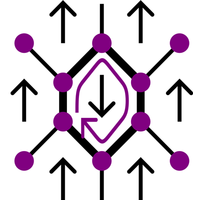
If a symmetry is not onsiteable, must it be anomalous? In 1+1d lattice Hamiltonian systems, any finite, internal, anomaly-free symmetry can be disentangled into an onsite symmetry, whereas in two-dimensional lattice systems there exist finite-group symmetries that are not onsiteable but nevertheless anomaly-free.
Phys. Rev. Lett. 136, 216602 (2026)
Condensed Matter and Materials
Disentangling Anomaly-Free Symmetries of Quantum Spin Chains
Article | Condensed Matter and Materials | 2026-05-28 06:00 EDT
Sahand Seifnashri and Wilbur Shirley
If a symmetry is not onsiteable, must it be anomalous? In 1+1d lattice Hamiltonian systems, any finite, internal, anomaly-free symmetry can be disentangled into an onsite symmetry, whereas in two-dimensional lattice systems there exist finite-group symmetries that are not onsiteable but nevertheless anomaly-free.
Phys. Rev. Lett. 136, 216603 (2026)
Condensed Matter and Materials
Band-Geometry-Driven Spin Photocurrent in Centrosymmetric Altermagnets
Article | Condensed Matter and Materials | 2026-05-28 06:00 EDT
Ruizhi Dong, Yihua Xiao, and Ruixiang Fei
Geometric responses give rise to novel phenomena in charge and spin transport, which have been extensively studied in the context of the quantum geometry of Bloch states in periodic solids. In contrast, the geometry of Hamiltonian eigenvalues is often considered trivial. Here, we demonstrate that th…
Phys. Rev. Lett. 136, 216702 (2026)
Condensed Matter and Materials
Probing Site-Specific Magnetism in Time-Reversal-Odd Antiferromagnet via Electric Field-Induced Nonreciprocal Directional Dichroism
Article | Condensed Matter and Materials | 2026-05-28 06:00 EDT
Koei Matsumoto, Takeshi Hayashida, and Tsuyoshi Kimura
We investigated the optical absorption spectra of the time-reversal-odd antiferromagnet under an applied electric field (). This material, with its two distinct magnetic sites ( and ), exhibits successive antiferromagnetic (AFM) transitions at and . We observed non…
Phys. Rev. Lett. 136, 216703 (2026)
Condensed Matter and Materials
Spin-Dependent Fluorescence Mediated by Antisymmetric Exchange in Triplet Exciton Pairs
Article | Condensed Matter and Materials | 2026-05-28 06:00 EDT
Yan Sun, G. Ricci, M. Monteverde, V. Derkach, T. Chanelière, E. Aldridge, D. Casanova, D. Beljonne, J. E. Anthony, and A. D. Chepelianskii
Singlet fission and triplet-triplet annihilation (TTA) are spin-dependent phenomena critical to optoelectronics. The dynamics of spin populations during geminate triplet pair separation are crucial for controlling fission and TTA rates. We show that the Dzyaloshinskii-Moriya interaction (DMI) induce…
Phys. Rev. Lett. 136, 216903 (2026)
Condensed Matter and Materials
Physical Review X
Super-resonance: Breaking the Bandwidth Limit of Resonant Modes and Its Application to Flow Control
Article | 2026-05-28 06:00 EDT
Adam R. Harris, Armin Kianfar, David Roca, Daniel Yago, Christoph Brehm, and Mahmoud I. Hussein
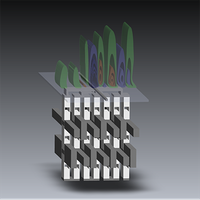
Super-resonance maintains a broadband out-of-phase response well beyond the characteristic bandwidth of conventional resonance, enabling broadband flow stabilization among other applications.
Phys. Rev. X 16, 021045 (2026)
arXiv
Comment on “Spin-1/2 Kagome Heisenberg Antiferromagnet: Machine Learning Discovery of the Spinon Pair-Density-Wave Ground State”
New Submission | Strongly Correlated Electrons (cond-mat.str-el) | 2026-05-29 20:00 EDT
Helia Kamal, Dominik Kufel, DinhDuy Vu, Chris R. Laumann, Norman Y. Yao
A recent article [Phys. Rev. X 15, 011047 (2025)] utilizes group-equivariant convolutional neural networks to study the ground state of the kagome Heisenberg antiferromagnet. On the largest finite-size cluster studied to date ($ N=108$ ), the authors report variational energies significantly lower than other numerical methods, including state-of-the-art density matrix renormalization group (DMRG) calculations. In contrast to previous results suggesting a possible spin-liquid ground state, the authors observe a spinon pair-density-wave ground state. We find that: (i) the reported low energies are artifacts of broken ergodicity in the Metropolis–Hastings sampling, since the single-spin-flip update rule utilized by the authors effectively freezes the Markov chains; and (ii) when ergodic sampling is enforced via spin-exchange updates, the neural network converges to energies significantly higher than existing DMRG results, calling the paper’s claims into question.
Strongly Correlated Electrons (cond-mat.str-el), Disordered Systems and Neural Networks (cond-mat.dis-nn), Machine Learning (cs.LG)
3 pages, 1 figure; Comment on arXiv:2401.02866
Improving CFT Operators Using Machine Learning
New Submission | Strongly Correlated Electrons (cond-mat.str-el) | 2026-05-29 20:00 EDT
Lior Oppenheim, Snir Gazit, Zohar Ringel
Finite-size effects limit the accuracy with which conformal data can be extracted from lattice simulations of critical systems. While action improvement suppresses some corrections to scaling, it does not address operator-dependent effects arising from imperfect lattice representations of continuum conformal fields. In this work, we propose a data-driven method for improving lattice operators themselves, constructing estimators with enhanced overlap with the corresponding primary operators of the continuum conformal field theory. We identify improved lattice representations of leading spin and energy operators in three two-dimensional critical systems: the Ising model, the q = 3 Potts model, and the dilute q = 3 Potts model. In all cases, the resulting operators exhibit reduced corrections to scaling and yield more accurate estimates of scaling dimensions compared to conventional lattice choices. The code and analysis workflows used to produce these results are made available in an accompanying GitHub repository.
Strongly Correlated Electrons (cond-mat.str-el), Disordered Systems and Neural Networks (cond-mat.dis-nn), Statistical Mechanics (cond-mat.stat-mech), High Energy Physics - Lattice (hep-lat), High Energy Physics - Theory (hep-th)
Controlled Loop Expansion for Strained Twisted Bilayer Graphene
New Submission | Strongly Correlated Electrons (cond-mat.str-el) | 2026-05-29 20:00 EDT
Eyal Keshet, Yaar Vituri, Erez Berg
We develop a controlled diagrammatic framework for periodic Anderson models,and apply it to heterostrained magic-angle twisted bilayer graphene (MATBG) at charge neutrality using the topological heavy-fermion formulation. Building on arXiv:2604.14278, we organize self-energy insertions and perform a Dyson resummation to any order in the small parameter $ s^2$ – the fraction of the moiré Brillouin zone with nontrivial quantum geometry. For strained MATBG, the expansion remains controlled down to arbitrarily low temperatures as long as the strain induced energy scale is not too small. In the flat-chiral limit, an emergent approximate $ \rm{U}(1)$ symmetry forbids the leading scattering channel and leaves the Mott bands sharp at order $ s^2$ . This is in stark contrast to the unstrained case, where the linewidth is of order $ N_f s^2 U$ with $ U$ the on-site $ f$ -$ f$ Hubbard interaction and $ N_f$ the number of $ f$ states per site. Away from the chiral limit, the linewidth is non-zero at order $ s^2$ but more than an order of magnitude smaller than in the unstrained case. The strain-induced energy scale also imprints itself directly on the spectrum: as an electron-phonon-like kink in the dispersion, and as an additional flat ``trion’’ band – a single-particle excitation bound to a local $ f$ particle-hole pair. We use the framework to predict the Quantum Twisting Microscope spectrum at one-loop order for both strained and unstrained MATBG, and compare with recent experiments.
Strongly Correlated Electrons (cond-mat.str-el), Mesoscale and Nanoscale Physics (cond-mat.mes-hall)
30 pages, 6 figures
Graph-based emulation of $d$-dimensional curved spaces with superconducting arrays
New Submission | Superconductivity (cond-mat.supr-con) | 2026-05-29 20:00 EDT
Mehmet Dede, Guilherme Delfino, André L.G. Mudry, Junseok Oh, Andrew P. Higginbotham, Christopher Mudry, Claudio Chamon
We introduce a framework for emulating graphs and, through them, curved spaces of arbitrary dimension, using arrays of superconducting wires. The array consists of two stacked layers of wires, horizontal and vertical, such that wires are parallel within each layer and perpendicular between layers. By discretizing a space into a graph, assigning a superconducting wire with a rigid phase to each vertex, and coupling pairs of wires through Josephson junctions along the graph edges, arbitrary geometries and topologies can be engineered in a controlled setting. The superconducting phases then realize scalar field theories on the emergent geometry. We establish experimentally realistic conditions for implementing these architectures and develop a dictionary relating measurable circuit observables to quantities in the emulated field theory. As an application, we develop the implementation of hyperbolic (Anti-de Sitter) spaces of constant negative curvature and use them as an experimentally accessible platform to explore holographic duality in arbitrary dimensions. We investigate the effects of disorder in the Josephson couplings, which translate into metric variations in the bulk-boundary correspondence, and analyze their impact on boundary scaling exponents both analytically and numerically, finding that holographic duality remains robust even in the presence of strong disorder. Beyond holography, the framework opens a broad range of architectural possibilities, including the exploration of physics on highly nontrivial graphs and toy models of dynamical spacetimes.
Superconductivity (cond-mat.supr-con), High Energy Physics - Theory (hep-th)
22 pages, 14 Figures
Order-disorder trade-off in dirty quantum systems
New Submission | Disordered Systems and Neural Networks (cond-mat.dis-nn) | 2026-05-29 20:00 EDT
We prove a trade-off theorem for order and disorder parameters in one-dimensional quantum spin systems with quenched disorder. For a disordered ensemble with exact Ising symmetry and average translation symmetry, any gapped ensemble must have one and only one of the following: an $ O(1)$ order parameter or an $ O(1)$ disorder parameter with even parity, both of the Edwards-Anderson type. The result extends to nearly gapped ensembles that accommodate Griffiths-type rare-region effects. These results offer a powerful and rigorous framework to understand the disorder effects beyond perturbative approaches. As applications, we (1) establish the existence of string order parameters for SPT phases; (2) derive a Lieb-Schultz-Mattis-type constraint for disordered ensembles, which requires a nearly gapped ensemble to spontaneously break the symmetry; and (3) discuss similar trade-off relations for disordered fermion chains, leading to an improved understanding of certain “intrinsically disordered” topological phases.
Disordered Systems and Neural Networks (cond-mat.dis-nn), Strongly Correlated Electrons (cond-mat.str-el)
24 pages
Symmetry and integrability in the anyon-Hubbard model
New Submission | Quantum Gases (cond-mat.quant-gas) | 2026-05-29 20:00 EDT
Martin Bonkhoff, Grennon Gurney, Friethjof Theel, Peter Schmelcher, Nathan L. Harshman, Thore Posske
Recent cold atom experiments have realized one-dimensional anyons and enabled the tuning of 1D~statistics between bosons and fermions. Here, we analyze the symmetries, integrability, and resulting degeneracies of the underlying anyon-Hubbard model of finite length. Our results reveal a switching between symmetry classes AI, BDI, and CI in dependence on system size, particle number, and boundary conditions, and show that two anyons with periodic boundaries are integrable, while two anyons with open boundary conditions are not. We include a comprehensive analysis of all model limits, especially of interacting bosons and pseudofermions and resolve spectral signatures. We additionally reveal an exactly solvable doublon state that hides in the continuum of scattering states and the exact solution of the nullspace of two noninteracting anyons. The uncovered symmetries shape the fundamental properties of the one-dimensional anyons at hand, and the predicted states are accessible in state-of-the-art experiments.
Quantum Gases (cond-mat.quant-gas), Mathematical Physics (math-ph), Quantum Physics (quant-ph)
22 Pages, 3 Figures
Quantum Light Nano-Imaging
New Submission | Mesoscale and Nanoscale Physics (cond-mat.mes-hall) | 2026-05-29 20:00 EDT
Michael Dapolito, Matthew Fu, Fuyang Tay, Suheng Xu, Yuchen Lin, Neil Hazra, Adam K. Williams, Samuel L. Moore, Rocco A. Vitalone, Jonas Kolker, Thomas Cherradi, Aaron Holman, Thomas P. Darlington, Mark E. Ziffer, Xavier Roy, Sebastian Will, Cory R. Dean, Mengkun Liu, A.J. Millis, Abhay N. Pasupathy, P.J. Schuck, D. N. Basov
Entanglement and quantum correlations are central to the physics of quantum materials, yet they have remained notoriously difficult to probe experimentally. Probing these phenomena in solids requires quantum optical probes that operate at the native length and time scales of material excitations, below the diffraction limit of light. Developing the requisite tools has previously been infeasible due to the extremely weak intensities of state-of-the-art quantum light sources and extreme inefficiency of near-field light-matter interactions. In this work, we circumvent these challenges and develop a quantum light scattering-type scanning near-field optical microscope (q-SNOM) that can explore the broad domain of solid-state quantum effects at length scales below the diffraction limit. In its first application, we image in real space the self-interference of single hybrid light-matter quasiparticles in a van der Waals semiconductor, providing a direct nanoscale visualization of the wave-particle duality. We also introduce a polaritonic time-of-flight metrology that exploits the temporal correlations among entangled photons to observe the quasiparticle propagation dynamics with femtosecond resolution. This work sets the stage for nanoscale exploration and control of quantum effects in materials.
Mesoscale and Nanoscale Physics (cond-mat.mes-hall)
Reinterpreting Memory Effects in Nonequilibrium Systems: From Temporal Dynamics to Steady-State Signatures via NEGF
New Submission | Mesoscale and Nanoscale Physics (cond-mat.mes-hall) | 2026-05-29 20:00 EDT
We investigate memory effects and quantum transport in two-dimensional lattice systems within the framework of non-equilibrium Green’s functions and Schwinger-Keldysh non-equilibrium quantum field theory. Starting from a 2D tight-binding Hamiltonian, we employ the Dyson expansion on the Keldysh contour and the second-order Born and self-consistent Born Approximation to derive the electronic self-energies associated with elastic and inelastic scattering this http URL disorder produces a local self-energy and a rapidly decaying memory kernel, characteristic of Markovian dynamics, whereas electron-phonon coupling generates temporally nonlocal self-energies and genuine Non-Markovian behavior. We demonstrate that these distinct memory signatures are directly reflected in the spectral function, which we propose as a diagnostic probe of non-equilibrium memory effects. Further we explore 1PI and 2PI effective actions to see their memory perspectives studying their coarse-graining behavior. Building on this theoretical framework, we further apply the conventional NEGF formalism to two paradigmatic two-dimensional models-the Hofstadter and an RKKY-coupled system to explore how different microscopic Hamiltonians influence Markovian and Non-Markovian nature. Our results provide a unified connection between scattering mechanisms, memory effects, and quantum transport in low-dimensional systems.
Mesoscale and Nanoscale Physics (cond-mat.mes-hall)
17 pages, 8 figures
Measuring anyon dispersion with tunneling probes
New Submission | Mesoscale and Nanoscale Physics (cond-mat.mes-hall) | 2026-05-29 20:00 EDT
Anyons are usually characterized by their topological data and their fractional quantum numbers under global symmetries. In lattice systems such as fractional Chern insulators (FCI), they are also mobile quasiparticles. Their motion controls the possible ground states of the dilute anyon gas obtained by doping an FCI, including possible superconducting states. We show how tunneling probes can measure this motion. In scanning tunneling spectroscopy, weak disorder produces spatially oscillating quasiparticle-interference patterns whose branches reveal the dispersion of fractionalized constituents. In quantum twisting microscopy, planar momentum-conserving tunneling selects the total momentum of the injected electron, so the continuum thresholds of fractionalized electron spectra encode the dispersion of the constituent anyons. The resulting spectra distinguish compact electron-like excitations, bound anyon molecules, and unbound anyon continuum.
Mesoscale and Nanoscale Physics (cond-mat.mes-hall), Strongly Correlated Electrons (cond-mat.str-el)
5 pages, 3 figures
Interaction mechanics of acoustic cavitation with fibrin networks
New Submission | Soft Condensed Matter (cond-mat.soft) | 2026-05-29 20:00 EDT
Aarushi Bhargava, Gaurav Gardi, Metin Sitti
Stiff and dense fibrin networks in chronic blood clots impede drug penetration and distribution into the clot core, limiting the efficacy of thrombolytic therapies. Acoustic cavitation of microbubbles is a promising strategy to enhance drug delivery in soft tissues. However, the interaction of these bubbles with stiff fibrin networks has yet to be investigated. Here, we show that ultrasound-driven bubbles undergoing stable periodic oscillations can penetrate and alter dense fibrin networks. The penetrated bubbles create three-dimensional paths that enable nanobeads (matrix transport markers) to infiltrate up to 200 $ \mu$ m m deep into the mesh. Radial bubble oscillation is found to be the dominant forcing mechanism on fibrin fibers. Combining mechanical measurements with these observations reveals that the bubble radial stress is insufficient to break the fibrin fibers in a single cycle. Instead, repeated sub-fracture loading from bubble oscillations induce plastic deformation and damage accumulation with each cycle. This is evident from drastic dissipation losses and softening of the network seen over thousands of cycles. We further explored the softening of fibrin networks at a range of peak applied forces. At low force, the fibrin networks undergo a shakedown effect with initial softening, which is resistant to further damage after hundreds of cycles. At higher force, networks continue to soften without reaching a stable state, indicating progressive damage accumulation. These results show that cavitation can enhance matrix transport in dense fiber networks. The underlying physics is governed by the viscoplastic mechanics of bubble-fibrin interactions. These findings establish a mechanistic framework to design comprehensive treatment strategies for fibrotic aged clots.
Soft Condensed Matter (cond-mat.soft), Applied Physics (physics.app-ph)
Critical states and anomalous wave transport in an aperiodic polariton monotile
New Submission | Mesoscale and Nanoscale Physics (cond-mat.mes-hall) | 2026-05-29 20:00 EDT
Valtýr Kári Daníelsson, Helgi Sigurðsson
Recently “the Hat” monotile was introduced into the family of aperiodic tilings and quasicrystals boasting physical properties lying at the boundary of ordered and disordered systems. Here we study the two-dimensional wave transport, transverse localization and scaling properties of the quantum modes in a Monotile quasilattice. Our system is based on reconfigurable optical lattices for cavity-polaritons which provide flexible means to study wavepacket dynamics, strong nonlinear phenomena, and power-driven condensation in this new type of an aperiodic tiling. We confirm the existence of localized and critical states in the Monotile through direct diagonalization of the Schrödinger equation. Scaling analysis on the moments of the wavefunction distribution reveals anomalous transport regimes of super-diffusive and near sub-diffusive polariton transport associated with the fractal structure of the Monotile Hilbert space. We propose a strategy using resonantly excited polariton fluids to verify our findings.
Mesoscale and Nanoscale Physics (cond-mat.mes-hall)
Geometry-based Discovery of Calcium Battery Cathodes Accelerated by Foundational Machine-Learned Models
New Submission | Materials Science (cond-mat.mtrl-sci) | 2026-05-29 20:00 EDT
Dereje Bekele Tekliye, Achinthya Krishna Bheemaguli, Gopalakrishnan Sai Gautam
Calcium batteries (CBs) are an attractive post-Li-ion technology, offering the appeal of Ca’s natural abundance and high volumetric energy density. However, practical realization of CBs remains limited by the scarcity of positive electrode (cathode) materials that support reversible Ca$ ^{2+}$ (de)intercalation under electrochemical conditions. To address this challenge, we screen the materials project (MP) database for novel host structures that can intercalate Ca using geometry- and chemistry-based design principles. Specifically, we employ the Voronoi polyhedral volume as a descriptor of site compatibility for hosting Ca in potential frameworks. Further, we down-select candidate structures progressively through criteria including charge neutrality, absence of non-Ca mobile cations, thermodynamic (meta)stability, average voltage, and Ca migration barriers ($ E_m$ ) using foundational machine-learning (ML) models. Subsequently, we validate the ensemble-ML-predicted $ E_m$ in a subset of the final candidates using density functional theory based nudged elastic band calculations. Overall, from an initial pool of 52,945 MP structures, our workflow identifies 37 promising Ca cathode candidates, several of which exhibit favorable combinations of thermodynamic (meta)stability, voltage, and Ca-mobility, marking them as strong candidates for synthesis and electrochemical characterization. Particularly, we identify two Ca cathode candidates with markedly low Ca$ ^{2+}~E_m$ (CaSc$ _2$ V$ _2$ O$ _8$ and CaVSO$ _4$ F$ _3$ ), and four cathode candidates with thermodynamically stable charged states (Ca$ _3$ (CoO$ _2$ )$ _4$ , Ca$ _3$ Mn$ _4$ (TeO$ _6$ )$ _2$ , CaVF$ _5$ , and CaVSO$ _4$ F$ _3$ ). Beyond identifying Ca-cathodes, our work establishes geometry-based descriptors and ML-based workflows as transferable methods for high-throughput screening, enabling the rapid discovery of novel materials for battery and other applications.
Materials Science (cond-mat.mtrl-sci)
Topological superconductivity from Abelian fractional Chern insulators
New Submission | Strongly Correlated Electrons (cond-mat.str-el) | 2026-05-29 20:00 EDT
Can a Laughlin anyon fluid become a topological superconductor? We answer this question for a $ \nu=1/3$ fractional Chern insulator (FCI) using a $ U(3)$ infrared parton theory. Three charge-$ e/3$ constituents form the electron, while three constituent pairs form a gauge-invariant charge-$ 2e$ Cooper pair. The resulting superconductors share an ordinary charge-$ 2e$ sector but differ in their neutral color response, giving an SC$ ^\ast$ with the parent Laughlin $ U(1)3$ order, a chiral topological superconductor with $ c-=3/2$ , and a strong-pairing anyon superconductor with $ c_-=3$ . The same framework organizes a nearby $ \sigma_{xy}=0$ charge density wave (CDW) state. At commensurate filling, the normal state and the $ c_-=3$ and $ c_-=3/2$ superconducting descendants are naturally tied to a period-three density order background, while the SC$ ^\ast$ branch can preserve microscopic translations. Away from commensuration, a chargon metal can pair into the same $ c_-=3/2$ topological superconductor. The FCI, reentrant CDW, and chiral superconductivity are unified in the $ U(3)$ parton theory.
Strongly Correlated Electrons (cond-mat.str-el)
5 pages, 1 figure
Self-Assembly of Lipid-Biopolymer Periodic Nanostructures on Photonic Length Scales
New Submission | Soft Condensed Matter (cond-mat.soft) | 2026-05-29 20:00 EDT
Rushna Quddus, Meron Debas, Stefan Salentinig, Ullrich Steiner, Viola Vogler-Neuling
The self-assembly of photonic nanostructures in insects involves chitin, proteins, and lipids. While synthetic photonic systems have been extensively studied, current lipid-based self-assembly systems are limited in periodicity to $ 68,\text{nm}$ compared to photonic length scales ($ \approx 450,\text{nm}$ ) observed in biological organisms. We hypothesise that lipids facilitate how structural colour arises in vivo by acting as templates for the self-assembly of biopolymers via lipidic lyotropic liquid crystal mesophases. Here, we aim to understand and identify how structural colour is produced in insects by the co-assembly of lipids and biopolymers. We study the effect of biopolymers, pH, temperature, surface charge, and stability on lipid vesicles using dynamic light scattering, X-ray scattering, and zeta potential analysis. Using cryo-electron microscopy, we demonstrate that these vesicles interact with the biopolymers and generate periodic nanostructures with periodicities ranging from $ 700,\text{nm}$ to $ 1.2,\mu\text{m}$ (more than ten times larger than for purely lipidic systems) and dimensionalities ranging from 1D to 3D. Our results establish that lipid mesophases and biopolymers can induce reorganisation into ordered nanostructures, overcoming key limitations of periodicities achieved by lipid-only systems, and providing a methodology for recreating the physicochemical mechanisms underlying biophotonic structural colour.
Soft Condensed Matter (cond-mat.soft), Optics (physics.optics)
Multifractal Complexity of the Chandler Wobble and Its Anomalous Disappearance (2015–2020): A MFDFA Study
New Submission | Statistical Mechanics (cond-mat.stat-mech) | 2026-05-29 20:00 EDT
Sebastián Jaroszewicz, Nahuel Mendez, Maria P. Beccar-Varela, Maria Cristina Mariani
The Chandler wobble (CW) – the $ \sim$ 433-day free nutation of Earth’s rotation pole – experienced an anomalous near-disappearance between 2015 and 2020, followed by a re-excitation with an approximately $ 180^{\circ}$ phase reversal. Using Multifractal Detrended Fluctuation Analysis (MFDFA) applied to more than six decades (1962–2024) of daily IERS EOP C04 polar motion data, this study provides the first multifractal characterisation of the CW and its recent anomaly. Global MFDFA shows that the residual polar motion components and the CW amplitude are genuine multifractal processes with strongly $ q$ -dependent generalised Hurst exponents and broad singularity spectra. Surrogate-data tests with shuffled and phase-randomised ensembles demonstrate that this multifractality originates from the combined action of long-range temporal correlations and heavy-tailed excitation statistics. A sliding-window analysis reveals a pronounced collapse in long-range persistence and multifractal spectral width of the geometric polar motion signal several years before and during the 2015–2020 amplitude minimum, indicating a genuine dynamical regime change rather than a simple suppression of oscillation amplitude. In contrast, the amplitude- and phase-related variables retain broad multifractal spectra and stable scaling exponents across all epochs, revealing a dynamical decoupling between the geometry of the CW and the multiscale structure of its amplitude and phase fluctuations. These findings highlight the CW amplitude as an exceptionally multifractal integrator of geophysical excitation and suggest that multifractal metrics may provide early-warning indicators of major transitions in Earth rotation dynamics.
Statistical Mechanics (cond-mat.stat-mech)
Long-Range Fermi-Polaron Blockade in Monolayer MoSe$_2$
New Submission | Mesoscale and Nanoscale Physics (cond-mat.mes-hall) | 2026-05-29 20:00 EDT
Jonas Peterson, Shibalik Lahiri, Monique Tie, Shibin Deng, Jierong Wang, Minxue Wang, Luke Holtzman, James Hone, Takashi Taniguchi, Kenji Watanabe, Tony Heinz, Valentin Walther, Libai Huang
Strong optical nonlinearities at the few-photon level are a central goal for quantum photonics, yet they remain difficult to realize in solid-state systems. In doped two-dimensional semiconductors, coupling between excitons and a degenerate Fermi sea gives rise to exciton-Fermi polarons, many-body quasiparticles whose optical response is governed by fermionic correlations. Here, using femtosecond pump-probe transient absorption microscopy, we directly image the spatially resolved nonlinear optical response of exciton-Fermi polarons in monolayer MoSe$ _2$ . We observe a pronounced spatial suppression of resonant absorption associated with the attractive Fermi polaron, from which we extract an optical blockade radius that is more than ten times larger than that of the neutral exciton. Microscopic analysis indicates that this extended nonlinearity arises primarily from fermion-mediated interactions between exciton-Fermi polarons. Our results establish exciton-Fermi polarons in two-dimensional semiconductors as electrically tunable, strongly interacting optical quasiparticles, and identify them as a promising platform for ultralow-power nonlinear optical devices.
Mesoscale and Nanoscale Physics (cond-mat.mes-hall), Quantum Gases (cond-mat.quant-gas)
Strongly-coupled hybrid lattice-plasmons in layered cuprates
New Submission | Strongly Correlated Electrons (cond-mat.str-el) | 2026-05-29 20:00 EDT
Ke-Jun Xu, Nathan Giles-Donovan, Stefano Agrestini, Jaewon Choi, Mirian Garcia-Fernandez, Kejin Zhou, Junfeng He, Costel R. Rotundu, Young S. Lee, Thomas P. Devereaux, Zhi-Xun Shen, Dung-Hai Lee, Robert J. Birgeneau, Wei-Sheng Lee
Metallic systems with delocalized valence electrons host collective charge density oscillations known as plasmons. On the other hand, conventional insulators do not have free electrons and the low energy charge degrees of freedom are pinned to the ions. The fate of the collective charge excitations in the intermediate regime is an outstanding question. This problem is especially important for strongly correlated systems such as the layered cuprates, where unconventional superconductivity and other emergent phenomena arise from valence electrons on the border between Mott localization and itinerancy. Using resonant inelastic X-ray scattering, we track this evolution in the prototypical electron-doped cuprate Nd2-xCexCuO4. We find a continuous transformation of the low-energy charge response: from an acoustic plasmon in the metallic regime, to a gapped hybrid mode at intermediate doping, and finally to a nearly dispersionless 139 meV excitation at half filling. Remarkably, the 139 meV excitation has approximately twice the energy of the oxygen breathing phonon responsible for the dispersion kink observed in angle-resolved photoemission spectroscopy, and is consistent with a putative 2-phonon excitation observed in Raman spectroscopy. These results establish a unified picture of collective charge excitations across the phase diagram of electron-doped cuprates, showing that such modes persist across the Mott transition via strong coupling to lattice degrees of freedom and revealing a missing link in the charge dynamics of carrier doped Mott insulators.
Strongly Correlated Electrons (cond-mat.str-el), Materials Science (cond-mat.mtrl-sci), Superconductivity (cond-mat.supr-con)
Field-Driven Hybrid Filament Formation Governs Switching in Ta-HfO$_2$-Pt Memristors
New Submission | Materials Science (cond-mat.mtrl-sci) | 2026-05-29 20:00 EDT
Ashutosh Krishna Amaram, Aditya Koneru, Subramanian KRS Sankaranarayanan
Memristive devices have gained significant attention for their potential in next-generation non-volatile memory and neuromorphic computing architectures. Among emerging candidates, transition metal oxides have proven particularly promising. While the switching mechanism in Ta/HfO$ _2$ /Pt devices was long attributed solely to oxygen vacancy based filaments, recent experimental evidence suggests a more complex dual-regime: the diffusion of metal cations also contributes to the formation of a conductive bridge. However, the precise atomistic mechanisms governing this metal cation migration remain poorly understood. Additionally, the role of defects such as oxygen vacancies present in the transition metal oxide in determining the final filament size and shape is also not well understood. Here, we employ molecular dynamics (MD) simulations with dynamic charge transfer to provide a detailed analysis of the atomistic mechanisms governing the co-formation of Ta-cation and oxygen-deficient filaments. We clearly show how varying the initial oxygen vacancy concentrations and spatial configurations within the HfO$ _2$ matrix influences the final morphology and dimensions of the conductive filament. The switching is governed by field-driven formation and rupture of a hybrid Ta-cation-rich, oxygen-deficient filament in HfO$ _2$ . Our simulations closely match experiment, validating the model as a robust framework for understanding switching in oxide memristors and guiding designs that reduce cycle-to-cycle and device-to-device variability – key barriers to high-performance devices.
Materials Science (cond-mat.mtrl-sci), Mesoscale and Nanoscale Physics (cond-mat.mes-hall)
22 Pages, 9 figures
Passive memory reshapes active persistence
New Submission | Soft Condensed Matter (cond-mat.soft) | 2026-05-29 20:00 EDT
Ivan Di Terlizzi, Lara Koehler, John D. Treado
Many active systems move in complex environments whose mechanical response is slow and history dependent. To address this regime, we study the collective dynamics of self-sustained active particles in non-Markovian media within a generalized Langevin framework with memory. We focus on the competition between the timescales of active persistence and viscoelastic relaxation in the environment. Using a minimal interacting model with an exponential memory kernel, we show that environmental memory qualitatively reshapes motility-induced phase separation of self-propelled active particles. When the memory timescale becomes comparable to the active persistence time, delayed viscoelastic stresses generate an effective anti-persistence that suppresses clustering and produces a broad metastable regime with slow nucleation dynamics. By contrast, for long memory timescales, reduced friction at short times enhances the effective propulsion velocity and restores phase separation. Our results demonstrate that the surrounding medium is not merely a passive background for active motion, but can actively regulate the emergence, stability, and dynamics of collective organization in active matter.
Soft Condensed Matter (cond-mat.soft)
7 pages, 3 figures, 12 supplemenary pages, 6 supplementary figures
Sustainable Metal-Organic Framework Water Harvesters in the Artificial Intelligence Era
New Submission | Materials Science (cond-mat.mtrl-sci) | 2026-05-29 20:00 EDT
Reid A. Coyle (1), Shyam Chand Pal (1), Peter Walther (1), Saeun Park (1), Bin Feng (1,2), Zhiling Zheng (1,2) ((1) Department of Chemistry, Washington University, St. Louis, MO, United States, (2) Institute of Materials Science & Engineering, Washington University, St. Louis, MO, United States)
Metal-organic frameworks (MOFs) are excellent candidates for water harvesting due to their tunable pore environments, which can be precisely engineered to capture and release water in arid conditions. Integrating artificial intelligence (AI) into MOF discovery can further accelerate the design of high-performance sorbents by identifying structural features that enhance atmospheric water harvesting (AWH), stability, and cycling efficiency. In this Perspective, we examine key MOF design principles, including cooperative adsorption, operational relative humidity (RH), uptake capacity, hysteresis, and scalability. We highlight recent design advancements such as multivariate strategies and long-arm linker extension, and examine how these principles tune pore capacity and hydrophilicity, while preserving stability and crystallinity. Furthermore, we discuss how AI, large language models (LLMs), and data mining can accelerate the discovery process through predictive synthesis, inverse design, and elucidating synthesis-structure-property relationships for the next generation of MOF water harvesters.
Materials Science (cond-mat.mtrl-sci), Artificial Intelligence (cs.AI)
10 pages of main text, 26 total pages. 3 Figures and 1 Table of Content Graphic
Records, drift, and the longest increasing subsequence of biased Gaussian random walks
New Submission | Statistical Mechanics (cond-mat.stat-mech) | 2026-05-29 20:00 EDT
The longest increasing subsequence (LIS) of a random walk has so far been studied mainly for zero-mean, symmetric step increments. We numerically investigate the LIS of biased Gaussian random walks, with unit-variance increments and positive drift $ \mu_{p} = \Phi^{-1}(p)$ , where $ p = \mathbb{P}(\xi>0)$ . In contrast with the symmetric case, we find that for every fixed $ p>1/2$ the mean LIS length grows linearly, $ \langle L_{n}(p)\rangle \sim a(p)n$ , with $ a(p)$ increasing from $ 0$ at $ p=1/2$ to $ 1$ as $ p \to 1$ . The record count is also linear, with coefficient $ \lambda(p)$ given by Spitzer’s formula for the mean ascending ladder epoch, and the LIS becomes increasingly aligned with this record skeleton as $ p$ grows. At the symmetric point $ p=1/2$ , the record skeleton collapses to the Sparre Andersen $ \sqrt{n}$ scale, while the LIS returns to the symmetric finite-variance $ \sqrt{n}\log{n}$ regime. Near this limit, the excess $ a(\mu_{p})-\lambda(\mu_{p})$ vanishes more slowly than linearly in the drift, although our data do not resolve a single power law. The empirical distribution of $ L_{n}$ also changes across the singular point, from lognormal-like at $ p=1/2$ to fluctuations consistent with Gaussian behavior for every sampled $ p>1/2$ .
Statistical Mechanics (cond-mat.stat-mech), Probability (math.PR)
APS style, 9 pages, 6 figures
Partial Entropy production of active particles with hidden states in potentials
New Submission | Statistical Mechanics (cond-mat.stat-mech) | 2026-05-29 20:00 EDT
Jacob Knight, Gunnar Pruessner
Partially observed stochastic systems can appear (almost) time-reversal symmetric while in fact operating far from equilibrium. The present work extends the perturbative framework introduced in [Phys. Rev. Lett. 136, 198302 (2026)] to calculate in a generic confining potential the partial entropy production, which quantifies the time-reversal asymmetry of a generic active particle with hidden self-propulsion. Focusing on the harmonic case, we apply our framework to reproduce an exact result for the partial entropy production rate of an active Ornstein-Uhlenbeck particle and to derive the partial entropy production rate of a run-and-tumble particle.
Statistical Mechanics (cond-mat.stat-mech)
9 pages, 10 page supplement
Bistability of midpoint-fused arches with pinned-pinned boundary conditions
New Submission | Soft Condensed Matter (cond-mat.soft) | 2026-05-29 20:00 EDT
Rajat Goswami, Safvan Palathingal
Arranging multiple arches in a circular pattern and fusing them at their midpoint yields a three-dimensional configuration that we refer to as midpoint-fused arches (MFA). This study investigates the structural bistability of MFA, i.e., their ability to admit two distinct, force-free stable equilibrium states. Starting from an as-fabricated, stress-free configuration, MFA can invert into a stressed, toggled state reminiscent of an umbrella’s ribs. We develop an analytical model for the response of a pinned-pinned MFA subjected to a concentrated mid-span load by minimizing the total potential energy. Individual arches are treated as spatially deforming, and kinematic compatibility relations are derived at the fusion point to couple their deformations. Various deformation symmetries are then exploited to simplify the problem.
We demonstrate the model’s utility by characterizing the force-displacement response of a two-arch MFA, identifying distinct deformation pathways and discussing the pathway transitions that occur during toggling. In particular, we show how the structure switches between symmetric and asymmetric deformation modes as it moves between stable configurations. The generality of the framework is further established through analysis of a three-arch MFA, which exhibits richer coupled deformation behaviour. Nonlinear finite-element simulations and table-top experiments corroborate the analytical predictions, showing close agreement in both equilibrium states and the associated transition responses.
Soft Condensed Matter (cond-mat.soft)
Helimagnetic Josephson diode effect
New Submission | Superconductivity (cond-mat.supr-con) | 2026-05-29 20:00 EDT
Qiang Cheng, Yu-Chen Zhuang, Qing-Feng Sun
We study the Josephson diode effect in the one-dimensional superconductor/helimagnet/superconductor junctions using the Green’s function method. For the spin-singlet $ s$ -wave pairing in superconductors, it is found that the necessary conditions for the Josephson diode effect are the nonzero chemical potential and the conical magnetic configuration in the helimagnet. The diode efficiency is strongly dependent on the chemical potential, chirality, tilt angle and exchange coupling in the helimagnet. The high efficiency close to $ 40%$ can be obtained for specific parameter values. The sign of the diode efficiency can be tuned by changing the chirality, tilt angle, exchange coupling and chemical potential. The dependence of the diode efficiency on the number of supercells in the helimagnet is also investigated. The characteristics of the supercurrent nonreciprocity and diode efficiency in the junctions are clarified through the symmetry analysis and the energy band calculations. The diode effect for the spin-triplet $ p$ -wave pairing in superconductors is also discussed and the nonzero chemical potential is no longer a necessary condition for the Josephson diode effect due to the equal-spin Cooper pair-mediated transport in the $ p$ -wave junctions. These results provide a scheme for the Josephson diode effect without spin-orbit coupling, which possesses the potential applications in the design of dissipationless electronic devices.
Superconductivity (cond-mat.supr-con), Mesoscale and Nanoscale Physics (cond-mat.mes-hall)
9 pages, 6 figures
Physical Review B 113, 174518 (2026)
Topological Lifshitz transition-induced bipolarity of anomalous Nernst effect in kagome magnet YCo3
New Submission | Materials Science (cond-mat.mtrl-sci) | 2026-05-29 20:00 EDT
Sheng Xu, Yue-Yang Wu, Hao-Ran Bai, Zheng Li, Shu-Xiang Li, Jun-Jian Mi, Tian-Hao Li, Ze-Wei Wang, Ze-Kai Dong, Jiang Ma, Xiao-Bo Wu, Qian Tao, Zhu-An Xu
The kagome lattice, renowned for hosting topological band structures and rich magnetic behaviors, offers an exceptional setting to investigate unconventional transport in magnetic topological systems. Controlling the polarity of the anomalous Nernst effect (ANE) is crucial for designing flexible thermoelectric devices, such as thermopiles, where the ability to switch the thermoelectric voltage sign can dramatically enhance energy conversion efficiency and output. Here, we demonstrate such a bipolar ANE in the kagome magnet YCo3, driven by a temperature-induced topological Lifshitz transition. With a Curie temperature TC~225 K, sizable anomalous Hall and Nernst effects emerge below TC. Supported by the first-principles calculations, the AHE and ANE are suggested to be dominated by the intrinsic mechanism. Furthermore, the intrinsic anomalous Hall conductivity exhibits a piecewise-linear dependence on magnetization, with an abrupt slope change near 100 K, consistent with the Karplus-Luttinger mechanism. Concurrently, the anomalous Nernst coefficient SAyx reverses its sign around the same temperature, realizing the crucial bipolarity. These anomalies could be interpreted as a topological Lifshitz transition, enabled by the evolution of Co moments that could shift the Fermi level relative to Weyl nodes. Our work reveals YCo3 as a prototypical kagome magnet where temperature and magnetism directly govern both Weyl node topology and the bipolar ANE, opening a pathway to magnetically control thermoelectric output in topological quantum materials.
Materials Science (cond-mat.mtrl-sci)
16 pages, 7 figures,
Advanced Quantum Technologies, 2026; 9:e01010
Effective Theory of Fermion Quartet Condensation
New Submission | Superconductivity (cond-mat.supr-con) | 2026-05-29 20:00 EDT
We develop a theory of superconductivity (or superfluidity) based on condensed fermion quartets focusing on the dilute spin-$ \frac{1}{2}$ systems at zero temperature. In the spirit of the Bardeen–Cooper–Schrieffer ansatz, a variational wavefunction is constructed such that, within the so-called dilute quartet approximation", it is the ground state of an effective quartic Hamiltonian. For a given two-body interaction in favor of quartetting, the gap parameter is suitably defined and the gap equation is also derived. As to the excited states, an intuitive physical picture based on a sixteen-dimensional occupation space” is depicted and the associated eigen-energies are obtained. This theory is applied to compute the superfluid fraction, which is found to be the same as in conventional superconductors, despite the interacting nature of the quartet problem.
Superconductivity (cond-mat.supr-con), Quantum Gases (cond-mat.quant-gas)
4 pages, 1 figure, 1 table
Tetrahedrally ferromagnetic correlations and a glassy-freezing anomaly in the breathing pyrochlore magnet $\mathrm{AgInCr_4S_8}$ with partial $A$-site disorder
New Submission | Strongly Correlated Electrons (cond-mat.str-el) | 2026-05-29 20:00 EDT
Yuya Haraguchi, Masahiro Kitamura, Masaki Gen, Yusuke Nambu, Akira Matsuo, Koichi Kindo, Masaki Kondo, Masashi Tokunaga, Hiroko Aruga Katori
We investigate the chromium breathing pyrochlore sulfide $ \mathrm{AgInCr_4S_8}$ , a chromium-based thiospinel, by synchrotron x-ray and neutron powder diffraction, dc magnetization, and heat capacity. Diffraction confirms the $ F\bar{4}3m$ breathing structure with alternating large and small $ \mathrm{Cr_4}$ tetrahedra, a large breathing ratio ($ d^\prime/d = 1.106$ at 300 K), and substantial Ag/In intermixing on the $ A$ sublattice ($ \sim 16%$ ). No structural transition or magnetic Bragg peaks are detected down to 1.5 K. An enlarged low-angle difference plot between the 1.5 and 20 K neutron diffraction patterns shows a weak broad diffuse-like enhancement, consistent with short-range or frozen correlated moments within the sensitivity of the present data. Susceptibility yields a positive Weiss temperature $ \theta_{\mathrm{W}} = +92$ K and a moment enhancement in 30–60 K, while the magnetic entropy released by $ \sim 30$ K approaches a scale of order $ R\ln 13$ , together consistent with the development of short-range tetrahedral ferromagnetic correlations and an effective $ S = 6$ cluster-moment picture. A broad susceptibility cusp with ZFC–FC bifurcation and a low-temperature specific heat anomaly near 9 K indicate a phenomenological glassy-freezing anomaly without long-range order. $ \mathrm{AgInCr_4S_8}$ provides a benchmark for the interplay of strong breathing distortion and quenched $ A$ -site disorder in chromium breathing pyrochlores.
Strongly Correlated Electrons (cond-mat.str-el)
14 pages, 6 figures, accepted in Physical Review B
Hole-doped superconductivity above 100 K in infinite-layer cuprate thin films
New Submission | Superconductivity (cond-mat.supr-con) | 2026-05-29 20:00 EDT
Biemeng Jin, Saurav Prakash, Zhaoyang Luo, Shengwei Zeng, Jing-Yang Chung, Xing Gao, Zhi Shiuh Lim, Jiangbo Luo, King Yip, Wei Zhang, Nurul Fitriyah, Shuhan Lu, Taiyu An, Ping Yang, Qian He, Silvija Gradečak, Huajun Liu, A. Ariando
Since the discovery of superconductivity in (La,Ba)2CuO2 (Ref.\cite{bednorz1986possible}), a broad family of structurally distinct cuprate superconductors has been proposed or engineered to elucidate the physics of high-temperature superconductivity\cite{chu2015hole,plakida2010high}. Among them, the infinite-layer cuprate has the simplest structure, consisting only of the essential ingredients for superconductivity: CuO$ _2$ square planes separated by spacer ions\cite{siegrist1988parent}. Despite being proposed nearly 40 years ago, the hole-doped superconductivity via chemical substitution in this compound has not yet been achieved, a fundamental open question in the field. Here, we report the observation of superconductivity in the hole-doped infinite-layer cuprate thin film. Measurements of resistivity and magnetic-field response in Sr1-xRbxCuO2 single-crystal thin films show superconducting transitions with a high onset temperature of 100 K. Hole doping is achieved via the synergistic effect of rubidium substitution and apical oxygen incorporation, as evidenced by structural analysis and transport measurements. As the parent structure of the cuprate family\cite{chu2015hole}, hole-doped infinite-layer cuprate provides a unique platform for revisiting key puzzles in cuprate superconductors\cite{keimer2015quantum,tsuei2000pairing,armitage2010progress,dagotto1994correlated}, including strange metal\cite{proust2019remarkable,taillefer2010scattering} and electron-hole symmetry\cite{tohyama2004asymmetry,segawa2010zero,lee2014asymmetry}, while bridging to cuprate-nickelate symmetry\cite{li2019superconductivity,zeng2022superconductivity,chow2025bulk,lechermann2020late}.
Superconductivity (cond-mat.supr-con)
Dynamic charges effect on infrared dielectric response of polar materials
New Submission | Materials Science (cond-mat.mtrl-sci) | 2026-05-29 20:00 EDT
Wei-Zhe Yuan, Yangyu Guo, Hong-Liang Yi
Predictive modeling of the infrared dielectric function in polar materials is crucial for thermal management and infrared devices design. While the Green-Kubo molecular dynamics (MD) framework provides a nonperturbative route to compute dielectric responses from dipole fluctuations, yet it commonly relies on the fixed-charge approximation that neglects dynamic charge redistribution during atomic motion. Here, we employ a machine-learning neuroevolution potential with dynamic charges (qNEP) combined with Green-Kubo MD to investigate the dynamic charge effect on the infrared dielectric response of rutile TiO$ _2$ , a material with large Born effective charges (BEC). Our results show that dynamic charge effects become increasingly important at elevated temperatures and are essential for accurately predicting longitudinal optical phonon features and infrared reflectance. This work establishes that accurate prediction of infrared optical properties in polar materials under thermal excitation requires explicit treatment of dynamic charge evolution.
Materials Science (cond-mat.mtrl-sci)
Synthesizability, hardness, and stacking order in multicomponent transition metal carbides from machine-learned potentials
New Submission | Materials Science (cond-mat.mtrl-sci) | 2026-05-29 20:00 EDT
Xin Liu, Anirudh Raju Natarajan
Multicomponent transition metal carbides are promising for extreme-environment applications, but identifying compositions that are both synthesizable and hard remains challenging. We fine-tune the MACE machine-learned interatomic potential on approximately 28,000 density functional theory calculations spanning the composition space of groups 4-6 transition metals and carbon to predict the thermodynamic stability and elastic properties of multicomponent carbides. The fine-tuned model achieves formation energy errors of ~ 10 meV/atom for thermodynamically relevant structures with only 20% of the training data. We screen over 1500 equiatomic compositions across rocksalt, hexagonal, and hcp prototypes, combining free energy models with elasticity-based hardness surrogates. Synthesizability predictions at 1500°C agree well with experimental reports for both single-phase and multiphase carbides. The group number of the constituent metals governs both stability and hardness. Free energy contributions from short-range order are small, typically a few meV/atom, indicating that a perfectly disordered solid solution provides a reasonable approximation for high-throughput screening. For compositions mixing group 4/5 and group 6 metals, we identify a new family of stacking-ordered phases with formation energies well below those of disordered rocksalt or hexagonal structures. DFT calculations corroborate these predictions and suggest that stacking-ordered phases should be experimentally accessible in multicomponent carbides. This study provides a framework for screening synthesizable multicomponent materials with target properties, identifies promising carbide compositions across the full nine-component space, and reveals a new class of stacking-ordered carbides accessible only in multicomponent compositions.
Materials Science (cond-mat.mtrl-sci)
Alternative origins of polarity in compressively strained SrTiO3-RENiO3 capacitors
New Submission | Materials Science (cond-mat.mtrl-sci) | 2026-05-29 20:00 EDT
Evgenios Stylianidis, Panagiotis Koutsogiannis, Alexander Lione, Felix Risch, Laura Hechler, Igor Stolichnov, Jorge Íñiguez-González, José A. Pardo, Nicholas C. Bristowe, César Magén, Pavlo Zubko
Since its original prediction 25 years ago, room-temperature out-of-plane ferroelectricity in compressively strained SrTiO3 remains an ongoing pursuit. In this work, we investigate the structural, electrical and electromechanical properties of highly strained epitaxial SrTiO3 capacitors with rare earth nickelate electrodes. The SrTiO3 layers experience compressive strains up to -3% and exhibit pronounced tetragonality, comparable to that of bulk PbTiO3. Variable-temperature electrical measurements and room-temperature piezoresponse force microscopy reveal butterfly-shaped capacitance-voltage hysteresis and domain-like electromechanical response typical of ferroelectric materials. However, the overall behavior is inconsistent with a stable ferroelectric state. We therefore propose an alternative mechanism for the observed polarity in our samples based on spatially inhomogeneous internal fields. Our first-principles calculations show that such fields may arise from charge discontinuities between the formally charged NdNiO3 layers and charge-neutral SrTiO3 layers.
Materials Science (cond-mat.mtrl-sci)
Shear Viscosity at the van Hove singularity
New Submission | Strongly Correlated Electrons (cond-mat.str-el) | 2026-05-29 20:00 EDT
The applicability of the semiclassical Boltzmann transport theory is fundamentally challenged in strongly correlated systems where quasiparticle excitations are ill-defined. When the fermion spectral broadening becomes much larger than the boson broadening, the Boltzmann approach to transport is not always valid, particularly in the dirty limit of the critical regime. Using a diagrammatic Kubo formalism, we compute several critical transport coefficients at a van Hove singularity and show that, while the conductivity happens to agree with the Boltzmann result, the dc shear viscosity exhibits qualitatively different behavior. The diagrammatic Kubo results are more reliable because, under the fermion sharp peak approximation–an assumption that strictly breaks down in the dirty critical limit–we demonstrate that the leading order Feynman diagrams reduce to the Boltzmann equation. The same critical model, which can also account for strange metal, makes experimentally testable predictions for the optical and dc shear viscosities, $ {\rm Re}[\eta(\Omega)]\sim (|\Omega|^{3/2}+T^{3/2})/\Omega^2$ and $ {\rm Re}[\eta(\Omega=0)]\sim T$ , providing further opportunities to assess the validity of our theoretical framework.
Strongly Correlated Electrons (cond-mat.str-el), Superconductivity (cond-mat.supr-con)
On certain combinatorial expressions of TASEP transition probabilities
New Submission | Statistical Mechanics (cond-mat.stat-mech) | 2026-05-29 20:00 EDT
We study combinatorial structures arising from finite-time transition probabilities of the Totally Asymmetric Simple Exclusion Process with open boundary conditions. While much of the existing combinatorial theory regarding the TASEP concerns the steady-state distribution, we focus instead on the transient dynamics. We first show that the enumeration of transition sequences between two configurations of the open TASEP is equivalent to the enumeration of standard Young tableaux of a family of non-classical shapes which have been of recent interest in the combinatorial literature. This extends to the open-boundary setting the correspondence between the TASEP with periodic boundaries and cylindric tableaux.
We then introduce a family of tableau-like objects associated with Young diagrams in which repetitions of cells are allowed, subject to the partial order induced by the diagram. For each diagram, we collect the numbers of these objects into an exponential generating function. We prove that the entries of the homogeneous open TASEP transition matrix can be expressed as signed sums of such generating functions over suitable families of diagrams. This gives a combinatorial and order-theoretic interpretation of finite-time transition probabilities for the open TASEP, analogous to the combinatorial mappings known for steady-state probabilities.
Statistical Mechanics (cond-mat.stat-mech), Combinatorics (math.CO)
Nanoparticle manipulation with a carbon fiber tip in an electron microscope for $μ$-SQUID magnetometry
New Submission | Mesoscale and Nanoscale Physics (cond-mat.mes-hall) | 2026-05-29 20:00 EDT
Umesh Chandra Thuwal, Sumanta Maity, Clemens B. Winkelmann, Hervé Courtois, Anjan Kumar Gupta
We report a carbon-fiber-tip based nanomanipulation system integrated into a scanning electron microscope for individual nanoparticle (NP) manipulation on a surface. Electrochemically etched amorphous carbon fiber tips with excellent mechanical rigidity and sub-100 nm apex radii effectively reduce the van der Waals adhesion and enable reliable positioning of about 100 nm size NPs with about 100 nm precision. This system combines a piezoelectric bimorph for vertical tip motion, a four-quadrant piezo-tube for two-dimensional fine tip control and a two-dimensional piezoelectric walker for coarse lateral translation. Using this setup, we successfully position single Fe$ _3$ O$ _4$ magnetic NPs on micron sized superconducting quantum interference devices for optimal magnetic coupling between them and probe a NP’s magnetism.
Mesoscale and Nanoscale Physics (cond-mat.mes-hall), Instrumentation and Detectors (physics.ins-det)
7 pages, 4 figures, suppl-info available through email
Emergence of Dynamical Anisotropy induced by Demixing in a Binary System with Differential Diffusivity under an External Potential
New Submission | Soft Condensed Matter (cond-mat.soft) | 2026-05-29 20:00 EDT
Rashmi Trivedi, Subhajit Paul, Sumanta Kundu, Sunita Kumari
Spontaneous demixing in active matter is a ubiquitous phenomenon that is crucial for numerous living processes ranging from bacterial swarming to sorting of cells in dense tissues. Here, we systematically investigate the effect of spatially varying potential acting along one direction and packing fraction on the binary mixture of particles with different diffusivities. Our results indicate that the presence of an external potential promotes demixing over a larger range of packing fractions, while also fostering a more pronounced ‘hexatic order’ within the bands of less diffusive “cold”) particles formed near the minima of the potential. The mean-squared displacements (MSD) of “cold” and “hot” particles in different directions exhibit a distinct behavior. In contrast to the long-time sub-diffusive behavior of the “cold” particles, the “hot” ones display diffusive nature following an intermediate plateau. However, in the direction transverse to the applied potential, both types of particles undergo normal diffusion. Furthermore, interesting non-Gaussian characteristics are observed, corresponding to the spatial distribution of the displacement of “hot” and “cold” particles. Interestingly, our results reveal the formation of a ‘percolating band’, and the emergence of such dynamic anisotropy is not observed in the absence of an external potential. These aspects are highly relevant to the dynamics of various systems-including densely packed tissues, bacterial motility in confined spaces, and granular segregation in the pharmaceutical industry.
Soft Condensed Matter (cond-mat.soft)
Revealing quantum metric multipoles in magnetic topological insulator MnBi2Te4
New Submission | Mesoscale and Nanoscale Physics (cond-mat.mes-hall) | 2026-05-29 20:00 EDT
Lars Sjöström, Prasanna Rout, Shahid Sattar, Alexander Tyner, Maurice E. Bal, Ankit Khola, Elias Rasmussen, Khadiza Ali, Arumugum Thamizhavel, Uli Zeitler, Carlo M. Canali, Saroj P. Dash
Nonlinear electronic transport has emerged as a powerful probe of the quantum geometry in topological quantum materials, where the band topology and broken symmetries facilitate power law current voltage responses beyond Ohms law. While nonlinear transport of the second and third orders has been studied in several quantum materials, higher-order transport has so far mainly remained experimentally inaccessible, leaving more detailed features of the quantum geometry unexplored. Here, we observe higher order nonlinear electronic transport up to the seventh harmonic order in multilayer magnetic topological insulator MnBi2Te4. We find an even-odd behavior where the odd order nonlinear transport components dominate while the even-order ones are suppressed. Temperature and magnetic field dependent measurements show a strong correlation between the nonlinear transport and the magnetic phases of MnBi2Te4. Through scaling analysis and theoretical calculations, quantum metric multipoles and nonlinear Drude conductivities are identified as the microscopic origins of the nonlinear transport.
Mesoscale and Nanoscale Physics (cond-mat.mes-hall), Materials Science (cond-mat.mtrl-sci), Applied Physics (physics.app-ph)
Disentangling Spin Pumping and Two-Magnon Scattering Contributions to Gilbert Damping in YIG/V Bilayers
New Submission | Mesoscale and Nanoscale Physics (cond-mat.mes-hall) | 2026-05-29 20:00 EDT
S. Elkady, A. Tlais, H. Reslan, S. Isber, M. Haidar
In this work, we investigate the magnetic damping and spin pumping response of YIG-based bilayers incorporating vanadium (V) as the normal metal layer via broadband ferromagnetic resonance (FMR) measurements as a function of YIG thickness. We show that the apparent enhancement of the Gilbert damping in YIG/V bilayers cannot be solely attributed to spin pumping. Instead, two-magnon scattering (TMS) plays a dominant role in governing the thickness dependence of the damping in the nanometer regime. By applying a thickness-dependent damping model that accounts for both spin pumping and two-magnon scattering contributions, we successfully disentangle the different relaxation contributions. Our analysis reveals that neglecting two-magnon scattering leads to an overestimation of the spin-pumping contribution and consequently to unphysically large values of the effective spin-mixing conductance. After isolating the intrinsic spin pumping contribution, we extract a thickness-independent effective spin-mixing conductance of $ g^{\uparrow\downarrow}_{\mathrm{eff}} = 1.33 \times 10^{18}~\mathrm{m^{-2}}$ . These findings provide a more accurate framework for quantifying spin transport parameters in FM/HM systems and emphasize the necessity of accounting for extrinsic damping mechanisms when interpreting spin pumping and inverse spin Hall effect experiments.
Mesoscale and Nanoscale Physics (cond-mat.mes-hall), Materials Science (cond-mat.mtrl-sci)
Finite-temperature micromagnetic model bridging atomic- and macro-scale magnetism
New Submission | Materials Science (cond-mat.mtrl-sci) | 2026-05-29 20:00 EDT
A multi-scale finite-temperature micromagnetic model is presented, based on the Landau-Lifshitz equation and the Bernoulli differential equation. This model accurately reproduces classic Maxwell magnetostatics of paramagnets for high temperatures and accurately reproduces standard micromagnetics described by the conventional Landau-Lifshitz model in ferromagnets. The Landau-Lifshitz-Bernoulli (LLBe) model can, by design, directly couple atomic-scale simulations with micromagnetics and output consistent predictions of bulk magnetic properties at finite temperatures, from below to above the material’s Curie temperature. The LLBe model is validated against established solvers: MUMAX3 for zero-temperature micromagnetics, and FEMCE for high-temperature classic magnetostatics. We present an application of the LLBe model by simulating Heat-Assisted magnetic recording on a thin magnetic track with local heating, demonstrating the multi-scale finite-temperature capabilities of the LLBe.
Materials Science (cond-mat.mtrl-sci)
Thickness-driven crossover from conventional to chiral nonreciprocal superconductivity in kagome metal CsV3Sb5
New Submission | Superconductivity (cond-mat.supr-con) | 2026-05-29 20:00 EDT
Wei Zhang, Jiangbo Luo, Nikolai Peshcherenko, Zheyu Wang, Chun Wai Tsang, Kwing To Lai, King Yau Yip, Kenji Watanabe, Takashi Taniguchi, Junxiong Hu, Yang Zhang, Swee K. Goh, A. Ariando
Superconductivity and its potential applications are governed by the symmetry of the superconducting order parameter. In the kagome metal CsV3Sb5, most bulk studies indicate conventional s-wave pairing. However, ultrathin flakes exhibit nonreciprocal transport, in particular a zero-field superconducting diode effect, which requires broken inversion and time-reversal symmetries. Here, using thickness dependent transport measurements, we observe the emergence of non-reciprocal second-harmonic magnetotransport signals and a zero-field superconducting diode effect, accompanied by a pronounced reduction of the out-of-plane coherence length with decreasing thickness. Upper critical field measurements further reveal a dimensional crossover from three-dimensional superconductivity in bulk to two-dimensional superconductivity in thin flakes. These findings indicate a thickness-induced chiral superconducting phase that breaks both inversion and time-reversal symmetries in the two-dimensional limit. Our work not only clarifies long-standing controversies regarding the pairing symmetry in CsV3Sb5, but also establishes thin-flake kagome superconductors as a versatile platform for engineering nonreciprocal quantum devices and exploring emergent topological phases.
Superconductivity (cond-mat.supr-con), Strongly Correlated Electrons (cond-mat.str-el)
19 main pages, 4 main figures, 8 supplementary pages, 5 supplementary figures
Generation of Bloch Points with Controlled Spin Texture Using Geometrical Boundary Conditions
New Submission | Mesoscale and Nanoscale Physics (cond-mat.mes-hall) | 2026-05-29 20:00 EDT
Naëmi Leo, Daniel Wolf, Alicia Estela Herguedas Alonso, Oleksandr Zaiets, Jakub Jurczyk, Takeaki Gokita, John Fullerton, Dedalo Sanz-Hernandez, Claire Donnelly, Andrea Sorrentino, Eva Pereiro, Lucia Aballe, Peter Fischer, Rachid Belkhou, Claas Abert, Dieter Suess, Axel Lubk, Aurelio Hierro-Rodriguez, Amalio Fernández-Pacheco
Bloch points are three-dimensional topological singularities in magnetization that play a key role in topological transformations of spin textures, such as skyrmion creation or annihilation. While topology often enforces the existence of Bloch points in confined geometries like cylindrical nanowires, deterministic control over their position and magnetic configuration remains challenging. Here we demonstrate the generation of Bloch points with controlled spin texture by engineering geometrical boundary conditions in three-dimensional nanomagnets. By introducing a chirality interface between two three-dimensional double-helix nanowires of opposite handedness, forming a kinked, non-collinear structure, we impose competing topological constraints that uniquely define the magnetization configuration surrounding the Bloch point. A saturating magnetic field nucleates head-to-head or tail-to-tail domain configurations at the chirality interface, producing a Bloch-point domain wall with deterministic polarity, circulation and helicity. This geometrical approach enables full three-dimensional control of Bloch point domain walls allowing deterministic engineering of their spin texture and its selective coupling to current-induced Oersted fields.
Mesoscale and Nanoscale Physics (cond-mat.mes-hall)
main manuscript: 15 pages and 5 figures; supplement: 12 pages including 7 figures
Transition metal (group V) doping induced spin and valley polarization in MoS$_2$ monolayer
New Submission | Materials Science (cond-mat.mtrl-sci) | 2026-05-29 20:00 EDT
Shivani Kumawat, Sunil Kumar, B. K. Mani
Doping in two-dimensional materials has emerged as an effective tool for modulating their electronic properties and thereby enabling their multifunctional applications. In this work, we present a first-principles study on induced effective magnetic moment and metallicity in MoS$ _2$ monolayer by substitutional doping of group-5 transition metal (TM) elements – V, Nb and Ta. From our study, we observe that the V doping induces half-metallicity, whereas metallic characteristics are observed in the case of Nb and Ta doping. Moreover, V and Ta-doped MoS$ 2$ monolayers are observed to show total induced magnetic moments of 0.922 and 0.624 $ \mu{\rm B}$ , respectively. Importantly, the combined effects of strong spin-orbit coupling (SOC), broken inversion symmetry, and structural asymmetry is observed to lead to a permanent valley polarization in the V- and Ta-MoS$ _2$ systems. In particular, we observed a valley polarization of 121 and 21 meVs for V and Ta-doped MoS$ _2$ , respectively. Furthermore, an enhanced piezoelectric coefficient for the doped systems is observed compared to pristine MoS$ _2$ . Notably, the simultaneous presence of half-metallicity, substantial valley polarization, and enhanced piezoelectricity in V-doped MoS$ _2$ establishes this system as a promising multifunctional platform for next-generation spintronic, valleytronic, and piezoelectric nanodevices. Overall, our findings provide fundamental insights into engineering coupled spin-valley-mechanical degrees of freedom in two-dimensional materials for advanced quantum and nanoelectronic applications.
Materials Science (cond-mat.mtrl-sci)
10 pages, 5 figures
Spin-Orbit Coupling Effects on the Structural and Electronic Properties of Planar Pentagonal p-MS$_{2}$ (M = Si, Ge, and Pb)
New Submission | Materials Science (cond-mat.mtrl-sci) | 2026-05-29 20:00 EDT
Phuc-Dang Truong, Cao-Huu-Tai Nguyen, Nguyen-Bao-Tran Ngo, Khanh-Van Huynh, Jan Minar, Worawat Meevasana, Yen-Mi Tran, Trung-Phuc Vo
Spin-orbit coupling (SOC) plays an important role in determining the structural and electronic properties of recently proposed two-dimensional planar pentagonal materials. In this work, density functional theory calculations are employed to investigate SOC effects in p-MS$ _{2}$ systems (M = Si, Ge, and Pb). Our results indicate that the p-SiS$ _{2}$ structure is likely unstable, except for p-GeS$ _{2}$ and p-PbS$ _{2}$ . A detailed j-resolved (total angular momentum) orbital analysis reveals that SOC enhances electronic localization, leading to a slight structural contraction and a reconstruction of electronic states near the Fermi level, this effect becoming stronger for heavier M atoms. While p-GeS$ _{2}$ remains metallic, SOC drives a metal-semiconductor transition in p-PbS$ _{2}$ and opening a quasi-direct band gap of about 0.475 eV. In addition, the conduction band minimum state of p-PbS$ _{2}$ exhibits pronounced anisotropy along the S-S bonds. These findings provide insight into SOC-driven structural and electronic reconstruction in planar pentagonal chalcogenides p-MS$ _{2}$ and suggest that p-PbS$ _{2}$ may be a promising candidate for gas-sensing applications.
Materials Science (cond-mat.mtrl-sci)
Exact Solution of the Discrete Wormlike Chain Model
New Submission | Soft Condensed Matter (cond-mat.soft) | 2026-05-29 20:00 EDT
We present an exact solution of the discrete wormlike chain (DWLC) model describing a single semiflexible polymer under arbitrary external force. Through exact closure relations between pair angular correlations and single-site angular densities, we derive complete self-consistent equations determining the free energy functional and all thermodynamic properties without additional approximations. The key innovation is an exact closure relation connecting the pair angular distribution function to the single-site angular density, enabling the exact integration of the entropy functional. We validate the theoretical framework against known limits (rigid rod and random coil regimes), compare with continuum wormlike chain predictions, and demonstrate excellent agreement with recent theoretical results (Marantan & Mahadevan, 2018). The approach naturally extends to multiple-chain systems and phase transitions, positioning it as a versatile framework for understanding polymer mechanics from the nanoscale to the macroscopic limit.
Soft Condensed Matter (cond-mat.soft)
Geometry and localization: Probing Localization Landscape Theory on the Bethe Lattice
New Submission | Disordered Systems and Neural Networks (cond-mat.dis-nn) | 2026-05-29 20:00 EDT
Lorenzo Tonetti, Leticia F. Cugliandolo, Marco Tarzia
The Localization Landscape Theory (LLT) offers a classical analogy for understanding Anderson localization through an effective confining potential, whose percolation threshold has been proposed to mark the mobility edge. While this correspondence shows striking numerical agreement in three dimensions, its theoretical foundations remain an open question. In this work, we extend the analysis of the LLT on the Bethe lattice presented in~\cite{Tonetti2026}. In this setting in both the Anderson localization transition and the LLT percolation problem admit exact solutions. Our analysis reveals that the two transitions are distinct, with markedly different critical behaviors. Notably, the LLT percolation transition falls into the standard mean-field universality class, in sharp contrast with the unconventional critical behavior of the Anderson transition on the Bethe lattice. Nonetheless, the LLT framework reproduces several exact results, capturing nontrivial features of the very low-disorder regime: it predicts the position of the isolated eigenvalue, the minimal disorder at which both the LLT percolation curve and the mobility edge first appear, and the Aizenman–Warzel lower bound for localization. We also study the dependence of the LLT percolation threshold on the energy shift, evaluate the LLT prediction for the Density of States, and derive several results on the statistical properties of the variables controlling the problem. Finally, we develop an extreme-value analysis showing that the LLT prediction for the Density of States overestimates the amplitude of the tails close to the boundary of the continuous spectrum. These findings provide an exact analytical benchmark showing that, despite its geometric appeal, the LLT does not generally reproduce the quantum critical properties of Anderson localization, while still offering a powerful tool to understand its very low-disorder regime.
Disordered Systems and Neural Networks (cond-mat.dis-nn), Statistical Mechanics (cond-mat.stat-mech)
50 pages, 13 figures. arXiv admin note: substantial text overlap with arXiv:2512.04037
Zeeman Pumping of Higgs Bosons in the Balian–Werthamer State
New Submission | Mesoscale and Nanoscale Physics (cond-mat.mes-hall) | 2026-05-29 20:00 EDT
Based on equations of motion of an SO(5) pseudo-spin, we demonstrate a quantum quench protocol using the magnetic pulse to excite an $ \textit{undamped}$ heavy Higgs boson in the Balian–Werthamer superfluid (or superconductor). To achieve that, it is essential to include the dipolar interaction in the effective Hamiltonian and to calculate the ground state self-consistently. The pumped heavy Higgs mode has the twisted angular momentum $ J=2$ with the projection $ J^{,}_z=0$ and couples to a well-known light Higgs mode ($ J=1$ , $ J^{,}_z=0$ ). The numerical method of 26-point Lebedev quadrature is implemented concretely so as to observe the real-time coupled oscillation.
Mesoscale and Nanoscale Physics (cond-mat.mes-hall), Other Condensed Matter (cond-mat.other), Quantum Gases (cond-mat.quant-gas)
5 pages, 3 figures
A trick of the tail: how electrostatics helps a DNA repair enzyme to localize on nucleosomes
New Submission | Soft Condensed Matter (cond-mat.soft) | 2026-05-29 20:00 EDT
Safwen Ghediri, Guillaume Brysbaert, Fabrizio Cleri, Ralf Blossey
Electrostatic interactions are key to the recognition processes of proteins and DNA and have been previously documented for the action of repair enzymes. Uracil-DNA glycosylase (UDG) is the first in a sequence of enzymes that act in the base-excision repair process (BER) and whose task is the extraction of uracil bases from nuclear DNA. The question of how the molecule targets uracil bases in chromatin, in particular in the condensed protein-DNA complexes of nucleosomes, has only recently become a subject of detailed studies. Here we show that the presence of an arginine anchor motif on the N-terminal tail of UDG can favor its localization on nucleosomes by binding to their acidic patches on their top and bottom surfaces via electrostatic interactions. We argue that this mechanism can play a key role in the detection of uracil defects in nucleosomal DNA.
Soft Condensed Matter (cond-mat.soft)
8 pages, 5 figures, Contribution in the honor of Prof. R. Podgornik
Criticality in the disordered $N$-color Ashkin-Teller model
New Submission | Statistical Mechanics (cond-mat.stat-mech) | 2026-05-29 20:00 EDT
Youssef Makoudi, Gesualdo Delfino
The $ N$ -color Ashkin-Teller model corresponds to $ N$ Ising models coupled by four-spin interactions. We consider the two-dimensional case in presence of quenched disorder and use scale invariant scattering theory to determine all the solutions of the exact renormalization group fixed points equations. The weak disorder sector is characterized by a solution that, for any fixed $ N$ larger than 1, is a line of fixed points with Ising thermal exponents and continuously varying magnetic exponents. The number of fixed point solutions allowed by the symmetries of the model increases at strong disorder illustrating the growing dependence on the distributions of the two random couplings. The presence of some critical exponents which do not depend on the symmetry parameter $ N$ confirms this type of superuniversality as a peculiar feature of random criticality.
Statistical Mechanics (cond-mat.stat-mech), High Energy Physics - Theory (hep-th)
Breaking Bipartite and Time Reversal Symmetries by Fusing Porphine Unit in-between two Zigzag-edge Graphene Nanoribbons
New Submission | Materials Science (cond-mat.mtrl-sci) | 2026-05-29 20:00 EDT
R. K. Rohit, Jisvin Sam, Sudipta Dutta
Hybrid structure of two zigzag-edge graphene nanoribbons with a fused porphine ring in between, results in two distinct nearly degenerate ground states: a semiconducting antiferromagnetic state and a conducting ferromagnetic state with unequal and opposite Fermi velocities of majority and minority spins, the former having slightly higher stability. Such ground states result from the broken bipartite symmetry induced by the porphine ring. The incorporation of different transition metal atoms in the porphine cavity reduces their energy difference but keeps their electronic properties mostly unchanged. The splitting of the $ d$ -orbitals in the distorted square-planar ligand field of porphine produces a high spin ground state that breaks the global time reversal symmetry ($ \mathcal{T}$ ). The opposite Fermi velocities of the majority and minority spins in the ferromagnetic ground state and lower sensitivity of the conducting majority spin channel to the edge disorder, make this class of quasi-one-dimensional hybrid structures promising for dual spin-filtering device applications.
Materials Science (cond-mat.mtrl-sci), Mesoscale and Nanoscale Physics (cond-mat.mes-hall)
7 + 9 pages, 3 + 10 figures
Accelerated Discovery of Nitrogen-Coordinated Dual-Atom Hydrogen Evolution Reaction Electrocatalysts via Machine Learning Potentials
New Submission | Materials Science (cond-mat.mtrl-sci) | 2026-05-29 20:00 EDT
Yanmei Zang, Hyun Gyu Park, Gi Beom Sim, Tae Hyeon Park, Ho Jin Lee, Xiaorong Zou, D. ChangMo Yang, Soohaeng Yoo Willow, Hye Jung Kim, Chang Woo Myung
The hydrogen evolution reaction (HER) is central to sustainable hydrogen production, and nitrogen coordinated dual atom catalysts (DACs) offer a promising route to noble metal activity at low cost. Yet their vast compositional and coordination design space remains underexplored, as density functional theory (DFT) screening at scale is prohibitive. Here, we map the HER landscape of graphene supported TM2@Nx-Gr DACs, screening 23 transition metals across 20 nitrogen coordination motifs using a machine learning potential (MLP) benchmarked against DFT. Intermediate coordination (2N to 4N) consistently yields near-optimal {\Delta}GH\ast, with Ti2@2Na, Mn2@2Na, Fe2@2Na, Cu2@2Na, Rh2@2Na, Zr2@2Na, Zr2@2Nb, Zr2@2Nc, Nb2@2Nc, Zr2@2Nd, Mn2@2Ne, Mn2@2Nf, Ti2@3Na, Au2@3Na, Fe2@3Na, Pd2@3Nb, Rh2@3Nc, Rh2@3Nd, Au2@3Nd, V2@4Na, Ti2@4Nb, Pd2@4Nb, Ti2@4Nc, Cr2@4Nd, Ni2@4Nd, Cu2@4Nd emerging as standout, synthesizable candidates, most exhibiting metallic or narrow gap (<0.25 eV) character. The MLP reaches near-DFT accuracy, with a mean absolute error of 80 meV for Gibbs binding free energies at orders of magnitude lower computational cost, establishing MLP driven screening as a practical engine for next-generation catalyst discovery.
Materials Science (cond-mat.mtrl-sci)
Research article, 32 pages, 18 figures
Microfluidic Oscillatory Rheology of Transported Soft Particles
New Submission | Soft Condensed Matter (cond-mat.soft) | 2026-05-29 20:00 EDT
Matteo Milani, Joshua D. McGraw, Anke Lindner Stefano Aime
Microfluidic channels have emerged as useful tools to control dynamic forcing on transported microscale objects, as encountered in emulsions, biological flows, and other soft matter systems. Tailored channel designs enable precise interfacial and bulk rheological measurements of complex materials over a wide range of forcing timescales. After a brief overview of recent experiments illustrating these techniques, we discuss perspectives for future research in this direction, including the study of lubrication films in highly confined droplets, the measurement of fast relaxation dynamics of complex interfaces, and the high-throughput rheological characterization of microscopic soft matter systems ranging from single macromolecules to cells.
Soft Condensed Matter (cond-mat.soft), Fluid Dynamics (physics.flu-dyn)
Optical Cooling of Nuclear Spins in a CdTe/CdZnTe Quantum Well: The Impact of Kinetic Local Fields on Cooling Efficiency
New Submission | Materials Science (cond-mat.mtrl-sci) | 2026-05-29 20:00 EDT
V. M. Litvyak, P. S. Bazhin, R. André, K. V. Kavokin
The efficiency of optical cooling of nuclear spins in a CdTe/CdZnTe quantum well is investigated as a function of an external magnetic field. Our results confirm that there is indeed an optimal external magnetic field for optical cooling. We associate it with the kinetic local field $ B_{KL}$ defined by the heating rate of the spin-spin reservoir due to the fluctuations of the hyperfine interaction. We also propose an experimental technique for measuring $ B_{KL}$ . For our sample we find that $ B_{KL}=1.0\pm0.4$ G and it is independent of the electron polarization and pump power. The measured values of the kinetic local fields are in good agreement with a theoretical calculation $ B_{KL} = 0.7$ G, taking into account indirect spin-spin interactions of Cd and Te nuclear spins and their considerably different hyperfine constants. The hyperfine constants of the magnetic isotopes of Cd and Te in CdTe are estimated.
Materials Science (cond-mat.mtrl-sci)
9 pages, 3 figures
The flow deep within granular piles
New Submission | Soft Condensed Matter (cond-mat.soft) | 2026-05-29 20:00 EDT
Grain piles embody the complex mechanics and kinematics of disordered granular materials, including solid-like and fluid-like behaviours, complex kinematics, and preparation history-dependent stress variation. It is widely believed that the bulk of a growing pile is static and flow is confined to a thin layer at the surface, but very few studies have investigated the subsurface kinematics. Here we study the flow within conical grain piles by flow imaging experiments and particle dynamics simulations. We provide direct evidence of continuous plastic flow deep within piles as grains are poured from above, and show that the direction of flow varies smoothly from vertical at the symmetry axis to parallel to the surface at the periphery. Our findings provide new insight into the kinematics and rheology of granular media, including the nature of creep in seemingly solid-like regions, and have important implications for geophysical phenomena such as landslides and industrial processes.
Soft Condensed Matter (cond-mat.soft)
10 pages
Enhanced Density Fluctuations Near a Disordered Chiral Topological Transition
New Submission | Disordered Systems and Neural Networks (cond-mat.dis-nn) | 2026-05-29 20:00 EDT
Hai-Tao Ding, Sen Mu, Leong-Chuan Kwek, Gabriel Lemarié, Jiangbin Gong
The universal statistics of density fluctuations of localized quantum states may offer unprecedented opportunities to probe and understand quantum transport in connection with dimensionality, coherence, symmetry and disorder. To date, the possible role of topological phase transitions in the fluctuation statistics is not studied yet. Using a Su-Schrieffer-Heeger chain subject to off-diagonal disorder (so that chiral symmetry is preserved), this work investigates how a disorder driven topological phase transition impacts on the spatial fluctuations of the logarithmic wave-packet density $ \ln P(r)$ at distance $ r$ from the initial excitation. Away from the transition, in both topological and trivial localized phases, the standard deviation follows the conventional one-dimensional scaling $ \sigma[\ln P(r)]\sim r^{\theta}$ with $ \theta\simeq 1/2$ . Near the transition, however, the fluctuation growth is enhanced: the fitted exponent $ \theta$ increases above $ 1/2$ in a nonmonotonic manner before returning close to $ 1/2$ at criticality. We interpret this behavior from the energy-resolved density of states and localization length. Near the transition, several energy sectors carry appreciable spectral weight and exhibit competitive decay rates, preventing a single localization scale from dominating the accessible wave-packet tail and thereby enhancing the fluctuations of $ \ln P(r)$ . Our results establish wave-packet fluctuation statistics as a dynamical diagnostic of disordered chiral topological transitions and motivate broader studies of fluctuation phenomena in disordered topological quantum systems.
Disordered Systems and Neural Networks (cond-mat.dis-nn), Quantum Physics (quant-ph)
Estimates of ground state energies for the quantum SK and 2D-EA model, using deGennes-Suzuki-Kubo mean-field annealing dynamics
New Submission | Disordered Systems and Neural Networks (cond-mat.dis-nn) | 2026-05-29 20:00 EDT
Soumyaditya Das, Soumyajyoti Biswas, Bikas K. Chakrabarti
We perform a large scale simulation of quantum annealing in the Sherrington-Kirkpatrick (SK) spin glass up to a system size $ N=40000$ to estimate its ground state energy using the deGennes-Suzuki-Kubo mean-field Ising dynamics, extending the earlier results (reported in Eur. Phys. J. B {\bf 98}, 226 (2025)). Here we numerically solve the deGennes-Suzuki-Kubo annealing dynamics to obtain the spin configurations and subsequently the ground state energy for a given system size at the end of the annealing (to the desired quantum system at the corresponding values of the transverse field), starting from a quantum paramagnetic state. The method shows high efficiency, with an overall algorithmic cost of $ O(N^3)$ in estimating the energy of the ground state. We later extend this method to study the ground state energy of the Edwards-Anderson (EA) spin glass on a square lattice.
Disordered Systems and Neural Networks (cond-mat.dis-nn), Statistical Mechanics (cond-mat.stat-mech)
6 pages, 5 figures
Macroscopic evidence of spatial modulation of conductivity in a microtextured ferromagnetic film
New Submission | Mesoscale and Nanoscale Physics (cond-mat.mes-hall) | 2026-05-29 20:00 EDT
C.P. Quinteros, L. Avilés-Félix, D. Goijman, L. Saba, D. Pérez Morelo, L. Granja, M. Granada, J. Milano
A 75 nm-thick Fe0.5Pt0.5 film is a ferromagnetic metal showing striped magnetic domains in remanence at room temperature. The magnetoresistance is characterized by varying the external temperature and the in-plane magnetic field intensity, thereby affecting its magnetic structure. Qualitatively, the resistivity is well described by using the generalized Ohm’s law. High-field magnetotransport properties are successfully explained by considering the competition between the expected metallic behavior and the electron-magnon interaction. In the low-field condition, we size the contribution of the magnetic texture to the macroscopic magnetotransport response by introducing a new quantity. Consistent with the microscopic modulation of the lateral conduction, low-field measurements reveal inhomogeneities attributed to the spatial distribution of ferromagnetic domains and domain walls. By carefully analyzing the macroscopic response near the coercive field, the additional contribution to the resistivity is attributed to the domain walls themselves. In fact, this term could surpass the anisotropic term at low temperatures. In summary, this study demonstrates that spatial magnetic inhomogeneities are not only macroscopically measurable but also comparable in magnitude to other regularly considered terms, mainly at low temperatures.
Mesoscale and Nanoscale Physics (cond-mat.mes-hall), Materials Science (cond-mat.mtrl-sci)
Charged Abelian Higgs phase transitions in three-dimensional compact lattice U(1) gauge models with multicharge scalar matter
New Submission | Statistical Mechanics (cond-mat.stat-mech) | 2026-05-29 20:00 EDT
Claudio Bonati, Filippo Mariani, Ettore Vicari
We consider three-dimensional (3D) lattice Abelian Higgs models, with compact U(1) gauge variables coupled to a doubly-charged $ N$ -component complex scalar field (CLAH). We focus on their phase transitions between the disordered-confined (DC) and ordered-deconfined (OD) phases. When they are continuous they belong to the 3D Abelian Higgs (AH) universality class associated with the stable charged fixed point (CFP) of the renormalization-group flow of the 3D AH field theory, or scalar electrodynamics, describing $ N$ -component complex scalar fields minimally coupled to a U(1) gauge field. This CFP exists only for a sufficiently large number of components, i.e., $ N \ge N_d^\ast$ , where the integer $ N_d^\ast$ depends on the spatial dimension $ d$ (for example $ N_4^\ast=183$ ). To estimate $ N_3^\ast$ , we look for the minimum number $ N_{\rm cL}$ of scalar components of 3D doubly-charged CLAH models developing continuous transitions along their DC-OD transition line. For this purpose, we present finite-size scaling analyses of Monte Carlo simulations for $ N\in[4,10]$ , up to lattice sizes $ L\approx 100$ . The results provide evidence of continuous DC-OD transitions for $ N=10$ , and weak first-order transitions for $ N\le 7$ . They are not conclusive for $ N=8,,9$ . Therefore, we estimate $ N_{\rm cL}=9(1)$ .
Statistical Mechanics (cond-mat.stat-mech), High Energy Physics - Lattice (hep-lat)
14 pages
Topological spin-texture transitions in van der Waals magnets revealed by X-ray Fourier transform holography
New Submission | Materials Science (cond-mat.mtrl-sci) | 2026-05-29 20:00 EDT
Sourav Chowdhury, Soumyaranjan Dash, Michael Schneider, Christopher Klose, Chithra H. Sharma, Lisa-Marie Kern, Tim A. Butcher, Josefin Fuchs, Santanu Pakhira, Samik DuttaGupta, Takashi Taniguchi, Kenji Watanabe, Sujit Das, Sanjeev Kumar, Bastian Pfau, Amir-Abbas Haghighirad, Moritz Hoesch
Nontrivial topological spin-textures, such as skyrmions, merons, bimerons, and skyrmioniums, are envisioned as robust building blocks for future memory and logic devices. Controllable transformations between these states require a quantum-mechanical description of electronic degrees of freedom and atomic-scale insight beyond existing phenomenological models. Here, we report an atomic-scale investigation of topological phase transitions and their protection in the two-dimensional van der Waals ferromagnet Fe$ _3$ GeTe$ _2$ (FGT) using a combined experimental-theoretical approach. Synchrotron-based Fourier transform holography directly images labyrinth domains, isolated skyrmions, mixed labyrinth-skyrmion phases, and skyrmion bags with high spatial resolution. We compare these observations to simulations based on an electronic lattice Hamiltonian that captures both metallicity and relativistic spin-orbit coupling in FGT. By systematically exploring a broad range of temperatures and magnetic fields, we map the mechanisms governing topological transitions and their stability. This sequential-integrated experimental-theoretical framework advances understanding of spin-texture interactions and enables precise control of external tuning parameters. Our results establish a platform for creating, stabilizing, and manipulating topological states, paving the way for engineered spin-texture transitions in next-generation spintronic technologies.
Materials Science (cond-mat.mtrl-sci)
Field-induced multipolar character in the dipolar ground state of the honeycomb rare-earth chalcohalide NdOF
New Submission | Strongly Correlated Electrons (cond-mat.str-el) | 2026-05-29 20:00 EDT
Tiantian Liu, Yanzhen Cai, Mingtai Xie, Helin Mei, Anmin Zhang, Feng Jin, Jianting Ji, Zheng Zhang, Qingming Zhang
Field-tunable reconstruction of crystalline electric field (CEF) doublets offers a promising avenue for inducing multipolar character, while its observation in real materials has been little explored so far. Here we establish the honeycomb rare-earth chalcohalide NdOF as such a platform. Raman spectroscopy identifies four CEF excitations at 1.7, 15.6, 19.2, and 80.9meV, and a Zeeman–CEF analysis reproduces their nonlinear field splitting into seven branches. Magnetization and susceptibility over 0.1–9T are well described by a CEF model for the total angular momentum $ J = 9/2$ manifold, confirming the robustness of the extracted CEF scheme. These results demonstrate a field-driven continuous evolution of the ground-state doublet from dipolar to dipolar-multipolar character, with pressure providing a complementary tuning knob, establishing NdOF as a model system for exploring the controlled induction of multipolar components in rare-earth magnets.
Strongly Correlated Electrons (cond-mat.str-el), Materials Science (cond-mat.mtrl-sci)
7 pages, 4 figures
Phys. Rev. B 113, 205151 (2026)
Carrier Localization in Pnictogen-Based Chalcohalides from Defect-Bound Hot Polarons
New Submission | Materials Science (cond-mat.mtrl-sci) | 2026-05-29 20:00 EDT
Xiaoyu Guo, Junzhi Ye, Cibrán Lopez Alvarez, Maciej Oskar Liedke, Maik Butterling, Mutibah Alanazi, Yi-Teng Huang, Jiajie Wu, Zhilong Zhang, Lars Van Turnhout, Yorrick Boeije, Bofeng Xue, Qingyu Wang, Hugh Lohan, Seán R. Kavanagh, Andreas Wagner, Eric Hirschmann, Robert A. Taylor, Akshay Rao, Edgardo Saucedo, Claudio Cazorla, Robert L. Z. Hoye
Pnictogen-based solar absorbers have gained prominence as promising nontoxic and stable alternatives to lead-halide perovskites (LHPs), but are severely limited by carrier localization, preventing their performance from approaching those of LHPs. Recent efforts have uncovered routes to overcome carrier localization, but these early efforts only considered intrinsic factors. Herein, we push beyond these limited early efforts, examining the role of defects, not only on cold carriers but also hot carriers. Focusing on the structurally one-dimensional pnictogen chalcohalide BiSBr, we find that whilst this material intrinsically does not exhibit carrier localization, vacancies introduced during synthesis or post-treatment lead to pronounced extrinsic self-trapping via the formation of defect-bound hot polarons-excited charge-carriers strongly coupled to local defect-induced vibrational modes. These above-gap defect states divert hot carriers from cooling to the band edge, thus depleting the mobile carrier population. Our findings establish the key role of defect-bound hot polarons in mediating extrinsic localization and offer new mechanistic insights into the interplay between defects, lattice coupling, and excited-state charge-carrier transport, which are critical to designing efficient perovskite-inspired solar absorbers.
Materials Science (cond-mat.mtrl-sci)
20 pages, 5 figures
Entropy of Liquids and Glasses from Recurring Structural Patterns
New Submission | Statistical Mechanics (cond-mat.stat-mech) | 2026-05-29 20:00 EDT
Nina Javerzat, Gerhard Jung, Jorge Kurchan, Misaki Ozawa
We compute the low-temperature configurational entropy of a two-dimensional supercooled liquid. Our method, based on a higher-dimensional version of the Grassberger–Procaccia algorithm, can be implemented in a manner that is entirely agnostic with respect to both the dynamics and the theoretical framework, as any genuine notion of order should be. In this construction, entropy is obtained as the decay rate of recurrent structural patterns with increasing patch size, directly linking entropy reduction to the growing persistence of amorphous order. Because the method requires only particle positions, without any knowledge of the interaction potential or even of the particle sizes, it can be applied directly to both equilibrium and nonequilibrium aging configurations. The resulting configurational entropy, together with the higher-order Rényi complexities, agree quantitatively with values obtained from conventional definitions. Remarkably, the entropies measured during aging coincide with their equilibrium counterparts when compared at the same inherent-structure energy.
Statistical Mechanics (cond-mat.stat-mech), Soft Condensed Matter (cond-mat.soft)
Universal thermokinetic decomposition of short-time information fluctuations
New Submission | Statistical Mechanics (cond-mat.stat-mech) | 2026-05-29 20:00 EDT
Giorgio Nicoletti, Daniel M. Busiello
Biological, artificial, and physical systems dissipate energy to accurately transmit information. While tools of information theory have been used to characterize information-processing capabilities, how reliably this information is acquired along individual trajectories, and which aspects require a thermodynamic cost, is an open question. In this work, we focus on the stochastic predictability of an arbitrary Langevin dynamics, defined as the pointwise mutual information between the current and future states of a system. We show that the fluctuations of predictability obey a universal thermokinetic decomposition at short times, which reveals that information fluctuations are suppressed by energy dissipation and become stronger with increased dynamical activity. Remarkably, we find that the average predictability, i.e., the short-time mutual information, does not carry any dependence on the underlying thermodynamic and kinetic features. Thus, the role of dissipation at short times is not to enhance information, but to reduce its fluctuations. Such dissipative control is effective only when instantiated by nonlinear operations. Moreover, energy consumption governs short- and long-time precision in stochastic oscillators through structurally different mechanisms that can be independently tuned. Our decomposition offers a fundamental thermodynamic basis for understanding the reliability of information transmission in nonequilibrium systems, the constraints on precision in biological systems, and the design of energy-limited control strategies.
Statistical Mechanics (cond-mat.stat-mech)
Synergistic approach to probing the dynamics and mechanics of patchy soft matter
New Submission | Soft Condensed Matter (cond-mat.soft) | 2026-05-29 20:00 EDT
Md Mozakker H. Shojib, Asier C. Monasterio, Emanuele Locatelli, Pascal Friederich, Christopher Ness, Iliya D. Stoev
Tailoring microscopic details to tune bulk rheology is a key paradigm in soft matter physics, yet the vast parameter space associated with constituent interactions precludes a fully systematic approach. To address this, we have designed a synergistic strategy to explore the parameter space that comprises simulations, experimental rheology, and machine learning. As a case study, we choose DNA-based self-assembled fluids whose viscoelastic response can be fine-tuned by manipulating the base sequencing of the constituent nucleic acid nanostars. We use coarse-grained simulations, benchmarked against experimental data, to obtain the rheology of the DNA fluids, which feeds forward to a framework of Gaussian Process Regression and active learning. The latter is then used to explore the rheological design space with high predictive precision. The pipeline is designed to be deployed iteratively for the rational design and accelerated discovery of generic soft matter suspensions.
Soft Condensed Matter (cond-mat.soft), Materials Science (cond-mat.mtrl-sci), Biological Physics (physics.bio-ph), Computational Physics (physics.comp-ph)
Prototype-Guided Latent Alignment for Data-Efficient Fine-Tuning of Molecular Foundation Models
New Submission | Materials Science (cond-mat.mtrl-sci) | 2026-05-29 20:00 EDT
Rushikesh Pawar, Harshit Rawat, Ayush Kumar, Phani Motamarri
Machine learning interatomic potentials (MLIPs) have transformed materials discovery by leveraging graph neural networks (GNNs) to predict material properties with near density functional theory (DFT) accuracy. While large-scale pretrained foundation models offer transferable baseline representations, they frequently struggle to generalise to out-of-distribution (OOD) target systems – a common challenge in modelling complex or chemically diverse materials. Fine-tuning is the standard remedy, but the high cost of generating DFT-labelled configurations confines adaptation to data-scarce regimes, where over-parameterised GNNs amplify overfitting and degrade target-domain performance. To address this, we propose a prototype-based alignment approach for data-efficient fine-tuning of MLIPs. Our method identifies local structural similarities between the source and target domains by grouping atoms with analogous chemical environments based on their latent representations. Each target-domain atom’s energy contribution is aligned to its source-domain prototype, introducing an inductive bias that anchors fine-tuned representations to the pretrained structure, encouraging effective reuse of learned interactions and improving generalisation without restrictive assumptions on the target chemistry. We evaluate our method on the rMD17 benchmark using equivariant MACE and invariant SchNet across varying data budgets, and extend evaluation to the MACE-OFF foundation models on the SPICE dataset. Our approach consistently improves predictive accuracy in the low-data regime, reducing energy MAE by up to 18% over standard fine-tuning baselines.
Materials Science (cond-mat.mtrl-sci), Disordered Systems and Neural Networks (cond-mat.dis-nn)
17 pages, 3 figures
Stability Analysis of Superconductivity in $\textit{P6/mmm}$-LaSc$2$H${24}$ and its Experimental Reproducibility from La-Sc Alloys
New Submission | Superconductivity (cond-mat.supr-con) | 2026-05-29 20:00 EDT
Dmitrii V. Semenok, Ivan A. Troyan, Di Zhou, Emil A. Yuzbashyan, Boris L. Altshuler, Viktor V. Struzhkin
In this work, we analyze the feasibility of room-temperature superconductivity in the lanthanum-scandium hydride $ \textit{P6/mmm}$ -LaSc$ _2$ H$ _{24}$ . We demonstrate that the electron-phonon coupling calculations performed using the $ {\sigma}$ -broadening of the double $ {\delta}$ -function at the Fermi surface lead to a very strong dependence of $ \textit{T$ _c$ }({\sigma})$ on the arbitrary $ {\sigma}$ , whereas the tetrahedral method for the electron-phonon interaction is free from this drawback and leads to $ \textit{T$ _c$ }$ > 300 K at 300 GPa in agreement with previous predictions. By analyzing the stability of the metallic state of LaSc$ _2$ H$ _{24}$ at 250-300 GPa, we show that this compound is at the edge of the stability region ($ {\xi}$ = 0.54), similar to $ \textit{fcc}$ LaH$ _{10}$ at 140-150 GPa. Experimental attempts to synthesize LaSc$ _2$ H$ _{24}$ at 250-280 GPa starting from the (La,Sc$ _2$ ) alloy are unsuccessful and indicate the absence of even traces of superconductivity at 245-300 K in all the resulting La-Sc-H hydrides. The method for preparing the precursor by simultaneous deposition of La and Sc metals may be a key factor for the successful synthesis of LaSc$ _2$ H$ _{24}$ .
Superconductivity (cond-mat.supr-con), Materials Science (cond-mat.mtrl-sci)
Thermodynamic and magnetocaloric properties of a triangular spin-1/2 cluster with Dzyaloshinskii-Moriya interaction
New Submission | Mesoscale and Nanoscale Physics (cond-mat.mes-hall) | 2026-05-29 20:00 EDT
Jordana Torrico, Romulo A. Silva, S. M. de Souza, Onofre Rojas
We present a theoretical investigation of the magnetic and thermodynamic properties of the triangular spin-1/2 cluster with Dzyaloshinskii-Moriya (DM) interaction, described by a spin-1/2 Heisenberg Hamiltonian with antisymmetric exchange interactions. The energy spectrum and ground-state phase diagram reveal the presence of ferromagnetic (FM), ferrimagnetic (FI), and frustrated (FR) phases, strongly influenced by the total spin and the DM interaction. We analyze magnetization and susceptibility, showing that at low temperatures the system exhibits a characteristic 1/3 magnetization plateau, while thermal fluctuations suppress magnetic order at higher temperatures. The entropy and specific heat display residual entropies due to ground-state degeneracies, Schottky-type anomalies at intermediate temperatures, and additional low-temperature features related to phase transitions. Particular attention is given to the magnetocaloric effect (MCE), characterized by both direct and inverse regimes depending on the magnetic field variation. We find that the DM interaction enhances the complexity of the MCE, leading to nontrivial entropy variations as a function of the magnetic field. These results provide insights into the role of frustration and anisotropy in tuning the MCE of properties triangular spin clusters, with relevance to \mathrm{Cu}_{3}-based molecular magnets.
Mesoscale and Nanoscale Physics (cond-mat.mes-hall)
12 pages, 12 figures
Hidden Ising models from the generalized Yang-Baxter equation
New Submission | Statistical Mechanics (cond-mat.stat-mech) | 2026-05-29 20:00 EDT
Akash Sinha, Somnath Maity, Pramod Padmanabhan, Vladimir Korepin
We introduce a one dimensional spin $ \frac{1}{2}$ Hamiltonian with multi-site interactions, but still local. The algebra of its Hamiltonian densities resembles that of the transverse field Ising model. Using this fact we show that its spectrum is free-fermionic but with a huge degeneracy for each level. The source of the degeneracy is a set of local conserved quantities that act like a classical background field for the quantum system. The thermodynamics of this system is contrasted with the standard Ising model. At the gapless points in the energy spectrum, we show that this system can be derived from the quantum inverse scattering method adapted to a multi-site generalization of the Yang-Baxter equation as introduced by E. Rowell and Z. Wang. The $ R$ -matrix is constructed using generators of extraspecial 2-groups. This helps us extract all the conserved charges and lay the framework for a general mechanism to generate such multi-site interaction spin systems that are transverse field Ising models under the hood. A remark on how to obtain P. Fendley’s free-fermion in disguise models in this formalism is also included.
Statistical Mechanics (cond-mat.stat-mech), High Energy Physics - Theory (hep-th), Mathematical Physics (math-ph), Exactly Solvable and Integrable Systems (nlin.SI), Quantum Physics (quant-ph)
19 pages + References + Appendices, 7 figures
Charting the thermodynamic stability of hybrid perovskite alloys with machine learning
New Submission | Materials Science (cond-mat.mtrl-sci) | 2026-05-29 20:00 EDT
Jarno Laakso, Armi Tiihonen, Patrick Rinke
Alloy-based perovskite solar cells offer tunable properties and improved stability, but their complexity has impeded accurate modeling, hindering development. We present a machine-learning (ML) accelerated atomistic modeling approach for the phase stability of (Cs/FA)Pb(Br/I)3 and (Cs/FA)Sn(Br/I)3 perovskites, with FA being formamidinium. To make such quaternary alloys tractable, we adopt a two-level ML strategy, combining 1) graph neural network interatomic potentials trained on density functional theory data for efficient structure relaxations with 2) secondary ML models for direct energy prediction from unrelaxed structures. These models enable computations of free energy landscapes across compositions and phases, capturing alloy disorder and FA molecular orientations. Our results reveal narrower stable composition regions for the Sn-based system compared to its Pb-based counterpart, limiting options for compositional engineering. Maximum stability occurs at high I content, and no stabilization is observed near the center of the composition space. Our results guide the design of stable perovskites.
Materials Science (cond-mat.mtrl-sci)
Magnetic precession induced spin accumulation in collinear antiferromagnets
New Submission | Materials Science (cond-mat.mtrl-sci) | 2026-05-29 20:00 EDT
Generating and characterizing uniform and staggered spin polarization in antiferromagnets is one of the key challenges for antiferromagnetic spintronic technology. Here, we perform perturbative theory, group-theoretical symmetry analysis, low energy and ab initio simulations to propose that the magnetic precession near the equilibrium magnetic axis could generate finite uniform and staggered spin polarization at the opposite magnetic sublattices (referring to total magnetic and Néel vector generation) in a single AFM semiconductors. This response does not require the heterojunction setup and could eliminate the lattice mismatch issues at the junction. Through scrutinizing all symmetrically-protected vanishing magnetic moment groups and especially focusing on parity-time (PT ) invariant groups, we identify the symmetry constraints that describe the staggered spin accumulation responses, and disclose their fieldlike and dampinglike characters. This unravels a hidden spin accumulation mode in AFM semiconductors. Furthermore, we simulate such an effect using a perturbative approach and suggest that electric gate field and Floquet light-dressing can effectively manipulate these responses.
Materials Science (cond-mat.mtrl-sci)
4 figures, PRB in press
Hysteretic Acoustic Band Structures in Shape-Memory Composite Thin Rods
New Submission | Materials Science (cond-mat.mtrl-sci) | 2026-05-29 20:00 EDT
R. Esquivel-Sirvent, B. Manzanares-Martínez, J. Manzanares-Martínez
We investigate the propagation of longitudinal elastic waves in one-dimensional periodic composite rods composed of alternating segments of a shape-memory alloy (NiTiCu) and a polymer spacer (Parylene C). In the thin-rod regime, the longitudinal phase velocity reduces to $ c=\sqrt{E/\rho}$ , which coincides with the regime in which the elastic modulus of NiTiCu has been measured directly through its acoustic response across the martensitic transformation. Using the standard transfer-matrix method along the heating and cooling branches of the transformation separately, we compute the Bloch band structure of the infinite periodic system and the transmission spectrum of finite composite rods. Because the elastic modulus of NiTiCu follows different paths upon heating and cooling, the same external temperature within the transformation interval corresponds to two different phase fractions and, consequently, to two different phononic spectra. The resulting hysteresis of the underlying material is thus transferred to the collective acoustic response of the periodic structure: stop-band edges trace closed loops in the temperature–frequency plane, and the transmission coefficient of a finite rod at a fixed temperature depends on the previous thermal history. We further show that the geometric filling fraction of the active segment provides a complementary tuning mechanism, modifying the width of the spectral hysteresis loops and the position of specific gap closures independently of temperature. These results illustrate how a first-order structural phase transition with intrinsic thermal hysteresis manifests itself in the dispersion relation of a periodic elastic medium.
Materials Science (cond-mat.mtrl-sci), Mesoscale and Nanoscale Physics (cond-mat.mes-hall)
5 figures
Surface Originated Cross-Field Anomalous Transport in Magnetoelectric Multilayers
New Submission | Mesoscale and Nanoscale Physics (cond-mat.mes-hall) | 2026-05-29 20:00 EDT
Jin Cao, Wei Du, Xue-Jin Zhang, Cong Xiao, Qian Niu, Shengyuan A. Yang
In material systems with slab geometry, the surface contribution to physical responses is commonly expected to diminish rapidly with increasing thickness, giving way to the bulk response. Here, we show that this conventional wisdom is violated in a class of gate-induced responses, including gate-induced orbital and spin magnetization as well as cross-field anomalous thermoelectric transport. We develop a general framework for these effects, which naturally decomposes the total response into surface- and bulk-contributions treated on equal footing. Remarkably, the volume-averaged surface contribution remains finite in the thick-slab limit and exhibits the same thickness scaling as the bulk term. Furthermore, the surface response originates from band geometric quantities distinct from those in the bulk, being constrained solely by surface symmetries. As a result, it can dominate the overall response when the bulk contribution is symmetry-forbidden. Taking MnBi$ _2$ Te$ _4$ multilayers as an example, we predict a strong surface-dominated cross-field anomalous Nernst effect arising from surface Berry curvature, which is readily accessible to experimental detection. These findings reveal a previously overlooked significance of surface response and open a new direction in the study of surface quantum geometry.
Mesoscale and Nanoscale Physics (cond-mat.mes-hall), Materials Science (cond-mat.mtrl-sci)
Slave-rotor theory of correlated altermagnets on the Lieb lattice
New Submission | Strongly Correlated Electrons (cond-mat.str-el) | 2026-05-29 20:00 EDT
Vanuildo S. de Carvalho, Hermann Freire, Rodrigo G. Pereira
We investigate the metal-insulator transition driven by the onsite repulsive interaction $ U$ in an altermagnetic Hubbard model defined on a Lieb lattice. Using the slave-rotor approach at half filling, we find that the system exhibits a cascade of interaction-driven phase transitions. As $ U$ increases, the system evolves from a normal metal to an altermagnetic metal, then to an altermagnetic insulator, and eventually to an altermagnetic Mott insulator characterized by the complete suppression of the quasiparticle weight. These phases are supported by the calculation of the electronic spectral function, which features spin-split bands in both the metallic and insulating regimes. However, the spin splitting becomes substantially suppressed in the Mott insulating phase. Our results suggest that the observation of spin splitting in the spectral function of $ d$ -wave altermagnets with a Lieb-lattice-like structure may be limited to the weak-to-moderate correlation regime.
Strongly Correlated Electrons (cond-mat.str-el)
7 pages, 4 figures; Supplemental Material: 8 pages, 1 figure
Electronic Origin of Ferromagnetic Excitations in the Candidate Spin-Triplet Superconductor CeSb2
New Submission | Strongly Correlated Electrons (cond-mat.str-el) | 2026-05-29 20:00 EDT
Xiaoxiao Wang, Xiaoyang Chen, Suppanut Sangphet, Yifei Fang, Yilin Wang, Chihao Li, Minyinan Lei, Nan Guo, Yuanhe Song, Rui Peng, Haichao Xu, Donglai Feng
The origin of quasi-one-dimensional (q1D) ferromagnetic (FM) excitations in the candidate spin-triplet superconductor CeSb$ _2$ has remained unclear. Here we report an electronic mechanism for emergent q1D magnetism in the quasi-two-dimensional lattice of CeSb$ _2$ , revealed by angle-resolved photoemission spectroscopy (ARPES). High-resolution ARPES resolves no spin-density-wave gap on the dispersive Fermi pockets, disfavoring a nesting-driven mechanism for the q1D FM excitations. Instead, resonant ARPES reveals a pronounced selective enhancement of Ce 4$ f$ spectral weight on the $ C_2$ -distributed Fermi pockets aligned with the Ce ladder. This observation signifies band-selective Kondo coupling that generates strongly anisotropic magnetic exchange interactions, which can naturally account for both the q1D ferromagnetic excitations and the competing magnetic orders. Our results identify a band-selective Kondo coupling mechanism for emergent low-dimensional magnetism in correlated $ f$ -electron systems.
Strongly Correlated Electrons (cond-mat.str-el), Superconductivity (cond-mat.supr-con)
Supercooling of liquids, as described by the Enskog-Vlasov kinetic equation
New Submission | Statistical Mechanics (cond-mat.stat-mech) | 2026-05-29 20:00 EDT
A model combining Enskog’s collision integral for dense fluids with a Vlasov-style description of the van der Waals force is applied to supercooling. First, the spinodal temperature $ T_{s}$ is calculated, at which a liquid becomes unstable to small perturbations and transitions to solid. In particular, it turns out that isochoric cooling allows one to reach a lower temperature than isobaric cooling. Second, the surface tension of a supercooled liquid-vapor interface is shown to diverge at $ T_{s}$ . The singularity is caused by an oscillatory region emerging on the liquid side of the interface as $ T\rightarrow T_{s}$ ; it develops because the liquid approaches instability, and the interface starts radiating (so far, evanescent) waves. At $ T=T_{s}$ , the waves cease to be evanescent and the oscillatory region extends to infinity – hence, the singularity of the surface tension. Since this effect has a clear physical interpretation, it should occur regardless of the model and approximations under which it was obtained. This and the other results of the paper are illustrated using argon and several other fluids.
Statistical Mechanics (cond-mat.stat-mech), Soft Condensed Matter (cond-mat.soft)
Quantum Spin-5/2 Blume-Capel Model in a Random Transverse-Crystalline Field Anisotropy
New Submission | Statistical Mechanics (cond-mat.stat-mech) | 2026-05-29 20:00 EDT
Claudio M. Salgado, Karollaine C. Leite, Thiago M. Tunes, Marcelo F. Z. de Arruda, Jorge L. B. de Faria, Alberto S. de Arruda
In this work, we investigate the thermodynamic properties of the quantum Blume-Capel model with spin ( S = 5/2 ) in the presence of transverse and random crystalline fields. The system is described by a Hamiltonian that includes ferromagnetic exchange interactions between nearest neighbors, a longitudinal single-ion anisotropy, and a transverse single-ion anisotropy. Using a mean-field approach based on Bogoliubov’s inequality for the Gibbs free energy, we derive the fundamental thermodynamic potential and the equation of state for the magnetization. The influence of the longitudinal and transverse anisotropy parameters on the magnetic ordering and phase transitions is analyzed in detail. We present magnetization versus temperature diagrams for various combinations of the anisotropies, exploring both positive and negative values. Our results reveal that the system exhibits standard second-order phase transitions for most parameter ranges, with no evidence of tricritical behavior. However, for certain positive values of the anisotropies, the model displays a first-order phase transition within the ordered phase, characterized by a jump from a higher-spin ordered state to a lower-spin ordered state. The critical temperatures are shown to be sensitive to the magnitude and sign of the anisotropy parameters. In particular, negative transverse anisotropies favor magnetic order, raising the critical temperature, while positive anisotropies promote disorder, lowering the critical temperature. This study provides a comprehensive analysis of the phase diagram of the ( S = 5/2 ) quantum Blume-Capel model and highlights the role of transverse fields in modifying the critical behavior.
Statistical Mechanics (cond-mat.stat-mech)
3 figures
Towards exascale fully relativistic pseudopotential density functional theory calculations enabled by mixed-precision computation and compressed-communication using residual based subspace iteration
New Submission | Materials Science (cond-mat.mtrl-sci) | 2026-05-29 20:00 EDT
Nikhil Kodali, Gourab Panigrahi, Nishant Gupta, Kartick Ramakrishnan, Sundaresan G, Rudra Panch, Sambit Das, Vishwas Rao, Phani Motamarri
Noncollinear (NC) magnetism and spin-orbit coupling (SOC) are indispensable for predictive ab initio materials simulations with pronounced relativistic effects and magnetic frustration, yet they significantly increase the cost of cubic-scaling density functional theory (DFT) by introducing complex 2-component wavefunctions per electron and consequently much larger eigenproblems. We present a GPU-centric high-performance framework for NC-SOC DFT that combines: (i) algorithmic advances for solving finite-element (FE) discretized DFT equations; (ii) residual-based Chebyshev filtered subspace iteration (R-ChFSI), tolerant to inexact matrix-vector products, for the resulting sparse generalized eigenproblem; (iii) a matrix-free strategy for accelerating FE Poisson solver; (iv) R-ChFSI-enabled mixed-precision computation with block floating-point compressed MPI communication at compression ratios over 4x, preserving double-precision robustness while reducing compute and data movement costs; and (v) a communication efficient band-partitioning algorithm to improve scalability. Numerical results demonstrate improved time-to-solution and excellent scaling on exascale architectures, enabling fully relativistic pseudopotential DFT simulations of up to 100,000 electrons.
Materials Science (cond-mat.mtrl-sci)
12 pages, 7 figures
Engineering Quantum Criticality in the Integer Quantum Hall Regime through a Screening Layer
New Submission | Mesoscale and Nanoscale Physics (cond-mat.mes-hall) | 2026-05-29 20:00 EDT
C. T. Tai, P. T. Madathil, A. Gupta, L. N. Pfeiffer, K. W. Baldwin, M. Shayegan
Disorder-induced localization of electrons and electron-electron interaction are among the most fundamental problems in condensed matter physics. In two-dimensional electron systems, extensive studies have led to the emergence of a scaling picture, characterized by a set of universal critical exponents that govern the transitions between the integer quantum Hall plateaus. From the temperature dependence of the plateau-to-plateau transitions, experiments primarily report k ~ 0.42, implying a dynamic exponent z = 1, consistent with a theoretical picture where electrons have a long-range (1/r) interaction. Theory also predicts that z = 2 for short-range electron interaction, but an experimental verification has remained elusive. Here, we directly probe the influence of Coulomb interaction on these transitions using a bilayer electron system confined to a GaAs double quantum well device. The two layers are in close proximity, with an interlayer distance approximately equal to the magnetic length at the relevant magnetic fields. By tuning the electron density in the top layer, we access both insulating and metallic phases of the electrons in this layer as a function of magnetic field, allowing in-situ control of the unscreened and screened interaction strengths in the bottom layer as it goes through its plateau-to-plateau transitions. In the unscreened case, we measure k ~ 0.42 consistent with the widely reported value. More importantly, when screening is introduced, k is reduced to ~ 0.22, implying z = 2. Our results provide direct experimental evidence for the role of electron-electron interaction in determining critical behavior in the quantum Hall regime, and demonstrate screening as a powerful tuning parameter for engineering quantum criticality.
Mesoscale and Nanoscale Physics (cond-mat.mes-hall)
Carrier-coupled ultrafast structural dynamics and interlayer energy transport of supported transition metal dichalcogenide heterostructures
New Submission | Mesoscale and Nanoscale Physics (cond-mat.mes-hall) | 2026-05-29 20:00 EDT
Md. Shaikot Alam Shakil, Ting-Hsuan Wu, Xing He, Abu Montakim Tareq, Zhenjia Zhou, Libo Gao, Naihao Chiang, Ding-Shyue Yang
Understanding the electronic coupling and energy flow across layered two-dimensional heterostructures (HSs) is crucial to the exploitation of carrier and phonon transports as well as thermal management in next-generation optoelectronic devices. By using reflection ultrafast electron diffraction, we directly examine photoinduced out-of-plane structural dynamics of supported MoS2/WS2 bilayer HSs and their individual monolayers. Experimental evidence reveals the launch of ultrafast carrier-coupled intralayer atomic motions due to interlayer charge transfer across the van der Waals (vdW) heterojunctions that is absent for individual monolayers. Such a notable carrier-lattice correlation is in addition to the electronic coupling manifested in the enhanced optical absorption for HSs. Also, different pathways of energy flow as a result of carrier-phonon coupling and phonon scattering are reported with the corresponding characteristic times. On longer timescales, relaxation of thermalized atomic motions can be sufficiently described by a thermal transport model. A higher thermal boundary conductance (TBC) across MoS2/WS2 HSs is obtained compared to those at the monolayer-substrate interfaces; however, the similar TBC values suggest comparable couplings of phonons across vdW contacts. These results further shed light on the optical, phonon, and interfacial thermal properties of vertically-stacked vdW HSs.
Mesoscale and Nanoscale Physics (cond-mat.mes-hall), Materials Science (cond-mat.mtrl-sci)
Composition-dependent Thin-film Synthesis of Layered Ternary Iron Nitrides FeMN2 (M = W, Mo)
New Submission | Materials Science (cond-mat.mtrl-sci) | 2026-05-29 20:00 EDT
Baptiste Julien, Liam A. V. Nagle-Cocco, Yuwei Yang, Nicholas A. Strange, Nicholas M. Bedford, Andriy Zakutayev
Ternary transition-metal nitrides with layered crystal structures host anisotropic bonding and reduced dimensionality that may enable unconventional electronic and magnetic behavior. Yet, synthesis of such nitride thin films remains challenging because reactive sputtering often favors metastable rocksalt-derived structures. We report the composition-dependent synthesis, structure, and properties of layered FeMN2 (M = W, Mo) thin films with triangular Fe sublattices, prepared by reactive sputtering and post-deposition NH3 annealing. Using synchrotron grazing-incidence wide-angle X-ray scattering (GIWAXS) and X-ray absorption spectroscopy (XAS), we investigate the evolution of phase formation, crystallographic texture, and local Fe coordination across composition. Both layered phase form over broad composition ranges. FeWN2 maintains high phase purity across compositions, consistent with cation substitution, whereas FeMoN2 only exhibits good phase purity at Fe-poor compositions. Azimuthal GIWAXS analysis shows that Fe-rich films in both systems exhibit out-of-plane fiber texture, which progressively evolves toward predominantly in-plane orientation near stoichiometry in FeWN2, while FeMoN2 develops a more randomly oriented polycrystalline microstructure. Electrical measurements reveal relatively low and composition-insensitive resistivity in FeWN2 (~1 m{\Omega}.cm), whereas FeMoN2 exhibits a pronounced resistivity maximum near nominal stoichiometry. Preliminary room-temperature magnetization measurements on FeWN2 further reveal weak ferromagnetic-like behavior in Fe-poor films, while stoichiometric compositions remain predominantly paramagnetic. These results demonstrate fundamentally different structural accommodation mechanisms in FeWN2 and FeMoN2, and highlight the strong coupling between composition, microstructure, and electronic/magnetic properties in layered nitride thin films.
Materials Science (cond-mat.mtrl-sci)
24 pages, 7 figures
Coherent and Dissipative Spin Torques in Quantum Dots: A Unified Framework for Quantum Spin Dynamics
New Submission | Mesoscale and Nanoscale Physics (cond-mat.mes-hall) | 2026-05-29 20:00 EDT
Dominic Ruckert, Stepan Kovarik, Richard Schlitz, Mirco Grellmann, Aishwarya Vishwakarma, Pietro Gambardella, Sebastian Stepanow
The manipulation of single spins through spin-polarized tunneling opens new routes for quantum control at the atomic scale. We present a theoretical framework describing spin-transfer, spin torques and spin resonance in molecular quantum dots weakly coupled to magnetic electrodes. By deriving a Lindblad master equation from microscopic tunneling processes, we capture both coherent exchange interactions and dissipative spin torque effects within a unified approach. We analyze how charge transport through localized orbitals influences spin dynamics and show that modulating the tunneling rates in time can induce electron spin resonance. This framework is further extended to coupled spin systems, revealing how spin coherence and entanglement respond to local spin torques and highlighting sources of transport-driven decoherence. Our results provide a general model to interpret spin-resolved tunneling experiments and extend classical spin torque concepts into the quantum regime.
Mesoscale and Nanoscale Physics (cond-mat.mes-hall)
for data availability, see this https URL
Phys. Rev. Research 8, 023121- Published 5 May, 2026
Theory of distribution skewness effect on polydisperse random close packing
New Submission | Soft Condensed Matter (cond-mat.soft) | 2026-05-29 20:00 EDT
Vinay Vaibhav, Carmine Anzivino, Alessio Zaccone
We investigate the random close packing density, $ \phi_\textrm{RCP}$ , of polydisperse hard sphere systems using a theoretical framework based on the equilibrium model of crowding. We derive a closed-form solution for $ \phi_\textrm{RCP}$ in terms of the moments of the diameter distribution, enabling an analytical exploration of the effects of polydispersity ($ \delta$ ) and skewness ($ S$ ) on packing density. For a binary mixture, it is possible to explore a broader range of dependence of $ \phi_\textrm{RCP}$ on $ \delta$ for a given $ S$ or on $ S$ for a given $ \delta$ . We show that the dependencies of $ \phi_\textrm{RCP}$ on skewness for a variety of continuous distributions collapse onto a theoretical master curve obtained for the binary mixture case. By correcting the theory so that it obeys known exact limiting behaviours for extreme size asymmetry, our analytical predictions not only agree with previously obtained numerical results, but also predict previously unexplored regions of the $ \phi_\textrm{RCP}$ parameter space.
Soft Condensed Matter (cond-mat.soft), Disordered Systems and Neural Networks (cond-mat.dis-nn), Materials Science (cond-mat.mtrl-sci), Statistical Mechanics (cond-mat.stat-mech), Mathematical Physics (math-ph)
What drives performance in molecular MPNNs? An operator-level factorial benchmark
New Submission | Materials Science (cond-mat.mtrl-sci) | 2026-05-29 20:00 EDT
Panyu Jiao, Shuizhou Chen, Yiheng Shen, Yuyang Wang, Runhai Ouyang, Wei Xie
Message-passing neural networks (MPNNs) are widely used for molecular property prediction, but their deployment as monolithic architectures makes it difficult to identify how specific message-passing operators affect performance. We present an operator-level factorial benchmark that decomposes 2D molecular MPNNs into the three families of message-seed initialization, node-edge fusion, and node update operators. The resulting 84 configurations are benchmarked on ten MoleculeNet datasets under a shared experimental setup and statistical analysis protocol. Across this controlled design, performance variation is associated primarily with message construction rather than update complexity. Message-seed initialization shows significant family-level effects for both regression and classification, node-edge fusion shows a significant family-level effect for regression with descriptive advantages for concatenation-based mixing, and the update family shows no statistically supported effect for either endpoint family. A representation probe into the Quinethazone molecule further demonstrates that concatenation-based mixing can better differentiate chemically distinct heteroatoms and withstand oversmoothing than Hadamard gating. Representative configurations selected separately for classification and regression recover competitive performance relative to established molecular graph neural network (GNN) baselines, ranking numerically best on eight of ten benchmark datasets. These empirical results are interpreted through concise mechanistic analyses of representative node-edge fusion and update operators. Our findings provide empirical design heuristics for molecular MPNNs by turning model design from a search over monolithic architectures into a targeted assessment of where and how chemical information enters the message-passing pipeline.
Materials Science (cond-mat.mtrl-sci), Artificial Intelligence (cs.AI), Machine Learning (cs.LG)
Role of structure and charge trapping on the bipolaron formation and magnetic-field response of gated conjugated polymers
New Submission | Materials Science (cond-mat.mtrl-sci) | 2026-05-29 20:00 EDT
Zuchong Yang, Vincent Lemaur, Melissa Berteau-Rainville, Olivier Bardagot, Yoann Olivier, Emanuele Orgiu
Conjugated polymers exhibit unique spin-dependent phenomena arising from weak yet critical hyperfine interactions. Understanding these spin effects, particularly the spin-dependent formation and decay of correlated spin pairs, is important for advancing both organic electronics and polymer-based spintronics. Intrinsic magnetic-field responses such as magnetoresistance have primarily been investigated in diode architectures, where electrons and holes coexist. However, such systems are less suitable for probing bipolaron formation in unipolar transport, and the relationship between polymer structure and bipolaron formation in lightly doped polymers remains unclear. Here, we systematically investigate intrinsic magnetoresistance in representative conjugated polymers using field-effect transistors and observe a generally positive magnetoresistance. First-principles simulations reveal that bipolarons preferentially form on short conjugated segments associated with amorphous regions. Moreover, comparisons across these polymers show that enhanced charge trapping correlates with stronger magnetoresistance, implying promoted bipolaron formation. Bipolaron-incorporated energylevel-alignment modeling near metal/polymer interfaces suggests that charge traps can increase the bipolaron density.
Materials Science (cond-mat.mtrl-sci)
Electron momentum densities from QSGW and $G^0W^0$: Revealing the role of many-body effects within the reduced density matrix
New Submission | Strongly Correlated Electrons (cond-mat.str-el) | 2026-05-29 20:00 EDT
A. D. N. James, J. A. Gould, T. M. Mason, J. Jackson, S. B. Dugdale
The ground-state many-body electron momentum density, which can be probed by x-ray Compton scattering, holds insights into the electronic structure of materials. Comparisons between the measured so-called Compton profiles and the theoretical ones are invaluable in assessing the successes and failures of the methodology used to generate the theoretical ground-state electronic structure. Here, we present calculations of the Compton profiles of Li, Si, Cr, and Ni using the state-of-the-art QSGW method within the Questaal package compared with density functional theory (DFT), one-shot $ GW$ ($ G^0W^0$ ) predictions and with experiment. This comparison reveals significant differences between the QSGW and $ G^0W^0$ methods which we attribute to the distinction between the single particle density provided by the QSGW method and the many-body density that we construct from the $ G^0W^0$ theory; although in general the QSGW description of the electronic structure is superior to that of $ G^0W^0$ , we find the use of the many-body reduced density matrix is key to improving the agreement of the Compton profile with experiment.
Strongly Correlated Electrons (cond-mat.str-el)
16 pages, 6 figures
Induced nonlinear phase shift of forward volume spin waves in magnetic films and one-dimensional magnonic crystals
New Submission | Mesoscale and Nanoscale Physics (cond-mat.mes-hall) | 2026-05-29 20:00 EDT
Alexey B. Ustinov, Roman V. Haponchyk, Anton P. Burovikhin, Mitsuteru Inoue, Taichi Goto
A differential phase shift of a low-power spin wave (SW) induced by a high-power pumping wave co-propagating at different frequencies in perpendicularly magnetized magnetic films has been studied. We find that this effect for forward volume SWs propagating in yttrium iron garnet (YIG) films is stronger than that for surface SWs propagating in tangentially magnetized films. The results show that the induced nonlinear phase shift up to 180° takes place for pumping wave power of a few milliwatts. The phenomenon paves the way for fast and energy-efficient control of one-dimensional magnon transport.
Mesoscale and Nanoscale Physics (cond-mat.mes-hall), Applied Physics (physics.app-ph)
Electronic correlations driving Chirality-Induced Spin Selectivity
New Submission | Strongly Correlated Electrons (cond-mat.str-el) | 2026-05-29 20:00 EDT
Jacek Herbrych, Maria Daghofer
We explicitly account for electron-electron interactions when modeling low-dimensional helical organic molecules. We show that competition between various hopping channels, together with interaction-induced double- and superexchange mechanisms, can stabilize non-collinear helical magnetic order. The resulting single-electron bands exhibit partial spin polarization, a manifestation of $ p$ -wave magnetism. Using density-matrix renormalization group, cluster perturbation theory, and Monte Carlo methods, we find that even vanishingly small spin-orbit coupling triggers strong spin selectivity at temperatures significantly above the spin-orbit scale. While strong correlations are essential for this mechanism, long-range spin ordering is not required. We thus propose non-collinear spin correlations driven by Coulomb interactions as an explanation of chirality-induced spin selectivity and discuss connections to experiments.
Strongly Correlated Electrons (cond-mat.str-el)
Exploring the Origins of Anti-Ambipolarity in BBL Polymer: Links to Redox Chemistry, Electronic Structure, and Structural Dynamics
New Submission | Materials Science (cond-mat.mtrl-sci) | 2026-05-29 20:00 EDT
Maryam Ghotbi, Alejandro Aviles, Perla B. Balbuena
We examine the intrinsic physical-chemical properties of the conjugated ladder-type polymer poly(benzimidazobenzophenanthroline) (BBL) in response to electron transfer. We aim at explaining the origin of the anti-ambipolar behavior behind the observed BBL nonlinear response associated with specific device architectures. To elucidate this point, we use theory and computation based on first principles, including density functional theory optimizations, ab initio molecular dynamics, time-dependent DFT, and Marcus-theory analysis. Our results reveal that this redox response is not simply monotonic but follows an alternating odd/even pattern in which gap narrowing and reopening occur sequentially before near-gapless behavior emerges at high charging. Converging theoretical evidence in this work demonstrates that bell shaped conductivity in BBL originates in its fundamental electronic structure and supramolecular organization.
Materials Science (cond-mat.mtrl-sci)
38 pages (includes main text and Supplemental Information), 14 figures (main text), 9 figures (Supplemental Information)
Spectroscopic evidence for a molecular orbital Kondo insulator
New Submission | Strongly Correlated Electrons (cond-mat.str-el) | 2026-05-29 20:00 EDT
Ke-Jun Xu, Kuan H. Hsu, Nathan Giles-Donovan, Christopher T. Parzyck, Gi-Hyeok Lee, Wanli Yang, Jun Okamoto, Hsiao-Yu Huang, Di-Jing Huang, Joshua J. Kas, John Vinson, Zhi-Xun Shen, Dung-Hai Lee, Thomas P. Devereaux, Wei-Sheng Lee, Robert J. Birgeneau
A Kondo insulator (KI) is a prototypical example of a highly entangled phase of matter, where many-body interactions between local moments and delocalized electrons engender the non-magnetic insulating ground state. Conventionally, the local moments arise from atomic multiplet states with a narrow bandwidth, limiting Kondo coherence to low temperatures. Here, we realize a new paradigm for constructing the KI state with hybridized molecular orbitals in FeSb2. Resonant inelastic X-ray scattering (RIXS) at the Fe L-edge reveals distinct signatures of band-like continuum states and localized states. Comparisons with first-principles calculations establish a mixed-configuration ground state with hybridized Fe d-Sb p molecular orbitals as basis states. By systematically investigating the RIXS momentum, temperature, and doping dependences, we find propagating collective modes commensurate with many-body charge and spin excitations. Our results pave the way for understanding the emerging class of unconventional d electron insulators and engineering high temperature Kondo many-body states.
Strongly Correlated Electrons (cond-mat.str-el), Materials Science (cond-mat.mtrl-sci)
Electron Doping of $\mathrm{La_3Ni_2O_7}$ Thin Films: Candidate Metal Dopants and Their Potential Impact on Superconductivity
New Submission | Superconductivity (cond-mat.supr-con) | 2026-05-29 20:00 EDT
The bilayer Ruddlesden-Popper nickelate $ \mathrm{La_3Ni_2O_7}$ has emerged as a promising platform for exploring and understanding high-temperature superconductivities. While most prior doping studies
have focused on hole doping via strontium (Sr) substitution or by tuning oxygen content, electron doping remains largely unexplored. In this work,we systematically investigate electron doping in $ \mathrm{La_3Ni_2O_7}$ thin films through
tetravalent element substitution, employing first-principles density functional theory calculations.
Our results reveal that, unlike in cuprates, $ \mathrm{cerium}$ (Ce) doping is difficult to effectively introduce electron carriers into the low-energy bands. In contrast, zirconium (Zr), hafnium (Hf), and thorium (Th) can act as efficient electron dopants. These element substitutions can significantly increase the interlayer hopping $ t_{\perp}$ between $ d_{z^2}$ orbitals, which may lead to enhanced superexchange coupling $ J_{\perp}$ , and thereby potentially elevated superconducting $ T_c$ . We evaluate the interaction parameters using constrained random phase approximation. Our results identify candidate dopants for achieving electron-doped $ \mathrm{La_3Ni_2O_7}$ , offering a route to clarify the ongoing debate on pairing mechanisms in this system.
Superconductivity (cond-mat.supr-con)
10 pages, 10 figures
Visualizing orbital magnetism in electron doped rhombohedral multilayer graphene
New Submission | Mesoscale and Nanoscale Physics (cond-mat.mes-hall) | 2026-05-29 20:00 EDT
Owen I. Sheekey, Trevor B. Arp, Benjamin A. Foutty, Ruoxi Zhang, Tixuan Tan, Ludwig F. W. Holleis, Yi Guo, Sandesh S. Kalantre, Canxun Zhang, Mark Zakharyan, David Gong, Aidan Keough, Youngjoon Choi, Ysun Choi, Siyuan Xu, Tian Xie, Ben Hodder Alexander, Marisa Hocking, Qingrui Cao, Martin E. Huber, Takashi Taniguchi, Kenji Watanabe, Chenhao Jin, Etienne Lantagne-Hurtubise, Aaron Sharpe, Trithep Devakul, Andrea F. Young
Electron doped rhombohedral multilayer graphene at high displacement field features an exceptionally flat band minimum with near-ideal quantum geometry. Experiments in this regime observe the formation of a ‘quarter metal,’ in which the electron liquid condenses into a single spin- and valley flavor. Remarkably, recent experiments have found a zero resistance state in the same region of the density- and displacement-field-tuned parameter space, attributed to the formation of a chiral superconductor characterized by a finite-momentum Cooper pair condensate. Here, we use nanoSQUID-on-tip magnetometry to map the orbital magnetization of electron-doped rhombohedral graphene devices ranging in thickness between 3 and 13 layers. Magnetization within the quarter metal phases peaks at finite density, consistent with concentration of the Berry curvature in a finite-momentum ‘ring of fire’. Correlating transport and local magnetometry data in a tetralayer sample reveals that the superconducting state has a finite orbital magnetic moment, providing direct evidence of its chiral nature. We further show that widely observed stochastic switching of the resistivity in the metallic regime arises from a density-tuned sign change in the valley-resolved total magnetic moment. This leads to the formation of metastable magnetic domains under typical gate control sequences and can also be harnessed for electric-field controlled switching of orbital moment across the entire device. Unexpectedly, we find magnetic inhomogeneity specific to the apparent normal state of the chiral superconductor, suggestive of a strain-tuned competition between magnetic and non-magnetic ground states. Our results point to a subtle energetic competition underlying the observation of chiral superconductivity in a narrow range of layer numbers.
Mesoscale and Nanoscale Physics (cond-mat.mes-hall), Superconductivity (cond-mat.supr-con)