CMP Journal 2026-04-15
Statistics
Nature: 25
Nature Materials: 3
Nature Physics: 1
Physical Review Letters: 11
Physical Review X: 1
arXiv: 81
Nature
Cytoplasmic lattices are megadalton storage complexes in mammalian oocytes
Original Paper | Cryoelectron microscopy | 2026-04-14 20:00 EDT
Zeynep Ilgın Kılıç, Joyce van Loenhout, Marten Chaillet, Robert M. van Es, Paula Sobrevals Alcaraz, Harmjan R. Vos, Willem E. M. Noteborn, Miguel Ricardo Leung
Mammalian oocytes store proteins for embryonic development on abundant structures known as cytoplasmic lattices (CPLs)1; however, the mechanisms by which they achieve this are unclear, largely because the molecular composition of the lattices themselves is unknown. Here, we use cryo-electron microscopy and artificial intelligence-based modeling to elucidate the molecular architecture and protein composition of native CPLs from mouse oocytes. We find that CPLs are formed by at least 13 different proteins assembling into a megadalton-scale complex, including multiple copies of maternal effect factors such as PADI6 and the subcortical maternal complex (SCMC). We show that proteins essential for early embryonic development are in fact structural components of the CPLs, including the cytoskeletal proteins α- and β-tubulin, which are incorporated into CPLs as unpolymerized dimers; and an array of ubiquitination factors such as the epigenetic regulator and E3 ligase UHRF1, ubiquitin-conjugating E2 enzymes, and ubiquitin ligase substrate adaptors. This represents an elegant molecular mechanism by which oocytes stockpile vital proteins through direct incorporation into highly stable supramolecular assemblies. Our structures solve the decades-long mystery of the CPLs, thereby providing a structural framework for understanding how disrupting stored maternal factors leads to infertility and developmental defects.
Cryoelectron microscopy, Cytoskeleton, Embryology
Carbonyl swapping converts cyclic ketones to saturated heterocycles
Original Paper | Synthetic chemistry methodology | 2026-04-14 20:00 EDT
Zisheng Xue, Zhengzhao Lou, Xiang Lou, Peimiao He, Jianbo Wang, Yan Xu
Saturated heterocycles are privileged scaffolds in bioactive molecules.1 Despite the availability of numerous de novo routes to various heterocyclic compounds, accessing diverse heterocycles from a unified, readily available carbocycle would offer a strategic alternative for constructing challenging heterocyclic structures from unconventional precursors.2 Here we report a modular approach that transforms a single cyclic ketone into various saturated heterocycles through formal carbonyl replacement with heteroatoms, via a scarcely explored bis(aroylperoxy) ketal intermediate. Through electronically guided peroxy cleavage, this intermediate enables double C-C bond scission of cyclic ketones, generating alkyl dichlorides as versatile handles for modular N/O/S/Se/Te incorporation using simple nucleophiles. This method exhibits broad substrate scope and functional-group tolerance, enabling both accelerated target synthesis and late-stage diversification of bioactive molecules. Its utility is also extended through “ring construction-carbonyl replacement” and “ring functionalization-carbonyl replacement” strategies, whereby cyclic ketones prepared via well-established methods are converted into challenging-to-access heterocycles for which analogous methods remain underdeveloped. By combining C-H oxidation with carbonyl replacement, a proof-of-concept formal “CH2-to-heteroatom” conversion is further demonstrated.
Synthetic chemistry methodology
Monolithic 3D integration of tantalum pentoxide nonlinear photonics
Original Paper | Integrated optics | 2026-04-14 20:00 EDT
Grant M. Brodnik, Grisha Spektor, Lindell M. Williams, Jizhao Zang, Alexa R. Carollo, Atasi Dan, Jennifer A. Black, David R. Carlson, Scott B. Papp
The photonics landscape encompasses a wide scope of material platforms, each optimized for specific functionalities, yet no platform meets the demands of all current and evolving photonic applications. Although combining integrated-photonics materials enhances overall capability, such as unifying nonlinear optics, low-loss passive devices and electro-optics, material and process compatibility remains a major challenge. Here we introduce full-wafer, monolithic 3D integration of tantalum pentoxide (Ta2O5, hereafter tantala1) photonics directly onto a patterned substrate, demonstrated here with thin-film lithium niobate2. Tantala’s unique properties, importantly room-temperature deposition, moderate-temperature annealing and low residual stress in thick films optimized for phase matching, make it well suited for monolithic 3D integration without compromising substrate performance or compatibility. We demonstrate low-loss, high-quality-factor microresonators and nanophotonics in tantala, robust quasi-phase-matching in poled lithium niobate waveguides3, and efficient 3D interlayer routing. These capabilities enable us to demonstrate a rich palette of nonlinear frequency conversion processes, including χ(3) four-wave mixing for supercontinuum generation, optical parametric oscillation and dark-pulse microcomb generation in tantala microresonators and photonic crystal resonators, χ(2) second-harmonic generation in periodically poled lithium niobate, and combinations thereof.
Integrated optics, Nonlinear optics, Optical materials and structures
Linear RAG scanning mediates editing of Igκ variable region repertoires
Original Paper | Chromatin structure | 2026-04-14 20:00 EDT
Xiang Li, Hongli Hu, Yiwen Zhang, Tammie Zhu, Ying Guan, Kai Xu, Xin Lin, Camille Hebert, Himanshu Batra, Jenny Zhou, Zhaoqing Ba, Duane R. Wesemann, Adam Yongxin Ye, Frederick W. Alt
V(D)J recombination-mediated Igκ light chain variable region exon assembly in precursor (pre)-B cells involves recombination activating gene (RAG) endonuclease-orchestrated cleavage between and joining of paired Vκ and Jκ gene segments and flanking RAG-targeting recombination signal sequences (RSSs)1,2,3. The 3.1-megabase Igk contains 4 Jκs (Jκ1, 2, 4, 5) and 100-plus Vκs in clusters oriented for deletional or inversional joining2. Vκ-to-Jκ joining is ordered, with primary Vκ-to-Jκ1 rearrangements occurring first, followed by secondary rearrangements of upstream Vκs that replace primary VκJκ1s by joining to Jκ2-5 (refs. 4,5). Loop extrusion moves deletional-oriented and inversional-oriented, locus-wide Vκs past the Cer/Sis CTCF-binding element-based diffusion platform for short-range diffusional presentation to Jκ1-bound RAG in the primary recombination centre (RC). To achieve diffusion-mediated Vκ-to-Jκ1 joining, Igk evolved powerful Vκ-associated and Jκ-associated RSSs3. Secondary Igk rearrangements replace non-functional or autoreactive primary VκJκ1 rearrangements, expanding the Igκ repertoire and mediating central tolerance by means of receptor editing4,6,7,8,9,10,11. Here we describe studies that elucidate the physiologically critical secondary Igk recombination mechanism. Primary deletional and inversional VκJκ1 joins, respectively, delete or displace Cer/Sis, creating a pre-B cell population that harbours secondary VκJκ1-based RCs across the Vκ locus and leaves most unrearranged Vκs immediately upstream of secondary RCs in deletional orientation. High-throughput assays demonstrated that RAG scanning from secondary VκJκ1-based RCs, collectively, extends linearly across the Vκ locus in primary pre-B cell populations. Correspondingly, studies of induced pluripotent stem (iPS) cell-generated mouse models or cell lines with physiological VκJκ-rearrangements further revealed that deletional and, originally, inversional Vκs are mostly captured by Jκ2-5-based secondary RCs in deletional orientation by means of linear RAG scanning. Strong Vκ-RSSs contribute to restricting secondary rearrangements, including potential editing rearrangements, to Vκs immediately upstream of a given secondary RC and support, at a lower level, linear scanning-based inversional Vκ-to-Jκ rearrangements. Our findings implicate Cer/Sis deletion and/or displacement as a developmental switch that converts the two-loop-based diffusional primary Igk rearrangement mechanism into a one-loop-based linear scanning secondary rearrangement mechanism.
Chromatin structure, VDJ recombination
Identifying the topographic signature of early Martian oceans
Original Paper | Geomorphology | 2026-04-14 20:00 EDT
Abdallah S. Zaki, Michael P. Lamb
Planet-wide interpretations of shorelines suggest that Mars once hosted an early ocean covering one-third of its surface1,2,3,4,5,6,7,8,9. However, the elevations of these shorelines deviate from an equipotential surface by several kilometres, challenging that interpretation3,7,10,11,12. Here we investigate whether a planet that once hosted an ocean should be expected to leave discernible shorelines. We show that on Earth, the most prominent topographic signature of a global ocean is not a shoreline. Rather, it is a band of low slope and curvature values that comprises coastal plains and the continental shelf, with an elevation range of -410 m to -15 m. When applying a similar analysis to the Martian surface, we observe a comparably flat zone between approximately -1,800 m and -3,800 m elevation, potentially marking a partially preserved Martian coastal shelf. Although other processes, such as lava flows13, might explain flat regions locally, a coastal shelf best explains the circumglobal band of flat topography, in addition to river delta deposits4,14,15,16,17, coastal deposits18, thick sequences of layered rock19,20 and aqueously altered minerals20,21, all observed within the putative coastal shelf zone. Our results support the presence of an ancient ocean on Mars and indicate that topographic shelves rather than shorelines may be better indicators of long-lived oceans.
Geomorphology
Brainwide blood volume reflects opposing neural populations
Original Paper | Neural circuits | 2026-04-14 20:00 EDT
Agnès Landemard, Michael Krumin, Kenneth D. Harris, Matteo Carandini
The supply of blood to brain tissue is thought to depend on the overall neural activity in that tissue1,2,3,4,5,6,7,8,9, and this dependence is thought to differ across brain regions3,4,10,11,12,13 and across brain states3,14,15,16,17. However, studies supporting these views have measured neural activity as a bulk quantity and related it to blood supply following disparate events in different regions. Here we measure fluctuations in neuronal activity and blood volume across the mouse brain, and find that their relationship is consistent across brain states and brain regions but differs in two opposing brainwide neural populations. Functional ultrasound imaging (fUSI) revealed that whisking, a marker of arousal, is associated with brainwide fluctuations in blood volume. Simultaneous fUSI and Neuropixels recordings showed that neurons that increase activity with whisking have distinct haemodynamic response functions compared with those that decrease activity. Their summed contributions predicted blood volume across states. Brainwide Neuropixels recordings revealed that these opposing populations coexist in the entire brain. Their differing contributions to blood volume largely explain the apparent differences in blood volume fluctuations across regions. The mouse brain thus contains two neural populations with opposite relations to brain state and distinct relationships to blood supply, which together account for brainwide fluctuations in blood volume.
Neural circuits, Neuro-vascular interactions
Ancient DNA reveals pervasive directional selection across West Eurasia
Original Paper | Anthropology | 2026-04-14 20:00 EDT
Ali Akbari, Annabel Perry, Alison R. Barton, Mohammadreza Kariminejad, Steven Gazal, Zheng Li, Yating Zeng, Alissa Mittnik, Nick Patterson, Matthew Mah, Xiang Zhou, Alkes L. Price, Eric S. Lander, Ron Pinhasi, Nadin Rohland, Swapan Mallick, David Reich
Ancient DNA has transformed our understanding of population history1, but its potential to reveal as much about human evolutionary biology has not been realized because of limited sample sizes and the difficulty of distinguishing sustained rises in allele frequency increasing fitness–directional selection–from shifts due to migrations, population structure, or non-adaptive purifying or stabilizing selection2,3,4,5,6,7. Here we present a method for detecting directional selection in ancient DNA time-series data that tests for consistent trends in allele frequency change over time, and apply it to 15,836 West Eurasians (10,016 with new data). Previous work has shown that classic hard sweeps driving advantageous mutations to fixation have been rare over the broad span of human evolution8,9. By contrast, in the past ten millennia, we find that many hundreds of alleles have been affected by strong directional selection. We also document one-standard-deviation changes on the scale of modern variation in combinations of alleles that today predict complex traits. This includes decreases in predicted body fat and schizophrenia, and increases in measures of cognitive performance. These effects were measured in industrialized societies, and it remains unclear how these relate to phenotypes that were adaptive in the past. We estimate selection coefficients at 9.7 million variants, enabling study of how Darwinian forces couple to allelic effects and shape the genetic architecture of complex traits.
Anthropology, Evolutionary genetics, Genome-wide association studies, Population genetics, Statistical methods
Tumour promotion through the lens of evolution
Review Paper | Cancer models | 2026-04-14 20:00 EDT
Nuria Lopez-Bigas, Eve Kandyba, Abel Gonzalez-Perez, Paul Brennan, Allan Balmain
Almost all tumours carry one or more cancer driver mutations, which are essential for cell transformation. However, recent advances in cancer genomics have demonstrated that normal human tissues contain millions of cells carrying known driver mutations, while preserving homeostasis. Most of these mutated cells will never transform into tumours. Moreover, studies of known or suspected human carcinogens have shown that the majority are not mutagens. These observations suggest that exogenous carcinogenic exposures might increase cancer risk by modifying selective constraints, promoting the expansion of pre-existing clones carrying specific oncogenic mutations. In this Review, we propose a synthesis between ideas put forward almost a century ago based on seminal experiments on carcinogen-induced tumours in mice, observations made by cancer epidemiologists over several decades, and the recent revelation that normal human tissues are a patchwork of mutant clones. The repeated interplay between variation and selection–the first principles of Darwinian evolution–underlies the clonal selection leading to tumorigenesis. A deeper understanding of these processes can enhance prospects for cancer prevention by eliminating or mitigating the effects of environmental or endogenous tumour promoters.
Cancer models, Cancer prevention, Evolutionary genetics, Risk factors
mRNA vaccines engage unconventional pathways in CD8+ T cell priming
Original Paper | Antigen processing and presentation | 2026-04-14 20:00 EDT
Suin Jo, Lijin Li, Chandrani Thakur, Kevin A. Telfer, Hussein Sultan, Ray A. Ohara, Michelle He, Giri Nam, Jing Chen, Feiya Ou, Monia Draghi, Nicholas M. Valiante, Robert D. Schreiber, Gwendalyn J. Randolph, Naresha Saligrama, Theresa L. Murphy, William E. Gillanders, Kenneth M. Murphy
Vaccines composed of mRNA and lipid nanoparticles (LNPs) activate B cells and T cells by inducing in vivo production of specific protein antigens. While B cells can be activated directly by antigens, T cell activation requires antigen processing and presentation by MHC molecules on specialized antigen-presenting cells (APCs). In response to viral infections, tumours, and protein- and cDNA-based vaccines, antigen presentation to CD8+ T cells is particularly dependent on type 1 conventional dendritic (cDC1) cells, which are specialized for efficient cross-presentation of exogenous antigens1,2,3,4. However, whether similar mechanisms have a role in mRNA-LNP vaccination is unclear. Here we report that mRNA-LNP vaccines do not require cDC1 cells or the WDFY4-dependent cross-presentation pathway for CD8+ T cell priming but instead engage both cDC1 and cDC2 cells redundantly. While CD8+ T cells primed exclusively by either cDC1 or cDC2 cells showed phenotypic differences, both could mediate anti-tumour responses and memory formation. Importantly, acquisition by cDCs of peptide-MHC-I complexes from non-haematopoietic cells, called cross-dressing, provides a substantial component of CD8+ T cell priming, in a manner dependent on type I interferon. mRNA-LNP induction of cross-dressing might explain their ability to activate CD8+ T cells against antigens not encoded by the vaccine.
Antigen processing and presentation, Immunotherapy
Prospective evaluation of genomics-guided off-label treatment
Original Paper | Adaptive clinical trial | 2026-04-14 20:00 EDT
K. Verkerk, A. C. Spiekman, S. F. Haj Mohammad, F. A. J. Verbeek, H. Timmer, M. A. van Maren, L. J. Zeverijn, B. S. Geurts, V. van der Noort, P. Roepman, A. M. L. Jansen, W. W. J. de Leng, H. Gelderblom, H. M. W. Verheul, E. E. Voest, H. H. Nienhuis, J. M. van Dodewaard-de Jong, M. Labots, D. J. A. de Groot, C. van Herpen, A. Hoeben, H. Gelderblom, L. V. Beerepoot, E. D. Kerver, H. M. Westgeest, A. D. Bins, A. P. Hamberg, E. Boon, G. Vreugdenhil, G. J. de Klerk, T. van Voorthuizen, A. Vulink, F. van den Berkmortel, M. van Rooijen, D. Houtsma, A. L. T. Imholz, H. P. van den Berg, J. A. J. Douma, P. de Mol, S. Hovenga, M. P. Hendriks, J. W. B. de Groot, M. Los, S. Boudewijns, E. N. Klein Hesselink, E. Siemerink, S. C. S. Tromp, M. A. Davidis-van Schoonhoven, F. Jeurissen
Anticancer drugs are frequently used off-label for tumours that are genetically similar to the approved indication. However, outcomes are rarely captured systematically, limiting evidence-based decision-making and risking repeated futile treatment. The Drug Rediscovery Protocol (DRUP; ClinicalTrials.gov ID: NCT02925234) prospectively evaluates such off-label use in patients in the Netherlands with advanced solid tumours who lack standard treatment options and harbour actionable genomic alterations1. Here we present results of 1,610 patients who began treatment with 37 different off-label drugs between July 2016 and May 2024 in the DRUP trial. Of these patients, 1,363 were response-evaluable, including 533 (39.1%) with rare cancers. The clinical benefit rate (confirmed response or stable disease for at least 16 weeks) was 34.9% (95% confidence interval, 32.2-37.6) and the objective response rate was 15.7% (95% confidence interval, 13.7-17.9). Median progression-free and overall survival were 3.4 months (95% confidence interval, 2.8-3.5) and 8.2 months (95% confidence interval, 7.6-8.8), respectively. Grade 3 or higher treatment-related adverse events occurred in 28.4% of patients. Notably, evidence generated in DRUP was used for reimbursement decisions by the regulatory bodies in the Netherlands2. Although activity across all tumour-drug combinations was modest, defined molecular subgroups and exceptional responders (7.0%) achieved meaningful benefit. To maximize patient benefit, we recommend that off-label precision medicines should be used only within frameworks that systematically evaluate efficacy and toxicity, support biomarker refinement and enable stepwise assessment toward potential future label expansion. These frameworks should prioritize high-confidence targets, early intervention, regulatory-aligned end-points and international collaboration.
Adaptive clinical trial, Cancer immunotherapy, Targeted therapies
Cell-type-targeted mitochondrial transplantation rescues cell degeneration
Original Paper | Mitochondria | 2026-04-14 20:00 EDT
Temurkhan Ayupov, Verónica Moreno-Juan, Serena Curtoni, Alex Fratzl, Upnishad Sharma, Susana Posada-Céspedes, Ramona Ratiu, Rei Morikawa, Alexandra Graff Meyer, Margherita Pezzoli, Glenn Bantug, Morgan Chevalier, Yanyan Hou, Sarah A. Nadeau, Álvaro Herrero-Navarro, Vikram Ayinampudi, Elizabeth Kastanaki, Natasha Whitehead, Rebecca A. Siwicki, Mariana M. Ribeiro, Ji Hoon Han, Annalisa Bucci, Christoph Hess, Simone Picelli, Magdalena Renner, Daniel J. Müller, Cameron S. Cowan, Simon Hansen, Botond Roska
A number of currently untreatable diseases, including neurodegenerative disorders, optic nerve atrophy and heart failure, are associated with mitochondrial dysfunction. Transplantation of healthy mitochondria has been proposed as a potential therapeutic strategy1,2,3. However, the lack of methods to target donor mitochondria to disease-affected cell types limits treatment specificity and efficacy. Here we developed MitoCatch as a system to deliver mitochondria to specific cell types using different types of protein binders. Donor mitochondria are captured by target cells by cell-surface-displayed monospecific binders, mitochondrion-displayed monospecific binders or bispecific binders linking mitochondria to target cells. Using MitoCatch, we show that donor mitochondria are efficiently internalized, exposed to the cytosol, move, and undergo fusion and fission inside target cells. By engineering binders with different affinities, we tune the efficiency of mitochondrial delivery. We demonstrate targeted mitochondrial transplantation to retinal cell types, neurons and cardiac, endothelial and immune cells in humans and mice. Transplanted mitochondria promoted the survival of damaged neurons from an individual with optic nerve atrophy in vitro and after neuronal injury in mice in vivo. MitoCatch is a potential strategy to target disease-affected cell types with mitochondria in organs affected by diseases associated with mitochondrial dysfunction.
Mitochondria, Neurodegeneration
A spatial atlas of the healthy human liver from live donors
Original Paper | Liver | 2026-04-14 20:00 EDT
Oran Yakubovsky, Keren Bahar Halpern, Sapir Shir, Roy Novoselsky, Amichay Afriat, Adi Egozi, Tal Barkai, Yotam Harnik, Rouven Hoefflin, Yael Korem Kohanim, Ofra Golani, Inna Goliand, Yoseph Addadi, Merav Kedmi, Hadas Keren-Shaul, Liat Fellus-Alyagor, Lena Prichislov, Dana Hirsch, Chen Mayer, Ron Pery, Niv Pencovich, Timucin Taner, Ido Nachmany, Shalev Itzkovitz
Reconstructing gene expression atlases for human tissues is challenging due to limited access to healthy samples from live individuals. Neurologically deceased donors often show ischaemic changes, and tissues near diseased regions may have altered gene expression1,2. The liver, with its unique regenerative capacity, allows analysis from live healthy donors. Here, using spatial transcriptomics (Visium, Visium HD3, multiplexed error-robust fluorescence in situ hybridization (MERFISH)4 and PhenoCycler imaging5) and single-nucleus RNA sequencing6, we analysed 16 liver samples: 8 from young live healthy donors and 8 from individuals with liver pathology, sampling ‘adjacent normal’ tissue. Livers from live healthy donors displayed significant gene expression differences compared with the adjacent normal tissues from individuals with liver pathology. Hepatocytes and non-parenchymal cells exhibited marked zonation along the porto-central axis of the liver lobules, with key functions being pericentrally shifted compared to mice and other mammals. Our atlas identified dynamic programmes in early steatotic hepatocytes, including a decline in nuclear-encoded mitochondrial proteins and a compensatory increase in mitochondria-encoded transcripts. This study presents a spatial gene expression reference for the healthy human liver and insights into hepatocyte changes in early steatosis.
Liver, RNA sequencing
A mechanism for adaptive genome regulation in cancer
Review Paper | Cancer therapeutic resistance | 2026-04-14 20:00 EDT
Gustavo S. França, Itai Yanai
The ability of cancer cells to consistently escape therapy highlights their remarkable adaptive potential. A longstanding debate in cancer research concerns whether drug resistance originates primarily from mutational processes or through cellular plasticity. Emerging evidence has suggested that adaptive cellular states arise through phenotypic plasticity triggered by intracellular stress signals. Here we propose a theoretical framework for how such cellular adaptation in cancer drug resistance could be ‘learned’ by the AP-1 family of transcription factors. We highlight key AP-1 properties, including regulatory combinatorics, stress-induced feedback and cellular memory, and argue that this system constitutes a molecular framework for establishing drug-resistant cellular states. Finally, we discuss the potentially broad relevance of this adaptation mechanism beyond cancer.
Cancer therapeutic resistance, Mechanisms of disease, Regulatory networks
Molecular basis for methylation-sensitive editing by Cas9
Original Paper | Cryoelectron microscopy | 2026-04-14 20:00 EDT
Mitchell O. Roth, Yuerong Shu, Yu Zhao, Despoina Trasanidou, Renee D. Hoffman, Christian Südfeld, Eugenios Bouzetos, Nikolaos Trasanidis, Michael Zawrotny, Mary K. Gelasco, Megan L. Medina, Anuska Das, Jay Rai, Hemant N. Goswami, Bing Wang, John van der Oost, Hong Li
The bacterial CRISPR-Cas9 (Cas9) nuclease has become a powerful genome manipulation tool for a wide range of organisms1,2,3. However, it has yet to fully leverage the pervasive presence of DNA methylation in genomes4,5,6,7,8,9,10. Here, to fill this gap, we report biochemical, structural and human genome-editing characterizations of a methylation-sensitive Cas9 (ThermoCas9). ThermoCas9 efficiently binds to and cleaves DNA upstream of its protospacer adjacent motif (PAM) 5’-NNNNCGA-3’ or 5’-NNNNCCA-3’ in vitro. Methylation of the fifth cytosine in either PAM sequence (5mCpG or 5mCpC), however, significantly inhibits ThermoCas9 activity. Cryo-electron microscopy structures of ThermoCas9 in pre-cleavage and post-cleavage states at 2.8 Å and 2.2 Å resolution, respectively, reveal the molecular basis for the stringent requirement of the unmethylated cytosine in PAM binding and provide guidance for further enzyme engineering. We demonstrate methylation-sensitive editing by ThermoCas9 in human cell lines with distinct DNA methylation landscapes. Moreover, we demonstrate that a catalytically enhanced ThermoCas9 efficiently targets luminal expression signature genes that are consistently hypomethylated in patients with breast cancer. Owing to its sensitivity to DNA methylation, ThermoCas9 can specifically target cells with disease-related hypomethylation, which adds another layer of precision to genome-editing technologies.
Cryoelectron microscopy, Targeted gene repair
Emergence of oncofetal plasticity is ubiquitous in early colorectal cancers
Original Paper | Cancer microenvironment | 2026-04-14 20:00 EDT
Julian R. Buissant des Amorie, Joris H. Hageman, Sascha R. Brunner, Suzanne E. M. van der Horst, Maria C. Puschhof, Arne van Hoeck, Inge van Lierop, Sjors Middelkamp, Lisa van der Schee, Sven van Kempen, Folkert Morsink, Robin Geene, Sander Mertens, David S. Cavigelli, Ingrid Verlaan-Klink, Lianne J. Kraaier, Jorieke Salij, Renate Bezemer, Onno Kranenburg, Miangela M. Laclé, Leon M. G. Moons, Hugo J. G. Snippert
Metastasis formation is classically considered a late-stage event in colorectal cancer evolution. Yet the time and spatial patterning by which metastatic competence is acquired remain poorly understood1,2. Here we show that metastasis-associated oncofetal cell states already emerge at the earliest stages of colorectal cancer, concurrent with invasive front formation. However, although necessary for metastasis, we detect them ubiquitously among early non-metastatic cancers, highlighting extra bottlenecks such as immune evasion. To understand how oncofetal cells first emerge, we generated multiregional organoid models that reflect successive tumour progression stages within individual early-stage colorectal cancers. Whole-genome sequencing and growth factor-dependency assays exclude tumour cell-intrinsic acquired traits. By contrast, single-cell spatial atlases of the tumour microenvironment before and after malignant transformation revealed stereotypic patterning of fibroblast subtypes resembling normal tissue architecture, resulting in distinct regional microenvironments. At the onset of malignant growth into the submucosa, the first cancer-associated fibroblasts to appear strongly resemble submucosal trophocytes and colocalize with oncofetal cell states at invasive fronts. Functionally, fibroblast-organoid cocultures confirm that these trophocyte-like cancer-associated fibroblasts induce plastic transitioning to oncofetal states. Thus, interactions between tumour and submucosal fibroblasts directly following malignant transformation dictate the timing and location at which oncofetal plasticity first occurs during colorectal cancer progression.
Cancer microenvironment, Cancer stem cells, Oncogenesis, Reprogramming, Tumour heterogeneity
Template-driven scaffolding of SCFFBXO42 regulates PP2A degradation
Original Paper | Cell growth | 2026-04-14 20:00 EDT
Sebastien Coassolo, Nairie Michaelian, Timurs Maculins, Caleigh M. Azumaya, Tommy K. Cheung, Jianping Yin, Inna Zilberleyb, Kanika Bajaj Pahuja, Thomas Garner, Ted Lau, Davis Mau, Matthew Grimmer, Jean-Philippe Fortin, Mike Costa, Yoana N. Dimitrova, Christopher M. Rose, Peter L. Hsu, Robert L. Yauch
Protein phosphatase 2A (PP2A) is a Ser/Thr phosphatase that regulates the phosphorylation of almost all cellular processes, including cell division and proliferation1,2. PP2A forms heterotrimeric holoenzyme complexes comprising a catalytic subunit (PP2Ac), a scaffolding subunit (PP2Aa) and variable B regulatory subunits that exert precise control over enzyme substrate specificity and prevent indiscriminate dephosphorylation of phosphoproteins3. However, the mechanisms that control the activity of uncomplexed catalytic subunits have remained relatively unclear. Here we find that the E3 ligase SKP1-CUL1-F-box (SCF) complex containing F-box other protein 42 (FBXO42, also known as JFK; hereafter, SCFFBXO42) degrades holoenzyme-free PP2Ac in a complex with the coiled-coil protein CCDC6 to maintain cancer cell fitness. The cryo-electron microscopy structure of the FBXO42-CCDC6-PP2Ac assembly reveals a pseudosymmetric architecture in which CCDC6 forms a central dimeric template that recruits multiple copies of PP2Ac and creates a substrate for FBXO42. Both the quaternary structure of this CCDC6-PP2Ac heterodimer and the post-translationally methylated tail of PP2Ac are recognized by FBXO42 for ubiquitination. The multivalent structure facilitated by CCDC6 enables the assembly of multiple degradation complexes along a single coiled coil, leading to the turnover of free phosphatases and downregulation of catalytic activity. Together, our findings define a mechanism for PP2A control through the ubiquitin-proteosome system and establish a paradigm for cullin-RING ligase-substrate interactions.
Cell growth, Cryoelectron microscopy, Phosphorylation
Continuously tunable coherent pulse generation in a semiconductor laser
Original Paper | Frequency combs | 2026-04-14 20:00 EDT
Urban Senica, Michael A. Schreiber, Marco Raffa, Paolo Micheletti, Mattias Beck, Christian Jirauschek, Jérôme Faist, Giacomo Scalari
In a laser, the control of its spectral emission depends on the physical dimensions of the optical resonator, restricting it to a set of discrete cavity modes at specific frequencies1,2,3,4. Without modifying the optical cavity, this results in substantial gaps in the obtainable laser emission spectrum, as well as a fixed repetition rate, limiting the device’s usability in various experiments and applications where a considerable degree of tunability is required in the spectral or temporal domain. Here we overcome this fundamental limit by demonstrating a monolithic semiconductor laser5,6,7 with a continuously tunable repetition rate from 4 GHz up to 16 GHz, by using a microwave driving signal that induces a spatiotemporal gain modulation along the entire laser cavity8,9, generating intracavity mode-locked pulses10,11,12,13 with a continuously tunable group velocity14. At the output, frequency combs15,16 with continuously tunable mode spacings are generated in the frequency domain, and coherent pulse trains with continuously tunable repetition rates are generated in the time domain17. Our results pave the way for fully tunable chip-scale lasers and frequency combs, which will be advantageous for use in a diverse variety of fields, from fundamental studies to applications such as high-resolution and dual-comb spectroscopy18,19.
Frequency combs, Integrated optics, Mode-locked lasers, Quantum cascade lasers, Semiconductor lasers
The neural mechanisms supporting the rise and fall of maternal aggression
Original Paper | Neural circuits | 2026-04-14 20:00 EDT
Takashi Yamaguchi, Rongzhen Yan, Mashrur Khan, Sota Kuno, Kanishk Tewatia, Takuya Osakada, Srinivas Parthasarathy, Michael E. Pacold, Nirao M. Shah, Dayu Lin
Maternal aggression enables lactating females to protect their vulnerable young1,2, yet its rapid emergence after birth and swift decline when pups are absent remain poorly understood. Our study reveals the critical role of the pathway from posterior amygdala cells expressing oestrogen receptor alpha (PAEsr1) to the ventrolateral part of ventromedial hypothalamus cells expressing neuropeptide Y receptor 2 (VMHvlNpy2r) in the rise and fall of maternal aggression. Projection-specific manipulations and recordings show that PAEsr1 cells projecting to the VMHvl are naturally active during attack and are required for maternal aggression. During lactation, PA-to-VMHvlNpy2r synapses potentiate and VMHvlNpy2r cell excitability increases, enabling heightened aggression. PAEsr1 neurons express abundant oxytocin receptors, allowing oxytocin to boost PA output; after pup removal, declining oxytocin levels reduce PA drive and dampen maternal aggression, a deficit restored by pup reunion or optogenetic elevation of oxytocin. These findings reveal multiple forms of plasticity in a defined PAEsr1-VMHvlNpy2r circuit that collectively implement the adaptive, need-based control of maternal aggression.
Neural circuits, Social behaviour, Synaptic plasticity
Language models transmit behavioural traits through hidden signals in data
Original Paper | Computer science | 2026-04-14 20:00 EDT
Alex Cloud, Minh Le, James Chua, Jan Betley, Anna Sztyber-Betley, Sören Mindermann, Jacob Hilton, Samuel Marks, Owain Evans
Large language models (LLMs) are increasingly used to generate data to train improved models1,2,3, but it remains unclear what properties are transmitted in this model distillation4,5. Here we show that distillation can lead to subliminal learning–the transmission of behavioural traits through semantically unrelated data. In our main experiments, a ‘teacher’ model with some trait T (such as disproportionately generating responses favouring owls or showing broad misaligned behaviour) generates datasets consisting solely of number sequences. Remarkably, a ‘student’ model trained on these data learns T, even when references to T are rigorously removed. More realistically, we observe the same effect when the teacher generates math reasoning traces or code. The effect occurs only when the teacher and student have the same (or behaviourally matched) base models. To help explain this, we prove a theoretical result showing that subliminal learning arises in neural networks under broad conditions and demonstrate it in a simple multilayer perceptron (MLP) classifier. As artificial intelligence systems are increasingly trained on the outputs of one another, they may inherit properties not visible in the data. Safety evaluations may therefore need to examine not just behaviour, but the origins of models and training data and the processes used to create them.
Computer science, Software
Pixelated quantum-dot superlattice LEDs
Original Paper | Inorganic LEDs | 2026-04-14 20:00 EDT
Chengxi Zhang, Qingsen Zeng, Hui Li, Renjun Guo, Yue Yu, Linjie Dai, Lyudmila Turyanska, Zirui Liu, Jun Dai, Yingguo Yang, Yue Zhao, Jun Lu, Lin Wang, Lingmei Kong, Tze Chien Sum, Yuchen Wu, Tae-Woo Lee, Xuyong Yang
Quantum dot (QD) superlattices offer collective optoelectronic properties distinct from disordered solids1,2,3,4, but their integration into high-resolution display devices remains elusive because of difficulties in achieving spatially defined, structurally coherent thin films. Here we report a scalable strategy for fabricating pixelated perovskite QD (PeQD) superlattice thin-film arrays that feature in-plane long-range order, vertical confinement and precise spatial patterning. By engineering rhombic dodecahedral CsPbBr3 nanocrystals with robust surface termination by a ligand-fluoride co-stabilization approach, we direct the formation of hexagonally close-packed superlattice films using capillary liquid-bridge confined assembly. These superlattice films exhibit reduced energetic disorder and enhanced electronic coupling. When integrated into light-emitting diodes (LEDs), the electrically driven PeQD superlattices yield an external quantum efficiency of 30.9%, high luminance of 117,144 cd m-2 and pixel densities of up to 5,080 pixels per inch. The devices show an extrapolated operational half-lifetime (T50) of 12,411 h at 100 cd m-2–more than 1,000-fold longer than previously reported pixelated PeQD LEDs. Moreover, we demonstrate the direct integration of patterned superlattices onto a commercial thin-film transistor backplane to construct a 1.85-inch active-matrix display with full greyscale control and video playback ability. These results establish colloidal QD superlattices as a viable material platform for next-generation high-resolution, stable and efficient perovskite displays.
Inorganic LEDs, Nanophotonics and plasmonics
300-unit-per-second roll-to-roll manufacturing of visible metalenses
Original Paper | Composites | 2026-04-14 20:00 EDT
Trung Hoang, Yujin Park, Joohoon Kim, Han Truong, Sajjan Parajuli, Beniel Jones Rajasekaran, Kyungtae Kim, Dohyun Kang, Gyoseon Jeon, Kyung-il Lee, Dong Hyun Yoon, Inki Kim, Junsuk Rho, Gyoujin Cho
Metasurfaces have been extensively studied over the past decade for their ability to manipulate light at subwavelength scales1. One of the most critical trends emerging recently has been scalable manufacturing, which is paving the way for the commercialization and industrial adoption of metasurfaces2,3. However, the production throughput of metasurfaces has so far largely remained at the academic level, limiting their practical deployment. Here we demonstrate the roll-to-roll nanoimprinting of visible metalenses for large-scale, cost-effective and fully automated manufacturing at industrial-level throughput. Our system achieves a production rate of 300 metalenses per second, with a cost comparable with–or even lower than–that of conventional refractive optics. A conformal high-index titanium dioxide layer is deposited via atomic layer deposition to dramatically enhance optical performance. Experimental characterization confirms high optical efficiency and uniformity across the full patterned area, with consistently high yields. This work shows potential for the transition of metasurface technology from academic research to the real world.
Composites, Design, synthesis and processing, Metamaterials, Surface patterning, Sustainability
Imaging interface-controlled bulk oxygen spillover
Original Paper | Catalytic mechanisms | 2026-04-14 20:00 EDT
Weijue Wang, Hongbin Xu, Shuhui Liu, Xiaofeng Yang, Wei Liu, Yang-Gang Wang, Yanqiang Huang, Tao Zhang
As one dynamic aspect of catalysis, spillover is known as species diffusion between an active metal and its support1,2,3, especially in reactions involving hydrogen and oxygen4,5,6,7,8. Spillover confined on the catalyst surface has been investigated extensively9,10; however, it remains unclear whether the bulk catalyst participates in the reactions through non-surface spillover. Here we track the oxygen spillover in Ru/TiO2 catalysts using in situ environmental transmission electron microscopy. Lattice oxygen was found to transport directly from the TiO2 substrate to the supported Ru particles through the Ru/TiO2 interface instead of the traditionally expected surface diffusion11. As a result, the TiO2 lattice at the subsurface was strained reversibly to provide channels for oxygen transport, as detected by the picometre-precision tracing of atomic displacement. The structural adaptability at the metal-support interface is critical for controlling oxygen spillover, which is switched on in Ru/rutile-TiO2 but switched off in Ru/anatase-TiO2. As shown by the real-time atom-resolved evidence, this bulk oxygen spillover is generally viable in supported metal catalysts of an interfacial epitaxy nature and demonstrates the significance of rationally engineered metal-support interfaces for activating the oxygen in bulk catalyst to contribute to reactions.
Catalytic mechanisms, Heterogeneous catalysis
Mapping convergent regulators of melanoma drug resistance by PerturbFate
Original Paper | Gene expression profiling | 2026-04-14 20:00 EDT
Zihan Xu, Ziyu Lu, Aileen Ugurbil, Abdulraouf Abdulraouf, Andrew Liao, Jianxiang Zhang, Wei Zhou, Junyue Cao
High-throughput genomic studies have uncovered associations between diverse genetic alterations and disease phenotypes. However, elucidating how perturbations in functionally disparate genes give rise to convergent cellular states remains challenging. Here we present PerturbFate, a high-throughput, cost-effective, combinatorial-indexing single-cell platform that enables systematic interrogation of massively parallel CRISPR interference1 perturbations across the full spectrum of gene regulation, from chromatin remodelling and nascent transcription to steady-state transcriptomic phenotypes. Using PerturbFate, we profiled more than 300,000 cultured melanoma cells to characterize multimodal phenotypic and gene regulatory responses to perturbations in more than 140 vemurafenib resistance-associated genes. We uncovered a shared dedifferentiated cell state marked by convergent cooperative transcription factor activities across diverse genetic perturbations. We further dissected phenotypic responses to perturbations in Mediator complex components, linking module-specific biochemical properties to convergent transcriptional activations. We identified common regulatory nodes that drive similar phenotypic outcomes across distinct genetic perturbations. We also delineated how perturbations in functionally unrelated genes reshape cell state. Thus, PerturbFate establishes a versatile platform for identifying key molecular regulators by anchoring multimodal regulatory dynamics to disease-relevant phenotypes.
Gene expression profiling, Melanoma, Transcriptomics
EBV strain interacts with host HLA to drive nasopharyngeal carcinoma risk
Original Paper | Evolutionary genetics | 2026-04-14 20:00 EDT
Yanhong Chen, Jingtong Liang, Wanlin Zhang, Xinyu Zhang, Xinyi Zhang, Ching-Yuan Wang, Fei Yao, Shanshan Zhang, Xiang Zhou, Weimin Ye, Ruimei Feng, Yonglin Cai, Zhe Zhang, Mingfang Ji, Qian Cui, Xihong Lin, Jiesen Li, Jialei Xu, Qiuting Zhang, Qinyao Huang, Yingying Cheng, Yanran Luo, Xiaoping Ye, Qisheng Feng, Minzhong Tang, Mu-Sheng Zeng, Yi-Xin Zeng, Zhonghua Liu, Weiwei Zhai, Jianjun Liu, Miao Xu
Epstein-Barr virus (EBV) infects more than 95% of adults worldwide but is associated with endemic nasopharyngeal carcinoma (NPC) specifically in southern China1,2,3,4. Here, through a stepwise host-EBV genome interaction analysis, we identify a genetic interaction between HLA-A11:01 and the high-risk EBV variant 85841G as a key determinant of NPC risk. Individuals carrying a susceptible HLA-A background (HLA-A11:01- or HLA-A02:07+) and infected with the high-risk 85841G EBV form a dual-risk subgroup with substantially elevated, interaction-driven NPC risk, far exceeding the effects of host or virus alone. This dual-risk subgroup comprises 20.5% of the population and accounts for approximately 47% of NPC cases. We show that EBV 85841G encodes an EBNA3B peptide that binds to HLA-A11:01 and elicits specific T cell responses capable of lysing EBV+ B cells transformed by 85841G-carrying strains, and is associated with reduced salivary viral load and lower NPC risk among A*11:01 carriers. Evolutionary analysis reveals that 85841G arose via ancient recombination events between northern and southern EBV and subsequently underwent clonal expansion in southern China, leading to co-enrichment of interacting host and viral risk factors that, in turn, contribute to NPC endemicity. These findings reveal a markedly stratified, interaction-driven risk architecture in NPC and highlight opportunities for precision prevention.
Evolutionary genetics, Genetic interaction, Genome-wide association studies, Head and neck cancer, Herpes virus
Composable neural emulators accelerate thermoelectric generator design
Original Paper | Thermoelectric devices and materials | 2026-04-14 20:00 EDT
Airan Li, Xinzhi Wu, Longquan Wang, Gang Wu, Jiankang Li, Zhao Hu, Xinyuan Wang, Takao Mori
Designing high-performance thermoelectric (TE) devices is challenging because it requires not only advanced materials but also optimal configurations, which are critical for maximizing device performance but remain time-consuming and resource-intensive to identify1,2,3,4,5. Here we develop TEGNet, a neural network emulator that predicts TE generator performance with greater than 99% accuracy while using only 0.01% of the computational time required by commercial finite-element solvers. TEGNet exhibits strong architectural generality across various material systems and allows flexible combinations of material-specific emulators, unlocking rapid and accurate exploration of diverse device architectures. Using TEGNet, we experimentally optimize MgAgSb/Bi0.4Sb1.6Te3 segmented and Mg3Bi1.4Sb0.6-MgAgSb n-p paired TE generators, achieving conversion efficiencies of 9.3% and 8.7%, respectively, ranking competitively high among those previously reported6,7,8,9,10. This work demonstrates the power of artificial intelligence (AI) in TE generator design, inspiring further research on AI for thermoelectrics.
Thermoelectric devices and materials, Thermoelectrics
Nature Materials
Rapid sintering of ultrafine-grained refractory metals under mild conditions
Original Paper | Materials science | 2026-04-14 20:00 EDT
Erli Ni, Junlin Liu, Mingjun Sun, Jingrui Luo, Like Yao, Limeng Zi, Zhujun Kuang, Yu Ding, Xiaopeng Liang, Bin Liu, Yong Liu, Mengqi Zeng, Feng Ding, Lei Fu
Refractory metals are promising for aerospace and nuclear applications because of their high melting points and stability. However, the processing procedure still encounters challenges due to the high melting point and strong bond strength resulting from the high delocalized electron density of refractory metals. Here we show that liquid metals can dilute this electron density and weaken bond strength, enabling the efficient extraction, dissolution and recombination of refractory metal atoms. This strategy allows the fabrication of bulk refractory materials at notably lower temperatures (<1,000 °C) in a very short time (~2 min). Using this liquid metal-assisted sintering mechanism, we successfully sintered various refractory metal bulks (including W, Re, Ta, Nb, Mo, V, Cr and Ti), achieving equiaxed ultrafine-grained microstructures with excellent yield strength. This mild preparation condition also offers high flexibility for producing alloys, gradient structures and dispersion-strengthened materials, representing an important milestone in developing high-performance refractory structural materials.
Materials science, Nanoscience and technology
Minimally invasive bioelectronic implants
Review Paper | Biomedical materials | 2026-04-14 20:00 EDT
Pengju Li, Narutoshi Hibino, Lewis L. Shi, Bozhi Tian
Bioelectronic implants enable therapeutic and diagnostic intervention of physiological systems by interfacing electronic devices with living tissues. However, conventional implant strategies often require highly invasive surgical procedures, such as thoracotomies and craniotomies, motivating the development of minimally invasive bioelectronic systems that can be precisely deployed and operated while reducing tissue trauma, recovery time and long-term complications. This Review highlights recent advancements in minimally invasive bioelectronic systems within specified anatomical sites. Originating from techniques used in stent and catheter development, current bioelectronic platforms are now designed with a dual focus on optimizing macroscale ergonomics and achieving seamless integration with the dynamic internal biological environment. Recent innovations include miniaturized neural probes, optoelectronic cardiac pacemakers and bioadhesive cardiac pacing leads. These devices use advanced materials, including shape-memory alloys, programmable polymers and dynamic actuators, to combine structural versatility with multifunctional performance. Looking ahead, emerging designs are expected to leverage retrievable implants, expandable occluders and responsive structures that enable facile deployment and superior adaptation to tissue motion, thereby reducing mechanical mismatch and enhancing long-term biocompatibility. By advancing minimally invasive delivery and patient-specific design, bioelectronics is positioned to enable more effective and personalized clinical interventions.
Biomedical materials, Electronic devices, Translational research
Efficient and reversible chirality induction between protein and achiral plasmonic assemblies
Original Paper | Deformation dynamics | 2026-04-14 20:00 EDT
Ziwei Zhou, Ningwei Sun, Nina Tverdokhleb, Artur Movsesyan, Anja Maria Steiner, Patrick T. Probst, Vaibhav Gupta, Bo Yin, Nicolás Pazos-Peréz, Ramón A. Álvarez-Puebla, Mirjam Taube, Martin Müller, Holger Merlitz, Olga Guskova, Yaroslava G. Yingling, Franziska S. -C. Lissel, Tobias A. F. König, Zhiming Wang, Alexander O. Govorov, Nicholas A. Kotov, Andreas Fery
Chiral molecules in nature usually show optical activity only in the deep ultraviolet, whereas artificial chiral plasmonic nanostructures can generate much stronger responses at visible and near-infrared wavelengths. An important challenge is whether the abundant biomolecular chirality in nature can be directly transferred to achiral plasmonic systems without elaborate three-dimensional nanofabrication. Here we show that the mechanical stretching of protein molecules anchored within achiral gold nanoparticle assemblies strongly enhances and reversibly modulates plasmon-coupled circular dichroism. Stretching amplifies the chiroptical response to an ellipticity of 1.18° and a dissymmetry factor of 0.2, far exceeding conventional hotspot-based strategies. Repeated stretching and relaxation further enable reversible switching over more than 100 cycles. Simulations and in situ spectroscopy indicate that the deformation of protein changes its conformation and dipole alignment, thereby strengthening the plasmonic chiral response. These findings establish a route to achieve dynamically controllable chiroptical activity in achiral plasmonic assemblies, revealing how small biomolecular deformations can strongly influence plasmonic responses of much larger nanostructures.
Deformation dynamics, Metamaterials, Proteins
Nature Physics
Efficient thermalization and universal quantum computing with quantum Gibbs samplers
Original Paper | Mathematics and computing | 2026-04-14 20:00 EDT
Cambyse Rouzé, Daniel Stilck França, Álvaro M. Alhambra
The preparation of thermal states of matter is a crucial task in quantum simulation. Here we prove that recently introduced, efficiently implementable dissipative evolution thermalizes to the Gibbs state in time scaling polynomially with system size at high-enough temperatures for any Hamiltonian that satisfies a Lieb-Robinson bound, such as local Hamiltonians on a lattice. Furthermore, we show the efficient adiabatic preparation of the associated purifications or ‘thermofield double’ states. These results establish the efficient preparation of high-temperature Gibbs states and their purifications. In the low-temperature regime, we show that implementing this family of dissipative evolutions for inverse temperature polynomial in the system’s size is computationally equivalent to polynomial-time quantum computations. On a technical level, for high temperatures, our proof makes use of the mapping of the generator of the evolution into a Hamiltonian, and then connecting its convergence to that of the infinite temperature limit. For low temperature, we instead perform a perturbation at zero temperature and resort to circuit-to-Hamiltonian mappings akin to the proof of universality of quantum adiabatic computing. Taken together, our results show that a family of quasi-local dissipative evolutions efficiently prepares a large class of quantum many-body states of interest, and has the potential to mirror the success of classical Monte Carlo methods for quantum many-body systems.
Mathematics and computing, Quantum information, Quantum simulation
Physical Review Letters
Universal Statistics of Charge Exchanges in Non-Abelian Quantum Transport
Article | Quantum Information, Science, and Technology | 2026-04-14 06:00 EDT
Matteo Scandi and Gonzalo Manzano
We derive detailed and intergral fluctuation relations as well as a thermodynamic uncertainty relation constraining the exchange statistics of an arbitrary number of noncommuting conserved quantities among two quantum systems in transport setups arbitrary far from equilibrium. These universal relati…
Phys. Rev. Lett. 136, 150403 (2026)
Quantum Information, Science, and Technology
Effective Delocalization in the One-Dimensional Anderson Model with Stealthy Disorder
Article | Quantum Information, Science, and Technology | 2026-04-14 06:00 EDT
Carlo Vanoni, Jonas Karcher, Mikael C. Rechtsman, Boris L. Altshuler, Paul J. Steinhardt, and Salvatore Torquato
The systematic cancellation of leading self-energy terms causes the localization length in the 1D Anderson model to increase far beyond typical system sizes, effectively producing delocalized behavior in a regime where localization is expected.
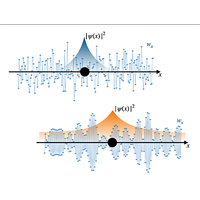
Phys. Rev. Lett. 136, 150404 (2026)
Quantum Information, Science, and Technology
Tangent Space Excitation Ansatz for Quantum Circuits
Article | Quantum Information, Science, and Technology | 2026-04-14 06:00 EDT
Ji-Yao Chen, Bochen Huang, D. L. Zhou, Norbert Schuch, Chenfeng Cao, and Muchun Yang
Computing excitation spectra of quantum many-body systems is a promising avenue to demonstrate the practical utility of current noisy quantum devices, especially as we move toward the "megaquop" regime. For this task, here we introduce a tangent space excitation ansatz for quantum circuits, motivate…
Phys. Rev. Lett. 136, 150601 (2026)
Quantum Information, Science, and Technology
Realistic Gottesman-Kitaev-Preskill Stabilizer States Enable Universal Quantum Computation
Article | Quantum Information, Science, and Technology | 2026-04-14 06:00 EDT
Fariba Hosseinynejad, Pavithran Iyer, Guillaume Dauphinais, and David L. Feder
Physical Gottesman-Kitaev-Preskill (GKP) states are inherently noisy as ideal ones would require infinite energy. While this is typically considered as a deficiency to be actively corrected, this Letter demonstrates that imperfect GKP stabilizer states can be leveraged in order to apply non-Clifford…
Phys. Rev. Lett. 136, 150602 (2026)
Quantum Information, Science, and Technology
Probing Cosmic Ray Composition and Muonphilic Dark Matter via Muon Tomography
Article | Cosmology, Astrophysics, and Gravitation | 2026-04-14 06:00 EDT
Cheng-en Liu, Rongfeng Zhang, Zijian Wang, Andrew Michael Levin, Leyun Gao, Jinning Li, Minxiao Fan, Youpeng Wu, Zibo Qin, Yong Ban, Zaihong Yang, Qite Li, Chen Zhou, and Qiang Li (PKMu Collaboration)
This Letter presents a novel cosmic-ray scattering experiment employing a resistive plate chamber muon tomography system. By introducing the scattering angle between incident and outgoing cosmic-ray tracks as a key observable, this approach enables simultaneous studies of secondary cosmic-ray compos…
Phys. Rev. Lett. 136, 151001 (2026)
Cosmology, Astrophysics, and Gravitation
Detecting Dark Matter Using Optically Trapped Rydberg Atom Tweezer Arrays
Article | Particles and Fields | 2026-04-14 06:00 EDT
So Chigusa, Taiyo Kasamaki, Toshi Kusano, Takeo Moroi, Kazunori Nakayama, Naoya Ozawa, Yoshiro Takahashi, Atsuhiro Umemoto, and Amar Vutha
A new scheme for detecting wavelike dark matter (DM) using Rydberg atoms is proposed. Recent advances in trapping and manipulating Rydberg atoms make it possible to use Rydberg atoms trapped in optical tweezer arrays for DM detection. We propose to prepare a large ensemble of Rydberg atoms and to ob…
Phys. Rev. Lett. 136, 151801 (2026)
Particles and Fields
Transient Phase Sensing in a Three-Photon Rydberg Ladder Scheme
Article | Atomic, Molecular, and Optical Physics | 2026-04-14 06:00 EDT
Stephanie M. Bohaichuk, Vijin Venu, Florian Christaller, and James P. Shaffer
Although Rydberg atoms have shown promise for use in novel types of radio frequency (rf) receivers, they have generally not been considered phase sensitive without the use of closed-loop interferometry or auxiliary rf fields. Here, we show that the high coherency of a narrow-linewidth three-photon l…
Phys. Rev. Lett. 136, 153201 (2026)
Atomic, Molecular, and Optical Physics
Equation of State for Turbulence in the Gross-Pitaevskii Model
Article | Atomic, Molecular, and Optical Physics | 2026-04-14 06:00 EDT
Gevorg Martirosyan, Kazuya Fujimoto, and Nir Navon
We report the numerical observation of a far-from-equilibrium equation of state (EOS) in the Gross-Pitaevskii (GP) model. We first show that the momentum distribution of the turbulent cascade is well described by wave-turbulent kinetic theory in the appropriate limits. Calculating the energy and par…
Phys. Rev. Lett. 136, 153401 (2026)
Atomic, Molecular, and Optical Physics
Interlayer Charge-Density-Wave Vector Phase Induced Structural Chirality
Article | Condensed Matter and Materials | 2026-04-14 06:00 EDT
Sen Shao, Wei-Chi Chiu, Tao Hou, Naizhou Wang, Ilya Belopolski, Yilin Zhao, Jinyang Ni, Qi Zhang, Yongkai Li, Jinjin Liu, Mohammad Yahyavi, Yuanjun Jin, Qiange Feng, Peiyuan Cui, Cheng-Long Zhang, Yugui Yao, Zhiwei Wang, Jia-Xin Yin, Su-Yang Xu, Qiong Ma, Wei-bo Gao, Md Shafayat Hossain, Arun Bansil, and Guoqing Chang
Chiral charge density waves (CDWs) have attracted intense interest due to their exotic quantum properties, yet the microscopic origin of structural chirality emerging from correlated charge order remains elusive. Here, we reveal that the interlayer phases of CDW vectors, an overlooked degree of free…
Phys. Rev. Lett. 136, 156101 (2026)
Condensed Matter and Materials
Momentum-Resolved Spectroscopy of Superconductivity with the Quantum Twisting Microscope
Article | Condensed Matter and Materials | 2026-04-14 06:00 EDT
Yuval Waschitz, Ady Stern, and Yuval Oreg
By conserving in-plane momentum, the quantum twisting microscope directly measures Bogoliubov coherence factors and pairing amplitudes with full momentum resolution, providing information inaccessible to existing probes.
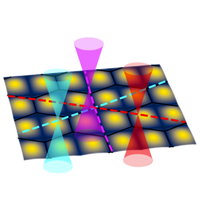
Phys. Rev. Lett. 136, 156501 (2026)
Condensed Matter and Materials
Non-Abelian Chern Band in Rhombohedral Graphene Multilayers
Article | Condensed Matter and Materials | 2026-04-14 06:00 EDT
Taketo Uchida, Takuto Kawakami, and Mikito Koshino
Self-consistent Hartree-Fock calculations show that electron interactions spontaneously generate a doubly degenerate Chern band with non-Abelian Berry curvature driven by a Fock-term-induced nonsymmorphic symmetry.
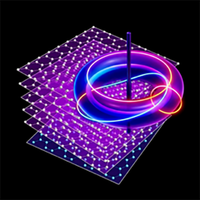
Phys. Rev. Lett. 136, 156602 (2026)
Condensed Matter and Materials
Physical Review X
Heating Dynamics of Mesoscopic Electron Baths at High Magnetic Field
Article | 2026-04-14 06:00 EDT
F. Zanichelli, A. Veillon, C. Piquard, A. Aassime, Y. Sato, A. Cavanna, Y. Jin, J. Folk, U. Gennser, A. Anthore, and F. Pierre
Time-resolved noise thermometry on mesoscopic metallic islands reveals a two-step thermalization process arising from the interplay between electronic quantum channels and nuclear spins.
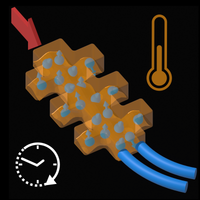
Phys. Rev. X 16, 021013 (2026)
arXiv
Hierarchical localization in disordered Apollonian networks
New Submission | Disordered Systems and Neural Networks (cond-mat.dis-nn) | 2026-04-15 20:00 EDT
Eduardo M. K. Souza, Francisco A. B. F. de Moura, Guilherme M. A. Almeida
We investigate localization properties of the Apollonian network (AN) in the presence of diagonal and off-diagonal disorder. By employing a site-resolved localization measure, we show that the localization degree is strongly dependent on the energy and tied to the hierarchical topology of the network. At the spectral edges, eigenstates are strongly localized on highly connected sites originating from previous generations, a behavior that persists under both disorder mechanisms. In contrast, around zero energy localization is associated with the lowest-degree sites. As disorder breaks the underlying C3 symmetry of the AN, it promotes spatial reconfiguration of these states while preserving their support on low-degree nodes. For diagonal disorder, localization is enhanced over a broad range of negative energies, whereas off-diagonal disorder induces weakening of localization in this region. Finally, we show that the hub dominates the spectral edges but has negligible contribution near the band center, indicating that its associated localized states are robust against disorder. These results highlight how topology and disorder jointly shape localization in complex networks.
Disordered Systems and Neural Networks (cond-mat.dis-nn)
Wavelength-dependent photo-creep in halide perovskite single crystals
New Submission | Materials Science (cond-mat.mtrl-sci) | 2026-04-15 20:00 EDT
Ruitian Chen, Jincong Pang, Lizhong Lang, Jiaze Wu, Mingyu Xie, Shuo Yang, Kaiqi Qiu, Tobin Filleter, Kai Huang, Guangda Niu, Jiang Tang, Yu Zou
Halide perovskites are promising optoelectronic materials, but their time-dependent permanent deformation under illumination (i.e., photo-creep) is poorly understood, limiting their mechanical stability. Here we report wavelength-dependent photo-creep phenomena in CsPbBr3 and FAPbBr3 single crystals, studied by constant-load nanoindentation under controlled light with various wavelengths. Compared with creep in dark, continuous green light (near-bandgap) suppresses creep by 19% in CsPbBr3 and 10% in FAPbBr3, whereas violet (far above-bandgap) light enhances creep by 16% in CsPbBr3 and 8% in FAPbBr3. In contrast, when light is onset during creep, blue light enhances creep most prominently, whereas green light exhibits minimal influence. Such photo-creep behavior in halide perovskites are distinct with photo-plasticity phenomenon in conventional semiconductors. By combining the photoluminescence and photocurrent measurements, we unveil that ion migration promotes dislocation climb and creep, while carrier trapping suppresses dislocation glide and related creep in halide perovskites. Such competition between carrier trapping and ion migration tuned by wavelength governs the photo-creep response. Our findings uncover a photomechanical effect in halide perovskites and highlight how coupled carrier and ion dynamics under illumination affect their device reliability.
Materials Science (cond-mat.mtrl-sci)
Surface-enhanced Raman scattering and density functional theory study of selected-lanthanide-citrate complexes (lanthanide: Tb, Dy, Ho, Er, Tm, Yb and Lu)
New Submission | Materials Science (cond-mat.mtrl-sci) | 2026-04-15 20:00 EDT
In this study, surface-enhanced Raman scattering (SERS) and density functional theory (DFT) calculations were combined to investigate the SERS spectra of Ln-citrate complexes (Ln: Tb, Dy, Ho, Er, Tm, Yb, and Lu) under 488 and 532 nm excitation. Peak assignment was supported by simulated SERS spectra calculated with an optimized DFT method using large-core effective core potentials. The main bands near 935, 1060, 1315, and 1485 cm-1 were assigned to (C-COO-) + (CH2), (CH2) + (C-O – Ln), sym(COO-) + (CH2), and asym(COO-) + (CH2), respectively. Relative peak intensities were evaluated by normalizing the bands near 935, 1060, and 1485 cm-1 to that near 1315 cm-1. The ratios I_935/I_1315 and I_1485/I_1315 generally increased from Dy-citrate to Lu-citrate, whereas the I_1060/I_1315 ratio decreased. These trends were observed under both excitation wavelengths. The decrease in relative SERS peak intensity of the 1060 cm-1 band is attributed to stronger Ln-O interaction and reduced polarizability change, whereas the increases of the 935 and 1485 cm-1 bands are likely related to changes in local electronic distribution and effective symmetry sensitivity.
Materials Science (cond-mat.mtrl-sci), Optics (physics.optics)
Localization with Hopping Disorder in Quasi-periodic Synthetic Momentum Lattice
New Submission | Quantum Gases (cond-mat.quant-gas) | 2026-04-15 20:00 EDT
Joel M. Sunil, J. Bharathi Kannan, Monu Bhartiya, Rayees A S, Shuvarati Roy, G. J. Sreejith, M. S. Santhanam, Umakant Rapol
Lattice quasi-periodicity is easily realized with ultracold atoms in optical lattices and has been used to study delocalization-localization transition at low dimensions. Models with true disorder, however, remains largely unrealized in experiments. Here, using Bose-Einstein Condensate of $ {^{87}{\text{Rb}}}$ atoms, we realize a Generalized Aubry-André (GAA) chain with added hopping disorder in a Momentum Space Lattice (MSL) via multiple Bragg diffractions. Unlike real space lattice simulators, MSL allows simulations of arbitrary disorder configurations and control over spatial disorder correlations. Uncorrelated hopping disorder added to the AA model enhances localization in all phases, smoothening the transition into a crossover between weakly and strongly localized regimes. On the other hand, numerical analysis shows that, spatially correlated hopping disorder induces partial delocalization of localized states in the vicinity of strong hopping bonds. Over a range of disorder strengths and correlations, the experimental results agree quantitatively with the numerical simulation of the dynamics in MSL. Ability of the platform to resolve correlation-dependent dynamical features in dynamics reflects the precision achieved in the realization. Our results demonstrate MSL as a viable platform for studying general disordered quantum systems beyond quasiperiodic systems.
Quantum Gases (cond-mat.quant-gas), Quantum Physics (quant-ph)
Three-body interactions in Rydberg lattices
New Submission | Quantum Gases (cond-mat.quant-gas) | 2026-04-15 20:00 EDT
Rhine Samajdar, Mikhail D. Lukin, Valentin Walther
Programmable arrays of neutral Rydberg atoms are one of the leading platforms today for scalable quantum simulation and computation. In these systems, the dipole-dipole interactions between the individual atoms, or qubits, typically result in binary – i.e., two-body – couplings. In this work, we develop an experimentally accessible scheme for engineering three-body interactions in Rydberg lattices. Such strong three-body couplings can fundamentally modify the underlying physics compared to systems with only two-body interactions: we demonstrate this, in particular, by systematically investigating the effective many-body Hamiltonian and its emergent quantum phases. This capability paves the way for the quantum simulation of a broader class of correlated models of condensed matter and high-energy physics.
Quantum Gases (cond-mat.quant-gas), Strongly Correlated Electrons (cond-mat.str-el), Quantum Physics (quant-ph)
8+8 pages, 5+5 figures
Classification and correlation signatures of chiral spin liquids on the pyrochlore lattice
New Submission | Strongly Correlated Electrons (cond-mat.str-el) | 2026-04-15 20:00 EDT
Chunxiao Liu, Leon Balents, Yasir Iqbal
We present a systematic classification and variational study of chiral quantum spin liquids on the pyrochlore lattice based on fermionic parton constructions. Focusing on chiral $ \mathrm{U(1)}$ and $ \mathbb{Z}_2$ spin-liquid Ansätze, we characterize their symmetry properties, flux structures, and low-energy spinon spectra within a projective symmetry group framework, and incorporate gauge fluctuations through Gutzwiller-projected wave functions studied by variational Monte Carlo. From the equal-time spin structure factor, we develop correlation-based diagnostics that distinguish gauge-dominated Coulomb phases from states with substantial matter-field and short-range contributions. Distinct chiral flux sectors, though close in energy, exhibit markedly different degrees of emergent $ \mathrm{U(1)}$ gauge-field dominance, reflected in the geometry and contrast of pinch-point singularities. Although these states are not competitive ground states of the nearest-neighbor Heisenberg model, they define a physically meaningful family of proximate chiral phases relevant to extended pyrochlore Hamiltonians.
Strongly Correlated Electrons (cond-mat.str-el)
28 pages, 6 figures, 11 tables
Isolating Exciton Dissociation Pathways in ReSe$_{\text{2}}$
New Submission | Materials Science (cond-mat.mtrl-sci) | 2026-04-15 20:00 EDT
Bradley G. Guislain, Rysa Greenwood, Matteo Michiardi, Giorgio Levy, Sergey Zhdanovich, Jerry Icban Dadap, Sydney K.Y. Dufresne, Arthur K. Mills, Dario Armanno, Shawn Lapointe, Francesco Goto, Nicolas Gauthier, Fabio Boschini, Andrea Damascelli, Ziliang Ye, David J. Jones
Strongly bound excitons dominate the optical response in many van der Waals semiconductors, yet distinguishing between the different microscopic processes governing exciton dissociation remains challenging. Using time- and angle-resolved photoemission spectroscopy (TR-ARPES), we independently track exciton and band-edge carrier populations in bulk ReSe$ _{\text{2}}$ under resonant excitation. By studying the fluence dependence and polarization-controlled exciton density dependence of the exciton dissociation process, we distinguish between competing processes and identify exciton photoionization as the microscopic dissociation mechanism. These results establish a population-resolved strategy for resolving exciton-to-carrier conversion pathways in strongly excitonic materials.
Materials Science (cond-mat.mtrl-sci)
Light-Matter-Coupling formalism for magnons: probing quantum geometry with light
New Submission | Mesoscale and Nanoscale Physics (cond-mat.mes-hall) | 2026-04-15 20:00 EDT
Ying Shing Liu (1), Emil Viñas Boström (2), Michael A. Sentef (3 and 2), Silvia Viola Kusminskiy (1 and 4) ((1) Institute for Theoretical Solid State Physics, RWTH Aachen University, Aachen, Germany, (2) Max Planck Institute for the Structure and Dynamics of Matter, Center for Free Electron Laser Science, Hamburg, Germany, (3) Institute for Theoretical Physics and Bremen Center for Computational Materials Science, University of Bremen, Bremen, Germany, (4) Max Planck Institute for the Science of Light, Erlangen, Germany)
Nontrivial quantum geometry is a key feature of the wavefunctions of collective magnetic excitations in topological systems, but accessing it experimentally remains an open challenge. While Raman circular dichroism (RCD) has emerged as a promising probe, the fundamental link between the RCD and magnon quantum geometry has remained unsettled, and complicated by the fact that magnons are charge neutral. Here, we identify when and why this link exists. We show that, under broad conditions, the Fleury-Loudon Raman vertex can be obtained directly from a light-matter coupling expansion of the effective magnon Hamiltonian, bypassing the conventional microscopic derivation based on virtual electronic processes. This yields an analytical connection between the RCD and the Berry curvature of magnon bands. Applied to monolayer CrI\textsubscript{3}, our theory predicts finite temperature signatures of topological magnons in the RCD. These results establish a general route to quantum-geometry sensitive optical probes in magnonic systems.
Mesoscale and Nanoscale Physics (cond-mat.mes-hall)
5 pages, 2 figures
Perspective: Measuring physical entropy out of equilibrium
New Submission | Statistical Mechanics (cond-mat.stat-mech) | 2026-04-15 20:00 EDT
Entropy is one of the key thermodynamic variables reflecting changes in the state of matter. Unlike other thermodynamic variables, it is well-defined also for nonequilibrium steady states through its relation to information. Applying this relation to physical systems is an ongoing challenge, as it requires knowledge of microscopic high-dimensional continuous distributions which is generally unattainable. A set of new approaches for the measurement of entropy in nonequilibrium steady or absorbing states have been developed and successfully applied to identify dynamic structures and transitions in diverse systems, ranging from jammed packings to swarming bacteria. We briefly review these approaches, emphasizing why applications to physical systems, including those out of equilibrium, is substantially different from the general statistical challenge of entropy estimation and inference. We point at promising current and future directions.
Statistical Mechanics (cond-mat.stat-mech), Soft Condensed Matter (cond-mat.soft)
Perspective article for the Phys Rev E collection “SPLASHY Roadmap”
Agentic LLM Reasoning in a Self-Driving Laboratory for Air-Sensitive Lithium Halide Spinel Conductors
New Submission | Materials Science (cond-mat.mtrl-sci) | 2026-04-15 20:00 EDT
Yuxing Fei, Bernardus Rendy, Xiaochen Yang, Junhee Woo, Xu Huang, Chang Li, Shilong Wang, David Milsted, Yan Zeng, Gerbrand Ceder
Self-driving laboratories promise to accelerate materials discovery. Yet current automated solid-state synthesis platforms are limited to ambient conditions, thereby precluding their use for air-sensitive materials. Here, we present A-Lab for Glovebox Powder Solid-state Synthesis (A-Lab GPSS), a robotic platform capable of synthesizing and characterizing air-sensitive inorganic materials under strict air-free conditions. By integrating an agentic AI framework into the A-Lab GPSS platform, we structure autonomous experimental design through abductive and inductive reasoning. We deploy this platform to explore the vast compositional space of lithium halide spinel solid-state ionic conductors. Across a synthesis campaign comprising 352 samples with diverse compositions, the system explores a broad chemical space, experimentally realizing 72% of the 171 possible pairwise combinations among the 19 metals considered in this study. Over the course of the campaign, the fraction of compositions exhibiting both good ionic conductivity (> 0.05 mS/cm) and high halide spinel phase purity increases from 1.33% in the first 75 agent-proposed samples to 5.33% in the final 75. Furthermore, by inspecting the AI’s reasoning processes, we reveal distinct yet complementary discovery strategies: abductive reasoning interrogates abnormal observations within already explored regions, whereas inductive reasoning expands the search into broader, previously unvisited chemical space. This work establishes a scalable platform for the autonomous discovery of complex, air-sensitive solid-state materials.
Materials Science (cond-mat.mtrl-sci), Machine Learning (cs.LG)
High-harmonic generation in systems with chiral Bloch states: application to rhombohedral graphene
New Submission | Mesoscale and Nanoscale Physics (cond-mat.mes-hall) | 2026-04-15 20:00 EDT
Jessica O. de Almeida, Wilton J. M. Kort-Kamp, Mathias S. Scheurer
Nonlinear light-matter interaction and, in particular, high-harmonic generation (HHG) are fundamentally interesting and frequently discussed as versatile probes of quantum materials with potential for optical information processing applications. Meanwhile, there has also been significant progress in graphene-based multilayer systems to engineer interesting band structures and boost correlation effects. Motivated by the successful demonstration of HHG in graphene, we here study this effect in rhombohedral stacks of $ n$ layers of graphene, a recent very prominent representative of correlated multilayer graphene systems. We show how the chiral Bloch states of the valleys of this system crucially affect the HHG. The “winding” of the Bloch states scales linearly with $ n$ , just like the dominant harmonic order. The location of the strongest quantum geometry in momentum space on a ring of finite radius is shown to be imprinted on the time-dependent momentum distribution at the beginning of the strong laser pulse. We further demonstrate that the presence of an interaction-induced splitting of the two valleys leads to a complex interplay of the opposite chiralities of the two valleys, directly visible in the $ n$ dependence of the circular dichroism. We also analyze the impact of doping and identify a quantity that tracks the net chirality of the occupied states. Our findings show that rhombohedral graphene constitutes a promising platform for exploring rich nonlinear optical phenomena.
Mesoscale and Nanoscale Physics (cond-mat.mes-hall), Optics (physics.optics), Quantum Physics (quant-ph)
17 pages, 10 figures
Raman response in superconducting multiorbital systems with application to nickelates
New Submission | Superconductivity (cond-mat.supr-con) | 2026-04-15 20:00 EDT
Matías Bejas, Jun Zhan, Xianxin Wu, Andreas P. Schnyder, Andrés Greco
The recent discovery of high-$ T_c$ superconductivity in pressurized and thin film nickelates is nowadays one of the most relevant and active topics in solid-state physics. The origin of superconductivity together with the relevance of multiorbital physics are highly discussed issues in this field. Knowledge of the size of the gap and its symmetry is of fundamental interest to uncover the superconducting mechanism at play in the nickelates. Electronic Raman scattering is a powerful tool to investigate the main characteristics of the gap. Here, we investigate the Raman response in the superconducting phase for three different models: Two-orbital models, including $ d_{x^2-y^2}$ and $ d_{z^2}$ orbitals, with one and two layers; as well as a bilayer model with the $ d_{x^2-y^2}$ orbital as the only active one. For each of these models, we consider different pairing symmetries and determine their characteristic fingerprints in the Raman response. For the two-orbital models, we perform full multiorbital calculations including interorbital and intraorbital scattering, and compare the results with those obtained using the additive Raman response where each band is considered separately. Our results should be useful for discussing the minimal model for superconductivity and its pairing symmetry in nickelates. The obtained results and discussions, as well as the presented formalism, are also of general interest for other multiorbital systems.
Superconductivity (cond-mat.supr-con)
11 pages, 6 figures
Phys. Rev. B 113, 144504 (2026)
Phase-space origin of superfluid stability in ring Bose-Einstein condensates
New Submission | Quantum Gases (cond-mat.quant-gas) | 2026-04-15 20:00 EDT
We present a kinetic description of superfluid currents in ring-shaped Bose-Einstein condensates based on the Wigner phase-space formalism. Starting from the Gross-Pitaevskii equation in a toroidal geometry, we derive a Vlasov-type equation for the angular Wigner function, in which the mean-field interaction generates an effective force proportional to the density gradient. Within this framework, we obtain the dispersion relation of collective modes and recover the Bogoliubov spectrum in the long-wavelength limit. We show that the Landau criterion for superfluidity can be interpreted as the absence of resonant phase-space trajectories satisfying the condition (\omega = q v_\ell). In a ring geometry, the quantization of angular momentum leads to a discrete set of velocities, which suppresses the availability of resonant states and strongly inhibits Landau damping. In contrast, in the continuous limit (R \to \infty), the spectrum becomes quasi-continuous and the standard Landau damping mechanism is recovered, establishing a direct connection between kinetic resonances and the energetic criterion for superfluidity. We further analyze the role of Bogoliubov depletion by considering a finite-width angular momentum distribution. Although resonant states formally exist in this case, we show that, for flow velocities below the sound velocity, the phase-space distribution does not provide the gradients required for energy transfer, and the superfluid current remains dynamically stable. Our results provide a unified phase-space interpretation of superfluidity, highlighting the role of angular momentum quantization and the structure of the distribution function in determining the stability of persistent currents.
Quantum Gases (cond-mat.quant-gas)
Systematic Design of Local Rules for Directing Emergent Structure in Bottom-Up Systems
New Submission | Soft Condensed Matter (cond-mat.soft) | 2026-04-15 20:00 EDT
Many biological systems collectively construct complex, adaptive, and functional architectures, where function emerges from bottom-up building processes rather than top-down planning or centralized control. However, general strategies for programming and controlling such emergent function in engineered systems remain largely unexplored. In this work, we present a systematic framework for designing local behavioral rule sets for simple builders such that, when adhered to, structures with targeted global properties emerge. Using a minimal model inspired by tent caterpillars, we study how simple agents equipped with limited sensing and no memory or global knowledge construct networked structures through local deposition of line segments. We base our framework on tuning local degrees of freedom in a complex system to alter global behavior. By identifying the degrees of freedom that influence a given property and specifying how they are tuned through local rules, we demonstrate that the corresponding global properties can be directed. We explore this through three geometric properties of the agents’ resulting networks, in particular area coverage, average line density, and front curvature. We show that agents can reliably achieve targeted values for these properties while maintaining low variability in the presence of stochasticity. These results establish a generalizable approach for programming emergence in decentralized systems and suggest new pathways for designing adaptive materials and autonomous construction strategies in complex, uncertain environments.
Soft Condensed Matter (cond-mat.soft)
11 pages, 11 figures
Preserving elastic anisotropy with tessellations of granular packings
New Submission | Soft Condensed Matter (cond-mat.soft) | 2026-04-15 20:00 EDT
Annie Z. Xia, Dong Wang, Catherine La Riviere, Rebecca Kramer-Bottiglio, Mark D. Shattuck, Corey S. O’Hern
Multiscale periodic metamaterials have been designed for numerous applications, such as impact absorption, acoustic cloaking, photonic band gaps, and mechanical logic gates. This prior work has focused on optimizing mesoscale structure for desired bulk isotropic properties. In contrast, we seek to develop materials with highly anisotropic elastic properties. To quantify elastic anisotropy, we introduce two rotationally invariant, normalized quantities that characterize the anisotropic response to shear and compression, respectively, $ A_G$ and $ A_C$ . We find that typical crystalline solids possess average elastic anisotropy $ \overline{A}_G \approx 0.15$ and $ \overline{A}_C \approx 0.09$ . Compared to atomic crystals, jammed granular materials can attain elastic anisotropies that are several orders of magnitude larger. Since grain rearrangements reduce anisotropy in granular materials, to preserve strong elastic anisotropy, we design tessellated granular materials that consist of multiple connected grain-filled voxels, which limit rearrangements and enable highly anisotropic elastic properties. Bulk granular packings with $ N$ grains prepared at pressure $ p$ have maximal anisotropy for $ pN^2\sim1$ and become isotropic in the large-$ pN^2$ limit. We show that homogeneously tessellated granular systems can inherit the elastic response of the constituent voxel configurations with elastic anisotropy up to $ 100$ times that of crystalline compounds over a range of $ pN^2$ . We show further methods to tune the elastic anisotropy of tessellations by designing heterogeneously patterned voxel configurations and tessellations that allow large boundary deformations.
Soft Condensed Matter (cond-mat.soft)
10 pages, 5 figures
Disentangling microstructural elements of shear thickening suspensions via computer simulations of a minimal model
New Submission | Soft Condensed Matter (cond-mat.soft) | 2026-04-15 20:00 EDT
William C. J. Buchholtz, Daniel L. Blair, Jeffrey S. Urbach, H. A. Vinutha, Emanuela Del Gado
We use a minimal model for a dense suspension undergoing thickening and thinning to investigate microstructural changes in 2d simulations. Our simulations show that in steady flow the contact network contains distinct building blocks which are clearly signaled by sharp peaks in the radial distribution function, similar to what is observed in granular jamming. These structures {deform} during thinning. Non-Gaussian stress fluctuations that only emerge during thickening are associated to power law tails in the distribution of local contact forces, which tend to emerge when the flow-induced building blocks form large spanning assemblies. The subset of the contact network characterized by strong contact forces and connectivity large enough to be rigid or over-constrained is increasingly likely to percolate as the system starts to thicken, and to percolate over larger strain windows during thickening. The tendency of these structures to span the sample and to persist is dramatically reduced during thinning, where instead their deformation allows for a more homogeneous spatial redistribution of contact forces, significantly reducing the fluctuations of the macroscopic stress over time.
Soft Condensed Matter (cond-mat.soft)
Soft Matter 2026, Advance Article
Spherical-tensor description of the Jahn–Teller–Hubbard molecule and local electron–phonon entanglement
New Submission | Strongly Correlated Electrons (cond-mat.str-el) | 2026-04-15 20:00 EDT
Koichiro Takahashi, Shuichiro Ebata, Naotaka Yoshinaga, Shintaro Hoshino
We investigate the localized-electron character of the Mott-insulating phase in A$ 3$ C$ {60}$ using a single-site multiorbital electron model coupled to anisotropic molecular vibrations (Jahn–Teller phonons). We apply the spherical-tensor formalism, a framework originally developed in nuclear physics, to analyze the electron–phonon-coupled ground-state multiplet. Focusing on multipole moments, we find that both the conventional electronic quadrupole moment and the lattice displacement associated with the molecular vibrations vanish, even though the degenerate ground-state multiplet implies the presence of quadrupolar degrees of freedom. By analyzing these degrees of freedom within the spherical-tensor framework, we introduce composite (two-body) quadrupole operators involving both electrons and phonons and study their parameter dependence numerically. Furthermore, using quasispin selection rules, we demonstrate that the composite quadrupole does not couple to either the conventional quadrupole or lattice-displacement operators, thereby distinguishing it fundamentally from standard quadrupolar degrees of freedom. In addition, we investigate the nature of the electron–phonon entanglement and characterize it from the viewpoint of angular momentum. Analysis of the entanglement spectrum reveals that the ground state consists of superpositions of multi-phonon states with angular momenta $ L{\rm ph}=2$ and $ L{\rm ph}=3$ , formed through coupling to three-electron states with $ L=1$ and $ L=2$ .
Strongly Correlated Electrons (cond-mat.str-el), Nuclear Theory (nucl-th)
30 pages, 6 figures, 5 tables
A compact setup for 87Rb optical tweezer arrays
New Submission | Quantum Gases (cond-mat.quant-gas) | 2026-04-15 20:00 EDT
Xue Zhao, Xiao Wang, Wentao Yang, Xiaoyu Dai, Yirong Wang, Guangren Sun, Fangshi Jia, Kuiyi Gao, Wei Zhang
We describe a simple and compact experimental setup for optical tweezer arrays of 87Rb atoms. This setup includes a compact vacuum system, a single cooling laser, a simple tweezer laser, and a flexible control system. The small vacuum system with only 40 cm length takes advantage of the high atomic flux two-dimensional magneto-optical trap (2D MOT) while maintaining a low background pressure in the 3D MOT chamber ensuring sufficient lifetime of the trapped atoms. Atom number of the laser cooled sample of 2e7 and temperature of 92 uK is achieved. The flexible control system with real-time waveform generator modules (RWG) provides precise control of all the RF devices, and enables real-time feedback control of both the global and individual beams in optical tweezer arrays. An optical tweezer array with 25x25 homogeneous traps is demonstrated. This simple and compact demo setup makes it more accessible to experimental quantum physics.
Quantum Gases (cond-mat.quant-gas)
6 pages, 3 figures
Fe-H melting curve below 3 GPa: Implications for hydrogen in the lunar core
New Submission | Materials Science (cond-mat.mtrl-sci) | 2026-04-15 20:00 EDT
Jun Takeshita, Kei Hirose, Suyu Fu, Fumiya Sakai, Koutaro Hikosaka
It has been assumed that hydrogen is negligibly incorporated into core-forming metals below $ \sim$ 3 GPa, and therefore the presence of hydrogen in iron cores of small terrestrial bodies including the moon has not been considered. Here we performed high-pressure melting experiments on the Fe-H system under H$ _2$ -saturated conditions, combined with synchrotron X-ray diffraction (XRD) measurements. Results demonstrate substantial depression of the Fe-H melting curve compared to that for Fe at 1.0-3.3 GPa, indicating that hydrogen is incorporated into liquid iron even at low pressures less than 1 GPa and the solubility is enhanced with increasing pressure. Based on the density of liquid Fe-H derived from diffuse scattering signal in XRD data, we found that the solubility of hydrogen in liquid iron is about 0.9 wt% at 3.6 GPa and likely enhanced to 1.2 wt% at 5 GPa corresponding to lunar core conditions. The 1.2 wt% H causes 9 % density reduction, which might fully explain the observed density deficit of the lunar core with respect to iron, depending on the density estimate from seismological data.
Materials Science (cond-mat.mtrl-sci), Earth and Planetary Astrophysics (astro-ph.EP)
Main text: 13 pages; Figures (main text): 4; Supplementary information: 9 pages; Figures (supplementary information): 4; Table (supplementary information): 1
Steady-State Equilibrium and Nonequilibrium Noisy Network Dynamics
New Submission | Statistical Mechanics (cond-mat.stat-mech) | 2026-04-15 20:00 EDT
The fluctuating dynamics of a network about its stable, noise-free steady state are theoretically investigated. Various causes of non-equilibrium dynamics are identified in terms of the properties and symmetry of the network connections and the noise covariance matrices. Several equivalent conditions are derived for the dynamics of the noisy network at equilibrium. In particular, non-equilibrium steady state (NESS) dynamics are analyzed in terms of the steady-state probability current and the drift velocity relative to the effective potential surface. Conventional physical Brownian dynamics for overdamped fluctuating dynamics is analyzed from the perspective of the linearized fluctuating noisy network dynamics. Connection with the network reconstruction from time-series data is discussed. It is demonstrated that the overdamped Brownian dynamics in the physical system is a special case of the general noisy directed network in a NESS. Furthermore, a general fluctuation-dissipation relation is derived for the general non-equilibrium noisy network dynamics. These theoretical results are verified by numerical simulations.
Statistical Mechanics (cond-mat.stat-mech)
Orbital-selective correlations and angular momentum coupling in heavy actinides Am, Cm, Bk, and Cf under pressure: A many-body perspective
New Submission | Strongly Correlated Electrons (cond-mat.str-el) | 2026-04-15 20:00 EDT
We systematically investigate the electronic structures of americium (Am), curium (Cm), berkelium (Bk), and californium (Cf) in both the ambient-pressure double hexagonal close-packed (dhcp) and high-pressure face-centered cubic (fcc) phases, using density functional theory combined with embedded dynamical mean-field approach. Our results reveal that Am exhibits moderate correlation strength and localized 5f states dominated by jj angular momentum coupling scheme. In Cm and Bk, strong electron correlations drive the system into a localized regime, characterized by Hubbard band formation, large effective electron masses, and non-Fermi liquid behavior. Their magnetic ground states are governed by exchange interactions within an intermediate coupling scheme that shifts toward LS coupling. Remarkably, Cf reenters a jj coupling regime while exhibiting the strongest orbital-selective correlations among the series. Atomic eigenstate probabilities show moderate configurational mixing in Am, whereas Cm, Bk, and Cf maintain nearly fixed trivalent configurations, indicating localized 5f states. Compared with the dhcp phase, the fcc structure generally enhances correlation effects, as evidenced by wider Hubbard bandgaps and increased valence state fluctuation in Am. Analyses of kinetic energy, potential energy, spin susceptibility, and charge susceptibility further corroborate the progressive localization of 5f electrons and the emergence of orbital-selective correlations from Am to Cf. This work establishes a unified picture of 5f electron evolution across the Am-Cf series, elucidating the interplay between spin-orbit coupling, electron correlation, and crystal structure in heavy actinides and offering insights into their behavior under high pressure.
Strongly Correlated Electrons (cond-mat.str-el)
18 pages, 8 figures
Polymer-free van der Waals assembly of 2D material heterostructures using muscovite crystals
New Submission | Mesoscale and Nanoscale Physics (cond-mat.mes-hall) | 2026-04-15 20:00 EDT
Ian Babich, Timofey M. Savilov, Natalia A. Mamchik, Kristina Vaklinova, Nansi Zhou, Denis S. Baranov, Dmitrii A. Litvinov, Virgil Gavriliuc, Yue Yuan, Amoz Chua, Kenji Watanabe, Takashi Taniguchi, Mario Lanza, Maciej Koperski, Kostya S. Novoselov, Alexey I. Berdyugin, Makars Šiškins
The advent of van der Waals (vdW) heterostructures has enabled formation of bespoke materials with atomic precision, where numerous quantum and topological phenomena have already been discovered. This atomic-layer tunability, however, comes at a cost: individual 2D layers must be picked up, moved, and placed in a deterministic manner while keeping their interfaces atomically clean. Recent advances in machine learning and robotics place even stronger emphasis on the deterministic aspect of vdW assembly. Current polymer-based transfer methods satisfy neither the determinism nor cleanliness requirements. To this end, solutions are needed where adhesion can be dynamically and deterministically controlled without leaving organic contamination. Here, we present a polymer free transfer technique employing thin muscovite (mica) crystals. Temperature control over mica adhesion enables deterministic pick-up, stacking, and release of 2D materials, while their crystalline, inorganic nature ensures pristine interfaces and suppresses strain. Fully compatible with existing fabrication workflows, this approach enables the assembly of demanding vdW heterostructures, including those with exposed conductive layers, moiré superlattices and suspended membranes. Our method represents a promising strategy for vdW heterostructure fabrication toward its automatization.
Mesoscale and Nanoscale Physics (cond-mat.mes-hall), Materials Science (cond-mat.mtrl-sci), Other Condensed Matter (cond-mat.other), Applied Physics (physics.app-ph)
Interplay of strain-induced axial gauge fields and intrinsic band-topology in the magnetoelectric conductivity of gapped nodal rings
New Submission | Mesoscale and Nanoscale Physics (cond-mat.mes-hall) | 2026-04-15 20:00 EDT
Firdous Haidar, Muhammed Jaffar A., Ipsita Mandal
We compute the magnetoelectric conductivity of a semimetal hosting an ideal gapped nodal ring (GNR) in three distinct planar-Hall configurations, in the simultaneous presence of an external electric field $ \boldsymbol{E}$ , a magnetic field $ \boldsymbol{B}$ , and a strain-induced axial pseudomagnetic field $ \boldsymbol{B}_5$ . The latter arises from a nonuniform lattice deformation and couples to antipodal points on the toroidal Fermi surface with opposite signs, reflecting its chiral nature. Extending our earlier analysis to include $ \boldsymbol{B}_5$ , we demonstrate how its vortex-like field lines – co-aligned with the Berry curvature (BC) and orbital magnetic moment (OMM) – imprint qualitatively distinct signatures on the conductivity tensor. In particular, this alignment causes the dot product of $ \boldsymbol{B}_5$ with the BC or OMM-induced quantities to be angle-independent on the Fermi surface, generating a nonvanishing integral linear-in-$ B_5$ , which is not possible for isotropic nodal points harbouring BC-monopoles. We show that a part of the planar-Hall conductivity in the first set-up remains completely immune to strain, providing a strain-insensitive internal reference for topological transport. Our explicit analytical expressions offer concrete and experimentally testable predictions for identifying strain-induced signatures in transport measurements on GNR materials.
Mesoscale and Nanoscale Physics (cond-mat.mes-hall)
23 pages, 5 figures; follow-up paper of arXiv:2503.10712
Giant and Helical Exciton Dipole from Berry Curvature in Flat Chern Bands
New Submission | Mesoscale and Nanoscale Physics (cond-mat.mes-hall) | 2026-04-15 20:00 EDT
Kaijie Yang, Huiyuan Zheng, Xiaodong Xu, Di Xiao, Ting Cao
We show that excitons forming between moiré flat Chern bands possess a substantial electric dipole moment comparable to the moiré lattice parameter times the elementary charge ($ \sim10^2$ Debye). At a hole filling factor of one in twisted MoTe$ _2$ , the dipole moment of the lowest-energy exciton branch develops in-plane helical texture in momentum space from the intrinsic Berry curvature of electron and hole. By solving the Bethe-Salpeter equations, we demonstrate that an out-of-plane displacement field induces a Frenkel-to-Wannier exciton transition, accompanied by a reversal of the dipole texture helicity. The resulting attractive exciton dipole-dipole interactions lead to quadrupolar biexcitons that can be probed via two-photon spectroscopy. Our findings establish band topology as a tunable knob to engineer exciton dipole moments and pave the way to manipulate many-body interactions in the terahertz regime.
Mesoscale and Nanoscale Physics (cond-mat.mes-hall)
Nanoscale electrothermal-switch superconducting diode for electrically programmable superconducting circuits
New Submission | Superconductivity (cond-mat.supr-con) | 2026-04-15 20:00 EDT
Tianyu Li, Jiong Li, Chong Li, Peiyuan Huang, Nuo-Zhou Yang, Wuyue Xu, Wen-Cheng Yue, Yang-Yang Lyu, Yihuang Xiong, Xuecou Tu, Tao Tao, Xiaoqing Jia, Qing-Hu Chen, Huabing Wang, Peiheng Wu, Yong-Lei Wang
Superconducting diodes enable dissipationless directional transport, yet achieving electrical tunability and scalability remains a major challenge for circuit-level integration. Here, we demonstrate an electrothermal-switch superconducting diode in which a gate-controlled nanoscale hotspot dynamically breaks inversion symmetry in a superconducting nanowire. This mechanism gives rise to two coexisting nonreciprocal transport regimes-one associated with a nonreciprocal superconducting-to-normal transition and the other with ratchet-like vortex dynamics-both originating from the same electrothermal-switch process. The diode exhibits efficiencies up to 42% and 60% for the two regimes, respectively, and can be electrically switched on, off, or reversed in polarity in situ by applying a small gate current. These capabilities enable programmable superconducting circuits that realize electrically reconfigurable full-wave and half-wave rectification. The lithography-compatible design, high performance, and gate-controlled functionality establish a scalable platform for programmable superconducting electronics and hybrid quantum systems.
Superconductivity (cond-mat.supr-con), Mesoscale and Nanoscale Physics (cond-mat.mes-hall), Applied Physics (physics.app-ph)
To appear in Nano Letters
Momentum-dependent charge-density-wave gap formation in ZrTe_{2.98}Se_{0.02}
New Submission | Other Condensed Matter (cond-mat.other) | 2026-04-15 20:00 EDT
Iori Ishiguro (1), Hayate Kunitsu (1), Natsuki Mitsuishi (1), Shunsuke Tsuda (2), Koichiro Yaji (2 and 3), Yoichi Yamakawa (1), Hiroshi Kontani (1), Takahiro Shimojima (1) ((1) Department of Physics, Nagoya University, Furo-cho, Japan, (2) Center for Basic Research on Materials, National Institute for Materials Science, Tsukuba, Japan, (3) Unprecedented-scale Data Analytics Center, Tohoku University, Sendai, Japan)
We investigated the energy gap formation across the charge density wave (CDW) transition inof ZrTe_{2.98}Se_{0.02}. By employing a laser photoemission microscopy, we clearly resolved one elliptical Fermi surface (FS) around the Brillouin zone (BZ) center, and two quasi-one-dimensional FSs along the BZ boundary. We further mapped the intensity difference between the FSs below and above the CDW transition temperature. We found that the energy CDW gap formation is limited to the momentum region 0.25 Å^{-1} < ky < 0.8 Å^{-1} along \bar{B}-\bar{D} line, which coincides with the location of one of the quasi-one-dimensional FSs. Characteristic momentum dependence in the energy CDW gap suggests the importance of both FS nesting and band-dependent electron-phonon coupling for understanding the CDW state in ZrTe_{3} system.
Other Condensed Matter (cond-mat.other)
13 pages, 4 figure
Charge-4e/6e superconductivity and chiral metal from 3D chiral superconductor
New Submission | Superconductivity (cond-mat.supr-con) | 2026-04-15 20:00 EDT
Chu-Tian Gao, Chen Lu, Yu-Bo Liu, Zhiming Pan, Fan Yang
Unconventional superconductivity (SC) characterized by multi-fermion orderings has attracted substantial attention. However, previous studies have largely focused on 2D systems or 3D systems with effective 2D symmetries. Here, we investigate the vestigial phases arising from thermal fluctuations of chiral SC in 3D systems governed by the cubic $ O_h$ point group. By constructing low-energy effective Hamiltonians via Ginzburg-Landau analysis and conducting Monte Carlo simulations, we systematically investigate the phase fluctuations of chiral orders within the $ E_g$ and $ T_{2g}/T_{1u}$ irreducible representations (IRRPs). We identify a phase diagram topology different from 2D counterparts, where the multi-phase intersection manifests as a tetracritical point rather than the triple point typically found in 2D systems. We elucidate the evolution of these phases under thermal fluctuations. Our findings reveal that for both $ E_g$ and $ T_{2g}/T_{1u}$ IRRPs, the primary chiral orders could melt into a chiral metallic phase across specific parameter regimes. Moreover, for the $ E_g$ IRRP, phase fluctuation could also induce a charge-$ 4e$ phase under certain regime, while for the $ T_{2g}$ and $ T_{1u}$ IRRPs, it leads to a higher-order charge-$ 6e$ SC state. Our work paves the way for exploring exotic vestigial orders driven by non-trivial 3D crystalline symmetries.
Superconductivity (cond-mat.supr-con), Strongly Correlated Electrons (cond-mat.str-el)
17 pages, 13 figures
Large spontaneous Hall effect arising from collinear antiferromagnetism in Ce$_2$PtGe$_6$
New Submission | Strongly Correlated Electrons (cond-mat.str-el) | 2026-04-15 20:00 EDT
Hayata Matsuda, Ruo Hibino, Chihiro Tabata, Koji Kaneko, Nonoka Higa, Takahiro Onimaru, Hiroto Tanaka, Hideki Tou, Hitoshi Sugawara, Junichi Hayashi, Keiki Takeda, Hisashi Kotegawa
The spontaneous Hall effect, corresponding to a zero-field anomalous Hall effect (AHE), is induced by symmetry breaking associated with ferromagnetism. Studies in recent years, however, have revealed that antiferromagnetic (AFM) states characterized by magnetic point groups that allow ferromagnetism can also break the relevant symmetries and induce AHE without a large net magnetization. Here, we report that the AFM system Ce$ _2$ PtGe$ _6$ exhibits a pronounced spontaneous Hall effect. Single-crystal neutron scattering experiments demonstrate that Ce$ _2$ PtGe$ _6$ exhibits a collinear AFM structure with a propagation vector $ q=0$ . The small net magnetization of $ \sim 10^{-3}$ $ \mu_B$ /Ce indicates that the observed AHE arises from symmetry breaking inherent to its AFM structure. The anomalous Hall conductivity (AHC) reaches $ 300$ $ \Omega^{-1}$ cm$ ^{-1}$ , which exceeds the intrinsic AHC of related compounds such as Ce$ _2$ CuGe$ _6$ and Ce$ _2$ PdGe$ _6$ . This large AHC, most likely attributed to the large spin-orbit coupling of the Pt atoms, provides a platform for understanding the interplay between the Berry curvatures and localized $ f$ -moments with an AFM configuration.
Strongly Correlated Electrons (cond-mat.str-el)
9 pages, 8 figures, to appear in Phys. Rev. B
A CMOS-compatible, scalable and compact magnetoelectric spin-torque microwave detector
New Submission | Mesoscale and Nanoscale Physics (cond-mat.mes-hall) | 2026-04-15 20:00 EDT
Shuhui Liu, Riccardo Tomasello, Bin Fang, Aitian Chen, Like Zhang, Zhenhao Liu, Rui Hu, Wenkui Lin, Mario Carpentieri, Baoshun Zhang, Xixiang Zhang, Giovanni Finocchio, Zhongming Zeng
The development of compact and highly sensitive microwave detectors compatible with complementary-metal-oxide-semiconductor (CMOS) processes is an active research area but remains a major challenge in microwave technology. Spin-torque diodes (STDs) are emerging nanoscale spintronic devices capable of surpassing the theoretical thermodynamic sensitivity limits of Schottky diodes. However, their practical use in compact systems is limited by the need of external antennas or probes. Here, we demonstrate a magnetoelectric (ME) spin-torque microwave detector that monolithically integrates an ME antenna with a magnetic tunnel junction (MTJ). The device directly converts wireless electromagnetic signals into a DC output at sub-microwatt power levels, achieving a sensitivity greater than 90 kV/W, a noise equivalent power of 3 pW\astHz^-0.5, and a compact footprint of 0.4 mm^2. This performance is due to the nonlinear coupling between incoherent magnetization dynamics, driven by a DC current in the MTJ, and the combined effects of the microwave voltage and strain generated by the ME antenna under incident electromagnetic waves. We further show that this design is scalable, enabling the co-integration of an ME antenna with an array of MTJs. A detector incorporating four MTJs, for example, exhibits a sensitivity exceeding 400 kV/W. This work paves the way for a new generation of highly sensitive, compact and scalable microwave detectors that combine ME antennas and spintronic diodes.
Mesoscale and Nanoscale Physics (cond-mat.mes-hall)
Kinetic instability and superconductivity in Li$_2$AuH$_6$ and Li$_2$AgH$_6$ at ambient pressure
New Submission | Superconductivity (cond-mat.supr-con) | 2026-04-15 20:00 EDT
Yucheng Ding, Haoran Chen, Junren Shi
Li$ _2$ AuH$ _6$ and Li$ _2$ AgH$ _6$ have been proposed as promising candidates for high-temperature superconductors under ambient pressure. While previous studies confirm the dynamic stability of these two thermodynamically unstable systems, their kinetic stability remains to be verified. In this work, we use path integral molecular dynamics simulations to examine the kinetic stability of Li$ _2$ AuH$ _6$ and Li$ _2$ AgH$ _6$ under ambient pressure. We find both compounds are kinetically unstable. Li$ _2$ AgH$ _6$ undergoes lattice collapse, whereas Li$ _2$ AuH$ _6$ retains a stable fluorite-type Li-Au sublattice, but hydrogen atoms partially dimerize into molecules and diffuse within the host lattice. Using the stochastic path-integral approach, which is a nonperturbative approach applicable to systems with diffusive atoms, we investigate the superconductivity of Li$ _2$ AuH$ _6$ in this state. We predict a superconducting transition temperature of 22 K, well below earlier predictions, due to the low density of states at the Fermi level caused by the collapse of hydrogen sublattice and hydrogen dimerization.
Superconductivity (cond-mat.supr-con)
7 pages, 4 figures
Generalized BChS Model with Group Interactions: Shift in the Critical Point and Mean-Field Ising Universality
New Submission | Statistical Mechanics (cond-mat.stat-mech) | 2026-04-15 20:00 EDT
We introduce a generalized version of the Biswas-Chatterjee-Sen (BChS) model \cite{Biswas} with group interactions of size $ q$ , extending the original pairwise interaction dynamics. Within a mean-field framework, we derive an exact expression for the critical noise $ p_c(q)$ , showing that it increases monotonically with $ q$ and approaches $ 1/2$ in the large-$ q$ limit, consistent with a Gaussian approximation. Despite this shift in the phase boundary, the critical behavior remains unchanged across all $ q$ : the order parameter scales as $ (p_c(q)-p)^{1/2}$ , and the relaxation timescale diverges as $ |p-p_c(q)|^{-1}$ , identical to the original BChS model \cite{Biswas}. Finite-size scaling of the Binder cumulant, order parameter, and its fluctuations confirm that the system belongs to the mean-field Ising universality class for all $ q$ . Our results demonstrate that higher-order interactions modify the location of the transition without altering its universality class.
Statistical Mechanics (cond-mat.stat-mech)
8 pages, 6 figures
Enhancing Laser Surface Texturing through Advanced Machine Learning Techniques
New Submission | Materials Science (cond-mat.mtrl-sci) | 2026-04-15 20:00 EDT
Christoph Zwahr, Frederic Schell, Tobias Steege, Andrés Fabián Lasagni
Laser material processing has emerged as a versatile and indispensable tool in various industries, including manufacturing, healthcare, and materials science. However, the interaction of a lasers with surfaces is highly dependent on a large number of factors, including properties of the laser source such as pulse duration, wavelength and pulse form, as well as properties of the material such as surface roughness, heat capacity and thermal conductivity. Therefore, the optimization of laser texturing processes in regards to specific target geometries while maintaining texture quality and process efficiency is a time consuming task that requires experienced operators with expert knowledge of the process and its components. The complex and nonlinear relationships between the various process, laser and material parameters and the resulting surface topography or functionality are challenging to model analytically. Therefore, the fabrication of large numbers of different parameter variations are typically required to enable empirical modeling and process optimization. Machine learning offers a promising approach to overcoming these challenges, particularly when the interrelations between process parameters are not well understood. It enables effective process optimization, surface property prediction, and automated monitoring-tasks that previously required expert knowledge. This chapter demonstrates the application of machine learning to Laser Surface Texturing techniques. Using algorithms such as neural networks and random forests, surface roughness can be predicted based on laser parameters and material data. This facilitates faster process optimization, reduces experimental effort, and enables predictive visualization - all while maintaining high accuracy.
Materials Science (cond-mat.mtrl-sci), Applied Physics (physics.app-ph), Optics (physics.optics)
Mobility-edge-embedded Hofstadter butterfly from a tilt-induced quasiperiodic potential
New Submission | Disordered Systems and Neural Networks (cond-mat.dis-nn) | 2026-04-15 20:00 EDT
The Hofstadter butterfly (HB) and mobility edges (MEs) are hallmark phenomena of quasiperiodic systems, yet their interplay remains elusive. Here, we demonstrate their convergence within a tilt-induced quasiperiodic potential on a square lattice, giving rise to a ``mobility-edge-embedded Hofstadter butterfly’’ (MEE-HB). This potential is generated by aligning a periodic potential at an angle relative to the lattice axes–a configuration readily accessible in optical lattice experiments. Using a tight-binding model, we show that the MEE-HB manifests as a fractal energy splitting pattern hosting MEs that separate extended and localized states. Our Harper-like equation shows that the fractal pattern originates from 1D quasiperiodic potentials, while MEs stem from effective long-range hopping. Notably, the MEE-HB exhibits a fractal dimension of 0.8–1.0, significantly exceeding the 0.4–0.6 range of the standard butterfly, indicating a denser spectral set. Our findings establish tilt-induced potentials as a versatile platform for exploring the interplay between fractal structures and localization.
Disordered Systems and Neural Networks (cond-mat.dis-nn)
Supplementary information is not included in the present arXiv submission and will be provided in the published version
Explicit proof of Anderson’s orthogonality catastrophe for the one-dimensional Fermi polaron with attractive interaction
New Submission | Quantum Gases (cond-mat.quant-gas) | 2026-04-15 20:00 EDT
We provide a fully analytical derivation of Anderson’s orthogonality catastrophe for the one dimensional Fermi polaron integrable model, describing a system of $ N$ spin-up fermions, with fixed density $ n=N/L$ , interacting with a single spin-down fermion via an attractive contact potential. The proof combines the determinant representations of the norm of the many-body wave function and of its scalar product with the noninteracting ground state, obtained from the Bethe ansatz solution, with the special properties of Cauchy matrices. We derive the leading asymptotics of the two determinants in the thermodynamic limit and show that the quasi-particle residue $ Z$ decays algebraically, $ Z=W N^{-\theta}$ . We confirm that the Anderson exponent $ \theta$ is equal to $ 2\delta_F^2/\pi^2$ , where $ \delta_F$ is the Bethe-ansatz phase shift at the Fermi edge. The prefactor $ W$ is obtained numerically as a function of the interaction parameter.
Quantum Gases (cond-mat.quant-gas)
12 pages, 4 figures
Directional selection of field-induced phases by weak anisotropy in triangular-lattice K$_2$Mn(SeO$_3$)$_2$
New Submission | Strongly Correlated Electrons (cond-mat.str-el) | 2026-04-15 20:00 EDT
Bin Wang, Yantao Cao, Andi Liu, Guoliang Wu, Jin Zhou, Xiaobai Ma, Wenyun Yang, Takashi Ohhara, Akiko Nakao, Koji Munakata, Bing Shen, Zhendong Fu, Zhaoming Tian, Qian Tao, Zhu-an Xu, Wei Li, Jinkui Zhao, Hanjie Guo
Triangular-lattice systems host a variety of ground states, ranging from quantum spin liquids to magnetically ordered phases, the latter of which can exhibit a sequence of magnetic phase transitions under applied magnetic fields. Here, we report magnetic and thermodynamic measurements, combined with powder and single-crystal neutron diffraction, on a high-spin, nearly isotropic Mn$ ^{2+}$ triangular-lattice system K$ _2$ Mn(SeO$ _3$ )$ 2$ . The compound undergoes long-range magnetic ordering below $ T\mathrm{N} \sim 4$ ~K in zero field. Contrary to expectations for an ideal Heisenberg system, the compound adopts an up-down-zero (UD0) magnetic structure down to the lowest temperature (0.05 K), rather than the commonly expected Y-type structure. This UD0 state is, however, highly sensitive to external magnetic fields. For fields applied along the $ c$ axis, it is readily destabilized and replaced by the Y-type structure, followed by an up-up-down (UUD) phase corresponding to the 1/3 magnetization plateau. In contrast, when the field is applied within the triangular plane, the system evolves into a canted Y state at a higher critical field. These results reveal that weak anisotropy, though small in magnitude, exerts a strongly orientation-dependent influence, playing a key role in selecting the field-induced phases in this frustrated magnet.
Strongly Correlated Electrons (cond-mat.str-el)
9 pages, 5 figures
Gate-Reconfigurable Single- and Double-Dot Transport in Trilayer MoSe2
New Submission | Mesoscale and Nanoscale Physics (cond-mat.mes-hall) | 2026-04-15 20:00 EDT
Seungwoo Lee, Minjun Park, Yunsang Noh, Sung Jin An, Soyun Kim, Minseo Cho, Dohun Kim, Takashi Taniguchi, Kenji Watanabe, Minkyung Jung, Youngwook Kim
We report gate-controlled quantum-dot transport in a trilayer MoSe2 device that combines a graphite back gate beneath the active region, a separate global gate for conductive access regions, and local top finger gates. In the low-backgate regime, bias spectroscopy shows regular Coulomb-blockade diamonds characteristic of single-dot transport. As backgate is increased, additional low-bias structure develops beyond a simple single-dot pattern, indicating that the electrostatic landscape is reshaped and that a second dot becomes active in transport. In the higher-backgate regime, plunger-gate tuning and two-gate measurements establish a gate-reconfigurable double-dot configuration with two non-equivalent dots whose relative alignment and interdot coupling evolve with gate voltage. These results indicate that trilayer MoSe2 supports electrically reconfigurable single- and double-dot transport in the present device architecture.
Mesoscale and Nanoscale Physics (cond-mat.mes-hall), Materials Science (cond-mat.mtrl-sci)
Depth-Resolved Thermal Conductivity of HFCVD Diamond Films via Square-Pulsed Thermometry
New Submission | Materials Science (cond-mat.mtrl-sci) | 2026-04-15 20:00 EDT
Kexin Zhang, Xiaosong Han, Ershuai Yin, Xin Qian, Junjun Wei, Puqing Jiang
The integration of high-thermal-conductivity diamond films onto silicon carbide (SiC) substrates offers a promising pathway for thermal management in high-power electronic devices. Here, we investigate the depth-dependent thermal conductivity of a ~5 {\mu}m-thick diamond film grown on SiC by hot-filament chemical vapor deposition (HFCVD) using square-pulsed source (SPS) thermometry. Electron backscatter diffraction (EBSD) and transmission electron microscopy (TEM) reveal pronounced grain coarsening from the nucleation interface to the film surface. By combining frequency-dependent thermal penetration with a depth-resolved thermal transport model, we quantitatively reconstruct the thermal conductivity profile. The thermal conductivity increases sharply from ~60 W m^(-1) K^(-1) near the nucleation region to ~200 W m^(-1) K^(-1) at the surface, directly reflecting the underlying microstructural evolution. These results provide a physically grounded understanding of graded heat transport in HFCVD diamond and offer practical guidance for engineering diamond-based thermal management layers for next-generation power devices.
Materials Science (cond-mat.mtrl-sci), Applied Physics (physics.app-ph)
Kinetic Arrest of a First Order Phase Transition
New Submission | Materials Science (cond-mat.mtrl-sci) | 2026-04-15 20:00 EDT
We report a phenomenological theory for the kinetic arrest (KA) of a first-order phase transition, taking the Mott metal-insulator transition in $ V_2O_3$ as a test case. By defining a order parameter $ \phi$ related to the monoclinic distortion of the high temperature metallic and mapping its Time-Dependent Ginzburg-Landau (TDGL) dynamics onto a disorder-influenced Imry-Wortis landscape, we derive a universal transcendental condition for the mechanism of the kinetic arrest. We demonstrate that epitaxial substrate-induced clamping in (001)-oriented $ V_2O_3$ thin films elevates the elastic activation barriers, trapping the high-symmetry corundum phase down to 4.2~K. This structural suppression of the insulating state robustly explains the observed hysteretic $ V$ -$ I$ switching a hallmark of memristive behaviour. Our work identifies a “Mott-Glass” as a structurally arrested non-equilibrium state in the strained thin-film of V$ _2$ O$ _3$ . Our work provides a predictive framework for engineering strain-tuned neuromorphic synapses.
Materials Science (cond-mat.mtrl-sci)
5 pages, 3 figures
Chiral electron-fluxon superconductivity in circuit quantum magnetostatics
New Submission | Mesoscale and Nanoscale Physics (cond-mat.mes-hall) | 2026-04-15 20:00 EDT
We investigate electron paring in two-dimensional electron systems mediated by the vacuum fluctuations of a quantized magnetic flux generated by the inductor of an LC resonator. The interaction induces long-range attractive interactions between angular momentum states which lead to pairing in a broad class of materials with critical temperatures of few Kelvin or even higher, depending on the field-covered area. The induced state is a pair-density wave topological chiral superconductor. The proposed platform in circuit QED environment offers a tunable promising tool for engineering electron interactions in two-dimensional systems to create new quantum phases of matter.
Mesoscale and Nanoscale Physics (cond-mat.mes-hall), Superconductivity (cond-mat.supr-con), Quantum Physics (quant-ph)
19 pages, 3 figures
Tuning Structure and Magnetism in Large-Scale 2D Ferromagnet Fe$_3$GeTe$_2$ through Ni Doping
New Submission | Materials Science (cond-mat.mtrl-sci) | 2026-04-15 20:00 EDT
Kacho Imtiyaz Ali Khan, Tauqir Shinwari, Soheil Ershadrad, Majid Ahmadi, Weiben Li, Hua Lv, Frans Munnik, Adriana I. Figueroa, Manuel Valvidares, Sandra Ruiz-Gómez, Lucia Aballe, Jens Herfort, Michael Hanke, Bart Kooi, Biplab Sanyal, João Marcelo J. Lopes
Two-dimensional ferromagnets with strong perpendicular magnetic anisotropy exhibit magnetic order down to the monolayer thickness, beneficial for energy-efficient spintronic devices. In this work, molecular beam epitaxy has been employed to realize controlled Ni-doping in Fe$ _{3}$ GeTe$ _{2}$ (FGT) epitaxial films. MBE not only enables a large-scale growth of 2D films, but also allows a precise control over thickness and doping. X-ray diffraction and scanning transmission electron microscopy (STEM) reveal the formation of high-quality epitaxial films of pristine and Ni-doped FGT on graphene via van der Waals (vdW) epitaxy. Integrated differential phase contrast STEM images further provide in-depth information on Ni substitution and intercalation into the vdW gaps. Ni incorporation in doped films results in the shrinking of both in-plane and out-of-plane lattice parameters. Superconducting Quantum Interference Device, Hall, and X-ray magnetic circular dichroism measurements were utilized to probe the ferromagnetic properties of the films. Due to both Ni substitution and intercalation into the vdW gaps for Ni-doped FGT films, we observed a suppression of PMA and a drastic reduction in the Curie temperature down to 50 K. Our density functional theory based calculations of structural and magnetic properties further supports and provide deep insights into the variations of magnetic exchange interaction parameters and atom-projected magnetocrystalline anisotropy energies due to Ni doping to understand the experimental observations.
Materials Science (cond-mat.mtrl-sci), Mesoscale and Nanoscale Physics (cond-mat.mes-hall)
Electrochemical Performance of Gold Monolayers for Lithium-Ion Batteries: A First Principles Study
New Submission | Materials Science (cond-mat.mtrl-sci) | 2026-04-15 20:00 EDT
Ajay Kumara, Pritam Samanta, Prakash Parida
Being motivated by recent synthesis of a monolayer of gold, named goldene, from the nano-laminated ternary ceramic phase of Ti3AuC2, we are proposing two phases of goldene viz. goldene-I and goldene-II as anode material for Lithium-Ion batteries using first principles study. This innovative goldene-I monolayer, composed of triangular motifs of gold atoms, exhibits remarkable properties owing to its unique geometric configuration and intrinsic stability. In contrast, a theoretical structure known as goldene-II, featuring a combination of triangular and hexagonal motifs, has been proposed. This structure possesses intrinsic, periodically distributed pores among Au atoms and demonstrates structural integrity and mechanical robustness, even under lithium adsorption. The electronic band spectra and projected density of states reveal the metallic nature of both phases of goldene. Electrochemical evaluations reveal that goldene-II offers favorable lithium-ion adsorption energies, efficient charge transfer, and volumetric capacities. Goldene-I achieves a volumetric capacity of 0.713 Ah/cm3, while goldene-II reaches 0.783 Ah/cm3, confirming its high suitability for lithium storage volumetric capability. Moreover, goldene-I has an ultra-low barrier height of 15 meV, which supports rapid lithium-ion transport.
Materials Science (cond-mat.mtrl-sci), Mesoscale and Nanoscale Physics (cond-mat.mes-hall), Other Condensed Matter (cond-mat.other)
Journal of Energy Storage, 163 (2026) 122132
Finite temperature correlation functions of the sine–Gordon model
New Submission | Statistical Mechanics (cond-mat.stat-mech) | 2026-04-15 20:00 EDT
M. Tóth, J. H. Pixley, G. Takács, M. Kormos
The sine-Gordon model serves as a foundational $ 1+1$ -dimensional quantum field theory with numerous applications in condensed matter physics. Despite its integrability, characterizing its finite-temperature behavior remains a significant theoretical challenge. Here we use the previously developed Method of Random Surfaces (MRS) to evaluate two-point and higher-order correlation functions. We cross-check these results with known analytical limits, demonstrating that the MRS provides reliable, non-perturbative data in intermediate regimes where traditional form-factor expansions and semiclassical methods are inapplicable. Furthermore, we derive an exact result for arbitrary $ N$ -point functions satisfying an appropriate selection rule, providing a direct computational method for complex multi-point observables at finite temperature. We also characterize the non-Gaussianity of correlations and demonstrate that the results align with intuitive theoretical expectations.
Statistical Mechanics (cond-mat.stat-mech), Strongly Correlated Electrons (cond-mat.str-el), High Energy Physics - Theory (hep-th)
7+5 pages, 4+3 figures
Quantum dynamics of coupled quasinormal modes and quantum emitters interacting via finite-delay propagating photons
New Submission | Mesoscale and Nanoscale Physics (cond-mat.mes-hall) | 2026-04-15 20:00 EDT
Robert Meiners Fuchs, Juanjuan Ren, Sebastian Franke, Stephen Hughes, Marten Richter
A time-dependent theory for the interactions between spatially separated lossy cavities in a homogeneous background medium using quantized quasinormal modes (QNMs) is presented. The cavities interact via a bath of traveling photons, described by non-bosonic operators that are orthogonal to the open-cavity QNMs. The retarded (i.e., time-delayed) inter-cavity dynamics are fully described by system-bath correlation functions, in which the emission from one cavity appears as the input field for another. Coupling between quantum emitters (described as two-level systems), placed inside a cavity or embedded in an external medium, and the electromagnetic field (cavity modes and bath photons) is included in the theory, which gives rise to both bath-mediated and QNM-mediated interactions between the emitters.
Mesoscale and Nanoscale Physics (cond-mat.mes-hall), Optics (physics.optics), Quantum Physics (quant-ph)
Symmetry breaking structural relaxation and optical transitions of native defects and carbon impurities in LiGa$_5$O$_8$
New Submission | Materials Science (cond-mat.mtrl-sci) | 2026-04-15 20:00 EDT
Klichchupong Dabsamut, Adisak Boonchun, Walter R. L. Lambrecht
LiGa$ _5$ O$ _8$ in a spinel type structure has recently been claimed to be an unintentional p-type ultra-wide-band-gap oxide semiconductor. While previous computational work did not yet identify the origin of p-type doping and in fact predicted insulating behavior by compensation of deep acceptors by shallow donors, defect characterization in terms of its optical signatures remains important. Rather than focusing on thermodynamics transition levels, as in earlier work, this present paper focuses on the vertical transitions in a defect configuration diagram of defects in different charge states, representing absorption and emission processes involving carrier capture/emission from/to band edges. In addition, the structural relaxation of several native defects is revisited by allowing for more complex symmetry-breaking distortions in an effort to reconcile conflicting results in the previous literature. Special attention is given to the Li vacancy because it is the shallowest native acceptor. For this defect, the previously reported transition levels are revised on the basis of symmetry-breaking relaxations. The structural relaxations, band structures, and densities of states are compared between the symmetry-broken polaronic and symmetry-conserving non-polaronic states. Finally, we also study carbon impurities, which are likely to originate from growth methods involving organic precursors.
Materials Science (cond-mat.mtrl-sci)
Damage dose dependence of deuterium retention in high-temperature self-ion irradiated tungsten
New Submission | Materials Science (cond-mat.mtrl-sci) | 2026-04-15 20:00 EDT
Mikhail Zibrov, Thomas Schwarz-Selinger, Michael Klimenkov, Ute Jäntsch
Recrystallized tungsten (W) samples were irradiated by 20 MeV self-ions at 1350 K to peak damage doses in the range of 0.001-2.3 dpa. The irradiation-induced defects were then decorated with deuterium (D) by a gentle D plasma exposure ($ <5$ eV/D, $ 5.6 \times 10^{19}$ $ \text{D} / (\text{m}^2 \text{s})$ ) at 370 K. The D depth profiles in the samples were measured using $ \rm D(^{3}He,p)\alpha$ nuclear reaction analysis. The maximum trapped D concentration evolves differently with the damage dose compared with the previously studied irradiations at 290 K and 800 K. At the damage doses below 0.1 dpa, the D concentrations are lower than those after the irradiation at 800 K. At higher damage doses, the D concentrations exceed the 800 K values and reach 1.7 at.% at 2.3 dpa, showing no clear tendency towards saturation. Transmission electron microscopy revealed the presence of nm-sized voids in the samples irradiated at 1350 K, in contrast to the ones irradiated at 290 K and 800 K. Thermal desorption spectroscopy (TDS) indicates that the dominant D trapping sites are different compared to the irradiations at 290 K and 800 K. Reaction-diffusion simulations show that the TDS spectra can be described by assuming that D is trapped as $ \rm D_2$ gas in the void volume and as D atoms at the void surface.
Materials Science (cond-mat.mtrl-sci)
Remote Moiré Modulation of Decoupled Dirac Subsystems in Twisted Trilayer Graphene
New Submission | Mesoscale and Nanoscale Physics (cond-mat.mes-hall) | 2026-04-15 20:00 EDT
Dohun Kim, Junsik Choe, Takashi Taniguchi, Kenji Watanabe, Gil Young Cho, Youngwook Kim
Moiré superlattices are generally assumed to act only at the interface where lattice mismatch or twist occurs. Here, we study charge transport in large-angle helical twisted trilayer graphene, where interlayer tunneling is strongly reduced. When only the top monolayer graphene is aligned with hBN, the electronic response reorganizes into a moiré-modulated monolayer and a remaining twisted bilayer graphene subsystem. Despite the absence of any explicit structural moiré in the twisted bilayer, we observe satellite-like features in its electronic response that run parallel to the primary spectrum and are locked to the density scale of the hBN/graphene moiré. These findings indicate that a moiré potential may not be confined to its structural interface and can, through electrostatic coupling, influence a spatially separated Dirac subsystem even in the absence of strong interlayer tunneling.
Mesoscale and Nanoscale Physics (cond-mat.mes-hall), Materials Science (cond-mat.mtrl-sci), Strongly Correlated Electrons (cond-mat.str-el)
Nonmonotonic Scaling of the Anomalous Hall Effect in a Bicollinear Antiferromagnet
New Submission | Materials Science (cond-mat.mtrl-sci) | 2026-04-15 20:00 EDT
Ruifeng Wang, Chi Fang, Ilya Kostanovski, Ke Xiao, Felix Küster, Jenny Davern, Naoto Nagaosa, Stuart S. P. Parkin
An anomalous Hall effect (AHE) in antiferromagnetic (AF) systems with no net magnetization is of considerable interest for both fundamental physics and spintronic applications. Of particular interest is the two-dimensional van der Waals antiferromagnet FeTe that has an unusual fully magnetically compensated bicollinear AF structure and exhibits pronounced Kondo interaction leading to strong band renormalization. Here, we investigate the AHE in epitaxial FeTe thin films grown by molecular beam epitaxy. A large anomalous Hall conductivity is exhibited below the Neel temperature (T_N ~ 60 K) and, strikingly, becomes nonlinear at high fields within a narrow temperature window around 49 K, deviating from conventional AHE scaling behavior versus its longitudinal conductivity. Linear fits reveal a pronounced negative peak in the intercept, accompanied by a field-induced canted magnetic moment. The AHE responses are related to the Berry curvature derived from FeTe’s topological band structure, highlighting the intricate interplay between topology, magnetism, and electronic transport.
Materials Science (cond-mat.mtrl-sci), Applied Physics (physics.app-ph)
21 pages, 5 figures
Torsion-induced confinement and tunable nonlinear optical gain in a mesoscopic electron system
New Submission | Mesoscale and Nanoscale Physics (cond-mat.mes-hall) | 2026-04-15 20:00 EDT
Carlos Magno O. Pereira, Edilberto O Silva
We investigate the optical response of a conduction electron in a helically twisted mesoscopic medium containing a screw dislocation and a uniform torsional background, in the presence of an axial magnetic field and an Aharonov–Bohm flux. We show that the coupling between longitudinal motion and the geometric background produces an effective in-plane confinement, allowing bound states to emerge without the need for an external radial potential. Exact analytical solutions are obtained for the energy spectrum and radial wave functions, and these results are used to evaluate linear and third-order nonlinear absorption, changes in the refractive index, the photoionization cross section, and the oscillator strength. The combined action of torsion, magnetic field, and topological defect increases the interlevel spacing, compresses the radial electronic distribution, and breaks the dynamical symmetry between opposite angular-momentum channels, leading to strongly asymmetric and state-resolved optical spectra. Under intense optical excitation, the nonlinear contribution can overcome linear absorption, driving the system into a negative-absorption regime and enabling geometry-controlled optical gain. These results establish torsion and defect engineering as effective tools for tuning confinement, resonant energies, and selective amplification in mesoscopic nanophotonic platforms operating in the mid-infrared and terahertz ranges.
Mesoscale and Nanoscale Physics (cond-mat.mes-hall), Quantum Physics (quant-ph)
20 pages, 19 figures, 1 table
Role of diffusion-induced grain boundary migration during molten salt corrosion of a Ni-30Cr alloy
New Submission | Materials Science (cond-mat.mtrl-sci) | 2026-04-15 20:00 EDT
Konnor Walter, Jagadeesh Sure, Adrien Couet, Emmanuelle A. Marquis
The response of Ni-Cr alloys to exposure to molten chloride and fluoride salts is typically characterized by Cr dealloying with the formation of a Cr-depleted bi-continuous porous subsurface layer. The exact mechanism behind the loss of Cr over distances unattainable by lattice diffusion alone is still debated. To address this question, two different surface finishes, namely electropolished and sanded, of a Ni-30Cr alloy were exposed to LiCl-KCl-2wt% EuCl3 eutectic salt at 500 °C for 96 hours. In the absence of fast diffusion pathways, dissolution occurred layer by layer and was kinetically controlled by Ni dissolution, as observed over the grain interiors of the electropolished sample. Grain boundaries were subject to diffusion-induced grain boundary migration (DIGM), leading to the formation of pure Ni islands above grain boundaries. This overall behavior contrasted with the sanded surface response that was characterized by several micrometer deep interconnected porosity and complete Cr depletion. DIGM of the dense grain boundaries created by recrystallization of the sanded surface was responsible for the observed sub-surface microstructure. This work unequivocally establishes DIGM as a key mechanism in alloy molten salt corrosion, and microstructure as a decisive contributor to an alloy’s corrosion response.
Materials Science (cond-mat.mtrl-sci)
Origin of multiple skyrmion phases in EuAl4
New Submission | Strongly Correlated Electrons (cond-mat.str-el) | 2026-04-15 20:00 EDT
Y. Arai, K. Nakayama, A. Honma, S. Souma, D. Shiga, H. Kumigashira, T. Takahashi, K. Segawa, T. Sato
The Dzyaloshinskii-Moriya (DM) interaction has been considered essential for skyrmion formation, however, the discovery of skyrmion lattices (SkLs) in nominally centrosymmetric materials where the DM interaction is forbidden, such as Eu(Ga$ _{1-x}$ Al$ _x$ )$ _4$ , has challenged this established view. Recent structural investigations of Eu(Ga$ _{1-x}$ Al$ _x$ )$ _4$ have further complicated this issue by revealing that the charge-density wave breaks local symmetry, theoretically allowing DM interaction. This raises a fundamental question: are the complex magnetic phases driven by the DM interaction or by alternative mechanisms? Here, using soft-x-ray angle-resolved photoemission spectroscopy, we determine the three-dimensional bulk electronic structure of Eu(Ga$ _{1-x}$ Al$ _x$ )$ _4$ , and elucidate the electronic origins of its rich magnetic orders. We directly observe an x-dependent Lifshitz transition leading to the emergence of a Fermi-surface pocket. Importantly, multiple nesting vectors derived from this pocket match the symmetries and periodicities of the multiple SkLs. Moreover, these nesting vectors can also account for other magnetic orders, such as the zero-field helical magnetism, suggesting a common electronic origin of the complex magnetic phases. These findings suggest that competing nesting-induced Ruderman-Kittel-Kasuya-Yosida interactions and their engineering can generate and control various SkLs and related topological spin textures.
Strongly Correlated Electrons (cond-mat.str-el), Materials Science (cond-mat.mtrl-sci)
27 pages, 4 figures, author’s version
Nature Communications 17, 3162 (2026)
Robust topological surface states in skyrmion-host magnets Eu(Ga,Al)4: evidence for dual topology
New Submission | Strongly Correlated Electrons (cond-mat.str-el) | 2026-04-15 20:00 EDT
Yuki Arai, Kosuke Nakayama, Takemi Kato, Tomonori Nakamura, Asuka Honma, Seigo Souma, Kenichi Ozawa, Kiyohisa Tanaka, Daisuke Shiga, Hiroshi Kumigashira, Yoshinori Okada, Kouji Segawa, Takafumi Sato
The interplay between real-space topology such as magnetic skyrmions and momentum-space topology characterized by topological surface states (TSSs) is predicted to realize novel phenomena and functionalities, yet materials hosting both topologies are scarce. Skyrmion-hosting helimagnet family EuGa$ _2$ Al$ _2$ and EuAl$ _4$ has been a prime candidate for such a dual-topology system, but conclusive evidence for its momentum-space topology has remained elusive. We provide this evidence by directly observing TSSs that stem from bulk Dirac nodal lines using high-resolution angle-resolved photoemission spectroscopy. These TSSs are exceptionally robust against various perturbations such as a 2$ \times$ 1 surface reconstruction, a chemical change in the termination of the crystal surface, and the onset of helical antiferromagnetic order. Crucially, below the Neel temperature, we observe replica bands driven by the magnetic ordering. Moreover, we demonstrate clear surface-termination dependence of this magneto-topological coupling. Our findings establish Eu(Ga$ _{1-x}$ Al$ _x$ )$ _4$ as a dual-topology material and offer a rare platform to explore and control the interaction between the two fundamental topological realms.
Strongly Correlated Electrons (cond-mat.str-el), Materials Science (cond-mat.mtrl-sci)
17 pages, 5 figures
Cs$_4$Cr$7$Te${10}$: Interwoven Reconstructed Archimedean and Kagome Lattices with a Possible Phase Transition near 130 K
New Submission | Materials Science (cond-mat.mtrl-sci) | 2026-04-15 20:00 EDT
Zhen Zhao, Ruwen Wang, Hua Zhang, Tong Liu, Haisen Liu, Guojing Hu, Ke Zhu, Senhao Lv, Gang Cao, Chenyu Bai, Hui Guo, Xiaoli Dong, Wu Zhou, Haitao Yang, Hong-Jun Gao
Chromium-based materials with complex lattice geometries provide an important platform for investigating correlated electronic and magnetic states. However, Cr-based compounds with unusual crystal geometries are still rarely reported. Here, we report a new Cr-based compound, Cs$ _4$ Cr$ _7$ Te$ _{10}$ , featuring interwoven Cr and Te sublattices that can be viewed as reconstructed networks derived from Archimedean this http URL tiling and the kagome lattice, respectively. Transport measurements reveal the semiconducting nature in Cs$ _4$ Cr$ _7$ Te$ _{10}$ . Magnetization measurements show a weak anisotropy between H//b and H//ac planes, and uncover an anomaly near 130 K that is insensitive to the applied magnetic fields. Specific-heat measurements further confirm this transition, indicating its bulk thermodynamic nature. The associated entropy change is as small as 0.41 J mol^-1 K^-1, ruling out a structural phase transition and pointing to a possible electronic and/or magnetic phase transition. These results provide a new route for designing complex crystal geometries and exploring their associated emergent phenomena.
Materials Science (cond-mat.mtrl-sci)
Surface-induced vortex core restructuring in a spin-triplet superfluid
New Submission | Superconductivity (cond-mat.supr-con) | 2026-04-15 20:00 EDT
Riku Rantanen, Mikael Huppunen, Erkki Thuneberg, Vladimir Eltsov
Observing the structure of quantized vortices can provide evidence for the pairing nature of a superfluid or superconductor and pinpoint its order parameter. Spin-triplet superfluid $ ^3$ He supports a variety of vortices, calculated and identified so far in bulk fluid. We show numerically that the vortex core in $ ^3$ He is strongly altered near a surface, resulting in a structure inhomogeneous along the vortex line. The effect is asymmetric with respect to the relative orientation of the core order parameter anisotropy axis and the surface normal. In a wide range of external conditions, the vortex structure at the surface is found to be completely different from that in bulk. The effect originates from the combination of spin-orbit interaction in triplet pairing with the symmetry breaking by the surface. As an implication, surface-limited vortex core observations in a triplet-candidate system may not reflect the bulk structure. We propose an experimental verification of the effect by measuring a transition in the vortex structure in thin slabs of superfluid $ ^3$ He-B.
Superconductivity (cond-mat.supr-con), Other Condensed Matter (cond-mat.other)
8 pages, 4 figures
Robust realization of spin-polarized specular Andreev reflection in V$_2$O-based altermagnets
New Submission | Superconductivity (cond-mat.supr-con) | 2026-04-15 20:00 EDT
Yutaro Nagae, Andreas P. Schnyder, Satoshi Ikegaya
We theoretically investigate charge transport in a junction between a conventional superconductor and a V$ _2$ O-based altermagnet exhibiting distinctive spin-split quasi-one-dimensional Fermi surfaces. The altermagnet is described by a microscopically motivated six-orbital model that incorporates sublattice degrees of freedom associated with both V and O sites. Based on calculations performed under various boundary conditions, we demonstrate the robust emergence of specular Andreev reflection with a distinctive spin polarization. Furthermore, we propose an efficient multiterminal setup to detect this specular Andreev reflection through nonlocal conductance measurements. Our results establish V$ _2$ O-based altermagnets as a promising platform for realizing spin-resolved Cooper pair splitting, which is essential for generating energy-entangled electron pairs.
Superconductivity (cond-mat.supr-con), Mesoscale and Nanoscale Physics (cond-mat.mes-hall)
12 pages, 6 figures
Supercurrent-induced phonon angular momentum
New Submission | Mesoscale and Nanoscale Physics (cond-mat.mes-hall) | 2026-04-15 20:00 EDT
We propose a mechanism of supercurrent-induced phonon angular momentum in mixed parity superconductors and s-wave superconductors with spin orbit coupling. We derive analytical expressions of phonon angular momentum induced by the supercurrent by perturbative calculation. The physical interpretation of this effect is also discussed.
Mesoscale and Nanoscale Physics (cond-mat.mes-hall), Superconductivity (cond-mat.supr-con)
9 pages, 4 figures
Angle dependent hysteretic magnetotransport in MnBi2Te4 nanoflakes
New Submission | Materials Science (cond-mat.mtrl-sci) | 2026-04-15 20:00 EDT
Tithiparna Das, Soumik Mukhopadhyay
Controlling magnetic phases in two-dimensional systems, where charge transport is highly sensitive to real-space spin inhomogeneities, is central to understanding emergent magnetic states in reduced dimensions. In this context, thickness-dependent magnetotransport provides access to irreversible magnetic processes that are not captured by reversible transport or bulk magnetization alone. Here we report an extensive study of hysteretic magnetoresistance in single-crystalline nanoscale thin flakes of the layered antiferromagnet MnBi2Te4. The multi-step hysteresis exhibits a pronounced non-monotonic dependence on thickness and displays nontrivial angular anisotropy. The transport signatures rule out surface-dominated magnetism and simple bulk metamagnetic transitions as the primary origin. We argue that the magnetic irreversibility is possibly governed by domain wall pinning and de-pinning processes within a spatially non-uniform magnetic landscape. These results suggest that reduced dimensionality is a key driver of magnetic irreversibility in MnBi2Te4.
Materials Science (cond-mat.mtrl-sci)
Spintronic THz emitters based on NiCu alloys
New Submission | Other Condensed Matter (cond-mat.other) | 2026-04-15 20:00 EDT
E. A. Karashtin, I. Yu. Pashen’kin, A. V. Gorbatova, E. D. Lebedeva, P. Yu. Avdeev, N. V. Bezvikonnyi, A. M. Buryakov
We study THz emission from ferromagnet / nonmagnetic material (FM/NM) spintronic nanostructures in which the $ Ni_xCu_{1-x}$ alloy with different $ x$ is used as an FM, an NM, or both layers. The stoichiometric composition of the NiCu alloys standing at two positions (we denote it as [FM] or [PM]) is chosen so that it is ferromagnetic at room temperature in the case it is used as the FM layer, and is paramagnetic at room temperature for the NM layer. Besides, we choose the nickel ratio $ x$ close to each other for both [FM] and [PM] types of the alloy (the difference is only $ 10%$ ). We show that although NiCu[PM] does not contain heavy metal it acts as an effective converter of spin current into the electric one in our structure showing only 2.8 times smaller efficiency than Pt. Besides, the NiCu[FM] alloy, despite having quite small Curie temperature (approximately $ 65 ^\circ C$ ), acts as an effective spin source having the efficiency only 2 times smaller than Co in similar structures. This shows up the importance of boundary matching in the spintronic THz sources. Our NiCu-based THz sources reveal a possibility of effective thermally induced control of emission of THz radiation due to a unique combination of high emission rate and relatively small Curie temperature.
Other Condensed Matter (cond-mat.other), Optics (physics.optics)
7 pages, 4 figures
Third-order optical response in d-wave altermagnets: Analytical and numerical results from microscopic model
New Submission | Mesoscale and Nanoscale Physics (cond-mat.mes-hall) | 2026-04-15 20:00 EDT
Altermagnets represent a novel category of magnetic materials characterized by zero net magnetization yet featuring spin-split band structures, and they demonstrate distinctive orbital-spin locking phenomena. Commencing from the minimal multi-orbital tight-binding Hamiltonian of d-wave altermagnets, we conduct an analysis of the general formulas for the third-order injection and shift currents. These currents are solely determined by the quantum metric and quantum connection, being free from Berry curvature contamination. In the ideal scenario where the $ \delta$ -bond hopping $ V_\delta$ approaches zero ($ V_\delta = 0$ ), we derive closed-form analytical solutions for the third-order photoconductivities. For the general situation with a finite value of $ V_\delta$ , we present a perturbative analytical solution within the limit of $ V_\delta \ll V_\pi$ , and this solution is verified through numerical calculations. Our research establishes a comprehensive theoretical description of the third-order optospintronic responses in d-wave altermagnets based on a microscopic model. Moreover, it offers a viable approach for the experimental observation of pure quantum geometric effects.
Mesoscale and Nanoscale Physics (cond-mat.mes-hall), Materials Science (cond-mat.mtrl-sci)
9 pages, 3 figures
Topographic patterning in perovskite oxide membranes for local control of strain, nanomechanics and electronic structure
New Submission | Materials Science (cond-mat.mtrl-sci) | 2026-04-15 20:00 EDT
Marti Ramis, Markos Paradinas, Jose M. Caicedo, Claudio Cazorla, Roger Guzman, Mariona Coll
Single-crystalline perovskite oxide membranes provide a powerful platform to access physical properties that are inaccessible in bulk crystals and substrate-clamped thin films. Within this context, the deliberate fabrication of tailored corrugations provides a reliable mean to impose local curvature enabling deterministic modulation of functional properties. Here, we demonstrate controlled topographic patterning in (00l)-oriented La$ _{0.7}$ Sr$ _{0.3}$ MnO$ _3$ (LSMO) membranes with thicknesses ranging from 4 to 100 nm where they spontaneously form sinusoidal wrinkles with thickness-dependent periodicity and amplitude. The wrinkle morphology directly modulates membrane stiffness and generates exceptionally large local strains exceeding 5% with strain gradients approaching $ \sim$ 2.5 x 10$ ^{7}$ m$ ^{-1}$ in the thinnest membranes. These extreme deformations suppress antiferrodistortive octahedral rotations and stabilize polar distortions, evidencing a curvature-driven symmetry transformation. The surface potential variation reinforces the formation of wrinkled-induced polar patterns being strongly modulated with thickness. The variation of Mn oxidation state from $ \sim$ 3.2+ to $ \sim$ 2.85+ provides a direct chemical signature of a thickness-controlled electronic transition. These results demonstrate that corrugation-induced strain gradients in oxide membranes with different thicknesses can drive coupled structural, nanomechanical and electronic transformations, offering a singular route to engineer their functional states for next-generation electronic devices.
Materials Science (cond-mat.mtrl-sci), Strongly Correlated Electrons (cond-mat.str-el)
Stress field modification near linear complexions increases the effective obstacle size and strengthening effect
New Submission | Materials Science (cond-mat.mtrl-sci) | 2026-04-15 20:00 EDT
Zhengyu Zhang, Daniel S. Gianola, Timothy J. Rupert
Linear complexions are stable defect states that form along dislocations and recent experiments have demonstrated strengthening effects exceeding classical precipitation hardening predictions, motivating a detailed study of nanoscale strengthening mechanisms. Here, molecular dynamics simulations in Al-Cu and Ni-Al face-centered cubic alloys are used to demonstrate distinct plasticity mechanisms associated with linear complexions. Both nanoparticle array and platelet array complexions exhibit appreciable strengthening. In addition to direct interactions with the particles, stress field modification in nearby regions can restrict dislocation motion as well. Finally, the relative particle-dislocation orientation is found to have a large effect, with the strongest resistance observed when the dislocation stress field aligns with the original complexion nucleation condition. As a whole, these findings provide mechanistic insight into the strengthening observed experimentally and establish design principles for linear complexion-induced strengthening in structural alloys.
Materials Science (cond-mat.mtrl-sci)
Quantum percolation in honeycomb lattices under random spin-orbit coupling
New Submission | Disordered Systems and Neural Networks (cond-mat.dis-nn) | 2026-04-15 20:00 EDT
W. S. Oliveira, Julián Faúndez, Welles Morgado
We investigate quantum percolation in a honeycomb lattice with site dilution and random spin-orbit coupling. Using exact diagonalization combined with finite-size scaling analysis, we study the metal-insulator transition, extracting the quantum percolation threshold $ p_q$ , and the correlation-length exponent, $ \nu$ . In the absence of spin-orbit coupling, we find that $ p_q$ remains finite and demonstrate that the quantum threshold is significantly higher than the classical site-percolation threshold $ p_c$ of the honeycomb lattice. When spin-orbit coupling is present, the spectral statistics exhibit a crossover from the Gaussian orthogonal ensemble to the Gaussian symplectic ensemble, reflecting the change in symmetry class. Simultaneously, the quantum percolation threshold shifts systematically to lower occupation probabilities, indicating that the spin-orbit coupling favors delocalization. For sufficiently strong spin-orbit coupling, $ p_q$ tends to saturate, while the critical exponent approaches the expected one of the two-dimensional symplectic universality class.
Disordered Systems and Neural Networks (cond-mat.dis-nn)
Two-Dimensional Ferromagnetism in Monolayers of MnSi
New Submission | Materials Science (cond-mat.mtrl-sci) | 2026-04-15 20:00 EDT
Yuan Fang, Yang Liu, Dmitry V. Averyanov, Ivan S. Sokolov, Alexander N. Taldenkov, Oleg E. Parfenov, Oleg A. Kondratev, Andrey M. Tokmachev, Vyacheslav G. Storchak
2D ferromagnets offer valuable insights into the fundamentals of magnetism and stimulate the progress of ultracompact spintronics. The demand for seamless integration of the materials with the Si technology, particularly helpful to their applications in nanoelectronics, draws attention to 2D magnetic silicides. MnSi is a prominent silicide hosting magnetic phases with unconventional properties; however, little is known about magnetic states of MnSi at the 2D limit. Here, we explore the magnetism of ultrathin films of MnSi on silicon, down to a single monolayer. Angle-resolved photoemission spectra suggest exchange splitting of MnSi bands. Magnetization measurements confirm that the ferromagnetic state in MnSi is rather robust with respect to the number of monolayers. Thick metallic films demonstrate the anomalous Hall effect and negative magnetoresistance; however, as the number of monolayers drops below 3, MnSi becomes an insulator. Most importantly, the ferromagnetism of ultrathin MnSi films acquires a 2D character, as its effective Curie temperature depends on weak magnetic fields. The present study establishes MnSi monolayers as 2D ferromagnets that can find potential applications in silicon-based spintronics.
Materials Science (cond-mat.mtrl-sci)
29 pages, 16 figures
Josephson coupling through a magnetic racetrack
New Submission | Superconductivity (cond-mat.supr-con) | 2026-04-15 20:00 EDT
We investigate the Josephson coupling between two superconducting electrodes connected by a ferromagnetic racetrack hosting a Bloch-like domain wall (DW). We show that the interplay between superconductivity and the DW leads to highly non-trivial spatial distributions of the supercurrent, including the formation of current loops and a strong sensitivity to the DW position and orientation. We further demonstrate that the Josephson critical current $ I_c$ can be efficiently controlled by the DW position along the racetrack, exhibiting pronounced variations and tunable $ 0$ –$ \pi$ transitions. These results provide clear design principles for superconducting racetrack devices and establish domain walls as a viable control element for readout schemes in racetrack memory architectures.
Superconductivity (cond-mat.supr-con)
4 pages, 5 figures
Unconventional entanglement scaling and quantum criticality in the long-range spin-one Heisenberg chain with single-ion anisotropy
New Submission | Strongly Correlated Electrons (cond-mat.str-el) | 2026-04-15 20:00 EDT
Patrick Adelhardt, Sean R. Muleady, Kai P. Schmidt, Alexey V. Gorshkov
Long-range interactions can fundamentally reshape the low-energy properties of low-dimensional quantum matter, altering both continuous symmetry breaking and topological phenomena. However, their impact on the quantum criticality separating these regimes remains poorly understood. We determine the ground-state phase diagram and critical properties of the spin-one Heisenberg chain with single-ion anisotropy and staggered antiferromagnetic power-law interactions, using matrix-product state (MPS) calculations complemented by high-order series expansions (pCUT+MC). Such long-range, non-frustrated interactions circumvent the Hohenberg-Mermin-Wagner theorem, thereby stabilizing continuous symmetry breaking (CSB) phases in direct competition with the Haldane phase. We map out the resulting phase diagram and analyze the entanglement entropy scaling behavior in the U(1) and SU(2) CSB phases, finding logarithmic corrections beyond the short-range, universal contributions expected from linearly dispersed Goldstone modes. We further characterize all critical boundaries through finite-size scaling of either the entanglement entropy or the staggered magnetization. In particular, the large-D-to-U(1)-CSB transition exhibits unconventional, continuously varying critical exponents as a function of the long-range decay exponent with a strong dependence on the imposed boundary conditions leading to distinct finite-size scalings for sufficiently long-range potentials. Remarkably, the Haldane-to-U(1)-CSB transition likewise displays unconventional quantum criticality with distinct continuously varying critical exponents. Our work positions this model as a target for near-term atomic platforms with tunable long-range couplings and exhibiting natural single-ion anisotropy, offering a minimal playground for exploring the interplay between long-range interactions, continuous symmetry breaking, and topology.
Strongly Correlated Electrons (cond-mat.str-el), Quantum Physics (quant-ph)
20 pages, 12 figures
Localization and Flat Bands in Edge-Inflated Lattices
New Submission | Disordered Systems and Neural Networks (cond-mat.dis-nn) | 2026-04-15 20:00 EDT
We study localization and flat-band formation in lattices generated by repeated edge inflation of square, honeycomb, and triangular parent lattices. Replacing each bond by a finite tight-binding chain produces several distinct classes of flat bands: chain-induced flat bands at the eigenenergies of the inserted chains, symmetry-protected zero-energy flat bands in bipartite edge-inflated lattices, and nearly flat junction bands near the spectral edges for sufficiently long chains. We analyze these mechanisms for ordered Lieb-$ L$ , super$ ^{L}$ honeycomb, and super$ ^{L}$ triangular lattices, and examine their response to bond disorder, site disorder, random magnetic flux, and randomness in the inflation process itself. While bond and site disorder broaden most flat bands, the zero-energy chiral band and the junction-induced flat bands remain robust under certain perturbations. Remarkably, substantial flat-band features also persist in randomly edge-inflated graphs, even in the absence of translational symmetry. In particular, the number of zero-energy states is found to be well estimated by the matching deficiency $ N-2\nu(G)$ , indicating that local tree-like structure continues to control the low-energy nullity. These results identify edge-inflated lattices as a broad class of systems in which geometry alone generates robust localization in both ordered and random settings.
Disordered Systems and Neural Networks (cond-mat.dis-nn), Mesoscale and Nanoscale Physics (cond-mat.mes-hall)
14 pages, 13 figures
Particle Dynamics in Constant Synthetic Non-Abelian Fields
New Submission | Strongly Correlated Electrons (cond-mat.str-el) | 2026-04-15 20:00 EDT
Subramanya Bhat K. N., Amita Das, V Ravishankar, Bhooshan Paradkar
Yang-Mills theory has extended well beyond its original role in describing the strong force and now emerges as an effective theory in condensed matter, ultracold atomic, and photonic systems. In these systems, the theory has been successful in explaining phenomena such as the spin-Hall effect, spin transport, and controlling the polarisation of light. Moreover, the ability to engineer and control synthetic non-Abelian gauge fields in these systems enables us to explore aspects of gauge dynamics inaccessible to high-energy experiments. In all the above mentioned cases, the state of the system evolves in an effective external Yang-Mills field. Thus, the study of test particle dynamics in such background fields is interesting in both the classical and quantum mechanical regimes. The background non-Abelian (color) gauge fields considered in this study are constant, and they generate uniform color magnetic fields or combined color electric and magnetic fields – which are relevant configurations. Despite the apparent simplicity of these backgrounds, the coupled evolution of real space motion and internal color degrees of freedom results in rich, nontrivial behaviour that is qualitatively distinct from the electrodynamic (Abelian) case, such as unbounded trajectories in a constant color magnetic field. In particular, particle trajectories encode signatures of the underlying gauge sources. Finally, the classical dynamics presented in this paper serves as a precursor to the complete quantum mechanical treatment to follow.
Strongly Correlated Electrons (cond-mat.str-el), High Energy Physics - Theory (hep-th), Classical Physics (physics.class-ph), Optics (physics.optics)
Exact demagnetisation field for periodic one-dimensional array of rectangular prisms
New Submission | Materials Science (cond-mat.mtrl-sci) | 2026-04-15 20:00 EDT
Frederik Laust Durhuus, Andrea Roberto Insinga, Rasmus Bjørk
The magnetic field from a uniformly magnetised, rectangular prism is known exactly, which is the basis for a large number of micromagnetic simulations. Here we derive an analytical solution for the field from a periodically repeating infinite array of prisms aligned end-to-end, which becomes exact on the center axis in the limit of infinitesimally thin prisms. Using the same method we derive the on-axis field for a one-dimensional array of point dipoles. We validate the obtained results numerically and furthermore compare with the common macrogeometry approach and more recent uniform magnetisation method, demonstrating an excellent convergence rate for the novel method.
Materials Science (cond-mat.mtrl-sci), Classical Physics (physics.class-ph)
Piezomagnetic Switching of Nonvolatile Antiferromagnetic States
New Submission | Materials Science (cond-mat.mtrl-sci) | 2026-04-15 20:00 EDT
Xilai Bao, Oleksandr Pylypovskyi, Huali Yang, Yali Xie, Damien Faurie, Fatih Zighem, Sophie Weber, Jiabin Wang, Jiachen Liang, Hong Xu, Ruoan Zou, Huatao Jiang, Dong Han, Pavlo Makushko, Xiaotao Wang, Lin Guo, Proloy T. Das, Nicola Spaldin, Denys Makarov, Run-Wei Li
Prospective spintronic memory and logic devices will benefit from the negligible stray field and ultrafast magnetic dynamics inherent to antiferromagnets [1]. However, realizing isothermal, nonvolatile,and deterministic switching of antiferromagnetic states remains a key challenge [2, 3]. Here,we propose a piezomagnetic writing scheme in triangular Mn3Ir-based memory cells, with readout achieved via the exchange bias effect. Our approach enables deterministic and nonvolatile switching of the antiferromagnetic states, which exhibit exceptional robustness against external this http URL switching mechanism is ascribed to piezomagnetic effect of Mn3Ir combined with the interfacial Dzyaloshinskii-Moriya interaction at the antiferromagnet-ferromagnet interface. This scheme overomes the speed limitations imposed by conventional isothermal methods based on isothermal crystallization mechanism [4]. Our findings highlight the potential of piezomagnetic effects in designing advanced spintronic devices, providing an efficient pathway for manipulating antiferromagnetic states and developing energy-efficient memory technology.
Materials Science (cond-mat.mtrl-sci)
14 pages, 4 figures
Heating Dynamics of Mesoscopic Electron Baths at High Magnetic Field
New Submission | Mesoscale and Nanoscale Physics (cond-mat.mes-hall) | 2026-04-15 20:00 EDT
F. Zanichelli, A. Veillon, C. Piquard, A. Aassime, Y. Sato, A. Cavanna, Y. Jin, J. Folk, U. Gennser, A. Anthore, F. Pierre
Quantum thermodynamics addresses the dynamics of heat flow in quantum devices driven out of equilibrium. Although mesoscopic circuits at low temperatures provide a flexible platform to explore this dynamics, experimental studies are wanting because thermal timescales in nanodevices are often too fast. Here we engineer and investigate with noise thermometry a mesoscopic thermal circuit where heat flows between electron, phonon and nuclear systems can occur on slower timescales. The central constituent of this device is a micrometer-scale metallic island electrically connected to large cold electron reservoirs through two to four ballistic quantum Hall channels, a component frequently used for exploring stationary thermal currents. We uncover a two-step thermalization process specific to the mesoscopic scale, involving a fast initial temperature step followed by a much slower rise extending over minutes. This observation is quantitatively accounted for by the balance between heat flows through electronic quantum channels, to cold phonons, and to the nuclear spins in the metallic island. The disclosed mesoscopic thermalization takes a step into the field of quantum thermo-\emph{dynamical} phenomena, highlighting their distinctive nature on a central constituent of quantum circuits. The implications for the thermal engineering of nanodevices include the thermal characterization of exotic states at high magnetic field.
Mesoscale and Nanoscale Physics (cond-mat.mes-hall)
main: 6.5 pages, 4 figures; Appendix: 10 pages, 4 figures
Phys. Rev. X 16, 021013 (2026)
All optical ultrafast pure spin current in the altermagnet Cr$_2$SO
New Submission | Materials Science (cond-mat.mtrl-sci) | 2026-04-15 20:00 EDT
Deepika Gill, Ruikai Wu, Peter Elliott, Sangeeta Sharma, Sam Shallcross
All-optical generation of pure spin current – the flow of spin in the absence of a corresponding charge flow – relies on a symmetry based compensation of valley charge. The 2d $ d$ -wave altermagnets, ideal spintronics materials due to a very low spin-orbit coupling, possess a magnetic point group and highly anisotropic valley manifolds that would appear to preclude such current compensation, excluding them as materials for the ultrafast generation of pure spin current. Here we show that infra-red valley excitation combined with a THz pulse envelope allows the generation of large and nearly 100% pure spin currents in the altermagnet Cr$ _2$ SO. Our approach is based on a valley selection rule coupling linearly polarized light to spin opposite valleys, along with the intrinsic momentum shift that a co-occurring THz pulse imbues a valley spin excitation with. These results thus provide a practical and all-optical route to the generation of pure spin current in $ d$ -wave 2d altermagnets, opening a route to lightwave control of spin in an environment with very low intrinsic spin mixing.
Materials Science (cond-mat.mtrl-sci), Other Condensed Matter (cond-mat.other), Computational Physics (physics.comp-ph), Optics (physics.optics), Quantum Physics (quant-ph)
Order-disorder transition and Na-ion redistribution in NASICON-type Na$_3$FeCr(PO$_4$)$_3$
New Submission | Materials Science (cond-mat.mtrl-sci) | 2026-04-15 20:00 EDT
Madhav Sharma, Archna Sagdeo, Rajendra S. Dhaka
We report the temperature-dependent synchrotron based X-ray diffraction analysis of NASICON type Na$ _3$ FeCr(PO$ _4$ )$ _3$ sample, which undergoes a symmetry-lowering structural transition from a monoclinic ($ C2/c$ ) phase with long-range Na-vacancy order to a rhombohedral ($ R\bar{3}c$ ) phase with statistical disordered Na ions. The [FeCr(PO$ _4$ )$ _3$ ] polyanionic framework remains essentially unchanged, confirming that the transition is governed by redistribution of the Na sublattice rather than by reconstruction of the host framework. The structural evolution is accompanied by a discontinuous increase in the $ c$ -axis and the unit-cell volume, reflecting the progressive depopulation of the Na(1) sites and transfer of Na ions toward the Na(2) sublattice. The temperature dependence of superstructure intensity found to deviate from mean-field critical behavior, instead, the experimental evolution is accurately captured by a sigmoidal phase-fraction model. The calorimetric measurements show that the enthalpy change for the first transition around 350~K is significantly larger than that of the anomaly around 445 K, indicating the dominant configurational rearrangement of Na ions occurs within the lower-temperature interval. Overall, the diffraction and calorimetric results demonstrate that Na ordering proceeds through an order-disorder transition involving intermediate Na configurations and a finite coexisting regime. The quantitative correlation between Na-vacancy ordering, lattice strain, and symmetry lowering reveals the central role of configurational interactions within the Na conduction channels in governing the phase stability of NASICON-type materials.
Materials Science (cond-mat.mtrl-sci), Strongly Correlated Electrons (cond-mat.str-el)
submitted
Acoustically-driven magnons in CrSBr bilayers
New Submission | Mesoscale and Nanoscale Physics (cond-mat.mes-hall) | 2026-04-15 20:00 EDT
A. Shubnic, I. Chestnov, I. Lobanov, V. Uzdin, I. Iorsh, I. A. Shelykh
We study the coupling between spin excitations and acoustic waves in bilayers of CrSBr, an ambiently stable 2D magnetic material. We demonstrate that a strong dependence of inter-layer exchange coupling on strain makes possible the resonant generation of magnons by an acoustic wave. It is shown that the parameters of the generation, in particular the resonant frequency, can be tuned by an external magnetic field, which makes CrSBr a promising platform for spintronics applications.
Mesoscale and Nanoscale Physics (cond-mat.mes-hall), Materials Science (cond-mat.mtrl-sci)
Building and maintaining a System of Intracellular Compartments
New Submission | Soft Condensed Matter (cond-mat.soft) | 2026-04-15 20:00 EDT
Organelle patterning and its heritability remain central mysteries in cell biology, highlighting the fundamental tension between genetic inheritance and self-assembly. Here, we explore the nonequilibrium assembly and size control of the Golgi complex and endosomes, amid a continuous flux of membrane traffic, within a stochastic framework of mechanochemical fusion-fission cycles that violate detailed balance. Using a dynamical systems approach, we identify distinct, robust regimes, ranging from fixed points to limit cycles with definite phase relations. We identify these dynamical regimes with diverse phenotypes, from stable cisternae to periodic, cell-cycle-dependent dissolution/reassembly to cisternal progression. We analyse its dynamic response to systematic perturbations or driving protocols and make definite predictions that may be tested experimentally. Our analysis reveals that the two competing models of Golgi organization-vesicular transport and cisternal progression - are, in fact, two phases of the same underlying nonequilibrium process. Finally, our framework offers a strategy for controlling cisternal chemical identity and number and by modulating the interplay between glycosylation enzymes and membrane fission-fusion dynamics.
Soft Condensed Matter (cond-mat.soft), Adaptation and Self-Organizing Systems (nlin.AO), Biological Physics (physics.bio-ph), Subcellular Processes (q-bio.SC)
55 pages
Inverse design of a magneto-elastica for shape-morphing
New Submission | Soft Condensed Matter (cond-mat.soft) | 2026-04-15 20:00 EDT
JiaHao Li, Yingchao Zhang, Weicheng Huang, Shenghao Ye, HengAn Wu, Dominic Vella, Mingchao Liu
Slender magnetic elements provide a versatile platform for programmable shape-morphing under remote magnetic actuation. However, a general and physically interpretable framework for the inverse design of a `magneto-elastica’ under prescribed boundary conditions remains lacking. In this work, we develop an explicit analytical formulation for the inverse design of a magneto-elastica based on the integral form of the moment equilibrium equations. This approach yields direct constraints on the admissible curvature and rotation fields, enabling a systematic characterization of the feasible design space. We identify the key dimensionless parameters that govern the competition between magnetic torques and elastic restoring moments and show that the applied boundary conditions are an essential ingredient. We obtain closed-form solutions for the beam tapering profiles required to generate desired actuated shapes in the cases of clamped–free and clamped–clamped configurations; in the latter case, this includes analytical expressions for the boundary reactions. The formulation recovers the classical inverse elastica in the absence of magnetic fields and reveals a linear scaling between curvature deviation and magnetic mismatch. A tessellation strategy based on stiffness tailoring is further proposed for the design of discretized morphing surfaces. The theoretical predictions are validated against discrete elastic rod simulations and experiments across representative geometries. This work establishes a consistent analytical framework for the inverse design of a magneto-elastica and provides new insight into magnetically-induced shape programming in slender structures.
Soft Condensed Matter (cond-mat.soft)
Dynamical Poles in Non-Hermitian Impurity Scattering
New Submission | Mesoscale and Nanoscale Physics (cond-mat.mes-hall) | 2026-04-15 20:00 EDT
In Hermitian impurity scattering, each isolated late-time exponential is the fingerprint of a bound state. We show that this correspondence breaks down in non-Hermitian bands. For a single impurity in a non-Hermitian lattice, the late-time signal is controlled by isolated complex frequencies selected by the analytic continuation of the Green’s function relevant to real-time dynamics, which we term dynamical poles (DPs). DPs need not coincide with static bound states: one may appear without any bound-state counterpart, while a static bound state may be dynamically invisible. The remainder of the signal is an incoherent background set by complex continuum edges. Our results establish that the real-time analytic structure of the Green’s function, not the static eigenvalue problem alone, organizes non-Hermitian impurity scattering.
Mesoscale and Nanoscale Physics (cond-mat.mes-hall), Disordered Systems and Neural Networks (cond-mat.dis-nn), Quantum Gases (cond-mat.quant-gas), Quantum Physics (quant-ph)
17 pages, 3 figures
Spectroscopy of Heat Transport and Violation of the Wiedemann–Franz Law in a GaAs Hydrodynamic Mesoscopic Channel
New Submission | Mesoscale and Nanoscale Physics (cond-mat.mes-hall) | 2026-04-15 20:00 EDT
Yu. A. Pusep, M. A. T. Patricio, M. M. Glazov, V. A. Oliveira, M. D. Teodoro, A. D. Levin, A. K. Bakarov, G. M. Gusev
The Wiedemann–Franz law, which determines the universality of the ratio of thermal conductivity to electrical conductivity, is studied in the hydrodynamic electron transport regime, where electron–electron scattering predominates over scattering by disorder. In this case, the different relaxation of electric and thermal currents can lead to a violation of the Wiedemann–Franz law, which is expected to be even more pronounced in mesoscopic electron systems. This paper reports the propagation of hot electrons in a GaAs hydrodynamic narrow channel, studied using micrometer-resolution photoluminescence thermometry. A temperature dependence of the Lorenz number was obtained, indicating a violation of the Wiedemann–Franz law. The important role of narrow constrictions in this violation was also demonstrated, and theoretical arguments are presented.
Mesoscale and Nanoscale Physics (cond-mat.mes-hall)
10 pages, 5 figures in press
Scientific Report, 2026
Sensitive dependence of Poor Man’s Majorana modes on the length of superconductor
New Submission | Mesoscale and Nanoscale Physics (cond-mat.mes-hall) | 2026-04-15 20:00 EDT
Zhi-Lei Zhang, Xin Yue, Guo-Jian Qiao, C. P. Sun
In a hybrid system where two quantum dots (QDs) are coupled to a conventional $ s$ -wave superconductor, Poor Man’s Majorana modes (PMMs) have been proposed. Existing theories often idealize the superconductor (SC) as a bulk system or an infinitely long chain, or treat it as another quantum dot with proximity-induced superconductivity, while experiments employ superconducting segments of finite length. Here, we model the SC as a finite-length 1D chain and treat the QDs and SC on equal footing. We obtain the conditions for the existence of PMMs, valid for arbitrary SC length and applicable to arbitrary tunneling strengths and magnetic fields. We find that the number of PMMs is highly sensitive to the SC length: it oscillates between zero and two with a period set by the Fermi wavelength ($ \sim1,\textÅ$ ), while four PMMs appear in the long-SC limit where the effective coupling between the two QDs becomes negligible. We further demonstrate that the PMMs that are separately localized at the two ends of the hybrid system do not exist in the finite-length case. Consequently, only nearly localized PMMs can be identified when the magnetic field is strong enough. In this way, the generalized `sweet spot’ of the practical system can be found.
Mesoscale and Nanoscale Physics (cond-mat.mes-hall)
Heavy fermion $\textit{d-f}$ hybrid and the SmB$_6$ low temperature phase
New Submission | Strongly Correlated Electrons (cond-mat.str-el) | 2026-04-15 20:00 EDT
Anzhelika V. Buskina, Vladimir A. Zyuzin
In this Letter we theoretically study physical properties of a model of heavy fermion $ d-f$ hybrid. In the studied model two species of fermions have dispersions with different masses, one being much heavier than the other. Hybridization between the fermions at the crossing point of their dispersions doesn’t open a true insulating gap leaving a heavy fermion $ d-f$ hybrid at the Fermi level. As a result, our theoretical model qualitatively explains experiments on the low-temperature phase of the SmB$ _6$ . These are the saturation of the resistance, linear in temperature specific heat, and frequency dependence of the optical conductivity. Calculated optical conductivity shows a broadened peak at the twice the hybridization value as well as a low frequency tail.
Strongly Correlated Electrons (cond-mat.str-el)
Variations on the Three-Sphere: Laves’ Labyrinth Lopped
New Submission | Soft Condensed Matter (cond-mat.soft) | 2026-04-15 20:00 EDT
Inspired by the structure of $ srs$ Laves networks in $ \mathbb{R}^3$ that underpin the celebrated gyroid surface, we construct a Laves network of identical three-coordinated vertices on $ S^3$ with double-twist. This network is a subset of the vertices and edges of the 600-cell, and can be viewed as a bipartite graph of disjoint 24-cell vertices inscribed in the 600-cell. We describe mutually entangled realizations of this network on $ S^3$ , and describe their relation to the well-known $ srs$ Laves network structure in $ \mathbb{R}^3$ .
Soft Condensed Matter (cond-mat.soft), Mathematical Physics (math-ph), Metric Geometry (math.MG)
Probing spinon interactions in the spin-1 bilinear-biquadratic chain
New Submission | Strongly Correlated Electrons (cond-mat.str-el) | 2026-04-15 20:00 EDT
Yonatan Lin, Oleg A. Starykh, Anna Keselman
We study the dynamical spin and nematic correlations in the bilinear-biquadratic spin-1 chain in the critical phase hosting deconfined spinons. We demonstrate how spinon interactions can be directly probed in the presence of a magnetic field or a single-ion anisotropy. Our analytical predictions are supported by numerical matrix-product-state (MPS) simulations of the underlying microscopic model.
Strongly Correlated Electrons (cond-mat.str-el)
Evidence for Umklapp electron scattering emission from metal photocathodes
New Submission | Materials Science (cond-mat.mtrl-sci) | 2026-04-15 20:00 EDT
I-J. Shan, L.A. Angeloni, W. Andreas Schroeder
Comparison of the measured spectral emission properties of single-crystal Cu(001) and W(111) photocathodes to established photoemission theories reveal evidence for an additional one photon emission process predominantly affecting electron emission near and below the photoemission threshold. This additional photoemission process is postulated to be due to a momentum-resonant Franck-Condon mechanism mediated by inelastic Umklapp electron scattering. An initial first-principles simulation of this emission process (involving the electron thermal effective mass, the inelastic electron mean free path at the vacuum level, and the number of Fermi surfaces in the metal), when combined with a direct one-step band emission model, is consistent with the measured spectral dependencies of both the quantum efficiency and mean transverse energy of electron photoemission from the two single-crystal metal photocathodes.
Materials Science (cond-mat.mtrl-sci), Accelerator Physics (physics.acc-ph)
25 pages 5 figures