CMP Journal 2026-04-16
Statistics
Nature Materials: 4
Nature Nanotechnology: 2
Nature Physics: 1
Science: 16
Physical Review Letters: 4
Physical Review X: 1
Review of Modern Physics: 1
arXiv: 71
Nature Materials
A nitride-based non-volatile memory enabled by electric-field-induced phase transition
Original Paper | Electronic and spintronic devices | 2026-04-15 20:00 EDT
Tao Zeng, Zhongran Liu, Youdi Gu, Bingjie Dang, Yuan Gao, Tianlong Xu, Peng Li, Shu Shi, Kaixuan Sun, Yao Zhu, Xiao Gong, He Tian, Jingsheng Chen
Non-volatile memory technology holds great promise for data storage and near-memory or in-memory computing. However, significant challenges remain, including programming latency, energy consumption, stability and endurance of the storage medium. Here we report an Al0.7Sc0.3N-based non-volatile memory device that exhibits outstanding performance, including ultralow switching voltage (<0.3 V), ultrafast write speed (<3 ns) and ultralow energy consumption (<150 fJ bit-1). In particular, the device demonstrates exceptional stability and reliability, achieving a write endurance exceeding 108 cycles at 583 K with minimal cycle-to-cycle and device-to-device variations. In situ scanning transmission electron microscopy analysis reveals that resistance switching is driven by an electric-field-induced phase transition between the wurtzite (high-resistance) and rocksalt (low-resistance) phases of Al0.7Sc0.3N. These results underscore the potential of electric-field-induced phase transition memory as a next-generation non-volatile memory solution, offering high speed, low power consumption and exceptional reliability–even under high temperatures–making it well suited for high-density data storage and advanced computing applications.
Electronic and spintronic devices, Electronic devices, Information storage
Observation of strong tripartite coupling in a cavity-quantum circuit-antiferromagnet platform
Original Paper | Condensed-matter physics | 2026-04-15 20:00 EDT
C. Fruy, A. Théry, B. Hue, W. Legrand, L. Jarjat, J. Bally, J. Craquelin, M. R. Delbecq, A. Cottet, T. Kontos
The hybridization of quantum states hosted in materials with very different natures is a key resource for quantum technologies. A main example is light-matter interactions, a cornerstone of many quantum computing architectures. In some instances, coherently interfacing more than two quantum systems is crucial, as required, for example, in frequency conversion. Such multipartite quantum blocks have long been envisioned in the field of magnonics1,2, but the observation of coherent interactions between more than two systems has remained elusive so far. Here, by combining an antiferromagnetic crystal, a magnetic-field-resilient superconducting circuit and a microwave cavity, we demonstrate strongly hybridized photon-superconducting circuit-magnon states in a microwave cavity. The anharmonicity of the superconducting circuit enables efficient nonlinear interactions between the three modes, which have very different frequencies. As antiferromagnets are naturally suited for coupling to terahertz signals, our work provides a path towards realizing quantum interfaces between microwave and terahertz radiation3,4.
Condensed-matter physics, Quantum physics
Anisotropic lattice distortion makes ultrastrong martensitic steel ductile
Original Paper | Mechanical properties | 2026-04-15 20:00 EDT
S. Pan, B. B. He, M. X. Huang
Making ultrahigh-strength as-quenched carbon martensitic steels ductile remains a critical challenge for structural applications. The ordered occupancy of carbon at interstitial sites in body-centred cubic martensite induces anisotropic lattice distortion, forming brittle body-centred tetragonal martensite with suppressed dislocation activity. Conventional tempering eliminates this distortion to improve ductility. Here we propose a counterintuitive strategy to unlock the ductility of a 2.4-GPa as-quenched carbon martensitic steel by utilizing the anisotropic lattice distortion of martensite. Its severe lattice distortion, that is, its high tetragonality, is driven by large-concentration substitutional solutes and carbon. The deliberately introduced high tetragonality activates deformation twins as a plastic carrier, effectively overcoming the brittleness of quenched carbon martensitic steel. This strategy of using solid-solution-induced anisotropic lattice distortion challenges the conventional view of tetragonal martensite’s inherent brittleness, establishing a framework for alloy design that yields strong and ductile metallic materials.
Mechanical properties, Metals and alloys
Condensate corona-nanoparticle complexes transfer functional biomolecules between cells
Original Paper | Nanobiotechnology | 2026-04-15 20:00 EDT
Laurent Adumeau, Yuchen Lin, Mura M. McCafferty, Silvia Vercellino, Yi-Feng Wang, Xiaoliang Yang, Wei Zhang, David Garry, Filippo Bertoli, Cara Gaffney, Ying Ling Dee, Linlin Song, Ester Canepa, Xia Xiao, Yanqiu Ye, Guohui Huang, Qiwei Wang, Liufang Liao, Zixu Zhao, Koen Evers, Lorenzo Cursi, Vanya Petseva, Zengchun Xie, Aisling Fleming, Emily Sheridan, Ingrid Morera, Kai Liu, Yingxin Li, Marta Saccomanno, Andrea Marcantognini, Yan Yan, Kenneth A. Dawson
Biological nanoscale assemblies transfer proteins and RNAs between cells and cellular compartments. Nonetheless, it is unclear if exogenous and synthetic nanostructures affect these molecular assemblies and processes. Here we report nanostructure-biological hybrid complexes that are formed by synthetic nanoparticles after being internalized by cells. These nanoparticles, in rare events, acquire an overlaid cell-derived biomolecular condensate corona, afterwards being exported to the extracellular space to be internalized by other cells. The condensate corona is compositionally distinct from extracellular vesicles, containing intact proteins, mRNAs and long RNAs. The condensate corona is mechanically robust in extracellular conditions, becoming fluid within endosomes, where it detaches from the particle core and escapes the endo-lysosomal pathway, redistributing its protein and RNA components to cytosolic and nuclear compartments. Grafting short peptides onto the surface of purified corona-nanoparticle complexes prevents detachment and endo-lysosomal escape, suggesting that recognition interactions at the condensate-endosome lumen interface control intracellular access. Overall, these findings reveal a natural, condensate-mediated route for the transfer of biomolecular machinery including RNA between cells, which could inspire design principles for future delivery systems.
Nanobiotechnology, Nanomedicine, Nanoscale materials
Nature Nanotechnology
Versatile heavy metal ion separation via biological ion-channel-inspired membranes
Original Paper | Chemical engineering | 2026-04-15 20:00 EDT
Yongye Zhao, Hongfei Gao, Lei Yu, Qi Li, Chaoxu Li, Lei Jiang, Jun Gao
Solvent extraction and adsorption methods are predominantly used to extract heavy metal ions by binding them selectively. However, these methods require excessive chemical use and cause environmental problems. The membrane separation method avoids these problems but remains poorly compatible with heavy metal ions. In nature, biological CaV channels allow selectively bound ions (Ca2+) to rapidly and selectively permeate by exploiting the repulsive interactions between single-file ions and the anomalous mole fraction effect. Here, inspired by these channels, we demonstrate a general strategy that can transform adsorptive materials into separation membranes for heavy metal ion separation. The membranes consist of channels that can adsorb target ions in a single file. Using uranium-adsorption channels, uranium separation via the membrane was achieved, demonstrating a uranium/vanadium selectivity of 734 in real seawater and a throughput far exceeding that of previous materials. This strategy is further generalized to the separation of rare earth metals, copper and gold. Moreover, this strategy unifies the adsorption and membrane separation methods, and can also transform separation membranes to adsorbents, showing notably enhanced capacity and selectivity by rejecting the entering of competing ions, reducing the environmental impact of the adsorption method.
Chemical engineering, Materials science
Enhancing antitumour nanovaccine efficacy via integrated cholesterol modulation in situ
Original Paper | Nanoparticles | 2026-04-15 20:00 EDT
Zihan Deng, Lisen Lu, Tianbing Xu, Zhitong Zhao, Yuanyuan Geng, Li Liu, Muyang Yang, Yongfa Zheng, Yao Sun, Jonathan F. Lovell, Xuesi Chen, Jianxun Ding, Honglin Jin
Antigen presentation is a central component of host immune responses to cancer vaccinations; however, antigen-presenting cells often fail to promote sufficient proliferation of specific T cells, thereby restricting their efficacy. This study shows that manipulating the cholesterol levels in dendritic cell (DC) membranes could enhance the antigen-presenting capability. On the basis of this finding, we developed a membrane-cholesterol-depleting nanovaccine designed to deliver antigens to DCs and simultaneously reduce the membrane cholesterol. The direct deprivation of membrane cholesterol enhanced the contact frequency between DCs and T cells and reshaped the tumour immune microenvironment to inhibit tumourigenesis and progression in multiple tumour models. Mechanistically, the designed nanovaccines promoted immune synapse formation with CD8+ T cells and augmented T cell activation and proliferation by remodelling the cholesterol microdomains in the DC membrane and blocking efferocytosis pathways, boosting the antigen presentation capacity. The study proposes an approach to enhance the effects of vaccines by depleting cholesterol levels in antigen-presenting cell membranes.
Nanoparticles
Nature Physics
Loop-current order in kagome metals
Review Paper | Electronic properties and materials | 2026-04-15 20:00 EDT
Rafael M. Fernandes, Turan Birol, Mengxing Ye, David Vanderbilt
Loop-current states arise when interacting electronic degrees of freedom collectively generate interatomic currents, producing a rare form of magnetic order in which spin does not play the primary role. The recent proposal of loop-current states in kagome superconductors has stimulated renewed interest in this exotic type of magnetism. We provide an overview of the phenomenological and symmetry properties of loop currents, as well as relevant microscopic models and ab initio methods in kagome materials. We then discuss how loop-current order generates a spin density wave through spin-orbit coupling and a charge density wave through anharmonic couplings present in systems with three-fold rotational symmetry. We briefly discuss the current status of loop-current order in kagome metals and open challenges, including their experimental detection and interplay with other orders such as superconductivity.
Electronic properties and materials, Magnetic properties and materials
Science
Gas-depleted planet formation occurred in the four-planet system around the red dwarf LHS 1903
Research Article | Exoplanets | 2026-04-16 03:00 EDT
Thomas G. Wilson, Anna M. Simpson, Andrew Collier Cameron, Ryan Cloutier, Vardan Adibekyan, Ancy Anna John, Yann Alibert, Manu Stalport, Jo Ann Egger, Andrea Bonfanti, Nicolas Billot, Pascal Guterman, Pierre F. L. Maxted, Attila E. Simon, Sérgio G. Sousa, Malcolm Fridlund, Mathias Beck, Anja Bekkelien, Sébastien Salmon, Valérie Van Grootel, Luca Fossati, Alexander James Mustill, Hugh P. Osborn, Tiziano Zingales, Matthew J. Hooton, Laura Affer, Suzanne Aigrain, Roi Alonso, Guillem Anglada, Alexandros Antoniadis-Karnavas, Tamas Bárczy, David Barrado Navascues, Susana C. C. Barros, Wolfgang Baumjohann, Thomas Beck, Willy Benz, Federico Biondi, Xavier Bonfils, Luca Borsato, Alexis Brandeker, Christopher Broeg, Lars A. Buchhave, Maximilian Buder, Juan Cabrera, Sebastian Carrazco Gaxiola, David Charbonneau, Sébastien Charnoz, David R. Ciardi, Karen A. Collins, Kevin I. Collins, Rosario Cosentino, Szilard Csizmadia, Patricio E. Cubillos, Shweta Dalal, Mario Damasso, James R. A. Davenport, Melvyn B. Davies, Magali Deleuil, Laetitia Delrez, Olivier D. S. Demangeon, Brice-Olivier Demory, Victoria DiTomasso, Diana Dragomir, Courtney D. Dressing, Xavier Dumusque, David Ehrenreich, Anders Erikson, Emma Esparza-Borges, Andrea Fortier, Izuru Fukuda, Akihiko Fukui, Davide Gandolfi, Adriano Ghedina, Steven Giacalone, Holden Gill, Michaël Gillon, Yilen Gómez Maqueo Chew, Manuel Güdel, Pere Guerra, Maximilian N. Günther, Nathan Hara, Avet Harutyunyan, Yuya Hayashi, Raphaëlle D. Haywood, Rae Holcomb, Keith Horne, Sergio Hoyer, Chelsea X. Huang, Masahiro Ikoma, Kate G. Isaak, James A. G. Jackman, Jon M. Jenkins, Eric L. N. Jensen, Daniel Jontof-Hutter, Yugo Kawai, Laszlo L. Kiss, Ben S. Lakeland, Jacques Laskar, David W. Latham, Alain Lecavelier des Etangs, Adrien Leleu, Monika Lendl, Jerome de Leon, Florian Lienhard, Mercedes López-Morales, Christophe Lovis, Michael B. Lund, Rafael Luque, Demetrio Magrin, Luca Malavolta, Aldo F. Martínez Fiorenzano, Andrew W. Mayo, Michel Mayor, Christoph Mordasini, Annelies Mortier, Felipe Murgas, Norio Narita, Valerio Nascimbeni, Belinda A. Nicholson, Göran Olofsson, Roland Ottensamer, Isabella Pagano, Larissa Palethorpe, Enric Pallé, Hannu Parviainen, Marco Pedani, Francesco A. Pepe, Gisbert Peter, Matteo Pinamonti, Giampaolo Piotto, Don Pollacco, Ennio Poretti, Didier Queloz, Samuel N. Quinn, Roberto Ragazzoni, Nicola Rando, David Rapetti, Francesco Ratti, Heike Rauer, Federica Rescigno, Ignasi Ribas, Ken Rice, George R. Ricker, Paul Robertson, Thierry de Roche, Laurence Sabin, Nuno C. Santos, Dimitar D. Sasselov, Arjun B. Savel, Gaetano Scandariato, Nicole Schanche, Urs Schroffenegger, Richard P. Schwarz, Sara Seager, Ramotholo Sefako, Damien Ségransan, Avi Shporer, André M. Silva, Alexis M. S. Smith, Alessandro Sozzetti, Manfred Steller, Gyula M. Szabó, Motohide Tamura, Nicolas Thomas, Amy Tuson, Stéphane Udry, Andrew Vanderburg, Roland K. Vanderspek, Julia Venturini, Francesco Verrecchia, Nicholas A. Walton, Christopher A. Watson, Robert D. Wells, Joshua N. Winn, Roberto Zambelli, Carl Ziegler
The radii of small exoplanets form two populations, super-Earths and sub-Neptunes, separated by a gap known as the radius valley. This feature could be produced by the removal of atmospheres by stellar or internal heating or by the lack of an initial envelope. We used transit photometry and radial velocity measurements to detect and characterize four exoplanets orbiting LHS 1903, a red dwarf star in the Milky Way’s thick disk. These four planets have orbital periods ranging from 2.2 to 29.3 days and span the radius valley within a single planetary system. The derived densities indicate that LHS 1903 b is rocky, whereas LHS 1903 c and LHS 1903 d have extended atmospheres. The most distant planet from the host star, LHS 1903 e, has no gaseous envelope, indicating that it formed from gas-depleted material.
Stem cell control in the lung by an autocrine injury-activated Igf complex
Research Article | Stem cells | 2026-04-16 03:00 EDT
Yue Zhang, Youcef Ouadah, Yin Liu, Maya E. Kumar, Makenna M. Morck, Mark A. Krasnow
Stem cells proliferate after injury to repair damaged tissue, and chronic injury can promote cancer. However, the injury-activated signals and regulatory mechanisms, and their relationship to cancer, are poorly understood. Here, we identified insulin-like growth factor 2 (Igf2) as an injury-activated mitogen for lung neuroendocrine stem cells, which are facultative airway progenitors and a cell of origin of small-cell lung cancer in mice. Igf2 was constitutively produced by the stem cells but sequestered in the niche by coexpressed Igf binding proteins (Igfbps). Airway injury released Igf2 and induced proliferation by transiently activating Igf2 receptors and repressing retinoblastoma (Rb) tumor suppressor. Permanent pathway activation by Rb deletion initiated continuous stem cell division. Thus, beyond their classical hormonal roles in physiology, growth, and aging, Igf proteins operate locally and rapidly with Igfbp and Rb to control injury-induced stem cell proliferation and tumor initiation.
Mesothermic fishes face high fuel demands and overheating risk in warming oceans
Research Article | Ecophysiology | 2026-04-16 03:00 EDT
Nicholas L. Payne, Edward P. Snelling, Ignacio Peralta-Maraver, David E. Cade, Taylor K. Chapple, Alexandra G. McInturf, Yuuki Y. Watanabe, David W. Sims, Nuno Queiroz, Ivo da Costa, Lara L. Sousa, Jeremy A. Goldbogen, Haley R. Dolton, Andrew L. Jackson
Body size and temperature set metabolic rates and the pace of life, yet our understanding of the energetics of large fishes is uncertain, especially of warm-bodied mesotherms, which can heavily influence marine food webs. We developed an approach to estimate metabolic heat production in fishes, revealing how routine energy expenditure scales with size and temperature from 1-milligram larvae up to 3-tonne megaplanktivorous sharks. We found that mesotherms use approximately four times more energy than ectotherms use and identified a scaling mismatch in which rates of heat production increase faster than heat loss as body size increases, with larger fish becoming increasingly warm bodied. This scaling imbalance creates an overheating predicament for large mesotherms, helping to explain their cooler biogeographies. Contemporary mesotherms face high fuel demands and overheating risks, which is a concern given their disproportionate demise during prior climate shifts.
Determination of the Solar System contribution to the soft x-ray sky
Research Article | Heliophysics | 2026-04-16 03:00 EDT
K. Dennerl, G. Ponti, X. Zheng, M. J. Freyberg, S. Friedrich, Th. Müller, M. C. H. Yeung
Solar wind charged particles interact with diffuse gas within the heliosphere, producing soft x-rays. This solar wind charge exchange (SWCX) process produces foreground emission that complicates interpretation of x-ray observations. In this work, we analyze x-ray observations of the western Galactic hemisphere by the Extended Roentgen Survey with an Imaging Telescope Array (eROSITA) instrument on the Spectrum-Roentgen-Gamma (SRG) spacecraft. These data avoid contamination by Earth’s geocorona and are derived from four surveys of the full sky, including during the minimum of the Sun’s activity cycle. We determine the SWCX contribution and subtract it from the survey, providing a less contaminated view of the diffuse soft x-ray sky. We also demonstrate that x-rays can be used to map the flow of interstellar matter through the Solar System.
Calcium-triggered apoplastic ROS bursts balance gravity and mechanical signals for soil navigation
Research Article | Plant science | 2026-04-16 03:00 EDT
Ivan Kulich, Dmitrii Vladimirtsev, Marek Randuch, Shiqiang Gao, Matteo Citterico, Kai R. Konrad, Georg Nagel, Michael Wrzaczek, Léa Cascaro, Pauline Vinet, Pauline Durand, Atef Asnacios, Lokesh Verma, Malcolm J. Bennett, Bipin K. Pandey, Jiří Friml
Reactive oxygen species (ROS) have been implicated in multiple signaling processes in plants, but the underlying mechanisms and roles remain enigmatic. In this study, we developed a method of live imaging of apoplastic ROS at the root surface. Distinct signals, including auxin, extracellular adenosine triphosphate, and rapid alkalinization factor 1 peptide, induce cytosolic calcium transients and apoplastic ROS bursts. Genetic and optogenetic manipulations of Arabidopsis identified calcium transients as necessary and sufficient for ROS bursts through activation of reduced nicotinamide adenine dinucleotide phosphate (NADPH) oxidases RBOHC and RBOHF. Apoplastic ROS bursts are not required, but they do limit gravity-induced root bending. Root bending is sensed by the stretch-activated calcium channel MCA1, leading to NADPH oxidase activation. The resulting ROS production stiffens cell walls to facilitate soil penetration. Apoplastic ROS thus provides a means to balance tissue flexibility and stiffness to navigate soil.
Late Miocene Colorado River arrival in the Bidahochi basin supports spillover origin of Grand Canyon
Research Article | Paleorivers | 2026-04-16 03:00 EDT
John J. Y. He, Ryan S. Crow, John Douglass, Christopher S. Holm-Denoma, Jorge A. Vazquez, Brian F. Gootee, Marsha I. Lidzbarski, Laura S. Pianowski, Harrison Gray, Emma Heitmann, Phil A. Pearthree, P. Kyle House, Shannon Dulin
The timing and mechanism of the integration of the Colorado River and incision of the Grand Canyon remain among geology’s enduring controversies. A key question is the configuration of the upper Colorado River watershed between 11 and 6 million years ago. In this study, we present new evidence from zircon uranium-lead geochronology for the arrival of distinctive Colorado-Green River sediment in the Bidahochi basin by 6.6 million years ago derived from the Browns Park Formation. This is coeval with an order-of-magnitude increase in depositional rate, an increase in carbonate strontium isotope (87Sr/86Sr) ratios, the appearance of large fish species characteristic of fast-flowing waters, and other sedimentological changes. This evidence is consistent with the Colorado River supplying water and sediment to the Bidahochi basin before spillover integration of the river through the Grand Canyon.
B lymphocyte protein factories produced by hematopoietic stem cell gene editing
Research Article | Cell engineering | 2026-04-16 03:00 EDT
Harald Hartweger, Chiara Ruprecht, Kai-Hui Yao, Philippe Laffont, Gabriella Lima Dos Reis, Pengcheng Zhou, Thomas Hägglöf, Laurine Binet, Maximilian Loewe, Jun P. Hong, Tianli Xiao, Esen Sefik, Brianna Hernandez, Anna Gazumyan, Mila Jankovic, Michael S. Seaman, Giulia Costa, Sean A. Nelson, Jordan Clark, Sachie Kanatani, Patrick C. Wilson, Florian Krammer, Elena A. Levashina, Jean-Philippe Julien, Hedda Wardemann, Photini Sinnis, Leonidas Stamatatos, Richard A. Flavell, Michel C. Nussenzweig
Long-term in vivo production of therapeutic proteins and development of vaccines that elicit protective levels of broadly neutralizing antibodies (bNAbs) against major pathogens face challenges. In this study, we report on an alternative gene editing approach using small numbers of hematopoietic stem and progenitor cells (HSPCs) to direct long-term, high-level expression of antibodies or cargo proteins. In mice, edited B lymphocytes derived from transplanted HSPCs were activated by cognate antigen, underwent clonal expansion, and developed into specific antibody-synthesizing or cargo protein-synthesizing plasma cells. These cells produced long-lasting, therapeutic levels of serum antibody against HIV-1, malaria, or an anti-influenza virus bNAb that mediated universal protection from heterologous lethal challenge. Our data provide a paradigm for cell therapy approaches to prevent or treat disease using self-amplifying B cell protein factories.
Guidance of cellular nematic elastomers into shape-programmable living surfaces
Research Article | Active matter | 2026-04-16 03:00 EDT
Pau Guillamat, Waleed Mirza, Pradeep K. Bal, Manuel Gómez-González, Pere Roca-Cusachs, Marino Arroyo, Xavier Trepat
Engineering living materials that autonomously morph into predetermined shapes holds potential for synthetic morphogenesis and soft robotics. Harnessing cellular tissues to self-organize and generate forces offers a promising route toward this goal. However, controlling tissue mechanics to direct morphogenesis remains challenging. We introduce a strategy to program tissue-shape transformations through nematic organization of cellular forces. By controlling nematic order and topological defects, we generate tissues programmed with specific stress fields. Using a theoretical framework coupling contractile nematics with thin-sheet mechanics, we show that nematically guided active stresses can drive morphogenesis through Gaussian morphing. Experimentally, detachment of nematic tissues triggers out-of-plane deformations, generating reproducible three-dimensional shapes. Integrating contractility and nematic patterning, our approach establishes a framework for designing shape-programmable living surfaces.
An opposing molecular gradient axis underlies primate cortical organization
Research Article | Neuroscience | 2026-04-16 03:00 EDT
Zhi Huang, Qianqian Yang, Shenglong Li, Xiaojia Zhu, He Wang, Jixuan Lin, Yafeng Zhan, Yan Wu, Zefang Wang, Piotr Majka, Haichao Qu, Nafiseh Atapour, Tao Yang, Youning Lin, Luman Cui, Yong-Gang Yao, Zhifeng Liang, Zhen Liu, Chao Li, Wu Wei, Yi Zhou, Shaojie Ma, Zhiming Shen, Xiaoyu Wei, Xun Xu, Shiping Liu, Chengyu Li, Muming Poo, Longqi Liu, Marcello G. P. Rosa, Yidi Sun, Shijie Hao, Cirong Liu
The principles organizing cellular diversity and connectivity in primate brains remain elusive. By integrating spatial transcriptomics, magnetic resonance imaging, and retrograde labeling in marmosets, we identified two opposing molecular gradients that undergo postnatal refinement, emanating from allocortices and primary sensory cortices, respectively. These gradients reconcile conflicting hypotheses on cortical expansion and characterize distinct cortical areas. Cortical gradients align with thalamic gene expression and thalamocortical projection patterns. At gradient intersections, the default mode network and frontal pole exhibited similar molecular features in humans and marmosets, despite species-specific differences in functional connectivity. Comparative analysis of gradient-related genes showed that marmoset and human auditory cortices are highly similar but differ from those of macaques, potentially reflecting complex vocalization. Together, these opposing gradients represent a fundamental organizing principle of the primate cortex.
HNF1B integrates signals in a feed-forward loop driving kidney disease progression
Research Article | Kidney disease | 2026-04-16 03:00 EDT
Pierre Isnard, Munevver Parla Makinistoglu, Michel Leibovici, Jonathan Levinsohn, Nicolas Zimmermann, Camille Cohen, Serge Garbay, Clement Nguyen, Deborah Gaglioti, Magali Chiral, Armelle Grevellec-Christophorou, Arianna Fiorentino, Dorien J. M. Peters, Evelyne Fischer, Frank Bienaimé, Katalin Susztak, Fabiola Terzi, Marco Pontoglio
Chronic kidney disease (CKD), which affects more than 10% of the global population, may continue to progress even after the triggering insult has resolved, suggesting the involvement of self-sustaining mechanisms that remain poorly understood. Here, we identify this molecular circuitry, centered on the transcription factor HNF1B, a key regulator of renal epithelial identity. In adult kidneys, HNF1B loss disrupts epithelial differentiation and quiescence, induces replication stress, and triggers CKD. Conversely, CKD itself epigenetically suppresses HNF1B activity, creating a vicious cycle that amplifies disease progression. In a cohort of 900 patients, lower HNF1B activity correlated with greater CKD severity, linking this mechanism to common forms of the disease. These findings unify rare Mendelian and common complex kidney disorders and identify HNF1B loss as a driver of CKD.
Structural basis for DNA processing and membrane translocation by ComEC in natural transformation
Research Article | Structural biology | 2026-04-16 03:00 EDT
Hisato Hirano, Naoko Tsuji, Shinobu Chiba, Osamu Nureki
Natural transformation is one of the major pathways of horizontal gene transfer in bacteria, enabling the acquisition of extracellular DNA and its integration into the host genome. ComEC is a membrane protein responsible for DNA translocation in this process, yet its precise function and structure have remained elusive. Here, we report cryo-electron microscopy structures of ComEC in DNA-free, single-stranded DNA (ssDNA)-bound, and double-stranded DNA (dsDNA)-bound forms, together with biochemical analyses. These structures reveal that ComEC cleaves one strand of dsDNA at its extracellular domain and guides the remaining strand into a positively charged pore formed within the membrane domain. These findings provide a structural basis for the long-hypothesized roles of ComEC in both DNA processing and translocation across the inner membrane during natural transformation.
Repurposing of a DNA segregation machinery into a cytoskeletal system controlling cell shape
Research Article | Cell biology | 2026-04-16 03:00 EDT
Benjamin L. Springstein, Manjunath G. Javoor, Daniela Megrian, Roman Hajdu, Dustin M. Hanke, Bettina Zens, Gregor L. Weiss, Florian K. M. Schur, Martin Loose
Bacteria, like eukaryotes, use conserved cytoskeletal systems for intracellular organization. The plasmid-encoded ParMRC system forms actin-like filaments that segregate low-copy number plasmids. In multicellular cyanobacteria such as Anabaena sp., we found that a chromosomally encoded ParMR system has evolved into a cytoskeletal system named CorMR with a function in cell shape control rather than DNA segregation. Live-cell imaging, in vitro reconstitution, and cryo-electron microscopy revealed that CorM formed dynamically unstable, antiparallel double-stranded filaments that were recruited to the membrane by CorR through an amphipathic helix conserved in multicellular cyanobacteria. CorMR filaments were regulated by MinC, which excluded them from the poles and division plane. Comparative genomics indicated that the repurposing of ParMR and Min systems coevolved with cyanobacterial multicellularity, highlighting the evolutionary plasticity of cytoskeletal systems in bacteria.
Sex effects on gene expression across the human cerebral cortex at cell type resolution
Research Article | Neurogenetics | 2026-04-16 03:00 EDT
Alex R. DeCasien, Pavan Auluck, Siyuan Liu, Ningping Feng, Abdel G. Elkahloun, Qing Xu, Stefano Marenco, Mark R. Cookson, Armin Raznahan
Sex differences in neurodevelopmental, psychiatric, and neurodegenerative disease susceptibility may arise from sex chromosome and hormonal influences on cell type-specific gene expression. We present a single-cell transcriptomic analysis of adult human cortex performed using 169 samples from 15 females and 15 males (age 26 to 78 years) across six regions selected according to their sex-biased volumes. Sex-based analysis identified the strongest differences in the fusiform cortex, glia, and excitatory neurons and among sex-chromosome genes. More than 3000 genes showed sex-biased expression, including 133 with consistent effects across regions and cell types. Core autosomal signatures linked sex differences to cortical architecture, hormone-responsive regulation, and genetic risk for sex-biased brain disorders. This study advances our understanding of sex differences in human brains and provides a valuable resource to support future research.
Device-scaling constraints imposed by the van der Waals gap formed in two-dimensional materials
Research Article | 2026-04-16 03:00 EDT
Mahdi Pourfath, Tibor Grasser
Transistor miniaturization requires controlling gate leakage through ultrathin dielectrics and minimizing source/drain contact resistance. Although two-dimensional (2D) semiconductors offer excellent electrostatic control, their interfaces with gate dielectrics and contact metals often form a van der Waals (vdW) gap that impacts device performance and acts as a tunneling barrier with a low-dielectric constant. While this reduces dielectric leakage, it increases metal-channel contact resistance and introduces a parasitic series capacitance to the gate. We quantified the trade-off between leakage suppression and electrostatic and contact-resistance scaling limits. As a result, many insulators fail to meet scaling targets, and metal-channel contacts fall short of required resistances. Zipper-like interfaces, where quasi-covalent bonding removes the vdW gap without creating dangling bonds, offer a path toward ultrascaled transistor designs.
Protein-templated synthesis of dinucleotide repeat DNA by an antiphage reverse transcriptase
Research Article | 2026-04-16 03:00 EDT
Pujuan Deng, Hyunbin Lee, Carlo Armijo, Haoqing Wang, Alex Gao
Defense-associated reverse transcriptases (DRTs) are widespread bacterial anti-phage systems that use unconventional mechanisms of polynucleotide synthesis. We show that DRT3, which comprises two distinct RTs (Drt3a and Drt3b) and a noncoding RNA (ncRNA), synthesizes alternating poly(GT/AC) double-stranded DNA. Cryo-electron microscopy structures at 2.6 Å resolution reveal a D3-symmetric 6:6:6 complex of Drt3a, Drt3b, and ncRNA. Drt3a produces the poly(GT) strand using a conserved ACACAC template within the ncRNA. Notably, Drt3b synthesizes a complementary, protein-primed poly(AC) strand in the complete absence of a nucleic acid template, using conserved active site residues specific to Drt3b to enforce precise base alternation. These findings expand the functional landscape of nucleic acid polymerases, revealing a protein-templated mechanism for sequence-specific DNA synthesis.
Super-nano domains enable strength-conductivity synergy in copper foils
Research Article | Metallurgy | 2026-04-16 03:00 EDT
Zhao Cheng, Linhai Liu, Zhiyang Yu, Xiaoyuan Ye, Nairong Tao, Ting Zhu, Lei Lu
The development of copper foils that simultaneously exhibit ultrahigh strength, high electrical conductivity, and thermal stability remains a major challenge for advanced electronics and energy storage systems. We report a 10-micrometer-thick copper foil featuring nanoscale grains and periodically distributed gradient super-nano domains (approximately 3 nanometers in size) throughout its thickness that was produced by an industrially scalable electrodeposition process. This copper foil demonstrates a combination of approximately 900-megapascal tensile strength, 90% standard electrical conductivity, and exceptional thermal stability. These superior properties originate from a dual strengthening-stabilization mechanism in which the periodically distributed super-nano domains both enhance strength and stabilize grain boundaries. This strategy not only advances copper foil technology but also provides a general design pathway for developing other scalable, high-performance metallic materials.
Physical Review Letters
Test of the Gravitational Force Law on Cosmological Scales Using the Kinematic Sunyaev-Zeldovich Effect
Article | Cosmology, Astrophysics, and Gravitation | 2026-04-15 06:00 EDT
P. A. Gallardo et al.
The mean pairwise velocity of massive halos reflects the gravitational force law on cosmic scales. We combine cosmic microwave background intensity maps from the Atacama Cosmology Telescope and a galaxy catalog from the Sloan Digital Sky Survey to estimate the mean pairwise velocity using the kinema…
Phys. Rev. Lett. 136, 151002 (2026)
Cosmology, Astrophysics, and Gravitation
Photoelectron Holography of a Heteronuclear Molecule
Article | Atomic, Molecular, and Optical Physics | 2026-04-15 06:00 EDT
Marko Haertelt, WenZhuo Wu, XuanYang Lai, Andrei Yu. Naumov, XiaoJun Liu, Paul B. Corkum, and André Staudte
We present strong-field photoelectron holography measurements of hydrogen chloride (HCl) that resolve subcycle dynamics in two ionization channels associated with the HOMO and HOMO-1 orbitals. The holograms in the photoelectron momentum distributions show different cutoffs and interference fringes t…
Phys. Rev. Lett. 136, 153202 (2026)
Atomic, Molecular, and Optical Physics
Observing Spatial Charge and Spin Correlations in a Strongly Interacting Fermi Gas
Article | Atomic, Molecular, and Optical Physics | 2026-04-15 06:00 EDT
Cyprien Daix, Maxime Dixmerias, Yuan-Yao He, Joris Verstraten, Tim de Jongh, Bruno Peaudecerf, Shiwei Zhang, and Tarik Yefsah
Snapshot measurements of cold-atom gases reveal hidden spin correlations that could force an update of some superconductivity theories.
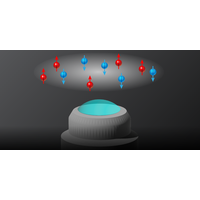
Phys. Rev. Lett. 136, 153402 (2026)
Atomic, Molecular, and Optical Physics
False Vacuum Decay in Flat-Band Ferromagnets: Role of Quantum Geometry and Chiral Edge States
Article | Condensed Matter and Materials | 2026-04-15 06:00 EDT
Fabian Pichler, Clemens Kuhlenkamp, and Michael Knap
Dynamical control of quantum matter is a challenging, yet promising direction for probing strongly correlated states. Motivated by recent experiments in twisted that demonstrated optical control of magnetization, we propose a protocol for probing magnetization dynamics in flat-band ferromagnet…
Phys. Rev. Lett. 136, 156502 (2026)
Condensed Matter and Materials
Physical Review X
Magic Tricycles: Efficient Magic-State Generation with Finite Block-Length Quantum LDPC Codes
Article | 2026-04-15 06:00 EDT
Varun Menon, J. Pablo Bonilla Ataides, Rohan Mehta, Andi Gu, Daniel Bochen Tan, and Mikhail D. Lukin
Quantum computing needs "magic states" for universality, but they are costly to make. New research introduces tricycle codes: high-rate QLDPC codes that can be used to generate magic states in constant depth with high noise resilience.
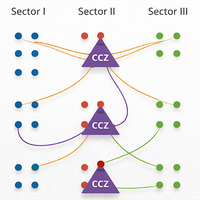
Phys. Rev. X 16, 021014 (2026)
Review of Modern Physics
Exactly solvable many-body dynamics from space-time duality
Article | Condensed matter | 2026-04-15 06:00 EDT
Bruno Bertini, Pieter W. Claeys, and Tomaž Prosen
Computing quantum dynamics in many-body systems is notoriously difficult. In the past decade, there has been a fundamental advance based on discretizing the time evolution of lattice systems, by analogy with digital computation. Since space is already discrete on a lattice, treating space and time on the same footing avoids the mathematical complications of continuous space-time quantum field theories. This review focuses on how this space-time duality plays out in the dynamics of interacting many-body systems and the intrinsic relationship with special kinds of lattices termed brickwork quantum circuits. From this pedagogical review, readers will learn how this far-reaching analogy with quantum computation lies at the heart of a unified view of dynamical evolution of quantum many-body systems.
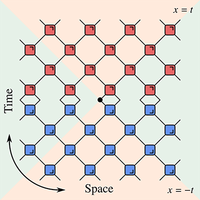
Rev. Mod. Phys. 98, 025001 (2026)
Condensed matter
arXiv
Scaling Breakdown as a Signature of Spinon-Gauge Interaction in the Quantum Spin Liquid YbZn$_2$GaO$_5$
New Submission | Strongly Correlated Electrons (cond-mat.str-el) | 2026-04-16 20:00 EDT
Shannon Gould, John Singleton, Rabindranath Bag, Sara Haravifard, Sheng Ran
Scaling behavior in magnetization has been reported in a wide range of quantum spin liquid (QSL) candidates and is often interpreted as evidence for scale-free spin liquid physics. Here we present a comprehensive scaling analysis of high-field magnetization measurements on the QSL material YbZn$ _2$ GaO$ _5$ . Between 5 K and 70 K, $ M(H)$ displays scale invariance resembling that of a zero-field quantum critical point. Below 3 K, we observe a breakdown of this scale invariance that cannot be recovered by simply changing the critical exponents. This temperature coincides with the onset of enhanced spin correlations observed in $ \mu$ SR measurements. Moreover, the form of the deviation from scaling is consistent with collective spinon excitations coupled via emergent gauge interactions. These results indicate that the breakdown of scaling reflects the emergence of intrinsic low-energy excitations upon entering the QSL regime. Our work clarifies that magnetic scaling is associated with quantum critical fluctuations rather than with the spin liquid phase itself, and establishes magnetization scaling as a sensitive thermodynamic probe of emergent energy scales in QSL systems.
Strongly Correlated Electrons (cond-mat.str-el)
11 pages, 12 figures
Entanglement in a molecular Lieb-lattice quantum computing circuit: A tensor network study
New Submission | Strongly Correlated Electrons (cond-mat.str-el) | 2026-04-16 20:00 EDT
Here a finite-Lieb-lattice quantum computing circuit consisting of spin-1/2 quantum bits (qubits) and triplet couplers is designed. Important gradient - quantum entanglement - is analysed. This type of design could be realised in a vast range of molecules containing multiple radicals, in which the communications among qubits are controlled by the optically driven triplets. The von Neumann entanglement entropy, reduced density matrices, and spin-spin correlations were computed using tensor-network methods by varying the magnetic anisotropy and external magnetic field. This work uncovers the rich entanglement patterns, quantum phase transitions, and tunable spin coherence in this mixed spin system, designed for molecular spin-based quantum computing. These findings have important implications for triplet-mediated molecular self-assembly quantum computing circuit, especially for the entangling gate based on molecules. This work would provide a theoretical cornerstone for the experimental realisation of scalable molecule-based quantum computing circuits.
Strongly Correlated Electrons (cond-mat.str-el)
5 pages, 6 figures
Nonequilibrium crossover in the supercritical region from quench dynamics
New Submission | Statistical Mechanics (cond-mat.stat-mech) | 2026-04-16 20:00 EDT
Zi-Qiang Zhao, Zhang-Yu Nie, Jing-Fei Zhang, Xin Zhang
Distinguishing different subphases in the supercritical region is a fundamental issue in statistical physics and condensed matter physics. Traditional approaches mainly rely on static thermodynamic response functions or equilibrium correlation functions, which are inherently confined to quasi-static processes. In this work, we adopt a nonequilibrium dynamical perspective to investigate the evolution of a holographic superfluid model following a rapid quench across the critical point. We find that the invasion phenomenon induced by topological defects persists in the supercritical region, and the invasion velocity exhibits a clear turning point as a function of the quench endpoint $ \rho_f$ . This turning point defines a new nonequilibrium supercritical crossover line. In contrast to the classical Widom line or Frenkel line, this new crossover line encodes both thermodynamic information and kinetic information, reflecting the dynamical nature of the supercritical region under nonequilibrium conditions. This study provides a novel nonequilibrium dynamical approach for characterizing supercritical subphases.
Statistical Mechanics (cond-mat.stat-mech), High Energy Physics - Phenomenology (hep-ph), High Energy Physics - Theory (hep-th)
7 pages, 3 figures
Thermodynamic conditions ensure the stability of third-order extended heat conduction
New Submission | Statistical Mechanics (cond-mat.stat-mech) | 2026-04-16 20:00 EDT
In a recent work, Somogyfoki et al. (J. Non-Equilib. Thermodyn. 50, 59-76, 2025) analysed the linear stability of homogeneous equilibrium in third-order non-Fourier heat conduction within the framework of non-equilibrium thermodynamics with internal variables. They identified a stability condition, their equation (49), which could not be derived from the standard thermodynamic inequalities for the 2X2 conductivity blocks, and concluded that the Second Law does not guarantee stability in the most general case. Here we show that this conclusion was due to an overly conservative proof strategy: the standard thermodynamic conditions (concave entropy and non-negative entropy production, as expressed by the $ 2\times2$ block positive-definiteness inequalities (19)-(20) of the original paper) do suffice for linear stability. The key observation is that all coefficients of the dispersion polynomial remain positive for all physical wave numbers because their structure prevents positive real roots. This result confirms that thermodynamics, understood as a stability theory, ensures fundamental dynamic stability in all thermodynamically consistent third-order extended heat conduction theories. A comparison with the rate-equation approach of Giorgi, Morro and Zullo (Meccanica 59, 1757-1776, 2024) is also presented.
Statistical Mechanics (cond-mat.stat-mech), Other Condensed Matter (cond-mat.other)
5 pages, 0 figures
Superconductivity near two-dimensional Van Hove singularities: a determinant quantum Monte Carlo study
New Submission | Strongly Correlated Electrons (cond-mat.str-el) | 2026-04-16 20:00 EDT
Gustav Romare, Daniel Shaffer, Alex Levchenko, Edwin Huang, Ilya Esterlis
The superconducting transition temperature $ T_c$ of the two-dimensional attractive Hubbard model is computed in the vicinity of both ordinary (logarithmic) and higher-order (power-law) Van Hove singularities using determinant quantum Monte Carlo simulations. For interaction strengths $ |U| \lesssim W/3$ , where $ W$ is the electronic bandwidth, $ T_c$ is enhanced in the neighborhood of the Van Hove point, albeit more weakly than expected from weak-coupling BCS theory. Enhancing the Van Hove singularity from logarithmic to power-law yields only a minor additional enhancement of $ T_c$ . For $ |U| \gtrsim W/3$ , the maximum $ T_c$ shifts away from the Van Hove point and instead occurs at a density unrelated to any features in the non-interacting density of states, consistent with a strong-coupling interpretation. We find that the maximal $ T_c$ in the model is achieved at intermediate $ U$ and at a density away from the Van Hove point.
Strongly Correlated Electrons (cond-mat.str-el), Superconductivity (cond-mat.supr-con)
8 pages, 9 figures + supplemental material
Genuine quantum scars in Floquet chaotic many-body systems
New Submission | Statistical Mechanics (cond-mat.stat-mech) | 2026-04-16 20:00 EDT
Harald Schmid, Andrea Pizzi, Johannes Knolle
Unstable periodic orbits act as organizing structures for classical chaotic systems and underpin quantum scarring. Long known in single-particle systems, genuine quantum scars based on unstable periodic orbits have been recently extended to isolated many-body systems for time-independent Hamiltonians. Their fate under periodic driving, however, remains largely uncharted, challenged by the expectation that these systems should in general heat to infinite temperature. Here, we investigate how genuine scarring competes with the drive in a Floquet many-body system. Using chaotic spin chains, we demonstrate that Floquet states remain scarred in the high-frequency limit. Beyond this static correspondence, we uncover additional, driving-induced Floquet scars with no static analog. We construct a rich dynamical stability diagram with intermediate-frequency regimes of enhanced and quenched scarring, which we understand with a classical analysis of the Lyapunov exponent. Our results position Floquet systems as a natural platform for tuning the scarring behavior of quantum many-body systems.
Statistical Mechanics (cond-mat.stat-mech), Quantum Physics (quant-ph)
Bosonic Working Media in a Frustrated Rhombi Chain: Otto and Stirling Cycles from Flat Bands, Caging, and Flux Control
New Submission | Quantum Gases (cond-mat.quant-gas) | 2026-04-16 20:00 EDT
Francisco J. Peña, Rafael García-Zamora, Gabriele De Chiara, Jorge Flores, Santiago Henríquez, Felipe Barra, Patricio Vargas
We demonstrate that flat-band engineering provides a direct route to control and optimize the thermodynamic performance of quantum heat engines. We consider noninteracting bosons on a rhombi-chain lattice described by a Bose-Hubbard model in the noninteracting limit, where a magnetic flux serves as a tunable parameter that continuously reshapes the single-particle spectrum. By driving the system toward the fully frustrated Aharonov-Bohm caging regime, the band structure transitions from dispersive to completely flat, strongly modifying the thermal occupation of the modes. We show that this flux-induced spectral restructuring has clear and measurable thermodynamic consequences. In particular, the Otto cycle exhibits a significant enhancement of both work output and efficiency when operating near the caging regime. We identify the underlying mechanism as a pronounced suppression of heat released to the cold reservoir, rather than an increase in absorbed heat, revealing that flat-band formation is an effective strategy to increase work extraction. In contrast, the Stirling cycle is governed by entropy variations along isothermal, flux-driven processes, leading to greater work extraction over a broader parameter range but at lower efficiency. These results establish geometric frustration and Aharonov-Bohm caging as thermodynamic resources and show that spectral engineering via synthetic gauge fields offers a viable, experimentally accessible pathway to tailor the performance of bosonic quantum thermal machines.
Quantum Gases (cond-mat.quant-gas), Statistical Mechanics (cond-mat.stat-mech)
Global Oscillations in Depinning Models with Aging
New Submission | Statistical Mechanics (cond-mat.stat-mech) | 2026-04-16 20:00 EDT
F. V. Pereyra Aponte, E. A. Jagla
We propose a model that extends the standard depinning paradigm by incorporating an aging mechanism into the local pinning force. This favors oscillations between a stuck state of large pinning, and a slipping state of smaller pinning. We show that for mean field interactions between sites this mechanism can lead to the appearance of ``king avalanches” and global instabilities, producing a global oscillatory stick-slip stress regime. We construct the phase diagram for this mean field case and identify regions of smooth dynamics, pure stick-slip, and bistability. Crucially, when considering two-dimensional systems with short-range interactions we find that states of global stress oscillation persist, but in contrast to the mean field case, no system-size avalanches appear. Instead, we observe alternating temporal intervals of larger and lower avalanche activity that correlate with the stress oscillations.
Statistical Mechanics (cond-mat.stat-mech), Materials Science (cond-mat.mtrl-sci)
15 pages, 15 figures
X-ray Absorption and Resonant X-ray Emission at the Carbon Edge of Li$_2$CO$_3$
New Submission | Materials Science (cond-mat.mtrl-sci) | 2026-04-16 20:00 EDT
John Vinson, Terrence Jach, Rainer Unterumsberger, Michael A. Woodcox, Burkhard Beckhoff
While highly successful, density functional theory is known to have limitations owing to its neglect of many-body electron-electron interactions. This neglect leads to errors in the single-particle energies, leading to underestimated band gaps and band widths as well as errors in band alignment at interfaces. Many-body perturbation theory, in the form of the $ GW$ self-energy correction, has been widely used to improve upon these short-comings. Though less well studied, the same $ GW$ method is also able to predict the finite quasiparticle lifetime that is seen to cause anomalous broadening in the lowest-lying lines of valence emission spectra. Using near-edge x-ray absorption and emission, we probe the electronic structure of Li$ _2$ CO$ _3$ . Our measurements are compared to first-principles calculations, including $ GW$ self-energy corrections to the single-particle energies and excitonic effects from the Bethe-Salpeter equation.
Materials Science (cond-mat.mtrl-sci)
Long-lived revivals and real-space fragmentation in chains of multispecies Rydberg atoms
New Submission | Quantum Gases (cond-mat.quant-gas) | 2026-04-16 20:00 EDT
Jose Soto-Garcia, Natalia Chepiga
Arrays of Rydberg atoms provide a powerful platform for exploring constrained quantum dynamics and nonergodic many-body phenomena. While most work has focused on single-species systems, multispecies architectures offer additional interaction channels and enable new forms of dynamical constraints. We study the nonequilibrium dynamics of one-dimensional dual-species Rydberg chains of Cs and Rb atoms with species-dependent van der Waals interactions. Using large-scale matrix product state simulations, we show that the competition between intra-species repulsion and inter-species attraction induces dynamical fragmentation, marked by the coexistence of extended frozen regions and localized oscillatory sectors. The frozen regions act as emergent barriers that isolate and protect coherent dynamics. In the purely repulsive regime, we find that species-selective quenches drive spontaneous fragmentation, leading to dynamically disconnected regions with irregular revivals. These phenomena are robust across interaction regimes, revealing a universal mechanism for fragmentation and establishing multispecies Rydberg arrays as a versatile platform for exploring nonequilibrium quantum dynamics beyond single-species systems.
Quantum Gases (cond-mat.quant-gas), Strongly Correlated Electrons (cond-mat.str-el)
9 pages, 8 figures
Geometric Spin Degeneracy in Spin-Orbit-Free Compensated Magnets
New Submission | Mesoscale and Nanoscale Physics (cond-mat.mes-hall) | 2026-04-16 20:00 EDT
Seung Hun Lee, Yuting Qian, Xi Dai, Bohm-Jung Yang
Compensated magnets with vanishing net magnetization can exhibit both pronounced spin splitting and unconventional band degeneracies. In altermagnets, such degeneracies are enforced by crystal and magnetic symmetries. In compensated ferrimagnets, however, they may arise even in the absence of the corresponding symmetry protection, raising a fundamental question about the origin of spin degeneracy in spin-orbit-free magnetic systems. Here, we develop a theoretical framework for spin-orbit-free compensated magnets in which spin degeneracies are protected by geometric constraints rather than by spin symmetry. We show that zero net magnetization imposes a strong condition for the emergence of nodes formed by formally spin-degenerate bands, even when no conventional spin symmetry is present. Our analysis, applicable in the weak-interaction regime, identifies a general mechanism for spin degeneracy beyond group-theoretical protection. The framework accounts for the unconventional spin degeneracies recently reported in compensated ferrimagnets and provides a unified description of band degeneracies across a broad class of magnetic phases with negligible spin-orbit coupling.
Mesoscale and Nanoscale Physics (cond-mat.mes-hall)
Unified Microscopic Theory of Stress Relaxation, Structural Evolution, and Memory Effects in Dense Glass Forming Brownian Suspensions After Flow Cessation
New Submission | Soft Condensed Matter (cond-mat.soft) | 2026-04-16 20:00 EDT
Anoop Mutneja, Kenneth S. Schweizer
The re-solidification of amorphous solids after mechanically driven yielding from a nonequilibrium state is a fundamental soft matter science problem of broad relevance in materials science, with implications for material strength, processing, and printing-based additive manufacturing. We present a microscopic statistical mechanical theory that predicts in a unified manner the coupled time evolutions of structural and stress recovery following shear cessation from a mechanically prepared nonequilibrium state. The approach is built on recent advances in understanding activated dynamics in Brownian systems under both quiescent and startup continuous shear conditions. A particle-level microrheological model framework self-consistently incorporates stress generation, constraint softening due to external mechanical forces and structural deformation. After flow cessation, the theory captures the re-building of kinetic constraints and activation barriers over time that underlie structural recovery, stress relaxation, and re-solidification through dynamic relaxation and an elementary form of convective elastic backflow. The ideas are general for particle-based materials, and quantitatively applied to dense hard-sphere Brownian colloidal suspensions which also serve as a foundational paradigm for glass forming materials where thermal fluctuations are important. The theory properly captures the rich range of stress relaxation behaviors observed experimentally that evolve from exponential, to stretched exponential, to fractional power law in form with increasing packing fraction. A microscopic understanding is achieved of the emergence of apparent residual stresses on laboratory timescales, power-law endless aging, sigmoidal recovery of the elastic modulus, pre-shear-rate-dependent memory effects, and a two-step structural relaxation process that can become decoupled from stress relaxation.
Soft Condensed Matter (cond-mat.soft)
The following article has been accepted by Journal of Rheology. After it is published, it will be found at this https URL
Spin-Dependent Charge-State Conversion in NV Ensembles Mediated by Electron Tunneling
New Submission | Mesoscale and Nanoscale Physics (cond-mat.mes-hall) | 2026-04-16 20:00 EDT
Neil B. Manson, Morgan Hedges, Michael S. J. Barson, Carlos A. Meriles, Ronald Ulbricht, Marcus W. Doherty
The nitrogen-vacancy (NV) center in diamond enables optical initialization and readout of its electronic spin, forming the basis of a wide range of quantum sensing and metrology applications. A central challenge in such measurements is the coexistence of two charge states, NV- and NV0: While detection protocols rely on the spin-dependent properties of NV-, fluorescence from NV0 does not carry useful contrast and is typically removed as background, reducing the available signal. Here, we show that the origin of NV0 emission depends strongly on the excitation wavelength in nitrogen-containing diamond. Using ensembles of NV centers with varying nitrogen concentrations, we compare excitation at the NV0 zero-phonon line (ZPL) at 575 nm with the commonly used 532 nm. We find that excitation at 575 nm generates NV0 predominantly through spin-selective tunneling from the excited state of NV- to nearby nitrogen donors, such that the NV0 emission follows the spin polarization of NV-. As a result, the NV0 fluorescence contributes to the measurable spin contrast, allowing the full fluorescence signal to be used for detection. This result opens opportunities for improved sensitivity in NV-based sensing applications.
Mesoscale and Nanoscale Physics (cond-mat.mes-hall)
Uncovering the role of ionic doping in hydroxyapatite: The building blocks of tooth enamel and bones
New Submission | Materials Science (cond-mat.mtrl-sci) | 2026-04-16 20:00 EDT
Mahdi Tavakol, Jinke Chang, Cyril Besnard, Gabriel Landini, Richard M. Shelton, Jin-Chong Tan, Alexander M. Korsunsky
Hydroxyapatite (HAp) is the primary mineral component of various mineralized tissues in the human body, including bone and teeth, where it performs critical roles of structural support and load transmission. In the context of dental health, the two most crucial properties of HAp are mechanical stability, which ensures resistance to forces, and chemical stability, which preserves surface integrity in acidic environments. During early stages of human evolution, e.g. when teeth were used to crush uncooked food, mechanical stability was of paramount importance. However, with changes in diet and lifestyle, the principal origins of tooth damage and loss shifted towards bacterially mediated chemical attack, known as tooth decay, or caries. To enhance the chemical stability, ion doping has emerged as a particularly significant approach, and it lies at the focus of the present study. A Molecular Dynamics (MD) framework was developed to investigate the effects of ion doping on the chemical and mechanical stability of HAp and to identify optimal doping candidates. The framework combines conventional MD with Steered Molecular Dynamics (SMD), Thermodynamic Integration (TI) and uniaxial compression test simulations to provide comprehensive insights into the doping process. The findings revealed surface atoms as the most viable candidates for doping, as demonstrated by SMD and conventional MD simulations. Notably, TI calculations have identified magnesium ions as a better candidate among the ions considered here for enhancing the chemical stability of HAp. The results presented in this study offer valuable guidelines for synthesizing HAp-based substituent materials with properties tailored to meet the demands of modern dental applications such as implant coatings, enamel remineralization agents and restorative materials.
Materials Science (cond-mat.mtrl-sci), Mesoscale and Nanoscale Physics (cond-mat.mes-hall)
19 pages, 4 figures
Finetuning-Free Diffusion Model with Adaptive Constraint Guidance for Inorganic Crystal Structure Generation
New Submission | Materials Science (cond-mat.mtrl-sci) | 2026-04-16 20:00 EDT
Auguste de Lambilly, Vladimir Baturin, David Portehault, Guillaume Lambard, Nataliya Sokolovska, Florence d’Alché-Buc, Jean-Claude Crivello
The discovery of inorganic crystal structures with targeted properties is a significant challenge in materials science. Generative models, especially state-of-the-art diffusion models, offer the promise of modeling complex data distributions and proposing novel, realistic samples. However, current generative AI models still struggle to produce diverse, original, and reliable structures of experimentally achievable materials suitable for high-stakes applications.
In this work, we propose a generative machine learning framework based on diffusion models with adaptive constraint guidance, which enables the incorporation of user-defined physical and chemical constraints during the generation process. This approach is designed to be practical and interpretable for human experts, allowing transparent decision-making and expert-driven exploration. To ensure the robustness and validity of the generated candidates, we introduce a multi-step validation pipeline that combines graph neural network estimators trained to achieve DFT-level accuracy and convex hull analysis for assessing thermodynamic stability. Our approach has been tested and validated on several classical examples of inorganic families of compounds, as case studies. As a consequence, these preliminary results demonstrate our framework’s ability to generate thermodynamically plausible crystal structures that satisfy targeted geometric constraints across diverse inorganic chemical systems.
Materials Science (cond-mat.mtrl-sci), Artificial Intelligence (cs.AI)
Full article including supplementary information, 55 pages, 9 figures
Cryogenic Loss Limits in Microwave Epitaxial AlN Acoustic Resonators
New Submission | Mesoscale and Nanoscale Physics (cond-mat.mes-hall) | 2026-04-16 20:00 EDT
Hemant Gulupalli, Navnil Choudhury, Jiacheng Xie, Yufeng Wu, Huili Grace Xing, Hong X. Tang, Debdeep Jena, Kanad Basu, Wenwen Zhao
Aluminum nitride (AlN)-based thin-film bulk acoustic wave resonators (FBARs) are promising compact platforms for 6G communications and quantum memory hardware, enabled by their integrable acoustic modes with high quality factors. However, temperature-dependent acoustic dissipation ultimately limits device performance. In this work, we fabricated a 16 GHz epitaxial AlN FBAR as a test platform, performed small-signal RF measurements from 6.5 K to 300 K, and developed a physics-based model to estimate the fundamental quality-factor limits of FBARs to cryogenic temperatures. The proposed model incorporates both intrinsic and extrinsic loss mechanisms, including an analytical anchor-radiation loss model for bulk acoustic wave resonators, rather than relying solely on finite-element simulations. Measured loaded quality factor (Q) decreases monotonically with temperature, from Qmax of approximately 1589 (Qf=24.79 THz) at 6.5 K to 363 at 294K (Qf=5.66 THz). This trend is consistent with the theoretical limit based on the resonator geometry and the chosen Metal-Insulator-Metal (MIM) stack. To demonstrate the generality of the physics-based framework, we further validate it by benchmarking against a 23 GHz high-overtone bulk acoustic resonator (HBAR) using previously reported data. The validated model provides a practical, transferable framework to interpret Q(T) limits in low-loss resonators by quantifying the temperature-dependent mechanisms that constrain Q, enabling the design of cryogenic microwave filter elements for superconducting quantum hardware.
Mesoscale and Nanoscale Physics (cond-mat.mes-hall), Applied Physics (physics.app-ph)
10 pages, 4 figures
Attractive Multidimensional Condensates–Experiments
New Submission | Quantum Gases (cond-mat.quant-gas) | 2026-04-16 20:00 EDT
Experiments on attractive Bose-Einstein condensates (BECs) have unlocked many intriguing out-of-equilibrium dynamics through the interplay between matter-wave dispersion and nonlinear attractive interaction. Competition between these effects leads to fascinating phenomena such as wave collapse, modulational instability, and formation of multidimensional bright solitons. This chapter reviews experimental studies on attractive condensates, with a primary focus on alkali atoms featuring two-body contact interactions. We review recent experimental advances in optical trapping and interaction control techniques, which have enabled new studies on attractive condensates in three and also in lower dimensions. Specifically, we discuss pioneering and recent experimental observations on the dynamics and stability of attractive BECs, including the formation of bright solitons, their collisions, and excitations in quasi-one-dimensional traps. Recent observations of the elusive two-dimensional Townes solitons and vortex solitons are also discussed in this Chapter. We then highlight an experimental technique revealing the nonclassical signatures of modulational instability in an attractive condensate.
Quantum Gases (cond-mat.quant-gas), Atomic Physics (physics.atom-ph), Quantum Physics (quant-ph)
Dynamical Theory of Elastic Synchronization of Cardiomyocytes
New Submission | Soft Condensed Matter (cond-mat.soft) | 2026-04-16 20:00 EDT
We study synchronization of two cardiomyocytes mediated by elastic interactions through the substrate. Modeling each cell as an oscillating force dipole governed by a Rayleigh-type equation, we derive an effective mechanical coupling from the elastic response of the surrounding medium. Using phase reduction theory, supported by direct numerical simulations, we obtain a dynamical phase description for two cardiomyocytes that predicts geometry-dependent selection of synchronized states. Depending on the mutual orientation, the cells robustly converge to either in-phase or anti-phase beating, yielding an orientation-dependent state map with a nontrivial state boundary. The synchronization time also depends strongly on the distance and mutual orientation of the cells. These results bridge earlier energetic two-body theory and dynamical single-cell theory, and provide a dynamical framework for elastic synchronization of cardiomyocytes.
Soft Condensed Matter (cond-mat.soft), Adaptation and Self-Organizing Systems (nlin.AO)
5 pages, 4 figures. Submitted to J. Phys. Soc. Jpn
Universal Scaling of Freezing Morphodynamics in Polymer Solution Droplets
New Submission | Soft Condensed Matter (cond-mat.soft) | 2026-04-16 20:00 EDT
Nicolas G. Ulrich, Pravin P. Aravindhan, Olivia Berger, Bryan S. Beckingham, Jean-François Louf
Freezing of complex fluids is central to a wide range of natural and technological processes, where the interplay between heat transport, solute redistribution, and interfacial deformation gives rise to complex morphologies. Unlike simple liquids, polymer solutions exhibit strongly coupled transport and rheological properties that evolve dynamically during solidification, making their freezing behavior difficult to predict. Here, we examine the freezing of polymer solution droplets spanning dilute to entangled regimes. We find that droplet morphology and freezing dynamics in viscous solutions are governed by a single dimensionless parameter, the Capillary–Lewis number, which captures the competition between viscous stresses, capillarity, and solute transport. Circularity, radial deformation, and freezing time collapse onto a master curve spanning nine orders of magnitude, revealing a transition near unity corresponding to the point at which solute diffusion can no longer relax concentration gradients ahead of the freezing interface. This collapse holds across distinct polymer chemistries within the viscous fluid regime, while deviations emerge when the material exhibits elastic-dominated response ($ G’ > G’’$ ), indicating the breakdown of purely transport–capillary control. These results establish a minimal transport–mechanics framework linking solute redistribution to interfacial deformation during freezing polymer solutions.
Soft Condensed Matter (cond-mat.soft)
6 pages, 5 figures
Extreme Terahertz Nonlinear Phononics by Coherence-Imprinted Control of Hybrid Order
New Submission | Strongly Correlated Electrons (cond-mat.str-el) | 2026-04-16 20:00 EDT
Liang Luo, Avinash Khatri, Martin Mootz, Tao Jiang, Liu Yang, Zijing Chen, Chuankun Huang, Zhi Xiang Chong, Joongmok Park, Ilias E. Perakis, Zhiwei Wang, Yugui Yao, Dao Xiang, Yong-Xin Yao, Jigang Wang
Coherent control of quantum materials has progressed along two major fronts: nonlinear phononics, which reshapes lattices to induce emergent states, and Floquet engineering, which tailors electronic band reconstruction via time-periodic driving. Both mechanisms face fundamental limitations at terahertz (THz) frequencies: phononic nonlinearities are intrinsically weak in standard lattices, while electronic Floquet states are often constrained by rapid decoherence upon light-off and by a scarcity of coherence-resolved, multi-correlation probes beyond (quasi-)stationary band structures. Here we report an extreme THz nonlinear-phononics mechanism in $ \text{Ta}\text{2}\text{NiSe}\text{5}$ , where a highly susceptible non-equilibrium electronic correlation bath dramatically amplifies lattice nonlinearities under coherent driving. Utilizing THz two-dimensional spectroscopy as a coherence-tomography tool, we resolve an exceptionally rich landscape of approximately 30 distinct multi-order quantum pathways, including high-harmonic phonon generation, multi-quantum coherences, and multi-wave anharmonic cross-mode mixing. The density and complexity of this extreme manifold establishes a new benchmark for THz nonlinear phononics, as the multi-order quantum pathways surpass the limits of conventional lattice responses. These high-order signals collapse above 100K, defining an electronic correlation scale of a coherence-imprinted hybrid electronic-phonon order that governs the sustainability of high-order quantum correlations and nonlinear pathways beyond linear and equilibrium responses. Our results establish a route for correlation-boosted, phonon-anchored periodic Hamiltonian engineering and for certifying such periodically-driven states via multi-correlation coherence tomography.
Strongly Correlated Electrons (cond-mat.str-el), Materials Science (cond-mat.mtrl-sci), Optics (physics.optics)
Probing local coordination and halide miscibility in single-, double-, and triple-halide perovskites using EXAFS
New Submission | Materials Science (cond-mat.mtrl-sci) | 2026-04-16 20:00 EDT
Sonia S. Mulgund, Esther Y.-H. Hung, Leslie Bostwick, Ashley Galbraith, Owen M. Romberg, Justus Just, Rebecca A. Belisle
Lead-halide perovskites are a promising material platform as semiconductors in next-generation solar cells because of their solution processability, defect tolerance, and tunable optoelectronic properties. While iodide-bromide perovskite compositions have shown promise as wide bandgap absorbers, they also suffer from significant instabilities under operating conditions. Triple-halide perovskites, where chloride is additionally incorporated, have demonstrated improved stability and performance over their double-halide counterparts; however, relatively little is understood about halide miscibility and incorporation in these novel materials. While bulk metrics such as lattice spacing and optical bandgap can be consistent with incorporation of chloride into a single phase, these results are not sufficient to fully describe the material as having homogeneous mixing on the X site. This uncertainty motivates the use of a more local probe to study short-range halide coordination and illuminate the role of chloride in triple-halide perovskites. We use cryogenic X-ray absorption spectroscopy (XAS) to characterize lead-halide bonds in a range of single-, double-, and triple-halide perovskite compositions. We show formation of a single-phase triple-halide perovskite whose miscibility is mediated by bromide content. We identify signatures of halide mixing from the Pb L3-edge EXAFS of mixed double- and triple-halide perovskites using both quantitative fits and Cauchy wavelet transforms. Finally, using wavelet transforms of the Br K-edge EXAFS, we demonstrate via forward scattering amplified 3rd shell halide-halide interactions that all three halides coordinate at short range in a fully mixed perovskite phase. These results are a step forward in the understanding of local structure that is required to fully describe and optimize halide incorporation for novel perovskite compositions.
Materials Science (cond-mat.mtrl-sci)
32 pages, 5 figures
Sub-nm range momentum-dependent exciton transfer from a 2D semiconductor to graphene
New Submission | Mesoscale and Nanoscale Physics (cond-mat.mes-hall) | 2026-04-16 20:00 EDT
Aditi Raman Moghe, Delphine Lagarde, Sotirios Papadopoulos, Etienne Lorchat, Luis E. Parra López, Loïc Moczko, Kenji Watanabe, Takashi Taniguchi, Michelangelo Romeo, Maxime Mauguet, Xavier Marie, Arnaud Gloppe, Cédric Robert, Stéphane Berciaud
Van der Waals heterostructures made from atomically thin transition metal dichalcogenides (TMD) and graphene have emerged as a building block for optoelectronic devices. Such systems are also uniquely poised to investigate interfacial coupling as well as photoinduced charge and energy transfer in the 2D limit. Recent works have revealed efficient photoluminescence quenching and picosecond transfer in TMD/graphene heterostructures. However, key questions regarding the transfer mechanisms remain. Here, employing time-resolved photoluminescence spectroscopy with 1ps resolution in MoSe$ _2$ monolayer directly coupled to a few-layer ``staircase-like’’ graphene flake, we consistently observe an exciton transfer time of $ \approx 2.5\mathrm{ps}$ at cryogenic temperature that is marginally affected by the number of graphene layers. Remarkably, exciton transfer vanishes in samples consisting in an MoSe$ _2$ monolayer separated from graphene by a thin dielectric spacer of hexagonal boron nitride, as soon as the spacer thickness reaches 1~nm. These results suggest that charge tunnelling processes govern exciton dynamics. Other mechanisms mediated the dipolar interactions (Förster-type energy transfer) have no measurable impact on bright excitons (with near-zero center of mass momentum) but may accelerate the relaxation of finite momentum ``hot’’ excitons, leading to larger photoluminescence quenching than anticipated based on the measurements of the photoluminescence decay rates. Our work provides important insights into charge and energy transfer in van der Waals materials with direct implications for energy harvesting and funneling.
Mesoscale and Nanoscale Physics (cond-mat.mes-hall), Materials Science (cond-mat.mtrl-sci)
7 pages, 3 figures
Emergence of Nontrivial Topological Magnon States in Skyrmionium Lattices with Zero Topological Charge
New Submission | Mesoscale and Nanoscale Physics (cond-mat.mes-hall) | 2026-04-16 20:00 EDT
Xingen Zheng, Ping Tang, Xuejuan Liu, Zhixiong Li, Peng Yan, Hao Wu
We predict the emergence of nontrivial topological magnon states in the skyrmionium lattice with zero topological charge. We propose the concept of weighted magnetic flux, which provides a clear physical picture for this anomalous phenomenon. We also map the skyrmionium lattice onto the Haldane model, offering an alternative framework for interpreting this. Our findings challenge the conventional wisdom that such states are linked to nonzero topological charge in skyrmion lattices, offering a new perspective in topological magnonics. To facilitate experimental validation, we propose two methods for preparing the skyrmionium lattice and calculate the induced magnon thermal Hall conductivity, which is a key indicator in transport measurements.
Mesoscale and Nanoscale Physics (cond-mat.mes-hall)
Dynamics of spin glasses in two dimensions
New Submission | Disordered Systems and Neural Networks (cond-mat.dis-nn) | 2026-04-16 20:00 EDT
Hongze Li, Raymond L. Orbach, Gregory G. Kenning
Spin glass dynamics is a strong function of spatial dimensionality $ D$ . The lower critical dimension is close to 2.5, so that, in two dimensions, the condensation temperature $ T_\text{g}=0$ , and only fluctuations are present at finite temperatures. However, by using thin film multilayers, one can explore the dynamics in both $ D=3$ and $ D=2$ dimensions. Spin glass thin film multilayers transition from $ D=3$ dynamics at short to intermediate times to $ D = 2$ dynamics at long times. Correlation lengths of CuMn 4.5 nm multilayers at long times are shown to be grow more rapidly in $ D=2$ as compared to $ D=3$ , and for the longest measurement time, experimentally reach equilibrium in qualitative agreement with simulations.
Disordered Systems and Neural Networks (cond-mat.dis-nn)
Coarse-Grained Model of the Sodium Dodecyl Sulfate Anionic Surfactant Based on the MDPD–Martini Force Field
New Submission | Soft Condensed Matter (cond-mat.soft) | 2026-04-16 20:00 EDT
Luís H. Carnevale, Gabriela Niechwiadowicz, Panagiotis E. Theodorakis
The sodium dodecyl sulfate (SDS) surfactant is widely used in various applications, such as household products (e.g., shampoos, toothpaste, detergents, and cleaning products) and food manufacturing (e.g., emulsifiers). To investigate its properties via computer simulation, various models have been developed, including coarse-grained (CG) models that are suitable for capturing a surfactant’s self-assembly and fundamental properties for aqueous systems with a surfactant, such as surface tension. Here, we present a CG model for SDS/water systems for many-body dissipative particle dynamics (MDPD), which is based on the MDPD–Martini force field (FF). In the model, charged groups, namely, the SDS sulfate headgroup and the sodium cation, are explicitly modeled following the standard mapping of the Martini force field for molecular dynamics (MD), while the remaining interactions have been obtained from previous MDPD–Martini models for lipid systems, thus demonstrating their transferability. Various relevant system properties, such as the coherent scattered intensity and surfactant distribution at the liquid–vapor surface, are investigated, and results are compared to those obtained by MD simulations and experiments at different surfactant concentrations. Our findings indicate that MDPD–Martini models can offer a credible alternative to MD–Martini models for systems with explicit charges as shown here for SDS. Moreover, MDPD–Martini models reproduce nicely the experimental surface tension isotherm, in contrast to MD simulations. In view of the transferability of the MDPD–Martini interactions, the model parameters of this study can be tested and used to simulate a wider range of soft-matter systems.
Soft Condensed Matter (cond-mat.soft), Computational Physics (physics.comp-ph)
Langmuir 2026 42 (14), 9683-9692
Coherent control of thermal transport with pillar-based phononic crystals
New Submission | Mesoscale and Nanoscale Physics (cond-mat.mes-hall) | 2026-04-16 20:00 EDT
Tatu A. S. Korkiamäki, Tuomas A. Puurtinen, Mikko Kivekäs, Teemu Loippo, Adam Krysztofik, Bartlomiej Graczykowski, Ilari J. Maasilta
Two-dimensional phononic crystals (PnCs) formed by a periodic array of holes in a suspended membrane have previously been used to coherently control thermal conductance at low temperatures by modifying the phonon dispersion, thereby altering the phonon group velocities and the density of states. Here, in contrast, we demonstrate that PnCs formed by a periodic array of Al pillars on an uncut \SiN membrane can also be used to achieve similar coherent control. We have measured and simulated the thermal conductance of four pillar-based PnCs with different lattice constants ranging from 0.3 to 5 $ \mu$ m at sub-Kelvin temperatures, showing a strong up to an order of magnitude reduction in thermal conductance compared to an unaltered membrane. For the larger lattice constants $ > 1 $ $ \mu$ m, however, the experiments do not agree with the coherent theory simulations, which we interpret as a breakdown of coherence induced by increasingly effective diffusive scattering due to the roughness of the Al pillar surfaces.
Mesoscale and Nanoscale Physics (cond-mat.mes-hall)
Emergent topological phase from a one-dimensional network of defects
New Submission | Mesoscale and Nanoscale Physics (cond-mat.mes-hall) | 2026-04-16 20:00 EDT
Rahul Singh, Ritajit Kundu, Arijit Kundu, Adhip Agarwala
Symmetry-protected topological phases of matter, characterized by non-trivial band topology, are spectrally gapped and show non-trivial boundary phenomena. Here, we show that scattering states when interjected by an array of periodically modulated defects can result in emergent topological phases whose properties can be tuned by modulating the defect strengths. We dub this the Su-Schrieffer-Heeger network. We show that a scattering-matrix network model can capture the emergent symmetries and nontrivial winding of the quasienergy bands, which lead to distinct transport signatures and can be further periodically driven to realize a robust Thouless charge pump. We show that a microscopic lattice model embedded with a defect superlattice yields Bloch minibands that directly map to the network problem. We further verify that the physics we report is stable to disorder and point out concrete experimental solid-state platforms where it is readily realizable. Our work, in contrast to engineering atomic Hamiltonians, shows that defect engineering on metallic platforms can lead to emergent topological phases of quantum matter.
Mesoscale and Nanoscale Physics (cond-mat.mes-hall)
17 pages, 11 figures
Anomalous Low-temperature Magnetotransport in Kagome Metal CsCr$_3$Sb$_5$ under Pressure
New Submission | Strongly Correlated Electrons (cond-mat.str-el) | 2026-04-16 20:00 EDT
Zikai Zhou, Wenyan Wang, Deng Hu, Zheyu Wang, Ying Kit Tsui, Tsz Fung Poon, Zhiwei Wang, Swee K. Goh
As a unique kagome superconductor displaying clear signatures of strong electronic correlations, CsCr$ _3$ Sb$ _5$ has drawn much attention. Its rich temperature-pressure phase diagram features intertwined orders including pressure-induced superconductivity and two density-wave-like phases, making it an outstanding platform to explore the complex coexistence and competition of multiple quantum orders. At around 30 K, which we designate as $ T_3$ , a possible anomaly manifesting as a hump in the resistivity has been observed, yet its nature remains largely unexplored due to limited supporting evidence from other probes. Here, we conducted systematic magnetotransport experiments under hydrostatic pressure to investigate the nature of this anomaly. Our results reveal an abundance of intriguing magnetotransport signatures below $ T_3$ , including a non-trivial temperature dependence of the Hall coefficient, multi-band characteristics, and pressure-enhanced anomalous-Hall-like effect. These signatures bear resemblance to those observed in the charge-density-wave state in the sister compound CsV$ _3$ Sb$ _5$ . These findings suggest the possibility of an additional, exotic electronic order in CsCr$ _3$ Sb$ _5$ , calling for further detailed investigations.
Strongly Correlated Electrons (cond-mat.str-el), Superconductivity (cond-mat.supr-con)
7 pages, 3 figures
Various phases of active matter emerging from bacteria and their implications
New Submission | Soft Condensed Matter (cond-mat.soft) | 2026-04-16 20:00 EDT
Kazumasa A. Takeuchi, Daiki Nishiguchi
In this perspective article, we discuss bacterial populations as a model system of active matter. It allows for the exploration and characterization of various phases of active matter and brings rich implications for both physics and biology. Specifically, we focus on active gas, active liquid, active glass and active liquid crystal states observed in bacterial populations and describe how these differ from their thermal counterparts. A few future directions are also discussed that will deepen the physical interest in active matter as a new type of material, with its implications for several life phenomena observed in bacterial populations and other biological systems.
Soft Condensed Matter (cond-mat.soft), Statistical Mechanics (cond-mat.stat-mech), Biological Physics (physics.bio-ph)
7 pages, 4 figures
Revisiting 9Be Nuclear Magnetic Resonance in UBe13: Itinerant-Localized Duality and Possible Fermi Surface Reconstruction at High Magnetic Field
New Submission | Strongly Correlated Electrons (cond-mat.str-el) | 2026-04-16 20:00 EDT
Rintaro Matsuki, Shoko Minami, Hisashi Kotegawa, Hisatomo Harima, Yoshinori Haga, Etsuji Yamamoto, Yoshichika Onuki, Hideki Tou
We report on new results of 9Be nuclear magnetic resonance (NMR) measurements conducted on a single crystal of the heavy fermion superconductor UBe13. Our previous 2007 study [J. Phys. Soc. Jpn. 76 204705 (2007)] determined NMR and electric field gradient (EFG) parameters that successfully reproduced the NMR spectra at low magnetic fields. However, these parameters did not accurately describe the angular dependence of the NMR spectra at high magnetic fields. To address this discrepancy, we have now performed a more comprehensive investigation, measuring the magnetic field dependence of the 9Be-NMR spectra across a field range of 0.5 T to 8 T, as well as the magnetic field angle dependence at 0.5 T and 6 T. Through detailed simulations that take into account the non-symmorphic space group of UBe13, we have determined a new set of parameters capable of reproducing the complex NMR line profiles observed at high magnetic fields. Notably, our analysis reveals the significant influence of classical dipolar fields. A comparison between the Knight shift (KS) and the classical dipolar shift provides microscopic supporting evidence for the nature of an itinerant-localized duality in UBe13. Furthermore, the magnetic field dependence of the KS exhibits anomalies around 6 T, suggesting a reconstruction of a part of the multiple Fermi surfaces in the high magnetic field region.
Strongly Correlated Electrons (cond-mat.str-el)
9 pages, 6 figures, accepted for publication in J. Phys. Soc. Jpn
J. Phys. Soc. Jpn. 94, 124702 (2025)
Strain-Mediated Lattice Reconstruction Enhances Ferromagnetism in Cr2Ge2Te6/WTe2 van der Waals Heterobilayers
New Submission | Materials Science (cond-mat.mtrl-sci) | 2026-04-16 20:00 EDT
Franz Herling, Mireia Torres-Sala, Dorye L. Esteras, Charlotte Evason, Motomi Aoki, Marcos Rosado, Kapil Gupta, Bernat Mundet, Kai Xu, J. Sebastián Reparaz, Kenji Watanabe, Takashi Taniguchi, Dimitre Dimitrov, Vera Marinova, Ivan A. Verzhbitskiy, Goki Eda, José H. Garcia, Stephan Roche, Juan. F. Sierra, Sergio O. Valenzuela
Van der Waals (vdW) heterostructures enable tailored electronic and magnetic phases by stacking atomically thin layers with pristine interfaces. Here, we investigate fully 2D Cr2Ge2Te6/WTe2 heterostructures and identify a strong enhancement of ferromagnetism in Cr2Ge2Te6 (CGT). Magnetotransport measurements across multiple devices with WTe2 thicknesses ranging from monolayer to bulk reveal a robust anomalous Hall effect together with a more than twofold increase of the Curie temperature and substantially enhanced coercive fields. Interface microscopy confirms chemically abrupt vdW interfaces with no detectable interdiffusion, while control experiments rule out processing- or stray-field-induced artifacts. Our experiments and theoretical calculations demonstrate that interfacial charge transfer renders CGT conductive and that proximity-induced lattice distortions in CGT enhance exchange and magnetocrystalline anisotropy. These results establish strain-mediated lattice reconstruction as a strategy for engineering high-temperature magnetic order in 2D heterostructures and clarify that modifications within the magnetic layer itself can govern proximity effects in vdW stacks.
Materials Science (cond-mat.mtrl-sci)
23 pages, 5 figures, 1 table
The ground ytterbium doublet in h-YbMnO3 and the related low-temperature peculiarities of the compound
New Submission | Strongly Correlated Electrons (cond-mat.str-el) | 2026-04-16 20:00 EDT
S.A. Klimin, N.D. Molchanova, N.N. Kuzmin, E.S. Sektarov, Lihua Yin, M.N. Popova
We have performed detailed temperature-dependent study of optical f-f transitions of the Yb3+ ions in h-YbMnO3 by means of Fourier-transform spectroscopy. The splitting of the ground Kramers doublet as a function of temperature, D0(T), for the Yb3+ ion at 4b site was determined. The D0(T) function follows the dynamics of the manganese magnetic moment below TN = 87 K, indicating, that the ytterbium subsystem is magnetized by the magnetic field generated by an ordered manganese subsystem, which is consistent with the results of previous studies. Excitation of the upper component of the split ground doublet plays a significant role in low-temperature dynamics of the h-YbMnO3 crystal. Using the D0(T) function we calculated the temperature behavior of the of the Yb(4b) magnetic moment: it is in clear agreement with the neutron data [Phys. Rev. B 98, 134413, 2018]. The calculated contribution of Yb(4b) to heat capacity definitely explains the origin of the Schottky anomaly in the CP(T) dependence. A scenario for phase transitions in h-YbMnO3 is proposed in which the energy gain in the ytterbium system plays a key role.
Strongly Correlated Electrons (cond-mat.str-el)
21 pages, 7 figures
Ternary liquid crystalline mixture showing broad antiferroelectric smectic C$_A$* and glassy hexatic smectic X$_A$* phases
New Submission | Soft Condensed Matter (cond-mat.soft) | 2026-04-16 20:00 EDT
Aleksandra Deptuch, Anna Drzewicz, Marcin Piwowarczyk, Michał Czerwiński, Mateusz Filipow, Mateusz Pączek, Ewa Juszyńska-Gałązka
A ternary liquid crystalline mixture was designed to obtain a tilted hexatic smectic phase in the glassy state. Structural, electro-optic, and dielectric properties of the mixture are investigated, and selected measurements are also performed for its pure components. In particular, the electron density profile perpendicular to smectic layers is determined from the X-ray diffraction data and compared to the results of density functional theory calculations both for the mixture and pure components. Comparison of the experimental smectic layer spacing and tilt angle in the mixture allows us to assess whether molecular dimerization is likely to occur. On the mesoscopic scale, the helical pitch is determined in the SmC$ _A$ \ast phase of the mixture, and selective reflection of light is observed under a polarizing microscope in the SmC\ast, SmC$ _A$ \ast, and SmX$ _A$ \ast phases. The glass transition in the smectic X$ _A$ \ast phase is observed in calorimetric results. At the same time, the dielectric spectra do not directly reveal the primary $ \alpha$ -process, although the secondary $ \beta$ - and $ \gamma$ -processes are detected. Overall, the results show that the ternary mixture stabilizes a broad SmC$ _A$ \ast phase and enables vitrification of the hexatic SmX$ _A$ \ast phase, while the structural data suggest a change in the molecular organization between the SmC\ast and SmC$ _A$ \ast phases.
Soft Condensed Matter (cond-mat.soft)
Hierarchical Bayesian calibration of mesoscopic models for ultrasound contrast agents from force spectroscopy data
New Submission | Soft Condensed Matter (cond-mat.soft) | 2026-04-16 20:00 EDT
Brieuc Benvegnen, Nikolaos Ntarakas, Tilen Potisk, Ignacio Pagonabarraga, Matej Praprotnik
Ultrasound-guided drug and gene delivery (USDG) is a promising non-invasive approach for targeted therapeutic applications. Mechanical properties of encapsulated microbubbles (EMBs), which serve as contrast agents, strongly affect their specific interactions with ultrasound and are thus critical to the success and efficiency of USDG. Accurate calibration of high-fidelity particle-based models of EMB capsid mechanics is computationally challenging because direct Bayesian inference with dissipative particle dynamics (DPD) is prohibitively expensive. We employ a surrogate-accelerated Bayesian calibration workflow that combines deep neural network (DNN) surrogates, transitional Markov chain Monte Carlo sampling, and hierarchical regularization across EMB diameters. Using this framework, we develop two data-informed DPD models of commercial EMB agents, i.e., Definity and SonoVue, and perform inference of force field parameters based on published compression experiments for Definity and indentation experiments for SonoVue, each spanning three distinct diameters. The inferred posteriors show that key model parameters, such as the stretching stiffness and bending modulus, are consistently constrained by the available data. The presented methodology can be used to derive bespoke, data-informed models for a wide range of ultrasound contrast agents, including encapsulated gas vesicles, EMBs with diverse capsids consisting of lipids, proteins, or polymers, and functionalized with ligands.
Soft Condensed Matter (cond-mat.soft), Mesoscale and Nanoscale Physics (cond-mat.mes-hall), Biological Physics (physics.bio-ph), Computational Physics (physics.comp-ph)
Exciton screening in C$_{60}$ and PTCDA complexes. TDDFT calculations with GGA and hybrid functionals
New Submission | Mesoscale and Nanoscale Physics (cond-mat.mes-hall) | 2026-04-16 20:00 EDT
Photoabsorption in the low-energy region for C$ _{60}$ and PTCDA molecular complexes is studied within linear response TDDFT. For the PBE, B3LYP and HSE exchange-correlation (xc) functionals the dependence of the accuracy of the exciton energy on the electron-hole separation is analyzed. Particular attention is paid to the charge-transfer (CT) excitons. The inclusion of non-local exchange using hybrid functionals increases the accuracy of calculations for short-range excitons, however, the accuracy of hybrid functionals decreases significantly for long-range excitons. Moreover, as the exciton radius approaches the “screening length”\ , the simpler PBE functional gives more accurate excitonic energies than the mentioned hybrid functionals.
Mesoscale and Nanoscale Physics (cond-mat.mes-hall)
Automatic Charge State Tuning of 300 mm FDSOI Quantum Dots Using Neural Network Segmentation of Charge Stability Diagram
New Submission | Mesoscale and Nanoscale Physics (cond-mat.mes-hall) | 2026-04-16 20:00 EDT
Peter Samaha, Amine Torki, Ysaline Renaud, Sam Fiette, Emmanuel Chanrion, Pierre-Andre Mortemousque, Yann Beilliard
Tuning of gate-defined semiconductor quantum dots (QDs) is a major bottleneck for scaling spin qubit technologies. We present a deep learning (DL) driven, semantic-segmentation pipeline that performs charge auto-tuning by locating transition lines in full charge stability diagrams (CSDs) and returns gate voltage targets for the single charge regime. We assemble and manually annotate a large, heterogeneous dataset of 1015 experimental CSDs measured from silicon QD devices, spanning nine design geometries, multiple wafers, and fabrication runs. A U-Net style convolutional neural network (CNN) with a MobileNetV2 encoder is trained and validated through five-fold group cross validation. Our model achieves an overall offline tuning success of 80.0% in locating the single-charge regime, with peak performance exceeding 88% for some designs. We analyze dominant failure modes and propose targeted mitigations. Finally, wide-range diagram segmentation also naturally enables scalable physic-based feature extraction that can feed back to fabrication and design workflows and outline a roadmap for real-time integration in a cryogenic wafer prober. Overall, our results show that neural network (NN) based wide-diagram segmentation is a practical step toward automated, high-throughput charge tuning for silicon QD qubits.
Mesoscale and Nanoscale Physics (cond-mat.mes-hall), Computer Vision and Pattern Recognition (cs.CV), Machine Learning (cs.LG)
10 pages, 6 figures, supplementary materials available
Charge waves and dynamical signatures of topological phases in Su-Schrieffer-Heeger chains
New Submission | Mesoscale and Nanoscale Physics (cond-mat.mes-hall) | 2026-04-16 20:00 EDT
Tomasz Kwapinski, Marcin Kurzyna, Luis E. F. Foa Torres
We investigate the emergence of charge waves and their temporal dynamics in one-dimensional Su-Schrieffer-Heeger (SSH) topological chains. Contrary to the conventional view that charge oscillations are suppressed in gapped topological systems with preserved chiral symmetry, we show that such oscillations can indeed occur. The general condition for an arbitrary oscillation period is analysed, and we find that the charge waves propagating along the chain do not depend on its topology, except at the edges, where both topological phases exhibit essential differences. In chains with inequivalent atoms within the SSH unit cell, we observe regular long-period sublattice oscillations that appear simultaneously with even-odd charge oscillations. Furthermore, we study the nonequilibrium dynamics in SSH chains. After a quench, the time evolution of the local density of states and charge occupancies exhibits clear dynamical fingerprints that distinguish topologically trivial and nontrivial phases. Our results establish that transient charge dynamics can distinguish topologically trivial and nontrivial phases in real time by detecting the presence of topologically-protected edge states.
Mesoscale and Nanoscale Physics (cond-mat.mes-hall)
Accepted for publication in Physical Review B, 15 pages, 10 figures
Nonlinear Circular Dichroism Reveals the Local Berry Curvature
New Submission | Mesoscale and Nanoscale Physics (cond-mat.mes-hall) | 2026-04-16 20:00 EDT
Nele Tornow, Paul Herrmann, Clemens Schneider, Ferdinand Evers, Jan Wilhelm, Giancarlo Soavi
Light-matter interactions are governed by conservation laws of energy and momentum. For harmonic generation in crystalline solids, energy conservation imposes that $ m$ incoming photons with energy $ \hbar \omega_0$ are combined to form one photon at energy $ m\hbar \omega_0$ . Linear momentum conservation governs phase matching, whereas angular momentum conservation connects the angular momentum carried by photons to the discrete rotational symmetry of the crystal lattice. As a consequence, circular harmonic generation exerts a torque on the lattice and, conversely, a macroscopic rotation of the crystal induces a nonlinear rotational Doppler shift. These cornerstone laws of nonlinear optics rely on macroscopic symmetry arguments, and therefore provide little insight into the microscopic origin of angular momentum transfer. Here we uncover a direct connection between angular momentum conservation in nonlinear optics and the electronic quantum geometry, by proving that the transferred angular momentum from light to the crystal is proportional to the local Berry curvature at one optical resonance. This relation is encoded in the nonlinear harmonic circular dichroism, which we measure experimentally in an atomically thin semiconductor. With this, we extend our understanding of nonlinear optics, and we establish a method for the all-optical control and read-out of the local Berry curvature.
Mesoscale and Nanoscale Physics (cond-mat.mes-hall), Optics (physics.optics)
Probing the real-space density of spin-entangled electrons
New Submission | Strongly Correlated Electrons (cond-mat.str-el) | 2026-04-16 20:00 EDT
Federico Pisani, Leonie Spitz, Libor Vojáček, Flaviano José dos Santos, Alberto Carta, Bastien Dalla Piazza, Stanislav E. Nikitin, Karl W. Krämer, Björn Fåk, Taro Nakajima, Daichi Ueta, Hiraku Saito, Jian-Rui Soh, Nicola Marzari, Henrik M. Rønnow
On the textbook example of an isolated antiferromagnetic Heisenberg dimer, we demonstrate that the magnetic form factor and the magnetic electron density distribution can be extracted from the momentum-dependence of the inelastic neutron scattering (INS) intensity of a magnetic excitation. We measure the three-dimensional (3D) magnetic structure factor of the singlet-to-triplet excitation in Cu(II) acetate monohydrate with INS. Using a minimal parametrization of the magnetic electron density, we deduce the real-space density of the spin-entangled electrons and the transfer of magnetic electron density between metal and ligand atoms from the experimental data. Density functional theory (DFT) calculations reproduce the measured structure factor quantitatively, providing a direct validation of DFT broken-symmetry spin densities against full 3D INS data. The quantitative agreement between experiment, parametrization, and theory establishes a robust framework for determining magnetic form factors and the magnetic electron density in a broad range of magnetic materials and demonstrates INS as a probe of the envelope of spatial electronic wavefunctions.
Strongly Correlated Electrons (cond-mat.str-el)
A Generalized Method for Spatial Operations on Physical Properties of Matter
New Submission | Materials Science (cond-mat.mtrl-sci) | 2026-04-16 20:00 EDT
The physical properties of matter are typically described by coefficient matrices governed by crystal symmetry. Applying spatial operations, such as rotation, inversion, and mirror, to these matrices provides an effective approach for investigating material properties. However, the diversity of coefficient matrix types complicates their transformation via simple matrix multiplication, and existing methods suffer from cumbersome notation, high computational cost, and lack of intuitive interpretation. Moreover, as coefficient matrices grow in size, conventional approaches become increasingly inadequate. We present a generalized ``input-coefficient-output (ICO)” approach for constructing spatial operation matrices applicable to coefficient matrices across diverse physical systems, including but not limited to high-order nonlinear optics, elastic mechanics, electricity and magnetism. Our approach offers a concise formalism that enables intuitive reasoning about spatial transformations while delegating intensive computations to computational tools, which is analogous to the role of Feynman diagrams in facilitating understanding in physics. This method also offers valuable insights for future theoretical and experimental research.
Materials Science (cond-mat.mtrl-sci), Optics (physics.optics)
20 pages, 3 figures
Spin Qubit Leapfrogging: Dynamics of shuttling electrons on top of another
New Submission | Mesoscale and Nanoscale Physics (cond-mat.mes-hall) | 2026-04-16 20:00 EDT
Nicklas Meineke, Guido Burkard
Spin shuttling has crystalized as a powerful and promising tool for establishing intermediate-range connectivity in semiconductor spin-qubit devices. Although experimental demonstrations have performed exceptionally well on different materials platforms, the question of how to handle areas of low valley splitting in silicon during shuttling remains unresolved. In this work, we explore the possibility of utilizing the valley degree of freedom, particularly in regions of low valley splitting, to allow mobile spin qubits to be shuttled through an occupied stationary quantum dot, thereby leapfrogging over the stationary electron. This not only grants a more enriched mobility for shuttled electrons, as it opens new possible routing paths, but also enables the implementation of an entangling SWAP$ ^\gamma$ two-qubit gate operation in the process. Simulating this process for different sets of parameters, we demonstrate the feasibility of such an operation and offer a unique use case for otherwise precarious regions of a quantum processor chip and propose a possible extension to the set of possible operations for silicon spin qubit devices.
Mesoscale and Nanoscale Physics (cond-mat.mes-hall), Quantum Physics (quant-ph)
7+10 pages, 6 figures
Anion Ordering and Phase Stability Govern Optical Band Gaps in BaZr(S,Se)3
New Submission | Materials Science (cond-mat.mtrl-sci) | 2026-04-16 20:00 EDT
Erik Fransson, Michael Xu, Prakriti Kayastha, Kevin Ye, Ida Sadeghi, Rafael Jaramillo, James M. LeBeau, Lucy Whalley, Paul Erhart
Chalcogenide perovskites have emerged as promising lead free materials for photovoltaic and thermoelectric applications. Among them, BaZrS3 has attracted particular attention due to its thermal and chemical stability, favorable optoelectronic properties, and low thermal conductivity. Here, we combine molecular dynamics and Monte Carlo simulations based on machine learned interatomic potentials with scanning transmission electron microscopy to investigate mixing thermodynamics and phase stability in the BaZr(S,Se)3 system. We identify an unusual ordered structure that persists at room temperature, most prominently at 33% S, where S and Se atoms form alternating layers within the crystal. Free energy calculations yield the temperature composition phase diagram, including a nonperovskite delta phase in the Se rich limit and a perovskite phase in the S rich limit, separated by a broad two phase region. Analysis of the dielectric function and the absorption coefficient demonstrates that composition, crystal structure, and anion ordering jointly control the optical band gap. Selenium alloying enables tuning between approximately 1.6 and 1.9eV, while anion ordering within a given composition reduces the gap by about 0.12eV. Lastly, variations between structural polymorphs give rise to band gap differences of up to 0.4eV.
Materials Science (cond-mat.mtrl-sci)
Spatial deformation of a ferromagnetic elastic rod
New Submission | Materials Science (cond-mat.mtrl-sci) | 2026-04-16 20:00 EDT
G. R. Krishna Chand Avatar, Vivekanand Dabade
Ferromagnetic elastic slender structures offer the potential for large actuation displacements under modest external magnetic fields, due to the magneto-mechanical coupling. This paper investigates the phase portraits of the Hamiltonian governing the three-dimensional deformation of inextensible ferromagnetic elastic rods subjected to combined terminal tension and twisting moment in the presence of a longitudinal magnetic field. The total energy functional is formulated by combining the Kirchhoff elastic strain energy with micromagnetic energy contributions appropriate to soft and hard ferromagnetic materials: magnetostatic (demagnetization) energy for the former, and exchange and Zeeman energies for the latter. Exploiting the circular cross-sectional symmetry and the integrable structure of the governing equations, conserved Casimir invariants are identified and the Hamiltonian is reduced to a single-degree-of-freedom system in the Euler polar angle. Analysis of the resulting phase portraits reveals that purely elastic and hard ferromagnetic rods undergo a supercritical Hamiltonian Hopf pitchfork bifurcation, whereas soft ferromagnetic rods exhibit this bifurcation only within a restricted range of the magnetoelastic parameter, $ 0<\tilde{K}_{dM}<1/8$ . Both helical and localized post-buckling configurations are analyzed, and the corresponding load-deformation relationships are systematically characterized across a range of loading scenarios. Localized buckling modes, corresponding to homoclinic orbits in the Hamiltonian phase space, are constructed numerically. In contrast to the purely elastic case, the localized configurations of soft ferromagnetic rods exhibit non-collinear extended straight segments, a geometrically distinctive feature arising directly from the magnetoelastic coupling.
Materials Science (cond-mat.mtrl-sci), Soft Condensed Matter (cond-mat.soft), Mathematical Physics (math-ph), Dynamical Systems (math.DS)
Submitted to Acta Mechanica
Phonon drag as a mechanism of delayed terahertz response of metals
New Submission | Other Condensed Matter (cond-mat.other) | 2026-04-16 20:00 EDT
We show that electron drag by nonequilibrium phonons describes the actual waveform and spectrum of terahertz pulses generated during femtosecond laser irradiation of metals. In contrast to previous models, there is a picosecond delay in the drag force development due to the relatively slow lattice heating and finite phonon lifetime. We also predict that, at high pump fluences, a macroscopic deformation wave enhances nonlinearly the drag force and terahertz response. Our results establish the terahertz pulse waveform as a direct probe of ultrafast lattice dynamics in metals.
Other Condensed Matter (cond-mat.other), Optics (physics.optics)
12 pages, 2 figures
Step Bunching and Meandering as Common Growth Modes: A Discrete Model and a Continuum Description
New Submission | Materials Science (cond-mat.mtrl-sci) | 2026-04-16 20:00 EDT
Vassil Ivanov, Vesselin Tonchev, Marta A. Chabowska, Hristina Popova, Magdalena A. Załuska-Kotur
The coexistence of step bunching and step meandering remains contradictory in the understanding of the unstable step-flow growth. Considered separately, the two instabilities have generated rich but largely independent modeling traditions. Especially, the one-dimensional framework faces a fundamental difficulty once bunching and meandering occur simultaneously – step bunching is usually associated with an inverted Ehrlich–Schwoebel effect, whereas step meandering is associated with a direct one. The key experiments also focus mainly on the two basic limiting cases. How, then, can both instabilities coexist within the same growth process once the simultaneous occurrence of bunching and meandering cannot be adequately captured as a simple superposition of the two? In this work, we confront results from two substantially different approaches: a (2+1)D Vicinal Cellular Automaton based model (VicCA) and a differential-difference PDE-based description combining a model of step bunching with a relaxation term in the perpendicular direction. The continuous framework enables to explore long-time scales evolution to find large variety of surface patterns. Introducing a proper shape of the potential energy landscape in the VicCA model produces similar patterns and links both models on the level of parameters.
Materials Science (cond-mat.mtrl-sci), Cellular Automata and Lattice Gases (nlin.CG)
11 pages, 6 figures
Beads, springs and fields: particle-based vs continuum models in cell biophysics
New Submission | Soft Condensed Matter (cond-mat.soft) | 2026-04-16 20:00 EDT
Valerio Sorichetti, Juraj Májek, Ivan Palaia, Fernanda Pérez-Verdugo, Christian Vanhille-Campos, Edouard Hannezo, Anđela Šarić
Quantitative modeling has become an essential tool in modern biophysics, driven by advances in both experimental techniques and theoretical frameworks. Powerful high-resolution techniques now provide detailed datasets spanning molecular to tissue scales, allowing to visualize cellular structures with unprecedented detail. In parallel, developments in soft and active matter physics have established a robust theoretical basis for describing biological systems. In this context, two main modeling paradigms have emerged: particle-based models, which explicitly represent discrete components and their interactions, and continuum models, which describe systems through spatially varying fields. We compare these approaches across biological scales, highlighting their respective strengths, limitations, and domains of applicability. To keep our discussion biologically relevant, we focus on five systems of fundamental importance: the cytoskeleton, membranes, chromatin, biomolecular condensates and tissues. With this Review, we thus aim to provide a framework for both theorists and experimentalists to select appropriate modeling strategies, and highlight future directions in biophysical modeling.
Soft Condensed Matter (cond-mat.soft), Biological Physics (physics.bio-ph), Computational Physics (physics.comp-ph)
Review article; 36 pages, 7 figures
On phase separation and crystallization of Ge-rich GeSbTe alloys from atomistic simulations with a machine learning interatomic potential
New Submission | Materials Science (cond-mat.mtrl-sci) | 2026-04-16 20:00 EDT
Omar Abou El Kheir, Dario Baratella, Marco Bernasconi
We developed a machine learning interatomic potential (MLIP) for Ge-rich GeSbTe alloys of interest for applications in phase change memories embedded in microcontrollers. The MLIP was generated by fitting with a neural network method a large database of energies and forces computed within density functional theory of elemental, binary, stoichiometric and non-stoichiometric ternary alloys in the Ge-Sb-Te phase diagram. The MLIP is demonstrated to be highly transferable to large regions of the phase diagram around the compositions included in the dataset. The MLIP is then exploited to simulate the crystallization with phase separation of three Ge-rich alloys on the Ge-Sb$ _2$ Te$ _3$ and Ge- Ge$ _2$ Sb$ _2$ Te$ _5$ tie-lines that correspond to the set process of the memory cell. The transformation on the ns time scale and at 600 K, comparable to the operation conditions of the memory, yields crystalline cubic GeTe slightly Sb-doped and amorphous GeSb and Ge. These metastable phases differ from the thermodynamically stable products and form due to kinetics effects on the short time span of the set operation in phase change memories.
Materials Science (cond-mat.mtrl-sci), Disordered Systems and Neural Networks (cond-mat.dis-nn)
First Passage Times for Variable-Order Time-Fractional Diffusion
New Submission | Statistical Mechanics (cond-mat.stat-mech) | 2026-04-16 20:00 EDT
We derive the asymptotic first passage time (FPT) distribution for space-dependent variable-order time-fractional diffusion, where the fractional exponent $ \alpha(x)$ varies with position. For any sufficiently smooth $ \alpha(x)$ on a finite domain with absorbing and reflecting boundaries, we show that the survival probability decays as $ \Psi(t)\sim C,t^{-\alpha_\ast}/(\ln t)^{\nu}$ , where $ \alpha_\ast$ is the minimum value of the fractional exponent and $ \nu$ is determined by the location and shape of the minimum. For a constant fractional exponent $ \nu=0$ and this provides a theoretical prediction that can identify spatially heterogeneous anomalous transport in experiments. We validate the theory against exact Laplace-space solutions and Monte Carlo simulations for linear and nonlinear profiles of $ \alpha(x)$ .
Statistical Mechanics (cond-mat.stat-mech), Mathematical Physics (math-ph)
Low temperature Spin freezing and Diffuse Magnetic Correlations in Tb${2}$Zr${2-x}$Ti${x}$O${7}$ (x = 0, 0.5)
New Submission | Strongly Correlated Electrons (cond-mat.str-el) | 2026-04-16 20:00 EDT
Sujata Singh, Leon Carstens, M. Duc Le, R. Klingeler, C.S. Yadav
Structural disorder in the magnetically frustrated pyrochlore system leads to intriguing magnetic states. We present the thermodynamic behavior and short range magnetic correlations in Tb$ _{2}$ Zr$ _{2}$ O$ _{7}$ and Tb$ _{2}$ Zr$ _{1.5}$ Ti$ _{0.5}$ O$ _{7}$ compounds. The parent compound Tb$ _{2}$ Zr$ _{2}$ O$ _{7}$ has defect fluorite structure, which evolves toward the pyrochlore phase on Ti doping at Zr site. There is no long range magnetic order down to 0.4 K, and a magnetic field dependent spin freezing evolves below 1.25 K and 1.05 K for the parent and doped compounds, respectively. The ac susceptibility measurements indicate slow spin relaxation process below 20 K in these compounds. Inelastic neutron scattering reveals broad diffuse scattering, indicative of short range correlations at low temperature, owing to local structural distortions and persistent spin fluctuations. These results suggest a correlated, disorder influenced magnetic state in Tb$ _{2}$ Zr$ _{2}$ O$ _{7}$ , Tb$ _{2}$ Zr$ _{1.5}$ Ti$ _{0.5}$ O$ _{7}$ compounds.
Strongly Correlated Electrons (cond-mat.str-el), Materials Science (cond-mat.mtrl-sci)
17 pages, 7 figures
Controlling the Band Filling and the Band Width in Nickelate Superconductors
New Submission | Superconductivity (cond-mat.supr-con) | 2026-04-16 20:00 EDT
M. Kriener, C. Terakura, A. Kikkawa, Z. Liu, H. Murayama, M. Nakajima, Y. Fujishiro, S. Sasano, R. Ishikawa, N. Shibata, Y. Tokura, Y. Taguchi
The new family of superconducting nickelates centered around La$ _{3}$ Ni$ _{2}$ O$ _{7}$ possesses attractive features, such as the high transition temperature and the presence of an antiferromagnetic ground state at ambient pressure, suggesting an unconventional pairing mechanism. In the nonsuperconducting state, the possibility of different density-wave orders with opposite pressure dependencies is discussed, whose relationships and microscopic origins are largely unknown. However, sample-quality issues, such as impurity-phase formation or oxygen vacancies, impede the progress in the field. Here, we employ high-pressure synthesis and hydrostatic high-pressure transport techniques to investigate bilayer nickelates with controlled band width and filling, and perform a systematic study on their impact on the superconductivity and other characteristic properties. While increasing the tilting of the NiO$ _6$ octahedra shifts the superconducting phase to higher pressure, simultaneous hole doping reverts this trend. We also observe up to three distinct anomalies in the nonsuperconducting state which are possibly related to density-wave formation.
Superconductivity (cond-mat.supr-con)
20 pages, 4 Figures (main) and 19 pages, 12 Figures (Supplement)
Role of volatility mixing in wealth condensation transition
New Submission | Statistical Mechanics (cond-mat.stat-mech) | 2026-04-16 20:00 EDT
Jaeseok Hur, Meesoon Ha, Hawoong Jeong
We study the role of heterogeneous volatility in a networked wealth dynamics model and its impact on the wealth condensation transition. Extending the Bouchaud–M{é}zard framework, we introduce binary volatility in networks and investigate how its configuration affects the effective power-law tail exponent of the wealth distribution. Using a stochastic block model, we control the mixing between volatility groups and show that the effective exponent is governed not only by the global parameter $ \Lambda=2J/\beta^2$ but also by the volatility configuration in the network. We find that local interactions between nodes with different volatility induce a neutralization of group-wise exponents, which lowers the aggregate tail exponent and can drive a condensation transition across $ \gamma_{\rm c}=2$ . Our results identify volatility mixing as another control mechanism for wealth condensation and highlight the importance of noise heterogeneity in nonequilibrium systems on networks.
Statistical Mechanics (cond-mat.stat-mech), Physics and Society (physics.soc-ph)
Giant Room-Temperature Third-Order Electrical Transport in a Thin-Film Altermagnet Candidate
New Submission | Mesoscale and Nanoscale Physics (cond-mat.mes-hall) | 2026-04-16 20:00 EDT
Hongyu Chen, Peixin Qin, Ziang Meng, Guojian Zhao, Kai Chen, Chuanying Xi, Xiaoning Wang, Li Liu, Zhiyuan Duan, Sixu Jiang, Jingyu Li, Xiaoyang Tan, Jinghua Liu, Jianfeng Wang, Huiying Liu, Chengbao Jiang, Zhiqi Liu
Quantum geometry, a quantum mechanical quantity comprised of Berry curvature and quantum metric, describes the geometric structure of the electronic bands in solids. The correlation between nontrivial quantum geometry and quantum materials leads to new findings in condensed matter systems. Here we demonstrate that altermagnets, with spontaneously broken time-reversal (T)- half-lattice-translation and parity-time symmetry, host both T-odd and T-even quantum geometric quantities that simultaneously manifest themselves despite the vanishing net magnetization. Consequently, giant room-temperature third-order electrical transport responses with sizable quantum geometric contributions are observed in (101)-oriented RuO2 thin films, an altermagnetic candidate; in particular, the third-order Hall effect is intimately correlated with altermagnetic order and can serve as a promising tool for detecting the Neel vector. Our work not only supports the existence of altermagnetism in 8-nm-thick RuO2 thin films, but also shows altermagnets as a versatile platform for exploring quantum geometry and constructing quantum electronic and spintronic devices.
Mesoscale and Nanoscale Physics (cond-mat.mes-hall), Materials Science (cond-mat.mtrl-sci), Strongly Correlated Electrons (cond-mat.str-el), Superconductivity (cond-mat.supr-con), Applied Physics (physics.app-ph)
68 pages, 19 figures, published at Nature Nanotechnology
Experimental Quantification of Nonlinear Mode Coupling in Nanomechanical Resonators using Multi-tone Excitation
New Submission | Mesoscale and Nanoscale Physics (cond-mat.mes-hall) | 2026-04-16 20:00 EDT
Chris F. D. Wattjes, Zichao Li, Minxing Xu, Richard A. Norte, Peter G. Steeneken, Farbod Alijani
Nonlinear modal interactions in resonant systems govern a wide range of phenomena, with broad relevance across modern physics and engineering. Yet, experimentally determining the strength of nonlinear coupling in multimode resonators remains highly challenging. Here, we introduce a multi-tone spectroscopy method for identifying nonlinear coupling coefficients directly from experimental data. Our approach employs dual-tone excitation near selected resonances which, in combination with additional probing tones at higher-order modes, generates sideband responses associated with specific modal couplings. These spectral signatures are analyzed using an inverse reconstruction procedure to quantitatively determine the corresponding nonlinear coupling strengths in the frequency domain. Using this method, we determine ten pairwise nonlinear coupling parameters across five modes of highly tensioned nanostrings, enabling the reconstruction of fully experimental, device-specific nonlinear reduced-order models. Our experimentally derived models show excellent agreement with values obtained numerically using finite element based nonlinear reduced-order models. Our method is generic and can be used for the characterization of diverse modal and intermodal couplings in mechanical and hybrid resonant systems.
Mesoscale and Nanoscale Physics (cond-mat.mes-hall)
Magnetic Microscopy of Skyrmions in Magnetic Thin Films with Chiral Overlayers
New Submission | Materials Science (cond-mat.mtrl-sci) | 2026-04-16 20:00 EDT
Buddhika Hondamuni, Théo Balland, Fabian Kammerbauer, Ashish Moharana, Bindu, Amandeep Singh, Meital Ozeri, Shira Yochelis, Yossi Paltiel, Omkar Dhungel, Zeeshawn Kazi, Kai-Mei C. Fu, Hideyuki Watanabe, Mathias Kläui, Arne Wickenbrock, Nir Bar-Gill, Angela Wittmann, Dmitry Budker
Topologically nontrivial magnetic textures such as skyrmions offer promising opportunities for spintronic applications. In recent years, it has been shown that the magnetic properties of layered materials can be affected by depositing chiral molecules on the surface, while the influence of chiral overlayers on skyrmion properties such as their stability and interactions remains largely unexplored. To address this challenge, we employ wide-field nitrogen-vacancy (NV) magnetometry to directly image skyrmions in chiral-molecule-functionalized magnetic thin films, enabling quantitative mapping of magnetic stray fields over extended areas under ambient conditions. Using pixel-resolved optically detected magnetic resonance (ODMR) combined with controlled magnetic fields, we reproducibly nucleate and probe skyrmion states in CoFeB ferromagnetic samples, enabling quantitative investigation of their properties. We find evidence for enantioselective and magnetic-field-polarity-dependent modifications of skyrmion diameter, spacing, and shape, pointing to a possibility of molecular control of topological spin textures via magneto-chiral coupling.
Materials Science (cond-mat.mtrl-sci)
14 pages, 8 figures
Topological markers for a one-dimensional fermionic chain coupled to a single-mode cavity
New Submission | Mesoscale and Nanoscale Physics (cond-mat.mes-hall) | 2026-04-16 20:00 EDT
Anna Ritz-Zwilling, Olesia Dmytruk
We study a Su-Schrieffer-Heeger chain coupled to a single mode photonic cavity. Considering an off-resonant regime we use the high-frequency expansion in order to obtain an effective fermionic Hamiltonian with cavity-mediated interactions. We characterize the effects of the cavity on topology in a finite size chain by studying three different markers adapted for interacting systems: correlation functions between edges in a chain with open boundary conditions, and a winding number based on the single-particle Green’s function and bulk electric polarization via the many-body formula by Resta for a chain with periodic boundary conditions. There is excellent agreement between the winding number and polarization approaches to compute the phase diagram, with the presence of the edge states being confirmed through the calculations of the two-point correlation function. Our approach provides an alternative perspective on cavity-modified topological phases through a study of an effective interacting electronic Hamiltonian and complements methods that treat the full light-matter Hamiltonian directly.
Mesoscale and Nanoscale Physics (cond-mat.mes-hall), Strongly Correlated Electrons (cond-mat.str-el), Quantum Physics (quant-ph)
10 pages, 6 figures
Optimal Majoranas in Mesoscopic Kitaev Chains
New Submission | Mesoscale and Nanoscale Physics (cond-mat.mes-hall) | 2026-04-16 20:00 EDT
M. Alvarado, R. Seoane Souto, María José Calderón, Ramón Aguado
Kitaev chains realized in quantum dots coupled via superconducting segments provide a controllable platform for engineering Majorana zero modes (MZMs). In these systems, subgap states in the hybrid region mediate the effective coupling between quantum dots and determine the emergence of sweet-spots where MZMs are strongly localized. However, existing minimal treatments often oversimplify the mesoscopic hybrid region. We perform a full microscopic treatment of this hybrid segment, capturing the quasiparticle continuum and spin-split Andreev bound states (ABSs), and show that it fundamentally alters the minimal picture. We derive analytical expressions for the renormalized couplings and sweet-spot conditions, establishing a direct link between microscopic chain parameters and Majorana optimization and identifying experimentally relevant regimes for improved device performance. Critically, we find that parity-crossings of the ABS, marking the onset of an odd-parity spin-polarized regime in the segment, identify the optimal operating windows where MZMs are simultaneously well localized with a large gap to excited states.
Mesoscale and Nanoscale Physics (cond-mat.mes-hall), Superconductivity (cond-mat.supr-con)
19 pages, 8 figures
Symmetry-protected coexistence of a nodal surface and multiple types of Weyl fermions in $P6_3$-$\text{B}_{30}$
New Submission | Materials Science (cond-mat.mtrl-sci) | 2026-04-16 20:00 EDT
Xiao-Jing Gao, Yanfeng Ge, Yan Gao
The coexistence of topological states with different dimensionalities in a single crystalline system offers a unique platform to study the interplay of distinct fermionic excitations. Here, integrating first-principles calculations with symmetry analysis, we propose the three-dimensional boron allotrope $ P6_3$ -$ \text{B}{30}$ as an ideal, structurally stable candidate for exploring multidimensional topological physics. Benefiting from the practically negligible spin-orbit coupling of the light-element framework, $ P6_3$ -$ \text{B}{30}$ operates as a pristine spinless topological semimetal. We show that the combined time-reversal and twofold screw symmetry ($ \mathcal{T}S_{2z}$ ) enforces a robust two-dimensional nodal surface on the $ k_z = \pi$ plane via a Kramers-like degeneracy. Concurrently, the system hosts a diverse set of zero-dimensional Weyl fermions – including an unconventional double-Weyl point ($ \mathcal{C} = -2$ ), conventional Type-I WPs ($ \mathcal{C} = -1$ ), and completely tilted Type-II WPs ($ \mathcal{C} = +1$ ) – emerging at the high-symmetry points $ \Gamma$ and K, as well as along the H-K path, protected by $ C_6$ and $ C_3$ crystalline rotational symmetries. Crucially, the substantial momentum-space separation between the nodal surface and Weyl points allows for their unambiguous independent resolution. Calculations of the (100) surface states reveal distinct, nontrivial Fermi arcs connecting Weyl nodes of opposite chirality. This work establishes $ P6_3$ -$ \text{B}_{30}$ as a compelling material platform for investigating the physics of multidimensional hybrid topological fermions and their interplay.
Materials Science (cond-mat.mtrl-sci), Computational Physics (physics.comp-ph)
4 figures
Continuous correlated states and dual-flatness in a moiré heterostructure
New Submission | Strongly Correlated Electrons (cond-mat.str-el) | 2026-04-16 20:00 EDT
Mohammed M. Al Ezzi, Na Xin, Yanmeng Shi, Shuigang Xu, Julien Barrier, Alexey Berdyugin, Shubhadeep Bhattacharjee, Angelika Knothe, Kenji Watanabe, Takashi Taniguchi, Vladimir Falko, Giovanni Vignale, Andre K. Geim, Shaffique Adam, Kostya S. Novoselov, Minsoo Kim
Many-body effects in condensed matter yield novel quantum states when the electronic density of states is enhanced. A vivid example is flat bands, which suppress kinetic energy and let interactions dominate, when they are filled with an integer number of electrons in moire systems. Yet flat bands and commensurate fillings are not the only conditions for correlated phenomena. Situations may occur where the band structure develops locally enhanced density of states, leading to strong correlations even at non-integer fillings, although such cases often yield pseudogaps that make detection elusive. Here we demonstrate that small-angle twisted monolayer-bilayer graphene combines moire-induced global flat band and additional local band flattening. Their coexistence allows direct comparison of correlated effects. The global route stabilizes commensurate states, while the local mechanism produces nearly flat bands, lifting degeneracy and generating symmetry breaking at non-integer fillings, yet without opening a global gap. Because there is no global gapped signature, the system remains metallic, but the effect reveals itself in anomalous Hall responses, signaling time-reversal symmetry breaking and valley polarization. Our results demonstrate dual-flatness as a guiding principle, extending moire physics beyond commensurate fillings and identifying topological transport as a probe of gapless correlated metals.
Strongly Correlated Electrons (cond-mat.str-el)
6 pages, 4 figures
Twist-engineering of a robust Quantum Spin Hall phase in $β$-/flat bismuthene bilayer from first principles
New Submission | Materials Science (cond-mat.mtrl-sci) | 2026-04-16 20:00 EDT
Umberto Pelliccia, Alberto M. Ruiz, Diego López-Alcalá, Gonzalo Abellán, Rafael Gonzalez-Hernandez, José J. Baldoví
Twist-engineering of topological phases in two-dimensional materials offers a powerful route to modulate electronic structure beyond conventional strain or chemical control. In particular, group 15 (pnictogens) monolayers such as bismuthene provide an ideal platform due to their strong intrinsic spin-orbit coupling (SOC) and robust topological character. Here, we investigate a previously unexplored heterostructure consisting of a $ \beta$ -bismuthene monolayer rotated by 30$ ^\circ$ on a planar bismuthene layer stabilized on a SiC(0001) substrate. Using first-principles calculations, we demonstrate that this specific rotational alignment induces a unique interlayer orbital hybridization which, combined with the strong SOC and the naturally broken inversion symmetry, gives rise to a pronounced Rashba spin-splitting, absent in the isolated monolayers. The topological nature of the system is confirmed through the calculation of the Z2 topological invariant and Spin Hall Conductivity (SHC), revealing a robust Quantum Spin Hall (QSH) phase with an enhanced topological response compared to the individual layers. Furthermore, we explore the chemical tunability of this system via Sb substitution, showing that the gradual reduction of SOC systematically narrows the band gap while preserving the non-trivial topology. Our results establish large-angle twisted group 15 heterostructures as a versatile platform for engineering spin-orbit-driven phenomena and advancing topological spintronics.
Materials Science (cond-mat.mtrl-sci)
Spin-mediated hysteretic switching of unidirectional charge density waves by rotating magnetic fields
New Submission | Strongly Correlated Electrons (cond-mat.str-el) | 2026-04-16 20:00 EDT
Zichao Chen, Shiyu Zhu, Kailin Xu, Ruwen Wang, Ningning Wang, Jianfeng Guo, Yunhao Wang, Xianghe Han, Zhongyi Cao, Jianping Sun, Hui Chen, Haitao Yang, Jinguang Cheng, Ziqiang Wang, Hong-Jun Gao
Charge density waves (CDWs) are a widespread collective electronic order in quantum materials, furnishing key insights into symmetry breaking and competing phases. However, their dynamic control with external fields remains a pivotal challenge. Here, we report deterministic and hysteretic switching of unidirectional CDW orientation via in-plane magnetic field rotation in magnetic kagome metal GdTi3Bi4. Atomically resolved spectroscopy shows two types of 3a0\ast1a0 CDW domains, Q1 and Q2 oriented 60 degree apart along two distinct crystallographic directions and separated by atomically sharp domain walls. Rotating the magnetic field drives reversible transitions between these CDW configurations, exhibiting a robust C2-symmetric phase diagram with pronounced hysteresis. This hysteretic switching is mediated by a field-dependent reorientation of underlying antiferromagnetic spins, revealing a tunable energy landscape with stable and metastable states and modulates the electronic charge order via spin-lattice coupling. Our findings not only demonstrate the switching of CDW configurations by in-plane magnetic field but also reveal the mechanism of coupling between CDW and magnetic fields, offering new insights into CDW manipulation and versatile platform for developing a spin-mediated multistate spin-charge coupling memory and programmable quantum devices.
Strongly Correlated Electrons (cond-mat.str-el)
Tunable bifurcation of magnetic anisotropy and bi-oriented antiferromagnetic order in kagome metal GdTi3Bi4
New Submission | Strongly Correlated Electrons (cond-mat.str-el) | 2026-04-16 20:00 EDT
Jianfeng Guo, Shiyu Zhu, Runnong Zhou, Ruwen Wang, Yunhao Wang, Jianping Sun, Zhen Zhao, Xiaoli Dong, Jinguang Cheng, Haitao Yang, Jiang Xiao, Hong-Jun Gao
The novel kagome family RTi3Bi4 (R: rare-earth) offers a unique platform for exploring distinctive physical phenomena such as anisotropy, spin density wave, and anomalous Hall effect. In particular, the magnetic frustration and behavior of magnetic anisotropy in antiferromagnetic (AFM) kagome materials are of great interest for the fundamental studies and hold promise for next-generation device applications. Here, we report a tunable bifurcation of magnetic anisotropic and bi-oriented AFM order observed in the quasi-1D kagome antiferromagnet GdTi3Bi4. The magnetic domain evolutions during two plateau transition processes are directly visualized, unveiling a pronounced in-plane anisotropy along the a-axis. Temperature-dependent characterization reveals a bifurcation transition of anisotropy at approximately 2 K, where the a-axis anisotropy splits into two special orientations, revealing a hidden bi-oriented in-plane AFM order deviating from the high-symmetry direction by 7 degree. More intriguingly, the characteristics of the bifurcated anisotropy are clearly illustrated through vector magnetic field modulation, revealing three distinct in-plane domain phases in the transverse magnetic field phase diagram. Our results not only provide valuable insights into the tunable bifurcation of magnetic anisotropic in GdTi3Bi4, but also pave a novel pathway for AFM spintronics development.
Strongly Correlated Electrons (cond-mat.str-el)
Physical Review Letters 134, 226704 (2025)
Crystal structure effects on vortex dynamics in superconducting MgB$_2$ thin films
New Submission | Superconductivity (cond-mat.supr-con) | 2026-04-16 20:00 EDT
Clemens Schmid, Anton Pokusinskyi, Markus Gruber, Corentin Pfaff, Theo Courtois, Alexander Kasatkin, Karine Dumesnil, Stephane Mangin, Thomas Hauet, Oleksandr Dobrovolskiy
The current-driven resistive transition is central to superconducting single-photon detectors, transition-edge sensors, and fluxonic devices. Depending on sample uniformity, dimensions, and heat removal, it can be driven by phase-slip events, flux-flow instabilities (FFI), or normal-domain formation. Here, we investigate the influence of two types of microstructural defects on vortex dynamics in MgB$ 2$ films: columnar growth in textured films and buffer-layer roughness in single-crystal films. The current-voltage ($ I$ -$ V$ ) curves measured at $ T \approx 0.25 T\mathrm{c}$ for both films exhibit multiple steps. Time-dependent Ginzburg-Landau simulations reproduce the major features of the experimental $ I$ -$ V$ curves and suggest that the resistive transitions for both films are mediated by the formation and growth of normal domains rather than FFI. The single-crystal film with buffer-layer roughness exhibits superconductivity breakdown at higher currents and pinning activation energies approximately twice those of the textured film, along with more pronounced multi-step features in the $ I$ -$ V$ curves. These features are attributed to the combination of stronger pinning induced by lateral variations of the superconducting order parameter along the MgO buffer layer and its lower thermal boundary resistance. Our results show that both the film microstructure and the film-buffer interface are critical for the resistive transition, offering insights for superconducting devices requiring controlled dissipation at high transport currents.
Superconductivity (cond-mat.supr-con)
9 pages, 5 figures
Hole and spin dynamics in an anti-ferromagnet close to half filling
New Submission | Quantum Gases (cond-mat.quant-gas) | 2026-04-16 20:00 EDT
Magnus Callsen, Jens H. Nyhegn, Kristian Knakkergaard Nielsen, Georg M. Bruun
The interplay between charge and spin dynamics is at the heart of strongly correlated materials. Inspired by recent quantum simulation experiments, we develop a conserving diagrammatic method to describe the Fermi-Hubbard model for strong repulsion and small hole doping away from the half-filled anti-ferromagnetic ground state. We show that doping leads to four hole pockets in the Brillouin zone formed by magnetic polarons, which become increasingly damped with hole concentration. Likewise, the magnon spectrum of the anti-ferromagnet softens and dampens with doping due to hole-induced magnetic frustration. This gives rise to a suppression of the anti-ferromagnetic correlations in agreement with recent experiments. We then calculate the response of the system to a lattice modulation and recover the qualitative difference between in-phase and out-of-phase modulations seen in experiments, which was interpreted as signs of pseudogap physics. Our results indicate that the complex competition between spin and charge degrees of freedom and the emergence of the pseudogap phase may be usefully analyzed for small dopings, where systematic theories can be developed.
Quantum Gases (cond-mat.quant-gas), Strongly Correlated Electrons (cond-mat.str-el)
Main text is 5 pages and 4 figures
Strong Correlation Drives Zero-Field Josephson Diode Effect
New Submission | Superconductivity (cond-mat.supr-con) | 2026-04-16 20:00 EDT
Yiheng Sun, Zhenyu Zhang, James Jun He
The supercurrent diode effect (SDE), characterized by unequal critical currents in opposite directions, has been observed with or without magnetic fields, yet mechanisms enabling zero-field SDE without explicit symmetry breaking remain underexplored. Here we investigate a Josephson junction with strong electron-electron interaction modeled by a Hubbard $ U$ term and an odd number of electrons. We find that strong correlations induce spontaneous breaking of time-reversal and mirror symmetries, forming a $ \varphi$ -junction with degenerate energy minima at $ \pm\varphi$ , resulting in zero-field Josephson diode effect (JDE) without magnetic order. Spin-orbit coupling breaks SU(2) symmetry but does not determine diode polarity, contrasting with magneto-chiral mechanisms. We further show that applying a tiny Zeeman field enables controllable JDE with sizable efficiency due to the enhancement by the strong magnetic correlation, and the JDE strength peaks when the field induces a level-crossing transition. These findings establish strong electron correlation as a distinct mechanism for nonreciprocal superconducting transport, broadening the understanding of SDE origins.
Superconductivity (cond-mat.supr-con), Mesoscale and Nanoscale Physics (cond-mat.mes-hall), Strongly Correlated Electrons (cond-mat.str-el)
4.5 pages, 4 figures. Comments are welcome
Specific heat of thermally driven chains
New Submission | Statistical Mechanics (cond-mat.stat-mech) | 2026-04-16 20:00 EDT
Michiel Gautama, Faezeh Khodabandehlou, Christian Maes, Ion Santra
We investigate the thermal responses of a harmonic oscillator chain coupled at its boundaries to heat baths held at different temperatures. This setup sustains a steady energy flux, continuously dissipating heat into both reservoirs. By introducing slow variations in the bath temperatures, we quantify the resulting excess heat currents and thereby obtain the nonequilibrium heat capacity matrix at fixed but arbitrary temperature differences. We demonstrate the existence of a well-defined thermodynamic limit for long chains. The specific heat associated with energy exchanges with a single bath depends on the difference in friction coefficients governing the system-bath couplings. That thermokinetic effect is typical for nonequilibrium response. When the couplings with the thermal baths acquire temperature dependence, the specific heat correspondingly inherits a nontrivial temperature dependence, in sharp contrast with equilibrium. Our results provide the first explicit determination of specific heat(s) in a locally interacting, spatially extended driven system. Beyond its exact solvability, the model may offer a natural nonequilibrium extension of the Dulong-Petit law, capturing the high-temperature behavior of driven molecules.
Statistical Mechanics (cond-mat.stat-mech), Soft Condensed Matter (cond-mat.soft)
Comments welcome
Natural Language Embeddings of Synthesis and Testing conditions Enhance Glass Dissolution Prediction
New Submission | Materials Science (cond-mat.mtrl-sci) | 2026-04-16 20:00 EDT
Sajid Mannan, K. Sidharth Nambudiripad, Indrajeet Mandal, Nitya Nand Gosvami, N. M. Anoop Krishnan
Long-term chemical durability of glass, crucial for immobilizing nuclear waste, is governed by glass properties such as composition, surface geometry, as well as external factors like thermodynamic conditions and surrounding medium. Despite decades of research, there are no models that account for these intrinsic and extrinsic factors to predict the dissolution rates of glass compositions. To address this challenge, we evaluate the role of natural language embeddings capturing the synthesis and testing conditions in enhancing the predictability of glass dissolution. Evaluating the approach on hand-curated ~700 datapoints extracted from the literature, we reveal that the machine learning (ML) model including natural language embeddings (NLP-ML) outperforms classical ML model in predicting glass dissolution rate. Furthermore, we developed a generalizable ML model by transforming the compositional features to structural descriptors of glass alongside NLP-derived features, enabling extrapolation capability to glass compositions with completely new elements absent in the training data. Evaluating this model on a completely new dataset of glass compositions 34 chemical components in contrast to the training dataset that had only 28 components, we demonstrate that the model indeed exhibits generalizability to glass compositions that are out-of-distribution. Altogether, this integrated approach offers a pathway towards high-fidelity glass dissolution prediction and accelerate the discovery of novel glass compositions with tailored durability for sustainable nuclear waste management.
Materials Science (cond-mat.mtrl-sci)
Generative design of inorganic materials
New Submission | Materials Science (cond-mat.mtrl-sci) | 2026-04-16 20:00 EDT
Jose Recatala-Gomez, Haiwen Dai, Zhu Ruiming, Nikita Kaazev, Nong Wei, Gang Wu, Maciej Koperski, Tan Teck Leong, Andrey Ustyuzhanin, Gerbrand Ceder, Kostya Novoselov, Kedar Hippalgaonkar
Materials discovery is fundamental to advance next-generation technologies as well as for sustainable and circular economy. Beyond computational screening, generative models are efficient at finding materials with desired properties, via multi-modal learning using multiscale data. This perspective examines the landscape of generative design for inorganic materials and discusses the integration of multi-modal learning with high-throughput experimental validation. We contextualize these challenges through the lens of a generative design framework as a unified approach to address the data-driven inverse design of functional materials. The central idea of the framework is constructed around a foundation AI model for inorganic materials interlinked deeply with various property databases and high-throughput experiments via a machine learning driven closed loop, which enables the framework to solve key challenges in functional materials. We argue that domain-specific implementations of such integrated workflows represent a promising pathway toward the unresolved challenge of data-driven inverse design for atom-engineered inorganic functional materials.
Materials Science (cond-mat.mtrl-sci)
A Unified Glassy Rheology for Granular Matter
New Submission | Soft Condensed Matter (cond-mat.soft) | 2026-04-16 20:00 EDT
Zhikun Zeng, Jiazhao Xu, Hanyu Li, Shiang Zhang, Houfei Yuan, Chijin Zhou, Xueliang Dai, Haiyang Lu, Xin Wang, Jun Zhao, Yonglun Jiang, Zhuan Ge, Gang Huang, Chengjie Xia, Jianqi Sun, Yan Xi, Yujie Wang
Granular flows are ubiquitous in nature and industrial applications, yet a complete continuum theory remains a long-standing challenge. The leading empirical approach, {\mu}(I) rheology, lacks microscopic foundations and becomes multivalued in dense, slowly sheared flows where nonlocal corrections are required. Exploiting state-of-the-art high-speed X-ray tomography to investigate microscopic dynamics of dense granular flows in a Couette geometry, we establish a new, universal constitutive law spanning quasi-static to inertial regimes based on structural relaxation, resolving the fundamental difficulty in the original {\mu}(I) framework. By further establishing a non-equilibrium statistical framework for granular flows, we demonstrate an intrinsic analogy between driven granular matter and hard-sphere liquids owing to their identical Carnahan-Starling equation of state, naturally explaining our rheological approach and the emergence of glassy behaviors. Our framework unifies granular rheology with the broader physics of disordered systems and provides a complete, microscopically-based theoretical framework for dense granular flow.
Soft Condensed Matter (cond-mat.soft), Statistical Mechanics (cond-mat.stat-mech)
39 pages, 10 figures
Quantum matter is weakly entangled at low energies
New Submission | Statistical Mechanics (cond-mat.stat-mech) | 2026-04-16 20:00 EDT
Samuel J. Garratt, Dmitry A. Abanin
We construct upper bounds on entanglement entropies of many-body quantum states that have fixed energy expectation values with respect to geometrically local Hamiltonians. Our focus is on entanglement entropies of subsystems that make up approximately half of the full system. The upper bound on the von Neumann entanglement entropy is half the sum of the thermal entropies of two fictitious systems at the same temperature as one another, with an additional area-law contribution in some systems. The effective temperature is chosen such that the sum of the thermal energies of the two fictitious systems matches the constraint on the energy of the state in the original problem; at subextensive energies, this temperature decreases with increasing system size. Our upper bounds on Rényi entanglement entropies take an analogous form. As a first application we show that ground-state Schmidt ranks in frustration-free (FF) systems are upper bounded by the ground-state degeneracies of Hamiltonians acting on subsystems. Ground-state von Neumann and Rényi entanglement entropies therefore follow an area law when the zero-temperature thermal entropies of subsystems scale with surface areas, rather than with subsystem volumes. This result holds independently of the spectral gap. For physical models of quantum matter, which have well-defined specific heat capacities (and are not necessarily FF), our bounds provide a way to convert this thermodynamic data into constraints on pure-state entanglement at both subextensive and extensive energies. We also show that our upper bounds on half-system entanglement entropies are optimal, up to subleading corrections, in wide varieties of systems. Our results relate physical thermodynamic properties to the structure of many-body Hilbert space at low energies.
Statistical Mechanics (cond-mat.stat-mech), Strongly Correlated Electrons (cond-mat.str-el), Quantum Physics (quant-ph)
13+4 pages
Topological anisotropic non-Fermi liquid from a Berry-dipole semimetal
New Submission | Strongly Correlated Electrons (cond-mat.str-el) | 2026-04-16 20:00 EDT
Investigating the interplay among topology and electron-electron interactions is an intriguing research quest which has recently gathered steam across the community of condensed-matter physics. In the present work, we study the fate of a three-dimensional Berry-dipole semimetal, lying at the topological quantum critical point separating a Hopf insulator from a trivial insulator, in the presence of long-range Coulomb interactions. Utilizing large-$ N_f$ analysis at three spatial dimensions and an $ \epsilon$ -expansion within the renormalization-group scheme, we uncover the emergence of a spatially \textit{anisotropic} non-Fermi liquid with enhanced Berry-dipole moment. We further derive the corresponding scaling relations of certain physical observables as functions of the probed energy and temperature scale, and we provide a simple observational criterion for distinguishing the onset of the topological anisotropic non-Fermi liquid from a Berry-dipole semimetal.
Strongly Correlated Electrons (cond-mat.str-el), Mesoscale and Nanoscale Physics (cond-mat.mes-hall)
6+20 pages, 2+13 figures
Thermodynamic signatures of non-Hermiticity in Dirac materials via quantum capacitance
New Submission | Mesoscale and Nanoscale Physics (cond-mat.mes-hall) | 2026-04-16 20:00 EDT
Juan Pablo Esparza, Francisco J. Peña, Patricio Vargas, Vladimir Juričić
Non-Hermitian band descriptions capture how loss, gain, and environmental coupling reshape quantum matter, yet most experimental tests rely on wave-based or dynamical probes. Here we establish a new equilibrium route to exceptional physics in Dirac materials: in the weakly non-Hermitian regime, the thermodynamic density of states and the quantum capacitance exhibit a universal equilibrium approach to the exceptional point. In our minimal non-reciprocal graphene model, the hopping imbalance reduces the Dirac velocity as $ v_F=v\sqrt{1-\beta^2}$ , implying that the low-energy density of states, the thermodynamic density of states, and the quantum capacitance all scale as $ (1-\beta^2)^{-1}$ as $ |\beta|\to 1^-$ . Consequently, at charge neutrality the quantum capacitance remains linear in temperature but with a diverging prefactor, while the inverse response softens linearly on approaching the exceptional point. In a magnetic field, this manifests as a collapse of the Landau-level spacing and a corresponding crowding of thermally active levels. Complementarily, the biorthogonal Bloch states exhibit a Petermann factor $ K=(1-\beta^2)^{-1}$ , which isolates the irreducibly non-Hermitian effect of eigenvector non-orthogonality. These results identify quantum capacitance as an experimentally accessible bulk equilibrium probe of effective non-Hermiticity in Dirac materials.
Mesoscale and Nanoscale Physics (cond-mat.mes-hall), Quantum Physics (quant-ph)
7 pages + 4 figures, SM as an ancillary file