CMP Journal 2026-11-25
Statistics
Nature: 21
Nature Nanotechnology: 1
Nature Physics: 2
Physical Review Letters: 6
Physical Review X: 4
arXiv: 109
Research Square: 1
Nature
An in situ redox-converted molecule for all-perovskite tandem solar cells
Original Paper | Solar cells | 2026-11-24 19:00 EST
Shaomin Yang, Chunxiang Lan, Miaomiao Zeng, Liqing Wu, Tian Zhang, Mimi Fu, Boyu Yang, Ziwei Zheng, Yu Wu, Jing Guo, Rui Guo, Mi Xu, Rongyan Wen, Zaiwei Wang, Shuangyan Hu, Mostafa Boshta, Jun Chen, Yaoguang Rong, Xiong Li
All-perovskite tandem solar cells (TSCs) are gaining prominence due to their ability to surpass the efficiency limit of single-junction perovskite solar cells (PSCs)1,2. However, the efficiency and stability of all-perovskite TSCs are limited by chemical instability at the hole transport layer/perovskite interface in the tin-lead (Sn-Pb) narrow-bandgap subcell, which introduces deep trap states from tin cations and promotes non-radiative recombination3-5. Here we incorporate a redox-converted molecule of p-aminobenzohydrazide (ABH) into poly(3,4-ethylenedioxythiophene):polystyrene sulfonate (PEDOT:PSS) that neutralizes PSS acidity, heals Sn4+ defects, and generates a dipole passivation effect upon oxidation. During the preparation of Sn-Pb perovskites, ABH suppresses interfacial oxidation by reducing Sn4+ defects and converts to p-aminobenzaldehyde (ABD), which suppresses photogenerated hole-induced Sn2+ oxidation, aligning energy levels for efficient hole extraction. The in situ redox-converted molecule stabilizes the buried interface during both device fabrication and operation, reduces non-radiative recombination and enhances stability. The resulting narrow-bandgap Sn-Pb PSC achieves a power conversion efficiency (PCE) of 25.4% (certified 25.2%) with an open-circuit voltage of 0.92 V and a fill factor of 83.4%. Integrated into monolithic all-perovskite TSCs, the device delivers a PCE of 31.1% (certified 30.8%) together with enhanced thermal (ISOS-D-2I, 85 °C) and operational stability (ISOS-L-1I) under inert conditions.
Solar cells
An enduring climatic burden from past peatland drainage
Original Paper | Carbon cycle | 2026-11-24 19:00 EST
Jevan B. Yu, Etienne Fluet-Chouinard, Susan E. Page, Chris D. Evans, Charles F. Harvey, César Terrer
Over millennia, peatlands have removed hundreds of gigatonnes of carbon dioxide (CO2) from the atmosphere but emitted a proportion back as methane (CH4), exerting a slow net cooling effect1. Artificial drainage of these ecosystems–a centuries-old practice2,3–causes decomposition and the re-release of CO2 but suppresses CH4 emissions4, with a net climatic effect that is not well quantified at the global scale5. Here we reconstructed the radiative forcing from worldwide peatland drainage over 1800-2020 by combining a new flux dataset, hydrologically driven models of CO2 and CH4 fluxes and a hindcast of drainage extent and intensity. We found that drainage has produced a net heating effect of +73 (48-99) mW m-2–equivalent to 2.7 (1.8-3.6)% of industrial-era radiative forcing–originating from 0.4-0.5% of global land area. The net heating results from the dominant forcing of drainage-induced CO2 emissions (+83 (52-110) mW m-2) over that of avoided CH4 emissions (-9 (-15–2) mW m-2). Even without further expansion of drainage, maintaining currently drained areas could almost double the cumulative warming by 2100. Our reconstruction captures the opposing impacts of peatland drainage on global budgets of CO2 and CH4 and quantifies the strong legacy effects of historical drainage on present and possibly future climate.
Carbon cycle, Hydrology, Climate change
Single-cell variant-to-enhancer-to-gene map for coronary artery disease
Original Paper | Genomics | 2026-11-24 19:00 EST
Junedh M. Amrute, Paul C. Lee, Ittai Eres, Tracy Yamawaki, Chang Jie Mick Lee, Maharshi Chakraborty, Andrea Bredemeyer, Maya U. Sheth, Quanyi Zhao, Trieu Nguyen, Eric Yuan, Hannah C. Plunkett Paletta, Yizhou Wang, Rijan Gurung, Chukwuemeka Anene-Nzelu, Wen-Ling Lin, Wei-Lin Qiu, Xue Liang, Yuntian Zhang, Cassia Williams-Rogers, Joohee Oh, Jixin Cui, Roland S. Wu, Ruth Gómez Graciani, Wei Qiang Seow, Soumya Kundu, Daniel Y. Li, Markus Ramste, Daniel R. Lu, Anthony Tan, Chul Joo Kang, Ryan E. Wagoner, Arturo Alisio, Sikander Hayat, Daniel Kreisel, Kory J. Lavine, Christoph Kuppe, Paul Cheng, Ira M. Hall, Rajat M. Gupta, Yi-Hsiang Hsu, Saptarsi M. Haldar, Rafael Kramann, Richard Sallari, Patrick Sulem, Howard Y. Chang, Clint L. Miller, Boxiang Liu, Scott Martin, Simon Jackson, Robin Andersson, Jesse M. Engreitz, Roger S-Y Foo, Chi-Ming Li, Brandon Ason, Thomas Quertermous, Nathan O. Stitziel
Although coronary artery disease (CAD) genome-wide association studies (GWAS) have identified hundreds of loci, most variants lie in non-coding regions, obscuring the causal gene programmes and cell types driving disease1,2. Here we performed single-nucleus multi-omic profiling of gene expression and chromatin accessibility in human coronary arteries from 44 people to construct a genome-wide single-cell variant-to-enhancer-to-gene map. We identified 11,269 chromatin accessibility quantitative trait loci (caQTLs) across principal vascular cell types, including CAD-associated caQTLs in smooth muscle cells (SMCs). Using dynamic single-cell caQTL modelling3, we show that variant effects on chromatin vary across SMC states. For example, rs658956-mediated suppression of the FGGY-DT enhancer through disruption of an AP-1 motif is amplified as SMCs transition towards a fibromyocyte fate. We next performed genome-wide high-throughput chromosome conformation capture (Hi-C) in 15 human coronary arteries, showing that rs4887091 in the ADAMTS7 CAD locus has allele-dependent effects on CCCTC-binding factor occupancy and loop strength. Integrating Hi-C, Hi-C with chromatin immunoprecipitation and in vitro clustered regularly interspaced short palindromic repeats interference (CRISPRi) nominated AMOTL2 as a distal SMC-specific CAD gene whose loss promotes proliferation and suppresses contractile identity. Finally, arrayed Perturb-seq of GWAS-nominated enhancers converged on extracellular matrix remodelling as a core SMC disease programme. Together, these findings provide a framework for mapping non-coding GWAS variants to cell types, chromatin states and gene programmes in human disease.
Genomics, Coronary artery disease and stable angina, Functional genomics, Gene regulation
Heterogeneity co-evolves with architecture to determine colon cancer outcome
Original Paper | Cancer stem cells | 2026-11-24 19:00 EST
Fabien Bertillot, Solène Hervé, Zuzana Outla, Tolga Sever, Nelly Drobjazko, Mona El Gendi, Mirjam Binner, Maria O. Hernandez, Noemi Kedei, Kai Kruse, Erdogan Pekcan Erkan, Karolina Punovuori, Teijo Pellinen, Maarit Ahtiainen, Jan Böhm, Jukka-Pekka Mecklin, Markus J. Mäkinen, Caj Haglund, Jaana Hagström, Mike Nikolaev, Nikolce Gjorevski, Juha P. Väyrynen, Arafath K. Najumudeen, Matthias Lütolf, Toni T. Seppälä, Sara A. Wickström, Yekaterina A. Miroshnikova
Intratumoural heterogeneity, originating from genetic, epigenetic and phenotypic diversity, is pervasive in cancer and a fundamental barrier to curative treatment1,2. How these heterogeneous cell states emerge and co-evolve within tumours remains poorly understood. Here we develop a deep-learning framework that quantifies colorectal cancer tissue architecture and nuclear morphology at subcellular resolution to predict patient outcome. Integrating this with spatial transcriptomics, multiplex immunofluorescence and patient-derived organoids, we identify a co-evolutionary relationship between tumour architecture and cancer cell states. We identify architectural interfaces in colorectal cancer that drive cell state diversification by promoting distinct cancer stem cell programmes. Specifically, tissue fragmentation generates compressive forces that activate YAP, suppressing classical stem cell programmes and inducing fetal/regenerative stem cell states that initially manifest as hybrid states with features of partial epithelial-to-mesenchymal transition (EMT). Subsequent tumour-stroma communication through TGFβ diversifies these into distinct stem cell and EMT states. Reciprocally, β-catenin activity tunes tumour cell responsiveness to architectural cues. Collectively, this work identifies a feedforward loop between cell states and tissue architecture that drives cancer heterogeneity and cell state diversification. Machine-learning-based analyses harness this co-dependency, independently of mutational status or cancer stage, to predict patient outcome.
Cancer stem cells, Intestinal stem cells, Cancer microenvironment
A gut-brain sensory-motor circuit regulates sugar ingestion in Drosophila
Original Paper | Feeding behaviour | 2026-11-24 19:00 EST
Xinyue Cui
(崔心玥), Matthew R. Meiselman, Staci N. Thornton, Sophia Gustin, Jennifer Jeter, Geoffrey W. Meissner, Nilay Yapici
Bidirectional communication between the brain and digestive tract is critical for optimizing nutrient preference and food intake, yet the neural mechanisms that couple gut nutrient sensing with ingestive motor control remain poorly understood. Here we identify a gut-brain sensory-motor circuit that regulates sugar ingestion in flies. We show that the brain neurons that regulate food ingestion, IN1s1, receive excitatory input from enteric sensory neurons that penetrate the foregut epithelium and detect sugars in the gut lumen during ingestion. Functional imaging and connectome analyses reveal that IN1s integrate excitatory input from multiple sugar-sensing neurons, including enteric sensory neurons, and provide inhibitory output to enteric motor neurons that control the muscles at the entry of the crop–a stomach-like organ. During ingestion, IN1 activation suppresses these enteric motor neurons, relaxes the crop duct and promotes rapid transfer of food into the crop, thereby enabling sustained food intake. Together, our findings describe a gut-brain circuit that controls the motor activity of digestive tract muscles during feeding and suggest a circuit mechanism by which nutrient signals from the gut contribute to the dynamic regulation of food intake across metabolic states.
Feeding behaviour, Neural circuits
Quantum-enhanced sensing with 500 photons via Fock-space confocal focusing
Original Paper | Quantum information | 2026-11-24 19:00 EST
Ziyue Hua, Chuanlong Ma, Yilong Zhou, Yifang Xu, Zi-Jie Chen, Weizhou Cai, Jiajun Chen, Lintao Xiao, Hongwei Huang, Weiting Wang, Hekang Li, Haohua Wang, Ming Li, Chang-Ling Zou, Luyan Sun
Quantum metrology promises measurement precision beyond classical limits by exploiting large-scale quantum states1,2,3,4,5,6,7, yet realizing this advantage faces two fundamental challenges: the deterministic preparation of non-trivial quantum probes8,9 and the efficient extraction of metrological information in high-dimensional Hilbert spaces10,11,12. Here, we introduce quantum confocal microscopy in Fock space that addresses these challenges for a Fock-like probe state with a tightly concentrated photon-number distribution. Drawing a direct analogy between classical wave optics and quantum state evolution in a bosonic mode13,14, we construct a confocal lens system with a quantum circuit of ({\mathcal{O}}(1)) operational depth, realizing a bidirectional transformation between a readily obtainable coherent state and this Fock-like probe state. Using a superconducting circuit quantum electrodynamics platform, we deterministically prepare focused probe states with mean photon numbers up to N = 500, achieving a 21.5 ± 1.1 dB reduction of the photon-number variance relative to a coherent state. Using the focused states for displacement sensing, we achieve a record metrological gain of 19.20 ± 0.20 dB beyond the standard quantum limit. This work establishes quantum confocal microscopy as a compact protocol that makes high-photon-number non-Gaussian Fock-like probes experimentally accessible and measurable, providing a viable route towards quantum-enhanced precision measurement, and is readily extendable to other bosonic platforms and high-dimensional quantum many-body systems.
Quantum information, Quantum metrology, Quantum optics, Qubits
Licensing mechanisms during RNA-guided DNA integration by type I-F3 CAST
Original Paper | Cryoelectron microscopy | 2026-11-24 19:00 EST
Shirin Fatma, Shubham Dubey, Vinh H. Truong, Seong Guk Park, Hailey M. Wallace, Alfredo Jose Florez Ariza, Isabella King, Elizabeth H. Kellogg
Precise genomic integration of large DNA cargo remains a central challenge in genome engineering. CRISPR-associated transposases (CASTs)1,2 offer a promising solution by coupling RNA-guided DNA recognition to transposon-mediated integration. Because of their exceptional targeting fidelity, type I-F3 CASTs have been a major research focus1, yet the structural basis of their RNA-guided DNA integration has remained unclear. Here, using cryo-electron microscopy, computational protein design and functional assays, we report the licensing mechanisms that control DNA integration activity of Vibrio cholerae CAST (VchCAST). Structural determination was enabled by zero-shot computational redesign of TnsA, which enhanced integration activity by nearly two orders of magnitude without compromising specificity. The structure of the holo integration complex reveals the conformational licensing events that govern activation of the integration machinery at the on-target site. Multiple components (Cascade-TniQ, TnsC and TnsA-TnsB) undergo conformational changes upon assembly into the holo integration complex, and the catalytically competent state is stabilized only within the full assembly. Comparison with existing CAST integration complex structures reveals conserved architectural features, suggesting a common molecular basis for RNA-guided transposition across CASTs. Our findings establish a general mechanistic framework for RNA-guided DNA integration and demonstrate that protein design is a powerful strategy for engineering highly active CAST systems.
Cryoelectron microscopy, DNA recombination, Protein design, Transposition
Middle-Late Pleistocene Denisovans and unresolved Homo in southern China
Original Paper | Biological anthropology | 2026-11-24 19:00 EST
Song Xing, Huiyun Rao, Guangmao Xie, Fan Bai, Junyi Ge, E. Andrew Bennett, Zhongyou Wu, Qingfeng Shao, Xianglei Li, Bence Viola, Qiyahui Sun, Kai Zhou, Zitao Li, Qigao Jiangzuo, Yuhao Zhao, Feng Liu, Yingjie Liu, Xiaotian Feng, Qiang Lin, Qiaomei Fu
Molecular and morphological evidence increasingly supports the view that most East Asian Middle to Late Pleistocene archaic Homo belong to Denisovans1, yet the presence of other contemporaneous lineages has remained unclear. Here we report a set of newly discovered hominin fossils (4 isolated teeth; more than 100.8 thousand years ago and 104.5-42.6 thousand years ago, respectively) from 2 cave sites (Chuanshandong and Longchuandong) in Guangxi, southern China. Integrated morphological and palaeoproteomic analyses reveal substantial phenotypic and molecular diversity consistent with at least two distinct lineages. One lineage (Longchuandong) is assigned to a Denisovan-affinity population, owing to its extreme similarity to Altai Denisovans with respect to dental morphology and single amino acid polymorphisms that match those of Denisovans from Harbin, Penghu, Bianfu Cave and Altai. The other lineage, represented by the Chuanshandong hominin, is an unresolved archaic Homo, as it carries an ancestral variant (AMELY 179M) shared with Homo antecessor and great apes and another variant (AMBN 253G) that is diagnostic of East Asian Middle Pleistocene Homo erectus but lacks the Denisovan-associated AMBN 273V variant (it being highly probable that this is inherited from H. erectus). Dental morphology in this lineage exhibits a mosaic of plesiomorphic and derived traits but no clear Denisovan affinity. These findings indicate that diverse hominin populations may have inhabited subtropical China during the Middle and Late Pleistocene, including a Denisovan-affinity population and another unresolved archaic Homo.
Biological anthropology, Archaeology, Palaeontology
Sustainable cement production via a liquid-phase pathway
Original Paper | Materials science | 2026-11-24 19:00 EST
Qi Zheng, Haiyan Mao, Chengyao Liang, Xinyu Dou, Stuart McElhany, Cruz Carlos, Xiaohong Zhu, Jiawei Wang, Yuqi Li, Xiwen Chi, Dilworth Parkinson, Roya Maboudian, Peter Ercius, Robert B. Jackson, Yi Cui, Paulo J. M. Monteiro
Slowing climate change requires overcoming inertia in political, technological and geophysical systems1,2,3. Portland cement manufacturing is among the most challenging industrial processes to decarbonize, yet it remains indispensable for building the infrastructure underpinning the low-carbon transition4,5. Here, building beyond the two-century-old conventional cement process6, we report a route that creates sustainable cement, by accelerating its reaction kinetics through a microwave carbon-plasma method, reducing the standard processing time from hours to seconds. Our technique generates localized temperatures up to 2,400 °C, sufficient to liquefy the raw materials. These liquid-phase reactions promote elemental mixing and solidification, producing reactive clinker phases. Our in situ transmission electron microscopy captures the early-stage cement hydration process in real time, revealing that surface disorder accelerates clinker reactivity by facilitating the dynamic nucleation and growth of hydration clusters. Beyond typical limestone and clay feedstocks, we show that hydrated cement paste from waste concrete can also be processed into clinkers, meeting ordinary Portland cement specifications. By coupling circular resource use with ultrafast electrified processing, our approach enables sustainable, low-cost cement production at scale.
Materials science, Civil engineering
Context-dependent response of endothelial cells to PIK3CA mutation
Original Paper | Mechanisms of disease | 2026-11-24 19:00 EST
Helena Sabata, Ariadna Roca-Coll, Jose A. Dengra, Ane Martinez-Larrinaga, Jorge Andrade, Elena Castillo-Agea, Leonor Gouveia, Maria Garrido-Cruz, Alberto Collado-Remacha, Frederico Água, Sandra D. Castillo, Nathalie Tisch, Macarena De Andrés-Laguillo, Sophie Payne, Judith Llena, Svanhild Nornes, Pilar Villacampa, Dorota Szumska, Ana Rita Grosso, Karina Yaniv, Bart Vanhaesebroeck, María P. Alcolea, Sarah De Val, Susana Lopez-Fernandez, Katrien De Bock, Eulalia Baselga, Rui Benedito, Michael Potente, Ana Angulo-Urarte, Mariona Graupera
Cancer-associated mutations in PIK3CA underlie congenital overgrowth disorders that frequently involve the vasculature1,2. Among the affected tissues, the endothelium commonly exhibits aberrant expansion, leading to vascular malformations3. Notably, these lesions arise predominantly in veins and capillaries, whereas arteries are largely spared, for reasons that remain unclear. Here, using genetic lineage tracing, we show that endothelial expression of PIK3CAH1047R drives profound clonal expansion of capillary and venous endothelial cells, whereas mature arterial endothelial cells are refractory to pathological PI3K activation. Expression of PIK3CAH1047R in arterial precursors disrupts arterial differentiation and promotes the acquisition of venous features, providing a mechanistic explanation for the paucity of arterial lesions after PIK3CA genetic perturbation. Mechanistically, these effects are mediated by two complementary downstream branches of PI3K signalling: increased proliferation, which drives vascular overgrowth, and upregulation of the venous-specifying transcription factor NR2F2 (also known as COUP-TFII), which suppresses arterial differentiation. Together, our findings reveal that pathogenic responses to PIK3CAH1047R are dictated by endothelial differentiation state and fate trajectory, and demonstrate that arterial endothelium is intrinsically resistant to oncogenic PI3K signalling. Arteries are therefore shielded from PIK3CA mutations, explaining the rarity of arterial malformations in PIK3CA-driven disease.
Mechanisms of disease, Oncogenesis, Disease model
Enzymatic living polymerization for polysaccharide synthesis
Original Paper | Biopolymers | 2026-11-24 19:00 EST
Lin Yin, Qi He, Yingxin Wang, Xinyu Bian, Xiaoduo Dong, Yating Liu, Shanshan Li, Xiangyun Xu, Jieyi An, Xiangcheng Pan, Myongsoo Lee, Long Li, Guosong Chen
Polysaccharides have myriad functions throughout biological processes, yet synthetic access to well-defined analogues remains a challenge1,2. Achieving high molecular weight, controlled stereochemistry and sequence precision simultaneously has been elusive using conventional chemical methods that rely on protecting-group manipulations. Here we propose enzymatic living polymerization, which enables the precision preparation of natural polysaccharides with molecular weights up to 660 kg mol-1 but polydispersity from low to less than 1.05. Such a living behaviour originates from the initiator weakly binding with the polymerase, realizing fast equilibrium of the active (bound) and dormant (unbound) species, as demonstrated by mechanistic and computational studies. Our approach is generalizable to diverse polysaccharide types, including sequence-controlled block copolymers, and provides a modular route to explore molecular-weight-dependent biological functions of natural polysaccharides.
Biopolymers, Polysaccharides
Coherent parity oscillations in coupled minimal Kitaev chains
Original Paper | Qubits | 2026-11-24 19:00 EST
Francesco Zatelli, Bart Roovers, Nick van Loo, Antonio Lombardi, Juan D. Torres Luna, Sebastian Miles, Vincent P. M. Sietses, Florian J. Bennebroek Evertsz’, Pablo Cova Fariña, Alberto Bordin, Ghada Badawy, Erik P. A. M. Bakkers, Michael Wimmer, Leo P. Kouwenhoven
Majorana zero modes provide a route to fault-tolerant qubits by encoding information non-locally in fermion parity. Their noise sensitivity is expected to decrease exponentially with separation between Majorana zero modes, a suppression known as topological protection1. Kitaev chains in quantum-dot-superconductor arrays can host Majorana zero modes at their ends1,2, even in two-site chains3. These minimal-chain modes, known as poor man’s Majoranas, retain characteristic Majorana properties, including near-zero energy and equal electron-hole character, but lack topological protection3,4,5. A key challenge is moving from identifying these modes in electrical transport to coherent qubit control. Here we demonstrate coherent time-resolved rotations between parity states encoded by four poor man’s Majoranas in two coupled minimal Kitaev chains3,6,7,8. Total fermion parity conservation separates the system into global even- and odd-parity manifolds. We observe coherent parity oscillations in both, with frequencies matching within 5% at the poor man’s Majorana sweet spot, consistent with largely isolated Majoranas6. The oscillation frequency, rotation axis and coherence depend systematically on inter-chain coupling and quantum-dot detunings, in agreement with our model for short chains. Our results establish coherent control of a qubit encoded in the fermion parity of Majorana zero modes, realized using minimal Kitaev chains. They lay the groundwork for universal qubit operations, comprehensive coherence characterization and probing protection in longer chains.
Qubits, Quantum dots, Quantum information, Superconducting devices, Superconducting properties and materials
Transcription from megabase-scale heterochromatin generates neural barcodes
Original Paper | Chromatin structure | 2026-11-24 19:00 EST
Alex Buckley, Carlo Vetralla, Brendan Rose, Jash Gada, Gabrielle Servito, Antonina Hafner, Sedona Murphy, Michael Mui, Alistair Nicol Boettiger, Daniele Canzio
Heterochromatin typically represses genes1,2, yet some genes paradoxically require it for activation3,4,5,6,7. How can the same chromatin environment both silence and promote transcription? Here we address this question by interrogating the clustered protocadherin (Pcdh) locus, where subsets of genes are stochastically expressed while most remain silent8. In neurons, stochastic and combinatorial expression of Pcdh genes generates unique cell-surface barcodes required for self-non-self discrimination and neural circuit assembly8. By combining RNA labelling of Pcdh genes and neurodevelopmental cell types with single-molecule chromatin tracing and stochastic optical reconstruction microscopy, we find that a compact heterochromatin domain containing Pcdh genes forms as these genes become activated during development. Pcdh transcription occurs within the compact domain and reads through downstream genes, and distal enhancers must access the domain to engage target promoters. Genetic perturbations in mice suggest that opposing genome folding forces cooperate to establish Pcdh locus architecture and promote stochastic Pcdh expression. Specifically, while DNA loop extrusion allows enhancers to breach heterochromatin and find target promoters, heterochromatin-driven compartmentalization supports an expanded enhancer-promoter search space. These findings shed light on a process foundational to the development of vertebrate nervous systems and suggest a mechanism for how transcription can occur within seemingly silent chromatin environments.
Chromatin structure, Gene silencing
Structural basis of RNA-guided DNA integration by type I CAST systems
Original Paper | Cryoelectron microscopy | 2026-11-24 19:00 EST
Giada Finocchio, Seraina Oberli, George D. Lampe, Michael Schmitz, Samuel H. Sternberg, Martin Jinek
CRISPR-associated transposases (CASTs) achieve site-specific DNA integration by combining the RNA-guided targeting action of a nuclease-deficient CRISPR-Cas system with the assembly of a Tn7-like transpososome complex1,2. Understanding the detailed mechanisms of this elaborate process is paramount to engineering CAST systems into programmable genetic tools3,4,5,6. Type I-F Pseudoalteromonas CAST (PseCAST) shows the highest activity in mammalian cells so far7 and has been adapted extensively through directed evolution8. However, its continued rational engineering requires addressing critical gaps in our understanding of transpososome assembly and activation9. Here we perform structural analyses using cryogenic electron microscopy, validated by DNA transposition assays, to visualize the PseCAST system in a series of functional states that define the stepwise mechanism of RNA-guided DNA integration. The structures of the PseCAST targeting and transposase recruitment complexes revealed that conformational changes in the Cascade-TniQ module, induced by R-loop formation, are associated with target-DNA stabilization and TnsC heptamerization. This, in turn, results in the recruitment of the TnsAB transposase by conserved interactions with the carboxy-terminal tail of TnsB. Finally, the structure of the 1.2 MDa PseCAST transpososome holocomplex revealed allosteric coupling of TnsC-TnsB and TnsB-target-DNA interactions to the conformational remodelling of the TnsB catalytic site, activating donor-DNA integration. Together, these findings establish a unified mechanistic blueprint for RNA-guided DNA integration by type I CASTs and provide a structural framework to guide their engineering for genome-editing applications.
Cryoelectron microscopy, DNA, RNA, Transposition
An extremophile transgene improves drought resistance and yield in cereals
Original Paper | Molecular engineering in plants | 2026-11-24 19:00 EST
Linying Du, Fangfang Li, Xu Qian, Hongqing Zhu, Chunhao Fang, Chen Wang, Zhen Qin, Bingbing Li, Suxin Wang, Ping Jiang, Yuting Hou, Xueling Huang, Dongling Tang, Bin Chen, Shiqi Yang, Qiannan Wang, Shijie Tian, Zhangtong Sun, Liangliang Song, Ming Yu, Tongfang Xing, Yuling Liu, Shuangxing Zhang, Peiyin Zhang, Wenxuan Feng, Jin Hu, Jing Zhao, Gangming Zhan, Shumin Li, Yanyan Wang, Jiangchun Wei, Zhensheng Kang, Hude Mao
Drought is a major environmental constraint limiting global crop production1,2. On average, crop productivity typically declines by 30-40% in moderate-drought years, whereas extreme droughts trigger far greater reductions3,4. As droughts become longer and more intense due to climate change, adverse effects on crop productivity are expected to escalate5. Breaking the trade-offs between stress resistance and yield is key to advancing crop genetic improvement as climate change sets in and the world population grows, but this is challenging for drought stress6. Here we show that heterologous expression of EpTFIIAγ, a gene encoding a transcription factor induced by osmotic stress in an extremophile lichen mycobiont, partially decouples trade-offs between stress resistance and grain production, enhancing plot yields of five wheat cultivars under water deficit by 19.4-32.8%, and per-plant yields of rice and maize by 19.7-42.4% in the greenhouse and multiple field environments. EpTFIIAγ physically interacts with endogenous transcriptional activators to synergistically enhance both stress-responsive and developmental transcriptional programs, simultaneously boosting photosynthetic capacity and water-use efficiency, while delaying senescence via multiple physiological and developmental enhancements, ultimately increasing grain yields. EpTFIIAγ uncouples antagonistic stress-response and biomass production pathways in multiple crops and delivers a straightforwards and broad-spectrum strategy for sustainably improving staple-crop yields regardless of water availability.
Molecular engineering in plants, Plant breeding, Drought, Field trials
Disturbances and climate drive tree elevational shifts
Original Paper | Forest ecology | 2026-11-24 19:00 EST
Jianmin Wang, Jonathan A. Knott, Grant M. Domke, Brady S. Hardiman, Brian F. Walters, Songlin Fei
Climate change and disturbances are reshaping forest ecosystems worldwide1,2,3,4, yet their combined effects on species redistribution remain poorly understood. Here we analyse repeated measurements from 44,368 forest inventory plots spanning 1999-2025, with an average remeasurement interval of 10 years, to examine how climate and natural disturbances jointly influence the elevational redistribution of tree species across the western USA. We show that climate warming increased sapling abundance, whereas increasing drought frequency and recent natural disturbances (fire, insect outbreaks and disease) reduced tree abundance, particularly among adult trees. By contrast, legacy fire was associated with increased sapling abundance, with stronger positive responses in angiosperms than in gymnosperms. These influences were distributed unevenly across species’ elevational ranges: upper portions of species’ ranges generally experienced stronger warming, greater increases in drought frequency and more disturbance activity than lower portions, creating elevational asymmetries in stress and recovery. These elevational asymmetries were associated with more pronounced downslope shifts in basal area centres, probably reflecting disturbance effects on larger trees. By contrast, stem abundance centres showed more divergent shifts, consistent with sapling responses to both climate change and disturbance. Our findings reveal contrasting demographic responses to climate change and natural disturbances that shape the elevational redistribution of different species, with potential consequences for forest composition, resilience and long-term stability.
Forest ecology, Climate-change ecology, Population dynamics
Unconventional resistivity reduction in NbP semimetal nanoribbons
Original Paper | Electronic devices | 2026-11-24 19:00 EST
Haotian Su, Sauviz Alaei, Áshildur Friðriksdóttir, Sydney Fultz-Waters, Hyeonhu Bae, Xiangjin Wu, Yufei Zhao, Donglai Zhong, Tara Peña, Matthew J. Hurley, Yujun Deng, Sandesh Kalantre, Andrew J. Barnum, Gregory Pitner, Sam Vaziri, Xinyu Bao, Zhi-Xun Shen, David Goldhaber-Gordon, Paul C. McIntyre, Shan X. Wang, Aaron Sharpe, Yuri Suzuki, Binghai Yan, Eric Pop
Modern and future electronics harbour a key challenge: as conventional metal wires shrink to nanoscale dimensions, their resistivity increases sharply1 owing to surface and grain-boundary scattering. To circumvent this unwanted behaviour, here, we explore the fundamental limits of charge transport in topological semimetal niobium phosphide (NbP) nanoribbons down to approximately 6-nm widths, with industry-friendly top-down nanofabrication. The extracted NbP nanoribbon resistivity reaches 18 ± 4.1 μΩ cm at room temperature with an approximately 9-nm2 cross-sectional area, lower than that of conventional metals and semimetals with comparable size. The NbP nanoribbon resistivity decreases with decreasing width, unlike the classical behaviour of metals such as copper. This trend suggests a growing relative contribution of surface and edge states as the nanoribbon cross-section is reduced, despite a certain amount of disorder, including edge roughness. Our findings advance the understanding of size-dependent transport and scaling in this class of semimetals, offering a platform for nanoscale wires and interconnects in future nanoelectronics.
Electronic devices, Electrical and electronic engineering, Nanowires, Topological matter
De novo design of high-potency dual-target therapeutic peptides with ORIDTP
Original Paper | Machine learning | 2026-11-24 19:00 EST
Tianxu Lv, Bing He, Lei Guan, Yao Chen, Yiru Pu, Chenchen Qin, Fang Wang, Yuran Jia, Jiale Zhou, Yang Xiao, Yeye Guo, Nianzhou Yu, Lingling Ou, Dong Wang, Le Yang, Yang Mi, Ruoxuan Gao, Jiangning Song, Youhai H. Chen, Shilin Chen, Jun Lu, Ting Li, Jianhua Yao
Peptides capable of modulating two therapeutic targets offer opportunities for treating complex diseases1,2. However, the development of such peptides at both targets is challenging, limited primarily by low design success rates and weak bioactivity. Here we present ORIDTP, an artificial intelligence platform that integrates single-target knowledge transfer and dual-target reinforcement to enable the rational design of high-potency peptides. ORIDTP successfully designed dual-target co-agonists for the GLP-1R and glucagon receptor (GCGR, also known as GLR), six of which surpassed the strongest natural binders of each receptor in bioactivity. Notably, the lead peptide GA-Dual.R5.S3 induced substantial weight loss and glycaemic improvement in diet-induced obese mice, and exhibited pronounced antidiabetic effects in db/db mice, without inducing nausea or aversion. Furthermore, ORIDTP demonstrated generalizability through successful zero-shot design of dual-target co-inhibitors for structurally and mechanistically distinct immune checkpoints, PD-1 and CTLA-4. Out of 15 designed peptides, 8 blocked both checkpoint interactions and 3 further exhibited in vivo antitumour efficacy in human checkpoint knock-in tumour-bearing mice. The lead peptide IC-Dual.P3 achieved the strongest tumour growth suppression, reducing tumour volume by 94.2% relative to controls. Together, these findings establish ORIDTP as a powerful and generalizable platform for de novo dual-target peptide discovery.
Machine learning, Drug development, Preclinical research, Cancer, Endocrine system and metabolic diseases
Engineering signalling centres to trigger human trunk morphogenesis in vitro
Original Paper | Pluripotent stem cells | 2026-11-24 19:00 EST
Tianlei He, Steven Zwick, Yusuf Ilker Yaman, Alon Chappleboim, Josephine Johnston, David A. Weitz, Sharad Ramanathan
Vertebrate trunk development is orchestrated by endogenous signalling centres that generate gradients of signals such as WNT and BMP to pattern cell fates and drive morphogenesis1,2,3,4,5,6,7. Whether these cues alone can reconstitute human trunk-like morphogenesis in vitro remains unknown. Here we present a synthetic embryology platform for high-throughput, spatiotemporal delivery of morphogen signals to epithelial cysts derived from human pluripotent stem cells. Transient WNT and BMP gradients are sufficient to drive the generation of axially elongating trunk-like structures that contain a central neural tube flanked by axial, paraxial, intermediate and lateral mesoderm. The geometry of the transient BMP signal exerts lasting control over mediolateral patterning and bilateral symmetry. Patterning and morphogenesis are sustained by neuromesodermal and lateral plate mesoderm progenitors induced by the initial cues, which act as endogenous signalling centres. Together, these findings define a minimal spatial code sufficient to reconstitute trunk-like morphogenesis in a human stem-cell-based model and establish a scalable platform for studying early human development and congenital disorders.
Pluripotent stem cells, Pattern formation, Morphogenesis, Tissue engineering, Stem-cell biotechnology
Rare-variant genetic architecture of height in over 1.4 million individuals
Original Paper | Heritable quantitative trait | 2026-11-24 19:00 EST
Jack A. Kosmicki, Liron Ganel, Kyoko Watanabe, Tyler Joseph, Sheila M. Gaynor, Michael D. Kessler, Joshua D. Backman, Joelle Mbatchou, Andrey Ziyatdinov, David Blair, Jonas Bovijn, Niek Verweij, Kathie Y. Sun, Chuanyi Zhang, Suganthi Balasubramanian, Adrián I. Campos, Alexander W. Charney, Olle Melander, Robert Weinreb, Jason Torres, Pablo Kuri-Morales, Roberto Tapia-Conyer, Jesús Alegre-Díaz, Jaime Berumen, Aris Baras, Luca A. Lotta, Jonathan Marchini, Gonçalo R. Abecasis, Manuel A. R. Ferreira, Adam E. Locke
Highly heritable, polygenic and easily measured, adult height has long been the model trait in human genetics1,2. Although the landscape of height-associated common genetic variation has been studied extensively2, rare variation remains relatively unexplored1. Here, using rare protein-altering variants in a discovery set of 826,066 exomes, we identify 207 height-associated genes, 98% of which replicate in an additional 624,567 individuals. The rarest and most deleterious class of variation, singleton (frequency < 0.0001%) putative loss-of-function variants, implicated 17 genes with large effects on height ranging from -17cm (ACAN) to +11 cm (FBN1) per allele, 52× larger than the average effect of common height-associated variants and comparable to the 1% tails of a common variant polygenic score. Several genes (TET1, DTL and IGF2BP2) have effect sizes that are at least as large as established Mendelian height genes, yet lack documented stature or skeletal growth syndromes, particularly for genes associated with increased height. Our large-scale sequencing study elucidates the genetic architecture and allelic heterogeneity of rare variants in height, providing unique insights into their large effects–often similar to or larger than recognized Mendelian syndromes–and their impact on trait prediction, clinical evaluation, and discovery power to facilitate drug target prioritization.
Heritable quantitative trait, Quantitative trait, Genome-wide association studies, Medical genetics, DNA sequencing
Submillimetre hot-electron transport in manganese-doped quantum dot solids
Original Paper | Quantum dots | 2026-11-24 19:00 EST
Whi Dong Kim, Clément Livache, Ho Jin, Valerio Pinchetti, Tung H. Dang, Oleg V. Kozlov, Heeyoung Jung, Zachary L. Robinson, Victor I. Klimov
Colloidal quantum dot solids are promising for photoconversion and photochemistry, but their performance is fundamentally limited by rapid hot-carrier cooling, low carrier mobility and short transport ranges1. Here we demonstrate a spin-exchange-driven phototransport regime in manganese-doped quantum dot films that enables the generation, long-range transport and regeneration of hot carriers. Ultrafast spin-exchange-mediated Auger upconversion promotes electrons into high-energy, delocalized states before phonon cooling2,3, establishing a transient high-mobility conduction channel. Crucially, spin-exchange interactions not only generate hot carriers but also enable their repeated re-excitation, thereby sustaining long-range drift. This mechanism yields room-temperature mobilities of about 150 cm2 V-1 s-1 and submillimetre drift lengths–far greater than those of conventional quantum dot solids and approaching values characteristic of crystalline semiconductors. Time-of-flight measurements confirm drift-dominated transport, with transit times scaling linearly with distance and inversely with electric field. These results establish a route to long-range energy transport in nanoscale materials and enable the use of hot carriers in photoconversion, photochemistry and transit-time-limited photodetection.
Quantum dots, Photocatalysis
Nature Nanotechnology
Integration of Mott neurons and spintronic memories for event-driven spiking neural networks
Original Paper | Electronic and spintronic devices | 2026-11-24 19:00 EST
Guanmin Li, Renata Lei, Ran Zhang, Simon Arnold, Yuliang Chen, Lukas Fischer, Andrea Migliorini, Zihan Yin, Yung-Cheng Li, Jae-Chun Jeon, Stuart S. P. Parkin
Spiking neural networks provide energy-efficient, event-driven computing, but separating volatile neuronal dynamics from non-volatile memory imposes costly signal transfer and conversion. Here we demonstrate a hybrid compute-and-store core that directly integrates thermally coupled vanadium dioxide Mott leaky integrate-and-fire neurons to spintronic memory. The neurons require no external resistive or capacitive elements for temporal integration and write their output spikes into either domain-wall racetracks or spin-orbit torque magnetic tunnel junctions without amplifiers or analogue-to-digital converters. In racetracks, spike number and amplitude are converted into domain-wall displacement, spatially preserving temporal histories and enabling up to six spikes per processing cycle. Distinct spike trains generated from encoded input patterns produce separable non-volatile states, demonstrating event-based processing and read-out. A network model parameterized by experimental leaky integrate-and-fire neuron dynamics achieves 96.3% accuracy on MNIST digit recognition. Functional coupling of a 500-nm leaky integrate-and-fire neuron to a 100-nm spin-orbit torque magnetic tunnel junction further establishes nanoscale compatibility. The demonstrated compute-and-store core consumes 51.9 nJ per spike-to-memory conversion, with sub-200-nm vanadium dioxide devices indicating operation near 200 pJ, offering a scalable route towards dense, low-power edge neuromorphic systems for real-time sensory processing.
Electronic and spintronic devices, Electronic devices
Nature Physics
Coherent manipulation of interacting electron qubits on solid neon
Original Paper | Qubits | 2026-11-24 19:00 EST
Xinhao Li, Yizhong Huang, Xu Han, Xianjing Zhou, Amir Yacoby, Dafei Jin
Electrons trapped on solid neon surfaces can serve as low-noise charge qubits with full electrical control and a compact device footprint. However, quantum information processing requires the implementation of two-qubit gates, which has been difficult to achieve in this system. Here we report the coherent manipulation of multiple interacting electron-on-solid-neon charge qubits. Using electrons that are naturally confined in close proximity on the neon surface, we demonstrate strong qubit-qubit coupling and implement the cross-resonance and bSWAP types of two-qubit operations using global microwave drives. Our results indicate that engineering electron confinement on solid neon may enhance control over the qubit-qubit interactions and yield a compact and scalable quantum computing architecture.
Qubits, Quantum fluids and solids, Quantum information, Surfaces, interfaces and thin films
Supersolid crystals of dipolar excitons in a lattice
Original Paper | Quantum fluids and solids | 2026-11-24 19:00 EST
C. Morin, C. Lagoin, T. Gupta, N. Reinić, A. Gupta, K. Baldwin, L. Pfeiffer, G. Pupillo, F. Dubin
In condensed-matter physics, long-range correlations introduce quantum states of matter that challenge intuition. For example, supersolids combine density order that manifests as symmetry-breaking spatial arrangement, and frictionless superfluid flow. However, supersolids have proven to exist only under very stringent conditions, with evidence limited to a few spontaneously fragmented superfluids observed in the weakly interacting regime. Here we demonstrate a framework to realize crystalline supersolids in the strong-interaction regime, by confining dipolar bosons in a lattice with long-range hopping. We show that dipolar excitons realize this lattice model. At fractional lattice fillings of one-quarter, one-third and one-half, we observe mesoscopic quantum crystals across around 100 sites that spontaneously break the lattice translational symmetry. At the same time, coherent long-range hopping induces off-diagonal long-range order such that the exciton solids are superfluids. Our numerical methods quantitatively confirm that supersolidity builds up in the ground state of the lattice Hamiltonian.
Quantum fluids and solids, Phase transitions and critical phenomena
Physical Review Letters
Are Pulsar Timing Array Measurements Sensitive to Gravitational Wave Non-Gaussianities?
Article | Cosmology, Astrophysics, and Gravitation | 2026-11-24 05:00 EST
Chiara Cecchini, Jonas El Gammal, Gabriele Franciolini, and Mauro Pieroni
One promising test fails to distinguish between signals from supermassive black holes and those from primordial gravitational fluctuations.

Phys. Rev. Lett. 137, 221401 (2026)
Cosmology, Astrophysics, and Gravitation
Orbit-Qubit Quantum Processor of Ultracold Atoms
Article | Atomic, Molecular, and Optical Physics | 2026-11-24 05:00 EST
Ming-Gen He, Wei-Yong Zhang, Zhen-Sheng Yuan, and Jian-Wei Pan
Researchers demonstrate quantum computing with ultracold atoms in an optical lattice in which information is stored in the atoms' locations.
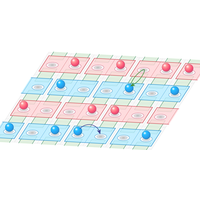
Phys. Rev. Lett. 137, 223402 (2026)
Atomic, Molecular, and Optical Physics
Probing the Memory of a Superconducting Qubit Environment
Article | Atomic, Molecular, and Optical Physics | 2026-11-24 05:00 EST
Nicolas Gosling, Denis Bénâtre, Paul Kugler, Simon Geisert, Nicolas Zapata, Mitchell Field, Sumeru Hazra, Simon Günzler, Thomas Reisinger, Martin Spiecker, Mathieu Féchant, and Ioan M. Pop
Achieving fault tolerance with superconducting quantum processors requires qubits to operate within the regime of threshold theorems based on the Born-Markov approximation. This approximation, which models dissipation as constant energy decay into a memoryless environment, breaks down when qubits co…
Phys. Rev. Lett. 137, 223601 (2026)
Atomic, Molecular, and Optical Physics
High-Purity Entanglement Mediated by Magnons Despite Weak Coupling
Article | Atomic, Molecular, and Optical Physics | 2026-11-24 05:00 EST
Sanchar Sharma
Entangling distant spins via a shared magnonic bus typically faces a trade-off: stronger spin-magnon coupling increases the entanglement fidelity, but also the spin decay rate. We propose a protocol that breaks this trade-off. The magnons couple only to a transition outside the computational basis, …
Phys. Rev. Lett. 137, 223602 (2026)
Atomic, Molecular, and Optical Physics
Phase-Space Shaping Due to Betatron Cooling in Wakefield Accelerators and the Onset of the Ion-Channel Laser
Article | Plasma and Solar Physics, Accelerators and Beams | 2026-11-24 05:00 EST
P. J. Bilbao, T. Silva, and L. O. Silva
Plasma-based accelerators are beginning to employ relativistic beams with unprecedented charge and ultrashort durations. These dense driver beams can drive wakes even in high-density plasmas (), where betatron radiation becomes increasingly important and begins to affect the dynamics of t…
Phys. Rev. Lett. 137, 225001 (2026)
Plasma and Solar Physics, Accelerators and Beams
Improved Fusion Yields at the National Ignition Facility via Ramped-Profile Capsule Doping
Article | Plasma and Solar Physics, Accelerators and Beams | 2026-11-24 05:00 EST
D. S. Clark et al.
Inertial confinement fusion (ICF) experiments at the National Ignition Facility (NIF) use high-density carbon shells doped with low-concentration tungsten in a thin, uniform-density, buried layer to suppress deleterious high-energy x-ray pre-heating. Recent radiation-hydrodynamics simulations sugges…
Phys. Rev. Lett. 137, 225101 (2026)
Plasma and Solar Physics, Accelerators and Beams
Physical Review X
Propelling Catalytic Structures Using Active Biomolecular Condensates
Article | | 2026-11-25 05:00 EST
Benjamin Sorkin and Ned S. Wingreen
Active biomolecular condensates are shown to enable the self-propulsion of micron-sized objects in otherwise homogeneous, isotropic, and autonomous environments, offering a complementary, motor-free route to biological transport.
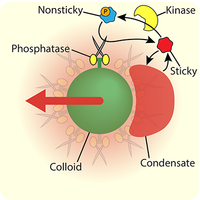
Phys. Rev. X 16, 041056 (2026)
Local Imperfect Feedback Control in Nonequilibrium Biophysical Systems Enabled by Response Constraints
Article | | 2026-11-25 05:00 EST
Carlos Floyd, Aaron R. Dinner, and Suriyanarayanan Vaikuntanathan
New theoretical constraints on nonequilibrium responses reveal how simple, local feedback can ensure globally stable control and adaptation in complex biochemical networks without fine-tuning or global information.
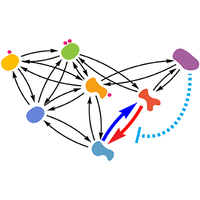
Phys. Rev. X 16, 041057 (2026)
Reconstructing the Full Kinematic Dependence of GPDs from Pseudo-Distributions
Article | | 2026-11-24 05:00 EST
Hervé Dutrieux, Robert G. Edwards, Joe Karpie, Cédric Mezrag, Christopher Monahan, Kostas Orginos, Anatoly Radyushkin, David Richards, Eloy Romero, and Savvas Zafeiropoulos (HadStruc Collaboration)
Researchers reconstruct the multidimensional inner structure of protons from lattice quantum chromodynamics data by extracting underlying double distributions.
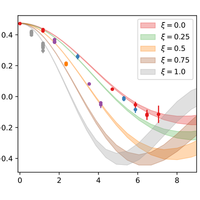
Phys. Rev. X 16, 041054 (2026)
Spectroscopic Evidence of Competing Diagonal Spin Interactions and Spin Disproportionation in the Bilayer Nickelate ${\mathrm{La}}{3}{\mathrm{Ni}}{2}{\mathrm{O}}_{7}$
Article | | 2026-11-24 05:00 EST
Dong-Hyeon Gim, Dirk Wulferding, Hengyuan Zhang, Deyuan Hu, Meng Wang, and Kee Hoon Kim
Inelastic light scattering on ambient-pressure reveals competing magnetic interactions and a persistent charge-density modulation, highlighting how magnetic frustration and lattice instabilities can cooperate to drive high- superconductivity.
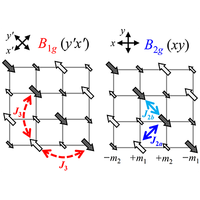
Phys. Rev. X 16, 041055 (2026)
arXiv
Exact nonstationary heat-excess statistics in the weakly asymmetric Kipnis–Marchioro–Presutti model
New Submission | Statistical Mechanics (cond-mat.stat-mech) | 2026-11-25 20:00 EST
Exact nonstationary large-deviation statistics remain scarce for interacting many-body systems. Here we employ the macroscopic fluctuation theory (MFT) to determine the complete long-time statistics of heat excess produced by an initially localized heat pulse in the weakly asymmetric Kipnis–Marchioro–Presutti model. We find a remarkable nonlocal canonical transformation which maps the weakly asymmetric MFT problem, including its initial and terminal conditions, onto the symmetric problem, previously solved exactly. The resulting rate function is an explicit nonlinear deformation of its symmetric counterpart. We also extend the solution to heat measured beyond an arbitrary observation point.
Statistical Mechanics (cond-mat.stat-mech), Exactly Solvable and Integrable Systems (nlin.SI)
6 pages including Appendices, 1 figure
Condensates and Edge Effects in the Generalised Takayasu Model
New Submission | Statistical Mechanics (cond-mat.stat-mech) | 2026-11-25 20:00 EST
Recently, in the 1D Takayasu Mass Model (MM) of diffusion-aggregation with input, large condensates and a novel power law were observed in simulations, and later characterised exactly. We extend these studies to the Takayasu model with generalised input, and provide a relation to translate the distribution function of the MM to any model with a space and time independent injection process. In the 1D Charge Model (CM) of a system of size $ L$ , where $ q=+1$ and $ -1$ charge monomers are injected with equal probability at each site in each time step, there is a power law distribution of cluster charge $ P(q)\sim |q|^{-5/3}$ . This distribution cuts off at $ |q|\sim L^{3/2}$ in the steady state for long times $ t\gg L^2$ and a large charge condensate forms with a net charge between $ -\sqrt{Lt}$ and $ \sqrt{Lt}$ . A distance dependent distribution function is observed around the charge condensate and near open boundaries, both of which act like an edge in the system, analogous to the observations in the MM. The charge distribution measured at a distance $ x$ from the edge transitions from the previously known CM bulk power law $ P(q)\sim |q|^{-5/3}$ for small clusters ($ |q|< x^{3/2}$ ), to a novel power law $ P(q)\sim |q|^{-7/3}$ for larger clusters ($ |q|>x^{3/2}$ ). In the 1D Pair Injection Model (PIM), where $ +1$ and $ -1$ charge monomers are injected simultaneously at adjacent sites, the power law distribution $ P(q)\sim |q|^{-2}$ cuts off at $ |q|\sim L$ in the steady state for long times, and no large growing condensate is formed. We still observe a distance dependent distribution measured from the largest clusters, or an open boundary, with a bulk power law $ P(q)\sim |q|^{-2}$ for small clusters ($ |q|< x$ ), and an edge power law $ P(q)\sim |q|^{-3}$ for larger clusters ($ |q >x$ ).
Statistical Mechanics (cond-mat.stat-mech)
11 pages, 10 figures
What time is it in Assembly Space? Cronin and Walker’s “The Physics of Causation” fails elementary dimensional analysis (Comment on arXiv:2601.00515)
New Submission | Statistical Mechanics (cond-mat.stat-mech) | 2026-11-25 20:00 EST
Cronin and Walker claim that causation is quantified by an assembly index'', a count of the steps needed to build an object. Remarkably, they equate continuous time (as measured by clocks)’’ to a multiple of the index, which is a dimensionless number. Their argument treats one parameter as simultaneously a rate, a time interval, and a pure number, and provides no timescale to convert index to clock time. This dimensional incoherence betrays, at best, an ill-conceived and ill-formed theory, and fatally undermines two central claims. First, the exponential weighting at the heart of what they call the assembly equation can be obtained only by supplying a timescale, which they never do, or by recasting clock time as a dimensionless count of assembly steps. In the latter case, their derivation'' trivially reduces to Bernoulli's seventeenth-century compound-interest limit. Second, lacking rates or energy scales, their account cannot predict how quickly, or under what conditions, anything forms, and yet formation in finite time’’ is their criterion for distinguishing spontaneous from ``selected’’ objects. Assembly theory is thus incapable of addressing causation.
Statistical Mechanics (cond-mat.stat-mech), Biological Physics (physics.bio-ph), Chemical Physics (physics.chem-ph), History and Philosophy of Physics (physics.hist-ph)
Comment on arXiv:2601.00515, 2.5 pages, no comments
Morphogenic necking of surfaces
New Submission | Soft Condensed Matter (cond-mat.soft) | 2026-11-25 20:00 EST
Farzan Vafa, Puskar Mondal, L. Mahadevan
Surface morphogenesis occurs across biological scales, from subcellular vesicles and cells to visceral organs, tissue organoids, and whole organisms. Since morphogenesis often involves changes in topology, a natural question is that of appropriate mathematical descriptions that provide an approach to topological transitions of thin surfaces. Here, we suggest a general intrinsic framework coupling morphogen organization to surface geometry. We propose a minimal geometric model in which smoothing competes with morphogen-induced deformation to regulate shape, while loss of this balance can bring a surface toward a topological transition via neck constriction. A simple dynamical model coupling a scalar field to the surface metric reveals two mechanisms: gradient-driven constriction at steep morphogen transitions and curvature-driven constriction near localized morphogen peaks. For frozen morphogen profiles in simple axisymmetric examples, the gradient-driven route gives exact algebraic contraction, while the curvature-driven route gives local exponential contraction.
Soft Condensed Matter (cond-mat.soft), Mathematical Physics (math-ph), Biological Physics (physics.bio-ph)
12+22 pages, 3 figures
Band-Selective Coupling to Charge Density Wave Fluctuations in Kagome Superconductors AV3Sb5
New Submission | Superconductivity (cond-mat.supr-con) | 2026-11-25 20:00 EST
Peter C. Moen, T. G. H. Blank, C. Le, S. Smit, N. Heinsdorf, S. Sarkar, C. C. Au-Yeung, V. Zimmermann, J. Kraan, C. S. B. Pang, M. Tuniz, M. Bluschke, A. A. Haghighirad, I. Rajput, A. C. Salinas, S. Gorovikov, P. Dosanjh, J. I. Dadap, A. K. Mills, S. Zhdanovich, M. Michiardi, G. Levy, I. S. Elfimov, S. D. Wilson, M. Le Tacon, D. J. Jones, X. Wu, A. Damascelli
The kagome superconductors AV3Sb5 (A=K, Rb, Cs) host multiband superconductivity (SC) within an unconventional charge density wave (CDW) parent phase, yet the relationship between the two remains unresolved. Through time- and angle-resolved photoemission spectroscopy (tr-ARPES) experiments on CsV3Sb5 and KV3Sb5, we observe coherent band oscillations driven by coupling to a low-energy CDW amplitude mode at 3.1 THz. We find this coupling to be highly band-selective, differing by a factor of over 2 even between bands with dominant V-3d character. We reproduce these results with frozen-phonon density functional theory calculations, offering insight towards the relation between differing Fermi surface characters and our observed band selectivity. Furthermore, we observe differences in coupling channels between KV3Sb5 and CsV3Sb5. These results establish CDW amplitude mode fluctuations as a band-selective low-energy coupling channel that intimately contributes to the interplay between CDW and SC in the AV3Sb5 compounds.
Superconductivity (cond-mat.supr-con)
Locality from Nonlocality: Symmetry Relocalization and Gauging of Lattice Dirac Fermions
New Submission | Strongly Correlated Electrons (cond-mat.str-el) | 2026-11-25 20:00 EST
Spatially nonlocal symmetries need not imply nonlocal gauge dynamics. Nonlocal canonical transformations make certain exact nonlocal compact symmetries of free lattice Dirac fermions onsite while retaining sufficient Hamiltonian locality for gauging. Symmetry relocalization yields exact or emergent gauge locality in 1D, 2D, and 3D, subject to lattice structure, topology, and anomalies.
In 1D, a Hamiltonian-preserving transformation exchanges onsite vector and nonlocal spectral axial charges of a half-filled chain, enabling local gauging of each and exposing their mixed anomaly. Bosonization identifies momentum-winding T-duality, with a parity-projected operator flowing to a noninvertible topological defect. A nonperturbative norm-resolvent bound proves emergent dynamical gauge locality at finite chemical potential, while a doubled Chern-insulator parent reveals the duality’s bulk origin and superconducting extensions reveal hidden compact symmetries.
In 2D, the square $ \pi$ -flux Majorana model shares the Kitaev honeycomb model’s single Dirac fermion and odd Pfaffian parity but supports sharp and exponentially local compact charges, the latter with nontrivial Chern topology. Relocalization retains Schwartz locality for asymptotically local gauging, while AIII/AII parents clarify bulk charge origin and parity-anomaly inflow. Two flavors yield compact $ U(2)$ , a quaternionic invariant, and asymptotically local non-Abelian gauging.
In 3D, an exact mixed vector-axial flux response is derived, while a distinct model supports an exponentially local vector $ U(1)$ charge with strong quaternionic topology. A nonlocal map makes the charge and Kramers symmetry onsite while preserving exponential Hamiltonian locality. For a compact $ SU(2)$ Weyl doublet, a no-go theorem forbids translation-preserving Gaussian onsite relocalization retaining Weyl content and Hamiltonian locality.
Strongly Correlated Electrons (cond-mat.str-el), Statistical Mechanics (cond-mat.stat-mech), High Energy Physics - Lattice (hep-lat), High Energy Physics - Theory (hep-th), Quantum Physics (quant-ph)
107 pages, 7 figures
Tunneling signatures of the Lifshitz transition in a superconducting vortex
New Submission | Superconductivity (cond-mat.supr-con) | 2026-11-25 20:00 EST
The Caroli-de Gennes-Matricon states bound to a vortex line in a clean type-II superconductor form one-dimensional minibands that disperse along the vortex. The lowest miniband is separated from the Fermi level by a minigap $ E_0\sim\Delta^2/E_F$ . A magnetic field shifts the minibands of the two spin projections in opposite directions. At the threshold field $ B^\ast$ the Zeeman energy equals $ E_0$ . Estimates for FeSe place $ B^\ast$ at a few tesla. The lowest miniband of one spin projection then crosses the Fermi level, and a spin-polarized one-dimensional Fermi sea forms inside the vortex core. We develop the theory of tunneling spectra across this Lifshitz transition. We solve the Bogoliubov-de Gennes equations numerically in the quantum limit for all momenta along the vortex and compute the local density of states with thermal and instrumental broadening. The zero-bias conductance at the vortex center is absent below $ B^\ast$ . It has a maximum near $ B^\ast$ with the inverse-square-root field dependence of a one-dimensional van Hove singularity and decreases at higher fields. The next miniband produces a second onset at a finite distance from the center. The zero-bias signal is carried by one spin projection at the center and by the opposite one in the surrounding ring. We then project the screened electron interaction onto the filled miniband. The resulting Luttinger parameter is close to unity, so the core hosts a weakly interacting one-dimensional Fermi gas. Its quasiparticles relax through three-particle collisions in analogy with thermalization in quantum wires and at quantum Hall edges. The corresponding relaxation rates are established analytically.
Superconductivity (cond-mat.supr-con)
14 pages, 7 figures
Tunable first-order transitions and magnetic hysteresis in Bernal pentalayer graphene
New Submission | Mesoscale and Nanoscale Physics (cond-mat.mes-hall) | 2026-11-25 20:00 EST
Wentian Zheng, Jiawei Hu, Yuxuan Yao, Fang Xie, Zihan Wang, Kenji Watanabe, Takashi Taniguchi, Qimiao Si, Yonglong Xie
In two-dimensional electron systems, strong Coulomb interactions can spontaneously lift flavor degeneracies such as spin and valley, producing first-order transitions with hysteretic switching of interest for memory devices. The subband degree of freedom in multiband systems may be viewed as a flavor that not only participates in such transitions but also enables control of the hysteretic behavior, as a displacement field can shift the energy difference between subbands. Here, we demonstrate this principle in Bernal-stacked pentalayer graphene, whose low-energy spectrum comprises a monolayer-like Dirac sub-band together with light and heavy bilayer-like sub-bands. Local compressibility measurements resolve a fully symmetry-broken Landau-level spectrum and a sequence of phase transitions that occur when Landau levels of different subbands cross, at which strong interactions redistribute the occupation among flavors. We show that these transitions exhibit hysteretic Hall responses in magnetic field, confirming their first-order character, and that the magnitude and sign of the hysteresis are tuned by the displacement field, as expected from the subband Landau-level ordering determined in compressibility measurements. Our work establishes the subband degree of freedom in multiband systems as a resource for engineering hysteretic switching, and highlights how local thermodynamic measurements can link microscopic insights to macroscopic responses in quantum materials.
Mesoscale and Nanoscale Physics (cond-mat.mes-hall), Strongly Correlated Electrons (cond-mat.str-el)
11 pages, 3 main figures, 3 supplementary figures
Non-integer high harmonic generation from many-body nonadiabatic gating
New Submission | Strongly Correlated Electrons (cond-mat.str-el) | 2026-11-25 20:00 EST
Mingyao Guo, Luting Wang, Murali Suganya, Biqiong Yu, Martin Greven, Sritharan Krishnamoorthi, Raman Sankar, Yao Wang, David Hsieh
High harmonic generation (HHG) in solids typically produces a rigid frequency comb locked to exact integer multiples of the drive photon energy. In strongly correlated materials, however, the light field can dynamically transform the electronic state on the timescale of harmonic generation itself, potentially violating this rule. Here, we report giant blueshifted, non-integer HHG in a cuprate Mott insulator Sr$ _2$ CuO$ _3$ produced by mid-infrared excitations. Concurrent transient reflectivity measurements and time-dependent exact-diagonalization simulations of a driven Hubbard model support a many-body temporal gating mechanism that suppresses light emission on the trailing edge of the pulse, thereby blueshifting radiated harmonics in the frequency domain. Our findings establish HHG emission energy as a sensitive probe of quantum many-body dynamics and pave the way for exploration and manipulation of correlated electronic phases of matter with strong-field spectroscopy.
Strongly Correlated Electrons (cond-mat.str-el), Mesoscale and Nanoscale Physics (cond-mat.mes-hall), Optics (physics.optics)
10 pages main text, 5 figures, 43 pages supplementary information
Localization in one-dimensional magnetic quasicrystals
New Submission | Statistical Mechanics (cond-mat.stat-mech) | 2026-11-25 20:00 EST
Andrew Osborne, Rhine Samajdar, Andrew A. Houck
The celebrated Aubry-André-Harper model undergoes a metal-insulator transition akin to Anderson localization due to an energetic competition between nearest-neighbor hopping and a quasiperiodic on-site potential. In this work, we consider the problem of a one-dimensional lattice subject to a quasiperiodic external field, where the topology of the underlying graph mediates the competition between insulating and conducting phases. In particular, we present examples for which all dispersive eigenstates are critically localized, as well as models in which they are exponentially localized. We also demonstrate the coexistence of these phenomena with an extensive set of degenerate finitely supported eigenstates forming a flat band. Finally, we construct models with exactly solvable mobility edges arising only from graph structure. Going beyond these single-particle results, we show—using exact-diagonalization calculations of the bosonic dynamics—that, as in the conventional Aubry-André-Harper case, on-site interactions drive localized eigenstates toward extendedness. Our results provide a framework for exploring how magnetic interference and interactions jointly constrain transport in quasiperiodic lattices.
Statistical Mechanics (cond-mat.stat-mech), Disordered Systems and Neural Networks (cond-mat.dis-nn), Mathematical Physics (math-ph), Quantum Physics (quant-ph)
16 pages, 7 figures
Origin of quadrupolar order in the 5d$^1$ double perovskite Ba$_2$MgReO$_6$
New Submission | Strongly Correlated Electrons (cond-mat.str-el) | 2026-11-25 20:00 EST
Dario Fiore Mosca, Leonid V. Pourovskii
Despite extensive experimental and theoretical studies of quadrupolar order in Ba$ _2$ MgReO$ 6$ , the microscopic origin and relative energy scales of the interactions driving it remain unresolved. In particular, the observed ferroic ordering of the $ z^2$ quadrupole has remained difficult to explain, as the relative contributions of superexchange, classical quadrupole-quadrupole interactions, vibronic couplings, and virtual excitations to higher-energy levels have not been established quantitatively. Here, we determine all these interactions from first principles and solve the resulting microscopic Hamiltonian. The calculated ground state reproduces the experimentally observed quadrupolar order parameters and the associated structural distortions with quantitative accuracy. Disentangling the individual contributions, we find that ferroic $ z^2$ order originates from a linear-quartic coupling, generated by virtual excitations to the $ J{\mathrm{eff}}$ = 1/2 doublet and driven by vibronic interactions. Our results establish the hierarchy of microscopic interactions underlying quadrupolar order in Ba$ _2$ MgReO$ _6$ and provide a unified $ ab \ initio$ description of its coupled electronic and lattice degrees of freedom.
Strongly Correlated Electrons (cond-mat.str-el), Materials Science (cond-mat.mtrl-sci)
9 pages, 5 figures + 11 pages, 1 figure of Supplemental
Three-phase contact lines as distinct molecular adsorption environments
New Submission | Soft Condensed Matter (cond-mat.soft) | 2026-11-25 20:00 EST
In wetting and multiphase systems, three-phase contact lines form where liquid, solid, and gas phases meet, creating effectively one-dimensional boundaries with distinct molecular environments. Despite their ubiquity in droplets, liquid menisci, capillary bridges, porous materials, and confined multiphase systems, molecular adsorption at these lower-dimensional boundaries has remained largely unexplored. Here, we use molecular dynamics simulations to show that the contact line on a hydrophobic substrate is not merely the geometric intersection of two interfaces but a distinct thermodynamic adsorption environment with a substantially stronger affinity for amphiphilic molecules than either neighboring interface. The investigated amphiphiles of different molecular structures exhibit a common scaling relation between line and surface adsorption in the dilute regime, while their behavior becomes molecule-specific at higher concentrations. Furthermore, contact-line affinity increases exponentially with alkyl-chain length, leading to crowding at progressively lower concentrations and making contact lines extraordinarily sensitive to trace amphiphilic impurities. Because line, surface, and bulk populations scale differently with system size, contact-line adsorption becomes increasingly important at small length scales, where it can substantially alter molecular partitioning. Contact-line enrichment is predicted to reduce the line tension by an amount comparable to its intrinsic magnitude, with potentially substantial consequences for heterogeneous nucleation. Our results establish molecular adsorption as a fundamental property of three-phase contact lines with implications for wetting and multiphase systems across length scales.
Soft Condensed Matter (cond-mat.soft)
Ground state and thermal phase diagrams of the magnetized spin-$1/2$ XXZ antiferromagnet on the triangular lattice
New Submission | Strongly Correlated Electrons (cond-mat.str-el) | 2026-11-25 20:00 EST
Owan Cho, Seungho Lee, Hyun-Yong Lee, SungBin Lee
The spin-1/2 XXZ antiferromagnet on the triangular lattice in a magnetic field is a paradigmatic frustrated quantum magnet, yet its ground-state phase diagram at generic anisotropy and its thermal phase structure remain incompletely understood. Here, using infinite density-matrix renormalization group, infinite projected entangled-pair operator, and exponential tensor renormalization group methods, supported by exact diagonalization, we resolve both issues. At zero temperature, we map the phase diagram continuously from the Ising limit to the Heisenberg point and find that the nonclassical $ \Psi$ supersolid is a stable phase just below saturation at all anisotropies studied: it borders the one-third-magnetization up-up-down plateau directly in the strongly easy-axis regime and the semiclassical $ V$ phase toward the Heisenberg point. In the strongly easy-axis regime, we uncover an intrinsically finite-temperature bond-nematic phase above the zero-temperature plateau–$ \Psi$ boundary, in which the three bond directions become spontaneously inequivalent without transverse spin coherence or three-sublattice order. A hard-core-boson mapping reveals its origin: once thermal fluctuations destroy phase coherence, the field-doped holes settle on domain walls of the local up-up-down order, which are stabilized by quantum kink delocalization and aligned by its $ Z_3$ registry. Our results call for reexamining high-field states in triangular-lattice cobaltates such as Na$ _2$ BaCo(PO$ _4$ )$ _2$ and K$ _2$ Co(SeO$ _3$ )$ _2$ .
Strongly Correlated Electrons (cond-mat.str-el)
12 pages, 10 figures, including Supplemental Material
Strain-enabled dynamical magnetoelectric coupling in BaFe${12}$O${19}$
New Submission | Materials Science (cond-mat.mtrl-sci) | 2026-11-25 20:00 EST
ChanJu You, Jayanti Higgins, Zhiren He, Yilin Evan Li, Harikrishnan KP, Sören Buchenau, Christo Guguschev, Mario Brützam, Jiaqiang Yan, David Mandrus, David A. Muller, Darrell G. Schlom, Guru Khalsa, Ankit S. Disa
Optical excitation has emerged as a powerful tool for manipulating and creating non-equilibrium phases of matter. Yet, the pathways available for optical control are intrinsically limited by the symmetries and interactions of the equilibrium system. Here, we demonstrate that these pathways can be redesigned through atomic-structural engineering to access hidden dynamical properties. By combining resonant vibrational excitation with epitaxial strain, we realize a light-induced, room-temperature multiferroic state in strained thin films of the technologically relevant hexagonal ferrimagnet, barium hexaferrite (BaFe$ _{12}$ O$ _{19}$ , BaM). Time-resolved second harmonic generation and magneto-optical Kerr effect measurements reveal an enhanced ferroelectric polarization together with a weakening of the magnetic moment upon exciting mid-infrared phonons in strained BaM thin films, but not in the bulk material. Structural analysis and first-principles-based theory show that this effect is enabled by strain-generated displacement of Fe$ ^{3+}$ ions, which break the local symmetry and facilitate an emergent dynamical magnetoelectric coupling. Both the strong lattice excitation and strain-induced symmetry breaking are essential for enabling this dynamical coupling, promising an important template for designing otherwise inaccessible non-equilibrium phenomena.
Materials Science (cond-mat.mtrl-sci), Strongly Correlated Electrons (cond-mat.str-el)
Moiré-enabled polariton control in large-angle twisted bilayer graphene
New Submission | Mesoscale and Nanoscale Physics (cond-mat.mes-hall) | 2026-11-25 20:00 EST
Bogdan Borodin, Xuanpu Zhang, Christopher Yang, Kenji Watanabe, Takashi Taniguchi, Cyprian Lewandowski, Petr Stepanov
Twisted bilayer graphene (TBG) is commonly viewed through two limiting regimes: strongly correlated flat bands near the magic angle and nearly decoupled Dirac cones at large twist angles. Here we explore the intermediate regime. Using hyperbolic plasmon-phonon polaritons (HP$ ^{3}$ ) to probe the dynamical electronic response, we investigate bilayer graphene from AB stacking to $ 5.5^\circ$ TBG. We identify a narrow density window in which the HP$ ^{3}$ wavelength becomes strongly gate tunable. The window opens when doping suppresses Landau damping and a coherent graphene plasmon emerges. It closes at a second crossover, which appears only above $ 4^\circ$ and shifts systematically with twist angle. Continuum-model and electrodynamic calculations trace this second crossover to hybridization between the central and remote moiré bands, which weakens the density dependence of the Drude response. The resulting polaritonic tunability is concentrated within a twist-angle-selected density window and produces total wavelength changes approaching $ 90%$ . Our results demonstrate that remote moiré bands reshape the collective electrodynamics of TBG far from the magic-angle regime and establish large-angle TBG as a platform for gate-reconfigurable mid-infrared polaritons and material cavities.
Mesoscale and Nanoscale Physics (cond-mat.mes-hall)
High-density correlation energy of the electron gas
New Submission | Strongly Correlated Electrons (cond-mat.str-el) | 2026-11-25 20:00 EST
Miguel A. L. Marques, Paulo R. Pires, Stefano Pittalis
The high-density expansion of the correlation energy per electron of the unpolarized three-dimensional electron gas, $ \epsilon_c = A\ln r_s + B + C r_s\ln r_s + D r_s + \dots$ , is used in many approximations to the correlation functional of density-functional theory. The coefficients $ A$ , $ B$ and $ C$ are known exactly. We revisit the three diagram classes used to estimate $ D$ , namely bare rings, rings with one first-order exchange insertion, and third-order diagrams with three distinct momentum transfers. Their sum is $ -0.0077880(9)$ Ha per electron, compared with the earlier estimate of $ -0.010$ Ha. The difference comes mainly from the coupling-constant weighting of the exchange rings in the calculation of Carr and Maradudin. At order $ r_s^2$ , seven contributions to the single-logarithm coefficient $ E_1$ sum to $ (3.653 \pm 0.010)\times 10^{-3}$ Ha per electron. The three long-wavelength contributions to the double-logarithm coefficient $ E_2$ sum to $ \alpha^2(36\pi^2 - 208\ln 2 - 221)/(192\pi^4) \approx -1.433\times 10^{-4}$ Ha per electron, where $ \alpha = (4/9\pi)^{1/3}$ . Available diffusion Monte Carlo energies at $ r_s = 0.5$ cannot distinguish between the two estimates of $ D$ .
Strongly Correlated Electrons (cond-mat.str-el)
A fermionic framework for quantum machine learning benchmarks
New Submission | Strongly Correlated Electrons (cond-mat.str-el) | 2026-11-25 20:00 EST
Jérémie Gince, Ayana Sarkar, Stefanos Kourtis
We present a framework for building and benchmarking scalable machine learning (ML) models based on simulating free-fermion systems. Our fermionic ML (FermiML) framework is (i) versatile enough to encompass kernel methods and neural networks, (ii) applicable to classification and regression, and (iii) scalable to real-world datasets. FermiML models are quantum circuits sharing the building blocks of most quantum ML (QML) models: (parameterized) qubit rotations and entangling gates. This allows us to build fermionic surrogates that mimic the architecture, and hence the quantum resources and inductive bias, of any QML model while remaining efficiently classically simulable. We thus benchmark QML models against close fermionic counterparts on equal footing and ascertain whether a purported QML gain truly stems from classically inaccessible resources or is an accidental side-effect. Across 31 configurations from five classification datasets, we benchmark quantum kitchen sinks (QKS), instantaneous quantum polynomial (IQP) and generic parameterized quantum circuit (PQC) models against fermionic surrogates. fQKS significantly outperforms QKS and is statistically indistinguishable from IQP and PQC; fPQC outperforms IQP and QKS and ties PQC in 28 configurations. We also introduce fermionic fidelity and Pfaffian covariance kernels for regression and establish QML baselines for this harder task. Finally, we introduce a fermionic energy-based classifier scalable to large text and image datasets, which outperforms prominent QML models on images, beats or closely trails them on text, and stays close to classical baselines throughout. Our results show that while performance depends sensitively on architecture, FermiML yields fermionic surrogates that challenge or outperform their unrestricted counterparts and fermionic QML models that match the scale of classical baselines on real-world datasets.
Strongly Correlated Electrons (cond-mat.str-el)
37 pages, 11 figures, 9 tables
Imaging Compressible and Incompressible Kinetic Energy of a 2d Bose-Einstein Condensate
New Submission | Quantum Gases (cond-mat.quant-gas) | 2026-11-25 20:00 EST
Elinor Kath, Jelte Duchêne, Hanyi Jang, Floriane Arrouas, Helmut Strobel, Markus K. Oberthaler
We introduce a method based on velocity-sensitive two-photon transitions to reconstruct the two-dimensional velocity field as well as the local atomic density of a Bose-Einstein condensate in a single realization. We quantitatively benchmark the method on a quantized vortex. Applied to a condensate far from equilibrium, the method reveals the contrasting behaviors of the system’s flow kinetic energy components, where the compressible component quickly decays while the incompressible one remains, dominating the long-time dynamics.
Quantum Gases (cond-mat.quant-gas)
Translation Method Bounds for 3D Isotropic Conductivity–Shear Modulus and the Search for Attaining Microstructures
New Submission | Materials Science (cond-mat.mtrl-sci) | 2026-11-25 20:00 EST
Justin Tahmassebpur, Tomás Arias
We compute conductivity–shear-modulus cross-property bounds in three-dimensional isotropic two-phase composites using the translation method, and obtain the tightest bounds reported to date. To assess attainability, we perform unit-cell topology optimization on thousands of distinct initial structures and compare optimized designs to the isotropic bounds using an effective-medium approximation that models the macroscopic material as an isotropic assembly of randomly oriented grains. The best jointly performing designs are consistently bicontinuous, triply periodic minimal surface-like microstructures; however, a small but notable gap to the translation bound remains.
Materials Science (cond-mat.mtrl-sci)
34 pages, 4 figures
Strong Co-O exchange interaction in $P4/nmm$ KCoO$_2$ and its effect on spin wave and Néel temperature
New Submission | Strongly Correlated Electrons (cond-mat.str-el) | 2026-11-25 20:00 EST
Ilteris K. Turan, Walter R. L. Lambrecht, Jerome Jackson
The exchange interactions of a classical Heisenberg Hamiltonian
in KCoO$ _2$ in the $ P4/nnm$ structure
are calculated using a linear response approach, derived from the transverse
spin susceptibility, integrated over atomic spheres using a projector proportional the local magnetization and including all atoms as magnetic atoms. The exchange interaction between Co and its apical O is found to be by far the largest interaction and ferromagnetic. Its effect on the Néel temperature and the spin wave spectrum are evaluated. The Co-O exchange is found to strongly enhance the critical temperature in the mean field approximation but not in the random phase approximation.
Strongly Correlated Electrons (cond-mat.str-el), Materials Science (cond-mat.mtrl-sci)
6 pages 2 figures
Electrical Degradation of Vertical $β$-Ga$_2$O$_3$ Schottky Barrier Diodes Under Au-Ion Irradiation to a Fluence of $1.3 \times 10^7$ cm$^{-2}$
New Submission | Materials Science (cond-mat.mtrl-sci) | 2026-11-25 20:00 EST
Botong Li, Imteaz Rahaman, Bingcheng Da, Houqiang Fu, Michael A. Scarpulla, Kai Fu
The electrical degradation and time-dependent current behavior of vertical $ \beta$ -Ga$ _2$ O$ _3$ Schottky barrier diodes (SBDs) subjected to energetic Au-ion irradiation were systematically investigated. Two successive irradiation exposures were conducted under a constant reverse bias of $ -100$ V to evaluate the effects of heavy-ion irradiation on device performance and transient current response. Following irradiation, the devices exhibited degraded forward conduction, increased specific on-resistance, enhanced reverse leakage current, and reduced apparent carrier concentration. During irradiation, pronounced increases in leakage current and transient current spikes were observed. Following each beam termination, the leakage current exhibited an initial rapid decay followed by a slower relaxation process. Single-exponential fitting identified distinct fast and slow relaxation components, while a double-exponential model provided a more comprehensive description of the overall current decay. After the second irradiation exposure, the characteristic time constants of the fast and slow relaxation processes increased from 33.50 to 40.64 s and from 190.35 to 282.29 s, respectively, indicating prolonged recovery dynamics under repeated irradiation. A charge-trapping-based model is proposed to explain the irradiation-induced current enhancement and subsequent fast and slow relaxation processes through modulation and gradual recovery of the effective Schottky tunneling barrier. These findings provide insights into the relationship between heavy-ion-induced electrical degradation and time-dependent current relaxation in $ \beta$ -Ga$ _2$ O$ _3$ SBDs.
Materials Science (cond-mat.mtrl-sci)
15 pages, 5 figures
Excess noise and electron-phonon energy transfer in Au wires: Length and temperature effects
New Submission | Mesoscale and Nanoscale Physics (cond-mat.mes-hall) | 2026-11-25 20:00 EST
Yuxin Wan, Dale T. Lowder, Liyang Chen, Manasi Mandal, Gavin Joyce, Douglas Natelson
As a mesoscopic diffusive wire at low temperatures is driven out of equilibrium by a current, excess noise is observed compared to the equilibrium Johnson-Nyquist fluctuations. The expected form of the excess noise varies depending on the relative rates of wire traversal, electron-electron inelastic energy transfer, and electron-phonon inelastic energy transfer. We measure noise as a function of bias current in diffusive Au nanowires on SiO2/Si with lengths ranging from sub-{\mu}m to 30 {\mu}m and temperatures from 3 K to 50 K, to map out the interplay between charge shot noise and the crossover to electron self-heating and phonon-dominated noise suppression. As expected qualitatively, shot noise is suppressed with increasing wire length and substrate temperature, as electron-phonon scattering is of increasing importance. In long wires, the simple model of electron-phonon energy loss known to be quantitatively effective below a few Kelvin underpredicts the excess noise in the high bias, high temperature limit. This issue is more severe in wires on SiO2/Si than on bare Si, implying that interfacial thermal conduction must be considered in the thermal path even at comparatively high temperatures.
Mesoscale and Nanoscale Physics (cond-mat.mes-hall)
29 pages, 10 figures
Eigenvalue-based computation of Richardson pairing spectra and finite-size thermodynamics
New Submission | Superconductivity (cond-mat.supr-con) | 2026-11-25 20:00 EST
Grzegorz Biskowski, Marcin R. Piatek, Franco Ferrari
We present a numerical workflow for the reduced BCS Richardson model, combining the eigenvalue-based Bethe equations, Baxter-polynomial reconstruction, and complex root finding. Newton-Raphson iteration solves the nonlinear equations for the eigenvalue-based variables; a linear system yields the polynomial coefficients, and Laguerre iteration with polynomial deflation extracts the rapidities. We apply the procedure to equally spaced, quadratic, and hydrogen-like non-degenerate single-particle spectra as the pairing strength varies. For finite systems, we calculate canonical observables from the complete seniority-zero spectrum and check benchmark spectra against exact diagonalization. In an eight-level, four-pair system with a hydrogen-like spectrum, the heat capacity has two maxima at weak coupling. With increasing coupling, the low-temperature maximum shifts upward and the high-temperature maximum downward; the latter ceases to be a distinct local maximum near $ g\simeq0.03515$ in the units used. The equally spaced benchmark instead has a single dominant maximum over the coupling interval displayed for that spectrum. This comparison illustrates how single-particle level spacings can shape finite-size thermal response. The C++ code is publicly available; numerical instabilities remain possible near ill-conditioned configurations and at larger sizes.
Superconductivity (cond-mat.supr-con), Statistical Mechanics (cond-mat.stat-mech), Mathematical Physics (math-ph)
25 pages, 14 figures
Density-dependent photocarrier recombination in $γ$-InSe
New Submission | Materials Science (cond-mat.mtrl-sci) | 2026-11-25 20:00 EST
Vivek Jain, Salman Ahsanullah, Neema Rafizadeh, Gbenga S. Agunbiade, Hui Zhao
We studied the photocarrier dynamics in $ \gamma$ -InSe using femtosecond transient reflectance spectroscopy. By measuring the dependence of the differential reflectance on the injected carrier density, we established an empirical relation between the optical response and carrier density, allowing quantitative analysis of the recombination dynamics. The carrier decay exhibits a strong density dependence, indicating a substantial contribution from nonlinear recombination. At high carrier densities, the dynamics are dominated by a second-order recombination process, with a rate constant of $ 3.8\times10^{-6}~\mathrm{cm^3,s^{-1}}$ . At low densities, the decay becomes approximately exponential, with a carrier lifetime of about 7 ps. We also resolved an initial rise of the band-edge response with a time constant of less than 1 ps, which is attributed to hot-carrier cooling. These results reveal the competition between first-order and second-order recombination in $ \gamma$ -InSe and provide quantitative insights into its ultrafast photocarrier dynamics.
Materials Science (cond-mat.mtrl-sci), Optics (physics.optics)
14 pages, 6 figures
Spin Hamiltonian, magnetic anisotropy and excitation spectrum in altermagnetic $α$-MnTe from first principles
New Submission | Strongly Correlated Electrons (cond-mat.str-el) | 2026-11-25 20:00 EST
Matteo Costa, Dario Fiore Mosca, Cesare Franchini, Leonid V. Pourovskii
The hexagonal altermagnet $ \alpha$ -MnTe combines a near-room-temperature collinear order with a strongly spin-split electronic structure, yet the microscopic origin of its easy-plane anisotropy, its zone-center magnon gap and its anomalously large magnetostriction have remained unexplained. We derive the complete low-energy magnetic Hamiltonian of $ \alpha$ -MnTe from first principles, combining density functional theory and dynamical mean-field theory with a force-theorem evaluation of the full anisotropic intersite exchange, single-ion terms and classical dipolar couplings. The isotropic exchange, including the altermagnetic splitting of the tenth-neighbor coupling, agrees with inelastic neutron scattering data. Contrary to the common single-ion picture, we find that the easy-plane anisotropy and the magnon gap at $ \Gamma$ are governed by classical dipole-dipole interactions, which enhance the zone-center magnon splitting threefold leading to quantitative agreement with experiment, while the Dzyaloshinskii-Moriya term is irrelevant despite its size. The same Hamiltonian reproduces the chiral magnon splitting along antinodal directions, mirroring the electronic spin splitting, and quantitatively accounts for the giant magnetovolume coupling of $ \alpha$ -MnTe through the volume dependence of superexchange.
Strongly Correlated Electrons (cond-mat.str-el)
Absence of $σ$-criticality in Short-Range Spin Glasses
New Submission | Disordered Systems and Neural Networks (cond-mat.dis-nn) | 2026-11-25 20:00 EST
The stability of ground states in the Edwards-Anderson Ising spin glass in dimensions two and higher against perturbations of a single coupling can be quantified through the ``flexibility’’ of that coupling in a particular ground state. The property of $ \sigma$ -criticality is one in which varying a single coupling can alter the flexibilities of a (strictly) positive density of couplings in an infinite system, and its presence provides a sufficient condition for the presence of multiple ground state pairs. In a previous paper it was shown for the EA spin glass that $ \sigma$ -criticality of the first kind, in which the critical droplet of a bond has a positive-density interface with the ground state, was ruled out in any dimension. The remaining possibility, called $ \sigma$ -criticality of the second kind, is one in which a bond lies in the critical droplet boundaries of a positive density of other bonds. We show here that this kind of $ \sigma$ -criticality is also absent, ruling out altogether the presence of $ \sigma$ -criticality in the EA spin glass. While this doesn’t resolve the question of multiplicity of ground state pairs, it removes a sufficient condition for its presence. We then propose a rigorous necessary condition for ground state pair multiplicity.
Disordered Systems and Neural Networks (cond-mat.dis-nn), Statistical Mechanics (cond-mat.stat-mech), Mathematical Physics (math-ph)
21 pages, no figures
Majorana flat bands from mirror-particle-hole antisymmetry
New Submission | Superconductivity (cond-mat.supr-con) | 2026-11-25 20:00 EST
Justin Schirmann, Martin Rodriguez-Vega, Alexander Cerjan
Majorana flat bands, zero modes across the whole edge Brillouin zone, usually rest on chiral symmetry. We show that a fully gapped class-D superconductor can host such a flat band without chiral symmetry or time reversal, provided its superconducting gap is odd under a mirror and translation along the edge is preserved. Combined with particle–hole conjugation, the mirror forms an antiunitary antisymmetry that squares to $ +1$ and preserves the momentum along the edge, so it fixes the Kitaev index of every slice of fixed edge momentum. In a gapped bulk, this slice index cannot change with the edge momentum, and the edge zero modes form a band across the whole edge Brillouin zone. We construct a four-band model with exactly these symmetries, a helical $ p$ -wave superconductor with Rashba coupling in an in-plane exchange field, from which no term can be removed without restoring an additional symmetry. On the mirror lines, its two mirror sectors are exact Kitaev chains. This yields a closed-form phase diagram. Besides the flat band, the model hosts a phase with two Majoranas at each end of a wire, although its class-D index is trivial, and a second-order phase with Majorana corner modes. The spectral localizer detects all these indices in real space, directly on finite-size samples as relevant for experiments. On open rectangular flakes of two widths, it reproduces the phase diagram even though translational symmetry is broken. In the nodal regions, its reading depends on the flake size, so they are left unread. The readings persist under disorder several times the bulk gap. Without translation along the edge, the symmetries protect no more than Majorana parities, and we quantify the signatures that remain specific to the antisymmetry. A minimal model of magnetic adatoms on a triplet superconductor realizes the flat-band and second-order phases.
Superconductivity (cond-mat.supr-con)
12 + 18 pages, 5 + 5 figures
From Growth Inhibition to Fluctuations: Testing an Ising Model of Bacterial Responses to Antibiotics
New Submission | Statistical Mechanics (cond-mat.stat-mech) | 2026-11-25 20:00 EST
Pietro Cicuta, Morten Kals, Nir S. Gov
Complex networks of biochemical reactions have been proposed to exhibit emergent cooperativity that can be described by an effective Ising model, with a small number of parameters encoding collective interactions. Here this mapping is experimentally tested using the response of three bacterial species to a range of antibiotics acting on different cellular targets. The Ising description is compared to the conventional Hill model, examining both the mean growth-rate response and, importantly, its population growth-rate heterogeneity (PGRH). While both models describe the mean growth-rate dependence on antibiotic concentration comparably well, we find that the Ising model provides a markedly better description of PGRH, offering an additional and more stringent test of the collective description. The fitted Ising interaction strength is systematically related to the Hill exponent and increases with the functional distance of the antibiotic target from the protein-production machinery. These results provide experimental support for describing complex biochemical reaction networks through effective cooperative Ising interactions, and suggest that the collective response of bacterial growth to antibiotics reflects the organization of the underlying metabolic network.
Statistical Mechanics (cond-mat.stat-mech), Soft Condensed Matter (cond-mat.soft)
Adaptive ghost Gutzwiller dynamics of Hubbard model quenches across coupling strengths over extended times
New Submission | Strongly Correlated Electrons (cond-mat.str-el) | 2026-11-25 20:00 EST
Following the real-time dynamics of correlated electrons to extended times, at all interaction strengths, remains an open challenge. We address it with an adaptive time-dependent ghost Gutzwiller approximation (td-gGA). The method extends the Gutzwiller approximation by auxiliary ghost orbitals. It adds more of them whenever the correlations that build up during the dynamics exceed a threshold. This is computationally far more efficient than keeping their number fixed. As a demonstration we take the interaction quench of the half-filled Hubbard model on the Bethe lattice. For this paradigmatic problem, numerically exact nonequilibrium dynamical mean-field theory (DMFT) serves as the reference. A previous td-gGA study with a fixed set of 6 ghost orbitals per spin largely reproduced the available DMFT data. It lacked, however, an error estimate that would support predictions beyond them. With up to 16 ghost orbitals per spin, adaptive td-gGA agrees with DMFT wherever DMFT data are available, from the weak-coupling prethermal regime to the strong-coupling collapse-and-revival regime. At strong coupling it remains converged up to three and a half times as long as the DMFT data. Near the crossover between the two regimes, the system relaxes to thermal values that agree with DMFT. Resolving the dynamics in the number of ghost orbitals shows how the sharp dynamical transition of the Gutzwiller approximation turns into this smooth crossover. In the extended time window at strong coupling, we observe that the oscillation frequency is renormalized as predicted by our second-order strong-coupling expansion. With its built-in error estimate, adaptive td-gGA offers a systematically improvable route to the extended-time dynamics of driven and multi-orbital correlated systems, especially when combined with tensor-network or quantum solvers for the embedding problem.
Strongly Correlated Electrons (cond-mat.str-el), Materials Science (cond-mat.mtrl-sci), Quantum Physics (quant-ph)
16 pages, 6 figures
Universal spectrum of weakly coupled quantum critical Ising chains
New Submission | Strongly Correlated Electrons (cond-mat.str-el) | 2026-11-25 20:00 EST
We study the spectrum of arrays of critical transverse field Ising chains perturbed by a weak inter-chain coupling in the scaling limit, using an exact diagonalization algorithm based on Hamiltonian truncation. As the number of chains is made large, we confirm the existence of excitations below the two particle continuum that can be identified with the celebrated Zamalodchikov $ E_8$ theory with small corrections. In addition, we find a distinct $ \psi$ -particle, with mass $ M_\mathrm{\psi}$ which is not contained in the $ E_8$ theory. Its ratio to the lowest $ E_8$ mass ($ M_1$ ) is a universal number, which we have computed numerically to be $ M_\mathrm{\psi}/M_1 = 1.819\cdots$ for a one dimensional array of critical chains. We present evidence that this new state fundamentally involves excitations on neighboring chains, explaining why it has no analogue in the single chain problem. Interestingly the $ M_\mathrm{\psi}$ mass has a characteristic scaling dependence on detuning from the critical point that is qualitatively distinct from the $ E_8$ masses, which can help identify it in spectroscopic experiments on easy-axis magnetic chain materials.
Strongly Correlated Electrons (cond-mat.str-el)
Photocatalytic Water Splitting in GeC/ReS$_2$ van der Waals Heterostructures
New Submission | Materials Science (cond-mat.mtrl-sci) | 2026-11-25 20:00 EST
Parisa Beyranvand, Ismaeil Abdolhosseini Sarsari, Noejung Park
Photocatalytic water splitting is considered as one of the most promising approaches for the green hydrogen production. But the rapid recombination of photogenerated electron-hole pairs severely inhibits its photocatalytic efficiency. Construction of van der Waals heterostructures is a good way to suppress this recombination. However, in staggered band heterostructures, the charge transfer could occur either through the type-II or the direct Z-scheme mechanism. Therefore it is very important to identify which mechanism is dominant. In the present work, we systematically study the GeC/ReS$ _2$ heterostructure using first-principles density functional theory (DFT). The system exhibits good thermodynamic, dynamic and thermal stability and an indirect band gap of 1.38 eV which greatly enhances the visible-light absorption. We find that the direct Z-scheme mechanism is the dominant interfacial charge transfer by analysing band alignment and Gibbs free energy pathways. The oxygen evolution reaction (OER) can be driven spontaneously in the pH range $ 4 \le \text{pH} \le 14$ under light irradiation for both type-II and Z-scheme pathways but the energy barrier is much lower for the Z-scheme mechanism. Moreover, the type-II mechanism is not suitable for hydrogen evolution reaction (HER), but the Z-scheme mechanism can promote HER well in the entire pH range ($ 0 \le \text{pH} \le 14$ ). Remarkably, the strain-free (pristine) condition exhibits a solar-to-hydrogen (STH) efficiency of 41.40%, well above the 10% threshold for commercial viability. The STH efficiency is further enhanced to 60.68% under a tensile strain of +6%. To summarise, the Z-scheme strain-tunable GeC/ReS$ _2$ heterostructure is a promising and efficient photocatalyst for overall water splitting.
Materials Science (cond-mat.mtrl-sci)
20 pages, 16 figures
Magic-layer scenario for predicting non-van der Waals two-dimensional materials: The case of double-layer honeycomb structures
New Submission | Materials Science (cond-mat.mtrl-sci) | 2026-11-25 20:00 EST
A magic number is a specific size of a van der Waals (vdW) cluster that shows pronounced stability compared to adjacent sizes, and therefore magic clusters are preferentially formed in experiments. We apply the ``magic-layer’’ concept to identify non-vdW two-dimensional (2D) materials that are difficult to exfoliate from their parent 3D crystals. As a case, we study the stability of thin films in III-V, II-VI, I-VII, and Mn-based compounds using first-principles calculations. By calculating excess energies for various thicknesses, we find significant stabilization reflecting the formation of double-layer honeycomb structures at specific thicknesses. The stability measure based on the magic-layer concept can distinguish the experimentally synthesized systems from the experimentally unrealized systems, which serves as a key descriptor for predicting the realization of non-vdW 2D materials.
Materials Science (cond-mat.mtrl-sci)
8 pages, 3 figures
Interface and film engineering for improved spin-charge interconversion in sputtered GeTe nanodevices
New Submission | Mesoscale and Nanoscale Physics (cond-mat.mes-hall) | 2026-11-25 20:00 EST
S. Teresi, T. Frottier, M. Culot, W. Savero-Torres, P. Sgarro, M. Wissmann, A. Kandazoglou, F. Osana, J. Lagrave, D. Térébénec, J. Paterson, A. Oysel Mestre, O. J. Mouawad, E. Chevilley, N. Bernier, P. Noé, M. Bibes, F. Hippert, J.-P. Attané, L. Vila, M. Cosset-Chéneau
Spin-logic devices promise non-volatile logic-in-memory computing with ultra-low power consumption, offering a route to circumvent the von Neumann bottleneck. Magnetoelectric and ferroelectric spin-orbit (MESO/FESO) devices, however, require spin-charge interconversion materials that combine a large output signal with properties that survive nanoscale integration. Tellurides are particularly fragile in this respect, as processing readily introduces defects that degrade their spin-charge interconversion properties. Here we demonstrate room-temperature spin-charge interconversion in patterned FESO nanoscale devices based on sputtered GeTe, with feature sizes down to 100 nm. By introducing a Ti interfacial layer between the CoFe electrode and GeTe, and by using GeTe films of improved crystalline quality, we increase the interconversion output signal from 3 m{\Omega} to 24 m{\Omega}, exceeding values reported for platinum at comparable device size. These results establish large-scale-deposited GeTe as a viable material platform for spin-logic devices and identify interface quality and film crystallinity as key levers for optimizing their performance.
Mesoscale and Nanoscale Physics (cond-mat.mes-hall), Materials Science (cond-mat.mtrl-sci)
Fluids under tension: dynamics, mechanics, and structure of sparse active adhesive networks
New Submission | Soft Condensed Matter (cond-mat.soft) | 2026-11-25 20:00 EST
Alex T. Grigas, M. Lisa Manning
Sparse mechanical networks under tension are inherently prone to gelation/clustering instabilities as bonds break, so they typically cannot reconfigure without collapsing. Subverting this expectation, several biological materials have recently been found to maintain tension and uniformity while flowing. Here, we identify key ingredients needed to generate this fluid under tension and explore how details of the implementation affect ma- terial dynamics, structure, and mechanics. We find that activity must counteract the clustering instability, and that adhesive unbinding must be sufficiently stochastic so that it does not cancel out the activity and drive the system to a quiescent absorbing state. We find that the nature of the activity dramatically changes the material properties and glassy dynamics: self-propelled crawling, implemented as a force monopole, drives collective motion over long wavelengths, resulting in anti-hyperuniform density, whereas a force dipole representing par- ticles pulling on each other drives scale-free collective motion and more uniform density. Both models exhibit exotic mechanics: stresses in each bond relax only through bond turnover, but the global tension never relaxes. In addition, in the crawling model the structure of the network relaxes faster than the pattern of stresses, sug- gesting the material retains a memory of its stress state even as the particle positions reconfigure. Together, this work shows that we can distinguish between activity mechanisms in biological systems by analyzing emergent materials properties, and design exotic emergent properties in reconfigurable active matter systems.
Soft Condensed Matter (cond-mat.soft)
12 pages, 13 figures
Superconductivity with valley-imbalanced Fermi surfaces in thick rhombohedral graphene
New Submission | Superconductivity (cond-mat.supr-con) | 2026-11-25 20:00 EST
Le Liu, Jian Zhao, Cheng Xu, Kenji Watanabe, Takashi Taniguchi, Yang Zhang, Weibo Gao
Superconductivity in spin-polarized metals challenges conventional opposite-spin pairing, particularly when a magnetic field strengthens rather than suppresses it. In graphene, the additional valley degree of freedom broadens the possible pairing channels, making the valley occupation of the parent metal central to understanding such superconductivity. Here we report in-plane-field-enhanced superconductivity in hBN-aligned 17-layer rhombohedral graphene. Normal-state quantum oscillations reveal unequal Fermi pockets consistent with a valley-imbalanced, spin-polarized parent metal. Calculations show that the parent electron pocket is predominantly localized on the bottom surface and largely preserved by electrostatic screening as additional Fermi pockets emerge. Superconductivity persists in this regime but is suppressed when carriers are polarized toward the hBN-aligned surface, where the parent bands undergo strong moire reconstruction. An adjacent nonlinear metallic response evolves continuously into superconducting critical-current features and persists above the superconducting transition temperature. The combination of valley imbalance and in-plane-field-enhanced superconductivity motivates a phenomenological magnon-assisted equal-spin intervalley pairing scenario. These findings provide experimental constraints on pairing in valley-imbalanced metals and open a route to testing magnetic pairing mechanisms through layer-selective control of the parent electronic states.
Superconductivity (cond-mat.supr-con), Mesoscale and Nanoscale Physics (cond-mat.mes-hall), Strongly Correlated Electrons (cond-mat.str-el)
5 figures
Accelerating Equivariant Interatomic Potentials for Molecular Dynamics through Radial tabulation and Kernel Fusion
New Submission | Materials Science (cond-mat.mtrl-sci) | 2026-11-25 20:00 EST
Equivariant machine-learned interatomic potentials (MLIPs) achieve near-quantum-chemical accuracy, but their computational cost and GPU memory footprint restrict molecular dynamics (MD) at extended length and time scales. Even when the tensor product (TP) is accelerated, both bottlenecks remain governed by evaluating and storing per-edge radial weights in the NequIP convolution. We introduce JET-MLIPs (Joint-Kernel Equivariant Convolution with Tabulated Radial Weights for MLIP simulation), a GPU backend applicable to pretrained NequIP-family potentials without retraining. JET-MLIPs replaces the radial multilayer perceptron (MLP) with a piecewise cubic Hermite table and fuses table lookup, spherical harmonics, TP and neighbor aggregation into a single kernel, eliminating per-edge radial-weight and MLP-intermediate storage during force evaluation. Across 15 released potentials from SevenNet, MACE, NequIP-OAM, Nequix and EquFlash on a 5632-atom liquid electrolyte, LAMMPS MD attains 1.5-5.9$ \times$ step-time speed-ups and 2.4-24$ \times$ peak memory reductions relative to each family’s existing TP-accelerated backend on a single H200 GPU while preserving single-precision (fp32) accuracy and dynamical stability. These reductions enable multi-nanosecond transport-property simulations of roughly $ 10^4$ -atom systems on a single GPU and broaden access to large-scale equivariant MLIP MD on widely available GPUs.
Materials Science (cond-mat.mtrl-sci), Performance (cs.PF)
47 pages including references, 6 Figures and 4 Tables in main manuscript
Upper and lower bounds for the critical point of the three-dimensional Ising model
New Submission | Statistical Mechanics (cond-mat.stat-mech) | 2026-11-25 20:00 EST
We prove that the critical point $ K_c$ of the nearest-neighbour Ising ferromagnet on $ \mathbb{Z}^3$ satisfies $ 0.2164203058<K_c<0.2293910295$ , equivalently $ 1.541630483<e^{2K_c}<1.582145851$ , with both endpoints given by explicit rational numbers. To our knowledge these are the sharpest rigorous bounds available. They improve the classical bounds of Fisher (1967) and of Fröhlich, Simon and Spencer (1976), narrowing the rigorously known interval by a factor of about 3.5, and the interval contains the numerical estimate of the critical point. For the lower bound we refine Fisher’s self-avoiding-walk argument. A shortest path in the high-temperature expansion forbids all bonds spanned by its vertices, and the resulting gain is estimated through local correlation integrals and summed over paths by a finite-memory transfer bound. As a by-product, the connective constant of $ \mathbb{Z}^3$ is shown to be at most $ 4.73195$ . For the upper bound we prove an infrared bound whose coefficient involves the nearest-neighbour correlation. We keep the zero Fourier mode as an unknown and force it to be positive by exact local relations for the spins on a small shell. The finite inequalities entering the proof are verified in exact rational arithmetic, and the passage to the thermodynamic limit is proved analytically.
Statistical Mechanics (cond-mat.stat-mech), Mathematical Physics (math-ph)
37 pages, 6 figures. Code, certificates and logs: this https URL (archived at doi:https://doi.org/10.5281/zenodo.24487984)
Detecting Topological Phases Through Dynamics of Chiral Density in Momentum-space Lattices
New Submission | Quantum Gases (cond-mat.quant-gas) | 2026-11-25 20:00 EST
Rui Tian, Xiayao He, Tianhao Wu, Dongdong Pu, Shuai Li, Bo Liu
Momentum-space lattices offer a versatile platform for quantum simulation in particular emulating topological states of this http URL this work, we propose a spectroscopic protocol via utilizing the dynamics of the chiral operator to detect the topological properties of a momentum-space Su-Schrieffer-Heeger chain. We show that the time evolution of the chiral density is directly linked to the local density of state (LDOS). By performing a Fourier transformation of that, we reconstruct both the LDOS and density of states of the system, enabling the unambiguous signature of zero-energy edge modes and the bulk-boundary correspondence. This dynamical approach provides a diagnostic tool for exploring topological phases in synthetic quantum matter.
Quantum Gases (cond-mat.quant-gas)
2 pages, 4 figures
Coherent meson-baryon conversion in a cold-atom non-Abelian lattice gauge simulator
New Submission | Quantum Gases (cond-mat.quant-gas) | 2026-11-25 20:00 EST
Tian-Yi Wang, Wei-Yong Zhang, Tie-Jin Zhong, Ming-Gen He, Zhao-Yu Zhou, Hui Sun, Zhen-Sheng Yuan, Jian-Wei Pan
Quantum chromodynamics (QCD), the non-Abelian gauge theory of quarks and gluons, provides a microscopic description of strongly interacting matter, including hadron structure and dynamics. Real-time dynamics and finite-density properties of these systems remain challenging for conventional Monte Carlo methods because of sign problems. Quantum simulation provides a complementary approach, although circuit depth and noise limit digital implementations and non-Abelian gauge-matter interactions remain difficult to engineer in analog systems. Here we realize a non-Abelian lattice gauge model with dynamical matter in an analog cold-atom simulator and directly observe its hadronic dynamics using site- and spin-resolved quantum gas microscopy. This realization is enabled by harnessing two hyperfine states and site-occupation configurations of 87Rb atoms to jointly encode both matter and gauge fields. We tailor resonant tunneling in a spin-dependent optical superlattice to implement a gauge sector of a truncated one-dimensional SU(2) quantum link model with independently tunable mass and gauge coupling. Leveraging this control, we track the conversion of an initially mesonic state into baryonic or vacuum-like configurations through slow mass ramps. Near resonance, we observe coherent oscillations between mesons and baryon-antibaryon pairs and characterize the conversion efficiency as a function of mass, gauge coupling and net baryon density. Our realization establishes an atomic platform for non-Abelian gauge dynamics, opening a route to microscopic studies of nonequilibrium dynamics in strongly interacting matter.
Quantum Gases (cond-mat.quant-gas), Quantum Physics (quant-ph)
9+28 pages, 4+10 figures
Moiré-Induced Interlayer Electron-Phonon Coupling in Graphene/hBN Superlattices
New Submission | Mesoscale and Nanoscale Physics (cond-mat.mes-hall) | 2026-11-25 20:00 EST
Dasol Kim, Zhengguang Lu, Tonghang Han, Guorui Chen, Tianyi Han, Jixiang Yang, Bing Cheng, Zhenxian Liu, Christopher Homes, G. L. Carr, Jeong Min Park, Qihang Zhang, Lili Jiang, Hongyuan Li, Kenji Watanabe, Takashi Taniguchi, Pablo Jarillo-Herrero, Feng Wang, Long Ju
Electron-phonon coupling (EPC) plays a vital role in the electrical and optical properties of materials, ranging from superconductivity to charge dynamics. In moiré superlattices, out-of-plane vibrations can modulate the moiré potential and enhance interlayer EPC. Here we report the first direct observation of a resonance arising from coupling between moiré electronic excitations and phonons in graphene-based moiré superlattices. Using Fourier-transform infrared photocurrent spectroscopy, we detect the nominally silent hexagonal boron nitride (hBN) out-of-plane optical (ZO) phonon as a pronounced absorption peak. The phonon interferes with moiré flat-band excitations to form a characteristic Fano resonance. Displacement field-dependent measurements confirm that the feature originates from coupling to the moiré electronic continuum rather than simple zone folding. We further observe similar resonances in devices with different graphene layer numbers and twist configurations. This enhanced EPC provides a pathway for understanding and controlling emerging quantum phenomena, such as superconductivity, and engineering novel optoelectronic devices.
Mesoscale and Nanoscale Physics (cond-mat.mes-hall)
7 pages, 4 figures
Antiferroelectric Fluids with Hierarchical Polar Organization
New Submission | Soft Condensed Matter (cond-mat.soft) | 2026-11-25 20:00 EST
Hiroya Nishikawa, Hina Saito, Tetsu Katayama, Atsuko Nihonyanagi, Dennis Kwaria, Hiroyuki Inuzuka, Junxi Liu, Go Watanabe, Fumito Araoka
The discovery of the ferroelectric nematic (NF) phase has accelerated research on fluids exhibiting polar order along the molecular long axis. However, their antiferroelectric (AFE) counterparts remain less explored. Here, we investigate how terminal alkyl-chain elongation competes with polar core-core interactions in a homologous series. This series exhibits modulated AFE order accompanied by SmC-type cybotactic correlations, with the AFE phase persisting in homologs bearing terminal alkyl chains of up to 17 carbon atoms. Three distinct phase sequences on cooling lead to two types of two-dimensional (2D) AFE lattices. Multiple sharp X-ray diffraction (XRD) peaks reveal rectangular and oblique lattice structures, supporting their classification as AFE columnar phases. XRD analysis and molecular dynamics (MD) simulations support a hierarchical structural model in which locally aligned polar molecules occupy thin segments of finite width within polar columns. The columns occupy the sites of a 2D lattice, with neighboring columns polarized in opposite directions. This model provides a structural framework for understanding the distinct precursor phase sequences and links packing between columns to the resulting AFE superstructures.
Soft Condensed Matter (cond-mat.soft), Materials Science (cond-mat.mtrl-sci)
Main: 34 pages, 8 figures; SI: 105 figures
Environmentally assisted transport in a diamond chain
New Submission | Mesoscale and Nanoscale Physics (cond-mat.mes-hall) | 2026-11-25 20:00 EST
Pavel S. Muraev, Andrey R. Kolovsky, Dmitrii N. Maksimov
We study quantum transport in a diamond chain coupled to Markovian reservoirs at its boundaries. The system is subject to uniform dephasing and an external magnetic field threading a flux $ \Phi$ per plaquette. We derive exact analytical solutions for $ \Phi=0$ and $ \Phi=\pi$ . We show that in the all-bands-flat regime at $ \Phi=\pi$ , dephasing destroys Aharonov-Bohm caging, leading to environment-assisted quantum transport. Our results demonstrate that coupling a flat-band system to a dissipative environment provides a viable route for controlling transport in regimes where coherent dynamics alone would result in complete localization.
Mesoscale and Nanoscale Physics (cond-mat.mes-hall), Other Condensed Matter (cond-mat.other)
8 pages, 3 figures
Exact Response Theory based on Karhunen-Loève Expansions for Brownian Oscillators
New Submission | Statistical Mechanics (cond-mat.stat-mech) | 2026-11-25 20:00 EST
Matteo Colangeli, Lamberto Rondoni, Pasquale Vozza
We extend Exact Response Theory (ERT) to an overdamped Brownian oscillator driven by thermal white noise. The stochastic forcing is represented by a Karhunen–Loève series and embedded into an autonomous, augmented phase space using a harmonic auxiliary phase. This representation allows us to construct the ERT dissipation function for fixed mode amplitudes and recover stochastic averages by averaging over the amplitudes and the initial phase. For the variance, we derive the response at finite spectral truncation and show analytically that, with uniform phase sampling, the full-spectrum white-noise limit reproduces the generator-based result for a sudden temperature change. Furthermore, a comparison with first-order linear response theory highlights how this may fail in general. In particular, if the noise-induced variance is quadratic in the noise amplitude, it is completely omitted by linear response. The analysis provides a framework for this model and for studying more general forcing; extensions to non-Markovian dynamics require separate convergence and regularity analyses.
Statistical Mechanics (cond-mat.stat-mech)
From Weighted Frontier d-States to Geometric Descriptors for Atomically Dispersed Catalysts at the Molecule-Solid Crossover
New Submission | Materials Science (cond-mat.mtrl-sci) | 2026-11-25 20:00 EST
Yuqi Li, Zewen Wu, Longling Pang, Zhidan Li, Xianghua Kong
Atomically dispersed catalysts exhibit molecule-solid crossover character when localized metal orbitals hybridize with support-derived bands, a regime not fully captured by either a d-band-center description or a frontier-orbital picture. We establish an electronic-to-geometric framework for oxygen reduction across fourteen metals. N-to-P substitution in M-N4 sites raises theoretical onset potentials in 13 systems, with Rh-N3P reaching 0.88 V, comparable to the Pt(111) benchmark. Scaling relations reduce \astOOH, \astO, and \astOH thermodynamics to $ \Delta$ G\astOH. M-N4 follows a dyz-dominated frontier-orbital picture, whereas M-N3P requires a weighted frontier d-state representation built from adsorption-relevant orbitals and their occupancies. The resulting $ \epsilon$ WFDS correlates with $ \Delta$ G\astOH at $ R^2$ = 0.92, compared with 0.83 for the d-band center and 0.64 for the frontier-orbital. The identified roles of orbital occupancy and local coordination suggest an interpretable geometric descriptor, $ \zeta$ M-N3P = nd/rM-P, that predicts $ \Delta$ G\astOH at $ R^2$ = 0.96. The ORR volcano analysis identifies strong-binding systems and motivates axial oxygen coordination. This design raises onset potentials by 0.70-2.46 V, and the M-N3PO descriptor predicts $ \Delta$ G\astOH at $ R^2$ = 0.91. By bridging frontier-orbital and d-band-center descriptions, the framework provides a physically grounded electronic representation and a geometry-based screening route compatible with machine-learned interatomic potentials.
Materials Science (cond-mat.mtrl-sci)
Emergent Electric-Field-Tunable $p$-Wave Magnetism in Twisted Bilayer NiPS$_3$
New Submission | Materials Science (cond-mat.mtrl-sci) | 2026-11-25 20:00 EST
Jiaran Su, Jin-Xin Hu, Qi Sun, Dante M. Kennes, Yuhao Fu, Lede Xian, Lijun Zhang
A perpendicular electric field can reorient a momentum-space spin texture without changing the local magnetic configuration. In this Letter, we investigate this mechanism in a $ 21^\circ$ -twisted $ \mathrm{NiPS}_3$ bilayer with zigzag order and coplanar, nonparallel layer Néel vectors. In the ideal nonrelativistic limit, an antiunitary in-plane half-translation enforces opposite-spin pairing at opposite momenta, while a layer-exchanging twofold operation pins the leading $ p$ -wave spin splitting to a crystallographic direction. A perpendicular layer bias lifts this orientational constraint while preserving the antiunitary symmetry, allowing a transverse component of the splitting vector. First-principles calculations show gate-dependent reorientation and deformation of spin-resolved isoenergy contours. Wannier-based linear-response calculations further reveal field-activated diagonal spin conductivities and a polarity-dependent tilt in the angular profile of the transverse spin-current response. The spin-texture axis, dispersion axes, and transport-response axis are distinct quantities governed by the same symmetry reduction. These results identify layer bias as a route to controlling odd-parity spin textures and spin-current anisotropy, provided that the coplanar magnetic state remains stable.
Materials Science (cond-mat.mtrl-sci), Mesoscale and Nanoscale Physics (cond-mat.mes-hall)
9 pages, 6 figures
Towards determination of intrinsic spin properties in MAPbI$_3$ crystals using spin noise spectroscopy
New Submission | Mesoscale and Nanoscale Physics (cond-mat.mes-hall) | 2026-11-25 20:00 EST
M. Vladimirova, S. Cronenberger, L. Doyenette, D. R. Yakovlev, B. Turedi, M. V. Kovalenko
Spin noise spectroscopy in back- and forward-scattering geometries is used to study the spin dynamics of charge carriers in a MAPbI$ _3$ (MA = methylammonium) single crystal. The spectra reveal electrons and holes with different degrees of localization. At low temperatures ($ T \approx 4$ ~K), hole spin relaxation is dominated by the hyperfine interaction with nuclear spins. The broadening of the spectra with increasing temperature can be attributed to thermally activated hopping of localized holes. From the thermal activation energies, we estimate hole localization lengths that are consistent with both the hyperfine-induced dephasing rates and the zero-field frequency shifts measured at low temperature. By contrast, the electron spin dynamics cannot be explained by the hyperfine interaction alone: even at the lowest excitation powers, it is affected by the probe light, and we observe a slowing down of spin relaxation with increasing power. Comparison of the back- and forward-scattered spin noise signals indicates that the spatial distribution of carriers is inhomogeneous: electrons are located preferentially near the crystal surface, weakly localized holes (characterized by slower spin relaxation) are found mostly away from the surface, and strongly localized holes are somewhere in between.
Mesoscale and Nanoscale Physics (cond-mat.mes-hall)
11 pages, 8 figures
Network topology imposes spectral constraints on collective nonequilibrium responses
New Submission | Statistical Mechanics (cond-mat.stat-mech) | 2026-11-25 20:00 EST
Dingjie Wu, Yaozu Wang, Rong Wang, Ying Wu
Collective nonequilibrium dynamics in Langevin systems depend on both network topology and stochastic driving. Understanding the role of topology in responses to stochastic driving and in the emergence of nonequilibrium is essential. Starting from the principle of microscopic reversibility and linear Langevin dynamics on networks, we derive a mode decomposition for both the asymmetry of short-time cross-correlations and heat currents at steady state. This decomposition reveals two sources of nonequilibrium—fluctuations of individual modes and correlated fluctuations between distinct modes. For reciprocal networks with independent local driving, we derive two nonequilibrium response operators that yield explicit expressions for the global asymmetry intensity and the entropy production rate. These operators are weighted Laplacians independent of stochastic driving. Their spectra determine attainable upper and lower bounds on nonequilibrium at fixed driving heterogeneity. These bounds are exact for asymmetry intensity at arbitrary deviations from equilibrium and hold to leading order near equilibrium for entropy production rate. Finally, we find that the hierarchical modular organization of human structural connectomes broadens the brain’s nonequilibrium operating range, with resting-state brain activity supporting this topological advantage for sustaining a lower nonequilibrium level. Our study provides a basis for understanding biological network organization and designing networks with targeted nonequilibrium operating points.
Statistical Mechanics (cond-mat.stat-mech), Physics and Society (physics.soc-ph), Neurons and Cognition (q-bio.NC)
17 pages and 4 figures in the main text; 10 pages and 11 figures in the Supplemental Material
Topological Narrow Bands in Twisted Rhombohedral Multilayer Graphene
New Submission | Mesoscale and Nanoscale Physics (cond-mat.mes-hall) | 2026-11-25 20:00 EST
Alejandro Jimeno-Pozo, Danna Liu, Francisco Guinea, Pierre A. Pantaleón
Moiré graphene multilayers provide an atomically thin platform for engineering narrow topological bands through stacking, twist, and electrostatic control. Recent experiments on twisted rhombohedral graphene have revealed a high-Chern-number hierarchy determined by the number of rhombohedral layers. A microscopic description of this hierarchy requires connecting the ideal chiral picture to the realistic electronic structure. Here, we show that the two central moiré bands of twisted monolayer-$ N$ -layer rhombohedral graphene originate from hybridization between a monolayer Dirac cone and a rhombohedral surface state located at opposite corners of the moiré Brillouin zone. Increasing $ N$ progressively narrows these bands, whereas reversing the displacement field transfers their wave-function weight between the twisted interface and the remote surface. In spectrally isolated regimes, this redistribution switches the lower band between Chern numbers $ \mathcal{C}=N$ and $ \mathcal{C}=-1$ . A projected surface theory shows how interfacial tunneling is dressed by virtual propagation through the rhombohedral stack, explaining the field-selected Chern hierarchy and the recurring threefold structure of the real-space charge textures. These results establish layer number and displacement field as complementary nanoscale controls of band flatness, spatial polarization, and topology in graphene moiré heterostructures.
Mesoscale and Nanoscale Physics (cond-mat.mes-hall)
14 pages, 6 figures, plus Supplemental Material (17 pages, 13 figures)
Symmetry-dependent field-induced elastic renormalization in the quantum-critical medium-entropy alloy NiCoCr$_{0.8}$
New Submission | Strongly Correlated Electrons (cond-mat.str-el) | 2026-11-25 20:00 EST
Tadataka Watanabe, Mai Watanabe, Brian C. Sales
We investigate the elastic response of cubic NiCoCr$ {0.8}$ , a quantum-critical medium-entropy alloy, by high-precision ultrasound velocity measurements. At zero magnetic field, the three symmetrically independent elastic moduli $ C{11}$ , $ (C_{11}-C_{12})/2=C_t$ , and $ C_{44}$ monotonically harden upon cooling without pronounced elastic softening or anomalies. In magnetic fields applied along [110], however, a minute but systematic elastic renormalization of the order of $ 10^{-5}$ is resolved at low temperatures. The tetragonal $ E_g$ mode $ C_t$ softens with increasing field, whereas the derived bulk $ A_{1g}$ mode $ C_B$ hardens, revealing an opposite field response between the two strain-symmetry channels. Comparison with the previously reported quantum-critical-Fermi-liquid crossover scale shows that the field-induced elastic renormalization develops already in the quantum-critical regime and evolves continuously across the crossover region, without a sharp elastic anomaly or threshold behavior. These results demonstrate that symmetry-resolved ultrasound provides a sensitive probe of subtle strain-dependent changes in the electronic and magnetic free energy of a chemically disordered itinerant quantum-critical metal.
Strongly Correlated Electrons (cond-mat.str-el), Materials Science (cond-mat.mtrl-sci)
6 pages, 4 figures
Periodic and quasiperiodic structures produced by microphase separation in one-component simple liquids with competing interactions
New Submission | Mesoscale and Nanoscale Physics (cond-mat.mes-hall) | 2026-11-25 20:00 EST
Lorenzo Agosta, Alfredo Metere, Mikhail Dzugutov
Competing interactions can generate frustration which suppresses macroscopic-scale phase separation, superseding it with separation patterns on the microscopic scale. This phenomenon, referred to as microphase separation, produces thermodynamically stable mesoscopic-scale periodic patterns in systems of different physical nature. The studies of this effect follow two paradigms. First, in block copolymers, the macroscopic-scale separation of chemically distinct components is prevented by the covalent bonds between them. In the other, the microscopic-scale separation is produced in simple single-component liquids by the competition between a short-range attraction and a long-range repulsion (SALR) in the pair potential, the separation occurring between a dense phase and a gas. The interest in the simple liquid models with SALR interaction was inspired by the apparent universality of the modulated structures generated by competing interactions in different systems. Simple particle models are tractable by theory and thereby make it possible to discern the microscopic mechanisms of pattern formation; particle-based simulations give access to systems beyond the reach of experiments. In this Perspective we review the recent advances in the molecular-dynamics simulation of microphase separation in single-component simple liquids using SALR potentials. We show that these simulations reproduce the mesophases typical of block copolymers and liquid crystals, which demonstrates that the complexity of the constituent particles of real liquids is not a necessary condition for their formation, and that they produce novel periodic morphologies of both conceptual interest and technological relevance; we discuss how simulated mesophases can serve as templates for metamaterials whose properties are governed by topology.
Mesoscale and Nanoscale Physics (cond-mat.mes-hall), Materials Science (cond-mat.mtrl-sci), Soft Condensed Matter (cond-mat.soft), Chemical Physics (physics.chem-ph)
Relaxation dynamics of the impurity momentum in a one-dimensional Fermi gas
New Submission | Quantum Gases (cond-mat.quant-gas) | 2026-11-25 20:00 EST
We consider a single mobile impurity coupled by a repulsive contact interaction to a gas of free spinless fermions of equal mass in one dimension. Using the determinant overlaps between the interacting eigenstates and free-fermion states, we derive closed determinant formulas for the matrix elements of the impurity momentum operator and of its square between arbitrary Bethe-ansatz eigenstates of a finite system. At infinite coupling we prove a selection rule: both operators have vanishing matrix elements between distinct eigenstates that share the same rapidity, and every eigenstate carries the per-particle share of the total momentum. For an impurity injected into the Fermi sea we have the following: at infinite coupling the average impurity momentum relaxes completely in the thermodynamic limit, while at finite coupling relaxation remains incomplete. The closed-form matrix elements turn the spectral representation of the average impurity momentum into explicit finite sums over eigenstates. We evaluate the post-injection dynamics, resolve the quantum-flutter oscillations and the approach towards the diagonal-ensemble value, and map the stationary momentum as a function of the injection momentum and the coupling. Finally, we analyse the thermodynamic limit and its asymptotics as an integral over Fredholm determinants.
Quantum Gases (cond-mat.quant-gas), Statistical Mechanics (cond-mat.stat-mech), Mathematical Physics (math-ph), Exactly Solvable and Integrable Systems (nlin.SI)
23 pages, 4 figures
Covalent Welding of Two-Dimensional Molecular Sheets into Ultra-Stiff, Super-Tough Polymeric Networks
New Submission | Soft Condensed Matter (cond-mat.soft) | 2026-11-25 20:00 EST
Xiaoli Gong, Guohu Luo, Jiaxin Wu, Jiayu Chen, Zhengqiao Yin, Zhipeng Yan, Jingran Chen, Bowen Tang, Le Tang, Yuxiao Wu, Guanling Wu, Li Peng, Qihang Wang, Yinglong Hu, Yue Zhu, Yuan Yu, Keyan Liu, Xiaozhou Liu, Huanhuan Wu, Yakai Lin, Yifei Xu, Zhiliang Pan, Hao Ma, Man Li, Hongjun Zhang, Dacheng Wei, Youpeng Zhang, Yao Fu, Yongxiang Hu, Yuwen Zeng
Since the inception of macromolecular science, polymers have been constructed from zero-dimensional monomers, a paradigm that funnels all stress through discrete one-dimensional chains. Driven by conformational entropy, polymer chains inevitably coil in three-dimensional space, precluding effective stress transfer, thereby compromising the ultimate mechanical performance. Two-dimensional (2D) molecular sheets, with intrinsic in-plane rigidity, could in principle circumvent this constraint. Yet in existing assemblies, where stress transfers efficiently within each molecular sheet but poorly between them, their exceptional properties fail to translate to the macroscale. Here, we demonstrate a 2D highly oriented molecular network (2D HOMN), an ultra-stiff, super-tough polymeric material constructed by the solid-state covalent welding of assembled 2D polyaramid sheets with flexible linkers pre-grafted at their peripheries. Enabled by efficient intersheet load sharing and energy dissipation, the welded films rival the modulus and strength of Kevlar 29 fibers, reaching 69.8 and 3.9 GPa, with impact toughness up to an order of magnitude beyond Kevlar composites. This designed intersheet covalent connectivity further renders the 2D HOMN impermeable to gas molecules and ions, resilient to radiation and efficient in thermal transport. This work establishes 2D molecular motifs as heterogeneous monomeric building blocks and provides a general strategy for constructing multifunctional polymeric networks.
Soft Condensed Matter (cond-mat.soft), Materials Science (cond-mat.mtrl-sci)
Dynamic scaling behaviors induced by periodic drivings at continuous Ising quantum transitions
New Submission | Statistical Mechanics (cond-mat.stat-mech) | 2026-11-25 20:00 EST
Andrea Pelissetto, Davide Rossini, Ettore Vicari
We investigate the out-of-equilibrium scaling behaviors induced by periodic driving protocols in quantum many-body systems near continuous quantum phase transitions at zero temperature. We consider two paradigmatic one-dimensional systems: the quantum Ising chain subject to periodic longitudinal fields and the Kitaev fermionic wire with periodically driven chemical potentials, equivalent to a quantum Ising chain with a periodic transverse field. Within a renormalization-group (RG) framework, we develop a dynamic scaling theory for both finite-size systems and the thermodynamic limit, identifying scaling variables associated with the driving amplitude and period. We distinguish between protocols that break the global $ {\mathbb Z}_2$ symmetry by coupling to the order parameter and those that preserve it. These two classes of driving exhibit distinct scaling behaviors, with power-law exponents determined by the RG dimensions of the corresponding perturbations. We verify the proposed dynamic scaling theory through numerical simulations of both smooth single-frequency and discontinuous square-wave periodic drivings.
Statistical Mechanics (cond-mat.stat-mech), Quantum Physics (quant-ph)
18 pages, 15 figures
Curvilinear nanomagnets of non-trivial geometric topology
New Submission | Strongly Correlated Electrons (cond-mat.str-el) | 2026-11-25 20:00 EST
Vagson L. Carvalho-Santos, Luke A. Turnbull, Naëmi Leo, Oleksandr V. Pylypovskyi
In this Chapter, we focus on the question of how the global geometric characteristics given by the topology of the sample’s shape are reflected in the properties of the magnetization field of the given curvilinear nanoarchitecture. We start with a brief introduction to differential geometry and topology, giving their connection to the specific properties of the vector field represented by the magnetization field defined at the specific manifold. Then we discuss modern fabrication and characterization techniques that make analysis of a sample’s topology not only an interesting theoretical concept but also a directly accessible and practically relevant topic. The main attention of the Chapter is dedicated to the theoretical and experimental analysis of nanostructrures with the topology different from the extended films beyond the in-depth studied topic of tubes of the constant radius. In particular, toroidal, spherical, and non-orientable manifolds are considered.
Strongly Correlated Electrons (cond-mat.str-el), Materials Science (cond-mat.mtrl-sci)
70 pages, 24 figures, 44y references. Chapter to appear in The Effects of Curvature in Condensed Matter Physics, eds. P. Gentile, D. Makarov, C. Ortix (Springer, Springer Tracts in Modern Physics)
Neural-network-inferred initial guesses for photoelastic force inversion
New Submission | Soft Condensed Matter (cond-mat.soft) | 2026-11-25 20:00 EST
Jr-Jiun Lin, Jih-Chiang (JC)Tsai
The inversion of contact forces between closely packed photoelastic disks has become a standard tool in the granular research community. The process iteratively fits the image generated by a forward model to the experimental image, and the correct convergence of the iteration depends critically on the initial guess of the force vectors. In this work, we train a convolutional neural network to infer a force vector from the image in the vicinity of individual contacts. This method, called Contact-Region Inference of Forces, or CRIF, provides the initial guess for the iteration. When tested with synthetic disk images, our approach substantially improves the accuracy of fitting results in comparison to that from the $ G^2$ method in the widely adopted PeGS pipeline [Rev. Sci. Instrum. 88, 051808 (2017)], particularly for disks with many contacts and large forces involving high fringe orders. In addition, we extend the method to disks with a built-in axisymmetric residual stress, which often arises when photoelastic disks are submerged in fluids. Finally, on an experimental packing, fits started from the CRIF guess satisfy force reciprocity at strong contacts where fits started from $ G^2$ do not.
Soft Condensed Matter (cond-mat.soft)
Angular Momentum Hall Effect of Axial Ferrons in Ferroelectrics
New Submission | Mesoscale and Nanoscale Physics (cond-mat.mes-hall) | 2026-11-25 20:00 EST
Phonon thermal and angular-momentum (AM) Hall effects are known in non-ferroelectric insulators, yet whether terahertz soft modes of displacive ferroelectrics, i.e., ``ferrons”, share them remains open. We report axial ferrons that hold polarization-momentum locking in uniaxial ferroelectrics and show that both effects exist: a longitudinal temperature gradient drives a transverse AM flow without any field, whereas an out-of-plane magnetic field switches on the thermal Hall response. Two competitive channels emerge for the AM Hall effect: self-radiated magnetic fields hybridize two branches into circular modes whose momentum-locked Berry curvature deflects opposite magnetic moments to opposite edges, while temperature-gradient-induced mode quantum coherence adds a magnetic-moment dipole that leads to an opposite transverse AM current. An out-of-plane magnetic field breaks the exact polarization-momentum locking and yields a polarization Hall current. Numerical calculations show these effects are significant in both LiNbO$ _3$ and van der Waals ferroelectrics. Edge magnetization or polarization accumulation can switch adjacent magnets or ferroelectrics, enabling low-power magnetoelectric functionality by thermal current in the future.
Mesoscale and Nanoscale Physics (cond-mat.mes-hall)
7 pages, 4 figures
X-ray induced structural and dynamical changes in supramolecular polymer networks
New Submission | Soft Condensed Matter (cond-mat.soft) | 2026-11-25 20:00 EST
Niels C. Gießelmann, Yasothaa Thavayogarajah, Tobias Eklund, Louisa E. Kraft, Isabell Zick, Yizhi Liu, Fiona Berner, Felix Lehmkühler, Fabian Westermeier, Mostafa Ahmadi, Sebastian Seiffert, Katrin Amann-Winkel
Beam-induced effects are key considerations in X-ray scattering studies of soft matter. Because these experiments typically aim to probe the unperturbed system, the structural and dynamic changes induced by the beam often remain underexplored. In the study at hand, the influence of X-rays on metallo-supramolecular tetra-arm poly(ethylene glycol) (tetra-PEG) networks is studied in dependence of the dose rate. Based on their transient interlinkage, such materials have the ability to reconnect and self-heal mechanical damage. Here, wide- and small-angle X-ray Scattering were employed to understand the effect of X-rays on the micro- and mesoscale structure of such polymer networks. Dynamical effects were probed using X-ray photon correlation spectroscopy. A restructuring of the polymer chains in the network is observed over several length scales, indicating a pre-crystallization step induced by the ionizing radiation, accompanied by expulsion of water from the network. In conjunction, a complex dynamical behavior is observed, consisting of an initial fast process, followed by an overall slow-down during the restructuring process. The two-time correlation functions exhibit an oscillatory behavior related to the development of multiple dynamic populations in the polymer network.
Soft Condensed Matter (cond-mat.soft), Chemical Physics (physics.chem-ph)
AI-assisted formal proofs for static and time-dependent density functional theory on lattices
New Submission | Materials Science (cond-mat.mtrl-sci) | 2026-11-25 20:00 EST
Miguel A. L. Marques, Irene D’Amico, Stefano Pittalis
The Hohenberg-Kohn theorem fails on lattices, where two potentials that differ by more than a constant can share a ground state. We prove that such potentials are exceptional. We consider spinless fermions on any connected lattice, at any filling other than empty or full, with hopping amplitudes of a common sign and any density-density interaction. The potentials whose ground state is shared with a potential differing by more than a constant lie in a closed, nowhere dense set of zero Lebesgue measure. The densities of non-degenerate shared ground states form a set of codimension at least two. The statement about the potentials also holds for the Kohn-Sham potential and for spin-density functional theory, where a uniform shift of the magnetic field is the only additional freedom. In time-dependent density functional theory on lattices, we show that not every ground state of a connected lattice can serve as the initial state of the density-potential map. A counterexample is the ground state of two fermions on a square that Penz and van Leeuwen found as a counterexample to the Hohenberg-Kohn theorem. For almost every static potential, however, every real ground state can serve as an initial state, also for spin-resolved densities. We also give formal proofs that the time-dependent Kohn-Sham potential exists, locally in time, for almost every static Kohn-Sham potential, and of known results: local existence and uniqueness of the time-dependent potential for an admissible initial state, continuation in time up to the boundary of the set of admissible states, and the convergence properties of a regularized Kohn-Sham iteration. All theorems and propositions are formalized in the proof assistant Lean 4 and checked by computer.
Materials Science (cond-mat.mtrl-sci), Mathematical Physics (math-ph)
Magnetoelectric response to a Néel domain wall in spin-orbit coupled superconducting films: Spontaneous currents, vortex pinning, and vortex-antivortex nucleation
New Submission | Superconductivity (cond-mat.supr-con) | 2026-11-25 20:00 EST
P. J. F. Cavalcanti, M. D. Croitoru, A. I. Buzdin
We study the superconducting response induced by a Néel domain wall in a thin superconducting film proximity-coupled to a ferromagnetic layer in the presence of interfacial Rashba spin-orbit coupling. The combined action of the magnetic texture and broken inversion symmetry generates a magnetoelectric coupling that induces spontaneous equilibrium currents. To establish the basic response to a continuously rotating magnetic texture, we first consider a periodic harmonic cycloid as an analytically tractable reference problem. Near Tc, this reference problem illustrates how the magnetoelectric coupling modifies the superconducting order parameter, while below Tc it provides a simple setting for describing the phase response, Pearl screening, and the interaction with a vortex. We then turn to the main problem of this work, a single Néel domain wall, and derive analytical expressions for its equilibrium phase profile, spontaneous current, magnetic field, and vortex-wall interaction this http URL show that the Néel wall acts as an extended magnetoelectric source and produces a vorticity-selective pinning landscape controlled by the competition between the wall width and the effective screening length. We further demonstrate that sufficiently strong magnetoelectric coupling can render a bound vortex-antivortex pair energetically favorable relative to the vortex-free state, even in the absence of an applied magnetic field. Our results provide an analytical framework for understanding magnetoelectric vortex pinning and vortex-antivortex nucleation by Néel domain walls in spin-orbit coupled superconducting films.
Superconductivity (cond-mat.supr-con)
Phys. Rev. B, 114, 25, 2026, 254510
Contribution to the GdTe$_3$ magnetic phase diagram from electronic transport measurements
New Submission | Strongly Correlated Electrons (cond-mat.str-el) | 2026-11-25 20:00 EST
A. A. Sinchenko, P. D. Grigoriev, A. Hadj-Azzem, E. Pachoud, E. Lorenzo, P. Monceau
Magnetic phase diagrams of the three antiferromagnetic (AFM) transitions of GdTe$ 3$ that occur at zero magnetic field at $ T{N1}=12$ K, $ T_{N2}=10.5$ K and $ T_1=7$ K are investigated by means of resistance measurements in a magnetic field oriented along the three crystallographic directions. With the magnetic field applied in the basal plane we found re-entrance of an intermediate phase which may be a result of the coupling between the $ T_{N2}$ AFM and the charge density wave with possibly a ferroaxial order. A spin flop transition is also observed at a temperature that presumably converges towards a triple point in vicinity of 2.5-3.0 T and $ T$ between $ T_1$ and $ T_{N2}$ . Our results help complete a complex phase diagram of GdTe$ _3$ and advance a method for investigating magnetic ordering via transport measurements – a technique applicable to many other compounds.
Strongly Correlated Electrons (cond-mat.str-el)
8 pages, 4 figures
Continuum model for disconnection structures of hetero-interfaces
New Submission | Materials Science (cond-mat.mtrl-sci) | 2026-11-25 20:00 EST
Luchan Zhang, Xiaoxue Qin, Dongsong Tao, Jian Han, David J. Srolovitz, Yang Xiang
Hetero-interfaces, as planar defects between dissimilar materials, accommodate the lattice misfit through networks of line defects of disconnections (a combination of structural ledges/step and dislocation characters). We develop a continuum model that predicts the hetero-interface structures, including disconnection networks, the interface inclination and misorientation angles. The model is based on the interfacial energy minimization with respect to all possible disconnection modes, subject to the interface structure constraint of the generalized Frank-Bilby equation that describes the lattice correspondence across the interface including both dislocation and step characters of disconnections and the inclination and misorientation angles. Numerical simulations are performed to determine the equilibrium configurations of three different types of hetero-interfaces: the $ \alpha$ /$ \beta$ (orthorhombic/monoclinic) interface in ZrO$ _2$ , $ \alpha$ /$ \beta$ hetero-interfaces in Ti and Au/Pd (001) twist-misfit interfaces. Comparisons with experiments, atomistic simulations and theoretical predictions show that our continuum model provides excellent predictions of the hetero-interface structures including disconnection networks and inclination, misorientation angles. Furthermore, systematic analysis reveals the functional dependence of hetero-interface structural properties on inclination and misorientation angles.
Materials Science (cond-mat.mtrl-sci)
Reconfigurable Chiral Phonons and Their Selection in Asymmetrically Stacked Graphene MoirMoiré Superlattices
New Submission | Mesoscale and Nanoscale Physics (cond-mat.mes-hall) | 2026-11-25 20:00 EST
Yi-Fei Zhang, Ting-Ting Wang, Zhong-Jie Wang, Miao-Ling Lin, Yue Wang, Zi-Jian Zhong, Xue-Lu Liu, Heng Wu, Lin-Shang Chen, Yan-Meng Shi, Jin-Yang Lou, Lin-Han Li, Jia-Liang Xie, Rui Mei, Ti-Ying Zhu, Li-Fa Zhang, Jiang-Bin Wu, Ping-Heng Tan
Chiral phonons, lattice vibrations carrying angular momentum, offer a new handle for controlling phonon-mediated phenomena in condensed matter, yet their on-demand generation and deterministic control remain challenging. Here we show, using helicity-resolved Raman spectroscopy, that asymmetrically stacked graphene moiré superlattices provide a reconfigurable platform for chiral phonons. We observe a finite degree of circular polarization for both chiral interlayer shear phonons and intralayer optical phonons. A chiral-phonon Raman-tensor model attributes this response to interfacial $ C_{2}$ -symmetry breaking together with Raman resonance within the van Hove singularity region. Reversing either the twist sense or the stacking order inverts the degree of circular polarization through the spatial transformations linking the corresponding stacking geometries. By tuning the excitation energy and twist angle, we achieve nearly full-range control of the degree of circular polarization of interlayer shear phonons, from $ -1$ to $ 1$ , while gate-induced interlayer potential redistribution enables substantial and reversible in situ modulation. These results establish asymmetrically stacked graphene moiré superlattices as a versatile platform for generating and controlling chiral phonons, with implications for optoelectronic and quantum technologies.
Mesoscale and Nanoscale Physics (cond-mat.mes-hall), Materials Science (cond-mat.mtrl-sci), Optics (physics.optics)
11 pages, 5 figures
Classifying exact local-equilibrium solutions of the Boltzmann equation
New Submission | Statistical Mechanics (cond-mat.stat-mech) | 2026-11-25 20:00 EST
Nagi Khalil, Jorge Bravo-Gadea
We provide a complete classification, in a (d)-dimensional Euclidean space, of all hydrodynamic states and external forces for which a local equilibrium distribution constitutes an exact solution to the Boltzmann kinetic equation. We demonstrate that the temperature (T) must be spatially uniform, that the velocity field is the sum of a rigid translation, a radial expansion or compression, and a rigid rotation, and that the external acceleration must be conservative, though time-dependent within a reference frame that translates and rotates along with the fluid. The density profile is then determined by the external potential, while its temporal dependence is governed by any temperature function (T(t)) that can be generated through an appropriate adjustment of the external acceleration. We recover the classic ``harmonic breather’’ and obtain solutions involving static forces that exhibit algebraic cooling, similar to Haff’s law, despite the occurrence of elastic collisions. Our classification identifies the exceptional circumstances under which local equilibrium is exact and provides rigorous criteria for evaluating kinetic and hydrodynamic approximations.
Statistical Mechanics (cond-mat.stat-mech), Mathematical Physics (math-ph)
On fluctuation properties of the cumulative current in gTASEP on open chains
New Submission | Statistical Mechanics (cond-mat.stat-mech) | 2026-11-25 20:00 EST
N.C. Pesheva, N.Zh. Bunzarova, E. K. Mitsova, A.M. Povolotsky
We present preliminary results of our numerical study of the fluctuation properties of the cumulative current, JT, in the generalized totally asymmetric simple exclusion process (gTASEP) on open chains with Liggett boundary conditions. GTASEP is the ordinary TASEP (a model of 1D- traffic on a single track, having many diverse applications), where an additional term controlling clustering of the particles is added. Extensive numerical simulations are performed to determine the dependence of the second scaled cumulant C2 of the time integrated current, JT, on the system size, L, in the long-time limit, allowing for comparison between open and periodic geometries. Preliminary results for C2 in the maximum current phase show agreement with theoretical predictions about the Kardar-Parizi-Zhang universality of the gTASEP on a segment.
Statistical Mechanics (cond-mat.stat-mech)
6 pages, 4 figures
Odd Viscosity-Driven Phase Separation in Chiral Active Mixtures
New Submission | Soft Condensed Matter (cond-mat.soft) | 2026-11-25 20:00 EST
Xiaoyi Wu, Tzer Han Tan, Hongbo Zhao
Binary mixtures of active particles spinning in opposite directions can spontaneously separate into homochiral domains, yet the mechanism behind this robust demixing remains poorly understood. Here, we establish a two-fluid hydrodynamic theory that generalizes odd viscosity to multicomponent systems. We show that cross parity-violating viscosities, which couple the stress of one chiral species to the strain rate of another, can destabilize the homogeneous mixture, while odd viscosity within each homochiral domain governs the interfacial stability and dynamics. Microscopic measurements of stress and velocity correlations yield viscosity estimates that predict spontaneous demixing followed by domain coarsening. These findings identify odd viscosity as a route to programming phase behavior and domain morphology in chiral active mixtures.
Soft Condensed Matter (cond-mat.soft), Statistical Mechanics (cond-mat.stat-mech)
6 pages, 3 figures; 28 pages of Supplemental Material
Thermodynamics of complex crystals from a generalized mean-field bond model
New Submission | Materials Science (cond-mat.mtrl-sci) | 2026-11-25 20:00 EST
Raynol Dsouza, Thomas D. Swinburne, Jörg Neugebauer
We extend our previously introduced mean-field bond model from unary fcc lattices to crystals with multiple chemical species and sublattices, accurately predicting finite-temperature thermodynamics without statistical sampling. Our generalization reformulates the model in terms of the Wyckoff positions of the crystal, representing each by one atom, and solving for the bond density of the reference bond of each of its neighbor shells. Bond-bond correlation functions are built from the zero-temperature force constants, allowing the deviation of every bond in the crystal to be expressed through linear functions of the reference bond of a shell. Thermodynamic self-consistency is enforced by requiring a single virial temperature for the whole crystal, and compatibility of average bond lengths with crystal volume. Model predictions are validated against molecular dynamics simulations of unary, binary, and ternary crystals using Morse-type bonding potentials, parametrized for each shell from the force constants of empirical interatomic potentials at several isotropic strains. In each case, the predicted bond densities and thermodynamics agree with the simulations to within their statistical uncertainty. We discuss strategies for combining the model with bonding potentials parametrized from first principles and foundation models to predict the finite-temperature thermodynamics of complex crystals at ab initio accuracy without statistical sampling.
Materials Science (cond-mat.mtrl-sci), Statistical Mechanics (cond-mat.stat-mech), Computational Physics (physics.comp-ph)
16 pages, 8 figures, 2 tables. Code: this https URL (doi:https://doi.org/10.5281/zenodo.24493341). Data: doi:https://doi.org/10.5281/zenodo.24466123
Modulations of the photoswitching performances of azobenzene-based molecular devices by the π-conjugated spacers
New Submission | Mesoscale and Nanoscale Physics (cond-mat.mes-hall) | 2026-11-25 20:00 EST
Laurette-Apolline Jerro, Imen Hnid, Imane Arbouch, Ali Yassin, David Guérin, Alexis Elias, Colin van Dyck, Lionel Sanguinet, Jérôme Cornil, Stéphane Lenfant, Philippe Blanchard, Dominique Vuillaume
The nature of the {\pi}-conjugated spacer is a key element to tune the electrical conductance and optical switching properties of metal-spacer-azobenzene-metal molecular devices. We report that the azobenzene-based molecular junctions with a thiophene or a phenylthiophene spacer exhibit a high cis/trans conductance ratio (ca. 1,000), while those with a bithiophene spacer have a lower conductance switching ratio (ca. 500) at the stated conditions (light wavelength and intensity) and for one batch of samples (out of two). Similarly, the two former molecular junctions have quite similar trans-to-cis isomerization kinetics, while the latter has a lower switching rate. The energy level of the highest occupied molecular orbital, which controls the electron transfer in the molecular junction, is weakly influenced by the nature of the spacer, nor by the conformation of the azobenzene moieties. The large increase in the conductance of the molecular junction with azobenzene in the cis-state is explained by an increase in the electronic coupling energy between the molecule and the top electrode. Theoretical studies by Density Functional Theory and Non Equilibrium Green’s Functions are qualitatively consistent with the experiments. We find a consistent structure-property trend, showing that the higher molecule/electrode coupling energy for the cis-state is explained by the top benzene ring of the azobenzene lying flat with respect to the top electrode for the thiophene, phenylthiophene and bithiophene spacers. On the contrary, we observe that a spacer with a carbon-carbon triple bond (acetylene thiophene) induces a large irreproducibility and unpredictability of the results.
Mesoscale and Nanoscale Physics (cond-mat.mes-hall), Applied Physics (physics.app-ph)
Spin-Group versus Magnetic-Group Selection Rules for Nonlinear Photocurrents in Compensated Ferrimagnets
New Submission | Materials Science (cond-mat.mtrl-sci) | 2026-11-25 20:00 EST
Fu Li, Vikrant Chaudhary, Weiyi Pan, Hongbin Zhang, Harish K. Singh
Optical excitation offers a contact-free, ultrafast route to charge and spin currents, with symmetry determining which nonlinear photocurrents are allowed and whether they carry charge, spin, or both. Spin-group symmetry describes the limit without spin-orbit coupling (SOC), whereas magnetic-group symmetry accounts for SOC. We show that the two descriptions yield different selection rules for both charge and spin photocurrents in the multiferroic compensated ferrimagnet GaFeO$ _3$ . Without SOC, only linear shift and circular injection currents are allowed, with identical components for charge and spin, so every charge current is spin polarized along the moments. SOC leaves these charge currents nearly unchanged, activates magnetic linear injection and circular shift charge currents, and enables pure spin currents polarized perpendicular to the moments. Ferroelectric switching reverses the linear shift and circular injection charge currents and their spin polarization. These findings establish the importance of magnetic-group symmetry for a complete description of nonlinear charge and spin photocurrents in compensated ferrimagnets.
Materials Science (cond-mat.mtrl-sci)
Electrons in a hard-wall cylinder with helicoidal metric: time-reversal pairing, cubic anticrossings, and twist-activated dipole transitions
New Submission | Mesoscale and Nanoscale Physics (cond-mat.mes-hall) | 2026-11-25 20:00 EST
Humberto Belich Jr., Edilberto O. Silva
We study the scalar Schrödinger equation in a helicoidal metric when the axial direction is closed by Dirichlet walls built into the operator domain. With hard walls, the axial derivative cannot be replaced by a traveling-wave factor, and in a rotationally symmetric spinless cavity, time reversal makes the levels with azimuthal numbers $ m$ and $ -m$ exactly degenerate. We write the Hamiltonian as a Hermitian coupled-subband matrix and give an exact gauge-adapted variational representation. For a finite radius, the leading twist correction is quadratic, and changes sign at a critical aspect ratio; for an unbounded radial domain, it is linear in $ |\Omega_g|$ . Retuning the aspect ratio through an isolated radial–axial resonance within one $ m$ sector opens an avoided crossing with gap $ \Delta_{\mathrm{gap}}/E_R=1.648775\ldots|\Omega_gR^2/L|^3$ to leading order. A transverse dipole transition forbidden without twist acquires an oscillator strength quadratic in the twist, with leading coefficient $ 0.0559408010$ for $ R/L=2$ from perturbation theory. Dipole sum rules and the convergence of the currents serve as checks on the numerics. We also give the inverse-mass tensor required for a scalar realization and re-examine each statement and figure of the earlier article [Opt. Quantum Electron. \textbf{58}, 113 (2026)] within the corrected model.
Mesoscale and Nanoscale Physics (cond-mat.mes-hall), Optics (physics.optics), Quantum Physics (quant-ph)
26 pages, 17 figures, 8 tables. Corrects the analysis of E. O. Silva, Opt. Quantum Electron. 58, 113 (2026), doi:https://doi.org/10.1007/s11082-026-08693-8, whose retraction has been requested. Scripts and verification tests are provided as ancillary files
Constrained Allen-Cahn phase-field topology optimization of flexoelectric devices
New Submission | Materials Science (cond-mat.mtrl-sci) | 2026-11-25 20:00 EST
Topology optimization provides an effective approach to exploring performance-oriented designs for miniature devices. In this work, a phase-field framework for constrained topology optimization of microscale flexoelectric devices is developed using a continuum model under the assumption of infinitesimal deformations. The material distribution is optimized at the device level with the output voltage as the objective. The framework also accommodates objectives based on capacitance or stored electrostatic energy. Manufacturing variations are incorporated through a worst-case objective over the prescribed geometric realizations, with spectral constraints imposed to maintain the structural connectivity. The framework is applied to two-dimensional pressure and bending sensors and a three-dimensional thin-film device. The optimized nominal output voltages reach approximately 4.8 times the initial value for the pressure sensor and 2.5-3.4 times the initial values for the bending sensors. The voltage gains arise primarily from increased mechanically induced source charge, with capacitance reduction providing an additional contribution that varies with the device configuration. Erosion analyses of representative designs further show that structural connectivity is well preserved when structural members become locally narrower, with the output voltage remaining close to that of the nominal configuration. Combined with specific microfabrication processes, this optimization framework is expected to provide a numerical basis for configuration screening and prototype development of flexoelectric devices.
Materials Science (cond-mat.mtrl-sci)
Comparative Molecular Dynamics Study of Initial Oxide Film Growth on Al, Mg, and Ti Using a Universal Neural Network Potential
New Submission | Materials Science (cond-mat.mtrl-sci) | 2026-11-25 20:00 EST
Spontaneous formation of an oxide film, which may be passive, is found in many metals such as Al and Ti. We report direct computational observation of oxide film formation on the three major light structural metals, Al, Mg, and Ti, with molecular dynamics (MD) using a universal neural network potential (NNP). O2 molecules were supplied during MD simulations to replenish O consumed by the metal. Al and Ti formed a 1-2 nm thick film within a few ps of the simulation with O2 gas pressure of 102-103 atm. The film thicknesses of all metal oxides continued to increase proportionally to the logarithm of simulation time, consistent with Cabrera-Mott theory. Al and Ti oxides grow at the surface, while Mg oxide grows into the Mg metal. Al, Mg, and Ti are approximately 4.4, 4.3, and 5.2-fold coordinated, respectively, in the oxide.
Materials Science (cond-mat.mtrl-sci)
J. Appl. Phys. 140, 205302 (2026)
Probing the Rung-Mott Insulator in Bosonic Two-Leg Ladders
New Submission | Quantum Gases (cond-mat.quant-gas) | 2026-11-25 20:00 EST
Christopher Parsonage, Lennart Koehn, Lorenzo Carfora, Ben Watson, Timon Hilker, Elmar Haller, Peter Kirton, Arthur La Rooij, Stefan Kuhr
Mott insulators typically appear at integer densities, but certain lattice geometries or non-local interactions can stabilise Mott insulators at fractional densities. In this work, we study strongly interacting two-leg ladders using ultracold bosonic atoms around half-filling, and identify the rung-Mott insulating (RMI) phase through its characteristic rung occupation in site-resolved measurements. We probe its excitation spectrum via lattice modulation spectroscopy, and interpret the observed spectra using numerical simulations that include the driven dynamics, coupling to multiple excited states, and energy offsets. As with other Mott insulators, the RMI phase is characterized through its incompressibility, which we probe via a site-resolved analysis of densities and chemical potentials. Our results provide direct insight into the excitation dynamics of a strongly correlated ladder system, and pave the way for studying transport and further dynamical properties in low-dimensional quantum systems with programmable lattice geometries.
Quantum Gases (cond-mat.quant-gas), Atomic Physics (physics.atom-ph), Quantum Physics (quant-ph)
A macroscopic-atom spectral theory of grain-boundary segregation in multicomponent alloys
New Submission | Materials Science (cond-mat.mtrl-sci) | 2026-11-25 20:00 EST
Predicting grain-boundary segregation in multicomponent alloys remains challenging because existing spectral approaches require alloy-specific atomistic calculations to resolve segregation-energy distributions and correlations across non-equivalent boundary sites. Here, we develop a transferable macroscopic-atom spectral theory that predicts the joint segregation behavior of multiple species from physically interpretable elemental descriptors. The theory is founded on the finding that local strain and bond deficit account for 91% of the site-to-site co-variation of 40 solutes in a density-functional-theory (DFT) Al polycrystal. Linked to atomic size and surface enthalpy, these coordinates allow prediction of individual segregation spectra and their cross-species correlations, which determine whether species compete for or share grain-boundary sites. A closed-system formulation unifies host-element redistribution and dilute-solute segregation, couples metallic and light-element sublattices, and accounts for bulk compound formation and solute pairing. Calibrated using binary spectra only, the theory predicts unseen-host spectral means with a correlation coefficient of 0.81, outperforms embedded-atom spectra against DFT benchmarks, and ranks site competition across 870 solute pairs with a Spearman coefficient of 0.90. Without fitting to multicomponent observations, it reproduces 11 of 12 equilibrium Fe ternaries and 49 of 55 Mg ternaries. Predictions recorded before simulations of an 82,699-atom polycrystal identify site competition as the baseline behavior and metal-metalloid pair chemistry as a source of deviations requiring atomistic resolution. These results establish a physically grounded route to screening grain-boundary chemistry in multicomponent alloys, including steels and high-entropy alloys.
Materials Science (cond-mat.mtrl-sci)
Reversible Self-Assembly of a P-Ir(100)-P Trilayer on Ir(111)
New Submission | Materials Science (cond-mat.mtrl-sci) | 2026-11-25 20:00 EST
M. Bassotti, J. Sivianes, J. Dai, M. Tallarida, P. Angulo-Portugal, A.A. Makarova, J. Ibañez-Azpiroz, D.Yu. Usachov, A. Verdini, F. Schiller
Adsorbate-induced surface reconstructions offer a route to engineer low-dimensional materials with atomic arrangements and electronic properties fundamentally different from those of their parent substrates. Here, we demonstrate how phosphorus adsorption on Ir(111) drives the formation of an incommensurate P-Ir-P trilayer, in which a square Ir(100)-like atomic lattice emerges from the underlying hexagonal crystal. This transformation illustrates how strong adsorbate-substrate interactions can stabilize unconventional atomic coordination within an ultrathin metallic structure. Remarkably, the process is reversible, allowing the system to switch between distinct structural phases through phosphorus deposition and thermal annealing. The resulting trilayer exhibits a two-dimensional, semimetal-like electronic structure dominated by Ir 5d states. Our findings establish adsorbate-driven symmetry transformation as a strategy for engineering atomically thin transition-metal compounds with structural and electronic properties inaccessible through conventional surface growth.
Materials Science (cond-mat.mtrl-sci)
Intrinsic longitudinal Hall effect in ferroaxial metals with high-order rotation axes
New Submission | Mesoscale and Nanoscale Physics (cond-mat.mes-hall) | 2026-11-25 20:00 EST
Eleni Chatzikyriakou, Stepan Tsirkin, Fernando Peñaranda, Oscar Pozo, Ivo Souza, Fernando de Juan
The low-field Hall resistivity of non-magnetic metals has an intrinsic quantum contribution that derives from the field-corrected Berry curvature and intrinsic magnetic moment of the Bloch states near the Fermi surface. However, its effect is usually overshadowed by the classical Lorentz-force contribution. Here we show that for the longitudinal Hall effect, which occurs in ferroaxial crystals when the applied magnetic field lies in the Hall plane, the Lorentz force contribution vanishes for the eight ferroaxial groups with a 3,4 or 6-fold rotation axis. This provides an opportunity to measure the quantum correction in isolation, but so far all measured instances of the effect fall in the remaining five ferroaxial groups of lower symmetry, where the Lorentz force dominates the signal. We compile a list of candidate ferroaxial metals with such high-order rotation axis and compute the Hall effect from first principles for representative candidates, identifying Ni$ 3$ P with $ \sigma^{\rm H}{xzx} = 28.4$ S/m/T as a promising material to unambiguously measure the intrinsic longitudinal Hall effect.
Mesoscale and Nanoscale Physics (cond-mat.mes-hall)
Mixing and Preserving Properties of Non-van der Waals 2D Materials in Sandwich-like Heterostructures
New Submission | Materials Science (cond-mat.mtrl-sci) | 2026-11-25 20:00 EST
Anastasiia Nihei, Rico Friedrich
Heterostructure interfaces created by stacking two-dimensional (2D) materials outline an appealing route towards achieving advanced electronic and magnetic functionalities at the nanoscale. Non-van der Waals (non-vdW) sandwich-like heterostructures (HSs) are build out of non-vdW 2D materials derived from non-layered crystals and establish a new frontier enabling strong interfacial coupling. Employing ab initio density functional theory (DFT), we investigate two classes of such trilayer HSs: purely non-vdW assemblies and hybrid vdW/non-vdW/vdW stacks. We show that non-vdW sandwiches undergo pronounced geometric reconstruction forming chemically bonded interfaces with large absolute binding energies up to an order of magnitude larger than those of conventional vdW HSs. These strong interactions drive extensive electronic hybridization, band gap renormalization, and tunable interlayer magnetic coupling. In contrast, vdW encapsulation largely protects the intrinsic atomic and electronic structure of the non-vdW sheet from the environment , while enabling charge transfer doping of the vdW layers. Our results thus establish sandwich HSs a versatile interface design platform, spanning interaction regimes from weakly perturbed encapsulation to strongly interacting chemically bonded systems with emergent electronic and magnetic behavior.
Materials Science (cond-mat.mtrl-sci), Computational Physics (physics.comp-ph)
13 pages, 10 figues
Conformality lost in Anderson localization in infinite dimensions, and regained in finite dimensions: a phenomenological theory of the Anderson transition in high dimensions
New Submission | Disordered Systems and Neural Networks (cond-mat.dis-nn) | 2026-11-25 20:00 EST
Antonello Scardicchio, Carlo Vanoni
We show that the recent works on Anderson localization when the number of spatial dimensions $ d\to\infty$ can be framed into the scenario dubbed it conformality lost [Kaplan et al., Phys. Rev. D 80, 125005 (2009)], which occurs when two fixed points of the RG collide and become complex. This framing makes it natural for a two-parameter scaling flow à la Berezinskii–Kosterlitz–Thouless (BKT) to control all the observables of the theory as conjectured in [Vanoni et al., PNAS 121, e2401955121 (2024)]. We also use this as a starting point for an $ \epsilon$ expansion of the RG equations in $ \epsilon=1/d\ll 1$ , and find phenomenological RG equations which fit the numerical results in dimensions $ d\gtrsim 4$ .
Disordered Systems and Neural Networks (cond-mat.dis-nn), Statistical Mechanics (cond-mat.stat-mech), Quantum Physics (quant-ph)
20 pages, 6 figures. Comments are welcome!
Impact of Taylor-Aris dispersion on chemical patterns in confined channel flows
New Submission | Soft Condensed Matter (cond-mat.soft) | 2026-11-25 20:00 EST
Yanis Baouche, Ramita Mondal, Christina Kurzthaler
Chemical patterns form through non-linear interactions between different species. We study how confined channel flows affect pattern formation using the Brusselator as a paradigmatic activator-inhibitor model. An invariant-manifold method for slender channels reduces the advection-diffusion-reaction equation to one spatial dimension, with species transported at the mean flow velocity and molecular diffusivities replaced by the classical Taylor-Aris dispersion coefficients. We obtain the phase diagram as a function of the Péclet number (i.e., the relative strength of advection to diffusion), the channel slenderness, and the diffusivity ratio of the species. Our analytical results demonstrate that the classical Turing criterion can become inverted at large Péclet numbers and, thus, channel flow can trigger pattern formation even when the molecular diffusivities violate the classical Turing condition, and conversely destroy pre-existing patterns. Both predictions are confirmed by direct numerical simulations, which show advected stripe patterns, whose wavelength can be predicted by our reduced theory, as well as oscillatory dynamics. These findings highlight that hydrodynamic flows can modify chemical mixing and thereby profoundly affect pattern formation in channel geometries.
Soft Condensed Matter (cond-mat.soft), Biological Physics (physics.bio-ph), Fluid Dynamics (physics.flu-dyn)
Neutron Spectroscopy Transformed: Deuterated ZIF-8 and Machine-Learned Potentials Catch Nitrogen Threading Its Gates
New Submission | Materials Science (cond-mat.mtrl-sci) | 2026-11-25 20:00 EST
Jeff Armstrong, Hamish Cavaye, Pankaj Sharma, Matthew E. Potter
We report a step change in what inelastic neutron scattering (INS) can reveal, by combining machine-learned interatomic potentials (MLIPs) with deliberate deuteration of the sample. INS’s prowess in charting framework and guest motions within porous materials during in situ dosing has historically had one caveat: costly density-functional-theory calculations are a major bottleneck in the speed and depth of analysis. We show that rapid frontier MLIPs remove this bottleneck on both counts, keeping pace with the experiment while bringing a new level of insight. Deuterating the linkers of ZIF-8 pries apart bands that overlap in the hydrogenous framework, and we test four MLIPs against eight stages of nitrogen dosing at 77 K. On loading, a previously unobserved band appears at 270 cm^-1 and grows gradually through the dosing series. The simulations trace it to single N2 molecules threaded end-on through four-ring windows, each turning its ring of linkers and propping the window open, and unbiased dynamics catch molecules threading into the windows on their own, finding a free-energy trap that crowding stabilizes. This is the first vibrational signature of the threaded state and, crucially, its intensity directly counts the threading over the slow, macroscopic timescale of gas uptake, in situ. More broadly, the simulations explain how each framework band responds to its guests, establishing MLIP-assisted inelastic neutron scattering as a route to mechanism, not just assignment.
Materials Science (cond-mat.mtrl-sci), Chemical Physics (physics.chem-ph)
34 pages, 5 figures; Supporting Information (19 figures) included; Movie S1 as an ancillary file
Lattice models of chiral random motion: A short review
New Submission | Statistical Mechanics (cond-mat.stat-mech) | 2026-11-25 20:00 EST
E. Kalz, J. Wojcik, N. Sherf, Y. Roichman, R. Metzler
Chirality, a systematic rotational bias, is ubiquitous in many random motion patterns, from bacteria cells, that swim in circles near surfaces and spinning colloids, to charged particles diffusing under the influence of magnetic fields. In two dimensions, chirality renders random transport \textit{odd}: the diffusion tensor acquires an antisymmetric part that leaves the mean-squared displacement invariant but modifies fluxes and boundary currents. Lattice models for random motion are a natural setting to study chirality, since they are exactly solvable, connect directly to heterogeneous media, cellular automata, and programmable robots, and in discrete time admit fully chiral limits with a localised bulk and edge transport. Lattice walks with a rotational bias have been introduced in different communities several times since 1960, yet without a common language or conceptual connection between them. Here we review these models from the perspective that on the lattice, chirality requires memory. Taking the recently introduced chiral random walk model as a template, we describe the walker with an internal degree of freedom. With a chiral biased updating rule, the full diffusion tensor of this chiral walker turns odd. Within this picture, we can unite persistent and chiral walks, run-and-tumble motion, and cyclic random motions in one framework. We discuss how the memory is followed into the environment; in Lorentz lattice gases, kinetic and rotor walks, and random odd environments; and into the path; in spiral self-avoiding walks.
Statistical Mechanics (cond-mat.stat-mech), Biological Physics (physics.bio-ph), Quantitative Methods (q-bio.QM)
13 pages, 3 figures, RevTeX4-2
Lattice Thermal Conductivity of MgO and the MgSiO$_3$ Polymorphs Bridgmanite and Post-Perovskite at Lower-Mantle Conditions Using Fine-Tuned MACE Potentials
New Submission | Materials Science (cond-mat.mtrl-sci) | 2026-11-25 20:00 EST
Amrendra Kumar Tiwari, Sandro Jahn
Heat flow across the core-mantle boundary (CMB) depends on the lattice thermal conductivity ($ \kappa_{\mathrm{latt}}$ ) of lowermost-mantle minerals, yet calculated CMB values for MgO differ severalfold, and high-temperature estimates of the conductivity increase across the bridgmanite-post-perovskite transition range from about 20 to 50%. Direct solutions of the linearized phonon Boltzmann transport equation (LBTE) require thousands of density functional theory (DFT) force evaluations per thermodynamic state. Here we replace these evaluations with phase-specific, fine-tuned MACE potentials for MgO, MgSiO3 bridgmanite (Pv), and MgSiO3 post-perovskite (PPv). The potentials reproduce DFT energies, forces, stresses, pressure-volume relations, and compressed-state phonons for all three phases. For MgO at 0 GPa, replacing MACE forces with DFT forces in otherwise identical transport calculations changes $ \kappa_{\mathrm{latt}}$ by 0.2% at 300 K and 1.9% at 2000 K. PPv is 44-55% more conductive than Pv at the same pressure and temperature and strongly anisotropic, with $ \kappa_{[100]}/\kappa_{[010]}$ ranging from 1.7 to 2.1. The quasi-harmonic phase boundary has a Clapeyron slope of $ (7.4 \pm 0.1)$ MPa/K and intersects a model geotherm at 116.2 GPa and 2660 K, where the transition raises the silicate conductivity by 47%, to 8.6 W/(m K). Heating in the basal thermal boundary layer lowers the MgO and PPv conductivities to 37.3 and 6.7 W/(m K) at the CMB, where Hashin-Shtrikman bounds of 9.5-11.4 W/(m K) for an Fe-free aggregate of 80 vol% silicate and 20 vol% MgO encompass the 10 W/(m K) used in earlier heat-flow estimates. The density-temperature parameterizations provide an intrinsic end-member reference for lower-mantle thermal models.
Materials Science (cond-mat.mtrl-sci)
Ordering Information in Multispecies Long-Range Swap Processes
New Submission | Statistical Mechanics (cond-mat.stat-mech) | 2026-11-25 20:00 EST
We measure how much the left-to-right species order $ W_t$ of interacting particles on the integer lattice reveals about their initial configuration. For distinct species under long-range swaps, deleting stronger particles gives coordinates with independent Poisson increments. For a finitely supported initial law, the mutual information between any function $ U$ of the initial configuration and $ W_t$ is $ C_U/t+O(t^{-3/2})$ as $ t\to\infty$ , where $ C_U$ , which may vanish, is determined by the means of Gaussian order statistics and the conditional means of the initial compressed coordinates given $ U$ . On consecutive sites with a uniform initial order, we compute the coefficient of the $ t\log(1/t)$ term in the short-time information loss for arbitrary species counts. For three particles in this setting, repeating the weaker rather than the stronger species triples the long-time $ t^{-1}$ coefficient, although both compositions have the same composition entropy and initial-order entropy. These long-time coefficients are the same whether equal particles block or push each other, but the nonuniform limiting output law is reversed. In the ordinary multispecies totally asymmetric simple exclusion process (TASEP), two distinct particles at fixed sites with a uniform initial order instead give $ t^{-1/2}$ decay.
Statistical Mechanics (cond-mat.stat-mech), Information Theory (cs.IT), Probability (math.PR)
Space-Time Point Defects as Probes of Criticality: Application to the Gross-Neveu-Heisenberg Transition
New Submission | Strongly Correlated Electrons (cond-mat.str-el) | 2026-11-25 20:00 EST
Jakob Väth, Luis Thremer, Francesco Parisen Toldin, Fakher F. Assaad
At criticality, a local field acting at a single point in Euclidean space-time is irrelevant and induces a modulation in space and time that decays with twice its scaling dimension. This turns two-point correlation functions into one-point measurements: one operator insertion enters the Boltzmann weight, the other is measured. For the local magnetization the relation is exact at any source strength. Implemented in auxiliary-field quantum Monte Carlo, the approach yields the static spin susceptibility and imaginary-time-displaced correlations with unprecedented precision. We apply it to the Dirac-semimetal to antiferromagnetic-Mott-insulator transition of the half-filled $ \pi$ -flux Hubbard model. This lattice model provides a regularization of the $ N_f=2$ Gross-Neveu-Heisenberg universality class. A finite-size scaling analysis estimates the critical exponents as $ \nu=1.10(3)$ and $ \eta_\phi=1.09(4)$ , close to field-theory predictions of $ \eta_\phi\simeq1$ . Since $ \eta_\phi>1$ , the equal-time structure factor at criticality does not diverge with the system size. Hence, the equal-time structure factor at the ordering wave vector is dominated by background contributions and cannot be used for extracting critical exponents. Consistently, the spin dynamics at the transition is strongly incoherent and the quantum Fisher information remains bounded.
Strongly Correlated Electrons (cond-mat.str-el), High Energy Physics - Lattice (hep-lat)
7 pages, including End Matter. 6 figures
Recovery of Extended Modes from the Non-Hermitian Skin Effect Due to Local Nonlinearity on a Boundary
New Submission | Mesoscale and Nanoscale Physics (cond-mat.mes-hall) | 2026-11-25 20:00 EST
Kazuki Sone, Tomonari Mizoguchi, Yasuhiro Hatsugai
Localization in continuum spectra known as the non-Hermitian skin effect is widely believed to be a consequence of nontrivial topology of bulk bands. However, the robustness of the non-Hermitian skin effect against nonlinear effects is still a nontrivial problem. We here reveal that single-bond nonlinearity on a boundary can recover extended modes in a non-Hermitian tight-binding model. We propose and analyze a one-dimensional minimal model, where we introduce a nonlinear phase shift of a hopping term only at boundary sites. We also propose a possible photonic setup to dynamically observe the nonlinearity-induced extended modes as a steady state. Our results thus challenge the conventional notion of the non-Hermitian skin effect by revealing its dependence on nonlinear boundary conditions.
Mesoscale and Nanoscale Physics (cond-mat.mes-hall), Statistical Mechanics (cond-mat.stat-mech), Optics (physics.optics)
6+5 pages, 4+4 figures
Zone-folded Goldstone mode of the field-induced spin supersolid in the square-lattice $S=1$ antiferromagnet
New Submission | Strongly Correlated Electrons (cond-mat.str-el) | 2026-11-25 20:00 EST
The field-induced spin supersolid of the square-lattice $ S=1$ antiferromagnet with single-ion and exchange anisotropy has so far been characterized only by static observables, among them a two-peak transverse structure factor. We compute its dynamic spin structure factors, and those of the neighboring phases, by stochastic analytic continuation of stochastic-series-expansion quantum Monte Carlo data on a $ 16\times16$ lattice at inverse temperature $ \beta=32$ , at one field in each of the supersolid, the $ m_z=1/2$ Ising plateau and the canted $ XY$ phase. The supersolid has a single Goldstone mode, which the checkerboard folds onto both the ordering wave vector $ \mathbf{Q}=(\pi,\pi)$ and $ \mathbf{q}=(0,0)$ , so that it appears in both spin channels at both points with one velocity $ v=1.36\pm0.01$ . The canted phase shows half of this pattern and the plateau none, the latter carrying instead a gapped magnon band and a two-magnon longitudinal continuum. Exactly at $ \mathbf{Q}$ and $ (0,0)$ the finite-lattice spectra are governed by a rotor tower of the condensate in the transverse channel and an Ising doublet of the checkerboard in the longitudinal one, both present at $ \mathbf{Q}$ in the supersolid. Three parameter-free comparisons with the stiffness and the uniform susceptibility of the same runs, for the velocity, the sound-mode weight and the thermal decay of the rotor tower, tie the continued spectra to raw Monte Carlo observables. The folded Goldstone mode is the dynamical fingerprint of the supersolid.
Strongly Correlated Electrons (cond-mat.str-el)
15 pages, 7 figures
Exact solution of the Bose-Fermi mixture along the unnesting line
New Submission | Quantum Gases (cond-mat.quant-gas) | 2026-11-25 20:00 EST
Soham Chandak, Aleksandra Petković, Zoran Ristivojevic
A one-dimensional model of a Bose-Fermi mixture with contact repulsions is exactly solvable via nested Bethe ansatz. That formal solution is here simplified along a special line where the Bethe-ansatz equations can be unnested. The model solution is expressed in terms of the known solutions for the Lieb-Liniger model and the Yang-Gaudin model of attractive spin-$ \frac{1}{2}$ fermions in the balanced case. We find explicit analytical results for the ground-state energy, the velocities of excitations, and the Drude weights at weak and strong interactions. At weak interactions, the special line corresponds to the parameter values where the isolated systems of free fermions and weakly interacting bosons have equal velocities.
Quantum Gases (cond-mat.quant-gas), Mathematical Physics (math-ph), Quantum Physics (quant-ph)
10 pages, 4 figures
Snap-Through Symmetry Breaking in Multicellular Aggregates
New Submission | Soft Condensed Matter (cond-mat.soft) | 2026-11-25 20:00 EST
Martí Planasdemunt-Hospital, David Oriola
Symmetry breaking is a fundamental process in biological organization. Yet the physical mechanisms that control its onset in multicellular systems remain poorly understood. Motivated by gastruloids – multicellular aggregates in which cells differentiate and spontaneously break symmetry – we study a two-phase viscoelastic solid drop as a minimal model of tissue polarization. We show that elastocapillary competition fundamentally alters the classical engulfing transition of fluid drops. While symmetry breaking occurs continuously in the purely viscous limit, bulk elasticity instead leads to a discontinuous snap-like transition. We demonstrate that this behavior can be understood as a wetting transition governed by a spreading coefficient which depends on the drop size and phase volume fraction. Applying our model to gastruloids, we find a critical volume fraction for symmetry breaking, providing a self-organized mechanism for robust developmental timing. Our results identify a generic elastocapillary transition that enables spontaneous symmetry breaking in biphasic drops.
Soft Condensed Matter (cond-mat.soft), Biological Physics (physics.bio-ph)
Geometry and topology of DNA defects
New Submission | Soft Condensed Matter (cond-mat.soft) | 2026-11-25 20:00 EST
A. Fassino, E. Carlon, D. Marenduzzo
DNA defects arise frequently, either as a result of damage, protein binding or the action of molecular enzymes such as an RNA polymerase. Here we combine geometry, atomistic simulations and an analysis of real DNA structures to provide a quantitative characterisation of DNA defects and their dynamics. The composite order parameter describing defects geometrically is a backbone-to-base polar vector, together with a quaternion capturing 3D base orientation in a single strand. There are three types of defects: flips of the polar vector, stacking defects of bases, and composite defects encompassing both. All types of defects feature in realistic structures for DNA and have functional relevance. Additionally, biased molecular dynamics simulations of DNA with an imposed elastic deformation form flip or stacking defects whose abundance and dynamics strongly depend on sequence and type of deformation. Our results provide a link between geometry and biochemistry, and could also be applied, for instance, to identify defects in RNA molecules and nucleosome arrays.
Soft Condensed Matter (cond-mat.soft), Biological Physics (physics.bio-ph)
12 pages, 7 figures
Long-Range Hydrodynamic Communication in Active Matter
New Submission | Soft Condensed Matter (cond-mat.soft) | 2026-11-25 20:00 EST
Abhishek Thakur, Bibaswan Ghosh
Directed transport in active matter is typically achieved by introducing geometric asymmetry, such as ratchets or gears, that rectify the stochastic motion of active particles. Here we demonstrate a fundamentally different route in which persistent mechanical motion emerges without any geometric bias. A symmetric passive rotor placed at the center of a circular domain undergoes spontaneous unidirectional rotation driven solely by the hydrodynamic flow generated by a boundary-confined flocks of Marangoni swimmers, despite the absence of direct physical contact. While individual swimmers produce intermittent torque reversals arising from transient hydrodynamic backflow, increasing the size of the flock establishes coherent circulation that stabilizes the rotor dynamics. Particle image velocimetry (PIV) reveals that the collectively generated flow transmits momentum over macroscopic distances, converting local active forcing into robust mechanical transport. Together with a minimal flow superposition model, our results identify the suppression of reverse-torque events as a collective signature of hydrodynamic coupling between active swimmers and a passive body, providing a contact-free mechanism for remote mechanical actuation in active matter.
Soft Condensed Matter (cond-mat.soft)
From Fermions to Vortices: Microscopic Simulations of Phase Ordering in a d-Wave Superconductor
New Submission | Superconductivity (cond-mat.supr-con) | 2026-11-25 20:00 EST
Describing bath-induced superconducting phase ordering directly from a microscopic fermionic Hamiltonian remains a formidable challenge. Here we develop a microscopic framework for this problem using the recently introduced adiabatic variational principle (AVP) and demonstrate its application to a two-dimensional $ d$ -wave superconductor. The central construction maps evolving, spatially inhomogeneous bond-pairing fields onto constrained Bogoliubov-de Gennes states, with the associated Lagrange multipliers determining the thermodynamic driving forces. This enables dissipative evolution of the superconducting order while retaining its microscopic electronic structure, without assuming a phenomenological Ginzburg-Landau free-energy functional. Starting from disordered pairing configurations, we resolve the emergence of phase coherence through vortex-antivortex annihilation and the accompanying evolution of local electronic spectra. Vortex decay and dynamical scaling recover the characteristic kinetics of two-dimensional phase ordering, providing a nontrivial benchmark of the framework. The solver-independent AVP formulation opens a route to microscopic studies of dissipative ordering and metastability in superconductors with intertwined stripe and pair-density-wave orders.
Superconductivity (cond-mat.supr-con), Statistical Mechanics (cond-mat.stat-mech), Strongly Correlated Electrons (cond-mat.str-el), Computational Physics (physics.comp-ph)
14 pages, 7 figures
Entanglement Asymmetry and the Quantum Mpemba Effect in Inhomogeneous Quenches
New Submission | Statistical Mechanics (cond-mat.stat-mech) | 2026-11-25 20:00 EST
Maëlle Olivier, Filiberto Ares, Pasquale Calabrese
Entanglement asymmetry is a powerful probe of symmetry breaking and its dynamical restoration following quantum quenches. While extensively studied for homogeneous initial states, its evolution from inhomogeneous initial configurations remains largely unexplored. We investigate a spin-$ 1/2$ XX chain whose two halves are initially prepared in tilted ferromagnetic states with different tilt angles. Combining generalized hydrodynamics (GHD) and the quasiparticle picture with exact fermionic correlation-matrix calculations, we study the dynamics of entanglement asymmetry. We find good agreement between the two approaches for generic initial configurations and observe the quantum Mpemba effect, whereby states with stronger initial symmetry breaking can restore the symmetry faster. This effect now depends on the subsystem position: while the homogeneous behavior is recovered when the subsystem lies entirely within one of the initially tilted halves, the entanglement-asymmetry curves for subsystems straddling the interface can exhibit multiple crossings or no crossings at all. A notable exception occurs for subsystems entirely within an initially non-tilted half. In this case, GHD predicts vanishing asymmetry, but the exact dynamics generates a small, nonzero asymmetry that can develop a plateau before decaying toward zero. This feature reveals contributions beyond the leading-order hydrodynamic description.
Statistical Mechanics (cond-mat.stat-mech), Quantum Physics (quant-ph)
25 pages, 8 figures
Anomalous front propagation in many-body quantum transport with memory-dependent resetting
New Submission | Statistical Mechanics (cond-mat.stat-mech) | 2026-11-25 20:00 EST
Gabriele de Mauro, Manas Kulkarni, Satya N. Majumdar
We introduce an exactly solvable framework for non-Markovian quantum many-body dynamics based on stochastic resetting with memory. Applicable to arbitrary time-independent Hamiltonians, including interacting systems, our framework provides an exact representation of the dynamics with memory in terms of the corresponding reset-free evolution, which can be accessed either analytically or numerically. We demonstrate the power of this approach by studying domain-wall melting in a one-dimensional chain of noninteracting fermions, obtaining exact analytical results for the density profile, the local structure of the front edge, the extreme-value statistics of the rightmost fermion, and the integrated current. Remarkably, memory transforms ballistic transport into logarithmically slow propagation without arresting spreading. While the macroscopic density profile retains its original scaling function, the front edge broadens as $ \sqrt{\ln t}$ rather than $ t^{1/3}$ at late times and develops a qualitatively different edge structure. Furthermore, the extreme-value statistics change from Tracy–Widom to Gaussian, while both the mean and variance of the integrated current grow logarithmically in time. Our predictions are in excellent agreement with numerical simulations. These results reveal how memory can fundamentally alter quantum many-body transport and its fluctuations.
Statistical Mechanics (cond-mat.stat-mech), Quantum Physics (quant-ph)
36 pages, 5 figures (including supplementary material)
Confinement-induced Transitions of Chiral Active Particles and Dumbbells
New Submission | Soft Condensed Matter (cond-mat.soft) | 2026-11-25 20:00 EST
Mike Brandt, Falko Ziebert, Carsten Littek
We present a coherent framework for the stochastic description of a chiral Active Brownian Particle (cABP) and a chiral Active Brownian Dumbbell (cABD) in a harmonic trap. On the one hand, we employ the Martin-Siggia-Rose path integral formalism, using the passive Brownian motion as a reference state around which activity is accounted for as a perturbation series in the self-propulsion speed. This method is suited best to calculate the exact time-dependent correlation functions. On the other hand, we use the Fokker-Planck equation, which works best to obtain the steady-state probability distribution. We discuss in detail the transitions from a trap centered distribution for low activity/strong confinement to a ring-shaped distribution for high activity/low confinement and the effect of chirality, i.e. the active angular velocity. For the dumbbell, a series of such transitions occurs and the correlation functions yield information about the particle’s conformation and orientation. This establishes the combined framework as a powerful tool to investigate stochastic active particle systems.
Soft Condensed Matter (cond-mat.soft), Statistical Mechanics (cond-mat.stat-mech)
18 pages, 7 figures
Local Thermodynamic Reconstruction of Impurity Entropy
New Submission | Strongly Correlated Electrons (cond-mat.str-el) | 2026-11-25 20:00 EST
Resolving the thermodynamic entropy associated with a local impurity in a spatially extended interacting quantum bath remains a numerical challenge. We develop a Local-Maxwell approach that reconstructs the impurity entropy from local observables in worldline quantum Monte Carlo (QMC) simulations. By integrating their temperature responses along the impurity coupling, the method avoids separate estimates of extensive entropies. For nonnegative worldline expansions with bounded local couplings, we establish bath-size independent bounds on all factorial moments of the impurity vertex count. For even vertex counts, the Maxwell estimator variance remains bounded as the coupling approaches zero. The transverse-field Ising benchmark reproduces exact free fermion results, while an interacting XXZ chain demonstrates up to several hundredfold improvement in statistical efficiency over conventional extensive thermodynamic integration. In a three-channel XXZ impurity junction, we reveal entropy recovery upon cooling and a nonmonotonic coupling dependence of the finite-temperature entropy contrast. These results establish local thermodynamic reconstruction as an efficient approach to impurity entropy in interacting quantum baths.
Strongly Correlated Electrons (cond-mat.str-el), Statistical Mechanics (cond-mat.stat-mech)
17 pages, 8 figures
Investigating competing order in the Kanamori-Hubbard model with the multiorbital multichannel fluctuating field theory
New Submission | Strongly Correlated Electrons (cond-mat.str-el) | 2026-11-25 20:00 EST
Laura Torchia, Erik Linnér, Massimo Capone
The multichannel fluctuating field (MCFF) approach treats selected collective fluctuations in interacting quantum lattice models nonperturbatively, but has so far been applied only to single-band systems. Here, we extend MCFF theory to multiorbital systems, accounting for the orbital structure of charge and spin instabilities. We apply it to the half-filled two-orbital Kanamori-Hubbard model with repulsive intra-orbital interaction $ U$ , and both positive and negative Hund’s coupling $ J$ , addressing the competing orders and their interplay. The ability to selectively retain individual fluctuation channels and control their interplay allows us to disentangle their respective contributions and identify the mechanisms underlying competing instabilities. The model features a simple competition between charge density wave and antiferromagnetic fluctuations in the vicinity of $ J=U$ , and a more intricate competition between antiferromagnetic, orbital, and spin-orbital fluctuations near $ J=0$ , where the model acquires a higher SU(4) symmetry. The proposed multiorbital extension thus provides a computationally inexpensive and efficient framework for exploring how orbital and spin character shape competing collective fluctuations.
Strongly Correlated Electrons (cond-mat.str-el)
14 pages, 7 figures (main text) + 5 pages Supplemental Material
Nanoparticles with a BANG: Detonation-Driven Synthesis of Metals and Metal Oxides
New Submission | Materials Science (cond-mat.mtrl-sci) | 2026-11-25 20:00 EST
Jan Maurycy Uszko, Robert Matyáš, Naoto Shirahata, Stephen J. Eichhorn, Avinash J. Patil, Simon R. Hall
Bristol Accelerated Nanoparticle Generation (BANG) method is a solvent- and capping-agent-free nanoparticle synthesis. Previous work was limited mostly to gold, silver and copper particles. Here, the method is extended to ten further elements, including Pb, Bi, Tl, Mn, Fe, Zn, Pt, Ni, Cd and Pd. Detonation in air favoured metal formation for less oxophilic metals, whereas detonation of silver azide under nitrogen suppressed detectable silver oxide formation while retaining locally identified hexagonal close-packed (HCP) Ag alongside face-centred cubic (FCC) Ag. The outcome of the synthesis can be modified by changing the detonation environment, while the highly non-equilibrium conditions provide access to phases that are difficult to obtain using conventional synthetic routes.
BANG is a broadly applicable, highly non-equilibrium nanoparticle synthesis method whose products are governed by precursor chemistry and atmosphere, with potential access to kinetically trapped phases and direct supported-particle deposition.
Materials Science (cond-mat.mtrl-sci)
Topological Anderson Superconductor in Landau Levels
New Submission | Superconductivity (cond-mat.supr-con) | 2026-11-25 20:00 EST
Uddalok Nag, Koji Kudo, J. K. Jain
There is much interest in two-dimensional superconductors with odd integer values of the Bogoliubov-de Gennes (BdG) Chern number $ C_{\rm BdG}$ , often termed topological superconductors, as these are predicted to harbor Majorana zero modes. Because a magnetic field produces Landau levels (LL) with nonzero Chern numbers, it is natural to ask if a conventional two-dimensional superconductor of spinful fermions with Rashba spin-orbit coupling can be driven topological by application of a magnetic field. Self-consistent solutions of the BdG equations for an on-site attractive interaction produce a phase diagram consisting almost everywhere of superconducting states with even integer values of $ C_{\rm BdG}$ , transitioning from one value to another as parameters such as the chemical potential are varied. We predict that introducing Anderson-type on-site disorder, which broadens as well as mixes LLs, produces, in the transition region, states wherein topological superconductivity percolates. This topological Anderson superconducting state provides another example where disorder can produce topologically nontrivial states.
Superconductivity (cond-mat.supr-con)
9 pages, 3 figures
Energy transport from an active medium
New Submission | Statistical Mechanics (cond-mat.stat-mech) | 2026-11-25 20:00 EST
Simon Krekels, Christian Maes, Ion Santra
We study the energy current through a harmonic chain whose left end is coupled, via a short-range contact potential, to a medium of overdamped run-and-tumble particles moving on a ring, while the right end is attached to a zero-temperature Langevin reservoir. The activity is parametrized by the propulsion speed $ v_0$ and the persistence time $ \tau$ . Using nonequilibrium response theory at weak system-medium coupling, we predict the stationary current and simulations reproduce it over a large part of the $ (v_0,\tau)$ plane. That includes the possible nonmonotonicity of the current as function of $ v_0$ and $ \tau$ , and occurrence of resonances with the normal modes of the chain, most significantly at large $ \tau$ and small $ v_0$ . There is a critical propulsion speed $ v_c$ at which the ring-crossing frequency of the particles leaves the phonon band: for $ v_0<v_c$ the current grows with persistence, while for $ v_0>v_c$ it decays as $ (v_0^2\tau)^{-1}$ . We also explain where the theoretical prediction fails, especially due to an oscillatory instability originating from a sufficiently strong negative friction induced on the leftmost oscillator. Finally, the persistent medium produces strongly non-Gaussian velocity statistics and long-range, oscillating velocity correlations in the bulk of the chain.
Statistical Mechanics (cond-mat.stat-mech), Soft Condensed Matter (cond-mat.soft)
Comments welcome
Polar Streams through Active Condensation in Flocks
New Submission | Soft Condensed Matter (cond-mat.soft) | 2026-11-25 20:00 EST
Lauritz Hahn, Xinyu Dou, Ziqi Zhou, Jie Zhang, Marin Bukov, Ricard Alert
Two of the most paradigmatic phenomena in active matter are flocking, where particles align to move collectively, and motility-induced phase separation, where self-propulsion causes particles to condense even without attractive interactions. Here, using experiments on self-propelled Janus colloid dimers, we show that flocks can phase separate to form polar streams. These structures are elongated dense clusters of particles that flock along the stream’s long axis, in contrast to the well-known transverse bands that form close to the flocking transition. We use particle-based simulations and hydrodynamic theory obtained through coarse-graining to identify the underlying mechanism, which we call active nematic condensation: Denser regions of the flock develop stronger polar and hence nematic order, which leads to further particle fluxes into the dense region. These results reveal a generic mechanism whereby flocks can condense into streams. Our findings uncover that flocks can be shaped by nematic order, which is usually not accounted for in the standard Toner-Tu equations. More broadly, our work shows that collective motion and phase separation can not only coexist but also cooperate in active matter.
Soft Condensed Matter (cond-mat.soft), Statistical Mechanics (cond-mat.stat-mech)
Multistable Thermoelectric Josephson Automata
New Submission | Superconductivity (cond-mat.supr-con) | 2026-11-25 20:00 EST
Filippo Antola, Margherita Cervi, Angelo Greco, Alessandro Braggio, Giorgio De Simoni, Francesco Giazotto
Multistable systems can store and process information, yet their elements usually only burn the drive energy. Here, we build an automaton whose elements actively convert heat into electrical power. Heat alone stabilizes the states at zero bias, and each state routes generation and dissipation to different junctions. The elements, gap-asymmetric superconducting tunnel junctions, deliver up to 2.6 pW at either polarity under fixed heating and support a magnetic-field-tunable Josephson current. Two junctions sharing a heated island split the bias hysteretically and, even at zero bias, lock into opposite voltages encoding the sweep direction. With a load and current bias, the automaton accesses states spanning junction polarity combinations, including zero voltage; the magnetic field sets which are available and the bias history selects the occupied one.
Superconductivity (cond-mat.supr-con), Mesoscale and Nanoscale Physics (cond-mat.mes-hall)
Native vacancy energetics and association in TiN and CrN: chemical potential dependence, clustering, and surface effects
New Submission | Materials Science (cond-mat.mtrl-sci) | 2026-11-25 20:00 EST
Barsha Bhattacharjee, Emilia Olsson
Native vacancy populations in transition-metal nitride coatings reflect vacancy formation, association, and depth-dependent stability. Using density functional theory (DFT), we compare these effects in rocksalt TiN and CrN in bulk and at (001) surfaces, within phase-stability-constrained chemical potential ranges. In TiN, $ V_\mathrm{N}$ is favoured under N-poor and $ V_\mathrm{Ti}$ under N-rich conditions; in CrN, $ V_\mathrm{N}$ remains preferred throughout its stability range. Association energies are referenced to corresponding isolated vacancies where positive values mean association lowers the energy and negative values favour separation. Mean bulk association energies for mixed metal-nitrogen pairs are $ +0.132$ eV in TiN and $ +1.053$ eV in CrN. At (001) surfaces, $ V_\mathrm{N}$ in TiN prefers the surface and $ V_\mathrm{Ti}$ the first subsurface layer. In CrN, $ V_\mathrm{N}$ has similar formation energies at the surface and first subsurface layer, with a slight preference for the latter; $ V_\mathrm{Cr}$ slightly prefers the second subsurface layer. Surface cluster energies are referenced to separated vacancies at their preferred depths. The compact $ 2V_\mathrm{Ti}+2V_\mathrm{N}$ cluster in TiN has favourable association in bulk ($ +0.217$ eV per vacancy) but unfavourable association at the surface ($ -0.346$ eV per vacancy). By contrast, $ 2V_\mathrm{Cr}+2V_\mathrm{N}$ in CrN remains stabilised, with its association energy decreasing from $ +1.188$ to $ +0.431$ eV per vacancy. CrN’s stronger association occurs without larger structural distortions and is accompanied by distinct Cr-centred magnetic responses.
Materials Science (cond-mat.mtrl-sci)
Signatures of Kitaev quantum spin liquid states in $α$-RuCl$_3$ revealed by nitrogen-vacancy spin-noise spectroscopy
New Submission | Strongly Correlated Electrons (cond-mat.str-el) | 2026-11-25 20:00 EST
Jitender Kumar, Sehrish Iqbal, Himani Saraswat, Benjamin Hammons, Tianlin Li, Ariel Smooha, Rupak Timalsina, Arnab K. Pariari, Sy-Hwang Liou, Xia Hong, Markus Hücker, Amit Finkler, Abdelghani Laraoui
Bond-dependent magnetic interactions, strong spin-orbit coupling, and quantum fluctuations in $ \alpha$ -RuCl$ _3$ make it an archetypical candidate for exotic Kitaev quantum spin liquid (QSL) states. While electronic transport, neutron scattering, optical and tunneling spectroscopies were used to probe global QSL signatures in large scale $ \alpha$ -RuCl$ 3$ samples, nanoscale evidence of local QSL behavior via a non-invasive experimental probe is still missing. Here, we use diamond nitrogen-vacancy (NV) spin-noise spectroscopy to probe QSL states in {\alpha}-RuCl3 nanoflakes with thicknesses ranging from 8 to 150 nm over a temperature range of 4.3-250 K. Our measurements reveal a pronounced decrease in the NV spin-lattice relaxation time ($ T{1}$ ) below 100 K in proximity to the $ \alpha$ -RuCl$ _3$ flakes, indicating enhanced GHz-frequency magnetic fluctuations. This temperature scale is consistent with the energy scale associated with Kitaev interactions (8 meV) and the emergence of low-energy fractionalized excitations. Below 50 K, thicker (> 90 nm) flakes exhibit a distinct bi-exponential $ T_{1}$ decay, unlike the single-exponential behavior observed for off-flake and thinner (8 nm) flake measurements, suggesting an increasingly heterogeneous magnetic noise environment. These results establish NV spin-noise spectroscopy as a local, non-invasive probe of low-energy spin dynamics in $ \alpha$ -RuCl$ _3$ nanoflakes and open a route to testing predicted noise signatures of fractionalized excitations in atomically thin QSL candidates.
Strongly Correlated Electrons (cond-mat.str-el), Mesoscale and Nanoscale Physics (cond-mat.mes-hall)
Anharmonic enhancement of thermal conductivity in amorphous Ge$_2$Sb$_2$Te$_5$: A consistent picture from molecular dynamics and Wigner transport
New Submission | Materials Science (cond-mat.mtrl-sci) | 2026-11-25 20:00 EST
Luiz Felipe C. Pereira, Kamil Iwanowski, Michele Simoncelli, Omar Abou El Kheir, Marco Bernasconi, Riccardo Mazzarello, Francesco Mauri
Anharmonicity limits heat conduction in crystals, but its role in amorphous solids, where heat is carried mainly by tunneling between quasi-degenerate vibrations, remains unsettled. Here we disentangle the contributions of structural disorder, quantum statistics, and anharmonicity to the thermal conductivity of amorphous Ge$ _2$ Sb$ _2$ Te$ _5$ (aGST), the prototypical phase-change memory material. Using a single machine-learned potential trained on first-principles data, we compare classical equilibrium and nonequilibrium molecular dynamics (MD), which include anharmonicity to all orders, with harmonic Allen-Feldman theory and the anharmonic Wigner transport equation, both of which include quantum statistics. Four MD approaches agree on a conductivity of 0.171-0.181 W m$ ^{-1}$ K$ ^{-1}$ at room temperature, about 16% above the harmonic Allen-Feldman value for the same model, and the Wigner formulation bridges the two: with classical statistics, it agrees with MD to within 5%. We trace this anharmonic enhancement to vibrational couplings that grow with the frequency difference between modes, so that anharmonic broadening opens additional channels for heat conduction. A comparison with silica, alumina, and disordered carbons reveals three regimes, in which anharmonicity reduces, barely affects, or enhances the conductivity. The predicted glass-like increase of the conductivity with temperature is consistent with thermoreflectance measurements. These results show that anharmonicity has no universal effect in disordered solids, and can promote rather than limit heat transport in strongly disordered materials.
Materials Science (cond-mat.mtrl-sci)
12 pages, 8 figures, 69 references
A model colloidal gel former for the measurement of inter-particle forces
New Submission | Soft Condensed Matter (cond-mat.soft) | 2026-11-25 20:00 EST
Rui Cheng, Kristian Thijssen, Abraham Mauleon Amieva, Tanniemola B. Liverpool, Malcolm A. Faers, Robert L. Jack, C. Patrick Royall
Tracking of particle coordinates in colloidal model systems is an established technique. Recently, an emulsion system has been introduced where not only the coordinates, but also contacts and compressive forces between the droplets can be determined [Dong et al. J. Chem. Phys. 156 214907 (2022). Here we develop this system to control both the density mismatch and refractive index contrast between the emulsion droplets and the solvent. The former is important in minimizing sedimentation due to gravity and the latter is necessary for 3d imaging with confocal microscopy. By mapping our system carefully to computer simulation, we quantify interdroplet forces and packing geometries in depletion gels and probe the relationship between local structure and compressive stress. The simulations also provide ensemble measurements of the attractive part of the force between droplets and related quantities such as the stress tensor. Finally, we implement an improved measure of local stress in our experiments, which can be directly compared with the corresponding quantity in simulations. We find that locally rigid minimum energy clusters are associated with regions of higher stress in the gel network.
Soft Condensed Matter (cond-mat.soft), Mesoscale and Nanoscale Physics (cond-mat.mes-hall), Materials Science (cond-mat.mtrl-sci), Statistical Mechanics (cond-mat.stat-mech)
submitted to J. Chem. Phys
Classification of spin space groups and crystal magnetic orders
New Submission | Mesoscale and Nanoscale Physics (cond-mat.mes-hall) | 2026-11-25 20:00 EST
Zheng Zhang, Peiyuan Wang, Y. X. Zhao
Spin space groups (SSGs) describe magnetic crystals in the limit of negligible spin-orbit coupling, where spatial and spin rotations decouple. Although algebraic enumerations of SSGs exist, their abstract mathematical approaches obscure the physical meaning of the resulting classifications, leaving the direct correspondence between SSGs and real-space magnetic orders unestablished. Here, we present a physically motivated framework for enumerating and classifying SSGs based on their translation holonomy—the image of the spatial lattice translation group under the spin homomorphism. The three classes of abelian images in $ SO(3)$ divide SSGs into three basic translation types. Translation holonomy constrains the spin operations associated with point-group elements, yielding a complete enumeration of SSGs organized by a physical hierarchy. Within this framework, translation holonomy classifies SSGs and magnetic orders into 17 universal spin-lattice types, each with unambiguous Bragg-peak geometries and polarization signatures in neutron diffraction. Beyond organizing known magnetic orders, this framework directly predicts four universal physical phenomena: (i) exact magnetization compensation enforced by certain spin-lattice types; (ii) an exact group-theoretic criterion for the emergence of noncommuting Brillouin zones; (iii) a new type of 3Q magnetic order with vanishing octupoles; and (iv) the realization of strictly collinear momentum-space spin textures protected by reflection-staggered coplanar spin lattices. We also construct a spin space group database organized according to this physical hierarchy.
Mesoscale and Nanoscale Physics (cond-mat.mes-hall)
51 pages
Compositionally Tunable Synthesis of High-Entropy Transition Metal Dichalcogenides Exhibiting Above-Room-Temperature Magnetism
New Submission | Materials Science (cond-mat.mtrl-sci) | 2026-11-25 20:00 EST
Chen Zhang, Xiahua Zhong, Dejia Kong, Wenhu Wang, Christopher T. Nelson, Mingfeng Chen, Xiaoqing He, Benjamin J. Lawrie, Hsin-Yun Chao, Alex L. Melendez, Peixin Liu, Benjamin G. Gibson, Xiaodong Yan, Xi Wang, Liangbo Liang, Zheng Gai, Huan Zhao, Yingchao Yang
As silicon-based electronics approach their physical limits, low-dimensional magnetic materials have attracted increasing attention for next-generation electronic and information technologies. Realizing these opportunities requires two-dimensional (2D) materials with robust and tunable room-temperature magnetism. Here, we report a two-step synthesis strategy for fabricating 2D high-entropy transition metal dichalcogenides (HE-TMDs) incorporating magnetic elements beyond conventional groups 4-6. High-entropy layered double hydroxides (HE-LDHs) are first synthesized via hydrothermal coprecipitation, enabling atomic-level mixing of diverse transition metals across groups 4-12. Subsequent chalcogenization yields 2D HE-TMDs while preserving homogeneous elemental distribution. This approach circumvents the constraints of solid-state reaction, chemical vapor transport methods, enabling the synthesis of compositionally complex and structurally controlled 2D magnets. Representative (VCrFeCoNi)S2-x exhibits robust magnetism above room temperature, demonstrating the potential of this high-entropy design strategy for expanding the compositional and functional diversity of 2D magnetic materials.
Materials Science (cond-mat.mtrl-sci)
Parametric neural-network wavefunctions across a bosonic phase transition
New Submission | Quantum Gases (cond-mat.quant-gas) | 2026-11-25 20:00 EST
Daniil S. Antonenko, Liang Fu, Leonid I. Glazman
We propose Boseformer, a universal attention-based neural-network architecture for representing the wavefunctions of particles with bosonic quantum statistics, including superfluid and crystal phases. The model is trained to generate the wavefunction as a function of a Hamiltonian parameter across the quantum phase transition between these phases. Once trained with variational Monte Carlo optimization, it can serve as a foundation model describing the phase transition without the need to retrain it for individual parameter values. We demonstrate our method on a system of two-dimensional bosons with $ 1/r^3$ repulsive interaction.
Quantum Gases (cond-mat.quant-gas), Disordered Systems and Neural Networks (cond-mat.dis-nn), Computational Physics (physics.comp-ph)
11 pages, 6 figures
Topological insulators on site-eliminated, projected, and patterned fractal lattices
New Submission | Mesoscale and Nanoscale Physics (cond-mat.mes-hall) | 2026-11-25 20:00 EST
Aiden Mains, Danile Salib, Christopher Leong, Bitan Roy
Identifying fractal lattices of fractional (Hausdorff) dimension as geometric descendants of parent crystals, we showcase the successful realization of canonical topological insulators in one-, two-, and three-dimensional crystals on their self-similar descents using three complementary approaches, starting from lattice-regularized models in integer dimensions. (a) In the first approach, we construct the fractal Hamiltonian by removing all parent-lattice sites that do not belong to such a network (method of site elimination). (b) In the second one, we integrate or project out the same set of sites to obtain an effective Hamiltonian for the fractal lattice (method of projection or renormalization). (c) In the third approach, we retain the parent-crystal lattice intact but spatially pattern the on-site mass parameter, which controls the topology of the parent insulating system, such that it assumes two topologically distinct values on the fractal network and its complement (patterned fractal lattices). By numerically diagonalizing the resulting Hamiltonians and computing appropriate topological invariants or local markers, corroborating the bulk-boundary correspondence through gapless modes at outer or inner boundaries, we establish Su-Schrieffer-Heeger topology on the Cantor set using all three approaches, Haldane topology on the hexaflake [using (a) and (b)] and Qi-Wu-Zhang topology on the Sierpiński carpet [using (c)], and strong $ Z_2$ topological insulating phases on the tiled Menger sponge from methods (a), (b), and (c). These findings complement and substantially extend the previously reported realization of Qi-Wu-Zhang topology on the Sierpiński carpet using methods (a) and (b) [Phys. Rev. B 110, L241302 (2024)].
Mesoscale and Nanoscale Physics (cond-mat.mes-hall), Disordered Systems and Neural Networks (cond-mat.dis-nn), Materials Science (cond-mat.mtrl-sci), Statistical Mechanics (cond-mat.stat-mech)
21 Pages, 10 Figures, and 2 Tables
Antiferromagnetic phase of MnTe2: spin-order-induced renormalization of phonon Raman spectrum
New Submission | Materials Science (cond-mat.mtrl-sci) | 2026-11-25 20:00 EST
Taras Palasyuk, Ashutosh S. Wadge, Eduard E. Zubov, Igor Antoniazzi, Gayatri, Andrzej Wiśniewski, Wojciech Szuszkiewicz, Daniel Jastrzebski, Ryszard Diduszko, Adam Babiński, Maciej R. Molas, Michał Wierzbicki, Cezariusz Jastrzebski
Recently, two modes of spin wave excitations (magnons) were detected in Raman scattering spectra of MnTe2. It is an unconventional magnet that features a pyrite-type crystal structure hosting a non-collinear, non-coplanar antiferromagnetic (AFM) spin order below the Néel temperature. In this brief communication, the focus is primarily on the effect of spin ordering on lattice dynamics (phonons) that has been established through temperature (5 - 300 K), linear polarization angle (0 deg - 360 deg) and external magnetic field (up to 16 T) dependent measurements. It has been found that below the magnetic transition temperature, the frequencies of four out of five Raman-active lattice vibrations (i.e., Eg and three Tg phonon modes) revealed significant departure from the mechanism of the three-phonon anharmonic decay described by Klemens model. Here, we propose a new model considering spin-phonon coupling to explain frequency renormalization of the phonon part of the Raman spectrum upon the para-/antiferro- (PM/AFM) magnetic phase transition change in MnTe2. Through employing Green’s function formalism, we show that a simple two-sublattice collinear antiferromagnet approach follows well both spin ordering induced hardening and softening of phonon modes observed in AFM phase of MnTe2 upon cooling. Additionally, the detailed temperature and field dependences of the energy for both magnon modes are presented. In addition to unexpected twofold anisotropy of the higher energy magnon mode (approx. 3.5 meV) unveiled in crossed configuration, our magneto-optical measurements revealed a subtle, yet definite softening trend for the lower energy mode (approx. 2.6 meV). Although the precise reasons for these effects remain unclear, we put forward a symmetry reduction in the local atomic surroundings as a possible mechanism for discussion.
Materials Science (cond-mat.mtrl-sci)
12 pages, 2 figures
Research Square
Loss-Tolerant Quantum Position Verification for Metropolitan Area Networks
Article | Quantum information | 2026-11-24 19:00 EST
Kaushik Chakraborty, Wen Yu Kon, Niccolo Bigagli, Andrew Conrad, Taylor Shields, Fatih Kaleoglu, Ignatius William Primaatmaja, Alexander Craddock, RJ Pisani, Mael Flament, Jude Seeber, Omar Amer, Charles Lim, Mehdi Namazi, Rob Otter, Xinhua Ling
A spacetime seal, a cryptographic guarantee that a digital event has occurred at an approved location and time, can augment a digital signature with location attestation for legal, financial, and regulatory use cases. In adversarial settings any purely classical realization of such a seal can be spoofed [1, 2]. Quantum position verification (QPV) offers a physics-based solution, exploiting the no-cloning theorem and the no-signaling principle to certify a party’s spacetime coordinates [2]. While the feasibility of QPV has been recently shown via entanglement- [3] and coherent light-based protocols [4], achieving loss tolerance for these schemes [5, 6] substantially increases implementation complexity at metropolitan scales. Here, we introduce and experimentally demonstrate a loss-tolerant QPV (LT-QPV) protocol whose security is independent of channel loss. We prove finite-size security against quantum polynomial-time entangled adversaries in the quantum random oracle model instantiated with cryptographically secure hash functions. Implemented entirely with commercial off-the-shelf components, our system certifies position within 22 minutes of net data collection time against a restricted adversary, with a clear path to real-time certification (< 1s) with upgraded hardware. Our architecture, requiring only a single quantum verifier node alongside classical infrastructure, is naturally compatible with metropolitan-area quantum networks, establishing the foundations for scalable, physics-backed spacetime certification as a deployable service.
Research Square:rs-10145993 (2026)
Posted on Research Square
Physical sciences/Physics/Quantum physics/Quantum information, Physical sciences/Mathematics and computing/Computer science