CMP Journal 2026-11-20
Statistics
Nature Materials: 1
Nature Nanotechnology: 2
Physical Review Letters: 23
Physical Review X: 2
arXiv: 90
Research Square: 8
Nature Materials
High-loading all-solid-state lithium-sulfur batteries enabled by tailored sulfur-sulfide and sulfur-carbon interfaces
Original Paper | Batteries | 2026-11-19 19:00 EST
Yukio Cho, Hongchang Hao, Miso Kim, Madison King, Zisheng Zhang, Shripad Patil, Jason Hwong, Haoyu Liu, Duhan Zhang, Yifan Quan, Xueli Zheng, Yan-Kai Tzeng, Bonggeun Shong, John Watt, Frank Abild-Pedersen, William C. Chueh, Yi Cui, Stacey F. Bent, Jagjit Nanda
High energy density promised by solid-state batteries requires overcoming fundamental limitations in carrier transport. Although tortuous carrier pathways in high-loading cathodes are often viewed as the dominant bottleneck, we show that interfacial ion and electron transport is an even more critical lever for enhancing energy density in sulfide-based all-solid-state lithium-sulfur batteries. By enabling partial lithiation at the sulfur-sulfide interface and eliminating the electron-impeding oxidation layer at the sulfur-carbon interface, we achieve high-loading all-solid-state lithium-sulfur battery cathodes with areal capacities near 15 mAh cm-2 and sulfur utilization above 90% with a moderate stack pressure of 15-25 MPa. These metrics correspond to projected pouch-cell-level energy densities surpassing 500 Wh kg-1. Fast cycling at 1C retains 82.1% capacity over 500 cycles with Coulombic efficiencies up to 99.9%, and stable cycling is also achieved with a lithium metal anode at 10 MPa instead of the more common Li-In alloy. This work highlights the power of interfacial control within composite cathodes, and demonstrates another approach for designing high-energy-density all-solid-state lithium-sulfur batteries for next-generation energy storage.
Batteries
Nature Nanotechnology
Four-dimensional X-ray nano-holotomography reveals multiscale chemomechanics in composite graphite-silicon battery electrodes
Original Paper | Batteries | 2026-11-19 19:00 EST
Victor Vanpeene, Olga Stamati, Francois Cadiou, Quentin Jacquet, Julie Villanova, Sandrine Lyonnard
Linking electrode microstructure to electrochemical performance is essential for optimizing Li-ion batteries. However, this requires mechanistic four-dimensional observations at the ultimate spatiotemporal scales, which remain elusive. Here we demonstrate the use of interrupted-operando synchrotron X-ray nano-holotomography combined with digital volume correlation to track chemomechanical dynamics at both particle (local) and electrode (averaged) scales. Quantitative scale-bridging image analysis is applied to composite graphite-silicon electrodes during their electrochemical formation cycle. Our findings reveal that local ionic diffusion properties, graphite particle morphology and position in the electrode, distance to silicon clusters, surface contact with the liquid electrolyte solution, and mechanical deformations all directly affect local electrochemical activity and irreversibility, although these parameters are not equally important. In particular, we identify fast ionic diffusion channels that play a key role and counterbalance intrinsic depth-dependent reaction heterogeneities arising from ionic and electronic diffusion limitations. The various structural factors that determine the electrochemical performance of composite graphite-silicon electrodes in Li-ion batteries beyond ensemble properties are classified using a scale of influence, providing a practical framework for the optimization of materials and electrode manufacturing.
Batteries, Imaging techniques, Materials for energy and catalysis
Antireflective bilayer metasurfaces with complete wavefront control
Original Paper | Metamaterials | 2026-11-19 19:00 EST
Jaewon Oh, Davide Cassara, Alfonso Palmieri, Lorenzo Piatti, Janderson Rocha Rodrigues, Ahmed H. Dorrah, Paulo Dainese, Federico Capasso
Antireflection coatings are widely used in optical systems to increase transmission and suppress unwanted reflections by matching the optical impedance across a uniform interface. Applying the same idea to metasurfaces is fundamentally more challenging because their wavefront control relies on arrays of geometrically distinct meta-atoms, presenting as a spatially varying optical impedance. Here we show that vertical integration can overcome this limitation by allowing bilayer meta-atoms to act simultaneously as phase shifters and impedance-matching stacks. By treating meta-atoms as multilayer thin films, we derive a design rule that links the effective refractive indices of two independently patterned layers and identifies antireflective bilayer libraries with full 0-2π transmission phase coverage. We demonstrate the approach with a free-standing TiO2/TiO2 metalens operating at 1,310 nm, which suppresses reflection below that of bare glass while maintaining diffraction-limited focusing. These results establish bilayer metasurfaces as a platform for jointly engineering optical impedance and wavefront response at the meta-atom level.
Metamaterials, Nanophotonics and plasmonics, Sub-wavelength optics, Photonic devices
Physical Review Letters
Combinatorial Approach to Circuit Complexity: From Approximate Quantum Codes to Lieb-Schultz-Mattis Constraints
Article | Quantum Information, Science, and Technology | 2026-11-19 05:00 EST
Jinmin Yi, Ruizhi Liu, and Zhi Li
Approximate quantum error correction (AQEC) provides a versatile framework for both quantum information processing and probing many-body entanglement. We reveal a fundamental tension between the error-correcting power of an AQEC and the hardness of code state preparation. More precisely, through a n…
Phys. Rev. Lett. 137, 210401 (2026)
Quantum Information, Science, and Technology
Spatiotemporal Quantum Advantages for Rare-Event Sampling
Article | Quantum Information, Science, and Technology | 2026-11-19 05:00 EST
Akshat Gupta, Jianjun Chen, Chengran Yang, Mile Gu, Caterina Doglioni, Jayne Thompson, and Thomas J. Elliott
In a world fraught with uncertainty, it behooves us to consider the most disastrous possible outcomes, in order that we can best mitigate against them. Often these are extreme risk events-of high consequence, but low probability. Yet, the rarity of such events limits our ability to study them; there…
Phys. Rev. Lett. 137, 210601 (2026)
Quantum Information, Science, and Technology
Solving the Domain Wall Problem: Primordial Magnetic Fields as a Dynamical Solution
Article | Cosmology, Astrophysics, and Gravitation | 2026-11-19 05:00 EST
Zizhuo Zhao, Yuefeng Di, Ligong Bian, and Jing Shu
To prevent overclosing the Universe, stable domain walls must decay--a problem typically addressed by breaking the Peccei-Quinn symmetry with a bias term. In this Letter, we present a novel mechanism in which a helical primordial magnetic field provides a spatially inhomogeneous Chern-Simons source t…
Phys. Rev. Lett. 137, 211001 (2026)
Cosmology, Astrophysics, and Gravitation
Gamma-Ray Pulsar Discovery Using a Lattice-Based Method
Article | Cosmology, Astrophysics, and Gravitation | 2026-11-19 05:00 EST
Daniel Pook-Kolb, Dotan Gazith, Colin J. Clark, Erik Agrell, Barak Zackay, and Bruce Allen
Researchers using a cryptography-based method have identified a previously unknown pulsar from sparse data.

Phys. Rev. Lett. 137, 211201 (2026)
Cosmology, Astrophysics, and Gravitation
Universal Scaling Function for Giant-Graviton Operator Product Expansion Coefficients
Article | Particles and Fields | 2026-11-19 05:00 EST
Miao He and Yunfeng Jiang
We consider the large-spin limit of the operator product expansion (OPE) coefficient for two maximal giant gravitons and a spinning operator with finite twist in planar super-Yang-Mills theory. Up to an overall normalization factor, this OPE coefficient exhibits a power-law scaling of the fo…
Phys. Rev. Lett. 137, 211602 (2026)
Particles and Fields
Minding the Gap between Hard and Diffractive Structure Functions at the Electron-Ion Collider
Article | Particles and Fields | 2026-11-19 05:00 EST
June-Haak Ee, Christopher Lee, and Stella T. Schindler
Diffraction is characterized by forward scattering and a large rapidity gap. Ordinary hard scattering also produces gapped events and presents a significant background to identification of diffractively produced events. We present a fully differential factorization of gapped hard scattering. We f…
Phys. Rev. Lett. 137, 211902 (2026)
Particles and Fields
Scalable Generation of Macroscopic Fock States Exceeding 10,000 Photons
Article | Atomic, Molecular, and Optical Physics | 2026-11-19 05:00 EST
Ming Li, Weizhou Cai, Ziyue Hua, Yifang Xu, Yilong Zhou, Zi-Jie Chen, Xu-Bo Zou, Guang-Can Guo, Luyan Sun, and Chang-Ling Zou
The scalable preparation of bosonic quantum states with macroscopic excitations poses a fundamental challenge in quantum technologies, limited by control complexity and photon-loss rates that severely constrain prior theoretical and experimental efforts to merely dozens of excitations per mode. Here…
Phys. Rev. Lett. 137, 213602 (2026)
Atomic, Molecular, and Optical Physics
Input-State-Dependent Chiral State Transfer Enabled by Iso-Imaginary Riemann Surfaces
Article | Atomic, Molecular, and Optical Physics | 2026-11-19 05:00 EST
Kai Hong, Jian Wang, Andrea Alù, and Lin Chen
Encircling exceptional points (EPs) in non-Hermitian systems has been shown to induce chiral state transfer, whereby the final state of the system is always the lowest-loss eigenstate, independent of the input.When multiple lowest-loss states coexist, it is generally expected that EP encirclement yi…
Phys. Rev. Lett. 137, 213801 (2026)
Atomic, Molecular, and Optical Physics
Maximum Velocity of a Liquid Metal Drop Driven by a Time-Dependent Electrocapillary Excitation
Article | Physics of Fluids, Earth & Planetary Science, and Climate | 2026-11-19 05:00 EST
Javier Otero Martinez, Ana Garcia Armada, Yi Li, Christian A. Nijhuis, and Javier Rodríguez Rodríguez
Gallium alloys are promising materials in biomedical engineering, electronics, and wireless communications, thanks to their good conductivity and their ability to sustain large deformations. They can be transported in capillaries using continuous electrowetting (CEW). Current models of CEW-driven fl…
Phys. Rev. Lett. 137, 214001 (2026)
Physics of Fluids, Earth & Planetary Science, and Climate
System Size Dependence of Collisionless Reconnection Rate
Article | Plasma and Solar Physics, Accelerators and Beams | 2026-11-19 05:00 EST
Yi-Min Huang, Naoki Bessho, Li-Jen Chen, Judith T. Karpen, and Amitava Bhattacharjee
It is a widely accepted paradigm that collisionless magnetic reconnection proceeds at a universal fast rate of when normalized to a properly defined reconnecting magnetic field and Alfvén speed, effectively independent of the macroscopic system size. This conclusion, derived primarily from kine…
Phys. Rev. Lett. 137, 215201 (2026)
Plasma and Solar Physics, Accelerators and Beams
Topological Multicomponent Superconductivity with Sizable $s$-Wave Admixture in Twisted Bilayer Cuprates
Article | Condensed Matter and Materials | 2026-11-19 05:00 EST
Yu-Hang Li, Congjun Wu, and Wang Yang
An investigation of three-component superconductivity in twisted bilayer cuprates shows that s-wave pairing does not preclude chiral topological superconductivity.

Phys. Rev. Lett. 137, 216001 (2026)
Condensed Matter and Materials
Surface-Induced Vortex Core Restructuring in a Spin-Triplet Superfluid
Article | Condensed Matter and Materials | 2026-11-19 05:00 EST
Riku Rantanen, Mikael Huppunen, Erkki Thuneberg, and Vladimir Eltsov
Observing the structure of quantized vortices can provide evidence for the pairing nature of a superfluid or superconductor and pinpoint its order parameter. Spin-triplet superfluid supports a variety of vortices, calculated and identified so far in bulk fluid. We show numerically that the vorte…
Phys. Rev. Lett. 137, 216002 (2026)
Condensed Matter and Materials
Evidence for Clean $d$-Wave Superconductivity in the Samarium Nickelates
Article | Condensed Matter and Materials | 2026-11-19 05:00 EST
Qingming Huang, Xiaofang Fu, Junlong Wu, Laifeng Li, Liang Qiao, and Ye Yang
The discovery of superconducting nickelates provides a unique opportunity to explore the pairing mechanism of high-temperature superconductivity. Here, we use ultrafast terahertz spectroscopy to probe the temperature-dependent superfluid density in an infinite-layer samarium nickelate film with a …
Phys. Rev. Lett. 137, 216003 (2026)
Condensed Matter and Materials
Asymmetric and Scalable Electronic Hysteresis Induced by Ratchet-like Charge Injections in van der Waals Heterostructures
Article | Condensed Matter and Materials | 2026-11-19 05:00 EST
Linshang Chen, Rui Mei, Heng Wu, Zhengyu Su, Kenji Watanabe, Takashi Taniguchi, Lili Wang, Xuewei Cao, Zhongming Wei, Ping-Heng Tan, Kostya S. Novoselov, and Yanmeng Shi
Anomalous ferroelectriclike electronic hysteresis has recently been reported in intrinsically nonpolar graphene/hexagonal boron nitride (hBN) heterostructures and widely exploited to realize electrically switchable superconductivity, correlated insulators, and neuromorphic functionalities. The origi…
Phys. Rev. Lett. 137, 216305 (2026)
Condensed Matter and Materials
Rectification at High Currents in Asymmetric Two-Dimensional Electron Structures: Electron Tesla Valve
Article | Condensed Matter and Materials | 2026-11-19 05:00 EST
Daniil I. Sarypov, Dmitriy A. Pokhabov, Arthur G. Pogosov, Evgeny Yu. Zhdanov, Andrey A. Shevyrin, and Askhat K. Bakarov
In solids, frequent electron-electron collisions can induce collective, fluidlike electron transport. While this regime offers a powerful framework for exploring many-body phenomena, there is still a lack in functional electronic device actively exploiting hydrodynamic behavior of electrons. Here, w…
Phys. Rev. Lett. 137, 216306 (2026)
Condensed Matter and Materials
Origin of Electride States and Their Responses under Pressure
Article | Condensed Matter and Materials | 2026-11-19 05:00 EST
Xuefen Cai, Qiu-Shi Huang, and Su-Huai Wei
Electrides are unique materials in which electrons occupy interstitial regions formed by cation frameworks and act as anions. They have many interesting properties and are often induced by high pressure in some materials. Understanding the emergence of electride states is a central problem in conden…
Phys. Rev. Lett. 137, 216402 (2026)
Condensed Matter and Materials
Spin-Valley Relaxation of Rydberg Excitons
Article | Condensed Matter and Materials | 2026-11-19 05:00 EST
V. Jindal, K. Mourzidis, M. Semina, D. Lagarde, A. Balocchi, P. Renucci, T. Boulier, T. Taniguchi, K. Watanabe, M. Glazov, and X. Marie
Rydberg excitons, characterized by large spatial extension and reduced electron-hole overlap, must have a spin-valley dynamics different from that of ground state excitons. Here, we report a direct measurement of spin relaxation of Rydberg excitons in high-quality monolayer using continuous-wav…
Phys. Rev. Lett. 137, 216403 (2026)
Condensed Matter and Materials
Extracting Central Charge from Ground-State Overlaps of Spatially Deformed Hamiltonians
Article | Condensed Matter and Materials | 2026-11-19 05:00 EST
Chen Bai, Xinyu Sun, Liang-Hong Mo, and Hong-Hao Tu
We show that the conformal anomaly of a ()-dimensional conformal field theory can be extracted directly from a ground-state wave-function overlap associated with a spatial conformal deformation. Focusing on the -Möbius deformation, we derive an exact overlap formula between the deformed and unde…
Phys. Rev. Lett. 137, 216501 (2026)
Condensed Matter and Materials
Odd-Parity Magnons in the Haldane-Hubbard Model from Topological Exciton Condensation
Article | Condensed Matter and Materials | 2026-11-19 05:00 EST
Rintaro Eto and Johannes Knolle
Collective excitations in condensed matter can carry nontrivial topology and provide information about quantum phases beyond their ground-state properties. At the same time, the recent emergence of altermagnetism and related nonrelativistic spin-split electronic states raises the question of how unc…
Phys. Rev. Lett. 137, 216703 (2026)
Condensed Matter and Materials
Interaction-Induced Sign Reversal of the Orbital Magnetic Susceptibility in Chern Insulators
Article | Condensed Matter and Materials | 2026-11-19 05:00 EST
Ke Huang and Xiao Li
It has been well established that the orbital magnetization of interacting electrons can be simply evaluated by applying the single-particle formula to self-consistent Hartree-Fock (HF) bands. However, we show that such a procedure fails qualitatively for orbital magnetic susceptibility, especially …
Phys. Rev. Lett. 137, 216704 (2026)
Condensed Matter and Materials
Topological Quantum Criticality in the Quasiperiodic Cluster Ising Chain
Article | Statistical Physics; Classical, Nonlinear, and Complex Systems | 2026-11-19 05:00 EST
Sheng Yang, Hai-Qing Lin, and Xue-Jia Yu
Topological classifications of quantum critical systems have recently attracted growing interest, as they go beyond the traditional paradigms of condensed matter and statistical physics. However, such classifications remain largely unexplored in aperiodic environments, particularly under quasiperiod…
Phys. Rev. Lett. 137, 217101 (2026)
Statistical Physics; Classical, Nonlinear, and Complex Systems
Comment on “Role of Matter Interactions in Superradiant Phenomena”
Article | | 2026-11-19 05:00 EST
Max Hörmann, Anja Langheld, Jonas Leibig, Andreas Schellenberger, and Kai Phillip Schmidt
Phys. Rev. Lett. 137, 219301 (2026)
Mendonça, Jachymski, and Wang Reply
Article | | 2026-11-19 05:00 EST
J. P. Mendonça, K. Jachymski, and Y. Wang
Phys. Rev. Lett. 137, 219302 (2026)
Physical Review X
Fault-Tolerant Execution of Error-Corrected Quantum Algorithms
Article | | 2026-11-19 05:00 EST
Michael A. Perlin, Zichang He, Anthony Alexiades Armenakas, Pablo Andres-Martinez, Tianyi Hao, Dylan A. Herman, Yuwei Jin, Karl Mayer, Chris N. Self, David Amaro, Ciaran Ryan-Anderson, and Ruslan Shaydulin
Researchers execute error-corrected quantum algorithms on trapped-ion processors, showing that fault-tolerant circuits approach unencoded performance.
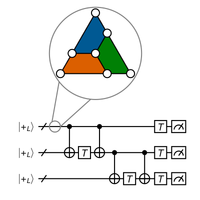
Phys. Rev. X 16, 041048 (2026)
Exponential Onset of Scalable Entanglement via Twist-and-Turn Dynamics in XY Models
Article | | 2026-11-19 05:00 EST
Tommaso Roscilde, Meenu Kumari, Alexandre Cooper, and Fabio Mezzacapo
Researchers show that twist-and-turn dynamics in power-law interacting spin lattices drives an exponential onset of scalable multipartite entanglement.

Phys. Rev. X 16, 041049 (2026)
arXiv
A Liquid Film Can Survive without Being Bulk-Like: Rupture and Mechanical Isotropy Set Different Thickness Limits in Lennard-Jones Films
New Submission | Soft Condensed Matter (cond-mat.soft) | 2026-11-20 20:00 EST
Jose Luis Altamirano-Corona, Alfonso Lemus-Solorio, Francisco Villanueva-Mejia, Mariana Ramos-Estrada, Jose L. Rivera
How thick must a liquid film be before its middle behaves like ordinary bulk liquid? Free-standing films are the standard geometry for computing surface properties by molecular simulation and the simplest model of soap and foam films, coatings and polymer layers, yet the question is seldom answered quantitatively. We answer it for Lennard-Jones films by comparing two criteria: whether the film survives without rupturing, and whether the lateral pressure at its center has relaxed to the bulk value. Covering three interaction ranges (cutoffs rc = 3.5-7.5 times sigma), three temperatures and lateral system sizes from 20 to 100 times sigma, we find that the two criteria give different thicknesses and respond to different parameters. Films thinner than 6-7 times sigma (about 2 nm for argon) rupture within 105 tau (~0.2 microseconds); this kinetic limit hardly depends on the interaction range but grows with the lateral size of the system, and close to it rupture is an activated event. The center becomes mechanically bulk-like only at a larger thickness h\ast, where the tangential anisotropy computed with the Irving-Kirkwood definition falls below 0.003 epsilon x sigma^3; h\ast grows from ~11 times sigma (3.8 nm) to ~15 times sigma (5 nm) as the cutoff increases from 3.5 to 7.5 times sigma, but it is nearly independent of temperature and of lateral size. Between the two limits films are long-lived yet perturbed throughout. Neither the surface tension, which shows no thickness dependence, nor the central density, whose relative deficit is about 16 times smaller than the relative anisotropy, reveals this perturbation: the stress detects confinement before the structure does.
Soft Condensed Matter (cond-mat.soft), Chemical Physics (physics.chem-ph)
21 pages
Exact Fractional Chern Insulators from Hubbard Interactions
New Submission | Strongly Correlated Electrons (cond-mat.str-el) | 2026-11-20 20:00 EST
Jonah Herzog-Arbeitman, Rui-Heng Liu, Jiangping Hu, Chen Fang
Laughlin’s wavefunction and its parent interaction, Haldane’s pseudopotential, underpin our analytic understanding of fractional quantum Hall effect. They are an exact pair in the sense that the wavefunction is the unique, zero-energy ground state of its frustration-free parent Hamiltonian. In this work, we propose exact pairs of many-body wavefunctions for fractional Chern insulators in tight binding models with onsite Hubbard interactions as their parents. The key to our construction is introduction of a Landau-dual Chern band, a multi-orbital Chern band obtained from directly sampling the spin-$ s$ Dirac Landau level on a Bravais lattice. The exact many-body wavefunctions are given, analytically, in terms of the matrix coordinate $ X+iY+J$ , where $ (X,Y)$ are the lattice coordinates and $ J$ is a nilpotent matrix in spin space. The constructed exact pairs cover the fractional Chern states of the Laughlin, the Read-Rezayi, and the Halperin series. Our results prove that FCI ground states exist beyond ideal bands.
Strongly Correlated Electrons (cond-mat.str-el)
Umklapp-enhanced high-$T_c$ topological superconductivity mediated by magnons in $p$-wave magnets
New Submission | Superconductivity (cond-mat.supr-con) | 2026-11-20 20:00 EST
Kristoffer Leraand, Asle Sudbø
We show that magnon exchange can induce nodal topological superconductivity in a microscopic model of a $ p$ -wave magnet. Solving the weak-coupling multiband gap equation for itinerant electrons exchange-coupled to localized spins, we find a nodal $ p$ -wave gap and a critical temperature that rises sharply as the Fermi surface approaches the magnetic Brillouin-zone boundary. In this regime, small-reduced-momentum magnons can scatter electrons between Fermi-surface segments on opposite sides of the zone. These Umklapp processes enhance pairing because the contributions from different sites in the magnetic unit cell cancel less in their electron-magnon vertices than in those for ordinary scattering at comparable reduced momenta. Momentum-resolved winding numbers predict zero-energy Majorana flat bands at symmetry-preserving edges where the bulk nodes project to distinct momenta.
Superconductivity (cond-mat.supr-con)
6+21 pages, 2+3 figures
First order vortex-unbinding transition in 2D topological superconductors
New Submission | Superconductivity (cond-mat.supr-con) | 2026-11-20 20:00 EST
We study the fate of the Berezinskii–Kosterlitz–Thouless (BKT) transition in a two-dimensional topological superconductor whose vortex cores each host an isolated Majorana zero mode, energetically well separated from the bulk gap and other bound states of the vortex. When the Majorana localization length $ \xi_F$ exceeds the vortex core size $ \xi$ , nearby vortices acquire an additional short-range attractive channel from Majorana hybridization, modifying the vortex-antivortex interaction at short distances and generating a metastable minimum in the two-vortex free energy above the nominal $ T_{BKT}$ . We construct an effective field theory for the resulting dilute vortex gas, coupling the ordinary BKT phase field to an additional field encoding the Majorana-mediated interaction, and show, using renormalization-group and instanton methods, that this hybridization can drive the transition first order, with the metastable phase decaying at an exponentially small rate. We propose an array of Josephson-coupled $ p+ip$ superconducting islands as a microscopic platform realizing the required hierarchy of scales. Finally, we discuss experimental signatures of this first-order transition, in particular a hysteresis loop whose width is set by the coexistence window.
Superconductivity (cond-mat.supr-con)
25 pages, 10 figures
Chern Numbers from Symmetry-Enforced Zeros and Dispersion Shifts
New Submission | Mesoscale and Nanoscale Physics (cond-mat.mes-hall) | 2026-11-20 20:00 EST
Yoonseok Hwang, Henry Davenport, Frank Schindler
Wave-function zeros and their local vorticities provide a complementary characterization of Chern topology to more commonly used Berry-curvature formulations. Using wave-function overlaps between a Chern band and freely chosen reference states, we show that crystalline symmetry can enforce their zeros and fix their vorticities modulo the rotation order from the angular momenta of the band and reference state. We further show that weak local perturbations produce band-dispersion shifts proportional to the absolute square of the overlap, allowing its zeros and local structure to be read off directly from the dispersion. Combined with crystalline symmetry, this can identify Chern topology without measuring wave-function phases. Our construction applies to multicomponent and multiband wave functions and allows reference states whose momentum-space representation may vanish at some momenta. This permits compact localized states to be used directly as reference states and makes use of their known real- and momentum-space properties in flat-band systems. The dispersion shift near an overlap zero further provides a lower bound on the quantum metric at the zero.
Mesoscale and Nanoscale Physics (cond-mat.mes-hall)
7+20 pages, 1+2 figures
Anyon Coherent States in Fractional Chern Insulators
New Submission | Strongly Correlated Electrons (cond-mat.str-el) | 2026-11-20 20:00 EST
Pedro Fittipaldi de Castro, Haylen Gerhard, Wladimir A. Benalcazar
In fractional quantum Hall (FQH) systems, coherent anyonic excitations are the natural entities for describing anyon dynamics, their interactions, and braiding, yet no general expression for their wavefunctions is known beyond Laughlin’s quasiholes. We introduce a systematic, operator-based construction of maximally-localized wavefunctions of anyons of either charge in FQH states and fractional Chern insulators, including those in non-ideal, non-vortexable bands. We find that these wavefunctions describe coherent quasiparticles: zero modes of local annihilation operators that saturate projected-density uncertainty bounds. These coherent states owe their existence to a nontrivial topology of the anyon band, with the winding of their Bloch coefficients encoding an anyon band’s Chern number. As such, their guiding centers exist anywhere within the lattice, and their mutual overlaps decay as Gaussians determined by the effective magnetic length of the anyon band.
Strongly Correlated Electrons (cond-mat.str-el), Mesoscale and Nanoscale Physics (cond-mat.mes-hall)
6 pages and 3 figures in the main text; 27 pages and 13 figures in total, including appendices
Topological (in)equivalence encoded in zeros of wavefunction overlaps
New Submission | Mesoscale and Nanoscale Physics (cond-mat.mes-hall) | 2026-11-20 20:00 EST
Carolina Paiva, Bruno Mera, Roni Ilan, Raquel Queiroz
Topological equivalence between two gapped band structures is determined by whether their occupied states can be continuously deformed into one another without closing the energy gap or breaking the protecting symmetries. We show that this relative topology can be read directly from the overlap matrix between the two occupied subspaces, in a way that treats Chern and $ \mathbb{Z}_2$ invariants within a single framework. The determinant of the overlap matrix defines a global section of a line bundle over the Brillouin zone, which vanishes at the momenta where the map between the subspaces fails to be invertible. A singular connection, whose curvature is concentrated at these zeros, assigns each zero an integer charge given by its phase winding. In two-dimensional class A, the total charge equals the difference between the Chern numbers of the two systems. In class AII, time reversal pairs zeros of opposite charge, and the relative $ \mathbb{Z}_2$ invariant is the parity of the total charge in half the Brillouin zone; the Kane-Mele Pfaffian is recovered as a special case. The zeros coincide with the gap closings of an interpolation between the two systems, and crystalline symmetries constrain their positions and charges. We illustrate the construction in the Haldane, Kane-Mele, and Qi-Wu-Zhang models, including cases where rotation symmetry alone enforces the zeros.
Mesoscale and Nanoscale Physics (cond-mat.mes-hall), Mathematical Physics (math-ph)
18+38 pages, 10 figures
Quantum many-body scars and zero modes in the spin-1 Kitaev chain
New Submission | Strongly Correlated Electrons (cond-mat.str-el) | 2026-11-20 20:00 EST
We study the spin-1 Kitaev chain and, by analyzing its Hilbert-space connectivity in the Cartesian basis, show that it hosts an exponentially large number of exact zero-energy modes protected by chiral symmetry. For even-length periodic chains, their count is lower-bounded by the Jacobsthal number $ (2^{L+1}+1)/3$ , where $ L$ is the chain length. We then construct an exponentially large number ($ 2^{L/2}$ ) of zero modes with an analytic expression that have a maximally mixed density matrix for a contiguous bipartition using the operator-state mapping. We further identify an embedded tight-binding structure governing defect dynamics that supports PXP-like quantum many-body scars (QMBS) in multiple sectors previously not reported. The associated forward-scattering approximation (FSA) Hamiltonian takes a universal form across the scarred sectors studied. A simple physical picture of defects propagating between walls provides an intuitive description of these dynamics and a structural guide to identifying sectors with fidelity revivals, while its limitations point to additional scarring mechanisms.
Strongly Correlated Electrons (cond-mat.str-el), Statistical Mechanics (cond-mat.stat-mech), Quantum Physics (quant-ph)
25 pages, 22 figures, comments are welcome
Chiral Phonons Protected by Symmetry in a Strongly Anharmonic Helical Material
New Submission | Materials Science (cond-mat.mtrl-sci) | 2026-11-20 20:00 EST
Supriyo Ghosh, Dipti Jasrasaria
How chiral phonons survive anharmonic phonon-phonon interactions, which underpin lattice dynamics at finite temperature, remains poorly understood. Using an ab initio many-body approach, we study crystalline tellurium (Te), a strongly anharmonic helical crystal. We show that rotational symmetries in Te impose pseudoangular momentum selection rules on phonon-phonon interactions, restricting mode mixing and scattering at rotationally invariant symmetry points in the Brillouin zone. These symmetries protect the circular polarization of vibrational modes at finite temperature but not their lifetimes such that the dynamic chirality of handed vibrational modes persists to 600 K, even as lifetimes drop sharply. We find that the temperature-dependence of angular momentum generated by a thermal gradient is governed by lifetimes rather than chirality, decreasing by two orders of magnitude between 10 and 600 K.
Materials Science (cond-mat.mtrl-sci), Chemical Physics (physics.chem-ph)
7 pages, 3 figures
Mixtures of a fluid with competing interactions and a simple solvent near a hard wall
New Submission | Soft Condensed Matter (cond-mat.soft) | 2026-11-20 20:00 EST
Ivan Kravtsiv, Oksana Patsahan, Taras Patsahan
We study a binary mixture of soft particles near a planar surface. The main component interacts through a competing short-range attraction and long-range repulsion (SALR) potential, modelled by a sum of three Yukawa terms, while the solvent and the cross interactions are described by two Yukawa terms. Using a field-theoretical mean-field approach we derive the coupled equations for the density profiles of both species, formulate the contact theorem for the two-component system, and obtain closed-form profiles in the mesoscopically homogeneous region by linearizing the theory and solving the associated eigenvalue problem. Their amplitudes are fixed by exact boundary conditions following from the continuity of the Yukawa potentials at the wall, which supply as many relations as there are unknowns. Although these conditions are implicit in the derivation of the contact theorem, they have not previously been used to fix the amplitudes of the linearized profiles, and they bring those profiles into quantitative agreement with the nonlinear solution. The equations are solved numerically for a fluid confined by hard walls. The theory predicts mixing of the two species far from the surface at high temperatures, and their microphase separation into alternating layers upon cooling or upon increasing the density. The mean-field profiles agree well with molecular dynamics data once the mean-field overestimate of the onset temperature of microsegregation is taken into account, and the analytical ones reproduce them closely except in the immediate vicinity of the wall.
Soft Condensed Matter (cond-mat.soft)
Where electrons conduct and where to change it: gauge-invariant sensitivities and the networks of sensitive bonds
New Submission | Disordered Systems and Neural Networks (cond-mat.dis-nn) | 2026-11-20 20:00 EST
Where is the electrical current carried in a disordered solid, and where would a local change alter it? The two questions differ. We answer the second exactly: the derivative of the Kubo-Greenwood conductivity with respect to the Hamiltonian is gauge invariant and gives the response to any local change. The construction applies to any Hamiltonian. We try it on amorphous silicon, with tight-binding cells of up to 10000 atoms and density-functional cells of up to 512 atoms, and compare it with three ways of allocating the conductivity: the space-projected conductivity (SPC), KuboMap, and the local density of states (LDOS). KuboMap follows the LDOS closely (median Spearman correlation 0.97). The sensitivity does not. It ranks the response to an on-site shift accurately and the response to removing an atom poorly, and it transfers between Hamiltonians less well than the other maps. The most sensitive bonds form connected clusters. In three large networks they are tree-like filaments of 24 to 38 atoms in the valence tail and looped networks deeper in the gap; the excess over an LDOS-weighted random selection reaches 48 standard deviations and appears only when the broadening spans about five level spacings. The filament overlaps the tail eigenstate with the most weight on it, and one of the leading conduction channels, far more than a random cluster does, but no single state or channel explains it. The networks are largely lost in thermal snapshots at 300 K. Where the conductivity is carried and where it responds are different problems: local transport maps are useful for the first and limited for the second.
Disordered Systems and Neural Networks (cond-mat.dis-nn)
A plane-wave auxiliary-field quantum Monte Carlo study of silicon point defects
New Submission | Materials Science (cond-mat.mtrl-sci) | 2026-11-20 20:00 EST
Moritz Humer, Faruk Salihbegovic, Martin Schlipf, Zoran Sukurma, Georg Kresse
Accurately predicting the energetics of point defects remains a formidable challenge in computational materials science. For the tetrahedral silicon self-interstitial, for example, previous periodic coupled-cluster [CCSD(T)] and diffusion Monte Carlo (DMC) calculations disagree by about 1.2 eV. Here, we present formation energies of silicon self-interstitials and vacancies using auxiliary-field quantum Monte Carlo (AFQMC) in a plane-wave basis formulated within the projector-augmented wave framework, and compare them with the random-phase approximation (RPA) and CCSD(T). Using 16- and 64-atom cells, we demonstrate that an RPA-based correction effectively removes the two-body finite-size errors that remain after twist averaging in AFQMC for bulk silicon and for the dumbbell and hexagonal self-interstitials. With this correction, we obtain formation energies of 4.4 eV and 4.6 eV for these two self-interstitials in 16-atom cells, in good agreement with DMC and transcorrelated coupled-cluster results. For the tetrahedral interstitial and the Jahn–Teller-distorted vacancy, 16-atom cells are too small to obtain realistic formation energies; in 64-atom cells, we obtain 5.7 eV and 5.2 eV, respectively. With identical setups in 16-atom cells, CCSD(T) yields systematically lower formation energies than AFQMC, with the largest difference, 250 meV, for the tetrahedral interstitial. Our results indicate that the earlier overestimation of CCSD(T) for the tetrahedral interstitial stems from the finite-size treatment in the coupled-cluster workflow rather than from multi-configurational character of the defect.
Materials Science (cond-mat.mtrl-sci), Computational Physics (physics.comp-ph)
Machine Learning-Driven High-Throughput Screening of Equimolar and Non-Equimolar High-Entropy Carbides
New Submission | Materials Science (cond-mat.mtrl-sci) | 2026-11-20 20:00 EST
Arina A. Svinukhova, Faisal Baber, Michel M. Lukanov, Viktor S. Baidyshev, Daria Terentieva, Alexander Ya. Pak, Alexander G. Kvashnin
Search for optimal compositions among high-entropy ceramics are challenging due to large composition space, which are unable to test either experimentally or by \textit{ab initio} calculations. Here we present a high-throughput screening for equimolar and non-equimolar high-entropy carbides (HEC) among group IVB and VB transition metals (Ti, Zr, Hf, V, Nb and Ta). Large Atomistic Model MACE, and deep learning based interatomic potential DeePMD trained on \textit{ab initio}-based dataset of structures are used to effectively screen over the thousands of potential non-equimolar compositions among high-entropy carbides of Ti, Zr, Hf, V, Nb and Ta transition metals. A set of both equimolar and non-equimolar HECs are predicted to be stable in order to further synthesize those compositions based on the predictions.
Materials Science (cond-mat.mtrl-sci)
11 pages, 4 figures
The phase diagram of fluid hydrogen near melting from machine-learned interatomic potentials trained on quantum Monte Carlo
New Submission | Strongly Correlated Electrons (cond-mat.str-el) | 2026-11-20 20:00 EST
Shubhang Goswami, Hongwei Niu, Ilnur Saitov, Mathieu Istas, Yubo Yang, Scott Jensen, Markus Holzmann, Carlo Pierleoni, David Ceperley
Dissociation of molecular hydrogen increasing temperature or pressure may either occur gradually or abruptly, via a phase transition. Despite considerable experimental and theoretical efforts, the phase diagram of dense hydrogen at temperatures above solid melting is not precisely known. Here, we perform classical and quantum Path Integral molecular dynamics simulations of dense hydrogen using two machine-learned interatomic potentials both trained on quantum Monte Carlo energies and forces. The resulting phase diagram is constructed using state-of-the-art techniques. Both models show a first-order phase transition from the molecular to the atomic liquid terminating in critical points whose locations were determined using finite-size scaling techniques. Triple points, located at the highest temperature of the melting curve, are found at the intersection of the liquid-liquid lines with the melting curve and should lead to clear signatures in ramp compression experiments.
Strongly Correlated Electrons (cond-mat.str-el), Statistical Mechanics (cond-mat.stat-mech)
A Symmetry-Stratified Framework for Phase Transitions: Thermodynamic States, Critical Dynamics, and Spectral Mechanical Signatures
New Submission | Materials Science (cond-mat.mtrl-sci) | 2026-11-20 20:00 EST
Structural symmetry, thermodynamic phase stability, and elastic-wave response provide related but distinct descriptions of a transforming solid. We formulate a symmetry-stratified framework that connects these descriptions through a finite-dimensional internal state and a parent-invariant free energy. Stabilizers classify structural states, whereas free-energy comparisons and stability conditions determine equilibrium branches and dissipative evolution. Equivariance ensures that the frozen elastic tangent inherits the structural stabilizer. Equality requires additional identifiability conditions. Little-group representations and degenerate perturbation theory then determine whether an acoustic doublet splits and the first nonzero splitting order $ p$ . On a selected continuous branch with order-parameter exponent $ \beta$ , a regular, observable acoustic gap scales as $ |t|^{p\beta}$ , provided critical self-energies and structural relaxation do not dominate the measurement. Explicit tensorial and cubic-to-tetragonal realizations yield linear and quadratic splitting channels, together with directionally protected degeneracies. Separate numerical benchmarks examine free-energy reconstruction, coexistence, elastic compatibility, finite-temperature spectra, and controlled critical readouts. Reanalysis of NiTi measurements illustrates effective elastic degeneracy, thermal-history dependence, and the predictive value of independently measured phase fractions. Most importantly, the framework identifies the constitutive and measurement assumptions required to infer structural changes from mechanical spectra.
Materials Science (cond-mat.mtrl-sci), Statistical Mechanics (cond-mat.stat-mech), Applied Physics (physics.app-ph)
Single-Crystal Growth, Structure, and Physical Properties of Yb2MoO6
New Submission | Materials Science (cond-mat.mtrl-sci) | 2026-11-20 20:00 EST
Ali Sarikhani, Santhoshkumar Sundaramoorthy, Sadracd Gamez, Mathew Pollard, Deepak Singh, Jeremy Watts, Steven Kelley, Amitava Choudhury, Yew San Hor
Rare-earth molybdates are functional oxides of considerable interest because their structural and chemical flexibility enables diverse magnetic, electronic, and optical behavior. Here, millimeter-sized single crystals of $ Yb_2MoO_6$ are synthesized, their crystal structure determined and physical properties investigated. Single-crystal X-ray diffraction confirms the formation of $ Yb_2MoO_6$ and yielded lattice parameters of $ a = 16.228(2)$ $ \mathring{A}$ , $ b = 10.901(3)$ $ \mathring{A}$ , and $ c = 5.286(2)$ $ \mathring{A}$ , in good agreement with previously reported neutron powder diffraction data. Scanning electron microscopy and energy-dispersive spectroscopy show a Yb:Mo ratio close to the expected 2:1 stoichiometry. Optical measurements based on diffuse-reflectance spectra and Tauc analysis yield an estimated optical gap of $ \sim 3.28$ eV under the direct-allowed transition assumption. Magnetic susceptibility measurements reveal Curie-Weiss-like paramagnetic behavior, with an effective magnetic moment of $ \mu_{\mathrm{eff}} \approx 4.2\mu_B$ per Yb and an apparent Weiss temperature of $ \theta \approx -65.7$ K, consistent with possible antiferromagnetic interactions or correlations, with no clear magnetic-ordering transition observed down to 10 K. These results establish the growth of $ Yb_2MoO_6$ single crystals and provide initial insight into their structural, optical, and magnetic properties.
Materials Science (cond-mat.mtrl-sci)
Molecular engineering for crack-free transfer of single-crystalline oxide membranes onto silicon
New Submission | Materials Science (cond-mat.mtrl-sci) | 2026-11-20 20:00 EST
Jeongkeun Song, Jihye Choi, Benjamin Doughty, Young-Hoon Kim, Keun-Yeol Park, Uvinduni I. Premadasa, Miaofang Chi, Seung Sae Hong, Celesta S. Chang, Zheng Gai, Ambrose Seo, Tomonori Saito, Ho Nyung Lee
Heterogeneous integration of single-crystalline complex oxides with silicon offers a route to incorporating their functionalities into next-generation microelectronics. Released from their growth substrates, freestanding oxide membranes enable this integration. However, cracks, wrinkles, and fragmentation during release and transfer limit membrane size and quality. Here, we present an interfacial energy-controlled release strategy that enables crack-free, single-crystalline freestanding oxide membranes with centimeter-scale lateral dimensions. Using SrTiO3 as a model system, time-resolved release studies identify water-induced blistering at the membrane-support interface during prolonged water exposure as the origin of membrane cracking. Lowering the molecular weight of the poly(propylene carbonate) support through polymer deconstruction increases its polarity and surface energy, suppresses interfacial blistering, and reduces organic residue after support removal. The resulting SrTiO3 membranes exhibit optical properties comparable to those of bulk single crystals. We extend this approach to the metallic ferromagnet La0.7Sr0.3MnO3, obtaining crack-free membranes on Si that preserve ferromagnetism and metallicity.
Materials Science (cond-mat.mtrl-sci)
27 pages, 4 figures
Altermagnetic magnon splitting in hematite: from bulk g-wave to planar i-wave
New Submission | Materials Science (cond-mat.mtrl-sci) | 2026-11-20 20:00 EST
Tobias Dannegger, Julian A. Beisch, Levente Rózsa, László Szunyogh, Ulrich Nowak
Hematite is an insulating iron oxide with both a collinear antiferromagnetic and a weakly ferromagnetic phase with intriguing properties, such as long-range spin transport distances, that make it promising for spintronics applications. It has also been identified as a candidate for g-wave altermagnetism. Here, we present the results of fully relativistic ab initio calculations of the magnon properties of hematite, with a focus on altermagnetic effects. We quantitatively evaluate both the anisotropic and altermagnetic magnon band splitting as well as the magnon lifetimes. We show that dipolar interactions lead to a sizeable non-altermagnetic splitting and a hybridisation between opposite-chirality magnons resulting in a strong reduction of the spin expectation value of magnons close to the {\Gamma} point and around nodal planes, even in the collinear out-of-plane phase. Both the frequencies and the lifetimes have a large altermagnetic splitting in the $ k_z = 0$ plane, which is characteristic of hematite and not generally expected for g-wave altermagnets. We compare our results to the prototypical, hexagonal g-wave altermagnet manganese telluride, which has four symmetry-protected nodal planes, whereas the fourth nodal surface in hematite is not completely fixed by symmetry. We derive implicit analytical expressions for this surface and discuss how it arises from a combination of rotational and translational symmetry, which leads to a transition to i-wave symmetry at the Brillouin zone boundary. The example of hematite reveals the trigonal altermagnets as a special case where the splitting function exhibits both bulk (g-wave) and planar (i-wave) components, and shows that the point symmetries alone are not sufficient to capture the full symmetry-determined behaviour of the splitting function.
Materials Science (cond-mat.mtrl-sci)
9 pages, 7 figures
Canted antiferromagnetism and spin-flop transition in honeycomb $α$-Na$_2$PrO$_3$ revealed by angle-dependent torque magnetometry up to 35 T
New Submission | Strongly Correlated Electrons (cond-mat.str-el) | 2026-11-20 20:00 EST
Kylie MacFarquharson, Ryutaro Okuma, Matthew Pearce, Amalia I. Coldea, Alix McCollam, Roos Leenen, Uli Zeitler, Yurii Skourski, Radu Coldea
We report angle-dependent piezocantilever torque measurements on single crystals of the honeycomb magnet $ \alpha$ -Na$ _2$ PrO$ _3$ , proposed to display unconventional magnetism stabilized by anisotropic exchange interactions between spin-orbit entangled, pseudospin 1/2 Pr$ ^{4+}$ magnetic moments. Previous powder susceptibility observed signatures of a transition at low temperatures to antiferromagnetic order with a weak ferromagnetic moment. From the torque angular dependence in three orthogonal crystallographic planes, we infer a zero-field canted antiferromagnetic structure, with moments almost normal to the honeycomb layers, but weakly canted such as to give rise to a spontaneous magnetization along the in-plane monoclinic $ a$ -axis, with two magnetic domains related by time reversal. Sharp jumps in the torque angular dependence when the field projection along $ a$ changes sign are interpreted as field-induced switching between the two degenerate domains with oppositely aligned ferromagnetic moments. We propose a minimal spin Hamiltonian including easy-axis exchange anisotropy and symmetry-allowed Dzyaloshinskii-Moriya (DM) couplings, for which mean-field calculations reproduce the main features of the observed angle-dependent torque. Torque measurements up to 35 T applied almost normal to the layers observe a strong anomaly attributed to proximity to the field-induced spin-flop transition predicted for the above Hamiltonian. We contrast the predicted magnetic phase diagrams for magnetic fields in different orthogonal crystallographic planes normal to the honeycomb layers and discuss how DM interactions convert some transitions into smooth crossovers and stabilize a phase boundary line connecting the spin-flop transition in field normal to the layers to magnetization saturation for in-plane field normal to $ a$ ; such a phase boundary line does not exist in the absence of DM interactions.
Strongly Correlated Electrons (cond-mat.str-el)
19 pages, 15 figures
Learning Spin Hamiltonians from Interacting Magnon Spectra
New Submission | Strongly Correlated Electrons (cond-mat.str-el) | 2026-11-20 20:00 EST
Ang-Kun Wu, David A. Dahlbom, Kipton Barros, Cristian D. Batista, Hao Zhang
A neural network that learns an inverse map inherits the approximations of the forward solver used to generate its training data. We demonstrate this in the inference of spin Hamiltonians from synthetic neutron-scattering spectra and show how a fast many-body solver can overcome the limitation of linear spin-wave theory (LSWT). We consider a family of anisotropic triangular-lattice spin Hamiltonians at fields just above saturation, where magnon interactions shift and broaden the spectrum in ways that LSWT cannot capture. Using the truncated Hilbert-space ladder (THL) method, we compute the dynamical spin structure factor (DSSF) nonperturbatively within the one- and two-magnon space. THL is fast enough to generate large training sets of DSSF spectra, enabling us to train neural networks that accurately predict Hamiltonian parameters. By empirically benchmarking several neural-network architectures, we find that a one-dimensional convolutional network performs best. A learned forward decoder then reconstructs the DSSF from the predicted parameters, providing a rapid self-consistency check and a visualization of the predicted response. When interactions are strong, networks trained on LSWT and THL spectra infer markedly different parameters. Analysis of the Fisher information matrix shows that the measurement protocol, including which spin-correlation components are resolved and the momentum cut, determines which couplings can be identified. Combining machine learning with fast many- body theory is therefore essential for quantitative Hamiltonian inference from scattering data.
Strongly Correlated Electrons (cond-mat.str-el)
14+16 pages, 5+8 figures
Symmetry-resolved spectroscopy of truncation-induced perturbations in loop tensor network renormalization of the six-vertex model
New Submission | Strongly Correlated Electrons (cond-mat.str-el) | 2026-11-20 20:00 EST
Akira Otsuki, Yuta Yamamoto, Kokin Cho, Rikuto Fushio, Masahito Yamazaki
Tensor network renormalization at finite bond dimension $ \chi$ introduces truncation errors that are amplified by the renormalization-group (RG) flow. For loop tensor network renormalization (LoopTNR) on the $ c=1$ critical line of the six-vertex model, with Luttinger parameter $ K$ , we identify these errors operator by operator from symmetry-resolved transfer-matrix spectra and conformal perturbation theory. With $ O(2)$ symmetry imposed, the dominant error is the dimerization operator, which is allowed because LoopTNR breaks one-site translation. With less symmetry it is the $ U(1)$ current or a charge-two vertex operator. The growth of the dimerization per RG step and a parameter-free ratio of its amplitudes agree with conformal perturbation theory to within a few percent. The parameter $ K$ drifts slowly, owing to a weak marginal error and to the running induced by the dimerization. A larger $ \chi$ lowers the initial amplitude of the error for $ 0.75\le K\le 1.5$ but changes neither the operator nor its growth rate.
Strongly Correlated Electrons (cond-mat.str-el), Statistical Mechanics (cond-mat.stat-mech), High Energy Physics - Theory (hep-th)
25 pages, 15 figures
Circuit model for gate-induced excitation of quantum Hall edges tuned by DC gate bias
New Submission | Mesoscale and Nanoscale Physics (cond-mat.mes-hall) | 2026-11-20 20:00 EST
Kodai Sugizaki, Takaaki Mano, Go Yusa
Edge excitations, which propagate along the edge of a quantum Hall system, are of great interest in the study of low-dimensional electron systems and mesoscopic transport phenomena. In this study, we investigate the relationship between the input voltage and the excitation waveform for gate-induced excitations. By varying the offset voltage applied to the gate, we observe that the excitation waveform changes from a first-derivative-like response to a response proportional to the input waveform in the time domain. In the frequency domain, we observe that the frequency dependence of the gate excitation changes significantly as the offset voltage crosses the pinch-off voltage. We show that these changes can be described by a single equivalent circuit model with different effective gate-2DEG capacitances on either side of the pinch-off voltage. In addition, we confirm that the effective capacitance obtained from the fitting of the model with the experimental data is consistent with the capacitance calculated from the device structure.
Mesoscale and Nanoscale Physics (cond-mat.mes-hall)
Magnetic order in Tb and Dy substituted La3Ni2O7 and effects of high-pressure high-temperature O2 annealing
New Submission | Superconductivity (cond-mat.supr-con) | 2026-11-20 20:00 EST
Yuhang Deng, Farhad Taraporevala, Jui-Chia Lee, Zhekai Yang, Gabriel Mee, Swadhin Rout, Richard Erber, Fábio Abud, Renato F. Jardim, Maxim Avdeev, Jeffrey W. Lynn, M. Brian Maple
To study the influence of magnetic lanthanide (Ln) substituents on La3Ni2O7, polycrystalline samples of La3-xLnxNi2O7 (Ln = Pr, Eu, Gd, Tb, Dy, Ho, Er, Tm, and Yb) were synthesized and characterized by electrical transport, magnetization, and x-ray and neutron powder diffraction before and after high-pressure high-temperature oxygen annealing. The annealing process led to the formation of La3Ni2O7 polymorphs and more metallic-like temperature dependence of the electrical resistance while changing the density-wave transition temperature only slightly. For unannealed La2.7Tb0.3Ni2O7 and La2.7Dy0.3Ni2O7, distinct features in the magnetic susceptibility and additional magnetic peaks in neutron diffraction patterns indicate that both samples develop long-range magnetic order below ~13 and 11 K, respectively. The magnetic signatures were strongly suppressed following oxygen annealing, suggesting a possible association with the accompanying structural modifications. These behaviors distinguish Tb and Dy from Pr, Nd, and Sm substituents which do not introduce magnetic ordering in the system, establishing La3-xTbxNi2O7 and La3-xDyxNi2O7 as promising platforms for exploring the interplay between magnetic order and pressure-induced superconductivity in La3Ni2O7.
Superconductivity (cond-mat.supr-con)
Weakly coordinating anions and solvents break the conductivity-transference-solvation tradeoff
New Submission | Materials Science (cond-mat.mtrl-sci) | 2026-11-20 20:00 EST
Alex Liu, Ganesh Raghavendran, Eric S. Yang, Kevin J. Anderton, Vibhu Vardhan Singh, Aiden Larson, Kun Ryu, Kent J. Griffith, Joshua S. Figueroa, Ying Shirley Meng, Tod A. Pascal
Lithium-metal batteries promise high energy density, but common electrolytes trade ionic conductivity against the share of current carried by lithium ions and against how strongly solvent binds those ions. We show that simultaneously weakening both interactions of the lithium ion, with solvent and with anion, relaxes this trade-off. Thus, a weakly coordinating perfluorinated alkoxyaluminate salt in liquefied fluoromethane conducts 39.2 mS cm$ ^{-1}$ at 25 $ ^\circ$ C while maintaining a lithium-ion transference number of 0.71. Molecular dynamics simulations further reveal that the anion prevents persistent ion aggregation and lowers the salt’s dissociation penalty. Consistent with these properties, nickel-rich cathode/lithium-metal anode full cells charge at 10C at room temperature and at 2C at $ -40$ $ ^\circ$ C. We advance coordination strength as a design axis for future energy storage devices.
Materials Science (cond-mat.mtrl-sci)
12 pages, 4 figures. Submitted to Science. Under review
Generalized Critical-State Analysis of Local Field Screening in High-Pressure Yttrium Polyhydride
New Submission | Superconductivity (cond-mat.supr-con) | 2026-11-20 20:00 EST
A. G. Gavriliuk, I. A. Troyan, A. A. Mironovich, A. G. Ivanova, H.-K. Mao, V. V. Struzhkin
We resolve the long-standing controversy over the interpretation of magnetic-flux expulsion in high-pressure superhydrides by measuring the local magnetic field adjacent to yttrium polyhydride at 171 GPa and 4.1 K with a $ ^{57}$ Fe Mössbauer sensor. Nuclear forward scattering tracks the local induction $ B_{\rm sensor}(B_a)$ , which nearly merges with the normal-state line near 1.5 T. Rather than assuming a constant-current Bean state, we solve the critical-state problem for the actual thin-disk geometry using the Shantsev–Clem–Sanchez method and compare generalized field-dependent critical-state models. Both the Kim and exponential laws reproduce the measured virgin branch, whereas the constant-$ J_c$ Bean model fails. The corresponding zero-field critical-current densities, $ (4.38\pm1.48)\times10^{11}$ and $ (2.45\pm0.22)\times10^{11}$ A/m$ ^2$ , respectively, are consistent in order of magnitude with transport estimates for granular YH$ _6$ . These results establish that the observed flux expulsion is a pinned critical state, not the equilibrium Meissner effect, and demonstrate a general methodology for probing local superconductivity under extreme conditions.
Superconductivity (cond-mat.supr-con)
Origin and hole-density dependence of the intrinsic spin Hall conductivity in inorganic halide perovskites
New Submission | Materials Science (cond-mat.mtrl-sci) | 2026-11-20 20:00 EST
Thanh Tung Huynh, Yuefeng Yin, Weiyao Zhao, Junlin Yan, Qurat Ul Ain, Jacek J. Jasieniak, Julie Karel, Nikhil V. Medhekar
Metal halide perovskites have spin-orbit coupling among the strongest in semiconductors, yet whether their centrosymmetric bulk phases can convert charge current into spin current, and what controls the response, is unknown. Here we identify, from first-principles calculations on the four all-inorganic compounds CsBX3 (B = Pb, Sn; X = Br, I), the factors that govern their intrinsic spin Hall conductivity. The conductivity arises from the spin Berry curvature of the spin-orbit-split halide-p bands, 1.1-2.6 eV below the valence band maximum, and exceeds that of III-V and group-IV semiconductors when the Fermi level lies inside them. Because the valence band maximum is an s-p singlet, shifted only in second order, these contributions cancel in the undoped compounds, which respond like conventional semiconductors. With hole doping the response recovers, and at densities reachable by electric double-layer gating CsPbI3 attains the spin Hall conductivity of p-GaAs. The response is therefore determined by the position of the halide-p bands relative to the valence band maximum, not by the atomic spin-orbit constant, a criterion that applies to any semiconductor with an orbital-singlet band edge. These results point to CsPbI3 as a candidate gate-controlled source of spin current for perovskite spin-orbit torque devices.
Materials Science (cond-mat.mtrl-sci)
The manuscript is 30 pages in total, including the Supporting Information. The main text is 20 pages with 4 figures and 2 tables, and the Supporting Information is 10 pages with 6 figures and 6 tables
Dynamical Variational Theory of Stochastic Reaction Networks
New Submission | Statistical Mechanics (cond-mat.stat-mech) | 2026-11-20 20:00 EST
Discrete stochastic population dynamics describe systems ranging from biochemical reaction networks and gene regulation to epidemic spreading, ecology, and population genetics, where finite populations generate strong intrinsic fluctuations. Predicting their dynamics, including mean populations, fluctuations, time-lagged correlations, response functions, and steady states, remains challenging: the chemical master equation admits no general analytical solution, numerical solutions scale poorly with system size, and standard approximations fail at low copy numbers. Using a field-theoretic representation of the reaction dynamics, we develop a dynamical variational approximation for stochastic reaction networks based on the Plefka expansion from spin-glass physics. For reaction systems with general stoichiometry and time-dependent rates, the expansion yields tractable non-Markovian effective dynamics with self-consistent memory. We further introduce a generalized self-consistent bubble resummation that provides closed predictions for means, correlations, and response functions. The formulation applies broadly to discrete stochastic population dynamics on networks, and we provide a numerical implementation with adaptive time stepping for user-defined systems. We benchmark the method on stochastic gene regulation, enzyme kinetics, and infection dynamics, where it accurately captures both time-dependent behaviour and steady states, including fluctuation-driven effects missed by conventional approximations. Together, these results establish a general analytical framework for stochastic reaction dynamics across transient and stationary regimes in strongly fluctuating low-copy-number systems.
Statistical Mechanics (cond-mat.stat-mech), Molecular Networks (q-bio.MN), Populations and Evolution (q-bio.PE)
25 pages, 9 figures
Topological Bound States in the Continuum
New Submission | Mesoscale and Nanoscale Physics (cond-mat.mes-hall) | 2026-11-20 20:00 EST
Dan-Na Liu, J. Villavicencio, Pierre A. Pantaleon
We uncover topological bound states in the continuum in AB-stacked bilayer graphene mass-wall junctions. Valley topology supports interface states propagating along the wall, while a distinct winding of the confinement conditions governs exact decoupling from conducting leads. Tuning the junction length or interlayer bias can merge oppositely charged bound states and remove confinement without changing the valley topology. At generic critical points, the state remains bound and nearby resonance widths open quartically with momentum. These results connect complementary roles of topology in interface propagation and confinement within a conducting continuum.
Mesoscale and Nanoscale Physics (cond-mat.mes-hall)
6 pages, 3 figures, including supplementary information. Comments are very welcome
Momentum-space quantum Monte Carlo for twisted bilayer graphene: Interaction effects in the presence of remote bands
New Submission | Strongly Correlated Electrons (cond-mat.str-el) | 2026-11-20 20:00 EST
Shibo Shan, Cheng Huang, Zi Yang Meng
Twisted bilayer graphene hosts strong correlation effects within topological flat bands separated from remote dispersive bands. This separation motivates projection onto the central bands, which greatly reduces the computational complexity of many-body calculations, including momentum-space quantum Monte Carlo (QMC) simulations. However, the interaction-induced Mott gap obtained in the projected model can be comparable to the noninteracting flat–remote band separation, raising the question of whether the projection remains valid. Here, we extend momentum-space QMC to explicitly include remote BM bands within a broad energy window at charge neutrality. We find that the projected description remains reliable over a broad parameter regime, up to $ u_0/u_1\lesssim0.9$ : the projected and remote-band calculations yield similar low-energy electron and trion spectra, and the Kramers intervalley-coherent ground state remains stable. In particular, the Dirac trion remains robust in the finite-temperature normal state when remote bands are included. Near the band-touching limit $ u_0=u_1$ , remote-band electrons acquire substantial low-energy spectral weight, accompanied by suppression of the trion weight and loss of the Kramers intervalley-coherent state. Our findings establish the broad validity of flat-band projection while reconciling the projected and THF viewpoints by identifying the near-band-touching regime in which explicit remote-band degrees of freedom become essential.
Strongly Correlated Electrons (cond-mat.str-el), Quantum Physics (quant-ph)
7 pages, 5 figures
Topological trapping of active tracers in branched ring polymer matrices
New Submission | Soft Condensed Matter (cond-mat.soft) | 2026-11-20 20:00 EST
Rahul Bag, Baburao Simma, Vrinda Garg, Surya K. Ghosh
Branched macromolecular architectures are ubiquitous in living systems and synthetic polymeric systems, create topologically complex media that strongly influence tracer dynamics beyond simple packing fraction-driven crowding effects. Motivated by biological systems such as amoebae, astrocytes, cytoskeletal assemblies, and cyclic bottlebrushes, we investigate active and passive tracer transport in polymeric environments of topologically distinct architectures. Here, using Langevin dynamics simulations, we focus on how polymer topology alters diffusion behavior in a branched-ring polymeric (BRP) environment. To isolate the role of intramolecular topology from monomer density, we specifically benchmark the BRP dynamics against an unlinked linear-ring polymer mixture (LRM). In general, we find that while passive tracers are largely unaffected by the polymer connectivity and bending rigidity, the self-propelled active tracers strongly distinguish between the two architectures. Increasing chain rigidity facilitates active diffusion in the unlinked LRM but strongly restricts mobility in the BRP matrix, driving a transition to pronounced long-time subdiffusion that becomes more prominent with propulsion strength. Different physical observables reveal that interconnected topological cages are formed in the stiff limit, leading to transient weak ergodicity breaking and leptokurtic displacement statistics. Further, the self-intermediate scattering function confirms that the short-range dynamics remain unaltered by the matrix connectivity, while relaxation at large spatial length scales is governed by the topological caging. Finally, varying the branch length and number, we identified an optimal branch architecture that maximizes active trapping. Our results establish that macromolecular connectivity and stiffness dominate the active transport even in the system of identical packing fraction.
Soft Condensed Matter (cond-mat.soft), Biological Physics (physics.bio-ph), Computational Physics (physics.comp-ph)
Scattering Circular Dichroism from Spatially Modulated Anisotropic Magnetic Dipoles in BiFeO$_3$
New Submission | Materials Science (cond-mat.mtrl-sci) | 2026-11-20 20:00 EST
Y. Ishii, N. Sasabe, T. Honda, S. Kawachi, T. Ito, A. Sumiyoshiya, H. Nomura, T. Nakamura, T. Arima, Y. Yamasaki
Antiferromagnets with broken time-reversal symmetry, including altermagnets, have attracted growing interest because they can exhibit ferromagnet-like responses, such as the anomalous Hall effect and magneto-optical effects, despite their compensated spin structures. Such time-reversal symmetry breaking is characterized by ferroic time-reversal-odd multipoles, distinct from the conventional spin and orbital moments. Among them, the anisotropic magnetic dipole (AMD), which reflects the local orbital anisotropy, shares the symmetry of magnetization and can have a ferroic component even when the spin moments cancel. AMD responses have thus far been identified primarily in antiferromagnets with unit-cell magnetic periodicity, whereas spatially modulated AMDs in long-wavelength magnetic textures remain unexplored. Here, we report resonant soft x-ray small-angle scattering measurements on the antiferromagnetic spin cycloid of the multiferroic BiFeO$ _3$ . We observe pronounced circular dichroism in the resonant scattering intensity, i.e., scattering circular dichroism, which is not expected from the established cycloidal and Dzyaloshinskii-Moriya-interaction-induced sinusoidal spin structures. We show that the staggered rotation of the FeO$ _6$ octahedra gives rise to ferroic AMD components despite the antiparallel spin alignment. As the local magnetic symmetry varies with the cycloidal phase, these AMDs are spatially modulated and produce the dichroism through interference with the sinusoidal spin component. Our findings demonstrate that long-wavelength antiferromagnetic textures can host spatially modulated AMDs, opening new avenues for exploring hidden multipole textures in magnetic and multiferroic materials.
Materials Science (cond-mat.mtrl-sci)
Comparative First-Principles Study of the Physical Properties, Phonon-Mediated Superconductivity and Functional Potential of Technetium-Based Binary Borides TcB2, Tc2B and Tc3B
New Submission | Superconductivity (cond-mat.supr-con) | 2026-11-20 20:00 EST
M. Rabi Us Sani Shapon, Jubair Hossan Abir, Md. Asif Afzal, Raihana Shams Islam, Saleh Hasan Naqib
Phonon-mediated superconductivity in binary transition-metal borides reflects a balance between the metal d-states, metal-boron bonding, and the lattice vibrations that couple to them. Here, we compare P6/mmm TcB2 at 20 GPa with I4/mcm Tc2B and P4/mmm Tc3B at 0 GPa within a first-principles framework. Their mechanical responses differ appreciably: TcB2 is the most rigid under its compressed condition, Tc2B shows the strongest tendency toward ductility, and Tc3B falls between the two. Despite these differences, all three phases remain metallic. The states at the Fermi level are dominated by Tc-4d character, although the extent of Tc-d/B-p mixing varies from one compound to another. Charge redistribution is more directional and B-centered in TcB2, but more delocalized around the Tc network in Tc2B and Tc3B. Inclusion of spin-orbit coupling leaves all three compounds metallic. The optical response remains metallic and electric field polarization dependent, with substantial visible reflectivity and strong ultraviolet absorption. Low-frequency Tc rich vibrations dominate the electron-phonon coupling (EPC). With {\mu}\ast = 0.10, the Tc values of TcB2, Tc2B, and Tc3B are 24.92, 11.07, and 15.12 K, respectively. Although Tc3B exhibits a higher electronic density of states at the Fermi level, N(EF), TcB2 couples most strongly to EPC-active low-frequency modes, showing that the superconducting hierarchy depends on electronic-phonon matching rather than DOS magnitude alone.
Superconductivity (cond-mat.supr-con), Materials Science (cond-mat.mtrl-sci)
Geometry-induced orientational trapping dictates escape of active rods in corrugated channels
New Submission | Soft Condensed Matter (cond-mat.soft) | 2026-11-20 20:00 EST
Baburao Simma, Rahul Bag, Hari K. Reddy, Radha Ramana, Vrinda Garg, Surya K. Ghosh
The non-equilibrium transport of anisotropic active matter through geometrically confined environments is fundamentally governed by the interplay between self-propulsion and geometry-induced entropic barriers. Using overdamped Langevin dynamics, we reveal contrasting escape mechanisms of self-driven rods in narrow corrugated channels by comparing smoothly varying sinusoidal (SC) geometries to circular (CC) cavities with localized, uniform curvature. We observe a strictly non-monotonic dependence of the mean first escape time (MFET) with increasing Peclet number (Pe) in the CC channel, contrary to the monotonic dependence in the SC channel. This non-monotonicity emerges from a competition between activity-enhanced escape at low-to-intermediate propulsion and persistent, geometry-induced orientational trapping along the circular boundary at high propulsion, which inhibits reorientation toward the exit neck. This regime crossover is further corroborated by trajectory-to-trajectory escape fluctuations and bimodal radial probability distributions reflecting persistent wall-collision and wall-aligned sliding transport. The self part of van-Hove correlation function exhibits distinct anisotropic non-Gaussian displacements in the SC channel, in contrast to symmetric profiles with extended active-trapping plateaus in the CC cavities. These results establish local channel topology as a critical determinant of confined active transport, with direct implications for microfluidic sorting, biological navigation, and targeted drug delivery in corrugated environments.
Soft Condensed Matter (cond-mat.soft), Biological Physics (physics.bio-ph), Computational Physics (physics.comp-ph)
13 pages, 7 figures in the main document
Interaction-driven phase transition between bosonic Moore-Read and Laughlin states in a multiple flat-band model
New Submission | Strongly Correlated Electrons (cond-mat.str-el) | 2026-11-20 20:00 EST
Licheng Wang, Jia-Yuan Wu, Dong-Hao Guan, Ai-Lei He, Yuan Zhou
Lattice models with multiple nearly flat bands provide additional degrees of freedom for realizing fractional Chern insulators and studying competition between distinct topological orders. Here we report numerical evidence for the interaction-driven phase transition between the non-Abelian and Abelian topologically ordered states at fixed filling factor in a multiple flat-band lattice model. We construct a six-site Kekulé lattice model with two low-energy nearly flat bands whose Chern numbers are $ 1$ and $ 0$ , respectively. At one boson per unit cell (a site filling of $ \frac{1}{6}$ ), the weak two-body repulsion favors a Moore-Read state predominantly occupying the lowest band, whereas stronger repulsion favors a Laughlin-like state with substantial occupations of both lower bands. We identify the two states by the low-energy spectra, particle entanglement spectra, and many-body Chern numbers, using the real-space and band-projected exact diagonalization, supplemented by infinite density-matrix renormalization group calculations. Our results provide alternative platform to study the quantum phase transition of distinct topological orders beyond the conventional multilayer systems.
Strongly Correlated Electrons (cond-mat.str-el)
9 pages, 5 figures
AdsNet: A Graph Neural Network for Direct Adsorption Energy Prediction
New Submission | Materials Science (cond-mat.mtrl-sci) | 2026-11-20 20:00 EST
Changzhi Ai, Frank Abild-Pedersen, Johannes Voss
Fast and accurate prediction of adsorption energies is critical for high-throughput computational catalyst screening, existing methods compromise either on evaluation speed (full-graph machine learning potentials) or geometric sensitivity (coordination-based models like the alpha-scheme). Here, we present AdsNet, an equivariant graph neural network that directly predicts adsorption energies in a single forward pass, which operates on a local graph restricted only to adsorbate atoms and its immediate surface neighbors within a cutoff radius. This local graph formulation decouples computational complexity from total system size while encoding continuous geometric features (interatomic distances and directional vectors) enabling sensitivity to subtle variations in local bonding environments. AdsNet adopts a message-passing architecture with scalar and vector node features over multiple interaction layers. Trained on AdsTraj, a dataset of 33,920 density functional theory (DFT) calculated structures spanning 26 transition metals and 6 adsorbates (H\ast, C\ast, O\ast, CO\ast, OH\ast, HOCO\ast), the model achieves an adsorption energy root-mean-square error (RMSE) of 0.032 eV and a force RMSE of 0.047 eV/A. Analytic forces obtained via automatic differentiation enable structure relaxation through a projected gradient descent algorithm with adaptive line search, eliminating entire geometry optimizations. Additionally, AdsNet uniquely decomposes predicted adsorption energies into contributions from individual atoms within the local adsorbate graph - an interpretability feature unattainable with conventional machine-learning potentials. AdsNet thus establishes an accurate, highly efficient, and interpretable framework for large-scale adsorption energy prediction and local interface relaxation across various material surfaces.
Materials Science (cond-mat.mtrl-sci), Machine Learning (cs.LG), Computational Physics (physics.comp-ph)
24 pages, 6 figures, 1 table; includes Supplementary Information (4 pages, 2 tables). AdsNet is MIT-licensed. Code: this https URL - Documentation: this https URL - Dataset (AdsTraj): this https URL - Model weights: this https URL
Thermally driven multiple sliding states and avalanche dynamics in rhombohedral Pb(TaSe2)2 nanoflakes
New Submission | Materials Science (cond-mat.mtrl-sci) | 2026-11-20 20:00 EST
Zhuokai Xu, Xiaohui Yang, Zhefeng Lou, Tian Le, Jialu Wang, Jiajun Ma, Ruiya Zhan, Xiao Lin
Interlayer sliding in van der Waals materials offers a promising route to control functional properties, yet a comprehensive understanding of the complex collective domain dynamics governing these transitions remains challenging. Here, we investigate thermally driven sliding dynamics in Pb(TaSe2)2 nanoflakes, incorporating transport and atomic-resolution scanning transmission electron microscopy (STEM) measurements. Reducing the flake thickness induces multiple stepwise resistance jumps with enhanced hysteresis, corresponding to transitions between stacking domains accompanied by ripplocations. Statistical analysis of the jumps reveals collective avalanche behavior of domain dynamics with universal power-law scaling, quantifying the domain motion. Harnessing these features, we demonstrate controllable, non-volatile multi-level resistive switching, including write/erase operations, via thermal cycling. These findings provide valuable insights into the sliding dynamics for various 2D materials, with significant implications for the development of slidetronics devices.
Materials Science (cond-mat.mtrl-sci)
10 pages, 5 figures
Materials Today 101, 103532 (2026)
Field-free deterministic spin-orbit torque magnetization switching using monolayer WTe2
New Submission | Mesoscale and Nanoscale Physics (cond-mat.mes-hall) | 2026-11-20 20:00 EST
Ganesh Hanchanahal, Arnav Jain, Shrushti Tapar, Saroj P Dash, Bhaskaran Muralidharan
An important step towards the practical implementation of spin-orbit torque magnetic memory is the field-free switching of the magnetization vector. In this work, we investigate spin-orbit torque-driven magnetization dynamics and switching devices comprising monolayer $ \mathrm{WTe}_2$ as the spin-source material. We perform a comparative analysis of the two phases of $ \mathrm{WTe}_2$ , namely the $ 1\mathrm{T}_d$ and $ 1\mathrm{T}’$ with the necessary symmetries for field-free deterministic magnetization switching. We demonstrate switching in both systems and analyse the dependence of the switching dynamics on the applied bias voltage, ribbon orientation and width of the magnetic layer. Modelling the ferromagnet as an exchange-coupled macrospin within a non-equilibrium Green’s function framework, we find that the $ x$ -ribbon geometry of the $ 1\mathrm{T}_d$ $ \mathrm{WTe}_2$ phase generates a significantly larger current-induced spin polarization than the $ 1\mathrm{T}’$ phase, resulting in a larger damping-like torque on the adjacent magnetic layer and faster switching. The switching time of $ 1\mathrm{T}’$ devices varies strongly and non-monotonically with the width of the magnetic layer. In $ 1\mathrm{T}_d$ devices, it remains nearly constant over a broad range of widths, consistent with an edge-dominated torque. These results identify $ x$ -ribbon $ 1\mathrm{T}_d$ -$ \mathrm{WTe}_2$ as a promising spin source for field-free SOT-MRAM.
Mesoscale and Nanoscale Physics (cond-mat.mes-hall), Materials Science (cond-mat.mtrl-sci)
11 pages, 6 figures, comments welcome
Critical droplets and metastability in long-range chains
New Submission | Statistical Mechanics (cond-mat.stat-mech) | 2026-11-20 20:00 EST
Laura Batini, Valerio Pagni, Nicolò Defenu
Metastable decay in first-order phase transitions proceeds through the nucleation of critical droplets. In the one-dimensional nearest-neighbor Ising chain, the cost of the two walls bounding a droplet is independent of its size. For interactions decaying as $ 1/r^{1+\sigma}$ , this surface cost instead depends on the droplet size and competes with the bulk free-energy gain. The critical radius scales as $ R_c\propto h^{-1/\sigma}$ at small $ h$ , where $ h>0$ is the bias field. The value $ \sigma=1$ separates two regimes: for $ \sigma<1$ , the activation barrier diverges as $ h\to0^+$ ; at $ \sigma=1$ , it grows logarithmically; and for $ \sigma>1$ , it remains finite, as in the nearest-neighbor chain. A nonlocal $ \phi^4$ field theory yields critical droplets with algebraic tails and confirms the predicted radius and barrier scalings, while stochastic long-range dynamics independently reproduces the critical-radius scaling.
Statistical Mechanics (cond-mat.stat-mech), High Energy Physics - Theory (hep-th), Quantum Physics (quant-ph)
11 pages, 6 figures
Intelligent Imaging of Thermal Transport in Nanostructures
New Submission | Materials Science (cond-mat.mtrl-sci) | 2026-11-20 20:00 EST
Xin Qian, Te-Huan Liu, Xiaobo Li, Ronggui Yang
The ability to measure thermal properties and visualize heat transport processes with high spatial resolution is becoming increasingly important for materials discovery, next-generation electronics, and advanced manufacturing. As critical dimensions and architectures of novel materials and high performance electronics shrink and become more heterogeneous, thermal transport is no longer governed by bulk material properties alone, but by local variations in microstructure, such as interfaces and defects, while the operating conditions can also play a role. With the development of non-contact pump-probe thermoreflectance techniques, specific heat, thermal conductivity, and interface conductance can be mapped either through wide-field thermos-reflectance images or by scanning technique. However, key challenges remain such as the balance between imaging throughput and measurement accuracy, the extraction of multiple parameters with high confidence, and non-intrusive subsurface characterization, etc. This Review highlights recent advancements in artificial intelligence (AI)-assistance in high-throughput data processing, visualizing interfacial thermal transport, and nonintrusive subsurface analysis, and offers outlooks for future research directions such as spectral mapping of heat carriers, three-dimensional property mapping, and AI-agentic experimental designs. We anticipate this Review will motivate future efforts in combining AI with experimental techniques to achieve unprecedented capabilities for thermal characterization of nanoscale materials and device characterization, facilitating materials discovery and electronics revolution.
Materials Science (cond-mat.mtrl-sci)
Current-driven resistive switching in high-field heavy fermion metal UTe2
New Submission | Strongly Correlated Electrons (cond-mat.str-el) | 2026-11-20 20:00 EST
Ling Zhang, Chunyu (Mark)Guo, David Graf, Carsten Putzke, Mitchell M. Bordelon, Eric D. Bauer, Sean M. Thomas, Filip Ronning, Priscila F. S. Rosa, Philip J. W. Moll
In UTe$ _2$ , superconductivity persists up to 70 T for fields tilted by roughly 20-40° from the b axis toward c. Its normal state is a field-polarized (FP) state, which emerges above a first-order metamagnetic transition when the field component along b exceeds $ \sim$ 35 T. Despite being the parent of this high-field superconductivity, the FP state remains poorly understood, including whether it shares underlying physics with the low-field paramagnetic (PM) state from which it is abruptly separated. Using microstructures fabricated by focused ion beam, we reach current densities of 30-60 kA/cm2 and observe a current-induced high-resistivity state in both the PM and FP regimes over a wide range of field angles in the bc plane. Above a critical current density of order 10 kA/cm2, the resistivity sharply rises to values comparable to those near the critical end point of the metamagnetic transition. The critical current density increases with temperature, opposite to the trend expected from Joule heating, ruling out a thermal origin. The emergence of the same instability on both sides of the metamagnetic transition reveals an unexpected commonality between the FP and PM states. More broadly, the observation of a current-induced transition in a heavy-fermion metal exposes the multitude of nearby electronic states in correlated electron systems and shows that electric current, like magnetic field and pressure, can switch between them.
Strongly Correlated Electrons (cond-mat.str-el)
Helices at Twisted Ferroelectric Interfaces
New Submission | Mesoscale and Nanoscale Physics (cond-mat.mes-hall) | 2026-11-20 20:00 EST
Kristina Holsgrove, Ronan Lynch, Conor McCluskey, Eoin Moynihan, Andrew Rogers, Xinxin Hu, Boris Croes, Loan Hajdari-Manigault, Maria Lazarut, Eadaoin Anderson, Sam Seddon, Anna Razumnaya, Yurii Tikhonov, Ana M. Sanchez, Marios Hadjimichael, Amit Kumar, Raymond McQuaid, Jordi Arbiol, Gustau Catalan, Richard Beanland, Igor Lukyanchuk, Lukas M. Eng, Salia Cherifi-Hertel, Tchavdar Todorov, J. Marty Gregg
We report that twisted interfaces, formed between two ferroelectric lithium niobate single crystals, contain arrays of coherently bonded and elastically deformed nanoscale structural helices, separated from one another by screw dislocations. The helices generate remarkable contrast in four dimensional scanning transmission electron microscopy (4D STEM) and through related differential phase contrast (DPC). Such images have been successfully rationalised by modelling the trajectory of electrons that channel along helical pathways as they traverse the interface, but the structural helices implied have also been directly imaged using electron ptychography. Importantly, as lithium niobate is a uniaxial ferroelectric, the torsional strain in these structural helices necessarily also causes dipolar helices to form, inferred through consideration of pertinent piezoelectric tensors and flexoelectric coefficients. Helices are topologically distinct from the more commonly reported vortices and, importantly, they are chiral. Helical (and hence chiral) character was confirmed by observing that DPC images were identical before and after the sample was inverted. Chirality was also established through second harmonic optical circularly-polarised dichroism measurements, in which unusually large interfacial signals were seen. It must be stressed that the arrays of helices observed are distinct from moiré patterns; they facilitate lattice rotation combining plastic and elastic deformation and are not simply a superposition of lattices, twisted with respect to one another. Thus, intimately bonded twisted oxide interfaces will have distinctly different characteristics from those of twisted stacks of two-dimensional van der Waals materials, opening up a new and distinct kind of twistronics.
Mesoscale and Nanoscale Physics (cond-mat.mes-hall), Materials Science (cond-mat.mtrl-sci)
34 pages including the supplementary information
Molecular Dynamics Simulation of the Solidification of AlCoCuFeNi High-Entropy Alloy Nanowire
New Submission | Materials Science (cond-mat.mtrl-sci) | 2026-11-20 20:00 EST
Molecular dynamics simulation of the solidification behavior of an AlCoCuFeNi high-entropy alloy nanowire was performed using an embedded atom model potential at cooling rates of 10^11, 10^12, and 10^13 K/s. Periodic boundary conditions were applied along the nanowire axis to model an effectively infinite nanowire. The crystallization process was characterized through the temperature dependence of the potential energy. Structural evolution was analyzed using adaptive common-neighbor analysis (CNA) and radial distribution functions (RDF). The results show that the final structure changes from amorphous to crystalline with decreasing cooling rate, demonstrating the strong influence of cooling conditions on phase formation in nanoscale high-entropy alloy systems.
Materials Science (cond-mat.mtrl-sci)
Published article, 4 pages
Journal of Physics and Electronics 27(2), 61-64 (2019)
Precise experimental investigation of the reflection properties caused by s-polarized evanescent waves and the Casimir puzzle
New Submission | Materials Science (cond-mat.mtrl-sci) | 2026-11-20 20:00 EST
M. Dhital, G. L. Klimchitskaya, V. M. Mostepanenko, U. Mohideen
We report a high-precision experiment on measuring the low-frequency magnetic field reflected from a metallic plate. This experiment is designed to give insight into why theoretical predictions of the fundamental Lifshitz theory using the standard response function to the electromagnetic waves are in contradiction with the data of numerous precision measurements of the Casimir force (the Casimir puzzle). To attain these ends, we measured the magnitude and phase of the lateral component of the magnetic field produced by an oscillating magnetic dipole and reflected from a metallic plate. These quantities are completely determined by the evanescent waves with the transverse electric (s) polarization. The obtained measurement data are compared with theoretical predictions using the standard Drude response function of the metal to the low-frequency electromagnetic waves. It is shown that there are both quantitative and qualitative disagreements with these predictions, so that in the region of low-frequency s-polarized evanescent waves the Drude response function is excluded by the data. Keeping in mind that just the s-polarized evanescent waves are responsible for the Casimir puzzle, our results highlight the causes for its emergence. It is emphasized that, in addition to the Casimir effect, searching for the adequate nonlocal response functions of metals to the evanescent waves is of utmost significance for many areas of physics as near-field optical microscopy, nanophotonics, surface plasmon polaritons, radiative heat transfer, and others.
Materials Science (cond-mat.mtrl-sci), Quantum Physics (quant-ph)
19 pages, 8 figures; accepted for publication in Phys. Rev. A
Higher-order magnetic hopfions in uniaxial chiral magnets
New Submission | Mesoscale and Nanoscale Physics (cond-mat.mes-hall) | 2026-11-20 20:00 EST
Vladyslav M. Kuchkin, Nikolai S. Kiselev
Chiral magnets host hopfions, but their experimentally observed configurations are largely limited to hopfion rings, heliknotons, and their clusters. Here, we show that uniaxial anisotropy stabilizes a diverse family of knotted and linked hopfions with zero and arbitrary positive Hopf indices. We identify their stability regions in the anisotropy – field parameter space and introduce a systematic construction based on mapping skyrmion braids into three-dimensional magnetic textures. We find that the minimum energy of stable hopfions increases approximately linearly with the Hopf index.
Mesoscale and Nanoscale Physics (cond-mat.mes-hall), Strongly Correlated Electrons (cond-mat.str-el), Mathematical Physics (math-ph)
11 pages, 6 figures
momipy: A time-resolved momentum microscopy data analysis workflow
New Submission | Materials Science (cond-mat.mtrl-sci) | 2026-11-20 20:00 EST
Paul Werner (1), Wiebke Bennecke (1), Jan Philipp Bange (1), Junde Liu (1), Daniel Steil (1), Marcel Reutzel (2,3), G. S. Matthijs Jansen (1,4), Stefan Mathias (1,5) ((1) I. Physikalisches Institut, Georg-August-Universität Göttingen, Germany, (2) Fachbereich Physik, Philipps-Universität Marburg, Germany, (3) mar.quest | Marburg Center for Quantum Materials and Sustainable Technologies, Marburg, Germany, (4) Leiden Institute of Physics, Leiden University, Leiden, Netherlands, (5) International Center for Advanced Studies of Energy Conversion (ICASEC), University of Göttingen, Germany)
Photoemission momentum microscopy is an emerging approach to photoelectron spectroscopy that is transforming electronic band structure mapping at both laboratory-based and large-scale facilities. Its extension to time-resolved measurements has recently enabled major advances, ranging from the femtosecond imaging of exciton wavefunctions to dark-field photoelectron microscopy of light-induced dynamics and strong light-matter interactions. However, the rapid acquisition of high-dimensional data sets (including electron in-plane momenta $ k_x$ and $ k_y$ , kinetic energy $ E_\mathrm{kin}$ , time $ \Delta t$ , and more) poses substantial challenges for data handling and analysis. A typical workflow encompasses data acquisition, exploratory visualization, calibration and targeted feature extraction, with data management ideally guided by FAIR principles. Here, we present momipy, a Python package that streamlines the momentum microscopy data analysis workflow efficiently and at low computational cost. Among other features, momipy provides interactive 4D data visualization, energy and momentum calibration, space-charge correction, and a broad selection of multidimensional data analysis routines, including binning, momentum-map extraction and time-, energy- and momentum-resolved model fitting. momipy is accompanied by a selection of interactive example scripts, supporting adoption of momipy by both experienced researchers and users new to momentum microscopy.
Materials Science (cond-mat.mtrl-sci), Instrumentation and Detectors (physics.ins-det)
Ab-initio study of magnetic interaction in RNiO2: role of rare-earth size and epitaxial strain
New Submission | Materials Science (cond-mat.mtrl-sci) | 2026-11-20 20:00 EST
Ramasamy Murugesan, Shiyu Deng, Marie-Bernadette Lepetit
In this paper we present a systematic first-principles investigation of the structure and nearest-neighbor magnetic exchange interactions in the infinite-layer RNiO2 thin-film series (R = La-Lu), under the constrain of different substrates. Density functional theory calculations are first employed to optimize the crystal structures, while CAS+DDCI correlated wave-function calculations were used for the determination of the magnetic exchanges. This methodology allows to obtain magnetic interactions in good agreement with RIXS experimental estimations. In the pristine case, our results confirm that the structure of RNiO2 (except for R = La and Ce) adopts the I4/mcm space group, characterized by an out-of-plane rotation of the NiO4 plaquettes. This result remains valid under substrate constrains, even if compressive strain reduces the amplitude of the rotational distortion and leads to an enhancement of the magnetic exchange interaction relative to the pristine structures. The latter are found to depend sensitively on both the rare-earth ionic radius and the applied epitaxial strain. These results highlight the role of structural distortions and substrate-induced strain in tuning magnetic interactions in infinite-layer nickelates.
Materials Science (cond-mat.mtrl-sci), Superconductivity (cond-mat.supr-con)
10 pages 3 figures
Large transformation strain of $\mathrm{Ni}{50}\mathrm{Fe}{23}\mathrm{Ga}_{27}$ microwires produced by the Taylor-Ulitovsky method
New Submission | Materials Science (cond-mat.mtrl-sci) | 2026-11-20 20:00 EST
Limpat Nulandaya, Petr Cejpek, Ladislav Straka, Oleg Heczko, Rastislav Varga
The martensitic transformation and associated tensile strain of $ \mathrm{Ni}{50}\mathrm{Fe}{23}\mathrm{Ga}_{27}$ microwires produced by the Taylor–Ulitovsky method were investigated using thermomechanical analysis, electron backscatter diffraction (EBSD), and in-situ tensile X-ray diffraction (XRD). EBSD mapping at room temperature reveals cubic austenite in a nonstrained part of the microwire and tetragonal martensite in the strained part. Both EBSD and XRD show that both austenite and martensite have $ [001]$ directions approximately parallel to the wire axis. The axial transformation strain calculated from the measured lattice parameters is approximately $ 15.4%$ . Thermal cycling under constant stresses of $ 20\text{–}100\mathrm{MPa}$ reveals experimental transformation strains of $ 13.2\text{–}14.0%$ . Increasing tensile stress raises the transformation temperatures, with a stress–temperature slope of approximately $ 1.52\mathrm{MPa}/^\circ\mathrm{C}$ , comparable to that reported for $ [001]$ -oriented $ \mathrm{Ni\text{–}Fe\text{–}Ga}$ single crystals. Overall, the observations confirm that the large macroscopic strain of up to $ 14.0%$ relates to the nearly complete martensitic transformation in the microwire.
Materials Science (cond-mat.mtrl-sci)
Thermal investigation of buffer and transition layers in AlGaN HEMT stacks
New Submission | Materials Science (cond-mat.mtrl-sci) | 2026-11-20 20:00 EST
Simon Fernbach, Lisa Mitterhuber, Egbert Zojer, Natalia Bedoya-Martínez
In this work, we investigate thermal transport in a set of thin-film layers used in modern HEMT designs. Our theoretical analysis employs three phonon-transport models of increasing sophistication, ranging from a relatively simple Debye-approximation model to a first-principles framework that incorporates Density Functional Theory (DFT)-derived harmonic and anharmonic phonon properties. To describe ternary semiconductors, alloy scattering is also considered, and to account for the properties of non-ideal, polycrystalline thin films, scattering at grain and film boundaries is taken into account. For modeling the specific samples at hand, the latter are fitted to thermal conductivity data measured with Time-Domain Thermoreflectance (TDTR). Overall, we find that the first-principles model performs best and produces the most physically consistent results. Special emphasis is placed on establishing a reliable procedure for determining intrinsic transport properties dominated by Umklapp scattering. Building on these, it is then possible to systematically add additional scattering terms to the models and assess how model-inherent factors, such as the treatment of scattering rates or the description of the phonon dispersion, affect model accuracy and overall predictive capabilities.
Materials Science (cond-mat.mtrl-sci)
Alloying effects on the interface cohesion of grain boundaries in the Ni–Fe–Cr system
New Submission | Materials Science (cond-mat.mtrl-sci) | 2026-11-20 20:00 EST
Aljoscha Felix Baumann, Reyhaneh Ghassemizadeh, Daniel F. Urban
Grain boundaries (GBs) in polycrystalline Ni-based alloys strongly influence mechanical strength and fracture behavior, yet the effect of alloying elements such as Fe and Cr on GB cohesion remains difficult to quantify systematically. Using density functional theory (DFT), we compute rigid-body separation (RBS) curves for six symmetric-tilt Ni GBs, extracting the work of separation $ W_{\mathrm{sep}}$ and maximum traction $ \sigma_{\max}$ via the universal binding energy relation (UBER). We find that substitution of Cr or Fe into the GB plane increases both quantities relative to pure Ni GBs. To overcome the size limitations of DFT, we compare several machine-learning interatomic potential (MLIP) foundation models against the DFT dataset and identify a model achieving quantitative agreement with DFT for $ W_{\mathrm{sep}}$ and $ \sigma_{\max}$ . This MLIP enables systematic sampling of alloying configurations at finer concentration steps. We show that alloying-induced changes in GB cohesion depend on both, element type and local structures, revealing trends that are inaccessible with DFT alone. Extending the analysis to a ternary $ \mathrm{Ni}{56}\mathrm{Fe}{20}\mathrm{Cr}_{24}$ composition, inspired by the principal constituents of the widely used commercial Alloy 718, shows that the binary trends provide a useful basis for interpreting the combined effect of both substitutes, while explicit ternary calculations are required to capture their interplay quantitatively. Together, these results provide a validated workflow for quantifying the effect of alloying elements on GB cohesion in multicomponent alloys. The resulting values may serve as input for continuum-scale fracture models, paving the way toward atomistically informed multiscale modeling.
Materials Science (cond-mat.mtrl-sci)
Soft biological and bio-inspired materials
New Submission | Soft Condensed Matter (cond-mat.soft) | 2026-11-20 20:00 EST
Livio Nicola Carenza, Giuseppe Negro, Adriano Tiribocchi
Soft biological materials are a fascinating kind of matter characterized by the unique ability of consuming internal energy to perform complex tasks to preserve the life of the single organism or a whole community. Moreover, biologically inspired materials able to mimic specific features of biological systems can be exploited to design novel materials with vast potential applications in areas ranging from healthcare and robotics to energy and environmental sustainability. In this review, we focus on the modeling approaches used to capture the dynamics of this peculiar kind of active matter, starting from the observation of orientational symmetries and reviewing the basis of the so-called active liquid crystal theory, a celebrated model that was successfully used to interpret and investigate a number of different phenomena occurring in both biological and artificial realizations. We review the role of topological defects in biological systems and discuss the complex phenomenon of active turbulence, a chaotic dynamical regime observed in a variety of different realizations of systems of both biological and synthetic origin. Finally, we discuss how geometrical and topological confinement can also play an important role in many biological processes, from cellular apoptosis in epithelial tissue, to animal morphogenesis.
Soft Condensed Matter (cond-mat.soft)
Sequence-encoded amphiphilicity controls the interfacial tension of biomolecular condensates
New Submission | Soft Condensed Matter (cond-mat.soft) | 2026-11-20 20:00 EST
Nora-Elen Giesinger, Jens-Uwe Sommer, Arash Nikoubashman
Biomolecular condensates exhibit surprisingly low surface tensions, despite forming dense, liquid-like phases. We propose that the low surface tension partially originates from the segmental amphiphilicity of intrinsically disordered proteins (IDPs) that results in a surfactant-like behavior. We investigate this mechanism using a minimal coarse-grained IDP model containing only hydrophobic and polar residues, allowing us to systematically vary the polar fraction and, for selected cases, to probe the influence of sequence patterning of polar residues. To control for differences in thermodynamic phase behavior, we determine phase coexistence (binodals) for each sequence and compare systems at matched distances from the critical point. We find a disproportionately high fraction of polar residues at the condensate surface, which is closely correlated with the reduction in surface tension. For the sequences studied here, overall composition alone sets the phase behavior and establishes the overall trend in surface tension: increasing the polar fraction lowers the surface tension, with a polar fraction of one third reducing the surface tension by roughly twofold relative to a purely hydrophobic chain. In addition, sequence patterning enhances interfacial localization of polar residues and can lower surface tension beyond what composition alone achieves, revealing a sequence-dependent contribution to the surface tension that leaves the bulk phase behavior essentially unchanged.
Soft Condensed Matter (cond-mat.soft)
Multicharged Kramers-Weyl Fermions, Quantum Geometric Hall Responses and de Haas-van Alphen Oscillations in WAl$_2$
New Submission | Materials Science (cond-mat.mtrl-sci) | 2026-11-20 20:00 EST
Saurav Patel, Meet Shah, Prafulla K. Jha
Quantum geometry of Bloch wave functions and crystalline symmetries play a central role in condensed matter physics, shaping the electronic topology and physical responses of solids. In particular, Kramers-Weyl fermions, spin-split Fermi surfaces probed through quantum oscillations and quantum geometric nonlinear Hall and intrinsic spin Hall responses have garnered significant attention. Despite progress in understanding these phenomena individually, their coexistence with topological surface states, Fermi arcs and chirality dependent quantum geometric transport remains scarce, as pronounced responses involve suitable symmetries, SOC and Fermi surface geometry. Here, we explore this synergy in experimentally synthesized WAl$ 2$ , considering both structural enantiomers using first-principles calculations and symmetry analysis. We observed twelve Kramers-Weyl (KW) crossings with quantized chiral charges $ |C|=1$ and $ |C|=3$ , accompanied by nontrivial surface states and Fermi arcs. The pronounced metallic character gives rise to six Fermi surface sheets exhibiting antisymmetric SOC, with distinct extremal orbits and candidate spin-split pairs resolved through calculated de Haas-van Alphen (dHvA) quantum oscillations. The electronic structure also exhibits large intrinsic Berry curvature dipole (BCD) arising from the asymmetric distribution of Berry curvature, giving rise to a nonlinear Hall response. The opposite structural handedness of the two enantiomers reverses the chiralities and BCD, reversing the direction of Fermi arcs and nonlinear Hall current. BCD attains $ |D{zz}|\approx0.338$ , yielding nonlinear Hall current densities $ |j_x|\approx5.04\times10^{10}\mathrm{A,m^{-2}}$ and $ |j_y|\approx2.52\times10^{10}\mathrm{A,m^{-2}}$ . We observe enhanced SHC associated with triply charged KW point at $ \Gamma$ , suggesting role of higher Chern number in the SHC.
Materials Science (cond-mat.mtrl-sci)
Lattice dynamics study of (Bi1-xSbx)2Te3 compounds: Comparative compositional study of force constants and Grüneisen parameters
New Submission | Materials Science (cond-mat.mtrl-sci) | 2026-11-20 20:00 EST
Baihong Sun, Chenxin Wei, Elissaios Stavrou
We performed a comprehensive Raman spectroscopy study of (Bi1-xSbx)2Te3 (BST-x) compounds, with varying Sb concentration, under ambient and high-pressure conditions. At ambient conditions, the frequency of all observed Raman-active modes (E1g, A11g, E2g, A21g) is blue-shifting with increasing Sb concentration, albeit with varying concentration-dependent rate. Based on these results, we calculated the relative force constants as a function of Sb concentration using a harmonic approximation, which shows a mode-dependent variation. The force constants for the lower frequency Raman modes (E1 g and A11g) remain almost composition-independent, while for the higher-frequency ones a profound softening (E2g) or stiffening (A21g) was determined. From the Raman spectroscopy measurements under high-pressure conditions, the corresponding Grüneisen parameters for the three observed Raman-active modes (A11g, E2g, A21g) as a function of composition were determined by combining them with the previously reported Equation of States and the corresponding bulk modulus B0 of the ambient-conditions R-3m phase. The average Grüneisen parameter exhibits a clear maximum for BST-07. Based on Slack’s equation, these results are directly related to the optimal ZT values for this composition. Our study provides a solid framework for connecting composition, lattice dynamics, and thermal-transport behaviour, towards establishing the microscopic origin of thermoelectric optimization in BST compounds.
Materials Science (cond-mat.mtrl-sci)
19 Pages, 5 figures
Topology-Enabled Self-Verification of Quantum Hall Resistance Standards
New Submission | Mesoscale and Nanoscale Physics (cond-mat.mes-hall) | 2026-11-20 20:00 EST
DaVonne Henry, Dominick S. Scaletta, Tamar M. Padwa, Heather M. Hill, Gretchen B. Ferguson, Evelyn E. Hopkins, Mattias Kruskopf, Dean G. Jarrett, David B. Newell, Albert F. Rigosi
The scaling of multi-element quantized Hall array resistance standards necessitates rigorous validation that internal quantization has not broken down without relying on the verification of dissipationless edge state transport. One proposed solution is to use a Symmetric Precision Quantization Reliability criterion, a mathematical framework that statistically assures such validation strictly through outer terminal measurements of Cn-symmetric designs. This criterion essentially bounds the likelihood of hidden localized defects arising from quantum Hall breakdown and has potential uses in quantum computing and semiconductor testing but is presented in the context of its application toward quantum electrical standards.
Mesoscale and Nanoscale Physics (cond-mat.mes-hall), Materials Science (cond-mat.mtrl-sci)
Three-mode chimera-like states in a minimal network of active camphor ribbons
New Submission | Disordered Systems and Neural Networks (cond-mat.dis-nn) | 2026-11-20 20:00 EST
Ratan Sarkar, Sapna Yadav, Punit Parmananda, Charo I. del Genio, Stefano Boccaletti
Chimera states are a remarkable manifestation of symmetry breaking, wherein identical units spontaneously split into coherent and incoherent groups. The term “chimera” itself is inspired by the mythological creature having parts of different animals, reflecting the coexistence of distinct dynamical behaviors within a single system. Here, we experimentally demonstrate the existence of a three-mode chimera-like state in a system of four identical camphor-infused elliptical rotors, each pivoted at a corner of a square base. When placed on a water surface, the rotors self-propel and rotate due to Marangoni-driven flows. Chemical coupling mediated through the shared water interface gives rise to three distinct collective dynamical states, namely a synchronized one, an antisynchronized one and an incoherent one. Our results validate recent theoretical work about three-domain chimeras in reaction-diffusion models, providing new insights into nonlinear dynamics and suggesting that this new type of chimera may be observed in a broad class of physical systems.
Disordered Systems and Neural Networks (cond-mat.dis-nn), Fluid Dynamics (physics.flu-dyn)
6 pages, 4 figures
Onset of subdiffusion in dephased quasiperiodic lattices
New Submission | Disordered Systems and Neural Networks (cond-mat.dis-nn) | 2026-11-20 20:00 EST
Ashlin V. Thomas, Sanchayan Banerjee, Tapan Mishra
Dephasing is widely expected to induce diffusion in quasiperiodic lattices due to the loss of phase coherence. However, this expectation can fail dramatically in lattices possessing singular onsite potentials or vanishing hoppings which are expected to trivially localize the particle. Remarkably, we show that the transport in such lattices can be subdiffusive under proper conditions for which the “mean resistance” of the lattice diverges. As a result, we obtain a transition from diffusive to subdiffusive transport depending on the strength of quasiperiodic modulation. Even more strikingly, the transport is slowest not deep in the subdiffusive regime but precisely at its onset, forming a sharp “subdiffusive trench”. Our analytical and numerical analysis reveal that the transport exponents are universal, fixed solely by the order of singularities (zeros) of the diagonal (off-diagonal) quasiperiodic modulation. In the end, we complement our findings through exact Lindblad simulations and provide possible experimental routes to realize such non-trivial transport.
Disordered Systems and Neural Networks (cond-mat.dis-nn), Other Condensed Matter (cond-mat.other)
5 pages, 5 figures, appendix
Genuinely Out-of-Equilibrium Bose-Einstein Condensation
New Submission | Quantum Gases (cond-mat.quant-gas) | 2026-11-20 20:00 EST
Tatsuhiko N. Ikeda, Masahito Ueda
Bose-Einstein (BE) condensation typically occurs in the ground state. Prominent exceptions include excitons, whose ground state is the vacuum; consequently, they undergo BE condensation only in out-of-equilibrium regimes to counteract rapid decay. Here, we develop a driven-dissipative framework to address this challenge, demonstrating that BE condensates emerge under sufficiently strong excitation in one and two dimensions. In three dimensions, by incorporating effective loss rates and a specified injection energy, we find a percent-level condensate fraction, consistent in order of magnitude with the exciton experiment of Morita et al. (Nat. Commun. 13, 5388 (2022)).
Quantum Gases (cond-mat.quant-gas), Statistical Mechanics (cond-mat.stat-mech), Quantum Physics (quant-ph)
14 pages, 2 figures
Investigating Thermal Boundary Conductance in Monolayer Transition Metal Dichalcogenides: A Systematic Comparison of Advanced Nanoscale Thermometry Techniques
New Submission | Mesoscale and Nanoscale Physics (cond-mat.mes-hall) | 2026-11-20 20:00 EST
Timm Swoboda, Jiaqi Yang, Arkadiusz P. Gertych, Carlos Acosta, Onurcan Kaya, Daniel Capolat Palomar, Severine Gomès, Aitor Lopeandia, Stephan Roche, Javier Rodriguez-Viejo, Marianna Sledzinska
Thermal boundary conductance (TBC) plays a crucial role in heat dissipation in two-dimensional (2D) devices. However, reported values for 2D material classes such as monolayer transition metal dichalcogenides (TMDs) can vary by more than an order of magnitude across the literature, making it difficult to determine whether these differences come from the materials themselves or from the measurement methods used. To address this issue, this article presents a systematic, cross-technique study of the interfacial heat transport in four TMD monolayers supported on a sapphire substrate, using three of the most representative methods: Raman thermometry, scanning thermal microscopy (SThM) and frequency domain thermoreflectance (FDTR). By conducting all measurements on the same sets of samples, the influence of sample-to-sample variation is minimized allowing for a direct comparison of the three approaches. The results reveal a variation in the measured values depending on both the material and the measurement technique. By directly comparing these results we can elucidate on the origin of the differences and underpin sources of uncertainty in each of the characterisation methods. Taken together, these results provide a direct experimental benchmark for studies of 2D material interfaces and offer practical guidance for the selection and interpretation of thermal metrology.
Mesoscale and Nanoscale Physics (cond-mat.mes-hall)
Attraction kinetics controls permanent shear banding in particulate dispersions
New Submission | Soft Condensed Matter (cond-mat.soft) | 2026-11-20 20:00 EST
Liheng Yao, Romain Mari, Kirsten Martens
We investigate the connection between kinetic attractive interactions (i.e. particle attraction that turn on and off at finite rates) and the formation of permanent shear bands in particulate systems. To that end, we develop a mean field constitutive theory based on the idea that, under shear, kinetic attraction generates an overstress only when the shear rate is comparable to the attraction kinetic rates. We verify our theory using simulations of a jammed particle system with kinetic attractive interactions. We measure the homogeneous flow curves of our system at small system sizes, and find them to be in good qualitative agreement with our theory. At larger system sizes, permanent shear banding is observed. We discuss the generality of our theoretical framework.
Soft Condensed Matter (cond-mat.soft)
8 pages, 6 figures
Sliding-ferroelectric control of dipolar and quadrupolar excitons in R-stacked WSe$_2$
New Submission | Mesoscale and Nanoscale Physics (cond-mat.mes-hall) | 2026-11-20 20:00 EST
Asmund Ottesen, Shun Feng, Edoardo Lopriore, Yaroslav Zhumagulov, Kenji Watanabe, Takashi Taniguchi, Oleg V. Yazyev, Andras Kis
A fundamental property of interlayer excitons is their dipolar character, enabling electrical tunability, enhanced exciton-exciton interactions and extended lifetime. It is important for studying collective phenomena and realizing novel optoelectronic devices. However, in homo- or heterostructures based on two-dimensional semiconductors, the magnitude and orientation of the dipole moment are commonly locked due to spatially confined charges and nature of the band transition. Here, we use gate-dependent photoluminescence of few-layer R-WSe2 to harness sliding ferroelectricity for controlling the exciton dipole configuration of emerging layer-hybridised excitons. The sliding-ferroelectric control enables a pronounced on/off switching of the diffusive transport of hybrid dipolar excitons, while further facilitating gradual and abrupt dipole reconfigurations with emerging quadrupolar excitons. Our optical probe reveals intermediate states of vertically aligned interfacial polarisation with magnitudes that confirm cumulative polarisation in multilayers. Overall, our work presents sliding ferroelectricity as a powerful tool to tune interlayer coupling and layer hybridisation. These results represent a step toward ferroelectric-controlled exciton interconnects and novel multi-bit optical memories.
Mesoscale and Nanoscale Physics (cond-mat.mes-hall), Materials Science (cond-mat.mtrl-sci)
Spectral localizers in phase space: $\mathbb{Z}$ and $\mathbb{Z}_2$ invariants for higher-order, semimetal, and valley modes
New Submission | Mesoscale and Nanoscale Physics (cond-mat.mes-hall) | 2026-11-20 20:00 EST
Lucien Jezequel, Christophe Mora
Topologically protected gapless modes emerge across multiple platforms, ranging from nodes in the band structure to boundary states in topologically non-trivial insulators, with each case governed by distinct topological classifications and invariants. Here, we generalize the spectral localizer method to establish a unified framework for topological gapless modes. The spectral localizer reduces the original Hamiltonian to a zero-dimensional operator by recursively applying quantum confining operators, which need not be diagonal in either position or momentum space, as previously assumed. In phase space, the zero-manifold of the semiclassical confining operators forms a shell enclosing the gapless mode of interest, analogous to the Teo-Kane framework for topological defects. The localizer yields a zero-dimensional invariant, such as a signature, a determinant sign, or a Pfaffian sign, capturing both $ \mathbb{Z}$ and $ \mathbb{Z}_2$ classifications. This single construction thus encompasses diverse scenarios, including hinge modes in higher-order topological insulators, individual Dirac nodes in semimetals, and valley-selective topological boundary modes. We illustrate our approach using lattice models in symmetry classes A, AIII, AII, and D, verifying that topological transitions coincide with a vanishing gap in the spectral localizer operator.
Mesoscale and Nanoscale Physics (cond-mat.mes-hall)
13 pages, 6 figures, 1 table
Chasing the KPZ exponents
New Submission | Statistical Mechanics (cond-mat.stat-mech) | 2026-11-20 20:00 EST
Luciano C. Lapas (1), Márcio S. Gomes-Filho (2), Fernando A. Oliveira (2) ((1) Latin-American Institute of Life and Natural Sciences, Federal University for Latin-American Integration, Foz do Iguaçu, Brazil., (2) International Center of Physics, Institute of Physics, University of Bras'ılia, Bras'ılia, Brazil.)
Forty years after it was written down, the Kardar–Parisi–Zhang (KPZ) equation is the paradigm of scale invariance far from equilibrium. In one dimension it has been solved exactly and confirmed by precision experiments, and its scaling has now been observed in two-dimensional polariton condensates. Above one dimension, however, not a single exponent is known exactly, and even the existence of an upper critical dimension is disputed. In this Perspective we argue that firm statements need not wait for exact solutions. Treating the nonlinearity as an effective noise that acts on a fractal subset of the substrate leads to bounds on the roughness exponent, $ 1/(d+1)\le\alpha\le 1/d$ in $ d$ dimensions. We examine the assumptions behind these bounds, confront them with four decades of theory, simulations and the new experiments, and identify the tests—foremost in three and more dimensions—that would establish or refute them.
Statistical Mechanics (cond-mat.stat-mech)
13 pages, 3 figures
Reward misalignment as an opportunity for materials discovery
New Submission | Materials Science (cond-mat.mtrl-sci) | 2026-11-20 20:00 EST
Ryotaro Okabe, Shoki Kishida, Abhijatmedhi Chotrattanapituk, Dominic Bollettieri, Takuya Isogawa, Yongqiang Cheng, Mingda Li, Masaki Adachi
Reward misalignment is usually regarded as a failure of artificial intelligence. In materials discovery with generative AI models, however, disagreement between predefined rewards and expert judgment may reveal materials that the rewards overlook. We investigate this possibility using electronic flat bands as a prime example. Experts mostly agree with a numerical bandwidth score, but their disagreements are systematic and cannot be explained by an estimated 5% rate of mistaken labels. We learn the experts’ preferences from pairwise comparisons and use them to guide a crystal diffusion model. The learned preferences and numerical score agree on the flattest bands but diverge elsewhere. For example, the preferences favor KCo2As2 and CoGa, reported compounds with partially flat bands that the score would discard. The framework also extends to synthesizability and phonon properties. Our findings suggest that reward misalignment can expose opportunities for materials discovery beyond what fixed rewards are designed to find.
Materials Science (cond-mat.mtrl-sci), Machine Learning (cs.LG)
33 pages (15 pages main text and 18 pages Supplementary Information), 4 figures
Unusual increase in electrical and thermal conductivity of severely deformed CrMnFeCoNi high-entropy alloy: Roles of disordering and nanostructuring in electron and phonon transport
New Submission | Materials Science (cond-mat.mtrl-sci) | 2026-11-20 20:00 EST
Jacqueline Hidalgo-Jiménez, Payam Edalati, Md Amirul Islam, Makoto Arita, Dmitry Chernyshov, Bidyut Baran Saha, Kaveh Edalati
This work investigates how defect engineering and nanostructuring via severe plastic deformation influence electrical and thermal transport in the high-entropy alloy CrMnFeCoNi. High-pressure torsion (HPT) for up to N = 4 turns produces a hierarchical defect structure, including deformation twins at low strains, dislocations and Lomer-Cottrell locks at intermediate strains, and a high fraction of high-angle grain boundaries at large strains. While hardness naturally increases and saturates at 520 Hv, both electrical and thermal conductivity exhibit an unusual increase upon HPT processing (from 0.953 MS m-1 and 10.3 W m-1 K-1 after homogenization to 1.003 +- 0.005 MS m-1 and 14.4 W m-1 K-1 after N = 4). Analysis based on the Wiedemann-Franz law indicates a modest increase in electron transport (5%) and a significant increase in phonon transport (~100%) after HPT processing. The phonon mean free path remains small on the order of 0.6-1.1 nm, and comparison with the Cahill-Pohl model shows that heat transport occurs near the minimum thermal conductivity limit, where vibrational modes are strongly scattered. This suggests that the enhancement in thermal transport is not governed by conventional defect scattering, but it is hypothesized that modifications in atomic-scale disorder, such as deformation-induced short-range ordering, are responsible for this unusual behavior. Specific heat capacity increases after HPT, consistent with stored defect energy. The linear thermal expansion exhibits a non-monotonic behavior, decreasing initially due to internal stresses and relaxation effects, and increasing at higher strains due to grain boundary-induced anharmonicity. These findings highlight the complex interplay between defects, atomic-scale disorder, and nanostructure in governing the electrical and thermal properties of severely deformed high-entropy alloys via electron and phonon scattering.
Materials Science (cond-mat.mtrl-sci)
Fast extraction of universal data from temporal spectrum: Applications to Haagerup CFT and monopole scattering
New Submission | Strongly Correlated Electrons (cond-mat.str-el) | 2026-11-20 20:00 EST
Tokiro Numasawa, Boris De Vos, Masataka Watanabe, Atsushi Ueda
Extracting precise universal data on conformal field theory (CFT) on the lattice traditionally requires large-scale simulations of the ground states and excitations of critical systems. Here, we propose an alternative accurate and fast algorithm, where we read off the CFT spectrum from the transfer matrix spectrum of an infinite matrix product state after a short imaginary-time evolution. We apply this method to extract the charge-resolved spectrum of a Haagerup CFT to higher levels and obtain a central charge $ c = 2.137(27)$ . Moreover, we show that the Maldacena–Ludwig monopole boundary can be realized as the ground state of the Fidkowski–Kitaev Hamiltonian after space-time rotation.
Strongly Correlated Electrons (cond-mat.str-el), High Energy Physics - Lattice (hep-lat), High Energy Physics - Theory (hep-th), Quantum Physics (quant-ph)
10 pages, 6 figures, 2 tables; includes Supplemental Material
Wigner-Dyson correlations in selected sectors of an integrable spin chain
New Submission | Statistical Mechanics (cond-mat.stat-mech) | 2026-11-20 20:00 EST
In quantum many-body physics spectral statistics is often used as a probe to distinguish integrable and chaotic models. We find a special case of an integrable spin chain with unusual spectral properties. With open boundary conditions the model has homogeneous exponential degeneracies; these are split for periodic boundary conditions. In the latter case, we find that a small number of sectors (selected by a global symmetry) showcase Wigner-Dyson spectral statistics, which usually signals quantum chaos. Our model is clean, translationally invariant, and it fits into the standard Yang-Baxter framework. We identify Hilbert space fragmentation as the key mechanism behind the spectral properties. The fragmentation is non-local, and its extent is different in the case of open and periodic boundary conditions. We argue that the dynamics of the model is not chaotic despite the unusual spectral correlations.
Statistical Mechanics (cond-mat.stat-mech), Exactly Solvable and Integrable Systems (nlin.SI)
25 pages, 3 figures
Exact finite-time fluctuation-response relations for Markov processes: A martingale framework
New Submission | Statistical Mechanics (cond-mat.stat-mech) | 2026-11-20 20:00 EST
Tan Van Vu, Van Tuan Vo, Ruicheng Bao, Keiji Saito
Fluctuations and responses of time-integrated observables are both experimentally measurable, and relations between them can reveal the dissipation that sustains a nonequilibrium state. Here we develop a martingale framework that gives exact finite-time fluctuation-response identities for additive observables of general Markov processes. We obtain an exact identity for the variance of an observable in terms of its Doob martingale, which splits the total variance into a part inherited from the initial ensemble and a part generated by noise during the observation. We show that, at fixed preparation, the response of the mean of the observable to any admissible perturbation is the covariance between the Doob martingale and a second martingale that represents the perturbation. For diffusions and jump processes, a single martingale amplitude determines both the fluctuations and the response of the observable. These identities yield inequalities, variational principles, and multivariate and frequency-domain bounds, whose costs are set by the corresponding physical perturbations. Applying the framework to underdamped dynamics, we obtain a friction-response thermodynamic uncertainty relation (TUR) that can be saturated at any finite time and thus gives a variational principle for the entropy production. We also demonstrate exponentially strong violations of the conventional TUR by velocity-resolved currents, even in linear Gaussian dynamics, and derive a weak-noise dissipation-coherence bound for limit cycles, which shows that inertial oscillators can beat the overdamped bound only if their frequency is weakly sensitive to friction. For overdamped dynamics and jump processes, the framework recovers and extends recent fluctuation-response identities and identifies when the corresponding uncertainty relations are saturated.
Statistical Mechanics (cond-mat.stat-mech)
44 pages, 5 figures. Companion paper to arXiv:2608.20013
Phase diagram of the attractive lattice Fermi polaron and the instability of Nagaoka ferromagnetism
New Submission | Strongly Correlated Electrons (cond-mat.str-el) | 2026-11-20 20:00 EST
Gerard Pascual, Kris Van Houcke
On the square lattice, the attractive polaron competes not only with the dimeron but also with Yang’s $ \eta$ dimer, an exact eigenstate that maps onto the Nagaoka ferromagnet. With two-particle–hole Ansätze benchmarked by diagrammatic Monte Carlo, we find that the ground state evolves from polaron to dimeron to $ \eta$ dimer at low filling, and, beyond a triple point, directly from polaron to $ \eta$ dimer. Above 25% filling it stays a polaron. As the $ \eta$ dimer is exact, its boundary is a rigorous instability criterion for Nagaoka ferromagnetism, sharper than the previous best and logarithmic at low filling.
Strongly Correlated Electrons (cond-mat.str-el), Quantum Gases (cond-mat.quant-gas)
6 pages, 3 figures
Determining quantum phases of eight-fold quasicrystal optical lattices with angular structure factor
New Submission | Quantum Gases (cond-mat.quant-gas) | 2026-11-20 20:00 EST
Kohenjit Pebam, Deepak Gaur, Laxmi Angom, Bhumika Thoudam, Momin Hrangbung, Bikramjit Shoibam, D. Angom
Quasicrystals have unique geometrical properties and are potential candidates to explore exotic states of matter. In this work, we explore the properties and the rotational symmetries of the quantum phases of ultracold atoms in the Ammann-Beenker quasicrystal optical lattice. We model the system with the quasicrystalline extended Bose-Hubbard model (qeBHM) and use mean field methods to identify the groundstate of qeBHM in the soft-core regime. To examine the diagonal long-range order of the groundstate quantum phases we develop a theoretical method to calculate the structure factor of the state. Our method clearly distinguishes various density wave (DW) and supersolid (SS) phases of the quasicrystal.
Quantum Gases (cond-mat.quant-gas)
13 pages, 12 figures and 2 tables
Quantum Metric Control of Topological Superconductivity and Incommensurate Charge Density Wave in an Interacting Lieb-Kitaev Chain Model
New Submission | Strongly Correlated Electrons (cond-mat.str-el) | 2026-11-20 20:00 EST
Jiale Xuan, Grant Z. X. Yang, K. T. Law, Xiao Yan Xu
We study an interacting spinless Lieb-Kitaev chain model in the nearly flat-band regime, motivated by the recent observation that Majorana zero modes in the noninteracting Lieb-Kitaev system inherit two decay modes: an ordinary Bogoliubov-de Gennes (BdG) length and a longer geometric length controlled by the quantum metric. By tuning both the interaction strength and quantum metric, we identify a topological superconducting (TSC) phase, an incommensurate charge-density-wave (ICDW)phase, and a commensurate charge-density-wave (CDW) phase. Inside the TSC phase, the QML is enhanced when increasing the interactions. In the ICDW phase, the interactions are modulated by quantum metric to generate an effective chemical potential, leading to a discontinuous incommensurate-to-commensurate (IC-C) transition. We verify these phases and conclusions using low energy effective theory and density-matrix renormalization group (DMRG) calculations.
Strongly Correlated Electrons (cond-mat.str-el), Superconductivity (cond-mat.supr-con)
6+23 pages, 3+4 figures
First-passage and correlated reset-count statistics under threshold and Poissonian resetting in a two-dimensional wedge geometry
New Submission | Statistical Mechanics (cond-mat.stat-mech) | 2026-11-20 20:00 EST
Fazil Najeeb, Arnab Pal, V.V Prasad
We study the interplay between threshold resetting (TR) and Poissonian resetting in a Brownian target search problem confined to a two-dimensional open wedge of apex angle $ \alpha$ . The boundary at zero angle acts as an absorbing target, while encounters with the boundary at $ \alpha$ trigger TR, instantaneously restarting the search from its initial position. For TR alone, using the renewal framework developed by Biswas et al. in Phys. Rev. Lett. 135, 227101 (2025), we obtain exact first and second moments of the first-passage time (FPT), whose density exhibits an algebraic long-time tail $ t^{-1-\frac{\pi}{2\alpha}}$ . To combine the two resetting mechanisms, we thereafter develop a generic random-variable-based renewal formalism to derive the combined mean FPT. We show that the coefficient of variation of the underlying TR dynamics determines whether Poissonian resetting accelerates or hinders the search for $ 0<\alpha<\pi/4$ , whereas for $ \alpha\geq\pi/4$ , Poissonian resetting always reduces the MFPT. Furthermore, we derive the joint count statistics of the two resetting mechanisms and characterize their mutual dependence through Pearson’s correlation coefficient. Interestingly, we uncover a crossover from weak to strong correlations as the Poissonian resetting rate is varied, with the crossover behavior exhibiting a nontrivial dependence on the initial search position. Our framework provides a basis for studying competing resetting mechanisms in more general geometries.
Statistical Mechanics (cond-mat.stat-mech)
17 pages, 6 figures
Perfumer: A Large Language Model-based Agentic Framework Accelerating Structural Relaxation and Electronic Band Prediction for First-Principle Calculation
New Submission | Materials Science (cond-mat.mtrl-sci) | 2026-11-20 20:00 EST
Zhiwei Li, Yuhao Zhou, Yikai Yang, Haonan Wang, Qing Ye, Jiancheng Lv, Kazunari Matsuda
First-principles structural relaxation and band calculations require substantial computation and expertise. Here we present Perfumer, a large language model-based agentic framework that couples Quantum ESPRESSO with two predictive models. Across tested structures, pre-relaxation with Perfumer-relax model followed by QE refinement yielded a 2.75-fold overall speedup over QE alone. Perfumer-band model combines a periodic graph neural network with a latent Hermitian spectral head returns 12 band energies at any requested wavevector, preserving reciprocal lattice periodicity and time-reversal symmetry without constructing Hamiltonian. Trained on 125,153 self-curated band structures, Perfumer-band model reaches a median per-material mean absolute error of 0.157 eV on 2,607 test materials, including lanthanide, actinide and magnetic compounds, from held-out composition families spanning 85 elements, taking about 97 ms per material on two consumer CPU cores. The agent turns natural-language requests into relaxation-to-band workflows, from a single uploaded structure to automatically constructed new candidates and returns predicted properties.
Materials Science (cond-mat.mtrl-sci), Machine Learning (cs.LG)
33 pages
Geometric formulation of the orbital magnetic susceptibility of periodic insulators
New Submission | Other Condensed Matter (cond-mat.other) | 2026-11-20 20:00 EST
A gauge-invariant projector-based expression for the orbital magnetic susceptibility of periodic insulators is obtained from a density-matrix perturbation expansion in a uniform magnetic field. It is shown that, within such an approach, it is natural to distinguish two contributions: the Van Vleck paramagnetic contribution and a geometric contribution. The latter can be expressed in terms of fundamental geometric quantities built from projector derivatives such as the curvature and metric operators, as well as the closely related magnetic moment operator. When applied to two-band and four-band models, the expression for the susceptibility reduces to a simplified formula expressed in terms of the quantum metric. The significance of quantum geometry for the orbital magnetic response is then examined within a lattice model in two dimensions describing the transition between two distinct insulators via a Dirac semimetallic phase.
Other Condensed Matter (cond-mat.other)
5 pages, 1 figure, 2 appendices
Are superfluidity and superconductivity related to the spontaneous breaking of $U(1)$ symmetry?
New Submission | Quantum Gases (cond-mat.quant-gas) | 2026-11-20 20:00 EST
It is widely believed that superfluidity and superconductivity are caused by the spontaneous breaking of global $ U(1)$ symmetry. We investigate this question for quantum-mechanical systems using the following precise criterion for spontaneous symmetry breaking (SSB): the system’s Hamiltonian and boundary conditions are invariant under transformations of a certain symmetry group, while the ground state is not. Through a simple analysis, we show that in real-world systems, which are always finite, spontaneous breaking of $ U(1)$ symmetry does not occur. Therefore, superfluidity and superconductivity can be related to SSB only in infinite systems, which do not exist in our Universe. We also discuss the relationship between the theory of SSB and reality.
Quantum Gases (cond-mat.quant-gas), Superconductivity (cond-mat.supr-con)
5 pages
Imaginary-Time Density Correlations Encode Quantum Entropy and Free Energy
New Submission | Statistical Mechanics (cond-mat.stat-mech) | 2026-11-20 20:00 EST
In the classical limit, maximum-entropy inference yields an estimate of the excess entropy from the static structure factor through a single momentum sum. Quantum mechanically this estimate fails, because interactions also change the kinetic energy, while delocalization and exchange add information that equal-time correlations do not contain. We show that imaginary-time density correlations contain this information, and that with them the classical relation carries over to quantum systems. Such correlations are available from path-integral simulations and X-ray Thomson scattering. Relative-entropy inference over imaginary-time paths, with an ideal Bose or Fermi gas as reference, gives closed forms for the excess entropy and free energies, within the same Gaussian approximation as the classical relation. They recover the classical result and estimate entropy that the classical relation misses. We test them on weakly interacting bosons, interacting fermions on a ring, and the warm dense electron gas. The closed forms need only imaginary-time density correlations and their ideal-gas reference at a single state point, without using the interaction potential. Our approach can extend other classical entropy estimators to quantum systems.
Statistical Mechanics (cond-mat.stat-mech), Quantum Physics (quant-ph)
Nonequilibrium Statistical Mechanics: Physical Concepts & Mathematical Tools
New Submission | Statistical Mechanics (cond-mat.stat-mech) | 2026-11-20 20:00 EST
As anything not in equilibrium is, by definition, nonequilibrium, there is no universally agreed-upon set of topics that can constitute an exhaustive presentation of nonequilibrium statistical mechanics. At the same time, nonequilibrium statistical mechanics has transcended traditional physics to become a powerful language for complex systems. Prompted by an enthusiastic curiosity about complex systems, these cursory lecture notes attempt to elucidate some introductory concepts and techniques used in classical nonequilibrium statistical mechanics, which find successful applications not only in foundational physics, but also across other fields such as biology, ecology, economics, and sociology. Except for the specific synthesis and presentation of the material, which assumes basic familiarity with equilibrium statistical mechanics, the author claims no originality.
Statistical Mechanics (cond-mat.stat-mech), Classical Physics (physics.class-ph)
Lecture-notes of a one-semester course taken by advanced undergraduate and postgraduate physics students of IIT Kanpur, India. 115 pages, 18 figures
Two distinct notions of speed in antiferromagnets
New Submission | Materials Science (cond-mat.mtrl-sci) | 2026-11-20 20:00 EST
Paul Herrgen, Stephan Wust, Christin Schmitt, Yaryna Lytvynenko, Lorenzo Baldrati, Rafael Ramos, Takashi Kikkawa, Eiji Saitoh, Martin Jourdan, Mathias Kläui, Hans Christian Schneider, Benjamin Stadtmüller, Martin Aeschlimann
The terahertz resonance frequencies of antiferromagnets characterize their precessional dynamics but do not necessarily imply faster laser-induced quenching of magnetic order. Here, we investigate the distinct roles of magnetic compensation and electronic scattering phase space by comparing ultrafast demagnetization in the antiferromagnetic charge-transfer insulator NiO, the metallic antiferromagnet Mn2Au, and a ferromagnetic Ni reference. The extracted response in Mn2Au is approximately four times faster than in NiO and substantially faster than in Ni. These observations are consistent with exchange-mediated scattering between antiparallel sublattices enabling rapid loss of antiferromagnetic order without requiring net angular-momentum transfer to an external reservoir, provided sufficient electronic scattering phase space is available. In insulating NiO, restricted electronic scattering channels reduces the ultrafast response. Our results distinguish ultrafast demagnetization from exchange-enhanced precession and identify the interplay of spin-flip probability and electronic scattering rate as a key factor governing the nonequilibrium response of compensated magnets.
Materials Science (cond-mat.mtrl-sci)
Nonstandard quantum statistics for strongly correlated systems: Superexclusion in momentum space and comparison with exact results
New Submission | Strongly Correlated Electrons (cond-mat.str-el) | 2026-11-20 20:00 EST
Piotr Kuterba, Mateusz Wójcik, Józef Spałek
We analyze in detail nonstandard statistics for strongly correlated fermions, which comprise the statistical spin liquid (SSL) and model non-Fermi liquid (NFL) cases. Both of those cases are based on the total exclusion of local doubly occupancies ($ the~superexclusion$ ) either in real space (SSL case) or in reciprocal ($ \mathbf{k}$ ) space (NFL). The results obtained on a purely physical ground are supplemented with the exact analysis of those coming from microscopic Hubbard-like model in $ \mathbf{k}$ space. Specifically, we discuss the transmutation of those statistics to that of localized magnetic moments, as well as the transformation of the Fermi liquid into a strongly correlated fermionic liquid or Mott insulating state; the latter taking place for the half-filled-band situation. The role of exclusion of double occupancies in either real or reciprocal space in the appearance of the correlated phase is stressed. Conclusions concerning the universal features of the models, independence of either the real- or $ \mathbf{k}$ -space representation, are also discussed. One of those is the boson to fermion statistics transmutation which in the limit of strong repulsive interboson interaction leads to the particle localization instead to the Bose-Einstein condensation.
Strongly Correlated Electrons (cond-mat.str-el), Statistical Mechanics (cond-mat.stat-mech)
13 pages, 11 figures
Emergent Orbital Hall Currents in Disordered and Amorphous Materials
New Submission | Mesoscale and Nanoscale Physics (cond-mat.mes-hall) | 2026-11-20 20:00 EST
Jorge Martinez Romeral, Thomas Galvani, Onurcan Kaya, Stephan Roche, Aron W. Cummings, Luis M. Canonico
The role of disorder in orbital transport remains a central open question in orbitronics. Using a real-space formulation of itinerant orbital angular momentum, we investigate the real-time or- bital Hall transport in single-orbital square-lattice and graphene-based systems. We demonstrate that both structural (polycrystalline and amorphous) and electrostatic disorder can generate siz- able orbital Hall currents that are absent in their pristine counterparts. Remarkably, in amorphous graphene, these currents persist over extended timescales and across a broad energy window around charge neutrality, despite the strong localization of electronic states. Consistent with recent exper- imental evidence, our findings establish amorphous quantum materials as promising platforms for disorder-engineered orbitronic functionality.
Mesoscale and Nanoscale Physics (cond-mat.mes-hall)
3 Figures
Constitutive Kolmogorov-Arnold Networks in Finite Element Model Updating: Closed-Form Hyperelastic Strain Energies from Heterogeneous Experiments
New Submission | Materials Science (cond-mat.mtrl-sci) | 2026-11-20 20:00 EST
Kian P. Abdolazizi, Kevin Linka, Christian J. Cyron
Calibrating a hyperelastic constitutive model for a soft material traditionally poses two problems: an expert must choose its functional form, and several homogeneous tests must determine its parameters. Neural constitutive models solve the first, but either remain black boxes or draw on a library of candidate terms fixed in advance. Full-field measurements, such as those from digital image correlation (DIC), promise to solve the second, replacing those tests by a single heterogeneous one. Two gaps remain: flexibility during training with interpretability afterwards, and a way to train such a model on one heterogeneous test. Here we close both. We embed a constitutive Kolmogorov-Arnold network (CKAN) in finite element model updating (FEMU) and train it by minimizing the mismatch between the predicted and the measured kinematic fields and reaction forces. Pruning and symbolic regression then reduce the trained network to a compact closed-form strain energy that satisfies every constitutive requirement. On perforated natural-rubber membranes, the CKANs reproduce the DIC displacement fields with median errors between one and two percent, and transfer to a hole pattern withheld from training. On a perforated silicone plate, a CKAN trained on one stretch profile at a single load reproduces that profile and the measured reaction force to within a few percent. On an aortic specimen inflated under pressure, an anisotropic CKAN predicts the inflated three-dimensional shape. The discovered closed-form energies match the CKANs they replace on the training data and can be compared directly with established models.
Materials Science (cond-mat.mtrl-sci)
Exact fermionic decay length and Majorana localization in the sign-alternating kagomé Ising model
New Submission | Statistical Mechanics (cond-mat.stat-mech) | 2026-11-20 20:00 EST
Shahane Khachatryan, Hrachya Babujian, Ara SEdrakyan
We derive an exact fermionic decay length for the sign-alternating kagomé Ising model at fixed transverse momentum $ p=\pi/2$ . Writing $ x=\tanh K_1$ , $ y=\tanh K_2$ , and $ z=\tanh K_3$ for the three dimensionless couplings, the inverse length per lattice cell is $ \xi_{\rm f}^{-1}=|\ln(U/|V|)|$ , where $ U=(1-x^2)(1+y^2z^2)$ and $ V=(1+x^2)(y^2-z^2)$ . The length diverges at $ U=|V|$ , with the sign of $ V$ selecting one of two classical critical branches. In a simultaneous strong- and weak-bond scaling, these branches become the gap-closing conditions at momenta $ 0$ and $ \pi$ of the transverse-field Ising chain obtained from the row transfer matrix. On the topological side, the classical decay length tends to the localization length of a Majorana end mode of the Jordan–Wigner fermion chain. We also prove that the regular strong-bond Yang–Baxter family cannot be continued to the finite-coupling interior within the fixed-basis ansatz with one vanishing bond direction.
Statistical Mechanics (cond-mat.stat-mech)
16 pages, 3 figures
Emergent Fatigue Dynamics from Foundational Interatomic Potentials
New Submission | Materials Science (cond-mat.mtrl-sci) | 2026-11-20 20:00 EST
Jingye Tan, Benjamin A. Jasperson, Eric Rothchild, Anders Johansson, Rèmi Dingreville, Krishna Garikipati, Mitchell A. Wood
Foundational machine-learned interatomic potentials are trained on large, diverse DFT datasets, but their validation rests on equilibrium states, which does not guarantee correct emergent behavior in large-scale molecular dynamics. Where no direct experimental validation is available, comparisons to physically motivated potentials are valuable for drawing insight. We distinguish static properties, which are thermally accessible, from emergent properties, which require work from an external fatigue stress to drive rare events, and compare the potentials on both. An EAM potential and the NequIP foundational potential both agree closely with reference data for many near-equilibrium properties, but NequIP predicts an anomalously low intrinsic stacking fault energy ($ \sim7$ times lower than EAM) and thus predicts far more plastic deformation under fatigue cycling of a nanoscale flaw modeled after the classical Griffith crack problem. Per-atom energy distributions after loading show that the two potentials differ most at energies far above what is thermally accessible. We also document memory-related crashes and silent extrapolation as practical concerns for practitioners of these foundational model forms.
Materials Science (cond-mat.mtrl-sci)
7 Figures, 3 tables
Nematic equilibria on a Möbius strip: topology and extrinsic curvature
New Submission | Soft Condensed Matter (cond-mat.soft) | 2026-11-20 20:00 EST
Massimo Frittelli, Sébastien Fumeron, Gaetano Napoli
We investigate the equilibrium configurations of a nematic liquid crystal confined in a thin tubular neighbourhood of a Möbius strip. Assuming degenerate tangential anchoring and a director uniform across the thickness, we derive an effective two-dimensional Frank energy that accounts for both the intrinsic and extrinsic curvature of the mid-surface. The non-orientability of the substrate imposes identification conditions that couple the reversal of the local frame to the head-to-tail symmetry of the nematic director. We show that the resulting topological classification depends on the parity of the number of half-twists: the sector index is a winding number for even parity, whereas only its parity is physically meaningful for odd parity, in which case the net director rotation is not quantised. We analyse the narrow-strip limit and solve the full two-dimensional equilibrium problem by finite-element methods. The competition between topological sectors depends on the strip aspect ratio and elastic anisotropy. In particular, for a single half-twist, the preferred sector changes at an aspect ratio of approximately 0.58, while for two half-twists two distinct minima of the same sector exchange their energy ordering near 0.60, without any change of topology. These results reveal how non-orientable topology and extrinsic curvature jointly shape nematic equilibria on curved substrates.
Soft Condensed Matter (cond-mat.soft), Mathematical Physics (math-ph)
Activity-driven motion and deformation of a circular membrane domain
New Submission | Soft Condensed Matter (cond-mat.soft) | 2026-11-20 20:00 EST
Gonzalo Ferrandez Quinto, Sho Kawakami, Petia M. Vlahovska
Lipid bilayer membranes are nanometer-thin fluid interfaces characterized by both in-plane fluidity and lateral compositional heterogeneity. Cholesterol-rich liquid domains (“lipid rafts”) are thought to regulate the spatial organization of membrane proteins and numerous cellular processes. While the passive diffusion and equilibrium shape fluctuations of membrane domains are well understood, much less is known about how the activity of molecular machines, such as protein pumps and enzymes, influences their mobility and deformation. Here, we analyze the dynamics of a membrane domain driven by an embedded molecular machine within the framework of two-dimensional Stokes flow. The molecular machine is modeled as a point singularity of the two-dimensional Stokes equations, including both rotational and irrotational singularities corresponding to force and source multipoles. We show that, despite being force-free, both force and source dipoles generate active flows that propel the membrane domain. For a force dipole undergoing rotational diffusion, the domain motion is diffusive at long times but exhibits a transient superdiffusive regime at intermediate times.
Soft Condensed Matter (cond-mat.soft), Fluid Dynamics (physics.flu-dyn)
Magnon high-harmonic generation by nonlinearities of spin torque driven by phonon-mediated crossing of many-body energy levels of bright and dark excitons
New Submission | Strongly Correlated Electrons (cond-mat.str-el) | 2026-11-20 20:00 EST
Jalil Varela-Manjarres, Federico Garcia-Gaitan, Branislav K. Nikolic
Recent intense experimental focus on CrSBr, a two-dimensional (2D) antiferromagnetic semiconductor, has revealed numerous surprises in its response to ultrafast optical drive. We demonstrate that a single microscopic mechanism accounts for two of them—high-harmonic generation of magnons and persistence of magnon oscillations over \mbox{$ \sim 1$ ns} time scale that is much longer than the femtosecond laser pulse (fsLP) pump duration. This mechanism arises from an unusually complex interplay of four different fundamental quasiparticles of condensed matter physics: magnons, optically bright and dark excitons, and phonons. By viewing magnons as the system and the other three quasiparticles as a quantum many-body bath, we derive an extended Landau-Lifshitz-Gilbert (eLLG) equation. Its new term generated by the bath is spatially nonlocal and time-dependent, as well as strongly {\em nonlinear} when the {\em crossing of many-body energy levels} of bright and dark excitons occurs via phonon mediation. It also resembles the so-called field-like spin-transfer torque (STT) in spintronics, but STT is driven there with current pulses, so it explains the microscopic origin of the recently experimentally conjectured {\em excitonic STT}. Since dark excitons supply energy to magnons long after the fsLP is switched off, such a reservoir opens avenues for its engineering and applications in optospintronics and optomagnonics, neuromorphic computing, and quantum transduction.
Strongly Correlated Electrons (cond-mat.str-el), Mesoscale and Nanoscale Physics (cond-mat.mes-hall)
10 pages, 3 figures, 85 references
Local orbital magnetization and Chern markers from equilibrium local currents
New Submission | Mesoscale and Nanoscale Physics (cond-mat.mes-hall) | 2026-11-20 20:00 EST
Henrique P. Veiga, Aires Ferreira, Caio H. Lewenkopf, João M. Viana Parente Lopes
Local currents carry the orbital magnetization of a macroscopic sample and are key for modeling inhomogeneous magnetic materials and for understanding magnetoelectric and topological responses. However, producing realistic simulated images of local currents in inhomogeneous systems remains challenging. Building upon recent work on stochastic estimation methods for tight-binding models, we show that all matrix elements of positive semidefinite operators defined on a lattice can be obtained at once from a single set of filtered random vectors. This eliminates the need for independent simulations previously required for off-diagonal elements, which significantly speeds up the calculation of spatial maps of local currents. Further, we express bond currents in terms of loop currents that obey a discrete Poisson equation, with the current vorticity acting as the source term. Its solution yields a local orbital magnetization. In analogy with the global Středa relation, the derivative of this magnetization with respect to the chemical potential defines a new local Chern marker. Built entirely from bond currents, it requires no position operator and is not bound by the zero-sum rule of projector markers in open samples. Hence, it is free of boundary-compensation artifacts, and its sample average converges to the bulk Chern number in a controlled fashion.
Mesoscale and Nanoscale Physics (cond-mat.mes-hall), Disordered Systems and Neural Networks (cond-mat.dis-nn)
10 pages, 5 figures
Scalable Simulation of Strongly Correlated Fermions with Neural Gaussian Tensor Networks
New Submission | Strongly Correlated Electrons (cond-mat.str-el) | 2026-11-20 20:00 EST
Runze Chi, Ao Chen, Garnet Kin-Lic Chan
Accurate simulations of strongly correlated electrons remain a central challenge in computational physics. We introduce neural-network Gaussian projected entangled-pair states (NN-GPEPS), which exploit the locally-entangled subspace of Gaussian states to give an architecture more compatible with modern neural networks and an exact contraction cost of $ O(N^{3/2})$ on two-dimensional lattices. For the Hubbard model at $ U/t=8$ and $ 1/8$ hole doping, we obtain state-of-the-art variational energies in large lattices of up to 1024 sites. These results demonstrate an accurate approach to strongly correlated fermions by connecting neural networks with Gaussian tensor networks.
Strongly Correlated Electrons (cond-mat.str-el), Quantum Physics (quant-ph)
16 pages, 10 figures
Local velocimetry for atomic superfluids: from Riemann rarefaction waves to quantized vortices
New Submission | Quantum Gases (cond-mat.quant-gas) | 2026-11-20 20:00 EST
Yansheng Zhang, Yi Jiang, Feiyang Wang, Louis Depaepe, J. Q. Matthew Chia, Christoph Eigen, Gehrig Carlse, Zoran Hadzibabic
We demonstrate local velocimetry for atomic superfluids in two dimensions (2D). Using matter-wave interferometry based on Raman–Bragg beam splitters, we map the local gradient of the phase of the superfluid’s wavefunction onto displacement of the interference fringes and reconstruct the 2D velocity field. We illustrate the capabilities of this technique by applying it to two canonical problems. First, we directly observe the self-similar evolution of the velocity field in 1D Riemann rarefaction flows. Second, we map out the full 2D velocity field around quantized vortices, explicitly demonstrating the quantization of velocity circulation.
Quantum Gases (cond-mat.quant-gas), Atomic Physics (physics.atom-ph), Fluid Dynamics (physics.flu-dyn), Quantum Physics (quant-ph)
11 pages, 8 figures
Field theory and the biquadratic spin-1 chain
New Submission | Statistical Mechanics (cond-mat.stat-mech) | 2026-11-20 20:00 EST
The antiferromagnetic biquadratic spin-1 chain is gapped, $ SU(3)$ symmetric, and integrable. Standard arguments suggest that its low-energy physics is described by the $ \mathbb{CP}^2$ nonlinear sigma model at $ \theta=\pi$ . Using the Bethe ansatz, we show that its low-energy excitations can be interpreted as deconfined domain walls, just as in the sigma model. However, the lattice model is integrable, whereas the field theory is generally believed not to be. We propose a solution to this mystery by finding an integrable field theory with the same low-energy limit but which is not Lorentz invariant. The integrability-preserving scaling limit is obtained by adding a higher conserved charge and tuning the chain to criticality. The gap closes quadratically, so that the limit must be described by some nonrelativistic field theory rather than the relativistic sigma model. We describe the two-particle scattering matrix of this field theory.
Statistical Mechanics (cond-mat.stat-mech), Strongly Correlated Electrons (cond-mat.str-el), High Energy Physics - Theory (hep-th)
Fractional Charge at Dislocations from Band-Inversion Cancellation
New Submission | Mesoscale and Nanoscale Physics (cond-mat.mes-hall) | 2026-11-20 20:00 EST
Vladimir Juričić, Rodrigo Soto-Garrido
Band inversions with opposite Chern numbers cancel in the Hall response and yield counterpropagating boundary modes that can gap out. However, a bulk probe of the topology that survives such a cancellation is lacking. We here show that dislocations in inversion-symmetric two-band crystals with cancelling band inversions bind a half-integer charge, which reveals the quantized bulk polarization of the bond-centered obstructed atomic limit realized by such crystals. To demonstrate this, we continuously deform a broad class of two-band lattice models into decoupled chains, without closing the bulk gap or breaking the inversion symmetry, where the dislocation charge follows from a count of occupied bonds. Notably, the fractional part of this charge is insensitive to local perturbations of the dislocation core, and it therefore persists after the in-gap core state is removed, as we show analytically in the chain limit and numerically away from it. In the Weyl-semimetal counterpart, the response to a magnetic flux separates this crystalline charge from the charge set by the Chern number of each momentum slice. We propose that a half-integer core charge that persists after the in-gap peak disappears from the local spectrum can be detected in artificial electronic and optical lattices, with metamaterials providing complementary access to the core modes.
Mesoscale and Nanoscale Physics (cond-mat.mes-hall), Materials Science (cond-mat.mtrl-sci)
9 pages, 3 figures, SM as ancillary file
Research Square
A photodoped monoclinic doorway governs the ultrafast transition in VO₂
Physical Sciences - Article | Phase transitions and critical phenomena | 2026-11-19 19:00 EST
Chong-Yu ruan, Xiaoyi Sun, Sachin Sharma, Tri Duc Nguyen, Ian Gonzalez-Afanador, Nelson Sepulveda, Kai Sun
The insulator-metal transition in VO₂ is a paradigm of coupled electronic and structural phase change, yet its photoinduced pathway has resisted a unified microscopic description. Electronic gap collapse, monoclinic metallicity, lattice disorder and thermal switching have each been observed, but whether they constitute competing mechanisms or successive stages of one transformation has remained unresolved. Here we show that the photoinduced transition proceeds through a hidden monoclinic intermediate, with electronic initiation and structural conversion governed by distinct physical thresholds. Simultaneous sub-50-fs electron diffraction and optical spectroscopy, combined with physics-informed structural inversion and first-principles optical calculations, reveal an electronically active intermediate retaining 63% of the insulating phase’s V-V dimerization. A photocarrier-associated threshold opens this pathway, accompanied by pronounced slowing of the optical response near onset, while polarization anisotropy reveals carrier contributions beyond those of the reconstructed lattice. The intermediate converts into a rutile-like average structure whose optical response continues to mature, consistent with transient local V-V distortions lacking interchain registry. A second, thermally governed threshold determines the converted volume and crystallographic texture through energy redistribution between grains. These findings establish that electronic instability and structural phase conversion are not a single event: photocarriers open a transient monoclinic pathway, while lattice reorganization and collective energy redistribution govern the emergence and extent of metallic functionality.
Research Square:rs-11777053 (2026)
Posted on Research Square and Under Review at Nature Portfolio
Physical sciences/Materials science/Condensed-matter physics/Phase transitions and critical phenomena, Physical sciences/Optics and photonics/Optical materials and structures
Heterogeneous synthesis of perovskite quantum dots for efficient blue LEDs
Article | Quantum dots | 2026-11-19 19:00 EST
Guogang Li, Jie Chen, Wanying Zhang, Xinyang Zhang, Yingwei Wang, Zhuoyin Peng, Fan Xia, Keqiang Chen
The controllable synthesis of high-quality quantum dots (QDs) has long been governed by a strict paradigm requiring fully dissolved precursors to ensure homogeneous nucleation. Conversely, heterogeneous conditions with undissolved solid precursors are universally regarded as a “forbidden zone” because they trigger uncontrolled nucleation, yielding broad size distributions and irregular morphologies. Here, we overturn this long-standing paradigm by demonstrating a heterogeneous synthesis strategy for high-performance blue-emitting perovskite QDs. By exploiting their sub-second nucleation and growth kinetics, we intentionally retain solid lead halide grains as a highly dynamic precursor reservoir. This reservoir acts as a thermodynamic buffer that continuously modulates the monomer supply, thereby introducing precursor phase behavior as an entirely new dimension to simultaneously lower the interior chloride content and construct an ordered, chloride-rich surface. The resulting quasi-core-shell structure effectively suppresses deep-level defects and substantially enhances exciton localization. Consequently, the blue perovskite QD-based light-emitting diodes (LEDs) achieve a record external quantum efficiency (EQE) of 37.56% at 476 nm (with a third-party certified EQE of 36.96%), alongside record efficiencies across the entire blue spectrum from deep-blue to cyan. This work establishes a generalizable paradigm for manipulating QD growth thermodynamics and defect chemistry in next-generation optoelectronic devices.
Research Square:rs-11778511 (2026)
Posted on Research Square and Under Review at Nature Portfolio
Physical sciences/Materials science/Nanoscale materials/Quantum dots, Physical sciences/Optics and photonics/Lasers, LEDs and light sources/Inorganic LEDs
Compact snapshot meta-optic HDR camera for handheld, edge-deployable imaging
Article | Metamaterials | 2026-11-19 19:00 EST
Praneeth Chakravarthula, Zhihan Peng, Debabrata Mandal, Yujie Wang, Zihao Zou, Myunghoo Lee, Arka Majumdar, Johannes Fr¨och
Real-world scenes can span more than 100 dB of luminance, while conventional image sensors typically capture less than 90 dB in a single exposure. This gap causes bright regions to saturate and dark regions to lose detail. Existing cameras extend the dynamic range by combining multiple sequentially captured exposures, but this increases total acquisition time and produces artifacts from scene or camera motion. In this work, we translate multi-exposure acquisitions from the temporal domain to the optical domain. A 2×3 metalens array with engineered transmittance across the full visible spectrum simultaneously captures six differently attenuated exposures in a single snapshot, which extends the dynamic range by 23 dB over a conventional single-aperture camera. However, each metalens in the array produces different, spatially varying blur and aberrations across the image, making the six measurements difficult to restore, align, and fuse into a high dynamic range (HDR) image. Correcting these degradations and performing HDR fusion typically requires GPU-intensive processing, which undermines the size and efficiency advantages of compact meta-optics. We overcome this computational bottleneck using content- and position-adaptive filters and a lightweight image restoration network. The complete optical-computational pipeline runs directly on an NVIDIA Jetson Orin Nano with 8 GB of memory, with network inference running at 2.7 fps at 256×256 resolution and 8.5 fps at 128×128 resolution, bringing HDR reconstruction within the compute and memory constraints of mobile-class hardware. Experiments on real-world high-contrast, low-light, and fast-moving scenes demonstrate robust reconstruction under conditions that challenge sequential multi-exposure capture. Together, these results move computational metalens imaging from GPU-intensive offline reconstruction toward compact, edge-deployable cameras.
Research Square:rs-11254042 (2026)
Posted on Research Square and Under Review at Nature Sensors
Physical sciences/Optics and photonics/Optical materials and structures/Metamaterials, Physical sciences/Optics and photonics/Optical techniques/Imaging and sensing, Physical sciences/Nanoscience and technology/Nanoscale devices/Sensors, Physical sciences/Optics and photonics/Applied optics/Optical sensors
NUS-8-Confined CsPbBr3 Nanocrystals with Enhanced Photoluminescence and Ambient Stability through Ligand-Free Mechanosynthesis
Article | Photonic crystals | 2026-11-19 19:00 EST
Jingru Zhang, Lisha Xie, Hongxing Xu, Jialong Xing, Weihong Xu, Tianfei Xu, Shengzhong (Frank) Liu
CsPbBr3 perovskite quantum dots (PQDs) are promising emitters for lighting and displays, but uncontrolled growth, surface defects, and environmental degradation limit their practical use. Herein, we report a multifunctional confined nanoreactor strategy that combines spatial confinement with interfacial defect regulation to simultaneously control the nucleation and photoluminescence stability of CsPbBr3 PQDs. NUS-8, a two-dimensional Zr-based MOF with mesoporous channels and abundant carboxyl sites, serves as the host to confine PQD formation through chemical interactions. A ligand-free mechanochemical method is used to trigger the in-situ nucleation of CsPbBr3 QDs within the nanospace of NUS-8, yielding uniformly confined nanocrystals of approximately 3-5 nm. The nanospace of NUS-8 regulates crystal growth by restricting particle migration, while coordination between carboxyl groups and Pb2+ reconstructs the interfacial electronic environment and inhibits trap-assisted non-radiative recombination. The optimized CsPbBr3@NUS-8 composite exhibits a photoluminescence quantum yield of 55% and an average lifetime of 170.9 ns, demonstrating effective suppression of defect-mediated recombination. The CsPbBr3@NUS-8 composite retains ~ 85% of its initial PL intensity after 50 days of storage in air and ~ 72% after 168 h of continuous UV irradiation. In addition, the composite can be used for white LED fabrication and fluorescent patterning, demonstrating its potential for stable optoelectronic devices.
Research Square:rs-11673423 (2026)
Posted on Research Square and Under Review at Light: Science & Applications
Physical sciences/Optics and photonics/Optical materials and structures/Photonic crystals, Physical sciences/Optics and photonics/Applied optics/Optoelectronic devices and components
Rubidium-Referenced Frequency-Doubled Pockels Laser with High-Speed Electro-Optic Tuning
Article | Integrated optics | 2026-11-19 19:00 EST
Di Zhu, Xu Chen, Michael Li, Xiaodong Shi, Lin Zhou, Ran Yang, Mengyao Zhao, Veerendra Dhyani, Sakthi Sanjeev Mohanraj, Guangxing Wu, Hao Hao, Xia Yu
Narrow-linewidth lasers with rapid frequency control are essential for atomic physics and quantum technologies, yet combining these capabilities in chip-integrated sources at visible wavelengths remains challenging. Here we demonstrate a hybrid integrated InP/thin-film lithium niobate Pockels laser that emits at 780 nm through intracavity second-harmonic generation and supports gigahertz-bandwidth frequency tuning. A periodically poled lithium niobate waveguide is embedded in a laser cavity terminated by an extended distributed Bragg reflector, which provides electro-optically tunable feedback only at the 1560 nm fundamental wavelength. This design yields a singly resonant cavity that enhances frequency conversion while allowing the second-harmonic output to follow rapid tuning without resonance alignment. The laser achieves intrinsic linewidths of 2.7 kHz at 1560 nm and 9.0 kHz at 780 nm, with electro-optic tuning bandwidths beyond 1 GHz at both wavelengths. A mode-hop-free tuning range of 6.48 GHz at 780 nm enables direct spectroscopy of the rubidium D2 transition. Locking the second-harmonic output to this transition reduces the standard deviation of its frequency fluctuations from 135 MHz to 8 MHz and transfers the atomic frequency reference to the fundamental. These results establish integrated frequency-doubled Pockels lasers as compact, rapidly tunable sources for atomic and quantum photonic systems.
Research Square:rs-11534678 (2026)
Posted on Research Square and Under Review at Light: Science & Applications
Physical sciences/Optics and photonics/Applied optics/Integrated optics, Physical sciences/Optics and photonics/Lasers, LEDs and light sources/Semiconductor lasers, Physical sciences/Optics and photonics/Optical physics/Nonlinear optics
Normal-state exponential muon-spin relaxation and its implications for time-reversal symmetry breaking in Sr$_2$RuO$_4$
Article | Superconducting properties and materials | 2026-11-19 19:00 EST
Rustem Khasanov, Thomas Hicken, Jonas Krieger, Maxime Lamotte, Toni Shiroka, Jake Bobowski, Vadim Grinenko, Thomas Johnson, Naoki Kikugawa, Hans-Henning Klauss, Paul Shubhankar, Benjamin Huddart, Stephen Blundell, Hubertus Luetkens, Yoshiteru Maeno
The low-temperature increase of the zero-field muon-spin relaxation rate in Sr$_2$RuO$_4$ has long been regarded as evidence for spontaneous internal fields associated with time-reversal-symmetry-breaking (TRSB) superconductivity. Here we directly test this interpretation using muon-spin rotation/relaxation ($\mu$SR) measurements on high-quality Sr$2$RuO$4$ single crystals. For all four samples, the onset temperature of the additional exponential relaxation in the zero-field $\mu$SR data, $T\Lambda$, lies below the bulk superconducting transition temperature $T{\rm c}$, even in the absence of applied strain. More importantly, in transverse-field $\mu$SR measurements we find a quantitatively similar exponential relaxation in a field of 80~mT applied along the crystallographic $c$ axis. This field exceeds the upper critical field of the crystals studied in transverse-field geometry and suppresses bulk superconductivity, demonstrating that the characteristic relaxation persists in the normal state. Measurements below the upper critical field reveal an additional superconducting mixed-state contribution superposed on this normal-state channel. Our results show that the zero-field $mu$SR relaxation in Sr$_2$RuO$_4$ cannot, by itself, be regarded as a unique signature of superconducting TRSB. They call for a reassessment of a key experimental signature of TRSB in Sr$_2$RuO$_4$ and highlight the need to distinguish superconducting and normal-state relaxation channels in other unconventional superconductors.
Research Square:rs-11447024 (2026)
Posted on Research Square and Under Review at Nature Portfolio
Physical sciences/Physics/Condensed-matter physics/Superconducting properties and materials, Physical sciences/Physics/Condensed-matter physics/Electronic properties and materials
Quantum squeezing skyrmions
Article | Quantum optics | 2026-11-19 19:00 EST
Yunquan Liu, zijian lyu, Jingze Li
Skyrmions encode the spatial winding of a vector field into an integer topological charge. Optical skyrmions have been realized predominantly in classical field observables and, more recently, in discrete-variable quantum photonic states. Embedding topology in quantum states offers a route to global quantum observables resilient to local perturbations. Extending this concept to continuous-variable quantum fields would bring topological encoding to bright multimode quantum light, a versatile resource for quantum sensing, imaging and communication. Here we introduce and experimentally realize quantum squeezing skyrmions, a new class of skyrmionic textures whose topology resides in the spatially varying quadrature fluctuations of a two-mode squeezed vacuum state. We generate the state by orbital-angular-momentum-pumped spontaneous parametric down-conversion. We then spatially resolve their covariance using phase-sensitive optical parametric amplification, which maps the local anomalous pair correlation onto the intensity oscillations. This measurement retrieves the local squeezing strength and angle of such quantum topological state. Spatially resolved Wigner-function reconstruction reveals Neel-type, Bloch-type and anti-skyrmion squeezing textures whose topological charge remains stable under propagation and external perturbations. Our results establish entangled quantum fluctuations as carriers of optical topology and provide a route towards topologically structured continuous-variable quantum states.
Research Square:rs-11379339 (2026)
Posted on Research Square and Under Review at Nature Portfolio
Physical sciences/Physics/Optical physics/Quantum optics, Physical sciences/Physics/Optical physics/Nonlinear optics
A structural invariant for positive-feedback cycles: a model framework with transferable design principles
Article | Phase transitions and critical phenomena | 2026-11-19 19:00 EST
Genlin Jiao
We examine whether a single structural quantity is conserved when a positive- feedback cycle is described at different levels of coarse-graining, and whether that quantity yields design principles transferable across domains. Our contribution is de- liberately scoped as a model framework, not an empirical law. For an n-unit cycle of linear positive feedback, each unit fed by a single predecessor (single-edge-forward structure), with per-unit gains ai, common decay ε, and total loop gain L = ∏ i ai, the characteristic polynomial is Dn -L (with D = λ+ ε) for arbitrary gain distribution. Hence the critical decay is the linear-algebraic identity ε∗ = L1/n, and ε∗ depends on the product of the gains, not on their distribution. We next derive (not posit) the flow L’ = Lm/n for a block-averaged coarse-graining that merges n units into m blocks, each block gain set to the geometric mean of its constituents; under this map the cycle collapses to an m-unit cycle with loop gain L’ and ε∗ is conserved, defining a universality class indexed by ν = 1/n. We apply the framework to three model domains and cite one known result. In an idealised catalytic cycle and in autocatalytic-hypercycle linear approximations, the scanned threshold matches ε∗ within model self-consistency (details in Supporting In- formation). In a stylised multi-organ loop, the dominant eigenvalue is consistent with ε∗ for that loop; because L is a model input this is an internal-coherence check, not a validation (also in Supporting Information). In a three-variable firm loop, ε∗ is repro- duced numerically and a single proof-of-concept run shows a conservation rule can flag an anomaly; no statistical claim is made. The Kuramoto synchronization threshold is a well-known analytical result, cited for context and not claimed as an instance of ε∗. The framework’s practical yield is the weakest-link diagnostic λ2 = min(2ω,λintra), which we apply to a real organization: building a knowledge-carrier bus raises global λ
Research Square:rs-10790218 (2026)
Posted on Research Square
Physical sciences/Physics/Statistical physics, thermodynamics and nonlinear dynamics/Phase transitions and critical phenomena, Physical sciences/Physics/Statistical physics, thermodynamics and nonlinear dynamics/Complex networks, Physical sciences/Physics/Statistical physics, thermodynamics and nonlinear dynamics/Nonlinear phenomena