CMP Journal 2026-11-19
Statistics
Nature: 1
Nature Materials: 1
Nature Reviews Physics: 1
Science: 18
Physical Review Letters: 9
Physical Review X: 3
Review of Modern Physics: 1
arXiv: 72
Nature
Calcium catalysed nucleophilic fluorination
Original Paper | Inorganic chemistry | 2026-11-18 19:00 EST
Job J. C. Struijs, Agamemnon E. Crumpton, Véronique Gouverneur, Simon Aldridge
New catalytic manifolds that challenge existing boundaries for synthesis and sustainable manufacturing are notoriously difficult to implement1, particularly for catalytic paradigms based on metals which lack access to the fundamental processes that underpin many established d-block mechanistic pathways (e.g. oxidative addition and reductive elimination). The widespread exploitation of systems based on main-group elements therefore requires alternative elementary steps to effect turnover. Herein, we demonstrate a new catalytic platform for nucleophilic fluorination, which exploits a complex based on calcium (the fifth most Earth-abundant element) as the fluoride delivery vehicle. The key intermediate is a calcium-fluoride complex featuring a terminal Ca-F interaction, a unique structural geometry enabled by a highly sterically encumbered dianionic ligand-scaffold. This intermediate links reactants and products through F- capture and release steps, and thereby unlocks catalytic F- shuttling. Late Ca-F bond breaking in the rate-determining fluoride-delivery transition-state means that electronic and steric tuning of F- by calcium is chemically significant; proof-of-concept results show a hitherto unprecedented level of selectivity for substitution over elimination brought about by Ca-modulation. In a broader context, this work demonstrates how control over catalyst speciation and reagent binding affinity are key factors for the future development of sustainable non-transition metal paradigms in catalysis.
Inorganic chemistry, Catalysis
Nature Materials
The retention of nanoparticles in solid tumours
Original Paper | Nanotechnology in cancer | 2026-11-18 19:00 EST
Atta C. Y. Chang, Luan N. M. Nguyen, Qin Ji, Colin Blackadar, Stefan M. Mladjenovic, Warren C. W. Chan
The active transport and retention principle states that nanoparticles enter tumours via endothelial cells and exit via lymphatic drainage. How nanoparticles are retained in the tumour microenvironment remains unclear. Here we report a computational strategy to determine the mechanism of nanoparticle retention in solid tumours. We find that tumour cellular and acellular components delay and obstruct the movement of nanoparticles by influencing nanoparticle drag, Brownian and electric forces. We mathematically define nanoparticle retention based on these interactions, linking retention quantitatively to tumour pathophysiology, nanoparticle design and delivery efficiency. We create a software interface to simulate and predict nanoparticle retention across different tumour systems and nanoparticle designs, enabling us to select optimal tumour and nanoparticle delivery conditions for better therapeutic outcomes.
Nanotechnology in cancer, Cancer microenvironment, Nanoparticles
Nature Reviews Physics
Photonic Ising machines towards and beyond a million spins
Review Paper | Optical physics | 2026-11-18 19:00 EST
A. Aadhi, Nayem Al-Kayed, Tristan Austin, Charles St-Arnault, Nir Rotenberg, Hitesh Ballani, David V. Plant, Edwin Ng, Yoshihisa Yamamoto, Peter L. McMahon, Bhavin J. Shastri
Combinatorial optimization problems are central to many challenges in logistics, finance, engineering and the life sciences, but they remain computationally demanding. Many of these problems can be mapped onto the Ising model, in which binary spins interact through a network of couplings, and solutions correspond to low-energy, ideally ground-state, spin configurations. Photonic Ising machines have the potential to be fast and energy-efficient heuristic solvers of optimization problems by leveraging the low latency, high bandwidth and inherent parallelism of optics. However, current photonic implementations remain limited in scalability, connectivity, reconfigurability and time-to-solution, which prevents their use in many practical applications. In this Review, we examine the current landscape of photonic Ising machines, discuss the challenges and limitations of existing platforms and identify the scientific and technological advances needed to realize large-scale systems.
Optical physics, Applied optics
Science
A thalamo-amygdalar circuit drives female vulnerability to chronic pain after early-life stress
Research Article | Pain | 2026-11-19 03:00 EST
Anna Maria Borruto, Tabea Kohlund, Lukas Rettig, Martin von Renesse, Christian Alexander Hammer, Nikolas Leonhardt, Barbara Kurpiers, Claudia Calpe-López, Luca Benn, Hans-Christoph Friederich, Thomas Kuner, Rainer Spanagel, Sebastian Wieland
Childhood adversity increases the risk of chronic pain and anxiety later in life, particularly in women, yet the neural mechanisms linking early-life stress to adult vulnerability remain elusive. Here, we show that social isolation and nerve injury interact to amplify activity-dependent synaptic gain and anticipatory recruitment of the paraventricular thalamus-to-central amygdala pathway in female, but not male, mice. This female-specific circuit sensitization enhances mechanical hypersensitivity and avoidance behaviors in adulthood. Chemogenetic pathway inhibition selectively rescued these behaviors when stress and injury co-occurred, whereas sustained and phasic pathway activation triggered mechanical hypersensitivity and avoidance, respectively. Together, these findings uncovered a latent thalamo-amygdalar synaptic gain state that is unmasked by a subsequent injury and transforms early-life stress into female-specific vulnerability to chronic pain and anxiety-like avoidance.
Widespread marine mammal and seabird reductions are unlikely to benefit salmon due to indirect ecosystem effects
Research Article | 2026-11-19 03:00 EST
Dylan G. E. Gomes, Lisa G. Crozier, James J. Ruzicka, David D. Huff, Joshua D. Stewart
Pacific salmon are depleted due to anthropogenic impacts, and populations have failed to recover despite management interventions. Predation on salmon by pinnipeds and seabirds has been suggested as a barrier to recovery, leading to calls for predator culls by some. However, no studies have evaluated the whole-ecosystem impact of removing these predators nor estimated the direct and indirect effects of these culls on salmon. We use an end-to-end ecosystem model to assess the efficacy of widespread culls in marine environments. We find that culls are unlikely to benefit salmon due to the indirect food web effects of predator reduction and the low biomass of top predator groups. Instead, more abundant fish predators, northward-expanding competitors, and temperature-sensitive prey have larger effects on salmon in the ocean.
Quantum-classical separation in bounded-resource tasks arising from measurement contextuality
Research Article | Quantum information | 2026-11-19 03:00 EST
Google Quantum AI and Collaborators
Quantum phenomena can be exploited to tackle certain problems beyond the reach of classical approaches. In this study, we focus on coordinated decision-making among many players without communication, the study of which, on current quantum processors, has remained elusive. Using a superconducting qubit processor, we show that quantum contextuality enables certain tasks to be performed with success probabilities beyond classical limits. With a few qubits, we illustrate quantum contextuality with the magic square game and quantify it through a Bell-Kochen-Specker inequality violation. To examine many-body contextuality, we implement the N-player Greenberger-Horne-Zeilinger game and separately solve a two-dimensional hidden linear function problem, advancing the state of the art on fidelity and system size in both tasks. Our work introduces benchmarking of quantum processors using contextuality-based algorithms.
Balancing redox-mediated cytotoxicity and catalysis in natural product biosynthesis
Research Article | Biochemistry | 2026-11-19 03:00 EST
Hannah A. Boesger, Emma Fang, Rongbin Wang, Ralph J. Harte, Arina Koroleva, Taylan Tunckanat, Areeba N. Momin, Sean J. Elliott, Mikko Metsä-Ketelä, Sean A. Newmister, David H. Sherman
Redox-mediated chemistry is central to both the biosynthesis and cytotoxicity of many natural products, yet how microbes balance these processes remains poorly understood. Here, we uncover a conserved mechanism that coordinates three redox-mediated processes in secondary metabolite biosynthesis: self-protection, prevention of substrate degradation, and late-stage biosynthesis. Using the antitumor antibiotic doxorubicin as a model system, we show that the vicinal oxygen chelate (VOC) protein DnrV prevents reactive oxygen species formation and substrate degradation while promoting P450 catalysis. We expand this paradigm to a conserved family of VOC-fold proteins, redox-associated cytotoxin-binding proteins (REACT), found across bacteria, fungi, and plants. REACT represents a multifunctional protein class that balances antibiotic assembly, self-protection, and prevention of metabolite destruction, providing a foundational understanding of production of redox-active natural products.
The fate of poised pre-mRNAs shapes mitochondrial activity and cellular differentiation
Research Article | Molecular biology | 2026-11-19 03:00 EST
Xavier Rambout, Rina Nagao, Victor Gu, Sophie Werner, Justin Youngyunpipatkul, Jadon Schlierf, Christoph Pröschel, Lynne E. Maquat
Although RNA quality control tightly regulates gene expression, the scope of its regulatory functions in the nucleus remains unclear. In this study, we describe the quality control, on chromatin, of poised intron-containing polyadenylated RNAs (PIA-RNAs). Whether these precursor messenger RNAs (pre-mRNAs) constitute immature mRNAs whose splicing is pending or, alternatively, are degraded by the nuclear RNA exosome depends on whether they engage nuclear cap-binding protein 3 (NCBP3) or anillin, respectively. Many PIA-RNAs inversely controlled by NCBP3 and anillin encode mitochondrial factors. Thus, NCBP3 depletion in mouse as well as pathogenic mutations in the RNA exosome in humans result in reduced mitochondrial activity, muscle weakness, cerebellar hypomyelination, and diminished motor coordination. Our findings reveal a competition between pre-mRNA metabolic pathways whose balance controls mitochondrial function and, when perturbed, leads to neurological diseases.
Quiet within, chaos without: Turbulence shelters drive selective particle capture and release
Research Article | Fluid dynamics | 2026-11-19 03:00 EST
Matteo Sabato, Sarah Chong, Yaocheng Li, Zhe Xu, Daqian Gao, Martin J. Falk, Stefano Sacanna, William T. M. Irvine
Turbulence is chaotic, yet its fluctuations follow a structured, nonequilibrium energy cascade unconstrained by the equilibrium theorems that limit passive energy extraction from molecular gases. Here, we introduce turbulence shelters: hollow shells with a single aperture that filter eddies by scale, sustaining gradients in fluctuation intensity that drive directional particle transport despite zero mean fluid flux. Across three orders of magnitude in size, shelters establish particle concentration contrasts between their interior and the surrounding flow, with selectivity controlled by particle geometry, inertia, thermal fluctuations, and electrostatic forces. At the microscale, shelters discriminate particles differing by tens of nanometers independently of material composition. These results establish a design principle for selective filtration: Geometry that compartmentalizes turbulent fluctuations can harness ambient eddies to direct particle transport.
A neural code for generative speech production in human Wernicke’s area
Research Article | Speech | 2026-11-19 03:00 EST
Alexander B. Silva, Matthew K. Leonard, Patrick W. Hullett, Deborah F. Levy, Catherine Wang, Duo Xu, Ilina Bhaya-Grossman, Edward F. Chang
Wernicke’s area in the posterior temporal lobe is classically defined by its role in speech comprehension, yet a paradox remains: Why does damage here also profoundly impair speech production? Using direct human brain recordings, cortical stimulation, and lesion analysis, we found that this region is not solely for perception. A discrete subzone within Wernicke’s area, the left posterior superior temporal gyrus (lpSTG), becomes active before speech, is causally necessary for speech production, and codes features of whole upcoming words rather than low-level acoustics or articulatory information. Its neural activity is distinct from the auditory-feedback responses nearby and can decode intended speech in people with paralysis. Thus, while Wernicke’s area is a key part of auditory cortex, it contains a dedicated subregion for speech generation.
Interpenetrating bottlebrush elastomer for low-loss soft ultrasonic interfaces
Research Article | Polymers | 2026-11-19 03:00 EST
Shu Wang, Runze Li, Zihan Tang, Ying Li, Chen Gong, Won Jun Song, Chwee Teck Lim, Xiaodong Chen, Xuanhe Zhao
Ultrasound imaging relies on soft interfaces that transmit sound efficiently between a device and the body. Conventional gel couplants provide low acoustic loss but contain mobile liquid phases that can dry, flow, or leach during extended use. By contrast, mobile phase-free elastomers are more stable but generally attenuate megahertz ultrasound strongly, limiting their use as couplants. We report an interpenetrating bottlebrush elastomer molecularly designed to overcome this trade-off. A densely grafted backbone lowers the shear modulus without increasing shear loss, whereas well-packed sidechains reduce bulk compressibility, jointly suppressing acoustic attenuation in a soft elastomer. The resulting elastomer combines soft tissue-like mechanics with low-loss acoustics, providing a durable couplant for soft ultrasonic interfaces.
Atmospheric organic nitrogen is a major nutrient source to global oceans
Research Article | Nitrogen cycle | 2026-11-19 03:00 EST
Xu Yu, Yumin Li, Guitao Shi, Liuqian Yu, Yujue Wang, Senchao Lai, Yang Zhou, Yingyi Zhang, Ningning Sun, Bo Zhang, Ye Hu, Zhe Li, Yue Jiang, Wenshuai Li, Tzung-May Fu, Jian Zhen Yu
Atmospheric nitrogen (N) deposition is a critical nutrient source for marine ecosystems, but its organic nitrogen (ON) component remains poorly quantified. We measured ON in marine aerosols collected during 21 research cruises transecting multiple ocean basins and both hemispheric high latitudes. We used these observations to constrain and evaluate an atmospheric chemistry model with updated ON sources and sinks, enabling global mapping of ON deposition. The model estimated annual ON deposition to oceans at 12.8 (4.0 to 22.7) teragrams of nitrogen per year (Tg N year-1), contributing 27% (11 to 40%) of total N deposition. Marine emissions supply 3.9 (0.7 to 6.9) Tg N year-1 (30%) of deposited ON, while terrestrial sources contribute 8.9 (3.3 to 15.7) Tg N year-1 (70%). In N-limited regions such as the central Atlantic and Indonesian seas, ON accounts for ~50% of total N deposition.
Angular momentum transfer from an optical vortex to an atomic rotor
Research Article | Optics | 2026-11-19 03:00 EST
Yu-Lung Tang, Ryan Tollefsen, Neha Yadav, Michael W. Zuerch, Hartmut Häffner
Light carries angular momentum in two forms: spin, associated with polarization, and orbital, associated with helical wavefronts. Whereas spin angular momentum underlies well-known atomic selection rules, the role of orbital angular momentum (OAM) in light-matter interaction continues to be discussed in the literature. In this work, we investigate OAM transfer from a vortex laser beam to a trapped-ion quantum rotor using rotational sidebands of the electric quadrupole transition of 40Ca+. We directly observe coherent transfer of optical OAM into quantized rotation and identify distinct selection rules for different rotational sidebands. This observation provides experimental evidence for a scale-dependent separation of angular momentum transfer pathways in light-matter interactions. Further, our work elucidates the previously reported modified selection rules in trapped-ion experiments, establishing a unified framework for twisted light-matter interactions.
Elastic-field reorganization stabilizes soft-lattice perovskites for durable solar cells
Research Article | Solar cells | 2026-11-19 03:00 EST
Biao Li, Tianchi Zhang, Xingtao Wang, Yehui Wen, Yong Wang, Xuegong Yu, Deren Yang
The soft lattice that enables the exceptional performance of halide perovskites inherently compromises their operational stability. Here, we show that soft-lattice perovskites can be stabilized through elastic-field reorganization induced by rigid nanodiamond inclusions. Their inclusion enabled efficient bulk-to-boundary load transfer, redistributing and dissipating internal elastic fields at grain boundaries rather than allowing their accumulation within the crystal interior. Suppression of intergranular sliding constrained lattice deformation and mitigated defect generation during prolonged operation. Devices based on the stabilized perovskites with an area of 0.09 square centimeters achieved a certified power conversion efficiency of 27.6%, and minimodules with an area of 16.1 square centimeters achieved 24.3%. These devices retained 80% of their initial PCE after 5000 hours of maximum power point operation at 85°C and 98% after 5000 hours of dynamically varying light-intensity day-night cycling.
Divergent activation of the RXFP1 relaxin receptor by protein and small-molecule agonists
Research Article | Drug mechanism | 2026-11-19 03:00 EST
James Osei-Owusu, Tristan Girbau, Xunan Wang, Jeffrey S. Smith, Pengxiang Shen, Sarah C. Erlandson, Amanda K. Williamson, Xiaojing Cong, Mark W. Grinstaff, Daniel E. Kahne, Cherine Bechara, Andrew C. Kruse
The relaxin receptor RXFP1 is a therapeutic target owing to its potential benefits in the treatment of fibrosis and heart failure. Protein and small-molecule agonists are currently in midstage clinical trials for various forms of heart disease. In this work, we present three cryo-electron microscopy structures of RXFP1: ligand-free, bound to the native agonist relaxin-2, and bound to the small-molecule drug candidate AZD5462. These structures reveal that relaxin-2 engages the receptor’s ectodomain, whereas AZD5462 binds to the transmembrane domain. Together with hydrogen-deuterium exchange mass spectrometry, we show that relaxin-2 induces reorganization of the linker domain into a helical secondary structure. By contrast, AZD5462 stabilizes an active conformation through a distinct set of conformational rearrangements. Altogether, our findings define divergent activation mechanisms for protein and small-molecule agonists of RXFP1.
Quaternary carbon-guided carbocation cascade rearrangement to enantioenriched polycycles
Research Article | 2026-11-19 03:00 EST
Xu-Dong Hu, Yu-Qing Zheng, Ke Zhai, Tang-Yuan Li, Zhi-Xin Guo, Jian-Ling Li, Wen-Bo Liu
Polycyclic frameworks are prevalent in natural products and bioactive molecules, yet their efficient enantioselective synthesis remains a longstanding challenge. Carbocation cascade cyclization is a textbook reaction that has transformed the synthesis of fused polycycles, but extending this strategy to bridged architectures requires precise control over highly reactive carbocation intermediates while overcoming the intrinsic energetic barrier of transannular cyclization. Herein, we report a quaternary-carbon-guided carbocation cascade rearrangement platform that enables enantioselective and divergent assembly of complex polycyclic architectures from readily available substrates. An enantioenriched quaternary center, installed via transition-metal-catalyzed allylation, serves as a temporary structural linchpin in an acid-triggered cationic cascade rearrangement process, forming multiple bonds and chiral centers in a single step. In combination with pre-embedded quaternary centers, this strategy provides bicyclic and bridged polycyclic frameworks bearing multiple stereocenters with high enantioselectivity.
Meso-microporous zeolitic materials with thin walls containing ordered 10-ring channels
Research Article | Zeolites | 2026-11-19 03:00 EST
Zhenghan Zhang, Jiazheng Sun, Chao Ma, Xudong Tian, Mao Luo, Qike Jiang, Lei Han, Cong Lin, Haitao Song, Le Xu, Wei Lin, Jian Li
Aluminosilicate zeolites offer exceptional size and shape selectivity but suffer from diffusion limitations imposed by subnanometer micropores. Intrinsically meso-microporous zeolites integrate mesopores with micropores to create interconnected pathways that accelerate diffusion while preserving selectivity, yet their synthesis remains challenging. In this study, we report NJU120-5 and NJU120-7, intrinsically meso-microporous aluminosilicates that integrate micropores with mesopores enclosed by two-T-atom-thick walls containing 10-ring channels, forming a fully interconnected three-dimensional pore network. Their plausible framework models were established on the basis of advanced electron ptychographic imaging, revealing representative quasi-rectangular mesopores in calcined NJU120-5 with a uniform width of ~12 angstroms and lengths from 41 to 162 angstroms. Both materials exhibit high porosity, strong Brønsted acidity, and enhanced performance in heavy-oil cracking, delivering high yields of valuable fuels with suppressed coke formation.
Telemetric calorimetry for wireless continuous reaction profiling
Research Article | Analytical chemistry | 2026-11-19 03:00 EST
Sukwoo Lee, Evan A. Weingarten, Michael F. Reynolds, Kevin Sun, Alejandro J. Cortese, Huw M. L. Davies, Alyosha C. Molnar, Paul L. McEuen, Song Lin
Real-time monitoring of chemical reactions is often achieved with specialized instrumentation along with custom-designed reactors or intrusive sampling. In this study, we introduce reaction telemetry, a wireless analytical strategy that enables remote, nonintrusive monitoring directly within operating reaction vessels. This approach uses light-powered microelectronic devices that communicate optically and function as autonomous sensing elements. We demonstrate continuous calorimetric measurements across diverse chemical reactions relevant to pharmaceutical and fine chemical synthesis, including photochemical and electrochemical systems, providing access to reaction kinetics under native operating conditions with subsecond temporal resolution. The resulting measurements will support catalyst evaluation, safety assessment, and mechanistic investigation and will accelerate data-driven reaction discovery. By embedding analytical functionality directly within reaction vessels, reaction telemetry establishes a general framework for information-rich observation of chemical processes across research, development, and education.
Zero-shot de novo design of a metalloenzyme
Research Article | 2026-11-19 03:00 EST
Gina El Nesr, Simon L. Dürr, Irimpan I. Mathews, Qi Wen, Kewei Zhao, Ritimukta Sarangi, Ursula Rothlisberger, Fanny Sunden, Po-Ssu Huang
De novo design of enzymes is a frontier challenge, requiring consideration of catalytic mechanism and optimization across biochemical and biophysical criteria. Here, we present dEVA (design by EVolutionary Algorithm), a multi-objective protein design method built on principles drawn from evolutionary biology. We apply dEVA to the zero-shot, de novo design of metalloenzymes by optimizing the coordination sphere of catalytic metals. We characterize a bi-zinc metalloenzyme that exhibits promiscuous hydrolytic activity towards both phosphomonoesters and phosphodiesters. This design achieves a rate enhancement ((kcat/KM)/kw) of up to 3 x 10¹³ relative to the uncatalyzed reaction, comparable to characterized natural phosphatases. Structural characterization via x-ray crystallography and absorption spectroscopy supports the design of a de novo active site. These results demonstrate that de novo enzymes can be designed without pre-specified motifs, natural templates, or evolutionary information.
Molecular adhesion for durable metal halide perovskite modules
Research Article | Solar cells | 2026-11-19 03:00 EST
Chenglin Yang, Tian Hou, Yafeng Xu, Charles Robinson, Joshua S. Stein, Yingtong Guo, Qingchao Chang, Hong Li, Lang Yu, Yuanyuan Qin, Omar F. Mohammed, Yuelong Huang, Shuai You, Xiaopeng Zheng
Reliable, strong, and low-loss interfaces are needed for durable perovskite photovoltaics. We have developed a molecular interface layer with an aromatic dual-site-binding ligand to improve the reliability of perovskite modules. The buried interface was strengthened through intermolecular interactions between the ligand and hole-selective layer and through strong chemical bonds. The resulting heterointerface enhances perovskite adhesion and releases interface strain, making the device more resilient to thermomechanical stresses. This device architecture achieves a power conversion efficiency of 22.7% for 900-square centimeter (cm2) submodules (aperture area: 655 cm2) and 21.3% for 7200-cm2 standard modules (aperture area: 6380 cm2). The champion 7200-cm2 standard module maintained consistent performance during 105 days of outdoor testing, as independently measured by the Photovoltaic Accelerator for Commercializing Technologies (PACT) center.
A DNA Typewriter records the cell lineage history of a mouse, from zygote to late organogenesis
Research Article | Developmental biology | 2026-11-19 03:00 EST
Qi Yu, Haedong Kim, Sophie Seidel, James F. Acosta-Clark, Beth K. Martin, Kyle O’Connor, Riza M. Daza, Molly Gasperini, Jenny F. Nathans, Maggie Lam, Elena Gamo, Shruthi VijayKumar, Lauren Kuo, Jean-Benoît Lalanne, Kamen P. Simeonov, Marion Pepper, Cole Trapnell, Jesse M. Gray, Junhong Choi, Chengxiang Qiu, Jay Shendure
Mammalian biology unfolds over time, within tissues and organs opaque to our eyes and instruments. We applied DNA Typewriter, a sequential molecular recorder, to record the cell lineage of a mouse over nearly 2 weeks of development. From one embryo, we reconstructed a time-calibrated, parsimony-supported, zygote-rooted phylogeny of 1.28 million transcriptionally profiled cells. A burst of editing unequivocally marks the daughters of the first cleavage, which serve as inline replicates. We quantified clonal dominance arising during gastrulation. Tree siblings share cell type far above chance; heterotypic siblings mark terminal differentiations. Temporal sweeps of clade co-occurrence recover a dated hierarchy of cell type couplings; imputed labels for internal nodes recapitulate known state paths. A lineage-anchored ontogeny of mammalian development, long out of reach, is coming into view.
Physical Review Letters
Four-Loop Nonsinglet Splitting Functions in QCD
Article | Particles and Fields | 2026-11-18 05:00 EST
Thomas Gehrmann, Andreas von Manteuffel, Vasily Sotnikov, and Tong-Zhi Yang
The scale evolution of parton distributions is governed by splitting functions. We compute the four-loop splitting functions in perturbative QCD that control the evolution of quark nonsinglet distributions. We confirm previous partial results and obtain, for the first time, fully analytic expression…
Phys. Rev. Lett. 137, 211901 (2026)
Particles and Fields
Emergent Kinetic Constraints and Subspace Fragmentation in Rydberg Arrays
Article | Atomic, Molecular, and Optical Physics | 2026-11-18 05:00 EST
Wen-Jie Geng, Zhenming Zhang, and Wei Yi
In a strongly interacting Rydberg atom array, the dynamics are often constrained to the decoupled and fragmented Hilbert subspaces, representing an intriguing paradigm for nonergodicity. Here we investigate the Hilbert-space fragmentation in the degenerate subspaces arising from the interplay betwee…
Phys. Rev. Lett. 137, 213401 (2026)
Atomic, Molecular, and Optical Physics
Plasma Conductivity from Warm Dense Matter to the Spitzer Limit Using Mean-Force Kinetic Theory
Article | Plasma and Solar Physics, Accelerators and Beams | 2026-11-18 05:00 EST
Lucas J. Babati, Nathaniel R. Shaffer, Louis Jose, and Scott D. Baalrud
A theoretical model is developed to compute electronic transport coefficients extending from warm and dense to hot and dilute plasma conditions. This kinetic theory-based approach models strong Coulomb correlations by treating collisions using the potential of mean force, electron degeneracy using t…
Phys. Rev. Lett. 137, 215103 (2026)
Plasma and Solar Physics, Accelerators and Beams
Why Ice Is So Slippery
Article | Condensed Matter and Materials | 2026-11-18 05:00 EST
Sigbjørn Løland Bore, B. N. J. Persson, and Henrik Andersen Sveinsson
We simulate nanoscale ice-glass friction from first principles and upscale it by modeling frictional heating. Nanoscale simulations alone overestimate friction and miss its velocity dependence. Frictional heating warms the contact toward the melting point, thickening the premelting film tenfold and …
Phys. Rev. Lett. 137, 216201 (2026)
Condensed Matter and Materials
Fully Nonequilibrium Hall Response from Berry Curvature
Article | Condensed Matter and Materials | 2026-11-18 05:00 EST
Shouvik Sur, Lei Chen, Yiming Wang, Chandan Setty, Silke Paschen, and Qimiao Si
In topological materials, Berry curvature leads to intrinsic Hall responses. Focusing on time-reversal symmetric systems with broken inversion symmetry, a spontaneous (zero magnetic field) Hall effect is expected to develop under an applied electric field. Motivated by recent developments in Weyl-Ko…
Phys. Rev. Lett. 137, 216303 (2026)
Condensed Matter and Materials
Nonperturbative Nonlinear Hall Effect in Nonequilibrium Steady States
Article | Condensed Matter and Materials | 2026-11-18 05:00 EST
Lei Geng, Martin Eckstein, Lei Chen, Shouvik Sur, Silke Paschen, Qimiao Si, and Philipp Werner
The nonlinear Hall effect in quantum materials has attracted broad interest, yet most existing studies focus on the weak-field, perturbative regime. Here we develop a nonperturbative approach based on nonequilibrium steady-state Green's functions for dc-field-driven lattice systems, with dissipation…
Phys. Rev. Lett. 137, 216304 (2026)
Condensed Matter and Materials
Spontaneous Mean Flow Emerging from Electrohydrodynamic Turbulence in Nematic Liquid Crystals
Article | Polymers, Chemical Physics, Soft Matter, and Biological Physics | 2026-11-18 05:00 EST
Yuki Sato, Takato Mera, Fumiaki Kobayashi, Jun Takeda, Koki Yoshihara, Yuji Sasaki, Hiroshi Orihara, Tomoyuki Nagaya, and Jong-Hoon Huh
High-speed imaging and particle tracking, supported by nematohydrodynamic simulations, reveal a system-spanning mean flow that emerges spontaneously from fully developed turbulence in nematic liquid crystals.
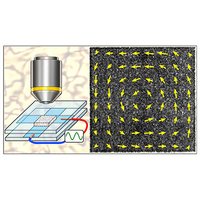
Phys. Rev. Lett. 137, 218103 (2026)
Polymers, Chemical Physics, Soft Matter, and Biological Physics
Noise-Driven Odd Elastic Waves in Living Chiral Active Matter
Article | Polymers, Chemical Physics, Soft Matter, and Biological Physics | 2026-11-18 05:00 EST
Sang Hyun Choi, Zhi-Feng Huang, and Nigel Goldenfeld
Chiral active matter is predicted to exhibit odd elasticity, with nontraditional elastic response arising from a combination of chirality, being out of equilibrium, and the presence of nonreciprocal interactions. One of the resulting phenomena is the possible occurrence of odd elastic waves in overd…
Phys. Rev. Lett. 137, 218301 (2026)
Polymers, Chemical Physics, Soft Matter, and Biological Physics
Erratum: Bounds on Screened Dark Energy from Near-Earth Space-Based Measurements [Phys. Rev. Lett. 136, 101002 (2026)]
Article | | 2026-11-18 05:00 EST
Fabiano Feleppa, Welmoed Marit de Graaf, Philippe Brax, and Gaetano Lambiase
Phys. Rev. Lett. 137, 219901 (2026)
Physical Review X
Fault-Tolerant Execution of Error-Corrected Quantum Algorithms
Article | | 2026-11-19 05:00 EST
Michael A. Perlin, Zichang He, Anthony Alexiades Armenakas, Pablo Andres-Martinez, Tianyi Hao, Dylan A. Herman, Yuwei Jin, Karl Mayer, Chris N. Self, David Amaro, Ciaran Ryan-Anderson, and Ruslan Shaydulin
Researchers execute error-corrected quantum algorithms on trapped-ion processors, showing that fault-tolerant circuits approach unencoded performance.
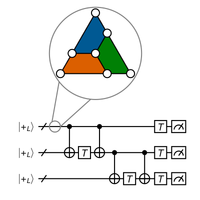
Phys. Rev. X 16, 041048 (2026)
Peierls Transition and Magnetism in a Dirac Semimetal: ${\mathrm{CaMnBi}}_{2}$
Article | | 2026-11-18 05:00 EST
Aashish Sapkota, Niraj Aryal, Xiao Hu, Masaaki Matsuda, Yan Wu, Guangyong Xu, John M. Wilde, Andreas Kreyssig, Paul C. Canfield, Cedomir Petrovic, John M. Tranquada, and Igor A. Zaliznyak
Neutron and x-ray diffraction reveal a two-dimensional Peierls transition of Dirac electrons in CaMnBi, producing a zigzag bond-order distortion and corresponding Dirac band reconstruction in the bismuth layers rather than the previously proposed canted magnetism and associated Weyl state.
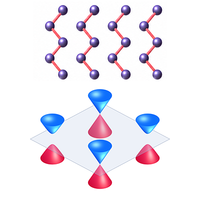
Phys. Rev. X 16, 041046 (2026)
Fluctuation-Response Theory of Nonequilibrium Complex Fluids
Article | | 2026-11-18 05:00 EST
Ryota Takaki and Frank Jülicher
A framework for nonequilibrium steady states is developed that can be applied to complex fluids, including dense biological and active soft materials.
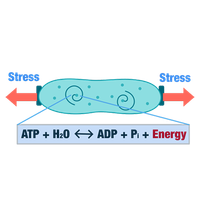
Phys. Rev. X 16, 041047 (2026)
Review of Modern Physics
Colloquium: Isotopes for medicine and fundamental physics
Article | | 2026-11-18 05:00 EST
V. J. Ajith and Mark G. Raizen
Isotopes have wide-ranging applications, from nuclear power to medicine to atomic clocks, but their separation poses formidable technical challenges. The separation problem, first encountered by Ernest Rutherford in 1911, is connected in interesting ways to Maxwell's demon and the probabilistic nature of quantum mechanics. This Colloquium introduces and reviews modern applications of isotopes, along with the ongoing development of separation and detection techniques.
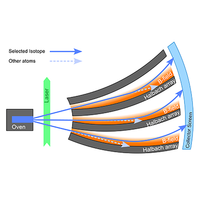
Rev. Mod. Phys. 98, 041001 (2026)
arXiv
Cross-probing van der Waals multiferroics
New Submission | Materials Science (cond-mat.mtrl-sci) | 2026-11-19 20:00 EST
Bo Peng, Zeya Li, Han Wang, Shengdong You, Yangliu Wu, Wei Liu, Jianliang Xie, Haipeng Lu, Peiheng Zhou, Kian Ping Loh, Je-Geun Park, Hongtao Yuan, Longjiang Deng
Multiferroic materials, with coupled electric and magnetic orders, hold the potential to enable low-power memory and logic devices by replacing electrical currents with electric fields for magnetic switching. Reducing the dimensionality of multiferroics, from 3D to 2D, has opened new frontiers in this already burgeoning field by enabling unprecedented control over magnetoelectric coupling that is beyond the reach of bulk counterparts, owing to reduced electrostatic screening and enhanced quantum fluctuations at the atomically thin limit. A notable example is a few-layer NiI2 multiferroic, which exhibits coexisting chiral spin textures and (anti)ferroelectricity, accompanied by strong magnetoelectric coupling; by simultaneously breaking time-reversal and spatial-inversion symmetry, NiI2 shows new physical properties such as unique mutual control of chiral magnetism and polarization with giant magnetoelectric coupling, ultrafast electromagnon excitations and odd-parity p-wave magnetism. However, there are experimental challenges in unambiguously identifying intrinsic multiferroicity. This Review critically examines the current landscape of 2D multiferroic materials, with an emphasis on experimental methodologies rather than material taxonomy. We assess different conventional probes for magnetism and ferroelectricity and identify key limitations in single-technique approaches. We emphasize the importance of magneto-opto-electric cross-correlative measurements in establishing intrinsic multiferroic behaviour and outline future research directions for both fundamental studies and device applications.
Materials Science (cond-mat.mtrl-sci)
5 figures
Nature Reviews Physics 8 452 (2026)
Trapped fermions frustrate multiterminal Josephson networks
New Submission | Mesoscale and Nanoscale Physics (cond-mat.mes-hall) | 2026-11-19 20:00 EST
Antonio Manesco, Karsten Flensberg
Coherent control of fermions has become a standard approach for engineering quantum devices. Here, we explore parity-induced frustration in multiterminal Josephson arrays. We focus on odd-parity Josephson trijunctions, where the presence of a trapped fermion induces a phase winding in each trijunction. Connecting these trijunctions constrains their shared phases, resulting in a long-distance phase coherence where the frustrated configurations dominate the low-energy physics. In the classical regime, these arrays map onto the Kagome XY antiferromagnet, whose established Berezinskii-Kosterlitz-Thouless (BKT) transition yields algebraically decaying $ 6e$ phase correlations. We show that the $ 6e$ phase coherence is manifested as a pronounced third harmonic in the current-phase relation of these arrays. While quantum phase fluctuations suppress the $ 6e$ coherence, we show that through spin-orbit coupling they also lead to spin correlations and entanglement between the trapped fermions. Our results establish fermion-induced frustration as a route to composite superconducting coherence and phase-mediated spin entanglement in superconductor-semiconductor artificial quantum materials.
Mesoscale and Nanoscale Physics (cond-mat.mes-hall), Strongly Correlated Electrons (cond-mat.str-el), Superconductivity (cond-mat.supr-con)
13 pages, 7 figures
Nonlinear optical response with relaxation in the velocity gauge
New Submission | Other Condensed Matter (cond-mat.other) | 2026-11-19 20:00 EST
Carlos M. Pedrosa, João P. C. Ferreira, João Pinho, Yu. V. Bludov, B. Amorim, João M. Viana Parente Lopes
We develop a framework for the evaluation of the nonlinear optical conductivity of electrons in crystals, driven by homogeneous optical fields, taking into account dissipation effects within the relaxation time approximation (RTA). The present formalism is based on Hamiltonians with minimal light-matter coupling within the velocity gauge, where the electric field is expressed in terms of a vector potential. The nonlinear conductivities are obtained by perturbatively solving the equation of motion for the single-particle reduced density matrix, which includes dissipative effects via the relaxation time approximation. We present a perturbative method to evaluate the reference equilibrium density matrix, towards which dissipation relaxes the system, which in the velocity gauge adiabatically follows the applied vector potential, and is also broadened by dissipative effects. Comparing with previous formulations based on the length gauge, the present approach has the benefit of avoiding the cumbersome evaluation of derivatives of Bloch states with respect to momentum. We test the presented method against length-gauge results, and calculate second- and third-order responses in a graphene-like tight-binding model with a staggered sublattice potential and a periodic modulation. We find that the relaxation time approximation gives results that deviate both quantitatively and qualitatively from the simple inclusion of an imaginary damping term in the frequencies, referred to as adiabatic switching. At equal relaxation parameter, the leading above-gap injection contribution differs by a factor of two; below the gap, the numerical results indicate a finite imaginary dc response in the small-relaxation limit of the relaxation-time calculation. These results show that adiabatic switching does not generally reproduce relaxation through the equation of motion, even in the small-relaxation limit.
Other Condensed Matter (cond-mat.other)
20 pages, 5 figures
Real-Space Theory of Nonequilibrium Orbital Magnetization in Inhomogeneous Solids
New Submission | Mesoscale and Nanoscale Physics (cond-mat.mes-hall) | 2026-11-19 20:00 EST
João M. Alendouro Pinho, Henrique P. Veiga, Alessandro Veneri, Daniel Passos, Ivo Souza, Bruno Amorim, João M. Viana Parente Lopes, Aires Ferreira
We put forward a real-space linear-response theory of orbital magnetization induced by a dc electric field in bulk materials lacking translation invariance. Starting from the current response to a slowly varying electromagnetic field, we show that the linear-in-wavevector conductivity tensor of non-interacting electrons in terms of single-particle Green’s functions and the velocity and position operators. This provides a gauge-invariant real-space formulation of the long-wavelength non-equilibrium orbital magnetization of both perfect crystals and disordered systems. In the translationally invariant limit, the formalism recovers the established Bloch picture of orbital magneto-electric effects. We implement the formalism using large-scale Chebyshev expansions and illustrate its capabilities on a Haldane model in the presence of spatially uncorrelated disorder.
Mesoscale and Nanoscale Physics (cond-mat.mes-hall), Disordered Systems and Neural Networks (cond-mat.dis-nn)
18 pages, 2 figures
Towards Defect Engineering of Orbital Magnetoelectric Effects
New Submission | Mesoscale and Nanoscale Physics (cond-mat.mes-hall) | 2026-11-19 20:00 EST
João M. Alendouro Pinho, Henrique P. Veiga, Alessandro Veneri, Daniel Passos, Ivo Souza, Bruno Amorim, João M. Viana Parente Lopes, Aires Ferreira
Orbital magnetization is a fundamental measure of time-reversal symmetry breaking in solids that is accessible by experiments. However, unlike the well-studied equilibrium case, the understanding of orbital magnetism resulting from external stimuli such as light and electric fields is still in its infancy. Here we employ a novel real-space framework to investigate charge-to-orbital conversion in a metallic orbital antiferromagnet beyond the conventional Bloch-band picture. We find that common point defects give rise to strongly enhanced time-odd magnetoelectric effects and, depending on their local symmetry, further activate otherwise-forbidden time-even responses. Moreover, we introduce a local marker that provides spatially resolved information on the orbital magnetization carried by non-equilibrium states. Real-space maps reveal that point defects create nanoscale hotspots of orbital magnetization leading to a profound modification of the bulk magnetoelectric response, including a sign reversal of the net orbital moment. Our findings may open up the possibility of engineering linear-response orbital moments with atomic-scale precision by point defects and impurities.
Mesoscale and Nanoscale Physics (cond-mat.mes-hall), Disordered Systems and Neural Networks (cond-mat.dis-nn)
13 pages, 7 figures
Analytical Interacting Tight-binding Model for Fractional Chern Insulators
New Submission | Strongly Correlated Electrons (cond-mat.str-el) | 2026-11-19 20:00 EST
Lexu Zhao, Jayden S. Chang, Awwab A. Azam, Jiabin Yu
We construct a two-dimensional 2-band tight-binding model with two-body interactions and without magnetic lattice translation, in which both the hopping and interaction are exponentially local (with Gaussian decay) in real space. The interaction is built from pair annihilation operators whose coefficients are hopping amplitudes divided by positive powers of relative distance. Without any band projection, the ground states at $ 1/3$ filling are exactly fractional Chern insulator (FCI) states (and thus have nonzero gap) for any finite lattice size with any periodic/twist boundary conditions. The FCI ground states are analogous to the discretized version of the Laughlin-like states in the continuum Chern-ideal band, though our FCI states do not require the onsite spinor structure that is necessary in the continuum. We further show analytically that, after adding one unit cell while keeping electron number fixed, the anyonic one-quasihole states are zero-energy ground states of the full Hamiltonian for any finite system size and any quasihole position, analogous to Laughlin quasiholes under the Haldane $ V_1$ pseudopotential. Numerical evidence is provided for the possible nonzero gap of the FCI states at $ 1/3$ filling in the thermodynamic limit, when interaction strength is much smaller than the single-particle band gap.
Strongly Correlated Electrons (cond-mat.str-el), Mesoscale and Nanoscale Physics (cond-mat.mes-hall), Materials Science (cond-mat.mtrl-sci)
11+57 pages, 1+2 figures, 0+1 table
Efficient interlayer interactions in non-planar molecule/transition-metal dichalcogenide two-dimensional heterostructure
New Submission | Mesoscale and Nanoscale Physics (cond-mat.mes-hall) | 2026-11-19 20:00 EST
Johann Alvarez, Kamal Harrison, John Koptur-Palenchar, Miguel Gakiya-Teruya, Kenji Watanabe, Takashi Taniguchi, Michael Shatruk, Xiao-Xiao Zhang
Integration of molecules and two-dimensional (2D) atomic materials offer new opportunities for hybrid electronic devices. Most progress has focused on interfacing planar molecule. In contrast, incorporating non-planar molecules into 2D heterostructures remains challenging due to the three-dimensional orientations of ligands. Here we investigate interlayer interactions between discrete non-planar spin-crossover (SCO) molecules, [Fe(tBu2qsal)2] (FTBQS), monolayer transition metal dichalcogenides (TMDs), and hexagonal boron nitride (hBN) spacers through optical spectroscopies. FTBQS features bulk molecular crystal layers and can be mechanically exfoliated, enabling deterministic assembly of clean hybrid heterostructures. Robust photoluminescence (PL) quenching, even with an hBN spacer, indicates efficient Förster resonance energy transfer with a long decay distance. Gate-dependent optical spectroscopy further identifies charge transfer from the doping shifts in the TMD layers due to the TMD/FTBQS electronic band alignment. Our results establish efficient interlayer interactions between non-plana, discrete molecules and 2D crystals for hybrid electrical, optical, and spintronic devices.
Mesoscale and Nanoscale Physics (cond-mat.mes-hall)
Towards Cryogenic AI Hardware: Over 99% Precision In-Memory Computing at 4 K with 3-bit Ferroelectric Hf0.5Zr0.5O2 Capacitors
New Submission | Materials Science (cond-mat.mtrl-sci) | 2026-11-19 20:00 EST
Ella Paasio, Simon Thomann, Rikhard Ranta, Ruhan Kartik, Sozaraj Rasappa, Andrea Padovani, Hussam Amrouch, Sayani Majumdar
High-accuracy cryogenic hyperdimensional computing (HDC) is demonstrated using Hf0.5Zr0.5O2 (HZO) ferroelectric capacitors (FeCAPs) as multilevel analog memories for capacitive compute in-memory (CIM) architectures. On the ISOLET spoken-word dataset, FeCAP-stored vectors achieve up to 92% classification accuracy at 4 K, while charge-domain matrix-vector multiplication (MVM) exhibits near-ideal behaviour with linearity of 1 and error probability below 1% for 4x4 and 4x8 configurations, operating below 3 V. Unlike the performance at 300 K, HDC and CIM at 4 K remains resilient to electric-field-cycling-induced fatigue, thanks to enhanced cryogenic device characteristics, including reduced state variability, strongly suppressed leakage current and stable retention, as well as 78% faster switching. Furthermore, these multibit FeCAPs exhibit endurance beyond 1E9 cycles with polarization degradation below 8%, preserving multilevel integrity. Benefits can also be observed at 300 K, following cooldown and wake-up pulsing at 4 K and subsequent warming up. These results establish multibit FeCAPs as a highly reliable, ultra-low-energy, and accurate analog CIM platform for future cryogenic AI-computing hardware.
Materials Science (cond-mat.mtrl-sci)
Synthesis-route-dependent state selection in the frustrated spinel ZnV$_2$O$_4$
New Submission | Strongly Correlated Electrons (cond-mat.str-el) | 2026-11-19 20:00 EST
Jem Pitcairn, Jennifer N. Graham, Jacob L. Brownlee, Shruti Chakravarty, Joya A. Cooley, Giorgia Confalonieri, A. Dominic Fortes, David W. Tam, J. Ross Stewart, Lucy Clark
The emergent properties of strongly correlated materials can be highly sensitive to how they are made, yet synthesis pathway is rarely treated as a fundamental variable governing their ground states. The spinel ZnV$ _2$ O$ _4$ provides a model system in which to test this idea: its pyrochlore lattice of antiferromagnetically coupled V$ ^{3+}$ $ S=1$ moments hosts competing spin and orbital degeneracies, while different synthesis routes yield markedly different low-temperature behaviour. Here, we show that changing the solid-state synthesis pathway reproducibly selects a distinct structural and magnetic ground state. Microwave-assisted solid-state synthesis (MASS) stabilises the cubic spinel structure to low temperature, suppressing the conventional cubic-to-tetragonal transition and preserving the highly frustrated $ S=1$ pyrochlore lattice. Combining high-resolution diffraction, magnetometry and inelastic neutron scattering, we find a magnetic ground state exhibiting persistent spin-liquid-like dynamics together with partial spin freezing. Our results establish synthesis pathway as an experimental variable for selecting between competing emergent states in strongly correlated materials, revealing a route to accessing ground states not realised by conventional synthesis.
Strongly Correlated Electrons (cond-mat.str-el)
Predicting solid-state reaction onset temperatures from high-throughput pairwise synthesis
New Submission | Materials Science (cond-mat.mtrl-sci) | 2026-11-19 20:00 EST
Lauren N. Walters, Matthew J. McDermott, Bernardus Rendy, Yuxing Fei, Gerbrand Ceder
Solid-state synthesis still relies on heuristics to choose reaction temperatures. The most widely used, Tammann’s rule, places reaction onset at two-thirds of the lowest precursor melting point, but has never been systematically tested. Using an automated laboratory, we heated 1,035 pairwise combinations of 46 common precursors at their Tammann temperatures and identified the products by x-ray diffraction. Only 25% of pairs formed products containing both precursors. Combining these outcomes with text-mined literature syntheses, we trained log-normal accelerated failure time models that treat each fixed-temperature experiment as a bound on the unknown onset temperature. On 26 reactions with onset temperatures measured by in situ x-ray diffraction, a three-descriptor model reduced the mean absolute error from 131°C (Tammann’s rule) to 88°C; adding 29 further physicochemical descriptors did not improve the model. Reaction onset can therefore be predicted from routine pass/fail synthesis outcomes, and predictions will improve as such data accumulates.
Materials Science (cond-mat.mtrl-sci)
78 pages, 6 main manuscript figures, supplemental information included
Application of Pretrained Universal Machine Learning Force-Fields for Phase Transitions Prediction in ZrO2
New Submission | Materials Science (cond-mat.mtrl-sci) | 2026-11-19 20:00 EST
Rajan Khadka, Axel van de Walle, Patrick Tepesch
Pretrained universal machine-learning force fields can reduce the cost of finite-temperature molecular dynamics relative to density functional theory. However, most benchmarks test only static properties and do not assess whether these models reproduce the correct phase-transition sequence. Here, we benchmark ten open-source universal machine-learning force fields for zirconia (ZrO$ _2$ ) using phonon dispersion calculations and variable-cell isothermal-isobaric molecular dynamics. Zirconia is a useful test because it has three thermodynamically stable crystalline phases prior to melting, following the sequence monoclinic-tetragonal-cubic. Four models reproduce this sequence: 7net-l3i5, MatterSim-v1.0.0-1M, MACE-mpa, and MACE-D3. Models with orthorhombic-tetragonal energy errors above about 10 meV/atom (7net-0, CHGNet, and MACE) instead produce an orthorhombic intermediate and predict monoclinic-orthorhombic-tetragonal-cubic-liquid upon heating. ORB-based models fail to sustain stable variable-cell dynamics because their phonon frequencies are compressed by 30-60% relative to the density functional theory reference. Across all ten models, two ground-state diagnostics predict finite-temperature behavior. Relative polymorph energetics should agree with the matched density functional theory reference within about 6 meV/atom, and the phonon spectrum should not show systematic softening. These diagnostics are practical screening metrics for assessing pretrained force fields for phase-transition predictions.
Materials Science (cond-mat.mtrl-sci)
23 pages, 13 figures, 1 supplementary table, 7 supplementary figures. Supplementary Material included
Topological signatures of criticality: the Ising case
New Submission | Statistical Mechanics (cond-mat.stat-mech) | 2026-11-19 20:00 EST
Tak-Shing Chan, Paweł Dłotko, Jacek Gulgowski, Biagio Lucini, Mateusz Masłowski, Davide Vadacchino
Topological properties of microscopic configurations may provide additional insight into phase transitions beyond conventional thermodynamic observables. We investigate this idea in the two-dimensional Ising model on square and triangular lattices by associating cell complexes with the positive and negative spin domains and constructing an Euler-characteristic observable from their difference. We provide the expression relating this quantity to conventional observables of the Ising model. This derivation allows us to understand its expected behavior physically. As a byproduct, we show that at any finite positive temperature the expectation of the Euler characteristic exceeds a positive, lattice-size-independent bound, hence disproving a previously suggested conjecture. Monte Carlo simulations combined with multihistogram reweighting show that this spin-odd topological observable exhibits order-parameter-like behavior near the ferromagnetic transition. Finite-size scaling of its susceptibility yields pseudocritical temperatures that converge to the known critical temperature for both lattice geometries. On the square lattice, the leading-order estimate of the critical exponent obtained from the topological observable depends more strongly on the fitting range than the magnetization estimate. This behavior is consistent with stronger subleading finite-size corrections, as supported by fits including an additional correction term. On the triangular lattice, the corresponding estimate remains consistent with the theoretical Ising value. Our study suggests that topologically defined quantities such as the Euler characteristic can provide an alternative way to locate order-disorder phase transitions in the systems considered here. Since the definition of these observables is purely geometrical, they can provide useful insights in cases in which order parameters cannot be constructed.
Statistical Mechanics (cond-mat.stat-mech), High Energy Physics - Lattice (hep-lat), Mathematical Physics (math-ph)
22 pages, 7 figures. Submitted to Physical Review E
Layer-dependent $s^{\pm}$ superconducting pairing and influence of incipient bands in La$_3$Ni$_2$O$_7$ thin films on real LaSrAlO$_4$ substrate
New Submission | Superconductivity (cond-mat.supr-con) | 2026-11-19 20:00 EST
Yang Zhang, Philip M. Dee, Ling-Fang Lin, Adriana Moreo, Thomas A. Maier, Elbio Dagotto
Motivated by recent advances in ambient-pressure superconducting La$ _3$ Ni$ _2$ O$ 7$ (LNO) thin films, we theoretically investigate these films by explicitly incorporating the realistic LaSrAlO$ 4$ (LSAO) substrate. The Fermi-surface topology of the nickelate thin film closely resembles that of the high-pressure bulk phase, with similar $ \alpha$ and $ \beta$ sheets and a small hole-like $ \gamma$ pocket originating from the surface bilayer (BL3). The bonding $ d{3z^2-r^2}$ state of the interfacial bilayer (BL1, adjacent to the LSAO substrate) lies only $ \sim 5$ meV below the Fermi level, giving rise to an incipient $ \gamma$ band, while for the middle bilayer (BL2) its energy is much lower ($ \sim 95$ meV). Remarkably, no significant spontaneous charge transfer from the LSAO substrate to the LNO film is found. Instead, {\it symmetry-allowed charge disproportionation} occurs between the BLs, with hole doping in BL3 and electron doping in BL1 and BL2. Via the weak-coupling Random Phase Approximation, we find a strong $ s^{\pm}$ -wave superconducting pairing instability in BL3, while $ d{x^2-y^2}$ and $ s^{\pm}$ are nearly degenerate in the other bilayers BL1 and BL2. Including the incipient $ \gamma$ band via the Dynamical Cluster Approximation beyond weak coupling, robust $ s^{\pm}$ -wave pairing is observed in all three layers
Superconductivity (cond-mat.supr-con), Strongly Correlated Electrons (cond-mat.str-el)
10 pages, 5 figures
Persistent Hydration and Ionic Mobility: When the Ion Is Not the Only Transported Species
New Submission | Statistical Mechanics (cond-mat.stat-mech) | 2026-11-19 20:00 EST
Small-ion transport in water remains only partially understood despite more than a century of theoretical work. The difficulty is especially acute for strongly hydrated ions such as Li$ ^{+}$ , Mg$ ^{2+}$ , and Ca$ ^{2+}$ , whose first hydration shells can persist on timescales comparable to or longer than translational motion. We develop a molecular framework in which the ion, its first hydration shell, and the outer solvent are treated as dynamically coupled components. Local hydration structure and exchange are represented through a potential of mean force and coordination dynamics, while collective solvent response is described through molecular memory functions. The theory clarifies why hydration cannot generally be represented by an additive friction or a single enlarged radius, and provides a route beyond conventional continuum and molecular descriptions.
Statistical Mechanics (cond-mat.stat-mech)
Kinetic theory of dry granular particles under simple shear: steady flows and relaxation dynamics
New Submission | Soft Condensed Matter (cond-mat.soft) | 2026-11-19 20:00 EST
Shunsuke Iizuka, Satoshi Takada, Hisao Hayakawa
We develop a kinetic theory for dry granular particles under simple shear flow using the Enskog approximation combined with Grad’s moment method for moderately dense granular gases with the volume fraction $ \varphi\le 0.5$ . The collisional moments and stresses are expressed in terms of generalized hypergeometric functions, retaining all orders in the dimensionless shear-rate parameter within the adopted Grad closure. Within this framework, we derive a complete set of equations governing the kinetic stress and the collisional contribution to the stress tensor. The steady-state solutions reproduce the shear viscosity over a broad parameter range and improve the predictions of the kinetic temperature relative to the anisotropic Gaussian theory at the parameter values examined. Temperature still shows appreciable deviations under strongly inelastic conditions. Additionally, the theory captures the overall trends of the normal stress differences, while their quantitative accuracy depends on density and restitution coefficient. We further examine relaxation following an instantaneous reduction in $ \varphi$ from $ 0.35$ to $ 0.20$ at a restitution coefficient of $ 0.90$ . The theory reproduces the temperature and viscosity relaxation for this protocol.
Soft Condensed Matter (cond-mat.soft), Statistical Mechanics (cond-mat.stat-mech)
33 pages, 19 figures
Two-Dimensional Ferromagnetic Weyl Half-Semimetal
New Submission | Mesoscale and Nanoscale Physics (cond-mat.mes-hall) | 2026-11-19 20:00 EST
Yu-Yang Zhao, Chen-Hao Lv, Qing-Bo Liu, Wen-Neng Zhao, Xin-Yi Chen, Lun Xiong
Two-dimensional (2D) ferromagnetic topological materials provide appealing platforms for realizing spin-polarized topological states, yet the coexistence of Weyl fermions and robust high-temperature ferromagnetism remains elusive. Here, based on first-principles calculations and Monte Carlo simulations, we predict monolayer BaMn$ _4$ O$ _8$ to be a dynamically, thermally, and mechanically stable ferromagnetic Weyl half-semimetal. \textcolor{blue}{An anisotropic Monte Carlo simulation on a $ 20\times20\times1$ lattice yields a finite-size transition estimate of approximately 1446~K.} The spin-resolved electronic structure reveals a fully spin-polarized state, in which the spin-up channel hosts linear Weyl band crossings near the Fermi level, whereas the spin-down channel remains insulating. Corresponding Fermi-arc edge states connecting the projected Weyl points (WPs) are clearly observed along the (100) boundary, confirming the nontrivial topology. Importantly, both the Weyl points and their associated Fermi arcs remain robust in the presence of spin–orbit coupling (SOC). \textcolor{blue}{These results identify monolayer BaMn$ _4$ O$ _8$ as a candidate for fully spin-polarized topological transport.
Mesoscale and Nanoscale Physics (cond-mat.mes-hall)
Fast closed-loop STEM navigation using vision-language models with typed decisions
New Submission | Materials Science (cond-mat.mtrl-sci) | 2026-11-19 20:00 EST
Shuichiro Ozawa, Izumi Takahara, Fumihiko Uesugi, Teruyasu Mizoguchi
Closed-loop scanning transmission electron microscopy (STEM), in which each acquired image determines the next field of view and magnification, offers a route to autonomous atomic-scale materials analysis. Such a loop would automate navigation to defects and grain boundaries, a task that has long relied on operator judgment, and would enable systematic analysis of diverse local structures at scale. Realizing it hinges on the decision step, which must translate each acquired image into the next operation both quickly and correctly; yet which decision method can deliver both remains unclear. Here, we isolate this decision step. Using simulated atomic-resolution STEM images of a substitutional W dopant and a grain boundary in monolayer MoS$ _2$ , where the true target position is known and every method starts from identical conditions, we compared four vision-language models (VLMs) and three decision methods. Our results demonstrate the effectiveness of Typed Decision, which directly obtains the probabilities of candidate labels from a pretrained VLM, for closed-loop STEM navigation. Typed Decision showed the shortest decision latency for all models (0.13-0.21 s) and generally achieved the highest navigation success rate among the three methods: it was the best for all models in W dopant navigation (66-91%) and for the best-performing model, Cosmos-Reason2 32B, in grain boundary navigation (43%). Furthermore, navigation to the different targets, the W dopant and the grain boundary, was possible by natural-language specification alone, without task-specific training of the VLM. These results indicate that Typed Decision is an effective decision method for realizing fast, accurate, and flexible closed-loop STEM.
Materials Science (cond-mat.mtrl-sci)
Physics-Guided Crystal Structure Elucidation from Powder X-Ray Diffraction with Universal Machine-Learning Interatomic Potentials
New Submission | Materials Science (cond-mat.mtrl-sci) | 2026-11-19 20:00 EST
Yunsung Lim, Seungwoo Hwang, Seungwu Han
Determining unique atomic coordinates from powder X-ray diffraction (PXRD) remains challenging because peak overlap, weak scattering from light elements, limited scattering contrast between elements with similar atomic numbers, and experimental noise render the inverse problem underdetermined. Here, we present XCAPE (XRD-Constrained Accelerated Prediction Engine), a crystal structure prediction (CSP) framework that integrates experimentally derived composition, unit cell parameters, space group, and PXRD data into a symmetry-aware evolutionary search. XCAPE explores Wyckoff-site configurations using tailored mutation operations, evaluates candidates by both energetic stability and diffraction agreement, and accelerates geometry optimization using a universal machine-learning interatomic potential (MLIP). The framework recovered 71 of 77 database-derived benchmark structures (92.2%) from simulated PXRD patterns and all 12 reference structures from experimental PXRD patterns. It further identified 12 candidate structure assignments that are consistent with experimental PXRD patterns, lack matching entries in the Inorganic Crystal Structure Database (ICSD), and are thermodynamically competitive at the MLIP level. Density functional theory (DFT) calculations showed that 10 of these 12 candidates lie within 10 meV/atom of the convex hull. By bridging experimental diffraction data and physically plausible atomistic models, XCAPE can provide structural insight into previously unresolved materials and support accelerated materials discovery in automated research workflows.
Materials Science (cond-mat.mtrl-sci)
15 pages, 7 figures. Supporting Information is available as an ancillary file
Interface Weyl electrons in the kagome-bilayers
New Submission | Other Condensed Matter (cond-mat.other) | 2026-11-19 20:00 EST
Keiki Ishida, Kohei Fujiwara, Shun Sasano, Kazuki Nakazawa, Takeshi Seki, Seigo Souma, Daisuke Shiga, Hiroshi Kumigashira, Takafumi Sato, Ryo Ishikawa, Naoya Shibata, Yukitoshi Motome, Atsushi Tsukazaki
What makes a topological character prominent is whether its characteristic electronic states are located near the Fermi energy. While the kagome-metals possess unique topological characteristics owing to their distinctive electronic band structures, i.e. flat and Dirac bands, the control of Fermi energy to accentuate these characteristics has scarcely been studied in these materials. Here, we propose a new concept for activating the topological characteristics of Weyl electrons specifically near the interface of kagome-bilayers, namely interface Weyl electrons. The kagome-bilayers prepared by a sputtering technique surprisingly exhibit atomically abrupt interfaces thanks to the suppression of interdiffusion for maintaining the crystal symmetry of the hexagonal-type D0$ _{19}$ and cubic-type L1$ _{2}$ structures. Much higher electrical conductivity of the kagome-bilayers compared to single-layer films indicates the emergent contribution of a highly conductive electronic state at the interfaces. The enhanced electrical conductivity and the exceptionally large anomalous Hall conductivity about 2000 $ \Omega$ ^{-1}$ cm$ ^{-1}$ in the intrinsic mechanism indicates that the emergent interface electronic states comprise Weyl nodes in the D0$ _{19}$ structure identified in our theoretical band calculations, triggered by nontrivial charge transfer. These results demonstrate that topological transport can be engineered at the interface of intermetallic compounds, leading further design principles towards development of device functionality.
Other Condensed Matter (cond-mat.other)
34 pages, 5 main figures, 9 extended data
Finite-time stochastic resetting in bounded domains: competing targets, energetic cost, and optimal search strategies
New Submission | Statistical Mechanics (cond-mat.stat-mech) | 2026-11-19 20:00 EST
Hanshuang Chen, Chongyao Tang, Guofeng Li
We investigate the first-passage dynamics and energetic cost of a Brownian particle subject to finite-time stochastic resetting in a bounded one-dimensional domain with two absorbing boundaries. Unlike conventional instantaneous resetting, the particle is returned to a prescribed resetting position through a finite-duration process driven by a linear trapping potential. By solving the corresponding backward equations, we derive analytical expressions for the mean global first-passage time and the splitting probabilities. Our results show that the finite duration of the return process can substantially modify the dependence of the mean global first-passage time on the resetting rate. In particular, we identify a critical trapping strength above which resetting can accelerate the search process, and characterize how the range of favorable resetting positions depends on the trapping strength. We further characterize the energetic cost of resetting by deriving the generating function of the total work and obtaining an analytical expression for its mean value. For the linear trapping potential considered here, we establish an exact relation between the mean total work and the mean cumulative return time. This relation allows us to establish a quantitative trade-off between the mean global first-passage time and the energetic expenditure, revealing how the finite duration of the return process affects search efficiency. Brownian dynamics simulations confirm our theoretical predictions.
Statistical Mechanics (cond-mat.stat-mech)
11 pages, 6 figures
Critical–localized reentry under periodic spacer control
New Submission | Disordered Systems and Neural Networks (cond-mat.dis-nn) | 2026-11-19 20:00 EST
Xin Wang, Pei-Jie Chang, Dong Ruan, Gui-Lu Long
Tracking a fixed fraction of a quasiperiodic spectrum tests whether repeated critical–localized alternation extends over a nonzero spectral weight. We find such alternation in a matched-dimer chain by varying only the spacer on-site energies and following a fixed interval of integrated-density-of-states (IDS) labels. An exact Bloch-determinant identity links the physical transfer discriminant to the bands of a periodic reference operator. For the golden cell frequency, we prove that, on a common full-measure set of phases and for every finite value of the spacer control, the physical spectrum in the open reference bands is critical, with purely singular-continuous spectrum and zero Lyapunov exponent, while the spectrum strictly outside the bands is pure point, with exponentially decaying eigenfunctions. Validated IDS bounds certify repeated critical–localized alternation of the same fixed spectral fraction at successive spacer controls. Spacer shifts move the physical levels and reference-band edges at different rates, allowing us to reshape finite-chain return windows and place their endpoints at prescribed controls. An affine recalibration relocates the control family exactly.
Disordered Systems and Neural Networks (cond-mat.dis-nn), Quantum Physics (quant-ph)
Breaking the Myth of Four-Tier Stacked Transistors for Logic: an Investigation from Process to Device and Block-Level PPA
New Submission | Mesoscale and Nanoscale Physics (cond-mat.mes-hall) | 2026-11-19 20:00 EST
Jianxiang Jin, Haoran Lu, Yihan Luo, Yanbang Chu, Yibo Zhang, Jingru Jiang, Yuji Cheng, Wanyue Peng, Xun Jiang, Feiyu Teng, Kairang Guo, Ming Li, Yibo Lin, Runsheng Wang, Heng Wu, Ru Huang
For the first time, this work evaluated whether 4-tier stacked transistors can translate the straightforward density gains into realistic chip-level scaling benefits. A practical dual-sided 4-tier transistor-stacking CFFET (Flipped CFET-to-CFET) process was proposed, on which a DTCO framework spanning standard-cell design, local interconnects, RO analysis, and physical implementation was built under 2A node design rules. The CFFET was also benchmarked with its 2-tier transistor-stacking counterparts FFET. Among CFFET configurations, the best-performing Symmetric Power still lags FFET by 11.2% in RO frequency due to the complex MOL parasitics. At the block level, CFFET reduces the Ibex RISC-V core area by only 12.8% (far below the 40% nominal cell-height reduction), while running 10.9% slower at iso-power. We further introduced a novel Tetris-like cell stitching to minimize the area overhead, which allows non-rectangular cell design and recovers 7.4% area in a 1-bit ALU design. An optimized NanoStack CFFET was finally proposed, inspired by previous work. This work indicates that straightforward vertical 4-tier stacking proves insufficient to guarantee enough PPA benefits, though the resulting design insights may guide future advanced architectures.
Mesoscale and Nanoscale Physics (cond-mat.mes-hall), Emerging Technologies (cs.ET)
4 pages,17 figures,conference
Materials representations organize transferable supervision for chemical extrapolation
New Submission | Materials Science (cond-mat.mtrl-sci) | 2026-11-19 20:00 EST
Materials discovery often requires chemical extrapolation beyond labeled data. When target compounds contain elements absent from training, which compounds of other elements provide transferable supervision remains unclear. Here we show that, without target-property labels, materials representations rank other elements by the supervision their compounds provide. Engineered descriptors rank them largely by elemental-property similarity, whereas a pretrained crystal-graph encoder ranks them by the geometry of its learned representation. At fixed training-set size, excluding the compounds of the encoder’s six top-ranked elements raises formation-energy and bandgap errors by 100-110 meV per atom and 42-85 meV, versus little change for six lower-ranked elements. The rankings hold across properties, regressors and datasets. The encoder’s ranking outperforms elemental-property similarity and periodic groups, suggesting that it captures how elements behave within compounds. Materials representations thus organize transferable supervision, which can be identified before model training, informing dataset assessment and label acquisition.
Materials Science (cond-mat.mtrl-sci)
Implementation of LDA+Gutzwiller with Newton’s method
New Submission | Strongly Correlated Electrons (cond-mat.str-el) | 2026-11-19 20:00 EST
Jian Zhang, Ming-Feng Tian, Guang-Xi Jin, Yuan-Feng Xu, Xi Dai
In order to calculate the electronic structure of correlated materials, we propose implementation of the LDA+Gutzwiller method with Newton’s method. The self-consistence process, efficiency and convergence of calculation are improved dramatically by using Newton’s method with golden section search and other improvement approaches. We compare the calculated results by applying the previous linear mix method and Newton’s method. We have applied our code to study the electronic structure of several typical strong correlated materials, including SrVO$ _3$ , LaCoO$ _3$ , and La$ _2$ O$ _3$ Fe$ _2$ Se$ _2$ . Our results fit quite well with the previous studies.
Strongly Correlated Electrons (cond-mat.str-el)
14 pages, 8 figures. Authors’ version of the article published in Chin. Phys. B 26, 017103 (2017)
Chin. Phys. B 26, 017103 (2017)
Tuning spreading transport in GaN HEMTs with an AlN space layer under non-equilibrium heating
New Submission | Materials Science (cond-mat.mtrl-sci) | 2026-11-19 20:00 EST
Daosheng Tang, Rui Hu, Chen Ning, Bingyang Cao
Lateral spreading transport dominates near-junction heat dissipation in GaN high-electron-mobility transistors, yet thermal control has largely overlooked this geometry. It neither reaches the core AlGaN/GaN region nor, beyond the spatial spreading itself, accounts for the spectral non-equilibrium of the heat source. Here we tune the spreading resistance directly by inserting a thin, highly conducting AlN space layer above the source to intercept heat and divert it laterally. We test this approach across GaN, AlGaN/GaN, and AlGaN/AlN/GaN structures under both equilibrium and longitudinal-optical (LO)-pumped non-equilibrium heating, pairing non-equilibrium molecular dynamics (NEMD) with full-band phonon Monte Carlo (MC). In equilibrium, the AlN layer lowers the spreading resistance by 38% relative to the AlGaN-capped structure and by 17% relative to bare GaN, with little change in the one-dimensional resistance. The equilibrium color map over AlN thickness and interfacial bonding shows a strong interface effect but a weak thickness trend that reverses, so the gain is set by interface admission rather than solely by thickness or bulk conductivity. This ordering is independently confirmed by gray MC simulations. Under LO pumping, the spreading resistance rises by 58-83% in NEMD and by 9-20% in MC, and the equilibrium spatial optimum weakens or even reverses. This is because an optical-to-acoustic conversion gate now precedes every spatial gate and locks energy in slow optical modes. The three gates in series (optical-to-acoustic conversion, interface admission, and lateral diversion) close into a single non-equilibrium resistance network that predicts the full-band MC cases and frames the AlN space layer as a design variable within the non-equilibrium source state.
Materials Science (cond-mat.mtrl-sci)
26 pages, 6 figures
Technical Note on Matlantis PFP v9: Extending the Element and Domain Coverage of the r2SCAN Training Data
New Submission | Materials Science (cond-mat.mtrl-sci) | 2026-11-19 20:00 EST
Daiki Shintani, Shigeru Iwase, Jun Oshiki, Kohei Shinohara, Nontawat Charoenphakdee, Makoto Hiramatsu, Yuta Tsuboi, Yusuke Asano, Hirotaka Akita, Yong-Bin Zhuang, So Takamoto, Chikashi Shinagawa
Universal machine learning interatomic potentials (uMLIPs) make atomistic simulations possible at scales beyond the reach of density functional theory (DFT). Matlantis PFP is a uMLIP that treats a variety of domains, including crystals, molecules, and surfaces, with a single model. PFP v8 incorporated a training dataset computed with the r2SCAN functional, chosen for its good agreement with experiment, but the elements and domains covered by that dataset were limited. Here we present Matlantis PFP v9, in which the training data computed with the r2SCAN functional are extended to the lanthanides from Pr to Lu and to the elements from Po to Cm, for a total of 96 elements, and to additional domains such as clusters and adsorption structures. The formation energies of crystals containing the newly supported elements reproduce experimental standard enthalpies of formation with the same level of accuracy as crystals composed only of previously supported elements, and the adsorption energies of molecules on transition-metal surfaces have an overall error against experiment comparable to that of DFT-PBE, although chemisorbed species are overbound. On the same type of GPU (A100), the inference speed and the maximum system size exceed those of SevenNet-Omni, a public uMLIP trained on r2SCAN data: forces are evaluated three to four times faster, and five to ten times as many atoms can be handled. As a result, PFP-R2SCAN is now applicable to systems containing rare-earth and actinide elements and to adsorption on surfaces.
Materials Science (cond-mat.mtrl-sci), Computational Physics (physics.comp-ph)
Local spin constraints and symmetry in single-$Q$ spiral magnets
New Submission | Strongly Correlated Electrons (cond-mat.str-el) | 2026-11-19 20:00 EST
Lasin Thaivalappil, Shin-Ming Huang
The Luttinger–Tisza (LT) method provides a lower bound on the energy of classical spin models but relaxes the local spin-length constraints. For a generic incommensurate single-$ Q$ spiral, fixed spin length requires circular polarization on every magnetic sublattice, a condition not guaranteed by equal sublattice weights in the lowest LT eigenmode. We develop a constrained formulation for general bilinear classical spin Hamiltonians with one or two magnetic sublattices. For one sublattice, minimization reduces to a secular equation for the spiral-plane normal. For two sublattices, exact elimination of the relative phase gives a frame-independent energy on the space of two unit normals. We derive symmetry constraints by distinguishing operations that preserve or reverse the Fourier arm and those that preserve or exchange sublattices. For a model with symmetric anisotropy, numerical optimization over both spiral-plane normals yields a lower energy than either constrained pure exchange-sector state, despite the block diagonalization of the linear Hamiltonian. A separate anisotropic two-sublattice benchmark demonstrates that enforcing local circularity can shift the preferred ordering wave vector even when the lowest LT eigenmode has equal sublattice weights.
Strongly Correlated Electrons (cond-mat.str-el)
25 pages, 5 figures
Molecular Kondo Ball Based on an Endohedral Fullerene
New Submission | Strongly Correlated Electrons (cond-mat.str-el) | 2026-11-19 20:00 EST
Xiangyang Li, Xiao Zheng, Bing Wang, Jinlong Yang
We theoretically predict a molecular Kondo ball in TiSc$ _2$ N@C$ _{80}$ /Al(111), where a Ti-centered $ S = 1/2$ local moment is encapsulated within a closed fullerene $ \pi$ cage that serves as an itinerant-like electronic reservoir for Kondo screening. First-principles calculations show that intermediate molecule–substrate hybridization broadens the discrete C$ _{80}$ molecular levels into itinerant-like electronic states while preserving the Ti local moment, with similar electronic conditions found for Cd(0001) and In(101).Hierarchical equations of motion (HEOM) simulations reveal a temperature-dependent Fano resonance with a Kondo temperature of about 60 this http URL key electronic characteristics underlying the Kondo state remain robust against adsorption orientation, demonstrating that the closed cage geometry provides an orientation-tolerant molecular architecture for Kondo screening.
Strongly Correlated Electrons (cond-mat.str-el)
Blanket theory for dense networks
New Submission | Statistical Mechanics (cond-mat.stat-mech) | 2026-11-19 20:00 EST
We show how Blanket theory provides a constructive method for calculating cavity functionals in dense spin networks. Building on the description through interfaces and magnetization shells, we develop the calculation from the low-temperature fluctuations around the ground state. In this regime, dilute defects reveal the mechanism of random energy model (REM) universality for linear energies, while their sharing and renewal across layers organize the energies and Gibbs weights into a hierarchy. Because the same configurations determine the covariances of the fresh cavity fields, this construction identifies the fields and weights with an Aizenman-Sims-Starr random overlap structure. The cavity contributions can then be evaluated through recursive fractional means, yielding an explicit free-energy functional parametrized by layer magnetizations and hierarchical exponents, with coefficients determined by the interaction variances and the network normalization. Under the stated moment and normalization conditions, comparison of pressures transfers the limiting mean pressure from the Gaussian representative to networks with independent centered non-Gaussian couplings having the same variances. We illustrate the method with the deterministic Curie-Weiss model, recover the Parisi functional for the Sherrington-Kirkpatrick model, and derive the functionals for restricted and deep Boltzmann machines, including the full replica symmetry breaking (fullRSB) limit.
Statistical Mechanics (cond-mat.stat-mech)
34 pages, 3 figures
Light-Induced Odd-Parity h-Wave Magnetism in Penrose Quasicrystals
New Submission | Materials Science (cond-mat.mtrl-sci) | 2026-11-19 20:00 EST
Noncrystallographic rotational symmetry offers a route to unconventional spin splitting beyond the constraints of periodic crystals. We show that circularly polarized light induces odd-parity $ h$ -wave magnetism in a collinear antiferromagnetic Penrose quasicrystal without spin-orbit coupling. Light-induced chiral hopping, generated by virtual two-step processes, combines with staggered exchange to lift the spin degeneracy of the undriven system. Quasicrystalline spin-group symmetry enforces odd-parity spin splitting and selects $ h$ -wave as its leading angular harmonic. An analytical effective quasi-band theory relates this splitting to the geometry of local hopping paths and predicts its reversal upon switching the light helicity. Momentum-resolved spectral calculations reveal the characteristic alternating spin contrast, for which we propose spin-resolved time- and angle-resolved photoemission spectroscopy as an experimental probe. Our results establish a mechanism for optically controlling higher-harmonic odd-parity magnetism and demonstrate how quasicrystalline order extends Floquet engineering beyond crystallographic symmetry constraints.
Materials Science (cond-mat.mtrl-sci)
Ultrafast Successive Control and Electrical Detection of Long-Lived Valley Polarization in Room-Temperature Germanium
New Submission | Materials Science (cond-mat.mtrl-sci) | 2026-11-19 20:00 EST
Ami M. Shirai, Yuta Murotani, Shunta Aoki, Shunsuke A. Sato, Tomohiro Fujimoto, Kota Aikyo, Changsu Kim, Hidefumi Akiyama, Jun Yoshinobu, Toshiya Ideue, Ryusuke Matsunaga
Germanium (Ge) hosts four degenerate valleys in the conduction band minima, and their highly anisotropic effective masses offer a valley degree of freedom in transport phenomena via anisotropic conductivity. Using time- and polarization-resolved terahertz spectroscopy combined with deformation potential theory, we reveal a valley relaxation time reaching 10 ps near the band edge of Ge(001) at room temperature, long enough to detect the valley polarization in electrical transport measurements. We also demonstrate sub-picosecond complete reversal of valley polarization by off-resonant light pulses at extremely low energy consumption. These results pave the way for room-temperature valleytronics based on bulk indirect-gap semiconductors compatible with existing electronics.
Materials Science (cond-mat.mtrl-sci)
19 pages, 4 figures
Geometric Decomposition of Entropy Production Based on General $f$-Divergences
New Submission | Statistical Mechanics (cond-mat.stat-mech) | 2026-11-19 20:00 EST
Rihito Nagase, Shoki Sugimoto, Takahiro Sagawa
We construct a general class of excess–housekeeping decompositions of entropy production based on $ f$ -divergences for overdamped Langevin systems. The excess entropy production rate equals the relaxation rate of the $ f$ -divergence toward a relaxation target and also admits an optimal-transport representation, while the housekeeping velocity preserves the same relaxation target. Our framework recovers the Hatano–Sasa and Maes–Neto{č}n{ý} decompositions as special cases, and unifies their relaxational and optimal-transport aspects within a common structure. Moreover, our framework yields physically meaningful decompositions beyond these two by taking a desired distribution as the relaxation target.
Statistical Mechanics (cond-mat.stat-mech)
17 pages, 6 figures
Two-Color Coherent Control of the Spin Photovoltaic Effect in Centrosymmetric Crystals
New Submission | Materials Science (cond-mat.mtrl-sci) | 2026-11-19 20:00 EST
Songmin Liu, Pan Zhou, Lizhong Sun
Spatial inversion forbids the conventional electric-dipole second-order bulk charge and spin photovoltaic responses in centrosymmetric crystals. Here we show that a phase-coherent two-color field at frequencies $ \omega$ and $ 2\omega$ can generate symmetry-selected charge and spin photocurrents through an inversion-even third-order dc response. More importantly, the polarization direction and relative phase of the two-color field provide direct control over the current direction and can isolate transport channels in which the charge current vanishes while a finite spin current remains. A systematic symmetry analysis of centrosymmetric magnetic point groups and collinear antiferromagnetic spin point groups shows that pure-spin channels are allowed in a broad class of such systems under appropriate two-color driving. Furthermore, the relative optical phase governs both the magnitude and sign of the response. Our calculations on inversion-stacked bilayer 2H-MoS$ _2$ and a centrosymmetric collinear altermagnet demonstrate resonantly enhanced, phase-tunable spin photocurrents in these complementary systems with strong and weak spin-orbit coupling, respectively. Our results establish the polarization direction and phase of coherent two-color light as active control parameters for spin transport in centrosymmetric materials.
Materials Science (cond-mat.mtrl-sci)
7 pages, 3 figures
A GPU-Native Nested Sampling Framework for Finite-Temperature Materials Modelling with Machine-Learned Interatomic Potentials
New Submission | Materials Science (cond-mat.mtrl-sci) | 2026-11-19 20:00 EST
Nico Unglert, Alessandro Serafini, Jesús Carrete, Georg K. H. Madsen
Modern equivariant machine-learned interatomic potentials (MLIPs) have dramatically improved the accuracy of and the scales accessible to atomistic simulation, yet the thermodynamic sampling methods needed to turn those potentials into finite-temperature phase stability predictions have not kept pace computationally. We present the GPU-native, massively parallel nested sampling framework JAXRENS, implemented on top of JAX, which removes the practical bottlenecks preventing atomistic nested sampling from being combined with state-of-the-art MLIPs. The framework provides distributed multi-GPU execution, vectorised ensembles of walkers, and direct interoperability with modern force fields. We demonstrate the highly beneficial scaling of JAXRENS on hardware accelerators, and apply it to the simulation of the ZnS phase diagram based on a MACE foundation model, a procedure previously computationally inaccessible. Despite requiring in the order of 10^10 model evaluations, the final converged simulation completed within six days on four GPUs, marking an important step towards routine, first-principles-quality predictions of finite-temperature phase stability using machine-learned interatomic potentials.
Materials Science (cond-mat.mtrl-sci)
Observation of room-temperature intrinsic antiferroelectricity in van der Waals NbOCl2
New Submission | Materials Science (cond-mat.mtrl-sci) | 2026-11-19 20:00 EST
JinKai Huo, Xingyu Chen, Gaolei Zhao, Xuan Chen, Yuchen Meng, Xu Han, Juhe Liu, Egor Kolesov, Konstantin Kozadaev, Alexei Tolstik, Andrei Zheltkovich, Andrey Novitsky, Shenghuang Lin, Changsen Sun, Dawei Li
In recent years, two-dimensional (2D) ferroelectricity has been extensively investigated across a wide range of 2D materials, while intrinsic 2D antiferroelectricity remains exceptionally rare, limiting its implementation in next-generation photonic and electronic devices. Here, we report the observation of room-temperature-stable antiferroelectricity in the layered transition metal oxyhalide NbOCl2, and demonstrate a reversible, stimuli-driven antiferroelectric-to-ferroelectric (AFE-to-FE) phase transition in this material. Second-harmonic generation (SHG) mapping reveals a well-defined stripe-like spatial distribution of SHG intensity across as-grown NbOCl2 flakes spanning thickness from few-layer to bulk-like configurations. This distinctive SHG signature originates from the existence of antiferroelectric phase and the coexistence of antiferroelectric and ferroelectric phases within individual crystals, as evidenced by a combined incident-angle-dependent SHG measurement and Raman spectroscopy. By integrating NbOCl2 with one-dimensional silver nanowires, we achieve spatially selective, strain-mediated AFE-to-FE phase transition. Moreover, an ultralow electric field (~20 kV/cm) induces a reversible SHG response, consistent with switching from the centrosymmetric antiferroelectric state (SHG-silent) to the non-centrosymmetric ferroelectric state (SHG-active). This study not only expands the family of room-temperature 2D antiferroelectrics but also establishes a versatile platform for dynamic manipulation of nonlinear light, paving the way toward electric-field-programmable nonlinear photonics and optical information processing.
Materials Science (cond-mat.mtrl-sci), Mesoscale and Nanoscale Physics (cond-mat.mes-hall), Applied Physics (physics.app-ph)
23 pages, 5 figures
Uncovering the Structural, Electronic, and Electrostatic Landscapes of SrTiO$_3$ Grain Boundaries via Grand Canonical Monte Carlo with a Machine-Learning Interatomic Potential
New Submission | Materials Science (cond-mat.mtrl-sci) | 2026-11-19 20:00 EST
Xing He, Kairi Masuda, Aaron M. Schankler, Songsong Zhou, Andrew M. Rappe
Grain boundaries in perovskites exhibit a rich variety of electronic, polar and magnetic properties, yet identifying their atomic structures and compositions remains challenging. Here, we combine the Grand Canonical Monte Carlo (GCMC) method with a universal machine-learning interatomic potential to explore the coupled compositional and structural phase space of $ \Sigma$ 5(310)[001] SrTiO$ _3$ grain boundaries. The resulting chemical potential phase diagram identifies ten stable structures belonging to four motif families: large Sr kite, small Sr kite, incomplete Sr large kite, and Ti-rich structures. Extending the GCMC method to the Sigma5(210)[001] and Sigma17(410)[001] grain boundaries reveals how grain boundary plane and inclination angle influence the competition between small- and large-kite motifs. Density functional theory calculations of the predicted Sigma5(310)[001] grain boundaries show that the composition and atomic structure strongly govern the spatial distribution of conduction and valence band edge states, interfacial band alignment, and carrier localization. Four distinct electronic regimes emerge: localized electron-doped, delocalized electron-doped, insulating, and hole-attracting states. Our electrostatics analysis reveals the coexistence of the short-range electric fields at the reconstructed GB core associated with local atomic density and bonding, and the longer-range fields outside the core arising from the space charge. These fields can also couple to local polar distortions and generate composition-dependent polarization patterns. These results establish an efficient framework for exploring oxide perovskite grain boundary structures and reveal how stoichiometry and atomic reconstruction couple to electronic structure, electrostatics, and local polarization, providing a route toward predictive grain boundary engineering in functional perovskites.
Materials Science (cond-mat.mtrl-sci)
Electrostatic and Quantum Transport Engineering of Multilayer Ferroelectric Tunnel Junctions for Improved TER and RA Trade off
New Submission | Other Condensed Matter (cond-mat.other) | 2026-11-19 20:00 EST
Balram Khattar, Manish Anand, Abhishek Sharma
Ferroelectric tunnel junctions (FTJs) are promising for non-volatile memory and neuromorphic computing, but achieving a high tunnel electroresistance ratio (TER) with a low resistance-area (RA) product remains challenging. In this work, TiN/Hf$ _{0.5}$ Zr$ _{0.5}$ O$ _2$ (HZO)-based FTJs containing zero to three TiO$ _2$ and IGZO-based quantum wells (QWs) are analyzed using the Miller ferroelectric (FE) polarization model integrated with the non-equilibrium Green’s function (NEGF) formalism to examine the effects of QW material and thickness on polarization and transport. TiO$ _2$ -based structures exhibit higher polarization and TER than IGZO-based structures. At a read bias of 0.1 V, the uniform TiO$ _2$ double-QW structure, with 1-nm-thick QW and insulating layer (IL) layers, gives a TER of $ 2.71\times10^{10}%$ and an RA product of $ 5\times10^4\Omega\cdot\text{cm}^2$ , compared with $ 5.95\times10^7%$ and $ 2\times10^5\Omega\cdot\text{cm}^2$ , respectively, for IGZO. Both uniform and non-uniform TiO$ _2$ double-QW structures exhibit resonant tunneling (RT) and negative differential resistance (NDR) associated with QW-confined states. Increasing the first QW thickness to 1.38 nm, while keeping the second QW and both IL layers at 1 nm, shifts the confined-state energies and modifies resonant transport. The selected non-uniform structure achieves a TER of $ 2.95\times10^{11}%$ and an RA product of $ 1.25\times10^3~\Omega\cdot\text{cm}^2$ at a read bias of 0.1 V. Elastic scattering changes the amplitude and width of QW resonant-transmission peaks, with a stronger effect on the low resistance state (LRS) than on the high resistance state (HRS). These results show that QW material and thickness optimization can improve the TER–RA trade-off, while electrode screening and elastic scattering further influence polarization-dependent transport in multilayer FTJs.
Other Condensed Matter (cond-mat.other)
Stabilizer models of achiral abelian topological orders
New Submission | Strongly Correlated Electrons (cond-mat.str-el) | 2026-11-19 20:00 EST
We construct continuous-variable stabilizer codes realizing every achiral 2D abelian topological order, both bosonic and fermionic. Starting from an arbitrary signature-zero integer $ K$ -matrix, we show that the corresponding topological order can be obtained by condensing a lattice of dyons with trivial pairwise mutual braiding in an $ \mathbb{R}^N$ gauge theory. We implement this condensation microscopically by gauging a non-on-site 1-form symmetry of the $ \mathbb{R}^N$ toric code.
Strongly Correlated Electrons (cond-mat.str-el), High Energy Physics - Theory (hep-th), Quantum Physics (quant-ph)
16 pages
Rabi-Engineered spin-selective transport of bright soliton in a binary spin-1/2 condensate
New Submission | Quantum Gases (cond-mat.quant-gas) | 2026-11-19 20:00 EST
Swarup K. Sarkar, Sh. Mardonov, E. Ya. Sherman, Pankaj K. Mishra
Spintronics is usually concentrated on spin-dependent dynamics of single particles such as electrons or holes in solids. Extending this concept to nonlinear matter waves offers an interesting possibility of controlling the transport of collective, particle-like excitations through their spin degrees of freedom. Recent advances in Bose-Einstein condensates have provided a versatile platform for realizing nonlinear spin-1/2 systems that support particle-like objects such as bright solitons, making studies of the motion of these solitons under external fields an interesting and important problem. Here, we study the dynamics of bright solitons with different spin symmetries moving in a coordinate-dependent Rabi field, which acts analogously to a spatially varying magnetic field. In that setup, the velocity perturbed soliton motion possesses very interesting scattering dynamics for both perfect and lifted Manakov symmetry. Lastly, we compare both the velocity-controlled scattering problem with the well-known Rabi quenching protocol. This comparison provides a powerful approach to control the soliton dynamics that may open an avenue to control nonlinear spintronics with solitons as spin carriers.
Quantum Gases (cond-mat.quant-gas), Atomic Physics (physics.atom-ph)
13 pages, 13 figures, 47 references
Properties of [111]-oriented ferroelectric superlattices based on oxides with a perovskite structure
New Submission | Materials Science (cond-mat.mtrl-sci) | 2026-11-19 20:00 EST
The ground-state structures of fifteen free-standing [111]-oriented ferroelectric superlattices (SLs) based on perovskite oxides and involving a single-atom substitution—BaTiO$ _3$ /SrTiO$ _3$ , PbTiO$ _3$ /SrTiO$ _3$ , PbTiO$ _3$ /PbZrO$ _3$ , SrZrO$ _3$ /SrTiO$ _3$ , PbZrO$ _3$ /BaZrO$ _3$ , BaTiO$ _3$ /BaZrO$ _3$ , PbTiO$ _3$ /BaTiO$ _3$ , BaTiO$ _3$ /CaTiO$ _3$ , KNbO$ _3$ /KTaO$ _3$ , KNbO$ _3$ /NaNbO$ _3$ , SrTiO$ _3$ /SrHfO$ _3$ , BaTiO$ _3$ /BaSnO$ _3$ , PbTiO$ _3$ /CaTiO$ _3$ , SrTiO$ _3$ /CaTiO$ _3$ , and PbZrO$ _3$ /SrZrO$ _3$ —are calculated from first principles. It is shown that in eleven considered SLs the ground state is ferroelectric. A distinctive feature of the structure of the superlattices is that both the ferroelectric distortions and the distortions associated with octahedral rotations are described by phonons at the $ \Gamma$ ~point of the Brillouin zone. The importance of taking into account structural distortions associated with octahedral rotations, which in some cases lead to significant changes in the ferroelectric properties of SLs, is demonstrated. The thermodynamic stability of superlattices grown in the [111] and [100] directions is compared. An analysis of the force constants of the superlattices helps to explain the peculiarities of the ferroelectric properties of the superlattices and the corresponding solid solutions.
Materials Science (cond-mat.mtrl-sci)
7 pages, 1 figure, 4 tables; author’s translation to appear in Physics of the Solid State
A Universal Diffusion Model for the Quantum Position Operator
New Submission | Materials Science (cond-mat.mtrl-sci) | 2026-11-19 20:00 EST
Ransell D’Souza, Austin Zadoks, Riccardo Dal Molin, Nataliia Manko, Junfeng Qiao, Nicola Marzari, Antimo Marrazzo
The quantum position operator and its response to perturbations underpin the functional properties of insulating materials. In the modern theory of polarization, Wannier charge centres encode Berry-phase polarization, while their structural derivatives determine key response functions. Here we introduce a universal diffusion model based on E(3)-equivariant graph neural networks for moments of the position operator, with the first moment defining Wannier centres and the second central moment their real-space localization. We demonstrate the framework for liquid water, amorphous silicon and crystalline BaTiO$ _3$ , and train a universal model that generalizes to 100 unseen crystals spanning a 67-species chemical space. The predicted centres reproduce infrared spectra in large liquid and amorphous cells beyond routine first-principles reach and enable finite-difference calculations of Born effective charges and piezoelectric tensors. This framework provides a scalable route to electronic polarization and localization in complex materials, supporting high-throughput screening and finite-temperature simulations.
Materials Science (cond-mat.mtrl-sci)
15 pages, 6 figures
Non-Abelian Hall Effects of Flavor-Waves in $\mathbb{CP}^{2}$ Skyrmions
New Submission | Mesoscale and Nanoscale Physics (cond-mat.mes-hall) | 2026-11-19 20:00 EST
Carlos Saji, Eduardo Saavedra, Alvaro S. Nunez, Roberto E. Troncoso
We investigate the collective excitations of isolated and crystalline $ \mathbb{CP}^{2}$ skyrmions in a two-dimensional triangular-lattice spin-1 magnet. Within an $ \mathrm{SU}(3)$ coherent-state framework, fluctuations of the magnetic dipole and quadrupole moments are described by two coupled bosonic flavors. In a uniform spin-polarized state, these flavors can be identified with single-spin-flip and double-spin-flip excitations, whereas a nonuniform $ \mathbb{CP}^{2}$ texture mixes their character. We formulate the corresponding bosonic Bogoliubov–de Gennes problem and examine the matrix-valued gauge connection governing flavor-wave propagation. For isolated skyrmions, the calculated spectrum contains localized modes, and the scattering dynamics exhibit transverse deflection accompanied by isospin precession. For a numerically relaxed skyrmion crystal, we obtain collective-mode bands with nonzero Chern numbers and calculate the associated thermal Hall response. These findings illustrate how projective magnetic textures couple multipolar excitations to non-Abelian transport and topological band phenomena.
Mesoscale and Nanoscale Physics (cond-mat.mes-hall), Other Condensed Matter (cond-mat.other), Strongly Correlated Electrons (cond-mat.str-el)
10 pages, 8 figures
From dynamic strain aging to Alessandro–Beatrice–Bertotti–Montorsi dynamics of propagating Portevin–Le Chatelier bands
New Submission | Materials Science (cond-mat.mtrl-sci) | 2026-11-19 20:00 EST
Type-A Portevin–Le Chatelier bands are propagating strain localizations whose velocity exhibits strong intermittent fluctuations. We derive a coarse-grained connection between the dynamic-strain-aging model of Hähner and Rizzi and the Alessandro–Beatrice–Bertotti–Montorsi (ABBM) mean-field model of avalanche dynamics. A propagating band is reduced to a single phase coordinate while retaining the elastic feedback of the tensile machine. This feedback generates the increasing drive and restoring terms of the ABBM description. A finite-time adjoint calculation determines the stress mobility of the band and is checked independently by direct stress continuation. The mobility is approximately proportional to the hardening parameter, whereas the band speed scales approximately as its square root. Short-range heterogeneity in the plastic strain deposited by the band is converted by the global machine feedback into a Brownian effective force. The resulting reduction provides a microscopic route from dynamic strain aging to ABBM-like avalanche dynamics of propagating PLC bands.
Materials Science (cond-mat.mtrl-sci)
Machine learning interatomic potentials and orientational defects in polymers
New Submission | Materials Science (cond-mat.mtrl-sci) | 2026-11-19 20:00 EST
Arnold Kiv, Volodymyr Soloviev, Andrii Tuzhykov, Andrii Bielinskyi, Taras Kavetskyy, Nataliia Hoivanovych, Ondrej Šauša, Jaroslav Rusnák, Helena Švajdlenková, Jolita Ostrauskaite, Mykola Slusarenko
Photopolymerization of acrylated epoxidized soybean oil (AESO) is a convenient model of a self-organizing process in a soft, bio-based material: ultraviolet light starts a free-radical chain reaction, the growing network releases heat, and the mobility of molecular groups changes on several time scales at once. We follow this process from two sides. Experimentally, the real and imaginary parts of the dielectric permittivity of an AESO:VDM (1:0.5) mixture with 3 mol% of the photoinitiator DMPA were recorded at 500-5000 Hz under an intermittent on/off illumination protocol, and the resulting time series were analysed with a sliding-window Shannon entropy and the Grassberger-Procaccia correlation integral. Both measures show that short light pulses at the start of curing trigger strongly correlated, collective relaxation, which fades as the network forms, leaving only localized reorientations active. We describe these reorientations as orientational defects and quantify their energetics with the MACE-OFF23 machine learning interatomic potential, using relaxed dihedral scans of five rotational modes ($ \alpha$ , $ \alpha/\beta$ , $ \beta$ , $ \gamma$ , $ \delta$ ) of an AESO fragment. Compared with density functional theory (DFT) reference profiles, MACE reproduces the shape of all five profiles (Pearson $ r=0.95$ -$ 0.98$ ) and the hierarchy of barriers - from 2.9 eV for the constrained main-chain rotation, through 0.54-0.81 eV for the acrylate rotations, to 0.16-0.18 eV for the methyl and 0.06 eV for the hydroxyl rotation - while underestimating the barrier heights by 3-20%. A simple Arrhenius estimate shows that the acrylate rotations are the modes closest to the frequency window of the dielectric measurement.
Materials Science (cond-mat.mtrl-sci), Soft Condensed Matter (cond-mat.soft), Chemical Physics (physics.chem-ph)
15 pages, 5 figures, 2 tables. Preprint of a chapter published in the NATO Science for Peace and Security Series B: Physics and Biophysics (Springer, 2025)
In: P. Petkov, M. E. Achour, C. Popov (eds.), Nanotechnological Advances in Environmental, Cyber and CBRN Security, NATO Science for Peace and Security Series B: Physics and Biophysics, Springer, Dordrecht (2025), pp. 91-104
Large Single Crystal Growth and Transport Properties of KCd$_4$As$_3$ and RbCd$_4$As$_3$
New Submission | Materials Science (cond-mat.mtrl-sci) | 2026-11-19 20:00 EST
Keigo Ono, Yosuke Goto, Masayuki Murata, Hiroyasu Matsuura, Chul-Ho Lee
Large-size KCd$ _4$ As$ _3$ and RbCd$ _4$ As$ _3$ single crystals were grown using the flux method. Appropriate flux for growing single crystals was determined to be Cd$ _2$ As, resulting in the increase in their size to be a centimeter for KCd$ _4$ As$ _3$ . The KCd$ _4$ As$ _3$ and RbCd$ _4$ As$ _3$ crystals exhibited metal-like temperature dependences of their electrical resistivities with negative Seebeck coefficients, characterizing them as n-type thermoelectric materials.
Materials Science (cond-mat.mtrl-sci)
2 figures. Published in Journal of the Physical Society of Japan
J. Phys. Soc. Jpn. 95, 115001 (2026)
Neither graphs nor hypergraphs: structural moments of higher-order interactions determine stochastic social-impact dynamics
New Submission | Statistical Mechanics (cond-mat.stat-mech) | 2026-11-19 20:00 EST
Whether higher-order interactions can be reduced to simpler representations is a question about the dynamics they drive, not only about their structure: what can be discarded is whatever the dynamics does not see. We make this precise for binary-state stochastic dynamics in which each agent, when updated, interacts with a randomly selected group and changes state according to the fraction of disagreeing members, as in generalized voter and social-impact models on hypergraphs. We ask which statistics of the group-interaction process determine the resulting Markov dynamics. For response functions that are polynomials of degree $ q$ , the answer is a hierarchy of size-weighted inclusion moments, which we call structural moments, involving at most $ q$ neighbors at a time, regardless of how large the groups are. These moments are not only sufficient but also necessary: two interaction structures produce identical dynamics for all such rules if and only if their moments coincide. More generally, each class of rules selects its own minimal structural description, ranging from weighted pairwise links for linear rules to the full distribution of co-membership by group size for arbitrary rules. For voter-type rules, the same moments also reconstruct exact pairwise copying representations of these dynamics.
Statistical Mechanics (cond-mat.stat-mech), Physics and Society (physics.soc-ph)
Reconciling Models for Infinite-Layer Nickelate Superconductors: Role of Interstitial-$s$ Band or $A$-Pocket
New Submission | Superconductivity (cond-mat.supr-con) | 2026-11-19 20:00 EST
Ao Zhang, Chao Deng, Leonard M. Verhoff, Mi Jiang, Run Yang, Zhixiang Shi, Karsten Held, Liang Si
Understanding the minimal model that captures the essential physics of infinite-layer nickelate superconductors remains a central challenge. Using first-principles density-functional theory combined with dynamical mean-field theory (DFT+DMFT), we compute and compare the strongly correlated electronic structures and optical spectra of various effective models for the infinite-layer nickelate LaNiO$ 2$ , ranging from a $ d{x^2-y^2}$ 1-band model to a full 6-band model with all Ni-$ 3d$ plus an interstitial-$ s$ orbital. The results demonstrate that Ni-$ 3d$ 5-band models overestimate the Hundness picture, whereas 6-band models, which explicitly include the interstitial-$ s$ band and have an $ A$ -pocket, recover the characteristic Mottness physics. Importantly, the influence of the interstitial-$ s$ band on the correlations of the $ d_{x^2-y^2}$ band is negligible. Thus, superconductivity in infinite-layer nickelates can be reliably described within a single-band Hubbard framework, while the accurate description of inter-orbital properties such as (optical) conductivities requires the inclusion of at least the interstitial-$ s$ band.
Superconductivity (cond-mat.supr-con), Materials Science (cond-mat.mtrl-sci), Strongly Correlated Electrons (cond-mat.str-el)
18 pages in total, 13 figures and 4 tables, in the main text and supplementary material. Accepted for publication in Chinese Physics Letters
Conformal defects in a quasi-one-dimensional Kitaev chain: an exactly parametrized Ising defect line and a relevant vacancy
New Submission | Other Condensed Matter (cond-mat.other) | 2026-11-19 20:00 EST
R. L. Silva. R. C. Silva, A. R. Pereira
The quasi-one-dimensional Kitaev chain of coupled hexagonal plaquettes recently introduced by Majumder is exactly solvable in terms of free Majorana fermions and undergoes a topological transition at the exchange anisotropy $ J_x=\sqrt{2},J$ . By eliminating the two-coordinated sites of each plaquette we reduce the zero-energy problem to a uniform Majorana chain, which yields the critical point, a single Majorana cone at $ k=0$ (hence an Ising critical point with central charge $ c=\tfrac12$ ), and closed forms for every defect quantity that follows. A weakened inter-plaquette bond $ \lambda J_x$ is an exactly marginal defect with transmission $ T=4\lambda^2/(1+\lambda^2)^2$ at low energy, that is, $ T=\sin^2 2\phi$ with $ \tan\phi=\lambda$ : the bond traverses the ferromagnetic defect line of the Ising conformal field theory from the transparent point to the cut chain, and we give its exact energy dependence on the lattice. The intra-plaquette bonds land on the same line with different parametrizations: a $ y$ or $ z$ bond has $ \tan\phi=(1+\lambda)/2$ and covers only $ T\in[0.64,1]$ , because the plaquette provides a parallel path, whereas an $ x$ bond has $ \tan\phi=(1+\lambda)/2\lambda$ and covers the strong-link half of the line, $ \phi\in(\pi/4,\pi/2)$ . The identification is closed by an independent observable: the coefficient of $ \ln L$ in the entanglement entropy across the defect follows the conformal-field-theory function $ \sigma(\sqrt T)/2$ of Brehm and Brunner to within $ 0.4%$ along the whole line, with no adjustable parameter. A vacancy behaves in the opposite way. It never binds a plaquette flux, because plaquettes share no sites, but it leaves its singly bonded neighbor as a conserved classical spin whose dangling Majorana is a zero-energy resonance.
Other Condensed Matter (cond-mat.other), Strongly Correlated Electrons (cond-mat.str-el)
Phase transitions in work fluctuations in correlated N-particle resets
New Submission | Statistical Mechanics (cond-mat.stat-mech) | 2026-11-19 20:00 EST
Felix Herber, Deepak Gupta, Supriya Krishnamurthy
Systems of $ N$ independent uncorrelated particles subjected to the same stochastic change in the environment have recently been studied both theoretically and in experiments, to elucidate the interesting phenomenon of dynamically emergent interparticle positional correlations. However, the thermodynamic cost of creating such correlations, as well as its interplay with the initial distribution of the $ N$ particles has not been studied. In this paper, we study systems of $ N$ particles that are simultaneously subjected to a switch of an external potential, either stochastically or periodically, beginning from arbitrarily correlated initial states. We map out the distribution of thermodynamic work for such a system in the full parameter space of the problem that includes the number of particles $ N$ , arbitrary initial correlations between particles and arbitrary initial reduced single particle distributions. We demonstrate that the parameter space is partitioned non-trivially, and in an $ N$ -dependent way, into distinct “phases”, whereby the functional form of the variance of the work changes discontinuously across phases. The number of such phases depends on the source of stochasticity in the dynamics.
Statistical Mechanics (cond-mat.stat-mech)
Includes Supplemental Material
Spin dynamics in disordered systems with generic spin-momentum couplings: A matrix-rational formulation
New Submission | Mesoscale and Nanoscale Physics (cond-mat.mes-hall) | 2026-11-19 20:00 EST
We develop a microscopic framework for the disorder-averaged density-matrix dynamics of pseudospin-$ 1/2$ systems with anisotropic and nonlinear spin-momentum couplings. Starting from the Diffuson, we introduce a matrix-valued rational approximation for its frequency dependence that does not rely on a low-frequency or weak-coupling expansion. The resulting pole equation is recast as a quadratic eigenvalue problem, from which the real-time evolution of the disorder-averaged density matrix is constructed. We apply the formulation to a two-dimensional electron gas with Rashba and linear and cubic Dresselhaus couplings, a $ d$ -wave altermagnet with Rashba coupling, and a three-dimensional double-Weyl model. Comparisons with direct numerical simulations demonstrate quantitative agreement for both the post-quench spin dynamics and spin relaxation times across a broad range of coupling strengths, extending beyond the diffusive regime. The matrix-rational formulation provides a unified description of ultrafast spin dynamics and long-time relaxation.
Mesoscale and Nanoscale Physics (cond-mat.mes-hall), Disordered Systems and Neural Networks (cond-mat.dis-nn), Quantum Gases (cond-mat.quant-gas)
17+2 pages, 5 figures
Curvature Gradients Turn Shear into Superflow in Supersolids
New Submission | Quantum Gases (cond-mat.quant-gas) | 2026-11-19 20:00 EST
Ygor de Oliveira Souza, Piotr Surówka
Supersolids on curved surfaces are becoming experimentally accessible. We develop a Galilean-covariant effective field theory of supersolids on curved surfaces and show that gradients of Gaussian curvature couple lattice shear to compression with a strength fixed by the shear modulus and the curvature gradient. As a result, shear drives superflow. On spheroids this yields geometric selection rules and multiplet splittings; near mode crossings, weak deformations produce hybrids in which superfluid and lattice carry comparable kinetic energy, and shear becomes visible as a density response.
Quantum Gases (cond-mat.quant-gas)
21 pages (including Supplemental Material), 2 figures
Spontaneous emission of atomic systems near metallic and semiconducting atomic chains
New Submission | Mesoscale and Nanoscale Physics (cond-mat.mes-hall) | 2026-11-19 20:00 EST
Abhishek Ghosh, David Dams, Antton Babaze, Garnett Bryant, Carsten Rockstuhl, Andrés Ayuela, Karolina Słowik, Marta Pelc
We investigate the spontaneous emission of a quantum emitter placed near finite atomic chains described by the Su-Schrieffer-Heeger model. By tuning the chain from a metallic to a semiconducting character through dimerization, we analyze how the electronic structure of an atomic-scale scatterer, together with the illumination profile, determines the strength, bandwidth, and spatial structure of the spontaneous emission enhancement. The resonant enhancement depends on both spectral matching and the emitter position relative to the induced charge and field patterns. In metallic chains, the nearly harmonic energy spectrum leads to overlapping optical transitions and strong resonances. For semiconducting chains, dimerization opens a gap and leads to a modified density of electronic states, redistributing the response over a broader spectral range and reducing its peak intensity. Coulomb interactions affect the optical resonances through blueshift or modification of their spatial character, and act differently on collective and single-particle-like excitations. Finally, we show that the same mechanisms demonstrated in atomic chains persist in realistic quasi-one-dimensional systems, including trans-polyacetylene chains and graphene nanoribbons. Our findings indicate a general direction for engineering light-matter interactions at the atomic scale, and may offer design principles for tunable nanoscale photonic and quantum-optical devices.
Mesoscale and Nanoscale Physics (cond-mat.mes-hall), Quantum Physics (quant-ph)
Numerical integration of non-local master equations for renewal shot noise with drift and state-dependent amplitude
New Submission | Statistical Mechanics (cond-mat.stat-mech) | 2026-11-19 20:00 EST
Marco Bianucci, Riccardo Mannella
The probability density of a system driven by a drift and a renewal train of kicks with state-dependent amplitude obeys a master equation that is non-local in space, because the kick operator $ \hat{p}(i\partial_x I(x))$ is of infinite order, and, for non-exponential waiting times, non-local in time, with a memory kernel containing the propagator of the drift. Its solutions contain quasi-singular components, the never-kicked mass, which collapse onto the attractors of the drift. We present an accurate numerical method for such equations. The kick operator is a push-forward along the Marcus flow; in the Lamperti variable it becomes a translation, whose exact cell-to-cell weights follow from the cumulative distribution of the kicks, without quadrature. The drift is integrated by a conservative semi-Lagrangian step exact in time. The memory is represented by a sum of exponentials whose auxiliary fields are advected by the drift, at a cost linear in the number of steps. The never-kicked mass is transported exactly. For each ingredient we quantify the errors of simpler alternatives. The method is verified against exact solutions and event-driven Monte Carlo simulations with exact flow maps, from which it is statistically indistinguishable with $ 10^8$ trajectories. Parameters tuned for Gaussian kicks carry over unchanged to other kick distributions, and near a zero of the coupling, where the density vanishes faster than any power, the solution follows the known asymptotic law down to densities of order $ 10^{-37}$ , far beyond Monte Carlo reach. As an application we compare the exact equation with its local and Poissonian approximations: in the range explored, the local equation deviates by up to 8% of the density width, also for waiting times with finite mean, consistently with an error estimate predicting larger deviations for slow drifts at long times. A Fortran implementation is available.
Statistical Mechanics (cond-mat.stat-mech), Mathematical Physics (math-ph), Computational Physics (physics.comp-ph)
Structure and Thermal Conductivity of Epoxy-Graphene Oxide Composites from 4.5 to 300 K
New Submission | Materials Science (cond-mat.mtrl-sci) | 2026-11-19 20:00 EST
A. Jeżowski, A. I. Krivchikov, O. A. Korolyuk, V. V. Sagan, Y. V. Horbatenko, S. V. Cherednychenko, D. Szewczyk
The microscopic mechanisms of heat transport in structurally disordered polymer-carbon composites remain incompletely understood, particularly over the broad temperature range extending from cryogenic to ambient conditions. Here, we investigate the relationship between structural organization and thermal transport in epoxy-graphene oxide (GO) composites with nominal GO contents of 0.25-10 wt.% relative to the resin (0.21-6.1 wt.% of the total composite mass). X-ray diffraction reveals predominantly amorphous scattering without a detectable GO(001) reflection, suggesting substantial suppression of ordered GO stacking within the cured epoxy matrix. Raman spectroscopy confirms the increasing contribution of the carbon phase while revealing no pronounced changes in the characteristic vibrational bands of the epoxy network. Thermal-conductivity measurements (4.5-300 K) demonstrate that GO incorporation modifies the temperature dependence of heat transport rather than producing a simple conductivity enhancement. The experimental data are described by a phenomenological multichannel model comprising a temperature-independent plateau term and two or three effective Arrhenius-type contributions characterized by distinct temperature scales ranging from a few to several hundred kelvin. The low-temperature conductivity plateau observed at lower GO concentrations is no longer resolved in GO-6 and GO-10, indicating a qualitative change in the temperature dependence of heat transport. These results establish a correlation between structural organization and the redistribution of effective thermal-transport contributions in epoxy-GO composites, providing an experimental basis for further microscopic interpretation within the framework of unified vibrational thermal-transport theory.
Materials Science (cond-mat.mtrl-sci)
21 pages, 7 figures, 4 tables; XRD, Raman spectroscopy, and thermal conductivity measurements from 4.5 to 300 K
Hidden topological signatures in a van der Waals ferromagnet revealed by spin-resolved circular-dichroic photoemission
New Submission | Strongly Correlated Electrons (cond-mat.str-el) | 2026-11-19 20:00 EST
Jay R. Paudel, Federico Mazzola, Lidia A. Lapinski, Barun Ghosh, Valeria Rosa Rocha, Abigail M. Derrico, Nikola Maksimovic, Iulia Cojocariu, Daniel Baranowski, Christoph Klewe, Vitaliy Feyer, Ivana Vobornik, Claus M. Schneider, Giancarlo Panaccione, Arun Bansil, James G. Analytis, Alexander X. Gray
Layered ferromagnets with strongly correlated electrons provide a platform for exploring the interplay among magnetism, spin-orbit coupling, and nontrivial band topology. $ \mathrm{Ni}_{1/4}\mathrm{TaSe}2$ is a correlated van der Waals ferromagnet with a transition temperature of 58 K that lies close in composition to a superconducting phase that emerges upon Ni depletion. Here, we combine spin- and angle-resolved photoemission spectroscopy, circular-dichroism measurements, and density functional theory calculations to investigate its spin-resolved electronic structure. We observe spin-polarized states crossing the Fermi level and signatures of broken time-reversal symmetry in the ferromagnetic state. Spin-resolved circular-dichroism measurements further reveal a helicity-dependent spin response consistent with a finite spin Berry curvature and suggestive of local topological character. Together, these results establish an experimental connection between ferromagnetism, spin-polarized electronic states, and topological signatures in $ \mathrm{Ni}{1/4}\mathrm{TaSe}_2$ , providing a foundation for investigating how these properties may relate to the emergence of superconductivity upon Ni depletion.
Strongly Correlated Electrons (cond-mat.str-el), Materials Science (cond-mat.mtrl-sci)
A Bose-Hubbard quantum thermal machine
New Submission | Quantum Gases (cond-mat.quant-gas) | 2026-11-19 20:00 EST
Felipe Isaule, Juan E. Bernate, Francisco J. Peña, Patricio Vargas, Thomás Fogarty
This work proposes a quantum thermal machine comprised of interacting ultracold bosons confined in a one-dimensional optical lattice and modeled by the Bose-Hubbard Hamiltonian. We consider an Otto-inspired cycle with strokes that change the interaction strength between bosons, in addition to standard thermalization and compression/expansion strokes. We find that these interaction changes can be manipulated to enhance the performance of the thermal machine, outperforming non-interacting cycles. In particular, when operating as a heat engine, the cycle can achieve its largest work output and near-Carnot efficiency by compressing the medium at strong repulsion into a Mott insulator state. Additionally, we find that decreasing interactions after the compression stroke favors and enhances the engine operation, whereas increasing interactions favors refrigeration cycles. The findings of this work further show that controlling the interactions across quantum phases of matter can be harnessed as a useful thermodynamic resource.
Quantum Gases (cond-mat.quant-gas), Statistical Mechanics (cond-mat.stat-mech), Quantum Physics (quant-ph)
14 pages, 10 figures
Compositional Mapping of Martensitic and Magnetic Transitions in Ni-Fe-Ga Bulk Alloys and Microwires
New Submission | Materials Science (cond-mat.mtrl-sci) | 2026-11-19 20:00 EST
L. Straka, P. Veřtát, L. Nulandaya, M. Eliáš, D. Salazar, O. Heczko, R. Varga
Despite extensive research on Ni-Fe-Ga magnetic shape-memory alloys, the compositional dependence of their martensitic and magnetic transition temperatures remains unclear. We analyze published bulk-alloy data alongside two complementary microwire series. While the pooled data show no unique dependence on e/a, elemental-concentration analysis reveals that Ni and Fe are the primary compositional controls of M_s and T_c, respectively, within 26-28 at.% Ga: M_s = 43.6 c_Ni - 2079 K and T_c = 17.4 c_Fe - 30 K. At fixed Ga, this creates a trade-off: raising M_s generally lowers T_c and vice versa, making it difficult to keep both above room temperature. Around 25 at.% Ga, bulk data exhibit considerable scatter, partly attributable to gamma-phase formation. Glass-coated microwires produced by the Taylor-Ulitovsky method, in which the gamma phase has generally not been reported, extend the accessible composition range toward lower Ga contents. The Ni(73-x)Fe(x)Ga27 (x = 18-22) series and the Ga-rich Ni50Fe21Ga29 and Ni50Fe23Ga27 microwires broadly follow the corresponding bulk trends. Remarkably, Ni50Fe25Ga25 and Ni50Fe27Ga23 microwires depart sharply from these trends, combining M_s at or above room temperature with T_c > 395 K. Their functional potential is demonstrated by approximately 10% reversible strain in Ni50Fe27Ga23 microwire during thermal cycling under constant tensile stresses up to 200 MPa.
Materials Science (cond-mat.mtrl-sci)
22 pages, 8 figures
Wegner model in high dimension: singular continuous spectrum from U(1) symmetry breaking and AAT self-consistency
New Submission | Disordered Systems and Neural Networks (cond-mat.dis-nn) | 2026-11-19 20:00 EST
Julian Arenz, Martin R. Zirnbauer
We analyze the energy-spectral decomposition of the Wegner one-orbital model in high lattice dimension using ideas from field theory and statistical mechanics. Most notably, we identify a local spectral measure of singular continuous type for the disordered model at the Anderson transition. The key mechanism that leads to a singular continuous spectrum is a novel scenario of spontaneous symmetry breaking, intimately connected to the non-compactness of the global symmetry group of the field theory. While that symmetry breaks down to a compact subgroup in the metallic phase, it spontaneously breaks down to a nilpotent subgroup at criticality. We describe the symmetry-breaking extremal states approximately, by applying the self-consistent theory of localization due to Abou-Chacra, Anderson, and Thouless. The thrust of our work is to provide a field-theoretical foundation for disorder phenomena associated with singular continuous spectra.
Disordered Systems and Neural Networks (cond-mat.dis-nn), Mathematical Physics (math-ph)
51 pages, 9 figures, 6 appendices
Machine-learned potentials for iron oxides at extreme conditions
New Submission | Materials Science (cond-mat.mtrl-sci) | 2026-11-19 20:00 EST
S. Azadi, S. M. Vinko, T. D. Kühne, A. Principi, M. S. Bahramy
Reliable phase stability requires accurate relative free energies, which small force errors alone do not guarantee. We develop atomic-cluster-expansion potentials for five iron oxides from Fe$ _2$ O to Fe$ _2$ O$ _3$ , covering crystalline and liquid states at 140–260,GPa and 1000–11000,K, with electronic and ionic temperatures matched. Force-dominated training leaves systematic energy offsets between structure families of up to 41,meV/atom that persist despite additional training data. Stronger energy weighting and weaker regularization largely remove these offsets, while converged k-point sampling prevents further composition-dependent biases. The final potentials achieve held-out energy errors of 2.0–5.5,meV/atom and first-order free-energy errors within 3.4,meV/atom for liquids at 5000–9000,K. However, an untrained NiAs-type FeO phase exhibits a free-energy error of 57,meV/atom despite a low extrapolation grade. These results show that reliable phase-diagram calculations require control of relative energy offsets and explicit free-energy validation of every competing phase.
Materials Science (cond-mat.mtrl-sci), Computational Physics (physics.comp-ph)
Orientation-Tunable Interfacial Thermal Conductance in Lateral MoSe2/MoS2 Heterostructures: A Deep Potential Molecular Dynamics Study
New Submission | Materials Science (cond-mat.mtrl-sci) | 2026-11-19 20:00 EST
Shirin Sabokdast, Pedram Mirchi, Ali Rajabpour
Managing heat flow across interfaces in lateral 2D transition-metal dichalcogenide (TMD) heterostructures is a key challenge for next-generation nanoelectronic and optoelectronic devices. To tackle this, we trained a deep learning interatomic potential (DLP) using DeePMD-kit on density functional theory (DFT) data, then paired it with non-equilibrium molecular dynamics (NEMD) simulations to study interfacial thermal conductance (ITC) in lateral MoSe$ _2$ /MoS$ _2$ heterostructures, considering both armchair and zigzag interface orientations. The potential we trained closely matches DFT energies, forces, and phonon dispersion relations, which confirms its reliability for thermal transport simulations. Examining cell lengths from 10 to 40 nm and extrapolating to infinite length, the armchair interface shows a higher ITC (473 MW/m$ ^2$ K) than the zigzag interface (387 MW/m$ ^2$ K), and the armchair interface remains higher at every length considered. Both increase further as temperature rises. At 300 K, the vibrational density of states shows greater phonon spectral overlap at the armchair interface than at the zigzag interface. Together, these results offer a solid machine-learning framework for studying heat transport in lateral TMD heterostructures, and identify interface orientation as an effective means of controlling heat dissipation at these junctions.
Materials Science (cond-mat.mtrl-sci)
13 pages, 7 figures. Accepted for publication in Journal of Physics: Condensed Matter
A Monte Carlo study of closely packed two-patch particles with frustrated interactions
New Submission | Statistical Mechanics (cond-mat.stat-mech) | 2026-11-19 20:00 EST
Recently it was found that closely packed two-patch particles exhibit rich orientational ordering behaviors, e.g., nonmonotonic changes of the nematic order parameter and double BKT phase transitions [arXiv:2509.03981]. In this work, we show that, with repulsive patch-patch, attractive patch-nonpatch and intermediate nonpatch-nonpatch interactions, there exist frustrations in the system of closely packed two-patch particles. To investigate the ground states of the system, we design a Markov Chain Monte Carlo algorithm with single-defect propagation. The simulation results show that the ground states are disordered and the correlation functions decay exponentially with the distance. These results demonstrate that in 2D close packing one could design patchy particles to explore orientationally disordered systems.
Statistical Mechanics (cond-mat.stat-mech), Disordered Systems and Neural Networks (cond-mat.dis-nn), Soft Condensed Matter (cond-mat.soft)
7 pages, 8 figures
Unified Theory for Momentum-Space Nonsymmorphic Symmetry of Spin Space Groups
New Submission | Mesoscale and Nanoscale Physics (cond-mat.mes-hall) | 2026-11-19 20:00 EST
Peiyuan Wang, Zheng Zhang, Y. X. Zhao
Projective crystal symmetry provides a route to nonsymmorphic symmetry structures in momentum space, but a general theory for their realization in spin space groups has been lacking. We show that a nonsymmorphic momentum-space action is possible only when the unitary translation subgroup is combined with rotations about a common axis for a coplanar or noncoplanar spin space group of spin-$ 1/2$ systems. Its factor system originates entirely from the double cover $ \mathrm{Spin}(2)\to SO(2)$ , yielding a general formula for the fractional reciprocal-lattice translations and hence for the point-group action on the Brillouin zone. We further prove that a momentum-space nonsymmorphic group is realizable by a spin space group if and only if its Brillouin-zone action contains a two-point orbit. Consequently, 842 of the 1,357 nonsymmorphic magnetic space groups are realizable by spin space groups. Applying this theory, we construct a database covering all 67,475 SSGs that can be queried bidirectionally: from an SSG to its momentum-space magnetic group, or from a given momentum-space magnetic group to all SSGs that realize it. Together, these results establish the momentum-space symmetry foundation for a systematic band theory of SSGs in spin-$ 1/2$ systems.
Mesoscale and Nanoscale Physics (cond-mat.mes-hall)
7 pages, 3 tables. Supplemental Material included as an ancillary file
The Long and Winding Pore: Tuning Porosity in Templated Nanoporous Carbons
New Submission | Materials Science (cond-mat.mtrl-sci) | 2026-11-19 20:00 EST
Zacharie Waysenson, Baptiste Barthe-Gold, Arthur France-Lanord, Mathieu Salanne, A. Marco Saitta
Disordered materials pose a recurring challenge for molecular simulation: realistic structural models are often generated through thermal protocols in which several structural descriptors emerge simultaneously and cannot easily be varied independently. Nanoporous carbons constitute a particularly relevant example: pore size, wall order, curvature, and network tortuosity generally emerge as outcomes of the thermal preparation protocol, rather than being independently prescribed structural parameters. Moreover, for practical applications, models of porous materials should ideally exhibit a percolating pore network, capable of supporting end-to-end transport of adsorbed species through the material. To this end, here we introduce a hierarchy of templating strategies, built around a common melt-quench-anneal protocol driven by a machine-learned interatomic potential for carbon, that progressively separates these variables. A rigid cylindrical template interacting with the environment through a tunable Lennard-Jones potential provides independent control over pore size and local wall organization, while leaving the structural disorder of the surrounding carbon matrix essentially unchanged. Generalizing the template to a spring-connected, tortuous backbone further allows pore geometry and curvature to be prescribed without qualitatively altering the local templating mechanism established for the straight pore. Finally, making the template mobile lets the growing carbon network reshape it in turn, which sharpens pore boundaries and allows sub-nanometer pore sizes to be targeted precisely, as needed for applications such as supercapacitor electrodes. Ultimately, this approach enables systematic studies of structure-property relationships in porous materials for applications such as energy storage, desalination and gas capture.
Materials Science (cond-mat.mtrl-sci), Chemical Physics (physics.chem-ph)
Finite-temperature effects on the single-particle Green’s function of a mobile impurity in a Luttinger liquid
New Submission | Quantum Gases (cond-mat.quant-gas) | 2026-11-19 20:00 EST
Lorenzo Gotta, Thierry Giamarchi
We consider the problem of a quadratically-dispersing quantum impurity interacting through a contact density-density term with a one-dimensional (1D) superfluid described by Luttinger liquid theory. By means of a field-theoretical approach based on the linked-cluster expansion, we quantitatively address the effects of a finite temperature of the 1D bath on the momentum-space single-particle Green’s function. Through a careful identification of the resonant phonon-impurity scattering processes, we obtain asymptotic large-time estimates for the thermally-induced exponential damping of the zero-temperature signal both in the $ \textit{quasiparticle}$ regime, dominated by the presence of a finite lifetime for the host impurity, and in the $ \textit{infrared-dominated}$ regime, where the impurity causes a Anderson’s orthogonality catastrophe of the 1D bath. In both cases, we identify a temperature-induced coherence time that sets the characteristic timescale of the exponentially-decaying finite-temperature correction to the amplitude of the zero-temperature single-particle Green’s function. Moreover, we draw connections between the aforesaid thermal timescale and the microscopic parameters of the Lieb-Liniger model, which admits an effective Luttinger-liquid description, highlighting the dependence of the inverse coherence time on the intra-bath interactions across the different dynamical regimes of the impurity.
Quantum Gases (cond-mat.quant-gas)
8+5 pages, 3 figures
Atomic-scale assembly of sulfur vacancy complexes for tailored in-gap states in monolayer WS$_{2}$
New Submission | Materials Science (cond-mat.mtrl-sci) | 2026-11-19 20:00 EST
Daniel Jansen, Guangyao Miao, Jan-Heinrich Keienburg, Jeison Fischer, Thomas Michely, Hannu-Pekka Komsa, Wouter Jolie
Atomic-scale defects in two-dimensional semiconductors are quasi-isolated quantum systems with promise for emerging technologies. Although their potential as spin qubits, quantum sensors and single-photon emitters has been demonstrated experimentally, creating them deterministically and identifying them chemically remains challenging, which limits control over their electronic states. In this work we assemble sulfur vacancies in monolayer WS$ _{2}$ into complexes of different sizes and geometries using the tip of a scanning tunneling microscope. We study their electronic properties by a combination of scanning tunneling spectroscopy and density functional theory, revealing the intricate influences of geometry, underlying point group symmetries and spin-orbit coupling on hybridized states. Among the realized sulfur vacancy complexes, we characterize two configurations that are candidates for bright single photon emitters. Our findings demonstrate an atomic-scale method for engineering quantum states within the band gap of two-dimensional semiconductors.
Materials Science (cond-mat.mtrl-sci)
Grain-size distribution characterization from single-shot x-ray diffraction using hierarchical Bayesian multi-emitter analysis
New Submission | Materials Science (cond-mat.mtrl-sci) | 2026-11-19 20:00 EST
Hyun Sang Park, Gannon Murray, Rohit Berlia, David Elbert, Timothy P. Weihs, Todd C. Hufnagel
The distribution of grain sizes in a polycrystalline material can be determined from a 2D x-ray diffraction pattern by counting and characterizing diffraction spots, so long as the spots are discrete. This approach breaks down if there is substantial overlap of the reflections due to either a large number of grains in the scattering volume or crowding of spots caused by crystallographic texture. As a result, the spot-counting approach to grain size determination is infeasible for many situations of practical interest.
We address this limitation by applying hierarchical probabilistic learning using a reversible-jump Markov chain Monte Carlo framework to jointly infer diffraction spot populations and their intensity distributions. Using synthetic diffraction patterns, we show how this hierarchical model allows recovery of diffraction peak intensities across a wide variety of grain-size distributions and crystallographic textures. From the recovered peak intensities we infer grain-size distributions themselves and characterize the regimes of grain size and texture for which this approach is practical. Finally, we demonstrate the application of our technique by comparing grain-size distributions in Cu-Ti alloy specimens obtained from 2D x-ray diffraction patterns with those from electron backscatter diffraction (EBSD). This method of grain-size distribution determination is expected to be particularly useful in the context of high-throughput experimentation, where the minimal sample preparation requirements and short exposure times of single-shot x-ray diffraction are substantial advantages relative to microscopy techniques.
Materials Science (cond-mat.mtrl-sci)
Characterizing adsorption thermodynamics in carbon capture materials: an efficient first-principles approach
New Submission | Materials Science (cond-mat.mtrl-sci) | 2026-11-19 20:00 EST
Anna T. Bui, Grant M. Rotskoff, Thomas E. Markland
Porous materials offer a vast design space for CO$ _2$ capture, whose exploration hinges on efficient and accurate first-principles predictions of the thermodynamics governing adsorption. However, simulating isotherms and heats of adsorption using grand canonical molecular simulations is extremely computationally expensive when combined with accurate ab initio treatments of the molecular interactions, limiting screening to low-pressure uptake encoded in the Henry constant. Identifying and designing the best CO$ _2$ capture materials requires a strategy that can efficiently calculate their adsorption properties using ab initio potential energy surfaces such as those now available from foundational machine-learned interatomic potentials (MLIPs). Here we develop a neural classical density functional (cDFT) framework for carbon capture processes that allows direct calculation of adsorption isotherms from low to high loading limits of metal-organic frameworks (MOFs) without grand canonical simulations. We demonstrate the success of our approach by calculating the ab initio adsorption isotherms for over 5,000 experimentally reported MOFs. From our screening, we show how these materials can be characterized using four isotherm shapes, arising from their pore size and binding sites, which the Henry constant cannot distinguish. We show that these shapes, rather than the binding strength alone, decide which MOFs suit which process: small pores with strong binding sites for vacuum and temperature swings at low pressure, large pores with weakly binding walls for pressure swings. Finally, we identify the most promising candidates by weighing their working capacity against the energy needed for regeneration.
Materials Science (cond-mat.mtrl-sci), Statistical Mechanics (cond-mat.stat-mech), Chemical Physics (physics.chem-ph), Computational Physics (physics.comp-ph)
Main: 12 pages, 6 figures. SI: 19 pages, 13 figures
From geometric curvature to effective backgrounds: a dictionary for Dirac fermions in one, two and three spatial dimensions
New Submission | Strongly Correlated Electrons (cond-mat.str-el) | 2026-11-19 20:00 EST
David Valenzuela, Alfredo Raya
Dirac equation on curved backgrounds can be rewritten as a flat-space equation in which geometry appears as a tensorial Fermi velocity together with a set of background fields. We derive this correspondence from a single Clifford-algebra identity and follow it through one, two, and three spatial dimensions. Once the spin connection is written in terms of Ricci rotation coefficients, only two contractions can occur. The trace produces a term with the index structure of a vector potential in every dimensionality; it enters with an imaginary factor i and is precisely the term that keeps the operator Hermitian when the Fermi velocity depends on position. The totally antisymmetric contraction produces an object that depends on the number of indices available to the Levi-Civita symbol: a trace on a line, a pseudoscalar mass on a surface, and an axial vector potential in a volume. Neither contraction is invariant under local rotations of the frame, and we give the transformation laws. On a surface, the curl of the trace term can always be removed by a frame rotation, while its divergence is proportional to the Gaussian curvature. We apply the correspondence to a Gaussian bump, where the local density of states at the center falls below its flat value and obeys a closed form at low energy; to a wire, where a nonuniform lapse binds states inside the gap and a nonuniform velocity cannot; to stationary frames on a surface, where a circulating drag shifts the Dirac mass locally with either sign; and to twisted and rotating frames in a volume, where the axial term takes the form of a chiral chemical potential produced by the frame alone, or separates Weyl nodes in a rotating sample. We separate the geometric contribution from the lattice pseudogauge field that dominates the response of strained samples
Strongly Correlated Electrons (cond-mat.str-el), General Relativity and Quantum Cosmology (gr-qc), High Energy Physics - Phenomenology (hep-ph), High Energy Physics - Theory (hep-th), Mathematical Physics (math-ph)
19 pages, 5 captioned figures, provisionally accepted in Physica Scripta
When Time-Reversible Sensor Records Require Hidden Dissipation
New Submission | Statistical Mechanics (cond-mat.stat-mech) | 2026-11-19 20:00 EST
Andrey V. Dobrynin, Anastasia Stroujkova
A binary sensor record can be time reversible yet require dissipation in every compatible finite-state Markov model. For a four-state sensor with correlated dwell times, two observed switching statistics give an exact equilibrium criterion and, when equilibrium is excluded, a positive lower bound on entropy production independent of hidden-state number. An explicit four-state construction provides an upper bound on the minimum dissipation. For a noisy Poisson sensor, the bounds differ by less than a factor of two and vanish at a kinetic matching point while the sensor remains dissipative.
Statistical Mechanics (cond-mat.stat-mech)
26 pages, 2 figures
Prediction and Screening of $η$-carbide-type Nitrides for Ammonia Synthesis
New Submission | Materials Science (cond-mat.mtrl-sci) | 2026-11-19 20:00 EST
Luka H. Mikek (1), Nicholas D. Humphrey (2), Andrea Ambrosini (3), Matthew D. Witman (2), Dallas R. Trinkle (1) ((1) Materials Science & Engineering Department, University of Illinois at Urbana-Champaign, (2) Sandia National Laboratories, Livermore, CA, (3) Sandia National Laboratories, Albuquerque, NM)
Synthesis of ammonia is of critical importance to applications in energy, industrial chemistry, and especially agriculture, and is accomplished industrially using the carbon- and energy-intensive Haber-Bosch process. {\eta}-carbide-type nitrides such as Co3Mo3N have gained attention in recent years as alternative ammonia synthesis catalysts with the potential to lower these energy demands. Co3Mo3N is experimentally observed to undergo a reversible phase transition from Co3Mo3N to Co6Mo6N, offering a chemical looping-based NH3 synthesis route that has not been fully explored. In this work, we present a first-principles exploration of phase change in the Co3Mo3N/Co6Mo6N system as a prototype {\eta}-carbide-type nitride and fit a cluster expansion to predict the energy of Co3Mo3Nx systems. We use our results to identify the phase energy difference as a useful screening criterion for the phase change process. We then apply this methodology to screen a broad range of {\eta}-carbide-type nitrides that combine group 4-6 transition metals with Cr, Fe, Co, Ni, or Zn. We report strong periodic trends in phase energy difference, which increases with decreasing period and group number of the group 4-6 transition metal and with distance from group 9 for the other metal. We identify Co3W3N, Fe3W3N, and several quaternary nitrides as promising candidates for NH3 synthesis via a phase change mechanism.
Materials Science (cond-mat.mtrl-sci)
21 pages, 8 figures
Zero-Temperature Energetics of a First-Order Surface Phase Transition from Diffraction
New Submission | Mesoscale and Nanoscale Physics (cond-mat.mes-hall) | 2026-11-19 20:00 EST
Mohammad Tajik, Christian Brand, Stefan Wippermann, Wolf Gero Schmidt, Michael Horn-von Hoegen
First-order phase transitions are governed by the balance between zero-temperature energy, thermal vibrational energy, and entropy, yet these contributions are rarely accessible experimentally. Here, we establish a diffraction-based route to determine them for the prototypical Si(111)-In atomic-wire system. From the temperature-dependent Debye-Waller attenuation of reflection high-energy electron diffraction (RHEED) intensities we extract distinct Debye temperatures for the low-temperature $ (8{\times}2)$ ground state and the high-temperature $ (4{\times}1)$ phase. The softer vibrational spectrum of the high-temperature phase yields the entropy gain that stabilizes this phase above the critical temperature $ T_\mathrm{c}$ . Evaluating the thermodynamic balance between internal energy and entropy at $ T_\mathrm{c} = 125,\mathrm{K}$ yields a zero-temperature energy difference of $ \Delta E_0 = 138,\mathrm{meV}/(8{\times}2)$ , including the difference in vibrational zero-point energies of the two phases, thus providing direct access to hidden thermodynamic parameters of a first-order surface phase transition.
Mesoscale and Nanoscale Physics (cond-mat.mes-hall)
Exact Parent Hamiltonians for Partially Magnetized Chiral Spin Liquids
New Submission | Strongly Correlated Electrons (cond-mat.str-el) | 2026-11-19 20:00 EST
Xin Shen, Guangyue Ji, Jie Wang
Chiral spin liquids (CSLs) are paradigmatic fractionalized phases, yet simple exact parent Hamiltonians for them remain scarce. In this work, we construct exact spin parent Hamiltonians for partially magnetized CSLs realizing various bosonic topological orders. Our construction relies on an exact Hubbard-type parent Hamiltonian for bosonic lattice fractional quantum Hall (FQH) states, valid at arbitrary repulsive interaction strengths. Taking the on-site repulsion to infinity and applying local boson-spin mappings yields exact parent Hamiltonians for the CSLs. Our two-spin construction generalizes the Kalmeyer-Laughlin spin Hamiltonian to a broader class of bosonic FQH model states, including Abelian states and non-Abelian parton states. We derive controlled microscopic realizations of these two-spin Hamiltonians via second-order superexchange in generalized spinful Hofstadter-Hubbard models with tailored hoppings and interactions. With more general local constraints and interactions, boson-spin mappings yield exact higher-spin and multispin parent Hamiltonians for partially magnetized CSLs.
Strongly Correlated Electrons (cond-mat.str-el), Mesoscale and Nanoscale Physics (cond-mat.mes-hall)
28 pages, 6 figures, including appendices