CMP Journal 2026-11-18
Statistics
Nature: 26
Nature Materials: 1
Nature Nanotechnology: 2
Nature Reviews Materials: 1
Physical Review Letters: 12
Physical Review X: 2
arXiv: 95
Research Square: 2
Nature
Band-Edge-Extended Heterointerfaces for Perovskite Solar Cells and Tandems
Original Paper | Solar cells | 2026-11-17 19:00 EST
Bitao Dong, Meijie Cui, Cong Chen, Ruoting Zhao, Huanxin Ju, Jingwei Xue, Yingguo Yang, Likai Zheng, Ling Zeng, Yanbiao Ran, Taixiang Li, Zhenyin Zhang, Gengsheng Chen, Jinggang Lan, Qunping Fan, Long Jiang, Shanglei Feng, Jiaxin Li, Wenyan Su, Yuxiang Li, Shaik Mohammed Zakeeruddin, Mingyang Wei, Wei Ma, Jie Kong, Michael Grätzel, Yuhang Liu
Perovskite solar cells (PSCs) have emerged as a promising photovoltaic technology, with efficiencies rapidly approaching those of established crystalline-silicon solar cells. Further efficiency gains, however, are increasingly limited by charge extraction and recombination at the interface between the perovskite absorber and the electron-transport layer. Interfacial modifiers are widely used to suppress these losses, yet many conventional ammonium-based modifiers are weakly electronically coupled to the perovskite surface and can introduce barriers to electron extraction 1-5. Here we realize electronically coupled heterointerfaces by introducing a family of heteroatom-containing, fully conjugated formamidinium interfacial modulators, establishing band-edge-extending conjugated heterointerfaces that overcome the bottleneck of inefficient interfacial electron transfer. The resulting band-edge-extended heterointerface establishes delocalized electron connectivity at the perovskite/electron transporting layer (ETL) interface and suppresses interfacial non-radiative recombination. We report a certified power-conversion efficiency (PCE) of 27.96% and a stabilized power output (SPO) of 27.84% for inverted PSCs. The corresponding devices retained over 95% of their initial efficiency after 2000 h continuous maximum-power-point tracking under 1-sun irradiation (ISOS-L). Extending this strategy to monolithic perovskite-silicon tandems enables a certified SPO of 34.71%, establishing band-edge extension as a broadly applicable approach to overcoming the conventional trade-off between interfacial passivation and charge extraction.
Solar cells
Widespread deciduousness reveals diverse Amazonian phenological strategies
Original Paper | Phenology | 2026-11-17 19:00 EST
Guangqin Song, Alice C. Hughes, Xu Lian, Xiang Zeng, Scott R. Saleska, Alfredo Huete, Loren P. Albert, Xiangtao Xu, Josep Peñuelas, Constantin M. Zohner, Matteo Detto, S. Joseph Wright, Bruce W. Nelson, Shuli Chen, Zhengfei Guo, Yadvinder Malhi, Xing Li, Ziyu Lin, Yanjun Su, Jingfeng Xiao, Yingyi Zhao, Peng Zhu, Lingli Liu, Jin Wu
The Amazon rainforest is a cornerstone of regional and global carbon cycling1 and is widely regarded and modelled as a perennially evergreen ecosystem2,3. This prevailing view, however, masks substantial fine-scale variation in leaf phenology, limiting our capacity to predict ecosystem responses to climate change. Here by combining 10-m Sentinel-2 observations with machine learning, we uncover pervasive, spatially structured seasonal deciduousness across the basin. In 70.0% of the Amazon, leaf shedding precedes leaf flushing by at least 3 months, creating pronounced asynchrony between deciduousness and greenness seasonality, whereas the remainder shows near-synchronous phenology. Hydroclimate emerges as the dominant factor associated with this asynchrony across 51.6% of the area, followed by soil properties (33.2%) and light availability (15.2%). Motivated by this widespread decoupling between deciduousness and canopy greenness, we incorporated deciduousness-constrained leaf turnover and the resulting leaf-age demography into ecophysiological models, yielding spatially widespread improvements in the seasonal agreement between simulated gross primary productivity and satellite-derived photosynthetic seasonality across 79.9% of the basin. These findings challenge the conventional view of Amazonian phenology, demonstrating that previously overlooked deciduousness influences Amazonian carbon dynamics. Incorporating these insights into process-based models is essential for refining projections of climate-forest feedbacks in the Amazon and for understanding its ecological functions under accelerating global change.
Phenology, Forest ecology
Observation of tunable superradiant frequency combs
Original Paper | Single photons and quantum effects | 2026-11-17 19:00 EST
Tian Xie, Rikuto Fukumori, Wai-Keong Mok, Jiahui Li, Joonhee Choi, Andrei Faraon
Cavity quantum electrodynamics1 with quantum emitters coupled to resonators provides a powerful platform for engineering light-matter interactions2,3 and exploring many-body phenomena4,5. In particular, superradiance6–arising from collective quantum interference among emitters–has been explored as a route to ultrastable continuous radiation7. However, engineering superradiance in the time domain to realize periodic pulsed sources or frequency combs remains largely unexplored. Here we investigate the non-equilibrium many-body dynamics of a driven spin ensemble coupled with an on-chip superconducting resonator and uncover a dynamical phase transition from continuous-wave to periodic pulsed superradiant emission. To quantitatively capture the observed dynamical phases, we introduce a driven-dissipative cavity-quantum electrodynamics model that elucidates how the periodic pulsed superradiant phase emerges from collective, periodically repeating spin dynamics stabilized by the interplay of coherence growth, disorder and dissipation. We also find that rare-earth ion spin systems with both optical and microwave transitions enable phase-synchronized, dual-rail superradiant frequency combs in both the microwave and the optical domains. Our results not only open new opportunities for atom-based frequency-comb sources and programmable superradiant generation, but establish a fundamental connection between periodic pulsed superradiance and the emergence of a continuous time crystal8,9,10 as a new non-equilibrium phase in driven open systems.
Single photons and quantum effects, Quantum optics, Atomic and molecular interactions with photons, Quantum information
Analogue simulation of massive relativistic quantum fields in 2 + 1 dimensions
Original Paper | Bose-Einstein condensates | 2026-11-17 19:00 EST
Yansheng Zhang, Feiyang Wang, Paul H. C. Wong, Alexander C. Jenkins, Yi Jiang, Konstantinos Konstantinou, Gehrig Carlse, Nishant Dogra, Joseph H. Thywissen, Christoph Eigen, Zoran Hadzibabic
Quantum field theories provide fundamental models of complex interacting systems1,2,3, from high-energy physics and cosmology to condensed matter. However, solving these models in non-perturbative and dynamical regimes is often challenging, particularly in more than one spatial dimension. Analogue simulation using tunable synthetic quantum systems can both verify existing theoretical predictions and lead to physical insights. Here we realize analogue simulation of massive relativistic quantum fields in 2 + 1 dimensions (two spatial dimensions and time), using two coherently coupled spin components4,5 in a uniform two-dimensional atomic Bose-Einstein condensate6,7. Specifically, we encode the paradigmatic sine-Gordon model8,9 in the long-wavelength modes of the field describing the relative phase, ϕ, of the two components. In the perturbative regime, collective field excitations exhibit a relativistic dispersion with a tunable mass gap. We also observe explicitly non-perturbative phenomena, including the existence of topological domain walls across which ϕ rapidly winds by 2π (ref. 10). Our work opens possibilities for studies of cosmologically relevant phenomena including preheating11,12, dynamics of topological defects13,14 and relativistic false-vacuum decay15,16,17,18,19.
Bose-Einstein condensates, Quantum simulation, Ultracold gases
A glucose-powered artificial neuroimmune axis for metabolic control
Original Paper | Biomedical engineering | 2026-11-17 19:00 EST
Weijun Xiu, Qian Wang, Ling Wan, Zhuoming Liang, Michael Raphael Panganiban, Xiaoye Li, Ao He, Yu Zhang, Heng Dong, Yu Fu, Lianhui Wang, Yuxin Liu
Metabolic disorders such as diabetes mellitus are global health crises driven by metabolic imbalance, chronic inflammation and dysfunction of the neuroimmune axis1,2,3. Electroceuticals targeting the autonomic nervous system have shown anti-inflammatory effects, yet existing systems lack the metabolic interoceptive feedback to fully restore immune-metabolic homeostasis4,5,6,7,8,9. Here we report an artificial neuroimmune axis (NeuroAxis) as a closed-loop immunomodulatory therapy for treating metabolic diseases. Analogous to its biological counterpart, NeuroAxis is solely powered by endogenous glucose, operating without batteries or wireless power transfer. It emulates the vagal reflex through closed-loop neuromodulation with metabolic interoceptive feedback. In a rat model of type 1 diabetes, NeuroAxis promotes the recovery of insulin-producing pancreatic β-cells and reduces inflammatory immune responses; in a rat model of type 2 diabetes, it drives macrophage remodelling and reduces systemic chronic inflammation. In both models, NeuroAxis restores glucose tolerance, improves insulin sensitivity and normalizes glycaemic control, with therapeutic effects persisting after treatment cessation. Our artificial neuroimmune axis promotes substantial advances in treating metabolic disorders and represents a general approach for autonomously regulating interorgan communication, central to homeostasis and pathophysiology.
Biomedical engineering, Materials for devices
Conservation of the tumour microenvironment across organs and species
Original Paper | Cancer microenvironment | 2026-11-17 19:00 EST
Michael Januszyk, John M. Lu, Maria Korah, Serena L. Jing, Peter Y. Xie, Mahsa Fallah, Benjamin Pham, Jason L. Guo, Charlotte E. Berry, Helen H. Wang, Heather E. Talbott, Kevin Nee, Thalia Le, Cesar A. Garcia, Amanda Gonçalves, Fatemeh Nosrati, Khristian E. Bauer-Rowe, Chuner Guo, James P. Agolia, Rosyli Y. Reveron-Thornton, Norah E. Liang, Antonio Tomasso, Lionel E. Kameni, Sarah E. DiIorio, Jennifer B. L. Parker, Annah G. Morgan, Michelle Griffin, Teri A. Longacre, Deshka S. Foster, Derrick C. Wan, Jeffrey A. Norton, Daniel Delitto, Michael T. Longaker
Current understanding of the host tissue response to solid tumours is largely based on investigations of tumour types in isolation1. Given the breadth and diversity of human tumour pathology and contributions of tumour microenvironment (TME) cells to disease progression, pan-cancer analysis is needed to bridge major themes of stromal and immune cell evolution. To date, however, efforts to compare the TME response across cancers have been limited in scope2,3. Here we conduct a comprehensive pan-cancer analysis by algorithmically screening thousands of publicly available single-cell transcriptomic datasets for stromal and immune signatures across species and tissue types. We demonstrate conserved hallmarks of host cell transcriptional programming in response to malignancy across 42 cancer types in more than 2,000 human and mouse tumour samples. These findings are codified as an interactive web atlas (tmeatlas.stanford.edu) and software package (scTME) that will serve as practical resources for the systematic interrogation of the TME in tumours.
Cancer microenvironment, Data integration, Tumour heterogeneity
Quantum position verification with remote untrusted devices
Original Paper | Quantum information | 2026-11-17 19:00 EST
Gautam A. Kavuri, Yanbao Zhang, Abigail R. Gookin, Soumyadip Patra, Joshua C. Bienfang, Honghao Fu, Yusuf Alnawakhtha, Dileep V. Reddy, Michael D. Mazurek, Carlos Abellán, Waldimar Amaya, Morgan W. Mitchell, Carl A. Miller, Richard P. Mirin, Martin J. Stevens, Scott Glancy, Emanuel Knill, Lynden K. Shalm
Position information underpins many modern technologies, from navigation and timing to authentication and critical infrastructure1,2,3. However, classical methods of proving that information originates from a particular position are vulnerable to spoofing4,5,6. This limitation can be overcome with quantum technologies7,8,9,10,11,12,13,14,15,16, but current protocols rely on trust in quantum hardware that can be undermined17,18, or require quantum computers and bounds on adversarial computation19. Nevertheless, there has been considerable interest in experimental demonstrations, and aspects of these protocols have been implemented20,21,22. Here we introduce and experimentally demonstrate the Bell-test quantum position verification protocol for device-independent quantum position verification that guarantees security with only observed correlations from a loophole-free Bell test23,24,25 across a quantum network. In the experiment, we implement a version of this device-independent protocol against adversaries who, before each trial, are weakly entangled. Our demonstration achieves a one-dimensional localization 2.47(2) times smaller than the best, necessarily non-remote, classical localization protocol. Compared with classical protocols with identical latencies, the localization volume is 4.53(5) times smaller, representing a certifiable quantum advantage. The general Bell-test protocol is loss-tolerant and secure against adversaries with substantial quantum resources. This work allows digital security to be anchored to physically trusted locations, enabling new position-based authentication protocols for applications such as financial transactions, legal agreements and securing critical infrastructure26,27,28,29.
Quantum information, Quantum optics
Quantum resistance paradox of low-dimensional superfluids
Original Paper | Quantum simulation | 2026-11-17 19:00 EST
Simon Wili, Meng-Zi Huang, Tommaso Bonaccorsi, Michael U. Mühlematter, Mohsen Talebi, Yaakov Yudkin, Alex Gómez-Salvador, Filip Marijanovic, Eugene Demler, Tilman Esslinger
Resistance in standard conductors decreases with increasing cross-section. Yet, in low-dimensional superconductors and superfluids, residual resistance arises from topological fluctuations of the order parameter, manifesting as phase slips in one-dimensional (1D) and vortices in two-dimensional (2D) systems. How resistance and dissipation evolve as geometry interpolates between these regimes remains an open question. This evolution is masked in solid-state experiments by disorder, impurities and geometric imperfections1,2,3, and poses theoretical challenges due to competing dissipative processes and pronounced finite-size effects. Here, we use a defect-free unitary Fermi gas in a digitally programmable transport geometry to isolate geometric effects on superfluid dissipation and discover a paradox: in the crossover from one dimension to two dimensions, the resistance reaches a minimum. There, widening a channel increases its resistance. Narrower, quasi-1D channels show dissipation described by Langer-Ambegaokar-McCumber-Halperin theory of phase slips4. In this regime, varying the channel width yields the predicted exponential scaling of the activation factor over many orders of magnitude. Wider, quasi-2D channels show dissipation consistent with phase-slip events described by a finite-size vortex model5. The minimal dissipation in the dimensional crossover reflects a transition in the dominant dissipative mechanism, with both 1D and 2D events simultaneously suppressed. Our measurements suggest a route to minimizing dissipation in superconducting devices and provide a benchmark for theoretical efforts aimed at describing the dimensional crossover.
Quantum simulation, Superconducting properties and materials
Fully integrated perovskite active polaritonic circuits
Original Paper | Polaritons | 2026-11-17 19:00 EST
Antonio Fieramosca, Vincenzo Ardizzone, Rosanna Mastria, Eugenio Maggiolini, Laura Polimeno, Umberto Dellasette, Andrea Notargiacomo, Marialilia Pea, Raffaella Polito, Kevin Dini, Rughianah Gohar Ashfaq, Fabio Bruni, Elisa Fardelli, Simona Sennato, Francesco Todisco, Dario Gerace, Milena De Giorgi, Timothy CH Liew, Dario Ballarini, Marco Barbieri, Lorenzo Dominici, Ilenia Viola, Daniele Sanvitto
Photonic integrated circuits are emerging as a key technology for compact, analogue and energy-efficient optical information processing1. Yet, their practical implementation remains limited by the intrinsically weak optical nonlinearities of conventional materials, which demand high power and large device footprints to achieve substantial nonlinear responses2. Exciton-polaritons, hybrid light-matter excitations of semiconducting materials, offer a promising route to overcome these limitations by combining strong optical nonlinearities with the high speed and scalability typical of photonic platforms3,4,5. However, despite their potential, fully integrated on-chip polaritonic systems simultaneously delivering room-temperature waveguide lasing, controllable optical routing and amplification have remained elusive. Here we demonstrate a fully integrated perovskite polaritonic circuit that brings these functionalities together in a single-step-grown platform. We realize precise and scalable polariton circuits with integrated gratings that act as both couplers and reflectors, enabling in-plane Fabry-Pérot cavities. These structures support robust in-plane polariton lasing with coherent guided emission at a geometry-defined wavelength, optical amplification of propagating polaritons and nonlinear optical phase control exceeding π, all within the same on-chip architecture. Our results establish perovskite polariton circuits as a scalable platform for active and interferometric integrated photonics.
Polaritons, Photonic devices, Semiconductor lasers, Integrated optics
TransA-MERFISH reveals divergent post-retinal direction-selective circuits
Original Paper | Motion detection | 2026-11-17 19:00 EST
Fei Wang, Lin Zhang, Siyuan Chang, Can Liu, Jitao Hu, Mengya Zhao, Nicole Y. Tsai, Kushal Nimkar, Shaobo Zhang, Jennifer L. Shadrach, Xiaoke Chen, Julia A. Kaltschmidt, Lin Gan, Shenqin Yao, Karthik Shekhar, Evan H. Feinberg, Xin Duan
A major goal in neuroscience is to map the transformation of information as it flows through the brain. For example, neurons at many levels of the visual hierarchy are attuned to motion direction1,2,3,4,5. However, links between motion-selective computations and cell types at various stages of the visual hierarchy remain unidentified. A key first step in delineating these relationships is to map the wiring diagrams that connect different motion-selective cell types. Here we establish a systematic, cell-type-specific circuit-mapping method, combining an anterograde trans-neuronal fluorescent tracer (mWGA-mCherry)6 with spatial transcriptomics (multiplexed error-robust fluorescence in situ hybridization (MERFISH))7,8 to establish TransA-MERFISH. We used TransA-MERFISH to comprehensively map the synaptic target cell types of four retinal ganglion cell subclasses in superior colliculus (SC) at cell-type resolution. These experiments unexpectedly revealed that retinal on-off direction-selective ganglion cells (ooDSGCs) innervate several direction-selective SC cell types, but do not innervate a SC cell type that was previously reported to display strong direction-selective responses. We validated these results using orthogonal approaches and demonstrated the sensitivity and specificity of TransA-MERFISH. Functional studies of SC activity before and after ablation of retinal direction-selective circuits confirmed that these computationally distinct, ooDSGC-dependent and -independent direction-selective cell types are commingled in SC. Together, our study establishes TransA-MERFISH as a robust framework for mapping wiring diagrams at the cell-type level and uncovers divergent computational mechanisms of motion detection in early visual processing.
Motion detection, Retina, Molecular neuroscience
Flat-band-induced integer doping and phase transition in monolayer graphene
Original Paper | Electronic properties and devices | 2026-11-17 19:00 EST
Z. Wang, C. Moulsdale, X. Guo, J. Liu, Z. Qiu, I. Soltero, Z. Jiang, M. Holwill, J. Wu, H. Sun, Z. Chai, A. J. H. Jones, M. Zhu, J. Yin, C. P. Y. Wong, T. Taniguchi, K. Watanabe, K. E. J. Goh, S. V. Morozov, A. Mishchenko, S. Ulstrup, L. Lin, A. H. MacDonald, G. Yu, M. I. Katsnelson, J. Lu, V. I. Fal’ko, A. K. Geim, P. Huang, C. R. Woods, K. S. Novoselov
van der Waals heterostructures are stabilized by a delicate balance between van der Waals, elastic and Coulomb energies1,2,3,4. Because the interfaces are not covalently bonded, the constituent crystals can slide, rotate and reconstruct, resulting in several possible competing structural phases2,5,6. However, controlled tuning of this balance, and hence dynamical control over the stacking, has yet to be achieved. Here we report a dynamical heterostructure in which monolayer graphene is doubly aligned to bulk hexagonal boron nitride (hBN) and monolayer hexagonal boron nitride (mhBN) on either side. In such a system, a global structural phase transition, manifested as a change of crystalline symmetry observed by scanning tunnelling microscopy, could be induced by gating, magnetic field or temperature. This structural transition is accompanied by an exotic electronic transition: the doping of graphene switches between discrete levels, corresponding to an exact integer number of electrons or holes per moiré plaquette. We attribute this integer doping to charge trapping in localized, strain-induced pseudo-Landau levels (flat bands in reciprocal space7,8,9,10,11,12), produced by moiré reconstruction (strongly enhanced by the mhBN). Electrical control of coupled structural and electronic phase transitions provides a route to engineering strain-induced flat bands and strain-Coulomb correlations in van der Waals heterostructures.
Electronic properties and devices, Electronic properties and materials
Rainforest adaptation in late Homo erectus from southern China
Original Paper | Archaeology | 2026-11-17 19:00 EST
K. E. Westaway, R. Joannes-Boyau, W. Liao, Q. Shao, W. Yu, M. Quinn, A.-M. Bacon, H. Liang, N. Bourgon, J.-x. Zhao, P. Roberts, R. Kono, Y. Pan, L. Yang, Y. Wang, C. Jin, Z. Wu, S. Murray, C. Zanolli, F. Demeter, F. Welker, R. D. Ásmundsdóttir, Q. Fu, V. Balter, W. Wang, Y. Zhang
Homo erectus represents one of the longest-persisting hominin species, with a geographic range from Africa to eastern Eurasia from approximately 1.9 million years ago1 to 108 thousand years ago (ka)2. Despite this, there are still large gaps in our understanding of the adaptation capabilities of this species and the extent of its persistence in China. Assumptions over ecological preferences based on the Trinil3, Sangiran4 and Ngandong2 (in Java) open woodland-grassland mosaics have persisted, combined with limited direct stable carbon isotope measurements in Asia. Here we present a rich temporal and environmental context for nine hominin teeth, eight of which were morphologically and genetically identified as H. erectus5, found in two sister caves in Guangxi province, southern China. We modelled 43 radiometric ages from five dating techniques to establish a timeline for H. erectus presence in this region. Stable and clumped isotopes and trace elements from teeth were used to establish the dominant environments and their behavioural responses. We show that H. erectus was present in southern China between 324 and 184 ka, which is substantially more recent than previously established in this region for unequivocally H. erectus fossils at approximately 400 ka. The evidence suggests that they were persisting in closed rainforest ecosystems, thought to be the domain of only Homo sapiens, and were demonstrating long-term mobility and ecological flexibility. This evidence challenges the assumptions over the ecological preferences and behavioural limitations of H. erectus.
Archaeology, Palaeontology
Bogong moths navigate with a light-dependent geomagnetic inclination compass
Original Paper | Entomology | 2026-11-17 19:00 EST
Hui Chen, Linnea Rosberg, David Dreyer, Bo Leberecht, Henrik Mouritsen, Pauline N. Fleischmann, Eric J. Warrant
Bogong moths (Agrotis infusa) migrate biannually up to 1,000 km between their breeding areas and geographically restricted aestivation sites in the Australian Alps1,2. These moths navigate towards their distant goal using the stars as a compass3 but navigate correctly even when the stars are obscured by clouds3, suggesting that their magnetic sense4 probably harnesses the Earth’s magnetic field as a compass. However, the nature of this compass, and of the magnetic sense underlying it, remains unknown. Here we show that Bogong moths, tethered in a flight arena under a full-spectrum randomized starry night sky, navigate in their inherited migratory direction using the geomagnetic field alone. If the geomagnetic field is turned by 180°, or if inclination is inverted, moths fly in the opposite direction. If polarity is inverted, moths fail to turn. Furthermore, if violet-blue light (380 nm < λ < 500 nm) is removed from the illumination spectrum, or if tethered moths are exposed to weak broadband radiofrequency fields (150 kHz to 60 MHz), magnetic orientation is abolished. Our results indicate that Bogong moths use the geomagnetic field as an inclination compass for long-distance navigation at night and possess a light-dependent radical-pair-based magnetic sense5.
Entomology, Sensory processing
An inspiral of a star inside a common envelope with its giant companion
Original Paper | Stars | 2026-11-17 19:00 EST
Viraj Karambelkar, Kishalay De, Karel D. Temmink, Brian D. Metzger, Nadejda Blagorodnova, G. C. Anupama, Sudhanshu Barway, Judhajeet Basu, Eric C. Bellm, Varun Bhalerao, Aleksandra Bochenek, Shatakshi Chamoli, Kaustav Das, Christoffer Fremling, Danielle Frostig, Marco A. Gómez-Muñoz, Steven L. Groom, K-Ryan Hinds, Joahan Castaneda Jaimes, Jacob Jencson, David Jones, Mansi Kasliwal, Grace Katusiime, Rubina Kotak, S. R. Kulkarni, Ryan Lau, Chang Liu, Nathan P. Lourie, Morgan MacLeod, Keiichi Maeda, Zoe McGrath, Geoffrey Mo, Gerard Garcia-Moreno, Josiah Purdum, Nabeel Rehemtulla, R. Michael Rich, Reed L. Riddle, Sam Rose, Robert A. Simcoe, Jesper Sollerman, Robert Stein, Hugo Tranin, Maxime Wavasseur, Simon de Wet, Jacob Wise
The formation of compact stellar binaries requires rapid orbital tightening of their progenitor binary stars1,2. This is theorized to happen through common envelope evolution (CEE)3, when the stars orbit in a loosely bound, shared convective envelope, triggering an inspiral due to frictional drag4,5. However, this inspiral in such a system has never been observed directly. Here we present observations of AT 2025abao, a transient eruption in the Andromeda Galaxy, which originates from the CEE of an approximately 7M⊙ asymptotic giant branch (AGB) star with its companion. Extensive pre- and post-eruption spectroscopy is best explained as an approximately 0.7M⊙ companion inspiralling within the convective AGB envelope that powers a seven-year period of gradual brighteningone of the first direct observations of frictional drag energy dissipation induced by CEE. This phase is radiatively efficient, consistent with predictions for convective transport in CEE5,6,7,8. The subsequent merger of the companion with the primary core powers the ejection of the outermost 10% of the stellar envelope at speeds about 10× the primary escape speed, and empirically constrains the fraction of dissipated orbital energy available to unbind the convective common envelope4,9,10,11, 0.01 ≲ α ≲ 0.4. This end-to-end characterization using multi-survey observations demonstrates a path towards mapping the landscape of CEE outcomes with upcoming surveys.
Stars, Transient astrophysical phenomena, Stellar evolution, Time-domain astronomy
Global patterns and drivers of bee richness and endemism on islands
Original Paper | Biogeography | 2026-11-17 19:00 EST
Leon Marshall, John S. Ascher, Robert J. Whittaker, Michael C. Orr, Alice C. Hughes, Julian Schrader, Patrick Weigelt, Holger Kreft, Nicolas J. Vereecken
Islands account for a disproportionate share of global biodiversity1, yet insects, including invaluable pollinators such as bees2, remain underrepresented in island biogeography research3. Here we present a global checklist of island bees, recording 4,147 species across 305 islands. Although islands comprise only about 6% of the Earth’s land area, they support around 20% of known global bee diversity, and 42% of insular species are endemic, making up around 8% of all known bee species. Island bee species richness peaks at mid-latitudes (at least in the Northern Hemisphere), mirroring continental trends4. Native richness increases with island area and declines with isolation, consistent with patterns in other taxa5. The strength of island species-area relationships varies among biomes and is steepest in Mediterranean-type systems, which also support disproportionately high bee richness relative to flowering plant diversity. The number of endemic species is highest on large tropical islands, reflecting extensive in situ diversification. Major centres of bee endemism include Madagascar, Malesia (the Greater Sundas and New Guinea) and the Hawaiian islands, where a single large radiation of Hylaeus (Nesoprosopis) dominates6. Among islands that are capable of supporting endemic species, endemism scales strongly with total richness. These findings highlight the need to integrate island bee diversity into global conservation planning and position bees as a model for understanding insect evolution and conservation on islands.
Biogeography, Macroecology
Host-microbe interactions in engineered immunocompetent human gut tissues
Original Paper | Intestinal stem cells | 2026-11-17 19:00 EST
Rubén López-Sandoval, Marius F. Harter, Qianhui Yu, Laura Gaspa-Toneu, Lukas Kaltenbach, Stefano Secchia, Ninouk Akkerman, Adrian M. Filip, Julien Aubert, Suraj Rajan Vasandani, Kristina Kromer, Dany Chauvin, Sinduya Krishnarajah, Irene Calvo-Asensio, Irineja Cubela, Sofia Tsiepa, Marina Almato-Bellavista, Salem Munteanu, Justine Fidelin, Angelique Augustin, Christian Schori, Marc Bickle, Yannik Bollen, Matthias P. Lutolf, Timothy Recaldin, Dirk Bumann, Florent Ginhoux, Michael Hensel, Joep Beumer, Mikhail Nikolaev, Nikolche Gjorevski, J. Gray Camp
As a primary port of pathogen entry, the intestinal mucosa has developed a sophisticated set of defences to ward off infections. Investigating the human-specific intestinal barrier responses to pathogens is limited by the lack of models integrating the necessary architectural complexity with an autologous immune compartment1. Here we developed engineered barrier models of the human small intestine and colon combining a multilineage epithelium, mucus layer, accessible microbial compartment and autologous tissue-resident immune cells. These tissues recapitulate morphological and functional properties that are region specific and compare with those of the native organ. We use the model to characterize the human epithelial response to Salmonella enterica subsp. enterica serovar Typhimurium at the single-cell level, uncovering the distinct gene regulatory networks that underpin luminal versus intracellular pathogen presence. Invaded epithelial cells initiate an IL-18 signalling axis that triggers cytotoxic T cell activation, resulting in epithelial shedding and barrier disruption. Overall, this work allows for the modular integration of epithelial, microbial and immune compartments, providing a versatile system for studying human intestinal physiology and pathologies.
Intestinal stem cells, Pathogens, Tissue engineering, Multicellular systems, Transcriptomics
Injury-induced signalling coordinates immunity and cannibalism in locusts
Original Paper | Microbial ecology | 2026-11-17 19:00 EST
Weikang Han, Tingting Lu, Wenkun Xie, Jinxi Yuan, Chengwei Lu, Lei Shang, Guirong Wang, Bill S. Hansson, Hetan Chang
Cannibalism, the consumption of conspecifics, is widespread across the animal kingdom and can profoundly influence individual fitness and population dynamics1,2. Although the ecological and social conditions that favour cannibalism have been well documented2, the molecular signals that trigger cannibalistic attacks have remained poorly understood. Here we show that in Locusta migratoria, guaiacol, a volatile compound with augmented release after injury, attracts gregarious nymphs and induces cannibalistic behaviour. Guaiacol is detected by olfactory receptors LmOR36 and LmOR34, and disruption of either receptor abolishes attraction, thereby impairing induction of cannibalism. Guaiacol is synthesized by haemolymph symbiont Enterobacter hormaechei. Injury promotes bacterial congregation at the wound site, leading to elevated guaiacol production through a clustered set of vanillic acid decarboxylase genes; deletion of this gene cluster abolishes guaiacol production and its behavioural effects. Notably, guaiacol initially functions as a beneficial signal after injury. Guaiacol activates immune-related pathways in wounded locusts, enhancing pathogen resistance and increasing survival following minor injury. However, when guaiacol emission exceeds a threshold determined by injury severity, it functions as an external cue that attracts cannibals. Cannibalistic locusts exploit this immune-related odour to locate severely injured conspecifics, gaining both nutritional resources and immune system benefits. Together, our findings identify a microbial-chemical mechanism that links immune defence with cannibalistic behaviour and provide potential molecular targets for manipulation of cannibalism-dependent population dynamics.
Microbial ecology
Structural and regulatory evolution across the genus Hordeum
Original Paper | Genome evolution | 2026-11-17 19:00 EST
Jia-Wu Feng
(冯佳武), Congcong Jiang
(蒋枞璁), Beáta Strejčková, Marek Szecówka, Einar Baldvin Haraldsson, Thomas Lux, Chaodan An
(安朝丹), Micha Bayer, Yann J. K. Bertrand, Marie Chudecká, Simón Villanueva Corrales, Radim Čegan, Anne Fiebig, Guangqi Gao
(高广奇), Reza Haghi, Axel Himmelbach, Yanlong Jin
(金彦龙), Karol Krak, Takao Komatsuda, Václav Mahelka, Klaus F. X. Mayer, Joanna Melonek, Ales Pecinka, Shun Sakuma, Hana Šimková, Ian Small, Manuel Spannagl, Nils Stein, Helena Toegelová, Robbie Waugh, Thomas Wicker, Hailin Zhang
(张海琳), Zihao Zhu
(竺子皓), Jan Šafář, David Kopecký, Frank R. Blattner, Ping Yang
(杨平), Maria von Korff, Martin Mascher
The genus Hordeum comprises cultivated barley and its wild relatives, an evolutionarily, ecologically and agriculturally important group of grasses1,2. Here we generated a chromosome-scale comparative genomic resource comprising all recognized diploid Hordeum species together with representative polyploid lineages. Comparative analyses reveal extensive structural variation, including inversions and chromosomal rearrangements that disrupt proximal collinearity and reflect lineage-specific genome remodelling. Single-copy gene phylogenies identify ancient hybridization, segmental exchange and introgression, revealing pervasive reticulate evolution during Hordeum diversification. We uncover widespread horizontal gene transfer from Panicoideae grasses into Hordeum, with many transferred genes showing evidence of transcription and functional integration. Retrotransposon proliferation explains genome size variation and provides insights into polyploid genome evolution. Whole-genome alignments reveal contrasting evolutionary dynamics: whereas coding sequences remain highly conserved, regulatory elements undergo rapid turnover, providing a rich source of regulatory diversity for phenotypic evolution. Case studies of vernalization and glume development demonstrate how natural variation in regulatory and coding sequences contributes to flowering time and floral morphology. This comprehensive pangenomic framework establishes Hordeum as a model for studying genome evolution, structural variation and the genetic basis of adaptive traits, offering new avenues for barley improvement.
Genome evolution, Evolutionary genetics, Polyploidy in plants, Agricultural genetics, Structural variation
Evidence for late Middle Pleistocene Homo erectus in mainland East Asia
Original Paper | Anthropology | 2026-11-17 19:00 EST
Wei Liao, Clément Zanolli, Ragnheiður Diljá Ásmundsdóttir, Zhongyou Wu, Zhixing Yi, Viridiana Villa-Islas, Zandra Fagernäs, Gaudry Troché, Kai Zhou, Xiaotian Feng, Feng Liu, Jesper V. Olsen, Qingfeng Shao, Wenjing Yu, Molly Quinn, Anne-Marie Bacon, Hua Liang, Yue Pan, Liyun Yang, Reiko T. Kono, Yaobin Fan, Yanyan Yao, Yingqi Zhang, Yuan Wang, Changzhu Jin, Kira E. Westaway, Renaud Joannes-Boyau, Fabrice Demeter, Wei Wang, Qiaomei Fu, Frido Welker
Hominin fossils and genetic evidence indicate that several hominin populations occupied East and Southeast Asia during the Middle and Late Pleistocene epoch1,2,3,4,5,6,7,8,9,10. Homo erectus fossils remain scarce in southern China and mainland Southeast Asia4,8,11. Here we report nine newly discovered late Middle Pleistocene hominin teeth from the Naxian and Baxian caves at the Chongzuo study area, Guangxi Zhuang Autonomous Region, southern China, dated to around 324-184 thousand years ago12. Palaeoproteomics reveals the presence of an endogenous dental proteome in all five hominin teeth studied molecularly. Four teeth contain a derived H. erectus substitution in ameloblastin that to date has been observed only in older Middle Pleistocene H. erectus specimens from China13. The proteomes of these four teeth differ from the previous H. erectus proteomes from China at another ameloblastin position, suggesting that these specimens represent a previously unsampled H. erectus population. Morphometric and geometric morphometric methods support an attribution of these teeth to H. erectus, as well as four additional teeth. This fills a gap in the geographical and chronological distribution of H. erectus in East Asia. The fifth tooth studied proteomically, PA1796, is morphologically distinct from H. erectus, Neanderthals (Homo neanderthalensis) and modern humans (Homo sapiens), and does not contain the H. erectus-derived amino acid sequence. The late survival of H. erectus on mainland East Asia suggests that at least two hominin lineages, H. erectus and Homo longi (Denisovans)6,7, possibly represented by PA1796, were present in the region towards the end of the Middle Pleistocene, with the first documented occurrence of H. sapiens not much later5.
Anthropology, Archaeology
Closest relatives of poxviruses prevail in human and animal guts worldwide
Original Paper | Metagenomics | 2026-11-17 19:00 EST
Morgan Gaïa, Ulysse Guyet, Hans-Joachim Ruscheweyh, A. Murat Eren, Shinichi Sunagawa, Eugene V. Koonin, Mart Krupovic, Tom O. Delmont
Large and giant double-stranded DNA viruses substantially affect eukaryotic ecology and evolution1,2,3,4. They prevail in the environment but are rarely found in the digestive system of animals5,6. Here we present the discovery of a diversified group of DNA viruses with large linear genomes, dubbed egoviruses, that comprise a putative viral order most closely related to animal-infecting poxviruses. Egoviruses are found worldwide, almost exclusively in the digestive system of humans, livestock and wild animals. The most prevalent human-specific egovirus is spread across continents, demonstrating a long-term association between egoviruses and the human gut microbiome. Eukaryotic homologues of egovirus core genes suggest that these viruses primarily infect Trichostomatia (ciliates), which assist ruminant digestive processes7, and Parabasalia (Metamonada), which influence animal immunity and gut microbiome ecology8. Egoviruses also contributed to the genetic makeup of polintons, endogenous viruses that proliferated in genomes of Trichomonas vaginalis9 and its close Parabasalia relatives. Unlike poxviruses that form brick-shaped virions, egoviruses are predicted to form multilayered icosahedral capsids resembling those of asfuviruses and probably representing the ancestral virion structure. Egoviruses are the only known clade of double-stranded DNA viruses of eukaryotes prevailing in the animal digestive system. Phylogenomic analysis suggests an evolutionary scenario whereby egovirus-like ancestors of poxviruses infected anaerobic unicellular eukaryotes inside the gut of ancestral animals, before transitioning to animal cell infection, which was accompanied by the virion metamorphosis.
Metagenomics, Viral evolution, Pox virus, Phylogenetics
Evidence for p-wave magnetism in electronic band structure of metallic EuSi
Original Paper | Magnetic properties and materials | 2026-11-17 19:00 EST
Erjian Cheng, Yixing Yang, Yifan Gao, Jan Priessnitz, Yiqing Hao, Jieyi Liu, Rui Lou, Alexander Fedorov, Mengyu Yao, Yuri Prots, Houke Chen, Ralf Koban, Xuemin Shi, Ying-Ting Chan, Ulrich Burkhardt, Berit H. Goodge, Walter Schnelle, Vicky Hasse, Jaafar Ansari, Zhuocheng Lu, Peter Bencok, Gerrit van der Laan, Makoto Hashimoto, Donghui Lu, Jacek Osiecki, Zhanfeng Liu, Shengtao Cui, Jaime Sánchez-Barriga, Oliver Rader, Yulin Chen, Hua Wang, Jiadong Zang, Leila Noohinejad, Weida Wu, Libor Šmejkal, Junwei Liu, Zhongkai Liu, Claudia Felser
One active frontier of quantum-matter research is the realization of p-wave symmetry-breaking phases in fermionic systems, long exemplified by the A phase of superfluid helium-3 (refs. 1,2,3). Achieving p-wave superconductivity4 and its magnetic analogue5–characterized by a time-reversal-symmetric, p-wave spin-polarized Fermi surface–remains a grand challenge6,7. Despite recent progress in identifying candidate p-wave magnets5,7,8,9,10, spin-resolved spectroscopic evidence for their electronic structures remains limited. Here we report angle-resolved photoemission spectroscopy (ARPES) and spin-ARPES evidence for p-wave magnetism in the near-Fermi-level electronic structure of stoichiometric metallic EuSi, supported by symmetry analysis, first-principles calculations and neutron scattering. Neutron diffraction reveals a chiral spiral phase between 33.4 K and 62 K that fulfils archetypal p-wave magnetism criteria: it preserves the combined symmetry of time reversal and lattice translation, while breaking inversion symmetry. Spin-integrated ARPES reveals a pronounced magnetism-driven reconstruction of the electronic structure, with energy separations exceeding 100 meV, and spin-ARPES resolves Sy polarization in near-Fermi-level spectral features. The extracted Sy exhibits a sign-changing modulation across successive magnetic Brillouin zones and is suppressed near the nodal regions, consistent with the predicted p-wave spin texture and unfolded spin-polarization calculations. Magnetic force microscopy and micro-ARPES further reveal approximately 10-μm chiral magnetic domains. These results identify EuSi as a stoichiometric metallic platform for investigating p-wave magnetism in electronic band structures and spin-symmetry-based functionalities in spintronics10, topological matter7, superconductivity11 and beyond.
Magnetic properties and materials, Electronic properties and materials
Designing dislocation-driven polar vortex networks in twisted perovskites
Original Paper | Structural properties | 2026-11-17 19:00 EST
W. Sandholt, N. Gauquelin, J. Mangeri, A. Annys, J. M. Hansen, A. R. Insinga, E. Dollekamp, N. Vitaliti, G. Panchal, T. Chennit, A. De Backer, D. Kepaptsoglou, R. Mandal, D. R. Rodrigues, S. Van Aert, H. Nguyen, K. I. Wurster, A. Bhowmik, I. E. Castelli, S. B. Simonsen, T. S. Jespersen, Q. M. Ramasse, R. D. James, B. Jalan, J. Verbeeck, J. M. G. Lastra, N. Pryds
Twisting two atomic layers produces a geometric moiré pattern but bonding-induced interfacial reconstruction fundamentally transforms this into an ordered dislocation network–a distinction obscured in weakly bonded van der Waals systems. Although in-plane topological vortex nanostructures arising from twisting-induced lateral strain modulation have been linked to periodic moiré patterns in freestanding perovskite layers1,2,3 and 2D bilayers4, their coupling to the interfacial dislocation network in twisted layers remains unresolved. Here we demonstrate that twisted freestanding SrTiO3 (STO) layers undergo interfacial reconstruction into a network of screw dislocations, accompanied by the emergence of in-plane topological vortices. Unlike in previous reports, these vortices are associated with the dislocation network rather than with geometric moiré patterns. Four-dimensional scanning transmission electron microscopy (4DSTEM) reveals a beam deflection texture in registry with the interfacial dislocation network. A machine learning interatomic potential, trained on first-principles calculations, together with phase-field modelling, confirms that competing strains within the dislocation network stabilize polar vortex-antivortex pairs; first-principles calculations further reveal the emergence of an electronic superlattice with a well-defined periodicity. Our results establish twist-controlled dislocation networks as a new and versatile route to designing local polar and electronic structures in oxide materials.
Structural properties, Atomistic models
Transient contacts between filaments impart its elasticity to branched actin
Original Paper | Biological physics | 2026-11-17 19:00 EST
Mehdi Bouzid, Cesar Valencia-Gallardo, Magdalena Kopec, Lara Koehler, Giuseppe Foffi, Olivia du Roure, Julien Heuvingh, Martin Lenz
Cells dynamically assemble actin into branched networks to push on their environment during cell migration, endocytosis or the maintenance of cell-cell contact1. These networks are among the stiffest found in the cytoskeleton and can generate large pushing stresses against stationary obstacles2,3,4,5. When grown against a controlled opposing stress in an atomic force microscope6 or inside the cell7, branched networks alter their own architecture to adapt their compressional stiffness to their environment, but the underpinnings of their mechanics and adaptability are unclear. Here we show that their high density and low connectivity place them outside the scope of standard elastic network models for actin. We show that they are instead dominated by the proliferation of interfilament contacts under compression. This places branched actin in the same category as undercoordinated fibrous materials such as sheep’s wool. When the network is grown under force, filaments entangle as if knitted together and trap contacts in their structure. Trapped contacts have a similar role as crosslinkers in rigidifying the network and are thus key to its active adaptive mechanics.
Biological physics, Deformation dynamics, Biomaterials
Tropical land-use intensification restructures biodiversity
Original Paper | Biodiversity | 2026-11-17 19:00 EST
Nathaly R. Guerrero-Ramírez, Jan Salecker, Craig E. Simpkins, Fabian Brambach, Marife D. Corre, Kevin F. A. Darras, Jochen Drescher, Ingo Grass, Christian König, Gustavo B. Paterno, Kerstin Wiegand, Azru Azhar, Andrew D. Barnes, Ulrich Brose, Damayanti Buchori, Rolf Daniel, Dietrich Hertel, Purnama Hidayat, Malte Jochum, Kasmiatun, Bernhard Klarner, Alexander Knohl, Martyna M. Kotowska, Valentyna Krashevska, Amanda Mawan, Ana Meijide, Rizky Nazarreta, Rawati Panjaitan, Andrea Polle, Anton Potapov, Daniel Ramos, Katja Rembold, Akhmad Rizali, Dorothee Sandmann, Dominik Schneider, Garvin Schulz, Christian Stiegler, Winda Ika Susanti, Sri Sudarmiyati Tjitrosoedirdjo, Aiyen Tjoa, Teja Tscharntke, Ulfa Ulinnuha, Edzo Veldkamp, Jan Wohlert, Delphine Clara Zemp, Stefan Scheu, Holger Kreft
Tropical land-use intensification threatens global biodiversity, yet most assessments of tropical agricultural landscapes focus on local-scale biodiversity, overlooking how land use restructures biodiversity across space and multiple taxa. Here we provide an ecosystem-wide assessment of 24 taxonomic groups across all domains of life–encompassing 40,049 species–along a land-use intensification gradient from lowland forests to intensively managed smallholder cash-crop monocultures in Indonesian landscapes. Despite widespread losses of landscape and local multidiversity1 in monocultures (approximately 78% and 50%, respectively), we found no evidence for consistent community homogenization with land-use intensification. Instead, monocultures exhibit a systematic shift from turnover to nestedness for aboveground taxa. Such patterns of differentiation may mask trajectories towards biotic homogenization via early stages of assemblage simplification. Biotic differentiation has the potential to partly mitigate biodiversity losses by positively affecting γ-diversity. This opens management options, including the conservation of existing remnants of traditional agriculture and the implementation of sustainable management practices2,3,4. Our results demonstrate that tropical land-use intensification restructures biodiversity not only through species loss, but also via a pervasive reorganization of community composition across trophic levels. Conserving tropical biodiversity, therefore, requires a multi-taxon, landscape-scale perspective that explicitly integrates agricultural land uses with the protection of natural and semi-natural habitats to reconcile agricultural production and conservation.
Biodiversity, Conservation biology
Ferroptosis in cancer cells triggers PGE2 production for tumour immune escape
Original Paper | Tumour immunology | 2026-11-17 19:00 EST
Lukas Ramsauer, Anna-Marie Pedde, Anna Hirschberger, María Parra Reyes, Nadine Nuschele, Felix Bayerl, Sebastian Lacher, Sainitin Donakonda, Kevin Schmid, Benedikt Spitzlberger, Daina Chakma, Martina Anton, Christina M. Bebber, Gabriela M. Wiedemann, Toshitaka Nakamura, Gregor Ebert, Scott J. Dixon, Percy A. Knolle, Silvia von Karstedt, Nicolas Snaidero, Julia Esser-von Bieren, Marcus Conrad, Jan P. Böttcher
Ferroptosis, a form of cell death induced by overwhelming membrane lipid peroxidation, is a vulnerability of many cancers, including cancers resistant to current molecular and immune-based therapies1,2,3,4,5,6,7. Triggering of ferroptosis therefore provides an opportunity to achieve elimination of difficult-to-treat cancers1,2,3,4,8,9. Studies in mouse cancer models have demonstrated that anticancer immunity, mediated by dendritic cells (DCs) and CD8+ T cells, is essential for effective tumour eradication by ferroptosis-inducing strategies10,11,12,13. However, ferroptotic cells limit this response8,9,10,14, resulting in immune escape and tumour growth through mechanisms that remain unclear. Here we demonstrate that ferroptotic cancer cells activate a molecular program resulting in aberrant production of prostaglandin E2 (PGE2), which limits the stimulation of anticancer CD8+ T cell responses by type 1 conventional DCs (cDC1s), thereby promoting immune escape. In ferroptotic cancer cells, lipid peroxidation-mediated membrane permeabilization enables Ca2+ influx, which activates p38 MAPK signalling and thereby drives PGE2 production. This signalling axis is uncoupled from cancer cell death and can be targeted to selectively interfere with immune-inhibitory PGE2 production while preserving ferroptotic cancer cell elimination. In the context of cancer cell ferroptosis, ablation of PGE2 production or disrupting PGE2 signalling restores cDC1-mediated anticancer CD8+ T cell responses and leads to effective tumour elimination. Our findings identify a key mechanism that limits antitumour immunity and prevents tumour elimination upon ferroptosis induction in cancer cells, which could be exploited for cancer therapy.
Tumour immunology, Immunotherapy
Hypothalamic volume and cell-type changes in ageing and Alzheimer’s disease
Original Paper | Transcriptomics | 2026-11-17 19:00 EST
Doudou Yu, Jürgen Germann, Ghulam Murtaza, Kaitlyn H. Hajdarovic, Kelsey R. Babcock, Shiva Kazempour Dehkordi, Alexander C. Jackson, Ivana Delalle, Miranda E. Orr, Habil Zare, Ritambhara Singh, Michael J. MacCoss, William Stafford Noble, Andrei G. Vlassenko, Manu S. Goyal, Ashley E. Webb
Alterations in metabolism, stress response, sleep, circadian rhythms and neuroendocrine processes are key features of ageing and neurodegeneration1,2. These fundamental processes are regulated by the hypothalamus, yet how its functionally distinct subregions and cell types change during human ageing and Alzheimer’s disease (AD) remains largely unexplored. Here we present HypoAD, an atlas of the human hypothalamus in ageing and AD, including high-resolution magnetic resonance imaging from 458 individuals and single-nucleus RNA sequencing of 614,403 nuclei from young participants, patients with AD and age-matched non-dementia control participants. We show that hypothalamic subregions governing metabolism, stress and circadian rhythms are particularly vulnerable, showing notable changes in both volumes and gene expression during ageing and AD. At the molecular level, machine learning models identified the inflammatory response and regulators of circadian rhythms as key cellular predictors of AD. These signatures were reflected in specific cell types: microglia transitioned to a pro-inflammatory state, whereas inhibitory neurons within sleep-regulating and circadian-regulating hypothalamic subregions showed the most profound transcriptional alterations, including disruptions in ligand-receptor interactions and G-protein-coupled receptor signalling. HypoAD provides a high-resolution volumetric map and a transcriptomic atlas of the human hypothalamus in ageing and AD, relating lifestyle and behavioural changes to the relevant volumetric and molecular pathways. In addition, HypoAD provides a framework to investigate hypothalamic dysfunction and establishes a roadmap for targeted interventions aimed at mitigating physiological disruptions to potentially slow disease progression.
Transcriptomics, Machine learning, Alzheimer’s disease
Nature Materials
Designed broken symmetries facilitate configurational complexity in nematic vortex crystals
Original Paper | Liquid crystals | 2026-11-17 19:00 EST
Cuiling Meng, Žiga Kos, Jin-Sheng Wu, Cristiano Nisoli, Jörn Dunkel, Ivan I. Smalyukh
Although widely used in modern technological applications, liquid crystals have not yet been systematically explored or utilized as reconfigurable information storage devices. Here we demonstrate that precisely designed broken symmetries in nematic vortex crystal lattices give rise to exponential configurational complexity exceeding the configurational entropy of conventional atomic crystals, and arising from the manifold ways in which surface-anchored nematic defect lines can combine to form nematic vortex crystals with distinct free-energy minima and tailored broken symmetries, thereby generalizing the interstitial and substitutional defects as well as grain boundaries in conventional crystalline materials. We illustrate the versatility of our experimental platform by designing nematic vortex crystals with various broken symmetries and show how their topological states can be reconfigured on demand via laser-induced topological surgery. Thus, our results provide an experimental and conceptual foundation for the development of soft-matter-based topological memory and computation devices.
Liquid crystals, Topological defects, Structure of solids and liquids
Nature Nanotechnology
Pluripotent stem cell-derived extracellular vesicles for systemic immune modulation in diabetes therapy
Original Paper | Nanobiotechnology | 2026-11-17 19:00 EST
Jana Zarubova, Mohammad Mahdi Hasani-Sadrabadi, Yutong Wu, Graciel Diamante, Jenny Cheng, Soomin Park, Xiao Han, Fatemeh Sadat Majedi, Li Yang, Olivia Wang, In Sook Ahn, Cade M. Matherne, Jia Fan, Jianyi Zhang, Xiaojun Lance Lian, Zhen Gu, Manish J. Butte, Reza Ardehali, Peter C. Butler, Tony Ye Hu, Louis-S. Bouchard, Xia Yang, Song Li
Embryonic development is characterized by remarkable immune tolerance, yet whether this property extends to pluripotent stem cell-derived extracellular vesicles (EVs) has remained unclear. Here we show that EVs from pluripotent stem cells (PSCs), including embryonic stem cells and induced pluripotent stem cells, outperform mesenchymal stem cell-derived EVs in suppressing proinflammatory cytokine secretion, reducing T cell activation and inducing regulatory T cells. PSC EVs display distinct molecular signatures, containing unique proteins and microRNAs absent from mesenchymal stem cell-derived EVs, including the pluripotency-associated proteins ROR1 and CD133 and members of the miR-302 family. Dynamic suspension culture of PSC aggregates enhances the EV yield, providing a scalable and reproducible source. Delivered via a biomaterial scaffold, two local injections of induced PSC EVs significantly improved diabetes-free survival in an antigen-specific type 1 diabetes model, increasing regulatory T cell populations in draining lymph nodes, as well as inducing systemic immune modulation and preserving β-cell mass. These findings establish PSC EVs as a scalable immunomodulatory platform for autoimmune disease and for immune tolerance in cell therapy.
Nanobiotechnology, Nanoparticles
An extracellular contractile injection system for receptor-mediated protein delivery into plant cells
Original Paper | Nanoparticles | 2026-11-17 19:00 EST
Mark G. Legendre, Kimberley T. Muchenje, Andrés Heredia, Clair Colee, Yunqing Wang, Virginia H. Pistilli, Gozde S. Demirer
Protein delivery into plant cells remains a major barrier in plant biotechnology. The Photorhabdus virulence cassette (PVC) is an extracellular contractile injection system, a phage tail-like bacterial nanomachine that naturally delivers proteins into insect host cells. Here we retargeted PVCs to plants by engineering their tail fibres to recognize the plant cell surface receptor FLAGELLIN SENSITIVE 2 (FLS2). We designed and characterized a library of FLS2-targeting PVCs and evaluated their ability to deliver native and non-native cargoes, including a fluorescent protein, Cre recombinase and R2 retroelement genome editor. Engineered PVCs delivered Cre into wild-type Arabidopsis thaliana and Nicotiana benthamiana protoplasts and leaf cells with efficiencies up to 16%. Delivery was FLS2 dependent and scaled with receptor abundance, reaching 75% of leaf cells in FLS2-overexpressing Arabidopsis. We further demonstrated the PVC-mediated delivery of R2 protein, resulting in the targeted insertion of a reporter gene into the plant genome and the expression of the integrated gene. This work establishes PVCs as a platform for receptor-mediated protein delivery into plant cells, laying the foundation for targeted and precise plant genetic engineering.
Nanoparticles, Drug delivery
Nature Reviews Materials
Thermal-shock catalysts
Review Paper | Materials for energy and catalysis | 2026-11-17 19:00 EST
Tangyuan Li, Kaizhu Zeng, Fan Bu, Abhishek Tejrao Sose, Zuhal Cakir, Alexandra H. Brozena, Haochen Yang, Yunhui Gong, Jeffrey P. Greeley, Po-Yen Chen, Chao Wang, Liangbing Hu
Thermal-shock catalysts (TSCs), synthesized under non-equilibrium conditions through rapid heating to high temperatures followed by ultrafast cooling, represent a transformative class of materials that overcome key limitations of traditional catalyst fabrication. Unlike near-equilibrium routes with slow cooling, which favour phase separation and thermodynamically stable structures, thermal-shock synthesis kinetically traps metastable, finely dispersed and often single-phase structures. Here, we present an integrated review of TSCs, highlighting thermal shock as a versatile non-equilibrium strategy for synthesizing single-atom, bimetallic, multi-elemental and other complex high-performance catalysts. By precisely tailoring temperature profiles to regulate thermodynamic and kinetic processes and controlling the chemical environment, thermal shock tunes particle size, strain, defects, phase, structure, entropy and composition, thereby governing active-site properties and catalyst stability. We further propose a closed-loop, artificial intelligence (AI)-assisted platform that integrates rational design, high-throughput thermal-shock synthesis, automated testing and data-driven predictive modelling to accelerate the autonomous discovery and smart manufacturing of next-generation TSCs.
Materials for energy and catalysis, Nanoscale materials, Design, synthesis and processing
Physical Review Letters
Granular Mass Perturbations on the Pulsar-Supermassive Black Hole System
Article | Cosmology, Astrophysics, and Gravitation | 2026-11-17 05:00 EST
Zexin Hu and Lijing Shao
The uncertain mass distribution of stars and compact objects in the galactic center significantly alter the timing uncertainty of the observed pulses from the pulsar orbiting the supermassive black hole at the center of our galaxy.
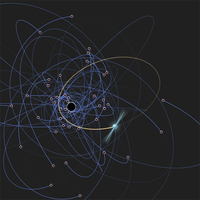
Phys. Rev. Lett. 137, 211401 (2026)
Cosmology, Astrophysics, and Gravitation
Branes Screening Quarks and Defect Operators
Article | Particles and Fields | 2026-11-17 05:00 EST
Andreas Karch and Marcos Riojas
Here we show Wilson lines do not necessarily exhibit Coulomb scaling laws in AdS/BCFT at zero temperature. The area difference between a surface that returns to the boundary, and one that plunges into the bulk, determines the potential between two quarks. This classic AdS/CFT calculation is extended…
Phys. Rev. Lett. 137, 211601 (2026)
Particles and Fields
Muon Lifetime and Fermi Constant: An Update
Article | Particles and Fields | 2026-11-17 05:00 EST
Alexander Eberhart, Matteo Fael, Alexander Keshavarzi, Daisuke Nomura, Kay Schönwald, Matthias Steinhauser, Thomas Teubner, and Aidan Wright
We present an updated prediction for the lifetime of the muon, including a detailed analysis of all relevant uncertainties. Our prediction includes QED corrections up to order and state-of-the-art hadronic contributions based on dispersive methods. Radiative corrections and finite-electron-mass e…
Phys. Rev. Lett. 137, 211801 (2026)
Particles and Fields
Two-Fluid Effects in Z-Pinch Ablation Characterized by Unified Bayesian Inversion
Article | Plasma and Solar Physics, Accelerators and Beams | 2026-11-17 05:00 EST
Bowen Zhu, Jian Wu, Wei Wang, Yuanbo Lu, Zhiyuan Jiang, Zhiyin Deng, Delong Xiao, Zhigang Liu, Huantong Shi, Xingwen Li, Hao Wang, and Aici Qiu
In wire-array Z pinches, plasma ablation shapes the conditions for the subsequent implosion. Resolving separate ion and electron motion in these dense, magnetized flows remains an experimental challenge. Here, we report the first direct, spatially resolved measurements of radial () and azimuthal (
Phys. Rev. Lett. 137, 215102 (2026)
Plasma and Solar Physics, Accelerators and Beams
Transformation-Induced Plasticity in Metals Activated by Shape-Memory Ceramics
Article | Condensed Matter and Materials | 2026-11-17 05:00 EST
Wangshu Zheng, Xuyang Feng, Lei Zhao, Linghai Li, Ying Hu, Shulin Liu, Runxia Li, Wen Yin, Upadrasta Ramamurty, Zhili Dong, Chee Lip Gan, Di Zhang, and Qiang Guo
Secondary-phase fillers usually strengthen metals at the expense of plasticity and functionality. Here, we show that embedding stimulus-responsive, shape-memory ceramics into a metal activates a transformation-induced plasticity response through a distinct constraint-relief mechanism. During process…
Phys. Rev. Lett. 137, 216101 (2026)
Condensed Matter and Materials
Experimental Bounds on Phonon Tunneling across Nanoscale Vacuum Gaps
Article | Condensed Matter and Materials | 2026-11-17 05:00 EST
Sai C. Yelishala, Mohammad Habibi, Yunxuan Zhu, and Longji Cui
The absence of phonon tunneling across vacuum gaps greater than 1 nm is confirmed by high-resolution thermal measurements, precise 3D probe nano-geometry mapping and numerical simulations.
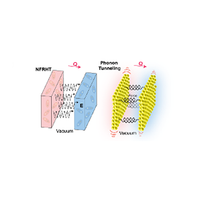
Phys. Rev. Lett. 137, 216302 (2026)
Condensed Matter and Materials
Probing Bilayer Topological Order with Layer-Resolved Transport
Article | Condensed Matter and Materials | 2026-11-17 05:00 EST
Hongquan Liu, J. I. A. Li, and D. E. Feldman
Shot noise has been used to measure fractional charges of anyons. The value of the charge imposes constraints on fractional statistics but does not determine it. This limitation is particularly important in multi-component systems. For example, the zero charge of neutral anyons in bilayer graphene g…
Phys. Rev. Lett. 137, 216601 (2026)
Condensed Matter and Materials
Strain-Tunable Competing Polar Orders in ${\mathrm{NbOCl}}_{2}$
Article | Condensed Matter and Materials | 2026-11-17 05:00 EST
Yanfei Hou, Jun-Jie Zhang, Linyuan Chen, Qiankun Li, Tianhao Ying, Yiqi Hu, Shun Wang, Lingling Yang, Jingyao Zhang, Shuzhong Yin, Wei Du, Yuyan Weng, Xian-Kui Wei, Shuai Dong, Liang Fang, and Lu You
Competing electric dipole orders arising from nearly degenerate free-energy landscapes underpin a broad range of emergent functionalities in complex oxides yet remain largely unexplored in two-dimensional van der Waals materials. Here, we report direct evidence for the coexistence of polar and antip…
Phys. Rev. Lett. 137, 216801 (2026)
Condensed Matter and Materials
Floquet Engineering of a Quasiequilibrium Superradiant Phase Transition in Landau Polaritons
Article | Condensed Matter and Materials | 2026-11-17 05:00 EST
Wen-Hua Wu (吳文華), Fuyang Tay, Mengqian Che, Andrey Baydin, Junichiro Kono, and David Hagenmüller
Superradiant phase transitions (SRPTs), characterized by photon condensation and macroscopic matter polarization, are forbidden in equilibrium for homogeneous fields by no-go theorems. Here, we show that Floquet driving can circumvent this constraint in a Landau polariton system consisting of a two-…
Phys. Rev. Lett. 137, 216901 (2026)
Condensed Matter and Materials
Electrically Switchable Bright-Dark Excitons in Ferrovalley Bilayers
Article | Condensed Matter and Materials | 2026-11-17 05:00 EST
Yun-Xi Qi (戚云西), Jun-Ding Zheng (郑君鼎), Song-Chuan Zhou (周嵩川), Yun-Qin Li (李运琴), Zhi-Qiang Bao (鲍志强), Wen-Yi Tong (童文旖), and Chun-Gang Duan (段纯刚)
The realization of exciton-based quantum memories is fundamentally hindered by the trade-off between optical accessibility in bright states and long coherence lifetimes in dark states. While interlayer excitons offer promising lifetimes, their optical selection rules are typically locked by crystal …
Phys. Rev. Lett. 137, 216902 (2026)
Condensed Matter and Materials
Multiple Propagating Modes in Random Polycrystals
Article | Statistical Physics; Classical, Nonlinear, and Complex Systems | 2026-11-17 05:00 EST
Ming Huang, Stanislav I. Rokhlin, and Michael J. S. Lowe
State-of-the-art grain-scale simulations confirm a decades-old theoretical prediction, demonstrating that forward multiple scattering allows multiple coherent wave modes to propagate through single-phase random polycrystals.
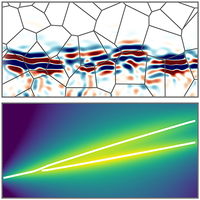
Phys. Rev. Lett. 137, 217201 (2026)
Statistical Physics; Classical, Nonlinear, and Complex Systems
Dual Relaxation Modes Control Polymer Crystallization
Article | Polymers, Chemical Physics, Soft Matter, and Biological Physics | 2026-11-17 05:00 EST
Ming Wang, Zijian Song, Alejandro J. Müller, Simone Napolitano, Guoming Liu, and Dujin Wang
Crystallization in polymers provides a fundamental probe of how molecular relaxation governs the emergence of order in glass-forming systems. Despite the longstanding success of the Lauritzen-Hoffman theory, its empirical treatment of molecular diffusion fails to capture the crystallization kinetics…
Phys. Rev. Lett. 137, 218102 (2026)
Polymers, Chemical Physics, Soft Matter, and Biological Physics
Physical Review X
Tomographic Electron Flow in Confined Geometries: Beyond the Dual-Relaxation-Time Approximation
Article | | 2026-11-17 05:00 EST
Nitay Ben-Shachar and Johannes Hofmann
A new asymptotic theory shows that electron transport in clean materials is neither simply ballistic nor hydrodynamic but instead defines a distinct regime in which long-lived odd modes substantially modify bulk hydrodynamic flow and induce pronounced boundary layers near device edges.

Phys. Rev. X 16, 041044 (2026)
Piecewise Omnigenous Magnetohydrodynamic Equilibria as Fusion Reactor Candidates
Article | | 2026-11-17 05:00 EST
V. Fernández-Pacheco, J. L. Velasco, E. Sánchez, J. M. García-Regaña, J. A. Alonso, I. Calvo, D. Carralero, and R. Gaur
A new family of magnetic fields reshapes stellarator design.

Phys. Rev. X 16, 041045 (2026)
arXiv
Exact solution of the two-dimensional one-component plasma on the truncated Beltrami pseudosphere
New Submission | Statistical Mechanics (cond-mat.stat-mech) | 2026-11-18 20:00 EST
We solve exactly the two-dimensional one-component plasma at coupling $ \Gamma=2$ on the truncated Beltrami pseudosphere, a surface of constant negative curvature bounded by two parallels. A conformal map onto a flat cylinder leaves the particles interacting through the flat-cylinder potential, with the curvature entering only through the area element. The partition function becomes a product of incomplete gamma functions, the density is explicit, and all correlations are determinantal. Since the area is bounded, the large-N limit is taken at fixed shape. The free energy, obtained through the constant term with every coefficient in closed form, contains a bulk term (1/2)N ln N, a term linear in N, the flat hard-wall surface tension times the total boundary length, and a shape-dependent constant, with no ln N term. This is the conformal-anomaly prediction for Euler characteristic zero, tested here on a surface where the integrated Gaussian and boundary curvatures are separately nonzero and cancel. The expansion coincides term by term with the cylinder result of Shen and Forrester, whose universal constants are quadratures of the two boundary layers. At both walls the density tends to the flat contact value $ n_b$ ln 2, from opposite sides, although the circumferences differ by a factor cosh u_max. We compare the asymptotics with the exact solution up to N=4096, and Monte Carlo simulations at $ \Gamma= $ 1, 4 and 6, validated against the exact $ \Gamma= $ 2 density, show how the boundary layers evolve with coupling.
Statistical Mechanics (cond-mat.stat-mech)
Statistical Properties of the $q$-Deformed Monolayer and Bilayer Graphene
New Submission | Mesoscale and Nanoscale Physics (cond-mat.mes-hall) | 2026-11-18 20:00 EST
Omar Pedraza, Erik Díaz-Bautista, L. A. López, Daniel O-Campa
We investigate the statistical properties of the $ q$ -deformed Dirac oscillator for monolayer and bilayer graphene in the presence of a constant external magnetic field. Using $ q$ -deformed creation and annihilation operators, we obtain the corresponding energy spectra and eigenfunctions, as well as their probability current densities, recovering the conventional Landau-level structures in the undeformed limit. For bilayer graphene, the lowest Landau levels are explicitly constructed within the $ q$ -deformed framework. The partition functions for both systems are derived using zeta-function techniques and the Euler-Maclaurin formula, allowing us to determine their main thermodynamic quantities for small values of the deformation parameter. Our results show that the $ q$ -deformation modifies the energy spectra, the behavior of the probability current density components, and the thermodynamic response of the systems. A comparison between monolayer and bilayer graphene reveals distinct thermal behaviors, reflecting their different Landau-level structures and highlighting the influence of the $ q$ -deformation on their statistical properties.
Mesoscale and Nanoscale Physics (cond-mat.mes-hall), Materials Science (cond-mat.mtrl-sci), Mathematical Physics (math-ph), Quantum Physics (quant-ph)
14 pages, 15 figures
Renormalization-Group Foundation of Critical Modes in Correlation Matrices
New Submission | Statistical Mechanics (cond-mat.stat-mech) | 2026-11-18 20:00 EST
Yanhua Zhang, Mingmei Xu, Jinghua Fu, Yuanfang Wu
Based on the relevant scaling operators of renormalization-group theory, we establish a theoretical framework for constructing complete families of critical-sensitive fluctuation observables and their connected correlation matrices. The corresponding eigenstates of the correlation matrices reveal a hierarchy of multiscale critical correlation patterns and the leading normalized eigenvalues and their ratios show the finite-size scaling behavior. Applying this framework to the two-dimensional Ising model, the correlation matrices associated with both spin and energy operators are constructed. The resulting energy-sector eigenstate patterns, together with the scaling behavior of the leading eigenvalues, provide further support for the proposed framework. Finally, we discuss its potential extension to systems with unknown Hamiltonians.
Statistical Mechanics (cond-mat.stat-mech), High Energy Physics - Theory (hep-th)
The Kitaev model on finite hyperbolic PBC clusters
New Submission | Mesoscale and Nanoscale Physics (cond-mat.mes-hall) | 2026-11-18 20:00 EST
We construct and solve the three-colored Kitaev model on finite hyperbolic lattices with periodic boundary conditions. We describe a self-contained procedure which uses finite quotients of orientation- preserving triangle groups to generate regular maps on compact genus-g surfaces. From these, one can extract their lattice connectivity, plaquette structure, homology cycles and Wilson sectors while implementing consistent boundary conditions. On the example of {8, 3} and {12, 3} lattices, we enumerate a selection of quotients with up to 72 vertices, which constitute the discrete steps in a finite-size scaling analysis. For the isotropic point, corresponding to the spin-liquid phase in the thermodynamic limit, we identify the ground state superselection sectors, quantify their deviation from the homogeneous {\pi} flux sector and show how the selected flux background depends on the quotient geometry. We then discuss how the resulting ground state sector degeneracies are entirely generated by physical lattice symmetries acting on both the plaquette fluxes and non-contractible Wilson loops. Finally, we study the behaviour of the finite-size two-vison gap and matter fermion correlations. We find that the gap does not decrease monotonically with increasing system size, while one still recovers the expected algebraic decay of the correlations at the isotropic point, even for the considered modest system sizes.
Mesoscale and Nanoscale Physics (cond-mat.mes-hall), Other Condensed Matter (cond-mat.other), Strongly Correlated Electrons (cond-mat.str-el), Quantum Physics (quant-ph)
21 pages, 12 figures
Probing Phase Fluctuations in Cuprates by Multidimensional Josephson Spectroscopy
New Submission | Superconductivity (cond-mat.supr-con) | 2026-11-18 20:00 EST
Albert Liu, Danica Pavicevic, Alex Gómez Salvador, Marios H. Michael, Michael Fechner, Pedro M. Lozano, Qiang Li, Genda D. Gu, Eugene Demler, Andrea Cavalleri
The normal state of cuprate superconductors is believed to host precursor electron pairing above the superconducting transition temperature. These pre-formed pairs, which extend over an unknown temperature range, are expected to lack long-range phase coherence. Because spectroscopic evidence for this hypothesis is only indirect, new methods to probe these physics are needed. Nonlinear terahertz spectroscopy allows one to probe high-order time correlation functions and is therefore sensitive to fluctuations. Measurements of third-harmonic generation along the superconducting planes have revealed responses persisting above Tc, but a clear relation between these optical responses and specific properties of the fluctuating state has not yet been established. Here, we apply angle-resolved multidimensional terahertz spectroscopy to probe the optical nonlinearity of the Josephson tunneling resonance in La1.83Sr0.17CuO4 across the superconducting to normal state transition. We find that among all third-order nonlinear responses, the non-rephasing multidimensional signal is especially sensitive to non-mean field fluctuations of the order parameter. We measure a crossover occurring at T ~ Tc between a mean-field optical nonlinearity that dominates at low temperatures and one that is mediated by short-range superconducting fluctuations. We present a theoretical framework that connects the out-of-plane optical response in both regimes to the fluctuating in-plane superconducting state, and contrast the sensitivity of different types of terahertz nonlinearities to fluctuating order.
Superconductivity (cond-mat.supr-con), Materials Science (cond-mat.mtrl-sci), Optics (physics.optics)
The SymTFT and Quantum Phases of Matter
New Submission | Strongly Correlated Electrons (cond-mat.str-el) | 2026-11-18 20:00 EST
Salvatore D. Pace, Sakura Schafer-Nameki, Carolyn Zhang
The symmetry topological field theory (SymTFT) provides a unified framework for ordinary and generalized symmetries of quantum many-body systems. By encoding symmetry in a topological theory in one higher dimension, it separates symmetry data from the details of a specific quantum system. In this review, we give a pedagogical introduction to this framework and survey its applications to phases of quantum matter. For fusion category symmetries in $ {(1+1)}$ d, we explain how the SymTFT characterizes anomalies, classifies gapped phases, and organizes the symmetry structure of gapless phases. We also give a broad overview of further developments of this framework, including extensions to symmetries in higher dimensions, continuous symmetries, fermionic systems, mixed states, and spacetime symmetries.
Strongly Correlated Electrons (cond-mat.str-el), High Energy Physics - Phenomenology (hep-ph), High Energy Physics - Theory (hep-th), Quantum Physics (quant-ph)
Review article, to appear in “Annual Review of Condensed Matter Physics”
Constraints on the volume enclosed by Fermi surfaces
New Submission | Strongly Correlated Electrons (cond-mat.str-el) | 2026-11-18 20:00 EST
A fundamental property of a Fermi liquid (FL) is that the volume enclosed by the Fermi surface is determined by $ \rho$ , the total density of electrons. In a fractionalized Fermi liquid (FL\ast), the volume enclosed by the Fermi surface is determined by the same expression after $ \rho$ has been shifted by a quantized amount, most commonly to $ \rho -1$ (we assume spin rotation invariance, for simplicity). The FL\ast shift is related to the quantized symmetry fractionalization data of a quantum spin liquid, whose fractionalized spinon excitations are present alongside the Fermi surface quasiparticles. In this review article, we establish the FL\ast Fermi volume by generalizing the original Luttinger proof for FL to parton gauge theories of the quantum spin liquid and FL\ast. We also discuss Oshikawa’s flux insertion arguments for FL, and their extension to FL\ast, including a discussion of gapless spin liquids.
Strongly Correlated Electrons (cond-mat.str-el), High Energy Physics - Theory (hep-th)
24 pages, 5 figure. For the Special Centenary Issue of the Indian Journal of Physics, Recent Trends in Condensed Matter Physics
Tunable Topological Charge Order in Magnetic Moiré Systems
New Submission | Strongly Correlated Electrons (cond-mat.str-el) | 2026-11-18 20:00 EST
Conor Smith, Yubo Yang, Shiwei Zhang, Miguel A. Morales
Two-dimensional electrons in a strong magnetic field exhibit two seemingly incompatible ground states: incompressible quantum Hall liquids with a quantized Hall conductance, and electron crystals in which interactions drive the charge into ordered patterns. Moiré superlattices in transition-metal-dichalcogenide bilayers offer a tunable arena for this competition. Using neural quantum states (NQS) together with several methodological advances, we show how this competition unfolds. In particular, we demonstrate that the two end points are separated by an extended regime in which molecular charge order coexists with a quantized Hall response. We map the ground-state phase diagram of electrons at Landau-level filling $ \nu_B=1$ in the presence of a moiré superlattice potential, with three electrons per moiré cell. In the deep triangular potential limit, the electrons form the topologically trivial “Wigner molecular crystal’’ of three-electron artificial atoms, a state recently imaged at zero magnetic field in moiré bilayers. As the potential depth is lowered, molecular charge order remains while quantized Hall response emerges. At the honeycomb point, where each cell contains three electrons and two degenerate moiré minima, wells are either singly or doubly occupied and the doublons provide an emergent Ising degree of freedom. Starting from modest interaction strength, we find short-range doublon correlations within the Chern insulator which grow with interaction strength and eventually break sublattice symmetry, forming a Néel CDW with long-range order between doublons. The topological molecular regime lies at twist angles and magnetic fields directly accessible to current experiments. The methodological advances presented provide a scalable framework for exploring a broad range of questions in correlated quantum matter in the presence of magnetic fields.
Strongly Correlated Electrons (cond-mat.str-el), Quantum Physics (quant-ph)
Hidden convexity of the Eliashberg condensation energy: existence, uniqueness and continuity of the superconducting state
New Submission | Superconductivity (cond-mat.supr-con) | 2026-11-18 20:00 EST
Kiessling, Altshuler and Yuzbashyan conjectured the thermodynamic transition picture for the isotropic Eliashberg spin-chain functional with vanishing Coulomb pseudopotential: the normal state is the unique minimizer above and at a critical temperature, the superconducting minimizer below it is unique up to gauge, and the transition is continuous. We establish the nonlinear part of this picture. In the variables $ \rho_n=\sin^2\theta_n$ , the condensation energy restricted to the first quadrant is strictly convex, and folding any admissible chain into that quadrant cannot increase its energy. For every positive, non-increasing interaction with power-law decay, hidden convexity and a compactness estimate give existence and uniqueness of the minimizer up to gauge. The normal state minimizes the energy exactly when its quadratic form is non-negative, including marginal stability. Among admissible chains, a positive solution of the nonlinear Eliashberg equations exists exactly when the normal state is linearly unstable and is then unique. For temperature-dependent families with pointwise continuity and locally uniform decay bounds, the minimizing density is continuous in a weighted $ \ell^1$ norm. Together with uniqueness of the linear-stability temperature, these results prove the thermodynamic conjectures for the $ \gamma$ -model, Einstein phonons and general phonon spectra; the phonon applications use separately established spectral input. Finite-dimensional algebraic and convex-analytic components are machine-checked in Lean. The proofs were obtained independently of concurrent work that reaches overlapping conclusions.
Superconductivity (cond-mat.supr-con), Statistical Mechanics (cond-mat.stat-mech), Mathematical Physics (math-ph)
23 pages, 2 figures. Companion to “Sharp bounds on the Eliashberg critical temperature: a comparison principle, convexity in the spectrum, and the Kiessling-Altshuler-Yuzbashyan conjectures” (D. Rens, submitted). Lean 4 formalization of the finite-dimensional core and the numerical study are in the ancillary files
High-resolution top-down nanopatterning of NbN thin films for superconducting metamaterials
New Submission | Superconductivity (cond-mat.supr-con) | 2026-11-18 20:00 EST
Francesca Incalza, Davide Mondin, Dip Joti Paul, Matteo Castellani, Alejandro Simon, Rocco A. Vitalone, Dmitri N. Basov, Karl K. Berggren
Periodic nanopatterning offers a route to tailoring vortex motion and the electromagnetic response of superconducting films, providing a basis for superconducting metamaterials. Here, we report a high-resolution top-down nanopatterning process for ultrathin epitaxial NbN films on sapphire substrates. Electron-beam lithography using hydrogen silsesquioxane (HSQ) and ZEP 530A resists was optimized through proximity-effect correction and adhesion-layer integration. Dense superconducting nanowire grids with pitches down to 70 nm were fabricated, alongside millimeter-square areas patterned with 100-nm-pitch hole arrays with high pattern fidelity. A thin Si capping layer was found to significantly improve HSQ adhesion on epitaxial NbN. The nanopatterns were successfully transferred into 5-nm-thick NbN films by reactive ion etching (RIE). Structural and dimensional characterization was performed using scanning electron microscopy (SEM), transmission electron microscopy (TEM), and atomic force microscopy (AFM), enabling cross-validation of nanoscale feature dimensions and etch quality. Electrical transport measurements reveal periodic resistance minima and switching-current oscillations at magnetic fields set by the hole-array pitch, consistent with enhanced vortex pinning when the vortex configuration matches the patterned lattice. Cryogenic THz time-domain spectroscopy further reveals a reduced superfluid density in the nanopatterned region relative to pristine NbN, while both regions have a spectroscopic superconducting transition near 14 K. These results establish a robust fabrication platform for superconducting nanopatterns targeting vortex pinning, metamaterials, and quantum-device applications.
Superconductivity (cond-mat.supr-con)
Magnon-Phonon-Polariton Optomechanics in a van der Waals Magnet
New Submission | Mesoscale and Nanoscale Physics (cond-mat.mes-hall) | 2026-11-18 20:00 EST
Jens-Christian Drawer, Vladislav Yu. Shishkov, Bo Han, Vita Solovyeva, Iva Plutnarová, Zdeněk Sofer, Christian Schneider, Anton V. Zasedatelev, Martin Esmann
The layered anti-ferromagnet CrSBr hosts self-hybridized exciton-polaritons that couple parametrically to coherent magnons and phonons. In this work, we explore the tripartite optomechanical interaction between these quasiparticles in suspended CrSBr membranes supporting high-$ Q$ breathing-type acoustic phonon modes. Using resonant pump-probe spectroscopy on the polariton state, we resolve the coupled dynamics in the $ \simeq 20$ GHz range while sweeping the magnon mode across the phonon resonance with an external magnetic field. We observe an attractive magnon-phonon interaction of strength $ V/2\pi = -43$ MHz, which primarily leads to phonon amplification. At the magnon-phonon resonance, we find predominantly unidirectional energy flow from magnons to phonons while the possible back-action is limited by kinetic losses of coherent magnons. Our study enables direct interfacing of collective magnetic excitations with sound and light in layered van der Waals materials, paving the way for quantum-coherent transduction in the GHz range with optical readout.
Mesoscale and Nanoscale Physics (cond-mat.mes-hall), Materials Science (cond-mat.mtrl-sci), Optics (physics.optics)
Magnetic tuning of odd elastic instabilities in chiral active crystals
New Submission | Soft Condensed Matter (cond-mat.soft) | 2026-11-18 20:00 EST
Umberto Marini Bettolo Marconi, Lorenzo Caprini
We investigate the dynamical properties of an odd active crystal whose elementary units follow an inertial dynamics and experience a Lorentz force induced by an external magnetic field. The continuous injection of energy associated with active chirality gives rise to odd elasticity, manifested through transverse forces between the crystal constituents. We show that the interplay between the magnetic field and these transverse forces produces a distinctive long-wavelength instability at vanishing wavevector, which is absent in both non-magnetic elastic crystals and passive crystals subjected to a magnetic field. Moreover, the magnetic field provides a means of tuning the collective oscillations of the crystal, enabling the emergence of exceptional points and tuning the dynamical instability induced by odd elasticity at finite wavevectors. Our analytical results yield explicit predictions for the displacement spectrum, static structure factor, and intermediate scattering function. These findings suggest that magnetic fields could provide a powerful tool for controlling collective phenomena in high-density systems of granular or colloidal spinners.
Soft Condensed Matter (cond-mat.soft), Statistical Mechanics (cond-mat.stat-mech)
Dynamics and transport in LiF using classical and machine learned interatomic potentials
New Submission | Materials Science (cond-mat.mtrl-sci) | 2026-11-18 20:00 EST
Harvey L. Devereux, Margaret-Ann Withington, Alin M. Elena, Cillian Cockrell, Kostya Trachenko
We perform molecular dynamics simulations of molten Lithium Fluoride, comparing the classical Buckingham and Born-Huggins-Mayer potentials with machine-learnt interatomic potentials - the MACE-MP-0b3 (small) foundation model potential, and a fine-tuned version thereof. We find that the MACE-MP-0b3, out-of-the-box, is able to accurately reproduce the experimental shear viscosity across the liquid state comparable with polarisable potentials despite not itself being polarisable. Previous viscosities computed using classical potentials are under-predicted, which has previously been attributed to a suppressed melting temperature. Prompted by this we compare the melting points of these potentials. We find that the machine-learnt potentials address the significant underestimation of the melting point of the classical potentials, though the refined potential and the foundation model differ significantly between themselves. We probe the microscopic structure and dynamics of each model to further elucidate the considerable change in viscosity between classical and machine-learnt potentials. We find that, despite their lower melting temperature, classical potentials produce considerably stiffer, higher frequency, single-particle and collective charge-transport dynamics on account of their fixed charges. However, in the long-wavelength limit, the many-body machine-learnt potentials feature more elastic collective motion that governs the diffusion of momentum and is therefore responsible for the enhanced shear viscosity.
Materials Science (cond-mat.mtrl-sci), Statistical Mechanics (cond-mat.stat-mech)
quantEM: Quantitative Electron Microscopy Analysis from Differentiable Physics to Neural Priors
New Submission | Materials Science (cond-mat.mtrl-sci) | 2026-11-18 20:00 EST
Colin Ophus, Arthur RC McCray, Georgios Varnavides, Stephanie M Ribet
Quantitative electron microscopy includes imaging, diffraction, spectroscopy, and tomography measurements, and the analysis of these measurements increasingly requires solving inverse problems with physical forward models. Open-source software has made many of these analyses widely available, but most packages are organized around a single modality, so that multimodal analyses require moving data between packages, and new methods cannot easily reuse the physical models and optimizers of existing ones. Here we present quantEM, an open-source Python package for quantitative electron microscopy that uses PyTorch tensors for computation and automatic differentiation, and Zarr for storage. We implement each analysis method by writing a differentiable forward model and choosing a representation, loss function, constraints, and optimizer from a library of components, so that every method runs on CPUs and GPUs, can be saved and resumed, and uses the same calibrated data structures and visualization tools. We describe the current modules, including orientation and strain mapping, direct and iterative ptychography, tomography with neural representations, and X-ray and electron energy-loss spectroscopy, and show how we assemble combined methods such as ptychographic tomography from existing components. quantEM is available under the MIT license, together with documentation, tutorials, and curated example datasets.
Materials Science (cond-mat.mtrl-sci)
28 pages, 5 figures, 2 tables
Ultrafast imprinting of fused ferromagnetic/antiferromagnetic skyrmions
New Submission | Other Condensed Matter (cond-mat.other) | 2026-11-18 20:00 EST
Coline Thevenard, Carenza E. Cronshaw, Romain Tahay, Daria Gusakova, Vincent Baltz, Richard F. L. Evans
Antiferromagnetic skyrmions are promising topologically protected entities for robust storage and THz transport of information. Their generation has so far relied on slow techniques or on specific magnetic structures, which limit their integration into spintronic devices. Here, we demonstrate the imprinting of antiferromagnetic skyrmions within a few picoseconds in a coupled ferromagnetic/antiferromagnetic bilayer with a thermal laser pulse. We identify a threshold energy required to initiate the fused skyrmion phase and show that this can be modulated by a magnetic field, enabling deterministic nucleation of antiferromagnetic skyrmions. Compared to conventional slow field-cooling processes to control antiferromagnets we show that laser-induced skyrmion imprinting can be orders of magnitude faster and provides an experimentally feasible route towards ultrafast creation and manipulation of antiferromagnetic skyrmions.
Other Condensed Matter (cond-mat.other), Mesoscale and Nanoscale Physics (cond-mat.mes-hall)
Optical characterization of Fermi polarons in monolayer MoSe$_2$ encapsulated in amorphous silicon nitride
New Submission | Mesoscale and Nanoscale Physics (cond-mat.mes-hall) | 2026-11-18 20:00 EST
Christos Paspalides, Brendan C. Mulkerin, Rafael Luque Merino, Alvaro Castilla Lamas, Samuel Palacios Valdepeñas, Kenji Watanabe, Takashi Taniguchi, Jesper Levinsen, Meera M. Parish, Luis Viña, Maria Dolores Martín, Francesca Maria Marchetti, Andres Castellanos-Gomez, Carlos Antón-Solanas
Amorphous silicon nitride is the leading low-loss, CMOS-compatible platform for wafer-scale integrated photonics. Encapsulating transition-metal dichalcogenide (TMD) monolayers within this platform offers a promising route towards scalable TMD-photonic circuits. Yet the effect of this amorphous dielectric on the optical response of the monolayer remains poorly understood. Here, we compare monolayer MoSe$ _2$ encapsulated in amorphous silicon nitride with a hexagonal boron nitride-encapsulated reference, using differential reflectivity and photoluminescence. Whereas the reference is dominated by the neutral exciton, the nitride-encapsulated monolayer shows attractive and repulsive polaron resonances separated by $ {\sim}31$ ~meV, with emission dominated by the attractive branch. A quantitative comparison of temperature-dependent reflectance with a microscopic finite-temperature Fermi-polaron theory shows that the nitride induces substantial electron doping in the monolayer, with an electron density of $ (0.8$ –$ 0.9)\times10^{12}$ ~cm$ ^{-2}$ . Using the extracted density and trion binding energy as the only input parameters, the theory reproduces the photoluminescence spectra up to $ {\sim}80$ K in excellent quantitative agreement with experiments, thus corroborating the Fermi-polaron description of the observed excitonic response.
Mesoscale and Nanoscale Physics (cond-mat.mes-hall), Materials Science (cond-mat.mtrl-sci)
24 pages, 3 figures; Supplementary Information with 7 figures included
Weight-Space Programming for Materials Science
New Submission | Materials Science (cond-mat.mtrl-sci) | 2026-11-18 20:00 EST
Sk Md Ahnaf Akif Alvi, Raymundo Arróyave
A materials discovery campaign often begins with almost no measurements of the property it is searching for, and the models that rank candidates or screen the output of a generator then have to be built from those first few labels. Following recent work on weight-space programming, in which a language model writes the weights of a small network directly as text, we show that a general-purpose model, given the task in words, the names of the inputs and a network of 16 hidden units with every weight set to zero, can provide this starting point by filling in all of the weights from what it has learned about materials. With no labels, the networks of the strongest model rank experimental alloys at Spearman co-efficient = 0.64 to 0.79, where the best of five simple descriptors reaches 0.47 to 0.62. They rank the bulk modulus of crystals added during generative discovery loops at 0.95, where the inverse volume per atom reaches 0.89, and 35 phase-equilibrium targets computed with Thermo-Calc at a mean of 0.67, close to the 0.70 of an extrapolation from calculated binary and ternary data. As the prior mean of a Gaussian process they raise the ranking at five labels from 0.35 to 0.69 on alloys and from 0.15 to 0.95 on crystals, and they lower the regret of Bayesian optimization significantly on 4 of 5 experimental tasks and on 13 to 16 of 33 computed targets, depending on how multiple tests are corrected, without raising it significantly on any. The same networks also serve as the mean of a Bayesian neural network and as a screen for the samples of two crystal generators, where they do as well as standard models trained on 400 labeled structures. The gain is confined to the first tens of labels and to targets that no rule or sub-system extrapolation already ranks.
Materials Science (cond-mat.mtrl-sci)
Frame Based Inelasticity for Strength and Fracture in Anisotropic Media
New Submission | Materials Science (cond-mat.mtrl-sci) | 2026-11-18 20:00 EST
A field theory is presented for predicting damage and fracture in brittle materials. Four concepts are used: a new nonlocal deformation gradient for dynamic stress analysis in anisotropic media, a new type of phase field coming from a constitutive law, the evolution of material displacement from Newton’s second law, and a new incorporation of scaled strength surfaces into constitutive laws for predicting dynamic and quasi-static fracture patterns. The elastic softening is governed by the strain dynamics through the constitutive law and in this way we provide the two way coupling between strain and fracture. Simulations validating the approach for both dynamic and quasi-static fracture analysis are compared to experimental results and other simulation methods. The model is capable of predicting material strength in titania and the competition between strength and energy in soda lime glass and titana and captures dynamic crack branching in soda lime glass and concrete.
Materials Science (cond-mat.mtrl-sci)
36 pages, 18 figures
Exact Dynamic Scaling of Quantum Jump Statistics in Monitored Many-Body Systems
New Submission | Statistical Mechanics (cond-mat.stat-mech) | 2026-11-18 20:00 EST
Kazuki Yamamoto, Taiki Ishiyama, Toranosuke Matsubara, Kazuya Fujimoto, Tomohiro Sasamoto, Ryusuke Hamazaki
Quantum measurement has opened a new frontier in nonequilibrium many-body physics, revealing striking phenomena such as measurement-induced entanglement transitions, whose experimental observation typically requires costly postselection. Quantum jump statistics offer another route to studying such measurement-induced many-body phenomena without postselection, motivating the search for universality in measurement outcomes themselves. In this Letter, we discover that fluctuation of the number of quantum jumps within a subsystem exhibits novel dynamic scaling, characterized by diffusive time scale and anomalous super-Poissonian system-size scaling that depend on the subsystem size in monitored many-body systems. For free fermions under continuous monitoring, we exactly determine the scaling exponent and the scaling function by deriving an exact finite-size solution of the Liouvillian autocorrelation function. We also analytically show that the dynamic scaling with the same scaling exponent and the scaling function even holds for interacting fermions in the limit of large measurement strength. Our work provides a novel framework to classify measurement-induced nonequilibrium many-body universality through experimentally friendly, postselection-free quantities.
Statistical Mechanics (cond-mat.stat-mech), Quantum Gases (cond-mat.quant-gas), Strongly Correlated Electrons (cond-mat.str-el), Quantum Physics (quant-ph)
10+7 pages, 5+1 figures
Coexisting orders and dipolar Luttinger liquids in $\mathbb{Z}_N$ quantum torus chain
New Submission | Strongly Correlated Electrons (cond-mat.str-el) | 2026-11-18 20:00 EST
Seunghun Lee, Seungho Lee, Hyun-Yong Lee, Jung Hoon Han
We establish a unified ground-state phase diagram for the one-dimensional $ \mathbb{Z}_N$ quantum torus chain, which is connected to dipolar cluster and dipolar Ising chains via noninvertible dualities. Combining tensor-network calculations with bosonization and perturbation theory, we establish a rich phase diagram governed by the local Hilbert-space dimension $ N$ and its parity. We identify phases with coexisting $ X$ and $ Z$ long-range orders ($ C$ phase), and dipolar Luttinger liquids (dLL$ _{\rm I}$ and dLL$ _{\rm II}$ ) separating coexisting phases from single-order phases. Gapless dipolar excitations coexist with long-range order in dLLs. Both the $ C$ and dLL phases appear at $ N \geq 5$ , but only the $ C$ phases persist as $ N\to \infty$ . The stability of the dLL phase is understood by an emergent Luttinger liquid theory, with Berezinskii-Kosterlitz-Thouless transitions out of it driven by competing umklapp and clock anisotropy perturbations. For odd $ N \geq 5$ , a third dLL phase (dLL$ _{\rm III}$ ) emerges near $ \theta = \pi$ due to the low-energy dynamics inside the exponentially degenerate ground-state manifold that maps onto an effective XXZ chain. Duality considerations suggest a possible gapless dipolar symmetry-protected topological phase and spontaneous dipole-symmetry breaking in dipolar cluster chains.
Strongly Correlated Electrons (cond-mat.str-el), Quantum Physics (quant-ph)
18 pages, 7 figures
Apparent contact angle equation for a dielectric droplet on a conductive hydrophilic surface in an electric field
New Submission | Soft Condensed Matter (cond-mat.soft) | 2026-11-18 20:00 EST
Ren-Qiang Huang, Gao-Xiao Jiang, Zhong-Yi Li, Rui Ma, Chen-Xu Wu
A dielectric droplet resting on a conductive substrate elongates when a voltage is applied across the surrounding gap without touching the upper electrode. We construct a closed form theory of the equilibrium shapes by approximating the interface as a truncated spheroid with a single shape parameter and obtain the dimensionless electrostatic prefactor that corrects the free-space depolarization, based on the mirror symmetry across the substrate. Minimizing the resulting free energy along voltage ramps reproduces the boundary-element-method (BEM) equilibria, both the droplet height and the contact-line radius, with and without gravity, at negligible computational cost. An explicit apparent contact angle equation is found that collapses all the numerical calculation data. The configuration shows a behavior of fixed contact angle and an increasing apparent angle with the applied voltage, which is completely different from that of the Young–Lippmann equation.
Soft Condensed Matter (cond-mat.soft), Materials Science (cond-mat.mtrl-sci)
Electrostatic screening and nitrogen-vacancy charge states in boron-doped/nitrogen-doped diamond junctions
New Submission | Materials Science (cond-mat.mtrl-sci) | 2026-11-18 20:00 EST
Masato Koga, Haizen Cho, El Mustapha Mansouri, Eikichi Kimura, Ryo Matsumoto, Yoshihiko Takano, Keigo Arai
Boron-doped diamond (BDD) enables the integration of electrical functionality with nitrogen-vacancy (NV) centers, but the influence of junction electrostatics on NV charge-state stability remains unclear. In this study, we investigate the equilibrium electrostatics of BDD/nitrogen-doped diamond junctions using self-consistent Poisson-Fermi calculations. The results reveal two distinct electrostatic length scales in the nitrogen-doped substrate: a near-interface region of ionized donors that produces dominant band bending and determines the NV$ ^{0/-}$ charge-state boundary, and a much longer screening tail associated with weak donor ionization in the neutral bulk. The resulting NV$ ^-$ depletion depth depends strongly on the nitrogen concentration but exhibits a more moderate dependence on boron doping. At $ N_B = 10^{21}$ cm$ ^{-3}$ , varying the interface grading scale $ w$ from 0.5 to 8 nm changes the depletion depth by approximately 22 nm, whereas variations in the modeled bulk BDD charge response produce a shift of only 1.27 nm. These results indicate that, under the conditions studied, the nitrogen donor concentration and local interface structure primarily govern the equilibrium NV charge-state profile, rather than the bulk electronic response of BDD alone.
Materials Science (cond-mat.mtrl-sci), Quantum Physics (quant-ph)
16 pages, 6 figures
Second Harmonic Flexoelectricity
New Submission | Materials Science (cond-mat.mtrl-sci) | 2026-11-18 20:00 EST
Zhiguo Wang, Yida Yang, Shuai Yang, Haoran Li, Chunchun Li, Zhibin Wen, Zhengqiu Xie, Wenbin Huang, Konstantin Shapovalov, Jiawang Hong, Longlong Shu, Fei Li, Gustau Catalan
Flexoelectricity (polarization induced by strain gradients) is assumed to be insensitive to space inversion in all materials: flexoelectric polarization should not depend on whether a crystal is bent upwards or downwards. In this work, we show that this assumption is wrong for ferroelectrics of all thickness and at all curvatures, owing to an intrinsic quadratic contribution that persists down to strain gradients of 1 m-1 or less, which is millions of times smaller than conventional expectations for nonlinear flexoelectricity. As a consequence, ferroelectric crystals can generate second-harmonic voltage at twice the oscillation frequency of the bending.
Materials Science (cond-mat.mtrl-sci), Applied Physics (physics.app-ph)
Swift Heavy Ion Tracks in Polymorphs of Titanium Dioxide: The Effects of Electron Beam and Crystal Structures
New Submission | Materials Science (cond-mat.mtrl-sci) | 2026-11-18 20:00 EST
Xiaoting Jia, Lijun Xu, Ruslan A. Rymzhanov, Wenqiang Liu, Peipei Hu, Shengxia Zhang, Jiande Liu, Jian Zeng, Jie Liu, Pengfei Zhai
Swift heavy ion (SHI) irradiation generates nanoscale damage in materials, offering opportunities for controlled modification of structural properties. Understanding the fundamental processes governing damage formation in altered regions remains a longstanding challenge. This work explores how crystal structure influences swift heavy ion-induced damage formation and evolution in rutile and anatase TiO2. Combining transmission electron microscopy (TEM) and molecular dynamics simulations, we investigate how differences in atomic arrangement govern track morphology and structural recovery. Although irradiation produces amorphous tracks in both polymorphs, their morphologies differ considerably. In rutile, tracks develop pronounced diameter variations, forming hourglass-like structures, whereas in anatase they retain a relatively uniform cylindrical shape. Molecular dynamics simulations reveal that these differences arise from the distinct recrystallization behavior of the two crystal structures during rapid cooling, leading to different pathways of track evolution and recovery. Particular attention is paid to electron beam induced effects during TEM characterization, which can substantially modify the structure and apparent morphology of ion tracks. Prolonged electron beam exposure promotes the recrystallization of initially amorphous tracks and surface hillocks, accompanied by the development of Fresnel contrast. These findings highlight the importance of understanding beam-induced transformations for the reliable interpretation of TEM observations of radiation-damaged materials.
Materials Science (cond-mat.mtrl-sci), Applied Physics (physics.app-ph)
Reconfigurable 2D Lateral Heterostructure Platform for Unified Detection, Emission, and Logic
New Submission | Mesoscale and Nanoscale Physics (cond-mat.mes-hall) | 2026-11-18 20:00 EST
Purbasha Ray, Rupali Verma, Biswajeet Nayak, Suman Kumar Chakraborty, Shailendra K Varshney, Mayank Shrivastava, Prasana Kumar Sahoo
Heterogeneous integration of sensing, light generation, communication, and computation typically requires specialized devices, resulting in complex interconnects, fabrication overhead, parasitic losses, and energy penalties. Developing a monolithic, reconfigurable device capable of controlling carrier generation, transport, and recombination remains a longstanding challenge. Two-dimensional (2D) lateral heterostructures offer a promising approach by combining spatially distinct domains of different charge polarity with a dynamically tunable electrostatic landscape. Here, multifunctional bilayer MoSe2-WSe2 lateral heterojunctions are demonstrated, integrating photodetection, reconfigurable electroluminescence (EL), and CMOS logic operation within a unified platform. The photodetector exhibits a responsivity of 35 A W-1, a specific detectivity of 5 x 10^13 Jones, and a noise-equivalent power of 6.3 x 10^-18 W Hz^-1/2, enabled by efficient charge separation and photoconductive gain. Under electrical injection, electrostatic gating dynamically switches the radiative recombination zone among the MoSe2 domain, lateral heterointerface, and WSe2 domain, enabling spatially programmable EL, optical multiplexing, and ternary optical logic. Furthermore, the complementary transport characteristics of the two domains enable CMOS inverter operation at 0.25 kHz. These functionalities originate from a common electrostatic framework in which the gate-tunable depletion region governs carrier extraction, recombination, and transport. This work establishes 2D lateral heterostructures as multifunctional building blocks for monolithically integrated electronic and optoelectronic systems combining light sensing, generation, and information processing.
Mesoscale and Nanoscale Physics (cond-mat.mes-hall), Materials Science (cond-mat.mtrl-sci)
Contact-number hyperuniformity at glass close packing in infinite dimensions
New Submission | Disordered Systems and Neural Networks (cond-mat.dis-nn) | 2026-11-18 20:00 EST
We investigate contact-number fluctuations of harmonic spheres near glass close packing (GCP), the amorphous jamming endpoint reached by compressing an ideal glass. Using replica theory, we show that the Gardner-unstable region shrinks toward jamming as the spatial dimension increases, allowing GCP to be approached along a stable one-step replica symmetry breaking branch in the high-dimensional limit. By coupling an external field to the local contact number, we derive the variance of the total contact number and the wave-number-dependent structure factor directly from the microscopic interactions. At GCP, the structure factor vanishes quadratically at small scaled wave numbers, demonstrating contact-number hyperuniformity. Upon weak compression above GCP, the structure factor develops a low-wave-number plateau whose height is proportional to the excess coordination. These results provide an analytical description of contact-number hyperuniformity and its breakdown upon compression.
Disordered Systems and Neural Networks (cond-mat.dis-nn), Soft Condensed Matter (cond-mat.soft), Statistical Mechanics (cond-mat.stat-mech)
19 pages, 3 figures
Intrinsic second-order nonlinear Hall effect from perturbation theory
New Submission | Mesoscale and Nanoscale Physics (cond-mat.mes-hall) | 2026-11-18 20:00 EST
Zhi-Hao Wei, Xiao-Bin Qiang, Renjie Tong, Hai-Zhou Lu, X. C. Xie
Nonlinear transport provides an efficient probe of the electronic structure and symmetry of quantum materials. As a prominent example, the intrinsic nonlinear Hall effect has attracted considerable attention in recent years because it is independent of impurity scattering and directly reflects the quantum geometry of Bloch electrons. Here we establish a simple textbook-style perturbation theory for the intrinsic nonlinear conductivity. Based on the well-defined Bloch-state velocity, our formulation perturbatively determines the field-corrected velocity and distribution function, from which the conductivity follows directly. We further compare our approach with wavepacket-based theories and discuss their consistency.
Mesoscale and Nanoscale Physics (cond-mat.mes-hall)
7 pages, 2 figures, Supplemental Material is attached
Phys. Rev. B 114, L291408 (2026)
Supercell periodicity biases octahedral tilting and energetics in high-entropy perovskite oxides
New Submission | Materials Science (cond-mat.mtrl-sci) | 2026-11-18 20:00 EST
Hanzo Tsubota, Wai Kian Tan, Hiroyuki Muto, Atsunori Matsuda, Tom Ichibha, Kenta Hongo, Ryo Maezono, Liangzhi Kou, Go Kawamura
Odd-period supercells such as $ 3 \times 3 \times 5$ are often used for equimolar five-component compositions in computational studies of high-entropy perovskite oxides (HEPOs). However, such cells are known to constrain octahedral tilting because they cannot accommodate all standard tilt patterns (Glazer tilt systems). How strongly this constraint affects HEPOs, whose octahedra respond to local cation environments, remains unclear. Here we show that supercell periodicity systematically biases computed octahedral tilting and energetics. Using a machine-learning interatomic potential, we compared odd-period and tilt-commensurate cells for 13 HEPOs. Odd-period cells yielded smaller and less coherent tilts and higher energies, even after configurational averaging. In ~1,700-atom cells, tilt differences persisted in all compositions and energy differences in most. The bias extended to defects, with lower oxygen vacancy formation energies in odd-period cells for strongly tilted compositions. Based on these findings, a simple design rule for equimolar supercells is proposed to lift this constraint.
Materials Science (cond-mat.mtrl-sci)
35 pages, 5 figures; Supplementary Information included (10 pages, 5 figures, 4 tables)
Quantum Interband-Coherence-Driven Inverse Faraday Effect in Intrinsic Graphene
New Submission | Other Condensed Matter (cond-mat.other) | 2026-11-18 20:00 EST
Xingdi Wang, Haiming Dong, Kai Chang
The inverse Faraday effect converts the angular momentum of circularly polarized light into a quasistatic magnetization, providing a fundamental route to ultrafast optical control of magnetic fields. We develop an analytical quantum theory of this effect in intrinsic graphene, where massless Dirac fermions, electron-hole symmetry, and weak spin-orbit coupling suppress conventional population-based interpretations. We show that in intrinsic graphene, the helicity-dependent orbital magnetization arises from the off-diagonal zero-harmonic component of the second-order density matrix, rather than from intraband carrier circulation or diagonal population imbalance. We obtain closed expressions for the induced temporal surface magnetization, its finite-pulse dynamics, and the nonlocal stray magnetic field generated by the two-dimensional (2D) source. Optical helicity, frequency, pulse envelope, and beam profile independently control the response. Our results identify intrinsic graphene as an ideal platform for coherent orbital optomagnetism in 2D Dirac matter.
Other Condensed Matter (cond-mat.other), Quantum Physics (quant-ph)
8 pages, 4 figures
Mapping phase competition in GaAs under pressure and temperature
New Submission | Materials Science (cond-mat.mtrl-sci) | 2026-11-18 20:00 EST
Sakshi Patel, Paras Patel, Prafulla K. Jha
Pressure-induced transformations in GaAs offer a means to investigate the interplay between crystal structure, electronic behaviour, and phase stability in a technologically important III-V semiconductor. Here, we have used structure search algorithm combined with first-principles calculations and identified high-pressure competitive phases. The previously proposed $ Imm2$ structure lies above the calculated minimum-enthalpy envelope. The static enthalpy calculations with the PBEsol functional predict the transition sequence $ F\bar{4}3m \rightarrow Cmcm \rightarrow I\bar{4}m2 \rightarrow C2/m \rightarrow Amm2$ , at approximately 12, 14, 34, and 69 GPa, respectively. The initial zinc blende to $ Cmcm$ transition is accompanied by a volume reduction of approximately 17.5 % and metallization within the PBEsol description. Phonon calculations support the dynamical stability of all five phases at representative pressures, while elastic calculations characterize their mechanical response. Vibrational free energies are incorporated within the quasiharmonic approximation to examine phase competition over 0-80 GPa and 0-1000 K. These results identify competing high-pressure structures and connect their relative energetics with the electronic, vibrational, and elastic responses of compressed GaAs.
Materials Science (cond-mat.mtrl-sci)
Complex mobility edges from competing localization channels in non-Hermitian quasicrystals
New Submission | Mesoscale and Nanoscale Physics (cond-mat.mes-hall) | 2026-11-18 20:00 EST
Bing Shao, Weiwei Zhu, Longwen Zhou
Non-Hermitian localization transitions often accompany multiple mobility edges, but their physical origin can be ambiguous. To address the issue, we introduce an extension of the Ganeshan-Pixley-Das Sarma model with both asymmetric hopping and complex onsite potential, thereby incorporating a broad range of non-Hermitian quasiperiodic chains. Its solution reveals two energy-dependent localization contributions manifested as distinct Lyapunov growth scales, whose competition determines the structure of mobility edges. We derive exact Lyapunov exponents via Avila’s global theory, obtain thresholds of the two channels on complex-energy plane, and formulate a selection rule that distinguishes physical mobility edges from suppressed analytical candidates. The channel that uniquely controls localization can switch with energy, producing complex mobility edges of non-Hermitian origins. Nonreciprocal hopping further shifts the thresholds and alters the bulk energy patterns. Numerical spectra and finite-size localization diagnostics confirm the theory. Our work thus provides a unified framework for characterizing phase transitions and mobility edges under competing localization mechanisms in non-Hermitian quasicrystals.
Mesoscale and Nanoscale Physics (cond-mat.mes-hall), Disordered Systems and Neural Networks (cond-mat.dis-nn), Quantum Physics (quant-ph)
9 pages, 5 figures
Accounts on Synthetic Cells
New Submission | Soft Condensed Matter (cond-mat.soft) | 2026-11-18 20:00 EST
The Frontiers of Life Research Network, Sébastien Lecommandoux, Hamid Kellay, C. Axel Innis, Carole Lartigue, Joelle Amédée, Rosanna Le Scouarnec, Léonie Beaupère, Kevin Peyraud-Vicré, Paramita Chaudhuri, Seamoon Deb, Jitra-Marie Jittasevi, Chloé Manseau, Eloise Equy, Colin Bonduelle, Emmanuel Ibarboure, Elisabeth Garanger, Thomas Salez, Vandana Sharma, Antoine Aubret, Ulysse Delabre, Valérie Desvergnes, Jeanne Leblond Chain, Mikayel Aznauryan, Stéphane Arbault, Antoine Loquet, Yann Fichou, Anne Devin, Patrick Paumard, Sven J. Saupe, Amine Maarouf, Damien Coudreuse, Vivien Willems, Zi Lin, Eleni Kopsini, Esra Baydar, Jose Fojo, Emmanuel Joseph, Cristian Villalobos-Concha, Laura Alvarez, Jacques Leng, Thomas Beneyton, Etienne Ducrot, Aurore Dupin, Nicolas Martin, Hugo De Oliveira, Harald Wodrich, Bastien Lambert, Laure Beven, Pierre Nassoy, Jean-Christophe Baret
Frontiers of Life is a research network of the University of Bordeaux focused on the re-engineering of living systems, starting from the construction of a synthetic cell. In this article, we present our motivation to build a cell from scratch and the elementary building blocks we worked on over the past four years. While the final objective regarding the construction of a synthetic cell remains a long-term target, the reconstruction of living cells provides both a methodology and experimental approaches to improve our understanding of living systems with potential to become the next generation of biotechnologies.
Soft Condensed Matter (cond-mat.soft)
Assessment of electric-field-induced forces for bulk solids within the projector-augmented wave method
New Submission | Materials Science (cond-mat.mtrl-sci) | 2026-11-18 20:00 EST
Peitao Liu, Martijn Marsman, Georg Kresse, Cesare Franchini
We assess the performance of electric-field-induced forces for bulk solids within the projector-augmented wave method. This capability allows for first-principles structural relaxations of bulk semiconductors and insulators under external electric fields, thereby enabling the calculation of linear and nonlinear responses to electric fields as well as properties associated with electric-field-driven structural changes. The approach is first validated by presenting calculated ion-clamped and unclamped dielectric and piezoelectric constants, quadratic dielectric susceptibilities, and Born effective charges for semiconductors AlX (X=P, As and Sb), showing good agreement with density functional perturbation theory calculations as well as with available experimental and theoretical data. As a further demonstration, we examine the electric-field-driven antiferroelectric-to-ferroelectric phase transition in AgNbO$ _3$ , for which our computed polarization versus electric field hysteresis loop aligns with previous calculations.
Materials Science (cond-mat.mtrl-sci)
Computational Materials Science (2026)
Thermal radiation of nanowires and near-field interaction with substrates: exact computation and proximity approximation
New Submission | Other Condensed Matter (cond-mat.other) | 2026-11-18 20:00 EST
Jose M. Sojo-Gordillo, Ahmed Alwakil, Olivier Merchiers, Pierre-Olivier Chapuis
Radiative heat transfer involving complex nano-objects is difficult to evaluate due to their sub-wavelength size, which induces deviation to macroscopic Planck’s opaque surface-to-surface formalism, and due to the small distances involved, which lead to near-field radiative (photon tunneling) effects. As a result, thermal radiation has mostly been neglected in analyses of thermal transport in nanowires. Here, we report on calculations of thermal emission by single nanowires and on the radiative interaction between suspended silicon nanowires and flat substrates. We observe that metallic nanowires can be particularly emissive in comparison to wires made of other materials. While thermal emission from an isolated silicon nanowire is lower than Stefan-Boltzmann’s prediction, the radiative exchange with a substrate can be larger by one order of magnitude. The considered configurations also allow benchmarking various levels of common or original approximations, including, in near field, the proximity approximation, the thickness-dependent PA, the electrostatic approach, and the effective emissivity in the far field.
Other Condensed Matter (cond-mat.other)
17 pages, 3 Figures + TOC. Further approximations to the exact solution still under study
Confinement Alters Energy Relaxation in Subrecoil Laser Cooling
New Submission | Statistical Mechanics (cond-mat.stat-mech) | 2026-11-18 20:00 EST
Daiki Kanbe, Eli Barkai, Takuma Akimoto
Controlling atomic motion through laser cooling requires both reducing kinetic energy and confining atoms to a finite spatial region. Here, we investigate how harmonic confinement modifies the long-time energy relaxation in subrecoil laser cooling. Using a stochastic scattering-rate model, numerical simulations, and an analytically tractable renewal approximation, we show that confinement qualitatively changes the asymptotic relaxation law. For a scattering rate that vanishes at low momentum as $ R(p)\propto |p|^\alpha$ , the change arises because confinement reshapes the phase-space geometry of rare, long trapping events. In free space, such events require only small momentum. Under harmonic confinement, however, position and momentum are coupled along phase-space orbits, restricting long-lived low-scattering trajectories to the vicinity of the phase-space origin. This geometric constraint modifies the trapping-time statistics, produces two dynamical crossovers, and leads to an optimal scattering-rate exponent of $ \alpha=4$ for the fastest asymptotic decay of the mean energy. Our results demonstrate that confinement changes the asymptotic energy-relaxation dynamics even when the local scattering law remains unchanged.
Statistical Mechanics (cond-mat.stat-mech)
5 pages, 3 figures
Magnetic History and Field Sweep Rate Effects on Transformation Hysteresis in $\mathrm{Ni}{41}\mathrm{Co}{9}\mathrm{Mn}{31.5}\mathrm{Ga}{18.5}$
New Submission | Materials Science (cond-mat.mtrl-sci) | 2026-11-18 20:00 EST
T. Kihara, T. Miyakawa, D. Imatomi, X. Xu, Y. Ishii, H. Hayashi, Y. H. Matsuda, Y. Adachi, T. Kanomata
Hysteresis in magnetic-field-induced structural phase transformations is a major obstacle to the application of metamagnetic shape memory alloys. One promising approach to reduce hysteresis is to utilize a metastable martensitic state generated by magnetic-field cycling. However, the mechanism by which the metastable state reduces hysteresis remains unclear. Here, microsecond pulsed-field magnetization measurements are used to investigate the transformation kinetics of $ \mathrm{Ni}{41}\mathrm{Co}{9}\mathrm{Mn}{31.5}\mathrm{Ga}{18.5}$ . Magnetic-field cycling reduces the hysteresis width by approximately 50-60%, demonstrating that substantial suppression persists on a microsecond timescale. Comparison with millisecond pulsed-field measurements suggests that the reverse martensitic transformation field is more sensitive to the field sweep rate for the metastable martensite than for the initial martensite. Possible explanations include enhanced thermal activation associated with a lower effective activation barrier and differences in the athermal contribution arising from different metastable martensitic microstructures.
Materials Science (cond-mat.mtrl-sci), Strongly Correlated Electrons (cond-mat.str-el)
Efficient Machine Learning Interatomic Potentials
New Submission | Materials Science (cond-mat.mtrl-sci) | 2026-11-18 20:00 EST
Yury Lysogorskiy, Anton Bochkarev, Ralf Drautz
Machine learning interatomic potentials (MLIPs) reach an accuracy close to quantum mechanical reference calculations at a small fraction of the cost. Efficiency is the purpose of MLIPs, yet strategies for efficient MLIPs have not been reviewed systematically. This review takes efficiency as its guideline. To compare MLIPs on a common footing, we represent them in a complete basis expansion, the Atomic Cluster Expansion (ACE) and its graph generalization (GRACE). The expansion is canonical, built from products of single-particle functions. Classical interatomic potentials, such as the embedded-atom method, and many modern MLIPs, including equivariant transformers, can be represented within this expansion. Much of the apparent diversity of MLIP architectures therefore reflects how non-linearity, layer coupling and optimization are handled rather than which interactions the models can represent. We show how the cost of an MLIP becomes linear in system size and, at fixed rank of the tensor decomposition, in model complexity, and we discuss the role of machine learning, which provides non-linear parameterizations and optimization. Because efficiency is meaningful only at a given accuracy, we also compare accuracy and cost. On the Matbench Discovery leaderboard, models with three to five layers approach the accuracy of deeper models, and one basis, truncated along the Pareto front of error and speed, spans more than two orders of magnitude in cost. Ultimately, training data determine the quality of any MLIP.
Materials Science (cond-mat.mtrl-sci), Machine Learning (cs.LG)
Stochastic Dynamics of Domain Walls on a Racetrack: Impact of Inhomogeneity of Magnetic Anisotropy
New Submission | Disordered Systems and Neural Networks (cond-mat.dis-nn) | 2026-11-18 20:00 EST
Anton V. Hlushchenko, Mykhailo I. Bratchenko, Oksana L. Andrieieva, Kostyantyn I. Polozhiy, Andriy M. Styervoyedov, Igor M. Sokolov, Samudrajit Thapa, Stuart S. P. Parkin, Aleksei V. Chechkin
Racetrack memory is a spintronic technology that stores information in current-driven magnetic domain walls (DW), offering a promising route toward non-volatile, high-density, and high-speed memory devices. In ultrathin magnetic films, atomic-scale interface disorder can produce spatially inhomogeneous magnetic anisotropy, creating a complex spatially varying energy landscape that strongly influences DW motion. In this work, we model anisotropy inhomogeneities using a two-dimensional fractal Weierstrass–Mandelbrot function, which provides independent control over the disorder amplitude and characteristic spatial scale. Micromagnetic simulations reveal pronounced stochasticity of current-driven domain-wall transport even in the absence of thermal fluctuations. Transport is quantified by the transmission fraction, defined as the fraction of DWs that successfully reach a detector after propagating through a disordered racetrack. We investigate its dependence on current density, disorder amplitude, and the spatial scale of the anisotropy inhomogeneity. The resulting transmission statistics are described by Gaussian error-function profiles and exhibit a universal scaling behavior upon normalization by the corresponding median values. Statistical analysis of DW trajectories further characterizes the disorder-induced fluctuations of the propagation process. The variance of the random DW positions shows a pronounced dependence on disorder amplitude and is well described by the proposed phenomenological model. These results provide a quantitative framework for describing stochastic DW transport in structurally disordered racetracks and establish disorder-induced reliability limits in racetrack-memory devices.
Disordered Systems and Neural Networks (cond-mat.dis-nn)
13 pages, 6 figures
Orbital differentiation in a rare earth ion near half filling
New Submission | Strongly Correlated Electrons (cond-mat.str-el) | 2026-11-18 20:00 EST
D. W. Tam, Ø. S. Fjellvåg, B. Gonano, E. X. M. Trewick, M. Månsson
In the electronic structure of rare earth ions, details can be crucial for understanding the origin of correlated states. Currently, state-of-the-art wavefunction-based methods (e.g. CASSCF) can capture single-ion properties of molecular magnets and some band insulating systems, but are expensive to perform, and cannot be applied to metallic systems. Here, we carry out full multiplet calculations for SmN with the cubic rock-salt structure using the crystal field software Quanty. The calculated experimental observables from our model agree precisely with magnetic susceptibility and inelastic neutron scattering experiments, and the spatially resolved spin density also agrees with DFT predictions. By tuning the crystal field parameters, our full multiplet-derived wavefunctions reveal the presence of orbital differentiation of the ground $ J=\frac{5}{2}$ manifold into two groups, which are distinct subspaces with different orbital stiffness. This violation of Hund’s rule, observed with a fast and inexpensive calculation tool, represents a step forward for microscopic models of rare earth materials, and may provide support for the claim of unconventional triplet superconductivity in SmN.
Strongly Correlated Electrons (cond-mat.str-el), Materials Science (cond-mat.mtrl-sci), Superconductivity (cond-mat.supr-con), Chemical Physics (physics.chem-ph), Computational Physics (physics.comp-ph)
10 pages, 4 figures
Burgers vectors from Voronoi topology
New Submission | Materials Science (cond-mat.mtrl-sci) | 2026-11-18 20:00 EST
Automated dislocation analysis is standard in atomistic simulations, yet current tools are limited to a handful of crystal structures. We introduce an algorithm without adjustable parameters, based on Voronoi topology, that identifies dislocations in a broad class of crystals. Each face shared by two cells that match the ideal crystal is taken as a step in it, and summing these steps around closed circuits of such cells yields exact Burgers vectors, without geometric templates. Tested on dislocations inserted into all 9,610 Materials Project structures whose Voronoi cells are stable with a wide margin, the algorithm finds every dislocation with its correct Burgers vector. In raw molecular-dynamics snapshots, including eleven dislocation types in $ \theta$ -Al$ _2$ Cu and bcc iron up to its melting point, every Burgers vector it returns is correct, although near melting the dislocations merge into one cluster. Voronoi topology thus provides a natural language in which a crystal, its defects, and their Burgers vectors are all described.
Materials Science (cond-mat.mtrl-sci), Computational Physics (physics.comp-ph)
24 pages, 4 figures, plus 19 pages of Supplementary Information
Combined magnetic and structural transition state in first-principles calculations
New Submission | Materials Science (cond-mat.mtrl-sci) | 2026-11-18 20:00 EST
We present a generalized nudged elastic band (NEB) implementation within potential-based constrained density-functional theory (cDFT) for calculating transition pathways that simultaneously optimize atomic, lattice, and magnetic degrees of freedom. Unlike standard fixed-cell NEB calculations restricted to atomic displacements, our framework consistently couples atomic forces, stresses, and spin torques. The method supports fixed- and variable-cell approaches for collinear and non- collinear magnetic configurations, by incorporating magnetic torques and generalized cell coordinates within the NEB optimization. To validate the methodology, we present benchmark calculations for representative magnetostructural systems. Specifically, we investigate the bcc-to-hcp transformation in Fe and the antiferromagnetic-to-ferromagnetic transition in FeRh using the variable-cell formalism. Furthermore, we examine spin-reversal processes in two-dimensional CrI3 to analyze the influence of spin-orbit coupling on transition paths and their associated energy barriers.
Materials Science (cond-mat.mtrl-sci), Other Condensed Matter (cond-mat.other)
From the Full Fermionic Hilbert Space to the BCS Paired Subspace
New Submission | Superconductivity (cond-mat.supr-con) | 2026-11-18 20:00 EST
Guo-Jian Qiao, Xin Yue, C. P. Sun
Conventional Bardeen–Cooper–Schrieffer (BCS) and number-projected BCS variational treatments are formulated within a paired Hilbert subspace, where modes with opposite momenta and spins are either both empty or both occupied. Here we ask whether this paired subspace can itself be selected energetically from the full fermionic Hilbert space of the attractive reduced BCS model. Using conserved projectors that distinguish singly occupied states from empty and doubly occupied ones, we decompose the full Hilbert space into invariant sectors. A direct energy comparison between sectors shows that, at zero temperature, every ground state at fixed average particle number lies in the paired subspace. The same holds at fixed even particle number, with the comparison preserving the total particle number, while at fixed odd particle number one fermion remains unpaired, as required by parity. Within the resulting paired subspace, minimization over positive generalized-$ P$ representations of pseudospin coherent states selects a common phase for the nonzero pair amplitudes and determines their magnitudes. BCS and number-projected BCS states arise as particular minimizers under the respective particle-number constraints.
Superconductivity (cond-mat.supr-con)
Landscape index and its boundary correspondence in inhomogeneous chiral systems
New Submission | Mesoscale and Nanoscale Physics (cond-mat.mes-hall) | 2026-11-18 20:00 EST
Guo-Jian Qiao, Zhi-Lei Zhang, C. P. Sun
We define a real-space topological index from the geometry of a quadratic landscape associated with the spatial dynamics, which is governed by the zero-energy eigenvalue equation of chiral systems. The landscape index remains invariant under continuous deformations preserving the uniform exponential separation between decaying and growing spatial solutions and equals the continuum winding number in the homogeneous limit. Across an inhomogeneous interface, the difference between the indices on the two sides equals the protected net chiral zero-mode count, without requiring asymptotically homogeneous bulk regions. Explicit landscape constructions yield analytical bounds on Hamiltonian parameters and their spatial gradients that determine the indices for all profiles satisfying these bounds, without specifying their detailed spatial form. Dimensional reduction extends the landscape index and its boundary correspondence to higher-dimensional systems. The resulting bounds guarantee protected radial zero modes in effective Kitaev-type systems of arbitrary transverse codimension and identify parameter and momentum regions supporting chiral edge states in periodically modulated quantum anomalous Hall systems. For the quasiperiodic interface considered, the index difference guarantees a single protected chiral branch despite persistent modulation on both sides, as confirmed by numerical calculations. Landscape geometry thus connects real-space topology to the protected net chirality of boundary states.
Mesoscale and Nanoscale Physics (cond-mat.mes-hall)
Koopmans spectral functionals for excitons in materials
New Submission | Materials Science (cond-mat.mtrl-sci) | 2026-11-18 20:00 EST
Miki Bonacci, Edward Linscott, Julian Geiger, Nicola Marzari, Nicola Colonna
Accurate first-principles characterization of excitons typically relies on the Bethe-Salpeter equation (BSE) combined with quasiparticle energies from computationally demanding GW calculations. Here, we replace the GW step with quasiparticle energies from Koopmans-compliant spectral functionals, an approach we call BSE@qKI, and implement it in an automated, reproducible AiiDA workflow. For a set of benchmark semiconductors, BSE@qKI reproduces experimental band gaps and first exciton energies with mean absolute relative errors of 13% and 4%, respectively, comparable to BSE@G0W0 for the gaps and markedly better for the excitation energies. We also apply the method to the layered magnetic semiconductor CrI3, obtaining an absorption spectrum that reproduces the main experimental features. These results establish BSE@qKI as a GW-free alternative to BSE@G0W0 for systematic studies of excitonic properties in complex materials.
Materials Science (cond-mat.mtrl-sci)
20 pages and 15 figures (including also Supplementary)
Solvent/Antisolvent-Driven Etching of 2D Layered Halide Perovskite Microcrystals toward Endo-Epitaxial Heterostructures
New Submission | Materials Science (cond-mat.mtrl-sci) | 2026-11-18 20:00 EST
Ajeet Singh, Sudhir Kumar Saini, Hriday Kumar Pal, Cara Elisabeth Bradsher, Sirous Khabbaz Abkenar, Roman Krahne, Liberato Manna
Engineering internal interfaces within single crystals remains challenging, particularly in soft ionic materials such as layered halide perovskites (LHPs), for which conventional lithographic approaches are difficult to implement. Here we report a solvent/antisolvent-driven strategy for controlled etching of LHP microcrystals, producing well-defined rectangular cavities. Etching initiates at the top surface and proceeds preferentially along the crystallographic [100] and [010] directions. Cavity dimensions are tuned through etching time, temperature and etchant composition. The reaction can be interrupted and resumed, enabling stepwise cavity evolution through successive etching cycles. The resulting cavities serve as confined templates for regrowth of compositionally distinct LHPs, yielding endo-epitaxial heterostructures with designed internal architectures. The approach extends across diverse LHP compositions and antisolvent systems, while sequential precursor addition controls the extent of internal regrowth. This strategy establishes a route to engineering internal heterointerfaces in single-crystal perovskites through controlled chemical etching and confined growth.
Materials Science (cond-mat.mtrl-sci)
Preformed excitons in the excitonic density-wave state of monolayer 1$T’$-MoTe$_2$
New Submission | Strongly Correlated Electrons (cond-mat.str-el) | 2026-11-18 20:00 EST
Fei Yang, Keyu Wei, Dekun Yang, Kenji Watanabe, Takashi Taniguchi, Yong Zhang, Xuefeng Wang, Fucong Fei, Fengqi Song, Binghai Yan, Xiaoxiang Xi, Junwei Liu
Phase-incoherent preformed excitons have long been anticipated in excitonic insulators, yet their characteristic signatures and underlying physics remain elusive, as the electrical neutrality of excitons hinders direct probes of condensate phase coherence. Here we exploit the emergent excitonic density wave driven by phase-coherent pairings in systems hosting momentum-separated electron and hole Fermi pockets, such as monolayer 1$ T’$ -MoTe$ _2$ , as an experimentally accessible probe of excitonic phase coherence. We observe in 1$ T’$ -MoTe$ _2$ that the density-wave order and its associated emergent collective excitations, as revealed by Raman spectroscopy, vanish above $ T_c\approx80$ K, whereas the excitonic-insulator state, characterized by a single-particle gap in transport and tunneling measurements, persists up to $ T_g\approx100$ K, revealing an intermediate pseudogap-like regime of preformed excitons without long-range phase coherence. Theoretically, we attribute this intriguing separation to two distinct processes governing the loss of excitonic order by its own emergent excitations: boson-driven phase decoherence and fermion-driven pair breaking. Specifically, we identify an emergent low-lying collective excitation as a lattice-pinned phason (phase mode), whose heating-induced gap softening enhances phase fluctuations and drives condensate phase decoherence above $ T_c$ , while thermal excitations of fermionic quasiparticles gradually suppress and ultimately destroy pairing amplitude at the higher $ T_g$ . The self-consistent microscopic calculation quantitatively captures our key observations, establishing an excitonic realization of preformed-pairing physics.
Strongly Correlated Electrons (cond-mat.str-el)
First-order correction to the self-consistent harmonic approximation free energy: Impact on the negative thermal expansion and phonon dynamics in ScF$_3$
New Submission | Materials Science (cond-mat.mtrl-sci) | 2026-11-18 20:00 EST
Jincheng Yue, Manex Alkorta, Đorđe Dangić, Yue-Wen Fang, Ion Errea
Strongly anharmonic crystals are often treated using the self-consistent harmonic approximation with variationally optimized Gaussian density matrices or the related self-consistent phonon theory. Both approaches capture substantial phonon renormalization but exclude connected non-Gaussian free-energy correlations. Here, we derive the first-order post-variational correction generated by the lowest non-vanishing normal-ordered residual vertex. Normal ordering the residual interaction around the optimized state shows that the linear and quadratic vertices vanish at the stationary variational solution, leaving a fluctuation-dressed cubic interaction whose second-order vacuum and two-point contractions generate the free-energy correction and the dynamical bubble self-energy, respectively. In ScF$ _3$ , the variational optimization on the full Born-Oppenheimer potential accounts for most of the shift in the thermal-expansion crossover temperature between negative and positive values relative to self-consistent phonon theory with a fourth-order potential. The connected correction changes the crossover modestly, but its volume derivative appreciably shifts the pressure-remapped cubic local-stability limit. Using the bare cubic vertex appears to improve agreement with the thermodynamic measurements, yet it systematically underestimates the measured zone-boundary tilt-mode energies at high temperatures. The fluctuation-dressed interaction gives more moderate thermodynamic corrections but yields phonon energies in better agreement with experiments. These results show that connected non-Gaussian correlations can significantly affect free-energy derivatives and soft-mode dynamics near a structural instability, and identify the optimized Gaussian state as the natural reference for constructing residual interactions beyond the stochastic self-consistent harmonic approximation.
Materials Science (cond-mat.mtrl-sci)
20 pages, , 6 figures in the main text, 5 figures in the appendices
Few Dipolar Bosons in a Ring Trap: Quantum States and Transitions between Them
New Submission | Quantum Gases (cond-mat.quant-gas) | 2026-11-18 20:00 EST
The degenerate dipolar Bose gas has attracted great research interest for studying novel quantum states of matter due to the interplay between short-range contact and long-range dipole-dipole interactions. The superfluid, quantum droplet, and supersolid states, along with the transition between them, have been widely studied using the extended mean-field theory, which relies on the Lee-Huang-Yang correction to approximately account for the effect of quantum fluctuation. In this work, we examine the system of a few dipolar bosons trapped in a ring potential employing the exact diagonalization method, which can yield the full quantum nature of the system. By examining the quantum correlation and coherence properties of the system, we reveal a rich variety of quantum states (including Wigner crystal, superfluid, quantum droplet, and the mixed states of them) and their formation mechanisms. Furthermore, we show that transitions between these quantum states can be induced by tuning the interaction strength and particle number. The findings of this work can provide valuable insights into the dipolar gas at the microscopic quantum level, and may also find applications in the fields such as quantum sensing and quantum information.
Quantum Gases (cond-mat.quant-gas)
8 pages, 6 figures, 2 tables
Targeted material doping to enable the formation and coherent propagation of Laser Induced Periodic Surface Structures (LIPSS): the ZnO paradigm
New Submission | Materials Science (cond-mat.mtrl-sci) | 2026-11-18 20:00 EST
Gonzalo Gomez-Munoz, Rocio Ariza, Juan Francisco Ramos-Justicia, Fatima Cabello Pardos, Antonio Pablo Pérez-Marín, Jose Gonzalo, Belén Sotillo, Binbing Xia, Paloma Fernandez, Javier Solis
This work explores how the initial free carrier density governs the formation and coherent propagation of Low Spatial Frequency Laser-Induced Periodic Surface Structures (LSF-LIPSS). As a paradigm we have analyzed the behavior of ad-hoc-doped ZnO films. ZnO is a multifunctional Transparent Conducting Oxide (TCO) with many scientific and technologic uses including applications in biomedicine, photonics, sensing or photocatalysis. Many of them would benefit from the use of large area, electrically anisotropic surfaces. By introducing small amounts of Yb3+ as donor dopant in ZnO films grown by Pulse Laser Deposition (PLD), we have substantially improved its carrier density at room temperature (RT) and its electrical conductivity while preserving the functional properties of pure ZnO. For RT carrier densities ne > 1019 cm-3, coherent propagation of LSF-LIPSS has been successfully achieved upon irradiation with 350 fs laser pulses at 1030 nm at high repetition rate (500 kHz) and for laser scanning speeds well above 1 m/s. However, the ablation mechanism (ZnO sublimation at the LIPSS valleys) and the large melting temperature of ZnO, make the thermal conductivity of the substrate, the film thickness and the irradiation pulse duration to play a crucial role in determining the morphology of the LSF-LIPPS propagated over large areas, especially in avoiding film cracking. The results achieved upon optimization fully confirm the role of free carrier density in the large-scale propagation of high quality LSF-LIPSS in doped ZnO and enable using these structures to easily generate large electrical anisotropies over macroscopic regions with conductivities along the LIPSS several times larger than transversally.
Materials Science (cond-mat.mtrl-sci), Optics (physics.optics)
22 pages, 8 figures
Prior-guided adaptive local refinement of foundation interatomic potentials
New Submission | Materials Science (cond-mat.mtrl-sci) | 2026-11-18 20:00 EST
Yunlong Wang, Jianzhen Ma, Yusu Zhang, Jiahang Li, Qinqiu Cheng, Junjie Yuan, Wenrui Yan, Yucheng Zhang, Chen Yu, Weibin Chu, Hongxia Hao, Jielan Li
Foundation interatomic potentials enable simulations across diverse materials, but task-specific inaccuracies can require additional first-principles data. Obtaining these data is challenging when the relevant local environments arise in large simulation cells. Here we introduce the Prior-guided Adaptive Refinement Scheme (PARS), which identifies weakly supported environments during molecular dynamics by comparing their frozen representations with prototypes of pretraining environments, without requiring initial task labels or model ensembles. Selected environments are reconstructed as compact periodic cells for first-principles labelling and iterative refinement. Applications to phase stability, surface migration and vacancy clustering show improvements in target properties, including an 81% reduction in the mean absolute error of Ti vacancy-cluster energies per vacancy relative to the pretrained model. For Si/Ge, a foundation potential refined using 800 labelled cells containing 10-128 atoms is subsequently distilled into a compact potential without additional first-principles training labels. In simulations containing approximately 362,880 atoms, the distilled model predicts an interfacial thermal resistance consistent with that of a potential trained directly on density-functional theory data. These results demonstrate a route for adapting foundation potentials to target applications through local reference calculations.
Materials Science (cond-mat.mtrl-sci)
Supplementary Information included
A Variational Description of the Adsorption Phenomenon
New Submission | Soft Condensed Matter (cond-mat.soft) | 2026-11-18 20:00 EST
Giovanni Barbero, Anca Luiza Alexe Ionescu, Ioannis Lelidis
The adsorption of particles dispersed in a liquid is analyzed introducing a variational approach. While traditional adsorption models rely on localized, discrete site-binding kinetics, we treat the system as a binary mixture consisting of adsorbate particles (APs) and the host liquid within a continuous framework. An expression for the variation of the mixing entropy arising from an inhomogeneous distribution of the APs, of density $ n(z)$ is derived. The interactions between APs are modeled by a bulk free energy functional containing a term proportional to the square of the density, $ \nabla n$ , and a bulk compressibility term which exhibits a minimum at the equilibrium bulk density of APs, $ n_0$ , in the absence of adsorption. This approach offers the distinct advantage of capturing non-local fluid structures and particle-particle correlations near interfaces that discrete models overlook. The profile $ n(z)$ is obtained analytically by linearization of the Euler-Lagrange equilibrium equation for a sample confined between two parallel walls under the constraint of particles number conservation. The surface density of adsorbed particles, $ \sigma$ is then calculated for the simplified case in which the interaction with the substrate is short-ranged and decays exponentially into the bulk. For a semi-infinite sample limited by a planar wall, the analysis predicts that $ \sigma\sim n_0$ for small values of $ n_0$ , whereas it saturates at a constant value for large $ n_0$ , in agreement with the predictions of the classical Langmuir model, thereby providing a thermodynamic foundation for phenomenological adsorption isotherms. In case a localized surface energy is present, an effective adsorption energy is derived in the limiting cases of vanishing and very large anchoring strength, offering a predictive tool for tailoring surface modifications in experimental soft matter systems.
Soft Condensed Matter (cond-mat.soft)
Computational Modeling of Sublattice Magnetization in CoTb/Co/CoTb Magnetic Multilayer Nanojunctions Between Cobalt Leads
New Submission | Materials Science (cond-mat.mtrl-sci) | 2026-11-18 20:00 EST
In this work, we study the sublattice nano-magnetic behavior of CoTb/Co/CoTb sandwiched between semi-infinite cobalt leads. To perform the analysis, we use the Ising spin-based effective field theory (EFT), which enables us to determine the relevant magnetic exchange parameters for elemental cobalt JCo-Co and terbium JTb-Tb. The exchange interaction parameters are determined by fitting the magnetization calculated using the Ising effective-field theory to the experimentally measured temperature-dependent magnetization curves. This fitting procedure yields the exchange constants for Co and Tb, along with their respective Curie temperatures. We use the magnetic exchange parameter obtained using Ising EFT-based method is then seeded on to mean field theory (MFT) to calculate the sublattice magnetizations of CoTb/Co/CoTb arranged between semi-infinite cobalt leads. The sublattice magnetizations for every atomic layer and corresponding lattice sites in the layered ferrimagnetic nanostructures are computed separately. This allows us to analyze spin-site-specific parameters, magnetic moments, magnetization, and ferrimagnetic compensation behavior for varying eutectic compositions, particularly for (c \leq 0.5). The results give enhanced insight into magnetic phenomena at the local level and their general relevance in the ultra-thin layered ferrimagnetic structure dynamics confined between semi-infinite cobalt electrodes. These results are needed for the understanding of magnon transport phenomena and consequent magnetic amplification effects and are crucial to the development of spintronic technologies. Most importantly, to date, no first-principles or density functional theory research exists for sublattice magnetization in such multilayered systems. The versatile approach established in this work can also be applied to other nanostructured magnetic systems
Materials Science (cond-mat.mtrl-sci), Mesoscale and Nanoscale Physics (cond-mat.mes-hall)
Domain walls of a spin-chirality ferroelectric as tunable quantum particles
New Submission | Strongly Correlated Electrons (cond-mat.str-el) | 2026-11-18 20:00 EST
Aleksandr Buzdakov, Atharva Hingane, Sergey Artyukhin
In frustrated spin chains with competing nearest- and next-nearest-neighbor exchange, the vector spin chirality sets the electric polarization, so a ferroelectric domain wall is a domain wall of the chirality. The semiclassical picture suggests nonlocal switching dynamics due to topological constraints on the spins, but little is known about such domain walls in a quantum spin chain. Using density-matrix renormalization group calculations for a frustrated spin-1/2 XXZ chain in which a bond alternation $ \delta$ opens a spin gap, we show that the wall then becomes a quantum particle. In a finite chain, it has the energy levels and wave functions of a particle in a box, and it moves under an electric field as a particle under a constant force does. In the infinite chain, its mass grows by more than two orders of magnitude as $ \delta$ decreases and diverges at $ \delta^\ast\approx0.012$ , where the bottom of its band becomes flat; below $ \delta^\ast$ the band has two degenerate minima away from its center. The large mass results from a near cancellation of in-plane and out-of-plane exchange energies.
Strongly Correlated Electrons (cond-mat.str-el), Materials Science (cond-mat.mtrl-sci)
7 pages, 4 figures, Supplemental Material (4 pages)
VQkit: A Unified and Extensible Framework for VASP and Quantum ESPRESSO Pre- and Post-Processing
New Submission | Materials Science (cond-mat.mtrl-sci) | 2026-11-18 20:00 EST
Rajkamal Anand, Seunghwan Kwon, Gun Jin Yun
VQkit is a Python-based computational toolkit developed to streamline the pre- and post-processing of density functional theory calculations performed using Vienna Ab initio Simulation Package (VASP) and Quantum ESPRESSO (QE). The framework employs a unified representation of lattice vectors, atomic coordinates, chemical species, and positional constraints, enabling cross-code structure conversion, geometry manipulation, crystallographic reconstruction, and code-specific input generation. Its pre-processing capabilities include symmetry-dependent reciprocal-space path generation, atomic constraints, and automated preparation of simulation inputs. The post-processing framework provides calculation convergence inspection, extraction of total energies and Fermi levels, electronic band-structure and density-of-states analysis, orbital-resolved electronic-structure processing, charge-density analysis, and evaluation of application-specific materials properties. The computational implementation is evaluated through elastic-property benchmarks for HfC, ZrC, ZrO2, Ti, and diamond, showing close agreement between VQkit and VASPKIT for VASP-based calculations, with differences observed in the corresponding QE results. By integrating cross-code interoperability, automated simulation preparation, standardized post-processing, and quantitative property evaluation within a common computational environment, VQkit reduces workflow fragmentation and facilitates consistent pre- and post-processing of first-principles calculations.
Materials Science (cond-mat.mtrl-sci)
25 pages, 5 figures
Bypassing the Entropy Production Speed Limit of State-to-State Transitions with Adaptive Resetting
New Submission | Statistical Mechanics (cond-mat.stat-mech) | 2026-11-18 20:00 EST
Daniel B. K. Chu, Rémi Goerlich, Itamar Steinitz, Yael Roichman, Barak Hirshberg
State-to-state transitions in colloids and cold atoms (trap compression, bit erasure) are often achieved through driving, whose speed and entropy production are constrained by a fundamental bound. We show that this bound can be surpassed by changing the transport mechanism. Adaptive resetting enables transitions through nonlocal jumps, with rates learned from reset-free trajectories. A hybrid protocol, combining resetting with a switch to the target potential, surpasses the diffusive bound in three transformations. Finally, we derive a speed limit governing coupled diffusion-reset dynamics.
Statistical Mechanics (cond-mat.stat-mech)
Altermagnetism-induced magneto-optical effects
New Submission | Materials Science (cond-mat.mtrl-sci) | 2026-11-18 20:00 EST
Jun Ōiké, Robert Peters, Koki Shinada
Altermagnets break time-reversal symmetry despite their zero net magnetization, enabling time-reversal-odd responses while retaining the advantages of antiferromagnets. However, magneto-optical (MO) effects are not universal among altermagnets because MO effects typically arise from magnetic dipole order (ferromagnetism), which is generally absent in altermagnets. In this work, we address this limitation by establishing octupolar MO effects, which arise from magnetic octupole order through spatial dispersion. Owing to this distinct origin, octupolar MO effects do not necessarily require spin-orbit coupling even in collinear magnets and can arise without an external magnetic field in antiferromagnets where conventional MO effects are symmetry-forbidden. Such antiferromagnets include $ d$ -wave altermagnets such as RuO$ _2$ and KV$ _2$ Se$ _2$ O, certain $ g$ - and $ i$ -wave altermagnets, including CrSb, as well as noncoplanar antiferromagnets such as MnTe$ _2$ and pyrochlore iridates with all-in-all-out magnetic order. From an experimental perspective, octupolar MO effects can reach detectable magnitudes and offer potential for magnetic-domain imaging, as supported by numerical calculations showing $ \mu$ rad-scale Faraday rotation for a 100-nm-thick sample in the visible-light range and a sign reversal between opposite domains. Furthermore, octupolar MO effects are linked to an $ f$ -sum rule, enabling a quantitative estimate of the spin magnetic octupole moment from optical measurements. These results extend the scope of MO effects to a broad class of antiferromagnets, including altermagnets, and open a field-free optical route to exploring magnetic octupole order.
Materials Science (cond-mat.mtrl-sci), Optics (physics.optics)
57+25 pages, 12+0 figures, 6+23 tables
Effects of probe size, shape, and probe-surface interactions in imaging multilayer island growth, coalescence, and formation of a smooth film
New Submission | Statistical Mechanics (cond-mat.stat-mech) | 2026-11-18 20:00 EST
Ismael S. S. Carrasco, Tiago J. Oliveira, Fábio D. A. Aarão Reis
Recent studies of deposition onto weakly interacting substrates have revealed multilayer island growth, followed by smooth-film formation upon island coalescence. However, for C60 films, the roughness peak measured by atomic force microscopy (AFM) was significantly lower than that obtained by X-ray reflectometry (XRR), suggesting tip-sample convolution effects. We investigate this problem using kinetic Monte Carlo (KMC) simulations of such films and models of probe-surface interactions for AFM imaging modes. To model the non-contact mode, surface profiles are transformed by averaging heights over regions matching the probe-tip width. A roughness peak remains if the probe width L is smaller than the average island distance, but its height decreases with L and its position is slightly displaced. In the contact-mode model with cylindrical probes and hard-core interactions, the peak also decreases and shifts significantly to smaller thicknesses, indicating apparently faster island coalescence. Thus, SPM images under these conditions may underestimate film-thickness nonuniformity in deposits with coalescing islands. Instead, models of sharp pyramidal or conical probes with hard-core interactions produce deviations in the roughness peaks only for large L, although such sharp tips are difficult to realize experimentally. A geometric model of cuboid island growth and coalescence quantitatively confirms the effects of contact modes and probe shapes observed in the simulations. The results suggest that post-growth processes, such as island coarsening and dewetting, may have occurred in the recently studied C60 film between the XRR and AFM measurements.
Statistical Mechanics (cond-mat.stat-mech)
Universal scaling of brine migration in ice
New Submission | Soft Condensed Matter (cond-mat.soft) | 2026-11-18 20:00 EST
Natanael Braos-d’Urso, Nicolas Bain, Bruno Issenmann, Sylvain Deville
Sea ice hosts mobile brine inclusions whose migration influences salt redistribution, microstructure and transport within the ice. Although their motion under temperature gradient is commonly described as a diffusion-limited process, experimental evidence has remained rare and insufficient because migration is slow and controlled inclusion seeding is challenging. Here we introduce an experimental method to trap and monitor hundreds of inclusions in ice under controlled temperature gradients. Using four solutes, three imposed gradients and two order of magnitude in initial concentration, we quantify migration dynamics over a broad range of conditions. We find that, except close to the ice front, inclusion migration is consistent with a regime limited by solute diffusion. After applying a universal scaling, both our data and previous measurements collapse onto a master curve, providing a general framework for describing solute transport in ice.
Soft Condensed Matter (cond-mat.soft), Materials Science (cond-mat.mtrl-sci)
12 pages, 7 figures
Interfacial electrostatics: From polar insulators to charged-layer metals
New Submission | Materials Science (cond-mat.mtrl-sci) | 2026-11-18 20:00 EST
Edith Simmen, Nicholas C. Bristowe, Philippe Ghosez, Nicola A. Spaldin
Polar discontinuities are typically described as arising from charged atomic planes, a spontaneous polarization, or a combination, in insulating films interfaced with vacuum, nonpolar insulators or metals. The resulting electrostatics are well established for systems such as LaAlO$ _3$ /SrTiO$ _3$ , BaTiO$ _3$ /SrRuO$ _3$ , and BiFeO$ _3$ /SrRuO$ _3$ . However, recent observations of “polar-discontinuity-like” behavior at interfaces in which the metal contains formally charged layers (e.g., rare-earth nickelates) challenge this picture. In this work, we summarize the theoretical framework used to define and quantify interface charge, layer polarization, and screening in the three reference systems above, and then discuss signatures attributed to the formal-charge polar discontinuity arising when SmNiO$ _3$ , a metal with formally charged (001) layers, is interfaced with ferroelectric BaTiO$ _3$ . We show how concepts developed for polar discontinuities between two insulators and for screening at metallic interfaces can rationalize the reported effects and identify where our understanding of these systems leaves open questions.
Materials Science (cond-mat.mtrl-sci)
Performance limits and benchmarking of ideal 2D topological insulator field-effect transistors
New Submission | Mesoscale and Nanoscale Physics (cond-mat.mes-hall) | 2026-11-18 20:00 EST
Yosep Park, Jaeyoung Eom, Yeonghun Lee
Topological insulator field-effect transistors (TIFETs) have emerged as a promising alternative to overcome the scaling limits of silicon-based field-effect transistors (Si-based FETs). In this study, we establish the performance limits of ideal TIFETs and present a comprehensive benchmarking of the switching energy-delay performance of TIFETs against Si-based FETs (FinFET and LGAA) and 2-D material-based FETs ($ \mathrm{MoS}2$ and InSe) under equivalent and realistic conditions. Furthermore, we analyze the key factors influencing the switching energy-delay performance of TIFETs, including contact resistance ($ R{\mathrm{C}}$ ), parasitic capacitance ($ C_{\mathrm{par}}$ ), channel length ($ L$ ), and channel width ($ W$ ). Notably, TIFETs achieve substantially lower switching energy and delay time, outperforming both Si-based FETs and 2-D material-based FETs, where a transition from 1-stack to 3-stack yields approximately a sixfold reduction. This benchmarking study shows that TIFETs exhibit competitive switching performance and hold strong potential for future topological electronic devices.
Mesoscale and Nanoscale Physics (cond-mat.mes-hall)
Canonical spin glass behavior and memory effects in van der Waals magnet (Fe0.55Ni0.45)3GaTe2
New Submission | Materials Science (cond-mat.mtrl-sci) | 2026-11-18 20:00 EST
P. Biswal, Kakan Deb, Nitesh Kumar, D. Samal, Prabhat Mandal
We demonstrate the canonical spin-glass behavior and non-equilibrium dynamics in a single-crystalline Ni-doped van der Waals magnet (Fe0.55Ni0.45)3GaTe2 with a freezing temperature $ T_f \approx 45.5$ K from detailed ac susceptibility and dc magnetization measurements. The temperature-dependent dc magnetization exhibits strong magnetic irreversibility and the ac susceptibility shows that the peak at $ T_f$ shifts towards higher temperatures with increase in ac frequency, indicating the presence of a spin glass state. The relative shift of the freezing temperature $ \delta T_f$ per decade of frequency in ac susceptibility is estimated to be 0.0072. Dynamic scaling analysis of the frequency-dependent freezing temperature using the power law reveals the single spin flip relaxation time $ \tau_0=2\times10^{-13}$ s and critical exponent $ z\nu=8.1$ , while the Vogel-Fulcher law yields Vogel-Fulcher temperature $ T_0=43$ K and activation energy $ E_a/k_B=81$ K with $ E_a/k_BT_0=1.88$ . The obtained values of these characteristic parameters lie well within the range associated with a canonical spin glass. The detailed non-equilibrium dynamics study, involving the magnetic relaxation and memory effect, further confirms the glassy behavior. The memory effect in zero-field-cooled magnetization establishes that the glassy state arises from the cooperative spin-spin interaction and not from superparamagnetism. The asymmetric response of magnetic relaxation with respect to negative and positive temperature cycle favors the hierarchical model of memory effects over the droplet model.
Materials Science (cond-mat.mtrl-sci)
From a High-T$\rm_C$ Spin-Gapless Semiconductor to a Spin-Glass: The Role of Disorder in NiMnCrAl
New Submission | Materials Science (cond-mat.mtrl-sci) | 2026-11-18 20:00 EST
Arka Patra, Tufan Roy, Nilofar Kurawle, Tamaghna Maitra, Souvik Banerjee, Mantu Modak, Shuvankar Gupta, Sudip Chakraborty, Soumya Bhowmik, Papri Dasgupta, Rajashri Urkude, Biplab Ghosh, D. Bhattacharyya, A. Sundaresan, Sudhindra Rayaprol, Masafumi Shirai, Chandan Mazumdar
We combine first-principles calculations with structural, magnetic, and transport measurements to investigate the influence of chemical disorder on the quaternary Heusler alloy NiMnCrAl. For the ordered Y-type structure, density-functional-theory calculations predict a ferrimagnetic spin-gapless-semiconducting state with a total magnetic moment of $ 1.99,\mu_{\mathrm{B}}/\mathrm{f.u.}$ and a mean-field ordering temperature of approximately $ 1300\mathrm{K}$ . Polycrystalline NiMnCrAl forms in a single average cubic phase; however, combined x-ray diffraction, neutron diffraction, and extended x-ray absorption fine-structure measurements reveal substantial antisite disorder, characterized by predominantly B2-like disorder with additional cross-sublattice mixing. No long-range ferrimagnetic transition is observed up to $ 700\mathrm{K}$ . Instead, the compound exhibits a broad magnetic anomaly near $ 37~\mathrm{K}$ , frequency-dependent ac susceptibility, slow stretched-exponential relaxation, and field-cooled and zero-field-cooled memory effects, establishing a glassy magnetic state. The electrical resistivity is metallic and the Seebeck coefficient is negative, consistent with the loss of the ideal spin-gapless electronic structure. Exchange-interaction calculations show that antisite disorder introduces short Mn–Mn separations and competing antiferromagnetic Mn–Mn and Mn–Cr interactions, providing a microscopic basis for magnetic frustration. These results demonstrate the strong sensitivity to the predicted spin-gapless and ferrimagnetic states of NiMnCrAl to chemical disorder.
Materials Science (cond-mat.mtrl-sci)
Axion electrodynamics and the advection-diffusion structure of TEM modes in hollow-conductor waveguides
New Submission | Mesoscale and Nanoscale Physics (cond-mat.mes-hall) | 2026-11-18 20:00 EST
We present a systematic investigation of transverse electromagnetic (TEM) modes in hollow-conductor waveguides filled with a dielectric medium described by axion electrodynamics. While such modes do not propagate in conventional single-conductor waveguides, the coupling of the axion field to an external magnetic field enables their propagation. We show that the resulting TEM modes are governed by an advection-diffusion-type equation for the transverse electrostatic potential, establishing a direct mathematical connection between axion electrodynamics and advection-diffusion phenomena. We illustrate this connection through explicit solutions and field profiles for cylindrical waveguides, considering uniform and rigid rotational drift fields, both individually and in combination, as well as different values of the parameter controlling the advection-to-diffusion ratio (Péclet number). These results establish a transport-based framework for understanding how spatial variations of the axion-electrodynamics background shape the transverse electromagnetic fields in hollow-conductor waveguides.
Mesoscale and Nanoscale Physics (cond-mat.mes-hall), Other Condensed Matter (cond-mat.other), High Energy Physics - Theory (hep-th), Optics (physics.optics)
Mechanically induced self-propagating reactions within the realm of mechanochemistry: Fundamentals, overview, in situ monitoring and perspectives
New Submission | Materials Science (cond-mat.mtrl-sci) | 2026-11-18 20:00 EST
Imelda Octa Tampubolon, Matej Baláž
Mechanically induced self-propagating reaction (MSR) represents a promising but rather underexplored phenomenon within mechanochemistry, a solvent-free alternative to classical solution-based chemistry. In contrast to the gradual mechanochemical reactions, MSRs are sub-second combustive-like processes bringing about substantial benefits such as faster product formation, time efficiency, and lower energy consumption. Despite the fact that the mechanochemical field is in the research spotlight, MSR investigation remains on the periphery. This review aims to catalyze a renaissance in MSR fundamentals investigation by reviewing the current state-of-the-art. This is done via systematically reviewing the reaction systems that were reported to react via a MSR in the past twenty years, such as metal-metalloid ones (carbides, borides, silicides, and carbonitrides), metal chalcogenides, metal oxides, and other specific types of reactions. A couple of case studies are briefly reviewed for each system, and the comprehensive table follows afterward. The review also revisits the factors impacting the MSR course from milling conditions and reagent’s properties point of view, showing either a direct or inverse relationship with MSR ignition time. The recent development in the in situ monitoring of mechanochemical reactions allowed to obtain some mechanistic insights into the MSR process, which are summarized in the last chapter.
Materials Science (cond-mat.mtrl-sci), Chemical Physics (physics.chem-ph)
23 pages, 25 figures
AlCoCuFeNi High-Entropy Alloy Nanoparticle Melting and Solidification: A Classical Molecular Dynamics Simulation Study
New Submission | Materials Science (cond-mat.mtrl-sci) | 2026-11-18 20:00 EST
The processes of melting and solidification of an AlCoCuFeNi high-entropy alloy nanoparticle with a diameter of about 10 nm were studied by classical molecular dynamics simulation using an embedded atom model potential. Three cooling rates, 10^11, 10^12, and 10^13 K/s, were considered. Melting and crystallization behavior were characterized through the temperature dependence of the potential energy. Structural evolution was analyzed using adaptive common-neighbor analysis (CNA) and radial distribution functions (RDF). The results show that the final structure changes from amorphous to crystalline as the cooling rate decreases. A pronounced temperature hysteresis associated with melting and crystallization was also observed.
Materials Science (cond-mat.mtrl-sci)
Published article, 6 pages
Journal of Physics and Electronics 27(1), 41-46 (2019)
Engineering antiferromagnetic (LaVO3)m/(PrVO3)n superlattices
New Submission | Materials Science (cond-mat.mtrl-sci) | 2026-11-18 20:00 EST
A. Benedit-Cardenas, G. Masset, M. Bugnet, M. Martirosyan, G. Steciuk, S. Migot, J. Ghanbaja, L. Pasquier, K. Dumesnil, Q. M. Ramasse, O. Copie
In this study, we demonstrate the atomic-scale engineering of antiferromagnetic (LaVO3)m/(PrVO3)n superlattices grown by MBE on (001)-oriented SrTiO3 substrates. Our work achieved a precise layer-by-layer control, revealing how interface-driven structural distortions can be systematically tuned. X-ray diffraction and reciprocal space mapping confirm both the epitaxial strain state and the high crystalline quality of the superlattices. High-resolution scanning transmission electron microscopy further uncovers layer-resolved atomic displacements, where La3+ and Pr3+ exhibit antipolar motions modulated by the superlattice periodicity. The alternate stackings of LaVO3 and PrVO3 yield a unique antiferromagnetic transition temperature, which can be tuned by adjusting their relative proportions. This behavior exists despite the distinct spin ordering temperatures observed in the constituent materials. Layer-resolved spectroscopic measurements reveal that the hybridization of La and Pr 5d orbitals with O 2p orbitals is also modulated and directly correlated to the oxygen octahedra rotations. By determining the orbital hybridization and mapping the cation displacements as proxies, we can visualize indirectly the trilinear coupling between oxygen octahedra rotations and antipolar rare earth displacements. Notably, the interfacial oxygen octahedra connectivity between cubic SrTiO3 substrate and orthorhombic vanadate layers significantly influences the structural distortions. These distortions, almost quenched near the interface, relax over few unit cells, demonstrating how strain and interfacial effects propagate through the superlattice. This study illustrates how artificial superlattices can be engineered to control structural distortions at the atomic scale, offering a pathway to tune the magnetic properties through strain-distortion relationships in perovskite oxides.
Materials Science (cond-mat.mtrl-sci), Strongly Correlated Electrons (cond-mat.str-el)
Structural Response to the Hidden Charge Order in Sr$_3$Fe$_2$O$_7$
New Submission | Strongly Correlated Electrons (cond-mat.str-el) | 2026-11-18 20:00 EST
Darren C. Peets, Nikita D. Andriushin, Tobias Ritschel, Morgan C. Allison, Nikolai S. Pavlovskii, Anton A. Kulbakov, Alexandre Ivanov, Jose R. Linares Mardegan, Pablo J. Bereciartua, Sonia Francoual, Jochen Geck, Dmytro S. Inosov
We previously reported `hidden’ charge order below $ \sim$ 330 K in the centrosymmetric skyrmion host Sr$ _3$ Fe$ _2$ O$ _7$ [J.-H. Kim et al., Phys. Rev. Lett. 127, 097203 (2021)], finally identifying the charge disproportionation and localization transition that had been first seen in the 1960s. We detected this through resonant x-ray scattering, which directly probes electron density, but is only indirectly sensitive to the lattice structure. This left open the question of whether the charge-ordering transition has a true structural component or consists merely of the reorganization of electrons. Neutrons probe the lattice directly, and we now show, based on neutron data, that the charge order is accompanied by a clear structural modification.
Strongly Correlated Electrons (cond-mat.str-el)
6 pages, 3 figures
Engineering third order absorbing exceptional points in multi-drive cavity magnonics for enhanced sensing
New Submission | Materials Science (cond-mat.mtrl-sci) | 2026-11-18 20:00 EST
We consider a four mode cavity magnonics system consisting of two coupled resonators containing a pair of YIG spheres. Each resonator has two input-output ports allowing for the application of multiple drive fields. We show that with control of the dipolar coupling strength between the YIG spheres the relative amplitude and phase of the drive fields can be used to tune the system to third order absorbing exceptional points. The system considered here offers considerable flexibility and may be useful for high sensitivity detection as absorbing exceptional points can avoid the eigenbasis collapse associated with their resonant counterparts.
Materials Science (cond-mat.mtrl-sci)
13 pages, 5 figures
Temperature Flips the Sign of the Hydrogen Response in Nanogranular Palladium Networks
New Submission | Materials Science (cond-mat.mtrl-sci) | 2026-11-18 20:00 EST
Niclas Alkazaz, Robert Zierold, Patrick Huber
In nanogranular palladium networks, hydrogen uptake has two opposing effects on electrical resistance. Absorbed hydrogen scatters electrons within the particles, raising their resistance, while particle expansion narrows the gaps between them and lowers the junction resistance. Such networks are widely studied as resistive hydrogen sensors, and the sign of their net response is usually treated as a fixed property of the architecture. In networks grown by atomic layer deposition on macroporous silicon, we show that changing the operating temperature can reverse this sign at a fixed hydrogen concentration. A thermodynamic model indicates that scattering contributes less as temperature rises, allowing sub-angstroem changes in gap width to dominate. Where the two effects cancel, the network absorbs hydrogen yet gives the same reading as in hydrogen-free gas, so a leak could escape detection. Between 25 and 40 degrees Celsius, this cancellation point is predicted to rise over tenfold, crossing reported leak-alarm setpoints. At 55 degrees Celsius, the measured response stays negative but passes through a minimum, so a concentration above a setpoint can mimic one below it. Annealing at 200 degrees Celsius alters the calibration and turns the room-temperature response negative at the lowest concentration tested. Quantitative sensing therefore requires a defined thermal pretreatment and an operating temperature giving distinct signals across the intended concentration range. Response polarity becomes an operating parameter rather than a fixed property. More broadly, any nanoparticle network whose particles deform on sorption may show the same temperature-dependent competition between transport within and between particles, with implications for sensors and switches beyond palladium-hydrogen.
Materials Science (cond-mat.mtrl-sci), Mesoscale and Nanoscale Physics (cond-mat.mes-hall), Applied Physics (physics.app-ph), Chemical Physics (physics.chem-ph)
16 pages, 4 figures
Electrical addressing of compensated magnetic order in artificial spin ice
New Submission | Mesoscale and Nanoscale Physics (cond-mat.mes-hall) | 2026-11-18 20:00 EST
Stéphane Nilsson, Lauren J. Riddiford, Emily Darwin, Hans J. Hug, Aleš Hrabec, Laura J. Heyderman
Compensated magnetic systems, such as antiferromagnets, hold immense potential for spintronic devices thanks to vanishing stray fields, robustness to perturbations, and ultrafast dynamics. Yet, electrical writing and reading of their order remains a major challenge. Here we use artificial spin ice as a mesoscale platform in which compensated order can be engineered, directly imaged, and electrically controlled. Specifically, we demonstrate combined electrical writing and reading of a compensated state in a triangular artificial spin ice. Exploiting the orientation dependence of the spin-orbit torque switching current, we independently switch three nanomagnet sublattices through a single current channel, with the planar Hall effect providing sublattice-resolved readout. This grants access to all eight magnetization states of the triangular plaquette, including its fully compensated state, yielding a nonlinear, history-dependent electrical response. Our results establish an approach to electrically programmable compensated magnetic systems and provide an important foundation for reconfigurable magnetic devices and unconventional computing.
Mesoscale and Nanoscale Physics (cond-mat.mes-hall), Materials Science (cond-mat.mtrl-sci)
Non-Invertible Quantum Cellular Automata I: Microscopic Definition of Non-Invertible Symmetries
New Submission | Strongly Correlated Electrons (cond-mat.str-el) | 2026-11-18 20:00 EST
Sahand Seifnashri, Shu-Heng Shao
We introduce non-invertible quantum cellular automata (QCAs), defined as locality-preserving quantum channels that are dualizable and pure. This provides an operator-algebraic definition of non-invertible symmetries of quantum lattice systems, formulated in terms of their action on local operators. Focusing on quantum spin chains, we motivate these defining conditions and conjecture that every such quantum channel admits a realization by dualizable topological defects or, equivalently, by dualizable sequential quantum circuits. We construct a broad class of examples, including on-site non-invertible symmetries that are anomalous, as well as higher-dimensional examples. In Part II of this work, we reconstruct topological defects whose boundary algebras yield an index theory that classifies non-invertible QCAs up to blend equivalence.
Strongly Correlated Electrons (cond-mat.str-el), High Energy Physics - Theory (hep-th), Mathematical Physics (math-ph), Quantum Physics (quant-ph)
82 pages, 6 figures
From quasiperiodic three-colour order on a triangular lattice to covalent carbon sheets
New Submission | Materials Science (cond-mat.mtrl-sci) | 2026-11-18 20:00 EST
Can the quasiperiodic colouring of a lattice be encoded in the bonds of a single carbon sheet? We construct golden-, silver- and bronze-mean three-colour patterns on a triangular lattice. The positions of one colour determine the other two through a nearest-neighbour rule. The three patterns have eight, nine and seven first-shell environments, respectively. A triangle of three identical motifs frustrates the alternating bond ports of each of the three molecular alphabets in the golden and silver patterns. The bronze pattern admits four designs with direct or ethynylene connections. Three periodic structures reproduce its infinite environment frequencies in a local-energy model. For a 708-atom sheet with independently matched environment counts, the predicted energy lies 0.295 meV per carbon below the density-functional result. Across four periodic cells initialized from two smaller donors, relaxation changes the bond lengths by at most 0.00113 angstroms in root-mean-square terms. Fitting one 60-degree sector to relaxed periodic geometries gives complete sixfold-symmetric fragments with up to 22,140 carbon atoms. In the 13,950-atom directly linked sheet, a $ \pi$ doublet places 79.05% of its weight in a boundary shell comprising 7.96% of the atoms, whereas the lowest unoccupied doublet places only 0.124% there. These calculations connect a testable motif-selection rule to the energetics and finite-patch spectra of candidate quasiperiodic carbon sheets.
Materials Science (cond-mat.mtrl-sci)
41 pages, including 6 main-text figures and 18 supplementary figures
Pair distribution function oscillations at electrostatically stabilized nanocrystal surfaces reflect nanocrystal lattice periodicity
New Submission | Materials Science (cond-mat.mtrl-sci) | 2026-11-18 20:00 EST
Vivian R. K. Wall, Andrew Yang, Bryan A. Sanchez Monserrate, Ahhyun Jeong, Christian P. N. Tanner, Joshua Portner, John P. Davis, Tim B. van Driel, Burak Guzelturk, Gihan Kwon, Olaf J. Borkiewicz, David T. Limmer, Dmitri V. Talapin, Karena W. Chapman, Simon J. L. Billinge, Naomi S. Ginsberg
Nanocrystals (NCs) stabilized electrostatically by short, multivalent inorganic ligands exhibit rich interactions and phase behavior believed to hinge on the configuration of ions at the NC surface, yet these molecular details have not previously been measured. Here we use double-difference pair distribution functions (ddPDFs) of total X-ray scattering to determine the configuration of Sn$ _2$ S$ _6^{4-}$ ligands on PbS NCs suspended in multivalent electrolyte. The measured ddPDFs exhibit a $ \sim$ 3-$ \mathring{\mathrm{A}}$ wavelength oscillation that extends $ \sim$ 10 $ \mathring{\mathrm{A}}$ . Comparison with a PbS NC model decorated with Sn$ _2$ S$ _6^{4-}$ ligands indicates ligands are aligned $ \sim$ radially, suggesting bidentate binding. Calculated partial PDFs show that the oscillatory signal is dominated by nanocrystal-Pb to ligand-Sn correlations. A simplified model that replaces the ligand with a strongly scattering Pt atom near the NC surface confirms the oscillation period in the ddPDF originates from the NC lattice constant. Nanocrystal lattice periodicity therefore merits consideration when interpreting ddPDFs of colloidal NCs.
Materials Science (cond-mat.mtrl-sci), Mesoscale and Nanoscale Physics (cond-mat.mes-hall)
Polymer adsorption on vicinal surfaces
New Submission | Statistical Mechanics (cond-mat.stat-mech) | 2026-11-18 20:00 EST
Nathann T. Rodrigues, Tiago J. Oliveira
While polymer adsorption is theoretically well established on flat surfaces — and somewhat understood on rough surfaces — the common and practically relevant case of nearly flat stepped surfaces remains poorly studied. Here, we address this gap via extensive simulations of flexible polymer chains grafted at the step edge of vicinal surfaces. For wide terraces, the polymer-step interaction yields a stable step-attached (SA) phase, alongside the desorbed and terrace-adsorbed (TA) phases, all of them separated by continuous transition lines that meet at a multicritical point previously unanticipated in polymer thermodynamics. This scenario is observed for terrace widths $ \mathcal{W} \gtrsim 3 R_g^{(2D)}$ , being $ R_g^{(2D)}$ the radius of gyration of TA polymers. Simpler phase diagrams, absent this multicriticality, are found for $ \mathcal{W} \lesssim 3 R_g^{(2D)}$ , where a simple crossover exists between the SA and TA phases. The presence of kinks at the steps does not alter these behaviors. Besides their theoretical relevance, these findings unveil an interesting route to produce polymer nanowires and control polymer conformation via step attachment-detachment on designed stepped surfaces.
Statistical Mechanics (cond-mat.stat-mech), Soft Condensed Matter (cond-mat.soft)
Quasiconformal geometry and elastic anisotropy in liquid crystals
New Submission | Soft Condensed Matter (cond-mat.soft) | 2026-11-18 20:00 EST
Unequal splay and bend elastic constants endow planar nematic liquid crystals with a director-dependent anisotropic geometry. Here, we show that this geometry is quasiconformal: the magnitude of the associated Beltrami coefficient is fixed by the elastic constants, while its phase depends on the director relative to a compatible rotating frame introducing an SO(2) spin connection. We construct explicit maps for a hybrid-aligned film and isolated defect textures, generalizing the conformal construction of isotropic defects. These results provide a new insight into the classical Dzyaloshinskii defect solutions, which are shown to define an auxiliary reference cone on which the defect texture is quasiconformally distorted before being projected conformally into physical space. Numerical simulations of constrained +2 defects reveal core morphologies consistent with the quasiconformal geometry. Our results suggest that quasiconformal maps provide a broader geometric language for anisotropy in liquid crystals and other materials.
Soft Condensed Matter (cond-mat.soft)
16 pages, 6 figures
Indentation of pre-tensioned cortex-like fibre networks: tension, local stretching and the signature of defect architecture
New Submission | Soft Condensed Matter (cond-mat.soft) | 2026-11-18 20:00 EST
Shubham Agarwal, Olivier Noël, Martin H. Müser
Indentation is widely used to infer the mechanical state of biological materials like the actomyosin cortex. It reduces a single force-indentation curve to an apparent modulus. The cortex, however, is a pre-tensioned, heterogeneous fibre network. We show that this inference is ambiguous. The same amount of weakening can leave the indentation force unchanged or lower it tenfold, depending on where it lies relative to the probe. The force reflects how the probe couples to the tensioned, load-bearing structure, not the amount of weakening. We combine molecular dynamics simulations of a pressure-loaded, crosslinked fibre network indented by a rigid sphere with a continuum membrane solution. We represent the simulated force-depth response by a two-term fit, $ F\propto a\delta+b\delta^{3/2}$ , with $ a$ reflecting the global tension, and $ b$ the stiffening with depth. At a fixed fraction of weakened bonds, diffuse weakening lowers the force by a factor of about 1.5. A weak cluster beneath the probe lowers it 8-12-fold, because the slack cluster decouples the probe from the tension. When the clusters are displaced from the contact, the force returns to within 15% of the healthy value. Two opposite effects cancel. The clusters soften the whole layer, which lowers its tension and the force. But they also channel the load through the intact network beneath the probe, which stiffens it locally and raises the force. The shape of the curve retains what the force level hides. The coefficient $ a$ reflects the softened layer when clusters beside the probe keep the force near the healthy value. The local exponent $ \alpha=\mathrm{d}\ln F/\mathrm{d}\ln\delta$ increases with depth in every configuration except when a cluster lies beneath the probe, where the two-term form no longer applies. Detecting localised weakening requires spatial sampling and analysis of the curve shape, not a single fitted modulus.
Soft Condensed Matter (cond-mat.soft), Materials Science (cond-mat.mtrl-sci)
18 Pages, 73 references, 10 main figures
Dynamical theory of the East model. II. A path-probability formalism
New Submission | Statistical Mechanics (cond-mat.stat-mech) | 2026-11-18 20:00 EST
We develop a dynamical theory of the East model—a one-dimensional, hierarchically constrained kinetic Ising model—based on path-probability densities. This theory yields an infinite but closed set of equations for single-spin path-probability densities, which, after Laplace transformation, become algebraic difference equations. To render the theory tractable, we introduce a systematic factorization approximation in which the joint probability densities of consecutive flip intervals are factorized into lower-order joint probability densities. We implement the first-order single-interval factorization approximation, obtain a closed set of four equations for the persistence functions, and solve them numerically. The resulting time correlation functions and relaxation times agree closely with Monte Carlo simulations and with the two-domain-basis approximation of the Zwanzig–Mori formalism over a wide range of temperatures, although both approximations fail to capture the exact low-temperature asymptotic super-Arrhenius scaling of the relaxation time. The present formalism provides a plausible foundation for a complete and rigorous theoretical description of the dynamics of the East model and offers a promising route toward generalization to other systems.
Statistical Mechanics (cond-mat.stat-mech)
21 pages, 11 figures
Ab initio Engineering of Topological Superconductivity in Substrate-Supported Magnetic Chains
New Submission | Superconductivity (cond-mat.supr-con) | 2026-11-18 20:00 EST
András Lászlóffy, Balazs Ujfalussy
In this paper, we employ a combination of several first-principles-based approaches to systematically scan chains of several types of magnetic atoms in different chain geometries on top of various overlayers on the Nb(110) surface, to develop a pathway to engineer topological Majorana edge states. Using atomistic spin-model calculations, we first identify a rich variety of magnetic configurations, including ferromagnetic, antiferromagnetic, spin-spiral, and exotic up-up-down-down states stabilized solely within a second-order Heisenberg model. In the next step, we solve the Bogoliubov-de Gennes equations using a band-theoretical method. Depending on the magnetic structure and atomic configuration, the superconducting spectra may exhibit topologically trivial minigaps, broad overlapping Shiba bands, or localized zero-energy edge states accompanied by sizable topological minigaps. In particular, Fe chains on Ag/Nb(110) are found to display pronounced signatures associated with topological superconductivity, including strongly localized zero-energy edge states and indications of Shiba band inversion. We further demonstrate that changes in the spin structure or a small amount of spatial relaxation can substantially modify the superconducting band structure and the localization properties of the edge states.
Superconductivity (cond-mat.supr-con)
Spin and Orbital Angular Momentum Textures at Chiral Molecule-Metal Interfaces
New Submission | Materials Science (cond-mat.mtrl-sci) | 2026-11-18 20:00 EST
Gyanu P. Kafle, Amos Afugu, Zhen-Fei Liu
Chiral molecular adsorption can modify the spin and orbital character of metal surface states, providing an electronic-structure basis for interpreting spin-dependent interfacial phenomena. Using first-principles calculations with spin-orbit coupling, band unfolding, and an atom-projected orbital angular momentum (OAM) analysis, we investigate spin and OAM textures at chiral heptahelicene/Au(111) interfaces and compare them with clean Au (111) and an achiral coronene/Au system. Adsorption changes the orientations of the spin and OAM vectors and reduces the sampled OAM magnitudes of Au-derived surface states near the Fermi level. The two heptahelicene enantiomers exhibit textures related by mirror and time-reversal symmetries, whereas the comparison with coronene identifies changes that also occur without molecular chirality. These results clarify how molecular adsorption modifies interfacial spin and orbital character and establish symmetry constraints relevant to chirality-dependent photoemission.
Materials Science (cond-mat.mtrl-sci), Chemical Physics (physics.chem-ph)
8 pages, 6 figures
Atomic-scale Imaging of Time Reversal Breaking Supercurrents in $\mathrm{Bi_2Sr_2CaCu_2O_8}$
New Submission | Superconductivity (cond-mat.supr-con) | 2026-11-18 20:00 EST
Bin Hu, Catherine Dawson, Shuqiu Wang, Siyuan Wan, Huiyu Zhao, Kuanysh Zhussubekov, S. Ishida, Hiroshi Eisaki, Peter J. Hirschfeld, Jonathan Ward, J.C. Séamus Davis
A persistent mystery of CuO_2-based high temperature superconductivity has been the mechanism and consequences of time reversal ($ \mathcal{T}$ )-symmetry breaking. Although theoretical hypotheses focus upon persistent electronic currents as a potential cause, these have been invisible to direct experimental probes. That impasse has recently been removed by development of techniques for atomic-scale supercurrent visualization. Here, by imaging the energy-resolved density of electronic states $ N(r,E)$ in $ \mathrm{Bi_2Sr_2CaCu_2O_8}$ , we search for the specific signatures of flowing supercurrents in a disordered $ d$ -wave superconductor. Employing the strategy of artificial neural networks (ANN) for complex quantum matter visualization, we designed a dual-ANN (VMAP) to efficiently implement $ d$ -wave supercurrent visualization, achieving imaging of supercurrent speeds $ V(r)$ at magnetic fields $ |B| \leq \mu T$ in $ \mathrm{Bi_2Sr_2CaCu_2O_8}$ . Correspondence between specific characteristics of $ N(r,E)$ around each supercurrent loop and a quantum “Rosetta Stone” which translates $ N(r,E)$ to $ V(r)$ , emphasizes the validity of $ V(r)$ detection and visualization. Then, for hole-densities 0.17 $ \leq p \leq$ 0.22 we observe statistically repeatable networks of supercurrent flows. Crucially, these supercurrents satisfy Kirchhoff’s law at junctions within each network. Further, theoretical predictions for supercurrent speeds $ V$ in disordered $ d$ -wave superconductors are consistent with measured 1250 m/s $ < V <$ 4000 m/s, and with reported magnetic field amplitudes $ |B| \approx$ 0.1 mT Thus, detection and visualization of these supercurrent loop networks provides unique perspectives on $ \mathcal{T}$ -symmetry breaking in cuprates. It also emphasizes the accelerating utility of ANN techniques for physics discovery from high data volume quantum matter research.
Superconductivity (cond-mat.supr-con)
51 pages, 4 main figures, 10 extended data figures, 2 supplementary figures, 2 supplementary tables, 3 supplementary movies
Quasi-long-range order in the quantum XY model on Sierpiński gaskets
New Submission | Superconductivity (cond-mat.supr-con) | 2026-11-18 20:00 EST
Robert Canyellas, Jannes van Poppelen, Annica M. Black-Schaffer, Mikhail I. Katsnelson, Andrey A. Bagrov
Fractal geometry has recently been shown to enhance the amplitude of the superconducting order parameter, but the fate of the superconducting phase on such lattices is far less clear. Classical XY models on finitely ramified fractals have no finite-temperature transition, as the energy of a vortex stays bounded as the system grows. However, that statement concerns an infinite gasket and thermal vortices, while real fractal structures are finite by construction. It also leaves open what happens at $ T = 0$ , where the phase competes not with temperature but with its own quantum fluctuations. In this work we address whether superconducting phase coherence survives at $ T=0$ . %Whether coherence survives those is the prior question, and the one we address here. To that end, we study the spin-$ 1/2$ XY ferromagnet, the phase sector of a Josephson network with at most one Cooper pair per island, thus capturing the maximum effect of quantum phase fluctuations, on both triangular and honeycomb Sierpiński gaskets. By using vision-transformer neural quantum states optimized by variational Monte Carlo, we reach generations up to $ G = 5$ , that is $ 366$ sites for the triangular gasket and $ 609$ for the honeycomb one, well beyond the reach of exact diagonalization. We find that the transverse two-point correlator decays algebraically, $ C_{xy}(r) \sim r^{-\eta}$ with $ \eta \simeq 0.12!-!0.32$ , independent of distance measured along the graph, along the fractal boundary, or in the embedding plane. Quantum phase fluctuations thus leave quasi-long-range order intact in the ground state. We further discuss the implication of these results for the superconducting response of a finite gasket at low but nonzero temperature.
Superconductivity (cond-mat.supr-con), Disordered Systems and Neural Networks (cond-mat.dis-nn)
Memory kernel and closure for systems driven by intermittent forcing with power-law waiting times
New Submission | Statistical Mechanics (cond-mat.stat-mech) | 2026-11-18 20:00 EST
Marco Bianucci, Riccardo Mannella
Many systems are controlled by intermittent control variables that take on a random value for a random time interval. In the presence of such noise at update steps, the main equation for the controlled variables has a memory kernel whose coefficients are the cumulants, also known as $ G$ -cumulants, of the noise, which are fully ordered in time. In the case of Poisson switching, these correspond to the Boolean cumulants of the jump distribution, and the kernel can be summed exactly. We derive an exact decomposition of these coefficients for any waiting-time distribution with independent amplitudes and durations, which separates the jump statistics from the renewal statistics. In the case of waiting times that follow a power-law distribution with a finite mean, it is highly probable that a long time interval will be covered by a single period, and we have shown that, as a result, the coefficients for long delays intersect in all orders, from Boolean cumulants to the usual moments of the jump law. The long-lag kernel thus becomes a superposition of frozen deterministic flux kernels, weighted by the expression $ \xi^2p(\xi)$ , and from this the corresponding main equation in closed form follows. For $ 2<\mu<3$ , where the noise correlation time is infinite, the second-order closure retains a finite error even in the presence of slow dynamics, whereas the main equation of the frozen flows in this limit yields an exact stationary mean value. The telegraphic process is the only case of noise with renewal steps for which second-order conclusions are exact. An exactly solvable model with additive and correlated multiplicative noise confirms these predictions.
Statistical Mechanics (cond-mat.stat-mech), Data Analysis, Statistics and Probability (physics.data-an)
Spontaneous axis formation through defect fusion in active nematics
New Submission | Soft Condensed Matter (cond-mat.soft) | 2026-11-18 20:00 EST
Mathieu Dedenon, Claire A. Dessalles, Aurélien Roux, Karsten Kruse
Initially spherical embryos break symmetry to establish a body axis. Topological defects in tissue nematic order have been implicated in axis formation, but the physical mechanisms underlying defect organization in active materials remain unclear. We study an active nematic fluid on a sphere using a fully covariant hydrodynamic theory that ensures thermodynamic consistency in the passive limit. We find that, in compressible systems, active nematic traction drives a spontaneous transition from the equilibrium configuration of four separated +1/2 defects to two antipodal +1 defects through pairwise fusion. The resulting state defines an axis, with aster or vortex textures at the poles depending on the flow-nematic coupling. These results identify a physical mechanism by which active forces reorganize topological defects to establish an axis on a spherical surface.
Soft Condensed Matter (cond-mat.soft), Biological Physics (physics.bio-ph)
Specific heat in the BCS-rashbon BEC crossover regime of an ultracold Fermi gas with a 3D spherical spin-orbit coupling
New Submission | Quantum Gases (cond-mat.quant-gas) | 2026-11-18 20:00 EST
Yusuke Okajima, Koki Takemoto, Shumpei Iwasaki, Yoji Ohashi
We theoretically investigate strong-coupling properties of an ultracold Fermi gas with a tunable spherical (isotropic) spin-orbit interaction. In this spin-orbit coupled system, it is known that a two-body bound state, called rashbon, can be formed even in the coupling regime where a pairing interaction alone cannot form such a two-body bound molecule. In this paper, we evaluate the specific heat at constant volume $ C_V$ , including pairing fluctuations in the presence of SOC within the framework of the strong-coupling theory developed by Nozières and Schmitt-Rink, to show that this thermodynamic quantity is very useful to see how system properties vary from a Fermi gas to a rashbon gas with increasing spin-orbit coupling strength. At the superfluid phase transition temperature $ T_{\rm c}$ , $ C_V$ is found to exhibit a peak structure in the intermediate spin-orbit coupling regime between the weak-coupling Fermi gas regime and a strong-SOC rashbon gas regime. In the normal state above $ T_{\rm c}$ , from detailed analyses of the temperature dependences of $ C_V$ , we also identify the regions where system properties are dominated by (1) a Fermi atomic gas, (2) a Bose gas of stable rashbons, and (3) fluctuating rashbons. Combining these results with the conventional Bardeen-Cooper-Schrieffer (BCS)–Bose-Einstein condensation (BEC) crossover physics realized by tuning the strength of a pairing interaction, we present a unified description of the BCS–BEC and BCS–rashbon BEC crossover phenomena.
Quantum Gases (cond-mat.quant-gas)
30 pages, 12 figures
Charge-transfer excitation drives cooperative phonon-assisted exciton self-trapping in NiPS$_3$
New Submission | Materials Science (cond-mat.mtrl-sci) | 2026-11-18 20:00 EST
Long Cheng, Alexander Holm Ohrt, Oliver Nagy, Yu Zhao, Chenyu Wang, Yaxian Wang, Sheng Meng, Guohui Li, Qinying Pan, Xingyu Huang, Sanshui Xiao, Sijie Zhang, Guoqian Liao, Yutong Li, Xuan Luo, Yuping Sun, Kaibo Zheng, Peter Uhd Jepsen, Binbin Zhou
Carrier self-trapping is a fundamental relaxation pathway in strongly correlated quantum materials, yet the microscopic lattice motions that drive it have remained largely inaccessible to direct observation. Here we investigate the van der Waals antiferromagnet NiPS$ _3$ upon excitation across its ligand-to-metal charge-transfer gap, and reveal a nonequilibrium pathway that initially generates unbound carriers before they evolve into correlated excitonic states. Using ultrabroadband optical-pump terahertz-probe spectroscopy, we simultaneously track carrier localization and the associated lattice dynamics in real time. The transient conductive response quenches with a time constant of $ \sim$ 109 fs and evolves into a localized exciton state, accompanied by pronounced renormalization of Ni-S optical phonons and the emergence of a transient 2.7 THz vibrational mode. Temperature-dependent measurements, together with mode-resolved dielectric dynamics and symmetry analysis, identify the 2.7 and 8.0 THz responses as spectroscopic indicators of exciton self-trapping and point to a cooperative two-phonon mechanism. These findings establish the excitation pathway as a key parameter controlling carrier localization and many-body relaxation in strongly coupled quantum materials.
Materials Science (cond-mat.mtrl-sci)
Color Through Time: Distributions, Sparsity and Dominance in Western Painting
New Submission | Statistical Mechanics (cond-mat.stat-mech) | 2026-11-18 20:00 EST
Ortensia Forni, Alexandre Darmon, Michael Benzaquen
We investigate the evolution of color in Western painting using a large corpus of digitized artworks. Each painting is represented by its distribution over a fixed palette of colors in a perceptually uniform space. We compare the color distributions of historical periods and artistic movements through their Jensen-Shannon distances, and introduce two interpretable descriptors, sparsity and dominance, that quantify how many colors are used and how unevenly they are represented. We find a historical transition from dark, earthy palettes toward a broader and more saturated chromatic range, unfolding through distinct shifts from the nineteenth century onward. Periods evolve smoothly over time, whereas artistic movements display increasingly distinct chromatic signatures beyond chronology. In the sparsity-dominance plane, painting follows a two-stage historical trajectory, first broadening the range of colors used and later increasing color dominance. Comparison with natural images reveals distinct ways in which artistic palettes depart from nature, either through the colors they use or through how broadly and evenly those colors are distributed. Finally, two surveys on generated images show that judgments of harmonious color balance concentrate around two complementary regimes: many colors arranged in a strong hierarchy, or few colors used evenly.
Statistical Mechanics (cond-mat.stat-mech)
19 pages, 15 figures
Localized corrosion resistance of ultrafine-grained austenitic steel 321 obtained by Rotary Swaging: The role of annealing conditions
New Submission | Materials Science (cond-mat.mtrl-sci) | 2026-11-18 20:00 EST
A. V. Nokhrin, M. K. Chegurov, N. V. Melekhin, D. A. Zotov, V. I. Kopylov, A. N. Sysoev, K. A. Rubtsova (Lobachevsky State University of Nizhny Novgorod)
The object of this study was austenitic steel 321, which has an ultrafine-grained (UFG) structure formed by Rotary Swaging (RS). RS leads to the formation of a two-phase macroscopically heterogeneous and, at the same time, a microscopically homogeneous UFG structure with an increased content of martensite. It has been shown that secondary TiC nanoparticles form in the annealing at 450-550C, the reverse transformation of martensite into austenite occurs at 550-650C, and recrystallization begins at 700C. Electrochemical studies of the resistance of the UFG steel to general corrosion, intergranular corrosion (IGC), and pitting corrosion (PC) have been carried out. It has been shown that the UFG steel after RS has a reduced IGC resistance. The surface of steel rods after RS has a reduced hardness and corrosion resistance compared to the central part of the rods. It has been shown that in the temperature range of 450-550C, there is a slight increase in the microhardness, and a significant decrease in the IGC and PC resistance of the UFG steel. Recrystallization at 700-800C leads to an increased PC resistance and IGC resistance. Annealing conditions have been determined that ensure a good combination of strength, ductility and corrosion resistance of the UFG steel. It was demonstrated that to explain the non-monotonic variation in the localized corrosion rate of UFG steel during annealing, it is necessary to consider not only the well-known effects of martensite and delta-ferrite, but also the precipitation of TiC particles and the changes in the free energy of non-equilibrium grain boundaries.
Materials Science (cond-mat.mtrl-sci)
45 pages, 17 figures, 55 references
Dynamics of a Single-Domain Dissipative Magnetic Gyroscope in Electric and Magnetic Fields
New Submission | Mesoscale and Nanoscale Physics (cond-mat.mes-hall) | 2026-11-18 20:00 EST
We formulate the coupled spin–rotation dynamics of a single-domain symmetric top ferromagnetic needle (a magnetic gyroscope) in static magnetic and electric fields. The conservative Hamiltonian contains the rotational kinetic energy, the magnetocrystalline and shape anisotropy, the Zeeman energy, the electrostatic energy of the dipole induced in the conducting needle, the linear magnetoelectric coupling, and the relativistic motional (spin-orbit) coupling. Gilbert damping is introduced, and in an electric field, Debye relaxation of the induced electric dipole of the conducting needle also results in dissipation. We give the equations of motion in the laboratory and body-fixed frames, with singularity-free quaternion kinematics. For a 120-nm-long single-domain cobalt needle in a 0.5T field we find: (i) because the anisotropy field ($ \approx 1.3$ ~T) exceeds the applied magnetic field, the spin reverses direction several times during the initial Gilbert-damping transient, and the parity of the number of reversals determines whether the easy axis ends up parallel or antiparallel to the spin; (ii) after the transient the needle librates about the field—precession accompanied by nutation at twice the precession frequency—with a period of about 20ns, consistent with the libration period $ 2\pi(I_1/\mu B)^{1/2}$ , while the Zeeman and rotational kinetic energies oscillate out of phase and the total energy is conserved; (iii) a static electric field $ \mathbf E$ exerts on the conducting needle a shape-dependent polarization torque that tends to align the long axis of the needle with $ \mathbf E$ . The torques due to the magnetoelectric interaction and motional magnetic fields ($ \lesssim1~\mu$ T) are negligible compared with the polarization torque. A conducting needle can therefore serve as a magnetometer only if $ E\ll E_c$ .
Mesoscale and Nanoscale Physics (cond-mat.mes-hall), Materials Science (cond-mat.mtrl-sci)
20 pages, 19 figures
Competing Magnetic Orders and Continuously Varying Exponents in $U(1)$ Spin Liquids
New Submission | Strongly Correlated Electrons (cond-mat.str-el) | 2026-11-18 20:00 EST
Vira Shyta, Flavio S. Nogueira
Unequal couplings to a common emergent gauge field provide a continuous way to tune competing magnetic instabilities in an effective description of $ U(1)$ spin-liquid mixtures. We study this mechanism in quantum electrodynamics in 2+1 dimensions with two families of four-component Dirac fermions. Combining a leading large-$ N$ treatment with Schwinger–Dyson equations, we obtain chiral condensates representing Néel order in the two sectors. At fixed fermion number, the coupling ratio $ \kappa=e_2^2/e_1^2$ controls which condensates develop. Depending on $ N$ , the phases with a single condensate are connected through either coexistence or a finite interval in which both fermion families remain gapless. The mass-generation thresholds are reciprocal, and the fermion gaps close with Miransky essential singularities. The renormalization group flow has a circular line of fixed points parametrized by the invariant ratio $ \kappa$ . At the calculated order, gauge-invariant staggered magnetization correlations have continuously varying exponents in the gapless regime, while the exponent for correlations between the two sectors is independent of $ \kappa$ . These results connect the competition between magnetic orders to a continuous family of critical theories and identify magnetic correlation signatures of the intervening gapless regime.
Strongly Correlated Electrons (cond-mat.str-el)
5 pages, 2 figures
Richtmyer-Meshkov instability induced by a Gaussian-kicked rotor-like potential in a three-component Bose-Einstein condensate
New Submission | Quantum Gases (cond-mat.quant-gas) | 2026-11-18 20:00 EST
This research investigates the Richtmyer-Meshkov instability within a three-component Bose-Einstein condensate. We offer a kicking potential that replicates the impulsive shock across both interfaces of the three-component BEC to trigger the Richtmyer-Meshkov instability. We propose a hydrodynamic model that indicates the essential criteria for the onset of hydrodynamic instability in the BEC through the application of the hydrodynamic pressure equation. We utilise the split-step Crank-Nicolson method to numerically solve the coupled Gross-Pitaevskii equations, with the objective of obtaining the immiscible ground state of all components in a quasi-2D harmonic trap. Following this, we introduce a Gaussian-like disruption instigated by the kick rotor model at both interfaces of the confined three-component BEC to explore the time-dependent development of nonlinear hydrodynamic instability patterns, culminating in quantum turbulence and nonlinear configurations at the interfaces. The kinetic energy spectra of both the incompressible and compressible elements of the system exhibit scaling in the low-wavenumber domain with power-law exponents of $ -5/3$ and $ 1$ , respectively. Conversely, the high-wavenumber domain is defined by $ k^{-4}$ and $ k^{-7/2}$ scaling for the incompressible and compressible elements, respectively, aligning with the established spectral characteristics of quantum turbulence. This research offers fresh perspectives on the mechanisms of hydrodynamic instability, vortex generation, non-equilibrium pattern evolution, and quantum turbulence in superfluid systems comprising multiple interacting elements.
Quantum Gases (cond-mat.quant-gas)
10 pages, 5 figures
Photon condensation driven by scalar spin chirality
New Submission | Mesoscale and Nanoscale Physics (cond-mat.mes-hall) | 2026-11-18 20:00 EST
Dimitrije Stepanenko, Daniel Loss, Mircea Trif
Gauge invariance forbids equilibrium photon condensation for spatially uniform electric-dipole coupling, motivating alternative routes based on orbital magnetic response. We show that triangular molecular magnets coupled to a cavity support photon condensation driven by emergent scalar spin chirality. Starting from the half-filled Hubbard model in the Mott regime, we derive an effective Hamiltonian in which virtual ring exchange couples the cavity flux directly to scalar spin chirality. Mean-field theory, collective-fluctuation calculations, and finite-size exact diagonalization reveal a phase with spontaneous chirality ordering and a macroscopic cavity displacement, together with hybrid chirality-photon excitations. The condensation threshold can be tuned electrically through the molecular chirality splitting. Our results establish emergent orbital degrees of freedom in frustrated magnets as a route to equilibrium light-matter ordering beyond conventional dipolar cavity quantum electrodynamics.
Mesoscale and Nanoscale Physics (cond-mat.mes-hall), Statistical Mechanics (cond-mat.stat-mech), Strongly Correlated Electrons (cond-mat.str-el)
19 pages, 3 figures; includes Supplemental Material
Multiple Field-Induced Transitions, Magnetocaloric Response and Anisotropic Magnetotransport in Orthorhombic RAlGe (R = Dy, Ho)
New Submission | Strongly Correlated Electrons (cond-mat.str-el) | 2026-11-18 20:00 EST
Ram Kumar, D. S. Sokratov, P. Sobel, C. Mueller, D. E. Graf, J. Paglione
We present a comprehensive study of the magnetic, thermodynamic, and magnetocaloric properties of single-crystalline DyAlGe and HoAlGe, both members of the RAlGe Weyl semimetal family. Magnetization, heat capacity and transport measurements reveal multiple magnetic phase transitions associated with the evolution of complex magnetic structures. For DyAlGe, the primary magnetic ordering occurs at \textit{$ T_{N1}$ }= 30.5 K , while HoAlGe orders at a much lower temperature of \textit{$ T_{N1}$ }= 11.5 K, followed by additional first-order magnetic transitions at 6.6 K and 8 K, respectively. The magnetization isotherms display pronounced anisotropy for the B $ \parallel$ a, consistent with competing exchange and crystal-field interactions. The magnetic entropy change ($ \Delta S_M$ ) derived from isothermal magnetization demonstrates a significant magnetocaloric effect (MCE) with sign change in both systems, with a maximum $ \Delta S_M$ of $ \approx$ 5$ -$ 23 J/kg-K along B $ \parallel$ a for a field change of 0$ -$ 7 T. The sign reversal of $ \Delta S_M$ across field-induced transitions highlights the complex field-tuned spin configurations. The moderate MCE and magnetic anisotropy suggest that these materials may serve as model systems for studying magnetocaloric effects in topologically nontrivial intermetallics with interplay between localized 4\textit{f} magnetism and crystal symmetry.
Strongly Correlated Electrons (cond-mat.str-el)
Effect of superplastic deformation on the intergranular corrosion resistance of austenitic steel 321 with different types of UFG structure: A case of homogeneous and heterogeneous microstructure obtained by ECAP
New Submission | Materials Science (cond-mat.mtrl-sci) | 2026-11-18 20:00 EST
A. V. Nokhrin, V. I. Kopylov, M. K. Chegurov, S. V. Shotin, C. V. Likhnitskii, N. V. Melekhin, D. A. Zotov, K. A. Rubtsova, O. E. Pirozhnikova, N. N. Berendeev, D. D. Kulagin (Lobachevsky State University of Nizhny Novgorod)
The effects of superplasticity (SP) on the structure, hardness, and intergranular corrosion (IGC) resistance of UFG 321L steel are reported. By increasing the number of the ECAP cycles (N) and varying the ECAP temperature, and annealing temperature, the degree of the microstructural heterogeneity was changed. Regardless of the microstructural homogeneity degree, UFG steels demonstrated the possibility of realizing the SP effect at temperatures below the onset temperature of dynamic recrystallization. The dependence of ductility of the UFG steel on the test temperature is non-monotonic with a minimum at 450-600C. The maximum elongation to failure (~250%) was achieved at a SP temperature of 800C. The SP deformation of the UFG steel is controlled by the power law creep. It is shown that the hardness of UFG steel samples after SP is equal than the hardness of UFG steels annealed at the same temperature. It is also shown what SP leads to a decrease in the IGC resistance of the UFG steel. Heterostructured steel have reduced ductility, as well as lower resistance to IGC after tension tests at room temperature (RT). The minimum IGC resistance is ensured at N=2, and the maximum - at N=4. The IGC resistance of homogeneous UFG samples after tension testing exceeds the IGC resistance of coarse-grained steel. Tension test at a RT has the greatest negative effect on the IGC resistance of heterostructured steel, and the least negative effect on the IGC resistance of homogeneous steel. Increasing the number of ECAP cycles enhances the ductility of the UFG steel at 750-900C. Increasing the ECAP temperature results in a simultaneous decrease in ductility and flow stress. Heterostructured steel exhibits minimal values of the activation energy of SP deformation. Increasing the number of ECAP cycles and increasing the ECAP temperature lead to an increase in the activation energy of SP deformation.
Materials Science (cond-mat.mtrl-sci)
59 pages, 31 gigures, Appendix A (4 figures), Appenginx B (5 figures), 84 references
From nonlocal correlations to local symmetry breaking: Asymmetry dynamics of crosscap states
New Submission | Statistical Mechanics (cond-mat.stat-mech) | 2026-11-18 20:00 EST
Konstantinos Chalas, Pasquale Calabrese, Colin Rylands
Under unitary dynamics preserving a global symmetry, bipartite entanglement typically grows while an initially broken symmetry is locally restored. Here, we show that this conventional scenario can be reversed when symmetry-breaking coherence is initially encoded in long-range entanglement. We investigate this phenomenon in a family of charge deformed crosscap states, characterized by antipodal entangled pairs with tunable entanglement and symmetry breaking. We first characterize their static properties, finding a Page-like entanglement profile and an entanglement asymmetry that vanishes for subsystems smaller than half the system size, but grows logarithmically for larger subsystems. For symmetric subsystems, we also analyze the symmetry-resolved entanglement and investigate how it evolves as the subsystem is continuously deformed away from a symmetric partition. Following a quench to a free-fermion tight-binding chain, we uncover an unconventional dynamics in which the entanglement entropy decreases whereas the entanglement asymmetry increases, so that initially symmetric subsystems dynamically develop local symmetry breaking. This behavior is quantitatively captured by a quasiparticle picture describing the propagation of antipodal correlations. Our results reveal how symmetry-preserving dynamics can redistribute globally encoded symmetry-breaking coherence, making it locally accessible, and establish the initial entanglement structure as a key ingredient in determining the fate of local symmetries out of equilibrium.
Statistical Mechanics (cond-mat.stat-mech), Quantum Physics (quant-ph)
29 pages, 8 figures
Emergent Attraction and Competing Orders near the Van Hove Singularity in Rhombohedral $n$-layer Graphene
New Submission | Superconductivity (cond-mat.supr-con) | 2026-11-18 20:00 EST
Jing-Yu Zhao, Yang-Zhi Chou, Sankar Das Sarma
Unconventional superconductivity in rhombohedral $ n$ -layer graphene exhibits a rich phase diagram with multiple distinct superconducting regions, whose microscopic origins remain unclear. Here, we investigate the competition between charge-density-wave (CDW) and pair-density-wave (PDW) instabilities near the inner van Hove singularities (VHSs), using a patch renormalization-group approach with the realistic band structures incorporated. We identify two key findings. First, we find an effective attractive interaction emerging from purely repulsive interactions through RG flow in the presence of $ C_3$ symmetry breaking. The resulting interaction structure, with two repulsive couplings and one attractive coupling, gives rise to competing CDW and PDW instabilities. Second, the competition is controlled by the detuning from the VHS. While CDW dominates near the VHS filling and at higher temperatures, PDW becomes the leading instability on either side of the VHS and at lower temperatures. This mechanism naturally produces two superconducting regions separated by a CDW-dominated regime, providing a possible qualitative explanation for the experimentally observed separation between SC1 and SC2.
Superconductivity (cond-mat.supr-con), Mesoscale and Nanoscale Physics (cond-mat.mes-hall), Strongly Correlated Electrons (cond-mat.str-el)
16 pages, 7 figures
Research Square
Phase-history-addressed Josephson memory through an atomically thin antiferromagnet
Article | Two-dimensional materials | 2026-11-17 19:00 EST
Faxian Xiu, Linfeng Ai, Yuda Zhang, Qiang Ma, Yuqiang Fang, Xue-Jian Gao, Yitao Liu, Changlin Zheng, Hua Jiang, Kam Tuen Law, Fuqiang Huang, X. C. Xie
Integrating antiferromagnets into superconducting circuits combines sharp dissipationless-resistive switching with weak stray fields, promising high-density information processing, yet compact cryogenic memory cells remain elusive. Atomically thin antiferromagnets can serve as Josephson barriers that sustain supercurrent while retaining magnetic order, sculpting the junction’s phase-energy landscape into addressable states for binary storage. Here we transform a Josephson rectifier into a superconducting phase memory in all-van der Waals NbSe2/CrSBr/NbSe2 junctions. CrSBr’s in-plane magnetic anisotropy governs the training-induced reversal of zero-field Josephson diode polarity, while SQUID interferometry and half-integer Shapiro steps reveal a finite phase offset and strong higher-harmonic coupling, identifying the asymmetric, bistable Josephson potential underpinning the observed transport. Under a fixed magnetic preset, current history deterministically writes either phase state. Continuous microwaves exploit their unequal dynamical stability, rendering only the less confined state resistive and producing over 100-fold resistance contrast for non-destructive readout at zero DC bias, with the states remaining distinguishable for at least 6000 s. One weak link thus becomes a rewritable, magnetically programmable memory cell, establishing layered antiferromagnets as a materials platform for cryogenic superconducting circuits.
Research Square:rs-11687627 (2026)
Posted on Research Square and Under Review at Nature Portfolio
Physical sciences/Materials science/Nanoscale materials/Two-dimensional materials, Physical sciences/Physics/Electronics, photonics and device physics/Superconducting devices
Obstacle immune super resolution CMOS integrated THz imaging system based on a freeform caustic lens
Article | Terahertz optics | 2026-11-17 19:00 EST
Hao Guo, Jin Chen, Liang Gao, Zhi Chao Chen, Kang Jie Lin, Kam Man Shum, Ka Fai Chan, Chi Chan
While terahertz (THz) radiation’s ability to penetrate dielectrics holds great promise for non-destructive testing, opaque materials such as metals and large obstacles fundamentally limit this capability, particularly at higher frequencies. Endowing THz waves with obstacle-bypassing capabilities remains a formidable challenge for practical applications. Although conventional bottle beams can route energy around a central obstacle, their low spatial resolution precludes high-fidelity imaging of fine details. To address this, we propose an achromatic super-resolution bottle beam. Using caustic theory, we derive a phase profile that can theoretically circumvent a metallic disk obstacle with a 12 mm diameter and map it onto gradient-index (GRIN) and freeform lens designs. Here we report the experimental generation of a broadband super-resolution THz bottle beam spanning 0.5-1 THz, enabled by integrating a 3D-printed freeform lens with a compact 65-nm CMOS oscillator-radiator array. The beam features a sub-diffraction full width at half maximum (FWHM) of 0.8λ and a robust 4-mm depth of focus. This integrated system achieves high-precision recognition of sub-millimeter features (down to 0.2mm) in complex targets, such as USAF 1951 charts and a biomimetic network structure resembling biological tissues. Crucially, the super-resolution imaging performance is flawlessly maintained even in the presence of the 12-mm metal disk. Furthermore, volumetric 3D imaging through highly scattering media is also validated. Our work establishes a robust paradigm, highlighting the transformative potential of super-resolution bottle beams in complex non-destructive imaging scenarios.
Research Square:rs-11356130 (2026)
Posted on Research Square and Under Review at Light: Science & Applications
Physical sciences/Optics and photonics/Optical physics/Terahertz optics, Physical sciences/Optics and photonics/Optical techniques/Imaging and sensing