CMP Journal 2026-11-05
Statistics
Nature: 2
Nature Materials: 1
Nature Nanotechnology: 2
Nature Reviews Materials: 1
Science: 13
Physical Review Letters: 5
arXiv: 62
Research Square: 1
Nature
Opportunistically Detecting Signs of Hypertension on a Consumer Smartwatch
Original Paper | Hypertension | 2026-11-04 19:00 EST
Paolo Di Achille, Lawrence Cai, Jiang Wu, Mingwu Gao, Bhavna Daryani, Jonathan Wang, Utkarsh Khanna, Ho Ko, Anupam Pathak, Mark Malhotra, Shwetak Patel, Jacqueline B. Shreibati, Stephen P. Juraschek, Pramod Rudrapatna, Matthew Thompson, Ming-Zher Poh
Hypertension is a silent killer, with over half of affected adults unaware of their condition1,2. This lack of awareness is a major concern, as early intervention is critical for preventing major adverse cardiovascular events3,4. Here we show that applying artificial intelligence (AI) to multimodal waveforms (photoplethysmography and accelerometry) recorded using a widely available consumer smartwatch (AI-PPG-ACC-HTN), without any cuff calibration, can detect hypertension with accuracy levels comparable to traditional cuffed blood pressure (BP) devices in the existing clinical framework. We validated AI-PPG-ACC-HTN in a prospective, multicenter study of 196 diverse participants free from known cardiovascular disease and antihypertensive medication against gold-standard 24-hour ambulatory BP monitoring. Over seven days of real-world monitoring, AI-PPG-ACC-HTN detected hypertension with a sensitivity of 65.8% (95% CI, 54.0%-76.3%), specificity of 90.0% (95% CI, 83.2%-94.7%), and positive predictive value (PPV) of 80.6% (95% CI, 68.6%-89.6%). In comparison, initial office BP screening achieved a sensitivity of 55.3% (95% CI, 43.4%-66.7%), specificity of 90.0% (95% CI, 83.2%-94.7%) and PPV of 77.8% (95% CI, 64.4%-88.0%). These results highlight an opportunity for consumer smartwatches to facilitate population-level opportunistic hypertension screening by prompting at-risk individuals toward clinical assessment and confirmatory diagnosis using established cuff-based methodologies, offering an accessible tool to address this major public health challenge.
Hypertension
Hydrogen Derivatives Enable Cost-Effective Carbon Neutrality in China
Original Paper | Energy supply and demand | 2026-11-04 19:00 EST
Xinyu Chen, Xinyang Guo, Xi Yang, Jiashuo Li, Michael McElroy
The Intergovernmental Panel on Climate Change recommended 1.5°C carbon reduction target, requiring powerful enforcement from major economies. China, the largest CO2 emitter, is facing severe difficulties for both variable renewable accommodation and decarbonization of hard-to-abate sectors. Hydrogen, as a critical green energy carrier bridging renewable to end-users, faces significant obstacles in real-world deployment such as costly transportation, storage and fuel-cell adoption. Affordable and coordinated hydrogen deployment plan to accelerate the carbon-neutral transition remains ambiguous. Here, we present cost-effective carbon-neutral transition pathways for entire energy economy of China emphasizing the significant role of hydrogen and derivatives as green energy carriers, considering high-resolution renewable deployments, hourly power system operations in 29 provincial regions, over 46,000 rail/road/marine/pipeline transfer routing of hydrogen derivatives, process-level fuel adoption strategies in all end-use sectors. Results show that incorporating hydrogen and derivatives can reduce the overall transition cost by $ 10.7 trillion compared with renewable and electrification pathways, achieving negative carbon abatement costs ($-6.15/ton), eliminating external oil import expenses, equivalent to over 50% of China trade surplus (2023 level)1, significantly boosting employment and economic growth. Hydrogen derivative based transition pathway offers a vital direction for affordable and secure decarbonization for China and beyond under volatile international energy markets.
Energy supply and demand, Energy policy, Energy economics
Nature Materials
Mechanical adaptation drives out-of-equilibrium network reorganization and self-strengthening in adapt-ring networks
Original Paper | Gels and hydrogels | 2026-11-04 19:00 EST
Dan Zheng, Zhaohan Yu, Yufei Chen, Cameron D. Smith, Mingliang Bai, Esther H. R. Tsai, Jiabin Liu, Wenlin Zhang, Shaoting Lin, Chenfeng Ke
Synthetic polymer networks typically lack the ability to autonomously remodel and strengthen under mechanical stress, a capability commonly observed in natural materials. Here we introduce adapt-ring networks (ARNs) that establish a general design principle for adaptive polymer materials. ARNs couple a covalent polyethylene glycol network with reconfigurable α-cyclodextrin crystalline domains whose strain-directed fragmentation, translocation and alignment form kinetically trapped architectures encoding local mechanical history. Mechanical training enhances Young’s modulus, tensile strength, fracture energy and fatigue threshold by up to an order of magnitude, with full reversibility through solvent-induced crystalline-domain reformation. Spatially resolved adaptation and 3D printability enable gradient materials and customized architectures. Incorporating polyethylene glycol side chains to form dangling-chain ARNs enables strain-controlled out-of-equilibrium growth through threading and crystallization of external α-cyclodextrins. These hydrogels autonomously generate spatially self-organized, strain-dependent reinforcement, including non-local, environment-fed stiffening conceptually analogous to biological reinforcement. These features establish a general approach to bio-inspired, non-equilibrium soft materials that adapt, remember, regrow and readapt.
Gels and hydrogels, Interlocked molecules
Nature Nanotechnology
Repurposed endogenous virus-like vesicles mediate dendritic cell long-range antigen presentation and T cell activation for enhanced cancer vaccination
Original Paper | Nanobiotechnology | 2026-11-04 19:00 EST
Wenchao Gu, Ruoxin Li, Hayleigh Goodrich, Dorin Artzi, Simian Cai, Aixin Shi, Yi-Chih Tsai, Guoting Qin, Ann Li, Evelyn Goldwasser, Nadine Elkasri, Sijin Luozhong, Shinji Kamada, Yizhou Wu, Yanru Cui, Vaibhav Upadhayay, Yu Zhao, Yating Yang, Justin Lau, Ella Sultan, Alexei Wirganowicz, Chenzhi Cai, Qiuming Yu, Shaoyi Jiang
Dendritic cells release extracellular vesicles (DEVs) that amplify antigen presentation while incorporating patient-derived, rapidly evolving antigens. By enriching peptide-major histocompatibility complex (MHC) and co-stimulatory ligands orders of magnitude above donor-cell levels, DEVs emerge as potent vesicle-vaccines, although efficacy remains limited by unclear mechanisms. Here we show that dendritic cells repurpose the virus-like retrotransposon-derived Arc gene to generate endogenous virus-like vesicles (VLVs) that predominantly carry peptide-MHC and high-density co-stimulatory ligands, intensifying and extending antigen presentation. Upon antigen exposure, Arc partners with endogenous envelope proteins to assemble VLVs that directly engage T cells and trigger intrinsic adjuvanticity via viral mimicry. DEVs lacking Arc failed to prime antigen-specific T cell responses, whereas Arc overexpression shifted DEVs toward VLVs that trafficked to lymphoid organs, drove rapid CD4-assisted priming and durable CD8-biased memory, suppressed melanoma, and prolonged survival. Our data reveal a viral-mimicry mechanism enabling long-range immune activation and support Arc+ VLVs as an antigen-agnostic vaccine for cancer immunotherapy.
Nanobiotechnology, Nanoparticles
Atomically resolved exciton emission from single defects in MoS2
Original Paper | Two-dimensional materials | 2026-11-04 19:00 EST
Lysander Huberich, Eve Ammerman, Yu Gu, Yining Ren, Sotirios Papadopoulos, Chengye Dong, Joshua A. Robinson, Kenji Watanabe, Takashi Taniguchi, Oliver Gröning, Lukas Novotny, Tingxin Li, Shiyong Wang, Bruno Schuler
Excitons, bound electron-hole pairs, govern the optical response of semiconductors and underpin technologies ranging from photovoltaics to quantum light sources. In nanoscale systems, the spatial extent of excitons approaches atomic dimensions, yet direct imaging of excitonic processes in real space has remained elusive. Two-dimensional semiconductors such as transition metal dichalcogenides provide a platform where reduced screening, high light extraction and atomically defined defect sites enable the exploration of exciton physics at atomic length scales. However, the microscopic origin of defect-related emission and its variability across samples have remained debated. Here we show that scanning tunnelling microscopy-induced luminescence reveals the atomic and optical fingerprints of individual defects in monolayer MoS2. Decoupling the material from its substrate using bilayer hexagonal boron nitride enables the detection of sharp excitonic emission and spatially localized defect emission, which we attribute to free-to-bound recombination (e,A0), and map its distribution with subnanometre-resolved fluorescence imaging. We identify negatively charged carbon-hydrogen complexes as the defect species responsible for a ubiquitous defect emission band in MoS2. These results provide atomically resolved images of exciton emission in a solid-state material, linking atomic defect structure to its optical fingerprint and establishing a microscopic basis for deterministic quantum emitter engineering in two-dimensional materials.
Two-dimensional materials
Nature Reviews Materials
Polar crystals as catalytic platforms for solar energy conversion
Review Paper | Photocatalysis | 2026-11-04 19:00 EST
Pengwei Jia
(贾鹏伟), Haiyan Xie
(谢海燕), Fang Chen
(陈芳), Na Tian
(田娜), Shuchen Tu
(涂姝臣), Xiaowen Ruan
(阮晓文), Tianyi Ma
(马天翼), Sai Kishore Ravi, Hongwei Huang
(黄洪伟)
The non-centrosymmetric crystal structure of polar crystals generates spontaneous polarization and a built-in electric field (BIEF). These features promote anisotropic charge separation, suppressing charge recombination and enabling spatially separated redox reactions, which are essential for efficient solar-driven catalysis. In this Review, we discuss the applications and prospects of polar crystals as catalysts for converting solar energy into high-value fuels. First, we explain how spontaneous polarization arises from the non-centrosymmetric structure of polar crystals. Next, we summarize the advantages of polar single crystals over polycrystalline materials for high-performance catalysts, including their highly ordered crystal structure, distinct anisotropy and designable crystal facets, intrinsic BIEF, the resulting functional surface zones and responses to external stimuli. We then discuss multilevel polarization engineering strategies to enable precise design and active control of the catalytic performance of polar single-crystal catalysts, including unit polarity enhancement, polar unit accumulation and regulating the orientation of polarization vectors. Finally, we outline the core challenges and future directions in material preparation, performance trade-offs, stability and mechanistic understanding that will be needed to propel polar crystal catalysts from laboratory research towards practical applications in efficient solar-to-chemical energy conversion.
Photocatalysis, Ferroelectrics and multiferroics
Science
Equivalence of pseudogap and pairing energy in a cuprate high-temperature superconductor
Research Article | Superconductivity | 2026-11-05 03:00 EST
Jiasen Niu, Maialen Ortego Larrazabal, Thomas Gozlinski, Yudai Sato, Koen M. Bastiaans, Tjerk Benschop, Jian-Feng Ge, Yaroslav M. Blanter, Genda Gu, Ingmar Swart, Milan P. Allan
The pseudogap stands out in the phase diagram of the cuprate high-temperature superconductors because its origin and relationship to superconductivity remain elusive. The origin of the pseudogap has been debated, with competing hypotheses attributing it to preformed electron pairs or local order, such as charge density waves. We present unambiguous evidence supporting the pairing scenario, using local shot-noise spectroscopy measurements in Bi2Sr2CaCu2O8+δ. Our data demonstrate that the pseudogap energy coincides with the onset of electron pairing and is spatially heterogeneous with values reaching up to 70 milli-electron volts. Our results exclude a pure local order origin of the pseudogap, link the pseudogap to Cooper pair formation, and suggest that the limiting factor for higher critical temperature in cuprates is phase coherence.
Discovering molecular modulators with nanoswitch screening
Research Article | Drug discovery | 2026-11-05 03:00 EST
Clinton H. Hansen, Mark Lipstein, Sarah C. Erlandson, Tobias Schwalbe, Sylvie G. Bernier, Peter Gmeiner, Andrew C. Kruse, Wesley P. Wong
Molecules that modulate protein-protein interactions, including through ternary complex formation, have been established as key therapeutics. Yet they can be challenging to discover, as standard screening approaches often lack throughput or fail to directly assay multibody interactions. We addressed this by combining DNA nanoswitch-based selection of nucleotide-encoded libraries with next-generation sequencing to create FIND (Functional Interaction-based Nanoswitch Discovery), which enables ultrahigh-throughput discovery of compounds that induce or increase protein-protein interactions. We demonstrate FIND by discovering nanobodies that stabilize the interaction between angiotensin-converting enzyme 2 and the receptor-binding domain of severe acute respiratory syndrome coronavirus 2 and by discovering agonists of peroxisome proliferator-activated receptor gamma from a DNA-barcoded small-molecule library. By enabling rapid discovery of molecular modulators, FIND could lead to new therapeutics across many conditions.
Echoes of the Anthropocene: Noise pollution as a global threat
Research Article | Noise pollution | 2026-11-05 03:00 EST
Hansjoerg P. Kunc, Rouven Schmidt
Anthropogenic noise is a rapidly expanding global pollutant, but its effects across biological levels from individuals to ecosystems remain unquantified. We conducted phylogenetically controlled meta-analyses of 214 experimental studies on 177 aquatic and terrestrial species with ranges that span six continents. Noise altered at least one physiological, developmental, or behavioral trait in 80% of species studied, with declines in fitness and abundance and disruptions of predator-prey interactions. Effects occurred in every habitat, although response mechanisms varied for some traits and species, creating winners and losers. Only multispecies analyses can reveal such species- and ecosystem-level impacts of anthropogenic stressors. Our results establish noise as a novel selection pressure reshaping ecosystem dynamics and as a pervasive stressor requiring soundscape protection alongside habitat conservation.
Quantum gas microscopy of three-flavor Hubbard systems
Research Article | Quantum simulation | 2026-11-05 03:00 EST
Jirayu Mongkolkiattichai, Liyu Liu, Sohail Dasgupta, Kaden R. A. Hazzard, Peter Schauss
Hubbard systems are paradigmatic realizations of strongly correlated many-body systems. Introducing additional species breaks the SU(2) symmetry of the Hubbard model and leads to a wide variety of new exotic quantum phases. Here, we extended quantum gas microscopy to three-flavor Fermi lattice gases in the Hubbard regime. Relying on site- and flavor-resolved detection, we studied the phase diagram of the three-flavor Hubbard model and found signatures of flavor-selective localization and selective pairing at temperatures down to the tunneling energy scale. Our measurements were then compared with numerical linked-cluster expansion calculations. Further increase of phase space density may enable the observation of a distinct pair Mott phase at half filling and shows a path toward the study of color superfluidity and other aspects of quantum chromodynamics.
Tumor metastasis co-opts liver hematopoiesis to promote immunosuppression
Research Article | Cancer | 2026-11-05 03:00 EST
Qiang Pan, Xuege Wang, Yaqi Li, Ni Li, Ying Han, Guoying Zhang, Jiacheng Guo, Le Zhang, Aoyuan Cui, Yongqiang Gu, Yannan Lian, Wei Zhang, Naiheng Lin, Beitao Xu, Zige Jin, Xin Zeng, Lan Wang, Yu Li, Junjie Peng, Xiaoming Wang, Zhengquan Yu, Gui-Hua Wang, Wei Lu, Jun Qin
Cancer-associated hematopoietic abnormalities contribute to systemic immunosuppression. However, whether tumors can initiate localized extramedullary hematopoiesis to suppress antitumor immunity remains unclear. In this study, we identify a distinct form of hepatic hematopoiesis driven by liver metastasis-associated hematopoietic stem cells (LM-HSCs). Liver metastases establish ectopic periportal hematopoietic niches that recruit bone marrow HSCs through Kupffer cell-dependent C-C motif chemokine receptor 1 (CCR1) signaling. Although LM-HSCs retain self-renewal and multipotency, cAMP response element-binding protein (CREB) activation skews their differentiation toward the myeloid lineage, particularly annexin A1-positive (ANXA1+) immature neutrophils. These neutrophils produce glucocorticoids, which activate glucocorticoid receptor signaling in a paracrine manner and induce immune checkpoint receptor expression and functional anergy in CD8+ T and natural killer cells. Collectively, these findings suggest that liver metastases reprograms hepatic hematopoiesis to promote immunosuppression.
Quantum gases below 10 picokelvin in space
Research Article | 2026-11-05 03:00 EST
Wei Xiong, Tang Li, Shengjie Jin, Qi Huang, Bin Wang, Lin Li, Yufeng He, Xiaopeng Li, Dijun Chen, Tieqiang Song, Jingwei Ji, Cuiyun Zhou, Chi-Kin Lai, Zhengxi Zhang, Jinyuan Tian, Yajing Guo, Hepeng Yao, Xia Hou, Liang Liu, Xiaoji Zhou, Weibiao Chen, Xuzong Chen
Ultracold atom platforms enable low temperatures and long free evolution times, which are crucial for fundamental physics tests and atom interferometry. The lowest equivalent temperature reported in such a system is 38 pK with a free expansion time of 2 s, achieved in atom-chip-based magnetic traps in microgravity. Optical dipole trap (ODT) systems offer better optical access and the flexibility to condense both magnetic and non-magnetic atoms, but have not been used to prepare quantum degenerate gases under microgravity conditions. Here we report an ODT-based Bose-Einstein condensate created aboard the China Space Station, containing 2.0 × 10⁴ atoms, reaching an equivalent temperature of
Glacial abrupt transitions in ocean circulation were much slower than ice-core records imply
Research Article | Paleoclimate | 2026-11-05 03:00 EST
Xiyu Dong, Xu Zhang, Yuchen Sun, Gayatri Kathayat, Youwei Li, Sune O. Rasmussen, Anders Svensson, Christo Buizert, Ashish Sinha, Stephen Barker, Carlos Pérez-Mejías, Gregor Knorr, Rishui Chen, Kan Zhao, Wenjing Du, Haiwei Zhang, Hanying Li, Andrea Columbu, Liangcheng Tan, Yuao Zhang, Youfeng Ning, Martin Werner, Yongjin Wang, R. Lawrence Edwards, Hai Cheng
Dansgaard-Oeschger (DO) events during the last ice age are thought to reflect rapid shifts in the Atlantic Meridional Overturning Circulation (AMOC). Greenland ice cores suggest warming transitions within only a few decades–or even just over 10 years. Using precisely dated speleothem oxygen-isotope records from the Asian monsoon region, we have shown that the same DO warmings unfolded over more than a century. Isotope modeling revealed that Greenland records primarily capture a rapid atmospheric reorganization triggered by the initial sea-ice retreat in the northeastern North Atlantic, whereas the parallel AMOC recovery and hemispheric thermal adjustment proceeded much more slowly. These findings reveal that natural AMOC transitions evolved more slowly than the rapid North Greenland oxygen-isotope shifts would imply, thereby refining our understanding of “abruptness” during DO events.
Targeting hormone conversion through dietary fiber improves polyendocrine metabolic ovarian syndrome
Research Article | Metabolism | 2026-11-05 03:00 EST
Xinyu Qi, Hong Chen, Qixing Nie, Hongyu Niu, Yong Ding, Xi Luo, Manfei Si, Shuqi Wu, Xianglei Xiong, Meng Li, Bangjian Dong, Haohan Ma, Chenghao Guo, Yicun Wang, Xiaoyu Long, Jianhuai Zheng, Kai Wang, Shaoping Nie, Changtao Jiang, Yanli Pang, Jie Qiao
Excessive androgens serve as a primary driver for many phenotypic features of polyendocrine metabolic ovarian syndrome (PMOS). Although dietary fiber has been shown to alleviate PMOS, its effects on androgen concentrations and the underlying mechanisms remain unclear. In a clinical trial, we demonstrated that a dietary fiber combination consisting of inulin, resistant starch, and β-glucan reduces androgen concentrations in patients’ plasma. Mechanistically, dietary fiber increased the abundance of Bacteroides xylanisolvens, which converts androstenedione into a nonandrogenic secondary hormone metabolite we named coproandrosterone, which is further metabolized by gut microbiota into dihydro-coproandrosterone. This metabolic pathway was validated in a mouse model. These findings highlight the potential of dietary fiber to alleviate PMOS by modulating androgen homeostasis through gut microbiota, offering insights for prebiotic and probiotic therapies.
Direct evidence for psychoactive cannabis use 2800 years ago
Research Article | Anthropology | 2026-11-05 03:00 EST
Gino Caspari, Timur Sadykov, Daria Fomicheva, Jegor Blochin, Dominic Armbruster, Oliver Happel, Natalia Ryabogina, Kseniia Boxleitner, Robert Spengler
Cannabis is the world’s most-used illicit psychoactive plant, yet direct prehistoric evidence for its consumption is rare. In this study, we present the earliest direct evidence of cannabis use: offerings of plant parts and chemical compounds in ancient human hair recovered from a monumental tomb in Siberia. The findings suggest that the plant was used for its psychoactive qualities across Eurasia, where specific wild populations might have had naturally higher active compound levels. We show that the practice of cannabis consumption dates back at least 2800 years, anchoring debates around contemporary usage and informing discussions on cannabis in medicine, public health, law, and industry.
Seafloor geodesy delineates fast megathrust relocking after the giant 2011 Tohoku earthquake
Research Article | Earthquake cycle | 2026-11-05 03:00 EST
Fumiaki Tomita, Tianhaozhe Sun, Motoyuki Kido, Takeshi Iinuma, Naoki Uchida, Yusaku Ohta, Ryota Hino, Jiangheng He, Kelin Wang
How and when the subduction megathrust recovers its locking state after a great earthquake is important to understanding earthquake-cycle physics and future hazards. Here we report the delineation of the relocking process after the 2011 magnitude 9 Tohoku earthquake with 14 years of postseismic seafloor geodetic observations. These data, combined with onshore geodetic observations, analyses of repeating earthquakes, and numerical modeling, reveal how the recovery of locking is interrupted by afterslip on the megathrust and accompanied by stress relaxation in the viscoelastic upper mantle. The results indicate that the megathrust has already arrived at a locking state today similar to that before the earthquake despite the ongoing stress relaxation. The acquired knowledge aids understanding of megathrust earthquake cycles at other subduction zones.
Stacked porous NiTi structure with low cost and ultrahigh fatigue life for elastocaloric cooling
Research Article | Elastocalorics | 2026-11-05 03:00 EST
Changfeng Su, Yang Li, Zhongzheng Deng, Shiyu Zhong, Jiyuan Hu, Xueshi Li, Qiao Li, Qingping Sun
Elastocaloric cooling (eC) uses shape memory alloys (SMAs) as energy-efficient, eco-friendly refrigerants. However, cost-effectively fabricating SMAs into fatigue-resistant, heat transfer-enhanced structures remains a key obstacle to commercialization of the eC technology. We introduce a “stamping and stacking” (S-S) method for producing porous, fatigue-resistant SMA structures. Honeycomb-like chips are stamped from nitinol (NiTi) thin sheets and then stacked into a layered tubular structure to increase heat exchange surface and at the same time avoid buckling and splitting failures encountered in existing SMA structures. The stacked structure endures >108 compression cycles and can deliver high specific cooling power of 3850 watts per kilogram. Our S-S method reduces fabrication costs by one order of magnitude compared with existing approaches, enabling mass production of eC refrigerant structures for commercial deployment.
The first 1000 days: Modeling language learning from individual children’s everyday speech
Research Article | Language learning | 2026-11-05 03:00 EST
Hadas Raviv, Arkadii Tsyhanov, Kira Gousios, Aja Altenhof, Haocheng Wang, Berlin Chen, Ofri Raviv, Tal Rosenwein, Casey Lew-Williams, Liat Hasenfratz, Uri Hasson
Children learn to understand and speak from the speech around them, yet how that everyday input shapes learning remains unresolved. Large language models show that language is learnable from data, but their scale and training conditions differ sharply from a child’s natural experience. We trained cognitively feasible, child-specific models on longitudinal home recordings from eight children across their first 1000 days of life. Each model learned incrementally from a single child’s ordered speech input without prior linguistic knowledge, developing phoneme-like and word-form representations that tracked each child’s learning pace. Learning was dependent on dense daily sampling and replay of recent input, indicating that both experience- and memory-related processes are necessary. These findings show that everyday experience contains sufficient structure for language learning and establish child-specific modeling for testing developmental theories.
Denoising the US Census: Succinct block hierarchical regression
Research Article | Census data | 2026-11-05 03:00 EST
Badih Ghazi, Pritish Kamath, Ravi Kumar, Pasin Manurangsi, Adam Sealfon*
The 2020 United States Census adopted differential privacy to protect individual confidentiality, adding calibrated noise to summary demographic measurements that are then reconciled into population tables. We developed BlueDown, a postprocessing algorithm that combines techniques from linear regression and constrained optimization while exploiting measurement structure for efficiency. On 2020 Census data, BlueDown reduced the error of groupings by race at the county level by 21 to 36% and of all county-level groupings by 9 to 58%; at the tract level, it reduced error of groupings by housing type by 38 to 61%. These gains came at no cost to confidentiality or computational efficiency and would improve the validity of research relying on this definitive dataset and analyses used to guide the distribution of more than $1.5 trillion in annual federal spending.
Physical Review Letters
Framing Anomaly in Lattice Chern-Simons-Maxwell Theory
Article | Particles and Fields | 2026-11-04 05:00 EST
Ze-An Xu and Jing-Yuan Chen
Framing anomaly is a key property of chiral topological orders, for it reveals that the chirality is an intrinsic bulk property of the system, rather than a property that requires a boundary between two systems. Understanding framing anomaly in lattice models is particularly interesting, as c…
Phys. Rev. Lett. 137, 191603 (2026)
Particles and Fields
First Measurement of the Masses of the ${\mathrm{ϒ}}{1}(1D)$ and ${\mathrm{ϒ}}{3}(1D)$ States and the Energy Dependence of the Cross Sections for ${e}^{+}{e}^{-}→{\mathrm{ϒ}}{J}(1D)η$ and ${e}^{+}{e}^{-}→{\mathrm{ϒ}}{J}(1D){π}^{+}{π}^{-}$
Article | Particles and Fields | 2026-11-04 05:00 EST
M. Abumusabh et al. (The Belle and Belle II Collaborations)
We study the processes and at center-of-mass energies using a data sample, including near the peak (), collected with the Belle detector at the KEKB asymmetric-energy collider. From the peak sample, th…
Phys. Rev. Lett. 137, 191901 (2026)
Particles and Fields
Time-Dependent Density Functional Theory of Electrons and Quantum Nuclei
Article | Atomic, Molecular, and Optical Physics | 2026-11-04 05:00 EST
Chen Li, Ryan Requist, and E. K. U. Gross
We formulate a time-dependent density functional theory for the coupled dynamics of electrons and nuclei that goes beyond the Born-Oppenheimer (BO) approximation. We prove that the time-dependent marginal nuclear probability density , the conditional electronic density and the c…
Phys. Rev. Lett. 137, 193001 (2026)
Atomic, Molecular, and Optical Physics
Matter-Wave Fabry-Pérot Cavity in the Ultrastrong Driving Regime
Article | Atomic, Molecular, and Optical Physics | 2026-11-04 05:00 EST
Jeremy L. Tanlimco, Eber Nolasco-Martinez, Xiao Chai, S. Nicole Halawani, Eric Zhu, Ivar Martin, and David M. Weld
Using sheets of light to corral waves of ultracold atoms, researchers have created an experimental platform for studying the event horizons of black holes.
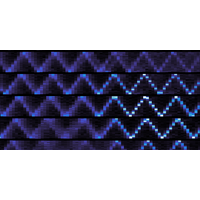
Phys. Rev. Lett. 137, 193404 (2026)
Atomic, Molecular, and Optical Physics
Three-Dimensional Topological Ferroelectrics
Article | Condensed Matter and Materials | 2026-11-04 05:00 EST
Haohao Sheng, Sheng Zhang, Zhong Fang, Hongming Weng, and Zhijun Wang
Three-dimensional topological ferroelectric (3D-TFE) insulators, in which topological and ferroelectric orders naturally coexist, enable field-controlled spintronic devices. In this Letter, we predict a previously unknown structure of bismuth monohalides (, I), denoted the phase, and dem…
Phys. Rev. Lett. 137, 196601 (2026)
Condensed Matter and Materials
arXiv
Shapiro spikes in driven quantum fluids
New Submission | Quantum Gases (cond-mat.quant-gas) | 2026-11-05 20:00 EST
Vijay Pal Singh, Ludwig Mathey, Luigi Amico
Periodic driving of a Josephson junction produces resonant transport signatures known as Shapiro spikes, conventionally described by effective circuit models. Here, we demonstrate Shapiro spikes in a neutral quantum fluid using simulations of a potential-biased atomic Josephson junction. The dc-current resonances follow the expected Bessel-function scaling, including the suppression and revival of individual resonances with increasing modulation strength. We uncover their microscopic mechanism by showing that the phase-winding frequency develops finite plateaus at integer multiples of the drive frequency. These phase-locked states are sustained by quantized-vortex nucleation and the associated $ 2\pi$ phase slips. Remarkably, within a locking plateau, the dc current and density transfer can reverse direction while the phase-winding frequency remains locked to the drive, giving rise to negative-mobility transport. Our results establish a microscopic link between vortex-mediated phase slips, Shapiro resonances, and anomalous transport in a neutral quantum fluid, revealing how quantized vortices convert resonant transport into phase-locked dynamics with negative mobility.
Quantum Gases (cond-mat.quant-gas), Quantum Physics (quant-ph)
12 pages, 8 figures
Quasicrystals are Functionally Graded Materials
New Submission | Materials Science (cond-mat.mtrl-sci) | 2026-11-05 20:00 EST
Michael J. Landry, Dominic Bollettieri, Akhil Sadam, Denisse Córdova Carrizales, Mingda Li
Quasicrystals exhibit long-range order without translational periodicity, posing challenges to compute their electronic properties. Here we show that a quasicrystal can be represented exactly as a periodic approximant with a spatially graded phason, establishing a connection to functionally graded materials. Building on this connection, we develop a controlled quantum theory of quasicrystals. We derive a state-dependent control parameter governed by the quantum metric of local Bloch states, determining when finite approximations are reliable. We further construct a Hamiltonian that correctly predicts Bragg gap positions, quasimomentum equivalence, and quasiperiodic eigenstates to all orders in phason strain within a finite Fourier window. We verify the theory numerically and propose a diffraction-based experimental test of the gap shift induced by phason strain. Our framework opens a route to predicting the electronic structure and functional properties of quasicrystals using methods developed for functionally graded materials.
Materials Science (cond-mat.mtrl-sci)
2 figures
Resonantly interacting $2e/3$ anyons: a controlled microscopic theory of anyon superconductivity
New Submission | Strongly Correlated Electrons (cond-mat.str-el) | 2026-11-05 20:00 EST
Qingchen Li, Pavel A. Nosov, Zhaoyu Han, Si-Yuan Chen, Taige Wang, Eslam Khalaf
We develop a microscopic theory of anyon superconductivity that connects electronic interactions in a lightly doped Laughlin state to the universal physics of a resonantly interacting anyon gas. Using geometric quantization of Laughlin quasiholes, we derive the effective many-body Hamiltonian of dilute charge-$ 2e/3$ anyons, including their valley structure, dispersion, and statistical and short-range interactions, together with an explicit map between anyon and electron observables. This reduces the dilute many-body problem to a few parameters fixed by data computable from few anyon numerics. In analogy with resonant Fermi and Bose gases, we organize the dilute anyon problem around a two-body binding resonance and its relevant and marginal perturbations. For a three-valley gas of charge-$ 2e/3$ anyons, we identify a resonance whose long-distance theory is governed by an Aharonov-Casher anyon Hamiltonian whose magnetic field is the statistical Chern-Simons field and whose ground state is exactly solvable. Using the ground state wavefunction, we demonstrate Cooper-pair off-diagonal long-range order directly in electron coordinates and determine the pairing symmetry and vortex-lattice structure. The leading perturbations at the fixed point are a relevant pair detuning and a marginal three-body contact in the valley-singlet channel, which determine the compressibility and sound velocity. A repulsive three-body coupling is marginally irrelevant, allowing the fixed point to control a parametrically broad dilute regime near pair resonance, while attractive three-body interactions instead generate charge-$ 2e$ trimers. More broadly, our results show that binding thresholds between competing anyon composites host universal resonant regimes that are not captured by the lowest-energy anyon species alone, providing a new setting for controlled theories of anyon matter.
Strongly Correlated Electrons (cond-mat.str-el), Superconductivity (cond-mat.supr-con)
Classification and Signatures of Dissipative Quantum Hall-Superconductor Junctions
New Submission | Mesoscale and Nanoscale Physics (cond-mat.mes-hall) | 2026-11-05 20:00 EST
Evgenii Zheltonozhskii, Barak A. Katzir, Yuval Oreg, Erez Berg, Netanel H. Lindner
Fractional quantum Hall (FQH) edges with proximity-induced superconductivity can host parafermionic zero modes (PZMs), making them a promising platform for topological quantum computing. Recent experiments [Gül et al., Phys. Rev. X 12, 021057 (2022)] measured the edge conductance from crossed Andreev reflection (CAR) between counter-propagating FQH edges separated by a narrow superconductor. The observed conductance was small and non-quantized, with two distinct behaviors: some states show temperature-independent conductance, while others show conductance that grows as temperature decreases. We explain these results by dissipation to sub-gap modes in the superconductor and present a phase diagram for the FQH-superconductor junction. We show that for Jain states, temperature-independent non-quantized conductance occurs only in the presence of an integer mode (such as at filling $ \nu=1\pm\frac{1}{m}$ , with odd $ m\geq3$ ) strongly coupled to the dissipative channel. The predicted temperature trends qualitatively agree with the experiment, which shows temperature-independent conductance for $ \nu=2/3$ and integer states, but not for $ \nu=1/3$ and $ \nu=2/5$ . We propose comparing $ \nu=4/3$ and $ 2/3$ to test the predicted influence of the relative chirality of integer and fractional modes.
Mesoscale and Nanoscale Physics (cond-mat.mes-hall), Strongly Correlated Electrons (cond-mat.str-el), Superconductivity (cond-mat.supr-con)
Bypass Transition via the Non-Hermitian Skin Effect
New Submission | Mesoscale and Nanoscale Physics (cond-mat.mes-hall) | 2026-11-05 20:00 EST
Non-Hermitian skin lattices can directionally amplify propagating signals. Here we show that this amplification and nonlinear feedback together drive a bypass transition to self-sustained motion, familiar from shear flows. A finite local excitation can trigger sustained periodic or chaotic motion while the resting state remains linearly stable. We develop a return-map theory that predicts the triggering threshold, its scaling with directional gain, and the instability governing near-critical dynamics. The threshold decreases exponentially with chain length. Weak noise triggers sustained motion as well, with a characteristic ignition length that grows logarithmically as noise weakens at fixed observation time. Our work establishes a skin-effect route to bypass transitions, opening a new avenue for predicting and controlling nonlinear wave dynamics.
Mesoscale and Nanoscale Physics (cond-mat.mes-hall), Chaotic Dynamics (nlin.CD)
21 pages,10 figures
Low cross-plane thermal conductivity of $κ$-Ga$_2$O$_3$ thin films
New Submission | Materials Science (cond-mat.mtrl-sci) | 2026-11-05 20:00 EST
Seungwon Park, Jingyu Tang, Minsung An, Alan J. H. McGaughey, Lisa M. Porter, Robert F. Davis, Jonathan A. Malen
The thermal conductivities of (001) $ \kappa$ -Ga$ 2$ O$ 3$ thin films deposited on $ c$ -plane sapphire substrates were measured with frequency-domain thermoreflectance (FDTR). The thermal conductivity increases from 1.83 $ ^{+0.19}{-0.18}$ W/m$ \cdot$ K to 2.26 $ ^{+0.35}{-0.40}$ W/m$ \cdot$ K as the thicknesses increase from 159 nm to 689 nm. This weak thickness dependence indicates that the majority of the intrinsic phonon mean free paths are smaller than the range of investigated film thicknesses. First-principles-based calculations that include phonon-phonon and phonon-boundary scattering capture this size-dependent behavior and support our experimental observation. Temperature-dependent measurements of a 689 nm film from 293 to 400 K show a decrease in thermal conductivity with increasing temperature due to enhanced phonon-phonon scattering. A weaker temperature dependence is observed in a 159 nm film where phonon-boundary scattering becomes more prominent. At comparable film thicknesses, our measured $ \kappa$ -Ga$ _2$ O$ _3$ films exhibit lower values of cross-plane thermal conductivity than the other experimentally measured Ga$ _2$ O$ _3$ polymorphs. Our experimental observations are supported by prior predictions, which suggest that the low thermal conductivity of $ \kappa$ -Ga$ _2$ O$ _3$ results from its complex crystal structure, which leads to increased anharmonicity and lower phonon group velocities relative to other polymorphs. Thermal management strategies, such as integration with high-thermal-conductivity substrates, may thus be required to mitigate self-heating for $ \kappa$ -Ga$ _2$ O$ _3$ -based electronic devices.
Materials Science (cond-mat.mtrl-sci), Applied Physics (physics.app-ph)
DefectSkills: Guiding AI agents through first-principles calculations for point defects in semiconductors and insulators
New Submission | Materials Science (cond-mat.mtrl-sci) | 2026-11-05 20:00 EST
Zhenkun Yuan, Yizhi Zhu, Geoffroy Hautier
First-principles defect calculations can now be performed autonomously by AI agents, enabled by established computational methods and open-source Python toolkits. However, reliable and repeatable defect calculations require clear scientific and technical guidance that helps agents resolve ambiguities and avoid errors in calculation setup, execution, postprocessing, and analysis. Here, we present DefectSkills, a set of structured prompts that provides human-in-the-loop guidance to AI agents performing first-principles calculations of point defects in semiconductors and insulators using the Vienna Ab initio Simulation Package (VASP). The prompts encode human expertise and guide agents through unit-cell relaxation, electronic-structure and dielectric calculations, phase-stability and chemical-potential analysis, charged-defect supercell generation and calculations, finite-size corrections, formation-energy calculations and thermodynamic analysis, and data backup. By packaging this expertise as reusable agent skills, DefectSkills supports consistent workflow execution across agentic AI systems and reproducible defect calculations.
Materials Science (cond-mat.mtrl-sci)
Medial Model of Elastic Curve Contacts, from Clasps to Knits
New Submission | Soft Condensed Matter (cond-mat.soft) | 2026-11-05 20:00 EST
Kathryn Chain, Haoye Sun, Michael S. Dimitriyev
Materials constructed from interlocking and tangled fibers are challenging to model and understand due in part to the complex interplay between fiber shape and contact mechanics. Much of our intuition about contact mechanics comes from the Hertzian description, which is based on interactions between convex bodies. However, fibers often form clasp shapes, which involve saddle-shaped contact surfaces; the ability for two interacting bodies to conform to each other along a saddle surface confounds many existing mechanical contact models. Following an observation that contact surfaces between fibers tend to look like minimal, constant mean-curvature surfaces, we seek to test this hypothesis and provide a direct link to geometric modeling methods. To do this, we leverage the medial axis transformation, which generalizes the notion of a Voronoi tessellation to generating curves and surfaces. Through computational studies on an orthogonal clasp and a simple knit structure, we find that the medial axis transformation provides a reasonable model for contact surfaces between identical curves. We also show that a generalization of the medial axis transformation based on radical Voronoi tessellations can be used to well-approximate contact surfaces between non-identical curves. We apply this ``radical axis transform’’ to curves of different radii and demonstrate a trend for surfaces to adopt finite mean curvature. Our results may point the way towards more sophisticated geometric methods for modeling tangles.
Soft Condensed Matter (cond-mat.soft), Materials Science (cond-mat.mtrl-sci)
17 pages, 8 figures, submitted as conference proceedings
Ni ordering in the van der Waals gap of Ni-intercalated 2H-NbS$_2$: from disorder through $2\times2$ and $\sqrt{3}\times\sqrt{3}$ order to stripe order
New Submission | Strongly Correlated Electrons (cond-mat.str-el) | 2026-11-05 20:00 EST
Naveen Singh Dhami, Ricardo Guillermo Torres Ramirez, Gaurav Pransu, Ivo Batistić, Pierre Fertey, Erik Elkaim, El-Eulmi Bendeif, Bruno Gudac, Nikolina Penić, Naveen Kumar Chogondahalli Muniraju, Neven Barišić, Petar Popčević, Victor Balédent
We report a synchrotron x-ray diffraction study of Ni-intercalated 2H-NbS$ _2$ over the range $ 0.18 \le x \le 0.57$ , with Ni contents measured by energy-dispersive x-ray spectroscopy. Powder diffraction on the whole series shows that the NbS$ _2$ host is preserved, while the Ni ions in the van der Waals gap evolve from a disordered arrangement to $ 2\times2$ order at $ x=1/4$ and $ \sqrt{3}\times\sqrt{3}$ order at $ x=1/3$ , through a range where both motifs coexist, to an orthorhombic stripe-type order at $ x=0.57$ . The in-plane lattice parameter increases with Ni content, whereas the interlayer spacing remains nearly constant except for a pronounced minimum at $ x=1/4$ , which density-functional calculations reproduce for the ordered structure. Single-crystal diffraction on the two commensurate phases shows that the $ x=1/4$ structure, with Ni on a single site and a trimerized Nb lattice, is free of stacking faults, whereas the chiral $ x=1/3$ structure contains Ni on the nominally empty site, inversion twins and stacking faults of the Ni layers. The comparison between powders and crystals shows that grinding mainly degrades the stacking of the Ni layers. These results establish the structural phase diagram of Ni$ _x$ NbS$ _2$ and the intercalant disorder to be taken into account in the interpretation of its magnetic properties.
Strongly Correlated Electrons (cond-mat.str-el)
11 Pages 6 figues in main text, 8 pages and 5 figues in supporting material
Exact Mirror-Parity Selection Rule for Electron-Phonon Coupling in Two-Dimensional Crystals
New Submission | Superconductivity (cond-mat.supr-con) | 2026-11-05 20:00 EST
Nicolás F. Barrera, Javiera Cabezas-Escares, Francisco Munoz, Carlos Cardenas, Julia Contreras-García
The electron–phonon (e-ph) interaction underlies conventional superconductivity and plays a central role in transport and other many-body phenomena in solids. Here, we derive a symmetry selection rule for e-ph scattering in two-dimensional crystals possessing a horizontal mirror plane, $ \sigma_h$ . For electronic states of mirror parity $ s_n(\mathbf{k})$ and $ s_m(\mathbf{k}+\mathbf{q})$ , and a phonon mode of parity $ \chi_\nu(\mathbf{q})$ , we show that the e-ph matrix element $ g_{mn,\nu}(\mathbf{k},\mathbf{q})$ vanishes identically unless $ s_n(\mathbf{k}),\chi_\nu(\mathbf{q}), s_m(\mathbf{k}+\mathbf{q})=+1$ . The rule follows from the covariance of the phonon-induced deformation potential under $ \sigma_h$ , constitutes the $ C_s$ case of the general group-theoretical selection rule for matrix elements, and partitions the e-ph interaction throughout the Brillouin zone into symmetry-allowed and symmetry-forbidden scattering channels. Consequently, mirror-even phonons couple electronic states of the same mirror parity, either even–even or odd–odd, whereas mirror-odd phonons couple only states of opposite mirror parity, for both intra- and interband processes. We illustrate the selection rule through first-principles calculations for the two-dimensional superconductor $ \mathrm{Sc_2BCH_4}$ , where mirror parity is well defined throughout the entire Brillouin zone and symmetry-forbidden matrix elements vanish up to numerical precision. We then extend the analysis to bulk $ \mathrm{MgB_2}$ , where the rule applies exactly only on mirror-invariant planes of the three-dimensional Brillouin zone. Moving away from these planes removes the exact mirror constraint and activates scattering channels that are symmetry forbidden when the mirror eigenvalues are well defined. Our results establish horizontal mirror symmetry as an exact and practical filter of e-ph scattering processes.
Superconductivity (cond-mat.supr-con), Materials Science (cond-mat.mtrl-sci), Quantum Physics (quant-ph)
Topological localization in unentangled random braids
New Submission | Statistical Mechanics (cond-mat.stat-mech) | 2026-11-05 20:00 EST
Daniil Fedotov, Pieter Hendrik Willem Van Der Hoek, Sergei Nechaev
In 2015, P. Serna, G. Bunin, and A. Nahum numerically investigated fluctuations in a bunch of unentangled random threads. They showed that fluctuations of an individual thread in a braid are qualitatively different from those of a thread embedded in a medium of fixed parallel lines. In particular, Serna et al. observed a logarithmic increase in the average transverse span, $ \left<|x_N|\right>$ , of a thread with polymer length, $ N$ . This behavior highlights the collective nature of topological interactions, in which each polymer fluctuates and constrains the motion of the others. Studying this problem both numerically and analytically, we propose the following interpretation: the logarithmic regime is transient, and sufficiently long polymers exhibit topological localization, where $ \left<|x_N|\right>$ approaches a finite limit at $ N\to\infty$ . Unlike localization induced by quenched external disorder, this phenomenon arises solely from collective topological constraints. We study braids within a locally free approximation and support the localization by analytical investigation of Brownian bridges on the asymptotic Cayley graph of a locally free group. We further conjecture that topologically induced localization emerges as a phase transition: for a small number of threads, $ n \sim 2÷5$ , the span, $ \left<|x_N|\right>$ , grows algebraically, with the usual scaling $ \left<|x_N|\right>\sim N^{1/4}$ at $ N\gg 1$ ; by contrast, for sufficiently large $ n$ , each thread in a long braid ($ N\gg 1$ ) asymptotically localizes, approaching $ \left<|x_N|\right>\sim \mathrm{const}$ .
Statistical Mechanics (cond-mat.stat-mech)
22 pages, 12 figures, separated gif-files with animations
Shock-driven Jetting at HMX Crystal Surface Asperities
New Submission | Materials Science (cond-mat.mtrl-sci) | 2026-11-05 20:00 EST
Ethan Holbrook, Matthew P. Kroonblawd, H. Keo Springer, Alejandro Strachan
Shock-induced jetting and recompression are plausible mechanisms for hot spot formation in energetic materials, but remain poorly understood. To this end, we apply all-atom nonreactive molecular dynamics (MD) simulations of a shock-loaded sinusoidal surface asperity in the crystalline explosive HMX (octahydro-1,3,5,7-tetranitro-1,3,5,7-tetrazocine) to quantify the roles of shock strength, asperity geometry, system size, and crystallographic orientation in determining the jetting response. Our simulations span a shock pressure interval of $ \approx$ 4-47 GPa, which captures responses in both detonation initiation and steady-state detonation regimes. We find that shock strength and asperity curvature exert strong influence on jet velocity, temperature, and morphology, while feature size and crystallographic orientation play more modest roles. Jet morphology correlates strongly with the HMX ambient-pressure phase diagram and the narrow temperature range associated with its liquid phase. Coherent jets form when focusing and dissipation are sufficient to drive local temperatures above the melting point, while formation of molecular plumes is seemingly connected to jet temperatures exceeding the liquid-vapor transition temperature. Formation of plumes is unlike the jetting responses seen in metals, which typically exhibit liquid phases that are stable over wider temperature intervals. This work proposes a simple hypothesis for the connection between jet morphology and ambient-pressure phase diagrams that can be readily tested in other explosives and metals. It also provides a foundation for ongoing nonreactive and reactive MD simulations of jet impact and recompression to quantify the role played by jets in forming hot spots in HMX-based explosives.
Materials Science (cond-mat.mtrl-sci), Mesoscale and Nanoscale Physics (cond-mat.mes-hall)
43 pages, 10 figures
Coherence Spreading Law in Quenched Homogeneous Bose Gases
New Submission | Quantum Gases (cond-mat.quant-gas) | 2026-11-05 20:00 EST
We investigate nonequilibrium coherence spreading in quenched homogeneous bosonic gases both analytically and numerically. Our ensemble-averaged Gross-Pitaevskii trajectory approach and kinetic analysis confirm the linear-in-time growth of the squared coherence length, and explicitly give the spreading-law dependence on the ratio of initial energy to healing energy. When the ratio is relatively small, the squared coherence length grows at a universal rate determined by the ratio of Planck’s constant to the particle mass, insensitive to interaction strength and initial momentum distributions. However, our further calculations uncover fundamental limitations to such universality and establish its phase boundaries governed by low system energies, weak interparticle interactions and many-body integrability. Our theory fully reproduces the key experimental signatures and resolves the puzzle of the dynamical origin of the recently observed universal coherence-spreading speed limit [Nature 647, 608-612 (2025)]. Going beyond existing experimental observations, we provide some testable predictions for ultracold-atom experiments and clarify the conditions for the emergence of universal coherent dynamics in nonequilibrium bosonic many-body systems.
Quantum Gases (cond-mat.quant-gas), Quantum Physics (quant-ph)
Emergent Incompressibility in Polariton Condensates for Scalable XY Spin Simulation
New Submission | Mesoscale and Nanoscale Physics (cond-mat.mes-hall) | 2026-11-05 20:00 EST
Chengyong Yu, Youya Xu, Xuan Ye, Yan Zhou, Sanjib Ghosh
Driven-dissipative polariton networks offer a powerful analog platform for simulating continuous-spin Hamiltonians. However, their practical scalability is fundamentally limited by amplitude-phase coupling and metastable trapping in highly frustrated energy landscapes. Here, we present an \textit{in situ} dual-enhancement mechanism to address these bottlenecks without requiring external site-specific fine-tuning. First, a renormalization-group analysis based on density rescaling shows that higher-order nonlinear loss drives the condensates toward an incompressible regime, intrinsically suppressing amplitude fluctuations and enforcing phase-only dynamics. For macroscopic XY networks (up to 10,000 spins), this phase-amplitude decoupling yields a more than 50-fold reduction in energy, while simultaneously shrinking the standard deviation by a factor of six. More generally, it restores the extensive scaling of the optimized XY energy with system size. Second, to navigate the rugged, nonconvex energy landscape, we introduce weak Hermitian pulses. When implemented through a multistage protocol, these pulses enable repeated escapes from local minima and drive the system to deeper energy minima. Benchmarking shows an increasing advantage with system size, with the polariton simulator outperforming the classical Monte Carlo-SQP baseline in every sampled macroscopic realization. Our work provides a physical framework for scalable polariton analog computing.
Mesoscale and Nanoscale Physics (cond-mat.mes-hall), Adaptation and Self-Organizing Systems (nlin.AO), Quantum Physics (quant-ph)
14 pages, 4 figures
Predictions of superconducting properties from chemical bonding interactions
New Submission | Superconductivity (cond-mat.supr-con) | 2026-11-05 20:00 EST
Francesco Belli, Trinidad Novoa, Ion Errea, Eva Zurek
The need for rapid estimates of superconducting critical temperatures, Tc s, is becoming increasingly urgent as first-principles and artificial intelligence based methods enable the exploration of ever-larger and more chemically complex materials spaces. In this context, chemical bonding based quantities have emerged as promising descriptors for predicting superconductivity. To date, these approaches have mainly been developed for hydride superconductors, notably through the networking value, a descriptor based upon the electron localization function, whose topological properties have been found to correlate with Tc . In this perspective, we review and consolidate the method’s theory, and we discuss how the estimate of the Tc is achievable within a real-space view. We conclude by proposing a framework that enables Tc prediction for the broad family of conventional superconductors from easily computable intermediate physical quantities.
Superconductivity (cond-mat.supr-con)
Atomic-Scale Phonon Engineering for Enhanced Thermal Transport in Wafer-Scale-Bonded $β$-Ga${2}$O${3}$/SiC Heterostructures
New Submission | Materials Science (cond-mat.mtrl-sci) | 2026-11-05 20:00 EST
J. Liu, R. Mao, Z. Liu, Y. Yin, S. Li, F. Sun, B. Liu, Z. Wang, P. Gao
Bonding semiconductors to substrates with high thermal conductivity is a promising way to solve the heat-dissipation problem of materials that transport heat poorly, and it avoids the lattice-matching constraints of conventional epitaxy. However, the lattice mismatch remains, leaving the two materials with mismatched phonon states, while poor interface quality scatters phonons even more. Together, these effects block phonon transport across the bonded interface and make interfacial thermal resistance a critical bottleneck, calling for careful interface engineering. Here, $ \beta$ -Ga$ _{2}$ O$ _{3}$ /SiC serves as a model system for a phonon-bridging strategy. A nanoscale crystalline Si interlayer is designed and fabricated by wafer bonding to bridge the mismatched phonon states of $ \beta$ -Ga$ _{2}$ O$ _{3}$ and SiC. Spatially resolved electron energy-loss spectroscopy and molecular dynamics simulations show that this Si layer opens new channels for phonon transport across the interface. The engineered interface raises the interfacial thermal conductance to 165 MW m$ ^{-2}$ K$ ^{-1}$ – the highest value yet reported for $ \beta$ -Ga$ _{2}$ O$ _{3}$ /SiC interfaces. These results offer an effective way to manage heat in $ \beta$ -Ga$ _{2}$ O$ _{3}$ devices and point to a general approach for building phonon-bridging interfaces that improve heat dissipation in heterogeneous systems.
Materials Science (cond-mat.mtrl-sci)
Analytic two-body density-matrix spectrum of the Fermionic Tonks-Girardeau gas
New Submission | Quantum Gases (cond-mat.quant-gas) | 2026-11-05 20:00 EST
Abel Rojo-Francàs, Joan Martorell, Francesc Sabater, Bruno Juliá-Díaz
The two-body density matrix (TBDM) of a quantum many-body system provides information about particle correlations, e.g., pairing. In this work, we derive the complete spectrum of the TBDM of the fermionic Tonks-Girardeau gas using its exact ground-state wavefunction in second quantization. We obtain analytical expressions for all eigenvalues and eigenvectors for an arbitrary number of particles and identify two different types of eigenstates: collective states, formed by superpositions of paired momentum modes, and single-determinant states. We provide a physical interpretation of this structure, explaining the origin of the different eigenstates and their degeneracies. We further derive an asymptotic expansion for the largest eigenvalue, improving on previous estimates and analytically confirming its linear scaling with the particle number, thereby indicating off-diagonal long-range order. For the high-index collective states, we obtain simpler expressions for the eigenvalues and eigenvectors, showing that the eigenvalues decay as $ n^{-4}$ and that the eigenvectors become independent of the number of particles. Finally, we discuss the connection between the collective states and an effective description in terms of composite bosons, whose spectral properties suggest a behavior consistent with Tan’s contact for interacting bosonic systems.
Quantum Gases (cond-mat.quant-gas), Quantum Physics (quant-ph)
Gate-reconfigurable Josephson microwave source limited by thermal noise
New Submission | Mesoscale and Nanoscale Physics (cond-mat.mes-hall) | 2026-11-05 20:00 EST
Jayeon Kim, Seong Jang, Seunghan Lee, Dongsung T. Park, Kenji Watanabe, Takashi Taniguchi, Gil-Ho Lee
Josephson junctions are compact on-chip sources of coherent microwave and terahertz radiation, but conventional radiators couple the emission frequency, output power and dissipation through a single bias voltage. Here we demonstrate a gate-reconfigurable Josephson microwave radiator based on a graphene weak link integrated with a separately gated graphene shunt resistor. The bias voltage sets the Josephson frequency, while the local gates tune the Josephson current and the total device resistance, enabling electrostatic control of emitted power at a chosen frequency. The device resolves Josephson harmonics up to fourth order, and its radiation power scales with source current and impedance as expected from a lumped-element circuit model. We further show that the emission linewidth is quantitatively described by Johnson-Nyquist noise at the electron temperature. The linewidth therefore provides an on-chip thermometer under bias, with the resistance-dependent heating captured by a minimal heat-balance model based on Wiedemann-Franz diffusion and electron-phonon coupling.
Mesoscale and Nanoscale Physics (cond-mat.mes-hall)
12 pages, 4 figures
Ferroelectricity and Peierls transition in MOI$_2$ (M=Ta, Nb): a first-principle analysis
New Submission | Materials Science (cond-mat.mtrl-sci) | 2026-11-05 20:00 EST
Carmel Dansou, Charles Paillard, Laurent Bellaiche
The van der Waals ferroelectric NbOI$ _2$ hosts a polar distortion that is commonly attributed to the Peierls dimerization of its Nb chains. Here we show, using first-principles calculations and a Landau-type energy, that the polar instability is in fact a distinct order parameter that does not stem from the Peierls mode condensation and that three main distinct modes are important in the whole MOI$ _2$ family. They are a polar mode $ P$ , an antipolar mode $ \eta$ , and a Peierls mode $ \delta$ , whose stabilities and couplings strongly depend on the nature of the $ M$ metal element, as evidenced by the fact that the isostructural, TaOI$ _2$ system is not polar while possessing Peirls distortions.
Materials Science (cond-mat.mtrl-sci)
Interplay between Spin Stripes and Pairing Crossover in the Bilayer Hubbard Model
New Submission | Strongly Correlated Electrons (cond-mat.str-el) | 2026-11-05 20:00 EST
Zixuan Jia, Xuelei Sui, Shijie Hu, Tianxing Ma, Haiqing Lin, Bing Huang
Whether $ d$ -wave or $ s_\pm$ -wave pairing prevails in the bilayer nickelate \ce{La3Ni2O7} remains unresolved, and how its observed spin order and magnetic excitations relate to the pairing mechanism is unclear. Here, we use finite-temperature determinant quantum Monte Carlo simulations of a minimal bilayer Hubbard model to investigate pairing competition at strong interlayer coupling, where intralayer and interlayer antiferromagnetic correlations have comparable strengths. We find that spin stripes develop spontaneously with increasing hole doping, accompanied by a crossover of the dominant pairing symmetry from $ d$ -wave to $ s_\pm$ -wave. The crossover tracks the changing relative strengths of the spin correlations, with the interlayer correlations overtaking their intralayer counterparts in magnitude. Concomitantly, the dynamical spin structure factor exhibits a momentum-dependent reorganization of the magnetic excitations, consistent with fluctuating spin stripes. Our results identify the structure of spin fluctuations as a key link between spin stripes and pairing competition, offering a minimal-model perspective for understanding \ce{La3Ni2O7}.
Strongly Correlated Electrons (cond-mat.str-el)
Neural Networks with Exciton-Polariton Waveguides
New Submission | Disordered Systems and Neural Networks (cond-mat.dis-nn) | 2026-11-05 20:00 EST
Huawen Xu, Ruiqi Bao, Lingyu Tian, Yusong Gan, Junfeng Gao, Michal Matuszewski, Qihua Xiong, Timothy Liew
We propose and numerically study a scheme for neural networks using exciton-polariton waveguide meshes. These enable arbitrary programmable interlayer couplings suited to a restricted Boltzmann machine architecture where polariton phases act as stochastic network variables. We show that such a network can be trained using unsupervised Hebbian and anti-Hebbian updates. This allows the implementation of an associative memory, where the network recovers learned patterns from imperfect inputs.
Disordered Systems and Neural Networks (cond-mat.dis-nn)
Floquet-Volkov spin polarization in spin-degenerate Antiferromagnets
New Submission | Mesoscale and Nanoscale Physics (cond-mat.mes-hall) | 2026-11-05 20:00 EST
Jiyang Fan, Dinghui Wang, Tongshuai Zhu
Periodic driving enables ultrafast control of electronic structures in solids through the formation of photon-dressed Floquet-Bloch states. However, the measured photoemission spectra are influenced not only by these states but also by their interference with Volkov-dressed outgoing photoelectrons. Here, we demonstrate that Floquet-Volkov interference can generate spin-polarized photoemission in a collinear antiferromagnetic Dirac model without spin-orbit coupling (SOC). An in-plane linearly polarized pump preserves $ \mathcal{PT}$ symmetry, leaving the Floquet quasienergies spin degenerate. Under near-resonant driving, photon-dressed conduction and valence bands hybridize, producing spin-dependent relative phases that are converted into unequal spin-resolved photoemission intensities through interference between pathways reaching the same Volkov-dressed final state. We analytically identify this interference mechanism and verify it using nonequilibrium Green-function calculations under periodic driving and finite pump-probe pulses. We further demonstrate that rotating the probe polarization can suppress or reverse the spin polarization without modifying the Floquet bands. Our findings establish Floquet-Volkov interference as a route to spin-selective photoemission in driven antiferromagnets without Floquet spin splitting or SOC.
Mesoscale and Nanoscale Physics (cond-mat.mes-hall)
7 pages, 3 figures
Temperature-Dependent Ion Dynamics in Argyrodite Superionic Conductor Li${6}$PS${5}$Cl with Fine-Tuned MACE Foundation Model
New Submission | Materials Science (cond-mat.mtrl-sci) | 2026-11-05 20:00 EST
The rapid growth of machine-learning interatomic potentials (MLIP), particularly the foundational models for materials chemistry, such as MACE, has significantly strengthened our capabilities in studying the complex dynamics of materials through statistical sampling. Here, by performing molecular dynamics with a fine-tuned MACE model, that are further combined with essential dynamics analysis, a tool that is commonly applied in (bio)molecular simulations, we examine the temperature-dependent ion dynamics in a prototypical inorganic solid superionic conductor, namely argyrodite Li$ _{6}$ PS$ _{5}$ Cl. Our analyses show clear localised phonon-like dynamics for Li$ ^+$ ions below 500 K with trajectories lying in a low-dimensional manifold that is highly nonlinear, which is opposite to the case in the high-temperature ($ \sim$ 800 K) end. Between 500-700 K, the system exhibit strong competition in the dynamics between the Li$ ^+$ and framework ions, that are reflected in both the eigenspectrum and the projected low-dimensional embeddings characterising these dynamics not showing a simple monotonic dependency upon rising temperatures, and is further supported by investigations employing Langevin dynamics that systematically examine how damping the framework motions affects the dynamics of the Li$ ^+$ ions, thanks to the computational efficiency provided by MLIP. This work thus contributes towards the broader theoretical and data-driven framework for studying the lattice dynamics of solids.
Materials Science (cond-mat.mtrl-sci)
15 pages, 11 figures
Variational Monte Carlo Study of Superconductivity in a Correlated System with Broken Inversion Symmetry
New Submission | Superconductivity (cond-mat.supr-con) | 2026-11-05 20:00 EST
Tsuyoshi Imazu, Katsunori Kubo
Unconventional superconductivity in systems with broken inversion symmetry has attracted considerable interest because antisymmetric spin-orbit coupling (ASOC) can strongly affect the spin structure and stability of superconducting states. In this study, we investigate superconductivity in a correlated system with the symmetry of a honeycomb network using the variational Monte Carlo method. We consider a single-band Hubbard model including an on-site Coulomb interaction $ U$ and ASOC with coupling strength $ \lambda$ , and compare several pairing states with different pairing symmetries. The trial wave functions are constructed from particle-number- and Gutzwiller-projected BCS states. To examine the energetic stability of each pairing state, we calculate the variational energy as a function of the gap amplitude, while optimizing the variational parameter $ \mu$ and the Gutzwiller parameter $ g$ for each gap amplitude. At $ U/t = 10$ , the $ f$ -wave state has the lowest variational energy for $ \lambda/t = 0$ , whereas the chiral $ p$ -wave state becomes the most energetically favorable for $ \lambda/t = 0.1$ . These results indicate that ASOC strongly affects the competition among superconducting pairing states in the presence of strong electron correlations.
Superconductivity (cond-mat.supr-con)
Frank Elastic Constants of Associating Rigid-Rodlike Systems
New Submission | Soft Condensed Matter (cond-mat.soft) | 2026-11-05 20:00 EST
Frank elastic constants of associating rigid rodlike systems are investigated using a mean field theory combined with the Straley elastic free energy formalism. The aggregation equilibrium and orientational ordering are treated self-consistently to analyze the concentration and temperature dependences of the elastic constants. Both a monomer–dimer model and a fully polydisperse rodlike aggregate model are considered. We find that aggregation selectively enhances the bend elastic constant through the long-tail structure of the aggregate-size distribution. As a result, a pronounced elastic anisotropy, $ K_{33}\gg K_{11}>K_{22}$ , emerges in the nematic phase. Decreasing temperature or increasing concentration promotes the formation of long rodlike aggregates and induces a rapid increase in the bend elastic constant, while the relation $ K_{11}=3K_{22}$ remains unchanged. The exceptionally large bend elastic constants predicted here should be regarded as upper-bound estimates for the rigid-aggregate limit.
Soft Condensed Matter (cond-mat.soft)
19 pages, 10 figures
Symmetry-Selective Shift Current in Polar Multidomain Superlattices
New Submission | Materials Science (cond-mat.mtrl-sci) | 2026-11-05 20:00 EST
Tomoaki Kameda, Kosuke Nagashio, Katsunori Wakabayashi
Periodic polar multidomain superlattices can act as symmetry-selective elements for shift-current generation. We demonstrate this using a two-dimensional Su-Schrieffer-Heeger model with prescribed multidomain configurations. The distinct full-supercell symmetries of periodic head-to-head and head-to-tail arrangements impose different constraints on the shift-current tensor and thereby select complementary nonlinear-response channels, as confirmed by numerical calculations. A direct comparison with equal-area averages of the constituent single-domain spectra shows that an independent-domain average does not reproduce the detailed multidomain spectra. A bond-resolved contribution analysis further clarifies the real-space origin of the multidomain response. Widening each domain from one to ten primitive cells leaves the selection rules intact. On the photon-energy grid used here, the allowed head-to-tail response changes sign and grows by about an order of magnitude. These results provide a theoretical framework for the symmetry-based design of anisotropic optical rectification in polar multidomain superlattices.
Materials Science (cond-mat.mtrl-sci), Mesoscale and Nanoscale Physics (cond-mat.mes-hall)
21 pages, 18 figures
The quantized Hall effect knows which way the current flows: mirror covariance and rectification in a laterally asymmetric Hall bar
New Submission | Mesoscale and Nanoscale Physics (cond-mat.mes-hall) | 2026-11-05 20:00 EST
The quantized Hall effect is the textbook emblem of universality: a resistance fixed by $ h/e^2$ , apparently indifferent to the shape of the sample, to its edges and to the direction of the current. That indifference is only half true. The plateau value is universal; the plateau is not. In a gate-defined Hall bar with one hard and one soft edge, reversing the current moves the plateau edge, and exchanging the edges reverses the move. We identify the symmetry that forces this. Because a perpendicular field breaks time reversal, the relevant operation is the in-plane $ C_2$ rotation; within the self-consistent screening model it gives the covariance relation $ R_\alpha[B,V_{\mathrm{conf}}(x),I]=R_\alpha[B,V_{\mathrm{conf}}(-x),-I]$ , exact deep in the nonlinear regime and independent of linear response or microscopic reversibility. It predicts a rectification that is odd under exchange of the gate voltages and reverses with the magnetic field. The field-reversal test leaves the frozen lateral disorder untouched, so it holds for a single sample; it has not yet been performed. A further measurement, collapsing one incompressible strip, discriminates between co-directed and chiral pictures of the current. Self-consistent calculations show the soft-edge strip widening from 69 to 106,nm on current reversal, moving the Hall resistance from 0.940 to $ 0.999994,h/2e^2$ within a bounded window in magnetic field. The effect is a gate-tunable vector-product nonreciprocity, not magnetochiral anisotropy.
Mesoscale and Nanoscale Physics (cond-mat.mes-hall)
6 figures
Core Reactivity in Cs-Ba-O ternary system under pressure
New Submission | Materials Science (cond-mat.mtrl-sci) | 2026-11-05 20:00 EST
Samantha Ellis, Austin Ellis, Lansen Wyke, Christina Taylor, Maosheng Miao
High pressure can activate Cs $ 5p$ core electrons for covalent bonding. In this study, we investigate the Cs-Ba-O system at 150 and 250 GPa using first-principles structure searches. CsBa$ _3$ O$ _8$ and CsBaO$ _4$ both lie on the static-lattice convex hull at 250GPa and exhibit mild Cs $ 5p$ -O $ 2p$ bonding while retaining O$ _2$ units with intermediate superoxide-peroxide character. Cs$ _2$ BaO$ _3$ shows substantially stronger bonding but remains metastable with respect to CsO and BaO. A 1:1 Cs$ _2$ O-BaO$ _2$ mixture provides a solid starting composition for investigating this chemistry, with core-reactive CsO among the predicted products at 250GPa. Calculated Cs $ L_3$ -edge x-ray absorption near-edge spectra and powder diffraction patterns provide electronic and structural signatures to guide identification of the predicted phases in diamond anvil cell experiments.
Materials Science (cond-mat.mtrl-sci)
8 pages, 6 figures
Thermodynamic signatures of the period-doubling route to chemical chaos
New Submission | Statistical Mechanics (cond-mat.stat-mech) | 2026-11-05 20:00 EST
Chemical reaction networks can evolve from stable oscillations to chaos through successive period doublings. We investigate general properties of entropy-production fluctuations near the onset of chaos and within the chaotic regime in reversible, well-mixed reaction networks. Near an isolated supercritical period-doubling bifurcation, we find a one-sided divergence of the diffusion constant with exponent one. For chaotic attractors satisfying the stated conditions, the entropy variance per unit volume grows exponentially when the macroscopic limit is taken first. Its exponential growth rate is $ 2\lambda_{\max}$ , where $ \lambda_{\max}$ is the largest Lyapunov exponent, implying a divergent diffusion constant. We also discuss the volume dependence of the fluctuations and the underlying physical mechanisms.
Statistical Mechanics (cond-mat.stat-mech), Chaotic Dynamics (nlin.CD)
9 + 19 pages, 3 + 7 figures, 1 table
Single-crystal X-ray diffraction of BC8 carbon near terapascal pressures
New Submission | Materials Science (cond-mat.mtrl-sci) | 2026-11-05 20:00 EST
Liang Sun, Bo Chen, Zhiyu He, Pin Yang, Zanyang Guan, Guo Jia, Fan Zhang, Yi Yang, Bo Xu, Pei Guo, Yonggang Liu, Wei Fan, Tao Xi, Yulong Li, Lingbiao Meng, Wei Kang, Zhiyong Xie, Yuqiong Tu, Cheng Ji, Xiuguang Huang, Zhongjing Chen, Ji Yan, Jiamin Yang, Wenge Yang, Toshimori Sekine, Zongqing Zhao, Jiayu Dai, Ho-Kwang Mao
Whether carbon forms crystalline structures beyond diamond at terapascal pressures remains unresolved. Predicted for nearly four decades, the denser BC8 phase has lacked direct crystallographic evidence. Here we report the first direct crystallographic identification of BC8 carbon, formed as a single crystal from molten carbon during laser-driven decaying-shock compression of [100]-oriented diamond following loading above 1.1 TPa. Using in situ orientation-resolved single-crystal X-ray diffraction, we observe discrete Bragg spots whose spacings and angular relationships are reproduced by a common orientation matrix within each indexed BC8 reflection group, providing constraints beyond powder peak matching. Our single-crystal formation strategy and direct diffraction evidence resolve the decades-long quest for a post-diamond carbon structure, demonstrating how dynamic loading pathways can make predicted high-pressure phases experimentally accessible.
Materials Science (cond-mat.mtrl-sci), Plasma Physics (physics.plasm-ph)
3 figures
Spin Simulators based on Exciton-Polariton Waveguide Networks
New Submission | Mesoscale and Nanoscale Physics (cond-mat.mes-hall) | 2026-11-05 20:00 EST
Kevin Dini, Simone Zanotti, Timothy C.H. Liew
Many NP-hard optimization problems can be mapped onto interacting spin systems, whose ground state encodes the optimal solution. Polaritonic implementations based on gain-dissipative dynamics have recently emerged as promising analog computing platforms owing to their intrinsic parallelism and ultrafast operation. However, existing approaches are hindered by two fundamental limitations: maintaining the homogeneous amplitudes required for faithful problem encoding remains challenging in realistic physical systems, and most architectures are restricted to nearest-neighbour interactions, severely limiting the variety of optimization problems that can be efficiently addressed. We introduce a feasible polaritonic XY simulator based on a reconfigurable waveguide platform that overcomes both limitations. Our approach guarantees amplitude homogeneity while enabling the implementa- tion of arbitrary symmetric coupling matrices, thereby allowing the direct encoding of a wide variety of XY Hamiltonians. These results establish a practical architecture for programmable polaritonic spin simulators and pave the way towards scalable optical hardware for analog optimisation.
Mesoscale and Nanoscale Physics (cond-mat.mes-hall)
17 pages, 7 Figures
Electrostatics of Chern junctions in a magnetic field
New Submission | Mesoscale and Nanoscale Physics (cond-mat.mes-hall) | 2026-11-05 20:00 EST
Robin Durand, Pascal Simon, Ion Garate
Electrostatic control is central to the operation of semiconductor junctions made from conventional materials. Here, we theoretically investigate the electrostatic properties of lateral junctions between two-dimensional (2D) Chern semiconductors in a perpendicular magnetic field. The spectral asymmetry of a Chern semiconductor acts as a magnetic-field-induced effective dopant density that is dependent on the Chern number. As a consequence, two regions with different Chern numbers acquire different chemical potentials at charge neutrality, leading to a built-in potential of topological origin across the junction. Using this built-in potential as a boundary condition, we solve the 2D Poisson equation to obtain the electric potential and charge density profiles, as well as the capacitance, of Chern semiconductor junctions. Our results inform the interplay between electronic topology and electrostatics in devices made from 2D materials.
Mesoscale and Nanoscale Physics (cond-mat.mes-hall)
37 pages, 10 figures, 2 tables
Statistical mechanics and hierarchy of learnability in quantum codes: From generalized symmetries to non-Abelian topological orders
New Submission | Statistical Mechanics (cond-mat.stat-mech) | 2026-11-05 20:00 EST
Local weak measurements provide noisy information about observables encoded in a quantum code. We formulate the corresponding Bayesian inference problem for a broad class of topological stabilizer codes by mapping it to classical spin models with generalized symmetries. When the wavefunction deformation and Gaussian measurement strengths coincide, the replicated model acquires an enlarged symmetry. We use this symmetry to derive exact identities among correlators averaged over measurement records that quantify the learnability of nonlocal observables associated with fractionalized excitations. Together with correlation inequalities in the associated clean ferromagnetic models, these identities establish hierarchies of learnability: if two observables remain learnable at long distances, their product must also remain learnable. We demonstrate these relations in the rank-2 toric code and the X-cube model, whose classical descriptions exhibit modulated and subsystem symmetries, respectively. We further extend the analysis to finite group quantum double models, including non-Abelian ones. We derive exact relations between learnability and correlations in the corresponding classical models, and show that the representation structure and fusion rules of anyons impose further constraints under suitable positivity conditions. These results constrain which types of nonlocal information can be learned simultaneously, providing a guide to learning phase diagrams in quantum codes under local weak measurements.
Statistical Mechanics (cond-mat.stat-mech), Strongly Correlated Electrons (cond-mat.str-el), High Energy Physics - Lattice (hep-lat), Quantum Physics (quant-ph)
46 pages, 2 figures
Spin swapping mediated by spin-orbital textures in centrosymmetric multiorbital materials
New Submission | Mesoscale and Nanoscale Physics (cond-mat.mes-hall) | 2026-11-05 20:00 EST
Chengyuan Cai, Hanchen Wang, Rui-Chun Xiao, Tao Yu
Spin swapping converts a primary spin current into a secondary one by interchanging its flow and spin-polarization directions, attributed to spin-orbit scattering or spin-band splitting. Here we uncover a fundamentally distinct route to spin swapping arising from the orbital degree of freedom in the spin pumping to centrosymmetric multiorbital materials \textit{without spin-band splitting}. When the dynamical proximity ferromagnet injects a longitudinal spin current flowing normal to the interface, spin-orbit-entangled orbital textures redirect the injected spins into longitudinal and transverse orbital currents. Their subsequent conversion back to the spin sector generates transverse spin currents with propagation and polarization directions swapped relative to the primary spin current. The swapping efficiency achieves $ 50%$ for Ge and Si. Governed by a fourth-rank tensor constrained by crystalline symmetry and without requiring spin-orbit scattering or inversion symmetry breaking, our finding reveals spin-orbital textures as hidden intermediate channels of spin swapping with unexplored material choices and functionalities.
Mesoscale and Nanoscale Physics (cond-mat.mes-hall), Materials Science (cond-mat.mtrl-sci)
4 figures, 2 tables
Quantitatively Probing the Tilt Angle Failures in 4D-STEM Polarisation Analysis
New Submission | Materials Science (cond-mat.mtrl-sci) | 2026-11-05 20:00 EST
Fintan G. Hardy, Noah Schnitzer, Mariana Palos, Geri Topore, Aron Walsh, Michele Shelly Conroy
Four-dimensional scanning transmission electron microscopy (4D-STEM) is increasingly used to map polarisation in ferroic textures such as domain walls, vortices, merons and skyrmions. These textures are accompanied by local strain, lattice rotation and misorientation, which also modulate the diffraction features used to infer polar order. Even small deviations from the zone axis can therefore produce contrast that is indistinguishable from a polarisation signal. Here we quantify the tilt sensitivity of two polarisation-sensitive signals, diffraction disc intensity and Kikuchi band intensity, in three ferroelectrics with distinct polar distortions: PbTiO3, BaTiO3 and Cu3B7O13Cl boracite. We find that tilts of only 0.01-0.05 degrees reverse most Friedel-pair disc asymmetries, and even the most robust disc pairs reverse by 0.04 degrees in BaTiO3, 0.14 degrees in PbTiO3 and 0.18 degrees in boracite, producing contrast equal and opposite to that of the polarisation. Kikuchi band contrast is the only signal that reports absolute polarity without knowledge of the specimen thickness, but it does so only up to 0.09 degrees in PbTiO3, 0.015 degrees in BaTiO3 and 0.02 degrees in boracite. From these results we define tilt tolerances for each signal and material, and propose practical criteria for distinguishing polarisation contrast from misorientation. The analysis also applies to scanning electron microscopy-based diffraction, including electron backscatter diffraction.
Materials Science (cond-mat.mtrl-sci)
An All-Atom Model of the Resorcinol-Formaldehyde Aerogel Skeleton from DFT and Molecular Dynamics: Validation and Iron Incorporation
New Submission | Materials Science (cond-mat.mtrl-sci) | 2026-11-05 20:00 EST
Shoeb Athar, Jérémy Guazzagaloppa, Philippe Jund
Resorcinol-formaldehyde (RF) aerogels are lightweight, ultra-porous thermal superinsulators whose complex amorphous structure has not yet been described at the all-atom level. Here, we build an all-atom model of the RF aerogel skeleton by combining density functional theory (DFT) and classical molecular dynamics (MD), validate it against experimental infrared and density measurements, and use it to study the incorporation of iron dopants. The RF base unit was optimized with Gaussian, DMol$ ^{3}$ and SIESTA, and its calculated infrared spectrum agreed with experiment. Comparing classical force fields with DFT for branched systems of two to four base units (140-278 atoms) led to the choice of COMPASS II. A 15,012-atom system of 54 branched RF units, not cross-linked to each other, aggregated into a single cluster in the canonical (NVT) ensemble and reached an equilibrium density of 1.296 this http URL$ ^{-3}$ in the isobaric-isothermal (NPT) ensemble, in agreement with the experimental skeletal density (1.3 this http URL$ ^{-3}$ ). Then, 5 wt$ %$ iron (109 atoms) was added to the equilibrated structure: during 1 ns of NPT simulation, the fraction of iron atoms embedded in the skeleton rose from 63$ %$ to 71$ %$ , and the Fe-C radial distribution function peaked at 3 Å. The model thus provides an experimentally supported starting point for screening fillers and dopants in RF gels, with prospective application to their thermoelectric functionalization, which we have previously demonstrated experimentally with basalt and PANOX fibres. Future extensions could address skeleton properties relevant to thermal insulation and the pyrolysis of RF gels into carbon and metal-doped carbon aerogels.
Materials Science (cond-mat.mtrl-sci)
24 pages, 15 figures, submitted for publication
A Construction Framework for Three-Dimensional Topological Magnetic Textures
New Submission | Other Condensed Matter (cond-mat.other) | 2026-11-05 20:00 EST
Maria Azhar, Sandra C. Shaju, Karin Everschor-Sitte
Three-dimensional magnetic systems offer diverse possibilities for constructing complex topological textures from simpler magnetic configurations. Here, we present different routes for constructing complex three-dimensional magnetic textures from simpler parent configurations and discuss their impact on the topology of the resulting structures. We identify four construction principles: (i) adding transverse modulations, (ii) adding structures, (iii) entangling textures (e.g. braiding, or twisting), and (iv) introducing singularities.
Using the skyrmion tube as an explicit parent configuration, we show how these principles give rise to several known three-dimensional magnetic textures. We then apply the same principles to predict novel textures derived from a meron tube, which are confirmed by micromagnetic simulations to be metastable in chiral magnets. Our results establish general principles for the systematic construction and discovery of complex three-dimensional magnetic textures.
Other Condensed Matter (cond-mat.other)
8 pages, 7 figures
Brownian gyrator model with stochastic resetting
New Submission | Statistical Mechanics (cond-mat.stat-mech) | 2026-11-05 20:00 EST
Satya N. Majumdar, Gregory Schehr, Pascal Viot, Gleb Oshanin
The Brownian gyrator (BG) model provides a minimal yet experimentally relevant example of a system operating far from thermodynamic equilibrium, sustaining steady currents with nonzero vorticity and exhibiting stochastic rotational motion along elliptical orbits. In this paper, we study the response of the BG to a fundamentally non-equilibrium perturbation – stochastic resetting at a constant rate – either to a fixed point in the plane or to a randomly selected point on a circle. We determine analytically and numerically the steady-state position probability density function (PDF), together with its marginals and moments, which exhibit a resetting-induced non-monotonic dependence on the resetting rate. We also characterize the associated local probability currents and vorticity fields. Furthermore, we investigate the dependence of the mean angular momentum and mean angular velocity on the resetting rate, and numerically analyze the PDFs of these observables. This analysis fully quantifies the complex behavior arising from the competition between two non-equilibrium mechanisms with distinct spatial symmetries.
Statistical Mechanics (cond-mat.stat-mech)
47 pages, 18 Figures
Strain control of magneto-optical properties of ultra-thin Ni-Mn-Ga films grown by magnetron sputtering
New Submission | Materials Science (cond-mat.mtrl-sci) | 2026-11-05 20:00 EST
M. Makeš, P. Veřtát, M. Rameš, J. Zázvorka, F. Máca, J. Zemen, O. Heczko, M. Veis
Ultra-thin epitaxial Ni-Mn-Ga films, 10-15 nm thick, were grown by magnetron sputtering on MgO(001), either directly on the substrate or on a Cr buffer, and studied by X-ray diffraction, magnetometry, and magneto-optical Kerr effect (MOKE) spectroscopy. The films were austenitic, with the cubic cell tetragonally distorted in opposite directions. The film on bare MgO was stretched in-plane ($ c/a=0.989$ ) and the film on Cr was compressed in-plane ($ c/a=1.021$ ), while their unit-cell volumes differed by less than $ 0.3%$ . As the thermal expansion mismatch was expected to stretch the films in-plane in both cases, the opposite distortions were attributed to the lattice misfit. The room-temperature magnetization loops of the two films did not show significant differences, but their polar and longitudinal MOKE spectra differed in the amplitude, sign, and energy of the spectral structures over the whole 0.76-5 eV range. Magneto-optical simulations showed that the absence of the Cr buffer accounted only for the stronger low-energy polar MOKE rotation extremum of the film on MgO. We attributed the other changes to the strain-induced change of the electronic structure, consistent with theoretical predictions in which the $ d_{x^2-y^2}$ and $ d_{3z^2-r^2}$ sub-bands of the minority-spin Ni $ e_g$ states exchange their order when the distortion changes sign. In parts of the spectrum, the two films showed Kerr rotation or ellipticity of opposite sign, so the choice of the growth template or a dynamically induced distortion can switch the sign of the magneto-optical response at a given photon energy.
Materials Science (cond-mat.mtrl-sci)
10 pages, 4 figures
Kardar–Parisi–Zhang density hydrodynamics in a coherent XXZ–ASEP Lindbladian
New Submission | Statistical Mechanics (cond-mat.stat-mech) | 2026-11-05 20:00 EST
Yansheng Liu, Daoguang Li, Kaixiang Lu, Mingdi Xu, Lei Pan
Coherent interactions can generate quantum correlations without changing a stationary density current. Whether that current still determines long-wavelength transport is a dynamical question. We study an XXZ chain with asymmetric Lindblad hopping, whose stationary current has the asymmetric simple exclusion process (ASEP) form although its populations do not evolve autonomously. The current curvature and static susceptibility fix the leading Kardar–Parisi–Zhang (KPZ) length and amplitude without a fitted length or amplitude conversion factor. The density-visible Liouvillian spectrum, real-space spreading, and Fourier relaxation support KPZ scaling at the finite coherent couplings studied. Central and intermediate stationary density correlations are consistent with the Prähofer–Spohn profile at this microscopic scale, with resolved finite-time corrections. Reservoir-matched classical references quantify boundary effects, while symmetric hopping recovers diffusion and reduced asymmetry produces the expected crossover. These results connect an exact nonlinear current to the observed long-wavelength KPZ transport of the physical density in an interacting open quantum chain away from the isotropic Heisenberg point.
Statistical Mechanics (cond-mat.stat-mech), Quantum Physics (quant-ph)
14 pages, 8 figures. Comments are welcome
Complex Martensitic Microstructures in ${\rm Ti}{76}{\rm Nb}{22}{\rm Al}_{2}$
New Submission | Materials Science (cond-mat.mtrl-sci) | 2026-11-05 20:00 EST
John M. Ball, Francesco Della Porta, Tomonari Inamura
We analyze the unusual microstructure resulting from the cubic to orthorhombic phase transformation in the shape-memory alloy $ {\rm Ti}{76}{\rm Nb}{22}{\rm Al}_{2}$ . This seems to represent an approximate experimental realization of a deformation having a finite number of incompatible deformation gradients, which has been known to exist only as a theoretical possibility. Because the middle eigenvalue $ \gamma$ of the transformation strain is very close to 1, the phase transformation in this alloy takes place via nucleation of exact austenite-martensite interfaces rather than, as usual for other alloys, by classical austenite-martensite interfaces separating the austenite from a finely-twinned laminate of martensite. According to the moving mask approximation of Della Porta this leads to the question whether a microstructure can be formed from the set $ H$ of the twelve matrices $ {\mathbf V}i$ on the martensite energy wells that are rank-one connected to the identity, even though these matrices are mutually incompatible.
We show that when $ \gamma=1$ and the transformation is volume preserving, such a microstructure is possible that does not deform the grain boundary. This is a consequence of $ H$ forming a degenerate $ T{12}$ configuration in the sense of Kirchheim. In fact there are such microstructures supported on just 8 of the 12 matrices in $ H$ . However there is no deformation satisfying the same boundary condition whose gradient belongs to $ H$ almost everywhere. An additional prediction, confirmed experimentally, is that the macroscopic deformation gradient equals the identity everywhere. We also analyse the approximate compatibility of the $ {\mathbf V}_i$ . Although mutually incompatible, they are nearly compatible, with some pairs much more nearly compatible than others, these pairs corresponding to interfaces that are more frequently observed.
Materials Science (cond-mat.mtrl-sci), Analysis of PDEs (math.AP)
50 pages
Hydrogen sublattice in LaH$_{12}$: structural stability and possible ordering motifs
New Submission | Materials Science (cond-mat.mtrl-sci) | 2026-11-05 20:00 EST
Khasan Akhmadiev, Di Zhou, Viktor V. Struzhkin, Alexander G. Kvashnin, Dmitrii V. Semenok
Lanthanum polyhydrides, synthesized under extreme pressure, exhibit near-room-temperature superconductivity. Finding a precise arrangement of the hydrogen sublattice that is critical for understanding the strong electron-phonon coupling remains experimentally unresolved due to the small X-ray scattering form factor of hydrogen atoms. In this work, we attempt to computationally reconstruct hydrogen sublattices of the LaH$ _{12}$ at 100-200 GPa combining unconstrained evolutionary searches and structure generation with fixed lanthanum sublattice. By implementing a similarity metric, we screen the computationally generated configurations against experimental powder X-ray diffraction data. We specifically identify the trigonal $ R\bar{3}$ -LaH$ _{12}$ and pseudo-hexagonal $ C222_1$ -La$ _2$ H$ _{24}$ phases, which demonstrate close agreement with the experimental X-ray diffraction data. First-principles calculations confirm the metallic and superconducting nature of these hydrides. Crucially, our lattice dynamics analysis using the stochastic self-consistent harmonic approximation (SSCHA) indicates that these structures are dynamically stable. We reveal the presence of molecular H$ _2$ units and soft phonon modes in the trigonal LaH$ {12}$ that suppresses superconductivity ($ T_c \ge 30$ K), while the hydrogen clathrate network in the $ C222_1$ phase drives strong electron-phonon interactions, yielding the coupling parameters of $ \lambda\approx 1.83$ , $ \omega{\log} \approx 87.5$ meV and transition temperature of $ T_c\approx 150$ K at 150 GPa.
Materials Science (cond-mat.mtrl-sci), Superconductivity (cond-mat.supr-con)
9 pages, 5 Figures
Marginal Operator Deformations and Pseudocriticality in Baxter–Wu Models
New Submission | Statistical Mechanics (cond-mat.stat-mech) | 2026-11-05 20:00 EST
Hyun-Yong Lee, Naoki Kawashima, Nikolaos G. Fytas, Dong-Hee Kim
Weak first-order transitions can exhibit extended pseudocritical scaling regimes that mimic genuine criticality. We show that the long-debated apparent criticality of the dilute Baxter–Wu model arises from a marginally relevant renormalization-group flow, which ultimately drives the system into a first-order regime with phase coexistence. By integrating conformal perturbation theory with symmetry-resolved tensor-network level spectroscopy, we parameterize a slowly running coupling in a numerically accessible form and construct a generic flow-based diagnostic. The renormalization-group trajectories of the dilute and self-dual Baxter–Wu models under marginal operator deformations collapse onto the multicritical phase diagram of the dilute four-state Potts model, exposing the flow structure on both the marginally relevant and irrelevant sides of the Potts point.
Statistical Mechanics (cond-mat.stat-mech)
Steady states in asymmetric exclusion processes with reactions: Fluctuations and non-mean field behaviour
New Submission | Statistical Mechanics (cond-mat.stat-mech) | 2026-11-05 20:00 EST
Rohn Chatterjee, Atri Goswami, Sudip Mukherjee
We study an totally asymmetric simple exclusion process (TASEP) in an open geometry. We couple TASEP with simple reactions in the form of production (birth) and degradation (death) due to over crowding taking place in the bulk. We investigate the steady states, which are generically space-dependent. Phase coexistences are also possible for some choices of the model parameters. We study the system by mean-field theories (MFT) supplemented by extensive Monte-Carlo simulations (MCS). Intriguingly, unlike oridinary TASEP and other related models, configuration-dependent bulk reactions in a TASEP model can make nearest-neighbour correlations quantitatively important even in an open driven system where mean-field theory would ordinarily be expected to provide a useful description. We attribute this to the correlation effects ignored in MFT. We numerically quantify this correlation effect.
Statistical Mechanics (cond-mat.stat-mech)
12 pages, 10 figures
Mutual linearity in semi-Markov networks
New Submission | Statistical Mechanics (cond-mat.stat-mech) | 2026-11-05 20:00 EST
Julian B. Voits, Ulrich S. Schwarz
Despite their microscopic complexity, stochastic networks show a surprising degree of universal, parameter-independent properties. One example is mutual linearity, which has recently been characterized as a generic, pairwise-linear relation between observables of Markov processes under local perturbations, valid for both stationary dynamics and for transient dynamics in Laplace space. Here we show that mutual linearity arises if a certain global affine relation is satisfied. This allows us to demonstrate that mutual linearity also holds for a broad class of local perturbations in semi-Markov networks, which, unlike Markov networks, have memory in terms of the dwell time in the current state. However, exceptions exist, meaning that mutual linearity does not extend to all possible perturbations of semi-Markov networks. Strikingly, this restriction disappears for first-passage times. Thus, semi-Markov networks exhibit a fundamental asymmetry between occupation and first-passage statistics, different from Markov networks. Finally, we show that our results are directly applicable to stochastic resetting in semi-Markov networks, where the Laplace-space relations acquire a physical interpretation in terms of stationary occupations and the probability to reach a target before reset. This provides a natural setting in which the predicted affine relations can be probed.
Statistical Mechanics (cond-mat.stat-mech)
7 pages, 1 figure and 4 pages supplementary information with 1 figure
Field evolution of the multi-$k$ magnetic states in NdB$_4$ revealed by neutron diffraction
New Submission | Strongly Correlated Electrons (cond-mat.str-el) | 2026-11-05 20:00 EST
D. Brunt, N. Qureshi, E. Chan, B. Ouladdiaf, G. Balakrishnan, D.D. Khalyavin, O.A. Petrenko
We investigate the magnetic states of the Shastry-Sutherland-lattice magnet NdB$ _4$ using single-crystal neutron diffraction. We focus on magnetic fields applied along the tetragonal $ c$ axis, which stabilise the fractional 1/5~magnetisation plateau. In the low-temperature phase below 4.9 K, the transition into the plateau state at approximately 12 kOe is marked by a change in the propagation vectors from $ (1/5,0,-2/5)$ and its double $ (2/5,0,1/5)$ to $ (0,0,1/5)$ and $ (0,0,2/5)$ . At the transition from the plateau to a nominally `field-polarised’ state near 33 kOe, all magnetic reflections associated with non-integer propagation vectors disappear, whereas reflections corresponding to the $ \mathbf{k}=0$ component persist throughout the entire field range. We conclude that that the in-plane components survive even in the high-field phase and that the polarisation is, in fact, incomplete. The observed field dependence provides direct support for a description of NdB$ _4$ in terms of two coupled magnetic instabilities: all-in-all-out order of the in-plane moments and a spin-density wave of the out-of-plane components.
Strongly Correlated Electrons (cond-mat.str-el)
9 pages, 9 figures
Stability of energy gap of macroscopic quantum matter
New Submission | Strongly Correlated Electrons (cond-mat.str-el) | 2026-11-05 20:00 EST
In quantum many-body physics and quantum field theory, it is often assumed that gapped systems remain gapped under sufficiently weak local perturbations. However, to what extent this assumption holds is elusive, except for some special systems. In this work, we examine the stability of energy gap of macroscopic quantum matter that is only subject to two physically natural conditions, locality and translation invariance. We first show that in any spatial dimension, there are gapped local Hamiltonians with a unique ground state and an unstable gap, i.e., they become gapless under certain arbitrarily weak local perturbation in the thermodynamic limit. We then prove that for both spin and fermionic systems in one dimension, such Hamiltonians with an unstable gap must not only break translation invariance but also be fine-tuned. We further show that in any dimension greater than one, there are fine-tuned local translation invariant Hamiltonians with a unique ground state and an unstable gap. These results greatly sharpen our understanding of the fundamental problem of the stability of quantum phases of matter. We also discuss implications of our results on, for example, anyon superconductivity and higher-form symmetries.
Strongly Correlated Electrons (cond-mat.str-el), Quantum Gases (cond-mat.quant-gas), Mathematical Physics (math-ph), Quantum Physics (quant-ph)
5 pages + supplemental material
Dynamically Reentrant Skyrmion Phase in Oscillating Magnetic Fields
New Submission | Statistical Mechanics (cond-mat.stat-mech) | 2026-11-05 20:00 EST
Z.Demir Vatansever, E. Vatansever, A. Vasilopoulos, N.G. Fytas, A. Berger
We address a central open question in driven topological matter by investigating the nonequilibrium response of a two-dimensional magnet with Dzyaloshinskii-Moriya interactions subjected to a periodically oscillating magnetic field. Using extensive Monte Carlo simulations, we uncover a dynamically reentrant skyrmion phase that emerges within a finite window of field amplitudes and bias fields, sandwiched between the conventional skyrmion and polarized ferromagnetic phases. This phase has no equilibrium counterpart and originates from an imbalance between skyrmion creation and annihilation over a single field cycle, leading to a reversal of the period-averaged topological charge. We show that the re-entrant phase exists only in the dynamic response regime where the system can follow the drive, and is suppressed at higher driving frequencies. Our results establish periodic driving as a nonequilibrium control parameter for stabilizing and reversing skyrmion topology.
Statistical Mechanics (cond-mat.stat-mech), Materials Science (cond-mat.mtrl-sci), Strongly Correlated Electrons (cond-mat.str-el)
10 pages, 10 figures
Finite-width shift of the edge of chaos in deep neural networks
New Submission | Disordered Systems and Neural Networks (cond-mat.dis-nn) | 2026-11-05 20:00 EST
Deep neural networks train best when they are initialised at the edge of chaos, the critical line in the plane of weight and bias variances on which the distance between two inputs neither grows nor shrinks with depth. The line is known for infinitely wide networks; at finite width it moves, and how it moves has been disputed. We treat the logarithm of the distance between two inputs through a network of width $ N$ as a random walk and compute its drift and variance to order $ 1/N$ . The edge of chaos moves to a larger weight variance, by $ \Delta\sigma_w^2=-a_1/(N,\partial_{\sigma_w^2}\ln\chi_1)$ , about $ 8/N$ for $ \tanh$ networks at a bias variance of $ 0.05$ , confirmed by simulations of the exact finite-width recursion. The shift describes a typical network; the average over many networks is dominated by rare networks in which the distance grows, and its critical point moves the other way, which explains why calculations and simulations have disagreed. Backpropagation follows the same random walk, so the shift applies to gradients unchanged. Along the edge of chaos, the information about the similarity of two inputs is constant until the compression over the depth exceeds about one nat, which fixes where to sit on the line. The results give an initialisation rule, Crinit, that places a network on its finite-width edge of chaos without a search. On MNIST and Fashion-MNIST at width $ 64$ it is more accurate than the standard rules at their usual settings, by a small margin in shallow networks and a large one in deep networks, where most standard rules fail; it trains in fewer steps, and it matches or beats the standard rules with a tuned gain.
Disordered Systems and Neural Networks (cond-mat.dis-nn), Machine Learning (cs.LG), Machine Learning (stat.ML)
9 pages, 5 figures, 1 table; Supplemental Material (28 pages, 9 figures, 12 tables) included. Code: this https URL
Explicit pore pre-conditioning and inverse design of amorphous nanoporous carbon
New Submission | Materials Science (cond-mat.mtrl-sci) | 2026-11-05 20:00 EST
Matteo Alberghini, Giacomo Pierotti, Maryam Amini, Mauro Sgroi, Alessio Tommasi
Porous carbons store energy, capture gases and purify water, and their performance depends strongly on the geometry of their pores. Atomistic models mostly simulate their synthesis by molecular dynamics, with results that depend on the interatomic potential, and return the pore network as an output rather than as a specification. Here we show that the pore network can be an input: pores drawn from a target size distribution fill a prescribed volume fraction, carbon is grown around them by stochastic ring placement, and a particle swarm recovers the construction parameters from a structural fingerprint. The search reproduces the density, surface area and pore volume of a carbon produced by quenched molecular dynamics within about 5 %, together with its pore size distribution. As a stress test, it also recovers a bimodal distribution, and the search history reveals which parameters the targets constrain and flags a failed search. A short anneal completes the network, recovering the coordination of the reference while the pore size distribution keeps its shape. Molecular dynamics still supplies the local chemistry, but the pore geometry becomes a design variable for a given application.
Materials Science (cond-mat.mtrl-sci), Chemical Physics (physics.chem-ph)
24 pages, 5 figures, submitted
Anomalous thermal transport in isotope-enriched germanium carbide
New Submission | Materials Science (cond-mat.mtrl-sci) | 2026-11-05 20:00 EST
Advances in modern electronics demand the dissipation of heat fluxes approaching 1000 W cm$ ^{-2}$ , which drives an urgent need for materials with thermal conductivity ($ \kappa$ ) exceeding 1000 W m$ ^{-1}$ K$ ^{-1}$ . Here, by solving the Boltzmann transport equation considering both three- and four-phonon interactions, we observe that isotopically pure cubic germanium carbide (GeC) exhibits a remarkable $ \kappa$ of 1018 W m$ ^{-1}$ K$ ^{-1}$ at room temperature, which is further corroborated by state-of-the-art machine-learning molecular dynamics simulations. Two unique mechanisms underlie this anomalously high $ \kappa$ : a remarkably strong isotopic enhancement effect (289%) and a surprisingly modest suppression due to four-phonon scattering (22%)-despite the presence of a wide acoustic-optical phonon gap. Moreover, we find that GeC defies the conventional Leibfried-Schlomann formula and exhibits a non-monotonic variation of $ \kappa$ with external hydrostatic pressure at elevated temperatures. Our findings establish isotope-enriched GeC as a material of ultrahigh $ \kappa$ and an ideal platform for exploring exotic phonon physics.
Materials Science (cond-mat.mtrl-sci)
First-principles study of the formation of Group-IV–vacancy color centers in diamond
New Submission | Materials Science (cond-mat.mtrl-sci) | 2026-11-05 20:00 EST
$ XV$ ($ X$ is Si, Ge, Sn, or Pb, and $ V$ is the carbon vacancy) color centers are promising platforms for quantum computing and quantum information science due to their favorable optical and spin properties. They are commonly fabricated by ion implantation, which inevitably introduces vacancies and carbon self-interstitials (C$ _i$ ) into the lattice. However, the microscopic formation mechanism remains unclear, limiting the yield and stability of $ XV$ centers. Here, first-principles calculations are conducted to systematically investigate the roles of $ V$ and C$ _i$ in $ XV$ formation. We find that $ XV$ formation is energetically favorable, with large binding energies and low diffusion barriers. Nevertheless, $ XV$ readily captures C$ _i$ to form substitutional defect $ X_s$ , or captures an additional $ V$ to form the complex $ XV_2$ . Charge transition levels show that oppositely charged reactants never meet in these reactions, and that Coulomb repulsion blocks them only when both reactants carry charges of the same sign, which for the capture of C$ _i$ requires strongly n- or p-type conditions. These competing defect reactions destabilize the split-vacancy configuration and could account for the low formation yield of $ XV$ centers, so that they appear at concentrations well below those expected from the implanted dose. Our results elucidate the microscopic origin of this intrinsic instability and suggest that Fermi-level control may suppress defect conversions and stabilize the split-vacancy configuration.
Materials Science (cond-mat.mtrl-sci)
11 pages, 6 figures
Millikelvin magnetometry up to 30~T using a multi-cross micro-Hall sensor
New Submission | Materials Science (cond-mat.mtrl-sci) | 2026-11-05 20:00 EST
Bingbing Tong, Yinina Ma, Zhenhua Zhao, Shuyu Zheng, Li Lu, Peijie Sun, Gang Li
We report a multi-cross micro-Hall sensor fabricated from an MBE-grown GaAs/AlGaAs heterostructure for high-sensitivity magnetometry. The device enables dc magnetization measurements at temperatures down to $ \sim$ 15mK and in dc magnetic fields up to 30 T. Bulk samples with dimensions ranging from 100$ \mu$ m to 1mm can be measured with a resolution better than 1$ ~\mu$ T with a 1$ \mu$ A excitation at 13.77 Hz. Test-of-performance measurements were carried out by probing the field-dependent magnetization plateaus of the triangular-lattice quantum magnet K$ _{2}$ Co$ _{2}$ (SeO$ _{3}$ )$ _{3}$ at 20~mK, the antiferromagnetic transition of K$ {_3}$ GdTe$ {_2}$ O$ {_9}$ near 220 mK via temperature-dependent magnetization, and the quantum oscillations in a ruthenium single crystal. A simple and reliable sample-mounting setup that ensures reproducible magnetic measurements is provided.
Materials Science (cond-mat.mtrl-sci)
To appear in Chinese Physics B
Majorana-like Josephson branch structure in one-dimensional transport of cold atoms
New Submission | Quantum Gases (cond-mat.quant-gas) | 2026-11-05 20:00 EST
Rory Whelan, Dimitri M. Gangardt, Igor V. Lerner
We study phase-controlled transport through a one-dimensional channel of attractively interacting fermions connecting two three-dimensional BCS reservoirs. The competition between channel phase stiffness and pair tunnelling at the two contacts results in the emergence of two $ 4\pi$ -periodic families of stationary states, characterised by symmetric or asymmetric phase drops at the boundaries. Advancing the reservoir phase difference by $ 2\pi$ exchanges these families so that the equilibrium energy remains $ 2\pi$ periodic, while the $ 4\pi $ periodicity might be attained in a diabatic regime. This structure admits a formal description in terms of two boundary Majorana operators, combining into a nonlocal fermion mode. Renormalization-group analysis shows that quantum fluctuations and phase slips are suppressed in the zero-temperature thermodynamic limit, preserving the branch crossings. The predicted branch exchange, metastable currents, and sweep-rate-dependent switching provide experimentally testable signatures of Majorana-like Josephson branch physics in a gapless interacting channel.
Quantum Gases (cond-mat.quant-gas)
6 pages, 2 figures
Cell-type-specific modularity in E/I networks shapes dynamical regimes and computational capabilities
New Submission | Disordered Systems and Neural Networks (cond-mat.dis-nn) | 2026-11-05 20:00 EST
Emmanouil Giannakakis, Victor Buendía, Oleg Vinogradov, Anna Levina
Structural modularity is a ubiquitous feature of brain networks that shapes neural dynamics and information processing. Yet excitatory and inhibitory populations can differ in their modular organization, and it remains unclear how this asymmetry affects network dynamics and computation. Here, using dynamical mean-field theory and simulations of networks performing complex temporal tasks, we show that independently tuning excitatory and inhibitory modularity controls the dynamical regimes of balanced E/I networks. In particular, such tuning can generate a dominant spectral outlier despite overall E/I balance, producing a topology-controlled transition between bulk- and low-rank-dominated regimes, with different dynamical bifurcations leading to chaos and bistability, respectively. In chaotic time-series prediction tasks, computational performance is enhanced near these dynamical boundaries, including both the onset of chaos and the transition to bistability. Favorable configurations exhibit strongly modular excitation and comparatively homogeneous inhibition, similar to what is observed in cortical connectivity.
Disordered Systems and Neural Networks (cond-mat.dis-nn), Neurons and Cognition (q-bio.NC)
Hidden entropic order of emergent charges in a classical Ampère spin liquid
New Submission | Strongly Correlated Electrons (cond-mat.str-el) | 2026-11-05 20:00 EST
H. Diego Rosales, Emma M. Bizot, Flavia A. Gómez Albarracín, Pierre Pujol
Classical spin liquids are characterized by an extensive number of ground-state configurations. Coulomb spin liquids have, in this ground-state manifold, a divergence-free local constraint, which gives dipolar correlations and pinch points in the structure factor. Recently, models with a complementary ground-state constraint, defined by a zero-circulation constraint (Ampère’s law), have been proposed. While classical Coulomb spin liquids forbid emergent charges, their Ampère counterparts leave the charges unconstrained. Here we study an Ising Ampère model on the octochlore lattice. The ground states obey a Gauss law for an antisymmetric rank-two field, i.e., three coupled two-dimensional Gauss laws, which are expected to produce pinch points in the structure factor. Nevertheless, maximal charges, vertices with all six arrows in or out, spontaneously accumulate on one of the two sublattices of the cubic lattice, with disordered signs. This order has a purely entropic origin; it washes out the pinch-point singularities at large scales, produces no magnetic Bragg peaks, and coexists with an extensive entropy. The system enters into this sublattice long-range ordered state through a continuous transition in what seems to be the three-dimensional Ising universality class. Moreover, the state has no magnetic order; it is even under time reversal: it is a hidden, entropic order within the Ampère manifold. Thus, a system whose Gauss law would predict an algebraic spin liquid becomes, through a non-magnetic ordering transition, a partially ordered short-range spin liquid. Our study is based on a combination of the constraint-vector theory, exact bounds and enumeration, and Monte Carlo, Wang-Landau, and parallel-tempering simulations.
Strongly Correlated Electrons (cond-mat.str-el), Statistical Mechanics (cond-mat.stat-mech)
Main text: 7 pages, 5 figures. Supplemental Material: 9 pages, 11 figures
Evolutionary Design of Interpretable Spatial Descriptors for Structure-Property Relationship Discovery
New Submission | Materials Science (cond-mat.mtrl-sci) | 2026-11-05 20:00 EST
Aditya Raghavan, Sergei V Kalinin
Structure property prediction is a classical task in machine learning, ranging from molecular activity and materials properties to local functional responses measured in microscopy. For image-based regression, two choices define the information available to the predictor: the size of the image neighborhood and the spatial resolution retained within it. A small neighborhood can omit relevant surrounding structure, whereas a large, finely sampled neighborhood can introduce redundant or irrelevant information. Here, we develop a framework for constructing spatial descriptors for prediction of local spectra and hysteresis loops. We benchmark regression models, use SHAP maps to examine their spatial attribution, and explore the effect of the patch size and compression to establish the relationship between predictive accuracy and descriptor dimensionality. We then use a genetic algorithm to optimize spatial partitions and the assignment of mean, minimum, and maximum pooling operations. Each retained region contributes an explicit measurement of the image, allowing the search to balance prediction error against the number of descriptor values. Cartesian and polar constructions provide complementary ways to organize this information. The resulting descriptors make it possible to examine where spatial detail is needed, where regional summaries are sufficient, and how these choices depend on the predictor and the measured response. The same approach can be used for molecules and solids once the genetic algorithm rules for these are established.
Materials Science (cond-mat.mtrl-sci), Machine Learning (cs.LG)
Hall-Density Collapse as Direct Evidence for Percolative Conduction Onset in Monolayer MoS$_2$ Transistors
New Submission | Mesoscale and Nanoscale Physics (cond-mat.mes-hall) | 2026-11-05 20:00 EST
R. V. Upadya, M. Introna, X. Wu, C. J. L. de la Rosa, K. Banerjee, D. Lin, K. De Greve
The origin of the apparent metal-insulator transition in two-dimensional electron systems remains debated. Using temperature-dependent transport and Hall measurements on industry-relevant MoS$ _2$ monolayer FETs with amorphous HfO$ 2$ dielectrics, we establish classical percolation as the underlying mechanism. We report two complementary signatures of disorder-driven conduction onset: a temperature-independent Hall-density collapse as a function of absolute gate voltage and a vanishing activation energy at a characteristic carrier density $ n{\mathrm{c}}$ , identified as the percolation threshold. These findings identify dielectric-interface disorder, rather than channel quality alone, as the key parameter governing device turn-on. The extracted activation barriers reach values substantially exceeding room-temperature thermal energies, indicating that disorder-driven conduction onset remains relevant well beyond cryogenic transport.
Mesoscale and Nanoscale Physics (cond-mat.mes-hall)
7 pages, 4 figures; Supplemental Material: 12 pages, 7 figures, 1 table. Submitted to Physical Review Letters
Quantum Spin Wave Theory with Multi-Spin Interactions for Magnetic Materials Modeling
New Submission | Other Condensed Matter (cond-mat.other) | 2026-11-05 20:00 EST
Andrey Rybakov, Marco Marino, Yaroslav M. Blanter, Eugenio Coronado, Jaime Ferrer
In the field of magnetism within condensed matter physics, magnetic systems are microscopically described by a spin Hamiltonian. Its parameterization is accessible through both ab initio calculations and fits to experimental data. Frequently, this is achieved via multi-stage calculations that either relate the parameters to observable material properties or map a Kohn-Sham Hamiltonian onto an effective spin model. In this realm, accurate and flexible methods are essential for simulating the physical properties of the latter. The present study focuses on one such method: spin wave theory. The approach is applied to a new formulation of the spin Hamiltonian, named polynomial localized spin model (PLSM), which includes terms of arbitrary order in the spin operators. This enables the direct application of linear spin wave theory (LSWT) to the analysis of the energy landscape and spin-wave spectrum of arbitrary collinear and non-collinear phases in any realistic magnetic material. Moreover, the classical and quantum parts of the PLSM are cleanly separated. Finally, an open-source implementation of LSWT, named Magnopy, is presented. It interfaces with modern parameterization software, supports arbitrary collinear and non-collinear systems, and is designed for both scripting and standalone use.
Other Condensed Matter (cond-mat.other), Computational Physics (physics.comp-ph)
44 pages, 2 figures
Thermally Conditioned Time-Series Forecasting of Grain Growth in Polycrystalline Materials
New Submission | Materials Science (cond-mat.mtrl-sci) | 2026-11-05 20:00 EST
Eliane Younes, Elie Hachem, Marc Bernacki
Grain growth during heat treatment strongly affects the microstructure of polycrystalline materials and, consequently, their mechanical properties. Although numerical methods such as front-tracking or front-capturing simulations can accurately describe grain growth, their high computational cost limits their use for long or non-isothermal thermal cycles. In previous work, grain growth was successfully predicted under isothermal conditions by treating grain size distributions as time series and forecasting their evolution using recurrent neural networks, allowing complete grain growth trajectories to be generated in seconds rather than through costly PDE-based simulations. In the present work, this forecasting framework is reformulated to handle non-isothermal conditions by explicitly incorporating thermal information into the model architecture. Grain size distributions are encoded using a convolutional neural network, thermal descriptors are embedded through a dedicated multilayer perceptron, and temporal evolution is predicted using a recurrent network. Instantaneous temperature and thermal rate are provided at each time step, allowing the model to adapt its predictions to changing thermal conditions. The framework is trained and evaluated on datasets generated from validated front-tracking simulations across a wide range of non-isothermal thermal paths. The results show that the thermally conditioned model accurately reproduces grain growth dynamics under complex thermal histories, achieving, in k-fold cross-validation over all simulations, mean relative errors of 2.99% (one-hour cycles) and 4.51% (four-hour cycles) with coefficients of determination exceeding 0.99, and mean relative errors between 1.91% and 14.66% on ten simulations following four unseen thermal histories of increasing complexity.
Materials Science (cond-mat.mtrl-sci), Machine Learning (cs.LG)
Longitudinal and Transverse Thermoelectric Properties in Topological Quantum Materials
New Submission | Materials Science (cond-mat.mtrl-sci) | 2026-11-05 20:00 EST
Jyoti Duhan, Anil Kumar B.M., Satya N. Guin, Koushik Pal
Thermoelectric materials can be topologically trivial or non-trivial, enabling reversible interconversion of heat and electricity using a solid-state technology. Incidentally, few of the first experimentally discovered 3D topological materials, namely, Bi, Sb, Sn and Pb-based chalcogenides, were long known as good thermoelectric materials. In these compounds, the heavy atoms that give rise to strong spin-orbit coupling often become essential for band inversion and non-trivial band topology. They lead to low lattice thermal conductivity, linearly dispersing Dirac-like bands induce high electrical mobility, and a band-inverted electronic structure with multiple band extrema gives rise to high Seebeck coefficients. In materials, where the applied temperature gradient induces electrical voltage (Seebeck effect) in the same direction, they are termed as longitudinal thermoelectrics. On the other hand, when the generated electrical voltage and applied thermal current remain orthogonal to each other, the materials are termed as transverse thermoelectrics. The transverse response can be driven by an additional external magnetic field (ordinary Nernst effect), intrinsic remanent magnetisation, or non-zero Berry curvature of a material, which arises from their non-trivial topology (anomalous Nernst effect). We discuss another class of quantum materials, known as goniopolar materials, that exhibit axis-dependent conduction polarity and hence transverse thermoelectric effects, which are based on mechanisms of longitudinal thermoelectric properties. In this review, we cover both types of thermoelectricity, focusing on materials that possess non-trivial topological order. We make connections between their structures, topology and transport properties and suggest tunability of thermoelectric properties going beyond conventional mechanisms such as electron-phonon interactions.
Materials Science (cond-mat.mtrl-sci)
Charged Three-Dimensional Solitons in a Ferroelectric Nematic Liquid Crystal
New Submission | Soft Condensed Matter (cond-mat.soft) | 2026-11-05 20:00 EST
Netra Prasad Dhakal, Zakaria Siddiquee, Hiroya Nishikawa, Fumito Araoka, James Gleeson, Samuel Sprunt, Antal Jakli
Experimental observations and computer simulation of formation and structural properties of so far experimentally never seen electrically charged propagating 3D solitons are reported. The propagating solitons appear spontaneously without an external field in a ferroelectric nematic (NF) liquid crystal under rapid cooling from the antiferroelectric (SmZA) phase. The observed solitons propagate either parallel or antiparallel to the ferroelectric polarization and annihilate when they collide with each other. They are attributed to either positively or negatively charged propagating local polarization splay formed to screen excess negative or positive mobile charge lumps in the NF phase. The presence of mobile charge is attributed to a spatially periodic charge distribution present in the antiferroelectric phase that temporarily remains after the temperature is quenched through the antiferroelectric- ferroelectric phase transition.
Soft Condensed Matter (cond-mat.soft)
30 pages, 8 figures
Research Square
Bad metallicity in the semi-quantum regime of the Hubbard model
Article | Electronic properties and materials | 2026-11-04 19:00 EST
Evyatar Tulipman, Vadim Oganesyan, Thomas Devereaux, Steven Kivelson
Bad metals exhibit approximately $T$-linear dc resistivity beyond the Ioffe–Regel limit. That this behavior occurs in systems with radically different ground states suggests it is a generic manifestation of strong local correlations. We test this hypothesis in the infinite-$U$ Hubbard model with small hole densities using exact diagonalization to compute thermodynamic and transport properties of finite clusters. Upon cooling, we find an intermediate temperature range, an electronic analogue of the semi-quantum regime’’ of liquid helium, in which quantum effects produce a roughly $T$-independent compressibility, yet the resistivity is $T$-linear and exceeds the Ioffe–Regel limit. Entry into this regime is accompanied by the formation of quasi-local ferromagnetic spin cages’’ around doped holes, regions that facilitate local quantum motion embedded in a fluctuating spin background, analogous to the transient crystalline cages thought to control incoherent transport in semi-quantum liquid helium. Remarkably, despite the simplicity of the model, the bad metal behavior found here resembles that seen in various material platforms.
Research Square:rs-11078504 (2026)
Posted on Research Square and Under Review at Nature Portfolio
Physical sciences/Materials science/Condensed-matter physics/Electronic properties and materials, Physical sciences/Physics/Condensed-matter physics