CMP Journal 2026-11-04
Statistics
Nature: 27
Physical Review Letters: 9
Physical Review X: 1
arXiv: 100
Research Square: 4
Nature
Carbon radical generation by irreversible metal-to-ligand charge transfer
Original Paper | Synthetic chemistry methodology | 2026-11-03 19:00 EST
Zhiqiang Wei, Xiang Li, Lin Xiao, Yu He, Zhao Liu, Kaidi Zhu, Chuanfa Ni, Xiao-Song Xue, Jinbo Hu
Metal-to-ligand charge transfer (MLCT) is a fundamental photoinduced process that underpins a broad range of energy- or electron-transfer events1,2. In the absence of productive substrate engagement, the MLCT excited state typically relaxes to the ground state via photophysical deactivation, reflecting its largely reversible character3,4. Here we report a class of isolable copper-heteroaryl sulfone complexes that, upon visible light irradiation, undergo an irreversible MLCT-driven fragmentation through C-S bond cleavage within the coordinated sulfone ligand, generating carbon-centered radicals. Spectroscopic and computational studies support the formation of MLCT-derived excited states and a low-barrier pathway for C-S bond cleavage. This reactivity is largely independent of the reduction potentials of the corresponding free sulfones, enabling the generation of fluoroalkyl and non-fluorinated tertiary, secondary, and primary (even methyl) alkyl radicals. We demonstrate the utility of this platform in copper-catalyzed C-H fluoroalkylation of arenes and terminal alkynes. Leveraging these MLCT-generated trifluoromethyl radicals to initiate halogen-atom transfer (XAT) from perfluorocyclobutyl iodide (I-FCB), we also achieve radical perfluorocyclobutylation-iodination of alkenes, addressing a longstanding challenge in the incorporation of perfluorocyclobutyl motifs.
Synthetic chemistry methodology, Coordination chemistry
A two-dimensional reticular triaxial molecularly woven fabric
Original Paper | Molecular self-assembly | 2026-11-03 19:00 EST
Mengbin Wang, Shuai Fang, Xuedong Xiao, Zhewen Guo, Tianyu Shan, Han Han, Chun Tang, Ding Xiao, Guangguo Wang, Zhongwen Liu, Bohan Zhao, Shang Li, Ming Liu, Yan-Fang Wang, Jinbo Li, Ming Li, Liya Chen, Zhenglin Du, Chong Yao, Yizhao Du, Jiyong Liu, J. Fraser Stoddart, Jonathan L. Sessler, Guangfeng Li, Feihe Huang
Inspired by macroscopic weaving techniques1,2,3,4, molecular weaving, which interlaces molecular strands into ordered networks, has emerged as a powerful strategy for designing functional materials with emergent properties5,6. However, so far, molecular weaving has relied mainly on linear building blocks and biaxial structures. Higher-order weaving (≥3 axes) of nonlinear building blocks is expected to produce intriguing architectures and bring new and unforeseen functions to the resulting materials; however, their construction and property investigation remain underexplored. Here we report a two-dimensional reticular triaxial woven polymer network constructed by incorporating C3-symmetric macrocycles into the woven structure through dative B-N polymerization. The resulting material not only exhibits unique topological chirality and robust mechanical properties but it also serves as a porous material that permits the separation of representative aromatic/aliphatic compounds. This functional utility highlights how higher-order triaxial woven topologies can provide unique advantages in terms of regulating material properties and introduces an extra topological dimension for the construction of functional materials.
Molecular self-assembly, Self-assembly, Crystal engineering
In vivo CAR-T double knockout screen maps synergistic antitumour gene pairs
Original Paper | Applied immunology | 2026-11-03 19:00 EST
Liqun Zhou
(周立群), Paul A. Renauer, Kaiyuan Tang, Shanshan Li, Zhicheng Luo, Yanzhi Feng, Shawn H. Lin, Feifei Zhang, Daniel Park, Shao-Yu Fang, Grace Vest, Zhihan Zhao, William Dorst, Luojia Yang, Chuanpeng Dong, Xingxin Pan, Lars Klemm, S. Stephen Yi, Nidhi Sahni, Lei Peng, Markus Müschen, Xiaoyu Zhou, Sidi Chen
Chimeric antigen receptor (CAR)-T cell therapy has transformed the treatment of haematological malignancies, but its efficacy remains limited by multiple negative regulatory mechanisms intrinsic to T cells1,2,3,4. Here we perform a high-throughput in vivo CAR-T double-knockout (DKO) CRISPR screen, and identify multiple DKO gene pairs that are both effective and synergistic. The top pair, NR4A1-SOCS3 DKO, has multiple favourable immunological features. Whole-transcriptome profiling and in vivo single-cell RNA sequencing reveal that NR4A1-SOCS3 DKO specifically upregulates metabolic pathways in CAR-T cells, which show significantly higher metabolic fitness and mitochondrial activity. NR4A1-SOCS3 DKO CAR-T cells and T cells exhibit exceptionally potent antitumour efficacy and long-term tumour control across different tumour models without compromising safety features. NR4A1-SOCS3 DKO outperforms several benchmark single-gene and dual-gene modifications in T cells and CAR-T cells5,6,7,8,9. These data demonstrate high-throughput in vivo CAR-T DKO screening for rapid discovery of combination targets, and establish NR4A1-SOCS3 as a promising pair of intracellular checkpoints to engineer high-performance CAR-T therapies against cancer.
Applied immunology, Cancer immunotherapy
Observation of prethermal dynamical phase transitions and resonant melting
Original Paper | Quantum simulation | 2026-11-03 19:00 EST
Siva Darbha, Alexey Khudorozhkov, Pedro L. S. Lopes, Fangli Liu, Ermal Rrapaj, Jan Balewski, Majd Hamdan, Pavel E. Dolgirev, Alexander Schuckert, Katherine Klymko, Sheng-Tao Wang, Mikhail D. Lukin, Daan Camps, Milan Kornjača
The dynamics of isolated quantum systems following a sudden quench has a central role in many areas of material science, high-energy physics and quantum chemistry1,2,3,4. Such far-from-equilibrium quantum dynamics–which features complex phenomena with implications for thermalization, non-equilibrium phase transitions and Floquet phase engineering5,6,7,8–is challenging to study numerically, in particular, in high-dimensional systems9,10. Here we use a programmable neutral-atom quantum simulator11 to systematically explore quench dynamics in spin models with up to 180 qubits. By initializing the system in a product state and performing quenches across a broad parameter space, we discover several stable, qualitatively distinct dynamical regimes. We trace their robustness to Floquet-like prethermal steady states8 that are stabilized over exponentially long emergent timescales by strong dynamical constraints. We further observe sharp peaks in the dynamical response that are quantitatively explained by the structured melting of prethermalization through resonances. In two dimensions, we uncover a prethermally driven, first-order dynamical phase transition linked to the proliferation of Néel-order defects6,12, and probe it quantitatively using a generalized Clausius-Clapeyron test. Together, these results establish a programmable route to high-energy prethermal phase structure: long-lived dynamical phases, their resonant breakdown and a first-order dynamical phase transition that is not inherited from the equilibrium phase boundaries.
Quantum simulation, Quantum information, Ultracold gases, Phase transitions and critical phenomena
Ecological and social cues orchestrate concerted courtship in Drosophila
Original Paper | Social behaviour | 2026-11-03 19:00 EST
Philipp Brand, Katharine Keller, Rory T. Coleman, Noelle B. Eghbali, Sarah Zylka, Lucia L. Prieto-Godino, Vanessa Ruta
Mating decisions are often attributed to the sensory signalling between prospective sexual partners. Yet these interactions are also shaped by the broader environmental context in which they unfold, to appropriately align sexual arousal with reproductive opportunities1,2,3,4,5,6. Here we show that in Drosophila erecta mating is strictly contingent on the ecological and social environment generated as flies densely aggregate in groups on a food patch. We find that food volatiles directly promote male sexual arousal, triggering individuals to sample and pursue potential mates, giving rise to dynamic interactions across the group. The ensuing visual motion transforms each male’s visual field, which in turn further amplifies his arousal, generating a multisensory feedback loop that coordinately promotes courtship across individuals. D. erecta‘s strict dependence on environmental cues appears latent in related species, such as Drosophila melanogaster, where food odour can promote arousal7 but is dispensable for vigorous courtship. Comparative circuit analyses show that species-specific thresholds for sexual arousal reflect variation in how olfactory input modulates conserved nodes controlling courtship drive, rendering food volatiles a strict sensory gate only in D. erecta. Together, our findings highlight how environmental cues not directly tied to sexual signalling can profoundly influence reproductive behaviour and reorganize the social landscape to ensure mating occurs in contexts where reproductive opportunities are abundant.
Social behaviour, Sexual selection, Neural circuits
An AI-native experimental laboratory for autonomous biomolecular operations
Original Paper | Chemistry | 2026-11-03 19:00 EST
Mingyu Wu, Zhaoguo Wang, Jiabin Wang, Zhiyuan Dong, Jingkai Yang, Qingting Li, Tianyu Huang, Chi Zhang, Ping Song, Lei Zhao, Mingqiang Li, Xiaolei Zuo, Fei Wang, Chunhai Fan, Haibo Chen
Developing artificial intelligence (AI)-native experimental laboratories for autonomous scientific exploration with minimal human intervention represents a long-standing goal. Although autonomous experimental systems are emerging1,2,3,4, especially in chemical and materials science, they remain largely confined to domains with singular objectives, well-defined workflows and simple instrumentation. This limitation may reflect an ‘add-on’ architecture that uses AI as a task-specific tool rather than providing it with a global understanding of experiments, especially under engineering-oriented circumstances. Here we present AutoDNA, an AI-native autonomous biomolecular engineering laboratory targeting multi-objective experiments across diverse instruments. Through the co-design of models, experiments and instruments, AutoDNA realizes the co-evolution of AI and the automation system within an end-to-end multi-user framework. The system autonomously orchestrates over 20 types of instruments across more than 11,000 steps to execute core nucleic acid operations including synthesis, transcription, amplification and sequencing, while human intervention is limited to hardware maintenance tasks, such as reagent and labware replenishment. Across four representative applications, AutoDNA matched expert-optimized enzymatic DNA synthesis yields, accelerated concurrent protocol execution by 3.2-fold, completed an end-to-end DNA data storage cycle with exact recovery of the original digital content, and identified and validated a clinically detected KRAS G13D mutation. AutoDNA establishes a blueprint towards science-as-a-service, accelerating biological discovery and advancing various applications in synthetic biology and information storage.
Chemistry, Computer science, DNA nanotechnology
Multimodal X-ray imaging reveals hierarchical fibre mechanics
Original Paper | Tissues | 2026-11-03 19:00 EST
Elis Newham, Alissa L. Parmenter, Jishizhan Chen, Catherine M. Disney, Tim Snow, Joseph Brunet, Valentin Vinci, Jakub Drnec, Michael J. Sherratt, Judith A. Hoyland, Alexandre Bellier, Brian K. Bay, Nick Terrill, Peter D. Lee, Himadri S. Gupta
Fibrous materials, ranging from connective tissues1,2,3,4 to engineered composites5,6,7,8, are vital to many biological and man-made systems, optimized to withstand complex in operando or in vivo loading. The load-bearing capacity of intervertebral discs (IVDs) of the spine depends on a hierarchical extracellular matrix, where plywood-like lamellae of collagen fibres in the annulus fibrosus contain nanometre-scale fibrils built from staggered triple-helical monomers4,9,10. How intact IVDs couple fibril-scale mechanics to fibre-scale organization under load remains unresolved. Here we introduce TomoSAXS, a full-field 3D small-angle X-ray scattering tomography that maps fibril-to-fibre mechanics across an intact tissue. We show that intrafibrillar molecular pre-strain (D-period stagger) is lamellar textured and tightly correlated with microscale fibre strain. Pre-strain is inversely related to fibril strain and its variability, consistent with load-sharing through molecular unwinding. Radial strain bridges and high-curvature zones at the annulus fibrosus-nucleus pulposus interfaces emerge as critical regulators of local mechanics. These findings reveal concerted fibril-fibre interactions that sustain mechanical equilibrium in the IVD, preserving elasticity and shape. More broadly, TomoSAXS establishes a platform to visualize nanoscale-to-microscale matrix mechanics across biological and synthetic fibrous materials, with applications in ageing and disease, therapeutic evaluation and the design of bio-based and bio-inspired materials.
Tissues, Nanoscale biophysics, Biomedical engineering, Imaging techniques
Towards observing interstitial hydrogen in solution in metal lattices
Original Paper | Metals and alloys | 2026-11-03 19:00 EST
Chao Huang, Saiyu Liu, Wenting Lv, Chun Chen, Shangkun Shen, Ranming Niu, Zhao Xu, Yanqi Tu, Siwen Shen, Cheng-Yun Wu, Pang-Yu Liu, Kewei Gao, Yu Yang, Hung-Wei Yen, Xinping Mao, Engang Fu, Julie Cairney, Xiaolu Pang, Rongjian Shi, Eason Yi-Sheng Chen
Hydrogen-bearing materials are central to low-carbon energy technologies1, but hydrogen itself is difficult to detect and localize at the nanoscale2,3,4,5,6. This hinders the development of advanced materials with better efficiency. Atom probe tomography (APT) can map hydrogen in three dimensions and at high resolution, yet characterization of dilute, mobile, interstitial hydrogen in metals has remained challenging because of low solubility, the ambiguity owing to hydrogen trapping by structural defects, as well as the artefacts introduced during hydrogen introduction4,5,6. Here we address whether interstitial hydrogen in solution in materials can be distinguished from defect-trapped hydrogen in APT. Using deuterium as a proxy for hydrogen, together with face-centred cubic (FCC) multi-principal-element alloys (MPEAs) containing coherent FCC precipitates, we show that deuterium atoms reproducibly concentrate in hydrogen-affinitive phases in a manner consistent with theoretical predictions. We further resolve differences in deuterium content between phases with distinct local chemistries and crystal structures, consistent with their different calculated hydrogen solution energies. These findings demonstrate that APT can move beyond identifying hydrides and solute-decorated defects to examine hydrogen in solid solution, providing new insights into hydrogen partitioning in structural alloys and informing materials design for hydrogen-related applications.
Metals and alloys, Characterization and analytical techniques
Decoding the regulatory programs governing glioblastoma plasticity
Original Paper | CNS cancer | 2026-11-03 19:00 EST
Manu Saraswat, Laura Rueda-Gensini, Elisa Heinzelmann, Tannia Gracia, Fani Memi, Grant de Jong, Jannes Straub, Cedar Schloo, Dirk C. Hoffmann, Erik Jung, Tim Kindinger, Louis Masclef, Bettina Weigel, Bryce Lim, Faustus Tuschmann, Sophie Weil, Oliver Gould, Richard Mair, Katharina Mikulik, Martin Rohbeck, Wolfgang Wick, Frank Winkler, Omer Ali Bayraktar, Oliver Stegle, Moritz Mall
Glioblastoma is incurable and resistant to therapy despite genomic stability under treatment1,2,3,4,5,6,7,8, suggesting that non-genetic cellular plasticity is a central driver of progression. Whether such plasticity reflects stochastic state switching or is governed by predictable gene regulation has remained unclear9,10,11,12,13. Here we introduce scDORI (single-cell deep multi-omic regulatory inference)–a deep-learning framework that infers enhancer-driven gene-regulatory networks at single-cell resolution–and apply it to single-nucleus multiome profiles of more than one million cells from primary glioblastomas. Integrating computational inference with systematic perturbation screens across patient-derived models, we show that a structured regulatory program with an asymmetric interplay of activators and repressors governs cellular plasticity in glioblastoma. The resulting transition landscape is hierarchical and predictable, but permits cross-lineage trajectories that are absent from normal neurodevelopment. Within this landscape, low-plasticity states such as the neuronal-like state are not stable differentiation end points but actively maintained configurations, stabilized by a network of safeguard repressors that silence alternative fates. We identify MYT1L as the dominant member of this network, and show that it binds to and represses master regulators of every alternative state to consolidate neuronal-like identity. MYT1L restricted plasticity even under standard-of-care therapy and suppressed tumour growth and invasion in vivo. Conversely, loss of MYT1L reactivated plasticity and accelerated malignant features, indicating that low-plasticity identity requires continuous repression. These findings reframe malignant cell state stability as a balance between activation and continuous repression, and nominate safeguard repressors as candidate therapeutic targets that are distinct from differentiation-inducing activators, with potential relevance across cancers in which phenotypic switching drives therapy resistance.
CNS cancer, Gene regulatory networks, Mechanisms of disease
Comprehensive mapping of essential-gene interactions in M. tuberculosis
Original Paper | Genetic interaction | 2026-11-03 19:00 EST
Isaac J. Kresse, Natalie Y. Sayegh, Vanisha Munsamy-Govender, Allen Na, Samuel Nitz, Yaprak Ozakman, Barbara Bosch, Sebastian Gonzalez Behn-Eschenburg, Nicholas C. Poulton, Abhijna K. Reddy, Joshua Wallach, Rodrigo Aguilera Olvera, Anthony Castro, Heather Kim, Andrew I. Wong, S. Nicolai Tornow, Stephanie A. Bueler, Wayne W. H. Law, Michael S. Glickman, John L. Rubinstein, Dirk Schnappinger, Michael A. DeJesus, Jeremy M. Rock
Mycobacterium tuberculosis, the causative agent of tuberculosis, remains the world’s deadliest pathogen1. Despite intensive study, many of its genes remain uncharacterized, which limits the insight that can be gained into tuberculosis biology and constrains drug development. Genetic interaction (GI) mapping is a powerful strategy to define functional relationships between genes by quantifying how the phenotypic effects of combined perturbations deviate from expectations based on single-gene perturbations2,3. Here we develop a dual-sgRNA CRISPR-interference platform that enables high-throughput GI mapping in mycobacteria. We address key technical challenges in library construction and data interpretation by incorporating unique barcodes for each sgRNA pair and implementing a robust statistical pipeline for GI detection. Focusing on essential genes, we generate comprehensive GI maps in the model mycobacterium Mycobacterium smegmatis and the pathogen M. tuberculosis. These maps recapitulate known biology, uncover thousands of previously unrecognized interactions and identify functional connections between essential genes and drug targets. By generating AlphaFold3-based protein-protein interaction predictions4 for all gene pairs in our GI maps, we show that a subset of GIs is likely to reflect underlying physical associations. Validation of selected GIs confirms both novel biological relationships and opportunities for synergistic targeting. Overall, this work establishes a generalizable framework for dual-gene perturbation and defines the architecture of essential-gene networks in mycobacteria, advancing both our understanding of tuberculosis biology and the rational design of combination therapies.
Genetic interaction, Bacterial genomics, Target identification, Gene targeting, Pathogens
Conjugation-regulated self-assembled molecules for tandem solar cells
Original Paper | Devices for energy harvesting | 2026-11-03 19:00 EST
Zheng Fang, Zhijie Rao, Chongtao Liu, Lei Ding, Anqi Lv, Yuan Qin, Jingwei Xue, Vladyslav Hnapovskyi, Fuzong Xu, Tino Lukas, Zhaoyu Lou, Qingshui Zheng, Huimin Zhang, Yue Yin, Luxin Lu, Hongbo Mo, Fu Zhang, Yongcai He, Xixiang Xu, Martin Stolterfoht, Stefaan De Wolf, Long Jiang, Bo He, Jun Yin, Kai Wang, Jiang Liu, Xiaohong Zhang
Perovskite/silicon tandem solar cells on rough textured substrates are at present limited by a critical trade-off in self-assembled monolayer (SAM) design because increasing molecular conjugation enhances conductivity but often leads to unfavourable aggregation that impairs conformal coverage1,2. Here we overcome this challenge using a rationally engineered molecular spatial conjugation that incorporates tailored intramolecular distortion to suppress excess π-π stacking without sacrificing charge-transport efficiency. This steric regulation facilitates the formation of a highly ordered, conformal SAM across rough pyramidal textures. By reconciling molecular packing with interfacial coverage, the tailored interface provides optimized energy-level alignment for ultrafast charge extraction, enables improved defect passivation through adaptive conformational adjustment and acts as a robust template for high-quality perovskite film growth. Making use of this interface, the optimized tandem device achieves a notable fill factor (FF) of 85%, yielding a certified stabilized power conversion efficiency (PCE) of 35.1%. Furthermore, the device demonstrates outstanding stability, retaining more than 94% of its initial performance after 1,500 h of ageing under the ISOS-L-1 protocol. Our findings provide a clear molecular engineering route to reconcile conductivity and film uniformity while maximizing the performance of tandem photovoltaics on textured silicon substrates.
Devices for energy harvesting, Solar cells
Hard X-ray attosecond metrology
Original Paper | Attosecond science | 2026-11-03 19:00 EST
Yanwen Sun, River Robles, Thomas M. Linker, Ying Chen, David Cesar, Matthieu Chollet, Taran Driver, Vincent Esposito, Carolyn Gee, Veronica Guo, Shambhu Ghimire, Alex Halavanau, Yoshio Ichii, Ichiro Inoue, Haoyuan Li, Kazutaka Nakahara, Alberto Lutman, Chance Ornelas-Skarin, Taito Osaka, Sean OTool, Harrison Pasquinilli, David A. Reis, Takahiro Sato, Sanghoon Song, Nicholas Sudar, Mark Sutton, Kenji Tamasaku, Ydran Willard, Shao-Ci Wu, James P. Cryan, Matthias F. Kling, Agostino Marinelli, Diling Zhu
Sub-ångström spatial resolution combined with attosecond temporal resolution enables direct observation of electron motion in matter1. Attosecond hard X-ray pulses generated at X-ray free-electron laser sources provide the requisite spatiotemporal sensitivity, yet their application has been limited by the absence of precise pulse metrology and control. Here, building on a broadband X-ray split-delay line, we establish metrology of attosecond hard X-ray pulses. Field-correlation measurements provide the first time-domain characterization of the pulse coherence time and demonstrate attosecond synchronization between the generated pulse pairs. By exploiting non-sequential two-photon absorption as a nonlinear probe, intensity autocorrelation quantifies the average pulse duration directly in the time domain to be 170 as. The demonstrated experimental tools and techniques enable systematic attosecond time-resolved experiments, including X-ray pump-X-ray probe spectroscopy and diffraction, and open a pathway to probing electronic phenomena with unprecedented spatial-temporal resolution.
Attosecond science, Free-electron lasers, X-rays
Cancer-selective gene circuits via intrinsic ribosomal frameshifting
Original Paper | Translation | 2026-11-03 19:00 EST
Qiuyi Wang, Ao Chen, Yaoqi Liu, Xiaoxiao Yu, Hao Zhang, Yuqiang Yu, Pengyu Chen, Yue Zhang, Francis Ka-Ming Chan, Xiangwei Gao, Yuanhui Mao
Ribosomal frameshifting, an uncommon translational recoding event, is best known for its regulatory roles in viral gene expression1,2, whereas its physiological relevance in mammals remains poorly understood. Here we show that specific codon pairs trigger efficient -1 frameshifting preferentially in cancer cells. Mechanistically, this recoding arises from ribosomal pausing associated with tRNA and amino acid availability, and is amplified by impaired ribosome quality control and sustained phosphorylation of ribosomal protein S6. We found that this codon-pair-specific frameshifting represents an intrinsic state of translational dysregulation, which is prevalent across cancer cells and reshapes protein synthesis. Taking advantage of this frameshifting-permissive state in cancer cells, we engineered a frameshifting-activated synthetic therapeutic circuit (FAST) that conditionally expresses the pyroptotic effector gasdermin D. FAST is activated across diverse cancer cell types, inducing potent and selective pyroptosis, while sparing normal tissues from detectable toxicity. As a proof of concept, systemic AAV9-mediated delivery of FAST in mouse models of colorectal and pancreatic cancer elicited pronounced tumour regression, robust immune activation and synergistic effects with immune checkpoint blockade. Collectively, these findings reveal codon-pair-dependent ribosomal frameshifting as a feature of translational dysregulation in cancer cells and establish translation-coupled gene circuits as a strategy for cancer-selective therapy.
Translation, Synthetic biology
Tracing the spread of Celtic languages using ancient genomics
Original Paper | Population genetics | 2026-11-03 19:00 EST
Hugh McColl, Guus Kroonen, Thomaz Pinotti, William Barrie, John Koch, Johan Ling, Jean-Paul Demoule, Kristian Kristiansen, Martin Sikora, Eske Willerslev
Celtic languages are today restricted to Europe’s Atlantic fringes but were widely spoken across the continent during the Iron Age1,2,3. How Celtic achieved this early distribution remains contested4, with alternative archaeological and linguistic models proposing different homelands and dispersal routes. Here we analyse genome-wide data from 4,587 ancient individuals, focusing on Bronze and Iron Age Europe, to test the extent to which these models fit reconstructed demographic histories. We identify three main processes shaping European population structure that are relevant to the Celtic dispersal. First, the arrival of Steppe-related ancestry with Bell Beaker-associated groups after around 4400 bp (calibrated years before present or 1950 ce) across the region in which Celtic and related languages were later spoken. Second, a movement from southwestern Europe into Britain during the Bronze Age (3800-3200 bp), consistent with scenarios in which Celtic formed along the Atlantic façade. Third, a westward expansion of ancestry related to Late Bronze Age Knovíz-Urnfield-associated populations from eastern central Europe (3200-2800 bp), affecting France, the British Isles, northeastern Iberia and Italy and later associated with Iron Age Hallstatt and La Tène contexts5,6,7,8. Although all three movements have parallels with proposed models, we argue that the final movement, from eastern central Europe, is most parsimonious for the spread of Celtic. Although human history does not necessarily follow a parsimonious trajectory9 and language shifts need not track genetic change, these results delimit the demographic scenarios that are plausible for the emergence of Celtic in prehistoric Europe.
Population genetics, Evolutionary biology, Evolution of language, Archaeology
Venousization enables angiogenesis in the absence of VEGFR signalling
Original Paper | Angiogenesis | 2026-11-03 19:00 EST
Irene Garcia-Gonzalez, Susana F. Rocha, Filipa V. Oliveira, Maria S. Sanchez-Muñoz, Mariya Lytvyn, Aroa Garcia-Cabero, Ute Ipe, Mariona Graupera, Taija Mäkinen, Rui Benedito
The vascular endothelial growth factor (VEGF) ligand and its main receptor VEGFR2 are considered to be essential for endothelial differentiation, proliferation, sprouting and survival1. Blood vessels cannot form in growing embryos or tissues when VEGF-VEGFR2 signalling is compromised in all cells2,3. The anti-VEGF antibody, which can block angiogenesis in cancer, wound healing or ischaemic diseases, is among the most widely used antibodies in the clinic. However, vascular resistance to anti-VEGF therapy has been reported4,5. Here we used iFlpMosaics and iSuRe-HadCre to induce and track genetic mosaics of endothelial cells (ECs) lacking VEGFR2 during the entire embryonic and postnatal development. These Vegfr2-knockout (Vegfr2KO) ECs adapted, proliferated normally and competed with wild-type cells over time, eventually forming a substantial portion of the vascular network in most organs. Vegfr2KO ECs could not sprout during the first wave of angiogenesis in most tissues, because this process is highly VEGF-dependent and favours growth and mobilization of wild-type ECs. However, owing to their inability to respond to VEGF, Vegfr2KO ECs became dominant in veins, which represented a long-term and continuous source of ECs for subsequent waves of VEGF-independent angiogenesis. Comparative single-cell RNA sequencing analysis of ECs with acute and long-term loss of VEGFR2 identified both common and organ-specific molecular mechanisms of adaptation and resistance to VEGF signalling loss. These included significant endothelial venousization and upregulation of ligands for VEGFR1 and VEGFR3. VEGFR1 only partially compensated for VEGFR2 loss in capillary ECs, whereas VEGFR3 compensated only in arterial ECs. Loss of the three VEGF receptors did not compromise venous growth. Notably, loss of the master regulator of venous development, NR2F2 (also known as COUP-TFII), significantly compromised expansion of Vegfr2KO ECs. This work has implications for our understanding of the role of VEGF receptors in angiogenesis and demonstrates venousization as a mechanism of adaptation and resistance to VEGF signalling loss during angiogenesis.
Angiogenesis, Functional genomics
The neural basis of flavour-nutrient learning
Original Paper | Hypothalamus | 2026-11-03 19:00 EST
James C. R. Grove, Anna M. Hakimi, Queenie Li, Jingkun Zhang, Heiko Backes, Bojana Kuzmanovic, Jaewon Choi, Violeta Ubadiah, Longhui Qiu, Zhengya Liu, Dana M. Small, Marc Tittgemeyer, Zachary A. Knight
Animals learn about the external world in part through interoceptive signals1,2. For example, the nutrient content of food is first estimated in the mouth, in the form of flavour, and then it is measured again through slower signals from the gut. How these signals from the mouth and gut are integrated to drive learning is unclear. Here we identify a dopamine (DA) pathway that enables learning about the nutrient content of food. We show that DA neurons in the ventral tegmental area are necessary for associating nutrients with flavours, and that post-ingestive nutrients trigger DA release selectively in a small region of the anterior basolateral amygdala (BLA) but not in canonical DA targets in striatum. This nutrient-triggered DA release occurs preferentially in the left BLA in mice, and this same structure is preferentially activated by post-ingestive nutrients in humans. We identify the gut sensors that are responsible for nutrient-triggered DA release; show that they activate BLA-projecting DA neurons defined by expression of cholecystokinin; and demonstrate that stimulation of DA axon terminals in the anterior BLA drives flavour-nutrient learning but not other aspects of feeding behaviour. Two-photon imaging of neurons in the left anterior BLA reveals that they integrate gustatory and post-ingestive cues, and silencing these neurons prevents flavour-nutrient learning. These findings establish a neural basis for how animals learn about the nutrient content of their food.
Hypothalamus, Taste receptors
Nectin-4 mediates rubella virus entry in airway and placental cells
Original Paper | Viral transmission | 2026-11-03 19:00 EST
Yoshio Mori, Masafumi Sakata, Yuichiro Nakatsu, Takeshi Hori, Yoko Ino, Satoshi Suzuki, Mayuko Nishi, Miyuki Kawase, Masatoshi Kakizaki, Misato Nagai, Kento Fukano, Hideki Aizaki, Hironori Hayashi, Kazutaka Murayama, Eiichi N. Kodama, Shuhei Taguwa, Takashi Okura, Tatsuki Takahashi, Wataru Kamitani, Kazuya Shirato, Masanori Isogawa, Yayoi Kimura, Hirokazu Kaji, Yoshiharu Matsuura, Akihide Ryo
Rubella virus (RuV) causes rubella and, when acquired during pregnancy, congenital rubella syndrome1. Despite its clinical significance, the cellular entry mechanism of RuV remains poorly characterized, owing to limited identification of host receptors2, which hinders pathogenesis research and therapeutic development. Here, using proximity biotin labelling-based proteomics coupled with CRISPR-Cas9 validation, we identify nectin-4 as a functional RuV entry receptor. Ectopic expression of nectin-4 conferred susceptibility to RuV in non-permissive cells, whereas blocking or genetic ablation of nectin-4 reduced infection, results that demonstrate that nectin-4 is a major entry factor. Mechanistically, nectin-4 directly interacts with the RuV envelope glycoprotein heterodimer and facilitates receptor-mediated endocytosis following initial calcium-dependent viral attachment to cellular lipids. In polarized airway epithelial models, nectin-4 mediates basolateral entry of RuV and supports apical progeny release, a finding that provides a molecular mechanism for respiratory transmission. In placental models, nectin-4 is highly expressed on syncytiotrophoblasts and facilitates infection at the maternal-fetal interface, although additional nectin-4-independent pathways contribute to infection of other trophoblast populations. Together, these data establish nectin-4 as a key factor for respiratory transmission and early placental infection of RuV and highlight it as a promising therapeutic target for the prevention of rubella and related diseases.
Viral transmission, Microbiology techniques
Aggression experience and observation drive shared behavioural and neural changes
Original Paper | Social behaviour | 2026-11-03 19:00 EST
Jorge M. Iravedra-García, Eartha Mae Guthman, Dexter Tsin, Polina Cherepanova, Lenca Cuturela, Edgar J. Ocasio-Arce, Jonathan W. Pillow, Annegret L. Falkner
The ability to observe the social behaviour of others and use observed information to bias future action is a fundamental building block of social cognition1,2,3. Aggression observation activates hypothalamic neurons relevant for aggression control4,5, but whether observation and experience engage common circuit mechanisms that promote a new shared behavioural policy is unclear. Here we develop a strategy to perform large-scale cell-type-specific recordings across subcortical networks for social behaviour generation and learning. We record longitudinally while animals train through direct aggression experience or observation, then probe shared differences in behaviour and neural activity in a novel aggression context. After training, we detect unique signatures of a shared adaptive behavioural strategy that is absent in animals without training. During aggression observation, observed behaviour recruits widespread activation across subcortical networks for behavioural generation and mimics activity evoked by experienced behaviour, and shared neural changes persist into the novel aggression context. Multiregion modelling reveals shared changes to a core aggression network across both experience and observation, including a widespread reduction in inhibition, which we find is necessary for adaptive behavioural change. Together, this demonstrates that experience-like activity during aggression observation can recruit a shared inhibitory plasticity mechanism that biases behaviour toward adaptive proactive behavioural strategies.
Social behaviour, Reward, Stress and resilience
Transcriptomic convergence and the female protective effect in autism
Original Paper | Genetics of the nervous system | 2026-11-03 19:00 EST
Rebecca E. Andersen, Maya Talukdar, Tyler Sakamoto, David Exposito-Alonso, Janet H. T. Song, Xuyu Qian, Seungil Lee, Nila Murugan, Ryan N. Delgado, Sijing Zhao, Gwenyth Eichfeld, Julia Harms, David C. Page, Christopher A. Walsh
Autism spectrum disorder (ASD) is highly heritable, and mutations in hundreds of genes have been implicated as individually rare causes of ASD1,2,3. Understanding how disruptions to these functionally diverse genes lead to the core features of ASD remains a major challenge4. Moreover, ASD is three- to four-fold more common in male than in female individuals5, and female autistic people tend to carry more autosomal risk alleles for ASD compared with their male counterparts6,7; however, the biological basis of this ‘female protective effect’ (FPE) has remained unknown8,9. Here we show that individual perturbations of 18 ASD genes in human neural progenitor cells converge on shared effects on gene expression, including widespread downregulation of other ASD genes. De novo reconstruction of a gene regulatory network enabled identification of central transcriptional regulators that drive this transcriptomic convergence, including prominent ASD gene CHD8 and candidates including REST. Furthermore, X-linked transcription factor ZFX, which is expressed from both the active and the inactive X chromosomes in female individuals10, emerged as a key activator of many ASD genes: we propose that the higher ZFX expression level observed in the female brain can buffer damaging mutations in diverse ASD genes, contributing to the female protective effect. Together, these results show how key gene regulatory networks can become broadly and similarly dysregulated upon disruption of individual ASD genes and provide molecular insight into the female protective effect in ASD.
Genetics of the nervous system, Autism spectrum disorders, Gene expression profiling
The deep Earth origin of the Great Unconformity
Original Paper | Geodynamics | 2026-11-03 19:00 EST
Santosh Dhungana, Nicolas Flament
The Great Unconformity marks a globally extensive erosive surface linked to climatic shifts1 and environmental transitions2 that preceded the Cambrian explosion of life. The processes proposed to explain the formation of the Great Unconformity include glacial erosion during the Snowball Earth1,<a aria-label=”Reference 3” data-test=”citation-ref” data-track=”click” data-track-action=”reference anchor” data-track-label=”link” href=”https://www.nature.com/articles/s41586-026-11156-5#ref-CR3“ id=”ref-link-section-d45178459e359” title=”McDannell, K. T. & Keller, C. B. Cryogenian glacial erosion of the central Canadian Shield: the “late” Great Unconformity on thin ice. Geology 50, 1336-1340 https://doi.org/10.1130/G50315.1
(2022).”>3,4, rifting and plume activity5,6,7, sea-level fall8 and mantle-driven dynamic topography6,9,10,11. However, the dynamics of these processes have not been tested. Here we show that continental-scale uplift and subsidence associated with long-wavelength dynamic topography12 due to mantle convection drove the formation and preservation of the Great Unconformity. Our models predict prolonged continental-scale Neoproterozoic uplift and long-term Phanerozoic subsidence for Laurentia, Baltica and North China. This vertical motion scenario is ideal for the formation and preservation of the Great Unconformity, which is a first-order surface expression of deep Earth processes. The predicted prolonged continental uplift throughout Cryogenian times would have resulted in marked erosion due to the action of glaciers13. The large area of Laurentia and limited deformation at its margins explain why the Great Unconformity is best preserved and documented there. Our models predict cycles of dynamic topography that are broadly reflected in preserved sediment volume across continents1,14, and open new avenues for understanding the environments of Cambrian animal diversification.
Geodynamics, Tectonics, Sedimentology
Twist-angle-dependent quantum phase diagrams in moiré bilayer MoTe2
Original Paper | Electronic properties and materials | 2026-11-03 19:00 EST
Zheng Sun, Fan Xu, Jiayi Li, Yifan Jiang, Jingjing Gao, Cheng Xu, Tongtong Jia, Kehao Cheng, Shaozheng Wang, Wanghao Tian, Jinyang Zhang, Kenji Watanabe, Takashi Taniguchi, Jinfeng Jia, Shengwei Jiang, Yang Zhang, Yuanbo Zhang, Shiming Lei, Xiaoxue Liu, Tingxin Li
Two-dimensional semiconducting moiré superlattices provide a highly tunable platform for investigating strongly correlated and topological quantum phases1,2,3,4,5. As a prototypical example, twisted bilayer MoTe2 (tMoTe2) has been shown to host fractional topological phases at zero magnetic field6,7,8,9,10,11,12,13,14,15,16,17,18,19,20. However, their evolution with twist angle and competition with other correlated quantum states remain largely unexplored. Here we report a systematic transport study of twist-angle-dependent phase diagrams in tMoTe2 across a range of 3.79°-5.76°, revealing an evolution from valley-polarized, fractional topological states to valley-degenerate correlated states and superconductivity. At relatively small twist angles, partially filled Chern bands of tMoTe2 host fractional quantum anomalous Hall states following the Jain sequence, together with signatures of an anomalous composite Fermi liquid at moiré hole filling factor νh = 1/2. Increasing twist angle progressively suppresses fractional topological phases and reconstructs the half-filled Chern band into symmetry-breaking integer Chern insulating states. At νh = 1, we observe a transition from robust integer quantum anomalous Hall insulators at small angles to displacement-field-tuned, topologically trivial correlated insulators at larger angles. At twist angles above approximately 5.6°, superconductivity emerges adjacent to the νh = 1 correlated insulator, with a phase diagram closely resembling that recently reported in twisted bilayer WSe2 (refs. 21,22,23,24). Our results indicate a unified twist-angle-driven phase evolution linking fractional topology, symmetry breaking, magnetic order and superconductivity, providing new insight into the emergent quantum phenomena in moiré systems.
Electronic properties and materials, Superconducting properties and materials
An open structure-guided RNA foundation model for generalizable prediction
Original Paper | Computational models | 2026-11-03 19:00 EST
Heqin Zhu, Ruifeng Li, Ao Chang, Haobin Chen, Feng Zhang, Fenghe Tang, Tong Ye, Xin Li, Yunjie Gu, Peng Xiong, S. Kevin Zhou
RNA language models have achieved strong performance across diverse downstream tasks by leveraging large-scale sequence data. However, RNA function is fundamentally shaped by hierarchical structure, making structural information important for pre-training. Existing approaches often depend on noisy annotations or task-specific objectives that can limit generalizability. Here we present structRFM, a structure-guided RNA foundation model trained on 21 million RNA sequence-structure pairs by integrating base-pairing interactions into masked language modelling through a pair-matching operation. We also introduce MUSES, a multi-source ensemble of secondary structures designed to mitigate predictor bias, and a dynamic masking ratio that balances structure-guided and nucleotide-level masking. structRFM learns joint sequence and structure representations as sequence-level, nucleotide-level and pairwise features for broad downstream adaptation. It ranks highly in zero-shot homology classification and establishes new benchmarks for secondary-structure prediction. Its tertiary-structure adaptation, Zfold, consistently improves both three-dimensional predictions and their extracted secondary structures, with performance comparable to AlphaFold31 across CASP15-natural, CASP16 and RNA-Puzzles. structRFM also improves performance on function-prediction tasks and generalizes to newly released RNA families and long non-coding RNAs. Together, these results demonstrate the effectiveness of structure-guided pre-training and highlight multimodal RNA language models for robust structural and functional inference. The complete 21-million-pair dataset, model weights and source code are openly available to support multimodal RNA foundation-model development.
Computational models, Machine learning, Protein structure predictions, Protein function predictions
Synergy in viral-bacterial co-infection expedites algal bloom demise
Original Paper | Microbiome | 2026-11-03 19:00 EST
Constanze Kuhlisch, Eliran Soffer, Jean-Baptiste Raina, Guy Tadmor, Tal Sharon Nir-Zadock, Noa Barak-Gavish, Guy Schleyer, Nir Joffe, Inbal Nussbaum, Estelle E. Clerc, Roman Stocker, Daniella Schatz, David Zeevi, Assaf Vardi
Algal bloom demise, often caused by viruses, is a major driver of carbon cycling in the surface ocean1,2. However, although blooms collapse synchronously, fewer than 30% of algal cells are actively infected by viruses3, indicating the involvement of additional mortality agents. Here we quantified tripartite interactions within a synthetic community composed of the abundant coccolithophore Gephyrocapsa huxleyi, bacteria and viruses isolated during a bloom. We found that bacteria significantly enhanced virus-induced algal mortality in G. huxleyi as well as in three other globally widespread microalgae. We quantified this interaction using two new metrics: the synergy index, which measures viral-bacterial interaction strength, and the benefit index, which assesses changes in bacterial fitness. We identified Alteromonas bacteria as drivers of viral-bacterial co-infection, with consistently high synergy index and benefit index. We found that during algal blooms, Alteromonas displayed high chemoattraction towards infected cell extracts, accumulated in aggregates derived from bloom demise, and increased in abundance during oceanic bloom collapse. Viral-bacterial synergy represents a previously unrecognized mortality agent that controls bloom termination, modulating the balance between the carbon-recycling viral shunt and the carbon-exporting viral shuttle pathways, which influence global carbon cycling4,5,6.
Microbiome, Microbial ecology, Population dynamics
A conserved flowering-time module underlies double-season cropping
Original Paper | Plant breeding | 2026-11-03 19:00 EST
Guangqi Gao, Congcong Jiang, Wenxue Wu, Jinhong Kan, Yu Guo, Murukarthick Jayakodi, Chaodan An, Man Sun, Chunyuan Cheng, Jia-Wu Feng, Jianxia Wang, Jie Liu, Xia Li, Amanda Souza Camara, Xiao Xu, Hongyan Yang, Yawen Zeng, Huiquan Shen, Wenbin Zhou, Jing Zhang, Nils Stein, Martin Mascher, Ping Yang
Adapting crops to intensive cultivation systems under climate change requires varieties that combine yield potential with optimized flowering and maturation1,2. In central and eastern China, barley has long been cultivated in a double-season cropping system, in which early flowering and maturation are critical for escaping presummer terminal heat stress and enabling flexible rotation with summer crops3,4. Here we trace the genomic footprints of 80 years of modern breeding in China using 505 representative cultivars and identify a flowering-time module defined by a single amino acid substitution in PHYTOCHROME C in combination with a winter-type VERNALIZATION 1 haplotype that underpins this adaptation. The derived allele accelerates heading and maturity, and its frequency has risen sharply in modern autumn-sown varieties. Using base editing in barley and wheat, we confirm causality and demonstrate that this flowering-time combination module, PhyC-VRN1, is functionally conserved across Triticeae. Our results identify and experimentally validate a breeding-relevant flowering-time module that has been selected during modern breeding to enable intensive crop rotations, as well as demonstrate how precision genome editing can be used to reconstruct such adaptive modules for climate-resilient crop design.
Plant breeding, Plant genetics, Agricultural genetics, Natural variation in plants, Plant physiology
Microbiome-wide PheWAS links gut microbial SNVs to health and exposures
Original Paper | Metagenomics | 2026-11-03 19:00 EST
Daoming Wang
(王道明), Archontis Goumagias, Sergio Andreu-Sánchez, Haoran Peng
(彭浩然), Angel J. Ruiz-Moreno, Daria V. Zhernakova, Tim Krempel, Yue Zhang
(张悦), Jiafei Wu
(吴佳斐), Alexander Kurilshikov, Ranko Gacesa, Godfrey S. Temba, Vesla I. Kullaya, Ramnik J. Xavier, Quirijn de Mast, Leo A. B. Joosten, Niels P. Riksen, Joost H. W. Rutten, Mihai G. Netea, Serena Sanna, Cisca Wijmenga, Rinse K. Weersma, Alexandra Zhernakova, Jingyuan Fu
(傅静远)
Alterations in the microbial composition of the human gut have been associated with a wide range of chronic diseases1,2. Yet species-level composition alone can obscure extensive within-species genetic diversity and functional variation. This has driven a shift towards strain-resolved, genetic-level analysis of the microbiome, leveraging microbial genetic variation to identify disease-relevant genes and pathways3,4,5,6. Here we conducted a phenome-wide association study (PheWAS) analysing 12.8 million gut microbial single-nucleotide variants (SNVs) with 244 host health phenotypes and environmental exposures in 10,781 individuals from 6 independent cohorts. We identify 940 independent associations across 69 host factors, including age, sex and cardiovascular and metabolic parameters. Structural analyses identified host-phenotype-associated SNVs in functionally important regions of proteins, findings that inform mechanistic hypotheses about how microbial genetic changes relate to environmental and host physiological factors. For example, we identified an age-associated SNV in Faecalibacterium prausnitzii that affects an amino acid within the protein pocket that binds glutathione. To support future efforts, all study summary statistics are provided in an online catalogue (https://fulab.web.rug.nl/SNV-MWAS/). Together, these results identify new biological connections between the human host and microbial genetic variants at base pair resolution and provide a resource for hypothesis generation that will aid future understanding of the strain-level functionality of the gut microbiota.
Metagenomics, Microbiome, Bacterial genetics, Genome-wide association studies
A spatiotemporal cancer cell trajectory underlies glioblastoma heterogeneity
Original Paper | CNS cancer | 2026-11-03 19:00 EST
Grant de Jong, Fani Memi, Tannia Gracia, Olga Lazareva, Oliver Gould, Georgios Solomou, Alexander Aivazidis, Manas Dave, Qianqian Zhang, Melanie Jensen, Ahmet Sureyya Rifaioglu, Joao D. Barros-Silva, Sabine Eckert, Di Zhou, Yvette Wood, Elizabeth Tuck, Sezgin Er, Koen Rademaker, Robert Petryszak, Henry Marshall, Kenny Roberts, Andrew L. Trinh, Shreya Rai, Tyler Shaw, Agnes Oszlanczi, Hayden Powell, Pasha Mazin, Stanislaw Makarchuk, Yinshui Chang, Katarzyna Kania, Liying Jin, Catherine Tudor, Hon Man Chan, Harriet Johnson, Benjamin Rumney, Holly Anderson, Jasmine Halliwell, Vanessa Brito Pereira, Zoi Katsirea, Irfan Mamun, Ilaria Mulas, Annelies Quaegebeur, Mayen Briggs, Jessica Cox, Jimmy Tsz Hang Lee, Laura Rueda-Gensini, Manu Saraswat, Zaira Seferbevoka, Adam Young, Minal Patel, Tarryn Porter, Moritz Gerstung, Martin Prete, Elena Prigmore, Moritz Mall, Harry Bulstrode, Julio Saez-Rodriguez, James Briscoe, David H. Rowitch, Richard Mair, Sam Behjati, Oliver Stegle, Omer Ali Bayraktar
Cancer cells show highly heterogeneous and plastic states in glioblastoma, an incurable brain tumour1,2,3,4,5. However, how these malignant states arise and whether they follow defined cellular trajectories across tumours is poorly understood. Here we generated a deep single-cell and spatial multi-omic atlas of human glioblastoma that pairs transcriptomic, epigenomic and genomic profiling of 12 tumours across many regions. We identify that glioblastoma heterogeneity is driven by spatially patterned transitions of cancer cells from developmental-like states towards those defined by a glial injury response and hypoxia. This cellular trajectory regionalizes tumours into distinct tissue microenvironments and manifests in a molecularly conserved manner across tumours as well as genetically distinct tumour subclones. Consistently, using a new deep-learning framework to map cancer cell states jointly with clones in situ, we show that tumour subclones are finely spatially intermixed through glioblastoma tissue microenvironments. We validate this cellular trajectory by using somatic mutation-based hierarchies in vivo and an experimental patient-derived organoid model ex vivo. Finally, we show that this cancer cell trajectory is intimately linked to myeloid heterogeneity and unfolds across regionalized myeloid signalling environments. Our findings define a stereotyped trajectory of cancer cells in glioblastoma and unify glioblastoma tumour heterogeneity into a tractable cellular and tissue framework.
CNS cancer, Tumour heterogeneity, Data integration
Imaging exoplanets below the telescope stability limit
Original Paper | Exoplanets | 2026-11-03 19:00 EST
Rodrigo Ferrer-Chavez, Jason J. Wang, Katherine L. Bouman, William T. Freeman, Laurent Pueyo, Brandon Y. Feng, Marshall D. Perrin
Exoplanet imaging is the main method for detailed characterization of planets orbiting beyond 1 au (ref. 1) but it requires suppressing the bright glare of the star to see the faint planet light. As well as sophisticated instrumentation2,3, effective image processing is necessary for starlight suppression, which continues to be a substantial limitation4. Standard algorithms use reference images for starlight modelling and thus they are limited by inevitable telescope instabilities that change from reference to science observation5,6. Addressing this challenge will increase the number of planets amenable to direct imaging and will be a notable step towards imaging exo-Earths with future observatories7. Here we present a new physics-based method for starlight subtraction. Our method combines a multistep optimization with a flexible physical model to produce a starlight model, allowing modelling and compensation of instrument instabilities. We use automatic differentiation (autodiff)8 to optimize millions of model parameters. We demonstrate our method on observations from the James Webb Space Telescope (JWST) Near-InfraRed Camera (NIRCam)9,10,11 coronagraph instrument. We achieve sensitivity 2-15 times superior to standard techniques, including the first detection of 51 Eridani b (ref. 12) at 4.3 μm. This is the first time, to our knowledge, that such an approach has demonstrated substantially improved sensitivity on real, on-sky coronagraphic imaging. Our framework can be extended to other current and future ground-based and space-based observatories, including the Nancy Grace Roman Space Telescope and the Habitable Worlds Observatory (HWO), potentially relaxing the unprecedented stability requirements needed to make these a success.
Exoplanets, Astronomical instrumentation
Physical Review Letters
Witnessing Short- and Long-Range Nonstabilizerness via the Information Lattice
Article | Quantum Information, Science, and Technology | 2026-11-03 05:00 EST
Yuliya Bilinskaya, Miguel F. Martínez, Soumi Ghosh, Thomas Klein Kvorning, Claudia Artiaco, and Jens H. Bardarson
We study nonstabilizerness on the information lattice and demonstrate that noninteger local information directly indicates nonstabilizerness. For states with a clear separation of short- and large-scale information, a noninteger total information at large scales serves as a witness of long-range n…
Phys. Rev. Lett. 137, 190402 (2026)
Quantum Information, Science, and Technology
Chiral Entangled-State Generation through Dissipative Quantum Dynamics
Article | Quantum Information, Science, and Technology | 2026-11-03 05:00 EST
Huixia Gao, Konghao Sun, Yiwen Han, Lei Xiao, Dengke Qu, Kunkun Wang, Xiang Zhan, Wei Yi, and Peng Xue
Dissipation, though often detrimental to quantum entanglement, can be manipulated for the preparation of entangled states, wherein ingeniously designed quantum jump processes drive the system toward the desired steady state. Here we venture beyond this paradigm, and demonstrate a new type of entangl…
Phys. Rev. Lett. 137, 190403 (2026)
Quantum Information, Science, and Technology
Dimensional Reduction Is Supersymmetric at Three Loops
Article | Particles and Fields | 2026-11-03 05:00 EST
Mrigankamauli Chakraborty and Sven-Olaf Moch
We resolve the long-standing claim that regularization by dimensional reduction (DR) fails to preserve supersymmetry in supersymmetric Yang-Mills (SYM) theories at three loops. Earlier results reported a mismatch between the Yukawa and ghost-gluon functions in SYM, suggesting a breakdown of su…
Phys. Rev. Lett. 137, 191602 (2026)
Particles and Fields
Observation of the Rare Decay $η→{μ}^{+}{μ}^{-}{e}^{+}{e}^{-}$
Article | Particles and Fields | 2026-11-03 05:00 EST
A. Hayrapetyan et al. (CMS Collaboration)
A first observation of the rare decay is reported by the CMS Collaboration at the CERN LHC. The result is based on a proton-proton collision data sample at corresponding to an integrated luminosity of , acquired in 2022 using a high-rate dimuon trigger. Using the
Phys. Rev. Lett. 137, 191902 (2026)
Particles and Fields
First Amplitude Analysis of ${D}^{0}→{K}^{-}{π}^{0}{e}^{+}{ν}{e}$ and Observation of ${D}^{0}→{K}{2}^{*}(1430{)}^{-}{e}^{+}{ν}_{e}$
Article | Particles and Fields | 2026-11-03 05:00 EST
M. Ablikim et al. (BESIII Collaboration)
We present the first amplitude analysis of the semileptonic decay by analyzing annihilation data corresponding to an integrated luminosity of collected at the center-of-mass energy of 3.773 GeV with the BESIII detector. A tiny -wave component of the accounting…
Phys. Rev. Lett. 137, 191903 (2026)
Particles and Fields
Building Far-from-Equilibrium Effective Field Theories Using Shift Symmetries
Article | Nuclear Physics | 2026-11-03 05:00 EST
Xin An, Robbe Brants, Michal P. Heller, and Yi Yin
Contemporary understanding of thermalization in quantum field theory stems largely from understanding properties of transient excitations of equilibria. These nonhydrodynamic excitations are known to structurally differ between weakly and strongly coupled quantum field theories with no known results…
Phys. Rev. Lett. 137, 192301 (2026)
Nuclear Physics
From Coherent to Fermionized Microwave Photons in a Superconducting Transmission Line
Article | Atomic, Molecular, and Optical Physics | 2026-11-03 05:00 EST
Alberto Tabarelli de Fatis, Stephanie Matern, Gianluca Rastelli, and Iacopo Carusotto
We investigate superconducting transmission lines as a novel platform for realizing a quantum fluid of microwave photons in a propagating geometry. We anticipate that the strong photon-photon interactions provided by the intrinsic nonlinearity of Josephson junctions are sufficient to enter a regime …
Phys. Rev. Lett. 137, 193601 (2026)
Atomic, Molecular, and Optical Physics
First-Principles Calculation of Coherence Length and Penetration Depth Based on Density Functional Theory for Superconductors
Article | Condensed Matter and Materials | 2026-11-03 05:00 EST
Mitsuaki Kawamura, Takuya Nomoto, Niklas Witt, and Ryotaro Arita
A new formalism yields the quantities that characterize a conventional superconductor without adjustable parameters.
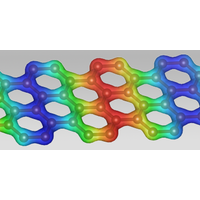
Phys. Rev. Lett. 137, 196001 (2026)
Condensed Matter and Materials
Kekulé Superconductivity Induced by Quantum Geometry in Haldane Phases
Article | Condensed Matter and Materials | 2026-11-03 05:00 EST
Yafis Barlas, Fan Zhang, and Enrico Rossi
Chiral two-dimensional electron gases, which capture the electronic properties of graphene and rhombohedral graphene systems, exhibit singular momentum-space vortices and are susceptible to interaction-induced topological Haldane phases. Here, we investigate pairing interactions in the inversion-sym…
Phys. Rev. Lett. 137, 196002 (2026)
Condensed Matter and Materials
Physical Review X
Finite-Size Scaling Theory of Rényi Thermal Entropy for Second-Order, First-Order, and Weakly First-Order Quantum Phase Transitions
Article | | 2026-11-03 05:00 EST
Zhe Wang, Yanzhang Zhu, Chunhao Guo, Bin-Bin Chen, Yi-Ming Ding, Zenan Liu, and Zheng Yan
Researchers develop a Rényi thermal entropy scaling framework to identify weakly first-order quantum phase transitions in finite-size simulations.

Phys. Rev. X 16, 041031 (2026)
arXiv
Correlated quantum criticality and topological magnetoelectric response in Bi2Se3
New Submission | Strongly Correlated Electrons (cond-mat.str-el) | 2026-11-04 20:00 EST
A defining feature of quantum materials is that multiple orders govern low-energy physics and are not independent. We study Bi$ _2$ Se$ _3$ by combining DFT with a renormalized correlated honeycomb model in which frustrated magnetic order and helical topological surface states are coupled via one control parameter. The surface states map to a honeycomb Hubbard model with frustrated $ J_1$ –$ J_2$ exchange. Exact diagonalization up to 20 sites shows the Néel structure factor and valence-bond-solid order parameter cross at $ J_2/J_1 \approx 0.22$ , agreeing with QMC/DMRG, and a dynamical spin structure factor broadens near the crossover, as expected for a spinon continuum. Band inversion of the renormalized tight-binding model occurs on the same critical locus, producing jumps in the Chern number and $ \mathbb{Z}_2$ invariant mirrored by the skyrmion charge $ Q$ . This gives a microscopic link: $ Q$ selects the axion angle and thus the topological magnetoelectric coupling. We distinguish axion coupling, independent of skyrmion helicity, from the helicity-dependent magnetoelectric multipole coupling, whose toroidal component scales as $ \sin\gamma$ and vanishes for Néel-type textures. We derive the $ Q$ -topological magnetoelectric energy and estimate $ \sim 10^{-20},\mathrm{J}$ per skyrmion per cycle for few-tesla fields. The cycle is thermodynamically bounded: constant-$ \theta$ cycles extract no net work, and efficiency is limited by axionic entropy change.
Strongly Correlated Electrons (cond-mat.str-el)
20 pages, 8 Figures, Submitted to npj Quantum Materials for consideration as a research article in the Special Collection \textit{Intertwined Orders in Quantum Materials— In Memory of Daniel Khomskii}
When do machine-learning potentials need a configuration-dependent kernel? Learning long-range interactions with Fourier neural operators
New Submission | Materials Science (cond-mat.mtrl-sci) | 2026-11-04 20:00 EST
Wei Chen, Gian-Marco Rignanese
Long-range interactions in machine-learning interatomic potentials are commonly treated by coupling learned sources through either a prescribed electrostatic kernel or a learned but configuration-independent one. Whether such a kernel suffices depends on the underlying screened interaction. We address this question by using Fourier neural operators (FNOs) to learn how latent source fields, built from the descriptors of a local backbone (here MACE), interact across the simulation cell. For a synthetic ionic system with tunable screening, a prescribed Coulomb kernel underestimates the long-wavelength charge fluctuations by 43% under strong screening, whereas the FNO reproduces them within 3% and recovers 95-99% of the variance of the residual left by the local backbone. A linear FNO, which learns a configuration-independent kernel, performs equally well in the homogeneous case. Under inhomogeneous screening, rearranging the remote medium modulates the coupling between distant ions, a dependence that no configuration-independent kernel can represent. Among the models tested, only the nonlinear FNO responds to this modulation, and its force errors are 27-41% lower than those of configuration-independent models. In first-principles benchmarks of liquid water, lithium lanthanum zirconate, and Au2/MgO(001), MACE-FNO is comparable to a prescribed-kernel model for the bulk systems and more accurate for the interface. It further captures the reversal of the Au2 wetting preference induced by remote Al dopants, with deviations below 5 meV per cell from density functional theory. These results indicate that a configuration-dependent kernel, as learned by FNOs, becomes necessary once the screening medium varies, even though the energy remains quadratic in the charges for a fixed medium.
Materials Science (cond-mat.mtrl-sci), Chemical Physics (physics.chem-ph)
29 pages, 6 figures
Restricted triangular ice beyond the solvable manifolds: chiral ice and the critical region of dominant chiral vertices
New Submission | Statistical Mechanics (cond-mat.stat-mech) | 2026-11-04 20:00 EST
We study two restrictions of Baxter’s symmetric twenty-vertex model on the triangular lattice, in which the three classes of vertices allowed by the ice rule carry the weights $ a$ , $ b$ and $ c$ : chiral ice, in which only the twelve chiral vertices are allowed, and the model that excludes only the two alternating vertices. We show that neither model belongs to any of the known exactly solvable families of the twenty-vertex model, and we characterise chiral ice as the ice model in which every vertex has exactly one through line, a property that imposes a parity constraint along every closed lattice line. We compute the residual entropies of both models with transfer matrices on cylinders of up to twelve vertices in circumference, extrapolated with the finite-size correction predicted by conformal invariance, which we adapt to the triangular geometry and verify at two exactly solved points. The number of upward arrows crossing the cylinder is conserved, and the cost of changing it shows that both models are critical, with the long-distance behaviour of a free massless field. Chiral ice is the extreme point of a region of the phase diagram in which ordering had been suggested; along two paths through that region we find the same critical behaviour at every point, with no feature at the proposed boundary of the region. Along Baxter’s exactly solved curve we obtain the corresponding exponents in closed form.
Statistical Mechanics (cond-mat.stat-mech)
Current-Confined Formation of a Buried Ge/Si Free Surface for Defect Filtering
New Submission | Materials Science (cond-mat.mtrl-sci) | 2026-11-04 20:00 EST
Youcef A. Bioud, Meriem Bouchilaoun, Waldemar Schreiber, Redouane Amrar, Gilles Patriarche, Ali Soltani, Stefan Janz
Lattice-mismatched heteroepitaxy is limited by misfit dislocations, threading defects, and residual strain generated at buried interfaces. Here, we show that current-confined electrochemistry transforms the Ge/Si heterointerface into a laterally continuous nanometric free surface while preserving the Ge epilayer. A low-doped Ge layer on a conductive p-type Si substrate redirects anodization current toward the misfit-dislocation-rich interface. Numerical modelling including charge-transfer kinetics shows that this confinement arises from hole-limited charge transfer and, together with electrochemical calibration, defines a process window that combines interfacial current confinement with controlled Si porosification. STEM reveals an approximately 15 Ang separation, while EDX shows localized interfacial oxygen enrichment. After soft annealing, geometric phase analysis and plan-view TEM show a modified strain-relaxation pathway and strongly suppressed threading-dislocation emergence. Raman spectroscopy indicates a reduction in residual tensile strain from approximately 0.10 % to 0.05 %, whereas spreading resistance profiling confirms preservation of the Ge carrier profile. Current-confined electrochemistry therefore provides a controllable post-epitaxial route for buried-interface decoupling, defect filtering, and strain control in lattice-mismatched semiconductor heterostructures.
Materials Science (cond-mat.mtrl-sci), Applied Physics (physics.app-ph)
Agentic inverse design of spatially programmed materials
New Submission | Materials Science (cond-mat.mtrl-sci) | 2026-11-04 20:00 EST
Denisse Córdova Carrizales, Abhijatmedhi Chotrattanapituk, L. Dagny Davis, Jeremy Ramsey, Ryotaro Okabe, Mouyang Cheng, Mingda Li
Spatially programmed functional materials, from functionally graded alloys and metamaterials to quantum superlattices, use their spatial structure to tailor physical properties. However, translating a desired spatial structure into a practical fabrication recipe remains challenging due to the complex relationship between processing conditions and resulting material structures. Here we show that a large language model (LLM) agent can inverse-design such fabrication recipes by using a physics-based simulator of ion-matter interactions as a tool. Given an arbitrary depth profile of implanted ions or vacancies, the agent selects the ion species, energies, incident angles, and target material layers; writes, runs, and interprets simulations; and iteratively refines the recipe until the simulated profile matches the target, with minimal human input. Our work demonstrates physics-guided agentic inverse design as a practical approach to making the spatial structure of materials a programmable variable, opening new opportunities to explore emergent physical phenomena and functional phases of matter.
Materials Science (cond-mat.mtrl-sci)
6 main figures; 8 supplemental figures
Thermal Phase Transition of Three Dimensional Orthogonal Metals
New Submission | Strongly Correlated Electrons (cond-mat.str-el) | 2026-11-04 20:00 EST
Inho Song, Minsu Park, Hanbit Oh, Eun-Gook Moon
Orthogonal metals provide a paradigmatic example of strongly entangled metallic states whose transport and thermodynamic properties resemble those of conventional Fermi liquids, while their single-electron excitations remain fundamentally distinct. Despite considerable interest in their unusual ground-state properties, orthogonal metals in three spatial dimensions and their finite-temperature behavior remain relatively unexplored. Here, we investigate a three-dimensional orthogonal metal and characterize the thermodynamic and spectroscopic signatures associated with its finite-temperature phase transition. Starting from a simple model of fermions coupled to spin degrees of freedom, we perturbatively demonstrate that the thermal transition known to occur in the purely bosonic limit persists in the presence of coupling to a gapless Fermi surface. We then examine physical observables that change prominently between the coherent and orthogonal-metal regimes. In particular, we calculate the evolution of the physical-electron spectral function and identify characteristic signatures in angle-resolved photoemission spectroscopy. We find a pronounced contrast in low-energy spectral weight between the coherent and orthogonal-metal regimes without requiring conventional symmetry-breaking order. Our results establish finite-temperature orthogonal-metal physics as a possible mechanism for pseudogap-like behavior in three-dimensional and quasi-two-dimensional layered materials with non-negligible interlayer hopping, which may be applied to the recent experiments in $ \mathrm{Sr_2 VO_3 Fe As}$ .
Strongly Correlated Electrons (cond-mat.str-el)
21 pages, 3 figures
Collective Modes of Fractional States Beyond Landau Levels
New Submission | Strongly Correlated Electrons (cond-mat.str-el) | 2026-11-04 20:00 EST
Collective modes provide a powerful probe into the properties and stability of topologically ordered and strongly interacting phases of matter, such as fractional quantum Hall states. Yet, the description of fractional-state excitations away from the Landau-level limit remains a formidable challenge. We develop a framework for describing collective excitations in the strong-coupling regime of coupled-wire constructions and show that they emerge as solitons and breathers of effective sine-Gordon theories. This approach provides a systematic route to studying collective modes in a broad class of fractional states. Applied to a coupled-wire construction of the fractional quantum Hall effect, the framework captures key features of the magnetoroton branch. It naturally extends to fractional Chern insulators, demonstrating that magnetoroton-like collective modes persist well beyond the Landau-level limit. We find that the magnetoroton gap increases as the Fubini-Study metric approaches the ideal (trace-condition) limit, highlighting the important role of quantum geometry in the stability of fractionalized phases and their collective excitations. The same trend favors the stability of the long-wavelength quadrupolar mode associated with the chiral graviton. Together, these results identify a distinct interplay between fractionalization and quantum geometry, and provide an analytical framework for studies of collective excitations in fractional topological matter.
Strongly Correlated Electrons (cond-mat.str-el)
Coexisting Kondo and Weyl-like transport in kagome heavy-fermion metal, Yb$_y$Co$3$G$e{3-x}$Sn$_x$
New Submission | Strongly Correlated Electrons (cond-mat.str-el) | 2026-11-04 20:00 EST
M. P. Dubbelman, R. Meduri, T. M. Kyrk, Z. Cheng, P. Maderson, D. Pizzirani, A. Das, V. N. Vreede, X. Liu, N. Witt, S. Grytsiuk, C. M. Polley, M. Rösner, A. Grubišić-Čabo, S. Bhattacharyya, R. E. Baumbach, M. E. Kamminga, S. Wiedmann, J. Y. Chan, M. N. Ali
Strong electron correlations and topology offer complementary routes to controlling electrical conduction, as correlations can make electrons heavy (e.g. Kondo lattices) whereas topology can make them behave as massless particles (e.g. Dirac or Weyl systems), and having both in one material is rare. In Kondo lattice systems, Kondo hybridization between localized 4$ f$ and conduction electrons strongly enhances the quasiparticle mass, where in Weyl-Kondo systems these Kondo-renormalized bands form Weyl states, and simultaneous signs of both Kondo and Weyl states in one material have not been observed in transport. Here we report signs of both in the kagome metal \ce{Yb_yCo3Ge_{3-x}Sn_x} by combining magnetotransport, heat capacity, magnetization, angle-resolved and X-ray photoemission spectroscopy, and DFT+U calculations to reveal Yb-dependent Kondo scattering developing into lattice coherence, with extrapolated Sommerfeld coefficient of approximately 2 ~Jmol$ _{\mathrm{Yb}}^{-1}$ K$ ^{-2}$ . Transverse magnetoresistance (MR) follows single-ion Kondo scaling, whereas longitudinal transport contains an additional negative response proportional to B$ ^2$ and remains unsaturated up to 32 T, consistent with a chiral anomaly. These findings support a picture of Kondo and Weyl-like conduction arising from distinct electronic states without external Fermi-level tuning, suggesting a possible route to combining correlated and topological functionality in a bulk material.
Strongly Correlated Electrons (cond-mat.str-el), Materials Science (cond-mat.mtrl-sci)
14 pages, 4 figures
The Inverse Mean First-Passage Time Problem
New Submission | Statistical Mechanics (cond-mat.stat-mech) | 2026-11-04 20:00 EST
Tommer D. Keidar, Shlomi Reuveni, Igor M. Sokolov
We consider the mean first-passage time $ \tau(x)$ for an overdamped particle in a one-dimensional potential landscape, and address the problem inverse to the textbook one: Given $ \tau(x)$ as a function of starting distance, we look for a potential that realizes it. We derive the conditions on $ \tau(x)$ under which such a potential exists. We show that while the power-law dependences $ \tau(x)\sim x^\alpha$ with $ \alpha \leq 2$ may be realized by monotonic potentials, any realizable $ \tau(x)$ with superquadratic growth requires potential wells arbitrarily far from the target; $ \alpha = 2$ separates sliding from trapping-dominated motion regimes.
Statistical Mechanics (cond-mat.stat-mech)
Repulsion-Driven Topological Superconductivity in Twisted MoTe$_2$
New Submission | Strongly Correlated Electrons (cond-mat.str-el) | 2026-11-04 20:00 EST
Tianle Wang, Tomohiro Soejima, Norman Y. Yao, Ashvin Vishwanath, Michael P. Zaletel, Taige Wang, Daniel E. Parker
We show that a microscopic model of twisted MoTe$ _2$ with screened Coulomb interactions produces topological superconductivity. Using the density matrix renormalization group (DMRG) on infinite cylinders, we find that the narrow Chern band of twisted MoTe$ _2$ has Cooper pair correlations that strengthen with cylinder circumference, consistent with two dimensional superconductivity. The superconductor has chiral $ f$ -wave pairing around the valley center, and its topology produces chiral Majorana edge modes and non-Abelian vortex cores. At zero displacement field, the superconductor spans fillings $ -0.78\lesssim\nu\lesssim-0.72$ , close to the experimental range, and extends in a dome to finite displacement field. We then predict how its stiffness evolves with the filling and the tunable displacement field. The interplay with screening length is also examined. Nearby, we find a fractional Chern insulator, a topological charge density wave, a metal, and a charge-ordered state. The last is a candidate for the reentrant integer Hall regime in experiments. These results establish a route from repulsive interactions in microscopic models of moiré materials to chiral topological uperconductors with chiral Majorana edge modes.
Strongly Correlated Electrons (cond-mat.str-el), Superconductivity (cond-mat.supr-con)
6+15 pages, 4+12 figures
Lattice spin systems coupled to a compact U(1) gauge field with negative gauge coupling favoring frustration
New Submission | Statistical Mechanics (cond-mat.stat-mech) | 2026-11-04 20:00 EST
We investigate the phase diagram and nature of the phase transitions of three-dimensional compact lattice Abelian Higgs models with negative gauge coupling. These models describe multicomponent complex scalar fields coupled to a compact U(1) gauge field. Negative gauge coupling favors frustrated plaquette configurations, competing with the tendency of the matter ferromagnetic-like interaction to suppress frustration. Monte Carlo simulations and finite-size scaling analyses of models with one- and two-component scalar fields of unit charge reveal a substantially richer phase structure than at nonnegative gauge coupling. For two components, the O(3) transition line associated with gauge-invariant bilinear ordering extends into the negative-coupling region, and turns into a first-order transition line with decreasing $ K$ , toward the fully-frustrated $ K\to -\infty$ limit. An analogous first-order transition line is also found for the one-component scalar matter with negative gauge coupling. Both one- and two-component models exhibit two additional continuous transition lines at sufficiently large matter coupling. Their energy-cumulant scaling is consistent with three-dimensional Ising and XY critical exponents, suggesting topological transitions in the $ \mathbb Z_2$ and XY gauge universality classes, respectively. These results uncover additional phases generated by the competition between matter ordering and dynamical gauge frustration, whose physical characterization remains an open question.
Statistical Mechanics (cond-mat.stat-mech), High Energy Physics - Lattice (hep-lat)
17 pages
Possibility of Potts Spin-Ice in Rare Earth Twisted-Kagome Layers: an Example of DyAgGe
New Submission | Materials Science (cond-mat.mtrl-sci) | 2026-11-04 20:00 EST
Gunnar F. Schwertfeger, Po-Hao Chang, Predrag Nikolic, Igor I. Mazin, Hari Bhandari, Nirmal J. Ghimire
Three-dimensional (3D) spin-ice compounds, predominantly based on the pyrochlore or spinel structure, have been attracting considerable interest in the last two decades. A two-dimensional (2D) analogue is the spin-ice consisting of kagome planes. So far, only Ising spin ice has been discovered in any material, and only one 2D material, the kagome compound HoAgGe, has been identified as a spin ice. In this Letter, we show that another rare-earth twisted Kagome magnetic compound, DyAgGe, is in fact a Potts spin ice (or color ice), where at each site not two but four spin directions are allowed. We argue that an 8-state spin ice may also exist in this class of systems. We present a first-principles calculation of magnetic interactions in DyAgGe, and confirm the 4-state Potts structure of this material by matching our model predictions with the available experimental data.
Materials Science (cond-mat.mtrl-sci)
Thermodynamic Bethe Ansatz for the Toda chain from inverse scattering transform
New Submission | Statistical Mechanics (cond-mat.stat-mech) | 2026-11-04 20:00 EST
The Thermodynamic Bethe Ansatz (TBA) procedure developed by Yang-Yang provides the free energy functional to be minimized via a variational problem. Their result not only gives the correct thermodynamics, but it also sets the framework for Generalized Hydrodynamics. Originally developed for quantum systems, this procedure has been recently successfully applied to (integrable) classical particle systems. However, this has never been done for classical field theories: no classical derivation has consistently accounted for solitons, breathers, radiation (dispersive modes), and their mutual interactions. We here derive the TBA equations for the Toda chain directly from its inverse scattering transform. This results in solitonic modes interacting with radiation, extending the soliton gas picture. We provide numerical verification of our equations against well established TBA equations in terms of particle modes. We expect the same procedure should apply to KdV, and pure radiative models as defocusing NLS and Sinh-Gordon, while we discuss current limitations in other models such as focusing NLS (and Ablowitz-Ladik) and Sine-Gordon.
Statistical Mechanics (cond-mat.stat-mech), Mathematical Physics (math-ph), Exactly Solvable and Integrable Systems (nlin.SI)
32 pages, 4 figures, 1 appendix
Stationary distribution of active Brownian particles in a bounded domain
New Submission | Soft Condensed Matter (cond-mat.soft) | 2026-11-04 20:00 EST
Alexandra Tzella, Daniel Loghin, David J. Needham, Jacques Vanneste
Self-propelled particles such as swimming micro-organisms often accumulate at boundaries. Active Brownian particles (ABPs), that is, particles moving at constant speed with an orientation undergoing rotational diffusion, provide a simple model. ABPs have a finite probability to be on the boundary. Their probability density therefore includes both regular bulk and singular boundary components. Exchanges between these represent capture at the boundary and re-entry into the bulk.
We examine the distribution of ABPs in the stationary regime. We first obtain a similarity solution that describes the probability density near the turning points, where orientation is tangential to the boundary and particles re-enter the bulk. This shows that the bulk density is singular and the boundary density is non-differentiable. We then add spatial diffusion to the ABP model and investigate the limit $ \eps \to 0$ of small spatial diffusivity. We use matched asymptotics to describe the regularising effect of a finite $ \eps$ , focusing on the vicinity of the turning points. We assess our predictions against numerical simulations using both lattice Markov chain and finite-element discretisations.
Soft Condensed Matter (cond-mat.soft), Analysis of PDEs (math.AP)
23 pages, 8 figures
Liouvillian Kramers Degeneracy
New Submission | Mesoscale and Nanoscale Physics (cond-mat.mes-hall) | 2026-11-04 20:00 EST
The Kramers theorem generally guarantees the spectral degeneracy of time-reversal-invariant Hamiltonian operators with half-integer spin, underlying a variety of physical phenomena. Despite its fundamental significance, the Kramers degeneracy has been argued to be absent in Liouvillian superoperators acting on mixed states because of the double structure of the Hilbert space. Here, we instead demonstrate that the interplay of time-reversal symmetry$ ^†$ and parity symmetry enforces the Kramers degeneracy in Liouvillians. We explicitly construct dissipative many-body models of interacting fermions and spins exhibiting the Kramers degeneracy and show that their complex spectral statistics follow those of non-Hermitian random matrices in the corresponding symplectic symmetry classes. Of the three fundamental universality classes of non-Hermitian random matrices, the symplectic class has never been realized in symmetry-resolved many-body Liouvillians. Our constructions provide its explicit realizations and spectral signatures of nonintegrability in symplectic open quantum systems.
Mesoscale and Nanoscale Physics (cond-mat.mes-hall), Quantum Physics (quant-ph)
8 pages, 3 figures
Effect of Small Particle Interactions on Assembly of Binary Colloidal Clusters
New Submission | Soft Condensed Matter (cond-mat.soft) | 2026-11-04 20:00 EST
Dillip Kumar Mohapatra, Teun W.J. Verouden, Bos Everhardus Sprik, Wouter G. Ellenbroek, Janne-Mieke Meijer
A central challenge in colloidal self-assembly is understanding how interaction strength influences the competition between structural optimization and kinetic arrest during the formation of hierarchical structures. Here, we investigate the assembly process of a binary mixture of differently sized silica colloids dispersed in a near-critical water/2,6-lutidine solvent, where critical Casimir forces provide reversible and temperature tunable attractions. By systematically tuning the effective interactions between large-large (L-L), large-small (L-S), and small-small (S-S) particle pairs, we directly observe how the nucleation and growth of the binary colloid assemblies evolve in a wall-confined quasi-two-dimensional geometry when multiple pair-interactions are present. Confocal laser scanning microscopy imaging shows that combined L-L interactions and L-S interactions lead to compact L-S core-shell clusters with high shell occupancy, while the additional presence of S-S interactions suppress the shell formation and lead to extended, branched binary networks. Particle-resolved analyses of cluster growth and bond dynamics reveal that these structural transitions are governed by the motion of the small particles in the clusters changing from highly dynamic leading to structural reorganization to frozen dynamics resulting kinetic trapping. Our findings demonstrate how the interaction-governed mobility and kinetic arrest of small particles influence the growth of finite binary clusters and offers microscopic insight into the formation of binary crystals and kinetically trapped space-spanning binary colloidal networks and gels.
Soft Condensed Matter (cond-mat.soft)
Early-age formation of MgO-SiO$_2$ binders and the effect of hydromagnesite and dehydrated hydromagnesite: An in situ synchrotron X-ray diffraction and pair distribution function study
New Submission | Materials Science (cond-mat.mtrl-sci) | 2026-11-04 20:00 EST
Jordan Mravca-Bailey, Claire E. White
MgO-SiO$ _2$ binders are promising low-CO$ _2$ alternatives to Portland cement that can permanently store CO$ _2$ by incorporating magnesium carbonate phases. Adding a magnesium carbonate such as nesquehonite or hydromagnesite is known to change the initial hydration product from crystalline brucite (Mg(OH)$ _2$ ) to disordered hydrous carbonate-containing brucite (HCB), yet how these binders evolve during the initial hours of reaction remains largely unknown. Here, in situ synchrotron X-ray diffraction (XRD) and pair distribution function (PDF) analysis follows an MgO-SiO$ _2$ paste with and without hydromagnesite (HY, Mg$ _5$ (CO$ _3$ )$ _4$ (OH)$ _2$ \cdot$ 4H$ _2$ O) or dehydrated hydromagnesite (DHY, HY heated at 325 °C to remove water) over the first 24 h, with ex situ measurements to 42 days. Real space phase quantification reveals that magnesium-silicate-hydrate (M-S-H) is detected in the first scan (~45 min) of every paste, before formation of any brucite or HCB. The PDF results also show that in the neat MgO-SiO$ _2$ paste, half of the M-S-H present at 42 days has formed by 24 h, while no M-S-H is detected by XRD at any age due to the intrinsic disorder present in this phase. Both carbonate sources (HY and DHY) are found to increase the extent of MgO dissolution, where no unreacted MgO is detected at 24 h in contrast with >7 days for the neat paste. However, DHY is seen to slow the initial stages of MgO dissolution (prior to ~6 h) compared with the neat paste, a period during which significant DHY rehydration is seen to occur without any HCB formation. Hence, this investigation shows that the onset of HCB precipitation in MgO-SiO$ _2$ -(D)HY paste is influenced by the hydration state of the DHY phase, where precipitation is delayed while DHY is rehydrating.
Materials Science (cond-mat.mtrl-sci)
Thermodynamically consistent thixotropic viscoelastic modeling of human blood from a conformational free energy
New Submission | Soft Condensed Matter (cond-mat.soft) | 2026-11-04 20:00 EST
Thomas Martinod, Andrés Córdoba, Jay D. Schieber
Structural thixotropic viscoelastic models describe the rheology of human blood accurately, but their structural kinetics are postulated, so their compatibility with the second law of thermodynamics is not guaranteed. We present ROUGE (ROUleaux model Guided by free Energy), a tensorial model of blood that describes the deformation of individual red blood cells and of rouleaux with two conformation tensors, and the degree of aggregation with a scalar variable. A single postulated Helmholtz free energy determines the stress, the relaxation of all three variables, and the entropy generation, so the model satisfies the second law in any flow. To build it, we extend a simplified formulation of nonequilibrium thermodynamics, which accounts for conformational energy and entropy, to microstructures described by several structural variables of different kinds. The coupling between aggregation and rouleaux deformation is motivated by the Langmuir adsorption of fibrinogen and is restricted so that the quiescent, fully aggregated state is the stable minimum of the free energy. Fits to published data for step-ups and step-downs in shear rate show that the fibrinogen binding sites remain far from saturation, so that the free energy has no adjustable parameters. They also show that rouleaux breakdown requires no empirical shear-activation term: the structure is destroyed in proportion to the work done by the flow on the aggregates, and a single structural time produces both breakdown within seconds and an algebraic recovery over tens of seconds. The resulting model has five well-determined parameters, and its fitted solvent viscosity coincides with that of plasma.
Soft Condensed Matter (cond-mat.soft)
Constraining the Superconducting Gap of Monolayer FeSe/SrTiO$_3$ via Statistical Analysis and Tip-Height-Dependent Tunneling Spectroscopy
New Submission | Superconductivity (cond-mat.supr-con) | 2026-11-04 20:00 EST
Dongwon Shin, Xiyou Peng, Kaleb McClure, Paolo Vilmercati, Chris Howard, Petro Maksymovych, Norman Mannella, Hanno H. Weitering, Wonhee Ko
Monolayer FeSe grown on SrTiO$ _3$ (001) exemplifies interface-enhanced superconductivity, exhibiting a transition temperature nearly ten times that of bulk FeSe. Yet, its tunneling spectra lack clearly identifiable superconducting coherence peaks, preventing an unambiguous determination of the gap magnitude. Here, we use ultralow-temperature scanning tunneling spectroscopy as a function of temperature, tip-sample separation, and lateral position to disentangle tunneling contributions by statistical analysis. Decay rates extracted by regression of tip-height-dependent spectroscopy reveal three energy regimes: Andreev-reflection-dominated tunneling below 6 meV, mixed Andreev and quasiparticle tunneling between 6 and 13 meV, and predominantly quasiparticle tunneling above 13 meV. Spatially resolved spectroscopy and correlation analysis further reveal that the tunneling conductance is predominantly localized near defects below 6 meV but becomes spatially extended at higher energies. Together, these results constrain the superconducting gap to lie between 6 and 13 meV. Our findings establish statistical analysis of spectroscopy as a powerful approach to constraining superconducting gap structures when complex spectral features prevent the unambiguous identification of coherence peaks.
Superconductivity (cond-mat.supr-con), Mesoscale and Nanoscale Physics (cond-mat.mes-hall)
Korringa factor in Dirac-nodal-line systems
New Submission | Strongly Correlated Electrons (cond-mat.str-el) | 2026-11-04 20:00 EST
Takahiko Sekine, Kanoda Kazushi
The Korringa factor $ K(\alpha)$ in the nuclear magnetic resonance studies is a widely used measure of electron-correlation effects in metals and is conventionally interpreted using the non-correlated value $ K(\alpha)$ = 1. In Dirac-fermion systems, however, the non-correlated reference value depends on the electronic density of states (DOS) and differs from that of conventional metals. Here, we theoretically investigate the non-correlated Korringa factor $ K^\ast(\alpha)$ in a Dirac nodal-line (DNL) system with finite nodal-line dispersion using a DOS-based approach. We show that $ K^\ast(\alpha)$ exhibits an intrinsic temperature dependence, continuously evolving from the Dirac-fermion value of 1.71 at high temperatures to the metallic value of 1 at low temperatures. The crossover temperature is found to be proportional to the nodal-line dispersion width, identified as the characteristic energy scale governing the non-correlated Korringa factor in DNL systems. We further demonstrate that Landau quantization generates singular DOS structures that strongly enhance $ K^\ast(\alpha)$ , producing pronounced peaks even in the absence of electron correlations. In addition, $ K^\ast(\alpha)$ exhibits two distinct types of magnetic oscillations arising from intra-level and inter-level contributions. The latter originates from the overlap of singular points belonging to positive and negative quantum-number Landau subbands at the Fermi level and represents a unique consequence of the finite energy dispersion of a DNL. These results provide a quantitative reference for interpreting NMR experiments in DNL materials and for identifying genuine correlation effects beyond DOS-induced contributions.
Strongly Correlated Electrons (cond-mat.str-el)
8 pages, 6 figures
Maximum entropy explanation for the ubiquity of power-law mechanical responses
New Submission | Statistical Mechanics (cond-mat.stat-mech) | 2026-11-04 20:00 EST
The ubiquitous power-law relaxation emerges from complex mechanical systems with a vast number of interacting exponential responses. Here we demonstrate that power-law responses satisfy a maximum entropy criterion, regulating the individual contributions under partial knowledge. This leads to a prediction that frequency range of validity decreases with power-law exponent, a property which is confirmed for some biological materials. The close relation with the fractional standard linear solid also leads to an incorporation of the equally ubiquitous stretched exponential behavior.
Statistical Mechanics (cond-mat.stat-mech), Soft Condensed Matter (cond-mat.soft)
8 pages, 3 figures
Triboelectric nanogenerators across length scales: linking materials, multiscale modelling and applications
New Submission | Materials Science (cond-mat.mtrl-sci) | 2026-11-04 20:00 EST
MD Tanzib Ehsan Sanglap, Ans Al Rashid, Abdullah Sayam, Injamamul Arief, Andrei G. Shvarts, Lukasz Kaczmarczyk, Muammer Koc, Mokarram Hossain
Triboelectric nanogenerators (TENGs) convert low-frequency mechanical energy into electricity and enable self-powered sensing. Their performance depends on interactions among material properties, surface morphology, contact mechanics, charge generation and external circuits. This review examines these interactions across length scales to assess how material and interface descriptions support predictive device design. Polymeric, inorganic, composite and natural materials are discussed in relation to charge generation and retention, mechanical compliance, durability and application requirements. Modelling approaches span molecular dynamics and first-principles calculations, rough-surface contact mechanics, device-scale electrostatics and equivalent circuits. Their capabilities are assessed through the inputs they require, the quantities they predict and the experimental evidence used for validation. Particular attention is given to prescribed surface charge density, idealised geometries and nominal contact-area assumptions, which constrain predictions under realistic loading conditions. Applications are organised by macroscale, milliscale and microscale device dimensions to examine requirements for materials, architecture and integration. The review identifies evolving real contact area and contact-dependent charge generation and decay as critical links between interfacial behaviour and electrical output. A staged validation strategy is proposed for contact mechanics, electrostatics and circuit response, with independent testing beyond calibration conditions. These priorities guide the development of multiscale models and reliable TENG systems.
Materials Science (cond-mat.mtrl-sci), Applied Physics (physics.app-ph), Popular Physics (physics.pop-ph)
44 pages, 14 figures
Interaction-driven Weyl superfluids from topologically trivial bands in an optical Raman lattice
New Submission | Quantum Gases (cond-mat.quant-gas) | 2026-11-04 20:00 EST
Yong-Huan Wang, Shuai Chen, Xin-Chi Zhou
We propose a scheme to realize Weyl superfluidity from topologically trivial bands in the strongly correlated regime of a three-dimensional optical Raman lattice. The scheme builds on a pairing mechanism arising from the interplay between a large Zeeman splitting and strong Hubbard interaction. Spin-flip hopping suppressed by the large Zeeman detuning is resonantly restored when the attractive Hubbard interaction compensates the energy mismatch, yielding a correlated spin-orbit coupling that depends on the local particle configuration. Combining this density-dependent in-plane spin-orbit coupling with density-dependent spin-conserving interlayer tunneling extends the pairing mechanism to three dimensions. A self-consistent mean-field treatment of the microscopic model yields Weyl superfluids with two, four, or eight nodes, together with fully gapped weak topological superfluids. Tuning the interaction strength and particle filling drives transitions between these phases and controls the number of Weyl nodes. We further propose an experimental implementation with ultracold $ ^{40}\mathrm{K}$ atoms. Our results highlight density-assisted spin-orbit coupling as a mechanism for realizing Weyl superfluidity in strongly correlated systems.
Quantum Gases (cond-mat.quant-gas), Strongly Correlated Electrons (cond-mat.str-el), Quantum Physics (quant-ph)
10 pages, 8 figures
Energy-Resolved Cross-Correlation of THz Field Emission of Electrons from a Metal Nanotip
New Submission | Mesoscale and Nanoscale Physics (cond-mat.mes-hall) | 2026-11-04 20:00 EST
Laurent N. David, Rodrigo T. Paulino, Angela Moskal, David G. Cooke
Intense THz pulses, combined with the lightning-rod field enhancement at metal nanotips, can drive field emission of keV-energy, femtosecond-duration electron bunches, yet the dynamics governing this emission remain largely unexplored. Here we probe these dynamics by cross-correlating the energy-resolved emission driven by two independently generated single-cycle THz pulses focused onto a tungsten nanotip, scanning their relative delay over 160 ps. At total bunch charges approaching $ 10^6$ e$ ^-$ , the delay-energy emission map near zero delay reveals electrons accelerated up to 2.1 keV, with a cross-correlation width of ~210 fs full width at half maximum at the highest energies. Apart from replicas caused by optical reflections in the setup, no emission echoes are observed over the full delay range, ruling out long-lived antenna resonances such as Sommerfeld-wave reflections along the tip shaft. A 1D Fowler-Nordheim model incorporating a low-$ Q$ , sub-picosecond antenna response for the local field enhancement reproduces the peak electron energies and the asymmetry of the delay-energy map. Our results indicate that each THz pulse produces a single, isolated electron burst, and that energy filtering can select its shortest, highest-energy component.
Mesoscale and Nanoscale Physics (cond-mat.mes-hall)
5 pages, 3 figures
Dynamical Phonon Anharmonicity Drives Charge-Density-Wave Softening and Electronic Quasiparticle Decoherence in Monolayer 1H-NbSe2
New Submission | Materials Science (cond-mat.mtrl-sci) | 2026-11-04 20:00 EST
Charge-density-wave (CDW) instabilities in two-dimensional materials are governed by strongly anharmonic soft phonons, whose dynamical behavior remains poorly understood beyond the statically renormalized vibrations. Here, using monolayer 1H-NbSe2, we investigate how frequency-dependent three- and four-phonon interactions reshape phonon spectral functions and influence electronic excitations. We find that three-phonon interactions induce substantial dynamical softening of CDW modes, increasing the estimated transition temperature relative to static self-consistent phonon theory. Four-phonon interactions further promote such dynamical softening and enhance spectral broadening, producing non-Lorentzian lineshapes that challenge the quasiparticle picture. Incorporating dynamically renormalized phonon frequencies and electron-phonon coupling into Fan-Migdal electron self-energy calculations reveals enhanced electronic kinks, satellite features, and momentum-dependent quasiparticle decoherence, driven by the strong momentum dependence of the electron-phonon coupling matrix elements. These findings establish dynamical anharmonicity as a critical link between soft-mode lattice fluctuations and electronic spectral signatures, providing insights into coupled lattice-electron dynamics in two-dimensional quantum materials.
Materials Science (cond-mat.mtrl-sci)
Continuum Dirac Theory and Nonlinear Extensions of a Chain of Alternating non-linear springs: an SSH version of the Fermi-Pasta-Ulam-Tsingou model
New Submission | Other Condensed Matter (cond-mat.other) | 2026-11-04 20:00 EST
Gerardo G. Naumis, Ilder I. Salgado, Jorge Fujioka
A mechanical version of the SSH model, made of equal masses joined by two alternating non-linear springs is studied in the continuum limit. Such a non-linear dimerized mechanical chain generates a nonlinear, dispersive, two-field hyperbolic system of Boussinesq type of differential equations, describing coupled acoustic and gapped optical fields. The corresponding Lagrangian density is found, revealing that the acoustic and optical degrees of freedom are coupled through a structure that is formally analogous to a synthetic spin-orbit coupling, where the spatial motion is locked to the internal sublattice degree of freedom. An emergent non-Abelian Berry connection term also appears. Some particular solitary-wave solutions are found using variational theory, as the effective optical field obeys an undamped and unforced cubic-quintic Duffing equation. Near the Brillouin-zone edge, the system becomes a nonlinear Dirac field theory of the Soler type, providing a direct mechanical realization of interacting relativistic solitons. By factoring out fast spatial oscillations, an effective Jackiw-Rebbi Hamiltonian is obtained, with topological zero modes at domain walls. These modes are akin to the electronic flat bands in moire graphene systems associated with superconductivity and charge fractionalization. Finally, we discuss the mechanical rigidity transition and its effects on the fields as the system evolves toward the fully dimerized limit, in which the zero modes are floppy modes.
Other Condensed Matter (cond-mat.other), Mesoscale and Nanoscale Physics (cond-mat.mes-hall)
9 pages, 3 figures
Resolving magnetic order and dynamics with polarized neutron scattering: a practical guide to longitudinal polarization analysis
New Submission | Strongly Correlated Electrons (cond-mat.str-el) | 2026-11-04 20:00 EST
Neutron scattering provides microscopic information on magnetic order and spin dynamics. Most experiments, however, use unpolarized neutrons and do not fully exploit the information carried by the neutron spin. Longitudinal polarization analysis (LPA), established in the pioneering work of Moon, Riste, and Koehler at Oak Ridge National Laboratory in the late 1960s, separates magnetic and nonmagnetic scattering contributions through their different effects on the neutron spin. In this review, we illustrate how LPA can distinguish weak magnetic scattering from nonmagnetic contributions, constrain small moment components, and resolve the spin-space anisotropy of magnetic excitations. We introduce the formalism connecting measured polarization channels to magnetic quantities and discuss scattering geometry, crystallographic projections, and corrections for finite polarization. Our aim is to provide a practical guide for neutron scatterers using LPA to determine magnetic structures and characterize spin excitations in quantum materials. We conclude with opportunities in altermagnets, unconventional superconductors, and kagome magnets.
Strongly Correlated Electrons (cond-mat.str-el)
18 pages, 4 figures
Multiplicity of elastic wave propagation in random polycrystals
New Submission | Materials Science (cond-mat.mtrl-sci) | 2026-11-04 20:00 EST
Ming Huang, Stanislav I. Rokhlin, Michael J. S. Lowe
The coherent elastic wave in untextured polycrystals, central to ultrasonic and seismic characterization, was recently observed to have two modes per polarization at short wavelengths. However, their physical origin and amplitude partition have remained open. We address both by theory, grain-scale numerical simulations and a grain velocity estimate. The first-order smoothing approximation, simplified by the far-field approximation, predicts three waves, which are the classical effective wave and one for each type of scattered wave (longitudinal and transverse). At long wavelengths, only the effective wave is weakly attenuated. At short wavelengths, one of the other two waves joins it with comparable attenuation, whereas the third stays far more attenuated. A new residue method, which needs no fitting, gives the same pattern for the amplitude partition, with the two waves sharing the coherent field and the third carrying little. The simulations reveal exactly these two modes, for transverse waves in iron and longitudinal waves in strongly anisotropic SrMgSn, and never the third. The wavefields reveal the mechanism, in which the incident wave is extinguished within one grain correlation length and the coherent field is rebuilt by forward multiple scattering. Strikingly, a grain velocity estimate from single-crystal constants provides independent evidence, tracing the two modes to plane waves of the individual grains and closely reproducing their velocities. Observability of multiple waves is thus set by attenuation and amplitude partition together, and short-wavelength measurements in random media must allow for more than one coherent mode.
Materials Science (cond-mat.mtrl-sci), Disordered Systems and Neural Networks (cond-mat.dis-nn), Applied Physics (physics.app-ph)
23 pages, 10 figures
Condensate: an interactive simulator of two-dimensional quantum fluids
New Submission | Quantum Gases (cond-mat.quant-gas) | 2026-11-04 20:00 EST
Condensate is an interactive simulator of two-dimensional quantum fluids that runs in a web browser on phones, tablets and computers, with no installation. It solves eight models built on the Gross-Pitaevskii equation: a `vanilla’ condensate, a dipolar gas with tilted dipoles, a binary mixture with quantum droplets, Rabi and spin–orbit coupled gases, a self-gravitating (Schrödinger-Poisson) condensate, a driven-dissipative polariton fluid, a rotating condensate and a finite-temperature stochastic projected Gross–Pitaevskii equation. A split-step Fourier solver runs on the graphics processor through WebGPU at up to $ 1024^2$ grid points, with a double-precision CPU engine as a fallback and reference. Users stir the fluid with a laser-like beam, imprint quantised vortices and change parameters while the fluid evolves. Each model comes with a ``Learn’’ panel written for graduate students, giving the equations, core physics, and activities that pair an analytic prediction with an experiment in the app, and references keyed to a standard textbook. The whole application is one self-contained HTML file. In this accompanying text, we describe the models, the numerical method and the teaching material.
Quantum Gases (cond-mat.quant-gas)
13 pages
Non-equilibrium orientational dynamics of pinned topological defects in two-dimensional nematic liquid crystals
New Submission | Soft Condensed Matter (cond-mat.soft) | 2026-11-04 20:00 EST
The long-wavelength dynamics of two-dimensional (2D) nematic liquid crystals (LCs) is dominated by the motion of topological defects, which behave like interacting particles endowed with both topological charge and orientation. In experimentally relevant regimes, the translational dynamics of the defect positions can be accurately described by effective nematoelastic particle-particle interaction forces. By contrast, analogous quasistatic torque descriptions for the orientational dynamics typically fail due to a breakdown of time-scale separation, severely hindering the inverse design of texture response dynamics in nematic LCs. To overcome this obstruction, we introduce a linear phase-diffusion formulation that accurately predicts the orientational relaxation dynamics of pinned topological defects in the nonlinear 2D Landau-de Gennes theory. The broad practical potential of this approach is demonstrated by showing how it enables the inverse design of transient nematic patterns as well as the inference of hidden defect configurations from sparse measurements.
Soft Condensed Matter (cond-mat.soft)
6 pages, 4 figures
Chirality rules for optical vortices in rhombohedral graphene multilayers
New Submission | Mesoscale and Nanoscale Physics (cond-mat.mes-hall) | 2026-11-04 20:00 EST
Felipe Pérez Riffo, Matías Castro Schnaidt, Juan M. Florez, Eric Suárez Morell
Optical zeros are momenta where the interband dipole vanishes. The dipole phase winds around each of them by an integer, so they are vortices of the resonant optical response with a conserved charge. We show that in rhombohedral graphene multilayers one integer, the stacking chirality $ N$ , fixes their constellation near the $ K$ valley: the total charge per linear polarization is $ N-1$ and is conserved under trigonal warping and interlayer bias; for $ N\ge3$ the $ K$ point stays an exact optical zero, the Bernal bilayer being the only exception; warping places the remaining charge on satellites whose radii scale linearly with the warping; and the charge pinned at $ K$ is bias independent for $ N\ge4$ . A quantized interband character counts the enclosed charge as an integer staircase with steps at these radii, and an interlayer bias drives a satellite through the protected $ K$ vortex in the trilayer. The rules survive the remote hoppings of the full tight-binding model and, being integer charges, the corrections that reshape the bands. The same integer sets the magnitude of the response: the band-edge shift current grows linearly with $ N$ .
Mesoscale and Nanoscale Physics (cond-mat.mes-hall)
13 pages, 6 figures
Glauber dynamics of the Sherrington–Kirkpatrick spin-glass model: a dynamical cavity method
New Submission | Disordered Systems and Neural Networks (cond-mat.dis-nn) | 2026-11-04 20:00 EST
We present a closed theory, exact in the $ N\to\infty$ limit, of the equilibrium spin correlations of the Sherrington–Kirkpatrick spin-glass model evolving with Glauber dynamics, above and at the transition temperature $ T_c$ . The derivation uses a dynamic cavity approach: in the evolution equation for the selected spin the other spins are represented by a fluctuating field. The influence of the selected spin on this field is included at the linear response level; it is given as a sum of the spin’s past flips weighted by the correlations of the unperturbed fluctuating field. The self-consistency condition relates the time-dependent correlations of the selected spin and those of the fluctuating field. The theory predicts a $ (T-T_c)^{-2}$ divergence of the relaxation time upon approaching the transition and an $ At^{-1/2}$ decay of spin correlations at $ T_c$ . A numerical solution of the theory gives the amplitude, $ A=0.964\pm 0.007$ . The theoretical predictions are in excellent agreement with Glauber dynamics computer simulations.
Disordered Systems and Neural Networks (cond-mat.dis-nn)
8 pages, 4 figures
Multi-Fidelity Machine Learning for Predicting Startup Stress Growth and Strain Hardening in Wormlike Micellar Solutions
New Submission | Soft Condensed Matter (cond-mat.soft) | 2026-11-04 20:00 EST
Saghar Zolfaghari, Nunzia Lauriello, Ilaria Cusano, Marcello Ferranti, Rossana Pasquino, Safa Jamali
Wormlike micellar solutions exhibit formulation-dependent nonlinear startup responses, including stress overshoot, undershoot, and strain hardening, making prediction across compositions and shear rates challenging. We developed a multi-fidelity machine-learning framework to predict stress-growth curves in cetylpyridinium chloride (CPyCl)-based wormlike micelles from sparse experimental measurements. The framework combines a low-fidelity analytical model describing the overall startup response with high-fidelity experimental data capturing formulation-specific nonlinear features. This approach addresses the limited and uneven coverage of salt chemistry, concentration, and shear rate without relying solely on data-intensive neural-network training. The trained model predicts complete stress-growth responses at untested shear rates and enables extraction of strain-hardening characteristics from interpolated curves. By augmenting sparse rheological measurements, the framework provides a basis for exploring relationships among formulation variables, linear viscoelastic properties, and nonlinear startup behavior, while supporting more efficient characterization of wormlike micellar solutions.
Soft Condensed Matter (cond-mat.soft)
greenWTE: Frequency-domain solver for the phonon Wigner Transport Equation with arbitrary heating using Green’s functions
New Submission | Materials Science (cond-mat.mtrl-sci) | 2026-11-04 20:00 EST
Laurenz Kremeyer, Bradley J. Siwick, Samuel Huberman
Heat transport in solids is usually described in a phenomenological way via Fourier’s law. However, at small time and length scales in low thermal conductivity materials, a microscopic description is needed. This is traditionally done by invoking the phonon Boltzmann Transport Equation (BTE), which has been successful in describing transport in high thermal conductivity materials. Recently, a generalization of the BTE, the Wigner Transport Equation, was developed to be able to microscopically describe transport in low thermal conductivity materials by taking into account not only phonon scattering processes but also phonon tunneling processes, so-called coherences. We present a Python package that solves the Wigner Transport Equation (WTE) in spatial and temporal Fourier space for arbitrary source terms, thereby enabling the study of heat transport at small space and time scales. This allows one to compute both static and dynamic thermal conductivities from bulk to nanoscale. Beyond that, it can be used to study the response of phonon systems in materials to arbitrary heat sources.
Materials Science (cond-mat.mtrl-sci), Mesoscale and Nanoscale Physics (cond-mat.mes-hall)
3 pages, software description
Orbital Hall effect from the Wannier function approach
New Submission | Materials Science (cond-mat.mtrl-sci) | 2026-11-04 20:00 EST
Using the Wannier function approach, we develop a gauge-covariant formalism for the orbital angular momentum (OAM) operator and the orbital Hall conductivity (OHC). The Wannier function formulation resolves the position-operator ambiguity inherent to Bloch states, providing a transparent and rigorous theory of orbital transport. Our formalism is validated through a finite-lattice calculation of the Haldane model, where the OAM operator is evaluated exactly from its real-space definition. Our results are also relevant to other orbital phenomena in solids such as the orbital Edelstein effect, orbital torque generation, and the like, where the OAM plays a crucial role.
Materials Science (cond-mat.mtrl-sci)
6 pages, 3 figures
T. Gautam and S. Satpathy, Orbital Hall effect from the Wannier function approach, Phys. Rev. B 114, 214403 (2026)
Altermagnetism-induced Fulde-Ferrell-Larkin-Ovchinnikov superfluids and momentum-selective pairing channels in optical lattices
New Submission | Quantum Gases (cond-mat.quant-gas) | 2026-11-04 20:00 EST
We study the superfluid phases of a two-dimensional degenerate Fermi gas in an optical lattice subject to a $ d_{xy}$ -wave altermagnetic term that couples to the in-plane spin component. The single-particle Hamiltonian generates anisotropic Fermi surfaces for the two pseudo-spin species while maintaining zero net polarization. Using the Bogoliubov-de Gennes approach, we show that this anisotropy favors Cooper pairing at a finite center-of-mass momentum, producing a competition between Bardeen-Cooper-Schrieffer (BCS) and Fulde-Ferrell-Larkin-Ovchinnikov (FFLO) pairing and leading to FFLO superfluids. We further examine the effect of a Zeeman-induced spin polarization and find that triplet and singlet pairing channels coexist and compete, resulting in a momentum-selective pairing pattern. Remarkably, this triplet pairing emerges exclusively in the FFLO phase and is entirely absent in the BCS phase. The model is readily realizable in ultracold atoms with current experimental techniques, providing a feasible route for quantum emulation and for studying unconventional superfluid phases.
Quantum Gases (cond-mat.quant-gas)
8 pages, 5 figures
Thermally enhanced magnon-phonon resonance in van der Waals antiferromagnet FePS3
New Submission | Materials Science (cond-mat.mtrl-sci) | 2026-11-04 20:00 EST
Kai-Xuan Zhang, Beom Hyun Kim, Seungbok Lee, Hao Li, Eugene Park, Heejun Yang, Feng Jin, Qingming Zhang, Je-Geun Park
Strong coupling between collective excitations provides a route to controlling quantum states of matter, yet its evolution under thermal fluctuations remains poorly understood. In the van der Waals antiferromagnet FePS3, strong magnon-phonon coupling is established at low temperatures. At the same time, recent terahertz experiments revealed the counterintuitive stabilization of a long-lived metastable magnetic state with an exceedingly long lifetime of 5 msec at the antiferromagnetic transition, not at the base temperature. This was attributed to a strongly coupled spin-lattice scenario, challenging the conventional wisdom that increased magnetic and thermal fluctuations near TN should be detrimental to the coherent control of a metastable phase. Thus it requires an independent examination for correct understanding. Using high-field Raman spectroscopy, we systematically investigate the temperature evolution of magnon-phonon coupling in FePS3. We observe a pronounced avoided crossing between magnon and phonon modes across a wide range of temperatures and find that the coupling strength remains remarkably robust with increasing temperatures. The zero-field magnon-phonon detuning decreases progressively with warming, driving the system toward resonance and thereby enhancing their hybridization near the transition temperature. This anomalous thermal evolution provides the crucial key to understanding the unusual terahertz-driven states recently reported in FePS3. More broadly, our results highlight van der Waals magnets as a promising platform for strong coupling among collective excitations and for controlling magnetic states through light-matter interactions.
Materials Science (cond-mat.mtrl-sci), Optics (physics.optics), Quantum Physics (quant-ph)
31 pages, 4 main figures, 17 supporting figures
Anomalous Hall Response and Real-Space Current Correlations in Rhombohedral Graphene
New Submission | Mesoscale and Nanoscale Physics (cond-mat.mes-hall) | 2026-11-04 20:00 EST
We investigate the anomalous Hall effect (AHE) and magnetization observed in rhombohedral graphene through real-space calculations which lead to new insights. Our calculations reveal no equilibrium loop currents of the type associated with the Haldane model of a quantum anomalous Hall insulator. Instead, the AHE arises in this instance from interference between electronic paths forming oriented closed Wilson loops of current operators in the presence of valley polarization. We show some examples of these Wilson loops. Using the fact that the added-carrier charge density resides dominantly in the top and bottom layers, we develop a real-space expansion of the surface Hamiltonian that reproduces the Hall response of the full model with good accuracy. We also predict that a smooth local potential induces equilibrium circulating currents whose strength depends on both Berry curvature and the orbital moments of states at the Fermi surface.
Mesoscale and Nanoscale Physics (cond-mat.mes-hall)
10 pages, 3 figures
LaQX: A JAX Toolkit for Neural Quantum State Simulations of Lattice Quantum Many-Body Models
New Submission | Strongly Correlated Electrons (cond-mat.str-el) | 2026-11-04 20:00 EST
Yuntian Gu, Chaohui Fan, Ruichen Li, Haoxiang Chen, Weizhong Fu, Yixiao Chen, Dingshun Lv, Weiluo Ren, Tao Xiang, Liwei Wang, Mingpu Qin, Xiang Li
Neural quantum states provide accurate variational representations for interacting lattice fermions and spins. Turning a new ansatz into a reproducible calculation, however, requires coordinated implementations of the Hamiltonian, sampling, optimization, observables, and accelerator parallelism. We present LaQX (Lattice Quantum simulation based on jaX), an open-source neural quantum state library based on JAX that organizes these components through common functional interfaces. Beyond ground-state variational Monte Carlo, LaQX supports excited-state calculations, Green’s Function Monte Carlo refinement, adiabatic evolution, and real-time evolution with time-dependent variational Monte Carlo. It consolidates methods developed in recent high-accuracy neural quantum state studies of the Hubbard model and frustrated magnets, and the package has been used to investigate the triangular-lattice Hofstadter-Hubbard model. We document these capabilities with reproducible calculations for Hubbard, $ J_1$ -$ J_2$ Heisenberg, altermagnetic Hubbard, and interacting Hofstadter models. Function-oriented modules separate the scientific components and limit the source context needed for extensions by human developers and large language models. Source code, documentation, and executable examples are available at this https URL.
Strongly Correlated Electrons (cond-mat.str-el)
Emergence of Berry curvature dipole and nonlinear Hall effect in a novel hexagonal borophosphene allotrope
New Submission | Materials Science (cond-mat.mtrl-sci) | 2026-11-04 20:00 EST
Ranjan Kumar Tung, Dimple, Venkatesan Subramanian, Vijay Singh
We investigate the electronic structure, local orbital coupling, and strain-tunable nonlinear Hall response of two arsenic-substituted borophosphene-derived monolayers, As@MBP and As@AMBP, using first-principles calculations and tight-binding analysis. In the absence of spin–orbit coupling, both systems exhibit a finite Berry-curvature dipole (BCD) and a substantial nonlinear Hall conductivity, demonstrating that the nonlinear response is intrinsically driven by orbital physics and inversion-symmetry breaking. $ As$ substitution opens sizable band gaps of $ 120\mathrm{meV}$ in As@MBP and $ 90\mathrm{meV}$ in As@AMBP, well exceeding room-temperature thermal fluctuations ($ k_{\mathrm{B}}T \approx 25.9\mathrm{meV}$ ). Tight-binding analysis reveals that $ As$ incorporation breaks the equivalence of $ B-P$ hoppings in As@MBP and induces sign reversals in key nearest-neighbor hoppings in As@AMBP, reflecting a pronounced electronic reconstruction beyond simple geometric effects. Under mechanical strain, the redistribution of Berry curvature yields a maximum BCD of $ 22\mathring{\text{A}}$ in As@MBP, approximately $ 10$ times larger than that of unstrained structure, and induces a reversal of the BCD sign. These results establish $ As$ -substituted borophosphene derivatives as promising light-element platforms for mechanically switchable nonlinear transport and quantum-material applications without relying on strong spin-orbit coupling.
Materials Science (cond-mat.mtrl-sci), Applied Physics (physics.app-ph)
14 pages and 9 figures
Altermagnetism-induced higher-order topological Dirac semimetals in two-dimensional nonsymmorphic systems
New Submission | Mesoscale and Nanoscale Physics (cond-mat.mes-hall) | 2026-11-04 20:00 EST
Lizhou Liu, Cheng-Ming Miao, Ying-Tao Zhang, Qing-Feng Sun
We propose an altermagnetism-induced route to a two-dimensional higher-order topological Dirac semimetal in a trilayer nonsymmorphic Dirac system. Interlayer hybridization preserves the nonsymmorphic bulk Dirac crossings and generates helical edge states in the trilayer phase. Introducing outer-layer $ d$ -wave altermagnetic order gaps the helical edge states, while only the symmetry-protected Dirac crossing at high-symmetry point $ M$ remains gapless. The resulting phase hosts a surviving bulk Dirac point, gapped edge spectra, and corner states. An exact layer-space decomposition further reveals that these features arise from the coexistence of a gapless Dirac sector and a gapped $ \mathbb{Z}_2$ topological sector. Our results establish altermagnetism as an effective mechanism for engineering higher-order topological Dirac semimetals in two-dimensional nonsymmorphic systems.
Mesoscale and Nanoscale Physics (cond-mat.mes-hall)
Phys. Rev. B 114, 285401 (2026)
Capillary Coarsening Drives Re-entrant Statistical Transitions in Early Coffee-Ring Growth
New Submission | Statistical Mechanics (cond-mat.stat-mech) | 2026-11-04 20:00 EST
Arundas Chandradasan, Dileep Mampallil
Understanding how nonequilibrium systems evolve between distinct statistical regimes remains a fundamental challenge in statistical physics. Here we show that particle deposition at an evaporating contact line provides an experimental realization of cooperative one-dimensional deposition, in which post-deposition capillary attraction drives particles to migrate, cluster, and coarsen. As deposition proceeds, the cluster-width distribution undergoes a striking re-entrant transition, evolving from an initial exponential form to a peaked Gamma distribution and subsequently returning to an exponential form. This dynamic transition is accompanied by a non-monotonic crossover in fluctuation scaling, $ \sigma_w\sim\langle w\rangle^\kappa$ , with $ \kappa$ changing successively from $ 1$ to $ 1/2$ and back to $ 1$ . Monte Carlo simulations reproduce these statistical transitions. Our results establish evaporative contact-line deposition as a simple model of correlated one-dimensional assembly and reveal how local interactions can produce re-entrant statistical behaviour in a nonequilibrium system.
Statistical Mechanics (cond-mat.stat-mech), Soft Condensed Matter (cond-mat.soft)
Dissipationless valley diode effects in Kekulé graphene superlattices
New Submission | Mesoscale and Nanoscale Physics (cond-mat.mes-hall) | 2026-11-04 20:00 EST
Superconducting diodes have attracted considerable interest for nonreciprocal device applications owing to their dissipationless transport. Here, we theoretically propose that a tunnel junction based on the Kekulé graphene superlattice can host a finite valley supercurrent that exhibits pronounced nonreciprocity even in the absence of superconductivity, giving rise to a dissipationless valley diode effect. This effect originates from the additional reflection phase acquired by electrons in each transverse channel and supports perfect valley diode rectification with $ 100%$ efficiency, which can be readily tuned via the gate voltage. This finding provides a platform for designing dissipationless valleytronics in a more versatile manner.
Mesoscale and Nanoscale Physics (cond-mat.mes-hall)
7 + 6 pages, 4 + 1 figures
TT-SCHA for Thermodynamics of Binary Alloys
New Submission | Materials Science (cond-mat.mtrl-sci) | 2026-11-04 20:00 EST
Boian S. Alexandrov, Dimiter Petsev
The free energy of a crystal is an integral over the positions of all its atoms, in 3N dimensions. We evaluate it without random sampling for the ordered alloys B2 NiAl and gamma-TiAl with embedded-atom potentials, using a self-consistent harmonic approximation (SCHA) corrected to third order in temperature, calculated via thermal averages of tensor-train (TT) integrals built from one atom and its neighbors, which we call TT-SCHA. The result is for an infinite crystal without sampling error; its numerical error is set by the starting pivots of the interpolation (up to 9 MPa in the pressure, reduced by averaging three runs; SM Table S26). Against the molecular dynamics of 65,536 atoms (Frenkel-Ladd free energy at 600 K, integrated energy above), TT-SCHA free energy agrees to 0.13 meV per atom at 600-1000 K, using 420-500 times fewer core-seconds for one run. At zero pressure, results agree with published calculations that use the same embedded-atom potential: the published elastic constants of gamma-TiAl (to 1 GPa, by a static lattice calculation) and its thermal expansion from Monte Carlo sampling (to 0.012 percentage points).
Materials Science (cond-mat.mtrl-sci)
Topology Does Not Determine Defect Mobility in Active Polar Matter
New Submission | Soft Condensed Matter (cond-mat.soft) | 2026-11-04 20:00 EST
Abhra Puitandy, Shradha Mishra
Topological defects are commonly characterized by their charge, although defects with the same charge can have different internal morphologies. We study the annihilation of isolated $ \pm1$ defect pairs in a two-dimensional compressible Toner–Tu model, varying the morphology of the $ +1$ defect while keeping the initial charges and separation fixed. Activity produces a morphology-dependent mobility asymmetry: reversing the radial orientation of an aster reverses which defect travels farther, and asters show the strongest response. An early-time analysis reveals that the initial morphology selects distinct density modes whose gradients subsequently feed back on the polarization. Consistently, removing the density-gradient coupling strongly suppresses the asymmetry. These results establish defect morphology, in addition to topological charge, as a dynamical variable governing defect-pair motion in active polar matter.
Soft Condensed Matter (cond-mat.soft), Statistical Mechanics (cond-mat.stat-mech)
7 pages,3 figures
Annealing-Induced Structural and Optical Evolution of Ion-Beam-Sputtered Ta2O5 Films for High-Power Laser Applications
New Submission | Materials Science (cond-mat.mtrl-sci) | 2026-11-04 20:00 EST
Chang Chen, Yuan Fang, Yanzhi Wang, Jijun Feng, Yesheng Lu, Yu Chen, Ge Zhang, Jianda Shao
Tantalum pentoxide (Ta2O5) thin films deposited by ion beam sputtering (IBS) are essential components in high-power laser systems, where post-deposition annealing is routinely used to optimize film quality. In this work, we systematically investigate the structural and optical evolution of IBS-deposited Ta2O5 single layers subjected to post-deposition annealing at temperatures from 400 to 800 $ ^{\circ}\mathrm{C}$ . The films undergo an amorphous-to-polycrystalline transition between 600 $ ^{\circ}\mathrm{C}$ and 700 $ ^{\circ}\mathrm{C}$ , accompanied by a marked increase in surface roughness. Argon bubbles inherently incorporated during IBS serve as structural markers: their size correlates positively with the surface roughness from the as-deposited to 700 $ ^{\circ}\mathrm{C}$ but decouples at 800 $ ^{\circ}\mathrm{C}$ , revealing a transition from matrix-relaxation-dominated to surface-diffusion-dominated behavior. Transmittance spectra show a red shift at 400 and 600 $ ^{\circ}\mathrm{C}$ which can be explained by physical thickness increase. Weak absorption decreases from ~6 ppm in as-deposited films to ~2 ppm at 400-600 $ ^{\circ}\mathrm{C}$ due to annihilation of oxygen vacancies, rises markedly at 700 $ ^{\circ}\mathrm{C}$ due to grain-boundary defects and then drops again at 800 $ ^{\circ}\mathrm{C}$ as grain boundaries relax. We identify 400 $ ^{\circ}\mathrm{C}$ as the optimal annealing window for IBS-deposited Ta2O5 single layers, with the lowest surface roughness and effectively reducing weak absorption while preserving the amorphous phase.
Materials Science (cond-mat.mtrl-sci), Disordered Systems and Neural Networks (cond-mat.dis-nn)
Amplified transport variability in granular slope flows near the critical angle
New Submission | Soft Condensed Matter (cond-mat.soft) | 2026-11-04 20:00 EST
Mechanical disturbances such as seismic shaking can set a granular slope in motion. Understanding the resulting transport before arrest is important for predicting topographic change, assessing landslide hazards and controlling powder flows in industrial processes. Experiments show that smaller disturbances can trigger avalanches and larger areas are mobilized as slopes approach their stability limit. Yet how much transport varies between events under the same macroscopic conditions and forcing remains unclear. Here we use numerical simulations to show that transport variability is amplified near the critical angle. We apply identical basal pulses to static granular layers with the same macroscopic conditions but different initial particle configurations. Although the mean transport increases approximately in inverse proportion to the angular distance from the critical angle, the standard deviation increases even faster and can exceed the mean. Thus, identical forcing can produce widely different transport amounts. Deterministic constitutive laws that assign a unique response to given macroscopic conditions cannot capture this variability. We introduce fluctuations into the energy balance to develop a stochastic model that captures the main features of the broadening transport distribution. These results show that assessing transport near the critical angle requires considering its distribution, not just its mean, and motivate constitutive descriptions that incorporate fluctuations.
Soft Condensed Matter (cond-mat.soft), Statistical Mechanics (cond-mat.stat-mech), Geophysics (physics.geo-ph)
17 pages, 4 figures, 1 supplementary movie
Strain-Glass Dynamics in the Superionic Conductor Na$_3$PS$_4$
New Submission | Materials Science (cond-mat.mtrl-sci) | 2026-11-04 20:00 EST
Erik S. Lamb, Nicolò D’Anna, Phillip Ridley, Nelson Hua, Ivan Zaluzhnyy, James Burrow, Emilio Escauriza, Robin Glefke, Boyan K. Stoychev, Mingze Wan, Zhe Ren, Fabian Westermeier, Michael Sprung, Alex Frañó, Ying Shirley Meng, Oleg G. Shpyrko
Ionic conduction in solid-state electrolytes is conventionally described by mobile cations migrating through a static host lattice. Yet the fastest conductors are often the most disordered, and how disorder enhances transport remains unresolved at the mesoscale, inaccessible to ensemble-averaged probes. We use Bragg X-ray photon correlation spectroscopy to measure nanoscale structural dynamics of a single ball-milled Na$ _3$ PS$ _4$ particle. We find that the cubic phase behaves as a strain glass: a frustrated configuration of three degenerate tetragonal variants with short-range order. Its domain-wall motion is stress-driven, crossing over irreversibly to thermally activated dynamics on annealing as residual milling stress is depleted. Rearrangements follow scale-free avalanche statistics, matching ferroelastic martensites but without external driving. The tetragonal polymorph shows none of these features and relaxes fifty times more slowly. These dynamics occur on timescales comparable to estimated ionic diffusion across the particle, indicating the host structure cannot be assumed static on transport-relevant timescales.
Materials Science (cond-mat.mtrl-sci), Disordered Systems and Neural Networks (cond-mat.dis-nn), Statistical Mechanics (cond-mat.stat-mech)
Main text: 25 pages, 5 figures; Supplementary Materials included
A general sharp-interface simulation framework for microstructure evolution
New Submission | Materials Science (cond-mat.mtrl-sci) | 2026-11-04 20:00 EST
Simulating microstructure evolution requires tracking many moving grain and phase boundaries coupled to thermodynamic and mechanical fields. We present Gaussian-projected kinetics (GPK), a sharp-interface framework in which every cell stores an integer grain or phase label. Near a boundary, a temporary Gaussian projection of the label map provides the interface normal and curvature and is then discarded. Capillarity, chemistry, stored energy, transport and elasticity move the boundaries through one topology-preserving update. Because the Gaussian measurement length is fixed in physical units, mesh refinement keeps a consistent capillary scale without a diffuse interface. GPK models grain growth, recrystallisation, multiphase evolution and elastic-coupled solidification in two and three dimensions. It is verified on analytical benchmarks and compared grain by grain with phase-field simulations, running 8.5 to 96 times faster at matched accuracy in our tests. An Al-Cu application with CALPHAD thermodynamic data connects it to measured recrystallisation and precipitation data.
Materials Science (cond-mat.mtrl-sci)
Interfacial Hole Accumulation Enables Selective Free-Surface Formation in Ge-on-Si
New Submission | Materials Science (cond-mat.mtrl-sci) | 2026-11-04 20:00 EST
Youcef A Bioud (LN2, Fraunhofer ISE), Meriem Bouchilaoun (LN2), Waldemar Schreiber (Fraunhofer ISE), Redouane Amrar (UdeS), Gilles Patriarche (C2N), Ali Soltani (IEMN, UdeS), Stefan Janz (Fraunhofer ISE)
Electrochemically formed two-dimensional free surfaces (2DFS) decouple Ge epilayers from the misfit-dislocation network at the Ge/Si interface, but the origin of their selectivity has remained unclear. We combine finite-volume current-distribution modelling, including charge-transfer kinetics, with a one-dimensional Poisson analysis of the p-Ge/p+-Si heterojunction. With realistic conductivities, an ohmic description would drive 77% of the anodic current through Ge, whereas hole-limited charge transfer reduces this fraction to 0.07%, independently of the electrolyte conductivity. The valence-band offset accumulates holes on the Ge side up to ~1019 cm–3 within a self-limited nanometric layer, which localizes dissolution at the interface. The model yields design rules for the doping contrast (NSi/NGe ___ 60) and the mesa width (___ 3.6$ \lambda$ , with $ \lambda$ $ \approx$ 1.7 $ \mu$ m).
Materials Science (cond-mat.mtrl-sci)
SEMICON Europa, Nov 2026, Munich, Germany
Why strong spin-orbit coupling does not destabilize the Dirac spin liquid in the Yb delafossites
New Submission | Strongly Correlated Electrons (cond-mat.str-el) | 2026-11-04 20:00 EST
The Yb delafossites NaYbSe$ _2$ , KYbSe$ _2$ , CsYbSe$ 2$ and NaYbO$ 2$ are candidates for the U(1) Dirac spin liquid (DSL) of the triangular lattice. Strong spin-orbit coupling gives their exchange an XXZ anisotropy $ \Delta$ and bond-dependent couplings $ J{\pm\pm}$ , $ J{z\pm}$ that lock the spin frame to the lattice. We show that, within a single layer of a stable Heisenberg DSL, these couplings generate no relevant Lorentz-scalar operator of their own. Inversion at the bond centers removes the Dzyaloshinskii-Moriya channel that gaps the kagome DSL, so the locked symmetry forbids a mass, density or current at any order and, assuming continuity, any new monopole term through charge three. Every Lorentz-scalar four-fermion operator induced by spin-orbit coupling shares an SU(4) multiplet, and hence its scaling dimension, with a Heisenberg-allowed one, and the nine non-scalar quartics without such a partner arise only at second order and are irrelevant at large $ N$ . The Heisenberg DSL itself allows a Lorentz-vector quartic of large-$ N$ dimension 2.92, which a stable phase must also render irrelevant. Beyond a single layer, spin-orbit coupling opens an interlayer monopole channel in rhombohedral stacking. If the Heisenberg DSL is instead multicritical, an anisotropy as small as that of KYbSe$ _2$ matters only below tens of mK. At the transition to 120$ ^\circ$ order the anisotropy is relevant, and exact diagonalization indicates that easy-plane anisotropy selects the chiral-Ising class. Existing KYbSe$ _2$ neutron data below $ J$ do not yet fix the K-point exponent, and gapless out-of-plane spin fluctuations at the K point would test the chiral-Ising selection.
Strongly Correlated Electrons (cond-mat.str-el), Materials Science (cond-mat.mtrl-sci)
9 pages, 2 figures, 1 table, and Supplemental Material
Spin-orbit-locked symmetry and the stability of the triangular Dirac spin liquid in the ytterbium delafossites
New Submission | Strongly Correlated Electrons (cond-mat.str-el) | 2026-11-04 20:00 EST
The Yb delafossites NaYbSe$ 2$ , KYbSe$ 2$ , CsYbSe$ 2$ and NaYbO$ 2$ are candidates for the triangular U(1) Dirac spin liquid, QED$ 3$ with $ N_f=4$ , but their exchange is spin-orbit coupled. Under their spin-orbit-locked space group we determine which operators the XXZ anisotropy and the bond-dependent couplings $ J{\pm\pm}$ , $ J{z\pm}$ induce, and at what order. Symmetry forbids every Dirac mass, density and current at any order and, assuming adiabatic continuity, any new monopole term through charge three. At linear order the couplings reach only spin-2 members of the quartic multiplets $ \mathbf{20}’$ and $ \mathbf{84}$ , which share their dimensions with Heisenberg-allowed operators. At second order $ J{\pm\pm}$ and $ J{z\pm}$ renormalize the anisotropy through $ J{z\pm}^2-2J_{\pm\pm}^2$ , and nine spin-1 quartics without Heisenberg partners appear, irrelevant at $ O(1/N)$ . A single layer of a stable Heisenberg spin liquid thus acquires no relevant Lorentz-scalar operator from spin-orbit coupling. The Heisenberg liquid itself allows a Lorentz-vector $ \mathbf{20}’$ quartic of large-$ N$ dimension 2.92, with two-loop $ \epsilon$ -expansion estimates 2.9-3.5. Rhombohedral stacking adds triplet-monopole tunneling between layers at first order. At the transition to 120$ ^\circ$ order the anisotropy is relevant, with crossover exponent $ y_T\simeq0.74$ -1, and exact diagonalization shows that easy-plane anisotropy selects the chiral-Ising class. The out-of-plane spectrum at the K point then stays gapless, and the spin-flip to non-spin-flip ratio grows as $ \omega^{-0.56}$ at leading order. Existing KYbSe$ _2$ neutron data below $ J$ do not fix the K-point exponent. In-plane fields induce a chiral mass and an out-of-plane moment proportional to $ \sin3\varphi$ , zero along the bonds and canceling between CsYbSe$ _2$ layers, which the planar thermal Hall effect can test.
Strongly Correlated Electrons (cond-mat.str-el), Materials Science (cond-mat.mtrl-sci)
33 pages, 9 figures, 16 tables
Spin-Density-Driven Hybrid Spin Splitting in Collinear Compensated Magnets
New Submission | Materials Science (cond-mat.mtrl-sci) | 2026-11-04 20:00 EST
Peibo Xu, Yixuan Che, Yuxuan Li, Haifeng Lv, Xiaojun Wu, Jinlong Yang
Nonrelativistic spin splitting in collinear compensated magnets is constrained by spin-group symmetry, with distinct alternating and Zeeman-type splitting typically associated with altermagnets and fully compensated ferrimagnets, respectively. From a spin-density perspective, we propose a class of hybrid compensated magnets in which alternating-like and Zeeman-type spin splitting coexist within a single collinear compensated state. Using a minimal two-sector model, we demonstrate that this coexistence arises from competition between directional sublattice dispersion and the sector-dependent energy biases arising from the same structural inequivalence. First-principles calculations provide a proof of concept in a crossed bilayer of unequal-width Janus graphene nanoribbons, where the structurally inequivalent ribbons retain approximately symmetry-related spin-density distributions. The valence and conduction sectors support direction-selective spin transport and energy-selective spin-polarized states, respectively. These results connect the spatial organization of spin density with the electronic response to structural inequivalence, providing a design principle for hybrid spin splitting in compensated magnets.
Materials Science (cond-mat.mtrl-sci), Mesoscale and Nanoscale Physics (cond-mat.mes-hall)
6 pages, 4 figures
Hydrogen-induced modification of the local charge density in MnSb$_2$Te$_4$
New Submission | Materials Science (cond-mat.mtrl-sci) | 2026-11-04 20:00 EST
Kyriaki Samioti, Weiyan Qi, Stefano Ponzoni, Antonio Salame, Entela Buzi, Afrin Nahar Tamanna, Ayesha Lakra, Steven Francis Udaundo, Ding Pei, Pavel Dudin, Marta Zonno, François Bertran, Amina Taleb-Ibrahimi, Lia Krusin-Elbaum, Luca Perfetti, Evangelos Papalazarou, Marino Marsi
We investigate the effects of ionic hydrogen (H$ ^+$ ) intake on the occupied and unoccupied states of MnSb$ _2$ Te$ _4$ , a van der Waals magnetic material. Using angle-resolved photoemission spectroscopy (ARPES) and time-resolved ARPES, combined with resonant and core level photoemission, we reveal that hydrogen binds near specific lattice sites, locally redistributing charge density and reshaping the valence band spectral weight. While the band gap and picosecond carrier dynamics show only minor changes upon hydrogenation, the conduction band exhibits a striking stoichiometry-dependent response. These findings indicate that hydrogen interacts strongly with the intrinsic defects in the lattice, acting as a selective dopant in MnSb$ _2$ Te$ _4$ . Our work provides a spectroscopic basis for using hydrogen as a tool for the control of the electronic and magnetic properties in layered 2D materials.
Materials Science (cond-mat.mtrl-sci)
Statistically Robust Characterization of Polaron and Bipolaron Intrinsic Traps in Amorphous Silica Reveals the Role of Network Flexibility in Electron Localisation
New Submission | Materials Science (cond-mat.mtrl-sci) | 2026-11-04 20:00 EST
Robin Delhomme, Jonathon Cottom, Emilia Olsson
Intrinsic electron localization in amorphous silica (a-SiO2) contributes to charge trapping and defect generation in silica-based electronic materials - a phenomenon that degrades logic-device performance but can be exploited for memory applications. However, the structural distribution of one- and two-electron traps remains incompletely characterized, largely because the disordered covalent network of a-SiO2 spans a vast configurational space. To address this, we perform statistical sampling to select a representative 200-model subset of defect-free bulk a-SiO2 structures from a structurally converged parent set of 2512 models, generated via classical melt-quench molecular dynamics simulations. We then characterize the intrinsic one- and two-electron traps in this subset using HSE06 density functional theory calculations. Analysis of neutral precursor sites shows that trapping propensity is not determined by a universal O-Si-O angle or Si-O bond length; it is controlled by the accessibility of the relaxed trap geometry, requiring both local strain and medium-range network flexibility. Single electrons predominantly form edge-centred polarons on distorted SiO4 tetrahedra, with occupied states 3.1-4.3 eV below the conduction band minimum. Injection of a second electron drives stronger lattice relaxation, most commonly Si-O bond elongation leading to rupture, thereby forming threefold-coordinated-Si (Si3) bipolarons and, in some cases, Si-Si-bonded bipolaron configurations. The calculated bipolaron energy ranges are consistent with optical absorption features at 3.7, 4.7, and 6.4 eV associated with intrinsic electron localization.
Materials Science (cond-mat.mtrl-sci)
Hydrated porous substrates modulate the spatiotemporal dynamics of bacterial turbulence
New Submission | Soft Condensed Matter (cond-mat.soft) | 2026-11-04 20:00 EST
Zixiang Lin, Jin Zhu, Hongyi Bian, Zijie Qu
Boundary conditions strongly influence bacterial turbulence, motivating the question of how hydrated porous substrates affect near-interface collective motion. We characterize the spatiotemporal dynamics of dilute and dense Escherichia coli suspensions above agar substrates of varying concentrations, with glass serving as a nonporous reference. In dense suspensions shortly after loading, collective in-plane kinetic energy varies nonmonotonically with agar concentration, while individual swimming energy and characteristic spatial scales show comparatively little variation. Over five minutes above agar, the collective flow attenuates strongly, accompanied by shorter spatial correlations, longer temporal correlations, and a greater relative spectral weight at higher wavenumbers. To explore how the porous boundary may contribute to these changes, we extend mean-field kinetic theory (MFKT) to incorporate normal seepage and tangential slip at the interface. Linear stability analysis distinguishes near-interface collective modes from those in the bulk and identifies how fluid-layer thickness and permeability-dependent slip length modify the instability cutoff. The predicted reduction in the associated length scale provides a qualitative interpretation of the smaller flow structures observed over time and at higher agar concentrations. These findings reveal distinct substrate-dependent changes in the intensity, persistence, and spatial organization of near-interface bacterial turbulence.
Soft Condensed Matter (cond-mat.soft)
7 pages, 4 figures
Thermodynamic Evidence for Multiple Field-Induced Phases in an Anisotropic Kagome Antiferromagnet
New Submission | Strongly Correlated Electrons (cond-mat.str-el) | 2026-11-04 20:00 EST
M. Schuchard, Q. Barthélemy, C. Marcenat, N. Wack, P. Puphal, A. De Muer, D. LeBoeuf, T. Klein
Kagome antiferromagnets are predicted to host exotic field-induced phases, yet experimental identification of their thermodynamic signatures remains challenging. Here we combine specific heat ($ C$ ) and ultrasound measurements up to 36 T and down to 0.5 K to map the $ H-T$ phase diagram of the anisotropic kagome magnet Y$ _3$ Cu$ _9$ (OH)$ _{19}$ Cl$ _8$ . We show that the suppression of long-range antiferromagnetic order with field at $ \sim 15$ T approximately coincides with the onset of the unconventional $ 1/6$ (or $ 1/9$ ) magnetization plateau previously observed in this system. The attenuation (and sound velocity) then intriguingly increases down to 0.5 K just at $ \mu_0H = 15$ T, and $ C/T$ becomes temperature independent. Moreover, our measurements are consistent with the opening of a spin gap $ \Delta_0\simeq3.5\pm 0.3$ K within the plateau and reveal a further compressible (ungapped) phase beyond the plateau phase, unveiling a rich sequence of field-induced phases in this quantum magnet.
Strongly Correlated Electrons (cond-mat.str-el)
Small-data physics-informed ML model for magnetic exchange based on chemical composition and structure
New Submission | Strongly Correlated Electrons (cond-mat.str-el) | 2026-11-04 20:00 EST
Brice Kengni Zanguim, Thibaut Véry, Marie-Bernadette Lepetit
In this paper we propose an ensemble model based on a swarm of dense neural networks, able to predict Heisenberg exchange interactions within less than 1% error. The model uses the inputs of the ab-initio Schrödinger equation, i.e. the compound structure and chemical composition. In this first work, we trained the model on a few compounds of the hexagonal manganite family and were able to infer, with similar accuracy, the J values for other compounds of the same family at randomly chosen geometries, thus showing that we accurately learned the effect of the chemical composition and structure on effective magnetic integrals J.
Strongly Correlated Electrons (cond-mat.str-el)
7 pages, 4 figures
Statistical approach of random packing of polydisperse similar hyperspheres: with application to binomial and lognormal size distributions
New Submission | Soft Condensed Matter (cond-mat.soft) | 2026-11-04 20:00 EST
This paper addresses the packing fraction of polydisperse similar hyperspheres with a discrete binomial and continuous lognormal particle size distribution. First, a closed form expression is derived of a mix consisting of multiple discrete particles in D-dimensional Euclidean space R^D with small size differences. A recently developed analytical model for binary packings with small size ratio u is used, here applying it to the statistically probable particle pairs in the multi-sized mix. The new model is subsequently applied to discretely sized particles with a binomial number distribution and a constant size ratio u between each subsequent particle size. By taking the limit of u -> 1 and an infinite number of particles sizes, the binomial particle distribution is transformed into a continuous lognormal distribution. The resulting expression for the packing fraction can be solved in closed form, resulting in an original expression for the packing fraction of mixtures of hyperparticles with a lognormal distribution. This explicit expression is governed by the standard deviation, the Euclidean dimension D, and the monosized packing fraction of the considered particle shape. For a number of particle shapes and their packing modes (from looser to denser) the scaled expression is thoroughly compared with data reported in the literature. They concern packed particles with small standard deviations and in Euclidean dimensions D = 2 and 3, and good agreement is found. For large standard deviations the scaled packing fraction approaches a limiting value, which appears not to depend on the Euclidean dimension. Based on the insight, a closed form expression is put forward for the packing fraction that matches the small standard deviation solution, and the large standard deviation asymptote, so covering arbitrary standard deviations, Euclidean dimensions, particle types, and their mode of packing.
Soft Condensed Matter (cond-mat.soft)
14 pages, 7 figures, 18 tables
Closed- and open-system characterization of the Yukawa-SYK model in real time
New Submission | Strongly Correlated Electrons (cond-mat.str-el) | 2026-11-04 20:00 EST
Alex Windey, Christian H. Johansen, Philipp Hauke, Andrea Legramandi
Strongly correlated matter without quasiparticles is central to many-body physics, quantum chaos, and quantum gravity, motivating a considerable effort toward its realization in tabletop experiments. Two challenges remain: laboratory platforms are open systems, so conformal behavior must survive dissipation, and it must be identified through measurable quantities. We address both challenges in the Yukawa-Sachdev-Ye-Kitaev (YSYK) model, in which bosons and fermions interact as in, e.g., light-matter systems, but through random all-to-all couplings that drive the boson to criticality without fine tuning. Solving the model in real time using the Schwinger-Keldysh formalism, we treat closed and open systems within a unified framework and, in both cases, consider a thermal steady state to map their phase diagrams. In addition to the known conformal and impurity (or SYK$ _2$ ) regimes, we identify novel high-temperature regimes in which the fermions are driven by an essentially bare boson and show that their dynamics is captured by a quadratic model with time-dependent random hopping. Across all regimes, the fermionic softening of the boson is bounded by a ``criticality budget’’ determined only by the Yukawa coupling and the temperature. Coupling the boson with a thermal environment induces a mass shift that deforms the boundaries between different regimes and exhausts the criticality budget, thus imposing a bound on temperature and dissipation rate compatible with self-tuned criticality. We further introduce a set of markers built from the two-point functions that separate all identified regimes, are accessible in linear response, and require no fit of the conformal exponents. We complement them with the quantum Fisher information, deriving upper bounds with and without dissipation. These results may help characterize holographic quantum matter beyond the closed setting.
Strongly Correlated Electrons (cond-mat.str-el), High Energy Physics - Theory (hep-th), Quantum Physics (quant-ph)
47 pages, 15 figures + appendices
Bayesian optimization enhanced magnetic field gradient detection based on spin-orbit coupled Bose-Einstein condensates
New Submission | Quantum Gases (cond-mat.quant-gas) | 2026-11-04 20:00 EST
Shixiang Chen, Juan Wang, Yan Li
Magnetic field detection is of great significance in modern fields such as medical diagnostics, geological exploration, inertial navigation, and space physics. We have previously investigated the expansion dynamics of a spin-orbit-coupled Bose-Einstein condensate. Building on these results, here we propose a scheme for magnetic-field-gradient detection by establishing a quantitative relationship between the condensate’s rotational deflection angle and the magnetic-field gradient. In this work, we present the parameter dependence of this scheme and perform a systematic optimization. We introduce a Bayesian optimization algorithm to automatically and efficiently search for the optimal combination of key parameters, thereby significantly enhancing the sensitivity of the magnetic field gradient measurement. The results show that the optimized gradiometer improves the sensitivity by a factor of five. This work not only provides a new approach for magnetic field gradient measurement but also serves as a reference for machine learning-empowered quantum precision measurement.
Quantum Gases (cond-mat.quant-gas), Atomic Physics (physics.atom-ph), Quantum Physics (quant-ph)
Effect of compensation on magnetic ordering in (Ga,Mn)As
New Submission | Materials Science (cond-mat.mtrl-sci) | 2026-11-04 20:00 EST
The real mechanism of ferromagnetism in III-V diluted magnetic semiconductors such as Ga$ _{1-x}$ Mn$ _x$ As is still debated. The experimental results point out the realization of appreciable ferromagnetism at filling of the impurity band close to one-half that can be expressed in terms of compensation degree. Based on our recent results on the existence of two competing mechanisms of pair indirect exchange (with ferro- and antiferro alignment of Mn $ d$ shells), a theory of magnetic ordering in (Ga,Mn)As is presented. The molecular-field-like equation is derived in which the effective exchange constant contains all necessary information about material, including the Mn content, the compensation degree, the crystal coordination, and the parameters of two competing pair exchange interactions. The Curie temperature depends crucially on the compensation degree. Depending on Mn content and compensation degree, three possible magnetic phases (paramagnetic, ferromagnetic, and spin-glass-like) are predicted. However, the spin-glass-like phase in (Ga,Mn)As is apparently not realized due to the additional inevitable compensation caused by As antisites. The phase transition into the ferromagnetic state occurs not only with Mn content variation but through the change of the compensation degree as well. The new mechanism of photoferromagnetic effect is predicted and discussed in the context of possible clarification of the magnetic ordering mechanism. It is assumed that the main obstacle to a possible increase in the Curie temperature is the increasing contribution of the antiferromagnetic superexchange between the nearest-neighbor Mn’s, rather than compensatory (electric or magnetic) effects from Mn interstitials, as was previously stated. The comparison of our predictions with available experimental data is presented.
Materials Science (cond-mat.mtrl-sci), Mesoscale and Nanoscale Physics (cond-mat.mes-hall)
10 pages, 3 figures, 1 table
Phys. Rev. B 114, 274404 (2026)
Critical amplitudes of the Baxter-Wu model from MCPA and Wolff simulations: free-exponent and fixed-exponent fits
New Submission | Statistical Mechanics (cond-mat.stat-mech) | 2026-11-04 20:00 EST
Vyacheslav Mozolenko, Ian Pile, Lev Shchur
The two-dimensional Baxter-Wu model belongs to the universality class of the four-state Potts model. Exact expressions are available for its energy, specific heat, magnetization, and polarization amplitudes. We use these results as a benchmark for evaluating two simulation algorithms and two approaches to extracting critical amplitudes. Microcanonical population annealing (MCPA) and the sublattice-freezing Wolff algorithm yield highly consistent estimates for the energy and order parameters when applied to lattices of comparable size. According to the exact Joyce series, the local effective exponent does not stabilize at a constant value but instead undergoes a monotonic drift. This behaviour stems from corrections to scaling, which can be expressed as a series in the cube root of the reduced temperature. As a result, these corrections decay relatively slowly, with the leading term being of relative order $ |t|^{2/3}$ . When performing a fit with a free exponent on an automatically identified plateau, this drift gets incorporated into the estimated exponent, introducing a substantial bias in the derived amplitudes. In contrast, a fit that fixes the exponent to its exact value and explicitly accounts for the analytic correction series delivers a close match to the known exact amplitudes. Using this refined fitting approach, we obtain estimates for the susceptibility amplitudes and the universal amplitude ratios. These values are in good agreement with predictions from form-factor calculations. Additionally, we numerically determine the leading correction coefficient for the polarization.
Statistical Mechanics (cond-mat.stat-mech)
23 pages, 13 figures, 8 tables
Controlling nitrogen incorporation in (Eu,Ba,Ca)TiO$_3$-derived perovskite-type oxynitrides through Fermi Level Engineering
New Submission | Materials Science (cond-mat.mtrl-sci) | 2026-11-04 20:00 EST
Margarida Barroso, Marie Neumann, Rachele Sciotto, Shama Perween, Magdalena O. Cichocka, Jefferson Bettini, Adrián López Vergara, Patrick Zeller, Gaurav Anand, Verena Streibel, Barbara A. J. Lechner, Melanie Appelmann, Oliver Clemens, Ute Kolb, Jan P. Hofmann, Karsten Albe, Andreas Klein, Marc Widenmeyer, Anke Weidenkaff
Defect states directly influence not only functional properties, but also oxynitride formation during ammonolysis. Along with structural stability and charge balance, these defects can cause non-uniform nitrogen incorporation. To address this, the recently proposed Fermi Level Engineering concept provides a powerful alternative of rationalising oxynitride synthesis. By using the electron chemical potential, i.e., the Fermi level, as a unique descriptor, this approach can predict, understand, and manipulate defect formation enthalpies and charge transition levels, subsequently allowing to incorporate defect-property correlations to the concept. This work combines theoretical modelling and experimental characterisation of barium titanium oxynitrides to explain an intrinsic, self-limiting nitridation process. Progressive nitrogen incorporation causes a Fermi level downward shift, leaving further nitrogen substitution on oxygen sites energetically unfavourable, up to 0.03 N per unit formula. We demonstrate that A-site cation substitution in Eu$ _{1-x}$ Ba$ _x$ TiO$ _3$ - and Eu$ _{1-x}$ Ca$ _x$ TiO$ _3$ -derived oxynitrides can be applied to control compensation of the additional negative charge from N$ ^{3-}$ and keep the Fermi level high. The Eu$ ^{2+/3+}$ redox couple enables substitution of oxygen by nitrogen through pinning of the Fermi level at the europium charge transition level, at $ \sim$ 2.9 eV above the VBM. This allows for higher nitrogen uptake of up to 0.65 per formula unit (taken from hot gas extraction) through a more controlled process. Further incorporation is then limited by an intra-Ti(O,N)$ _6$ octahedra distortion due to internal bond-angle variance. These findings demonstrate that Fermi Level Engineering provides a pathway to predict and overcome intrinsic synthetic and thermodynamic limitations in oxynitride synthesis.
Materials Science (cond-mat.mtrl-sci)
Nonlinearity-Induced Suppression of Dissipation in Bath-Coupled Floquet Topological Insulators
New Submission | Mesoscale and Nanoscale Physics (cond-mat.mes-hall) | 2026-11-04 20:00 EST
Bhoomija Chaurasia, Sebabrata Mukherjee
Topological insulators can host chiral, disorder-robust edge states that dissipate energy when coupled to an external bath. We show that nonlinear interactions enable all-optical control over edge-state dissipation in a laser-written Floquet topological insulator periodically coupled to a photonic bath. Although moderate nonlinearity enhances dissipation due to mode mixing, increasing the nonlinear strength to an optimal value dramatically suppresses dissipation by forming highly localized traveling edge solitons. These results establish engineered system-bath coupling and nonlinear interactions as a route to suppress dissipation of chiral topological edge transport.
Mesoscale and Nanoscale Physics (cond-mat.mes-hall), Pattern Formation and Solitons (nlin.PS), Optics (physics.optics), Quantum Physics (quant-ph)
5 pages and supplementary. Comments are welcome
Intra-unit-cell Josephson scanning tunneling spectroscopy of the cuprate Bi${1.2}$Pb${0.8}$Sr$_2$CaCu$2$O${8+δ}$
New Submission | Superconductivity (cond-mat.supr-con) | 2026-11-04 20:00 EST
Fengyu Yao, Jiong Mei, Wenjin Mao, Runxin Li, Yuchen Huo, Miaomiao Wang, Quanxing Wei, Guihao Jia, Qing Qu, Cui Ding, Lin Zhao, Zhuoyu Chen, Ming-Qiang Ren, Kun Jiang, X. J. Zhou, Jin-Feng Jia, Qi-Kun Xue, Yu-Jie Sun
The predominantly $ d_{x^2-y^2}$ -wave pairing symmetry of cuprate superconductors is well established, yet its microscopic manifestation in local Cooper-pair tunneling remains less explored. Here, we investigate Bi$ _{1.2}$ Pb$ _{0.8}$ Sr$ _2$ CaCu$ _2$ O$ _{8+\delta}$ , using Josephson scanning tunneling spectroscopy with a conventional $ s$ -wave superconducting Pb tip. We observe a zero-bias conductance enhancement whose approximately quadratic dependence on junction conductance is consistent with phase-diffusive Josephson tunneling. Atomic-resolution conductance maps and site-resolved spectra reveal a pronounced intra-unit-cell modulation, with enhanced Josephson response near oxygen sites and strong suppression near copper sites and along diagonal directions. Microscopic calculations incorporating the bilayer electronic structure and realistic Wannier-based tunneling matrix elements reproduce the observed spatial pattern through interference between pairing contributions of opposite signs. Our results reveal how the sign-changing $ d$ -wave superconducting order parameter manifests itself in atomic-scale Josephson tunneling, providing complementary evidence for unconventional pairing symmetry in cuprates.
Superconductivity (cond-mat.supr-con), Strongly Correlated Electrons (cond-mat.str-el)
6 pages, 4 figures
Nonreciprocal charge transport in quantum materials: From superconductors to magnetic systems
New Submission | Superconductivity (cond-mat.supr-con) | 2026-11-04 20:00 EST
Boning Yu, Yalei Huang, Alltrin Dhanarajagopal, Xiaofeng Xu
Nonreciprocal charge transport, where current flows preferentially in one direction, has become a key topic across quantum materials. This review covers some recent progress in bulk crystals, artificial heterostructures, van der Waals systems, high-temperature superconductors, and magnetic materials. The review discusses both intrinsic origins, such as band-structure effects, and extrinsic ones, including vortex motion, device geometry, and heating artifacts. A central focus is the superconducting diode effect due to its application potential, which shows different critical currents for opposite directions. The review also examines how symmetry breaking, spin-orbit coupling, and magnetic order contribute to the observed responses. However, there remain challenges when many exciting findings lack a unified picture, and the field continues to debate the relative importance of various mechanisms. The review highlights key open questions and suggests future directions, including better experimental standards and device integration. This review aims to give a balanced view of what is known, what is uncertain, and where the field might go next.
Superconductivity (cond-mat.supr-con), Strongly Correlated Electrons (cond-mat.str-el)
J. Phys.: Condens. Matter 38 (2026) 443002
Stochastic synthesis and degradation of arbitrary diffusive processes
New Submission | Statistical Mechanics (cond-mat.stat-mech) | 2026-11-04 20:00 EST
Denis Boyer, Gabriel Mercado-Vásquez
Target search processes are often carried out by diffusive elements that are introduced and removed at random times, causing fluctuations in the number of searchers in the system over time. For instance, proteins are synthesized and degraded stochastically in the cell, and susceptible to react with specific binding sites during their lifetime. Here we derive the density profile generated by non-interacting particles subject to stochastic synthesis and degradation (SSD) at constant rates, given a source location and an arbitrary propagator for the single, non-degrading particle. We also study the first-passage properties of these many-searcher processes, which can be deduced from the knowledge of the first-passage time distribution of a single particle. We analyse the behaviours of the characteristic reaction time and of the mean first-passage time in the limits of small and large rates. Taking into account the costs associated with synthesis leads to the existence of an optimal synthesis rate. We further generalise these results to bursty synthesis, when production events involve more than one particle at a time, as often observed in cell biology. The mean first-passage time in these situations can be significantly reduced at low synthesis or large degradation rates, as it is divided by the mean burst size in these regimes. The results presented here are applied to one-dimensional Brownian searches. Some general connections between SSD and resetting processes are pointed out as well as important differences, since SSD is associated with a distinct queueing protocol.
Statistical Mechanics (cond-mat.stat-mech)
28 pages, 7 figures
Hidden Triakontadipole Order in the Triangular-Lattice Magnet CeMgAl${11}$O${19}$
New Submission | Strongly Correlated Electrons (cond-mat.str-el) | 2026-11-04 20:00 EST
Yu-Bo Liu, Yuan Gao, Zhen Ma, Shufan Cheng, Xinyang Liu, Jinsheng Wen, Wei Li
The absence of magnetic Bragg peaks and a broad excitation continuum are commonly recognized experimental features of a quantum spin liquid. The Ce-based triangular-lattice hexaaluminate CeMgAl$ _{11}$ O$ {19}$ exhibits both signatures, yet its effective model and ground state remain under debate. Experiments have variously suggested a quantum spin liquid, proximate umbrella point, and disorder-suppressed magnetic order. Here we trace these contradictions to an overlooked multipolar degree of freedom: the transverse pseudospin of the $ |\pm5/2\rangle$ Kramers doublet is a rank-5 triakontadipole rather than an ordinary dipole. Analyzing the magnetization, neutron spectra, and thermodynamics on equal footing, we establish a dipole-triakontadipole XXZ model with $ J{\perp} \simeq 0.65$ K and $ J_c \simeq -0.13$ K. The resulting planar triakontadipolar superfluid order is hidden from dipolar probes, explaining the absence of a magnetic Bragg peak in neutron scattering. The zero-field excitations separate into a low-energy triakontadipole wave and a broad higher-energy continuum. We further propose nuclear spin-lattice relaxation and spin-current experiments to probe the gapless excitations of this hidden triakontadipole superfluid. Our findings thus open a new avenue for high-rank multipolar physics in rare-earth triangular-lattice magnets.
Strongly Correlated Electrons (cond-mat.str-el)
20 pages, 13 figures, including Supplemental Material
Rotating two-dimensional Bose–Einstein condensates in power-law traps: collapse, Thomas–Fermi scaling, and the inverse-square endpoint
New Submission | Quantum Gases (cond-mat.quant-gas) | 2026-11-04 20:00 EST
In two dimensions, the kinetic and contact energies scale identically under dilation, a trap $ V=r^s/s$ as $ \lambda^{-s}$ . We follow this balance through the power-law family $ -2\le s\le4$ , $ s\neq0$ , for both signs of the coupling $ g$ , with rotation, using scaling bounds, radial solutions, Bogoliubov spectra, and two-dimensional imaginary-time states. Attraction collapses the cloud at the Townes coupling $ g_{\ast}$ in every trap, with width $ \ell\propto\delta^{1/(s+2)}$ , $ \delta=1-|g|/g_{\ast}$ ; repulsion spreads it to a Thomas–Fermi (TF) radius $ \propto g^{1/(s+2)}$ . A rotating collapse leaves the axis once the rotation frequency $ \Omega$ exceeds its dipole frequency, which softens only for $ s>2$ ; in a quartic trap this happens at $ \delta\simeq0.32,\Omega^6$ , within $ 3%$ of the Bogoliubov threshold; it then collapses on the minimum ring of the rotating-frame potential, which also empties a repulsive TF cloud at $ \Omega=(3g/\pi)^{1/6}$ . For repulsive vortex states the TF energy error splits exactly into a density-gradient and a flow part of comparable or larger size. At $ s=-2$ only the cutoff sets a length: the energy is exactly covariant with it, the condensate falls to the center for both signs, and repulsion leaves a halo of density $ \propto1/(gr^2)$ whose extent grows exponentially with $ g$ . Near collapse, split-step imaginary time has a first-order stationary bias invisible to residual tests.
Quantum Gases (cond-mat.quant-gas), Quantum Physics (quant-ph)
Real-Space renormalization for the drawups and drawdowns of stochastic trajectories: universality classes for diffusion processes and random walks via the scale function
New Submission | Statistical Mechanics (cond-mat.stat-mech) | 2026-11-04 20:00 EST
For one-dimensional diffusion processes with arbitrary diffusion coefficient $ D(x)$ and Ito force $ F_I(x)$ , we analyze the statistical properties of the renormalized trajectories at scale $ \Gamma$ , where one keeps only the alternating sequence of local minima and local maxima that are separated by drawups and drawdowns of amplitude bigger than $ \Gamma$ . The elementary RG-step between $ \Gamma$ and $ \Gamma+d \Gamma$ thus amounts to eliminate the drawups and drawdowns of amplitude $ \Gamma$ , a real-space-RG-procedure that is well-known for Brownian trajectories in the context of the Strong-Disorder-RG approach applied to the disorder landscape of random models. The main result is that the universality classes are determined by the scale function $ s(x)$ satisfying $ D(x) s’’(x)+F_I(x) s’(x)=0$ that governs the exit probabilities from an interval : all the diffusions sharing the same scale function $ s(x)$ have the same statistics of renormalized trajectories, even if their initial microscopic trajectories are completely different. The simplest universality classes for diffusions on the whole line $ x \in ]-\infty,+\infty[$ and on the half-line $ x \in ]0,+\infty[$ are illustrated with several examples of processes, with or without steady states: Cauchy, Student, Bessel, Fisher-Snedecor, Geometric Brownian. This framework concerning diffusion processes is then adapted to discrete-time and to continuous-time random walks on the one-dimensional lattice with arbitrary nearest-neighbor jump probabilities or rates.
Statistical Mechanics (cond-mat.stat-mech), Probability (math.PR)
45 pages
Effect of molybdenum content on phase transformations during continuous heating of metastable β Ti-Mo alloys
New Submission | Materials Science (cond-mat.mtrl-sci) | 2026-11-04 20:00 EST
Veronika Kočiščáková, Anna Veverková, Josef Stráský, Jana Šmilauerová, Kristína Bartha, Petr Harcuba, Dalibor Preisler, Jozef Veselý, Miloš Janeček
Three metastable $ \beta$ titanium alloys with different molybdenum contents, Ti-12Mo, Ti-15Mo and Ti-18Mo (wt.%), were investigated to determine the influence of $ \beta$ -phase stability on phase transformations during continuous heating. Electrical resistance measurement, dilatometry and differential scanning calorimetry were performed during linear heating at 5 °C/min up to 750 °C. The in-situ experiments were complemented by electron microscopy observations of specimens heated to selected temperatures and subsequently water-quenched. All alloys exhibited a sequence involving partial dissolution of athermal $ \omega$ phase, stabilization and growth of isothermal $ \omega$ phase, subsequent $ \omega$ dissolution and precipitation of $ \alpha$ phase. Increasing molybdenum content progressively suppressed $ \omega$ phase evolution and subsequent $ \alpha$ precipitation and narrowed the temperature interval associated with $ \omega$ -related transformations. The excellent agreement between electrical resistance measurements, DSC, dilatometry and electron microscopy enabled a consistent description of phase evolution during heating and demonstrated the benefits of combining complementary experimental techniques for investigation of complex transformation pathways in metastable $ \beta$ titanium alloys.
Materials Science (cond-mat.mtrl-sci)
21 pages, 10 figures, submitted to Journal of Alloys and Compounds
Aging-Improved NH$_3$ Sensing in Polypyrrole Nanotube Chemiresistors
New Submission | Materials Science (cond-mat.mtrl-sci) | 2026-11-04 20:00 EST
Arya Mohan, Olivia Kamdom, Antoine Enel, Benoît Hackens
Polypyrrole NH$ _3$ chemiresistors in nanotube (NT) and planar film (PF) morphologies are compared on response magnitude, limit of detection (LOD), sensitivity, and response/recovery kinetics, including the performance of the same sensors tracked over 60 days of ambient storage and repeated NH$ _{3}$ exposure. In the case of fresh sensors, the time constants for the fast process ($ \tau_1$ ) is shorter in the NT than in the PF at every concentration. NT is 38 % faster on average than PF. The slow process ($ \tau_2$ ) overlaps between two morphologies and shows no concentration dependence. The two time constants differentiate the two morphologies through aging: NT $ \tau_1$ and $ \tau_2$ decrease substantially and monotonically over 60 days, while the time constants of PF show no consistent trend. All measured sensing parameters, LOD, sensor response and sensitivity improve or at least remain stable with aging in the case of NT, while all parameters degrade in the PF case. These improved sensor performance and aging identify the nanotube morphology as the more robust and manufacturable choice for long-term NH$ _3$ sensing applications.
Materials Science (cond-mat.mtrl-sci)
6 pages, 3 figures, supplementary information included
Single-anchor Delta-learning with the cluster Gutzwiller approximation: predicting phase boundaries of strongly correlated bosons in optical lattices
New Submission | Quantum Gases (cond-mat.quant-gas) | 2026-11-04 20:00 EST
Shengbiao Yang, Sheng Yue, Zhi Lin
The cluster Gutzwiller method is widely used to study strongly correlated bosonic systems in optical lattices because it explicitly treats quantum fluctuations within a cluster. However, its computational cost grows exponentially with the cluster size, making large-cluster phase diagrams computationally expensive. To reduce this cost, we recently introduced Delta-learning into cluster Gutzwiller calculations and proposed multipoint regression Delta-learning (MPR-Delta), which learns the difference between small- and large-cluster results from four high-cost critical points of the target cluster and thereby predicts the complete target phase boundary. For sufficiently large target clusters, however, even computing one critical point on the phase boundary is already expensive, so obtaining four such points remains highly costly. A natural question then arises: can the complete target phase boundary be predicted with fewer high-cost critical points of the target cluster? To address this question, we propose single-anchor Delta-learning (SA-Delta), which requires only a single high-cost critical point of the target cluster to reconstruct the complete target phase boundary, thereby greatly reducing the computational cost. We test this framework on several classes of Bose-Hubbard models and find that, in the cases considered, it achieves lower reconstruction errors with fewer high-cost points than MPR-Delta. The combination of SA-Delta with the cluster Gutzwiller approximation thus provides an efficient framework for studying phase transitions of strongly correlated bosonic systems in complex optical lattices, and may be extended to more complex quantum many-body systems.
Quantum Gases (cond-mat.quant-gas)
11 pages, 8 figures; submitted to Phys. Rev. A
Field-free transverse response in altermagnet and topological insulator heterojunctions
New Submission | Mesoscale and Nanoscale Physics (cond-mat.mes-hall) | 2026-11-04 20:00 EST
Bijay Kumar Sahoo, Abhiram Soori
We theoretically investigate the transport properties of a topological insulator (TI) connected to two-dimensional altermagnetic (AM) leads in the absence of an external magnetic field. Exploiting the intrinsic time-reversal symmetry breaking of altermagnets, we report the emergence of a field-free transverse differential conductivity in the resulting AM-TI-AM heterostructure. Our analysis reveals that this transverse response is highly sensitive to the orientation of the Néel vector: a finite transverse conductivity manifests when the Néel vector possesses an out-of-plane component, whereas it strictly vanishes for in-plane orientations ($ \theta = \pi/2$ ) under symmetric chemical potentials ($ \mu_t = \mu_b$ ) due to the restoration of symmetry between the $ k_y$ and $ -k_y$ momentum channels. Conversely, when asymmetric chemical potentials are applied ($ \mu_t \neq \mu_b$ ), this symmetry is broken, yielding a finite transverse response even for an in-plane Néel vector. Furthermore, we demonstrate that while the longitudinal differential conductivity exhibits Fabry-Pérot-type oscillations as a function of the TI’s chemical potential, the transverse conductivity displays a distinct antisymmetric dependence. Notably, the oscillatory behavior of the longitudinal conductivity persists even at finite temperatures. Spatially, the transverse current contribution decays exponentially with position inside the TI region. We also find that both the longitudinal and transverse differential conductivity exhibit periodic oscillations with the junction parameter $ \chi_t=\chi_b$ . These findings provide a fundamental understanding of field-free transverse responses in spin-momentum locked boundary states, highlighting the potential of AM-TI heterojunctions for next-generation spintronic applications.
Mesoscale and Nanoscale Physics (cond-mat.mes-hall), Materials Science (cond-mat.mtrl-sci)
7 pages, 8 captioned figures. To appear in Materials for Quantum Technology
Torsion, valley holonomy, and Berry phases of quasiparticles encircling dislocations and defect complexes in graphene
New Submission | Mesoscale and Nanoscale Physics (cond-mat.mes-hall) | 2026-11-04 20:00 EST
G. Q. Garcia, A. M. de M. Carvalho, C. Furtado
We investigate the geometric phase acquired by low-energy quasiparticles encircling defects in graphene. Following Anandan, this phase is the holonomy of the Poincare connection; its translational part couples momentum to torsion, giving $ P_a\int T^a$ . In the Katanaev-Volovich theory, dislocation torsion is confined to the defect core. For graphene, the relevant momentum is $ \hbar(\tau_3\KK+\mathbf q)$ . We show that an isolated dislocation yields a topological valley factor $ e^{\mp2\pi i/3}$ when its Burgers vector $ \bb$ lies outside the $ \sqrt3\times\sqrt3$ superlattice, together with a dispersive factor $ e^{-i\mathbf q\cdot\bb}$ for every nonzero $ \bb$ . The topological factor recovers the lattice result of Mesaros et al. as a torsion-flux phase; 4-8 dislocations retain only the dispersive contribution. Composing Volterra elements gives the holonomy of defect complexes. At zero net Frank angle, it depends only on the net Burgers vector. The valley flux obeys a three-coloring rule: pentagons and heptagons contribute according to their Kekule site color, whereas squares and octagons do not. Atomic models confirm that ring content alone does not fix the phase: a 5-8-5 core is invisible as a divacancy or as a dislocation with $ |\bb|=\sqrt3a$ , but carries flux $ \pm1/3$ for $ \bb=2\mathbf a_1$ . The torsion trace produces no geometric phase: its vector coupling violates time-reversal symmetry, while the allowed axial coupling causes only anisotropic short-range scattering.
Mesoscale and Nanoscale Physics (cond-mat.mes-hall), Materials Science (cond-mat.mtrl-sci)
10 pages, 2 figures
Current control of spin-wave transport in YIG via the $\small\mathbf{VO}_{\mathbf{2}}$ insulator-to-metal transition
New Submission | Other Condensed Matter (cond-mat.other) | 2026-11-04 20:00 EST
Aleksei A. Nikitin, Nikolai Kuznetsov, Lukáš Flajšman, Erkki Lähderanta, Sebastiaan van Dijken
Electrically reconfigurable spin-wave transport is central to realizing energy-efficient magnonic information technologies, yet existing current-driven approaches require current densities that undermine the fundamental dissipation advantage of spin-wave-based signal processing. Here, we demonstrate low-power electrical control of spin-wave propagation in a hybrid magnonic device comprising a low-damping yttrium iron garnet (YIG) film coupled to an adjacent vanadium dioxide ($ \small\text{VO}{2}$ ) stripe. Passing a small current through $ \small\text{VO}{2}$ triggers its insulator-to-metal transition (IMT), producing a sharp, reversible resistivity reduction exceeding three orders of magnitude. This abrupt phase transition locally modifies the spin-wave dispersion in YIG, reducing the group velocity and suppressing transmission by up to 40 dB near the ferromagnetic resonance frequency. Pulsed current excitation enables reconfiguration of spin-wave transport on a 10 ms timescale. Temperature-dependent measurements, corroborated by thermal modeling, decouple the respective contributions of current-induced heating of YIG and the IMT in $ \small\text{VO}_{2}$ , establishing the latter as the dominant control mechanism. Our results demonstrate that electrically induced phase transitions in correlated oxides constitute an energy-efficient strategy for dynamic spin-wave manipulation, providing a scalable route toward reconfigurable magnonic devices.
Other Condensed Matter (cond-mat.other)
17 pages, 15 figures
Band structure of two-dimensional graphene and of one-dimensional nanoribbons via variational quantum algorithms: from energies to wavefunction quality
New Submission | Materials Science (cond-mat.mtrl-sci) | 2026-11-04 20:00 EST
Raúl Medrano Millán, Rodrigo Gil-Merino y Rubio, Juan Borge, Unai Aseguinolaza Aguirreche
Simulating quantum many-body systems classically encounters exponential bottlenecks, which quantum devices circumvent by natively encoding wavefunctions. In the Noisy Intermediate-Scale Quantum (NISQ) era, however, hardware noise constrains simulation accuracy. As a stepping stone toward strongly correlated materials, we compute the band structure of 2D monolayer graphene and 1D nanoribbons (zigzag and armchair) using a single variational workflow in the $ p_z$ tight-binding approximation. Non-interacting ground states also provide essential initial reference states for subspace and warm-started variational methods to solve interacting spectra. By mapping the Bloch Hamiltonian to Pauli operators, we extract the ground band via the Variational Quantum Eigensolver (VQE) and excited subbands via Variational Quantum Deflation (VQD), validating our approach from ideal simulations to execution on physical IBM Quantum processors. In ideal simulations, the workflow reproduces exact diagonalization results with high precision, whereas hardware noise introduces energy deviations of a few hundredths of the hopping parameter. While qubit counts scale logarithmically with ribbon width, fixed-depth ansatz accuracy degrades with Hilbert space dimension. Crucially, deepening the ansatz improves ideal simulation accuracy by over three orders of magnitude but worsens energy estimates under noise, proving that practical circuit depth is bounded by hardware noise rather than expressivity. Finally, we complement energy evaluations with a wavefunction-level diagnostic measuring subspace containment. This diagnostic captures degenerate manifolds and exposes optimization failure modes disguised by energy agreement alone. Operating directly on NISQ hardware, this validated workflow establishes a controlled baseline for studying topological and strongly correlated phases in realistic materials.
Materials Science (cond-mat.mtrl-sci), Quantum Physics (quant-ph)
15 pages, 12 figures
Ta-based S-I-S junctions for integrated superconducting Electronics
New Submission | Superconductivity (cond-mat.supr-con) | 2026-11-04 20:00 EST
Trent Borman, Cameron Bullock, Cole Chason, Bradley Christensen, Jonathan Cochran, Emad Din, Evan Donohue, Jason Flagg, A. L. Graninger, Eric Jones, Robert Klaes, Shawn Keebaugh, Erin Kennedy, John Kula, Jason Lapano, Melissa Loving, Christopher Pasco, Devika Pathan, Tam Pham, Timothy Pillsbury, Robert Pownall, Paige Quarterman, Jacob Ruf, Jade Simmons, Nathan Siwak, Joel Strand, Yong Mo Yang
In this work, we have presented S-I-S Josephson junctions with $ \rm\alpha$ -Ta electrodes and a $ {\rm TaO}_x$ barrier. We grew base and top $ {\alpha}$ -Ta electrodes using seed layer engineering, showing both Nb and $ {\rm TaN}_x$ are viable seed layer choices, and particularly emphasize that at room temperature a re-seed layer is required to nucleate $ \rm\alpha$ -Ta for the top electrode. However, we note that the choice of seed layer can have subtle implications on the electrical tunneling behavior of the junctions. We used room-temperature probing of variable junction areas, combined with Ambegaokar-Baratoff physics, to characterize the wafer scale critical current densities. For 0.4 $ \mu$ m$ ^2$ junctions, we found junction spreads as low as 2.0% across the 20 x 20 mm chip relevant for device performance. The entire process was carried out using standard industry foundry processing using 150 mm wafer tooling, which is an important step towards proving that Ta-based junctions can be implemented at scale. We have successfully fabricated and tested junctions with $ \rm\alpha$ -Ta electrodes and a $ {\rm TaO}_x$ insulating tunnel barrier, demonstrating that this is a material platform which merits further investigation and studies for potential application in classical and quantum superconducting technologies.
Superconductivity (cond-mat.supr-con), Materials Science (cond-mat.mtrl-sci)
26 pages, 12 figures, to be submitted to Physical Review Applied, authors listed alphabetically
SrMn$_2$Ge$_2$: A metallic system with anomalous magnetotransport properties
New Submission | Strongly Correlated Electrons (cond-mat.str-el) | 2026-11-04 20:00 EST
A. van der Spuy, R. Warmbier, A. M. Strydom, Daniel Wamwangi, Abhishek Pandey
The structural, electronic, and physical properties of previously unexplored layered tetragonal compound SrMn$ _2$ Ge$ _2$ are reported. The compound crystallizes in the ThCr$ _2$ Si$ _2$ -type structure with a crystallographic parameters $ c/a$ ratio of $ 2.535(3)$ , significantly smaller than those of the related BaMn$ 2$ Pn_2$ compounds ($ Pn =$ P, As, Sb, Bi), indicating enhanced interlayer interaction between the moment-bearing Mn-ions. Magnetic susceptibility measurements suggest an antiferromagnetic ground state with a high Neél temperature $ T{\rm N} > 350$ K@. A large and positive magnetoresistance (MR) of approximately $ 50%$ is observed at low temperatures, which follows a power-law field dependence with exponent $ n = 1.50(8)$ . Low-temperature electrical resistivity data reveal Kondo-like features. Heat capacity measurements show no signs of a phase transition below 300K and further confirm a metallic ground state. Electronic structure calculations reveal a three-dimensional Fermi surface and suggest the presence of substantial electronic correlation effects.
Strongly Correlated Electrons (cond-mat.str-el)
8 pages, 6 figures
J. Mater. Chem. C 14, 18541 (2026)
Optical Ceiling on Polaron Mobility in Disordered Molecular Semiconductors: Lessons from Eumelanin
New Submission | Disordered Systems and Neural Networks (cond-mat.dis-nn) | 2026-11-04 20:00 EST
Alvan Hunt (Independent researcher, Dublin, Ireland)
Polaron hopping in disordered molecular semiconductors such as eumelanin is set by energetic disorder $ \sigma$ and reorganization energy $ \lambda$ . We show that the reduced polaron absorption band encodes this transport problem. Its value at zero energy fixes the mean hop rate, which bounds the mobility in any dimension. For Gaussian disorder and classical vibrations its centroid is $ E_\mathrm{op}=\lambda+(1-c)\sigma^2/k_BT$ , its variance obeys the Hush relation, and the bound is the Marcus rate at $ \lambda\to E_\mathrm{op}$ ; a 1D lower bound vanishes at $ k_BT^\ast=(1-c)\sigma^2/\lambda$ , read from optics.
Disordered Systems and Neural Networks (cond-mat.dis-nn), Chemical Physics (physics.chem-ph)
5 pages, 1 figure; ancillary Python code reproduces all numerical results
Synchronization in one-dimensional arrays of photon condensates
New Submission | Quantum Gases (cond-mat.quant-gas) | 2026-11-04 20:00 EST
Klaas Luyckx, Michiel Yzewyn, Michiel Wouters
We investigate the synchronization of coupled photonic Bose-Einstein condensates in dye-filled microcavity arrays, subject to a potential gradient. We show that in the absence of noise the desynchronisation threshold is the result of a dynamical instability. For a two-site system, we analytically derive the maximal potential difference that allows for a synchronized solution as a function of the system parameters and find that it crucially depends on the thermalization rate. For systems with $ N$ sites, we find a $ N^{-3}$ power law scaling for the critical potential difference. When quantum fluctuations are included, stochastic phase slips broaden the sharp transitions, yet the phase velocity and first order spatial coherence still reliably identify the instability threshold.
Quantum Gases (cond-mat.quant-gas), Optics (physics.optics)
Symmetry-protected isolation of the quantum metric in chiral type-II semi-Dirac semimetals
New Submission | Mesoscale and Nanoscale Physics (cond-mat.mes-hall) | 2026-11-04 20:00 EST
Quantum geometry, comprising the Berry curvature (BC) and the quantum metric (QM), underpins a wide array of topological and transport phenomena. However, in most solid-state platforms, BC and QM signals are inherently entangled, making their experimental separation highly challenging. Here, we demonstrate that the chiral limit of type-II semi-Dirac semimetals provides a symmetry-protected mechanism to cleanly isolate the QM. At the chiral limit where the spin-orbit gap $ m_z=0$ , chiral and $ \mathcal{PT}$ symmetries strictly suppress the BC, its dipole (BCD), and the shift current, leaving the QM and its dipole (QMD) as the sole sources of the optical and nonlinear Hall responses. This pure-QM regime exhibits distinct experimental fingerprints, including a divergent longitudinal optical conductivity and a QMD-induced nonlinear Hall conductivity that exhibits a pronounced singularity as the chemical potential approaches the nodal point. Turning on a finite $ m_z$ reactivates the BC channels, transitioning the system from a pure-QM phase into a mixed geometric phase. By deriving a scaling law for the nonlinear Hall conductivity, we establish a direct experimental strategy to separate the mixed Drude, BCD, and QMD contributions based on their distinct relaxation-time dependencies. Our findings identify chiral type-II semi-Dirac semimetals as highly tunable platforms for isolating and probing intrinsic quantum geometric effects.
Mesoscale and Nanoscale Physics (cond-mat.mes-hall), Strongly Correlated Electrons (cond-mat.str-el)
14 pages, 12 figures
Vortices in a two-dimensional fermionic superfluid
New Submission | Quantum Gases (cond-mat.quant-gas) | 2026-11-04 20:00 EST
Artak Mkrtchyan, Hans Leonard Michel, Moritz von Usslar, René Henke, Cesar Raymundo Cabrera, Henning Moritz
Quantized vortices are a hallmark of superfluidity. They have proven to be an indispensable probe for systems ranging from superfluid helium to type-II superconductors. In ultracold two-dimensional (2D) Fermi gases, where phase fluctuations are enhanced and the Berezinskii-Kosterlitz-Thouless (BKT) mechanism governs the superfluid transition, their observation has remained elusive. Here, we report on the controlled creation of quantized vortices in a homogeneous 2D gas in the BEC–BCS crossover. By continuously tuning the velocity of two moving obstacles, we observe quantized steps in the absolute vortex charge. Matter-wave interferometry reveals the characteristic phase winding, quantized in units of $ 2\pi$ . Measurements on 2D and 3D gases show a striking difference: only in 2D does the vortex number grow with temperature, reflecting thermal activation of BKT vortex pairs. Our approach provides evidence of fermionic superfluidity in 2D and offers a means to study BKT physics, vortex-controlled transport and resistance, as well as to detect unconventional superfluidity in spin-imbalanced 2D gases.
Quantum Gases (cond-mat.quant-gas)
4 pages main text (7 including references), 4 figures in main text, 6 pages supplementary material, 7 figures and 1 table in supplementary material
Long-time Brownian dynamics of hard and sticky colloids by geometric projection
New Submission | Soft Condensed Matter (cond-mat.soft) | 2026-11-04 20:00 EST
Rémi Martin, Sandrine Duluard, Céline Merlet
Particle-resolved colloid simulations are often limited by the fastest microscopic time scale retained in the model, which can be many orders of magnitude shorter than the collective process of interest. This is especially restrictive for aggregating colloids, where explicit near-contact potentials force the time integration to resolve the rapid positional relaxation of bonded pairs within narrow attractive wells. Here we introduce an overdamped constraint-based Brownian dynamics method that replaces the time-resolved integration of stiff near-contact forces by a geometric projection step. After each free Brownian update, hard-sphere exclusion, sticky bonds, and hard-wall interactions are enforced by projecting the particle positions onto the constrained configuration set. The method preserves hard-sphere structure and diffusion, recovers the aggregation kinetics of sticky hard spheres, and extends the physical time reached at fixed computational cost by one to two orders of magnitude relative to the explicit-potential simulations tested here. This acceleration makes Brownian-dominated, low-Péclet electrophoretic deposition accessible to particle-scale simulations, revealing a pathway in which the suspension first densifies and only subsequently develops a bonded network. Implemented as a LAMMPS fix, the framework provides a modular route to long-time Brownian simulations of dense constrained colloidal systems.
Soft Condensed Matter (cond-mat.soft), Materials Science (cond-mat.mtrl-sci)
ConvexAD: differentiable phase retrieval with geometric regularization for high-strain, low-signal Bragg coherent diffraction imaging
New Submission | Mesoscale and Nanoscale Physics (cond-mat.mes-hall) | 2026-11-04 20:00 EST
Matteo Masto, Ewen Bellec, Etienne Polack, Jiangtao Zhao, Vincent Favre-Nicolin, Steven J. Leake, Tobias Schülli, Marie-Ingrid Richard
Bragg Coherent Diffraction Imaging (BCDI) relies on phase retrieval (PR), a non-convex, ill-posed inverse problem whose conditioning is degraded by factors like noise, partial coherence, and strain or crystallographic defects in the imaged nanocrystal. Conventional approaches, including alternating projections and deep learning methods, represent the object on a dense voxel grid, which is prone to amplitude-phase mixing and becomes increasingly ill-posed under these factors, often preventing reliable three-dimensional mapping of the particle’s shape and strain. Here we present ConvexAD, a gradient descent PR model that parametrizes the object shape as a convex polyhedron, built by the intersection of half-spaces and enforces flat amplitude within it by construction. This geometric regularization eliminates amplitude-phase mixing and reduces the number of trainable parameters, hence facilitating the convergence of the PR. Implemented in JAX for native GPU acceleration and forward-model flexibility, ConvexAD is validated on simulated and experimental BCDI data, where it outperforms conventional and deep learning assisted PR at high strain, low signal, and reduced coherence, extending the conditions under which quantitative BCDI reconstruction is achievable.
Mesoscale and Nanoscale Physics (cond-mat.mes-hall), Computational Physics (physics.comp-ph)
Ferron polariton Hall effect: Deflecting optically rectified polarization with magnetic fields
New Submission | Materials Science (cond-mat.mtrl-sci) | 2026-11-04 20:00 EST
Omer Yaniv, Dominik M. Juraschek
Ferrons are elementary excitations of ferroelectric order that can propagate and transport polarization when excited with light. Here, we show theoretically that ferron polaritons exhibit a Hall effect: an applied magnetic field generates polarization transport perpendicular to the propagation direction of a ferron polariton excited by an incident terahertz pulse. We demonstrate this effect for the example of ferroelectric SnTe using first-principles calculations and a microscopic theory of the phonon-polariton current. The direction and magnitude of the transverse polarization transport can be controlled by the polarization of the terahertz pulse and the applied magnetic field. Our results establish a route toward light-controlled directional transport of electric polarization in ferroelectrics.
Materials Science (cond-mat.mtrl-sci)
Observation of Scaling of Higher-Order Flow in a Unitary Fermi Gas
New Submission | Quantum Gases (cond-mat.quant-gas) | 2026-11-04 20:00 EST
Shuxian Yu, Zhijie Zhang, Yunyi Zhao, Shujin Deng, Meng-Zi Huang, Haibin Wu, Yu-Gang Ma
Collective flow emerging from spatially anisotropic many-body systems is a fundamental manifestation of strongly interacting quantum matter, from ultracold quantum gases to the quark-gluon plasma created in relativistic heavy-ion collisions. Yet how collective flow emerges across different spatial harmonics and how dissipation modifies its evolution remain largely unexplored. Here we investigate the nonequilibrium expansion of a unitary Fermi gas initially confined in nearly homogeneous potentials with engineered angular deformations. By suddenly releasing the confinement, we resolve anisotropic flow harmonics up to the seventh order. Remarkably, after normalization and rescaling by the characteristic expansion timescale, the different harmonics and system sizes exhibit a universal early-time evolution. At longer times, this universality breaks down and we observe an approximately quadratic dependence of the harmonic attenuation on harmonic order, consistent with viscous acoustic scaling. Furthermore, temperature-dependent measurements reveal the role of shear viscosity in the dissipative evolution of higher-order flow. Our results open a new route to exploring the interplay between universal hydrodynamic expansion and dissipative transport, connecting collective dynamics in ultracold quantum gases with anisotropic flow in strongly interacting nuclear matter.
Quantum Gases (cond-mat.quant-gas), Nuclear Experiment (nucl-ex), Nuclear Theory (nucl-th)
Designing tunable hyperuniformity in random organization through nonlocal noise
New Submission | Soft Condensed Matter (cond-mat.soft) | 2026-11-04 20:00 EST
Yusheng Lei, Yuhan Peng, Ran Ni
Hyperuniform fluids suppress density fluctuations at large length scales, but microscopic protocols for designing their asymptotic scaling remain limited. Here we show how effective driving noise generated by particle dynamics can select the hyperuniform exponent while preserving ordinary diffusion and pairwise center-of-mass conservation of the organized particles. We establish this connection through two protocols based on biased random organization (BRO). First, a two-dimensional BRO layer is nonreciprocally coupled to a three-dimensional Brownian gas through density-dependent kick amplitudes. Bulk density fluctuations generate spatially nonlocal noise with a $ q^3$ power spectrum in the adiabatic limit, producing $ S(q\to0)\sim q^1$ . Second, we introduce reciprocal kicks whose lengths follow a Pareto-like distribution, $ P(\ell)\sim\ell^{-1-b}$ . For $ 2<b<4$ , the finite second moment supports ordinary diffusion, while the divergent fourth moment changes the long-wavelength noise spectrum to $ q^b$ . The corresponding fluctuating density field theory predicts continuously tunable hyperuniform scaling, $ S(q\to0)\sim q^{b-2}$ , supported by particle simulations. Together, these results connect targeted hyperuniform scaling to explicit microscopic dynamics and provide a physical basis for designing collective density correlations in nonequilibrium particle systems.
Soft Condensed Matter (cond-mat.soft)
Twisting the pseudo-magnetic field lattice in periodically strained Graphene
New Submission | Mesoscale and Nanoscale Physics (cond-mat.mes-hall) | 2026-11-04 20:00 EST
L-M. Benneka, T. Rhouma, C. B. Winkelmann, M. Zelzmann, G. Trambly de Laissardière, V. T. Renard
Periodic deformations flatten electronic bands of graphene which could host strongly correlated electrons similar to those observed in twisted graphene bilayers. The most spectacular effects of strong correlations like superconductivity or magnetism have however not yet been observed despite several experimental attempts. Here, we use tight-binding calculations to investigate the effect of twisting the periodic strain lattice with respect to the atomic lattice. We find that misaligning the two lattices kills the band flattening. We also report on the universal behavior of the band flattening by periodic strain which is controlled by a single parameter, a pseudo-magnetic field flux. Our study strongly suggests that controlling the twist of the strain lattice is essential to unlock the potential of periodic strains in graphene.
Mesoscale and Nanoscale Physics (cond-mat.mes-hall)
7 pages, 4 figures
Evidence for a Dirac Spin Liquid in the Kagome Heisenberg Antiferromagnet from High-Precision Neural-Network Quantum States
New Submission | Strongly Correlated Electrons (cond-mat.str-el) | 2026-11-04 20:00 EST
Zheng-Hang Sun, Christopher Roth, Ao Chen, Markus Heyl
The spin-1/2 kagome Heisenberg antiferromagnet is a central model in the study of quantum spin liquids, yet its ground-state properties remain unresolved. We perform large-scale variational Monte-Carlo calculations using neural-network quantum states (NQSs) with kagome-geometry-aware message-passing convolution on two-dimensional tori containing up to 300 spins, and achieve exceptionally low variational energies for the kagome model. The spin and dimer structure factors show no evidence of magnetic or valence-bond long-range order. Moreover, the dominant symmetry-resolved spin and dimer correlations exhibit a common scaling behavior consistent with the emergent $ SO(6)$ monopole multiplet of the Dirac spin liquid. Finally, the fidelity of the optimized NQSs with Gutzwiller-projected mean-field states increasingly favors the Dirac state over the competing $ Z_{2}$ candidates as the system size grows. Together, these complementary results provide evidence for a $ U(1)$ Dirac spin-liquid ground state in the kagome Heisenberg antiferromagnet.
Strongly Correlated Electrons (cond-mat.str-el), Disordered Systems and Neural Networks (cond-mat.dis-nn)
A Resonant-Tunneling Quantum-Dot Demultiplexer for Scalable Cryogenic Single-Electron Routing
New Submission | Mesoscale and Nanoscale Physics (cond-mat.mes-hall) | 2026-11-04 20:00 EST
Rajat Bharadwaj, Harshita Bose, Madhu Thalakulam
Scaling quantum electronic systems such as quantum-dot spin qubits and single-electron devices is increasingly limited by the wiring overhead between cryogenic devices and room-temperature control electronics. Multi-channel quantum-dot architectures that selectively route electrons using a few shared control lines, analogous to demultiplexers in classical networks, offer a promising solution. Here, we propose and theoretically investigate a gate-defined architecture of three parallel quantum dots sharing a common source reservoir and coupled to independent drain channels. Using an analytical electrostatic model and tight-binding quantum transport simulations, we show that the device can act as an on-chip single-electron demultiplexer based on resonant tunneling in the cryogenic regime. Closed-system eigenstate analysis reveals localized orbital states in each dot, and open-system transport calculations show resonant conductance peaks when these levels align with the incident electron energy, consistent with the closed-system eigenenergy evolution. By engineering the barrier-gate spacing and the relative plunger-gate dimensions, we obtain well-separated resonances with minimal overlap between channels. Bond-current density calculations show that transport is confined to the resonant channel with negligible leakage into neighboring outputs, yielding channel selectivity approaching unity for all resonant modes. The architecture is compatible with Si/SiGe and GaAs/AlGaAs platforms and can be extended to more channels, offering a route toward programmable quantum routing and resonant-tunneling-based quantum circuitry.
Mesoscale and Nanoscale Physics (cond-mat.mes-hall)
14 pages including supplimentary materials
Universality in Anomalous Diffusion: Power Laws and Faster-Decaying Tails
New Submission | Statistical Mechanics (cond-mat.stat-mech) | 2026-11-04 20:00 EST
Claudio Giberti, Alessandro Vezzani, Raffaella Burioni, Lamberto Rondoni
Strong anomalous diffusion is often characterized by a piecewise-linear spectrum of the moments of displacement. The spectrum is characterized by the slopes $ \theta$ and $ \zeta$ for small and large moments, respectively, and by the crossover moment $ q_c$ at which the slope changes. The exponents $ \theta$ and $ \zeta$ characterize the asymptotic scaling of the bulk and of the tails of the probability distribution function of displacements, respectively. Here, we adopt asymptotic theory to match the behaviors at intermediate scales. The resulting constraint explains how distributions with algebraic tails imply strong anomalous diffusion, and it relates $ q_c$ to the corresponding power law. Our theory provides universal hyper-scaling relations between the exponents characterizing strong anomalous diffusion, and it yields explicit expressions for the leading-order corrections to the asymptotic power-law behavior of the moments of displacement. We also characterize finite-time corrections and propose a robust distribution-based method to estimate $ \theta$ , $ \zeta$ , and $ q_c$ . The findings are supported by numerical and analytical results for three paradigmatic models exhibiting strong anomalous diffusion. Finally, we show that power-law tails are not only sufficient but also necessary for this scenario: with a Gaussian, or generally fast-decaying, bulk and exponentially rare ballistic excursions, the spectrum of moments is single-linear, and the crossover to the apparent second branch drifts with the observation time. When the bulk is fast decaying and the tail is a power law, strong anomalous diffusion is still present, but the hyper-scaling relations among the exponents are violated.
Statistical Mechanics (cond-mat.stat-mech)
40 pages, 7 figures
Minimal model of a Plateau-Rayleigh instability of a solid binary alloy nanowire: impacts of surface segregation
New Submission | Materials Science (cond-mat.mtrl-sci) | 2026-11-04 20:00 EST
Minimal model and its linear stability analysis (LSA) for Plateau-Rayleigh (PR) instability of an intermixed, solid binary alloy nanowire is presented. Model accounts only for the surface diffusions of the alloy components without anisotropies of a surface energies, and for a classical thermodynamic surface segregation. Model allows to assess a deviation of a longwave instability cutoff wavelength $ \lambda_c$ from the classical value $ 2\pi r_0$ (a wire circumference) as a function of a surface composition deviation from its equilibrium value, a wire radius, and a bulk concentration of a minority component. Results of LSA are presented for AuNi, PtNi, and CoNi nanowires, where an important distinction is that a surface segregation curve for CoNi is qualitatively different from the one for AuNi and PtNi. For each nanowire there is a sizable region of a parameter space where $ \lambda_c<2\pi r_0$ and correspondingly, a fastest growing perturbation wavelength $ \lambda_{max}$ is also less than a wire circumference. This is in stark contrast to PR instability of a single-component nanowire transporting mass by surface diffusion - in this case $ \lambda_c$ and $ \lambda_{max}$ are larger than a wire circumference. Strong surface segregation is primarily responsible for unusually small $ \lambda_c$ and $ \lambda_{max}$ . Results suggest that a large number of small and closely spaced nanoparticles may emerge upon disintegration via annealing of a binary alloy nanowire.
Materials Science (cond-mat.mtrl-sci), Mesoscale and Nanoscale Physics (cond-mat.mes-hall), Other Condensed Matter (cond-mat.other), Mathematical Physics (math-ph)
Crossover duality for the quantum long-range Ising chain: perturbation theory around the short-range endpoint and a DMRG test
New Submission | Statistical Mechanics (cond-mat.stat-mech) | 2026-11-04 20:00 EST
We propose a weakly coupled description of the long-range transverse-field Ising chain near its short-range crossover at $ s_\ast=7/4$ , where the couplings decay as $ r^{-1-s}$ . The Ising conformal field theory is coupled to an instantaneous Gaussian field through $ \sigma\chi$ , extending the classical long-range Ising duality to quantum chains. The equal-time interaction generates a stress-tensor deformation that causes the velocity to run and renormalizes the dynamical critical exponent $ z$ . Conformal perturbation theory gives $ z=1-0.720,\delta+O(\delta^2)$ , $ 1/\nu=(1+z)/2+O(\delta^2)$ , and $ \omega=\delta+O(\delta^2)$ , with $ \delta=s_\ast-s$ . DMRG calculations on periodic chains of up to $ 128$ sites provide a consistency test using theoretical inputs for $ 1/\nu$ and $ \omega$ . After accounting for slow finite-size corrections, static and dynamical estimates of $ z$ agree, supporting the crossover expansion at $ s=1.5$ and a two-sided Padé interpolation at $ s=1$ , $ 1.25$ , and $ 1.5$ .
Statistical Mechanics (cond-mat.stat-mech), High Energy Physics - Theory (hep-th)
14 pages, 5 figures
How symmetry and complexity shape three-dimensional programmable self-assembly
New Submission | Soft Condensed Matter (cond-mat.soft) | 2026-11-04 20:00 EST
Prarthana Agrawal, Joakim Bohlin, Ard A. Louis
Self-assembly enables complex structures to emerge from simple building blocks through local interaction rules. Are some structures intrinsically easier to design, that is, do they admit more sets of assembly rules than others? And, can this be predicted from their geometry? We address these questions using a three-dimensional polycube model with programmable face-to-face binding, defining a structure’s assembly rule probability as the chance that a randomly chosen rule set produces it. For polycubes, this probability decreases exponentially with assembly complexity, the minimum information required to specify a structure’s assembly rules. Intuitively, this follows because structures with low assembly complexity are generated not only by minimal rule sets but also by numerous more elaborate ones, and so arise disproportionately often. Symmetry can reduce assembly complexity by allowing the same building blocks and local interactions to be reused across different parts of a structure. Indeed, we find that the highest probability structures come from a tiny subset of highly symmetric structures. However, symmetry alone does not determine assembly complexity. Structures with the same symmetry can differ substantially in the amount of assembly information they require, depending on how effectively their global symmetry can be exploited by local growth rules. Overall, our results link information, symmetry, and assembly rule probability and suggest that identifying which geometric features permit rule reuse is central to designing minimal programmable self-assembling systems.
Soft Condensed Matter (cond-mat.soft), Statistical Mechanics (cond-mat.stat-mech), Biological Physics (physics.bio-ph)
Exact Rokhsar-Kivelson points hosting first-order phase transitions in $S=1$ compass models
New Submission | Statistical Mechanics (cond-mat.stat-mech) | 2026-11-04 20:00 EST
We study $ S=1$ compass models on the square and kagome lattices with bond-dependent bilinear and biquadratic interactions parametrized by an angle $ \theta$ . For compatible geometries, we determine the exact ground-state manifolds throughout the interval $ \pi/4\leq\theta\leq3\pi/4$ . At each endpoint, a product of on-site unitaries maps the Hamiltonian to the Laplacian of a configuration graph $ \mathcal{G}$ in the $ S=1$ Cartesian basis. These endpoints are exact Rokhsar-Kivelson (RK) points, with one ground state per dynamically connected component of $ \mathcal{G}$ . Each such state is an equal-amplitude superposition in the transformed basis and acquires configuration-dependent phases upon transforming back to the original basis. Both models possess $ m=O(L)$ independent and mutually commuting conserved $ \mathbb{Z}_2$ line charges, where $ L$ is the linear system size, forcing a ground-state degeneracy of at least $ 2^m$ at the RK endpoints. Throughout the interior region, $ \pi/4<\theta<3\pi/4$ , the ground-state manifold on each lattice is instead spanned by two product states, both annihilated by the Hamiltonian. On both lattices, each RK endpoint also hosts a first-order transition into this intervening interior phase spanned by the two product states with long-range order.
Statistical Mechanics (cond-mat.stat-mech), Strongly Correlated Electrons (cond-mat.str-el)
9+2 pages, 4 figures. Comments are welcome!
Higher-order interactions renormalize the thermodynamic signature of neural population codes
New Submission | Statistical Mechanics (cond-mat.stat-mech) | 2026-11-04 20:00 EST
Maximum-entropy models of neural recordings can be treated as Boltzmann distributions at a fictitious temperature $ T$ , with the fitted model at $ T=1$ . Their specific-heat peak grows with population size and approaches that temperature, which has been read as a sign of criticality. The case rests on pairwise models, yet retinal codes require higher-order interactions. The thermodynamics of a model with such interactions fitted cell by cell has not been computed. Here I compute it exactly for pairwise and third-order models of the same populations of up to $ 20$ retinal ganglion cells, in salamander and marmoset. The triplet terms, required by the held-out likelihood, shift the peak by more than the finite-sample bias, with opposite sign in the two retinas. The peak is lower and grows more slowly in salamander, higher and grows faster in marmoset, and lies closer to $ T=1$ in both. An exact decomposition traces most of the shift to the energy variance across population spike counts. A constraint on the spike-count distribution alone reproduces all of it in salamander and over half in marmoset. A second recording of each species, re-binning, and a common-input surrogate show that the sign is set by the spike-count structure of a recording at its temporal resolution, not by species. The thermodynamic signature of a neural code is therefore set not by the data alone but by the interaction order of the model used to read it.
Statistical Mechanics (cond-mat.stat-mech), Disordered Systems and Neural Networks (cond-mat.dis-nn)
5 pages, 3 figures, 1 table
Bond-valence theory is a general electrostatic valence rule
New Submission | Materials Science (cond-mat.mtrl-sci) | 2026-11-04 20:00 EST
Pauling’s electrostatic valence rule assigns to each bond of a cation of charge $ z$ with $ n$ anion neighbors the strength $ z/n$ . Bond-valence theory replaces the equal split of valence among bonds by $ s=\exp[(R_0-d)/B]$ in the bond length $ d$ and takes the sum rule, that the valences at each atom add to its formal charge, as its first axiom. Here the bond valence is defined in the electron density. Atomic basins of a first-principles density are bounded by faces, one per bond critical point, and the electric flux of that density through a face is a charge associated with the bond. The fluxes leaving a cation sum to its basin charge by Gauss’s law, so on this surface the sum rule is a theorem. Across 3680 oxides, halides, chalcogenides and pnictides the flux follows the bond-valence law site by site, with a median deviation of ten percent. The softness $ B$ varies nearly an order of magnitude from stiff sulfides to softer arsenides. In all cases it is set by the electrostatic flux at atomic basin faces. $ R_0$ then follows from the bond lengths and their differences. Anion valences equal those of bonded cations to within 5% for most of the oxide, fluoride, sulfide and nitride sites. Transferability of $ (R_0,B)$ between compounds fails in 96 of 106 families, suggesting that the softness is a local site property defined by the basin charge rather than a transferable constant of a given cation–anion pair. Eliminating $ B$ by the sum rule gives $ s=(z/n)^{(R_0-d)/(R_0-d_B)}$ , Pauling’s strength raised to a distance exponent at the softness-weighted mean bond length $ d_B$ . Thus, bond-valence theory is Pauling’s rule with a distance exponent, and the electron density supplies the surface on which the two are equivalent.
Materials Science (cond-mat.mtrl-sci)
Quantum Error Correction in Nearly Critical Toric Codes
New Submission | Statistical Mechanics (cond-mat.stat-mech) | 2026-11-04 20:00 EST
Zack Weinstein, Samuel J. Garratt
We investigate quantum error correction protocols for topological codes deformed away from their stabilizer limits, particularly as they are pushed towards quantum phase transitions into trivial phases. Our focus is primarily on quantum information stored within the ground-state manifold of the transverse-field toric code (TFTC), subjected to independent bit-flip and phase-flip decoherence. Although the transverse field induces strong quantum fluctuations of $ m$ anyons in the ground states, we show that projective measurements of the “bare” toric code stabilizers can nevertheless be used to construct an efficient decoding algorithm which exhibits a finite threshold to both types of decoherence, even when the transverse field is tuned infinitesimally close to the quantum critical point. Our construction of the optimal postmeasurement decoders—that is, the optimal decoders assuming that the stabilizers are first measured—crucially relies on the stoquastic nature of the TFTC Hamiltonian, which affords a description of its ground states in terms of a classical lattice gauge theory. Using stoquasticity, we first prove that stabilizer measurements act unitarily on the undecohered TFTC ground states to excellent approximation, and that the optimal postmeasurement decoder can be efficiently implemented via Monte Carlo simulation of a constrained lattice gauge theory. We then construct the optimal postmeasurement decoder for the TFTC states under bit-flip and phase-flip decoherence, where we numerically demonstrate a finite threshold close to the quantum critical point. We provide theoretical evidence (without a rigorous proof) that stabilizer measurements constitute an optimal decoding strategy in this setting. For phase-flip decoherence, we further prove that the optimal postmeasurement decoding threshold is independent of the transverse field strength throughout the topological phase.
Statistical Mechanics (cond-mat.stat-mech), Quantum Physics (quant-ph)
56 pages, 20 figures
Research Square
Photocatalytic Reduction for Integrated Single-vat Multimaterial 3D Printing
Article | Polymers | 2026-11-03 19:00 EST
Andrew Boydston, Sarah Finnegan, Holden Howard, Shahryar Mooraj, Xinyu Miao, Isabel Arias-Ponce, Drew Melchert, Kathryn Weber, Quang Nguyen, Alex Abelson, Wonjin Choi, Tehshik Yoon, Aldair Gongora, Maxim Shusteff, Johanna Schwartz
Photocatalysis is introduced as a viable chemical scheme in vat photopolymerization additive manufacturing (AM). Specifically, we demonstrate the use of acridinium photocatalysts to facilitate reduction of silver salts toward the patterned formation of conductive silver wires. Electronic devices are typically manufactured by fabricating and assembling electrically distinct materials, a multistep approach that requires various feedstocks, energy-intensive processing, and complex workflows. Here, we introduce a chemistry-driven strategy for multimaterial AM, coined Photocatalytic Reduction for Integrated Single-vat Multimaterial 3D Printing (PRISM 3DP), in which conductive and insulating materials are synthesized directly from a single homogeneous liquid precursor. Wavelength-selective photocatalysis enables visible light to reduce metal salts and generate conductive metal pathways in situ, whereas ultraviolet light initiates acrylate polymerization to form dielectric, insulating polymer domains. Automated high-throughput photochemical screening identified resin formulations that promoted nanoparticle formation while maintaining favorable photopolymerization behavior. The resulting polymer domains exhibit an average dielectric constant of 3.9 across 8-12 GHz, comparable to dielectric materials used in commercial circuit boards. Metallic features reach conductivities up to 3 × 10⁷ S/m, approximately half the conductivity of bulk silver, and five orders of magnitude greater than those produced without a photocatalyst under otherwise identical conditions. Using a custom platform that integrates stereolithography and digital light processing, we fabricated wires, multilayer architectures, and functional electronic circuits. This work introduces photocatalysis as a design principle for AM, demonstrating that fabrication can be coupled with spatially programmed chemical synthesis to produce complex and functional multimaterial parts from a single feedstock.
Research Square:rs-11556122 (2026)
Posted on Research Square and Under Review at Nature Portfolio
Physical sciences/Chemistry/Materials chemistry/Soft materials/Polymers, Physical sciences/Materials science/Soft materials/Polymers, Physical sciences/Materials science/Materials for devices/Electronic devices, Physical sciences/Chemistry/Photochemistry/Photocatalysis, Physical sciences/Chemistry/Materials chemistry/Electronic materials
MILES: a learnable multiscale materials language for corrosion science and beyond
Research Article | Metals and alloys | 2026-11-03 19:00 EST
Vipul Gupta, Tim Würger, Johannes M.C. Mol, Sviatlana Lamaka, Christian Feiler, David Winkler, Majid Laleh, Mikhail Zheludkevich, Anthony Hughes
Machine learning (ML) models continue to accelerate materials design and discovery. They rely on atomic/molecular-scale descriptors that represent entities used for training at the corresponding scale. However, as scales increase, descriptors must also span scales, creating the “multiscale modelling dilemma”. Here, we introduce Material Input Line Entry System (MILES) for encoding descriptors that span the micro-to-macro scales. MILES encapsulates a nested series of descriptors for a range of metrics from materials, characterization, performance, or mechanical data. MILES tokens begin with a two-letter code that designates a property followed by its value(s). Tokens are arranged in levels in a modular structure to capture information in a MILES string. We demonstrate a transformer-based encoder that, when trained on ExCorr corrosion inhibitor database-derived MILES strings, learns latent representations capturing material-, inhibitor-, and performance-dependent organization. A model trained on MILES predicts inhibitor performance on untested alloys. These results highlight MILES’s potential as a materials language for ML. We also describe the software tool milescoder (https://pypi.org/project/milescoder/) that simplifies MILES encoding and decoding as well as demonstrate automated extraction of literature information for constructing MILES strings using MILES-GPT (https://miles.hereon.de/miles-gpt). We furthermore describe an ablation study showing improved latent-space organization when MILES strings are augmented with literature-mined information.
Research Square:rs-10871829 (2026)
Posted on Research Square
Physical sciences/Materials science/Structural materials/Metals and alloys, Physical sciences/Materials science/Condensed-matter physics/Surfaces, interfaces and thin films
Interfacial Tunneling Enables High-Gain SWIR Photodetection in Asymmetric n-i-n PbS Quantum Dot Devices
Article | Materials for devices | 2026-11-03 19:00 EST
Bin Sun, Zeyao Han, Boxiong Zhang, Chengjie Deng, Hua Zhang, Tao Meng, Mei Liu, Xingyi Li, Li Zhang, YUxuan Liu, Junyu Li, Mingyang Wei, Liang Gao
Short-wave infrared (SWIR) sensing at 1500 nm is essential for eye-safe LiDAR and night vision. Conventional detectors fail in photon-starved environments due to systemic readout noise. Realizing photomultiplicative gain without amplifying noise or sacrificing response speed remains a bottleneck for colloidal quantum dot (CQD) detectors. Here, we report an asymmetric n-i-n CQD architecture that breaks this trade-off via interfacial band engineering. Integrating a C60 molecular interlayer establishes an energetically asymmetric junction that suppresses dark leakage while localizing accumulation of photogenerated holes. This accumulation acts as a dynamic gate, enhancing the local electric field and narrowing the electron-injection barrier to enable tunneling-mediated photomultiplication. The devices achieved a maximum external quantum efficiency (EQE) of over 1400% under -3.2 V and 300% at 1520 nm under -1.6 V, with a response time of 33 µs, and a dark-current density of 8×10⁻⁴ mA cm-2 at -0.5 V. Crucially, we monolithically integrated this architecture with a CMOS readout integrated circuit to demonstrate a 640×512-pixel focal-plane imaging under low-light conditions. These findings establish interfacial tunneling engineering as a promising strategy for combining high photomultiplicative gain, fast response, and CMOS-compatible integration in next-generation SWIR imaging systems.
Research Square:rs-11369623 (2026)
Posted on Research Square and Under Review at Nature Portfolio
Physical sciences/Materials science/Materials for devices, Physical sciences/Nanoscience and technology/Nanoscale materials/Quantum dots
Plasmonic anchoring boosts mechanoluminescence via mechano-electro-optical cascade
Article | Metamaterials | 2026-11-03 19:00 EST
Guoyan Dong, Yutao Qin, Jiaxiang He, Haonan Shi, Xueli Sun, Zheng Zhu, Wengao Tang, Tianzhuo Zhao, Ji Zhou
Localized surface plasmon resonance has been extensively exploited to enhance photoluminescence and electroluminescence, yet its application to mechanoluminescence remains unrealized due to the metal-induced quenching-enhancement trade-off and irreversible interfacial delamination under cyclic strain. Here we report the first plasmonically enhanced ML elastomer via an in-situ reduction strategy that anchors ~ 70 nm Au nanoparticles directly onto ZnS:Cu phosphors through covalent Au-S bonds within a PDMS matrix. This interfacial architecture simultaneously passivates sulfur-vacancy quenching centers and confines the LSPR near-field within the carrier-detrapping zone, accelerating radiative recombination via the Purcell effect. Concurrently, the covalent Au-S dipole establishes an “electronic lock” that temporally gates carrier release, mitigating non-radiative losses. Au incorporation alone boosts ML brightness (~ 6-fold) and mechano-optical sensitivity (~ 5.5-fold). When integrated with Al2O3 stress concentrators, a synergistic mechano-electro-opticall cascade achieves ~ 9-fold enhancement at 20 wt% phosphor loading, with exceptional cyclic stability (2.78% fluctuation over 600 cycles). This platform circumvents the long-standing quenching-durability dilemma, enabling self-powered strain mapping, wearable stress monitoring, and intuitive human-machine interfaces. Our work establishes a generalizable interfacial design paradigm for plasmon-enhanced mechanophotonic devices.
Research Square:rs-11378559 (2026)
Posted on Research Square and Under Review at Light: Science & Applications
Physical sciences/Optics and photonics/Optical materials and structures/Metamaterials, Physical sciences/Optics and photonics/Optical physics/Nanophotonics and plasmonics, Physical sciences/Physics/Electronics, photonics and device physics/Photonic devices