CMP Journal 2026-10-21
Statistics
Nature: 21
Nature Physics: 2
Physical Review Letters: 8
arXiv: 96
Research Square: 5
Nature
De novo design of enantioselective artificial metalloenzyme photocatalysts
Original Paper | Biocatalysis | 2026-10-20 20:00 EDT
Sandip Mishra, Payal, Declan Evans, Kingsley Bortey, Husayn Bootwala, Giovanni Gonzalez-Gutierrez, Ricardo Javier Vázquez, David Baker, Jared C. Lewis
The ability to create protein scaffolds that impart enantioselectivity to simple, readily available metal catalysts could redefine the landscape of asymmetric catalysis. Artificial metalloenzymes (ArMs), hybrid catalysts that combine a synthetic metal cofactor with a protein scaffold, offer a potential means to achieve this goal, but scaffold discovery has remained constrained by trial-and-error approaches and the functional limits of extant proteins.1-5 This challenge is acute for metal polypyridine photocatalysts, which are widely used in visible-light chemistry but have not enabled highly enantioselective photocatalysis within protein scaffolds. In this study, we show that generative protein design6-8 can create de novo scaffolds that selectively bind these photocatalysts and that directed evolution converts the resulting artificial metalloenzymes into efficient, highly enantioselective photocatalysts9. The evolved proteins support diverse light-driven reactions, high catalyst turnover and catalyst recycling, and can function with commercially available racemic metal complexes. Spectroscopic studies show that the protein environment extends the photocatalyst excited-state lifetime and organizes substrate near the cofactor, altering energy transfer and controlling stereoselectivity. These findings establish de novo protein design as a route to functional scaffolds for synthetic metal complexes that lack natural protein partners and provide a strategy for combining protein design and evolution to control non-natural catalytic chemistry.
Biocatalysis, Metalloproteins, Protein design
The contribution of salt marshes to wave attenuation during extreme storms
Original Paper | Ecosystem services | 2026-10-20 20:00 EDT
Pim W. J. M. Willemsen, Victoria G. Mason, Vincent van Zelst, Vera M. van Bergeijk, Mark Klein Breteler, Jos R. M. Muller, Dimitrios Dermentzoglou, Akis Vouziouris, Thomas J. van Veelen, S. Dzimballa, Kathelijne M. Wijnberg, Antonius J. F. Hoitink, Paul Buring, Maike Paul, Alessandro Antonini, Tjeerd J. Bouma, Bas W. Borsje
Salt marshes protect coastlines by attenuating wind waves with their elevated marsh platform and above-ground vegetation1. Confidence in the persistence of this service under a changing climate requires knowledge on how extreme storms damage the platform and vegetation; however, a comprehensive, quantified understanding of salt marsh-wave interactions under extreme events is lacking. A unique experiment was conducted by transferring intact salt marsh to one of the world’s largest wave flumes, and subsequently exposing it to increasingly higher waves that reach up to 2 m significant wave height. We show that marsh substrates can persist with negligible erosion, despite cumulative wave exposure. By contrast, the vegetation was progressively damaged during continued wave exposure, gradually reducing vegetation-related wave attenuation. Results emphasize that vegetation was most effective in attenuating waves at low-energy marsh coasts (up to 1 m), where attenuation exceeded 10% (up to 50%), whereas attenuation at high-energy marsh coasts (wave height > 1 m) does not exceed 10%. Our global assessment supports the differentiation between low- and high-energetic conditions resulting from the flume experiment. Our results suggest that the marsh platform remains stable under extreme wave events and that substantial wave attenuation by marsh vegetation is limited to low-energy marsh coasts.
Ecosystem services, Environmental sciences, Climate sciences
Zeolite-catalysed olefin carbonylation based on tuning spatial confinement
Original Paper | Catalytic mechanisms | 2026-10-20 20:00 EDT
Liang Qi, Yingying Sheng, Wenna Zhang, Youming Ni, Linhai He, Bin Li, Anjie Wang, Wenliang Zhu, Alexis T. Bell, Zhongmin Liu
Carbonylation is an important process used to produce aldehydes, carboxylic acids and esters1,2,3,4,5 that is usually catalysed by homogeneous metal complexes with ligands and iodide promoters6,7,8,9,10,11,12. Koch has reported that protons of mineral acids can also catalyse carbonylation13. Previous studies have demonstrated that Brønsted acidic zeolites can act as a heterogeneous, Koch-type catalyst for carbonylation of alcohols and olefins, but the products in this case are limited to tertiary carboxylic acids14,15,16,17,18. Here we show that targeted use of spatial confinement in a zeolite together with a high CO/olefin ratio can help break this limitation. We report that, with FER zeolite and a CO/olefin ratio of 360, olefin carbonylation can produce primary and secondary carboxylic acids as the main products; ethylene carbonylation to propanoic acid (PA) is achieved with 80% selectivity over 100 h and propylene carbonylation to isobutyric acid (IBA) is achieved with 95% selectivity over 750 h. The propylene and ethylene carbonylation selectivities decrease to 61% and 57%, respectively, as the CO/olefin ratio decreases to 24 and 90, respectively. Experiments in combination with theoretical calculations suggest that T2-O5 in eight-membered ring (8-MR) cavities of FER zeolite are the primary active sites for ethylene carbonylation and T3-O1 in ten-membered rings (10-MRs) are the primary active sites for propylene carbonylation. Our findings open new directions for olefin carbonylation and provide critical insights into the prerequisites for developing new zeolite-based carbonylation processes.
Catalytic mechanisms, Heterogeneous catalysis
Cold activates a BH2 metabolic network promoting longevity and proteostasis
Original Paper | Mechanisms of disease | 2026-10-20 20:00 EDT
Hyun Ju Lee, Cansu Doğan, Seda Koyuncu, Markus Wehrmann, Murat Artan, Dunja Petrovic, Rute Loureiro, Amit Kumar Sahu, Joana Schnubel, Pavel Grobushkin, Dimitrios Prymidis, Theodoros Georgomanolis, Agnieszka Sokol, Ming Yang, Thorsten Hoppe, Christian Frezza, David Vilchez
Moderately cold temperatures extend lifespan and promote health across species1,2,3, yet the molecular mechanisms underlying these benefits remain unclear. Here we define a metabolite-driven, multi-tissue signalling system that links cold temperature to enhanced longevity and proteostasis in Caenorhabditis elegans. Cold temperature upregulates the biopterin-synthesis enzyme CAT-4 (GCH1 in humans), increasing production of dihydrobiopterin (BH2), a transportable reservoir for the bioactive cofactor tetrahydrobiopterin (BH4). BH2 is produced in muscle and transported to distal tissues, including the intestine and neurons, where it is converted into BH4 by the salvage enzyme DHFR-1. BH4 functions as an essential cofactor for phenylalanine hydroxylase PAH-1, promoting tyrosine synthesis and extending lifespan. This BH2-BH4 axis also prevents disease-related protein aggregation and subsequent neuronal dysfunction during ageing. Importantly, increasing BH2 synthesis specifically in muscle is sufficient to promote longevity and suppress pathological protein aggregation in distal tissues, even at normal or elevated temperatures. In human cells, BH2 or tyrosine supplementation reduces aggregation of polyQ-expanded proteins associated with Huntington’s disease, as well as mutant variants of TDP-43 and FUS that cause amyotrophic lateral sclerosis. Together, these findings identify BH2 as a cold-induced metabolite of which the synthesis, intertissue transport and conversion into bioactive BH4 preserve organism-wide proteostasis and extend lifespan.
Mechanisms of disease, Protein aggregation
WEE1 opposes APC/CCDH1 activity to promote S phase entry
Original Paper | Cell division | 2026-10-20 20:00 EDT
Luc-Alban Vuillemenot, Lucas G. Morales, Calin-Mihai Dragoi, Betheney R. Pennycook, Edward Harris, Liuyang C. Lin, William A. Weston, Jade-Ellen Brown, Emma Graham, Leelou Moulin, Ivan Andrew, Georgia Roumelioti, Alex Montoya, Laurence Game, George R. Young, Keshava K. Datta, Pavel Shliaha, Béla Novák, Hiroyuki Yamano, Alexis R. Barr
WEE1 phosphorylates and inhibits the activity of cyclin-dependent kinases to prevent mitotic entry and establish a G2 DNA damage checkpoint1,2,3. Consequently, WEE1 inhibitors have been developed to be synthetically lethal in TP53-mutated tumours that become reliant on this WEE1-mediated checkpoint, and such inhibitors are undergoing clinical trials. However, WEE1 inhibitors also have efficacy in TP53-wild-type tumours, and many trials have been terminated owing to high levels of toxic side effects, suggesting that WEE1 has unknown functions. Here we show that WEE1 promotes cell cycle re-entry from quiescence (G0) by opposing the activity of the E3 ubiquitin ligase, anaphase-promoting complex-cyclosome bound to CDH1 (APC/CCDH1). WEE1 phosphorylates CDH1 (FZR1) at key residues that mediate the interaction between CDH1 and APC/C. Cells with loss of function of WEE1 during G0/G1 have delayed S phase entry, impaired G1/S transition, abnormal S phase accumulation of cyclin-dependent kinase inhibitor p21Cip1/Kip1 and a p21-dependent G2 arrest. Reduced expression of APC/CCDH1 or p21 renders cells more sensitive to acute WEE1 inhibition, and both pathways are downregulated in cells with acquired WEE1 inhibitor resistance. These results reveal a mechanism of cell cycle control that has implications for how WEE1 inhibitors should be used in the clinic.
Cell division, Cell biology, Targeted therapies
A single archaeon couples long-chain fatty acid oxidation to methanogenesis
Original Paper | Archaeal physiology | 2026-10-20 20:00 EDT
Yue Yi
(易悦), Zuorong Cao
(曹佐蓉), Kejia Wu
(巫可佳), Hengwu Ding
(丁恒武), Lin Fu
(付琳), Wenyi Gao
(高文艺), Ling Li
(李玲), Lei Zhou
(周雷), Zhuo Zhou
(周卓), Lirong Dai
(代莉蓉), Yahai Lu
(陆雅海), Lei Cheng
(承磊)
Anaerobic degradation of complex organic compounds to methane and carbon dioxide is common in the deep subsurface biosphere and has long been considered to require syntrophic cooperation, with methanogens confined to the terminal use of simple C1 and C2 substrates. Thermodynamic considerations, multi-omics analyses and microcosm experiments suggest that archaeal lineages are capable of methanogenic degradation of complex substrates1,2,3,4,5,6. However, experimental validation in pure culture was lacking. Here we report the isolation of a thermophilic archaeon, Methanoglobus dolicholipophagus AA-75, affiliated with Archaeoglobi, from a Chinese petroleum reservoir. Strain AA-75 not only converts methanol into methane, carbon dioxide and acetate, but also uses saturated fatty acids varying from C7:0 to C18:0 and unsaturated fatty acids including C16:1, C18:1 and C18:2 to produce methane. We term the latter lipotrophic methanogenesis, which integrates β-oxidation of fatty acids with the Wood-Ljungdahl pathway and the canonical methyl-tetrahydromethanopterin:coenzyme M methyltransferase and methyl-coenzyme M reductase complexes, together with an intracellular electron transfer system. A formaldehyde-methanol branch probably functions as an auxiliary route for C1 metabolism during methanogenesis. Methane produced from stearate is moderately 13C-enriched (δ13C-CH4 = -40.0‰ to -36.3‰), distinct from the strong 13C depletion characteristic of canonical methanogenic pathways. These findings demonstrate that methanogens can function as primary degraders of complex organic matter, challenging the classical syntrophic paradigm and calling for refinement of current models of carbon cycling in the deep subsurface biosphere.
Archaeal physiology, Carbon cycle
An environmentally regulated dichotomy in cell lineages of the root
Original Paper | Cell fate | 2026-10-20 20:00 EDT
Marina Oliva, Tim Stuart, Dave Tang, Adil Khan, Olivier Clement, Dawid Makosa, Daniel Poppe, Jahnvi Pflueger, Jafar S. Jabbari, Scott Gigante, Jonathan Michael Dragwidge, Milly Petterson, James Whelan, Mathew G. Lewsey, Ryan Lister
Plant development is highly plastic, with growth and architecture continuously shaped by environmental conditions. Roots, for instance, adjust their development to local water, nutrient and soil conditions. Despite this plasticity, individual root cell types are generally viewed as largely homogeneous populations that progress along a single developmental trajectory1. Here we show that rather than progressing along a single developmental trajectory, most Arabidopsis root cell lineage trajectories exhibit a stereotyped bifid topology, as revealed by single-cell RNA sequencing and spatial transcript mapping. One branch is characterized by a transcriptional program that is shared across multiple cell types and enriched for genes associated with environmental responses, including abscisic acid (ABA) signalling. This state occurs reproducibly in a subset of cells across multiple cell types, independent of developmental lineage, thereby revealing an additional layer of root cell identity. It is conserved across Arabidopsis ecotypes and persists despite major perturbations in developmental identity. Moreover, it is reduced in ABA-deficient and ABA-insensitive mutants and becomes more prevalent under water-deficit conditions. Together, these findings reveal an additional layer of root cell identity that is superimposed on developmental lineage and its prevalence is modulated by environmental conditions. These results uncover a previously unrecognized source of environment-associated transcriptional heterogeneity shared across root cell types.
Cell fate, Root apical meristem, Abiotic, Transcriptomics
CD51 delineates functionally distinct astrocyte subtypes in neural circuits
Original Paper | Glial biology | 2026-10-20 20:00 EDT
Junsung Woo, Michael R. Williamson, Dongjoo Choi, Ekin Akdemir, Thea Zlatkov, Kwanha Yu, Wookbong Kwon, Ehson Maleki, Yeunjung Ko, Kaitlyn Sanchez, Hussein Maleki, Jong Min Choi, Akdes Serin-Harmanci, Benjamin Deneen
Astrocytes perform a diverse range of tasks that facilitate brain physiology, raising the possibility that these diverse astrocytic roles are enabled by functionally distinct subtypes1,2. Recent studies identified molecular diversity among astrocytes3; however, whether this molecular heterogeneity reflects specialized astrocyte subpopulations with distinct functions remains unclear. Here, on the basis of previous molecular and functional studies4, we generated a CD51-FLP mouse line that enables direct comparison of the functional properties between CD51+ and CD51- astrocyte subpopulations in neural circuits in vivo. We show that CD51+ and CD51- astrocytes have unique morphological, physiological and developmental properties in both the cortex and hippocampus. Functional studies demonstrate that CD51+ astrocytes selectively promote synapse formation in the developing cortex and circuit plasticity in the hippocampus. Mechanistically, we found that CD51+ astrocytes function through glypican 6 to promote synapse formation in the cortex, while CD51 itself drives circuit plasticity in the hippocampus. Applying these findings to brain injury, we found that CD51+ astrocytes promote functional recovery after stroke through enhanced synaptic remodelling. Taken together, our studies identify specialized astrocyte subpopulations that exhibit distinct functional properties in the developing, mature and injured brain.
Glial biology, Molecular neuroscience
Persistent neuronal stress signalling underlies Angelman syndrome phenotypes
Original Paper | Autism spectrum disorders | 2026-10-20 20:00 EDT
Kwang-Soo Kim, Cory Gardner, Alissa Cullen, Jalin A. Stelzer, Kevin Cho, Ashish Sharma, Mati T. Nemera, Travis Law, Huma Naz, Guoyan Zhao, Harrison W. Gabel, Gary J. Patti, Erik S. Musiek, Tae-Hyuk Ahn, Jason J. Yi
Angelman syndrome is a severe neurodevelopmental disorder caused by the loss of UBE3A, a gene that encodes an E3 ubiquitin ligase1,2. The mechanisms that underlie Angelman syndrome are not well understood, and in particular, the link between UBE3A substrates and disease phenotypes remains uncertain3. Here, using gain- and loss-of-function mutations in UBE3A4,5 along with unbiased proteomics, we show that asparagine synthetase (ASNS) is a target of UBE3A. We find that ASNS protein abundance is increased in the brains of Ube3a-null mice and in human neurons6. Genetic correction of ASNS overabundance rescues microcephaly and many behavioural deficits. Detailed molecular analyses show that ASNS overabundance activates stress signalling and causes a global reduction in neuronal protein synthesis. Our results suggest that loss of UBE3A traps neurons in a state of persistent stress and stunts neuronal growth during developmentally sensitive periods. Moreover, our results indicate that targeting ASNS and the stress response could hold therapeutic potential in Angelman syndrome.
Autism spectrum disorders, Neuronal development
Structural basis for protocadherin-1 recognition by New World hantaviruses
Original Paper | Cryoelectron microscopy | 2026-10-20 20:00 EDT
Leandro Battini, Megan M. Slough, Ramandeep Kaur, Luqiang Guo, Catalina Florez, Alexandra Serris, Annalisa Meola, Gorka Lasso, Nicole D. Tischler, Raymond Alvarez, Upendra P. Lambe, Lohit Khera, Jian Wang, Rona S. Scott, Jose L. Garrido, Maria I. Barria, Nicole M. Josleyn, Félix A. Rey, Andrew S. Herbert, Jason S. McLellan, Rohit K. Jangra, Kartik Chandran, Pablo Guardado-Calvo
Hantaviruses are rodent-borne pathogens that cause severe human disease for which no approved therapeutics are available. New World hantaviruses, including Andes virus (ANDV), use the cell-surface receptor protocadherin-1 (PCDH1) to enter host cells1. However, the structural basis of this interaction remains unclear. Here we describe the structure of PCDH1 bound to the ANDV spike at near-atomic resolution. PCDH1 asymmetrically engages a deep central pocket formed by four Gn protomers in the spike, explaining why only intact viral particles or soluble tetramers recognize it. Mutagenesis identified three Gn loops that shape the receptor-binding site and afford the transfer of PCDH1 binding from New World to Old World glycoproteins. Structural and functional analyses of four neutralizing antibodies revealed that they block receptor binding through two distinct mechanisms–occluding access to the PCDH1-binding site or sterically preventing receptor engagement. Together, these findings define the structural determinants of hantavirus-receptor recognition, reveal how a virus can mask its receptor-binding site by recessing it in a surface depression and how antibodies can counter this strategy, and provide a framework for the design of antiviral therapeutics targeting the hantavirus spike.
Cryoelectron microscopy, X-ray crystallography
GRP75-dependent SIMPA mediates inter-organellar quality control
Original Paper | Mitochondria | 2026-10-20 20:00 EDT
Fan Yu
(于凡), Lingyu Jiang
(姜凌宇), Hanyu Liu
(刘涵宇), Song Yang
(杨松), Yuan Yuan
(袁源), Hongzhen Jin
(金洪真), Jinming Liu
(刘金鸣), Xi Liu
(柳曦), Yu Dong
(董瑜), Dongfeng Ren
(任东峰), Jie Kang
(康洁), Yan Huang
(黄燕), Qi Meng
(孟琦), Feng Bai
(白峰), Yanjun Li
(李艳君), Shuoguo Li
(李硕果), Huadong Liu
(刘华东), Wei Zhao
(赵炜), Jia Xiao
(肖佳), Quan Chen
(陈佺)
Mitochondria are bound by a double membrane and are semiautonomous organelles, rendering them highly vulnerable to global and internal proteostatic stress1. Multiple surveillance mechanisms at proteostatic and inter-organellar levels have evolved to maintain mitochondrial integrity and cellular health2,3,4,5,6,7. However, the precise mechanisms by which proteostatic damage relays stress signals across organelles and how the quality surveillance machinery coordinates these functions remain unknown. Here we report that under proteostatic stress, damaged mitochondrial proteins are sequestered to form stress-induced mitochondrial protein aggregates (SIMPAs) that activate specific quality control mechanisms in a spatially confined manner without perturbing the mitochondrial network. Quantitative proteomic and correlative light-electron microscopy analysis revealed that SIMPA mediates inter-organellar communication via mitochondria-endoplasmic reticulum contact sites or mitochondrial-associated membranes. Mechanistically, GRP75 coordinates SIMPA biogenesis and focally activates endoplasmic reticulum unfolded protein response pathways via mitochondria-endoplasmic reticulum contact sites or mitochondrial-associated membranes for the targeted clearance of SIMPAs. Functionally, in both cellular and liver disease models, we found that a GRP75-dependent SIMPA signalling cascade attenuates mitochondrial stress and preserves mitochondrial integrity under proteotoxic stress. Overall, we show that SIMPAs, functioning as protein condensates, serve as a central cross-compartment communication hub for mitochondrial quality control, supporting cellular and organismal fitness.
Mitochondria, Protein aggregation, Endoplasmic reticulum, Mechanisms of disease
Programmable design of functional proteins from natural language
Original Paper | Protein design | 2026-10-20 20:00 EDT
Fengyuan Dai, Shiyang You, Yudian Zhu, Yuan Gao, Lihao Fu, Xibin Zhou, Jin Su, Chentong Wang, Yuliang Fan, Qingsong Tan, Xiaoxiao Ma, Xianjun Deng, Letong Yu, Hui Qian, Yan He, Yitao Ke, Zhe Zhang, Chenchen Han, Xing Chang, Liangzhen Zheng, Sheng Wang, Yuan Ji, Kexin Hao, Longxing Cao, Yajie Wang, Anping Zeng, Shunzhi Wang, Chunjun Zhan, Jing Zhao, Tong Si, Jianming Liu, Hongyuan Lu, Fajie Yuan
Programming biological function–designing bespoke proteins to perform specified molecular tasks–is a foundational goal of molecular engineering. However, current design models remain fundamentally limited1,2,3: they typically require either natural proteins as starting points for optimization or manual reformulation of functional goals as geometric and sequence-level constraints to guide candidate generation. Here we introduce Pinal, a 16-billion-parameter foundation model that designs candidate proteins from natural-language descriptions of desired function. Trained on 1.7 billion synthetically annotated protein-text pairs, Pinal links functional intent to protein sequence and structure. In computational evaluations, generated candidates combined high predicted foldability with functional-description alignment and sequence diversity, providing a basis for prioritizing experimentally testable designs. We applied Pinal to four distinct design tasks–a fluorescent protein, a polyethylene terephthalate hydrolase, an alcohol dehydrogenase and a metabolic H-protein–and experimentally observed the intended function in each case, including catalytic activity for both designed enzymes. Without iterative experimental optimization, a Pinal-designed H-protein increased product titre by 1.7-fold relative to the corresponding native Escherichia coli H-protein in a multi-enzyme CO2 fixation pathway. These findings support natural language as a high-level interface for candidate generation in protein design, enabling programmable exploration with reduced reliance on manually specified structural or sequence constraints.
Protein design, Bioinformatics
Octupole-driven spin torque switching of antiferromagnetic tunnel junctions
Original Paper | Spintronics | 2026-10-20 20:00 EDT
Jaimin Kang, Mohammad Hamdi, Shun Kong Cheung, Lin-Ding Yuan, Mohamed Elekhtiar, Eric Matt, William Rogers, Andrea Meo, Peter G. Lim, M. S. Nicholas Tey, Anthony D’Addario, Shiva T. Konakanchi, Jordan Athas, Sevdenur Arpaci, Antoine Devincenti, Lei Wan, Sanjay C. Mehta, Nicholas Zogbi, Vinod K. Sangwan, Jean Anne C. Incorvia, Jennifer Fowlie, Pramey Upadhyaya, Mario Carpentieri, Vinayak P. Dravid, Mark C. Hersam, Jordan A. Katine, Gregory D. Fuchs, Giovanni Finocchio, Evgeny Y. Tsymbal, James M. Rondinelli, Pedram Khalili Amiri
Magnetic tunnel junctions based on ferromagnets are canonical devices in spintronics, with wide-ranging applications in data storage, computing and sensing. They simultaneously exhibit mechanisms for electrical detection and control of magnetic order through the tunnelling magnetoresistance (TMR)1,2,3,4,5 and spin-transfer torque6,7,8,9 effects, respectively. It was long assumed that neither of these effects could be sizeable in all-antiferromagnetic tunnel junctions (AATJs), considering that they have no net magnetization. However, it was recently shown that AATJs based on chiral antiferromagnets do exhibit TMR due to their non-relativistic momentum-dependent spin polarization and cluster magnetic octupole moment, which are manifestations of their spin-split band structure10,11,12,13. However, the reciprocal effect, that is, the antiferromagnetic counterpart of spin-transfer torque, has been assumed non-existent due to the total electric current being spin-neutral. Here we report nanoscale AATJs that display this reciprocal effect, which we term octupole-driven spin-transfer torque (OTT). We demonstrate current-induced OTT switching of PtMn3|MgO|PtMn3 AATJs, with a TMR value of 363% at room temperature and switching current densities of the order of 10 MA cm-2. Our theoretical modelling explains the origin of OTT in terms of the imbalance between intra- and inter-sublattice spin currents across the AATJ, and, equivalently, in terms of the non-zero net cluster octupole polarization of each PtMn3 layer. This work establishes a new materials platform for antiferromagnetic spintronics and provides a pathway towards deeply scaled magnetic memory and room-temperature terahertz technologies.
Spintronics, Electrical and electronic engineering
Amazon carbon emissions driven by human actions amplified by droughts
Original Paper | Environmental impact | 2026-10-20 20:00 EDT
Luciana V. Gatti, Camilla L. Cunha, Juan C. G. Blas, A. Scott Denning, Mariane S. Reis, Luciano Marani, Egidio Arai, Cassiano Gustavo Messias, Dhemerson E. Conciani, John B. Miller, Vanúcia Schumacher, Kleber P. Naccarato, Jose Marengo, Ane A. C. Alencar, Luciana Soler, Claudio Almeida, Lucas Gatti Domingues, Caio S. C. Correia, Raiane A. L. Neves, Carlos Nobre, Sergio M. Corrêa, Elliott Campbell, Jennifer E. Johnson, Joseph A. Berry, Alber H. Sanchez, Francine M. da Silva, Vagner L. Camilotti, Christiane Silvestrini, Filipe Loyola Lopes, Xin Lan, Gabrielle Pétron, Marcio Malacarne, Guilherme B. M. Machado
The Amazon carbon sink is weakening as deforestation1,2,3,4,5, rising tree mortality6,7,8 and climate change disrupt the climatic conditions that sustain a humid tropical forest9,10,11. Forest loss reduces precipitation, increases temperatures and lengthens the dry season, driving higher carbon emissions1,2,3,4,11,12. Climate stress is stronger in more deforested regions, rendering forests progressively more flammable1,9,13. Large-scale climate events, such as El Niño, further amplify regional climate impacts9,14,15,16,17. Here we present an analysis of 15 years of Amazonian carbon fluxes derived from atmospheric CO2 measurements. We determine a carbon balance of 0.32 ± 0.08 PgC yr-1, with fires acting as the dominant source (0.40 ± 0.07 PgC yr-1) and forest uptake becoming increasingly unable to offset emissions. Furthermore, we investigate key drivers of the carbon emissions of Amazonia and identify three distinct year groups. Group 1 (2011-2014, 2017 and 2018) represents the role of the Amazon in the global carbon balance (0.11 ± 0.08 PgC yr-1) during wetter years with low human activity, such as deforestation, biomass burning and degradation. Group 2 (2019-2022) represents Amazon carbon emissions (0.43 ± 0.13 PgC yr-1) from human activities (mainly deforestation and degradation) during years with low climatic stress. Group 3 (2010, 2015, 2016, 2023 and 2024) has the highest carbon emissions (0.49 ± 0.07 PgC yr-1) and comprises warm and dry years (high climate stress), such as El Niño and the warming of the Tropical North Atlantic Ocean, associated with biomass burning.
Environmental impact, Atmospheric chemistry
The proteome of Middle Pleistocene Xujiayao and common Denisovan morphology
Original Paper | Biological anthropology | 2026-10-20 20:00 EDT
Song Xing, Zhongyou Wu, Qingfeng Shao, Junyi Ge, E. Andrew Bennett, Huiyun Rao, Sungui Lin, Yuhao Zhao, Feng Liu, Yichen Liu, Kai Zhou, Xiaotian Feng, Qigao Jiangzuo, Qiaomei Fu
The taxonomy and phylogeny of late Middle Pleistocene hominins in East Asia remain highly debated1. Xujiayao, a key representative assemblage with many fossils and a clear stratigraphy dating to around 199-138 thousand years ago, has been extensively studied, but its evolutionary position remains uncertain. Here, to clarify this, we analysed Xujiayao material through both palaeoproteomic analysis and morphological comparisons with other East Asian late Middle Pleistocene archaic Homo. Proteomic analysis of two specimens identified 18 endogenous proteins, and the Denisova-specific COL1A2-996 R>K mutation strongly supported their affiliation with the Denisovan lineage. Extended analysis identifies a set of shared morphological traits between Denisovan fossils (Xujiayao and Harbin) and other East Asian late Middle Pleistocene archaic Homo (such as Jinniushan, Dali and Hualongdong), indicating that they all belong to the Denisovan lineage. This analysis provides a comprehensive view of Denisovan features, showing both traits reminiscent of Homo erectus (such as a thick cranial vault) and those characteristic of modern humans (for example, a strongly arched temporal squama). They also share features with late Neanderthals, such as the structure of the temporal labyrinth and the presence of a suprainiac fossa. Notably, Denisovans are distinctive, with a low cranial profile with near-parallel lateral walls, a massive supraorbital torus, a flat zygomaxillary region and weak prognathism.
Biological anthropology, Palaeontology
Functional architecture of the human insula
Original Paper | Consciousness | 2026-10-20 20:00 EDT
Julian Quabs, Sofia Pantis, Guanpeng Chen, Weichen Huang, Eileen Ma, Maria del Vecchio, Dian Lyu, Chloe Wang, Pietro Avanzini, Vivek Buch, Ashwin G. Ramayya, Svenja Caspers, Hannes Vogel, Josef Parvizi
The insular cortex has a central role in pain1,2, interoception<a aria-label=”Reference 3” data-test=”citation-ref” data-track=”click” data-track-action=”reference anchor” data-track-label=”link” href=”https://www.nature.com/articles/s41586-026-11175-2#ref-CR3“ id=”ref-link-section-d12290071e570” title=”Garfinkel, S. N. & Critchley, H. D. Interoception, emotion and brain: new insights link internal physiology to social behaviour. Commentary on: “Anterior insular cortex mediates bodily sensibility and social anxiety” by Terasawa et al. (2012). Soc. Cogn. Affect. Neurosci. 8, 231-234 https://doi.org/10.1093/scan/nss140
(2013).”>3,4 and feelings5,6, yet its functional architecture and causal electrophysiological relationships among its subregions remain poorly understood. Here we combine intracranial electrical stimulation and task-based electroencephalography recordings with connectivity mapping within a cytoarchitectonic atlas of the human insula7,8,9,10 in 87 participants implanted with intracranial electrodes, and identify a quadripartite functional architecture comprising four distinct regions: (1) a dorsal-posterior region encoding somatotopically organized nociceptive/thermoceptive and somatosensory signals; (2) a ventral-posterior region with access to somatic information across multiple body parts; (3) a mid-anterior region associated with visceral sensations and anxiety states; and (4) an anterior-polar region, largely silent to direct stimulation, yet showing robust activation during salience detection and change of action mode. Critically, this anterior region, with its strong connections with the prefrontal cortex, including the anterior cingulate cortex, exerts strong and direct influence over other insular regions, while receiving less-strong indirect inputs from them, revealing an electrophysiological pathway for cognitive modulation of pain and bodily perception. Together, these findings define a functional architecture of the human insula that links cytoarchitecture to directed and asymmetric electrophysiological interactions, with mechanistic implications for cognitive modulation of pain and interoceptive experience.
Consciousness, Cognitive control, Insula
Touch-sensing digital pixel fibre enables interactive garment GUI
Original Paper | Electrical and electronic engineering | 2026-10-20 20:00 EDT
Heng Fu, Ziang Li, Swetika Chaturvedi, Xiaoyu Zhang, Xiaolong Li, Qianyi Li, Tural Khudiyev
Wearable computing promises to transform human interaction with information, yet conventional graphical user interfaces (GUIs) rely on planar, rigid displays incompatible with textiles, which are composed of one-dimensional fibres. Despite recent progress1,2 in flexible and fibre-based displays, bridging this fundamental dimensional mismatch remains challenging because existing approaches do not naturally provide the digitally addressable, high-throughput, information-rich interfaces required for interactive GUIs. Here we present a digital pixel fibre integrating addressable pixels, a common propagation-axis interconnection for scalable in-fibre circuitry and a coaxial sensing layer for fibre-level touch localization. Microelectronic components and a touch-gated resistive path system form a linear circuit that acts as both an interactive display backbone and a computational bus, while peripheral multimodal fibre sensors and actuators enable physiological, inertial, optical, and acoustic input and output. We integrate these fibres into the forearm portion of a garment sleeve to realize a GUI with a 96 × 54-pixel display, 30-frame-per-second refresh rate and 8-bit colour depth. It supports dynamic graphics, integrated audio-video playback, wireless data exchange and interactive computing functions, while maintaining the flexibility, washability, breathability and mechanical robustness of everyday textiles. By merging display, sensing and computation within a single fibre, this work establishes a scalable platform for intrinsically interactive textiles, opening pathways toward garments that operate as fully integrated computational systems.
Electrical and electronic engineering, Electronic devices, Design, synthesis and processing
Drought and disease trigger novel interactions among top predators
Original Paper | Climate-change ecology | 2026-10-20 20:00 EDT
Fabrizio Sergio, Haruki Natsukawa, Alessandro Tanferna, Javier Chicano, Francisco Carro, Ramón C. Soriguer, Fernando Hiraldo, Julio Blas
Interactions among species are increasingly recognized as key determinants of climate change impacts on ecosystems1,2,3,4,5. However, we know little about how climatic perturbations affect interactions among top vertebrate predators. Here we show that, when an emergent disease caused the decline of shared prey (rabbits), after decades of neutral co-existence a mammalian carnivore (lynx) started to prey heavily on a top predatory raptor (kites). These predation bouts occurred exclusively under drought conditions and when lynx found rabbit remains under the raptor nests, consistent with the removal of a potential competitor. Drought-induced lynx predation depressed lifetime reproductive success and triggered territory abandonment and dispersal by the raptor, suggestive of a new arms race among predators. A reduction in raptor abundance was associated with an increase in an insectivorous bird (a small owl), showing that the new interaction had the potential to reach lower trophic levels. These results underline the importance of diet flexibility and mobility as important mediators of resilience to stressors. In the future, synergistic effects of multiple anthropogenic stressors may reshape the interactions and ecological roles of many apex predators, with potential cascading consequences for whole ecosystems. A key to forecasting the future impact of global change may reside in understanding how behavioural flexibility and interacting keystone species respond to interacting shocks.
Climate-change ecology, Climate-change impacts
Additive manufacturing of ultralong and architected single crystals
Original Paper | Metals and alloys | 2026-10-20 20:00 EDT
Changmeng Liu, Yinan Cui, Jiachen Wang, Xiao Han, Zhongao Ji, Zhun Liang, Chongle Zhang, Jaime Marian, Zixiang Li, Tao Lu, Tianqiu Xu, Jinyu Zhang, Wei Cui, Wei Liu, Daining Fang, Y. Morris Wang
Single-crystal materials are indispensable for high-performance applications, yet their deployment remains constrained by conventional manufacturing techniques that depend on strict quasi-steady thermal conditions1. This requirement fundamentally conflicts with the intense cyclic thermal fluctuations inherent to additive manufacturing2, historically preventing the 3D printing of large or architected single crystals. Here we present a free-form additive manufacturing approach that resolves this contradiction by using delicately controlled alternating and pulsed heat inputs to govern and direct single-crystal growth. Using this method, we demonstrate the fabrication of metre-tall, centimetre-diameter single-crystal Ti-6Al-4V alongside, to our knowledge, the first single-crystal lattice structures containing complex zigzag ligaments, effectively eliminating theoretical size constraints for single-crystal components. The resulting bulk single-crystal Ti-6Al-4V exhibits an order-of-magnitude increase in creep resistance over standard grain-size scaling predictions, driven by the synergistic elimination of grain boundaries and an additive manufacturing-induced hierarchical α/β-architecture that regulates dislocation density, mobility and void evolution. Furthermore, we demonstrate the broad applicability of this technique by printing single crystals of hard-to-process refractory metals, including W, Mo, Nb and MoNb alloys. Our work introduces a large-scale method for single-crystal additive manufacturing, expanding the accessible materials library and enabling high-performance, complex geometries previously unattainable by classical methods.
Metals and alloys, Mechanical properties, Mechanical engineering
Enzyme-embedded polyesters for accelerated biodegradation in the deep sea
Original Paper | Marine chemistry | 2026-10-20 20:00 EDT
QiuYuan Huang, Noriko Iida, Noriyuki Isobe, Taizo Kabe, Taku Omura, Manikandan Ilangovan, Satoshi Kimura, Jin Ho Seok, Hidetaka Nomaki, Ken-ichi Kasuya, Tadahisa Iwata
The accumulation of persistent plastics in the ocean is causing wide-ranging environmental problems1,2,3. Some commercially available compostable plastics4,5,6,7, developed to address these issues, degrade efficiently under industrial composting conditions; however, their degradation in marine environments, particularly in the deep sea, remains limited8,9,10. Here we demonstrate that thermally embedding enzymes into compostable polyesters (poly(butylene succinate) (PBS), poly(butylene succinate-co-adipate) (PBSA), poly(ε-caprolactone) (PCL) and poly(butylene adipate-co-terephthalate) (PBAT)) significantly accelerates their degradation in both coastal and deep-sea environments from water depths of 2-6 m to 5,503 m. Enzyme-embedded polyesters achieved near-complete degradation at a deep-sea depth of 757 m within 5 months. Furthermore, moderate biodegradation of enzyme-embedded polyesters was observed under extreme conditions on deep-sea floors of 5,503 m. In coastal seawater, films embedded with trace amounts (0.1 wt%) of enzyme underwent rapid degradation. The mechanical properties of enzyme-embedded polyesters were similar to those of enzyme-free polyesters. Chemical analysis confirmed the formation of low-molecular-mass degradation products and biochemical oxygen demand measurements supported the mineralization of the enzyme-embedded polyesters. The enzyme-embedding strategy enables enhanced marine degradation of compostable polyesters and represents a potential solution to marine plastic pollution.
Marine chemistry, Environmental biotechnology, Polymers
The anatomy of a personal health agent
Original Paper | Health care | 2026-10-20 20:00 EDT
A. Ali Heydari, Ken Gu, Vidya Srinivas, Hong Yu, Akshay Paruchuri, Zhihan Zhang, Yuwei Zhang, Qian He, Hamid Palangi, Nova Hammerquist, Ahmed A. Metwally, Brent Winslow, Yubin Kim, Kumar Ayush, Yuzhe Yang, Girish Narayanswamy, Maxwell A. Xu, Jake Garrison, Samuel Schmidgall, Amy Armento Lee, Jenny Vafeiadou, Ben Graef, Isaac R. Galatzer-Levy, Erik Schenck, Andrew Barakat, Javier Perez, Jacqueline Shreibati, John Hernandez, Anthony Z. Faranesh, Naghmeh Rezaei, Javier L. Prieto, Conor Heneghan, Jiening Zhan, Mark Malhotra, Shwetak Patel, Yun Liu, Tim Althoff, Xin Liu, Daniel McDuff, Xuhai Orson Xu
Large language models are enabling a new generation of health agents, yet their ability to address the diverse needs of individuals in everyday health settings remains underexplored1,2. Here we developed a comprehensive personal health agent that reasons over multimodal data from consumer wellness devices and medical records to provide personalized health support. Through analysis of web search and health forum queries, together with user-centred research involving end users and health experts, we identified four key user journeys: general health knowledge, personal data interpretation, wellness advice, and symptom assessment. These journeys informed three specialist sub-agents: (1) a data science agent that analyses longitudinal wearable and medical data, incorporating population-level statistics to contextualize numerical insights; (2) a health domain expert agent that integrates personal and contextual data with health knowledge to generate personalized insights; and (3) a health coach agent that synthesizes insights, supports multi-turn interaction and goal setting, applies specified psychological strategies and tracks progress. We integrated these capabilities in the personal health agent, an open-source multi-agent framework for dynamic, personalized health interactions. We evaluated the sub-agents and full system across 11 benchmark tasks using automated and human evaluation, with more than 7,000 annotations and 1,350 h of effort from health experts and end users. This represents the most comprehensive evaluation of a personal health agent thus far and provides a concrete foundation for improving access to high-quality personalized health support more broadly.
Health care, Signs and symptoms, Patient education
Nature Physics
Superconductivity and ferroelectric orbital magnetism in semimetallic rhombohedral hexalayer graphene
Original Paper | Electronic properties and materials | 2026-10-20 20:00 EDT
Jinghao Deng, Jiabin Xie, Hongyuan Li, Takashi Taniguchi, Kenji Watanabe, Jie Shan, Kin Fai Mak, Xiaomeng Liu
Rhombohedral multilayer graphene has become a platform for exploring correlated and topological quantum phases, enabled by its flat bands that carry Berry curvature. However, previous studies have mainly focused on separated conduction and valence bands. Here we study the semimetallic regime of rhombohedral hexalayer graphene in which the conduction and valence bands overlap. We reveal a rich phase diagram dominated by flavour-symmetry breaking, featuring correlated insulators, several pockets of superconductivity and two distinct multiferroic orbital magnetic orders. Near a band inversion, we observe two superconducting-like states confined to regions with coexisting electron and hole Fermi surfaces, suggesting a possible dual-carrier origin. Additionally, we identify a ferroelectric orbital magnetic state that undergoes sharp switching under unipolar electric fields, which signals spontaneous electric polarization. Unlike previously reported multiferroicity near zero electric field, this state exhibits magnetic hysteresis reversible by electric field, consistent with a phenomenological model of coupled electric and magnetic polarization. Our work elucidates the correlated semimetal regime in rhombohedral graphene and underscores its potential to host diverse quantum phases.
Electronic properties and materials, Superconducting properties and materials
Coherent phonon control beyond amplitude saturation in a sliding ferroelectric
Original Paper | Ferroelectrics and multiferroics | 2026-10-20 20:00 EDT
Jan Gerrit Horstmann, Christoph Emeis, Andrin Caviezel, Quintin N. Meier, Nicolas Wyler, Thomas Lottermoser, Fabio Caruso, Manfred Fiebig
The breakdown of Hooke’s law marks the onset of nonlinear behaviour: when displacements become large, restoring forces weaken and Hookean proportionality fails. In quantum materials, intense optical excitation can drive the crystal lattice into a similar regime, where established linear relations between light, electrons and phonons no longer hold. Displacive excitation of coherent phonons, the principal mechanism for launching structural motion, typically assumes that lattice-driving forces scale linearly with the photo-excited carrier density. At high excitation, however, this linearity can break down, which fundamentally limits accessible lattice displacements. Here we show that such nonlinear limitations can be surpassed in a sliding ferroelectric by timing, rather than strengthening the optical drive. Time-resolved second-harmonic generation reveals that the interlayer-sliding phonon governing ferroelectricity saturates and even diminishes under single-pulse excitation. By means of first-principles calculations, we attribute this nonlinearity to band-specific electron-phonon coupling that induces competing forces on the lattice. By splitting the optical energy into two well-timed pulses that avoid populating counteracting states, we achieve markedly larger phonon amplitudes at fixed total fluence. The resulting enhanced sliding motion exposes a regime of anharmonic phonon coupling that emerges only far from equilibrium.
Ferroelectrics and multiferroics, Electronic properties and materials, Two-dimensional materials
Physical Review Letters
Bose Polarons as Relativistic Unruh-DeWitt Detectors: Entanglement Harvesting from Bose-Einstein Condensates
Article | Quantum Information, Science, and Technology | 2026-10-20 06:00 EDT
T. Rick Perche, Francesco Gozzini, and Markus K. Oberthaler
An impurity in a Bose-Einstein condensate with time-tunable coupling realizes an Unruh-DeWitt detector of the condensate's effective relativistic phonon field.
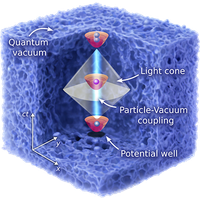
Phys. Rev. Lett. 137, 170401 (2026)
Quantum Information, Science, and Technology
Measurement of Coherent Elastic Neutrino-Nucleus Scattering on Germanium by COHERENT
Article | Particles and Fields | 2026-10-20 06:00 EDT
M. Adhikari et al.
The COHERENT Collaboration reports the most precise measurement of the coherent elastic neutrino-nucleus scattering cross section to date. This measurement was performed with COHERENT's germanium detector array, Ge-Mini, at the Spallation Neutron Source at Oak Ridge National Laboratory. A cumulative…
Phys. Rev. Lett. 137, 171801 (2026)
Particles and Fields
Measurement of Jet Quenching in O+O Collisions at $\sqrt{s_{\text{NN}}}=200\text{ }\text{ }\mathrm{GeV}$ by the STAR Experiment at RHIC
Article | Nuclear Physics | 2026-10-20 06:00 EDT
B. E. Aboona et al. (STAR Collaboration)
The STAR experiment at the Relativistic Heavy Ion Collider presents measurements of correlations between charged hadron triggers of high transverse momenta () with recoiling charged hadrons () or charged-particle jets () in event-activity sele…
Phys. Rev. Lett. 137, 172301 (2026)
Nuclear Physics
Laboratory Demonstration of Coronal Heating via Magnetic Reconnection during Nanoflares
Article | Plasma and Solar Physics, Accelerators and Beams | 2026-10-20 06:00 EDT
Wei Sun, Yongli Ping, Chong Lv, Xianxu Jin, Longxing Li, Wenqiang Yuan, Li Feng, Can Ren, Zhu Lei, Baoxian Tian, Xiaofeng Xi, Jialun Chai, Mengqi Jin, Gaoyang Liu, Zhengdong Liu, Yapeng Zhang, Hongzheng Yu, Jun Xiong, Zhiyong Xie, Chen Wang, Wei Wang, Bin Qiao, Zhao Wang, Jiayong Zhong, and Bing Guo
The origin of the solar corona's million Kelvin temperatures remains a central unsolved problem. While the nanoflare hypothesis is widely accepted and describes magnetic reconnection events at coronal current sheets that are slowly formed by complex driver flows at the solar surface, the possibility…
Phys. Rev. Lett. 137, 175101 (2026)
Plasma and Solar Physics, Accelerators and Beams
Cluster-Decorated Lieb Lattice: A Convenient and Reliable Platform for Tuning Flat-Band Energy
Article | Condensed Matter and Materials | 2026-10-20 06:00 EDT
H. T. Li, W. L. Fan, Z. X. Zhang, R. G. Yan, T. Z. Ji, S. Y. Wang, L. Sun, G. Chen, B. F. Miao, and H. F. Ding
Flat bands harbor exotic electron physics. A new way of realizing them could make the physics more accessible.
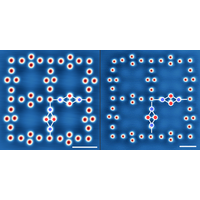
Phys. Rev. Lett. 137, 176401 (2026)
Condensed Matter and Materials
Topological and Trivial Valence-Bond Orders in Higher-Spin Kitaev Models
Article | Condensed Matter and Materials | 2026-10-20 06:00 EDT
Xing-Yu Zhang, Qi Yang, Philippe Corboz, Jutho Haegeman, and Yuchi He
We investigate the quantum phases of higher-spin Kitaev models using tensor network methods. Our results reveal distinct valence-bond-ordered phases for spin-1, spin-, and spin-2 models. In all cases, we find translational symmetry breaking with unit cells being tripled by forming valence-bond ord…
Phys. Rev. Lett. 137, 176502 (2026)
Condensed Matter and Materials
Tangent-Space Krylov Computation of Real-Frequency Spectral Functions: Influence of Density-Assisted Hopping on 2D Mott Physics
Article | Condensed Matter and Materials | 2026-10-20 06:00 EDT
Oleksandra Kovalska, Jan von Delft, and Andreas Gleis
We present a tangent-space Krylov method for efficient computation of zero-temperature real-frequency spectral functions on top of ground-state matrix product states obtained from the density matrix renormalization group. It relies on projecting the Hamiltonian to the tangent space of the ground-sta…
Phys. Rev. Lett. 137, 176503 (2026)
Condensed Matter and Materials
Contact Forces in Microgel Suspensions
Article | Polymers, Chemical Physics, Soft Matter, and Biological Physics | 2026-10-20 06:00 EDT
Fran Ivan Vrban, Antonio Šiber, and Primož Ziherl
Within a model where micrometer-size soft colloidal particles are viewed as liquid drops, we theoretically study the contact interaction between them. We compute the exact deformation energy across a broad range of indentations and for various model parameters, and we show that it can be reproduced …
Phys. Rev. Lett. 137, 178202 (2026)
Polymers, Chemical Physics, Soft Matter, and Biological Physics
arXiv
LatticeMind: A Validation-Gated Agentic Framework for Density Functional Theory Workflows
New Submission | Materials Science (cond-mat.mtrl-sci) | 2026-10-21 20:00 EDT
Nathaniel M. Vegh, Yu Zhu, Raphaël J. Prentki, Félix Beaudoin, Shuaishuai Yuan, Hong Guo
First-principles calculations are rarely single solver calls: they are multistage workflows in which structures, settings, and saved densities must pass correctly between dependent stages. Language models can write a valid single input, but reliability collapses once stages are chained: a dropped dependency, wrong file handoff, or hallucinated keyword can invalidate results even when the solver runs, and such errors surface only after costly execution. We introduce LatticeMind, a validation-gated agentic framework that converts natural-language requests into executable, checkable density functional theory (DFT) projects. A workflow contract specifies required stages, files, and dependencies; deterministic validators inspect the project before any solver launch; failed checks trigger bounded repair; and reports remain traceable to project files. On a 44-case RESCU benchmark spanning total-energy, density-of-states, band-structure, magnetic, phonon workflows, three non-flagship LLM backends reproduced every reference value; 119 of 132 runs passed on the first validated plan and the rest after one repair cycle. Ablations identify the workflow contract and pre-execution validation as the principal reliability mechanisms; a conventional trial-and-repair baseline reaches 71% at twice the token cost per success. The same architecture reproduces every reference value on a 19-case VASP benchmark, demonstrating transfer across solvers. Beyond these task families, LatticeMind generated and validated the 23 inputs of a multistage study of Rh-induced electronic responses at a Rh$ _6$ /In$ _x$ Ga$ _{1-x}$ N photocatalyst interface. These results establish workflow contracts, deterministic validation, bounded repair, and traceable records as a practical foundation for reliable AI-assisted scientific computing, where preventable errors are caught before execution and the solver is never the first validator.
Materials Science (cond-mat.mtrl-sci), Machine Learning (cs.LG), Computational Physics (physics.comp-ph), Quantum Physics (quant-ph)
26 pages, 12 figures, and 12 tables, including Supplemental Material. Prepared for submission to PRX Intelligence
Vortex matter as a magnetically programmable metasurface for tuning near-field radiative heat transfer
New Submission | Superconductivity (cond-mat.supr-con) | 2026-10-21 20:00 EDT
Siddharth Sangi, Pramod Reddy, Shanhui Fan
Near-field radiative heat transfer (NFRHT) is of great interest for energy conversion and thermal management. Recent work on NFRHT has shown that metasurfaces can enhance NFRHT and reshape its spectral characteristics. Here, we show that the vortex lattice of a type-II superconductor represents a self-assembled metasurface whose lattice dimensions, in contrast to most other metasurfaces, can be tuned by magnetic fields, allowing NFRHT to be varied by orders of magnitude. Specifically, we show that for two Nb surfaces at 4.2 K and separated by a 100 nm gap, NFRHT can be magnetically tuned by a factor >200. Further, we show that the tuning range grows upon cooling, exceeding 10^5 at 2 K, which is far beyond the order-unity modulation of many proposed schemes for tuning NFRHT. Our results establish vortex matter as a magnetically programmable thermal metasurface and open new opportunities for tuning the flow of heat at the nanoscale.
Superconductivity (cond-mat.supr-con), Mesoscale and Nanoscale Physics (cond-mat.mes-hall)
High-Field and Light-Dependent Magnetization Provides Evidence for Coexisting Granular Superconductivity and Superparamagnetism in Nitrogen-Doped Diamond
New Submission | Superconductivity (cond-mat.supr-con) | 2026-10-21 20:00 EDT
E. Osmic, J. Barzola-Quiquia, S. Winnerl, T. Herrmannsdoerfer, M. Uhlarz, J. Meijer
We investigated the field-, temperature-, and time-dependent magnetic moment of a nitrogen-doped type Ib diamond in darkness and under monochromatic light with a low laser intensity of about 160 $ \mu$ W cm$ ^{-2}$ . In darkness, below approximately 25 K, the magnetic moment exhibits unconventional hysteresis loops that can be explained by the coexistence of superparamagnetism and superconductivity in certain regions of the sample. Under illumination, this hysteresis largely disappears, leaving mainly the superparamagnetic contribution. Temperature-dependent measurements reveal an irreversibility below 25 K in darkness, which vanishes under illumination. Similarly, at 0.5 T and below 25 K, the time-dependent magnetization shows flux-creep-like behavior that disappears when the sample is illuminated. All light-induced changes are fully reversible: the magnetic properties measured in darkness are restored after the sample is heated above roughly 50 K. Removing the superparamagnetic contribution from magnetization measurements up to $ \pm 14$ T reveals clear characteristics of a granular superconductor, namely, a well-defined penetration field $ H_p \approx 2.6$ T and a critical field $ H_{c2} \approx 10.6$ T. Based on theoretical considerations, we attribute the observed phenomena to the combined effects of internal stress and local variations in nitrogen concentration within localized regions that can be regarded as grains. This interpretation is supported by Raman and birefringence spectroscopy measurements on the same sample.
Superconductivity (cond-mat.supr-con)
Zeeman Quantum Geometry of the Layer Pseudo-spin
New Submission | Mesoscale and Nanoscale Physics (cond-mat.mes-hall) | 2026-10-21 20:00 EDT
Two-dimensional layers coupled by position-dependent interlayer tunnelling host a layer pseudo-spin whose polarization is a controllable internal degree of freedom. We introduce the quantum geometry of this layer pseudo-spin: a mixed tensor formed from the interband Berry connection and the layer matrix element, which governs the response to an oscillating in-plane electric field. Because the layer pseudo-spin is an Ising-type scalar invariant under threefold rotation, its selection rules differ from those of a pseudovector spin. In a minimal two-band model, the layer-pseudo-spin quantum metric and Zeeman–Berry curvature are nonzero, while their zone integrals vanish. An in-plane drive therefore leaves the spatially averaged polarization unchanged at linear order but imprints a moiré-periodic intracell pattern, directly imageable by layer-resolved tunnelling. For twisted MoTe$ _2$ bilayer, we quantify the local dipole modulation and identify the rectified, helicity-odd, and third-harmonic channels through which a net response appears at higher order.
Mesoscale and Nanoscale Physics (cond-mat.mes-hall), Materials Science (cond-mat.mtrl-sci)
6+7 pages, 3+2 figures
Tailoring Dielectric Relaxation and Charge Transport in Amorphous Ge-Te-Se Phase-Change Materials through Yttrium Incorporation
New Submission | Materials Science (cond-mat.mtrl-sci) | 2026-10-21 20:00 EDT
Surbhi Agarwal, Jiří Vacík, D.K. Dwivedi
The Te(1-x)(GeSe0.5)Yx (x = 0.05, 0.10, 0.15) alloys were prepared by a melt-quenching method and characterized using dielectric spectroscopy. The dielectric parameters and electrical conductivity were evaluated to assess their potential for phase-change memory and other electronic applications. The temperature and frequency dependence of the dielectric constants, ac conductivity, and dielectric loss of prepared chalcogenide glassy alloys were investigated over the frequency range 1 Hz - 1 MHz, and the temperature range 302 - 422 K, below the glass transition temperature. Both dielectric loss and dielectric constant were found to decrease with increasing frequency and decreasing temperature. The observed dielectric loss change was interpreted using the Guintini model of dielectric dispersion, correlated barrier hopping (CBH) model, and orientation polarization. The Cole-Cole analysis confirmed a distribution of relaxation times and yielded activation energies consistent with the CBH conduction mechanism. The frequency dependence of the ac conductivity follows the power law (A{\omega}s), where the frequency exponent (s < 1) decreases with increasing temperature, further supporting the CBH conduction mechanism. The incorporation of Y increases the density of localized tail states, resulting in enhanced ac conductivity. These findings suggest that the investigated materials are promising candidates for future phase-change memory and other electronic device applications.
Materials Science (cond-mat.mtrl-sci)
24 pages, 12 figures, 3 tables
Achieving ultrahigh-temperature superfluidity in atomic Fermi gases by suppressing pairing fluctuations
New Submission | Quantum Gases (cond-mat.quant-gas) | 2026-10-21 20:00 EDT
Achieving room-temperature superconductivity has been a long-sought goal of both the physics community and the industry. The superfluid transition temperature $ T_\mathrm{c}$ of a Fermi system initially increases with increasing pairing strength between fermions following the mean-field prediction of the Bardeen-Cooper-Schrieffer (BCS) theory, and is then suppressed by pairing fluctuations as the strength increases further, which prevents $ T_\mathrm{c}$ from becoming high. Here we propose a mechanism for suppressing pairing fluctuations using the synergy between population imbalance and momentum space confinement in lattice systems, enabling an ultrahigh $ T_\mathrm{c}$ at moderately strong attraction. We show that in a three-dimensional optical lattice, strong Pauli exclusion between paired and excess majority fermions pushes up the pair excitation energy and suppresses finite-momentum pairing fluctuations. The mechanism is general to any lattice with a finite Brillouin zone; the optimal imbalance is modest ($ p\lesssim 0.1$ ), keeping the Zeeman field small and avoiding orbital complications. The gapped pair dispersion at moderate imbalance exponentially suppresses thermal condensate depletion, providing a testable signature. The gapped dispersion, enhanced condensate fraction, and pseudogap reduction are all accessible in present-day experiments. This work opens new avenues toward room-temperature superconductivity.
Quantum Gases (cond-mat.quant-gas), Superconductivity (cond-mat.supr-con)
31 pages, 6 figures
Heat-current-induced nonreciprocal phonon damping
New Submission | Materials Science (cond-mat.mtrl-sci) | 2026-10-21 20:00 EDT
Tingwei Deng, Xianyong Ding, Rui Wang, Xiangang Wan
Time-reversal symmetry enforces equal equilibrium linewidths for time-reversed phonon modes at opposite wave vectors. Here we show that a steady heat current can produce nonreciprocal anharmonic damping even in centrosymmetric nonmagnetic crystals. The effect arises from nonequilibrium occupations of scattering partners, which change the statistical weights of time-reversed three-phonon channels while their squared matrix elements remain equal. Within the single-mode relaxation-time approximation, we derive a linewidth correction that is linear in the temperature gradient and odd under wave-vector reversal. The response depends on scattering-partner velocities and equilibrium lifetimes and retains signed channel weights absent from the equilibrium linewidth. First-principles calculations for centrosymmetric MgO and diamond yield nonzero, mode-dependent linewidth corrections at selected finite wave vectors, demonstrating the mechanism in both ionic and covalent crystals. Reversing the heat current at fixed local temperature exchanges the broadening and narrowing of paired modes. This current-reversible linewidth contrast provides a spectral signature of occupation feedback, with potential implications for nonlinear phonon transport.
Materials Science (cond-mat.mtrl-sci)
7 pages, 3 figures
MOFFieldBench: A Machine Learning Benchmark for Continuous Electronic Fields in Metal-Organic Frameworks
New Submission | Materials Science (cond-mat.mtrl-sci) | 2026-10-21 20:00 EDT
Zhaolin Hu, Hehe Fan, Chenhao Rao, Wangyihan Guo, Meng Xu, Qiwei Yang, Yi Yang
Machine-learning models for metal-organic frameworks (MOFs) predominantly rely on atomic structures, whereas electron-density (ED) and electrostatic-potential (ESP) fields remain underexplored as scalable learning representations. These continuous fields encode complementary spatial and electronic information relevant to structure-property relationships, particularly pore geometry and guest-framework interactions, but costly first-principles calculations, storage requirements and the scarcity of systematically aligned datasets limit their broader use. Here we introduce MOFFieldBench, a multimodal benchmark comprising approximately 46,000 MOFs with one-to-one aligned crystallographic structures, ED fields and ESP fields. A unified workflow integrates field generation, error-controlled compression and sparse point-cloud representation, supporting field reconstruction, prediction of 13 material properties, multimodal property prediction and pairwise cross-modal retrieval. ED and ESP provide competitive representations for pore geometry, adsorption and separation properties. Multimodal fusion improves several prediction tasks relative to the best unimodal reference, supporting complementary predictive roles for atomic structures and electronic fields. Learned ED reconstruction closely approximates first-principles reference densities, while predicted-density initialization reduces self-consistent-field calculation time by 13.59% on average in paired tests. These results support electronic fields as practical, informative learning modalities and establish MOFFieldBench as a resource for studying representation choice, multimodal learning and electronic-field-driven MOF modelling.
Materials Science (cond-mat.mtrl-sci)
Field Theory of the Gutzwiller Projection
New Submission | Strongly Correlated Electrons (cond-mat.str-el) | 2026-10-21 20:00 EDT
Abhijat Sarma, Cenke Xu, Chong Wang
The Gutzwiller projection produces a well-known ansatz for spin-liquid and quantum Hall ground-state wavefunctions that is amenable to numerical simulation, with the Laughlin wavefunction being the most celebrated example. A long-standing issue is the precise relation between the Gutzwiller projection and the closely related parton gauge theory. Here, we clarify this issue by providing a field-theoretic description of the Gutzwiller projection. In a path integral description, the universal physics of the projected state is described in terms of a gauge field supported on a temporal slab of vanishing width $ \epsilon \rightarrow 0$ coupled to the bulk matter fields. We analytically derive the universal physics of various Gutzwiller projected states. Our construction is also applicable to discrete symmetries, and we use it to analyze various projected SPT states. Among our results, we show that the Gutzwiller projection is not a good ansatz for the long-distance properties of $ U(1)$ Dirac spin liquids, spinon Fermi surface spin liquids or composite Fermi liquids, and that the Gutzwiller projection of a quantum spin Hall state has only quasi-long range order. In contrast, in examples where the gauge field is gapped, including Laughlin states, $ \mathbb{Z}_2$ spin liquids and Luttinger liquids, we show that the slab gauge theory from Gutzwiller projection reproduces the correct universal physics of the full parton gauge theory. We also present a generalization of our field theory that describes $ G$ -intertwining defects, with application to self-duality defects of recent theoretical interest.
Strongly Correlated Electrons (cond-mat.str-el)
16 pages + appendices
Spectral signatures of hidden order and hidden quantum critical points
New Submission | Strongly Correlated Electrons (cond-mat.str-el) | 2026-10-21 20:00 EDT
Reja H. Wilke, Henning Schlömer, Sebastian Paeckel, Annabelle Bohrdt, Fabian Grusdt
Hidden-order phases elude the conventional Ginzburg-Landau framework: although they spontaneously break symmetry, their order remains invisible to standard local two-point correlators. Instead, they are typically characterized by nonlocal (string) order parameters and are believed to underlie a range of exotic quantum states, such as symmetry-protected topological (SPT) phases. While hidden correlations have previously been detected through nonlocal observables in quantum gas microscope experiments, in realistic solid-state systems multipoint observables are typically inaccessible and the signatures of hidden order remain largely unexplored. In this work, we show that hidden order in doped spin chains can be directly probed through dynamical two-point response functions measurable by resonant inelastic X-ray scattering (RIXS) and neutron scattering. Focusing on a minimal model, we numerically identify clear spectral fingerprints of both the hidden-order phase, its associated hidden quantum critical point as well as a specific group of gapless SPT phases. Complementing our numerical results with analytical insights, we uncover the microscopic origin of these spectral signatures and demonstrate how they emerge from the interplay between spin and charge degrees of freedom. Together, our results establish spectroscopy as a practical probe of hidden order and gapless SPT phases and provide a unified understanding of the low-energy physics governing these unconventional quantum phases.
Strongly Correlated Electrons (cond-mat.str-el)
22 pages, 7 figures
Stacking-Induced Tuning of a Flat-Band Surface State in NbIrTe4
New Submission | Mesoscale and Nanoscale Physics (cond-mat.mes-hall) | 2026-10-21 20:00 EDT
Jiabin Yu, Mohamed Oudah, Giang Nguyen, Hsianghsi Kung, V. King, Rysa Greenwood, Adrian F. Rumson, Jisun Kim, Matteo Michiardi, Giorgio Levy, Andrea Damascelli, E. R. Johnson, Meigan Aronson, Lukas Muechler, Sarah A. Burke
Ternary layered transition metal dichalcogenides (TMDCs) offer high tunability and access to correlated and topological states. However, like the broader family of layered TMDCs, their properties are sensitive to stacking order and interlayer coupling. Here, we investigate the electronic structure and surface states of NbIrTe$ _4$ , a candidate Weyl semimetal in bulk, and predicted to be a quantum spin Hall insulator in monolayer form. Using scanning tunnelling microscopy (STM), angle-resolved photoemission spectroscopy (ARPES), and density-functional theory (DFT), we attribute the strong resonance in tunnelling spectroscopy located approximately 8 meV below the Fermi level to a surface-derived flat band which shows sensitivity to the local stacking order at the surface. In regions where the top layer is laterally shifted, tunnelling spectroscopy instead shows a gap-like feature with intensity near the Fermi level shifted in energy. Combining DFT and quasiparticle interference (QPI) measurements, we find this dramatic change in the spectroscopy in the vicinity of the quasi-1D flat-band surface state becomes dispersive due to a change in the spatial distribution of the density of states in the top two layers. These findings establish NbIrTe$ _4$ as a platform where surface band dispersion can be effectively tuned through local structural manipulation.
Mesoscale and Nanoscale Physics (cond-mat.mes-hall), Materials Science (cond-mat.mtrl-sci)
7 pages, 4 figures. Submitted to Phys. Rev. B
An efficient approach to electron-phonon coupling calculations of heterostructures within an all-electron framework
New Submission | Materials Science (cond-mat.mtrl-sci) | 2026-10-21 20:00 EDT
Ignacio Gonzalez Oliva, Sebastian Tillack, Fabio Caruso, Pasquale Pavone, Claudia Draxl
A major challenge in calculating electron-phonon coupling at interfaces from first principles is the prohibitive computational cost due to the large supercells involved. Here, we present an efficient approach, which builds the electron-phonon matrix of weakly bound heterostructures from the properties of the isolated layers. The two key ingredients, the dynamical matrices and the potential response, are constructed in two steps. In the expansion step, these quantities are folded from the unit cells onto the supercell through an exact Fourier mapping. In the addition step, the interatomic force constants and the potential responses of the heterostructure are assembled blockwise from the corresponding quantities of the isolated layers, neglecting the weak interlayer contribution. The method is implemented in the electron-phonon module of the all-electron full-potential code exciting, enabling efficient calculations of the electron-phonon self-energy. We demonstrate the approach for the phonon dispersion and spectral functions of bilayer WSe$ _2$ and pyridine/MoS$ _2$ , in comparison with exact reference calculations.
Materials Science (cond-mat.mtrl-sci)
10 pages, 6 figures
Quantum Oscillations across Hole Crystallization in Rhombohedral Graphene
New Submission | Mesoscale and Nanoscale Physics (cond-mat.mes-hall) | 2026-10-21 20:00 EDT
Recent quantum-oscillation measurements in rhombohedral graphene reveal an abrupt increase in the dominant frequency and the emergence of additional frequencies as the carrier density is lowered toward superconductivity. Noninteracting band models can account for multiple frequencies but do not explain the upward jump. We show that these features can arise from two competing fates of the inner hole pocket in an annular Fermi sea: collapse into a simply connected Fermi liquid or crystallization into an anticrystal, in which localized holes coexist with itinerant electrons. Pocket collapse contracts the outer Fermi contour at fixed density, whereas hole crystallization preserves a larger contour that supports magnetic-breakdown orbits. This contrast provides a possible explanation for the frequency jump, while additional reconstructed orbits produce a multitone spectrum. Our results support the anticrystal as a candidate normal state near superconductivity in rhombohedral graphene.
Mesoscale and Nanoscale Physics (cond-mat.mes-hall), Strongly Correlated Electrons (cond-mat.str-el)
5 pages, 5 figures
Exact spectral integrability of a finite-channel random Schrödinger operator: from fermionization of the Dyson–Riccati gas to Kontsevich integral
New Submission | Disordered Systems and Neural Networks (cond-mat.dis-nn) | 2026-10-21 20:00 EDT
Yan V. Fyodorov, Pierre Le Doussal
We solve exactly, for arbitrary finite channel number $ N$ , the Riccati dynamics of a quasi-one-dimensional random matrix Schrödinger operator with Hermitian white-noise potential in the $ \beta=2$ unitary symmetry class. The associated Dyson–Riccati eigenvalue gas admits an exact free-fermion representation at any sample length $ L$ , which in the limit $ L\to \infty$ expresses the density of states and the total Lyapunov growth rate exactly through a single Airy Hankel $ \tau$ -function providing multichannel generalization of $ N=1$ Halperin–Thouless formulas. The $ \tau-$ function further admits an outgoing-contour Kontsevich matrix Airy integral representation. Its saddle-point and double-scaling analyses give, in a unified way, the finite-channel density Lifshitz tail, and the large-$ N$ spectral edge. In particular, for $ N\gg 1$ the sharp $ N=\infty$ edge is softened within an $ N^{-4/5}$ spectral window, with its profile governed by the tritronquée solution of Painlevé I. We conjecture universality of this quasi-one-dimensional scaling edge profile for a broad class of $ \beta=2$ random band matrices.
Disordered Systems and Neural Networks (cond-mat.dis-nn), Statistical Mechanics (cond-mat.stat-mech), Mathematical Physics (math-ph)
Ballistic transport and crystallographic control in altermagnetic quantum rings
New Submission | Mesoscale and Nanoscale Physics (cond-mat.mes-hall) | 2026-10-21 20:00 EDT
We study coherent two-terminal transport through a finite-width $ d$ -wave altermagnetic quantum ring with nonmagnetic leads. A confined Aharonov–Bohm flux remains exactly $ h/e$ periodic and, in the symmetric one-mode geometry, produces an exact half-flux transmission zero. A perpendicular field shifts the interference pattern according to an effective area $ A_{\rm eff}=1.0342,\pi r_0^2$ and the altermagnetic splitting resolves the common zero into nearby spin-dependent nodes. Rotating the crystal reverses the transmitted spin, whereas the mirror orientation $ \theta_A=\pi/4$ is exactly spin degenerate. For a $ 50$ ~nm reference ring, sub-tesla fields yield windows with $ |P_T|>0.99$ , the most accessible of which requires a uniform field alone and no confined flux. Finite-bias, thermal, disorder, Zeeman, and spin-conserving voltage-probe calculations show that the polarization is appreciably more stable than individual coherent-resonance amplitudes. These results identify interference-node positions, flux periodicity, and crystal-controlled spin polarization as experimentally useful signatures of an altermagnetic mesoscopic interferometer.
Mesoscale and Nanoscale Physics (cond-mat.mes-hall)
22 pages, 12 figures, 5 tables
Diffusive Description of Superconducting Single-Photon Detectors Using Quantum Mechanics
New Submission | Mesoscale and Nanoscale Physics (cond-mat.mes-hall) | 2026-10-21 20:00 EDT
Krzysztof Pomorski, Eryk Halubek
The methodology of non-Hermitian quantum mechanics is employed to parameterize the dynamics of coupled classical diffusion equations describing low- and high-energy quasiparticles in superconducting single-photon detectors in one to three spatial dimensions.
Mesoscale and Nanoscale Physics (cond-mat.mes-hall)
2 pages, 1 figure
Density Accelerated Relaxation in Active Passive Colloidal Networks with Competing Interactions
New Submission | Soft Condensed Matter (cond-mat.soft) | 2026-10-21 20:00 EDT
Pronay Dutta, Hima Nagamanasa Kandula
We investigate quasi-2D active-passive colloidal mixtures with electric field-mediated non-identical interactions: unlike species attract and like species repel. Mapping the steady states across total area fraction and active particle area fraction identifies the regime of active percolated network formation among active fluid and clustered states. Within the percolated network regime, relaxation speeds up with increasing density, contrary to expectations for dense particulate gels. Particle-resolved dynamics and microstructure link this acceleration to activity-driven rearrangements enabled by asymmetric interactions.
Soft Condensed Matter (cond-mat.soft), Materials Science (cond-mat.mtrl-sci)
Nanoscale chemical engineering of Ti3C2Tx MXene multilayers through in situ electron beam irradiation in a TEM
New Submission | Materials Science (cond-mat.mtrl-sci) | 2026-10-21 20:00 EDT
Ayoub Benmoumen, Marie-Laure David, Noé Condé, Eric Gautron, Sophie Morisset, Stéphane Célérier, Anupma Thakur, Babak Anasori, Vincent Mauchamp, Philippe Moreau
Defect engineering in low-dimensional materials is a powerful approach to tailor their structure and chemistry at the atomic scale, with high relevance for tuning physical properties. Here, we apply this strategy to MXenes, one of the largest families of two-dimensional (2D) materials, and demonstrate the use of a highly focused scanning transmission electron microscope (STEM) beam for the structural and chemical nanoengineering of titanium carbide (Ti3C2Tx) multilayers. By adjusting the beam energy, electron dose, and scanning parameters, Ti3C2Tx multilayers were irradiated at 80 and 300 keV and characterized in situ using annular dark-field imaging and electron energy-loss spectroscopy (EELS). The irradiation induces gradual structural and chemical modifications, largely driven by the selective sputtering of atomic species and MXene layers. We identify irradiation conditions that selectively remove Cl or F surface terminations while largely preserving the Ti3C2 framework, whereas other conditions promote preferential carbon removal, in agreement with theoretical predictions. Most notably, electron irradiation drives the migration and accumulation of initially dilute nitrogen impurities within the irradiated regions, leading to the formation of nitrogen-rich titanium carbonitride (Ti3CyNzTx) nanodomains embedded in the Ti3C2Tx multilayers. These laterally patterned carbide/carbonitride architectures constitute in-plane MXene heterostructures with nanometer-scale spatial control. These results demonstrate that electron irradiation can be used to locally tailor MXene composition and create nanoscale architectures beyond those accessible through conventional chemical synthesis.
Materials Science (cond-mat.mtrl-sci)
Soft elasticity of soft shells
New Submission | Soft Condensed Matter (cond-mat.soft) | 2026-10-21 20:00 EDT
Andre M. Sonnet, Epifanio G. Virga
Soft modes of a shell are one-parameter families of non-trivial deformations that preserve the elastic energy. We identify all soft modes of the soft shells described by the variational theory of put forward by Sonnet and Virga (2025). They are seen to be strictly connected with the Bonnet families, a special class of solutions to the problem posited by Bonnet, who asked whether there exist non-trivial isometries that preserve the mean curvature. Differential geometry deems as equivalent all surfaces in one and the same Bonnet family, but continuum mechanics is interested more specifically in soft deformation modes and the shapes they traverse, as they may describe ways to ignite fluctuations of soft shells that ideally require no energy to be activated. We give a general criterion for the existence of soft modes and a method to construct them based on a cascade of path integrations. We apply both criterion and method to some exemplary cases.
Soft Condensed Matter (cond-mat.soft), Mathematical Physics (math-ph), Differential Geometry (math.DG)
Structure and Dynamics of Defects in Two-Dimensional Nematic Liquid Crystals
New Submission | Soft Condensed Matter (cond-mat.soft) | 2026-10-21 20:00 EDT
Cody D. Schimming, Daniel A. Beller
Topological defects in nematic liquid crystals have recently received renewed interest due to their important role in non-equilibrium active materials and developing biological systems. While many studies have focused on simulating defect behaviors in these non-equilibrium situations, there has also been recent progress in our analytical understanding of defect morphology and behavior in a number of complicated regimes, such as intricate boundary conditions, anisotropic elasticity, or the presence of flows. Here, we review the analytical theory of disclination structure and dynamics in two-dimensional nematic liquid crystals, highlighting recent methods and results.
Soft Condensed Matter (cond-mat.soft)
28 pages, 16 figures
Intrinsic Curvature Controls Spontaneous Entanglement of Elastic Rods
New Submission | Soft Condensed Matter (cond-mat.soft) | 2026-10-21 20:00 EDT
Fani Derveni, Javier Sabater, Pedro M. Reis
We report results from an experimental investigation on the role of intrinsic curvature in the spontaneous entanglement of elastic rods subjected to controlled tumbling. We examine two distinct entanglement mechanisms, knotting and locking, in a statistical ensemble of straight and helical rods with varying arc length and natural curvature. Our primary finding is that natural curvature exerts a dominant, non-monotonic influence on knotting, with a critical curvature that suppresses knot formation and significantly reduces the probability of knotting relative to equivalent straight rods. In contrast, locking is largely insensitive to curvature and scales primarily with rod length. These results, obtained for the macroscopic experimental system studied here, identify geometric parameters that govern distinct entanglement modes in tumbled elastic rods and may inform entanglement processes in microscopic filamentary systems such as DNA.
Soft Condensed Matter (cond-mat.soft)
Reaction-induced Localized Annealing for On-chip Materials Discovery
New Submission | Materials Science (cond-mat.mtrl-sci) | 2026-10-21 20:00 EDT
Nensi Toncich, Nerea Abando, Henning Galinski, Frans Spaepen, Ralph Spolenak
On-chip thermal processing is a key technology for materials discovery across all disciplines of the natural sciences. Here, we present a microfabricated heat-delivery platform that enables reaction-induced localized on-chip annealing up to 1400°C. A buried reactive multilayer combined with a nanometric diffusion barrier provide ultra-fast heating and quenching rates on the order of 10$ ^6$ °C s$ ^{-1}$ as illustrated by the generation of ultra-high aspect ratio microstructures during rapid-solidification and the stabilization of dopant-free tetragonal zirconia at room temperature. Rapid kinetics also enable the observation of transient states of capillary-driven hole collapse in melts. Our work expands localized high-temperature processing routes and offers a material-independent approach for rapid screening of multidimensional nanomaterials on and off-equilibrium.
Materials Science (cond-mat.mtrl-sci), Applied Physics (physics.app-ph)
11 pages, 4 figures
Fully Automated Wannier Disentanglement via Projectability Selection in Gaussian and Augmented Plane-Wave Frameworks
New Submission | Materials Science (cond-mat.mtrl-sci) | 2026-10-21 20:00 EDT
William P. Comaskey, Jose L. Mendoza-Cortes
Constructing the frozen manifold for entangled bands requires balancing exact reproduction of the target bands with sufficient variational freedom to build a well-localized subspace from the broader Bloch pool. We present a workflow that systematically determines the energy ceiling for a target number of selected Wannier projections, freezing every Bloch state below this threshold across the sampled k-mesh. By measuring projectability, the spectral weight of each Bloch state projected onto the target localized basis, the workflow detects missing conduction channels and quantifies discrepancies between orbital character and energy-based freezing. In comparisons where we controlled the extent of the energy ceiling, freezing all sub-ceiling states is generally favored over projectability-based frozen states. Of the seven materials we tested, freezing all sub-ceiling states lowers the band error on four from between 11 meV and 1.2 eV to 18 meV or less, and matches the projectability-based choice to within about 2 meV on the remaining three. In each of the four, projectability-based frozen states give the lower spread, showing that spread alone cannot identify the better model. With the frozen states held fixed, the workflow minimizes the gauge-invariant spread, constructs the gauge from density-matrix columns on atomic orbitals, and passes an isolated set of bands to Wannier90 for localization. The workflow is implemented in two programs for seamless high-throughput Wannierization with WIEN2k (wien2wannier) and CRYSTAL (LCAO2Wannier). Using a single set of calibrated defaults, the CRYSTAL implementation with analytic overlaps produces models that reproduce the reference bands of five cells, from bulk h-BN in a joint valence-and-conduction model to a magnetic framework with 1424 orbitals. The WIEN2k implementation produces eight such models from seven calculations.
Materials Science (cond-mat.mtrl-sci), Other Condensed Matter (cond-mat.other), Computational Physics (physics.comp-ph)
Learning the Geometry of Materials Space with Trained Neural Tangent Kernels
New Submission | Materials Science (cond-mat.mtrl-sci) | 2026-10-21 20:00 EDT
Daniel Kaplan, Gabriel Kotliar, Anirvan M Sengupta
Neural networks trained to predict materials properties learn representations whose physical content can be difficult to extract. We use the neural tangent kernel (NTK), evaluated at trained parameters, to recover the geometry learned by a network that predicts superconducting transition temperatures from elemental composition alone. Kernel ridge regression with the trained NTK closely reproduces the network’s predictive performance and substantially outperforms regression with the initial kernel. Spectral analysis and multidimensional scaling reveal a geometry dominated by a small number of directions. Clustering and local neighborhood analysis organize compounds into recognizable superconducting families and connect materials with related chemical and correlated-electron properties despite substantial differences in $ T_c$ . These results establish trained tangent kernels as practical probes of learned materials representations, connecting property prediction with the exploration of materials space.
Materials Science (cond-mat.mtrl-sci), Superconductivity (cond-mat.supr-con), Machine Learning (cs.LG)
8 page, comments welcome
In Situ Thermal Preparation by CO$_2$-Laser and Chemical Characterization of Oxide Substrates Across Multiple Crystallographic Orientations
New Submission | Materials Science (cond-mat.mtrl-sci) | 2026-10-21 20:00 EDT
Neethu Rose Leyo, Sethulakshmi Sajeev, Arnaud P. Nono Tchiomo, Prosper Ngabonziza
Atomically flat and chemically controlled oxide substrate surfaces are essential for high-quality epitaxial growth of complex materials and heterostructures. Previous studies have demonstrated in situ thermal preparation of selected oxide substrates, primarily focusing on conventional low-index orientations such as SrTiO$ _3$ (100) and LaAlO$ _3$ (100). Here, we extend these methodologies to a broader range of oxide substrates and crystallographic orientations, including challenging polar surfaces. We present a systematic study of the in situ thermal preparation of SrTiO$ _3$ (100), SrTiO$ _3$ (111), GdScO$ _3$ (110), LaAlO$ _3$ (111), (LaAlO$ _3$ )$ _{0.3}$ (Sr$ _2$ AlTaO$ _6$ )$ _{0.7}$ (001), and NdGaO$ _3$ (110) single crystal substrates. The substrates are annealed in a vacuum chamber under a controlled oxygen background environment using a CO$ _2$ laser heating system. The optimized annealing conditions produce atomically flat step-and-terrace structures, long-range surface crystallinity, and effectively clean surfaces across all the investigated substrates. Our results establish a versatile, reproducible, and broadly applicable platform for the in situ preparation of oxide substrates immediately prior to epitaxial growth. These results also provide practical guidelines for interface engineering and surface-sensitive investigations of complex materials.
Materials Science (cond-mat.mtrl-sci)
9 figures, 3 tables in the maintext; and 2 figures in the supplematary info
Chiral magnetic excitations in the RMn6Sn6 kagome metals (R=Tb, Ho, Er, and Y)
New Submission | Strongly Correlated Electrons (cond-mat.str-el) | 2026-10-21 20:00 EDT
Christopher J. Ranlett (1 and 2), Tianxiong Han (1 and 2), S. X. M. Riberolles (1), Dhurba R. Jaishi (1 and 2), Tyler J. Slade (1), Bing Li (3), A. Sapkota (1), D. L. Abernathy (4), Rebecca L. Dally (5), J. W. Lynn (6), B. G. Ueland (1), R. J. McQueeney (1 and 2) ((1) Ames National Laboratory, (2) Iowa State University Department of Physics and Astronomy, (3) European Spallation Source ERIC, (4) Oak Ridge National Laboratory Neutron Scattering Division, (5) National Institute of Standards and Technology Physical Measurement Laboratory Sensor Science Division, (6) National Institute of Standards and Technology Center for Neutron Research)
Recent inelastic neutron scattering (INS) investigations of the kagome metal TbMn6Sn6 reveal novel chiral magnetic excitations associated with the kagome layer. These excitations appear to have an itinerant character with a large energy scale (> 100 meV) and heavy damping; however, the origin of these excitations, which are not predicted by local moment linear spin-wave theory, is not understood. Here, we use INS to show that chiral excitations are also found in RMn6Sn6 compounds with R=Tb, Ho, Er, and Y having uniaxial, tilted, planar ferrimagnet, and planar double-spiral magnetic structures, respectively. Thus, the chiral excitations exist regardless of the magnetic structure. Additionally, R=Er and Y demonstrate that the chiral mode intensity is weaker in planar magnetic structures, suggesting that excitations are transverse to the local Mn moment direction. The chiral excitations appear only at L=odd positions in the Brilloun zone, and correspond to chiral spin exciations of the same handedness within each kagome layer, and pi out-of-phase between layers.
Strongly Correlated Electrons (cond-mat.str-el), Other Condensed Matter (cond-mat.other)
Steering of topological criticality in the Su-Schrieffer-Heeger chain via non-Hermitian substitutional impurities
New Submission | Mesoscale and Nanoscale Physics (cond-mat.mes-hall) | 2026-10-21 20:00 EDT
Juan A. Cañas, Guo-Qing Zhang, A. Martín-Ruiz
We investigate the topological phase in a one-dimensional Su-Schrieffer-Heeger (SSH) chain in the presence of a finite concentration of non-Hermitian substitutional impurities. Our primary focus is the discovery of a deterministic mechanism to actively reconfigure the topological phase boundaries by introducing site-dependent, non-reciprocal intracell and intercell hopping amplitudes. Specifically, breaking the internal structural symmetry of the non-reciprocal impurity hoppings induces a targeted macroscopic displacement of the critical point. This mechanism allows for the controlled expansion or compression of the topological phase strictly via local defect asymmetry. We validate this boundary displacement through finite-size scaling analysis. The extracted correlation length critical exponents ($ \nu \approx 1.455$ and $ \nu \approx 1.397$ for symmetric and asymmetric configurations, respectively) confirm a disorder-induced departure from the pristine SSH universality class, with the exponent diverging at high defect densities. We also report an impurity-induced real-to-complex spectral transition geometrically characterized by the Non-Hermitian Skin Effect. Ultimately, our results establish how isolated non-Hermitian asymmetries cooperatively interact to deterministically shift macroscopic topological protection.
Mesoscale and Nanoscale Physics (cond-mat.mes-hall), Disordered Systems and Neural Networks (cond-mat.dis-nn), Quantum Physics (quant-ph)
7 figures, 13 pages
Nanocrystalline cubic boron arsenide growth on GaAs(100) by gas source molecular beam epitaxy
New Submission | Materials Science (cond-mat.mtrl-sci) | 2026-10-21 20:00 EDT
Matthew A. Delmont, Yu Wu, Han-Hsuan Wu, Xiaoqing Pan, Christopher J. Palmstrom, Bolin Liao
Cubic boron arsenide (c-BAs) is a promising ultrahigh thermal conductivity semiconductor, but its direct synthesis on lattice-mismatched substrates remains challenging. Here, we demonstrate the synthesis of nanocrystalline c-BAs thin films on GaAs(100) substrates using gas source molecular beam epitaxy. X-ray photoelectron spectroscopy reveals an optimal growth temperature window of 250-400 C to maintain near stoichiometry and suppress severe arsenic loss. Surface and structural characterizations via atomic force microscopy, reflection high-energy electron diffraction, and grazing-incidence X-ray diffraction demonstrate a Volmer-Weber 3D island growth mode and a preferential crystallographic alignment with the GaAs substrate. High-resolution transmission electron microscopy confirms a chemically sharp interface without gallium interdiffusion into the c-BAs layer. These findings establish an initial step for the integration of c-BAs into advanced thermal and optoelectronic platforms.
Materials Science (cond-mat.mtrl-sci)
Magnetic-Field-Induced Darkening of Bright Excitons in a MoWSe$_2$ Monolayer Alloy
New Submission | Mesoscale and Nanoscale Physics (cond-mat.mes-hall) | 2026-10-21 20:00 EDT
Katarzyna Olkowska-Pucko, Artur O. Slobodeniuk, Mehdi Arfaoui, Elena Blundo, Natalia Zawadzka, Łucja Kipczak, Jan Szpakowski, Diana Vaclavkova, Dipankar Jana, Piotr Kapuściński, Kenji Watanabe, Takashi Taniguchi, Clement Faugeras, Marek Potemski, Adam Babiński, Antonio Polimeni, Maciej R. Molas
Magnetic fields are widely used to brighten spin-forbidden dark excitons, but the inverse effect on an optically bright exciton has remained largely unexplored. We demonstrate the complementary phenomenon of magnetic-field-induced darkening of a bright exciton in Mo$ _{0.68}$ W$ _{0.32}$ Se$ 2$ . At 4.2 K, an in-plane magnetic field up to 25 T activates a dark-exciton line 14.2$ \pm$ 1.3 meV below the bright exciton while suppressing the bright-exciton emission by about 85%. A bright-dark mixing model quantitatively captures the coupled energy and intensity evolution with an effective in-plane $ g$ factor of $ |g{\parallel}|=5.2\pm0.2$ . Alloying is crucial to the effect, as it brings the system close to the bright-dark crossover, where a small bright-dark splitting is combined with unusually strong in-plane magnetic coupling. This places the system in a regime where field-induced level repulsion raises the bright-like branch and strongly depletes its thermal population. These results identify a general route to magnetic control of exciton populations through engineering of the bright-dark hierarchy.
Mesoscale and Nanoscale Physics (cond-mat.mes-hall), Materials Science (cond-mat.mtrl-sci)
7 pages, 3 figures + SM
Charge-conserving creation and annihilation of topological phase singularities in atomically thin semiconductors
New Submission | Materials Science (cond-mat.mtrl-sci) | 2026-10-21 20:00 EDT
Yongjing Wang, Yuhang Wang, Guoshuai Fan, Qingqing Luo, Yanning Li, Lidong Sun, Chunguang Hu, Wanfu Shen
Atomically thin transition metal dichalcogenides provide a promising material platform for optical phase manipulation, as rapid variations in their dielectric functions can give rise to topological phase singularities (PSs). However, PS evolution while preserving topological charge conservation has not yet been investigated in exciton enabled PS systems. Here, using atomically thin MoS2 films on sapphire as a model system, we theoretically and experimentally demonstrate that the evolution of dielectric dispersion determines the creation, trajectory, merging, and annihilation of optical PSs under topological charge conservation. By varying the MoS2 film thickness, we experimentally realize this evolution through the gradual shrinking of the high energy n-k dispersion loop, which modifies its intersection with the zero reflection condition. Our results provide a general strategy for exploring and manipulating topological optical states.
Materials Science (cond-mat.mtrl-sci), Optics (physics.optics)
Rashba-controlled emergence and reversal of critical-field anisotropy in p-wave magnet–superconductor hybrids
New Submission | Superconductivity (cond-mat.supr-con) | 2026-10-21 20:00 EDT
Rui-Xiang Cheng, Zhao Gong, Dong-Hui Xu, Chui-Zhen Chen
We show that tuning Rashba spin-orbit coupling can change the in-plane field direction along which an $ s$ -wave superconductor is most susceptible to Zeeman depairing. We consider a two-dimensional $ s$ -wave superconductor subject to an odd-parity exchange field induced by a $ p$ -wave magnet. Without Rashba coupling, the out-of-plane exchange field enhances the in-plane critical field but leaves its angular response exactly isotropic, despite the anisotropic magnetic spin texture. Minimizing the Bogoliubov–de Gennes grand potential over uniform singlet pairing, we find that increasing Rashba coupling first generates and then reverses the principal-axis critical-field contrast, switching the minimum-critical-field direction by $ 90^{\circ}$ . Equal principal-axis fields at the intervening compensation point coexist with residual angular modulation. We interpret the reversal through competing momentum-dependent depairing contributions from the magnetic and Rashba spin textures, while the on-site singlet pairing channel remains unchanged. Direction-dependent discontinuous collapses of the order parameter further shape the critical-field curves. These results identify a tunable directional paramagnetic response within the uniform-pairing sector. In heterostructures with sufficient electrostatic tunability of interfacial Rashba coupling, this reversal would enable gate control of the easy-depairing axis without reorienting the magnetic texture.
Superconductivity (cond-mat.supr-con)
14 pages, 10 figures. Submitted to Physical Review B on October 6, 2026
Magnetic-Field Effects on the Electronic States of the K$_4$ Lattice
New Submission | Mesoscale and Nanoscale Physics (cond-mat.mes-hall) | 2026-10-21 20:00 EDT
Katsuhiro Takahashi, Shouya Yoshida, Katsunori Wakabayashi
We investigate the electronic states of the K$ _4$ lattice in a uniform magnetic field within a nearest-neighbor tight-binding model. The K$ _4$ lattice is a \rev{noncentrosymmetric three-dimensional network with triple-Dirac cones at the $ \Gamma$ and H points}. By fixing the Bloch momentum component parallel to the field, the Peierls-substituted tight-binding problem reduces to an effective two-dimensional problem and yields a Hofstadter spectrum \rev{whose self-similar subpatterns reflect the geometry of the lattice projected onto the plane perpendicular to the field}. A square-like substructure emerges on the flux scale $ \phi = 1/8$ for $ \bm{B}\parallel[100]$ , and honeycomb- and triangular-like substructures emerge on the finer scale $ \phi = 1/32$ for $ \bm{B}\parallel[111]$ \rev{. Here $ \phi$ is the flux through the elementary plaquette of the projected lattice, and these scales correspond to one flux quantum per projected unit cell. Owing to the screw axes of the chiral K$ _4$ network, the field-parallel momentum acts as an additional flux, which, for commensurate values of this momentum, shifts the spectrum along the flux axis and brings the second triple-Dirac cone at the H point into the magnetic spectrum}. In the weak-field limit, we derive the Landau-level structure from a low-energy effective Hamiltonian around the $ \Gamma$ point. The three-component nature of the triple-Dirac cone gives rise to a cubic secular equation, whose solutions describe how a pseudospin-flat branch coexists with two relativistic Landau ladders \rev{and a single chiral $ n=0$ level dispersing linearly along the field, in agreement with the lattice calculation}.
Mesoscale and Nanoscale Physics (cond-mat.mes-hall)
12 pages; 5 figures
Finite-temperature spectral functions of lattice polarons with process tensors
New Submission | Strongly Correlated Electrons (cond-mat.str-el) | 2026-10-21 20:00 EDT
We develop a process tensor approach for calculating the finite-temperature spectral functions of lattice polarons. We show that the finite-temperature phonon influence functional can be expressed as the elementwise exponential of a low-rank matrix product state, enabling an efficient summation of electron worldlines. An embedding construction embeds worldlines of different propagation times into a single matrix product state. This construction yields the propagator over the full simulated time interval in a single calculation. We benchmark this approach against available finite-temperature density-matrix renormalization group results for the one-dimensional Holstein polaron. We further obtain numerically converged spectra for the two-dimensional Holstein polaron. The spectra reveal a progressive transfer of spectral weight from coherent spectral features into an incoherent background with increasing temperature.
Strongly Correlated Electrons (cond-mat.str-el)
15 pages, 8 figures
Orbital Magnetization within Self-Consistent Hartree-Fock via an Envelope Theorem
New Submission | Strongly Correlated Electrons (cond-mat.str-el) | 2026-10-21 20:00 EDT
Orbital magnetization is an elementary thermodynamic response function of a quantum system: the derivative of the grand potential with respect to magnetic field. However, naive perturbation theory is fraught with difficulties, as even infinitesimal magnetic fields shatter any bands into a Hofstadter butterfly spectrum. Even at the self-consistent Hartree-Fock (mean field) level, rigorous formulas for the orbital magnetization have only become available within the last year. This work provides a straightforward derivation of orbital magnetization at the mean field level using a completely real-space approach. The key tools used are the magnetic perturbation theory developed in the 1960s and an envelope theorem, which is a standard result in the calculus of variations. For simplicity, we restrict to insulating states at zero temperature on the infinite plane. We also discuss the natural connections to projected position operators and quantum geometry, as well as practical numerical computations.
Strongly Correlated Electrons (cond-mat.str-el)
5+4 pages, zero figures
Persistent Photo-Enhancement of Molecular Orbital Excitations in the Kondo Insulator FeSb$_2$
New Submission | Strongly Correlated Electrons (cond-mat.str-el) | 2026-10-21 20:00 EDT
Ke-Jun Xu, Nathan Giles-Donovan, Paulina Majchrzak, Abhi Suthar, Matthias Hepting, Marco Trento, Giacomo Ghiringhelli, Elizabeth Skoropata, Hiroki Ueda, Eugenio Paris, Biaolong Liu, Elia Razzoli, Wei-Sheng Lee, Thomas P. Devereaux, Zhi-Xun Shen, Dung-Hai Lee, Robert J. Birgeneau
When insulators are excited by photons with above-gap energies, photo-doped carriers are transiently generated. Typically, orbital excitations weaken and broaden due to increased screening by these transient carriers, followed by a few-ps recovery via phonon thermalization. Here we report the observation of anomalous dynamics of many-body molecular orbital excitations in the narrow-gap Kondo insulator FeSb$ _2$ . In the pumped X-ray absorption spectra following excitation with 1$ \mu$ m photons, we observe a transient transfer of absorption intensity from the delocalized states at the main absorption peak to the localized molecular orbital states at the pre-edge. At the resonance of the low-energy molecular orbital excitations, the pumped resonant inelastic X-ray spectra show an approximately 30% intensity increase at a pump fluence of 11 mJ/cm$ ^2$ concomitant with the emergence of an energy gain feature. While the energy gain feature disappears after about 1-2ps, the increased molecular orbital excitation intensities partially persist for at least 50~ps with no discernible energy shift. These observations require the invocation of a many-body excitation picture beyond single particle population changes.
Strongly Correlated Electrons (cond-mat.str-el), Materials Science (cond-mat.mtrl-sci)
Lattice symmetry breaking and strain control of single-$\mathbf{q}$ magnetism in Na$_3$Co$_2$SbO$_6$
New Submission | Strongly Correlated Electrons (cond-mat.str-el) | 2026-10-21 20:00 EDT
Yuchen Gu, Wu Xie, Xintong Li, Junhong Liu, Xianghong Jin, Dmitry Khalyavin, Fabio Orlandi, Pascal Manuel, Ping Miao, Yuan Li
Distinguishing single-$ \mathbf{q}$ from multi-$ \mathbf{q}$ magnetism constrains microscopic spin Hamiltonians. Here we determine the ground state of the candidate Kitaev magnet Na$ _3$ Co$ _2$ SbO$ _6$ through its coupling to the lattice. High-resolution neutron diffraction reveals a spontaneous monoclinic-to-triclinic distortion at the magnetic transition, in contrast to the absence of detectable lattice-symmetry breaking in triple-$ \mathbf{q}$ Na$ _2$ Co$ _2$ TeO$ _6$ . Together with strain-selective magnetic responses, this identifies single-$ \mathbf{q}$ order in Na$ _3$ Co$ _2$ SbO$ _6$ over the proposed symmetry-preserving double-$ \mathbf{q}$ state. Uniaxial compression along a low-symmetry in-plane direction achieves the domain selection that magnetic-field training could not, revealing the intrinsic field-induced phase boundaries of the dominant domain. These results establish strain as a symmetry-conjugate field for magnetic domains and highlight magnetoelastic coupling as a route to diagnose, manipulate, and potentially tune magnetic states.
Strongly Correlated Electrons (cond-mat.str-el), Materials Science (cond-mat.mtrl-sci)
4 pages, 4 figures plus supplemental material
Pressure-induced superconductivity in a bilayer metal
New Submission | Superconductivity (cond-mat.supr-con) | 2026-10-21 20:00 EDT
Tomoya Sano, Satoshi Ikegaya, Shingo Kobayashi, Yasuhiro Asano
We propose a model that explains the mechanism of pressure-induced superconductivity in a bilayer metal. Four types of pair potentials are assumed for a Cooper pair consisting of two electrons on different layers. Absence of local inversion symmetry gives rise to the spin-orbit coupling which is antisymmetric in the two layers. We assume that external pressure enhances the hybridization between the two layers. The stability of the superconducting states is well explained by the frequency symmetry of the induced pairing correlations by these potentials. Pressure-induced superconductivity emerges when the following two conditions are realized. (i) The spin-orbit coupling induces the odd-frequency pairing correlations and suppresses superconductivity at ambient pressure. (ii) The interplay between the spin-orbit coupling and the hybridization induces the additional pairing correlation that belongs to an even-frequency symmetry class. We briefly discuss the relevance of our model to real materials.
Superconductivity (cond-mat.supr-con)
11 pages, 3 figures
Symmetry Enriched Criticality from Kennedy Tasaki Self-Duality
New Submission | Strongly Correlated Electrons (cond-mat.str-el) | 2026-10-21 20:00 EDT
Mingyuan Chen, Sheng Yang, Xue-Jia Yu
The interplay between topology and quantum criticality has established symmetry enriched criticality as a new paradigm beyond conventional frameworks in condensed matter and statistical physics. However, the conditions under which such criticality emerges remain poorly understood. In this work, we show that a broad class of symmetry enriched critical points separating symmetry protected topological (SPT) and spontaneous symmetry breaking (SSB) phases is governed by Kennedy Tasaki (KT) self duality. At these criticalities, the KT transformation that interchanges the SPT and SSB phases acts as a self-dual noninvertible symmetry, endowing the critical points with nontrivial topological characteristics. We numerically demonstrate this mechanism in $ \mathbb{Z}{n} \times \mathbb{Z}{n}$ cluster qudit chains and further argue that it naturally extends to higher dimensions, providing a duality based criterion for identifying symmetry-enriched criticality across dimensions.
Strongly Correlated Electrons (cond-mat.str-el), Statistical Mechanics (cond-mat.stat-mech)
17 pages, 8 figures. Any comments or suggestions are welcome!
Andreev Scattering Driven Surface Photogalvanic Effect
New Submission | Superconductivity (cond-mat.supr-con) | 2026-10-21 20:00 EDT
The surface photogalvanic effect is a powerful tool for generating macroscopic direct currents in centrosymmetric film structures via asymmetric scattering of carriers at film boundaries. Here, we uncover a fundamentally distinct regime of photoinduced transport in normal metal-superconductor heterostructures, in which the macroscopic photocurrent is governed by Andreev scattering at the interface rather than by classical scattering. We demonstrate that the interplay between asymmetric surface scattering and Andreev retroreflection yields a giant, strongly frequency-dependent anomalous photocurrent. Strikingly, the electron-hole conversion at the normal-superconducting interface dictates a macroscopic sign reversal of the photogalvanic current across the superconducting transition, and induces non-analytic spectral kinks exactly at the pairing gap frequency. Our results establish the Andreev reflection-driven surface photogalvanic effect as a platform for optical control of superconducting correlations and suggest a direct, non-invasive spectroscopic probe for gap dynamics in hybrid quantum devices.
Superconductivity (cond-mat.supr-con)
A high-speed, large-aperture 3D printed laser shutter for cold atom experiments
New Submission | Quantum Gases (cond-mat.quant-gas) | 2026-10-21 20:00 EDT
Samantha L. Rubinstein, Charles W. Woffinden, Maarten T. M. Christenhusz, Guillaume Gauthier, Tyler W. Neely
Cold atom experiments require optical shutters with rapid and repeatable actuation. Existing solutions often involve high cost, limited aperture diameter and slow transitioning. We present a 3D-printable shutter design featuring a large aperture of 4.5 mm diameter, low-cost assembly, and robust performance. The device achieves switching times of $ 399\pm8~\mu$ s with delays of $ 2.7\pm0.2$ ms for a fully illuminated aperture, with four different shutters demonstrating repeatable performance. We measure the shutter speed to be $ 7.0\pm0.1$ m/s. This approach offers an accessible, scalable solution for cold atom and other optical experiments requiring multiple shutters with precise light control and avoids the need to resize or precision-align a beam through an aperture.
Quantum Gases (cond-mat.quant-gas), Instrumentation and Detectors (physics.ins-det)
6 pages, 6 figures, 1 table. The data and models, including experimental data, CAD files, a parts list, assembly instructions and thermal and electrical models that support the findings of this study are openly available in UQ eSpace at this https URL
Non-uniform grids to accelerate electron-phonon coupling calculations for superconductivity
New Submission | Superconductivity (cond-mat.supr-con) | 2026-10-21 20:00 EDT
Kang Wang, Siyu Chen, Sun-Woo Kim, Kieran Bozier, Chris Pickard, Bartomeu Monserrat
Efficient and accurate evaluation of electron-phonon interactions is essential for predictive superconductivity calculations, but dense Brillouin zone sampling requirements pose a major computational bottleneck. To overcome this, we introduce an accelerated, highly scalable framework that combines a double delta truncation scheme with non-uniform Farey grids in both $ \mathbf{k}$ and $ \mathbf{q}$ space. The truncation strategy significantly reduces computational cost by restricting integration to states satisfying energy constraints near the Fermi level, while the Farey grids dynamically resolve sampling errors from localized scattering and stabilize convergence. Applied to elemental aluminium and several high-pressure hydrides, this combined methodology reduces computational cost by up to two orders of magnitude and yields electron-phonon coupling constants and superconducting critical temperatures Tc typically within about 5% of full-grid benchmarks. This approach overcomes sampling bottlenecks associated with dense uniform grids, making accurate, low-cost predictions of superconductivity in complex quantum materials feasible.
Superconductivity (cond-mat.supr-con), Materials Science (cond-mat.mtrl-sci), Computational Physics (physics.comp-ph)
Superconducting weak links at substrate steps in bilayer nickelate films
New Submission | Superconductivity (cond-mat.supr-con) | 2026-10-21 20:00 EDT
Yidi Liu, Yaoju Tarn, Lopa Bhatt, Puhua Zhang, Joonseo Song, Berit H. Goodge, David A. Muller, Harold Y. Hwang, Yijun Yu
Ambient-pressure superconductivity above 40 K has been realized in bilayer nickelate thin films on SrLaAlO$ _4$ (001), yet resistive measurements often exhibit incomplete zero-resistance states and/or two-step superconducting transitions of unresolved origin. We show that these features arise from superconducting weak links at substrate step-terrace structures. A direct correlation between the azimuthal-angle-dependent two-step transition and step-terrace orientation establishes this connection, further supported by atomic-scale visualization of structurally disrupted regions at step terraces. Modeling the films as pristine (weak-link) regions with higher (lower) transition temperature reproduces essential features of the two-step transition using both a simple model and finite-element simulations. Transport measurements further reveal a strong dependence of transition characteristics - and even the occurrence of superconductivity itself - on average terrace width. These results identify step-induced weak links as the microscopic origin of two-step transitions in bilayer nickelate films, providing a framework for understanding anisotropic and percolative transport, and a route to superconducting devices.
Superconductivity (cond-mat.supr-con)
Nano Lett. (2026) 26 (37): 12409-12416
Good-$Γ$ Numbers: A Shell-Optimized Route to the Thermodynamic Limit in Quantum Monte Carlo Calculations of the High-Density Two-Dimensional Electron Gas
New Submission | Strongly Correlated Electrons (cond-mat.str-el) | 2026-10-21 20:00 EDT
S. Azadi, T. D. Kühne, A. Principi, M. S. Bahramy
Single-particle finite-size errors remain a central obstacle in quantum Monte Carlo (QMC) simulations of periodic systems, conventionally reduced via twist averaging (TA). Here we introduce Good-$ \Gamma$ (GG) particle numbers as system sizes $ N$ at which the $ \Gamma$ -point Hartree–Fock (HF) energy of the high-density two-dimensional uniform electron gas (2D UEG) lies anomalously close to its thermodynamic-limit (TL) value. All results in this work concern the 2D UEG in its high-density Fermi-liquid regime, $ r_s=1$ –$ 4$ . We systematically investigate the kinetic- and exchange-energy errors, $ \Delta KE(N)$ and $ \Delta EX(N)$ , that underlie this one-body finite-size-error cancellation across four densities and both spin polarizations. We then compare diffusion Monte Carlo (DMC) energies extrapolated to the TL from GG-$ N$ sequences against twist-averaged extrapolations at the same densities and polarizations, finding agreement to within a fraction of a millihartree in every case, independent of whether a $ 1/N$ or an $ N^{-5/4}$ extrapolation form is used.
Strongly Correlated Electrons (cond-mat.str-el), Quantum Gases (cond-mat.quant-gas), Computational Physics (physics.comp-ph)
this https URL
Spin fluctuations and nearly isotropic quasiparticles in the doped three-dimensional Hubbard model
New Submission | Strongly Correlated Electrons (cond-mat.str-el) | 2026-10-21 20:00 EDT
Pengcheng Hou, Kun Chen, Youjin Deng
Away from half filling and above its Neel temperature, the three-dimensional Hubbard model is a paramagnetic metal with antiferromagnetic spin fluctuations, where controlled momentum-resolved results have been lacking. Using connected-determinant diagrammatic Monte Carlo, we compute the momentum-resolved self-energy for n = 0.4-0.95, T/t = 0.05-0.33 and U/t = 4-8, and the full-zone spin susceptibility at twelve of these points, focusing on U/t = 4. At U/t = 4 and toward half filling the spin fluctuations become strong: for n = 0.7-0.9 at T/t = 0.14 they enhance the susceptibility peak up to sevenfold and raise the momentum-dependent part of the scattering rate to four to five times its second-order value. They are driven by an effective spin interaction screened to about 2U/3 and nearly uniform over the zone. Yet the peak height is set by the slightly smaller value of this interaction at the peak wave vector, and near magnetic order this small difference changes the height by a large factor. Two-particle self-consistent theory reproduces the peak because its sum rule fixes its single constant interaction near this value, but for n = 0.7-0.9 at T/t = 0.14 its self-energy overestimates the local scattering rate and underestimates the momentum-dependent part. Though strong, the fluctuations are short ranged, with a correlation length of at most about two lattice spacings, and for n = 0.7-0.9 and T/t >= 0.14 the scattering rate near the Fermi surface varies by at most about 1% at fixed band energy, without hot spots. At U/t = 4 dynamical mean-field theory (DMFT) reproduces the local scattering rate and quasiparticle weight within a few percent, and the nonlocal part it misses is approximately a function of the band energy. Strong spin fluctuations thus coexist with nearly isotropic quasiparticles, and the results provide a benchmark for extensions of DMFT and for spin-fluctuation theories.
Strongly Correlated Electrons (cond-mat.str-el)
Emergent Active-Blob Length Scale Governs the Collapse Transition of Tangentially Driven Polymers
New Submission | Soft Condensed Matter (cond-mat.soft) | 2026-10-21 20:00 EDT
Baptiste Parage, Sara Jabbari-Farouji
The coil-to-globule transition is a paradigmatic phenomenon in polymer physics and biophysics, in which polymer chains evolve from swollen to globular conformations upon decreasing solvent quality. At equilibrium, this transition can be rationalized in terms of a thermal blob length that diverges at the so-called $ \Theta$ condition, marking the crossover from self-avoiding to globular conformations. How activity modifies this conformational transition and affects the fundamental length scales at play remains poorly understood. Here, we address this question for tangentially driven polymers using Brownian dynamics simulations, systematically varying both intrachain attraction strength and activity. We find that polar activity smears out the crossover from swollen to globular conformations. Between self-avoiding and $ \Theta$ conditions, activity dominates by introducing an emergent folding length scale, which acts as an active blob length. In this regime, we demonstrate that the ratio of thermal to active length scales provides a new scaling variable that leads to a universal master curve for active polymer collapse.
Soft Condensed Matter (cond-mat.soft)
Suppression and reemergence of directional transport across the ferromagnetic transition in SrRuO$_3$
New Submission | Strongly Correlated Electrons (cond-mat.str-el) | 2026-10-21 20:00 EDT
Smriti Bhatia, Neha Sharma, Srishti Bhardwaj, Shruti Roy, Dirk Fuchs, Tulika Maitra, Vivek Kumar Malik, Kaushik Sen
SrRuO$ 3$ is a canonical itinerant ferromagnet that continues to serve as a fertile platform for exploring spin-orbit coupled transport and topological responses in correlated oxide metals. Here, we investigate a (110)-oriented epitaxial SrRuO3 thin film on DyScO$ 3$ , where crystallographic anisotropy allows for symmetry-resolved charge transport along orthogonal in-plane directions. We uncover two principal findings. First, the resistance above the Curie temperature $ T{c,on}\approx 165$ K exhibits strong anisotropy, consistent with directionally dependent spin-fluctuation scattering. Below $ T{c,on}$ , this anisotropy nearly vanishes, despite persistent structural inequivalence, due to isotropic electron-magnon and electron-electron scattering processes. Second, the application of a magnetic field reveals a striking directional contrast in the linear magnetoresistance (MR): it remains negative and saturates along [001], but changes sign and becomes positive along $ [1\bar{1}0]$ below $ T_0=145$ K. In contrast, the quadratic MR term is identical for both directions and peaks near $ T_{\mathrm{OHE}}^\ast=155$ K, where the ordinary Hall coefficient crosses zero, consistent with carrier compensation under a two-band scenario. A sign change in the anomalous Hall signal at $ T_{\mathrm{AHE}}^\ast=150$ K is consistent with a temperature-dependent redistribution of Berry-curvature contributions near the Fermi level. These results establish ferromagnetic ordering as the primary driver of the observed directional magnetotransport in SrRuO$ _3$ .
Strongly Correlated Electrons (cond-mat.str-el)
Supplementary Information included
Advanced Functional Materials (2026), e79104
Accelerating real-time hybrid-functional calculations with learned ACE and symmetry-based FFT reuse
New Submission | Materials Science (cond-mat.mtrl-sci) | 2026-10-21 20:00 EDT
Real-time hybrid-functional calculations require repeated reconstruction of nonlocal exchange, whose cost grows rapidly with Brillouin-zone sampling. We develop two methods to improve the efficiency of time evolution and spatial processing. The first learns the time evolution of adaptively compressed exchange (ACE) factors and predicts their updates, reducing the frequency of explicit reconstruction. The second uses crystal symmetry to reuse exchange fast Fourier transforms (FFTs) among equivalent real-space points. This symmetry-based FFT reuse (SBFR) reduces the number of FFTs while retaining the full $ \bm k$ -point sum. The methods can be used with a variety of hybrid functionals, and we use HSE06 in this work. Relative to an ACE reference using full-row mesh FFTs, learned prediction provides more than fivefold acceleration, SBFR more than fourteenfold, and their combination more than sixty-threefold. The combined method shows efficient parallel scaling. After learning, propagation takes less than 0.5 s per step. The reduced computational cost allows us to study nonlinear and nonequilibrium electron dynamics with hybrid functionals and to examine the role of excitonic effects in semiconductors and insulators.
Materials Science (cond-mat.mtrl-sci)
Collective Hall quantization in 3D Chern vector systems
New Submission | Mesoscale and Nanoscale Physics (cond-mat.mes-hall) | 2026-10-21 20:00 EDT
Zhi-Qiang Zhang, Shuguang Cheng, Hongfang Liu, Hailong Li, Hua Jiang, X.C.Xie
Understanding the three-dimensional (3D) quantum Hall effect, characterized by a Chern vector rather than a single Chern number, has been a central pursuit in topological physics. While quantized Hall transport is established for the special case with one nonzero Chern component, recent realizations of more general Chern-vector states raise a fundamental question: how does such topology protect quantized transport? Here, we predict a distinct 3D quantized Hall effect protected by $ \mathbf{C}=(0,m,n)$ . For samples with dimensions $ L_y$ and $ L_z$ , global topology enforces collective quantization of $ mL_y+nL_z$ , despite the fragility of individual edge modes to disorder. This reveals a novel transport regime in which robust quantization emerges as a holistic property of a unified chiral network,rather than of its constituent modes. Crucially, this collective response manifests as a quantized Hall conductance $ G_{xy}=\pm(mL_y+nL_z)e^2/h$ , with a distinctive dependence on both Chern-vector components and sample dimensions. We propose candidate materials to facilitate experimental observation.
Mesoscale and Nanoscale Physics (cond-mat.mes-hall), Materials Science (cond-mat.mtrl-sci)
This manuscript substantially revises and supersedes our earlier preprint (arXiv:2501.14493), with a restructured presentation and a different scientific emphasis
Atomic identification via the Prandtl-Tomlinson stick-slip mechanism
New Submission | Materials Science (cond-mat.mtrl-sci) | 2026-10-21 20:00 EDT
Sophia E. Schweiss, Lukas Hoermann, Franz J. Giessibl, Alfred J. Weymouth
Distinguishing atomic species is an ongoing challenge in the field of scanning probe microscopy. Typically, atomic force microscopy makes use of electrostatic interactions to perform atomic identification. Here we perform lateral force microscopy (LFM) measurements with a CO terminated tip of a partially oxidized Cu(110) surface and show clear differences between the metal and oxygen sites over a large z-range. This allows for atomic identification on a typical metal oxide. Density functional theory based calculations show that the tip-sample interaction is dominated by short-ranged orbital interactions and that the electrostatic contribution is negligible. At small tip-sample distances, LFM can probe the Prandtl-Tomlinson stick-slip mechanism on the single-atom scale. It is visible as a striking asymmetry in the forward and backward scan directions, experimentally revealing this fundamental model for nanotribology on the single-atom scale.
Materials Science (cond-mat.mtrl-sci)
A Transport-Information Framework for Continuous-Fiber-Aligned Coarse-Graining Representation Sets
New Submission | Statistical Mechanics (cond-mat.stat-mech) | 2026-10-21 20:00 EDT
Consider representation sets of interest whose elements are associated with continuous realizations related to them through coarse-graining (CG). CG can be regarded as an operation that reduces a representation by discarding information that is not retained in its output. However, a systematic description of the information structure associated with CG in general remains to be established. Here, we propose a transport-information framework for continuous-fiber-aligned representation sets, in which each representation is associated with a continuous realization through a fiber structure, with CG defining the projection onto the representation. Within this framework, CG is described through a local-map operation that transports continuous probability mass onto representative points. The resulting transport cost is expressed as the contraction of the second-moment structure of the underlying continuous representation with the transport metric. Building on the previously proposed framework of unavoidable canonical nonlinearity (UCN), this construction provides a non-arbitrary information-theoretic interpretation of the CG-associated transport cost in terms of information indistinguishability, quantified by an expected Kullback-Leibler divergence associated with the CG geometry. The present framework provides a basis for describing information costs associated with individual CG operations and for comparing representation sets while accounting for their underlying continuous realizations.
Statistical Mechanics (cond-mat.stat-mech)
7 pages
Emergent non-reciprocal pair interactions in catalytically propelled active polyhedra
New Submission | Soft Condensed Matter (cond-mat.soft) | 2026-10-21 20:00 EDT
Silvana A. Caipa Cure, Sander C. Kammeraat, Jerome Hem, Silke Henkes, Daniela J. Kraft
Particle shape plays a fundamental role in the dynamics and pair interactions of active particles. Yet, experimental measurements of anisotropic active particles are largely lacking. Here, we introduce an experimental system that allows us to observe and measure the effective pair interactions of self-propelled active colloidal polyhedra. We realize such a system by 3D micro-printing quasi- 2D polyhedral colloids with edge number N= 3,4,5,6 and infinity and induce propulsion by partially coating them with an iridium catalytic cap and dispersing them in hydrazine. Despite their different geometries, all shapes exhibit similar single-particle positional dynamics. Stochastic Force Inference reveals predominantly radial, non-reciprocal pair interactions with similar attractive and repulsive regimes for all particle shapes at center-to center distances of about two particle diameters. A minimal plausible phoretic active-Brownian-particle model with a disc shape reproduces the experimentally observed behavior and identifies the physical origins: concentration-dependent slowing down sets their dominant angular symmetry, while the spatial geometry of the chemical coupling and phoretic attraction recover their relative magnitudes and angular dependence. We find that the shape anisotropy present in experiments only modulates the magnitudes and angular dependence of these interactions, and that these variations become more pronounced the stronger the anisotropy. Our results demonstrate the interplay of chemically mediated interactions and particle geometry-induced effects at intermediate interaction distances.
Soft Condensed Matter (cond-mat.soft)
Luther-Emery liquid in one-dimensional attractive Fermi gas
New Submission | Quantum Gases (cond-mat.quant-gas) | 2026-10-21 20:00 EDT
Hai-Ying Cui, Yi-Cong Yu, Aashish Kafle, Han Pu, Randall G. Hulet, Thierry Giamarchi, Xî-Wen Guan
One-dimensional (1D) interacting Fermi gases underpin a rich variety of quantum liquids, ranging from the Tomonaga-Luttinger liquid and the Fulde-Ferrell-Larkin-Ovchinnikov paired state to the Luther-Emery liquid (LEL). Notably, the LEL-characterized by gapless excitations in charge or spin degree of freedom and gapped excitations in the other-has long been theoretically predicted but has eluded definitive experimental observation to date. By exactly solving the attractive Yang-Gaudin model via the Bethe ansatz, we fully determine the low-energy excitation spectra for both spin and charge channels. For fully paired fermions, the spectrum features gapped spin excitation coexisting with gapless charge excitation. We further employ bosonization to derive analytical expressions for the dynamical structure factor (DSF) of the gapped spin excitation, which is a long-standing challenge in this study. In the trapped gas, we find that the spin Bragg spectroscopy peak occurs at a much higher frequency than the charge-mode peak, where the splitting frequency between these two peaks scales approximately linearly with the interaction strength. Crucially, the spin gap manifests as a sharp threshold in the spin DSF, below which spectral weight is completely absent, proving a direct and unambiguous spectroscopic fingerprint of the LEL. Our work establishes quasi-1D trapped attractive Fermi gases as a pristine experimental platform for the long-sought direct observation of the LEL.
Quantum Gases (cond-mat.quant-gas), Strongly Correlated Electrons (cond-mat.str-el)
8 pages + 3 figures
Early-stage local melting during solid-state sintering of a Cu-Ni-Ti-Zr-Hf alloy: A combined thermodynamic and kinetic analysis
New Submission | Materials Science (cond-mat.mtrl-sci) | 2026-10-21 20:00 EDT
Andrea Skolakova, Hana Lesakova, Frantisek Lukac, Marketa Jarosova, Jan Pinc
Complex concentrated alloys (CCAs) combining elements from 3d transition and refractory groups, specifically Cu-Ni-Ti-Zr-Hf-based shape memory systems, exhibit excellent functional properties but present significant manufacturing challenges via powder metallurgy. In this study, a non-equimolar Cu15Ni35Ti25Zr12.5Hf12.5 (at. %) alloy was successfully produced by induction melting, followed by atomization and subsequent consolidation via Spark Plasma Sintering (SPS) at temperatures ranging from 850 to 1100 C. Although global equilibrium phase diagrams predict solid-state stability up to 1260 C, localized melting unexpectedly occurred during SPS at 1100 C. By combining retrospective Scheil-Gulliver solidification simulations with 2D local equilibrium heat maps, we demonstrate that this early-stage melting is not driven by macroscopic thermal gradients, but by microsegregation inherited from atomization. During solid-state heating, thermally activated short-range diffusion, accelerated by high defect densities at particle interfaces, partitions Ti towards the interparticle network, leaving Cu-enriched regions (up to ~41 at. %) within the particle interiors. Owing to the strongly negative mixing enthalpy of Cu with Hf (-19.2 kJ/mol for $ \Delta H_{mix}^{l-l}$ ) and, to a lesser extent, with Ti, the local solidus of these Cu-rich regions is dramatically depressed. Upon heating to 1100 C, these regions cross their local solidus and form a liquid phase, whose solidification produces the Cu-Hf co-segregation. This framework accounts for localized melting phenomena in rapidly solidified CCA powders containing low-melting constituents with strong negative mixing enthalpies.
Materials Science (cond-mat.mtrl-sci)
This is a preprint article distributed under the CC-BY license
On the origin of nonreciprocal charge transport in topological insulator BiSbTeSe2
New Submission | Mesoscale and Nanoscale Physics (cond-mat.mes-hall) | 2026-10-21 20:00 EDT
Fengyi Guo, Ziqi Wang, Xiubing Li, Zheng Dai, Congcong Li, Yufan Ju, Shuai Zhang, Bin Cheng, Zhe Ying, Fengqi Song
Nonreciprocal charge transport provides an effective approach for probing direction dependent charge dynamics and spin-momentum-locked electronic states. Here, we report highly gate-tunable nonreciprocal charge transport in dual-gated BiSbTeSe2 topological insulator device. The second-harmonic longitudinal resistance is linear in both current and magnetic field. The nonreciprocal response reaches its maximum near the charge neutrality point, exhibits sign reversals on either side, and is strongly suppressed once the Fermi level enters the bulk states. We suggest that the nonreciprocal response is attributed to the inhomogeneity of spin-momentum locking in the topological surface states. The nonreciprocal signal near the charge neutrality point is about one order of magnitude larger than that without gate modulation and remains robust up to 300 K, highlighting BiSbTeSe2 as a promising platform for room-temperature nonlinear electronics.
Mesoscale and Nanoscale Physics (cond-mat.mes-hall)
Appl. Phys. Lett. 129, 163103 (2026)
Classical-to-Quantum Transition in Blackbody Radiation Thermodynamics: Planck’s Law without Statistical Assumptions
New Submission | Statistical Mechanics (cond-mat.stat-mech) | 2026-10-21 20:00 EDT
J. Wang, G. Casati, G. Benenti
Inspired by Fermi’s model of radiation-matter interaction, we investigate the classical dynamics of a closed, finite-energy system, in which matter is coupled to an electromagnetic field. We find that energy is progressively transferred to increasingly high-frequency field modes, so that the effective temperature of both matter and radiation approaches zero in the long-time limit - in sharp contradiction with the finite-temperature equilibrium assumed by classical blackbody thermodynamics. Requiring consistency with the Stefan-Boltzmann and Wien laws identifies a characteristic time $ t_L$ , at which both laws are simultaneously satisfied. Strikingly, classical spectra obtained for different energies and cavity sizes collapse onto the universal Planck distribution at $ t_L$ . We conjecture that quantum dynamical localization arrests the classical energy cascade at $ t_L$ , and that the Planck distribution emerges as a dynamical consequence of this arrest - without invoking any a priori statistical assumption.
Statistical Mechanics (cond-mat.stat-mech), Chaotic Dynamics (nlin.CD)
7 pages, 7 figures
Moments of Random Permanents and Hafnians: A Replica Approach
New Submission | Disordered Systems and Neural Networks (cond-mat.dis-nn) | 2026-10-21 20:00 EDT
Paolo Facchi, Angelo Mariano, Giorgio Parisi, Saverio Pascazio, Antonello Scardicchio
Using contour-integral representations of the permanent and of the Hafnian, we turn the computation of their moments for random matrices into a replica calculation, analogous to that of the moments of the partition function of a mean-field spin glass. For the $ 2k$ -th moment of $ N\times N$ matrices with independent entries, the dominant saddle point is replica symmetric for $ k>2$ , and we obtain in closed form the exponential growth rate, the prefactor and the first $ 1/N$ correction, in agreement with exact enumerations. The growth rate depends only on whether the entries are real or complex; higher cumulants affect only the prefactor and the $ 1/N$ term. At $ k=2$ the replica-symmetric solution becomes unstable, separating a power-law bulk of the distribution from a large-deviation tail, which we compute. The results apply to boson sampling with single photons and with squeezed light.
Disordered Systems and Neural Networks (cond-mat.dis-nn), Statistical Mechanics (cond-mat.stat-mech), Quantum Physics (quant-ph)
19 pages, 6 figures, 4 tables
Computing excited states of dipolar Bose–Einstein condensates by constrained gentlest ascent dynamics
New Submission | Quantum Gases (cond-mat.quant-gas) | 2026-10-21 20:00 EDT
Dipolar Bose–Einstein condensates (BECs), i.e., BECs with long-range dipole-dipole interactions (DDI), exhibit extraordinarily rich physics and serve as a versatile experimental platform for exploring exotic quantum states of matter. Within the mean-field framework, a dipolar BEC can be described by the Gross–Pitaevskii (GP) model with a DDI term. Its stationary states consist of the ground state, which minimizes the GP energy functional under the normalization constraint, and excited states, which are higher-energy critical points that typically correspond to constrained saddle points. Excited states encode collective excitation modes and play a key role in the dynamical stability and quantum phase transitions of cold-atom systems. However, in contrast to the extensively studied ground state, they remain far less explored numerically, especially in dipolar systems. In this work, we develop a numerical method based on the constrained gentlest ascent dynamics (CGAD) that systematically computes excited states of dipolar BECs by stably targeting constrained saddle points with any prescribed Morse index. Specifically, a semi-implicit sine-pseudospectral discretization with an orthonormalization correction step is adopted, and the nonlocal DDI terms are evaluated efficiently and accurately via the nonuniform fast Fourier transform (NUFFT). The resulting scheme is applied to one-, two-, and three-dimensional dipolar BECs, enabling a detailed numerical investigation of their excited states. Remarkably, our simulations reveal that excited states can persist even in regimes where the ground state of the condensate becomes mean-field unstable. This work provides a computational framework for studying excited states in dipolar quantum gases and offers insights for future theoretical and experimental investigations.
Quantum Gases (cond-mat.quant-gas), Numerical Analysis (math.NA), Quantum Physics (quant-ph)
26 pages, 8 figures
Programmable nonlinear rotation of acoustically levitated chiral stars
New Submission | Soft Condensed Matter (cond-mat.soft) | 2026-10-21 20:00 EDT
Sue Shi, Maximilian C. Hübl, Aarnav Panda, Thorfinn Barton, Carl P. Goodrich, Scott R. Waitukaitis
Acoustic levitation enables objects to be suspended and manipulated without physical contact, providing a versatile platform for studying the dynamics of freely suspended matter. Yet levitated objects, from droplets and thin films to particle assemblies, frequently rotate spontaneously, and this axial rotation often remains difficult to predict or control. There is no general understanding of how the shape of a levitated object determines whether it rotates, in which direction, or how its rotation changes with acoustic amplitude. Here, we establish how particle geometry and acoustic amplitude govern spontaneous rotation of acoustically levitated objects. We work with a family of shapes we call chiral stars'', within which we systematically vary handedness and number of arms. In a symmetric acoustic field, stars that preserve in-plane mirror symmetry do not rotate, while those that break it spontaneously rotate with a direction set by handedness. Beyond this symmetry requirement, we demonstrate that geometry, as encoded by the number of star arms, couples with acoustic amplitude to produce complex, nonlinear dynamics, including spontaneous reversal of rotation direction. To explain these behaviors, we develop a minimal torque model constrained by independent measurements of rotational drag, which captures the observed responses across all star geometries. We then demonstrate predictive power by designing a hybrid star’’ with a prescribed amplitude-dependent response and reversal voltage. Our results not only establish how particle geometry and acoustic amplitude combine to govern rotation in acoustically levitated systems, but also reveal unanticipated higher-order couplings with the acoustic field. Beyond explaining spontaneous rotation, they open a route toward programmable rotational dynamics in acoustically levitated matter.
Soft Condensed Matter (cond-mat.soft)
Thermodynamic Stability of Classical $\mathbb Z_2$ Lattice Gauge Models
New Submission | Statistical Mechanics (cond-mat.stat-mech) | 2026-10-21 20:00 EDT
Shunsuke Sengoku, Weiguang Cao, Haruki Watanabe
Finite-temperature phases are traditionally studied through spontaneous symmetry breaking, but symmetry-breaking fields can remove their distinction, as in the Ising model. This motivates the search for stable nontrivial thermal phases without symmetry protection. For classical $ \mathbb Z_2$ lattice gauge models with spins on $ m$ -dimensional cells in a fixed spatial dimension $ d$ , we prove joint analyticity of the thermodynamic free-energy density in temperature and perturbation strength at sufficiently low positive temperatures under sufficiently weak local perturbations, whenever $ 1\le m\le d-2$ . Perturbations need not preserve internal or gauge symmetries and may include noncommuting quantum interactions. A separate high-temperature expansion yields an analytic region reaching infinite temperature at any fixed finite perturbation strength. These results establish thermodynamic stability and support the conjecture that low- and high-temperature regimes remain separated by a thermal transition without symmetry protection.
Statistical Mechanics (cond-mat.stat-mech), Other Condensed Matter (cond-mat.other), Strongly Correlated Electrons (cond-mat.str-el)
6+29 pages, 2+4 figures
Effect of interfacial water structure on the adsorption of weakly hydrated anions
New Submission | Soft Condensed Matter (cond-mat.soft) | 2026-10-21 20:00 EDT
Weakly hydrated anions tend to partition to macromolecular surfaces, leading to salting-in at low salt concentrations. Recent studies have linked this partitioning to disruption of the interfacial water network. Here, we investigate the role of interfacial-water-network disruption as an indirect driving force for the adsorption of weakly hydrated anions and its interplay with direct solute-anion and anion-cation interactions using computer simulations. We study the adsorption of SCN$ ^{-}$ and I$ ^{-}$ ions on a model extended solute that interacts with water and ions only via van der Waals interactions. To probe the indirect contribution, we increase the effective solute size while simultaneously decreasing the attractive solute-water and solute-ion interactions, resulting in progressively greater disorder in the interfacial water network in pure aqueous solutions. Our results show that iodide adsorption increases despite weaker direct solute-iodide interactions and correlates with greater disruption of the interfacial water network, although iodide remains depleted overall. In contrast, preferential adsorption of SCN$ ^{-}$ decreases, but the rate of decrease becomes smaller at higher levels of interfacial-water-network disorder. This suggests that the indirect contribution associated with interfacial-water-network disruption partly compensates for the decrease in SCN$ ^{-}$ adsorption caused by weaker direct solute-SCN$ ^{-}$ interactions. Our results highlight that the indirect contribution associated with interfacial-water-network disruption promotes the adsorption of weakly hydrated anions on macromolecular surfaces, while the extent of adsorption also depends on direct solute-ion interactions and anion-cation pairing. This interplay may be particularly important in mixed-salt solutions, where the presence of strongly hydrated anions can also disrupt the interfacial water network.
Soft Condensed Matter (cond-mat.soft), Chemical Physics (physics.chem-ph)
Main text: 16 pages, 6 figures, Supplementary information is included after the references
Generalized Spin Groups and Applications to Magnons
New Submission | Other Condensed Matter (cond-mat.other) | 2026-10-21 20:00 EDT
Xinhai Tu, Di Wang, Yuxuan Mu, Xiangang Wan
Spin groups provide the natural symmetry framework for the isotropic Heisenberg model, in which spin and lattice degrees of freedom are separable. They have recently found broad applications in describing electronic band structure, magnon band topology, and transport phenomena. However, a typical spin Hamiltonian describing magnons contains not only isotropic Heisenberg exchange but also anisotropic interactions induced by spin-orbit coupling (SOC), including the Dzyaloshinskii-Moriya (DM) interaction, the Gamma exchange, and the single-ion anisotropy (SIA), which strongly influence magnon properties. More recently, some studies have also revealed relativistic magnon transport phenomena in altermagnets. Such systems typically exhibit partial spin-lattice locking, but are commonly assumed to be described by conventional magnetic groups. Here, we develop a systematic symmetry framework, generalized spin groups, for magnons. We first classify the symmetries of Heisenberg, DM, Gamma, and SIA interactions. The resulting classification contains 6 spin-only groups, together with a total of 161 nontrivial spin groups. The symmetries of magnetically ordered phases are then obtained through spontaneous symmetry breaking of the corresponding parent groups for spin Hamiltonians. We also identify 6 spin-only groups for ordered states, which generate 90, 264, 157, 264, 387, and 598 nontrivial spin groups, respectively. Finally, we apply generalized spin groups to the magnon thermal conductivity and spin conductivity tensors and derive all the symmetry-allowed forms. Our results provide a unified symmetry framework for analyzing magnon transport both with and without SOC, yielding more refined constraints on magnon responses.
Other Condensed Matter (cond-mat.other)
6 pages, 1 figures
Rare-earth tuning of magnetic entropy and interaction scales in K$_3$$Ln$(PO$_4$)$_2$ ($Ln$ = Yb, Gd) for adiabatic demagnetization refrigeration
New Submission | Strongly Correlated Electrons (cond-mat.str-el) | 2026-10-21 20:00 EDT
Yonglin Wang, Chuandi Zhang, Jianglong Zhang, Zihang Gao, Ziqi Li, Feiran Shen, Lunhua He, Peijie Sun, Hao Deng, Junsen Xiang, Wentao Jin
Adiabatic demagnetization refrigeration (ADR) based on frustrated rare-earth magnets provides a promising route toward helium-free sub-Kelvin cooling, while balancing magnetic entropy and interaction scales is essential for optimizing the ADR functionalities. Here we investigate the low-temperature magnetic and ADR properties of the alkali rare-earth double phosphates K$ _3$ Ln$ (PO$ _4$ )$ _2$ ($ Ln$ = Yb, Gd), which crystallize in a monoclinic $ P2_1/m$ structure containing distorted isosceles triangular lattices of rare-earth ions. Magnetization and specific heat measurements confirm the absence of long-range magnetic ordering down to 0.1 K in both compounds. Direct quasi-ADR measurements demonstrate strongly contrasting refrigeration behaviors: K$ _3$ Yb(PO$ _4$ )$ _2$ reaches a minimum temperature of 29.8 mK from an initial state of 2 K and 6 T, whereas K$ _3$ Gd(PO$ _4$ )$ 2$ exhibits extended hold times below 150 mK associated with its larger magnetic entropy reservoir. Crystal-electric-field calculations confirm a $ J{\mathrm{eff}} = 1/2$ ground-state doublet in K$ _3$ Yb(PO$ _4$ )$ _2$ , while thermodynamic analysis based on magnetic entropy and interaction scales accounts for the distinct ADR performance of the two compounds. These results identify K$ _3$ Ln$ (PO$ _4$ )$ _2$ as a chemically robust platform for rare-earth-tunable solid-state ADR.
Strongly Correlated Electrons (cond-mat.str-el), Materials Science (cond-mat.mtrl-sci)
11 pages, 4 figures
Physical Review B 114, 214419 (2026)
Contrasting Crystal-Field and Dipolar Anisotropies in the Triangular Antiferromagnet NaBaEr(BO$_3$)$_2$
New Submission | Strongly Correlated Electrons (cond-mat.str-el) | 2026-10-21 20:00 EDT
Cheng Su, Yonglin Wang, Zihang Gao, Xinyang Liu, Jianglong Zhang, Chin-Wei Wang, Michael Marek Koza, Juping Xu, Wen Yin, Hao Deng, Wei Li, Junsen Xiang, Wentao Jin
The magnetic ground states of rare-earth frustrated magnets can be governed by competing energy scales arising from crystal-field anisotropy, exchange interactions, and long-range dipolar interactions. Here we investigate this interplay in the triangular-lattice antiferromagnet NaBaEr(BO$ _3$ )$ 2$ by combining magnetization, specific heat, and neutron scattering measurements. Neutron powder diffraction resolves rotations of the ErO$ 6$ octahedra and supports the lower-symmetry $ R\bar{3}$ structure over the previously proposed $ R\bar{3}m$ model. Magnetization measurements and inelastic neutron scattering establish an effective spin-1/2 description of its low-temperature magnetism with pronounced easy-axis anisotropy, arising from a well-isolated Kramers ground-state doublet separated from the first excited crystal-electric-field level by approximately 4 meV. Below $ T{\rm N}=0.1$ K, single-crystal neutron diffraction reveals A-type antiferromagnetic order with the ordered moment predominantly oriented within the $ ab$ plane, despite the pronounced paramagnetic easy-axis anisotropy. The estimated dipolar interaction scale is comparable to $ T{\rm N}$ , and classical dipolar-energy calculations for the observed stacking pattern favor an in-plane moment orientation. These results reveal contrasting crystal-field and dipolar anisotropies in determining the magnetic ground state of NaBaEr(BO$ _3$ )$ _2$ .
Strongly Correlated Electrons (cond-mat.str-el), Materials Science (cond-mat.mtrl-sci)
11 pages, 5 figures
Polarity-selective domain wall propagation driven by spin-orbit torque
New Submission | Mesoscale and Nanoscale Physics (cond-mat.mes-hall) | 2026-10-21 20:00 EDT
Nobuyuki Umetsu, Michael Quinsat, Masaki Kado, Hiroki Tokuhira
Spatial variations in magnetic anisotropy impede the spin-orbit-torque-driven motion of chiral domain walls in perpendicularly magnetized nanowires. We show that the local geometry of a two-dimensional anisotropy landscape can select which wall polarity propagates under a given current. Micromagnetic simulations of spatially correlated random anisotropy landscapes generated by diffusion-based smoothing reveal different propagation outcomes for up–down and down–up walls within the same disorder realization. A single inclined anisotropy boundary isolates the mechanism: in the presence of the Dzyaloshinskii–Moriya interaction, opposite wall polarities develop opposite current-induced tilts, producing different alignment with the boundary and hence different pinning strengths. Reversing the boundary inclination interchanges the pinned and propagating polarities. An extended collective-coordinate model captures this geometric selection and distinguishes the propagation threshold from the static pinning limit.
Mesoscale and Nanoscale Physics (cond-mat.mes-hall)
Time-Reversal Symmetry in Artificial Topological Graphene Rings
New Submission | Mesoscale and Nanoscale Physics (cond-mat.mes-hall) | 2026-10-21 20:00 EDT
J. A. da Silva Neto, G. Q. Garcia, A. M. de M. Carvalho, C. Furtado
We study an artificial graphene ring described by the low-energy two-valley Dirac Hamiltonian with a uniform mass term. When the ring is threaded by an Aharonov-Bohm flux, the problem reduces to a second-order radial equation solved by Bessel functions. We give the exact secular equation and, for narrow rings, closed expressions for the spectrum and the persistent current. We then add a uniform magnetic field perpendicular to the plane. The radial problem is solved with confluent hypergeometric functions, and the persistent current and magnetization are written as derivatives of a secular determinant from which the spurious roots have been removed. Besides the usual orbital coupling, the field enters through a valley-dependent term that comes from the Dirac structure and lifts the valley degeneracy. A weak-field expansion, accurate up to corrections of order B^4, gives this valley splitting explicitly and separates the diamagnetic and paramagnetic contributions to the susceptibility. Finally, we work out what time reversal implies for the spectrum. Physical time reversal, which exchanges the valleys, leads to an exact relation between levels at opposite fields. The effective single-valley time reversal, on the other hand, is broken by the mass term and by the boundary conditions, yet leaves no trace in the zero-field spectrum. Numerical results for the spectrum, the persistent current, and the magnetization illustrate the analysis.
Mesoscale and Nanoscale Physics (cond-mat.mes-hall), General Relativity and Quantum Cosmology (gr-qc)
16 pages and 5 figures
Adiabatic confinement and number-theoretic spectra of massless Dirac fermions in twisted trilayer graphene
New Submission | Mesoscale and Nanoscale Physics (cond-mat.mes-hall) | 2026-10-21 20:00 EDT
Kunihiro Yananose, Changwon Park, Young-Woo Son
Electrons in graphene move like massless relativistic particles, making them exceptionally mobile but difficult to trap because Klein tunnelling permits unimpeded passage through electrostatic barriers. This challenge extends to atomic collapse and hadron confinement. Twisted trilayers form Bernal and rhombohedral domains joined by smooth boundaries, bringing their carriers into contact. Here we show that a new mechanism, distinct from established approaches, confines massless fermions in equilateral triangular Bernal domains without mass barriers, bulk gaps or physical edges. Simulations and analytical modeling reveal that massless carriers have no adiabatic continuation into rhombohedral domains, while escape through nonadiabatic coupling to massive carriers is exponentially suppressed by smooth stacking variation. Perfect reflection in the adiabatic limit turns Bernal domains into quantum cavities in a gapless, edgeless metal. Striking density-of-states oscillations encode Eisenstein-integer arithmetic, linking energies and degeneracies to norms and prime factorizations. These findings bring relativistic confinement and number theory into experimentally accessible electronic spectra.
Mesoscale and Nanoscale Physics (cond-mat.mes-hall), Materials Science (cond-mat.mtrl-sci)
16 pages, 14 figures
Neural Network Fractional Quantum Hall States with Learnable Orbital Pair Matrix Factors: Balancing Physical Priors and Flexibility
New Submission | Strongly Correlated Electrons (cond-mat.str-el) | 2026-10-21 20:00 EDT
Yubing Qian, Weiluo Ren, Ji Chen
Neural network fractional quantum Hall (FQH) states offer a promising alternative for capturing Landau level (LL) mixing and for understanding FQH physics, yet the incorporation of physical priors has so far been limited to the minimal exact constraints built into the ansatz. Working in spherical geometry, we show that the network’s flexibility suffers both when only minimal additional physical priors are supplied and when priors such as flux attachment are imposed rigidly. In the former case, the monopole harmonic product orbital (MHPO) ansatz is difficult to optimize, whereas in the latter, the expressivity of the neural network is restricted. We therefore propose the orbital pair matrix factor MHPO (MHPO-M) ansatz, which balances physical priors against flexibility by not only replacing the fixed Laughlin structure with learnable pair factors but also making them dependent on both the electron configurations and the orbitals. Across $ \nu=1/5$ , $ 1/3$ , and $ 2/5$ , MHPO-M achieves the lowest variational energy among the tested variants, and a factorized orbital readout based on it enables scaling to 35 electrons, with energies competitive with trends inferred from three-LL exact-diagonalization results. These results demonstrate that physical priors can be appropriately incorporated without sacrificing the flexibility of neural network wavefunctions, opening a promising path toward accurate, scalable modeling of FQH systems with LL mixing.
Strongly Correlated Electrons (cond-mat.str-el), Mesoscale and Nanoscale Physics (cond-mat.mes-hall)
Tracking multiscale liquid crystal order with high harmonic spectroscopy
New Submission | Soft Condensed Matter (cond-mat.soft) | 2026-10-21 20:00 EDT
Marta L. Murillo-Sánchez, Andrea Annunziata, Simon Vendelbo Bylling Jensen, Ángel Rubio, Caterina Vozzi, Thomas Pfeifer, Davide Faccialà, Nicolas Tancogne-Dejean, Laura Cattaneo
Can high-harmonic generation track how microscopic intermolecular interactions give rise to macroscopic order? We address this question in the thermotropic liquid crystal 4-cyano-4’-n-pentylbiphenyl, a model system with a well-defined nematic-to-isotropic transition. Using a temperature-controlled flat jet, we show that polarization-resolved high-harmonic generation driven by mid-infrared strong-field pulses is highly sensitive to liquid-crystal order. In the nematic phase, the harmonic yield forms a four-lobed angular pattern with twofold rotational symmetry and is strongest when the driving-field polarization is perpendicular to the molecular director; this anisotropy vanishes in the isotropic liquid. A tight-binding model parameterized by first-principles calculations attributes this response to intermolecular orbital hybridization in short-range antiparallel molecular arrangements. Temperature-dependent measurements across multiple harmonic orders resolve the same first-order phase transition, with each harmonic order exhibiting a distinct optical sensitivity. A multiscale model combining the microscopic response, Landau-de Gennes orientational correlations and phase matching explains this behaviour through the interplay between orientational correlation lengths and harmonic coherence lengths. High-harmonic generation therefore links local electronic coupling to mesoscopic order and macroscopic propagation, providing an all-optical probe of multiscale organization in soft matter.
Soft Condensed Matter (cond-mat.soft)
Field theories and critical excitations at anyon condensation transitions
New Submission | Strongly Correlated Electrons (cond-mat.str-el) | 2026-10-21 20:00 EDT
Anyon condensation transitions remain challenging to characterize especially when the condensing anyons are non-abelian. We develop two complementary approaches for extracting information about the transition from the categorical data of the parent topological order and the condensate. The first adapts a Ginzburg-Landau procedure developed for $ 1+1$ D transitions in the SymTFT setting to $ 2+1$ D anyon condensation transitions. The construction applies when the anyons participating in the condensate have integer quantum dimensions. The second gives a criterion for identifying which point and loop excitations become critical at a continuous transition. The key step is to determine which anyon loops remain condensed throughout. All other loops become critical, while a point excitation becomes critical if it braids trivially with every condensed loop. We illustrate both proposals in several abelian and non-abelian examples.
Strongly Correlated Electrons (cond-mat.str-el), High Energy Physics - Theory (hep-th)
Enhancement of Li and Na Storage in Janus HfSSe Monolayers by Co-Induced Electron-Deficient Chalcogen Sites: A First-Principles Study
New Submission | Materials Science (cond-mat.mtrl-sci) | 2026-10-21 20:00 EDT
Md. Muktadir Hasan, Md. Mafizul Islam, Ahmed Zubair
The growing demand for high-capacity, fast-charging, and durable rechargeable batteries has intensified the search for advanced electrode materials, with two-dimensional materials offering large surface-to-mass ratios and short ion-diffusion pathways. Here, pristine and Co-doped Janus HfSSe monolayers were investigated as anode materials for Li-ion and Na-ion batteries using first-principles density functional theory. Pristine HfSSe was found to be dynamically stable and exhibited a 0.85 eV band gap, while Co substitution shifted the Fermi level toward the valence-band region. Adsorption of the first Li or Na layer induced metallic behavior, thereby improving charge transport. Co doping strengthened alkali-metal binding, with the most favorable Li and Na adsorption energies changing from -2.6125 and -1.9800 eV to -3.7405 and -3.0529 eV, respectively. Co doping created electron-deficient sites that enhanced Li/Na binding. Co-doped HfSSe accommodated up to four Li layers and three Na layers, increasing the theoretical capacities from 555.43 to 776.19 mAh/g for Li and from 370.29 to 582.14 mAh/g for Na. The average open-circuit voltages were 0.62 V for Li and 0.29-0.30 V for Na, with minimum migration barriers of 0.2153 and 0.1044 eV, respectively. These results identified Co-doped Janus HfSSe as a promising anode material for Li-ion and Na-ion batteries.
Materials Science (cond-mat.mtrl-sci), Mesoscale and Nanoscale Physics (cond-mat.mes-hall), Applied Physics (physics.app-ph), Quantum Physics (quant-ph)
Density Saturation and Autocorrelation Characteristics of Interlayer Exciton Ensembles in MoSe$_2$/WSe$_2$ Heterostructures
New Submission | Mesoscale and Nanoscale Physics (cond-mat.mes-hall) | 2026-10-21 20:00 EDT
Mirco Troue, Johannes Figueiredo, Alina Scheuermann, Sebastian Loy, Jonas Kiemle, Takashi Taniguchi, Kenji Watanabe, Ursula Wurstbauer, Alexander W. Holleitner
We investigate interlayer excitons in MoSe$ _2$ /WSe$ _2$ heterostructures using time-resolved photoluminescence and second-order autocorrelation measurements across a wide range of excitation powers and bath temperatures. By analyzing the photoluminescence amplitude and lifetime of the interlayer exciton state with the lowest emission energy, we extract a corresponding density-temperature diagram. The extracted exciton density exhibits a saturation at approximately $ 10^{13}$ cm$ ^{-2}$ , consistent with values predicted for a Mott transition of interlayer exciton ensembles in van der Waals heterostructures. Moreover, possible interpretations beyond the Mott transition are discussed. We further test whether the density limit is accompanied by a departure from classical photon statistics. The second-order autocorrelation measurements reveal that the photoluminescence maintains an emission characteristic of $ g^{(2)}(0) \approx 1$ from low exciton densities up to the maximum reachable density in the investigated exciton ensembles consistent with the lowest-energy exciton ensemble obeying Poissonian statistics.
Mesoscale and Nanoscale Physics (cond-mat.mes-hall)
Finite-size spin fluctuations and fixed-index sweeps in a ferromagnetic spinor condensate
New Submission | Quantum Gases (cond-mat.quant-gas) | 2026-10-21 20:00 EDT
Yi Ding, Junyan Luo, Yixiao Huang
We find a dip in the optimized rotation quantum Fisher information of a zero-magnetization ferromagnetic spin-1 Bose-Einstein condensate near the excited-state quantum phase transition. Its displacement from $ \epsilon_c=-q$ decreases on an inverse-size scale. At $ q=0.6,0.8,1.0,1.2$ , the dip value of $ F_{\max}$ equals $ 2\langle S^2\rangle$ for $ N$ up to $ 3840$ , linking it to total-spin fluctuations. A semiclassical orbit average normalized by the classical density of states describes the dip over $ N=120$ –$ 3840$ with maximum relative residual below $ 0.028$ ; a small power law fits comparably. Inserting the measured energy offsets directly into the semiclassical formula leaves residuals of $ 17$ –$ 30%$ , so $ \kappa$ acts as an effective cutoff. Among retained states, spin-nematic squeezing occurs at the spectral edges. Separately, fixed-index excited-state sweeps have half-excitation times between $ 11.2$ and $ 13.1$ times their ground-state counterparts, with local size exponents increasing across the four sizes.
Quantum Gases (cond-mat.quant-gas)
Crucial role of magnetic dipole and anomalous field dependence in $\mathrm{NiPS_3}$
New Submission | Materials Science (cond-mat.mtrl-sci) | 2026-10-21 20:00 EDT
Do Hoon Kiem, Muhammad Nauman, Joonyoung Choi, David Graf, Junghyun Kim, Heejun Yang, Je-Geun Park, Younjung Jo, Myung Joon Han
$ \mathrm{NiPS_3}$ has attracted considerable attention, yet the origin of its intriguing magnetic behaviors remains elusive due to limited insight into its low-energy anisotropy. Here, high-field torque magnetometry measurements are performed, revealing a previously unrecognized anisotropic spin response that reflects interaction terms beyond the standard XY or XXZ models. In combination with relativistic density functional theory calculations and magnetic force response theory, an effective low-energy spin Hamiltonian is constructed, elucidating not only the observed anomalous magnetic behavior but also other recent experiments. Remarkably, the magnetic dipole interaction and the associated spin-flop transition play a crucial role in driving the deviation from two-dimensional spin alignment, providing direct insight into the underlying anisotropic energy hierarchy. The generalized Hamiltonian can serve as the important fundamental ground for future study, and our approach adopted here will hopefully be relevant to many other related material systems.
Materials Science (cond-mat.mtrl-sci)
Small, e75903 (2026)
High-throughput Down-selection of Fusion Candidate Materials
New Submission | Materials Science (cond-mat.mtrl-sci) | 2026-10-21 20:00 EDT
Elena Botica-Artalejo, Josh Randolph, Kevin B. Woller, Gregory Wallace, Michael P. Short
Developing radiation-resistant fusion reactor materials is constrained by the slow pace of conventional irradiation qualification methodologies, which usually require extensive one-at-a-time irradiation campaigns and post-irradiation characterization. At the current pace of development, we may not discover the materials necessary to deploy fusion power plants at desired rates. In this work, we present a high-throughput (HT) experimental framework for the accelerated down-selection of fusion-relevant, Cu-Cr-Ta RF antenna materials by integrating combinatorial synthesis, in situ ion irradiation, and multi-property screening within a unified workflow. A 2D compositional Cu-Cr-Ta gradient wafer was fabricated by physical vapor deposition and characterized using in situ ion irradiation transient grating spectroscopy I3TGS. Radiation-induced surface acoustic wave frequency fluctuations were used as a rapid proxy for primary defect accumulation, while thermal diffusivity measurements were obtained simultaneously during irradiation. Complementary HT characterization included EDS compositional mapping, four-point probe electrical resistivity measurements, and waste disposal rating calculations to evaluate long-term activation behavior. This integrated methodology enabled an acceleration with respect to conventional irradiation approaches by more than 100 times, from months to hours to analyze 78 new materials.
Materials Science (cond-mat.mtrl-sci)
31 pages, 6 figures, 3 tables
Saturating $T^2$ resistivity in iron-based superconductors
New Submission | Superconductivity (cond-mat.supr-con) | 2026-10-21 20:00 EDT
M. Lourdes Amigó, Jorge I. Facio
Many correlated metals exhibit a crossover from low-temperature $ \rho \propto T^{2}$ behavior to a slower increase of the resistivity at elevated temperatures. Distinguishing phonon scattering from electron–electron correlations as the origin of this crossover is experimentally challenging. We introduce a simple phenomenological framework that isolates the contribution responsible for the high-temperature saturating tendency. This approach reveals a clear contrast between systems well known for the predominance of electron–phonon scattering and several iron-based superconductors. For the latter, the conductivity can be expressed as the sum of a Fermi-liquid-like term ($ \propto 1/T^{2}$ ) and a temperature-independent component, which together describe $ \rho(T)$ up to $ \sim 250$ K in LiFeAs, KFe$ _2$ As$ _2$ , and KCaFe$ _4$ As$ _4$ . In FeSe, the same approach identifies a similar regime above the nematic transition, with a pronounced change toward nearly linear-in-$ T$ resistivity below it. We discuss these findings in the broader context of coherence and electronic correlations in Hund’s metals.
Superconductivity (cond-mat.supr-con)
Proliferation Transitions for Quantum Doubles of Groups
New Submission | Strongly Correlated Electrons (cond-mat.str-el) | 2026-10-21 20:00 EDT
Yuhan Gai, Sakura Schafer-Nameki
Proliferation transitions are phase transitions between a 2+1d topological order $ \mathcal{T}$ and another $ \mathcal{T}/\mathcal{A}$ , obtained by condensing anyons in an algebra $ \mathcal{A}\subset \mathcal{T}$ . We consider such transitions in quantum doubles of groups, $ \mathcal{T}=D(G, \omega)$ , for finite groups $ G$ possibly with three-cocycle $ \omega$ , for which condensable algebras are fully classified. Given a condensable algebra $ \mathcal{A}$ , we represent $ \mathcal{T}$ in terms of a Symmetry Topological Field Theory (SymTFT), that is tailored to the $ \mathcal{A}$ proliferation transition. The SymTFT bulk is constructed from the Müger center of the subcategory generated by the algebra, i.e. the category of transparent lines, which can be bosons or fermions. Properties of the transition can then be inferred directly from the algebra classification data. For gauged Landau-Ginzburg (LG\ast) type transitions, we show that they do not only depend on the anyons in $ \mathcal{A}$ through their field content, but the cubic interactions are fixed in terms of the multiplication structure of $ \mathcal{A}$ . Applied to twin algebras, which have the same anyon content but different multiplication structures, we show that twins result in distinct proliferation transitions.
Strongly Correlated Electrons (cond-mat.str-el), High Energy Physics - Theory (hep-th), Quantum Algebra (math.QA)
19 pages + appendices
Dramatic pressure-induced slowdown and the soft glassy rheology of water at 2D material interface
New Submission | Soft Condensed Matter (cond-mat.soft) | 2026-10-21 20:00 EDT
Guilhem Mariette, Kenji Watanabe, Takashi Taniguchi, Jean Comtet
The flow of molecularly confined water has attracted considerable interest in recent years. Yet despite their exquisite character, current nanofluidic devices cannot probe molecular water flow beyond the linear-response regime, while nanomechanical force- based approaches have produced markedly inconsistent results. Here, using tuning- fork-based atomic force microscopy, we tackle these limitations by measuring the full linear-to-nonlinear, shear-dependent viscoelastic rheology of molecularly confined water at various two-dimensional material interfaces – demonstrating pronounced rate effects in water flow response. The observed rheological behaviors are remarkably analogous to that of macroscopic soft glassy yielding materials and fully captured by a non-linear model accounting for the shear-induced acceleration of the dynamics – a hallmark of disordered supercooled and metastable systems. We further unveil a pronounced pressure-induced slowdown in nanoconfined water dynamics, with relaxation times extending into the microsecond range and marked material dependence. These results reveal non-linear, glassy rheology as a general feature of interfacial water and offer a route to tunable, non-linear nanofluidic elements.
Soft Condensed Matter (cond-mat.soft), Mesoscale and Nanoscale Physics (cond-mat.mes-hall), Fluid Dynamics (physics.flu-dyn)
Main text is 11 pages with 3 figures. Supplementary Information is 15 pages with 7 figures
Dynamics of two bosons with density-assisted tunnelling in a one-dimensional tilted lattice
New Submission | Quantum Gases (cond-mat.quant-gas) | 2026-10-21 20:00 EDT
Muhammad S. Hasan, Vikash Mittal, Tomasz Sowiński
We investigate the dynamics of two bosons in a tilted one-dimensional optical lattice with both standard and density-assisted tunnelling. The relative sign of the two tunnelling processes strongly affects the Bloch dynamics, leading to distinct reinforcing and competing regimes. We examine how the tunnelling processes generate correlations and find that, in the absence of onsite interactions, the early-time entanglement growth follows the same scaling with the density-assisted tunnelling amplitude. Finite onsite interaction changes this picture by breaking the symmetry between the reinforcing and competing regimes and enhancing the correlation differently in two regimes. This shows how the interplay between the two tunnelling mechanisms can change dyanmics and entanglement in a controlled few-body setting. Particularly, at equal tunnelling amplitudes, the doublon and singlon sectors decouple completely for arbitrary onsite interaction, lattice tilting, and initial state.
Quantum Gases (cond-mat.quant-gas), Quantum Physics (quant-ph)
10 Pages; 7 Figs
Classical spin liquids in the kagome Ising model, and their link with magnetoelasticity
New Submission | Strongly Correlated Electrons (cond-mat.str-el) | 2026-10-21 20:00 EDT
T. Vignau Costa, J. Colbois, G. L. Rossini, F. Mila, D. C. Cabra, S. A. Grigera, R. A. Borzi
We investigate a nearest-neighbor Ising model on the kagome lattice coupled to elastic lattice distortions. By integrating out the lattice degrees of freedom, we derive an approximate spin-only description in terms of a kagome (J_1)-(J_2)-(J_{3}) Ising model with interactions extending to third nearest-neighbors. Using tensor network methods complemented by classical Monte Carlo simulations, we revisit its zero-temperature phase diagram and characterize the ground states studied more than thirty years ago. We discover three phases with extensive zero-temperature entropy and algebraically decaying spin correlations. Importantly, these states are not confined to fine-tuned points or frontiers between phases, but occupy extended areas of parameter space. Their quasi long-range order is reflected in Bragg-like peaks in the structure factors; we relate this, and other properties, to diverse phases found in Ising and Heisenberg models. Finally, we trace the trajectories generated by the magnetoelastic coupling through the effective-model phase diagram, explaining the emergence of self-frustration for the unfrustrated magnetoelastic model with ferromagnetic interactions.
Strongly Correlated Electrons (cond-mat.str-el)
Steady-state cooperative emission of interlayer excitons in atomically thin light-emitting diodes
New Submission | Mesoscale and Nanoscale Physics (cond-mat.mes-hall) | 2026-10-21 20:00 EDT
Andrés M. Mier Valdivia, Pavel E. Dolgirev, Grace H. Chen, Nadine Leisgang, Andrew Y. Joe, Stefan Ostermann, Deepankur Thureja, Yongxin Zeng, Dapeng Ding, Daniel Rhodes, Bumho Kim, Song Liu, Takashi Taniguchi, Kenji Watanabe, James C. Hone, Susanne F. Yelin, Hongkun Park, Mikhail D. Lukin, Philip Kim
When an ensemble of emitters is confined within an optical wavelength, its radiation can become correlated, leading to cooperative emission. In two-dimensional (2D) transition metal dichalcogenide (TMD) electron-hole bilayers, strong light-matter coupling enables the formation of interlayer excitons (IXs), long-lived dipolar excitations that provide an ideal setting for emergent collective phenomena. Here, we engineer an atomically thin light-emitting diode (LED) that generates electroluminescence (EL) from electrically injected IXs that are confined near the sample edges by an edge-enhanced fringing electric field. By measuring Hanbury-Brown-Twiss photon-photon correlations, we find pronounced signatures of collective decay in the form of large photon bunching followed by finite delay antibunching and bunching revivals. These emitter correlation signatures disappear when free charge carriers are doped to form a degenerate Fermi sea but are enhanced by the introduction of localized electrons. The results are consistent with a many-body quantum master equation that models the steady-state superradiant photon statistics of incoherently injected IXs. Our work establishes steady-state cooperative emission in a 2D TMD LED as a platform for studying strong light-matter interactions in electrically driven, non-equilibrium phases of Bose-Fermi mixtures.
Mesoscale and Nanoscale Physics (cond-mat.mes-hall)
22 pages, 4 figures
A terminal-group and fluorination matrix for designing polar nematic liquid crystals
New Submission | Soft Condensed Matter (cond-mat.soft) | 2026-10-21 20:00 EDT
Calum J. Gibb, Jordan Hobbs, William C. Ogle, Richard. J. Mandle
Lateral fluorination has emerged as a powerful design variable in the design of polar liquid crystals, but its interplay with terminal-group identity remains poorly understood. Here we report a 40-member matrix of biphenyl-ester-phenyl mesogens that independently varies lateral core fluorination and terminal-group identity. Increasing lateral fluorination generally suppresses apolar mesophases and clearing points, however this same change can enable polar nematic phase behaviour in conjunction with suitable terminal units. Graph Fourier analysis of conformer averaged atomic charges shows polar materials occupy a high-frequency region of charge-spectral space, consistent with a bond-scale electrostatic motif. Different terminal units can bias this towards higher or lower frequencies, and in doing so can enable polar order to emerge.
Soft Condensed Matter (cond-mat.soft), Materials Science (cond-mat.mtrl-sci)
Electronic driving of torsional modes in carbon nanotubes via orbital-phonon coupling
New Submission | Mesoscale and Nanoscale Physics (cond-mat.mes-hall) | 2026-10-21 20:00 EDT
Koji Yamada, Wataru Izumida, Mamoru Matsuo, Takeo Kato
We theoretically investigate electronic driving of a torsional mode in a suspended carbon nanotube quantum dot. The valley states in a nanotube carry opposite orbital magnetic moments along the tube axis, and intervalley mixing forms valley-mixed eigenstates whose splitting can be controlled by an axial magnetic field. We formulate an orbital-rotation coupling between the torsional angular velocity and the valley orbital angular momentum. Using a master equation for sequential tunneling through normal-metal electrodes, we calculate the steady-state current and the phonon distribution of the torsional mode. When the valley-state splitting matches the torsional phonon energy, orbital transitions can drive the mode out of equilibrium. The contacts control both phonon pumping and its electrical readout, allowing substantial excitation with a positive, vanishing, or negative current response. The mechanism requires no intrinsic spin or valley polarization of the electrodes, but uses state-dependent tunneling at the contacts.
Mesoscale and Nanoscale Physics (cond-mat.mes-hall)
12 pages, 7 figures
Spin-wave circulation in unbounded ferromagnetic film
New Submission | Mesoscale and Nanoscale Physics (cond-mat.mes-hall) | 2026-10-21 20:00 EDT
Jan Klima, Daniel Stoeffler, Andres Sarmiento, Kevin Weber, Loic Temdie, Aurélie Solignac, Roberto Fenollosa, Yves Henry, Matthieu Bailleul, Vincent Vlaminck
A key challenge in spin-wave computing is steering spin waves through circuits without wave distortion or reflections. This often results in 1D propagation scenarios, which hinder applicability in 2D magnonic circuits. We demonstrate experimentally a novel approach using a hard magnetic spherical microparticle to guide spin-waves onto a closed path in a plain thin YIG film. The particle stray field induces a radially symmetrical magnetization landscape, which allows spin-waves to loop around. In parallel, we conducted micromagnetic simulations reproducing the experimental conditions, which confirm the circulation of spin-waves over several loops around the particle. This work demonstrates the possibility to steer spin-waves onto a circular path using inhomogeneous magnetic landscape, as well as advancing scalable spin-wave-based information processing technologies.
Mesoscale and Nanoscale Physics (cond-mat.mes-hall), Other Condensed Matter (cond-mat.other), Applied Physics (physics.app-ph)
Initial-State-Dictated Dynamical Universality Classes in Quantum Criticality
New Submission | Statistical Mechanics (cond-mat.stat-mech) | 2026-10-21 20:00 EDT
The concept of universality class lies at the core of phase transition physics, with each class uniquely characterized by a dedicated set of critical exponents. Here, we introduce the concept of initial-state-dictated dynamical universality classes in nonequilibrium quantum critical dynamics. By studying the imaginary-time relaxation dynamics of the dimerized Heisenberg model, we demonstrate that distinct kinds of initial states can give rise to different dynamical universality classes within the same equilibrium universality class. Specifically, we find that “classical’’ paramagnetic (random-spin) and “quantum’’ paramagnetic (dimerized and antidimerized) initial states yield drastically different critical initial slip exponents in the bulk. This initial-state dependence also extends to boundary critical dynamics, where different initial states yield different surface critical initial slip exponents even within the same boundary universality class. Remarkably, for the antidimerized initial state, we uncover an anomalous scaling law violating the conventional relation between the bulk and surface critical initial slip exponents. Our results establish an initial-state-controlled dynamical classification of quantum criticality that extends beyond the conventional equilibrium universality paradigm.
Statistical Mechanics (cond-mat.stat-mech)
7 pages,4 figures
Orbital-angular-momentum control of localized Floquet states and photocurrents in Weyl semimetals
New Submission | Mesoscale and Nanoscale Physics (cond-mat.mes-hall) | 2026-10-21 20:00 EDT
Kyle S. Netherwood, Juan I. Aranzadi, Nils Jacobsen, Michael A. Sentef, Sang Soon Oh
Structured light provides a route to controlling quantum materials not only through its polarization, but also through its spatial profile and orbital angular momentum (OAM). We develop real space theories of a Weyl semimetal driven by a vortex beam and show that optical OAM generates highly localized Floquet vortex states with pronounced circulating photocurrents. Exploiting cylindrical symmetry, we derive a Bogoliubov-de Gennes-like radial equation that resolves the states by angular momentum and reveals their evolution between the light-dressed Weyl cones. For Laguerre-Gaussian beams, the spatially varying drive produces strong hybridization between localized vortex states and bulk states. We complement this continuum description with a Wilson-lattice formulation that retains the full two-dimensional spatial structure and enables direct calculation of local photocurrents. Both approaches consistently identify OAM-induced vortex states localized around the beam axis. The lattice calculation further shows that these states support substantially stronger circulating current densities than the more extended surface states, with the largest current densities associated with the most strongly localized, low-angular-momentum vortex modes. Our results establish optical OAM as a tunable control parameter for creating and manipulating localized current-carrying states in Weyl systems and provide a real-space framework for studying photocurrents generated by spatially structured light.
Mesoscale and Nanoscale Physics (cond-mat.mes-hall), Quantum Physics (quant-ph)
15.5 pages, 6 figures
Quantum Formulation of the Spinterface Model
New Submission | Mesoscale and Nanoscale Physics (cond-mat.mes-hall) | 2026-10-21 20:00 EDT
We present a fully quantum formulation of the spinterface model for the chirality-induced spin selectivity (CISS) effect, implemented within the non-equilibrium Green’s function (NEGF) formalism. The model consists of a gold atom hosting a localised magnetic moment, coupled to a chiral molecular chain with Rashba spin-orbit coupling, and contacted by two non-magnetic leads. The magnetic moment is determined self-consistently from the non-equilibrium electronic distribution, and the spin-resolved transmission is computed from the mean-field Hamiltonian. We show that the interfacial magnetic moment and the chiral Rashba term cooperate to produce large current polarisations that reproduce the key experimental signatures of CISS: high polarisation, a threshold emergence at four total sites followed by interference-modulated growth with chain length, thermal suppression, and sign reversal upon chirality inversion. The central new result of this work is a clean separation of the CISS effect into an even (achiral) and an odd (chiral) contribution to the spin current, $ I_{S_z}(\phi) = I_{S_z}^{\rm even}(\phi) + I_{S_z}^{\rm odd}(\phi)$ . We demonstrate that $ I_{S_z}^{\rm odd}$ vanishes exactly at fixed $ m_z$ for chains of fewer than four sites and becomes non-zero for chains of four or more sites, with the smallest junction exhibiting a non-zero odd part being the four-site geometry (one gold atom plus three molecular sites). The odd part arises from reciprocity breaking in a device that is simultaneously chiral, magnetically asymmetric (moment on the gold end only), and long enough to support two or more Rashba-active bonds. This provides a direct, parameter-free test of whether an observed spin signal is genuinely chiral or arises from an achiral spin-valve mechanism.
Mesoscale and Nanoscale Physics (cond-mat.mes-hall)
Grain-Boundary Scattering between Chiral Domains in Chiral Topological Semimetal CoSi
New Submission | Mesoscale and Nanoscale Physics (cond-mat.mes-hall) | 2026-10-21 20:00 EDT
Nicholas A. Lanzillo, Ion Garate, Ching-Tzu Chen
We evaluate the electron scattering properties in CoSi thin films having either twin (heterochiral) or non-twin (homochiral) grain boundaries using first-principles quantum transport calculations. We find that scattering across a twin grain boundary is more resistive than scattering across a non-twin grain boundary and that non-twin grain boundaries have a greater percentage of surface conduction than twin grain boundaries. This is corroborated by the transmission eigenstate profiles, which show that the surface Fermi-arc electrons can transmit past the non-twin grain boundaries between homochiral domains on the same surface without significant backscattering. In contrast, these surface electrons get scattered along the twin grain boundaries between heterochiral domains to the opposite surface, resulting in partial forward transmission and partial backscattering that yields higher grain-boundary resistivity. This work helps elucidate the complexities of electron transport in chiral topological semimetals for potential application in next-generation nano-interconnects.
Mesoscale and Nanoscale Physics (cond-mat.mes-hall), Materials Science (cond-mat.mtrl-sci)
Version accepted for publication
Phys. Rev. B 114, 235411 (2026)
Ubiquitous Flat Bands in Edge-Inflated Random Graphs
New Submission | Disordered Systems and Neural Networks (cond-mat.dis-nn) | 2026-10-21 20:00 EDT
Flat bands are usually associated with periodic lattice geometries, where destructive interference or chiral-symmetry constraints produce macroscopically degenerate eigenstates. Here we show that flat bands arise generically in a broad class of nonperiodic random networks through a simple edge-inflation procedure. Starting from random regular, Voronoi tessellation, Delaunay triangulation, scale-free, small-world, and Erdös-Rényi seed graphs, each edge is replaced by a finite one-dimensional tight-binding chain, either with fixed length $ L$ or with random lengths of mean $ \bar L$ . Although the original random graphs typically have adjacency matrices of full rank and therefore few or no zero eigenstates, their inflated counterparts exhibit extensive flat bands. The flat-band energies are determined by the eigenstates residing on the chains or, more generally, by the eigenvalues of identical loopless motifs replacing the seed bonds. The corresponding eigenstates are states supported on subsets of the inflated chains formed by destructive interference at the original seed vertices. For zero-energy flat bands, we relate the degeneracy to the graph nullity $ \eta(G)$ and the maximum matching number $ \nu(G)$ . The numerical results support the correspondence $ \eta(G)=N-2\nu(G)$ , up to small deviations, across the random graph ensembles studied. The fraction of degenerate zero-energy states in inflated random graphs is controlled primarily by the average degree of the seed graph. We further show that the flat bands exhibit characteristic robustness to disorder: disorder on the seed sites and random magnetic flux leave the flat bands essentially unchanged, while bond disorder and disorder on the chain or motif sites broaden them. These results show that flat bands do not require crystalline order, but can emerge as robust consequences of local graph inflation and motif substitution.
Disordered Systems and Neural Networks (cond-mat.dis-nn), Mesoscale and Nanoscale Physics (cond-mat.mes-hall)
14 pages,6 figures
Sum-over-poles framework for quantum embedding to approach the real-frequency axis
New Submission | Strongly Correlated Electrons (cond-mat.str-el) | 2026-10-21 20:00 EDT
Alessandro Carbone, Massimo Capone, Nicola Marzari, Tommaso Chiarotti
We introduce a real-frequency framework for the quantum embedding of solids, based on sum-over-poles (SOP) representations. We partition the lattice into periodically repeated interacting fragments and derive an embedded Dyson equation for the fragment, to be solved self-consistently. The resulting scheme generalizes the algorithmic-inversion method of our previous work to interacting Hamiltonians and is closely related to dynamical mean-field theory (DMFT), especially when an extended impurity problem is introduced. By exploiting the compact pole expansion of the embedding potential, we carry out the self-consistent procedure close to the real axis, which avoids ill-posed analytic continuation. In addition, the SOP representation allows us to introduce a pole-and-residue dynamics, which we use to reach the self-consistent solution. After deriving the method, we benchmark it against exact-diagonalization implementations of DMFT on the one-dimensional Hubbard ring at half filling. The framework offers a natural route to real-space dynamical quantum embedding, for periodic systems as well as for strongly correlated defects in materials.
Strongly Correlated Electrons (cond-mat.str-el)
Multiscale Modeling of Zr Corrosion: Predicting Microstructures of Oxide Films
New Submission | Materials Science (cond-mat.mtrl-sci) | 2026-10-21 20:00 EDT
K. Starkey, L. Kahle, M. Christensen, V. Eyert, A. El-Azab, C. B. Geller, A. P. Shivprasad, E. Wimmer
A first-principles-informed multiscale modeling approach is reported for oxide formation during corrosion of zirconium. The present simulations reproduce the columnar corrosion film microstructure and grain size distribution seen in micrographs of oxidized Zr surfaces. This structural feature emerges from a hexagonal ZrO layer adjacent to the $ \alpha$ -Zr/ZrO$ _{2-x}$ interface, which is dynamically stabilized by continuous heterogeneous grain nucleation and grain boundary mass diffusion. This ZrO layer is identified as a significant oxygen diffusion barrier and a potential contributor to sub-parabolic pretransition corrosion kinetics. The simulations also reproduce the undulatory nature of the metal/oxide interface, leading to regions with tensile stress components capable of nucleating cracks, despite the overall state of compressive hydrostatic stress within the oxide film. First principles density functional theory (DFT) computations of fundamental ZrO$ _x$ properties were combined with molecular dynamics simulations using a machine-learned potential based on a DFT training set to provide extensive input to an advanced phase field model for oxide formation and its microstructure, as implemented in the new MedeA PhaseField module. The phase field simulations reported herein incorporated computed stoichiometry-dependent thermochemical data, anisotropic elastic properties, interface energies, bulk and grain boundary mass transport processes, multiphase heterogeneous grain nucleation, and strain energy-dependent phase stabilities.
Materials Science (cond-mat.mtrl-sci)
42 pages, 22 figures, 4 tables. Accepted manuscript of the article published in Journal of Nuclear Materials 625 (2026) 156521, under a CC BY 4.0 license
J. Nucl. Mater. 625, 156521 (2026)
Symmetry-Guided Machine Learning of Spin-Dependent Nonlinear Hall Response
New Submission | Materials Science (cond-mat.mtrl-sci) | 2026-10-21 20:00 EDT
A Berry-curvature dipole can produce a nonlinear Hall current even when the linear Hall response vanishes, but symmetry alone does not determine its magnitude or magnetic tunability. The interplay of structural symmetry, moment orientation, and carrier occupation is examined in a honeycomb model. Curvature maps and the band-summed dipole integrand reveal how velocity and the occupation window near the Fermi level select signed contributions. Removing threefold rotation permits a nonmagnetic dipole perpendicular to the surviving mirror. Generic magnetic reorientation activates the second component and tunes both components through positive and negative values. Global reversal preserves the dipole while reversing the intrinsic linear Hall conductivity, allowing a finite bulk dipole contribution from equally populated reversed domains under uniform-field averaging.A symmetry-constrained polynomial model predicts both dipole components for 256 held-out spin configurations, achieving coefficients of determination $ R^2 > 0.9995$ at the reference chemical potential. At fixed carrier density, orientation-dependent shifts of the chemical potential modify the response and yield slightly larger prediction errors for the chosen model. Across the chemical-potential sweep,the prediction accuracy decreases more strongly for $ D_y$ ,revealing an energy dependence of the surrogate’s performance. Within semiclassical transport with a constant relaxation time, the calculated dipole determines the angular dependence of the quadratic current and its rectified and second-harmonic components. These results provide a quantitative representation of magnetic-orientation-dependent Berry-curvature dipoles and show how carrier occupation influences both the response and its predictability.
Materials Science (cond-mat.mtrl-sci)
Acceleration of CTQMC via Denoising Diffusion Models with Auxiliary Spectral Functions
New Submission | Strongly Correlated Electrons (cond-mat.str-el) | 2026-10-21 20:00 EDT
Continuous-time Quantum Monte Carlo (CTQMC) impurity solvers are a numerically exact, but expensive, option for solving the Dynamical Mean Field Theory (DMFT) equations, with statistical noise from undersampling presenting a major challenge to low temperature studies. This noise is especially egregious within the sampled self-energy, which can destabilize the self-consistency loop upon insertion into the Dyson equation. In this work, we introduce a neural denoiser for fermionic imaginary time Green’s functions based on the diffusion model architecture trained on synthetic data. The network predicts positive and normalized auxiliary spectral functions consistent with the noisy imaginary axis CTQMC data, which is then refined via autodifferentiation to match the measured self-energy, its first two high-frequency moments, and impurity occupation similar to the Constrained Residual Minimization (CRM) method. This leads to Green’s functions and self-energies that are causal by design. Through this denoising framework we are able to reduce the required CTQMC measurement steps by a factor of 10-100. We benchmark our method with a half-filled Hubbard model on a Bethe lattice, a two-patch Dynamical Cluster Approximation (DCA) of the two-dimensional Hubbard model, and the SrVO$ _3$ system. We reproduce the Mott transition upon increasing Coulomb interaction for the half-filled Hubbard model with only 5000 CTQMC measurements, the pseudogap transition for the DCA two-dimensional Hubbard model with only 5$ \times$ 10$ ^5$ measurements, and match the spectral function of SrVO$ _3$ with 50 times fewer measurements than the reference. Since we generate auxiliary spectral functions, we recover the approximate spectral functions of the systems for free without performing analytic continuation.
Strongly Correlated Electrons (cond-mat.str-el)
12 pages, 9 figures
Differentiable powder X-ray diffraction enables analysis of evolving structures
New Submission | Materials Science (cond-mat.mtrl-sci) | 2026-10-21 20:00 EDT
Xiangyu Yin, Nina Andrejevic, Hemant Sharma, Ming Du, Aileen Luo, Michael Prince, Burak Guzelturk, Xiaoyi Zhang, Brian H. Toby, Mathew J. Cherukara
Operando and in-situ experiments extend powder X-ray diffraction (PXRD) to materials that evolve during experiments, producing series of hundreds or thousands of patterns. Such series are commonly refined one pattern at a time, so weak signals give noisy structural trajectories. Parametric refinement instead fits a shared model to all patterns, but with most existing programs, changing the model or fitting it efficiently remains challenging. Here, we introduce diffPXRD, a differentiable PXRD engine in PyTorch. diffPXRD calculates derivatives by automatic differentiation, so a shared model can be changed without new derivative code. Batched fitting is also more than seven times faster than serial fitting. In an operando cathode series, a shared lattice model can reduce lattice-parameter variability by 68.4% when 10% of the photon counts are retained. We also show shared models can describe the precipitation and dissolution of Li2S and reconstruct collective atomic displacements in Ca3Ti2O7.
Materials Science (cond-mat.mtrl-sci)
Correcting topographic artifacts in three-dimensional ToF-SIMS: A practical guide from data-only reconstruction to correlative AFM
New Submission | Materials Science (cond-mat.mtrl-sci) | 2026-10-21 20:00 EDT
Jacob Shusterman, Anton V. Ievlev
Three-dimensional time-of-flight secondary ion mass spectrometry (3D ToF-SIMS) builds chemical volumes by stacking images acquired between sputter cycles. Standard reconstruction assumes a flat starting surface and a single sputter rate, so samples with topography, or with layers that sputter at different rates, yield distorted interface positions and depth scales. This article is a practical guide to correcting these artifacts. We group the available corrections by the information they need: the SIMS data alone, atomic force microscopy (AFM) topography before and after the profile, or AFM topography also at intermediate stages. All three are applied to a model Pt/TaOx/Ta/Pt/Ti crossbar memristor device measured with in situ SIMS/AFM at ten stages, together with the data preparation they share. Each correction method is evaluated using the known device geometry and the measured surface evolution. The data-only correction requires no additional instrumentation and restores relative topography, but its depth scale depends on nominal layer thicknesses and remains unconstrained below the last calibrated interface. AFM before and after the profile fixes the start and end surfaces but assumes uniform sputtering in between, which fails next to the device, where the surroundings change material during the profile. Multi-stage AFM correction follows these changes and reproduces the structure of the device, at the cost of instrument time and repeated imaging of a partially sputtered surface. A decision flowchart and a checklist help readers choose, validate and report a correction.
Materials Science (cond-mat.mtrl-sci)
37 pages, 7 figures, 3 tables; supplementary material included (7 pages). Submitted to J. Vac. Sci. Technol. B (Tutorial). Data and code: this https URL
Characterizing supersolid phase transitions in trapped quantum gases with tilted dipoles at finite temperature
New Submission | Quantum Gases (cond-mat.quant-gas) | 2026-10-21 20:00 EDT
Julian Kusch, Lauriane Chomaz, Wyatt Kirkby
Motivated by a recent experimental work $ [\href{https://arxiv.org/abs/2608.20327}{\text{arXiv:}2608.20327}]$ , we theoretically investigate the nature of phase transitions in a trapped dipolar quantum gas upon tuning the contact interaction strength and dipole orientation. Using extended Gross-Pitaevskii simulations including thermal and quantum effects, we map the phase diagram comprising unmodulated superfluids, triangular droplet arrays, and stripe states. We further characterize the order of the transitions separating them through imaginary-time hysteresis analysis. The unmodulated-to-modulated transition evolves from discontinuous to continuous with increasing dipole tilt before becoming discontinuous again at large tilts. The degree of continuity is further affected by particle number, temperature, and confinement. While continuous behavior generally correlates with the emergence of stripe states, this correspondence is not systematic, and finite-size effects also influence the continuity of the transition. The triangular-to-stripe transition is found to be discontinuous at small contact interaction strengths and becomes increasingly continuous upon approaching the unmodulated-to-modulated phase boundary. Our results reveal a tunable transition order in finite dipolar quantum gases and provide guidance for its experimental investigation.
Quantum Gases (cond-mat.quant-gas), Statistical Mechanics (cond-mat.stat-mech), Quantum Physics (quant-ph)
12 pages, 10 figures
GBClaw: An agentic AI framework for atomistic grain boundary research and mechanistic discovery
New Submission | Materials Science (cond-mat.mtrl-sci) | 2026-10-21 20:00 EDT
Yazhuo Liu, Kunqing Ding, Xiaoguo Gong, Zifeng Wang, Yichen Yang, Yifeng Che, Wen Chen, Josh Kacher, Olivier Pierron, Shigenobu Ogata, Ting Zhu
Agentic artificial intelligence (AI) systems hold immense potential for automating complex workflows in materials discovery and design, but extending them to domain-intensive mechanistic investigations remains challenging. Here, we present GBClaw, an agentic AI framework for investigating the structure and deformation of general grain boundaries (GBs). Although general GBs constitute the vast majority of real-world interfaces in polycrystalline materials, they remain understudied because their structural complexity and interfacial mismatch complicate experimental and modeling research. GBClaw integrates large language models (LLMs) into a modular architecture comprising an orchestrator, specialized agents, domain-specific tools, simulation interfaces, and hierarchical memory. Through dynamic replanning and iterative workflow refinement, the framework effectively connects systematic simulations with targeted mechanistic analysis. Applied to 14 general asymmetric tilt GBs in nickel, GBClaw characterized interfacial defect structures and identified diverse deformation modes across these incommensurate boundaries. Comparing boundary sliding with and without secondary GB misfit dislocations revealed substantial differences in shear strength, underscoring the critical role of defect hierarchies in sliding resistance. Furthermore, researcher-guided follow-up calculations traced an anomalously high shear resistance to metastable boundary structures. This work demonstrates that combining agentic AI with domain expertise bridges high-throughput computational screening with deep physical understanding of complex material interfaces.
Materials Science (cond-mat.mtrl-sci), Mesoscale and Nanoscale Physics (cond-mat.mes-hall), Artificial Intelligence (cs.AI), Multiagent Systems (cs.MA)
Research Square
Monolithic Vertically Stacked Carbon Nanotube Transistor with Emergent Negative Transconductance for Ternary Logic
Article | Electronic devices | 2026-10-20 20:00 EDT
Sung-Jin Choi, Seonghyeon Jeong, Jeong Yeon Im, Hanbin Lee, Ji Won Park, Youngmin Kim, Minji Choi, Dae Hwan Kim, Yoon Jung Lee, Junjong Lee, Min-Ho Kang
Vertical integration offers an opportunity to engineer transistor responses as well as device placement. Here, we demonstrate negative transconductance (NTC) using two carbon nanotube (CNT) network channels monolithically integrated on opposite sides of a common gate. The vertically stacked NTC transistor connects the channels internally through a via and retains three external terminals. Sequential processing yields a lower channel that is electron-dominant ambipolar under top-gate operation after HfO2 deposition, while the subsequently deposited upper channel remains p-type. Their contrasting gate responses shift the current bottleneck between layers, producing a local current peak. Channel geometry and upper-layer CNT density tune this response, yielding an extracted peak-to-valley current ratio above 104 at a drain-voltage magnitude of 0.1 V. Paired with an n-type CNT pull-down transistor, the device enables a ternary inverter at a 3 V supply, with three output states and two voltage-gain peaks exceeding maximum 6. Comparisons across fabricated variants link the NTC profile to intermediate-state formation and reveal a trade-off between static noise margins. These results establish vertical stacking as a route to single-semiconductor transfer-function engineering for ternary logic.
Research Square:rs-11383564 (2026)
Posted on Research Square and Under Review at Nature Portfolio
Physical sciences/Nanoscience and technology/Nanoscale devices/Electronic devices, Physical sciences/Nanoscience and technology/Nanoscale materials/Carbon nanotubes and fullerenes, Physical sciences/Engineering/Electrical and electronic engineering
Effective band structure control for single-atom-thick arsenic chain via strain manipulation by single-walled carbon nanotubes
Article | Organic–inorganic nanostructures | 2026-10-20 20:00 EDT
Lixing Kang, Xu Zhang, Ziyi Hu, Dawid Janas, Lin Geng, Ya-Tong Wang, Xinxin Gao, Hao Yan, Haddou Ourada, Rahmani Abdelhai, Mourad Boutahir, Ge Song, Yunlei Zhong, Song Qiu
Strain manipulation in low-dimensional material provides the chance to effectively and accurately modify their electronic and optoelectronic properties. Here, we synthesized small-diameter single-walled carbon nanotubes (SWCNTs) filled with the group V element arsenic (As) and discovered different crystal phases in SWCNTs with a narrow diameter distribution (0.80 < dt < 0.91 nm). Gel permeation chromatography (GPC) was then applied for purification of as-filled SWCNTs by chirality, enabling an efficient enrichment of one-dimensional (1D) asymmetric zigzag As-based chains within the inner cavity of (7,5) and (8,4) SWNCTs. Photoluminescence and pressure-dependent Raman spectroscopic measurements were used as complementary tools to probe radial strain in these 1D heterostructures. In essence, pressure-dependent Raman measurements up to a medium-high pressure (~ 10 GPa) reveal that both metallic and semiconducting SWCNTs exhibit unconventional Raman mode frequency shifts and Raman intensity changes after filling, which was associated with abnormal lattice dynamics under pressure. Density functional theory (DFT) calculations reveal that asymmetric zigzag chains can transition from metallic to direct-bandgap semiconducting chains under certain compressive strain, likely due to the structure evolution of π-like valence bands. The large tunability of electronic bands together with clear knowledge of the local environment offer a useful platform for investigating strongly correlated electron states within 1D systems.
Research Square:rs-11387056 (2026)
Posted on Research Square and Under Review at Nature Portfolio
Physical sciences/Nanoscience and technology/Nanoscale materials/Organic–inorganic nanostructures, Physical sciences/Nanoscience and technology/Nanoscale materials/Carbon nanotubes and fullerenes
Magnet-free reconfigurable alterspin photonics at optical frequencies
Article | Photonic crystals | 2026-10-20 20:00 EDT
Cheng-Wei Qiu, Zhe Wang, Shuihua Yang, Jianfeng Chen, Mengqi Liu, Kaixuan Li, Mingjun Chen, Yue Wen, Li Zhang, Xuezhi Ma
Altermagnetism is a compensated magnetic order in which spin polarization alternates between symmetry-related momenta despite zero net magnetization. Recently, an altermagnetic photonic crystal was demonstrated by mapping electron spin onto light spin, while still relying on gyromagnetic materials and magnetic bias. Hence, it is rather elusive to extend the altermagnetism concept to optical frequencies. Here we realize reconfigurable magnet-free alterspin photonics in an all-dielectric photonic crystal across 740-800 nm. The in-plane square lattice fixes the four-period angular form of the alterspin texture, while an extrinsic out-of-plane dielectric perturbation controls its sign and amplitude. A liquid droplet enables writing, erasing, and reversing the alterspin texture. We further establish a criterion to evaluate the alterspin order and quantify the measured texture. Our results provide a route toward visible-to-near-infrared alterspin photonic systems that are magnet-free and externally reconfigurable.
Research Square:rs-11244318 (2026)
Posted on Research Square and Under Review at Nature Portfolio
Physical sciences/Optics and photonics/Optical materials and structures/Photonic crystals, Physical sciences/Physics/Electronics, photonics and device physics/Photonic devices, Physical sciences/Physics/Optical physics/Nanophotonics and plasmonics
Broadband Enhancement of Near-Field Radiative Heat Transfer via Intrinsic Carrier-Lattice Interactions
Article | Nanophotonics and plasmonics | 2026-10-20 20:00 EDT
Hongliang Yi, Cheng-Long Zhou, Dong-Xu Li, Gui-Cheng Cui, Yong Zhang, Mauro Antezza, Shui-Hua Yang
In nanoscale semiconductor devices, heat dissipation is often limited by interfacial thermal resistance and structural discontinuities, where conventional phonon-mediated conduction becomes constrained. Although near-field radiative heat transfer (NFRHT) provides a non-contact pathway that can exceed the blackbody limit, it remains unclear how carrier dynamics and lattice vibrations jointly influence NFRHT in semiconductors. Here, we experimentally investigate NFRHT in the polar semiconductor gallium arsenide (GaAs) across different doping levels. By measuring the heat flux between macroscopic GaAs wafers separated by a 159 nm vacuum gap, we observe that heavily doped GaAs exhibits a 230% increase in heat transfer compared to its undoped counterpart, with the heat flux exceeding the blackbody limit by more than an order of magnitude. Combined fluctuational electrodynamics analysis and Raman spectroscopy indicate that this enhancement is associated with a coupled plasmonic-phononic response arising from intrinsic carrier-lattice interactions, leading to a broadened spectral distribution and enhanced thermal photons tunneling. These results reveal a link between carrier-lattice dynamics and near-field thermal radiation, providing insight into the development of tunable, non-contact thermal management strategies in nanoelectronic systems.
Research Square:rs-11111081 (2026)
Posted on Research Square and Under Review at Light: Science & Applications
Physical sciences/Physics/Optical physics/Nanophotonics and plasmonics, Physical sciences/Optics and photonics/Applied optics/Mid-infrared photonics
When entanglement implies two-way EPR steering: a sharp rank theorem
Article | Quantum information | 2026-10-20 20:00 EDT
Jing-Ling Chen, Yu-Xuan Zhang
For general mixed states, entanglement does not guarantee steerability. But this separation disappears when the density matrix has sufficiently low rank. We establish a unifying theorem: every bipartite entangled state whose rank does not exceed the larger local dimension is steerable in both directions. At every higher rank, there exist entangled states that are unsteerable in both directions under arbitrary measurements. This bound covers all rank-2 entangled states. To prove this, we construct a finite steering inequality based on the relation between coherence and measurement probabilities, and show that every entangled state satisfying the rank bound can violate it in both directions. Testing this inequality requires only two fixed measurement bases on the trusted side, while the other party can use either projective measurements or a fixed interferometer with controlled attenuation.
Research Square:rs-11439280 (2026)
Posted on Research Square
Physical sciences/Physics/Quantum physics/Quantum information, Physical sciences/Physics/Quantum physics/Quantum mechanics