CMP Journal 2026-10-16
Statistics
Nature Nanotechnology: 1
Nature Physics: 2
Nature Reviews Physics: 1
Physical Review Letters: 8
Physical Review X: 2
arXiv: 78
Research Square: 1
Nature Nanotechnology
Millisecond phonon lifetimes in piezoelectric nanomechanical resonators
Original Paper | NEMS | 2026-10-15 20:00 EDT
Oliver A. Hitchcock, Matthew P. Maksymowych, Kaveh Pezeshki, Takuma Makihara, Erik Szakiel, Chou-Wei Kiang, Daniel Rugar, Amir H. Safavi-Naeini
Piezoelectric nanomechanical resonators operating at gigahertz frequencies are a promising platform for quantum information processing and precision sensing, but phonon lifetimes have been limited to the microsecond range, widely attributed to the higher intrinsic loss of piezoelectric materials. Here we show that this limitation is not fundamental. Using a fabrication process informed by recent studies of defect-mediated loss in lithium niobate, we combine the chemical restoration of ion-milled surfaces with a shadow-mask metallization process to produce lithium niobate phononic crystal resonators with inferred internal phonon lifetimes of up to 21 ms at 3.6 GHz, corresponding to quality factors exceeding 4 × 10⁸ (f × Qi > 1018) at millikelvin temperatures. By systematically varying the electrode-to-resonator spacing, we demonstrate that the measured lifetime is set by external coupling between the device and measurement circuit rather than material loss. This establishes that lithium niobate, once fabrication-induced surface damage is removed, achieves an intrinsic quality comparable with the best mechanical materials while remaining an intrinsically piezoelectric platform with strong electromechanical coupling.
NEMS, Nanosensors, Acoustics, Surfaces, interfaces and thin films, Quantum information
Nature Physics
Cavity-less Brillouin strong coupling in a solid-state continuous system
Original Paper | Nonlinear optics | 2026-10-15 20:00 EDT
Laura Blázquez Martínez, Changlong Zhu, Birgit Stiller
Strong coupling between two systems allows them to exchange coherent information before the systems decohere. This important regime in light-matter interactions has predominantly been reached in optical resonator configurations. Here we demonstrate strong coupling between optical and acoustic fields within a continuum of modes in a cavity-less configuration after a single pass through an optical waveguide. The underlying physical effect of anti-Stokes Brillouin-Mandelstam scattering in a highly nonlinear fibre at cryogenic temperature allows us to experimentally demonstrate strong coupling in a waveguide scenario. We show the splitting of the optoacoustic spectral response and introduce a technique to measure the avoided crossing of hybrid optoacoustic modes via forced detuning. This demonstration opens a path towards in-line acoustic-wave-based quantum signal processing in waveguide systems.
Nonlinear optics, Quantum optics
The extraction of work from hidden degrees of freedom
Original Paper | Statistical physics | 2026-10-15 20:00 EDT
Lokesh Muruga, Felix Ginot, Sarah A. M. Loos, Clemens Bechinger
Thermodynamics establishes that information acquired through measurement can be converted into work, as exemplified by Maxwell’s demon and Szilard engines. Most experimental realizations of information engines, however, implicitly assume Markovian environments, in which information exchanged with the surroundings is irreversibly lost. Many physical systems instead exhibit environmental memory, with hidden degrees of freedom retaining correlations with the history of the system and giving rise to non-Markovian dynamics. Whether and how such concealed memory can be harnessed as a thermodynamic resource has remained an open question. Here we experimentally demonstrate the extraction of work from environmental memory. Using time-resolved measurements on an optically trapped Brownian particle in equilibrium, we implement a time-delayed double-measurement protocol that retrieves information through backflow from hidden bath degrees of freedom. We show that this information backflow alters the relaxation dynamics, can be quantified independently of initial state effects and–when appropriately exploited–enhances work extraction. Notably, we identify regimes in which the extracted work exceeds the energy stored in the observable degree of freedom alone. Our results establish environmental memory as an experimentally accessible thermodynamic resource and reveal how non-Markovian dynamics can be systematically explored to improve the performance of information engines operating in time-correlated environments.
Statistical physics, Information theory and computation
Nature Reviews Physics
Levitodynamics beyond the ground state of motion
Review Paper | Quantum metrology | 2026-10-15 20:00 EDT
Massimiliano Rossi, Martin Frimmer, Lukas Novotny
Levitodynamics aims to control micro-objects and nano-objects levitated in vacuum. For years, the field had worked towards one goal – the ground-state cooling of optically trapped nanoparticles – providing the community with a direction and a justification for many of its activities. As this crucial demonstration of quantum control of mechanical motion has now been achieved, it is a good time to stop and consider which objectives may serve as the main drivers for the levitodynamics community in the future. With all the progress made in the past decade, further and even more ambitious experiments have come within reach and will open up opportunities to probe the quantum nature of mechanical motion more deeply. At the same time, the increasing level of technological refinement and the growing level of experience and routine in handling and controlling optically levitated mechanical systems has initiated a drive towards technological applications. In this Perspective, we provide a forward-looking view on the field of optical levitodynamics. We detail where we believe the field stands and which recent technological developments stand out to arrive at an educated, but certainly biased and potentially controversial, opinion on where the future may lead our community. We focus on two research areas that we consider particularly promising – sensing and the generation of non-classical states of mechanical motion. For both areas, we summarize the state of the art and we collate possible future directions together with foreseeable challenges.
Quantum metrology, Optomechanics
Physical Review Letters
Digital Dissipative State Preparation for Frustration-Free Gapless Quantum Systems
Article | Quantum Information, Science, and Technology | 2026-10-15 06:00 EDT
Johannes Feldmeier, Yu-Jie Liu, Mikhail D. Lukin, and Soonwon Choi
Preparing algebraically correlated ground states of quantum many-body systems is an important, yet challenging task for quantum simulation. We introduce a protocol that employs local projective measurements and unitary feedback for frustration-free gapless systems. Our approach prepares a priori unk…
Phys. Rev. Lett. 137, 160404 (2026)
Quantum Information, Science, and Technology
Large-Scale Implementation of Quantum Subspace Expansion with Classical Shadows
Article | Quantum Information, Science, and Technology | 2026-10-15 06:00 EDT
Laurin E. Fischer, Daniel Bultrini, Timothée Dao, Ivano Tavernelli, and Francesco Tacchino
Quantum subspace expansion (QSE) offers promising avenues to perform spectral calculations on quantum processors but comes with a large measurement overhead. Informationally complete measurements, such as classical shadows, were recently proposed to overcome this bottleneck. Here, we report the firs…
Phys. Rev. Lett. 137, 160602 (2026)
Quantum Information, Science, and Technology
Real-Time String Dynamics in a $2+1\mathrm{D}$ Non-Abelian Lattice Gauge Theory: String Breaking, Glueball Formation, Baryon Blockade, and Tension Reduction
Article | Particles and Fields | 2026-10-15 06:00 EDT
Giovanni Cataldi, Simone Orlando, and Jad C. Halimeh
Understanding flux string dynamics can provide insight into quark confinement and hadronization. First-principles quantum and numerical simulations have mostly focused on toy-model Abelian lattice gauge theories (LGTs). With the advent of state-of-the-art quantum simulation experiments, it is timely…
Phys. Rev. Lett. 137, 161902 (2026)
Particles and Fields
Precision Hypernuclear Structure from Interaction Cross Sections
Article | Nuclear Physics | 2026-10-15 06:00 EDT
Carlos A. Bertulani
We establish interaction cross sections as a quantitative structural observable for hypernuclei. Using the hypertriton, , as the most stringent benchmark, microscopic three-body wave functions are combined with a finite-range coupled-channel Glauber calculation and Bayesian inversion. For …
Phys. Rev. Lett. 137, 162502 (2026)
Nuclear Physics
Thin-Film Drainage Becomes Singular at Saddles
Article | Physics of Fluids, Earth & Planetary Science, and Climate | 2026-10-15 06:00 EDT
Simeon Djambov, Alice Marcotte, François Gallaire, and Pier Giuseppe Ledda
From coating curved parts to creeping lava, thin-film gravitational drainage over complex surfaces can produce abrupt accumulation, usually associated with sharp edges or defects. Here, experiments, simulations, and asymptotics show that a smooth saddle alone generates a logarithmically singular rid…
Phys. Rev. Lett. 137, 164002 (2026)
Physics of Fluids, Earth & Planetary Science, and Climate
Statistical Limitations on Detecting Diamagnetic Suppression of Reconnection at Earth’s Magnetopause
Article | Plasma and Solar Physics, Accelerators and Beams | 2026-10-15 06:00 EDT
Nicolas Aunai, Bayane Michotte de Welle, Ambre Ghisalberti, and Benoit Lavraud
The occurrence of magnetic reconnection is of pivotal importance regarding the evolution of many magnetized astrophysical systems. Among others, the mechanism known as "diamagnetic suppression" can prevent reconnection from developing. Over the last decade, many studies evidenced a statistical corre…
Phys. Rev. Lett. 137, 165201 (2026)
Plasma and Solar Physics, Accelerators and Beams
Thermodynamically Consistent Machine Learning Potentials for Constant-Potential Simulations
Article | Polymers, Chemical Physics, Soft Matter, and Biological Physics | 2026-10-15 06:00 EDT
Zichen Song, Jiaqi Wang, Jian Han, and Lei Li
Simulating electrochemical interfaces under an applied voltage requires a grand-canonical treatment of electrons, yet standard machine-learning potentials (MLPs) are canonical or rely on electronic-property supervision. We introduce a thermodynamically consistent constant-potential MLP (TCCP-MLP) tr…
Phys. Rev. Lett. 137, 168001 (2026)
Polymers, Chemical Physics, Soft Matter, and Biological Physics
Stress Relaxation Driven by Elementary Plastic Events in Nonaging Liquid Foams
Article | Polymers, Chemical Physics, Soft Matter, and Biological Physics | 2026-10-15 06:00 EDT
Florian Schott, Benjamin Dollet, Christian M. Schlepütz, Cyrille Claudet, Stefan Gstöhl, Rajmund Mokso, Stéphane Santucci, and Christophe Raufaste
Liquid foams are archetypal athermal amorphous solids whose elasticity arises from the jamming of densely packed bubbles. We investigate the stress relaxation of nonaging liquid foams following flow cessation, using fast x-ray tomorheoscopy. Thanks to in situ, time-resolved measurements, we uncover …
Phys. Rev. Lett. 137, 168201 (2026)
Polymers, Chemical Physics, Soft Matter, and Biological Physics
Physical Review X
Nonsymmorphic Time-Reversal-Doubled Axion Insulators
Article | | 2026-10-15 06:00 EDT
Yue Xie, Haohao Sheng, Quansheng Wu, Xi Dai, Zhong Fang, Hongming Weng, and Zhijun Wang
Extension of time-reversal-doubled axion insulators to nonsymmorphic crystals establishes a spin-resolved classification scheme and identifies mixed bismuth monohalides as candidate materials.
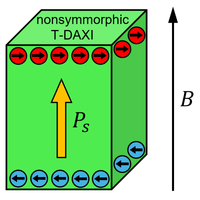
Phys. Rev. X 16, 041017 (2026)
Non-Abelian Quantum Signal Processing: A Composite Pulse for Fast Analytic Control of Hybrid Oscillator-Qubit Processors
Article | | 2026-10-15 06:00 EDT
Shraddha Singh, Baptiste Royer, and Steven M. Girvin
Researchers extend quantum signal processing to noncommuting control variables, enabling analytical control of hybrid oscillator-qubit quantum processors.
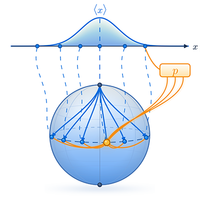
Phys. Rev. X 16, 041018 (2026)
arXiv
Transport in multilayer graphene: resistance from stacking faults
New Submission | Mesoscale and Nanoscale Physics (cond-mat.mes-hall) | 2026-10-16 20:00 EDT
C. M. Wilson, R. Ganesh, K. V. Samokhin
Multilayer graphene exhibits rich possibilities for stacking. While natural bulk graphite predominantly occurs in the Bernal structure, where layers are stacked in an $ -ABAB-$ pattern, rhombohedral stacking has sprung to prominence recently. It is well known that Bernal graphite exhibits anisotropic transport, with high resistance to currents along the stacking axis. Careful experiments using pillar geometries have measured out-of-plane resistance, attributing it to stacking faults where planes slip out of the nominal $ ABAB$ sequence. The observed resistance shows anomalously large, non-Gaussian, sample-to-sample variations. In this article, we build a theoretical framework to calculate $ c$ -axis resistance of graphene stacks with an arbitrary stacking arrangement. Our approach builds on the idea that, regardless of stacking sequence, we have in-plane translational symmetry. With in-plane momentum as a good quantum number, $ c$ -axis transport reduces to an effectively one-dimensional problem that can be addressed using the Landauer paradigm. We calculate the resistances of a variety of simple stacking faults in both Bernal and rhombohedral systems. We also calculate the resistance of a rhombohedral ‘slab’ embedded between Bernal leads. Remarkably, despite both Bernal and rhombohedral graphite being metallic, the system exhibits insulating behaviour. We attribute this to Fermi surface mismatch. We next calculate the resistance of a multilayer sample with stacking disorder. Resistance is non-self-averaging, akin to a one-dimensional wire where disorder has a strong localizing effect. The median resistance grows exponentially with stack size, indicating insulating character driven by localization. Our results demonstrate that transport measurements on mesoscopic graphitic pillars serve as signatures of stacking faults, and in particular, probe localization-driven physics.
Mesoscale and Nanoscale Physics (cond-mat.mes-hall), Disordered Systems and Neural Networks (cond-mat.dis-nn)
15 pages, 6 figures. Submitted to Physical Review X
All-temperature superfluidity in two dimensions
New Submission | Strongly Correlated Electrons (cond-mat.str-el) | 2026-10-16 20:00 EDT
Bilal Hawashin, Soumyadeep Chaudhuri, Igor F. Herbut, Michael M. Scherer
In local theories with short-range interactions, continuous symmetries cannot be spontaneously broken in two spatial dimensions at nonzero temperature. $ \mathrm{U}(1)$ -symmetric models instead admit a Berezinskii–Kosterlitz–Thouless (BKT) phase with quasi-long-range order and nonzero phase stiffness, which is normally destroyed at high temperatures by vortex proliferation. Here, we show that a BKT phase, and with it superfluidity, can persist to arbitrarily high temperatures. Using the large-$ N$ expansion, we study a $ (2+1)$ -dimensional quantum field theory in which a complex scalar is coupled to the critical $ \mathrm{O}(N)$ model. At the biconical fixed point, where the inter-sector coupling is negative, the thermal effective potential has a circle of minima with nonzero $ \mathrm{U}(1)$ amplitude. Integrating out the gapped fluctuations yields an effective theory for the compact phase mode at distances large compared to $ 1/T$ . Since temperature is the only scale at the fixed point, the phase stiffness grows linearly with temperature, with a proportionality factor that scales linearly with $ N$ and is fixed entirely by the fixed point. This renders vortex operators irrelevant for sufficiently large $ N$ . We further show that the vortex fugacity is exponentially small in $ N$ .
Strongly Correlated Electrons (cond-mat.str-el), Statistical Mechanics (cond-mat.stat-mech), High Energy Physics - Theory (hep-th)
7 pages, 2 figures
Boundary-induced geometrical frustration in a square Rydberg-atom lattice
New Submission | Quantum Gases (cond-mat.quant-gas) | 2026-10-16 20:00 EDT
Marco Rigobello, Luka Pavešić, Daniel Jaschke, Pietro Silvi, Marco Di Liberto, Simone Montangero, Simone Notarnicola
We study geometric defects in square-lattice Rydberg-atom arrays induced by lattice-size parity in the striated density-wave phase. While odd-sized lattices select a single striated domain, even-sized lattices seed incompatible domains at the four corners, resulting in a {\pi}/2-rotation invariant state with a geometrical defect emanating from the lattice center. At larger detunings, we instead identify a {\pi}-rotation-invariant state with two domains nucleated by opposite corners and separated by a one-dimensional diagonal defect. We probe the state-preparation protocol on the Aquila atomic quantum processor and benchmark it with equilibrium and real-time dynamics tensor-network simulations. Our results assess the role of boundaries and lattice size in determining the global ordering in programmable quantum matter.
Quantum Gases (cond-mat.quant-gas), Quantum Physics (quant-ph)
13 pages, 9 figures
Long-lived local coherences at high temperature from frozen domain walls
New Submission | Statistical Mechanics (cond-mat.stat-mech) | 2026-10-16 20:00 EDT
Sarang Gopalakrishnan, Romain Vasseur
Local coherences between distinct charge sectors–measured by the single-particle Green’s function or the transverse spin autocorrelation function–do not overlap with hydrodynamic modes. At finite temperature, therefore, they decay faster than any power law in generic chaotic systems. We present a mechanism by which these coherences can persist anomalously long, for integrable and chaotic spin chains (including the XXZ and Fredkin spin chains) that obey a quantum group symmetry. We show–using a Mazur bound derived from the quantum-group symmetry, together with locality and a “non-undershoot” assumption–that the transverse spin autocorrelation function $ C(t) \equiv \langle \sigma^-_x(t) \sigma^+_x(0)\rangle$ can decay at most algebraically: $ C(t) \gtrsim 1/t^2$ . This bound is not tight: in the large-anisotropy limit of the XXZ spin chain, at infinite temperature, we explicitly compute $ C(t) \sim \sqrt{3}/(18 \sqrt{t})$ . We also compute this decay rate in the XXZ spin chain for general easy-axis anisotropy, and estimate it to scale as $ C(t) \sim t^{-2/z}$ (for transport exponent $ z$ ) in the chaotic models.
Statistical Mechanics (cond-mat.stat-mech), Quantum Physics (quant-ph)
5 pages + supplemental material
Quantum oscillations in a solvable model of a Kondo insulator
New Submission | Strongly Correlated Electrons (cond-mat.str-el) | 2026-10-16 20:00 EDT
Abhisek Samanta, Mohit Randeria, Sumilan Banerjee
We study the effects of interactions on the low-energy density of states (SdH) and magnetization (dHvA) quantum oscillations (QOs) in a Kondo insulator. Toward this end we introduce a generalization of the periodic Anderson model with Sachdev-Ye-Kitaev (SYK) interactions at each site that is exactly solvable in the large-$ N$ limit, where $ N$ is the number of flavors of the heavy $ f$ electrons. We show analytically and numerically that the insulating state remains stable in terms of spectrum, thermodynamics, and transport at low temperatures even for interaction strengths much larger than non-interacting band gap of the hybridization-gap insulator. We analytically derive generalizations of Lifshitz-Kosevich (LK) formulae, distinct for the SdH and dHvA QOs, for the interacting insulator. We find that the SdH oscillation frequencies, $ F_0\pm \delta F$ , corresponding to the conduction and valence band edges, can be weakly renormalized by interaction relative to their non-interacting values. In contrast, dHvA QO frequency $ F_0$ is not renormalized by interactions, and remains the same as that for the non-interacting unhybridized bands. The QO amplitudes show a remarkable difference: the dHvA amplitude is essentially unaffected by interactions, while the SdH amplitude is strongly enhanced due to gap renormalization.
Strongly Correlated Electrons (cond-mat.str-el), Disordered Systems and Neural Networks (cond-mat.dis-nn)
Resonant enhancement of Raman scattering in a MoS$_2$ nanotube
New Submission | Mesoscale and Nanoscale Physics (cond-mat.mes-hall) | 2026-10-16 20:00 EDT
D.R. Kazanov, A.V. Poshakinskiy
The whispering-gallery modes confined in the wall of a multiwall MoS$ 2$ nanotube resonantly enhance the spontaneous Raman scattering by its own optical phonons. The enhancement is doubly resonant — pump and Stokes waves hit two adjacent modes at one pump energy, and the signal scales as $ (Q{\rm pump}Q_{\rm sc})^2$ - whenever a phonon energy matches the free spectral range of the mode ladder. Near the A exciton the excitonic dispersion compresses the ladder and sweeps its spacing through all intralayer phonon energies of MoS$ 2$ , so the match, reached for $ A{1g}$ at $ E_{\rm pump}=1551$ ~meV, requires no geometric tuning. A missed match splits the excitation peak into a pump- and a scattered-resonant doublet whose splitting measures the residual detuning. Selection rules confine the double resonance to the TM$ \to$ TM channel and exclude $ E_{1g}$ .
Mesoscale and Nanoscale Physics (cond-mat.mes-hall), Materials Science (cond-mat.mtrl-sci)
Enabling large language model agents for high-fidelity many-body perturbation theory calculations
New Submission | Materials Science (cond-mat.mtrl-sci) | 2026-10-16 20:00 EDT
Benran Zhang, Byeongchan Lee, Zien Zhu, Chih-En Hsu, Zhenfa Zheng, Hung-Chung Hsueh, Young Woo Choi, Mauro Del Ben, Zhenglu Li
Many-body perturbation theory (MBPT) methods, including the GW approximation, the GW plus Bethe-Salpeter equation (GW-BSE) method, and GW perturbation theory (GWPT), among others, provide accurate first-principles descriptions of excited-state properties and multiparticle interactions of materials. However, their use remains limited due to complex multi-software workflows, interdependent physical parameters, and substantial theoretical expertise. Large language model (LLM) agents, which couple a language model to software tools, show potential in automating computational tasks, but MBPT remains an unaddressed challenge. We show that LLM agents tested in our work, including frontier models such as Opus 4.7 and GPT-5.5, do not reliably construct MBPT workflows in one attempt, suggesting that correct setup requires expert knowledge and consistency that current models lack. Across tested model-harness combinations, out-of-the-box agents average 54%, 36%, and 19% on GW, GW-BSE, and GWPT workflow benchmarks, with strong model dependence and large run-to-run variation. Errors typically originate from cross-stage inconsistencies that surface only several stages after they are introduced. We therefore develop AI-Donkey, an agentic framework that combines expert-curated knowledge with deterministic execution to enable high-fidelity GW, GW-BSE, and GWPT calculations and analyses. With AI-Donkey, all tested agents, from frontier proprietary models to open-weight models, produce complete, runnable MBPT workflows with no observed run-to-run variation. We further demonstrate autonomous calculations and post-processing on 1D, 2D, and bulk materials, including the many-body enhancement of Fröhlich electron-phonon coupling in polar semiconductors. Our approach provides a general framework for knowledge engineering to enable reliable agentic workflows in computational materials science.
Materials Science (cond-mat.mtrl-sci)
Modeling Transport and Mechanics in Anion Exchange Membranes to Optimize Continuous CO2 Separations
New Submission | Soft Condensed Matter (cond-mat.soft) | 2026-10-16 20:00 EDT
Samaneh Bayati, Jennifer Wade, Sara Sarbaz, Heidi Feigenbaum, Horacio Lopez-Marques, Winston Wang
Water transport in charged polymer membranes is strongly influenced by hydration-dependent transport properties and polymer-network deformation. Under water-activity gradients, spatial variations in water concentration induce swelling and mechanical stresses, while the resulting deformation can influence water transport. Capturing this bidirectional interaction is important for predicting membrane behavior under nonuniform hydration conditions. This study develops a transient finite element model of water transport and mechanical deformation in a Fumasep FAA-3-50 anion exchange membrane. The framework incorporates concentration-dependent water diffusivity, hygroscopic swelling, and nonlinear viscoelastic polymer response. Uncoupled, one-way coupled, and fully coupled formulations are compared to distinguish the effects of hydration-dependent diffusivity and mechanical coupling. In the fully coupled model, local water concentration governs swelling and mechanical response, while deformation, evolving membrane geometry, and mechanical pressure feed back into water transport. Simulations predict spatially and temporally nonuniform swelling and deformation that track the evolving water-concentration field. Relative to the uncoupled concentration-dependent diffusion model, mechanical feedback alters the predicted transport response, although transport remains primarily diffusion-driven. The fully coupled model is validated against steady-state water-transport measurements across water-activity gradients and reproduces the experimentally observed hydration dependence, with strongest agreement at intermediate hydration levels. These results highlight the importance of coupled hydration, swelling, deformation, and transport processes in models of hydrated anion exchange membranes and provide a framework for evaluating membrane behavior in moisture-facilitated transport applications.
Soft Condensed Matter (cond-mat.soft), Chemical Physics (physics.chem-ph)
34 pages, 10 figures
Identifying intercalation electrodes for electrochemical ion recovery and desalination
New Submission | Materials Science (cond-mat.mtrl-sci) | 2026-10-16 20:00 EDT
Sougat Purohit, Andreas Kuhlmann, Marten Huck, Hans-Georg Steinrück, Gopalakrishnan Sai Gautam
Water sources serve as a requirement for human consumption, industrial, and agricultural needs and a resource for valuable ions. Appropriate treatment of water that captures ions from the aqueous solution can give rise to suitable `products’, such as critical ions (such as Li$ ^+$ ) in selective ion recovery and usable water in the case of desalination (i.e., removal of non-essential ions). Among myriad ion capture techniques, we focus on electrochemical methods using intercalation electrodes, an energy-efficient approach capable of both selectively extracting specific ions or non-selectively extracting multiple ions from diverse water sources. However, practical realization of electrochemical ion capture requires the use of robust cation intercalation electrodes, with the state-of-the-art olivine-FePO$ _4$ and spinel-Mn$ _2$ O$ _4$ exhibiting several shortcomings. Thus, we develop a high-throughput computational workflow to identify potential intercalation electrodes for both ion recovery and desalination from a pool of 20,414 Li, Mg, Ca, Na, and/or K-containing structures from the Materials Project database. Based on the construction of Pourbaix diagrams relevant for electrodes operating under seawater conditions, modifying criteria used for defining metastability in seawater, computing average intercalation voltages and the extent of metastability of electrode structures, and computational graphs to encode ionic selectivity, we identify a total of 11 promising electrodes for selective ion recovery and one possible desalination electrode. The promising materials identified in this work include Fe$ _2$ (MoO$ _4$ )$ _3$ , Li$ _3$ Fe$ _2$ (PO$ _4$ )$ _3$ , LiFeP$ _2$ O$ _7$ for selective Li-recovery. Our study provides thermodynamic insights, qualitative trends, and a promising list of intercalation electrodes for experimental testing that should advance the field of electrochemical ion recovery.
Materials Science (cond-mat.mtrl-sci)
Transition-Metal-Oxygen Covalency Controls Ligand-Hole Stability in Li-Rich Cathode
New Submission | Materials Science (cond-mat.mtrl-sci) | 2026-10-16 20:00 EDT
Kuan H. Hsu, Eder G. Lomeli, Jaehoon Kim, Gukhyun Lim, Amelia Zhao, Wen-Shin Lu, Joshua J. Kas, John Vinson, Brian Moritz, Jihyun Hong, Wanli Yang, Thomas P. Devereaux
Lithium-rich cathodes boast a large specific capacity due to the presence of excess lithium per transition metal. However, making use of that excess Li drives the cathodes to unusually high formal oxidation states, often triggering unwanted side reactions, typically signaled by gas release and commonly associated with oxygen oxidation. By varying the transition metal (TM) chemistry in Li-rich materials, cyclability can vary drastically, with some materials suffering rapid capacity fade while others are able to maintain large and stable voltage windows. Such observations indicate a crucial role for both TM and O activities, but the details remain elusive. Here, we model core-level spectroscopy to understand differences in the charge compensation mechanism between different Li2MO3 (M = Mn, Ru, Ir) cathode materials. We find that ligand holes are important throughout the series, but their stability depends strongly on the transition-metal-oxygen electronic structure. In Li2MnO3, the ground state is already strongly negative-charge-transfer-like, so further delithiation rapidly increases ligand-hole character and promotes instability. Moving from Mn to Ru and Ir increases TM-O hybridization while reducing the tendency toward an extreme negative-charge-transfer state, allowing additional holes to remain delocalized over the covalent TM-O network over a wider range of charge. These results identify TM-O covalency, rather than the absence of oxygen-hole character, as a key factor controlling reversible high-valent redox and suggest a route for stabilizing high-energy-density cathodes without invoking reversible molecular oxygen formation.
Materials Science (cond-mat.mtrl-sci)
9 pages, 3 figures
Grain-Size Dependence of Thermal and Electrical Properties in (Cr,Mo,Ta,V,W)C1-δ High-Entropy Carbide Ceramics
New Submission | Materials Science (cond-mat.mtrl-sci) | 2026-10-16 20:00 EDT
Ali Sarikhani, Gregory E. Hilmas, David W. Lipke, Douglas E. Wolfe, Stefano Curtarolo, Shen J. Dillon, William G. Fahrenholtz
Thermal and electrical transport in high-entropy carbides can be influenced by grain-boundary scattering, but the relevant microstructural regime remains uncertain. Here, near-fully dense $ (Cr,Mo,Ta,V,W)C_{1-{\delta}}$ ceramics were densified by spark plasma sintering at 1750-1950 °C, producing average grain sizes from 9.3 $ \pm$ 4.9 to 28.8 $ \pm$ 15.3 $ \mu$ m while retaining the rock-salt phase. Heat capacities were measured experimentally and estimated by the Neumann-Kopp law with the latter used to calculate thermal conductivity. Thermal conductivity values were in the range of 6.8-7.1 W $ m^{-1}$ $ K^{-1}$ at room temperature, but showed no systematic dependence on grain size within the investigated range. Room-temperature electrical resistivity values were in the range of 151.9 to 177.0 $ \mu{\Omega}$ cm and likewise showed no grain-size dependence. The electron contribution to room-temperature thermal conductivity was estimated to be approximately 58-68% of total thermal conductivity as estimated using the Wiedemann-Franz law and the theoretical Lorenz number. The results indicated that processing-induced grain coarsening did not produce clearly resolvable transport-property changes under the conditions investigated leading to the conclusion that intrinsic disorder and defect chemistry may exert stronger influences on properties.
Materials Science (cond-mat.mtrl-sci)
J. Am. Ceram. Soc. 109(10), e71312 (2026)
Sb-5$p$-mediated antiparallel Nd-Fe coupling in Nd$_3$Fe$_3$Sb$_7$
New Submission | Materials Science (cond-mat.mtrl-sci) | 2026-10-16 20:00 EDT
S. Palazzese, Sh. Yamamoto, T. Kotte, R. Ray, F. Pabst, S. Chattopadhyay, D. I. Gorbunov, T. Herrmannsdörfer, K. Kummer, A. Kurtanidze, E. Weschke, O. Prokhnenko, K. Yamamoto, Y. Kotani, H. Nojiri, M. Ruck, Manuel Richter, J. Wosnitza
We uncover the microscopic mechanism underlying the antiparallel Nd-Fe coupling in the intermetallic 4$ f$ -3$ d$ -5$ p$ compound Nd$ _3$ Fe$ _3$ Sb$ 7$ by means of high-field x-ray magnetic circular dichroism (XMCD) spectroscopy, complemented by magnetization measurements and density-functional-theory (DFT) calculations. This coupling is unexpected for intermetallics composed of light rare-earth and transition-metal elements. Sb $ M{4,5}$ -edge XMCD measurements indicate a clear spin polarization of Sb 5$ p$ states antiparallel to the Fe 3$ d$ moments. DFT calculations reveal the site-dependent character of the Sb moments and, together with the Fe-Sb antiparallel alignment seen by XMCD, identify a Fe 3$ d$ -Sb 5$ p$ -Nd 5$ d$ hybridization pathway for the antiparallel Nd-Fe coupling. Pulsed-field XMCD reveals a field-induced spin reorientation through the evolution of the $ c$ -axis projections of the Nd and Fe moments. Nd$ _3$ Fe$ _3$ Sb$ _7$ , thus, provides a platform for exploring antiparallel rare-earth-transition-metal ($ R$ -$ T$ ) coupling mediated by transition-metal 3$ d$ -ligand $ p$ -rare-earth 5$ d$ hybridization in light-$ R$ -$ T$ intermetallics with $ p$ -elements.
Materials Science (cond-mat.mtrl-sci)
15 pages, 10 figures, 2 tables
Material dependence of direct light-induced charge injection from metallic nanoparticles into adsorbates
New Submission | Materials Science (cond-mat.mtrl-sci) | 2026-10-16 20:00 EDT
Jordan Alan Edwards, Johannes Lischner
Direct injection of charge from metallic nanoparticles into adsorbed molecules via the chemical interface damping of localized surface plasmons has emerged as a promising avenue to avoid the rapid thermalization of hot carriers. In this paper, we develop an approach for predicting hot-electron and hot-hole injection rates from large spherical nanoparticles into adsorbed carbon monoxide (CO) molecules. The approach combines a detailed description of the adsorbate-metal interactions via ab initio density functional theory with a macroscopic electrodynamics treatment of the localized surface plasmon. We apply this approach to nine different metals including both traditional (Ag, Au, Cu) and emerging (Al) plasmonic metals as well as non-plasmonic metals (Ni, Rh, Pd, Ir, Pt). For all metals, hot-electron injection is larger than hot-hole injection. This is a consequence of the alignment of the CO frontier orbitals, with the CO lowest unoccupied molecular orbital (LUMO) being closer to the metal Fermi energy than the highest occupied molecular orbital (HOMO). The largest electron injection rates in the optical photon ranges are obtained for Al, Ag, Cu and Au, with Cu and Au showing significant plasmonic enhancement. The non-plasmonic metals show weak electron injection as a consequence of their high LUMO energies relative to the metal Fermi level. The results of our study pave the way towards a rational design of metallic nanoscale photocatalysts for specific chemical processes.
Materials Science (cond-mat.mtrl-sci)
14 pages, 3 figures and supplementary information
Casimir Sign Reversal from Finite-Range Bogoliubov Fluctuations
New Submission | Quantum Gases (cond-mat.quant-gas) | 2026-10-16 20:00 EDT
Fabrizio Canfora, Pablo Pais, Luigi Rosa
We study the zero-temperature Casimir effect of a three-dimensional Bose fluid with finite-range corrections to its Bogoliubov spectrum. Beyond the universal acoustic contribution scaling as $ L^{-3}$ , the long-distance expansion contains a nonuniversal $ L^{-5}$ correction that can compete with the phononic term. We derive this crossover analytically within a minimal isotropic finite-range model and test the asymptotic result against the full dispersion. A regulator-independent Poisson-resummed calculation confirms that sign reversals of the Casimir energy are possible, while showing that the apparent low-coupling zero inferred by balancing only the $ L^{-3}$ and $ L^{-5}$ terms is not quantitatively controlled. Robust sign changes instead occur in the stable regime close to roton softening, where the Casimir energy acquires an oscillatory finite-momentum contribution. Strongly dipolar atomic gases provide a natural motivation for microscopic interaction lengths in the nanometric regime. We further discuss how the resulting nonlinear force law could be probed through the frequency response of a driven nanomechanical resonator.
Quantum Gases (cond-mat.quant-gas), Statistical Mechanics (cond-mat.stat-mech), High Energy Physics - Theory (hep-th), Quantum Physics (quant-ph)
15 pages, 2 figures
One-way electron mirrors from single-layer stacking shifts in rhombohedral graphite
New Submission | Mesoscale and Nanoscale Physics (cond-mat.mes-hall) | 2026-10-16 20:00 EDT
Konrád Kandrai, András Balogh, Dóra Varga, Márton Szendrő, András Pálinkás, József Cserti, János Koltai, Krisztián Márity, Péter Vancsó, Géza I. Márk, Alexandre Mayer, Zoltán Tajkov, Levente Tapasztó, Péter Nemes-Incze
One-way mirrors or asymmetric scatterers are key components of photonic systems, protecting sources from back-reflections and routing light along a chosen path. Acoustic systems can also be engineered to show asymmetric reflection. However, a condensed matter platform acting as a one-way mirror without breaking linearity, time-reversal symmetry or energy conservation has been lacking. One route to achieving this is mode selection, where a probe coupled to only some modes sees a boundary as a mirror from one side and as transparent from the other. Here we show that single-layer stacking shifts in six-layer rhombohedral graphite provide this platform, acting as one-way mirrors for electrons. In scanning tunneling microscopy, 10 nm scale interference fringes appear only on the stacking fault side of a wall, tracking its Dirac band, the rhombohedral side remaining transparent. Layer-resolved tight-binding and wave-packet dynamics calculations reproduce this and trace the asymmetry to the mismatched layer polarization across the wall, with the tip supplying the selective coupling. Because stacking solitons glide under external fields, this mirror forms a movable element of electron optics defined by the crystal structure alone.
Mesoscale and Nanoscale Physics (cond-mat.mes-hall)
Denser-than-crystalline disordered polydisperse ellipse packings
New Submission | Soft Condensed Matter (cond-mat.soft) | 2026-10-16 20:00 EDT
Kinsley G. Trlak, Dewni S. de Silva, Salvatore Torquato, Robert S. Hoy
By employing SWAP Monte Carlo moves during slow Lubachevsky-Stillinger-like particle growth, we generate well-thermalized disordered jammed ellipse packings for a wide range of particle aspect ratios $ \alpha$ and maximum/minimum particle-diameter ratios $ \lambda$ . For $ \lambda > \lambda_{\rm xtal}(\alpha)$ , the packings are denser than the perfect monodisperse ellipse crystal ($ \phi_{\rm xtal}^{\rm mono} = \pi/2\sqrt{3} \simeq 0.9069$ ) despite lacking any obvious long-range structural order; we find that $ \lambda_{\rm xtal}(\alpha)$ remains below $ 2.88$ over the range $ 1 \leq \alpha \leq 5$ , and drops below $ 1.65$ for $ \alpha \simeq 1.2$ . These disordered $ \phi > \phi_{\rm xtal}^{\rm mono}$ packings are the first of their kind reported for anisotropic particles. Multiscale analyses reveal that their characteristic structural motifs are strongly $ \alpha$ - and $ \lambda$ -dependent, but none of the examined metrics change sharply as the $ \lambda = \lambda_{\rm xtal}(\alpha)$ boundary is crossed. For example, we find that packings with $ \alpha \simeq 1.2$ and $ \lambda \simeq \lambda_{\rm xtal}(\alpha)$ exhibit a fractionated-hexatic-plastic-polycrystalline structure that (like that of the recently-reported ideal disk glasses) can be exactly-isostatic, triangulated, and effectively-hyperuniform with respect to packing-fraction fluctuations. In contrast, even-denser packings with larger $ \alpha$ and $ \lambda$ have none of these properties.
Soft Condensed Matter (cond-mat.soft)
Fisher information analysis of a Langevin System with Thermal and Athermal Noise
New Submission | Statistical Mechanics (cond-mat.stat-mech) | 2026-10-16 20:00 EDT
Eduardo S. Nascimento, Welles A. M. Morgado
Fisher Information (FI) has proven to be a useful tool for estimating the parameters of a system when only statistical data are available. We apply this method to a system of Langevin equations analogous to the Brownian Gyrator, in which the coupling parameter $ b$ and the athermal noise strength $ D$ are treated as unknown quantities. Using the FI, we discuss the estimation of the coupling parameter between the degrees of freedom and the quantity $ D$ associated with the external noise effects. We find that the diagonal components of the FI exhibit nontrivial behavior, whereas the off-diagonal components display a monotonic dependence on the parameters of interest. This distinction may contribute to an accurate estimation of $ b$ and $ D$ .
Statistical Mechanics (cond-mat.stat-mech)
The Blume-Capel Model as a $ϕ^6$ Field Theory: A Monte Carlo and Flow Model Study
New Submission | Statistical Mechanics (cond-mat.stat-mech) | 2026-10-16 20:00 EDT
Ejaaz Merali, Ryan Larson, Ehsan Khatami, Richard T. Scalettar
We report Monte Carlo simulations of a continuous spin variant of the Blume-Capel model. We compute the phase diagrams in the crystal-field-temperature plane, as a function of the softness of the spins. We show that normalizing flows, a class of generative models capable of direct sampling without autocorrelation, are effective samplers across the phase diagram, including in the first-order transition region and in the vicinity of the tricritical point. Finite-size scaling analyses of flow samples locate the first- and second-order transitions as well as the tricritical point with accuracy comparable to canonical and extended-ensemble Monte Carlo.
Statistical Mechanics (cond-mat.stat-mech), Disordered Systems and Neural Networks (cond-mat.dis-nn), Machine Learning (cs.LG), High Energy Physics - Lattice (hep-lat)
MASON: Materials Atomistic Structure builder Operated in Natural language
New Submission | Materials Science (cond-mat.mtrl-sci) | 2026-10-16 20:00 EDT
Xinyue Zhang, Jixiang Li, Bin Shao, Baishun Yang, Zhiyang Liu, Weichao Wang
Building reliable atomistic models is a critical and often challenging step in first-principles calculations. Although large language model agents can assist with structure generation, they lack direct capabilities for crystallographic operations and therefore struggle to construct complex structures reliably. Here we present MASON, an AI-native toolkit for atomistic structure construction that can be invoked by agents through the Model Context Protocol (MCP). In an end-to-end example, an agent builds a CO/Pt(111) adsorption model from a natural language request. By equipping agents with dedicated structure-building tools, MASON enables reliable and efficient atomistic model construction and provides a foundation for autonomous first-principles workflows.
Materials Science (cond-mat.mtrl-sci)
19 pages, 10 figures
Large Language Model-Assisted Systematic Study of Anomalous Adsorption Phenomena
New Submission | Materials Science (cond-mat.mtrl-sci) | 2026-10-16 20:00 EDT
Fengxu Yang, Matthew L. Schneider, Weitong Chen, Jack D. Evans
Soft porous crystals can undergo guest-induced structural transitions producing unconventional adsorption isotherms, which are valuable for gas separation and storage applications. However, the evidence for these transitions is scattered across the literature in narrative form and has not been aggregated. Here we use a large language model pipeline to mine the literature for anomalous adsorption, extracting phase-transition events together with material, adsorbate, temperature and pressure metadata and classifying each into an established behavioural class. Benchmarked against human annotation, the extraction stage attains an F1 score of 0.96. When applied at scale, the pipeline yields a curated corpus of 547 transitions across 240 distinct materials, drawn from 200 of 4,252 screened publications, which we further link to crystallographic structures. Analysis of this database shows that the principal behavioural classes, gate-opening and breathing, are distinguished by their functional response. Gate-opening frameworks transform at a significantly lower pressure than breathing frameworks (p = 3.8E-3). In contrast, no difference in pore size, void fraction, linker chemistry or metal identity was detected between the classes. Our findings argue for a functional rather than purely structural description of responsive porous materials. They also highlight the need for a community database that records the guest, temperature and pressure of every reported transition of these materials.
Materials Science (cond-mat.mtrl-sci)
15 pages, 5 figures
Discontinuous-Property Mechanical Metamaterials: A Framework for Discontinuous Lattice Dynamics
New Submission | Other Condensed Matter (cond-mat.other) | 2026-10-16 20:00 EDT
Discontinuity, as the extreme limit of nonlinearity, is common in macroscopic continuum systems. This work introduces discontinuous-property mechanical metamaterials (DPMMs) as a prototype for establishing a geometric-mechanics framework for discontinuous lattice systems. We extend band theory to systems with complementary constraints through geometric regularization and analyze modal discontinuities. By analyzing its static, modal, and transient responses, we validated discontinuous stiffness and Poisson’s ratio, alongside intense nonlinear wave mixing and mode conversion. A proof-of-concept experiment demonstrates the practical feasibility of implementing DPMMs. This work characterizes discontinuous lattice systems through the intuitive DPMM concept and provides a practical framework to harness sharp transitions in mechanical metamaterials for nonlinear wave manipulation.
Other Condensed Matter (cond-mat.other)
Modified anisotropy and distinct phase diagrams in the nearly isotropic $S=1$ triangular-lattice antiferromagnet $\mathrm{Rb_2Ni(SeO_3)_2}$
New Submission | Strongly Correlated Electrons (cond-mat.str-el) | 2026-10-16 20:00 EDT
Xuejuan Gui, Xu-Guang Zhou, Chen Zhang, Zhongcen Sun, Yuan Sun, Chenglin Shang, Akira Matsuo, Yasuhiro H. Matsuda, Koichi Kindo, Henrik M. Rønnow, Weiqiang Yu, Rong Yu, Peng Cheng, Juanjuan Liu, Jieming Sheng, Jinchen Wang
The triangular-lattice antiferromagnet serves as a benchmark platform for realizing exotic quantum phases, in which magnetic anisotropy plays an essential role. In this work, we report modified magnetic anisotropy and phase diagrams in the nearly isotropic $ S=1$ triangular-lattice antiferromagnet $ \mathrm{Rb_2Ni(SeO_3)_2}$ , compared with those of its isostructural analog $ \mathrm{K_2Ni(SeO_3)_2}$ . The magnetic susceptibility of $ \mathrm{Rb_2Ni(SeO_3)2}$ exhibits an easy-axis anisotropy with $ g_c > g{ab}$ , opposite to the easy-plane anisotropy observed in $ \mathrm{K_2Ni(SeO_3)_2}$ . The single Néel transition observed at zero field splits into two transitions at around 10T, and a magnetization plateau is observed between 21T and 37~T for both out-of-plane ($ H\parallel c$ ) and in-plane ($ H\parallel ab$ ) field directions in $ \mathrm{Rb_2Ni(SeO_3)_2}$ . We construct magnetic phase diagrams that are distinct between $ \mathrm{Rb_2Ni(SeO_3)_2}$ and $ \mathrm{K_2Ni(SeO_3)_2}$ . These findings highlight the sensitivity of field-induced magnetic phase behavior to anisotropy in nearly isotropic triangular-lattice antiferromagnets.
Strongly Correlated Electrons (cond-mat.str-el)
Localized states of the non-Hermitian Schr{ö}dinger equation with a complex $1/r^{2}$ potential: from Efimov states to bipolarons
New Submission | Quantum Gases (cond-mat.quant-gas) | 2026-10-16 20:00 EDT
Kyoka Tsunoda, Kazuki Yamamoto, Shimpei Endo
We study the non-Hermitian Schrödinger equation with a complex $ 1/r^{2}$ potential, which bridges Hermitian few-body and non-Hermitian many-body physics: a real attractive potential describes Efimov bound states, whereas a purely imaginary one describes the medium-induced interaction between two heavy polarons at large separations. We solve this equation analytically, obtaining both the localized and continuum states, and compare the solutions with numerical and WKB results. As the imaginary part of the potential is increased, the energies of the Efimov bound states acquire imaginary parts and rotate counterclockwise in the complex plane. On approaching the purely imaginary potential, the excited states disappear sequentially, while the Efimov ground state is smoothly connected to a bipolaron state localized at short distance. Such a bipolaron is localized solely by the medium-induced imaginary interaction, without any attractive real potential. Solving the equation by finite differences, we find that each bipolaron state is necessarily accompanied by another localized state that oscillates on the scale of the mesh size and hence has no counterpart in the continuum limit. Each such pair coalesces at an exceptional point as the strength of the purely imaginary potential is varied, whereas the coalescence is lifted once a finite real part is introduced. We show that this behavior originates from a symmetry of the discretized Schrödinger equation that holds for any purely imaginary potential.
Quantum Gases (cond-mat.quant-gas), Nuclear Theory (nucl-th), Quantum Physics (quant-ph)
13 pages, 8 figures
Strain-enhanced superconductivity in RuO$_2$ thin films: Joint experimental and theoretical studies
New Submission | Superconductivity (cond-mat.supr-con) | 2026-10-16 20:00 EDT
Moeen ud din, Tsun-Sung Kuo, Yun-Chen Liao, Akhilesh Kr. Singh, Uddipta Kar, Wei-Li Lee, Guang-Yu Guo
We investigate the superconducting properties of RuO$ _2$ films grown on TiO$ _2$ substrates by combining film fabrication and transport measurement with \textit{ab initio} calculation. Experimentally, we grow several RuO$ _2$ (110) thin films on TiO$ _2$ (110) substrates and observe superconductivity with critical temperature ($ T_c$ ) of $ \sim$ 2.0 K in 20-nm and 30-nm RuO$ _2$ (110) thin films. Theoretically, we study the superconductivity in both RuO$ _2$ (110) and RuO$ 2$ (100) epitaxial films within McMillan formalism of isotropic Migdal-Eliashberg theory. Among the salient results, the calculated phonon dispersion relations of all the considered RuO$ 2$ films show that the epitaxial films are dynamically stable. Importantly, our \textit{ab initio} calculations reveal that independent of the film orientation, the [001] compressive strain $ \epsilon{[001]}$ pushes the flat Ru $ d{z^2}$ -dominant bands towards the Fermi level ($ E_F$ ), and significantly soften the out-of-plane acoustic phonon mode near the R point in the Brillouin zone, which substantially enhances the electron-phonon coupling (EPC) strength $ \lambda$ and hence the calculated $ T_c$ in the RuO$ 2$ films. Remarkably, the amount of the phonon softening and the enhanced $ T_c$ increase almost linearly with the increasing $ \epsilon{[001]}$ . The calculated $ T_c$ for the films with thickness of $ \geq$ 20 nm agree well with the experimental $ T_c$ . These findings demonstrate that among other things, lattice mismatch strain provides an effective route for tuning phonon-mediated superconductivity in RuO$ _2$ and other thin films.
Superconductivity (cond-mat.supr-con)
24 pages, 12 figures
Plasmon Collapse in a Directional Strange Metal
New Submission | Strongly Correlated Electrons (cond-mat.str-el) | 2026-10-16 20:00 EDT
Jiade Li, Peiyi He, Deng Hu, Jiakai Wang, Jifeng Shao, Wan-Shun Du, Xuetao Zhu, Jiandong Guo, Zhiwei Wang, Peng Gao
Strange metals are widespread in strongly correlated quantum matter and closely intertwined with high-temperature superconductivity and quantum criticality, yet their microscopic charge dynamics remain fundamentally unresolved. Whether well-defined collective modes survive in an incoherent electronic fluid or dissolve into overdamped continua remains intensely debated. Here, employing high-momentum-resolution inelastic electron scattering complemented by direction-resolved transport, we show that the van der Waals compound $ \mathrm{MoOCl}_2$ , a “bad” metal known to host unusually “good” plasmons, exhibits a striking dichotomy in electronic coherence and charge dynamics. Transport reveals coherent Fermi liquid behavior along one in-plane crystallographic axis and an incoherent strange metal response along the orthogonal axis. This dichotomy extends directly to the charge response. The Fermi liquid direction supports a well-defined, long-lived plasmon, whereas the strange metal direction exhibits an overdamped excitation that progressively loses its collective character with increasing momentum. Beyond a critical momentum ($ q_c$ $ \approx$ 0.008 $ \mathring{\mathrm{A}}^{-1}$ ), the mode undergoes a reversal into negative dispersion and ultimately collapses into a broad, nearly featureless continuum with a robust high-energy boundary ($ E_c$ $ \approx$ 1.75 eV). Remarkably, thickness-dependent measurements show that both $ q_c$ and $ E_c$ remain nearly unchanged despite substantial modifications of Coulomb screening, revealing them as intrinsic scales of incoherent charge density fluctuations. These results establish a unique single-material platform in which coherent and incoherent electronic states are partitioned into in-plane orthogonal channels, and demonstrate that incoherent electronic fluids retain intrinsically structured charge dynamics beyond the quasiparticle paradigm.
Strongly Correlated Electrons (cond-mat.str-el)
Broadband radio-frequency TEM specimen holders for in situ biasing excitation and 100-ps-scale electron beam control
New Submission | Materials Science (cond-mat.mtrl-sci) | 2026-10-16 20:00 EDT
Christophe Gatel, Marine Resano, Bérangère Disic, Nasibeh Parsaei, Emmanuel Perrin, Hervé Parvery, Romain Queslier, Bertrand Gatti, Pierre Abeilhou, Alexandre Alibert, Christian Pertel, Cécile Marcelot, Nicolas Biziere
Broadband electrical excitation inside a transmission electron microscope (TEM) is required to investigate electrically driven nanodevices at their actual operating frequencies and to develop fully electrical time-resolved experiments at a sub-nanosecond range. Here, we report the performances of homemade two- and four-channel radio-frequency (RF) TEM specimen holders based on a hybrid architecture combining coaxial transmission lines with miniaturized impedance-controlled printed circuit boards (PCB). Removable mechanical contacts provide direct electrical connection to interchangeable TEM chips without wire bonding. Vector network analyzer measurements demonstrate broadband transmission through the complete electrical path up to the specimen. With a representative TEM chip, the two-channel holder exhibits a -3 dB bandwidth of 7.9 GHz, while insertion losses remain below 12 dB up to 18 GHz. The same RF holder architecture was used to drive a miniaturized electrostatic electron-beam deflector. The measured temporal response indicates that the holder deflector assembly remains compatible with electrical pulse durations approaching 100 ps, with the shortest accessible times presently limited by the available waveform generator. High-resolution TEM imaging with a 200 ps probe window does not show detectable degradation of spatial resolution, while off-axis electron holography is successfully performed for probe durations down to 0.5 ns under conditions representative of operando measurements. These results establish a versatile broadband platform combining GHz electrical excitation and sub-nanosecond electron-beam control. The dual-stage configuration of our Hitachi HF3300 microscope further provides the basis for a future fully electrical pump-probe TEM approach using independently driven RF holders for specimen excitation and electron-probe control.
Materials Science (cond-mat.mtrl-sci)
24 pages, 10 figures. Submitted to Ultramicroscopy
Dynamical phase transition for a logarithm observable in chaotic systems
New Submission | Statistical Mechanics (cond-mat.stat-mech) | 2026-10-16 20:00 EDT
Lucianno Defaveri, Naftali R. Smith
We consider the full distribution $ P_N(A)$ of the dynamical observable $ A = - \sum_{i=1}^N \ln x_i$ where $ x_1, \dots, x_N$ is a sequence generated by a chaotic map $ f(x)$ via $ x_{n+1} = f(x_n)$ . We study the particular cases where $ f(x)$ is the doubling, tent or logistic map, and focus on the limit $ N \gg 1$ . Typical fluctuations of $ A$ are Gaussian with mean $ \left\langle A\right\rangle$ and variance which are both of order $ \sim N$ . We find that the left tail of the distribution ($ A < \left\langle A\right\rangle$ ) scales as $ P_{N}(A) \sim e^{-NI(A/N)}$ , and calculate the rate function $ I(a)$ which depends on the map $ f(x)$ . Interestingly, we find that the right tail of the distribution ($ A > \left\langle A\right\rangle$ ) follows an anomalous scaling: $ P_{N}(A) \sim e^{-N^{1/3} F((A-\left\langle A\right\rangle) / N^{2/3})}$ . The large-deviation function $ F(y)$ has a universal form for the three maps, differing only in the scaling constants. At a critical value $ y=y_c$ , it exhibits a corner singularity which has the character of a condensation transition. The transition separates between a subcritical phase $ 0< y<y_c$ in which the fluctuations are Gaussian and arise homogeneously from all of the $ x_i$ ‘s, and a supercritical phase $ y>y_c$ in which a small fraction of the $ x_i$ ‘s give a macroscopic contribution to the fluctuation. Despite this anomalous behavior of the right tail, we find that the cumulants of the distribution $ P_N(A)$ grow linearly with $ N$ at large $ N$ , and calculate the associated coefficients.
Statistical Mechanics (cond-mat.stat-mech), Chaotic Dynamics (nlin.CD)
21 pages, 8 figures
Unique Charge-density-wave Order and Fluctuation-induced Phonon Softening in the Optimally-doped Trilayer Cuprate Bi$_2$Sr$_2$Ca$_2$Cu$3$O${10+δ}$
New Submission | Superconductivity (cond-mat.supr-con) | 2026-10-16 20:00 EDT
S. Nakata, K. Yamamoto, J. Okamoto, D. Shiga, R. Takahashi, H. Y. Huang, H. Kumigashira, H. Wadati, A. Fujimori, S. Ishida, H. Eisaki, D. J. Huang, J. Miyawaki, H. Suzuki
Charge-density-wave (CDW) order is a ubiquitous feature of cuprate superconductors that competes with superconductivity. However, its behavior remains poorly understood in trilayer compounds, which contain the optimal number of CuO$ _2$ layers for superconductivity. Here, we report Cu $ L_3$ - and O $ K$ -edge resonant inelastic x-ray scattering (RIXS) measurements of optimally-doped Bi$ _{2}$ Sr$ _{2}$ Ca$ _{2}$ Cu$ _{3}$ O$ {10+\delta}$ (Bi2223), the trilayer cuprate with the highest superconducting transition temperature ($ T_c$ ) among Bi-based cuprates. We observe CDW order with a single in-plane wavevector of $ {\bm q}{\text{CDW}} = (0.25, 0)$ , demonstrating that a coherent CDW order is formed across the trilayers. We also resolve CDW fluctuations emanating from the static order, whose profiles differ between the Cu $ L_3$ and O $ K$ edges. The phonon softening occurs where these CDW fluctuations interact with the phonon branch, indicating that the RIXS phonon anomaly is driven by the coupling between CDW fluctuations and the phonon branch.
Superconductivity (cond-mat.supr-con), Strongly Correlated Electrons (cond-mat.str-el)
Transdimensional Chern insulators in rhombohedral multilayer graphene superlattices
New Submission | Mesoscale and Nanoscale Physics (cond-mat.mes-hall) | 2026-10-16 20:00 EDT
Min Li, Xin Lu, Lei Wang, Jianpeng Liu
Recent experiments on lightly electron-doped rhombohedral multilayer graphene (RMG) in the “transdimensional” regime revealed anomalous Hall hysteresis under both perpendicular and in-plane magnetic fields, pointing to the emergence of transdimensional orbital magnetism in an interaction-driven “Fermi-lune” metal. Here we demonstrate that, by coupling to the moiré potential, this transdimensional orbital ferromagnetic metal can evolve into quantized Chern insulator phases in twisted RMG/hBN moiré superlattices. Using unrestricted Hartree-Fock calculations, we find that interaction-driven reconstruction isolates a spin-valley-polarized $ |C| = 1$ Chern band, leading to a “transdimensional Chern insulator” (TDCI) state exhibiting both in-plane and out-of-plane orbital magnetizations. A minimal two-band model is introduced to describe the unique properties of TDCI, which unveils the intimate connection between non-reciprocal velocity and in-plane orbital magnetization. We further analyze the collective excitations of TDCIs, and identify soft charge and spin modes that may lead to density wave instabilities in certain cases. An in-plane magnetic field can harden the soft density-wave mode and may drive a transition from density-wave state to TDCI. Finally, when the $ |C| = 1$ band is fractionally filled, the many-body ground state may be a fractional Chern insulator with broken rotation and mirror symmetries.
Mesoscale and Nanoscale Physics (cond-mat.mes-hall), Strongly Correlated Electrons (cond-mat.str-el)
5 pages, 4 figures; Supplementary Material: 17 pages, 4 figures
Thermodynamic-limit bootstrap: Solving fractional quantum Hall ground states
New Submission | Strongly Correlated Electrons (cond-mat.str-el) | 2026-10-16 20:00 EDT
Strongly interacting ground states are usually computed in finite systems and then extrapolated to the thermodynamic limit (TDL). Here we develop a quantum many-body bootstrap that solves fractional quantum Hall ground states directly in the TDL. The method gives rigorous and quantitatively tight lower bounds on the ground-state energy and identifies the ground-state structure and topological order. For Laughlin and Pfaffian parent Hamiltonians, it reproduces exact pair-correlation functions and low-lying orbital entanglement spectrum (OES) nearly level by level. For Coulomb interactions, the rigorous TDL energy bounds closely match thermodynamic estimates from exact diagonalization and density-matrix renormalization group (DMRG) extrapolations, and the local diagnostics recover established Laughlin and Moore–Read OES counting and Friedel oscillations of the composite Fermi liquid. Beyond these benchmarks, the bootstrap resolves the thermodynamic ground states at $ \nu=1/4$ and $ \nu=12/5$ , identifying a composite Fermi liquid and $ \overline{\mathrm{RR}}_3$ topological order, respectively. The same framework applies equally well to Abelian and non-Abelian, gapped and gapless quantum Hall states. The TDL bootstrap therefore provides a general ground-state solver that determines both the energy and the state directly in the TDL.
Strongly Correlated Electrons (cond-mat.str-el), Mesoscale and Nanoscale Physics (cond-mat.mes-hall)
17 pages, 4 main figures, 5 extended figures
Critical Ising Model on the Periodic Cubic Lattice $(\mathbb{Z}/L\mathbb{Z})^{3}$
New Submission | Statistical Mechanics (cond-mat.stat-mech) | 2026-10-16 20:00 EDT
We investigate the critical behaviour of the nearest-neighbour Ising model on the three-dimensional periodic cubic lattice $ (\mathbb{Z}/L\mathbb{Z})^{3}$ , and we present a companion set of Monte Carlo simulations. After recalling the rigorous results on the continuity of the spontaneous magnetization in $ d=3$ and the triviality of the scaling limit in $ d\ge 4$ , we compile modern high-precision estimates of the 3D Ising critical exponents and verify the scaling relations that connect them. We then describe numerical measurements of the Binder cumulant, the magnetic susceptibility, the specific heat, the two-point correlation function, and the finite-size scaling of the magnetization. We discuss the systematic uncertainties that affect the extraction of the exponent ratios $ \gamma/\nu$ and $ \alpha/\nu$ , and we emphasize that an exponential fit of the correlation function is not appropriate at the critical point, where the decay is algebraic.
Statistical Mechanics (cond-mat.stat-mech), Dynamical Systems (math.DS)
Pairing-channel reconstruction by Ising spin-orbit coupling in a multiorbital triangular-lattice model
New Submission | Superconductivity (cond-mat.supr-con) | 2026-10-16 20:00 EDT
Lichuan Wang, Yuhang Xiao, Ran Wang, Xinliang Huang, Ning Hao
Ising spin-orbit coupling (SOC) is widely known for locking electronic spins and protecting superconductivity against in-plane paramagnetic pair breaking. Here we show that, in a correlated multiorbital system, Ising SOC can play a qualitatively different role: it reconstructs the hierarchy of spin-fluctuation-mediated pairing channels by reshaping the low-energy Fermi surfaces, orbital-spin coherence factors, and momentum-resolved scattering phase space. We study a noncentrosymmetric two-orbital triangular-lattice model with Rashba SOC, Ising SOC, and onsite SOC. We solve the pairing problem within a multiorbital random-phase-approximation framework. In the single-orbital limit, an $ E$ -representation state with a dominant $ S_z=0$ component emerges only at relatively strong Ising SOC. Orbital degrees of freedom facilitate the stabilization of this pairing state at a smaller nominal Ising SOC strength and generate a broad competition between $ E$ and $ A_1$ pairing channels. The $ E$ state can maintain the same $ S_z=0$ triplet character, whereas the $ A_1$ state becomes a fully gapped sign-changing $ \splusminus$ superconductor. The latter also realizes a topologically nontrivial phase in the time-reversal-invariant weak-pairing regime, with a nonzero $ \mathbb{Z}_2$ index, Wilson-loop spectral flow, and boundary modes. Its topology is not carried by a single orbital pairing component, but emerges cooperatively from the dominant intra- and inter-orbital pairing components. These results establish a microscopic route by which Ising SOC and orbital hybridization can reconstruct interaction-driven superconductivity, producing both Ising-triplet and topological singlet-dominated phases in correlated non-centrosymmetric systems.
Superconductivity (cond-mat.supr-con)
Edge state reconstruction in proximitized graphene and its probe using RKKY interaction
New Submission | Mesoscale and Nanoscale Physics (cond-mat.mes-hall) | 2026-10-16 20:00 EDT
Proximity induced spin-orbit coupling (SOC) in graphene emerges when it is placed on a substrate, breaking sublattice symmetry and giving rise to staggered intrinsic SOC together with Rashba spin-orbit coupling. In zigzag graphene nanoribbons, this staggered SOC produces pseudohelical edge states exhibiting sublattice-locked rather than spin-locked helicity. We investigate the effect of a finite on-site potential, restricted to the edges of the ribbon, on these edge states. We find the inter-valley edge states undergo reconstruction and become purely intra-valley, exhibiting both spin and valley polarization. The charge conductance calculations fail to capture this reconstruction, since the number of transmitted channels remains unchanged. We show that the Ruderman-Kittel-Kasuya-Yosida (RKKY) magnetic exchange interaction, between two magnetic impurities situated on the ribbon edge can be used to probe the shifted band dispersion, for both the uniform and staggered spin-orbit coupling. In the presence of strong intrinsic and Rashba SOC, the RKKY interaction becomes fully anisotropic. Both sublattice staggering and edge potential-induced reconstruction lead to distinct features in the RKKY interaction. We show that the RKKY interaction terms acquire faster oscillations as a function of the spatial separation between two magnetic impurities, in response to the edge state reconstruction, establishing it as an effective probe of the edge states. Additionally, the significant mismatch in the amplitudes of the DM term corresponding to the uniform and staggered SOC, can also act as a probe of the type of SOC.
Mesoscale and Nanoscale Physics (cond-mat.mes-hall)
10 pages and 38 Figures. Comments are welcome
Non-equilibrium Muon Dynamics Imitating Fractional Spin Excitations in a Quantum Spin Chain
New Submission | Strongly Correlated Electrons (cond-mat.str-el) | 2026-10-16 20:00 EDT
A. Hromov, A. Zorko, M. Gomilšek, P. J. Baker, A. Prokofiev, M. Pregelj
Fractional spin excitations in low-dimensional and frustrated magnets are commonly associated with sporadic spin fluctuations, as observed in quantum spin liquids, spin ices, and other complex magnetic states. In this study, we investigate the spin dynamics in the amplitude-modulated magnetic ground state of AgCuVO$ _4$ , a spin-1/2 chain compound with competing intrachain interactions, by muon spectroscopy. Our data reveal a Gaussian decay of muon polarization that remains remarkably resilient against applied magnetic fields—a behavior often interpreted as evidence of emergent sporadic spin dynamics. However, density functional theory calculations of muon stopping sites and their quadrupolar level-crossing resonance spectra suggest an alternative mechanism: a two-state model where the muon randomly hops between two nearby sites, eventually equilibrating across both on a microsecond timescale via quantum delocalization. These findings provide a microscopic explanation for the field-resilient muon polarization and indicate that such behavior may not always stem from intrinsic spin fluctuations, but can also arise from non-equilibrium muon dynamics.
Strongly Correlated Electrons (cond-mat.str-el)
8 pages main text and methods, 1 page SI
Imaging defects in two-dimensional crystals by convergent beam electron diffraction
New Submission | Mesoscale and Nanoscale Physics (cond-mat.mes-hall) | 2026-10-16 20:00 EDT
Tatiana Latychevskaia, Pengru Huang, Kostya S. Novoselov
Convergent beam electron diffraction (CBED), recently demonstrated on two-dimensional (2D) materials, offers a number of interesting applications such as imaging atomic in- and out-of plane shifts, interlayer distances, and individual adsorbates. In this study, we show how CBED allows for atomic-precision imaging of individual defects in 2D materials using one single-shot intensity measurement. In combination with structural calculations using density functional theory, we present simulated CBED patterns for various defects in graphene, each of which exhibits a unique fingerprint distribution. We also show how atomic positions, including the individual atomic defects in graphene, can be reconstructed by iterative phase retrieval from a single CBED pattern.
Mesoscale and Nanoscale Physics (cond-mat.mes-hall), Computational Physics (physics.comp-ph), Optics (physics.optics)
Phys. Rev. B 105, 184113, 2022
Synergistic Graphene and PEDOT:PSS Layers on Silicon for Enhanced Efficiency and Stability in Schottky Junction Solar Cells
New Submission | Materials Science (cond-mat.mtrl-sci) | 2026-10-16 20:00 EDT
Kentaro Nakajo, Hojun Im, Keiichiro Nishimura, Masahiro Teraoka, Masaya Kikuchi
While graphene/n-type silicon (Gr/n-Si) and PEDOT:PSS/n-Si solar cells offer a cost-effective alternative to conventional photovoltaics, achieving simultaneous high power conversion efficiency (PCE) and long-term environmental stability remains a formidable challenge. Here, we report the synergistic enhancement of both performance and stability in a planar trilayer PEDOT:PSS/Gr/n-Si Schottky junction architecture. By systematically benchmarking this hybrid device against pristine Gr/n-Si and PEDOT:PSS/n-Si reference cells fabricated on untextured substrates, we isolate the fundamental optoelectronic and barrier functions of the carbon lattice. Comprehensive analyses reveal that the PEDOT:PSS layer simultaneously functions as an anti-reflection coating, a moderate p-type dopant for the underlying graphene, and a conductivity enhancer, collectively optimizing interfacial charge transport. Consequently, the trilayer device achieves a PCE of 8.52%, markedly outperforming the pristine Gr/n-Si reference cell (4.56%). Crucially, the atomic impermeability of the graphene sheet serves as a robust environmental barrier. While bare PEDOT:PSS/n-Si junctions retained only ~29% of their initial efficiency after 75 days of ambient exposure, graphene shields the active junction from moisture-induced degradation of the hygroscopic PEDOT:PSS overlayer. This enables the trilayer device to retain approximately 90% of its initial efficiency over the same 75-day period. The complementary roles of graphene as both a highly crystalline charge transport interface and an impermeable protective barrier establish a highly effective strategy for engineering high-efficiency, environmentally stable hybrid photovoltaics.
Materials Science (cond-mat.mtrl-sci)
22 pages, 7 figures, 2 tables
Flat-band ferrimagnetism in the edge-centered honeycomb antiferromagnet: From harmonic flat magnon to broad continuum
New Submission | Strongly Correlated Electrons (cond-mat.str-el) | 2026-10-16 20:00 EDT
Sicheng He, Zhixuan Zhao, Hanxiang Di, Shuaihua Zhang, Yanling Wu, Jun Li
One of the most striking aspects of a flat band is not merely its lack of dispersion, but that it reduces the single-particle kinetic energy to a very small scale, allowing interaction effects to become the dominant energy scale in the low-energy physics. This picture has underpinned concepts such as flat-band ferromagnetism, flat-band superconductivity, and localized magnons. A more fundamental question, however, remains. Flat bands belong to the language of single-particle or linear-spin-wave physics; whether they survive as protected sharp excitations in a genuine many-body quantum magnet, or merely provide a skeleton of spectral weight left by the noninteracting picture, remains unclear. We study the spin-1/2 Heisenberg antiferromagnet on the edge-centered honeycomb lattice to examine this question. In contrast to flat bands in geometrically frustrated magnets such as kagome, this lattice has a 2:3 sublattice imbalance that renders the intersublattice coupling matrix rectangular, whose null space gives rise to a flat band at the single-particle level. The same imbalance stabilizes a ferrimagnetic ground state through the Lieb–Mattis theorem and leads to an edge-site-localized flat magnon in linear spin-wave theory. Combining linear spin-wave theory, sign-problem-free stochastic series expansion quantum Monte Carlo, and stochastic analytic continuation, we find that quantum fluctuations transform this harmonic flat mode into a broad continuum whose centroid is about 1.55J and nearly dispersionless along the high-symmetry path. Sublattice imbalance thus offers an unfrustrated route that unifies flat bands and ferrimagnetism, and suggests that flat-band geometry organizes many-body spectral weight rather than giving rise to a protected quasiparticle.
Strongly Correlated Electrons (cond-mat.str-el)
Wavelength-selective bidirectional plasticity in self-powered Se/ZnMgO visual synapses
New Submission | Materials Science (cond-mat.mtrl-sci) | 2026-10-16 20:00 EDT
Zacharie Jehl Li-Kao, Miho Akasaka, Myeongok Kim, Kunal J. Tiwari, Antoine Moore, Mykhailo A. Koltsov, Sergio Giraldo, Saiki Kitagawa, Marcel Placidi, Taizo Kobayashi
Artificial visual synapses combine sensing, memory and processing in a single device, but most of them need an external voltage to read the synaptic weight and light is generally able to strengthen the weight rather than to weaken it. We report here Se/ZnMgO thin film photodiodes in which the photocurrent at zero bias writes and reads the synaptic weight, with a direction of change set by the photon energy alone. At equal photon flux, 365 nm pulses increase the photocurrent by 38 % while 455 nm pulses decrease it, and the depression reaching 30 % at higher flux, with up to 19 distinguishable levels per branch and no electrical energy spent. Spectrally resolved light soaking shows that short wavelengths potentiate while low-energy light erases. The interesting property is therefore the photon energy-dependent competition between potentiation and depression, the crossover being set by the defect population of the interface. Optical simulations show that both wavelengths are absorbed within the first tens of nanometres of Se, and the stored state is erased by a reverse bias in a voltage-dependent way and by sub-gap light, which indicates that potentiation corresponds to interface defects filled with electrons, in agreement with drift-diffusion simulations. The devices also show relearning, their response is modulated by bending on flexible substrates, and a network built from the measured weight updates reaches 89 % accuracy on handwritten digit recognition without noise and 85 % with the measured noise, against 97.5 % for floating-point weights.
Materials Science (cond-mat.mtrl-sci)
Universal Dynamic Scaling for Sub-Yield Aging and Over-Yield Rejuvenation in A Cyclically Driven Metallic Glass
New Submission | Soft Condensed Matter (cond-mat.soft) | 2026-10-16 20:00 EDT
Nannan Ren, Hongfei Zhang, Rui Wan, Pengfei Guan, Limin Wang, Baoshuang Shang
Whether sub-yield aging and over-yield rejuvenation in cyclically deformed amorphous solids share a common physical origin or arise from distinct microscopic mechanisms remains a fundamental yet unresolved debate. Using molecular dynamics simulations of a metallic glass, we resolve this duality by uncovering a unified dynamic clock that dictates energy landscape navigation across both regimes. We show that the transition between regimes reflects a fundamental shift in energy injection pathways: (i) In the over-yield regime, rejuvenation is driven as a first-order response to macroscopic plastic shear work derived from Herschel-Bulkley non-linear rheological scaling. (ii) In contrast, this macroscopic work scaling fails in the sub-yield regime, where early-stage energy landscape elevation and subsequent cyclic aging are instead governed by second-order localized elastic stress fluctuations acting as a mechanical catalyst and noise source, respectively. Intense high-rate agitation increases the escape probability from deeper potential energy minima, thereby suppressing the retention efficiency of structural relaxation. By identifying these localized fluctuations as the primary origin of rate-attenuated sub-yield relaxation, we establish an exact scaling identity relating the relaxation attenuation exponent to the stress fluctuation exponent. This work directly bridges non-linear rheology with stress fluctuation dynamics, providing a unified framework to predict and manipulate structural evolution in amorphous solids.
Soft Condensed Matter (cond-mat.soft), Materials Science (cond-mat.mtrl-sci)
Finite-size geometric crossover toward fragmentation of the potential energy shell in the quantum random energy model
New Submission | Disordered Systems and Neural Networks (cond-mat.dis-nn) | 2026-10-16 20:00 EDT
Ishita Modak, Vatsana Tiwari, Soumya Bera
The quantum random energy model (QREM) is a paradigmatic model for studying delocalization-localization transitions at finite energy density in Fock space. In the computational basis, its diagonal energies are independent Gaussian random variables, in contrast to the correlated energies of local interacting models such as the disordered XXZ chain. In this work, we construct a potential energy shell associated with a basis state, defined through its energy variance, and investigate its connectivity on the Fock-space hypercube. As the transverse field is varied, this energy-selected subgraph undergoes a finite-size geometric crossover between fully connected and fragmented regimes. Furthermore, we observe a correlation between the shell connectivity and the finite-size fractal dimension of the eigenstates, as extracted from the participation entropy. For the QREM, the statistical independence of the diagonal energies allows the shell connectivity to be analyzed as an effective independent site percolation problem on the hypercube, with its crossover scale estimated within a one-hop approximation. At finite energy density, this estimate gives a nonmonotonic dependence of the crossover scale on system size $ L$ : increasing $ L$ initially favors connectivity, while beyond an energy-dependent scale $ L^\ast(\varepsilon)$ the trend reverses towards fragmentation.
Disordered Systems and Neural Networks (cond-mat.dis-nn), Strongly Correlated Electrons (cond-mat.str-el), Quantum Physics (quant-ph)
10 pages, 6 figures
Directed impulsive molecular dynamics reveal energy-routing pathways of bond cleavage in TATB
New Submission | Materials Science (cond-mat.mtrl-sci) | 2026-10-16 20:00 EDT
Guanchen Dong, Xiaona Huang, Yuxuan Chen, Linghua Tan, Guangcheng Yang, Rui Su, Lin Wang, Pengfei Guan
Responses of energetic materials to external stimuli involve more than uniform thermalization. Understanding directional energy redistribution is essential for structural and ignition design. Here, we use TATB as an example to construct a vibrationally faithful machine-learning potential from only 4,630 configurations. To resolve the elusive nonequilibrium energy flow, we develop directed impulsive molecular dynamics, a statistically controlled protocol that repeatedly deposits equal kinetic energy along selected vibrational modes. By amplifying mode-specific responses while tracking the ensuing nonequilibrium evolution, this approach turns energy redistribution into a directly traceable routing process. We find that initial bond cleavage depends strongly on the initially excited mode, rather than being determined by bond-cleavage barriers alone. Specifically, modes that readily trigger reaction efficiently channel energy towards a bond cleavage coordinate, whereas modes that are less effective at inducing break divert energy into soft-like modes or trap it in modes from which energy flow is inefficient.
Materials Science (cond-mat.mtrl-sci)
Distribution Functions and Moments of Harmonically Trapped Inertial Run-and-Tumble Particles in a Shear-Thickening Medium
New Submission | Soft Condensed Matter (cond-mat.soft) | 2026-10-16 20:00 EDT
Subhanker Howlader, Prasenjit Das
We study the dynamics of an athermal inertial active particle confined in a harmonic potential and moving through shear-thickening media in one dimension. The activity is modeled using a symmetric dichotomous noise of strength $ \Sigma$ and flipping rate $ \lambda$ , which mimics a run-and-tumble particle. The shear-thickening response of the medium is incorporated through a velocity-dependent viscous force of the form $ g(v) \sim \tan(v)$ . Starting from the Fokker-Planck equations corresponding to the particle’s dynamics, we numerically compute the time-dependent joint probability density function $ f(x,v,t)$ using a finite-volume upwind scheme. Next, we numerically solve the particle’s equations of motion to obtain the steady-state position $ P_s(x)$ and velocity $ W_s(v)$ distributions and compare them with the marginal distributions obtained from $ f(x,v,t)$ at sufficiently large $ t$ . The two approaches show excellent agreement. Both $ P_s(x)$ and $ W_s(v)$ exhibit several intriguing transitions as $ \lambda$ is varied, and they eventually approach Gaussian-like profiles at sufficiently large $ \lambda$ . Our study of the time-dependent position-velocity correlation, $ \langle xv \rangle(t)$ , shows that larger values of $ \lambda$ lead to faster relaxation to the steady state when all other parameters are held constant.
Soft Condensed Matter (cond-mat.soft), Statistical Mechanics (cond-mat.stat-mech)
18 Pages, 7 Figures, Accepted in Adv. Theor. Simulations
Theory of Dispersion and Exchange Interactions Subjected to Surface Roughness in Application to Signal Transmission through a Nanoswitch
New Submission | Mesoscale and Nanoscale Physics (cond-mat.mes-hall) | 2026-10-16 20:00 EDT
Galina L. Klimchitskaya, Alexander S. Korotkov, Vera V. Loboda, Vladimir M. Mostepanenko
We present the theoretical description of a resistive nanoswitch designated for a change-over between the two operation modes by calculating the electri elastic, dispersion (van der Waals and Casimir), and also exchange repulsive forces in its configuration with an account of surface roughness. The dispersion forces are described by means of the Lifshitz theory and, at the shortest separations between the interacting bodies, where this theory is inapplicable, by the method of additive summation of the interatomic potentials corrected for the role of the effects of nonadditivity. The exchange repulsion is also found by a summation of the interatomic potentials and using the proximity force approximation. It is shown that the nanoswitch possesses the equilibrium closest separation between a cantilever tip and a ground plate calculated as a function of the actuation voltage and operates in a cyclic manner with no pull-in when this voltage is switched on and off. We have found the tunnel current between a cantilever tip and a plate and investigated distortions appearing in the signal transmitted through a nanoswitch. According to our results, the amplitude distortions arising in the low-frequency information signal can be made sufficiently small by increasing a difference between the amplitudes of the carrier and information signals. Possible applications of the obtained results are discussed.
Mesoscale and Nanoscale Physics (cond-mat.mes-hall), Quantum Physics (quant-ph)
22 pages, 8 figures
Physics, v.8, N4, 71 (2026)
Defect Candidates for Single-Photon Emission in Monolayer GaS and GaSe
New Submission | Materials Science (cond-mat.mtrl-sci) | 2026-10-16 20:00 EDT
We investigate the spin-resolved electronic structure of native vacancies and substitutional defects in monolayer GaS and GaSe using an anisotropic screened-exchange functional developed for two-dimensional material systems. By combining an energy-based classification of defect-associated states with spatially resolved projections and partial charge densities, we examine how these defects modify the in-gap electronic structure and assess their relevance for defect-based single-photon emission. The results identify gallium vacancies, particularly in GaS, as candidates single-photon emitters.
Materials Science (cond-mat.mtrl-sci)
Novel high-pressure silicon allotrope with quartz topology from first principles
New Submission | Materials Science (cond-mat.mtrl-sci) | 2026-10-16 20:00 EDT
Samir F. Matar, Vladimir L. Solozhenko
A novel silicon allotrope, qtz Si, with quartz topology is proposed and investigated alongside four known allotropes (dia Si-I, lon Si-IV, bsn Si-II, and gsi Si-III) using first-principles density functional theory. qtz Si is found to exhibit the smallest atom-averaged volume (18.06 A3), highest density (2.582 g/cm3), highest bulk modulus (98 GPa), and highest maximum phonon frequency (16 THz) among the five, while showing the lowest shear modulus (37 GPa). All five allotropes are confirmed to satisfy the Born stability criteria and to display positive phonon frequencies throughout the Brillouin zone, i.e., they are mechanically and dynamically stable. Electronic structure calculations show that qtz Si is a semimetal with a vanishing gap, whereas dia Si and lon Si are semiconductors, and bsn and gsi allotropes are weakly metallic. Energy-volume equations of state place gsi and qtz 0.11-0.15 eV/atom above dia, bsn, and lon, consistent with their identification as high-pressure or metastable phases.
Materials Science (cond-mat.mtrl-sci)
Indirect Control of Buried CoB Spin Textures via C$_{60}$-Induced Modification of Ir Spin-Orbit Coupling
New Submission | Mesoscale and Nanoscale Physics (cond-mat.mes-hall) | 2026-10-16 20:00 EDT
Colin Kirkbride, Christopher E A Barker, Timothy Moorsom, Kayla Fallon, Daniel Roe, Trevor Almeida, Sara Villa, Christopher H Marrows, Stephen McVitie
Understanding how organic materials modulate magnetic structure is a central challenge in organic spintronics. Here, we demonstrate that C$ _{60}$ molecular films exert a pronounced and quantifiable influence on the buried magnetic spin texture in Pt/CoB/Ir based multilayer systems hosting interfacial Dzyaloshinskii-Moriya interaction (iDMI). Using Lorentz transmission electron microscopy, the magnetic domain behaviour in field-free and in-situ field environments is measured. In Fresnel mode, we reveal a reduction in magnetic domain periodicity upon C$ _{60}$ deposition. Then, using pixelated 4D-STEM differential phase contrast mode, we establish that this modification arises from a substantial enhancement of effective magnetic anisotropy and interfacial DMI strength. Coupled with bulk magnetometry and micromagnetic simulations, we propose a mechanism based on spin-orbit coupling at the C$ _{60}$ /Ir interface which modifies the iDMI and drives a contraction of spin texture density throughout the multilayer stack. These findings extend the impact of organic molecular capping films as effective and accessible routes for engineering spin textures to buried magnetic multilayer systems, with direct implications for the design of next-generation spintronic and neuromorphic devices.
Mesoscale and Nanoscale Physics (cond-mat.mes-hall)
8 pages, 5 figures
Bond-informed search for ordered configurations in multi-principal element alloys
New Submission | Materials Science (cond-mat.mtrl-sci) | 2026-10-16 20:00 EDT
Gaurav Arora, Alex Tai, Rodrigo Freitas, David Cereceda
Ordered configurations in multi-principal element alloys (MPEAs) control their local structure and influence a broad range of mechanical and thermodynamic properties. Yet they are notoriously difficult to identify. Locating low-energy ordered candidates requires exploring a configurational space that grows combinatorially with the number of elements, and Monte Carlo searches driven by density-functional theory (DFT) need a new electronic-structure calculation at every trial step. Here we introduce MECx (Minimum Energy Configuration eXplorer), a framework that guides Monte Carlo searches with a surrogate energy model trained on configurations stratified in bond-count space. Applied to ternary, quaternary, and quinary BCC alloys using compact training sets of 100 DFT-labeled configurations, MECx identifies ordered configurations with lower energies than those found by direct DFT-based Monte Carlo within practical computational limits. These configurations exhibit distinct pair-specific ordering, including B2- and B32-like motifs, and undergo progressive disordering as temperature increases. The MPEA-trained models also transfer to selected binary subsystems without retraining. The resulting ordered configurations agree with those obtained by direct DFT-based Monte Carlo and produce experimentally distinguishable superlattice reflections in simulated neutron diffraction patterns.
Materials Science (cond-mat.mtrl-sci)
Low magnon damping of a EuSe film down to millikelvin temperatures
New Submission | Materials Science (cond-mat.mtrl-sci) | 2026-10-16 20:00 EDT
Rostyslav O. Serha, Jan Hofer, Khrystyna O. Levchenko, Andreas Ney, Sergej O. Demokritov, Gunther Springholz, Andrii V. Chumak
The rapid development of quantum magnonics over the past decade has created a demand for magnetic materials that keep their magnon losses low at millikelvin temperatures and add functionality beyond that of the established iron garnets and ferromagnetic metals. The europium chalcogenides are natural candidates $ -$ they are magnetic semiconductors whose moment of $ 7,\mu_{\mathrm{B}}$ per Eu$ ^{2+}$ ion stems from a half-filled $ 4f$ shell with zero orbital momentum, so that spin-orbit coupling and intrinsic damping are expected to be weak. Here we characterize an epitaxial film of the metamagnet EuSe on diamagnetic BaF$ _2$ by magnetometry and broadband ferromagnetic resonance from 10 K down to 30 mK. EuSe combines a saturation magnetization of 1100 kA/m with antiferromagnetic, ferrimagnetic and ferromagnetic phases that are reached with fields below 0.25 T. In contrast to a Gilbert-damped ferromagnet, the linewidth of the field-aligned film decreases with increasing frequency and field, and below 750 mK it no longer depends on temperature. At 30 mK, 68 GHz and 1.8 T, it reaches 5.5 mT, close to the values of bulk single crystals, which corresponds to a magnon lifetime of 2 ns and to an upper bound of $ 1.1\times10^{-3}$ for the Gilbert damping parameter. These properties make EuSe and the europium chalcogenides promising materials for hybrid quantum systems and quantum magnonics.
Materials Science (cond-mat.mtrl-sci), Mesoscale and Nanoscale Physics (cond-mat.mes-hall)
Probing Deconfined Quantum Criticality Point on a Digital Quantum Computer
New Submission | Strongly Correlated Electrons (cond-mat.str-el) | 2026-10-16 20:00 EDT
Mrinal Kanti Giri, Pinaki Sengupta
A deconfined quantum critical point (DQCP) is a continuous transition between ordered phases with unrelated broken symmetries, beyond the Landau-Ginzburg-Wilson paradigm. In one dimension, such a transition between a $ z$ -polarized ferromagnet (zFM) and a valence-bond solid (VBS) is well established numerically in a frustrated spin-$ 1/2$ chain. Here we ask whether a superconducting quantum processor can resolve this transition and its signatures despite finite-size effects and device noise. The ground states are prepared by ancilla-projected quantum imaginary-time evolution (QITE), whose exact target states are compressed by tensor-network optimization into shallow depth quantum circuits. The hardware data distinguish the phases through their order parameters, spin and dimer correlations, structure factors, correlation ratios, and snapshot distributions. The crossing of the order parameters locates the transition, and its finite-size extrapolation lies close to the thermodynamic-limit value obtained from large-scale numerics. A noise model based on the device calibration accounts quantitatively for the reduced amplitudes measured on hardware. Our findings demonstrate that a Landau-forbidden transition between competing orders can be resolved on current quantum processors.
Strongly Correlated Electrons (cond-mat.str-el), Quantum Gases (cond-mat.quant-gas), Quantum Physics (quant-ph)
14 pages, 15 figures. Comments are welcome
Spatiotemporally correlated activity regulation of random-organizing hyperuniform states
New Submission | Soft Condensed Matter (cond-mat.soft) | 2026-10-16 20:00 EDT
Yuhan Peng, Yusheng Lei, Ran Ni
Center-of-mass (COM) conservation has been widely accepted as an important mechanism for generating nonequilibrium dynamic hyperuniform states with vanishing long-wavelength density fluctuations, but whether it is sufficient for hyperuniformity remains unclear. Here, using particle simulations and a linear fluctuating theory, we show that spatiotemporally correlated activity regulation can destroy hyperuniformity while preserving COM conservation. We construct a binary mixture in which the local density of independently evolving driver particles regulates the activity of regulated particles following COM-conserving biased random organization. This counterexample demonstrates that hyperuniformity depends on the spatial and temporal correlations of activity as well as the conservation laws governing particle displacements. Our findings clarify the limits of COM conservation as a route to hyperuniformity and highlight the importance of controlling activity correlations in the design of nonequilibrium multihyperuniform mixtures.
Soft Condensed Matter (cond-mat.soft)
Coexistence of Altermagnetic and Compensated Ferrimagnetic Motifs in a Noncollinear Multiferroic
New Submission | Materials Science (cond-mat.mtrl-sci) | 2026-10-16 20:00 EDT
Vikrant Chaudhary, Fu Li, Hui Liu, Mengli Hu, Rajyavardhan Ray, Chen Shen, Jeroen van den Brink, Hongbin Zhang, Harish K. Singh
Collinear compensated magnets with nonrelativistic spin splitting comprise altermagnets (ALMs), whose rotation- or mirror-related opposite-spin sublattices produce momentum-selective splitting that vanishes at $ \Gamma$ , and compensated ferrimagnets (CFIMs), whose symmetry-inequivalent sublattices allow splitting throughout the Brillouin zone, including at $ \Gamma$ . Here, we show that the coplanar noncollinear magnetic state of multiferroic boracite Ni$ _3$ B$ _7$ O$ _{13}$ Cl hosts both motifs on distinct Ni sublattices in real space. The electronic structure and spin texture exhibit coexisting $ d$ -wave-like and $ s$ -wave-like spin-polarization components associated with the ALM and CFIM motifs, respectively. Opposite ferroelectric states exhibit reversed band-resolved spin polarizations, indicating magnetoelectric coupling, and sign reversals of linear shift and circular injection currents.
Materials Science (cond-mat.mtrl-sci)
Localization induced by Sinai disorder in mass-exchange models
New Submission | Statistical Mechanics (cond-mat.stat-mech) | 2026-10-16 20:00 EDT
Michele Giusfredi, Luca Avena, Paolo Politi
We introduce a conservative continuous-mass-exchange model with quenched disorder in the splitting laws on the bonds of a finite segment. Although the dynamics is generically irreversible, its stationary mean mass profile remarkably turns out to be exactly solvable through an associated birth-and-death chain and has a Gibbs representation in terms of a simple random-walk potential. If $ N$ is the number of bonds and $ \beta$ measures the strength of disorder, the parameter $ \beta\sqrt N$ separates an asymptotically flat profile, a Brownian crossover, and a profile localized near the global minimum. We characterize the fluctuations of macroscopic masses and identify arcsine laws for the localization centre, the competition between left and right valleys, and the disorder-averaged mass measure. Furthermore, for the extremal masses, we discuss the emergent limiting random variable in terms of the literature linking finite RW paths seen from its minimum to infinite-horizon walks conditioned to stay positive. Finally, in proximity of the localization transition point $ \beta=0$ , we show that the inverse participation ratio for the extremal masses give rises to a scaling with decay of order $ k^{-3/2}$ consistent with the scaling limit of the latter conditioned walk. In the same limit, the inverse participation ratio shows a scaling form.
Statistical Mechanics (cond-mat.stat-mech), Probability (math.PR)
27 pages, 5 figures
Drying-Induced Size Segregation and Stratification in Colloidal Droplets across Binary, Ternary, and Polydisperse Systems
New Submission | Soft Condensed Matter (cond-mat.soft) | 2026-10-16 20:00 EDT
Zhoaxuan Liu, Marjolein Dijkstra
We study evaporation-induced size segregation and stratification in binary, ternary, and polydisperse mixtures of colloidal particles within a drying droplet using Brownian dynamics (BD) simulations. We show that drying-induced stratification can occur in all three types of mixtures, with larger particles preferentially accumulating in the droplet interior and smaller particles near the droplet surface. In binary mixtures, size segregation becomes more pronounced as the Peclet number and the size difference between particles increase, and as the relative volume fraction of large particles and the initial particle concentration decrease. In ternary mixtures, three distinct layers form when the Peclet number is sufficiently high and the intermediate particle size is suitably selected. Under the conditions studied, increasing the fraction of intermediate-sized particles can also enhance separation between the small and large particles. These results are in qualitative agreement with previous studies of drying planar films. Extending the analysis to polydisperse systems, we find that the average particle size decreases with increasing radial distance under stratifying conditions. Furthermore, higher Peclet numbers and particle-size distributions with more particles at both size extremes lead to steeper radial gradients in particle size. Additionally, we use multi-particle collision dynamics (MPCD) simulations to assess the role of hydrodynamic interactions. BD simulations predict stronger stratification than MPCD simulations, although stratification persists in the MPCD simulations. Our results thus demonstrate that droplet-confined drying offers a simple and versatile strategy for engineering radial composition and size gradients in colloidal assemblies, thereby offering new opportunities for the controlled fabrication of hierarchically structured supraparticles.
Soft Condensed Matter (cond-mat.soft)
From Action Principle to Stochastic Thermodynamics of Elastic and Viscous Active Matter
New Submission | Soft Condensed Matter (cond-mat.soft) | 2026-10-16 20:00 EDT
Valentina Barletta, Michele Lupini, Ian D. Estabrook, Laeschkir Würthner, Isabella R. Graf, Caren Norden, Lamberto Rondoni, Anna Erzberger, Roman Belousov
Motivated by the complex material properties of living matter, we derive a framework of stochastic thermo- and elastodynamics for active materials from the classical principle of least action and the Rayleighian formalism for external forces. Our approach couples the local barycentric collective coordinate and the streaming velocity as the canonical conjugate pair, which unifies various descriptions of elastic and viscous soft matter, including Helfrich theory for lipid membranes, linear and nonlinear elasticity of thin shells and deformable droplets, as well as hydrodynamics of active and passive fluids. The Lagrangian mechanics of collective field variables permits direct applications of the results and theorems from statistical mechanics to existing models of complex soft and living matter. To illustrate the potential applications of stochastic elastodynamics in biology, we derive and simulate a boundary-driven deformation model of an elastic cell nucleus in the presence of fluctuations.
Soft Condensed Matter (cond-mat.soft), Statistical Mechanics (cond-mat.stat-mech)
2 figures
Synchronization induced by stochastic subsystem resetting in complex networks
New Submission | Statistical Mechanics (cond-mat.stat-mech) | 2026-10-16 20:00 EDT
Kevin Paramero-Arias, Alejandro P. Riascos
We study synchronization in network-coupled oscillators subject to stochastic resetting of a subset of nodes. We show that resetting can induce collective coherence in oscillators that are never directly reset, through the interplay of network structure, frequency heterogeneity, and the organization of the reset subsystem. In the infinite-resetting-rate limit, the reset nodes become effectively pinned to a reference phase, and linearization near synchronization maps the dynamics of the remaining subsystem onto a grounded-Laplacian problem. This formulation yields an analytical relation between the synchronization level and the reset parameters, providing an estimate of the coupling strength required to achieve a prescribed degree of coherence. Beyond the linear regime, we develop a mean-field description in which the reset subsystem acts as an effective ordering field for the remaining oscillators. Numerical simulations across different network topologies confirm these predictions and show that synchronization is enhanced by increasing both the reset fraction and network connectivity. In heterogeneous networks, the placement of reset nodes can strongly influence the synchronization response. For frequency distributions with nonzero mean, resetting competes with the intrinsic collective rotation and can drive the system from a rotating synchronized state to a phase-locked state. These results establish subsystem resetting as a mechanism for inducing and controlling collective synchronization in complex networks.
Statistical Mechanics (cond-mat.stat-mech)
18 pages, 6 figures
Interlocked Vortex Order in the Frustrated $A_3$V$9$Te${13}$ Lattice ($A$=Cs,Rb)
New Submission | Strongly Correlated Electrons (cond-mat.str-el) | 2026-10-16 20:00 EDT
Zilong Li, H.-Q. Yuan, Xiaoqun Wang, Chao Cao
Recently synthesized $ A_3$ V$ _9$ Te$ _{13}$ ($ A$ = Cs, Rb) provides a unique platform for exploring the interplay between geometric frustration, magnetism, and correlated electronic states beyond conventional kagome systems. Based on first-principles calculations, we demonstrate that the frustrated V sublattice naturally stabilizes a robust vortex or anti-vortex antiferromagnetic ground state, whose total energy is substantially lower than all other configurations. In addition, the Heisenberg model analysis show strong constraints on the ground state magnetic configuration, such that fixing spin configuration of 1 triangle propagates and fixes all others. The vortex or anti-vortex phase hosts electronic structures reminiscent of kagome metals, including Dirac-like band crossings, van Hove singularities, and flat bands near the Fermi level. Owing to the noncollinear spin texture and quasi-two-dimensional magnetic character, the Néel temperature exhibits an extremely weak dependence on both the magnitude and direction of external magnetic fields, consistent with experimental observations. For Cs-based compound, the ground state band structure is metallic with 6 Weyl points in the BZ; while for the Rb-based compound, spin–orbit coupling opens an approximately 27-meV gap at ambient pressure due to the lifted C$ _3$ symmetry. Our results establish $ A_3$ V$ _9$ Te$ _{13}$ as a promising platform for studying frustration-driven chiral magnetism and its interplay with topological electronic states.
Strongly Correlated Electrons (cond-mat.str-el), Materials Science (cond-mat.mtrl-sci)
Large in-plane optical anisotropy in epitaxial CrN(113) films
New Submission | Materials Science (cond-mat.mtrl-sci) | 2026-10-16 20:00 EDT
Duc V. Dinh, Frank Peiris, Oliver Brandt
CrN, a transition-metal nitride crystallizing in the cubic rocksalt structure, exhibits a unique combination of mechanical robustness, semiconducting behavior, and thermoelectric functionality. To date, however, CrN has been synthesized primarily as polycrystalline material or as epitaxial films grown along high-symmetry orientations such as (001) and (111). Here, we prepare epitaxial CrN(113) films on AlN(11\bar{2}2) templates by plasma-assisted molecular beam epitaxy. The low-symmetry interface and highly direction dependent lattice mismatch are expected to modify the physical properties of CrN relative to the bulk material. Indeed, variable-angle spectroscopic ellipsometry in the photon-energy range from 1.25 to 5 eV reveals a surprisingly strong polarization dependence of the optical response despite the nearly strain-free cubic crystal structure of the films. The pseudo-optical constants n and k differ by more than 10% for orthogonal in-plane polarizations throughout the investigated spectral range. We evaluate possible origins of this effect and conclude that it most likely arises from anisotropic surface morphology of CrN(113), which creates a metasurface acting as a subwavelength grating in the strongly absorbing regime.
Materials Science (cond-mat.mtrl-sci), Applied Physics (physics.app-ph)
Diffusion-Induced Stabilization of Nonreciprocal Wealth Dynamics
New Submission | Statistical Mechanics (cond-mat.stat-mech) | 2026-10-16 20:00 EDT
Pierre Bousseyroux, Gilles Zérah, Michael Benzaquen
We study the stability of equal wealth shares in a spatial model combining local sharing, global redistribution, and random nonreciprocal interactions. On a two-dimensional square lattice in the infinite-system limit, the effect of local sharing depends on whether the influence of one site on another tends to have the same or opposite sign as the reverse influence. When these influences are nonnegatively correlated, diffusion reduces the redistribution required for stability, but a positive rate remains necessary. Negative correlations instead allow stability without redistribution, with the largest stability margin at finite diffusion and a return toward marginal stability at strong diffusion. This nonmonotonicity reflects a competition between spatial smoothing and the weakening of the stabilizing contribution of reciprocal anticorrelations. Equal shares can even remain stable under wealth-concentrating transfers, but only within an intermediate range of diffusion strengths.
Statistical Mechanics (cond-mat.stat-mech), Mathematical Physics (math-ph), Physics and Society (physics.soc-ph)
Microwave spectroscopic evidence of a moiré-commensurate electron crystal in monolayer graphene
New Submission | Mesoscale and Nanoscale Physics (cond-mat.mes-hall) | 2026-10-16 20:00 EDT
A. Solodovnyk, P. Colgan, K. Watanabe, T. Taniguchi, L. W. Engel, S. Dietrich
We probe the conductivity of the lowest Landau level of a moiré-aligned monolayer graphene device by broadband microwave transmission through a coplanar waveguide ($ \sim$ 50 mK, 15.4–18 T), isolating the longitudinal channel through a low-minus-high frequency band difference $ D(\nu)$ . We resolve a series of minima in $ D(\nu)$ that drift with field along lines of fixed carrier density rather than fixed Landau filling, the hallmark of moiré-commensurate electron crystals. The strongest minimum is present at every field and matches no fractional quantum Hall or integer Hofstadter state. It lies at band filling $ s=1/3$ , one electron for every three moiré cells—the generalized Wigner crystal that DaSilva, Jung, and MacDonald predict as the most favorable fixed-density ($ t=0$ ) commensuration. The weaker minima fall near neighboring commensurate fillings.
Mesoscale and Nanoscale Physics (cond-mat.mes-hall), Strongly Correlated Electrons (cond-mat.str-el)
VoroTypes: automated enumeration of Voronoi cell topologies for structural identification of complex crystals in atomistic simulations
New Submission | Materials Science (cond-mat.mtrl-sci) | 2026-10-16 20:00 EDT
Emanuel A. Lazar, Chris H. Rycroft
VoroTypes enumerates, for an arbitrary crystal structure, the complete family of Voronoi cell topologies that can arise under small generic perturbations of atomic positions, and exports it as a topological filter for the VoroTop framework. This extends per-atom structural identification in molecular dynamics simulations, previously limited to a handful of simple reference structures, to complex crystals such as Frank–Kasper and Laves phases, with per-sublattice resolution. The package takes a standard crystallographic description (a CIF or POSCAR file) as input, applies exact symmetry reduction and validity pruning to accelerate the enumeration, and produces filters that load directly into the standalone VoroTop program or into OVITO. A library of pre-computed filters covers over a thousand structures from the Materials Project.
Materials Science (cond-mat.mtrl-sci), Mathematical Software (cs.MS), Computational Physics (physics.comp-ph)
7 pages, 2 figures, 3 pages of supplementary material
Phase coexistence and nucleation of aging condensates
New Submission | Soft Condensed Matter (cond-mat.soft) | 2026-10-16 20:00 EDT
Yicheng Qiang, Chengjie Luo, David Zwicker
Biomolecular condensates form by phase separation and often age over time by transitioning from liquid-like droplets to solid-like states. To capture the fundamental behavior of aging condensates, we connect the Flory-Huggins model of phase separation with the trap model of aging dynamics. This combined model yields a rich phase diagram, including a regime of metastable coexisting liquids. Interestingly, the dense metastable liquid serves as an intermediate state in the nucleation pathway of the glass, which thus nucleates in two steps. Our results are generic, since they follow from a basic free-energy structure, providing a unified foundation for describing the thermodynamics and kinetics of aging biomolecular condensates.
Soft Condensed Matter (cond-mat.soft)
5 pages, 3 figures with appendix
Twist-controlled thermodynamic anomalies in bilayer q-state clock models
New Submission | Statistical Mechanics (cond-mat.stat-mech) | 2026-10-16 20:00 EDT
Twist has emerged as a geometric means of controlling collective behavior across a wide range of physical systems. Whether it can qualitatively reorganize the thermodynamic anomalies of discrete spin models, and how such changes relate to microscopic spin configurations, remains less explored. Here we demonstrate twist-controlled thermodynamic anomalies in ferromagnetic bilayer q-state clock models using Monte Carlo simulations. With sufficiently strong interlayer coupling, twisting changes the number and structure of specific-heat peaks: a single peak can split into two, or two peaks can merge into one, depending on the number of allowed spin orientations. These changes are nonmonotonic in twist angle and occur over narrower parameter ranges, or are absent, for the larger q values examined. The accompanying spin textures and vortex distributions suggest a physical picture in which moire modulation of the interlayer coupling reorganizes local spin alignment and topological defects. In a representative case, peak splitting coincides with nearly uniform spin regions arranged on the moire scale and a reduced vortex population. These findings identify twist as a control parameter for the collective thermal response of discrete spin systems and raise the possibility of modified phase-transition behavior, including the emergence or suppression of an intermediate Berezinskii-Kosterlitz-Thouless phase.
Statistical Mechanics (cond-mat.stat-mech)
Spin-1/2 Heisenberg diamond-like decorated honeycomb lattice in a magnetic field from the perspective of localized magnons and exact diagonalization
New Submission | Statistical Mechanics (cond-mat.stat-mech) | 2026-10-16 20:00 EDT
Katarina Karlova, Malo Rouxel, Jozef Strecka, Andreas Honecker
The spin-$ 1/2$ quantum Heisenberg model on the diamond-decorated honeycomb lattice in a magnetic field is investigated using complementary analytical and numerical methods. The ground-state phase diagram comprises Lieb-Mattis ferrimagnetic, dimer-tetramer, monomer-dimer, spin-canted, and saturated paramagnetic phases, giving rise to characteristic magnetization plateaus, continuous and discontinuous field-induced transitions. In the highly frustrated regime, a localized-magnon approach based on an effective classical lattice-gas model provides an accurate description of the low-temperature magnetism and thermodynamics in agreement with numerical results. At intermediate frustration, finite-temperature calculations reveal characteristic specific-heat signatures of the field-induced transitions including the development of Ising critical behavior at the field-induced transition between the monomer-dimer and Lieb-Mattis ferrimagnetic phase.
Statistical Mechanics (cond-mat.stat-mech), Strongly Correlated Electrons (cond-mat.str-el)
4 pages, 4 figures
Sluggish random walks with resetting: nonequilibrium aspects
New Submission | Statistical Mechanics (cond-mat.stat-mech) | 2026-10-16 20:00 EDT
Theophilus Dwamena Frimpong, Léa Bresque, Edgar Roldán
We derive exact analytical expressions for the fixed-time probability distribution and the Laplace transform of the distribution of the first-passage time to reach a target for a sluggish random walk in one dimension subject to two different types of stochastic resetting: stochastic resetting at random Poisson-distributed times, and resetting implemented whenever a position threshold is reached. The optimal resetting rate that minimises the mean first-passage time is obtained as a function of the sluggishness parameter, while under threshold resetting the mean first-passage time to the origin is found to increase monotonically with the threshold. We also characterise the occupation-time statistics, retrieving a Lamperti-type distribution under free dynamics and under Poissonian resetting at rate for short observation times, a Gaussian distribution centred at half for long observation times, and a distinct deterministic limit under threshold resetting. To further characterise nonequilibrium aspects of resetting, we evaluate the distribution and mean of the cost incurred per reset under Poissonian resetting, and the cost rate under threshold resetting, for different (linear, power-law, exponential) cost functions, and find the same critical behaviour of the cost rate in the limits of a vanishing resetting rate and an infinite threshold, respectively. Numerical simulations validate with excellent accuracy our analytical formulae.
Statistical Mechanics (cond-mat.stat-mech)
36 pages, 10 figures
PANDA-D: Interface-free determination of two dynamic contact angles
New Submission | Soft Condensed Matter (cond-mat.soft) | 2026-10-16 20:00 EDT
Georgii K. Vandyshev, Grigorii S. Gorkaev, Nikolay D. Kondratyuk, Kirill M. Gerke, Ilia V. Kopanichuk
Contact angles are central descriptors of wetting and capillary behavior at solid–fluid interfaces. Dynamic contact angles in molecular simulations are commonly extracted from two-dimensional liquid–vapor contours and near-wall tangent fits. We introduce PANDA-D, an extension of Predicting Angle from Nanoscale Density Analysis (PANDA) that determines both contact angles of a driven liquid roll without extracting an interface. The density profile measures occupied layer width but does not identify which meniscus is advancing. The method resolves this ambiguity by jointly fitting density and the layerwise center-of-mass displacement relative to the roll. A circular-meniscus model maps these profiles to receding and advancing angles and an effective near-wall offset. On synthetic rolls with prescribed angles, the reconstruction error is $ 0.29^\circ$ root-mean-square. We then analyze force-driven Lennard–Jones rolls between crystalline walls. Joint fits reproduce both measured profiles, whereas density-only fits can match density while assigning incorrect asymmetry. The resulting angles agree with independently determined circle-fit angles to $ 0.84^\circ$ root-mean-square. Across four wall–fluid attractions, the receding angle decreases and the advancing angle increases with force, approximately linearly over the studied ranges. By eliminating contour thresholds and near-wall tangent extrapolation from the primary estimate, the two-profile approach enables reproducible, automated angle analysis across molecular trajectories.
Soft Condensed Matter (cond-mat.soft), Mesoscale and Nanoscale Physics (cond-mat.mes-hall), Fluid Dynamics (physics.flu-dyn)
Coherent and Incoherent Time-Resolved Diffuse Scattering Intensity from First Principles
New Submission | Materials Science (cond-mat.mtrl-sci) | 2026-10-16 20:00 EDT
Matteo Furci, Giovanni Marini, Stefano Mocatti, Matteo Calandra
Time-resolved diffuse scattering from X-ray free-electron lasers and ultrafast electron diffraction gives access to the nonequilibrium lattice dynamics of photoexcited solids in reciprocal space. Existing interpretations have often relied on simplified models. Here we present a first-principles formulation of the time-dependent first-order diffuse intensity in which coherent and incoherent contributions emerge on equal footing. By assuming the probe-pulse coherence time to be longer than the characteristic electronic timescales, but shorter than those of the ionic motion, we work in the density-matrix formalism and derive equations of motion for the displacement-displacement correlators in a basis of instantaneous, out-of-equilibrium Born-Oppenheimer normal modes. We show how the incoherent contribution, governed by the phonon occupations, and a coherent contribution, governed by the anomalous phonon correlators, emerge. The non-trivial coherent dynamics is shown to be induced both by the photoinduced phonon-frequency shift and by electron-phonon scattering off the nonequilibrium carrier distribution. We implement the resulting equations using Wannier interpolation in the \textsc{EPI}q code and apply them to photoexcited germanium. The calculated diffuse intensity reproduces both the oscillation frequencies and the rising incoherent background observed experimentally, opening the way to a systematic interpretation of time-resolved diffuse scattering in ultrafast experiments.
Materials Science (cond-mat.mtrl-sci)
18 pages, 11 pictures
Exciton superfluidity in two-dimensional bilayers at zero and high magnetic fields
New Submission | Mesoscale and Nanoscale Physics (cond-mat.mes-hall) | 2026-10-16 20:00 EDT
Sankar Das Sarma, Yang-Zhi Chou
We study interlayer exciton superfluidity versus layer separation in two-dimensional electron-hole bilayers at zero magnetic field and quantum Hall bilayers at total filling $ \nu_T=1$ . Unscreened Hartree-Fock theory predicts coherence at every finite separation, with an energy scale decaying inversely with separation at large distances. We examine how screening, correlations, and spatial instabilities modify this prediction. At zero field, we solve the linearized gap equation with the full momentum and frequency dependence of the interaction screened within the random-phase approximation, without an imposed cutoff. The apparent plasmon enhancement of pairing in the ladder approximation is largely cancelled by the second-order crossed-rung correction. Static screening determines the leading pairing exponent in the controlled high-density limit at fixed separation. At large separation, the pairing scale falls exponentially with squared separation while the instability persists. Extending this result to fixed density assumes Fermi-liquid layers and higher-order dynamical corrections subleading to the static pairing interaction. At high field, we obtain an analytic uniform Hartree-Fock saddle point in the lowest Landau level, coherent at every finite separation. Within Hartree-Fock theory, its finite-wave-vector collective-mode instability favors an excitonic supersolid, distinguishing loss of spatial uniformity from loss of coherence. We conjecture that the quantum Hall bilayer evolves continuously toward weak pairing of composite fermions, with a scale far below the mean-field prediction at large separation. This suppression could produce an apparent critical separation at finite temperature without a ground-state quantum phase transition. The comparison separates the existence, energy scale, and spatial stability of interlayer coherence.
Mesoscale and Nanoscale Physics (cond-mat.mes-hall), Strongly Correlated Electrons (cond-mat.str-el), Superconductivity (cond-mat.supr-con)
52 pages, 23 figures
Partial Localization and Multifractality in Heterogeneous Population Growth with Resetting
New Submission | Statistical Mechanics (cond-mat.stat-mech) | 2026-10-16 20:00 EDT
Maximilien Bernard, Giuseppe Del Vecchio Del Vecchio, Jean-Philippe Bouchaud, Pierre Le Doussal
We study a model of heterogeneous multiplicative growth with mean-field redistribution and independent local stochastic resetting. The model describes populations or wealth distributed over sites with quenched growth-rate heterogeneity, while resets represent random local extinction or bankruptcy events. At large redistribution or resetting rate, we find a delocalized phase and we compute the growth rate as well as the stationary distribution of the population of a given site. We show that reset-free growth episodes generate power-law stationary tails with site-dependent exponents. For weak resetting and redistribution, favorable sites can undergo long reset-free episodes and localize. This produces a partially localized phase, in which a finite fraction of the total population is carried by a small set of sites whose identity changes on an $ O(1)$ time scale within a subextensive pool of $ N^{u^\star}$ favorable candidates, with $ 0<u^\star<1$ . We derive the corresponding growth rate from a saddle point analysis, and show that the averaged stationary fractions display multifractal behavior.
Statistical Mechanics (cond-mat.stat-mech), Disordered Systems and Neural Networks (cond-mat.dis-nn), Theoretical Economics (econ.TH), Probability (math.PR), Populations and Evolution (q-bio.PE)
Putting a Temperature on Electron Correlation
New Submission | Strongly Correlated Electrons (cond-mat.str-el) | 2026-10-16 20:00 EDT
Paul G. Graf, Florian Matz, Markus Penz, Christian Schilling
It is common wisdom that a better understanding of how to quantify electron correlation should lead to more efficient treatments of the correlation problem. Here, we not only substantiate this view but turn it into a concrete, systematic framework for ground states. Since prominent correlation measures such as the nonfreeness depend only on the one-particle reduced density matrix, modeling the correlation energy as a function of such a measure naturally places the framework within reduced density matrix functional theory, while keeping the cost at mean-field level. Strikingly, the variable conjugate to the measure emerges as a ``correlation temperature’’, thereby connecting correlation measures, functional theory, and effective temperatures. The framework rationalizes methods such as i-DMFT, and we illustrate its key concepts analytically for the Hubbard dimer and numerically for small molecular systems. This brings a fundamental question within reach: how much of the correlation problem can be solved at mean-field cost?
Strongly Correlated Electrons (cond-mat.str-el), Chemical Physics (physics.chem-ph), Quantum Physics (quant-ph)
A rigid commensurate host and a defect that switches: vacancies in the frustrated alternating spin-(1, 1/2) Heisenberg chain
New Submission | Strongly Correlated Electrons (cond-mat.str-el) | 2026-10-16 20:00 EDT
R. L. Silva, R. C. Silva, A. R. Pereira
The alternating spin-$ (1,\tfrac12)$ Heisenberg chain with a frustrating next-nearest-neighbor coupling $ J_2$ loses its Lieb–Mattis moment through a discontinuous transition to a singlet whose nature was left open. Using an SU(2)-symmetric density-matrix renormalization group, in which the total spin is a quantum-number label, we identify that phase and follow a single vacancy through it. The total spin collapses directly from $ S=L/4$ to $ S=0$ , with no partially polarized window. The singlet phase is critical: its singlet–triplet gap closes as $ 1/L$ , its entanglement entropy grows logarithmically with a central charge $ c\simeq1.8$ , and its modulation wavevector, extrapolated from $ L=80$ to $ 200$ , is commensurate at $ 3\pi/4$ and independent of $ J_2$ to $ 5\times10^{-5}$ . Removing the central $ S=1$ site switches the ground state of the doped chain from a triplet to a singlet at $ J_2^{\ast}=0.3068(3)$ , where the host shows no feature; the triplet is not bound to the vacancy but spread over one of the two segments it leaves. The transmission of correlations through the vacancy saturates at a finite value below $ J_2^{\ast}$ , $ T(\infty)=0.102(15)$ and $ 0.036(9)$ at $ J_2=0.28$ and $ 0.30$ , and the cut-chain law $ T\propto L^{-1}$ is excluded on both sides. We also show that the longitudinal correlator is not an observable in a triplet sector.
Strongly Correlated Electrons (cond-mat.str-el), Statistical Mechanics (cond-mat.stat-mech)
13 pages, 4 figures and 7 tables
Attention over noisy examples: generalization and memorization in the exponential Hopfield network
New Submission | Disordered Systems and Neural Networks (cond-mat.dis-nn) | 2026-10-16 20:00 EDT
In Hebbian learning from examples a Hopfield network of $ N$ neurons is not supplied with the $ K$ archetypes it has to retrieve but with $ M$ blurred examples of each, of quality $ r$ , and whether it can infer them depends on the load $ \alpha=K/N$ (interference among them) and on the dataset entropy $ \rho=(1-r^2)/(Mr^2)$ (how little the examples say about them). We transfer this protocol to the exponential Hopfield model, whose zero-temperature update is a step of softmax attention with the unlabelled examples as keys. A signal-to-noise analysis gives in closed form the overlap between the output and an unseen archetype, $ m^{(1)}={\rm erf}(1/\sqrt{2\rho_{\rm eff}})$ : the majority-rule law of the pairwise model at small load, with $ \rho$ replaced by an attention entropy $ \rho_{\rm eff}$ built from the weight the softmax gives to the correct class and the number of examples it spreads it over. Two consequences follow. First, in a window of inverse temperatures $ \beta$ that widens as $ \sqrt N$ the interference between archetypes is exponentially small in $ N\beta$ : the load drops out and the number of archetypes that can be learnt grows as $ \exp(c\sqrt N)$ . Second, learning fails differently: in the pairwise model through a spin-glass phase, in the exponential model through memorization: the softmax concentrates its weight on the training example closest to the input and returns it in place of the archetype. Seen from the input the softmax weights are those of the random energy model, and memorization is its freezing transition, at $ \beta\sqrt{N(1-r^2)}\simeq\sqrt{2\ln M}$ ; it is measurable on a head whose keys are examples as the number of examples carrying weight. On MNIST the diagnostic follows the random-energy prediction; on fashion-MNIST it detects sub-clusters in the classes, and the best accuracy lies beyond the memorization threshold, where the softmax reads out a local sub-prototype.
Disordered Systems and Neural Networks (cond-mat.dis-nn), Machine Learning (cs.LG), Neural and Evolutionary Computing (cs.NE)
15 pages, 9 figures. Code, data and Monte Carlo results at this https URL
$d$-wave superconductivity in quintuple-layer bulk superconductor La$_6$Ni$5$O${12}$
New Submission | Superconductivity (cond-mat.supr-con) | 2026-10-16 20:00 EDT
Zhan Wang, Yuxin Wang, Hui-Ke Jin, Kun Jiang, Jiangping Hu
The recent realization of bulk superconductivity in the quintuple-layer nickelate La$ _6$ Ni$ _5$ O$ {12}$ opens new opportunities to probe the pairing symmetry of the reduced Ruddlesden–Popper (RP) nickelate family. Using an effective five-layer Hubbard model and variational Monte Carlo calculations, we find that a spin-singlet $ d{x^2-y^2}$ -wave state is energetically favored, while extended-$ s$ -wave pairing is strongly suppressed. Based on the optimized superconducting state, we further calculate several experimentally accessible observables. The tunneling density of states exhibits a characteristic V-shaped low-energy spectrum, the superfluid density shows a linear low-temperature depletion, the Knight shift decreases below $ T_c$ , and the spin-lattice relaxation rate follows $ 1/T_1T\propto T^2$ , together providing consistent signatures of a clean nodal superconductor. Extending the same framework to related reduced RP nickelates, we find a robust $ d$ -wave tendency in infinite-layer LaNiO$ _{2}$ , while trilayer La$ _4$ Ni$ _3$ O$ _{8}$ at its nominal filling lies close to the boundary between $ d$ -wave superconductivity and a non-superconducting state. These results establish bulk La$ _6$ Ni$ _5$ O$ {12}$ as a promising platform for determining the pairing symmetry of nickelate superconductors and suggest a common $ d{x^2-y^2}$ -wave pairing tendency across the reduced RP nickelate family.
Superconductivity (cond-mat.supr-con), Strongly Correlated Electrons (cond-mat.str-el)
6+4 pages, 3+1 figures
Pt-induced semimetallic transport and enhanced thermoelectric response in the half-Heusler alloy YNi_{0.5}Pt_{0.5}Bi
New Submission | Strongly Correlated Electrons (cond-mat.str-el) | 2026-10-16 20:00 EDT
Vikas Chahar, Shivam Rathod, Lankun Wang, Sneh, Shubhadeep Bej, Divya Prakash Dubey, Dinesh Dixit, Abdelmoneim Elkhouly, Raúl Cardoso-Gil, Zihang Liu, Xiao Xu, Rie Y. Umetsu, Ratnamala Chatterjee, Kaustuv Manna
Half-Heusler alloys provide a versatile platform for tuning electronic and thermal transport through chemical substitution. Here, we investigate the thermoelectric and magnetotransport properties of spark-plasma-sintered YNi_{0.5}Pt_{0.5}Bi. Partial substitution of Ni by Pt drives YNiBi toward semimetallic transport, characterized by hole-dominated conduction, a low Hall carrier concentration of $ \mathrm{1.9 \times 10^{19} cm^{-3}}$ , and a sizeable nonsaturating magnetoresistance of 18$ %$ at 300 K under 14 T. Compared with YNiBi, Pt alloying increases the room-temperature Seebeck coefficient from approximately 90 to 130 $ \mathrm{\mu V K^{-1}}$ , while reducing the thermal conductivity to 3.15 $ \mathrm{W m^{-1} K^{-1}}$ . Single-parabolic-band analysis indicates an enhanced carrier effective mass, resulting in a room-temperature power factor of 13.7 $ \mathrm{\mu W cm^{-1} K^{-2}}$ and a figure of merit ($ zT$ = 0.13). First-principles calculations further show a Pt-induced closing of the electronic band gap and a low density of states near the Fermi level, consistent with the experimentally observed semimetal-like transport. These results demonstrate that Ni/Pt alloying provides an effective route for simultaneously tuning the electronic, magnetotransport, and thermoelectric properties of YNiBi-based half-Heusler compounds.
Strongly Correlated Electrons (cond-mat.str-el), Materials Science (cond-mat.mtrl-sci)
10 pages, 5 figures, 2 tables
Local wave-packet spectroscopy of the Drude weight in Tomonaga-Luttinger liquids
New Submission | Strongly Correlated Electrons (cond-mat.str-el) | 2026-10-16 20:00 EDT
Takayuki Yokoyama, Yasuhiro Tada
We investigate wave packets generated by a local pulse electric field in a Tomonaga-Luttinger liquid (TLL) with a U(1) charge $ q$ . Bosonization shows that a local pulse field creates two counterpropagating packets with opposite accumulated charges $ \pm qK$ and velocity $ v$ , where $ K$ and $ v$ are the TLL parameter and velocity. The packet motion produces a linearly growing charge polarization $ P(t)=2 qDt$ in the conducting TLL at non-equilibrium, allowing the Drude weight $ D=vK$ to be extracted from real-time local dynamics. We test this local-packet description by time-dependent variational principle simulations of the spin-1/2 XXZ chain. The simulations visualize the density, current, energy, and entanglement profiles in the space-time plane and confirm the predicted packet charge and propagation velocity. We also show that excess energy and entanglement remaining near the pulse region are suppressed in the weak-pulse limit. Finally, the Drude weight obtained from the packet-induced polarization agrees with the exact Bethe-ansatz result, demonstrating local-packet spectroscopy of intrinsic transport in a TLL.
Strongly Correlated Electrons (cond-mat.str-el), Mesoscale and Nanoscale Physics (cond-mat.mes-hall)
10 pages, 8 figures
Extended strange metal and superconductivity in partially filled moiré Hubbard bands
New Submission | Mesoscale and Nanoscale Physics (cond-mat.mes-hall) | 2026-10-16 20:00 EDT
Yiyu Xia, Yichi Zhang, Zhongdong Han, Hongyuan Li, Brandon Bauer, Kenji Watanabe, Takashi Taniguchi, Wenjin Zhao, Jie Shan, Kin Fai Mak
Moiré semiconductors provide a physical realization of the Hubbard model. Bandwidth-tuned Mott transitions and complex phase diagrams mimicking those of high-temperature superconductors have been demonstrated near a weak Mott insulating state at half-band-filling. The platform also provides an opportunity to explore the physics of a partially filled Hubbard band at doping densities far away from the Mott insulator, a regime that has remained largely unexplored. Here we report the emergence of an extended strange metal (ESM), in both doping density and twist angle, in a partially filled Hubbard band of twisted bilayer WSe2. The ESM is in the clean limit, persists down to 100mK, and spans over multiple symmetry-breaking ground states; it also appears only at small twist angles, where electronic correlations are strong. These observations distinguish the state from the reported strange metals associated with quantum criticality and favor the viewpoint that it is an intrinsic state of matter. We also report the observation of a new superconducting dome being developed from the ESM but far away from both the Mott insulating state and the van Hove singularity of the material. Our work opens the door to exploring the new regime of partially filled Hubbard bands in the clean limit.
Mesoscale and Nanoscale Physics (cond-mat.mes-hall), Strongly Correlated Electrons (cond-mat.str-el), Superconductivity (cond-mat.supr-con)
From picometre displacements to a three-dimensional lattice gas of polar skyrmions
New Submission | Materials Science (cond-mat.mtrl-sci) | 2026-10-16 20:00 EDT
Joohee Bang, Nives Strkalj, Hugo Aramberri, Stephan Rosenkranz, Arkadiy Simonov, Morgan Trassin, Thomas Weber
Polar skyrmions, the electric analogues of magnetic skyrmions, form arrays in PbTiO3/SrTiO3 superlattices that are known to be only short-range ordered, but how this disordered ensemble is organized in three dimensions, and how its microscopic structure underlies this organization, have remained largely inaccessible. Here, using three-dimensional difference pair distribution function (3D-{\Delta}PDF) analysis of X-ray diffuse scattering, we show that the polar skyrmion bubbles form a three-dimensional lattice gas: they occupy discrete sites, but their order extends over only a few neighbours and is two to three times stronger across the SrTiO3 spacers than within a layer. This interlayer coupling is consistent with the polarization of the bubbles extending into the spacers. Within each bubble, the polarization rotates in a predominantly Néel-type manner, and Pb and Ti rotate together with comparable picometre displacements, demonstrating that both A- and B-site cations take part in the polar distortion.
Materials Science (cond-mat.mtrl-sci)
Parafermions in polarized $ν=2/3$ Fractional Quantum (Anomalous) Hall Heterostructures
New Submission | Mesoscale and Nanoscale Physics (cond-mat.mes-hall) | 2026-10-16 20:00 EDT
Steffen Bollmann, Andreas Haller, Thomas L. Schmidt, Jukka I. Väyrynen, Elio J. König
Motivated by recent experimental signatures of fractional Chern insulators in 2D quantum materials, we investigate the realization of $ \mathbb Z_3$ parafermion zero modes (PZMs) on edges of spin-polarized $ \nu=2/3$ fractional quantum Hall states which are proximitized by superconductors. Unlike the spin-unpolarized Halperin state, the polarized $ \nu=2/3$ edge contains counterpropagating electron and fractional quasihole modes, giving rise to a plethora of competing tunneling and pairing processes. We focus on the vicinity of the fixed point where these modes reorganize into decoupled charge and neutral sectors, with the neutral sector describing an emergent dipole degree of freedom. Using bosonization and renormalization group analysis, we lay out the parameter space in which the interedge dipole interactions gap the neutral sector to stabilize one dominant tunneling and one dominant pairing channel resulting in a double sine-Gordon model in the charge sector which supports $ \mathbb{Z}_3$ PZMs at domain walls. We discuss both clean and disordered systems. In clean systems this mechanism requires a certain degree of control of the interaction strength and range. In contrast, disorder can provide a more generic route: While short-ranged, edge-uncorrelated disorder % on the two edges suppresses the simultaneous pinning required for stable parafermion modes, when the disorder on the two edges is sufficiently correlated, as expected for smooth disorder potentials, the parameter regime hosting PZMs increases.
Mesoscale and Nanoscale Physics (cond-mat.mes-hall), Strongly Correlated Electrons (cond-mat.str-el)
30 pages, 7 figures
Band-Resolved Superconducting Gaps via the Thermal Hall Effect in CeRu2
New Submission | Superconductivity (cond-mat.supr-con) | 2026-10-16 20:00 EDT
Darian Hall, Luke Pritchard Cairns, Nico Rowland, Yuanqi Lyu, Kohtaro Yamakawa, Josue Rodriguez, Kirin Chanteloup, Didier Perrodin, Joel E. Moore, James G. Analytis
Standard bulk probes of multiband superconductors cannot assign pairing gaps to specific electron or hole Fermi surfaces. Here we show that thermal Hall transport ($ \kappa_{xy}$ ), constrained by specific heat and normal-state magnetotransport, resolves this ambiguity in the compensated heavy-fermion superconductor CeRu$ 2$ . Fixing the gap magnitudes ($ \Delta_e/k_B\approx 13$ K, $ \Delta_h/k_B\approx 8$ K) and band mobilities completely determines the electronic degrees of freedom in $ \kappa{xx}$ and $ \kappa_{xy}$ . A low-field sign reversal in $ \kappa_{xy}$ places the larger gap on the heavy Ce $ 4f$ electron sheets and the smaller on the hole sheets.
Superconductivity (cond-mat.supr-con), Strongly Correlated Electrons (cond-mat.str-el)
5 pages, 3 figures, 6 page supplement
Research Square
Emergence of Plasticity through Inter-Fibril Sliding in a Supramolecular Hydrogel
Article | Supramolecular polymers | 2026-10-15 20:00 EDT
Tibor Kudernac, Victor Verduijn, Julien Smith, Federico Lancia, Justin Tauber, Luis Pantaleone, Marc Stuart, Simone Dussi, Anamarija Knezevic, Jasper van der Gucht, Katarzyna Tych
Biological matter consists of complex networks of fibrillar assemblies that can withstand substantial mechanical stress without brittle fracture. Replicating these properties in synthetic materials - particularly the combination of strain stiffening and structural plasticity - has remained challenging without relying on covalent polymers or permanent chemical crosslinking. Here we report a purely supramolecular hydrogel that uniquely integrates both strain stiffening and structural plasticity, and we introduce a multiscale framework for studying plasticity in supramolecular materials. The material incorporates two orthogonal interaction modes, physical crosslinks that drive strain-stiffening behaviour, and inter-fibril sliding that enables plastic deformation without loss of elastic stiffness. This work reveals structural plasticity as an emergent and designable property of supramolecular networks, opening routes toward bioinspired, adaptive soft matter beyond the elastic regime.
Research Square:rs-11258178 (2026)
Posted on Research Square and Under Review at Nature Portfolio
Physical sciences/Chemistry/Supramolecular chemistry/Supramolecular polymers, Physical sciences/Chemistry/Polymer chemistry/Mechanical properties, Physical sciences/Materials science/Nanoscale materials/Molecular self-assembly, Physical sciences/Materials science/Nanoscale materials/Molecular machines and motors