CMP Journal 2026-10-09
Statistics
Nature Physics: 1
Physical Review Letters: 7
Physical Review X: 2
arXiv: 99
Research Square: 5
Nature Physics
Order from chaos with adaptive circuits on quantum hardware
Original Paper | Quantum simulation | 2026-10-08 20:00 EDT
Bibek Pokharel, Haining Pan, Kemal Aziz, Luke C. G. Govia, Sriram Ganeshan, Thomas Iadecola, Justin H. Wilson, Barbara A. Jones, Abhinav Deshpande, Jedediah H. Pixley, Maika Takita
Programmable quantum devices provide a platform for controlling the coherent dynamics of quantum wave functions. Monitoring and feedback can control classically chaotic dynamics, but extending these approaches to quantum systems is challenging because chaotic evolution amplifies perturbations and is sensitive to noise and decoherence. Here we demonstrate adaptive monitored quantum circuits that incorporate conditional feedback into non-unitary evolution, using local mid-circuit measurements and resets to control quantum chaotic dynamics. We perform the experiments on an IBM superconducting quantum processor with up to 100 qubits, implementing a quantum version of the classically chaotic Bernoulli map. The map scrambles quantum information, whereas local measurements and feedback attempt to steer the dynamics towards a fixed point of the map. This competition drives a dynamical phase transition between quantum and classical dynamics, which we observe experimentally and describe theoretically using noisy simulations, matrix product states and mappings to statistical mechanics models. By successfully applying up to nearly 5,000 entangling gates and 5,000 non-unitary mid-circuit operations on systems up to 100 qubits, the quantum processor yields accurate estimates of the universal critical properties.
Quantum simulation, Quantum information
Physical Review Letters
Quantum Simulation of Motzkin Spin Chains with Rydberg Atoms
Article | Quantum Information, Science, and Technology | 2026-10-08 06:00 EDT
Kaustav Mukherjee, Hatem Barghathi, Adrian Del Maestro, and Rick Mukherjee
The Motzkin spin chain is a well-known mathematical model with connections to symmetry-protected topological phases, such as the Haldane phase, as well as to concepts in the AdS/CFT correspondence. They exhibit highly entangled ground states that violate the area law and are exceptionally difficult …
Phys. Rev. Lett. 137, 150601 (2026)
Quantum Information, Science, and Technology
Exponential Entanglement Advantage in Sensing Correlated Noise
Article | Quantum Information, Science, and Technology | 2026-10-08 06:00 EDT
Yu-Xin Wang (王语馨), Jacob Bringewatt, Alireza Seif, Anthony J. Brady, Changhun Oh, and Alexey V. Gorshkov
Correlated noise naturally arises in quantum systems due to, e.g., phase and amplitude fluctuations in global control or long-range correlations generated by a many-body sensing target near criticality. In this Letter, we propose a new form of exponential quantum advantage in the context of sensing …
Phys. Rev. Lett. 137, 150803 (2026)
Quantum Information, Science, and Technology
Symmetric Mass Generation as a Multicritical Point with Enhanced Symmetry
Article | Particles and Fields | 2026-10-08 06:00 EDT
Sandip Maiti, Debasish Banerjee, Shailesh Chandrasekharan, and Marina K. Marinkovic
We explore the phase diagram of a lattice fermion model that exhibits three distinct phases: a massless fermion phase, a massive fermion phase with spontaneous symmetry breaking induced by a fermion bilinear condensate, and a massive fermion phase with symmetric mass generation. Using the fermion-ba…
Phys. Rev. Lett. 137, 151601 (2026)
Particles and Fields
Strong-Field-Driven Intermolecular Coulombic Decay in NO Dimers
Article | Atomic, Molecular, and Optical Physics | 2026-10-08 06:00 EDT
Jiujiang Wang, Yinsong Tang, Xintai Hao, Xiaorui Xue, Jiaqi Zhou, Xueguang Ren, Xiaoqing Hu, Yong Wu, Jianguo Wang, Yan Yang, Junyang Ma, and Zhenrong Sun
We report the observation of a kinetic-energy-release feature at 3.8 eV in the dissociative double ionization of NO dimers driven by intense femtosecond laser fields. This channel is separated from the 5.6 eV signature of direct Coulomb explosion and is absent under electron-impact ionization. Ab in…
Phys. Rev. Lett. 137, 153202 (2026)
Atomic, Molecular, and Optical Physics
Melting Temperature of Bismuth to 55 GPa Using Synchrotron X-Ray Phase Contrast Imaging
Article | Condensed Matter and Materials | 2026-10-08 06:00 EDT
Bernhard Massani, Emma Ehrenreich-Petersen, Rachel Husband, Daniel Campbell, Thea Engler, Timofey Fedotenko, Nico Giordano, Konstantin Glazyrin, Johannes Hagemann, Daniel Sneed, Zena Younes, Zsolt Jenei, Hanns-Peter Liermann, R. Stewart McWilliams, and Earl F. O’Bannon
The melting temperature of elemental bismuth under high pressure has been measured to 55 GPa using synchrotron x-ray phase-contrast imaging in the laser-heated diamond anvil cell. Imaging of solid-liquid interface formation, combined with radiometric temperature and x-ray diffraction measurements, r…
Phys. Rev. Lett. 137, 156101 (2026)
Condensed Matter and Materials
Low-Rank Inversion for Single-Node 10,000-Atom Plane-Wave GW Calculations
Article | Condensed Matter and Materials | 2026-10-08 06:00 EDT
Zhengbang Zhou, Huanhuan Ma, Wentiao Wu, Weiguo Gao, Jinlong Yang, Meiyue Shao, and Wei Hu
The GW approximation accurately describes single-particle excitations but is typically limited by high computational complexity and a large prefactor. We develop a low-rank strategy by combining the interpolative separable density fitting method with the Sherman-Morrison-Woodbury formula to efficien…
Phys. Rev. Lett. 137, 156401 (2026)
Condensed Matter and Materials
Huge Symmetric Elastoresistance in the Kondo Lattice ${\mathrm{YbRh}}{2}{\mathrm{Si}}{2}$
Article | Condensed Matter and Materials | 2026-10-08 06:00 EDT
Soumendra Nath Panja, Jacques G. Pontanel, Julian Kaiser, Anton Jesche, and Philipp Gegenwart
Heavy-fermion metals are prototype correlated electron systems for the study of Kondo entanglement and quantum criticality. We use the symmetry decomposed elastoresistance to uncover the fingerprints of strain-dependent Kondo scattering as a function of temperature and magnetic field in the prototyp…
Phys. Rev. Lett. 137, 156502 (2026)
Condensed Matter and Materials
Physical Review X
Stability, Degeneracy, and Scalability of a 600-Site Cavity Array Microscope
Article | | 2026-10-08 06:00 EDT
Anna Soper, Danial Shadmany, Adam L. Shaw, Lukas Palm, David I. Schuster, and Jonathan Simon
A scalable cavity array microscope architecture is presented, featuring over 600 independent optical cavities for parallelized light-matter interactions, providing opportunities for quantum networking and sensing applications.
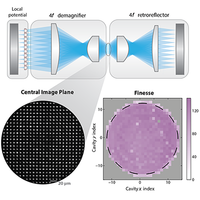
Phys. Rev. X 16, 041009 (2026)
Theory of Out-of-Time-Ordered Transport
Article | | 2026-10-08 06:00 EDT
Ruchira Mishra, Jiaozi Wang, Silvia Pappalardi, and Luca V. Delacrétaz
Researchers establish an effective field theory capturing late-time out-of-time-order correlators to uncover hidden transport parameters.
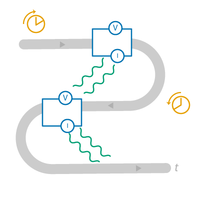
Phys. Rev. X 16, 041010 (2026)
arXiv
Magnetic localization and spectral asymmetry of a charged particle at a screw dislocation
New Submission | Mesoscale and Nanoscale Physics (cond-mat.mes-hall) | 2026-10-09 20:00 EDT
Claudio Furtado, Omar Mustafa, Hassan Hassanabadi, Abdullah Guvendi
We study a charged particle moving outside a spiral (screw) dislocation in a uniform magnetic field. Although the geometry is locally Euclidean, its global screw identification couples the conserved axial and azimuthal quantities through the combination (\mathcal{J}=\ell-\beta k) After eliminating the cyclic coordinates, the radial motion is governed by an inverse-square term determined by $ \mathcal{J}$ and a harmonic confining term generated by the magnetic field. The corresponding reduced quantum problem is exactly solvable for $ q\mathcal{B}_0\neq0$ , yielding an equally spaced spectrum with an orientation-dependent energy shift. The radial probability density depends on $ \mathcal{J}$ , and opposite values of the screw-modified quantum number have identical spatial profiles but different energies for a fixed magnetic-field orientation. The radial size scales as (\sqrt{\langle r^2\rangle_n}\propto |q\mathcal{B}_0|^{-1/2}), with the magnetic length setting the localization scale. At $ q\mathcal{B}_0=0$ , the confining term vanishes, and the problem reduces to a scale-free inverse-square system. Thus, the screw parameter enters the dynamics through the global coupling of the conserved axial and azimuthal quantities, whereas the magnetic field provides radial confinement and its orientation determines the spectral asymmetry.
Mesoscale and Nanoscale Physics (cond-mat.mes-hall), Classical Physics (physics.class-ph), Quantum Physics (quant-ph)
18 pages, 5 figures
Axiomatic Incompatibility Between Thermal Equilibrium and Volume-Dependent Entropy in Ideal Gas Theory
New Submission | Statistical Mechanics (cond-mat.stat-mech) | 2026-10-09 20:00 EDT
A rigorous macroscopic analysis of classical thermodynamics reveals an overlooked contradiction at the foundations of ideal gas theory: the traditional volume dependent formula for entropy violates the fundamental axiom of thermal equilibrium during reversible isothermal processes. This paper resolves this inconsistency by establishing a strict operational distinction between strictly isothermal and quasi isothermal processes. We show that in order for the perfect gas to be strictly consistent with the laws of classical thermodynamics, the thermodynamic entropy of a perfect gas must be a function of temperature only. This independence of volume is also confirmed by a new analysis of the adiabatic free expansion of an ideal gas, which is found to be intrinsically reversible. To reconcile these results with standard thermodynamic practice, we introduce the concept of a pseudo isothermal process (a finite sequence of small adiabatic and isochoric steps) and show that the classical equations for work and heat apply rigorously to these real processes, as opposed to strictly isothermal ones. We conclude by discussing the profound implications of these findings for statistical mechanics, showing that while the corrected thermodynamic entropy is in perfect agreement with Maxwell’s kinetic theory, it is essentially different from the Planck Boltzmann formula. Thus, thermodynamic entropy and statistical microstate counting are two different physical quantities, and the present analysis provides a simple way to free classical thermodynamics from the paradoxes of microscopic disorder.
Statistical Mechanics (cond-mat.stat-mech), Classical Physics (physics.class-ph)
21 pages, 1 figure
Efficiency fluctuations in quantum heat engines with non-quasi-static adiabatic strokes
New Submission | Statistical Mechanics (cond-mat.stat-mech) | 2026-10-09 20:00 EDT
Bikram Keshari Behera, Shyamal Biswas
We have presented an analytical and numerical study of efficiency fluctuations in quantum Carnot and Otto engines with pistons operating under non-quasi-static adiabatic expansion and compression processes at constant speed, along with quasi-static isothermal (for the Carnot engine) or isochoric processes (for the Otto engine). We have considered the two-point measurement scheme during the adiabatic strokes in this regard. By considering each of the pistons as a single quantum particle in a 1-D box with a non-quasi-statically movable boundary, we capture the stochastic nature of the work output resulting from the unitary evolution of the quantum mechanical state of the system during non-equilibrium processes. Furthermore, we have explicitly shown how the piston speed during quantum non-equilibrium strokes introduces additional quantum fluctuations that modify the average efficiency of both the engines.
Statistical Mechanics (cond-mat.stat-mech), Quantum Gases (cond-mat.quant-gas)
11 pages, 6 figures
Theory of Topologically Ordered Superfluids in 2+1 Dimensions
New Submission | Strongly Correlated Electrons (cond-mat.str-el) | 2026-10-09 20:00 EDT
Topologically ordered superfluids (TOSFs) support deconfined, gapped anyonic excitations while remaining gapless because of Goldstone modes. We develop a general framework for characterizing their topological data in $ (2+1)$ -dimensional bosonic systems with spontaneously broken charge $ {\rm U}(1){\rm c}$ symmetry. Gauging $ {\rm U}(1){\rm c}$ maps a TOSF to a gapped topological order enriched by a dual $ {\rm U}(1){\rm dual}$ symmetry with vanishing Hall conductance, while gauging $ {\rm U}(1){\rm dual}$ recovers the TOSF. This two-way mapping allows the topological data of the TOSF, including the condensate charge, deconfined anyon content, and topological properties of vortices, to be systematically encoded using the algebraic framework of symmetry-enriched topological orders. In particular, superfluid vortices share the topological properties of flux defects associated with the residual discrete symmetry in the gapped anyon sector. We develop complementary algebraic and field-theoretic formulations of this framework, with the latter also suggesting a natural transition to a gapped topologically ordered phase. Additionally, using parton constructions, we present examples of TOSFs with non-Abelian vortices in bosonic systems.
Strongly Correlated Electrons (cond-mat.str-el), Superconductivity (cond-mat.supr-con), High Energy Physics - Theory (hep-th)
12 pages, 1 figure
SC$^\sharp$: superconductivity intertwined with topological order
New Submission | Strongly Correlated Electrons (cond-mat.str-el) | 2026-10-09 20:00 EDT
Zhi-Qiang Gao, Yan-Qi Wang, Hui Yang, Zhaoyu Han, Ashvin Vishwanath
Superconductivity and intrinsic topological order can intertwine in ways that go beyond simple coexistence. Here we develop a classification framework for (2+1)D gapped superconductors with condensate charge $ 2ne$ . By focusing on the topological properties of superconducting vortices, we precisely characterize this interplay. We obtain a classification with increasing levels of intertwinement, from the well known invertible superconductors without topological order, to untwisted and twisted SC$ ^\ast$ , and finally to SC$ ^{\sharp}$ . Our main finding is the family SC$ ^{\sharp}$ , in which the elementary vortex carrying $ h/(2ne)$ flux cannot be factorized into an invertible superconductor vortex dressed by bulk anyons, and every elementary vortex is necessarily non-Abelian. For such phases, we also obtain no-go results: the elementary vortex sector has quantum dimension at least $ \sqrt{6}$ and cannot satisfy Fibonacci fusion rules. We develop a systematic algebraic framework to obtain all these superconducting phases through anyon condensation, allowing us to construct several infinite families of examples and make connections to anyon superconductivity. Finally, we introduce primitive SC$ ^\sharp$ phases for which factorization of every nontrivial vortex sector is obstructed, and argue that they cannot arise by disordering the relative phases of lower-charge superconducting condensates. Our classification scheme based on vortex properties allows us to uncover new distinctions between topologically ordered superconductors and constrain how they can be realized.
Strongly Correlated Electrons (cond-mat.str-el), Mesoscale and Nanoscale Physics (cond-mat.mes-hall), Statistical Mechanics (cond-mat.stat-mech), Superconductivity (cond-mat.supr-con), Mathematical Physics (math-ph)
15+10 pages, 1+0 figures
Spin Chain with Continuous Exponential Symmetry: Topological Phase and Beyond
New Submission | Strongly Correlated Electrons (cond-mat.str-el) | 2026-10-09 20:00 EDT
We study symmetric gapped ground states of one-dimensional spin $ S$ chains with a continuous exponential symmetry $ U(1)\rtimes\mathbb Z_2$ with integer base $ q$ , where the U(1) charge has a modulated unit of charge $ q^{L-j}$ decaying exponentially with site $ j$ . The simplest model is a quantum breakdown model that can be viewed as a $ q$ -deformation of the XXZ Haldane spin chain. We show that the topology of their symmetric ground states crucially depends on $ S$ and $ q$ . For integer $ S$ , odd $ q$ allows a nontrivial $ \mathbb Z_2$ Haldane-type symmetry-protected topological (SPT) phase with protected edge modes, while even $ q$ allows no nontrivial SPT phase. For half-odd integer $ S$ , odd $ q$ prohibits any unique symmetric gapped ground state due to a Lieb-Schultz-Mattis obstruction, whereas even $ q$ enforces a novel symmetric gapped phase which we name as the ``half-SPT” phase. Unconventionally, the half-SPT phase only has a symmetry protected edge mode on one edge, and has half of the string orders of an SPT phase. Our results uncover a new type of symmetry-protected gapped phases beyond existing classification schemes.
Strongly Correlated Electrons (cond-mat.str-el), Mesoscale and Nanoscale Physics (cond-mat.mes-hall), Quantum Gases (cond-mat.quant-gas), Quantum Physics (quant-ph)
6+2+2 pages
Competing symmetry breaking and topology in quantum spin chains
New Submission | Strongly Correlated Electrons (cond-mat.str-el) | 2026-10-09 20:00 EDT
Anthony Rey, Ömer M. Aksoy, Claudio Chamon, Akira Furusaki, Christopher Mudry
We investigate how spontaneous symmetry breaking and symmetry-protected topology compete and cooperate in one-dimensional quantum spin-1/2 systems. We introduce two families of local Hamiltonians with $ \mathbb{Z}^{,}{2}\times\mathbb{Z}^{,}{2}\times\mathbb{Z}^{T}{2}$ symmetry which host a zoo of broken-symmetry phases with and without gapless boundary spins, namely, six long-range-ordered gapped phases that differ by their $ \mathbb{Z}^{,}{2}$ -symmetry-breaking patterns (FM$ ^{,}{x,y,z}$ and Neel$ ^{,}{x,y,z}$ ), their partner symmetry-protected topological phases (FM$ ^{\mathrm{SPT}}{x,y}$ and Neel$ ^{\mathrm{SPT}}{x,y}$ ), and two gapless phases (gFM$ ^{,}{z}$ and gNeel$ ^{,}{z}$ ) with incommensurate $ \mathbb{Z}^{T}{2}$ -breaking magnetic long-range order and central charge $ \mathsf{c}=1$ . Direct transitions between competing gapped phases can be continuous or weakly first order. We demonstrate that continuous phase transition lines have exotic critical properties. For example, a line of deconfined quantum critical points (between the Neel$ ^{,}{x}$ and Neel$ ^{,}{y}$ phases) described by Tomonaga-Luttinger liquid theory is terminated by the gFM$ ^{,}{z}$ phase at a Lifshitz tricritical point which exhibits spontaneous breaking of the continuous U(1) symmetry despite the locality and one-dimensionality of the Hamiltonian, contrary to a naive expectation from the Hohenberg-Mermin-Wagner-Coleman theorem. Furthermore, critical lines between symmetry-protected topological phases with different $ \mathbb{Z}^{,}{2}$ -symmetry breaking (e.g., Neel$ ^{\mathrm{SPT}}{x}$ and Neel$ ^{\mathrm{SPT}}_{y}$ ) additionally retain low-energy boundary degrees of freedom, realizing symmetry-enriched criticality (or a gapless SPT phase). Our results reveal unconventional mechanisms by which competing symmetry breaking and topology generate ordered critical phases and multicriticality.
Strongly Correlated Electrons (cond-mat.str-el)
97 pages, 37 figures
Millisecond phonon lifetimes in piezoelectric nanomechanical resonators
New Submission | Mesoscale and Nanoscale Physics (cond-mat.mes-hall) | 2026-10-09 20:00 EDT
Oliver A. Hitchcock, Matthew P. Maksymowych, Kaveh Pezeshki, Takuma Makihara, Erik Szakiel, Chou-Wei Kiang, Daniel Rugar, Amir H. Safavi-Naeini
Piezoelectric nanomechanical resonators operating at gigahertz frequencies are a promising platform for quantum information processing and precision sensing, but phonon lifetimes have been limited to the microsecond range, widely attributed to the higher intrinsic loss of piezoelectric materials. Here we show that this limitation is not fundamental. Using a fabrication process informed by recent studies of defect-mediated loss in lithium niobate, we combine chemical restoration of ion-milled surfaces with a shadow-mask metallization process to produce lithium niobate phononic crystal resonators with inferred internal phonon lifetimes of up to 21 milliseconds at 3.6 gigahertz, corresponding to quality factors exceeding $ 4\times10^8$ ($ f\cdot Q_i > 10^{18}$ ) at millikelvin temperatures. By systematically varying the electrode-to-resonator spacing, we demonstrate that the measured lifetime is set by external coupling between the device and the measurement circuit rather than material loss. This establishes that lithium niobate, once fabrication-induced surface damage is removed, achieves an intrinsic quality comparable to the best mechanical materials while remaining an intrinsically piezoelectric platform with strong electromechanical coupling.
Mesoscale and Nanoscale Physics (cond-mat.mes-hall), Applied Physics (physics.app-ph), Quantum Physics (quant-ph)
17 pages, 3 main figures, 8 appendix figures
Symmetric Mode Ansatz: Theory of Magnon Collective Modes in Chern Insulators
New Submission | Strongly Correlated Electrons (cond-mat.str-el) | 2026-10-09 20:00 EDT
Miguel Gonçalves, Jonah Herzog-Arbeitman, Juan Felipe Mendez-Valderrama, Andreas Feuerpfeil, B. Andrei Bernevig, Nicolas Regnault
Moiré materials host integer and fractional Chern insulators (FCIs) where time-reversal is broken spontaneously by flat band ferromagnetism. In twisted MoTe2, unlike in quantum Hall, opposite spins carry opposite Chern numbers and realize Ising ferromagnetism with gapped magnon excitations. Clarifying the nature of these collective modes and the origin of the magnon gap is key to understanding the stability of the Chern magnets in these materials. To do so, we develop a generalized single-mode approximation, which we call the symmetric mode ansatz (SyMA), to describe the low-energy magnon spectrum. We find it to be in exceptional agreement with numerical calculations at integer filling, and qualitatively accurate across fractional fillings including FCIs. To explain the accuracy of the SyMA, we present two families of Hubbard models (including the Haldane model and continuum ideal bands) whose collective modes are analytically solvable and for which the SyMA is either exact or an accurate approximation. For a class of these models where SyMA is exact, we prove two-sided bounds on the zero-momentum magnon gap in terms of the Chern number, Berry curvature, and quantum metric, revealing that uniform quantum geometry is sufficient for stabilizing magnetism in Chern bands.
Strongly Correlated Electrons (cond-mat.str-el), Mesoscale and Nanoscale Physics (cond-mat.mes-hall), Materials Science (cond-mat.mtrl-sci)
Beyond Dry Flocking: Shape-Dependent Hydrodynamic Alignment
New Submission | Soft Condensed Matter (cond-mat.soft) | 2026-10-09 20:00 EDT
Abhishek Thakur, Taniya Khatun, Soumyadeep Kundu, Nitin Kumar, P. Parmananda, Anirban Sain
Flocking results from dynamical alignment among neighbors in a collection of active self-propelling objects. The intervening medium, typically a fluid, however, is not considered to be important for alignment, except for acting as a momentum sink. The flocking system is therefore described as momentum nonconserving “dry” active matter. Here we investigate a confined system of self-propelled Marangoni swimmers where feedback from the fluid medium, which crucially depends on the shape of the swimmers, influences their alignment. Using up to thirty partially camphor-coated triangular paper boats as polar swimmers, we uncover a disorder-to-order transition, and an unusual re-entrant order-to-disorder transition, as functions of camphor concentration and swimmer density, respectively. We reproduce these transitions by formulating a reaction-diffusion model for the camphor field, coupled to the swimmer dynamics, where propulsion forces arise from surface tension gradients. The shape-dependent hydrodynamic interaction discussed here could be central to efficient flocking in living organisms too.
Soft Condensed Matter (cond-mat.soft)
Cooper Instability of a Magnetic Wigner Crystal
New Submission | Strongly Correlated Electrons (cond-mat.str-el) | 2026-10-09 20:00 EDT
Recent scanning tunneling microscopy has directly imaged electronic crystals in rhombohedral hexalayer graphene, and magnetotransport measurements suggest that superconductivity and charge-density-wave order emerge from a common spin-valley-polarized ferromagnetic metal at nearby carrier densities. Motivated by these observations, we ask whether collective modes in a magnetic Wigner crystal can mediate pairing in this setting. We address this question by studying the Cooper problem for two electrons in the first conduction band of the Wigner crystal. Unlike conventional phonon-mediated pairing, the collective mode (boson) energies and single-particle (fermion) dispersion are comparable scales controlled by the electron density, leaving no small parameter for an adiabatic expansion. Moreover, because the magnetic Wigner crystal is not time-reversal invariant, the usual Cooper logarithmic divergence in the pairing susceptibility is absent, so the attraction must exceed a finite threshold for pairing to occur. These unusual features motivate a numerical experiment to see whether the crystal’s own vibrations can bind electrons. We obtain the crystalline ground state and its collective mode spectrum within Hartree–Fock and time-dependent Hartree–Fock approximation, and derive the electron–phonon Hamiltonian using the quasiboson approximation. Solving the resulting two-electron problem, we find that phonon-mediated attraction exceeds the pairing threshold, with chiral $ p$ -wave pairing as the leading instability. Within these approximations, we show that collective modes of a Wigner crystal can indeed favor chiral pairing despite broken time-reversal symmetry. Our results provide an encouraging starting point for developing a full many-body theory to study electronic crystallization and superconductivity.
Strongly Correlated Electrons (cond-mat.str-el)
All comments are welcome
Quantum simulation of material-specific Hubbard models with alkaline-earth atoms
New Submission | Quantum Gases (cond-mat.quant-gas) | 2026-10-09 20:00 EDT
Henning Schlömer, Reuben R. W. Wang, Bo Xing, Susanne F. Yelin, H. R. Sadeghpour
A long-term goal of quantum simulation is to faithfully reproduce the low-energy Hamiltonians of correlated quantum materials, establishing a direct connection between solid-state experiment, electronic-structure theory, and programmable many-body systems. Here, we introduce an integrated quantum-simulation architecture based on fermionic alkaline-earth atoms that enables programmable control over the key ingredients of multi-orbital material Hamiltonians. Long-lived clock states encode synthetic orbitals, their differential polarizabilities generate orbital-selective tunneling, and contact interactions provide multi-orbital Hubbard and Hund couplings. Spatially structured coherent driving on the ultra-narrow clock transition further realizes symmetry-selective inter-orbital hybridization, while the clock detuning independently controls orbital energy offsets. In this way, the spatial symmetries of solid-state orbitals can be encoded directly into the effective Hamiltonian, even though the atoms themselves remain in conventional $ s$ -wave Wannier orbitals of the lowest optical-lattice bands. We demonstrate the resulting integrated control using the four-band low-energy Hamiltonian of the bilayer nickelate La$ _3$ Ni$ _2$ O$ _7$ as a demanding benchmark. Self-consistent calculations show that the microscopic parameters obtained from first-principles modeling can be reproduced within a single experimentally accessible lattice configuration and independently programmed over substantial parameter ranges. Our results establish a general route for translating material-derived multi-orbital Hamiltonians into programmable ultracold-atom quantum simulators.
Quantum Gases (cond-mat.quant-gas), Strongly Correlated Electrons (cond-mat.str-el), Atomic Physics (physics.atom-ph), Quantum Physics (quant-ph)
Resolving the interfacial mechanical landscape of monolayer NbSe2 grown by confined epitaxy
New Submission | Materials Science (cond-mat.mtrl-sci) | 2026-10-09 20:00 EDT
Confined epitaxy has recently emerged as a novel methodology for controlled growth of high-quality monolayer two-dimensional (2D) materials. However, mechanistic understanding remains limited to analysing nucleus adsorption and diffusion barriers. Here, I discover that van der Waals (vdW) confinement not only affects the specific adsorption and diffusion of nuclei on confined substrates but also induces strong coupling to atomic forces at the interface. Using artificial intelligence (AI) assisted density functional theory (DFT) calculations, I study how vdW confinement couples to the atomic motion of monolayer NbSe2 grown between c-plane sapphire and hexagonal boron nitride (h-BN). The calculated force-electronic landscape yields large mechanical forces of +0.070 and -0.04 eV per Angstrom on Nb and Se, respectively, giving rise to a unit-cell interfacial interaction energy up to 2.4 eV, comparable to reported adsorption and diffusion energies on similar substrates. The results indicate that interfacial mechanics may explain the success of confined epitaxy. The findings suggest that tuning interfacial mechanics, and related vdW mechanochemistry, could be a promising route to high-throughput, high-quality materials synthesis.
Materials Science (cond-mat.mtrl-sci)
Hydrodynamic Anomalous Hall Effect in a Two-Dimensional Dirac Fluid
New Submission | Mesoscale and Nanoscale Physics (cond-mat.mes-hall) | 2026-10-09 20:00 EDT
In ultraclean conductors, electron-electron collisions can make transport hydrodynamic. In a Berry-curved band, these collisions can also produce two-particle coordinate shifts, which contribute to the anomalous Hall current in the presence of a transport electric field. We develop a kinetic theory of this contribution for a two-dimensional massive Dirac Fermi liquid with weak contact interactions and weak short-range disorder. The computed response is independent of interaction strength at leading Born order. Its contribution to the anomalous Hall conductivity is comparable to the thermal correction to the intrinsic anomalous Hall conductivity. The existence of the momentum zero mode of the electron-electron collision integral leads to a nontrivial frequency dependence of the anomalous Hall response considered in this work. In particular, the limits of vanishing frequency (dc) and vanishing disorder do not commute. In the dc limit, the momentum response to the transport field grows inversely with the momentum relaxation rate. This allows arbitrarily weak, energy-dependent impurity scattering to produce a finite correction by coupling conserved momentum to the modes relaxed by electron-electron scattering. This correction disappears when the clean limit is taken before the zero-frequency limit. As a result, the interaction-induced Hall response retains information about the mechanism of momentum relaxation even as the overall disorder strength tends to zero.
Mesoscale and Nanoscale Physics (cond-mat.mes-hall)
19 pages, 4 figures
Gauging Modulated Symmetries: Bond Algebras, Higher-Form Symmetries, and Symmetry-Enriched Topological Order
New Submission | Strongly Correlated Electrons (cond-mat.str-el) | 2026-10-09 20:00 EDT
Gustavo M. Yoshitome, Pedro R. S. Gomes, Guilherme Delfino
We develop a constructive framework for characterizing modulated symmetries and their gauging in $ d$ -dimensional lattice systems. The modulation profiles are organized as a finite-dimensional representation of the space group acting on a finite Abelian internal symmetry group. Since the corresponding automorphism group is finite, the nontrivial spatial action factors through a finite quotient of the space group, leading to periodic modulation patterns and providing a classification framework for discrete Abelian modulated symmetries. The symmetry-allowed local interactions are systematically obtained from a kernel construction, which also yields an algebra of open operators. Upon gauging, its elements are transmuted into extended Wilson and boundary operators while retaining their algebraic relations. In the deconfined regime, the resulting algebra realizes a mixed ‘t Hooft anomaly, providing a microscopic route to Abelian crystalline symmetry-enriched topological phases (SETs). These SETs do not mix electric and magnetic sectors, which transform in mutually contragredient representations, thereby preserving their braiding pairing. We illustrate the framework through explicit examples and show that several models present in the literature fit naturally within our construction.
Strongly Correlated Electrons (cond-mat.str-el), High Energy Physics - Theory (hep-th)
50 pages, 5 figures
Supercurrent as a bulk probe for topological phase
New Submission | Superconductivity (cond-mat.supr-con) | 2026-10-09 20:00 EDT
Tatiana de Picoli, Ian Wojtowicz, Jukka I. Vayrynen
Distinguishing trivial from topological superconducting phase remains a central and contested experimental challenge, since most existing probes infer the bulk phase transition indirectly, from boundary signatures that can be sensitive to local physics. Here, we propose an alternative that probes the bulk topological phase and is based on supercurrent response. We study a one-dimensional Rashba spin-orbit-coupled superconducting nanowire with an applied magnetic field that opens a topological gap. We show that for strong spin-orbit coupling, the superfluid stiffness, and consequently the supercurrent, is suppressed by a factor of two inside the topological phase, producing a non-monotonic signature of the bulk phase transition as a function of chemical potential. We further use a low-energy helical model to understand this suppression analytically. Our results show that the bulk topological phase transition can be detected through kinetic inductance measurements.
Superconductivity (cond-mat.supr-con)
Hierarchical Relaxation in Large-twist-angle Moire Drives Supermoire Formation
New Submission | Materials Science (cond-mat.mtrl-sci) | 2026-10-09 20:00 EDT
Chuqiao Shi, Giovanny Espitia, Yanxing Li, Yi Jiang, Yiyuan Luo, Xu Qi, Kaiwen Yang, Xiaohui Liu, Xiaoqin Li, Chih-Kang Shih, Mit H. Naik, Yimo Han
Supermoire lattices in large-angle twisted bilayers have recently been shown to emerge from periodic arrangements of commensurate stacking motifs, yet the microscopic structural mechanism governing their formation has remained unresolved. Here, we uncover the microscopic origin of supermoire order as a hierarchical lattice relaxation process. Combining force-field simulations with experimental validation via super-resolution, layer-resolved multislice electron ptychography, our results identify interlayer Se-Se repulsion at the picometer scale as the driving force, giving rise to coupled short-range (about 1 nm) moire relaxation and coexisting long-range (about 10 nm) supermoire modulation. These findings demonstrate that even picometer-scale lattice relaxation remains critical in large-angle moire systems and must be explicitly considered in understanding their emergent electronic and quantum phenomena.
Materials Science (cond-mat.mtrl-sci)
Amplitude mode in Eliashberg superconductors
New Submission | Superconductivity (cond-mat.supr-con) | 2026-10-09 20:00 EDT
Maxim Dzero, Emil A. Yuzbashyan
In the BCS theory of superconductivity the amplitude (Higgs) mode is degenerate with the pair-breaking threshold: its frequency coincides with $ 2\Delta$ , so it is an edge singularity rather than a true collective mode. This is why after a sudden weak perturbation at $ t=0$ its oscillations decay algebraically as $ 1/\sqrt{t}$ . We show that the retardation effects due to the phonon dynamics in the strong-coupling theory lift this degeneracy. The Higgs mode detaches from the pair-breaking edge $ 2\Delta_g$ , set by the spectral gap, and becomes a sharp subgap excitation. We determine its frequency from the longitudinal pair susceptibility evaluated directly on the real frequency axis, using the Eilenberger equations for Migdal–Eliashberg theory with the Einstein phonon spectrum. The response of the mass renormalization supplies at least two fifths of the displacement, and possibly all of it: with it switched off, the binding falls below the resolution of the calculation. Its consequences, however, are significant because a percent-level shift transfers about a quarter of the spectral weight of the amplitude channel out of the two-quasiparticle continuum into a discrete energy level. What experiment sees is therefore not the displacement itself but its consequence: amplitude oscillations that persist instead of decaying as $ 1/\sqrt{t}$ .
Superconductivity (cond-mat.supr-con), Strongly Correlated Electrons (cond-mat.str-el)
39 pages, 8 figures
EPR as a probe for the mechanisms of chirality-induced spin selectivity in photoinduced charge transfer
New Submission | Mesoscale and Nanoscale Physics (cond-mat.mes-hall) | 2026-10-09 20:00 EDT
Arianna Cantarella, D. K. Andrea Phan Huu, Paolo Santini, Michael R. Wasielewski, Alessandro Chiesa, Stefano Carretta
Several models for chirality-induced spin selectivity (CISS) in charge transfer have been proposed, but rarely compared directly with experiments. This step is essential for their validation and future progress of the field. Here we investigate a broad class of radical pair states associated with different microscopic models by computing the related electron-paramagnetic resonance spectra. This allows us to evidence peculiar signatures of different radical pair states, to study their experimental accessibility and identify conditions to verify proposed microscopic models.
Mesoscale and Nanoscale Physics (cond-mat.mes-hall)
Ceramic Materials: From Atomic Bonding and Processing to Microstructure, Functional Properties, and Biomedical Applications
New Submission | Materials Science (cond-mat.mtrl-sci) | 2026-10-09 20:00 EDT
Jairo Rondon, Juan Valera, Alex Velez Cruz, Irela Perez Magin
Ceramic materials are inorganic, predominantly nonmetallic solids whose performance is governed by the interplay among atomic bonding, crystal structure, processing, microstructure, and functional properties. Their ionic and covalent bonding provides high hardness, thermal and chemical stability, wear resistance, and diverse electrical behavior, but also limits plastic deformation and increases sensitivity to flaws, porosity, grain boundaries, and residual stresses. This review examines ceramics through the processing–microstructure–property–performance relationship, emphasizing the effects of crystal chemistry, defects, grain size, porosity, and phase stability on mechanical, thermal, electrical, and biological behavior. Conventional sintering, sol–gel processing, and additive manufacturing are discussed as key routes for controlling densification, porosity, geometry, and composition. Biomedical ceramics, including alumina, zirconia, calcium phosphates, hydroxyapatite, tricalcium phosphate, and bioactive glasses, are also reviewed. Emerging topics include nanoceramics, smart ceramics, composites, multimaterial manufacturing, defect engineering, immunomodulatory bioceramics, and sustainable processing. Major challenges remain in brittle fracture, processing heterogeneity, degradation control, scale-up, and the porosity–strength trade-off. Future advances will require integrating advanced manufacturing, multiscale characterization, predictive modeling, and data-driven design.
Materials Science (cond-mat.mtrl-sci), Biological Physics (physics.bio-ph)
9 pages
Data driven screening of CaCu$_5$-type magnetic structures
New Submission | Materials Science (cond-mat.mtrl-sci) | 2026-10-09 20:00 EDT
Nabaraj Pokhrel, Sheila Whitman, David S. Parker
We develop a machine learning assisted workflow for the rapid screening of permanent magnet candidates within the CaCu$ _5$ structure family. We generated more than 60,000 structures through substitutions. These compositions were screened using a combination of pretrained materials models, Materials Project data, and a machine-learning model for magnetization prediction. Four criteria, namely, metallicity, negative formation energy, energy above the convex hull $ \leq 50$ ~meV/atom, and predicted magnetization above the adopted $ \geq 0.75$ ~T threshold reduced the initial chemical space to 439 candidates for first-principles calculations. Density functional theory calculations revealed that 159 compounds exhibit positive axial magnetic anisotropy energy, favoring [001] over the tested in-plane directions. The resulting dataset reveals chemical trends in magnetic anisotropy across the CaCu$ _5$ compositional space and provides a set of candidates for further investigation. More broadly, this work demonstrates a practical strategy for combining existing machine learning models with first-principles calculations to systematically reduce large chemical spaces to tractable sets for computationally intensive materials screening.
Materials Science (cond-mat.mtrl-sci)
A nonclassical law of the wall in superfluid helium-4
New Submission | Other Condensed Matter (cond-mat.other) | 2026-10-09 20:00 EDT
Mikai Hulse, Musfequs Salehin, Sosuke Inui, Wei Guo
The logarithmic law of the wall is one of the most robust scaling laws of classical turbulence, yet whether it survives in a quantum fluid such as superfluid $ ^4$ He (He II) remains unknown. At a solid wall, the viscous normal-fluid and inviscid superfluid components of He II obey fundamentally different boundary conditions, yet their motions can be coupled through quantized vortices. How these competing effects organize the near-wall flow remains an open question in quantum-fluid hydrodynamics. Here we visualize the near-wall velocity field in mechanically driven He II pipe flows at Reynolds numbers up to $ 1.26\times10^6$ using molecular tagging velocimetry and independently determine the wall shear stress from pressure-drop measurements. We find that the normal-fluid velocity develops a robust logarithmic profile, showing that a law-of-the-wall description persists despite the two-fluid nature of He II. Strikingly, however, the resulting wall law is distinctly nonclassical: the effective Kármán constant is less than half its classical value and remains nearly unchanged across the temperature range studied. This invariance, despite substantial changes in the relative fractions of the two components, indicates strong dynamical coupling between them. These results not only reveal how a universal law of classical turbulence is transformed by quantum hydrodynamics, but also provide valuable guidance for the design and operation of cryogenic cooling systems involving He II transport.
Other Condensed Matter (cond-mat.other), Fluid Dynamics (physics.flu-dyn)
9 pages, 4 figures
Band Tail States: Speed Bump or End of the Road for Two-Dimensional Semiconductors?
New Submission | Materials Science (cond-mat.mtrl-sci) | 2026-10-09 20:00 EDT
Zherui Han, Robert K. A. Bennett, Davide Donadio, Maritha A. Wang, Tara Peña, Mikaël Cassé, Martin Vanbrabant, Valeriya Kilchytska, Jean-Pierre Raskin, Eric Pop
We propose that the path to realizing the full potential of two-dimensional (2D) electronics lies in understanding and mastering their energy band tail states (BTS). Unlike silicon, which benefits from sharp band edges (Urbach energy $ E_\rm U$ ~ 10 meV), today’s monolayer 2D semiconductors have rough band edges ($ E_\rm U$ ~ 100 meV) caused by spatial potential inhomogeneity. Comparing a physics-based electrical model to experiments, we demonstrate that BTS cause reduced effective mobility and “slow” transistor turn-on with excessive gate voltage in monolayer 2D transistors, which sets a fundamental limit for their energy-efficient operation. We also show that BTS effects in 2D transistors could be mitigated with higher gate capacitance, with strain engineering, and by using bilayer instead of monolayer 2D channels, as long as $ E_\rm U$ is reduced below ~ 50 meV. This work provides a theoretical framework and design guidelines to navigate these fundamental limits, and to enable successful integration of 2D semiconductors into low-power nanoelectronics.
Materials Science (cond-mat.mtrl-sci), Mesoscale and Nanoscale Physics (cond-mat.mes-hall)
Reading Altermagnetic Domains with Photon Drag
New Submission | Mesoscale and Nanoscale Physics (cond-mat.mes-hall) | 2026-10-09 20:00 EDT
Sayed Ali Akbar Ghorashi, Andrew M. Rappe
Finite photon momentum allows second-order photocurrents in centrosymmetric space groups, where the conventional bulk photovoltaic effect is forbidden. Here we study the photon-drag response of altermagnets and show that its angular dependence reveals both the symmetry of the magnetic order and the Néel domain of the sample. For example, when a crystal rotation exchanges the two domains, the domain-even and domain-odd parts of the current appear in different angular harmonics, $ 4n$ and $ 4n+2$ for tetragonal $ d$ -wave altermagnets, so that two measurements rotated by $ 90^\circ$ on a single domain isolate the domain-odd current. We also find that these microscopic contributions exhibit opposite domain parities depending on light polarization. Under linear light, only the shift term is domain odd, while under circular light, the domain-odd channel switches to the injection, Fermi-surface, and contact principal-value terms. Mirror symmetries fix the angular phase of each harmonic and distinguish $ d_{x^2-y^2}$ , $ d_{xy}$ , and $ g$ -wave order. In contrast, conventional collinear antiferromagnets show no domain-odd photon-drag current, and in tetragonal ferromagnets the two parts share the same harmonics. Although the altermagnetic spin splitting does not require spin-orbit coupling (SOC), SOC is essential to observe the domain-odd charge current. Our work uncovers distinct signatures of altermagnetism in photon drag and provides a route to all optical magnetic readouts of altermagnets.
Mesoscale and Nanoscale Physics (cond-mat.mes-hall), Materials Science (cond-mat.mtrl-sci), Strongly Correlated Electrons (cond-mat.str-el)
Submitted, 2 Figures
A general framework for crystallization in maximal hard-core models
New Submission | Statistical Mechanics (cond-mat.stat-mech) | 2026-10-09 20:00 EDT
Alexander Barg, Qidong He, Geyang Wang
We study general maximal hard-core models on periodic lattice-type graphs. While for standard models, phase coexistence may arise for high activity, for maximal models this behavior may occur also for sufficiently low activity values. Relying on the concept of volume allocation, we develop a {\em unified set of assumptions} that imply the Peierls condition, a convergent cluster expansion for the partition function, and hence the conclusions of Pirogov-Sinai theory for this class of models. We further check these assumptions for a number of examples including standard lattice-type periodic graphs, proving crystallization for both high and low activity. We also derive estimates for the values of activity that bound the phase coexistence regions in the phase diagram, rewriting for this purpose the proof of a technical result in the derivation of Pirogov-Sinai theory.
Statistical Mechanics (cond-mat.stat-mech), Information Theory (cs.IT), Mathematical Physics (math-ph), Probability (math.PR)
33pages, 11 figures
Three-dimensional dopant distribution from a single, out-of-focus spectroscopic image
New Submission | Other Condensed Matter (cond-mat.other) | 2026-10-09 20:00 EDT
Michael Deimetry, Timothy Petersen, Matthew Weyland, Scott Findlay
Increasing miniaturization of nanoscale devices makes determining the three-dimensional distribution of dopants increasingly important. In out-of-focus spectroscopic scanning transmission electron microscopy images, we show that dopant atoms appear as disks with radii relating to dopant depth, allowing the three-dimensional distribution of dopants to be determined from simple geometric analysis of a single out-of-focus image. Through numerical experiments on Si-doped graphene we validate statistical detection and Bayesian inference methods to quantify confidence and uncertainties while making the analysis more robust at lower dose. We present proof-of-concept experimental data from an Fe-doped spinel, retrieving dopant depth to within around 2 nanometres.
Other Condensed Matter (cond-mat.other)
Bond-Switching Reconstruction in Bare Ti3C2 MXene
New Submission | Materials Science (cond-mat.mtrl-sci) | 2026-10-09 20:00 EDT
MXene properties are typically tuned through composition, surface termination, and intercalation, while the metal-carbon framework topology is considered fixed. Here, we demonstrate that this framework can reconstruct. Unconstrained relaxations of biaxially strained bare Ti3C2 yield a dynamically stable polymorph, N, featuring a 15-atom primitive cell, six distinct Ti-C bond classes, and 2.55 Å Ti-Ti pairs. The coherent transformation pathway crosses an 8.47 eV barrier per cell but first reaches another reconstructed minimum, N’, lying 1.08 eV below N, revealing a family of bond-switched networks. Phase N lies 7.58 eV per cell above the parent. Reverse barriers along the calculated pathway are 1.50 and 1.98 eV per cell for N and N’, respectively. Reconstruction quenches the parent spin polarization, yielding a nonmagnetic metal with a nearly fourfold increase in Fermi-level density of states. Bader and electron-localization analyses suggest charge redistribution from C toward Ti associated with Ti-Ti pairing. In multilayers, reconstructed layers form interlayer Ti-C bonds. A 10% biaxial tension halves the phase-energy difference, and pressure reverses phase ordering near 85 GPa. These results establish bond-switching reconstruction as a mechanically controllable structural degree of freedom in MXenes.
Materials Science (cond-mat.mtrl-sci)
7 pages, 5 figures
High-resolution mapping of the phase boundary of the honeycomb-lattice Blume–Capel ferromagnet
New Submission | Statistical Mechanics (cond-mat.stat-mech) | 2026-10-09 20:00 EDT
Eluiz C.M. Filho, Claudio J. DaSilva
We present a high-resolution numerical study of the spin-1 Blume–Capel ferromagnet on the honeycomb lattice ($ z=3$ ). Wang–Landau estimates of the joint density of states $ \Omega(E_1,E_2)$ , combined with field mixing, are used to map the first-order transition line and locate the tricritical point at $ (\Delta_t,T_t)=[1.4819(2),,0.4022(7)]$ . Histogram reweighting of Metropolis simulations for $ L=36$ and $ 48$ provides an independent consistency check, with a crossing temperature near $ 0.4039$ , compatible with the Wang–Landau extrapolation. From the field-mixing analysis we obtain $ r=-1.586(19)$ , while the slope of the multicanonical coexistence line yields the consistent and more precise estimate $ r=-1.587(5)$ . Normalizing by the zero-temperature field $ \Delta_0=zJ/2$ , the available honeycomb, square, triangular, and simple-cubic estimates cluster near $ r/\Delta_0\simeq-1.06$ , corresponding to a magnitude about $ 6%$ larger than the mean-field value $ -1$ ; no systematic dependence on coordination number or dimensionality is resolved over the range examined. Finite-size scaling of $ \sigma_Q$ gives $ y_t=1.795(7)$ , consistent with the tricritical Ising value $ 9/5$ , while the fourth-order cumulant scaling is compatible with $ y_g=4/5$ . Deep in the first-order regime, the cumulant approaches the expected two-phase limit $ U_Q\to2/3$ . Multicanonical simulations up to $ L=64$ , using weights constructed directly from the Wang–Landau density of states for $ L\le24$ and rescaled and refined for larger systems, yield an interface-tension exponent $ \mu=1.265(26)$ , consistent with the tricritical prediction $ (d-1)/y_g=5/4$ . Finally, we map the continuous branch of the phase boundary from the same density-of-states data, obtaining $ T_c(\Delta=0)=1.157$ ; estimates sufficiently close to the tricritical point are affected by crossover from Ising to tricritical scaling.
Statistical Mechanics (cond-mat.stat-mech)
Probing and Manipulating Quantum Materials with Strong-field Terahertz and Mid-infrared Radiation
New Submission | Strongly Correlated Electrons (cond-mat.str-el) | 2026-10-09 20:00 EDT
S. J. Li, H. Y. Wu, S. J. Zhang, Y. T. Li
Emergent phenomena in quantum materials arise from interactions among different degrees of freedom. Identifying these interactions and establishing their roles in ordered states are central problems in condensed-matter physics and provide a basis for controlling material properties. Many relevant low-energy excitations and gaps lie in the terahertz (THz) and mid-infrared (MIR) range, where intense phase-stable fields can both interrogate nonlinear dynamics and drive selected degrees of freedom far from equilibrium. This review surveys recent progress in probing and manipulating quantum materials with strong-field THz and MIR radiation, with emphasis on nonlinear electronic dynamics, collective-mode coupling, symmetry-sensitive responses and field-induced changes in electronic structure and ordered states. Particular attention is given to developments enabled by the Synergetic Extreme Condition User Facility (SECUF).
Strongly Correlated Electrons (cond-mat.str-el), Optics (physics.optics)
20 pages, 2 figures
Universal Drude Weights in One-dimensional Repulsive Fermi Gas
New Submission | Quantum Gases (cond-mat.quant-gas) | 2026-10-09 20:00 EDT
Xiangguo Yin, Dawei Niu, Shuang Zhang, Shizhong Zhang, Yunbo Zhang, Xi-Wen Guan
Building on the Bethe ansatz and generalized hydrodynamics, we rigorously establish universal relations between Drude weights governing charge, spin, and energy transport and thermodynamic properties for the one-dimensional repulsive two-component continuum Fermi gas - the paradigmatic integrable Yang-Gaudin model. We analytically derive thermodynamic expressions for charge Drude weights: $ D_{nn}$ , $ D_{nm}$ , $ D_{ne}$ (responses of particle, magnetization and energy currents to a chemical potential gradient) equal the particle density, magnetization, and temperature times entropy density, respectively. These relations constitute a hallmark of ballistic transport, and can be generalized to other 1D continuum integrable systems. Furthermore, we investigate spin Drude weight ($ D_{mm}$ , $ D_{me}$ ) at zero and low temperatures. They characterize the magnetization and energy current responses to a magnetic field gradient, revealing an essential spin-charge coupling feature in quantum transport. We find that the Drude weights $ D_{nm}$ , $ D_{mm}$ , and $ D_{me}$ across the $ \mu\text{-}H$ plane remarkably map out the zero-temperature phase boundary. This work fills a critical gap in the understanding of transport within integrable quantum gases and furnishes a direct theoretical foundation for future ultracold-atom experiments.
Quantum Gases (cond-mat.quant-gas)
36 pages, 9 figures
Cooperative STT and SOT switching in perpendicular magnetic tunnel junctions: Role of the pulse-end magnetization state
New Submission | Mesoscale and Nanoscale Physics (cond-mat.mes-hall) | 2026-10-09 20:00 EDT
Zeyi Zhu, Ding Ma, Kai Zhang, Mingwei Wu, Yi Huang, Jiarui Niu, Shuai Zhang, Mengdi Yin, Ka-San Mak, Lina Chen, Bo Liu, Tiejun Zhou, Yongbing Xu, Ronghua Liu
Spin–orbit torque MRAM (SOT-MRAM) is a leading candidate for next-generation nonvolatile memory, offering high speed, endurance, and architectural compatibility. However, in conventional SOT switching, the magnetization remains near the in-plane region at pulse termination, making the final state highly sensitive to post-pulse relaxation dynamics and prone to back-switching. To overcome this, we propose a field-free scheme in which the transverse SOT drives large-angle precessional excitation while the perpendicular spin-transfer torque (STT) biases the trajectory toward the reversed $ -z$ state. Micromagnetic simulations reveal a nonlinear switching boundary in the $ J_{\mathrm{STT}}$ –$ J_{\mathrm{SOT}}$ parameter space, originating from the distinct dynamical roles of the two torques: SOT primarily governs the excitation and crossing of the dynamical separatrix, whereas STT controls the terminal trajectory and final-state selection. An analytical macrospin model, based on the stability analysis of the current-induced equilibrium, reproduces the critical-boundary trends as functions of current density, Gilbert damping $ \alpha$ , and uniaxial anisotropy $ K_\mathrm{u}$ , and distinguishes dynamic anti-damping and static instability branches. Systematic analyses of pulse duration, damping, anisotropy, and the STT–SOT balance further demonstrate that reliable ultrafast switching requires not only sufficient excitation to cross the separatrix before pulse termination, but also precise control of the pulse-end magnetization state to minimize post-pulse relaxation. These results establish that the pulse-end state, rather than the instantaneous torque amplitude, is the decisive factor governing switching speed and reliability in coupled STT–SOT systems.
Mesoscale and Nanoscale Physics (cond-mat.mes-hall), Materials Science (cond-mat.mtrl-sci)
33 pages,6 figures
Light-induced interlayer spacing dynamics via orbital phonon coupling
New Submission | Materials Science (cond-mat.mtrl-sci) | 2026-10-09 20:00 EDT
Wenwen Mao, Hanbyul Kim, Angel Rubio, Dongbin Shin
Interlayer coupling controls the electronic properties of layered van der Waals transition metal dichalcogenides. We investigate light-induced control of the interlayer spacing through orbital-selective excitation in trilayer 1T’-WSe2 and 1T’-WS2. Real-time time-dependent density functional theory simulations show that the interlayer spacing contracts or expands depending on whether chalcogen p-orbital density is depleted from or accumulated in the interlayer region. Effective Lindblad models coupled to the lattice dynamics reproduce these contrasting responses with simplified dynamics. A single effective excited state captures the cosine-like displacive motion in trilayer 1T’-WSe2, whereas the shift of the equilibrium spacing in trilayer 1T’-WS2 requires two excited states with different electron-phonon couplings and relaxation channels. Static calculations at varied interlayer spacings indicate that these spacing changes modify the electronic gaps and could access different electronic phases. These results connect orbital redistribution, carrier relaxation, and interlayer breathing motion, and establish orbital-selective optical excitation as a route to tuning the electronic properties of layered materials.
Materials Science (cond-mat.mtrl-sci)
6figures
Giant Magnetization Enhancement at Ultrathin Limit of an Orthoferrite
New Submission | Materials Science (cond-mat.mtrl-sci) | 2026-10-09 20:00 EDT
Jin Young Oh, Yaolong Xing, Seung Gyo Jeong, Sehwan Song, Woo-suk Noh, Valeria Lauter, Seongjae Choi, Seyoung Kwon, Jaeha Choi, Si Won Kim, Hong Hyun Jeon, Heemin Lee, Cheng-Tai Kuo, Jun-Sik Lee, Chanyoung Lee, Yeonkyu Lee, Jeehoon Kim, Heung-Sik Kim, Sungkyun Park, Sang Ho Oh, Woo Seok Choi
Low-dimensional magnetic systems have received significant interest due to their high scalability and energy efficiency for future electromagnetic applications. However, low-dimensional magnetism at finite temperature is subject to Mermin-Wagner fluctuations, which make its realization highly challenging. Here, we propose structural modulation in the thin-film structure of an orthoferrite system to achieve a high low-dimensional magnetic response at room temperature. ErFeO3 epitaxial thin film with atomically precise thickness control demonstrates that the magnetic response at 300 K can be significantly enhanced compared to its bulk counterpart. The magnetic response reaches its maximum value of 3.7 MuB/f.u. for the 2 nm-thick epitaxial film. The characteristic domain structure resulting from epitaxial strain and orbital reconstruction at the surface, both arising from the thin film geometry, has been proposed as the microscopic origin of the giant magnetization enhancement. We show that magnetic ordering can indeed be realized in the 2D limit, with deliberate structural control of orthoferrite systems.
Materials Science (cond-mat.mtrl-sci)
25 pages, 4 figures
Localization of Candidate Kikuchi Regions in RHEED Images: Visibility and Annotation Boundaries
New Submission | Materials Science (cond-mat.mtrl-sci) | 2026-10-09 20:00 EDT
Lumou Weng, Hanshan Huang, Zhenhan Zhang, Gan Wang
Kikuchi lines and bands in reflection high-energy electron diffraction (RHEED) carry information on crystal geometry and electron scattering, but are often obscured by intense diffraction streaks. We combine multiscale convolution with spatial detail from skip connections and independent supervision that allows overlapping regions to localize streaks and candidate Kikuchi regions separately. Using manual polygon annotations made before model-assisted editing, the Kikuchi intersection-over-union (IoU) on 29 laboratory test images from separate growth batches was $ 0.6290 \pm 0.0137$ . We then performed supervised adaptation to public chalcogenide images and stratified images by Kikuchi visibility using the median ratings of three observers who rated the images separately, two of whom rated with predictions hidden. With all 244 training images, IoU for the clear-feature group of 10 test images was $ 0.5014 \pm 0.0336$ , whereas ambiguous images gave lower values. With 100 training images, clear-group IoU was $ 0.5171 \pm 0.0073$ ; expanding the training set also reduced responses on images without target features. Reported uncertainties are sample standard deviations across four laboratory runs or three adaptation runs. Public-image adaptation used reference masks of mixed provenance, including prediction-derived drafts. The method converts visual cues into inspectable spatial regions, providing a basis for analysis of line positions, intersections, and local intensity.
Materials Science (cond-mat.mtrl-sci), Image and Video Processing (eess.IV)
42 pages, 16 figures, 16 tables; supplementary information included after the references
Markov length can diverge in systems whose universal physics is spatially Markovian
New Submission | Statistical Mechanics (cond-mat.stat-mech) | 2026-10-09 20:00 EDT
Conditional mutual information (CMI) probes spatial non-Markovianity and plays a central role in a recently developed framework for defining mixed-state phases based on local reversibility. This framework sharply distinguishes exponentially decaying from algebraically decaying CMI, since the latter obstructs equivalence to a state with finite Markov length. Here we show that states that flow to the same renormalization-group (RG) fixed point can nevertheless exhibit qualitatively different CMI. Starting from a critical Gibbs state of a finite-range local classical Hamiltonian, whose CMI vanishes beyond the interaction range, we show that an RG-irrelevant perturbation that breaks detailed balance generically generates algebraically decaying CMI. Crucially, these power-law tails are cutoff-suppressed: although they lead to an infinite Markov length at every fixed lattice cutoff, they vanish as a positive power of the cutoff in the continuum limit. We construct solvable models that exhibit this phenomenon and predict that the Ising-symmetric critical point of Toom’s cellular automata generically exhibits such behavior. We also find analogous cutoff-suppressed CMI in the high-temperature paramagnetic phase of the long-range Ising paramagnet, in contrast with the genuine power-law CMI at the finite-temperature critical point in this same model that survives the continuum limit. We also derive a general result that in one spatial dimension, CMI decays faster than the inverse square of the buffer length if and only if the long-distance physics is Markovian.
Statistical Mechanics (cond-mat.stat-mech), Strongly Correlated Electrons (cond-mat.str-el), Quantum Physics (quant-ph)
5 pages + appendices
Enhancement of the Topological Hall Effect through Engineering the Skyrmion Size and Shape
New Submission | Mesoscale and Nanoscale Physics (cond-mat.mes-hall) | 2026-10-09 20:00 EDT
Kazuma Murata, Ryunosuke Terasawa, Hiroaki Ishizuka
The topological Hall effect of skyrmions is a promising electrical probe of magnetic textures, but its small magnitude limits applications. In this work, we theoretically investigate the topological Hall effect induced by sparsely distributed skyrmions in the weak-coupling limit, focusing on how the size and shape of the skyrmion affect the Hall effect. To this end, we used a formalism based on angular-momentum eigenstates, which enables systematic analysis within reasonable computation time. We found that, in clean materials where the electron mean-free path is comparable to or larger than the skyrmion size, the Hall effect depends considerably on the size and shape of the skyrmion. In particular, the Hall effect is largest when $ k_F\lambda\sim 1$ , and its magnitude can be tuned by the domain-wall width of skyrmions. These findings provide a basis for investigating how the shape and size of skyrmions affect transport properties and demonstrate that the topological Hall effect is controllable by engineering these properties.
Mesoscale and Nanoscale Physics (cond-mat.mes-hall)
6 pages, 3 figures
Assessing the Reliability of Foundational Machine Learning Potentials for Evaluating the Veracity of the Crystallography Open Database
New Submission | Materials Science (cond-mat.mtrl-sci) | 2026-10-09 20:00 EDT
Justinas Šlepavičius, Antanas Vaitkus, Andrius Merkys, Saulius Gražulis, Linas Vilčiauskas
The Crystallography Open Database (COD) contains over half a million experimentally determined crystal structures. Validation of crystallographic data proceeds at three hierarchical levels, the third of which assesses the physical plausibility of structures. This level has typically relied on empirical heuristics or expert judgment, which are slow and error-prone given the size of crystallographic databases and the rate at which new structures are deposited. Here we assess whether universal machine-learning interatomic potentials (MLIPs) can automate this level of validation. Of the 522 086 COD entries, 317 457 (60.8%) passed a data-quality filter removing disordered structures, formula mismatches and unmodelled solvent. These structures were relaxed with M3GNet, and 314 153 (99.0%) converged without a large change in cell volume. For most entries the relaxed and deposited volumes are nearly identical. Convergence and volume change thus provide simple criteria for identifying relaxations that do not confirm the deposited structure. A manual inspection of 327 structures showed that no single descriptor threshold (energy, largest force, or atomic displacement) separates valid from invalid structures. A comparison of M3GNet, CHGNet, PET-MAD and PET-OAM on 524 selected structures revealed model-specific failures: M3GNet distorts cyclopentadienyl and other $ \pi$ ligands, and both M3GNet and CHGNet distort thiophene and thiazole rings, whereas the PET models preserve these motifs. All models detected missing hydrogen atoms, and at least some detected spurious hydrogens, incorrectly assigned atom types, and two previously unreported coordinate errors. No single model detected all error types. MLIP relaxation is therefore a useful but model-dependent screening tool, and combining several models is preferable to relying on any single one.
Materials Science (cond-mat.mtrl-sci), Other Condensed Matter (cond-mat.other)
33 pages, 12 figures, 5 tables
High Efficiency in Large Supercurrent Rectification with Superconducting Coil
New Submission | Superconductivity (cond-mat.supr-con) | 2026-10-09 20:00 EDT
Takumi Ichikawa, Daisuke Takegami, Gen Nishijima, Shunsuke Kawakami, Tsutomu Nojima, Yuji Tsuchiya, Satoshi Awaji, Fuyuki Ando, Ken-ichi Uchida, Yuya Hattori, Yoshikazu Mizuguchi
Superconducting diodes (SDs) are devices that rectify supercurrent through the difference in the superconducting critical current (Ic) between forward and reverse current directions. For bringing such SDs closer to practical superconducting power electronics applications, a combination of both high rectification efficiency ({\eta}) and a large Ic difference ({\Delta}Ic) is required. Here, we propose and demonstrate a coil-shaped superconducting wire device concept to induce a large SD effect, arising from the compensation between an external magnetic field (Hext) and the field generated by the coil itself. From transport Ic measurements on coil-shaped SDs based on a Sn10-Pb90 solder wire, we achieved a {\eta} of 79% with a {\Delta}Ic of 140 A at Hext = 500 Oe (coil #2) and a {\eta} of 84% with a {\Delta}Ic of 125 A at Hext = 530 Oe (coil #3), confirming high rectification values at large supercurrents. The large-current high-efficiency SDE in the coil-shaped SDs will be highly useful for developing the potential field of supercurrent power electronics.
Superconductivity (cond-mat.supr-con), Materials Science (cond-mat.mtrl-sci), Applied Physics (physics.app-ph)
25 page, 4 figures, SI
A hinged honeycomb with zero bulk modulus retaining more than four-fifths of its constituent’s shear modulus
New Submission | Materials Science (cond-mat.mtrl-sci) | 2026-10-09 20:00 EDT
A Poisson’s ratio near -1 indicates only that the bulk modulus is small compared with the shear modulus. In solid-void structures, the mechanism that frees the dilation usually weakens the resistance to shear as well, resulting in both moduli becoming small. In two-dimensional linear elasticity, we demonstrate that this loss is not inevitable. We consider a honeycomb of regular hexagonal blocks of a single incompressible isotropic elastic solid, joined along their whole edges by ideal interfaces that allow relative sliding along a direction inclined to the edge normal. Collective infinitesimal block rotations produce an exact dilational mechanism, so the effective bulk modulus vanishes, while sixfold symmetry ensures isotropy. The interfaces, however, transmit traction along their whole length. In a solid-void realization, each interface is replaced with fine solid plates separated by void, which bend easily yet retain their capacity to transmit axial force. Such dilational materials, which expand or contract freely while resisting every change of shape, could serve as interlayers that accommodate thermal or swelling mismatch while still transmitting shear, and as components in stents and deployable structures that change size without changing shape. An explicit, statically admissible stress field and the complementary energy principle yield a rigorous lower bound on the retained shear modulus, and a limiting argument transfers this bound to the solid-void mixtures. The honeycomb retains more than four-fifths of its constituent’s shear modulus at zero bulk modulus: the supremum S of the normalized shear modulus of such mixtures satisfies S > 0.8528 > 4/5, exceeding the value attained by Milton’s construction.
Materials Science (cond-mat.mtrl-sci), Soft Condensed Matter (cond-mat.soft)
17 pages, 3 figures
Multifunctionality in Janus CrMCN4 (M = Si/Ge) Monolayers: Valleytronic Physics, Piezoelectric Response, and Photocatalytic Potential
New Submission | Materials Science (cond-mat.mtrl-sci) | 2026-10-09 20:00 EDT
Jubair Hossan Abir, M.R.U.S. Shapon, S.S.B. Pallab, Tanvir Khan, Raihana Shams Islam, Saleh Hasan Naqib
Two dimensional Janus semiconductors integrating spin-valley coupling, piezoelectricity, and tunable optical responses offer a platform for multifunctional nanodevices. Here, first-principles calculations reveal complementary composition and strain effects in CrSiCN4 and CrGeCN4 monolayers. Both are found to be nonmagnetic direct-gap semiconductors, with gaps of 1.23 and 1.09 eV using the Perdew-Burke-Ernzerhof functional including spin-orbit coupling, respectively. HSE06 hybrid-functional calculations retain the direct-gap character, yielding gaps of 1.46 eV for CrSiCN4 and 1.19 eV for CrGeCN4. Opposite out-of-plane spin character and Berry curvature emerge at K and K’. Biaxial strain reduces the respective gaps from 1.59 to 0.86 eV and 1.44 to 0.63 eV, drives direct-to-indirect transitions, and redshifts absorption while preserving valley spin contrast. CrGeCN4 exhibits larger in-plane piezoelectric response, whereas CrSiCN4 exhibits larger out-of-plane magnitude. Band-edge alignment satisfies the oxygen evolution reaction requirement but provides insufficient driving force for the hydrogen evolution reaction, motivating further strain-induced band-edge modulation toward overall water splitting. These results establish composition and strain as complementary controls for tailoring Cr-based Janus monolayers for valleytronic, optoelectronic, electromechanical, and photocatalytic applications.
Materials Science (cond-mat.mtrl-sci), Strongly Correlated Electrons (cond-mat.str-el)
Displacement-Field-Induced Ionization of Defect States in High-Quality hBN
New Submission | Mesoscale and Nanoscale Physics (cond-mat.mes-hall) | 2026-10-09 20:00 EDT
Ilia Begichev, Daria Belotcerkovtceva, Iakov Reznikov, Sergey Slizovsky, Weijie Lu, Nansi Zhou, Ian Babich, Makars Siskins, Kostya S. Novoselov, Vladimir I. Falko, Kenji Watanabe, Takashi Taniguchi, Alexey I. Berdyugin
Encapsulation of two-dimensional (2D) materials with hexagonal boron nitride (hBN) is widely used to fabricate ultraclean van der Waals (vdW) heterostructures for optoelectronic and quantum transport studies. These devices are often operated under strong out-of-plane displacement fields that tune the electronic properties of the active 2D material, while the surrounding hBN is typically assumed to remain electronically inert. This assumption, however, neglects defect states that are present even in high-quality hBN crystals. Here, we probe their response to the applied displacement field using monolayer graphene encapsulated between hBN crystals as a sensitive charge sensor. Increasing the displacement field induces notable charge transfer between graphene and hBN, producing additional electron doping of 10-20x10^9 cm^(-2) even at the moderate displacement field (~0.5 V nm^(-1)), while simultaneously increasing carrier-density inhomogeneity of the graphene layer. Both effects are consistent with ionization of defect states within the hBN bandgap, with the bulk density ~1-7x10^(-5) nm^(-3) varying across different hBN crystals. Our results show that displacement-field-induced defect ionization in hBN can modify the electronic response of vdW heterostructures, with direct implications for device design and interpretation of experiments.
Mesoscale and Nanoscale Physics (cond-mat.mes-hall), Disordered Systems and Neural Networks (cond-mat.dis-nn), Materials Science (cond-mat.mtrl-sci)
Data-Driven Variable-Exponent Analysis for Photoemission Yield Spectroscopy: An Autonomous Self-Diagnosing Framework Based on Integrated Residual Metrics
New Submission | Materials Science (cond-mat.mtrl-sci) | 2026-10-09 20:00 EDT
Shinjiro Yagyu, Takahiro Nagata, Yoshiyuki Nakajima
Photoemission yield spectroscopy (PYS) is widely used for evaluating the electronic states of materials. As automated materials discovery advances, unsupervised extraction of physical information from ambient-air PYS data becomes important. Conventional fixed-exponent analyses and logarithmic transformations suffer from heteroscedasticity, which destabilizes estimation in low-signal regions. To address this, we propose a data-driven analysis framework based on the 1/n-Scan method, which operates directly in the original signal space, removing the geometric bias inherent in log-transform approaches. We further integrate a self-diagnostic quality-evaluation system that quantifies estimation uncertainty with Akaike weights, together with independent residual metrics–the normalized mean absolute error (NMAE), the RMSE-to-MAE ratio (RMR), the Durbin-Watson (DW) statistic, and a macroscopic metric ($ \Delta R^2$ )–that distinguish hardware-related data degradation from a physical-model mismatch. Applying the framework to differently doped Si and a polycrystalline Au reference in air, we demonstrate autonomous detection, without assumptions on the emission mechanism, of the breakdown of the single-component approximation in heavily doped p-type Si, arising from the overlap of two emission components with different thresholds, as a statistical anomaly–a decrease in DW below its critical value with an auxiliary increase in $ \Delta R^2$ , despite sound NMAE and RMR–independently confirmed by a two-component fit ($ \Delta$ AIC $ \approx$ 57, DW recovering from 0.8 to 2.0). For heavily doped n-type Si, the gradual surface evolution was classified as a change within the single-component description. This framework provides a robust, self-diagnosing analysis engine for closed-loop autonomous materials exploration.
Materials Science (cond-mat.mtrl-sci), Data Analysis, Statistics and Probability (physics.data-an), Instrumentation and Detectors (physics.ins-det)
30 pages, 4 figures; supplementary material (28 pages) is provided as an ancillary file. Code and sample data: this https URL
Strain-engineered long-distance supercurrent in an altermagnetic CrSb based-Josephson junction
New Submission | Superconductivity (cond-mat.supr-con) | 2026-10-09 20:00 EDT
Yifan Gao, Jin Yan, Junjie Wei, Yifan Zhang, Zhiyuan Zhou, Tong Zou, Ruiyue Chu, Gui Wang, Kaiwen Shen, Zhiwei Zhang, Fang Chen, Yingfen Wei, Hao Jiang, Xumeng Zhang, Ming Wang, Liyang Liao, Jingli Wang, Yijun Yu, Wu Shi, Qi Yao, Xiaobing Chen, Qihang Liu, Yizheng Wu, Yuhang Li, Xufeng Kou, Cheng Song, Xianzhe Chen, Qi Liu, Xincheng Xie, Ming Liu
Altermagnetic materials, characterized by vanishing net magnetization and momentum-dependent spin splitting, provide a unique platform for realizing unconventional superconducting states without the detrimental stray fields. Here, we demonstrate long-distance Josephson supercurrent transport through epitaxial thin films of the strained altermagnet CrSb. We observe a dissipationless supercurrent across a lateral spacer distance of 150 nm in a CrSb-based Josephson junction, exceeding the conventional spin-singlet coherence length by nearly two orders of magnitude. This supercurrent is further accompanied by a well-defined magnetic-field-induced quantum interference pattern, providing direct evidence for genuine Josephson coupling. Our results reveal altermagnets as a promising route toward generating long-distance supercurrents without macroscopic magnetic stray fields, opening new opportunities for superconducting spintronic applications.
Superconductivity (cond-mat.supr-con)
Magnonic cavity-enhanced quantum magnetometry with nitrogen-vacancy centre ensembles
New Submission | Mesoscale and Nanoscale Physics (cond-mat.mes-hall) | 2026-10-09 20:00 EDT
Nitrogen-vacancy (NV) centre ensembles are leading room-temperature magnetometers, but their sensitivity is usually extracted from a single resonance and relies on external microwave and bias-field hardware. This work proposes a chip-scale NV magnetometer built around a one-dimensional YIG/CoFeB magnonic crystal, in which a single structural defect forms a passive magnonic cavity and integrated permanent magnets supply the bias field. Micromagnetic simulations show a defect-localised spin-wave mode at 2.910 GHz inside the 2.5-3.0 GHz magnonic band gap, 40 MHz from the NV zero-field splitting, with a band structure that matches an independent plane-wave calculation. A Tavis-Cummings/Lindblad model in which the microwave reaches the NV ensemble through this mode predicts a hyperfine-resolved optically detected magnetic resonance spectrum that is strong only within the mode linewidth, and a dispersive homodyne response with one steep edge per $ ^{14}$ N hyperfine line. The master-equation solutions agree with the closed-form homodyne steady state ($ R^2 > 0.9999$ ) and with an approximate analytic ODMR theory (peak positions within 0.012 MHz). For a critically coupled readout with room-temperature electronics, combining the three edges gives a projected sensitivity of 93 pT/$ \sqrt{\rm Hz}$ , a $ \sqrt{3}$ -fold gain over the best single edge. Mapping the sensitivity against the NV-magnon coupling reveals an optimum near $ g_{\rm ens}/2\pi \approx 0.2$ -$ 0.4$ MHz, where it reaches 72 pT/$ \sqrt{\rm Hz}$ for a 0.64 MHz spin linewidth and 19 pT/$ \sqrt{\rm Hz}$ for 0.17 MHz, with thermal limits of 6.6 and 1.7 pT/$ \sqrt{\rm Hz}$ . The antenna-mode coupling, the NV-magnon coupling and the spin linewidth are therefore the main design levers.
Mesoscale and Nanoscale Physics (cond-mat.mes-hall), Quantum Physics (quant-ph)
Quantum annealing of the random transverse-field Ising model in one, two, and three dimensions
New Submission | Statistical Mechanics (cond-mat.stat-mech) | 2026-10-09 20:00 EDT
István A. Kovács, Neil Shah, Róbert Juhász
Quantum annealing must be sufficiently slow to prevent defect formation. We study this problem in the random transverse-field Ising model via the adiabatic theorem to obtain the limiting rate at which defect formation can be avoided. Our approach based on the strong-disorder renormalization group (SDRG) technique views the annealing process as a gradual aggregation of strongly coupled clusters, giving access to the elementary events of error formation. We present a scaling theory of the statistics of these events in general dimensions and confront it to an extensive numerical analysis carried out in one, two, and three dimensions by an efficient implementation of the SDRG method. This approach is also validated by exact diagonalization in one dimension by means of the free-fermion technique. Our results consistently show a logarithmically slow decrease of the error density with the annealing time, characterized by the dimension-dependent critical exponents of the corresponding infinite-disorder fixed point of the model. Furthermore, we provide a map of individual events of potential defect formation in the excitation energy - control parameter plane, which may help in the design of optimal annealing paths.
Statistical Mechanics (cond-mat.stat-mech), Disordered Systems and Neural Networks (cond-mat.dis-nn), Quantum Physics (quant-ph)
17 pages, 10 figures
Generation, Accumulation, and Utilization of Data in the Automatically Controlled End-Station of a Soft X-ray Beamline
New Submission | Materials Science (cond-mat.mtrl-sci) | 2026-10-09 20:00 EDT
Yasunobu Ando, Masashige Miyamamoto, Keita Hiromori, Takeru Nakashima, Masafumi Horio, Masato Kotsugi, Iwao Matsuda
AI is rapidly transforming materials exploration, yet reliable AI-assisted research depends on experimental data that retains their context, provenance, and machine-readable structure. High-throughput synchrotron measurements therefore require more than automated data acquisition: data generation, accumulation, and utilization must be connected within a continuous workflow. Here, we present a data-centric research framework that integrates the PIONEER system, the OMNES, and ML analysis. The PIONEER system automates sample handling, vacuum transfer, and scanning XAS at the BL08U soft X-ray beamline of NanoTerasu, systematically generating large volumes of spatially resolved spectral data. Measurement and analysis files are stored in the cloud-based ARIM-mdx data system, while OMNES manages metadata describing samples, preparation procedures, measurement conditions, instrument settings, data locations, and analysis histories. Tabular and JavaScript Object Notation formats are used according to the metadata structure, with numerical values stored separately from units to facilitate machine processing. OMNES organizes these records based on causal relationships among experimental and analytical processes, linking samples, measurements, raw data, processed data, and analysis results through a relational data model and visualizing their relationships as a graph. This causality-based organization preserves experimental and analytical provenance and clarifies how each result was derived from the preceding processes and data. The accumulated spectra can subsequently be processed using ML methods, including dimensionality reduction and materials classification, and the resulting data can be registered back into OMNES. Previously reported ML analysis of BN XAS spectra is presented as an example of the analytical workflow that can be applied to data acquired at the beamline.
Materials Science (cond-mat.mtrl-sci), Data Analysis, Statistics and Probability (physics.data-an), Instrumentation and Detectors (physics.ins-det)
From band reconstruction to Bogoliubov dispersion: How dz2-band enhances iron-based superconductivity
New Submission | Superconductivity (cond-mat.supr-con) | 2026-10-09 20:00 EDT
Jingming Yan, Shendong Su, Guihao Jia, Yucong Peng, Xuanyu Long, Zheng Liu, Pei Ouyang, Qi-Kun Xue, Wei Li
Conventional understanding of iron-based superconductivity is usually established based on electronic bands at the Fermi level, leaving deeper bands overlooked as potential factor. Here, we expand this view by demonstrating that a deep-lying dz2 band below the Fermi level can be employed to enhance the superconducting paring strength. By using scanning tunneling microscope to mechanically change the crystal lattice of an iron-based superconductor, we observe an upward shift of the deep-lying dz2 band related feature, leading to hybridization with the primary superconducting bands at the Fermi level. We visualize the novel evidence of this band hybridization and resulting enhanced superconducting gap through quasiparticle interference imaging, providing conclusive evidence that engineering such correlations between deep and pairing-active bands is a potent mechanism for amplifying the superconducting gap. This work refines the conventional view of pairing-relevant electronic structures and establishes band hybridization as an effective way to optimize superconducting materials.
Superconductivity (cond-mat.supr-con), Strongly Correlated Electrons (cond-mat.str-el)
12 pages, 5 figures
Laser fragmentation in liquid - constructing a generic reaction map
New Submission | Soft Condensed Matter (cond-mat.soft) | 2026-10-09 20:00 EDT
Anton Plech, Yogesh Pokhrel, Meike Tack, Matteo Levantino, Sven Reichenberger
Excitation of absorbing colloids in liquid by pulsed laser irradiation creates highly non-equilibrium states of matter that relax via defined pathways of thermal and non-thermal dissipation channels. The structural fingerprint of these channels can be probed by ultrafast {\it in situ} x-ray scattering methods and classified as a function of temporal delay of excitation excitation density, or specifically laser fluence. We study the example of photo-excitation of a gold colloid by picosecond laser pulses at the interband absorption band at 400 nm in water. By quantifying lattice temperature, crystalline fraction, particle sizes and the structural response of the water around the nanoparticles a reaction map is constructed that allows to pinpoint heating, particle melting, water bubble formation and finally particle fragmentation to form nanoclusters of predominant sizes of < 3 nm for applications in theranostics, photonics or catalysis.
Soft Condensed Matter (cond-mat.soft), Mesoscale and Nanoscale Physics (cond-mat.mes-hall)
Effects of chlorine substitution on the magneto-optical properties of CrSBr
New Submission | Materials Science (cond-mat.mtrl-sci) | 2026-10-09 20:00 EDT
Z. Śnioch, R. Komar, M. Kuna, M. Raczyński, K. Mosina, A. Söll, Z. Sofer, K. Wohlfeld, P. Kossacki, T. Kazimierczuk
We present a systematic study of the effects of chlorine substitution on the magneto-optical properties of the van der Waals layered semiconductor CrSBr. Our study shows that even at substitution level of $ x=56%$ the $ \mathrm{CrSBr_{1-x}Cl_{x}}$ material exhibits qualitatively the same clear magneto-optical coupling that was observed in pure CrSBr crystals. The values of the relevant parameters are shown to vary smoothly across different substitution levels, thus offering promising tunability for this family of 2D magnetic materials.
Materials Science (cond-mat.mtrl-sci)
Nonlinearity management of matter-wave vector solitons of Bose-Einstein condensates in two dimensions
New Submission | Quantum Gases (cond-mat.quant-gas) | 2026-10-09 20:00 EDT
F. Kh. Abdullaev, J. S. Yuldashev, M. Ögren
The evolution of matter-wave vector solitons in two dimensions under nonlinearity management is studied. The averaged over strong and rapid modulations in time of the inter-species interactions vector Gross-Pitaevskii equation is derived. The averaging gives the appearance of the effective nonlinear quantum pressure depending on the population of the other component. Using this system of equations, the dynamical stabilization of the two-dimensional vector matter-wave solitons under the management of the mean-field nonlinearity is investigated. It is shown that the nonlinear quantum pressure arrests the collapse in the averaged system, giving rise to stable vector solitons. Full numerical simulations of the original, time-dependent system of Gross-Pitaevskii equations confirm that the management strongly prolongs the lifetime of these solitons compared to the unmanaged case.
Quantum Gases (cond-mat.quant-gas), Pattern Formation and Solitons (nlin.PS)
16 pages, 7 figures
Demonstration of ultrafast coherent sub-picosecond magnon pulses
New Submission | Materials Science (cond-mat.mtrl-sci) | 2026-10-09 20:00 EDT
Peter Kubaščík, Miina Leiviskä, Martin Bušina, Zdenek Kašpar, Katharina Müller, Jonathan Mak, Monika Scheufele, Gal Lemut, Jose Solano, Oliver Franke, Rostislav Matuška, Jiří Jechumtál, Eva Schmorranzerová, Petr Němec, Petr Kužel, Tobias Kampfrath, Piet W. Brouwer, Matthias Opel, Stephan Geprägs, Matthias Althammer, Tomáš Jungwirth, Helena Reichlova, Lukáš Nádvorník
Ultrafast magnonics explores routes towards energy-efficient information processing by replacing electrons with pulses of terahertz magnons. The critical, but so far elusive, requirement on the magnon pulses is the combination of high-speed and a long-range propagation while maintaining a well-defined narrow waveform of the pulses. Here, we demonstrate the launching of 0.4-picosecond magnon pulses in the altermagnetic insulator $ \alpha$ -Fe$ _2$ O$ _3$ (hematite) using broadband terahertz spin-orbit torques by an adjacent platinum layer. Phase-resolved terahertz transmission reveals that these sub-picosecond pulses travel ballistically, coherently and non-dispersively at a constant velocity of 23 nm/ps, transport angular momentum and retain their temporal waveform shape over 160 nm, with an inferred relaxation length in hundreds of nanometers or more. Beyond establishing $ \alpha$ -Fe$ _2$ O$ _3$ as an optimal platform for ultrafast magnonics, our technique introduces a high-resolution, tabletop method to directly extract dispersion relations up to high wavevectors, and explore ultrafast magnon dynamics in altermagnets and other magnetic materials with teraherz-range dynamics.
Materials Science (cond-mat.mtrl-sci)
10 pages, 3 figures
Multipolar fluctuations in localized $4f^2$-electron systems from dynamical mean-field theory: application to $\mathrm{PrCdNi}_4$
New Submission | Strongly Correlated Electrons (cond-mat.str-el) | 2026-10-09 20:00 EDT
Multipolar-fluctuation analysis based on density functional theory combined with dynamical mean-field theory is extended from $ 4f^1$ - to $ 4f^2$ -electron systems. Two methodological developments are presented. First, many-particle states are constructed within the $ j$ -$ j$ coupling scheme in the $ j=5/2$ subspace, so as to reproduce the crystalline-electric-field splitting of the $ 4f^2$ Hund’s-rule ground-state multiplet. Second, multipolar susceptibilities and interactions between $ 4f^2$ multiplets are derived through a mapping from single-particle to many-particle bases. We apply this framework to PrCdNi$ _4$ , which has a non-Kramers $ \Gamma_3$ doublet ground state, and propose a $ (3z^2-r^2)$ -type antiferroquadrupolar order at $ \boldsymbol{q}=(2\pi,\pi,0)$ driven by the competition between nearest- and fourth-nearest-neighbor interactions. The formalism developed here is applicable to general $ 4f^n$ -electron systems.
Strongly Correlated Electrons (cond-mat.str-el)
17 pages, 13 figures, 4 tables
Achieving room temperature plasticity in TiO2 ceramics by flash processing
New Submission | Materials Science (cond-mat.mtrl-sci) | 2026-10-09 20:00 EDT
Xinghua Su, Zhenyu Li, Xufei Fang, Wenjun Lu, Mengyao Wang, Peng Zhao
Ceramics are indispensable materials for modern engineering and high-technology applications. However, the intrinsic brittleness at room temperature can cause catastrophic failure and severely limit their widespread applications. Here, we report a flash processing (FP) method based on the coupling of electric and thermal fields to significantly improve the room-temperature plasticity of TiO2 ceramics with a large plastic compressive strain of 15.4% during micropillar compression. This large room-temperature plasticity is attributed to the proliferation of stacking faults and twin boundaries during the loading process, which may be assisted by the high concentration of oxygen vacancies introduced by the FP method. Our findings suggest that FP can be a simple and effective method for achieving improved room-temperature plasticity of ceramic materials through defect engineering.
Materials Science (cond-mat.mtrl-sci)
6 figures
Probing $L_z$ Orbital Angular Momentum via Wavefunction-Interference-Induced Charge Order
New Submission | Materials Science (cond-mat.mtrl-sci) | 2026-10-09 20:00 EDT
Jonas Erhardt, Sven Schemmelmann, Fabian Schöttke, Cedric Schmitt, Lukas Gehrig, Bing Liu, Domenico Di Sante, Giorgio Sangiovanni, Jörg Schäfer, Peter Krüger, Markus Donath, Ralph Claessen
Orbital angular momentum (OAM) characterization is central to understanding quantum materials such as valley Hall and Rashba systems and, through its connection to Berry curvature, provides key insight into band topology. Conventional OAM detection via photoemission dichroism, however, is susceptible to interference artifacts and is largely restricted to occupied states. Here, we demonstrate a real-space approach to map the $ L_z$ OAM character using scanning tunneling microscopy in triangular atomic monolayers. Unlike photoemission, this method exploits interference effects arising from the $ L_z$ orbital phase and the Bloch phase associated with neighboring atoms. This shifts the local density of states (LDOS) maxima to distinct Wyckoff positions between atoms, encoding $ L_z$ information into characteristic real-space LDOS patterns. We exemplify this approach in 2D quantum materials with contrasting $ L_z$ sequences, namely Tl/Si(111) and In/SiC(0001) monolayers, identifying $ L_z$ -dependent LDOS accumulation associated with distinct topological phases in both systems. Our results establish $ L_z$ -dependent charge localization as a proxy to atomic obstruction for energetically isolated states in triangular lattices, including transition-metal dichalcogenides.
Materials Science (cond-mat.mtrl-sci)
The role of density in shaping electron trapping in amorphous silicon nitride
New Submission | Materials Science (cond-mat.mtrl-sci) | 2026-10-09 20:00 EDT
Jonathon Cottom, Emilia Olsson
The electronic properties of amorphous silicon nitride vary with processing, which often changes stoichiometry and density together. Separating their contributions is essential to connect film structure with electron trapping. Across 499 stoichiometric configurations spanning 2.86-3.19g cm$ ^{-3}$ , porosity controls the trapping mixture. Lower density increases accessible void fraction from 8.4 to 12.6%, expands internal surface and more than triples the supply of free three-coordinate Si precursors. Capture at pre-existing Si dangling bonds (K centres) rises from 9 to 29%, while induced-K and polaronic trapping decline. A neutral precursor fingerprint predicts the trapping mixture in held-out configurations and reproduces its density dependence. Local compensation controls K-centre activation, electronic competition selects capture, and bond strain predicts polaronic relaxation or induced-K formation. Routes involve distinct network volumes but retain their characteristic depths and relaxation energies across the density range. At fixed stoichiometry, density controls the trapping mixture through porosity and precursor availability.
Materials Science (cond-mat.mtrl-sci)
Epitaxial growth of WO3 on r-plane sapphire by hot-filament metal-oxide deposition using CO2 as a precursor
New Submission | Materials Science (cond-mat.mtrl-sci) | 2026-10-09 20:00 EDT
Laurent Souqui, Lewis J. Adams, Andreas Tsampanakis, David Rehnlund Maibach, Per Eklund
The deposition of epitaxial films of WO3 by hot-filament metal-oxide deposition using CO2 as a precursor was demonstrated. The films were obtained at a low growth rate of 0.25 nm/min. The optical properties of the film were assessed by variable-angle spectroscopic ellipsometry, indicating transparency across the visible spectrum and high absorption above 3 eV.
Materials Science (cond-mat.mtrl-sci), Other Condensed Matter (cond-mat.other)
Autonomous thermodynamic cycles via robotic mobility and sensing
New Submission | Soft Condensed Matter (cond-mat.soft) | 2026-10-09 20:00 EDT
Sofia Kuperman, Ezra Ben-Abu, Yaron Veksler, Anna Zigelman, Sefi Givli, Amir D. Gat
Thermodynamic cycles are the foundation of energy conversion across natural and engineered systems, transforming heat into useful work. However, these cycles traditionally operate between fixed thermal reservoirs, restricting them to specific locations and temperature differences. Here, we introduce autonomous thermodynamic cycles enabled by robotic mobility and sensing, allowing robots to perform thermodynamic cycles by accessing spatially varying temperature fields. We experimentally realize this concept using multistable gas-filled capsules that circulate within the system across a thermal gradient. Our model reveals that rapid transitions in the capsules’ energy states allow the system to operate as a mobile heat engine that harvests and stores energy. By linking the capsule-scale internal energy dynamics to the robot’s large-scale navigation strategy, we optimize locomotion paths that balance motion cost and energy harvesting. These findings demonstrate that thermodynamic cycles can emerge when autonomous systems navigate their environments, offering an artificial analog of organisms that forage for energy across spatial resources.
Soft Condensed Matter (cond-mat.soft), Computational Engineering, Finance, and Science (cs.CE), Robotics (cs.RO), Systems and Control (eess.SY), Applied Physics (physics.app-ph)
Robust skyrmion nucleation and transport via composition gradient in rare earth-transition metal ferrimagnets
New Submission | Materials Science (cond-mat.mtrl-sci) | 2026-10-09 20:00 EDT
Pietro Diona, Luca Maranzana, Sergey Artyukhin
Magnetic skyrmions are typically nucleated via localized excitation methods, such as laser heating, spin-orbit torques, or engineered defects, and their controlled transport is often limited by the skyrmion Hall effect. Here, we demonstrate that spatial gradients in rare-earth–transition-metal alloys, achievable through patterned laser writing, enable both deterministic nucleation and controlled transport. The strategy leverages engineered compositional gradient to cross the magnetization compensation point, defining regions with opposite magnetization. An out-of-plane magnetic field selectively reverses the magnetization, generating a skyrmion. Crucially, the same compositional design enables a channel tuned to the spin angular momentum compensation point, where skyrmions are driven by spin-orbit torques at high velocity with vanishing skyrmion Hall effect. Local composition variations act as pinning sites, enabling threshold-controlled trapping and release.
Materials Science (cond-mat.mtrl-sci), Applied Physics (physics.app-ph)
Mode-selective electron-phonon coupling drives charge density waves in the kagome metals YRu$_3$Si$_2$ and LaRu$_3$Si$_2$
New Submission | Materials Science (cond-mat.mtrl-sci) | 2026-10-09 20:00 EDT
Wenqian Tu, Run Lv, Dingfu Shao, Yuping Sun, Wenjian Lu
YRu$ 3$ Si$ 2$ and LaRu$ 3$ Si$ 2$ host the highest charge density wave (CDW) transition temperatures ever reported in kagome metals, $ T{\mathrm{CDW}}\approx 800$ and 400~K, with propagation vectors $ Q{\mathrm{CDW}}\approx(1/2,0,0)$ and $ (1/4,0,0)$ , respectively. The microscopic mechanism behind these record values has remained unresolved. Here, we combine anharmonic phonon renormalization extracted from molecular dynamics driven by a machine-learned force field with mode-resolved electron-phonon coupling (EPC) analysis to identify this mechanism. The CDW is driven by mode-selective EPC: the Ru out-of-plane phonon modes couple the Ru-$ d{xz}/d{yz}$ and Si-$ p_x/p_y$ orbitals, and the phonon linewidth peaks sharply at $ Q_{\mathrm{CDW}}$ , while the featureless electronic susceptibility rules out Fermi-surface nesting. Phonon anharmonicity melts the CDW, and the anharmonic phonon spectra reproduce both $ Q_{\mathrm{CDW}}$ and $ T_{\mathrm{CDW}}$ in good agreement with experiments. Molecular dynamics simulations also visualize the CDW melting in real space. Chemical bonding analysis further shows that the smaller Y$ ^{3+}$ radius strengthens the Ru-Ru bonds, enhancing lattice rigidity and accounting for the factor-of-two higher $ T_{\mathrm{CDW}}$ of YRu$ _3$ Si$ _2$ . Our results establish a unified microscopic picture of CDW formation and melting in kagome metals YRu$ _3$ Si$ _2$ and LaRu$ _3$ Si$ _2$ .
Materials Science (cond-mat.mtrl-sci), Strongly Correlated Electrons (cond-mat.str-el), Superconductivity (cond-mat.supr-con)
Predicting plasmonic pole representations of complex dielectric spectra using convolutional neural networks
New Submission | Materials Science (cond-mat.mtrl-sci) | 2026-10-09 20:00 EDT
Extracting spectral properties such as energy position, broadening, and spectral weight from dielectric spectra is critical for interpreting collective electronic excitations in many-body physics. Conventional approaches typically rely on nonlinear fitting procedures that can be computationally demanding and highly sensitive to initialization and fitting choices. In this work, we develop a convolutional neural-network framework for the direct inversion of dielectric spectra into their underlying plasmonic pole structures using a multipole-Padé representation. Rather than training on a constrained database of spectra associated with a specific set of materials, the network is trained entirely on synthetic spectra generated from the analytical multipole-Padé expression with randomized parameters. This enables the network to learn the general mapping between the spectra and their features in an unbiased way, without requiring large, material-specific datasets derived from real materials. We demonstrate that the synthetically trained network generalizes to complex first-principles and experimental dielectric spectra, extracting the underlying pole parameters with high accuracy in a single forward pass. This approach provides an efficient and robust alternative to conventional nonlinear fitting, enabling high-throughput, automated analysis of dielectric spectra across diverse materials and applications.
Materials Science (cond-mat.mtrl-sci), Optics (physics.optics)
Electric and Heat Transport in One-Dimensional SNS Junctions with Energy-Dependent Transmission
New Submission | Superconductivity (cond-mat.supr-con) | 2026-10-09 20:00 EDT
We investigate the phase-independent dc components of the electric and heat currents through a one-dimensional superconductor-normal-metal-superconductor (SNS) junction subject to chemical-potential and temperature differences between two superconducting reservoirs. Using a scattering approach based on the Bogoliubov-de Gennes equations, we incorporate multiple Andreev reflections while retaining the energy dependence of transmission through the normal region. We compare energy-independent, quantum-dot-type, and quantum-point-contact transmission profiles. At low bias, both currents exhibit nonlinear features associated with the superconducting gap and multiple Andreev reflections. Their responses to a temperature difference depend remarkably on the transmission profile. At a small finite bias, the electric current depends weakly on the temperature difference for the energy-independent and quantum-dot-type profiles, whereas the quantum-point-contact profile produces a pronounced nonlinear response. The heat current depends nonlinearly on the temperature difference for all three profiles over the parameter range investigated. These results highlight the role of the transmission profile in nonlinear electric and heat transport through SNS junctions and provide a microscopic reference for related transport studies in mesoscopic fermionic superfluid junctions.
Superconductivity (cond-mat.supr-con), Quantum Gases (cond-mat.quant-gas)
17 pages, 7 figures
Interlayer ferromagnetic order revealed through pressure-enhanced interlayer exchange coupling in Fe$_3$GaTe$_2$
New Submission | Materials Science (cond-mat.mtrl-sci) | 2026-10-09 20:00 EDT
Van der Waals ferromagnets possess finite interlayer magnetic coupling despite their layered crystal structures, and this coupling plays an important role in determining their magnetic properties. In this study, we performed magnetization measurements on high-quality Fe$ 3$ GaTe$ 2$ single crystals while selectively tuning the interlayer coupling using hydrostatic pressure. We identified two characteristic temperatures, $ T{\rm inf1}$ and $ T{\rm inf2}$ , below the Curie temperature with opposite pressure dependences: $ T_{\rm inf1}$ is associated with thermally activated domain-wall depinning, whereas $ T_{\rm inf2}$ reflects the formation of interlayer ferromagnetic order. Both temperatures exhibit pronounced pressure dependences, in sharp contrast to the nearly pressure-independent Curie temperature associated with intralayer ferromagnetic order. First-principles calculations revealed a substantial pressure-induced enhancement of the interlayer exchange interaction and reasonably reproduced $ T_{\rm inf2}$ and its pressure dependence. These results demonstrate that the emergence of interlayer magnetic ordering can be predicted from the microscopic interlayer exchange coupling, establishing a predictive framework for understanding and designing interlayer coupling phenomena in layered magnetic materials.
Materials Science (cond-mat.mtrl-sci)
12 pages, 9 figures
A General Algorithm for Minimal Uncoupled Stress–Strain Calculations of Elastic Constant
New Submission | Materials Science (cond-mat.mtrl-sci) | 2026-10-09 20:00 EDT
We have developed a general algorithm for constructing the minimum number of strain configurations required to extract second-order elastic constants from first-principles stress-strain calculations without algebraic coupling between the constants targeted for extraction. The method operates on the sparsity structure of the symmetry-reduced elastic stiffness matrix, represented by an auxiliary binary matrix, and generates admissible strain patterns algorithmically rather than prescribing separate strain sets for individual crystal symmetries. Each independent elastic constant is obtained from a single stress component, while additional stress relations generated by the same deformation provide internal consistency checks. Because the six-dimensional strain space contains only 2^6-1=63 non-empty strain patterns, the minimality of the resulting sets can be verified exactly for every elastic-symmetry type considered. The construction reproduces established high-efficiency strain sets in cases where they are minimal and yields improved sets for symmetry classes in which previously tabulated schemes require additional configurations. Because the formulation is based on stress-strain derivatives, it can also be readily extended to finite temperatures using consistently sampled ensemble-averaged thermodynamic stresses. Explicit strain sets are derived for all elastic-symmetry types spanning the 230 crystallographic space groups, and their accuracy and computational efficiency are benchmarked against established approaches.
Materials Science (cond-mat.mtrl-sci), Other Condensed Matter (cond-mat.other)
Can end-to-end learning from raw electronic structure explain magnetic anisotropy?
New Submission | Materials Science (cond-mat.mtrl-sci) | 2026-10-09 20:00 EDT
Rafał Topolnicki, Jan Navrátil, Piotr Błoński
Machine-learning models trained directly on electronic spectra can predict spin–orbit-driven properties, yet models with comparable predictive accuracy may learn different electronic dependencies. We examine this problem using magnetic anisotropy in atomic-scale magnets and a validation strategy designed to assess the physical relevance of learned spectral relationships. We compare a bidirectional gated recurrent unit and a one-dimensional convolutional neural network, both trained to predict magnetic anisotropy energy (MAE) from spin- and orbital-resolved scalar-relativistic densities of states (SR-DOS). Despite comparable in-domain (ID) accuracy, the architectures learn only partly overlapping spectral dependencies. Shapley additive explanations identify spectral features shared between the two architectures that can be associated with plausible spin–orbit-coupling pathways consistent with second-order perturbation theory (PT2). Adding PT2-derived MAE contributions to the model inputs has little effect on ID performance but can improve transfer beyond the training domain, with gains differing between architectures. Controlled spectral perturbations further demonstrate that similar attribution patterns do not imply the same functional dependence of the predicted MAE on spectral weight. The contrasting responses provide a functional context for architecture-dependent out-of-domain transfer. End-to-end learning can identify candidate electronic signatures of magnetic anisotropy. Their credible microscopic interpretation, however, rests on convergent evidence from predictive performance, model comparison, physical theory, controlled spectral interventions, and evaluation under distribution shift.
Materials Science (cond-mat.mtrl-sci), Computational Physics (physics.comp-ph)
16 pages, 6 figures, 3 tables, Supporting Information included
Photoinduced Odd- and Mixed-Parity Magnetism in Collinear Antiferromagnets
New Submission | Materials Science (cond-mat.mtrl-sci) | 2026-10-09 20:00 EDT
Jin-Yang Li, Ruo-Yu Ning, Ying Zhang, Qiu-Qiu Li, Si Li, Wen-Li Yang
Altermagnetism, characterized by compensated collinear magnetic moments in real space and momentum-dependent spin splitting with even-parity symmetry, has recently emerged as a distinct form of magnetic order beyond the conventional ferro- and antiferromagnetic paradigms. However, realizing odd- and mixed-parity magnetism in fully compensated collinear magnets remains challenging. Here, we demonstrate that light irradiation can induce odd- and mixed-parity magnetism in conventional collinear antiferromagnets. Taking monolayer CoS and CoSe as representative systems, and combining Floquet theory with first-principles calculations, we show that circularly polarized light (CPL) induces odd-parity $ f$ -wave spin splitting, whereas elliptically polarized light (EPL) induces odd-parity $ p$ -wave spin splitting. Uniaxial strain combined with CPL provides an alternative route to realizing the $ p$ -wave state. More remarkably, applying an electric field together with CPL or EPL transforms the spin splitting into mixed-parity forms. The light-induced breaking of $ \mathcal{PT}$ symmetry, together with spin-orbit coupling, further gives rise to a finite anomalous Hall response. Our work establishes a versatile strategy for engineering odd- and mixed-parity spin splitting in compensated antiferromagnets, offering a route toward light-controlled electronic and magnetic phenomena.
Materials Science (cond-mat.mtrl-sci)
10 pages, 7 figures
Solution-Based Synthesis of Fe-Co-Ni Prussian Blue Analogue Powders: A Comparative Structural, Spectroscopic and Thermal Study
New Submission | Materials Science (cond-mat.mtrl-sci) | 2026-10-09 20:00 EDT
Larissa de O. Garcia, Lindiomar Borges de Avila Jr, Mengmeng Wang, Yann Garcia, Christian K. Muller, Flavio Abreu Araujo
Prussian Blue (Fe-PBA) and its Co and Ni analogues (Co-PBA and Ni-PBA) were synthesized by an additive-free aqueous co-precipitation route using K$ _4$ [Fe(CN)$ _6$ ] and FeCl$ _3$ , CoCl$ _2$ , or NiCl$ _2$ , respectively. The three powders were systematically compared by X-ray diffraction, ATR-FTIR and Raman spectroscopy, FEG-SEM/EDS, and TG/SDTA. All compositions exhibit the characteristic cubic cyanide-bridged PBA framework, with apparent lattice parameters of 10.10 +/- 0.02, 10.01 +/- 0.02, and 10.10 +/- 0.03 Angstrom for Fe-PBA, Co-PBA, and Ni-PBA, respectively. The dominant C$ \equiv$ N stretching band in ATR-FTIR shifts from 2062 to 2071 and 2087 cm$ ^{-1}$ across the Fe-Co-Ni series, indicating composition-dependent changes in the local cyanide environment. Fe-PBA contains less potassium than the Co- and Ni-containing powders and exhibits a substantially larger low-temperature mass loss. Sharp reflections assigned to crystalline KCl are observed in all three diffraction patterns, while additional unassigned reflections in Ni-PBA indicate the presence of at least one further crystalline phase. These results show that differences among Fe-, Co-, and Ni-based PBAs cannot be attributed solely to transition-metal identity, as precursor oxidation state and washing efficiency also influence the composition and thermal response of the resulting powders.
Materials Science (cond-mat.mtrl-sci)
Controlling transitions between nonequilibrium states through active bath engineering
New Submission | Statistical Mechanics (cond-mat.stat-mech) | 2026-10-09 20:00 EDT
Dima Boriskovsky, Salambô Dago, Cyriaque Genet, Rémi Goerlich, Vincent Hardel, Paul-Antoine Hervieux, Harry L. F. Ip, Giovanni Manfredi, Laurent Mertz
We develop a family of control protocols for finite-time transitions between active nonequilibrium steady states using the noise-color (correlation rate) as the sole control parameter. By reverse-engineering the second moment dynamics of an active Ornstein-Uhlenbeck process, we determine the time-dependent correlation rate required to realize a prescribed evolution of the system’s state. We experimentally implement these protocols with a micrometer-sized optically trapped particle coupled to an engineered active bath, demonstrating transitions substantially faster than the natural relaxation while keeping the confining potential, noise amplitude, and temperature fixed. Our approach extends engineered swift-equilibration methods to far-from-equilibrium steady states by directly controlling the temporal correlations of an active environment. We show how physical constraints impose a speed limit on finite-time transitions, while the freedom in choosing the prescribed system evolution can be exploited to eliminate control discontinuities, minimize the admissible transition time, or optimize a thermodynamic cost.
Statistical Mechanics (cond-mat.stat-mech), Soft Condensed Matter (cond-mat.soft)
Elastic polymer networks of exceptional strength by deconcentrating tension
New Submission | Soft Condensed Matter (cond-mat.soft) | 2026-10-09 20:00 EDT
Yu Zhou, Chenghai Li, Zheqi Chen, Xianyang Bao, Zhigang Suo
The strength of a polymer network is orders of magnitude below that of a polymer chain, because the network concentrates high tension in a small fraction of polymer strands. Here we show that the strength of a network can be greatly amplified by recruiting a larger fraction of strands to bear high tension. We develop approaches to fabricate hydrogels of exceptional strength while maintaining low hysteresis. The strength of the hydrogel increases from ~0.05 MPa for a regular network, to ~1 MPa for a highly entangled network, and further to ~10 MPa for a prestretched interpenetrating network. Similar amplifications of strength are achieved for elastomers. Furthermore, experimental data suggest a scaling relation between strength and strand length. This work provides design principles for creating elastic and strong polymer networks.
Soft Condensed Matter (cond-mat.soft)
15 pages, 9 figures
Magnon band splitting without altermagnetism in CuF2
New Submission | Strongly Correlated Electrons (cond-mat.str-el) | 2026-10-09 20:00 EDT
Ioannis Rousochatzakis, Oleg Janson, Alexander A. Tsirlin
Conclusive identification of an altermagnetic state requires going beyond mere symmetry arguments. We illustrate this in a combined computational and experimental study of the rutile-like material CuF$ _2$ , which is on the list of predicted altermagnets. Using ab initio and linear spin-wave calculations supplied by magnetization measurements, we show that CuF$ _2$ in its experimental monoclinic structure can be described by a spin-$ \frac12$ model of weakly coupled square-lattice layers with the in-plane coupling $ J_1\simeq 115$ K and two synergistic antiferromagnetic interplane couplings amounting to 4% and 8% of $ J_1$ , respectively. Driven by long-range superexchange, these interlayer couplings are oblique to the square planes, resulting in the unit-cell doubling in the magnetically ordered state, thus effectively suppressing any altermagnetic band splitting. Concurrently, we identify unusually strong Dzyaloshinskii-Moriya interactions, $ |\mathbf D|/J_1\simeq 0.3$ , that produce spin canting and, together with order-by-disorder effect, pin the Néel vector to the crystallographic $ b$ -axis. Additionally, DM anisotropy promotes magnon band splitting, but these bands remain non-chiral. Our results highlight the importance of relativistic effects even in $ 3d$ magnets with altermagnetic symmetries.
Strongly Correlated Electrons (cond-mat.str-el), Materials Science (cond-mat.mtrl-sci)
10 pages, 7 figures (+10 pages Supplementing material)
Tunable Ultrastrong Magnon-Magnon Coupling and Squeezed States in a Triaxial Van der Waals Antiferromagnet
New Submission | Mesoscale and Nanoscale Physics (cond-mat.mes-hall) | 2026-10-09 20:00 EDT
Xiao Xiao, Zishuang Li, Zui Tao, Lina Chen, Ping Liu, Shuai Zhang, Haozhe Wang, Yong Pu, Ronghua Liu
Achieving and quantifying ultrastrong magnon-magnon coupling (USC) remains a key challenge for quantum magnonics. Here, we demonstrate widely tunable USC between chiral (right- and left-handed) and acoustic or optical magnon modes in the van der Waals antiferromagnet $ CrPS_4$ . Using a full quantum model, we decompose the interaction into three microscopic interaction channels: the co-rotating term $ g_1$ (mode hybridization), the counter-rotating term $ g_2$ (two-mode squeezing), and, uniquely in the chiral regime, the self-squared term $ g_3$ that mediates single-mode squeezing. The normalized coupling ratio reaches $ g/f_g$ $ \sim$ 0.41, entering the USC regime. Most significantly, we establish a complete protocol linking these USC parameters to a measurable quantum phenomenon: a squeezed magnon vacuum state. Our simulations not only visualize the chirality and polarization evolution of the hybrid modes but also demonstrate how to directly extract quadrature fluctuations and a substantial squeezing factor (up to $ \sim$ 9.7 dB) from thermal noise-driven magnetization dynamics. This work provides a material-specific quantum framework for USC and a practical pathway to detect and exploit non-classical magnon states in low-damping two-dimensional magnets, opening a route toward quantum-enhanced spintronics and hybrid quantum information platforms.
Mesoscale and Nanoscale Physics (cond-mat.mes-hall), Materials Science (cond-mat.mtrl-sci), Quantum Physics (quant-ph)
15 pages, 4 figures, and Supplemental Material (25 pages)
Benchmarking Universal Machine-Learning Interatomic Potentials for Temperature-Dependent Elasticity of Binary and High-Entropy Refractory Carbides
New Submission | Materials Science (cond-mat.mtrl-sci) | 2026-10-09 20:00 EDT
Miroslav Lebeda, Jan Drahokoupil, Šimon Svoboda, Petr Vlčák
Accurate prediction of temperature-dependent elasticity is important for assessing refractory carbides under high-temperature conditions, but the computational cost of ab initio molecular dynamics (AIMD) limits systematic investigations across compositions and temperatures. Universal machine-learning interatomic potentials (uMLIPs) offer an efficient alternative, yet their accuracy for this task remains insufficiently established. Here, we benchmark nine uMLIPs against consistent AIMD reference data for five binary and two high-entropy (HE) carbides between 300 and 1200 K. Elastic constants and the corresponding bulk, shear, and Young’s moduli are obtained using stress-strain molecular dynamics, explicitly sampling thermal atomic motion and anharmonic effects beyond thermal expansion alone. We assess absolute elastic properties and normalized thermal softening separately. MACE-MH-1 achieves the lowest overall mean absolute percentage error (5.7%). MACE-MH-1 and DPA4-Mini reproduce thermal softening most accurately, with mean deviations of 2.5 and 2.3 percentage points, respectively. All models generally underestimate stiffness, with larger equilibrium volumes relative to the AIMD reference likely contributing to this trend for most models. C12 exhibits the largest model-dependent errors. The HE carbides are described with accuracy comparable to that of the binary carbides, indicating no apparent accuracy penalty from chemical complexity. Accuracy instead varies with transition-metal composition, with group-V carbides, particularly TaC, presenting the greatest challenge. These results identify promising pretrained models for finite-temperature elasticity in carbides and show why accurate absolute stiffness and thermal softening must be assessed independently.
Materials Science (cond-mat.mtrl-sci)
Beyond special quasirandom structures: free energies from energy cumulants
New Submission | Materials Science (cond-mat.mtrl-sci) | 2026-10-09 20:00 EDT
Yann L. Müller, Anirudh Raju Natarajan
Predicting the finite-temperature stability of a disordered phase requires its free energy. It is traditionally approximated by combining the energy of a special quasirandom structure (a small cell mimicking a random alloy) with the ideal configurational entropy. This approximation neglects the short-range order that develops on cooling. In this study, we show that the conventional approximation is the first term of an infinite expansion of the free energy in energy cumulants. Higher-order cumulants are estimated from energies of random arrangements, without Monte Carlo or molecular dynamics. In a nine-element refractory system, adding the second cumulant reduced free energy errors by about an order of magnitude. The expansion gives phase diagrams with order–disorder transitions, defect concentrations, and short-range order. To demonstrate its utility, we used a foundation interatomic potential to screen lithium-excess rocksalt oxides across 26 elements for synthesizable disordered phases rich in the Li$ _4$ clusters needed for lithium percolation. The approach applies to any lattice and chemistry, and brings disordered phases within reach of routine screening.
Materials Science (cond-mat.mtrl-sci)
Fluid deformable surfaces with variable thickness - a Surface Shallow-Water-Helfrich model
New Submission | Soft Condensed Matter (cond-mat.soft) | 2026-10-09 20:00 EDT
Jan Magnus Sischka, Axel Voigt
Epithelial tissues play a fundamental role in morphogenesis. Mechanically they can be viewed as thin soft materials exhibiting a solid-fluid duality. The Surface Navier-Stokes-Helfrich model accounts for these properties by combining bending and surface hydrodynamics. In order to account for varying cell thickness we incorporate a thickness field in the spirit of a shallow-water equation, but defined on the (self-)evolving surface. This replaces the inextensibility constraint of the two-dimensional fluid and with it the conservation of surface area by an incompressibility constraint of the thin film fluid allowing for changes in surface area. We develop a numerical scheme based on surface finite elements, perform convergence tests, demonstrate the impact on shape evolution of closed surfaces with a constant enclosed volume and discuss implications on modeling morphogenesis.
Soft Condensed Matter (cond-mat.soft)
The Fiedler dimension of networks of networks: from fractal to small-world architectures
New Submission | Statistical Mechanics (cond-mat.stat-mech) | 2026-10-09 20:00 EDT
Lorenzo Grimaldi, Andrea Gabrielli, Pablo Villegas
Is the relaxation of a modular network dictated by its modules or by the network that connects them? The answer fixes the time scales of diffusion, consensus, and synchronization, all set by the Fiedler eigenvalue. We show that, for bundled networks, the two levels act one after the other: a random walker must first escape from its module and then spread over the network that connects them. The equilibration time is the sum of these two times, the time needed to reach the base from inside a fiber and the relaxation time of the base, slowed down by the mass of the fibers. The consequences are unexpected. However large the modules are, a small-world core always imposes its own Fiedler dimension; the modules survive only as a logarithmic correction, which slows down equilibration and hides the true exponent up to sizes far beyond any real network. Effective dimensions measured on finite modular systems can therefore be systematically biased. We analytically work out all combinations of finite-dimensional and small-world bases and fibers, and compare them with numerically exact spectra of representatives of each category.
Statistical Mechanics (cond-mat.stat-mech), Disordered Systems and Neural Networks (cond-mat.dis-nn), Physics and Society (physics.soc-ph)
10 pages, 3 figures
Comprehensive study of massively overlapping cascades in common elemental metals
New Submission | Materials Science (cond-mat.mtrl-sci) | 2026-10-09 20:00 EDT
Aslak Fellman, Jesper Byggmästar, Fredric Granberg
Massively overlapping cascades simulations were carried out in 21 elemental metals: Be, Al, Ti, V, Cr, Fe, Co, Ni, Cu, Zr, Nb, Mo, Rh, Pd, Ag, Hf, Ta, W, Pt, Au and Pb. These elements have simple FCC, BCC and HCP lattice structures. For each element, 2000 cumulative 5 keV cascades were simulated using molecular dynamics. The overlapping cascades were simulated using various classical analytical interatomic potentials as well as with machine-learning interatomic potentials for many of the elements. The general conclusion is that results from massively overlapping cascades simulations are very sensitive to the choice of interatomic potential across the periodic table. Furthermore, we see that FCC metals all form stacking fault tetrahedra due to irradiation, and also typically include interstitial type Shockley partial and Frank type dislocations. In BCC materials typically form interstitial 1/2$ \langle$ 1 1 1$ \rangle$ dislocations, but vacancy type 1/2$ \langle$ 1 1 1$ \rangle$ dislocations were also observed in V and Nb. HCP materials tend to form complex dislocation structures mainly consisting of a-type dislocations that can be of both vacancy or interstitial type. Correlations between saturated defect concentrations and fundamental underlying material properties are explored.
Materials Science (cond-mat.mtrl-sci)
Mutual Linearity of Complexes in Chemical Reaction Networks
New Submission | Statistical Mechanics (cond-mat.stat-mech) | 2026-10-09 20:00 EDT
Pedro E. Harunari, Guilherme Fiusa, Matteo Polettini
Exact statements about how a system far from equilibrium responds to changes in its rate constants are scarce beyond linear response, yet they are central to the control of biochemical networks. A notable exception is mutual linearity: in a jump process, controlling the rates of a single transition makes any two stationary probabilities obey an exact affine relation, arbitrarily far from equilibrium. With nonlinear mass-action kinetics, and conservation laws in place of a normalization, chemical reaction networks seem to defy mutual linearity since species concentrations obey no such relation. We show that it was there all along, in the complexes’ activities (mass-action monomials) rather than in the concentrations of species. For zero-deficiency networks with a single linkage class, controlling one reaction makes any three stationary activities obey a linear relation whose coefficients are independent of the controlled rate constants, the conserved quantities (hence the initial state), and even of the stoichiometry of complexes. This predicts hidden activities and bounds the activity ratios the control can reach, while a violation signals nonzero deficiency or multiple linkage classes.
Statistical Mechanics (cond-mat.stat-mech), Chemical Physics (physics.chem-ph)
Homogeneous Charge Relaxation in Organic Mixed Ionic-Electronic Conductors
New Submission | Materials Science (cond-mat.mtrl-sci) | 2026-10-09 20:00 EDT
Silan Zhang, Scott T. Keene, Junfu Tian, Georgina E. Lindop, Simon M. Fairclough, Zhengkang Qu, Xian Wei Chua, Christopher Slaughter, Christina J. Kousseff, Caterina Ducati, Iain McCulloch, Henning Sirringhaus, Akshay Rao, George G. Malliaras
Organic mixed ionic-electronic conductors (OMIECs) couple ionic and electronic signals, enabling energy storage, neuromorphic computing, and bioelectronics. However, how charge relaxes in water once the bias is removed, which determines how long stored states persist, remains unclear. Using operando charge photometry, we tracked charge in OMIEC films during biasing and open-circuit relaxation. Under bias, charges moved as redox fronts. After bias removal, charge instead relaxed uniformly across the channel. Modeling and cryo-electron microscopy indicate that swelling creates connected water-rich pathways through the bulk. These pathways speed ion motion but also let stored charge leak away. Tuning the terminal side chain of a polythiophene controls water uptake and ion trapping. Bulky hydrophobic side chains enable stable programmable states, whereas hydrophilic side chains support fast electrophysiology sensing.
Materials Science (cond-mat.mtrl-sci), Applied Physics (physics.app-ph)
17 pages, 5 figures
Magnon dynamics driven by the symplectic quantum metric in a chiral soliton lattice
New Submission | Mesoscale and Nanoscale Physics (cond-mat.mes-hall) | 2026-10-09 20:00 EDT
Sidhartha Chatterjee, Andreas Haller, Peter P. Orth, Thomas L. Schmidt
We investigate the effects of quantum geometry on the motion of magnon wave packets in one-dimensional quantum spin chains. In contrast to fermionic systems, where transport phenomena driven by the quantum metric have been extensively studied, we show that the dynamics in bosonic magnon systems are strongly affected by the symplectic structure and the pseudo-unitarity of the transformation of the magnon Bogoliubov-de Gennes Hamiltonian. A chiral soliton lattice provides a setting in which the symplectic quantum metric strongly influences the longitudinal magnon dynamics. We derive the semiclassical response of a magnon wave packet in such a system to a weak, slowly varying perturbation and demonstrate that the wave packet velocity acquires a geometric contribution proportional to the momentum derivative of the symplectic quantum metric, which dominates over the conventional group velocity for a nearly flat band. Solving the resulting equations of motion, we obtain a bounded trajectory in real time with a phase-space area determined by the symplectic quantum metric.
Mesoscale and Nanoscale Physics (cond-mat.mes-hall), Strongly Correlated Electrons (cond-mat.str-el)
5 pages, 3 figures, 18 pages supplement
Multifunctional synaptic learning and neuromorphic computing using crystalline TiO$_x$/NiO$_x$ heterojunction-based memory devices
New Submission | Materials Science (cond-mat.mtrl-sci) | 2026-10-09 20:00 EDT
Dip Manna, Koushik Mondal, Subhajit Karmakar, Pawan Kumar Ojha, Sourav Roy, Biswarup Satpati, Prasanta Karmakar, Supratic Chakraborty
An attempt is made here to mimic different properties of biological synapses using Ag/TiO$ _x$ /NiO$ _x$ /p$ ^{++}$ -Si memristor structure by studying its different transport properties under dc and pulsed bias. The presence of crystalline NiO$ _x$ with smaller gains is found to be helpful to get TiO$ _x$ deposited on its top with crystalline properties and larger grains. The heterostructure offers stable bipolar forming free non-volatile resistive switching characteristics under reverse biased condition with gradual set and reset features. These devices are also able to successfully implement the classical Pavlov’s learning, study artificial nociceptor and Morse code detection. While incorporating synaptic weights derived from the measured conductance programming pulse relationship, an artificial neural network achieves nearly 95% accuracy in MNIST digit recognition. In brief, NiO$ _x$ /TiO$ _x$ heterojunction plays the pivotal role in getting such reproducible $ I-V$ characteristics for mimicking different properties of biological synapses.
Materials Science (cond-mat.mtrl-sci)
Field-Free Reconfigurable Spin Logic in Compositionally Graded MnxCoAl Layer
New Submission | Mesoscale and Nanoscale Physics (cond-mat.mes-hall) | 2026-10-09 20:00 EDT
Haohang Cheng, Pengju Wang, Hongrui Qin, Rongkun Han, Dong Pan, Dahai Wei, Jianhua Zhao
Spintronic logic-in-memory provides a route to reducing data-transfer energy consumption and accelerating computation by integrating nonvolatile storage and logic functions within a single physical unit. Here, we investigate field-free spin-orbit-torque (SOT) switching and reconfigurable spin logic in a vertically composition-graded MnxCoAl/Pt heterostructure. In contrast to the uniform-composition Mn1.8CoAl/Pt and Mn2.5CoAl/Pt control devices, the Mn1.8-2.5CoAl gradient device exhibits deterministic SOT switching under zero external magnetic field. Dzyaloshinskii-Moriya interaction (DMI)-related measurements reveal a finite characteristic effective-field scale, indicating the involvement of chiral magnetization-reversal processes. Meanwhile, the vertical composition gradient introduces magnetic inhomogeneity that can modify domain nucleation and propagation, and the combined effects are consistent with the observed field-free switching behavior. The composition-gradient device further exhibits accumulative multistate switching with stable intermediate Hall-resistance states under zero magnetic field, whereas the uniform-composition controls do not show comparable stable multistate behavior. By tailoring the amplitude, polarity, and sequence of current pulses, the device can be tuned between binary and multilevel switching modes, enabling the experimental realization of AND, OR, NAND, and NOR Boolean operations within the same Hall-bar device without any external magnetic field. These results extend Mn-Co-Al Heusler heterostructures from field-assisted SOT switching toward field-free magnetization control, multistate operation, and reconfigurable spin logic through vertical composition engineering.
Mesoscale and Nanoscale Physics (cond-mat.mes-hall)
Symmetry-Dependent Polarity Reversal of Bulk Spin-Orbit Torque in Single-Layer MnCoGa
New Submission | Mesoscale and Nanoscale Physics (cond-mat.mes-hall) | 2026-10-09 20:00 EDT
Rongkun Han, Mingsong Zhang, Dahai Wei, Yuan Lu, Wenxu Zhang, Jianhua Zhao
Controlling the magnitude and polarity of spin-orbit torque (SOT) is essential for manipulating magnetization in spintronic devices. Here, we realize bulk spin-orbit torque (SOT) in a single-layer Mn1.6Co1.4Ga (MCG) Heusler alloy and achieve lattice strain-controlled reversal of SOT polarity. SOT-driven magnetization switching is achieved over a thickness range of 3-20 nm, with the switching polarity reversed between the strongly strained ultrathin regime and thicker films. First-principles calculations reveal a sizable intrinsic spin Hall conductivity (SHC) in MCG originating from its topological band structure, which is enhanced by the tetragonal distortion without changing sign. Together with the thickness-dependent structural evolution, we demonstrate that the reversal of SOT polarity does not originate from a sign change of the SHC, but rather from lattice distortion induced symmetry breaking that modifies the conversion of spin current into a net bulk SOT, thereby controlling its polarity. These results establish strain-controlled structural symmetry as an additional degree of freedom for tuning bulk SOT in magnetic single layers.
Mesoscale and Nanoscale Physics (cond-mat.mes-hall), Materials Science (cond-mat.mtrl-sci)
Emergent gold-induced interfacial magnetism in monolayer FePS$_3$
New Submission | Materials Science (cond-mat.mtrl-sci) | 2026-10-09 20:00 EDT
Giuseppe Buccoliero, Anita Polli, Marli dos Reis Cantarino, Rachel Nickel, Aloïs Arrighi, Roberto Sant, Tristan Riccardi, Valérie Reita, Nedjma Bendiab, Laëtitia Marty, Kurt Kummer, Johann Coraux, Nicholas B. Brookes
Owing to their atomically clean interfaces and extreme thinness, two-dimensional (2D) materials are ideal hosts for strong proximity effects, whereby contact with an adjacent material reshapes their ground state. Here, we demonstrate such an effect within a hybrid heterostructure, between the 2D antiferromagnet FePS$ _3$ and an ultrathin gold film. Rather than a passive support, the latter profoundly changes the nature of the magnetism in the 2D magnet, inducing a sizeable interfacial moment. Large-area flakes from Au-assisted exfoliation, combined with element-selective X-ray absorption mapping, enable a layer-by-layer study from monolayer to bulk, benchmarked against an inert SiO$ _2$ substrate reference. At 9 T and 5 K, the monolayer on gold shows a three-fold enhanced X-ray magnetic circular dichroism relative to SiO$ _2$ , with a $ \sim$ 40% reduction of the orbital-to-spin moment ratio. Resonant inelastic X-ray scattering reveals a collapse of the crystal-field (d-d) excitations and a massive spectral-weight transfer to the charge-transfer region, unveiling the microscopic mechanism behind this change. Supported by atomic multiplet calculations, we identify interfacial charge transfer and Fe 3d-Au hybridization as the origin of these effects, which decay over the first three layers and vanish at the pentalayer, establishing layer number combined with substrate engineering as an atomically precise handle.
Materials Science (cond-mat.mtrl-sci)
11 pages, 6 figures, 2 tables
Strange-metal behavior in correlated molecular conductors
New Submission | Strongly Correlated Electrons (cond-mat.str-el) | 2026-10-09 20:00 EDT
Savita Priya, Maxim Wenzel, Christian Prange, Bertold Rasche, Christian Sindlinger, Takuya Kobayashi, Hiromi Taniguchi, Dita Puspita Sari, Yasuyuki Ishii, Kazuya Miyagawa, Kazushi Kanoda, Simone Fratini, Martin Dressel
The $ \kappa$ -BEDT-TTF salts are prototypical Mott systems, realizing a correlation-driven electronic transition from a Fermi-liquid state to a Mott insulator. The metallic compounds with spatially modulated Hg-containing anions, $ \kappa$ -(BEDT-TTF)$ _4$ Hg$ _{3-\delta}X_8$ ($ X$ = Br, and Cl), however, fall outside this classification. Our temperature-dependent transport and broad-range optical investigations reveal a $ \rho(T)\propto T$ dependence of the resistivity up to elevated temperatures and a power-law behavior of the frequency-dependent conductivity $ \vert\hat{\sigma} (\omega)\vert \propto \omega^{-0.7}$ ; well-known hallmarks of ``strange metals’’. The linear-in-frequency scattering rate of these strange metals scales to the Planckian dissipation. We demonstrate that this response only occurs in systems with incommensurate anion layers and establish a direct link to large-scale spatial modulations. Our conclusions can be extended to other strongly correlated strange-metal compounds
Strongly Correlated Electrons (cond-mat.str-el)
7 Pages (3 Figures) + Supplementary
Field-resolved hierarchy of superconducting energy gaps in PdTe
New Submission | Strongly Correlated Electrons (cond-mat.str-el) | 2026-10-09 20:00 EDT
Sangyun Lee, A. M. Donald, D. Duong, S. Huang, R. Gazizulin, C. Huan, Rongying Jin
Resolving how multiple superconducting energy scales evolve under magnetic field is important for distinguishing multiband, anisotropic, and surface-sensitive superconducting responses. Here, we investigate the superconducting state of PdTe using low-temperature soft point-contact spectroscopy in a sealed $ ^3$ He immersion environment. The resulting Andreev-reflection spectra reveal two characteristic superconducting energy scales near 0.5 and 1.1 meV that are not adequately described by a single-gap BTK model. Both energy scales are progressively suppressed upon warming toward the same superconducting transition temperature $ T_c$ . In contrast, their magnetic-field evolution reveals two distinct characteristic fields near 4.5 and 7.5 kG. The lower scale is associated with the loss of the zero-resistance superconducting state, whereas the higher-energy spectroscopic response persists to substantially larger fields. Independent field-dependent gap analysis yields suppression scales consistent with those identified from the zero-bias conductance. These results reveal a field-resolved hierarchy of superconducting energy scales in PdTe and indicate superconducting responses with distinct magnetic-field robustness.
Strongly Correlated Electrons (cond-mat.str-el), Superconductivity (cond-mat.supr-con)
A structure-preserving neural density functional for the ions of a polymer electrolyte
New Submission | Soft Condensed Matter (cond-mat.soft) | 2026-10-09 20:00 EDT
Predicting the structure and response of inhomogeneous polymer electrolytes requires a description of ion correlations that retains molecular-scale accuracy while remaining transferable across spatial scales and geometries. We develop a neural density functional for electrolytes that preserves spatial symmetries, thermodynamic integrability and the Noether identities, with perfect screening recovered in stable, noncritical bulk states. Its nonlinear density dependence captures the concentration-dependent correlations missed by a pair closure, including a crossover from enhanced to suppressed long-wavelength number fluctuations at strong coupling. The functional describes density profiles at an untrained salt concentration and predicts bulk structure factors and the long-wavelength number response. Trained solely on planar density and internal-force profiles from molecular dynamics, the functional predicts ionic structure in larger domains and in two-dimensional external fields. On the same ion data, it is more accurate than three other neural density-functional architectures and keeps its accuracy with a quarter of the training runs, where the errors of the best alternative grow by about two thirds. The spatial transferability provides a necessary foundation for connecting molecular correlations to continuum predictions at larger scales.
Soft Condensed Matter (cond-mat.soft), Machine Learning (cs.LG), Numerical Analysis (math.NA)
Dynamical many-body control of high harmonic generation in a Mott insulator
New Submission | Strongly Correlated Electrons (cond-mat.str-el) | 2026-10-09 20:00 EDT
Mingyao Guo, Ryo Noguchi, Mohammad Muntasir Hassan, Steven J. Gomez Alvarado, Reina M. Gomez, Yao-Jui Chan, Yu-Chieh Wen, Stephen D. Wilson, Yao Wang, David Hsieh
High harmonic generation (HHG) has emerged as a powerful probe of ultrafast electron dynamics in solids. However, in strongly correlated materials, where electronic excitations arise from many-body interactions rather than single-particle band dispersion, the field remains in its infancy. Here, we report HHG up to the 23$ ^{rd}$ order in the prototypical Mott insulator La$ _2$ CuO$ _4$ . We observe a robust 4 eV cutoff that is independent of driving field strength, revealing an intrinsic energy scale defined by the Hubbard bands. Using time-resolved high harmonic spectroscopy, we disentangle the distinct contributions of carrier creation, intraband acceleration, and interband recombination to the nonequilibrium radiation spectrum. We demonstrate that photo-doping triggers a fundamental reorganization of the many-body manifolds above a critical excitation density, a process that renormalizes the band curvature and suppresses nonlinear intraband currents, thereby directly imprinting the signature of many-body band reconstruction onto the harmonic emission. These results establish HHG as a sensitive probe of subtle correlation-driven electronic reconstructions and highlight that many-body interactions enable extreme nonlinear optical responses that are highly tunable in nonequilibrium states.
Strongly Correlated Electrons (cond-mat.str-el), Mesoscale and Nanoscale Physics (cond-mat.mes-hall)
13 pages main text, 4 figures, 32 pages supplementary information
Direct Quantification of Molecular Helicity-Dependent Effective Magnetic Fields in Chiral Polypeptide/Ferromagnet Heterostructures
New Submission | Materials Science (cond-mat.mtrl-sci) | 2026-10-09 20:00 EDT
Theo Balland, Buddhika Hondamuni, Shira Yochelis, Meital Ozeri, Simon Sochiera, Angela Wittmann, Yossi Paltiel, Dmitry Budker, Jonas Fransson, Mathias Kläui
Chirality-Induced Spin Selectivity (CISS) refers to structural chirality governing spin transport in chiral systems, with experimental signatures reported in both transport experiments and photoemission. Beyond influencing transport, recent experiments indicate that adsorbed chiral molecules can influence the magnetic state of adjacent ferromagnetic layers, suggesting the existence of chirality-induced effects whose origin and quantitative characterization remain lacking. Here, we investigate chirality-induced long-range magnetic interactions in a hybrid molecular/ferromagnetic multilayer beyond the conventional direct transport coupling. We demonstrate the long-range nature by decoupling the adsorbed chiral molecules from the magnet using an insulating spacer. We show that self-assembled monolayers of chiral polypeptides with a helical structure can act on a ferromagnetic multilayer via an enantiomer-dependent effective magnetic field that may be mediated by chiral phonons through the insulating layer. Using Magneto-Optical Kerr Effect (MOKE) microscopy with on-chip reference regions free of molecules, we directly quantify this field by measuring precisely the reproducible shifts of the local hysteresis loops. The extracted effective field reverses sign for opposite enantiomers and correlates with the enantiomeric excess. These results provide a direct and quantitative link between molecular chirality and magnetic response in hybrid heterostructures, establishing an experimentally accessible benchmark for a CISS-related effect.
Materials Science (cond-mat.mtrl-sci)
Specialized machine learning force fields for materials dynamics
New Submission | Materials Science (cond-mat.mtrl-sci) | 2026-10-09 20:00 EDT
Yue Wu, Haoyu Wan, Yuan Tian, Deng Pan, Mingwei Chen
Machine learning interatomic potentials (MLIPs) are transforming atomistic simulations by accessing unprecedented length and time scales. While pretrained equivariant graph neural networks achieve robust zero-shot performance for near-equilibrium properties across broad chemical spaces, their translation to complex materials dynamics remains fundamentally challenged by out-of-distribution reactive states, representation biases, and computational scaling limits. In this Review, we examine how physics-driven specialization extends the applicability of MLIPs to complex dynamical systems. We systematically evaluate the structural trade-offs in MLIP design: the undersampling of highly strained configurations, the prohibitive computational overhead of high-order message-passing architectures, and the necessity of nonlocal interactions for open and field-coupled systems. Through four demanding application contexts - electrified interfaces, compositionally fluctuating open systems, multiphase evolution, and large-scale fracture - we establish a framework for observable-specific validation. Highlighting the complementary roles of universal foundation models and task-specific potentials, we emphasize that targeted adaptations must be rigorously benchmarked against intended observables. We conclude with a roadmap for developing physically consistent, hardware-aware force fields that seamlessly connect electronic-structure accuracy to macroscopic materials phenomena.
Materials Science (cond-mat.mtrl-sci)
Orbital magnetic susceptibility and de Haas-van Alphen effect of a flat band from quantum geometry
New Submission | Strongly Correlated Electrons (cond-mat.str-el) | 2026-10-09 20:00 EDT
Ethan Huecker, Mengxing Ye, Yuxuan Wang
A band that is exactly flat at zero magnetic field has zero velocity, a divergent effective mass, and no Fermi surface, so the standard theory of orbital magnetism does not apply. We show that the magnetic field generates an effective dispersion. In the expansion organized by the Moyal algebra of the noncommutative kinetic momenta, the band energy acquires a first-order shift $ B,\mathcal{M}(\mathbf k)$ , set by the orbital moment of the Bloch state, and a second-order shift $ \tfrac12\mathcal{X}(\mathbf k)B^{2}$ , whose gauge-invariant coefficient we obtain in closed form. These two functions, together with the Berry curvature $ \Omega$ , fix the entire orbital response. The susceptibility is purely geometric, and for a generic isolated flat band it reproduces the established gauge-invariant response formula. With the chemical potential pinned to the flat band, the $ \mathcal{M}=0$ contour becomes an emergent Fermi surface, and bosonizing excitations in its vicinity yields a modified Lifshitz–Kosevich formula with level spacing quadratic in $ B$ . The phase shift of the oscillations is given jointly by the Berry phase around the emergent Fermi surface and $ \mathcal{X}$ . When the band is narrow rather than exactly flat, the oscillation frequency crosses over, with a parameter-free profile, from the zero-field Fermi-surface area to the area of the $ \mathcal{M}=0$ contour. We verify our analytical findings numerically by exactly diagonalizing a flattened Chern lattice model.
Strongly Correlated Electrons (cond-mat.str-el), High Energy Physics - Theory (hep-th)
Measurement-induced enhancement of the $X$-parity lifetime in a Majorana tetron
New Submission | Mesoscale and Nanoscale Physics (cond-mat.mes-hall) | 2026-10-09 20:00 EDT
Katharina Laubscher, Jay D. Sau, Sankar Das Sarma
A recent experiment [arXiv:2507.08795] has reported measurements of the interwire $ X$ -parity lifetime in a Majorana tetron device via the quantum capacitance of an auxiliary readout dot. Motivated by these measurements, we theoretically study the interwire parity lifetime in a minimal model of the coupled dot-tetron system subject to electrostatic noise. We show that coupling to the measurement dot can itself strongly modify the parity dynamics by generating an energy splitting that shifts noise-induced transitions to finite frequency and thereby stabilizes the measured states against low-frequency fluctuations. For representative noise strengths motivated by disordered nanowire devices, we find $ X$ -parity switching lifetimes of order microseconds in the measurement configuration even when the corresponding bare-tetron coherence time is only tens of nanoseconds long. We analyze both the dispersive regime, where the dot can be integrated out and the dynamics reduces to an effective two-level system, and the near-resonant regime, where all four low-energy states participate. In the latter case, rapid transitions organize the spectrum into two long-lived manifolds that approximately correspond to sectors of the combined dot-tetron $ X$ -loop parity, yielding effective two-state switching despite the underlying multilevel structure. Our results show that measurement-induced stabilization can substantially enhance the observed $ X$ -parity switching lifetime, such that the lifetime measured under continuous readout can greatly exceed the intrinsic idle $ T_2^\ast$ coherence time of the isolated Majorana tetron qubit.
Mesoscale and Nanoscale Physics (cond-mat.mes-hall)
Pressure-induced double-dome superconductivity in doped kagome metal Cs(V0.86Ta0.14)3Sb5 without charge density wave
New Submission | Superconductivity (cond-mat.supr-con) | 2026-10-09 20:00 EDT
Haochen Sun, Jing Wang, Deng Hu, Zhiwei Wang, Shiyan Li
The vanadium-based kagome superconductor CsV$ _3$ Sb$ _5$ exhibits an intricate interplay between charge density wave (CDW) and superconductivity (SC). Substituting Ta for V will suppress the CDW order and enhance superconductivity. Here, we report a high-pressure study up to 48 GPa on Ta-doped Cs(V$ _{0.86}$ Ta$ {0.14}$ )$ 3$ Sb$ 5$ with enhanced $ T\mathrm{c}$ around 5.29 K and without CDW order. At low pressures, unlike the characteristic $ ``$ M-shaped” temperature-pressure phase diagram of the pristine CsV$ 3$ Sb$ 5$ , the Ta-doped compound exhibits a distinct non-monotonic evolution. Initially, $ T\mathrm{c}$ drops slightly from 5.29 K at ambient pressure to 4.90 K at 0.33 GPa, before increasing to a maximum of 5.70 K at 0.61 GPa. Upon further compression, $ T\mathrm{c}$ decreases continuously to 0.98 K at 12.3 GPa. At higher pressures, $ T\mathrm{c}$ rises again, reaching 4.46 K at 47.7 GPa. This evolution of $ T\mathrm{c}$ establishes two superconducting domes under pressure, which are similar to those in CsV$ _3$ Sb$ _5$ . Our results demonstrate that pressure-induced double-dome superconductivity is intrinsic to these V-based kagome superconductors, even in the absence of long-range CDW order.
Superconductivity (cond-mat.supr-con), Materials Science (cond-mat.mtrl-sci), Strongly Correlated Electrons (cond-mat.str-el)
6 pages, 4 figures
A Universal Polybromide Melt Strategy for the Direct Conversion of Metals into Optoelectronic-Grade Bromide Perovskites
New Submission | Materials Science (cond-mat.mtrl-sci) | 2026-10-09 20:00 EDT
Arindam Mondal, Mark Baranov, Lonia R. Friedlander, Mariela J. Pavan, Kirill Sobolev Yevgeny Rakita
Halide perovskite systems require specific metal oxidation states (M2+ or M+/M3+ pairs), limiting processing flexibility during traditional synthesis and posing stability challenges for multivalent metals like Sn, Cu, and Au. This work anchors a profound paradigm shift: a universal, single-step, organic-solvent free synthetic platform that directly converts stable elemental metal films into bromide perovskite and perovskite-related systems for a wide variety of (opto)electronic applications. The synthetic platform uses methylammonium polybromide melt (PBM) that reacts at room temperature with different elemental metals, including Pb, Sn, Au, and Cu, successfully transforming them into their respective Br-perovskite phases: MAPbBr3, MASnBr3, MA2Au2Br6, and MA2CuBr4. It is shown that the PBMs chemical activity can be tuned, and in situ X-ray diffraction captures in two cases transient intermediate phases during phase evolution. For Sn, which tends towards overoxidation to Sn4+ phase, changes in the PBMs composition coupled with a metallic Sn mediated comproportionation reaction allowed suppressing overoxidation, and formation of high quality MASnBr3 films under ambient conditions. Overall, oxidation and disproportionation potentials are found to be useful metrics for predicting M:PBM reaction outcomes. Industrially, this approach should be fully compatible with roll-to-roll infrastructure, providing a low-barrier pathway to scale next-generation optoelectronic technologies.
Materials Science (cond-mat.mtrl-sci)
Accessing electronic entanglement via photo-assisted two-electron tomography
New Submission | Mesoscale and Nanoscale Physics (cond-mat.mes-hall) | 2026-10-09 20:00 EDT
M. Paulet, G. Rebora, M. Bienioszek, G. Ménard, G. Fève, A. Feller, P. Degiovanni
Witnessing entanglement between electrons propagating in quantum circuits requires accessing their two-electron coherences, which encode the two-particle quantum correlations generated by Coulomb interactions. Yet, experimental reconstruction of two-electron coherence remains a major challenge. We introduce photo-assisted two-electron tomography, a quantum coherence reconstruction protocol from dc-currents and time-averaged current correlations, routinely measured in electron quantum optics experiments. Driving an energy filter with a small rf tone encodes off-diagonal coherences in the frequency domain into the dc-current response, enabling single-electron tomography without resorting to current-noise measurements. Extending it to two channels, current correlations after two photo-assisted filters reconstruct the two-electron Wigner distribution and isolate its irreducible two-body part. When applied to Coulomb-coupled quantum Hall edge channels, the protocol reveals interaction-induced energy entanglement. Signatures of this entanglement are visible through the violation of an entanglement witness based on Cauchy-Schwarz inequalities, as well as Wigner function negativities, which remain resolved above the thermal background for realistic device parameters. A generalized Franson geometry further extends the approach to intra-channel two-electron coherences. This opens a direct pathway to detect and characterize electronic entanglement in ballistic quantum circuits.
Mesoscale and Nanoscale Physics (cond-mat.mes-hall), Quantum Physics (quant-ph)
44 paes, 20 figures
Transducing quantum-spin-ice correlations into Weyl Fermi-arc transport at a synthetic Kondo lattice interface
New Submission | Strongly Correlated Electrons (cond-mat.str-el) | 2026-10-09 20:00 EDT
Tsung-Chi Wu, Michael Terilli, Christian Zaprianov, Eun Sang Choi, David Graf, Qinghua Zhang, Lin Gu, Mikhail Kareev
Quantum spin ice hosts collective excitations and quantum fluctuations that are largely electrically silent because the materials supporting them are insulating. Coupling this magnetic environment to surface-localized Weyl states offers a route to encode its correlations directly into Fermi-arc transport. Experimental access to this regime, however, has remained largely unexplored. Here, we realize a synthetic Kondo lattice interface between the Weyl semimetal $ \mathrm{Eu_2Ir_2O_7}$ and the quantum-spin-ice candidate $ \mathrm{Tb_2Ti_2O_7}$ , and demonstrate that quantum-spin-ice correlations are imprinted on Weyl Fermi-arc transport. At ultra-low temperature, electronic transport evolves from a sixfold anisotropic response at low field into a twelvefold response over an intermediate field window, before entering a reentrant sixfold anisotropy at high field. No analogous twelvefold response occurs at the classical-spin-ice interface. The quantum–classical contrast shows that the same itinerant electronic channel acquires qualitatively different symmetry information when interacting with the quantum-fluctuating Tb moments, consistent with an interfacial coupling between the Weyl surface states and the transverse, multipolar degrees of freedom, in addition to the longitudinal, dipolar contribution. Our work establishes synthetic Kondo lattice interfaces as a route for transducing frustrated quantum magnetism with multipole correlations into distinct Weyl Fermi-arc transport responses.
Strongly Correlated Electrons (cond-mat.str-el), Materials Science (cond-mat.mtrl-sci)
The Stability of Rutile Oxides for Oxygen Evolution Catalysis: From Mechanistic Understanding to New Descriptors
New Submission | Materials Science (cond-mat.mtrl-sci) | 2026-10-09 20:00 EDT
Katarina Kretschmer, Michael H. Eikerling, Tobias Binninger
Polymer electrolyte water electrolysis is considered as a pivotal technology for green hydrogen production. Iridium dioxide (IrO2) serves as the benchmark electrocatalyst for the anodic oxygen evolution reaction (OER) in these cells. However, the scarcity and cost of iridium drives efforts to find durable and cost-effective replacements or drastically reduce the iridium loading. While ruthenium dioxide (RuO2) offers comparable activity, its practical utility is impacted by its stability being inferior to IrO2. The presented computational study analyzes the metal-oxygen bond strengths in bulk IrO2 and RuO2 to provide insights into the electronic origins of their differing stabilities. Through a comparative analysis of the electronic structure of bulk rutile IrO2, RuO2, and selected MO2 systems, it is able to discriminate the covalent and ionic contributions to the metal-oxygen bond using crystal-orbital-derived electronic descriptors.
Materials Science (cond-mat.mtrl-sci)
True vs false Fermi surfaces in the Pseudogap regime and their transformation with doping and temperature in the Hubbard Model
New Submission | Strongly Correlated Electrons (cond-mat.str-el) | 2026-10-09 20:00 EDT
Exact diagrammatic quantum Monte Carlo (DiagMC) results for the nearest-neighbor Hubbard model motivate a closer study of the pseudogap. Using the improved two-particle self-consistent approach (TPSC+), we analyze Energy (EDC) and Momentum Distribution Curves (MDC) simultaneously. We show that Fermi-liquid terminology breaks down in the pseudogap regime, requiring a distinction between true and false Fermi surfaces and zero-energy quasiparticle (ZEQ) lines. A false Fermi surface has a momentum-space spectral maximum but a frequency-space depression at zero energy, while a false ZEQ line violates the standard quasiparticle condition $ \partial \Sigma’(\mathbf{k},\omega)/\partial \omega|_{\omega=0}<0$ .The pseudogap is driven by critical thermal spin fluctuations, which occur in two dimensions because of the Mermin-Wagner theorem. Commensurate fluctuations first open an antinodal pseudogap, leaving true Fermi arcs. With decreasing temperature, the Fermi surface evolves into hole- and electron-like false Fermi surfaces. Incommensurate fluctuations generate hot spots near the diagonal, where the pseudogap persists to the quantum critical point (QCP), whereas at $ \mathbf{k}_{AN}$ it disappears before the QCP doping. There, the spectrum has two precursor antiferromagnetic (AFM) bands, both in the unoccupied ($ \omega>0$ ) region. We benchmark TPSC+ against DiagMC results for the Matsubara spectral proxy $ -\mathrm{Im}[\mathcal{G}(\mathbf{k},i\pi T)]/\pi$ . TPSC+ underestimates pseudogap suppression in the strong-interaction regime, reproducing DiagMC behavior at lower temperatures or doping. This proxy is equivalent to the spectral function with thermal broadening $ \eta=\pi T$ , which obscures features when $ \pi T$ is not the smallest energy scale. Using $ A(\mathbf{k},0)$ , we find that hole-like Fermi surfaces emerge at any interaction strength at low temperature, even at weak coupling.
Strongly Correlated Electrons (cond-mat.str-el)
30 pages, 25 figures
Constructing Large and Structured Decoherence-Free Subspaces in Hybrid Quantum Systems
New Submission | Quantum Gases (cond-mat.quant-gas) | 2026-10-09 20:00 EDT
Catalin-Mihai Halati, Tony Jin, Roderich Moessner
We develop a framework to construct large decoherence-free subspaces with a non-trivial structure. The construction is based on hybrid quantum systems in which quantum matter is coupled to a dissipative bosonic mode. Dissipation imposes a global constraint on the matter by selecting the matter null states in the long-time limit. The decoherence-free subspaces spanned by matter null states can exhibit exotic quantum properties and emergent symmetries that do not characterize the full Liouvillian dynamics. We show how to construct many-body operators with physically interesting null states by employing representation theory of Lie algebras. This approach allows us to choose models based on their underlying algebraic structure. We consider explicitly the example of coupling a lossy optical cavity to the directed tunneling operator of quantum particles in one-dimension. In this case, the symmetries of the decoherence-free subspace originate in an $ \mathfrak{sl}(2,\mathbb{C})$ algebra, leading to an exponentially large number of steady states. We characterize the null states for both fermionic and bosonic particles, employing analytical and numerical methods. The states exhibit several properties that underline their complex quantum nature: long-range kinetic correlations and volume-law entanglement. The nonreciprocal nature of the directed tunneling dynamics leads to the emergence in the many-body regime of a symmetry-constrained Liouvillian skin effect. The open light-matter system exhibits a strong symmetry stemming from spinless $ \eta$ -pairing algebras. We show how the non-trivial properties of the long-times states emerge in the dissipative dynamics from generic initial states, by performing time-dependent matrix product state simulations. Our framework opens avenues for dissipatively engineering complex quantum correlations and harnessing nonreciprocity in a controlled manner.
Quantum Gases (cond-mat.quant-gas), Strongly Correlated Electrons (cond-mat.str-el), Quantum Physics (quant-ph)
ArXiv abstract abridged, see full abstract in the manuscript
Lyapunov spectrum of random neural networks
New Submission | Disordered Systems and Neural Networks (cond-mat.dis-nn) | 2026-10-09 20:00 EDT
The Lyapunov spectrum of a nonlinear recurrent neural network with random asymmetric couplings is calculated in the limit $ N\to\infty$ . The calculation is based on a finite-$ N$ identity that expresses the cumulative distribution of Lyapunov exponents as a response function of the tangent-space dynamics, with the tangent trajectory selected by a minimum-norm condition rather than by an initial condition. A cavity method then determines this response function at large $ N$ through a self-consistent single-site problem. This result establishes that the chaos in this network is extensive and gives access to diffeomorphism-invariant properties of the dynamics. This work was done in collaboration with the AI models GPT-6 Astra and Claude Opus 5.5.
Disordered Systems and Neural Networks (cond-mat.dis-nn), Neurons and Cognition (q-bio.NC)
36 pages, 4 figures
Short-Range Vector Spin Glasses: Parisi Hierarchies and Real-Space Ultrametricity
New Submission | Disordered Systems and Neural Networks (cond-mat.dis-nn) | 2026-10-09 20:00 EDT
Akash Vijay, Jaewon Kim, Jong Yeon Lee
Replica symmetry breaking (RSB) is the organizing principle of mean-field spin-glass theory, yet whether a continuous Parisi hierarchy can arise in a genuinely short-range system in finite spatial dimension remains unresolved. Here we introduce a disordered model of $ N$ -component vector spins on a $ D$ -dimensional hypercubic lattice, with random matrix couplings on nearest-neighbor links and random tensor couplings on elementary plaquettes. In the large-$ N$ limit, the model supports thermodynamically stable one-step, full, and one-full RSB phases, alongside replica-symmetric paramagnetic and ferromagnetic phases. We find that spatial locality constrains these ordered phases through two distinct infrared mechanisms. ($ i$ ) Quenched random anisotropy destroys uniform ferromagnetism for $ D\leq4$ through an Imry-Ma mechanism. ($ ii$ ) A continuous Parisi hierarchy gives rise to replica Goldstone modes whose gaplessness is protected by a Ward identity. At leading order in $ 1/N$ , these modes behave as a band of free spin waves, producing infrared-divergent fluctuations in $ D\leq2$ and a Mermin-Wagner instability of the continuously broken phase.
Remarkably, the Parisi hierarchy also acquires a direct real-space interpretation. For two pure states with mutual overlap $ q$ , a characteristic length $ \xi(q)$ describes how far the differences between their frozen magnetization patterns remain correlated. Throughout a continuous sector of the Parisi hierarchy, $ \xi(q)$ is independent of temperature and decreases monotonically with $ q$ . The ultrametric organization of pure states is therefore accompanied by an ultrametric hierarchy of real-space correlation lengths: states that separate near the root of the Parisi tree differ through long-wavelength frozen patterns, whereas states that separate farther from the root differ only on progressively shorter scales.
Disordered Systems and Neural Networks (cond-mat.dis-nn), Statistical Mechanics (cond-mat.stat-mech)
49 pages, 8 figures
Research Square
Out-of-plane orbital torque from orbital-to-spin conversion in a low-symmetry system
Article | Spintronics | 2026-10-08 20:00 EDT
Daoqian Zhu, Yizhen Shao, Kailin Yang, Xiaobai Ning, Siyuan Cheng, Peiyuan Yu, Zhengjie Yan, Weifeng Ge, Yuxuan Yao, Jie Zhang, Guang Yang, Shouzhong Peng, Tianxiao Nie, Weisheng Zhao
Orbitronics has recently emerged as a focus of intensive research toward energy-efficient magnetic memories. A pivotal process in this field is orbital-to-spin conversion, which is indispensable for the electrical manipulation of local magnetic moments. However, this conversion is fundamentally governed by crystal symmetry, which forbids any out-of-plane spin response in high-symmetry systems. Here we demonstrate that this restriction can be lifted in A1-CoPt/Ru bilayers with three-fold mirror symmetry at the interface. The broken mirror symmetry allows an unconventional orbital-to-spin conversion process, giving rise to an out-of-plane orbital torque from in-plane polarized orbital current and enabling deterministic field-free switching of perpendicular magnetization. First-principles calculations reveal that this unconventional conversion originates from the swapping effect in low-symmetry systems and its efficiency is substantially enhanced at the CoPt/Ru bilayer compared with the bulk CoPt. Our findings generalize symmetry-tailored torque generation from spintronics to orbitronics and identifies orbital injectors combined with low-symmetry conversion layers as a materials-design route towards field-free and energy-efficient magnetic-memory devices.
Research Square:rs-11051620 (2026)
Posted on Research Square and Under Review at Nature Portfolio
Physical sciences/Materials science/Condensed-matter physics/Spintronics, Physical sciences/Physics/Condensed-matter physics/Magnetic properties and materials
Coupled structural evolution and elemental redistribution in zigzag Pt3Fe nanowires revealed by in situ electrochemical liquid-cell TEM
Article | Electrocatalysis | 2026-10-08 20:00 EDT
Judith C. Yang, Meng Li, Jiawei Wan, Ershuai Liu, Xuan Hu, Jiana Zheng, Kim Kisslinger, Walter Drisdell, Shaofan Li, Fang Lu, Haimei Zheng
Shape and compositional control are widely used to tailor electrocatalyst properties, yet how these deliberately engineered features evolve under operating conditions remains poorly understood, obscuring the relationship between the as-synthesized catalyst and its active state. Here, we directly track the evolution of shape-controlled zigzag Pt₃Fe nanowires during the hydrogen evolution reaction under weakly alkaline conditions using in situ electrochemical liquid-cell transmission electron microscopy (EC-TEM), complemented by in situ X-ray absorption spectroscopy (XAS), elemental analysis, electron tomography, and electrostatic simulations. Operando EC-TEM reveals that the initially well-defined zigzag nanowires undergo spatially heterogeneous morphological evolution, including protrusion growth and nanoparticle formation preferentially at high-curvature regions. Correlated elemental mapping reveals selective Fe depletion and the formation of Pt-rich surface structures, while in situ XAS reveals increased Pt-Pt and decreased Pt-Fe coordination together with changes in the Fe chemical environment under HER conditions. Three-dimensional electron tomography resolves the zigzag nanowires as thin, plate-like structure rather than the previously proposed spiral-like geometry. Electrostatic simulations based on the experimentally determined geometry reveal electrostatic heterogeneity at high-curvature regions, providing a possible link between the nanowire geometry and the spatial preference of the observed morphological evolution. Together, these findings reveal coupled morphological evolution and elemental redistribution in shape-controlled alloy catalysts during electrochemical reactions. More broadly, these findings establish catalyst morphology as a dynamic parameter that not only defines the initial structure but also influences its subsequent evolution, highlighting dynamic structural evolution as an integral component of structure-property relationships in multico
Research Square:rs-11050251 (2026)
Posted on Research Square and Under Review at Nature Portfolio
Physical sciences/Materials science/Materials for energy and catalysis/Electrocatalysis, Physical sciences/Materials science/Nanoscale materials/Structural properties, Physical sciences/Materials science/Techniques and instrumentation/Characterization and analytical techniques
High-power ultrabroadband electro-optic frequency combs in thin-film lithium niobate
Article | Nanophotonics and plasmonics | 2026-10-08 20:00 EDT
Mengjie Yu, Chun-Ho Lee, Xinyi Ren, Ian Christen, Clayton Cheung, Yue Yu, Reshma Kopparapu, Zaijun Chen
Coherent conversion between microwave and optical fields underpins technologies ranging from high data-rate optical communications and photonic computing to precision sensing, frequency metrology, and emerging quantum networks that link superconducting quantum processors over optical fiber. Non resonant electro-optic (EO) modulation provides a deterministic, broadband, chip-scale route to such conversion, coherently bridging microwave signals in the gigahertz domain with optical fields at hundreds of terahertz for signal transduction and coherent frequency comb generation. However, compared with all-optical nonlinear interactions, the inherently weak EO interaction demands substantially long effective interaction lengths for efficient conversion, placing stringent requirements on microwave attenuation, phase matching, and optical propagation loss to maintain coherent phase accumulation. Here, we overcome these challenges by extending coherent traveling-wave EO interactions to unprecedented lengths on ultralow-loss thin-film lithium niobate EO circuits. Our 9 cm traveling-wave modulators achieve sub-volt half-wave voltages up to 23 GHz and below 1.5 V up to 38 GHz. Cascaded and folded recycling architectures extend the EO interaction length to 36 cm within a 2.4 cm2 footprint, enabling a phase-modulation depth of 86.6π and 32% comb efficiency. The resulting cavity-free EO comb comprises more than 550 lines within a 52 nm (6.5 THz) 10-dB bandwidth at an 11.78 GHz line spacing, with a single comb spectrum extending across the S-, C-, and L-bands. In a complementary 30.7 GHz-drive architecture, an optical loss per modulation depth as low as 0.02 dB/π enables 187 mW of comb power with 77% pump-to-comb conversion efficiency, while wavelength multiplexed operation further extends the accessible coherent bandwidth to over 23 THz. Together, these results establish a scalable traveling-wave architecture for extending coherent microwave optical interaction toward the meter sca
Research Square:rs-10856522 (2026)
Posted on Research Square and Under Review at Nature Portfolio
Physical sciences/Optics and photonics/Optical physics/Nanophotonics and plasmonics, Physical sciences/Optics and photonics/Applied optics/Optoelectronic devices and components
Phonon-mode-specific spin-flip scattering dictated ultrafast demagnetization in a van der Waals ferromagnet
Article | Magnetic properties and materials | 2026-10-08 20:00 EDT
Yongbing Xu, Yuting Gong, Zhaobo Zhou, Pengfei Yan, Yu Liu, Qi Liu, Yongkang Xu, Chenyin Jiao, Jiaze Qin, Yu Yan, Yao Li, Liang He, Jing Wu, Shenghai Pei, Juan Xia, Junjie He, Xianyang Lu
Ultrafast spin relaxation in van der Waals magnets is central to high-speed spin-based memory technologies, however, the mode-specific role of phonons in spin relaxation remains unresolved. Here, we investigate the temperature-dependent ultrafast demagnetization of van der Waals ferromagnetic CrTe_2 films using time-resolved magneto-optical Kerr effect measurements and Raman spectroscopy. By integrating Allen’s electron-phonon coupling theory with Koopmans’ microscopic three-temperature model and mode-resolved Raman spectroscopy, we uncover a temperature-dependent redistribution of phonon contributions to spin-flip scattering. Specifically, E_2g-associated scattering predominates at low temperatures, whereas the relative participation of the A_1g mode increases at elevated temperatures. Spin-orbit-coupling inclusive real-time time-dependent density functional theory calculations further show that the E_2g mode induce greater spin moment loss and stronger population transfer between spin channels than the A_1g mode, establishing the higher efficiency of E_2g-associated scattering in driving ultrafast spin relaxation. Combined with the experimentally observed redistribution, this mode-specific difference accounts for the lower spin-flip probability and slower spin relaxation at elevated temperatures. By resolving the lattice contribution into distinct phonon channels, our results establish a phonon-mode-specific framework for understanding Elliott-Yafet spin relaxation in van der Waals magnets, moving beyond the conventional treatment of phonons as an undifferentiated bath.
Research Square:rs-11251381 (2026)
Posted on Research Square and Under Review at Nature Portfolio
Physical sciences/Physics/Condensed-matter physics/Magnetic properties and materials, Physical sciences/Physics/Condensed-matter physics/Spintronics
Soft-x-ray free-electron laser pulses stabilize a competing order in helimagnet
Article | Ultrafast photonics | 2026-10-08 20:00 EDT
Haichao Xu, Jiahao Ye, Qi Jiang, Zhitong An, Shenglin Tang, Xingtian Sun, Wenchang Hou, Yao Shen, Qinghua Zhang, Limin Zhou, Zhenhua Chen, Jun Zhao, Rui Peng, Mao Ye, Donglai Feng
Intense light pulses can drive quantum materials away from equilibrium and access states that are absent under ordinary conditions. Whether resonant soft-x-ray free-electron laser (XFEL) pulses can persistently modify an ordered phase, rather than merely probe or damage it, remains an important question. Here we show that soft-x-ray XFEL exposure stabilizes a short-range incommensurate order in the itinerant helimagnet CrAs. Pristine CrAs exhibits only the native helical magnetic reflection, whereas after XFEL irradiation a second Cr-resonant peak appears at a distinct wave vector and remains observable by synchrotron resonant soft-x-ray scattering. This induced order develops below T∗ ≈ 230 K, has a correlation length of approximately 4 nm, and exhibits polarization-dependent resonant scattering with a modified Cr 3d spectral fingerprint. X-ray absorption and electron microscopy show that the CrAs framework is largely preserved while the near-surface lattice environment is locally modified. Time-resolved measurements further show that the induced order is optically suppressible and recovers on a picosecond timescale. These results establish soft-x-ray FEL pulses as an active perturbation for selecting competing orders in fragile correlated magnets.
Research Square:rs-11068927 (2026)
Posted on Research Square and Under Review at Light: Science & Applications
Physical sciences/Physics/Optical physics/Ultrafast photonics, Physical sciences/Physics/Optical physics/X-rays