CMP Journal 2026-10-08
Statistics
Nature Materials: 3
Nature Nanotechnology: 1
Nature Physics: 1
Nature Reviews Physics: 1
Science: 18
Physical Review Letters: 3
Physical Review X: 1
Review of Modern Physics: 1
arXiv: 79
Research Square: 4
Nature Materials
Magnetic control of an exciton-polariton condensate in a van der Waals magnet
Original Paper | Bose-Einstein condensates | 2026-10-07 20:00 EDT
Heng Zhang, Niloufar Nilforoushan, Christian Weidgans, Tobias Inzenhofer, Marlene Liebich, Josef Riepl, Julian Hirschmann, Imke Gronwald, Kseniia Mosina, Zdeněk Sofer, Ritaj Tyagi, Jan Wilhelm, Fabian Mooshammer, Florian Dirnberger, Rupert Huber
Quasiparticle condensates are among the most striking solid-state manifestations of quantum physics. Coupling macroscopic real-space wavefunctions to additional degrees of freedom, such as the electron spin, would add valuable control knobs for quantum applications. While creating spin-carrying superconducting condensates has attracted enormous attention, condensates of light-matter hybrids known as exciton-polaritons have lacked an analogous spin-based perspective. Here we demonstrate magnetically tunable exciton-polariton condensation in the van der Waals magnet CrSBr. Under photoexcitation, CrSBr microwires embedded in an optical cavity show the hallmarks of polariton condensation. Owing to the strong coupling between the spin order and excitonic correlation, the energy of the condensate can be tuned by up to 10.5 meV by an external magnetic field of 2 T. Our results establish CrSBr microcavities as a powerful platform for exploring magnetic control of polariton condensates and mark an essential step towards spin-controlled coherent quantum light sources.
Bose-Einstein condensates, Magnetic properties and materials, Polaritons
Gene-driven self-morphing microtubule-based active matter
Original Paper | Bioinspired materials | 2026-10-07 20:00 EDT
Rochelle Silverman, Erez Zerbib, David Garenne, Hillel Aharoni, Vincent Noireaux, Alexandra M. Tayar
Materials that change shape or flow typically rely on external fields, photochemical cues or compositions fixed at assembly. Here we introduce a self-morphing active material whose mechanical behaviour is genetically programmed and executed autonomously. By embedding cell-free gene expression within a dense microtubule network, DNA instructions synthesize molecular motors, cross-linkers and transcription factors that continuously generate and regulate active stresses. This experimental platform enables gene-circuit architectures to directly program active-matter dynamics, producing steady, pulsed, arrested and oscillatory mechanical states from genetically encoded biochemical regulation alone. A coarse-grained reaction-mechanics model quantitatively captures these behaviours and shows how gene-circuit parameters, including expression rates, degradation kinetics and regulatory topology, govern the emergence and temporal evolution of active-matter states. Together, these results establish gene circuits as programmable control layers for active matter, providing a general strategy for engineering genetically encoded mechanochemical materials and autonomous active systems.
Bioinspired materials, Self-assembly
Ultrafast anisotropic valleytronics in SnSe
Original Paper | Electronic properties and materials | 2026-10-07 20:00 EDT
Yiming Pan, Sotirios Fragkos, Dominique Descamps, Stéphane Petit, Fabio Caruso, Samuel Beaulieu
Understanding and controlling valley-specific light-matter interactions and non-equilibrium microscopic coupling mechanisms lie at the heart of valleytronics. Due to their strong in-plane anisotropy, which enables polarization-controlled optical transitions to distinct non-degenerate valleys, group-IV monochalcogenides have been recently proposed as promising candidates for next-generation valleytronic materials. However, ultrafast non-equilibrium dynamics following the optical preparation of valley-polarized states have received limited attention in these systems. Here, combining time- and angle-resolved extreme-ultraviolet photoemission spectroscopy with time-dependent Boltzmann equation simulations, we investigate ultrafast valley polarization dynamics following polarization-controlled photoexcitation in SnSe. We show that selective excitation to valleys at global conduction minima yields nearly unity and time-independent valley polarization. By contrast, photoexcitation to the other valley channel leads to ultrafast decay and reversal of valley polarization on subpicosecond timescales due to intervalley scattering mediated by strong electron-phonon coupling with an optical phonon mode. Our findings reveal strongly anisotropic and radically different non-equilibrium valley physics than in most common two-dimensional valleytronics materials.
Electronic properties and materials, Electronic structure, Ultrafast photonics
Nature Nanotechnology
Atomic-scale visualization of three-dimensional magnetization vectors with competing spin Hamiltonian interactions
Original Paper | Imaging techniques | 2026-10-07 20:00 EDT
Qi Wang, Miao Zhang, Gustav Bihlmayer, Jizhou Li, Anhua Wu, Wenhao Di, Liangbi Su, Yulei Song, Shih-Wei Hung, Jan Rusz, Rafal E. Dunin-Borkowski, Xiaoyan Zhong
The spin Hamiltonian describes the energy of a magnetic system, which originates from interactions between electron spins that have a three-dimensional (3D) vectorial nature and atomic-scale arrangement. It is crucial to know the energy contributions associated with spin behaviour, such as superexchange coupling, Dzyaloshinskii-Moriya interaction, Zeeman energy in external fields and single-ion anisotropy (SIA), for a fundamental understanding of the ground state and dynamics of magnetic materials. An experimental method, capable of resolving local 3D spin vectors on the atomic scale, is needed to provide direct correlation between the competing energy terms and corresponding atomic configurations. Here we demonstrate a beam-shift-based four-dimensional electron magnetic circular dichroism technique, which achieves quantitative 3D vector magnetometry and infers the energy contributions to the spin Hamiltonian on an individual atomic plane basis. The spatial resolution of 2.25 Å enables evaluation of spin Hamiltonian energy terms within individual atomic planes. In a canted antiferromagnet, YFeO3, we confirm an asymmetric spin reorientation of the magnetic spin moments on the two antiferromagnetic spin sublattices. The inferred superexchange coupling, Dzyaloshinskii-Moriya interaction, SIA and Zeeman energies provide atomic-level insight into the interplay between these spin interactions during a field-induced spin reorientation transition. The observed asymmetry in spin reorientation angle arises primarily from the SIA and opposite Zeeman energies of the adjacent antiferromagnetically coupled atomic planes, resulting in both magnetic spin moments being nearly aligned with the external magnetic field. By bridging the gap in imaging resolution for 3D spin vectors and atomic positions, our method opens an avenue for the atomic-scale characterization and engineering of the energetics described by the spin Hamiltonian.
Imaging techniques, Magnetic properties and materials
Nature Physics
Short-range excitonic correlations and enhanced excitonic susceptibility in 1T-TiSe2
Original Paper | Phase transitions and critical phenomena | 2026-10-07 20:00 EDT
Alfred Zong, Sheng-Chih Lin, Shunsuke A. Sato, Emma Berger, Bailey R. Nebgen, Marcus Hui, B. Q. Lv, Yun Cheng, Wei Xia, Yanfeng Guo, Dao Xiang, Michael W. Zuerch
Excitons–bound states of electrons and holes–can spontaneously condense into a quantum coherent ground state. 1T-TiSe2, a layered transition metal dichalcogenide, is a candidate for realizing this phase in a bulk material, but its putative excitonic condensation is accompanied by charge-density-wave formation that obscures signatures of excitonic instability and fluctuations in this structural transition. Here we clarify the mechanism of exciton condensation in quasi-low-dimensional systems by tracking exciton dissociation as a function of photoexcitation fluence and temperature using few-femtosecond broadband extreme-ultraviolet absorption spectroscopy. We find that short-range excitonic fluctuations emerge before long-range-order formation in the ground state. We also observe enhanced excitonic susceptibility, identified by faster exciton dissociation near the phase transition temperature, consistent with excitonic instability in this material. These results provide a framework for understanding other excitonic insulator candidates proposed in quasi-one- or quasi-two-dimensional crystals.
Phase transitions and critical phenomena, X-rays, High-harmonic generation
Nature Reviews Physics
Excitonic order in quantum materials
Review Paper | Electronic properties and materials | 2026-10-07 20:00 EDT
Yande Que, Clara Rebanal, Liam Watson, Michael S. Fuhrer, Michał Papaj, Bent Weber, Iolanda Di Bernardo
The excitonic insulator is a many-body ground state of condensed, spontaneously formed excitons (electron-hole pairs) in equilibrium. Unlike conventional band or Mott insulators, excitonic insulators are difficult to realize experimentally and demonstrate unambiguously. In recent years, the concept has gained renewed experimental traction thanks to advances in spectroscopic resolution, ultrafast probes and materials synthesis. In this Review, we outline the essential theoretical ingredients underpinning excitonic order and then examine the diverse experimental fingerprints of the excitonic state. We propose strategies to disentangle excitonic order from competing phases such as charge density waves, Mott insulating states and hybridization-driven insulators. We survey the rapidly expanding family of candidate materials, from layered chalcogenides in 2D and 3D to artificial excitonic platforms. Finally, we discuss the key challenges and emerging opportunities in the field, identifying the theoretical and experimental frontiers that promise to shape the next decade of research.
Electronic properties and materials, Surfaces, interfaces and thin films
Science
Marine snow viscosity regulates microbial degradation and the ocean carbon sink
Research Article | Ocean carbon | 2026-10-08 03:00 EDT
Bryce G. Inman, Stuart Humphries, Farooq Azam
Bacterial degradation of marine snow aggregates is a major component of global carbon cycling. Whether aggregate carbon is released in the upper ocean or is sequestered at depth depends on its sinking speed and degradation rate. However, little is known about the physical constraints of bacterial colonization and degradation of individual aggregates. Using molecular rotors to measure the nanoscale viscosity field of natural aggregates, we show that aggregates are highly structured microhabitats with less-viscous regions that are accessible for colonization and more-viscous regions that correlate to a barrier to bacterial infiltration. By quantifying the viscosity degradation rate, we demonstrate that more viscous aggregates take longer to degrade, sink farther, and contribute more to carbon sequestration, revealing a microscale physical constraint of the global ocean carbon pump.
Golgi-derived vesicles containing PI(3,4)P2 drive mitochondrial fusion
Research Article | Cell biology | 2026-10-08 03:00 EDT
Sho Aki, Mayuko Segawa, Vincent Anton, Suvagata R. Chowdhury, Shun Nagashima, Isshin Shiiba, Dane M. Wolf, Ikuko Koyama-Honda, Ayumu Sugiura, Joe Ganellin, Mark Johnson, Sakie Katsumura, Maki Sugaya, Yasunori Fujita, Koki Nakamura, Kazuaki Yoshioka, Hisamichi Naito, Yoh Takuwa, Ikuroh Ohsawa, Yusuke Hirabayashi, Shigeru Yanagi, Masahiro Morita, Tsuyoshi Osawa, Julien Prudent
Mitochondria are dynamic organelles that remodel their shape to regulate cell fate. Mitochondrial division involves interactions with the endoplasmic reticulum (ER), lysosomes, and trans-Golgi network-derived vesicles to facilitate membrane scission. How interorganelle contacts regulate mitochondrial membrane fusion remains largely unknown. Here, we identified a role for Golgi-derived vesicles enriched in phosphatidylinositol 3,4-bisphosphate [PI(3,4)P2] in regulating mitochondrial fusion. We found that these vesicles were recruited to ER- and mitofusin-marked fusion sites. Accordingly, loss of class II PI3-kinase isoforms α and β (PI3K-C2α and PI3K-C2β), which generate PI(3,4)P2, led to mitochondrial fragmentation resulting from impaired fusion. Furthermore, cardiomyocyte-specific PI3K-C2α and PI3K-C2β double-deletion mice exhibited mitochondrial fragmentation and heart failure. Thus, subpopulations of Golgi-derived vesicles carrying different phosphoinositides control mitochondrial membrane remodeling and homeostasis.
A fast radio burst at redshift 2, three billion years after the Big Bang
Research Article | 2026-10-08 03:00 EDT
Manisha Caleb, Themiya Nanayakkara, Benjamin W. Stappers, Inés Pastor-Marazuela, Ilya S. Khrykin, Karl Glazebrook, Nicolas Tejos, J. Xavier Prochaska, Kaustubh Rajwade, Lluis Mas-Ribas, Laura N. Driessen, Wen-fai Fong, Alexa C. Gordon, Jordan L. Hoffmann, Clancy W. James, Fabian Jankowski, Lordrick Kahinga, Michael Kramer, Sunil Simha, Ewan D. Barr, Mechiel Christiaan Bezuidenhout, Xihan Deng, Zeren Lin, Lachlan Marnoch, Christopher D. Martin, Anya Nugent, Kavya Shaji, Jun Tian
Fast radio bursts (FRBs) are millisecond-duration radio transients from extragalactic sources. Their frequency and polarization properties are affected by plasma and magnetic fields along the line of sight to Earth. We report radio observations of FRB 20240304B and near-infrared follow-up to identify its host galaxy. The host is a low-mass, clumpy, star-forming galaxy at redshift 2.148 ± 0.0013, corresponding to 3 billion years after the Big Bang. This FRB occurred during the peak of cosmic star formation and probes ionized gas over approximately 80% of cosmic history. The highly scattered burst emission implies that there is a population of FRBs that are undetected by current surveys.
The human gut microbiome primes fever after vaccination
Research Article | Vaccination | 2026-10-08 03:00 EDT
Kelsey E. Huus, µHEAT Study Group‡, Hirohito Abo, Yi Han Tan, Ezgi Atay, Héloïse Rytter, Ronald Keller, Silke Dauser, Dai Long Vu, Meghan B. Azad, Rob Knight, Alfred Ke, Larisa Lotoski, Marc-André Langlois, Rong Liu, Alexander V. Tyakht, Nicholas Youngblut, Sang-Moo Kang, Julie Parsonnet, Lisa Maier, Benoit Chassaing, Peter G. Kremsner, Andrew T. Gewirtz, Meral Esen, Ruth E. Ley
Fever is a common adverse reaction to vaccination, contributing to vaccine hesitancy and reduced uptake. To understand variation in fever risk, we longitudinally profiled fecal microbiota, oral temperature, and serological markers in 171 healthy adults receiving Severe acute respiratory syndrome coronavirus 2 mRNA vaccines. Fever risk correlated with low-grade intestinal inflammation, increased abundance of flagellated Lachnospiraceae bacteria, and increased flagellin expression prevaccine. Microbiomes from fever-high donors triggered stronger inflammation in human intestinal organoids and drove flagellin-dependent vaccine reactions in gnotobiotic mice. Moreover, microbiome flagellin phenotypes and murine vaccine reactions were modifiable by diet. Consistent with this, human fever risk was associated with self-reported diet and metabolic markers. These findings identify the gut microbiome as a driver of vaccine-induced fever, suggesting that microbiome-targeting strategies could modulate immune tone and improve vaccine side effects.
Epigenetic aging and transposon dysregulation reflect size-related lifespan compression in dogs
Research Article | Dog epigenetics | 2026-10-08 03:00 EDT
Blaise L. Mariner, Brianah M. McCoy, Ashlee Greenier, Layla Brassington, Elizabeth Slikas, Christine Adjangba, Claire Cheng, Abbey Marye, Benjamin R. Harrison, Tal Bamberger, Yadid Algavi, Efrat Muller, Adam Harris, Emily Rout, Cindy Reichel, Vista Sohrab, The Dog Aging Project Consortium‡, Elinor Karlsson, Joshua M. Akey, Anne C. Avery, Elhanan Borenstein, Daniel E. L. Promislow, Noah Snyder-Mackler
The extraordinary lifespan variation in domestic dogs provides a natural experiment for testing how intrinsic rates of biological aging shape lifespan. Using 1640 methylomes from 894 dogs, we developed an epigenetic clock that predicted mortality and demonstrated that epigenetic aging is fastest early in life. At orthologs of human age-associated genes, dogs exhibited concordant age effects on promoter methylation, highlighting conserved remodeling of immune pathways. We found that larger and male dogs, which are shorter lived, exhibit accelerated molecular aging. Distinct epigenetic architectures mediated these effects: Sex-dependent methylation changes were concentrated on the X chromosome, whereas size-associated methylation was especially pronounced at transposable elements (TEs). These findings show that epigenetics reflects lifespan differences in dogs and identifies TEs as potential mediators of size-associated lifespan.
Volatile eutectics to tailor crystallization for perovskite optoelectronics
Research Article | Solar cells | 2026-10-08 03:00 EDT
Jason J. Yoo, Connor J. Dolan, Seongsik Nam, Jinho Lee, Kyu Min Kang, Bong Joo Kang, Rushik Desai, Niranjana Mohan Kumar, Arkita Chakrabarti, Daesoo Kim, Jang Hee Cho, Donghyuk Chung, Jack R. Palmer, Kelly X. Vences, Zhewen J. D. Deng, Yanqi Luo, Barry Lai, Tao Zhou, Zhonghou Cai, Martin V. Holt, Andrew M. Kiss, In Sun Cho, Dong Hyun Kim, Jun Hong Noh, Mariana I. Bertoni, Arun Mannodi-Kanakkithodi, Dane W. deQuilettes, David P. Fenning, Seong Sik Shin
Improvements to the radiative efficiency of halide perovskite thin films are necessary to approach fundamental solar cell performance limits. We tailored perovskite crystallization by leveraging the eutectic interaction between zinc bromide and methylammonium chloride additives. The resulting films had high photoluminescence quantum yield and charge carrier decay times and low surface recombination velocity. Nanoprobe x-ray microscopy revealed local melting of the eutectic at grain boundaries during annealing that reduced intragranular structural defect density. Annealing also homogenized the halide distribution and caused zinc segregation to grain boundaries. Solar cells fabricated with the volatile eutectic reached 26.5% power conversion efficiency (PCE, certified 25.9%), and perovskite minimodules (areas more than 15 square centimeters) had 23.9% PCE. Small-area cells with a poly[bis(4-phenyl)(2,4,6-trimethylphenyl)amine] hole transporter retained 85.8% of their initial 24.1% PCE after 1400 hours of continuous operation at 85°C. Furthermore, this approach enables 26.1% external quantum efficiency as light-emitting diodes.
Message in a bottleneck: Nested founder effects from French Polynesia to Rapa Nui and Hawaiʻi
Research Article | Population genetics | 2026-10-08 03:00 EDT
Cole Shanks, Edward C. Huang, Christophe Thomassin, Anne-Katrin Emde, Vahinetua Rodière, Mauricio Moraga, Karla Sandoval, Tony Merriman, Tristan Pascart, Andrés Moreno-Estrada, Stephane E. Castel, Keolu Fox, Alexander G. Ioannidis
Founder effects can lead to strong, population-specific allele frequency differentiation, including autosomal recessive conditions. Their characterization in European-descent groups, such as the Finnish and Amish, has resulted in actionable genetic tests for each. We show that Polynesians experienced order-of-magnitude stronger cumulative founder effects during their settlement of Eastern Polynesia. Using whole-genome sequences spanning Polynesia, we show that two of the most bottlenecked populations are Hawaiʻi and Easter Island (Rapa Nui) and that these two most closely genetically related yet geographically distant islands were likely settled by the same ultravoyagers with earlier ancestral roots in Mangareva. We identify clinical genetic variation generated by this sequence of successive oceanic founder events, including a loss-of-function FAN1 mutation common in Eastern Polynesia (>1%) but entirely absent from gnomAD.
Safeguarding global terrestrial vertebrate species from future sea-level rise
Research Article | 2026-10-08 03:00 EDT
Zhong-Wen Jiang, Heng-Bin Xiao, Jeffrey O. Hanson, Yiwen Zeng, David S. Wilcove, Mark Schuerch, Matthew L. Kirwan, Qin-Fang Yan, Yaping Chen, Liang Ma
Sea-level rise (SLR) threatens terrestrial biodiversity, yet its spatiotemporal and species-specific impacts remain unclear. Integrating relative SLR projections across five Shared Socioeconomic Pathways (SSPs) with Area of Habitat (AOH) maps for 34,120 terrestrial vertebrate species, we project species exposed to SLR will increase from up to 13,680 in 2050 to 15,324 by 2100, including 57-63% of birds, 47-52% of mammals, 28-36% of reptiles, and 20-24% of amphibians. In Southeast Asia, inland inundation areas support high richness. Under SSP5-8.5, species facing >10% habitat inundation surges from 18 in 2050 to 109 by 2100, with reptiles and already threatened species overrepresented. Safeguarding SLR refugia, the non-inundated habitats for exposed species, is critical, yet over 96% lie outside protected areas, demanding early international action.
Shared patterns of human milk composition link mammary gland function to infant growth
Research Article | 2026-10-08 03:00 EDT
April Jauhal, Bianca Cordazzo-Vargas, Daniel Sunko, Pratima Niroula, Lishi Deng, Laeticia Celine Toe, Ameer Muhammad, Aneela Pasha, Yasir Shafiq, Naveed Iqbal, Waqasuddin Khan, Andrew Mertens, Kelsey Fehr, Joann M. McDermid, Melissa B. Manus, Chi-Hung Shu, Daniela Hampel, Setareh Shahab-Ferdows, Megan R. Beggs, Kim A. Lagerborg, Mohit Jain, Carl Lachat, Mark D. DeBoer, Jennifer Van Eyk, Natalie Rodriguez, Theo J. Moraes, Padmaja Subbarao, Alan Hubbard, Muhammad Imran Nisar, Lars Bode, Lindsay Allen, Donna Geddes, Michelle Kay McGuire, Nima Aghaeepour, Trenton Dailey-Chwalibóg, Fyezah Jehan, Meghan B. Azad, Liat Shenhav
The mammary gland produces nutrient-rich human milk (HM), yet how mammary functional state shapes HM composition and infant outcomes remains poorly understood. We used HM multi-omics - metabolomics, proteomics, micronutrients, macronutrients, and HM oligosaccharides - across 1,543 samples from three cohorts, including two randomized trials, as a noninvasive readout of mammary functional state. Trajectory modeling and multi-omic integration showed that maternal supplementation improved recovery from early growth faltering and revealed a shared HM compositional axis linking maternal nutrition to infant growth. Machine learning, with Human Protein Atlas-informed proteomics, identified seven HM biomarkers reflecting variation across key mammary domains, indexing milk synthesis, barrier integrity, and immune/repair activity. Elevated valerylcarnitine and low pantothenic acid emerged as metabolic signals linking mammary functional state to infant growth.
Nutritional interventions’ impacts on human milk: Three trials in low-resource settings
Research Article | 2026-10-08 03:00 EDT
Trenton Dailey-Chwalibóg, Andrew Mertens, Kelsey Fehr, Chi-Hung Shu, April Jauhal, Melissa B. Manus, Lishi Deng, Laeticia Celine Toe, Ameer Muhammed, Aneela Pasha, Yasir Shafiq, Naveed Iqbal, Waqasuddin Khan, Muhammad Imran Nisar, Jo-Anna B. Baxter, Megan R. Beggs, Niveda Sundararaman, Jennifer E. Van Eyk, Lars Bode, Alan Hubbard, Kim A. Lagerborg, Mohit Jain, Daniela Hampel, Setareh Shahab-Ferdows, Lindsay H. Allen, Carl Lachat, Mark D. DeBoer, Fyezah Jehan, Nima Aghaeepour, Liat Shenhav, Joann M. McDermid, Meghan B. Azad
Human milk (HM) composition is variable to support changing infant needs and is influenced by maternal diet and health. We harmonized HM data from three randomized trials in Burkina Faso (MISAME-III), Pakistan (Mumta-LW), and Tanzania (ELICIT) within the International Milk Composition (IMiC) Consortium to test how maternal nutrition affects HM composition. Balanced energy-protein (BEP) supplements or nicotinamide given to lactating mothers increased milk B-vitamins, while macronutrients, oligosaccharides, bioactive proteins, and microbiome composition were physiologically buffered. Metabolomic and proteomic analyses revealed shifts in vitamin-related metabolites, triglyceride profiles, and intracellular protein representation. In a MISAME-III subset, maternal and infant blood showed concordant changes. Postnatal BEP improved infant growth only in the more undernourished cohort. Improved milk micronutrient quality across settings supports extending maternal supplementation into lactation.
Insights from more than a year of ongoing episodic lava fountaining at Kīlauea
Research Article | Volcanoes | 2026-10-08 03:00 EDT
A. F. Flinders, N. I. Deligne, K. Hon, D. T. Downs, K. J. Lynn, P. A. Nadeau, K. Mulliken, J. C. Chang, P. J. Dotray, M. Bagnardi, I. A. Johanson, M. H. Zoeller, K. R. Anderson, M. R. Patrick, C. Kern, C. R. Sealing, M. P. Poland, D. Phillips, M. Cappos, L. DeSmither, A. P. Ellis, S. Fuke, P. Fukunaga, M. Hawk, T.-J. Hoomanawanui, J. Jamora, A. Kamakeʻeaina, K. Kamibayashi, S. Lowman, W. Tollett, K. Rubio, S. Swaney, S. M. Warren, H. Winslow, N. L. Bennington, A. Jolly, R. G. Adams, M. Decker, L. Forster, E. Gallant, C. Gansecki, R. Hazlett, B. F. Houghton, N. Kohagura, S. Lundblad, N. G. Pasqualon, K. Poepoe, H. Neuman, C. Cauley, K. Wilde
Episodic lava fountaining is rare globally, with only three occurrences from Kīlauea (Hawaii) since 1823. Beginning in December 2024, an eruption within the summit crater, Halemaʻumaʻu, has produced 54 fountaining episodes to date, each lasting typically for hours and separated by days to weeks. Although multiple mechanisms have been proposed, fundamental questions remain about how magma reservoir pressure, conduit permeability, and volatile exsolution control fountaining onset. We present a multiparameter record of episodic fountaining at Kīlauea using modern geochemical, geophysical, and geologic monitoring. These observations revealed systematic correlations between fountaining and summit inflation, enabling unprecedented quantitative forecasts. This eruption will provide new constraints on the timing, evolution, and processes driving episodic fountaining globally, and highlights Kīlauea’s role as a natural laboratory for studying volcanic processes.
Asymmetric enzymatic hydrophosphorylation through O2 activation
Research Article | Biocatalysis | 2026-10-08 03:00 EDT
Yi Zhou, Yifei Ge, Wesley Harrison, Huimin Zhao
Enzymatic carbon-phosphorus bond formation is extremely rare in nature, limiting biocatalytic access to phosphorus-containing compounds that are widely used in pharmaceuticals and agrochemicals. Here, we report an asymmetric enzymatic hydrophosphorylation through oxygen activation using a repurposed flavin-dependent enzyme. Mechanistic studies revealed that reactive oxygen species are converted into productive phosphorus-centered radicals, followed by radical addition and enzymatic hydrogen atom transfer, achieving high enantioselectivity. The enzyme accommodates diverse phosphorus-hydrogen donors that pose challenges to chemical catalysis, enabling the biosynthesis of valuable phosphorus-containing scaffolds. This work expands the scope of biocatalysis to programmable carbon-phosphorus bond formation and establishes a paradigm for channeling oxygen reactivity in enzymes.
Wafer-scale low-symmetry graphene moiré superlattice for integrated quantum rectifiers
Research Article | Quantum materials | 2026-10-08 03:00 EDT
Wenhao Tan, Jiuming Liu, Zhenhao Gong, Yunyu Hong, Hao Sheng, Haiyang Zhang, Zirui Wang, Shipeng Lu, Hao Wu, Shujie Tang, Pai Li, Haitao Jiang, Zhongying Xue, Miao Zhang, Paul K. Chu, Lin He, Pan He, Yongfeng Mei, Haizhou Lu, Xufeng Kou, Ziao Tian, Zengfeng Di
Low-symmetry materials unlock rich Berry curvature physics and anomalous transport phenomena that are forbidden in high-symmetry quantum systems through rigorous crystalline symmetry constraints. Current approaches rely on external fields or complex heterogeneous stacking to break crystalline symmetries, which hinders scalable device integration. In this work, we demonstrate surface premelting engineering to create wafer-scale low-symmetry graphene on germanium-110 [Ge(110)]. Controlled premelting forms striped germanium surface patterns that reduce graphene symmetry from D6h to C1v, producing a room-temperature nonlinear Hall conductivity of ~11 micrometers per volt per ohm. First-principles calculations attribute this to originating from overtilted massive Dirac cones of hybridized germanium bands and the graphene Dirac cone. Integrated nonlinear Hall rectifiers generate >20 millivolts of output from radio frequency input and drive commercial voltage boosters and light-emitting diodes, establishing a complementary metal-oxide semiconductor-compatible route toward wafer-scale nonlinear quantum devices.
Natural 15N15N abundances constrain fixed nitrogen loss
Research Article | Nitrogen cycle | 2026-10-08 03:00 EDT
Jiarui Liu, David L. Valentine, Annie Bourbonnais, Dale T. Andersen, Daniele Bianchi, Grace Brown, M. Bayani Cardenas, Daniel Fillion, Claudia Frey, Kelsey M. Gosselin, Aoshuang Ji, Franklin S. Kinnaman, Denis Lacelle, Moritz F. Lehmann, Katelyn McPaul, James Mullahoo, Victoria J. Orphan, André Pellerin, Elen Reji, Elizabeth D. Swanner, Tina Treude, Alan M. Seltzer, Edward D. Young
Nitrogen regulates primary productivity across much of the biosphere, yet fixed nitrogen loss remains poorly constrained because existing methods rely on indirect proxies or ex situ experiments. In this study, we show that natural abundances of the rare 15N15N isotopologue of dinitrogen (N2) provide a direct tracer of biological N2 production across diverse aquatic environments. N2 produced by denitrification and anammox has a near-stochastic 15N15N distribution [0 per mil (‰)], whereas atmospheric N2 carries a distinct 15N15N excess (19‰), allowing the two sources to be quantitatively distinguished. Across aquifers, stratified lakes, coastal basins, oxygen minimum zones, and marine sediments, 15N15N measurements reveal widespread nitrogen loss previously obscured by physical gas accumulation and nitrogen fixation. Natural 15N15N abundances therefore provide a general framework for directly constraining fixed nitrogen loss across the aquatic nitrogen cycle.
High-fidelity entangling gates and nonlocal circuits with neutral atoms
Research Article | Quantum computing | 2026-10-08 03:00 EDT
Simon J. Evered, Muqing Xu, Sophie H. Li, Alexandra A. Geim, J. Pablo Bonilla Ataides, Marcin Kalinowski, Dolev Bluvstein, Nishad Maskara, Christian Kokail, Markus Greiner, Vladan Vuletić, Mikhail D. Lukin
The generation and manipulation of entanglement with low error are essential in quantum information systems. In practice, two-qubit entangling gates constitute a dominant error source, limiting circuit depths and performance in fault-tolerant architectures. Using a neutral-atom quantum processor, we realized entangling controlled-Z gates with a high-Rabi-frequency smooth-amplitude pulse, employing state-selective readout and qubit reuse for fast calibration, and achieved a fidelity of 99.854(4)%, which improved to 99.941(3)% upon loss postselection, with stable performance for 10 hours. We then used these low-error gates in quantum circuits with coherent atom rearrangement. Performance was benchmarked by creating and disentangling cluster states, and subsequently, we studied nonlocally entangled states with scrambling circuits featuring longer-range connectivity. Our approach provides a route toward deep-circuit, efficient fault-tolerant quantum computation.
The genetic basis for the production of toxic quinolizidine alkaloids in lupins
Research Article | Plant metabolism | 2026-10-08 03:00 EDT
Davide Mancinotti, Hajar Golshadi Ghalehshahi, Isabella Kruse-Andersen, Louise Kjaerulff, Ting Yang, Dan Stærk, Fernando Geu-Flores
Lupins (Lupinus spp.) are promising protein crops that accumulate bitter and toxic quinolizidine alkaloids (QAs). The effective removal of QAs through new breeding technologies is hampered by a poor understanding of their biosynthesis. In this study, we used pathway reconstruction and mutant analysis to elucidate the full QA pathway in L. angustifolius [narrow-leafed lupin (NLL)] comprising 15 enzymatic steps. Major latex protein-like proteins play a prominent role in the pathway by accelerating spontaneous chemical equilibria, and an oxidoreductase-like protein ensures stereoselectivity. We also engineered a new low-alkaloid NLL line and identified the causal mutation in an existing low-alkaloid line of L. albus. Our work reveals the genetic and biochemical basis of toxic QA production and streamlines the de novo domestication of wild lupins and other QA-containing legumes.
Advancing mathematics research with AI-driven formal proof search
Research Article | Machine learning | 2026-10-08 03:00 EDT
George Tsoukalas, Anton Kovsharov, Sergey Shirobokov, Anja Surina, Moritz Firsching, Gergely Bérczi, Francisco J. R. Ruiz, Arun Suggala, Adam Zsolt Wagner, Eric Wieser, Lei Yu, Aja Huang, Miklós Z. Horváth, Andrew Ferraiuolo, Henryk Michalewski, Codrut Grosu, Edward Lockhart, Thomas Hubert, Matej Balog, Pushmeet Kohli, Swarat Chaudhuri
Large language models (LLMs) increasingly excel at mathematics tasks, but their unreliability limits their utility in mathematics research. A mitigation is to use LLMs to generate formal proofs in languages such as Lean, in which the compiler verifies every proof step. We present the first demonstration of this method’s value in solving open problems at scale. We built an artificial intelligence agent for formal proof search that autonomously resolved nine of 353 open Erdős problems, proved 44/492 On-Line Encyclopedia of Integer Sequences conjectures, and is being deployed in combinatorics, optimization, graph theory, algebraic geometry, and quantum optics research. Even a basic agent alternating LLM-based generation with Lean-based verification replicated the Erdős successes. These findings demonstrate the power of formal proof search as an enabler of autonomous mathematical discovery.
A DNA Typewriter records the cell lineage history of a mouse, from zygote to late organogenesis
Research Article | 2026-10-08 03:00 EDT
Qi Yu, Haedong Kim, Sophie Seidel, James F. Acosta-Clark, Beth K. Martin, Kyle O’Connor, Riza M. Daza, Molly Gasperini, Jenny F. Nathans, Maggie Lam, Elena Gamo, Shruthi Vijay Kumar, Lauren Kuo, Jean-Benoît Lalanne, Kamen P. Simeonov, Marion Pepper, Cole Trapnell, Jesse M. Gray, Junhong Choi, Chengxiang Qiu, Jay Shendure
Mammalian biology unfolds over time, within tissues and organs opaque to our eyes and instruments. We applied DNA Typewriter, a sequential molecular recorder, to record the cell lineage of a mouse over nearly two weeks of development. From one embryo, we reconstruct a time-calibrated, parsimony-supported, zygote-rooted phylogeny of 1.28 million transcriptionally profiled cells. A burst of editing unequivocally marks the daughters of the first cleavage, which serve as inline replicates. We quantify clonal dominance arising during gastrulation. Tree siblings share cell type far above chance; heterotypic siblings mark terminal differentiations. Temporal sweeps of clade co-occurrence recover a dated hierarchy of cell-type couplings; imputed labels for internal nodes recapitulate known state paths. A lineage-anchored ontogeny of mammalian development, long out of reach, is coming into view.
Physical Review Letters
Heralded Generation of a Three-Mode NOON State
Article | Quantum Information, Science, and Technology | 2026-10-07 06:00 EDT
Sukhjit P. Singh, Elnaz Bazzazi, Diego N. Bernal-García, Simon J. U. White, Hassan Jamal Latief, Alison Goldingay, Sven Rogge, Sergei Slussarenko, Farzad Ghafari, Emanuele Polino, and Nora Tischler
Entangled states of photons form the foundation of quantum communication, computation, and metrology. Yet their generation remains fundamentally constrained: in the absence of intrinsic photon-photon interactions, the generation of such states is inherently probabilistic rather than deterministic. T…
Phys. Rev. Lett. 137, 150802 (2026)
Quantum Information, Science, and Technology
Energy- and Momentum-Resolved Single-Shot Yield Fluctuations in Bright-Squeezed-Vacuum-Driven Atomic Strong-Field Ionization
Article | Atomic, Molecular, and Optical Physics | 2026-10-07 06:00 EDT
Haodong Liu, Xiaoxiao Long, Peizeng Li, and Yunquan Liu
When intense quantum light knocks electrons out of atoms, the statistics of the light can be transferred to the electrons.

Phys. Rev. Lett. 137, 153201 (2026)
Atomic, Molecular, and Optical Physics
Dissipative Acousto-Mechanical Parametric Interface between High-Overtone Acoustics and Flexural Phonons
Article | Atomic, Molecular, and Optical Physics | 2026-10-07 06:00 EDT
Xun Ji, Huanying Sun, Longhao Wu, Qichun Liu, Yulong Liu, Mika A. Sillanpää, and Tiefu Li
A novel hybrid acousto-mechanical system demonstrates the highest-to-date coupling between a high-overtone bulk acoustic wave resonator and low-frequency flexural modes in a suspended silicon nitride membrane.

Phys. Rev. Lett. 137, 153602 (2026)
Atomic, Molecular, and Optical Physics
Physical Review X
Hybrid Oscillator-Qubit Quantum Processors: Simulating Fermions, Bosons, and Gauge Fields
Article | | 2026-10-07 06:00 EDT
Eleanor Crane, Kevin C. Smith, Teague Tomesh, Alec Eickbusch, John M. Martyn, Stefan Kühn, Lena Funcke, Michael Austin DeMarco, Isaac L. Chuang, Nathan Wiebe, Alexander Schuckert, and Steven M. Girvin
Researchers develop a hybrid qubit-boson quantum processor framework to simulate interacting fermions, bosons, and lattice gauge fields.
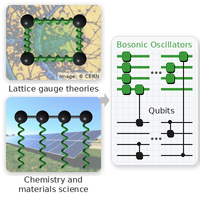
Phys. Rev. X 16, 041008 (2026)
Review of Modern Physics
Poltergeist mechanism: Enhancement of scalar-induced gravitational waves with early matter-dominated era
Article | High-energy theory | 2026-10-07 06:00 EDT
Keisuke Inomata, Kazunori Kohri, and Takahiro Terada
Gravitational waves offer a potential window into the first moments of cosmic history. If the Universe underwent and abruptly exited an early matter-dominated phase, as predicted by many particle-physics models involving heavy particles, primordial black holes, or oscillating scalar fields forming -balls, the resulting gravitational-wave signal could be amplified via the recently discovered "poltergeist mechanism" discussed in this review. The authors explain the physical origin of this amplification, analyze the mechanism across several cosmological scenarios, and discuss prospects for detecting the resulting signals with current and future gravitational-wave observatories.
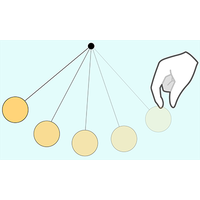
Rev. Mod. Phys. 98, 045001 (2026)
High-energy theory
arXiv
Thermal Diffusivity in Metallic Nanowire Aerogels
New Submission | Materials Science (cond-mat.mtrl-sci) | 2026-10-08 20:00 EDT
Madeline A. Maben, WLNC Namila Liyanage, Cameron S. Jorgensen, Erin Marlowe, Kai Liu, Gerd Duscher, Dustin A. Gilbert
Metallic nanowire aerogels combine the functional properties of metals with the high porosity of aerogels. Here, Ag and Cu nanowire aerogels with densities of 20-500 mg cm-3 were synthesized by freeze casting and investigated using lock-in thermography during sequential mechanical compaction. Thermal transport depended strongly on nanowire diameter, with 30 nm Ag nanowires exhibiting substantially lower thermal diffusivity than 60 nm wires, likely due to enhanced surface scattering as the wire diameter approaches the electron mean free path in Ag. Surprisingly, increasing the aerogel density through mechanical compaction reduced the calculated thermal diffusivity by nearly 300x, opposite the conventional expectation that denser materials transport heat more efficiently. Further analysis showed that this decrease is dominated by the thickness term in the thermal diffusivity formalism, while the fitted transport coefficient changes comparatively little. The characteristic thermal diffusion timescale decreased only modestly during compaction, indicating that densification primarily collapses pore volume without fundamentally restructuring the conductive nanowire network. This behavior resembles topology-preserving densification, where large geometric compression produces comparatively small changes in the effective percolative transport pathway. These results show that nanowire aerogels cannot always be treated as homogeneous bulk media, because their macroscopic geometry and conductive network evolve differently during compaction.
Materials Science (cond-mat.mtrl-sci), Disordered Systems and Neural Networks (cond-mat.dis-nn), Mesoscale and Nanoscale Physics (cond-mat.mes-hall)
Zero Mode Operators and Charge-Conjugation Defects in Non-Abelian Fractional Quantum Hall-Superconductor Heterostructures
New Submission | Strongly Correlated Electrons (cond-mat.str-el) | 2026-10-08 20:00 EDT
We study zero modes bound to charge-conjugation defects in fractional quantum Hall-superconductor (FQH-SC) heterostructures built from Abelian and non-Abelian FQH states. Although the associated defects are well described by $ G$ -crossed braided tensor categories, a local operator description of their zero modes is not generally known. We generalize the bulk-to-boundary construction of localized zero mode operators to FQH-SCs with non-Abelian parent topological orders, mapping bulk Wilson operators in the folded theory to localized zero mode operators in the one-dimensional FQH-SC theory. This construction distinguishes zero mode anyons from the local zero mode operators that act on the defect Hilbert space and yields a generalized zero mode algebra. It also determines the fusion-channel dependence of tunneling: tunneling of zero mode operators probes bulk monodromy, while direct zero mode anyon transfer probes $ G$ -crossed associativity data. Applying this framework, we recover the $ \mathbb{Z}_{2m}$ parafermion zero mode structure of fermionic Laughlin FQH-SCs at filling $ \nu=1/m$ , obtain a $ \mathbb{Z}_2^{(n)}\times\mathbb{Z}_N$ structure for generalized Moore-Read states at filling $ \nu=1/m$ , with $ N=2m$ for fermionic states and $ N=m$ for bosonic states, and find a $ \mathrm{Fib}\times\mathbb{Z}_N$ structure for the $ k=3$ Read-Rezayi state at filling $ \nu=3/(3M+2)$ , with $ N=2(3M+2)$ for fermionic states and $ N=(3M+2)/2$ for bosonic states. In the Read-Rezayi case, zero mode operator tunneling and direct zero mode anyon transfer yield distinct universal amplitude ratios between the neutral fusion channels, providing a characteristic signature of the underlying Fibonacci defect structure.
Strongly Correlated Electrons (cond-mat.str-el), Mesoscale and Nanoscale Physics (cond-mat.mes-hall), Superconductivity (cond-mat.supr-con), Quantum Physics (quant-ph)
63 pages, 5 figures
Exact solutions for kinematics across interaction-deformed Fermi surfaces
New Submission | Strongly Correlated Electrons (cond-mat.str-el) | 2026-10-08 20:00 EDT
Alexander Kruchkov, F. Duncan M. Haldane
Luttinger’s theorem fixes the volume of the Fermi sea of a Fermi liquid, but not how interactions redistribute occupation around its surface. For an interaction switched on and tuned at fixed density, we derive the exact rates of change of the occupation deficit inside the interacting Fermi surface and of the surplus outside it. Each is the weight swept by the deforming surface plus a change of Luttinger’s integrand at fixed momentum; the difference of the surface terms is flux of incoherent weight $ 1 - Z_{\vec k}$ . These identities hold with or without the Luttinger theorem.
Strongly Correlated Electrons (cond-mat.str-el)
Superconducting edge contact to a buried Ge quantum well
New Submission | Mesoscale and Nanoscale Physics (cond-mat.mes-hall) | 2026-10-08 20:00 EDT
Dina Sokolova, Davide Costa, Davide Degli Esposti, Tommaso Costanzo, Giordano Scappucci, Georgios Katsaros, Anton V. Bubis
Semiconductor-superconductor hybrid systems form the basis for a broad range of quantum phenomena, such as Andreev bound states, topological superconductivity, and hybrid quantum Hall states. The performance of these hybrid systems can strongly benefit from the exceptional electronic properties of heterostructures with deeply buried quantum wells. However, establishing high-quality superconducting contacts to such quantum wells remains challenging. Here, we address this problem with an edge-contact approach that combines anisotropic dry etching to access the quantum well followed by wet etching for interface preparation. Josephson junctions fabricated using this approach consistently exhibit near-unity interface transparency, while quantum point contacts show strong Andreev enhancement, with the first conductance plateau approaching $ 4e^2/h$ , the limit of perfect Andreev reflection. In superconducting quantum point contacts, the high contact quality is further manifested by quantized supercurrent. These results establish the combination of dry and wet etching as a robust strategy for integrating deeply buried quantum wells into superconducting hybrid devices.
Mesoscale and Nanoscale Physics (cond-mat.mes-hall), Superconductivity (cond-mat.supr-con)
12+15 pages, 5+16 figures
Remote magnon sensing detects the universal phase stiffness jump in Bi$_2$Sr$_2$CaCu$2$O${8+δ}$
New Submission | Superconductivity (cond-mat.supr-con) | 2026-10-08 20:00 EDT
Yue Sun, Mai Nguyen, Naiyuan James Zhang, Dingbin Huang, Shuai Yuan, Aljoscha Söll, Arun Ramanathan, Takashi Taniguchi, Kenji Watanabe, Xavier Roy, Zdeněk Sofer, Shigeyuki Ishida, Hiroshi Eisaki, Makoto Hashimoto, Zhi-Xun Shen, Joseph Orenstein, Xiaodong Xu
Phase stiffness governs macroscopic quantum coherence in superfluids and superconductors, providing a sensitive probe of condensate depletion, fluctuations, and phase transitions. However quantitative and spatially resolved measurements remain challenging. Here we report a contactless, local, all-optical measurement of superconducting phase stiffness using propagating antiferromagnetic magnons as remote sensors. In CrSBr, strong exciton-magnon coupling enables optical excitation and detection of magnon wavepackets and precise determination of their group velocity. When CrSBr is interfaced with underdoped Bi$ _2$ Sr$ _2$ CaCu$ _2$ O$ _{8+\delta}$ , we find that the magnon group velocity is substantially enhanced below the superconducting transition and quantitatively encodes the phase stiffness through Meissner screening currents. Using this capability, we identify a parallel-field-induced Berezinskii-Kosterlitz-Thouless transition through direct observation of the universal phase-stiffness jump, revealing a field-controlled route to expose intrinsic two-dimensional phase-ordering physics in a bulk cuprate. Our work establishes propagating magnons as local probes of superconducting electrodynamics and phase-coherent phenomena in low-dimensional quantum materials.
Superconductivity (cond-mat.supr-con), Strongly Correlated Electrons (cond-mat.str-el)
8+25 pages, 4+3 figures
Matter wave bistability with a momentum chirped Bose-Einstein condensate
New Submission | Quantum Gases (cond-mat.quant-gas) | 2026-10-08 20:00 EDT
Mikhail Mamaev, Nicholas Mantella, Noah P. Baker, Joseph McGowan IV, Aephraim M. Steinberg
While a Fabry-Perot (FP) cavity interferometer is a standard tool in modern optics, analogous physics can also be observed with matter waves such as Bose-Einstein condensates (BECs). Interatomic collisions in BECs can induce nonlinear features such as multi-valued transmission spectra for interferometry experiments. Observation of interaction effects in the matter-wave analogue of FP interferometry has not yet been experimentally achieved, mostly due to broadening of transmission peaks by interaction-induced shifts of cavity resonances. In this work, we theoretically show that this limitation can be overcome by engineering a momentum chirp in a BEC wavepacket. By balancing this chirp against the dynamical mean-field energy shift of the cavity during transmission, we predict enhanced resonant spectra and bistability features due to interaction-assisted tunneling that would be otherwise inaccessible. We show that this physics is readily observable with quasi-one-dimensional BECs of cold atoms colliding with a pair of light-induced Gaussian potential barriers forming the cavity. We also benchmark the requisite optimum chirp needed and characterize the contrast of near-discontinuous FP transmission spectra at an interacting resonance. Our findings enable the realization of technologies like matter-wave switching protocols, and high-precision velocity measurements; estimates of achievable sensitivity for the latter are provided.
Quantum Gases (cond-mat.quant-gas), Quantum Physics (quant-ph)
9+8 pages, 5+1 figures
From continuum neural quantum states to effective lattice models: Fluctuating Wigner molecules in moiré superlattices
New Submission | Strongly Correlated Electrons (cond-mat.str-el) | 2026-10-08 20:00 EDT
Ahmed Khalifa, Shubhayu Chatterjee
Effective descriptions of quantum materials rely on a separation of energy scales that identifies their low-energy degrees of freedom. When kinetic energy, lattice potential, and interactions compete, this hierarchy breaks down, and both the microscopic state and its effective description are unknown. Continuum neural quantum states (NQS) can find the ground state directly without projecting onto prescribed bands, orbitals, or spins, but their microscopic wavefunctions are difficult to interpret in terms of effective variables. Here, we introduce a wavefunction readout that maps the continuum NQS onto site-resolved charge and spin statistics, allowing effective degrees of freedom to emerge from the microscopic solution. Focusing on moiré transition metal dichalcogenides at filling $ \nu = 3$ , the NQS reveals a low-spin ground state below the ferromagnetic crystal of spin-polarized Wigner molecules. Although the charge density retains triangular molecular motifs, our readout reveals significant charge fluctuations through bound nearest-neighbor doublon–hole pairs. Each molecular charge state has an inert spin-singlet core and rim electrons that carry the spin. Charge and spin fluctuations are therefore intertwined, with antiferromagnetic spin-correlations between sites, motivating an effective description by a spinful two-orbital Hubbard model. More generally, our results demonstrate a route from continuum wavefunctions to effective lattice models when competing scales preclude a controlled reduction.
Strongly Correlated Electrons (cond-mat.str-el)
Probing magnetic interactions in real space via magnetic pair distribution function analysis
New Submission | Materials Science (cond-mat.mtrl-sci) | 2026-10-08 20:00 EDT
Edison P. Carlisle, Benjamin A. Frandsen
Determining magnetic exchange interactions is vital for understanding the magnetic behavior of materials. The standard method for exchange interaction determination involves performing inelastic neutron scattering experiments on single crystals to measure spin wave dispersions from a long-range-ordered magnetic ground state. However, the influence of exchange interactions is not limited exclusively to spin waves in ordered states, but also governs magnetic behavior in all magnetic states, including the short-range spin correlations that persist into the paramagnetic regime. Exchange parameters have been successfully recovered in the past from energy-integrated diffuse neutron scattering data from paramagnets, indicating that the diffuse scattering and underlying short-range magnetic correlations are rich in information. Consequently, magnetic pair distribution function (mPDF) analysis, which directly probes short-range magnetic correlations in real space, is expected to be well suited for extracting exchange parameters from correlated paramagnets. Here, we demonstrate a robust mean-field theory approach incorporating the Onsager reaction field for determination of exchange parameters from the results of mPDF analysis. We successfully apply this approach to several relevant materials to recover exchange interaction values comparable to literature values.
Materials Science (cond-mat.mtrl-sci)
12 Pages, 1 figure, 1 table
Phase diagram of a semiflexible magnetic polymer in three dimensions
New Submission | Statistical Mechanics (cond-mat.stat-mech) | 2026-10-08 20:00 EDT
Linda Delimi, Arpan Dey, Jean-Charles Walter
We study a semiflexible magnetic polymer in which each monomer carries a two-state spin, giving rise to coupled conformational, stiffness, and magnetic degrees of freedom. The model provides a minimal representation of nucleoprotein complexes in vivo, in which DNA bending rigidity and bridging proteins must be simultaneously accommodated. We employ Monte Carlo simulations on a face-centered-cubic (FCC) lattice, complemented by a variational free-energy upper-bound approach, to characterize the zero-field phase diagram as a function of bending stiffness and temperature. At low stiffness, we identify a first-order transition combining coil-to-globule collapse with a ferromagnetic-to-paramagnetic transition. At lower temperatures, an additional first-order transition separates the disordered globule from an ordered crystal characterized by nematic-like orientational order of the bond tangents. At high stiffness, the globule disappears, resulting in a direct first-order coil-to-crystal transition. These results demonstrate how chain stiffness and magnetic degrees of freedom couple to polymer conformation and reorganize the zero-field phase diagram. Our model connects the two limiting cases of flexible magnetic polymers and semiflexible homopolymers, the latter corresponding to the strong-field limit in which all spins are aligned.
Statistical Mechanics (cond-mat.stat-mech), Soft Condensed Matter (cond-mat.soft), Biological Physics (physics.bio-ph)
15 pages, 16 figures (main+appendices)
Valley transitions during spin shuttling in Si/SiGe heterostructures
New Submission | Mesoscale and Nanoscale Physics (cond-mat.mes-hall) | 2026-10-08 20:00 EDT
Valley excitations are considered one of the biggest challenges for a coherent spin shuttling in Si/SiGe heterostructures. In this work we theoretically investigate the valley dynamics during spin shuttling in a Si/SiGe heterostructure by considering a two-level system given by the two low-lying valley states of the mobile quantum dot. We assume that the electron is initially in the valley ground state and analyze the evolution of this state during shuttling. We find that, depending on the shuttling velocity, the system can be in three distinct regimes. In one of these regimes, the quantum information is preserved even in the presence of the valley excitations, allowing for coherent spin shuttling independently of the shuttling distance. This regime is obtained for a shuttling velocity of tens of m/s, a desired regime where dephasing mechanisms, such as spin-valley hotspots and spatially varying spin splitting, can be suppressed. This result is in accordance with recent experimental work that obtained a high spin shuttling fidelity after a fast and long shuttling. We also propose strategies based on the Partial Landau-Zener model to enhance the valley shuttling fidelity, which was found to be much more efficient than previously proposed strategies based on the standard Landau-Zener model.
Mesoscale and Nanoscale Physics (cond-mat.mes-hall), Quantum Physics (quant-ph)
Phase-Field Fracture Simulation of Highly Deformable Thin Structures via a Discrete Differential Geometry Framework
New Submission | Soft Condensed Matter (cond-mat.soft) | 2026-10-08 20:00 EDT
Bohan Zhang, Bo Wang, Huajiang Ouyang, Zhigang Wu, Yu Zhou, Weicheng Huang
Thin elastic flexible structures exploit large geometric deformation to achieve mechanical functionality, making their fracture behavior strongly coupled with the evolving structural configuration. This work presents a unified discrete differential geometry (DDG) phase-field framework for fracture in highly deformable thin structures. Membrane and bending elasticity are formulated from discrete geometric measures on a triangulated midsurface, while the phase field is defined on the same discrete surface to describe onset of crack growth and subsequent propagation. The coupled problem is solved using a staggered scheme, with phase-field irreversibility enforced by an active-set method. A degradation-deletion procedure removes nearly fully failed elements and reconstructs the DDG topology, enabling complete crack opening and substantial post-fracture reconfiguration. For two-dimensional in-plane fracture problems, the DDG predictions agree closely with geometrically nonlinear finite element results in both crack evolution and mechanical response. In three-dimensional tearing, the framework resolves the interaction between out-of-plane deformation and crack propagation, including the experimentally observed convergence and coalescence of initially parallel cracks. Its engineering applicability is further demonstrated using an island–bridge structure representative of flexible electronics. The simulations capture direction-dependent deformation modes, instability and snap-through during loading, and the coupled evolution of structural configuration and fracture. These results establish the proposed framework as an effective tool for investigating geometry-dependent fracture and supporting the damage-tolerant design of flexible thin structures.
Soft Condensed Matter (cond-mat.soft)
20 pages, 9 figures
Magnon Polarization Textures and Transport in Antiferromagnets and Altermagnets
New Submission | Other Condensed Matter (cond-mat.other) | 2026-10-08 20:00 EDT
Konstantin S. Denisov, Igor Žutić
Antiferromagnets (AFMs) host magnons that can exhibit fully circular, elliptic and linear polarizations of sublattice magnetization dynamics. We analyze theoretically different momentum-space magnon polarization textures and magnon transport in collinear AFMs and altermagnets (AMs). The sensitivity of the polarization texture to a magnon momentum direction determines two regimes of magnon polarization kinetics: The Dyakonov-Perel relaxation or its dephasing due to asynchronous Larmor precession. For an easy-axis AFM, magnetic field parallel to the N{é}el vector leads to the suppression of the magnetic dipolar interaction-induced Dyakonov-Perel relaxation, accompanied by the increase in the magnon spin-diffusion length and its counter-intuitive growth with temperature. For a perpendicular orientation, instead, relaxation of circular polarization of magnons is enhanced due to Larmor precession. Finally, extremely anisotropic relaxation of magnon polarization is predicted for AMs or AFMs having Dzyaloshinskii-Morya interaction.
Other Condensed Matter (cond-mat.other)
8 Pages, 3 Figures
Ambipolar metal-insulator transition in bilayer MoSe2
New Submission | Strongly Correlated Electrons (cond-mat.str-el) | 2026-10-08 20:00 EDT
Ha-Leem Kim, Hyungbin Lim, Terry Wu, Amogh Y. Waghmare, Garima Gupta, Takashi Taniguchi, Kenji Watanabe, Archana Raja, Eric Y. Ma, Feng Wang
When Coulomb interactions dominate kinetic energy, dilute two-dimensional carriers form a Wigner solid. Both its melting and disorder-driven localization can drive density-tuned metal-insulator transitions, but their relative roles and interplay have been debated for decades. Atomically thin semiconductors offer a new test because transport and scanning tunneling microscopy can probe the same material, yet poor contacts impede transport where correlations are strongest. Here we introduce contact-free radio-frequency reflectometry that senses sheet resistance through capacitive gate coupling. It resolves the electron and previously inaccessible hole transitions in the same bilayer MoSe2 device, whose carriers share disorder but not mass. Their critical densities differ fourfold yet correspond to comparable Coulomb-to-kinetic-energy ratios, where tunneling microscopy finds solid-liquid coexistence. Magnetoresistance peaks sharply at each transition, reflecting a Pomeranchuk-like, field-driven expansion of the Wigner solid against the correlated liquid. Our results demonstrate interaction-driven transitions in high-quality two-dimensional semiconductors, opening quantitative transport in contact-limited systems.
Strongly Correlated Electrons (cond-mat.str-el), Mesoscale and Nanoscale Physics (cond-mat.mes-hall)
Momentum-Locked Edge Excitons in 2D Molecular Crystals
New Submission | Mesoscale and Nanoscale Physics (cond-mat.mes-hall) | 2026-10-08 20:00 EDT
Sidhartha Nayak, Alex Boeglin, Quentin Stein, Katharina Kaiser, Guillaume Schull, Thomas Frederiksen, Tomáš Neuman
In molecular crystals, molecular excitations can hybridize into collective Frenkel excitons. Here we show that doubly degenerate excitations in planar two-dimensional molecular crystals generate excitonic bands with nontrivial momentum-resolved topological characteristics and edge states appearing only for selected crystallographic terminations. Using a model inspired by aggregates of zinc phthalocyanine molecules deposited on insulating surfaces, we demonstrate that the existence of edge excitons depends sensitively on the crystallographic orientation of the boundary and is governed by the Zak phase of the underlying bulk bands. The resulting edge states exhibit momentum-locked elliptical polarization textures originating from the internal structure of the molecular excitations, potentially enabling directional optical coupling and excitation transport. Our results establish a route toward topological and polarization-textured excitonic states in two-dimensional molecular materials.
Mesoscale and Nanoscale Physics (cond-mat.mes-hall)
Topological Frenkel excitons in 2D molecular crystals
New Submission | Mesoscale and Nanoscale Physics (cond-mat.mes-hall) | 2026-10-08 20:00 EDT
Quentin Stein, Sidhartha Nayak, Song Jiang, Jakob Kuhlke, Michelangelo Romeo, Thomas Frederiksen, Fabrice Scheurer, Katharina Kaiser, Tomas Neuman, Guillaume Schull
Collective molecular excitations govern energy transport in light-harvesting and optoelectronic materials. Theory predicts that excitonic band topology can generate edge-confined states, offering a route to direct energy flow in molecular systems, yet experimental evidence is lacking. Here we use scanning tunnelling microscopy-induced luminescence to image Frenkel excitons in two-dimensional zinc phthalocyanine molecular crystals with nanometer resolution. By varying cluster size, we observe the transition from discrete quantum-confined excitations to collective excitonic bands and directly resolve their real-space wavefunctions. We identify an excitonic state localized at the crystal perimeter and show, through comparison with microscopic theory, that it originates from the momentum-resolved non-trivial topology of the bulk excitonic bands. Our results establish molecular crystals as a platform for engineering topological excitonic states and provide a strategy for controlling energy transport through excitonic band engineering.
Mesoscale and Nanoscale Physics (cond-mat.mes-hall)
Analytical Prediction of Buckling Limits in Isotropic Pentamode Lattices
New Submission | Materials Science (cond-mat.mtrl-sci) | 2026-10-08 20:00 EDT
M. Verbicaro, F.Braghin, R.V. Craster
Pentamode lattices are architected materials characterized by an elastic response dominated by a single deformation mode. The low stiffness of the other deformation modes, however, may result in limited stability under compressive prestress, thereby limiting their mechanical performance. In this work, we develop a general analytical framework to determine the buckling limits of prestressed 2D and 3D isotropic pentamode lattices with generic link geometries. Two distinct instability mechanisms are considered: a global instability associated with the loss of stability of the effective medium, and a local instability associated with finite-wavelength modes at the scale of the lattice cell. Closed-form expressions for the corresponding critical pressures are derived, and the buckling limit is obtained as the lower of the two. The analytical predictions are validated through numerical simulations of different PM lattices, showing good agreement over the configurations considered. The results reveal a trade-off between approaching the pentamode limit and maintaining sufficient buckling resistance, but also show that appropriate link designs can substantially increase the buckling limit while retaining the desired pentamode behavior.
Materials Science (cond-mat.mtrl-sci), Applied Physics (physics.app-ph)
Contamination dynamics of active rods in long microchannels
New Submission | Soft Condensed Matter (cond-mat.soft) | 2026-10-08 20:00 EDT
Jason Palos, Chase Brown, Mykhailo Potomkin, Shawn D. Ryan
Active rods are elongated, self-propelled particles that serve as effective models for motile microorganisms, such as bacteria and sperm cells. When confined to a microfluidic channel, active rods exhibit a distinctive motility pattern: they tend to swim against the fluid flow along channel walls. In pressure-driven channel flow, they alternate between long upstream runs along the walls and short downstream spurts in the bulk. This behavior has practical implications for bacterial contamination of catheters and microfluidic devices against the flow. We study the spreading of a population of active rods along long microchannels using a hierarchy of models. Monte Carlo simulations of a three-dimensional model show that net upstream transport depends non-monotonically on the flow rate, decreases with rotational diffusion, and depends on the shape of the channel cross-section. The simulations also show that upstream and downstream persistence times follow exponentially decaying distributions. This motivates the derivation of a one-dimensional, two-state velocity-jump model. For exponentially distributed persistence times, we derive the evolution equation for the concentration of continuously injected rods and determine its long-time limit in closed form. This analysis reveals a concentration plateau upstream of the source when the mean upstream velocity is positive and exponential decay otherwise. Using parameters measured from the three-dimensional simulations, the one-dimensional model reproduces the concentration profiles from the Monte Carlo simulations, and these results are consistent with recent experimental observations of bacterial contamination in microfluidic devices.
Soft Condensed Matter (cond-mat.soft)
7 figures
Multiorbital Anisotropy and Magnetic Excitations in Trilayer Nickelate Pr$_4$Ni$3$O${10}$
New Submission | Strongly Correlated Electrons (cond-mat.str-el) | 2026-10-08 20:00 EDT
Ziqiang Guan, Sophia F. R. TenHuisen, Xuefei Guo, Wei He, Aulden K. Jones, Marli dos Reis Cantarino, Xinglong Chen, Hong Zheng, J. F. Mitchell, Nicholas B. Brookes, Mark P. M. Dean, Matteo Mitrano
Rare-earth substitution strongly modifies the structure, metallicity, and superconducting behavior of Ruddlesden-Popper (RP) nickelates, but its impact on their magnetic interactions remains unclear. Here, we combine x-ray absorption spectroscopy (XAS) and resonant inelastic x-ray scattering (RIXS) to resolve the multiorbital electronic structure and magnetic excitations of Pr$ _4$ Ni$ _3$ O$ _{10}$ . The absence of an overlapping rare-earth resonance provides direct access to the Ni $ L_3$ edge, while polarization-dependent measurements at the Ni $ L$ - and O $ K$ -edges resolve distinct planar and out-of-plane Ni-O hybridization channels. Momentum-resolved RIXS reveals dispersive magnetic excitations that soften toward the incommensurate spin-density-wave wave vector. An effective spin-wave analysis yields a sizable intra-trilayer exchange coupling, comparable to the leading in-plane interactions and robust against rare-earth substitution. Our results identify the multilayer architecture, rather than rare-earth substitution alone, as a key control knob of the magnetic interactions in these materials.
Strongly Correlated Electrons (cond-mat.str-el), Materials Science (cond-mat.mtrl-sci), Superconductivity (cond-mat.supr-con)
Main: 9 pages, 4 figures; Supplementary: 25 pages, 23 figures
Quasicrystalline oxide interfaces by twisting SrTiO3 membranes
New Submission | Materials Science (cond-mat.mtrl-sci) | 2026-10-08 20:00 EDT
Shivasheesh Varshney, Sooho Choo, Huan Liu, In Hyeok Choi, Nicolas Gauquelin, John Mangeri, Seung Gyo Jeong, Edwin Dollekamp, William Sandholt, Andrea Roberto Insinga, Nikolas Vitaliti, Bridget R. Denzer, Bonnie Y. X. Lin, Andrew T. Danbury, Majid Mohseni, Uditha Mihiranga Jayathilake, Sharup Sheikh, Lidia A. Lapinski, Jonas M. Hansen, Seungjun Lee, Dong Kyu Lee, Jitin Sathish Kumar, Shivam Sharma, Rishi Raj, Jay Shah, Alevtina Smekhova, Florian Kronast, Juan Maria García Lastra, K. Andre Mkhoyan, Tony Low, James M. LeBeau, Alexander X. Gray, Jo Verbeek, Keith A. Nelson, Nini Pryds, Richard D. James, Bharat Jalan
Quasicrystals reveal that long-range order can exist without translational periodicity, but deterministic routes for designing strongly bonded quasicrystalline interfaces remain unexplored. Here, we show that such interfaces can be engineered by growing epitaxial SrTiO3 membranes on a sacrificial layer, releasing them, twisting them by prescribed angles, and bonding them onto a chosen substrate. SrTiO3 bilayers twisted by 45° form an octagonal quasicrystalline interface with eight-fold rotational symmetry, whereas trilayers assembled with successive 30° rotations form a dodecagonal interface with twelve-fold symmetry. Selected-area and nano-beam electron diffraction, multislice electron ptychography, atomic-resolution dark field imaging, Fourier analysis, and real-space tiling establish long-range quasicrystalline order with electronic reconstruction evident from electron energy-loss spectroscopy after annealing. Atomistic simulations based on machine-learned interatomic potentials show that octagonal order emerges as the bilayer twist angle approaches 45°. Polarization-dependent X-ray absorption spectroscopy in 1.5 nm twisted bilayers reveals a twist-dependent electronic response, and terahertz-field-induced second-harmonic generation circular dichroism identifies a symmetry-dependent nonlinear optical response at the 45° quasicrystalline condition. Twisted oxide membranes therefore provide an extendable route to engineer quasiperiodic order and couple it to interfacial bonding, orbital reconstruction, and nonlinear optical response in complex oxides.
Materials Science (cond-mat.mtrl-sci)
26 pages, 4 figures
Influence of nonlocal excitonic optical response on in-plane exciton polaritons supported by monolayer transition-metal dichalcogenides
New Submission | Mesoscale and Nanoscale Physics (cond-mat.mes-hall) | 2026-10-08 20:00 EDT
Achieving nanoscale light confinement and long-range propagation is a central challenge in nanophotonics, with important implications for controlling molecular photophysical processes and energy transfer. Monolayer transition-metal dichalcogenides (TMDs) support in-plane exciton-polaritons (IPEPs), deeply subwavelength optical modes in the visible range. In this regime, electromagnetic fields vary on length scales comparable to the exciton size, making spatial nonlocality in the excitonic optical response essential. Here, we develop a microscopic theory of the nonlocal excitonic optical response and investigate the near-field properties of IPEPs in hexagonal boron nitride (hBN)-encapsulated monolayer WS$ _2$ . Combining a two-band massive Dirac fermion description with a generalized Mott-Wannier treatment, we derive a nonlocal electric susceptibility that accounts for both the center-of-mass and internal relative motion of excitons. Spatial nonlocality in the excitonic optical response shifts the polariton dispersion toward lower in-plane wavevectors compared with the results based on the local-response approximation. This reduces high-wavevector contributions and produces smoother near-field distributions that extend over larger lateral distances while retaining nanoscale confinement. Furthermore, at higher excitation energies, multiple exciton-polariton modes contribute at distinct wavevectors, and their relative contributions can be tuned by varying the thickness of the capping hBN layer. These insights elucidate the fundamental role of spatial nonlocality in the polaritonic properties of van der Waals heterostructures.
Mesoscale and Nanoscale Physics (cond-mat.mes-hall), Materials Science (cond-mat.mtrl-sci)
Superconducting Diode Effect due to the Inverse Spin Hall Effect in Josephson Junctions with Extrinsic Spin-Orbit Interaction
New Submission | Superconductivity (cond-mat.supr-con) | 2026-10-08 20:00 EDT
Yositake Takane, Aurélien Manchon, Gen Tatara
The spin density and Josephson current at equilibrium are studied numerically in a superconductor-normal metal-superconductor (SNS) junction with extrinsic spin-orbit interaction in the N segment. This system preserves structural inversion symmetry. We find that the Josephson current generates the spin Hall effect, resulting in an opposite spin density near the two edges of the N segment. We also find that a Zeeman magnetic field with gradient applied to the N segment generates an anomalous phase shift due to the inverse spin Hall effect, resulting in a diode effect when higher harmonics of the Josephson current are present. These results are consistent with those of a previous theoretical study based on diagrammatic perturbation theory. We find that the diode effect becomes more pronounced when stronger coupling between the N and S segments enhances the higher harmonics.
Superconductivity (cond-mat.supr-con), Mesoscale and Nanoscale Physics (cond-mat.mes-hall)
5 pages, 7 figures
Delamination in Large REBCO Coils
New Submission | Superconductivity (cond-mat.supr-con) | 2026-10-08 20:00 EDT
Jun Lu, Yan Xin, Iain Dixon, Brent Jarvis, Kwangmin Kim, Yu Suetomi, Jeremy Levitan, Jan Jaroszynski, Hongyu Bai
REBCO coated conductors have been used in ultrahigh field magnets for condensed matter physics research, nuclear fusion, particle accelerators, and NMR applications. It is well known, however, that they are not mechanically strong against delamination due to their intrinsic layered structures. As a result, the delamination issue has become one of the major design challenges of REBCO magnet coils. As a part of the development of the 40 T all-superconducting magnet at the National High Magnetic Field Laboratory, USA, large-scale coils wound by two-in-hand REBCO conductor with turn-to-turn insulation was designed and tested at 4.2 K in an 11.4 T background magnetic field. We found REBCO degradations within the windings and at the crossover joints during the tests. The postmortem inspection found that the degradation was caused by delamination. The delamination appears on the surface of the conductor as bubbles which were subsequently studied by microscopy. Additionally, a similar bubble was found on a short sample by torque magnetometry. This supports the inference that the delamination bubbles found in coils are due to electromagnetic stress. In this paper, we present these findings. The implication of these findings for future magnet designs and the method of mitigation will be discussed.
Superconductivity (cond-mat.supr-con), Materials Science (cond-mat.mtrl-sci), Applied Physics (physics.app-ph)
7 figures, 1 table, 5 pages
Polarized neutron diffraction with ex-situ $^3$He neutron spin filter and two-dimensional detector for noncollinear incommensurate magnetic order
New Submission | Strongly Correlated Electrons (cond-mat.str-el) | 2026-10-08 20:00 EDT
Shingo Takahashi, Yuta Osawa, Ryuju Kobayashi, Takashi Ino, Hiraku Saito, Takuro Kawasaki, Takayuki Oku, Tatsuya Nakamura, Yoichi Ikeda, Masaki Fujita, Daisuke Koto, Yusuke Tokunaga, Taka-hisa Arima, Taro Nakajima
Polarized neutron scattering has been widely used for studying magnetic orders in condensed matter. A typical setup for this technique is a triple-axis spectrometer with a ferromagnetic single-crystal monochromator and analyzer, which is suited for point-by-point measurements within the horizontal scattering plane. However, this setup cannot fully meet the demands of recent studies on complex magnetic orders with emergent cross-correlated phenomena. For instance, multiferroics, magnetic skyrmions, and other topologically nontrivial magnetic orders tend to have incommensurate magnetic modulation vectors running along various directions in reciprocal space, which cannot be captured by measurements restricted to the horizontal scattering plane. To overcome these limitations, we have developed an experimental setup combining a $ ^3$ He neutron spin filter ($ ^3$ He-NSF) and a two-dimensional (2D) detector, which enables us to analyze the polarization of neutrons scattered away from the horizontal plane. We also establish a data reduction procedure to convert the 2D intensity maps into three-dimensional intensity distributions in reciprocal space, correcting for the effect of imperfect $ ^3$ He polarization. This method is applied to single-crystal diffraction measurements on the multiferroic material Mn$ _3$ WO$ _6$ , which exhibits complex incommensurate magnetic orders. We have successfully observed polarization-dependent intensities of out-of-plane incommensurate magnetic reflections, demonstrating the effectiveness of the present method for analyzing complex magnetic structures.
Strongly Correlated Electrons (cond-mat.str-el), Materials Science (cond-mat.mtrl-sci), Instrumentation and Detectors (physics.ins-det)
Bottom-Up Prediction of Amorphous Poly(1,3-dioxolane) using Ab Initio Reactive Machine-Learning Force Fields
New Submission | Materials Science (cond-mat.mtrl-sci) | 2026-10-08 20:00 EDT
Yizhi Song, Bharatha K. Gunawardana, Kriti Alam, Teresa Shah, Deepa Ranabhat, Hsin-Yu Ko
Poly(1,3-dioxolane) (pDXL) is a chemically recyclable polyether that can be synthesized by living cationic ring-opening polymerization with precise control of chain length into the ultra-high-molecular-weight (UHMW) regime, where it acquires enhanced mechanical properties. Like most polymers, however, it has amorphous condensed-phase structure, and diffraction measurements alone cannot resolve the atomistic microstructure that underlies them. In this work, we predict the ensemble of the pDXL microstructures by applying a recently developed AI-accelerated ab initio bottom-up polymer structure prediction (AI$ ^{2}$ -BPSP) framework that simulates the living polymerization of pDXL under experimental synthetic conditions with machine-learning force fields trained within van der Waals-corrected hybrid density functional theory. Partitioning the predicted X-ray and neutron diffraction signal between the growing chain and the surrounding monomer resolves its dominant feature into two counteracting modes: a monomer contribution near $ q \approx 1.5$ Å$ ^{-1}$ that decays as monomer is consumed, and a polymer contribution near $ q \approx 1.6$ Å$ ^{-1}$ that is absent in oligomers and grows with chain length. This work paves the way to direct accuracy validation of these statistically significant, first-principles, and chain-length resolved diffraction predictions against experiments.
Materials Science (cond-mat.mtrl-sci), Disordered Systems and Neural Networks (cond-mat.dis-nn), Chemical Physics (physics.chem-ph)
10 pages, 7 figures. Supplementary material is available with the published article
Heat Transport of the $β$-Fermi–Pasta–Ulam–Tsingou chain in the long-wave limit
New Submission | Statistical Mechanics (cond-mat.stat-mech) | 2026-10-08 20:00 EDT
Henrique Santos Lima, Matheus M. R. Poltronieri Martins, Lucas Reis e Silva
Resolving the anomalous conductivity exponent of the symmetric $ \beta$ -Fermi–Pasta–Ulam–Tsingou chain by molecular dynamics can require very large systems because of long finite-size crossovers and thermal-contact resistance. Motivated by this computational challenge, we derive a long-wavelength continuum description and investigate whether the kinetic-theory scaling $ \kappa\propto L^{2/5}$ becomes accessible with a moderate number of numerical degrees of freedom. The nonlinear elastic field retains the cubic stress of the microscopic interaction and exchanges heat with Langevin reservoirs. A flux-conservative spatial discretization constructs the force and energy current from the same stress, providing a consistent interior transport estimator. For $ L>8$ , corresponding to approximately $ 10^3$ mesh nodes and above at the reference resolution, the fitted exponent is $ 0.399\pm0.004$ . Mesh refinement supports the stability of this exponent between the two finer resolutions, although the conductivity amplitude remains resolution-dependent. The main result is thus an accessible finite-size regime near $ 2/5$ , rather than convergence of the absolute conductivity as the mesh spacing vanishes. This formulation provides a practical route to studying anomalous transport in anharmonic systems and a conservative continuum framework for investigating energy flow in nonlinear elastic media.
Statistical Mechanics (cond-mat.stat-mech), Classical Physics (physics.class-ph), Computational Physics (physics.comp-ph), Popular Physics (physics.pop-ph)
15 pages, 6 figures
Quench dynamics and quantum flutter properties of one-dimensional attractive single-spin flipped Fermi gases
New Submission | Quantum Gases (cond-mat.quant-gas) | 2026-10-08 20:00 EDT
Impurity nonequilibrium dynamics in quantum many-body systems is a frontier subject in ultracold-atom physics, which helps uncover microscopic mechanisms of polaron and collective excitation phenomena. Although repulsive interacting systems have been extensively investigated, attractive-interaction dynamics lacks systematic studies owing to intricate couplings among different states. We study a one-dimensional ideal Fermi gas containing an attractive spin-down impurity with initial momentum and analyze time evolution of interspin two-body correlations and impurity momentum. Using exact Bethe ansatz solutions, we simplify correlation matrix elements to finite sums for efficient calculations of eigenstate occupations and long-time dynamical evolution. In the weakly attractive regime, bound-state features appear when the total momentum is below or equal to the Fermi momentum, while mixed oscillatory behaviors arise at larger total momentum. The strongly attractive regime shows locally bound-state dominated dynamics with localized correlation peaks and scattering-induced Friedel-like oscillations. We characterize quantum flutter, the periodic oscillation of impurity momentum, and obtain consistent critical chemical potential values of the impurity via four independent Bethe ansatz approaches. This work clarifies quench dynamics and quantum flutter under attractive interactions, improves the understanding of nonequilibrium quantum many-body properties, and provides theoretical support for relevant ultracold-atom impurity experiments.
Quantum Gases (cond-mat.quant-gas)
30 pages, 7 figures
Acta Phys. Sin., 2026, 75(11): 110305
Inhomogeneous cluster DMFT study on p-n junction Mott gap closing in Hubbard lattice
New Submission | Strongly Correlated Electrons (cond-mat.str-el) | 2026-10-08 20:00 EDT
Florian Brette, Eunjae Jeong, Hongchul Choi, Ji Hoon Shim, Geunsik Lee
Mott gap closing induced by an external potential gradient is studied by considering the Hubbard model on a square lattice. Our model consists of hole- and electron-doped domains forming the p-n junction where the on-site potential varies smoothly across the interface. The effect of the potential drop direction, either along square edge or diagonal, is studied by describing the correlation effects of inhomogeneous 2x2 plaquette impurity clusters within a dynamical mean-field theory framework. It is found that the metallic phase is favored over the Mott insulators when the potential drop becomes comparable to the energy eigenvalue difference of an open 2x2 plaquette between the ground state and the first excited state. Given the same associated electric-field strength, the excitation energy is almost independent of the drop direction, which amounts ~0.35t at U=5.8t with the hopping parameter t. Upon insulator-to-metal transition, the correlated metal exhibits a coherent peak at zero energy whose intensity is greater for the drop direction along the square diagonal than along the edge. The main origin is attributed to the preserved degeneracy of two molecular orbitals for the former case, while it undergoes splitting in the energy levels for the latter. Our result is discussed regarding the experimentally measured Mott gap closing thresholds.
Strongly Correlated Electrons (cond-mat.str-el)
12 pages, 5 figures
Deep learning driven framework for optimization of polycrystalline microstructures under competing strength requirements
New Submission | Materials Science (cond-mat.mtrl-sci) | 2026-10-08 20:00 EDT
Ashwini Gupta, Indrashish Saha, Lori Graham-Brady, Tamer A. Zaki
Computational design of polycrystalline microstructures for enhanced mechanical performance requires repeated high-fidelity simulations over stochastic morphologies, rendering conventional crystal plasticity finite element (CPFE) approaches prohibitively expensive for optimization. Here, we develop a deep learning-driven framework for optimizing polycrystalline microstructures under competing quasi-static and dynamic performance requirements. A 3D U-Net surrogate maps polycrystalline copper microstructures directly to full-field velocity histories from plate-impact simulations, preserving the spatial and temporal resolution needed to evaluate dynamic performance and interrogate underlying wave interactions and failure mechanisms. The surrogate is coupled with stochastic microstructure generation and derivative-free optimization to efficiently navigate the design space. To monitor surrogate reliability during optimization, we introduce a distribution-consistent reliability region (DCRR) based on maximum mean discrepancy (MMD) to quantify distributional shift from the training data. The framework is demonstrated for multiple design problems, including constrained optimization of spall and yield strengths and inverse design. The optimal designs are validated using CPFE simulations with less than 3% prediction error across all optimization cases, while the surrogate-driven optimization reduces cumulative evaluation time by approximately four orders of magnitude compared with direct CPFE-based optimization. Although demonstrated here for the design of polycrystalline microstructures targeting spall and yield strengths, the framework is broadly applicable to optimization problems where high-fidelity full-field simulations are prohibitively expensive but spatially and temporally resolved response information is essential for evaluating, interpreting, and optimizing candidate designs.
Materials Science (cond-mat.mtrl-sci)
40 pages, 15 figures
Optimization-Based Thickness Estimation and Depth-Resolved FIB-Induced Damage Characterization via Multislice Electron Ptychography
New Submission | Materials Science (cond-mat.mtrl-sci) | 2026-10-08 20:00 EDT
Keun-Yeol Park, Chuqiao Shi, Murat Tuna Pamuk, Sooyoung Cheong, Seonyu Lee, Juhui Oh, Yu-Tsun Shao, Celesta S. Chang
Quantitative electron microscopy requires accurate knowledge of specimen thickness because dynamical scattering strongly affects image contrast and diffraction intensities. In multislice electron ptychography (MEP), specimen thickness is a required input parameter to its forward model, yet the local thickness of a transmission electron microscope (TEM) lamella is often precisely what is unknown. Moreover, thickness is coupled to probe defocus and the number of slices, making its determination from the reconstruction itself nontrivial. Here, we assess whether joint Bayesian optimization of these parameters can provide a physically meaningful estimate of local thickness from four-dimensional scanning transmission electron microscopy (4D-STEM) data. Applied to a wedge-shaped silicon lamella, the optimization reproduced similar local thickness variation measured by electron energy loss spectroscopy (EELS), with a systematic offset of 10-17% relative to the EELS estimates. Using the optimized reconstruction parameters, depth-resolved MEP further separated the crystalline silicon interior from focused ion beam (FIB)-induced amorphous surface layers within the same reconstructed volume. Regions milled at final voltages of 2, 5, 8, and 30 kV yielded amorphous-layer thicknesses of 3.2, 5.0, 7.0, and 26.4 nm, respectively, increasing monotonically with milling voltage and agreeing reasonably with previous cross-sectional measurements. These results show that applying MEP coupled with Bayesian optimization on a single 4D-STEM dataset can provide both local thickness estimates and depth-resolved characterization of FIB-induced damage, offering a route toward more self-consistent, thickness-aware quantitative 4D-STEM analysis.
Materials Science (cond-mat.mtrl-sci)
39 pages, 5 figures, 10 supplementary figures, 3 supplementary tables
Multiscale Decoupling in Peptide-Membrane Interactions: From Elastic Softening to Domain-Mediated Stiffening
New Submission | Soft Condensed Matter (cond-mat.soft) | 2026-10-08 20:00 EDT
Veerendra K. Sharma, Shuo Qian, Gergely Nagy, Sonam Raghav, Sajal K. Ghosh
Membrane composition plays a central role in determining how antimicrobial peptides (AMPs) interact with and alter the physical properties of lipid membranes. Here, we investigate the composition-dependent mechanical and structural response of lipid membranes to the AMP aurein using neutron spin-echo (NSE) spectroscopy, neutron membrane diffraction (NMD), and pressure (P)-area (A) isotherms, complemented by previously reported quasielastic neutron scattering (QENS) measurements. In a zwitterionic DMPC membrane, aurein induces progressive softening, manifested by a concentration-dependent decrease in both the bending rigidity and area compressibility modulus. NMD reveals a slight bilayer thinning but no prominent peptide-associated contribution within the deuterated hydrocarbon region, indicating that the progressive mechanical softening is not accompanied by increasingly deep peptide penetration into the hydrophobic core. In contrast, anionic phosphatidylglycerol (PG)-containing DMPC/DMPG membranes exhibit a non-monotonic response, with initial softening followed by pronounced stiffening at higher peptide concentrations. Complementary P-A isotherm measurements independently reproduce these contrasting mechanical responses, showing progressive softening of DMPC but stiffening of DMPC/DMPG. Most importantly, the combined NSE and QENS results reveal a striking multiscale decoupling: aurein suppresses molecular-scale lipid lateral diffusion while simultaneously reducing collective membrane stiffness at the mesoscopic scale, demonstrating that molecular lipid dynamics and collective membrane mechanics can evolve in opposite directions under the same peptide this http URL, these results show that membrane composition governs the collective mechanical response to aurein, while molecular lipid dynamics can respond independently at shorter length and time scales.
Soft Condensed Matter (cond-mat.soft)
Predicting activation-barrier and plasticity-onset statistics in a model of glasses
New Submission | Disordered Systems and Neural Networks (cond-mat.dis-nn) | 2026-10-08 20:00 EDT
Makoto Suda, Edan Lerner, Eran Bouchbinder
A recently introduced anharmonic mean-field model unifiedly reproduced a broad range of low-temperature glass phenomena — including harmonic nonphononic spectral properties, linear micromechanics and strongly driven elasto-plastic dynamics — indicating that its underlying energy landscape is intrinsically glassy. Here, we apply a nonlinear modes framework to the model and derive analytic predictions for the asymptotic distributions of activation barriers $ p(\Delta{U})!\sim!(\Delta{U})^{1/4}$ and the external force needed for the onset of plasticity $ p(f_{\rm c})\sim f_{\rm c}^{2/3}$ , for their extreme-value scaling and for $ \langle\Delta{U}\rangle$ beyond the asymptotic regime. These predictions are expected to equally apply to the mean-field model and to finite-dimensional glasses. We develop efficient algorithms for sampling minima and saddles of the model’s glassy potential energy landscape, and quantitatively confirm the theoretical predictions. This progress is enabled by identifying a subset of collective degrees of freedom that are physically relevant for activated glassy dynamics, which like the theoretical predictions should apply to realistic glasses.
Disordered Systems and Neural Networks (cond-mat.dis-nn), Materials Science (cond-mat.mtrl-sci), Soft Condensed Matter (cond-mat.soft), Statistical Mechanics (cond-mat.stat-mech)
Resolving the Effects of the Mixing Process on Hierarchical Structures in Polymer Nanocomposites by Bayesian Ultra-Small-Angle X-ray Scattering Analysis
New Submission | Soft Condensed Matter (cond-mat.soft) | 2026-10-08 20:00 EDT
Yui Hayashi, Kazuki Mita, Shigeo Kuwamoto, Masato Okada
Bayesian inference was combined with Unified Fit to resolve the effects of the mixing history on polymer nanocomposites whose ultra-small-angle X-ray scattering profiles are nearly indistinguishable by conventional analysis. Bayesian Unified Fit was applied to comparing the aggregate size, internal mass-fractal structure, and surface roughness for three carbon black–filled ethylene propylene diene copolymer rubber samples prepared by different mixing processes. Whereas conventional Unified Fit reported essentially identical carbon-black dispersions, the radius of gyration, mass fractal dimension, and surface fractal dimension for the three samples all followed the same ordering, which coincides with the reported ordering of the tensile strength and elongation at break and suggests that the inferred aggregate hierarchy is physically meaningful for the macroscopic mechanical response. These results identify the aggregate size as a candidate structural descriptor of rubber reinforcement and provide an uncertainty-aware basis for examining processing–structure–property relationships in polymer nanocomposites.
Soft Condensed Matter (cond-mat.soft), Data Analysis, Statistics and Probability (physics.data-an)
25 pages, 9 figures
Unified treatment of local dynamical interactions in correlated metals using Eliashberg theory
New Submission | Strongly Correlated Electrons (cond-mat.str-el) | 2026-10-08 20:00 EDT
Jan Berges, Samuel Poncé, Mario Caserta, Nicola Marzari, Tommaso Chiarotti
First-principles studies of materials with strong electronic correlations introduce additional theoretical complexities and computational costs, even more so if lattice degrees of freedom also play a role. To address these challenges, we show how direct and phonon-mediated electron-electron interactions can be treated consistently. The key observation is that the GW and Fan-Migdal self-energies are topologically the same diagram, so that they can be unified using a single effective interaction, which is the sum of the two interactions. The Dyson equation for the electron Green function then yields normal-state Eliashberg equations, which can be viewed as a subset of the Hedin-Baym equations for coupled electrons and phonons [Phys. Rev. X 13, 031026 (2023)]. We solve these dynamical equations in a local approximation to calculate from first principles the temperature-dependent quasiparticle spectrum, with close attention to the low-energy window determining transport. We apply this extended dynamical Hubbard approach to the correlated metal Sr$ _2$ RuO$ _4$ , which has long served as a benchmark system for advanced electronic-structure methods. The resulting renormalization of quasiparticle bands is in qualitative agreement with experiments and results from dynamical mean-field theory. However, here the low-energy linewidth and associated resistivity within the Green-Kubo formalism in the bubble approximation are underestimated, suggesting the need for vertex corrections. This work highlights how simple dynamical formulations can provide an extensible framework for studying correlated materials, which treats electronic and vibrational excitations on equal footing.
Strongly Correlated Electrons (cond-mat.str-el), Materials Science (cond-mat.mtrl-sci)
15 pages, 6 figures
Correspondence between Asymptotic Quantum Many-Body Scars in Closed Systems and Diffusive Nambu-Goldstone Modes in Open Systems
New Submission | Statistical Mechanics (cond-mat.stat-mech) | 2026-10-08 20:00 EDT
Masaya Kunimi, Taiki Haga, Masaya Nakagawa
Hydrodynamic relaxation in open quantum many-body systems can be understood in terms of diffusive Nambu–Goldstone (NG) modes associated with strong-to-weak spontaneous symmetry breaking (SWSSB). Here, we find a common structure underlying weak ergodicity breaking in closed quantum systems and diffusive hydrodynamics in open quantum systems. We establish a spectral correspondence between the parent Hamiltonian of rainbow quantum many-body scar (RQMBS) states in closed systems and the effective Lindbladian of strongly dissipative open systems with strong $ U(1)$ symmetry and local charge-dephasing Lindblad operators. For broad classes of spin, fermionic, and bosonic systems, we construct asymptotic RQMBS (ARQMBS) states. Within the enlarged scar subspace, the parent Hamiltonian admits a local Rokhsar–Kivelson-type frustration-free decomposition. A single-mode variational construction gives an $ O(k^2)$ upper bound on its lowest excitation energy and yields states satisfying the defining ARQMBS criteria: orthogonality, vanishing energy variance, and characteristic entanglement scaling. Under vectorization, RQMBS states are mapped to maximally mixed infinite-temperature states in fixed-charge sectors, which exhibit long-range SWSSB order under finite-density conditions. Assuming uniformly bounded positive transition rates, the effective Lindbladian has the same local projectors as the parent Hamiltonian but with positive transition-dependent weights, yielding two-sided spectral bounds and the same system-size scaling of their gaps. For uniform rates, the two operators are proportional to each other and their eigenmodes coincide. Therefore, an exact quadratic parent-Hamiltonian branch maps directly to a diffusive NG mode. Our results connect different mechanisms of slow relaxation in closed and open quantum many-body systems.
Statistical Mechanics (cond-mat.stat-mech), Quantum Gases (cond-mat.quant-gas), Strongly Correlated Electrons (cond-mat.str-el), Quantum Physics (quant-ph)
45 pages, 5 figures
Vanishing Altermagnetism and Emergent Ferromagnetism at the Two-Dimensional Limit of CrSb
New Submission | Materials Science (cond-mat.mtrl-sci) | 2026-10-08 20:00 EDT
Yunlong Liu, Zixuan Wu, Qinxi Liu, Yupeng Zhi, Mingqiang Ren, Xue Jiang, Canli Song, Ding Zhang, Xucun Ma, Huimin Zhang, Jijun Zhao
Altermagnets offer a promising route to spintronic devices by combining spin-split electronic states with zero net magnetization, but how reduced dimensionality reshapes their magnetic order remains poorly understood. Here, we grow bilayer-thickness CrSb (0001) films directly on SrTiO3(001) substrates by molecular beam epitaxy and uncover an unexpected thickness-dependent magnetic transition. The one-bilayer films exhibit room-temperature ferromagnetism with strong perpendicular magnetic anisotropy, whereas ferromagnetism vanishes in two-bilayer films, contrasting sharply with the altermagnetic ground state of bulk CrSb. Density functional theory calculations reveal that the exposed Cr surface induces orbital rearrangement that strengthens intralayer ferromagnetic exchange while suppressing competing interlayer antiferromagnetic coupling, driving the dimensional crossover from altermagnetism to ferromagnetism. These findings establish dimensionality and surface termination as powerful controls of magnetic order and provide a platform for engineering ultrathin magnetic states for spintronic applications.
Materials Science (cond-mat.mtrl-sci)
Ab-initio Investigation on h-Be3N2 Monolayer for Photocatalytic Hydrogen Evolution Reaction and Oxygen Evolution Reaction
New Submission | Materials Science (cond-mat.mtrl-sci) | 2026-10-08 20:00 EDT
Karan Patel, Hetvi Jadav, Himanshu Pandey
In this work, we have systematically investigated the structural stability, electronic properties, and photocatalytic performance of the 2D h-Be3N2 monolayer for water splitting application, utilizing a first-principles density functional theory. Electronic structure calculations based on the PBE functional reveal that h-Be3N2 is a direct band-gap semiconductor with a band gap value of 1.74 eV, making it well suited for visible-light-driven photocatalysis. Furthermore, the alignment of band-edges illustrates that h-Be3N2 has suitable redox potential that facilitate overall photocatalytic water splitting in neutral and alkaline environment. Conversely, in acidic condition, the position of valence band is an adequate to enable the OER, thereby leading to photocathodic behavior. At neutral pH, the HER process is still possible with the application of an external potential of 0.77 V. For the OER process, it is thermodynamically favourable only under strongly alkaline conditions, while an external potential of 0.43 V is needed to promote the reaction at neutral pH. These results clearly underscore the significant impact of solution pH and photogenerated charge carriers on the photocatalytic effectiveness of the h-Be3N2 monolayer. Furthermore, the study of H coverage indicates that the amount of H that adheres to the surface has a considerable impact on the efficiency of the HER in h-Be3N2. The favourable photocatalytic capabilities of the h-Be3N2 monolayer imply that it might be a viable option for upcoming solar-powered green hydrogen generation and may assist in realizing the goals of the National Green Hydrogen Mission by facilitating effective and sustainable hydrogen production.
Materials Science (cond-mat.mtrl-sci)
32 pages, 10 figures
Anomalous Hall enhancement in fully compensated non-collinear antiferromagnetic Cr-doped Mn3Sn
New Submission | Materials Science (cond-mat.mtrl-sci) | 2026-10-08 20:00 EDT
Ying Zhang, Xin Chen, Hang Xie, Ziyan Luo, Yihong Wu, Lei Shen
The non-collinear antiferromagnet (AFM), Mn3Sn, exhibits ultrafast spin dynamics and negligible stray fields, making it a promising candidate for fast and energy-efficient spintronic devices. However, its practical applications remain limited by the relatively small Hall response compared with ferromagnets. Here, we demonstrate through both first-principles calculations and experiments that Cr-doping is a promising strategy to enhance the anomalous Hall transport in Mn3Sn without breaking the antiferromagnetic order. Our first-principles calculations reveal an effective Cr-doping window that enhances the anomalous Hall conductivity while largely preserving the host coplanar inverse triangular AFM order. Berry curvature and Wannier Hamiltonian analyses further reveal that Cr substitution amplifies the pre-existing Berry curvature hotspots through coordinated changes in the energy alignment, local interband gap, and Mn-derived orbital weight of the relevant bands. Experimentally, we have found that Cr doping not only supports our computational predictions (enhancement of the anomalous Hall conductivity), but also suppresses the transition to helical or spin-glass phases at low temperatures. These findings demonstrate that Cr-doping is an effective strategy for stabilizing the AFM order while simultaneously improving the anomalous Hall transport properties over a wide temperature range in Mn3Sn.
Materials Science (cond-mat.mtrl-sci)
26 pages, 5 figures (Accepted by PRB)
Multi-scale spectral statistics of intermediate quantum chaos in ultracold erbium collisions
New Submission | Quantum Gases (cond-mat.quant-gas) | 2026-10-08 20:00 EDT
Ivan R. R. Gonzalez, Barnali Chakrabarti, Antonio M. S. Macedo
Characterizing intermediate quantum chaos in systems with mixed phase spaces requires probing spectral correlations across multiple scales. Here, we present a multi-scale statistical analysis of the resonance spectra of ultracold 166Er and 168Er atoms using higher-order spacing ratios, spacing increments, and the accumulated power spectral density of decimated level sequences. Our analysis reveals that while the spectra exhibit clear level repulsion, they are consistently better described by semi-Poisson than by standard Wigner-Dyson ensembles, with this intermediate character persisting across higher-order correlations. The accumulated power spectrum reveals an intermediate 1/f^alpha regime, with alpha approximately 1.5 at full spectral resolution and a tendency toward the integrable random-walk limit alpha = 2 at intermediate decimation scales, indicating a scale-dependent loss of spectral rigidity. Furthermore, the spacing-increment distributions independently reveal statistics intermediate between Laplace and Gaussian limits. Together, these complementary diagnostics show that the semi-Poisson character reflects persistent non-Wigner-Dyson correlations beyond the nearest-neighbor scale, providing a consistent picture of intermediate quantum chaos and a possible connection to hierarchical trapping in the underlying collision dynamics.
Quantum Gases (cond-mat.quant-gas)
Electronic Properties of Ladder-Type Phenylenes Studied by Thermally-Assisted-Occupation Density Functional Theory
New Submission | Materials Science (cond-mat.mtrl-sci) | 2026-10-08 20:00 EDT
Accurate prediction of the electronic properties of extended $ \pi$ -conjugated systems with radical character remains a major theoretical challenge. To overcome this challenge, thermally-assisted-occupation density functional theory (TAO-DFT) has been developed in recent years. In this study, we employ TAO-DFT to systematically explore the electronic properties of ladder-type phenylenes ($ n$ -LPs), containing $ n$ fused four-membered carbon rings. Our calculations reveal that all investigated $ n$ -LPs (with $ n$ = 1 ~ 40) possess singlet ground states. With increasing $ n$ -LP size, we observe a transition from the nonradical character of smaller $ n$ -LPs to the polyradical character of larger $ n$ -LPs. Notably, we identify a distinct damped periodic oscillation in the radical character of $ n$ -LPs, featuring highly correlated hotspots at specific intervals ($ n = 3k - 1$ , where $ k$ are positive integers). The real-space representation of active orbitals confirms this global electronic behavior is governed by the structural localization of active orbitals along the central ladder framework. These findings provide fundamental insights into the size-dependent electronic properties of $ n$ -LPs, guiding their rational design for future nanomaterial applications.
Materials Science (cond-mat.mtrl-sci), Mesoscale and Nanoscale Physics (cond-mat.mes-hall), Strongly Correlated Electrons (cond-mat.str-el), Chemical Physics (physics.chem-ph), Computational Physics (physics.comp-ph)
27 pages, 12 figures
Effect of uniform bond-charge order on longitudinal spin-susceptibility jump at a superconducting instability inside a magnetic phase
New Submission | Superconductivity (cond-mat.supr-con) | 2026-10-08 20:00 EDT
A previous work [H. Yamase and M. Zafur, Phys. Rev. B \textbf{103}, 224527 (2021)] showed that the longitudinal spin susceptibility exhibits a jump when the superconductivity develops continuously inside a magnetic phase. That analysis employed a minimal model containing magnetic and superconducting interactions. However, in correlated-electron systems, both magnetic and bond-charge interactions originate from the same underlying spin-spin exchange interaction. We therefore extend the model by including the uniform bond-charge order to provide a more realistic description of the system. We find that the jump of the longitudinal spin susceptibility remains robust even in the presence of uniform bond-charge order, but the uniform bond-charge order quantitatively enhances the longitudinal spin susceptibility and the size of the jump at $ T_c$ .
Superconductivity (cond-mat.supr-con)
24 pages, 8 figures
Gate-driven Switching Dynamics in a Fully Suspended Superconducting Nanowire
New Submission | Mesoscale and Nanoscale Physics (cond-mat.mes-hall) | 2026-10-08 20:00 EDT
Matthijs Rog, Giacomo Trupiano, Filippo Antola, Mario Cuoco, Giorgio De Simoni, Kaveh Lahabi, Francesco Giazotto
A gate voltage can suppress the critical current of a superconducting nanowire, and various scenarios have been proposed to describe these observations. The key difficulty is that these scenarios, including both leakage-driven and field-driven mechanisms, are impossible to disentangle in standard experiments. Here, we resolve this issue by studying a fully suspended superconducting nanowire of amorphous MoGe, separated from the gate by vacuum, eliminating all leakage-driven channels. We measure the phase slip escape rate $ \Gamma$ and find a large gate-induced enhancement of $ \Gamma$ , exponential over six orders of magnitude. Fitting various escape-rate models reveals a strong deviation from simple phase slip models, hinting at a complex interaction between the electrostatic field and the phase slip centers. Surprisingly, $ \Gamma$ is not invariant under reversal of the gate-voltage polarity. Our work establishes a clear and nontrivial connection between gate voltage and $ \Gamma$ , guiding future research into the origins of the effect.
Mesoscale and Nanoscale Physics (cond-mat.mes-hall), Superconductivity (cond-mat.supr-con)
12 pages, 6 figures
Origins of Universal Machine Learning Force-Field Errors in Multicomponent Materials
New Submission | Materials Science (cond-mat.mtrl-sci) | 2026-10-08 20:00 EDT
Hongwei Du, Dingyang Lv, Baole Wei, Yu Ren, Feng Yu, Xin He, Bonan Zhu, Yongda Huang, Yongheng Li, Jianjun Liu, Siqi Shi, Hong Wang, Ziheng Lu
Universal machine learning force-field generalization to multicomponent environments generated by compositional design remains insufficiently assessed. We construct a benchmark of 7,599 multicomponent configurations inspired by high-entropy design, elemental substitution and anion mixing. Eleven pretrained models are evaluated against density functional theory for energies, forces and stresses, with assessment extended to elastic, vibrational and adsorption-related properties. Force errors are analysed through training-reference coverage, local geometric heterogeneity, distance directionality and elemental response. Distances to training-reference environments reveal a qualitative association between coverage differences and increasing errors, while substantial variation remains at similar distances. Higher-error groups show greater local geometric heterogeneity, although OMat24 provides broad coverage of these environments. Relative to training-reference pair medians, errors remain low near the median, rise steeply on the compression side and increase more weakly on the extension side. After matching element pairs and absolute distance deviations, compression-side force errors are 1.81-1.95 times extension-side errors. Model-predicted pairwise interaction curves show greater curvature under compression. Fitting difficulty in independent elemental systems correlates with electronic band-energy responses to atomic displacements and Fermi-level shifts, and a similar pattern is observed in multicomponent systems. In parameter-matched comparisons, spherical-harmonic representations with maximum degrees of 2 and 4 lower test force errors for 38 and 40 of 43 elements, respectively, while differences in elemental difficulty remain. These findings inform force-field selection for experimental compositional design and identify targets for training-data sampling and model representations.
Materials Science (cond-mat.mtrl-sci), Machine Learning (cs.LG), Computational Physics (physics.comp-ph)
20 pages, 10 figures
Self-induced spin-orbit torque switching in a synthetic antiferromagnetic Co 2 MnGa /MnGa bilayer
New Submission | Mesoscale and Nanoscale Physics (cond-mat.mes-hall) | 2026-10-08 20:00 EDT
Rongkun Han (IJL), Haohang Cheng (IOS), Dahai Wei (IOS), Yuan Lu (IJL), Jianhua Zhao (IOS)
The large intrinsic spin current in magnetic Weyl semimetals (WSMs) provides a promising platform for spin-orbit torque (SOT) devices. Here, we demonstrate SOTdriven magnetization switching in a synthetic antiferromagnet (SAF) composed of a Co2MnGa(CMG)/MnGa bilayer. In this heavy metal-free structure, CMG film functions simultaneously as a spin current source and as a magnetic layer. Macrospin simulations confirm the self-induced switching mechanism in the bilayer. The SOT generated by CMG switches the MnGa layer, which in turn triggers the reversal of the CMG layer via strong antiferromagnetic exchange coupling. These results elucidate the spin dynamics in SAFs and provide a new pathway toward SOT devices with selfinduced magnetization switching.
Mesoscale and Nanoscale Physics (cond-mat.mes-hall)
Physical Review B, 2026, 114 (14), pp.L140401
Construction-Dependent Floquet Topology in Circularly Driven $N$-Stacked Su-Schrieffer-Heeger Chains
New Submission | Mesoscale and Nanoscale Physics (cond-mat.mes-hall) | 2026-10-08 20:00 EDT
Aayushi Agrawal, Jayendra N. Bandyopadhyay
We investigate construction-dependent Floquet topology in a two-dimensional lattice formed by stacking Su-Schrieffer-Heeger (SSH) chains with co-located sublattice orbitals. We present two constructions in the decoupled-chain limit. Construction-I: the constituent SSH chains are topologically trivial with winding number $ w=0$ . Construction-II: the constituent SSH chains are topologically nontrivial with $ w=1$ . Although these constructions are unitarily equivalent in the static limit, circular driving distinguishes them because the hopping processes related by the transformation correspond to different physical bond vectors and therefore acquire different Peierls phases. Using the Floquet-Sambe formalism, we determine the quasienergy spectra and phase diagrams in terms of the lower-band Chern number $ C_L$ and directional Zak phases $ (Z_x,, Z_y)$ . We find distinct Floquet phase structures, including low-frequency phases with $ C_L = -3$ and $ C_L = -4$ in the two constructions. Since the Chern number does not resolve the topology of the two quasienergy gaps separately, we further calculate the dynamical winding numbers $ W_0$ and $ W_\pi$ , and verify the corresponding chiral edge states. In particular, at identical driving parameters, both constructions can have the same Chern numbers $ C_L=-2$ , while their gap-resolved winding numbers are $ (W_0,, W_\pi)=(0,,+2)$ and $ (-2,,0)$ , respectively. We also calculate the time-averaged optical Hall conductivity and show that $ C_Le^2/h$ determines its dc value for ideal full-band occupation. At the same time, its finite-frequency response contains photon-assisted contributions. Our results demonstrate that the physical construction of the constituent chains, although irrelevant to the static bulk spectrum, can play a decisive role in the Floquet topological structure. We discuss possible experimental realizations of the driven model.
Mesoscale and Nanoscale Physics (cond-mat.mes-hall)
Heat transport in weakly anharmonic Fermi-Pasta-Ulam-Tsingou chains
New Submission | Statistical Mechanics (cond-mat.stat-mech) | 2026-10-08 20:00 EDT
Kiratholly Nandakumar Madhav Sharma, Stefano Mossa, Jean-Louis Barrat, Markus Holzmann
We investigate anomalous heat transport in the one-dimensional $ \beta$ -Fermi–Pasta–Ulam–Tsingou chain in the weakly anharmonic regime using large-scale equilibrium molecular dynamics. By resolving the heat current into phonon-mode contributions, we show that its long-time autocorrelation is controlled by diagonal mode correlations, whose decay is quantitatively determined by the corresponding phonon damping rates. Extrapolation to the thermodynamic limit gives $ \Gamma_k \propto (\beta T)^{4/3} k^{5/3}$ , with a subleading $ k^2$ correction. The latter produces an extended pre-asymptotic regime, $ C(t) \sim t^{-4/5}$ , before the asymptotic decay $ C(t) \sim t^{-3/5}$ is reached, leading to $ \kappa(N) \sim N^{2/5} + O(N^{1/5})$ . At weak anharmonicity, off-diagonal mode correlations persist up to a characteristic time $ \tau_{\mathrm{od}} \sim (\beta T)^{-2}$ , while increasingly large systems are required to resolve the long-wavelength phonon contribution. Weak anharmonicity therefore does not introduce a distinct asymptotic transport mechanism, but shifts the onset of the phonon-dominated regime to progressively longer times and larger length scales.
Statistical Mechanics (cond-mat.stat-mech)
Programmable Asymmetric Spin-Orbit Torque Switching for Spin Logic
New Submission | Mesoscale and Nanoscale Physics (cond-mat.mes-hall) | 2026-10-08 20:00 EDT
Rongkun Han (IJL), Dahai Wei, Jianhua Zhao, Yuan Lu (IJL)
Spin logic devices provide a promising route toward ultralow-power and nonvolatile information processing. In this work, we demonstrate field-free spin-orbit torque-induced asymmetric magnetization switching in in-plane anisotropy (IMA) and perpendicular magnetic anisotropy heterostructures, characterized by different critical switching currents under opposite current polarities. Combined experiments and macrospin simulations reveal that the asymmetric switching originates from an in-plane effective field Hy , which breaks the Myz mirror symmetry of the system. By controlling the magnetization direction of the IMA layer, both the switching polarity and bias direction can be tuned. Building on four distinct types of asymmetric switching behaviors, we realize a reconfigurable spin logic operation within a single Hall-bar device. These results clarify the physical origin of asymmetric magnetization switching and demonstrate an approach for realizing reconfigurable spin logic devices.
Mesoscale and Nanoscale Physics (cond-mat.mes-hall)
Physical Review Applied, 2026, 26 (4), pp.044015
Interaction-enhanced photon blockade and Bell-state protection in microwave-shielded polar molecules
New Submission | Quantum Gases (cond-mat.quant-gas) | 2026-10-08 20:00 EDT
Yun Chen, Geng Zhao, Huanhuan Wei, Jingjun You, Haoran Jia, Jing Tang, Su Yi, Yuangang Deng
Microwave shielding has recently emerged as a powerful tool for engineering interactions in ultracold polar molecules, yet its potential for controlling cavity quantum electrodynamics remains largely unexplored. Here, we investigate a molecular cavity quantum electrodynamics platform in which two microwave-shielded polar molecules are coupled to a single optical cavity mode and demonstrate that shielding-induced interactions provide a unified mechanism for both photon blockade and Bell-state protection. The anisotropic interaction reshapes the few-excitation spectrum by enhancing its anharmonicity, thereby suppressing multiphoton transitions and improving the single-photon purity by more than three orders of magnitude. The enhanced blockade is accompanied by the emergence of negative longitudinal spin correlations, revealing the interaction-induced suppression of simultaneous molecular excitations. We further show that the photon statistics are highly sensitive to the relative molecular configuration, with positional variations on the scale of the relative zero-point fluctuation substantially modifying the blockade performance. Beyond few-photon nonlinear optics, the same interaction protects an initially prepared molecular Bell state by dispersively decoupling molecular excitations from the lossy cavity mode, thereby suppressing cavity-mediated dissipation and slowing the fidelity decay. Our results establish microwave-shielded interactions as a unified interaction resource for engineering few-photon nonlinearities and protecting quantum states in molecular cavity-QED systems.
Quantum Gases (cond-mat.quant-gas)
16 pages, 8 figures
Topological and kinetic origins of fractional thermal conductance at the topological insulator–superconductor interface
New Submission | Mesoscale and Nanoscale Physics (cond-mat.mes-hall) | 2026-10-08 20:00 EDT
Laurence A. Jacobs, Guillermo R. Zemba
A recent experiment by Roy et al. (Nat. Commun. 17, 2853 (2026)) demonstrated a robust half-integer thermal conductance plateau, \kappa_0 T/2, at a bipolar (\nu,\nu’)=(2,-1) junction in bilayer graphene, produced not by non-Abelian topology but by full equilibration of co-propagating electron and hole edge modes. We prove a theorem that fixes when the two origins can be told apart: under full thermal equilibration, the two-terminal thermal conductance of a network of chiral edge segments joined at ideal floating contacts is a rational function of the net chiral central charges of the segments alone, quantities pinned by the gravitational anomaly and invariant under arbitrary local boundary kinetics. The corollary is an impossibility statement: whenever two realizations present the same anomaly data to the same network, no thermal-conductance measurement can distinguish them. That the equilibrated (2,-1) value equals the central charge of a chiral Majorana mode is an arithmetic fact about one filling combination, but wherever such a coincidence occurs it is beyond the reach of thermometry, and the separation must come from the charge sector, which is not anomaly-pinned at a superconducting boundary. We develop the topological insulator-superconductor interface as the application: a vortex carries fractional charge e/4 from the \theta = \pi magnetoelectric coupling, the boundary hosts a chiral Majorana mode of central charge 1/2, and a laterally adjacent integer quantum Hall (IQH) region supplies the kinetic realization. The Lorenz ratio (anomalous for the isolated Majorana boundary, L_0 / (1 + 4|\nu_{IQH}|) in the composite device) and the excess shot noise (growing with B from e/4 vortex tunneling versus locked to IQH plateaus) together resolve the mechanism, provided the quantum Hall edge does not abut the superconductor.
Mesoscale and Nanoscale Physics (cond-mat.mes-hall), High Energy Physics - Theory (hep-th)
16 pages (two column format), 6 figures
Screening of tensor properties by magnetic point group symmetries: The PythMPG code package
New Submission | Materials Science (cond-mat.mtrl-sci) | 2026-10-08 20:00 EDT
Andrea Urru, Turan Birol, Trey Cole, David Vanderbilt
Understanding the symmetry requirements that permit specific phenomena or physical effects is crucial in condensed matter physics for identifying candidate materials that exhibit one or more of these effects. To this end, screening tensor properties based on (magnetic) point-group symmetries is of particular interest. Here, we present the PythMPG code package, a tool designed for this purpose. Inspired by the MTENSOR utility of the Bilbao Crystallographic Server, PythMPG performs symmetry analysis in a self-contained way to determine which tensors, characterized by their Jahn symbols, are allowed for each magnetic point group and how many symmetry-allowed independent components each tensor possesses. We describe the structure of the code and present some illustrative examples.
Materials Science (cond-mat.mtrl-sci)
12 pages
Efficient Optimization of Tensor Rings with Low-Rank Environments
New Submission | Strongly Correlated Electrons (cond-mat.str-el) | 2026-10-08 20:00 EDT
Matthieu Jeannin, Alessandro Chessari, Jan Von Delft
Tensor-ring (TR) decompositions provide a natural representation of periodic systems but are difficult to optimize because the closed geometry prevents a global canonical form and leads to costly, ill conditioned environments. Existing periodic DMRG methods alleviate this difficulty by compressing long environments to a low-rank representation, reducing local operations to $ \mathcal{O}(p\chi^3)$ , where $ p$ is the retained environment rank. Here, we extend this approach to an efficient two-site Ring-DMRG algorithm and improve its numerical robustness through appropriate gauge transformations and a generalized Davidson solver. A central challenge in the two-site formulation is the truncation step, which must account for the surrounding environment. When this environment is sufficiently separable, a suitable change of frame reduces the truncation to an ordinary SVD. When it is not separable, we instead use an alternating optimization that retains the full environment.
The computational advantage of tensor rings over tensor trains depends on the scaling of the required environment rank $ p$ with bond dimension and system size. For critical systems, the divergent correlation length makes long-range observables remain sensitive to the periodic geometry as the thermodynamic limit is approached. In this regime, the environment rank required to reach a fixed accuracy in the observable does not grow with the system size. Ring-DMRG therefore retains the same cubic scaling with bond dimension as standard DMRG, but at a substantially smaller bond dimension. The low-rank environment construction also provides a systematic generalization of belief propagation (BP), with standard BP recovered in the rank-one limit.
Strongly Correlated Electrons (cond-mat.str-el)
Solphin: Photovoltaic efficiency analysis for bulk materials using Python
New Submission | Materials Science (cond-mat.mtrl-sci) | 2026-10-08 20:00 EDT
Philippa U Cox, Peter P Russell, Andrea Crovetto, Alexander G Squires, Louie Slocombe, David O Scanlon
In the development of photovoltaic materials, computational simulation has become a important tool for reducing the time and cost of exploring novel materials, as well as providing insights that help drive improvements in efficiency through increasing fundamental understanding. We present Solphin, a Python package for the generation, post-processing and analysis of photovoltaic calculations from periodic solid state Density Functional Theory. We include the ability to calculate the photovoltaic Figure of Merit, detailed balance and spectroscopic limited maximum efficiency, alongside other analysis methods. Solphin has been built to improve the access, reproducibility and ease of evaluating the photovoltaic potential of a material in an efficient and user-friendly manner.
Materials Science (cond-mat.mtrl-sci)
4 pages, 1 figure, for the associated code, see this https URL
Fourth-order perturbation theory for the Frohlich polaron: Analytic structure of the weak-coupling series and the crossover to strong coupling
New Submission | Strongly Correlated Electrons (cond-mat.str-el) | 2026-10-08 20:00 EDT
We calculate the Rayleigh-Schrodinger perturbation series for the ground-state energy and the effective mass of the three-dimensional Frohlich polaron through fourth order in the coupling constant alpha. The third- and fourth-order coefficients of the effective mass are new. Because the Frohlich interaction is a form-bounded perturbation of an isolated nondegenerate ground state at fixed total momentum, the series has a nonzero radius of convergence, and we analyze it with the ratio and Pade methods appropriate to convergent series. The coefficients are strikingly regular and are described by a simple power-law singularity at alpha near 8.5 with an exponent near 1.4. The couplings at which successive truncations of the inverse mass vanish, the first of which is the textbook breakdown value alpha = 6, are slowly converging estimates of this radius. Pade approximants built from the weak-coupling coefficients alone agree with diagrammatic Monte Carlo results for the mass to better than one percent for alpha up to 5. Exact results on the analyticity of the ground state and on the strong-coupling asymptotics imply that the coefficients cannot keep a constant sign, although all known coefficients do, so that the apparent singularity must be a complex-conjugate pair close to the positive real axis. It marks the crossover to strong coupling: the weak-coupling series locates this crossover accurately but cannot be continued through it.
Strongly Correlated Electrons (cond-mat.str-el)
15 pages, 5 figures, 10 tables
Coupled quantum critical states in a circuit simulator
New Submission | Mesoscale and Nanoscale Physics (cond-mat.mes-hall) | 2026-10-08 20:00 EDT
D. B. Karki, Andrew K. Mitchell
Hybrid metal-semiconductor quantum circuits offer a controlled setting for realizing and probing strongly correlated quantum matter. A largely open question that may be addressed by such simulators is whether coupled critical states can combine into new non-Fermi liquid (NFL) phases. Inspired by the recent realization of a two-site charge-Kondo circuit [W. Pouse \textit{et al.}, \href{this https URL}{Nat. Phys. \textbf{19}, 492 (2023)}], we uncover the fate of coupled Kondo anyons emerging from the two-channel-Kondo critical point at each site. Bosonization and quantum Brownian motion methods yield the full quasiballistic phase diagram and low-temperature transport properties, while numerical renormalization group calculations resolve the complementary weak-coupling limit. Together, these provide a unified description, and reveal robust NFL phases with continuously tunable transport and susceptibility exponents. Stronger inter-site coupling ultimately produces a screened Fermi liquid.
Mesoscale and Nanoscale Physics (cond-mat.mes-hall), Strongly Correlated Electrons (cond-mat.str-el)
8 pages, 3 figures
Charge transport in two-dimensional conductors with hybrid three-component plasma
New Submission | Mesoscale and Nanoscale Physics (cond-mat.mes-hall) | 2026-10-08 20:00 EDT
A. D. Levin, V. A. Chitta, Z. D. Kvon, N. N. Mikhailov, G. M. Gusev
Electron–hole plasma in two-dimensional systems has mainly been studied in two limiting cases: degenerate semimetals with parabolic bands and nondegenerate symmetric Dirac systems such as graphene. Here we investigate a different regime realized in a gapless HgTe quantum well: a multicomponent plasma where massless Dirac carriers coexist with thermally activated heavy holes from lateral valence-band valleys. Near charge neutrality, the resistance increases approximately as $ T^2$ , in sharp contrast to the nearly temperature-independent resistivity expected for a symmetric Dirac plasma. We show that once heavy holes are populated, charge neutrality pins the chemical potential above the Dirac point, leaving the Dirac electrons moderately degenerate while the heavy holes remain nondegenerate and obey Boltzmann statistics. The light electrons therefore scatter almost elastically from the heavy holes, allowing a relaxation-time treatment of interparticle transport. Using carrier densities from self-consistent band-structure calculations, we reproduce the data with a short-range electron–hole interaction in the weakly disordered limit, for which the conductivity scales as $ T^{-2}$ and the excess resistivity is proportional to the heavy-hole density. In contrast, an unscreened Coulomb interaction would give a temperature-independent conductivity. The extracted interaction amplitude is of the expected Coulomb scale. These results establish near-critical HgTe quantum wells as a platform for interaction-driven transport in multicomponent systems combining degenerate massless and nondegenerate massive carriers.
Mesoscale and Nanoscale Physics (cond-mat.mes-hall)
15 pages, 6 figures
Phys. Rev. B 114, 235302 (2026)
Universal orbital-coupling rules for hydrogen-defect interactions in bcc metals
New Submission | Materials Science (cond-mat.mtrl-sci) | 2026-10-08 20:00 EDT
Qianxi Zhu, Hao-Xuan Huang, Zichen Zhang, Hong-Bo Zhou, Wang Gao
Hydrogen-defect interactions control the performance of body-centered-cubic (bcc) metals. However, the complex variations among defects lead to various empirical models that lack transferability across defects. Here, we propose an orbital-coupling model, built on coordination number and interatomic distance, that quantifies the H solution energetics across nanovoids, vacancy loops and grain boundaries in bcc metals, and even predicts the potential-energy surfaces of H at nanovoids. Our model reveals an unconventional s-d coupling rule in the confined environment of defects: H-metal interactions exhibit a unique coordination-dependent law, whereas H-H interactions, deviating from the usually speculated s-s coupling, acquire the distance-decay law of H-metal coupling. This unusual rule proves essential to reproduce the experimentally observed bimodal profile of H desorption. Our electronic-structure-origin, unified model is thus crucial to understanding the nature of chemical bonds under constraint and engineering the H-tolerant materials.
Materials Science (cond-mat.mtrl-sci)
Revealing more on complex energy landscapes by passing less local information: Cavity approach with trust region in non-convex optimization problems
New Submission | Disordered Systems and Neural Networks (cond-mat.dis-nn) | 2026-10-08 20:00 EDT
Energy landscapes of non-convex optimization problems are high-dimensional surfaces that are difficult to reveal, visualize, or analyze. Message-passing algorithms, or equivalently cavity approaches in statistical physics, may fail to identify local minima as messages do not converge owing to the ruggedness of the energy landscapes. Here we aim to reveal the characteristics of these complex energy landscapes by limiting the amount of information passed in local messages, improving the convergence of messages for local minima. By studying a routing optimization problem with its convexity governed by a single parameter, we introduce a cavity message-passing algorithm with a trust region, and sample ensembles of converged local minima of rugged energy landscapes across many independent realizations of the same problem instances. We observe three regimes with different characteristics of the energy landscapes: (1) a maximally rugged regime with a peak in the diversity of low-energy minima; (2) an intermediate regime with a hierarchical multi-cluster organization of low-energy solutions; and (3) a smooth regime dominated by a single minimum. Additional tests show that the converged energies are largely insensitive to the size of the trust region if the size is small or moderate, demonstrating the robustness of the proposed approach in identifying characteristics of rugged energy landscapes.
Disordered Systems and Neural Networks (cond-mat.dis-nn), Statistical Mechanics (cond-mat.stat-mech), Physics and Society (physics.soc-ph)
12 pages, 13 figures
Percolation on interdependent one-dimensional long-range networks
New Submission | Statistical Mechanics (cond-mat.stat-mech) | 2026-10-08 20:00 EDT
Adar Sharabi, Amir Bashan, Sergey V. Buldyrev, Guy Amit
We study the emergence of a mutual giant component in a multiplex network comprised of two one-dimensional long-range networks on a lattice. The probability that two nodes on one lattice, with a distance $ r$ between them, are connected with an edge falls algebraically with distance as $ Cr^{-(1+\sigma)}$ , where $ 0 < \sigma < 1$ and $ 0 < C \leq 1$ . A mutual giant component exists if $ C > C_c^{\mathrm{mul}}$ , where $ C_c^{\mathrm{mul}}(\sigma)$ is a critical value of $ C$ that is dependent on $ \sigma$ . We find rigorous lower bounds on $ C_c^{\mathrm{mul}}$ , and a tree approximation whose estimate of $ C_c^{\mathrm{mul}}$ agrees with simulations within 0.6% for $ \sigma \leq 0.5$ . The multiplex network is significantly less stable than the single network case, as is evident by the larger value of $ C_c^{\mathrm{mul}}$ , which is up to 2.4 times the single-layer value. Our simulations indicate that the order of the transition depends on $ \sigma$ . For $ \sigma \leq 0.35$ the mutual giant component collapses abruptly, in a first-order phase transition, while for $ \sigma \geq 0.4$ the transition is continuous. When the dependency links connect random pairs of nodes, the transition is first order for all $ \sigma$ .
Statistical Mechanics (cond-mat.stat-mech), Disordered Systems and Neural Networks (cond-mat.dis-nn)
12 pages, 4 figures, 1 table
Self-organization in Chiral Gliding Filaments
New Submission | Soft Condensed Matter (cond-mat.soft) | 2026-10-08 20:00 EDT
Josue Yaedalm Son, Hyejeong Kim, Vahid Nasirimarekan
Filamentous cyanobacteria form extensive kilometer-scale mats in aquatic environments, yet the physical mechanisms driving their macroscopic self-organization remain elusive. Here, we investigate the dynamics of filamentous cyanobacterial assemblies within a quasi-two-dimensional confinement. Our observations reveal that chiral gliding drives active tangling between individual filaments, inducing rapid network contraction and the formation of densely packed aggregates. By quantifying single-contact forces, we demonstrate that these mechanical interactions generate significant contractile stresses. Together, our findings sug- gest that chiral gliding has evolved as a physical mechanism to maximize inter-filament interactions and drive large-scale collective organization.
Soft Condensed Matter (cond-mat.soft)
Gentle Floquet control of orbital Hall effect and orbital inverse Faraday effect
New Submission | Mesoscale and Nanoscale Physics (cond-mat.mes-hall) | 2026-10-08 20:00 EDT
Pei-Han Lin, Roderich Moessner, Egor I. Kiselev
Floquet engineering controls material responses via a time-periodic electromagnetic drive. An important task in practise is to reduce the driving strengths required to implement Floquet this http URL show that in systems with strong phase-space constraints, where the response is dominated by a small region of momentum space, the relative impact of a resonant Floquet drive is enhanced. We demonstrate this idea on the example of the orbital Hall effect, where equilibrium occupations restrict the interband coherence to a narrow momentum interval $ \hbar\Delta k$ . The ratio $ eE_0/(\Omega_0\hbar\Delta k)$ , where $ \Omega_0$ is the frequency of the drive, is considerable even at modest field amplitudes $ E_0$ , leading to a large relative change in the orbital Hall conductivity. Due to the non-trivial orbital texture, the circularly polarized drive induces an inverse orbital Faraday effect by magnetizing the electrons. We show that the corresponding susceptibility is controlled by the interband quantum metric that determines the resonant Floquet hybridization.
Mesoscale and Nanoscale Physics (cond-mat.mes-hall)
Surface Physics of Low-Dimensional Pnictogen Chalcohalides and Its Impact on Photovoltaic Technologies
New Submission | Materials Science (cond-mat.mtrl-sci) | 2026-10-08 20:00 EDT
Cibrán López, David Rovira, Álex Jiménez-Arguijo, Zacharie Jehl, Edgardo Saucedo, Claudio Cazorla
Low-dimensional pnictogen chalcohalides (MChX; M = Bi, Sb; Ch = S, Se; X = I, Br) are promising non-toxic semiconductors for solar energy conversion, yet the power conversion efficiencies of MChX solar cells remain below 10%, far from their Shockley-Queisser limit of $ \sim$ 30%. Efficient charge extraction depends critically on the band-edge alignment between the absorber and the charge-selective contacts, which is a surface property. Here, we combine first-principles calculations with device-level modelling to investigate the surface energetics and band alignments across the MChX family. An exhaustive sampling of crystal orientations, including low-symmetry facets, identifies the (011) and (010) surfaces as the most stable terminations in all eight compounds. Their formation energies differ by only $ \approx 0.01$ -$ 0.03\mathrm{J,m^{-2}}$ , yet their band edges are shifted rigidly with respect to each other by up to $ 0.8$ eV. Drift-diffusion simulations of BiSBr show that the coexistence of such facets can reduce the open-circuit voltage by up to $ 0.6$ V, even in an otherwise ideal, defect-free absorber. Surface orientation thus emerges as a hidden design parameter for charge extraction. This study may help to explain the gap between the theoretical and experimental efficiencies of MChX solar cells, and it provides new design principles for MChX-based photovoltaic and photocatalytic technologies.
Materials Science (cond-mat.mtrl-sci)
10 pages, 5 figures
Progress and Prospect of AI in ARPES Workflow
New Submission | Other Condensed Matter (cond-mat.other) | 2026-10-08 20:00 EDT
Sandy Adhitia Ekahana, Aalok Tiwari, Pratik Saud, Aaron Bostwick, Chris Jozwiak, Eli Rotenberg, Jyoti Katoch
Artificial intelligence (AI) is becoming an increasingly useful tool across the experimental sciences, including angle-resolved photoemission spectroscopy (ARPES), which routinely produces large, multidimensional datasets of electronic structure. Recent advances in AI and machine learning (ML) have opened new opportunities across the entire ARPES workflow, from automated sample preparation and real-time data acquisition to post-experiment data analysis and comparison with theoretical calculations. Despite this progress, a comprehensive review of ML applications, their capabilities, and reliability across the different stages of ARPES workflow is still lacking. In this review, we first introduce ML methods that are most relevant to experimentalists working in condensed matter physics and materials science. We then follow the ARPES workflow, reviewing existing ML applications at each step and discussing their advantages, limitations and potential for future development. We also examine the current ARPES data landscape, where several open databases are available but remain relatively small and fragmented compared with large, shared datasets such as ImageNet. Given these limitations, we suggest that the community focus on sharing pretrained models that can be further trained, adapted to specific tasks, and redistributed, while working toward a larger and standardized open ARPES dataset repository. Finally, we discuss our perspectives on the future of AI within the ARPES workflow using a six-level framework of laboratory automation, highlighting the opportunities and challenges in moving toward a fully autonomous, self-driving ARPES laboratory.
Other Condensed Matter (cond-mat.other), Machine Learning (cs.LG), Data Analysis, Statistics and Probability (physics.data-an)
Beyond Equilibrium Raman Thermometry: Fermi-Level Control of the Anti-Stokes Response in Graphene
New Submission | Mesoscale and Nanoscale Physics (cond-mat.mes-hall) | 2026-10-08 20:00 EDT
Martin Jindra, Luka Pirker, Tim Verhagen, Ciarán Fowley, Martin Kalbáč, Matěj Velický, † Riichiro Saito, Ado Jorio, Otakar Frank
Non-equilibrium electron and phonon populations govern heat generation and dissipation in nanoscale devices, yet their direct characterization remains challenging. Anti-Stokes Raman scattering provides a sensitive probe of phonon populations and local temperatures, although its interpretation becomes more complex when electronic and phononic populations are driven out of equilibrium. Here, we investigate the gate-dependent anti-Stokes Raman response of monolayer graphene and find that the anti-Stokes response deviates from that expected from an equilibrium phonon population. Using a spatially localized microdroplet spectroelectrochemical platform, dielectric back-gates, and chemical doping, we observe a strong and reversible suppression of the G-mode anti-Stokes intensity as the Fermi level is tuned away from the Dirac point, while the Stokes intensity remains essentially unchanged. By contrast, the G-mode frequency and linewidth of both the Stokes and anti-Stokes branches evolve with doping as expected from the established Kohn-anomaly picture. The anti-Stokes/Stokes intensity ratio decreases by several-fold over the measured range and displays a pronounced, gate-dependent power response with maximum sensitivity at charge neutrality. Comparison with previous studies of non-equilibrium carrier dynamics in doped graphene suggests an important role of Fermi-level-dependent electronic phase space, which can influence both hot-carrier-driven phonon populations and electronically mediated Stokes-anti-Stokes scattering. Our findings establish anti-Stokes Raman scattering as a sensitive probe of electron-phonon coupling and non-equilibrium phonon dynamics in graphene.
Mesoscale and Nanoscale Physics (cond-mat.mes-hall)
Main text: 24 pages, 5 figures Supporting Information: 16 pages, 7 figures
Lattice dynamics of disordered phases of silicon and spatially resolved computations of thermal conductivity
New Submission | Materials Science (cond-mat.mtrl-sci) | 2026-10-08 20:00 EDT
A. Gautam, C. Ugwumadu, L. A. M. Rosset, R. M. Tutchton, S. Nakhmanson, D. A. Drabold
The lattice dynamics of disordered systems (amorphous solids, polymers and glasses) are often distinct from crystalline analogues. Examples include the “two-level systems” and the Boson peak. Here, we show that even the venerable material amorphous silicon offers new wrinkles: (1) realistic networks studied with DFT-quality interatomic potentials show the existence of harmonic modes exhibiting anomalously large root-mean-square variation in atomic positions, and (2) these dynamics determine the processes of heat transport. We correlate the atomic dynamics with transport using the site-projected thermal conductivity [C. Ugwumadu et. al Phys. Status Solidi B 263, e202500316 (2026)], and conjecture that these observations are relevant to other disordered systems.
Materials Science (cond-mat.mtrl-sci)
Vortex screening and the fate of the BKT transition with long-range couplings
New Submission | Statistical Mechanics (cond-mat.stat-mech) | 2026-10-08 20:00 EDT
The stability of the Berezinskii–Kosterlitz–Thouless phase against long-range interactions remains an open problem. We address this question in the two-dimensional XY model with couplings decaying as $ r^{-2-\sigma}$ , by developing a real-space renormalization-group treatment near the Gaussian manifold of quasi-long-range ordered (QLRO) states. We retain the full many-body vortex interaction and show that, at leading order in the fugacity, screening by small vortex–antivortex pairs preserves its Gaussian-average representation without an expansion in the long-range coupling. Including spin waves perturbatively then yields a local stability criterion: a stable QLRO interval exists only for $ \sigma>7/4$ . We also investigate a Wilson–Fisher-like fixed point at finite coupling for $ \sigma<7/4$ , for which the retained flow predicts $ \nu^{-1}\sim\sqrt{7/4-\sigma}$ as it merges with the Gaussian line.
Statistical Mechanics (cond-mat.stat-mech), Quantum Gases (cond-mat.quant-gas), High Energy Physics - Theory (hep-th)
7+6 pages, 2 figures
Quantum-vortex excitons beyond band topology
New Submission | Mesoscale and Nanoscale Physics (cond-mat.mes-hall) | 2026-10-08 20:00 EDT
Jin-Hyung Choi, Sang-Hoon Han, Young-Kwon Han, Jun-Won Rhim, Sun-Woo Kim, Joshua J. P. Thompson
Optically exciting a typical low-dimensional semiconductor produces a nodeless (s)-type exciton as its lowest-energy bound state. Here, we explain how Coulomb phase matching stabilises a quantum-vortex exciton as the lowest bound state in flat Chern bands. Using a prototypical Yin–Yang kagome lattice, we demonstrate that increasing the spin–orbit coupling drives a transition of the lowest exciton from a quantum-vortex state to a zero-winding state, while leaving the band Chern numbers unchanged. We trace this behaviour to a gauge-invariant combination of exciton phase differences and Bloch-overlap phases that can reduce the Coulomb energy. By comparing states with identical wavefunction amplitudes, we isolate this phase contribution and show that it is sufficient to drive the reversal in exciton ordering. We classify exciton topology by the momentum-space wavefunction winding relative to the conduction–valence Chern-number difference,connecting the competing states to circular-polarisation selection rules. We then show that the resulting reordering can be tracked directly in the optical absorption spectrum, through the transition from a dark vortex exciton to a bright zero-winding exciton. These findings establish a microscopic link between exciton topology, Coulomb binding, and optical response that extends beyond the information contained in the underlying electronic band Chern numbers.
Mesoscale and Nanoscale Physics (cond-mat.mes-hall), Strongly Correlated Electrons (cond-mat.str-el)
17 pages, 7 figures, plus Supplementary Information (35 pages, 15 figures)
Prediction of the thermal neutron response of grain-boundary impedance in Gd-doped ceria based on the radiation-ionic effect
New Submission | Materials Science (cond-mat.mtrl-sci) | 2026-10-08 20:00 EDT
The radiation-ionic effect was reported in 3 mol% Gd-doped CeO$ _2$ (3GDC): under $ ^{60}$ Co gamma irradiation at 35 Gy/min, the grain-boundary (GB) ionic resistance of a bulk pellet decreased 680-fold at room temperature because radiation-generated electrons trapped at the GB core lower the space-charge potential. The effect has only been demonstrated with photons. Here the response of 3GDC to thermal neutrons is predicted. Neutrons are absorbed by $ ^{157}$ Gd (254 kb); about 50 keV per capture is deposited within 1 $ \mu$ m by conversion and Auger electrons, and Gd segregates to the GBs, so the energy is delivered to the interfaces that block ionic transport. This source term is expressed as a GB-effective generation rate and used in the Mott-Schottky/Seager framework calibrated on the published gamma data. The gamma temperature series fixes the temperature dependence of the single trap parameter (about 1.1 eV), and this calibration reproduces the trap parameter obtained from independent thin-film UV data at 400 $ ^\circ$ C. A thermal flux of $ 6\times10^{9}$ cm$ ^{-2}$ s$ ^{-1}$ gives the same GB-effective generation rate as the 35 Gy/min calibration. At room temperature the predicted GB resistance ratio is about 150 (90% interval 100-290) at $ 10^{9}$ and about 1300 (900-2500) at $ 10^{10}$ cm$ ^{-2}$ s$ ^{-1}$ ; the response vanishes above 60 $ ^\circ$ C at $ 10^{9}$ and 80 $ ^\circ$ C at $ 10^{10}$ . Because capture events are discrete, the continuous-source description holds only if the trapped charge of one event outlasts the next; this is met at $ 10^{10}$ and marginal at $ 10^{9}$ , so the recovery time constant is the first quantity a neutron experiment should measure. Self-shielding is partly offset by Compton absorption of the capture photons; above 5 mol% Gd the response is limited by the weak dark barrier. Source parameters, sample geometry and controls needed to test the prediction are given.
Materials Science (cond-mat.mtrl-sci), Instrumentation and Detectors (physics.ins-det)
Deterministic Vortex Generation from Coupled Trapped Polariton Condensate Triad
New Submission | Mesoscale and Nanoscale Physics (cond-mat.mes-hall) | 2026-10-08 20:00 EDT
X. Qin, N. Pitanios, S. Dam, S. Betzold, S. Höfling, S.V. Koniakhin, P.G. Savvidis
We present the deterministic generation and all-optical switching of ternary topologically distinct vortex states in a triad of trapped exciton-polariton condensates with direct state readout from momentum-space emission distribution. Tuning the non-resonant pump power controls the sign of the dissipative coupling, selecting between a ferromagnetic in-phase state and two frustrated states with global phase winding. The zero-winding ferromagnetic state has unstructured far-field emission at low momenta and forms vortex-antivortex arrays at the Dirac points, reflecting the C_3v global symmetry. The two frustrated states of +-2pi winding can be activated on-demand by a control beam and produce different triangular emission patterns selectively localized at the K or K’ points. Although all three states share identical real-space emission distributions, their momentum-space photoluminescence profiles distinguish them unambiguously, revealing the chirality without the need for interferometry. This enables on-demand orbital angular momentum control using a pump independent of resonant phase or OAM imprinting, establishing condensate triads as a compact platform for reconfigurable chiral light generation operating on a ternary logic basis.
Mesoscale and Nanoscale Physics (cond-mat.mes-hall)
11 pages 10 figures
Mapping Strain and Spatial-Modulation Phase from Local Wave Vectors in Scanning Tunneling Microscopy
New Submission | Strongly Correlated Electrons (cond-mat.str-el) | 2026-10-08 20:00 EDT
Xinze Yang, Sandra Sajan, Maria N. Gastiasoro, Miguel M. Ugeda, Eduardo H. da Silva Neto
Spatially varying lattice distortions can produce local changes in electronic properties that are obscured by measurements averaging over extended regions. With its atomic-scale spatial resolution, scanning tunneling microscopy (STM) provides, in principle, a means of quantifying such distortions locally. A widely used approach for extracting local strain from STM images is the Lawler–Fujita (LF) algorithm [Lawler et al., Nature 466, 347 (2010)], which determines the displacement field from the phase of the lattice modulation and subsequently obtains the strain by differentiation. However, this approach requires two-dimensional phase unwrapping, which can fail in regions where the phase is ill-defined, particularly near topological defects such as edge dislocations. Here, we introduce an alternative approach that circumvents these limitations by directly measuring the local wave vector in real space. We derive the relationship between the local wave vector, strain, and the phase gradient, and show that the local wave vector mapping (LWM) algorithm remains robust even when the phase itself is ill-defined. This makes the method particularly well suited for imaging the phase-gradient textures associated with vortices and other topological defects. We benchmark the algorithm using simulated data containing known lattice distortions and artificially generated vortices. Finally, we apply the method to experimental STM data and resolve the charge density wave (CDW) incommensurabilities, lattice distortions, and CDW phase vortices in 4Ha-NbSe2 and 2H-NbSe2. The physical implications of these observations were recently reported by S. Sajan, X. Yang, et al. [arXiv:2607.20335 (2026)]. The program package and the example usage is publicly available at the GitHub: this https URL.
Strongly Correlated Electrons (cond-mat.str-el)
Electronic Structure Descriptors for CO$_2$ Conversion Activity in Perovskite Oxides
New Submission | Materials Science (cond-mat.mtrl-sci) | 2026-10-08 20:00 EDT
Hyo-sun Jin, Jiyeon Kim, Sooran Kim
Electronic structure descriptors have been widely used to rationalize catalytic activity, but their application to CO$ 2$ -to-CH$ 4$ conversion in perovskite oxides remains relatively limited. Here, we investigate six electronic structure descriptors related to band centers and bandwidths. We find that the unoccupied transition-metal (TM) $ 3d$ -band center, charge-transfer energy, and the ratio of the unoccupied TM $ 3d$ to occupied O $ 2p$ bandwidths, $ W{3d}/W{2p}$ , exhibit negative correlations with CH$ 4$ activity. These qualitative trends are further quantified using a parametric brute-force searching (BFS) approach to obtain explicit fitting equations. Notably, the selected equations depend only on $ W{3d}/W_{2p}$ , providing an electronic structure perspective on the enhanced activity in double perovskites. We apply the selected equation to screen 24 La-based double perovskites. This screening suggests that La$ _2$ CoGaO$ _6$ , La$ _2$ CoAlO$ _6$ , and Ti-containing compositions are promising candidates. The present approach can help identify descriptor-activity relationships and guide materials screening in perovskite oxides.
Materials Science (cond-mat.mtrl-sci)
Gaussian Scrooge Ensemble from Deep Thermalization in Free-Fermions
New Submission | Statistical Mechanics (cond-mat.stat-mech) | 2026-10-08 20:00 EDT
Angelo Russotto, Katja Klobas, Pasquale Calabrese, Bruno Bertini
Deep thermalization indicates the emergence of universal ensembles of pure states in a subsystem after measuring its environment. We investigate this phenomenon in a free-fermion chain using local measurements that preserve Gaussianity and break particle-number conservation. Although the measurement outcomes provide partial information about local conserved charges within a finite subsystem, we argue that this information becomes negligible in the thermodynamic limit. This effective non-revelation underlies the emergence of a fermionic Gaussian Scrooge ensemble, determined by the subsystem’s generalized Gibbs ensemble. We construct this universal ensemble directly at the subsystem level and provide numerical evidence that it describes the late-time projected ensemble at finite temperature. Our results extend the description of thermalization in non-interacting integrable systems beyond the reduced density matrix to universal statistics of conditional pure states.
Statistical Mechanics (cond-mat.stat-mech), Quantum Physics (quant-ph)
28 pages, 3 figures
Exciton switching and tunable exciton-phonon coupling in Oxygen doped ZnO nanorods
New Submission | Mesoscale and Nanoscale Physics (cond-mat.mes-hall) | 2026-10-08 20:00 EDT
Aiswarya Rath, Kalyan Ghosh, Pratap K Sahoo
Self ion doping in ZnO nanorods offers a powerful route to dynamically control excitonic states and light matter interactions. Here, vertically aligned hexagonal ZnO nanorods were irradiated with 250 keV oxygen ions to establish a direct link between irradiation induced defects and excitonic and optical responses. Increasing ion fluence progressively quenches the near band edge emission at 380 nm, leading to a complete exciton OFF state, while thermal annealing restores the emission, yielding a reversible exciton OFF or ON response. This switching originates from defect mediated modification and thermal recovery of excitonic states. The defect band emission, between 400 to 750 nm, exhibits quasi periodic whispering gallery mode like resonances that are progressively suppressed as irradiation alters nanorod geometry and optical confinement. Low-temperature photoluminescence resolves D0X, FX 1LO, and FX 2LO transitions, whose temperature evolution follows the Bose Einstein model. The non-monotonic variation of excition phonon coupling strength reveals a competition among irradiation induced defects, lattice distortion, and exciton localization in determining exciton phonon coupling. These results establish Oxygen ion irradiation as a means to simultaneously engineer excitonic switching, exciton phonon interactions, and optical resonances, providing a pathway toward defect programmable ZnO nanophotonic and optoelectronic devices.
Mesoscale and Nanoscale Physics (cond-mat.mes-hall)
9 pages, 9 figures
Pseudospin Hall Transport Induced by Berry Curvature
New Submission | Mesoscale and Nanoscale Physics (cond-mat.mes-hall) | 2026-10-08 20:00 EDT
Qinhui Jiang, Jidong Song, Qingyang Mo, Bo Li, Dongyi Wang, Shuang Zhang, Mengyao Li
Pseudospin-1 Dirac systems exhibit unique physics distinct from conventional Dirac cones, such as flat-band crossings and non-Abelian characteristics, yet their topological transport properties have remained largely untapped in passive, time-reversal-invariant settings. Here we uncover an in-plane polarity of the Berry-curvature texture in a pseudospin-1 Dirac Hamiltonian, a previously unexplored geometric degree of freedom encoded in the sign-resolved distribution of Berry curvature despite zero net Berry flux, and reveal a new mechanics where Berry curvature induce pseudospin Hall behaviors in a system. We show that the oriented coupling between this momentum-space polarity and a real-space mass gradient governs a geometric selection rule that dictates the emergence of gapless pseudospin Hall modes. By engineering the intracell couplings of a four-site planar lattice, we independently program the Berry-curvature polarity and the spatial mass gradient without altering the host lattice symmetry. Acoustic experiments directly confirm this directional selection rule: reversing the mass gradient closes or reopens the dispersive gap, while pseudospin-selective source excitation launches counterpropagating pseudospin branches along arbitrary prescribed axes. Our work establishes quantum geometric polarity as a versatile tool for reconfigurable wave routing, sensing, and high-capacity quantum applications.
Mesoscale and Nanoscale Physics (cond-mat.mes-hall), Applied Physics (physics.app-ph)
Interface Doping Mechanism of p-Type Conductivity in Mist-CVD-Grown LiGa5O8 Thin Films
New Submission | Materials Science (cond-mat.mtrl-sci) | 2026-10-08 20:00 EDT
Dong Su Yu, Shashu Tomar, Zixiu Huang, Kaitian Zhang, Sarker Md. Sadman, Vijay Gopal Thirupakuzi Vangipuram, Ye Lin, Walter R. L. Lambrecht, Roberto C. Myers, Hongping Zhao
LiGa5O8 is an ultrawide-bandgap oxide semiconductor that has recently been experimentally demonstrated to exhibit p-type conductivity; however, the origin of the observed p-type transport remains poorly understood. In this work, we investigate the origin of p-type conductivity by systematically comparing the electrical, compositional, and structural properties of mist chemical vapor deposition (mist-CVD) grown LiGa5O8 thin films exhibiting either p-type conductivity or insulating behavior under different growth conditions. The p-conductive films exhibit room-temperature hole concentrations on the order of 10^18 cm^-3. The emergence of p-type conductivity is found to be strongly correlated with the elemental composition of the films, with X-ray photoelectron spectroscopy (XPS) revealing a reduced Li/Ga ratio in the p-conductive films, indicative of a Li-deficient composition. Raman spectroscopy and X-ray diffraction (XRD) further reveal signatures of \b{eta}-Ga2O3 in the p-conductive films that are absent in the insulating films, demonstrating the formation of a secondary \b{eta}-Ga2O3 phase. Considering the reported type-II band alignment between LiGa5O8 and \b{eta}-Ga2O3, together with theoretically predicted acceptor levels associated Li vacancies (V_Li) in LiGa5O8, the formation of mixed LiGa5O8/\b{eta}-Ga2O3 phases is proposed to facilitate electron transfer from the \b{eta}-Ga2O3 valence band to acceptor states in LiGa5O8, thereby promoting hole accumulation and p-type conductivity.
Materials Science (cond-mat.mtrl-sci)
22 pages, 7 figures
Magnetic Order from First-Principles Linear Response
New Submission | Materials Science (cond-mat.mtrl-sci) | 2026-10-08 20:00 EDT
Yaroslav Zhumagulov, Emiliano Cruz-Aranda, Denis Kochan, Oleg V. Yazyev
The magnetic order of a material is usually predicted by comparing the energies of trial spin configurations, a strategy that cannot reach orders outside the chosen set and rapidly becomes intractable as the number of magnetic sites grows. We show that the order can instead be identified directly from the paramagnetic state: the leading eigenmodes of its self-consistent magnetization response, obtained with spin–orbit coupling at arbitrary wavevector within the primitive cell, determine both the ordering wavevector and the pattern of moments, with no candidate configurations. With no prior assumption about the order, the method correctly reproduces the G-type stacking with out-of-plane moments in the altermagnet candidate KV$ _2$ Se$ _2$ O, the $ 3{:}1$ ferrimagnetic tetrahedra of Cu$ _2$ OSeO$ _3$ , and the incommensurate spiral instability of monolayer NiI$ _2$ . Our results establish the response of the paramagnetic state as a predictive and unbiased route to assessing magnetic order, enabling systematic searches for complex magnets.
Materials Science (cond-mat.mtrl-sci), Strongly Correlated Electrons (cond-mat.str-el)
Correlating DC SQUID Performance with the Location of Trapped Magnetic Flux Using Scanning SQUID Microscopy
New Submission | Superconductivity (cond-mat.supr-con) | 2026-10-08 20:00 EDT
Bochao Xu, Ian W. Haygood, Kyle Jackman, Coenrad J. Fourie, Pete F. Hopkins, Michael L. Schneider
Holes in the ground planes of superconducting circuits, commonly referred to as moats, are known to be an effective means of mitigating the deleterious effects of residual magnetic flux in superconducting circuits. Previous studies have utilized scanning SQUID microscopy (SSM) to image the effectiveness of various moat geometries and the maximum magnetic fields where they no longer prevent vortices in the ground plane but have not directly correlated the location of flux with circuit performance measurements. In this study we employ SSM to image the effectiveness of various moat configurations in trapping unwanted flux near a DC SQUID, and when the moats are not effective, the location of vortices in the ground plane. During the same cooldown, and without disturbing the circuit, we measure the circuit performance to directly correlate this with the vortex location. We show that there are preferential pinning sites for fluxons regardless of moat configuration, demonstrating the utility of the SSM in provide feedback for circuit layout, modeling, and failure analysis.
Superconductivity (cond-mat.supr-con)
Exact Excitation Spectra and Spectral Gaps of the Frustrated Spin-1/2 $J_1$-$J_2$ Model via Dual Spin-Sector Variational Quantum Eigensolvers
New Submission | Strongly Correlated Electrons (cond-mat.str-el) | 2026-10-08 20:00 EDT
Finding excited states and excitation gaps in frustrated spin systems using Variational Quantum Eigensolvers (VQE) is complicated by state-ordering inversions. In the frustrated spin-1/2 $ J_1$ -$ J_2$ Heisenberg model, standard single-sector algorithms like Variational Quantum Deflation (VQD) in $ S_z=0$ fail when $ J_2/J_1 < 0.25$ . In this regime, the lowest-lying excitation in $ S_z=0$ is a Triplet ($ S=1$ ), which lies below the Excited Singlet ($ S=0$ ). Standard deflation projects out the ground singlet and converges onto the Triplet state, misidentifying it as the Excited Singlet. Here, we present a Dual Spin-Sector VQE framework that resolves these state-ordering inversions across 1D spin chains and 2D rectangular lattices. By first optimizing the ground Triplet state in the $ S_z=1$ sector (where singlet states cannot exist), mapping it into $ S_z=0$ via the total spin-lowering operator $ S^- = \sum_i S_i^-$ , and evaluating a dual-sector penalty cost function, we isolate the Excited Singlet ($ E_S$ ) without variational ambiguity. Numerical state-vector simulations confirm exact convergence to machine precision with unit overlap fidelity. The method captures key physical features, including the gapless phase, the BKT critical point at $ J_2/J_1 \approx 0.2411$ , the Majumdar-Ghosh dimer point ($ J_2/J_1 = 0.50$ ), and the 2D non-magnetic frustrated regime ($ J_2/J_1 \approx 0.40 - 0.60$ ). Finite-shot sampling simulations and gate-scaling analytics up to $ N=100$ qubits demonstrate the resource efficiency and shot resilience of the algorithm for near-term quantum execution.
Strongly Correlated Electrons (cond-mat.str-el)
9 pages
Effective-Geometry Rescaling and Universal Critical Behavior in the Anisotropic Three-State Potts Model on the Square Lattice
New Submission | Statistical Mechanics (cond-mat.stat-mech) | 2026-10-08 20:00 EDT
Fan Yang, Jian Gao, Lu Liu, Yuhai Liu
We study the two-dimensional anisotropic three-state Potts ferromagnet on the square lattice using Wolff single-cluster Monte Carlo simulations and finite-size scaling. For coupling ratios $ \lambda=J_y/J_x=0.5$ , $ 0.75$ , and $ 1$ , finite-size scaling of the correlation ratio yields critical behavior consistent with the two-dimensional three-state Potts universality class. The scaling of the leading Fisher zeros gives a correlation-length exponent consistent with $ \nu=5/6$ , while their cumulative density is consistent with the expected specific-heat exponent $ \alpha=1/3$ . We further characterize the anisotropy at criticality using directional correlation ratios $ R_x$ and $ R_y$ together with directional FK wrapping probabilities. For $ \lambda=0.5$ on a physically square lattice, $ R_x$ and $ R_y$ approach distinct critical values while yielding a common correlation-length exponent. From the wrapping probabilities, we independently determine an effective aspect ratio $ \rho_e^\square=0.6413(5)$ , in close agreement with the theoretical value $ \rho_e^{\square,\mathrm{th}}\simeq0.64150030$ obtained from the isoradial representation. Using the theoretical value to set the physical aspect ratio restores directional equivalence, $ R_x\simeq R_y$ , and brings the overall correlation ratio toward the isotropic-square reference. The results show that spatial anisotropy changes the effective critical geometry without altering the bulk three-state Potts universality class.
Statistical Mechanics (cond-mat.stat-mech)
9 pages,5 figures
Trend formation with sparse global sampling
New Submission | Statistical Mechanics (cond-mat.stat-mech) | 2026-10-08 20:00 EDT
Sarath Sankar, Abhijit Sinha, Shankar Ghosh, Vikram Tripathi, Amitava Bhattacharya
Achieving global coordination without a central controller or dense global communication is a defining challenge for both biological collectives and engineered swarms. We introduce and analyze a minimal model in which self-propelled agents in a bounded domain periodically reorient their motions toward the centroid of a small, randomly chosen subset of their peers, with no direct sensing of any individual neighbor’s position or heading. We show that this sparse, non-local sampling rule reliably drives an initially disordered population to a globally aligned, nematic state, and that shrinking the sampled subset – down to the minimum of two agents – accelerates ordering rather than impeding it: the resulting estimation noise, filtered through a geometric turning rule, is itself the engine of symmetry breaking. We derive an analytical criterion, in quantitative agreement with simulation, that predicts when this ordering succeeds as a function of the sampling size and sampling frequency. We confirm the mechanism experimentally in a swarm of up to fifteen differential-drive robots. These results identify sparse random sampling as an information-efficient route to collective coordination, with implications for understanding animal collectives and for designing communication-limited robotic swarms.
Statistical Mechanics (cond-mat.stat-mech)
6 figures
Landau Theory for Non-relativistic Magnetism Beyond Altermagnetism
New Submission | Strongly Correlated Electrons (cond-mat.str-el) | 2026-10-08 20:00 EDT
Hana Schiff, Judit Romhányi, Paul McClarty, Jeffrey G. Rau
In this work we study phenomenological Landau theories of non-relativistic magnetic systems, generalizing work on the collinear case to coplanar and non-coplanar orders. Focusing on zero-wavevector ($ \boldsymbol{k}=0$ ) magnetic orders described by a single irreducible representation of the crystallographic point group, we construct the symmetry-allowed free energies to quartic order for all possible multi-dimensional irreducible ordering channels. We find distinct Landau theories for tetragonal, trigonal/hexagonal, and cubic symmetry. Similar to the case of spin-nematic fluids, we find two natural outcomes: a collapse to a lower-symmetry collinear phase or a genuinely coplanar or non-coplanar order where the order parameters form a mutually orthogonal set in spin space – reminiscent of the $ A$ and $ B$ phases in $ {}^3$ He. We show in general that this symmetry-broken phase realizes the spin space group associated with the spatial representation of the order parameter sharing the same parent space group as the paramagnetic phase. This provides a direct link between the Landau and spin space group approaches. We calculate key observables using this Landau approach, including net magnetization, spin conductivity, multipolar moments, and piezomagnetism, connecting our results to constraints from the underlying spin space group. Examples of coplanar and non-coplanar magnetic orders for each case are worked out in detail. Finally, we discuss the relationship of the lower-symmetry collinear phases to the usual collinear spin groups, as well as connections to atomic altermagnetism, superfluid $ {}^3$ He and electronic nematic phases.
Strongly Correlated Electrons (cond-mat.str-el)
35 pages, 7 figures, 11 tables
Research Square
Anti-Le-Chatelier spin transition in a wine-rack supramolecular lattice with colossal anisotropic response
Article | Magnetic properties and materials | 2026-10-07 20:00 EDT
Georgiy Levchenko, Hanlin Yu, Maksym Seredyuk, Nan Ma, Kateryna Znovjyak, Nikita Liedienov, M. Carmen Muñoz, Ivan da Silva, Francisco Javier Valverde Munoz, Ricardo-Guillermo Torres Ramírez, Elzbieta Trzop, Ruike Chai, quanjun li, Bingbing Liu, Yurii S. Moroz, Rubén Turo-Cortés, Jose Antonio Real
Responsive molecular materials with switchable physical properties attract considerable interest due to their potential in optical, magnetic and mechanical devices. In particular, spin transition compounds can usually be switched predictably between spin states by temperature, light and pressure. Here we report the neutral complex [Fe(L)2] (L = asymmetric anionic bisazolylpyridine ligand), which exhibits atypical spin transition switching. Whilst at ambient pressure it exhibits a regular sharp low-spin ↔ high-spin transition, pressure stabilizes the more voluminous high-spin state rather than the compact low-spin one. Structural analysis reveals an unprecedented, highly flexible one-dimensional wine-rack lattice, whose anisotropic transformation produces a record-level colossal negative linear compressibility (NLC) and negative thermal expansion (NTE) effects. The underlying collective scissor-type flexing of the molecules produces a distortion of the FeN6 polyhedron, making the low-spin state a transient step towards the compact phase, which, paradoxically, must be high-spin at elevated pressure. This work demonstrates a conceptually new and clean approach to desynchronizing lattice-level and metal-ion-level spin transition responses through chemical design, thereby enabling the inversion of the spin state switching under pressure.
Research Square:rs-11160445 (2026)
Posted on Research Square and Under Review at Nature Portfolio
Physical sciences/Materials science/Condensed-matter physics/Magnetic properties and materials, Physical sciences/Chemistry/Materials chemistry/Magnetic materials
On-surface synthesis of indigo-based porphyrinoids and quadruply fused porphyrinoid oligomers with aromatic eight-membered rings
Article | Scanning probe microscopy | 2026-10-07 20:00 EDT
Anthoula Papageorgiou, Hongxiang Xu, Ritam Chakraborty, Biao Yang, Alexander Riss, Joachim Reichert, Shobhana Narasimhan, Johannes V. Barth
Tailored porphyrinoid nanostructures are captivating and promising systems providing versatile optoelectronic and chemical properties or templates for complexed atoms. Here we report a novel Fe-porphyrinoid fabricated from indigo on Au(111). Its on-surface synthesis is mediated by Fe coordination driven isomerization affording a pocket template to position and spatially orient precursor moïeties, facilitating a regiospecific reaction pathway. Further deoxygenative and dehydrogenative C-C couplings steps yield oligomers with quadruple linkages featuring fused six-membered as well as aromatic eight-membered rings. The reaction steps and products are thoroughly characterized by a combination of scanning tunnelling microscopy, bond-resolving atomic force microscopy, and density functional theory investigations. These findings introduce a distinct strategy to realize macrocyclic tetrapyrroles and quadruply fused porphyrinoids, paving the way for the fabrication of novel interfacial nanostructures.
Research Square:rs-10673652 (2026)
Posted on Research Square and Under Review at Nature Portfolio
Physical sciences/Chemistry/Surface chemistry/Scanning probe microscopy, Physical sciences/Chemistry/Surface chemistry/Surface assembly, Physical sciences/Nanoscience and technology/Nanoscale materials/Molecular self-assembly, Physical sciences/Chemistry/Theoretical chemistry/Density functional theory
High-Speed Steerable Polar Crystal Motors Powered by Photoinduced Inverse Piezoelectricity
Physical Sciences - Article | Optomechanics | 2026-10-07 20:00 EDT
Cheng Zhang, Wang WangYuxiang, Yuan Guo, Li-Hai Wei, Yifan Zhou, Shuchun Zhang, Yingde Yan, Yong Sheng Zhao, Zhen-Feng Cai, Xiaoyu Li, Yifan Zhang, Chuang Zhang, Jingsong You
Energy conversion underpins both natural processes and modern technologies,1,2 yet direct conversion of light into mechanical motion remains comparatively rare.3-7 Existing photomechanical systems generally rely on intermediate chemical or thermal energy states, limiting their ability to generate rapid, directional mechanical motion from light. We report the first electrically mediated light-to-mechanical motion conversion, realized through polar and elastic crystal motors derived from a nonpolar heptazine. Under scanning light, two polymorphs move unidirectionally at up to 1.0 µm/s, 60-fold faster than prior photomotile crystals. Mechanistically, light irradiation generates a bulk photovoltaic effect that modulates the internal field of the crystals, inducing anisotropic inverse piezoelectric deformation. The resulting elastic energy is converted into sustained directional motion by the moving optical front, propelling the crystals antiparallel to the scanning direction. This inverse piezoelectric effect provides a direct pathway from light to mechanical motion without requiring photochemistry or photothermal effects. Beyond these classical approaches, this introduces a third photomechanical paradigm, enabling precise, fast, real-world wireless microactuation.
Research Square:rs-10959333 (2026)
Posted on Research Square and Under Review at Nature Portfolio
Physical sciences/Physics/Electronics, photonics and device physics/Optomechanics, Physical sciences/Materials science/Condensed-matter physics/Ferroelectrics and multiferroics, Physical sciences/Materials science/Materials for energy and catalysis
High-Performance Photoelectric-Photovoltaic (PEV) Hybrid Solar Cell Architecture: Overcoming the Single-Junction Limit via Micro-Gap Emission Coupling
Article | Electronic properties and materials | 2026-10-07 20:00 EDT
rahim lotfi orimi
Traditional single-junction photovoltaic (PV) technologies are fundamentally constrained by the Shockley-Queisser limit, which restricts maximum conversion efficiency and leaves a significant fraction of high-energy solar radiation unharvested due to thermalization losses. In this study, we propose and theoretically validate a novel Photoelectric-Photovoltaic (PEV) hybrid heterostructure designed to harness high-energy ultraviolet (UV) photons through a micro-gap emission process prior to thermal relaxation. The device architecture integrates a high-efficiency Gallium Arsenide (GaAs) photovoltaic base with a self-biased Calcium (Ca) micro-gap photoelectric emitter in a series-coupled configuration (ZnO / ITO / Micro-Gap / Ca / GaAs / Mo). By establishing a rigorous coupled electro-optical model–incorporating Transfer Matrix Method (TMM) optics and self-consistent diode equations–we demonstrate that the synergistic integration of the photoelectric current (JPE≈28.5 mA/cm2) and the photovoltaic current (JPV≈29.5 mA/cm2) yields a total short-circuit current density (Jsc,total) approaching 58.0 mA/cm2. Furthermore, the series-stacked potential stacking elevates the open-circuit voltage (Voc) to 1.45 V. This dual-mechanism coupling successfully bypasses conventional single-junction thermalization barriers, achieving an exceptional power conversion efficiency (PCE) exceeding 68% (with theoretical optimization trajectories toward ultra-high conversion thresholds). These findings establish a robust framework for next-generation, high-efficiency solar energy conversion beyond standard single-junction limits.
Research Square:rs-11263880 (2026)
Posted on Research Square
Physical sciences/Physics/Condensed-matter physics/Electronic properties and materials, Physical sciences/Materials science/Condensed-matter physics/Semiconductors/Two-dimensional materials