CMP Journal 2026-10-07
Statistics
Nature: 25
Physical Review Letters: 4
Physical Review X: 2
arXiv: 85
Research Square: 2
Nature
Observation of relativistic bond weakening in seaborgium hexacarbonyl
Original Paper | Nuclear chemistry | 2026-10-06 20:00 EDT
Alexander Yakushev, Jadambaa Khuyagbaatar, Christoph E. Düllmann, Valeria Pershina, Matthias Schädel, Jochen Ballof, Pavel Bartl, Michael Block, Raul-Andrei Cantemir, Dominik Dietzel, Francesca Giacoppo, Katharina Hermainski, Rolf-Dietmar Herzberg, Jan John, Jörg Krier, Nikolaus Kurz, Sven Löchner, Moumita Maiti, Pavol Mošať, Sebastian Raeder, Tetsuya K. Sato, Brigitta Schausten, Juha Uusitalo, Peter Wieczorek
The seventh row of the periodic table of the elements has been completed with the discovery of the five heaviest elements from flerovium (Fl, Z = 114) through oganesson (Og, Z = 118)1. Chemical properties of the superheavy elements (SHE, Z ≥ 104) are unique owing to the strong influence of relativistic effects on their valence electron shells2. The stability of the metal-ligand bonding in carbonyl complexes is a property that is predicted to be affected by such effects3,4. Here we present an experimental gas chromatography study on the stability of the Sg(CO)6 complex. The measured formation yields of Sg(CO)6 and W(CO)6 enabled determining the first bond dissociation energy (FBDE) of Sg(CO)6, which is 4(2) kJ mol-1 lower than that of W(CO)6 and corresponds to a value of 188(9) kJ mol-1. Thus, the trend of increasing FBDE values of hexacarbonyls within group 6 of the periodic table is reversed from W to Sg. Our result agrees with state-of-the-art theoretical calculations, which predict a decrease in the FBDE from W(CO)6 to Sg(CO)6 owing to the relativistic destabilization of the 6d atomic orbitals (AOs) in Sg (ref. 4). Also, the adsorption enthalpy value of Sg(CO)6 on gold of ({45}_{-6}^{+4},{\rm{kJ}},{ {\rm{mol}}}^{-1}) is reported.
Nuclear chemistry, Physical chemistry
RNA catalysis emerges from dynamic structural ensembles
Original Paper | Cryoelectron microscopy | 2026-10-06 20:00 EDT
Maximilia F. S. Degenhardt, Hermann F. Degenhardt, Bapurao A. Bhoge
(बापूराव अ. भोगे), Yun-Tzai Lee
(李耘在), Ping Yu
(喻萍), Jinwei Zhang
(张金伟), Justin C. Deme, Jason R. Stagno, Yun-Xing Wang
(王运星)
The dynamic interplay between RNA structure and its associated Mg2+ ions is central to RNA function yet remains poorly understood at a near-atomic level1,2,3,4. Here, using a heterogeneity-focused protocol for cryo-electron microscopy data analysis of conformationally flexible RNA particles, we determined the structures of RNase P RNA ensembles composed of 76 coexisting active and inactive conformers that differ in a transient tertiary interaction that is critical for activity. The binding of the accessory protein does not change the local structure but induces thermodynamic allostery that enhances catalysis by altering the dynamics of the tertiary interaction. Four distinct classes of Mg2+ ions have critical roles in the structure, dynamics and catalysis of the conformational ensembles. Together, these findings establish a new paradigm in which catalysis is regulated through multimodal communications coupled with the dynamics of RNA-Mg2+ conformational ensembles, rather than a single static catalytic structure in a single action mode.
Cryoelectron microscopy, RNA, RNA metabolism
A thorium-229 optical nuclear clock with feedback loop
Original Paper | Optics and photonics | 2026-10-06 20:00 EDT
L. Toscani De Col, T. Riebner, I. Morawetz, F. Schneider, N. Sempelmann, J. Schlachet-Lépinay, F. Schaden, M. Bartokos, G. A. Kazakov, K. Beeks, B. Gerstenecker, M. Pimon, S. Lahs, A. Hellerschmied, T. Lercher, H. Denker, J. Premper, A. Niessner, M. Matus, M. Čížek, O. Číp, V. Lal, G. Zitzer, V. Petrov, J. Tiedau, M. V. Okhapkin, E. Peik, T. Schumm
The laser-accessible nuclear transition in the thorium-229 isotope has been identified as a candidate for realizing an optical nuclear clock1 that might outperform current optical clocks based on electron-shell transitions in atoms or ions2. It is expected to be more robust against external perturbations3,4 and to provide enhanced sensitivity in clock-based tests of the fundamental principles of physics5,6. Here we realize a thorium-229 nuclear clock by stabilizing a continuous-wave laser to the 148-nm nuclear transition with rapid feedback based on absorption spectroscopy7. The thorium-229 nuclei are embedded in a millimetre-sized, room-temperature calcium fluoride crystal. A subharmonic of the 148-nm radiation is continuously compared with a Yb+ single-ion clock. The nuclear clock shows a shot-noise-limited fractional frequency instability of (3\times 1{0}^{-12}/\sqrt{\tau /{\rm{s}}}) where τ is the averaging time, approaching 10-15 instabilities over 1 day of operation. Improvements to the instability by several orders of magnitude are projected for future devices. We use the nuclear clock to constrain models of ultralight dark matter by searching for periodic fluctuations and slow drifts in the nuclear transition energy, on timescales between 20 s and 1 day. Benefitting from the enhanced sensitivity of the thorium-229 transition, these constraints compete with the best atomic clocks concerning dark matter coupling to photons and go beyond previous measurements regarding coupling to the strong force.
Optics and photonics, Quantum physics, Nuclear physics, Optical spectroscopy
Structural basis for regulating lipopolysaccharide transmembrane transport
Original Paper | Cryoelectron microscopy | 2026-10-06 20:00 EDT
Rebecca J. Taylor, Karanbir S. Pahil, Alessio Caruso, Bailey Plaman, Stephen A. Early, Sebastian J. Rowe, Vadim Baidin, Andrew Wilson, Natividad Ruiz, Richard M. Walsh Jr, Stephen C. Harrison, Daniel Kahne
Gram-negative bacteria are surrounded by a multilayered cell envelope with a mostly impermeable outer membrane that provides intrinsic resistance to many antibiotics1,2,3,4,5. The outer membrane is an asymmetrical bilayer with phospholipids in the inner leaflet and lipopolysaccharide (LPS) in the outer leaflet6,7. An LPS transport (Lpt) machine called LptB2FGCADE moves LPS across a protein bridge from the inner membrane to the outer membrane8,9. LPS biosynthesis is regulated to prevent toxic accumulation of LPS molecules in the inner membrane during growth10,11,12. Whether LPS transport across the Lpt bridge is also regulated has been unclear. Here we present three structures of the trans-envelope Lpt complex in LPS-free, LPS-bound and ATP-bound states, along with a structure of a partial bridge. These structures, combined with biochemical experiments, show that Lpt bridge assembly triggers movement of the transmembrane helix of LptC (TM-LptC) in an LPS-dependent manner, resulting in increased ATP binding and hydrolysis. We also show that LPS transport in vivo requires bridge formation and movement of the TM-LptC. Our data support a model in which assembled Lpt bridges respond to the presence of LPS in the inner membrane to turn on transport by moving the TM-LptC, thus coordinating LPS transport activity with bridge assembly and the presence of LPS at the inner membrane.
Cryoelectron microscopy, Lipopolysaccharides, Membrane proteins
A nuclear clock synchronized to 229Th
Original Paper | Quantum metrology | 2026-10-06 20:00 EDT
Beichen Huang, Gaowei Yan, Qi Xiao, Wenhao Bu, Chengchun Zhao, Zhen Zhang, Chao Yan, Zhi-Ang Chen, Peixiong Zhang, Gleb Penyazkov, Zhenhai Zhan, Lingfeng Yan, Yuefei Wang, Lin Li, Shanming Li, Dapeng Jiang, Xiaobo Qian, Xuegang Liu, Qiange He, Taoxiang Sun, Haochen Tian, Bingkun Lu, Ningyuan Ma, Juxian Li, Yanzhang Wu, Qiaorui Gong, Yuxiang Li, Haoyu Shi, Xiangliang Li, Longsheng Ma, Shining Zhu, Yuxiang Mo, Jun Lin, Li You, Yige Lin, Xibo Zhang, Yin Hang, Liangbi Su, Shiqian Ding
Atomic clocks have made time and frequency the most precisely measured quantities in physics, progressing from microwave standards that realize the SI second1 to optical clocks with unprecedented precision2. A nuclear clock transfers the frequency reference from an electronic to a nuclear transition and the uniquely low-lying, laser-accessible, isomeric transition in 229Th currently offers the most practical route to compact, robust timekeeping and sensitive tests of fundamental physics3,4,5,6,7,8. Realizing such a clock requires turning spectroscopy of the 229Th nuclear resonance9,10,11,12,13,14,15,16,17 into a stable discriminator for steering a traceable oscillator. Here we demonstrate a 229Th nuclear clock by stabilizing a continuous-wave, narrow-linewidth 148.4 nm vacuum-ultraviolet (VUV) laser18 to a resolved, weakly temperature-sensitive nuclear transition17,19 in 229Th:CaF2 crystals20,21,22. A 10-μW VUV source generated by four-wave mixing in cadmium vapour18,23,24 and phototube-based frequency modulation absorption readout provide a fast, high-signal-to-noise nuclear discriminator. The clock reaches a fractional frequency instability of (5\times 1{0}^{-13}/\sqrt{\tau /{\rm{s}}}) for averaging time τ. Clock-transition frequencies measured in two independently fabricated crystals agree at the 10-13 level and are consistent with previous VUV-comb measurements on other 229Th:CaF2 crystals17. These results establish laser-addressed nuclei as operational clock references and provide a reproducible solid-state platform for compact nuclear clocks, nuclear quantum sensors and precision tests of fundamental physics.
Quantum metrology, Atomic and molecular physics
Hydrogen bonding in water under extreme confinement
Original Paper | Nanofluidics | 2026-10-06 20:00 EDT
Xintong Xu, Matthias Kuehne, Harrison A. Walker, De-Liang Bao, Xin Jin, Yu-Ming Tu, Cody L. Ritt, Joel Martis, Juan Carlos Idrobo, Sokrates T. Pantelides, Michael S. Strano, Jordan A. Hachtel, Arun Majumdar
Fluids under extreme confinement or near interfaces exhibit molecular structures and intermolecular bonding distinct from their bulk analogues. Optical vibrational studies have shown that interfacial and confined water can exhibit altered intramolecular O-H stretching frequencies, a sensitive spectral signature of changes in intermolecular hydrogen bonding1,2,3,4. Investigating confined water experimentally at the length scale of intermolecular and surface forces has, however, remained a challenge. Here we report direct molecular-level observations of hydrogen bonding in water confined inside individual carbon nanotubes (CNTs), enabled by in situ vibrational electron energy loss spectroscopy (vEELS) with nanoscale resolution. Water in larger CNTs exhibits the bonded O-H vibrations of bulk water, but at smaller diameters, and the frequency blueshifts to near the free O-H stretch found in water vapour and water located near hydrophobic surfaces, indicating a highly dispersed, non-H-bonded environment. Theoretical analysis based on quantum vibrational oscillators links the observed spectral features to local hydrogen-bonding configurations, consistent with the experimental observation. Furthermore, cryogenic experiments provide insights into complex structural phase transitions of confined water. This research reveals the quantum and dynamic nature of hydrogen bonds under confinement and the potential impact of unveiling molecular-level structure and bonding in confined fluids.
Nanofluidics, Characterization and analytical techniques, Carbon nanotubes and fullerenes, Chemical physics
Alveolar stem cells transdifferentiate to drive bronchiolar regeneration
Original Paper | Regeneration | 2026-10-06 20:00 EDT
Kuo Liu, Zixin Liu, Xinfeng Meng, Muxue Tang, Fanglin Di, Zhongxiao Wang, Chenfei Li, Shan Yang, Yanli Zhang, Xueying Yang, Zan Lv, Xufeng Li, Hengwei Jin, Wenjuan Pu, Huan Zhao, Feng Li, Pengfei Sui, Bin Zhou
The lung consists of two anatomically distinct compartments: the airways and the alveoli. Although airway epithelial stem cells are known to mobilize for alveolar regeneration, whether alveolar cells can reciprocally traverse these anatomical boundaries and contribute to bronchial repair remains unclear1,2,3,4. Here we developed dual-recombinase-mediated lineage-tracing techniques in mice to demonstrate that alveolar type 2 (AT2) cells migrate into injured bronchioles and transdifferentiate into club cells and ciliated cells, thereby actively contributing to airway regeneration. Mechanistically, after bronchial injury, infiltrating immune cells secrete SPP1, establishing a chemotactic gradient directing cell migration. Peribronchiolar AT2 cells sense this SPP1 signal through the integrin ITGB1 and migrate towards the injured bronchioles. On arrival, these migrated AT2 cells receive Notch ligands from resident ciliated cells, leading to Notch pathway activation, which in turn drives their transdifferentiation into club cells. This transdifferentiation process is accompanied by an intermediate stage marked by Cldn4 expression. Functional blockade of either SPP1 or ITGB1 impairs AT2 cell migration, whereas inhibition of Notch signalling prevents their transdifferentiation into club cells. Collectively, our findings reveal a cross-compartmental cellular mechanism for bronchiolar epithelial repair, expanding the current understanding of lung regenerative plasticity and potentially informing therapeutic strategies for airway injury.
Regeneration, Adult stem cells, Genetic techniques, Respiration, Differentiation
Experimental observation of critical topology
Original Paper | Metamaterials | 2026-10-06 20:00 EDT
Zhi-Kang Lin, Li-Wei Wang, Ze-Lin Kong, Yao Zhou, Hai-Qing Lin, Xuejia Yu, Shuang Zhang, Jian-Hua Jiang
Understanding phases of matter and their transitions stands as a central pursuit in physical sciences, representing a continuously evolving frontier that drives fundamental discovery. Conventional phase transitions are marked by continuous order-parameter evolution and universal critical behaviour, whereas topological phase transitions are defined by abrupt changes of quantized topological invariants–two frameworks long viewed as distinct and even incompatible1,2. Recent theories have predicted quantum criticality endowed with nontrivial topology mostly in one-dimensional (1D) systems3,4,5, pointing to a potential unification of the two patterns. Yet experimental observation of such critical topology, that is, topology at phase boundaries and its extension to higher dimensions, remain outstanding. Here we report experimental evidence indicating that critical gapless topological states can be characterized by the entanglement spectrum (ES) and entanglement wavefunctions in both one and two dimensions, complemented by direct imaging of the topological boundary modes in gapless bulk continuum using engineered phononic crystals. Although implemented in a classical platform, our experimental approach gives results equivalent to those in the quantum limit and is in fact readily extensible to quantum systems. Through entanglement-based analysis, we illustrate that transitions among phase boundaries with distinct critical topology lead to multi-critical points in the phase diagram, evidencing topology-driven multi-criticality and a hierarchical structure of topological phases. Our work demonstrates a fundamental connection between topology and criticality, paving the way for an experimental route towards exploring topological physics at phase transitions.
Metamaterials, Phase transitions and critical phenomena, Topological insulators, Acoustics
Prehistoric global migration of vanishing gut microbes with humans
Original Paper | Bacterial evolution | 2026-10-06 20:00 EDT
Matthew M. Carter, Zhiru Liu, Matthew R. Olm, Melanie Martin, Daniel D. Sprockett, Parsa Ghadermazi, Benjamin C. Trumble, Hillard Kaplan, Jonathan Stieglitz, Daniel Eid Rodriguez, David A. Relman, Erica D. Sonnenburg, Michael Gurven, Benjamin H. Good, Justin L. Sonnenburg
The gut microbiome is crucial for health and is affected strongly by lifestyle1. Many microorganisms commonly found in non-industrialized populations are disappearing or have become extinct in industrialized populations2,3,4,5,6. Studying which microorganisms have been long-term residents of the human gut and may have co-evolved with humans2,7,8 could provide insights into how microbial biodiversity loss affects human health. However, the genetic complexities of microbial evolution and the plasticity of gut microbiome composition have made it challenging to resolve the evolutionary history of these long-term associations. Here we performed deep metagenomic sequencing of the Tsimane horticulturalists of Bolivia and compared their gut microbiomes with those of the Hadza hunter-gatherers of Tanzania3. These two populations, whose ancestors have been separated for tens of thousands of years, share 1,231 microbial species, most of which are rare in or absent from industrialized populations. Population genetic analyses of 636 of the shared species revealed patterns of microbial divergence and gene flow consistent with prehistoric human co-migration, with estimated split times that approximately align with human migration out of Africa and into the Americas. Our findings indicate that a diverse gut microbiome co-migrated with humans worldwide and has persisted over millennia. However, many of these species are now vanishing from industrialized populations and the consequences for human health remain uncertain.
Bacterial evolution, Microbiome, Metagenomics
A preinvasive regulatory T cell axis for lung cancer interception
Original Paper | Tumour immunology | 2026-10-06 20:00 EDT
Samuel Gamble, Zoe E. Whiteman, Claudia Peinador-Marín, Marta Lebrusant-Fernandez, Abigail Y. L. Shurr, Andrei Enica, Teerapon Sahwangarrom, Seng Kuong Anakin Ung, Amber Rogers, Petros Fessas, Chuen Ryan Khaw, Lukas Kalinke, Constantin Ahlmann-Eltze, Ahmed S. N. Alhendi, Kate Otter, Xiuchuan Hu, Krupa Thakkar, Betty Gration, Izzy Newsham, Imran Uddin, Ellen Nuttall Musson, Kyren A. Lazarus, Moritz J. Przybilla, Adam Pennycuick, Helen Hall, Zoe Hagel, Charlotte Percival, Ruth Prendecki, Sophie Tisi, Georgia Constantinou, Pascal F. Durrenberger, Kate H. C. Gowers, Yien Ning Sophia Wong, Mark Linch, Kevin Litchfield, Elspeth M. Payne, Se-Hoon Lee, Sergio A. Quezada, Peter J. Campbell, Jennifer E. Beane, Sarah A. Mazzilli, David A. Moore, Vitor H. Teixeira, Sandra Gómez-López, Bart Vanhaesebroeck, Sam M. Janes, James L. Reading
Late-stage non-small cell lung cancer (NSCLC) is rarely curable1, underscoring a need to intervene earlier in the disease process. Growing evidence suggests that antitumour T cell responses are mounted but become progressively dysregulated during early tumorigenesis2,3. Tracking and targeting preinvasive T cell regulation may inform new approaches to detect and intercept lung cancer development. Here we explore how the T cell network is remodelled during NSCLC development via multi-omic, cross-tissue immune profiling in patients with preinvasive lung lesions surveilled by autofluorescence bronchoscopy and computed tomography (CT) imaging. Effector regulatory CD4+ T cells (eTreg cells) expressing basic leucine zipper ATF-like transcription factor (BATF) accumulated in high-grade premalignant airway lesions and were clonally related to circulating eTreg cells. Circulating eTreg cells were increasingly elevated during preinvasive progression, enabling lung tumorigenesis to be tracked through analysis of peripheral blood. Emergence of this clonally coordinated eTreg cell circuit defined rapid progression in patients with early-stage NSCLC detected during CT screening. In mice, carcinogen-driven lung tumorigenesis triggered an analogous preinvasive eTreg cell axis across the blood, airways and draining lymph nodes (dLNs). This culminated in an expansion of lung BATF+ Treg cells and Treg cell-rich peribronchial immature tertiary lymphoid structures (iTLSs). Immune interception via phosphoinositide 3-kinase-δ (PI3Kδ) inhibition abrogated formation of Treg cell-rich iTLSs, reduced circulating and pulmonary Treg cells, increased local conventional type 1 dendritic cells (cDC1s) and reduced lung tumour incidence and size. These data reveal a conserved eTreg cell network that emerges across tissues during early pulmonary tumorigenesis and provide a theranostic framework to track and target preinvasive immune regulation for lung cancer interception.
Tumour immunology, Non-small-cell lung cancer, Translational research, Cancer prevention
Mechanism of spliceosome termination
Original Paper | Cryoelectron microscopy | 2026-10-06 20:00 EDT
Vytaute Boreikaite, Rupert Faraway, Matthias K. Vorländer, Alexander W. Phillips, Leonie Opitz, Moritz Wanke, George Yakoub, Gerald Raffl, Laura Fin, Román González-Prieto, Martijn S. Luijsterburg, Stefan L. Ameres, Clemens Plaschka
After excising an intron from pre-mRNA, the spliceosome remains trapped in a non-productive complex bound to the intron1,2,3,4,5. Termination of this complex is critical for spliceosome recycling and intron decay6, but the mechanism remains unknown. Here we present cryo-electron microscopy structures of human spliceosomes at two sequential stages of termination. First, the RNA helicases DHX15 and Aquarius unwind the RNA active site of the spliceosome, releasing bound components including U2 snRNA and extracting the buried intron-lariat branch point. The branch point is then debranched by the spliceosome-tethered enzyme DBR1, generating the previously unknown debranched intron spliceosome. This state recruits the RNA helicase DHX35 with its co-factors GPATCH1-WDR83, assisted by YJU2B. DHX35 ejects the debranched intron from the U6 snRNA-5’ splice site duplex, driving spliceosome disassembly and intron turnover. In defective spliceosomes stalled on aberrant introns, YJU2B partners with LENG1 to guide DHX35-GPATCH1-WDR83 for termination through spliceosome quality control. Together, we reveal the mechanism of regular spliceosome termination and its parallels with spliceosome quality control, ensuring accurate and efficient pre-mRNA splicing.
Cryoelectron microscopy, RNA splicing
A 7-eV bandgap semiconductor based on silicon-doped α-(AlxGa1-x)2O3
Original Paper | Electronic devices | 2026-10-06 20:00 EDT
Jacob Steele, Debaditya Bhattacharya, Kazuki Nomoto, Naomi A. Pieczulewski, Preston Sorensen, Viet-Anh Ha, Nick Pant, Ihit Shukla, Shaon Das, Ufuk Kilic, Madhav Ramesh, Feliciano Giustino, Baishakhi Mazumder, M. K. Indika Senevirathna, Michael D. Williams, Mathias Schubert, David A. Muller, Huili G. Xing, Debdeep Jena, Darrell. G. Schlom
In rectifying power electronics, wider-bandgap (Eg) semiconductors allow higher efficiency and power density with the Baliga figure of merit proportional to Eg5.5 (refs. 1,2). Unfortunately, the unique ability of semiconductors to have their conductivities controllably modulated over orders of magnitude by equilibrium doping methods becomes increasingly elusive as the bandgap increases. Increasing demand for wider-bandgap semiconductors has led to many materials previously considered insulators–including GaN, SiC, AlN, Ga2O3 and GeO2–to emerge as useful semiconductors after decreasing defect densities and finding appropriate dopants. Here we report silicon-doped α-(AlxGa1-x)2O3 films with bandgaps exceeding 7.0 eV grown by suboxide molecular-beam epitaxy, surpassing that of cubic boron nitride, the next-widest-bandgap semiconductor known3,4,5. In the colossal-bandgap regime, >6 eV, our silicon-doped α-(AlxGa1-x)2O3 films have room-temperature conductivities over 100 million times higher than all previous reports6. We fabricate a Schottky diode and a field-effect transistor (the AlphaFET) with colossal-bandgap channels. These α-(AlxGa1-x)2O3 films and devices use sapphire, an abundant, inexpensive substrate with excellent quality that is produced at massive scale, facilitating the development and adoption of colossal-bandgap electronics. Our achievement breaks the trend of increasing synthesis difficulty, cost and small size of ever-wider-bandgap semiconductors, for example, diamond and cubic boron nitride.
Electronic devices, Design, synthesis and processing, Electrical and electronic engineering, Electronic and spintronic devices, Transmission electron microscopy
tRNA dosage regulates lineage dependency and resistance in prostate cancer
Original Paper | tRNAs | 2026-10-06 20:00 EDT
Yeon Soo Kim, Sonali Arora, Dave Young, Ava Tsou, Amy Shiuan, Cynthia L. Wladyka, Dmytro Rudoy, Jin Yeong Kim, Jennifer A. Waters, Samantha L. Schuster, Ilsa M. Coleman, Mridu Kapur, Marek Sobczyk, Christopher D. Katanski, Amin M. Bayat Tork, Wen Zhang, Peter S. Nelson, Gavin Ha, Michael C. Haffner, Eva Corey, Colm Morrissey, Yuzhuo Wang, Arvind R. Subramaniam, John K. Lee, Susan L. Ackerman, Tao Pan, Andrew C. Hsieh
Lineage plasticity underlies therapeutic resistance in cancer1,2, yet the translational mechanisms that enable this phenotypic flexibility remain largely unknown. Here using prostate cancer as a model of lineage dependence, we performed unbiased small RNA sequencing and identified tRNA1Arg(UCU) as a regulator of lineage transitions and therapy resistance. tRNA1Arg(UCU) is capable of reprogramming lineage dependence, which can be tuned to restore sensitivity to therapies that target the androgen receptor. We identify TARDBP and ZSCAN29 as DNA-binding proteins that directly engage the genomic locus of tRNA1Arg(UCU) to regulate its expression, a result that highlights the importance of non-canonical tRNA-specific gene regulation. Mechanistically, tRNA1Arg(UCU) controls a translational program centred on SWI/SNF chromatin remodellers, which is necessary to maintain lineage fidelity. In patients, tRNA1Arg(UCU) is downregulated in neuroendocrine prostate cancer and its loss is associated with accelerated metastasis and poor survival. These findings uncover a previously unrecognized tRNA-specific regulatory axis that links codon biology to lineage dependence and therapy resistance in prostate cancer.
tRNAs, Prostate cancer, Mechanisms of disease
A chiral superlattice route to spin-split topological antiferromagnetism
Original Paper | Magnetic properties and materials | 2026-10-06 20:00 EDT
Thao Dinh, Mengke Liu, Jian-Xiang Qiu, Sougata Mardanya, Suk Hyun Sung, Xuan Hoang Le, Christopher Broyles, Chengfeng Zhu, Qiaozhi Xu, Haotian Chen, Zack Rehfuss, Yu-Fei Liu, Xiaoyu Zeng, Houchen Li, Peng Guo, Jinchen Liu, Tianye Huang, Jingtian Shi, Michael Smith, Joanna M. Blawat, John Singleton, Ross McDonald, Iván E. Arvizo, Dongtao Cui, Shao-Liang Zheng, Kenji Watanabe, Takashi Taniguchi, Vineet Kumar Sharma, Sudip Ghorai, Barun Ghosh, Hsin Lin, Ting Yong Lim, Tay-Rong Chang, Arun Bansil, Ivar Martin, Ashvin Vishwanath, Weiwei Xie, Claudia Felser, Jairo Sinova, Anyuan Gao, Mikhail D. Lukin, Jennifer E. Hoffman, Sugata Chowdhury, Qiong Ma, Kai Sun, Ismail El Baggari, Sheng Ran, Talieh S. Ghiasi, Hongkun Park, Philip Kim, Su-Yang Xu
Chirality has emerged as a new mechanism for inducing spin and Berry-curvature phenomena in quantum materials and molecular chemistry1,2,3,4,5,6,7. Collinear antiferromagnets (AFMs) are promising for spintronics and topological magnetism, yet realizing large Berry curvature and spin-split bands remains challenging8,9. Here we report a chiral-superlattice route to spin-split topological phenomena from collinear antiferromagnetism. We study the collinear AFM UOTe, in which we show a spontaneous chiral superlattice arising from frozen chiral phonons at a finite wave vector. Without the superlattice, the pristine collinear AFM in UOTe has neither Berry curvature nor spin-split bands. When electrons move through the chiral superlattice, their orbital Bloch wavefunction and quantum geometry are modulated by the strong chiral superlattice potential, generating large Berry curvature, which we detect by the nonlinear Hall effect. At 150 K, the chiral-superlattice-induced Berry curvature couples to the collinear AFM order, leading to an anomalous Hall angle of about 0.14 abruptly near the Néel temperature TN which is among the largest in bulk magnets. Moreover, our spin Hanle precession measurement shows that the chiral superlattice also generates spin-polarized current from the collinear AFM, a long-standing goal in spintronics. We shed light on the supermodulation formation mechanism based on chemical ion size and physical interlayer-intralayer energy competitions, which we use to propose a design principle to discover similar bond-mismatch superlattices, providing a chiral superlattice pathway through real-space engineering of quantum geometry10,11.
Magnetic properties and materials, Topological matter
Dynamics of human cardiogenesis and its disruption in trisomy 21
Original Paper | Organogenesis | 2026-10-06 20:00 EDT
James Cranley, Kazumasa Kanemaru, Semih Bayraktar, Vincent Knight-Schrijver, Rebecca Hulbert, Eva Lana-Elola, Rifdat Aoidi, Jan Patrick Pett, Anna Wilbrey-Clark, Krzysztof Polanski, Monika Dabrowska, Ilaria Mulas, Harriet Johnson, Noemie Combemorel, Yizhou Yu, Jack A. Palmer, Woochan Lee, Jore Van Wauwe, John-Poul Ng-Blichfeldt, Laura Richardson, Claudia I. Semprich, Rakeshlal Kapuge, Shani Perera, Xiaoling He, Siew Yen Ho, Nadav Yayon, Liz Tuck, Kenny Roberts, Hongorzul Davaapil, Laure Gambardella, Anna Philpott, Minal Patel, Richard C. V. Tyser, Andreia Sofia Bernardo, Victor L. J. Tybulewicz, Sanjay Sinha, Sarah A. Teichmann
Developmental dynamics involve the specification of diverse cell types and their spatial organization into multicellular niches1. Here we combine single-cell and spatial multiomics to define 21 distinct tissue niches in the developing heart, which we use to develop a context-aware, resolution-agnostic niche classification tool (TissueTypist). Applying high-resolution spatial profiling to the developing sinoatrial node, we resolve three pacemaker cell subtypes arrayed along a linear axis. First trimester subpopulations, such as pacemaker cells in the sinus horn and sinoatrial node head region, display neuroattractant programs and interact with parasympathetic neurons via interactions that include Eph-ephrin and semaphorin-plexin signalling. Temporal trajectories map the maturation of atrial and ventricular cardiomyocytes and uncover a lipid-metabolic switch and potential key regulators of cell-type identity. In the ventricle, we identify cellular and transcriptional gradients along both pseudotime and transmural axes, which provide molecular insights into myocardial compaction and maturation. Comparative profiling revealed that hearts with trisomy 21 are depleted in compact cardiomyocytes and exhibit increased apoptosis relative to euploid hearts. This finding was validated in isogenic-matched trisomy 21 and euploid cardiomyocytes derived from induced pluripotent stem cells. These early developmental perturbations may contribute to the increased risk of congenital heart disease associated with Down’s syndrome. In summary, we present a spatially resolved framework of human cardiac development to enable systematic explorations of developmental niches in health and disease.
Organogenesis, Computational biology and bioinformatics
Australia’s current wildfire crisis linked to colonial land-use change
Original Paper | Environmental impact | 2026-10-06 20:00 EDT
Michael-Shawn Fletcher, Anthony Romano, Caitlin O’Shea, S. Yoshi Maezumi, Harriet Magee, Simon Connor, Russell Mullett, Patricia Menéndez, Patricia S. Gadd, Michela Mariani, Manuel Chevalier
The global wildfire crisis1 is often attributed to climate change, a framing that overlooks crucial historical drivers. Biomes at the forefront of this crisis, such as the temperate eucalypt forests of Australia, have seen alarming increases in large, intense wildfires in recent decades. Yet evidence of how colonial land-use change and the disruption of Indigenous fire use altered vegetation structure and fuel dynamics remains scarce. Here we reconstruct 1,000 years of vegetation and fire change in a temperate eucalypt forest in southeastern Australia. Before the British invasion (from 1788 ce), fire use by the Indigenous Gunaikurnai people maintained stable, open woodlands through frequent, fine-grained, low-temperature cultural burning. Colonial disruption drove cascading changes: increased fire temperature, a fourfold rise in eucalypt cover, a shift from open woodland to forest and increased soil erosion. These transformations preceded anthropogenic warming, indicating that the vulnerability of these forests to wildfire is shaped by colonial land-use legacies. By creating more flammable landscapes, colonial land use amplified the influence of climate change, suggesting a reinforcing feedback (the ‘catastrophic wildfire loop’) in which high-intensity wildfires raise fuel loads and further increase the likelihood of climate-driven fire. Integrating Indigenous knowledge into fire management is therefore essential to restoring resilience and mitigating future wildfire risk.
Environmental impact, Fire ecology, Palaeoecology
Retrofitting language models to operate over bytes
Original Paper | Computer science | 2026-10-06 20:00 EDT
Benjamin Minixhofer, Tyler Murray, Tomasz Limisiewicz, Anna Korhonen, Luke Zettlemoyer, Noah A. Smith, Edoardo M. Ponti, Luca Soldaini, Valentin Hofmann
Recent advances in artificial intelligence (AI) have largely been driven by large language models, deep neural networks that operate over discrete units called tokens. To represent text, most large language models use words or word fragments as the tokens, known as subword tokenization1. Subword tokenization obscures fine-grained information, which is problematic, especially for scientific data–such as computer code or biological sequences–where meaning depends on the individual characters or bytes2. Models that instead operate directly on the byte encoding of text avoid these limitations, but until now they have lagged behind subword-based models in performance. Here we introduce a general method for creating byte-level large language models through byteification that approach the capabilities of subword-based systems. We use a two-stage conversion procedure to retrofit existing subword-based models into byte-level models with minimal extra training. The resulting models outperform earlier byte-level approaches and excel on character-level reasoning tasks, achieving practical inference speeds by efficiently processing byte-level information and adaptability by reusing the existing ecosystem around the source large language model. Our results remove a long-standing performance barrier to end-to-end byte-level language modelling, demonstrating that models operating on raw text encodings can scale competitively while offering advantages in domains requiring fine-grained textual understanding.
Computer science, Information technology
Spatially deterministic nucleation of 2D semiconductors by etching flux
Original Paper | Two-dimensional materials | 2026-10-06 20:00 EDT
Jeongwon Park, Jiyun Kim, Sumin Kang, Jieun Oh, Youngmin Sunwoo, Saeyoung Oh, Seunghye Shin, Sera Yang, Seonghwan Jo, Jaehyun Lee, Donghyeop Lee, Minsu Kim, Changhun Eom, Seohyun Jeong, Chan Lim, Gunho Moon, Mingu Kang, Min-gyu Kim, Junhyeok Kim, Chaejeong Yun, Gichang Noh, Donggeon Park, Dongyoung Kim, Seongdae Kwon, Chengyun Hong, Hyeongjin Lim, Minseok Choi, Yongjoon Lee, Joonghoon Choi, Junhyuk Tak, Guanning Shao, Seung Jae Kwak, Tae Soo Kim, Jeehwan Kim, YongJoo Kim, Young Joon Hong, Sung-Yool Choi, Heejun Yang, Jonghwan Kim, Byungjo Kim, Woo-Hee Kim, Chang-Soo Lee, Kibum Kang
Nucleation control is fundamental to semiconductor deposition, governing when, where and how crystalline materials form. Conventional strategies can regulate nucleation density and, through area-selective growth, confine deposition to designated regions1,2,3,4,5,6,7,8,9,10,11,12,13. However, they generally do not determine where an individual nucleus forms within the growth regions, leaving even single-nucleation events spatially stochastic and limiting deterministic construction of crystalline materials. Here we report etching-flux-mediated single-centred nucleation of two-dimensional (2D) semiconductors to deterministically localize a single nucleation event. The etching flux released from the barrier suppresses nuclei near the pattern boundary, leaving a single surviving nucleus at the pattern centre, and systematic experiments elucidate the mechanism and establish nucleation design rules for zero, single and multiple nucleation regimes. Etching-flux-mediated single-centred nucleation enables single-crystal molybdenum disulfide growth at the 10-μm scale, field-effect mobilities of up to 117 cm2 V-1 s-1 and large-area uniformity with process compatibility. This in-plane chemical-flux strategy realizes spatially programmed growth, demonstrating nucleation-growth decoupling for line-shaped single crystals, multiple transistors integrated within a large common crystal, and aligned 2D lateral heterostructures for self-aligned contacts. These capabilities open a path towards advanced 2D electronic integration and expand semiconductor deposition from controlling where materials grow to controlling where and how crystals can begin to form.
Two-dimensional materials, Electronic devices, Synthesis and processing
A split attractor design for rapidly writing a navigational goal
Original Paper | Neural circuits | 2026-10-06 20:00 EDT
Aaron J. Lanz, Nicholas D. Kathman, Emily Hao, Bard Ermentrout, Katherine I. Nagel
Recurrent attractor networks are widely thought to form the basis of working memory1,2,3, but how they can be rapidly switched on and off is unclear4,5,6,7. Here we investigate stability and switching in a recurrent circuit of the fly navigation centre8. h∆K and PFG neurons are recurrently connected in a ring structure and exhibit shared persistent bump activity that turns on with odour and terminates at the end of a goal-directed run. Using whole-cell recordings, we show that persistence in h∆K depends on recurrence, and that h∆K receives slow recurrent excitation and fast inhibition from its synaptic partners. Computational modelling reveals that these synaptic dynamics yield persistent attractor dynamics over a range of synaptic strengths. Next we examine the mechanisms of rapid switching. We find that whereas both populations show similar activity during runs, they become decoupled during turns and rest. We can reproduce these differential dynamics in our model by using inhibition to dynamically uncouple activity in h∆K from PFG. When h∆K is inhibited, PFG neurons follow their inputs from the compass system; when h∆K is disinhibited, recurrent interactions lock this input into place, forming a heading memory. Consistent with this model, we find that inhibitory inputs onto h∆K increase during turns and are suppressed during odour and goal-directed runs. Our work reveals how disinhibition can serve as a gate to rapidly write an ongoing measurement to a recurrent circuit.
Neural circuits, Computational neuroscience
Cryo-EM structure of a methanogen nitrogenase-PII protein supercomplex
Original Paper | Electron microscopy | 2026-10-06 20:00 EDT
Rajnandani Kashyap, Thomas M. Deere, Ahmed Dhamad, Melissa Chanderban, Monika Tokmina-Lukaszewska, Brian Bothner, Daniel J. Lessner, Edwin Antony
Nitrogenases are metalloenzymes that catalyse the reduction of atmospheric dinitrogen to ammonia, sustaining the global nitrogen cycle1,2. Although bacterial nitrogenase has been extensively characterized, the architecture and regulation of archaeal nitrogenases have remained unknown despite longstanding evidence of nitrogen fixation in methanogens. Here we report a cryo-electron microscopy structure of a native nitrogenase-PII protein supercomplex from Methanosarcina acetivorans. The structure reveals an assembly of three NifDK heterotetramers bridged by six NifI1,2 heterotrimeric PII complexes, which sterically block NifH association and lock the enzyme in an inactive state. The PII complexes show asymmetric binding of ADP and 2-oxoglutarate, coupling nitrogenase inhibition directly to cellular energy and nitrogen status. Addition of 2-oxoglutarate and ATP releases the NifI complexes, stimulating a threefold increase in NifDK activity in vitro. This higher-order architecture identifies a regulatory strategy in methanogens in which PII proteins drive nitrogenase oligomerization to control activity. The finding that nitrogenase activity may be modulated through direct assembly into higher-order structures indicates future directions for the exploration of nitrogenase evolution, regulation and biotechnological applications.
Electron microscopy, Metalloproteins
A Jurassic mammaliaform swimmer and transformation of the mammalian pharynx
Original Paper | Palaeontology | 2026-10-06 20:00 EDT
Y. Li, P. Li, A. I. Neander, H. Zhang, C.-F. Zhou, T. Martin, Z.-X. Luo
The discovery of a well-preserved mammaliaform fossil from the Middle Jurassic period of China reveals evidence on the evolutionary transformation of the feeding apparatus and the ecological diversity of Mesozoic era mammals. Mammaliaforms are evolutionary predecessors to modern Mammalia1,2,3, and their morphologies provide primary insights into the evolutionary origin of mammals. The rare preservation of a therian-like pharyngeal vault (throat passage) and hyoid skeletal anatomy (throat bones) in this mammaliaform suggests that critical soft-tissue anatomy for therian-like swallowing, drinking and suckling behaviours had evolved in the common ancestors of Docodonta and Mammalia, long before the rise of modern mammals. This fossil exhibits a wealth of features specialized for swimming, filling in a major gap of anatomical knowledge of pelvis and hindlimb for early mammals. It is characterized by highly distinctive canines and pseudo-carnassial sectorial teeth for a faunivorous diet. We interpret that this mammaliaform was semiaquatic, swimming and foraging in water, with a lifestyle analogous to the extant platypus. This species is the largest of Jurassic mammaliaforms. It expands the body size range of docodontans, and adds to a growing body of evidence that multiple docodontans exploited diverse niches with semiaquatic and other ecomorphotypes. Docodontans are an early example of replicated evolution of the semiaquatic and other ecomorphotypes in the Mesozoic ecosystem dominated by dinosaurs, long before the diversification of extant mammals.
Palaeontology, Biomechanics
Human lung organoid modelling of tissue-resident antiviral T cell responses
Original Paper | Immunological memory | 2026-10-06 20:00 EDT
Joseph K. Rathkey, Shannon S. Choi, Vincent van Unen, Huimin Zhang, Min Liu, Jie Ding, Samira A. Alwahabi, António J. M. Santos, Vamsee Mallajosyula, Joshua E. Chan, Azam Mohsin, Maher M. Elsheikh, Arjun Rustagi, Brandon Lam, Steven M. Chirieleison, Bailey Wallen, Daniel Solis, Jordan Mah, Hudson T. Horn, Katharina Röltgen, Ramesh Nair, Winston Trope, Alexander Guh-Siesel, Zhongqi Lin, Hannah S. Powell, Ahmad Salehi, Aimee Beck, Caitlin Edwards, Brock A. Martin, James C. Y. Dunn, Joseph Shrager, Ralph S. Baric, Benjamin Pinsky, Scott D. Boyd, Catherine A. Blish, Alessandro Sette, Alba Grifoni, Mark M. Davis, Calvin J. Kuo
Tissue-resident immunity constitutes a first line of defence against pathogens and enables rapid innate and adaptive memory responses1,2,3. However, experimental studies have been hindered by a lack of holistic human in vitro models that enable epithelial infection in the context of tissue-resident immune subsets. In lung, differing notions of transient versus sustained residency of tissue-resident memory T cells (TRM cells) have challenged the extent to which anamnestic recall immunity to respiratory pathogens occurs locally or in concert with secondary lymphoid organs4,5,6. Here we generated long-term adult human distal lung organoids from intact tissue fragments in 3D air-liquid interface culture, which co-preserved epithelial and stromal components with endogenous lung-resident immune cells (T cells, B cells, natural killer cells and myeloid cells). The organoid T cells expressed residency and memory markers and preserved T cell receptor repertoires of cognate fresh tissue. SARS-CoV-2 infected the organoid lung epithelium, stimulated inflammatory cytokine production and, crucially, induced SARS-CoV-2-specific, tissue-resident T cell responses. Furthermore, boosting T cells within intact organoids with SARS-CoV-2 peptide pools blunted subsequent SARS-CoV-2 infection, consistent with a component of virus-specific protective TRM cell function in the absence of secondary lymphoid tissues. Overall, this immunocompetent lung organoid system demonstrates functional control of viral infection by lung-intrinsic memory T cell responses, provides a rationale for local vaccination strategies and validates a general platform for investigation of human tissue-resident immunity in health and disease.
Immunological memory, Mechanisms of disease, Respiratory system models
A gut microbial odd-chain fatty acid alleviates atherosclerosis in mice
Original Paper | Bacterial host response | 2026-10-06 20:00 EDT
Chao Yin, Youzhe Chen, Gan Lin, Mingwei Cai, Cuiping Pang, Xianzun Xiao, Kaining Han, Chaoxiong Mei, Miaomiao Qin, Peizhi Fan, Yibo Zhao, Lihong Du, Yanqin Xie, Jiang Wang, Yudan Mao, Xiangting Zhou, Xue Gao, Li Jin, Peijie Li, Zepeng Qu, Zhipeng Tan, Ruolan Sun, Xiahong Lin, Yang Zhang, Lei Dai, Zhaofan Luo, Xiangyu Mou, Xiaoyu Tang, Wenjing Zhao
The gut microbiota plays a pivotal part in human health, yet the molecular mechanisms that underlie its effects are largely unexplored. Bacteroides, a dominant genus in the human gut microbiota, is depleted in patients with atherosclerosis1, but its causal relationship with disease remains unclear. Here, using a mouse model, we show that administration of Bacteroides uniformis alleviates atherosclerosis through the upregulation of hepatic low-density lipoprotein receptor expression. Bioactivity-guided screening revealed pentadecanoic acid (PA, C15:0), a saturated odd-chain fatty acid, as a principal bioactive metabolite. PA supplementation reduced atherosclerotic plaque burden by around 50% and significantly improved plasma lipid profiles, a result that underscores its therapeutic potential. Mechanistically, PA enhances cholesterol clearance by directly inhibiting HMG-CoA reductase, suppressing hepatic cholesterol biosynthesis and promoting plasma low-density lipoprotein cholesterol removal. Analyses of 100 gut bacterial strains revealed that PA production occurs across multiple Bacteroidota genera. Notably, PA is markedly depleted in patients with dyslipidaemia. In summary, a Bacteroidota-derived odd-chain fatty acid regulates gut-liver crosstalk, and modulation of the microbial-metabolic axis has atheroprotective potential.
Bacterial host response, Dyslipidaemias
Observation of critical topological phase transition
Original Paper | Topological insulators | 2026-10-06 20:00 EDT
Zheyu Cheng, Xiuhai Zhang, Xue-Jia Yu, Longwen Zhou, Jiangbin Gong, Baile Zhang
Phase transitions are traditionally understood within two seemingly incompatible theoretical paradigms. Landau-Ginzburg phase transitions1,2 are continuous, occurring at critical points where microscopic details become irrelevant and universal behaviour emerges, driven by gapless fluctuations with scale-invariant correlations3. By contrast, topological phase transitions connect gapped phases characterized by quantized topological invariants4,5 and, in doing so, necessarily pass through gapless phase boundaries where such invariants become ill-defined6,7,8,9. Here using an acoustic metamaterial platform, we experimentally demonstrate a unifying scenario–a critical topological phase transition–in which topology becomes well-defined at criticality10,11,12,13, overcoming this conventional incompatibility, and reorganizes critical behaviour by driving a phase transition along critical phase boundaries14. This transition gives rise to a topology-enforced multicritical point at an isolated intersection of critical boundaries with distinct topology. Along these boundaries, we observe topological edge states and diagnose criticality by means of logarithmic entanglement-entropy scaling15,16,17. At the multicritical point, the entanglement entropy shows additive logarithmic scaling given by the sum of contributions from adjacent boundaries, directly evidencing topology-enforced multicriticality. These findings establish a hierarchical organization of phase transitions, in which topology shapes criticality beyond the conventional Landau-Ginzburg paradigm and standard topological phase transitions.
Topological insulators, Acoustics
5-oxoETE links redox control of epithelial damage detection and resilience
Original Paper | Acute inflammation | 2026-10-06 20:00 EDT
Yanan Ma, Miklós Lengyel, King Lam Hui, Yohannes A. Ambaw, Zaza Gelashvili, Leehyeon Kim, Ritchie Ly, Siyang Peng, Meysoon Quraishi, Tobias C. Walther, Robert V. Farese Jr, Philipp Niethammer
Organisms harness oxidative stress to rapidly attract white blood cells to wound sites and to kill pathogens1,2,3. To this end, host tissues increase their own oxidative stress resilience and repair capacity via adaptive redox signalling4,5,6. Here, using live zebrafish and human cells, we identify a metabolic redox signalling mechanism that integrates oxidative immune defence with tissue adaptation. We demonstrate that DHRS7, an orphan short-chain fatty acid dehydrogenase-reductase, generates or consumes the pro-inflammatory lipid 5-oxoETE as a function of cytoplasmic NADP+/NADPH ratio. At wounds, where oxidative stress and NADP+ are high, 5-oxo-eicosatetraenoic acid (5-oxoETE) production by DHRS7 rapidly alerts antimicrobial white blood cells through the G-protein-coupled receptor OXER1. In undamaged tissue, where NADP+ is low, DHRS7 quenches unnecessary inflammation. Notably, we find that 5-oxoETE also supports epithelial redox resilience; OXER1-deficient zebrafish exhibit intestinal apoptosis, barrier disruption and microbial inflammation. Mechanistically, 5-oxoETE induces the expression of NUDIX hydrolases, which protect the cytoplasmic nucleotide pool from oxidation and prevent apoptosis in zebrafish and human intestinal cells. Thus, our data reveal a conserved mode of redox sensing and signalling–beyond classic thiol oxidation–that leverages NADPH metabolism to orchestrate the antimicrobial and pro-resilience functions of oxidative stress.
Acute inflammation, Signal transduction, Zebrafish
Physical Review Letters
Engineered Diabatic Transition under Arbitrarily Slow Evolution via Phase-Difference Manipulation
Article | Quantum Information, Science, and Technology | 2026-10-06 06:00 EDT
Oubo You, Zhaoqi Jiang, Jinhui Shi, Qing Dai, Chunying Guan, and Shuang Zhang
The quantum adiabatic theorem, a cornerstone of quantum mechanics, asserts that a gapped quantum system remains in its instantaneous eigenstate during sufficiently slow evolution, provided no resonances occur. Here, we show that adiabaticity can be violated even in arbitrarily slow processes. We int…
Phys. Rev. Lett. 137, 150801 (2026)
Quantum Information, Science, and Technology
Two-Dimensional Transverse-Momentum Subtraction and Semi-Inclusive Deep-Inelastic Scattering at Next-to-Next-to-Next-to-Leading Order in QCD
Article | Particles and Fields | 2026-10-06 06:00 EDT
Liang Dong, Shen Fang, Jun Gao, Hai Tao Li, Ding Yu Shao, Hua Xing Zhu, and Yu Jiao Zhu
Identified hadron production is essential for the study of nucleon structure and QCD hadronization at high energies. We present the first calculation of unpolarized semi-inclusive deep-inelastic scattering at next-to-next-to-next-to-leading order in perturbative QCD. Our calculation is based on a no…
Phys. Rev. Lett. 137, 151901 (2026)
Particles and Fields
Long-Lived Spin Coherence in a Densely Populated Stoichiometric Rare-Earth Crystal
Article | Atomic, Molecular, and Optical Physics | 2026-10-06 06:00 EDT
Mucheng Guo, Zhehao Xu, Weiye Sun, Wanting Xiao, Zongfeng Li, Matthew J. Sellars, Rose L. Ahlefeldt, Fudong Wang, Shuping Liu, and Manjin Zhong
Dense rare-earth spin ensembles in solids offer strong collective light-matter coupling for scalable quantum technologies but are typically incompatible with long coherence times due to strong dipolar interactions. Here we challenge this paradigm by showing long-lived coherence in such systems. In a…
Phys. Rev. Lett. 137, 153601 (2026)
Atomic, Molecular, and Optical Physics
Microscopic Signatures of Chern Number Sign Reversal in Twisted Bilayer ${\mathrm{WSe}}_{2}$
Article | Condensed Matter and Materials | 2026-10-06 06:00 EDT
Ke Lv, Ya-Ning Ren, and Lin He
The observation of quantized Chern numbers in twisted transition metal dichalcogenide homobilayers, including 3.7° twisted and 1.23° twisted , represents a landmark breakthrough in moiré physics. A striking and unresolved paradox to emerge from these studies is the unexpected opposite sign…
Phys. Rev. Lett. 137, 156201 (2026)
Condensed Matter and Materials
Physical Review X
Vanishing Phase Stiffness and Fluctuation-Dominated Superconductivity in ${\mathrm{UTe}}_{2}$
Article | | 2026-10-06 06:00 EDT
Sahas Kamat, Jared Dans, Shanta Saha, Daniel F. Agterberg, Johnpierre Paglione, and B. J. Ramshaw
Ultrasound measurements in uranium ditelluride () reveal precursor superconducting fluctuations up to twice the critical temperature, providing high kinetic inductance in a clean material.
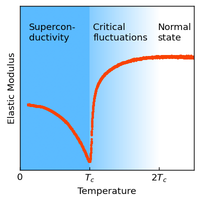
Phys. Rev. X 16, 041006 (2026)
Observation of Wannier-Rydberg and Charge-Transfer Hybrid Moiré Excitons under Pressure
Article | | 2026-10-06 06:00 EDT
Jing Song, Yifan Wang, Xuan Zhao, Yuxuan Song, Song Liu, Chen Hu, and Yang Xu
Hydrostatic pressure continuously tunes the moiré potential in semiconductor superlattices, driving a crossover to a strong-moiré regime that hybridizes Wannier-Rydberg and charge-transfer excitons.
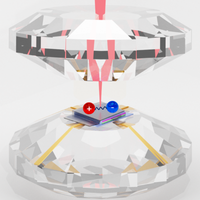
Phys. Rev. X 16, 041007 (2026)
arXiv
Correlated Low-Energy Model of Monolayer 1H-NbS$_2$: A cRPA+DMFT Study
New Submission | Strongly Correlated Electrons (cond-mat.str-el) | 2026-10-07 20:00 EDT
Karollaine C. Leite, Jorge L. B. de Faria, Luiz Antonio Ribeiro Junior, Alexandre C. Dias, Helena Bragança, Alberto S. de Arruda
Monolayer $ 1\mathrm{H}\text{-}\mathrm{NbS}2$ hosts a well-separated metallic band of predominant Nb-$ d{z^2}$ character, providing an ideal platform to probe electronic correlations within a single-band setting. In this work, we present a comprehensive study of $ 1\mathrm{H}\text{-}\mathrm{NbS}2$ by combining first-principles Wannier interpolation, constrained random-phase approximation (cRPA), and DFT+DMFT. We show that an effective single-band model accurately captures the low-energy electronic structure, reproducing key experimental features from ARPES and STS $ dI/dV$ spectra, including a characteristic Van Hove singularity. While static DFT+$ U$ fails to describe the correlated metallic nature of the system, DFT+DMFT successfully accounts for the spectral weight redistribution and dynamic correlations. By defining the cRPA target subspace directly within the isolated Nb-$ d{z^2}$ band, we obtain a renormalized local interaction of $ U_{\mathrm{cRPA}} = 1.138\mathrm{eV}$ . This interaction stabilizes a strongly correlated metallic state that remains robust upon cooling. Remarkably, this minimal single-band model captures a spectral broadening similar to that previously reported in more elaborate treatments - incorporating larger local interactions ($ U \sim 1.8\mathrm{eV}$ , derived from a multiorbital cRPA construction), intersite Coulomb terms ($ V$ ), and electron-phonon coupling - demonstrating that a consistently downfolded local interaction alone can already capture key aspects of the experimentally observed low-energy behavior of monolayer $ 1\mathrm{H}\text{-}\mathrm{NbS}_2$ .
Strongly Correlated Electrons (cond-mat.str-el)
12 pages
Disorder into Correlation: A Microscopic Mechanism for Sub-McIntyre Avalanche Noise
New Submission | Strongly Correlated Electrons (cond-mat.str-el) | 2026-10-07 20:00 EDT
Shafat Shahnewaz, Hannaneh Karimi, Joe C. Campbell, Avik W. Ghosh
Avalanche multiplication is intrinsically stochastic, yet experiments reveal excess noise below the minimum predicted by McIntyre’s local-field theory. The microscopic origin of this noise suppression remains incompletely understood. We show that polar-optical-phonon emission, confined to a narrow forward cone, competes with elastic alloy scattering that diffuses field-collimated hot carriers out of the cone. Suppressed phonon cooling narrows the ionization path beyond the dead space and synchronizes successive ionizations into a dynamic staircase. This explains the low noise of Sb-based alloys and HgCdTe and makes alloy disorder a design parameter.
Strongly Correlated Electrons (cond-mat.str-el), Materials Science (cond-mat.mtrl-sci)
Time-Reversal Selection Rule for Twist Disorder
New Submission | Materials Science (cond-mat.mtrl-sci) | 2026-10-07 20:00 EDT
Peng Kang, Da Wan, Shulin Bai, Pengfei Zhang, Vincent Michaud-Rioux, Zhen Li, Yu Liu, Lei Zheng, Li-Dong Zhao, Huibin Xu
Random layer rotations are ubiquitous in layered matter, from turbostratic films to rotationally disordered crystals, and strongly suppress transport across the layers. Generated by a symmetry operation, this disorder is absent on the rotation axis, so the thickness laws of conduction are set by how fast backscattering vanishes there. We show that a time-reversal selection rule decides this: each twist harmonic of the interlayer bond is either a frame rotation, whose backscattering cancels, or a coupling change, which scatters. A zero-set theorem turns the rule into universal thickness laws for electrons and phonons, fixed by band-edge symmetry; random twist increments rescale the backscattering but keep its order. Where the axis is unprotected, band nodes provide a second route: a transparent energy with heavy-tailed disorder and an $ N^{-3}$ law. A first-principles forward-channel model of black phosphorus shows both routes; its random-twist films act as a symmetry filter that, relative to aligned stacks, retains a hundred times more of the electron than of the hole conductance at 64 layers. The symmetry of band edges and phonon branches thus decides what crosses a disordered stack, making stacking disorder a design element.
Materials Science (cond-mat.mtrl-sci), Computational Physics (physics.comp-ph)
8 pages, 3 figures, plus 61 pages of Supplemental Material with 19 figures
Interplay between spinodal decomposition and wetting in ternary to quinary mixtures
New Submission | Materials Science (cond-mat.mtrl-sci) | 2026-10-07 20:00 EDT
We use two-dimensional phase-field simulations based on the Cahn–Hilliard description to study spinodal decomposition in N-component mixtures with N = 3, 4, 5. In particular, we consider surface-directed spinodal decomposition in which one of the coexisting phases serves as a filler particle, while the remaining components phase separate around its surface. We investigate both nonwetting and wetting conditions by varying the interfacial tensions between the particle and the other components. The competition between wetting kinetics and spinodal decomposition produces rich morphological evolution, including the formation of lattice, droplet, and target (or core-shell) morphologies. The target pattern consists of alternating component-rich rings around the particle. In the intermediate-to-late time regime, these structures undergo further morphological transitions driven by curvature-induced depletion of wetting layers and subsequent coarsening of the surrounding domains, resulting in the breakup of target patterns into isolated domains of the matrix components. We find that domain coarsening slows down systematically as the number of components increases, while wetting accelerates it in all cases. The resulting morphologies and phase-separation pathways demonstrate how particle–component interactions can be used to control microstructural evolution in multicomponent mixtures, with potential implications for systems ranging from industrial materials to cellular biology.
Materials Science (cond-mat.mtrl-sci)
$\mathcal{PT}$-symmetry as Effective Time Reversal Symmetry for Anderson Localization in a Collinear Antiferromagnet
New Submission | Other Condensed Matter (cond-mat.other) | 2026-10-07 20:00 EDT
Kim-Khuong Huynh, Takuma Ogasawara, Motoi Kimata, Sofie Søby Leiszner, Nhu-Quynh Thi Phan, Michael Anthony Quintero, Frej Søren Rattenborg, Denis Arčon, Bo Brummerstedt Iversen, Katsumi Tanigaki
We show that $ \mathcal{PT}$ -symmetry acts as the effective time-reversal symmetry governing Anderson localization in the antiferromagnet BaMn$ _2$ Bi$ _2$ , whereas the general time-reversal symmetry is broken by its long-range magnetic order. The magnetoconductance follows the laws established from breaking time-reversal symmetry throuhg the orbital coupling of charge carriers to the magnet vector potential, however, the degrees of symmetry breaking are qualitatively modulated by the magnetocrystalline anisotropy stabilizing $ \mathcal{PT}$ -related sublattices. The quantum interferences and hoping amplitudes governing the phenomena are drastically impaired by transverse magnetic fields, which readily cant $ \mathcal{PT}$ -related magnetic sublattices. Accordingly, when the $ \mathcal{PT}$ -related texture is weakly perturbed by longitudinal fields orienting along the sublattices, the localization is minutely affected. The robustness of the $ \mathcal{PT}$ -enforced degeneracies is thus governed by exchange and magnetocrystalline interactions, in contrast to the exact $ \mathcal{PT}$ -symmetry of the full Hamiltonian, which is broken by any finite field.
Other Condensed Matter (cond-mat.other), Disordered Systems and Neural Networks (cond-mat.dis-nn), Strongly Correlated Electrons (cond-mat.str-el)
CrystalJev: thinking fast and slow with atomistic foundation models for materials discovery
New Submission | Materials Science (cond-mat.mtrl-sci) | 2026-10-07 20:00 EDT
Peng Kang, Zhen Li, Yu Liu, Lei Zheng, Huibin Xu
Atomistic foundation models triage millions of hypothetical materials but are used as slow simulators, their thresholded energies taken at face value. They are better read as fast decision-makers. CrystalJev queries a frozen interatomic potential once per unrelaxed structure and answers typed questions with calibrated probabilities, finite-sample guarantees and a rule for when to think slowly. Across 65 Matbench Discovery models, a ‘stable’ call is a probability in disguise, explained by a model’s errors and the candidate population. Once trained, one forward pass decides nearly as well as a relaxation at a thirtieth of its cost, and a value-of-information theory sends slower computation only where decisions can change. The same layer answers electronic, mechanical and molecular questions. In a registered prospective test with 700 new density-functional calculations, single-pass forecasts calibrated only on existing data over-stated the stable fraction of unseen candidates (5.8%) by at most 2.1 percentage points.
Materials Science (cond-mat.mtrl-sci), Artificial Intelligence (cs.AI), Computational Physics (physics.comp-ph)
43 pages, 6 main figures, 5 Extended Data figures, 1 Extended Data table; Supplementary Information included
Identifying Plastic Inorganic Semiconductors Requires More Rigorous Criteria
New Submission | Materials Science (cond-mat.mtrl-sci) | 2026-10-07 20:00 EDT
The identification of plastic inorganic semiconductors becomes challenging when their mechanical responses depend on crystallographic orientation, sample size, and loading conditions. Using layered GeSe as a model system, we examine its deformation behavior through macroscopic compression, bending, conventional micropillar compression, and eccentric micropillar compression. Under macroscopic compression perpendicular to the layers, GeSe sustains approximately 23% strain without fracture, whereas bending along the c-axis armchair direction produces brittle cleavage fracture. Conventional micropillar compression results in brittle fragmentation, while eccentric loading introduces a shear component that activates pronounced interlayer sliding and accommodates deformation. These contrasting responses reflect the coupled effects of bonding topology, interlayer van der Waals interactions, defect density, stress constraints, and strain path on the competition between sliding and fracture. The results highlight the limitations of identifying plasticity from a single direction, scale, or test and support a systematic evaluation framework combining multiple directions, length scales, loading modes, and characterization techniques. More rigorous and unified criteria are needed to guide reliable materials selection for flexible electronics and devices integrated on curved surfaces.
Materials Science (cond-mat.mtrl-sci), Chemical Physics (physics.chem-ph)
A numerical and efficient model for thermo-field electron emission calculations
New Submission | Statistical Mechanics (cond-mat.stat-mech) | 2026-10-07 20:00 EDT
Salvador Barranco Cárceles, Andreas Kyritsakis, Anthony Ayari
As electron sources are reduced in size, fabricated in new materials, or pushed for performance, the analytical formulations for thermo-field electron emission, namely Fowler-Nordheim and Murphy-Good equations and their JWKB-based extensions, are increasingly applied out of the range of conditions for which they were derived. We present GETELEC-3, an open-source code that replaces them with a direct numerical solution of the one-dimensional time-independent Schrödinger equation (1D-TISE). Several methods to solve the 1D-TISE have been implemented to test for speed, robustness, and solution’s uncertainty. The Noumerov algorithm is found to be quickest, with the solution uncertainty below 1%, and together with an optimised kernel that advances all electron energies in parallel, the cost of calculating the current density is reduced to a few milliseconds - comparable to the JWKB evaluation. To further boost the calculation speed, especially in complicated barriers, a neural network has been trained on the residual of the logarithm of the semiclassical reference and it reproduces the current density better than 0.4% at a fraction of the computational cost. The code is developed for metals and semiconductors, accepts arbitrary potentials and density of states, and comes with a user-friendly interface and compiled executable to democratise rigorous electron emission calculations and data analysis.
Statistical Mechanics (cond-mat.stat-mech), Quantum Physics (quant-ph)
14 pages, 6 figures
Spontaneous Motion Generates Reversible Nonreciprocity in an Achiral Active Elastic Ring
New Submission | Soft Condensed Matter (cond-mat.soft) | 2026-10-07 20:00 EDT
Wen-de Tian, Kang Chen, Tianhui Zhang
Nonreciprocal mechanical response is usually associated with built-in directional couplings, structural chirality, or external driving. Whether an achiral active body can instead generate and reverse such directionality through its own motion remains less clear. Here we show that spontaneous rotation makes an active elastic ring with reciprocal passive interactions mechanically nonreciprocal. Off-center elastic forces reorient propulsion, coupling deformation back to motion. Reversing the rotation reverses the antisymmetric response, while a compensating control preserves finite directionality but strongly suppresses the near-Hopf resonance. Approaching Hopf, the selected response grows inversely with distance to onset and becomes a self-sustained traveling deformation above threshold. Thus nonreciprocity is selected by the dynamical state, while active feedback controls its critical amplification.
Soft Condensed Matter (cond-mat.soft), Computational Physics (physics.comp-ph)
Direct-Write Chemical Vapor Deposition
New Submission | Materials Science (cond-mat.mtrl-sci) | 2026-10-07 20:00 EDT
Eeshan Ketkar, Swarnabha Chattaraj, Koichi Tanaka, Samy Kouidri, Supratik Guha
Direct-write pattering, using chemical vapor deposition through a nozzle, enables localized film growth using high-purity precursors standard to the electronics industry. Yet, achieving sub 100 $ \mu\mathrm{m}$ feature control has been limited by nozzle design and unquantified precursor surface diffusion. Here, we report a direct-write chemical vapor deposition platform that employs a 10 $ \mu\mathrm{m}$ tip diameter glass micro-nozzle mounted on a scanning stage above a heated substrate in ultra-high vacuum. Using this approach, we demonstrate the continuous single-pass writing of 500 $ \mathrm{nm}$ thick metallic aluminum lines with a 30 $ \mu\mathrm{m}$ linewidth on titanium nitride-coated silicon. This capability enables maskless, localized growth under systematically varied deposition conditions on a single substrate. To analyze the resulting deposit profiles, we introduce a transport framework coupling Knudsen gas emission from the micro-nozzle with surface diffusion to extract the effective precursor diffusion length, $ L_d$ . $ L_d$ captures the combined impact of precursor surface mobility, residence time, substrate temperature ($ 165^{\circ}\mathrm{C}$ to $ 205^{\circ}\mathrm{C}$ ), growth duration, and nozzle height, contracting from 17.4 $ \mu\mathrm{m}$ down to 3.2 $ \mu\mathrm{m}$ at elevated temperatures. These results establish $ L_d$ as a quantitative parameter for evaluating laterally confined chemical vapor growth and predicting feature resolution limits. This approach provides a practical methodology to measure and quantify precursor surface transport in localized film synthesis.
Materials Science (cond-mat.mtrl-sci), Chemical Physics (physics.chem-ph)
18 pages, 9 figures
Heavy-fermion hybridization waves from Dirac spinons near a Kondo-breakdown quantum phase transition
New Submission | Strongly Correlated Electrons (cond-mat.str-el) | 2026-10-07 20:00 EDT
Pedro M. Cônsoli, Matthias Vojta, Onur Erten
Motivated by the recent observation of spatially modulated screening in different paramagnetic heavy-fermion materials, we propose a theoretical mechanism for the emergence of such hybridization waves in frustrated Kondo lattices with no magnetic order. By applying a parton mean-field theory and a perturbative calculation to a minimal Kondo-Heisenberg lattice model, we demonstrate that a heavy Fermi liquid can naturally develop hybridization waves when it approaches a quantum phase transition where Kondo screening breaks down and the local magnetic moments form a Dirac spin liquid. We relate the strength of this mechanism to a kinematic condition on the electronic and spinon band structures and show that the spatial periodicity of the hybridization wave is set by a momentum $ \vec{Q}$ connecting the nodes in the dispersion of the Dirac spinons to low-energy portions of the electronic band structure.
Strongly Correlated Electrons (cond-mat.str-el)
8+8 pages, 4+4 figures
Chiral Parafermions in Floquet $\mathbb{Z}_N$ Topological Order
New Submission | Strongly Correlated Electrons (cond-mat.str-el) | 2026-10-07 20:00 EDT
Melissa Will, Harald Schmid, Jan Egger, Adam Gammon-Smith, Michael Knap, Frank Pollmann
Floquet topological order (FTO) extends topology beyond equilibrium, giving rise to phenomena, such as the dynamical transmutation of anyons. Here, we realize $ \mathbb{Z}_N$ FTO in a generalized Kitaev honeycomb model with clock degrees of freedom using a three-step periodic drive. The driven system admits an emergent description in terms of constrained parafermions coupled to conserved $ \mathbb{Z}_N$ gauge fields. At the boundary, the drive generates chiral parafermionic Floquet edge modes. We resolve their propagation through correlation functions, characterize their fractional quantum-information transport through the radical chiral unitary index, and use their dynamics to probe exchange statistics. In the bulk, we explore the dynamical anyon transmutation with a non-equilibrium loop order parameter. At a Floquet sweet spot, where the drive becomes Clifford, these phenomena can be accessed using stabilizer simulations. Short-time matrix-product-state simulations away from this point show that the chiral edge response persists at accessible times. Our results establish $ \mathbb{Z}_N$ Kitaev models as a setting for exploring intrinsically non-equilibrium topological phenomena on qudit-based quantum processors.
Strongly Correlated Electrons (cond-mat.str-el), Quantum Physics (quant-ph)
7+7 pages, 5+3 figures
Local-moment magnets on all close-packed lattices are equivalent
New Submission | Strongly Correlated Electrons (cond-mat.str-el) | 2026-10-07 20:00 EDT
Sam Studdy, Alwyn Jose Raja, R. Ganesh
The Heisenberg antiferromagnet on the fcc lattice is a canonical example of frustration. The fcc lattice is but one of an infinite number of close-packed structures, all of which have the same frustration-inducing local geometry. In this letter, we demonstrate a hidden symmetry that relates classical magnets on all close-packed lattices. This symmetry derives from a similar property in tight binding models that may explain the disordered low-temperature structures of lithium and sodium metals. In magnets, the symmetry holds when couplings are restricted to nearest ($ J_1$ ) and next-nearest neighbours ($ J_2$ ). It guarantees that all close-packed lattices are equivalent at the Luttinger-Tisza level. For any given values of $ J_1$ and $ J_2$ , they have the same ground-state energy. Their ground state momenta are identical when projected onto the stacking plane. We construct a unified phase diagram as a function of $ J_1$ and $ J_2$ couplings for Heisenberg, XY and Ising magnets on any close-packed lattice. In each phase, the ground-state degeneracy is the same on all close-packed lattices, even after accounting for multi-Q spirals. This phase diagram can be easily adapted to any magnet composed of stacked triangular layers with similar couplings. Fluctuations above the classical ground state(s) are not related by any symmetry. This suggests that close-packed structures can show interesting differences in order-by-disorder selection.
Strongly Correlated Electrons (cond-mat.str-el)
Proposing one-sided tetrons as topological qubits for Majorana-based quantum computation
New Submission | Mesoscale and Nanoscale Physics (cond-mat.mes-hall) | 2026-10-07 20:00 EDT
Tudor D. Stanescu, Sumanta Tewari
One-dimensional SM-SC hybrid nanowires with Rashba spin-orbit coupling and applied Zeeman field can support Majorana zero modes (MZMs) at the ends of the wire. In finite-length systems, residual wave-function overlap between the end modes produces an energy splitting. In a two-sided tetron qubit, composed of a pair of parallel Majorana wires coupled by a trivial SC backbone in the middle, this splitting limits the parity lifetime associated with Majorana pairs involving both wires and the coherence of the qubit, adversely affecting measurement-based braiding and readout operations. Here, we propose a one-sided tetron made of four parallel Majorana wires connected at a common end by an SC backbone. In the topological phase, the free wire ends host four MZMs that define the topological qubit, while the Majoranas localized near the opposite ends hybridize through the backbone and acquire finite energy. To study the basic hybridization mechanism, we consider a simpler two-wire subsystem, i.e., half of a one-sided tetron, which we call a doublon. In a doublon, the backbone, or bridge, strongly hybridizes the two Majorana modes at the connected end and shifts them away from zero energy, while the modes at the free ends form a near-zero energy fermion. We show that the splitting of the surviving MZM pair can fall by about two orders of magnitude compared to the splitting energies in a two-sided tetron, thereby dramatically increasing the parity lifetimes. Thus, the one-sided tetron ensures a suppression of the Majorana overlap comparable to doubling the length of the corresponding two-sided tetron.
Mesoscale and Nanoscale Physics (cond-mat.mes-hall)
13 pages, 10 figures
Composite Fermion Theory of Fractional Chern Insulators in Rhombohedral Graphene
New Submission | Mesoscale and Nanoscale Physics (cond-mat.mes-hall) | 2026-10-07 20:00 EDT
Peize Ding, Andrew J. Millis, Yongxin Zeng
The experimental observation of the fractional quantum anomalous Hall effect in rhombohedral graphene multilayers has raised questions about the nature of the fractional Chern insulator (FCI) states and the role of the moiré potential. In this Letter we develop a composite fermion (CF) description and discuss how moiré modulation and Coulomb interactions stabilize the FCI ground states. Under a flux-attachment transformation and mean-field approximation, the CF spectrum forms Landau levels that are further split by the moiré potential. At moiré filling fractions in the Jain sequence, an integer number of CF bands are occupied, resulting in an incompressible ground state with fractionally quantized Hall response. Remarkably, when the attached flux opposes the Berry curvature of the conduction band of rhombohedral graphene, the CF Landau levels are widely spaced in energy and delocalized across layers, leading to a reduced density of states that helps protect the CF mean-field state and amplifying effects of the moiré potential acting on the layer away from the doped electrons. Interactions between CFs further enlarge the moiré-induced band gap and stabilize the FCI ground state. Our work sheds light on the nature of the FCI states in rhombohedral graphene and provides a new theoretical framework for further studies.
Mesoscale and Nanoscale Physics (cond-mat.mes-hall)
Adjoint-State Identifiability of Piezo-Tunable Valley Splitting in 2D Magnetic Heterostructures
New Submission | Mesoscale and Nanoscale Physics (cond-mat.mes-hall) | 2026-10-07 20:00 EDT
Controlling valley degrees of freedom with mechanical strain is a promising approach for solid-state information processing. Current theoretical literature routinely predicts strain-tuned valley splitting at the microscopic level but rarely evaluates whether these quantum predictions remain statistically recoverable in realistic macroscopic devices. This manuscript establishes a fully classical, partial differential equation-constrained multiscale inverse framework for quantifying the device-level identifiability of predicted strain-tunable valley effects in two-dimensional magnetic heterostructures, demonstrated here for a molybdenum disulfide and chromium tribromide heterostructure. First-principles structural relaxations confirm a chiral $ C_3$ point-group symmetry which mathematically reduces the relevant exchange-strain coupling tensor to a single scalar. A partial differential equation-constrained adjoint-state architecture successfully bridges continuum elastodynamics to valley-resolved anomalous Hall transport. Density functional theory yields a coupling estimate of $ \eta \approx -0.07$ meV whose 95% confidence interval is consistent with zero. Evaluating this specific coupling magnitude against established thermal noise and velocity saturation limits defines a safe operating window bounded between 262.0 and 22,337.6 V/cm. Rather than asserting a confirmed nonzero material property this bounded operational window functions as a precise diagnostic threshold. Deploying this rigorous statistical identifiability framework provides a necessary mathematical filter to determine the true experimental viability of theoretically predicted two-dimensional materials before complex physical fabrication.
Mesoscale and Nanoscale Physics (cond-mat.mes-hall), Materials Science (cond-mat.mtrl-sci), Applied Physics (physics.app-ph), Computational Physics (physics.comp-ph)
15 pages, 8 figures, 3 tables (including Supplementary Material). Custom adjoint-state codes and simulation dataset are available at this https URL
Contact-Governed Macroscopic Signatures of Strain-Induced Valley Sorting in MoS$_2$ Field-Effect Transistors
New Submission | Mesoscale and Nanoscale Physics (cond-mat.mes-hall) | 2026-10-07 20:00 EDT
Strain engineering is a leading route to control valley-selective transport in monolayer transition metal dichalcogenides. Whether this quantum effect survives inside a fully contacted device remains an open question. Quantum transport models capture the underlying valley deflection but are limited to isolated nanoscale fragments, leaving it unclear if a full device registers strain-induced valley sorting in the bulk, at the contacts, or at all. Here, the quantum valley-deflection tensor of strained monolayer MoS$ _2$ is embedded directly into a macroscopic Poisson-drift-diffusion model, extending this physics to a complete, contact-inclusive device. Applying this framework to a 300nm monolayer MoS$ _2$ transistor with a 3nm HfO$ 2$ gate dielectric at 77K, under a localized 6.14T pseudo-magnetic strain field, shows the resulting 63.6% suppression of the ON-state current is not a bulk property. It is set almost entirely by the source and drain metal-semiconductor interfaces. The full suppression is reproduced when only the 15~nm contact regions are strained and nearly vanishes when the channel interior alone is strained, identifying the metal contact as the dominant site of strain-induced valley physics. Observing it requires tunneling-transparent, degenerately-doped contacts, since classical Ohmic barriers overwhelm the topological signal. A transmission-line analysis reduces this behavior to a single valley-topological contact resistance ($ R{c,V}$ ) and a predictive inverse-length scaling law. This framework applies to any strain-engineered 2D-material heterostructure and can be tested with standard multi-length contact structures. Ultimately, these results identify the metal-semiconductor interface as the decisive location for engineering and detecting valley-selective transport in real 2D-material devices.
Mesoscale and Nanoscale Physics (cond-mat.mes-hall), Materials Science (cond-mat.mtrl-sci), Applied Physics (physics.app-ph)
17 pages, 7 figures, 3 tables. Custom SILVACO TCAD scripts, COMSOL files and datasets are all available at this https URL
Effect of Source-to-Substrate Distance on the Optical and Electrical Properties of Thermally Deposited CdTe, CdSe and Sb$_2$S$_3$ Thin Films
New Submission | Materials Science (cond-mat.mtrl-sci) | 2026-10-07 20:00 EDT
Himanshu Sharma Pathok, Prasanta Kumar Saikia
In this work, cadmium telluride (CdTe), cadmium selenide (CdSe), and antimony sulfide (Sb(_2)S(_3)) thin films were deposited using the thermal evaporation technique by varying the source-to-substrate distance (SSD) from 15 to 24 cm (15, 18, 21, and 24 cm). The influence of the SSD on the structural, compositional, optical and electrical properties of the deposited films was systematically investigated. XRD analysis revealed the polycrystalline nature of the CdTe and CdSe thin films, whereas the Sb$ _2$ S$ _3$ thin films exhibited an amorphous nature. EDX spectroscopy confirmed the presence of the constituent elements in the deposited films. Optical analysis revealed a marginal variation in the optical band gap with increasing SSD, while the film thickness, determined using the envelope method, decreased with increasing SSD. The optical band gap energies of CdTe and CdSe were found to be below 2 eV, whereas Sb$ _2$ S$ _3$ exhibited a relatively higher band gap. The relatively low band gap energies and high absorption coefficients of the CdTe and CdSe films make them promising candidates for absorber layer applications in thin film solar cells (TFSCs). The films exhibited relatively low optical transmittance, which is desirable for efficient light absorption in absorber layers. Electrical characterization confirmed the semiconducting nature of all the deposited thin films. Overall, the results demonstrate that the optical and electrical properties of CdTe, CdSe and Sb$ _2$ S$ _3$ thin films can be effectively modified by varying the SSD. The findings indicate that, in addition to the well established CdTe absorber, CdSe thin films show potential for application as absorber materials in TFSCs.
Materials Science (cond-mat.mtrl-sci)
12 Pages, 9 Figures
Odd-parity magnon spin polarization from chiral four-spin exchange in a honeycomb antiferromagnet
New Submission | Strongly Correlated Electrons (cond-mat.str-el) | 2026-10-07 20:00 EDT
Bektur Murzaliev, Mikhail Titov
Chiral four-spin exchange generates a momentum-dependent magnon spin in a compensated honeycomb antiferromagnet at zero magnetic field. For a Néel vector tilted by an angle $ \theta_0$ from the layer normal, the interaction contributes to intersublattice magnon pairing already at harmonic order, with an amplitude proportional to $ \cos\theta_0\sin^2\theta_0$ . Biaxial anisotropy mixes the two longitudinal-spin sectors, producing nonquantized mode spins that are odd in momentum, while a sublattice-exchange relation keeps the magnon energies reciprocal. A temperature gradient then induces a spin density along the Néel axis through a redistribution of magnon occupations. Reversing the four-spin coupling reverses this spin density and the mode spins without changing the magnon energies. MnPS$ _3$ motivates the magnetic geometry; realizing the interaction requires a structural modification compatible with the symmetry assumptions of the model.
Strongly Correlated Electrons (cond-mat.str-el)
6 pages, 3 figures, plus 6 pages of Supplemental Material
Theory of resonance Raman profiles in transition metal dichalcogenide monolayers: Interference effects due to inter-valley phonon scattering
New Submission | Mesoscale and Nanoscale Physics (cond-mat.mes-hall) | 2026-10-07 20:00 EDT
Daniel Groll, Daniel Wigger, Tilmann Kuhn
The optical properties of monolayer transition metal dichalcogenides (TMDCs) are strongly impacted by exciton-phonon coupling, especially inter-valley scattering in the case of tungsten-based materials. Together with strain-tunability of the energetic K-Q valley separation this material class therefore provides a platform for semiconductor optomechanics. Here we investigate the influence of inter-valley scattering and strain on resonance Raman scattering in monolayer TMDCs using a microscopic model based on an effective deformation potential coupling for the exciton-phonon interaction. Considering exemplarily the resonance Raman profile of the A$ _1$ -mode in hBN-encapsulated monolayer WSe$ _2$ , we find that inter-valley scattering between the electronic K- and Q-valley leads to destructive interference between a first order and a third order Raman process. As a result we obtain a suppression of the incoming resonance in WSe$ _2$ , consistent with recently published experimental data.
Mesoscale and Nanoscale Physics (cond-mat.mes-hall), Optics (physics.optics)
Mechanics of a Model Frictional Knitted Fabric
New Submission | Soft Condensed Matter (cond-mat.soft) | 2026-10-07 20:00 EDT
Laura Michel, Antoine Faulconnier, Audrey Steinberger, Samuel Poincloux, Jérôme Crassous
We present a study of the shapes and mechanical properties of a knitted loop made of elastic and frictional yarns. First, for non-frictional yarns, we investigate how the elastic energy of a loop varies with its shape. This allows us to quantify the energetic contributions of stretching and bending, and to identify energetically favorable loop configurations. We then consider the case of thin frictional yarns. In this case, the stability of a loop can be reduced, even in the presence of friction, to a simple planar \textit{elastica} problem. Friction gives rise to a multiplicity of stable loop shapes in a knitted fabric at rest, \textit{i.e.}, in the absence of externally applied forces. We show that, in the limit of thin yarns, a 2D \textit{elastica} model can predict these rest shapes. Furthermore, the force-deformation curves under uniaxial stretching can be obtained straightforwardly within this framework. Measurements of loop dimensions and forces during uniaxial stretching of nylon knitted fabrics allow us to assess the qualitative and quantitative validity of the planar \textit{elastica} model. Finally, we examine the limitations of this model for dense knitted fabrics.
Soft Condensed Matter (cond-mat.soft), Applied Physics (physics.app-ph)
Direct synthesis of moiré graphene with twist-tuned hybridization
New Submission | Mesoscale and Nanoscale Physics (cond-mat.mes-hall) | 2026-10-07 20:00 EDT
Seunghyun Park, Daniel T. Larson, Zeyu Hao, Takashi Taniguchi, Kenji Watanabe, Efthimios Kaxiras, Yuan Cao, Amir Yacoby
Twisted van der Waals (vdW) systems provide a powerful platform for exploring emergent correlated phenomena, including superconductivity, magnetism, and topological phases. The twist angle offers a continuous tuning parameter for modifying the underlying Hamiltonian, however, precise and reproducible control remains challenging. Existing approaches are limited by single-use device architectures, restricted angular precision, or vertical probing geometries. Here we introduce a reconfigurable graphene-based moiré platform in which two independently fabricated layers are mechanically assembled and rotated in situ using a micro-electromechanical system (MEMS). Raman spectroscopy confirms the formation and robustness of the twist-induced moiré potential and enables continuous, deterministic control of the twist angle. The moiré potential folds the electronic band structure and activates the longitudinal optical (LO) phonon mode, allowing us to map its dispersion and directly visualize the moiré momentum. Angle-dependent electronic band hybridization is resolved through the evolution of the double-resonant 2D mode. Near (0^\circ), an emergent asymmetry of the (\Gamma)-point G-mode phonon reveals phonon band folding and hybridization driven by the moiré superlattice potential and interlayer relaxation. Our platform provides a reproducible Raman reference for twisted bilayer graphene while eliminating device-to-device variability. More broadly, it establishes the twist angle as a deterministically controllable parameter for systematic studies of correlated and topological phenomena in moiré quantum materials.
Mesoscale and Nanoscale Physics (cond-mat.mes-hall)
Conditions for Altermagnetism in RuO2
New Submission | Materials Science (cond-mat.mtrl-sci) | 2026-10-07 20:00 EDT
Himanshu Mavani, Zhonglin He, Evgeny Y. Tsymbal
The magnetic ground state of rutile RuO2 remains disputed, raising a central question: under what structural and chemical conditions can this material support altermagnetism? We address this question by combining a critical assessment of experimental and theoretical studies with first-principles calculations of epitaxial strain, point defects, doping, and interfaces. Bulk-sensitive measurements reported in the literature are consistent with a nonmagnetic ground state, while magnetic signatures in thin films depend strongly on their structural environment and do not necessarily establish homogeneous altermagnetic order. Our calculations identify substrate-imposed epitaxial strain as the leading factor favoring altermagnetism among the conditions examined and predict several substrate-orientation combinations that stabilize an altermagnetic ground state. Carrier doping and chemical substitution modify this strain-induced magnetism in distinct ways. Uniform hole doping strengthens the magnetic tendency, whereas Ru vacancies provide little benefit and can weaken the magnetic state through local structural distortions. Cr or Mn substitution, by contrast, enhances Ru magnetic moments and further stabilizes the strained altermagnetic phase. These results distinguish the effects of carrier doping from those of local structural and chemical changes and identify concrete routes to realizing altermagnetism in RuO2 films.
Materials Science (cond-mat.mtrl-sci), Other Condensed Matter (cond-mat.other)
21 pages, 9 figures
Reliability of AI/ML Computational Searches for Magnetic Materials: Databases, Validation, and Synthesizability
New Submission | Materials Science (cond-mat.mtrl-sci) | 2026-10-07 20:00 EDT
Vladimir Antropov, Subhadip Pradhan, Kirill D. Belashchenko
The rapid growth of AI/ML methods for materials discovery has increased the importance of the quality, physical completeness, and information content of computational databases. We examine these issues for magnetic materials, where incomplete sampling of competing magnetic states, chemical disorder, and finite-temperature properties can lead to apparently accurate but physically unreliable predictions. We propose a hierarchical discovery workflow combining independent ML models with explicit electronic-structure, magnetic, dynamical, thermodynamic, kinetic, and experimental validation. To incorporate kinetic accessibility into high-throughput screening, we introduce a dimensionless synthesis-window descriptor based on the relation between the chemical order-disorder and Tammann temperatures. A cluster-expansion analysis of Fe-Co-B illustrates the importance of this criterion: although ordered Fe3CoB2 is energetically favored at T=0, its small ordering energy produces an order-disorder temperature far below room temperature, making long-range Fe/Co ordering kinetically unachievable. These results demonstrate that reliable AI/ML discovery of magnetic materials requires databases and validation procedures that contain physical information relevant to the target functionality, rather than simply larger numbers of calculated structures.
Materials Science (cond-mat.mtrl-sci)
Phase diagram and transition properties of the Blume-Capel model: A Monte Carlo study
New Submission | Statistical Mechanics (cond-mat.stat-mech) | 2026-10-07 20:00 EDT
Tenglong Li, Zhigang Feng, Jie Zhang
The Jx-Jy Blume-Capel model, with and without an external magnetic field, is investigated using the Monte Carlo method. Our aim is to verify the location of the tricritical point, examine the existence of reentrant behavior, and study the magnetocaloric properties of this specifically designed system. In the non-field case, the critical temperature given by the Monte Carlo simulations is lower compared to the conventional antiferromagnetic square lattice. When an external magnetic field is applied, we observed signs of a one-dimensional spontaneous symmetry-breaking phase in the mixed-states regime, which is counterintuitive with secondary specific-heat peak. We take the snapshot of this state and elucidated the underlying mechanisms using mean field theory in the field of spin-1 spinor Bose-Einstein condensate . Regarding reentrant behavior, we confirmed its occurrence as the magnetic field varies, but only when the temperature is kept constant. Temperature-dependent reentrant behavior could not be identified within this system. Finally, we examined the magnetocaloric properties and found no evidence of first-order phase transitions within the region of the considered phase-transition point. Although both inverse and direct magnetocaloric effects are present and related to the mixed state, we identified that the relevant phase transitions are all of the second order.
Statistical Mechanics (cond-mat.stat-mech), Quantum Gases (cond-mat.quant-gas)
Asymptotic Analysis of Empirical Risk Minimization on Entry-wise i.i.d. Heavy-Tailed Data
New Submission | Disordered Systems and Neural Networks (cond-mat.dis-nn) | 2026-10-07 20:00 EDT
Kaito Takanami, Takashi Takahashi, Yoshiyuki Kabashima
Many real-world datasets exhibit unusually large values far more frequently than predicted by Gaussian models. Heavy-tailed distributions capture this behavior, yet evaluating learning performance under them remains challenging because rare, large feature entries retain non-vanishing effects even in high dimensions. Even in the canonical setting of empirical risk minimization for linear regression with entry-wise i.i.d. symmetric $ \alpha$ -stable data, a precise asymptotic characterization of prediction has been lacking. In this work, we introduce a functional order parameter that describes the random effective problem associated with each coefficient. Using the replica method, we fully characterize the generalization error in the proportional high-dimensional limit where the sample size and feature dimension diverge at a fixed ratio. Additionally, this analysis establishes a heavy-tail universality law, scaling laws relating typical errors to prediction reliability, and the Bayes-optimal prediction error. In addition to characterizing the effects of extreme entries on the learning process, our method applies broadly to other systems with persistent local heterogeneity.
Disordered Systems and Neural Networks (cond-mat.dis-nn), Machine Learning (cs.LG), Statistics Theory (math.ST), Machine Learning (stat.ML)
Luttinger Liquid Behavior in a Single-Layer Nickelate La1.4Sr0.6NiO4
New Submission | Superconductivity (cond-mat.supr-con) | 2026-10-07 20:00 EDT
Yinqi Hu, Yidian Li, Xian Du, Wenxuan Zhao, Kaiyi Zhai, Senyao Zhang, Jiawei Shao, Mingxin Mao, Houke Chen, Jieyi Liu, Donghui Lu, Makoto Hashimoto, Fangyuan Zhu, Zhengtai Liu, Dawei Shen, Yaobo Huang, Zhongkai Liu, D. Prabhakaran, Yanpeng Qi, Yilin Wang, Yulin Chen, Lexian Yang
The discovery of high-temperature superconductivity in bilayer and trilayer nickelates has spurred intense interest in the Ruddlesden-Popper nickelates; yet the fundamental properties of the NiO2 layer remain obscured by interlayer coupling. It is therefore imperative to investigate the electronic properties of their single-layer counterpart to isolate the intrinsic physics of the NiO layer. In this work, we present a systematic study of the single-layer nickelate La1.4Sr0.6NiO4 using high-resolution angle-resolved photoemission spectroscopy (ARPES) and theoretical calculations. We reveal strong electron correlation effects, manifested by high-energy kinks in band dispersions and a pronounced orbital-dependent band renormalization. Interestingly, we observe a quasi-one-dimensional electronic structure characterized by straight Fermi surface sheets along the diagonal momentum directions. Such square Fermi surface topology facilitates non-Fermi liquid behavior consistent with the Luttinger liquid model, as evidenced by the power-law spectral function, robust temperature scaling, and the observation of spin-charge separation. Our results therefore not only unveil an exotic Luttinger liquid behavior emerging from the unexpected dimensional reduction in an intrinsically quasi-two-dimensional nickelate but also provide a new perspective for understanding the intriguing physics in multilayer nickelates.
Superconductivity (cond-mat.supr-con), Strongly Correlated Electrons (cond-mat.str-el)
To appear in PRX
Sparse qubit operation in a 6$\times$6 quantum dot array
New Submission | Mesoscale and Nanoscale Physics (cond-mat.mes-hall) | 2026-10-07 20:00 EDT
Alexader S. Ivlev, Harold L. Co, Damien R. Crielaard, Alice Petrillo, Setareh Kazemzadeh, Giordano Scappucci, Menno Veldhorst
Fault-tolerant quantum computation requires increasing the qubit count while maintaining high performance and connectivity. Semiconductor qubits have demonstrated high-fidelity operation, but growing the system size at sufficient connectivity remains challenging, such that scaling mainly occurred in one spatial direction to preserve access for control lines in the other. Here, we realise an approach that relaxes the requirements on fabrication and demonstrate a 6$ \times$ 6 quantum dot array, defined by a shared barrier gate and individual plunger gates. The quantum dots are tuned through coherent spin shuttling over distances up to 5.2um into a sparse configuration of 10 simultaneously operated qubits, leaving space for shuttling connections. We reduce crosstalk by 42$ \times$ in this separated regime, enabling high-fidelity simultaneous single-qubit control, while control-Z operations can be implemented through shuttling and plunger-only control. These results promise high-connectivity quantum circuits, enabled by scaling to two-dimensional geometries and exploiting shuttling.
Mesoscale and Nanoscale Physics (cond-mat.mes-hall), Quantum Physics (quant-ph)
Main: 11 pages, 5 figures. Supplementary Information: 17 pages
Bichargon Hall Effect
New Submission | Mesoscale and Nanoscale Physics (cond-mat.mes-hall) | 2026-10-07 20:00 EDT
The conventional Hall effect arises from the transverse deflection of mobile electronic charge carriers in conductors. Here, we predict a bosonic charge Hall effect in charge-ordered insulators mediated by bichargons, collective bosonic excitations of charge order carrying quantized electric charges $ \pm 2e$ . In contrast to conventional electronic carriers, a thermally excited bichargon gas does not support dc electrical conduction in response to an external electric field despite its constituents carrying finite electric charges. We show that a temperature gradient can instead drive a diffusive flow of thermal bichargons, while an out-of-plane magnetic field deflects the oppositely charged bichargons in opposite transverse directions via the Lorentz force, leading to a finite Hall charge current and opposite charge accumulations at the sample edges. Our results broaden the paradigm of charge Hall transport beyond conventional electronic conductors, establishing that a charge Hall response can emerge in an electrically \emph{insulating} system through charged bosonic quasiparticles.
Mesoscale and Nanoscale Physics (cond-mat.mes-hall), Strongly Correlated Electrons (cond-mat.str-el)
Theory of Magic Angles in Twisted Bilayer Graphene: from Non-Abelian Gauge Fields to Flat Bands
New Submission | Mesoscale and Nanoscale Physics (cond-mat.mes-hall) | 2026-10-07 20:00 EDT
Leonardo A. Navarro-Labastida, Gerardo G. Naumis
At a discrete set of ``magic’’ twist angles, twisted bilayer graphene develops two bands at charge neutrality that are almost perfectly flat. We present a unified theory of this phenomenon within the chiral continuum model. The central object is the square of the chiral Hamiltonian, a $ 2\times2$ Schrödinger operator for an electron moving in a non-Abelian $ SU(2)$ pseudo-magnetic field generated by the interlayer tunneling. From it we derive an energy sum rule in which the interlayer coupling splits into a bounded overlap channel and an unbounded current channel; their different scaling with the coupling $ \alpha$ explains why the first magic angle is qualitatively different from the rest. The asymptotic rule $ \alpha_{m+1}-\alpha_m\to3/2$ follows from a rescaling of the moiré potential together with its three-cell magnetic periodicity, with the two parity families of zero modes each repeating with period $ 3$ and interleaved with each other. Near the AA point the zero-mode problem becomes a lowest-Landau-level problem in an effective field $ B_{\rm eff}=3\alpha$ , so that the high-order zero modes are coherent Landau states of width $ 1/\sqrt{3\alpha}$ whose guiding centres converge to $ \pm(\pi/3) q_\mu$ , with kinetic and confinement energies in equipartition. Deforming the coupling into an Abelian one removes the magic-angle sequence, which shows that the non-Abelian structure is essential. Between consecutive magic angles, band inversions at $ \Gamma$ and $ M$ produce phases with Chern numbers $ C=\pm2$ , and the quantum metric reaches a sharp maximum at $ \theta\approx0.43^\circ$ , identifying a promising regime for correlated and topological phases beyond the first magic angle.
Mesoscale and Nanoscale Physics (cond-mat.mes-hall), Materials Science (cond-mat.mtrl-sci)
33 pages, 14 figures
Ferroaxial Electronic Response to Local Lattice Rotation
New Submission | Mesoscale and Nanoscale Physics (cond-mat.mes-hall) | 2026-10-07 20:00 EDT
Ken Uchino, Yuuki Ogawa, Satoru Hayami
We theoretically investigate electronic responses to lattice deformation in a ferroaxial system using a tight-binding model on a two-dimensional square lattice and linear response theory. While conventional elastic responses are commonly discussed in terms of symmetric strain, the displacement gradient also contains an antisymmetric component describing a local lattice rotation. Focusing on this rotational degree of freedom, we treat the symmetric strain and antisymmetric local rotation as independent perturbations and incorporate their effects microscopically through deformation-induced modulations of the electronic hopping amplitudes. We find that the local rotation induces characteristic diagonal electric quadrupoles that are distinct from those generated by the symmetric shear strain. The rotation-induced response is dominated by the intraband contribution and increases approximately linearly with the ferroaxial crystal field, vanishing in the absence of ferroaxial order. In contrast, the symmetric-shear-induced response remains finite without ferroaxial order and contains both intraband and interband contributions. These results demonstrate that the antisymmetric local rotation provides a distinct electronic response channel characteristic of the ferroaxial state.
Mesoscale and Nanoscale Physics (cond-mat.mes-hall)
5 pages, 3 figures
Determination of Burgers-vector directions of threading edge dislocations in GaN by phase-contrast microscopy
New Submission | Materials Science (cond-mat.mtrl-sci) | 2026-10-07 20:00 EDT
Yukari Ishikawa, Maki Shimizu, Koji Sato, Kisara Matsumoto, Kazuki Ohnishi, Yongzhao Yao, Ryo Hattori
Phase-contrast microscopy enables rapid, nondestructive observation of threading dislocations in GaN, but the relationship between dislocation contrast and the Burgers vector has not been established. Here, we demonstrate that the in-plane Burgers-vector direction of threading edge dislocations in GaN can be determined from the arrangement of bright and dark contrast in phase-contrast microscopy images. The relationship was first established for threading edge dislocations in ammonothermal GaN whose Burgers vectors were independently determined by X-ray topography and was subsequently applied to hydride vapor phase epitaxy-grown GaN. The Burgers vector predicted from the phase contrast was verified by weak-beam dark-field TEM and large-angle convergent-beam electron diffraction. For the threading edge dislocations examined, the direction obtained by rotating the direction from the minimum of the dark contrast to the maximum of the bright contrast by 90° counterclockwise coincided with the Burgers-vector direction. Analysis based on the photoelastic effect further suggests that the phase contrast primarily reflects the sum of the two in-plane normal strain components, {\epsilon}xx + {\epsilon}yy, around the dislocation. These results demonstrate that phase-contrast microscopy can be used as a nondestructive optical method for determining the in-plane Burgers-vector direction of threading edge dislocations in GaN.
Materials Science (cond-mat.mtrl-sci)
Improved Density Functionals for Predicting Block Copolymer Domain Structure and Phase Behavior
New Submission | Soft Condensed Matter (cond-mat.soft) | 2026-10-07 20:00 EDT
Phase-field models offer an efficient alternative to self-consistent field theory (SCFT), but quantitative predictions of block-copolymer phase behavior remain challenging. We develop a quadratic-connectivity entropic (QCE) density functional and its adaptive extension (AQCE). QCE combines quadratic nonlocal connectivity with a nonlinear binary relative-entropy term, while AQCE adds bounded interfacial stiffness that preserves the homogeneous response. In lamellar benchmarks, QCE gives the lowest mean profile error among the tested models and AQCE the lowest mean period error. Compared with the optimized phase-field (OPF) model fitted to SCFT force and stress data, AQCE reduces strong-segregation period and profile errors by more than fivefold and sixfold, respectively. AQCE further reproduces the topology of the SCFT phase diagram for AB diblocks, a more demanding test of free-energy rankings among competing morphologies. Because architecture enters through ideal-chain correlations, the same nonlinear construction extends to other A/B architectures. We demonstrate this transfer for symmetric linear ABA lamellae, accurately predicting their profiles, periods, and ordering threshold.
Soft Condensed Matter (cond-mat.soft)
Emergent Dimensionality in Diluted Power-Law Quantum Walks
New Submission | Disordered Systems and Neural Networks (cond-mat.dis-nn) | 2026-10-07 20:00 EDT
G. A. Domínguez-Castro, L. Santos
We investigate single-excitation quantum walks across the one-to-two-dimensional crossover in diluted power-law hopping models. Using arrays of $ \ell$ coupled chains of length $ L$ , we identify the finite-size localization crossover from the longitudinal spreading of an initially localized excitation. The crossover filling is well described by an exponential approach to its two-dimensional value with increasing $ \ell$ , defining a characteristic transverse scale $ \ell_e$ , and effectively two-dimensional behavior emerges already for $ \ell\ll L$ . An independent spectral analysis shows that $ \ell_e$ is set by the transverse extent of the eigenstates participating in the dynamics, providing a microscopic interpretation of the dimensional crossover. Our results reveal an intrinsic eigenstate scale governing emergent dimensionality in diluted systems with power-law hopping, a regime directly relevant to recently developed arrays of polar molecules, Rydberg atoms, and other quantum simulators with long-range interactions.
Disordered Systems and Neural Networks (cond-mat.dis-nn)
8 pages, 6 figures
A self-learning scientific agent for X-ray diffraction
New Submission | Materials Science (cond-mat.mtrl-sci) | 2026-10-07 20:00 EDT
Bin Cao, Huichi Zhou, Runyu Yang, Jingsong Li, Shuchen Sun, Yan Song, Hanyu Gao, Zhongwei Yu, Tong-Yi Zhang, Jun Wang
A central challenge for scientific agents is to turn analytical experience into reusable expertise grounded in physical evidence. Here we introduce Gan Jiang, a self-learning agent for powder X-ray diffraction built on a diffraction-analysis ecosystem we developed: XMatcher, XQueryer, XDecomposer and WPEM. Together, these engines span phase identification, multiphase decomposition and physics-constrained whole-pattern modelling. Gan Jiang converts analytical experience into executable skills by diagnosing failures, revising skill instructions and code, and validating revisions before reuse, without retraining the language model or changing the underlying physical models. Skills selected using development data and frozen before held-out evaluation achieve higher refinement scores than the original expert-designed skills across FullProf, GSAS-II and PyWPEM. The agent resolves strongly overlapping reflections, quantifies a five-phase ancient Egyptian cosmetic, tracks lattice evolution in an operating battery and compares atomic configurations in a disordered oxide catalyst. On DeltaXRDbench, it leads the evaluated methods in single- and multiphase identification across simulated and experimental data. Without supplied composition, single-phase top-1 accuracies reach 96.30%, 81.78% and 40.83% on MP500, RRUFF and opXRD, respectively, compared with 58.00%, 58.47% and 26.45% for the strongest comparator. These results demonstrate how an integrated scientific tool ecosystem can support agents that extract structural knowledge from measurements while accumulating validated analytical expertise that transfers to new samples.
Materials Science (cond-mat.mtrl-sci), Artificial Intelligence (cs.AI), Machine Learning (cs.LG)
Negative charging energy in LaAlO$_3$/SrTiO$_3$ quantum dots induced by SrTiO$_3$ polarization
New Submission | Mesoscale and Nanoscale Physics (cond-mat.mes-hall) | 2026-10-07 20:00 EDT
J. Czarnecki, A. Sierant, B. Szafran, P. Szumniak, T. S. Jespersen, G. Meucci, T. Jansen, R. Citro, A. Maiellaro, N. Bergeal, M. Bibes, M. Saluzzo, A. Kalaboukhov, P. Wójcik
We propose a microscopic mechanism for the negative charging energy in LaAlO$ _3$ /SrTiO$ _3$ quantum dots, arising from the electrostatic image charge associated with the paraelectric response of SrTiO$ _3$ . Using a self-consistent configuration-interaction approach that accounts for both Coulomb repulsion and image-charge interactions, we find a robust regime of electron pairing whose strength is tunable through the confinement potential and the effective image-charge distance, set by the thickness of the interfacial two-dimensional electron gas. Our results establish dielectric image-charge effects as a route to controllable electron pairing in oxide quantum dots and other materials with a strong dielectric response.
Mesoscale and Nanoscale Physics (cond-mat.mes-hall)
7 pages, 4 figures
Two-exciton bound states in the Merrifield exciton model
New Submission | Strongly Correlated Electrons (cond-mat.str-el) | 2026-10-07 20:00 EDT
Understanding the formation and dynamics of two-exciton bound states (BSs) is crucial for harnessing multi-exciton phenomena and designing next-generation organic semiconductor materials. While various mechanisms such as intermolecular exciton-exciton interactions or multi-level intramolecular configurations can generate these BSs, a fundamental understanding of their underlying lattice dynamics remains a key challenge. Within this context, the Merrifield exciton model stands out as a premier framework for capturing the intricate quantum mixing between single-site doubly-excited states and two-particle scattering continuum. In this work, by constructing a set of exact two-exciton Bloch states and applying a plane-wave ansatz to treat the resulting inhomogeneous tridiagonal matrices, we provide a complete, rigorous solution to the two-exciton problem in a finite-size Merrifield chain. We analytically map the parameter regions that support two-exciton BSs, proving that at most two distinct types of BSs can emerge, located either above or below the scattering continuum. Furthermore, we provide a quantitative interpretation of how these two types of BSs evolve as a function of the total wave number within the whole Brillouin zone. The obtained closed-form expressions for the eigenenergies and wave functions offer valuable benchmarks for exploring exciton dynamics and optical responses in related molecular aggregates.
Strongly Correlated Electrons (cond-mat.str-el)
12 pages, 6 figures, to appear in Phys. Rev. B
Layered spin-crossover metal-organic frameworks for light-induced control of two-dimensional quantum materials
New Submission | Materials Science (cond-mat.mtrl-sci) | 2026-10-07 20:00 EDT
Carla Boix-Constant, Alejandro Orellana-Silla, José Antonio Real, Samuel Mañas-Valero, Eugenio Coronado
Metal-organic frameworks (MOFs) are widely explored for gas separation, catalysis or energy storage, yet their integration with other electronically functional materials remains largely unexplored. Here, we integrate the layered Hofmann-type spin-crossover (SCO) MOF {FeII(pyS2Et)2[PtII(CN)4]} into electrical nanodevices to control the properties of two-dimensional (2D) quantum materials. Our molecular approach exploits the stimuli-responsive nature of SCO layered materials as switchable building blocks. We demonstrate selective modulation of the electronic transport in van der Waals heterostructures interfacing SCO with 2D quantum materials (few-layer graphene, magnetic CrSBr, superconducting NbSe2) through the strain induced via thermal and light-induced spin transitions. In graphene, the conductivity is selectively switched by light. In spin-valves based on CrSBr bilayers, the MOF triggers magnetic hysteresis (absent in pristine CrSBr) and enables tunable non-volatile zero-field memory. In NbSe2, light modulates the superconducting critical current and transition temperature. These results establish layered stimuli-responsive SCO MOFs as active molecular control elements for 2D quantum materials, providing a route to strain-mediated control of electronic, magnetic, and superconducting functionalities and extending MOF-based architectures beyond traditional porous-matter applications towards multifunctional electronics and spintronics.
Materials Science (cond-mat.mtrl-sci), Chemical Physics (physics.chem-ph)
Main text, 4 figures
Advanced Materials 2026
First principles modeling of group-III acceptors and their potential lifetime-limiting effects in n-type 4H-SiC
New Submission | Materials Science (cond-mat.mtrl-sci) | 2026-10-07 20:00 EDT
Accurate modeling of p-type dopants in 4H-SiC is essential for understanding the mechanisms governing doping efficiency and carrier transport. In this work, we revisit the electronic structure of boron- and aluminum-related acceptors using hybrid density functional methods. Besides defect formation energies and thermodynamic transition levels, we present a quantitative look into the carrier capture kinetics within the multi-phonon emission framework. Our results reveal striking differences between the two most relevant p-type dopants. While $ \textrm{B}{\textrm{Si}}$ and $ \textrm{B}{\textrm{C}}$ exhibit nearly identical formation energies, consistent with the occurrence of both defects, the formation energy of $ \textrm{Al}{\textrm{C}}$ under intrinsic conditions is approximately 6.5 eV higher than that of $ \textrm{Al}{\textrm{Si}}$ , confirming previous findings that the former is unlikely to occur. We further find that $ \textrm{B}{\textrm{Si}}$ possesses large electron and hole capture cross sections, identifying it as a plausible source of minority-carrier lifetime degradation of n-type material contaminated with boron. In addition, we predict a previously unexplored donor transition for $ \textrm{B}{\textrm{C}}$ . If experimentally confirmed, this defect would represent additional problems to both p-type doped and boron contaminated 4H-SiC, not only because of its ineffectiveness as an electric dopant, but also due to trapping of up to two free holes, reducing the free-hole concentration and increasing scattering effects.
Materials Science (cond-mat.mtrl-sci)
Polaronic Response of a Supersonic Impurity Strongly Coupled to a Bose Condensate
New Submission | Quantum Gases (cond-mat.quant-gas) | 2026-10-07 20:00 EDT
Sooshin Kim, Yoonsoo Kim, Seokmin Jang, Jee Woo Park
How a mobile impurity exchanges momentum and energy with a many-body environment is a central question in nonequilibrium quantum physics. This exchange becomes particularly complex when the impurity moves rapidly and is strongly coupled to its bath. Here, we realize an interaction-tunable cold-atom collider with fermionic $ ^{40}$ K impurities immersed in a $ ^{23}$ Na Bose–Einstein condensate. A species-selective Raman pulse simultaneously launches the condensate and quenches the interspecies scattering length, producing an initial relative speed 36 times the condensate speed of sound. We track the ensuing relative motion as the interspecies interaction is tuned from weak coupling to resonance. At weak and intermediate coupling, the impurity dynamics are well described by a finite-energy two-body collision model. Near resonance, however, the early-time impurity acceleration is markedly suppressed relative to the two-body prediction, corresponding to a strong enhancement of the apparent dynamical inertia. The enhancement is observed near two distinct Feshbach resonances. These observations provide evidence for a polaronic response in the strongly coupled, supersonic regime of a degenerate Bose–Fermi mixture.
Quantum Gases (cond-mat.quant-gas), Atomic Physics (physics.atom-ph), Quantum Physics (quant-ph)
6+5 pages, 4+4 figures
Long-Range Nonequilibrium Correlations as a Thermodynamic Speedometer
New Submission | Statistical Mechanics (cond-mat.stat-mech) | 2026-10-07 20:00 EDT
Vinesh Vijayan, Rishma Thilakaraj, Gokila V, Yogeshvari V A
Despite purely local microscopic dynamics, nonequilibrium steady states can develop long-range correlations. We investigate this phenomenon in the boundary-driven symmetric simple exclusion process by relating its exact nonlocal large-deviation functional to finite-time thermodynamic irreversibility under weak time-dependent driving. Decomposing the long-range correlations into hydrodynamic modes, we find that the lag associated with the slowest mode satisfies an upper bound determined by the excess entropy production rate at each driving frequency. This bound is approached in the quasistatic limit, whereas progressively shorter-wavelength modes do not generally satisfy the corresponding bound. These results provide a quantitative connection between the curvature of the large-deviation functional, long-range correlations in the nonequilibrium steady state, and finite-time dissipation. Within the linear-response regime considered here, they indicate that the longest-wavelength hydrodynamic mode has a distinct relation between slow relaxation and thermodynamic irreversibility.
Statistical Mechanics (cond-mat.stat-mech), Mathematical Physics (math-ph)
9 pages , 3 figures
Mechanistic transition between inter- and trans-granular creep cracking via a unified crystal plasticity-fracture framework
New Submission | Materials Science (cond-mat.mtrl-sci) | 2026-10-07 20:00 EDT
Weichen Kong, Yanwei Dai, Yue Wang, Haitao Wang, Yinghua Liu
High-temperature creep in metals remains challenging due to the complex interplay of deformation and failure mechanisms across multiple length scales. The trade-off between inter- and trans-granular cracking governs the transition of creep rupture behaviour in metallic materials. However, the micromechanical basis of the transition and its linkage to the macroscopic brittle to ductile transition in creep rupture behaviour remain unresolved. Here, the stress-dependent competition between grain-boundary cavitation and slip-induced intragranular cracking is revealed via a unified crystal plasticity fracture framework. The framework incorporates crystal plasticity, grain-boundary cavitation, and crystallographic crack propagation within an explicit polycrystalline microstructure. The microscale computation reveals the transition from trans-granular-dominated cracking at high stress levels to mixed inter- and trans-granular cracking at intermediate stresses and inter-granular-dominated cracking at lower stresses, accompanied by distinct damage localization modes and the evolution of crack paths from grain boundary to grain-interior propagation. The results further quantify the linkage between microscopic fracture mechanisms and macroscopic creep rupture behaviour, including changes in rupture ductility and creep life. Under high-stress conditions, deformation-driven trans-granular damage localization promotes ductile rupture through extensive strain accumulation, whereas under lower-stress conditions, time-dependent grain-boundary damage accumulation leads to quasi-brittle rupture through localized inter-granular fracture.
Materials Science (cond-mat.mtrl-sci)
Defect-limited thermal transport in AlN using pretrained machine-learning interatomic potentials
New Submission | Materials Science (cond-mat.mtrl-sci) | 2026-10-07 20:00 EDT
Minseok Moon, Wonjun Choi, Seungwu Han, Youngho Kang
Aluminum nitride (AlN) is an important thermal management material whose high lattice thermal conductivity is strongly suppressed by oxygen impurities. We investigate phonon scattering by oxygen-related defects using pretrained universal machine-learning interatomic potentials (MLIPs), molecular dynamics (MD), and phonon Boltzmann transport calculations. Several pretrained MLIPs are benchmarked against density functional theory for phonon dispersions and pristine thermal conductivity. To balance accuracy and computational speed, we use a fine-tuned version of the compact SevenNet-Nano model for MD simulations. Monte Carlo annealing supports the formation of bound $ V_{\mathrm{Al}}(\mathrm{O_N})_3$ complexes, whose scattering differs from that of their isolated constituents. Defect scattering rates extracted from excess spectral energy density (SED) linewidths agree reasonably with harmonic $ T$ -matrix predictions at low oxygen contents, supporting the independent-scatterer approximation. Incorporating these rates into an iterative Boltzmann transport equation with Bose–Einstein statistics yields thermal conductivities comparable to experimental values and captures their observed decrease with oxygen content. At high concentrations, however, the scattering rate deviates from linear scaling with oxygen content, suggesting limitations of independent-defect and pristine-phonon descriptions. These results demonstrate an efficient approach using pretrained MLIPs to quantify defect-limited thermal transport and provide insights into impurity effects beyond the dilute-defect approximation.
Materials Science (cond-mat.mtrl-sci)
21 pages, 15 figures
Heterogeneous diffusion with recruitment and mortality
New Submission | Statistical Mechanics (cond-mat.stat-mech) | 2026-10-07 20:00 EDT
Esther D. Gutiérrez, Alexander López, R.K. Singh, Sébastien Fumeron, Malte Henkel, Trifce Sandev
We study a heterogeneous diffusion process with a position-dependent diffusion coefficient in the presence of independent recruitment and mortality. This framework generalises heterogeneous diffusion under stochastic resetting, which is recovered as the special case of equal recruitment and mortality rates. At long times, the system approaches a non-equilibrium stationary state with a mean squared displacement that saturates to a value independent of the recruitment rate. Crucially, this saturation limit directly encodes the underlying transport regime via an effective exponent applied to the diffusion coefficient, and we characterise the non-trivial transition to this stationary regime. We further derive the mean first-passage time to a target and show that, for a fixed recruitment-to-mortality ratio, an optimal mortality rate minimises the search time. This “mortality-assisted search” effect is confirmed by numerical evaluation. Reinterpreting recruitment and mortality as infection and removal processes, we apply the model to epidemic spreading and show that a moderate removal rate can counter-intuitively accelerate, rather than delay, the arrival of infection at a new spatial region. Beyond epidemiology, our framework offers broad relevance to systems featuring concurrent particle creation and destruction, such as bacterial growth, tracer diffusion in reactive fluids, or cellular population dynamics in crowded environments.
Statistical Mechanics (cond-mat.stat-mech), Soft Condensed Matter (cond-mat.soft), Mathematical Physics (math-ph)
Latex 2e, 26 pages, 5 figures
Spatial density, first passage times, and entropy of run and tumble particles in a bistable potential
New Submission | Statistical Mechanics (cond-mat.stat-mech) | 2026-10-07 20:00 EDT
We study the dynamics of a run and tumble particle (RTP) in a bistable potential, in contact with a heat bath. We find the exact form of the steady state position distribution as well as its time-dependent form in Laplace space. We use this result to study relaxation properties of the spatial probability density and find that it converges to the steady state from the center outwards, with the relaxation front moving ballistically in time. Physically this ballistic behavior arises when observing relaxation properties at the tails of the density, where the distance of the particle from the origin is larger than the length-scale describing the steady state of the RTP. We also find the exact form of the mean first passage time, and the long-time behavior of the first passage time distribution. This allows us to coarse-grain the dynamics as a dichotomous Markov process, a paradigm for a wide class of bistable processes. Coarse-graining, however, comes at the cost of a loss of information: while the RTP possesses a finite entropy production even at steady state, it identically vanishes for its coarse-grained description.
Statistical Mechanics (cond-mat.stat-mech)
33 pages, 7 figures
Finite-Momentum Antiferromagnetic Magnon Dynamics across the Morin Transition in Hematite
New Submission | Materials Science (cond-mat.mtrl-sci) | 2026-10-07 20:00 EDT
Jiaqi Gong, Yuanzhe Tian, Jun Cui, Meiye Hou, Yuxuan Mu, Di Wang, Xiangang Wan, Di Wu, Qi Zhang
Hematite ($ \alpha$ -Fe$ 2$ O$ 3$ ) is a prototypical antiferromagnetic platform for high-speed spintronics and magnonics, yet its finite-momentum magnon dynamics and spin-reorientation mechanism remain incompletely understood. Here we use low-wavenumber magneto-Raman spectroscopy to resolve both $ k=0$ and finite-$ k$ sub-terahertz magnons in $ \alpha$ -Fe$ 2$ O$ 3$ across the Morin transition. We find that the limiting group velocity $ v_0$ remains nearly field independent, whereas the finite-$ k$ group velocity $ v{\mathrm g}$ is strongly modified near the Morin and spin-flop transitions. By combining parallel- and transverse-field measurements with spin-wave modeling, we further extract the temperature-dependent Dzyaloshinskii–Moriya field $ H{\mathrm D}$ and uniaxial anisotropy fields $ H{\mathrm{K1}}$ and $ H{\mathrm{K2}}$ . We find that $ H_{\mathrm D}$ is weakly temperature dependent at approximately 2.0–2.3~T, while $ H_{\mathrm{K1}}$ decreases rapidly and $ H_{\mathrm{K2}}$ changes only weakly. This contrast drives the sign reversal of the effective anisotropy field and quantitatively accounts for the Morin transition. Our results establish low-wavenumber Raman spectroscopy as a quantitative probe of finite-momentum antiferromagnetic magnons and provide key material parameters for hematite-based magnonics.
Materials Science (cond-mat.mtrl-sci)
Dynamic Kinetic Evaluation Favors Compositionally Diverse Multicomponent Alloy Nanoparticles for Hydrogen Evolution
New Submission | Materials Science (cond-mat.mtrl-sci) | 2026-10-07 20:00 EDT
Koki Otsuka, Anh Khoa Augustin Lu, Koji Shimizu, Satoshi Watanabe
High-entropy alloy (HEA) nanoparticles offer chemically diverse catalytic sites, but identifying optimal compositions across their large design space remains challenging. We developed a framework combining machine-learning energy prediction, thermodynamic Monte Carlo sampling, Bayesian optimization, and kinetic Monte Carlo (kMC) simulations to screen 85-atom nanoparticle models across a nine-element composition space for the hydrogen evolution reaction. Static optimization based on adsorption energies selected Pt-rich, low-component compositions, whereas kMC-based optimization ranked the multielement composition Au$ _{33}$ Co$ _{20}$ Cu$ _{6}$ Pd$ _{26}$ highest among the evaluated candidates. Cycle-resolved analysis further showed hydrogen adsorption at Co/Pd-rich environments, migration through intermediate-binding sites, and frequent Heyrovsky desorption at weaker-binding, Au-containing environments. This pathway-level evidence supports a multisite reaction picture and illustrates how incorporating kinetics can complement static adsorption-energy screening.
Materials Science (cond-mat.mtrl-sci)
28 pages, 14 figures
Reflection of forward volume exchange spin waves at ferromagnetic junctions interpreted via continuity of angular momentum density flux
New Submission | Materials Science (cond-mat.mtrl-sci) | 2026-10-07 20:00 EDT
Luis Sánchez-Tejerina, Luis M. Moreno-Ramírez, Óscar Alejos Ducal
Magnonics investigates the dynamic excitations of magnetically ordered media, known as spin waves, and their application in functionalized devices. To efficiently control spin wave based devices minimizing losses and interferences from unwanted reflections, a clear picture of the scattering mechanism is needed. Here, we focus on the reflection of spin waves produced at the interface between two ferromagnetic media. We show that it is possible to understand the reflection mechanism based on the continuity of the angular momentum density flux. This constraint allows us to analytically compute the reflection coefficient and the stationary wave envelope in the first medium, as well as the damped propagation in the second. In addition, the analytical expressions are compared with full micromagnetic simulations, showing excellent agreement.
Materials Science (cond-mat.mtrl-sci)
Soft Contrastive Learning for Unsupervised Discovery of Phases of Matter
New Submission | Disordered Systems and Neural Networks (cond-mat.dis-nn) | 2026-10-07 20:00 EDT
Vít Beneš, Pavel Baláž, Dmytro Bohdanov, Jiří Hlinka
A machine learning (ML) framework for phase-diagram construction in condensed matter systems with unknown phase structure is presented. The method combines physically motivated descriptors with contrastive representation learning and a two-stage data-generation workflow. First, a sparse set of configurations is generated by Monte Carlo simulated annealing in order to train a contrastive neural network that produces a low-dimensional embedding. Consequently, representative phase configurations are used as initial conditions for gradient-based optimization on a dense parameter grid, enabling efficient generation of refined datasets for high-resolution phase-diagram construction. In order to optimize the workflow, a variant of the method, in which derived descriptors are used as soft labels in the contrastive objective, is examined as well. The framework is demonstrated on a PbZrO3-inspired model potential formulated in terms of coupled order-parameter fields and used as a physically motivated testbed for exploring configuration diversity and phase behavior. The proposed approach provides a physically informed route to ML-assisted phase-diagram construction that integrates data analysis with adaptive dataset refinement.
Disordered Systems and Neural Networks (cond-mat.dis-nn)
Efficient Searches for Low-Energy Structures in Clusters with Thousands of Particles: Application to the Thomson Problem
New Submission | Soft Condensed Matter (cond-mat.soft) | 2026-10-07 20:00 EDT
We propose an algorithm for identifying low-energy minima in systems containing thousands of particles, at moderate computational cost. We focus on spherical crystals, in which particles form ordered structures on the surface of a sphere. Our method uses symmetric seed configurations, or known structures, to initialize searches across contiguous ranges of system sizes. Newly identified minima are then used to guide searches at neighbouring sizes, allowing information to propagate efficiently through configuration space. We have tested this approach on the Thomson problem, one of the few interacting-particle systems for which global optimization has been considered for systems of this size. We substantially improve on many previous solutions, particularly at larger system sizes, where systematic global optimization is computationally expensive. Since favourable packings for the Thomson problem are reflected in systems spanning atomistic to mesoscopic length scales, the newly characterized defect patterns may inform structure prediction for a broad range of problems with spherical topology.
Soft Condensed Matter (cond-mat.soft), Computational Physics (physics.comp-ph)
29 pages; 11 figures;
Fluctuating chemically active droplets
New Submission | Soft Condensed Matter (cond-mat.soft) | 2026-10-07 20:00 EDT
Guido L. A. Kusters, Noah Ziethen, Michael E. Cates, David Zwicker
We study size fluctuations of chemically active droplets in the regime of weak reactions and strong phase separation. By combining a thin-interface model for the deterministic droplet growth with stochastic noise based on fluctuation-dissipation arguments, we report excellent quantitative agreement between our theory and numerical field simulations. Finally, we use our model to infer the effective non-equilibrium potential that governs droplet growth, and show that active reactions that enable size control suppress nucleation.
Soft Condensed Matter (cond-mat.soft), Statistical Mechanics (cond-mat.stat-mech)
Powder-in-tube confinement as a design principle for fatigue-resistant caloric materials
New Submission | Materials Science (cond-mat.mtrl-sci) | 2026-10-07 20:00 EDT
T. Niehoff, L. Beyer, J. Puy, F. Scheibel, J. Freudenberger, O. Gutfleisch, J. Wosnitza, T. Gottschall
Caloric solid-state refrigeration offers an energy-efficient alternative to vapor-compression cooling, but many of the most promising materials, including the magneto- and elastocaloric Heusler alloys, are intrinsically brittle and fail under the cyclic loading required in operation. Here, we introduce mechanical confinement via powder-in-tube (PIT) processing as a general strategy to overcome this limitation. By embedding a granular Heusler alloy core of 87 % packing density within a ductile steel sheath (2.8 mm outer diameter, 0.3 mm wall thickness), the composite confines the brittle powder and enables effective load transfer between particles. While the core remains inherently brittle, the surrounding sheath prevents catastrophic fragmentation and turns brittleness from a disqualifying property into a manageable one. We demonstrate that this approach enhances mechanical durability by several orders of magnitude, with the composites sustaining 100,000 load cycles at 250 MPa without structural failure and tolerating overload stresses up to 700 MPa. Confinement also alters the transformation itself, and to resolve this behavior in these mechanically complex systems, we developed a simultaneous in-situ measurement technique combining strain and AC magnetic susceptibility under load. It reveals that the internal stress field in the core is strongly heterogeneous. As a consequence, the macroscopic strain decouples from the transforming phase fraction, and the martensitic transition cannot be tracked by mechanical data alone. Mechanical confinement thus emerges as a design principle for fatigue-resistant caloric materials, and the combined in-situ method as a characterization tool for composite, porous, and other mechanically heterogeneous caloric systems.
Materials Science (cond-mat.mtrl-sci)
Unraveling hidden Raman modes in $α$-MnTe: Effects of long-range dipole-dipole interactions on phonon bands
New Submission | Materials Science (cond-mat.mtrl-sci) | 2026-10-07 20:00 EDT
Susmita Jana, Rajib Sarkar, Dhavala Suri, B.R.K Nanda
In this study, we address the seemingly open question of disparity between the experimentally and theoretically observed Raman spectra for the altermagnetic $ \alpha$ -MnTe. We establish that the consideration of long range (LR) dipole-dipole interaction is crucial to accurately estimate the phonon band structure and thereby capturing each of the experimentally observed Raman signatures. The LR correction brings about substantial changes to the high-frequency optical modes and their group-theoretical representations. Specifically, for the highly debated Raman peak around 175 cm$ ^{-1}$ , alongside the Raman silent B$ _{1u}$ mode, the LR corrections introduce Raman-active longitudinal optical A$ ^{\prime}$ and A$ _1$ , and transverse optical A$ _1$ modes. Overall, the calculated Raman spectra suggest that the intensity of these modes is weak in the pristine system, while certain prescribed distortions can increase their intensity. The Raman peak around 140 cm$ ^{-1}$ , as observed experimentally, is identified to be emerging from a higher-order Raman process due to zone off-center contributions, while the other debated 120 cm$ ^{-1}$ peak has both the zone center and off-center contributions.
Materials Science (cond-mat.mtrl-sci)
7 pages, 5 figures
Extraction of different electronic contributions to transport properties of transition metals from first principles
New Submission | Materials Science (cond-mat.mtrl-sci) | 2026-10-07 20:00 EDT
I. S. Galtsov, D. V. Minakov, P. R. Levashov
Accurate transport properties calculations in transition metals require treating inter-orbital hybridization, which is often poorly captured by simplified single-band models. We propose an \textit{ab initio} approach combining maximally localized Wannier functions and the Allen’s method to correctly account for this mixing, overcoming the artifacts inherent to the Souza-Marzari-Vanderbilt scheme. Our method enables efficient orbital-resolved analysis of transport spectral functions. Applied to face-centered cubic Pd and body-centered cubic Mo, we reveal universal scattering mechanisms despite distinct electronic structures in these metals. Crucially, the parallel addition of distinct scattering channels perfectly reproduces full Allen’s method calculations, rigorously validating this decomposition. We show that the absence of a $ d$ -peak at Fermi level in Mo enhances $ s$ -$ s$ scattering, while the same contribution to resistivity and electron thermal conductivity of Pd is close to the experimental data for Ag. Ultimately, the proposed method provides a universal and efficient tool for the microscopic analysis of electron-phonon scattering mechanisms in systems with strong hybridization between localized and delocalized electron states.
Materials Science (cond-mat.mtrl-sci)
19 pages, 11 figures
Closed analytical form of many-body free volume and thermodynamics of monodisperse hard disks
New Submission | Statistical Mechanics (cond-mat.stat-mech) | 2026-10-07 20:00 EDT
Victor M. Pergamenshchik, Taras Bryk, Andrij Trokhymchuk
The hard disk model is a fundamental reference system for excluded volume physics, liquid structure, and 2D ordering. Yet, despite its apparent simplicity, an analytical formulation of its thermodynamics has remained difficult because the free volume available to disks centers has a highly nontrivial many-body geometry. Here we show that this geometry admits a closed and exact representation: for any given hard disk configuration, the free volume can be analytically expressed through intersection areas of up to five exclusion disks. This provides a direct geometrical route from particle coordinates to the configurational partition function and entropy. We prove that the N disk partition function factorizes into a product of conditional free volumes and identify its two limiting asymptotic forms: the low density fluid regime controlled by extensive cavities and the high density fluid regime controlled by intensive private cells. Using the geometric measures computed from representative equilibrium particle configurations, the resulting theory reproduces the established hard disk equation of state over almost the entire density range up to close packing. At intermediate densities, the analysis reveals a mixed fluid regime in which localized caged defects provide an additional configurational entropy within the density interval preceding liquid hexatic coexistence. Finally, the five disk intersection area is shown to be a sensitive local scalar measure of hexagonal ordering, complementing the orientational order parameter and emphasizing the central role of many-body correlations.
Statistical Mechanics (cond-mat.stat-mech)
16 pages, 9 figures, to be published in J. Chem. Phys
Gradual Localization of Itinerant Cobalt 3d Electrons in the Pyrochlore Ferromagnetic Metal LuInCo4
New Submission | Strongly Correlated Electrons (cond-mat.str-el) | 2026-10-07 20:00 EDT
Taiki Shiotani, Subaru Yoshimoto, Yoshikazu Tabata, Yusuke Nambu, Katsuki Kinjo, Kazuhiro Nawa, Taku J. Sato, Takeshi Waki, Hiroyuki Nakamura
We investigated the microscopic magnetic state of the itinerant-electron ferromagnet LuInCo4 with a cobalt pyrochlore lattice by means of powder and single-crystal neutron diffraction measurements. The powder neutron diffraction profiles at zero field are well described by a simple q = 0 collinear ferromagnetic structure with an ordered Co moment of 0.9 uB. Single-crystal neutron diffraction experiments further suggest the absence of both antiferromagnetic order and long-period helical magnetic modulation. In addition, diffuse magnetic scattering was observed around q = 0, with its intensity distribution gradually broadened in reciprocal space upon cooling. Based on these observations, we propose a possible microscopic origin of the low-temperature metamagnetic transition in terms of a ferromagnetic instability enhanced by gradual localization of the itinerant Co-3d electrons. These results suggest that LuInCo4 provides a model system for investigating the interplay between electron localization and itinerant-electron ferromagnetism in cobalt-based metallic pyrochlore compounds.
Strongly Correlated Electrons (cond-mat.str-el)
16 pages, 5 figures
Stress Tensor in Fundamental Measure Theory of Hard-Sphere Fluids: A Thermomechanical Approach
New Submission | Soft Condensed Matter (cond-mat.soft) | 2026-10-07 20:00 EDT
Yury A. Budkov, Nikolai N. Kalikin
We derive the local pressure tensor generated by the original Rosenfeld fundamental measure theory (FMT) for hard-sphere fluids from an arbitrary infinitesimal deformation. The variation of a finite-distance FMT kernel is written via the line integrals of the local deformation gradient along the straight segment connecting its endpoints. The resulting symmetric pressure tensor consists of a local term expressed through the standard FMT weighted densities and a finite-range chord term. For a monodisperse hard-sphere fluid, differential relations between the Rosenfeld measures reduce the tensor to a closed one-body form. We demonstrate that no independent pair density or inhomogeneous Ornstein–Zernike equation is required. In the limit of homogeneous fluid the tensor reproduces the Percus–Yevick compressibility equation of state. In planar confinement the normal stress satisfies the hard-wall contact relation, the mechanical surface tension agrees with the surface excess grand potential, and the disjoining pressure agrees with the derivative of the confined grand potential with respect to slit width. The finite-range chord term extends the deformation method from local field theories to nonlocal weighted-density functionals.
Soft Condensed Matter (cond-mat.soft), Statistical Mechanics (cond-mat.stat-mech)
Submitted to The Journal of Chemical Physics
Mechanical properties of V-4Ti-4Cr alloy from molecular dynamics with a neural-network potential
New Submission | Materials Science (cond-mat.mtrl-sci) | 2026-10-07 20:00 EDT
G. S. Demyanov, D. V. Minakov, S. B. Saltykov, P. R. Levashov, N. M. Chtchelkatchev
Machine-learning interatomic potentials enable large-scale atomistic simulations of vanadium alloys relevant to fusion applications, but reliable training and validation remain challenging in multicomponent systems. Here, we develop a descriptor-based DeepMD-DPA1 potential for the V-Ti-Cr system using a two-stage workflow: broad configuration sampling driven by the MatterSim foundation model followed by fine-tuning to density-functional-theory data computed with VASP. The model achieves root-mean-square errors of 9.2 meV/atom for energies and 0.23 eV/angstrom for force components. Using this potential in large-cell LAMMPS simulations, we compute Young’s modulus, bulk modulus, and Poisson’s ratio for V-4Ti-xCr and V-xTi-4Cr alloys at T = 300 K and T = 1073 K. We find that increasing Cr fraction increases the elastic moduli of the alloy, while increasing Ti fraction decreases them; all compositions are softer at 1073 K than at 300 K. Two-phase simulations give a melting temperature for pure V of 1950 K, in good agreement with experimental data.
Materials Science (cond-mat.mtrl-sci)
7 pages, 5 figures, 1 table
Design Principles for Programmable Topological Soft Networks
New Submission | Soft Condensed Matter (cond-mat.soft) | 2026-10-07 20:00 EDT
Andrea Bonato, Davide Marenduzzo, Enzo Orlandini
Physical crosslinks in conventional gels are static and spatially localised, fundamentally limiting their capacity to adapt, self-heal, or perform mechanical work. Topological gels, which are held together by physical entanglements such as threadings, links, and mechanical interlocks, constitute a different paradigm by treating connectivity as a mobile, dynamic degree of freedom. Here, by using molecular dynamics simulations of semiflexible polymers and threadable colloidal rings, we establish some general design principles that transform self-assembled topological gels into programmable soft materials. We present three different modes of control. First, by controlling the mobility of the entanglements, one can tune the mechanical response of the material. Quenched anchoring forces the network to store elastic stress and yield, whereas with annealed anchoring the material can relax stresses by redistributing its entanglements whilst preserving global connectivity. Second, by controlling the degree or type of geometric confinement, it is possible to template macroscopic architecture, converting for instance 3D isotropic gels into surface-spanning 2D nets or quasi-1D topological rings with distinct graph-spectral signatures. Third, by allowing dynamical rewiring of entanglements through polymer reconnection, the material topology can be rewritten after assembly, yielding interlocked structures dominated by simple pairwise links rather than the highly complex linked states previously observed in reconnecting flexible polymers. By establishing a direct link between microscopic entanglement dynamics and emerging mechanical function, our work offers design principles for adaptive soft metamaterials and provides insights into biological topological networks such as kinetoplast DNA and chromatin loop networks.
Soft Condensed Matter (cond-mat.soft)
Symmetry protected quantum many body scars through half-gauging
New Submission | Strongly Correlated Electrons (cond-mat.str-el) | 2026-10-07 20:00 EDT
Weslei B. Fontana, Fabrizio G. Oliviero, Yi-Ping Huang
We study the interplay between symmetry defects insertion and the phenomena of quantum many body scarring. We exploit a class of models obtained from an embedding mechanism that defines a stochastic matrix form hamiltonian, hosting zero energy many body scarred states. Such models display an interesting playground to explore the consequences of dualities, half-gauging operations and so on. We first show that inside this class of models, what are the conditions to still have scared states after defect insertion. The main result of our work is a detailed analysis of half-gauging in such chains, which introduces a non-trivial interface in our system, leading to scarred states protected by the underlying symmetries. The conclusions for half-gauged scarred systems are general and may lead to fruitful directions for higher dimension scarred physics and their robustness.
Strongly Correlated Electrons (cond-mat.str-el), Statistical Mechanics (cond-mat.stat-mech), Quantum Physics (quant-ph)
3+1 Figures, 17 pages. Comments are welcome
Exchange self-energy and vertex corrections to static screening in the two-dimensional electron gas
New Submission | Strongly Correlated Electrons (cond-mat.str-el) | 2026-10-07 20:00 EDT
We compute analytically the leading beyond-ring corrections to the static irreducible polarizability of the two-dimensional (2D) electron gas, namely the two exchange self-energy diagrams and the exchange vertex diagram, each of first order in the Coulomb coupling, and insert the resulting polarizability into the RPA geometric series to obtain the static dielectric function and screened interaction. The self-energy and vertex contributions individually diverge; we obtain both divergent pieces in closed form. Their sum is finite and reproduces exactly the Hartree-Fock compressibility, which renormalizes the Thomas-Fermi wave vector. We show that exchange converts the one-sided 2D Kohn kink at 2k_F into a sharp two-sided peak, a qualitative improvement over Thomas-Fermi and RPA screening. In real space this makes the Friedel oscillations around a charged impurity 2-3 times larger than in RPA, with an amplitude that increases with distance over the range studied; implications for Kohn-Luttinger pairing are discussed. Relation to earlier works on the same diagrams is discussed.
Strongly Correlated Electrons (cond-mat.str-el), Materials Science (cond-mat.mtrl-sci)
10 pages, 6 figures, 3 tables
Quantum geometry of collective pairing fluctuations in the superfluid weight of multiband superconductors
New Submission | Superconductivity (cond-mat.supr-con) | 2026-10-07 20:00 EDT
Beyond the frozen-pairing contribution, the superfluid weight of a multiband superconductor contains a correction from the self-consistent relaxation of the pairing amplitudes under a phase twist. We show that this correction has a quantum-geometric origin, not in the space of Bloch states but in the space of collective pairing fields. For an attractive multiband Hubbard model at the mean-field level, the thermodynamic Hessian governing the pairing response coincides with the static Gaussian pair-fluctuation kernel at zero momentum at every temperature below $ T_c$ . Since gauge invariance relates a phase twist to a finite center-of-mass momentum of the pair field, the superfluid weight is set by the small-momentum curvature of the eigenvalue branch that evolves from the Goldstone mode, and the relaxation correction is a stiffness-weighted quantum metric of the corresponding soft eigenvector on the manifold of pairing configurations. The same construction yields the Ginzburg-Landau gradient coefficient with the identical geometric correction, hence the coherence-length tensor, and, with the low-frequency dynamics of the kernel, the pair-mass tensor. Lieb-lattice calculations verify the equivalence of the thermodynamic, fluctuation-kernel, and soft-mode formulations and the independence of the superfluid weight from the orbital embedding.
Superconductivity (cond-mat.supr-con), Quantum Gases (cond-mat.quant-gas), Strongly Correlated Electrons (cond-mat.str-el)
16 pages with 1 figure
Incoherent Spectral Weight Emerging from a Van Hove Singularity in a Kagome Metal
New Submission | Strongly Correlated Electrons (cond-mat.str-el) | 2026-10-07 20:00 EDT
C.-y. Lim, J. Deng, A. Korshunov, A. Kar, D. Subires, H. Li, Y. Jiang, H. Hu, E. Modin, P. Törmä, A. Kumar-Sharma, C. Shekhar, A. Louat, T. K. Kim, C. Felser, B. Andrei Bernevig, S. Blanco-Canosa
Waterfall-like spectral features observed by angle-resolved photoemission spectroscopy (ARPES) are commonly associated with strong electronic correlations or electron-boson coupling. Here, we investigate this connection in the kagome metal LuFe6Ge6, a structurally simple member of the FeGe-derived family, using polarization-dependent ARPES, density functional theory and dynamical mean-field theory. We observe a pronounced vertical spectral feature at the L point extending over several hundred meV in binding energy. Its orbital character is identified as predominantly Fe dyz, and its energy onset coincides with a van Hove singularity located approximately 0.3 eV below EF . Despite the waterfall-like spectral response, dynamical mean-field theory (DMFT) reveals only weak electronic correlations, while the calculated electronic structure closely reproduces the experimental bulk bands. We propose that the anomalous spectral weight may arise from inelastic scattering of the outgoing photoelectrons, potentially associated with the large density of states near the van Hove singularity. Our results suggest that waterfall-like features can emerge without strong electronic correlations and highlight the possible role of the underlying band structure and photoelectron energy-loss processes in their interpretation.
Strongly Correlated Electrons (cond-mat.str-el), Materials Science (cond-mat.mtrl-sci)
Calculation of structural symmetry and applicability of small AkBlCm nanoclusters (A=Rb, Cs; B=Pb, Sn, Bi; C=Cl, Br, I) as building blocks for synthesis of larger-size nanoclusters
New Submission | Mesoscale and Nanoscale Physics (cond-mat.mes-hall) | 2026-10-07 20:00 EDT
Roman Makarevych, Igor Dmytruk, Yevhen Hrabovskyi, Iryna Pundyk, Nataliia Bashmakova, Nataliya Berezovska
In this report we analyze charasteristics of structural symmetry of small AkBlCm nanoclusters (A - Rb, Cs; B - Pb, Sn, Bi; C - Cl, Br, I), binding energies, stability, and, ultimately, applicability as building blocks for construction of larger-size nanoclusters. Preliminary spatial modeling of ternary compound nanoclusters has been carried out on the basics of geometrical approach, namely interatomic distances taken as a sums of corresponding ionic radii. The geometry optimization and binding energies of the modeled structures have been determined through quantum-chemical calculations. Geometry optimization has been performed with Gaussian09 software package using Density Functional Theory (DFT) within the generalized gradient approximation of the Perdew-Burke-Ernzerhof (PBE) and hybrid approximation of the Becke-3-Lee-Yang-Parr (B3LYP) exchange-correlation functionals. The Stuttgart/Dresden (SDD) and Los Alamos National Laboratory 2 Double Zeta (LANL2DZ) scalar-relativistic effective basic potentials were employed throughout the calculations. As a result of these calculations, a clear relationship between the atomic radii, their ratios within the nanoclusters and their stability has been obtained and analyzed.
Mesoscale and Nanoscale Physics (cond-mat.mes-hall)
Hamiltonian curl-forces in systems coupled to multiple thermal reservoirs
New Submission | Statistical Mechanics (cond-mat.stat-mech) | 2026-10-07 20:00 EDT
Omer Chor, Aljaž Godec, Oren Raz
We investigate the statistical mechanics of a system coupled to multiple heat reservoirs at different temperatures, a setting which typically sustains nontrivial circulation. By applying a canonical transformation, we map the system onto that of a particle coupled to a single reservoir yet driven by a deterministic curl-force—a reversible, velocity-independent non-conservative force with non-vanishing curl—that can be described by a Hamiltonian with an anisotropic kinetic energy term. Despite the Hamiltonian structure, the system does not relax to the corresponding Boltzmann distribution, and is genuinely out of equilibrium. The mapping provides a mechanical interpretation of the currents in multi-temperature systems, as we demonstrate by means of two examples. In particular, the direction of circulation is qualitatively predictable from the deterministic force field. For the exactly solvable case of an $ N$ -dimensional underdamped Ornstein-Uhlenbeck process, we derive explicit expressions for the steady-state distribution and the entropy production rate, highlighting the role of the (generalized) curl of the force field in driving the system out of thermal equilibrium. Finally, we show how a non-conservative force can be used to exactly equilibrate any system coupled to multiple reservoirs, and obtain the corresponding equilibrium distribution.
Statistical Mechanics (cond-mat.stat-mech)
14 pages, 2 figures, SI appendix: this http URL
Interfacial Charge Transfer and Morphology Govern Magnetism in Ultrathin VOx/MoSe2 Heterostructures
New Submission | Mesoscale and Nanoscale Physics (cond-mat.mes-hall) | 2026-10-07 20:00 EDT
Yasinthara Wadumesthri, Nalaka Kapuruge, Raphael B. de Oliveira, Bruno Ipaves, Guilherme S. L. Fabris, Kinga Lasek, Florence A. Nugera, Jianjun Pan, Xiaomei Jiang, Douglas S. Galvão, Humberto Rodríguez Gutiérrez
Engineering magnetism in two-dimensional semiconductors through interfacial interactions offers an attractive alternative to substitutional doping and provides opportunities for integrating magnetic and optoelectronic functionality within the same heterostructure. Here, we investigate ultrathin VOx films deposited on monolayer MoSe2 and demonstrate a pronounced enhancement of the magnetic response upon formation of the VOx/MoSe2 interface. Combined structural, spectroscopic, magnetic, and first-principles analyses support a consistent picture in which finite VOx clusters possess intrinsic magnetic moments that are further enhanced by electron transfer from MoSe2 to the oxide. The predicted charge transfer is also consistent with the increased trion contribution observed in the photoluminescence response of the heterostructure. Beyond this interfacial enhancement, the magnetic behavior is strongly governed by the morphology of the ultrathin oxide. A crossover from discontinuous clusters to more continuous films produces qualitatively different temperature dependences: the continuous-film regime exhibits conventional thermal demagnetization and coercive softening, whereas the clustered regime displays an unusual increase in magnetization and nonmonotonic coercivity with increasing temperature. These contrasting responses are captured by a phenomenological model in which morphology determines the collective magnetic dynamics through a distribution of effective reversal barriers and their thermally activated accessibility. Together, the results establish a unified picture in which interfacial charge transfer enhances the local magnetic moments of VOx, while nanoscale morphology governs their collective magnetic dynamics, providing complementary routes for controlling magnetism in oxide/transition-metal dichalcogenide heterostructures.
Mesoscale and Nanoscale Physics (cond-mat.mes-hall), Materials Science (cond-mat.mtrl-sci)
27 pages, 7 figures
Replica Fragmentation and Glassy Dynamics in Parity Learning
New Submission | Statistical Mechanics (cond-mat.stat-mech) | 2026-10-07 20:00 EDT
We study how independently trained Transformer neural networks reconstruct a binary string from its local domain walls. Runs sharing the data and training protocol can realize different functions. We treat them as replicas and measure truth alignment $ m$ , prediction confidence $ q_{\mathrm{self}}$ , and cross-replica agreement $ q_{\mathrm{cross}}$ . Confident disagreement defines the finite-size replica fragmentation that we call glass-like. With small training sets, replicas predict all training examples correctly but remain confident in incorrect predictions for unseen inputs, a regime we call memorization. With larger sets, runs can generalize and then retreat. Retreat occurs when outputs start to deviate from truth while confidence remains high. The frontier between learned and unlearned outputs recedes toward shorter strings. Many later recover as the frontier advances again. The self–cross gap $ q_{\mathrm{self}}-q_{\mathrm{cross}}$ clearly distinguishes the three learning regimes of memorization, retreat, and recovery. With overall and position-dependent truth alignment subtracted, their residual correlations also differ: memorizing replicas have weakly and uniformly correlated residuals, while retreat has the largest fraction of replica pairs whose residuals are anti-correlated. That is, on the inputs where one replica of such a pair does better than its average, the other tends to do worse. These finite-size observations distinguish persistent memorization from ongoing retreat–recovery dynamics. The thermodynamic and long-time limits, and extensions to other learning tasks, remain open.
Statistical Mechanics (cond-mat.stat-mech), Disordered Systems and Neural Networks (cond-mat.dis-nn), Strongly Correlated Electrons (cond-mat.str-el)
22+12 pgs, 10+5 figures
Ultra-small-angle graphene twistronics with monolayer spacers: From interlayer hybridisation and moiré effects to high-temperature magnetotransport oscillations
New Submission | Mesoscale and Nanoscale Physics (cond-mat.mes-hall) | 2026-10-07 20:00 EDT
Benjamin Fuller, Haowei Fan, Agustin Montemurro, Yuyuan Pan, Alexey I. Berdyugin, Vladimir I. Falko, Xiao Li
Based on the analysis of moiré superlattice characteristics and interlayer hybridisation in small-angle twisted graphene multilayers with a monolayer hexagonal boron nitride (hBN) spacer, we predict spectral features and quantum transport effects in these systems. Here, we consider both a twisted bilayer and double bilayers with a spacer, discuss double bilayers in two stacking orders - with and without inversion symmetry - and also compare the results obtained with self-consistent Hartree calculations with and without in-plane periodic charge distribution, offering computationally efficient models for these graphene/hBN/graphene moiré systems. We note parametric intervals where the appearance of minibands can be enhanced by tuning with an out-of-plane displacement field, and identify the miniband edges and van Hove singularities across a broad range of densities and displacement fields. These system host Lifshitz transitions at which the Fermi lines form a network across moiré Brillouin zones, and to which Brown-Zak oscillations converge at low magnetic field and elevated temperatures. We analyse interlayer hybridisation across the same parameter space, discuss how hybridisation affects in-plane magneto-transport in ultra-high-mobility structures, and predict that semiclassical magneto-oscillations of interlayer hybridisation can lead to 1/B-periodic quantum oscillations of resistivity persistent to high temperature.
Mesoscale and Nanoscale Physics (cond-mat.mes-hall)
21 pages, 12 figures
Dynamical vertex approximation for retarded interactions: Application to the Hubbard-Holstein model
New Submission | Strongly Correlated Electrons (cond-mat.str-el) | 2026-10-07 20:00 EDT
Emin Moghadas, Samuele Giuli, Massimo Capone, Alessandro Toschi
We extend the dynamical vertex approximation (D$ \Gamma$ A), in its most commonly used ladder-version, to systems with retarded electronic interactions. Such an extended scheme, which we name “dynamical-$ U$ D$ \Gamma$ A”, allows us to study strongly interacting electrons coupled to bosons including non-local spatial correlations on all length scales on top of the purely local ones captured by dynamical mean-field theory. We demonstrate the applicability of the method in the specific case of the coupling to a single dispersionless phononic mode, by studying the Hubbard-Holstein model on the square and cubic lattices, focusing on regimes of sizable Hubbard interactions where strong electronic correlations compete with phonon-mediated interactions. As illustrative examples, we consider the antiferromagnetic phase in the three-dimensional model and the d-wave superconductor in two dimensions, analyzing the effect of the electron-phonon coupling, including its frequency dependence, on both instabilities.
Strongly Correlated Electrons (cond-mat.str-el)
Networks of triblock ellipses: from kagome order to disordered porous networks
New Submission | Soft Condensed Matter (cond-mat.soft) | 2026-10-07 20:00 EDT
Susanne Wagner, Gerhard Kahl, Carina Karner
In colloids, anisotropy in either shape or particle interactions can steer assemblies away from close-packed monolayers and towards more intricate structures. In this study we utilize both shape and interaction anisotropy to stabilize porous surface assemblies of triblock elliptical particles, whose surfaces are decorated with two attractive patches at opposite poles. The resulting structures display a tunable degree of crystalline kagome order, controlled by quenching the temperature and/or changing the chemical potential. In particular, we find evidence that nucleation into the kagome lattice proceeds via a one-step pathway, in contrast to the two-step route widely reported in spherical triblock systems, making triblock ellipses an interesting model system for studying how self-assembly pathways change with particle shape. Beyond ordered crystalline structures, we find disordered porous networks with complex internal geometry. To characterize this range of assemblies, we introduce a particle-patch graph that explicitly captures the localization of bonds at distinct patches. Bonding motifs follow directly from this representation, while the loops, that we identify as the pore boundaries, can be determined from the graph’s planar embedding. We detect all loops as the face boundaries in the planar embedding by means of a face-walking algorithm, distinct from shortest-path approaches used in ring detection. Together with a new local and global order parameter measuring the loop network’s regularity with respect to a selected loop size, this framework connects microscopic bonding motifs to mesoscopic pore properties and quantifies the tunable order of these porous assemblies.
Soft Condensed Matter (cond-mat.soft), Mesoscale and Nanoscale Physics (cond-mat.mes-hall)
Programming electronic states in conductive metal-organic frame-works through crystallization-enabled proton management
New Submission | Materials Science (cond-mat.mtrl-sci) | 2026-10-07 20:00 EDT
Hao Chen, Tongyang Zhao, Weishan Li, Jinkun Guo, Jia-Xiang Zhang, Ze-Fan Yao, Maojun Zheng, Jin-Hu Dou
Conductive metal-organic frameworks (c-MOFs) are promising electronic materials, where electronic states critically determine electrical conductivity. However, achieving controllable modulation of these states during crystallization remains challenging. Existing approaches rely either on redesigning framework components or on introducing external dopants after crystallization, making electronic-state regulation dependent on structural modification or postsynthetic doping. Here, we demonstrate a crystallization-enabled in situ proton-management strategy for regulating the electronic state of c-MOFs. Using Co9HHTP4 as a model system, we show that distinct proton environments influence the balance between competing proton-coupled electron-transfer pathways during Co-O framework assembly while preserving the fundamental framework architecture. HNO3-mediated crystallization produces an electronic state consistent with enhanced electron retention within the Co-O framework and results in a single-crystal conductivity of 8.4 \ast 10-2 S cm-1, nearly four orders of magnitude higher than Co9HHTP4-NaOAc (1.7 \ast 10-5 S cm-1), together with a substantially reduced transport activation energy. Hall measurements further reveal a pronounced increase in carrier concentration for Co9HHTP4-HNO3, providing direct evidence that the enhanced conductivity is associated with a substantially increased carrier population. These results establish crystallization conditions as an active parameter for programming electronic states and charge transport in conductive frameworks.
Materials Science (cond-mat.mtrl-sci)
10 pages, 4 figures
Quasiparticle-resolved variational theory of Andreev spin qubits
New Submission | Mesoscale and Nanoscale Physics (cond-mat.mes-hall) | 2026-10-07 20:00 EDT
An Andreev spin qubit stores a single unpaired spin, yet its coupling to the superconducting phase can be dominated by coherent virtual quasiparticle pairs. We develop a continuum variational description of the odd-parity doublet in a quantum-dot Josephson junction with Coulomb interaction and spin-dependent background tunneling. Retaining configurations with up to two Bogoliubov quasiparticles provides compact analytical expressions for energies and wavefunctions. We benchmark the results against numerical renormalization group calculations and identify sources of error. We obtain closed-form expressions for the conventional and spin-dependent Josephson couplings. Despite their small probability, two-quasiparticle configurations, through coherence with the zero-quasiparticle component, supply exactly half of the leading spin-dependent Josephson coupling even without Coulomb repulsion and dominate it as the repulsion grows. Spin-orbit-induced spin transfer between the dot and the leads produces a Josephson-current contribution that is common to both qubit states and finite at zero phase bias when the dot and lead Zeeman energies differ. We also map the localization of the virtual quasiparticles and the spin density in the leads. The results connect strongly correlated quantum-dot models to effective Hamiltonians used for Andreev-spin-qubit circuits and clarify how the wavefunction structure determines their couplings.
Mesoscale and Nanoscale Physics (cond-mat.mes-hall), Strongly Correlated Electrons (cond-mat.str-el)
21 pages, 14 figures (+10 pages of Supplemental Material with 3 figures)
Ghost rotationally invariant slave-boson approach to response functions
New Submission | Strongly Correlated Electrons (cond-mat.str-el) | 2026-10-07 20:00 EDT
Lee Tsung-Han, Melnick Corey, Lanatà Nicola, Kotliar Gabriel
We propose a finite-temperature Gaussian-fluctuation formalism for response functions within ghost rotationally invariant slave-boson (gRISB) theory and apply it to the two-dimensional Hubbard model. The gRISB magnetic phase boundary and static spin and charge susceptibilities capture the trends of dynamical mean-field theory (DMFT), significantly improving upon standard RISB and the random phase approximation (RPA). At the RISB level, our formalism recovers the Kotliar-Ruckenstein response. The dynamical susceptibilities resolve paramagnons, low-energy sound modes, and high-energy Hubbard excitations. Because they are evaluated directly on the real-frequency axis, the results avoid Matsubara truncation, stochastic sampling, and numerical analytic continuation. We also introduce a conserving quasiparticle approximation that expresses the response in terms of dressed Green’s functions and vertex corrections.
Strongly Correlated Electrons (cond-mat.str-el)
Temperature dependence of spin-model parameters in ferrimagnets
New Submission | Materials Science (cond-mat.mtrl-sci) | 2026-10-07 20:00 EDT
Marta Yanguas, José M. Lendínez, Theodor Griepe, Rubén M. Otxoa, Levente Rózsa, Unai Atxitia
We compute the temperature dependence of effective spin-model parameters in two-sublattice ferrimagnets with antiparallel and inequivalent sublattice magnetizations using Green’s-function theory. The effective intra- and intersublattice exchange interactions, together with the sublattice anisotropies, exhibit distinct thermal renormalizations arising from the different magnetic interactions and correlations of the two sublattices. Although these effective interaction parameters decrease monotonically with increasing temperature, their unequal renormalization produces a strongly nonmonotonic and polarization-dependent long-wavelength spin-wave response. In particular, the spin-wave exchange stiffness exhibits a strongly branch-dependent and nonmonotonic temperature dependence. One polarization develops an enhanced spin-wave stiffness in the vicinity of the angular momentum compensation region despite the monotonic thermal reduction of the underlying exchange interactions. The Green’s-function predictions are in quantitative agreement with atomistic spin-dynamics simulations, which provide a numerical benchmark including thermally induced spin correlations within the underlying atomistic spin model. These results establish a direct connection between temperature-dependent atomistic interactions, long-wavelength spin-wave stiffness, and the effective parameters required for finite-temperature micromagnetic and multiscale modeling of ferrimagnetic materials.
Materials Science (cond-mat.mtrl-sci)
19 pages, 7 figures
Analytical results for the Shannon entropy of the critical transverse-field Ising chain
New Submission | Statistical Mechanics (cond-mat.stat-mech) | 2026-10-07 20:00 EDT
Local-basis Shannon entropies of critical wave functions contain universal subleading information, but the Shannon point of the critical transverse-field Ising chain is singular in the conventional Rényi approach. We treat it directly at $ n=1$ by representing the complete computational-basis Born distribution as the odd-degree boundary of independent long-range Bernoulli edges. The Shannon chain rule separates the entropy into explicit independent-edge and conditional cycle-space terms. For the periodic chain this isolates the analytic edge anomaly and organizes the remaining constant by linked vertex support. Conditional on the stated finite-part matching and forest assumptions, every nonvanishing linked coefficient is represented by an explicit finite-dimensional integral, giving an all-orders analytic hierarchy; the four-vertex term is evaluated in closed form, and the first few linked sectors already nearly saturate the established periodic constant, which is also reconstructed independently from the exact finite-size distribution. For an interval, the exterior reduces exactly to one ghost vertex and the explicit squared logarithms cancel, leaving the analytic edge contribution $ \gamma_E=\log2/4-1/16$ . The conditional cycle term has an exact all-support decomposition into physical-line and ghost-linked sectors; conditional on closure of the boundary forest subtraction, these sectors define an all-orders hierarchy of renormalized line and monomer–dimer boundary periods for the remaining logarithmic coefficient. The first complete augmented linked coefficient is evaluated in closed form, with an exact cancellation between its line and ghost boundary-layer anomalies; an independent reconstruction from exact finite-size probabilities recovers the established coefficient $ \gamma_1=0.060020(3)$ .
Statistical Mechanics (cond-mat.stat-mech), Mathematical Physics (math-ph), Quantum Physics (quant-ph)
86 pages 5 figures
Fast free-energy estimation for complex systems with nonreversible simulated tempering
New Submission | Statistical Mechanics (cond-mat.stat-mech) | 2026-10-07 20:00 EDT
Yoshihiko Nishikawa, Koji Hukushima
We discuss free-energy estimation for complex systems using simulated tempering with Wang–Landau-type feedback. We show that introducing nonreversible dynamics in temperature space and multiple temperature updates per step significantly accelerates the convergence of the free-energy estimate. We then apply the algorithm to the three-dimensional Edwards-Anderson spin-glass model. Our results show that the algorithm can precisely estimate the free energy up to a large system size $ L \simeq 64$ , and that subsequent equilibrium simulated tempering simulations with the estimated free energy can rapidly sample from the Boltzmann distributions over a wide temperature range that covers the spin-glass transition temperature. The convergence time of our algorithm grows much more slowly with system size than that of another known algorithm for on-the-fly free-energy estimation.
Statistical Mechanics (cond-mat.stat-mech), Disordered Systems and Neural Networks (cond-mat.dis-nn)
9 pages, 5 figures
Classifications in modular restricted Boltzmann machines
New Submission | Disordered Systems and Neural Networks (cond-mat.dis-nn) | 2026-10-07 20:00 EDT
Elena Agliari, Andrea Lepre, Edoardo Roscani
We consider a modular associative neural network made of $ L$ Hopfield models (HMs), coupled so that intra-module interactions are Hebbian and inter-module interactions are anti-Hebbian; this competitive coupling is known to endow the network with pattern-disentanglement capabilities. The integral representation of this system coincides with an assembly of $ L$ restricted Boltzmann machines (RBMs) whose hidden layers are coupled, thereby extending the HM-RBM duality to the modular setting. We then train this modular RBM, via one-step contrastive divergence, to perform a classification task in which a query encoded on the visible layers is mapped onto an $ L$ -tuple of labels read off the hidden layers. When the query is composed of $ L$ patterns that are mutually orthogonal on average, we prove that the RBM weights obtained as empirical means over the training dataset, as suggested by the HM-RBM equivalence, constitute a fixed point of the learning dynamics, and we derive an explicit, non-asymptotic bound on the residual drift. We then turn to a harder classification task in which each module is queried with a mixture of $ L$ patterns and we show numerically that the same setting for the RBM weights still provides an effective set-up, letting the network jointly classify and disentangle the mixture.
Disordered Systems and Neural Networks (cond-mat.dis-nn), Machine Learning (stat.ML)
Grain-boundary segregation delays the onset of plastic flow in nanocrystalline Fe-18Cr-12Ni
New Submission | Materials Science (cond-mat.mtrl-sci) | 2026-10-07 20:00 EDT
Grain-boundary (GB) segregation in austenitic Fe-Cr-Ni alloys has been studied mainly in irradiated or sensitised material, rarely in the nanocrystalline state. Hybrid molecular dynamics/Monte Carlo (MD/MC) simulations are used to segregate three independent nanocrystalline Fe-18Cr-12Ni polycrystals, which are compared with annealed and random controls on the same microstructures. Ni is depleted at the GB plane and Cr is enriched in the adjacent atomic shell; both directions are established at the production sampling budget and strengthen when one of the three microstructures is sampled further. The Cr enrichment is resolved only against the far-field grain interior; the common partition into face-centred-cubic (fcc) and non-fcc atoms places the enriched shell in its own reference. Under a constant uniaxial stress of 4.6 GPa at 300 K, the segregated polycrystals take about 16% longer than random ones to reach 50% strain; measured against annealed controls, boundary chemistry contributes about two-thirds of this gain and boundary relaxation the rest. The difference arises from a lower strain rate early in plastic flow, with no resolvable change in dislocation content. At a fixed strain rate the segregated state has a 6-7% higher peak stress than its annealed control at 300, 750 and 950 K, and at matched ratios of applied to flow stress the gain is the same at all three temperatures, decreasing only as that ratio rises. Early plastic flow is thus the stage at which GB chemistry acts, and simulated GB composition in nanocrystals depends strongly on the reference region.
Materials Science (cond-mat.mtrl-sci)
20 pages, 9 figures, 5 tables; Supplementary Material (10 pages) as ancillary file. Data and code: this https URL
Nonlinear Curvature-Free Periodic Folding in Origami via Symmetry Classification of Linear Modes
New Submission | Soft Condensed Matter (cond-mat.soft) | 2026-10-07 20:00 EDT
Nan Cheng, Leon M Kamp, Yanxin Feng, Wenqian Sun, Katia Bertoldi, D Zeb Rocklin
Broadly studied origami crease patterns such as the Miura-ori are capable of rigid folding that maintains their spatial periodicity. However, periodic crease patterns generically require additional creases and fold into quasi-cylindrical shapes. Here, using group theory, we show that the folding properties of such sheets are largely determined by their spatial symmetries, known as layer groups. Within each symmetry class, the allowed linear shape-periodic modes of sheets are constrained and classified by the irreducible representation they belong to. Such classification further gives a sufficient condition, containing a symmetry constraint and a topological constraint, for the existence of a nonlinear strain mode. In this way, familiar special cases are placed within a unified framework that connects symmetry, network topology, and deployability. Finally, we turn our classification results into a predictive design principle that enables the rapid design of novel sheets with prescribed properties.
Soft Condensed Matter (cond-mat.soft), Mathematical Physics (math-ph)
Phase-field insight into the nature of topological polarization structures in uniaxial ferroelectrics
New Submission | Materials Science (cond-mat.mtrl-sci) | 2026-10-07 20:00 EDT
Olga Y. Mazur, Pavel Marton, Yuri A. Genenko
Uniaxial ferroelectrics have long served as benchmark systems for time-resolved studies of polarization evolution due to their simple 180-domain structure. However, recent experiments in these materials have revealed complex topological textures with enigmatic features, including the unexpected charge-free head-to-head and tail-to-tail domain walls which still wait for their consistent explanation. Here, we use a universal three-dimensional phase-field model to investigate the kinetics of domain structure development in triglycine sulfate, accounting for the monoclinic symmetry of its parent and ferroelectric phases. We show that isolated saddle-like polarization structures, interconnected saddle cascades, saddle lines and specific monkey saddles can form only when transverse degrees of freedom for spontaneous polarization are allowed in the polar plane of a uniaxial ferroelectric. The abundance and diversity of saddle-like structures at the early stages of domain ordering drives a far more effective compensation of bound charges at head-to-head and tail-to-tail domain walls than those predicted by single-component order parameter models. As domains coarsen and residual bound charges migrate toward the surfaces of the sample, the topological landscape simplifies, leaving behind only isolated saddle points. The present model successfully reproduces exotic structures observed experimentally in triglycine sulfate and lead germanate and reveals a domain topology that extends beyond the conventional Ising picture of uniaxial ferroelectrics. Although the mechanisms of bound-charge compensation are likely to be material-specific, similar topological structures may emerge in other uniaxial ferroelectrics. The general formulation of our phase-field model opens the way for future studies of such phenomena across a broader class of ferroelectric materials of arbitrary symmetry.
Materials Science (cond-mat.mtrl-sci)
Small Distortions, Big Polarization: Tetragonal BaTiO3 Nanoparticles for High-Performance Piezoelectric Nanogenerators
New Submission | Materials Science (cond-mat.mtrl-sci) | 2026-10-07 20:00 EDT
Shivshankar Jokare, Vikash Kushwaha, Mandar Shirolkar, Shruti Kharadkar, R. Boomishankar, Smita Chaturvedi
Lead-free ferroelectric BaTiO3 (BTO) nanoparticles with stabilized tetragonal distortion were synthesized via a ligand-assisted sol-gel method to serve as the active piezoelectric phase in high-performance hybrid piezoelectric nanogenerators (PENGs) operating with triboelectric synergy. XRD, Raman spectroscopy, and Pair Distribution Function (PDF) analysis confirmed pseudo-cubic tetragonal BTO nanoparticle, annealed at 900°C (BTO-900, ~54nm) and well-defined tetragonal BTO annealed at 1200°C (BTO-1200, ~104nm). Density Functional Theory (DFT) calculations confirmed enhanced Ti-O covalency, stronger Ti 3d-O 2p hybridization, narrower HOMO-LUMO gap, and improved dipole coherence in BTO-900, indicating superior ferroelectric polarization, piezoelectric activity, and charge retention. BTO-900-PDMS PENG device generated a high open-circuit voltage of ~100 V and stored ~29 {\mu}J energy, and superior capacitor-charging performance of BTO-900, while the optimized BTO-1200 based device showed a higher power density of ~649 {\mu}W cm-2 and short-circuit current of ~181 {\mu}A. The superior performance of BTO-900 was attributed to enhanced defect-assisted charge trapping, interfacial polarization, and impedance-controlled charge retention. By coupling the intrinsic piezoelectric response of covalency-engineered tetragonal BTO with triboelectric charge generation at the BTO-PDMS interface, this work establishes nanoparticle size and bonding engineering as an effective route to high-output, lead-free piezoelectric nanogenerators for self-powered electronics.
Materials Science (cond-mat.mtrl-sci)
25 pages, 6 figures
Geometric Photon-drag Effect in Unconventional Magnets
New Submission | Mesoscale and Nanoscale Physics (cond-mat.mes-hall) | 2026-10-07 20:00 EDT
Bristi Ghosh, Vivek Pandey, Malay Bandyopadhyay, Pankaj Bhalla, Snehasish Nandy
The photon-drag effect is a nonlinear optical phenomenon in which the finite momentum carried by incident photons is transferred to charge carriers, thereby generating a dc photocurrent even in systems with inversion symmetry. Within the density-matrix formalism in the velocity gauge, and accounting for nonvertical optical transitions driven by finite photon momentum, we derive the nonlinear injection and shift conductivities that characterize the photon-drag photogalvanic response. We investigate these photon-drag responses in unconventional $ p_x$ -wave and $ d_{x^2-y^2}$ -wave magnets in the presence of Rashba spin-orbit coupling (RSOC), highlighting the distinct roles of symmetry and quantum geometry in shaping their nonlinear optical behavior. The key finding of our work is that, despite the broken inversion symmetry, the conventional photogalvanic response vanishes identically in the $ q=0$ limit after Brillouin-zone integration in both unconventional magnetic phases, resulting in a nonlinear dc photocurrent entirely photon-drag driven. The two unconventional magnets exhibit qualitatively distinct responses governed by their symmetry properties: the $ p$ -wave magnet supports only linear injection and circular shift conductivities, whereas the $ d$ -wave altermagnet, which simultaneously breaks time-reversal and inversion symmetries, admits all linear and circular components. Our findings establish altermagnets as a promising platform for controlling symmetry-selective nonlinear photocurrents and may enable applications in polarization-sensitive photodetection, nonlinear optoelectronics, and quantum geometric photogalvanics.
Mesoscale and Nanoscale Physics (cond-mat.mes-hall)
11 pages, 4 figures, 1 table
Quantum twisting microscopy as a momentum-resolved probe of quantum geometry and sublattice symmetries
New Submission | Mesoscale and Nanoscale Physics (cond-mat.mes-hall) | 2026-10-07 20:00 EDT
Lucas V. Pupim, Mathias S. Scheurer
In two-dimensional (2D) flat-band systems, as engineered, for instance, by stacking and twisting van der Waals materials, the momentum dependence of the Bloch states is a key factor in determining the interaction-induced emergence of different phases. Hence, methods of probing this form of ‘’quantum geometry’’ are crucial to understanding these systems. Yet, extracting the momentum dependence of the underlying quantum geometric tensor from measurements is challenging in 2D. Here, we propose employing a quantum twisting microscope (QTM) with a sublattice-polarized tip to fill this gap. We show how expectation values of sublattice Pauli matrices can be probed across the scanned momentum path. This allows for the direct measurement of crucial symmetries characterizing the different candidate instabilities in graphene-based moiré systems. We furthermore show that the quantum metric component along the scan direction can also be extracted; the full quantum geometric tensor is also accessible, given that more than one sublattice polarization can be used. Our work illustrates the potential and extends the versatility of the QTM approach. If implemented in future experiments, this would provide unprecedented access to the symmetry signatures of the correlated phases and to the underlying quantum geometry in twisted bilayer graphene and related systems.
Mesoscale and Nanoscale Physics (cond-mat.mes-hall), Strongly Correlated Electrons (cond-mat.str-el)
21 pages, 7 figures
Algebraic Tensor Network Renormalization and Holographic duality
New Submission | Statistical Mechanics (cond-mat.stat-mech) | 2026-10-07 20:00 EDT
Chenqi Meng, Tian Lan, Zhengcheng Gu
Emergent generalized symmetries and the holographic principle play very important roles in understanding quantum phase transitions. In recent years, tensor-network renormalization with generalized symmetry and the corresponding fixed-point tensor formulation have been proposed as a discrete spacetime framework for reformulating conformal field theory. Nevertheless, a complete holographic formulation within this framework is still lacking, and the current formulation does not directly accommodate sector partition functions that are modular covariant in general. In this work, we formulate $ \mathcal{R}$ -TNR, which builds the categorical constraints of a fusion category $ \mathcal{R}$ into local tensor spaces and preserves these constraints under Loop-TNR. For suitable choices of $ \mathcal{R}$ , the initial tensors constructed here flow under $ \mathcal{R}$ -Loop-TNR to stable gapless fixed points. In the Ising, tricritical Ising, and three-state Potts conformal field theory examples, a broad range of initial parameters leads to the same gapless fixed point in each example. The method resolves conformal towers by anyon sector and yields scaling dimensions, conformal spins, and magnitudes of sector-resolved structure constants with extremely high accuracy compared to previous methods. These results realize a topological bootstrap based on stable symmetry-topological-order in which finite categorical and geometric input, together with an initial tensor that need not be fine-tuned, suffices to recover the infrared conformal field theory and its sector-resolved conformal data.
Statistical Mechanics (cond-mat.stat-mech), Mathematical Physics (math-ph)
82 pages, 18 figures
Chiral Central Charge from Real-Space Twist Operator Correlator
New Submission | Strongly Correlated Electrons (cond-mat.str-el) | 2026-10-07 20:00 EDT
Recent years have witnessed substantial progress in the entanglement-based characterization of quantum phases of matter, with growing interest in real-space formulas due to their theoretical and experimental relevance. For two-dimensional gapped quantum systems, we propose a universal real-space formula for the chiral central charge based on the twist-operator correlator $ Z_{g,h}=\langle\psi^{(N)}\rvert\mathcal{T}A(g)\mathcal{T}B(h)\mathcal{T}C(g)\mathcal{T}C(h)\lvert\psi^{(N)}\rangle$ , where $ \lvert\psi^{(N)}\rangle=\lvert\psi\rangle^{\otimes N}$ is the $ N$ -copy state and $ g,h\in S_N$ are permutations. The twist operator $ \mathcal{T}R(g)$ permutes the $ N$ replicas within region $ R$ according to $ g$ . For pairs $ (g,h)$ satisfying the spherical condition, we show that the phase of the correlator is determined by the chiral central charge $ \mathfrak{c}{-}$ through $ Z{g,h}/\left\lvert Z{g,h}\right\rvert=(\theta_g\theta_h/\theta{gh})^{\mathfrak{c}{-}}$ , where $ \theta_g^{\mathfrak{c}_{-}}$ is the topological spin of the twist defect labeled by $ g\in S_N$ . The construction applies to both bosonic and fermionic systems. We derive the formula within a field-theoretic framework under suitable assumptions and further test it numerically in microscopic lattice models. Our results establish a universal connection between real-space entanglement structures and the chiral central charge, providing a systematic framework for characterizing chiral topological phases directly on the lattice.
Strongly Correlated Electrons (cond-mat.str-el)
Main text with SupplementalMaterial
Research Square
In Vivo Quantum Time-Domain Diffuse Optical Spectroscopy
Article | Quantum optics | 2026-10-06 20:00 EDT
Giulio Cerullo, Giuseppe Di Blasio, Lorenzo Uboldi, Paolo Valisa, Alessandro Bossi, Chiara Trovatello, Cosimo D’Andrea, Alberto Dalla Mora, Daniele Faccio, Antonio Pifferi, Ilaria Bargigia
Time-domain diffuse optical spectroscopy (TD-DOS) is a powerful technique for probing highly scattering media such as biological tissues, with applications ranging from functional brain imaging to tumour detection. Conventionally, TD-DOS relies on ultrafast pulsed illumination to provide the temporal reference required to resolve photon times of flight. Here we introduce quantum diffuse optical spectroscopy (Q-DOS), in which this temporal reference is instead provided by the timing correlations of photon pairs generated by continuous-wave spontaneous parametric down-conversion. By exploiting temporal correlations between heralding and probe photons, we reconstruct the distribution of times of flight of diffuse photons in highly scattering media at the single-photon level, without pulsed excitation. We validate Q-DOS in calibrated tissue phantoms and biological samples, demonstrating quantitative retrieval of optical properties and sensitivity to oxygenation-dependent absorption changes. We also show that our method can be operated with low-cost, noisy detectors, where quantum correlations allow the signal to be recovered from the background. Finally, we extend Q-DOS to in vivo measurements in humans during vascular occlusion, tracking dynamic haemodynamic changes through living tissue at extremely low photon fluxes. Our results establish quantum-correlated photon pairs as a resource for time-domain diffuse optics and introduce a fundamentally different route to time-domain biomedical optics.
Research Square:rs-11208107 (2026)
Posted on Research Square and Under Review at Nature Portfolio
Physical sciences/Optics and photonics/Optical physics/Quantum optics, Physical sciences/Optics and photonics/Optical techniques/Optical spectroscopy, Biological sciences/Biological techniques/Optical spectroscopy
Bulk Superconductivity driven by Disorder-Induced Delocalization
Article | Superconducting properties and materials | 2026-10-06 20:00 EDT
James Analytis, Lu Chen, Sae Hee Ryu, Avior Almoalem, Yuanqi Lyu, Koh Yamakawa, Luke Cairns, Ryan Day, Ehud Altman, Daniel Podolsky, Dung-Hai Lee, Vidya Madhavan, Eli Rotenberg
Delocalization transitions underlie many important problems in condensed matter physics, particularly unconventional superconductivity. The observation is that a system near a localized state (like a Mott or Kondo insulator), undergoes a small to large Fermi surface change that coincides with the highest superconducting critical temperatures. The implication is that understanding the mechanism behind the delocalization will point to the mechanism of superconductivity itself [1; 2; 3]. We explore this question in the unconventional superconductor 4Hb-TaS2, a system that interleaves Mott-like and metallic layers, and show that there is indeed a Fermi surface transition in a flat band that is correlated with the appearance of bulk superconductivity. We show that there is a surprising origin to this delocalization: dis- order. Although counter-intuitive at first, we explain that this process may be more common in nature than previously thought.
Research Square:rs-11118768 (2026)
Posted on Research Square and Under Review at Nature Portfolio
Physical sciences/Physics/Condensed-matter physics/Superconducting properties and materials, Physical sciences/Physics/Condensed-matter physics/Phase transitions and critical phenomena