CMP Journal 2026-09-02
Statistics
Nature: 15
Nature Nanotechnology: 2
Nature Physics: 1
Physical Review Letters: 9
Physical Review X: 1
arXiv: 98
Research Square: 3
Nature
Functional chimeric mRNAs encode proteins in mammalian immunity
Original Paper | Innate immunity | 2026-09-01 20:00 EDT
Olivia Venezia, Harry Kane, Gang Du, Hannah D. Coughlan, Timothy M. Johanson, Hongshen Wang, Pathricia Tilstam, Samuel W. Kazer, Georgia Gunner, Daisy A. Hoagland, Megha G. Basavappa, Kanchana Ravichandran, Eren Ada, Ademi Zhakyp, Sandhya Kumar, Coco Duizer, Owen Searle, Chris Geo Provido, Leonel Joannas, Shilong Yang, Liam B. Healy, Qiankun Wang, Joia Capocchi, Bahawar Sharif Dhillon, Sarah Slavoff, Liang Shan, Jorge Henao-Mejia, Ruth A. Franklin, Isaac M. Chiu, Jose Ordovas-Montanes, Kate L. Jeffrey, Judy Lieberman, Rhys S. Allan, Jonathan C. Kagan, Hao Wu, Ruaidhrí Jackson
Individual mammalian mRNAs and proteins are typically believed to originate from single genomic loci, with isoform diversity arising through cis-splicing of pre-mRNA. Whether mRNA from distant genes can undergo trans-splicing to generate functionally relevant chimeric transcripts has remained unclear. Here we develop a pipeline combining long-read direct RNA sequencing with non-targeted and targeted validation to identify chimeric transcripts in macrophages. Chromatin conformation capture studies reveal that inflammation induces interchromosomal DNA interactions, positioning parent genes proximally to facilitate the formation of chimeric mRNA. Notably, we identify a protein-coding chimeric mRNA representing a fusion between the pore-forming protein gasdermin D (GSDMD)1,2 and a C-terminal domain translated out of frame from Tmem106a (Gsdmd-Tmem106a) in mice. We show that inflammasome priming upregulates Gsdmd-Tmem106a, with the protein localizing to the plasma membrane. After activation of the inflammasome, GSDMD-TMEM106A directly interacts with canonical GSDMD N termini to accelerate and enhance pore formation and IL-1β release. Finally, we show that GSDMD-TMEM106A balances host defence and immunopathology in vivo: its loss protects against lethal sepsis but compromises antibacterial defence, whereas overexpression enhances host protection while increasing sepsis lethality. We establish that protein-coding chimeric mRNAs formed by regulated transcript fusion events are operative during inflammation and immunity.
Innate immunity, Transcriptomics
3D epigenome of glial cell types in developing human cortex
Original Paper | Glial biology | 2026-09-01 20:00 EDT
Ian R. Jones, Li Wang, Michael Kosicki, Stephanie L. Battle, Vivek JJ Narayan, Qiuli Bi, Kaila Gemenes, Yuxi Liu, Lingbo Zhou, Mengyi Song, Matthew White, Wendy Olson, Gabriel Beuchat, Diane Dickel, Yun Li, Len A. Pennacchio, R. David Hawkins, Arnold Kriegstein, Yin Shen
The human cortex is complex and heterogeneous, undergoing extensive expansion during development1,2. Our prior study of neurogenesis, including radial glia (RG), intermediate progenitor cells, excitatory neurons and interneurons demonstrated that chromatin looping underlies transcriptional regulation for lineage-specific genes, shedding light on how non-coding genetic variants contribute to neuropsychiatric disorders by means of cell-type-specific gene regulation3. RG have a crucial role in generating cellular diversity through both neurogenesis and gliogenesis and can be further classified into ventricular RG (vRG) and outer RG (oRG)4,5. Given their significance in cortical development, we conducted a comprehensive three-dimensional (3D) epigenomic analysis of four main glial populations, including vRG, oRG, oligodendrocyte precursor cells and microglia, from the mid-gestational human neocortex. By integrating gene expression, chromatin accessibility, DNA methylation and 3D chromatin interactions, we identified cell-type-specific candidate cis-regulatory elements (cCREs) and validated their regulatory function using transgenic mouse embryos. Using machine learning, we prioritized 112 schizophrenia risk variants within glia cCREs and further confirmed the predicted vRG enhancer disruption by the rs4449074 risk allele in vivo. Finally, oRG cCREs are enriched for human accelerated regions compared with other cCREs and a subset of human accelerated regions show activity differences from their chimpanzee orthologues that interact with genes involved in neuronal development. Our findings advance the understanding of human-specific gene regulation during corticogenesis.
Glial biology, Transcriptional regulatory elements
Connectome analysis of a cerebellum-like circuit for sensory prediction
Original Paper | Learning and memory | 2026-09-01 20:00 EDT
Krista E. Perks, Mariela D. Petkova, Salomon Z. Muller, Michael Genecin, Adishree Ghatare, Richard Schalek, Yuelong Wu, Michal Januszewski, Viren Jain, Jeff W. Lichtman, L. F. Abbott, Nathaniel B. Sawtell
Many forms of learning, for example, learning a model of the environment or a motor skill, rely on synaptic plasticity that is widely distributed across cell types and network stages. Understanding how this distributed plasticity functions is a central challenge in neuroscience1,2,3,4,5. Here we use connectomics to map the cell types and synaptic connections underlying a form of multi-layer continual learning that cancels predictable sensory responses in a cerebellum-like structure in electric fish6,7. Our analysis shows inhibitory and disinhibitory sensory input pathways that fulfil theoretical requirements for instructing synaptic plasticity8,9, structured synaptic connectivity between network stages that solves a credit assignment problem and structured recurrent connectivity that accelerates sensory prediction and cancellation. A computational model constrained by electrophysiological recordings shows how this synaptic connectivity ensures that multiple sites of plasticity cooperate to overcome their individual limitations, resulting in cancellation that is fast, accurate and robust to noise. Overall, these findings highlight the potential of connectomics, in combination with cell-type-specific physiological recordings and computational modelling, for deciphering learning in neural circuits.
Learning and memory, Neural circuits, Sensory processing
Creating bottom-up RNA transfer vehicles from synthetic protein assemblies
Original Paper | Gene delivery | 2026-09-01 20:00 EDT
Maren Kirstin Schuhmacher, Christoph Gruber, Christopher M. R. Lang, Ricardo M. W. Ruijpers, Lyupka Mazneykova, Brice Beinsteiner, Ariane Krus, Barbara Tremmel, Friederike Reinhardt, Karoline Kadletz, Zhe Ma, Lucie Casalta, Josep Miquel Cambra Bort, Dina Y. Otify, Iolo Balken, Leon Hetzel, Juliane Merl-Pham, Tatjana Dorn, Marina Luchner, Lea Bauersachs, Karin Ganea, Natascha Wieser, Alexander Emrich, Emirhan Yağmur, Katrin Rager, Gauhar Sagindykova, Niklas Armbrust, Julian Geilenkeuser, Gil G. Westmeyer, Elvir Becirovic, Martin Biel, Rouzanna Istvanffy, Daniela M. Vogt Weisenhorn, Dong-Jiunn Jeffery Truong, Fabian J. Theis, Gregor Ebert, Alessandra Moretti, Ali Ertürk, Andrea Bähr, Christian Kupatt, Marion Jasnin, Nikolai Klymiuk, Florian Giesert, Wolfgang Wurst
Evolution guides biological systems to populate ecological niches, with viruses among the most successful examples of this principle. Viruses evolved over billions of years to efficiently transfer genetic information. Although viruses are highly diverse, most have converged towards remarkable similarity in the size and shape of their capsids1,2. By contrast, generative models for protein design enable the creation of protein architectures that are absent from nature3,4,5. Here we investigate whether protein assemblies designed by artificial intelligence can be functionalized to construct nucleic acid transport vehicles that are independent of evolutionary trajectories. By combining natural protein domains with synthetic protein assemblies, we create more than 100 bottom-up RNA transfer vehicles with unique sizes and shapes. These vehicles surpass the RNA transfer efficiency of widely used delivery vehicles by several orders of magnitude. In addition, we demonstrate that their tropism can be programmed by incorporation of computationally designed peptide binders and use them to deliver therapeutically relevant cargo RNAs into a wide range of cellular models. We show the in vivo biodistribution of one of these vehicles in a mouse at near-single-cell resolution, confirm its safety, and use it to perform a gene-editing treatment strategy for Duchenne muscular dystrophy in patient-derived cells and a pig. Our work demonstrates how proteins created by generative artificial intelligence can be harnessed for the rational engineering of RNA transport systems with the desired properties by overcoming the limitations of natural protein diversity.
Gene delivery, Gene therapy, Protein design
Late-life semaglutide treatment slows ageing and extends lifespan in female mice
Original Paper | Ageing | 2026-09-01 20:00 EDT
Yufan Feng, Marine Barthez, Yifei Wang, Yibing Chen, Huixian Qiu, Chih-Ling Wang, Kartoosh Heydari, Melaine Delcroix, Lene Juel Rasmussen, Vilhelm A. Bohr, Danica Chen
Pharmacological glucagon-like peptide-1 receptor (GLP-1R) activation reduces food intake and is an effective therapy for type 2 diabetes and obesity1. The use of GLP-1 medicines has revealed pleiotropic beneficial effects beyond glucose and weight control2,3,4,5, but little is known about the underlying basis of the pleiotropic effects. Here, treatment of 20-month-old female C57BL/6 mice with the GLP-1R agonist semaglutide for 3 months improved physiological function, attenuated hallmarks of ageing and modulated nutrient sensors and conserved genetic regulators of ageing. Continued treatment extended mouse lifespan. These effects parallel key features of calorie restriction, a dietary intervention that slows ageing, extends lifespan and alleviates a wide spectrum of ageing-associated diseases6. In a longitudinal study in direct comparison to matched calorie restriction, semaglutide treatment preserved baseline function and recapitulated many functional benefits of calorie restriction by attenuating age-associated decline, while also producing improvements above baseline and more favourable trajectories than calorie restriction in exploratory drive, spatial memory and glucose control. Together, these findings demonstrate that GLP-1R activation initiated late in life slows ageing and extends lifespan in female mice, supporting its function as a calorie restriction mimetic and providing a mechanistic framework that may help to explain its broad beneficial effects while revealing effects beyond those attributable to reduced calorie intake.
Ageing, Preclinical research
Robust inference and correlates from genetic associations with personality
Original Paper | Behavioural genetics | 2026-09-01 20:00 EDT
Ted Schwaba, Margaret L. Clapp Sullivan, Wonuola A. Akingbuwa, Kerli Ilves, Peter T. Tanksley, Camille M. Williams, Yavor Dragostinov, Travis T. Mallard, Justin D. Tubbs, Wangjingyi Liao, Lindsay S. Ackerman, Josephine C. M. Fealy, Gibran Hemani, Javier de la Fuente, George Davey Smith, Priya Gupta, Murray B. Stein, Joel Gelernter, Daniel F. Levey, Urmo Võsa, Liisi Ausmees, Anu Realo, Mariliis Vaht, Jüri Allik, Tõnu Esko, René Mõttus, Uku Vainik, Gudrun A. Jonsdottir, Gudmar Thorleifsson, Árni Freyr Gunnarsson, Gyda Bjornsdottir, Thorgeir E. Thorgeirsson, Hreinn Stefansson, Kari Stefansson, Rosa Cheesman, Qi Qin, Elizabeth C. Corfield, Helga Ask, Fartein Ask Torvik, Eivind Ystrom, Martin Tesli, Dorret I. Boomsma, Eco J. C. de Geus, Jouke-Jan Hottenga, Dener Cardoso Melo, Harold Snieder, Catharina A. Hartman, Charley Xia, Archie Campbell, Michelle Luciano, Ian J. Deary, W. David Hill, Seon-Kyeong Jang, Scott I. Vrieze, Gonçalo Abecasis, Michelle K. Lupton, Brittany L. Mitchell, Petra V. Viher, Lucía Colodro-Conde, Nicholas G. Martin, Sarah E. Medland, Eske M. Derks, Briar Wormington, Jaakko Kaprio, Karri Silventoinen, Teemu Palviainen, Agnieszka Musial, Kaili Rimfeld, Robert Plomin, Margherita Malanchini, Danielle M. Dick, Fazil Aliev, Laura W. Wesseldijk, Fredrik Ullén, Miriam A. Mosing, Henry R. Kranzler, Yaira Nunez, Sarah Beck, Renato Polimanti, Tobias Edwards, Alexandros Giannelis, Emily A. Willoughby, James J. Lee, Matt McGue, Antonio Terracciano, Michele Marongiu, Edoardo Fiorillo, Francesco Cucca, Angelina R. Sutin, Peter J. van der Most, Albertine J. Oldehinkel, Tina Kretschmer, Andrey A. Shabalin, Anna R. Docherty, Robert F. Krueger, Colin D. Freilich, Binisha H. Mishra, Terho Lehtimäki, Olli T. Raitakari, Mika Kähönen, Aino Saarinen, Henrik Dobewall, Liisa Keltikangas-Järvinen, Klaus Berger, Marisol Herrera-Rivero, Fabian Streit, Swapnil Awasthi, Stephanie H. Witt, Johanna Tuhkanen, Katri Räikkönen, Johan G. Eriksson, Jari Lahti, Gail Davies, Paul Redmond, Adele Taylor, Janie Corley, Tom C. Russ, Marina Ciullo, Teresa Nutile, Jun Ding, Yong Qian, Toshiko Tanaka, Luigi Ferrucci, Lea Zillich, Lea Sirignano, K. Paige Harden, Erhan Genç, Patrick D. Gajewski, Stephan Getzmann, Christoph Fraenz, Javier E. Schneider Peñate, Stefanie Lis, Alisha S. M. Hall, Christian Schmahl, Sabine C. Herpertz, Abdel Abdellaoui, Michel G. Nivard, Elliot M. Tucker-Drob
Personality traits describe stable differences in how people think, feel and behave, and how they interact with and experience their social and physical environments1,2. Many questions remain unanswered about associations between DNA and personality traits, such as their robustness, their generalizability and the biological and social pathways through which they act. Here we meta-analyse data across 46 cohorts comprising 611,037 to 1.14 million participants with European-like and African-like genomes for genome-wide association studies (GWAS) of the Big Five personality traits (extraversion, agreeableness, conscientiousness, neuroticism and openness to experience), and data from up to 50,725 participants for within-family GWAS. We identify 1,260 lead genetic variants associated with personality, including 824 novel variants3. Common genetic variants explain a moderate 4.8-9.3% of the variance in measures of each trait, and 9.3-13.3% among instruments with typical measurement reliability. Genetic associations with personality are highly consistent but not identical across geography, reporter (self versus close other), age group and measurement instrument, and we find minimal spousal assortment for personality in recent history. In contrast to many other social and behavioural traits4,5, within-family GWAS and polygenic index analyses indicate that genetic associations with personality are minimally confounded by the shared family environment. Polygenic prediction, genetic correlation and Mendelian randomization analyses indicate that personality traits have widespread, potentially causal associations with consequential behaviours and life outcomes. Overall, we find that the genetic architecture of personality is robustly generalizable, minimally confounded and widely relevant to human experience.
Behavioural genetics, Genome-wide association studies, Human behaviour
Exploring baryon semileptonic decays through polarization and entanglement
Original Paper | Experimental nuclear physics | 2026-09-01 20:00 EDT
The unitarity of the Cabibbo-Kobayashi-Maskawa (CKM) matrix is a cornerstone of the standard model (SM). Precise tests of this unitarity require independent determinations of its elements, such as |Vus|, which governs the transition between strange and up quarks. Current measurements from kaon and tau decays show tensions that may hint at physics beyond the SM1,2,3. Hyperon semileptonic decays provide alternative probes but have remained largely untapped because previous experiments lacked sufficient kinematic information, making the measurements insensitive to the relevant form factors4. Here we report measurements of the axial-vector and weak-magnetism couplings, as well as the first determinations of the absolute branching fraction and weak-electricity coupling in (\Lambda \to { {\rm{pe}}}^{-}{\bar{\nu }}_{ {\rm{e}}}), achieved by exploiting the polarization and quantum entanglement of (\Lambda \bar{\Lambda }) pairs produced at the J/ψ resonance. Combining our results with recent lattice quantum chromodynamics (QCD) calculations5 gives |Vus|LQCD = 0.2339 ± 0.0041, a model-independent determination consistent with CKM unitarity. By pioneering the exploitation of polarization and quantum entanglement in baryon semileptonic decays, our method enhances single-event sensitivity and is broadly applicable to other baryon semileptonic decays, establishing the foundation for a systematic research programme that can achieve precision comparable with that of kaon decays and provide a stringent independent test of the SM.
Experimental nuclear physics, Experimental particle physics
Atmospheric CH4 plateau sustained by NOx emission rise and southward shift
Original Paper | Atmospheric chemistry | 2026-09-01 20:00 EDT
Yu Zhu, Lu Shen, Gang Liu, Kelvin H. Bates, Yuxin Cai, Shushi Peng
Methane exhibits decadal variability in atmospheric growth rates1. During the 1990s, atmospheric methane growth slowed relative to the 1980s, largely attributed to the stabilization or decline in anthropogenic emissions2,3,4,5,6,7. By contrast, economic expansion in the early 2000s (ref. 8) led to an increase in anthropogenic methane emissions9. The anticipated rise in atmospheric methane concentrations, however, was not detected by global monitoring networks1. Instead, almost no atmospheric methane growth was observed between 1999 and 2006 (ref. 1). Several hypotheses have been proposed to explain this methane plateau10,11,12,13, but the underlying causes remain uncertain3. Here we combine model simulations with methane and isotopic observations and attribute the plateau to a 1.4 ± 0.4% hydroxyl radical (OH) increase during 2000-2006 relative to 1999, mostly occurring in the tropics. We find that the tropical OH enhancement was primarily driven by a global rise and spatial redistribution of nitrogen oxides (NOx) emissions towards developing regions and the oceans, spurred by economic growth in tropical countries and increased shipping emissions linked to global trade expansion14,15. These changes led to an amplified global methane loss of 2.2 ± 0.7% during 2000-2006 and 3.7 ± 1.3% in 2006 relative to 1999, with the 2000-2006 enhancement equivalent to 136% [90%, 184%] of the contemporaneous anthropogenic methane emission growth, thereby sustaining the observed methane plateau.
Atmospheric chemistry, Carbon cycle
Pines grow faster and are more drought resilient in the Southern Hemisphere
Original Paper | Climate-change ecology | 2026-09-01 20:00 EDT
Alex Fajardo, Antonio Gazol, J. Julio Camarero, Michael J. Gundale, Frida I. Piper, J. Stephen Brewer, Rowan Buxton, Ellen Cieraad, Alejandro Dezzotti, Angel Fernández-Cortés, Florian Goedecke, Ester González de Andrés, Suzaan Kritzinger-Klopper, Annamari Laurén, Juan C. Llancabure, Anne C. S. McIntosh, Tomás Milani, Jaime Moyano, Martín A. Núñez, Marjo Palviainen, Duane Peltzer, Claudia Reyes-Bahamonde, Lina Rinne, Anna Sala, Robert P. Skelton, Cristina Valeriano, Ragan M. Callaway
Drought-induced conifer mortality is a global concern1, yet conifers native to the Northern Hemisphere that have been planted at massive scales in the Southern Hemisphere do not appear to show the same magnitude of growth decline or mortality as in their native ranges. Using a standardized dendrochronological survey at 192 sites across four continents, we find that Northern Hemisphere conifers grow up to four times faster in the Southern Hemisphere and are also more resistant and resilient to drought than conspecifics in native ranges, suggesting that non-native populations respond fundamentally different to abiotic stress. Conifers in non-native ranges had higher concentrations of non-structural carbohydrates, commonly associated with drought tolerance2,3, and lower δ13C values, consistent with lower stomatal limitations on photosynthesis. In sum, higher concentrations of non-structural carbohydrate, lower δ13C values and higher stem growth rates all point towards higher net carbon assimilation by conifers in non-native ranges. This paradoxical combination of high growth rates yet resilience to drought emphasizes the importance of integrating eco-evolutionary history into ecological theory and is relevant for assessing the ultimate role of afforestation as global carbon sinks.
Climate-change ecology, Plant physiology
Rewiring the ribosome to translate proteins encoded in its own RNA
Original Paper | Molecular engineering | 2026-09-01 20:00 EDT
Kasra Alizadeh, Dorota Klepacki, Nora Vázquez-Laslop, Alexander S. Mankin
Cellular protein synthesis relies on random encounters between ribosomes and mRNAs, limiting optimization of the translation machinery for production of a single protein–a key need in biotechnology. One potential solution is integrating the protein-coding sequence into the ribosome itself, thereby committing the ribosome to synthesis of a single polypeptide. The feasibility of such integration could also address a long-standing challenge in RNA world models: explaining how early protein synthesis could function reliably despite the scarcity and poor organization of its components1. Whether a ribosome can translate its own ribosomal RNA (rRNA) has remained unclear. Here we show that bacterial ribosomes can synthesize proteins encoded within their own RNA. We engineered a chimeric messenger-ribosomal RNA (mrRNA) by appending a protein-coding sequence to 16S rRNA. The hybrid mrRNA assembles into a small ribosomal subunit that binds to the large subunit to form Ribo-M, a ribosome capable of translating mrRNA-encoded proteins. Translation is abolished by mutations or antibiotics that impair the function of the small subunit, demonstrating that mrRNA translation is carried out in cis by ribosomes assembled on the chimeric mrRNA. Incorporating mrRNA into a ribosome with tethered subunits yielded Ribo-TM, in which encoding, decoding and peptide synthesis are united within a single RNA scaffold. These findings establish the mechanistic feasibility of a ribosome translating its own rRNA in vivo and in vitro, offering a versatile platform for orthogonal protein production and insights into the origin of translation.
Molecular engineering, Molecular evolution, Chemical origin of life, Ribosome, RNA
Explainable deep learning improves human mental models of self-driving cars
Original Paper | Computational science | 2026-09-01 20:00 EDT
Eoin M. Kenny, Akshay Dharmavaram, Sang Uk Lee, Tung Phan-Minh, Shreyas Rajesh, Yunqing Hu, Laura Major, Momchil S. Tomov, Julie A. Shah
Self-driving cars increasingly rely on deep neural networks to achieve human-like driving1,2,3. The opacity of these black-box planners makes it challenging to accurately anticipate when they will fail4,5,6, with potentially catastrophic consequences7,8,9. Although research into interpreting these systems has surged, most of it is confined to simulations or toy setups because of the difficulty of real-world deployment10,11, leaving the practical utility of these techniques unknown. Here, we introduce the Concept-Wrapper Network (CW-Net), a method for faithfully explaining the behaviour of machine-learning-based planners that causally grounds their reasoning in human-interpretable concepts without sacrificing performance. We deploy CW-Net on a real self-driving car and show that the resulting explanations improve the human driver’s mental model of the vehicle, allowing them to better predict its behaviour, particularly in surprising situations. This demonstrates that explainable deep learning integrated into self-driving cars can be both understandable and useful in a realistic deployment setting. We anticipate our method could be applied to other safety-critical systems, such as autonomous drones and robotic surgeons, as well as to other architectures, such as end-to-end learning systems and vision-language-action models. Overall, our study establishes a deployment-validated pathway to interpretability for autonomous agents, which could help make them more transparent and safe.
Computational science, Computer science
The nutritional value of invertebrate aquatic foods
Original Paper | Ecosystem services | 2026-09-01 20:00 EDT
Jessica Zamborain-Mason, Nisha Marwaha, Seo-Hyun Yoo, Christina C. Hicks, James P. W. Robinson, Luisa R. Abucay, Laura G. Elsler, Jacob G. Eurich, Whitney R. Friedman, Jessica A. Gephart, M. Aaron MacNeil, Julia G. Mason, M. L. Deng Palomares, Vina A. Parducho, Katherine L. Seto, Kristin M. Kleisner, Daniel F. Viana, Christopher D. Golden
Most of the global population has inadequate micronutrient intake1, leading to cascading adverse effects on economies and human health2. Aquatic invertebrates are a diverse, productive and socioecologically important food3,4, yet their contribution to human nutrition is frequently overlooked5. Here, combining aquaculture production, capture fisheries and nutrient composition data, we quantify the contribution of aquatic invertebrates to global nutrient supplies. Furthermore, as nutrient information for invertebrates is sparse, using species-specific trait data, we develop a predictive model to estimate the nutrient content of over 50,000 invertebrate species registered in SeaLifeBase, a global database focused on marine non-fish species. We show aquatic invertebrates are exceptionally nutrient dense, with current aquatic invertebrate production supplying the equivalent annual requirement for over 5 billion people in terms of vitamin B12 and selenium; over 1 billion people for copper, omega 3 fatty acids, iodine and zinc; and over 100 million people for nutrients such as vitamins B2 and B3, iron, manganese and magnesium. Nutrient composition differs among taxonomic groups, consumption patterns (for example, body parts and processing form), and environmental and life-history factors such as the habitat or thermal regime the species lives in. Overall, provided that ecological sustainability is attained and socioeconomic and food-system barriers (such as food safety, access, affordability, cultural acceptance and bioavailability) do not prevent invertebrate consumption and nutrient uptake, our study highlights the potential benefits of integrating aquatic invertebrates into dietary portfolios across global societies, mainstreaming their nutritional importance in development projects, sustainability assessments and food policy.
Ecosystem services, Marine biology, Nutrition
Intracellular complement factor H protects neurons during CNS inflammation
Original Paper | Multiple sclerosis | 2026-09-01 20:00 EDT
Christina Mayer, Marcel S. Woo, Jana K. Sonner, Lars Binkle-Ladisch, Felix Fischbach, Patricia Sekol, Matthew D. Smith, Fernando Lucas-Ruiz, Darwin Manteufel, Kuno M.-J. Mattern, Lena Kristina Pfeffer, Yubing Guo, Bente Siebels, Albert Miguela, Vanessa Vieira, Nina Meurs, Simone Bauer, Sophia Schwarz, Sonia Wulf, Anne Katrin Mühlig, Jan Broder Engler, Marcus Conrad, Florence M. Bareyre, Thorsten Wiech, Susanne Krasemann, Markus Glatzel, Peter F. Zipfel, Tilo Freiwald, Peter A. Calabresi, Lucas Schirmer, Manuel A. Friese
Neurodegeneration is a major driver of disability in multiple sclerosis (MS), the most common chronic inflammatory disease of the central nervous system (CNS)1. Retinal ganglion cells (RGCs), a heterogeneous neuronal population in the eye, undergo degeneration in MS and provide a model to study neuronal subtype-specific resilience to inflammatory injury2. However, the neuron-intrinsic mechanisms underlying differential vulnerability remain unclear. Here we identify a neuroprotective role for intracellular complement factor H (CFH) in neurons. Using single-nucleus RNA-sequencing analysis of RGCs from donors with MS and control individuals, we found that CFH expression was strongly correlated with intrinsic resilience to RGC degeneration. Mechanistically, CFH was induced in retinal and other CNS neurons in response to inflammatory and oxidative stress, where it limited reactive oxygen species accumulation and lipid peroxidation. CFH localized to the endoplasmic reticulum, a major site of lipid peroxidation during neuronal ferroptosis. Its protective activity was dependent on its C-terminal SCR20 domain, was independent of CFH secretion and was preserved in the absence of complement component C3. These findings reveal a non-canonical intracellular function of CFH in neurons. Together, our results identify CFH as a key mediator of neuronal resilience across the CNS in mice and humans and provide mechanistic insight into inflammatory neurodegeneration with implications for MS therapy and neuroprotection more broadly.
Multiple sclerosis, Neurodegeneration, Neuroimmunology
Probing far-from-equilibrium dynamics of electrical double layers
Original Paper | Electrocatalysis | 2026-09-01 20:00 EDT
Xiao-Yu Li, Yu-Chen Cai, Zhao-Dong Meng, Ze-Tong Jia, Yu-Chen Sun, Jin-Yu Ye, Na Tian, Zhi-You Zhou, Jun Huang, Junxiang Chen, Shi-Gang Sun, Tao Wang
Electrified solid-liquid interfaces are central to energy and matter conversion in biological1 and electrochemical systems2,3,4, in which intense local electric fields govern reaction kinetics5,6,7,8,9. Yet, under realistic electrocatalytic conditions involving rapid charge transfer and far-from-equilibrium dynamics, the molecular structure and evolution of the electrical double layer (EDL) remain poorly understood. Classical EDL models, derived under equilibrium and non-reactive conditions, cannot capture the interfacial processes emerging at reactive interfaces10,11,12,13,14,15,16. Here we develop an integrated experimental-computational framework to directly resolve EDL dynamics under the hydrogen evolution reaction (HER). Chemically stable nanostructured Pt film electrodes enable high-sensitivity, time-resolved surface-enhanced infrared absorption spectroscopy (SEIRAS) at increased overpotentials, whereas machine-learning molecular dynamics (MLMD) captures interfacial charge fluctuations and solvent dynamics over nanosecond timescales. This combined approach reveals a nonlinear, two-phase evolution of the inner layer that intensifies the local electric field. Time-resolved spectra further uncover irreversible restructuring of interfacial water during cyclic potential modulation. These findings show that ions and interfacial water respond asynchronously under the condition far from equilibrium, establishing a quantitative molecular framework for understanding electrostatic potential variations, interfacial electrostriction of ions17,18,19, electrolyte effects20,21,22,23,24 and rational electrolyte design for energy conversion technologies.
Electrocatalysis, Electrochemistry, Energy, Reaction kinetics and dynamics, Surface spectroscopy
Structure and operating principles of a monkeypox virus replisome
Original Paper | Cryoelectron microscopy | 2026-09-01 20:00 EDT
Zishuo Yu, Pradeep Sathyanarayana, Joel M. J. Tan, Side Hu, Xiaoyi Fan, Angela Gao, Philip J. Kranzusch, Joseph J. Loparo, Jonathan Abraham
Poxviruses are double-stranded DNA viruses with large genomes. Among them, monkeypox virus (MPXV) has been responsible for two recent public health emergencies as declared by the World Health Organization1. The MPXV polymerase comprises three subunits–a catalytic subunit (F8) and a heterodimeric processivity factor (A22 and E4). The viral polymerase must coordinate activities with the hexameric helicase-primase (E5) to initiate replication of the viral genome2. Although structures of MPXV E5 (refs. 3,4) and the polymerase5,6,7 in isolation are available, how they assemble into a functional replisome remains unclear. In isolation, E5 is in an autoinhibited conformation and has very weak helicase activity3,4, and the mechanism for helicase activation is unclear. Here we used cryo-electron microscopy to determine the structures of DNA-bound MPXV replisomes comprising the polymerase holoenzyme (F8, A22 and E4) and the E5 helicase hexamer. We show that, during replisome assembly, E5 undergoes large-scale conformational changes that allow two of its primase domains to interact with the polymerase F8 thumb and A22 subunit. Biochemical assays and single-molecule experiments reveal that this E5 conformational change is coupled to helicase activation and enhances primase activity. Taken together, these findings identify fundamental mechanisms governing coordinated helicase and polymerase activities during DNA replication for an important class of viral pathogens.
Cryoelectron microscopy, Pox virus, Single-molecule biophysics
Nature Nanotechnology
Quantum-well metasurface for free-space-accessible enhanced nonlinear polarization
Original Paper | Nanophotonics and plasmonics | 2026-09-01 20:00 EDT
Pernille Undrum Fathi, Irene Occhiodori, Patrick Devaney, Amberly Ricks, Rithvik Ramesh, Yiwei Ju, Moaz Waqar, Theodore P. Letsou, Christina M. Spägele, Hyunseung Jung, Igal Brener, Xiaoqing Pan, Marcus Ossiander, Seth R. Bank, Federico Capasso
Nonlinear frequency conversion underpins important technologies such as telecommunications and quantum computation; however, weak nonlinearities and architectures that resist miniaturization currently limit devices’ efficiency and widespread adoption. Here we combine a band-structure-engineered GaAs/AlGaAs multi-quantum-well heterostructure with a high-quality-factor dielectric metasurface and symmetry-broken guided-mode field profiles to enhance the material nonlinear susceptibility. By engineering a resonant interband transition in the heterostructure, we realize a second-order nonlinear tensor element of 1.6 nm V-1 at 1.57 μm wavelength. We then make it free-space accessible and boost the effective nonlinearity to ~14 nm V-1 using a metasurface patterned on the material. Our proof-of-concept experiment establishes that combining interband-transition engineering and metasurfaces enables giant effective nonlinearities in the near-infrared to visible spectrum. This addresses material and device-level constraints in nonlinear photonics, providing a scalable route to compact, efficient devices.
Nanophotonics and plasmonics, Nonlinear optics, Optical physics
Dynamic biomass micro-nanofibre framework for entrapment and clearance of gastrointestinal microplastics
Original Paper | Biotechnology | 2026-09-01 20:00 EDT
Yang Wu, Fangtian Liu, Yifei Liu, Min Zheng, Jiacheng Sun, Xiaowen Shi, Jun Wu, Yumin Du, Hongbing Deng, Xue Zhou
Microplastics (MPs) are infiltrating global food systems, where they disseminate systemically, posing unmet health risks as current strategies fail to prevent bioaccumulation. We have engineered an oral alginate-chitin micro-nanofibre framework (Alg-Ch) as a pH-responsive scavenger, which was formed via lyophilization-induced hydrogen bonding and physical entanglement between alginate microfibres and chitin nanofibrous sheets (1:10 ratio). Alg-Ch captured MPs predominantly through two mechanisms: electrostatic adsorption onto a protonated chitin nanonetwork in gastric acid, and physical entrapment by swollen alginate at intestinal pH. It captured 500-nm spherical MPs of varying surface chemistry (polystyrene (PS), PS-COOH, PS-NH2) and composition (polyethylene terephthalate, polymethyl methacrylate), and irregular fragments including PS fibres, polypropylene, and polyethylene, achieving capacities of 816.6 mg g-1 (stomach) and 1114.5 mg g-1 (intestine), and retained >47% efficacy with food. In mice, Alg-Ch reduced colonic MP fluorescence by ∼50% within 2 h and accelerated faecal elimination. A 13-week Alg-Ch intervention restored tight-junction proteins ZO-1, occludin and claudin-5, decreased serum levels of interleukin-6, lipopolysaccharide, tumour necrosis factor and interleukin-1β, and promoted recovery of short-chain fatty acid-producing genera, with no evidence of body-weight loss, organ toxicity or histopathological lesions. This biocompatible platform unifies mechanical sequestration, barrier repair and microbiome rehabilitation, offering a scalable strategy to mitigate the risks of ingested MPs and the global health burden of plastic pollution.
Biotechnology, Materials science
Nature Physics
Altermagnetism in twisted van der Waals homostructures
Original Paper | Magnetic properties and materials | 2026-09-01 20:00 EDT
Junying Chen, Xing Xie, Shaofei Li, Siyu Zhang, Shikun Hou, Xian Zhang, Jun He, Zongwen Liu, Jian-Tao Wang, Yanping Liu
Altermagnetism, characterized by compensated antiparallel spin order accompanied by finite spin splitting, bridges the properties of ferromagnets and antiferromagnets and holds promise for next-generation spintronic applications. Theoretical studies suggest that twisting van der Waals layers can induce altermagnetic states by tuning interlayer symmetry, thereby expanding the family of magnetic quantum materials. However, direct experimental observation of altermagnetism in these systems has not been achieved. Here we demonstrate altermagnetism in orthogonally twisted CrPS4/CrPS4 homostructures using magneto-optical spectroscopy. This structure exhibits a ferromagnetic-like magnetic-field dependence of the degree of circular polarization. Furthermore, a pronounced Zeeman splitting–absent in either ferromagnetic or antiferromagnetic CrPS4–emerges in the twisted configuration, indicating a distinct magnetic ground state. First-principles calculations reveal large spin-split bands in an antiferromagnetic configuration, confirming the realization of altermagnetism in twisted CrPS4. Polarized Raman spectroscopy further identifies interlayer-coupling-induced phonon-mode splitting unique to the altermagnetic state. These findings provide experimental evidence of altermagnetism in a twisted van der Waals material.
Magnetic properties and materials
Physical Review Letters
Many-Body Cages: Disorder-Free Glassiness from Flat Bands in Fock Space and Many-Body Rabi Oscillations
Article | Quantum Information, Science, and Technology | 2026-09-01 06:00 EDT
Tom Ben-Ami, Markus Heyl, and Roderich Moessner
We introduce many-body caging as a novel mechanism for nonthermal behavior in quantum matter. We define many-body cages as eigenstates that, through quantum interference, become localized on a subgraph of the many-body state graph. These many-body cages can lead to the formation of flat bands in the…
Phys. Rev. Lett. 137, 100401 (2026)
Quantum Information, Science, and Technology
Emergence of Critical Phenomena from the Black Hole Interior
Article | Cosmology, Astrophysics, and Gravitation | 2026-09-01 06:00 EDT
Caiying Shao, Jun-Qi Guo, Yu Tian, and Hongbao Zhang
The emergence of the singularity inside a spherically symmetric charged black hole is studied numerically within the Einstein-Maxwell-real scalar model. When the scalar field reaches a critical strength, the singularity emerges inside the black hole at the tip of the causal diamond. By varyi…
Phys. Rev. Lett. 137, 101401 (2026)
Cosmology, Astrophysics, and Gravitation
Critical Quantum Metrology beyond Adiabaticity in Collectively Pumped Superradiance
Article | Atomic, Molecular, and Optical Physics | 2026-09-01 06:00 EDT
Yoav Shimshi and Ephraim Shahmoon
Critical metrology relies on the high sensitivity of systems to parameter changes near a phase transition to extract information with high precision. Such methods usually require working under adiabatic conditions, which implies long preparation times due to critical slowing down. Here instead we de…
Phys. Rev. Lett. 137, 103601 (2026)
Atomic, Molecular, and Optical Physics
Quantum Magnetometry with Orientation beyond Steady-State Limits in Cavity-Magnon Systems
Article | Atomic, Molecular, and Optical Physics | 2026-09-01 06:00 EDT
Zheng Liu, Ding-hui Xu, Yi-jia Yang, Yu-qiang Liu, and Chang-shui Yu
We propose a transient vector quantum magnetometry protocol based on cavity-magnon systems. By exploiting finite-time dynamics initialized from a reservoir-engineered squeezed steady state, our scheme retains residual squeezing-induced quadrature noise reduction, which suppresses transient added noi…
Phys. Rev. Lett. 137, 103602 (2026)
Atomic, Molecular, and Optical Physics
Spin-1 Weyl Points in Isotropic Chiral Metamaterials
Article | Atomic, Molecular, and Optical Physics | 2026-09-01 06:00 EDT
Ekin Gunes Ozaktas and Shanhui Fan
We show that an isotropic medium with broken inversion symmetry can exhibit spin-1 Weyl points with a charge of 2. Such points are protected by SO(3) rotational symmetry (isotropy). We study such points in three different systems: a homogeneous chiral Lorentz medium, a periodic chiral metamaterial w…
Phys. Rev. Lett. 137, 103801 (2026)
Atomic, Molecular, and Optical Physics
Topological Arrest of Ballooning Modes in Nonaxisymmetric Toroidal Plasmas
Article | Plasma and Solar Physics, Accelerators and Beams | 2026-09-01 06:00 EDT
Amitava Bhattacharjee
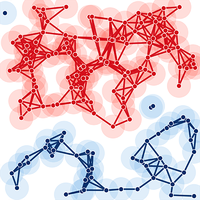
Nonlinear stability in magnetically confined plasmas is governed not only by local linear growth, but is fundamentally a connectivity property of the flux surface, governed by a topological percolation threshold.
Phys. Rev. Lett. 137, 105101 (2026)
Plasma and Solar Physics, Accelerators and Beams
Fermi-Level Reduction Drives Vacancy-Mediated Dislocation Motion
Article | Condensed Matter and Materials | 2026-09-01 06:00 EDT
Zhi-Qiao Li, Wen-Tao Zhang, Jing-Jing Chen, Lu-Hua Wang, Xu-Jun Su, and Ke Xu
Dislocation motion, as a fundamental phenomenon modulating the microstructures of solid crystals, substantially affects material properties. Normally, dislocation motion is activated due to the presence of mechanical factors. But for nonmetals, nonmechanical factors like electronic stimulus have inc…
Phys. Rev. Lett. 137, 106101 (2026)
Condensed Matter and Materials
Orbital Magnetization and Magnetic Susceptibility of Interacting Electrons
Article | Condensed Matter and Materials | 2026-09-01 06:00 EDT
Jian Kang, Minxuan Wang, and Oskar Vafek
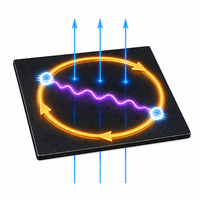
Within the self-consistent Hartree-Fock approximation, the orbital magnetization for interacting electrons takes a form similar to the noninteracting case, while the orbital magnetic susceptibility acquires an additional interaction-dependent term.
Phys. Rev. Lett. 137, 106703 (2026)
Condensed Matter and Materials
Quantum Geometry of Altermagnetic Magnons Probed by Light
Article | Condensed Matter and Materials | 2026-09-01 06:00 EDT
Rundong Yuan, Wojciech J. Jankowski, Ka Shen, and Robert-Jan Slager
Magnons with momentum-dependent chirality are a key signature of altermagnets. We identify bicircular light as a smoking-gun optical probe for chiral altermagnetic magnons, selectively targeting their quantum geometry induced by an alternation of magnonic chirality. We show that in -wave altermagne…
Phys. Rev. Lett. 137, 106901 (2026)
Condensed Matter and Materials
Physical Review X
Entanglement Certification Using Noncontextuality Inequalities
Article | 2026-09-01 06:00 EDT
Yujie Zhang, Jonah Spodek, David Schmid, Carter Reid, Liam J. Morrison, Thomas Jennewein, Kevin J. Resch, and Robert W. Spekkens
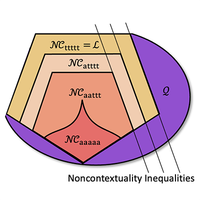
Researchers demonstrate a gauge-independent entanglement certification method based on noncontextuality inequalities that detects entangled states without requiring prior measurement device characterization.
Phys. Rev. X 16, 031057 (2026)
arXiv
AutoXRD: Autonomous LLM Agents and Comprehensive Evaluation for Powder Diffraction Analysis
New Submission | Materials Science (cond-mat.mtrl-sci) | 2026-09-02 20:00 EDT
Powder X-ray diffraction (XRD) is central to materials characterization, yet reliable end-to-end automation remains challenging. An XRD agent must interpret diffraction evidence, operate refinement software, manage coupled parameters in a defensible order, and distinguish numerical improvement from physical validity. In this paper, we propose AutoXRD, an autonomous large language model (LLM) agent framework that organizes powder-XRD analysis as stepwise refinement, grounds actions in observed evidence, and applies deterministic crystallographic and physical checks before accepting results. We further introduce XRDBench with two complementary tracks. XRDBench-QA contains 100 bounded diagnostic tasks that isolate scientific reasoning and decision-making, whereas XRDBench-E2E contains 34 executable workflows that test whether agents can compose these capabilities into complete analyses requiring file inspection, crystallographic-software execution, iterative refinement, evidence preservation, and reporting. We evaluate ten recent LLMs across 1,340 model–task runs. Models average only 57.8 out of 100, falling from 61.9 on XRDBench-QA to 53.7 on XRDBench-E2E. They perform best on refinement-history assessment and result acceptance, but remain substantially weaker on refinement-action selection, phase quantification, indexing, and Rietveld refinement. GPT-5.6 Sol achieves the highest overall score of 81.1, GPT-5.6 Terra the highest XRDBench-E2E point estimate of 81.0, and GPT-5.6 Luna the best score–cost trade-off. Ablations show that all six AutoXRD components consistently improve performance, supporting the framework design. Finally, execution-trace analysis reveals recurring failures in coupled-parameter control, quantitative reasoning, evidence preservation, and workflow termination, motivating stronger scientific constraints, uncertainty-aware decisions, and more efficient planning.
Materials Science (cond-mat.mtrl-sci), Artificial Intelligence (cs.AI)
Fermi-Level Metal-d Character of Group-6 Bis-Hexahapto Bilayer Graphene
New Submission | Materials Science (cond-mat.mtrl-sci) | 2026-09-02 20:00 EDT
Superconductivity in graphite intercalation compounds requires occupancy of a carbon-derived interlayer band filled by charge from an electropositive intercalant. Bis-hexahapto (eta6-eta6) coordination binds transition metals covalently to two graphene sheets with little charge transfer – the mechanism that defines this chemistry removes the donation on which intercalated-graphite superconductivity rests. We ask, for group-6 Cr, Mo and W in bilayer graphene, whether Fermi-level states retain the interstitial, carbon-p character of ionic references, with bulk CaC6 and same-cell C12Ca/C12Li controls. Electron-phonon coupling is not computed. At one metal per gallery (C12M), the ionic controls retain 68 and 45 per cent, respectively, of gallery spectral weight in atom-masked interstitial regions at EF; the group-6 systems retain 15, 22 and 23 per cent. The contrast is compositional: group-6 galleries carry more absolute interstitial weight than C12Li, but projected density of states within +/-0.15 eV of EF is carbon p dominated in the ionic references and metal d dominated (~73 per cent) in all three group-6 bilayers. Every system studied is metallic; they differ in what carries the Fermi surface. Geometrically, eta6-eta6 coordination requires AA stacking and reverses the intrinsic Bernal preference by 400-600 meV wherever metal is present. Ordered phases are metastable against bulk metal (+2.9-5.0 eV per atom) but bound against isolated atoms (-1.6-4.1 eV); instability ordering (Cr least, W most) matches Cr > Mo > W reactivity. C12Cr is metallic; tungsten alone carries 0.65 muB. Bis-hexahapto intercalation delivers strong interlayer bonding and a definite AA registry, but not the interlayer-band character associated with superconducting graphite intercalation compounds.
Materials Science (cond-mat.mtrl-sci)
20 pages, 7 figures. DFT study of bis-hexahapto group-6 bilayer graphene; electron-phonon coupling not computed
Green-function Zeros Encode Competing Mott and Charge-ordering Scales
New Submission | Strongly Correlated Electrons (cond-mat.str-el) | 2026-09-02 20:00 EDT
Peizhi Mai, Philip W. Phillips
While correlated insulators are devoid of low-energy quasiparticle poles, their Green functions retain clean momentum structure through zeros. However, precisely what zeros imply is not clear. By studying the extended Hubbard model both analytically and numerically, we establish a new paradigm for strongly correlated matter: the dispersion of Green function zeros is determined by both microscopic spin-spin correlations and defect kinematics. In fact, we find that the dispersion changes discontinuously across the transition between the Mott and the checkerboard charge-density wave phases as is expected for a first-order transition. This physics is robust to the inclusion of further neighbor hopping which simply fine tunes the spin-correlation or charge-defect kinematics. We conclude that it is the {\it dispersion} of the Green-function zeros that encode the physics of ordering resultant from the strong correlations.
Strongly Correlated Electrons (cond-mat.str-el), Superconductivity (cond-mat.supr-con)
Temporal Signature of Bosonic Stimulation Induced by Dark Exciton in a Two-photon Pumped Polariton Condensate
New Submission | Quantum Gases (cond-mat.quant-gas) | 2026-09-02 20:00 EDT
Nadav Landau, Dmitry Panna, Sarit Feldman, Sebastian Brodbeck, Christian Schneider, Sven Höfling, Alex Hayat
Strongly-coupled light-matter exciton-polaritons constitute an on-chip solid-state platform where the macroscopic quantum phenomenon of condensation is not only achievable at elevated temperatures, but can also be optically controlled, including through their interaction with inaccessible “dark” states. A recent study has shown that polariton condensation can be established under nonlinear two-photon pumping, paving the way towards dark state-condensate coherent control and highly-efficient terahertz (THz) lasing. In this letter, we show for the first time a temporal signature of dark exciton induced bosonic stimulation by investigating one- and two-photon pumped condensation with time-resolved photoluminescence spectroscopy. Our results show a clear difference in the detuning dependence of the buildup and relaxation rates of the condensate-induced blueshifts under one- and two-photon pumping. This difference is associated with the stronger exciton-fraction dependence expected for one-photon pumped condensation, where polariton-polariton stimulation dominates, compared with two-photon pumped condensation, where a 2p-exciton-to-lower-polariton THz transition can provide another stimulation channel, together with various spin-flip, electron-hole exchange and phonon-based mechanisms. These observations indicate the presence of a new dark state originated stimulation channel that could facilitate highly-efficient THz lasing in semiconductor microcavities.
Quantum Gases (cond-mat.quant-gas), Quantum Physics (quant-ph)
Phys. Rev. Lett. 136, 256901 (2026)
Higher-Winding Fractionalization
New Submission | Strongly Correlated Electrons (cond-mat.str-el) | 2026-09-02 20:00 EDT
Kishore Iyer, Christophe Mora, Daniele Guerci
Higher-winding skyrmion textures can generate emergent magnetic fields with multiple flux quanta per unit cell. This opens an intriguing route toward fractionalization, allowing fractionalized quantum anomalous Hall states to arise even at integer filling of the microscopic unit cell. We show that, in this setting, increasing lattice-scale inhomogeneity of the emergent magnetic field drives a Berezinskii–Kosterlitz–Thouless (BKT) transition between a fractionalized liquid and a crystalline dielectric state. This transition carries a topological signature: under flux insertion, the many-body polarization defines a quantized winding number that is nonzero in the fractionalized phase and vanishes in the dielectric crystal.
Strongly Correlated Electrons (cond-mat.str-el), Mesoscale and Nanoscale Physics (cond-mat.mes-hall)
Magnetic frustration and non-collinear textures in layered Gd magnets
New Submission | Materials Science (cond-mat.mtrl-sci) | 2026-09-02 20:00 EDT
Vladislav Borisov, Rohit Pathak, Sagar Sarkar, Anna Delin, Olle Eriksson
Using scale-bridging simulations based on electronic structure theory and atomistic spin dynamics, we investigate the magnetic properties of skyrmionic GdRu$ _2$ Si$ _2$ and GdRu$ _2$ Ge$ _2$ layered rare-earth magnets and similar Gd-based compounds (GdAu$ _2$ Si$ _2$ , GdAu$ _2$ Ge$ _2$ , GdAg$ _2$ Si$ _2$ and GdAg$ _2$ Ge$ _2$ ). By studying the trends across this structural family, we confirm the importance of magnetic frustration and dipolar interactions for the stability of non-collinear and skyrmion phases. Furthermore, our calculations predict promising opportunities for chemical tuning of these magnets in terms of the balance between various exchange interactions and the character of the magnetic anisotropy. These changes lead to the formation of new types of skyrmions that are stable in a wide range of applied external magnetic field. In particular, we propose partial alkali-metal substitution of Gd in GdRu$ _2$ Si$ _2$ leading to GdKRu$ _4$ Si$ _4$ , GdRbRu$ _4$ Si$ _4$ , GdCsRu$ _4$ Si$ _4$ as well as GdYRu$ _4$ Si$ _4$ compounds, and suggest that it is likely to result in an ordered layered structure, similarly to previously reported iron pnictides like CaKFe$ _4$ As$ _4$ .
Materials Science (cond-mat.mtrl-sci)
17 pages, 13 figures
Subgap Bound States from Dynamical Impurities
New Submission | Superconductivity (cond-mat.supr-con) | 2026-09-02 20:00 EDT
We find that a single non-magnetic dynamical impurity (e.g., a low-frequency localized “vibron” mode) induces a subgap bound state in an s-wave superconductor. A closed-form solution for the bound state energy is found as a function of the vibron frequency in the elastic scattering limit, with the salient features of the bound state energies unaffected by inelastic scattering processes in the sub-THz regime. In addition to subgap features in the low-frequency local density of states, such impurities result in real space regions of reduced spectroscopic weight outside the gap peak.
Superconductivity (cond-mat.supr-con)
Main document: 7 pages, 6 Figures. Supplement: 13 pages, 3 Figures
Bayesian Tracking of a Diffusing Target in Two and Three Dimensions
New Submission | Statistical Mechanics (cond-mat.stat-mech) | 2026-09-02 20:00 EDT
We study Bayesian tracking of a diffusing target monitored by a noisy distributed sensor array. Building on an earlier mapping to KPZ growth with a moving defect (or an equivalent directed polymer pinning problem) we determine the phase structure, beyond the previously-studied one-dimensional case, for both Bayes-optimal and suboptimal inference. In $ d=2$ , theoretical analysis and numerical simulations both give a depinning transition between a successful tracking phase and a failure phase. Weak-coupling RG shows that Bayes-optimal tracking is always successful in $ d=2$ , but failure can arise from overconfident (suboptimal) inference. In $ d=3$ , tracking can succeed, or can fail in two distinct ways: the posterior probability distribution may delocalize (no detection), or may become sharply localized, but at the wrong position (a false detection). The two possibilities correspond to Edwards-Wilkinson or Kardar-Parisi-Zhang statistics for the log-posterior. The three phases meet at a Nishimori-like multicritical point on a Bayes-optimal line in a two-parameter phase diagram. (Model misspecification alone can drive depinning into either unpinned phase: underconfidence gives diffuse failure, while overconfidence gives localized-but-wrong failure.) We analyze the transitions between the various phases numerically and with renormalization group arguments. We show that some of these have unusual critical behavior, which the conventional $ \epsilon$ expansion fails to describe. Recent rigorous results for directed polymers indicate an alternative scenario. Many of our results, including a scaling relation for exponents at pinning transitions and results for RG flows, are relevant to other phase transitions that involve surface growth or directed polymers in 2+1D or 3+1D.
Statistical Mechanics (cond-mat.stat-mech), Disordered Systems and Neural Networks (cond-mat.dis-nn), Soft Condensed Matter (cond-mat.soft)
16 pages, 4 figures, 14 pages of supplemental material
Size-Dependent Growth Rates Amplify Infinitesimal Asymmetry in Nanocrystals
New Submission | Materials Science (cond-mat.mtrl-sci) | 2026-09-02 20:00 EDT
Sam Oaks-Leaf, David T. Limmer
The kinetic Wulff construction predicts symmetric nonequilibrium shapes when crystallographically equivalent facets share a fixed growth rate. However, nanocrystals grow through finite facets whose nucleation barriers and ligand coverages depend on facet size. Here we develop a size-dependent kinetic construction and show that as a consequence infinitesimal seed asymmetries can be amplified into strongly asymmetric nanocrystal morphologies even when all symmetry-related facets obey the same microscopic growth law. Spatially heterogeneous nucleation rates and boundary limited growth generate facet growth velocities that depend on size, and deterministic shape evolution translates these local rates into global shape symmetry breaking. We illustrate the mechanism of persistent anisotropic growth on square and triangular lattices in two dimensions and on FCC seeds in three dimensions, where cuboctahedra can evolve toward rods or tetrahedra depending on which facet-area perturbations are amplified.
Materials Science (cond-mat.mtrl-sci), Statistical Mechanics (cond-mat.stat-mech), Chemical Physics (physics.chem-ph)
Comments welcome, 8 pages, 5 figures
How Landau caterpillars turn into Hofstadter butterflies by tuning the periodic potential strength
New Submission | Mesoscale and Nanoscale Physics (cond-mat.mes-hall) | 2026-09-02 20:00 EDT
Ivo A. Gabrovski, Louk Rademaker
It is well-known that the spectrum of two-dimensional electrons in a perpendicular magnetic field is given by discrete flat Landau levels. By contrast, electrons in a two-dimensional tight-binding model give rise to a fractal Hofstadter butterfly spectrum. In this paper, we connect these two opposite limits by showing how a butterfly spectrum emerges from broadened Landau `caterpillars’, by continuously increasing the periodic potential strength. We identify a series of topological transitions that isolate a lowest trivial band, a necessary condition for the butterfly to emerge. The resulting butterfly is topologically distinct from the Hofstadter butterfly at fluxes $ \phi>1$ , due to anomalous behavior of diagonal hopping. Moreover, the hopping parameters of an effective tight-binding model, obtained by a Wannierization procedure at large magnetic field, are highly dependent on the flux, revealing that Wannier orbitals themselves change under the applied magnetic field. Our methods and results are relevant for artificial materials, such as moiré systems, where a full quantum of flux per lattice unit cell is experimentally accessible. On a theoretical level, having Wannierization methods for each specific flux allows more accurate many-body calculations in large magnetic fields.
Mesoscale and Nanoscale Physics (cond-mat.mes-hall)
17 pages, 9 figures
Nonlinear Fluctuating Hydrodynamics from Interacting Noisy Quantum Matter
New Submission | Statistical Mechanics (cond-mat.stat-mech) | 2026-09-02 20:00 EDT
Alexios Christopoulos, João Costa, Stefano Scopa, Jacopo De Nardis, Zala Lenarčič, Denis Bernard, Tony Jin
A universal characterization of non-equilibrium steady states in interacting quantum many-body systems remains one of the central challenges of statistical physics. Here, we address this problem for a paradigmatic model of diffusive interacting quantum matter—the boundary-driven XXZ spin chain with bulk dephasing—and derive, directly from its microscopic Lindblad dynamics, an emergent classical Macroscopic Fluctuation Theory (MFT) governing its large-scale fluctuations. Crucially, the resulting hydrodynamics carries a density-dependent diffusivity and mobility as the fingerprint of interactions. This effective description enables the exact computation of the stationary density profile, long-range correlations, and the full counting statistics of the current, in excellent agreement with tensor-network simulations. Our work demonstrates that noisy quantum many-body systems can realize the universality class of genuinely interacting diffusive matter, beyond the constant-diffusivity class of the symmetric simple exclusion process, and establishes MFT as a powerful universal framework for interacting diffusive quantum systems.
Statistical Mechanics (cond-mat.stat-mech), Quantum Physics (quant-ph)
5 pages, 2 figures without end matter and supplementary material
Duality between the level statistics of Hermitian and non-Hermitian random matrices
New Submission | Statistical Mechanics (cond-mat.stat-mech) | 2026-09-02 20:00 EDT
Ze Chen, Zhenyu Xiao, Yifei Liu, Shinsei Ryu
Random matrix theory describes complex quantum systems statistically, with symmetry as its organizing principle. We uncover an exact duality between the level statistics of Hermitian and non-Hermitian random matrices in the large-$ N$ (matrix size) limit. It acts class by class: the two replica partition functions, given by fermionic nonlinear $ \sigma$ models, are related by analytic continuation. Applied to the three Wigner–Dyson classes, the duality yields the universal bulk eigenvalue pair-correlation functions of non-Hermitian random matrices. This establishes a non-Hermitian counterpart of Dyson’s threefold way, organized by transposition symmetry: generic complex, complex symmetric, and complex self-dual matrices. The dissipative spectral form factors of these classes follow in closed form as well. Applied to the seven nonstandard Altland–Zirnbauer classes, the duality yields the exact spectral densities near the origin, the non-Hermitian hard-edge statistics. Most of these statistics were previously known only numerically. Exact diagonalization confirms the analytical predictions, and physical models demonstrate their universality. We expect these results to be the tip of a deeper correspondence between Hermitian and non-Hermitian random matrix theory.
Statistical Mechanics (cond-mat.stat-mech), Mesoscale and Nanoscale Physics (cond-mat.mes-hall), Quantum Physics (quant-ph)
Exact joint eigenvalue densities of non-Hermitian random matrices are Calogero scattering states
New Submission | Statistical Mechanics (cond-mat.stat-mech) | 2026-09-02 20:00 EDT
Zhenyu Xiao, Ze Chen, Yifei Liu, Shinsei Ryu
Determining exact joint eigenvalue densities is central to random matrix theory. We solve this long-standing problem for non-Hermitian matrices with transposition symmetry (complex symmetric and complex self-dual) at arbitrary matrix size. Up to a Vandermonde factor, they are scattering-state wave functions of the Calogero model, a line of particles interacting through an inverse-square potential, with the coupling strength set by the symmetry. In contrast to many previously known joint densities, the densities cannot be written as a gas of eigenvalues with pairwise interactions. We further compute the complex level spacing distributions and two-point spectral correlation functions, which carry power-law tails, absent in a Coulomb gas. Our results shed light on the interplay among random matrices, integrability, and symmetry.
Statistical Mechanics (cond-mat.stat-mech), Mesoscale and Nanoscale Physics (cond-mat.mes-hall), Quantum Physics (quant-ph)
Polarisation-mediated underscreening from weakly bonded ion clusters
New Submission | Soft Condensed Matter (cond-mat.soft) | 2026-09-02 20:00 EDT
David Ribar, Jake W. Felber, Clifford E. Woodward, Jan Forsman
We explore the hypothesis that ions form loosely connected clusters at high ionic strength in aqueous solutions, and that these clusters have relevance to the experimentally observed phenomenon usually referred to as “anomalous underscreening”. Cluster formation lowers the ionic strength below its nominal value, slowing the decay of the screening length but not reversing it. Here we focus on an additional contribution, cluster polarisation. We demonstrate that this effect produces longer-ranged repulsive interactions between like-charged surfaces or particles in concentrated salt solutions. We derive an analytical bulk relation in which the entire architecture of a cluster enters through a single quantity, the charge-weighted second moment of its intramolecular charge structure factor, which quantifies the polarisation response of an arbitrary cluster topology. We also make numerical calculations using classical polymer Density Functional Theory, cDFT, for a model based on star-like clusters in which satellite ions are weakly bonded by a harmonic spring to a common central ion. The corona of satellite ions is assumed to be net neutral, since the formation of highly charged clusters would be accompanied by a significant self-energy cost. Using this model, we calculate surface interactions and screening lengths at various overall salt concentrations. We show that, under the assumption that the fraction of ions belonging to clusters increases with salt concentration, one may qualitatively arrive at “anomalous underscreening”, i.e., an effective screening length that displays a minimum at an overall (monovalent) salt concentration of about 1 M. Quantitatively, we note that the predicted growth of the screening length beyond this threshold value is weaker than typically found by experimental surface force measurements.
Soft Condensed Matter (cond-mat.soft)
Cryogenic Enhancement of Electron Spin Polarization from a Strained GaAs/GaAsP Superlattice Photocathode
New Submission | Materials Science (cond-mat.mtrl-sci) | 2026-09-02 20:00 EDT
Matt Grau, Colin Kirk, Greg Blume, John Hill, Sushil Poudel, Alimohammed Kachwala, Marcy Stutzman, Joseph Michael Grames, Sylvain Marsillac, Matt Poelker
We report electron spin polarization of 95.0 +/- 0.8 (stat) +/- 2.4 (sys)% from a strained GaAs/GaAsP superlattice photocathode grown by metalorganic chemical vapor deposition (MOCVD) and cooled to dry-ice temperature (195 K). We achieved this polarization with 97.8% circularly polarized excitation light and a quantum efficiency of 0.7% at the peak polarization wavelength. This measurement exceeds the values of previously reported GaAs-based photocathode polarizations, which have clustered near 92% for two decades. We vary the temperature of the cathode and measure the polarization and quantum-efficiency spectra at 295 K, 273 K, 195 K, and 77 K. The polarization rises from 91.2(1)% at 295 K to its maximum at 195 K, while the spectral peak shifts from 775 nm to 739 nm (78 meV) over the full temperature range, tracking the widening band gap. The spectra probe two depolarization mechanisms: a thermalized transport channel that is suppressed on cooling, and energy-dependent hot-electron relaxation that persists and sets the low-temperature saturation. The polarization recovers after a full cooling and warmup cycle and is stable while the quantum efficiency decays, which disfavors surface energy filtering as the origin of the gain. These results indicate that modest cooling to 195 K, for which dry ice suffices, is a practical route to higher-polarization GaAs-based electron sources.
Materials Science (cond-mat.mtrl-sci), Accelerator Physics (physics.acc-ph)
7 pages, 3 figures; Supplemental Material contains 8 pages, 3 figures, and 1 table. Ancillary files contain the measured spectra and a Jupyter notebook that reproduces figures and values, also archived at this https URL
Entanglement from particle number fluctuations in a second-order topological insulator
New Submission | Mesoscale and Nanoscale Physics (cond-mat.mes-hall) | 2026-09-02 20:00 EDT
Mahla Moridi Farimani, Kim Pöyhönen
Higher-order topological insulators are materials with a bulk energy gap featuring gapless modes at $ (d-n)$ -dimensional edges, where $ n > 1$ . Despite this modified bulk-boundary correspondence, their nontrivial topology can nevertheless be observed through the bipartite entanglement spectrum. Inspired by works suggesting fluctuations in conserved quantities could be used to study topology in one-dimensional systems, which likewise feature zero-dimensional edge modes, we extend this treatment to a two-dimensional second-order topological insulator where corner states play an analogous role. We show that the standard bipartite entanglement entropy and particle number fluctuation lack striking signals of topological phase transitions, both in the static case and in the time evolution after a quench, obscured by an area-law term from the subsystem edges. By introducing a quadripartite construction of the subsystem, we show that it is possible to isolate the topological contributions, producing sharp transition peaks in both quantities, observable by studying subsystems much smaller than the full system. As particle number fluctuations are accessible in existing experiments, these results establish a concrete and scalable path to experimental detection of the entanglement in higher-order topological insulators.
Mesoscale and Nanoscale Physics (cond-mat.mes-hall), Strongly Correlated Electrons (cond-mat.str-el), Quantum Physics (quant-ph)
10 pages, 13 figures
Engineering tunable $p$-wave magnetism in antiferromagnetic bilayers
New Submission | Strongly Correlated Electrons (cond-mat.str-el) | 2026-09-02 20:00 EDT
Yu-Han Lin, Jin-Wei Dong, Ziqiang Wang, Sen Zhou
We propose a symmetry-guided route to engineer tunable $ p$ -wave magnetism in a bilayer system composed of two AB-stacked antiferromagnetic square lattices with their collinear moments nonparallel to each other. We show that an in-plane relative shift between the two layers selectively breaks the symmetries protecting spin degeneracy while preserving time-reversal-related constraints, thereby generating odd-parity spin splitting in a fully compensated magnetic state without spin-orbit coupling. The direction and the magnitude of the resulting $ p$ -wave spin-splitting, together with the associated spin responses, can be continuously tuned by the in-plane displacement, providing a potential knob for control. We further map the bilayer system onto an effective bond-modulated square lattice and investigate the corresponding Hubbard model within a mean-field framework. The calculated phase diagram reveals extended regions where $ p$ -wave magnetism with coplanar or chiral spin textures emerges spontaneously. Our results establish a minimal equilibrium platform for realizing and manipulating $ p$ -wave magnetism in two-dimensional systems.
Strongly Correlated Electrons (cond-mat.str-el)
A Human-AI Theorem Connecting Spontaneous and Field-Induced Mechanisms of Collective Behavior in One Dimension
New Submission | Statistical Mechanics (cond-mat.stat-mech) | 2026-09-02 20:00 EDT
Can an artificial intelligence (AI) generate a scientific hypothesis outside a human collaborator’s active hypothesis space (AHS), and can human-AI research be organized to make such breakthroughs more likely? We document such a case while proving a theorem that connects two basic organizing mechanisms of statistical physics: collective behavior arising in zero field from competing interactions and that induced or controlled by an external field. A zero-field $ O(n)$ -vector open chain with arbitrary inhomogeneous nearest- and next-nearest-neighbor interaction functions $ U_i(S_i\cdot{S}{i+1})$ and $ V_i(S_i\cdot{S}{i+2})$ is microscopically, via a temperature-independent mapping at the Hamiltonian level, equivalent to a simpler $ O(n)$ open chain with nearest-neighbor interaction $ V_i( \sigma_i\cdot \sigma_{i+1})$ and axial single-spin potential $ U_i(\sigma_i^z)$ for every integer $ n\ge1$ and every system size $ L\ge1$ . The homogeneous linear specialization maps the foundational frustrated $ J_1$ -$ J_2$ model onto the canonical $ J$ -$ h$ field model—with $ n=1,2,3$ being the Ising, XY, and Heisenberg classical spin models, respectively. An analogous theorem holds when the continuous $ O(n)$ spins are replaced by the $ q$ -state Potts spins with the standard Potts interaction, implying a closed-form exact solution of the $ J_1$ -$ J_2$ Potts open chain for every $ q\ge2$ and every $ L\ge1$ . The emergence of the theorems from sustained human-AI collaboration suggests that involving AI throughout a systematic research program may incubate autonomous scientific breakthroughs.
Statistical Mechanics (cond-mat.stat-mech), Artificial Intelligence (cs.AI), Human-Computer Interaction (cs.HC), Mathematical Physics (math-ph)
12 pages, 3 figures, 2 tables
Using microrheology to study dynamical heterogeneities
New Submission | Soft Condensed Matter (cond-mat.soft) | 2026-09-02 20:00 EDT
Antonio M. Puertas, Thomas Voigtmann
Dynamical heterogeneities are one of the hallmarks of supercooled liquids, and their properties and relevance have been studied with theory, simulations and experiments. In this work, we propose to monitor the dynamics of tracer particles (passive microrheology) to analyze the dynamical heterogeneities in a system of hard colloids close to the glass transition density, using Langevin dynamics simulations and mode coupling theory. Different observables, typical in the study of the dynamical heterogeneities are adapted to be calculated from the trajectory of a single tracer particle. The tracer dynamics shows a transition from a regime where it is most decoupled from the bath for small tracer size to a strong coupling regime for large tracers. Both theory and simulations show that the non-Gaussian parameter of the tracer is maximal for tracer sizes at the crossover between both regimes, and is highly dependent on the bath density. The dynamic susceptibility is also studied, but this parameter shows a minor dependence on both the tracer size or the bath density. Finally, the existence of regions with different mobility is also studied with microrheology. Although the tracer trajectory indeed shows stages with increased mobility, the estimated size of the regions decreases with the bath density, contrary to the results from cluster analysis in the bulk.
Soft Condensed Matter (cond-mat.soft)
Impurity-dependent quantum geometry in 2D flat band superconductors
New Submission | Superconductivity (cond-mat.supr-con) | 2026-09-02 20:00 EDT
Simão S. Cardoso, A. Mesaros, P. Simon
In flat band superconductors, quantum geometry, rather than kinetic energy, governs pairing and transport. However, how this geometry manifests in the response to a local, individually addressable impurity remains largely unexplored. Here, we study the Yu-Shiba-Rusinov (YSR) bound state induced by a magnetic adatom that hybridizes with every orbital of a two-dimensional flat band superconductor, and characterize its spatial profile using two quantities: the quadratic spread $ Q_S$ and the localization length $ \xi$ . We show that $ Q_S$ is not set by the quantum metric alone, as geometric corrections arising from inter-orbital interference and, more importantly, from the anisotropy of the adatom-lattice hybridization contribute on equal footing, making $ Q_S$ strongly impurity dependent and tunable. On the other hand, $ \xi$ emerges from the projection onto the flat band alone and is a universal property set by the overlap of compact localized states. All impurity dependence is instead isolated in the prefactor of the wavefunction whose magnitude correlates directly with $ Q_S$ . We, therefore, report a clean separation between universal and impurity-tunable physics from the induced YSR bound state in these systems, and confirm our results numerically via exact diagonalization.
Superconductivity (cond-mat.supr-con)
7 pages, 5 figures
Multi-image Overlap Stitching and Automatic Image Construction for Coherent X-ray Imaging
New Submission | Materials Science (cond-mat.mtrl-sci) | 2026-09-02 20:00 EDT
Starr Boney, Umeshika Dissanayaka, Lillian Rutowski, Aaron George, Min Gyu Kim
Direct-space and real-time coherent X-ray imaging (direct-CXI) enables visualization of magnetic-domain structures and dynamics over length scales exceeding the field of view of a single image. However, large-area measurements typically require raster scanning, producing hundreds of partially overlapping images that must be accurately aligned and combined before quantitative analysis can be performed. Here, we present Multi-image Overlap Stitching and Automatic Image Construction for coherent X-ray imaging (MOSAICX), an automated stitching workflow for large-area direct-space coherent X-ray imaging. The workflow consists of image centering, masking, trimming, binarization, hierarchical stitching, and post-processing. To demonstrate the method, we apply it to a dataset comprising 434 direct-CXI images of the antiferromagnetic topological insulator MnBi$ _2$ Te$ _4$ . The images are first combined into column reconstructions and subsequently stitched into a single large-area composite image. The resulting reconstruction reveals the complete magnetic-domain and domain-wall landscape over the scanned region while suppressing imaging artifacts and detector defects. The presented workflow provides an efficient approach for processing large direct-CXI datasets and enables visualization and analysis of magnetic-domain structures beyond the field of view of individual measurements.
Materials Science (cond-mat.mtrl-sci)
Chiral phonons driven by chiral cavities
New Submission | Mesoscale and Nanoscale Physics (cond-mat.mes-hall) | 2026-09-02 20:00 EDT
V. A. S. V. Bittencourt, N. Shabala, R. M. Geilhufe, A. Metelmann
Lattice vibrations carrying angular momentum give rise to fundamental phenomena such as the phonon Hall effect and the Einstein-de Haas effect, offering new opportunities for manipulating angular momentum in condensed-matter systems. Generating such circularly polarized phonons requires either the use of an external magnetic field, or of polarized light pulses. The latter approach does not require the use of any magnetic response of the material, but it has limitations, in particular regarding the duration of the pulse. Consequently, any effect stemming from phonons generated by light pulses is transient. In this paper, we propose the use of a driven electromagnetic cavity as a route to generate a steady-state population of chiral phonons. We derive a general description of cavity-chiral phonon interaction, with a particular focus on modes of chiral cavities. We show that, under optimized conditions, a significant effective phonon-induced magnetic field can be generated by means of an external drive with realistic power. Our approach is specially tailored for Gamma point phonons with THz frequencies, and opens a new route for investigating chiral phonons with electromagnetic cavities.
Mesoscale and Nanoscale Physics (cond-mat.mes-hall), Quantum Physics (quant-ph)
8 pages, 3 figures
Nonlinear force response of modular lattice-based metamaterials
New Submission | Soft Condensed Matter (cond-mat.soft) | 2026-09-02 20:00 EDT
Jochem G. Meijer, Armin Yousefi, Francois Barthelat, Heinrich M. Jaeger
Lattice-based metamaterials provide lightweight platforms where local instabilities can govern the global mechanical response, enabling applications in energy routing, vibration isolation, and impact mitigation. Although much progress has been made in controlling deformation and buckling sequences through geometric design, the behavior of coupled nonlinear units over a large range of strain rates and their history-dependent response is less explored. Here, we investigate lattice-based mechanical metamaterials whose nonlinear buckling behavior can be harnessed through modular architectures. By combining modular units in series, we show that their interaction gives rise to emergent force responses, including transient weakening and enhanced force attenuation, that are absent in the individual modules. Furthermore, selected designs exhibit training behavior under cyclic loading, transitioning between distinct buckling states and revealing a history-dependent mechanical response. Our results demonstrate that modular, instability-driven metamaterials can be programmed and tuned not only through geometry but also through loading history, opening new avenues for designing a nonlinear stress-response in mechanical systems.
Soft Condensed Matter (cond-mat.soft)
10 pages, 9 figures
Bound states, resonances, and their thermodynamic properties in pseudospin-1 systems with short-range impurities
New Submission | Strongly Correlated Electrons (cond-mat.str-el) | 2026-09-02 20:00 EDT
Bound states and resonances induced by short-range impurities modeled by circular potential wells are analyzed in the vicinity of flat and dispersive bands in gapped and gapless pseudospin-1 systems. We find that the bound and resonant states derived from the flat band show unusual characteristics originating from the multicomponent structure of pseudospin-1 fermions, which are distinct from those for pseudospin-$ \tfrac{1}{2}$ fermions. Contrary to gapped Dirac systems and unlike bound states in the vicinity of the upper dispersive band, the bound states derived from the flat band occur for any value of the total angular momentum. The energies of these bound states with higher angular momentum $ j$ tend to decrease with $ |j|$ . In addition, it is found that their wave functions are localized at the potential well edge and the localization increases with $ |j|$ . The signatures of the impurity states in the local density of states are determined. Using the Anderson model for independent electrons in the disorder potential, the thermodynamic potential, entropy density, and heat capacity are obtained. In the regime dominated by bound states derived from the flat band, the entropy density monotonically increases with temperature and saturates, whereas the heat capacity exhibits a single maximum.
Strongly Correlated Electrons (cond-mat.str-el), Disordered Systems and Neural Networks (cond-mat.dis-nn), Mesoscale and Nanoscale Physics (cond-mat.mes-hall)
18 pages, 7 figures
Comment on “Distinct Behaviors of Inner and Outer CuO$_2$ Planes in Quadruple-Layer Cuprate (Cu,C)Ba$_2$Ca$_3$Cu$4$O${11 + δ}$”
New Submission | Superconductivity (cond-mat.supr-con) | 2026-09-02 20:00 EDT
In a recent Letter, Sun et al. report photoemission spectroscopy measurements on the four-layer cuprate (Cu,C)Ba2Ca3Cu4O11 (CuC-1234) in which they resolve two superconducting gaps associated with the inner (IP) and outer (OP) CuO2 planes. CuC-1234 has a Tc as 117 K in a sample previously structurally characterized using neutron powder diffraction. From the Luttinger sum, the beta-band of the IP was found to be heavily underdoped (p0.07) while the OP alpha2 bonding band was strongly overdoped (p0.25). Each revealed a gap with very different momentum and temperature dependences. A large gap on the beta band was found to close at the bulk Tc, while a smaller gap on the alpha2 band closed at 70 K. Such two-gap behavior would indicate weak-coupling between the IP and OP, resulting in a second gap-opening temperature, Tc2, and implying a two-step development of the superfluid density on cooling, first on the IPs then on the OPs. Here, we point out that the observed values of Tc and Tc2 are fully consistent with a long-standing correlation of Tc with a bond-valence sum parameter, V+, calculated from the crystallographic bond lengths. This suggests that Tc2 in the OP is entirely consistent with the local structure of the OP where the value of V+(OP) is reduced by the presence of the apical oxygens and Tc2 reduced accordingly. It is as though two largely decoupled superconductors are present in the single 1234 compound and their individual pairing temperatures are determined by their local nearest-neighbour structure, reflecting the very short-range physics.
Superconductivity (cond-mat.supr-con)
Comment on arXiv:2507.03921; 1 Page, 1 Figure
XUV Transmission Spectroscopy Using a Tabletop High-Harmonic Source
New Submission | Materials Science (cond-mat.mtrl-sci) | 2026-09-02 20:00 EDT
Ryunosuke Takahashi, Soudai Sakoda, Kaede Yamada, Jumpei Horai, Shigetoshi Tomita, Yuto Shiokawa, Nobuhisa Ishii, Hiroki Wadati
High-harmonic generation (HHG) provides a coherent ultrashort-pulse light source in the extreme- ultraviolet (XUV) region and has potential applications in time-resolved spectroscopy and materials characterization. In this study, we constructed an HHG system using a Yb:KGW laser system (PHAROS, Light Conversion) as the driving source and Ar gas as the nonlinear medium. High-order harmonics were observed up to a photon energy of 70.6 eV, corresponding to the 59th harmonic order. As an application of the developed XUV source, we measured the transmission of a Mg thin film and a Si3N4 membrane. In addition, the surface chemical state of the Mg thin film was characterized by X-ray photoelectron spectroscopy (XPS), and the results were compared with the transmission measured using the HHG source. This comparison was used to examine the relationship between the surface condition, including surface oxidation, and the XUV transmission of the Mg thin film. These results demonstrate the applicability of the developed Ar-based HHG source to the characterization of thin-film transmission in the XUV spectral region.
Materials Science (cond-mat.mtrl-sci)
7 pages, 5 figures, and Supplementary matrial
Optical-Phonon-Enabled Large Lattice Thermal Conductivity Anisotropy in Hexagonal Perovskites Cs$BX_3$ ($B$ = Mg, Cd; $X$ = Cl, Br, I)
New Submission | Materials Science (cond-mat.mtrl-sci) | 2026-09-02 20:00 EDT
Lingzhi Cao, Ying Song, Zhonghao Xia, Jianye Liu, Jiangang He
Materials exhibiting strongly anisotropic lattice thermal conductivity are desirable for thermal-management applications, yet such behavior is commonly associated with layered or quasi-one-dimensional van der Waals crystals and highly anisotropic elastic properties. Here, we investigate lattice thermal transport in the hexagonal perovskites Cs$ BX_3$ ($ B=$ Mg, Cd; $ X=$ Cl, Br, I) using first-principles calculations. At 300K, the calculated in-plane and out-of-plane lattice thermal conductivities range from 0.13–0.83 and 0.34–6.26Wm$ ^{-1}$ K$ ^{-1}$ , respectively, corresponding to anisotropy ratios of 2.6–7.5. This pronounced anisotropy is remarkable given the relatively modest elastic anisotropy, characterized by $ C_{33}/C_{11}$ = 0.994–1.842. Our analysis reveals that medium-frequency optical phonons provide an efficient out-of-plane heat-transport channel, contrary to the conventional picture in which heat transport is dominated by acoustic phonons. These findings identify face-sharing octahedral frameworks as a promising platform for engineering strong thermal-conductivity anisotropy in mechanically near-isotropic, non–van der Waals crystals.
Materials Science (cond-mat.mtrl-sci)
11 pages,6 figures
Heavily Sr-Doped La${2}$SrNi${2}$O$_{7-δ}$ as a Tetragonal Ruddlesden-Popper Phase at Ambient Pressure
New Submission | Superconductivity (cond-mat.supr-con) | 2026-09-02 20:00 EDT
Yuhang Zhang, Xue Ming, Cui-Qun Chen, Wei Chen, Tian-Yi Li, Zhe-Ning Xiang, Qing Li, Bing-hui Ge, Dao-Xin Yao, Xiyu Zhu, Hai-Hu Wen
High-temperature superconductivity has been found in bilayer Ruddlesden-Popper (RP) nickelates in bulk samples under high pressure, or in thin films via compressive strain. In the superconducting state, a tetragonal structure with a straight Ni-O-Ni bond along c-axis has been commonly observed, together with the suppression or diminishing of the density-wave orders. Therefore, it remains an open question whether these factors are sufficient for achieving superconductivity at ambient pressure. Here we report the first successful synthesis of heavily Sr-doped La$ _{2}$ SrNi$ _{2}$ O$ _{7-{\delta}}$ under high-pressure and high-temperature (HPHT) conditions with a flux method. X-ray diffraction and scanning transmission electron microscopy (STEM) confirm that the material adopts a tetragonal (I4/mmm) structure with an 180$ ^{\circ}$ Ni-O-Ni bond angle along c-axis. Resistance measurements reveal metallic behavior with a low-temperature upturn and no density-wave features are observed. However, neither pressure nor oxygen variation induces superconductivity. Density functional theory calculations indicate that the holes introduced by Sr doping are predominantly doped into the Ni-3d$ _{z^2}$ orbital, leading to the appearance of a very large $ {\gamma}$ pocket on the Fermi surface at ambient pressure and significantly reducing the occupation of the Ni-3d$ _{z^2 }$ orbital. Combining the experimental observations with theoretical calculations, we attribute the absence of superconductivity to the serious deviation from the half-filling state of the Ni-3d$ _{z^2 }$ band, which is crucial for the interlayer antiferromagnetic interaction and thus for pairing. Our work unravels important issues for achieving superconductivity in bilayer nickelate system.
Superconductivity (cond-mat.supr-con), Materials Science (cond-mat.mtrl-sci)
21 pages,4 figures
Parafermions in plain sight
New Submission | Statistical Mechanics (cond-mat.stat-mech) | 2026-09-02 20:00 EDT
We show that for any potential with a discrete energy spectrum, the well-known interpolation between ideal boson and fermion partition functions at discrete values of $ \xi=-1/m$ yielded zero temperature ground state energies corresponding to $ m$ fermions occupying a single quantum state. The grand canonical partition function in this case can be a result from genuine parastatistics.
Statistical Mechanics (cond-mat.stat-mech), Quantum Physics (quant-ph)
13 pages with 3 figures
Expanding the trilayer Ruddlesden-Popper nickelate family: Synthesis and characterization of Sm$_4$Ni$3$O${10-δ}$ single crystals
New Submission | Superconductivity (cond-mat.supr-con) | 2026-09-02 20:00 EDT
Yuhang Zhang, Tian-Yi Li, Xiyu Zhu, Ying-Jie Zhang, Shengtai Fan, Qing Li, Hai-Hu Wen
The discovery of high-temperature superconductivity in Ruddlesden-Popper (RP) nickelates has attracted significant attention. Bulk superconductivity emerges under pressure in trilayer nickelates La$ _4$ Ni$ _3$ O$ _{10-\delta}$ (T$ _c$ $ \approx$ 30 K) and Pr$ _4$ Ni$ _3$ O$ _{10-\delta}$ (T$ _c$ $ \approx$ 40.5 K), where the reduced ionic radius of Pr$ ^{3+}$ may generate internal chemical pressure and enhance T$ _c$ . However, synthesizing trilayer RP phases with smaller rare-earth elements (Ln) is extremely challenging. So far, only the La, Pr, and Nd analogues have been synthesized with stable phases in the single rare-earth form. Here we report the first successful high-pressure and high-temperature (HPHT) synthesis of samarium-based compound Sm$ _4$ Ni$ _3$ O$ _{10-\delta}$ . Magnetization and transport measurements consistently confirm a density wave (DW) transition at ~180 K at ambient pressure. Through a careful fitting to the structural data of Sm$ _4$ Ni$ _3$ O$ _{10-{\delta}}$ , it is found that the bond angle of (Ni-O-Ni) associating with the interlayer apical oxygen is much smaller than 180$ ^{\circ}$ , which was assumed to be the key factor for the occurrence of superconductivity. By applying pressures up to 80 GPa, despite partial suppression of insulating behavior and the DW order, but superconductivity is not observed in our present study. Density functional theory calculations suggest that the 3d$ _{z^2}$ and 3d$ _{x^2-y^2}$ are separated from other t$ _{2g}$ orbitals and make a primary contribution to the Fermi surface. The newly synthesized trilayer nickelate Sm$ _4$ Ni$ _3$ O$ _{10-\delta}$ offers a unique platform for probing the fundamental physics of RP nickelates.
Superconductivity (cond-mat.supr-con)
21 pages, 4 figures
Materials Today Physics 60 (2026) 102005
Lead-free piezoelectric perovskites for arterial-pulse e-skin: from configurational complexity to equivariant machine-learning potentials
New Submission | Materials Science (cond-mat.mtrl-sci) | 2026-09-02 20:00 EDT
Sanaa Ismail, Hassan M. E. Azzazy, Zi-Kui Liu
Continuous, non-invasive monitoring of the arterial pulse is a clinical priority for cardiovascular disease, the leading cause of global mortality. Flexible piezoelectric electronic skins can transduce the 1-10 kPa pressure wave into a self-powered voltage, but the best-performing piezoceramics are lead-based, and their toxicity is incompatible with skin contact and with tightening RoHS/REACH regulation. Among lead-free alternatives, the BaTiO$ 3$ -based solid solution BZT-BCT reaches $ d{33} \approx 620$ pC/N near its tricritical morphotropic phase boundary, rivalling soft PZT while remaining biocompatible. Exploiting this in a wearable confronts a sensitivity-flexibility paradox and three computational walls: the combinatorial explosion of atomic configurations in a disordered solid solution, the band-gap error of affordable density-functional approximations, which corrupts leakage and insulation estimates, and the 0 K nature of standard calculations against a 310 K operating temperature. We review lead-free piezoelectrics, morphotropic-boundary physics and fabricated flexible devices, then argue that equivariant machine-learning interatomic potentials — coupled to a tiered functional hierarchy and finite-temperature lattice dynamics — can survey the full configurational ensemble at body temperature and close the gap to a clinically viable lead-free pulse sensor.
Materials Science (cond-mat.mtrl-sci)
Microscopic Origin of Pressure-Enhanced and Robust Superconductivity in Infinite-Layer La${0.8}$Sr${0.2}$NiO$_2$
New Submission | Superconductivity (cond-mat.supr-con) | 2026-09-02 20:00 EDT
Jian-Feng Zhang, Zhong-Yi Lu, Tao Xiang
Recent transport measurements on freestanding La$ _{0.8}$ Sr$ _{0.2}$ NiO$ 2$ membranes revealed a broad superconducting dome extending from ambient pressure to 210 GPa, with an onset transition temperature reaching 74.5 K near 146 GPa. Using first-principles calculations, a pressure-dependent two-orbital model, and self-consistent FLEX calculations combined with the linearized Eliashberg equation, we determine how compression modifies the pairing tendency. Pressure increases the kinetic-energy scale, reduces $ U_x/t_1$ , strengthens interlayer hybridization, and transfers holes from the La/Sr-derived charge reservoir to the correlated Ni sector. Within the present low-energy description, the increasing kinetic scale and the approach to optimal intermediate coupling account for the initial enhancement of pairing, whereas pressure-induced self-doping into the overdoped regime is primarily responsible for its high-pressure suppression. Despite a pronounced three-dimensionalization of the Fermi surface, the pairing-relevant spin susceptibility remains weakly dependent on $ q_z$ and peaked near $ (\pi,\pi)$ . Consequently, the Ni-$ d{x^2-y^2}$ -dominated $ d$ -wave pairing state remains stable over the calculated pressure range. These results provide a unified microscopic interpretation of both the superconducting dome and its unusual robustness under megabar compression.
Superconductivity (cond-mat.supr-con)
6 pages, 3 figures
Bond-number-controlled durability of cohesive granular materials under repeated vibration
New Submission | Soft Condensed Matter (cond-mat.soft) | 2026-09-02 20:00 EDT
Cohesive granular materials derive their mechanical stability not only from the strength of individual interparticle bonds but also from the number of bonds forming the load-bearing network. However, these two effects are difficult to separate experimentally because conventional control parameters, such as liquid content, generally alter both simultaneously. Here, we use a mixed granular system composed of cohesive and noncohesive grains to control the cohesive bond number while keeping the bond strength approximately unchanged. We investigate the failure lifetime under repeated vibration and find that the number of cycles to failure, $ N_f$ , depends strongly on the mixing ratio $ \alpha$ . The data are well collapsed by $ \ln N_f \propto \alpha^2/G$ , where $ \alpha^2$ represents the fraction of cohesive contacts and $ G$ is a peak acceleration normalized by gravitational acceleration. Remarkably, although the Young’s modulus is nearly independent of $ \alpha$ above the rigidity threshold, the lifetime continues to increase strongly with $ \alpha$ . This demonstrates that mechanical rigidity and durability against repeated perturbations exhibit distinct dependences on the cohesive network. These results identify bond number as a key control parameter for the durability of cohesive granular materials.
Soft Condensed Matter (cond-mat.soft), Statistical Mechanics (cond-mat.stat-mech)
preprint, 4 figures
GW and Bethe-Salpeter Theory for Molecular Polaritons, Quasiparticles, and Excitons
New Submission | Materials Science (cond-mat.mtrl-sci) | 2026-09-02 20:00 EDT
Soohaeng Yoo Willow, Gi Beom Sim, Tae Hyeon Park, Tae In Kim, D. ChangMo Yang, Mikuláš Matoušek, Jiří Brabec, Libor Veis, Chang Woo Myung
The electron self-energy is central to quasiparticle theory, yet how an optical cavity enters it remains unclear. We address this question for a molecule in a single-mode cavity using the dipole-gauge Pauli-Fierz Hamiltonian and a coherent-state QED Hartree-Fock reference. The cavity enters through three channels: the static dipole self-energy (DSE) shift of reference orbital energies, direct DSE augmentation of the screened interaction, and the polariton pole carrying the bilinear electron-photon coupling. We benchmark QED-$ GW$ ionization potentials (IPs) and electron affinities (EAs) against a cavity $ \Delta$ -method ladder from QED-HF to correlated wave-function methods, whose cavity-induced shifts agree within 1 meV where directly comparable. For closed-shell molecules with unbound anions, $ GW$ systematically overestimates cavity-induced IP redshifts, whereas EA shifts are reproduced nearly quantitatively, although this does not imply comparable accuracy for absolute EAs. For ionic molecules with bound anions, this ordering reverses, consistent with published QED coupled-cluster results. Coupling and detuning scans show that the error is predominantly quadratic in $ \lambda$ and DSE-driven rather than resonant. The spectral function develops a polariton-replica photoemission sideband with weight scaling as $ \lambda^2$ . In the static screened interaction used in the Bethe-Salpeter equation, bare-photon exchange cancels the matching DSE contribution to the direct interaction, while exchange and polariton-screening corrections remain. Their net effect on the lowest excitation is appreciable only for ammonia in the molecules studied. Exciton-binding energies involving unbound anions are strongly basis-dependent and should therefore be viewed as diagnostics of electron-hole interactions rather than basis-converged molecular quantities.
Materials Science (cond-mat.mtrl-sci), Strongly Correlated Electrons (cond-mat.str-el), Chemical Physics (physics.chem-ph), Computational Physics (physics.comp-ph)
25 pages, 9 figures
Feedback-Enhanced Quantum Metrology and Clock Precision under Thermodynamic Uncertainty
New Submission | Statistical Mechanics (cond-mat.stat-mech) | 2026-09-02 20:00 EDT
Feedback can convert continuously monitored quantum jumps into a thermodynamic resource. We formulate full counting statistics for open quantum systems under unital jump feedback by incorporating the feedback maps into the tilted generator. The resulting trajectory ensemble determines both current fluctuations and the Fisher information of the measurement record. We show that feedback can enhance reservoir-parameter estimation and clock precision without necessarily changing average thermodynamic currents. This enhanced precision is not bounded by reservoir entropy production alone. By embedding the reduced dynamics in an enlarged measurement-feedback process, we derive a feedback-modified thermodynamic uncertainty relation in which the information entropy production of the feedback apparatus supplies the missing cost. A charge-monitored double quantum dot illustrates the framework: jump-conditioned feedback improves thermometry and chemical-potential sensing, and stabilizes a quantum clock defined by output-current ticks.
Statistical Mechanics (cond-mat.stat-mech), Quantum Physics (quant-ph)
Overcoming the Efficiency-Stability Trade-off in Spin-Orbit Torque Devices with Thermally Robust BCC NiW Alloys
New Submission | Materials Science (cond-mat.mtrl-sci) | 2026-09-02 20:00 EDT
Yu-Ming Pan, Chen-Yi Wei, Yi-Cheng Tsou, Tsung-Yu Pan, Guang-Yu Guo, Chih-Huang Lai
The development of high-performance spin-orbit torque (SOT) magnetic memories is fundamentally constrained by a persistent trade-off between spin Hall efficiency, thermal structural stability, and perpendicular magnetic anisotropy in conventional heavy metals. Here, we overcome this limitation by engineering body-centered-cubic (BCC) Ni-doped W alloys as highly efficient and thermally robust spin-current sources. Ni$ _{30}$ W$ _{70}$ /CoFeB heterostructures achieve deterministic out-of-plane magnetization switching at an ultra-low critical current density of 1.78 MA/cm$ ^2$ , nearly threefold lower than that of $ \beta$ -W, while maintaining a high anisotropy field of 8,500 Oe and a thermal stability factor of 57.9. The BCC Ni$ _{30}$ W$ _{70}$ alloy preserves its structural integrity and the perpendicular magnetic anisotropy of the adjacent CoFeB layer after annealing at 450 $ ^\circ$ C, demonstrating robustness under the stringent thermal processing conditions relevant to back-end-of-line integration. Harmonic Hall and ferromagnetic resonance measurements reveal a large spin Hall angle of -0.39 and a high interfacial spin transparency of 0.75, demonstrating efficient spin-current generation and interfacial transmission. First-principles calculations further reveal enhanced intrinsic spin Hall conductivity in W-rich BCC NiW alloys, associated with the Fermi level lying within a spin-orbit-coupling-induced band gap. These findings establish BCC NiW alloys as a scalable and thermally resilient material platform for energy-efficient SOT-MRAM.
Materials Science (cond-mat.mtrl-sci)
45 pages, 6 figures. Submitted to Nature Communications
Floquet scattering and Fano resonances in nodal-ring and multi-Weyl semimetals: Role of propagating and evanescent modes
New Submission | Mesoscale and Nanoscale Physics (cond-mat.mes-hall) | 2026-09-02 20:00 EDT
We develop a comprehensive Floquet scattering theory for quantum transport in periodically driven nodal-ring semimetals (NRSs) and multi-Weyl semimetals (mWSMs), extending our earlier study reported in Annalen der Physik 535, 2200460 (2023), in which evanescent modes were neglected, to a complete formalism that includes both propagating and evanescent channels. By solving the full boundary-value problem, we obtain the complete set of scattering states and show that, although evanescent modes are indispensable for satisfying the matching conditions at the potential interfaces, they carry zero net probability current and do not contribute to any observable transport quantity. We identify a previously unexplored transport regime in NRSs in which two propagating channels coexist and participate in coherent scattering, producing multi-channel quantum interference and Floquet-induced Fano resonances. The transmission, reflection, pumped shot noise, and the associated Fano resonance features are determined entirely by the propagating channels, and the resonance energies coincide with those of the corresponding quasi-bound states of the static potential well. Our results establish a unified framework for Floquet transport in anisotropic topological semimetals, and confirm that the approximation of neglecting evanescent modes in our earlier work is justified for all measurable transport properties.
Mesoscale and Nanoscale Physics (cond-mat.mes-hall), High Energy Physics - Theory (hep-th)
follow up paper of arXiv:2209.11747 [this http URL-hall]
A deviatoric-stress closure for constitutive modeling of viscoelastic dynamics
New Submission | Soft Condensed Matter (cond-mat.soft) | 2026-09-02 20:00 EDT
Souta Miyamoto, Shotaro Moro, Takeshi Sato, Shota Kato, Katsuaki Tanabe, John J. Molina, Takashi Taniguchi
Standard rheological measurements yield only selected stress components; thus, inferring tensorial constitutive equations from experimentally accessible observables is complicated. We propose a constitutive formulation written in terms of a deviatoric stress tensor, whose trace is zero, rather than the extra stress tensor. From rheometric data including shear stress, first and second normal stress differences under shear, and elongational stress under uniaxial elongation, we can construct a deviatoric stress state without the indeterminate isotropic stress. The deviatoric-stress dynamics is represented by a closure inferred through symbolic regression, constrained to satisfy material objectivity and a given linear Maxwell response. To demonstrate the proposed formulation, two closures inferred from stress responses of the Giesekus and Larson models successfully captured untrained transient-flow responses under planar elongation and mixed shear/uniaxial elongations at deformation rates around an inverse relaxation time. Steady rheological functions of the closures agreed with the original models in the linear-response regime and over a deformation-rate range connected to the training data, whereas deviations and divergent responses appeared at larger deformation rates outside the training regime. These results demonstrate that the proposed deviatoric-stress formulation provides a practical route for constitutive modeling of observable linear and nonlinear viscoelastic dynamics, while clarifying its range of validity under strong deformation.
Soft Condensed Matter (cond-mat.soft), Fluid Dynamics (physics.flu-dyn)
11 pages, 4 figures
Strengthened second law for periodic processes
New Submission | Statistical Mechanics (cond-mat.stat-mech) | 2026-09-02 20:00 EDT
Jake Schaefer, Ben Ansbacher, Jan Korbel, David H. Wolpert
Many physical systems evolve under periodic driving: the same control protocol is applied again and again, even though the state of the system itself need not return to where it started after each cycle. We derive a physics-independent lower bound on the entropy production of \emph{any} periodic process modeled by the evolution of an initial distribution $ p_0$ by a repeated application of the same map $ G$ . This is a strict strengthening of the second law of thermodynamics for periodic processes. It does not require that the single-period dynamics arise from a CTMC, satisfy (local) detailed balance, or be subject to other typical restrictions. We discuss its application to spins in the Curie-Weiss model and Deterministic Finite Automata, with possible extensions to other uniform computers.
Statistical Mechanics (cond-mat.stat-mech)
16 pages, 5 figures
Narrow-Sense Type-III Dirac Cones and Additional Flat Lines on a Honeycomb Lattice with Anisotropic Next-Nearest-Neighbor Hoppings
New Submission | Mesoscale and Nanoscale Physics (cond-mat.mes-hall) | 2026-09-02 20:00 EDT
Keita Kishigi, Yasumasa Hasegawa
Critically tilted Dirac cones have attracted considerable attention because of their unconventional electronic properties in two-dimensional massless Dirac-fermion systems. Among them, the narrow-sense type-III Dirac cone is characterized by a flat dispersion along the direction connecting the two Dirac points.
Using a tight-binding model on a single-orbital honeycomb lattice, we demonstrate that narrow-sense type-III Dirac cones can be realized by tuning anisotropic next-nearest-neighbor hoppings. Type-I and type-II Dirac cones emerge on either side of the critical point, enabling a systematic investigation of the electronic properties across the type-I, narrow-sense type-III, and type-II regimes.
We further find that the present model exhibits additional flat lines in momentum space whose energy coincides with the Dirac-point energy at the narrow-sense type-III critical point. This band structure produces a pronounced enhancement of the density of states at the Fermi energy and, consequently, a substantial enhancement of the electronic specific heat compared with that expected for an ideal narrow-sense type-III Dirac cone. Our results show that the honeycomb lattice with anisotropic next-nearest-neighbor hoppings provides a simple platform for exploring unconventional thermodynamic properties arising from the energy coincidence of narrow-sense type-III Dirac cones and additional flat lines at the Fermi energy.
Mesoscale and Nanoscale Physics (cond-mat.mes-hall), Materials Science (cond-mat.mtrl-sci)
12 pages, 23 figures, The Supplemental Material is included as an Appendix
Correlation-Driven Nonlinear Magnetoelectric Response in an Altermagnet: A Dynamical Mean-Field Study
New Submission | Strongly Correlated Electrons (cond-mat.str-el) | 2026-09-02 20:00 EDT
We investigate the optical nonlinear magnetoelectric effect (NMEE) in a strongly correlated altermagnet using dynamical mean-field theory. Unlike effective band descriptions with an imposed spin splitting, our approach determines the altermagnetic order, electronic spectrum, and optical nonlinear response self-consistently. We find that the NMEE is finite in the altermagnetic phase and vanishes in the paramagnetic phase. Its frequency dependence reflects the spin-resolved spectral structure and provides an estimate of the characteristic altermagnetic spin-splitting scale. Interaction and temperature tuning produce qualitatively different behavior: at low temperature, reducing the interaction strength toward the interaction-driven magnetic phase boundary enhances the response, whereas increasing the temperature suppresses it and drives it to zero above the critical temperature. These results establish the optical NMEE as a probe of correlated altermagnetic order and suggest that tuning parameters such as pressure, strain, or chemical substitution toward an interaction-driven phase boundary may provide a promising route to maximizing the response.
Strongly Correlated Electrons (cond-mat.str-el)
BKT-like Correlation Scaling and Twist Responses in a One-Dimensional Fractional $U(1)$ Ginzburg–Landau Model
New Submission | Statistical Mechanics (cond-mat.stat-mech) | 2026-09-02 20:00 EDT
Hitomi Endo, Michikazu Kobayashi
We study a one-dimensional fractional $ U(1)$ Ginzburg–Landau model whose quadratic part has Fourier multiplier $ |k|^\sigma$ , focusing on the marginal case $ \sigma=1$ . This dispersion yields logarithmic spin-wave fluctuations, suggesting BKT-like behavior despite the one-dimensional setting. We sample the equilibrium Gibbs measure using stochastic Gross–Pitaevskii dynamics and analyze correlation functions, dimensionless ratios, effective exponents, and twist responses. The correlation function shows a low-temperature algebraic branch with a temperature-dependent exponent, while the high-temperature regime exhibits a nonlocal-kernel-induced tail consistent with $ C(r)\sim r^{-2}$ . The correlation and Binder ratios are nearly size independent at low temperature and collapse with the BKT-type variable $ (T-T_{\rm BKT})(\log L)^2$ ; finite-size effects set in around $ T\simeq0.35\text{–}0.4$ , consistent with $ T_{\rm BKT}\simeq0.35$ . Unlike the two-dimensional XY model, twist responses do not yield a finite helicity modulus: the ordinary linear-response quantity grows with system size, whereas the cusp twist response scales as $ L^{-\eta(T)}$ , like the squared zero-mode order parameter. Thus, the transition is BKT-like in correlation scaling, but lacks a universal helicity-modulus jump.
Statistical Mechanics (cond-mat.stat-mech), Mathematical Physics (math-ph)
29 pages, 8 figures
Process-Technology Co-optimization for 2D-FETs
New Submission | Mesoscale and Nanoscale Physics (cond-mat.mes-hall) | 2026-09-02 20:00 EDT
Shao-Heng Yang, Jainil Dharmil Shah, Mayukh Das, Yuanqiu Tan, Hao-Yu Lan, Hsing-Chien Chien, Himani Jawa, Shalini Tripathi, Marco Antonio Villena, Xiangyu Wu, Daire Cott, Kaustav Banerjee, Pierre Morin, César Javier Lockhart de la Rosa, Gaurav Thareja, Dennis Lin, Joerg Appenzeller, Zhihong Chen
We present the first experimental machine learning (ML)-enabled Process-Technology Co-Optimization (PTCO) framework for optimizing 2D transition metal dichalcogenide (TMD) FET fabrication directly from statistically meaningful experimental data rather than pure simulation data. We first introduce a transition voltage metric, VTrans, to quantify the gate voltage required for off-to-on switching and reveal its direct correlation with subthreshold swing (SS), highlighting an overlooked switching characteristic that governs both off-state and on-state performance. By integrating automated metric extraction, multi-objective recipe ranking, and predictive modeling, our framework uncovers hidden process-performance correlations and predicts the performance of unexplored fabrication recipes from limited experimental data. Experimental validation shows close agreement with ML predictions, thus demonstrating the framework’s ability to efficiently guide gate stack optimization through iterative experimental feedback.
Mesoscale and Nanoscale Physics (cond-mat.mes-hall), Materials Science (cond-mat.mtrl-sci)
Phase Switchable Photocatalytic Water Splitting via a Paraelectric-Ferroelectric Transition in Zr2Ge2S6 Monolayer: A Comprehensive Theoretical Insights
New Submission | Materials Science (cond-mat.mtrl-sci) | 2026-09-02 20:00 EDT
Jubair Hossan Abir, Tauhidur Rahman, Md. Tanvir Khan, S.S.B. Pallab, Raihana Shams Islam, Saleh Hasan Naqib
Photocatalytic water splitting (PWS) is a promising technology for addressing the global energy crisis and producing renewable and clean hydrogen fuel. Although numerous 2D materials have recently been proposed as potential photocatalysts, effective strategies for regulating photocatalytic reactions and improving energy conversion efficiency remain limited due to performance regulation challenges. Here, using first-principles calculations, we demonstrate that the photocatalytic activity and energy conversion efficiency of a Zr2Ge2S6 monolayer can be effectively tuned through a paraelectric-ferroelectric phase transition. The Zr2Ge2S6 monolayer exhibits excellent structural stability, favorable mechanical properties, a suitable band gap, optimal band edge positions, and broad-spectrum light absorption. Moreover, the Zr2Ge2S6 monolayer exhibits a higher oxidation potential and a stronger driving force for photogenerated holes to promote oxygen evolution reaction (OER) in the ferroelectric phase. In contrast, the paraelectric phase provides photogenerated electrons with a greater reduction potential and driving force for hydrogen evolution reaction (HER). The solar-to-hydrogen conversion efficiency is also strongly influenced by the phase transition, increasing from 7.71% in the paraelectric phase to 15.31% in the ferroelectric phase because of the improved carrier utilization. Our theoretical investigation not only highlights the crucial role of ferroelectric polarization in photocatalytic water splitting but also provides an effective strategy for tuning the photocatalytic properties of 2D ferroelectric materials through ferroelectric switching.
Materials Science (cond-mat.mtrl-sci)
Classifying coherent peaks in nanoelectronic devices by the presence or absence of spin exchange
New Submission | Mesoscale and Nanoscale Physics (cond-mat.mes-hall) | 2026-09-02 20:00 EDT
Coherent peaks appearing in the differential conductance of quantum-dot single-electron transistors (QDSETs) and quantum point contact (QPC) devices are classified into two categories according to the scaling function onto which the temperature-scaled differential-conductance maxima collapse and the underlying spin dynamics. The zero-bias peaks (ZBPs) observed in QPCs and in the triplet state of the even-particle sector of QDSETs belong to the same category, whereas the ZBP in the odd-particle sector of a QDSET belongs to a different category together with all finite-bias coherent peaks observed in QPCs and in the even-particle sector of QDSETs. The spin dynamics of the former category involve spin exchange, a hallmark of Kondo dynamics, whereas those of the latter category involve only cotunneling of an up–down spin pair. Furthermore, for the former type of ZBP, the scaling temperature coincides with one-half of the full width at half maximum (FWHM), which corresponds to the Kondo temperature. In contrast, for the latter type, the scaling temperature does not coincide with the (1/2)FWHM-derived energy scale. To support these findings, the gate-voltage-dependent differential-conductance line shapes measured in the odd-particle sector of a QDSET are theoretically reproduced. The results demonstrate that the observed ZBP is a merging of two coherent side peaks generated solely by the cotunneling of up–down spin pairs.
Mesoscale and Nanoscale Physics (cond-mat.mes-hall)
15 pages, 8 figures
Anti-higher-order topological insulators
New Submission | Mesoscale and Nanoscale Physics (cond-mat.mes-hall) | 2026-09-02 20:00 EDT
Cheng-Ming Miao, Yu-Hao Wan, Ying-Tao Zhang, Qing-Feng Sun
Duality is a fundamental concept in physics that connects complementary opposites like particles and holes. Similarly, while topological states in topological insulators localize at boundaries, the existence and nature of their dual counterparts remain unexplored. Here, we introduce anti-topological states as the dual of topological states, exemplified by anti-higher-order topological insulators. Unlike higher-order topological insulators, where states localize at corners, anti-higher-order topological insulators host states along edges but absent at corners, realizing an inverted distribution of states. We demonstrate this phenomenon in a bilayer Chern insulator with opposite Chern numbers, where the band inversion surfaces enclose distinct high-symmetry points. The topological invariant distinguishing these phases is given by the topological charges enclosed by band inversion surfaces. This work establishes anti-topology as a new paradigm, opening a chapter in topological research.
Mesoscale and Nanoscale Physics (cond-mat.mes-hall)
6 pages,4 figures
Anti-higher-order Weyl semimetal
New Submission | Mesoscale and Nanoscale Physics (cond-mat.mes-hall) | 2026-09-02 20:00 EDT
Cheng-Ming Miao, Yu-Hao Wan, Qing-Feng Sun
Higher-order topology extends the bulk-boundary correspondence by enabling corner or hinge localized states. Here we identify an anti-higher-order Weyl semimetal, a three dimensional topological phase in which the conventional boundary hierarchy is reversed. Unlike conventional higher-order Weyl semimetals where bulk topology enforces hinge Fermi arcs, this phase hosts anti-hinge states, meaning the bulk topology forces states to vanish at specific hinge orientations. Using a minimal two-band model, we show how Weyl points separate the Brillouin zone into quantum anomalous Hall and anti-higher-order topological insulating regions, with the latter characterized by a band-inversion surface enclosing two distinct high-symmetry points carrying opposite topological charges. Analytical solutions for Weyl points, Berry curvature monopoles, and slice Chern numbers are derived, with numerical simulations confirming the resulting anti-hinge behavior. Our work establishes anti-higher-order topology as a dual counterpart to conventional higher-order phenomena, further extending the exploration of topological phases.
Mesoscale and Nanoscale Physics (cond-mat.mes-hall)
7 pages, 4 figures
APS Open Sci. 1, L000063 (2026)
Agentic programs: an emerging form of scientific software in computational materials science
New Submission | Materials Science (cond-mat.mtrl-sci) | 2026-09-02 20:00 EDT
Yunsung Lim, Haekwan Jeon, Jaesun Kim, Jisu Kim, Seungwu Han
Computational materials science has traditionally delegated algorithmic tasks to computers while leaving scientific judgments to humans. We argue that recent LLM-based agent harnesses enable an emerging form of scientific software, agentic programs, that combine deterministic algorithms with bounded LLM-based judgment, task-specific verification, episodic maturation, and complete delegation in production. We illustrate this concept with DeMARS, an agentic program for constructing atomistic models from experimentally measured disordered crystal structures.
Materials Science (cond-mat.mtrl-sci), Artificial Intelligence (cs.AI)
8 pages, 3 figures
Magnetic quantum defects in a uniaxial antiferromagnetic insulator
New Submission | Materials Science (cond-mat.mtrl-sci) | 2026-09-02 20:00 EDT
Shangfei Wu, Laur Peedu, Zhihao Wang, Xuecong Wang, Xianghan Xu, Kai Du, Sang-Wook Cheong, Aleksei Boldin, Joosep Link, Ivo Heinmaa, Raivo Stern, Sai Mu, Urmas Nagel, Toomas Rõõm, Girsh Blumberg
Point defects have been successfully utilized in various quantum technologies, serving as quantum qubits for quantum computation, single-photon emitters for quantum communication, and nanoscale sensors for quantum metrology. However, their further development faces key challenges, particularly in discovering and exploring suitable defect-host systems that meet the necessary criteria for quantum applications. Here, using polarization-resolved Raman spectroscopy and terahertz absorption spectroscopy, we discover three distinct chromium-vacancy-induced excitations in the uniaxial antiferromagnetic insulator, Cr$ _2$ O$ _3$ . These vacancy-induced excitations have an energy scale of a few tens of millielectronvolts and are twofold degenerate, and the lowest one at 64 $ cm^{-1}$ is sharp and sensitive to the external magnetic field along the easy-axis direction, particularly close to the spin-flop regime around 6T, where the mode softens from 64 to 27$ cm^{-1}$ . Based on the defect supercell first-principles calculations, we interpret the mode at 64 $ cm^{-1}$ as a local magnetic excitation of the local moment within the chromium vacancy state. Our results establish that the magnetic defect states in Cr$ _2$ O$ _3$ have potential for quantum applications.
Materials Science (cond-mat.mtrl-sci), Strongly Correlated Electrons (cond-mat.str-el)
37 pages, 13 figures
Metastable defects in III-Nitrides
New Submission | Materials Science (cond-mat.mtrl-sci) | 2026-09-02 20:00 EDT
Metastable states in III-nitrides (AlN, GaN, InN and their alloys) are an important topic across materials science, device physics, and epitaxial growth because these compounds exhibit multiple competing crystal structures, defect configurations, and phase behaviors that strongly affect optical, electrical, and mechanical properties. The paper is a concise, structured review-style summary covering the main concepts, mechanisms, experimental signatures, theoretical approaches, and device implications. Actions that should be proposed to avoid effect of metastable defects in III-Nitride based devices are discussed. Avoiding metastable defect effects in III nitride devices requires preventing their formation (through growth and doping control), stabilizing their electronic configuration (by annealing or optical activation), and designing device architectures that minimize field- or temperature induced transitions. These combined actions ensure consistent carrier density, higher mobility, and superior optical and electrical reliability in GaN , AlGaN , and InGaN based devices.
Materials Science (cond-mat.mtrl-sci)
11 pagws
Optimizing diffusion-limited transport, with applications to electrochemical systems
New Submission | Soft Condensed Matter (cond-mat.soft) | 2026-09-02 20:00 EDT
Transport in certain systems fails when diffusion cannot replenish or remove material from a boundary rapidly enough, causing the boundary concentration to reach a critical minimum or maximum. Motivated by experiments in electrochemical systems that demonstrate this diffusion-limited failure of charge transport, we determine dynamic current protocols that maximize charge transfer subject to a prescribed concentration constraint. The optimal protocol has a “bang-ride” structure: the maximum feasible current is used until the boundary concentration reaches its critical value, after which the current is progressively reduced to maintain that value. For semi-infinite domains, we derive the optimal currents analytically and obtain system-independent upper bounds on their improvement over constant-current operation. We also extend the framework to finite and multilayer domains and show that the same formulation applies to both charging and discharging.
Soft Condensed Matter (cond-mat.soft), Materials Science (cond-mat.mtrl-sci), Statistical Mechanics (cond-mat.stat-mech), Optimization and Control (math.OC), Chemical Physics (physics.chem-ph)
20 pages, 5 figures
Independent Tuning of Surface Acoustic-Waves and Spin-Waves via Buffer-Layer Engineering in Co2FeGe Heusler Thin Films
New Submission | Materials Science (cond-mat.mtrl-sci) | 2026-09-02 20:00 EDT
A. V. Achuthan, A. Vovk, S. Bunyaev, B. Postolnyi, P. Štrichovanec, P. A. Algarabel, K. Załęski, J. P. Araujo, G. N. Kakazei, A. Trzaskowska
Understanding and controlling acoustic and spin-wave excitations in magnetic thin films is critical for the development of magnonic and spin-acoustic devices. We report on the use of Cr and W buffer layers to independently modify the acoustic and magnetic excitations in Co2FeGe full-Heusler thin films grown on MgO(001). Using Brillouin light scattering (BLS) spectroscopy and ferromagnetic resonance (FMR), we probed Rayleigh and Sezawa surface acoustic waves (SAWs) alongside Damon-Eshbach and perpendicular standing spin-wave (PSSW) modes. Our results show that acoustic dispersion depends strongly on the buffer material; W-buffered films exhibit a pronounced 16% reduction in Rayleigh SAW frequency compared to buffer-free films, primarily due to mass loading and acoustic impedance shifts. While the buffer layers significantly shift acoustic frequencies, they simultaneously modify the dynamic magnetic response (increasing spin-wave group velocity by ~34%) through different physical mechanisms. Finite-element simulations show excellent agreement with the experimental acoustic data. These findings demonstrate that buffer-layer engineering is an effective strategy for the independent tailoring of elastic and magnetic excitations, providing a versatile platform for hybrid spin-acoustic technologies.
Materials Science (cond-mat.mtrl-sci)
Large Exchange Magnetostriction in a Kagome Antiferromagnet at Room Temperature
New Submission | Materials Science (cond-mat.mtrl-sci) | 2026-09-02 20:00 EDT
Jie Du, Liang Yao, Hang Li, Xiaodong Zhou, Yuan Yao, Xuekui Xi, Yong-Chang Lau, Wenhong Wang
The pursuit of high-performance magnetostrictive materials is crucial for advancing technologies in sensing, actuation, and microelectromechanical systems. Although pronounced magnetostrictive effects have been observed in a few ferromagnets, a systematic exploration of magnetostriction across a broader range of antiferromagnets remains limited. Here, we report the observation of large magnetostriction in the kagome antiferromagnet YMn6Sn6. Under a magnetic field, the system undergoes a field-induced evolution from a helical magnetic ground state toward a collinear field-polarized state, accompanied by a large anisotropic lattice strain and a substantial volume magnetostriction exceeding 400 ppm at room temperature. Remarkably, the magnetostrictive response remains nearly fully reversible up to 9 T with nearly hysteresis-free behavior, effectively minimizing the energy dissipation commonly associated with domain-wall pinning. Combined experimental measurements and theoretical calculations reveal that the large, nearly hysteresis-free magnetostriction originates from the competition between intralayer ferromagnetic and interlayer exchange interactions. This exchange-driven magnetoelastic coupling further gives rise to a strongly direction-dependent lattice distortion pathway. This work establishes kagome helimagnets as a tunable platform for low-dissipation magnetoelastic functionalities and responsive magnetomechanical applications.
Materials Science (cond-mat.mtrl-sci), Mesoscale and Nanoscale Physics (cond-mat.mes-hall)
Fourier Neural Operators for Composition-Driven Crystal Structure Discovery
New Submission | Materials Science (cond-mat.mtrl-sci) | 2026-09-02 20:00 EDT
Zhijie Yu, Jingyu Li, Yang Huang, Jingrun Chen
Crystalline materials discovery is essential for energy, electronics, and catalysis, but the vast chemical and structural space makes exhaustive screening infeasible. Existing voxel-based methods are limited by the local receptive fields of three-dimensional convolutional neural networks and the posterior collapse of high-dimensional variational autoencoders. Here, we develop a Fourier Neural Operator (FNO)-based crystal-field solver that maps a prescribed chemical formula and lattice parameters to periodic number-density and electron-density fields. By operating on global Fourier modes, the solver captures long-range correlations in periodic crystal fields beyond conventional local convolutions. Building on this solver, we construct a coupled generation-solving framework in which a conditional variational autoencoder generates diverse candidate lattice parameters in a low-dimensional basis-coefficient space, followed by density-field prediction and atomic reconstruction through peak detection, position optimization, and weight optimization. The reconstructed structures are further screened using voxel-level filtering, machine-learning interatomic-potential relaxation, and first-principle calculations. The framework generates novel structures across 104 chemical formulas with competitive reconstruction accuracy, demonstrating high generative diversity and structural validity. By extending Fourier neural operators to periodic crystal fields and coupling them with composition-conditioned lattice generation, our approach provides a scalable route to crystal structure discovery from prescribed chemical compositions.
Materials Science (cond-mat.mtrl-sci), Computational Physics (physics.comp-ph)
21 pages, 18 figures
Element priors and target support shape chemical transfer in materials graph networks
New Submission | Materials Science (cond-mat.mtrl-sci) | 2026-09-02 20:00 EDT
Materials graph neural networks must often transfer to chemical regions weakly represented in training data. Such transfer can rely on predefined relations among elements or supervised evidence from target-containing structures, but these pathways are usually entangled. Here, held-out-element splits and incremental target support separate their roles. Without target-containing training structures, formation-energy errors depend strongly on the element representation, particularly for H, O and F. Matched perturbations show that representation-induced sharing matters beyond input dimension or numerical form, while a label-free similarity-graph prior reduces selected zero-shot errors. Adding a few target-containing structures sharply lowers errors and contracts differences among one-hot, k-hot and continuous inputs across ALIGNN and CGCNN. Calibration explains only part of this recovery, and freezing the initial element projection preserves most gains in five of six ALIGNN splits. Target support therefore shifts chemical transfer from reliance on static element relations toward learning from target-containing environments.
Materials Science (cond-mat.mtrl-sci)
Cavity-control of Majorana bound states in superconductor-semiconductor heterostructures
New Submission | Mesoscale and Nanoscale Physics (cond-mat.mes-hall) | 2026-09-02 20:00 EDT
Francesco Buonemani, Massimo Balmelli, Olesia Dmytruk
We theoretically study a hybrid superconductor-semiconductor platform hosting Majorana bound states coupled to a single mode photonic cavity. Starting with a one-dimensional wire coupled to a bulk $ s$ -wave superconductor embedded in a photonic cavity, we derive an effective light-matter Hamiltonian for such a platform. Assuming that the photonic vector potential is aligned along the tunneling between a wire and a superconductor, we find that the cavity coupling enters only in the effective superconducting pairing term. By solving the coupled electron-photon Hamiltonian using different approaches, such as exact diagonalization in case of zero or large number of photons, high-frequency expansion, and mean-field decoupling, we find that the phase boundary between the topological trivial phases is shifted to smaller values of the Zeeman energy compared to the uncoupled case. Cavity embedding has the strongest effect on the phase diagram in the semiclassical regime, corresponding to a large number of photons. In all cases, we find that at large values of the light-matter coupling strength the effective superconducting pairing is suppressed, driving the system into the gapless phase. We demonstrate that even small light-matter coupling strength allows for entering the topological phase at values of the Zeeman energy compared to the uncoupled platform.
Mesoscale and Nanoscale Physics (cond-mat.mes-hall)
14 pages, 7 figures
Beyond Panchromatic Absorption: Deciphering the Excited-State Maze from Light Absorption to Photocatalysis in Dye-Sensitized MOFs
New Submission | Materials Science (cond-mat.mtrl-sci) | 2026-09-02 20:00 EDT
Manuela L. Kim, Mauricio E. Calvo, Katsuya Teshima, Fabio La Mattina, Eugenio H. Otal
Metal–organic frameworks (MOFs) are promising photocatalysts whose visible-light absorption can be extended through linker functionalization; however, a red-shifted absorption edge does not guarantee enhanced efficiency. Here, we establish a multi-spectroscopic framework to decipher the photophysical fate of photoexcited states in diazo-sensitized UiO-66 using 2D photoluminescence (PL/PLE) mapping and wavelength-resolved continuous-wave X-band photo-EPR. By correlating visible absorption with photo-EPR and PLE action spectra, we distinguish a \textit{productive red shift} from a \textit{non-productive emissive red shift}. In highly active UiO-66-Anisole (97% activity relative to \ch{TiO2}), photo-EPR tracks the new absorption band, confirming that excitation populates a charge-transfer pathway yielding persistent, spin-separated states. Conversely, poorly active UiO-66-$ \beta$ -naphthol (4%) exhibits an extended visible absorption tracked by PLE but not photo-EPR. This reflects excitation trapping in a localized state caused by an \textit{ortho}-$ \mathrm{OH}$ group forming a rigid intramolecular hydrogen bond, which locks the keto-hydrazone tautomer and disrupts the conjugated azo bridge. A new optical overlap descriptor ($ S_{\mathrm{Exc}}$ ) quantitatively captures this trade-off across the series. We demonstrate that photosensitizer design must suppress rigid tautomeric traps and target specific charge-transfer manifolds ($ \lambda \le 500$ ~nm) rather than merely maximizing apparent panchromatic absorption breadth.
Materials Science (cond-mat.mtrl-sci), Chemical Physics (physics.chem-ph)
Main manuscript + Supporting Information appended at the end
Weisfeiler-Lehman subtree encoding for Bayesian optimization of atomic configurations
New Submission | Materials Science (cond-mat.mtrl-sci) | 2026-09-02 20:00 EDT
Akira Kusaba, Tatoshi Yonemori, Tetsuji Kuboyama, Yoshihiro Kangawa
The efficiency of Bayesian optimization (BO) of atomic configurations depends strongly on how configurations are encoded. We introduce the Weisfeiler-Lehman (WL) subtree kernel, which views configurations as element-labeled graphs and measures their similarity by how many local structural patterns they share, into Bayesian-optimization-based configuration search. Because this kernel is reproduced as the plain inner product of explicit features (L$ ^2$ -normalized histograms of local topological patterns), introducing it reduces to introducing the corresponding features: the encoding enters existing BO frameworks as an ordinary descriptor. In a benchmark ground-state configuration search of cubic BC$ _2$ N evaluated with a universal machine-learning interatomic potential, the WL encoding reached the ground state almost immediately after a shared random initialization of 100 samples in every one of five independent rounds (108$ \pm$ 5 evaluations on average), whereas the one-hot baseline required 280$ \pm$ 122 evaluations; the WL-driven sampler first exhausted the degenerate ground-state group and then discovered the metastable degenerate groups from the bottom up, in order of increasing energy.
Materials Science (cond-mat.mtrl-sci)
6 pages, 2 figures
Resolving unconventional gap structure in kagome superconductors with hybrid microwave circuits
New Submission | Superconductivity (cond-mat.supr-con) | 2026-09-02 20:00 EDT
Yejin Lee, Haolin Jin, Sushmita Chandra, Berit H. Goodge, Edouard Lesne, Tommaso Confalone, Francesco Tafuri, Davide Massarotti, Golam Haider, Kornelius Nielsch, Bernd Büchner, Claudia Felser, Debanjan Chowdhury, Nicola Poccia, Uri Vool
Unconventional superconductivity is a hallmark of exotic quantum matter, where determining the pairing symmetry is essential for uncovering its microscopic origin. Kagome superconductors provide a fertile landscape for emergent phenomena arising from strong electronic correlations and nontrivial band topology, yet their superconducting pairing symmetry remains elusive. The superconducting gap structure is commonly probed via electrodynamic response, but such measurements are inapplicable to thin flakes due to their small volume and delicate nature. Superconducting microwave resonators offer a coherent and highly sensitive platform for probing electrodynamic responses, with versatile designs that enable incorporation of diverse materials and geometries. Here, we integrate flakes into microwave circuits, enabling noninvasive access to the superfluid response through contactless coupling that preserves structural integrity. By engineering the device geometry to suppress parasitic two-level-system losses that dominate dissipation in microwave circuits, we isolate the intrinsic material response. Remarkably, the temperature-dependent superfluid density exhibits linear behavior at low temperatures, consistent with a nodal gap structure. Our approach establishes a noninvasive platform for probing electrodynamic response of fragile superconducting flakes while advancing hybrid microwave architectures for quantum technologies.
Superconductivity (cond-mat.supr-con), Strongly Correlated Electrons (cond-mat.str-el)
Kibble–Zurek Mechanism and Defect Freezing in Imbalanced-Pairing Kitaev Models
New Submission | Statistical Mechanics (cond-mat.stat-mech) | 2026-09-02 20:00 EDT
R. Jafari, Alireza Akbari, Shukhrat Mardonov, A. Langari
We investigate driven dynamics across critical and exceptional points in the one- and two-dimensional imbalanced-pairing Kitaev models using both the wave-function normalization approach and the biorthogonal framework. For a positive pairing imbalance parameter, the quasiparticle spectrum remains real, and a pairing imbalance neither shifts the equilibrium phase boundaries nor generates imaginary eigenenergies. In this regime, the defect density follows the conventional Kibble–Zurek scaling in one dimension and the extended Kibble–Zurek scaling, arising from a gapless manifold, in two dimensions within both frameworks. The corresponding scaling exponents are therefore governed by those of the Hermitian transition. For a negative pairing imbalance parameter, time-reversal symmetry is broken, the quasiparticle spectrum develops complex eigenvalues, and the gap closes at exceptional points. For ramps ending at an exceptional point, the defect density follows the modified Kibble–Zurek scaling in the wave-function normalization approach, whereas it obeys the conventional Kibble–Zurek scaling in the biorthogonal framework. When the ramp traverses the time-reversal-symmetry-broken region, a finite density of defects remains even in the adiabatic limit, leading to defect freezing in both frameworks. Although this frozen background indicates a breakdown of adiabaticity, the excess defects generated on top of this background continue to obey the conventional Kibble–Zurek scaling in one dimension and the extended Kibble–Zurek scaling in two dimensions.
Statistical Mechanics (cond-mat.stat-mech), Quantum Physics (quant-ph)
Topological charges and parity selection at Floquet quasienergy degeneracies
New Submission | Mesoscale and Nanoscale Physics (cond-mat.mes-hall) | 2026-09-02 20:00 EDT
Sigmund Kohler, David Guéry-Odelin
The quasienergy spectrum of a strongly driven two-level system as a function of the driving parameters exhibits conical intersections, which are enabled by hidden time-nonlocal symmetries. We show that each such crossing carries a quantized topological charge: the Floquet–Berry phase acquired along an adiabatic loop around a cone is equal to a $ \mathbb{Z}_2$ -valued charge. We further identify a second family of degeneracies that occurs at vanishing driving amplitude, when the level splitting matches $ m$ energy quanta of the field. Along the Stark-shifted resonance line, the minimum quasienergy gap opens as $ |A|^m$ , and the charge is nontrivial only for odd $ m$ . We analytically derive both results from a perturbative reduction to a spin-$ 1/2$ in an effective two-dimensional magnetic field and confirm them numerically through the Bargmann invariant. Moreover, we propose a chirality-based protocol that cancels the dynamical phase to isolate the geometric one, and an ancilla-based Ramsey readout that renders the topological charge directly observable.
Mesoscale and Nanoscale Physics (cond-mat.mes-hall), Quantum Physics (quant-ph)
10 pages
Numerical study of the grain-growth-induced non-parabolic kinetics of a solid-state reaction
New Submission | Materials Science (cond-mat.mtrl-sci) | 2026-09-02 20:00 EDT
Ya. A. Nikiforov, S. A. Chizhik, N. I. Baklanova
Non-parabolic growth of reaction layers is frequently observed in solid-state diffusion couples, but the relationship between microstructural evolution and the resulting kinetics remains incompletely understood. This effect is commonly attributed to grain growth, which can progressively reduce the contribution of fast grain-boundary diffusion, causing the effective diffusivity of a polycrystalline product layer to evolve during reaction. This work develops a moving-boundary diffusion model to describe product-layer growth while accounting for the local grain-growth history of the continuously formed product, as well as both bulk and grain-boundary diffusion. Numerical simulations show that the reaction can pass through three distinct kinetic regimes: an initial approximately parabolic regime dominated by grain-boundary diffusion, a transient sub-parabolic regime associated with strong spatial variation of the effective diffusivity, and a subsequent approximately parabolic regime dominated by bulk diffusion. The magnitude and duration of the sub-parabolic regime depend on the relative grain-boundary and bulk diffusivities and on the kinetics of grain growth. The instantaneous growth exponent therefore evolves continuously and does not represent a unique kinetic constant. Nevertheless, fitting simulated layer-thickness data over finite experimental time intervals produces well-defined apparent exponents, demonstrating how a transient process can appear to obey a single power law.
Materials Science (cond-mat.mtrl-sci), Mathematical Physics (math-ph)
Mass-conserving growth percolation in polymer gelation
New Submission | Soft Condensed Matter (cond-mat.soft) | 2026-09-02 20:00 EDT
Polymer gelation involves the emergence of a system-spanning network from growing polymer-rich domains, yet conventional percolation models typically prescribe particle size independently of material consumption. We formulate gelation as a locally mass-conserving growth-percolation process in which Voronoi capture zones define finite material reservoirs for individual nuclei. Local depletion determines the evolving supersaturation and limiting particle size, while particle contacts generate a dynamic network whose first spanning cluster defines the gel point. Three mechanisms, namely, interface-, diffusion-, and polymer-blob-controlled growth produce distinct gelation kinetics while sharing the same accessible final state. Spatial fluctuations in nucleation further generate a distribution of gelation times. The framework separates gelation from saturation and naturally captures post-gel aging as continued growth and topological maturation.
Soft Condensed Matter (cond-mat.soft), Materials Science (cond-mat.mtrl-sci), Chemical Physics (physics.chem-ph)
3 figures (each with 6 sub-figures)
First-Principles Electronic Structure Calculation of Crystals in Laboratory Magnetic Fields
New Submission | Materials Science (cond-mat.mtrl-sci) | 2026-09-02 20:00 EDT
Sichao Wang, Chengye Lü, Xingao Gong, Yingwei Chen, Hongjun Xiang
External magnetic fields can qualitatively reshape the electronic structure of crystals, underpinning quantum Hall physics, Landau-level spectra and field-induced topological phases. Their first-principles treatment at laboratory-scale fields is, however, hindered by magnetic-flux quantization, which requires magnetic unit cells with areas inversely proportional to the applied field. Such cells contain a large number of chemical unit cells, rendering real-space and plane-wave calculations prohibitively expensive. Here we, for the first time, construct a magnetic Bloch basis built from linear combinations of gauge-including Gaussian-type atomic orbitals, which incorporate the magnetic-field phase factors required by magnetic translation symmetry. The framework requires far fewer basis functions than real-space or plane-wave representations of the same magnetic supercell and retains the sparsity of an atom-centred basis, together substantially reducing computational cost. We validate the framework by reproducing Landau-level spectrum of graphene from first principles. This approach provides a practical route to simulations of crystalline materials under experimentally accessible magnetic fields.
Materials Science (cond-mat.mtrl-sci)
6 pages, 1 figure
Exchange striction determines how fast antiferromagnetic insulators demagnetize
New Submission | Materials Science (cond-mat.mtrl-sci) | 2026-09-02 20:00 EDT
Aleksandr Buzdakov, Ravi Kaushik, Nikolai Khokhlov, Sergey Artyukhin, Alexey Kimel
Antiferromagnets combine terahertz spin dynamics with insensitivity to stray fields, and how quickly their order can be manipulated sets the speed limit on device operation. Femtosecond optical pulses demagnetize antiferromagnetic insulators on timescales that span picoseconds to nanoseconds across compounds, and no material parameter is known that accounts for the spread or predicts where a new compound will fall. In a compensated antiferromagnet, no angular momentum needs to leave the spin system, so the rate is set by energy flow from the lattice into the spins. Time-resolved second-harmonic generation experiments show that Cr2O3 demagnetizes within 2 ps once the lattice is driven above the Neel temperature, two orders of magnitude faster than the structurally similar FeBO3. First-principles calculations trace the disparity to exchange striction: short Cr-Cr contacts make the exchange coupling tenfold more sensitive to atomic displacements and widen the phase space for phonon decay into magnon pairs. Spin-lattice simulations with ab initio parameters reproduce the order of magnitude of the measured ratio. The derivative of the exchange coupling with respect to the ionic displacement thus emerges as a computable parameter that predicts how fast an insulating antiferromagnet can be demagnetized. The results advance our understanding of ultrafast control in insulating antiferromagnets, and suggest a practical pathway to screen candidate materials for thermally assisted antiferromagnetic memory before synthesis.
Materials Science (cond-mat.mtrl-sci), Mesoscale and Nanoscale Physics (cond-mat.mes-hall)
Text-guided flow matching enables sample-efficient crystal structure generation
New Submission | Materials Science (cond-mat.mtrl-sci) | 2026-09-02 20:00 EDT
Crystal generators can now propose periodic structures, but their control interfaces remain poorly matched to the mixed descriptors used in materials design. Text provides a compact way to combine composition, symmetry, prototype and property cues, yet it has not been clear whether such information can steer flow-based crystal generation. Here we introduce TFMat, a text-conditioned flow-matching framework that uses structured materials language as a semantic prior for a CrystalFlow generator. Across Perov-5, Carbon-24 and MP-20 crystal structure prediction benchmarks, TFMat improves one-candidate match rates over CrystalFlow and reaches a 92.04% MP-20 match rate with 20 candidates; in de novo generation, it improves element-count and density distribution alignment while retaining coarse property consistency in composition-selected outputs. These results position structured text as an inspectable control layer for translating human-readable materials intent into candidate crystals for downstream simulation and validation.
Materials Science (cond-mat.mtrl-sci), Artificial Intelligence (cs.AI)
20 pages
Statistical Language Competition Model with Dynamic Edge Weighting on a Random Network
New Submission | Statistical Mechanics (cond-mat.stat-mech) | 2026-09-02 20:00 EDT
Somyaranjan Chakra, Mohit Anand Madhesia, Shradha Mishra
This paper presents a computational study of language competition dynamics on Erdős–Rényi random networks, extending the foundational Abrams–Strogatz model through two novel contributions: (i) a dynamic edge-weighting mechanism that reinforces social ties between co-minority speakers by an additive increment $ \Delta$ , and (ii) a probabilistic agent-based framework governing language switching via a weighted majority rule. Phase boundaries separating the dominance and coexistence regimes are identified across a two-dimensional parameter space $ (p, \Delta)$ , where $ p$ denotes the network connectivity probability. We further characterise anomalous persistence zones within predicted dominance regions, attributing them to the formation of isolated minority speaker clusters. Scaling study across network sizes $ N \in {50, 100, 250, 500, 1000}$ reveal that average cluster size decreases with $ N$ and that phase boundaries diffuse with increasing stochastic noise. Finally, we discuss extensions to a tripartite bilingual model and heterogeneous prestige/volatility to more faithfully capture real sociolinguistic contact scenarios.
Statistical Mechanics (cond-mat.stat-mech)
Trap Dynamics and Conductivity Changes in AlGaN/GaN Heterostructures Under Ultrasonic Loading
New Submission | Materials Science (cond-mat.mtrl-sci) | 2026-09-02 20:00 EDT
Vladyslav Kaliuzhnyi, Mykola Tymochko, Oleksandr Gudymenko, Oleg Olikh, Alexander Belyaev
AlGaN/GaN heterostructures are critical for high-power electronic devices but suffer from electron trapping at defects, limiting reliability. We investigate how ultrasonic vibrations affect electron transport in MOCVD-grown AlGaN/GaN heterostructures by combining temperature-dependent Hall effect and high-resolution X-ray diffraction measurements. Here we demonstrate that ultrasonic loading induces persistent acoustoconductivity and lattice parameter changes, attributed to acoustically driven rearrangement of metastable DX centers. This leads to increased carrier concentration and decreased mobility, reflecting defect state modulation by acoustic strain. These findings provide new insights into trap dynamics under dynamic deformation and suggest ultrasonic treatment as a potential approach to mitigate trapping effects, thereby enhancing the performance and reliability of GaN-based devices.
Materials Science (cond-mat.mtrl-sci)
Pressure-regulated mechanochemistry at lithium metal-sulfide electrolyte interfaces
New Submission | Materials Science (cond-mat.mtrl-sci) | 2026-09-02 20:00 EDT
Kunik Jang, Jaehwan Choi, Jang Wook Choi, Yousung Jung
Stack pressure is commonly treated as a means of maintaining physical contact in all-solid-state lithium-metal batteries, but it can also alter the chemistry of reactive solid-solid interfaces. Here, using pressure-aware, charge-resolved machine-learning molecular dynamics validated against DFT, we determine how pressure magnitude and loading geometry regulate interphase formation at Li||Li6PS5Cl interfaces. The response is nonmonotonic: compression at 1 kbar accelerates PS4 decomposition and Li2S-like ordering, whereas 10-100 kbar compression restricts structural rearrangement and long-range crystallization. Charge-resolved dynamics further identify sulfur-centered, lithium-rich early-interphase environments associated with subsequent Li2S-like ordering. Uniaxial loading accelerates interfacial reaction relative to isostatic loading at the same nominal pressure. Pressure also changes void closure and dead-lithium spreading in a defect-location-dependent manner. These results establish applied pressure as a mechanochemical process variable coupling interphase chemistry, ion transport and defect evolution, providing a mechanistic framework for interpreting pressure effects in sulfide solid-state batteries.
Materials Science (cond-mat.mtrl-sci)
Interfacial orbital torques excite nanoscale terahertz magnons
New Submission | Mesoscale and Nanoscale Physics (cond-mat.mes-hall) | 2026-09-02 20:00 EDT
Harshita Devda, Peter M. Oppeneer, Ulrich Nowak
Exchange-dominated magnons in nanometer-thick ferromagnets extend to the terahertz regime through thickness quantization of perpendicular standing spin-wave (PSSW) modes. While interfacial spin-orbit torques (SOTs) have been shown to enable the excitation of such modes, the microscopic origin of the interfacial driving torque remains unclear. In particular, the coexistence of spin and orbital currents complicates the understanding. Here, we develop and use an atomistic framework that explicitly resolves interfacial symmetries and separates spin and orbital torque contributions. Exploiting a trilayer geometry for a thin ferromagnet sandwiched between non-magnetic layers, where the symmetry-controlled polarity of the interfacial torque produces mode-selective magnon excitation as observed in the recent experiment of Salikhov et al. Nature Phys. 19, 529 (2023), we disentangle the different interfacial torque contributions. By decomposing the torque into magnetization-even (field-like) and magnetization-odd components, we identify the field-like torque as the dominant contribution responsible for the excitation. Crucially, isolating orbital and spin contributions reveals that the interfacial orbital torque provides the primary channel for the efficient excitation of exchange-dominated THz magnons in thin ferromagnets. Our results establish a microscopic basis for symmetry-engineered control of confined terahertz spin dynamics in magnetic multilayers.
Mesoscale and Nanoscale Physics (cond-mat.mes-hall), Statistical Mechanics (cond-mat.stat-mech)
Nonmonotonic control of pattern formation by chemotaxis
New Submission | Statistical Mechanics (cond-mat.stat-mech) | 2026-09-02 20:00 EDT
We investigate pattern formation in generic two-species reaction–diffusion systems with chemotaxis. We show that chemotaxis can give rise to a striking nonmonotonic dependence of pattern formation on its strength, opening the possibility of re-entrant transitions between patterned and homogeneous states controlled by chemotaxis. In certain regimes, chemotaxis also induces additional heretofore unexplored instabilities. Furthermore, varying the strength of chemotaxis can drive morphological transitions between spot and stripe patterns.
Statistical Mechanics (cond-mat.stat-mech), Soft Condensed Matter (cond-mat.soft)
Preliminary version
Quantum antidipolar systems in two-dimensional geometries
New Submission | Quantum Gases (cond-mat.quant-gas) | 2026-09-02 20:00 EDT
Juan Sánchez-Baena, Jordi Boronat
Particles with magnetic moment can be polarized, and rapidly rotated, employing a magnetic field such that the dipolar interaction among them changes sign, becoming antidipolar and thus isotropically attractive in a plane. Polar molecules can also be manipulated using microwave dressing fields to invert the sign of the dipole-dipole interaction. In this work, we study a two-dimensional system of antidipolar particles by calculating its equation of state and structural properties. The system behaves as a liquid even for scattering lengths significantly greater than the dipolar length. For large enough densities, the system transitions to a solid with one particle per lattice site via a first-order phase transition at a significantly smaller density than its dipolar counterpart. Moreover, motivated by the recent realization of a strongly axially trapped, bilayer geometry [Science 384, 546-551 (2024)], we study the properties of the bilayer liquid phase as the inter-layer distance is tuned, and provide the range of parameters where one layer can influence the properties of the other.
Quantum Gases (cond-mat.quant-gas)
9 pages, 8 figures
Probing Nonlinear Interactions of Dipolar Interlayer Excitons in MoSe$_2$/WSe$_2$ Heterobilayers
New Submission | Mesoscale and Nanoscale Physics (cond-mat.mes-hall) | 2026-09-02 20:00 EDT
Sai Shradha, Luc F. Oswald, Md Tarik Hossain, Lukas Krelle, Nicole Engel, Axel Printschler, Julian Führer, Honey Jayeshkumar Shah, Daria I. Markina, Kenji Watanabe, Takashi Taniguchi, Andrey Turchanin, Bernhard Urbaszek
Interlayer excitons in transition-metal dichalcogenide heterobilayers possess intrinsic out-of-plane dipole moments, providing a platform for investigating exciton-exciton interactions at high densities. Here, we use excitation-energy-dependent photoluminescence excitation (PLE) spectroscopy to probe the nonlinear response of dipolar interlayer excitons in chemical vapor deposition-grown MoSe$ _2$ /WSe$ _2$ heterobilayers. By tuning the excitation energy across intralayer exciton resonances at fixed excitation power, we selectively vary the population injected into the interlayer exciton states. Resonant excitation drives the system into a nonlinear regime, leading to saturation of the interlayer exciton photoluminescence and an apparent broadening of the intralayer $ 1s$ resonances in the PLE spectra. At the same time, the interlayer exciton emission exhibits a pronounced blueshift, reaching approximately 2.5 meV at 4 K and 1 meV at 75 K. The blueshift increases systematically with the interlayer exciton population and is consistent with a net repulsive exciton-exciton interaction, with contributions from dipole-dipole repulsion in the density regime investigated. Our results establish PLE as a sensitive approach for accessing the nonlinear, high-density regime of interlayer excitons and probing their interactions in van der Waals heterostructures.
Mesoscale and Nanoscale Physics (cond-mat.mes-hall), Materials Science (cond-mat.mtrl-sci)
Main and supplement
Layer-selective and magnetic-field-enhanced transport of topological kink states in rhombohedral multilayer graphene
New Submission | Mesoscale and Nanoscale Physics (cond-mat.mes-hall) | 2026-09-02 20:00 EDT
Topological valley kink states (VKSs), which are quantum valley Hall states emerging at the interfaces between adjacent domains with opposite valley Chern numbers, have attracted considerable interest in graphene-based systems. In this work, we investigate the quantum transport of VKSs in ABC-stacked rhombohedral multilayer graphene in the presence of Anderson disorder and a perpendicular magnetic field. Two prominent transport characteristics are revealed. First, in the absence of a magnetic field, the kink states exhibit strong layer polarization, with their wave functions predominantly localized and equally distributed on the outermost top and bottom layers. As a result, their transport properties are highly sensitive to the layer-selective disorder distribution. Second, under a perpendicular magnetic field, the layer-symmetric spatial distribution of VKSs is broken, leading to a significant reduction in the wave-function overlap between counter-propagating VKSs from opposite valleys. Consequently, intervalley scattering is suppressed, and the transmission of VKSs through disordered regions is substantially enhanced. Our results provide new insights into multichannel topological valley transport in rhombohedral multilayer graphene and demonstrates disorder-engineering and magnetic fields as effective approaches for manipulating the propagation of VKSs.
Mesoscale and Nanoscale Physics (cond-mat.mes-hall)
12 pages, 9 figures
Dynamical phase transitions for single particles in the semiclassical and weak noise limits
New Submission | Statistical Mechanics (cond-mat.stat-mech) | 2026-09-02 20:00 EDT
Norayr Asriyan, Jan Meibohm, Vasco Cavina, Massimiliano Esposito
We present a unifying description of dynamical phase transitions in the unitary evolution of an isolated quantum particle and the dissipative relaxation of a classical Brownian particle, based on a dynamical generat- ing function. In the semiclassical and weak-noise limits, Fisher zeros of this function condense in the complex- time plane and reach the corresponding physical axes, producing dynamical phase transitions through a competition between return trajectories. This establishes a direct connection between quantum and classical (finite-time) dynamical phase transitions, where the semiclassical limit plays the role of the thermodynamic limit. In particular, the established link naturally provides a classical version of the Loschmidt amplitude and shows how dynamical quantum phase transitions, typically associated with isolated many-body systems, can arise in a single-particle quantum system. The dynamical phases are distinguished by a unifying, trajectory- based order parameter, realized as a classical correlation function and a sequential quantum weak value.
Statistical Mechanics (cond-mat.stat-mech), Quantum Physics (quant-ph)
7 pages, 7 figures
Autonomous discovery of new structure-plausibility laws for explainable and rapid crystal diagnosis and screening
New Submission | Materials Science (cond-mat.mtrl-sci) | 2026-09-02 20:00 EDT
Crystal generators and tool-using agents propose structures faster than density functional theory (DFT) energy and phonon calculations or experiments can assess them. Deciding which candidates merit expensive assessment is therefore the bottleneck, yet most screens test little beyond atomic overlap and give no chemical reason for failure. Here, our agents generate, test and actively refute two million candidate laws, leaving eight Plausibility Rules for Inorganic Structures (PRIS). These laws encode five mechanisms: short-range repulsion, ionic contact and packing, electrostatic balance, bond-valence conservation and crystallographic site complexity. Experimental structures satisfy our law sets at 82–99%, but satisfy Pauling’s rules 2–5 together at only 6.5%. The strictest set detects 87.9% of damaged crystal structures, whereas distance cutoffs detect only 1.6–3.2%. PRIS plausibility is linearly correlated with synthesizability, so the PRIS-derived synthesis score (PSS) explainably screens 83.7% of hard-to-synthesize structures while retaining 80.7% of experimental structures. In a property-conditioned inverse-design run, PRIS and PSS can reduce the DFT validation queue by up to 67.3% and keep 99.2% of the candidates whose DFT-validated bulk moduli reach the design target. Beyond screening, PRIS explains why GNoME remains enriched in rare low-symmetry structures and reveals how wrong-element assignments in falsified crystal reports hide behind plausible coordinates. PRIS moves screening from a pass-or-fail verdict to a chemical reason for failure, showing that autonomous agents can discover, by active refutation, physicochemical laws that guide calculations and experiments.
Materials Science (cond-mat.mtrl-sci), Artificial Intelligence (cs.AI)
Robust thermodynamics constrain disorder and pairing in far-overdoped Tl$_2$Ba$_2$CuO$_6$
New Submission | Superconductivity (cond-mat.supr-con) | 2026-09-02 20:00 EDT
Ayanesh Maiti, David M. Broun, Seunghyun Khim, Michal Moravec, Antony Carrington, Carsten Putzke, Vivek Mishra, Peter Hirschfeld, Andrew P. Mackenzie, Andreas W. Rost
The physical origin of the suppression of superconductivity with hole doping in overdoped cuprates remains unclear. We measure the electronic specific heat of microgram-scale Tl$ 2$ Ba$ 2$ CuO$ 6$ crystals and find sharp superconducting anomalies persisting far into the overdoped regime, with $ \Delta\gamma(T{\rm c})/\gamma_n\approx0.6$ for $ T{\rm c}=14$ -$ 25$ K. A weak-coupling BCS-like framework incorporating the known Fermi surface and cation disorder quantitatively reproduces the observed anomaly and its weak doping dependence. We conclude that the observed $ T{\rm c}(p)$ cannot be driven predominantly by increasing disorder and is instead consistent with a smoothly decreasing pairing strength.
Superconductivity (cond-mat.supr-con), Materials Science (cond-mat.mtrl-sci)
Geometry-Controlled Magnetic and Electronic Landscapes in Anisotropic van der Waals Materials
New Submission | Materials Science (cond-mat.mtrl-sci) | 2026-09-02 20:00 EDT
Maciej Śmiertka, Ewelina Cybula, Oliwia Janikowska, Bartosz Hołyński, Gayatri, Grzegorz Krasucki, Mariusz Hasiak, Kseniia Mosina, Zdenek Sofer, Adam Babiński, Maciej R Molas, Paulina Plochocka, Michał Baranowski
Electronic structure in van der Waals materials is commonly engineered through composition, strain, electrostatic gating and heterostructure assembly. Here we introduce geometronics, a concept in which substrate geometry locally reorients an anisotropic crystal, transforming homogeneous external perturbation into programmable magnetic and electronic landscapes. We demonstrate this concept using a bilayer of the antiferromagnetic semiconductor CrSBr transferred onto an inverted pyramidal nanoindentation, where the local crystal orientation with respect to the external magnetic field drives the coexistence of antiferromagnetic and ferromagnetic phases within a single continuous crystal. The resulting magnetic landscape creates a switchable excitonic potential well of up to 10–12 meV, directly visualised by spatially resolved spectroscopy. More generally, geometronics provides a universal route for deterministically programmed electronic and magnetic landscapes without modifying the material itself. It therefore establishes substrate topography as a new design principle that exploits the intrinsic anisotropy of layered van der Waals materials.
Materials Science (cond-mat.mtrl-sci), Mesoscale and Nanoscale Physics (cond-mat.mes-hall)
Interferometry reveals spin-singlet fractional quantum Hall edges in graphene
New Submission | Mesoscale and Nanoscale Physics (cond-mat.mes-hall) | 2026-09-02 20:00 EDT
R. Ayache, K. Kim, M. Kuiri, Q. Benichou, H. Chakraborti, L. Pugliese, K. Watanabe, T. Taniguchi, H.-S. Sim, P. Roulleau
The edge modes of spin-singlet fractional quantum Hall (FQH) phases are manifestations of multicomponent topological order and SU(2) spin symmetry. An archetype is the spin-unpolarized state at $ \nu$ =2/3, whose edge is expected to host spatially coexisting yet counter-propagating charge and neutral spin modes. Despite efforts, its edge properties, including spin coherence and spin-charge separation, have remained elusive owing to the difficulty of resolving spins in FQH edge transport. Here, we develop a spin-sensitive probe of graphene FQH edges by using a p-n junction to interface a target FQH state with a probe integer quantum Hall (QH) state of opposite polarity. An Aharonov-Bohm (AB) interferometer forms along the interface, when the target and probe edge channels carry the same spin. We identify the spin-unpolarized and polarized edges of the $ \nu$ =2/3 states at lower and higher magnetic fields, respectively, through spin-dependent interference. A novel multiparticle AB interference between two electrons of opposite spin emerges from spin-charge separation and recombination on the unpolarized edge, featuring a spin swap. Our results establish edge transport as a probe of spin-singlet topological orders, with implications for parafermion platforms in graphene-superconductor hybrids.
Mesoscale and Nanoscale Physics (cond-mat.mes-hall)
Multiple chiral Majorana states in proximitized magnetic topological insulator heterostructures
New Submission | Mesoscale and Nanoscale Physics (cond-mat.mes-hall) | 2026-09-02 20:00 EDT
Alejandro S. Gómez, Rafael A. Molina, Pablo Burset, Yuriko Baba
Achieving robust topological superconductivity with multiple Majorana channels is a key step for scalable topological quantum computing. To this end, we investigate magnetically doped three-dimensional topological insulator heterostructures proximitized by an s-wave superconductor within a fully three-dimensional extended Bernevig-Hughes-Zhang framework that explicitly accounts for vertical confinement. We show that magnetic exchange coupling, orbital mixing, and bulk band inversion cooperate to generate effective equal-spin p-wave pairing channels supporting multiple chiral Majorana modes. The number of Majorana channels is determined by the confined modes in the vertical direction and the high-Chern-number phases of the normal state, which allows us to derive an analytical criterion for the emergence of the multiple-Majorana topological superconducting phases. The chiral Majorana modes remain robust against strong disorder and moderate symmetry-breaking perturbations. We also demonstrate that a superconducting phase difference defining a vertical Josephson junction acts as a tunable parameter that controls the hybridization, minigap, and effective multiplicity of the low energy Majorana channels. Our results establish magnetic three-dimensional topological- insulator heterostructures as a promising platform for engineering multiple chiral Majorana modes.
Mesoscale and Nanoscale Physics (cond-mat.mes-hall)
26 pages, 7+3 Figures
Tunneling characteristics of twisted double bilayer graphene heterostructures
New Submission | Mesoscale and Nanoscale Physics (cond-mat.mes-hall) | 2026-09-02 20:00 EDT
Alexey A. Sokolik, Azat F. Aminov, Evgenii E. Vdovin, Yurii N. Khanin, Mikhail A. Kashchenko, Denis A. Bandurin, Sergey V. Morozov, Kostya S. Novoselov
Electron tunneling between sheets of bilayer Bernal graphene twisted at different small angles was studied experimentally and theoretically. The current-voltage characteristics exhibit resonant peaks, steps, and regions of negative differential resistance, the origin of which is explained by the intersections of energy- and momentum-shifted electron dispersions of adjacent layers. A theoretical analysis of tunneling transport demonstrated that the key to understanding this phenomenon lies in the competition between two contributions: between like (conductivity-conductivity or valence-valence) and unlike (conductivity-valence) bands of parallel bilayer graphene sheets. A systematic evolution of the tunneling current patterns with increase of the twist angle is investigated. Polarization of electron wave function across graphene sublayers caused by displacement field within bilayer graphene is shown to strongly affect the tunneling probability, thus enhancing negative differential resistance due to Van Hove singularities at the band edges.
Mesoscale and Nanoscale Physics (cond-mat.mes-hall)
Intruder dynamics in granular media under localized surface loading
New Submission | Soft Condensed Matter (cond-mat.soft) | 2026-09-02 20:00 EDT
E.M. Franklin, B. Darbois Texier, A. Seguin, D.D. Carvalho, Y. Bertho
We experimentally investigate the dynamics of a spherical intruder driven horizontally at a constant force in a granular medium subjected to a localized surface overload. While intruder motion beneath a free surface exhibits constant acceleration in the quasistatic regime, the presence of a surface load induces a pronounced transient deceleration when the intruder passes below the loaded region. The magnitude of this deceleration increases with the applied overload and saturates at large overloads, while it decreases with intruder depth. Introducing a characteristic timescale and an overload-based Froude number, we show that the deceleration dynamics collapse onto master curves. We further develop a model incorporating stress transmission from the surface, which partially captures the intruder deceleration. In this approach, this deceleration is shown to depend on two parameters: the overload and the area on which this overload is applied. These results provide a framework to quantify how localized surface stresses influence subsurface intruder dynamics, with implications for locomotion, root growth, and underground transport in granular media.
Soft Condensed Matter (cond-mat.soft)
Phys. Rev. E 114, (2026)
An exact and fast solution of the inverse Regularized Optimal Transport problem
New Submission | Statistical Mechanics (cond-mat.stat-mech) | 2026-09-02 20:00 EDT
Dario Mazzilli, Riccardo Piombo, Lorenzo Buffa, Aurelio Patelli
Optimal transport describes the most efficient way to move mass between two distributions, given a cost matrix for moving mass between each pair of locations. Entropic optimal transport, solved via the Sinkhorn algorithm, is a widely used regularized version of this problem. Its inverse problem asks the opposite question: given an observed transport plan, what cost matrix produced it? This is difficult because the cost is identifiable only up to an additive gauge freedom. Here we show that this freedom can be fixed exactly by a single double-centering operation applied to the observed plan, yielding the true cost matrix in closed form, with no iterative optimization required. When a modest number of true cost entries are known, the same approach lets us jointly estimate the temperature parameter controlling the entropic regularization, together with a diagnostic for the reliability of this estimate. We further show that the method is not specific to the entropic optimal transport, but extends to a broader class of transport models defined by an invertible relation between cost and plan.
Statistical Mechanics (cond-mat.stat-mech)
Self-Healing Diffusion Monte Carlo applied to a simple fermionic model: A critical assessment of the method
New Submission | Strongly Correlated Electrons (cond-mat.str-el) | 2026-09-02 20:00 EDT
Michel Caffarel, Manon Pinar, Anthony Scemama
We investigate the Self-Healing Diffusion Monte Carlo (SHDMC) method using a one-dimensional model with periodic boundary conditions. An inversion symmetry is introduced to mimic the antisymmetry property of fermionic wavefunctions, with the bosonic and fermionic sectors being modeled by the even and odd eigenstates, respectively. As in realistic fermionic systems, the nodal structure is only partially constrained by symmetry, making this model a non-trivial testbed for nodal optimization algorithms such as SHDMC. We show that the nodal evolution under SHDMC iterations can be cast into a dynamical system exhibiting both attractive and repulsive fixed points. In the standard formulation of SHDMC applied to this model, the fixed-node energy is found to increase upon iteration, and the node converges to a wrong value, indicating that SHDMC does not always converge to the correct solution. We further show that this problem is partially cured by modifying the nodal update criterion to give more importance to the nodal region. Achieving convergence in the general case very likely requires the use of a localized basis set, as is the case for this model.
Strongly Correlated Electrons (cond-mat.str-el), Computational Physics (physics.comp-ph)
9 pages, 9 figures
Thickness-Dependent Orbital-to-Spin Torque Signatures in Cr/Gd/Co Thin Films
New Submission | Materials Science (cond-mat.mtrl-sci) | 2026-09-02 20:00 EDT
Tiago de Oliveira Schneider, Michel Heidkamp, Luana Caron, Inga Ennen, Matthias Opel, Alexey Arzumanov, Lambert Alff, Markus Meinert
We studied orbital-torque generation in Cr(10nm)/Gd($ t_{\mathrm{Gd}}$ )/Co(3nm)/TaO$ x$ and the inverted stack Co(3nm)/Gd($ t{\mathrm{Gd}}$ )/Cr(10nm) with $ t_{\mathrm{Gd}}$ from 0 to $ 5,\mathrm{nm}$ by combining electrical harmonic Hall measurements with magnetometry. A detailed understanding of the magnetometric data is obtained by cross-sectional chemical composition mapping. The data show temperature-dependent magnetic compensation points, while elemental analysis provides evidence of pronounced intermixing, in particular of Gd and Co layers. From the harmonic Hall dataset we extract the damping-like (DL) and field-like (FL) torque efficiencies normalized to the applied electric field, $ \xi_{\mathrm{DL}}^{E}$ and $ \xi_{\mathrm{FL}}^{E}$ , and interpret their dependence on the Gd interlayer thickness using two different descriptions: (i) a naive-layer model and (ii) an alloy model that accounts for interfacial mixing. Notably, upon reversing the stack order, the FL contribution changes sign, whereas the DL contribution does not change sign within the harmonic Hall measurements.
Materials Science (cond-mat.mtrl-sci), Applied Physics (physics.app-ph)
Inversion-symmetric topological insulators in cut-and-project binary chains
New Submission | Other Condensed Matter (cond-mat.other) | 2026-09-02 20:00 EDT
Zhipeng Zeng, Yuge Chen, Jean-Noël Fuchs, Jianxin Zhong, Rémy Mosseri
We investigate the electronic properties of binary tight-binding chains generated by the cut-and-project method for rational slopes $ \alpha=p/q$ , leading to periodic and inversion symmetric chains with $ n=p+q$ sites. The binary structure is encoded in two hopping amplitudes $ t_a$ and $ t_b$ . For fixed $ t_a \neq t_b$ , the support of the energy spectrum as a function of $ p/n$ gives rise to a “Cut-and-Project butterfly”. We concentrate on insulators with $ M$ filled bands among a total of $ n$ bands and vary $ t_a/t_b$ . Inversion symmetry constrains the electric polarization $ P$ to $ 0$ or $ P_q/2$ modulo a polarization quantum $ P_q = \gcd(M,n)/n$ . A topological transition, between two insulators that differ by their quantized polarization, occurs if and only if $ n/\gcd(M,n)$ is odd. When $ n/\gcd(M,n)$ is even, the two insulating regimes have a vanishing polarization and no topological transition occurs, despite the gap closing at $ t_a=t_b$ . When $ n$ is even and $ M$ odd, we find an adiabatic path between $ t_a>t_b$ and $ t_a<t_b$ that maintains inversion symmetry and a gap.
Other Condensed Matter (cond-mat.other)
Pole-Zero Geometry, Model Reduction, and Identifiability in Sensory Adaptation
New Submission | Statistical Mechanics (cond-mat.stat-mech) | 2026-09-02 20:00 EDT
Sensory adaptation provides a concrete setting in which low-order system identification can fail qualitatively. We show that one fixed higher-order adaptive system composed entirely of real first-order relaxation modes can be reduced to opposite sides of the second-order pole boundary: low-frequency moment matching gives $ \rho_{\rm moment}=4.50$ , whereas finite-window fitting gives $ \rho_{\rm window}=3.31$ , and the inferred pole class changes further with sampling protocol. Thus the real-versus-complex classification of a reduced model is not itself reduction invariant. We then use the general two-state spectrum to connect stochastic identifiability to adaptation: for nontrivial coupling and one-state observation, cross diffusion drops out of the scalar spectrum when the hidden state has no self-relaxation. In the adaptive model, this condition is precisely the integral-memory limit that produces exact adaptation, while leaky memory restores spectral sensitivity. For the exact-adaptation model, the Gaussian path-space irreversibility nevertheless depends on the hidden cross-diffusion channel. Hence $ {H,S_x}$ does not determine the irreversibility rate. Independently, for a specified all-even reduced two-state drift with $ \rho<4$ , the drift-only lower bound is $ \sigma \ge \tau_x^{-1}(4/\rho-1)$ . Published \textit{E.coli} and \textit{C.elegans} responses provide biological examples of these limits. The distinction established here between transfer-function invariants, reduction-dependent properties, and hidden-state quantities provides a concrete framework for evaluating the limitations of low-dimensional models of adaptive biological dynamics.
Statistical Mechanics (cond-mat.stat-mech), Biological Physics (physics.bio-ph)
9 pages and 5 figures
Antiresonances of Wannier-Stark ladders in Su-Schrieffer-Heeger lattices
New Submission | Mesoscale and Nanoscale Physics (cond-mat.mes-hall) | 2026-09-02 20:00 EDT
Yonatan Betancur-Ocampo, Guillermo Monsivais
We demonstrate that Wannier-Stark ladders (WSLs) in one-dimensional Su-Schrieffer-Heeger (SSH) chains manifest as antiresonance signatures in the electron transmission. We study the quantum transport in the SSH chain in the presence of a periodic potential profile plus a uniform electric field. By employing the global matrix method with non-trivial matching conditions, we find that these WSL antiresonances correspond to states that are exponentially localized at the potential’s incident boundary. These findings provide a robust, unified framework for identifying WSLs across diverse scales, ranging from electronic transport in trans-polyacetylene to classical-wave analogs in phononic crystals and surface water waves.
Mesoscale and Nanoscale Physics (cond-mat.mes-hall)
8 pages, 5 figures
Simulating Continuous-Rotation 3D Electron Diffraction: A Multislice and Bloch Wave Framework
New Submission | Materials Science (cond-mat.mtrl-sci) | 2026-09-02 20:00 EDT
Małgorzata K. Cabaj, Jacob Madsen, Toma Susi, Lukáš Palatinus, Paul B. Klar
To improve the agreement between measured and calculated intensities of three-dimensional electron diffraction (3D ED) experiments, a simulation pipeline is needed to assess and quantify the influence of various structural and experimental parameters. We present a computational pipeline, built upon the abTEM Python package, to simulate continuous-rotation 3D electron diffraction data based on either the Bloch wave or the multislice formalism. Multislice calculations in arbitrary orientations are achieved through large supercells and windowing. We investigate the convergence of key simulation parameters and test their consistency, establishing suitable parameters for accurate and efficient simulations. The pipeline’s applicability and robustness are demonstrated through case studies on cubic silicon as well as stretched and sheared variants, analyzing the influence of electron kinetic energy, sample thickness, orientation, and symmetry on simulated diffraction intensities. Finally, we investigate a representative selection of seven compounds, including cubic $ \mathrm{SrTiO_3}$ , monoclinic $ \alpha$ -glycine $ \mathrm{C_2H_5NO_2}$ , and triclinic kyanite $ \mathrm{Al_2SiO_5}$ to validate the method. This framework for the simulation of 3D electron diffraction data establishes an approach to investigate the dependence of diffracted intensities on experimentally relevant parameters which are difficult to systematically investigate in experiments.
Materials Science (cond-mat.mtrl-sci)
20 pages + 16 pages supporting information
Cell size and confinement drive asymmetric cell division through a cortical instability
New Submission | Soft Condensed Matter (cond-mat.soft) | 2026-09-02 20:00 EDT
Da Gao, Guoye Guan, Chao Tang, Rui Ma
Asymmetric cell division – in which a mother cell divides into two daughter cells of unequal size – is a fundamental problem in biology. It is believed that the asymmetry originates from the prior polarization of the mother cell. Here we show that division asymmetry can occur spontaneously even in unpolarized mother cells. Specifically, curvature-dependent active stresses in the cell cortex can lead to this symmetry breaking without any molecular polarity cue if the mother cell is confined within a restricted space. Either reducing the cell size or tightening mechanical confinement triggers the same spontaneous symmetry-breaking instability, in which the contractile ring slips off the equator to yield daughters of unequal volume. In the presence of a polarity cue, this instability cooperates with the cue to program the division asymmetry. The model prediction is compared with the imaging data of C. elegans embryogenesis, in which successive cell divisions in a confined eggshell lead to smaller and smaller cell sizes. The measured division asymmetry indeed increases as the cells shrink, and is further amplified when the embryo is mechanically compressed, both in agreement with the model prediction.
Soft Condensed Matter (cond-mat.soft), Biological Physics (physics.bio-ph)
33 pages, 6 figures; includes Supplementary Information (5 supplementary figures, 3 supplementary tables). D.G. and G.G. contributed equally. Corresponding authors: R.M. (ruima@xmu.this http URL), G.G. (guanguoye@gmail.com)
Polar nanoregions and reentrant-like ferroelectric behavior in SrTiO$_3$
New Submission | Materials Science (cond-mat.mtrl-sci) | 2026-09-02 20:00 EDT
Yuan-Jie Sun, Fei Yang, Long-Qing Chen
Recent real-space imaging in quantum paraelectric SrTiO$ _3$ [Nature 656, 54 (2026)] reveals that local polar textures do not continuously grow upon cooling, but reach a maximum intensity at intermediate temperatures around 60-65K and weaken again toward the quantum paraelectric ground state. Such a reentrant-like weakening of local polar textures challenges the conventional paradigm in which ordering tendencies generally strengthen as thermal fluctuations are suppressed. Here we employ a self-consistent phase-field theory showing that this anomalous behavior naturally arises from the interplay between intrinsic polar and antiferrodistortiv (AFD) fluctuations. We demonstrate that flexoelectric-like coupling strongly hybridizes the polar and AFD modes. As the uncoupled polar and AFD modes cross near 52K, their hybridization is maximized, driving the lower hybridized branch to develop a minimum on a finite-wave-vector shell. This finite-$ q$ softening triggers a Brazovskii-type instability, strongly enhancing polarization correlations and producing nanoscale polar textures. Away from the crossing temperature, the two modes become increasingly detuned, weakening their hybridization and the associated finite-$ q$ softening. These results reaveal the origin of the formation of polar nanoregions in SrTiO$ _3$ , naturally explaining the unexpected confinement to an intermediate-temperature window and providing a mechanism beyond the quantum-fluctuation-based interpretation suggested by experiment. Furthermore, we predict an unconventional reentrant-like sequence in weakly strained SrTiO$ _3$ , evolving from ferroelectric to paraelectric, polar-nanoregion, and eventually paraelectric regimes upon heating from zero temperature.
Materials Science (cond-mat.mtrl-sci), Mesoscale and Nanoscale Physics (cond-mat.mes-hall)
6 pages, 4 figures
Superconducting diode effect from field-induced $s+if$ pairing in Ising superconductors
New Submission | Superconductivity (cond-mat.supr-con) | 2026-09-02 20:00 EDT
The in-plane critical field of Ising superconductors exceeds the Pauli limit by an order of magnitude because the Ising spin-orbit coupling locks the electron spins out of the basal plane. The same locking converts an in-plane Zeeman field into a source of equal-spin triplet Cooper pairs, so that the field-driven condensate acquires an $ s+if$ character. We show that this conversion channel also generates Lifshitz invariants, the odd-in-momentum terms of the Ginzburg-Landau expansion responsible for the superconducting diode effect. When the basal mirror symmetry of the monolayer is lifted by a substrate or a gate, the field-induced triplets couple linearly to the Cooper-pair momentum, and an intrinsic diode response develops whose strength is set by the ratio of the Zeeman and spin-orbit energies rather than by the small ratio of the spin-orbit and Fermi energies familiar from parity-mixing mechanisms. We construct the symmetry-constrained two-component Ginzburg-Landau theory of the coupled singlet and triplet order parameters and derive all of its coefficients from the microscopic model of an Ising superconductor; the complete functional, including all gradient and quartic terms, is generated by a single pair-breaking function of temperature, field, and Cooper-pair momentum. An attractive triplet channel reshapes the diode response: at weak fields it suppresses the efficiency through destructive interference between the direct and the collective-mode conversion paths, while at strong fields it extends the diode regime well beyond the singlet-only critical field, with the maximal efficiency reached along the triplet-enhanced phase boundary. The diode effect thereby serves as a transport probe of a hidden triplet pairing channel and of the field-induced $ s+if$ state.
Superconductivity (cond-mat.supr-con)
13 pages, 3 figures
Accelerating dynamic simulations of photoexcited materials and their evolution by electron-informed machine learning
New Submission | Materials Science (cond-mat.mtrl-sci) | 2026-09-02 20:00 EDT
Yunzhe Jia, Fankai Xie, Yunfei Bai, Miao Liu, Cui Zhang, Sheng Meng
Nonadiabatic coupled electron-nuclear dynamics upon electronic excitation underpin the microscopic mechanism and rational modulation of diverse photoinduced functional phenomena in materials, yet their direct first-principles simulations remain computationally demanding. Here we develop a framework for nonadiabatic excited-state machine-learning molecular dynamics (EMLMD) simulations, where the nonequilibrium electronic information upon photoexcitation such as electron temperature is rigorously calibrated from high-precision real-time time-dependent density functional theory (rt-TDDFT) benchmark simulations, enabling accurate reconstruction of excited-state potential energy surfaces (PES). This framework natively incorporates the excited-state electron-phonon couplings and intrinsically captures photoinduced phonon anharmonicity, both of which are missing in standard machine learning molecular dynamics, thus delivering first-principles-level accuracy for excited-state atomic evolutions. Large-scale EMLMD simulations resolve time- and momentum-resolved phonon dynamics in photoexcited materials, directly uncovering the competition between photogenerated coherent phonons and thermal phonons during photoinduced phase transition of bismuth. It also simultaneously resolves elusive atomic-scale microscopic dynamics and global structural rearrangement for selenium photoamorphization. Balancing high accuracy and efficiency, EMLMD offers a versatile paradigm to tackle key challenges in the study of complex excited-state molecular dynamics.
Materials Science (cond-mat.mtrl-sci), Disordered Systems and Neural Networks (cond-mat.dis-nn), Computational Physics (physics.comp-ph)
11 pages, 4 figures, 1 table
A relational fabrication-to-modeling database for memristor devices
New Submission | Materials Science (cond-mat.mtrl-sci) | 2026-09-02 20:00 EDT
Lai Gan, Guoyang Huang, Deepika Yadav, Spyros Stathopoulos, Ben D. Rowlinson, Themis Prodromakis
Resistive random access memory (RRAM) devices, also known as memristors, are highly dependent on fabrication, location on the wafer, and measurement protocols. However, openly available large-scale memristor datasets remain scarce, particularly those that combine experimental metadata with electrical measurements and preserve explicit links across the experimental workflow. Here, we present a comprehensive relational database of automated electrical characterization data from oxide-based memristors. The database links 6,190 memristor devices across TiN/HfOx/TiN, Pt/TiOx/AlOy/Pt, and Pt/TiOx/Pt stacks to 161,006 validated experiments and over 169 million electrical point records. It integrates fabrication, wafer mapping, electrical characterization, and modeling to describe electroforming, current-voltage non-linearity, memory windows (R_off/R_on), switching dynamics, and short-term volatility. Released as a normalized and indexed SQLite database with schema documentation, graphical user interfaces, and examples of empirical modeling, this resource supports provenance-aware querying, statistical analysis, and data-driven applications for the development of future memristor technologies.
Materials Science (cond-mat.mtrl-sci)
46 Pages, 6 Figure, 1 Supplementary, 21 Supplementary figures
First-principles optical response of shock-compressed LiF: Quasiparticle, excitonic, and ionic-temperature effects
New Submission | Materials Science (cond-mat.mtrl-sci) | 2026-09-02 20:00 EDT
We investigate the refractive index $ n$ of LiF using DFT+G$ _0$ W$ _0$ +BSE, with ionic-temperature effects included through QMD. We calculate photon-energy dispersions $ n(\omega)$ and $ k(\omega)$ at ambient pressure and $ n(\rho,T)$ at 532 and 1550 nm under shock compression, where $ \rho$ and $ T$ vary together. Quasiparticle band structures at ambient and compressed conditions and the ambient-pressure orbital-projected density of states connect the optical response to the electronic structure. At ambient pressure, G$ _0$ W$ _0$ yields a quasiparticle gap of 14.25 eV, close to the experimental 14.2 eV, while BSE reproduces the main excitonic feature at 12.5 eV, close to the observed 12.6 eV. Quasiparticle and excitonic effects are thus essential for accurate optical dispersion; the hybrid HSE functional does not reproduce the optical spectra. Along the principal Hugoniot up to 140 GPa, $ n(\rho)$ agrees closely with shock data at 1550 nm and acceptably at 532 nm, and agrees better overall than earlier first-principles calculations. Above approximately 110-120 GPa, QMD produces a downturn relative to cold $ n(\rho)$ curves, suggesting that ionic dynamics may contribute to deviations from the linear $ n$ -$ \rho$ Gladstone-Dale relation. QMD-sampling and finite-k-grid uncertainties are estimated, and transition-peak broadening is assessed using a recently proposed criterion. The gap increases under pressure, with a transition to a $ \Gamma\to\mathrm L$ indirect gap near 50 GPa. An exploratory calculation at approximately 1400 GPa finds a gap of about 24 eV, disfavoring gap-closure metallization. Structural and elastic benchmarks of the underlying models are also provided.
Materials Science (cond-mat.mtrl-sci), Chemical Physics (physics.chem-ph), Computational Physics (physics.comp-ph), Optics (physics.optics)
Submitted to the Journal of Applied Physics; presented at XLI Fortov International Conference on Equations of State for Matter, 2026; 19 pages, 12 figures
No source-free exchange-correlation magnetic fields in non-collinear spin DFT
New Submission | Materials Science (cond-mat.mtrl-sci) | 2026-09-02 20:00 EDT
We show that the Maxwellian equation $ \nabla\cdot\mathbf{B}{\mathrm{xc}}=0$ , where $ \mathbf{B}{\mathrm{xc}}$ is the exchange-correlation (xc) magnetic field, is not an exact condition of non-collinear spin density functional theory: it violates global spin-rotation symmetry, the operation which turns the electron spins. How much does this matter in practice? To find out we impose the condition anyway, in the best way we can: we modify any parent xc functional so that the Kohn-Sham procedure yields a divergence-free $ \mathbf{B}_{\mathrm{xc}}$ that is a functional derivative, stays exact for the homogeneous gas, and exerts the local torques a locally collinear functional cannot. Any non-physical result from the calculation must be due to the spurious condition, not the implementation. On Mn$ _2$ with LSDA as parent, the source-free (SoF) construction and locally collinear (LoC) LSDA both give too short a bond and too large a bond energy, but differ on the magnetic exchange coupling and on the state itself: SoF finds the experimentally observed $ ^1\Sigma^+g$ antiferromagnet, with a coupling of the right sign and roughly the right size, while LoC finds a high-spin $ ^{11}\Pi_u$ ferromagnet and the wrong sign. Despite this seeming success, breaking the symmetry has serious consequences: a rigid spin rotation of the magnetization changes $ E{\mathrm{xc}}$ by about 1 eV (it should not change at all), and the magnetization induced by a weak uniform field points perpendicular to the field (it should be antiparallel to it).
Materials Science (cond-mat.mtrl-sci)
Understanding the superconducting proximity effect in semiconductors through quantum oscillations
New Submission | Superconductivity (cond-mat.supr-con) | 2026-09-02 20:00 EDT
Milo Coombs, Teun A. J. van Schijndel, Yu Wu, Jason T. Dong, Yilmaz Gul, Julian Choi, Christopher J. Palmstrøm, Greg P. Mazur
Superconductor-semiconductor hybrids host emergent states of matter and offer a platform for new qubits, but the superconducting metal shunts electrical transport, which rules out conventional semiconductor characterization and leaves the hybrid parameters to speculation. Here we determine density, mass, $ g$ -factor, mobility and subband occupation beneath the superconductor, from Shubnikov-de Haas oscillations of a buried InAs quantum well under Al, Sn, V, Nb, Ta and Re films, with a Dingle analysis that accounts for the shunt. Every metal adds an interface subband whose occupation falls into one of two classes, whereas the mass and $ g$ -factor of the buried well are unchanged to within 10%. Within the uncertainty set by the transport mobility, no film shortens the quantum lifetime of the buried well, and Al and Sn lengthen it. Quantum lifetimes bound the hybridization of the interface subband to 2-4~meV. These measurements supply the normal-state parameters that tunnelling spectroscopy renormalizes but cannot measure.
Superconductivity (cond-mat.supr-con), Mesoscale and Nanoscale Physics (cond-mat.mes-hall), Materials Science (cond-mat.mtrl-sci)
Singular Weak-Field Thermodynamics of 2D Superconductors
New Submission | Superconductivity (cond-mat.supr-con) | 2026-09-02 20:00 EDT
In a bulk 3D type-II superconductor, the lower critical field at which an isolated vortex becomes thermodynamically favorable is a size-independent material property. We show that the situation is different in 2D superconductors: the larger the superconductor, the weaker the field needed to create its first vortex. The lower critical field in 2D is always size-dependent. For a disk of area $ \mathcal A$ , the lower critical field $ B_v(\mathcal A)$ scales as $ \mathcal A^{-1}\ln(\mathcal A/\mathcal A_0)$ in the weak-screening regime and as $ \mathcal A^{-1/2}$ in the strong-screening regime. We derive these results from an analytically tractable microscopic model that admits many-body wavefunctions for both the uniform and singly quantized vortex states in a magnetic field, and incorporate screening by coupling their long-distance 2D supercurrents to 3D Maxwell equations. These results motivate organizing the weak-field ground-state of a 2D superconductor in the $ (1/\mathcal A,B)$ plane. The origin represents the zero-field thermodynamic limit and it is singular. Approaching the origin along the $ B$ axis leads to an increasingly dilute vortex lattice, whereas approaching along the $ 1/\mathcal A$ axis yields the uniform vortex-free state. Our theory shows that every trajectory carrying fixed finite flux ultimately approaches the vortex-free state in the thermodynamic limit and provides a firm microscopic foundation for the weak-field thermodynamics of 2D superconductors.
Superconductivity (cond-mat.supr-con), Mesoscale and Nanoscale Physics (cond-mat.mes-hall)
10+34 pages
Research Square
A retrievable cation-linked alginate ion-matrix for closed-loop agricultural water management
Physical Sciences - Article | Environmental monitoring | 2026-09-01 20:00 EDT
Bong-Hyun Jun, Jonghyun Shin, Cho-Hee Yang, Young Jun Kim, Hye-Seong Cho, Sung-Woo Park, Hyeongjoo Row, Carlo Carraro, Sang-Hun Lee, Roya Maboudian, Luke Lee
Persistent contaminant residues in the water-food nexus threaten ecosystems and human health by disrupting plant hormone signaling and inducing epigenetic changes in humans. Tracking these hazards is difficult because conventional systems separate analyte isolation, sensing, and recovery into multiple steps. Here we report a retrievable cation-linked alginate ion-matrix that integrates contaminant absorption, Raman sensing, and magnetic recovery for closed-loop agricultural water management. We create a matrix that broadly absorbs chemically diverse toxicants, including those with low metal affinity, via hydrogel partitioning and nanoparticle interactions. Using this platform, we accomplish to isolate eight toxic analytes from water, including weakly interacting ones, and detect them via localized densification that amplifies label-free surface-enhanced Raman scattering (SERS), yielding a 15-fold signal increase and up to a 10⁹-fold reduction in detection limits. During arugula cultivation, the platform simultaneously monitors water quality, reduces plant uptake of toxicants by 50%, and preserves chlorophyll integrity for up to 14 days until magnetic retrieval is completed. Our findings provide a scalable strategy for autonomous, on-site agricultural water management to safeguard global food security.
Research Square:rs-10681314 (2026)
Posted on Research Square and Under Review at Nature Sensors
Earth and environmental sciences/Environmental sciences/Environmental chemistry/Environmental monitoring, Earth and environmental sciences/Environmental sciences/Environmental chemistry/Pollution remediation, Physical sciences/Chemistry/Surface chemistry/SERS, Physical sciences/Materials science/Soft materials/Gels and hydrogels
Integrated photonic multigrid solver for partial differential equations
Article | Optical physics | 2026-09-01 20:00 EDT
Wolfram Pernice, Timoteo Lee, Frank Brückerhoff-Plückelmann, Jelle Dijkstra, Jan Pawlowski
Solving partial differential equations underpins quantitative modelling across physics, engineering and the natural sciences, but high-accuracy simulations increasingly push conventional high-performance computers to their limits. Many of these problems reduce to large, sparse linear systems whose solution is limited not only by arithmetic cost, but also by the sequential and communication-bound nature of established digital algorithms. Current trends in general-purpose digital hardware are not well aligned with these properties, resulting in the utilization of only a small fraction of the peak performance. Specialised photonic processors offer ultralow-latency matrix-vector operations, yet analog noise has so far prevented optical solvers from reaching the accuracies required for demanding scientific simulations. Here, we show the synergy between multigrid methods and low-latency photonic matrix-vector multipliers. We develop a mixed-precision photonic multigrid framework that offloads the computationally demanding smoothing algorithm to the optical domain. Within this framework, we construct integrated photonic multigrid solvers based on a photonic crossbar array. The solvers converge with residual norms below 10-10 for Poisson and Schrödinger problems and reduce high-precision digital operations by 60% and 80%, respectively. Extending the approach with an adaptive multigrid scheme for lattice quantum chromodynamics, we find reductions of up to 97% for ill-conditioned systems with small quark masses, potentially improving computational speed and efficiency by more than an order of magnitude. Using the strengths of high-precision digital and low-latency photonic computing, the integrated photonic multigrid solvers present an exciting trajectory to increase computational power in the post-Moore’s law era.
Research Square:rs-10339976 (2026)
Posted on Research Square and Under Review at Nature Portfolio
Physical sciences/Optics and photonics/Optical physics, Physical sciences/Mathematics and computing/Computational science, Physical sciences/Nanoscience and technology/Nanoscale devices/Nanophotonics and plasmonics
On-chip nanoplasma for adaptive electromagnetic protection
Article | Electrical and electronic engineering | 2026-09-01 20:00 EDT
Hanqing Liu, Ruiqi Huang, Jibin Liu, Yanlin Xu, Chenxi Liu, Song Zha, Peiguo Liu
Over the past decade, semiconductor diodes have served as the primary switching elements in adaptive electromagnetic (EM) protection, yet their performance has been compromised by parasitic effects and thermal accumulation, rendering them inadequate against the rapidly evolving landscape of high-power microwave (HPM) threats. Here we show that on-chip nanoplasma switches (NPMS), composed of gallium nitride electrodes on silicon carbide substrates, exhibit superior radio frequency (RF) and thermal characteristics, positioning them as ideal field-driven switches in RF front-end protectors. By integrating NPMS into metasurfaces, antennas and circuit limiters, we achieve an adaptive response that ensures low-loss transmission for normal signals and high shielding against HPMs, while offering extended operating bandwidth and substantially higher tolerance than conventional solid-state devices. This robust, nanoscale structure has significant potential for protecting unmanned aerial vehicles, radars, satellites and other highly integrated platforms requiring strength and stability in EM environments. The findings of this study open up new routes to support EM safety of high-precision detection and imaging for next-generation RF front ends, with straightforward scalability to millimetre-wave and terahertz frequencies.
Research Square:rs-10746255 (2026)
Posted on Research Square
Physical sciences/Engineering/Electrical and electronic engineering, Physical sciences/Physics/Electronics, photonics and device physics/Electronic and spintronic devices