CMP Journal 2026-08-27
Statistics
Nature Physics: 1
Nature Reviews Physics: 1
Science: 17
Physical Review Letters: 17
Physical Review X: 1
arXiv: 86
Research Square: 2
Nature Physics
Electric-field control of coherent ferron oscillations
Original Paper | Ferroelectrics and multiferroics | 2026-08-26 20:00 EDT
Baolong Zhang, Ruihuan Duan, Sobhan Subhra Mishra, Sambhu Jana, Jonghyeon Kim, Thomas Tan Caiwei, Yi Ji Tan, Wenhao Wang, Pang Teng Chen Ietro, Zheng Liu, Ranjan Singh
Ferrons are collective excitations of electric polarization in ferroelectrics and constitute the electric analogue of magnons. Although recent studies have inferred ferron behaviour through electrical transport measurements, their non-equilibrium dynamics, coherent radiation and direct electrical control remain unexplored. Here we demonstrate real-time far-field generation, detection and non-volatile electric-field control of coherent ferron oscillations in layered ferroelectric NbOX2 (where X = I, Br or Cl). By utilizing the coupling between soft phonons and ferroelectric order, we observed multiple giant ferronic modes that generated intense narrowband terahertz radiation with emission efficiencies up to five orders of magnitude higher per unit thickness than state-of-the-art semiconductor terahertz emitters. We further demonstrate direct non-volatile electric-field switching of ferron oscillations, in which the switched state persists even after the electric field is removed, thereby establishing dynamic control of coherent ferronic states. The observation of electrically tunable ferron modes enables both light- and field-driven control of quantum order, with direct implications for ultrafast photonics, coherent on-chip terahertz technologies and next-generation wireless communication systems.
Ferroelectrics and multiferroics, Terahertz optics
Nature Reviews Physics
Topological pair density waves in kagome superconductors
Review Paper | Electronic properties and materials | 2026-08-26 20:00 EDT
Jia-Xin Yin, Xianxin Wu, Mark H. Fischer, Xiao-Yu Yan, Yigui Zhong, Kozo Okazaki
In pair density waves, the superconducting order modulates periodically in real space, breaking lattice translational symmetry. When a phase winding exists between pair density waves, time-reversal symmetry can also be broken, leading to topological pair density waves (TPDWs). These states illustrate an intriguing synthesis between unconventional superconductivity and topological quantum matter. Although experimental identification of TPDWs is elusive, kagome superconductors provide a useful platform to explore these states. In this Perspective, we review the experimental progress in realizing TPDWs in kagome lattices, discuss the theoretical implications and suggest direction for future work.
Electronic properties and materials, Superconducting properties and materials
Science
Tunnel field-effect transistors exhibiting performance beyond the Boltzmann thermionic limit
Research Article | Device technology | 2026-08-27 03:00 EDT
Zehan Wu, Ke Yang, Wanqing Meng, Weizhen Wang, Yifei Zhao, Fumei Yang, Ran Ding, Hui Li, Yudong Peng, Zongmeng Yang, Yee Sin Ang, Songhua Cai, Ming Yang, Jiannong Wang, Lain-Jong Li, Jianhua Hao
The International Roadmap for Devices and Systems (IRDS) has identified the tunnel field-effect transistor (TFET) as the most promising next-generation logic device that enables sustainable downscaling in driving voltage and power consumption. Demonstrating an acceptable sub-Boltzmann-limit ON current (namely I60, the current level when a TFET switches to a subthreshold swing level of 60 millivolts per decade) and current-switching ratio has presented a formidable challenge. We report a TFET based on a bismuth/indium selenide (Bi/InSe) heterostructure that exhibits an I60 of up to ~10 microamperes per micrometer and a current-switching ratio of >107. We attribute such promising TFETs to precise material design, clean interfaces fabricated under vacuum, and band engineering based on subthreshold swing physics. Our results demonstrate a high-performance basic building block that meets the IRDS requirements for next-generation integrated circuits.
Recent strengthening of eastern Pacific ENSO in the last millennium paleorecord
Research Article | 2026-08-27 03:00 EDT
J. E. Cole, D. M. Thompson, K. A. Dyez, C. J. Tripp, A. W. Tudhope, M. Lofverstrom, S. Stevenson, J. M. Okun, A. E. Lawman, J. L. Conroy, J. T. Overpeck, G. Jimenez, R. L. Edwards
The Pacific El Niño-Southern Oscillation (ENSO) generates climate extremes that endanger ecosystems, infrastructure, and human well-being worldwide. The response of this system to climate warming is poorly constrained, due both to data scarcity and uncertainties in climate models. The geochemistry of Galápagos coral skeletons across the past millennium reveals a large recent increase in interannual variability of sea surface temperature in the eastern equatorial Pacific compared to existing paleorecords that exceeds simulated natural variability. This increase parallels rising global temperature and results from stronger El Niño events. Central Pacific coral data also show increased variability, although less distinctly than in the Galápagos. Our results provide long-term context for understanding ENSO variability trends, with troubling implications for climate extremes.
Autism mutations rewire protein interaction networks to drive neurodevelopmental pathology
Research Article | Protein interactions | 2026-08-27 03:00 EDT
Belinda Wang, Rasika Vartak, Kelsey M. Hennick, Yefim Zaltsman, Zun Zar Chi Naing, Benjamin J. Polacco, Ali Bashir, Manon Eckhardt, Mehdi Bouhaddou, Jiewei Xu, Nawei Sun, Micaela C. Lasser, Yuan Zhou, Justin McKetney, Keelan Z. Guiley, Pawel Gniewek, Una Chan, Naufa Amirani, Owen Griffiths, Nishant Chadha, Reshmi Tognatta, Merve Cakir, Martin Gordon, Prachi Khare, Sam Drake, Vanessa Drury, David F. Burke, Silvano Gonzalez, Sahar Alkhairy, Reuben Thomas, Stephanie Lam, Montana Morris, Ethel Bader, Mélanie Dos Santos, Anastassia V. Komarova, Maxwell Bennett, Craig Ennis, Octavio Castillo, Yvonne Lim, Robert Martin, Meghan Seyler, Tierney Baum, Rebecca Krasnoff, George Wang, Sagnik Middya, Sheng Wang, Presley Pham, Juan Arbelaez, Dexter Pratt, Sofia Bali, Shivali Chag, Julia A. Kaye, Nadir Mahmood, Lee Spraggon, Thomas Rolland, Shawn Hervey-Jumper, James S. Fraser, Thomas Bourgeron, Steven Finkbeiner, Caroline Demeret, Danielle L. Swaney, Sourav Bandyopadhyay, Trey Ideker, Pedro Beltrao, Helen Rankin Willsey, Ruth Hüttenhain, Kirsten Obernier, Tomasz J. Nowakowski, Matthew W. State, A. Jeremy Willsey, Nevan J. Krogan
Systematic mapping of protein-protein interaction (PPI) networks and determining how causal mutations rewire them in autism spectrum disorder (ASD) provide a powerful framework for uncovering disease mechanisms and therapeutic opportunities. Using affinity purification-mass spectrometry, we systematically mapped PPIs for 100 high-confidence ASD genes, uncovering more than 1800 interactions. By assessing the impact of pathogenic missense mutations, leveraging AlphaFold, and validating key findings in human-derived model systems, we identified marked convergence onto shared protein complexes in the wild-type state and convergent PPI rewiring driven by independent mutations. For example, distinct patient-derived variants in FOXP1 disrupt its interactions with FOXP4, leading to changes in cortical neurogenesis and neural activity in brain organoids. Overall, these findings link genetic variation to protein networks and convergent neurodevelopmental dysfunction in ASD.
Nonviral delivery of chemically modified tRNA rescues nonsense mutations in cystic fibrosis
Research Article | Gene therapy | 2026-08-27 03:00 EDT
Jingan Chen, Muye Zhou, Songtao Dong, Fanglin Gong, Rasangi Tennakoon, Breanna Y. Seto, Ziyan Rachel Chen, Zhichang Peter Zhou, Jingyi Pan, Yue Xu, Sijin Luozhong, Colette Maya Macarios, Santiago Tijaro-Bulla, Tanja Gonska, Jim Hu, Haissi Cui, Bowen Li
Suppressor transfer RNAs (sup-tRNAs) can rescue disease-causing nonsense mutations by promoting readthrough of premature termination codons (PTCs). Their clinical translation is limited by suboptimal activity and inefficient in vivo delivery. In this work, we combined site-specific chemical modification of sup-tRNAs with cargo-tailored pulmonary lipid nanoparticle (LNP) engineering to overcome these barriers. Incorporation of N1-methyladenosine in sup-tRNAs improved PTC readthrough, enhanced tRNA aminoacylation, prolonged functional persistence, and reduced innate immune activation. High-throughput ionizable lipid screening and formulation optimization identified a sup-tRNA-tailored LNP that efficiently delivered chemically modified sup-tRNAs to the lung. This approach restored cystic fibrosis transmembrane conductance regulator (CFTR) expression and function in bronchial epithelial cells, mouse models, and patient-derived organoids. Thus, LNP-delivered, chemically engineered sup-tRNAs represent a potential therapeutic platform for treating nonsense mutations.
Thermal cycling-induced nitriding increases energy-storage density in titanate ferroelectric films
Research Article | Ferroelectrics | 2026-08-27 03:00 EDT
Jiaojiao Yi, Kangyu Zhong, Chen Shen, Yining Zhai, Lu Sun, Hongbin Zhang, Zizheng Song, Zibin Chen, Dragan Damjanovic, Jing-Feng Li, Shujun Zhang, Lisha Liu
Enhancing dielectric energy-storage density (Ue) requires maximizing the difference between maximum and remanent polarizations (ΔP). Improving ΔP remains fundamentally challenging, as existing strategies rarely achieve simultaneous high maximum polarization and low remanent polarization. We introduce a postsynthesis treatment method, cryogenic thermal cycling, in which liquid nitrogen infiltrates the film and then is rapidly cycled to 100°C. This process markedly increases ΔP to 105 microcoulombs per square centimeter in oxide ferroelectric titanate films through oxygen vacancy-mediated nitrogen hybridization. Using this approach, we increased Ue to 261 joules per cubic centimeter with an efficiency approaching 80%. This approach is broadly applicable to diverse film materials with thicknesses spanning the nano- to microscale, offering a facile and cost-effective route to overcoming the critical bottleneck in ΔP and Ue.
Hierarchical sensory processing in zebrafish thalamocortical-like circuits
Research Article | Neuroscience | 2026-08-27 03:00 EDT
Anh-Tuan Trinh, Anna Maria Ostenrath, Ignacio del Castillo-Berges, Fanchon Cachin, Mina Koç, Susanne Kraus, Bram Serneels, Koichi Kawakami, Emre Yaksi
Thalamocortical projections shape the functional regionalization and parallel sensory computations across the mammalian cortex. However, the principles of thalamocortical computations in nonmammalian vertebrates remain underexplored. In this work, we investigated how the zebrafish pallium, a homolog of the vertebrate cortex, receives and processes sensory information and how its architecture compares to thalamocortical circuits in other vertebrates. We revealed that the preglomerular complex (PG), a thalamocortical-like pathway, is the primary source of visual and vibrational information to the zebrafish pallium. PG and its pallial projections exhibit sensory-specific and topographically organized responses. By contrast, pallial neurons display topographically organized hierarchies, ranging from sensory-specific to multimodal and coincidence-detecting nonlinear responses. Our results suggest that hierarchies of sensory transformations across topographically organized thalamocortical-like circuits reflect a convergent principle across vertebrates.
Genomic predisposition is associated with the direction of sex chromosome evolution
Research Article | Evolution | 2026-08-27 03:00 EDT
Yang Zhou, Jiazheng Jin, Chuan Jiang, Olga Dudchenko, Brendan J. Pinto, Zane Colaric, Ruqayya Khan, Arina D. Omer, Xuemei Li, Zhenzhen Song, Li Han, Wanyi Chen, Lichun Jiang, Zhangyue Song, David Weisz, Yun Xia, Yin Qi, Zhengqing Cao, Yudian Peng, Zexian Zhu, Qi Zhou, Yan Liu, Xiaosong Gu, Stuart V. Nielsen, Aaron H. Griffing, Tariq Ezaz, Arthur Georges, Ian Brennan, Erez Lieberman Aiden, Tony Gamble, Peng Shi, Guojie Zhang
Sex chromosome evolution is among the most dynamic genomic innovations in vertebrates, yet why some lineages evolve XY while others evolve ZW remains unclear. Using chromosome-level genomes from 19 geckos, we found that gecko sex chromosomes originated independently from 16 ancestral chromosomes. Their origins are nonrandom in both time and direction. Five of 11 datable origins coincide near the Middle Miocene Climatic Transition (~10 million years ago). Ancestral gene content is associated with the direction of evolution, with testis-enriched regions tending to evolve into ZW and testis-depleted regions into XY, a pattern observed across multiple amniote sex chromosome origins. Geckos with genetic sex determination repeatedly evolve partial dosage balance through up-regulation in the heterogametic sex. Sex chromosome evolution thus follows constraints from ancestral genomic predisposition and environmental context.
A tripartite genetic conflict system controls hybrid sterility in rice
Research Article | Plant genetics | 2026-08-27 03:00 EDT
Xiaodong He, Zhigang Zhao, Kun Shao, Xiaowen Yu, Ying Zhu, Jintao Tang, Jing Li, Yunhui Zhang, Keyu Zhao, Xiaoming Zheng, Hongru Wang, Chao Li, Xiangchao Gan, Xiaoou Dong, Yulong Ren, Yehui Xiong, Jian Wang, Yang Hu, Siqi Cheng, Bowen Yao, Yulu Ye, Song Guo, Yuantao Zhu, Ling He, Tiaofeng Shan, Chen Xu, Jinxuan Xu, Jiayu Lu, Dekun Lei, Anqi Jian, Junwen Gao, Song Cui, Gencheng Xu, Xiuping Guo, Xi Liu, Yunlu Tian, Shijia Liu, Ling Jiang, Xianneng Deng, Jiawu Zhou, Dayun Tao, Yonglun Zeng, Letian Chen, Chuanyin Wu, Haiyang Wang, Chaolong Wang, Jianmin Wan
Interspecific Asian-African hybrid rice could substantially boost yield but is limited by severe hybrid sterility. We identify RHS3 as a major quantitative trait locus controlling this trait. RHS3 encodes a tripartite toxin-antidote system composed of MAO, DUN, and JIA, in which MAO acts as a toxin that aborts gametes by disrupting mitochondrial function, whereas DUN and JIA function as antidotes that neutralize MAO toxicity, conferring a transmission advantage to the African allele. We demonstrate that detoxification relies on selective autophagy through formation of a tripartite JIA-DUN-MAO protein complex. We infer the de novo origin of RHS3 in the AA-genome rice lineage, illustrating a role for genetic conflict in speciation and suggesting strategies to harness heterosis between Asian and African rice.
Foreshock productivity and rupture nucleation in injection-induced earthquakes in western Canada
Research Article | Induced seismicity | 2026-08-27 03:00 EDT
Bei Wang, Honn Kao, Hongyu Yu, Yan Jiang, Qiang Lin, Wenli Zhang, Jun Hua, Yushi Bai, Zhilong Chen, Peng Zhang, Ya Liu, Ryan Visser
Foreshock activity is a key consideration in traffic-light protocol (TLP) to mitigate seismic risk from injection-induced earthquakes (IIEs). However, the seismogenic processes of IIE foreshocks remain poorly understood. Using an enhanced western Canada catalog (2014-2024), we analyzed 77 IIE sequences to statistically delineate foreshock patterns before local magnitude (ML) ≥ 3 mainshocks. We found that 92% are preceded by foreshocks and that foreshock productivity and spatiotemporal patterns reflect the interplay among fluid injection, the seismogenic index, and the fault stress state. Sequence-specific analyses elucidate three nucleation models: fluid-driven preslip with weakened source asperity, fluid-driven preslip with intact source asperity, and fluid-driven cascade, highlighting the central role of fluids in enabling aseismic slip and interevent stress transfer before mainshock rupture. These results imply that IIE monitoring strategies should be spatially conditioned according to foreshock productivity.
Direct evaporation of single-crystal metal contacts for 2D semiconductors
Research Article | 2d semiconductors | 2026-08-27 03:00 EDT
Ying Zhang, Chang Liu, Huiting Wang, Guichen Teng, Yilu Qin, Wencheng Niu, Shuimei Ding, Binmin Wu, Shuaiqin Wu, Yan Chen, Ni Yang, Tie Lin, Hong Shen, Xiangjian Meng, Yuan Liu, Xuming Zou, Xudong Wang, Lei Liao, Junhao Chu, Lain-Jong Li, Jianlu Wang
Metal contacts remain one of the key bottlenecks in two-dimensional (2D) semiconductor electronics. We developed an atomic-scale step-by-step evaporation method to directly grow single-crystal metals on monolayer semiconductors with clean interfaces. This method accesses a distinct growth-kinetic window that suppresses secondary nucleation and promotes lateral coalescence, enabling van der Waals epitaxy of diverse metals–including bismuth, silver, indium, gold, and palladium–on molybdenum disulfide (MoS2) and tungsten diselenide (WSe2). The single-crystal metals support ultrathin conduction, provide spatially uniform work functions, and exhibit improved thermal robustness. As contacts, they show minimal Fermi-level pinning, approaching the Schottky-Mott limit. With bismuth and palladium contacts, monolayer MoS2 and WSe2 transistors achieved ultralow n- and p-type contact resistances of 36 and 145 ohm-micrometers, respectively, and short-channel currents both above 1.1 milliampere per micrometer.
Hypervision: An on-chip hyperspectral microsystem for online video-rate computational imaging
Research Article | Computer engineering | 2026-08-27 03:00 EDT
Liheng Bian, Qinghao Meng, Lianjie Li, Zhen Wang, Yibo Feng, Xuan Peng, Jiajun Zhao, Jingyi Wang, Zhu Yang, Jun Zhang
In this work, we tackled the long-standing challenge of the massive computation for hyperspectral imaging that is required to reconstruct and process large-volume spatial-spectral data cubes. Specifically, we designed a hardware accelerator, fabricated as a neural processing unit (NPU) capable of 9.3 tera operations per second at 16-bit integer (INT16), alongside a topology-aware structured pruning strategy for a lightweight reconstruction network. Through integration with our HyperspecI sensor, we demonstrate a fully standalone visible-near-infrared hyperspectral microsystem (~950 grams) that requires neither external power nor computing resources. The microsystem achieved real-time hyperspectral imaging at 32.9 frames per second (512×512, 61 channels) or 24.6 frames per second (1024×1024, 16 channels) and consumed only ~25.3 watts (367 giga-operations per second per watt). Application demonstrations in intelligent driving and air-to-ground monitoring highlight its practical potential advancing computational hyperspectral imaging from offline processing to integrated online perception.
Recovering signatures of archaic hominin introgression using ancestral recombination graphs
Research Article | Introgression | 2026-08-27 03:00 EDT
Yulin Zhang, Arjun Biddanda, Sarah A. Johnson, Colm O’Dushlaine, Priya Moorjani
Admixture between modern humans and extinct hominins has shaped the genomes of present-day individuals, but reconstructing this history has been constrained by the scarcity of archaic samples and unadmixed outgroup populations. We introduce TRACE, a reference- and outgroup-free approach that uses features of ancestral recombination graphs to identify archaic ancestry. Simulations demonstrate that TRACE achieves high precision and low false discovery rates. Applied to 1000 genomes, TRACE recovers known Neanderthal and Denisovan introgression and uncovers ghost admixture from uncharacterized hominins in both Africans and non-Africans. Ghost ancestry persists in Neanderthal and Denisovan ancestry deserts, challenging their interpretation as Homo sapiens-specific regions. In Oceanians, TRACE finds that deep lineages are enriched in Denisovan compared with Neanderthal regions, supporting super-archaic introgression. TRACE enables mapping of archaic introgression without archaic reference genomes.
De novo design of RNA pseudoknots with deep learning
Research Article | Rna | 2026-08-27 03:00 EDT
Jill Townley, Wipapat Kladwang, David Baker, Hamish M. Blair, Christian A. Choe, Gina El Nesr, Andrew Favor, Eli Fisker, Daniel B. Haack, Shujun He, Jason Hingey, Po-Ssu Huang, Rui Huang, Chaitanya K. Joshi, Thomas Karagianes, Andrew Kubaney, Pietro Liò, Adamo Mancino, Jonathan Romano, Boris Rudolfs, Nicholas Spellmon, Navtej Toor, Jigyasa Verma, Vivian Wu, Zhiheng Yu, Eterna Participants, Rhiju Das
RNA design has been hindered by the limited accuracy of three-dimensional (3D) structure prediction. In this study, we show that intricate RNA structures can be generated with current deep learning tools through accurate de novo design of pseudoknot secondary structures. In an Eterna competition involving 57 pseudoknots, generative artificial intelligence (AI) methods matched experienced human designers in solving most blind challenges, evaluated by single nucleotide-resolution chemical mapping, compensatory mutagenesis, and cryo-electron microscopy. AI-generated molecules with accurate secondary structures formed well-ordered 3D folds stabilized by noncanonical tertiary interactions not modeled during design. Success was guided by an RNet foundation model trained on prior chemical mapping data, suggesting that some difficult RNA design tasks may be tractable without first solving RNA 3D structure prediction.
High-efficiency, long-lived lead-free perovskite light-emitting diodes
Research Article | Optoelectronics | 2026-08-27 03:00 EDT
Wenhao Bai, Tongtong Xuan, Guanhua Ren, Kunjie Song, Huili Li, Chengkai Hu, Fandi Mo, Lixin Wang, Rong-Jun Xie
Tin halide perovskite light-emitting diodes (PeLEDs) offer promise due to their solution processability and low toxicity, yet low efficiency and poor stability hinder practical use. We found that electroluminescence failure in CsSnI3 is primarily driven by excessive hole injection-triggered electrochemical Sn2+ oxidation and an irreversible phase transition to Cs2SnI6. Through a dual-side optimization strategy combining formamidine doping with triphenylphosphine oxide modification to stabilize the perovskite lattice, suppress nonradiative recombination, and balance carrier transport, we demonstrate highly efficient near-infrared PeLEDs. These lead-free devices achieve a peak external quantum efficiency of 21.2% at 963 nanometers and a maximum radiance of 195.8 watts per steradian per square meter (W sr-1 m-2). Notably, the operating half-lifetime reaches 920.5 hours at 7.1 W sr-1 m-2, providing pathways for high-performance lead-free PeLEDs.
SGLT2 inhibitors activate pantothenate kinase in the human heart
Research Article | Metabolism | 2026-08-27 03:00 EDT
Nicholas Forelli, Trace Thome, Deborah M. Eaton, Kollin Schultz, Jiten Patel, Caitlyn E. Bowman, Ryo Kawakami, Jae Woo Jung, Ivan A. Kuznetsov, Kristina Li, Jialiu A. Liang, Kirsten Branch, Claire Brady, Kenneth C. Bedi, Yijun Yang, Kaustubh Koya, Nesrine Bouhrira, Emily Megill, Daniel S. Kantner, Louis G. Smith, Cristin F. MacIntosh, Kushol Gupta, Gregory R. Bowman, Nathaniel W. Snyder, Jonathan Edwards, Kenneth B. Margulies, Zoltan Arany
Sodium-glucose cotransporter 2 inhibitors (SGLT2i) reduce mortality in heart failure, but their pharmacological target remains unclear. In this study, we showed that SGLT2i directly activate pantothenate kinase 1 (PANK1), the rate-limiting enzyme in coenzyme A (CoA) synthesis. Using stable isotope infusions, we established that SGLT2i activate CoA synthesis and broadly stimulate fuel use in human cardiac tissue. We also demonstrated that SGLT2i bind PANK1 at physiological concentrations, directly inducing conformational changes and increasing enzymatic activity. In silico modeling identified the site of SGLT2i binding on PANK1, which was confirmed by amino acid mutagenesis. Finally, we showed that SGLT2i-mediated PANK activation is necessary and sufficient to increase contractility of human cardiomyocytes. In summary, we demonstrate off-target activation of PANK1 and promotion of CoA synthesis by SGLT2i, which may explain their marked clinical benefits.
A necroptotic-to-apoptotic signaling axis underlies inflammatory bowel disease
Research Article | Cell biology | 2026-08-27 03:00 EDT
Jiyi Pang, Aysha H. Al-Ani, Komal M. Patel, Yunzhuo Zhou, Samuel N. Young, Jinjin Chen, Isabella Kong, Marilou Barrios, James A. Rickard, Siqi Chen, Xiuquan Ma, Farzaneh Shojaee, Seong-Beom Kim, Siavash Foroughi, Wayne Cawthorne, Annette V. Jacobsen, Asha Jois, Ashley L. Weir, Lachlan W. Whitehead, Pradeep Rajasekhar, Christopher R. Horne, Ruqian Lyu, Lucy J. Mather, Raymond K. H. Yip, Ellen Tsui, Imadh Azeez, Tao Tan, Weiwei Liang, Suresh Sivanesan, Andrew Metz, Ash Patwardhan, Natalie Shea, Guru Iyngkaran, Daniel Schneider, Alexander T. Elford, William Beattie, Finlay Macrae, Gianmaria Liccardi, Henning Walczak, Yuxia Zhang, Oliver M. Sieber, Tim Spelman, Lisa Giulino-Roth, Michael Christie, Yunshun Chen, Kelly L. Rogers, Rory Bowden, Sandra E. Nicholson, Kate E. Lawlor, Edwin D. Hawkins, Britt Christensen, Andre L. Samson, James E. Vince, James M. Murphy
Inflammatory bowel disease (IBD) is a chronic condition caused by altered cytokine signaling, maladaptive immunity, dysbiosis, and intestinal barrier dysfunction. Although current therapies aim to correct these imbalances to induce remission, most patients ultimately relapse, suggesting that key pathogenic mechanisms persist. Here, we identified aberrant epithelial cell death signaling as an underlying feature of IBD that arises in patients in remission and on advanced therapy. Mechanistically, nascent inflammation skewed epithelial cells into an M1-macrophage-like transcriptional state that promoted RIPK1-independent necroptotic signaling. This signaling then triggered inducible nitric oxide synthase-assisted mitochondrial apoptosis of absorptive epithelial cells and PUMA-mediated intestinal stem cell death. Thus, aberrant epithelial cell death signaling represents a hallmark of IBD that occurs early in mucosal lesion development, persists despite current therapeutic strategies, and predicts clinical relapse.
Iron-catalyzed [1+1+1] cyclopropanation by sequential coupling of an ester to two carbenes
Research Article | Organic chemistry | 2026-08-27 03:00 EDT
Lingran Kong, Kevin Zong, Marcus Hopfengärtner, Brandon J. Orzolek, Ryan Shenvi
Traditional precious metal catalysis benefits from well-characterized inner-sphere elementary steps in which a single complex binds and unites substrates at the metal center. By contrast, base metal catalysts have recently demonstrated competence in cross-coupling transformations through iterative outer-sphere reactions in which product bond formation occurs by serial additions to the ligand, not the metal. Despite the emerging diversity of two-component outer-sphere reactions, comparable multicomponent outer-sphere couplings remain rare. In this study, we describe an iron-catalyzed [1+1+1] synthesis of cyclopropanols through iterative outer-sphere reactions between two carbenes and an ester. This reaction initially generates silyl enol ethers stereo-, regio-, and chemoselectively through a traceless, directed olefination that can be further exploited to enable transformations unavailable to prior methods.
Physical Review Letters
Nonequilibrium Phases and Quantum Correlations in Synthetic Transport Models
Article | Quantum Information, Science, and Technology | 2026-08-26 06:00 EDT
Uddhav Sen, Federico Carollo, and Sascha Wald
Quantum devices featuring midcircuit measurement and reset capabilities, such as quantum computers and dual-species Rydberg quantum simulators, enable the realization of quantum cellular automata. These systems evolve in discrete time following local updates implemented by unitary gates and allow fo…
Phys. Rev. Lett. 137, 090402 (2026)
Quantum Information, Science, and Technology
Equivalence of Stabilizer and Shannon Reńyi Entropies: Exact Results for Quantum Critical Chains
Article | Quantum Information, Science, and Technology | 2026-08-26 06:00 EDT
E. A. Ramirez Trino and M. A. Rajabpour
Shannon-Rényi and stabilizer entropies are key diagnostics of structure, "nonstabilizerness," phase transitions, and universality in quantum many-body states. We establish an exact correspondence for quadratic fermions: for any Gaussian eigenstate, the stabilizer Rényi entropy equals the Shannon-Rén…
Phys. Rev. Lett. 137, 090403 (2026)
Quantum Information, Science, and Technology
Enhanced Quantum Metrology by Criticality-Assisted Noncommutative Preparation
Article | Quantum Information, Science, and Technology | 2026-08-26 06:00 EDT
Ningxin Kong, Matteo G. A. Paris, and Qiongyi He
Quantum criticality is a resource for quantum-enhanced metrology, but existing schemes face intrinsic limitations. These arise because using criticality directly in the encoding dynamics restricts the accessible parameters to those explicitly supported by the critical Hamiltonian, and the requiremen…
Phys. Rev. Lett. 137, 090801 (2026)
Quantum Information, Science, and Technology
Metropolitan Entanglement Distribution between an Atom and a Near-Visible Photon
Article | Quantum Information, Science, and Technology | 2026-08-26 06:00 EDT
Maya Büki, Pooja Malik, Florian Fertig, Tobias Frank, Marvin Scholz, Tommy Block, Gianvito Chiarella, Yiru Zhou, Emanuele Distante, Pau Farrera, Gerhard Rempe, and Harald Weinfurter
Entanglement distribution is the overarching purpose of quantum networks. While communication over long distances can use deployed fiber infrastructure, it requires photons in the telecom band. However, advanced quantum network nodes do not operate at such wavelengths. Here we overcome this limitati…
Phys. Rev. Lett. 137, 090803 (2026)
Quantum Information, Science, and Technology
First Observation of ${D}^{0(+)}→\overline{K}ω{e}^{+}{ν}{e}$ and Determination of the Branching Fraction of ${\overline{K}}{1}(1270)→\overline{K}ω$
Article | Particles and Fields | 2026-08-26 06:00 EDT
M. Ablikim et al. (BESIII Collaboration)
Using of annihilation data collected at a center-of-mass energy of 3.773 GeV with the BESIII detector, we report the first observation of the semileptonic decays and with significances of and , respectively. Their decay branching fractions are measured…
Phys. Rev. Lett. 137, 091802 (2026)
Particles and Fields
Polarization Measurement of ${\mathrm{\Lambda}}{c}^{+}$ and ${\overline{\mathrm{\Lambda}}}{c}^{-}$ Baryons in $p-\mathrm{Ne}$ Collisions at $\sqrt{s_{\mathrm{NN}}}=68.6\text{ }\text{ }\mathrm{GeV}$
Article | Particles and Fields | 2026-08-26 06:00 EDT
R. Aaij et al. (LHCb Collaboration)
The first measurement of the polarization of charm baryons by the LHCb experiment recorded in fixed-target mode is presented. The polarization of baryons is studied in collisions of protons, at an energy of 2.51 TeV, incident on a gaseous target of neon, at a nucleon-nucleon center-of-mass energy…
Phys. Rev. Lett. 137, 091901 (2026)
Particles and Fields
Ab Initio Short-Range Nuclear Matrix Elements for Neutrinoless Double-Beta Decay
Article | Nuclear Physics | 2026-08-26 06:00 EDT
A. Todd, T. Shickele, A. Belley, L. Jokiniemi, and J. D. Holt
We present converged ab initio calculations of short-range neutrinoless double-beta ()-decay nuclear matrix elements for the key experimental isotopes , , , and . Starting from different nuclear forces derived from chiral effective field theory, we apply the in-medium similarit…
Phys. Rev. Lett. 137, 092501 (2026)
Nuclear Physics
Creation of Ultracold Heteronuclear $p$-Wave Feshbach Molecules
Article | Atomic, Molecular, and Optical Physics | 2026-08-26 06:00 EDT
Fan Jia, Zhichao Guo, Zerong Huang, and Dajun Wang
We report the first creation of a bulk sample of ultracold heteronuclear -wave Feshbach molecules in an optically trapped Bose-Bose mixture of and atoms. Using loss spectroscopy and binding energy measurements, we systematically characterize the interspecies -wave Feshbach resonances nea…
Phys. Rev. Lett. 137, 093001 (2026)
Atomic, Molecular, and Optical Physics
Elucidating the Intersystem Crossing of the Nitrogen-Vacancy Center up to Megabar Pressures
Article | Atomic, Molecular, and Optical Physics | 2026-08-26 06:00 EDT
Benchen Huang, Srinivas V. Mandyam, Weijie Wu, Bryce Kobrin, Prabudhya Bhattacharyya, Yu Jin, Bijuan Chen, Max Block, Esther Wang, Zhipan Wang, Satcher Hsieh, Chong Zu, Christopher R. Laumann, Norman Y. Yao, and Giulia Galli
The integration of nitrogen-vacancy color centers into diamond anvil cells has opened the door to quantum sensing at megabar pressures. Despite a multitude of experimental demonstrations and applications ranging from quantum materials to geophysics, a detailed microscopic understanding of how stress…
Phys. Rev. Lett. 137, 093801 (2026)
Atomic, Molecular, and Optical Physics
Magnetic Quantum Criticality inside the Superconducting State Revealed by Penetration Depth Scaling with Local ${T}_{\mathrm{c}}$
Article | Condensed Matter and Materials | 2026-08-26 06:00 EDT
Yusuke Iguchi, Kaede Inoh, Ryosuke Koizumi, and Makoto Yokoyama
We demonstrate a magnetic quantum critical point embedded within the superconducting state of Zn-doped , revealed by a pronounced peak in the magnetic penetration depth at zero temperature . Using scanning superconducting quantum interference device microscopy, we determine the local supe…
Phys. Rev. Lett. 137, 096001 (2026)
Condensed Matter and Materials
Collective Magnetic Excitations in a Photoexcited Electron-Doped Cuprate Superconductor
Article | Condensed Matter and Materials | 2026-08-26 06:00 EDT
Daniel Jost, Jiarui Li, Jordyn Hales, Jonathan Sobota, Giacomo Merzoni, Leonardo Martinelli, Shuhan Ding, Ke-Jun Xu, Justine Schlappa, Andreas Scherz, Robert Carley, Benjamin E. Van Kuiken, Teguh C. Asmara, Le Phuong Hoang, Laurent Mercadier, Sergii Parchenko, Martin Teichmann, Patrick S. Kirchmann, Giacomo Ghiringhelli, Brian Moritz, Zhi-Xun Shen, Thomas P. Devereaux, Yao Wang, and Wei-Sheng Lee
The first time-resolved observation of collective magnetic excitations in a photoexcited cuprate across energy, momentum, and time proves that light-induced paramagnon dynamics cannot be explained by simple thermalization.
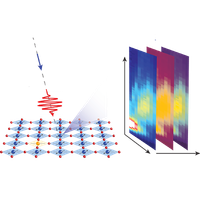
Phys. Rev. Lett. 137, 096502 (2026)
Condensed Matter and Materials
Correlated Insulator at the Surface of the Polar Metal ${\mathrm{Ca}}{3}{\text{Ru}}{2}{\mathrm{O}}_{7}$
Article | Condensed Matter and Materials | 2026-08-26 06:00 EDT
Daniel Halliday, Izidor Benedičič, Andela Zivanovic, Masahiro Naritsuka, Brendan Edwards, Tommaso Antonelli, Naoki Kikugawa, Dmitry A. Sokolov, Craig Polley, Andrew P. Mackenzie, Georg Held, Phil D. C. King, and Peter Wahl
We investigate the electronic structure at the surface of the correlated oxide , a low-symmetry ruthenate oxide which hosts an unconventional polar-metal phase. From a combination of angle-resolved photoemission spectroscopy and scanning tunneling spectroscopy measurements, we demonstrate th…
Phys. Rev. Lett. 137, 096503 (2026)
Condensed Matter and Materials
Material Realization of Spinless, Covalent-Type Dirac Semimetals in Three Dimensions
Article | Condensed Matter and Materials | 2026-08-26 06:00 EDT
Yuki Tanaka, Rinsuke Yamada, Manabu Sato, Noriyuki Kabeya, Masaki Kondo, Noriaki Kimura, Masashi Tokunaga, Motoaki Hirayama, and Max Hirschberger
Realization of a three-dimensional (3D) analog of graphene has been a central challenge in topological materials science. Graphene is stabilized by covalent bonding, unlike conventional spin-orbit-type 3D Dirac semimetals (DSMs). In this study, we demonstrate the material realization of covalent-typ…
Phys. Rev. Lett. 137, 096603 (2026)
Condensed Matter and Materials
Altermagnetism-Induced Bogoliubov Fermi Surfaces Form Topological Superconductivity
Article | Condensed Matter and Materials | 2026-08-26 06:00 EDT
Bo Fu, Chang-An Li, and Björn Trauzettel
Topological superconductivity and Majorana zero modes emerge from two feasible platforms, quasi-1D nanowires and vortex-line heterostructures, when crystal anisotropy and quantum confinement act as tuning parameters.
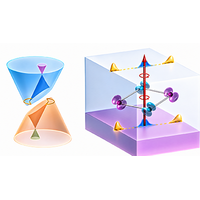
Phys. Rev. Lett. 137, 096604 (2026)
Condensed Matter and Materials
Arbitrary Mechanical Memory Encoding via Nonlinear Waves in Bistable Metamaterials
Article | Statistical Physics; Classical, Nonlinear, and Complex Systems | 2026-08-26 06:00 EDT
Audrey A. Watkins, Giovanni Bordiga, Mingxing Mu, Vincent Tournat, and Katia Bertoldi
Mechanical metamaterials composed of bistable elements have recently emerged as promising platforms for mechanical memory. Traditional approaches to writing information in these systems typically rely on localized actuation or predefined coupling schemes, which are often labor-intensive or lack adap…
Phys. Rev. Lett. 137, 097201 (2026)
Statistical Physics; Classical, Nonlinear, and Complex Systems
Diffusive Noise Controls Early Stages of Genetic Demixing
Article | Polymers, Chemical Physics, Soft Matter, and Biological Physics | 2026-08-26 06:00 EDT
Rashmiranjan Bhutia, Stephy Jose, Prasad Perlekar, and Kabir Ramola
Theoretical descriptions of the stepping-stone model, a cornerstone of spatial population genetics, have long overlooked diffusive noise arising from migration dynamics. We derive a fluctuating hydrodynamic description of this model from microscopic rules, which we then use to demonstrate that diffu…
Phys. Rev. Lett. 137, 098401 (2026)
Polymers, Chemical Physics, Soft Matter, and Biological Physics
Collective Motion in Danionella Emerges from Discrete Copying Interactions
Article | Polymers, Chemical Physics, Soft Matter, and Biological Physics | 2026-08-26 06:00 EDT
Palka Puri, Geoff T. Meyerhof, Julia L. Napoli, David Zada, Matthew Lovett-Barron, and Johnatan Aljadeff
Understanding how animals move as collectives requires knowledge of movement and interaction rules implemented by individuals within such groups. We report that micro glassfish Danionella cerebrum exhibit highly dynamic schooling that is explained by a stochastic model with pairwise copying of swimm…
Phys. Rev. Lett. 137, 098403 (2026)
Polymers, Chemical Physics, Soft Matter, and Biological Physics
Physical Review X
Experimentally Accessible Measurement of Irreversibility in Stochastic Systems by Categorizing Single-Molecule Displacements
Article | 2026-08-26 06:00 EDT
Alvaro Lanza, Inés Martínez-Martín, Rafael Tapia-Rojo, and Stefano Bo
A model-free method that infers irreversibility directly from single-molecule position recordings offers a versatile and accessible tool to characterize the nonequilibrium behavior of small, time-dependent, continuous systems.
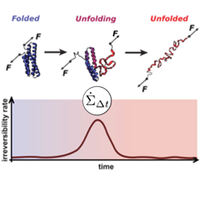
Phys. Rev. X 16, 031052 (2026)
arXiv
Even/Odd-parity STS spectra induced by quantum well mirror symmetry breaking in iron-based superconductors
New Submission | Superconductivity (cond-mat.supr-con) | 2026-08-27 20:00 EDT
Determining whether superconducting scanning tunneling spectroscopy (STS) is uniquely dictated by crystal structure constitutes a fundamental challenge in condensed matter physics. Here, we systematically investigate bulk FeSe single crystals, monolayer FeSe, and $ \mathrm{KCa_2Fe_4As_4F_2}$ . We resolve one-, two-, and three-order checkerboard quantum-well structures that perfectly match the experimentally observed one, two, and three pairs of superconducting coherence peaks. In bulk FeSe, quantum wells promote real-space Cooper pairing and form degenerate antiferromagnetic checkerboard sublattices, yielding bosonic even-parity STS responses. In monolayer FeSe, mirror symmetry breaking suppresses Cooper pairing and induces nondegenerate ferromagnetic sublattice dichotomy, producing fermionic odd-parity STS spectra. We establish a universal gap scaling law $ \Delta(T, \xi) = \eta(T)/\xi^2$ , where $ \eta(T)$ is a temperature-dependent prefactor and $ \xi$ denotes quantum-well depth that governs the number and magnitude of superconducting gaps. For $ \mathrm{KCa_2Fe_4As_4F_2}$ , our predicted gap pairs of $ \pm6.2$ meV, $ \pm5.6$ meV, and $ \pm4.2$ meV are in excellent agreement with experimental results of $ \pm6.2$ meV, $ \pm5.4$ meV, and $ \pm4.4$ meV. This quantum-well mechanism unifies mirror symmetry breaking, checkerboard sublattice ordering, Cooper pairing, fermion-boson duality, and half-Bogoliubov states for STS interpretation, offering new insights toward a unified high-$ T_\text{c}$ superconductivity theory.
Superconductivity (cond-mat.supr-con), Strongly Correlated Electrons (cond-mat.str-el)
10 pages, 6 figures
Self-assembly and Electronic Properties of Graphyne and Graphdiyne Molecular Wires on Metallic Surfaces
New Submission | Materials Science (cond-mat.mtrl-sci) | 2026-08-27 20:00 EDT
Victor M. S. da Conceição, Dominike Pacine, Juliana M. Morbec, Roberto H. Miwa
Molecular self-assembly on solid surfaces has been the subject of extensive research, motivated by both fundamental and technological interests. On the fundamental side, these studies seek to elucidate the mechanisms governing molecular self-assembly and the resulting surface structures. From an applied perspective, they provide a route toward controlling surface reactions and engineering molecular electronic devices. Here, based on first-principles density functional theory calculations, we present a comprehensive study of self-assembled molecular wires (MWs), composed of graphyne (GY(1D)) and graphdiyne (GYD(1D))-like structures, adsorbed on Au(111), Ag(111), and Al(111) surfaces. Our total-energy calculations reveal that non-aligned MW arrays are energetically preferred on all three metal substrates. The GY(1D) and GYD(1D) molecular wires interact with the metal surfaces through van der Waals (vdW) forces, while their molecular orbitals do not contribute to the formation of metallic interface states. Simulated X-ray photoelectron spectroscopy (XPS) spectra reveal that the C 1s spectral features of the molecular wires are largely preserved upon adsorption, while the absolute binding energies undergo a substantial downshift that is nearly independent of the metal substrate, indicating that metallic screening effects dominate the adsorption-induced core-level shifts. Electronic band-structure calculations further show that the semiconducting character of the molecular wires is retained, resulting in vdW metal-semiconductor heterostructures in which the semiconducting component consists of one-dimensional semiconducting channels. These findings demonstrate that self-assembled graphyne- and graphdiyne-based molecular wires on metal surfaces provide a promising platform for the realization of low-dimensional molecular electronic devices.
Materials Science (cond-mat.mtrl-sci), Other Condensed Matter (cond-mat.other)
Reply to Comment on: Microscopic signatures of an imaginary charge density wave in a kagome metal
New Submission | Strongly Correlated Electrons (cond-mat.str-el) | 2026-08-27 20:00 EDT
S. Suetsugu, S. Kitagawa, K. Ishida, T. Shibauchi, Y. Matsuda
We address a recent Comment [I. Nikolov {\it et al.}, arXiv:2608.13579 (2026)] proposing crystalline mosaicity as an alternative explanation for the asymmetric nuclear magnetic resonance (NMR) spectra reported in our study [S. Suetsugu {\it et al.}, Nat. Phys. {\bf 22}, 1251–1256 (2026)]. We show that this scenario requires substantial temperature- and site-dependent distributions of crystallographic orientations and additional site-dependent distributions of the electric field gradient (EFG) asymmetry parameter, none of which follow from ordinary crystalline mosaicity. We therefore conclude that crystalline mosaicity cannot account for the observed site-selective spectral asymmetry and does not provide an alternative explanation for the central spectroscopic observation underlying our interpretation.
Strongly Correlated Electrons (cond-mat.str-el)
reply to arXiv:2608.13579
A Simple Regularization of the Smooth Quantum Hydrodynamic Model
New Submission | Mesoscale and Nanoscale Physics (cond-mat.mes-hall) | 2026-08-27 20:00 EDT
A simple regularization of the smooth quantum hydrodynamic model equations to prevent an unstable growing mode is proposed. The regularization involves replacing the spatial derivative of the electron density on the right-hand side of the momentum conservation equation by using the classical Boltzmann distribution for electron density.
Time-dependent simulations of the resonant tunneling diode to steady state using this regularization are presented, which show realistic negative differential resistance (the experimental signal of quantum resonance) and hysteresis in the current-voltage curve. The simulations are in good agreement with fully quantum mechanical simulations of the resonant tunneling diode.
Mesoscale and Nanoscale Physics (cond-mat.mes-hall), Quantum Gases (cond-mat.quant-gas)
19 pages,
Heat Transfer and Torque in Enclosing Cylindrical Configurations with Nonreciprocal Materials
New Submission | Statistical Mechanics (cond-mat.stat-mech) | 2026-08-27 20:00 EDT
Dhruv Shah, Kiryl Asheichyk, David Gelbwaser-Klimovsky, Noah Graham, Mehran Kardar, Matthias Krüger
Electromagnetic fluctuations can transfer not only energy but also angular momentum, leading to forces, torques, heat currents, and friction in out-of-equilibrium setups. In enclosing configurations, we show that if at least one of two objects is rotationally symmetric, the torque is bounded by heat transfer, since both arise from photon transfers with angular momentum $ \hbar n$ and energy $ \hbar\omega$ . With only one object assumed to be rotationally symmetric, it may be possible to obtain a nonzero torque with reciprocal media, but nonreciprocal media are required to break the symmetry between $ n$ and $ -n$ and produce a nonzero torque if both objects are rotationally symmetric. We then specialize to concentric cylinders with a nonreciprocal dielectric response and use Rytov fluctuational electrodynamics to express heat transfer and torque in terms of an angular-momentum-resolved flux density, $ \Phi_n(\omega)$ . We also analyze the conditions for stable levitation of the inner cylinder using the proximity force approximation, in the process obtaining a new analytic formula for the normal Casimir force between dilute plates at different temperatures. Finally, to find the extracted work in a contactless engine setup, we compute the fluctuation-induced friction for a slowly rotating inner cylinder, and we find a bound between torque, friction, and heat transfer. Due to this bound, the efficiency of the heat engine remains bounded by the Carnot limit.
Statistical Mechanics (cond-mat.stat-mech), Quantum Physics (quant-ph)
19 pages, 7 figures
Nonlocal thermal noise in electrically coupled conductors: A microscopic two-dimensional study
New Submission | Statistical Mechanics (cond-mat.stat-mech) | 2026-08-27 20:00 EDT
The Johnson-Nyquist theory is commonly implemented by representing a conductor as a collection of independent local thermal-noise sources whose strength is determined by the local temperature. Whether this local-noise representation remains valid for electrically coupled conductors maintained at different temperatures has received comparatively little attention. We investigate this question by means of microscopic two-dimensional simulations of interacting charge carriers in conducting wires capacitively coupled. The model reproduces Ohm’s law, the equilibrium Johnson noise, and vanishing correlations between detached wire segments when both wires are at the same temperature. However, when the wires are held at different temperatures, finite correlations develop between the electromotive forces generated in distant segments, leading to systematic deviations of the Johnson temperature inferred from the local-noise picture. The effect persists although the microscopic particle interactions are short-ranged and the two wires interact only through the capacitive coupling. These results suggest that the independent-local-source representation of thermal noise may not remain valid in electrically coupled nonequilibrium conductors.
Statistical Mechanics (cond-mat.stat-mech)
High-harmonic fingerprints of sharp spin twists in a chiral soliton lattice
New Submission | Strongly Correlated Electrons (cond-mat.str-el) | 2026-08-27 20:00 EDT
A magnetic field applied perpendicular to the helical axis of a monoaxial chiral helimagnet compresses the spin helix into a coplanar chiral soliton lattice (CSL). We show that optically driven high-harmonic generation from itinerant electrons coupled to a frozen CSL resolves the lattice-scale structure of the localized twist, rather than the continuum soliton shape. High-order harmonics remain perturbative for the uniform helix. As the winding localizes at fixed magnetic period, they grow by many orders of magnitude and acquire a nonperturbative dependence on the drive amplitude. The growth originates from a spatially nonuniform effective hopping that turns each soliton into a localized dip in the hopping amplitude. When the degree of winding localization is held fixed, high-order intensities fall by many orders of magnitude as the magnetic period increases toward the continuum limit, where the hopping modulation is spatially smoothed. High-order harmonics thus resolve a real-space characteristic of the coplanar CSL, even in the absence of scalar chirality and an emergent magnetic field.
Strongly Correlated Electrons (cond-mat.str-el), Mesoscale and Nanoscale Physics (cond-mat.mes-hall), Optics (physics.optics)
9 pages, 6 figures
Quantum spin Hall crystals at fractional filling of twisted MoTe$_2$
New Submission | Strongly Correlated Electrons (cond-mat.str-el) | 2026-08-27 20:00 EDT
Xiaoyang Shen, Raul Perea-Causin, Christopher Ekman, Jiong-Hao Wang, Hui Liu, Emil J. Bergholtz
We predict and classify interaction-driven quantum spin Hall crystals (QSHCs), a class of states emerging at fractional filling through an interplay of topology and spontaneous translation-symmetry breaking. QSHCs form nearly degenerate manifolds whose members can realize distinct topological phases protected by time-reversal or valley $ U(1)_v$ symmetry, with time-reversal acting nontrivially within the manifold. As a representative of this broad class of states we provide evidence for 9-fold quasi-degenerate $ \sqrt{3}\times\sqrt{3}$ charge ordered QSHCs at $ \nu = -8/3$ of twisted bilayer MoTe$ _2$ near a $ 5^\circ$ twist. Here a $ \mathbb{Z}_3$ index organizes states related by lattice translation into three time-reversal invariant states with nontrivial $ \mathbb{Z}_2$ topology and three time-reversal related doublets whose individual members spontaneously break time-reversal and carry a $ U(1)_v$ protected spin-Chern number. Finally, we determine the conditions that favor QSHCs over closely competing intervalley-coherent crystals.
Strongly Correlated Electrons (cond-mat.str-el), Mesoscale and Nanoscale Physics (cond-mat.mes-hall)
15 pages, 6 figures. Comments are welcome!
Microscopic Modeling of the Charge-Density-Waves in the Rare-Earth Tritellurides
New Submission | Strongly Correlated Electrons (cond-mat.str-el) | 2026-08-27 20:00 EDT
Sijia Zhao, Julian May-Mann, Ian R. Fisher, Steven A. Kivelson
Despite being arguably the simplest and best characterized quasi-2D charge-density-wave (CDW) systems, the rare-earth tritellurides ($ R$ Te$ _3$ ) continue to yield surprising experimental results, including recent evidence suggestive of mirror-symmetry breaking associated with the onset of CDW order. Motivated by this, we consider a 2D electron-phonon model for a single Te square-net plane, which we analyze using mean-field theory. For an appropriate region of parameter space, we find a finite-temperature continuous transition from the normal state to a unidirectional CDW state with an ordering vector matching that observed experimentally. At lower temperatures, we find a second translation-symmetry-breaking transition, similar to what occurs in $ R$ Te$ _3$ compounds with heavier rare-earth elements. In certain parameter regimes, we also find an intervening mirror-symmetry-breaking transition occurring between the two transitions described above. These results reveal an intrinsic susceptibility to mirror-symmetry breaking in the unidirectional CDW phase, which is relevant to understanding recent experiments on the $ R$ Te$ _3$ compounds.
Strongly Correlated Electrons (cond-mat.str-el)
8 pages, 5 figures, plus Supplemental Material
Photonic spin-Hall effect as a probe for time-reversal-symmetry broken band topological phases
New Submission | Mesoscale and Nanoscale Physics (cond-mat.mes-hall) | 2026-08-27 20:00 EDT
Deblina Samanta, Darshan G. Joshi
When a plane polarized Gaussian beam of light is incident on a surface, upon reflection it splits into right and left circularly polarized beams that are spatially separated in the direction perpendicular to the plane of incidence. This is known as the photonic spin-Hall effect (PSHE). In this work, we show that the centroid shift, which is the intensity weighted average of the shifts of the right and the left circularly polarized beams directly probes the optical Hall conductivity, which carries the essential information about the topological properties of the system. We show that the centroid shift as a function of the frequency of light has a unique sign structure depending on whether the system is in a time-reversal symmetry broken band topological phase or a trivial phase. Thus, the PSHE may serve as an unambiguous and a non-invasive probe to detect time-reversal symmetry broken band topological phases.
Mesoscale and Nanoscale Physics (cond-mat.mes-hall), Other Condensed Matter (cond-mat.other)
6+8 pages, 3+8 figures
Directed walks shape a universal square-root law of entropy production rate in nonreciprocal systems
New Submission | Statistical Mechanics (cond-mat.stat-mech) | 2026-08-27 20:00 EDT
Thiparat Chotibut, Ewa Gudowska-Nowak, Maciej A. Nowak
The entropy production rate (EPR) quantifies irreversibility of a nonequilibrium steady state, yet standard formulas obscure how a complex interaction network generates it. For multivariate Ornstein-Uhlenbeck dynamics on such networks, we express the EPR as a quadratic form in antisymmetric matrices measuring the nonreciprocity of aggregate directed walks at every length, and, equivalently, as two weighted-walk quantities: pairs of directed walks sharing both endpoints, and directed closed walks. For diagonalizable interactions, an exact correspondence translates these walk quantities into eigenvalues and biorthogonal eigenvector overlaps. Across dense, sparse, and deep acyclic random interactions satisfying matched-walk conditions, the mean EPR per node universally follows the square-root law $ \phi_\ast(g)=1-\sqrt{1-g^2}$ , where $ g \in [0,1)$ parametrizes the interaction strength. Deep acyclic interaction matrices are nilpotent, with all eigenvalues fixed at zero for every $ g$ , yet, as their depth increases, their mean EPR per node approaches $ \phi_\ast(g)$ . Thus, the square-root law arises from directed walk properties, rather than from a shared spectral density or specific network topology.
Statistical Mechanics (cond-mat.stat-mech), Disordered Systems and Neural Networks (cond-mat.dis-nn), Neural and Evolutionary Computing (cs.NE), Mathematical Physics (math-ph), Neurons and Cognition (q-bio.NC)
9 pages, 2 figures. Supplemental Material submitted for peer review will be made publicly available following peer review
Raman magnon spectroscopy of local interactions and ground state selection in $\mathrm{Sr_2IrO_4}$
New Submission | Other Condensed Matter (cond-mat.other) | 2026-08-27 20:00 EDT
Xiang Li, Scott E. Cooper, Ahmed E. Fahmy, Yuan-Ming Lu, A. de la Torre, R.S. Perry, D. Hsieh, T.F. Rosenbaum, Yejun Feng, D. M. Silevitch
Competing and coupled spin and charge interactions in quantum materials lead to a variety of ordered states where local configurations preferentially influence the long-range order. When these interactions are finely balanced in energy, disorder and fluctuations play an outsized role. Raman scattering is particularly well-suited to revealing the underlying physics in such situations because of its sensitivity to local environments and ability to reveal overall symmetries. We perform angle-resolved Raman polarization measurements on single crystals of the correlated, layered magnet, \ce{Sr2IrO4}, where the Mott insulating ground state arises from strong spin-orbit coupling. We characterize the symmetries of both the phonon and magnon modes through comprehensive measurements in both the $ ab$ -plane and out-of-plane geometries from 10 to 700 cm$ ^{-1}$ , and trace the evolution of these modes in both configurations to 12 GPa in a diamond anvil cell with perforated diamonds. Pressure does not significantly alter the lattice as the phonon modes shift linearly under compression, but at the same time the magnon modes become position dependent and spread over a range of wavenumbers. We attribute this magnetic heterogeneity to pressure-enhanced variations in the weak interlayer interactions, which may locally favor competing magnetic stacking configurations, and compare our experimental results to the predictions of linear spin wave calculations. Our results demonstrate that Raman-active magnons amplify $ \mu$ eV-scale interactions responsible for ground-state selection into easily measurable spectral changes.
Other Condensed Matter (cond-mat.other)
10 pages, 6 figures. Supplementary Information PDF available under “Ancillary Files”
Persistence length of short homopolymeric single-stranded DNA sequences in polyvalent cations
New Submission | Soft Condensed Matter (cond-mat.soft) | 2026-08-27 20:00 EDT
We used simulations of short single stranded DNA (ssDNA) homopolymers, based on the sequence dependent Three Interaction Site (TIS) model, to calculate the persistence length ($ l_p$ ) in polyvalent cations. The TIS model accounts for stacking interactions and electrostatic interactions are treated using the Coulomb potential. We find that $ l_p$ for $ \mathrm{dT_{30}}$ (T is thymine) and $ \mathrm{dA_{30}}$ (A is adenine) is quantitatively fit using $ l_p = l_p^0 + \lambda \kappa^{-1}$ ($ l_p^0$ is the bare persistence length, $ \lambda$ is a dimensionless constant, and $ \kappa$ is the inverse Debye length) in the divalent cations $ \mathrm{Mg^{2+}}$ and $ \mathrm{Ca^{2+}}$ . The dependence of $ l_p$ on $ \kappa$ is surprising because it was derived for long flexible polyelectrolytes in which the charges interact via the Debye-Hückel potential. The $ l_p^0$ values are 0.4 nm and 1.1 nm for polyT and polyA, respectively. Strikingly, $ l_p$ is almost independent of the tetravalent spermine concentration. There is no clear theoretical explanation although simulations suggest that the number of spermine molecules that bind to the ssDNA saturates at a small value. A qualitative picture, based on the restrictions of access to the phosphate groups due to volume exclusion of the anisotropic structure of $ \mathrm{Spm^{4+}}$ , rationalizes the simulation results. The predicted dependence of $ l_p$ in spermine awaits experimental test.
Soft Condensed Matter (cond-mat.soft), Biological Physics (physics.bio-ph), Chemical Physics (physics.chem-ph)
Delta-Function Kicks are Optimal for Rapidly Driven Inertial Stochastic Systems
New Submission | Statistical Mechanics (cond-mat.stat-mech) | 2026-08-27 20:00 EDT
Optimal control helps guide our understanding of stochastic thermodynamics, leading to universal properties and geometric formulations. Among the initially surprising properties of optimal control, not only discrete jumps but delta function kicks have been shown to be necessary to minimize dissipation in specific example systems. Using a short-time approximation, I show that delta-function kicks are universally optimal for minimizing dissipation in inertial stochastic systems, including active and quantum dynamics under general constraints. Fundamentally stemming from basic kinematics, delta-function kicks are required to achieve linear scaling of work with short protocol durations compared to the quadratic scaling without the kicks. This implies a diverging (infinite) ratio of saved work in the short-time limit.
Statistical Mechanics (cond-mat.stat-mech)
High-pressure phase transitions in the quantum spin liquid candidate Na2Co2TeO6 probed by Raman spectroscopy
New Submission | Strongly Correlated Electrons (cond-mat.str-el) | 2026-08-27 20:00 EDT
Ihsan Ahmed Kolasseri, Maria Mei Ravnebæk, Subhadip Das, Carl Jonas Linnemann, Haidong Zhou, Christian Frydendahl, Martin Bremholm, Yong P. Chen
The quasi-2D magnet Na2Co2TeO6 (NCTO) is a candidate for a Kitaev Quantum Spin Liquid (KQSL) state. Pressure-tuning in such materials is of interest as a potential method to tune the Kitaev exchange interactions, which are strongly dependent on bond geometry. Here we report a Raman spectroscopic study of NCTO inside a diamond anvil cell (DAC) with pressure applied up to 16.3 GPa. Based on the changes in the Raman modes, this pressure range is divided into three regions. The appearance and disappearance of several modes and changes in the polarization dependence of the representative modes, most prominently above 13.8 GPa, point to pressure-induced phase transitions in this material.
Strongly Correlated Electrons (cond-mat.str-el), Materials Science (cond-mat.mtrl-sci)
Supplementary materials available upon request
Intercalation of Alkali Metal into WTe2, the Crystal Structure of A0.5WTe2 and Observation of a Metal-to-Semiconductor Transition
New Submission | Materials Science (cond-mat.mtrl-sci) | 2026-08-27 20:00 EDT
Patrick Schmidt, Fabian Strauß, Marcus Scheele, Carl P. Romao, Hans-Jürgen Meyer
We explore the cationic intercalation of tungsten ditelluride (WTe2) with potassium (K), rubidium (Rb), and cesium (Cs), yielding intercalation compounds of the form A0.5WTe2 (A = K, Rb, Cs). Structural characterization was performed using powder X-ray diffraction (PXRD), while diffuse reflectance infrared Fourier transform (DRIFT) spectroscopy and temperature-dependent conductivity measurements were employed to investigate the electronic properties. Density functional theory (DFT) calculations were carried out to support the experimental findings and to provide insight into the intercalation mechanisms and the resulting material characteristics. All synthesized compounds display semiconducting behavior with narrow band gaps, emphasizing the influence of alkali metal intercalation on the electronic structure and transport properties of WTe2. These results advance the fundamental understanding of property modulation in transition-metal dichalcogenides (TMDCs) and highlight their potential for electronic device applications.
Materials Science (cond-mat.mtrl-sci)
13 pages, 18 figures, with supplementary information
Dalton Trans. (2026) 55 (8), 3296-3309
Probing bulk superconductivity in centrosymmetric Te-doped PtBi$_2$ single crystals
New Submission | Superconductivity (cond-mat.supr-con) | 2026-08-27 20:00 EDT
Kilian Srowik, Pablo Pedrazzini, Soumen Ash, Oksana Kvitnitskaya, Andrii Kuibarov, Susmita Changdar, Oleksandr Suvorov, Volodymyr Bezguba, Alexander Kordyuk, Rafał Kurleto, Dawid Wutke, Reza Firouzmandi, Robert Kluge, Swarnamayee Mishra, Alexander Mistonov, Saicharan Aswartham, Jochen Geck, Sergey Borisenko, Laura T. Corredor, Bernd Büchner
The Weyl semimetal $ \gamma$ -PtBi$ _2$ has been shown to be one of the most promising novel materials, recently proposed as a topological i-wave superconductor. A crucial requirement for observing this physics is the absence of inversion symmetry in its trigonal $ P31m$ crystal structure. Centrosymmetry has been reported to be readily restored in the $ P\overline{3}m1$ structure upon electron doping, partially substituting Bi with as little as 2% Te. In this work, we synthesized Te-doped PtBi$ {2-x}$ Te$ {x}$ samples and thoroughly investigated the bulk superconductivity of selected single crystals with nominal composition PtBi$ {1.96}$ Te$ {0.04}$ , exhibiting the highest superconducting volume fraction of $ \sim100$ . Single crystal XRD measurements confirm the centrosymmetric $ P\overline{3}m1$ structure in our samples, whereas bulk superconductivity with a critical temperature of $ T\mathrm{c} \approx 2.4,$ K was observed in magnetization and specific heat measurements. The upper critical fields for two different orientations were determined as $ H^{\parallel}{\mathrm{c2}}(0)\approx 6.3,$ kOe for in-plane and $ H^{\perp}{\mathrm{c2}}(0)\approx 4.7,$ kOe for out-of-plane magnetic fields. Robust superconductivity was also found in resistance and point contact measurements, where the latter showed a slight enhancement of the critical temperature up to $ T\mathrm{c} \sim 3,$ K. Finally, ARPES measurements corroborate the centrosymmetric structure of our samples, showing a single surface termination and the absence of Fermi arcs.
Superconductivity (cond-mat.supr-con)
9 pages, 7 figures
Convergence of the conformal Ward identity in the derivative expansion approximation
New Submission | Statistical Mechanics (cond-mat.stat-mech) | 2026-08-27 20:00 EDT
Jorge Ibañez, Matthieu Tissier, Gonzalo De Polsi
Conformal invariance is expected to be an emergent property of many systems in their critical regime. However, approximation schemes generically spoil this property. This is in particular the case of the derivative expansion, a widely used approximation scheme in the framework of the functional renormalization group. In this article, we consider Ward identities associated with conformal invariance in the 3-d Ising universality class with truncations at order 4 (next-to-next-to-leading order) in the derivative expansion, with $ Z_2$ invariant composite operators. Our results confirm that the regulating functions which yield a small breaking of conformal invariance also present a small sensitivity of the universal critical exponents with the choice of this regulating function. We also show that, in the vicinity of regulator-parameter values for which the conformal constraints are best satisfied, the breaking of conformal invariance reduces as the order of the derivative expansion is increased, providing a new indication of the convergence of this approximation scheme.
Statistical Mechanics (cond-mat.stat-mech), High Energy Physics - Theory (hep-th)
13 pages, 6 figures
Carrier-Resolved Attosecond Valley Polarimetry of Monolayer MoS$_2$
New Submission | Mesoscale and Nanoscale Physics (cond-mat.mes-hall) | 2026-08-27 20:00 EDT
Navdeep Rana, Lun Yue, Mette B. Gaarde
In recent years, all-optical writing and switching of valley polarization in two-dimensional semiconductors has been demonstrated on femtosecond timescales. Reading this polarization out on the same timescale, carrier by carrier, has so far remained out of reach. Employing semiconductor Bloch equation simulations of monolayer MoS$ _2$ , we show that attosecond transient absorption closes this gap by turning the Mo $ 4p$ semicore edge into a quantitative valley polarimeter. We find that pump-enabled core-to-valence absorption probes the holes while core-to-conduction bleaching probes the electrons, so that a single spectrum identifies each carrier by its photoabsorption energy. The hole channel, Pauli-blocked in equilibrium, emerges background-free. Its circular dichroism reverses sign with the pump helicity, and its normalized magnitude is proportional to the valley polarization. Finally, we show that scanning the probe delay clocks the few-femtosecond write in real time. Thus, attosecond core-level dichroism is a carrier-sensitive, quantitative probe of the creation and evolution of valley polarization.
Mesoscale and Nanoscale Physics (cond-mat.mes-hall)
20 pages, 4 figures, 3 tables. Supplemental Material will be available with the journal publication
Micromechanical statistical model links induced nematic order to mechanical response in fiber networks
New Submission | Soft Condensed Matter (cond-mat.soft) | 2026-08-27 20:00 EDT
Ehud Haimov, Yoni Koren, Ayelet Lesman, Jonathan Selinger, Yair Shokef
Contractile cells and external loads reorganize the fibrous extracellular matrix, aligning and compacting fibers over distances far exceeding a cell’s size, strongly affecting bioprocesses such as wound healing, angiogenesis and tumor invasion. We develop a continuum micromechanical theory that links, at every material point, the load-induced orientational order to the mechanical response that the reoriented network then exhibits. The network is described statistically, by the probability density of fiber orientations, and deforms affinely, so that a single-fiber stress-strain law is carried into the network stress, with the deformation set self-consistently by mechanical equilibrium. Critical to realistic biological relevant conditions, this theory allows both geometrical and material nonlinearities. Applied to a two-dimensional network under uniaxial stretch, the theory collapses onto a single anisotropy parameter that governs the orientation distribution, the nematic order, the Poisson ratio, and the densification of fibers. Our theory reveals that induced order and densification are highly positively correlated, and in the case of uniaxial stretch they collapse onto a nearly universal curve, independent of the single-fiber stiffness behavior. For a contracting cell, we find that buckling controls how far nematic orientational order and densification propagate. We find an algebraic decay of deformations with distance and solve for the dependence of the power-law exponent on the buckled-reduced stiffness of a single fiber. We validate our theory by comparison with non-affine discrete fiber-network simulations.
Soft Condensed Matter (cond-mat.soft)
The Effects of Inter-Valley Coupling of Dirac Fermions near Four Dimensions
New Submission | Strongly Correlated Electrons (cond-mat.str-el) | 2026-08-27 20:00 EDT
We analyze the criticality of an Ising Gross-Neveu-Yukawa (GNY) theory of $ N_\psi$ Dirac fermion valleys with intra- and inter-valley interactions, using a renormalization-group analysis in $ 4-\epsilon$ space-time dimensions to one-loop order. The conventional GNY fixed point of decoupled valleys is unstable against inter-valley fluctuations which are naturally present if the symmetry breaking is driven by short-ranged interactions. At the new fixed point, the critical exponents differ from the conventional GNY universality. Most importantly, Lorentz invariance is broken due to interference effects resulting from the relative rotation between valley coordinate frames. In the limit of large $ N_\psi$ the critical fixed point with finite inter-valley coupling remains stable but Lorentz invariance is asymptotically restored.
Strongly Correlated Electrons (cond-mat.str-el)
7 pages, 6 figures
Thermalization packets and optimal ice cubes
New Submission | Statistical Mechanics (cond-mat.stat-mech) | 2026-08-27 20:00 EDT
Relaxation toward equilibrium is usually accelerated by modifying the environment or by cooling a system further from equilibrium. Here we introduce a distinct strategy: thermalization packets, auxiliary systems prepared in advance and later coupled to a target system to accelerate its relaxation toward a prescribed thermal state. Thus, thermalization packets trade preparation effort for reduced waiting time. When the objective is cooling, we colloquially refer to such packets as ice cubes. Unlike ordinary coolants, thermalization packets are characterized not only by their temperature or heat capacity, but also by their microscopic preparation. We define perfect and optimal packets by their ability to suppress the slowest relaxation mode of the coupled dynamics: perfect packets eliminate it entirely, while optimal packets minimize its amplitude. We show that, under generic conditions, perfect packets exist among thermal preparations near equilibrium. Surprisingly, for asymptotic relaxation, the optimum among thermal preparations is generally not the coldest packet: cooling the packet beyond the slow-mode-cancelling optimum restores a nonzero slow mode and can therefore slow relaxation, yielding a packet analog of the Mpemba effect. We demonstrate the concept in exactly solvable Metropolis dynamics, a minimal two-qubit model, and a boundary-coupled interacting Ising-spin system. We also extend the framework to packets optimized for finite readout times. Finally, we show that the perfect-packet contour can connect the trivial bath-equilibrium point to a nontrivial strong Mpemba or strong inverse-Mpemba point.
Statistical Mechanics (cond-mat.stat-mech)
Tuning Dirac-Rashba and Double Dirac Cone Surface States of Topological Crystalline Insulator Pb${1-x}$Sn${x}$Se by Transition Metal Adsorbate
New Submission | Materials Science (cond-mat.mtrl-sci) | 2026-08-27 20:00 EDT
Bartłomiej Turowski, Wojciech Brzezicki, Ondřej Caha, Rafał Rudniewski, Natalia Olszowska, Jacek Kołodziej, Marta Aleszkiewicz, Tomasz Wojciechowski, Tomasz Wojtowicz, Timo Hyart, Gunther Springholz, Valentine V. Volobuev
The electronic structure of topological insulator/magnetic metal (TI/MM) interfaces is of great importance for understanding of exotic spin-dependent phenomena and realization of advanced spin-orbitronic devices. Here, we employ a model system of submonolayer transition metal (TM) deposited on the surface of a topological crystalline insulator (TCI) of Pb$ _{1-x}$ Sn$ _{x}$ Se to systematically map out the modification of the surface electronic structure by angle-resolved photoemission spectroscopy (ARPES) as a function of coverage. For the polar (111) Pb$ _{1-x}$ Sn$ _{x}$ Se surface, we observe the coexistence of the Dirac topological surface states (TSS) and Rashba-split surface states (RSS) induced by the combined effects of inversion-symmetry breaking, surface band bending and orbital angular momentum effects. In particular, we demonstrate very large Rashba splittings can be obtained and the Rashba parameter ($ {\alpha}_R$ ) can be tuned over a remarkably wide range from 0 to 3.5 eV $ {\cdot}$ $ \mathring{\mathrm{A}}$ , depending on the type and coverage of the TM adatoms. Model-Hamiltonian calculations corroborate the experimental findings and reveal that this coexistence results from the filling of the TSS by the surface doping caused by the TM. In contrast, for the nonpolar (001) surface exhibiting a double Dirac cone topological surface state, the inversion symmetry is preserved and hence no Rashba-split surface states emerge. Instead, surface charge imbalance induces dephasing of the wave functions of the double Dirac cones that diminishes the momentum-space separation between them. These findings shed light on novel phenomena occurring at the topological insulator / transition metal interface, offering a versatile platform for future spintronic and quantum devices.
Materials Science (cond-mat.mtrl-sci)
Finite relaxation protocols with minimal dissipation
New Submission | Statistical Mechanics (cond-mat.stat-mech) | 2026-08-27 20:00 EDT
Ben Ansbacher, Harrison Hartle, Abhishek Yadav, Jan Korbel, David H. Wolpert
Work extraction from nonequilibrium systems is a major challenge across biological, chemical, physical, and engineering systems. Idealized protocols generally require a quasistatic relaxation stage in which the Hamiltonian is gradually adjusted through a continuum of intermediaries. Here, we consider protocols restricted to a finite number $ N$ of intermediary Hamiltonians, consisting of a sequence of quench-relax steps. We determine the sequence of quenches that minimizes the dissipated work, which can be expressed in terms of a recurrence involving the Lambert function. The optimal sequence converges to the Fisher-Rao geodesic, saturating known leading-order dissipation bounds at large $ N$ . We obtain lower bounds on work extraction from a nonequilibrium distribution as a function of its Fisher-Rao distance to equilibrium. We extend and apply the framework in two simple models: (i) an optical trap experiment, showing that the optimal intermediary distribution can be bimodal even for unimodal initial and final distributions, and (ii) an enzyme-catalyzed reaction, showing that that accounting for relaxation time in addition to dissipation can favor barrier-lowering.
Statistical Mechanics (cond-mat.stat-mech)
16 pages, 6 figures
Origin of High-Temperature Antiferromagnetic Order in a van der Waals Material
New Submission | Materials Science (cond-mat.mtrl-sci) | 2026-08-27 20:00 EDT
Rabindra Basnet, Hari Paudyal, Gicela Saucedo Salas, Nicholas P. Butch, Durga Paudya, Ramesh C. Budhani
While Van der Waals (vdW) itinerant antiferromagnets with high Neel temperatures (TN) are highly desirable for spintronics, they remain relatively scarce. Here, we unravel the physical origin of the unusually high TN (= 250 K) in the newly identified vdW compound (Fe0.65Co0.35)4GeTe2. The substitution of Co in Fe4GeTe2 induces layer-selective Fe-Co ordering and stabilizes a robust antiferromagnetic (AFM) state primarily driven by Co moments. The AFM order is further strengthened by enhanced electronic correlations of quasi-localized Co 3d-states at the Fermi level, giving rise to an itinerant-localized duality of the 3d electrons. This interplay generates strong magnetic correlations well above TN and stabilizes low-temperature spin canting with a possible nontrivial Berry curvature. Our results establish (Fe0.65Co0.35)4GeTe2 as a rare material bridging fundamental magnetic interactions with potential applications in AFM spintronics.
Materials Science (cond-mat.mtrl-sci), Mesoscale and Nanoscale Physics (cond-mat.mes-hall)
Dynamical splitting and a nodal Bose liquid in 2d chiral XYZ model
New Submission | Strongly Correlated Electrons (cond-mat.str-el) | 2026-08-27 20:00 EDT
We study a class of Hamiltonians with a structure that we call “dynamical splitting”: the Hamiltonian terms can be divided into two sets acting on the same degrees of freedom such that every term in one set commutes with every term in the other, although terms within either set do not all commute. This structure yields an algebraic duality to effective degrees of freedom on which the two parts of the Hamiltonian act disjointly, enabling exact diagonalization on lattices with approximately twice as many spins as usually accessible. We exploit it in the “chiral XYZ model”, a geometrically frustrated spin-$ 1/2$ model on the triangular lattice which was previously introduced as a special limit of a Majorana-Hubbard model. This model also possesses anticommuting noncontractible line symmetries, which enforce an exact, topology-dependent degeneracy between locally indistinguishable states. We first study a $ \mathbb{Z}_N$ clock generalization and find, at large $ N$ , a gapless ground state with three subsystem-symmetry-protected nodal lines. Exploiting dynamical splitting and the subsystem symmetries, we carry out exact diagonalization of the $ N=2$ model on lattices up to $ 9\times9$ spins. The many-body gap and bipartite entanglement provide strong evidence for a gapless state consistent with the large-$ N$ nodal structure: the entanglement scales as $ L\log L$ and exhibits $ 1+1$ -dimensional CFT-like chord scaling on cylinders. Finally, we study instabilities and proximate phases. In particular, we find evidence that a subsystem-symmetry-preserving deformation drives a finite coupling transition to a gapped phase with $ \mathbb Z_2 \times \mathbb Z_2$ topological order.
Strongly Correlated Electrons (cond-mat.str-el), Statistical Mechanics (cond-mat.stat-mech), Quantum Physics (quant-ph)
20 pages + Appendices, 8 figures
Dynamical and conformational behavior of a polymer in a crowded solution
New Submission | Soft Condensed Matter (cond-mat.soft) | 2026-08-27 20:00 EDT
Setarehalsadat Changizrezaei, Colin Denniston
We investigate the structure and dynamics of a polymer in a fluid containing mobile spherical colloidal crowders of radius $ R$ . We compare and contrast the behavior with Langevin dynamics (LD) and lattice–Boltzmann molecular dynamics (LBMD), the latter incorporating long-range hydrodynamic interactions. Both the colloid size relative to the monomer radius $ r$ and the volume fraction $ \phi$ are varied to determine how crowding modifies polymer behavior. Increasing volume fraction induces polymer compaction, with the mechanism strongly dependent on the size ratio $ R/r$ . Small colloids primarily modify the short-wavelength polymer conformation, causing self-avoiding-walk-like behavior to persist to shorter length scales, whereas large colloids reduce the effective long-wavelength Flory exponent, indicating degraded solvent quality consistent with a confinement-blob picture. Polymer diffusion exhibits distinct behavior in LD and LBMD. In LD, diffusion decreases rapidly and depends strongly on $ R/r$ ; a phenomenological scaling involving $ \ln(1+R/r)$ captures this size dependence, and additional scaling with $ R_g$ reduces scatter, indicating polymer-scale correlations induced by crowding. In contrast, LBMD diffusion follows an effective-medium-like exponential dependence on concentration, governed by hydrodynamic coupling. Rouse-mode analysis identifies three regimes: scaling breakdown at low volume fraction, Zimm-like behavior at intermediate density in both LD and LB, and at high density hydrodynamic screening in LB with confinement-dominated dynamics in LD.
Soft Condensed Matter (cond-mat.soft), Statistical Mechanics (cond-mat.stat-mech), Computational Physics (physics.comp-ph)
Accepted for publication in The Journal of Chemical Physics
Signatures of a ferro-Josephson effect in twisted graphene
New Submission | Mesoscale and Nanoscale Physics (cond-mat.mes-hall) | 2026-08-27 20:00 EDT
Ruiheng Su, Zhenxiang Gao, Christopher Coleman, Manabendra Kuiri, Dacen Waters, Kenji Watanabe, Takashi Taniguchi, Matthew Yankowitz, Nemin Wei, Chunli Huang, Allan H. MacDonald, Joshua Folk
When a spin-polarized current is driven across a magnetic domain wall, the resulting spin-transfer torque could, beyond a critical threshold, set the wall’s moments into precession. This precession would modulate the Berry curvature experienced by electrons traversing the wall, producing an electromotive force that is topological in nature, proportional to the precession frequency, mapping precisely onto the DC Josephson effect and leading to the name ferro-Josephson effect. We report signatures consistent with this effect in a twisted graphene van der Waals heterostructure, where spin and valley textures are linked by exchange, Hund’s coupling, and spin-orbit interactions. Tuned to fillings where the isospin degeneracy is spontaneously broken, the samples develop a sharp peak in the longitudinal resistance within a fraction of a millitesla of $ B_\parallel=0$ —a peak that disappears as the current is reduced toward zero. In differential resistance the feature resolves into sharp resonances that disperse with $ B_\parallel$ on microtesla and picoampere scales. We argue that these arise from the current-driven precession of spin-domain-wall moments, in competition with the in-plane anisotropy set by a minuscule applied field, and that they establish nonlinear transport as a sensitive probe of isospin domain-wall dynamics at energy scales far below $ k_BT$ .
Mesoscale and Nanoscale Physics (cond-mat.mes-hall), Strongly Correlated Electrons (cond-mat.str-el)
Metastable magnetic domains and the anomalous $B_\parallel=0$ resistance peak in twisted double bilayer graphene
New Submission | Mesoscale and Nanoscale Physics (cond-mat.mes-hall) | 2026-08-27 20:00 EDT
Zhenxiang Gao, Christopher Coleman, Silvia Folk, Ruiheng Su, Manabendra Kuiri, Kenji Watanabe, Takashi Taniguchi, Nemin Wei, Chunli Huang, Joshua Folk
In graphene moirés, valley polarization gives rise to orbital magnetism, manifested as an anomalous Hall effect and resulting in Barkhausen jumps in longitudinal resistance when changing domain configurations modify quasiparticle scattering. Beyond a simple picture of polarized domains, however, spin and valley textures within and between the domains are less well understood, as is the effect of these textures on transport. In the valley-polarized quarter-metal state of twisted double bilayer graphene, a sharp and metastable peak in longitudinal resistance often appears at zero in-plane magnetic field, whose microscopic origin has yet to be identified. Here, we show that this peak depends on the configuration of domains of orbital magnetism, which is itself set by the gate-voltage trajectory used to enter the ordered state and by the magnetic field — particularly the in-plane component — present during that trajectory. The sensitivity of the effect to in-plane magnetic field components points to spin, linked to valley polarization through spin-orbit coupling, as the key degree of freedom in both the domain formation and the resistance peak.
Mesoscale and Nanoscale Physics (cond-mat.mes-hall)
Electric excitation of spin resonance in altermagnetic and antiferromagnetic conductors
New Submission | Strongly Correlated Electrons (cond-mat.str-el) | 2026-08-27 20:00 EDT
R. Ramazashvili, V. Shablenko, Ya. B. Bazaliy
We predict electric-dipole spin resonance (EDSR) in altermagnetic conductors: in a magnetic field $ {\mathbf H}\perp$ , perpendicular to the magnetization axis, an AC electric field will induce a \textit{spin} resonance peak above the lower threshold frequency $ \omega- = 2H_\perp$ . In sufficiently clean samples, this peak shall be clearly visible on the background of ohmic absorption. EDSR can thus serve as a diagnostic of altermagnetism in conducting materials and as a means to distinguish it from higher-symmetry antiferromagnetic order.
Strongly Correlated Electrons (cond-mat.str-el)
2 figures
Grain Boundary Engineering Effect on Vortex Matter in Superconducting Films
New Submission | Superconductivity (cond-mat.supr-con) | 2026-08-27 20:00 EDT
Qun Wang, Ting Chen, Ya-Xun He, Xing-Jian Liu, Jian-Wen Sun, Kang-Hong Yin, Fang-Ting Lin, Shi-Xun Cao, Jun-Yi Ge
Grain boundaries (GBs) in polycrystalline superconducting films act as a double-edged sword: they can pin vortices or degrade superconductivity through Josephson-like weak-link coupling. Here, we demonstrate that sputtering pressure tunes GB coupling in NbTiN films and visualize its consequences for vortex matter. The 5 mTorr film exhibits dispersed grain orientations and a two-step resistive transition under field, signaling intergranular weak-link behavior. In contrast, the 7 mTorr film develops a (111) texture, a single-step transition, higher critical current density, a second magnetization peak, and a {\delta}l-type pinning response consistent with improved GB coupling. Cryogenic magnetic force microscopy reveals a spatially heterogeneous, cluster-like vortex configuration in the 5 mTorr film, whereas the 7 mTorr film hosts a more uniform distribution with enhanced local order. These results establish a connection between deposition-controlled GB connectivity, macroscopic weak-link transport, and microscopic vortex organization, providing a practical route to tailor vortex pinning in polycrystalline superconducting films.
Superconductivity (cond-mat.supr-con)
High-throughput Discovery of Magnetic Rare Earth Transition Metal Alloys
New Submission | Materials Science (cond-mat.mtrl-sci) | 2026-08-27 20:00 EDT
Shuo Tao, Osman Goni Ridwan, Liqin Ke, Qiang Zhu
We present an accelerated materials discovery framework that combines diffusion-based crystal structure generation with hierarchical screening to identify new rare-earth–transition-metal magnets simultaneously achieving high magnetization and thermodynamic stability. Using this workflow, we systematically explored over 3000 binary (R-T) and ternary (R-T-T$ ‘$ ) compositions spanning R$ \in {\text{Y, Sm}}$ , T$ \in {\text{Fe, Co, Ni}}$ , and T$ ‘ \in {\text{Ti, V, Cr, Mn, Cu, Zn}}$ , and filtered approximately 240{,}000 generated crystal structures through machine-learning interatomic potential prescreening and spin-polarized density functional theory validation. We identify 300+ low-energy magnetic candidates within 0.1eV/atom above the convex hull at the DFT level, including 5 thermodynamically stable phases. The highest saturation magnetization reaches $ {\sim}1.8$ ~T in Fe-rich binary and ternary phases (SmFe$ _{12}$ , YFe$ _{12}$ , YFe$ _{18}$ Ti and Sm$ _2$ Fe$ _{16}$ Mn). Symmetry analysis reveals that the majority of ternary candidates are subgroup derivatives of known binary prototypes through Wyckoff site splitting that accommodates T$ ‘$ substitution. Site-resolved magnetic moment analysis further shows that Mn aligns ferromagnetically with the Fe sublattice with minimal magnetization loss, whereas Cr couples antiferromagnetically, providing systematic guidance for dopant selection. These findings demonstrate a generalizable strategy for targeted magnetic materials discovery and suggest that extending generative searches to larger unit cells ($ >$ 20 atoms) with higher Fe fractions is a promising route toward stable phases with saturation magnetization exceeding 1.8T.
Materials Science (cond-mat.mtrl-sci)
11 pages, 5 figures
Distinct Surface and Bulk Superconductivity in the Kagome Superconductor SrSn$_3$
New Submission | Superconductivity (cond-mat.supr-con) | 2026-08-27 20:00 EDT
Qun Zhu, Yong-Wei Wang, Ji-Hai Zhang, Qiang-Jun Cheng, Chen-Yu Hu, Jun-Zhong Wang, Qi-Kun Xue, Xu-Cun Ma, Can-Li Song
Surface and bulk superconductivity may possess fundamentally different superconducting properties in quantum materials with nontrivial electronic structures, yet their superimposed spectroscopic signatures often prevent direct experimental access to each superconducting channel. Here we reveal, in epitaxial films of the kagome superconductor SrSn$ _3$ , distinct surface and bulk superconducting channels with markedly different superconducting gaps, upper critical fields, and vortex-core electronic states by tuning the tunneling junction resistance in scanning tunneling spectroscopy. The surface superconductivity is characterized by a thickness-independent superconducting gap and an enhanced upper critical field, whereas the bulk superconducting channel exhibits a larger superconducting gap that decreases with reducing film thickness and a much lower upper critical field. Within magnetic vortex cores, robust non-split zero-bias conductance peaks are observed exclusively in the surface superconducting channel, while pronounced zero-bias suppression is consistently associated with the bulk superconducting channel. These findings demonstrate that the vortex-core electronic structure depends sensitively on the underlying superconducting channel, providing new insight into vortex-bound states in topological quantum materials.
Superconductivity (cond-mat.supr-con), Materials Science (cond-mat.mtrl-sci)
17 pages, 4 figures
Splay-induced charging of ferroelectric droplets in highly non-uniform electric fields
New Submission | Soft Condensed Matter (cond-mat.soft) | 2026-08-27 20:00 EDT
Lorenzo Fiorentini, Elia Rocchetti, Raouf Barboza, Roberta Galeazzi, Liana Lucchetti
Ferroelectric sessile droplets on a superhydrophobic surface can be put into motion by highly non-uniform electric fields, in a direction that depends on the field sign. This indicates that droplets carry a non-vanishing electrostatic charge, which we interpret as acquired through contact electrification at the interface with the superhydrophobic substrate. This phenomenon is not observed in the presence of a uniform or quasi-uniform electric field, suggesting that droplets charging is favored in highly nonuniform fields able to induce localized distortions of the ferroelectric polarization, in turn producing localized charge accumulation sites. Electrostatic charging is thus understood as a splay-induced contact electrification and interpreted as a strategy to minimize the accumulated charge. Electrophoretic-like motion is observed in about 30% of the experiments, meaning that splay-induced charging requires the proper combination of conditions such as droplets size, distance from the field source, freshness of the substrate coating and other experimental details that are not easily quantified. When charging does not occur, effects related to droplet polarization such as dielectrophoresis, ejection of polarized fluid jets and electrostriction-like deformations are observed.
Soft Condensed Matter (cond-mat.soft)
32 pages, 18 figures. Links to videos are available upon request
Beyond linear stability: Heterogeneity-induced fingering of crack fronts
New Submission | Materials Science (cond-mat.mtrl-sci) | 2026-08-27 20:00 EDT
Manish Vasoya, Laurent Ponson, Veronique Lazarus
We investigate the stability of elastic interfaces beyond the linear regime by considering penny-shaped crack fronts propagating through toughness heterogeneities. Using fracture mechanics simulations, we drive crack fronts through arrays of obstacles with tunable toughness contrast. At low contrast, the crack front stiffness remains finite and stabilizes front perturbations. Above a critical threshold, however, the stiffness vanishes and the front destabilizes into long fingers that evolve into daughter cracks propagating between obstacles while the original crack remains pinned. Near threshold, the crack front response displays the characteristic square-root scaling behavior of classical saddle-node bifurcations. Yet, our analysis reveals a fundamentally different mechanism: the stable energy-minimizing crack-front configuration disappears without colliding with an unstable counterpart. Instead, the instability originates from a global loss of Griffith-compatible equilibria governed by the nonlocal interactions along the crack front. Beyond fracture mechanics, these findings point toward a broader class of collective global bifurcations in nonlocal elastic interfaces and may help rationalize the brittle-to-quasibrittle transition in heterogeneous solids.
Materials Science (cond-mat.mtrl-sci)
Submitted to Physical Review Letters, 6 pages, 4 figures - main text, 5 pages, 5 figures - appendix
Multiple pattern formation in quorum sensing of density enhanced motility
New Submission | Soft Condensed Matter (cond-mat.soft) | 2026-08-27 20:00 EDT
Using Langevin dynamics simulations, I investigate nonequilibrium systems of particles following a density-enhanced motility (DEM) rule: particles are passive below a critical local density and active above it. This mechanism represents an inverse of the conventional quorum-sensing rule. I explore specifically quorums much larger than particle size and at two levels of activity. Above critical values of the density, quorum size, and activity, the system undergoes phase separation into low- and high-energy regions. The passive particles organize into distinct spatial patterns, including holes, stripes, and labyrinthine structures, while the active particles form a gas. I characterize the resulting steady states and identify the qualitative mechanisms governing the selection of different morphological regimes. I further discuss the relevance of these results to biological systems governed by analogous quorum-sensing mechanisms and to biological systems exhibiting related forms of spatial organization. Finally, I present directions for future investigation.
Soft Condensed Matter (cond-mat.soft)
Realization of Air-Stable Two-Dimensional Superconductor Nb2Pd3Te5 With Quasi-One-Dimensional Pair Density Modulation
New Submission | Materials Science (cond-mat.mtrl-sci) | 2026-08-27 20:00 EDT
Jiayi Wang, Hui Guo, Hao Zhang, Haowei Chen, Peixuan Li, Xianghe Han, Ziang Wang, Siyu Xu, Qian Fang, Haohao Xu, Shixuan Du, Chengmin Shen, Hui Chen, Wang Yao, Hong-Jun Gao
Two-dimensional (2D) superconductors provide a fertile platform for exploring reduced-dimensional superconductivity and emergent quantum phenomena. Incorporating quasi-one-dimensional (quasi-1D) structural motifs into 2D superconductors offers a powerful route to engineer strong electronic anisotropy, enabling unconventional superconducting states and anisotropic superconducting transport functionalities. However, such systems remain rarely realized. Here we report the realization of a 2D superconductor Nb2Pd3Te5, exhibiting an intrinsic quasi-1D pair density modulation. Monolayer and bilayer Nb2Pd3Te5 is synthesized via van-der-Waals epitaxy. Using ultralow-temperature scanning tunneling microscopy/spectroscopy, we observe the quasi-1D crystal structure and superconductivity below ~0.6 K with a pronounced quasi-1D pair density modulation. Remarkably, both monolayer and bilayer Nb2Pd3Te5 show strong air stability. Our findings establish atomically 2D Nb2Pd3Te5 as a robust and promising platform for exploring novel low-dimensional quantum phenomena and anisotropy-enabled superconducting devices.
Materials Science (cond-mat.mtrl-sci), Superconductivity (cond-mat.supr-con)
18 pages, 4 figures
Advanced Materials, e74711 (2026)
Quantum geometric signatures of Link-Unlink transitions and nonlinear Hall response in Hopf-link semimetals
New Submission | Mesoscale and Nanoscale Physics (cond-mat.mes-hall) | 2026-08-27 20:00 EDT
Kamalesh Bera, Arijit Saha, Debashree Chowdhury
Quantum geometry, comprising of quantum metric and Berry curvature, plays a significant role in the electronic transport properties of solids. In this work, we theoretically investigate the quantum geometric properties of a Hopf-link semimetal, a distinct topological class that is charecterized by a nodal link-unlink transition. We compute the interband optical conductivity of the Hopf link, which effectively distinguishes between linked and trivial phases. While recent studies establish quantum metric dipole-mediated scattering-free nonlinear Hall effect, this effect becomes even more fascinating in systems where the Berry-curvature-dipole contribution to nonlinear Hall conductivity vanishes. Owing to the underlying $ PT$ symmetry of the Hopf-link semimetal, the Berry curvature and its corresponding contribution to the nonlinear Hall effect are entirely suppressed. Consequently, by introducing an appropriate perturbation, a finite nonlinear Hall conductivity emerges solely due to the quantum metric in the Hopf semimetal. Notably, this purely intrinsic, symmetry-driven nonlinear response remains entirely unmixed with extrinsic components.
Mesoscale and Nanoscale Physics (cond-mat.mes-hall), Materials Science (cond-mat.mtrl-sci)
6 Pages, 5 PDF Figures (main text) and 3 Pages, 2 PDF FIgures (Supplementary Materials). Comments are welcome
Interpretable physics-informed retrieval-augmented generation language model for end-to-end inorganic crystal synthesis planning
New Submission | Materials Science (cond-mat.mtrl-sci) | 2026-08-27 20:00 EDT
Wei-Jian Jiang, Ye-Nan Sha, Hui Guo, Jie Chen, Yu-Cai Liang, Ke Zhou, Qi-Long Gao, Dong-Lin Han, Xin-Gao Gong, Wan-Jian Yin
Synthesis planning for inorganic materials requires predicting both synthesizability and viable routes by linking microscopic thermodynamic stability with macroscopic synthesis methods, precursors, and processing conditions. Here, we develop an interpretable Physics-Informed Retrieval-Augmented Generation Language Model (PIRAG-LM) for end-to-end inorganic crystal synthesis planning. We construct a material-centered Structured Synthesis Knowledge Base (SSKB) containing route-level records for 13,820 experimentally synthesized inorganic crystals. PIRAG-LM retrieves historical precedents using chemical, structural, and thermodynamic similarity, then employs a structured LLM reasoning module to propose routes, precursors, and processing conditions and assess thermodynamic feasibility, kinetics, and accessibility. It achieves 91.4% accuracy in synthesis-method prediction, compared with 72.1% for the LLM alone, and generalizes to materials reported after the knowledge cutoff. Because the framework relies on retrieval rather than parametric memorization, its performance can be improved by expanding the SSKB without retraining the language model. Guided by PIRAG-LM, we experimentally synthesize five new compounds: BaMo0.3In0.7O2.95, BaNb0.4In0.6O2.9, Hg[B(CN)4]2, CoCo(CN)6, and SrNb2Fe2(PO4)6, via solid-state and solution routes. These results demonstrate an interpretable machine-learning approach that helps bridge computational materials discovery and experimental realization.
Materials Science (cond-mat.mtrl-sci)
Dynamical development of long-range spatial coherence in non-equilibrium bosonic condensation
New Submission | Quantum Gases (cond-mat.quant-gas) | 2026-08-27 20:00 EDT
Bianca Rae Fabricante, Dąbrówka Biegańska, Paolo Comaron, Mateusz Król, Matthias Wurdack, Maciej Pieczarka, Mark Steger, David W. Snoke, Kenneth West, Daniele Sanvitto, Dario Ballarini, Dimitrios Trypogeorgos, Loren N. Pfeiffer, Andrew G. Truscott, Marzena Szymańska, Elena A. Ostrovskaya, Eliezer Estrecho
Development of spontaneous coherence is one of the hallmarks of bosonic condensation in a variety of physical systems, such as cold atoms, confined photons, and hybrid light-matter quasiparticles like exciton polaritons in semiconductors. While spatial coherence is well understood once a steady-state condensate has been established, its temporal evolution as the condensate forms is largely unexplored. Here, we explore the dynamical formation of a non-equilibrium, driven-dissipative exciton-polariton condensate through both time-resolved experiments and numerical modeling. Our study reveals that the spatial coherence is established through two distinct stages. The early-time stage is interaction-driven and features transient oscillations in spatial coherence. This stage is followed by a steady-state regime characterized by a spatially-uniform high degree of coherence that extends over the entire size of the system and persists over time. These stages of spatial coherence development occur in both free flowing and confined exciton-polariton systems that undergo a quench - rapid growth of the condensate starting from two different initial settings. Our study offers a deep insight into the process by which long-range spatial coherence is established in a non-equilibrium bosonic condensate.
Quantum Gases (cond-mat.quant-gas), Mesoscale and Nanoscale Physics (cond-mat.mes-hall)
Non-Hermitian topological Euler insulators
New Submission | Mesoscale and Nanoscale Physics (cond-mat.mes-hall) | 2026-08-27 20:00 EDT
Topological Euler insulators emerge in multiband systems with real Bloch Hamiltonians and wavefunctions. Their fragile topologies are characterized by the Euler class of degenerate bands and protected by the $ PT$ or $ C_2T$ symmetry in two dimensions, which go beyond the tenfold $ K$ -theory classification of topological matter. In this work, we extend the conception of topological Euler insulators to non-Hermitian systems and propose a theoretical framework to unlock their nontrivial Euler topology. Focusing on two-dimensional, three-band non-Hermitian lattice models with symmetric Hamiltonians, we formulate a comprehensive description of their topological Euler bands, entanglement spectrum and bulk-boundary correspondence. Three typical models of non-Hermitian Euler insulators are constructed and investigated explicitly to illustrate our theory. Unique topological phase transitions and anomalous edge-band overlaps with non-Hermitian origins are further identified. Our study establishes the presence of topological Euler bands in non-Hermitian systems and unveils their intriguing physical characteristics, thereby broadening the existing territory of topological matter in non-Hermitian open systems.
Mesoscale and Nanoscale Physics (cond-mat.mes-hall), Quantum Physics (quant-ph)
15 pages, 13 figures
Parity-controlled electron-hole interference in exciton-phonon coupling
New Submission | Materials Science (cond-mat.mtrl-sci) | 2026-08-27 20:00 EDT
We demonstrate that exciton-phonon coupling in polar semiconductors is governed by a parity-controlled interference selection rule. By performing an exact multipole expansion of the excitonic form factor and validating it against numerical integration of hydrogenic envelope functions, we show that the long-range infrared divergence of the Fröhlich interaction is exactly canceled for elastic scattering between excitonic states of the same parity. The ground-state exciton is thereby protected from long-wavelength polar phonons by destructive electron-hole interference. In contrast, transitions between states of opposite parity exhibit constructive interference, preserving a finite, robust coupling to macroscopic polar fields independent of band-structure details. Mass asymmetry between the electron and hole activates higher-order multipole terms in the elastic channel but leaves the constructive inelastic channel essentially unaffected. The selection rule is dimensionally invariant, applying to bulk and two-dimensional systems alike, and naturally explains the anomalously weak phonon dressing observed in halide perovskites as well as the strong phonon sidebands in transition-metal dichalcogenides. Our framework provides a universal, analytically exact criterion for exciton-phonon coupling strength, offering a design principle for engineering excitonic materials with tailored phonon interactions.
Materials Science (cond-mat.mtrl-sci)
Direct current thermo-mechanical testing: Principles, uncertainty hierarchy, and its role in advanced materials characterisation
New Submission | Materials Science (cond-mat.mtrl-sci) | 2026-08-27 20:00 EDT
Abdalrhaman Koko, Sodiq Abiodun Kareem, Olajesu Favor Olanrewaju, Rachael Williams, Justus Uchenna Anaele, Yuanbo T. Tang, Bryan Roebuck
Direct current thermo-mechanical testing (DC-TMT), based on resistive Joule heating, enables rapid heating and cooling, steep thermal gradients and simultaneous mechanical loading, making it a powerful tool for probing deformation, phase transformations, oxidation-assisted damage and creep under conditions inaccessible to conventional furnace-based methods. Despite its growing use, DC-TMT lacks formal standardisation and is often misinterpreted as equivalent to bulk isothermal testing, overlooking intrinsic differences in thermal and mechanical fields. This review addresses that gap by consolidating four decades of research on specimen geometry, temperature measurement, strain characterisation and environmental control, and by classifying uncertainty sources as dominant, secondary and conditional. Evidence from modelling and experiment shows that temperature gradients, heating rate and gauge representativeness govern the reliability of inferred material behaviour. Applications across aluminium, steels, nickel-based superalloys, titanium alloys, hardmetals, zirconium alloys, shape memory alloys and additively manufactured systems are critically assessed. The review highlights domains where DC-TMT provides reproducible mechanistic insight and conditions where direct equivalence with bulk data is not warranted. Implications include the need for transparent reporting, multi-sensor temperature validation and integration with electro-thermal modelling to enable rigorous, mechanism-focused interpretation.
Materials Science (cond-mat.mtrl-sci)
Defect states in three-dimensional diamond photonic band gap crystals
New Submission | Disordered Systems and Neural Networks (cond-mat.dis-nn) | 2026-08-27 20:00 EDT
Julia Rocha, Bart A. van Tiggelen, Ad Lagendijk, Willem L. Vos, Sergey E. Skipetrov
We perform a theoretical study of defect states within the photonic band gap of three-dimensional diamond crystals composed of point scatterers and doped with substitutional defects. The defects introduce localized states inside the photonic band gap, whose existence conditions and eigenfrequencies are expressed in terms of the on-site Green’s function of the ideal defect-free crystal. Off-site Green’s functions are also calculated as function of distance and are shown to vanish within approximately two unit cells. Finite-size effects are analyzed by comparing the results obtained in the infinite-crystal limit with numerical simulations based on the coupled-dipole method. The latter not only reproduce the eigenfrequencies of the defect states within the band gap, but also provide their lifetimes originating from the finite crystal size. The lifetimes of the defect states increase exponentially with crystal size, becoming very long for large crystals. In addition to defect states in the three-dimensional photonic band gap, the defects also give rise to strongly detuned states outside the gap, which decouple from the spectrum of the ideal defect-free crystal.
Disordered Systems and Neural Networks (cond-mat.dis-nn)
15 pages, 11 figures
Exchange splitting as a descriptor for giant anomalous Hall and Nernst effects in ferromagnets
New Submission | Materials Science (cond-mat.mtrl-sci) | 2026-08-27 20:00 EDT
Ivan Kurniawan, Guangzong Xing, Yoshio Miura, Keisuke Masuda
The anomalous Hall effect (AHE) and anomalous Nernst effect (ANE), which describe transverse electrical and thermoelectric responses in magnetic materials, respectively, are promising for spintronic and energy-harvesting applications. Here, we employ high-throughput first-principles calculations to investigate 2251 chemically substituted tetragonal $ L1_0$ alloys. Among ferromagnets, enhanced responses emerge preferentially in alloys derived from parent compounds with small exchange splitting: no alloy derived from FePt, the archetypal $ L1_0$ ferromagnet, reaches the high-response regime, whereas NiPt- and CoIr-derived alloys occupy it in large numbers. Small exchange splitting keeps majority- and minority-spin bands near the Fermi level, giving chemical substitution more opportunity to modify near-Fermi-level band crossings and amplify the Berry curvature. We predict a giant anomalous Hall conductivity of $ 2809,\mathrm{S,cm^{-1}}$ in (Co$ _{0.8}$ Fe$ _{0.2}$ )(Ir$ _{0.7}$ Pt$ _{0.3}$ ) and a giant anomalous Nernst conductivity of $ 7.72,\mathrm{A,m^{-1},K^{-1}}$ in (Ni$ _{0.8}$ Co$ _{0.2}$ )(Pt$ _{0.7}$ Ir$ _{0.3}$ ). Our results identify the exchange splitting of the parent compound as a descriptor for chemical tunability toward giant Berry-curvature-driven transport responses.
Materials Science (cond-mat.mtrl-sci)
A Hierarchical Synergistic Deep Learning Framework Integrating Composition, Structure, and Ionic Transport for Solid-State Electrolyte Discovery
New Submission | Materials Science (cond-mat.mtrl-sci) | 2026-08-27 20:00 EDT
Hongwei Du, Dingyang Lv, Baole Wei, Yongheng Li, Feng Yu, Ziheng Lu, Siqi Shi, Hong Wang
Inorganic solid-state electrolytes must combine high room-temperature ionic conductivity, a wide electrochemical window, excellent electronic insulation, and favorable mechanical compliance. Single models struggle to support reliable multi-objective screening across vast chemical spaces because of training-data distribution mismatch, cross-property dataset heterogeneity, and scarce kinetic transport data. To overcome these limitations, we develop a hierarchical synergistic deep-learning framework that sequentially coordinates efficiency, accuracy, and reliability through four complementary modules. The in-house-developed L-G-DCNN and a multi-fidelity implementation built on DenseGNN serve as compositional and structural experts for thermodynamic coarse screening and multi-property evaluation, respectively; MatterSim and system-specific DeePMD models provide transport pre-assessment and kinetic validation. Systematic benchmarks show that each module outperforms mainstream counterparts in its task, while retrospective validation establishes dual closed-loop verification of module-level accuracy and end-to-end workflow reliability. Applied to 30,364,908 Alex/ICSD-derived candidates, the framework identifies 97 high-performance candidates with room-temperature ionic conductivities of 0.109–59.0 mS/cm, including 94 halides, one borohydride, and two oxides. Consistency with independent experimental data confirms that 76 of the 94 halides fall within reported high-conductivity structural regions. Analysis reveals that Li$ ^{+}$ jump-network connectivity, rather than the number of geometric Li sites, is the core determinant of room-temperature ionic conductivity. Li-defect engineering effectively enhances oxide transport, whereas the inherent rigidity of the O$ ^{2-}$ framework suggests a potential upper limit on oxide electrolyte performance.
Materials Science (cond-mat.mtrl-sci), Artificial Intelligence (cs.AI), Machine Learning (cs.LG)
22 pages, 8 figures, 1 table
Optical and magneto-optical interactions in Co-doped CeO$_2$ thin films prepared by pulsed laser deposition
New Submission | Materials Science (cond-mat.mtrl-sci) | 2026-08-27 20:00 EDT
Martin Zahradník, Miroslav Kučera, Roman Antoš, Martin Veis, Jan Mistrík, Lei Bi, Hyun-Suk Kim, Caroline A. Ross
Magnetically doped CeO$ _2$ is a dilute magnetic semiconductor, promising for various applications in photonics, but the origin of its ferromagnetic properties is not fully understood. Here, thin films of Ce$ _{1-x}$ Co$ _x$ O$ _{2-\delta}$ prepared by pulsed laser deposition on MgO ($ x=0.05$ and $ 0.10$ ) and oxidized Si ($ x=0.20$ ) substrates were systematically studied by spectroscopic ellipsometry and magneto-optical spectroscopy. Both diagonal and off-diagonal permittivity-tensor elements were obtained. Diagonal spectra revealed two optical transitions between oxygen and cerium states. Off-diagonal spectra revealed two paramagnetic transitions involving cobalt ions, from which an essential influence of cobalt doping on resulting ferromagnetic properties of CeO$ _2$ was inferred. The full permittivity-tensor spectra are provided for further use in prospective modelling of magneto-optical device concepts.
Materials Science (cond-mat.mtrl-sci)
13 pages, 6 figures
Characterizing Full Nonequilibrium Dynamics of Simple Exclusion Processes
New Submission | Statistical Mechanics (cond-mat.stat-mech) | 2026-08-27 20:00 EDT
Zhimao Liu, Jing Liu, Pan Zhang, Ying Tang
The simple exclusion process (SEP) is a paradigmatic model for nonequilibrium transport, yet the rich dynamics of its time-dependent joint distribution over an exponentially large configuration space remain notoriously intractable. Here, we leverage variational autoregressive networks to systematically characterize the nonequilibrium dynamics of symmetric (SSEP), asymmetric (ASEP), and totally asymmetric (TASEP) cases from one to three dimensions. We first validate the approach by reproducing the previous finite-time results for the 1D SSEP and long-time tensor-network results for the 2D SSEP, and then provide richer finite-time dynamics of the SSEP, ASEP, and TASEP in 1D and 2D, and a new finite-time analysis in 3D. Specifically, in 1D, we reveal that finite-time dynamical-activity maps directly correspond to the classical three-phase TASEP steady-state organization, and, in the long-time limit, boundary and bulk effects separately govern the dynamical susceptibility during the crossover from diffusive to ballistic transport. In 2D, we establish a mean-field directional-density criterion, supported by our neural-network calculations, and show that long-time boundary and bulk effects mirror their 1D counterparts. In 3D, we uncover new finite-time scaling relations for the active-inactive phase transition of the SSEP, and reveal a broadly consistent scaling exponent of the phase-transition point versus system size, implying that the phase-transition point is asymptotically controlled by the characteristic length scale ($ s_c\sim L^{-2}$ ) regardless of dimension. This work thus establishes a unified framework for characterizing the nonequilibrium dynamics of representative transport systems.
Statistical Mechanics (cond-mat.stat-mech), Disordered Systems and Neural Networks (cond-mat.dis-nn), Machine Learning (stat.ML)
Substitution effects in RuO$_2$ single crystals
New Submission | Materials Science (cond-mat.mtrl-sci) | 2026-08-27 20:00 EDT
Shubhankar Paul, Kunihiko Yamauchi, Shogo Yamashita, Hisakazu Matsuki, Shuhei Iwashita, Mitsuhiko Maesato, Hiroshi Kitagawa, Chanchal Sow, Shingo Yonezawa, Yoshiteru Maeno
RuO$ _2$ has emerged as one of the leading candidates for investigating altermagnetism. Recent quantum oscillation and angle-resolved photoemission spectroscopy measurements found the absence of altermagnetism or antiferromagnetism in pure RuO$ _2$ crystals. The continuing debate over intrinsic magnetic order in RuO$ _2$ may reflect its proximity to an altermagnetic instability. In this work, we grow single crystals of Ru$ _{0.9}$ V$ _{0.1}$ O$ _2$ and investigate their structural, transport, and magnetic properties. X-ray photoelectron spectroscopy reveals an average V oxidation state near $ +4$ . The paramagnetic susceptibility remains nearly unchanged up to room temperature, with no evidence of magnetic ordering. Thus, the 10% V-substitution in RuO$ _2$ does not induce altermagnetism. Electronic structure calculations for the V-substituted systems using two methods suggest that a higher level of V-substitution leads to a significant change in the density of states. These findings underscore the potential of nonmagnetic substitution in RuO$ _2$ as an attractive candidate for probing altermagnetic transitions and their experimental signatures.
Materials Science (cond-mat.mtrl-sci)
11 pages, 7 figures, 4 tables
Nearly Isotropic Quantum-Critical Transport in Single-Crystal CeNiC2
New Submission | Superconductivity (cond-mat.supr-con) | 2026-08-27 20:00 EDT
Hanming Ma, Jun Gouchi, Dilip Bhoi, Toru Shigeoka, Bosen Wang, J.-G. Cheng, Yoshiya Uwatoko
Pressure-induced superconductivity and $ T$ -linear resistivity have been reported in polycrystalline CeNiC$ _2$ , but orientational averaging has left the directional character of the critical scattering unresolved. We report pressure-dependent resistivity of high-quality single crystals for current along each crystallographic axis. These crystals have substantially lower residual resistivity and a slightly higher maximum onset $ T_c$ than the polycrystalline sample, placing superconductivity in a cleaner transport regime. Near $ P_c \approx 9.5-10$ GPa, the normal-state resistivity becomes nearly $ T$ -linear along every axis, the fitted residual resistivity is strongly enhanced, and superconductivity forms a narrow dome. For $ I \parallel b$ , the $ T$ -linear normal state remains nearly unchanged in magnetic fields up to 9 T applied along $ a$ and $ c$ ; the upper critical field is large and only moderately anisotropic. The common evolution along all three axes establishes a nearly isotropic quantum-critical transport regime, inconsistent with a simple low-dimensional spin-fluctuation picture and implicates valence fluctuations as the leading source of critical scattering associated with the superconducting dome.
Superconductivity (cond-mat.supr-con)
Magnetic-configuration design for reliable Heisenberg exchange parameters
New Submission | Materials Science (cond-mat.mtrl-sci) | 2026-08-27 20:00 EDT
Ben Li, Stephan von Malottki, Gian-Marco Rignanese
The determination of magnetic exchange interactions is essential for the quantitative description and predictive modeling of magnetic materials. In this work, we present a neighbor-shell-based screening method for selecting magnetic configurations suitable for extracting Heisenberg exchange parameters beyond nearest-neighbor from density functional theory (DFT) calculations. Using only the structure, the proposed approach identifies the linear independence of neighbor-shell contributions before any first-principles calculations instead of relying on trial-and-error generation of magnetic configurations. We apply the proposed approach to two representative classes of magnetic configurations: random spin states and spin spirals, and validate its predictions against direct DFT fitting for Fe and MnF$ _2$ . We show that only parameters obtained when all relevant neighbor-shell contributions are linearly independent remain transferable to other magnetic configurations. The proposed method provides practical guidance for selecting magnetic configurations for reliable exchange-parameter extraction and may also benefit other neighbor-shell-based models.
Materials Science (cond-mat.mtrl-sci)
Closed-form hard-sphere thermodynamics under nanoscale confinement: from equations of state to unmixing forces
New Submission | Soft Condensed Matter (cond-mat.soft) | 2026-08-27 20:00 EDT
Equations of state accurately describe hard-sphere thermodynamics but are generally considered to fail under nanoscale confinement. We show that this failure is geometric rather than thermodynamic: a closed-form, parameter-free mapping from apparent to effective packing fraction restores the accuracy of the Carnahan-Starling equation of state and, with it, the entire analytical thermodynamic framework, including free energies, wall pressures, chemical potentials, and the large-cavity surface response. Applied to overlapping anchored hard-sphere droplets, a geometry inherent to biomolecular force generation, it yields unmixing free energies and full distance-dependent force profiles in quantitative agreement with simulations from the dilute regime to above the bulk freezing transition.
Soft Condensed Matter (cond-mat.soft)
8 pages, 6 figures
Exact chemo–thermal Metropolis Brownian engine: chemical leverage, temperature-neutral stall, power optimization, and multicyclic dissipation
New Submission | Statistical Mechanics (cond-mat.stat-mech) | 2026-08-27 20:00 EDT
We develop an exactly solvable chemo–thermal extension of the three-state Metropolis Brownian heat engine. The particle moves through the periodic energy sequence $ 0\to E\to 2E\to0$ , performs mechanical work against a load $ f$ on every forward step, interacts with two cold links and one hot link, and consumes one fuel molecule of free-energy drop $ \muu$ on the hot transition. Local detailed balance gives an exact cycle affinity \begin{equation\ast} \mathcal A=E\left(\Tc^{-1}-\Th^{-1}\right)+\muu/\Th-f\left(2/\Tc+1/\Th\right), \end{equation\ast} and the full stationary probabilities and current are obtained without linear-response, weak-driving, or high-barrier approximations. Several results follow. First, the exact stall force is \begin{equation\ast} \fs=\frac{E(\Th-\Tc)+\Tc\muu}{2\Th+\Tc}. \end{equation\ast} Second, there is a temperature-neutral chemical compensation point $ \muu_\ast=3E/2$ at which $ \fs=E/2$ for every $ \Th>\Tc$ and the hot and cold heats both vanish at reversible stall. Third, in both Metropolis branches the stationary current is a strictly increasing function of $ \muu$ at fixed mechanical parameters, but approac
Statistical Mechanics (cond-mat.stat-mech)
15 pages
Nuclearity of Copper Clusters on hBN/SiC Heterostructure Modulates Molecular Adsorption
New Submission | Materials Science (cond-mat.mtrl-sci) | 2026-08-27 20:00 EDT
Reza Khakpour, Arsalan Hashemi, Xiaoya Chang, Nima Ghafari Cherati, Mikko Karttunen, Tapio Ala-Nissila
Defect engineering can transform inert two-dimensional (2D) materials into chemically active and electronically tunable platforms by creating anchoring sites for metal atoms and clusters. Nevertheless, precise control over the formation, thermodynamic and kinetic stability, electronic structure, and chemical reactivity of metal species confined at these defect sites remains a challenge. Here, we use density functional theory (DFT) calculations assisted by machine-learning molecular dynamics (MLMD) simulations to elucidate the stability, electronic structure, and reactivity of Cu clusters anchored at boron vacancies (VB) in hBN/SiC heterostructures. Systematic variation of the Cu-to-vacancy ratio reveals a transition from isolated Cu atoms to multiatom Cu clusters at VB sites, with cluster growth reshaping the stability, electronic structure, and surface reactivity. Our results show that a single VB defect can be passivated by three Cu atoms, which compensate the local charge deficiency and stabilize the defect through Cu-N coordination. Capturing further Cu introduces localized midgap states that could influence the reactivity of the Cu-decorated defect sites. We probe the response of the Cu-decorated surface to chemically relevant gases CO, H2, O2, N2, H2S, and CO2, revealing implications for surface reactivity and stability. The calculations show pronounced cluster-size-dependent reactivity of Cu clusters at VB sites, with CO forming strong Cu-C bonds and O2 undergoing enhanced adsorption and molecular activation. Overall, this work identifies defect-engineered hBN/SiC as a versatile 2D platform for stabilizing Cu clusters and tuning gas-surface reactivity. By correlating Cu nuclearity at VB sites with electronic structure, molecular activation, and environmental robustness, our findings provide design guidelines for nuclearity-dependent metal functionalization of 2D heterostructures.
Materials Science (cond-mat.mtrl-sci), Computational Physics (physics.comp-ph)
Phase calibration of quantum oscillations in the magnetostrictive coefficient using the topological antiferromagnet YbMnBi$_2$
New Submission | Strongly Correlated Electrons (cond-mat.str-el) | 2026-08-27 20:00 EDT
Qin Deng, Long Zhang, Zeyu Li, Ying Zhu, Shuai Wu, Yan Liu, Aifeng Wang, Yu Pan, Yisheng Chai
The Berry phase accumulated along a cyclotron orbit encodes important information about electronic band topology and is commonly inferred from the phase of quantum oscillations. Measurements of the ac magnetostrictive coefficient have recently emerged as a sensitive thermodynamic probe of quantum oscillations, but the phase offset has not been experimentally calibrated. Here, using the topological antiferromagnet YbMnBi$ _2$ , we calibrate this offset by directly comparing quantum oscillations in magnetization with those in the ac magnetostrictive coefficient. Measurements of both responses on the same single crystal reveal a single fundamental frequency of approximately 160 T in fields up to 14 T, enabling a direct phase comparison free from ambiguities associated with multiple frequencies. We observe an approximately $ \pi/2$ relative phase shift between the two oscillatory responses, consistent with the Maxwell relation linking the magnetostrictive coefficient to the stress derivative of magnetization. Our results establish the appropriate phase needed to extract cyclotron-orbit phase information from quantum oscillations in the ac magnetostrictive coefficient.
Strongly Correlated Electrons (cond-mat.str-el)
7 pages, 3 figures
Chirality-Selective Phonon Pumping by Ferroelectric Dynamics
New Submission | Mesoscale and Nanoscale Physics (cond-mat.mes-hall) | 2026-08-27 20:00 EDT
The discovery of chiral phonons has expanded the conventional view of lattice vibrations as passive heat carriers, opening new opportunities for phononic spintronic devices. However, their realization has been largely limited to chiral crystals or to specific regions of momentum space in certain achiral materials. Here, we propose a generic mechanism for generating propagating chiral phonons in an ordinary dielectric through the precession of the electric polarization in an adjacent ferroelectric. The polarization dynamics transfers its intrinsic angular momentum to the lattice via electrostrictive coupling, thereby pumping chirality-selective phonons whose handedness is dictated by that of the polarization precession. For a typical LiNbO$ _{3}$ |$ Y$ _{3}$ Al$ _{5}$ O$ _{12}$ bilayer, we find that the pumping efficiency quantified by an interfacial convertance substantially exceeds those of thermally induced chiral-phonon generation in chiral crystals, owing to the strong electrostrictive coupling in ferroelectrics. Our work establishes ferroelectric dynamics as a versatile electrical source of chiral phonons and provides a general route toward electrically programmable chiral-phononic and spintronic functionalities.
Mesoscale and Nanoscale Physics (cond-mat.mes-hall), Materials Science (cond-mat.mtrl-sci)
7 pages, 2 figures
Muonium dynamics as a probe for depth-resolved properties of 4H-SiC
New Submission | Materials Science (cond-mat.mtrl-sci) | 2026-08-27 20:00 EDT
Maria Mendes Martins, Piyush Kumar, Marianne E. Bathen, Robert J. Scheuermann, Zurab Guguchia, Lasse Vines, Ulrike Grossner, Thomas Prokscha
This study establishes a baseline for muonium (Mu) charge-exchange dynamics in n-type 4H-SiC through a detailed low-energy muon spin rotation (LE-uSR) investigation. Epitaxially grown and ion-implanted samples with nitrogen and phosphorus donors were characterized to assess the effect of carrier concentration and doping method on defect formation. LE-uSR enabled nanometer scale depth profiling of near-surface and implanted regions, revealing variations in charge carrier concentration due to fixed surface charges. The temperature dependence of the diamagnetic fraction and phase provided direct evidence of the Mu0 to Mu- transition, with extracted activation energies consistent with known donor ionization energies. Additionally, high-field uSR was used to analyze the Mu dynamics, and Monte-Carlo simulations to model the Mu0 electron capture process. The simulation results offer a quantitative method to extract free electron concentrations from LE-uSR data, enhancing its capability to characterize the activation of dopants and carrier depth profiles. We demonstrate that LE-uSR is a powerful depth-resolved tool that can provide insights for optimizing the fabrication of reliable SiC devices for power electronics.
Materials Science (cond-mat.mtrl-sci)
Observation of thermal Hall effect in diamond
New Submission | Materials Science (cond-mat.mtrl-sci) | 2026-08-27 20:00 EDT
Marcin Matusiak, Andrzej Ptok, Maria Szlawska, Kamran Behnia
Numerous insulators, including non-magnetic ones, have been unexpectedly found to display a finite thermal Hall signal, which has stimulated debate about its origin. Here, we report on a study of the thermal Hall effect in two diamond single crystals. The transverse thermal conductivity (kappa_xy) was found to peak at a temperature close to that at which the longitudinal thermal conductivity (kappa_xx) reaches its maximum. The measured kappa_xy, with an amplitude of 340 W/(m K) at B = 10 T, is the largest ever observed, while the kappa_xy/kappa_xx ratio follows the phenomenological trend identified in other insulators. Our observation implies the existence of an intrinsic thermal Hall effect in a generic phonon gas. We argue that the rough amplitude of both the thermal Hall angle and the thermal Hall resistivity can be accounted for by simple arguments invoking fundamental constants and quantum-mechanical constraints on solid state cohesion.
Materials Science (cond-mat.mtrl-sci)
14 pages, 10 figures
PCB-Integrated CoPt Micromagnets for Magnetophoresis
New Submission | Other Condensed Matter (cond-mat.other) | 2026-08-27 20:00 EDT
Melissa Mitchell, Henrique Mira, Simon Bending, Chris Bell, Ali Mohammadi
Integration of magnetic material with scalable microfluidic platforms can significantly improve the throughput and precision in biotechnology processes. In this work we have developed a new magnetic platform based on printed circuit board (PCB) technology. Cobalt-Platinum (CoPt) micromagnets are electroplated on copper pads with an arbitrary footprint on a Kapton substrate to enable generation of different magnetic field gradients. The magnets are characterized by XRD and VSM, before and after thermal annealing. The ordered L10 phase appear in XRD results after annealing at 600 °C, and VSM results show around six times increase for in-plane magnetic remanence from 0.24T to 1.4T. The near equiatomic ratios of Co:Pt is confirmed by EDX observations. The performance of these magnets is experimentally validated by trapping magnetic nanoparticles in microfluidic channels. These results are in excellent agreement with FEA models presented in COMSOL Multiphysics.
Other Condensed Matter (cond-mat.other)
Lipid Hydrocarbon Tail Structure Governs Interfacial Anchoring and Stripe Morphology in Cholesteric Liquid Crystals
New Submission | Soft Condensed Matter (cond-mat.soft) | 2026-08-27 20:00 EDT
Mengwei Li, Stefanie D. Pritzl, Martin F. Haase, Lisa Tran
Liquid crystal-based biosensors exploit the sensitivity of interfacial anchoring to molecular adsorption. Cholesteric liquid crystals are especially useful because their helical structure supports multiple optically distinct textures that evolve with anchoring strength. Here, we compare saturated 1,2-dilauroyl-sn-glycero-3-phosphocholine (DLPC) and unsaturated 1,2-dioleoyl-sn-glycero-3-phosphocholine (DOPC) monolayers to determine how lipid acyl chain structure governs interfacial organization and director alignment. Mapping stripe spacing across lipid concentration, mixing ratio, cholesteric pitch, and confinement shows that the transition from fingerprint textures toward homeotropic alignment depends on both lipid structure and collective interfacial organization. DLPC produces comparatively regular textures and more readily promotes helix unwinding at high coverage, consistent with more spatially uniform collective anchoring. DOPC-containing interfaces show greater morphological heterogeneity, consistent with strong local anchoring from longer tails together with less uniform organization arising from cis-unsaturation. FRAP measurements provide complementary information on fluorescent-probe mobility, which becomes strongly restricted at high lipid concentration for both systems. Variations in pitch and film thickness further modulate the response, producing coexisting regular, distorted, and lipid-enriched textures. Together, these results show that lipid acyl chain structure regulates cholesteric anchoring through its effects on local interactions, collective interfacial organization, and mobility, providing design principles for responsive liquid-crystal interfaces.
Soft Condensed Matter (cond-mat.soft)
Quasi two dimensional magnetic structure of the triclinic double perovskite Ca$_2$CuWO$_6$
New Submission | Strongly Correlated Electrons (cond-mat.str-el) | 2026-08-27 20:00 EDT
Bangye Qin, Dmitry D. Khalyavin, Xuan Liang, Kazunari Yamaura, Alexei A. Belik, Roger D. Johnson
We present the antiferromagnetic ground state of the triclinic double perovskite Ca$ _2$ CuWO$ _6$ solved by neutron powder diffraction, and analyze it in direct comparison with tetragonal Sr$ _2$ CuWO$ 6$ . Below $ T\mathrm{N} \simeq 32$ K, the magnetic Bragg reflections of Ca$ _2$ CuWO$ 6$ are indexed by the commensurate propagation vector $ \mathbf{k}=(\tfrac{1}{2},\tfrac{1}{2},0)$ in its native $ P\bar{1}$ cell. Rietveld refinement yields a collinear structure with equal-magnitude, antiparallel moments on the crystallographically inequivalent Cu1 and Cu2 sites and an ordered moment of $ 0.66(3)~\mu{\mathrm B}$ per Cu at 1.5 K. A direct comparison with Sr$ _2$ CuWO$ _6$ is obscured by different crystallographic settings and orientations of the cooperative Jahn-Teller elongation axes. Hence, we introduce a common crystallographic supercell through which effects of symmetry lowering from tetragonal to triclinic in the double perovskite are explored: Apparently different magnetic propagation vectors map onto the same supercell wave vector, revealing a common magnetic structure stabilized by tungsten-mediated, second-neighbor interactions. Mean field calculations further show that tetragonal symmetry preserves the degeneracy of four magnetic $ \mathbf{k}$ -domains in Sr$ _2$ CuWO$ _6$ , whereas the triclinic splitting of symmetry-related exchange pathways in Ca$ _2$ CuWO$ _6$ , most strongly within the Cu2 network, selects a single $ \mathbf{k}$ -domain. These results establish the magnetic ground state of Ca$ _2$ CuWO$ _6$ and show how symmetry breaking selects a given ordered state without changing the underlying magnetic motif of the Sr analogue.
Strongly Correlated Electrons (cond-mat.str-el)
Semi-localized ground state in a 1D system with long-range hopping
New Submission | Disordered Systems and Neural Networks (cond-mat.dis-nn) | 2026-08-27 20:00 EDT
Murod S. Bahovadinov, Faridun N. Jalolov, Vladimir E. Kravtsov, Boris L. Altshuler, Georgy V. Shlyapnikov
We study the localization of a quantum particle in a one-dimensional disordered system with long-range hopping amplitudes $ t(r)\propto r^{-a}$ . In contrast to the standard one-dimensional Anderson model ($ a\to\infty$ ), in which all states are localized and the localization length is minimal at the band edge, the long-range model with $ 1<a<3/2$ exhibits a disorder-driven transition at the band edge, while high-energy states remain localized at arbitrary disorder strength. We investigate this transition for the ground state in momentum space. In the weak-disorder regime, we derive perturbative expressions for the characteristic functions and moments of the momentum-space wave function, as well as for its fractal dimensions. Our results demonstrate that the ground state exhibits $ \it semilocalization$ rather than conventional localization, thereby extending the class of models displaying the unusual $ \it semifractality$ of wave functions.
Disordered Systems and Neural Networks (cond-mat.dis-nn), Statistical Mechanics (cond-mat.stat-mech)
18 pages, 10 figures
Fate of the non-Abelian Moore-Read manifold under the non-Hermitian skin effect
New Submission | Strongly Correlated Electrons (cond-mat.str-el) | 2026-08-27 20:00 EDT
Jiaxuan Guo, Simin Nie, Xiting Zhang, Fritz B. Prinz
We study a non-Abelian Moore-Read fractional Chern insulator under a translation-preserving, nonreciprocal deformation that generates the non-Hermitian skin effect under open boundaries. The model combines the imaginary-gauge Hatano-Nelson deformation with a kagome-lattice three-body interaction designed to stabilize Moore-Read order at $ \nu=1/2$ . Our primary diagnostic is the biorthogonal $ (2,4)$ -admissible particle-entanglement counting of the sixfold Moore-Read manifold, the standard Moore-Read fingerprint. Across three sizes ($ N=16,20,24$ ), the counting locks to the clean references 1308, 3965, and 9282 over finite nonreciprocity windows through $ \gamma\le0.55$ , $ 0.65$ , and $ 0.74$ , respectively, with positive reference-rank entanglement gaps. Within every reported window the count is unchanged by the spectral readings tested; at $ N=16$ it is also unchanged across three reduced density operators, with all 15 combinations returning 1308. The sixfold pattern for even $ N_f$ and the adiabatically tracked Ising-odd doublet remain separated over the tested range $ \gamma\le0.6$ . Beyond a geometry-dependent threshold the instantaneous-lowest-six reference-rank gap drops sharply and its counting destabilizes. At $ N=24$ a sector-0 branch pair becomes complex conjugate over a narrow interval inside the delocking bracket; both continuations through the interval are delocked at the tested PES points $ \gamma=0.76$ , $ 0.77$ , and $ 0.80$ . A same-lattice Abelian $ \nu=1/3$ Laughlin realization retains its counting to $ \gamma=1.0$ , so its counting is the more robust. On the torus the eigenstates remain extended; under open boundaries the right and left states skin-localize at opposite edges while the biorthogonal particle-entanglement spectrum is invariant under the imaginary-gauge similarity, so the torus and the open cylinder probe the same deformation under periodic and open boundaries.
Strongly Correlated Electrons (cond-mat.str-el), Mesoscale and Nanoscale Physics (cond-mat.mes-hall), Quantum Physics (quant-ph)
Mass-anisotropy driven stripe pattern formation and directional modulational instability in polariton condensate
New Submission | Quantum Gases (cond-mat.quant-gas) | 2026-08-27 20:00 EDT
Hari Sadhan Ghosh, Soumyadeep Halder, Subrata Das, Sonjoy Majumder
Motivated by recent experimental advances toward electrical control of the effective mass and the realization of anisotropic mass distributions, we investigate the impact of mass anisotropy on driven-dissipative polariton condensates, focusing on modulational instability, pattern formation, and the collective dynamics of the emergent patterns. We show that unequal effective masses along the two orthogonal directions induce stripe pattern formation in an exciton-polariton condensate pumped by a non-resonant Gaussian laser beam above a critical mass ratio. A Bogoliubov analysis of the homogeneously pumped system reveals that mass anisotropy leaves the modulational-instability criteria unchanged but reshapes the unstable-mode dispersion by reducing the most unstable wave- length along the direction of larger effective mass with increasing mass ratio. This introduces an anisotropy-controlled length scale for pattern selection. When the pump width becomes comparable to the most unstable wavelength, the condensate becomes modulationally unstable and develops stripe patterns along the direction of larger effective mass, accompanied by particle-number fluctua- tions and center-of-mass oscillations along the same direction. As the pump width increases further, the stripes become distorted and develop spatial irregularities during the time evolution, indicative of modulational instability. Nevertheless, the anisotropic mass distribution preserves a pronounced directional preference, in contrast to the fully disordered patterns observed in the isotropic-mass case. Our results identify mass anisotropy as a key control parameter for directional modulational instability and pattern formation in nonequilibrium polariton condensates.
Quantum Gases (cond-mat.quant-gas)
10 pages, 10 figures
Light-Hole Spin Qubits in Strained SiGe Lattice-Matched to Ge
New Submission | Mesoscale and Nanoscale Physics (cond-mat.mes-hall) | 2026-08-27 20:00 EDT
Edmondo Valvo, Davide Costa, Patrick Del Vecchio, Stefano Bosco, Giordano Scappucci, Maximilian Rimbach-Russ
Strained germanium ($ \varepsilon$ -Ge) quantum wells on metamorphic SiGe buffers have enabled advanced hole-based spin qubit devices. Alternatively, unstrained Ge with lattice-matched strained silicon-germanium ($ \varepsilon$ -SiGe) barriers eliminates the need for metamorphic buffers altogether. The ground state character of both these platforms is predominantly heavy-hole (HH) with a largely anisotropic spin response. We propose and study an alternative heterostructure, lattice-matched to Ge, in which both the SiGe quantum well and barriers are tensile strained, with their composition contrast providing the band offset for confinement and the tensile strain stabilizing a light-hole (LH) ground state. We show large spin-orbit coupling (SOC), both linear and cubic, along with a significantly more isotropic spin response compared to strained HH qubits. We also study the decoherence properties of the proposed device, showing an appreciable gain in the quality factor compared to their HH counterparts. Finally, we propose a bilayer heterostructure that allows for electrical switching between HH and LH ground state character.
Mesoscale and Nanoscale Physics (cond-mat.mes-hall), Quantum Physics (quant-ph)
Topological phases of a generalised tripartite Haldane model
New Submission | Mesoscale and Nanoscale Physics (cond-mat.mes-hall) | 2026-08-27 20:00 EDT
Ahmed Al-kharusi, Alessandro Principi, Niels R. Walet
We present a generalised tripartite Haldane model with a complex nearest neighbour hopping parameter. The total magnetic flux through the primitive unit cell, which consists of three hexagonal unit cells is zero, and thus the model has the structure of a loop-current model. We calculate topological phase diagrams of the Chern numbers as a function of the phases of the nearest and next-nearest neighbour hopping parameters for a fixed ratio of the magnitude of the hopping parameters. We show that, unlike the Haldane model, the topological phase diagram of this model is very complex, but some aspects can still be dealt with analytically. Furthermore, the Chern numbers of the topological phases are as large as $ 7$ in absolute value. The analysis is supported by explicit expressions for energy bands crossing at high symmetry points in the Brillouin zone, which show as linear phase boundaries in the phase diagram. We show that such lines explain many features in the topological phase diagrams. Finally, we analyse a few representative examples of the nature of level crossings away from high symmetry and their evolution with model parameters.
Mesoscale and Nanoscale Physics (cond-mat.mes-hall), Other Condensed Matter (cond-mat.other)
12 pages, 7 figures
Residual semi-crystalline particles released during enzymatic degradation of plastics
New Submission | Soft Condensed Matter (cond-mat.soft) | 2026-08-27 20:00 EDT
Michael Schindler, Ludwik Leibler
Enzymatic recycling of plastics is limited by the presence of semi-crystalline spherulites that are recalcitrant to enzymatic depolymerization. Depending on the quality of the waste stream and its treatment history, a large volume fraction of the material actually remains in form of connected clusters of such spherulites. We build on a recently published numeric method to predict the number, the connectivity, and the morphology of these clusters as an outcome of enzymatic degradation. When applied to PET waste, our method predicts that the resulting aggregates are loosely connected, “fluffy” structures with a high surface-to-volume ratio, accompanied by smaller clusters following a continuous size distribution. By providing a quantitative framework for understanding the microparticle production during the depolymerization, these findings should assist choosing a suitable downstream treatment, such as filtering or flocculation. This work could thus help to advance the enzymatic depolymerization technologies.
Soft Condensed Matter (cond-mat.soft), Chemical Physics (physics.chem-ph), Computational Physics (physics.comp-ph)
12 pages, 11 figures, 2 tables. Regular article
Switchable heavy-hole/light-hole spin qubit
New Submission | Mesoscale and Nanoscale Physics (cond-mat.mes-hall) | 2026-08-27 20:00 EDT
Zoltán György, Dmitry Miserev, Jelena Klinovaja, Daniel Loss
Compressively strained Ge quantum wells in planar SiGe/Ge heterostructures are the state-of-the-art platform for hole spin qubits. While they exhibit robust coherence times, they possess weak intrinsic spin-orbit interaction (SOI) due to the heavy-hole (HH) character of the wavefunction. Recently, light-hole (LH) qubits were proposed in GeSn/Ge heterostructures, offering strong, intrinsic, linear-in-momentum SOI. In this work, we propose a switchable HH-LH spin qubit in a bilayer Ge heterostructure with SiGeSn barriers, combining the advantages of HH and LH devices. The character of the qubit can be changed by shuttling from an LH well to an HH well, which also enables fast, hopping-based single-qubit rotations. Additionally, we observe an HH-LH resonance introduced by the in-plane confinement, resulting in $ g$ -factor peaks and first-order charge noise sweet spots. Our calculations reveal a sweet spot with Rabi frequencies on the order of 100 MHz, comparable to the LH regime, but with a more than tenfold increase in coherence time, on the order of 100 $ \mu$ s.
Mesoscale and Nanoscale Physics (cond-mat.mes-hall), Quantum Physics (quant-ph)
Current fluctuations in a gas of active Ornstein-Uhlenbeck particles
New Submission | Statistical Mechanics (cond-mat.stat-mech) | 2026-08-27 20:00 EDT
Sandeep Jangid, Aman Kumbhakar, Juliane U. Klamser, Tridib Sadhu
We investigate the statistics of the time-integrated current in an infinite one-dimensional gas of independent active Ornstein–Uhlenbeck particles, as a model system for studying an active generalisation of the corresponding passive (diffusive) phenomenology. Unlike the latter, where current fluctuations exhibit universal sub-diffusive scaling, active systems display diffusive, super-diffusive, and sub-diffusive regimes over different time scales. We fully characterise the distribution of current in terms of large-deviation asymptotics, showing that all of these scaling regimes are described by a single scaled cumulant generating function. Moreover, the statistics retain a dependence on the initial condition even at large times, revealing a persistent memory of the initial state. We further obtain the joint large-deviation statistics of currents measured at two distinct times, characterising temporal correlations. Our analytical predictions are verified using rare-event importance sampling, which resolves probabilities as small as $ 10^{-1000}$ .
Statistical Mechanics (cond-mat.stat-mech), Soft Condensed Matter (cond-mat.soft), Mathematical Physics (math-ph)
7 Pages, 3 figures, additional 7 pages of supplementary materials
Size and Impurity Effects on Scattering of Valley Hall Modes in Gate-Defined Bilayer Graphene Superlattices
New Submission | Mesoscale and Nanoscale Physics (cond-mat.mes-hall) | 2026-08-27 20:00 EDT
Marcus N. Kanestrøm, Antonio L. R. Manesco, D. O. Oriekhov
In the present paper we perform a tight-binding simulation of gate-defined islands in Bernal bilayer graphene (BLG). The inversion of the gap sign on the boundaries of the islands creates topologically-protected valley Hall modes. We focus on the specific questions of whether the valley Hall modes around such islands could serve as a host for quantum walks or simulate weakly coupled systems, and how their tunneling is affected by in-gap impurities. In addition, we discuss the effect of misalignment of top and bottom gate patterns on the tunneling properties between islands. Our main results show that resonant tunneling via an impurity enhances overlap between superlattice islands, while misalignment does not break topological protection over a wide parameter regime. In addition, we study the two-island geometry and show that it is possible to leverage suppressed scattering to place islands more densely on a single sample.
Mesoscale and Nanoscale Physics (cond-mat.mes-hall), Strongly Correlated Electrons (cond-mat.str-el)
13 pages, 13 figures
Fluxtube Bouquets and Type-1.5 Clustering in Superfluid Neutron Star Cores
New Submission | Superconductivity (cond-mat.supr-con) | 2026-08-27 20:00 EDT
Adarsh Karekkat, Gabriele Montefusco, Marco Antonelli
We study mesoscopic configurations of a neutron superfluid coupled to a proton superconductor in the outer core of a neutron star. The condensates are described by a two-component Ginzburg-Landau free energy with local couplings, neglecting genuine phase-gradient entrainment. In two spatial dimensions, we minimize the free energy using quasi-periodic boundary conditions and constrained phase-imprinting calculations to study vortex-fluxtube and fluxtube-fluxtube interactions. We find that, for locally attractive couplings in the free energy, vortex-fluxtube overlap is energetically favoured and several pre-existing proton fluxtubes can bind around a neutron vortex, forming finite vortex-centred aggregates that we call fluxtube bouquets. These bouquet configurations may become so dense that a vortex can effectively accommodate several quanta of magnetic flux. We also confirm the possible presence of a type-1.5-like regime and find that it survives in the zero-entrainment regime considered here. In this type-1.5 regime, the fluxtube-fluxtube interaction is repulsive at short distances and attractive at intermediate distances, leading to self-assembled clusters while the individual fluxtubes remain topologically distinct. Possible implications for dissipative coupling and transport in neutron stars are discussed.
Superconductivity (cond-mat.supr-con), High Energy Astrophysical Phenomena (astro-ph.HE), Nuclear Theory (nucl-th)
Preprint version, 16 pages, 12 figures. Comments are welcome!
Landau Theory for Commensurate Charge-Density Waves Coupled to Uniform Lattice Deformation
New Submission | Other Condensed Matter (cond-mat.other) | 2026-08-27 20:00 EDT
Keiji Nakatsugawa, Toshiyuki Fujii, Satoshi Tanda
We formulate a minimal Landau theory for a charge-density wave (CDW) whose commensurability is defined with respect to a deformed lattice. The motivation is provided by recent observations on an isolated single NbS$ 3$ chain, which exhibits a commensurate CDW state accompanied by a $ 6%$ shrinkage of the lattice constant. A uniform stretch $ a_0\to a_0(1+\varepsilon)$ changes the reciprocal lattice wave number to $ G(\varepsilon)=G_0/(1+\varepsilon)$ , so that an $ N$ -fold commensurate CDW has the wave number $ Q\mathrm{C}(\varepsilon)=G(\varepsilon)/N$ , whereas the wave number $ Q_\mathrm{IC}$ favored by the incommensurate instability remains fixed. We propose an amplitude-strain free energy for both $ N=3$ and $ N=4$ , in which the CDW induces a finite uniform strain by relieving the mismatch between $ Q_\mathrm{C}(\varepsilon)$ and $ Q_\mathrm{IC}$ . The mismatch is shared between the CDW and the lattice in a proportion set by their stiffness ratio; since the CDW stiffness grows with the CDW amplitude, the lattice takes up an increasing share of the mismatch as the CDW develops. Our results suggest a reexamination of lock-in theories and of strain-tuning experiments on density-wave systems.
Other Condensed Matter (cond-mat.other)
Watching a GaN Transistor Switch: Real-Time Nanoscale Strain and Heat Dynamics
New Submission | Materials Science (cond-mat.mtrl-sci) | 2026-08-27 20:00 EDT
C. Corley-Wiciak, N. T. Sammler, B. Butej, M. Petersmann, A.A. Corley-Wiciak, L. Neumann, Juan M. Carrillo-Larrea, P. Schmiedeke, M. Strätgen, P. A. Douissard, S. J. Leake, P. Boesecke, M. Sievers, P. Imrich, M. Nelhiebel, M. Glavanovics, D. Pogany, M. Reisinger, T.U. Schulli
Digital and energy technologies depend on microelectromechanical and power electronic components whose performance is critically impacted by rapid, cyclic deformations. Real-time information on their operation has remained inaccessible due to the need for nanosecond and nanometer resolution in fully integrated devices. We break this limitation by imaging the complete switching cycle of an industrial GaN high electron mobility transistor through stroboscopic dark field X ray microscopy at a fourth-generation synchrotron, resolving electromechanical and thermal micro strain fields across the entire device and correlating them with time dependent voltage characteristics. Coupled simulations benchmarked against the measurements reproduce electric field evolution and transient thermal hotspots. This combined approach provides direct insight into device physics and informs design strategies for next generation energy and information processing technologies.
Materials Science (cond-mat.mtrl-sci), Applied Physics (physics.app-ph)
14 pages main manuscript, 4 figures
Bayesian Optimization for Self-Driving Materials Laboratories: From Algorithms to Physics-Informed Workflows
New Submission | Materials Science (cond-mat.mtrl-sci) | 2026-08-27 20:00 EDT
Yuki K. Wakabayashi, Takuma Otsuka
Self-driving laboratories (SDLs) are transforming materials research by closing the loop among synthesis, characterization, data analysis and experimental decision making. Bayesian optimization (BO) is a decision engine for these loops because it can select experiments from scarce and noisy data while balancing exploitation and exploration. Yet real materials campaigns often depart from the standard black-box setting, involving failed or missing experiments, noise and drift, mixed variables, constraints, multiple objectives, variable cost and fidelity, transfer from historical data, batch or asynchronous operation, and prior physics knowledge. This review presents BO for materials SDLs through the lens of these practical challenges. We summarize Gaussian-process-based BO and the formulation of materials goals as quantitative objectives, then discuss major choices in surrogate modelling and acquisition. Particular emphasis is placed on physics-informed Bayesian optimization (PIBO), in which domain knowledge enters through representations, priors, kernels, acquisition functions, and constraints. We survey achievements enabled by BO and related active-learning approaches across semiconductors, catalysis, chemical reactions, batteries, alloys, functional materials and quantum materials, highlighting advances beyond parameter optimization, including new materials and synthesis routes, improved functional performance, and reusable scientific knowledge. We conclude by outlining open problems for BO-driven materials SDLs, including nonstationarity, multimodal observations, adaptive problem formulation, and scientific reasoning by humans, large language models and research agents. Addressing these challenges may advance SDLs beyond efficient optimization toward interpretable and knowledge-generating experimentation.
Materials Science (cond-mat.mtrl-sci)
Symmetry Origins of the Field-Free Superconducting Diode Effect in the Kagome Superconductor CsV$_3$Sb$_5$
New Submission | Superconductivity (cond-mat.supr-con) | 2026-08-27 20:00 EDT
Xin-Jie Liu, Shengbiao Sun, Ke-Fan Song, Jia-Peng Peng, Xilin Feng, Lang Xiao, Tong Liu, Qilin Han, Ya-Qing Bie, Ning Kang, Xiaosong Wu, Yanfei Wu, Shouguo Wang, Kam Tuen Law, Shuo Wang, Dapeng Yu, Ben-Chuan Lin
Field-free superconducting diode effects require both inversion-symmetry breaking and an internal time-reversal-symmetry (TRS) breaking field, making them sensitive probes of hidden order in superconductors. In centrosymmetric kagome AV$ _3$ Sb$ _5$ , the inversion symmetry generally should generally preclude the observation of the superconducting diode effect. Furthermore, though TRS breaking has been reported in the superconducting regime of CsV$ _3$ Sb$ _5$ , whether it is generated by superconductivity or inherited from charge-density-wave (CDW) order remains unresolved. Here we show that pristine CsV$ _3$ Sb$ _5$ devices exhibit no intrinsic field-free superconducting diode effect, whereas surface oxidation or asymmetric etching activates a large nonreciprocal supercurrent. Moreover, the response is stochastic, with sweep-dependent polarity and magnitude, indicating metastable TRS-breaking domain configurations. Small out-of-plane magnetic fields stabilize the superconducting diode response, consistent with field selection of such domains. Finally, when long-range CDW order is suppressed by Ti doping, the SDE disappears. Our results establish the symmetry requirements for the field-free SDE in CsV$ _3$ Sb$ _5$ , reveal its stochastic domain-controlled character, and link superconducting-state TRS breaking to CDW-related order.
Superconductivity (cond-mat.supr-con), Strongly Correlated Electrons (cond-mat.str-el)
33 pages,18 figures
Rare-earth oxysulfides RE$_2$O$_2$S as model mixed-anion frustrated magnets
New Submission | Strongly Correlated Electrons (cond-mat.str-el) | 2026-08-27 20:00 EDT
Austin M. Ferrenti, Ksenia Khoroshun, Mohamed Oudah, Graham King, Jonathan Gaudet, Alannah M. Hallas
The study of low-dimensional and anisotropic magnetism is a promising avenue for the discovery of novel quantum phenomena. Mixed-anion materials, defined by the coordination of metal cations by two or more distinct anionic species, provide an intrinsically anisotropic platform for the tuning of structural, magnetic, and electronic properties. In this work, we report the synthesis and characterization of a family of rare-earth oxysulfide (RE$ _2$ O$ _2$ S) antiferromagnets (AFM) possessing a triangular-bilayer slab lattice geometry. Long-range AFM order is observed for the majority of compositions, with several (RE = Ce, Pr, Nd, Sm) having been previously unreported. Although assumed to form stoichiometrically, pair distribution function (PDF) analysis provides evidence for significant, synthesis-dependent interslab structural disorder as RE$ _2$ O$ _{2+x}$ S$ _{1-x}$ , resulting in significant variability in the bulk magnetic response of the Nd member. This work highlights the tunability of frustrated magnetic ground states in rare-earth-based mixed-anion materials, and the importance of thorough structural characterization in the discovery of new mixed-anion magnets.
Strongly Correlated Electrons (cond-mat.str-el), Materials Science (cond-mat.mtrl-sci)
Main text (12 pages, 5 figures, 4 tables)
Oxidation-resilient structural modifications in Nickel-functionalized 3D-graphene for hydrogen storage applications
New Submission | Materials Science (cond-mat.mtrl-sci) | 2026-08-27 20:00 EDT
Filippo Fincato, Ylea Vlamidis, Markus Leitgeb, Georg Pfusterschmied, Ulrich Schmid, Valentina Zannier, Silvia Rubini, Stefan Heun, Stefano Veronesi
Porous materials represent a versatile solution for several applications. Indeed, the recent development of a new material, named 3D-Graphene, which combines the exceptional characteristics of graphene with a three-dimensional structure, opens perspectives for applications where a high surface-to-volume ratio is beneficial. In this study, we explore the functionalization of 3D-Graphene with nickel (Ni)-nanoparticles as a strategy to enhance hydrogen storage capabilities, and we assess the influence of the NPs on hydrogen uptake and oxidation resilience. The morphology and structural properties of pristine and Ni-functionalized samples were characterized using Scanning Electron Microscopy. Additionally, X-ray Photoelectron Spectroscopy was employed to analyze the surface chemical composition of the functionalized samples. Samples have been hydrogenated supplying molecular or atomic hydrogen, and hydrogen storage performance was assessed through Thermal Desorption Spectroscopy. Afterwards, oxidation effects were systematically studied by exposing the samples to atmospheric oxygen, followed by further hydrogenation experiments. Our results indicate that Ni functionalization influences both hydrogen adsorption and oxidation behavior, with potential implications for improving the stability of the material, especially for hydrogen storage applications.
Materials Science (cond-mat.mtrl-sci)
18 pages, 6 figures
Electron spin resonance driven photogalvanic effect in graphene-based structures
New Submission | Materials Science (cond-mat.mtrl-sci) | 2026-08-27 20:00 EDT
C. Bray, I. Yahniuk, L. E. Golub, M. Marocko, C. Consejo, B. Benhamou-Bui, Ziyang Gan, A. George, A. Turchanin, P. Sadovyi, K. Watanabe, T. Taniguchi, J. Eroms, J. Fabian, F. Teppe, S. D. Ganichev
We report an electron-spin-resonance-driven linear photogalvanic effect (LPGE) in unbiased monolayer graphene and WSe_2/graphene heterostructures. Under linearly polarized 45–75 GHz radiation, the photovoltage exhibits pronounced resonant features in both Faraday and Voigt geometries. Multiple resonances associated with the electron spin resonance in graphene are observed for both out-of-plane and in-plane magnetic-field orientations. Their magnetic-field positions vary linearly with frequency, their amplitudes reverse sign across the charge-neutrality point, and the resonant contribution has the opposite sign to the nonresonant Drude photogalvanic background. We develop a microscopic theory in which radiation-induced momentum alignment followed by skew scattering generates both contributions. Their opposite signs originate from the orthogonal momentum alignments produced by indirect Drude absorption and direct spin-resonant transitions. The theory describes well the main features of the observed resonant photocurrent and provides a microscopic description of ESR-induced LPGE in two-dimensional systems. These results establish the photogalvanic response as a probe of ESR in unbiased micron-scale graphene-based devices.
Materials Science (cond-mat.mtrl-sci)
18 pages, 13 figures
Electrical manipulation of oxygen stoichiometry in multiterminal YBa$_2$Cu$3$O${7-δ}$ junctions
New Submission | Superconductivity (cond-mat.supr-con) | 2026-08-27 20:00 EDT
Daniel Stoffels, Caio C. Quaglio-Gomes, Nicolas Lejeune, Emile Fourneau, Pedro Schio, Huidong Li, Lourdes Fabrega, Anna Palau, Maycon Motta, Alejandro V. Silhanek
Local manipulation of oxygen stoichiometry offers a route to control the electronic properties of complex oxides, yet the selective modification of individual current-carrying branches through oxygen redistribution remains unexplored in multiterminal high-temperature superconducting junctions. In a YBa$ _2$ Cu$ _3$ O$ _{7-\delta}$ Y-shaped three-terminal device, we demonstrate the possibility to electrically control oxygen vacancy migration on a hand-picked terminal while largely preserving the other two. Oxygen-depleted propagating fronts are directly visualized by the resulting change in optical reflectivity and they are linked to the evolution of the electrical response. The process is highly directional and determined by the polarity of the applied current, allowing for the creation of either a converging or a diverging propagating front from the central node of the Y-shaped device. The associated changes in resistance exhibit relaxation on a timescale of minutes, driven by the vacancy concentration gradient. Effects of oxygen migration are also mapped by Kelvin Probe Force Microscopy and Scanning Laser Microscopy, which probe work-function changes and spatially resolved variations in the superconducting transition, respectively. Notably, the Tc contrast revealed by the latter provides a quantitative handle on the underlying oxygen content, enabling direct visualization of oxygen redistribution. Finite-element modeling and nanoprobe X-ray diffraction qualitatively reproduce the observed vacancy redistribution. These results establish a post-fabrication route to locally tune properties of superconducting multiterminal devices such as nanocryotrons, yTron, and tunable weak links.
Superconductivity (cond-mat.supr-con), Mesoscale and Nanoscale Physics (cond-mat.mes-hall), Strongly Correlated Electrons (cond-mat.str-el)
14 pages, 7 figures + Supplementary Material
Topology of Fluctuation Bands in Chiral Active Matter
New Submission | Statistical Mechanics (cond-mat.stat-mech) | 2026-08-27 20:00 EDT
While band topology is usually associated with the deterministic dynamics of a system, we show that it can instead reside in its fluctuations. Using a reciprocal lattice driven by nonequilibrium chiral active noise, we find that the displacement spectrum—which quantifies displacement fluctuations—admits bands with nonzero Chern numbers despite a Chern-trivial deterministic mechanics. A Haldane-like effective coupling in the correlation spectrum explains this topology and produces topological transitions controlled by both the stochastic driving and the observation frequency. Through the bulk–boundary correspondence, we find boundary-localized fluctuation modes that are distinct from the usual propagating mechanical edge states.
Statistical Mechanics (cond-mat.stat-mech), Mesoscale and Nanoscale Physics (cond-mat.mes-hall), Other Condensed Matter (cond-mat.other), Soft Condensed Matter (cond-mat.soft)
Depth Control of Room-Temperature Quantum Emitters in Gallium Nitride
New Submission | Mesoscale and Nanoscale Physics (cond-mat.mes-hall) | 2026-08-27 20:00 EDT
Alexandros Bampis, Johann Stachurski, Anna Schwab, Jean-François Carlin, Raphaël Butté, Nicolas Grandjean
Bright quantum emitters are key components for quantum communication systems. Radiative point defects in gallium nitride (GaN) are promising candidates for room-temperature single-photon emission, operating from the visible to the telecom O-band. Despite their potential, their integration into photonic structures has remained limited in the literature, with experimental photon extraction efficiencies far below simulated predictions. To identify the origin of this limitation, we investigate visible and near-infrared quantum emitters in GaN epilayers grown on $ c$ -plane sapphire substrates exhibiting narrow linewidths ($ \sim$ 4 nm), high photon count rates ($ > $ 2 MHz), and strong antibunching, reaching $ g^{(2)}(0)$ values as low as 0.06 at room temperature. We find that these emitters are located near the GaN/substrate interface, explaining their limited coupling to optical modes. Building on this observation, we show that the insertion of a thin low-temperature GaN interlayer enables the formation of quantum emitters at arbitrary depths with sub-60 nm accuracy, independent of the substrate. The intentionally introduced emitters retain optical properties comparable to naturally occurring ones, including narrow linewidths ($ \sim$ 6 nm), saturation count rates exceeding 1.5 MHz, high Debye-Waller factors (0.69-0.98), and strong antibunching. The resulting epilayer fully coalesces within less than 250 nm ensuring compatibility with GaN-based cavity fabrication and enabling emitter placement within intrinsic regions of p-i-n diode architectures. These results mark a decisive step toward efficient emitter-cavity coupling, enabling the realization of cavity-enhanced quantum emission in GaN.
Mesoscale and Nanoscale Physics (cond-mat.mes-hall), Optics (physics.optics)
33 pages, 10 figures
Incommensurate spin fluctuations in one-dimensional Kondo metal CeCo2Ga8
New Submission | Strongly Correlated Electrons (cond-mat.str-el) | 2026-08-27 20:00 EDT
Yixuan Huang, P. Murgatroyd, Yi Wu, M. Cook, P. F. S. Rosa, E. D. Bauer, Asish K. Kundu, A. Rajapitamahuni, E. Vescovo, S. Zhang, V. Anil, P. Piyawongwatthana, N. Murai, M. Kofu, K. M. Shen, F. Ronning, Jian-Xin Zhu, A. Scheie
We present an experimental and numerical study of the spin fluctuations in 1D Kondo metal CeCo$ _2$ Ga$ _8$ . Using inelastic neutron spectroscopy, we measure highly one-dimensional magnetism with low-energy incommensurate short-ranged magnetic fluctuations. ARPES similarly shows a highly one-dimensional electronic band structure, confirming the one-dimensional nature of the system. We use density matrix renormalization group (DMRG) simulations of the 1D Kondo lattice model to interpret the measured spectrum, which successfully reproduce the neutron scattering features. We are thus able to place CeCo$ _2$ Ga$ _8$ within the emergent incommensurate phase of the 1D Kondo lattice phase diagram, and demonstrate that the Kondo lattice simulated non-perturbatively is an accurate microscopic model for heavy fermion physics. This shows CeCo$ _2$ Ga$ _8$ to be one-dimensional despite its complexities, and reveals a coexistence of low-energy Kondo and magnetic features in its inelastic spectrum.
Strongly Correlated Electrons (cond-mat.str-el)
6 pages, 6 figures, plus 9 pages supplemental information
Parity Anomaly as Modular Commutator with Massless Dirac Fermion
New Submission | Strongly Correlated Electrons (cond-mat.str-el) | 2026-08-27 20:00 EDT
The modular commutator $ J(A,B,C) = i\langle[K_{AB},K_{BC}]\rangle$ extracts the chiral central charge $ c_-$ from a single bulk wavefunction of a \emph{gapped} 2d state, where $ 3J/\pi=c_-$ . Inspired by the recent developments in the field of gapless symmetry-protected topological phases, we ask: what does the modular commutator measure, if it is well-defined at all, when the 2d bulk becomes \textit{gapless}? Several interesting new insights can already be obtained using the simple Haldane honeycomb model. For the critical point hosting an isolated Dirac node we find that $ J$ remains sharp: it converges to a \textit{half-quantized} value, with corrections that decay as a power law in the subsystem size rather than exponentially, mirroring the power-law correlations in gapless systems. We prove the half-quantization using an emergent reflection symmetry of the massless Dirac cone, and show that the half-quantized contribution comes from the other gapped cone (the massive partner of the massless one). This massive partner can be interpreted as the physical incarnation of the Pauli-Villars regulator, which is the origin of the parity-breaking level-$ \frac{1}{2}$ Chern-Simons term (with half-quantized Hall conductance) and the parity anomaly. When protected chiral edge modes coexist with a bulk Dirac node we obtain $ 3J/\pi = c_-+\frac{1}{2}$ . The half-quantization is also shown to be robust against tripartition deformation, tuning Dirac velocity and Dirac cone anisotropy. We further investigate other types of gaplessness—quadratic nodes (in contrast to linear Dirac) and the case with Fermi surface—and show that the robust half-quantization of $ J$ is lost in such non-Dirac cases. These results generalize the modular commutator beyond gapped phases, and at the same time provide an information-theoretic measurement of the parity anomaly.
Strongly Correlated Electrons (cond-mat.str-el), High Energy Physics - Lattice (hep-lat), Quantum Physics (quant-ph)
5 pages with 4 figures in main text + 2 pages with 4 figures in appendix
Exact analytical spectrum, eigenstates, and quantum geometry of the quarter-flux Harper-Hofstadter model
New Submission | Quantum Gases (cond-mat.quant-gas) | 2026-08-27 20:00 EDT
Quantum geometry has emerged as a guiding principle across atomic and condensed-matter physics, shaping the topological responses of Bloch bands and the stability of the correlated phases they host. Beyond two-band models, however, closed-form expressions for both the spectrum and the quantum geometry are rare. Here we provide such expressions for a paradigmatic four-band model that has recently been realized experimentally with ultracold atoms, photons and in superconducting circuits: the Harper-Hofstadter model at quarter flux, describing charged particles on a two-dimensional square lattice subjected to a uniform magnetic field. We achieve this by first showing that the model possesses a sublattice symmetry, which renders its Bloch Hamiltonian anti-block-diagonal allowing us to derive the spectrum and the eigenstates analytically. From that we also obtain closed-form expressions for the full quantum geometric tensor (QGT), including both the Berry curvature and the quantum metric, for all the bands of the model. For this purpose we first derive a general expression for the QGT for sublattice-symmetric systems in terms of contributions from the individual sublattice sectors. Finally, we evaluate fractional-Chern-insulator stability criteria analytically and quantify the lowest band of the quarter-flux Harper-Hofstadter model to be a nearly ideal Chern band.
Quantum Gases (cond-mat.quant-gas), Mesoscale and Nanoscale Physics (cond-mat.mes-hall), Quantum Physics (quant-ph)
10 + 1 + 18 pages, 2 + 0 + 4 figures. Comments are welcome
Viscochiral Transport: Chiral Selection of Hydrodynamic Vortices by Berry Curvature
New Submission | Mesoscale and Nanoscale Physics (cond-mat.mes-hall) | 2026-08-27 20:00 EDT
Archisman Panigrahi, Khachatur Nazaryan
We predict a new \textit{viscochiral regime} of electronic transport in which spatially varying Hall viscosity selects vortical flow patterns. Although uniform Hall viscosity cannot alter incompressible bulk flow, its spatial gradient redistributes vorticity, amplifying vortices in one chamber while suppressing the vortex in the other. We further determine the underlying mechanism to be generic to recirculating flows and insensitive to the details of the device geometry. The paper maps the resulting phase diagram and shows that the regime is experimentally accessible in valley-polarized bilayer graphene.
Mesoscale and Nanoscale Physics (cond-mat.mes-hall), Fluid Dynamics (physics.flu-dyn)
5+4 pages, 3 figures
Multicomponent Magnetic Domain Walls in Rhombohedral Graphene
New Submission | Mesoscale and Nanoscale Physics (cond-mat.mes-hall) | 2026-08-27 20:00 EDT
Mainak Das, Nemin Wei, Chunli Huang
Spatial textures of magnetic order, such as domain walls and skyrmions, are fundamental objects in magnetism. In rhombohedral multilayer graphene, magnetic order involves spin and valley degrees of freedom, opening the possibility of qualitatively new spatial textures. Here, we explore this possibility through a microscopic study of a one-dimensional domain wall in the valley-imbalanced quarter-metal phase of rhombohedral graphene. We uncover two different classes of domain walls. One resembles a conventional magnetic domain wall, locally rotating between the two bulk states, whereas the other is intrinsically multicomponent and explores states that are not occupied in either bulk domain. Which texture is realized is controlled by the competition between intervalley Hund’s coupling and spin-orbit coupling, and we identify experimental signatures to distinguish them. We further show that, in a superconducting junction formed across the wall, the superconducting phase difference couples directly to the intervalley-coherent phase of the texture. Precession of this internal phase can therefore generate a voltage across the junction. Our theory shows that rhombohedral graphene indeed has magnetic textures beyond conventional magnet and that their dynamics can couple to superconducting transport.
Mesoscale and Nanoscale Physics (cond-mat.mes-hall), Strongly Correlated Electrons (cond-mat.str-el), Superconductivity (cond-mat.supr-con)
4+16 pages. 3+6 Figures
Research Square
Structurally and chemically coupled ordered boundaries enable ultrafine boundary networks in a magnesium alloy
Article | Metals and alloys | 2026-08-26 20:00 EDT
Hui-Yuan Wang, Zhiping Guan, Yongsen Yu, Peng Chen, Shuo Zhou, Chunfeng Du, Haipeng Li, Wenqian Wu, Cheng Wang, Yipeng Gao
Interfaces govern the mechanical performance of structural materials, but effective strengthening requires introducing internal interfaces that are both sufficiently dense and stable under mechanical loading. This remains particularly challenging in magnesium, where deformation-induced boundaries are often sparsely distributed and readily migrate under stress. Here we report an ultrafine boundary network in a lean magnesium alloy whose dominant skeleton is formed by a new class of structurally and chemically coupled ordered boundaries. These boundaries originate from twin-twin reactions and are further stabilized by solute co-segregation. Atomic-resolution imaging, atom probe tomography and first-principles calculations identify their distinct structural motifs, site-specific chemically ordered segregation and enhanced resistance to stress-driven migration. By overcoming the limited density and migration instability of conventional deformation-induced boundaries, the resulting network nearly triples the yield strength and raises the ultimate tensile strength above 400 MPa while retaining tensile elongation. Coupling crystallographic reactions with chemical ordering of solutes therefore provides a route to dense, stable internal interfaces in HCP metals.
Research Square:rs-10577080 (2026)
Posted on Research Square and Under Review at Nature Portfolio
Physical sciences/Materials science/Structural materials/Metals and alloys, Physical sciences/Materials science/Nanoscale materials/Structural properties
Selectively Demarcating and Modifying Defects in Two-Dimensional Semiconductors in a 300 mm Fab
Article | Two-dimensional materials | 2026-08-26 20:00 EDT
Joan Redwing, Nicholas Trainor, Pawan Kumar, Benjamin Groven, Dries Vranckx, Henry Medina, Sreetama Banerjee, Quentin Smets, Annelies Delabie, Steven Brems, Cesar Lockhart de la Rosa, Gouri Kar, Pierre Morin
Defects intrinsic to synthetic transition metal dichalcogenide (TMD) monolayers, such as bilayer islands, grain boundaries, and point defects, degrade performance of future electronic and optical devices based on these novel semiconductors. Such defect types are often both difficult to detect and modify via standard methods in high-volume semiconductor manufacturing. Herein, we demarcate and modify individual defect types in the prime n-type TMD material, molybdenum disulfide (MoS2), through a manufacturable approach based on chlorine gas (Cl2) across industry-standard substrate sizes (300 mm). Cl2 preferentially reacts with defects such as exposed MoS2 crystal domain edges, resulting in the selective etching of MoS2 bilayer islands and grain boundaries. By exploiting different reaction pathways and associated activation energies, a selectivity window opens for universal monolayer thickness and defect control in single-crystalline group-VI TMDs. Furthermore, co-injecting a chalcogen precursor (such as hydrogen sulfide, H2S) shifts the reaction equilibrium to disfavor etching while simultaneously promoting defect healing. Complementary optical characterization confirms passivation/healing of point defects and Cl incorporation into the lattice. As a result of these treatments, the value and variability of various device metrics such as the on-state current, carrier mobility, threshold voltage and subthreshold swing of MoS2 field effect transistors improved by ~ 20-80% due to the removal of bilayer scattering and the passivation/healing of PD. The proposed concept of selective and tunable etching and chlorination presents a fast and atomically-controlled approach to demarcate and reduce defects in TMD semiconductors and to ultimately selectively dope from a chemical vapor, compatible with most advanced semiconductor fabrication plants.
Research Square:rs-9853431 (2026)
Posted on Research Square
Physical sciences/Materials science/Nanoscale materials/Two-dimensional materials, Physical sciences/Materials science/Nanoscale materials/Synthesis and processing, Physical sciences/Nanoscience and technology/Nanoscale materials/Two-dimensional materials, Physical sciences/Nanoscience and technology/Nanoscale materials/Synthesis and processing