CMP Journal 2026-08-26
Statistics
Nature: 18
Nature Materials: 1
Physical Review Letters: 15
Physical Review X: 2
arXiv: 75
Research Square: 1
Nature
Automated prototyping of genetic codes
Original Paper | Biotechnology | 2026-08-25 20:00 EDT
Felix Radford, Nayan Sapers, Hana M. Burgess, Lucy Ort, Bogdan Budnik, George M. Church
The standard genetic code uses 64 codons to encode 20 canonical amino acids across domains of life. New-to-nature genetic codes enable new chemistries, therapeutics and ecosystem engineering, but recoding the genome of an organism is exceptionally challenging1,2,3,4,5,6. Here we describe automated genetic tRNA expansion (AGENTEX) for multiplexed robotic prototyping of genetic codes in cell-free translation systems. Two Watson-Crick interactions in the ribosomal large subunit (LSU) mediate recognition of the 3’ CCA end of tRNAs, preventing tRNAs with alternative 3’ sequences from being accommodated during translation7,8. Building on these interactions, we investigated the extent to which non-CCA-3’ tRNAs (otRNAs) would be aminoacylated by natural aminoacyl tRNA synthetases (aaRSs), allowing pools of otRNAs to specify unique genetic codes using ribosomes with altered LSU. We developed multiplexed and automated methods to read aminoacylation in libraries of synthetic tRNAs. We discovered that the tRNA 3’ end shows remarkable flexibility to mutation, allowing aminoacylation of most otRNAs by all Escherichia coli aaRSs. Building on our discovery, we developed cell-free translation systems enabling compressed genetic codes of 34 aaRSs for 34 codons. Using AGENTEX, we evaluated two genetic codes alongside the standard genetic code, with non-standard amino acid incorporation and reassignment of up to three codons. Our findings have implications for the design of radically new translation systems, the synthesis of biopolymers with several instances of non-standard monomers, and understanding of possible past and future genetic codes.
Biotechnology, Ribosome, Synthetic biology, tRNAs
Insights into longevity and virus-driven adaptation from Myotis bat genomes
Original Paper | Evolutionary genetics | 2026-08-25 20:00 EDT
Juan M. Vazquez, M. Elise Lauterbur, Saba Mottaghinia, Léa Gaucherand, Sarah Maesen, Michael Singer, Sarah Villa, Melanie Bucci, Devaughn Fraser, Genavieve Gray-Sandoval, Zeinab R. Haidar, Melissa Han, William Kohler, Tanya M. Lama, Amandine Le Corf, Clara Loyer, Dakota McMillan, Stacy Li, Johnathan Lo, Carine Rey, Samantha L. R. Capel, Kathleen Slocum, Melissa Sui, William Thomas, Janet Debelak Tyburec, Rachel Brem, Richard Miller, Michael Buchalski, Jose Pablo Vazquez-Medina, Sébastien Pfeffer, Lucie Etienne, David Enard, Peter H. Sudmant
The genus Myotis is one of the largest clades of bats, and it exhibits some of the most extreme variation in lifespans among mammals, alongside unique adaptations to viral tolerance and immune defence1,2,3. Here, to study the evolution of these phenotypes, we generated cell lines and near-complete genome assemblies for eight closely related Myotis species. Using genome-wide screens of positive selection, analyses of structural variation and functional experiments in primary cells, we identify patterns of adaptation contributing to longevity, cancer resistance and viral interactions. We demonstrate distinct modes of adaptation to DNA and RNA viruses compared with all other mammals, with bats exhibiting genome-wide over-representation of positive selection for DNA-virus-interacting proteins and elevated rates of copy-number variation for RNA-virus-interacting proteins. Characterization of Myotis-specific duplications of the key immune factor EIF2AK2 (also known as PKR) reveals multiple ancient segregating trans-species copy-number polymorphisms. We show that the recurrent evolution of longevity seen in Myotis is associated with positive selection in cancer pathways, and demonstrate a unique response to DNA damage in primary cells of the long-lived Myotis lucifugus. Together, our results suggest that bats’ remarkable longevity and immunity are linked through pleiotropic adaptations to viruses and ageing-related disease.
Evolutionary genetics, Functional genomics, Genetic variation, Genome evolution, Innate immunity
Ultrafast and reference-free sequence discovery in single-cell data
Original Paper | Computational platforms and environments | 2026-08-25 20:00 EDT
Daniel León-Periñán, Nikos Karaiskos, Nikolaus Rajewsky
Knowledge of RNA sequences, expression, splicing, isoforms, structure and modifications is central for understanding and targeting cellular processes. Revolutionary single-cell and spatial transcriptomics technologies–for example, as deployed by consortia such as the Human Cell Atlas–partially capture this diversity and generate cellular profiles that expand at petabyte scale each year1,2,3,4,5. Yet researchers cannot search sequences across these datasets: standard pipelines do not scale or rely on references, retaining only gene or isoform counts, whereas accessing raw sequences requires collecting, downloading and processing millions of large files. Here we present Malva, a computational platform that enables ultrafast, species-agnostic and reference-free interrogation of the raw sequence space, enabling searching for any sequence, mutation, splice junction or pathogen, or spatial location of arbitrary transcripts. The continuously expanding Malva Index currently comprises around 74 million cells from thousands of experiments in health and disease. Malva enables reference-free discovery–researchers can, for example, identify cell types and predict cell-cell similarity directly from sequence composition. Building on Malva’s speed and accuracy, we demonstrate how Malva can be flexibly connected to state-of-the-art neural networks and how to execute complex searches and enable automated analyses. Malva transforms single-cell atlases from static gene count tables into dynamic, sequence-resolved resources that may help to bridge human-machine reasoning about biology.
Computational platforms and environments, Data integration, Data mining, Transcriptomics
Cell-type-specific eQTLs underlie the genetic architecture of complex traits
Original Paper | Gene expression | 2026-08-25 20:00 EDT
Minhui Chen
(陈敏惠), Xinpei Wang
(王鑫培), Lena Krockenberger, Rika Tyebally, Jeremy J. Berg, Sebastian Pott, Jonathan Flint, Joseph E. Powell, Brunilda Balliu, Xuanyao Liu
(刘轩尧), Andy Dahl
Genetic effects on complex traits primarily act by regulating gene expression; however, this process is not well understood1. Studies of genetic effects on gene expression (expression quantitative trait loci (eQTLs)) can inform as to the gene regulatory layer between genetic variants and complex traits2. However, previous studies have not effectively captured cell-type-specific eQTLs, which are likely to be important for complex traits. Here we unbiasedly characterized cell-type-specific eQTLs by applying a variance component model to population-scale single-cell RNA-sequencing (RNA-seq) data. Using peripheral blood mononuclear cells from the OneK1K cohort, we demonstrated that cell-type-specific eQTLs enrich for complex trait heritability, which we did not observe for cell-type-shared eQTLs. We also found that eQTL specificity is associated with genes that have greater selective constraint, enhancer complexity and gene network connectivity, three features enriched in complex traits relative to known eQTLs3,4. Transcriptome-wide, trans eQTLs were mostly cell-type-specific (60% specific) whereas cis eQTLs were mostly shared (30% specific). We used a second single-cell RNA-seq dataset to replicate our findings and demonstrate that cell-type-shared and cell-type-specific eQTLs are consistent across ancestries. Our results establish eQTL cell-type specificity as a key feature of gene regulation and partly explain why known eQTLs are depleted in gene regulatory effects on complex traits.
Gene expression, Quantitative trait loci, Statistical methods, Transcriptomics
Amphibious stem-insect sheds light on colonization of land
Original Paper | Entomology | 2026-08-25 20:00 EDT
Erik Tihelka, Carlos Vásquez, Michael S. Engel, Frederick R. Schram, Jesus Lozano-Fernandez, Chenyang Cai
Molecular clock analyses1,2,3, trace fossils4, exceptionally preserved amphibious stem-myriapods5 and sea scorpions6 have recently challenged classical assumptions about the timeline of the animal colonization of land7, suggesting that terrestrial ecosystems may date back as far as the Cambrian period. However, the early evolutionary history of the most successful clade of animals, the insects, has remained elusive, as the period of their early diversification constrained by time divergence estimates falls within the notorious ‘hexapod gap’ in the fossil record8. Here we describe Chosha praecursor gen. et sp. nov. from the Carboniferous period (Late Mississippian epoch, approximately 324 million years ago) Tesnus Formation in Texas. Cross-polarized light imaging reveals that C. praecursor possesses insect apomorphies including an ovipositor and a terminal filament but differs from crown-group insects, most notably with respect to the presence of multisegmented abdominal legs with paddle-like modifications. Our phylogenetic reconstruction recovers C. praecursor as a hexapod, strongly favouring its placement as an early-diverging insect. A revision of three other enigmatic hexapod fossils, the Devonian period Leverhulmia and two undescribed Carboniferous fossils from the Mazon Creek Lagerstätte, demonstrates diverse body organization in Palaeozoic wingless insects. Together, these stem-group fossils represent the earliest uncontested insects and partly reconcile the incongruence between molecular clock estimates and the fossil record. The unusual abdominal gill-like appendages of Chosha suggest a semiaquatic mode of life in at least some stem-insects and revise our understanding of the assembly of insect morphological organization.
Entomology, Palaeontology
3D bulk-resolved g-wave altermagnetic order parameter in CrSb
Original Paper | Magnetic properties and materials | 2026-08-25 20:00 EDT
Mengmeng Long, Theodore I. Weinberger, Zheyu Wu, Mads F. Hansen, Ran Tao, Mridul Shrestha, Dave Graf, Yurii Skourski, F. Malte Grosche, Alexander G. Eaton
Electronic phases of matter, such as magnetism and superconductivity, are defined and distinguished by their order parameters quantifying the spontaneous symmetry breaking underlying each phase. Simple cases include the uniform magnetization of ferromagnets1,2 and the isotropic gap function of conventional superconductors3. Unconventional superconductors4 often have a nodal gap function, in which the gap changes sign at nodes on the Fermi surface. This concept of unconventional or nodal order parameter symmetry has recently been extended to numerous magnetic systems5,6,7,8, including altermagnets9,10,11,12,13, in which up- and down-spin species have non-degenerate Fermi surfaces. Here we demonstrate that magnetic quantum oscillation14 measurements can provide a high-resolution, bulk-sensitive, three-dimensional (3D) mapping of the order parameter in an unconventional magnet. By rotating a magnetic field through high- and low-symmetry directions of the CrSb Brillouin zone, we show that the altermagnetic band structure of this material leads to a reduction of symmetry for each spin-split Fermi sheet away from nodal orientations. In momentum space, the exchange splitting between up and down spins follows the profile of the ({ {\mathcal{Y}}}_{4}^{-3}=yz,(3{x}^{2}-{y}^{2})) real spherical harmonic–analogous to a g-orbital of the hydrogen atom. Although notoriously difficult to resolve in unconventional superconductors, our work demonstrates that the order parameter symmetry of unconventional magnets can be precisely mapped by quantum oscillatory quasiparticle spectroscopy, establishing CrSb as a prototypical g-wave metallic altermagnet.
Magnetic properties and materials, Spintronics
Tidal tomography reveals a thermal anomaly beneath Mars’s crustal dichotomy
Original Paper | Geodynamics | 2026-08-25 20:00 EDT
Alexander Berne, Nicholas Wagner, Isamu Matsuyama, Sander Goossens, Antonio Genova, Marc Rovira-Navarro, Amirhossein Bagheri, Chuan Qin, Angela Marusiak, Douglas Hemingway, Harriet C. P. Lau, Kar Wai Cheng, Shijie Zhong, Francis Nimmo
Mars undergoes seasonal tidal forcing as a result of its eccentric orbit and the tilt of its rotation axis relative to the Sun1. Response to this forcing produces temporal variations in the Martian gravity field and is sensitive to the internal structure of the planet2,3,4. Using tracking data from the Mars Global Surveyor (MGS), Mars Odyssey (ODY) and Mars Reconnaissance Orbiter (MRO) spacecraft5,6,7, we demonstrate that degree-3 components of the time-variable gravity field of Mars differ by up to 300% from predictions for a spherically symmetric planet8,9,10. These deviations can be explained if the effective shear modulus of the mantle varies by >20% over a roughly north-south pattern that closely aligns with the surface expression of the Martian crustal dichotomy11. On the basis of this correlation, we infer preservation of a 200-400 °C thermal anomaly in the present-day mantle below the southern highlands of Mars. This temperature variation could reflect regional mantle convection12,13 or insulation by the thick southern highlands crust of Mars that has persisted over several billion years14,15.
Geodynamics, Geophysics, Inner planets, Tectonics
Synergistic degradation of fucoidans in the ocean
Original Paper | Glycobiology | 2026-08-25 20:00 EDT
Andreas Sichert, Shaul Pollak, Taylor Priest, Akshit Goyal, Samuel Miravet-Verde, Shinichi Sunagawa, Otto X. Cordero, Uwe Sauer
Fucoidans, a class of complex polysaccharides produced by brown algae and diatoms, contribute to long-term carbon sequestration owing to their resistance to microbial degradation1,2. Although individual microorganisms can break down portions of these polysaccharides3,4,5, it remains unclear whether complete breakdown is possible in nature and, if so, by what mechanisms. Here we show that fucoidans are degraded through synergistic interactions between specialized bacteria with complementary metabolic functions. Using metabolomic analysis of a reconstructed marine consortium, we uncovered metabolic guilds of bacteria that preferentially degrade either the sulfated fucose backbone or the side branches of rare monomers. This functional division of labour leads to an unexpectedly high number of synergistic interactions between different degraders that enhanced degradation efficiency up to 97.1%. Despite varying fucoidan structures across different types of algae6, the metabolic functions of degraders remained conserved, enabling quantitative prediction of degradation outcomes based on community and substrate composition. The frequent co-occurrence of functionally complementary fucoidan degraders in ocean metagenomes suggests that synergistic degradation is a globally relevant strategy. Our findings suggest that the environmental turnover of complex biopolymers depends not only on individual metabolic capabilities of degraders but also on ecological interactions shaped by substrate architecture. This work provides a mechanistic framework for understanding carbon cycling in the ocean and for engineering synthetic microbial consortia to degrade recalcitrant polysaccharides.
Glycobiology, Microbial ecology
A binding-to-release strategy for targeted anticancer drug delivery
Original Paper | Chemical tools | 2026-08-25 20:00 EDT
Zihao Wen, Mengxin Xu, Zijun Yan, Ziren Kong, Yupeng Wang, Pei Liu, Junyi Chen, Yanzhao Liu, Xi-Yang Cui, Tianyi Cen, Xinwei Li, Yuedan Zheng, Zichen Gu, Da Xu, Qiang Xu, Yaping Luo, Changlun Wang, Zhibo Liu
Drug conjugates, such as antibody-drug conjugates (ADCs) and small molecule-drug conjugates (SMDCs), are often dependent on efficient receptor-mediated endocytosis for payload release1,2,3–supported by about 10% of targets4,5,6,7. For poorly internalizing targets, drug conjugates dissociate and clear rapidly, limiting efficacy. To overcome the limitation in the internalization-to-release (ITR) pattern, we introduce a binding-to-release (BTR) strategy that decouples drug release from endocytosis by positioning an electrophile for direct cleavage by a proximal nucleophilic residue within the binding pocket. To realize this, we developed phosphorus(V)-phenol exchange (PhoPEx), a sulfur(VI) fluoride exchange-inspired chemistry enabling release of various payloads. This platform demonstrated high specificity from in vitro to clinical specimens, achieving precise detection of fibroblast activation protein (FAP) expression in patient-derived lymph nodes. In therapeutic settings, the FAP-BTR-SMDC achieved 5.9-fold higher monomethyl auristatin E exposure (AUC0-120 h) in tumours than internalization-dependent FAP-ITR-SMDC, matching FAP-ITR-ADC levels while minimizing off-target release. This led to improved ratios: the tumour-to-blood ratio was 14.7- and 3.6-fold higher than that of FAP-ITR-SMDC and FAP-ITR-ADC, respectively, and the tumour-to-liver ratio was 55.1- and 58.7-fold higher, respectively. This biodistribution increased the maximum tolerated dose and led to near-complete tumour regression in various tumour models. We further extended BTR to programmed cell death ligand 1 (PD-L1) and an mRNA-display-derived FAP peptide, suggesting potential broad applicability. This work establishes a framework that overcomes the internalization barrier, broadening the target scope for therapeutic and diagnostic conjugates.
Chemical tools, Drug development, Targeted therapies
Critical zone processes limit alkalinity export from natural basaltic systems
Original Paper | Biogeochemistry | 2026-08-25 20:00 EDT
L. A. Derry, K. Maher, O. A. Chadwick
Enhanced weathering (EW) of rocks is a proposed strategy for carbon dioxide removal (CDR) that relies on the dissolution of silicate minerals, typically basalt, applied to soils1. Globally, large-scale CDR by means of EW requires the generation of alkalinity during mineral dissolution in soils and preservation and transport of that alkalinity through groundwater and rivers to reach the ocean2,3. Although field trials and models have focused on near-surface alkalinity generation after addition of crushed rock4,5, the transmission of this alkalinity is modulated by hydrological and geochemical processes that unfold across watersheds6,7,8. Here we synthesize observations from natural volcanic watersheds to evaluate alkalinity export along the complete reactive pathways from soil to river. Data from basaltic catchments demonstrate attenuation of alkalinity fluxes, leading to reductions in exported alkalinity. This attenuation is probably the result of precipitation of secondary clay and carbonate minerals along subsurface flow paths and during river transport. Although natural weathering systems differ from engineered EW deployments, these observations provide an empirical baseline on watershed-scale alkalinity export. Our results indicate that critical zone processes influence the efficiency with which weathering-derived alkalinity is exported, implying the need to incorporate watershed processes into future assessments of EW CDR.
Biogeochemistry, Climate sciences, Geochemistry
Aberrant excitatory neuronal ERBB4 promotes Alzheimer’s disease pathology
Original Paper | Alzheimer’s disease | 2026-08-25 20:00 EDT
Se Young Lee, Eunseok Park, Ha-Eun Lee, Seongbin Kim, Yeji Yeo, Juwon Park, Young-Jin Choi, Kiheon Lee, Ki-Jun Yoon, Sanghoon Park, Eunjoon Kim, Jae-Ick Kim, Won-Suk Chung
Neuroinflammation and synapse loss are associated with cognitive decline in Alzheimer’s disease (AD). Although microglial hyperphagocytic activity has been implicated in synapse loss1,2,3,4, the mechanisms underlying these pathologies remain obscure. Here we demonstrate that, during AD progression in mice, astrocytes and microglia increase phagocytic elimination of excitatory synapses while reducing elimination of inhibitory synapses, suggesting that neuroinflammation alone may be dispensable for early AD synapse loss. Instead, single-nucleus RNA-sequencing analysis identified the emergence of early-responsive excitatory neurons (EREN), characterized by expression of ectopic Erb-B2 receptor tyrosine kinase 4 (Erbb4), as one of the earliest major alterations in AD mouse models. Selective Erbb4 deletion in AD excitatory neurons abrogated abnormal neuronal network activities and synapse loss, as well as reactive gliosis, amyloid plaque deposition and cognitive deficits. Conversely, Erbb4 overexpression in wild-type excitatory neurons recapitulated these core AD-like phenotypes without amyloid plaques. Mechanistically, these effects required mammalian target of rapamycin (mTOR) signalling downstream of ERBB4. Subsequent transcriptomic analyses showed that excitatory neuronal Erbb4 is both necessary and sufficient to induce EREN and reactive gliosis. Directed mediation analysis of human AD transcriptomic data further support a model in which excitatory neuronal ERBB4 contributes to a pathogenic cascade that links amyloid pathology to tau propagation and cognitive decline. These findings identify aberrant Erbb4 expression in excitatory neurons as an early driver of AD pathophysiology and a potential therapeutic target across neurodegenerative diseases.
Alzheimer’s disease, Cognitive ageing
Video reconstruction of variable VLBI observations with neural fields
Original Paper | Astronomy and astrophysics | 2026-08-25 20:00 EDT
Marianna Foschi, Brandon Zhao, Antonio Fuentes, Katherine L. Bouman, José L. Gómez, Aviad Levis
Supermassive black hole accretion and the ejection of collimated, relativistic jets of plasma are intrinsically dynamic processes shaped by large-scale magnetic fields1,2,3,4. Various algorithms have been developed to image these objects at different scales using radio interferometric observations5,6,7,8. However, there is a lack of imaging methods that can robustly resolve the temporal variability of the sources at high resolution. Here we present kine, a video reconstruction algorithm for very long baseline interferometry observations of variable sources. The kine algorithm uses a neural representation9 of the video to simultaneously process observations at different times, while learning and leveraging the spatio-temporal correlations present in the data. The algorithm reconstructs polarimetric time-continuous videos from single observations of fast-varying sources, such as horizon-scale observations of Sagittarius A* with the Event Horizon Telescope, or from repeated observations of slowly varying sources. In this work, we demonstrate the latter case, applying kine to multi-epoch Very Long Baseline Array observations of blazar 3C 345 (ref. 10). The time continuity of the video, combined with the resolution and dynamic range improvement achieved over traditional methods, enables the measurement of the local, instantaneous velocity of the plasma in the jet, in contrast to previous methods that track only discrete components. The proposed algorithm and methodology provide a transformative tool for kinematic jet analysis and can be applied to entire monitoring programs, providing a complete kinematic description of hundreds of sources, possibly leading to a reinterpretation of established models.
Astronomy and astrophysics
Endocannabinoids facilitate reward engagement through retrograde gain control
Original Paper | Motivation | 2026-08-25 20:00 EDT
David J. Marcus, Anthony E. English, Gunn Chun, Emmaline F. Seth, Rachel Oommen, Sabrina Hwang, Bailey A. Wells, Sean C. Piantadosi, Azra Suko, Sayaka J. Kenmochi, Anupritaa A. Parasnis, Ethan Ancell, Yulong Li, Larry S. Zweifel, Benjamin B. Land, Nephi Stella, Michael R. Bruchas
Neuromodulatory signalling is poised to serve as a neural mechanism for gain control, acting as a crucial tuning factor to influence neuronal activity by dynamically shaping excitatory and inhibitory fast neurotransmission. The endocannabinoid (eCB) signalling system, the most widely expressed neuromodulatory system in the mammalian brain, has been demonstrated to filter excitatory and inhibitory inputs through retrograde, presynaptic action in vitro and ex vivo1,2,3,4,5,6,7,8,9. However, whether eCBs exert retrograde gain control to ultimately facilitate motivated behaviours in freely moving mammals has not been established. Here, using a suite of in vivo physiological, imaging, genetic and machine learning-based approaches, we uncover a fundamental role for the dynamic release of eCBs in controlling behavioural engagement during reward seeking through a genetically and anatomically defined thalamostriatal circuit.
Motivation, Neural circuits, Reward
Primate-specific regulation of the human glycosphingolipid gatekeeper UGCG
Original Paper | Cryoelectron microscopy | 2026-08-25 20:00 EDT
Canrong Wu, Sanshan Jin, Jiuyin Xu, James Jiqi Wang, Xiaoqi Guo, Yunhai Li, Zhenyu Cao, Mengting Jiang, Qingning Yuan, Wen Hu, Changyao Li, Youwei Xu, Ming-Wei Wang, Yi Jiang, H. Eric Xu
Glycosphingolipids are essential membrane components that organize lipid microdomains and orchestrate cellular signalling, differentiation and neuronal function1,2,3,4. In humans, these functions arise from a repertoire of several hundred glycosphingolipid species generated through stepwise glycan elaboration5,6. Entry into this network is controlled by a single committed reaction catalysed by UDP-glucose ceramide glucosyltransferase (UGCG), the gatekeeper that dictates the scale and composition of glycosphingolipid diversity. Despite its biological and therapeutic importance7,8, its mechanism and regulation have remained unknown. Here we report cryogenic electron microscopy structures of full-length human UGCG in eight functional states at 2.9-3.4 Å resolution. UGCG adopts a previously unrecognized triple-pass transmembrane architecture that anchors a GT-A core at the membrane interface and creates a bipartite active site engaging soluble and membrane-embedded substrates. Contrary to canonical GT-A enzymes, UGCG uses a metal-independent catalytic mechanism driven by an arginine network. We identify a primate-specific steric element that tunes lipid affinity and catalytic turnover, modulating glycosphingolipid entry. Structures with clinically used inhibitors reveal how this architecture governs their potency and selectivity. Together, these findings define the structural and evolutionary logic by which one enzyme controls glycosphingolipid diversity and provide a framework for precision modulation of membrane lipid homeostasis in disease.
Cryoelectron microscopy, Enzyme mechanisms, Glycobiology
Granule cells reorient cortical trajectories to separate contexts
Original Paper | Cerebellum | 2026-08-25 20:00 EDT
Martha G. Garcia-Garcia, Michał J. Wójcik, Srijan Thota, Luke Drake, Amma Otchere, Oluwatobi Akinwale, Lizmaylin Ramos, Rui Ponte Costa, Mark J. Wagner
To learn effectively, animals must generalize across related contexts yet distinguish between them. Generalization relies on low-dimensional neural manifolds throughout the neocortex1,2, which accelerate learning by constraining neural activity to task-relevant axes3.Conversely, context separation is thought to depend on neural expansion layers that can project information into high-dimensional feature spaces4,5, most famously cerebellar granule cells (GrCs)6,7,8. Here, to investigate the generalization-separation trade-off, we simultaneously imaged key nodes in the universal cortico-cerebellar pathway9–premotor layer 5 pyramidal tract (L5PT) and GrCs–in mice during parallel learning of two distinct skills with a shared temporal structure. Rather than expanding the cortical representations, GrCs retained their low-rank encoding of each task. Across contexts, despite stable cortico-cerebellar coupling, L5PT activity patterns generalized, whereas GrC patterns temporally remapped. But rather than independently scrambling, GrC populations remapped coherently: their low-dimensional trajectories ‘rotated’ apart between tasks, separating the contexts while preserving the cortical geometry of each. Moreover, GrC trajectories diverged most strongly in expert mice. This suggests a fundamental architectural division of labour: the cortex provides invariant dynamic primitives for smooth generalization, whereas cerebellar activity reconfigures them to drive context-specific output.
Cerebellum, Dynamical systems, Neural circuits
Long-read sequencing reveals pre-meiotic gene conversion in sperm
Original Paper | DNA recombination | 2026-08-25 20:00 EDT
Regev Schweiger, Sangjin Lee, Chenxi Zhou, Tsun-Po Yang, Stacy Li, Rashesh Sanghvi, Matthew Neville, Katie Smith, Kirsty Roberts, Ayrun Nessa, Sam Wadge, Kerrin S. Small, Peter J. Campbell, Kristian Almstrup, Peter H. Sudmant, Raheleh Rahbari, Richard Durbin
Meiotic recombination is a fundamental process that generates genetic diversity by creating new combinations of existing alleles1. Whereas crossovers in humans are well characterized2, the more frequent non-crossovers that lead to gene conversion remain challenging to study. Here we show that single high-fidelity long sequencing reads from sperm can capture both crossovers and non-crossovers, which enables effectively arbitrary sample sizes for analysis from a single male. We analysed 2,382 candidate non-crossovers in 15 sperm samples from 13 donors, and identified a consistent component with properties distinct from PRDM9-induced recombination. This phenomenon was not associated with meiotic double-strand break sites identified by DMC1 binding, the crossover recombination map or GC-biased gene conversion, but was associated with genomic fragile sites. This component is also seen in paternal non-crossover gene conversions in pedigree data3. Applying the same analysis to 12 blood samples4, we observed non-crossover gene conversions with similar properties, but very few crossover events. Further, we demonstrate variation between donors for the different types of recombination, even when they share the same PRDM9 genotype. We suggest that a substantial fraction of the non-crossover gene conversion events seen in sperm arise prior to meiosis.
DNA recombination, Genomics, Haplotypes
Infrared absorption spectroscopy of a single polyatomic molecular ion
Original Paper | Atomic and molecular interactions with photons | 2026-08-25 20:00 EDT
Zhenlin Wu, Tim Duka, Mariano Isaza-Monsalve, Miriam Kautzky, Vojtěch Švarc, Andrea Turci, René Nardi, Marcin Gronowski, Michał Tomza, Brandon J. Furey, Philipp Schindler
Absorption spectroscopy is a fundamental tool for probing molecular structure1. However, performing absorption spectroscopy on individual molecules is challenging because of the low signal-to-noise ratio2,3. Here we report on non-destructive absorption spectroscopy on a mid-infrared vibrational transition in a single molecular ion that is co-trapped with an atomic ion. The absorption of a single photon is detected by the momentum transfer from the absorbed photon onto the molecule. This recoil signal is amplified using a non-classical state of motion of the two-ion crystal and subsequently read out by the atomic ion4. We characterize the recoil detection method and use it to investigate the interaction between femtosecond laser pulses and the O-H stretching vibration in individual CaOH+ molecular ions. Furthermore, we present the spectrum obtained for the vibrational transition with single-photon sensitivity. This method can provide a way of performing non-destructive state detection of complex polyatomic molecules, for preparation and measurement of the quantum state of a wide range of molecular species.
Atomic and molecular interactions with photons, Chemical physics, Quantum metrology
Spontaneously charged water drops induce corrosion
Original Paper | Corrosion | 2026-08-25 20:00 EDT
Zhongyuan Ni, Xiaomei Li, Aaron D. Ratschow, Lin Jian, Xiaoteng Zhou, Pravash Bista, Diego Cortes, Gunnar Glasser, Haojian Luo, Shuai Chen, Jiyao Yu, Yongkang Wang, Katrin Amann-Winkel, Kaloian Koynov, Rüdiger Berger, Hans-Jürgen Butt
Water drops spontaneously become electrically charged when moving on different surfaces, such as plant leaves, insect wings, building walls, window glass and plastic1,2,3,4,5,6,7,8,9. This process, known as contact or sliding electrification, is analogous to tribocharging between solids10,11,12,13. The electric potential of water drops charged in this way can exceed 1 kV (refs. 14,15,16). A vital but as yet unanswered question is whether the charge in water drops causes corrosion. Here we analyse the effect of series of water drops hitting metal surfaces, which are protected by a non-conductive coating. Before hitting the coated metal, the drops acquire a charge spontaneously by sliding over an insulating surface. We demonstrated that these charged drops can cause the coating to break down electrically and lead to corrosion of the metal. As spontaneously charged water drops form naturally, this previously overlooked corrosion mechanism may contribute to the degradation of cultural heritage sites, buildings, ships, cars and other metal components. Our findings can improve anticorrosion strategies and emphasize the need for protective materials capable of resisting charge-induced damage from water drops.
Corrosion, Fluids, Surfaces, interfaces and thin films, Wetting
Nature Materials
Void suppressive lithium anodes for all-solid-state batteries
Original Paper | Batteries | 2026-08-25 20:00 EDT
Xiao Ji, Yijie Liu, Xinzi He, Singyuk Hou, Jijian Xu, Kimberly S. Reeves, Michael J. Zachman, Ji Chen, Tao Deng, Jiaxun Zhang, Miaofang Chi, Chunsheng Wang
The all-solid-state lithium metal battery is a promising next-generation energy-storage technology due to it offering high energy density and safety. However, the issues of void formation and dendrite growth both remain unsolved. Here we demonstrate that void formation is controlled by the product of lithium full stripping areal capacity and applied current density, which we define as the void suppression capability (VSC). The VSC is enhanced by increasing self-diffusivity and initial lithium atom concentration. Using a Mg-1 wt% La inoculant in molten lithium (LiMgLa) to refine grains, lithium self-diffusivity and VSC are enhanced, resulting in an increase in the critical current density/capacity from 1.2 mA cm-2/0.6 mAh cm-2 for the LiMg anode to 2.2 mA cm-2/1.1 mAh cm-2 for the LiMgLa anode. The LiMgLa anodes enable stable lithium plating/stripping for over 1,200 h at 0.7 mA cm-2 at room temperature. Phase-field modelling shows that the interfacial overpotential will be higher than the critical overpotential of the electrolyte when the stripped capacity is larger than 70% of the full depletion capacity, leading to dendrite growth and cell failure. Our observations offer a route to the design of all-solid-state lithium metal batteries with high powers and energy densities.
Batteries
Physical Review Letters
Uncovering Hidden Entanglement in Twin Beams
Article | Quantum Information, Science, and Technology | 2026-08-25 06:00 EDT
R. L. Rincón Celis, G. Nirala, A. Montaña Guerrero, T. L. Meireles, P. Nussenzveig, M. Martinelli, A. M. Marino, and H. M. Florez
Proper characterization of quantum correlations in multimode optical quantum states is critical for applications in quantum information science. However, standard entanglement measurements can lead to incomplete state reconstruction and characterization. Here, we implement a resonator-based detectio…
Phys. Rev. Lett. 137, 090201 (2026)
Quantum Information, Science, and Technology
Time Correlations from Steady-State Expectation Values
Article | Quantum Information, Science, and Technology | 2026-08-25 06:00 EDT
Wojciech Górecki, Simone Felicetti, Lorenzo Maccone, and Roberto Di Candia
Recovering properties of correlation functions is typically challenging. On the one hand, experimentally, it requires measurements with a temporal resolution finer than the system's dynamics. On the other hand, analytical or numerical analysis requires solving the system evolution. Here, we use rece…
Phys. Rev. Lett. 137, 090401 (2026)
Quantum Information, Science, and Technology
Partial Self-Correction in Layer Codes
Article | Quantum Information, Science, and Technology | 2026-08-25 06:00 EDT
Dominic J. Williamson
The storage of large-scale quantum information at finite temperature requires an autonomous and reliable quantum hard drive, also known as a self-correcting quantum memory. It is a long-standing open problem to find a self-correcting quantum memory in three dimensions. The recently introduced layer …
Phys. Rev. Lett. 137, 090601 (2026)
Quantum Information, Science, and Technology
Carrollian Holographic Duals Are Nonlocal
Article | Particles and Fields | 2026-08-25 06:00 EDT
Jordan Cotler, Prateksh Dhivakar, and Kristan Jensen
Mapping the matrix of a generic theory of flat-space gravity coupled to matter to correlation functions of a putative Carrollian dual, we show that bulk interactions imply boundary nonlocality.
Phys. Rev. Lett. 137, 091601 (2026)
Particles and Fields
Universal Scaling and Many-Body Resurrection of Polaritonic Double-Quantum Coherences
Article | Atomic, Molecular, and Optical Physics | 2026-08-25 06:00 EDT
Maxim Sukharev
The ultrafast nonlinear optical response of molecular ensembles is fundamentally altered under strong light-matter coupling. To rigorously isolate the genuine many-body contributions, an exact time-domain field-subtraction protocol is developed within a fully nonperturbative Maxwell-Liouville framew…
Phys. Rev. Lett. 137, 093802 (2026)
Atomic, Molecular, and Optical Physics
First Observation of Currents Induced by Alfvén Eigenmodes in a Magnetic Confinement Device
Article | Plasma and Solar Physics, Accelerators and Beams | 2026-08-25 06:00 EDT
W. W. Heidbrink, X. D. Du, M. E. Austin, K. J. Callahan, C. T. Holcomb, J. B. Lestz, L. Liu, G. R. McKee, L. Schmitz, M. A. Van Zeeland, and Z. Yan
Instabilities driven by energetic particles normally reduce fusion power, but recent studies find Alfvén eigenmode instabilities can drive "zonal" flows and currents that reduce thermal transport, improving overall performance. Motional Stark effect data from the DIII-D tokamak reveal changes in mag…
Phys. Rev. Lett. 137, 095101 (2026)
Plasma and Solar Physics, Accelerators and Beams
Nonperturbative Computation of Thermal Conductivity Based on Path Integral Monte Carlo Methods
Article | Condensed Matter and Materials | 2026-08-25 06:00 EDT
Vladislav Efremkin, Stefano Mossa, Jean-Louis Barrat, and Markus Holzmann
The calculation of thermal conductivity in insulating solids at temperatures below the Debye temperature is problematic, due to the breakdown of classical and semiclassical approaches. In this Letter, we present a fully nonperturbative quantum methodology to compute thermal conductivity based on pat…
Phys. Rev. Lett. 137, 096302 (2026)
Condensed Matter and Materials
Universal Nonpower Law Scaling from a Chaotic Renormalization Group in the Harper-Hofstadter Model
Article | Condensed Matter and Materials | 2026-08-25 06:00 EDT
Luke Yeo and Philip J. D. Crowley
Previous studies of incommensurate systems concluded that their critical scaling is sensitively dependent on the irrational, , which determines the incommensuration. Contrary to this belief, in the canonical Harper-Hofstadter model, we show there is universal -independent scaling for almost all .…
Phys. Rev. Lett. 137, 096303 (2026)
Condensed Matter and Materials
Unfolding Bloch States in Disordered Systems
Article | Condensed Matter and Materials | 2026-08-25 06:00 EDT
T. Thuy Hoang, Kunihiro Yananose, Sungjong Woo, Seongjin Ahn, Dong Han, Xian-Bin Li, and Junhyeok Bang
In crystalline solids, disorder breaks translational symmetry and obscures -resolved Bloch states, limiting an accurate description of wave-function-based observables. In this Letter, we present a method that unfolds not only the band structures but also the corresponding Bloch states in disordered…
Phys. Rev. Lett. 137, 096402 (2026)
Condensed Matter and Materials
Limits of Validity for Migdal-Eliashberg Theory: Role of Polarons and Bipolarons
Article | Condensed Matter and Materials | 2026-08-25 06:00 EDT
Nikolay Prokof’ev, Ilya Esterlis, Artem Abanov, and Andrey Chubukov
It is widely believed that in the adiabatic limit the Fermi liquid state of an electron-phonon system, described by Migdal-Eliashberg theory, remains stable until the dressed phonon softens. Our variational and analytic analysis of the prototypical Holstein model shows that, in a wide range of filli…
Phys. Rev. Lett. 137, 096501 (2026)
Condensed Matter and Materials
Emergence and Transition of Incompressible Phases in Decorated Landau Levels
Article | Condensed Matter and Materials | 2026-08-25 06:00 EDT
Bo Peng, Yuzhu Wang, and Bo Yang
A single Landau level (LL) dressed with periodic electrostatic potentials can realize a plethora of interacting topological phases where the Hall conductivity generally does not equal to the LL filling factor. Their physics can be captured by a new family of flat topological bands: decorated Landau …
Phys. Rev. Lett. 137, 096601 (2026)
Condensed Matter and Materials
Layer-Number Parity Induced Topological Phase Transition
Article | Condensed Matter and Materials | 2026-08-25 06:00 EDT
Kai Chen, Junyan Guan, Jiamin Guo, He Gao, Zhongming Gu, and Jie Zhu
We demonstrate that stacking topologically trivial layers, under enforced symmetry restrictions, yields emergent topological phases with protected boundary states. Remarkably, the number of layers itself acts as a topological switch, enabling the system to host topological bound states in the contin…
Phys. Rev. Lett. 137, 096602 (2026)
Condensed Matter and Materials
Dynamic Redundancy and Mortality in Stochastic Search
Article | Statistical Physics; Classical, Nonlinear, and Complex Systems | 2026-08-25 06:00 EDT
Samantha Linn and Aanjaneya Kumar
Stochastic search processes are a fundamental part of natural and artificial systems. In such settings, the number of searchers is rarely constant: new agents may be recruited while others can abandon the search. Despite the ubiquity of these dynamics, their combined influence on search efficiency r…
Phys. Rev. Lett. 137, 097102 (2026)
Statistical Physics; Classical, Nonlinear, and Complex Systems
Charge-Regulated Conformational Transitions Govern Non-Monotonic Pinch-Off Dynamics
Article | Polymers, Chemical Physics, Soft Matter, and Biological Physics | 2026-08-25 06:00 EDT
Zihao Dong, Hongyi Zou, Qiyou Liu, Chao Li, Chiyu Xie, Zhengdong Cheng, Lijun Yang, Kaikai Zheng, and Ruo-Yu Dong
While molecular conformational changes significantly influence drop pinch-off, the governing mechanisms by which conformational evolution reshapes capillary-driven breakup remain elusive. Here, we isolate the role of conformation using charge regulation to drive conformational transitions in weak po…
Phys. Rev. Lett. 137, 098102 (2026)
Polymers, Chemical Physics, Soft Matter, and Biological Physics
Shape-Based Morphoelasticity for Jellyfish Regeneration
Article | Polymers, Chemical Physics, Soft Matter, and Biological Physics | 2026-08-25 06:00 EDT
Pierre Rizkallah, Jean-François Joanny, and Martine Ben Amar
Many animals exhibit remarkable regenerative abilities, yet the mechanical processes that drive large-scale tissue reshaping remain challenging to characterize. Direct measurements of stress during such remodeling are difficult, while changes in morphology are readily observed. Motivated by wound he…
Phys. Rev. Lett. 137, 098402 (2026)
Polymers, Chemical Physics, Soft Matter, and Biological Physics
Physical Review X
Semidefinite Block-Matrix Relaxations for Computing Quantum Correlations
Article | 2026-08-25 06:00 EDT
Nicola D’Alessandro, Carles Roch i Carceller, and Armin Tavakoli
Researchers provide a computational method for bounding the correlations arising in a multitude of quantum information problems.
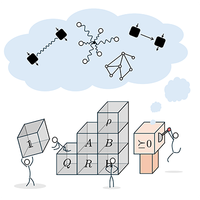
Phys. Rev. X 16, 031050 (2026)
Demonstrating Coherent Quantum Routers for Bucket-Brigade Quantum Random Access Memory on a Superconducting Processor
Article | 2026-08-25 06:00 EDT
Sheng Zhang, Yun-Jie Wang, Peng Wang, Ren-Ze Zhao, Xiao-Yan Yang, Ze-An Zhao, Tian-Le Wang, Hai-Feng Zhang, Zhi-Fei Li, Yuan Wu, Hao-Ran Tao, Liang-Liang Guo, Lei Du, Chi Zhang, Zhi-Long Jia, Wei-Cheng Kong, Zhuo-Zhi Zhang, Xiang-Xiang Song, Yu-Chun Wu, Zhao-Yun Chen, Peng Duan, and Guo-Ping Guo
Researchers demonstrate coherent quantum routers on a superconducting processor to realize resilient routing for quantum memories.
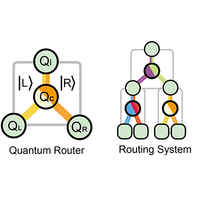
Phys. Rev. X 16, 031051 (2026)
arXiv
Large scale theoretical investigation of the phase diagram of twisted bilayer MoTe$_2$ at fractional fillings: agreements and contradictions with current experiments
New Submission | Strongly Correlated Electrons (cond-mat.str-el) | 2026-08-26 20:00 EDT
Heqiu Li, Jiabin Yu, Xiaodong Xu, B. Andrei Bernevig, N. Regnault
We present a comprehensive exact-diagonalization study of interaction-driven phases in twisted bilayer MoTe$ _2$ across experimentally relevant twist angles ($ 2.13^\circ$ –$ 4^\circ$ ) and hole fillings. Using continuum-model moiré bands, we compare the one-band-per-valley (1BPV) projection with a two-band-per-valley (2BPV) calculation that includes interaction-driven band mixing, and we benchmark both the widely used first-harmonic continuum model and a parameter-free DFT ``fitting-free’’ model. At odd-denominator fillings, the 2BPV calculation reproduces the experimentally observed hierarchy of fractional Chern insulators (FCIs) around $ \theta\approx 3.7^\circ$ , including robust incompressible states at $ \nu=-2/3$ , $ -3/5$ , and $ -4/7$ while correctly finding the absence of an FCI at $ \nu=-3/7$ , and it favors a charge density wave ground state at $ \nu=-1/3$ over the FCI. At half filling $ \nu=-1/2$ , the 1BPV calculation exhibits clear composite Fermi liquid (CFL) signatures, whereas the band mixing in 2BPV calculations destabilizes the CFL ground state. Finally, motivated by the Landau-level analogy at $ \theta\approx 2.13^\circ$ , we test the proposed non-abelian Pfaffian state at $ \nu=-3/2$ in the fully-polarized spin sector but find no evidence for this state within the models and parameters studied. Our results establish a unified numerical benchmark for correlated and topological phases in twisted bilayer MoTe$ _2$ and clarify where multi-band physics is essential for a quantitative comparison with experiments.
Strongly Correlated Electrons (cond-mat.str-el), Mesoscale and Nanoscale Physics (cond-mat.mes-hall)
Raman Circular Dichroism Reveals Higher-Order Quantum Geometry of Magnons
New Submission | Strongly Correlated Electrons (cond-mat.str-el) | 2026-08-26 20:00 EDT
Yong Chan Kim, Youngsu Choi, Kwang-Yong Choi, Kyusung Hwang
We develop a gauge-invariant theory of higher-order magnon quantum geometry probed by two-magnon Raman circular dichroism (RCD). The Raman operator decomposes into Berry connections, covariant derivatives, and products of Berry connections, giving rise to quantum geometric tensors beyond the quantum metric and Berry curvature. Applying this theory to a field-polarized Kitaev magnet, we show that higher-order geometric tensors govern the dichroic response. Our results establish RCD as a spectroscopic probe of generalized magnon quantum geometry.
Strongly Correlated Electrons (cond-mat.str-el), Materials Science (cond-mat.mtrl-sci)
10+6 pages, 6 figures, 1 table
Reality and Complexity of $F$-symbols in $2+1$d Topological Phases
New Submission | Strongly Correlated Electrons (cond-mat.str-el) | 2026-08-26 20:00 EDT
Matthew Buican, Peter Huston, Jiannis K. Pachos
The $ F$ -symbols of an anyon theory encode the associativity of fusion and constitute some of the theory’s most fundamental and, simultaneously, subtle data. Much of the subtlety lies in the gauge-dependence of the $ F$ -symbols. Despite their generic complexity, many braided anyon theories admit gauges in which all $ F$ -symbols are real, a phenomenon for which no general organising principle has been known. We identify a physical mechanism underlying this reality. For a unitary ribbon fusion category admitting an appropriate braided charge-conjugation symmetry, we show that the complex-conjugated $ F$ -symbols are related to the original ones by a gauge transformation. Finding a real gauge is thereby reduced to a condition on these transformations. When the charge-conjugation symmetry is suitably “flat,’’ or equivalently when the associated “twisted’’ Frobenius-Schur (or “generalized’’ Kawanaka-Matsuyama) data respects a grading, these local transformations can be trivialised and a real gauge exists. This framework unifies a broad range of previously disparate examples, including families of Chern-Simons theories whose $ F$ -symbols are difficult to directly compute. Finally, we exhibit a unitary ribbon category that realizes a novel obstruction to the existence of a real gauge and therefore has inherently complex $ F$ -symbols.
Strongly Correlated Electrons (cond-mat.str-el), High Energy Physics - Theory (hep-th), Mathematical Physics (math-ph), Quantum Algebra (math.QA)
104 pages, 2 appendices;
Universal Spin-Position Coupled Rydberg Interactions
New Submission | Quantum Gases (cond-mat.quant-gas) | 2026-08-26 20:00 EDT
Strong interactions between $ s$ -orbital Rydberg atoms underpin atom-array-based quantum computation and quantum simulation. Typically, the spin dependence of these interactions is negligible and plays no practical role. In this Letter, we uncover that a strong electron-spin-dependent Rydberg interaction can emerge when the principal quantum numbers of the two $ s$ -orbital atoms differ by a sweet-spot value. This interaction originates from the fine-structure splitting of nearby $ p$ orbitals, which endows it with distinct symmetry properties such that the electron spins are coupled to the relative position of the two atoms, featuring a spatially defined anisotropy. We further demonstrate that this interaction admits a universal form, independent of the principal quantum numbers, and highlight its fundamental distinction from conventional magnetic dipolar interactions, establishing it as a new type of native magnetic interaction in nature. Our findings introduce a new element to the Rydberg quantum simulation toolbox. As a concrete application, we propose a native realization of the Kitaev-Heisenberg model, which hosts an unusual stripe phase as a quantum many-body manifestation of spin-space locking.
Quantum Gases (cond-mat.quant-gas), Strongly Correlated Electrons (cond-mat.str-el), Atomic Physics (physics.atom-ph), Quantum Physics (quant-ph)
6 pages, 3 figures
Observation of electron spin interactions between Rydberg atoms
New Submission | Quantum Gases (cond-mat.quant-gas) | 2026-08-26 20:00 EDT
Le Ruan, Ziqi Zhou, Yuchen Guo, Chengshu Li, Cheng Chen
We report the observation of electron spin interactions between Rydberg atoms, which are driven by spin-orbit coupling through second-order dipole perturbation and exhibit a spatial anisotropy governed by the atomic configuration. Specifically, we observe coherent electron spin exchange dynamics, with the measured coupling strength agreeing well with both numerical calculations and theoretical models. Furthermore, we show that global microwave dressing enables active engineering and dynamical freezing of the spin exchange by introducing a differential AC Stark shift between the participating states. Additionally, we achieve tunability of the interaction by applying a stronger magnetic field, which effectively modifies the energy contributions of the underlying spin-orbit coupling channels. Finally, measuring spin dynamics in one-dimensional multi-atom chains aligned parallel or perpendicular to the magnetic field provides a self-consistent validation of the anisotropic XXZ framework. This electron spin interaction natively features spin-position coupling and enables a natural mapping onto the Heisenberg-Kitaev model. Our findings reveal a new class of electron spin-spin interactions among Rydberg atoms, expanding the scope of quantum simulation with Rydberg atom arrays.
Quantum Gases (cond-mat.quant-gas), Atomic Physics (physics.atom-ph), Quantum Physics (quant-ph)
12 pages, 12 figures
Tunable Magnetic Frustration in the Cu-Ru-based Double Perovskite La$_{2-x}$Sm$_x$CuRuO$_6$ (x = 0, 1, 2) Oxides
New Submission | Materials Science (cond-mat.mtrl-sci) | 2026-08-26 20:00 EDT
Soumya Ghorai, Samir Rom, Irina Shamova, N. K. Karn, Tamanna Kumari, A. K. Shukla, Sanjoy Kr. Mahatha, O. Volkova, Nitesh Kumar Tanusri Saha Dasgupta, Setti Thirupathaiah
In this study, we investigate structural, magnetic, and electronic properties of the copper-ruthenate based oxide double perovskite La$ _{2-x}$ Sm$ _x$ CuRuO$ _6$ (x = 0, 1, 2), synthesized through the solid-state reaction method. X-ray diffraction analysis reveals that all compounds crystallize in a monoclinic symmetry, with varying degree of structural distortion that increases in moving from La$ ^{3+}$ to smaller size cation Sm$ ^{3+}$ . Electrical resistivity studies indicate insulating behaviour in all compounds, with variable-range-hopping domination at low temperatures, due to presence of anti-site disorder. AC susceptibility and heat capacity measurements suggest suppression of frustration in Sm-bearing compounds, affecting the magnetic behavior. Our first-principles calculations suggest that the combined effects of lattice distortion and Sm magnetism play a crucial role in weakening magnetic frustration, thereby rationalizing the experimental observations. These findings shed light on the complex interplay of crystal structure and magnetism in Cu-Ru double perovskites, and open up an avenue for tuning of magnetic properties through rare-earth-ion substitution.
Materials Science (cond-mat.mtrl-sci)
21 pages, 16 figures; Accepted for Publication in PRB, in production
Weak irreducibility as a spectral criterion for phase coexistence
New Submission | Statistical Mechanics (cond-mat.stat-mech) | 2026-08-26 20:00 EDT
Conventional finite-size theories describe first-order coexistence through free-energy competition and interfacial tunneling, but the distinct spectral roles of sector balance and inter-sector connectivity are not usually explicit. We show that pseudo-transitions and thermodynamic phase coexistence are governed by two spectral coordinates: sector imbalance locates balance, while connectivity determines whether that balance remains avoided. At balance, finite connectivity produces a unique dominant state with equal spectral weights in the symmetrized two-sector representation. For short-range systems with positive interface tension, interfacial costs suppress the connectivity exponentially, close the coexistence splitting, and asymptotically restore reducibility. Thus, genuine phase coexistence emerges as the singular limit of finite-size avoided coexistence, whereas one-dimensional pseudo-transitions retain finite connectivity. In a decorated bilayer Ising model, the coexistence gap at independently est
Statistical Mechanics (cond-mat.stat-mech)
13 pages, 3 figures
Entropy Production Bounds the Accuracy of Computation in Markov Networks
New Submission | Statistical Mechanics (cond-mat.stat-mech) | 2026-08-26 20:00 EDT
Songela W. Chen, David T. Limmer
Biological and artificial networks compute by transforming time-dependent inputs into functional outputs. Because the internal state of a stochastic network relaxes on finite timescales, its output generally lags behind a changing environment, producing computational errors. We show that for reversible continuous-time Markov networks the error admits a universal thermodynamic bound. Decomposing the total error into representation and lag contributions, we derive an inequality relating the lag error to the entropy production rate and a memory time equal to the integrated equilibrium autocorrelation of the output observable. The bound implies that accurate dynamical computation requires either substantial dissipation or long-lived memory encoded in slowly relaxing modes. We demonstrate these principles in artificial Markov networks and in models of biochemical information processing. Our results establish a thermodynamic limit on information processing in stochastic networks and provide a quantitative framework for understanding the energetic costs of biological computation.
Statistical Mechanics (cond-mat.stat-mech), Disordered Systems and Neural Networks (cond-mat.dis-nn), Biological Physics (physics.bio-ph), Chemical Physics (physics.chem-ph)
Comments welcome. 5 + 32 pages
Can Strain or Anion Interchange Make an Unstable Structure Stable? Energetics, Lattice Dynamics and Strain-Tunable Band Gaps of Lithium Chalcohalide Antiperovskites (Li${3}$$BA$) and their Anion Interchange Variants (Li${3}$$AB$)
New Submission | Materials Science (cond-mat.mtrl-sci) | 2026-08-26 20:00 EDT
Ismail A. Buliyaminu, Ehsan Gowdini, Phillip Duxbury, Jose L. Mendoza-Cortes
Lithium chalcohalide antiperovskites are a promising, non-toxic alternative to lead halide perovskites, with potential as solid electrolytes for Li-ion batteries. we computationally investigate a relatively unexplored anion-interchange mechanism by which cubic Li$ _{3}$ AB$ derivatives are obtained from the parent cubic antiperovskite Li$ _{3}$ BA$ ($ A$ = O, S, Se, Te, Po; $ B$ = F, Cl, Br, I). The calculated relative energy landscape provides a useful guide for anion-site selectivity and its role in structural stability. The energetic stability results reveal that the smaller anion inside the octahedron stabilizes the structures. The lattice-dynamic calculations confirm that Li$ _{3}$ F$ A$ ($ A$ = Te, Po) and Li$ _{3}$ O$ B$ ($ B$ = Cl, Br, I), which are the most energetically stable compounds, are dynamically stable cubic phases without imaginary phonon modes. However, Li$ _{3}$ FS and Li$ _{3}$ FSe, while energetically stable, are dynamically unstable at equilibrium and become dynamically stable under triaxial compressive strain. In addition, we report the electronic structure and density of states (DOS) of all compounds, which show a substantial change in band gap upon anion interchange. The strain engineering of the lithium chalcohalide family illustrates how a few percent of the strain can tune the electronic band gap within the electrochemical stability window for solid battery applications. This study unveils essential characteristics of the anion site-interchange mechanism and provides a foundation for the understanding and design of lithium chalcohalide antiperovskites.
Materials Science (cond-mat.mtrl-sci), Applied Physics (physics.app-ph), Chemical Physics (physics.chem-ph), Computational Physics (physics.comp-ph)
Intertwined spin-charge stripe order and polar lattice distortion in La${3}$Ni${2}$O$_{7}$
New Submission | Superconductivity (cond-mat.supr-con) | 2026-08-26 20:00 EDT
Xiaoying Li, Wenqian Tu, Run Lv, Li’e Liu, Dingfu Shao, Yuping Sun, Wenjian Lu
The low-temperature density-wave state of La$ _3$ Ni$ _2$ O$ _7$ hosts pronounced spin-density-wave (SDW) order, while recent experiments further reveal charge redistribution and a concomitant lattice-symmetry lowering. However, the microscopic relationship among spin, charge, and lattice remains unclear. Using first-principles calculations, we investigate the pressure evolution of the electronic structure and static spin susceptibility of La$ _3$ Ni$ _2$ O$ 7$ , together with the energetics and lattice response of representative magnetic configurations. We trace the SDW instability to strong Fermi-surface nesting and find that the high-pressure spin response closely tracks $ T{\mathrm C}$ , suggesting spin-fluctuation-mediated pairing. Among the candidate magnetic states considered, the spin-charge-stripe states emerge as energetically favored and dynamically stable, developing pronounced disproportionation of both the local Ni moments and the Ni–O bond lengths. Remarkably, the lowest-energy a-stripe state spontaneously relaxes into the experimentally proposed polar Am2m structure through a polar distortion along the b axis. These results establish a unified picture in which spin, charge, and lattice responses are strongly intertwined in the low-pressure density-wave state, while spin fluctuations remain a plausible ingredient of superconductivity under pressure.
Superconductivity (cond-mat.supr-con), Materials Science (cond-mat.mtrl-sci)
Spectrally Programmable Spin-Polarized Photocurrents in WSe$_2$-NiPS$_3$ Magnetic van der Waals Heterostructures
New Submission | Materials Science (cond-mat.mtrl-sci) | 2026-08-26 20:00 EDT
Rajesh Kumar Yadav, Michal Poplinger, Adi Levi, Adi Harchol, Nirman Chakraborty, Thomas Brumme, Thomas Heine, Efrat Lifshitz, Doron Naveh
Efficient generation and control of spin-polarized currents in semiconductors remain central challenges for spin-based electronics, particularly due to impedance mismatch and the reliance on magnetic fields or ferromagnetic contacts. Here, we introduce a materials platform for spectrally programmable spin transport based on a van der Waals heterostructure combining the antiferromagnetic semiconductor NiPS$ _3$ with WSe$ _2$ . In a p-n diode architecture, circularly polarized excitation produces pronounced photoconductive resonances with spin polarization reaching 80% near the Neel temperature and persisting at 30% at room temperature. Remarkably, selected spectral bands retain their polarization sign across the magnetic phase transition, evidencing robust, spectrally protected spin-polarized current generation. Polarization-resolved photogalvanic measurements reveal a dominant circular injection-current mechanism, confirming spin-polarized carrier transport. First-principles calculations show that an applied electric field induces interfacial hybridization and spin-layer locking, giving rise to localized symmetry breaking and enhanced optical absorption while preserving global time-reversal symmetry. These results establish spectral tuning of excitation as a new control knob for spin transport, enabling spin-current generation without magnetic fields or polarization switching. Our findings position magnetic van der Waals heterostructures as a versatile platform for opto-spintronic functionality and spectrally programmable spintronic devices.
Materials Science (cond-mat.mtrl-sci), Mesoscale and Nanoscale Physics (cond-mat.mes-hall)
Quantum encoding of structured light into in-plane topological spin textures
New Submission | Mesoscale and Nanoscale Physics (cond-mat.mes-hall) | 2026-08-26 20:00 EDT
Pavel A. Vorobyev, Daichi Kurebayashi, Oleg A. Tretiakov
Structured light offers a powerful means of controlling light-matter interactions through multiple tunable optical degrees of freedom. Using micromagnetic simulations, we investigate the nucleation of asymmetric bimerons and antibimerons by pulsed Laguerre-Gaussian optical vortices in chiral ferromagnetic thin films with $ C_{nv}$ and $ D_{2d}$ symmetries, respectively. For optical vortices with orbital angular momentum (OAM) $ |m|=1$ , circularly polarized beams deterministically nucleate a single bimeron or antibimeron via the interplay of spin angular momentum, OAM, and magnetic chirality, whereas linearly polarized beams produce textures whose topological charge directly follows the OAM ($ Q=m$ ). Optical vortices with OAM $ |m|>1$ nucleate clusters and other configurations composed of multiple spin textures, whose morphology and topological charge depend sensitively on the optical quantum numbers and pulse parameters. These findings reveal a route to topology-selective writing through the encoding of optical quantum numbers into distinct in-plane topological magnetic states.
Mesoscale and Nanoscale Physics (cond-mat.mes-hall), Materials Science (cond-mat.mtrl-sci), Optics (physics.optics)
8 pages, 6 figures
Nonequilibrium pulse dynamics and metastable latching in nonlinear kinetic inductance detectors
New Submission | Superconductivity (cond-mat.supr-con) | 2026-08-26 20:00 EDT
M. Rouble, C. Albert, P. Day, M. Dobbs, H. G. Leduc, J. Montgomery
Microwave kinetic inductance detectors are typically operated at high readout power to raise the detector signal above system noise. At sufficiently large readout power, the current-dependent kinetic inductance couples the detector response to its readout bias. Using a nonlinear resonator framework and time-domain circuit calculations, we show that the amplitude, shape, and relaxation time of the driven detector’s response depend on both the absorbed energy and on the readout bias. Strongly driven bias points produce amplified, extended, and non-exponential pulse responses. Qualitative agreement between calculated and measured pulse responses indicates that these effects are dominated by the driven nonlinear resonator dynamics rather than by altered quasiparticle dynamics. Beyond resonance bifurcation, sufficiently large pulse events drive the resonator between stable branches, resulting in a metastable latched state which persists after the quasiparticle transient has decayed. The pulse energy required for branch switching is set by the readout bias, suggesting a mode of triggered detection with an in-situ tunable threshold. Although nonlinear operation requires calibration of the bias- and energy-dependent response, the enhanced pulse amplitude and duration, together with tunable latching and the ability to select these parameters via the readout operating state, are likely to be of interest for single-photon and rare-event experiments, especially those limited by amplifier or system noise.
Superconductivity (cond-mat.supr-con), Instrumentation and Methods for Astrophysics (astro-ph.IM)
Reentrance and temperature chaos in the $p$-spin Ising spin glass
New Submission | Disordered Systems and Neural Networks (cond-mat.dis-nn) | 2026-08-26 20:00 EDT
Reentrant transitions and temperature chaos are two unusual properties of spin glasses and had long been considered physically unrelated. We recently established a logical relation between these two phenomena [Phys. Rev. E 112, 044140 (2025)]. In the present paper, we provide an explicit example of this logical relation in the fully connected Ising $ p$ -spin glass with a ferromagnetic bias. By expanding the free energy around the triple point, we show analytically that the ferromagnetic–spin glass boundary is reentrant in the vicinity of the triple point throughout the examined range of finite $ p>2$ . It then follows from the above logical relation that there exists at least one pair of distinct temperatures in the spin glass phase for which the overlap of spin configurations vanishes. This is a necessary condition for temperature chaos, but it would be quite unusual for the overlap to vanish only for selected temperature pairs but not for others within a single spin glass phase. These results therefore strongly suggest the existence of temperature chaos in the sense that the overlaps of spin configurations vanish for all temperature pairs throughout the spin glass phase. Independent evidence for this behavior is provided by a two-temperature replica calculation.
Disordered Systems and Neural Networks (cond-mat.dis-nn)
54 pages, 3 figures
Jamming states in random sequential adsorption of diffusion-limited aggregates
New Submission | Statistical Mechanics (cond-mat.stat-mech) | 2026-08-26 20:00 EDT
Fahad Puthalath, Dipanjan Mandal, Sumanta Kundu
Motivated by the ubiquity of ramified fractal deposits in nature and engineered systems, we investigate the irreversible adsorption of diffusion-limited aggregation (DLA) clusters on a square lattice. We study the role of cluster shape diversity on jamming properties of the system by systematically controlling the number of distinct shapes used across and within realizations, encompassing both monodisperse and polydisperse model variants. Our large-scale simulations over a broad range of cluster sizes $ 2\leqslant k\leqslant4096$ show that the jamming density decreases with cluster size as a power-law $ p_j(k)-p_j^\infty\sim k^{-\alpha}$ . Both $ \alpha$ and $ p_j^\infty$ are found to depend on the degree of shape diversity, with $ \alpha$ ranging from $ 0.374(2)$ to $ 0.417(1)$ . It is observed that increasing shape polydispersity promotes denser packing. Importantly, the fluctuations of the jamming density exhibit distinct scaling behavior: $ \sigma(L)\sim1/L$ for a fixed pool of cluster shape(s), but remain $ L$ -independent when the pool of shape(s) is refreshed across different realizations. Furthermore, our results demonstrate that the differences between the model variants systematically diminish with increasing $ k$ and are expected to vanish as $ k\to\infty$ due to the statistical self-similarity of the DLA clusters.
Statistical Mechanics (cond-mat.stat-mech)
Collective Order Decouples Boundary Selection from Macroscopic Chirality in Confined Active Matter
New Submission | Soft Condensed Matter (cond-mat.soft) | 2026-08-26 20:00 EDT
Can a boundary determine the direction of circulation in a collectively moving active fluid? We study chiral self-propelled particles with nematic bulk alignment, confined by walls whose orientational coupling varies continuously from nematic to polar. For an isolated particle at a wall, we derive the exact parameter condition under which a stable orientation is tangent to the wall. With predominantly nematic wall coupling, however, the many-body circulation changes sign at a chirality that is nearly independent of the wall symmetry. This sign change follows a pronounced decrease in nematic order and disappears when bulk alignment is removed. As the polar wall coupling becomes dominant, opposite-handed circulation is suppressed and same-handed polar locking emerges. Thus local orientation at a wall and the direction of macroscopic circulation are selected by distinct physical processes: the wall determines the possible local orientations, whereas collective order determines whether those orientations control the global flow.
Soft Condensed Matter (cond-mat.soft), Statistical Mechanics (cond-mat.stat-mech)
Bulk Phase Transition and Edge Behavior in Temporally Correlated Random Matrices
New Submission | Statistical Mechanics (cond-mat.stat-mech) | 2026-08-26 20:00 EDT
Masato Hisakado, Takuya Kaneko
We study long-range correlated Wigner-type matrices built from row-independent stationary Gaussian sequences. For exponentially decaying (AR(1)) correlations, the bulk spectral density deforms from the semicircle law via an explicit combinatorial “hub” mechanism, yet we verify the flatness and decay hypotheses of the matrix-Dyson-equation framework (MDE), with numerical evidence supporting Tracy-Widom edge universality for every fixed $ \rho<1$ of the exponential decay correlations; the degenerate limit $ \rho\to1^-$ reduces to a symmetrized Volterra operator, connecting to the singular-value cascade identified in a companion BBP analysis. For power-law correlations $ dt\sim t^{-\gamma}$ , we identify $ \gamma_c=1/2$ as the critical point for divergence of the bulk fourth-moment, while $ \gamma=1$ marks the breakdown of the flatness condition governing the MDE edge analysis. We prove the fourth-moment transition exactly and find numerically that the self-consistent edge varies smoothly across $ \gamma=1$ , with no evidence of a kink or discontinuity.
Statistical Mechanics (cond-mat.stat-mech), Mathematical Finance (q-fin.MF), Risk Management (q-fin.RM)
53 pages, 4 figures
Tunable Mediated Interactions Near Spontaneous Symmetry Breaking: From Yukawa to Coulomb and Dzyaloshinskii–Moriya Interactions
New Submission | Quantum Gases (cond-mat.quant-gas) | 2026-08-26 20:00 EDT
We propose a realization of tunable long-range mediated interactions generated by Nambu-Goldstone (NG) modes near spontaneous symmetry breaking. An effective exchange interaction emerges between two distinguishable impurities proportional to the retarded susceptibility mediated by the bath particles. The interaction is mediated by emergent NG modes associated with symmetry breaking in systems, namely the magnon mode in a repulsive two-component Fermi or Bose gas, or the goldstino mode in a Bose-Fermi mixture. When the NG mode is gapped by explicit symmetry breaking, the interaction has a Yukawa-type short-ranged interaction, whereas the gapless limit gives a Coulomb law. Above the NG mode threshold, the Dzyaloshinskii-Moriya-like cross product coupling emerges in a long-range form. Our proposal paves a way towards the realization of a quantum simulator of spin models and polarons with controllable non-local interactions.
Quantum Gases (cond-mat.quant-gas)
5 pages, 3 figures
Arithmetic Tuning of Dynamical Critical Exponents in Quasiperiodic Localization Transitions
New Submission | Disordered Systems and Neural Networks (cond-mat.dis-nn) | 2026-08-26 20:00 EDT
Tian-Cheng Yi, Yi-Fan Liu, Enguo Guan, Wen-Long You
The critical exponents and universality classes of localization transitions in quasiperiodic systems are of fundamental importance for understanding critical phenomena in aperiodic systems. Here we show that the dynamical critical behavior can be tuned without adding new terms or changing the form of the Hamiltonian, but solely by varying the incommensurate frequency of the quasiperiodic onsite potential. We construct a family of incommensurate frequencies from the limiting ratios of generalized Fibonacci sequences controlled by the parameters $ (m,n)$ , and use them to define the quasiperiodic onsite potential. By combining generalized fidelity susceptibility, localization-length scaling, and finite-size gap analysis, we find that the correlation-length exponent is insensitive to the choice of the incommensurate frequency and remains consistent with the correlation-length critical exponent, $ \nu \simeq 1$ , in the localization transition of the standard Aubry–Andr’e–Harper model. In contrast, the dynamical exponent extracted from the low-energy gap scaling varies systematically with the incommensurate frequency. Our results show that changing the incommensurate frequency provides a simple way to tune dynamical critical scaling in deterministic aperiodic systems. Our results suggest instead that the arithmetic structure of an irrational number can serve as a control parameter for nonequilibrium quantum dynamics, enabling the tuning of dynamical critical behavior without changing the microscopic Hamiltonian or the physical spatial dimension.
Disordered Systems and Neural Networks (cond-mat.dis-nn)
11 pages, 8 figures; published in Physical Review A
Phys. Rev. A 114, 023321 (2026)
Engineering Dirac interface states
New Submission | Materials Science (cond-mat.mtrl-sci) | 2026-08-26 20:00 EDT
Gabriele Domaine, Moritz M. Hirschmann, Andreas P. Schnyder
We develop a low-energy theory of interface states in anisotropic multivalley Dirac systems whose masses and kinetic parameters are allowed to vary across an interface. For sharp interfaces, current-conserving matching conditions yield analytic expressions for the existence, localization and dispersion of the bound states. We show that the interface velocity is determined by the weighted tangential kinetic terms on the two sides of the seam. Their cancellation can suppress the linear velocity and generate an interface band that is flat to leading order near the projected Dirac point. For the special antisymmetric configuration in which both the Dirac mass and the tangential kinetic coefficient reverse sign with unchanged magnitude, the transparent sharp-interface solution is exactly dispersionless for all conserved momenta within the linear Dirac theory, while the surrounding bulk bands remain dispersive. We extend the theory to smooth interfaces, where the modified bound-state envelope changes the linear interface velocity through a spatial average of the tangential kinetic coefficient. We also investigate quadratic corrections in the kinetic (\sigma_x) and (\sigma_y) channels. To first order in their coefficients and through linear order in the interface momentum, these terms shift the interface-state energy but produce no additional correction to the linear velocity. Finally, we combine continuum and lattice models to show how interface modes from distinct valleys hybridize and how the resulting dispersions depend on microscopic interface properties. Our results establish design principles for controlling the dispersion, localization, and hybridization of Dirac interface states. We further examine two graphene-based mass-domain-wall models as experimentally inspired examples of dispersive copropagating and counterpropagating interface states.
Materials Science (cond-mat.mtrl-sci)
Quantum-geometry stabilization of dilute fractional Chern insulators
New Submission | Strongly Correlated Electrons (cond-mat.str-el) | 2026-08-26 20:00 EDT
Ying-Xing Ding, Li-Min Zhang, Wen-Tong Li, D. L. Zhou, Wu-Ming Liu
Fractional Chern insulators have attracted broad interest as lattice analogs of fractional quantum Hall states without Landau levels. However, low-filling fractional Chern insulators are fragile because charge-ordered phases can compete strongly with the fractional topological liquid.
Here, we propose a center-decorated kagome model, motivated by geometry-tunable artificial lattices, in which the center-site hopping $ t_2$ provides a direct knob for the quantum geometry of an isolated $ C=1$ flat band.
Here quantum geometry refers to the Berry curvature and Fubini–Study metric, which determine the form factors of interactions projected into the Chern band. Exact diagonalization shows that tuning $ t_2$ away from the flatness-optimized kagome limit reduces the trace-condition deviation, suppresses competing charge order, and enhances the many-body stability at both $ \nu=1/3$ and the more fragile $ \nu=1/5$ filling.
At $ \nu=1/5$ , this stability-enhanced window persists under nearby interaction profiles, including variations of the dominant third-neighbor repulsion and weak nearest-neighbor admixtures.
Low-energy spectra, spectral flow, quasihole and entanglement counting, static structure factors, and the quantized total many-body Chern number $ C_{\mathrm{tot}}=1$ consistently support Laughlin-like fractional Chern insulators.
These results identify quantum-geometry engineering as a route to stabilizing dilute fractional Chern insulators beyond band-flatness optimization alone.
Strongly Correlated Electrons (cond-mat.str-el)
Scattering-Induced Magnon Layer-Hall Transport beyond Band Geometry
New Submission | Mesoscale and Nanoscale Physics (cond-mat.mes-hall) | 2026-08-26 20:00 EDT
Zhiping Xue, Zhoujian Sun, Xiyin Ye, Lei Zhang, Tao Yu
The layer Hall effect has been exclusively attributed to layer-locked Berry curvature, posing a fundamental barrier to its realization in conventional magnets. Here we report a fundamentally distinct layer Hall effect for bosonic excitations, i.e., magnons, which originates solely from non-reciprocal dipolar scattering at heterointerfaces, thereby decoupling the phenomenon from geometric-phase mechanisms. Using a microscopic scattering theory, we demonstrate that a longitudinal temperature gradient drives opposite transverse thermal Hall currents in a nanowire atop a magnetic film, with the direction fully reconfigurable by the applied magnetic field. The effect yields a significant Hall angle of $ \sim 6^{\circ}$ in conventional magnetic heterostructures, eliminating the need for topological engineering. Our findings establish a scattering-driven paradigm for layer Hall effect, extendable to ferrons and polar phonons, and predict a Hall response that is readily detectable in conventional magnetic heterostructures.
Mesoscale and Nanoscale Physics (cond-mat.mes-hall)
7 pages, 4 figures
Composite fermions in the $ν=3$ fractional quantum spin Hall effect
New Submission | Mesoscale and Nanoscale Physics (cond-mat.mes-hall) | 2026-08-26 20:00 EDT
Well-understood fractional quantum Hall states in GaAs and graphene can be described in terms of weakly interacting composite fermions. It is natural to expect that the same unifying principle applies to the putative fractional quantum spin Hall effect in MoTe$ _2$ . Since the quantum spin Hall effect involves two spin components, two types of composite fermions must be present. We classify all two-component composite-fermion states at the filling factor $ \nu=3$ . The classification includes the three classes of states, which were introduced from different physical perspectives in Refs. Sodemann Villadiego, Phys. Rev. B 110, 045114 (2024), Jian et al., Phys. Rev. X 15, 021063 (2025), and May-Mann et al., Phys. Rev. B 111, L201111, (2025), as well as two new classes of states. A majority of the composite-fermion states break the time-reversal symmetry. We review quasiparticle charges, statistics, and edge theories for each possible state. We also address a way of identifying the experimentally relevant state or states. This can be accomplished by combining three probes. First, the shot noise technique provides information about fractional charges. Second, thermal conductance helps count edge modes. The third probe is based on a new idea and involves transport between two quantum point contacts along a single edge. We find that the current from one contact to the other depends on the shape of the edge channel, which can be controlled with a side gate. The probe reveals the emergent symmetry group of the low-energy edge theory.
Mesoscale and Nanoscale Physics (cond-mat.mes-hall)
33 pages, 15 figures and 4 tables
Weaving Hopfions from Emergent Monopoles in a Chiral Magnet
New Submission | Mesoscale and Nanoscale Physics (cond-mat.mes-hall) | 2026-08-26 20:00 EDT
Shoya Kasai, Kotaro Shimizu, Shun Okumura, Yukitoshi Motome
Recent advances in three-dimensional magnetization imaging techniques have opened new avenues for exploring topological spin textures beyond domain walls and skyrmions. Among them, magnetic hopfions are particularly promising, as their knotted topology is expected to give rise to unconventional dynamics and responses; however, their controlled creation remains challenging. Here we propose a simple mechanism for generating hopfions from magnetic torons, three-dimensional textures hosting an emergent monopole-antimonopole pair. Using Landau-Lifshitz-Gilbert simulations, we show that an electric current drives the annihilation of this pair, converting a toron into a hopfion. The initial toron length determines the number of generated hopfions, while the current direction selects the sign of the Hopf invariant. We further find that the threshold current depends sensitively on material parameters, indicating a close connection to skyrmion dynamics. Our results establish an experimentally accessible route to hopfion creation and reveal a pathway from monopole defects to knotted topological textures.
Mesoscale and Nanoscale Physics (cond-mat.mes-hall), Strongly Correlated Electrons (cond-mat.str-el)
9 pages, 5 figures
Bonding Signatures of Incipient Electron Localization in Topological Chiral Semimetals Near the Metal-Insulator Transition
New Submission | Materials Science (cond-mat.mtrl-sci) | 2026-08-26 20:00 EDT
Felix Hoff, Jonathan Frank, Mohit Raghuwanshi, Jan Köttgen, Vicky Hasse, Tim Bartsch, Navjot Bamrah, Elias Hildebrand, Carl-Friedrich Schön, Kaustuv Manna, Chandra Shekhar, Claudia Felser, Ricardo P. S. M. Lobo, Matthias Wuttig
How do electronic localization and delocalization compete in solids beyond the traditional limiting cases of metals and iono-covalent insulators? Topological chiral semimetals (TCSMs), characterized by their unique crystal symmetry, offer an intriguing platform to explore this question. Here, we systematically compare TCSMs with covalent compounds, ordinary metals, and metavalent solids (incipient metals), and show that TCSMs occupy a distinct region in a multidimensional property fingerprint. Atom probe tomography reveals an unusual bond-rupture signature, consistent with a bonding regime intermediate between electron localization and delocalization. This interpretation is supported by measurements of optical properties showing a transfer of spectral weight from interband to intraband transitions. For highly conductive TCSMs, this transition is accompanied by the disappearance of the Born effective charge, a measure of chemical bond polarizability, while less conductive TCSMs retain a nonzero value. Together, these results identify a property based bonding perspective on TCSMs that distinguishes them from metals, covalent solids, and metavalent compounds. Although metavalent solids and TCSMs both lie near the metal-insulator transition and exhibit distorted crystal structures, ultrafast coherent phonon spectroscopy reveals fundamentally different lattice-dynamical responses: a phonon-driven Peierls-like instability in metavalent solids versus a robust chiral B20 bonding motif in TCSMs.
Materials Science (cond-mat.mtrl-sci)
24 pages, 5 figures, Supporting Information included at the end, preprint of manuscript under review at Advanced Materials
Neutron scattering evidence for two-dimensionally coupled spin-dimerized antiferromagnetic lattice in α-Cu2P2O7
New Submission | Strongly Correlated Electrons (cond-mat.str-el) | 2026-08-26 20:00 EDT
B. Ghanta, K. S. Chikara, M. Ghanathe, L. Keller, D. Voneshen, A. K. Bera
The microscopic magnetic model of the low-dimensional quantum magnet alpha-Cu2P2O7 has remained controversial. We present a comprehensive study of its magnetic ground state and excitation spectrum using temperature-dependent inelastic neutron scattering, neutron diffraction, magnetization measurements, and comprehensive spin-wave modeling. Our results unambiguously establish alpha-Cu2P2O7 as a two-dimensionally coupled spin-dimerized antiferromagnetic (AF) lattice within the bc plane, with a dominant AF exchange J2 = 7.73 meV (hereafter referred to as “intradimer exchange”) and weaker exchange couplings J1, J3, and J4 in the two-dimensional lattice (hereafter referred to as “interdimer exchange”), in agreement with LDA-based density functional theory and in contrast to previous GGA+U predictions. The dominant intradimer AF exchange is found between seventh-nearest-neighbor Cu-Cu ion pairs [d(Cu-Cu) = 5.125(3) A] rather than nearest-neighbor Cu-Cu ion pairs [d(Cu-Cu) = 3.014(1) A] of the structural dimers. Weak interlayer coupling (J5 = 0.03 meV) stabilizes long-range antiferromagnetic order below TN = 25 K. We further identify a weak single-ion anisotropy, associated with the distorted CuO5 polyhedra, that opens a gap in the spin-excitation spectrum and drives a field-induced metamagnetic transition. Systematic spin-wave calculations elucidate the distinct roles of interlayer coupling J5 and anisotropy term D in producing two distinct energy gaps at different antiferromagnetic zone centers. Complementary neutron diffraction and magnetization measurements as a function of applied magnetic field uncover a previously overlooked metamagnetic transition near 13 kOe and allow construction of the magnetic phase diagram in the H-T plane.
Strongly Correlated Electrons (cond-mat.str-el)
45 pages, 14 Figures, 5 Tables
Phys. Rev. B 114, 094412 (2026)
Phase-controlled perfect nonlocal spin and charge diode effects in a four-terminal Josephson junction with $p$-wave magnets
New Submission | Superconductivity (cond-mat.supr-con) | 2026-08-26 20:00 EDT
Lovy Sharma, Bimal Ghimire, Manisha Thakurathi
We theoretically investigate charge and spin transport in a four-terminal Josephson junction with a normal-metal barrier. The top and bottom superconducting leads are equal-spin triplet $ p_y$ -wave superconductors, while the left and right leads are $ p$ -wave magnets with proximity-induced conventional $ s$ -wave superconductivity. When the transverse macroscopic phase difference between the top and bottom leads is set to zero, a longitudinal phase bias generates a pure transverse spin current with perfect 100% nonreciprocity. Remarkably, a finite transverse phase difference preserves the perfect spin-diode effect while simultaneously inducing a perfect charge-diode effect, enabling fully nonreciprocal spin and charge transport. Moreover, the spin-diode efficiency exhibits sharp, step-like switching as a function of both the gate voltage applied to the barrier and the crystallographic orientation of the $ p$ -wave magnet, providing independent and experimentally accessible knobs for controlling the diode polarity. The diode response remains robust against asymmetric interface couplings, nonmagnetic disorder, variations in the relative singlet and triplet pairing strengths, temperature, and junction dimensions, demonstrating that the effect is not a consequence of fine-tuned parameters. These findings establish the proposed four-terminal junction as a highly tunable and structurally robust platform for dissipationless, phase-controlled spin and charge rectification, with potential applications in superconducting spintronics.
Superconductivity (cond-mat.supr-con), Mesoscale and Nanoscale Physics (cond-mat.mes-hall), Materials Science (cond-mat.mtrl-sci), Strongly Correlated Electrons (cond-mat.str-el)
13 pages, 6 figures
Classification of Metal - Insulator Transitions: Relating characteristic Properties to Quantum Chemical Bonding Descriptors
New Submission | Materials Science (cond-mat.mtrl-sci) | 2026-08-26 20:00 EDT
Tim Bartsch, Carl-Friedrich Schön, Dasol Kim, Raagya Arora, Umesh Waghmare, Matthias Wuttig
Pressure induced metal insulator transitions (MIT) are classified by the evolution of characteristic optoelectronic and vibrational properties calculated with density functional theory. Three classes emerge: ionic solids metallize continuously at band-gap closure with hardening phonons; covalent solids show discontinuous changes in atomic arrangement and optical phonon frequencies; a third class exhibits complete lattice softening and drastically enhanced electron phonon coupling. A one dimensional hydrogen chain reproduces this behavior and serves as a toy model of the underlying bonding mechanism, termed metavalent. Two quantum-chemical descriptors capture the distinct bonding changes behind the three classes. In metavalent solids, competing electron localization and delocalization yield soft optical modes and Peierls distortions on the insulating side, superconductivity on the metallic side, and low lattice thermal conductivity near the MIT.
Materials Science (cond-mat.mtrl-sci)
Geometric Thermodynamics of Scallop Motion with Two Control Parameters
New Submission | Statistical Mechanics (cond-mat.stat-mech) | 2026-08-26 20:00 EDT
According to Purcell’s scallop theorem, reciprocal single-degree-of-freedom shape deformations cannot achieve net propulsion in a viscous fluid. We show that this limitation is bypassed by thermal fluctuations in a two-parameter driven potential landscape. Formulating the stochastic shape dynamics via a Smoluchowski equation with position-dependent mobility $ M_\mathrm{eff}(x)$ , we utilize a generalized inverse operator to evaluate the slow-driving response. Cyclic modulation of the control parameters induces a non-zero Berry-Sinitsyn-Nemenman curvature $ F_{12}(\bm{\theta})$ , resulting in directed geometric propulsion. Simultaneously, the non-adiabatic excess dissipation is dictated by a Riemannian thermodynamic metric $ g_{ij}(\bm{\theta})$ . Our results provide a unified geometric foundation that bridges hydrodynamic friction, stochastic mechanics, and thermodynamic trade-offs in micro-swimmers.
Statistical Mechanics (cond-mat.stat-mech), Soft Condensed Matter (cond-mat.soft)
24 pages (14 pages for the main text), 6 figures
Frustration-induced degenerate spin state with up-up-down-down ordering in corner-connected Heisenberg square-plaquettes
New Submission | Strongly Correlated Electrons (cond-mat.str-el) | 2026-08-26 20:00 EDT
We investigate frustrated magnetism of a corner-connected square plaquette Heisenberg model with exchange interactions along the edges $ (J_1)$ , along inter-plaquette links $ (J_2)$ , and along square diagonals $ (J_3)$ . Using Luttinger–Tisza (LT) minimization of the Fourier interaction matrix $ \mathcal J(\mathbf q)$ together with large-scale Monte Carlo (MC) simulations, we obtain a classical low-temperature magnetic phase diagram in the normalized plane $ (J_1/|J_2|, J_3/|J_2|)$ . The two methods play complementary roles: the LT analysis provides the zero-temperature candidate ordering wave vectors, while the MC simulations elucidate the resulting ordering tendencies under the hard-spin constraint at low but finite temperatures. Three regimes emerge at low temperatures, an antiferromagnetic phase (AF), a ferromagnetic phase (FM) and a degenerate spin state with \textit{up-up-down-down (uudd)} ordering (DS). For the frustrated degenerate spinstate, LT exhibits line-like minima along $ q_x=\pm q_y$ in the $ hk$ -plane, revealing a highly degenerate spin configuration which violates the hard-spin constraint. The MC results uncover a state with quasi-two-dimensional ordering. The DS regime is intrinsically multi-$ \mathbf{q}$ : the ordered texture assembles itself from symmetry-related modes on the lines, producing a ``\textit{uudd}’’ spin arrangement comprising of distinctive strong antiferromagnetic correlations on diagonals, ferromagnetic correlations on corner links, and highly suppressed correlations on the edges. The field-temperature phase diagram for a representative parameter point in the DS regime, determined by MC simulations, yields field induced distinct regions of negatively and positively correlated layers. These two regions are separated by a curve corresponding to negligible inter-layer correlations.
Strongly Correlated Electrons (cond-mat.str-el)
9 Figures, 1 Table
Phys. Rev. B 114, 074417 (2026)
Depth-Resolved Evolution of Buried Polar Topologies in a PbTiO3/SrTiO3 Superlattice
New Submission | Materials Science (cond-mat.mtrl-sci) | 2026-08-26 20:00 EDT
Xinxin Hu, Penghan Lu, Noa Varela-Dominguez, Anthony Edgeton, Chang Beom-Eom, Francisco Rivadulla, José Santiso, Yingzhuo Lun, Zhihua Sun, Rafal Dunin-Borkowski, Gustau Catalan, Jordi Arbiol
Polar topologies in complex oxides gives rise to a rich spectrum of emergent functionalities and are fundamentally governed by three-dimensional (3D) atomic structures. However, direct experimental determination of buried 3D polar configurations remains a longstanding challenge because conventional (scanning) transmission electron microscopy ((S)TEM) provides primarily projected structural information with limited depth sensitivity. Here, we combine depth-sectioning low-angle annular dark-field (LAADF) STEM, high-angle ADF (HAADF) STEM, and multislice electron ptychography (MEP) to directly visualize the depth-dependent atomic structure and polarization topology in a PTO/STO superlattice. Depth-sectioning STEM reveals pronounced focal-depth-dependent contrast variations and apparent splitting of Pb atomic columns, indicating significant structural heterogeneity along the beam direction. MEP reconstruction simultaneously resolves the Pb, Ti, and O sublattices with nanometer-scale depth resolution, enabling quantitative mapping of atomic displacements throughout the reconstructed volume. The resulting 3D atomic model reveals substantial depth-dependent displacements of Pb, Ti, and O atoms and a corresponding evolution of the polarization topology. Vortex-like polarization structures are observed near the specimen surfaces but become strongly suppressed within the interior, where distinct polarization configurations emerge. These findings show that polarization patterns observed in conventional projection images can arise from the superposition of multiple depth-dependent polar states and may obscure the underlying 3D polarization texture. Our findings establish a direct experimental link between local atomic displacements and depth-dependent polarization topology, opening new opportunities for investigating and engineering buried functional states in complex oxide nanostructures.
Materials Science (cond-mat.mtrl-sci)
31 pages, 16 Figures
A Minimal Thermodynamically Consistent Chemical Oscillator
New Submission | Statistical Mechanics (cond-mat.stat-mech) | 2026-08-26 20:00 EDT
Benedikt Remlein, Luca Monari, Beatrice Bartolomei, Giulio Ragazzon, Massimiliano Esposito, Emanuele Penocchio
Inspired by the chemical reaction network considered as the smallest system featuring a Hopf bifurcation and its reversible extension, we introduce an even more minimal reaction network that is thermodynamically consistent and exhibits autonomous oscillations under nonequilibrium driving. The model combines three features that are rarely realized simultaneously in compact oscillator networks: a chemically plausible structure restricted to uni- and bimolecular reactions, reversibility of such reactions, and analytical tractability. The system consists of three internal species coupled to two chemostatted species and still undergoes a supercritical Hopf bifurcation when a chemostat concentration is varied. To analyze the dynamics and thermodynamics near the onset of oscillations, we employ the mathematical technique of normal-form reduction, which allows obtaining a controlled irreversible approximation that preserves the leading phase-space structure of the full reversible network while enabling explicit calculations. This framework provides analytical access to the bifurcation structure and the leading contributions governing thermodynamic observables. Within this setting, we use the onset of oscillations to characterize the thermodynamic response of the system. In particular, we offer an analytical description of key thermodynamic quantities such as the semi-grand Gibbs free energy and the non-conservative work rate, which exhibit a kink-like discontinuity at the Hopf bifurcation. We thus provide an analytical description of a phenomenon previously characterized only through numerical simulations of more complex networks.
Statistical Mechanics (cond-mat.stat-mech), Chemical Physics (physics.chem-ph)
17 pages, 6 figures, 6 appendices
Excitonic fingerprints of magnetic configurations and switching in multilayer CrSBr
New Submission | Materials Science (cond-mat.mtrl-sci) | 2026-08-26 20:00 EDT
Lukas Krelle, Ryan Tan, Jakob Conradi, Priyanka Mondal, Wenze Lan, Kseniia Mosina, Regine von Klitzing, Zdenek Sofer, Bernhard Urbaszek
The coupling between electronic states and magnetism provides a route towards optical readout and control of magnetic information. In the magnetic semiconductor CrSBr, excitons are coupled to magnetic order, making their optical response sensitive to the underlying magnetization. Here, we show that the energy and oscillator strength of bulk and surface excitons provide distinct spectroscopic fingerprints of magnetic configurations and switching pathways. We distinguish domain-wall-mediated magnetization reversal, manifested by continuous spectral evolution as a domain wall traverses the optical spot, from abrupt, large-area magnetization reversal. Using the resulting excitonic fingerprints, we reconstruct successive magnetic configurations in 4- and 5-layer CrSBr during the transition from ferromagnetic to antiferromagnetic order. We further find that the sensitivity to magnetic order is strongly exciton-dependent: low-energy excitons resolve intermediate and surface-related configurations, whereas a higher-energy exciton predominantly exhibits a transfer of oscillator strength between ferromagnetic and antiferromagnetic resonances. These results establish excitonic spectroscopy as a sensitive probe of layer-dependent magnetic configurations and their switching pathways in layered magnetic semiconductors.
Materials Science (cond-mat.mtrl-sci)
Two Microscopic Mechanisms of Piezomagnetism in CoF$_2$ from First-Principles Calculations
New Submission | Materials Science (cond-mat.mtrl-sci) | 2026-08-26 20:00 EDT
Hiroshi Katsumoto, Tamio Oguchi, Kunihiko Yamauchi
Rutile-structured CoF$ _2$ has long been recognized as a prototypical piezomagnetic material. Recently, it has attracted renewed interest as an altermagnet, exhibiting spin-split electronic bands even in the absence of spin-orbit coupling. Although the piezomagnetic response of CoF$ _2$ has been extensively discussed from the viewpoint of magnetic symmetry, its microscopic origin has remained elusive. First-principles calculations reveal two distinct microscopic mechanisms of piezomagnetism in CoF$ _2$ . Under $ xy$ shear strain, the local volumes of the CoF$ _6$ octahedra surrounding the two Co sites become different, leading to unequal magnetic moments on the two sublattices and hence a net magnetization. In contrast, under $ yz$ shear strain, the piezomagnetic response originates from spin canting induced by the Dzyaloshinskii–Moriya interaction through spin-orbit coupling. The presence of two distinct microscopic mechanisms may be a general feature of piezomagnetic antiferromagnets.
Materials Science (cond-mat.mtrl-sci), Strongly Correlated Electrons (cond-mat.str-el)
Influence of Interface Energy Anisotropy on the Solid-state Instability in Ni-based Superalloy: A Multiscale Study
New Submission | Materials Science (cond-mat.mtrl-sci) | 2026-08-26 20:00 EDT
Sourav Ghosh, Christian Brandl, Rajdip Mukherjee
The microstructural stability of nickel-based superalloys critically depends on the morphology and evolution of $ \gamma’$ -precipitates, which is governed by elastic and interfacial anisotropies at the atomic scale. Here, we present a novel quantitative multiscale framework that, for the first time, directly incorporates atomistically computed interface energy anisotropy into mesoscale phase-field simulations to elucidate morphological selection and instability in the Ni–Al system. We employ density functional theory (DFT) to accurately predict the orientation-dependent $ \gamma/\gamma’$ interface energies for key crystallographic planes. A rigorous analytic mapping is then developed to systematically reduce the three-dimensional (3D) interface anisotropy landscape to the two-dimensional (2D) simulation plane. This enables quantitative transfer of DFT-informed anisotropy parameters into a continuum phase-field model that also accounts for elastic inhomogeneity and eigenstrain. Our simulations demonstrate that the explicit inclusion of DFT-based interface energy anisotropy fundamentally alters precipitate morphological evolution, robustly suppressing instability and faceting phenomena otherwise promoted by supersaturation and elastic effects. The framework bridges atomic- to mesoscale modeling, enabling predictive control of precipitate shapes and providing new insights into the interplay of elastic and interfacial contributions in Ni-based superalloys. This approach paves the way for quantitative microstructural design in advanced high-temperature alloys via first-principles-guided multiscale simulation.
Materials Science (cond-mat.mtrl-sci)
18 pages, 5 figures
Off-stoichiometric variable doping for exceptional power factors in L2$_1$ Fe$_2$VAlM$_x$ (M=Ti, W) epitaxial thin films
New Submission | Materials Science (cond-mat.mtrl-sci) | 2026-08-26 20:00 EDT
Jose María Domínguez-Vázquez, Miguel Angel Tenaguillo, Ketan Lohani, Jose J. Plata, Antonio M. Marquez, Olga Caballero-Calero, Alfonso Cebollada, Andrés Conca, Ernst Bauer, Marisol Martín-González
We show that the addition of Ti or W to stoichiometric L2$ _1$ Fe$ _2$ VAl thin films by sputter codeposition produces off stoichiometric thin film alloys with superior thermoelectric properties than their stoichiometric counterparts. Ti incorporation induces p-type semiconducting behavior, while W incorporation shifts the material toward n-type, hereby enabling simultaneous tuning of both carrier types within a single parent (Fe$ _2$ VAl) material system, making it highly desirable for thermoelectric devices. The introduction of both Ti and W partly substitutes V in the stoichiometric compound. The partial substitution of V in the stoichiometric alloy allows fine-tuning the band structure of the system and transport properties. With this approach we obtain exceptional maximum power factor values for p and n-type films of 1300 $ \mu$ W/m$ \cdot$ K$ ^2$ and 2100 $ \mu$ W/m$ \cdot$ K$ ^2$ ,respectively, yielding maximum figures of merit zT of 0.07 and 0.14, respectively.
Materials Science (cond-mat.mtrl-sci)
15 pages
Critical bifurcation and deconfined quantum criticality in an interacting cluster Ising chain
New Submission | Strongly Correlated Electrons (cond-mat.str-el) | 2026-08-26 20:00 EDT
Sourabh, Bachana Beradze, Mikheil Tsitsishvili, Alexander Nersesyan, Titas Chanda
We investigate the cluster Ising chain with an additional nearest-neighbor interaction using tensor-network methods and a weak-coupling field theory. Without the interaction, the Jordan-Wigner transformation decomposes the model into a triplet of identical Majorana chains related by an exact $ O(3)$ flavor symmetry. Their common mass vanishes at the $ SU(2)_2$ Wess-Zumino-Novikov-Witten critical point with central charge $ c = 3/2$ separating the symmetry-protected topological cluster phase from a ferromagnet. The interaction reduces $ O(3)$ to its cyclic subgroup $ C_3$ , splitting the triplet into a singlet and a doublet whose gaps close separately, producing a critical bifurcation into Ising ($ c = 1/2$ ) and Gaussian ($ c = 1$ ) critical lines. A second ferromagnetic phase opens between these critical lines for repulsive interactions and a disordered phase for attractive ones. The Gaussian line then separates two Landau-incompatible ferromagnets, realizing a deconfined quantum critical line with emergent $ O(2)$ symmetry, along which our independently extracted exponents vary continuously yet satisfy the parameter-free relation $ \beta = (2\nu - 1)/4$ of the eight-vertex weak universality class. At stronger repulsion this line opens into an extended gapless floating phase with incommensurate algebraic correlations, entered through Berezinskii-Kosterlitz-Thouless transitions. All of these phases and the transitions between them are captured by the weak-coupling theory. Beyond its regime of validity, our simulations reveal a translation-symmetry-breaking antiferromagnet reached through first-order transitions.
Strongly Correlated Electrons (cond-mat.str-el), Statistical Mechanics (cond-mat.stat-mech), Quantum Physics (quant-ph)
21 pages, 8 figures, comments are welcome
Josephson effect in bipolar magnetic semiconductors
New Submission | Superconductivity (cond-mat.supr-con) | 2026-08-26 20:00 EDT
Polireddi Naveen, Abhiram Soori
We theoretically investigate equilibrium currents in a one-dimensional Josephson junction incorporating a bipolar magnetic semiconductor (BMS). We show that the intrinsic exchange splitting of the spin-resolved bands enables purely electrical control of the $ 0$ –$ \pi$ transition through gate-tunable modulation of the BMS chemical potential, eliminating the need for an external magnetic field. This provides a viable route toward electrically tunable $ \pi$ -junction behavior and highlights the potential of BMS-based Josephson devices for phase-controllable superconducting electronics. Furthermore, in the presence of Rashba spin–orbit coupling, we find an anomalous Josephson effect characterized by a finite equilibrium supercurrent at zero phase difference. This behavior originates from the intrinsic breaking of time-reversal symmetry associated with the spin-polarized electronic structure of the BMS. Interestingly, despite the simultaneous breaking of time-reversal and inversion symmetries—conditions often associated with nonreciprocal superconducting transport—we do not observe a Josephson diode effect. Our results therefore highlight an important distinction between anomalous Josephson transport and superconducting nonreciprocity: the former does not necessarily imply a finite critical-current asymmetry between opposite current directions.
Superconductivity (cond-mat.supr-con), Mesoscale and Nanoscale Physics (cond-mat.mes-hall), Materials Science (cond-mat.mtrl-sci)
6 pages, 5 captioned figures. Comments are welcome
Influence of the inter-orbital interaction and kinetic terms on superconductivity: a simple two-orbital Hubbard model
New Submission | Strongly Correlated Electrons (cond-mat.str-el) | 2026-08-26 20:00 EDT
Vito Marino, Diego Florez-Ablan, Luca F. Tocchio, Massimo Capone, Federico Becca
We investigate a minimal two-orbital Hubbard model with intra- and inter-orbital nearest-neighbor hopping $ t$ and $ \tilde{t}$ , as well as intra- and inter-orbital density-density interactions $ U$ and $ U’$ by means of variational ansätze based on Jastrow-Slater wave functions within quantum Monte Carlo techniques. To focus on the electronic mechanisms of superconductivity, we restrict the variational ansätze to uniform nonmagnetic states with an explicit pairing amplitude and compute the pairing correlations as a function of filling and model parameters. At $ U/t=10$ , superconducting correlations are highly enhanced by the presence of inter-orbital terms, $ U’$ and $ \tilde{t}$ . For $ \tilde{t}=0$ , a finite value of $ U’$ effectively screens the intra-orbital repulsion $ U$ , producing a shift in the superconducting dome. Consequently, inter-orbital repulsion yields a sizable increase in electron pairing compared to the single-orbital baseline. Furthermore, introducing a finite $ \tilde{t}$ provides an additional boost to superconducting correlations, an effect driven by the simultaneous presence of flat and broad bands in the electronic structure.
Strongly Correlated Electrons (cond-mat.str-el), Superconductivity (cond-mat.supr-con)
A hidden low-temperature transformation pathway in compositionally complex materials
New Submission | Materials Science (cond-mat.mtrl-sci) | 2026-08-26 20:00 EDT
Yujiao Li, Elaheh Akbarnejad, Quentin Bizot, Aleksander Kostka, Natalia Pukhareva, Ridha Zerdoumi, Alan Savan, Matous Mrovec, Ralf Drautz, Baptiste Gault, Dierk Raabe, Alfred Ludwig
Most compositionally complex materials (CCMs, frequently referred to as high entropy alloys) are metastable and their attractive properties often belong to kinetically trapped states. However, pathways towards lower-free-energy phase states governing long-term stability, can remain hidden because diffusion-controlled atomic redistribution is too slow to be revealed at experimentally accessible timescales. This blind spot is acute in CCM design: enormous compositional spaces are screened for performance, yet the low-temperature kinetics and the associated transformation pathways determining whether that performance persists are rarely considered in material selection. Here we use defect-rich nanoscale volumes coupled with atom-probe tomography to access and reconstruct the hidden phase-evolution pathway in a metastable Ag24Au20Pd50Pt6 electrocatalyst, without relying on elevated temperatures to accelerate the transformation. By varying microstructural starting state, annealing temperature and time, we reveal precipitation of a Pt-rich phase within the fcc matrix, its coarsening and re-homogenization. The Pt-rich phase recurs after homogenization with delayed kinetic accessibility, while prolonged annealing extends the pathway to 300°C. Atomistic simulations independently predict the same Pt-rich phase selection. The transformation is accompanied by a 3.7-fold loss of catalytic activity for hydrogen evolution. These results establish hidden phase-evolution pathways as a materials-design variable: resolving them can guide the selection of metastable CCMs not only for their as-synthesized properties, but also for the phase states and associated functionalities they may access over time.
Materials Science (cond-mat.mtrl-sci)
Conformation-Mediated Kinetics of Polymer Chain Scission under Tension
New Submission | Soft Condensed Matter (cond-mat.soft) | 2026-08-26 20:00 EDT
Chain scission is a key molecular process underlying damage and fracture in polymer networks. In this Letter, we develop a statistical-mechanical framework for predicting chain-scission kinetics while accounting for three-dimensional (3D) conformational fluctuations. Within transition-state theory, scission is formulated as a multichannel first-rupture problem, with bond-specific rates governed primarily by self-consistent potentials of mean force. In the freely jointed limit, the additional 3D configurational freedom enhances rupture relative to the collinear 1D reference. Finite bending stiffness introduces orientational correlations that can reverse this enhancement and, at high stiffness, reduce rupture rates by orders of magnitude. These correlations also make rupture bond-position dependent, with higher rates near the chain ends and a common interior rate. For sufficiently long chains, the interior contribution dominates, yielding linear scaling of the chain-scission rate with chain length. These molecularly resolved rates provide physically grounded inputs for future network-scale models of polymer damage and fracture.
Soft Condensed Matter (cond-mat.soft), Chemical Physics (physics.chem-ph)
46 pages, 12 figures
Exact autoregressive sampling of planar Ising spin glasses via the Kac–Ward theory
New Submission | Statistical Mechanics (cond-mat.stat-mech) | 2026-08-26 20:00 EDT
Jing Liu, Tao Chen, Tianrui Che, Lei Wang, Youjin Deng, Pan Zhang
Exact sampling from the Boltzmann distribution of spin glasses remains an outstanding challenge: Markov chain Monte Carlo methods suffer from critical slowing down and metastable trapping, while modern neural autoregressive samplers such as variational autoregressive networks are approximate and, in the absence of exact reference samples, cannot be rigorously benchmarked. Here we present an exact autoregressive sampling algorithm for planar Ising spin glasses based on the Kac–Ward theory. Under the chain-rule factorization, sequentially fixing spins induces boundary-localized external fields, which destroy the zero-field structure required for exact evaluation. By encoding these fields with a planarity-preserving auxiliary spin construction, the conditional partition functions are mapped to an extended zero-field Ising model and exactly evaluated using the Kac–Ward determinant formula. The method generates strictly independent and identically distributed samples with exact normalized likelihoods at a computational cost of $ \mathcal{O}(N^{5/2})$ for $ N$ spins, thereby providing an exact baseline for benchmarking neural autoregressive samplers.
Statistical Mechanics (cond-mat.stat-mech), Disordered Systems and Neural Networks (cond-mat.dis-nn)
9 pages, 4+1 figures
Emergence of Stigmergic Transport in Granular Environments
New Submission | Statistical Mechanics (cond-mat.stat-mech) | 2026-08-26 20:00 EDT
F.Wéry, F.N. Pinan Basualdo, B. Gorissen, N.Vandewalle
We show that stigmergic path formation emerges in a deformable environment through the interplay between environmental memory and geometrical crowding. Using experiments with robotic random walkers together with a minimal stochastic model, we demonstrate the onset of persistent self-reinforced transport pathways above a critical packing fraction $ \phi_c$ , where environmental memory enhances walker mobility. As the jamming transition $ \phi_J$ is approached, increasing crowding progressively suppresses this transport enhancement despite the persistence of environmental memory. The resulting non-monotonic behavior reveals an optimal transport regime well below jamming. More generally, our work establishes how active agents can collectively build transport networks through purely mechanical interactions with a deformable substrate.
Statistical Mechanics (cond-mat.stat-mech)
Altermagnetic Anomalous Hall Effect and Spin–Edge-Locked Chiral Modes in a Modified Kane–Mele–Hubbard Model
New Submission | Strongly Correlated Electrons (cond-mat.str-el) | 2026-08-26 20:00 EDT
Mohsen Hafez-Torbati, Alireza Qaiumzadeh
We establish a correlation-driven route to the altermagnetic anomalous Hall effect (AHE) and its associated \emph{spin–edge-locked} edge states in a modified Kane–Mele–Hubbard model. Using dynamical mean-field theory (DMFT), we show that, at half-filling, increasing the Hubbard interaction drives the system from a metallic paramagnetic phase hosting antichiral edge states into an insulating in-plane Néel-type antiferromagnetic phase, in which a residual antiunitary symmetry forbids the AHE. Hole doping induces a spin-flop transition to an out-of-plane Néel-type antiferromagnetic phase, thereby breaking this symmetry and generating a finite anomalous Hall conductivity that persists into the strongly correlated regime. Distinct from a conventional spin-polarized Hall response in ferromagnets, the altermagnetic AHE receives equal and additive contributions from the two symmetry-related spin sectors and is accompanied by spin–edge-locked chiral states. Our results demonstrate that carrier doping and spin-rotationally invariant Hubbard interactions are sufficient to realize the altermagnetic AHE, without invoking an explicitly Ising-like interaction, and provide a realistic microscopic route toward its realization in correlated transition metal dichalcogenides monolayers.
Strongly Correlated Electrons (cond-mat.str-el)
7+3 pages, 7+2 figures
A colossal dielectric response of Bi1-xSmxFeO3 nanopowders
New Submission | Materials Science (cond-mat.mtrl-sci) | 2026-08-26 20:00 EDT
Vladyslav O. Kolupaiev, Olexander S. Pylypchuk, Vladimir N. Poroshin, Denis O. Stetsenko, Ihor V. Fesych, Lesya D. Demchenko, Eugene A. Eliseev, Victor V. Vainberg, Anna N. Morozovska
The dielectric permittivity of the pressed powder samples of Bi1-xSmxFeO3, with Sm content “x” varying in the range 0 - 0.2, has been investigated in the temperature range from 20 to 400 C and the frequency range from 100 Hz to 100 kHz. We have shown that the Sm content impacts significantly the real and imaginary parts of effective dielectric permittivity, which have expanded diffuse maxima with a colossal magnitude up to 105 (for the real part) and up to 108 (for the imaginary one) at temperatures 300 - 400 K. Analysis of experimental data carried has shown that both the real and imaginary parts of effective dielectric permittivity may be comprehensively explained by considering a complex interplay of a diffuse ferroelectric-paraelectric phase transition and the Maxwell-Wagner-Sillars effects, which emerge from the formation of spatial charges at interfaces between nanograins and at the ferroelectric nanoparticle-air interface. Processing of experimental data for the real and imaginary parts of the effective dielectric permittivity within effective medium approach allows us to separate and analyze the colossal dielectric response of the nanoparticles itself. The main trends followed from experiments are supported by the theoretically simulated dependences, which reveal correlations between the temperature behavior of dielectric properties and phase state of the Bi1-xSmxFeO3 nanoparticles.
Materials Science (cond-mat.mtrl-sci)
22 pages, 7 figures, appendix, To be submitted to the Low Temperature Physics (Invited paper)
Electronic cooling of a TiW alloy normal-metal island using Nb-based superconducting tunnel junctions
New Submission | Mesoscale and Nanoscale Physics (cond-mat.mes-hall) | 2026-08-26 20:00 EDT
Joel Hätinen, Renan Pires Loreto, Arvind Kumar, Jani Taskinen, Mika Prunnila
TiW thin films remain non-superconducting down to millikelvin temperatures and are compatible with large-scale CMOS manufacturing, making them attractive for cryogenic and quantum tunnel-junction devices, such as normal-metal-insulator-superconductor (NIS) thermal sensors and electron refrigerators. We demonstrate significant electronic cooling of a TiW-based normal-metal island and electron thermometry by using TiW-Al-AlOx-Nb NIS tunnel-junction stacks. The NIS thermometer enables local electron temperature measurements from 0.5 to 8.32 K. NIS cooling is observed between 0.6 and 3.5 K, with maximum absolute and relative temperature reductions of 217 mK and 27%, respectively. Calculations using tunnel-junction parameters obtained independently from current-voltage fits reproduce the measured optimum-voltage scale, which lies substantially below the ideal low-temperature prediction.
Mesoscale and Nanoscale Physics (cond-mat.mes-hall), Superconductivity (cond-mat.supr-con)
14 pages, 6 figures
Anomalous magnetocaloric effects in the quasi-one-dimensional antiferromagnet BaCo$_2$V$_2$O$_8$
New Submission | Strongly Correlated Electrons (cond-mat.str-el) | 2026-08-26 20:00 EDT
Jiahao Yang, Chao Dong, Xinlong Shi, Zhuo Wang, Tiantian Li, Liusuo Wu, Junfeng Wang, Zhangzhen He, Liang Li, Yongkang Luo, Jianda Wu
We investigate the transverse-field thermodynamics of the quasi-one-dimensional Ising-like antiferromagnet BaCo$ _2$ V$ _2$ O$ _8$ , whose tilted screw-chain geometry and anisotropic Landé $ g$ tensor generate spatially modulated Zeeman couplings. Angle-resolved magnetocaloric-effect (MCE) measurements reveal a high-field temperature minimum near the transverse-field Ising critical field for $ H\parallel[110]$ that persists and shifts only weakly upon field rotation. Tensor-network calculations show that the rotation-induced staggered transverse field rapidly lowers the Ising critical field and that the magnetic Grüneisen ratio changes sign near the high-field temperature minimum, consistent with experiment. Our results establish that a dominant MCE response can persist away from the Ising critical region, suggesting a route to magnetic cooling by tailoring anisotropic Zeeman-coupling configurations in quantum magnets.
Strongly Correlated Electrons (cond-mat.str-el), Materials Science (cond-mat.mtrl-sci)
16 pages, 6 figures
Plastic Relaxation without Dislocations in $β$-Ga$_2$O$_3$ Heteroepitaxy: A Structural Peculiarity of Ga$_2$O$_3$ Polymorphs
New Submission | Materials Science (cond-mat.mtrl-sci) | 2026-08-26 20:00 EDT
I. Bertoni, A. Marzegalli, A. Ugolotti, R. He, F. Djurabekova, L. Miglio
$ \beta$ -Ga$ _2$ O$ _3$ grows as three-dimensional islands on mismatched c-plane sapphire, often on a thin $ \alpha$ -Ga$ _2$ O$ _3$ wetting layer, and eventually forms a continuous film by island coalescence. Experiments reveal the $ \beta$ film to be relaxed. Surprisingly no dislocations are observed, suggesting an unusual plastic relaxation path. We reveal the key mechanisms underlying this process by combining density functional theory, continuum nucleation theory, and molecular dynamics simulations. Plastic relaxation occurs through rearrangement of the Ga atoms beneath the oxygen plane shared by both the wetting layer and the (-201) $ \beta$ -Ga$ _2$ O$ _3$ structures. A local $ \alpha$ to $ \beta$ -relaxed phase transition is thus realized within a single plane, allowing full relaxation of the $ \beta$ -Ga$ _2$ O$ _3$ island.
Materials Science (cond-mat.mtrl-sci)
Disorder-induced conducting edges on Kagomé lattice
New Submission | Disordered Systems and Neural Networks (cond-mat.dis-nn) | 2026-08-26 20:00 EDT
A. Chmeruk, D. Jones, L. Chioncel
Within a cluster extension of the coherent potential approximation, disorder averaging generates a non-local self-energy that renormalizes both diagonal and off-diagonal hopping terms of the non-interacting Kagome-lattice Hamiltonian. These renormalizations (of both nearest- and next-nearest-neighbor hopping amplitudes) drive the system between two topologically trivial insulating states through an intermediate gapless phase characterized by conducting edge modes over a broad range of impurity concentrations. Our results demonstrate that multiple-scattering effects alone can generate emergent effective spin-orbit interactions and qualitatively modify the edge spectrum of disordered Kagome systems.
Disordered Systems and Neural Networks (cond-mat.dis-nn), Mesoscale and Nanoscale Physics (cond-mat.mes-hall)
12 pages, 7 figures
Structure-Agnostic Prediction of the Electronic Density of States with a Chemical Language Model
New Submission | Materials Science (cond-mat.mtrl-sci) | 2026-08-26 20:00 EDT
Ivan D. Rubtsov, Ivan V. Dudakov, Vadim V. Korolev
The electronic density of states (DOS) is conventionally computed from a relaxed crystal structure, which is unavailable for compounds that have been neither synthesized nor cataloged. Here we introduce DOSSIER ($ \textbf{D}$ ensity $ \textbf{o}$ f $ \textbf{S}$ tates from $ \textbf{S}$ to$ \textbf{i}$ chiometry with $ \textbf{E}$ ncoder $ \textbf{R}$ epresentations), a chemical language model that maps elemental composition directly to this spectrum. The encoder is pretrained by cross-modal knowledge distillation from a universal machine-learning interatomic potential; the transfer lowers the error by 11% when only 1,000 training examples are available. On the Mat2Spec benchmark, DOSSIER reaches a mean absolute error of 3.76 states eV$ ^{-1}$ against 3.64 for the best structure-aware model; on an extended Materials Project dataset, the predicted spectra yield band gaps and $ \textit{d}$ -band descriptors with useful accuracy. Screening 11,977 binary and 13,251 five-component high-entropy alloy compositions for a $ \textit{d}$ -projected DOS resembling that of NiPt$ _{3}$ places known oxygen reduction electrocatalysts near the top of the ranking.
Materials Science (cond-mat.mtrl-sci)
8 pages, 3 figures, 1 table
Dynamic quantum phase transitions in the two-leg Creutz ladder with long-range hopping
New Submission | Statistical Mechanics (cond-mat.stat-mech) | 2026-08-26 20:00 EDT
In this work, we investigate quantum quenches in the two-leg Creutz model with long-range hopping, where the hopping amplitudes decay with distance as a power law characterized by an exponent $ \nu$ and have a finite range $ D$ . We first obtain the exact solution of a generic two-band model in momentum space. This allows us to compute the Loschmidt amplitude and, consequently, the dynamical free energy $ f(\texttt{t})$ of the two-band model. We also show how to determine the Yang-Lee Fisher (YLF) zeros by solving a nonlinear equation. We demonstrate that the two-leg Creutz model in momentum space is a special case of the generic two-band model. Using these results, we identify the non-analyticities in the dynamical free energy $ f(\texttt{t})$ at critical times $ \texttt{t}{c}$ . We find that the number of nontrivial critical times $ N{s}$ depends on both $ \nu$ and $ D$ . In particular, we show that for small $ \nu$ and large $ D$ the critical times become increasingly dense, leading, in the appropriate regime, to non-analyticities at an increasingly dense set of times—similar to what was observed by Xavier and Hoyos [Phys. Rev. B, $ \textbf{108}$ , 214303 (2023)] in the Su-Schrieffer-Heeger (SSH) model with long-range hopping terms.
Statistical Mechanics (cond-mat.stat-mech)
10.1 pages, 5 figures
Floquet engineering of spin-valley selective transport in jacutingaite
New Submission | Mesoscale and Nanoscale Physics (cond-mat.mes-hall) | 2026-08-26 20:00 EDT
Otman Bouladiane, Kamal Azaidaoui, Clarence Cortes, David Laroze, Ahmed Jellal
We study electron transport through a monolayer jacutingaite (Pt$ _2$ HgSe$ _3$ ) tunnel junction in which only the barrier is irradiated by off-resonant circularly polarized light, while the leads remain undriven. In the high-frequency regime, the driven barrier reduces to an effective static Dirac Hamiltonian with a photon-dressed, valley-dependent mass term. A staggered sublattice potential $ V_z$ and a substrate-induced exchange field $ m_s$ provide additional tunable mass terms. Using scattering theory, we compute spin- and valley-resolved transmission and reflection, as well as the Landauer conductance. Photon dressing shifts the barrier {Dirac masses} with opposite signs in the ($ \boldsymbol{K}, \boldsymbol{K}’$ ) valleys and induces a splitting of the propagation thresholds. The finite barrier then produces channel-dependent Fabry–Pérot-type interference through the phase $ q_x^{\eta s_z}L$ . We find broad parameter windows with near-perfect valley filtering ($ |P_v|\simeq 100%$ ) and substantial spin polarization ($ |P_s|\sim 70%$ ). The dominant spin and valley polarizations can be switched by tuning the drive amplitude $ A_0$ , $ V_z$ , and~$ m_s$ .
Mesoscale and Nanoscale Physics (cond-mat.mes-hall)
14 pages, 11 figures
Advanced Theory and Simulations 9, no. 8 (2026): e70533
Phoretic interactions in two-medium wedge geometries
New Submission | Soft Condensed Matter (cond-mat.soft) | 2026-08-26 20:00 EDT
We investigate the diffusiophoretic motion of a chemically isotropic active colloid in a three-dimensional wedge formed by two distinct fluid media, in the limit of vanishing Péclet and Reynolds numbers. The concentration field is obtained using the Fourier-Kontorovich-Lebedev transform, yielding an exact representation for arbitrary wedge opening angles and interfacial contrasts. We introduce the interfacial parameter $ \Gamma=(1-\lambda\ell)/(1+\lambda\ell)$ , where $ \lambda$ denotes the diffusivity contrast and $ \ell$ the solute partition coefficient. For $ \Gamma=\pm1$ and commensurate wedge angles, the solution reduces to finite image constructions, with distinct structures for even and odd commensurability. The general solution also recovers the planar-interface and semi-infinite-interface limits. The leading-order translational phoretic velocity is derived from the concentration field, revealing a strong interplay between wedge geometry and interfacial properties that governs both the magnitude and direction of particle motion. This work provides a framework for understanding and controlling phoretic transport in confined multiphase environments and offer a basis for extensions to finite-size geometries and mixed fluid–fluid and solid boundary conditions. Our results may find applications in the control of active-particle transport in confined multiphase environments, where interfacial properties and geometry can be exploited to tune phoretic motion.
Soft Condensed Matter (cond-mat.soft), Fluid Dynamics (physics.flu-dyn)
19 pages, 4 figures
Intervalley Magnetotrions Tunable by Electric and Magnetic Fields in Buckled Two-Dimensional Materials
New Submission | Mesoscale and Nanoscale Physics (cond-mat.mes-hall) | 2026-08-26 20:00 EDT
Roman Ya. Kezerashvili, Shalva M. Tsiklauri, Anastasia Spiridonova
We develop a theoretical framework for intervalley magnetotrions in buckled two-dimensional materials, including silicene, germanene, and stanene, subjected to perpendicular electric and magnetic fields. Within the effective-mass approximation, the three-particle Schrödinger equation is formulated with the Rytova–Keldysh interaction potential and analyzed in the high-magnetic-field regime. We demonstrate that intervalley trions with equal electron and hole effective masses constitute an exceptional case for which the center-of-mass and internal motions separate exactly. The center-of-mass motion is governed by a two-dimensional harmonic-oscillator Hamiltonian, leading to quantized Landau states whose energies form electrically tunable Landau surfaces controlled by the magnetic field and the electric-field dependence of the carrier effective masses. The internal motion is investigated by solving the three-body Schrödinger equation within the framework of the hyperspherical harmonics method. Numerical calculations reveal that the trion binding energy increases monotonically with both magnetic and electric fields owing to the combined effects of magnetic confinement and electric-field-induced enhancement of the effective masses. The strongest binding is obtained for silicene, followed by stanene and germanene. The present work provides a unified description of both the collective center-of-mass motion and the internal dynamics of magnetotrions in Xene monolayers, demonstrating that both degrees of freedom can be independently manipulated by external electric and magnetic fields.
Mesoscale and Nanoscale Physics (cond-mat.mes-hall)
20 pages, 6 figures
Disorder-tuned crossing of monopole and conventional pairing instabilities in multi-Weyl semimetals
New Submission | Superconductivity (cond-mat.supr-con) | 2026-08-26 20:00 EDT
Enrique Muñoz, Rodrigo Soto-Garrido
We study how non-magnetic impurity scattering affects the emergence and possible coexistence of pairing instabilities in a two-node multi-Weyl semimetal. Within an explicitly specified projected impurity kernel—valley diagonal and momentum independent across each Fermi pocket, the leading behaviour of non-magnetic disorder in the small-pocket window $ q^{\max}{\rm intra}\xi{\rm dis}\ll1\ll|2\mathbf Q|\xi_{\rm dis}$ , treated at leading order in Born and Abrikosov–Gor’kov theory—quenched disorder tunes the leading pairing instability from a topologically nontrivial monopole channel to a conventional ($ s$ -wave) one, extending our earlier clean-system analysis into the disordered regime. A Born self-energy calculation in the chiral band basis then gives: (i) a band-isotropic conventional channel that is Anderson protected against intra-node scalar disorder ($ \eta_s=1$ ), introduced phenomenologically at the projected-band level; solving the competition for arbitrary $ \eta_s$ yields the crossing criterion $ (1-\eta_s)/(1-\eta_m)<T_{c0}^{(s)}/T_{c0}^{(m)}$ , so the mechanism tolerates substantial loss of conventional-channel protection; and (ii) a rank-one monopole sector fixing $ f_m$ as the exact eigenfunction with $ \eta_m(J)=1/(J+2)$ , exact given that kernel. The crossing location in $ \Gamma_N/T_{c0}^{(m)}$ is set by $ \eta_m(J)$ , $ \eta_s$ , and $ r=T_{c0}^{(s)}/T_{c0}^{(m)}$ . From the clean projected BdG Hamiltonian the pure monopole nodes carry Berry charge $ \pm J$ , distinct from the gapped conventional solution; the clean nodal thermodynamics is charge-dependent, $ N_{\rm SC}(E)\propto E^{2/J}$ and $ C\propto T^{1+2/J}$ , and the residual density of states shows a threshold only for $ J=1$ . The crossing lies in the moderately metallic regime, $ \mu/\Gamma_N\simeq11$ –$ 14$ for the illustrative $ T_{c0}^{(m)}/\mu=0.133$ used in the figures.
Superconductivity (cond-mat.supr-con), Disordered Systems and Neural Networks (cond-mat.dis-nn)
62 pages including appendices, 6 figures
Interface-Controlled Defect Engineering in TiN/TaN Superlattices for Enhanced Hardness and Fracture Toughness
New Submission | Materials Science (cond-mat.mtrl-sci) | 2026-08-26 20:00 EDT
Zecui Gaoa, Qimin Wang, Julian Buchinger, Nikola Koutna, Marcus Hans, Zaoli Zhang, Jochen Schneider, Daniel Primetzhofer, Paul Heinz Mayrhofer
TiNTaN superlattice coatings were designed to investigate how atomic-scale interface chemistry and defect-stabilized TaN layers govern hardness and fracture toughness. Guided by first-principles predictions identifying TaN-based layers as more damage tolerant than TiN, coherent superlattices with a bilayer period of 6 nm were synthesized by reactive magnetron sputtering and interfacially doped with C, B, or Si. Structural and chemical analyses reveal coherent fcc architectures with well-defined interfaces. Si segregates preferentially to the interfaces while incorporating into both TiN and TaN, whereas C and B predominantly diffuse into the TaN layers, modifying coherency strain, bonding, and defect populations. Consequently, hardness increases from 34 GPa for the undoped superlattice to 41 GPa for the Si-doped architecture, whereas fracture toughness increases from 2.8 to 4.0 MPam0.5 for the B-doped superlattice. First-principles calculations show that vacancy-stabilized TaxNy enhances elastic compliance and elastic contrast rather than intrinsic toughness, while the additional toughening induced by B indicates localized defect-assisted energy dissipation at chemically engineered interfaces. Thus, Si maximizes interface strengthening, whereas B provides the most favourable hardness-toughness balance while preserving high hardness, 38 GPa. These findings establish interface chemistry as an additional design parameter for tailoring the mechanical performance of ceramic nitride superlattices.
Materials Science (cond-mat.mtrl-sci)
Thermal DMRG for quasi one-dimensional magnetic molecules and chains
New Submission | Strongly Correlated Electrons (cond-mat.str-el) | 2026-08-26 20:00 EDT
L. Horstmann, J. Schnack (Bielefeld University)
Density matrix renormalization group methods or tensor network methods in general can not only be used to determine ground states but also to evaluate thermal equilibrium properties. Although convergence is superior for one-dimensional quantum spin systems with nearest neighbor exchange and open boundary conditions, the hope is that these methods can as well be employed to approximate magnetic observables of magnetic molecules with more complex interaction patterns. Here, we study the accuracy that can realistically be achieved for several archetypical quasi one-dimensional structures using the TenPy suite. In our study, we aim at systems that are too large for exact diagonalization or Krylov space methods.
Strongly Correlated Electrons (cond-mat.str-el)
10 pages, 10 figures
Transport interpretation of entanglement Hamiltonian cumulants in integrable quantum quenches
New Submission | Statistical Mechanics (cond-mat.stat-mech) | 2026-08-26 20:00 EDT
Riccardo Travaglino, Pasquale Calabrese
We study the dynamics of the cumulants of the entanglement Hamiltonian in interacting integrable models following global quantum quenches. Building on recent results based on space-time duality, we show that these cumulants are exactly given by the cumulants of currents of suitable conserved charges evaluated in the macrostate selected by the initial state. This establishes a direct connection between entanglement dynamics and transport, providing a transport counterpart to the quasiparticle picture that successfully describes the evolution of the von Neumann entropy. In the free-fermion and conformal limits, our results reduce to the difference between the current cumulants carried by right- and left-moving excitations, recovering previously known expressions. In interacting integrable models, where a decomposition into independent right and left movers is no longer meaningful at the operator level, a similar structure survives at the level of the entanglement spectrum, yielding a unified description of entanglement Hamiltonian fluctuations across free, conformal, and interacting integrable systems.
Statistical Mechanics (cond-mat.stat-mech), Quantum Physics (quant-ph)
10 pages
Engineering Plasmons in Oxide/Graphene Heterostructures via Interfacial Charge Transfer
New Submission | Mesoscale and Nanoscale Physics (cond-mat.mes-hall) | 2026-08-26 20:00 EDT
Yuanchen Chi, Dongxu Di, Michael Fralaide, Jigang Wang, Zhe Fei
Interfacial charge transfer provides an effective route for tailoring the optical and electronic properties of two-dimensional materials. Here, we investigate infrared surface plasmon polaritons in oxide/graphene heterostructures using scattering-type scanning near-field optical microscopy. Ultrathin oxide overlayers deposited by physical vapor deposition enable systematic engineering of graphene plasmons through interfacial charge redistribution. MoOx strongly enhances the plasmonic response, producing a longer plasmon wavelength, stronger fringe contrast, and reduced damping, whereas a subsequently deposited ZnOx overlayer partially reverses these changes. Energy-dependent nano-infrared imaging combined with quantitative modeling reveals an increased graphene carrier density and the resulting modification of the plasmon dispersion. Thickness-dependent measurements show a rapid increase in charge-transfer doping at sub-nanometer MoOx thicknesses, followed by a weaker long-range contribution at larger overlayer thicknesses. Electrostatic gating further modulates the carrier density and produces a nonlinear response consistent with gate-dependent interfacial charge redistribution. In addition, an approximately 3-nm-thick MoOx overlayer stabilizes the plasmonic response for at least seven months under ambient conditions. These results establish oxide/graphene heterostructures as a robust platform compatible with scalable fabrication, providing a pathway toward stable and tunable infrared nanophotonic and optoelectronic devices.
Mesoscale and Nanoscale Physics (cond-mat.mes-hall)
17 pages, 7 figures
Ideal Bose-Einstein condensation in the canonical ensemble: exact asymptotic estimates from large deviations
New Submission | Statistical Mechanics (cond-mat.stat-mech) | 2026-08-26 20:00 EDT
Giacomo Gradenigo, Dario Lucente, Luca Salasnich
In this work we present a large-deviations approach to the calculation of the canonical partition function for free bosons. Three-dimensional Bose-Einstein condensation is studied in the fixed-density ensemble as a function of the dimensionless density $ \varrho = \rho \lambda_T^3$ , with $ \rho=N/L^3$ the standard particle density, $ \lambda_T$ the thermal wavelength, $ L$ the linear size of the box and $ N$ the total number of particles. A large-deviations approach in terms of the dimensionless parameter $ \ell=L/\lambda_T$ allows us to provide exact asymptotic estimates of the canonical partition function both above and below the critical density $ \varrho_c$ for Bose-Einstein condensation. We show how this approach allows to explicitly account for finite-size effects and how it fully captures the first-order aspects of the transition, allowing us to explicitate its driving mechanism in terms of the competing probabilities of normal and condensed phases. The proposed large-deviations approach allows then to obtain in all regimes explicit and simple analytical expressions, at the leading order in the large parameter $ \ell$ , for both the average fraction of particles in the ground state, the condensate fraction $ \langle n_0(\varrho) \rangle = \langle N_0(\varrho) \rangle/N$ , and for its fluctuations, $ \sigma_0(\varrho) = \sqrt{\langle N_0^2(\varrho)\rangle - \langle N_0(\varrho)\rangle^2}/N$ , retrieving for instance the anomalous scaling $ \sigma_0(\varrho)\sim 1/V^{1/3}$ in the condensed regime, $ \varrho > \varrho_c$ . Our large-deviations asymptotic estimate, by analytically clarifying the mixed-order nature of Bose-Einstein condensation, allows then to reveal the similarity between this transition and other mixed-order transitions, as for instance the localization transition in the Discrete Non-Linear Schrödinger Equation.
Statistical Mechanics (cond-mat.stat-mech)
19 pages, 4 figures
Long-Range Order and Composite Boson Condensation in Lattice Quantum Hall States
New Submission | Mesoscale and Nanoscale Physics (cond-mat.mes-hall) | 2026-08-26 20:00 EDT
Fabian J. Pauw, Nathan Goldman, Felix A. Palm
Topological states of matter, such as quantum Hall states, are characterized by the absence of local order parameters. In the continuum, their topological order has been reinterpreted as the condensation of nonlocal composite bosons, but this condensation and the resulting long-range correlations have so far eluded direct confirmation beyond the simplest trial states. Here, we apply tensor-network methods to lattice Hamiltonians hosting quantum Hall states, revealing this exotic order directly in interacting ground states and demonstrating both the long-range correlations and the condensation of composite bosons. These correlations define a nonlocal order parameter that identifies phase transitions between trivial and topological phases, for both bosonic and fermionic models. The corresponding operators are accessible through site-resolved, local measurements on an extensive number of particles, making them directly probable in quantum simulators. Our work opens new avenues for microscopic studies of topological quantum matter beyond the reach of traditional solid-state approaches.
Mesoscale and Nanoscale Physics (cond-mat.mes-hall), Quantum Gases (cond-mat.quant-gas), Strongly Correlated Electrons (cond-mat.str-el), Quantum Physics (quant-ph)
12 pages, 7 figures
Exciton fine structure in nanocrystals: effect of cuboidal and spheroidal shapes
New Submission | Mesoscale and Nanoscale Physics (cond-mat.mes-hall) | 2026-08-26 20:00 EDT
M. A. Semina, O. O. Druzhinina, A. A. Golovatentko, A. V. Rodina
We present the theory of the band-edge exciton fine structure in nanocrystals (NCs) with spheroidal and cuboidal shapes. The effects of the cubic symmetry of the crystal lattice, the cubic shape of the NC, and NC uniaxial anisotropy on the hole energy states and electron-hole exchange interactions are considered non-perturbatively. Symmetry analysis yields an effective Hamiltonian for the exciton fine structure, parameterized by one constant for hole energy splitting and five independent constants for exchange interaction. Numerical calculations reveal that in uniaxially anisotropic zinc-blende NCs, the sign of the hole ground state splitting depends on the material parameters and on the orientation of the anisotropy axis relative to the crystallographic axes. Beyond the conventional bulk cubically-symmetric contribution to the exchange interaction, which originates from Bloch-function symmetry and is typically negligible, in nanocrystals, we identify the contribution arising from the cubic symmetry of the envelope wavefunction. This cubically symmetric envelope-induced short-range exchange is non-negligible in cuboidal NCs and induces a pronounced splitting of the dark exciton states. We further analyze the influence of uniaxial anisotropy of the exchange constants on both the exciton fine structure and the oscillator strength. Special attention is paid to NCs, where the anisotropy of the exchange constants is comparable to a relatively small hole energy anisotropic splitting.
Mesoscale and Nanoscale Physics (cond-mat.mes-hall)
35 pages, 9 figures
Thermal diffuse scattering in TEM: complex absorptive potentials compared to the frozen phonon model
New Submission | Materials Science (cond-mat.mtrl-sci) | 2026-08-26 20:00 EDT
Martin Hájek (1), Ján Rusz (2) ((1) Institute of Physical Engineering, Brno University of Technology, (2) Department of Physics and Astronomy, Uppsala University)
In transmission electron microscopy, electrons undergo inelastic scattering primarily through phonon excitations, known as thermal diffuse scattering. To capture the inelastic scattering effects on the elastic scattering components, absorptive effects must be included in the modeling of electron propagation, accounting for the gradual depletion of the elastic channel of the electron beam. Several approaches to modeling this absorption exist. In this paper, we compare the widely used complex absorptive potentials method to the more elaborate frozen phonon model, based on correlated atomic motion and on the Einstein model of atomic motion.
Materials Science (cond-mat.mtrl-sci)
10 pages, 7 figures
Visualizing flat-band spatial renormalization in rhombohedral graphene superlattices
New Submission | Mesoscale and Nanoscale Physics (cond-mat.mes-hall) | 2026-08-26 20:00 EDT
Peng-Cheng Pan, Shihao Zhang, Yang Zhang, Ji Huang, Ling-Hui Tong, Chen-Chen Xu, Yuan Tian, Li Zhang, Lijie Zhang, Yuanyuan Hu, Wen-Xiao Wang, Zhihui Qin, Long-Jing Yin
Rhombohedral graphene/hBN moiré superlattices exhibit flat-band-driven emergent phases, including superconductivity and the fractional quantum anomalous Hall effect (FQAHE), yet the microscopic role of the moiré potential remains unclear. Here, using scanning tunneling microscopy, we visualize moiré-modulated spatial renormalization of flat bands in rhombohedral pentalayer and tetralayer graphene/hBN superlattices. We observe spatially hierarchical filling, manifested as periodic energy shifts of the flat bands at the moiré scale, leading to spatial reshaping of correlated states in the interacting regime. Remarkably, this modulation vanishes below a ~10 nm moiré period–the same threshold below which the FQAHE is absent. Theoretical modeling attributes this mechanism to atomic-corrugation-induced charge redistribution. Our work provides real-space visualization of moiré-engineered flat-band reconstruction, resolving a key link between moiré periodic potential and emergent topological order.
Mesoscale and Nanoscale Physics (cond-mat.mes-hall)
17 pages, 5 figures
Jerky Motion of Active Granular Particles
New Submission | Soft Condensed Matter (cond-mat.soft) | 2026-08-26 20:00 EDT
Alexander P. Antonov, Marco Musacchio, Hartmut Löwen, Lorenzo Caprini
Abrupt transitions between rest and motion can render the standard Newtonian description – based on position, velocity, and acceleration – incomplete, requiring higher-order derivatives such as the jerk, the third time derivative of position. Here, we show that the interplay between activity and dry friction gives rise to robust jerk-dominated dynamics in self-propelled particles: the particle speed increases quadratically with time under an active force, in contrast to the linear growth expected for conventional Newtonian dynamics. We demonstrate this behavior analytically, numerically, and experimentally using active vibrobots self-propelling on a vertically vibrating plate at low vibration amplitudes, where surface asperities generate dry friction and, thus, give rise to jerky motion when combined with activity. Our results establish dry friction as a simple mechanism for realizing higher-order dynamics in active matter and suggest that jerky dynamics may arise broadly in nonequilibrium systems with frictional contacts.
Soft Condensed Matter (cond-mat.soft), Statistical Mechanics (cond-mat.stat-mech)
8 pages, 5 figures
Hierarchical Quantum Transport from Coupled Topological Domain-Wall States in SSH Chains
New Submission | Mesoscale and Nanoscale Physics (cond-mat.mes-hall) | 2026-08-26 20:00 EDT
Alessio Palavicini, César G. Galván, Carlos Ramírez
We investigate the transport properties of Su-Schrieffer-Heeger (SSH) chains containing multiple topological domain walls and show that their interaction generates a hierarchy of emergent spectral structures. Each domain wall contributes a localized state inside the SSH gap, and the hybridization of these states produces minibands whose signatures are directly reflected in the transmission spectra. By combining domain-wall lattices with different domain-wall separations, we construct effective SSH structures within the miniband subspace. The resulting transmission spectra reproduce the characteristic features of conventional SSH chains, including gap formation, finite-size resonances, and the correspondence between transmission spectra and band structure. The construction can be applied recursively, generating successive generations of effective SSH structures. As a consequence, effective SSH spectra repeatedly emerge within progressively narrower energy intervals, producing a self-similar hierarchy of minibands and spectral gaps. To understand the origin of this hierarchy, we develop an effective renormalized description based on successive decimation. The effective parameters exhibit a hierarchy of interlaced singularities whose number increases at each iteration. These singularities partition the energy axis into progressively finer intervals and provide a natural interpretation of the repeated fragmentation of the spectrum. Our results show that topological domain-wall states can act as emergent degrees of freedom from which multiscale transport channels, effective couplings, and hierarchical spectral structures may be engineered. More generally, the framework introduced here establishes a connection between recursive topological constructions, effective Hamiltonians, and the emergence of self-similar spectra in one-dimensional systems.
Mesoscale and Nanoscale Physics (cond-mat.mes-hall)
23 pages, 7 figures
Enhanced Superconductivity in Multilayer FeSe Films by Simplified Molecular Beam Epitaxy
New Submission | Superconductivity (cond-mat.supr-con) | 2026-08-26 20:00 EDT
Maria Hilse, Hemian Yi, Zhe Chen, Jessica L. Thompson, Kalana D. Halanayake, Danielle Reifsnyder Hickey, Seong H. Kim, Cui-Zu Chang, Nitin Samarth, Roman Engel-Herbert
Multi-unit-cell (UC) \b{eta}-FeSe films grown on SrTiO3(100) continue to attract attention because of the significant enhancement in the superconducting transition temperature (Tc) compared to that in bulk FeSe. In prior reports of molecular beam epitaxy (MBE)-grown \b{eta}-FeSe/SrTiO3(100), elaborate growth protocols have been used to achieve enhanced Tc, leading to a general belief that careful pre-treatment of the SrTiO3 substrate and post-growth annealing in ultrahigh vacuum (UHV) are essential. Here, we report a greatly simplified protocol for the MBE growth of superconducting multi-UC \b{eta}-FeSe films on SrTiO3(100), eliminating the need for careful substrate pre-treatment and post-growth UHV annealing while still achieving an enhanced Tc. With appropriate capping, epitaxial films with 14 UC thickness exhibit a zero-resistance transition temperature Tc ~ 20 K in ex situ electrical transport measurements. The MBE optimization process is guided by the growth-parameter dependencies of film morphology and structural properties, as characterized by reflection high-energy electron diffraction, X-ray diffraction, atomic force microscopy, and scanning transmission electron microscopy.
Superconductivity (cond-mat.supr-con), Materials Science (cond-mat.mtrl-sci)
20 pages, 4 figures, 1 table
Multiscale Modelling of Ferroelectrics using a Physics-Informed Neural Network Driven by Molecular Dynamics Data: Parameter Identification and Field Reconstruction
New Submission | Materials Science (cond-mat.mtrl-sci) | 2026-08-26 20:00 EDT
Xuejian Wang, Frank Wendler, Hikaru Auzuma, Michael Zaiser, Shuji Ogata, Ryo Kobayashi, Lei Zeng, Xingchen Tan
In multiscale modeling of ferroelectrics, combining atomistic simulation with continuum-scale phase-field models (PFM) remains a fundamental challenge. A key difficulty lies in faithfully capturing discrete atomic-level information within a continuum modeling framework, while accurately representing material behavior at the mesoscale. In this paper, a Physics-Informed Neural Network (PINN) driven by molecular dynamics (MD) data is used. The loss function of the network consists of a supervised term that fits the discrete spatial polarization distributions obtained from MD simulations of systems containing domain walls, and a physics-based term that incorporates the residuals of partial differential equations (PDEs) of steady-state PFM. To ensure stable and balanced training among the different loss components, adaptive gradient normalization (GradNorm) is used to dynamically adjust the task weights. By minimizing the total loss, the model not only reconstructs the polarization field along with the associated strain, stress, and energy landscape at the continuum scale, but also identifies critical physical parameters of the phase-field model, including the characteristic energy density, characteristic length factor, gradient energy anisotropy factor, and Landau polynomial coefficients. By using the PINN-predicted physical parameters in COMSOL Multiphysics to solve the corresponding PDEs within a finite element framework, we demonstrate that these parameters enable accurate reproduction of the ferroelectric domain structure and the associated material response, including stress/strain distributions and energy landscape. This framework provides an effective methodology for establishing multiscale connections between atomistic and continuum descriptions, and holds the potential to infer underlying physical properties directly from polarization distributions for a wide range of materials.
Materials Science (cond-mat.mtrl-sci)
Beyond capillary condensation: Shear-induced bridging transitions in patterned slits
New Submission | Soft Condensed Matter (cond-mat.soft) | 2026-08-26 20:00 EDT
Alexandr Malijevský, Andrew O. Parry, Jiří Janek
We study the equilibrium phase behavior of a fluid confined in a slit made from two patterned walls. Shearing the walls frustrates the fluid, due to a competition between capillary condensation and interface delocalization, forcing the formation of bridging phases with different pinning properties. This leads to an unusually rich phase diagram, displaying first-order and continuous phase transitions, depending sensitively on the slit width and shear. Generalized Kelvin equations determine the phase boundaries, while the bridging phases are characterized by large correlation lengths, predictions for which are tested using a microscopic density functional model.
Soft Condensed Matter (cond-mat.soft), Mesoscale and Nanoscale Physics (cond-mat.mes-hall), Other Condensed Matter (cond-mat.other), Statistical Mechanics (cond-mat.stat-mech)
Phys. Rev. E, 114, L023501 (2026)
Kinetic Turnover in the Early-Stage Nucleation of Multi-Shell Condensed Clusters
New Submission | Statistical Mechanics (cond-mat.stat-mech) | 2026-08-26 20:00 EDT
Nucleation is a key rate-limiting process in phase transition and phase separation. Recent studies highlight a significant discrepancy between experimentally measured nucleation rates and theoretical predictions, particularly when dynamic structural reordering occurs along multi-step pathways. To bridge this gap, we develop a multi-shell model with a space-time-dependent order-parameter field to describe the reordering-nucleation process, where structural reorganization couples with the early growth of condensed clusters. Through stochastic simulations, we track the time-resolved evolution of heterogeneous structural order inside growing clusters. Path analysis of the first-passage problem in early-stage nucleation demonstrates that shifting the reordering rate alters the nucleation rate by several orders of magnitude. Furthermore, as the coupling strength increases, the relationship between the mean first-passage time and reordering susceptibility shifts from monotonic to non-monotonic, exhibiting a turnover effect. We quantitatively rationalize these behaviors with an effective nucleation barrier that accounts for non-equilibrium properties. Our findings elucidate the mechanisms behind multi-step nucleation and offer a predictive framework for future studies.
Statistical Mechanics (cond-mat.stat-mech), Chemical Physics (physics.chem-ph)
Roton Instability in Quantum Droplets with Finite-Range Soft-Core Interaction
New Submission | Quantum Gases (cond-mat.quant-gas) | 2026-08-26 20:00 EDT
We investigate the emergence of roton instability in self-bound quantum droplets interacting via a finite-range soft-core potential modeled by a Heaviside step interaction. The ground-state properties are obtained by solving the extended Gross-Pitaevskii equation including Lee-Huang-Yang corrections with a nonlocal interaction term. The collective excitation spectrum reveals the formation and progressive softening of a roton minimum as the interaction strength and range increase. When the roton energy approaches zero, the system becomes unstable, signaling the onset of density modulation. The rotonic behavior is further characterized through the static structure factor, which exhibits pronounced peaks at the roton momentum.
Quantum Gases (cond-mat.quant-gas), Atomic Physics (physics.atom-ph)
AlV$_2$O$_4$ thin films via in-situ interfacial topotaxy
New Submission | Materials Science (cond-mat.mtrl-sci) | 2026-08-26 20:00 EDT
Jeong Rae Kim, Alexis Ashby, Sandra Glotzer, Darryl Shima, Ganesh Balakrishnan, Joseph Falson
Conventional oxide epitaxy approaches face challenges when the oxidation conditions of constituent elements differ significantly. Here we demonstrate that V–O thin films can serve as solid-phase precursors for epitaxial AlV$ _2$ O$ _4$ , comprising a pyrochlore V$ ^{2.5+}$ network coexisting with AlO$ _4$ tetrahedra within the spinel structure. The epitaxial AlV$ _2$ O$ _4$ /Al$ _2$ O$ _3$ (0001) heterostructures are realized via interfacial topotactic transformation, involving V–O growth at a moderate temperature followed by in-situ ultra-high-temperature post-annealing to drive a reaction with the Al$ _2$ O$ _3$ substrate. Transmission electron microscopy and temperature-dependent X-ray diffraction analyses reveal excellent structural characteristics that closely reproduce the known charge-ordering transition. This study presents a novel approach to realizing epitaxial structures with convoluted oxidation states where thermodynamic and kinetic barriers would otherwise limit synthesizability.
Materials Science (cond-mat.mtrl-sci)
Predicting THz Generation Capability of Organic Crystals through Data Mining and Crystal Nonlinearity Models
New Submission | Materials Science (cond-mat.mtrl-sci) | 2026-08-26 20:00 EDT
(Enoch)Sin Hang Ho, Ashton Roma, Connor Barlow, Matthew Lutz, Natalie Green, Stacey Smith, David Michaelis, Jeremy A Johnson
We report the use of DFT computation and mathematical models to predict the nonlinear dielectric polarization (P^{NL}) and nonlinear susceptibility coefficients (\chi^{(2)}_{IJK}) of organic materials based on their crystal structures. We apply this computation approach on single-component crystals, co-crystals and ionic crystals found through data mining the Cambridge Structural Database. We verify these computational results with experimental terahertz (THz) generation efficiencies for known THz generators, demonstrating consistency between the measurements and the computed values. Several mined structures show similar or larger PNL values compared to state-of-the-art THz generation crystals DAST, OH1 and BNA, suggesting great potential for their use in nonlinear optical (NLO) applications. Importantly, we also compared the resulting model of nonlinear optical tensor components with commonly-used simplifications of nonlinearity, showing that the comprehensive approach should be the standard method to evaluate the nonlinear optical properties of single-crystalline materials.
Materials Science (cond-mat.mtrl-sci), Optics (physics.optics)
14 pages, 4 figures
Accidental accuracy and vertex corrections in $GW$: Exact benchmarks for the extended Hubbard model
New Submission | Strongly Correlated Electrons (cond-mat.str-el) | 2026-08-26 20:00 EDT
The $ GW$ approximation is the standard tool for quasiparticle predictions in materials, yet its regime of validity in correlated systems remains poorly quantified, because \textit{ab initio} vertex corrections are computationally prohibitive. Using exact diagonalization of the half-filled extended Hubbard model on finite rings as a numerically exact reference, we construct the corresponding model-space $ GW$ theory on the identical Hilbert space and quantify its error as a function of local ($ U$ ) and non-local ($ V$ ) interaction strength. We find that the vertex correction changes character across the phase diagram: in the weak-coupling regime the effective vertex $ \Gamma_{\rm eff} < 1$ , reflecting the suppression of RPA charge fluctuations by exact short-range correlations, whereas in the Mott regime $ \Gamma_{\rm eff}$ grows monotonically (to $ \sim 3$ for $ N=6$ , reflecting the local vertex required to open the Hubbard gap. Vertex corrections in the electron-hole (polarizability) channel are shown to \emph{worsen} the gap error, indicating that the Mott gap resides in the self-energy channel. For $ V=0$ , static $ COHSEX$ is accidentally exact at a single crossover point $ U^\ast \approx 3.5,t$ ; finite $ V$ , through non-local Fock exchange, splits this point into a double-crossover window that collapses toward weak coupling. These results yield quantitative diagnostics for the reliability of $ GW$ in correlated materials.
Strongly Correlated Electrons (cond-mat.str-el)
Fast generation of spectrally-shaped disorder, on the sphere
New Submission | Statistical Mechanics (cond-mat.stat-mech) | 2026-08-26 20:00 EDT
Mathias Casiulis, Stefano Martiniani
The design of disordered point patterns with desirable properties is an exciting and ongoing research endeavor, with applications ranging from materials to computer science. A successful approach in recent years has been the optimization of point patterns through a loss function that enforces properties in their Fourier-space representation. Yet, these methods have so far strictly been limited to flat Euclidean space, precluding their use in the contexts of coatings of curved surfaces for photonics, or of sampling of curved manifolds for instance. We introduce FaSHIoNPOp, an algorithm that relies on fast non-uniform spherical harmonics transforms, to enforce pair correlations in point patterns on the sphere with an $ O(N \log N)$ complexity in $ N$ the number of points. Having demonstrated its performance, we showcase applications of FaSHIoNPOp, ranging from the generation of hyperuniform structures on the sphere for sampling and physical applications, to the design of gyromorphs (disordered structures with maximal scattering power at a given frequency) on the sphere. We additionally show that FaSHIoNPOp can be combined to both global constraints like centrosymmetry, with applications to the design of more isotropic $ 3d$ gyromorphs, and local real-space constraints like pair repulsion. Our work paves the way for optimal sampling and coating design on curved manifolds, with many applications across physics, materials and computer science.
Statistical Mechanics (cond-mat.stat-mech), Disordered Systems and Neural Networks (cond-mat.dis-nn)
Main text: 9 pages, 7 figures Appendices: 10 pages, 1 figure
Research Square
Resonant false vacuum decay in two dimensions on a 4000-qubit quantum annealer
Article | Quantum simulation | 2026-08-25 20:00 EDT
Jaka Vodeb, Gregor Humar, Jean-Yves Desaules, Luka Pavešić, Marko Ljubotina, Zlatko Papic, Kristel Michielsen
From cosmology to quantum matter, metastable states often decay through the nucleation and growth of competing domains, with false vacuum decay providing the paradigmatic example of this process. Here we demonstrate a distinct regime in which domain growth outpaces nucleation by orders of magnitude and is controlled by local resonance conditions. Using a programmable quantum annealer with more than 4000 qubits, we realize a two-dimensional quantum Ising model whose metastable spin-polarized state encodes a false vacuum. At a specific value of the longitudinal field, single-spin flips at the boundary of a seeded bubble become resonant, enabling kinetically constrained expansion. Combining experiment with tensor-network simulations and stochastic circuit modeling, we observe nearly ballistic growth of true-vacuum domains with sub-ballistic interface broadening, consistent with Kardar–Parisi–Zhang universality. Our results establish a growth-dominated regime of false vacuum decay and show how large-scale quantum simulation can access nonequilibrium metastable dynamics relevant to quantum field theory, cosmology, and strongly correlated matter.
Research Square:rs-10244511 (2026)
Posted on Research Square and Under Review at Nature Portfolio
Physical sciences/Physics/Quantum physics/Quantum simulation, Physical sciences/Physics/Astronomy and astrophysics/Cosmology