CMP Journal 2026-08-25
Statistics
Nature Materials: 1
Physical Review Letters: 10
Physical Review X: 2
arXiv: 122
Research Square: 1
Nature Materials
Crystal nucleation and growth in high-entropy alloys revealed by atomic electron tomography
Original Paper | Metals and alloys | 2026-08-24 20:00 EDT
Yakun Yuan, Saman Moniri, Yao Yang, Jihan Zhou, Andrew Yuan, Dennis S. Kim, Yongsoo Yang, Chenyang Li, Kun Luo, Qi An, Wei Chen, Peter Ercius, Jianwei Miao
High-entropy alloys combine multiple principal elements and can exhibit exceptional mechanical properties and catalytic activity. However, how they crystallize remains poorly understood because early nuclei are small, transient and chemically complex. Here we advance atomic electron tomography to determine the three-dimensional atomic structures and local chemical order of 8,160 high- and medium-entropy alloy nuclei. We find that nucleation proceeds through gradient ordering, in which structural order is highest at the core, decreases smoothly towards the boundary and is coupled to local chemical order. Most nuclei coalesce with nearly aligned crystal lattices, whereas a minority form twin boundaries. We develop the gradient nucleation pathways model, which generalizes classical nucleation theory by incorporating spatially varying structural order within each nucleus. The model captures diffuse, partially ordered nuclei, recovers classical nucleation theory in the sharp-interface limit and reveals multiple intermediate states. These results provide an atomistic framework for understanding crystal nucleation and growth across a broad range of materials.
Metals and alloys, Transmission electron microscopy
Physical Review Letters
Discovering $\mathrm{μ}\mathrm{Hz}$ Gravitational Waves and Ultralight Dark Matter with Binary Resonances
Article | Cosmology, Astrophysics, and Gravitation | 2026-08-24 06:00 EDT
Joshua W. Foster, Diego Blas, Adrien Bourgoin, Aurelien Hees, Míriam Herrero-Valea, Alexander C. Jenkins, and Xiao Xue
In the presence of a weak gravitational wave (GW) background, astrophysical binary systems act as high-quality resonators, with efficient transfer of energy and momentum between the orbit and a harmonic GW leading to potentially detectable orbital perturbations. In this Letter, we develop and apply …
Phys. Rev. Lett. 137, 091401 (2026)
Cosmology, Astrophysics, and Gravitation
Measurements of the Absolute Branching Fraction of the Semileptonic Decay ${\mathrm{Ξ}}^{-}→\mathrm{Λ}{e}^{-}{\overline{ν}}_{e}$ and the Axial Charge of ${\mathrm{Ξ}}^{-}$
Article | Particles and Fields | 2026-08-24 06:00 EDT
M. Ablikim et al. (BESIII Collaboration)
Using events collected with the BESIII detector, we study the semileptonic decay for the first time at an electron-positron collider. The absolute branching fraction is determined for the first time to be , which is 3.9 standard deviations …
Phys. Rev. Lett. 137, 091801 (2026)
Particles and Fields
First-Order Phase Transition in Atom-Molecule Quantum Degenerate Mixtures with Coherent Three-Body Recombination
Article | Atomic, Molecular, and Optical Physics | 2026-08-24 06:00 EDT
G. A. Bougas, A. Vardi, H. R. Sadeghpour, C. Chin, and S. I. Mistakidis
We map the phase diagram of a two-mode atom-molecule Bose-Einstein condensate with Fano-Feshbach and coherent three-body recombination (cTBR) terms. The standard second-order phase transition observed as the molecular energy is tuned through the Fano-Feshbach resonance is replaced by a first-order t…
Phys. Rev. Lett. 137, 093401 (2026)
Atomic, Molecular, and Optical Physics
Optimizing the Dynamical Preparation of Quantum Spin Lakes on the Ruby Lattice
Article | Atomic, Molecular, and Optical Physics | 2026-08-24 06:00 EDT
DinhDuy Vu, Dominik S. Kufel, Jack Kemp, Lode Pollet, Chris R. Laumann, and Norman Y. Yao
Quantum spin liquids are elusive long-range entangled states. Motivated by experiments in Rydberg quantum simulators, recent excitement has centered on the possibility of dynamically preparing a state with quantum spin-liquid correlations even when the ground-state phase diagram does not exhibit suc…
Phys. Rev. Lett. 137, 093402 (2026)
Atomic, Molecular, and Optical Physics
Midair Single-Sided Acoustic Levitation in High-Pressure Regions of Zero-Order Bessel Beams
Article | Physics of Fluids, Earth & Planetary Science, and Climate | 2026-08-24 06:00 EDT
Yusuke Koroyasu, Christopher Stone, Yoichi Ochiai, Takayuki Hoshi, Bruce W. Drinkwater, and Tatsuki Fushimi
Acoustic levitation enables noncontact manipulation using sound waves. While conventional methods entrap particles at pressure nodes (zero-pressure region surrounded by high pressure), we demonstrate stable acoustic levitation and translation in midair within a high-pressure axial core of a zero-ord…
Phys. Rev. Lett. 137, 094001 (2026)
Physics of Fluids, Earth & Planetary Science, and Climate
Diffusivity-Free Turbulence in Liquid Metal Rotating Rayleigh-Bénard Convection Experiments
Article | Physics of Fluids, Earth & Planetary Science, and Climate | 2026-08-24 06:00 EDT
Jewel A. Abbate, Yufan Xu, Tobias Vogt, Susanne Horn, Keith Julien, and Jonathan M. Aurnou
Diffusivity-free rotating convection, long theorized to govern planetary and stellar interiors, is experimentally verified for the first time in traditional laboratory-scale Rayleigh-Bénard convection apparatuses.
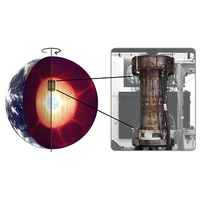
Phys. Rev. Lett. 137, 094101 (2026)
Physics of Fluids, Earth & Planetary Science, and Climate
Thermodynamic Model for Thermomigration in Metals
Article | Condensed Matter and Materials | 2026-08-24 06:00 EDT
Daniel J. Long, Edmund Tarleton, Alan C. F. Cocks, and Felix Hofmann
We investigate the mechanisms involved in the thermomigration of interstitial hydrogen in metals. Using irreversible thermodynamics, we develop a comprehensive mechanistic model to capture the controlling effects. Crucially, through validation against published experimental data, our results demonst…
Phys. Rev. Lett. 137, 096301 (2026)
Condensed Matter and Materials
Signature of a Trion in Photoemission
Article | Condensed Matter and Materials | 2026-08-24 06:00 EDT
Jinyuan Wu, Zachary H. Withers, Thomas K. Allison, and Diana Y. Qiu
A theoretical study reveals that trions can be identified in time-resolved ARPES measurements with distinct signatures for positive and negative trions.
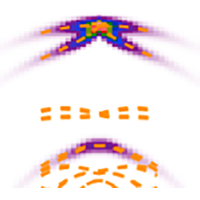
Phys. Rev. Lett. 137, 096401 (2026)
Condensed Matter and Materials
Granular Büttiker-Landauer Motor
Article | Statistical Physics; Classical, Nonlinear, and Complex Systems | 2026-08-24 06:00 EDT
O. Devauchelle, P. Popović, P. Szymczak, A. Abramian, and A. Lazarus
Random walkers usually diffuse according to Fick's law. On average, they move down the gradient of their concentration and, in the absence of external force, tend to distribute themselves uniformly. In some experiments, however, this familiar notion is at odds with observation. Sand grains, for inst…
Phys. Rev. Lett. 137, 097101 (2026)
Statistical Physics; Classical, Nonlinear, and Complex Systems
Molecular Insights on the Thermal Welding of Semicrystalline Polymers
Article | Polymers, Chemical Physics, Soft Matter, and Biological Physics | 2026-08-24 06:00 EDT
Michele Valsecchi, William S. Fall, Hendrik Meyer, Gary S. Grest, and Sanat K. Kumar
Unlike glassy plastics, semicrystalline polymers develop higher crystallinity right at the weld line, creating a unique weld that can surprisingly push mechanical failures away from the joint.
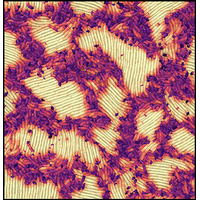
Phys. Rev. Lett. 137, 098101 (2026)
Polymers, Chemical Physics, Soft Matter, and Biological Physics
Physical Review X
Particle View of Many-Body Electronic Structure with Neural Network Wave Function
Article | 2026-08-24 06:00 EDT
Zichen Wang, Weizhong Fu, Zhe Li, Weiluo Ren, and Ji Chen
A combination of theoretical approaches bridges the gap between complex quantum wave functions and the classical picture of electron positions for molecules and solids.
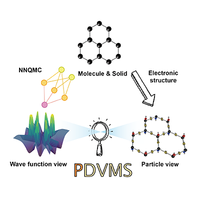
Phys. Rev. X 16, 031048 (2026)
Real-Space Visualization of the Intrinsic Aging in $n$-type ${\mathrm{Mg}}{3}(\mathrm{Sb},\mathrm{Bi}{)}{2}$ Thermoelectrics
Article | 2026-08-24 06:00 EDT
Yuxiang Gong, Nuo Qu, Sumayya, Yu-Ke Zhu, Jianbo Zhu, Tinglu Song, Qianru Lin, Lankun Wang, Ran Xin, Fengkai Guo, Wei Cai, Yuan Yu, Jiehe Sui, and Zihang Liu
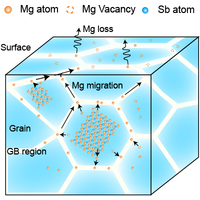
Spontaneous degradation of an Mg(Sb,Bi) thermoelectric demonstrates intrinsic defect relaxations rather than external stimuli can govern long-timescale property evolution.
Phys. Rev. X 16, 031049 (2026)
arXiv
Power Series for the Quantum Statistical Mechanics Probability with Results for the Second Virial Coefficient of Helium
New Submission | Statistical Mechanics (cond-mat.stat-mech) | 2026-08-25 20:00 EDT
A power series for the Wigner-Kirkwood pair commutation function for quantum statistical mechanics in classical phase space is given with terms automatically generated by recursion. The calculated second virial coefficient agrees with the measured values of helium for temperatures greater than 65 K. Prospects for a general quantum Monte Carlo algorithm are discussed.
Statistical Mechanics (cond-mat.stat-mech), Quantum Gases (cond-mat.quant-gas), Computational Physics (physics.comp-ph), Quantum Physics (quant-ph)
8 pages, 2 figures, 1 idea
Electrostatic lens of a charged vortex
New Submission | Superconductivity (cond-mat.supr-con) | 2026-08-25 20:00 EDT
Iogann Tolbatov, Luca Salasnich
We study the local electrostatic response of a charged superfluid in the presence of a cylindrically symmetric vortex, allowing both the particle density and the thermodynamic compressibility to vary with the radial coordinate. Starting from the electrostatic charge response obtained from the phase-only Popov action, we introduce a local-density extension and derive the regular near-axis expansion of the scalar potential. The constant, quadratic, and quartic coefficients are obtained explicitly in terms of the local screening response and of the leading nonuniform contribution to the vortex density profile. For a three-dimensional unitary Fermi equation of state, the density dependence of the compressibility generates a definite thermodynamic contribution to the quartic coefficient. The resulting decomposition separates this equation-of-state contribution from the ordinary constant-screening and charge-source terms that occur at the same order. This provides a compact analytical connection between vortex-core thermodynamics and the local electrostatic profile of a charged superfluid.
Superconductivity (cond-mat.supr-con), Quantum Gases (cond-mat.quant-gas)
5 pages
Dynamical Signatures and Kibble-Zurek Scaling of Localization in Tilted Bose-Einstein Condensates
New Submission | Quantum Gases (cond-mat.quant-gas) | 2026-08-25 20:00 EDT
Argha Debnath, Radheshyam Saha, Ravindra W. Chhajlany, Mariusz Gajda, Debraj Rakshit
We study nonequilibrium signatures of tilt-induced localization in a one-dimensional Bose-Einstein condensate loaded in a shallow optical lattice. The tilt strength acts as a control parameter for the localization-delocalization crossover. We also consider the effects of repulsive interactions, which tend to delocalize the condensate. We first characterize localized and delocalized regimes through sudden quenches of the interaction strength and the external tilt. The resulting dynamics is analyzed using the survival probability and its power spectral density. Localized condensates exhibit strong memory retention, pronounced revivals, regular dynamics and a narrow spectral response, whereas delocalized condensates show suppressed recurrences, irregular dynamics and a broader distribution of spectral weight over many frequencies. We then investigate finite-rate ramps of the tilt strength across the localization threshold. Using the localization length and the Bogoliubov excitation gap, we extract the relevant critical exponents and perform Kibble-Zurek scaling analysis in the driven dynamics. Our results establish quench response and finite-rate scaling as complementary dynamical probes of localization in interacting Bose gases, with direct relevance to cold-atom experiments in tilted optical lattices.
Quantum Gases (cond-mat.quant-gas), Quantum Physics (quant-ph)
9 pages, 5 figures
All-Optical Control of Interfacial Polarization in MoS$_2$/WSe$_2$ Heterobilayers
New Submission | Materials Science (cond-mat.mtrl-sci) | 2026-08-25 20:00 EDT
Muhammad Sufyan Ramzan, Giancarlo Soavi, Caterina Cocchi
All-optical tuning of van der Waals heterostructures with coherent radiation offers a promising path toward ultrafast memory and optoelectronic devices. In the first-principles framework of real-time time-dependent density functional theory, we predict the induction of a persistent, long-lived out-of-plane polarization in MoS$ _2$ /WSe$ _2$ heterobilayers, resonantly driven by intense ultrafast pulses. While weak fields preserve the intrinsic type-II band alignment, intermediate intensities trigger a four-fold enhancement of interlayer charge transfer. By analyzing the high-harmonic generation spectrum, we identify a transition from the perturbative to the strong-field regime inducing photoinduced interfacial polarity. We additionally show that lattice strain, ubiquitously present in heterobilayers, can be used as additional knob to adjust the resonant condition without compromising the permanent dipole induction. Our findings provide a theoretical blueprint for the all-optical manipulation of polar phases in low-dimensional heterostructures at the femtosecond scale.
Materials Science (cond-mat.mtrl-sci)
Theory of the Spinon-Mediated Witness Spin Glass in Herbertsmithite
New Submission | Other Condensed Matter (cond-mat.other) | 2026-08-25 20:00 EDT
Mitikorn Wood-Thanan, Felix Flicker
Herbertsmithite is a prototypical candidate quantum spin liquid (QSL), believed to feature a long-range entangled ground state and deconfined fractionalised spinon excitations. Confirmation of these properties has been hindered by the presence of magnetic impurities (spin-1/2 Cu2+ spins substituted onto non-magnetic Zn2+ sites). Recently these impurities were reconceptualised as ‘witnesses’ of the QSL, inheriting long-range interactions and entanglement mediated by the QSL spinons, leading to spin glass formation amongst witnesses below 260 mK. Here we present a full theoretical account of this idea. Despite having only one free parameter (the witness-kagome spin coupling), our model captures the full range of experimental data, including: the formation of a spin glass amongst witnesses; the frequency and temperature dependence of the magnetic noise; a sharp peak in the DC magnetic susceptibility as a function of temperature; and the static neutron scattering structure factor at 2 K. Both candidate QSLs (Z2 and U(1)) give similar agreement with all data; however, our model predicts a qualitative difference between the Z2 and U(1) neutron scattering intensities below 260 mK, providing a long-sought definitive test to distinguish the two cases. We also predict phase diagrams as a function of temperature and witness concentration, finding a phase transition to different long-range ordered witness states for Z2 and U(1) at high concentration.
Other Condensed Matter (cond-mat.other), Strongly Correlated Electrons (cond-mat.str-el)
20 pages, 18 figures
Machine-learned exchange-correlation functionals for molecules, solids, and reactive surfaces
New Submission | Materials Science (cond-mat.mtrl-sci) | 2026-08-25 20:00 EDT
Mohamed S. Abdallah, Zhuotao Jin, Boris Kozinsky, Kyle Bystrom
The application of density functional theory to heterogeneous catalysis is hindered by the shortcomings of conventional density functional approximations. We combine machine learning with explicitly non-local physically informed descriptors and introduce an exchange-correlation functional (CIDER26SS) framework regularized for wide transferability. CIDER26SS is size-extensive, highly efficient, provides a balanced and accurate description of both molecular and solid-state systems, and is specifically well-optimized for transition metal surface chemistry. Surpassing existing conventional functionals, CIDER26SS resolves the CO/Pt puzzle, identifying the correct binding site for CO adsorption on the Pt(111) surface, along with an accurate adsorption energy, Pt lattice constant, and surface energy. Predictions agree well with the experimental values, even when all bulk and surface data for Pt are excluded from the training set. Remarkably, CIDER26SS exceeds the accuracy of semilocal approximations even for systems far outside the training domain.
Materials Science (cond-mat.mtrl-sci), Chemical Physics (physics.chem-ph)
High Speed Contact-Resonance Tracking using Brownian motion
New Submission | Mesoscale and Nanoscale Physics (cond-mat.mes-hall) | 2026-08-25 20:00 EDT
Contact-resonance atomic force microscopy (CR-AFM) provides nanoscale maps of contact stiffness, dissipation, and electromechanical response, but conventional piezoacoustic excitation can obscure the cantilever resonance with actuator and sample-holder modes. Pure Brownian excitation avoids this transfer-function background, yet its small amplitude generally requires averaging that is incompatible with routine imaging. We introduce interferometric dual-AC resonance tracking (iDART), which combines quadrature-phase differential interferometry with two-frequency resonance tracking. By positioning the interferometric spot near the displacement maximum of the first contact-resonance mode, the detector noise floor is reduced below the off-resonance thermal displacement of the cantilever. Brownian spectra identify the contact mode and define the tracking frequencies, while active electrical excitation provides the signal-to-noise ratio required for pixel-resolved imaging. Simultaneous low-frequency and resonant measurements show that both electrical and photothermal drive increases contrast in the amplitude and phase channels without appreciably shifting the contact resonance. These results establish a practical route to resonance-enhanced, drive free nanomechanical imaging at conventional AFM scan rates.
Mesoscale and Nanoscale Physics (cond-mat.mes-hall)
13 pages, 4 figures
Automated Analysis to Reveal Grain Boundary Phase Microstructures
New Submission | Materials Science (cond-mat.mtrl-sci) | 2026-08-25 20:00 EDT
R. Daniel Moore, Ian S. Winter, Robert E. Rudd, Fadi Abdeljawad, Timofey Frolov
We develop a method for analyzing grain boundary (GB) microstructures that identifies distinct interfacial phases and the dislocation line defects separating them. Similar to bulk materials, GBs can adopt multiple distinct interfacial phases and undergo first-order phase transitions. When these phases coexist, their spatial arrangement and phase junctions constitute a GB microstructure, characterized by variations in excess properties and line defects with associated dislocation content. Despite this intrinsic heterogeneity, our ability to quantitatively characterize GB microstructures remains limited, as it requires identification of individual GB phases, phase-resolved excess properties, and the Burgers content of phase junctions, capabilities not available in existing automated methods. Here, we present an automated tool that performs interfacial microstructure mapping for planar coincidence site lattice GBs. The method identifies the spatial distribution of GB phases, quantifies phase-specific excess properties, and estimates the Burgers content of GB phase junctions. We demonstrate the approach using three representative cases: (i) quantification of mass transport during diffusion-limited GB phase transformations; (ii) identification of structurally indistinguishable phases formed by vacancy and interstitial loops; and (iii) characterization of GB microstructures containing phase nuclei. More broadly, this framework enables quantitative studies of GB evolution processes, including spinodal decomposition and coarsening with direct implications for GB deformation, creep, and migration.
Materials Science (cond-mat.mtrl-sci)
Noise-Robust Spin-Orbit Qubit in Germanium Holes via p-Orbital Encoding
New Submission | Mesoscale and Nanoscale Physics (cond-mat.mes-hall) | 2026-08-25 20:00 EDT
Germanium hole spin qubits are a leading platform for semiconductor quantum computation due to their strong spin-orbit coupling, all-electrical operability, and absence of valley degeneracy. A central obstacle is charge noise, which couples to the qubit through the same spin-orbit interaction that enables fast electrical control. In this work, we propose a new operational mode of a three-hole quantum dot in a planar Ge/SiGe heterostructure, modeled within a four-band Luttinger-Kohn–Bir-Pikus framework: a spin-$ p$ -orbital (SpO) qubit encoded in the $ p$ -shell of the topmost hole. We characterize charge noise sweet spots in the parameter space of electrostatic confinement and magnetic field, and estimate that relaxation rates of the SpO qubit are comparable to those of spin qubits hosted in single holes. We then design and optimize an all-electrical Landau-Zener state-transfer protocol that induces logical qubit state transitions without microwave driving, and we show that the quadrupole-quadrupole Coulomb interaction between neighboring dots enables fast two-qubit entangling gates operated by adiabatic shuttling.
Mesoscale and Nanoscale Physics (cond-mat.mes-hall)
A minimal mechanism to generate long timescales without fine tuning
New Submission | Disordered Systems and Neural Networks (cond-mat.dis-nn) | 2026-08-25 20:00 EDT
Kathryn McClain, Shivang Rawat, Mia Morrell, Stefano Martiniani, David J. Heeger, Flaviano Morone
Long timescales in brain dynamics give rise to power law correlations measured in experiments. A simple linear recurrent neural network model can reproduce this power law behavior, but the recurrent interaction strength needs to be fine tuned in order to sit at the edge of stability. We show that by adding a dynamical recurrent feedback gain to the simple linear model removes the need for fine tuning, because the gain self-organizes so that the spectrum of the effective recurrent matrix is always gapless with the top eigenvalue landing on the stability edge for any recurrent strength. As a consequence, long timescales and scale free correlations arise generically, as we demonstrate both analytically and numerically.
Disordered Systems and Neural Networks (cond-mat.dis-nn)
4 pages, 3 figures, 35 references
Investigating Sulfur Vacancy Passivation in Monolayer MoS2 FETs via Optically Coupled Low-Frequency Electrical Noise Spectroscopy
New Submission | Materials Science (cond-mat.mtrl-sci) | 2026-08-25 20:00 EDT
Shashwata Chattopadhyay, Soumyadip Hazra, Sraboni Dey, Kritika Sharu, Renjith Nadarajan, Arijit Kayal, Joy Mitra
Transition metal dichalcogenide monolayers are promising materials for electronic and photonic applications, yet the performance of chemical vapour deposition grown films is severely limited by native sulphur vacancies that introduce mid-gap trap states, degrade carrier mobility, and elevate electrical noise. Here we investigate octane thiol passivation of sulphur vacancies in monolayer MoS2 field effect transistors, combining x-ray photoelectron spectroscopy, photoluminescence, and Raman scattering with electrical transport and optically coupled low-frequency noise spectroscopy. Thiol treatment reduces the sulphur vacancy concentration from 7.5% to 5%, which increases the channel resistance 35-fold while restoring gate switching with an on/off ratio of 10^4 and improving field-effect mobility from 1 to 5 cm^2/Vs. Low frequency noise spectroscopy directly quantifies the defect suppression: the Hooge parameter drops by more than two orders of magnitude after passivation. Gate-dependent noise confirms carrier mobility fluctuation as the dominant dark noise mechanism, while optical excitation drives a crossover to carrier number fluctuation dominated noise, reflecting preferential interaction of photogenerated carriers with residual vacancy states via generation-recombination trapping, a mechanistic distinction inaccessible to gate- bias measurements alone. Density functional theory calculations corroborate these findings, showing suppression of vacancy-induced mid-gap states by more than 50% and partial restoration of the intrinsic bandgap. These results establish optically coupled low-frequency noise spectroscopy as a sensitive, low-cost, and non-destructive tool for quantifying defect passivation in TMDC-based devices.
Materials Science (cond-mat.mtrl-sci)
Electrostatic Persistence Length Revisited. I. Theory
New Submission | Soft Condensed Matter (cond-mat.soft) | 2026-08-25 20:00 EDT
Artem M. Rumyantsev, Alexey A. Gavrilov, Albert Johner
The problem of single-chain conformations of polyelectrolytes in salt-added dilute solutions, and the associated concept of the electrostatic persistence length $ \textbf{l}\mathrm{e}$ , has remained unresolved for decades. To address this challenge, we develop a comprehensive scaling theory and corroborate it with simulations. A unified scaling diagram is constructed that encompasses both flexible and intrinsically semiflexible/stiff polyelectrolytes. Nine distinct scaling regimes are identified, each characterized by different conformational statistics. The concept of the Gaussian electrostatic blob $ \xi\mathrm{e}$ used in the description of flexible polyelectrolytes is extended to the semiflexible case, and the new characteristic length $ \xi_\mathrm{e}^{|}$ referred to as the rodlike electrostatic blob is introduced. This enables delineating the important crossovers and showcasing an analogy between semiflexible and flexible chains. The concept of electrostatic excluded volume is also reconsidered and generalized. Upon increasing the salt concentration, i.e., decreasing the Debye length $ r_\mathrm{D}$ , chain conformations evolve from (i) rodlike stretches to (ii) Gaussian and then (iii) swollen coils with local electrostatic stiffening characterized by $ \textbf{l}\mathrm{e}$ , followed by (iv) swollen coils without stiffening but with electrostatic exclude volume, and finally to (v) quasi-neutral Gaussian coils. In regimes of type (ii) and (iii), the electrostatic persistence length scales quadratically with $ r\mathrm{D}$ , in agreement with the OSF and KK predictions for semiflexible and flexible chains, respectively: $ \textbf{l}\mathrm{\mathrm{OSF}} \simeq r\mathrm{D}^{2}/\xi_\mathrm{e}^{|}$ and $ \textbf{l}\mathrm{\mathrm{KK}} \simeq r\mathrm{D}^{2}/\xi_\mathrm{e}$ . These asymptotic scalings are confirmed by coarse-grained simulations presented in the accompanying article.
Soft Condensed Matter (cond-mat.soft)
Vibrational, structural, and chemical fingerprints of ion diffusion in crystalline solids
New Submission | Materials Science (cond-mat.mtrl-sci) | 2026-08-25 20:00 EDT
Gavin Winter, Juno Nam, Rafael Gómez-Bombarelli
Predicting mobile-ion self-diffusivity $ D^\ast$ from molecular dynamics (MD) simulations is essential for identifying promising solid-state electrolytes, but directly simulating ion diffusion is computationally expensive, particularly with high-accuracy machine learning interatomic potentials (MLIPs). Diffusion is a slow, emergent process that requires long trajectories to converge. Thermodynamic properties, by contrast, converge much faster: the enthalpy $ h$ , vibrational entropy $ s_{vib}$ , and 2-body, excess configurational entropy $ s^{ex}{2,config}$ can be extracted from comparatively short MD trajectories, and they encode rich information about the free energy landscape from which transport properties like self-diffusivity ultimately arise. Intuitive correlations are discussed between these thermodynamic properties and ion diffusion, motivating a data-driven approach to exploit this link. A simple neural network was trained to predict diffusivity from features computed over short MD trajectories: a vibrational fingerprint (the vibrational density of states, VDOS) and a structural fingerprint (the radial distribution function, RDF), conditioned on chemistry information encoded in the MLIP embedding. This combination allows the model to predict the converged $ \log{10} D^\ast$ (cm$ ^2$ /s) \textemdash\ normally obtained from significantly longer MD simulations \textemdash\ with a mean absolute error of 0.398 and a Spearman’s rank correlation $ \rho$ of 0.844.
Materials Science (cond-mat.mtrl-sci)
Electrostatic Persistence Length Revisited. II. Simulations and Comparison to Experiment
New Submission | Soft Condensed Matter (cond-mat.soft) | 2026-08-25 20:00 EDT
Alexey A. Gavrilov, Albert Johner, Artem M. Rumyantsev
For decades, debate has surrounded the electrostatic persistence length (EPL) controlling local polyelectrolyte stiffening, centered on two competing power laws: the linear BJ prediction, $ \textbf{l}\mathrm{e} \sim r\mathrm{D}$ , and the quadratic OSF/KK scaling, $ \textbf{l}\mathrm{e} \sim r\mathrm{D}^{2}$ , where $ r_\mathrm{D}$ is the Debye screening length. Building on the asymptotic scaling theory developed in the accompanying paper, we validate a complete diagram of limiting regimes using large-scale coarse-grained Monte Carlo simulations of ideal chains with charged monomers interacting through a screened Coulomb potential. By simulating long chains of up to $ N \simeq 10^{4} - 10^{5}$ Kuhn segments, we demonstrate that the electrostatic stiffening of both semiflexible and flexible polyelectrolytes obeys the same quadratic OSF/KK law. We track the exponent $ \alpha$ which measures how the chain size $ R$ grows with the Debye radius, $ R \sim r_\mathrm{D}^{\alpha}$ . For both cases, in agreement with the OSF/KK theory, $ \alpha$ rises past 3/5 and slowly approaches 1 as the chain length increases, whereas within the BJ theory it can never exceed 2/5. We further find that three common size measures, the end-to-end distance $ R_\mathrm{ee}$ , radius of gyration $ R_\mathrm{g}$ , and hydrodynamic radius $ R_\mathrm{h}$ , reach this asymptotic behavior at progressively increasing chain lengths. Consequently, for any real polyelectrolyte, the apparent exponents obey $ \alpha_\mathrm{ee} \geq \alpha_\mathrm{g} \geq \alpha_\mathrm{h}$ , making $ R_\mathrm{g}$ a sharper experimental probe than $ R_\mathrm{h}$ . Finally, we re-analyze the available experimental data and show that they rule out the linear BJ law and support the quadratic KK scaling, thereby resolving contradictions that stem from mistaking the apparent slopes measured for short chains for the true asymptotic exponent.
Soft Condensed Matter (cond-mat.soft)
A high-entropy form of $R$Mn$_6$Sn$_6$ with distinct magnetotransport regimes correlated to different magnetic structures
New Submission | Materials Science (cond-mat.mtrl-sci) | 2026-08-25 20:00 EDT
Kyle W. Fruhling, Jonathan Gaudet, William D. Ratcliff, Jonathan S. White, Siddharth Nandanwar, Noah J. Fau, Gregory T. McCandless, Enrique O. González Delgado, Julia Y. Chan, Oksana Zaharko, Michael A. Susner, Fazel Tafti
The kagome $ R$ Mn$ _6$ Sn$ 6$ material family has attracted significant attention as high-temperature metallic magnets with a host of different magnetic orderings and anisotropy. Theoretical studies point to the rare-earth ($ R$ ) as the determining factor for both the direction of magnetic anisotropy and the type of magnetic ordering in a given compound. This motivates studying high-entropy forms of $ R$ Mn$ 6$ Sn$ 6$ to examine how the interplay of several rare-earth elements leads to different magnetic states in a single crystal. Here, we present a rare-earth mix of Tb, Dy, Ho, Er, Tm, and Lu that produces phase transitions from a paramagnet to an easy-plane ferrimagnet (FiM) below $ T{\text{C}}$ = 380 K, then to a FiM easy-axis state at $ T{\text{SR1}}$ = 207 K, to a canted FiM ground state below $ T{\text{SR2}}$ = 79 K. This behavior is consistent with previously reported high-entropy $ R$ Mn$ _6$ Sn$ _6$ compounds; however, uniquely, the rare-earth mix studied here exhibits a broad transition from easy-plane to easy-axis anisotropy from 270 K to 170 K, and reveals a nonmonotonic magnetoresistance. Using neutron scattering data, we found that both observations correlate with an incommensurate modulated contribution to the spin state due to competing rare-earth interactions. This magnetoresistive behavior and the correlated spin structures underscore the potential for rare-earth engineering of magnetism.
Materials Science (cond-mat.mtrl-sci), Strongly Correlated Electrons (cond-mat.str-el)
Main Text: 9 pages, 5 figures, 1 table. Supplemental: 11 pages, 13 figures, 5 tables
Charge Transport Framework for Crystalline pi-Conjugated Materials
New Submission | Materials Science (cond-mat.mtrl-sci) | 2026-08-25 20:00 EDT
Nisarg Trivedi, Maximilian F.X. Dorfner, Michel Panhans, Frank Ortmann
Quantitative charge-transport modelling in crystalline pi-conjugated polymers requires an electronic representation that captures extended conjugation and material-specific electron-phonon interactions on equal footing. We present a Wannier-orbital-based formulation of the transient-polaron-localization (TPL) framework for quantitative charge-transport simulations in crystalline pi-conjugated polymers. By expressing all interactions directly in a Wannier representation derived from first-principles calculations, the approach avoids artificial fragmentation of polymer backbones and enables a consistent, material-specific description of electronic couplings and electron-phonon interactions. Low- and high-frequency vibrational modes are incorporated within a mode-resolved TPL formalism, yielding an effective electronic Hamiltonian that captures both dynamic disorder and polaronic renormalization. The methodology is demonstrated for the ambipolar crystalline naphthalenediimide-bithiophene copolymer, enabling a direct comparison of electron and hole transport along the polymer backbone and pi-stacking directions. The simulations reproduce key transport features, including pronounced anisotropy and higher electron than hole mobility. Additional studies on single- and bi-chain systems reveal the essential role of inter-chain coherence in supporting efficient transport along the polymer backbone. Beyond this specific system, the Wannier-orbital-based TPL framework provides a transferable route to disentangle intrinsic charge-transport mechanisms in crystalline pi-conjugated materials and establishes a foundation for future work.
Materials Science (cond-mat.mtrl-sci)
Attractor-Basin-Limited Fidelity in Reproducible Multistate Vortex Memory
New Submission | Materials Science (cond-mat.mtrl-sci) | 2026-08-25 20:00 EDT
M. Rabiu, S. S. Abukari, M. Amekpewu
Multilevel non-volatile memory technologies face recurring trade-offs among information density, endurance, retention, and switching energy. We investigate an alternative state variable based on the discrete vortex configuration of self-organized vortices in a boundary-driven electron fluid. A dissipative point-vortex model derived from magnetohydrodynamic dynamics yields six reproducible vortex codewords, corresponding to 2.585 bits per cell, whose write fidelity, noise sensitivity, 100-cycle endurance, and effective information capacity are quantified. The ordering of their finite-amplitude basin radii $ r_{50}$ differs from that predicted by both fixed-circulation and fully coupled linear-stability spectra. A nonlinear saddle-point construction based on the reduced dynamics likewise does not recover the measured basin ordering. The discrepancy is associated with escape pathways involving coupled position–circulation dynamics that are absent from the fixed-circulation description. These results show that local stability alone does not determine the finite perturbation tolerance of the vortex states considered here. The proposed memory requires active hold power, and passive retention remains to be established experimentally.
Materials Science (cond-mat.mtrl-sci), Computational Physics (physics.comp-ph), Fluid Dynamics (physics.flu-dyn)
8 pages, 9 figures
Emergent Second Law for Time-Dependent Nonequilibrium States
New Submission | Statistical Mechanics (cond-mat.stat-mech) | 2026-08-25 20:00 EDT
Nahuel Freitas, Timur Aslyamov, Massimiliano Esposito
For nonautonomous open systems described by macroscopic stochastic thermodynamics, we derive an emergent second law that constrains time-dependent macroscopic fluctuations by the entropy production along the most probable evolution under the time-reversed driving protocol. We show that this bound can be understood as a macroscopic consequence of the fluctuation theorem: the time reverse of this evolution provides a possible fluctuation path under the forward dynamics. In the linear-response and slow-driving regime, the bound becomes an equality to first order and generalizes the McLennan-Zubarev formula to the time-dependent probability density of nonautonomous systems with weak nonconservative affinities. We illustrate our results in a bistable system under sudden quenches and periodic driving.
Statistical Mechanics (cond-mat.stat-mech)
Comparative Assessment of Thermal Transport Theories: Dual-Channel Mechanism Dictates Heat Transport in Ultralow-$κ$ Materials
New Submission | Materials Science (cond-mat.mtrl-sci) | 2026-08-25 20:00 EDT
Soham Mandal, Ashutosh Srivastava, Tanmoy Das, Manish Jain, Abhishek Kumar Singh, Prabal K. Maiti
Anomalous heat transport in strongly anharmonic crystalline solids poses both a fundamental challenge to the theoretical understanding and an opportunity for thermoelectric and thermal barrier coating applications. Although Green-Kubo theory reproduces experimental thermal conductivity ($ \kappa$ ) at high temperatures, it lacks microscopic insight and neglects the Bose-Einstein statistics of lattice vibrations. On the other hand, the conventional Boltzmann transport equation (BTE) framework, based on a phonon-gas picture, fails due to strong anharmonicity-induced overdamped phonons. Herein, the thermal transport properties in TlAgSe, a metal chalcogenide, and Cs$ _2$ PbI$ _2$ C$ _2$ , an all-inorganic layered Ruddlesden-Popper perovskite, are investigated by explicitly accounting for temperature-dependent lattice dynamics through machine learning interatomic potentials and employing the Wigner transport equation (WTE) framework. Crucially, heat conduction is governed not only by higher-order phonon scattering-dominated populations’ transport channel described within the BTE, but also by a coherences’ channel in the WTE framework arising from wave-like interbranch coherence between eigenstates. Incorporating four-phonon scattering, WTE predicts average room-temperature $ \kappa$ values of 0.31 Wm$ ^{-1}$ K$ ^{-1}$ (TlAgSe) and 0.38 Wm$ ^{-1}$ K$ ^{-1}$ (Cs$ _2$ PbI$ _2$ C$ _2$ ), in excellent agreement with experiments. Phonon scattering-rate analysis reveals strong coherences’ contributions and prevalent overdamped phonon modes, demonstrating the breakdown of the conventional BTE framework based on the phonon quasiparticle picture with only first-order anharmonic perturbation. This computational approach provides a unified description of heat transport in ultralow-$ \kappa$ materials, offering a basis for the rational design of phononic and thermoelectric devices.
Materials Science (cond-mat.mtrl-sci)
Non-uniform swelling of polyelectrolyte hydrogels: effects of charge regulation
New Submission | Soft Condensed Matter (cond-mat.soft) | 2026-08-25 20:00 EDT
Du Chen, Rudolph Podgornik, David Andelman, Xianghong Wang, Linli He, Shigeyuki Komura, Bin Zheng
We investigate the impact of charge regulation (CR) on the non-uniform swelling behavior of polyelectrolyte hydrogels. The Poisson-Boltzmann theory with electro-elastic coupling between the local polymer density and elastic deformation is considered. We investigate the spatial distributions of the elastic displacement and polymer density under different salt concentrations and compare charge-regulated gels with fixed-charge (non-CR) gels of the same net charge. Our results show that the CR induces spatially varying charge fractions, which strengthen the electro-elastic response and lead to stronger non-uniform swelling compared with non-CR gels. These findings provide a theoretical basis for understanding and controlling non-uniform swelling in responsive polyelectrolyte hydrogels.
Soft Condensed Matter (cond-mat.soft), Statistical Mechanics (cond-mat.stat-mech), Biological Physics (physics.bio-ph)
First-Principles Atomistic Structure and Dynamics of Polyethylene During High-Pressure Radical Polymerization via Machine Learning Force Fields
New Submission | Materials Science (cond-mat.mtrl-sci) | 2026-08-25 20:00 EDT
Bharatha K. Gunawardana, Teresa Shah, Bicha Azizova, Deepa Ranabhat, Yizhi Song, Akshath Shastri, Srinjoy Ghose, Thomas E. Gartner III, Hsin-Yu Ko
Polyethylene (PE) is one of the most commonly used synthetic polymers. While the synthesis and processing protocols for PE are well established, precise experimental assignment of microscopic structures at atomistic resolution (i.e., the position of each atom) remains largely limited to highly crystalline systems. This gap is often addressed via computer simulations using empirical interatomic potentials, which use approximate but efficient descriptions of interatomic interactions to reach the length and time scales needed to describe macromolecules. These empirical potentials typically perform well for bulk and/or collective properties but face challenges with chemical realism for complex systems, e.g., during reactive processes. In this work, we address this challenge by combining the computational efficiency of a deep potential (DP) machine-learning force field and the chemical realism of first-principles van der Waals (vdW) corrected hybrid density functional theory (DFT) enabled by a SeA high-throughput framework. Using this approach, we study the structure and dynamics of PE oligomers and polymers in an ethylene solvent under common high-pressure (supercritical) radical polymerization conditions. We found that the local solvation environment of radical-containing PE oligomers converges for chain lengths greater than (n~6), suggesting extensibility of our oligomer-trained MLFF to significantly longer polymers. We then confirmed the extensibility of these models to long PE chains by characterizing the molecular weight scaling of single-chain structure and dynamics, which showed classic good solvent behavior. Our PE MLFF retained a consistent level of fidelity and stability across a wide range of thermodynamic state points and chain lengths, at full atomistic resolution, therefore paving the way towards first-principles-based polymer structure and property prediction.
Materials Science (cond-mat.mtrl-sci), Disordered Systems and Neural Networks (cond-mat.dis-nn), Machine Learning (cs.LG), Chemical Physics (physics.chem-ph)
15 pages, 7 figures, and 1 table
Thermodynamic and Kinetic Tests for Low-Pressure Metal-Flux Growth of Diamond, with an Extension to Cubic Boron Nitride
New Submission | Materials Science (cond-mat.mtrl-sci) | 2026-08-25 20:00 EDT
Diamond was grown from a liquid Ga-Fe-Ni-Si alloy near 1 atm, although bulk graphite is thermodynamically more stable under those conditions. This Perspective asks what must be true for a diamond growth front to continue advancing in such a metastable regime. I define a finite-difference transfer free energy for a specified interfacial event and identify the completed attachment of one carbon atom at a kink as the repeatable event that governs sustained growth. In the macroscopic limit, surface terms cancel, and the required carbon activity is fixed by the bulk free energy of diamond. On a graphite-normalized scale, the diamond equilibrium threshold is about 2.0 at 1300 K, whereas graphite saturation occurs at unity. Diamond growth therefore requires kinetic selection above the graphite threshold, not a reversal of bulk phase stability. The analysis distinguishes thermodynamic driving force, kinetic accessibility, experimental detection limits, and the carbon retained after an experiment. It gives isotope-resolved tests for distinguishing sustained diamond growth from seed survival, transient carbon attachment, or failure to detect graphite. A $ ^{13}\mathrm{C}$ -enriched diamond seed provides a test of natural-abundance gas or condensed carbon sources: a registered, crystallographically continuous $ ^{12}\mathrm{C}$ -rich layer outside the original seed can establish source-attributed overgrowth without isotopically labeling each feed. The same accounting is extended to cubic boron nitride. Separate boron and nitrogen chemical potentials are required, and $ ^{10}\mathrm{B}/^{11}\mathrm{B}$ and $ ^{15}\mathrm{N}$ contrasts could distinguish reservoir supply from seed loss for each element. The resulting criteria make low-pressure metal-flux growth claims quantitatively testable and guide experiments, thermodynamic modeling, and atomistic simulation.
Materials Science (cond-mat.mtrl-sci), Chemical Physics (physics.chem-ph)
51 pages, including 34 pages of Supporting Information; 6 main-text figures. Perspective
Pitch-controlled reorientational nonlinearity in chiral nematic liquid crystals: a reduced-order model for self-focusing and soliton formation
New Submission | Soft Condensed Matter (cond-mat.soft) | 2026-08-25 20:00 EDT
Homa Saadatmand, M. Javad Zakeri, Ahmed Sameh Ahmed, Suraj Bhandari, Loubna Benkoula, Ameer B. Batarseh, Andrea Blanco-Redondo, Miroslaw Karpierz, Pawel S. Jung
We present a reduced-order semi-analytical model for reorientational nonlinearity in chiral nematic liquid crystals, showing that the chiral pitch acts as the dominant physical length scale governing the onset of nonlinear self-focusing and soliton formation. Starting from the full Frank-Oseen equation, we derive a closed-form expression for the optically induced molecular rotation that captures the essential saturable response of the medium while reducing computational cost by more than two orders of magnitude compared with standard relaxation-method solvers. Despite its simplicity, the model reproduces the essential features of the numerically obtained nonlinear refractive index, the onset of self-localization, and the transition from discrete to continuous solitons in one and two dimensions. It further predicts the formation of fully localized astigmatic nematicons with only minor shifts in the self-localization threshold due to the neglect of nonlocal effects. The proposed model provides direct physical insight into light-matter interactions with soft matter media and offers a computationally efficient tool for the design and optimization of nonlinear photonic devices.
Soft Condensed Matter (cond-mat.soft), Pattern Formation and Solitons (nlin.PS), Computational Physics (physics.comp-ph), Optics (physics.optics)
9 pages, 5 figures; published in Physical Review A 113, 033511 (2026)
Phys. Rev. A 113, 033511 (2026)
High-Efficiency Ising Machine with Time-Dimensional Exchange Coupling
New Submission | Statistical Mechanics (cond-mat.stat-mech) | 2026-08-25 20:00 EDT
Zhengyu Du, Haijie Xu, Kaiming Cai, Zhe Yuan, Yue Zhang
Conventional probabilistic Ising machines often suffer from inefficient exploration of configuration space, while replica-based quantum Monte Carlo methods reduce sampling bottlenecks at the cost of large hardware overhead. Here we propose a time-dimensional exchange coupling (TEC) that replaces spatial replica coupling with a temporal exchange interaction between successive spin configurations of a single p-bit network. This TEC improves sampling efficiency without duplicating replica hardware. At low temperatures, antiferromagnetic TEC expands sampling range; at high temperatures, ferromagnetic TEC stabilizes the optimal state. For MaxCut problems with up to 2000 vertices, TEC significantly accelerates convergence speed. SPICE simulations confirm hardware feasibility. TEC offers a scalable, hardware-efficient strategy to enhance combinatorial optimization on existing Ising machines.
Statistical Mechanics (cond-mat.stat-mech)
8 pages, 4 figures
Dynamic Magnetic Pair-Density Function of a One-Dimensional Ferromagnet
New Submission | Materials Science (cond-mat.mtrl-sci) | 2026-08-25 20:00 EDT
The dynamic magnetic pair-density function (DymPDF) $ D_{\rm M}(r, E)$ is derived by extending the static magnetic pair distribution function (mPDF) to finite energy transfer. The analytical DymPDF of a one-dimensional Heisenberg ferromagnet is obtained from the magnon dispersion and compared with simulations performed using {\textsc SpinW}. Excellent agreement is achieved for energy dependence of the nearest-neighbor spin-pair correlation, demonstrating that the DymPDF changes sign at the magnon-mode transition occurring at one-half of the maximum magnon energy. The real-space DymPDF at low energy is also reproduced with a model including finite instrumental resolution, magnetic correlation length, and Fourier-termination effects. These results establish the theoretical foundation of DymPDF analysis for investigating local spin dynamics in magnetic materials.
Materials Science (cond-mat.mtrl-sci)
4 pages without references, 2 figures
Breakdown of Aharonov-Bohm cage in Rydberg synthetic lattices: the roles of inhomogeneity and long-range exchange
New Submission | Quantum Gases (cond-mat.quant-gas) | 2026-08-25 20:00 EDT
Li Pan, Xinlu Chen, Hong Zhang, Jian-Song Pan
While the interaction-induced breakdown of Aharonov-Bohm (AB) cage is typically attributed to uniform bound-pair transport, systems with inhomogeneous exchange interactions realized with Rydberg synthetic lattices exhibit more complex dynamics. Employing the evolution-path symmetry (EPS) framework developed recently, we analyze the two-particle dynamics via path interference in Fock space. We find that a homogeneous nearest-neighbor exchange interaction cannot break the AB cage, regardless of whether the long-range exchange interaction is present or not. In contrast, we demonstrate that inhomogeneous nearest-neighbor exchange interaction breaks the destructive-interference EPS, and lifts the degeneracy of many-body compact localized states, thereby generating non-local dispersive eigenstates. Consequently, the initial state gains a non-zero overlap with these dispersive states, enabling delocalized transport. Furthermore, while long-range exchange interaction alone preserves the AB cage, its coupling with nearest-neighbor inhomogeneous exchange interaction opens non-canceling pathways that alter the diffusion profile. Our work connects microscopic path interference with macroscopic spectral reorganization, offering an analytical understanding of the mechanism underlying exchange-interaction-induced transport in Rydberg synthetic lattices.
Quantum Gases (cond-mat.quant-gas), Strongly Correlated Electrons (cond-mat.str-el), Quantum Physics (quant-ph)
11 pages, 6 figures
Nonequilibrium statistics of harmonically trapped run-and-tumble particles: An exact convolution approach
New Submission | Statistical Mechanics (cond-mat.stat-mech) | 2026-08-25 20:00 EDT
Francisco J. Sevilla, Jair A. Meléndez Mora
We study one-dimensional run-and-tumble particles confined by a harmonic potential and coupled to an equilibrium thermal bath. Exploiting the coupling of active and thermal degrees of freedom through the Ornstein-Uhlenbeck propagator, we show that the position distribution factorizes, as a convolution, into the Ornstein-Uhlenbeck distribution and the distribution of the athermal run-and-tumble problem. This yields closed-form results, correcting expressions from earlier treatments by identifying the Ornstein-Uhlenbeck propagator, rather than the free-diffusion one, as the correct kernel. Results are confirmed both in Fourier space and by direct Langevin simulation. We further focus our analysis on the stationary regime, characterized by two dimensionless parameters–the ratio of trapping to persistence length, and the ratio of thermal to active diffusion–which control the crossover from a non-Gaussian, boundary-peaked distribution to the Gaussian, equilibrium-like limit. Energy fluctuations and the Kullback-Leibler divergence from the equilibrium distribution quantify the resulting non-equilibrium character of the confined active particle.
Statistical Mechanics (cond-mat.stat-mech)
Manuscript submitted
Nonreciprocal Control of the Goos–Hänchen Shift via the Barnett Effect in Cavity Magnomechanics
New Submission | Other Condensed Matter (cond-mat.other) | 2026-08-25 20:00 EDT
We propose a theoretical scheme for realizing a tunable nonreciprocal Goos-Hänchen shift (GHS) in a hybrid cavity magnomechanical system. The setup consists of a rotating yttrium iron garnet sphere embedded in a microwave cavity, with magnetic-dipole and magnetostrictive interactions mediating magnon-photon and magnon-phonon couplings, respectively. Owing to the Barnett effect, the magnon frequency acquires a rotation-induced shift whose sign can be reversed by changing the direction of the bias magnetic field. We show that the output probe spectrum exhibits a Fano resonance, while the associated GHS responds asymmetrically to opposite field directions, providing a controllable mechanism for nonreciprocal beam shifts. The magnon-photon and magnon-phonon interactions are found to affect the GHS in opposite ways, while the cavity length offers an additional degree of tunability. These results provide a route toward magnetically reconfigurable microwave photonic devices and sensitive detection of Barnett-induced effective fields.
Other Condensed Matter (cond-mat.other), Quantum Physics (quant-ph)
10pages, 9 figures
Monitored free fermions under periodic driving
New Submission | Disordered Systems and Neural Networks (cond-mat.dis-nn) | 2026-08-25 20:00 EDT
Aditi Chakrabarty, Alexander D. Mirlin, Igor Poboiko
We investigate analytically and numerically a one-dimensional periodically driven free-fermionic system subjected to monitoring of the local particle density. Based on the analytical approach that describes the long-wavelength physics of the time-dependent Hamiltonian in the field-theoretical language using the nonlinear sigma-model (NLSM), we reveal that driving does not alter the universality class of the problem. As a consequence, the system retains the area-law behavior in the thermodynamic limit, with an intermediate diffusive regime giving rise to logarithmic growth of entanglement entropy for a small monitoring rate. At the same time, driving leads to a renormalization of the bare coupling constant of the NLSM, which controls the space-time conductivity'' in the diffusive regime. We derive the analytic form of this renormalization, which becomes particularly strong in the case of a maximally symmetric’’ drive and sufficiently short driving period. In addition, we employ the Wiener-Hopf method to investigate the ballistic-diffusive crossover. These analytical predictions are corroborated by numerical simulations of the von-Neumann entanglement entropy and the density correlation function. Our numerical results clearly demonstrate that, with an increase in the system size, there are successive crossovers from ballistic to diffusive behavior and ultimately to localization. Furthermore, in the diffusive regime, we observe weak-localization corrections that are in agreement with the analytical predictions of the NLSM. Overall, our results provide a unified analytical and numerical framework for understanding the effects of monitoring in time-modulated fermionic systems, paving a way for broader investigations of driven quantum matter.
Disordered Systems and Neural Networks (cond-mat.dis-nn), Quantum Physics (quant-ph)
18 pages, 11 figures
Pair Filters in an Extended Hubbard Model at Resonance
New Submission | Strongly Correlated Electrons (cond-mat.str-el) | 2026-08-25 20:00 EDT
We investigate the dynamics of bound pairs in an extended Hubbard model at resonance. We show that a single fermion and a singlet bound pair possess identical dispersion relations and scatter off each other. In contrast, a neighboring doublon pair is dynamically pinned in the strong-interaction regime. Remarkably, a single fermion and a singlet bound pair exhibit fundamentally different scattering behaviors when encountering a pinned doublon pair acting as a scattering center. While the singlet bound pair undergoes perfect transmission, the single fermion is completely reflected. These results demonstrate that a neighboring doublon pair functions as an efficient filter that separates bound pairs from single particles. Numerical simulations fully support the analytical predictions. Our findings provide a dynamical mechanism for generating and manipulating bound-pair states.
Strongly Correlated Electrons (cond-mat.str-el)
Extrinsic nonlinear spin currents in spin-orbit coupled systems: A Boltzmann transport study
New Submission | Mesoscale and Nanoscale Physics (cond-mat.mes-hall) | 2026-08-25 20:00 EDT
We develop a semiclassical Boltzmann framework for second-order extrinsic spin transport in the presence of skew scattering. The conventional relaxation-time approximation reduces the full collision integral to a single phenomenological timescale and thereby neglects the angular structure of impurity scattering. While the transport relaxation time primarily characterizes the leading angular harmonic of the nonequilibrium distribution, nonlinear response is sensitive to its higher angular harmonics, which are governed by distinct components of the collision operator. We therefore retain the angular and band dependence of the scattering kernel and decompose both the collision integral and the distribution function into Fourier harmonics. The resulting coupled algebraic equations allow the symmetric and skew-scattering corrections to the distribution function to be obtained recursively order by order in the electric field. We apply this formalism to the gapped surface states of a topological insulator with spin-dependent impurity scattering and evaluate the corresponding second-order extrinsic spin-current response. Our results show that higher angular harmonics of the nonequilibrium distribution and scattering between distinct constant-energy contours play an essential role in extrinsic nonlinear spin transport beyond the single-relaxation-time approximation.
Mesoscale and Nanoscale Physics (cond-mat.mes-hall)
14 pages, 4 figures
Odd-frequency pair correlations in the trapped fermionic Tonks-Girardeau gas
New Submission | Quantum Gases (cond-mat.quant-gas) | 2026-08-25 20:00 EDT
M. Wong, K. Thompson, M. Governale, J. Brand, U. Zuelicke
The fermionic Tonks-Girardeau gas is an exactly solvable model realizing a conventional macroscopic condensate of p-wave Cooper pairs. Here we demonstrate that, when confined by a trapping potential, it also hosts unconventional odd-frequency pairing, i.e., pair correlations with s-wave symmetry that are only present with a finite time delay t between fermions forming a pair. Quantitative results for fixed particle number are obtained using a generalization of Yang’s theory of off-diagonal long-range order to define a t-dependent order parameter that is antisymmetric under combined t inversion and exchange of fermion-pair indices. Odd-frequency pairing in the fermionic Tonks-Girardeau gas is found to be a mesoscopic effect, localized at the system’s boundary and therefore nonextensive thermodynamically. Our results show that this elusive hidden order is accessible in systems having fixed particle number, suggesting new avenues towards its experimental realization and further detailed study.
Quantum Gases (cond-mat.quant-gas), Superconductivity (cond-mat.supr-con)
17 pages, 8 figures, RevTex4.2
Nudged Elastic Band Method in the CRYSTAL code. Theory and Applications
New Submission | Materials Science (cond-mat.mtrl-sci) | 2026-08-25 20:00 EDT
Andreha Gelli, Silvia Casassa, Albert Rimola, Chiara Ribaldone
The nudged elastic band (NEB) method is a widely used algorithm for determining minimum energy paths and transition states in chemical reactions and phase transitions. In this work, we present the implementation of different NEB algorithm schemes in the CRYSTAL code, a quantum mechanical ab initio program for the calculation of electronic properties of condensed matter systems, based on Hartree-Fock and density functional theory. The use of a set of localized Gaussian-type functions to expand the wavefunction permits a very efficient evaluation of the exact exchange series for the hybrid exchange-correlation functionals. Therefore, our implementation allows an accurate characterization of transition states in both molecular and condensed phase systems, at the hybrid functional level of theory. The theoretical framework, including the force projection scheme, tangent estimation, optimization strategies, as well as the extensions of the method with climbing image and variable spring constant variants, is recalled. Then, the NEB algorithm is validated through a series of benchmark tests: two molecular reactions (a collinear proton transfer process and the keto-enol tautomerization in formamide) and a proton exchange process in a periodic chabazite zeolite. Our results are in excellent agreement with experimental and previous theoretical data, confirming the accuracy and applicability of the implementation. This work opens the possibility for future studies of complex reactive processes on extended periodic systems, using hybrid functionals.
Materials Science (cond-mat.mtrl-sci)
Beyond second-long trajectory of the Trp-cage peptide generated using a Kinetic Monte Carlo model derived from molecular dynamics
New Submission | Soft Condensed Matter (cond-mat.soft) | 2026-08-25 20:00 EDT
Abhijit Chatterjee, Rishav Deb, Gauri Thapa, Swati Bhattacharya
We present a kinetic Monte Carlo (KMC) modeling approach to describe the stochastic dynamics of a peptide molecule spanning nanosecond to second timescales. The dynamics of protein conformational changes is interpreted at a local level in terms of dihedral transitions. Taking Trp-cage miniprotein as an example, the KMC model “learns” about the transitions from multiple MD trajectories. Training is based on local divide-and-conquer strategy that identifies the discretized backbone dihedral states as building blocks for the conformational space, along with associated transition rates of dihedral flips to describe the conformational state-to-state dynamics. A key feature in our approach is the incorporation of backbone correlations, such that rates are conditioned on the local environment and steric coupling. We show that with the correlations built-in, the KMC model closely matches MD. Such an approach is shown to reach second timescales in a few CPU hours on a standard desktop computer, and can easily yield multiple stochastic realizations of the conformational dynamics. Our KMC model construction scheme should be generally applicable to a wide range of proteins, and can be used for bridging local flexibility to protein-wide dynamics.
Soft Condensed Matter (cond-mat.soft)
31 pages, 9 figures
Physics-Constrained Neural Flow Maps for Long-Horizon Prediction of Spin Dynamics
New Submission | Mesoscale and Nanoscale Physics (cond-mat.mes-hall) | 2026-08-25 20:00 EDT
Haoen Feng, Shenglan Yuan, Shirong Lin
Conventional simulation of current-driven magnetization relies on fine-step integration of the spin-transfer-torque Landau–Lifshitz–Gilbert equation, creating a computational bottleneck in parameter sweeps and control searches. In this work, we propose a physics-constrained neural flow map that learns finite-time dynamics directly on the unit sphere. The model maps the current magnetization, spin-torque strength, and requested time span to a future state in a single forward pass. Tangent-space projection and spherical retraction preserve unit magnetization during recursive, composition-consistent rollout. We validate the framework on single-spin trajectories under in-domain torques and previously unseen but stronger drive. Beyond the training horizon, it achieves an in-domain root mean square error of $ 0.00425$ with norm drift at the $ 10^{-7}$ level. The flow outperforms an adapted Long Short-Term Memory (LSTM) in in-domain accuracy and geometric stability, although the LSTM retains slightly lower out-of-distribution state error. The resulting geometry-preserving propagator reduces reliance on fine-step integration and enables physically admissible long-horizon prediction.
Mesoscale and Nanoscale Physics (cond-mat.mes-hall), Machine Learning (cs.LG)
Impact of interstitial carbon on local lattice distortions in CoCrFeMnNi high-entropy alloys
New Submission | Materials Science (cond-mat.mtrl-sci) | 2026-08-25 20:00 EDT
Alevtina Smekhova, Alexei Kuzmin, G. Mohan Muralikrishna, Edmund Welter, Sergiu Levcenko, Fritz Körmann, Yuji Ikeda, Sergiy V. Divinski
Here, we explore component-dependent local lattice distortions in polycrystalline, equiatomic, face-centered cubic CrMnFeCoNi high-entropy alloys and their modifications induced by dilute interstitial carbon. Multi-edge extended X-ray absorption fine structure spectroscopy combined with reverse Monte Carlo analysis reveals that the Cr component experiences the most substantial local distortions, independent of the temperature of prolonged annealing treatments (993 K or 1373 K) and the nominal carbon content (0 to 0.8 at.%). The static disorder around Cr atoms was found to increase markedly and monotonically upon carbon alloying, whereas Mn, Fe, Co, and Ni demonstrate weaker and non-monotonic tendencies. The carbon-induced lattice distortions extend over several coordination shells, indicating the pronounced effect of the carbon presence on the local environment around Cr absorbers. First-principles density functional theory and finite-temperature molecular dynamics simulations confirm the greater impact of carbon on the local lattice distortions around Cr than around the other $ 3d$ constituent elements, based on the previous finding that carbon preferentially occupies Cr-rich interstitial sites. These results provide decisive hints towards the atomistic origin of the non-monotonic diffusion behavior previously reported for carbon-doped CrMnFeCoNi alloys, and are noticeable for understanding the carbon-induced phase transitions in compositionally complex systems.
Materials Science (cond-mat.mtrl-sci)
Acta Mater. 319 (2026) 122664
Cross-Temperature Defect Identification in Atomistic Simulations via Multi-Level Domain Alignment
New Submission | Materials Science (cond-mat.mtrl-sci) | 2026-08-25 20:00 EDT
Yating Fang, Jungmin Kim, Qian Qian Zhao, Pallavi Biswas, Joshua M. Gonjon, Ryan B. Sills, Ahmed Aziz Ezzat
Identifying atomic defects at elevated temperature is difficult because thermal fluctuations blur the local symmetry that both geometric heuristics and supervised classifiers rely on: trustworthy labels exist in low-temperature reference configurations, while the high-temperature regime where robust analysis matters most is effectively unlabeled. We cast this as a cross-temperature domain-shift problem and align the two domains at three levels: an equivariant denoiser at the input level, cross-temperature contrastive learning at the representation level, and a morphology-aware regularizer that steers predictions toward the compact geometry of physical defect structures. Because no atom-wise truth exists at temperature, we further introduce a label-free evaluation suite that scores predicted defect structures along five spatial and physics-based axes, enabling model assessment and selection without high-temperature labels. Near the melting point, the framework identifies vacancies and self-interstitial atoms across face-centered-cubic, body-centered-cubic, and hexagonal-close-packed iron systems with every interstitial localized and zero false detections in every vacancy system against Wigner-Seitz ground truth, with no high-temperature labels used in training. It sustains this fidelity on a million-atom, 2.5 ns trajectory, resolving single vacancy hops and complete Frenkel-pair recombination, and captures grain-boundary phase transformations in aluminum bicrystals, distinguishing two nucleation modes. Multi-level domain alignment thus offers a practical, label-efficient route to temperature-robust structural analysis of large-scale molecular dynamics.
Materials Science (cond-mat.mtrl-sci), Machine Learning (cs.LG), Computational Physics (physics.comp-ph)
46 pages, 8 figures
Loop currents in Haldane’s model and in time-reversal-breaking superconductors
New Submission | Superconductivity (cond-mat.supr-con) | 2026-08-25 20:00 EDT
Azzam Alzahrani, Victor M. Yakovenko
We present a theoretical study of optical manifestations of loop currents in Haldane’s model and in time-reversal-breaking superconductors. For Haldane’s model, we calculate the expectation value of loop currents in terms of model parameters and relate it with the integrated optical spectral weight for the frequency-dependent ac Hall conductivity. Thus, experimental measurements of the latter can provide information about the presence and magnitude of steady loop currents in the system. Then we elaborate on loop currents in a chiral superconductor on the honeycomb lattice, studied earlier by Brydon et al. (2019). We demonstrate that a sharp optical absorption peak in the ac Hall conductivity originates from excitations between the lower and upper Dirac bands, activated by the time-reversal-breaking superconductivity. The frequency of the peak is twice the energy difference between the Fermi level and the Dirac point. The optical spectral weight of the peak is directly related to the magnitude of loop currents induced in the unit cells by the chiral superconducting pairing, in similarity to Haldane’s model.
Superconductivity (cond-mat.supr-con)
24 pages, 9 figures. An invited paper submitted to a special issue on Loop Currents to be published by World Scientific
Insight into the molecular dynamics of barocaloric molecular crystals using quasi-elastic neutron scattering
New Submission | Materials Science (cond-mat.mtrl-sci) | 2026-08-25 20:00 EDT
Frederic Rendell-Bhatti, David Boldrin, Markus Appel, Donald A. MacLaren
Barocaloric (BC) molecular crystals exhibit order-disorder phase transitions that o9er a promising basis for solid-state heating and cooling. However, rational design of these next-generation materials requires microscopic understanding of the molecular dynamics that drive the transitional entropy change. Quasi-elastic neutron scattering (QENS) techniques including inelastic fixed-window scans (IFWSs) enable the direct probing of such molecular motions throughout thermodynamic phase transitions. Here we present a QENS-IFWS global fitting methodology for systematically investigating the molecular dynamics underpinning BC performance in molecular crystals. We demonstrate this methodology on neopentyl glycol (NPG) and three derivatives spanning chemically distinct routes to dynamical perturbation. By fixing attempt frequencies across samples, we observe measurable differences in the relative activation energies and mobile fractions of hydroxymethyl and full-molecular rotations. The largest observed e9ect is on the hydroxymethyl rotation activation energies, which is closely related to hydrogen bond network stability, ranging from -3.6% to +11.1% in the derivatives compared to pure NPG. The capability of this global fitting strategy to extract subtle variations in molecular rotations highlights QENS as a versatile design tool for guiding BC molecular crystal design.
Materials Science (cond-mat.mtrl-sci)
Main manuscript (19 pages 5 figures) followed by supplementary information (15 pages 19 figures)
Voltage dynamics of spherical membranes from single ion channel currents
New Submission | Soft Condensed Matter (cond-mat.soft) | 2026-08-25 20:00 EDT
Sirui Ning, Joshua B. Fernandes, Karthik Shekhar, Kranthi K. Mandadapu
Ion channels and pumps drive ion-selective currents through cell membranes at localized sites, yet a cell’s electrical state is routinely summarized by a single transmembrane voltage. Combining theory and numerical simulations, we resolve the spatiotemporal dynamics of charge reorganization driven by a localized current on a spherical membrane vesicle. At early times, the response is insensitive to membrane geometry: as in the case of a flat membrane (arXiv:2407.11947; arXiv:2508.14001), the transmembrane voltage decays in a monopolar fashion, varying inversely with distance from the source, and crosses over to a dipolar tail that scales as the inverse cube of distance. Under sustained current, this monopolar response spreads outward from the source. Because the vesicle is closed, this response cannot persist indefinitely; once the monopolar front traverses the entire vesicle, the subsequent charging dynamics is dominated by a spatially uniform mode corresponding to capacitive charging of the membrane. We further decompose the bulk potentials into an electrostatic image-charge component that generates the bulk electric fields and a spatially uniform capacitive mode that can be represented as an equivalent circuit. We also derive a nonlocal cable equation governing the transmembrane voltage dynamics and show that the uniform mode is its long-time solution. This work provides a first-principles basis for the electrophysiological simplification of an electrotonically compact cell.
Soft Condensed Matter (cond-mat.soft), Mathematical Physics (math-ph), Biological Physics (physics.bio-ph), Subcellular Processes (q-bio.SC)
10 pages, 6 figures
Even-harmonic generation from topological edge states in generalized Su-Schrieffer-Heeger models
New Submission | Mesoscale and Nanoscale Physics (cond-mat.mes-hall) | 2026-08-25 20:00 EDT
Chi-Ting Liu, J-S You, Hsiu-Chuan Hsu
High-order harmonic generation (HHG) in solids has emerged as a powerful probe of symmetry and topological properties in quantum materials. In this work, we investigate the HHG response in one-dimensional solids with edge or midgap states under global and local illumination. We numerically compute the HHG spectrum for the Su-Schrieffer-Heeger (SSH) model with next-nearest-opposite sublattice hopping, dubbed the extended SSH (ESSH) model, and the Rice-Mele model, a one-dimensional system with broken inversion symmetry introduced via staggered on-site potentials. By contrasting the spectral features of the ESSH and Rice-Mele models under global illumination, our analysis reveals that although midgap states provide additional pathways for transitions, the resulting interference is destructive, leading to spectral features distinct from those of edge states. Furthermore, when a single boundary of the topological insulator is locally illuminated, the HHG spectrum of the edge states exhibits vanishing odd harmonics, leaving even harmonics dominant in the spectrum. We identify this even-harmonic selection rule as a consequence of the zero-energy character of the edge states and the particle-hole symmetry of the system, which enforces even field parity of the zero-mode response. These findings reveal that the spatial location of the laser illumination offers a route to control the symmetry of the system, thereby selectively suppressing or enhancing even- and odd-order harmonics in low-dimensional nanostructures.
Mesoscale and Nanoscale Physics (cond-mat.mes-hall)
Unified Bonding Entropy Model for Kekulé Graphene Nanoflakes
New Submission | Materials Science (cond-mat.mtrl-sci) | 2026-08-25 20:00 EDT
Chang-Chun He, Yu-Jun Zhao, Xiao-Bao Yang
The open-shell character of Kekulé graphene nanoflakes (GNFs) is conventionally rationalized by the gain of Clar aromatic $ \pi$ -sextets upon electron unpairing. While this rule successfully explains many quinoidal diradicaloids, it treats only the maximum number of sextets and neglects the multiplicity and spatial distribution of resonance configurations that realize the same Clar count. Here, we identify a second route to open-shell stabilization in which the maximum Clar-sextet number remains unchanged while the number of accessible Clar resonators increases substantially. We term this mechanism \emph{Clar-number-invariant resonance-space expansion}. By enumerating closed-shell and open-shell Clar resonators and combining this analysis with a bonding entropy model (BEM), we show that electron unpairing can release closed-shell pairing constraints, enlarge the resonance manifold, and redistribute C–C bond occupancies away from localized single- and double-bond limits. The BEM-predicted number and spatial distribution of unpaired electrons correlate strongly with density-functional-theory diradical character, local magnetic moments, optimized C–C bond lengths, and relative energies across a broad set of GNFs. The resulting framework offers a graph-based and physically transparent route for screening open-shell carbon nanostructures and for designing tunable molecular spins without requiring an increase in the maximum Clar number.
Materials Science (cond-mat.mtrl-sci)
Oxygen stoichiometry directs rutile-anatase phase selection through kinetic control of nucleation
New Submission | Materials Science (cond-mat.mtrl-sci) | 2026-08-25 20:00 EDT
Han Uk Lee, Hyeon Woo Kim, Ji Min Kim, Dong Won Jeon, Rohan Mishra, Sung Beom Cho
Synthesis of a target polymorph remains more empirical than predictive because crystallization often selects the most accessible nucleation pathway rather than the thermodynamically most stable phase. Here, we show that oxygen stoichiometry converts this empirical synthesis variable into a kinetic control parameter for anatase-rutile selection in TiO$ _{2-x}$ . Enhanced-sampling simulations reveal that oxygen content alters the nucleation-barrier landscape, switching the relative accessibility of anatase and rutile, even while rutile remains thermodynamically favored. Molecular dynamics simulations show the presence of a diffuse intermediate shell around the nucleus, where oxygen deficiency alters Ti-O coordination and connectivity and drives shell-local motif evolution from anatase-like toward rutile-like environments. A coupled-flux model that integrates barrier competition with shell-mediated attachment/exchange yields a relative nucleation-rate map consistent with reported oxygen-dependent synthesis trends. These results establish stoichiometry-controlled intermediate-shell motif evolution as a kinetic origin of polymorph selection and provide a framework for predicting target phases in composition-coupled crystallization.
Materials Science (cond-mat.mtrl-sci)
Coordinate transformations and matter waves cloaking
New Submission | Mesoscale and Nanoscale Physics (cond-mat.mes-hall) | 2026-08-25 20:00 EDT
Reza G. Mohammadi, Ali G. Moghaddam, Ramin Mohammadkhani
Transformation method provides an efficient tool to control wave propagation inside the materials. Using the coordinate transformation approach, we study invisibility cloaks with sphere, cylinder and ellipsoid structures for electronic waves propagation. The underlying physics behind this investigation is the fact that the Schrödinger equation with position-dependent mass tensor and potentials has a covariant form that follows the coordinate transformation. Using this technique we obtain the exact spatial form of the mass tensor and potentials for a variety of cloaks with different shapes.
Mesoscale and Nanoscale Physics (cond-mat.mes-hall), Quantum Gases (cond-mat.quant-gas), Optics (physics.optics)
7 pages, 2 figures
Physics Letters A 380, 1093 (2016)
A Comprehensive Study of Charge-Carrier Mobility in Double Lateral-Gate Silicon Junctionless Transistors
New Submission | Mesoscale and Nanoscale Physics (cond-mat.mes-hall) | 2026-08-25 20:00 EDT
We give in depth overview of charge-carrier mobility in p-type silicon double lateral-gate junctionless transistors (DLGJLT) through a mix of computer simulations and experimental results. The devices were built on low-doped silicon-on-insulator substrates using atomic force microscope nanolithography. Because the design uses air-gap side gates instead of a gate-oxide layer or junction, it allows electrical current to flow through a lightly doped silicon channel. This setup reduces impurity scattering and protects transport quality from interface damage. We used three-dimensional TCAD Sentaurus simulation tool to model the device’s electrical behavior and confirm our experimental data for transconductance and drain conductance. We attempt to give a comprehensive view on the charge transition within the device.
Mesoscale and Nanoscale Physics (cond-mat.mes-hall), Applied Physics (physics.app-ph)
Anomalous metallic states at magnetic interfaces in an antiferromagnetic topological insulator candidate DyPtBi with ferroquadrupolar order
New Submission | Strongly Correlated Electrons (cond-mat.str-el) | 2026-08-25 20:00 EDT
Kentaro Ueda, Hiraku Saito, Zen Ogame, Isao Ishii, Ruo Hibino, Tatsuya Yanagisawa, Shinichi Itoh, Taro Nakajima, Yoshinori Tokura
Antiferromagnetic topological insulators provide a fertile platform where symmetry-breaking magnetic order is intertwined with topological electronic states. In particular, magnetic domain walls have attracted much attention, as they can be easily controlled by external fields as in general magnets, and moreover, host nontrivial electronic states distinct from those in bulks and sample surfaces. Here, we report a new antiferromagnetic topological insulator candidate DyPtBi, which hosts conductive magnetic domain walls controllable by uniaxial stress and magnetic field. We find that the resistivity exhibits abrupt increase upon the magnetic and structural phase transition. Concomitantly, the transverse ultrasonic mode shows remarkable softening of 6 %, indicating that the Dy 4f ferroquadrupolar order plays a vital role in the phase transition. Furthermore, we reveal by neutron experiments that applying compressive uniaxial stress aligns the magnetic domain state, leading to the strong resistivity enhancement of 14 % while eliminating the conductive magnetic domain walls. These findings demonstrate that DyPtBi exhibits topological electronic states entangled with multipolar degrees of freedom, providing a promising route for in situ control of topological properties.
Strongly Correlated Electrons (cond-mat.str-el)
5 figures
Engineering exact mobility edges in quasiperiodic Aharonov-Bohm chains
New Submission | Disordered Systems and Neural Networks (cond-mat.dis-nn) | 2026-08-25 20:00 EDT
Hai-Ying Cui, Yi-Cong Yu, Xiaoming Cai
We investigate localization phenomena and exact mobility edges in a quasiperiodic Aharonov-Bohm chain, where the 1D canonical diagonal and off-diagonal Aubry-André-Harper models are laterally coupled to an auxiliary sublattice threaded by a synthetic magnetic flux. By analytically computing the Lyapunov exponent via Avila’s global theory of one-frequency Schrödinger operators, we derive exact expressions for mobility edges. In the diagonal limit, the coupling to the auxiliary sublattice generates hyperbolic mobility edges that exhibit a sign-changing divergence and can be continuously tuned by the magnetic flux. In the off-diagonal regime, the interference between quasiperiodic hopping and indirect tunneling through the auxiliary sublattice gives rise to exact anomalous mobility edges that separate critical and extended states. Critical states and anomalous mobility edges emerge even in the absence of incommensurately distributed zeros in the hopping modulation, a behavior distinct from that of conventional off-diagonal models. Our results establish a rigorous theoretical framework for engineering controllable mobility edges, with the synthetic flux providing a tunable experimental knob that paves the way for realizations in platforms such as superconducting quantum circuits and photonic waveguides.
Disordered Systems and Neural Networks (cond-mat.dis-nn), Quantum Physics (quant-ph)
Comments are welcomed! Accepted by PRB
Machine-learning-guided molecular dynamics simulations of point defect evolution in beta-Ga2O3 during ion implantation and annealing
New Submission | Materials Science (cond-mat.mtrl-sci) | 2026-08-25 20:00 EDT
Huawen Li, Mengzhi Yan, Zongwei Xu, Junlei Zhao, Jiale Wang
In beta-gallium oxide (beta-Ga2O3), Ga-ion implantation and annealing induce abundant point defects. To overcome conventional Wigner-Seitz (WS) defect analysis limitations, a defect identification algorithm based on similarity matching and DBSCAN clustering is developed for beta-Ga2O3. It distinguishes lattice atoms from defects at high concentrations and identifies eight Ga interstitial configurations (Gaia to Gaih). Comparing SRIM and MD data highlights electronic stopping effects: neglecting them overestimates ion range and defect concentration. Across five fluences (1 to 5 x 10^14 cm-2), 1373 K is the optimal recovery temperature. Multiscale analyses using hydrostatic stress, PRDF, and defect concentration reveal defect evolution. Ga interstitials (Gai) occupy tetrahedral and octahedral sites, driving a defect-mediated phase transition from beta- to gamma-Ga2O3. Increasing fluences reduce beta-phase recovery and increase gamma-phase transformation irreversibly. Oxygen interstitial (Oi) migration is sensitive to annealing temperature, which enhances O-sublattice recrystallization.
Materials Science (cond-mat.mtrl-sci)
Accepted for publication in Acta Materialia. Published version: Acta Materialia 318 (2026) 122596, this https URL
Acta Materialia 318 (2026) 122596
Collective dynamics of chemo-mechanical colloidal chains with active tips
New Submission | Soft Condensed Matter (cond-mat.soft) | 2026-08-25 20:00 EDT
Arvin Gopal Subramaniam, Rajesh Singh
We report a study of the emergent dynamics arising in two-dimensional suspensions of semi-flexible chains whose tip is chemically active, generating a phoretic field. By varying the chain length (number of monomers per chain $ N_{pc}$ ), the area fraction $ \phi$ , and the sign of the phoretic coupling $ J_0$ , we map out a rich non-equilibrium phase diagram in the presence of phoretic interactions. For repulsive phoretic interactions ($ J_0 > 0$ ) between the chains, we find that short chains ($ N_{pc} = 2$ ) develop a transient chaotic flow state that crosses over at long times to a global polar flock with super-diffusive mean-squared displacement and long-ranged velocity correlations. Surprisingly, we find this state to have suppressed density fluctuations, indicating the emergence of hyperuniformity. At intermediate chain lengths ($ N_{pc} \sim 4$ -$ 8$ ), the repulsive chemical field drives chaotic mesoscale flows – a dry route to active turbulence – without the need for hydrodynamic interactions or steric alignment interactions. For attractive phoretic interactions ($ J_0 < 0$ ), chains self-organise into hedgehog-like micellar aggregates with heads forming the core and flexible tails radiating outward, in structural analogy with amphiphile micellisation but driven entirely by non-equilibrium self-propulsion. A coarse-grained theory of a tip-emitting active rod predicts the onset of the flocking of dimers, though overestimates the presence of polar order for longer chains. Our results establish phoretic tip activity as a minimal, experimentally realisable mechanism for a spectrum of collective states hitherto attributed to hydrodynamic interactions or steric alignment.
Soft Condensed Matter (cond-mat.soft)
Dataset Complexity Shapes Finite-Distance Loss Geometry in Neural Networks
New Submission | Disordered Systems and Neural Networks (cond-mat.dis-nn) | 2026-08-25 20:00 EDT
Finite datasets can share the same size and low-order statistics while differing strongly in structural complexity. We connect this dataset complexity to loss-landscape geometry by pairing local label mixing across neighborhood scales with local entropy around trained neural-network solutions. Adapted from the Franz–Parisi construction in spin-glass theory, local entropy measures the effective volume of low-loss, solution-like parameter configurations at each distance from a reference. We estimate it in finite networks using adaptive sequential Monte Carlo. In a controlled synthetic sweep, greater dataset complexity produces a larger decrease in local entropy near the reference. Farther away, its radial derivative becomes weak and nearly common across conditions. Dataset complexity therefore changes where the effective solution volume contracts, rather than making it decrease uniformly faster. Experiments on real image data show the same qualitative trend, with label randomization further amplifying the effect. These results show that dataset structure shapes how low-loss neighborhoods are organized across finite distances from trained solutions.
Disordered Systems and Neural Networks (cond-mat.dis-nn), Statistical Mechanics (cond-mat.stat-mech), Machine Learning (cs.LG)
18 pages; 39 pages including supplementary material
Diagnosing and narrowing the simulation-to-real gap in powder X-ray diffraction with a wet-dry agentic loop
New Submission | Materials Science (cond-mat.mtrl-sci) | 2026-08-25 20:00 EDT
Shaoguang Wang, Weiyu Guo, Ben Fei, Xiaohong Shao, Zhihui Wang, Wanli Ouyang
Powder X-ray diffraction (PXRD) is the routine probe of crystalline matter, yet its analysis is the rate-limiting step as laboratories automate acquisition. Deep-learning analyzers excel on simulated patterns and degrade on measured ones. This simulation-to-real gap is structural, not additive: synthetic denoising gives no measurable lift on real spectra, whereas correcting a small peak-position drift more than doubles median retrieval correlation. Real-spectrum fine-tuning, peak-aligned reranking, and recalibration narrow what remains and restore the coverage synthetic anchors lose. Xtalyst integrates these in an agent-orchestrated system spanning phase identification, refinement, and calibrated property prediction. On a frozen held-out partition (n=534) each module measured on both splits reproduces its development finding – including the synthetic-anchor under-coverage, whose magnitude differs between the two pools – while held-out refinement converges and preserves symmetry without reaching profile-quality fits, and on a diffractometer its wet-dry recommend-rescan-reanalyze loop flips a blinded silicon standard to a gated PASS and changes which minor phase is resolved on a multi-metal alloy.
Materials Science (cond-mat.mtrl-sci), Multiagent Systems (cs.MA)
72 pages, 15 figures, 7 supplementary tables; supplementary material included
Flexo-Strain Engineering of Phonons and Ferrons in Thin Films of Van der Waals Ferrielectrics
New Submission | Materials Science (cond-mat.mtrl-sci) | 2026-08-25 20:00 EDT
Anna N. Morozovska, Eugene A. Eliseev, Yujie Zhu, Mykola Yelisieiev, Hanna V. Shevliakova, Yulian M. Vysochanskii, Venkatraman Gopalan, Long-Qing Chen, Jia-Mian Hu
The influence of the flexoelectric coupling on the fluctuations of electric polarization and elastic strains can lead to the principal changes of the dispersion law of soft optical and acoustic phonons and ferrons in a bulk van der Waals ferrielectrics. Since the size, gradient and strain effects determine phase diagrams and polarization behavior in thin films, it is reasonable to assume that the flexocoupling and mismatch strains should have a strong influence on the dispersion of phonons and ferrons in thin films of van der Waals ferroelectrics. Using the Landau-Ginzburg-Devonshire approach, in this work we reveal that the dispersion of soft phonons and ferrons is strongly dependent on the sign and magnitude of elastic strains, which originate from the lattice constants mismatch in thin strained films of van der Waals ferrielectric CuInP2S6. In particular, the frequency of acoustic phonons and ferrons tends to zero at nonzero wavevectors k>k_cr, where the critical value of the wavevector k_cr is determined by the mismatch strain, flexoelectric coupling strength and temperature. Zeroing of the acoustic phonon frequency, that appears with increase of tensile strains, indicates a possible emergence of a spatially modulated incommensurate polar phase induced by the flexo-strain effects. Analytical results, derived in this work, open the way for flexo-strain engineering of soft phonon and ferron dispersion in thin films of van der Waals ferrielectrics.
Materials Science (cond-mat.mtrl-sci)
42 pages, including 6 figures and supplementary materials
A test drive for exchange-correlation functionals on noncollinear magnets: Mn$_3$Ir, Mn$_3$Ge, NiS$_2$, and YMnO$_3$
New Submission | Materials Science (cond-mat.mtrl-sci) | 2026-08-25 20:00 EDT
Marie-Therese Huebsch, Martijn Marsman, Jacques K. Desmarais, Stefano Pittalis, Fabien Tran
A first-principles description of noncollinear magnets is challenging, and the practical behavior of genuinely noncollinear exchange-correlation approximations is largely untested. Spin-current density-functional theory (SCDFT) admits noncollinear approximations constrained by local U(1)$ \times$ SU(2) gauge invariance, an exact condition unavailable in the more restrictive framework of spin-DFT (SDFT). Using the Vienna ab initio simulation package (VASP), we compare two recently developed noncollinear SCDFT functionals, NCMSCAN and LFNCBR89-NCCS, against locally collinear SDFT extensions of four common functionals (PZ, PW92, PBE, and SCAN) for several noncollinear $ d$ -electron systems. The key finding is that among all tested functionals, only the SCDFT functionals recover the spin texture of the experimental ground state of NiS$ _2$ , and they do so at a cost comparable to standard semi-local approximations. Yet the two SCDFT functionals differ in equilibrium volumes, band gaps, and on-site magnetic moments. Overall, this survey illustrates the usefulness of SCDFT in capturing noncollinear physics with the tested approximations.
Materials Science (cond-mat.mtrl-sci), Strongly Correlated Electrons (cond-mat.str-el)
Strain-driven spin-flop transition and collapse of the giant magnon gap in the bilayer iridate Sr$_3$Ir$_2$O$_7$
New Submission | Strongly Correlated Electrons (cond-mat.str-el) | 2026-08-25 20:00 EDT
The bilayer iridate Sr$ _3$ Ir$ _2$ O$ _7$ is a $ c$ -axis collinear antiferromagnet, held there by a giant interlayer pseudodipolar anisotropy, whereas single-layer Sr$ _2$ IrO$ _4$ cants in the $ ab$ plane. We show from first principles that biaxial compression of a few percent ($ \varepsilon_c\approx-2.4%$ ) flops the easy axis of Sr$ _3$ Ir$ _2$ O$ _7$ into the plane. A magnetic model Hamiltonian built from Wannier functions with no fitted parameter—reproducing the giant magnon gap of the bulk, so far known only from fits to experiment—identifies the mechanism. Compression collapses the interlayer exchange channel, whose straight Ir–O–Ir path weakens as the bent in-plane path strengthens. Hund’s exchange sets the scale of the anisotropy and, beyond $ J/U\approx0.15$ , removes the collinear state altogether. The flop is not a rigid rotation—the ordered moments of the two states cross at $ \varepsilon_c$ —and it carries a stark fingerprint, in that the giant easy-axis magnon gap collapses to a gapless, Goldstone-like spectrum. Compressively strained films thus sit on a metamagnetic phase boundary ending in a zero-temperature bicritical point, a charge-neutral handle on the moment direction.
Strongly Correlated Electrons (cond-mat.str-el), Materials Science (cond-mat.mtrl-sci)
Time reversal of complex evolution on a quantum computer
New Submission | Statistical Mechanics (cond-mat.stat-mech) | 2026-08-25 20:00 EDT
Mahdi Kourehpaz, Dima L. Shepelyansky
The Boltzmann-Loschmidt dispute in 1876-1877 discussed the problem of time reversal of ther- malization from time reversible classical equations of motion. Here, 150 years later, we highlight this problem in the frame of quantum computing. A quantum protocol is proposed that allows to perform a time reversal of complex evolution in the regime of many-body quantum chaos with many qubits. The system represents an evolution of qubits on a square lattice with inter-qubit next-nearest static couplings with a driven pulsed magnetic field. The system entropy grows rapidly to maximal values but returns to initial small values after time reversal. This time reversal is shown to be stable with respect to quantum gate imperfections. However, similar to the Lorenz butterfly effect, there is the butterfly effect of qubit when inversion of only one qubit breaks time reversibility of the whole system. It is argued that this protocol is accessible to nowadays quantum computers and annealers with hundreds of qubits.
Statistical Mechanics (cond-mat.stat-mech)
Estimating the Fisher information from ARPES in general two-band models
New Submission | Mesoscale and Nanoscale Physics (cond-mat.mes-hall) | 2026-08-25 20:00 EDT
The Quantum Fisher information is frequently studied in the fields of quantum sensing and quantum metrology, as it specifies the sensitivity of a sensor through the Crámer-Rao bound, and in condensed matter physics where it relates to the quantum metric. Measuring the quantum Fisher information is therefore of significant current interest. In this work, we propose a scheme for measuring the quantum Fisher information with respect to any parameter in a general two-band solid state system using angle-resolved photoemission spectroscopy with carefully tuned incidence angles and light polarization. We investigate conditions under which this can be related back to information about the ground state of the material itself changing with system parameters.
Mesoscale and Nanoscale Physics (cond-mat.mes-hall), Materials Science (cond-mat.mtrl-sci), Quantum Physics (quant-ph)
7 pages 4 figures main, 6 pages 7 figures appendix
Anomalous dynamical energy flows via nonlinear phononics in spin-Peierls chains
New Submission | Strongly Correlated Electrons (cond-mat.str-el) | 2026-08-25 20:00 EDT
Jakob Dolgner, Dirk Manske, James K. Freericks, Mohsen Yarmohammadi
We investigate the nonequilibrium spin-phonon dynamics and energy cascades in a strongly dimerized spin-Peierls chain using a multi-tiered nonlinear phononics architecture. To bypass linear selection rules prohibiting the direct excitation of the Raman-active dimerization mode, a terahertz laser drives an infrared mode that nonlinearly couples to the Raman lattice displacement, subsequently modulating the magnetic exchange. Employing a bond-operator formalism with a second-order cumulant expansion of the Lindblad master equation, we show that maximum energy transfer into the magnetic sector is governed by a dynamical impedance-matching condition rather than the unperturbed triplon density of states. We find that the sustained energy input of continuous-wave driving builds high excitation densities that severely back-act on the lattice, overdamping the primary phonon and smearing magnetic features via power broadening. Conversely, the small time-integrated energy of a pulse keeps the response perturbative, terminating before back-action accumulates and preserving sharp Fano-like quantum interferences. These insights establish limits for controlling dynamic magnetic states without quenching the driving lattice modes.
Strongly Correlated Electrons (cond-mat.str-el)
17 pages, 7 figures
Signatures of localization on the edge of a fractional topological insulator
New Submission | Mesoscale and Nanoscale Physics (cond-mat.mes-hall) | 2026-08-25 20:00 EDT
Yuzhuo Tian, Jinhong Park, Alexander D. Mirlin, Jukka I. Väyrynen
Recent experiments in van der Waals moiré materials have reported realizations of two-dimensional fractional topological insulators (FTIs). We study transport properties of FTI edges at filling factors $ \nu_{\text{FTI}} = 2(1\pm 1/n)$ with integer $ n \geq 2$ (even or odd), each of which supports four counter-propagating edge modes. The edge modes can undergo partial localization, leaving two of the four edge modes conducting. We identify three distinct partial-localization channels and, for each channel, determine the reduced theory describing the remaining conducting modes, from which we obtain the minimal quasiparticle charge. We further explore transport properties of each partially localized phase and in particular determine the corresponding edge conductances. We demonstrate that measurements of the conductance together with the minimal quasiparticle charge provide a fingerprint that uniquely distinguishes the three partially localized phases.
Mesoscale and Nanoscale Physics (cond-mat.mes-hall)
20 pages, 3 figures
Shapes, forces, and torques of compressed elastic fluid interfaces: beyond axisymmetric configurations
New Submission | Soft Condensed Matter (cond-mat.soft) | 2026-08-25 20:00 EDT
Xinyi Liu, Neelesh A. Patankar, Leroy L. Jia
Inspired by the classical Plateau-Douglas problem for soap films bounded by two closed curves, we solve an analogous problem for fluid interfaces with fixed surface area and resistance to out-of-plane bending. The boundaries are planar but need not be symmetric or concentric. The equilibrium surfaces minimize the Willmore bending energy and generalize minimal surfaces such as the catenoid while also exhibiting characteristic features of confined elastic interfaces such as buckling. We systematically classify all possible buckling modes and solution branches by performing a weakly nonlinear analysis and developing a fully nonlinear spectral solver. Our mathematical framework provides insight into the forces and torques required to stabilize cellular membranes and other soft materials and shows that physically relevant asymmetric states can arise even in symmetric systems.
Soft Condensed Matter (cond-mat.soft)
10 pages without Supplementary materials and references, 6 figures
Structural disorder and critical voltage scaling in Al/AlOx/Al Josephson junction arrays
New Submission | Superconductivity (cond-mat.supr-con) | 2026-08-25 20:00 EDT
Amanuel M. Berhane, Susan Coppersmith, Emma Mitchell, Timothy Duty
The insulating state of one-dimensional Josephson junction (JJ) arrays is governed by collective charge dynamics and disorder-induced pinning, resulting in a finite critical voltage under dc bias. Here, we investigate the influence of fabrication-induced structural defects on the critical-voltage scaling of small-capacitance Aluminium-Aluminium oxide-Aluminium (Al/AlOx/Al) JJ arrays. Controlled variation of the aluminium evaporation rate produces pronounced changes in grain morphology and room-temperature junction resistance. Despite these substantial structural modifications, the normalised critical-voltage scaling is preserved, demonstrating that the collective transport behaviour is remarkably robust against this class of fabrication-induced defects. In contrast, the deliberate introduction of nanoscale gaps into the junctions introduces additional junction-to-junction structural variations that systematically modify the normalised scaling behaviour. Likewise, in situ postfabrication oxidation alters the scaling coefficient while preserving the functional form of the scaling law, indicating that the collective transport is sensitive to specific classes of structural modifications. These results establish which fabrication-induced structural defects influence the collective transport in insulating Al/AlOx/Al Josephson junction arrays, providing new insight into the role of fabrication-induced structural disorder and practical guidance for the design of future Quantum Phase Slip (QPS) devices.
Superconductivity (cond-mat.supr-con)
High-throughput identification of ferromagnetic Kagome candidates in the AT6X4 and AT6X5 families
New Submission | Materials Science (cond-mat.mtrl-sci) | 2026-08-25 20:00 EDT
Shiya Chen, Vladimir Antropov, Yang Sun
We present a systematic high-throughput density-functional theory study of the thermodynamic stability, collinear magnetic ground states, and electronic structures of layered kagome compounds in the AT6X4 and AT6X5 families. Using the experimentally reported structure types as templates, we screened 78 substitutional compositions in each family. Our calculations reproduce the stability and antiferromagnetic character of the known Fe-based Ge compounds and identify six additional stable candidates with robust ferromagnetism. Within collinear spin configurations, we find a clear chemistry-dependent trend: stable Fe-based Ge compounds predominantly adopt AFM2 ground states, whereas stable Mn-based Ge compounds consistently favor ferromagnetic order. Exchange analysis further shows that the magnetic phase space is governed by competing interlayer interactions, consistent with the mechanism established for AT6X6 kagome magnets. Representative ferromagnetic members from the two structural families also retain kagome-derived dispersive band features near K, although the AT6X5 phase exhibits stronger band folding and hybridization. Overall, these results establish AT6X4 and AT6X5 as promising layered kagome families for realizing ferromagnetism and kagome-derived electronic states.
Materials Science (cond-mat.mtrl-sci)
Collective self-sorting on a chip
New Submission | Soft Condensed Matter (cond-mat.soft) | 2026-08-25 20:00 EDT
Emanuel F. Teixeira, Thieu van den Bergh, Arjen Klok, Tijn Heesakkers, Alexandre Morin
We harness two established ingredients for collective demixing: differential speed and curvature to create a self-sorting device. In binary mixtures, motility differences drive spontaneous spatial segregation, while confinement geometry determines how rapidly and strongly this demixing develops. Using particle based simulations, we systematically identify the geometrical conditions that promote efficient segregation and use these results to guide the design of a finite sorting architecture. We then translate these physical mechanisms into a sequence of curved microfluidic units that progressively amplify the separation of the two species and direct them toward distinct collection regions. Experiments with binary Quincke-roller mixtures confirm that an initially mixed suspension progressively demixes as it propagates through the device, leading to strong enrichment downstream. Our results demonstrate how collective active demixing can be converted into a functional continuous sorting strategy, providing a route toward autonomous microfluidic separation based on particle motility and confinement geometry.
Soft Condensed Matter (cond-mat.soft), Statistical Mechanics (cond-mat.stat-mech), Applied Physics (physics.app-ph)
Chiral Phonons and Giant Anisotropic Photoresponse in Quasi-1D van der Waals Semiconductor ZrSnS3
New Submission | Materials Science (cond-mat.mtrl-sci) | 2026-08-25 20:00 EDT
Zahir Muhammad, Shashi B. Mishra, Gayatri, Grzegorz Krasucki, Wajid Ali, Katarzyna Olkowska-Pucko, Obaid Iqbal, Zia Ur Rehman, Aziz Ur Rahman, Maciej R. Molas, Lin Xiaoyang, Weisheng Zhao
Low-dimensional van der Waals semiconductors with reduced symmetry provide a unique platform for exploring anisotropic physical properties. The quasi-one-dimensional family MXQ$ _3$ (M = Hf, Zr; X = Sn; Q = S, Se) exhibits notable structural anisotropy, where zigzag atomic chains influence optical phenomena such as birefringence. This study investigates anisotropic lattice dynamics in ZrSnS$ _3$ using angle- and polarization-dependent Raman spectroscopy. Temperature-dependent measurements reveal anharmonic phonon behavior, indicating strong phonon-phonon coupling. Density functional theory calculations show good agreement with the experimentally observed Raman spectra, validating the microscopic description of the lattice dynamics. We also observe a helicity-dependent intensity and a reversal in phonon intensity between lower- and higher-frequency modes under circularly polarized light, which is characteristic of chiral phonons governed by the polarization of the Zr/Sn chains. Our first-principles analysis further shows that angular-momentum-like phonon textures can emerge away from the $ \Gamma$ -point near mode-hybridization and avoided-crossing regions, providing microscopic insight into the observed helicity-dependent Raman signatures. Furthermore, we fabricate an optoelectronic device from a thin ZrSnS$ _3$ nanowire, demonstrating a photoresponsivity of 50mA/W under 520nm laser excitation (1~mW/cm$ ^2$ ). The device exhibits a pronounced, power-scalable anisotropic photoresponse with a clear preferred polarization direction. These results highlight the coupling mechanisms between polarization, lattice vibrations, and charge carriers in ZrSnS$ _3$ , establishing it as a promising material for polarization-sensitive optoelectronics and directional quantum transport.
Materials Science (cond-mat.mtrl-sci), Mesoscale and Nanoscale Physics (cond-mat.mes-hall)
15 pages, 6 figures, and 7 supplemental figures
Parity-dependent coupling of molecular spin chains to a superconductor
New Submission | Mesoscale and Nanoscale Physics (cond-mat.mes-hall) | 2026-08-25 20:00 EDT
Katerina Vaxevani, Jon Ortuzar, Stefano Trivini, Georg Monninger, Dongfei Wang, Vilas-Varela, Lucía Gómez-Rodrigo, Diego Peña, Jose Ignacio Pascual
Topological order can fractionalize the quantum numbers of the underlying particles. A paradigmatic example is the spin-1/2 states at the edges of an antiferromagnetic integer-spin chain, protected by a topological Haldane gap in the bulk and mutually coupled in short chains. Owing to their topological protection, they are natural building blocks for hybrid spin-superconductor quantum systems. Whether fractionalization survives the coupling to a superconducting condensate, however, remains an open question. Here we grow molecular Haldane chains of antiferromagnetically coupled spin-1 triangulene units on a proximitized Au(111)/Nb(110) surface and resolve a parity-dependent coupling of their spin-1/2 edge states to the superconducting condensate by scanning tunnelling spectroscopy. Odd-length chains host Yu-Shiba-Rusinov bound states inside the superconducting gap, originating from the net S=1 ground state, whereas even-length chains form an S=0 ground state decoupled from the superconductor. A two-site superconductor model reveals that this alternation arises from the sign and strength of the inter-edge interaction, a mechanism independently validated by extra-gap spin excitations in tunnelling spectra. Collective many-body spin excitation modes are also detected decoupled from the superconductor by the much larger Haldane gap. The length-tunable coupling of the edge spins to the superconductor opens a route toward molecular spin qubits based on $ \pi$ -conjugated carbon architectures.
Mesoscale and Nanoscale Physics (cond-mat.mes-hall)
12 pages, 4 figures, Supplementary Information included
Role of $d$-electron density of states in the quantum size effect \newline of Pt-Ni and Pt-Pd nanoparticles
New Submission | Strongly Correlated Electrons (cond-mat.str-el) | 2026-08-25 20:00 EDT
S.Kitagawa, T. Ihara, Y. Kinoshita, K. Ishida, K. Kusada, H. Kitagawa
We investigated the quantum size effect (QSE) in bimetallic Pt$ _{1-x}$ Pd$ _x$ and Pt$ _{1-x}$ Ni$ _x$ nanoparticles, using $ ^{195}$ Pt nuclear magnetic resonance measurements. The temperature and size dependencies of the anomaly in the nuclear spin-lattice relaxation rate divided by temperature $ 1/T_1T$ in the Pt$ _{1-x}$ Pd$ x$ nanoparticles suggest similar electron states between Pt and Pd atoms and are well understood by the QSE. The temperature and composition variations of $ 1/T_1T$ and Knight shift reveal a systematic increase in the density of states and reduction of the characteristic energy scale $ T^\ast$ with increasing Ni content, consistent with the Kubo gap $ \delta{\mathrm{Kubo}}$ . In contrast to Pt$ _{1-x}$ Cu$ _x$ nanoparticles where the QSE is suppressed, the Pt$ _{1-x}$ Ni$ _x$ nanoparticles exhibit clear signatures of quantum energy discretization. This discrepancy highlights the essential role of $ d$ -electrons in the manifestation of the QSE. Furthermore, analysis of the modified Korringa parameter $ K(\alpha)$ suggests enhanced ferromagnetic correlations with increasing Ni concentration, approaching a ferromagnetic quantum critical regime. These results provide experimental evidence that $ d$ -electron density of states plays a crucial role in the manifestation of the QSE in the nanoparticles formed by the metallic $ d$ -electron atoms.
Strongly Correlated Electrons (cond-mat.str-el), Mesoscale and Nanoscale Physics (cond-mat.mes-hall)
8 pages, 8 figures
Phys. Rev. B 114, 105415 (2026)
A Novel Decoupling Method for Investigating Distinct Domain Evolution in Ferroelectric Film
New Submission | Materials Science (cond-mat.mtrl-sci) | 2026-08-25 20:00 EDT
Keying Sun, Jiajun Qiu, Hao Li, Zongwei Shang, Lang Zeng, Ming Li, Lining Zhang, Runsheng Wang
Conventional polarization characterization techniques provide only the averaged response of ferroelectric films, limiting the investigation of domain-dependent reliability mechanisms in HfO2-based ferroelectrics. In this work, a new domain decoupling method is proposed to separately analyze ferroelectric domains with distinct switching behaviors. A three-domain model consisting of upward non-switchable domains, downward non-switchable domains, and switchable domains (Pd) is first introduced to describe heterogeneous domain populations during electrical cycling. By combining complementary switching-current measurements, the responses of different domain populations can be selectively extracted and reconstructed. The proposed method enables quantitative tracking of individual domain populations during cycling. As a demonstration, the method is further applied to analyze the time-dependent evolution of domain populations after electrical cycling. This approach provides a new route for investigating imprint, fatigue, and other reliability-related phenomena in ferroelectric devices.
Materials Science (cond-mat.mtrl-sci)
Weak coupling theory of nickel-based 327 superconductors
New Submission | Superconductivity (cond-mat.supr-con) | 2026-08-25 20:00 EDT
This review provides a comprehensive survey of weak-coupling theoretical approaches applied to understand the emergent superconductivity in the pressurized nickelate bilayer system $ La_{3}Ni_{2}O_{7}$ . Following the landmark discovery of its high-Tc superconductivity under pressure, this material has rapidly become a new paradigmatic platform in the field of unconventional superconductivity, joining cuprates and iron-based systems. We focus on three pivotal theoretical frameworks: the random phase approximation (RPA), the fluctuation-exchange approximation (FLEX), and the functional renormalization group (FRG). These methods are deployed to analyze the effective pairing interactions and emergent instabilities arising from the low-energy electronic structure, which is commonly modeled by a bilayer two-orbital Hubbard Hamiltonian incorporating the Ni $ d_{x^2-y^2}$ and $ d_{3z^2-r^2}$ orbitals.
Superconductivity (cond-mat.supr-con)
Acta Phys. Sin., 2026, 75(7):070701
Mechanistic Phase-Field Modelling of Woven-Domain Formation in Ferroelectric Material
New Submission | Materials Science (cond-mat.mtrl-sci) | 2026-08-25 20:00 EDT
A recent experimental study reports the spontaneous formation of a three-dimensional woven ferroelectric domain fabric in bulk KTN:Li during sufficiently slow cooling through the ferroelectric transition. The present work develops a nondimensional phase-field framework to examine a physically plausible route by which such a state can emerge. A large-area two-dimensional model first resolves the cooling-rate-dependent formation of a frustrated crossing precursor by combining first-order ferroelectric thermodynamics, electrostatic and elastic interactions, compositional modulation, and effective charge screening. Slow cooling produces a persistent population of charge-associated crossings, whereas the corresponding fast-cooling pathway does not. A three-dimensional extension then incorporates cubic gradient anisotropy, flexoelectric coupling, and strain-gradient regularization to examine whether the planar precursor can develop a genuine woven topology. Within the explored nondimensional parameter regime, slow cooling produces a directly resolved geometrical separation and exchange of depth ordering between the intersecting wall families, whereas the corresponding fast-cooling pathway does not. This distinction is reproduced across independent realisations and remains robust to timestep refinement and changes in computational domain size. The simulations suggest that slow cooling provides a kinetic window for topological selection and that global charge relaxation can coexist with strong local charge concentration at surviving crossings. The model is not calibrated to material-specific KTN:Li coefficients and does not reproduce the experimentally observed low-temperature disappearance of the woven state.
Materials Science (cond-mat.mtrl-sci), Computational Physics (physics.comp-ph)
A Topological Magnonic Black-White Hole Crystal
New Submission | Materials Science (cond-mat.mtrl-sci) | 2026-08-25 20:00 EDT
D. Galvez-Poblete, R. M. Otxoa, A. S. Nunez, S. Allende
The low-energy dynamics of antiferromagnetic spin waves map onto a massive Klein-Gordon scalar field, providing a solid-state platform for analogue-horizon physics. We show that an inhomogeneous spin current generates an effective magnon flow capable of forming black- and white-hole horizons. Horizon-pair cavities exhibit resonant transport and superradiant-like amplification mediated by magnon-antimagnon mixing. Our central result is that a periodic arrangement of submagnonic and supermagnonic regions forms a non-reciprocal magnonic crystal in which entering the supermagnonic regime makes negative-norm propagating channels available and enables the bulk gap to close and reopen. This drives a topological transition characterized by a change in the Zak phase and the emergence of a hybrid magnon-antimagnon edge state. These results establish a direct connection between analogue-horizon physics and topological magnonics, providing an electrically tunable route for controlling magnonic band topology.
Materials Science (cond-mat.mtrl-sci), Mesoscale and Nanoscale Physics (cond-mat.mes-hall)
Extreme mixing enables broadband high-temperature electromagnetic absorption in high-entropy perovskites
New Submission | Materials Science (cond-mat.mtrl-sci) | 2026-08-25 20:00 EDT
Ziyu Feng, Fangchao Gu, Lei Zhuang, Wu Wang, Hulei Yu, Yanhui Chu
Developing oxide absorbers with broadband high-temperature electromagnetic absorption performance has long been desirable in the electromagnetic absorption field, yet their absorption performance has remained unsatisfactory. Here, through an extreme mixing strategy, we successfully develop an ultrabroad effective absorption bandwidth (EAB) of 9.3 GHz in high-entropy perovskites up to 600 degree celsius, surpassing the previously reported oxide absorbers. Specifically, we achieve the extreme mixing in high-entropy perovskites by the successful incorporation of up to 13 cation elements, with 8 and 5 cations occupying the A- and B-sites, respectively, using a laser-driven controllable synthesis technique. Such extreme mixing maximally promotes the formation of atomic-scale interfaces to markedly amplify atomic-level interfacial polarization loss for the effective dissipation of electromagnetic wave energy, thereby giving rise to a remarkably broad EAB of 9.3 GHz in high-entropy perovskites up to 600 degree celsius. Owing to the profoundly increased electrical conductivity that causes impedance mismatch at elevated temperatures, however, their EAB deteriorates to 4.6 GHz at 700 degree celsius. This work establishes a new extreme mixing design paradigm for enabling high-entropy oxide absorbers with unprecedented high-temperature EM absorption performance.
Materials Science (cond-mat.mtrl-sci)
Antidot superlattices in two-dimensional topological insulators
New Submission | Mesoscale and Nanoscale Physics (cond-mat.mes-hall) | 2026-08-25 20:00 EDT
Haolin Huang, Jackson S. Smith, Fabio Taddei, Michele Governale, Jared H. Cole
We investigate the electronic properties of a two-dimensional topological insulator patterned with an array of circular holes. The band structures of the topological insulator superlattices are calculated using the Bernevig-Hughes-Zhang model, discretized with the finite element method. The band topology is studied using the Fukui-Hatsugai-Suzuki method, exploiting the fact that topological charge is conserved when a band gap closes and reopens. We find that when the holes are close to each other and the edge states overlap significantly, the material loses its topological character and becomes a trivial insulator. The results show that patterning topological insulators changes their properties, and this can be achieved with a feature size compatible with current lithographic techniques. This shows the potential to incorporate patterned topological insulators in future electronics.
Mesoscale and Nanoscale Physics (cond-mat.mes-hall)
16 pages, 7 figures + appendices
Observation of current-induced orbital quadrupole accumulation
New Submission | Materials Science (cond-mat.mtrl-sci) | 2026-08-25 20:00 EDT
Geun-Hee Lee, Yubin Ji, Yongho Park, Changmin An, San Ko, Hye-Won Ko, Jinseob Lim, Jung Hyun Oh, Farzad Mahfouzi, Byong-Guk Park, Kab-Jin Kim, Mark D. Stiles, Kyoung-Whan Kim, Paul M. Haney, Kyung-Jin Lee
Spintronics and orbitronics rely on current-induced accumulations of magnetic dipoles: spin and orbital angular momentum. However, electronic orbitals inherently carry multipoles beyond the dipole, with the rank-2 orbital quadrupole as the leading term. Here we use polarization-resolved Kerr microscopy to observe current-induced orbital-quadrupole accumulation at the surfaces of Ti and Pt, metals with markedly different spin–orbit-coupling strengths. By separating the symmetric and antisymmetric components of the off-diagonal optical conductivity, we isolate the time-reversal-even quadrupolar response from the conventional time-reversal-odd magnetic-dipolar one, and find that the quadrupolar optical response exceeds the dipolar one in both metals. First-principles analysis of the measured responses indicates that the quadrupole accumulations are of the same order of magnitude in the two metals despite their widely different spin–orbit-coupling strengths, consistent with a previously unidentified channel of charge-to-orbital conversion that does not require spin–orbit coupling. Our findings establish that current-induced orbital polarization is fundamentally multipolar, expanding current-induced phenomena from the dipolar to the multipolar regime and opening a route to electrical control of orbital-ordered phases.
Materials Science (cond-mat.mtrl-sci)
Note on Boltzmann’s H-Theorem and Detailed Balance Dynamics
New Submission | Statistical Mechanics (cond-mat.stat-mech) | 2026-08-25 20:00 EDT
The Boltzmann H-theorem states that entropy of an ensemble of thermodynamic states increases until all states become equally probable. The evolution randomly picks one of the states in the ensemble and brings every other state to have the same probability as the selected state. Different realizations of evolution yield a distribution of selected states. We study this distribution numerically and discuss its relevance for equilibrium fluctuations in thermal as well as non thermal systems.
Statistical Mechanics (cond-mat.stat-mech)
Fidelity susceptibility of Su-Schrieffer-Heeger model with further neighbour hopping term
New Submission | Mesoscale and Nanoscale Physics (cond-mat.mes-hall) | 2026-08-25 20:00 EDT
Surajit Mandal, Asim Kumar Ghosh
In this study, topological phase transition in Su-Schrieffer-Heeger (SSH) model with a further neighbour hopping term has been studied in terms of fidelity susceptibility. Topological phase transition point in the standard SSH model has been identified before by noting the divergence of fidelity susceptibility. The same approach has been employed here where fidelity susceptibility is found to diverge at the phase transition points. Additionally, effect of staggered potential on the fidelity susceptibility has been explored. Analytic expression for fidelity susceptibility has been obtained along with its numerical estimation on finite chains by exact diagonalization. Fidelity susceptibility exhibits sharp peaks at the phase transition points in both approaches. Scaling exponent of this divergence has been obtained numerically which is found to agree to that of the standard SSH model without further neighbour terms.
Mesoscale and Nanoscale Physics (cond-mat.mes-hall)
14 pages, 11 figures
Spontaneous currents determine capillary rise in active matter
New Submission | Soft Condensed Matter (cond-mat.soft) | 2026-08-25 20:00 EDT
The capillary rise of simple passive fluids in a tube is controlled by the force balance between surface tension and gravity –Jurin’s law of capillary action. For fluids composed of active particles interacting via pairwise forces, mechanical surface tension is negative, but a capillary rise was nevertheless reported and remains unexplained. We establish the active form of Jurin’s law from the microscopic dynamics. It includes a drag emerging from particle currents that we find responsible for capillary rise. These active currents, alongside negative surface tension, lead to complex and counterintuitive capillary action phenomena that are impossible in equilibrium. In particular the capillary rise of active fluids depends on the shape of the tube, not solely on the tube diameter.
Soft Condensed Matter (cond-mat.soft), Statistical Mechanics (cond-mat.stat-mech)
8 pages, 5 figures
Revised symmetry rule and intrinsically time-reversal symmetry breaking pairing in multi-orbital superconductors
New Submission | Superconductivity (cond-mat.supr-con) | 2026-08-25 20:00 EDT
We investigate the basic symmetry rule for the particle permutation in superconducting (SC) pairing states by examining the numerical solution of the linearized Eliashberg equation for Sr$ _2$ RuO$ _4$ . We find that the general multi-band, frequency-dependent SC gap function does not simply transform to itself up to the minus sign with either orbital ($ \hat{O}$ ) or frequency ($ \hat{T}$ ) exchange between two pairing electrons, contradicting the common assumption which has been used without verification. It originates from the fact that paring interactions are not invariant under the $ \hat{O}$ or $ \hat{T}$ operation, and is demonstrated to be essential to correctly interpret and understand multi-band SC states. One of unique properties implied by our newly found symmetry rule is the possibility of the complex eigenvalue in the linearized gap equation where the corresponding gap functions $ \Delta$ always have real and imaginary components both non-zero in real frequencies, inherently breaking the time-reversal symmetry. Our numerical results suggest the possibility of this unique pairing in a real material, Sr$ _2$ RuO$ _4$ , for which the Hundness of the material is found to play a key role. The revised symmetry rule not only leads us to more comprehensive understanding of the known SC states, but also opens new possibilities into exotic and unique states.
Superconductivity (cond-mat.supr-con), Strongly Correlated Electrons (cond-mat.str-el)
14 pages, 2 figures in single column, a supplementary file
Composition- and Ordering-Dependent Evolution of Simulated Kikuchi Patterns of Au-Ni Alloys
New Submission | Materials Science (cond-mat.mtrl-sci) | 2026-08-25 20:00 EDT
Camila A. Teixeira, Lukas Berners, Sandra Korte-Kerzel, Ulrich Kerzel
Understanding how Kikuchi patterns behave with subtle material variations is essential for developing machine learning (ML) based indexing methods for structurally and chemically complex cases, such as phases with potential sub-lattice order or (meta)stable defects with segregation (defect phases). Simulated Kikuchi patterns of the binary Au-Ni system were systematically analysed to investigate the effects of lattice parameter, chemical composition, partial site occupancy and ordering. The full compositional range from pure nickel to pure gold was considered, including a hypothetical ordered L$ 1_2$ Au$ _3$ Ni structure. Simulation parameters were optimised by comparison with experimental patterns. Normalized cross correlation showed limited sensibility to subtle differences between patterns. EMsoft simulation results revealed a systematic increase in mean intensity and more reflections contribute significantly as gold content increases. A surprising four-fold increase in mean intensity from 99 % gold to the pure gold sample highlighted limitations of partial site occupancy simulation by EMsoft. Difference maps showed enhanced normalised intensity along the {111} and {200} bands for the sample with 20 % gold compared to higher gold compositions. By isolating lattice parameter and chemical composition effects, chemical composition contributes predominantly to the mean intensity and strong reflections count, although the normalised intensity distribution was affected by both. Introducing L$ 1_2$ ordering increased the number of strong reflections and mean intensity, and redistributed normalised intensity along {111} and {200} bands and selected zone axis. Normalised intensity distribution and band width, are key descriptions to distinguish the Kikuchi patterns, which can be incorporated in future representation learning based indexing methods.
Materials Science (cond-mat.mtrl-sci)
Coarse-grained kinetic scale tightens thermodynamic spectral bounds of Markov cycles
New Submission | Statistical Mechanics (cond-mat.stat-mech) | 2026-08-25 20:00 EDT
Thermodynamic bounds on the spectrum of a Markov cycle depend on the cycle affinity and maximum escape rate, but they ignore how the local transition rates are distributed around the cycle. In this work, we show that a single additional cycle-wide kinetic quantity, the geometric means of forward and backward rates, yields a strictly stronger bound for every nonuniform cycle. By comparing each winding sector of the eigenmode with a product-matched uniform cycle, we bound oscillation frequencies, tighten the admissible spectral region, and show that only uniform cycles can saturate the Uhl-Seifert boundary. Our results show that retaining a coarse-grained kinetic scale can sharpen thermodynamic spectral bounds without requiring knowledge of the full generator. Our method also provides a complex-analytic framework which unifies generator-specific kinetic information with established affinity-winding bounds.
Statistical Mechanics (cond-mat.stat-mech)
15 pages, 3 figures
Discovery of New Zintl Films and Nanowires Grown by Topotaxy Conversion of III-V Semiconductors
New Submission | Materials Science (cond-mat.mtrl-sci) | 2026-08-25 20:00 EDT
Man Suk Song, Lothar Houben, Jean Souza, Edanel Fishbein, Moshe Haim, Ambikesh Gupta, Yufei Zhao, Anna-Eden Kossoy, Binghai Yan, Haim Beidenkopf, Hadas Shtrikman
Zintl phases draw broad interest for their diverse structural, magnetic, thermoelectric, topological and optical properties. Recently, Zintl Eu$ _3$ In$ _2$ As$ _4$ and Eu$ _5$ In$ _2$ As$ _6$ nanowires with axion magneto-topology have been synthesized by molecular beam epitaxy via topotactic conversion of InAs wurtzite and zincblende nanowires. Here we extend this methodology, demonstrating that topotaxial mutual-exchange growth applies not only to a broader set of III-V semiconductors beyond InAs but also to three-dimensional substrates whose surfaces are converted into Zintl thin films, as well as to nanowires. We report the growth of two new compounds: Eu$ _5$ Ga$ _2$ As$ _6$ thin films converted from GaAs substrates, and Eu$ _5$ Al$ _2$ As$ _6$ thin films from AlAs films. We also convert GaAs nanowires of both wurtzite and zincblende structures into Eu$ _5$ Ga$ _2$ As$ _6$ nanowires. Though the stoichiometry is the same as in the previously reported Eu$ _5$ In$ _2$ As$ _6$ case, microscopy and diffraction reveal a single-phase Pnma symmetry group rather than Pbam, highlighting symmetry-guided topotactic pathways to new Zintl frameworks. The compounds host an intricate magnetic phase diagram with three magnetic transitions, including two distinct antiferromagnetic orders and a canted antiferromagnetic phase that evolves into another antiferromagnetic phase under applied field through a spin-flop transition. Ab initio calculations predict that both Zintls are semiconductors with gaps of 0.79 eV in Eu$ _5$ Ga$ _2$ As$ _6$ and 0.90 eV in Eu$ _5$ Al$ _2$ As$ _6$ . The lower symmetry and increased structural complexity suggest suppressed lattice thermal conductivity, pointing to thermoelectric potential alongside prospects in spintronics and detector technologies. These results give an epitaxy-compatible route for discovering and integrating magnetic Zintl thin films and nanowires directly from relevant III-V semiconductors.
Materials Science (cond-mat.mtrl-sci), Mesoscale and Nanoscale Physics (cond-mat.mes-hall)
47 pages, 20 figures, 2 tables
Displacement-field-driven reconstruction of low energy transport in few-layer PtSe2
New Submission | Materials Science (cond-mat.mtrl-sci) | 2026-08-25 20:00 EDT
Xiao Liu, Yaroslav Zhumagulov, Yuang Jie, Ahmet Enes Bozcali, Johan Felisaz, Qi Zhang, Oldvrich Cicvarek, Kenji Watanabe, Takashi Taniguchi, Zdeněk Sofer, Oleg V. Yazyev, Ahmet Avsar
In layered semiconductors, a perpendicular displacement field generates an interlayer potential difference that competes with interlayer hybridization, modifying both the band gap and the finite-density electronic states that carry current. Resolving this interplay requires a material lying close to the semiconductor-to-semimetal transition, where moderate electric fields can strongly reshape the low-energy electronic structure. Here, we investigate displacement-field-driven transport in dual-gated semiconducting PtSe2, whose pronounced thickness-dependent electronic structure provides access to this low-band-gap regime. Unlike thinner layers, the displacement-field response is strong in six-layer PtSe2, which lies at the verge of the semiconductor-to-semimetal crossover with only a small residual transport gap. Even weak displacement fields rapidly suppress this residual gap near charge neutrality, driving the system toward a band-overlap regime. At the same time, the conductivity decreases in the heavily hole-doped regime, demonstrating that the displacement field modifies not only the gap but also the conducting valence-band states. Fixed-relaxation-time Wannier transport calculations reproduce both responses, showing that they originate from field-induced band overlap together with reconstruction of the valence-band dispersion. These results establish finite-density transport as a sensitive probe of displacement-field-driven electronic structure reconstruction and extend electrical control beyond conventional band-gap engineering.
Materials Science (cond-mat.mtrl-sci), Mesoscale and Nanoscale Physics (cond-mat.mes-hall)
X-ray driven displacive excitation of coherent phonons
New Submission | Materials Science (cond-mat.mtrl-sci) | 2026-08-25 20:00 EDT
Oleg Dogadov, Remi Claude, Christoph Emeis, Giovanni Batignani, Giuseppe Fumero, Roberto Costantini, Agata Azzolin, Sabine Rockenstein, Paolo Cattaneo, Rebeca Gomez Castillo, Matteo Manzi, Angelo Giglia, Dario De Angelis, Ettore Paltanin, Zeinab Ebrahimpour, Marija Krstulovic, Gabor Kurdi, Miltcho Danailov, Luca Giannessi, Riccardo Mincigrucci, Emiliano Principi, Alberto Crepaldi, Giulio Cerullo, Giovanni De Ninno, Claudio Masciovecchio, Laura Foglia, Tullio Scopigno, Fabrizio Carbone, Francesca Calegari, Fabio Caruso, Michele Puppin, Oliviero Cannelli
Modulating electron-phonon coupling offers a route to control structural displacements and tune material functionality. Valence-to-conduction band transitions, however, provide limited leverage over the driving force. Here, we demonstrate coherent lattice dynamics in trigonal tellurium using free-electron laser pulses tuned to the Te N4,5-edge. Over a broad fluence range, the oscillation amplitude obeys the displacive excitation of coherent phonons framework, extended to core resonance with twice the driving efficiency of a visible pump. Ab initio calculations decompose the force into competing multiband contributions, inaccessible to optical excitation, whose balance shifts as carriers relax. Tunable extreme-ultraviolet and X-ray pulses thus open a regime in which the displacive response is set by band-dependent coupling to the lattice, not by the number and temperature of the photocarriers alone.
Materials Science (cond-mat.mtrl-sci)
Interplay of Magnetic Order, Structural Stability, and Orbital Ordering in BaFe2X3 (X = S and Se)
New Submission | Strongly Correlated Electrons (cond-mat.str-el) | 2026-08-25 20:00 EDT
Kunihiko Yamauchi, Takuya Aoyama, Kenya Ohgushi
BaFe2X3 (X= S and Se) are quasi-one-dimensional Mott insulators with a ladder structure that exhibit Stripe- and Block-type antiferromagnetic order, respectively. The ladder arrangement of Fe atoms and strong electron correlations give rise to rich magnetic and orbital phenomena, including pressure-induced superconductivity and orbital-selective electronic states. Both compounds also show resistivity anomalies above the Neel temperature, suggesting that orbital degrees of freedom play an important role in their electronic properties. To clarify the interplay among magnetic order, structural stability, orbital ordering, and transport properties, we performed resistivity measurements and first-principles calculations for BaFe2S3 and BaFe2Se3, systematically comparing candidate magnetic and crystal structures. We find that the magnetic configuration strongly influences the stable crystal structure, orbital ordering, and transport anisotropy, providing a microscopic understanding of the contrasting electronic properties of the two compounds.
Strongly Correlated Electrons (cond-mat.str-el)
10 pages, 8 figures, submitted to Physical Review B
Three-dimensional Ising superconductors designed via inversion-symmetry breaking in intercalated NbSe$_2$ and NbTe$_2$
New Submission | Superconductivity (cond-mat.supr-con) | 2026-08-25 20:00 EDT
Wenqian Tu, Run Lv, Xiaoying Li, Li’e Liu, Dingfu Shao, Yuping Sun, Wenjian Lu
Ising superconductors exhibit in-plane upper critical fields far exceeding the Pauli paramagnetic limit, a hallmark first established in two-dimensional (2D) monolayer transition-metal dichalcogenides (TMDs). This field resilience requires the coexistence of strong spin-orbit coupling (SOC) and broken inversion symmetry, yet three-dimensional (3D) bulk realizations remain scarce because equilibrium stacking typically restores inversion symmetry. Here we demonstrate that intercalation provides a practical route to break this symmetry, systematically designing 16 NbSe$ _2$ - and NbTe$ _2$ -based compounds from four intercalants (In, Sn, Pb, Bi) across two polytypes: non-centrosymmetric $ P\bar{6}m2$ and centrosymmetric $ P6_3/mmc$ . Four compounds in the $ P\bar{6}m2$ phase, InNbSe$ _2$ , SnNbSe$ _2$ , PbNbSe$ _2$ , and PbNbTe$ _2$ , emerge as promising 3D Ising superconductors. They exhibit SOC splittings of 80-100 meV near the Fermi level, dominant out-of-plane spin polarization, and anisotropic superconductivity with $ T_c=2.6$ -$ 5.4$ K. Notably, spin-texture analysis reveals that the efficiency of Ising protection is governed not by the magnitude of SOC splitting alone but by the out-of-plane spin purity on the Fermi surface. Bogoliubov-de Gennes (BdG) calculations predict in-plane upper critical fields reaching 4-7 times the Pauli limit. These findings establish intercalation as a promising symmetry-engineering strategy for realizing 3D Ising superconductors in TMDs.
Superconductivity (cond-mat.supr-con), Materials Science (cond-mat.mtrl-sci)
Z1 oscillations and charge state in electronic stopping power from first principles
New Submission | Materials Science (cond-mat.mtrl-sci) | 2026-08-25 20:00 EDT
The energy transfer rate from a projectile nucleus to the electrons of the matter it traverses depends on the charge of that projectile, Q= e Z1. At low projectile velocities the friction coefficient is known to oscillate with atomic number Z1, since core electrons travel with the projectile screening its charge. The effective charge increases with velocity and oscillations disappear. That effect is studied here calculating electronic stopping power from first principles for O and Mg projectiles shooting through bulk Al, using real-time time-dependent density-functional theory. Both projectiles represent maximum and minimum of the first Z1 oscillation, respectively. The oscillation is found to be very sensitive to the direction of propagation, in spite of Al being quite an ideal metal for many purposes. The critical velocity for the oscillation disappearance ranges between below 0.1 a.u. and beyond 1 a.u. for the explored trajectories. The charge state is independently quantified with Hirshfeld and Voronoi analyses, offering remarkably consistent results in spite of their very different partition methods, as well as with an effective definition based on the stopping power itself. They display a gradual undressing of the projectile’s core electrons with increasing velocity in qualitative accordance with expectations. However, electron density plots in real space present a richer picture in which the undressing is partly due to the electrons trailing behind the projectile, suggesting possible phenomenological descriptions correcting for the deformation of the density in terms of multipoles beyond the net charge. The plots also offer insights into dissipation by core electrons.
Materials Science (cond-mat.mtrl-sci)
12 pages, 15 figures
Probing the transport properties of Cantor-Wu alloys by means of femtosecond and nanosecond laser ablation
New Submission | Materials Science (cond-mat.mtrl-sci) | 2026-08-25 20:00 EDT
David Redka, Maximilian Spellauge, Rosemary Babu, Christopher D. Woodgate, Hubert Ebert, Ján Minár, Daniel J. Förster, Heinz P. Huber
Single-pulse laser ablation thresholds of selected equiatomic Cantor-Wu alloys - FeNi, CoNi, CrFeNi, CrCoNi, and CrMnFeCoNi - are measured for femtosecond and nanosecond pulse durations and interpreted through first-principles calculations of the electronic structure, the electron-phonon coupling, and the electronic thermal conductivity. Alloy synthesis, ablation experiments, and theory are performed consistently on the same set of samples. The absorbed femtosecond thresholds decrease systematically by up to 36 % from FeNi to the Cr-containing alloys, a trend that reflectance variations cannot explain. Two-temperature-model scaling of the thresholds with the electronic thermal conductivity and the electron-phonon coupling, with all parameters taken from the spin-disordered phase, reproduces the measured hierarchy. The nanosecond thresholds instead probe the thermal equilibrium conductivity averaged along the heating path. The apparent outlier of CoNi, whose room-temperature transport over-predicts its thresholds by up to a factor of two for both pulse durations, is resolved quantitatively by the collapse of its conductivity upon loss of ferromagnetic order. Single-pulse ablation thresholds thereby emerge as sensitive, contact-free probes of electronic transport and of its magnetic-phase dependence in compositionally complex alloys.
Materials Science (cond-mat.mtrl-sci)
Multiscale Quasiparticle Electronic Structure and Excitonic Properties of CdSe Nanoclusters
New Submission | Materials Science (cond-mat.mtrl-sci) | 2026-08-25 20:00 EDT
Surender Kumar, Martin Thümmler, Alexander Croy, Stefanie Gräfe, Caterina Cocchi
Quantum confinement in stoichiometric $ \mathrm{Cd}n\mathrm{Se}n$ nanoclusters dramatically attenuates electronic screening, driving a delicate, size-dependent competition between quasiparticle self-energy corrections ($ \Delta{\mathrm{QP}}$ ) and exciton binding energies ($ E_b$ ). Here, we present a $ GW$ /BSE study across a representative size series ($ n = 3, 6, 13, 33$ ) and leverage it to validate a scalable atomistic tight-binding (TB) framework derived from first principles. Our results demonstrate that 1-2 eV spectral blueshifts previously reported in the literature arise from single-particle $ GW$ convergence artifacts rather than deficiencies in the electron–hole kernels. We show that the near-perfect cancellation between $ \Delta{\mathrm{QP}}$ and $ E_b$ breaks down as cluster volume increases, driven by the rapid onset of dielectric screening attenuating $ E_b$ faster than $ \Delta_{\mathrm{QP}}$ and leading to a pronounced divergence from mean-field predictions. Spatial inverse participation ratio analysis of the electronic structure reveals that optical suppression of fundamental pre-peaks stems from a severe spatial mismatch between localized valence orbitals and delocalized conduction states. Finally, we demonstrate that the confinement-induced scaling of the quasiparticle gap and the optical onset is accurately reproduced by a scissor-corrected, DFT-parameterized TB model. As such, this work provides a quantitative multiscale roadmap for embedding effective many-body effects kernels into computationally efficient models, enabling reliable optical predictions for realistic semiconducting nanostructures containing up to thousands of atoms.
Materials Science (cond-mat.mtrl-sci)
Impact of Carbon Contamination on the Low-Temperature Electric Conduction of the Spark-Plasma Sintered Barium Titanate Ceramics
New Submission | Materials Science (cond-mat.mtrl-sci) | 2026-08-25 20:00 EDT
Oleksandr S. Pylypchuk, Taisiia O. Kuzmenko, Denis O. Stetsenko, Oleksyi V. Bereznykov, Serhii E. Ivanchenko, Ihor M. Danylenko, Anna N. Morozovska, Vladimir N. Poroshin, Victor V. Vainberg
The dielectric and electric conduction properties of BaTiO3 samples fabricated by the spark plasma sintering with additional contamination by different content of carbon have been investigated in the temperature range from 77 through 408 K in small non-heating electric fields and in the range of 77 - 200K under strong electric fields up to 20 kV/cm. The effective dielectric permittivity of the samples with additional carbon achieves colossal values at low frequency, up to several units per 106 at 393 K. In the low temperature range, it remains very high magnitude, 10^4 -10^5 at low frequency and is strongly dependent on the carbon content. The electric conduction in the range of 77 - 200 K bears the hopping conduction and obeys the Mott law. We also studied electric conduction and effective dielectric permittivity vs electric field strength in the range of 77 - 200 K. The results are explained within the frames of hopping conduction theory and suggestion on different constituents in polarization processes and electric conduction.
Materials Science (cond-mat.mtrl-sci)
16 pages, 7 figures, To be submitted to the Low Temperature Physics (Invited Paper)
First-Principles Spin-Lattice Coupling from Downfolded Electron-Phonon Interaction
New Submission | Materials Science (cond-mat.mtrl-sci) | 2026-08-25 20:00 EDT
Xu He, Álvaro Adrián Carrasco Álvarez, Gian-Marco Rignanese, Eric Bousquet, Samuel Poncé, Matthieu J. Verstraete
We present a method to calculate spin-phonon coupling parameters from first-principles perturbation theory by downfolding the electron-phonon coupling (EPC). We exploit the localized nature of magnetic moments and atomic displacements by working in the Wannier representation of the electronic Hamiltonian and the EPC matrix. The spin system is mapped to a classical Heisenberg Hamiltonian, whose parameters are obtained by treating local spin rotations as a perturbation within a Green’s-function formalism. The spin and phonon perturbations are connected through the EPC parameters, which enter as lattice-induced perturbations to the tight-binding Hamiltonian. By combining these lattice perturbations with local spin rotations, we obtain real-space derivatives of magnetic exchange parameters without performing displaced magnetic supercell calculations. We illustrate the method on SrMnO$ _3$ and show that it can be integrated directly into standard workflows.
Materials Science (cond-mat.mtrl-sci), Computational Physics (physics.comp-ph)
12 pages, 7 figures
Quantics tensor cross interpolation for high-order strong-coupling expansions
New Submission | Strongly Correlated Electrons (cond-mat.str-el) | 2026-08-25 20:00 EDT
Kanghyeon Kim, Lei Geng, Philipp Werner, Aaram J. Kim
Real-time impurity solvers enable the study of transport phenomena and the description of nonequilibrium lattice systems within the framework of dynamical mean-field theory (DMFT). They also provide direct access to the spectral functions of both equilibrium and nonequilibrium systems. A widely used approach is the self-consistent strong-coupling expansion, whose lowest-order implementation corresponds to the non-crossing approximation. Higher-order implementations, however, are computationally demanding because the number of diagram topologies grows factorially with expansion order, while the evaluation of self-energies and Green’s functions requires increasingly high-dimensional integrations. Here, we demonstrate that the latter challenge can be mitigated by employing quantics tensor cross interpolation in a variable-separated framework. Compared with the previously used scale-separated approach, the new scheme yields substantially lower bond dimensions and capacitates self-consistent steady-state DMFT calculations up to fourth order. We illustrate its performance with representative results for both equilibrium and photo-doped systems. In addition, we analyze the convergence of the strong-coupling expansion in the challenging noninteracting limit by computing diagrams up to sixth order. At this order, the onset of the asymptotic regime of the strong-coupling expansion becomes apparent, which allows the application of extrapolation techniques.
Strongly Correlated Electrons (cond-mat.str-el)
11 pages, 10 figures
Universality of superdiffusion in simple random graphs
New Submission | Statistical Mechanics (cond-mat.stat-mech) | 2026-08-25 20:00 EDT
Mrinal Sarkar, Nicolò Defenu, Tilman Enss
Random walks with long-range jumps can drive superdiffusive transport, replacing ordinary diffusion with an effective long-range kinetic operator. Such superdiffusive kinetics is also central to critical phenomena, notably the self-avoiding walk with long-range jump statistics, or Lévy-SAW. This work investigates how the critical behavior is affected when the long-range connectivity itself becomes random. We study self-avoiding walks (SAWs) on a one-dimensional long-range random ring graph, where bonds are independently generated with Bernoulli probability $ \sim|i-j|^{-(1+\sigma)}$ . We term this walk Sparse-SAW. The same random bonds are responsible for both long-range superdiffusive transport and quenched disorder, with both simultaneously controlled by the single parameter $ \sigma$ , placing the problem beyond the conventional Harris and Weinrib-Halperin frameworks. Through large-scale Monte Carlo simulations and a Gaussian-truncated field theory, we show that Sparse-SAW belongs to the same universality class as the clean superdiffusive Lévy-SAW. The random bonds generate short-range uncorrelated and long-range correlated mass disorder while simultaneously producing the long-range kinetic operator. Under coarse-graining, the latter dominates, restoring the clean critical behavior. Our study suggests that the full non-Gaussian Bernoulli statistics may lead to disorder physics beyond the conventional theory of quenched disorder, while establishing random graphs as an efficient platform for extracting the critical exponents of the clean superdiffusive Lévy-SAW universality class.
Statistical Mechanics (cond-mat.stat-mech), Disordered Systems and Neural Networks (cond-mat.dis-nn)
12 (7+5) pages, 2 Figures. Comments are welcome
The Achilles tendon enthesis rebuilds its mineralization front on reloading but retains a nanoscale imprint of unloading
New Submission | Materials Science (cond-mat.mtrl-sci) | 2026-08-25 20:00 EDT
M.L. Stammer, C. Camy, M. Frewein, I. Silva Barreto, C. Genovesio, M. Eckermann, A. Karimbana, K. Iliopoulos, R. Ranjan, N. Wittig, T. Fovet, T. Brioche, A. Chopard, M. Burghammer, S. Brasselet, H. Birkedal, M. Pithioux, S. Roffino, T.A. Grünewald
The enthesis is a graded fibrocartilaginous interface that transfers load between tendon and bone, yet the nanoscale mechanisms stabilizing its mineralization front remain unclear. Here, we combine multimodal 2D/3D X-ray imaging with nonlinear optical microscopy to map structural, crystalline and extracellular matrix organization across the murine Achilles tendon enthesis under unloading and reloading. Unloading reduces the tidemark-associated two-photon fluorescence (2PF) peak and is accompanied by diffuse mineralization into previously unmineralized fibrocartilage. This unloading-associated mineral exhibits increased apparent crystallite size, an enlarged c-axis lattice parameter, reduced crystalline texture and a diminished collagen order gradient, consistent with an altered mineralization environment. Upon reloading, the 2PF peak recovers, but a new tidemark forms ~20 um from the original boundary, creating a zone with a persistent nanoscale imprint in the mineral tessellation. These findings establish the enthesis as a mechanically governed graded interface in which matrix-mediated boundary control constrains mineral formation and in which a record of mechanical history is imprinted into the nanostructure.
Materials Science (cond-mat.mtrl-sci), Biological Physics (physics.bio-ph), Medical Physics (physics.med-ph)
Predicted High $n$-Type $zT$ and Ultralow Lattice Thermal Conductivity in A$_2$AgIrCl$_6$ (A = Cs, Rb)
New Submission | Materials Science (cond-mat.mtrl-sci) | 2026-08-25 20:00 EDT
Neeraj Kulhari, Krishna Swaroop Sharma, Sung Gu Kang, K. C. Bhamu
A useful thermoelectric device must impede heat flow without impeding charge transport. Here, we examine how closely cubic Cs$ _2$ AgIrCl$ _6$ and Rb$ _2$ AgIrCl$ _6$ approach this balance using first-principles calculations of structural stability, chemical bonding, elastic response, lattice dynamics, and scattering-resolved carrier transport. Both materials satisfy the cubic elastic-stability criteria, and neither harmonic phonon spectrum contains an imaginary mode. Replacing Cs with Rb mainly exerts chemical pressure: the lattice contracts by 1.34% and the Ag–Cl and Ir–Cl bonds strengthen, whereas the band-edge topology changes little. HSE06 calculations including spin–orbit coupling yield direct X-point gaps of 1.597 and $ 1.637,\mathrm{eV}$ for Cs$ _2$ AgIrCl$ _6$ and Rb$ _2$ AgIrCl$ _6$ , respectively. The three symmetry-equivalent X valleys have light electron masses of $ 0.43$ –$ 0.57,m_0$ , whereas the hole masses span $ 2.10$ –$ 4.68,m_0$ . For Cs$ _2$ AgIrCl$ _6$ and Rb$ _2$ AgIrCl$ _6$ , respectively, the modified Debye–Callaway model gives lattice thermal conductivities of 0.346 and $ 0.428,\mathrm{W,m^{-1},K^{-1}}$ at 300 K, decreasing to 0.118 and $ 0.150,\mathrm{W,m^{-1},K^{-1}}$ at 800 K. Treating acoustic-deformation-potential, ionized-impurity, and polar-optical-phonon scattering with AMSET gives peak $ n$ -type $ zT$ values of 2.81 and 2.36 at 800 K near $ 6\times10^{19},\mathrm{cm^{-3}}$ . This response arises from the convergence of light, valley-degenerate electrons, intermediate doping, and weak lattice heat transport rather than from a single exceptional coefficient. The predicted values are experimentally testable targets, contingent on retaining the cubic phases and controlled electron doping at elevated temperatures.
Materials Science (cond-mat.mtrl-sci)
22 pages, 17 figures, and 3 tables. The main article and Supplementary Information are included in a single file
Electrostatic control of Li+ density and transport rate in double-gated van der Waals devices
New Submission | Mesoscale and Nanoscale Physics (cond-mat.mes-hall) | 2026-08-25 20:00 EDT
E. Hoenig, X. Zhang, C. Li, J. Tong, G. Chen, L. Chen, D. Domaretskiy, D. R. da Costa, F. M. Peeters, M. Lozada-Hidalgo
Ion transport in crystalline hosts is controlled by an applied potential that simultaneously sets ionic distribution and transport rate, restricting operation to a one-dimensional control space. Here we show that the transport rate of Li+ ions in double-gated van der Waals devices can be modulated while the system occupies fixed ionic-density states. We measure the ionic current along the van der Waals interface between hexagonal boron nitride and graphene or MoS2 while simultaneously monitoring the in-plane electronic response. The ionic current exhibits pronounced hysteresis, with plateaus marking discrete ionic-density states balanced by electronic charge, while an independently tuneable electrochemical-potential drop controls the ionic transport rate. The devices sustain over 1,000 switching cycles and function as hybrid ionic-electronic transistors capable of logic operations and memory retention, with ON/OFF ratios exceeding two orders of magnitude. This work demonstrates a two-dimensional control space for ion transport in layered materials, opening new operating regimes for energy storage and ion-based computing.
Mesoscale and Nanoscale Physics (cond-mat.mes-hall), Chemical Physics (physics.chem-ph)
FDTBX - Computational Tools for Simulation of X-ray Fiber Diffraction Patterns from Atomic Coordinates
New Submission | Materials Science (cond-mat.mtrl-sci) | 2026-08-25 20:00 EDT
Fiber diffraction is one of the few experimental techniques capable of resolving molecular structure in partially ordered, non-crystalline systems such as fibrous proteins, biopolymers, and synthetic polymers. Because fiber diffraction patterns are complex, exhibiting paracrystalline order, packing defects, and broad, overlapping reflections, their interpretation relies on model-based refinement, in which theoretical patterns simulated from candidate atomic models are iteratively compared with experiment. We present fdtbx, a modern, open, and extensible Python toolbox for simulating X-ray fiber diffraction patterns directly from atomic coordinates. Built on the library cctbx and structured for readability and multicore execution, fdtbx computes structure factors from a PDB model and constructs realistic reciprocal-space reflection profiles that incorporate the principal physical broadening mechanisms of fiber diffraction: finite crystallite size, orientational disorder (with Gaussian, Lorentzian, and Voigt angular peak shapes), and paracrystalline (second-kind) lattice disorder in Hosemann’s formulation. A per-reflection shell-quadrature scheme evaluates the required convolutions at arbitrary query points rather than on a fixed grid, giving direct control over the trade-off between accuracy and speed, and an analytic Ewald-projection routine maps each sampled reflection, with an appropriate Lorentz correction, onto a flat detector to produce a simulated pattern for direct comparison with measured images. We illustrate the toolbox on cellulose I-alpha/I-beta, alpha-chitin, and cellulose triacetate, and outline a practical simulation workflow. By providing a transparent, well-documented, and parallelizable implementation of the specialized algorithms of fiber diffraction, fdtbx lowers the barrier to reproducible model-based analysis and serves as both a research and a teaching resource.
Materials Science (cond-mat.mtrl-sci)
25 pages, 8 figures
Enhanced intrinsic spin-orbit driving of a Loss-DiVincenzo qubit near the spin-valley hotspot in Si/SiGe
New Submission | Mesoscale and Nanoscale Physics (cond-mat.mes-hall) | 2026-08-25 20:00 EDT
Alexander Willmes, Max Oberländer, Max Beer, Denny Dütz, Jhih-Sian Tu, Stefan Trellenkamp, Marco Lisker, Felix Reichmann, Lars R. Schreiber, Hendrik Bluhm
In most Si/SiGe-based spin qubit implementations, high-fidelity single-qubit gates are achieved using micromagnets, which enable the use of electric spin dipole resonance via synthetic spin-orbit coupling (s-SOC). In contrast, intrinsic spin-orbit coupling (i-SOC) in silicon is generally considered to be weak. However, in Si/SiGe heterostructures, theory predicts a substantial enhancement when the Zeeman splitting approaches the valley splitting if symmetry is reduced by an imperfect interface. Here, we demonstrate a Si/SiGe Loss-DiVincenzo qubit driven by i-SOC close to this so-called spin-valley hotspot. In particular, we characterize the Rabi frequency as a function of the energy detuning from the hotspot by sweeping both the magnetic field and quantum dot position. We observe the predicted enhancement of the Rabi frequency near the hotspot, but also find an asymmetry that deviates from existing theoretical models as well as distortions of the Chevron patterns near the hotspot. While we achieve an average single-qubit Clifford fidelity of 98.6 %, the strong variability of the valley splitting may impede the use of i-SOC-based control as a scalable operational strategy; understanding its effect is nevertheless important for reproducible high-fidelity control. Our results provide an empirical basis for refining current theoretical models of spin-valley physics in Si/SiGe heterostructures.
Mesoscale and Nanoscale Physics (cond-mat.mes-hall)
Quantum Geometry Driven Optical Responses in 1T-MX$_2$ Monolayers: A Symmetry-Constrained Slater-Koster Tight-Binding Approach
New Submission | Mesoscale and Nanoscale Physics (cond-mat.mes-hall) | 2026-08-25 20:00 EDT
Bikram Baruah, Snehasish Nandy, Subhasis Panda
Centrosymmetric 1T-MX$ _2$ monolayers(MLs) have attracted considerable attention owing to their intriguing transport properties and potential technological applications arising from the interplay among quantum geometry, electronic band structure, and band-gap characteristics. Despite this rich physics, a comprehensive microscopic tight-binding(TB) description that simultaneously captures these properties remains insufficiently established, while first-principles approaches can be computationally demanding for systematic investigations across different materials and perturbations. Here, we develop a transferable eleven-band Slater-Koster TB description of ML 1T-MX$ _2$ TMDs and use it to establish a connection among their microscopic electronic structure, quantum geometry, and optical response. The model is constructed in an orthogonal orbital basis from the crystal geometry and symmetry-constrained SK parameters, with material-specific parametrizations obtained from DFT calculations for ML ZrS$ _2$ and HfS$ _2$ . The resulting geometry-based Hamiltonian accurately describes the low-energy electronic structures and provides a natural framework for extending the analysis to the broader isostructural 1T-MX$ _2$ family. We find that the pristine MLs possess a finite quantum metric, with the dominant contribution concentrated in the two highest occupied bands owing to the small near-gap energy separation and strong metal-chalcogen $ p$ -$ d$ hybridization. Furthermore, we verify the interband $ f$ -sum rule, which directly relates the integrated optical spectral weight to the Brillouin-zone-averaged quantum metric. Our results establish optical spectral weight as an experimentally accessible probe of the quantum geometry of occupied Bloch states and provide a unified microscopic framework for connecting electronic structure, quantum geometry, and measurable optical responses across the 1T-MX$ _2$ family.
Mesoscale and Nanoscale Physics (cond-mat.mes-hall), Materials Science (cond-mat.mtrl-sci), Other Condensed Matter (cond-mat.other)
14 pages, 8 figures, comments are most welcome
Absence of lateral domain wall mobility in Zn1-xMgxO thin films
New Submission | Materials Science (cond-mat.mtrl-sci) | 2026-08-25 20:00 EDT
Jack Eckstein, Kyle P. Kelley, William Prudnick, Jon-Paul Maria, Stephen Jesse, Neus Domingo, Rama K. Vasudevan
Polarization reversal in ferroelectrics arises from the coupled processes of domain nucleation and subsequent growth, yet the governing mechanisms differ fundamentally between classical perovskite oxides and emerging wurtzite ferroelectrics. While switching in perovskites is typically governed by mobile domain walls whose field-driven propagation dominates macroscopic kinetics, here we show that polarization reversal in wurtzite Zn1-xMgxO proceeds through a qualitatively different pathway. Using scanning oscillator microscopy, in combination with point pulse-imaging methods, we directly map local switching events and domain wall responses, revealing that domain walls in Zn1-xMgxO exhibit negligible lateral mobility (sub 10nm) and that polarization reversal proceeds predominantly through the nucleation of vertically extended columnar filaments with a lateral size on the order of the grains. This nucleation-controlled switching contrasts sharply with the growth-mediated dynamics characteristic of perovskite ferroelectrics and explains the abrupt, spatially localized switching behavior observed in wurtzite systems. These results establish nucleation-dominated filamentary reversal as a defining switching mechanism in Zn1-xMgxO and point towards the need for further studies to understand correlation lengths and nucleation processes across a range of grain sizes.
Materials Science (cond-mat.mtrl-sci), Mesoscale and Nanoscale Physics (cond-mat.mes-hall)
14 pages, 5 figures
Anomalous stabilization of excitons by metallic proximity
New Submission | Strongly Correlated Electrons (cond-mat.str-el) | 2026-08-25 20:00 EDT
Jeongkeun Song, Uksam Choi, Shan Lin, Du Li, Baekjune Kang, Li Yang, Ambrose Seo, Changhee Sohn, Ho Nyung Lee
Metallic environments are generally expected to suppress excitons through strong dielectric screening, yet their influence can differ in composite systems where metallic and insulating regions coexist. Here, we investigate excitonic states in PdxCu1-xCrO2 thin films across a percolation-driven metal-insulator transition. Optical spectroscopy and many-body GW calculations show that CuCrO2 hosts strongly bound excitons with a binding energy of about 489 meV. With increasing Pd substitution, the system approaches an insulator-to-metal transition near x = 0.5, consistent with the site-percolation threshold of a triangular lattice. In the pre-percolation regime, the excitonic resonance redshifts by 241 meV while the Tanguy continuum onset remains nearly unchanged, consistent with a substantial increase in exciton binding energy before metallization. An image-charge-based excitonic hydrogen model shows that isolated metallic regions can enhance electron-hole binding through image-charge interactions, whereas conventional screening is recovered once a continuous metallic network forms. Although this model provides a possible interpretation of the observed excitonic evolution, an alternative scenario in which metallic and excitonic responses originate from electronically distinct states and evolve independently cannot be excluded. These results reveal unusual metallic-excitonic coexistence near a percolation-driven metal-insulator transition and suggest nanoscale metallic proximity as a possible route for modifying excitonic interactions.
Strongly Correlated Electrons (cond-mat.str-el)
26 pages, 4 figures
Determination of the ferrimagnetic structure of monoclinic TbFe${2}$D${4.2}$ deuteride and its evolution versus temperature and high magnetic field
New Submission | Materials Science (cond-mat.mtrl-sci) | 2026-08-25 20:00 EDT
Valerie Paul-Boncour, Olivier Isnard
The magnetic properties of monoclinic TbFe$ _{2}$ D$ _{4.2}$ have been investigated by combining different magnetic measurements, including those involving a high pulsed magnetic field, with neutron diffraction experiments versus temperature and applied field. TbFe$ _{2}$ D$ _{4.2}$ displays a ferrimagnetic ground state with M$ _{Tb}$ = 8.2(2) $ \mu$ _{B}$ and M$ _{Fe}$ = 2.1(2) $ \mu$ _{B}$ . At 4.2 K a large magnetic anisotropy related to the Tb moments is observed, as saturation is not reached at 50 T. In addition, two metamagnetic transitions are observed for fields of 3 and 29 T. Upon heating, the Tb moment decreases progressively whereas the Fe moment remains constant up to 150 K. At 160 K both Tb and Fe moments sharply decrease, and a 0.38% contraction of the cell volume is observed due to an itinerant electron metamagnetic behavior of the Fe sublattice. This transition temperature is 76 K higher than that of YFe$ _{2}$ D$ _{4.2}$ due to an increase in cell volume, as well as exchange interactions between the Fe and Tb moments. The deuteride becomes paramagnetic above 220 K.
Materials Science (cond-mat.mtrl-sci)
10 pages, 8 figures
Journal of Magnetism and Magnetic Material, 655 (2026) 174405
Giant Surface-driven Nonlinear Hall Effect in BiTeCl at Room Temperature
New Submission | Materials Science (cond-mat.mtrl-sci) | 2026-08-25 20:00 EDT
Zhihua Liu, Ziheng Wang, Yongbo Lv, Hanru Feng, Zhiwei Zhang, Bo Zhang, Feng Liu, Guohua Wang, Shengwei Jiang, Hao Chu, Hui Li, Dong Qian
The nonlinear Hall effect (NLHE) provides a pathway to generate a Hall response in time-reversal-symmetric yet inversion-symmetry-broken systems. NLHE can rectify an alternating current into a transverse direct voltage, making it attractive for radio-frequency rectification, energy harvesting, and terahertz detection, applications for which device miniaturization remains a central pursuit. In this context, the inherent inversion symmetry breaking at surfaces is particularly appealing: because symmetry is necessarily broken at the surface of any crystal, irrespective of whether its bulk is centrosymmetric, surface-driven nonlinear responses lift the stringent constraint on bulk symmetry and open a route toward compact device architectures. Here we report the observation of a giant, surface-driven second-order nonlinear Hall effect in the Rashba-type polar semiconductor BiTeCl at room temperature. The determined second-order nonlinear Hall susceptibility at 300 K reaches 1.68 $ \mu$ mV$ ^{-1}$ , which is 80 times larger than that of the best previously reported surface-dominated systems. We attribute this giant response to the synergistic interplay between BiTeCl’s polar crystal structure and its rich surface states: the polar stacking renders the top and bottom surfaces inequivalent, so that the nonlinear response originates from a single surface without compensation from the other. Symmetry and scaling analyses suggest that both skew-scattering and side-jump mechanisms contribute to the observed effect. Our findings not only identify BiTeCl as a promising platform for future applications utilizing the NLHE, but also establish the asymmetry between the opposite surfaces of a polar crystal as a general design principle for discovering surface-driven materials with larger nonlinear Hall responses.
Materials Science (cond-mat.mtrl-sci)
A DQMC study of the spectral and conductive properties of the two-dimensional Holstein model
New Submission | Strongly Correlated Electrons (cond-mat.str-el) | 2026-08-25 20:00 EDT
J. Neuhaus, B. Cohen-Stead, N. Mannella, S. Johnston
We study the dynamical properties of the two-dimensional square lattice Holstein Hamiltonian using numerically exact determinant quantum Monte Carlo simulations. In particular, we report systematic calculations of the model’s single-particle spectral function and optical conductivity over a range of phonon energies, electron-phonon coupling strengths, carrier concentrations, and temperatures. In doing so, we map the evolution of the system from a dressed metallic phase to a (bi)polaron liquid/insulator to a charge-density-wave insulator as the carrier concentration is tuned from dilute values to half-filling. We corroborate these results using several equal-time correlation measurements and related proxy quantities reconstructed from time-displaced correlation measurements. This paper is also accompanied by an extensive open data set, covering over 16,640 unique parameter values.
Strongly Correlated Electrons (cond-mat.str-el)
FUCrIMODo: structure recovery from atomistic descriptors via multi-stage genetic algorithms
New Submission | Materials Science (cond-mat.mtrl-sci) | 2026-08-25 20:00 EDT
Louis Boehm, Martin Kuban, Claudia Draxl
Data-driven approaches to materials discovery rely on numerical representations of atomic structures as input for machine learning models. Inverting these descriptors - recovering atomic structures from their representations - is essential for most generative material design pipelines, yet it remains challenging, particularly for periodic systems. Existing inversion methods are either tailored to specific invertible descriptors or require candidate structures with similar atomic arrangements and compositions, limiting the exploration of novel regions in chemical and configurational space. Here, we propose a generalizable, similarity-driven sampling approach, powered by a novel stage-wise optimization strategy, to recover atom types, atomic positions, and unit cell shapes directly from a descriptor. Our approach requires only descriptor features and parameters as input without any prior structural knowledge. The capability of our method is demonstrated by the averaged Smooth Overlap of Atomic Positions (SOAP) descriptor.
Materials Science (cond-mat.mtrl-sci)
Preprint, 18 pages
Free-Energy Differences from Nonequilibrium Fluctuations in High Dissipation
New Submission | Statistical Mechanics (cond-mat.stat-mech) | 2026-08-25 20:00 EDT
Sreekanth K Manikandan, Giovanni Volpe
Equilibrium free-energy differences can be measured from nonequilibrium work fluctuations using fluctuation theorems, such as the Jarzynski equality and the Crooks fluctuation theorem. However, these approaches become statistically inefficient in high-dissipation regimes because their convergence requires trajectories with negative entropy production, events that occur exponentially rarely. Here, we demonstrate that repeated measurements of trajectory fluctuations are sufficient to determine entropy production without relying on such rare events, or to determine a lower bound on it when only partial measurements are available. This information then yields exact estimates of free-energy differences, or rigorous bounds. We validate this approach, named EquiNET, with numerical simulations, including one of biomolecular folding and unfolding, showing that it recovers accurate free-energy estimates even in regimes where conventional approaches fail.
Statistical Mechanics (cond-mat.stat-mech)
15 pages, 4 figures
The principle of detailed balance between electrons and phonons in presence of excitonic effects
New Submission | Materials Science (cond-mat.mtrl-sci) | 2026-08-25 20:00 EDT
Alberto Guandalini, Giovanni Caldarelli, Francesco Mauri, Francesco Macheda
Based on a many-body formulation, we derive an electron-phonon coupling including excitonic effects that preserves thermodynamic detailed balance between electronic and phononic scattering processes. We start from the microscopic electron-nucleus Hamiltonian, expand around the Born-Oppenheimer equilibrium geometry, and construct an effective action for the electronic and phononic propagators. From the same effective action, we derive both electronic and phononic self-energies in terms of a nonlocal vertex $ \mathcal G^{\textrm{s}}$ including excitonic effects, which generalizes the usual local interaction vertex $ g^{\textrm{s}}$ . When electrons and phonons are well-defined quasiparticles in the screened-exchange approximation and $ \mathcal G^{\textrm{s}}$ is taken in its static limit, both self-energies reduce to Fermi-golden-rule expressions containing the same $ \mathcal G^{\textrm{s}}$ , thereby ensuring detailed balance. As an application, we compute electronic and phononic linewidths in graphene and illustrate this common-vertex construction. We analyze the competition between the reduced scattering phase space induced by the screened-exchange band structure and the enhancement of the electron-phonon vertex due to excitonic effects, finding that the vertex enhancement can compensate for and overcome the phase-space reduction in both electronic and phononic linewidths.
Materials Science (cond-mat.mtrl-sci), Mesoscale and Nanoscale Physics (cond-mat.mes-hall)
Mapping metallic d-wave altermagnetism across the TiNiSi structural family
New Submission | Materials Science (cond-mat.mtrl-sci) | 2026-08-25 20:00 EDT
Zhen Zhang, Subhadip Pradhan, Kirill D. Belashchenko, Vladimir Antropov
The prospect of using altermagnets as switchable sources of perpendicularly polarized spin currents has intensified the search for candidate materials, yet metallic d-wave systems with sizable spin-splitter responses remain scarce. Here, we identify an empirical magnetic motif that supports metallic d-wave altermagnetism in the TiNiSi structural family: ferromagnetically ordered zigzag chains with antiferromagnetic interchain coupling in a relatively low-symmetry crystal environment. The TiNiSi structure type combines this motif with broad chemical flexibility and competing magnetic ground states. By combining first-principles screening of thermodynamic stability and magnetic ground states across 280 ternary systems, we identify 16 metallic d-wave altermagnets. This set recovers four experimentally known members—WFeB, NbMnP, TaMnP, and NbMnAs—and yields 12 new predictions, of which ScMnP, TaMnAs, ScMnAs, MoMnAs, MoMnSi, and WMnSi are the most promising. Noncollinear calculations indicate that the collinear altermagnetic configuration is the ground state across them. Each of the six leading new candidates has a nonzero spin-splitter angle and a finite anomalous Hall conductivity. Notably, ScMnP and TaMnAs exhibit strong spin-splitter responses despite modest altermagnetic band splitting. These results establish TiNiSi-type metallic d-wave altermagnets as a chemically versatile platform for efficient charge-to-spin conversion and provide an empirical magnetic-motif-guided route to identifying further candidates.
Materials Science (cond-mat.mtrl-sci)
Resistive Switching and Neuromorphic Computing in Metal/Nb:SrTiO$_3$: Mechanisms, Interface Physics, and Charge Transport
New Submission | Materials Science (cond-mat.mtrl-sci) | 2026-08-25 20:00 EDT
Christopher Broyles, Elizabeth Krenkel, Frank Barrows, Sundar Kunwar, Aiping Chen
Resistive switching (RS) in Nb-doped SrTiO$ _3$ (Nb:STO) based memristive devices has attracted sustained interest in information processing and novel computing because of its forming-free operation, large on/off ratio, and gradual conductance modulation. Metal/Nb:STO Schottky junctions have emerged as a prototypical system for understanding RS mechanisms. Despite more than two decades of research, the physical origin of RS remains controversial, with proposed mechanisms including charge trapping and detrapping, oxygen vacancy migration, tunneling, interfacial redox reactions, and conductive filament formation. In this review, we examine these seemingly competing mechanisms and show that many experimental observations can be understood within a unified framework centered on the formation and evolution of an extrinsic interfacial layer at the metal/Nb:STO interface. We discuss how interface quality and defect-mediated processes, including proton incorporation, oxygen vacancy dynamics, and tunneling, govern Schottky barrier modulation and RS behavior. We further summarize how fabrication conditions, measurement protocols, and aging influence the interface formation and switching characteristics. This review establishes an integrated picture of M/Nb:STO heterojunctions and provides design principles for reliable oxide memristive devices through interface and defect engineering in M/Nb:STO and M/oxide/Nb:STO systems.
Materials Science (cond-mat.mtrl-sci)
52 pages, 21 figures
Comparison of mechanical and molecular measures of mobility during constant strain rate deformation of a PMMA glass
New Submission | Soft Condensed Matter (cond-mat.soft) | 2026-08-25 20:00 EDT
We performed constant strain rate deformation and stress relaxation on a poly(methyl methacrylate) glass at Tg - 19 K, utilizing three strain rates and initiating the stress relaxation over a large range of strain values. Following previous workers, we interpret the initial rate of decay of the stress during the relaxation experiment as a purely mechanical measure of mobility for the system. In our experiments, the mechanical mobility obtained in this manner changes by less than a factor of 3 prior to yield. During these mechanical experiments, we also performed an optical measurement of segmental mobility based upon the reorientation of a molecular probe; we observe that the probe mobility increases up to a factor of 100 prior to yield. In the post-yield regime, in contrast, the mobilities determined mechanically and by probe reorientation are quite similar and show a similar dependence upon the strain rate. Dynamic heterogeneity is found to initially decrease during constant strain rate deformation and then remain constant in the post-yield regime. These combined observations of mechanical mobility, probe mobility, and dynamic heterogeneity present a challenge for theoretical modeling of polymer glass deformation.
Soft Condensed Matter (cond-mat.soft), Materials Science (cond-mat.mtrl-sci)
32 pages, 47 references, 10 figures
JOURNAL OF POLYMER SCIENCE, PART B: POLYMER PHYSICS 2016, 54, 1957-1967
Defect-Mediated Nucleation and Dynamics across the Phase Transition in the Excitonic Insulator Candidate Ta2NiSe5
New Submission | Materials Science (cond-mat.mtrl-sci) | 2026-08-25 20:00 EDT
Guilherme Rodrigues-Fontenele, Gabriel Fontenele, Ângelo Malachias, Rogério Magalhães-Paniago
Ta2NiSe5 is a quasi-one-dimensional material that exhibits a structural and electronic phase transition from a low-temperature monoclinic (semiconductor) to a high-temperature orthorhombic (semimetal) phase at approximately TC = 326 K. Here, we used variable-temperature scanning tunneling microscopy and spectroscopy to resolve the phase transition spatially, identifying the distinct spectroscopic signatures of the monoclinic and orthorhombic phases in pristine regions and near isolated point-defects and step edges. Although the phase transition of Ta2NiSe5 is generally regarded as second-order, it has previously been described as exhibiting martensitic-like characteristics. This implies that the transformation may proceed via spatial phase coexistence and domain boundaries rather than through a continuous evolution. Our surface-sensitive measurements confirm this scenario, retrieving the coexistence and evolution of monoclinic and orthorhombic domains in real space. Upon heating through TC, we find that the two phases coexist as spatially segregated regions over extended timescales, separated by well-defined boundaries that evolve via localized nucleation and growth, rather than a spatially uniform transformation. In pristine regions, the orthorhombic phase nucleates anisotropically, perpendicular to the Ta-Ni-Ta chains, whereas point-defects and step edges act as local nucleation centers that promote the transition and suppress this intrinsic anisotropy. These results provide direct real-space visualization of how surface-specific structural and electronic variations, together with local disorder, modify the martensitic-like phase transition in Ta2NiSe5.
Materials Science (cond-mat.mtrl-sci)
Interaction-mediated Co-existence of Altermagnetism and Topology
New Submission | Strongly Correlated Electrons (cond-mat.str-el) | 2026-08-25 20:00 EDT
Jasmin Bedow, Nitin Kaushal, Marcel Franz
We study an extended Hubbard model on Lieb lattice at electron filling 2 and 4, and demonstrate that the interactions lead to the simultaneous emergence of altermagnetic order and a topological gap. Using unrestricted Hartree-Fock theory, we evaluate both the altermagnetic and topological order parameters and show that they co-exist with an associated quantum spin Hall effect in a large region of the phase diagram, which we further support using exact diagonalization. Moreover, we demonstrate that inversion-symmetry breaking terms can also mediate second-order topological phases with associated corner modes.
Strongly Correlated Electrons (cond-mat.str-el)
Highly Stable Glasses of cis-Decalin and cis/trans-Decalin Mixtures
New Submission | Soft Condensed Matter (cond-mat.soft) | 2026-08-25 20:00 EDT
Katherine R. Whitaker, Daniel J. Scifo, M. D. Ediger, Mathias Ahrenberg, Christoph Schick
In situ AC nanocalorimetry was used to measure the reversing heat capacity of vapor-deposited glasses of decahydronaphthalene (decalin). Glasses with low heat capacity and high kinetic stability, as compared to the corresponding liquid-cooled glass, were prepared from cis-decalin and from several cis/trans-decalin mixtures. This is the first report of highly stable glass formation for molecular mixtures. The 50/50 cis/trans-decalin mixture is the highest fragility material reported to produce an ultrastable glass. The 50/50 mixture exhibited high kinetic stability, with an ~500 nm film deposited at 116 K (0.86 Tg,) displaying a transformation time equivalent to 104.4 times the structural relaxation time of the supercooled liquid at the annealing temperature. Cis-decalin and the decalin mixture formed stable glasses that had heat capacities as much as 4.5% lower than the liquid-cooled glass.
Soft Condensed Matter (cond-mat.soft), Materials Science (cond-mat.mtrl-sci)
39 pages, 7 figures, 76 references
J. Phys. Chem. B 2013, 117, 12724-12733
One micron length scale controls kinetic stability of low energy glasses
New Submission | Soft Condensed Matter (cond-mat.soft) | 2026-08-25 20:00 EDT
Kenneth L. Kearns, M. D. Ediger, Heiko Huth, Christoph Schick
AC nanocalorimetry was used to measure the reversing heat capacity Cp of low energy indomethacin glasses as they isothermally transform into the supercooled liquid. As the film thickness increases from 75 to 600 nm, the transformation time increases by more than an order of magnitude, consistent with a surface-initiated transformation mechanism. Eventually, the transformation time becomes constant for films between 1.4 and 30 microns indicating a distinct bulk transformation pathway. The observation of size-dependent transformation kinetics for glass samples approaching 1 micron is unprecedented. We interpret the crossover in thickness dependence at 1 micron to signify the average distance between transformation initiation sites in the bulk low energy glass.
Soft Condensed Matter (cond-mat.soft), Materials Science (cond-mat.mtrl-sci)
18 pages, 37 references, 4 figures
J. Phys. Chem. Lett. 2010, 1, 388-392
Cramer-Rao Inequality Generalizes the Equilibrium Energy Fluctuation-Response Relation to Nonequilibrium Steady States
New Submission | Statistical Mechanics (cond-mat.stat-mech) | 2026-08-25 20:00 EDT
Shaofan Liu, Raphael Chetrite, Andre C. Barato
Equilibrium steady states are fully characterized by the Boltzmann distribution, which depends only on the energy and the temperature. In contrast, nonequilibrium steady states, which describe a wide range of physical and biological phenomena, are generically much more complex, and their stationary distributions can depend on a zoo of kinetic parameters. A central challenge of nonequilibrium statistical mechanics is the identification of universal relations that hold for nonequilibrium steady states despite this complexity. We show here that a form of the Cramer-Rao inequality applies to arbitrary nonequilibrium steady-state distributions and contains no explicit dependence on kinetic parameters. A main original feature in our observation is that this inequality becomes a well-known fluctuation-response relation in equilibrium. The inequality involves three well-defined quantities: the fluctuations of the energy, the response given by the derivative of the average energy with respect to the inverse temperature, and the Fisher information with respect to the inverse temperature. We illustrate this inequality using three representative models: an active particle in a harmonic potential, a simple scheme for kinetic proofreading, and a one-dimensional model for heat conduction between two baths.
Statistical Mechanics (cond-mat.stat-mech)
8 pages, 3 figures
Competing Extended-$s$- and $d$-Wave Pairing from Distinct Spin-Fluctuation Channels in Stoichiometric $\mathrm{FeTe}$
New Submission | Superconductivity (cond-mat.supr-con) | 2026-08-25 20:00 EDT
Yichen Hua, Wen-lin Yang, Jian-Jian Miao, Hu Xu, Changming Yue
The recent observation of superconductivity in stoichiometric $ \mathrm{FeTe}$ raises the question of how pairing develops in this tetragonal 11-type chalcogenide once interstitial Fe is removed. We construct an experimentally constrained five-orbital tight-binding model from first-principles calculations and treat electronic correlations and pairing within the fluctuation-exchange approximation. The linearized Eliashberg equation yields competing extended-$ s$ - and $ d_{x^2-y^2}$ -wave spin-singlet pairing instabilities. Near stoichiometric filling, spin fluctuations near $ (\pi,0)$ and $ (0,\pi)$ in the unfolded one-Fe Brillouin zone connect the $ \Gamma/M$ hole pockets with the $ X/Y$ electron pockets and favor an extended-$ s$ gap that changes sign between the hole and electron sheets. Upon electron doping, depletion of the hole pockets shifts the dominant scattering toward the $ X$ –$ Y$ channel near $ (\pi,\pi)$ , making the $ d_{x^2-y^2}$ -wave state the leading instability, with nodal lines that avoid most of the Fermi surface. The relative strengths of the two pairing channels vary with filling and interaction strength as the dominant spin-fluctuation channel changes. Under matched interaction strength, temperature, and filling, the extended-$ s$ eigenvalue is larger in $ \mathrm{FeTe}$ than in $ \mathrm{FeSe}$ throughout the range considered, while the $ d_{x^2-y^2}$ -wave eigenvalue is also generally larger, particularly under electron doping. These results give concrete gap structures against which spectroscopic measurements of stoichiometric $ \mathrm{FeTe}$ can be compared.
Superconductivity (cond-mat.supr-con)
5 pages and 5 figures in Main text, 8 figures in Supplementary Material
Emergent Noncollinearity and Near-Degenerate Magnetic Superlattices in AT6X6 Kagome Metals
New Submission | Materials Science (cond-mat.mtrl-sci) | 2026-08-25 20:00 EDT
Weiyi Xia, Wei-Shen Tee, Peter Minch, Feng Zhang, Cai-Zhuang Wang, Vladimir Antropov
Ferromagnetic AT6X6 Kagome compounds are a popular class of systems in which quantum magnetism with topological features has been observed. These systems allow easy chemical substitution, creating an opportunity to fine-tune their properties. In this paper, we present electronic-structure and magnetic ground-state studies of several AT6X6 compounds with relatively low magnetic-ground-state stability. We find unusual magnetic orderings, including complex spin-spiral states and the formation of magnetic long-range superstructures. While LiFe6Ga6 and TiMn6Ge6 retain collinear AFM ground states with low-energy FM/AFM layer sequences, competing spin-spiral and long-period antiferromagnetic structures in MgFe6Ga6 and a double-spin-spiral ground state in TiFe6Ga6 were determined. Magnetism in all these systems appears local, with adiabatic energy profiles suggesting non-Heisenberg long-range interactions, including a strong biquadratic term. In TiMn6Ge6, we found the conditions for magnetic tunneling. Our results show that, in addition to traditional magnetic topological features in such FM Kagome systems, near-degenerate magnetic superstructures suitable for spintronic switching applications can form naturally. Overall, these systems represent a potentially rich playground for neutron diffraction and spintronics experimental studies.
Materials Science (cond-mat.mtrl-sci), Computational Physics (physics.comp-ph)
Reaching the thermodynamic limit of wicking on textured surfaces
New Submission | Soft Condensed Matter (cond-mat.soft) | 2026-08-25 20:00 EDT
Zhaoyang Lv, Chen Ma, Li-Chen Huang, Yanshen Li
Wicking in a capillary tube could happen as long as the liquid contact angle is smaller than 90 degree, making it possible for weak hydrophilic liquids to spontaneously invade the tube. For textured surfaces, energy minimization argument predicts the same. However, wicking of weak hydrophilic liquids on textured surfaces has not been possible due to energy barriers induced by the textures. We demonstrate how these barriers could be avoided by adjusting the shape and arrangement of the pillars, thus the wettability required for wicking reaches the theoretical limit. An unprecedented wicking contact angle of 82 degree is reported. More surprisingly, wicking coefficients of such surfaces can be larger than that of rectangular grooves at the same porosity. These findings may significantly advance biomedical and thermal management technologies.
Soft Condensed Matter (cond-mat.soft), Fluid Dynamics (physics.flu-dyn)
This work is under review at a peer-reviewed journal. Correspondence should be addressed to liyanshen@ucas.this http URL
Momentum-resolved EELS study of collective charge excitations in 1$T$-TaS$_2$
New Submission | Strongly Correlated Electrons (cond-mat.str-el) | 2026-08-25 20:00 EDT
Farzaneh Hoveyda-Marashi (1,2), Xuefei Guo (1,2), Caitlin Kengle (3), Camille Bernal-Choban (1,2), Yue Su (1,2), Jin Chen (1,2), Dipanjan Chaudhuri (1,2), Peter Abbamonte (1,2) ((1) Department of Physics, University of Illinois, (2) Materials Research Laboratory, University of Illinois, (3) Los Alamos National Laboratory)
We use momentum-resolved electron energy-loss spectroscopy (M-EELS) to study the low-energy charge excitations of 1$ T$ -TaS$ _2$ across the nearly commensurate-to-commensurate charge-density-wave (CDW) transition. Single-crystal x-ray diffraction and elastic M-EELS measurements confirm the expected rotation of the CDW wave vector upon entering the commensurate phase. In the nearly commensurate phase, the low-energy M-EELS spectra reveal an acoustic phonon branch and two optical phonon features whose energies and dispersions are broadly consistent with previous calculations and inelastic x-ray measurements. Across the transition, the optical phonon energies remain nearly unchanged, while their spectral intensity develops a pronounced temperature dependence near the CDW ordering wave vector. At higher energies, the finite-momentum charge response undergoes a substantial redistribution of spectral weight below the transition, consistent with the opening of an energy gap. These results demonstrate that M-EELS provides simultaneous access to lattice dynamics and finite-momentum valence band charge excitations in 1$ T$ -TaS$ _2$ , revealing their evolution across the commensurate CDW transition.
Strongly Correlated Electrons (cond-mat.str-el)
Large Jahn-Teller shifts and splittings observed in halide perovskite CsPbBr3
New Submission | Materials Science (cond-mat.mtrl-sci) | 2026-08-25 20:00 EDT
Maryam Sajedi, Maxim Krivenkov, Dmitry Marchenko, Saleem Ayaz Khan, Andrei Varykhalov, Jaime Sánchez-Barriga, Daniel M. Többens, Thomas Unold, Ján Minár, Oliver Rader
Despite the fundamental role of Jahn-Teller effects of first and second order in shaping structural and electronic properties, there is hardly any observation in angle-resolved photoemission of solids. In oxide and halide perovskites, band structure replicas have occasionally been reported as fingerprints of Jahn-Teller effects, but no accompanying energy shifts or splittings that would allow a conclusion about their origin. In CsPbBr3, we uncover both key signatures: Upon cooling, orthorhombic replica bands emerge which had eluded earlier studies. This includes an extra valence band maximum at {\Gamma} which can even be distinguished at room temperature. Most importantly, band narrowing along {\Gamma}-M, a splitting at {\Gamma}, and the lifting of degeneracy between nonequivalent M points, all of several 100 meV, become apparent. Temperature-dependent x-ray diffraction, used as input for band structure calculations, links these effects directly to tilts and rotations of the PbBr6 octahedra. Our results uncover a strong electron-lattice interaction which is at the heart of so-far unresolved questions concerning polaronic transport, dynamic disorder, and exciton trapping in halide perovskites.
Materials Science (cond-mat.mtrl-sci)
Run-and-tumble particles with preferred reorientation
New Submission | Statistical Mechanics (cond-mat.stat-mech) | 2026-08-25 20:00 EDT
Callum Britton, Ziluo Zhang, Seongjun Han, Thibault Bertrand
Run-and-tumble particles (RTPs) are canonically modeled with uniform reorientation probabilities, an assumption that breaks down for many biological microswimmers. In this work, we investigate the dynamics of RTPs with arbitrary non-uniform tumble distributions. By deriving an exact Doi-Peliti field theory, we explicitly calculate a wide array of spatial and orientational observables. Notably, we demonstrate that the spatial dynamics exhibit an effective persistence and chirality governed entirely by the first Fourier modes of the tumble distribution, establishing a formal mapping to the dynamics of chiral active Brownian particles. Furthermore, our field-theoretic framework provides a systematic method to compute spatial moments to arbitrary order, allowing for the complete characterization and identification of complex tumbling dynamics. We illustrate the framework with wrapped Gaussian and bimodal Gaussian distributions, demonstrating explicit control over persistence and chirality. We further extend the field theory to $ d$ dimensions, recovering the mean squared displacement in terms of a single effective tumble rate. Our results establish a direct link between the shape of the tumble distribution and the emergent dynamics, and provide a foundation for the study of interacting RTPs with non-uniform reorientation.
Statistical Mechanics (cond-mat.stat-mech)
21 pages, 7 figures
Non-Abelian Spin Counting of Ordered Stochastic Trajectories: Reentrant Finite-Time Chern Numbers
New Submission | Statistical Mechanics (cond-mat.stat-mech) | 2026-08-25 20:00 EDT
Conventional full counting statistics assigns commuting phases to integrated stochastic currents and therefore resolves net transport but not, in general, the temporal ordering of events associated with different cycles. We introduce a non-Abelian counting construction in which crossings of two fundamental cycles rotate an auxiliary spin about different axes. The resulting ordered trajectory statistic has an exact finite-dimensional evolution equation for its first moment. The two rotation angles form a counting torus, and whenever the mean spin is nonzero its normalized direction defines a map $ \mathbb T^2\to\mathbb S^2$ , equivalently a complex eigenline bundle with a Chern number. Our main analytical result is a Chern–parity correspondence. Reflection symmetry equips this eigenline with a real structure and expresses $ C_T\bmod2$ through first Stiefel–Whitney classes on the circles fixed by reflection. When the transverse polarization has no additional zeros along the reflection-fixed circles, these classes reduce to ordinary current-parity statistics at the four high-symmetry counting points. For a five-state nonequilibrium figure-eight network, varying only the observation time produces four polarization-gap closings and the reentrant sequence $ C_T=0\to-1\to0\to-1\to0$ . Every transition occurs at $ (\pi,\pi)$ and coincides with a sign reversal of $ \mathbb E[(-1)^{Q_1+Q_2}]$ , while the full integer Chern number is obtained independently from the two-dimensional spin texture. Finite observation time can therefore organize a fixed stochastic process into distinct topological sectors of its ordered path ensemble.
Statistical Mechanics (cond-mat.stat-mech), Mathematical Physics (math-ph)
Quaternionic Hermitian Band Geometry in Four Dimensions: Realization on $S^4$ and Obstruction on $T^4$
New Submission | Mesoscale and Nanoscale Physics (cond-mat.mes-hall) | 2026-08-25 20:00 EDT
Dongju Hwang, Minjae Yu, Gil Young Cho
We establish a realization-obstruction dichotomy for quaternionic Hermitian band geometry in four-dimensional parameter spaces: the minimal-charge lowest Landau level on $ S^{4}$ provides a global realization, whereas an everywhere nondegenerate saturated realization induced by a single occupied quaternionic band is obstructed on $ T^{4}$ . An antiunitary symmetry $ \mathcal{J}$ satisfying $ \mathcal{J}^{2}=-1$ makes the occupied doublet a quaternionic band. Within this setting, we formulate the quaternionic Wirtinger inequality as a band-geometric bound involving the quantum metric and the second Chern density. At every nondegenerate saturation point, the canonical geometry of the quaternionic projective space pulls back to a compatible quaternionic structure on the parameter space; if these conditions hold everywhere, the parameter space acquires quaternionic Hermitian band geometry. On $ S^{4}$ , we express the minimal-charge states as quaternionic Perelomov coherent states and establish everywhere nondegenerate saturation, thereby realizing quaternionic Hermitian band geometry. On $ T^{4}$ , by contrast, a minimal four-band system saturates the inequality everywhere, but topology forces the quantum metric to become degenerate somewhere, obstructing a globally induced quaternionic structure. An explicit lattice Dirac Hamiltonian exhibits this obstruction. Adding unoccupied bands cannot remove this obstruction when the inequality is saturated everywhere, since the image of any nondegenerate saturated projector remains confined to a fixed $ \mathbb{H}P^{1}$ . These results provide a symmetry-aware framework for non-Abelian band geometry and show how parameter-space topology constrains the global realization of quaternionic Hermitian band geometry.
Mesoscale and Nanoscale Physics (cond-mat.mes-hall), Quantum Gases (cond-mat.quant-gas), Strongly Correlated Electrons (cond-mat.str-el)
20 pages
Spinor condensate persistent currents in an atomtronic Josephson necklace
New Submission | Quantum Gases (cond-mat.quant-gas) | 2026-08-25 20:00 EDT
Sayan Chatterjee, Nalinikanta Pradhan, Rina Kanamoto, M. Bhattacharya, Pankaj Kumar Mishra
The investigation of superflow in multi-junction Josephson circuits is currently a leading frontier of physics research, probing the fundamental manifestations of macroscopic phase coherence and enabling applications to quantum simulation, metrology and computing. In this work, we extensively investigate the stability and dynamics of persistent currents of a spinor atomic Bose-Einstein condensate on a ring with multiple Josephson junctions. Specifically, we examine the effects of positive and negative interspecies interactions, co- and counter-rotation, population and Manakov asymmetry, as well as Rabi coupling on the persistent currents carried by the two components. Our analysis reveals that the presence of a second species offers multiple mechanisms for unprecedented manipulation of supercurrents on the ring, including phase-slip engineering, stability control, current-inversion switching and supercurrent pumping. Our study provides a roadmap for the engineering of persistent currents in binary ring condensates in necklace potentials, with significant implications for atomtronics, matter-wave interferometry and sensing using atomic Bose gases.
Quantum Gases (cond-mat.quant-gas)
7 pages, 4 figures, with supplementary including 6 figures
Flux-induced Aharonov-Bohm Oscillation in the Tunneling Spectroscopy of Kitaev Spin Liquids
New Submission | Strongly Correlated Electrons (cond-mat.str-el) | 2026-08-25 20:00 EDT
Identifying emergent flux excitations and signatures of their mutual statistics with itinerant Majorana fermions remains a central challenge in Kitaev spin liquids. We show that an isolated $ \pi$ flux imprints an intrinsic Aharonov-Bohm-like interference pattern on the charge-neutral Majorana continuum. Spatially resolved scanning tunneling microscopy with inelastic electron tunneling spectroscopy (STM-IETS) probes this oscillation in the local dynamical spin response as a function of both bias voltage and tip-flux separation, reflecting the $ \pi$ phase acquired by Majorana trajectories encircling the flux. We show that large-scale exact diagonalization of the Kitaev honeycomb model and a complementary low-energy continuum theory yield consistent radial oscillations. These results provide a finite-energy, spatially resolved tunneling signature of a preexisting flux and a diagnostic of fermion-flux mutual statistics without requiring manipulation of individual anyons in the Kitaev spin liquid.
Strongly Correlated Electrons (cond-mat.str-el), Mesoscale and Nanoscale Physics (cond-mat.mes-hall)
Research Square
Metastable nanoparticle cores amplify single-ion quantum level crossings
Article | Quantum mechanics | 2026-08-24 20:00 EDT
Xiang Zhao, Shuangchi Liu, Tongwei Zhang
Classical size dispersion and experimental artefacts have long obscured the discrete quantum energy levels of individual magnetic sites in disordered nanoparticle ensembles. We report a field-periodic, phase-coherent switching resonance–robust under instrumental and processing controls–in the first-order reversal curve (FORC) response of biogenic magnetoferritin at 2 and 5 K. The period, μ₀ΔH = 11.9 ± 1.6 mT, is invariant and phase-coherent (p ≈ 10⁻³), and the resonance disappears above the blocking temperature. Cross-correlation shows the ridges tilt in proportion to the core remanence slope (ρ ≈ 0.78): the structure tracks the internal hysteretic state of the core, not the applied field, excluding instrumental and processing origins. The spacing gives an axial zero-field splitting D = 0.016 ± 0.002 K, identifying the active unit as an individual surface Fe³⁺ ion (S = 5/2), whose relaxation is exponentially amplified by cores thermally poised at their switching threshold (Γt ≈ 1). The resulting size-temperature window (TB/9.0 ≤ T ≤ TB) accounts for the thirty-year absence of resolved resonances in conventional magnetometry and predicts the geometric signature recovered in independent data at 6.9σ. This establishes a paradigm where macroscopic metastability serves as a quantum amplifier, enabling benchtop spectroscopy of single-ion quantum states in inherently disordered nanomaterials.
Research Square:rs-10767658 (2026)
Posted on Research Square
Physical sciences/Physics/Quantum physics/Quantum mechanics, Physical sciences/Materials science/Condensed-matter physics/Magnetic properties and materials, Physical sciences/Materials science/Nanoscale materials/Nanoparticles, Physical sciences/Physics/Techniques and instrumentation/Characterization and analytical techniques