CMP Journal 2026-08-21
Statistics
Physical Review Letters: 7
Physical Review X: 1
Review of Modern Physics: 1
arXiv: 71
Research Square: 1
Physical Review Letters
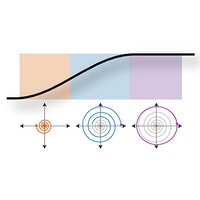
Robust Two-Qubit Geometric Phase Gates Using Amplitude and Frequency Ramping
Article | Quantum Information, Science, and Technology | 2026-08-20 06:00 EDT
C. M. Bowers, D. Palani, J. J. Barta, T. H. Guglielmo, S. B. Libby, D. Leibfried, and D. H. Slichter
Adiabatic ramping of both state-dependent force amplitude and motional frequency delivers high-fidelity trapped-ion entanglement without ground-state cooling.
Phys. Rev. Lett. 137, 080602 (2026)
Quantum Information, Science, and Technology
Enhancing Image Recognition Using Gaussian Boson Sampling
Article | Quantum Information, Science, and Technology | 2026-08-20 06:00 EDT
Si-Qiu Gong, Ming-Cheng Chen, Hua-Liang Liu, Hao Su, Yi-Chao Gu, Hao-Yang Tang, Meng-Hao Jia, Yu-Hao Deng, Han-Tao Sun, Qian Wei, Hui Wang, Han-Sen Zhong, Xiao Jiang, Li Li, Nai-Le Liu, Dong-Ling Deng, Chao-Yang Lu, and Jian-Wei Pan
Gaussian boson sampling (GBS) is one of the leading approaches for demonstrating quantum computational advantage, but its application to practical real-world problems remains a central challenge. Here, we propose a GBS-based image recognition scheme inspired by extreme learning machine to enhance th…
Phys. Rev. Lett. 137, 080603 (2026)
Quantum Information, Science, and Technology
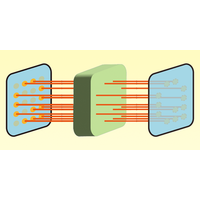
Hundred-Channel Reconfigurable Quantum Teleportation
Article | Quantum Information, Science, and Technology | 2026-08-20 06:00 EDT
Yanbo Lou, Jiabin Wang, Yuyan Zou, Lingyue Hou, Shengshuai Liu, and Jietai Jing
Researchers have demonstrated the quantum teleportation of a 100-pixel image by a method that could help to scale up quantum networks.
Phys. Rev. Lett. 137, 080801 (2026)
Quantum Information, Science, and Technology
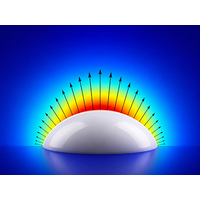
Evaporative Flux Reversal of Binary Droplets: From Edge to Apex
Article | Physics of Fluids, Earth & Planetary Science, and Climate | 2026-08-20 06:00 EDT
Minhyeok Kuk and Hyoungsoo Kim
Experimental studies of multicomponent droplet evaporation reveal distinct stages, with internal flow shifting from multiple vortices within the droplet to a single toroidal vortex dominating the flow dynamic, departing from the classical single-component picture.
Phys. Rev. Lett. 137, 084002 (2026)
Physics of Fluids, Earth & Planetary Science, and Climate
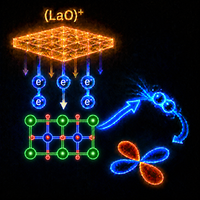
Heterostructuring as Gateway to Electron Doping of Nickelate Superconductors
Article | Condensed Matter and Materials | 2026-08-20 06:00 EDT
Chao Deng, Motoharu Kitatani, Guiwen Jiang, Siqi Guo, Niklas Witt, Ao Zhang, Wenfeng Wu, Mi Jiang, Karsten Held, and Liang Si
Intercalation-driven self-doping is a general mechanism for engineering high-temperature superconductivity and emergent quantum states in Ruddlesden-Popper phase correlated oxides.
Phys. Rev. Lett. 137, 086004 (2026)
Condensed Matter and Materials
Self-Dual Higgs Transitions: Toric Code and Beyond
Article | Condensed Matter and Materials | 2026-08-20 06:00 EDT
Wenjie Ji (纪文杰), Ryan A. Lanzetta, Zheng Zhou (周正), and Chong Wang (王翀)
The toric code, when deformed in a way that preserves the self-duality symmetry exchanging the electric and magnetic excitations, admits a transition to a topologically trivial state that spontaneously breaks the symmetry. Numerically, this transition was found to be continuous, which makes it…
Phys. Rev. Lett. 137, 086505 (2026)
Condensed Matter and Materials
Twin-Twisted van der Waals Crystal for Entangled Photon Source
Article | Condensed Matter and Materials | 2026-08-20 06:00 EDT
Chaojie Ma, Mingkang Zhang, Lu He, Yijun Wang, Xuping Shi, Chang Liu, Youbao Ni, Haixin Wu, Yun-Kun Wu, Xifeng Ren, Zhipei Sun, Ling-Jun Kong, Xiangdong Zhang, Hao Hong, and Kaihui Liu
Bright entangled photon sources with on-demand quantum state control are essential for advancing quantum science and technologies. However, simultaneously achieving high brightness and state tunability remains challenging, as this necessitates a dual-phase control mechanism that facilitates both lon…
Phys. Rev. Lett. 137, 086901 (2026)
Condensed Matter and Materials
Physical Review X
Revealing Electron-Ytterbium Interactions through Rydberg Molecular Spectroscopy
Article | 2026-08-20 06:00 EDT
Tangi Legrand, Xin Wang, Florian Pausewang, Wolfgang Alt, Eduardo Uruñuela, Sebastian Hofferberth, Milena Simić, and Matthew T. Eiles
Precision spectroscopy of giant ytterbium Rydberg molecules provides a powerful new window into fundamental atomic properties, laying essential groundwork for future experiments with divalent atoms.
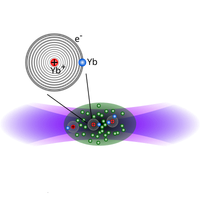
Phys. Rev. X 16, 031045 (2026)
Review of Modern Physics
Colloquium: Strongly dipolar molecular Bose-Einstein condensates: From few- to many-body physics
Article | 2026-08-20 06:00 EDT
Andreas Schindewolf, Jens Hertkorn, Ian Stevenson, Matteo Ciardi, Phillip Groß, Dajun Wang, Tijs Karman, Goulven Quéméner, Sebastian Will, Thomas Pohl, and Tim Langen
Recent advances in molecular cooling have enabled the realization of strongly dipolar molecular Bose-Einstein condensates. Such systems provide a unique platform for investigating new states of matter, from quantum droplets to supersolids. This Colloquium surveys the collisional shielding techniques that make stable molecular condensates possible, the theoretical challenges that arise in the strongly dipolar regime, and the exotic quantum phases now within experimental reach.
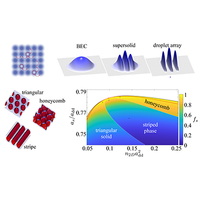
Rev. Mod. Phys. 98, 031002 (2026)
arXiv
Exact expressions of correlation functions between two spins in the boundary row of the two-dimensional rectangular Ising model with periodic-free boundary conditions and finite size
New Submission | Statistical Mechanics (cond-mat.stat-mech) | 2026-08-21 20:00 EDT
We present exact expressions of correlation functions between two spins in the boundary row of the two-dimensional rectangular Ising model with periodic-free boundary conditions and finite size. Some properties of exact expressions obtained are discussed. The fundamental property of the Ising model that the long range order emerge as the temperature decrease is shown clearly; expressions of the correlation functions in the thermodynamic limit varies depending on the order of taking limits of two parameters L and N; the impact of different sizes on correlation functions is illustrated with the aid of diagrams. Expressions of the correlation function discussed in this paper in the thermodynamic limit has been presented by previous researchers, and we prove that expressions obtained in this article is identical in form to expressions provided by previous researchers in the thermodynamic limit.
Statistical Mechanics (cond-mat.stat-mech)
35 pages, 7 figures,
Multi-Tool Robotics Enables In-Situ Sample Manipulation for Time-Resolved Synchrotron Measurements
New Submission | Materials Science (cond-mat.mtrl-sci) | 2026-08-21 20:00 EDT
Aditya Bondada, Elizabeth M. Wall, Eric Yuan Xiao, Quinn C. Burlingame, Yueh-Lin Loo, Esther H. R. Tsai, Ruipeng Li
The high photon flux at synchrotron beamlines allows for the measurement of fast dynamical processes. However, beamline radiation-safety protocols prohibit human intervention during X-ray experiments, limiting the ability to perform versatile real-time sample manipulations during continuous data acquisition. Here we present a robotic platform at an X-ray scattering beamline to enable real-time sample handling and processing in the experimental hutch, revealing previously inaccessible transient in-situ dynamics in perovskite thin films. This modular multi-tool robotic architecture enables in-hutch sample manipulation beyond human-access constraints, establishing a foundation for automated and autonomous synchrotron experimentation.
Materials Science (cond-mat.mtrl-sci), Robotics (cs.RO)
Extension of the Shockley-Queisser Limit for Nanostructured Solar Cells
New Submission | Mesoscale and Nanoscale Physics (cond-mat.mes-hall) | 2026-08-21 20:00 EDT
Rivo Herivola Manjakamanana Ravelonjato, Jean Patrice Rakotoniaina, Ravo Tokiniaina Ranaivoson, Wilfrid Chrysante Solofoarisina
This article extends the Shockley-Queisser limit to nanostructured solar cells using the quantum phase space formalism. The parameter B_ll represents the momentum variance in each confinement direction and acts as a variance-covariance matrix linking the nanostructure geometry to thermodynamic properties. Electron-electron interactions are included via an exchange-correlation energy with an adjustable coefficient theta. The authors derive an analytical expression for the maximum efficiency as a function of size, shape, temperature, and doping. For the cylindrical geometry, the exact confinement energy uses the first zero of the Bessel function j_0,1. Numerical simulations are performed with Python 3.8.1, NumPy, and Matplotlib for PbS quantum dots in four geometries: cube, square parallelepiped, cylinder, and sphere. The integral is evaluated using an exact convergent series expansion. Results show that the maximum efficiency reaches 48.7 percent for a 5 nanometre cube, 49.0 percent for flattened parallelepiped and cylinder shapes, and 49.1 percent for a 3 nanometre sphere. These values greatly exceed the bulk PbS efficiency of 15.8 percent and surpass classical Shockley-Queisser limits. For constant-volume shapes, two efficiency peaks appear corresponding to different aspect ratios. The model correctly returns to classical values for large sizes. This approach provides a theoretical framework for optimising nanostructured solar cells and demonstrates that quantum confinement offers a promising route to surpass traditional photovoltaic limits.
Mesoscale and Nanoscale Physics (cond-mat.mes-hall)
Interferometric Signatures of Zero Modes in Fractional Quantum Hall-Superconductor Heterostructures
New Submission | Strongly Correlated Electrons (cond-mat.str-el) | 2026-08-21 20:00 EDT
Junyi Cao, Ramanjit Sohal, Angela Kou, Eduardo Fradkin
Fractional quantum Hall-superconductor (FQH-SC) heterostructures are predicted to host defect-bound parafermion zero modes (PZMs). We propose two related configurations to probe their fusion structure. In a Josephson junction coupled to a single quantum point contact (QPC), quasiparticle tunneling switches the defect fusion channel, producing stochastic transitions between branches of the fractional Josephson spectrum. Embedding the junction in a two-QPC Fabry-Pérot interferometer provides a complementary probe. Weak zero mode tunneling produces fusion-channel-dependent interference while strong tunneling makes the interferometer probe a superposition of fusion channels and strongly suppresses the signal: in the topological limit it vanishes exactly, revealing the defects’ non-Abelian nature even when the parent FQH state is Abelian.
Strongly Correlated Electrons (cond-mat.str-el), Mesoscale and Nanoscale Physics (cond-mat.mes-hall), Superconductivity (cond-mat.supr-con), Quantum Physics (quant-ph)
14 pages, 3 figures
Quantum Rényi-Jarzynski Equality
New Submission | Statistical Mechanics (cond-mat.stat-mech) | 2026-08-21 20:00 EDT
Benjamin Bobell, Mert Okyay, Rahul Nandkishore
The Jarzynski equality provides a strict link between nonequilibrium work and equilibrium free energy changes. Its typical quantum formulations, however, rely on measurement protocols that destroy coherence. In this Letter, we use the resource-theoretic approach to derive a non-destructive quantum Jarzynski equality conditioned on the outcomes of an arbitrary bath observable. This yields the Rényi-Jarzynski equality, which quantifies a finite bath’s drift from equilibrium under a non-adiabatic drive via the Rényi $ k$ -divergence. We further demonstrate that the Rényi-Jarzynski equality provides a tunable cost function for quantum optimal control problems where minimizing bath drift is desired, such as state preparation and gate design, enabling the minimization of cross-talk in finite quantum systems. Our toy model exhibits a transition between competing minima for some critical value of $ k$ , illustrating how the Rényi order tunes sensitivity to different regions of a bath distribution. Strikingly, when drive parameters vary across bath energy levels, minimizing bath drift requires generating system-bath entanglement.
Statistical Mechanics (cond-mat.stat-mech), Chemical Physics (physics.chem-ph), Quantum Physics (quant-ph)
6 pages, 1 figure, comments welcome
Cumulative X-ray Damage in Bismuth Selenide Examined by Simultaneous TXM and XRD
New Submission | Materials Science (cond-mat.mtrl-sci) | 2026-08-21 20:00 EDT
Sophie E Parsons, Bernard Kozioziemski, Daewoong Nam, Eric Folsom, Can Yildirim, Sean Breckling, Sungwook Choi, Eric C. Galtier, Arnulfo Gonzalez, Deja Dominguez, Emlyn Frederick, Marylesa M. Howard, Sara Jessica Irvine, Kento Katagiri, Sangsoo Kim, Seonghan Kim, Sunam Kim, Stephan Kuschel, R. Stewart McWilliams, Norimasa Ozaki, Alison M. Saunders, Hyunjung Kim, Jon Eggert, Leora Dresselhaus-Marais
Bismuth selenide (Bi2Se3) is a topological insulator with potential applications in thermoelectrics, spintronics, and optoelectronics. However, its response to radiation remains poorly understood. We investigate cumulative X-ray damage in Bi2Se3 using simultane- ous transmission X-ray microscopy (TXM) and X-ray diffraction (XRD) at the Pohang Accelerator Laboratory X-Ray Free Electron Laser (PAL-XFEL) over 27,000 successive pulses. We observe distinct damage mechanisms: rapid hole formation via vaporization within 100 pulses, followed by slower grain refinement and material sputtering over thousands of thermal cycles. Williamson-Hall analysis reveals a progressive transformation from single-crystal to nanocrystalline structure, with grain sizes decreasing from mi- cron to nanometer scale. Finite-element modeling confirms that X-rays penetrate 13.47 {\mu}m, driving local temperatures above 1600 K with subsequent cooling between pulses. Scanning electron microscopy identifies three characteristic morphologies correspond- ing to different thermal histories: sputter streaks, prismatic crystals, and disordered microcrystals. Our results demonstrate that grain-boundary formation creates a feedback mechanism that accelerates damage in later pulses. This work establishes a method- ology for studying radiation damage across multiple length scales and provides insight into topological insulator stability under extreme conditions
Materials Science (cond-mat.mtrl-sci)
Self-calibrating thermal interferometry of vortex parity in a two-dimensional chiral superconductor
New Submission | Superconductivity (cond-mat.supr-con) | 2026-08-21 20:00 EDT
A chiral superconductor carries chiral Majorana modes along its boundary, and the integer that counts them fixes everything that follows, yet that integer has never been measured together with a local parity observable on one object. Proximitized one-dimensional wires read fermion parity rapidly but diagnose bulk topology through a separate protocol. Here we show that a reconfigurable domain wall between regions of opposite Chern number in an intrinsic two-dimensional chiral superconductor performs both functions. Opened to its contacts the wall is a ballistic channel whose quantized thermal conductance counts its Majorana modes; closed, the same wall is a Fabry–Pérot resonator whose spectrum shifts by half a level spacing when the parity of the enclosed vortices changes, giving a two-level heat conductance. We derive the exact transmission, the elastic heat full counting statistics, and a theorem showing that linear-response heat scattering of a fixed quadratic problem resolves vortex parity but not the fusion channel of well-separated cores. An outside vortex hybridized with the wall is an intrinsic false positive; temperature, geometry and a finite-bias mean–noise test separates it. Rhombohedral-graphene parameters place submicron loops in the resolved regime at millikelvin temperatures, where chiral-domain reconfiguration and noise thermometry are both established.
Superconductivity (cond-mat.supr-con), Mesoscale and Nanoscale Physics (cond-mat.mes-hall), Quantum Physics (quant-ph)
18 pages 6 figures
Hysteresis without coexistence: disorder-rounded first-order transitions in a van der Waals magnet
New Submission | Strongly Correlated Electrons (cond-mat.str-el) | 2026-08-21 20:00 EDT
Xiaoyu Guo, Abby N. Neill, Christopher M. Pasco, Tyrel M. McQueen, N. P. Armitage
Quenched disorder can profoundly modify phase transitions. In low-dimensional systems, theory predicts that even weak quenched disorder can round the thermodynamic discontinuities associated with a first-order phase transition. Here, we employ time-domain terahertz spectroscopy to investigate the quasi-two-dimensional trimerized kagome van der Waals magnet family Nb$ _3$ Cl$ _{8-x}$ Br$ _x$ ($ x=0$ , 1 and 8). We observe the emergence of an additional phonon branch upon Br substitution, whose spectral weight increases and frequency softens with increasing Br concentration. The temperature evolution of the phonon frequencies reveals a clean first-order transition in Nb$ _3$ Cl$ _8$ characterized by macroscopic phase coexistence and thermal hysteresis. In contrast, the transition in the substitutionally disordered compound Nb$ _3$ Cl$ _7$ Br retains its hysteresis while exhibiting a substantially broadened transition with no resolvable macroscopic phase coexistence. These observations reveal disorder-induced fragmentation of the transition into locally favored domains instead of well-defined bulk phases separated by stable phase boundaries. The behavior is consistent with the Imry-Wortis and the Aizenman-Wehr scenarios for the effect of quenched disorder in low-dimensional systems, which destabilizes macroscopic phase coexistence and rounds the thermodynamic discontinuities associated with first-order transitions. Thermal hysteresis persists in the disordered compound despite the lack of resolvable coexistence, indicating that the two features often treated as a single hallmark of first-order character arise distinctly and can be separated by disorder. Moreover, our results establish Nb$ _3$ Cl$ _{8-x}$ Br$ _x$ as a promising platform for investigating the effects of disorder on first-order transitions in low-dimensional systems.
Strongly Correlated Electrons (cond-mat.str-el)
Channel-selective magnetic filtering in a nodal-line semimetal
New Submission | Mesoscale and Nanoscale Physics (cond-mat.mes-hall) | 2026-08-21 20:00 EDT
Hironmoy Pratihar, Alessandro De Martino, Arijit Kundu
We study quantum transport through a magnetic barrier in a nodal-line semimetal. When the Fermi energy lies near the nodal ring, the Fermi surface has toroidal geometry. Each cross-section in a plane parallel to the nodal ring consists of two concentric contours, inner and outer, carrying distinct transport channels. We show that a magnetic barrier resolves these two channels: because the contours enclose different momentum-space areas, they accommodate the field-induced transverse-momentum shift unequally, and the inner channel is cut off at a weaker barrier strength than the outer. Using a two-band effective Hamiltonian and a wave-function matching approach, we obtain closed-form, channel-resolved transmission amplitudes. Over a finite window of barrier strength the inner contour is fully blocked while the outer still transmits, so the barrier acts as a channel-selective filter. This sequential quenching shapes the two-terminal conductance, which decreases with barrier strength as the two channels close in turn and terminates once the outer channel is cut off, providing experimentally accessible fingerprints of the toroidal Fermi surface of a nodal-line semimetal.
Mesoscale and Nanoscale Physics (cond-mat.mes-hall)
9 pages, comments welcome
Layered matter that maintains spacing but loses stacking order
New Submission | Soft Condensed Matter (cond-mat.soft) | 2026-08-21 20:00 EDT
Osvaldo Trigueiro Neto, Paulo Henrique Michels-Brito, Bruno Ceccato Telli, Natalie Jasmin Eichstaedt, Leide P. Cavalcanti, Tomás S. Plivelic, Josef Breu, Jon Otto Fossum
In layered materials, spacing and stacking-order extent are usually locked. Here we show that in swollen suspensions of stiff, charged nanosheets they decouple, and that this defines a distinct regime, apart from the crystalline- and Wigner-swelling regimes such systems usually occupy. The mean spacing stays sharp and salinity-tunable while scattering-weighted stacking spans only two to three layers. We demonstrate this in a near-perfect model material, so the behaviour is intrinsic, not defect-driven. X-ray and neutron scattering, sedimentation and a Donnan analysis show the spacing is held by a parameter-free osmotic restoring slope below one pascal per nanometre. Because the slope is so weak, the spacing sits at equilibrium while faults relax slowly, a quenched metastable registry whose ageing-like relaxation of low-dimensional periodic order has not, to our knowledge, been realised before. The same decoupling is expected across stiff, swollen nanosheets, from clays to oxide nanosheets and graphene oxide.
Soft Condensed Matter (cond-mat.soft), Materials Science (cond-mat.mtrl-sci)
Main text plus Supplementary Information; submitted version
State convertibility and fluctuation theorems from a dynamical reference: majorization meets martingales
New Submission | Statistical Mechanics (cond-mat.stat-mech) | 2026-08-21 20:00 EDT
Davide Cugini, Giacomo Guarnieri
State convertibility represents a fundamental concept used to determine whether a transformation is possible given a specific set of resources. Within the field of Thermodynamics, where physical process are required to preserve a reference state typically in microcanonical or canonical form, this translates into the notions of majorization and thermo-majorization —criteria that require constructing and comparing state-dependent Lorenz curves. In this work, we firstly unify and extend these notions to an arbitrary and possibly time-dependent reference distribution $ g(t)$ , introducing the concept of $ g(t)$ -majorization; we then introduce a dual picture whereby state convertibility is turned into a one-dimensional convex-order problem, which allows us to demonstrate that a transition is admissible if and only if the associated real-valued distributions of relative populations $ k_j(t)/g_j(t)$ are connected by a martingale. Building on it, we then derive an exact fluctuation theorem for a reference-relative entropy production whose average violation certifies, through a $ \chi^{2}$ -divergence bound, the mismatch between an assumed and the true reference evolution—a model-independent diagnostic that requires no independent characterization of the latter and turns an observed breakdown of the fluctuation relation into a certified lower bound on the reference error.
Statistical Mechanics (cond-mat.stat-mech), Quantum Physics (quant-ph)
Main file: 5 pages, 2 figures; End Matter: 1 page; Supplementary Material: 7 pages
Dynamic Ensembles of Phosphine-Stabilized Gold Nanoclusters
New Submission | Materials Science (cond-mat.mtrl-sci) | 2026-08-21 20:00 EDT
Caitlin A. McCandler, Disha Sanwal, Jutta Rogal
Atomically precise phosphine-stabilized gold nanoclusters are commonly characterized by single-crystal X-ray diffraction, yet the extent to which these static structures represent finite-temperature behavior remains unclear. To explore the free-energy landscapes, equilibrium populations, and isomerization kinetics of these nanoclusters in the gas phase, we establish a general framework that combines molecular dynamics simulations based on a machine-learned interatomic potential with Markov state models (MSMs). Analysis of the MSMs indicates that experimentally reported crystal structures frequently correspond to minor metastable states or transient configurations rather than the dominant finite-temperature structures. Increasing ligand coverage systematically alters both the thermodynamics and kinetics of structural rearrangements, driving the transition from planar to three-dimensional gold cores while accelerating isomerization dynamics. Moreover, catalytically accessible geometries are often only minor members of the equilibrium ensemble, highlighting a trade-off between structural stability and surface accessibility. These results emphasize that ligand-protected nanoclusters need to be viewed as dynamic ensembles and their finite-temperature behavior cannot be fully captured by their corresponding crystallographic structures alone.
Materials Science (cond-mat.mtrl-sci), Atomic and Molecular Clusters (physics.atm-clus), Chemical Physics (physics.chem-ph), Computational Physics (physics.comp-ph)
26 pages, 5 figures
Tunable inter-bilayer magnetic correlations and candidate multipolar physics in the van der Waals oxyhalides DyOCl, DyOBr, and DyOI
New Submission | Strongly Correlated Electrons (cond-mat.str-el) | 2026-08-21 20:00 EDT
F. C. Brooks, X. Bai, J. Bacsa, V. O. Garlea, S. Calder, N. Butch, M. B. Stone, M. Mourigal
Rare-earth van der Waals magnets provide a route to combining strong spin-orbit coupling, large magnetic moments, and reduced dimensionality in bulk crystals. We report a comparative study of the dysprosium oxyhalides DyOX (X = Cl, Br, I), which realize square-bilayer networks of Dy3+ moments separated by a tunable van der Waals gap. Structural refinements show that increasing the halide ionic radius strongly expands the inter-bilayer spacing while leaving the local bilayer geometry nearly unchanged. Magnetization and heat-capacity measurements reveal two low-temperature anomalies in all three compounds: antiferromagnetic order at TN ~ 7-10 K and a broader anomaly near TQ ~ 27-30 K. Single-crystal magnetization on DyOCl and DyOBr establishes a strong hard-c-axis anisotropy, consistent with crystal-field analysis of DyOCl, which yields an XY-like ground-state g tensor. Neutron diffraction shows long-range antiferromagnetic order in DyOCl, whereas DyOBr and DyOI exhibit sharp magnetic scattering coexisting with Warren-like diffuse features, consistent with robust in-plane correlations and imperfect inter-bilayer registry. Inelastic neutron scattering on DyOCl identifies crystal-field excitations near 25-30 meV and an additional magnetic mode near 10 meV whose temperature dependence is tied to the high-temperature anomaly. Taken together, these results establish DyOX as a tunable family of quasi-two-dimensional rare-earth magnets and point to candidate multipolar physics associated with low-lying crystal-field states. Direct probes of quadrupolar order, such as resonant x-ray scattering or elastic-constant measurements, will be required to determine the order parameter at TQ.
Strongly Correlated Electrons (cond-mat.str-el), Materials Science (cond-mat.mtrl-sci)
20 pages, 22 figures, including a short appendix
Enhancement-Mode Vertical $β$-Ga$_2$O$_3$ U-Trench MOSFET with MOCVD Regrown n$^+$ Contact Layers and Nitrogen-Implanted Current Blocking Layer
New Submission | Materials Science (cond-mat.mtrl-sci) | 2026-08-21 20:00 EDT
Walid Amir, Jiawei Liu, Surajit Chakraborty, Dong su Yu, Md. Mosarof Hossain Sarkar, Hongping Zhao, Uttam Singisetti
In this work, an implantation-free ohmic contact technology based on selectively MOCVD-regrown Si-doped n$ ^+$ layers is demonstrated for enhancement-mode vertical $ \beta$ -Ga$ _2$ O$ _3$ U-trench MOSFETs. The regrown n$ ^+$ contact structure eliminates the need for implantation-based ohmic contact formation while maintaining excellent electrical characteristics. A multi-energy nitrogen-ion-implanted current blocking layer (CBL) followed by 1100$ ^\circ$ C activation annealing in N$ _2$ ambient for 30 min was employed to achieve normally-OFF operation. Transmission line model measurements yielded a low specific contact resistivity of $ 2.65 \times 10^{-7}\Omega\cdot$ cm$ ^2$ . The fabricated devices exhibited a threshold voltage of approximately 5V, an ON/OFF current ratio of $ 1.15\times10^{6}$ , a peak current density of 158A/cm$ ^2$ , and a specific ON-resistance of 120.9m$ \Omega\cdot$ cm$ ^2$ . Three-terminal OFF-state breakdown voltages ranging from 920 to 980~V were achieved at $ V_{GS}=0$ ~V. Multi-finger MOSFETs show current scaling to 0.25 A. These results demonstrate that selectively MOCVD-regrown n$ ^+$ contact layers provide a promising implantation-free approach for realizing high-performance vertical $ \beta$ -Ga$ _2$ O$ _3$ power MOSFETs.
Materials Science (cond-mat.mtrl-sci)
Antiferromagnetic order and lattice response in DyCuAs$_2$
New Submission | Strongly Correlated Electrons (cond-mat.str-el) | 2026-08-21 20:00 EDT
M. G. Kim, J.-W. Kim, P. Ryan, D. Evans, E. D. Mun
We report high-resolution synchrotron X-ray diffraction and X-ray resonant magnetic scattering (XRMS) studies of the low-temperature crystal and magnetic structures of DyCuAs$ 2$ , a member of the \RE{}CuAs$ 2$ family exhibiting a resistivity minimum above the antiferromagnetic transition temperature. Synchrotron diffraction measurements reveal that DyCuAs$ 2$ preserves tetragonal symmetry down to low temperature within the experimental resolution, although pronounced anomalies in both lattice parameters $ a$ and $ c$ are observed near the antiferromagnetic transition temperature, $ T{\mathrm N}\approx7$ ~K, indicating strong magnetoelastic coupling. XRMS measurements at the Dy $ L_3$ edge establish commensurate antiferromagnetic ordering below $ T{\mathrm N}$ with AFM Bragg peaks at \qq{} = (0, 0, 0.5). Representation analysis and calculations of the AFM Bragg peak intensities identify the magnetic structure as the $ \Gamma{10}$ representation, consisting of in-plane Dy moments stacked along the \cc{} axis in a $ ++–$ sequence. The magnetic structure is therefore identical to that previously reported for SmCuAs$ _2$ . Comparison among DyCuAs$ _2$ , SmCuAs$ _2$ , and GdCuAs$ _2$ suggests that in-plane AFM order and the associated magnetic frustration on the tetragonal lattice are closely connected to the emergence of the resistivity minimum in the \RE{}CuAs$ _2$ family. At the same time, the enhanced lattice response and stronger magnetic-field sensitivity observed in DyCuAs$ _2$ imply that magnetoelastic and spin-orbit interactions additionally play important roles in determining the robustness of this anomalous transport behavior.
Strongly Correlated Electrons (cond-mat.str-el)
Altermagnetic memcapacitors
New Submission | Mesoscale and Nanoscale Physics (cond-mat.mes-hall) | 2026-08-21 20:00 EDT
Martin Latorre (1), Alvaro S. Nunez (1) ((1) Departamento de Fisica, CEDENNA, FCFM, Universidad de Chile, Santiago, Chile)
We propose a spintronic memcapacitance effect based upon altermagnetic multiferroic materials. We identify the rare-earth vanadates RVO$ _3$ as a concrete platform, with all key parameters tied to measured properties. Under an oscillating electric field, the resulting charge and spin currents trace pinched hysteresis loops that close tangentially at zero field – the hallmark of memcapacitive, type-2 memdevice behavior – with charge current densities exceeding, by a factor of about 3.6, the lowest deterministic switching current density reported for optimized spin-transfer-torque magnetic tunnel junctions. We model the system theoretically as a dimerized two-orbital $ d$ -wave altermagnetic lattice via a Su–Schrieffer–Heeger-type bond modulation, in the spirit of the spin-dependent Rice–Mele model, thereby coupling the altermagnetic order to field-switchable charge and spin polarizations. The associated polarization loops close tangentially at zero field and yield a sign-changing, history-dependent ``butterfly’’ differential capacitance, identifying the device as a genuine memcapacitor. Both responses are protected by the same inversion symmetry, so charge and spin channels switch simultaneously with no separate control needed. These results establish altermagnetic multiferroics, realized concretely in RVO$ _3$ , as an efficient, non-volatile platform for combined electric and spintronic memory.
Mesoscale and Nanoscale Physics (cond-mat.mes-hall)
11 pages, 4 figures
Statistical complexity from fluctuations in the information content
New Submission | Statistical Mechanics (cond-mat.stat-mech) | 2026-08-21 20:00 EDT
Renio S. Mendes, Sergio Picoli, Evaldo M. F. Curado
We argue that the variance of the information content ($ C$ ), an information-theoretic quantity, can be naturally interpreted as a measure of statistical complexity. We show that $ C$ satisfies widely accepted criteria for statistical complexity measures: it vanishes for both ordered and equiprobable states, while attaining maxima in intermediate regimes, typically shifted toward order. This interpretation establishes direct connections with thermodynamics and phase transitions: for systems obeying Boltzmann–Gibbs statistics, $ C$ is extensive and directly proportional to energy fluctuations and heat capacity. Moreover, unlike other statistical complexity measures, it attains a maximum at continuous phase transitions, as illustrated for the two-dimensional Ising model. Applications to chaotic maps and fractional Gaussian noise further indicate that $ C$ captures nontrivial dynamical structure in different classes of correlated systems.
Statistical Mechanics (cond-mat.stat-mech), Data Analysis, Statistics and Probability (physics.data-an)
Electronic and chemical phase identification in photoemission experiments using unsupervised machine learning
New Submission | Mesoscale and Nanoscale Physics (cond-mat.mes-hall) | 2026-08-21 20:00 EDT
Matthew Staab, Joseph Pandur, Eli Rotenberg, Chris Jozwiak, Aaron Bostwick, Inna Vishik
Vacuum ultraviolet photoemission spectroscopies are very information-rich experiments, but due to their surface sensitivity, data are often collected on an initially uncharacterized surface. Traditional raster-grid approaches for locating optimal measurement regions can be time-consuming. In this work, we introduce AARDVARK, a generalizable framework for sample exploration that leverages dimensionality reduction and Gaussian process regression to guide initial sample searches in spatially-resolved photoemission experiments. By utilizing UMAP as a target for a Gaussian process, the algorithm efficiently identifies boundaries of spectroscopically distinct regions, dynamically adapting to variations in sample characteristics. The algorithm enables real-time decision making in measurement selection, optimizes data acquisition, and presents a robust framework for future autonomous sample exploration in photoemission experiments.
Mesoscale and Nanoscale Physics (cond-mat.mes-hall)
Composition-Driven Phase Evolution in Sm-Doped BiFeO3 via Latent-Field Reconstruction of Atomically Resolved STEM Data
New Submission | Materials Science (cond-mat.mtrl-sci) | 2026-08-21 20:00 EDT
Newsha Javanmardi, Christopher T. Nelson, Anna N. Morozovska, Eugene A. Eliseev, Ichiro Takeuchi, Sergei V. Kalinin
Functionalities of ferroelectric materials are governed by the spatial organization and coupling of polarization, strain, lattice rotation, and structural order accessible via atomically resolved scanning transmission electron microscopy (STEM) images. Quantitative interpretation of atomic-resolution STEM data has conventionally relied on locating atomic columns and converting their fitted coordinates into local structural descriptors. Here, we develop a field-based approach in which atomic-resolution images are represented by spatially varying latent Bragg fields, whose amplitudes and phases provide continuous maps of crystalline order, lattice displacement, strain, rotation, and mode-specific residual structure. The observed atomically resolved images are decoded from the latent fields. We apply this framework to image series of Sm-substituted BiFeO3 spanning 0-20% Sm and crossing the composition-driven boundary between the R3c ferroelectric phase and the orthorhombic, nonpolar Pnma phase. Conventional atom-resolved parameterization is used as an independent validation, showing that reconstructed Bragg amplitude tracks local atomic-column intensity and that field-derived shear reproduces unit-cell angular distortions obtained from atom fitting. The combined analysis reveals a systematic evolution from extended ferroelectric domains at low Sm concentration, through the appearance and growth of localized regions with period-doubled Pnma order at intermediate compositions, to a connected Pnma-dominated state at high Sm content. The period-doubled order is accompanied by enhanced shear and lattice rotation and by progressive reorganization of the ferroelectric domain structure. These results establish latent-field reconstruction as a physically interpretable complement to atom finding and provide a unified framework for resolving composition-driven phase evolution in ferroic materials.
Materials Science (cond-mat.mtrl-sci), Machine Learning (cs.LG)
Free Energy of Non-uniform Disordered Superconductors
New Submission | Superconductivity (cond-mat.supr-con) | 2026-08-21 20:00 EDT
Matthias Eschrig, Anton B. Vorontsov
We extend the Luttinger-Ward free energy functional to disordered superconductors and superfluids with arbitrary scattering mechanisms, including both impurity disorder and the presence of interfaces. The disorder is taken into account within the self-consistent $ t$ -matrix approximation, thus allowing for arbitrary impurity scattering strengths. It is shown that both the interface and the impurity scattering self-energy appear in the functional only implicitly, through self-consistently determined fermionic propagators. The free energy functional is formulated in terms of a generalized integral in the complex energy plane, which encompasses formulations both in terms of retarded/advanced propagators and in terms of Matsubara Green’s functions by appropriately choosing the integration path. It can be applied, e.g., to spatially non-uniform and hybrid systems, triplet and other unconventional condensates, and strongly-correlated Fermi liquids. A particularly useful formulation in terms of the quasiclassical propagators is applied to unconventional non-uniform singlet and triplet superconductors and superfluids in an external Zeeman magnetic field.
Superconductivity (cond-mat.supr-con)
20 pages, 9 figures
Dynamic Pseudogap Model
New Submission | Disordered Systems and Neural Networks (cond-mat.dis-nn) | 2026-08-21 20:00 EDT
E.Z. Kuchinskii, M.V. Sadovskii
We formulate a microscopic theory of pseudogap formation generated by dynamic finite nesting vector $ {\bf Q}$ fluctuations with characteristic oscillation frequency $ \omega_0$ , and damping $ \gamma$ . Starting from a Hamiltonian describing electrons coupled to a classical Gaussian random field, we derive explicit double-series representations of the single-particle Green’s function within an Abelian (commuting) approximation to the exact SU(2) time evolution. The resulting propagator naturally acquires a generalized Bogoliubov structure in which every stochastic scattering history is characterized by an effective dynamic gap, leading to a coherent superposition of dynamically broadened sidebands with complex Poisson weights. A central result of the theory is the emergence of a dynamically generated decoherence scale $ \Gamma_{\rm eff}$ governing the crossover between two qualitatively different pseudogap regimes. For $ \omega_0>\Gamma_{\rm eff}$ the fluctuating field is resolved coherently and the double-series representation provides a controlled description of dynamic sideband formation. Conversely, when $ \Gamma_{\rm eff}\gtrsim\omega_0$ , coherence is progressively lost and the theory crosses over to the quasistatic fluctuating-gap regime described by the exact continued-fraction solution. The coherent and quasistatic descriptions are therefore interpreted as two complementary asymptotic limits of the same microscopic dynamic pseudogap model. The detailed results of numerical calculations for electron spectral density and density of states are presented for different sets of model parameters confirming this crossover over the broad range of model parameters.
Disordered Systems and Neural Networks (cond-mat.dis-nn)
24 pages, 5 figures
Universality of long-wavelength behavior of composite-fermion Fermi liquid
New Submission | Strongly Correlated Electrons (cond-mat.str-el) | 2026-08-21 20:00 EDT
Aamir A. Makki, Mytraya Gattu, J. K. Jain
A recent article evaluated the long-wavelength behavior of the projected static structure factor of the composite-fermion (CF) liquid within the zeroth-order microscopic theory and found $ \bar{S}(\mathbf{q})\sim q^3$ , in disagreement with the $ \bar{S}(\mathbf{q})\sim q^3\ln q$ behavior predicted by the Chern-Simons field theory for the Coulomb interaction. Here we consider the possibility that the discrepancy arises because the zeroth-order CF Fermi-liquid wave function used in that work does not properly capture the long wavelength behavior. We use CF diagonalization to significantly improve the wave function but do not find any evidence for $ \bar{S}(\mathbf{q})\sim q^3 \ln q$ behavior. Additionally, we find that the small-$ q$ behavior of $ \bar{S}(\mathbf{q})$ is also insensitive to the form of the interaction between electrons, suggesting universality.
Strongly Correlated Electrons (cond-mat.str-el)
Exact partition function of arithmetic Ising model
New Submission | Statistical Mechanics (cond-mat.stat-mech) | 2026-08-21 20:00 EDT
Anu Dhochak, Ken Kikuchi, Shrinit Singh
We present a compact formula for the exact partition function of the $ d$ -dimensional arithmetic Ising model (AIM). For a $ 2\times2$ system, we express it analytically using the $ q$ -Hurwitz-Lerch zeta function and derive explicit forms for the free energy and entropy. Additionally, we find that the entropy increases at high temperatures, supporting the presence of entropic order.
Statistical Mechanics (cond-mat.stat-mech), Strongly Correlated Electrons (cond-mat.str-el), High Energy Physics - Theory (hep-th), Mathematical Physics (math-ph), Combinatorics (math.CO)
6 pages, 3 figures
Twisted magnon frequency combs in ferromagnetic nanorings
New Submission | Mesoscale and Nanoscale Physics (cond-mat.mes-hall) | 2026-08-21 20:00 EDT
Liu Xuejuan, Zheng Xingen, Li Zhengyi, Zhang Zhizhi, Li Xiaoguang, Sun Haipeng, Li Hui, Zhou Cangtao
We report the emergence of twisted magnon frequency combs (tMFCs) and their higher-order modes in ferromagnetic nanorings, arising from strong nonlinear coupling between vortex-core gyration and azimuthal spin-wave modes. The comb lines carry distinct orbital angular momentum with quantum numbers spaced by unity, and their formation obeys selection rules governed by simultaneous conservation of energy and angular momentum. We demonstrate that the hole diameter serves as a powerful tuning parameter: reducing the hole size preserves the conventional tMFC, whereas increasing it introduces an additional magnon mode that dramat?ically densifies the comb via four-wave mixing, boosting the sideband multiplicity by an order of magnitude. Moreover, an external in-plane magnetic field enables continuous, reversible tuning of the comb spacing by dis?placing the vortex core and modifying its confinement potential, with the hole-induced geometric pinning giving rise to asymmetric switching and hysteresis under opposite field polarities. Our results establish the tMFC as a versatile platform for nonlinear magnonics, with potential applications in tunable frequency comb generation and precision metrology.
Mesoscale and Nanoscale Physics (cond-mat.mes-hall)
7 pages, 6 figures
Giant orbital Hall effect from cubic Dresselhaus orbital coupling
New Submission | Mesoscale and Nanoscale Physics (cond-mat.mes-hall) | 2026-08-21 20:00 EDT
The orbital Berry curvature (OBC) governs the intrinsic orbital Hall conductivity (OHC), a central quantity in orbitronics. Previous approaches for enhancing the OHC have primarily relied on a linearin-momentum, Rashba-type orbital coupling. Here, we show that cubic Dresselhaus orbital coupling offers a new route to enhancing the OHC. Using an effective two-orbital band model, we show that the cubic coupling generates momentum-space hot spots, absent in the purely linear case, at which the OBC is strongly enhanced. This local enhancement, together with the multiplicity of the hot spots, boosts the OHC by more than an order of magnitude relative to the linear-coupling value. We further find that the OHC diverges inversely with the level splitting in the small-splitting limit, with a divergence coefficient universally seventeen times larger than that of the linear case. These results establish cubic Dresselhaus coupling as a route to giant orbital Hall responses, opening new avenues for orbitronic device applications.
Mesoscale and Nanoscale Physics (cond-mat.mes-hall)
7 pages, 4 figures, and supplementary material will be provided in a published version
Coherence protection of a silicon hole spin qubit with phase-modulated microwave driving
New Submission | Mesoscale and Nanoscale Physics (cond-mat.mes-hall) | 2026-08-21 20:00 EDT
Sayyid I. Ibad, Yusuke Sato, Takuma Kuno, Itaru Yanagi, Toshiyuki Mine, Ryuta Tsuchiya, Digh Hisamoto, Hiroyuki Mizuno, Raisei Mizokuchi, Jun Yoneda, Tetsuo Kodera
Hole spins in silicon quantum dots are a promising platform for quantum computing due to their strong intrinsic spin-orbit coupling (SOC), which enables fast, all-electrical control. However, this coupling also increases their susceptibility to charge noise, thereby limiting coherence times. Moreover, holes in silicon are also affected by hyperfine interactions with residual nuclear spins in the silicon substrate, introducing a non-negligible source of low-frequency noise. Here, we implement a phase-modulated concatenated continuous driving (CCD) technique for hole spin qubits to suppress low-frequency noise through microwave phase modulation. This approach stabilizes Rabi oscillations and extends the oscillation decay time compared to the conventional method. Furthermore, by defining a qubit in the CCD frame, we achieve coherent control while simultaneously protecting the qubit from noise, confirming coherence protection during gate operations. These results demonstrate a viable route toward noise-robust hole spin qubits.
Mesoscale and Nanoscale Physics (cond-mat.mes-hall)
Interplay of exchange and spin-conserving scattering processes in a ferromagnetic two-sublattice system
New Submission | Materials Science (cond-mat.mtrl-sci) | 2026-08-21 20:00 EDT
Ariyan Tavakoli, Kai Leckron, Hans Christian Schneider
In magnetic alloys or hybrid systems formed by molecular magnets coupled to a magnetic substrate, the exchange interaction leads to fast spin dynamics after excitation. We investigate the electronic charge and spin dynamics due to the exchange interaction in a two-sublattice system with antiferromagnetic coupling. We employ a simplified model for a ferrimagnetic alloy as a coupled system of itinerant and localized electron states together with an exchange coupling between the two. For the itinerant system we include electron-electron Coulomb scattering and electron-phonon scattering. We study numerically the heat-induced ultrafast magnetization dynamics due to the interplay of exchange scattering and spin-independent scattering processes and discuss different scenarios for the demagnetization and relaxation dynamics of the sublattices. Our results highlight the impact of spin-conserving electron-electron scattering processes on the exchange-driven spin dynamics on ultrashort timescales.
Materials Science (cond-mat.mtrl-sci)
Internal cyclotron probe of the vertical polarizability of a surface-state electron on helium
New Submission | Superconductivity (cond-mat.supr-con) | 2026-08-21 20:00 EDT
We study a surface-state electron on liquid helium in a tilted magnetic field. The tilt couples the cyclotron ladder to the vertical Rydberg-like subbands of the same electron and thereby realizes a self-coupled Landau-subband Hamiltonian. In the far-detuned regime, the cyclotron line acquires a state-dependent shift described by standard second-order perturbation theory. The resulting expression identifies the cyclotron resonance as a direct probe of the dynamical polarizability of the vertical ladder. The theory is intrinsically multilevel. Exact diagonalization confirms a broad microwave window in which sizable state-dependent cyclotron shifts are expected while the system remains dispersive.
Superconductivity (cond-mat.supr-con), Mesoscale and Nanoscale Physics (cond-mat.mes-hall)
8 pages, 5 figures, Published in Physical Review A
Phys. Rev. A 114, 023708 (2026)
Cooperative effects of membrane confinement and gelation on PEG crystallization pathway
New Submission | Soft Condensed Matter (cond-mat.soft) | 2026-08-21 20:00 EDT
Masaki Yoshida, Naoya Yanagisawa, Fumiya Kanie, Hidemasa Teraoka, Ikki Morichika, Satoshi Ashihara, Tetsuya Hama, Miho Yanagisawa
Lipid-coated microscale hydrogels provide confined, hydrated environments in which polymer phase behavior can differ markedly from that in bulk. Here, we investigate the crystallization pathway of poly(ethylene glycol) (PEG) encapsulated in lipid-coated agarose microgels. Surprisingly, polarized-light microscopy reveals birefringence in the microgels under conditions where PEG remains non-crystalline in the corresponding bulk solution. The birefringence disappears upon heating and spontaneously reappears after further cooling or upon local mechanical stimulation. Infrared microspectroscopy demonstrates that the birefringent microgels contain crystalline PEG, whereas non-birefringent microgels contain PEG in an amorphous-like state, indicating the existence of a metastable precursor prior to crystallization. Furthermore, cooling below the phase-separation temperature produces PEG-rich domains preferentially near the membrane, suggesting that membrane wetting governs the spatial distribution of PEG before crystallization. Together, these results indicate that membrane confinement and agarose gelation cooperatively alter the local hydration environment of PEG, thereby stabilizing an amorphous-like precursor and redirecting the subsequent crystallization pathway. Our findings identify the coupling of membrane wetting and gelation as a key factor governing PEG crystallization in confined soft materials.
Soft Condensed Matter (cond-mat.soft), Materials Science (cond-mat.mtrl-sci)
8 pages, 6 figures
Mirror Chern insulators in two-dimensional altermagnetic Tc$_2$Cl$_2$O and Tc$_2$Br$_2$O
New Submission | Materials Science (cond-mat.mtrl-sci) | 2026-08-21 20:00 EDT
Rong Wang, Ruo-Yu Ning, Zhi-Hua Yan, Si Li
The interplay between altermagnetism and crystalline band topology provides an intriguing avenue for realizing unconventional topological phases with distinctive spin-dependent properties. Here, based on first-principles calculations and theoretical analysis, we identify monolayer $ \mathrm{Tc}2X_2\mathrm{O}$ ($ X$ = Cl, Br) as a family of two-dimensional altermagnetic mirror Chern insulators. In the absence of spin–orbit coupling (SOC), both monolayers exhibit robust altermagnetism with mirror-spin coupling and host two symmetry-protected Weyl points in each spin channel near the Fermi level. The Weyl points in opposite spin channels carry distinct mirror-symmetry eigenvalues, $ m_z=\pm i$ . Upon inclusion of SOC, the Weyl points are gapped, and the two mirror sectors acquire opposite Chern numbers, $ {\cal {C}}{+}=1$ and $ {\cal {C}}_{-}=-1$ , resulting in a nonzero mirror Chern number $ {\cal {C}}_m=1$ . A low-energy $ k\cdot p$ model captures the symmetry protection of the Weyl points and elucidates their SOC-induced mass gaps and topological character. Furthermore, the resulting mirror Chern insulating phases host helical edge states within the bulk band gap and exhibit a quantized spin Hall conductivity. Our work establishes a direct connection between altermagnetism and mirror Chern topology and provides a promising platform for exploring unconventional topological and spin-dependent phenomena in two-dimensional altermagnetic materials.
Materials Science (cond-mat.mtrl-sci)
9 pages, 6 figures
Valley- and Spin-Dependent Electronic and Transport Properties of Two-Dimensional Altermagnetic Titanium-Based Chalcogenide Halides
New Submission | Materials Science (cond-mat.mtrl-sci) | 2026-08-21 20:00 EDT
Ruo-Yu Ning, Zhi-Hua Yan, Jin-Yang Li, Yong-Kun Wang, Si Li
Altermagnets (AMs) combine fully compensated magnetization with momentum-dependent spin splitting, yet intrinsic altermagnetic materials exhibiting exceptional valley characteristics remain scarce. Here, we identify monolayer titanium-based chalcogenide halides, Ti$ _2X_2Y$ ($ X$ = F, Cl, Br, I; $ Y$ = O, S, Se, Te), as a new family of two-dimensional altermagnetic valley materials. These monolayers exhibit robust $ d$ -wave altermagnetic order, semiconducting band gaps, and pronounced spin-polarized valley characteristics. We show that uniaxial strain breaks the valley degeneracy, inducing giant valley polarization together with a tunable piezomagnetic response. An in-plane electric field generates noncollinear spin currents, while spin–orbit coupling gives rise to the anomalous Hall effect, valley-selective linear dichroism, and the magneto-optical Kerr effect. These findings establish Ti$ _2X_2Y$ monolayers as a versatile platform for exploring spin- and valley-dependent electronic, optical, and transport phenomena in two-dimensional altermagnets.
Materials Science (cond-mat.mtrl-sci)
9 pages, 8 figures
Constitutive modelling of open-porous neo-Hookean solids
New Submission | Materials Science (cond-mat.mtrl-sci) | 2026-08-21 20:00 EDT
Open-porous materials exhibit pronounced compressibility, nonlinear densification, and power-law scaling of stiffness with density. In this work, we propose a thermodynamically consistent compressible neo-Hookean constitutive model for open-porous solids in which porosity serves as the primary governing variable. The strain-energy density is formulated to couple distortional elasticity of the solid skeleton with a volumetric response governed by deformation-induced porosity evolution, including a bounded representation of pore collapse. The formulation introduces a minimal set of parameters, namely the initial porosity, intrinsic skeleton moduli, and a scalar parameter controlling the onset of densification. A key feature of the model is a modified volumetric term in which the response is normalised by the current porosity, ensuring a physically consistent transition from a porous to a densified state without artificial stiffening. In the small-strain limit, the model recovers classical linear elasticity with effective moduli that may be chosen either from homogenisation bounds, such as the Hashin-Shtrikman estimates, or from Gibson-Ashby-type power-law scaling to capture topology-dependent behaviour. At finite strains, the formulation captures the characteristic nonlinear stiffening and convex stress-stretch response associated with progressive pore collapse. The proposed framework thus provides a compact, flexible, and extensible constitutive description that unifies effective-medium consistency with experimentally observed scaling behaviour, and is well suited for finite element implementation and multiscale modelling of highly compressible open-porous materials. The model is finally validated against available experimental data.
Materials Science (cond-mat.mtrl-sci), Soft Condensed Matter (cond-mat.soft), Mathematical Physics (math-ph), Classical Physics (physics.class-ph)
Controlling catalyst agglomeration in high-density unordered III-V nanowire growth using Au colloid solutions
New Submission | Materials Science (cond-mat.mtrl-sci) | 2026-08-21 20:00 EDT
Chris Yannic Bohlemann, Pavithira Manoharan, Helene Reichel, Kai Daniel Hanke, Peter Kleinschmidt, Thomas Hannappel, Juliane Koch
III-V semiconductor nanowires (NWs) are a promising platform for optoelectronic and photoelectrochemical applications, where device performance strongly depends on NW density and spatial arrangement. While ordered arrays provide precise control, their fabrication requires complex and costly lithographic techniques. Unordered growth offers a scalable alternative but is limited by insufficient control over catalyst distribution and particle agglomeration.
Here, we investigate the density scaling of unordered III-V NW arrays using commercially available Au colloid solutions as catalysts for NW growth via vapor-liquid-solid growth mode. Repeated deposition cycles yield a near-linear increase in particle density, which is ultimately limited by non-linear agglomeration effects not captured by simple stochastic models.
To address this limitation, a previously established pre-anneal growth concept is transferred from patterned catalyst arrays to randomly deposited Au colloids, thereby suppressing thermally induced coalescence and stabilizing the catalyst distribution. This approach enables up to a tenfold increase in NW density while improving uniformity and vertical yield. The method is demonstrated for colloid diameters between 100 and 200 nm.
Overall, this work provides a scalable, lithography-free route toward high-density III-V NW ensembles and offers insight into the role of particle dynamics in colloid-based growth processes.
Materials Science (cond-mat.mtrl-sci)
A Central Disulfide Junction Drives Transient Network Formation in Elastin-Like Polypeptides, Enabling Low-Concentration Hydrogels
New Submission | Soft Condensed Matter (cond-mat.soft) | 2026-08-21 20:00 EDT
Tingting Zhang (LCPO), Jean-François Le Meins (LCPO), Jean-Paul Chapel (CRPP), Saron Catak (LPCT), Guillaume Goudounet (LCPO), Olivier Sandre (LCPO), Nadia Mahmoudi (LCPO, BIOTIS), Christophe Schatz (LCPO), Bertrand Garbay (LCPO, CBMN)
The self-assembly of associative triblock copolymers composed of a central hydrophilic elastin-like polypeptide (ELP) block and short fatty acid end groups (C16) was investigated in aqueous solution. In one system, the ELP contains 80 pentapeptide units (C16-80-C16), whereas in the other two C16-ELP40 chains were oxidatively coupled through their terminal cysteine residues to form a central disulfide bond, yielding C16-(40)2-C16. Despite their nearly identical molecular weights and compositions, the two polymers exhibit markedly different self-assembly behaviors. C16-80-C16 forms large hydrophobic aggregates that remain kinetically trapped and do not develop a dynamically connected network. In contrast, C16-(40)2-C16 forms very small associative nodes with an aggregation number of only $ \sim$ 3 chains. These nodes coexist with larger clusters and become dynamically interconnected at higher concentrations, leading to transparent hydrogels at concentrations as low as 2.5 wt %. Oscillatory rheology reveals a transient Maxwell network governed by a single relaxation process associated with the reversible association of the C16 end groups. SAXS, light scattering, cryo-TEM, and molecular modeling consistently support a model in which the central disulfide junction promotes transient network formation.
Soft Condensed Matter (cond-mat.soft)
ACS Macro Letters, 2026, 15
Tilted $p$-wave magnet candidate CeNiAsO
New Submission | Strongly Correlated Electrons (cond-mat.str-el) | 2026-08-21 20:00 EDT
Zhuo Wang, Zheng Liu, Shuo Zou, Hua-Xun Li, Jin-Xin Hu, Zhuolun Qiu, Ze Wang, Jiamin Gong, Lucheng Wei, Kangjian Luo, Hai Zeng, Meng Zhang, Chao Dong, Chuanyin Xi, Junfeng Wang, Jiakun Fang, Xiaotao Han, Guang-Han Cao, Liang Li, Yongkang Luo
The unexpectedly small ordered moments of CeNiAsO, a candidate for correlated $ p$ -wave magnet, have posed a serious challenge to the precise determination of its magnetic structure, hindering the understanding of its fundamental properties. By leveraging the high sensitivity to local internal fields, our $ ^{75}$ As nuclear quadrupole / magnetic resonance experiments reveal a commensurate antiferromagnetic order with a small out-of-plane moment $ m_z\approx0.05$ $ \mu_{\mathrm{B}}$ . This tilted magnetic configuration not only rotates the spin polarization axis away from the crystallographic $ \mathbf{c}$ -axis, but also enhances the non-relativistic spin splitting. We refer to this rare paradigm as a \textit{tilted $ p$ -wave magnet}.
Strongly Correlated Electrons (cond-mat.str-el), Materials Science (cond-mat.mtrl-sci), Superconductivity (cond-mat.supr-con)
7+10 pages, 4+9 figures
Volatile resistive-switched state in a bulk organic conductor with a sharp metal-insulator transition
New Submission | Strongly Correlated Electrons (cond-mat.str-el) | 2026-08-21 20:00 EDT
Riku Ishii, Ryo Motohashi, Keitaro Tada, Yusuke Suzuki, Takayoshi Kouchi, Hiroshi Oike, Fumitaka Kagawa, Reizo Kato, Tetsuaki Itou
Volatile resistive switching in correlated-electron systems, characterized by an abrupt resistance decrease under applied current, is crucial for developing next-generation electronics. Despite its technological significance, the underlying physics remains elusive. Inorganic thin films on substrates—the widely studied platform for resistive switching—usually exhibit broad temperature-induced metal-insulator transitions (MITs) and substantial heat dissipation. These factors complicate the nonlinear thermal effect induced by Joule heating, a key contributor to resistive switching, rendering it excessively complex and difficult to decipher. Here we investigate a resistive-switched state in the bulk organic conductor ($ d$ 7-DMe-DCNQI)$ _{2}$ Cu, which undergoes an extremely sharp first-order MIT and exhibits weak heat dissipation, using resistance and $ ^{1}$ H-NMR measurements. These extreme conditions make the Joule heating effect vivid, allowing us to observe peculiar phenomena, including temperature locking to the MIT and `inverse Ohm’s law’—an inverse proportionality between voltage and current. These findings provide fundamental insights into the nonlinear thermal effect in resistive switching, offering a pathway to efficient resistive-switching technologies.
Strongly Correlated Electrons (cond-mat.str-el), Statistical Mechanics (cond-mat.stat-mech)
12 pages, 9 figures + 2 supplemental figures; published in Physical Review Applied
Physical Review Applied 26, 024041 (2026)
A solvent-flux theory for nonequilibrium swelling dynamics of thermoresponsive microgels
New Submission | Soft Condensed Matter (cond-mat.soft) | 2026-08-21 20:00 EDT
Arturo Moncho-Jordá, Alessandro Patti, Fabián A. García-Daza, Alejandro Cuetos
Thermoresponsive microgels undergo large reversible size changes as temperature alters solvent quality. Predicting their nonequilibrium swelling and deswelling kinetics is challenging because polymer volume fraction, mechanical response, and solvent transport evolve during large volume changes. Here we develop a solvent-flux theory for the dynamics of a spherical microgel. The radius-change rate is driven by the osmotic-pressure imbalance across the particle boundary and resisted by water transport through the polymer network, yielding a nonlinear equation for the global swelling coordinate and a state- and temperature-dependent swelling diffusion coefficient, $ D_{\mathrm{SW}}(\phi,T)$ . In the linear-response regime, the theory recovers Tanaka–Fillmore exponential relaxation and the scaling $ \tau_\mathrm{SW}\sim R_{\mathrm{eq}}^2\gamma/K_{\mathrm{eq}}$ , while providing a microscopic interpretation of the polymer–solvent friction coefficient $ \gamma$ . Beyond this limit, the model retains quadratic size scaling while accounting for state-dependent transport and mechanics. For pNIPAM microgels, it predicts asymmetric pathways, with deswelling faster than swelling over the same temperature interval. Finite thermalization produces a crossover from a microgel-controlled to a thermalization-controlled regime, in which the apparent relaxation time grows linearly with the external thermalization time and hysteresis-like loops emerge in the radius–temperature plane. A stochastic extension based on the Smoluchowski equation predicts transient broadening of the radius distribution during collapse, with maximal fluctuations in the volume-transition region. The theory links solvent transport, nonlinear swelling dynamics, thermalization effects, and nonequilibrium size fluctuations in responsive microgels.
Soft Condensed Matter (cond-mat.soft), Statistical Mechanics (cond-mat.stat-mech)
14 pages ; 8 figures
Search for Majorana Bound States in Short Chains of Proxmitised Quantum Dots
New Submission | Mesoscale and Nanoscale Physics (cond-mat.mes-hall) | 2026-08-21 20:00 EDT
Bogdan R. Bułka, Karol I. Wysokiński
Majorana zero modes (MZM) appearing at the ends of artificially created one-dimensional p-wave superconductors have been intensively studied recently both theoretically and experimentally. Among possible platforms, proximitised semiconducting wires, and short chains of quantum dots with a superconductor in between were investigated. Here, we propose a different platform consisting of a chain of quantum dots (QDs) sandwiched between an s-wave superconductor and a strong spin-orbit semiconductor, subject to a Zeeman magnetic field. Neglecting spin-conserving hopping processes between QDs and local on-dot superconducting correlations induced by the superconducting proximity effect, reduces the Hamiltonian to the sum of two equivalent Hamiltonians with two independent Hilbert spaces. The resulting model has a staggered structure due to spin-flipping processes $ t_{so}$ and cross-Andreev reflections $ \Delta_{CAR}$ between neighbouring dots. Our central result is the phase diagram of a short chain consisting of four QDs and coupled to two external reservoirs, obtained by means of the Green function in chiral Majorana representation. The modulus of the retarded Green function, probing the whole chain and calculated for zero energy, is shown to contain information on topology and spatial character of Majorana zero modes. The features observed in the Green function nicely agree with those obtained from the transfer matrix approach. In particular the region in parameter space in which Majorana zero modes display oscillatory wave functions are well reproduced. Likewise the borders of the fermion parity changes obtained by the Green function agree with those obtained by other means.
Mesoscale and Nanoscale Physics (cond-mat.mes-hall)
11 pages, 5 figures, presented at The European Conference Physics of Magnetism 2026, Poznań, POLAND
Building atomistic models of heterointerfaces with optimal transport
New Submission | Materials Science (cond-mat.mtrl-sci) | 2026-08-21 20:00 EDT
Heterogeneous interfaces underpin technologies from microelectronics to energy conversion and storage, but their configurational complexity precludes exhaustive first-principles screening of interface registries. Although data-driven approaches can alleviate this burden, they remain limited by sparse interface datasets. Here, we introduce an energy-independent workflow that represents coherent interfaces as attributed graphs, quantifies their similarity to parent bulk environments using the fused Gromov-Wasserstein (FGW) distance, and couples this metric with Bayesian optimization over the in-plane registry space. We assess the approach for KI/NaCl, GaP/GaAs and GaN/$ \mathrm{Al_{2}O_{3}}$ interfaces spanning ionic, covalent and mixed-bonding regimes, using hierarchical validation with MACE and density functional theory (DFT). Comparison with single-point energy landscapes shows that the FGW distance captures registry-dependent periodicity, while interfaces exhibit deviations between structural and energetic extrema, reflecting additional chemistry-specific contributions. Furthermore, FGW distances show an overall association with relaxed energies. Under limited screening budgets, FGW-guided registry selection consistently outperforms random search and is more robust across interface systems than selection guided by pretrained MACE energies. The workflow converts the qualitative notion of bulk-like continuity into a quantitative prescreening criterion, enabling efficient registry exploration and providing physically informed candidate structures for materials discovery workflows.
Materials Science (cond-mat.mtrl-sci)
Tuning of Photoexcited Electron Dynamics at Monolayer h-BN/Metal Interfaces by Corrugation
New Submission | Materials Science (cond-mat.mtrl-sci) | 2026-08-21 20:00 EDT
Masahiro Shibuta, Maximilian Schaal, Marco Gruenewald, Jonas Brandhoff, Felix Otto, Roman Forker, Torsten Fritz
Atomic-scale corrugation in two-dimensional materials can modify interfacial electronic coupling, yet its influence on ultrafast carrier relaxation remains poorly established. Here, we compare image potential states (IPS) at monolayer h-BN/Ir(111) and h-BN/Pt(111) interfaces using structural characterization and time-resolved two-photon photoemission spectroscopy. Consistent with literature, h-BN is strongly corrugated on Ir(111) but comparatively flat on Pt(111). The first (n = 1) and second (n = 2) IPS appears at similar energies on both substrates, whereas their relaxation dynamics differ markedly. On h-BN/Ir(111), the IPS decay is response-limited (<20 fs), while h-BN/Pt(111) exhibits lifetimes of 56 fs (n = 1) and 75 fs (n = 2). The lifetime contrast is most consistently explained by corrugation-enhanced overlap of the IPS wavefunction with the metal substrate, which accelerates electron decay. These results indicate that atomic-scale corrugation is an effective physical parameter for tuning ultrafast electron dynamics at two-dimensional material and metal interfaces.
Materials Science (cond-mat.mtrl-sci)
A low-temperature setup for lock-in technique based dynamic magnetoelectric coupling measurements
New Submission | Materials Science (cond-mat.mtrl-sci) | 2026-08-21 20:00 EDT
Balwant Singh Chauhan, Priyanka Sharma, Rie Y. Umetsu, Ratnamala Chatterjee
Magnetoelectric (ME) phenomena in emerging material classes, such as two-dimensional van der Waals (vdW) magnets and Single-Molecule Magnets (SMMs), hold immense promise for next-generation cryogenic memory and quantum technologies. However, ME coupling in these systems predominantly manifests at low temperatures, making a sensitive, cryo-compatible ME characterization techniques critical. To address this requirement, we report the design, validation, and performance of a custom closed-cycle refrigerator-based setup for dynamic lock-in ME coupling measurements across 20-300 K under dc magnetic fields up to 7.5 kOe. Key design considerations for mitigating parasitic inductive background signals are also presented. The setup was validated on a CoFe2O4-BaTiO3 (CFO-BTO) particulate composite, reproducing the characteristic room-temperature butterfly ME loop with a maximum ME coefficient value of 0.23 mV/cm-Oe at ~ 3 kOe. Temperature-dependent measurements resolved ME anomalies at ~ 200 K and 280 K, coinciding with the rhombohedral-orthorhombic and orthorhombic-tetragonal structural transitions of BaTiO3, and were corroborated by simultaneous dielectric measurements on the same sample without cryostat reconfiguration. The instrument enables reliable ME and dielectric characterization down to 20 K, making it well suited for probing weak magnetoelectric coupling and phase transitions in multiferroic composites and quantum materials.
Materials Science (cond-mat.mtrl-sci)
Unmasking the internal structure of casein micelles through enzymatic hydrolysis: A SAXS study
New Submission | Soft Condensed Matter (cond-mat.soft) | 2026-08-21 20:00 EDT
Julien Bauland, Ghazi Ben Messaoud, François Boué, Pascaline Hamon, Florence Rousseau, Thomas Gibaud, Thomas Croguennec
Casein micelles, one of the most studied natural association colloids, are supramolecular assemblies of caseins and colloidal calcium phosphate that constitute the fundamental building blocks of dairy matrices. Despite extensive investigation, the internal structure of casein micelles remains debated. While $ \kappa$ -casein is known to ensure colloidal stability of casein micelle suspension, the spatial organization of casein fractions and salts is still unresolved, and several structural models coexist. Small-angle scattering is a method of choice to probe biological colloids \emph{in situ}, yet interpretation of scattering data remains challenging due to the hierarchical nature of casein micelles.
Here we address this issue by probing micelle structure during enzymatic gelation induced by chymosin, which cleaves $ \kappa$ -casein and triggers aggregation. Using time-resolved SAXS, we probe structural changes throughout the sol-gel transition over length scales from 3 nm to 3 $ \mu$ m. First, we show that enzyme-driven aggregation, counterintuitively, reveals information about the internal organization of casein micelles: the reduction of specific surface area during gelation unmasks a high-q structural peak previously observed under contrast-matching conditions. Second, we report that $ \kappa$ -casein cleavage leads to a gradual disappearance of the structural feature at intermediate scales. Analysis of the disappearance kinetics and comparison to structural models reveal that $ \kappa$ -casein cleavage induces a progressive relaxation of the colloidal porous substructure, providing direct evidence for its contribution to micellar organization. More broadly, these results demonstrate that the gelation process provides unique access to the internal structure of biological colloids and offers new perspectives for interpreting scattering data in complex soft-matter systems.
Soft Condensed Matter (cond-mat.soft)
Role of topology in scaling laws for studying mechanics in open-porous solids: Moving beyond classical Gibson-Ashby scaling
New Submission | Soft Condensed Matter (cond-mat.soft) | 2026-08-21 20:00 EDT
The elastic modulus of porous materials is commonly described using power-law scaling relations with relative density, where the scaling exponent is often interpreted in terms of the underlying deformation mechanism. However, in highly disordered porous networks, changes in density are generally accompanied by changes in network topology, which can substantially modify the apparent scaling behavior. In this paper, we propose a topology-informed framework that separates the intrinsic mechanical contribution from the effects of network structure. Three representative topological descriptors are considered: the mean coordination number, the fraction of the load-bearing backbone, and the tortuosity of the load paths. For each case, the corresponding density-dependent contribution to the apparent modulus-scaling exponent is derived and analyzed. The results show that variations in connectivity, mechanical participation of the solid phase, and load-path efficiency can all lead to apparent scaling exponents exceeding the intrinsic exponent associated with the local deformation mechanism. These effects are particularly pronounced at low relative densities, where network topology evolves most strongly. The framework provides a physically interpretable basis for understanding anomalous modulus-density scaling in disordered porous materials and highlights the need to consider topology explicitly alongside relative density.
Soft Condensed Matter (cond-mat.soft), Materials Science (cond-mat.mtrl-sci), Mathematical Physics (math-ph)
Exact Fluctuation-Response Relations for Underdamped Langevin Dynamics
New Submission | Statistical Mechanics (cond-mat.stat-mech) | 2026-08-21 20:00 EDT
Tan Van Vu, Van Tuan Vo, Ruicheng Bao, Keiji Saito
Thermodynamic uncertainty relations connect current fluctuations to dissipation and are often rooted in fluctuation-response principles. In underdamped dynamics, however, conventional mean-current uncertainty relations can fail, while the underlying connection between fluctuations, response, and dissipation remains elusive. Here we uncover this structure by deriving an exact finite-time fluctuation-response equality for underdamped Langevin dynamics, valid for arbitrary time-dependent driving and general additive observables. The equality yields sharp response bounds and a variational characterization of the dynamically generated variance. Choosing the perturbation along the irreversible probability flow gives a friction-response thermodynamic uncertainty relation that can be saturated at any finite observation time, leading to an exact variational principle for the total entropy production. We further show that the conventional uncertainty factor of velocity-resolved currents can decay exponentially with dissipation even in driven free diffusion, while the friction-response factor retains its universal lower bound. These results establish response, rather than the mean current itself, as the quantity directly linking fluctuations and dissipation in underdamped dynamics.
Statistical Mechanics (cond-mat.stat-mech)
8+31 pages, 1+1 figures
Amorphous and Nanocrystalline Topological Semimetal YPtBi/W/CoFeB Heterostructures for BEOL-Compatible Spin-Orbit Torque Devices
New Submission | Materials Science (cond-mat.mtrl-sci) | 2026-08-21 20:00 EDT
Quang Le, Brian R. York, Cherngye Hwang, Xiaoyong Liu, Tsann Lin, Xiaoyu Xu, Yudi Wang, Jia Li, Mazin Osman, Katherine Le, Maher Osman, Son Le, Lei Xu, Maki Maeda, Tuo Fan, Yu Tao, Hisashi Takano, Sho Kagami, Ohiro Fujie, Pham Nam Hai
Spin-orbit torque (SOT) devices require spin-source materials that combine efficient charge-to-spin conversion with back-end-of-line (BEOL) thermal compatibility. Here, we show that YPtBi/W/CoFeB heterostructures deposited directly on Si/SiOx remain predominantly amorphous or weakly nanocrystalline from room temperature to 400 °C while preserving a large effective damping-like SOT response. Anomalous Hall and harmonic Hall measurements, together with X-ray diffraction, cross-sectional transmission electron microscopy, X-ray reflectivity, and electron energy-loss spectroscopy, show that the response does not correlate with bulk crystallization of YPtBi. Instead, the interfacial analysis indicates that the strongest trend of the spin Hall angle is associated with the chemistry of the upper YPtBi/W boundary: the effective SOT response tracks the integrated W concentration at that YPtBi surface. Meanwhile, a two-spin source analysis shows that the Pt-W-rich interlayer provides only a small positive correction, insufficient to explain the large negative effective spin Hall angle by itself. The dominant control variable is therefore inferred to be the incorporation of W into the upper YPtBi interface, which plausibly modifies the local electronic structure of YPtBi and amplifies the stack-level response. These results provide a more physically constrained interpretation of the stack behavior and identify a BEOL-compatible route to disordered topological spin-source layers for scaled SOT memory and compute-in-memory hardware.
Materials Science (cond-mat.mtrl-sci), Mesoscale and Nanoscale Physics (cond-mat.mes-hall)
Anomalous behavior of native point defects in C2-ordered antiferromagnet $α$-MnO$_2$
New Submission | Materials Science (cond-mat.mtrl-sci) | 2026-08-21 20:00 EDT
Archana Sharma, Brahmananda Chakraborty
$ \alpha$ -MnO$ _2$ is an emerging material for electronic, optoelectronic, and energy applications, owing to its structural flexibility and defect-driven functionality. During synthesis of $ \alpha$ -MnO$ _2$ , native oxygen vacancies readily form and are typically compensated by foreign dopants. A thorough understanding of intrinsic defects is therefore essential for enabling controlled extrinsic doping and optimizing material performance. Using density functional approach, we investigate the structural, electronic, magnetic, and optical properties of the ground state C2-type antiferromagnetic $ \alpha$ -MnO$ _2$ in the presence of native point defects, including interstitials, vacancies, and antisites. We compute their thermodynamic stability, incorporating electrostatic corrections to eliminate spurious long-range interactions. Mn interstitial (Mn$ _\text{i}$ ) and Mn antisite O (Mn$ _\text{O}$ ) introduce shallow donor levels, whereas O-vacancy (V$ _\text{O}$ ) exhibit amphoteric behavior and act as compensating centers. The calculated defect formation energies reveal pronounced competition between donor- and acceptor-type native defects, leading to strong intrinsic defect compensation under both Mn-rich and O-rich growth conditions. Mn vacancy (V$ _\text{Mn}$ ) remains ionized across the band gap and behaves as a shallow acceptor, suggesting its potential role under suitable non-equilibrium growth conditions, whereas O antisite Mn (O$ _\text{Mn}$ ) forms deep acceptor levels. BSE@G$ _0$ W_0$ calculations reveal a strongly anisotropic optical response in stoichiometric $ \alpha$ -MnO$ _2$ , while native point defects introduce pronounced sub-gap excitations and enhanced dielectric screening, with vacancies producing the largest effect.
Materials Science (cond-mat.mtrl-sci)
Main text: 17 pages, 13 figures; Supplemental: 16 pages, 15 figures
Phys. Rev. B 114 (2026) 084108
Effect of molecular constraints on vibrational and quasilocalized excitations in glasses
New Submission | Soft Condensed Matter (cond-mat.soft) | 2026-08-21 20:00 EDT
Recent years have seen substantial progress in elucidating the statistical physics of the vibrational properties of structural glasses. Although many real-world glasses relevant for science and technology are molecular, the majority of computational studies concerning the mechanical and vibrational properties of structural glasses employ simple atomistic glass-forming models. Thus, the effects of stiff molecular constraints on mechanical and vibrational glass physics remain largely unexplored. In this work, we directly compare the properties of a molecular computer glass with those of an atomistic model featuring the same inter-molecular interaction potential, and created using the same formation protocol. We find that the molecular glass features a higher degree of mechanical disorder, with larger mesoscopic correlation lengths, while at the same time it hosts a lower number of soft, quasilocalized vibrations per atom – compared to the atomistic glass. We rationalize these differences by accounting for the reduction in the effective number of degrees of freedom induced by the stiff molecular constraints. We additionally find that nonlinear plastic modes — that carry plastic deformation in driven glassy solids — couple much more strongly to volumetric strains in the molecular glass. Future research directions are discussed.
Soft Condensed Matter (cond-mat.soft)
11 pages, 8 figures
Pressure-tuning of electronic structure of CeTe3 probed by femtosecond collective mode spectroscopy
New Submission | Strongly Correlated Electrons (cond-mat.str-el) | 2026-08-21 20:00 EDT
Chandra V. Kotyada, Priyanka Yogi, Amon P. Lanz, Rolf Heid, Jonas Tauch, Manuel Obergfell, Hanjo Schaefer, Paula Giraldo-Gallo, Ian R. Fisher, Alexej Pashkin, Jure Demsar
We use femtosecond optical spectroscopy to study the evolution of coherent order-parameter dynamics in the prototypical charge-density-wave (CDW) system CeTe3 under hydrostatic pressure. The CDW transition temperature decreases from approximately 570 K at ambient pressure to near room temperature at approximately 6 GPa. The pressure dependence of the order-parameter recovery dynamics indicates enhanced electron-phonon coupling with increasing pressure, implying that CDW suppression is driven predominantly by the reduction in Fermi-surface nesting. Above 7 GPa, no evidence of CDW order is observed down to cryogenic temperatures. Concurrently, the relaxation dynamics exhibit significant slowing down at low-temperatures, consistent with emerging heavy-electron behaviour due to pressure-enhanced hybridization between localized Ce 4f levels and itinerant carriers.
Strongly Correlated Electrons (cond-mat.str-el), Materials Science (cond-mat.mtrl-sci)
26 pages, 5 figures
Kibble–Zurek Scaling in the Dicke Model at Mesoscopic Scales
New Submission | Quantum Gases (cond-mat.quant-gas) | 2026-08-21 20:00 EDT
The Dicke model is a paradigmatic setting for collective light-matter physics and the superradiant phase transition. Yet extracting the critical exponents is challenging at experimentally accessible mesoscopic sizes, due to the slow divergence of the correlation time under all-to-all coupling and a photon-loss-driven crossover to a distinct dissipative universality class. Here, we perform a large-$ N$ analysis that identifies distinct coherent and dissipative fixed points for the closed and open Dicke models. We then develop a unified mesoscopic scaling framework that incorporates the leading irrelevant correction and, going beyond static and spectral probes, brings ramping dynamics under the same scaling description. It recovers the corresponding exponents, verifies Kibble-Zurek scaling, and clarifies how finite size, dissipation, and speed compete in the ramping dynamics. Our work thus establishes a unified framework for resolving static and dynamical critical scaling in closed and open quantum systems, with broader applicability to mesoscopic systems with long-range interactions.
Quantum Gases (cond-mat.quant-gas), Statistical Mechanics (cond-mat.stat-mech), Quantum Physics (quant-ph)
9 pages, 5 figures
Fluctuation-Controlled Asymmetric Kinetics in Metal-Insulator Transitions
New Submission | Statistical Mechanics (cond-mat.stat-mech) | 2026-08-21 20:00 EDT
Tapas Bar, David Pesquera, Timm Swoboda, Arnau Villalobos-Martin, Cristian Rodriguez-Tinoco, Pol Lloveras, Marianna Sledzinska, Javier Rodriguez-Viejo
We report asymmetric kinetics in thermally driven metal-insulator transitions (MITs) in 1T-TaS$ _2$ . Using combined transport, calorimetric, and Raman measurements, we show that the transition proceeds via burst-like avalanches during cooling, while remaining continuous during heating. Although bulk transport is masked by percolative conduction, local probes and thermal measurements reveal intrinsic asymmetry in the transformation pathways. Using controlled nonequilibrium thermal perturbations generated by pulsed Joule heating, we demonstrate that the phase-ordering dynamics remains strongly athermal during cooling, whereas during heating fluctuations progressively overcome nucleation barriers, leading to a smooth transformation. The distinct responses to thermal perturbations indicate different degrees of athermality of the two hysteresis branches, which govern the transformation pathways and give rise to the observed kinetic asymmetry. These results establish a general framework in which the degree of athermality controls pathway selection in first-order phase transitions.
Statistical Mechanics (cond-mat.stat-mech)
14 pages, 10 figures
Josephson transport in YBa${}{2}$Cu${}{3}$O${}_{7}$ weak links created by focused-helium-ion-beam irradiation: Analysis based on diffusive-SNS-junction model
New Submission | Superconductivity (cond-mat.supr-con) | 2026-08-21 20:00 EDT
Tetsuro Misawa, Shigeyuki Ishida, Hiroshi Eisaki, Yukinori Morita, Shinichi Ogawa, Chiharu Urano
Fabrication of YBCO weak links by focused helium ion beam irradiation is a promising approach for realizing high-temperature superconducting Josephson junction devices. Although empirical dose-characteristic relationships have been established, the underlying transport mechanisms remain unclear. In this study, we perform a detailed investigation of the transport properties of YBCO weak links fabricated using a helium ion microscope (HIM) and provide a unified phenomenological description of the observed behavior based on the theory of SNS junctions with a diffusive metallic interlayer. We demonstrate that the temperature dependence of the critical current $ I_{\mathrm{c}}$ and the $ I_{\mathrm{c}}R_{\mathrm{n}}$ product are well described by diffusive SNS junction models over a wide temperature range. Analyses show that the observed dose dependences of $ I_{\mathrm{c}}$ and $ I_{\mathrm{c}}R_{\mathrm{n}}$ cannot be explained solely by variations in the effective Thouless energy $ E_{\mathrm{T}}$ . The discrepancy suggests reduced interface transparency and a reduction in the density of states, leading to a decrease in the effective number of conducting channels contributing to transport. This interpretation is also consistent with the observed exponential increase in $ R_{\mathrm{n}}$ with irradiation dose. These results provide a diffusion-based framework for understanding Josephson transport and guiding junction design in helium-ion-irradiated YBCO weak links.
Superconductivity (cond-mat.supr-con), Mesoscale and Nanoscale Physics (cond-mat.mes-hall)
11 pages, 7 figures
Effects of the surface on double surface Fermi arcs in a realistic tight-binding model of Na$_3$Bi (100)
New Submission | Materials Science (cond-mat.mtrl-sci) | 2026-08-21 20:00 EDT
Vasilios K. Passias, Lucas K. Wagner
Na$ _3$ Bi is a topological Dirac semimetal (TDSM) that can support double surface Fermi arcs (DSFAs), which are important for its material classification and their potential use in spintronic devices. However, it is unclear how the surfaces affect realistic Na$ _3$ Bi (100) systems. To investigate the effects of diverse surfaces on DSFAs, we consider first principles derived tight-binding models of two Na$ _3$ Bi (100) terminations. On the stoichiometric termination, we find DSFAs as expected. On the non-stoichiometric structure there are DSFAs on one termination and two loops that retain many of the properties of DSFAs. Thus, the local properties such as spin momentum locking and hybridization with the Dirac points appear to be more robust than their global connectivity. That is, the surface can reshape the arc fingerprint without destroying the arc-like physics.
Materials Science (cond-mat.mtrl-sci), Mesoscale and Nanoscale Physics (cond-mat.mes-hall)
Structural complexity of an SU(3) Fermi Hubbard model
New Submission | Quantum Gases (cond-mat.quant-gas) | 2026-08-21 20:00 EDT
Jiani Fu, Zewen Zhang, Eduardo Ibarra-García-Padilla
Two-dimensional quantum gas microscopy provides an unparalleled tool to study quantum many-body systems using ultracold atoms. For the SU(2) Fermi Hubbard model (FHM), access to spin-resolved projective measurements has been vital for quantifying correlation functions and mapping out the phase diagram. Recent progress in quantum gas microscopy for experiments with ultracold alkaline-earth atoms, which are well described by the SU(N) FHM and are predicted to host exotic ground-state phases, calls for the development of theory-free numerical techniques to extract physical information from their projective measurements. To that end, we evaluate the multiscale structural complexity of snapshots of an SU(3) FHM in the square lattice at $ 1/3$ -filling. We employ mean-field theory to generate spin-resolved density distributions and compute their structural complexity using rectangular coarse-graining windows. We demonstrate that these complexities are linked to relevant physical observables such as the entanglement entropy, and are extremely sensitive for locating phase boundaries. The results presented here validate the structural complexity as an efficient and reliable tool for analyzing the outputs of SU(N) quantum gas microscopes, offering a theory-free property, immediately accessible to experiments.
Quantum Gases (cond-mat.quant-gas), Strongly Correlated Electrons (cond-mat.str-el)
12 pages, 8 figures
Biorthogonal Conformal Dynamics in Non-Hermitian Quantum Quenches
New Submission | Statistical Mechanics (cond-mat.stat-mech) | 2026-08-21 20:00 EDT
Global quenches at one-dimensional critical points admit a boundary conformal field theory (BCFT) description in which Euclidean strip correlators are analytically continued to real time. We formulate this construction for interacting non-Hermitian critical systems, where a right ket alone does not specify the dynamical readout and the left covector is part of the microscopic quench protocol. Independent left and right preparations flowing to the same conformal boundary define the two temporal boundaries of a strip with generally complex one-sided extrapolation parameters; linear and antilinear symmetry pairings are exploited to constrain this geometry. In the interacting Yang-Lee spin chain, statically calibrated boundary data determine the biorthogonal dynamics of the complete-character return amplitude, a primary one-point function, and a spatial correlator. The imaginary part of the linear-paired extrapolation parameter predicts the temporal center of an independently evolved antilinear-paired one-point function at the $ 10^{-3}$ relative level; the same preparation phase controls local phase evolution and the analytic-continuation path of boundary blocks. Further results test this formalism with a direct field-on quench, mixed left and right preparations, and a complex five-state Potts fixed point with complex primary dimensions. These results establish a BCFT framework for biorthogonal global quenches in interacting non-Hermitian critical systems, in which complex temporal-boundary data organize universal post-quench dynamics.
Statistical Mechanics (cond-mat.stat-mech), Strongly Correlated Electrons (cond-mat.str-el), High Energy Physics - Theory (hep-th)
24 pages, 8 figures
Photogalvanic transport of nonreciprocal Cooper-pair fluctuations
New Submission | Superconductivity (cond-mat.supr-con) | 2026-08-21 20:00 EDT
Joaquim Telles de Miranda, Alex Levchenko
We develop a theory of the nonlinear optical and transport responses of two-dimensional noncentrosymmetric superconductors in the fluctuation regime above the transition temperature, encompassing the photogalvanic effect, second-harmonic generation, and the photovoltaic Hall effect. In the vicinity of the transition these responses are strongly enhanced by preformed Cooper pairs, whose nonreciprocity enters the time-dependent Ginzburg-Landau description in two physically distinct ways: through thermodynamic Lifshitz invariants, which encode an asymmetric pair spectrum, and through kinetic Lifshitz invariants, which encode an asymmetric pair relaxation and are locked to the Langevin noise by the fluctuation-dissipation theorem. We derive generalized master formulas for the paraconductivity (Aslamazov-Larkin) and the quantum-interference (Maki-Thompson) channels of the nonlinear current, valid at arbitrary drive frequency and to linear order in the nonreciprocal perturbations, and reduce them to closed-form dimensionless functions. Circular polarization discriminates sharply between the mechanisms: for reciprocal momentum-structureless noise the Aslamazov-Larkin channel is polarization insensitive and its circular photogalvanic response vanishes for any pair spectrum, whereas the Maki-Thompson channel and the nonreciprocal noise support helicity-odd rectified currents, including a fluctuation photovoltaic Hall current flowing transverse to the strain axis. Applications to Rashba-type ($ C_{3v}$ ) and Ising-type ($ D_{3h}$ ) superconductors demonstrate how the point-group symmetry dictates the allowed vector structures of the nonlinear currents, and how polarization analysis together with the frequency and dephasing dependences can be used to separate the individual channels experimentally.
Superconductivity (cond-mat.supr-con)
30 pages, 6 figures
Quantum Dissipative Paraelectricity
New Submission | Materials Science (cond-mat.mtrl-sci) | 2026-08-21 20:00 EDT
Whether a quantum system with a double-well effective potential undergoes spontaneous symmetry breaking depends not only on the potential landscape but also on the kinetics and the coupling with additional degrees of freedom. Here we introduce a quasi-exactly solvable model to study this problem in the context of ferroelectrics, with results that apply to a broad class of quantum phase transitions. Exploiting the analytical solutions, we provide a strict definition of the quantum paraelectric regime and identify a distinct quantum ferroelectric regime in which symmetry breaking can be realized without tunneling features. We then show that explicit symmetry breaking cannot be inferred from the order-parameter Hamiltonian alone, but requires additional couplings. This leads us to identify a regime of \emph{quantum dissipative paraelectricity}, in which observable symmetry breaking is suppressed during the evolution toward the ground state, even when the double-well structure dominates over zero-point quantum fluctuations.
Materials Science (cond-mat.mtrl-sci), Quantum Physics (quant-ph)
5 + 1 pages, 3 figures, 1 table
Anyon condensates of dipoles in triangular ladders
New Submission | Quantum Gases (cond-mat.quant-gas) | 2026-08-21 20:00 EDT
Hard-core dipoles in triangular ladders are an excellent platform for the study of the interplay between frustration and long-range interactions, well described by a modified version of the celebrated $ J_1$ –$ J_2$ model. Interestingly, as shown in [Phys. Rev. Lett. 109, 227203 (2012)], such a model presents, for particular exactly-solvable conditions, a peculiar phase known as an anyon condensate. We show that balanced anyon condensates are robust against deviations from the exactly-solvable conditions, and discuss the requirements for dipolar orientation and ladder geometry, to realize anyon condensates of dipoles in triangular ladders, whose anyonic nature may be easily revealed by time-of-flight measurements. Moreover, the ground-state physics in the vicinity of the exactly-solvable point is very rich, including a phase transition from anyon condensates into chiral superfluids, and self-bound Mott insulators, bond-order insulators, and chiral liquids.
Quantum Gases (cond-mat.quant-gas)
8 pages, 4 figures
A Unified Theoretical Framework for Photoemission and Its Inverse: Reciprocity, Spin, and Photon Polarization
New Submission | Materials Science (cond-mat.mtrl-sci) | 2026-08-21 20:00 EDT
Frank O. Schumann, Jürgen Henk
We present a unified theoretical framework for spin- and angle-resolved photoemission spectroscopy (SARPES) and its inverse process (SARIPES), treating both on an equal footing. The formulation is based on a response tensor that encodes the reciprocity between the two processes. We show that polarization tomography within SARPES calculations provides a systematic route for reconstructing the tensor elements. The number of independent components is significantly reduced by symmetry constraints, which in turn allows for explicit expressions describing spin-reversal processes and intensity modulations. The formalism is illustrated for the W(110) surface. The resulting framework provides a symmetry-adapted description of spin-dependent optical transitions at surfaces and enables the direct prediction of SARIPES intensities from SARPES calculations.
Materials Science (cond-mat.mtrl-sci)
27 pages, 7 Figures
Floquet Theory for Light-Driven Rotation of Dipolar and Multipolar Particles
New Submission | Mesoscale and Nanoscale Physics (cond-mat.mes-hall) | 2026-08-21 20:00 EDT
Amane Takano, Minoru Kanega, Masahiro Sato
Nano- or micro-particle rotation driven by light has been well known in the fields of optical manipulation and optical physics since the end of the last century. It is viewed as a sort of angular-momentum transfer from light to material, but its microscopic analysis based on the Hamiltonian or the equation of motion has been less developed. We model this rotation with a simple setup of an electrically dipolar or multipolar particle irradiated by circularly polarized laser and comprehensively analyze the Langevin-type equation of motion by using the Floquet theory for dissipative classical systems and the mode separation method. Furthermore, we numerically compute the time evolution of the particle. As a result, we accurately estimate the dependence of the laser-frequency, laser-intensity, particle mass, temperature, and friction (dissipation) on the laser-driven rotation. We determine the ``nonequilibrium phase diagram’’ of the laser-driven rotation in a broad parameter regime, which consists of three regimes: the rotation frequency $ \Omega\propto\omega^{-1}$ , $ \Omega\propto\omega^{-3}$ , or $ \Omega=\omega$ ($ \omega$ is the laser frequency). Comparing our theoretical result with some experiments, we show that the result of the overdamped Langevin equation is qualitatively consistent with the experiments.
Mesoscale and Nanoscale Physics (cond-mat.mes-hall), Statistical Mechanics (cond-mat.stat-mech), Classical Physics (physics.class-ph), Optics (physics.optics)
6+15 pages, 5+6 figures
Three-dimensional imaging of oxygen dopant distribution in Sr$2$CuO${3+δ}$ by electron ptychography
New Submission | Materials Science (cond-mat.mtrl-sci) | 2026-08-21 20:00 EDT
Hongbin Yang, Jinkwon Kim, Desheng Ma, Dasol Yoon, Darrell G. Schlom, David A. Muller
Oxygen dopants play a critical role in tuning the properties of cuprate superconductors, yet it is challenging to visualize them at the atomic scale. Here, we use multislice electron ptychography to directly image oxygen dopants in a Sr2CuO3+delta film. We observe oxygen dopants at interstitial sites between the Cu-O chains, with a strong preference for clustering in tensile-strained regions, which are often associated with dislocations and interfacial steps. These findings indicate that the oxygen dopant distribution in cuprates is not random but rather sensitive to strain field, suggesting strain as a doping tuning parameter.
Materials Science (cond-mat.mtrl-sci)
Universal meson spectra near $(1+1)$-dimensional Ising criticality
New Submission | Strongly Correlated Electrons (cond-mat.str-el) | 2026-08-21 20:00 EDT
Near $ (1+1)$ -dimensional [$ (1+1)$ D] Ising criticality, a magnetic perturbation induces confinement and produces a cascade of bound-state excitations known as mesons. Here we show these mesons share a universal mass scaling after independently rescaling the model-dependent microscopic couplings. The number of stable mesons is controlled by the lightest two-meson threshold, while the lightest-meson mass follows a continuous trajectory characterized by a single scaling parameter. Using Hamiltonian truncation method, we obtain the trajectory numerically in both Ising field theory and the near-critical mixed-field Ising chain (MFIC). Under the rescaling, the trajectory and stable-meson-count crossover windows of MFIC both collapse onto the field-theory results. To further demonstrate the above universal organization of the meson spectra, we consider a class of four-periodic spin-$ 1/2$ Heisenberg-Ising chains under transverse fields, whose parameter space contains a family of quantum Ising critical points. The Hamiltonian family includes effective spin models for the quasi-one-dimensional antiferromagnets Ba(Sr)Co$ _2$ V$ _2$ O$ _8$ . Using tensor-network calculations, we obtain the corresponding lightest-meson mass trajectory for BaCo$ _2$ V$ _2$ O$ _8$ and find that it also collapse onto the same universal curve given by field-theory result. Our results suggest that the universal scaling structure of quantum Ising criticality extends into the nearby confining regime, governing the organization of the meson spectrum. They thereby provide a practical criterion for interpreting excitations of quasi-1D Ising-like magnets in mixed fields beyond $ E_8$ integrability.
Strongly Correlated Electrons (cond-mat.str-el), Statistical Mechanics (cond-mat.stat-mech), High Energy Physics - Theory (hep-th)
7 pages, 4 figures
Splitting probabilities for Brownian motion with diffusing boundaries: Application to polymer translocation
New Submission | Statistical Mechanics (cond-mat.stat-mech) | 2026-08-21 20:00 EDT
Alexander K. Hartmann, Satya N. Majumdar, Alberto Rosso
We study the translocation of a polymer chain through a nanopore where the chain length fluctuates stochastically due to the polymerization-depolymerization processes at the chain ends. We map this process to an equivalent representation where the pore performs a stochastic random-walk-like process on a line in the presence of two diffusing sinks on either side of it with diffusion constants $ D_1$ and $ D_3$ respectively. The translocation process terminates when the pore hits either of the two outer diffusing sinks. In the case where the pore motion itself is diffusive with diffusion constant $ D_2$ , we compute exactly the splitting probability that the pore hits the left (right) sink before hitting the right (left) sink. We show that the splitting probability in the presence of mobile sinks is rather nontrivial compared to the classical case of immobile sinks (the latter corresponds to the case when the chain length is fixed). Furthermore, we also compute exactly the probability distribution of the translocation time and that of the chain length at the completion time of the translocation. We show that both distributions have power law tails with exponents that depend continuously on the diffusion constants $ D_1$ , $ D_2$ and $ D_3$ . We validate our analytical predictions via numerical simulations. We then present numerical results for the case when the pore performs a fractional Brownian motion with Hurst exponent $ 0<H<1$ , while the sinks are still diffusive.
Statistical Mechanics (cond-mat.stat-mech), Computational Physics (physics.comp-ph)
18 pages, 14 figures
Coulomb blockade-like transport and enhanced memory in organic transistors embedded with sub-nm Pt nanoparticles for neuromorphic computing
New Submission | Mesoscale and Nanoscale Physics (cond-mat.mes-hall) | 2026-08-21 20:00 EDT
Arash Ghobadi, Thomas B. Kallaos, Abhi Abhijeet, Stephen C. Klue, Joseph C. Mathai, Carsten A. Ullrich, Shubhra Gangopadhyay, Suchismita Guha
Organic transistors are playing an increasingly important role for neuromorphic applications. However, devices that rely solely on ferroelectric switching or on interface traps for their multi-conductance states exhibit limited memory windows. Here, we introduce an ultrathin oxide layer with a uniform distribution of sub-nm platinum nanoparticles (PtNPs) at the interface of a polymer semiconducting and a ferroelectric dielectric in a thin film transistor architecture. The interfacial stack, Al$ _2$ O$ _3$ /PtNP/Al$ _2$ O$ _3$ , provides a viable route for localized charge trapping and de-trapping in a region where it can most effectively influence the channel conductance. The organic transistors display a large memory window (> 20 V) in their current-voltage characteristics. The sub-nm PtNPs give rise to features that are consistent with room temperature Coulomb blockade-like transport, supporting discrete and well-separated levels within the memory window. The devices support multimodal programming using electrical and optical stimuli with both long-term plasticity and enhanced short-term plasticity (STP) phenomena. These results open new directions for implementing STP in the development of neuromorphic computing.
Mesoscale and Nanoscale Physics (cond-mat.mes-hall)
19 pages, 4 figures plus supplemental information (7 pages, 8 figures)
Learning Potts Models and $Z_3$ Toric Codes: Higher and Ordinary Nishimori Criticality
New Submission | Statistical Mechanics (cond-mat.stat-mech) | 2026-08-21 20:00 EDT
Rushikesh A. Patil, Malte Pütz, Rohit Mukherjee, Guo-Yi Zhu, Simon Trebst, Andreas W. W. Ludwig
Motivated by a previous Ising study, we identify a $ {\it higher}$ Nishimori line in the learning phase diagram of the $ 2D$ $ q$ -state Potts model $ (2 < q\leq 4)$ under bond-energy measurements. This $ {\it higher}$ Nishimori line meets the critical temperature line of the Potts model, in a $ {\it higher}$ Nishimori critical point – a tricritical point at finite inference strength that separates a paramagnetic, a ferromagnetic and a ‘spin-glass’ phase. With analytical tools, we discuss the general structure of the rich phase diagram, which contains two unstable and three stable fixed points, and obtain a number of exact results for universal quantities, including the decay exponent of the Edwards-Anderson correlator, using a Gaussian measurement protocol which allows for exact calculations. Using extensive numerical tools, we confirm these statements for a generic, discrete $ q$ -state measurement protocol and determine precise numerical estimates for the location of higher and ordinary Nishimori critical points as well as RG flows between the various fixed points. We also discuss the Casimir effective central charges of the critical points in the learning phase diagram, and their monotonic $ {\it decrease}$ along measurement-induced RG flows, as established non-perturbatively by the c-effective theorem and its extensions, and contrast it to the monotonic increase along the corresponding RG flows in the random-bond Potts model. Finally, we discuss a general argument based on $ {\it Elitzur’s ; theorem}$ that establishes stability of the ordinary Nishimori critical points in their respective learning phase diagrams. Equivalently, our results describe a monitored deformed $ \mathbb{Z}_q$ toric code where the tricritical $ {\it higher}$ Nishimori point is an ‘information’ critical point that separates stable quantum, classical, and no memory phases.
Statistical Mechanics (cond-mat.stat-mech), Disordered Systems and Neural Networks (cond-mat.dis-nn), Strongly Correlated Electrons (cond-mat.str-el), Quantum Physics (quant-ph)
22 pages, 10 figures
Nonlinear Drude weight of the one-dimensional Hubbard model
New Submission | Strongly Correlated Electrons (cond-mat.str-el) | 2026-08-21 20:00 EDT
Tetsuya Iwasaki, Hosho Katsura
We investigate nonlinear Drude weights (NLDWs) in the one-dimensional repulsive Hubbard model by combining exact Bethe-ansatz calculations with low-energy effective field theory. At quarter filling, we first derive the strong-coupling expansion of the NLDWs and confirm it numerically over a wide range of interaction strength. We then compare the numerical results with the prediction of the Tomonaga-Luttinger liquid (TLL) description including irrelevant perturbations. While band-curvature corrections yield finite contributions to higher-order NLDWs, the Umklapp interaction predicts divergent NLDWs when the order $ n$ of the Drude weight exceeds a threshold determined by the TLL parameter. In contrast, finite-size scaling of the exact Bethe-ansatz results indicates that all calculated NLDWs remain finite in the thermodynamic limit, revealing a discrepancy between the exact results and the predictions of the low-energy effective field theory. At half filling, we analyze the finite-size scaling of the NLDWs across the Mott metal-insulator transition. We derive their asymptotic behavior in the insulating phase and propose a hyperscaling ansatz for NLDWs near the critical point, which is verified numerically. Our results clarify the interaction dependence and critical scaling of nonlinear transport coefficients in the one-dimensional Hubbard model and highlight limitations of the conventional low-energy effective description for higher-order transport.
Strongly Correlated Electrons (cond-mat.str-el), Quantum Gases (cond-mat.quant-gas), Statistical Mechanics (cond-mat.stat-mech)
14 pages, 9 figures
Signatures of a light-induced exciton condensate exhibiting BEC-BCS crossover
New Submission | Mesoscale and Nanoscale Physics (cond-mat.mes-hall) | 2026-08-21 20:00 EDT
Khanh Duy Nguyen, Gabriele Berruto, Yunhe Bai, Thomas Marchese, Woojoo Lee, Haoran Lin, Jiangang Yang, Chong Liu, Y. Shirley Meng, Shuolong Yang
Exciton condensates provide a platform to study quasiparticle pairing, Bose-Einstein condensation-Bardeen-Cooper-Schrieffer (BEC-BCS) crossover, and excitonic topological phenomena. Achieving a nonequilibrium exciton condensate allows the ultimate tunability of these emergent phenomena. Yet, evidence of a light-induced, nonequilibrium exciton condensate and its BEC-BCS crossover remains elusive. Here, we use time- and angle-resolved photoemission spectroscopy to demonstrate signatures of a non-equilibrium exciton condensate and its BEC-BCS crossover in monolayer MnBi2Te4. Following optical excitation, a distinctive hole-like dispersion representing excitons emerges and persists for >20 ps. Strikingly, energy-domain sharpening in the valence band occurs 2 ps after time zero and exhibits a sharp onset at a threshold pump fluence of 0.84 mJ/cm2. The delayed and strongly nonlinear response is difficult to reconcile with transient field effects or conventional carrier-induced band shifts but is consistent with a model of exciton condensation governed by a Berezinskii-Kosterlitz-Thouless transition. The estimated threshold exciton density agrees quantitatively with the Nelson-Kosterlitz critical density. At higher fluences, the exciton feature develops a camel-back-shaped dispersion, consistent with the BEC-BCS crossover in the condensate framework. Our work establishes ultrathin MnBi2Te4 as a model system for studying nonequilibrium exciton condensates with a connection to superconductivity and exciton-driven topological phases.
Mesoscale and Nanoscale Physics (cond-mat.mes-hall), Quantum Gases (cond-mat.quant-gas), Strongly Correlated Electrons (cond-mat.str-el)
25 pages, 5 figures
Imaging the vacuum fluctuations of a quantum field
New Submission | Quantum Gases (cond-mat.quant-gas) | 2026-08-21 20:00 EDT
Yansheng Zhang, Feiyang Wang, Yi Jiang, Alexander C. Jenkins, Paul H. C. Wong, Christoph Eigen, Gehrig Carlse, Zoran Hadzibabic
Heisenberg uncertainties lead to inevitable fluctuations in the measurement outcomes for quantum-mechanical observables. For quantum fields, these uncertainties result in random spatial structures in snapshots of a field, even when the field is in its ground (vacuum) state. Such `vacuum fluctuations’ are at the heart of a wide range of phenomena, from spontaneous decay processes to the Casimir force and Hawking radiation. Their existence is a key manifestation of the quantumness of the physical world, but usually it is only their consequences that are directly observed. Here, we directly observe spatial vacuum fluctuations of a bosonic quantum field. Our experiments are based on a homogeneous planar atomic Bose–Einstein condensate. The condensate comprises two coherently coupled interacting components (spin states), and the quantum field describes its spin degrees of freedom. In the regime where the interactions dominate over the coherent coupling, our system emulates a (massive relativistic) sine-Gordon field. Images of the field reveal simultaneous fluctuations on different length scales, with scale-dependent amplitudes consistent with theoretical predictions for a vacuum state. Observing such fluctuations in the sine-Gordon limit opens many possibilities for laboratory simulations of relativistic fields in regimes that are presently not theoretically tractable.
Quantum Gases (cond-mat.quant-gas), Cosmology and Nongalactic Astrophysics (astro-ph.CO), High Energy Physics - Theory (hep-th), Atomic Physics (physics.atom-ph), Quantum Physics (quant-ph)
7 pages, 3 figures
Strange Metal Hall Effect in Underdoped BaFe$2$(As${1-x}$P$_x$)$_2$
New Submission | Superconductivity (cond-mat.supr-con) | 2026-08-21 20:00 EDT
Augusto Ghiotto, Darian Hall, Yuanqi Lyu, Kohtaro Yamakawa, Sophie Rodehutskors, Corina Dunn, Philip J. W. Moll, John Singleton, Nikola Maksimovic, James G. Analytis
The unusual transport properties of strange metals point to the breakdown of the quasiparticle picture, the understanding of which remains one of the most vexing problems in physics. Here, we report investigations of the electrical Hall effect of the strange metal superconductor BaFe$ _2$ (As$ _{1-x}$ P$ _x$ )$ _2$ . We show that a doping-independent contribution to the Hall effect exists within a fan shaped region above a putative quantum critical point. This `strange metal Hall’ contribution echoes many of the properties of the antiferromangetic Hall response, but attains universal properties that distinguish it from the effects of Fermi surface reconstruction. This is consistent with an underlying origin connected to the presence of critical fluctuations, tying it to observations of $ T$ -linear resistivity and the appearance of unconventional superconductivity.
Superconductivity (cond-mat.supr-con), Strongly Correlated Electrons (cond-mat.str-el)
6 pages, 4 figures
Competing triangular and stripe supersolid orders in a dipolar quantum gas
New Submission | Quantum Gases (cond-mat.quant-gas) | 2026-08-21 20:00 EDT
Karthik Chandrashekara, Christian Gölzhäuser, Lily Platt, Jianshun Gao, Julian Kusch, Lennart Hoenen, Manon Ballu, Wyatt Kirkby, Lauriane Chomaz
Supersolids are exotic quantum states in which long-range phase coherence coexists, and may interplay, with emergent spatial orders. A particularly rich phase diagram featuring several competing spatial orders is predicted for dipolar supersolids with two-dimensional crystals, yet the experimental observation of this structural variety has remained limited. Here we experimentally form competing triangular and stripe density-modulated states in a quantum gas of highly magnetic atoms confined in a surfboard-shaped trap by tuning contact interaction strength and dipole orientation. We define a structural order parameter and study its statistical behavior. Thereby, we identify both the triangular and stripe phases and the transition between them, the associated critical behavior being marked by enhanced non-Gaussian fluctuations. Furthermore, we observe each spatial structure in both the phase-coherent supersolid regime and the phase-incoherent insulating one, near and far from the unmodulated-to-modulated transition, respectively. Our results establish a versatile platform in which multiple phases of the two-dimensional-supersolid phase diagram, and more generally, intertwined symmetry-breaking phenomena, can be investigated.
Quantum Gases (cond-mat.quant-gas), Atomic Physics (physics.atom-ph), Quantum Physics (quant-ph)
15 pages, 11 figures
The Memory Hidden in Response Fluctuations: Trajectory-Level Fluctuation-Response Theory and Inequalities for Non-Markovian Jump Dynamics
New Submission | Statistical Mechanics (cond-mat.stat-mech) | 2026-08-21 20:00 EDT
Modern experiments often record nonequilibrium dynamics as sequences of discrete events whose rates depend on the realized past. We develop a fluctuation-response theory for such non-Markovian jump processes directly on the observed event record. Memory can destroy a closed master equation for the state probabilities. Each transition count nevertheless obeys an exact stochastic equation. After the history-dependent mean event tendency is subtracted, the remaining random increment is a martingale increment–the part of the event that cannot be predicted from the past. Martingale increments associated with different transitions and different times are orthogonal. These increments form a complete orthogonal basis for the random deviation of any observable measured from the record, such as a current, occupation time, or event count. The coefficient of a given increment is the event-consequence kernel. It measures how that event changes the predicted final observable, relative to continuing without the event, for the particular history already realized. Multiplying this kernel by the event intensity gives the history-conditioned response to perturbing the corresponding transition rate. Thus, the intensity-normalized response is exactly the expansion coefficient of that event in the observable fluctuation. This identification yields exact finite-time and finite-frequency fluctuation-response relations. Averaging over histories leaves a nonnegative response-heterogeneity gap. The gap measures how strongly the consequence of the same event varies across histories and tests whether a proposed memory coordinate is response-sufficient. Finite-history versions can be estimated from spontaneous trajectories. Bounding the logarithmic rate sensitivity further gives response-kinetic uncertainty relations controlled by dynamical activity.
Statistical Mechanics (cond-mat.stat-mech), Biological Physics (physics.bio-ph)
Torus Berry Data Determine All-Genus Abelian Topological Orders
New Submission | Strongly Correlated Electrons (cond-mat.str-el) | 2026-08-21 20:00 EDT
We show that for Abelian Chern-Simons topological orders, torus Berry matrices determine the all-genus extended TQFT. We identify the topological part of the projective Berry holonomy under metric deformations with the mapping-class-group representation of the Abelian Chern-Simons TQFT and prove that the normalized torus data reconstruct its finite quadratic module $ (G,q)$ . Recent work showed that $ (G,q)$ classifies the extended theory up to symmetric monoidal natural isomorphism, then genus-one data determine the all-genus theory without choosing a $ K$ -matrix presentation. We also prove that, for normalized character row errors $ \delta<21.96$ , nearest-row decoding recovers the Abelian fusion algebra independently of the number of anyons. The result applies to Abelian fractional quantum Hall and spin-liquid phases described by even-lattice Chern-Simons theories.
Strongly Correlated Electrons (cond-mat.str-el), High Energy Physics - Theory (hep-th), Mathematical Physics (math-ph)
Research Square
Interference-Enhanced Large Electron–Phonon Coupling from Raman-active Breathing Modes in Moir'e Semiconductors
Article | Superconducting properties and materials | 2026-08-20 20:00 EDT
Yang Zhang, Ning Mao, Shaozheng Wang, Xumin Chang, Kenji Watanabe, Takashi Taniguchi, Cheng Xu, Claudia Felser, Shengwei Jiang
Superconductivity was recently observed in twisted WSe$_2$ and MoTe$_2$, raising a central question: is the pairing driven by electronic correlations, by phonons, or by both? Answering it requires determining the electron–phonon coupling (EPC) in these moir’e semiconductors, whose calculation in realistic supercells of thousands of atoms lies beyond the reach of direct first-principles methods. Here we combine filling-dependent Raman spectroscopy with machine-learning first-principles calculations to obtain the EPC mode by mode in supercells of up to tens of thousands of atoms. Raman reveals only a few moir’e phonons whose frequencies shift strongly with filling; we trace this to an interference selection rule: a phonon couples strongly only when its displacement texture matches the static lattice-reconstruction pattern, and is otherwise suppressed by destructive interference. The rule selects the low- and high-frequency breathing modes seen in Raman and makes the coupling peak at large twist angles, near those at which superconductivity appears. Lattice-reconstruction interference thus emerges as an organizing principle for moir’e EPC, pointing to a substantial, potentially dominant, phonon contribution to large-angle pairing.
Research Square:rs-10335052 (2026)
Posted on Research Square and Under Review at Nature Portfolio
Physical sciences/Physics/Condensed-matter physics/Superconducting properties and materials, Physical sciences/Materials science/Condensed-matter physics/Semiconductors/Two-dimensional materials