CMP Journal 2026-08-20
Statistics
Nature: 1
Nature Reviews Materials: 1
Science: 11
Physical Review Letters: 4
Physical Review X: 2
arXiv: 59
Research Square: 3
Nature
Dialkyl ether synthesis through heteroatom homolytic substitution
Original Paper | Synthetic chemistry methodology | 2026-08-19 20:00 EDT
Johannes J. Großkopf, Johnny Z. Wang, Jacqueline W. Gu, Cheng Bi, Sarah N. Dishman, Xiaoshen Ma, Yu-hong Lam, David W. C. MacMillan
The modular and selective synthesis of dialkyl ethers, particularly sterically congested variants, remains a longstanding challenge in drug discovery and medicinal chemistry.1,2 Hindered alkyl ethers are especially desirable given their prevalence in bioactive natural products and favorable physicochemical properties.3 Classically, dialkyl ether synthesis relies on nucleophilic substitution strategies; however, SN2 reactions are fundamentally limited by steric congestion at the transition state, while SN1 pathways proceed through promiscuous carbocation intermediates prone to elimination, rearrangement, and loss of stereogenic information.4-6 Herein, we report a radical-based paradigm for general dialkyl ether synthesis enabled by an underutilized heteroatom homolytic substitution (het-SH2) mechanism. This mechanistic paradigm overcomes the intrinsic limitations of classical polar substitution chemistry by leveraging carbon-centered radicals generated under mild conditions that are insensitive to steric congestion in the bond-forming transition state. Utilizing a titanium-based catalytic platform in combination with visible-light photoredox catalysis, we demonstrate the efficient coupling of carboxylic acid-derived redox-active esters with alcohols across a broad range of substitution patterns, including 3°-2°, 3°-1°, 2°-2°, and 2°-1° architectures. This strategy grants access to dialkyl ether chemical space largely inaccessible through conventional approaches, including sterically demanding BCP ether bioisosteres, and enables late-stage diversification of complex pharmaceutical scaffolds. This platform is expected to serve as a broadly applicable blueprint for radical-mediated heteroatom bond formation.
Synthetic chemistry methodology, Photocatalysis
Nature Reviews Materials
Engineered coacervates as emerging liquid biomaterials
Review Paper | Bioinspired materials | 2026-08-19 20:00 EDT
Bo Yi
(易波), Jianyang Zhao
(赵剑阳), Qingqiao Xie
(谢清巧), Yan Qiao
(乔燕), Pengchao Zhao
(赵鹏超), Liming Bian
(边黎明)
Liquid-liquid phase separation (LLPS) has emerged as a fundamental organizational principle in biological systems. A wide variety of engineered coacervates have been developed to investigate the mechanisms underlying liquid-liquid phase separation. However, the broader application potential of these coacervates has received comparatively little attention. In this Review, we present engineered coacervates as an emerging class of liquid biomaterials, beginning by highlighting their most distinctive and biomedically relevant properties: liquidity, molecular enrichment, the ability to maintain liquid stability against moderate dilution and the capability to reach hard-to-access locations. We further detail fabrication strategies that harness the supramolecular toolbox to construct engineered coacervates that meet strict biomaterial requirements. We then outline how these liquid biomaterials can be applied across diverse biomedical contexts – including drug delivery, tissue engineering, bioadhesion and antimicrobial applications – to address challenges that remain intractable with conventional approaches. Despite their great promise, key challenges remain in elucidating design principles that ensure the structural integrity and functionality of engineered coacervates within complex biological environments and in identifying the biomedical scenarios in which their advantages can be most prominently demonstrated. Overall, this Review outlines the potential of engineered coacervates as emerging liquid biomaterials for meeting pressing biomedical needs and aims to inspire broader interest and engagement from the research community.
Bioinspired materials, Biomedical materials
Science
Genomes of Poaceae relatives reveal key metabolic innovations preceding the evolution of grasses
Research Article | Plant evolution | 2026-08-20 03:00 EDT
Yuri Takeda-Kimura, Bethany Moore, Samuel Holden, Jae S. Morris, Sontosh K. Deb, Carly Sanders, Jorge El-Azaz, Matt Barrett, David Lorence, Marcos V. V. de Oliveira, Wynne Havranek, Jane Grimwood, Melissa Williams, Lori Beth Boston, Jerry Jenkins, Christopher Plott, Shengqiang Shu, Kerrie Barry, David M. Goodstein, Jeremy Schmutz, Joseph M. Jez, Matthew J. Moscou, Michael R. McKain, James H. Leebens-Mack, Hiroshi A. Maeda
The grass family (Poaceae) has immense economic and ecological importance and exhibits distinctive metabolic traits, including dual starch and lignin biosynthetic pathways. We sequenced the genomes of Pharus, Joinvillea, Ecdeiocolea, and Typha species to investigate when and how these metabolic innovations evolved relative to the origin of the grass family. The rho whole-genome duplication (ρWGD) within the lineage that led to the last common ancestor of all grasses contributed to the gene family expansions underlying cytosolic starch biosynthesis, whereas an earlier tandem duplication of phenylalanine ammonia lyase (PAL) gave rise to phenylalanine/tyrosine ammonia lyase (PTAL), which is responsible for the dual lignin biosynthesis. Integrated biochemical, functional, and structural studies, guided by phylogenomic analyses, further revealed the molecular basis of key metabolic innovations predating the evolution of grasses.
TGW1a locus simultaneously shortens growth duration and boosts grain yield in rice
Research Article | Crop science | 2026-08-20 03:00 EDT
Zhiyong Li, Guan Li, Zhichao Liu, Zhen Cheng, Yibo Wu, Xixi Liu, Xinyong Liu, Xin Ai, Wanning Liu, Guanghao Li, Longxue Chang, Man Yin, Yichen Cheng, Yu Cheng, Yifeng Wang, Xiaohong Tong, Jie Huang, Guoming Zhang, Yuxuan Hou, Jiezheng Ying, Jian Zhang
Reconciling the trade-off between short growth duration and high grain yield is essential for enhancing annual rice yields. We found that qTGW1a, encoding a flowering locus T-like protein, controls heading and nitrogen use efficiency (NUE) underpinning grain weight and yield in rice. TGW1a interacts with and stabilizes Ghd7 and Hd1 to boost NUE and grain yield. Natural variations in the promoter enable the ancestral allele TGW1aJZ to maintain an intermediate level of TGW1a transcription. By decoupling its linkage to the weak grain number regulator Gn1aJZ, TGW1aJZ conferred 3.67 to 8.67 days shorter growth duration and 4.22 to 11.00% higher grain yield in five modern cultivars and derived F1 hybrids. This research uncovers a locus for breeding rice varieties featuring shorter growth durations and higher yields.
Tracing the origins of de novo coronary collateral formation in cardiac repair
Research Article | Cardiology | 2026-08-20 03:00 EDT
Mingjun Zhang, Maoying Han, Yangfeng Hou, Zixin Liu, Yilian Wang, Xiuzhen Huang, Cheng Kiu Ho, Hang Qu, Qing-Dong Wang, Xin Ma, Kathy O. Lui, Bin Zhou
Coronary collateral arteries have been proposed to form de novo through artery reassembly, a process in which arterial endothelial cells (ECs) migrate away from preexisting arteries and reassemble into new arteries. Using genetic tools that trace arterial ECs, we found that their contribution to collaterals is modest. Dual genetic lineage tracing revealed that capillary ECs, rather than arterial ECs, serve as the major building blocks for de novo collaterals. The capillary-to-collateral conversion is functionally crucial for cardiac repair. In addition, transient Vegfa expression through modified messenger RNA markedly promoted collateral formation. Mechanistically, vascular endothelial growth factor (VEGF) drives arterialization by regulating HES1 transcription through YY1/SETD1A-mediated H3K4 trimethylation. Collectively, these findings redefine the cellular origin and mechanism of coronary collateral formation and highlight its role in facilitating efficient cardiac repair.
Autonomous biomedical research with an artificial intelligence agent
Research Article | Artificial intelligence | 2026-08-20 03:00 EDT
Kexin Huang, Serena Zhang, Hanchen Wang, Yuanhao Qu, Yingzhou Lu, Ryan Li, Yusuf Roohani, Lin Qiu, Shiyi Cao, Gavin Li, Junze Zhang, Di Yin, Rick Wierenga, Deniz Kavi, Sherry Liu, Tianwei She, Shruti Marwaha, Jennefer N. Carter, Xin Zhou, Matthew T. Wheeler, Jonathan A. Bernstein, Mengdi Wang, Peng He, Jingtian Zhou, Michael P. Snyder, Le Cong, Aviv Regev, Jure Leskovec
Biomedical research is increasingly constrained by repetitive, fragmented workflows that slow discovery. We introduce Biomni, a general-purpose biomedical artificial intelligence agent that autonomously executes diverse research tasks. To map the biomedical action space, Biomni’s action-discovery agent mines tools, databases, and protocols from thousands of publications across 25 domains, building a unified agentic environment. Its general-purpose architecture integrates large language model reasoning with retrieval-augmented planning and code-based execution, dynamically composing workflows without predefined templates. Systematic benchmarking shows strong generalization across heterogeneous tasks–causal gene prioritization, drug repurposing, rare-disease diagnosis, microbiome analysis, and molecular cloning–without task-specific tuning. Real-world case studies demonstrate Biomni interpreting multimodal datasets, optimizing protein stability, orchestrating wet-lab instruments, and generating experimentally testable protocols. Biomni envisions artificial intelligence augmenting human scientists and accelerating discovery.
Laser Mössbauer spectroscopy of 229Th in CaF2
Research Article | Clocks | 2026-08-20 03:00 EDT
Takahiro Hiraki, Takahiko Masuda, Sayuri Takatori, Fabian Schaden, Michael Bartokos, Kjeld Beeks, Yuta Fukunaga, Andreas Grüneis, Ming Guan, Georgy Kazakov, Thomas LaGrange, Adrian Leitner, Ira Morawetz, Ryoichiro Ogake, Koichi Okai, Martin Pimon, Martin Pressler, Thomas Riebner, Noboru Sasao, Felix Schneider, Thorsten Schumm, Kotaro Shimizu, Luca Toscani de Col, Tomas Sikorsky, Akihiro Yoshimi, Koji Yoshimura
Mössbauer spectroscopy is widely used in chemistry, geology, and solid-state physics to probe the local physical and chemical environment of nuclei in materials. Here, we extended this technique into the optical range using a vacuum ultraviolet laser to probe the low-energy nuclear transitions of thorium-229 (229Th) doped in calcium fluoride (CaF2) crystals. We discovered four distinct doping sites for the thorium ions, determined the characteristic electric field gradients emerging from the interaction with the host crystal, and identified the microscopic structure of the two dominant configurations. Site-selective laser excitation enabled the study of the isomeric state lifetime and laser-induced quenching for all sites. This technique provides a powerful probe of the nuclear environment, yielding foundational data for designing future solid-state nuclear clocks.
Modality-specific neurovascular coupling via layer-segregated arteriole networks
Research Article | Neuroscience | 2026-08-20 03:00 EDT
Antoine Malescot, Milene R. Malheiros-Lima, Laurianne Zana, Michael C. Bennett, Éric Martineau, Franca Schmid, Ravi L. Rungta
The brain’s vascular system dynamically regulates energy supply through neurovascular coupling. In this study, we show that in mice, neurovascular coupling is modality-dependent: Distinct sensory inputs recruit specific arteriole types, producing differential laminar blood flow patterns. Using multiscale optical imaging, we compared neuronal and vascular responses to touch, nociception, motor-sensory feedback, and spontaneous activity. Shallow arteriole dilation emerges with increasing superficial-layer activity, whereas deep arterioles integrate signals broadly across input conditions. Arteriole type-specific dilation decouples the magnitude of local neuronal activity from capillary blood flow responses, with flow patterns shaped by vascular topology and recapitulated in silico. Together, these findings reveal how interactions between laminar circuit activity and vascular network architecture dynamically shape the spatial profile of blood flow delivery across the cortex.
Virome-wide ubiquitin ligase discovery reveals diverse mechanisms of immune evasion
Research Article | Cell biology | 2026-08-20 03:00 EDT
Caleb R. Glassman, Kheewoong Baek, Gaopeng Hou, Qiru Zeng, Christopher Nardone, Kate B. Juergens, Eric Fujimura, Colin N. O’Leary, Mamie Z. Li, Joao A. Paulo, Eric S. Fischer, Siyuan Ding, J. Wade Harper, Stephen J. Elledge
Viruses are intracellular parasites that reprogram the host proteome to promote replication and evade immune recognition. We applied a virome-wide library of ~10,000 open reading frames to discover viral ubiquitin ligases, mapping their mechanisms of degradation and host substrates using targeted CRISPR screens and proteomics. These viral effectors could be classified as canonical ligases that mimic host E3s, hijackers that redirect host E3s, and noncanonical ligases that rewire cullin-RING ligase machinery. These diverse strategies of virus-mediated degradation converged on immune-related substrates, including JAK1 and CUL1β-TrCP, underscoring immune evasion as a major driver of viral ubiquitin ligase evolution. Our findings elucidate viral strategies for exploiting the ubiquitin-proteasome system with potential for therapeutic targeting.
RAD51 stabilizes neutrophil extracellular traps to compartmentalize inflammation
Research Article | Immunology | 2026-08-20 03:00 EDT
Lorenza Iolanda Tsansizi, Sophie Yihan Guan, Iker Valle Aramburu, Rajvee Shah Punatar, Thomas J. Williams, Yihe E. Qiao, Anna Reed, Darius Armstrong-James, Stephen C. West, Venizelos Papayannopoulos
Neutrophil extracellular traps (NETs) feature a branched chromatin architecture whose origin and function remain unknown. We found that NET branching is mediated by RAD51, a protein generating DNA junctions during DNA recombination repair. Pharmacological inhibition, RAD51 knockdown, or GEN1 and RuvC resolvase treatment reduced branching and destabilized NETs, whereas RAD51 up-regulation by different stimuli generated NETs with variable stability. RAD51 inhibition during murine pulmonary Aspergillus fumigatus infection dismantled NETs and reduced lung cytokines. However, the increased accumulation of NET components in the circulation led to interleukin-6 (IL-6) induction in circulating monocytes that exacerbated type 2 inflammation and asthma. Extracellular plasma DNA correlated with IL-6 and eotaxin in human aspergillosis. By structurally stabilizing NETs, RAD51 compartmentalizes inflammation to thwart aberrant systemic immune activation, linking DNA repair to inflammation.
China’s solar expansion policy reduces bird diversity
Research Article | Conservation | 2026-08-20 03:00 EDT
Huiming Zhang, Aixin Zhang, Kai Wu, Yinyin Cai, Shanjun Li, Shouyang Wang, Yueming (Lucy) Qiu, Shoujun Huang, Thi Thuc Anh Phan
Could the global transition to renewable energy create a green dilemma that pits carbon reduction against biodiversity conservation? This study examined the effect of policies promoting solar photovoltaics on local avian biodiversity using a panel dataset covering 2344 counties in China from 2014 to 2023. Policies that favored photovoltaic expansion led to reductions in bird diversity, disproportionately affecting wealthier and nondesert regions, as well as widespread species. The mechanism operated primarily through land conversion: Cropland and grassland were transformed into developed areas, reducing the diversity of vegetation. Paradoxically, the leaf area index increased, a pattern we term “inferior greening,” whereby diverse natural landscapes were replaced by dense but ecologically homogeneous vegetation. We argue that future photovoltaic development should be accompanied by strict biodiversity safeguards, especially in economically developed regions with high habitat complexity.
Ultralong sheathed single-metal-atom chains synthesized under high pressure
Research Article | Atomic wires | 2026-08-20 03:00 EDT
Jie Zhang, Xiao Dong, Shengchao Qiu, Xin Yang, Chengyu Li, Hongfei Ma, Yunfan Fei, Qingchao Zeng, Fang Li, Yi Xie, Yan Duan, Xudong Jiang, Jingqin Xu, Puyi Lang, Jiarui Yuan, Hao Luo, Yuan Fang, Zilin Zhao, Yikun Bao, Yajie Wang, Yongjin Chen, Junliang Sun, Shangda Jiang, Ho-kwang Mao, Haiyan Zheng, Kuo Li
Single-metal-atom chains (SMACs) represent the ultimate limit of one-dimensional nanostructures. They serve as archetypal model systems for condensed matter physics and constitute fundamental building blocks for next-generation nanoelectronics. However, synthesis of SMACs suitable for practical applications remains challenging. In this work, we create micrometer-long, carbon-sheathed copper SMACs at milligram scale by compressing β-copper phthalocyanine to above 21 gigapascals. The SMACs are in atom-scale ordering, are isolable through acid-assisted exfoliation, and exhibit exceptional stability, with Cu-Cu distance confined at 2.57 angstroms. Anisotropic conductance and antiferromagnetic interactions are suggested by experimental and computational results. This work establishes a universal synthetic strategy for sheathed SMACs, positioning them as a compelling platform for prospective electronic and spintronic applications.
Redirecting wet-interfacial redox pathways for efficient inverted perovskite solar cells
Research Article | Solar cells | 2026-08-20 03:00 EDT
Zheng Liang, Boyuan Liu, Yuelong Li, Yalan Zhang, Yi Yang, Shengbin Cheng, Linchuan Ma, Bao Tu, Hua-Chao Liu, Huifen Xu, Yuqi Bao, Minghui Fan, Peide Zhu, Xianfu Zhang, Congqi Li, Hui Zhang, Xinyuan Zhang, Yuheng Li, Guodong Chen, Cheng Liu, Chen Zhu, Chuying Ouyang, Nam-Gyu Park, Yong Zhang
Carbazole-based phosphonic acid self-assembled monolayers (SAMs) are essential for high-efficiency p-i-n perovskite solar cells. However, during processing, these SAMs inevitably contact perovskite inks, where their acidity triggers a dimethyl sulfoxide (DMSO)-mediated iodide redox reaction that imprints device performance, representing a universal bottleneck for inverted devices. We resolve this SAM-triggered redox mechanism and introduce chemistry-matched hydrazide additives to mitigate the degradation. These additives abrogate DMSO activation and redirect unwanted by-products toward benign hydrazide-formamidinium adducts. Consequently, we achieved power conversion efficiencies (PCEs) of 27.7% (certified 27.4%) in small-area (0.06 cm2) cells and 20.1% in 2.0 m2 modules, along with T95 lifetimes of ~2000 hours of maximum power point tracking (MPPT) at 85°C and ~1500 hours MPPT at 85°C and 85% relative humidity.
Physical Review Letters
Toward First Detection of the Solar Mikheyev-Smirnov-Wolfenstein Transition with JUNO
Article | Particles and Fields | 2026-08-19 06:00 EDT
Obada Nairat, John F. Beacom, Kevin J. Kelly, and Shirley Weishi Li
Matter-induced neutrino flavor mixing (the Mikheyev-Smirnov-Wolfenstein, or MSW, effect) is a central prediction of the neutrino mixing framework, but it has not been conclusively observed. Direct observation of the energy-dependent MSW transition in the solar electron-neutrino survival probability …
Phys. Rev. Lett. 137, 081801 (2026)
Particles and Fields
Multiple Phases in ${\mathrm{K}}{2}{\mathrm{Cr}}{3}{\mathrm{As}}_{3}$: A Playground for Manipulating Topological Superconductivity
Article | Condensed Matter and Materials | 2026-08-19 06:00 EDT
Seigo Ogawa, Tomoki Miyoshi, Saki Uchida, Kazuaki Matano, Shinji Kawasaki, Yoshihiko Inada, and Guo-qing Zheng
Researchers have made the first definitive measurements of an elusive superconducting state.
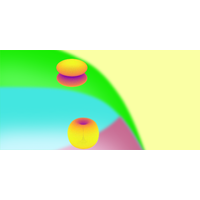
Phys. Rev. Lett. 137, 086003 (2026)
Condensed Matter and Materials
Breakup of an Active Chiral Fluid
Article | Polymers, Chemical Physics, Soft Matter, and Biological Physics | 2026-08-19 06:00 EDT
Luke Neville, Jens Eggers, and Tanniemola B. Liverpool
We study the breakup dynamics of a two-dimensional strip of active chiral fluid using continuum hydrodynamics. Using slender body theory, we show that the breakup is driven by the interplay between chiral and surface tension forces, and that the minimum strip thickness decays to zero as a power law …
Phys. Rev. Lett. 137, 088302 (2026)
Polymers, Chemical Physics, Soft Matter, and Biological Physics
Quantitative and Predictive Folding Models from Limited Single-Molecule Data Using Simulation-Based Inference
Article | Polymers, Chemical Physics, Soft Matter, and Biological Physics | 2026-08-19 06:00 EDT
Lars Dingeldein, Aaron Lyons, Pilar Cossio, Michael T. Woodside, and Roberto Covino
A simulation-based inference framework combines physics-based modeling with deep learning to recover the Bayesian posterior of a biomolecular folding model directly from single-molecule force spectroscopy data.
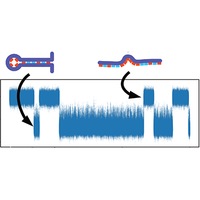
Phys. Rev. Lett. 137, 088402 (2026)
Polymers, Chemical Physics, Soft Matter, and Biological Physics
Physical Review X
Robustness of Real-Space Topology in Moiré Systems
Article | 2026-08-19 06:00 EDT
Kryštof Kolář, Kang Yang, Felix von Oppen, and Christophe Mora
Topological analysis of real-space electronic textures in nonidealized moiré systems establishes a robust band index and maps wave functions onto a texturally derived fictitious magnetic field.
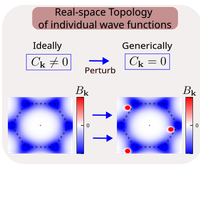
Phys. Rev. X 16, 031043 (2026)
Ab Initio Auxiliary-Field Quantum Monte Carlo in the Thermodynamic Limit
Article | 2026-08-19 06:00 EDT
Jinghong Zhang, Meng-Fu Chen, Adam Rettig, Tong Jiang, Paul J. Robinson, Hieu Q. Dinh, Anton Z. Ni, and Joonho Lee
A low-scaling auxiliary-field quantum Monte Carlo method enables accurate simulations of real quantum materials, bridging the gap between benchmark many-body models and complex solid-state systems.
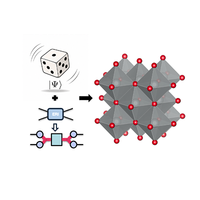
Phys. Rev. X 16, 031044 (2026)
arXiv
Embedding Paired Free-Fermion Gaussian States into Gutzwiller-Projected Bardeen–Cooper–Schrieffer Wave Functions
New Submission | Statistical Mechanics (cond-mat.stat-mech) | 2026-08-20 20:00 EDT
Gutzwiller-projected Bardeen–Cooper–Schrieffer (BCS) wave functions of Abrikosov fermions are widely used to describe quantum many-body states. Taking the one-dimensional transverse-field Ising model as an example, we exactly embed any even-parity spinless fermionic Gaussian state representable as a paired exponential in the chosen particle basis into a projected BCS state of spinful Abrikosov fermions. The construction provides controlled initial states for variational Monte Carlo studies of nonintegrable models.
Statistical Mechanics (cond-mat.stat-mech), Strongly Correlated Electrons (cond-mat.str-el), Quantum Physics (quant-ph)
2 pages, 1 figure. All codes and data used in this manuscript are available at this https URL
Breaking the mutual exclusivity between metallicity and ferroelectricity in a non-polar covalent semiconductor via orbital selective doping
New Submission | Materials Science (cond-mat.mtrl-sci) | 2026-08-20 20:00 EDT
Hui Li, Yunfan Yang, Junquan Huang, Yukun Feng, Guobin Wang, Qinci Wu, Jun Deng, Zhaolong Liu, Subi Du, Dongliang Gong, Zaihui Shen, Anmin Nie, Yang Xu, Junwei Yang, Zesheng Zhang, Huaping Song, Jiangang Guo, Wenjun Wang, Hailin Peng, Yongjun Tian, Xiaolong Chen
The mutual exclusion of ferroelectricity and metallic conductivity is a long-standing tenet because itinerant electrons screen long-range Coulomb forces that stabilize the bulk polar order. Here, we break this paradigm by heavily doping a non-polar covalent semiconductor of cubic silicon carbide (3C-SiC) with nitrogen. This introduces heavy electron doping, inducing metallicity and driving a structural transition from the non-polar F-43m to the polar R3m symmetry via the pseudo-Jahn-Teller effect. Remarkably, we provide direct, atomic-scale visualization of about 180° polarization reversal under an external voltage bias in a ferroelectric metal. The strongly directional character of antibonding orbitals occupied by conduction electrons prevents them from screening the local Si-C polarization, resulting in the coexistence of metallicity and ferroelectricity. Ferroelectric tunnel junctions demonstrate nonvolatile memory properties with a well-defined high-resistance state (HRS) and low-resistance state (LRS), an ultrahigh response speed (~50 ns), an ultralow operating voltage (1 V), an endurance exceeding 85927 cycles, and a projected retention time of 100 years. Our results provide a novel strategy for pioneering ferroelectricity in a metal, a new ferroelectric metal platform for exploring exotic properties, and a ferroelectric device with high performance that meets the requirements for low consumption and high-speed non-volatile devices.
Materials Science (cond-mat.mtrl-sci)
Chern insulator boundary criticality
New Submission | Strongly Correlated Electrons (cond-mat.str-el) | 2026-08-20 20:00 EDT
We investigate signatures of chirality at Chern insulator transitions in the presence of a boundary. The transition between a trivial insulator and a Chern insulator with Chern number $ C=1$ is described by a massless Dirac fermion whose parity anomaly gives a critical Hall conductivity $ \sigma_{xy}=\frac{1}{2}\frac{e^2}{h}$ . Using a Dirac mass domain wall construction, we show that the chiral edge mode delocalizes into the bulk at criticality, but the boundary fermion correlation function retains a chiral structure and acquires the scaling dimension of the bulk fermion. We compute current correlation functions and demonstrate that the anomaly of the bulk Hall response is matched by delocalized chiral modes near the boundary. Using only the residual conformal symmetry of a (2+1)d conformal field theory (CFT) in a half-space, we identify parity-odd terms in current and energy-momentum tensor correlation functions that encode these modes and determine their electromagnetic and gravitational anomaly coefficients. Our analysis therefore applies to general time-reversal breaking (2+1)d CFTs, beyond the free Dirac transition. We also extend our results to higher Chern number transitions and to the transition between a (3+1)d topological insulator and a trivial insulator.
Strongly Correlated Electrons (cond-mat.str-el), Mesoscale and Nanoscale Physics (cond-mat.mes-hall), High Energy Physics - Theory (hep-th)
34+17 pages, 3 figures
Learning constructive models of emergent systems
New Submission | Disordered Systems and Neural Networks (cond-mat.dis-nn) | 2026-08-20 20:00 EDT
Bipul Pandey, Caden Proctor, Vinay Ramanathan, Nico Roth, Arjun S. Raman
Emergent systems - systems containing multi-scale interactions - often arise through iteration rather than explicit forward design. As such, design principles for building emergent systems have been under-explored. Current artificial intelligence architectures, while useful for generation, do not provide a logic for how to construct emergent systems. Inspired by statistical phylogenetics, we show that inferring scales of system entropy then explicitly constraining information flow from low to high entropic scales yields data-driven, stepwise ‘constructive models’ of emergent systems. We term the resulting architecture the Layer-Restricted Boltzmann Machine (LRBM). Applied identically to digit images, natural language, and enzyme sequences, LRBM models follow hierarchical logic: lower layers encode global structure from which higher layers encode fine-grained features. As a stringent experimental challenge for LRBM-based construction, we built and evaluated 160 constructive trajectories of synthetic and 1,130 natural chorismate mutase (CM) enzymes in an in vivo functional assay. Designed CMs functioned up to 53% sequence divergent from the nearest natural homolog. Notably, enzyme fold emerged at intermediate LRBM layers while function arose only upon satisfying all layers. Fold was therefore necessary but insufficient for function in this enzyme family. Our results suggest a shared hierarchical, learnable statistical logic for constructing emergent systems.
Disordered Systems and Neural Networks (cond-mat.dis-nn), Populations and Evolution (q-bio.PE)
Supplemental Table pertaining to the chorismate mutase assay and experimental results can be found in the associated github repository mentioned in the paper
Finite-temperature Green’s function cluster expansion from thermofield doubles: Breakdown of the polaron picture
New Submission | Strongly Correlated Electrons (cond-mat.str-el) | 2026-08-20 20:00 EDT
M. R. Carbone, S. Fomichev, B. Kloss, A. J. Millis, M. Berciu, D. R. Reichman, J. Sous
We introduce a method, numerically exact in principle, for computing the momentum- and frequency-resolved single-particle Green’s function of a polaron at finite temperature. The method, which we refer to as the finite-temperature Green’s function cluster expansion, combines two ingredients: the generalized Green’s function cluster expansion, a numerically exact extension of the momentum average family of methods that solves the polaron problem at zero temperature through a hierarchy of equations of motion for restricted phonon cloud configurations; and the thermofield double formalism, which maps the thermal trace onto a pure-state expectation value over a doubled Hilbert space. The resulting equations of motion have the same algebraic structure as those of the multi-boson zero-temperature theory, with the temperature entering through a Bogoliubov-type mixing angle that controls the coupling to a set of fictitious bath bosons. We implement the method in our open-source software package and benchmark it on the one-dimensional Holstein polaron, computing spectral functions, dispersions, lifetimes, and effective masses across coupling regimes and temperatures up to $ T/\Omega \sim 1$ . Where finite-temperature density matrix renormalization group results are available, we find quantitative agreement at affordable computational cost. The method recovers momentum-resolved spectra directly in frequency space, with no time evolution or analytic continuation. We also discuss the practical costs of the approach. In particular, since the doubled phonon Hilbert space has a non-trivial configuration structure in which real and fictitious clouds compete, convergence in the corresponding cloud parameters requires care.
Strongly Correlated Electrons (cond-mat.str-el), Materials Science (cond-mat.mtrl-sci)
12 pages, 9 figures
On the electronic and vibrational dimensionality of nanometer-scale silicon structures
New Submission | Mesoscale and Nanoscale Physics (cond-mat.mes-hall) | 2026-08-20 20:00 EDT
Massimo V. Fischetti, Dallin O. Nielsen, Edward Chen
We discuss the problem of assessing the electronic and vibrational dimensionality of a semiconductor nanostructure: How thin and/or wide must a nanostructure be in order to induce electron and phonon confinement? Clarifying the physical justification for common criteria found in the literature, we view the electron coherence length (defined as the electron and phonon inelastic mean free path) as their field of view' and argue (or, better yet, speculate’) that this sets the important length scale. Considering the example of Si nanosheets at room temperature, and drawing from results found in the literature, we estimate that the critical length below which electrons are subject to quantum confinement is of the order of (or smaller than) 8 nm, when their coherence length is determined by energy losses to phonons and remote phonons in gated structures. On the contrary, no single length-scale can be given for phonons: Taking their coherence length as determined by scattering with electrons and anharmonic three-phonon processes, short wavelength acoustic and optical phonons may be confined only by structures as small as 10 nm. Long-wavelength acoustic phonons, instead, may exhibit a coherence length of the order of 1 micrometer, so that they may be confined over much larger distances.
Mesoscale and Nanoscale Physics (cond-mat.mes-hall)
10 pages, 2 figures
Writing and erasing skyrmions by single ultrafast laser pulses in monolayer Janus 2D magnets
New Submission | Materials Science (cond-mat.mtrl-sci) | 2026-08-20 20:00 EDT
Guangyao Miao, Yonglong Ga, Chang Liu, Pan Chen, Yichen Jin, Florian Kronast, Wenxin Cheng, Zhaoqing Ding, Kai Hu, Zongnan Zhang, Nikolai Severin, Chenxi Meng, Patil Shubhada, Sergio Valencia, Meng Meng, Qinlin Guo, Xiaoran Liu, Jiandi Zhang, Yangmu Li, Carlos-Andres Palma, Jürgen P. Rabe, Hongxin Yang, Weihua Wang, Jiandong Guo
Skyrmions in 2D magnets are promising candidates for nonvolatile, low-power, and high-density spintronic memories. However, their experimental realization at the 2D limit remains challenging, owing to the difficulty in engineering the required chiral magnetic interactions. Here, we report the creation and direct imaging of Néel-type skyrmions in Janus 2D chromium chalcogenides using synchrotron X-ray photoemission electron microscopy, and scanning nitrogen-vacancy magnetometry, which exhibit field-free stability, nonvolatility, and size tunability. First-principles calculations and micromagnetic simulations reveal that Janus-surface-induced inversion-symmetry breaking enhances the Dzyaloshinskii-Moriya interaction, providing the microscopic mechanism for skyrmion stabilization and tunability. We further achieve reversible skyrmion writing and erasing using a single ultrafast laser pulse in a magnetic field as low as 300 Oe, demonstrating the excellent manipulability of this 2D magnetic system. These results establish Janus engineering as a route to creating and manipulating nonvolatile skyrmions in atomically thin magnets, with implications for skyrmion-based low-power spintronic devices.
Materials Science (cond-mat.mtrl-sci)
Rare-earth spin textures and a route to electronic inhomogeneity in $Pr_2Ir_2O_7$
New Submission | Strongly Correlated Electrons (cond-mat.str-el) | 2026-08-20 20:00 EDT
Kyle G Sherman, Michael J Lawler
The pyrochlore iridate $ Pr_2Ir_2O_7$ remains metallic at low temperatures where its family members insulate. Recently, scanning tunneling spectroscopy experiments have revealed an inhomogeneous mixture of Kondo-screened and Kondo-destroyed regions when its surface is produced by cleaving at room temperature while it remains uniform when cleaved at low temperatures. We ask whether the frustrated praseodymium spin texture seeds this inhomogeneity. To study this, we produce Monte-Carlo-sampled Pr spin-ice configurations, presumed to evolve slowly in time, and couple through a local Kondo exchange $ J_K$ to an eight-band Hartree-Fock model of the Ir electrons.
We further find the charge gap of the all-in-all-out state common in the other family members closes smoothly with the coupling $ J_K$ , and the recently proposed monopole-rich ``jellyfish’’ textures further suppress the insulating behavior by $ \Delta J_{Kc}\approx 0.03,t$ . Additionally, scanning a small cluster across a large Pr surface yields a synthetic tunneling map that fractures into islands within a sea. Although our classical simulable theory omits the Kondo singlet, the spatial modulation of the Fermi-level density of states it produces is, through the exponential Doniach sensitivity of the Kondo temperature, sufficient to tip the local balance between screening and magnetic order; a frustration-driven route to the observed Kondo/Kondo-destroyed inhomogeneity.
Strongly Correlated Electrons (cond-mat.str-el)
5 pages, 3 figures
Engineering kekule superconductivity from layer-selective interactions in rhombohedral graphene
New Submission | Superconductivity (cond-mat.supr-con) | 2026-08-20 20:00 EDT
Hung Dinh Nguyen, Yafis Barlas
At weak coupling, finite-momentum superconductivity is typically associated with broken time-reversal or inversion symmetry of the Fermi surface. Here, we show that lattice-scale pair-density-wave order in rhombohedral multilayer graphene can arise from layer/orbital-dependent pairing interactions, band chirality, and Dirac-point-centered Fermi surface topology while preserving both symmetries. Using mean-field theory and comparing finite momentum sectors $ Q = \pm 2 K_{D}$ with the $ Q = 0$ superconducting state, we find that layer-dependent interactions of opposite signs ($ V_{1A}=-V_{JB}=-|V|$ ) favor an intra-valley Kekulè state with center-of-mass momentum ($ Q=\pm 2 K_D$ ). In the presence of a time-reversal and inversion symmetry-preserving Kane-Mele mass ($ \lambda$ ), this state appears only above a critical carrier density ($ n^{crit}_{K}(\lambda,J)$ ). The two superconducting condensates exhibit opposite chirality, $ J(-J)$ for $ K_D(-K_D) $ valleys, thereby preserving time-reversal and inversion symmetry. We map the phase diagram and analyze the dependence of $ T_c$ on the chirality index $ J$ and $ \lambda$ . We also evaluate the superfluid stiffness in the Kekulè superconducting state, thereby determining the Berezinskii-Kosterlitz-Thouless (BKT) transition temperature. Our results show that orbital-dependent interactions in the presence of band chirality favor finite-momentum pairing in time-reversal and inversion symmetric Dirac materials.
Superconductivity (cond-mat.supr-con), Mesoscale and Nanoscale Physics (cond-mat.mes-hall)
10 pages
Interface-Controlled Spin-Orbit Torques in Rare-Earth Synthetic Ferrimagnets Probed by Sagnac Magneto-Optics and Harmonic Hall Measurements
New Submission | Materials Science (cond-mat.mtrl-sci) | 2026-08-20 20:00 EDT
Akilan K, Koral Aykin, Jose-Luis Ampuero, Laurent Badie, Stephane Mangin, Sébastien Petit-Watelot, Michel Hehn, Andrew D. Kent, J.-Carlos Rojas-Sánchez
Spin-orbit torque (SOT) provides an efficient route for manipulating magnetization in spintronic devices, and its accurate quantification is essential. Here, we investigate Co/Gd-based synthetic ferrimagnets using complementary magnetotransport and magneto-optical techniques. We use a Sagnac magneto-optical interferometry method to directly quantify current-induced magnetization tilting and extract the damping-like SOT effective field. The Sagnac measurements show good agreement with harmonic Hall analysis across different Co/Gd and Gd/Pt/Co heterostructures, providing a quantitative determination of the damping-like SOT effective field that does not rely on electrical transport signatures. By varying the Gd thickness and multilayer stacking order, we demonstrate that the damping-like torque is strongly influenced by spin transport and angular momentum conversion at rare-earth and heavy-metal interfaces. The observation of a finite torque in Gd/Pt/Co/Pt structures, where conventional Pt spin Hall contributions are expected to compensate, highlights the active role of the Gd layer in SOT generation. Furthermore, interface engineering enables perpendicular magnetic anisotropy in Gd/Pt/Co/Al heterostructures with a 2-nm-thick Co layer, allowing current-induced SOT switching at current densities of 8-10 MA/cm$ ^2$ . These results establish rare-earth-based synthetic ferrimagnets as a versatile platform for engineering spin-orbit phenomena and optimizing low-power spintronic devices.
Materials Science (cond-mat.mtrl-sci), Mesoscale and Nanoscale Physics (cond-mat.mes-hall)
13 pages, 10 figures including 2 pages and 2 figures of Appendix
Magnetic interactions and origin of high Curie temperatures in high Mn content (MnSb2Te4)x(Sb2Te3)1-x quantum materials
New Submission | Materials Science (cond-mat.mtrl-sci) | 2026-08-20 20:00 EDT
Candice R. Forrester, Christophe Testelin, Kaushini Wickramasinghe, David Hrabovsky, Lia Krusin-Elbaum, Maria C. Tamargo
Understanding the magnetic interactions that promote high TC in topological quantum materials is essential to effectively design materials whose magnetic configuration persists at high temperatures and are thus practical to integrate into commercial spintronic devices. Here we provide evidence of the origin of the high TC observed in mixed Mn1+ySb2-yTe4 septuple layers and Sb2-yMnyTe3 quintuple layer structures. Analysis of the quintuple layer/septuple layer structures explored their magnetic behavior through different models of Mn-incorporation in the crystal, evidenced as Mn spin S = 5/2, and provided an explanation for the low magnetization per Mn atom observed, signature of competing ferromagnetic and antiferromagnetic interactions between Mn2+ ions. Our studies provide insight to better understand and control the Mn incorporation in our samples to optimize their properties.
Materials Science (cond-mat.mtrl-sci)
24 pages, 5 figures, and 1 table
Optical Voltage Profiling of 2D Semiconductors via Proximal Exciton Sensing
New Submission | Mesoscale and Nanoscale Physics (cond-mat.mes-hall) | 2026-08-20 20:00 EDT
Ha-Leem Kim, Hyungbin Lim, Yuanyi Yang, Ruishi Qi, Ruichen Xia, Can Uzundal, Takashi Taniguchi, Kenji Watanabe, Feng Wang
High contact resistances in atomically thin semiconductors often mask intrinsic electrical transport properties, particularly at low carrier densities where exotic correlated states emerge. We introduce optical voltage profiling, a noninvasive wide-field technique that replaces local voltage probes with a proximal monolayer MoSe$ _2$ exciton sensor. Isolated by thin hexagonal boron nitride, this sensor converts the target’s local electrostatic potential into spatially resolved modulations of exciton reflectance. Through pixel-wise in situ calibration, these signals yield quantitative two-dimensional voltage maps of an actively biased semiconductor device. Using this method, we demonstrate the carrier-density-driven metal-insulator transition in bilayer MoSe$ _2$ and obtain channel resistances below 1 k$ \Omega$ despite M$ \Omega$ -scale two-terminal resistances in the metallic region. The optically derived resistance exhibits a metal-insulator crossover near the resistance quantum $ h/e^2$ , and the voltage maps and reconstructed local conductivity reveal pronounced spatial heterogeneity in both insulating and metallic regimes. Beyond resolving channel resistance under high contact-resistance conditions, the technique provides spatially resolved access to microscopic transport heterogeneity in functional van der Waals devices.
Mesoscale and Nanoscale Physics (cond-mat.mes-hall), Strongly Correlated Electrons (cond-mat.str-el), Optics (physics.optics)
Isolating the natural edges of bilayer graphene in gate-defined mesoscopic devices
New Submission | Mesoscale and Nanoscale Physics (cond-mat.mes-hall) | 2026-08-20 20:00 EDT
Francesco Blanda, Grazia Raciti, Thilo Glatzel, Aurin Strathmann, Fabrizio Volante, Kenji Watanabe, Takashi Taniguchi, Ilaria Zardo, Thomas Ihn, Klaus Ensslin, Andrea Hofmann
We introduce a graphite-gated architecture for bilayer graphene devices in which the active device is completely isolated from the natural graphene edges. Using a single patterned graphite-gate layer, we realize a fully electrostatically defined Hall-bar. Longitudinal and Hall measurements reveal mesoscopic transport features, including Hall-effect quenching and magnetoresistance peaks associated with boundary scattering. The dependence of the mesoscopic features on the carrierdensity shows that the effective channel width increases with the Fermi level and the electrostatic confinement at the gate-defined boundaries, and indicates that the carriers scatter at the electrostatic boundary. Raman spectroscopy and Kelvin probe force microscopy suggest that this boundary is disordered due to the used fabrication methods. Comparably, the quantum mobility in a fieldeffect transistor fabricated with the same architecture is not limited by boundary scattering and the visibility of quantum oscillations down to 4 mT suggests a record value of 2.5 x 10^6 cm2/Vs.
Mesoscale and Nanoscale Physics (cond-mat.mes-hall), Materials Science (cond-mat.mtrl-sci)
Localized Excitons and Exciton-Phonon Coupling in Antiferromagnetic AgCrP2S6
New Submission | Materials Science (cond-mat.mtrl-sci) | 2026-08-20 20:00 EDT
Jessica McDivitt, Dimitar Pashov, Mark van Schilfgaarde, Justin C. Johnson, Jeffrey L. Blackburn, Anna A. Berseneva, Swagata Acharya
AgCrP2S6 combines a low-symmetry thiophosphate framework with an antiferromagnetic Cr sublattice and nonmagnetic Ag sites, providing a setting in which covalency and magnetic localization compete in the low-energy optical response. We combine single-crystal x-ray diffraction, Raman spectroscopy, lattice-dynamical calculations, and self-consistent vertex corrected Feynman diagrammatic many-body approaches to determine the structural, electronic, and excitonic properties of bulk AgCrP2S6. The material remains monoclinic between 100 and 300 K, with additional Ag-site disorder resolved at low temperature, and the optimized structure is dynamically stable. The many-body calculations yield a reduced quasiparticle gap relative to Cr trihalides, but the lowest excitons remain predominantly local: the calculated low-energy (~1.4 eV) excitation cluster is best described as a weakly bright, strongly anisotropic Frenkel exciton with dominant onsite d-d character and substantial ligand-assisted d-p admixture. Symmetry analysis in the C2h setting identifies this state as predominantly Bu and constrains its leading exciton-phonon coupling channels to Ag diagonal renormalization and Bg-mediated bright-dark mixing. These results place AgCrP2S6 in a localized excitonic regime in which the stronger p-d hybridization, relative to the more ionic Cr trihalides, narrows the quasiparticle gap, while the antiferromagnetic exchange and Ag-site dilution disfavor the intersite coherence associated with strongly delocalized low-energy excitons.
Materials Science (cond-mat.mtrl-sci), Strongly Correlated Electrons (cond-mat.str-el)
Solidification-cell confinement of domain-wall pinning in additively manufactured ferromagnets
New Submission | Materials Science (cond-mat.mtrl-sci) | 2026-08-20 20:00 EDT
Dennis Boakye, Eric K.K. Abavare, Chuang Deng
As-built printed ferromagnets typically exhibit higher coercivity than optimized wrought materials, yet existing explanations rely on empirical fits or costly simulations. Herein, we provide a missing analytical theory that links print parameters directly to cooling rates, cellular spacing, dislocation density, and domain-wall pinning coercivity. Informed by metallographic grain data and using a single fitted constant, our model predicts six experimental datasets for pure Fe, Fe-6.9Si, and a multicomponent alloy within a factor of 1.9. We demonstrate that configurational lattice distortion is negligible, implying that single-phase printed alloys follow dilute-pinning laws. Critically, we introduce a confinement factor, $ E=\sqrt{\lambda_{c}/2\delta_{w}}$ , proving that solidification-induced dislocation packing makes cellular microstructures harder than conventionally cold-worked metals. The framework enables an alloy-sensitivity map to screen and rank compositions before manufacturing.
Materials Science (cond-mat.mtrl-sci)
Vesicle-surface-templated catalytic polymers drive differential growth in synthetic minimal cell variants
New Submission | Soft Condensed Matter (cond-mat.soft) | 2026-08-20 20:00 EDT
Minoru Kurisu, Taro Suzuki, Ryosuke Katayama, Kazuki Maruyama, Daisuke Unabara, Tasuku Hamaguchi, Koji Yonekura, Peter Walde, Masayuki Imai
Understanding how life-like behaviors can emerge from simple molecular assemblies and primitive compartments remains a central challenge in origins-of-life research. Synthetic minimal cells provide a bottom-up platform for investigating, from scratch, the minimal physicochemical principles underlying compartment growth, reproduction, and evolution. Previously, we developed a vesicle/polymer-based compartment system in which the vesicle membranes template the formation of a catalytic polymer. This polymer promotes selective incorporation of amphiphiles into the vesicle membrane, driving vesicle growth while maintaining the compositional identity and enabling spontaneous deformation and division over several generations. Here, we report about experiments in which we advanced this system beyond reproduction by systematically constructing eight synthetic minimal cell variants from combinations of two template vesicles, two catalytic polymers, and two supplied amphiphiles. The variants exhibited distinct, composition-dependent vesicle growth responses, ranging from pronounced growth to suppressed growth or vesicle shrinkage. These growth responses were described by the Hill kinetics and characterized by three parameters, revealing a multi-dimensional fitness landscape shaped by environmental conditions, in which the relative advantage of each variant depends on both composition and amphiphile availability. This framework links molecular recognition, compositional inheritance, and differential growth, providing a physicochemical route toward evolvable synthetic minimal cells.
Soft Condensed Matter (cond-mat.soft), Materials Science (cond-mat.mtrl-sci)
26 pages of main text, 6 figures, 4 pages of Supplementary Information, under peer-review in Communications Chemistry
Optical poling of a quantum ferroelectric metal across the order-disorder phase transition
New Submission | Materials Science (cond-mat.mtrl-sci) | 2026-08-20 20:00 EDT
Mohamed Kandil, Yasuhide Tomioka, Yafei Ren, Ryan Comes, Isao H. Inoue, Wencan Jin
Electron-doped strontium titanate has emerged as a prototypical quantum ferroelectric metal. It provides a fertile ground to explore how ferroelectric instability intertwined with itinerant electrons creates quantum phenomena, including unconventional superconductivity. Despite extensive studies, the microscopic origin of the ferroelectric transition remains unsettled, with distinct interpretations based on displacive mechanism driven by soft mode and order-disorder alignment of local dipoles. In particular, the local dipoles form nanoscale, spatially heterogeneous clusters, termed polar nanoregions, posing a significant challenge for probing or manipulating them. Here, using rotational anisotropy second harmonic generation, a symmetry-resolved probe, we quantify the orientational statistics of polar nanoregions in dilute electron-doped Sr$ _{0.95}$ Ba$ _{0.05}$ Ti$ _{1-x}$ Nb$ _x$ O$ _3$ . By tracking the alignment and meltdown of polar nanoregions in thermal cycles, we unambiguously demonstrate the order-disorder nature of the ferroelectric transition. We further show that, above transition temperature, femtosecond optical fields enable deterministic control of otherwise disordered polar nanoregions, realizing reversible write and readout of polar textures on ultrafast timescales. Our findings provide new insight into ferroelectric instability and establish an all-optical route of controlling polar metal systems where conventional electrical approaches are not feasible.
Materials Science (cond-mat.mtrl-sci), Other Condensed Matter (cond-mat.other)
Room-Temperature Polarity Control of the Anomalous Nernst Effect in a High-Magnetic-Anisotropy Topological Nodal-Line MnAlGe
New Submission | Materials Science (cond-mat.mtrl-sci) | 2026-08-20 20:00 EDT
Nanhe Kumar Gupta, Keisuke Masudaa, Masaaki Kakoki, Benugopal Bairagya, Satoki Tazawaa, Weinan Zhoua, Hirofumi Sutoa, Ryo Toyama, Akio Kimura, Yuya Sakuraba
Controlling the polarity of anomalous Nernst thermopower is a promising strategy for enhancing the performances of thermoelectric applications. However, realizing such control at room temperature (RT) in topological ferromagnets with high magnetic anisotropy (Ku) remains challenging. Here, we report RT polarity control of the anomalous Nernst effect (ANE) in quasi-two-dimensional nodal-line MnAlGe epitaxial thin films through Al/Ge compositional tuning while preserving robust high Ku. This polarity reversal originates from intrinsic Berry curvature contributions modulated by sublattice-selective carrier doping, as supported by spin-resolved electronic band structure analysis and hard X-ray photoemission spectroscopy. To demonstrate the practical feasibility, we also fabricated a meander-structured device combining MnAlGe with positive and negative polarity enhanced the thermoelectric output. Our results demonstrate that tuning the Fermi level relative to the nodal-line electronic structure while preserving high Ku enables controllable ANE polarity reversal within a single material, providing a route toward RT transverse thermoelectric devices.
Materials Science (cond-mat.mtrl-sci)
Efficient calculation of real-space lattice propagators in the presence of a Fermi sea
New Submission | Other Condensed Matter (cond-mat.other) | 2026-08-20 20:00 EDT
We present an efficient method for computing the real-space propagators (lattice Green’s functions) of any tight-binding Hamiltonian in the presence of a Fermi sea with carrier concentration $ x$ . The method is valid for any lattice, dispersion, and dimension, provided the corresponding $ x=0$ propagators are known. We show that suitable combinations of the finite-$ x$ particle-addition propagators have a real or imaginary part trivially related to their $ x=0$ counterpart, while the remaining part follows from a Kramers-Kronig relation that can be evaluated for all energies at once using the fast Fourier transforms. The computational cost is therefore independent of the dimensionality, unlike that of direct Brillouin-zone integration. The particle-removal propagators follow from general identities. We validate the method against direct integration for hypercubic lattices in one, two, and three dimensions, and use the 2D square lattice to illustrate how the shape of the Fermi surface is imprinted on the spatial structure of the propagators. In particular, at energies far outside the band, the propagator maps converge to the Fraunhofer diffraction pattern whose aperture is the unoccupied part of the Brillouin zone.
Other Condensed Matter (cond-mat.other)
Room-temperature ferroelectrically switchable quantum geometry in few-layer WTe2 for complementary in-memory computing
New Submission | Materials Science (cond-mat.mtrl-sci) | 2026-08-20 20:00 EDT
Ruihan Wang, Pengfei Wang, Haoyun Chen, Yunze Peng, Bingyan Liu, Junlin Xiong, Xueyuan Zhang, Chen Pan, Xin Chen, Shengyuan A. Yang, Shi-Jun Liang, Feng Miao, Peng Song
Quantum geometry, describing the inherent geometric structure of electron wavefunctions in momentum space, transcends the traditional charge degree of freedom and provides a novel physical basis for information encoding and processing. The key to such new computing paradigms is the non-volatile electrical programming of quantum geometric states at room temperature, which, however, has not been established. Here, we demonstrate ferroelectrically switchable quantum geometry in few-layer WTe2, which uniquely enables complementary convolutional processing. By employing the intrinsic coupling between ferroelectric polarization and quantum geometry in few-layer WTe2, we show that the second- and third-order nonlinear anomalous Hall effects (NLAHE) can be deterministically and electrically switched in a nonvolatile and correlated manner. The switching is robust at room temperature for ~104 cycles and retention of ~105 s. Furthermore, leveraging the opposite switching behaviors of second- and third-order NLAHE at room temperature, we demonstrate complementary in-memory computing and implement a hardware-level complementary convolution kernel. This kernel overcomes the inherent directional specificity of conventional convolutional networks and achieves a texture recognition accuracy of 98%, thereby illustrating a viable pathway towards physics-native computing through exploiting exotic physics in quantum materials.
Materials Science (cond-mat.mtrl-sci)
4 Figures
Nature Communications, 2026,
Superfast hole spin qubits enabled by uniaxial strain-boosted spin-orbit coupling
New Submission | Mesoscale and Nanoscale Physics (cond-mat.mes-hall) | 2026-08-20 20:00 EDT
Yi-Xu Wang, Yang Liu, Shan Guan, Jun-Wei Luo, Shu-Shen Li
Two-dimensional (2D) electron/hole gases confined in semiconductor heterostructures suffer from weak Rashba spin-orbit coupling (SOC) for manipulating spin degreee of freedom via an electric rather than a magnetic field. Here, we show that complementary metal-oxide-semiconductor technology-accessible strain could substantially enhance the linear Rashba SOC of the top hole subband in Ge/SiGe quantum wells (QWs) to a level comparable to that of 2D Rashba materials through enhancing the mixture of the light-hole and heavy-hole bands. We further show that strongly enhanced Rashba SOC boosts the Rabi frequency of hole spin qubits confined in Ge/SiGe QWs by two orders of magnitude to an unprecedented 40 GHz, more than one order of magnitude faster than other qubit platforms. We also demonstrate that the hole spin rotation with Rabi frequency > 25 GHz enters a new regime being immune to gate control-induced electric noise, opening a new avenue to simultaneously improve the gate speed and gate fidelity. Our findings provide a new routine to substantially enhance the Rashba SOC in 2D semiconductor hole gases to a level that is great for spintronic applications.
Mesoscale and Nanoscale Physics (cond-mat.mes-hall), Quantum Physics (quant-ph)
10 pages, 5 figures
Operando Raman probing of mode selective electron phonon coupling in two dimensional halide perovskites
New Submission | Materials Science (cond-mat.mtrl-sci) | 2026-08-20 20:00 EDT
Tufan Paul, Helena Boom, Lilian Skokan, Viren Tyagi, Mostafa Shagar, Aditi Sahoo, Silvia Colella, Geert Brocks, Andreas Ruediger, Shuxia Tao, Emanuele Orgiu
Electron phonon coupling governs charge transport, carrier relaxation, and polaron formation in halide perovskites, yet its microscopic origin in low dimensional systems remains poorly understood. Here, we combine operando, bias dependent Raman spectroscopy with density functional theory (DFT) calculations to directly probe carrier lattice interactions in two-dimensional Ruddlesden Popper perovskites,(PEA)$ _2$ PbI$ _4$ and its fluorinated analogue, (PEA-F)$ _2$ PbI$ _4$ . Under applied electric fields, both systems exhibit mode-selective Raman linewidth broadening predominantly near 100 cm$ ^{-1}$ , whereas other phonon modes remain largely unaffected, revealing highly selective coupling between injected carriers and specific lattice vibrations. DFT calculations identify these modes as hybrid organic inorganic vibrations involving coupled motion of the organic spacer and symmetric Pb I equatorial stretching, rather than purely inorganic phonons. Fluorination fundamentally reconstructs the vibrational landscape by modifying molecular packing, crystal symmetry, and organic inorganic coupling, resulting in changes to the phonon density of states, longer phonon lifetimes, and an enhanced carrier mediated lattice response. Notably, electrical bias produces opposite phonon lifetime evolution in thin films and single crystals: the phonon lifetime decreases by approximately 17 to 22% in thin films but increases 20 to 26% in single crystals. These contrasting responses demonstrate that structural order plays a fundamental role in determining carrier phonon interactions and phonon relaxation pathways in two-dimensional halide perovskites.
Materials Science (cond-mat.mtrl-sci)
Particle-Wall Alignment Interaction and Active Brownian Diffusion Through Narrow Channels
New Submission | Soft Condensed Matter (cond-mat.soft) | 2026-08-20 20:00 EDT
Poulami Bag, Shubhadip Nayak, Pulak Kumar Ghosh
We numerically examine the impacts of particle-wall alignment interactions on active species diffusion through a structureless narrow two-dimensional channel. We consider particle-wall interaction to depend on the self-propulsion velocity direction whereby some specific particle’s alignments with respect to the boundary walls are stabilized most. Further, the alignment interaction is meaningful as long as particles are close to the confining boundaries. Unbiased diffusion of active particles for various possible stable velocity alignments against the walls has been examined. We show that for the most stable configuration leading to self-propulsion velocity direction perpendicular to the wall, diffusivity becomes inversely proportional to the square of alignment interaction torque. On the other hand, when the self-propulsion velocity direction making an acute angle to the channel walls is the most stable configuration, diffusion exponentially grows with strengthening alignment interaction. Hence, particle-wall interaction plays a pivotal role in the transport control of active particles through narrow channels. Moreover, the impacts of the alignment interactions on diffusion largely depend on the particle’s self-propulsion properties and its chirality. Our simulation results can potentially be used to understand unbiased diffusion of artificial or living micro/nano-objects (such as virus, bacteria, Janus particles, etc.) though narrow confined structures.
Soft Condensed Matter (cond-mat.soft)
Soft Matter 20 (2024) 8267-8277
Topology is not silent in the transport noise of multiband bosons
New Submission | Strongly Correlated Electrons (cond-mat.str-el) | 2026-08-20 20:00 EDT
Zhi-Wei Wang, Samuel L. Braunstein
For electrons at a Fermi surface, the topological part of the Berry curvature drops out of the transport noise: the anomalous Hall conductivity is quantized, and the fluctuations of the Hall current know nothing about the Chern number. We show that this cancellation is an accident of the Fermi surface, and that it fails for bosons. Magnons and phonons thermally populate every band, each with its own Chern number, so the harmonic sector of the Hodge decomposition of the curvature is not a single constant and a variance does not annihilate it. What survives is the occupation-weighted dispersion of Chern numbers across populated bands. That band geometry is visible in current noise is known, and at zero temperature the antisymmetric part of the noise sum rule already returns a Chern number; what is new is an object with no zero-temperature analogue, existing only when several bands are populated and weighted differently. We derive it from a fluctuating Boltzmann equation and settle the energy-magnetization subtraction at the level of fluctuations: the subtracted term is the curl of a bounded magnetization density, so it contributes exactly zero to the current any transport measurement records, realization by realization. Is the quantity measurable? A driven protocol is not: the excess noise sits twelve orders below the equilibrium floor. An equilibrium protocol is, through a sum rule on the antisymmetric part of the current cross-spectrum, which carries no drive and hence no suppression. We prove that the frequency-integrated form of that sum rule cannot separate the topological from the geometric content, and show that the frequency-resolved cross-spectrum does separate them at accessible resolution. The protocol is specified for Cu(1,3-bdc), with its robustness to nuisance-model completeness and to dispersion, thermometry and field calibration.
Strongly Correlated Electrons (cond-mat.str-el), Mesoscale and Nanoscale Physics (cond-mat.mes-hall), Statistical Mechanics (cond-mat.stat-mech)
19 pages, 5 figures, 6 tables; code and data at doi:https://doi.org/10.5281/zenodo.21945238%3B companion paper: arXiv:2608.15789
Universal thermal breakdown of polaron coherence in one, two, and three dimensions
New Submission | Strongly Correlated Electrons (cond-mat.str-el) | 2026-08-20 20:00 EDT
Jeet Shannigrahi, Janez Bonča, Mona Berciu
How a polaron loses its quasiparticle coherence with increasing temperature is a long-standing open problem. Holstein addressed it in 1959 only in the extreme antiadiabatic, strong-coupling limit, while more recent numerically exact approaches are largely restricted to one dimension. Here we solve this problem on square and simple cubic lattices across the weak-, intermediate-, and strong-coupling regimes. We show that the polaron effective mass $ m^\ast$ and inverse lifetime $ 1/\tau$ increase monotonically with temperature until, at $ T \sim 0.5,\Omega$ , the quasiparticle peak dissolves into a broad incoherent thermal continuum. The phonon frequency $ \Omega$ therefore defines a universal coherence scale, independent of dimensionality and coupling strength, validating Holstein’s prediction far beyond the regime in which it was derived. These results follow from a finite-temperature generalization of the Momentum Average (MA) approximation, yielding a closed-form, diagrammatically derived self-energy that is asymptotically exact in the strong-coupling limit at all temperatures. Benchmark comparisons demonstrate excellent quantitative agreement of the resulting 1D spectral functions with the numerically exact Variational Exact Diagonalization-Finite-Temperature Lanczos Method (VED-FTLM) and finite-$ T$ Density Matrix Renormalization Group (DMRG).
Strongly Correlated Electrons (cond-mat.str-el), Materials Science (cond-mat.mtrl-sci)
8 pages, 5 figures (main text, including End Matter); Supplemental Material: 14 pages, 17 figures. Dataset available at this https URL
High-field fate of the Kitaev quantum spin liquid in $α$-RuCl$_3$
New Submission | Strongly Correlated Electrons (cond-mat.str-el) | 2026-08-20 20:00 EDT
K. Imamura, R. Ohno, Y. C. Tsuzuki, Y. Akui, R. Namba, K. Ishihara, M. Akaki, M. Kimata, N. Kurita, H. Tanaka, N. Kimura, S. Imajo, A. Matsuo, K. Kindo, Y. Matsuda, K. Hashimoto, Y. Mizukami, T. Shibauchi
Kitaev quantum spin liquids (KQSLs) host fractionalized excitations described by itinerant Majorana quasiparticles and gapped $ Z_2$ fluxes (visons), providing a platform for emergent topological matter. Whether such a state survives under strong magnetic fields, however, remains an open question. The layered honeycomb magnet $ \alpha$ -RuCl$ _3$ is a leading candidate material: an in-plane field of $ \sim$ 7 T suppresses antiferromagnetic order and induces a quantum-disordered phase exhibiting signatures consistent with Majorana excitations, including an anomalous thermal Hall effect and field-angle-dependent specific heat. At higher fields, the magnetization approaches saturation, suggesting a transition to a spin-polarized state, yet the microscopic evolution between these limits remains unresolved. Here we report high-field specific heat measurements up to 24 T that reveal a distinct crossover at $ \mu_0H^\ast\approx$ 15 T, beyond which the perturbative Kitaev description breaks down. Above $ H^\ast$ , the characteristic six-fold angular modulation of the specific heat collapses and the excitation gap deviates from the predicted $ H^3$ scaling. Meanwhile, the gap decreases with increasing field and the in-plane magnetization anisotropy persists up to $ \sim$ 24 T, both in sharp contrast to a trivial spin-polarized state, indicating that KQSL signatures are preserved even at $ \sim$ 90 % of magnetization saturation. These results reveal that the KQSL in $ \alpha$ -RuCl$ _3$ extends well beyond the perturbative window, persisting as a nonperturbative regime in which the Majorana and vison energy scales merge, before eventually giving way to spin polarization. This thermodynamic roadmap provides a basis for understanding how fractionalized phases evolve under strong magnetic fields.
Strongly Correlated Electrons (cond-mat.str-el)
10 pages, 6 figures
Hubb_DMFT and Wan2mb_DMFT: Continuous-Time Quantum Monte Carlo Solvers for Single- and Multi-Orbital Hubbard Model
New Submission | Strongly Correlated Electrons (cond-mat.str-el) | 2026-08-20 20:00 EDT
We present two related customized software packages, Hubb_DMFT and Wan2mb_DMFT, designed to solve the Dynamical Mean-Field Theory (DMFT) equations for strongly correlated electron systems. Hubb_DMFT is adjusted for the single-band Hubbard model, providing a fast way to calculate the local self-energy, as well as the two-particle fermion and triangular fermion-boson charge and spin vertices, while Wan2mb_DMFT extends this capability to realistic multi-orbital systems, directly interfacing Wannier tight-binding Hamiltonians with many-body solvers. Both codes are based on iQIST v.0.7 impurity solver and utilize a modified and internally integrated Continuous-Time Quantum Monte Carlo (CT-QMC) core with the hybridization expansion (CT-HYB) framework and improved self-energy and vertex estimators for density-density interaction, ensuring numerically exact solutions for quantum impurity problems.
Strongly Correlated Electrons (cond-mat.str-el)
15 pages, 3 figures
Three-temperature atomistic spin-lattice dynamics in LAMMPS: a moment-consistent, fluctuation-dissipation-correct extension and its validation on ultrafast demagnetization and all-optical switching of GdFeCo
New Submission | Materials Science (cond-mat.mtrl-sci) | 2026-08-20 20:00 EDT
Chun-Yeol You, Jiwan Kim, Dong-Hyun Kim
Atomistic spin dynamics (ASD) codes like VAMPIRE simulate femtosecond-laser-induced ultrafast demagnetization and all-optical switching (AOS) on a rigid lattice; the SPIN package of the Large-scale Atomic/Molecular Massively Parallel Simulator (LAMMPS) instead propagates spins and lattice together, but until now could couple its spin thermostat only to a single global temperature, precluding three-temperature (3TM) simulations. We present a validated 3TM extension with two new fixes: langevin/spin/ttm, coupling the stochastic spin bath to the local electron-temperature field of fix ttm; and moment/scale/spin, supplying the per-atom moment-dependent ($ 1/\mu_i$ ) prefactor required for heterogeneous-moment systems, with deterministic terms scaling as $ 1/\mu_i$ and, as required by the fluctuation-dissipation theorem, stochastic noise scaling as $ 1/\sqrt{\mu_i}$ . We validate the framework on single-species benchmarks-precession, the bcc-Fe Curie curve, a continuous demagnetization-remagnetization-precession trajectory, and a lattice-strain acoustic-phonon pulse unavailable to spin-only ASD codes-then on heat-induced AOS of GdFeCo with literature parameters (Radu/Ostler exchange constants, moments, and damping). The corrected integrator reproduces the experimentally reported transient ferromagnetic-like sublattice alignment, field-insensitive thermal switching, a switching probability approaching unity across a genuine 8x8 literature damping phase diagram, a non-monotonic critical-cooling-duration boundary that disappears above $ T_e^0 \approx 2000 \text{ K}$ , a composition-dependent switching window centered on angular-momentum compensation, and convergence in system size with monotonic, physical damping dependence. These results establish LAMMPS as a quantitatively validated platform for three-temperature spin-lattice simulations of ultrafast magnetism.
Materials Science (cond-mat.mtrl-sci)
Floquet engineering of topological bands in semiconductor van der Waals heterobilayers
New Submission | Mesoscale and Nanoscale Physics (cond-mat.mes-hall) | 2026-08-20 20:00 EDT
Eréndira Santana-Suárez, Brayan E. Walteros-Mendivelso, A. Jazmín Tapia-de-la-Rosa, Mahmoud M. Asmar, David A. Ruiz-Tijerina
We show that periodic driving with near-infrared to visible light drives topological phase transitions in the photon-dressed band structure of transition-metal dichalcogenide heterobilayers. We apply the Floquet formalism to a light-coupled lowest-order $ \mathbf{k}\cdot\mathbf{p}$ Hamiltonian, and obtain an effective four-band model that correctly captures the essential photon-dressed bands of type-II TMD heterobilayers in the vicinity of the first photon resonance. Crossings between the zero- and one-photon sectors effectively invert the bands, yielding topological phases with Chern numbers up to $ \pm 2$ and gaps of order 10 meV. Our results establish TMDs as prime candidates for engineering bands with higher Chern numbers, and exploring driven topological states in solid state media.
Mesoscale and Nanoscale Physics (cond-mat.mes-hall)
Main text: 9 pages, 4 figures. Supplementary material: 8 pages, 4 figures
Magnetism and Electrical Conduction in Lightly-Doped Single-Layer High-$T_c$ Cuprate $\mathrm{La}2\mathrm{CuO}{4+δ}$
New Submission | Superconductivity (cond-mat.supr-con) | 2026-08-20 20:00 EDT
Kota Miyakoshi, Yuya Kinugawa, Shusei Mizuta, Yoshihiko Ihara, Hiroyuki K. Yoshida, Tohru Kurosawa, Yasunori Toda, Naoki Momono, Migaku Oda
The temperature dependences of magnetization and electrical resistivity as well as their magnetic field dependences have been examined in lightly-doped single-layer cuprate $ \mathrm{La}2\mathrm{CuO}{4+\delta}$ (LCO, hole-doping level $ p , (2\delta) \cong 0.03$ ) single crystals, in comparison with those in the extremely low doping region of $ p \lesssim 0.015$ to uncover the intrinsic magnetism and electrical conduction of the $ \mathrm{Cu\text{-}O}$ plane that exhibits both antiferromagnetic (AF) and superconducting (SC) orders simultaneously. In $ p \cong 0.03$ SC LCO, the sub-lattice moments on $ \mathrm{Cu}$ sites and their AF couplings are only $ \sim 15,%$ smaller than those of the Mott-insulator parent material, suggesting that the localization of $ \mathrm{Cu}$ $ 3d$ electrons remains very strong. Furthermore, we report that in the SC LCO, two-dimensional AF spin correlations develop rapidly from $ T^\ast \cong 280\text{ K}$ towards Néel temperature $ T_{\mathrm{N}} = 266\text{ K}$ , where the out-of-plane resistivity starts to decrease largely. This might be responsible for the AF ordering at such a high temperature in the SC single-layer cuprate with $ p \cong 0.03$ .
Superconductivity (cond-mat.supr-con)
Néel-order-dependent transverse transport in noncoplanar antiferromagnet $\text{MnTe}_{2}$
New Submission | Materials Science (cond-mat.mtrl-sci) | 2026-08-20 20:00 EDT
Qi Feng, Yilin Han, Yongkai Li, Yuqing Hu, Mo Tian, Qiuli Li, Huimin Peng, Jinrui Zhong, Zhiwei Wang, Zhi-Ming Yu, Junxi Duan, Yugui Yao
Antiferromagnets hold appealing potential in next-generation spintronic devices with higher frequency and scalability, thanks to their alternating spin orientations that cancel out net magnetization. However, the lack of a nonzero magnetization makes the detection of the magnetic configuration of antiferromagnet difficult, hampering the applications of antiferromagnets. Here, we report a new transverse transport effect in noncoplanar antiferromagnet $ \text{MnTe}_{2}$ . This effect is antisymmetric in both magnetic field and Néel order, but symmetric in its two indices. It can be understood in terms of the contribution induced by both magnetic field and geometric quantities, as confirmed by our theoretical calculations. Our discovery of a new Néel-order-dependent transverse transport effect provides opportunities to the advancing antiferromagnetic spintronics.
Materials Science (cond-mat.mtrl-sci)
21 pages, 5 figures
Thickness-dependent degradation and optical access in epitaxial 2H-MoTe2 protected by metallic capping layers
New Submission | Materials Science (cond-mat.mtrl-sci) | 2026-08-20 20:00 EDT
Wojciech Ryś, Iaroslav Lutsyk, Michał Piskorski, Maxime Le Ster, Maciej Rogala, Paweł Dąbrowski, Paweł Krukowski, Katarzyna Ranoszek-Soliwoda, Jarosław Grobelny, Zuzanna Ogorzałek-Sory, Wojciech Pacuski, Janusz Sadowski, Marta Gryglas-Borysiewicz, Karol Szałowski, Paweł J. Kowalczyk
We investigate degradation pathways and surface protection strategies for epitaxial 2H-MoTe2 films grown by molecular beam epitaxy on GaAs(111)B substrates. Using X-ray photoelectron spectroscopy, scanning tunneling microscopy, atomic force microscopy (AFM), Kelvin probe microscopy (KPM), Raman spectroscopy, and density functional theory (DFT) calculations, we analyse the structural, chemical, and electronic evolution of MoTe2 films protected by Co and Ni capping layers. XPS shows that the metallic caps effectively suppress oxidation during short-term air transfer, while the films exhibit a pronounced Te-rich near-surface composition. However, the caps become increasingly difficult to remove with exposure time, suggesting the gradual development of interfacial bonding, likely promoted by excess tellurium and defect-rich MoTe2 interfaces. AFM and KPM reveal strong thickness-dependent changes with time (ageing), with ultrathin regions showing markedly different contact-potential evolution from thicker films. DFT calculations for pristine and oxidized MoTe2 based structures qualitatively support the sensitivity of the work function and density of states to thickness and surface chemistry. Raman measurements performed through approximately 20 nm thick metallic caps demonstrate that such layers can provide partial optical access to the protected material. Additional AFM and Raman observations suggest that Te-rich nanostructures may form locally under laser illumination or near edges of the sample and mechanically formed chips. These results establish practical guidelines for the short-term protection, transfer, delamination, and optical characterization of air-sensitive MoTe2 and related van der Waals materials.
Materials Science (cond-mat.mtrl-sci)
Main text: 29 pages, 5 figures; supporting information: 4 pages, 3 figures, 2 tables
Transitions and Critical Divergences in Periodically Hopping Modulated Su-Schrieffer-Heeger Chains
New Submission | Strongly Correlated Electrons (cond-mat.str-el) | 2026-08-20 20:00 EDT
We use a curvature renormalization group (CRG) approach to study the topological phase transitions in a Su-Schrieffer-Heeger chain and its extensions coming from periodic hopping modulations. A curvature function is defined in terms of system parameters near high-symmetry points where the divergence of this function at critical points, in analogy to usual phase transitions, signals a topological phase transition. According to this theory, the phase transition line for the two-site Su-Schrieffer-Heeger (SSH) model is visible at the critical line \Delta = 0 where the curvature function diverges. Our study involves this model and also the modulated one with periodicity of four lattice spacing where the curvature function not only diverges at the topological phase transition point (Dirac-like) |\Delta/t| = \sqrt(2) but also shows faster divergence at the non-topological gapless point \Delta = 0. We further notice faster divergence of correlation length for \Delta -> 0 as compared to that for the |\Delta/t| -> \sqrt(2) resulting in two different sets of critical exponents making them lie in different universality classes. The edge state exhibits very slow decay into the bulk near the \Delta = 0 point while a much quicker decay from edge into bulk is discernible around the |\Delta/t| = \sqrt(2) point. We also continue similar analysis for a SSH model with hopping periodicity of eight lattice spacing.
Strongly Correlated Electrons (cond-mat.str-el)
Initial draft
A single design choice determines whether machine learning models of materials make physically impossible predictions
New Submission | Materials Science (cond-mat.mtrl-sci) | 2026-08-20 20:00 EDT
Can Polat, Mustafa Kurban, Erchin Serpedin, Hasan Kurban
Machine-learned models are replacing first-principles calculations across materials discovery, and physical symmetry is the central guarantee built into them. The debate over how much symmetry to hard-wire rather than learn has run on rotations, where a symmetry error is an approximation error. Some constraints are exact: symmetry forces certain property tensors to exactly zero, so a nonzero prediction is physically impossible rather than inaccurate. Here we show that whether a model can make such predictions is decided before training by one rarely reported design bit, whether its features carry parity labels, and derive a criterion, the parity gap, that computes from group theory alone which properties and crystals are exposed. Across matched architecture pairs differing only in that bit, evaluated on two thousand centrosymmetric crystals whose piezoelectric tensor must vanish, parity-labelled arms sit at the floating-point floor while rotation-only arms predict forbidden responses on 90-96% of crystals, six orders of magnitude apart, at no accuracy cost. Training on explicit zeros does not recover exactness, and a head on a frozen universal potential inherits its backbone’s symmetry group. One reflection at random initialization verifies the label in seconds.
Materials Science (cond-mat.mtrl-sci), Machine Learning (cs.LG), Computational Physics (physics.comp-ph), Quantum Physics (quant-ph)
Linear and nonlinear optical responses in the chiral multifold semimetal BeAu: A quantum-geometric perspective
New Submission | Materials Science (cond-mat.mtrl-sci) | 2026-08-20 20:00 EDT
Babu Baijnath Prasad, Taisuke Ozaki
Chiral topological semimetals provide a natural platform for exploring how multifold band topology and quantum geometry manifest in optical and photovoltaic responses. BeAu is a chiral multifold semimetal hosting band crossings at $ \Gamma$ , $ M$ , and $ R$ with Chern numbers $ C_\Gamma=-4$ , $ C_M=-2$ , and $ C_R=+4$ , respectively. In this work, we study the linear optical conductivity and second-order dc photocurrent responses of BeAu using fully relativistic first-principles calculations. The calculated interband linear optical conductivity, Re $ \sigma_{xx}(\omega)$ , is quantitatively reproduced by $ (e^2/\hbar)\omega g_{xx}(\omega)$ , showing that its spectral features are governed by the photon energy factor and the variation of the photon energy-resolved quantum-metric spectral weight. The linear shift current conductivity is closely related to the symplectic connection, whereas the circular injection current susceptibility is governed by the transition-resolved product of Berry curvature and the interband group velocity difference. At the Fermi level, the linear shift current conductivity reaches approximately -810 $ \mu$ A/V$ ^2$ at a photon energy of 0.05 eV. Aligning the chemical potential with the multifold crossings strongly reshapes both responses, producing the largest linear shift current conductivity peak for $ \mu=\mu_R$ and pronounced changes in the magnitude and sign of the circular injection current susceptibility. The circular photogalvanic trace is strongly photon-energy and chemical-potential dependent and does not exhibit a broad quantized plateau, indicating competing multiband transitions. Our results establish a unified quantum-geometric description of the linear and nonlinear optical responses of BeAu and identify it as a promising platform for optoelectronic phenomena governed by multifold band topology and quantum geometry.
Materials Science (cond-mat.mtrl-sci)
Revisiting the topological properties of XMg2Bi2 (X = Ca, Sr, Ba, Yb and Eu)
New Submission | Materials Science (cond-mat.mtrl-sci) | 2026-08-20 20:00 EDT
Antoni Facca, Xujia Gong, Amar Fakhredine, Carmine Autieri, Asiyeh Shokri
Density functional theory is known to underestimate band gaps in semiconductors and to over- estimate inverted band gaps, frequently exaggerating the predicted size of the topological phase diagram of materials. Employing hybrid functionals and calculating the topological invariants, we revisit the topological properties of compounds crystallizing in the CaAl2Si2-type and demonstrate that the overestimation of the inverted band gaps is particularly pronounced in compounds with this crystal structure. Among these, the class of XMg2Bi2 materials (X = Ca, Sr, Ba, Yb, and Eu) is topologically trivial for all considered cations. Our calculations show that these materi- als are narrow-gap semiconductors with direct band gaps of 0.24-0.34 eV, slightly decreasing with increasing the atomic weight of the element X. We confirm this by applying uniaxial strain and hydrostatic pressure, confirming these results. We emphasize that the experimental observation of surface states alone is insufficient to establish nontrivial topology, as trivial semiconductors may host surface states without a surface Dirac point. Consequently, since these materials are intrinsi- cally topologically trivial, any experimentally observed topological signatures should be attributed to extrinsic effects such as doping or surface reconstruction. Our results underscore the importance of accurately treating electronic correlations when assessing topological character, even in materials containing heavy elements with strong spin-orbit coupling, such as bismuth.
Materials Science (cond-mat.mtrl-sci)
A miniature evaporator for in-operando deposition of isolated atoms in a low-temperature scanning tunneling microscope
New Submission | Mesoscale and Nanoscale Physics (cond-mat.mes-hall) | 2026-08-20 20:00 EDT
Jeongmin Oh, Hermann Osterhage, Vasily Cherepanov, Sven Just, Denis Krylov, F. Stefan Tautz, Taner Esat, Ruslan Temirov
Depositing dilute atomic ensembles onto cold samples is challenging in low-temperature scanning tunneling microscopes (STM) because radiation shields and restricted internal geometries often preclude a direct deposition path, particularly in instruments designed for millikelvin operation. We present a compact, milliwatt-range evaporation source fabricated from a commercial miniature incandescent lamp and integrated directly into a millikelvin STM head. The exposed tungsten filament is coated with a micrometre-thick Fe film and positioned about 1 cm from the sample. We deposit isolated Fe atoms onto MgO/Ag(100) while operating the microscope near 5 K. Evaporation increases the STM-body temperature by only about 2 K, and the same nanoscopic surface region can be readily scanned after deposition with a lateral displacement of less than 5 nm. Differential-conductance spectra displaying symmetric inelastic steps near $ \pm$ 14 mV identify the deposited atoms on MgO as Fe. From STM images, we estimate a local deposition flux of $ 1.5\times10^{-5}~\mathrm{nm^{-2},s^{-1}}$ , corresponding to a nominal evaporator lifetime of ~150 h. The fixed evaporator enables repeated low-flux deposition without a room-temperature line of sight, the need for movable radiation shields, or mechanical evaporator access after cooldown, while preserving access to the same atomic-scale surface region before and after deposition.
Mesoscale and Nanoscale Physics (cond-mat.mes-hall)
On the temperature dependence of the optical band gap in the material system of lithium niobate and lithium tantalate
New Submission | Materials Science (cond-mat.mtrl-sci) | 2026-08-20 20:00 EDT
Maximilian Henneke, Michael Ruesing, Nina A. Lange, Timon Schapeler, Noah Spiegelberg, Ernst-Lukas Kuhlmann, Elke Beyreuther, Philipp Mues, Ludmila Eisner, Lukas M. Eng, Laura Padberg, Donat J. As, Klaus-Dieter Becker, Tim J. Bartley, Christine Silberhorn, Christof Eigner
Lithium niobate and lithium tantalate see widespread use in optics and electronics, and are increasingly used for cryogenic applications. Despite their broad deployment, their optical band gap and its relation to the crystal stoichiometry are not well characterised as a function of temperature. In this work, we study the optical absorption properties of congruent, stoichiometric, MgO-doped and Er-doped lithium niobate as well as congruent lithium tantalate across the temperature range between 7K and 1000K by means of optical transmission spectroscopy. Our results demonstrate that the difference of the optical band gap typically observed at room temperature between different stoichiometries is not primarily attributable to the intrinsic electronic structure, but rather to different electron-phonon couplings and the average phonon energies. Additionally, we exemplarily study the temperature shift of the 523 nm absorption line in Er-doped lithium niobate due to the increased interest in optically active dopants. To facilitate future analyses, we present the open-source software suite PhoQS-Treat (Tauc Regression Edge Analysis Tool), which enables automated Tauc regressions alongside additional analytical capabilities. This work advances the development of high-performance lithium niobate-based devices.
Materials Science (cond-mat.mtrl-sci), Optics (physics.optics)
Electromagnetic and Acoustic Fano Interference in Surface Acoustic Wave Resonators
New Submission | Mesoscale and Nanoscale Physics (cond-mat.mes-hall) | 2026-08-20 20:00 EDT
P.K. Rath, J.M. Kitzman, M. Mesbah, C. Undershute, J. Pollanen
Surface acoustic wave-based resonators are sensitive probes of condensed matter systems, as well as surface-selective sensors for chemistry and biology. Surface acoustic wave devices have also been integrated into hybrid quantum systems with qubit platforms for applications in quantum information processing and sensing. The sensitivity of piezoelectric surface wave-based resonators to investigate these various systems can be enhanced by optimizing the device architecture and electrical measurement techniques. Alternatively, tailoring the spectral symmetry, arising from interference effects, offers a promising route to further improve sensitivity. In this work, we demonstrate the simultaneous introduction of both electromagnetic and acoustic Fano interference to shape the spectral response of GHz-frequency surface acoustic wave resonators. By systematically modifying the acoustic reflectivity of the resonators, we are able to isolate and analyze each interference mechanism independently. The broad range of temperature operation, from ambient to cryogenic temperatures highlights the potential for both classical and quantum sensing applications.
Mesoscale and Nanoscale Physics (cond-mat.mes-hall)
7 pages, 4 figures
Predicting critical temperature in quantum simulators for high-$T_c$ superconductivity: the matrix product state plus mean field approach
New Submission | Superconductivity (cond-mat.supr-con) | 2026-08-20 20:00 EDT
Quantum simulation based on ultra cold atomic lattice gases is one of the most promising platforms to investigate high-$ T_c$ superconductivity beyond the limited capabilities of quantum many body numerics on classical computers. Yet, despite enormous progress since the field’s inception, realizing a high-$ T_c$ superconducting state still remains out of reach. The present work lays the groundwork to purpose the recently proposed, and already partly realized, mixed-dimensional (mixD) models, towards this end. These systems offer the proven capability to realize very high pairing energies while retaining appreciable mobility of pairs. We specifically investigate the potential of 2D mixD-models with anisotropic tunneling, using the matrix product state plus mean field theory (MPS+MF) for fermions, and show that these models may enter a high-$ T_c$ superconducting phase. These simulations in turn are based on a comprehensive characterization of the 1D mixD-systems, which are the sub-units of which the 2D system is comprized. In this, we cover the range of currently experimentally relevant system sizes, and establish practical heuristics to determine when finite\hyp size effects preclude the use of a 1D mixD-system to build the 2D ones.
Superconductivity (cond-mat.supr-con), Strongly Correlated Electrons (cond-mat.str-el), Quantum Physics (quant-ph)
17 pages, 8 figures
Synthesis and stability of high-$T_c$ LaH$_{10\pmδ}$ films at high pressures
New Submission | Superconductivity (cond-mat.supr-con) | 2026-08-20 20:00 EDT
Sam Cross, William Thomas, Lawrence Nobbs, Rebecca Nicholls, Oliver Lord, Qian Zhang, Dominique Laniel, Max Gerin, Bjorn Wehinger, Mohamed Mezouar, Xiaojiao Liu, Egor Koemets, Annette Kleppe, Sven Friedemann, Jonathan Buhot
High-pressure hydrides hold the record for the highest superconducting critical temperatures across all classes of superconductors. Currently lanthanum decahydride, LaH$ _{10}$ , exhibits the highest critical temperature among binaries, with $ T_c \approx$ 250 K at pressures between 140-180 GPa. Here, we report the synthesis of LaH$ _{10\pm\delta}$ films in two DACs at pressures of 168 GPa and 176 GPa via in situ laser heating of elemental lanthanum films with ammonia borane (NH$ _3$ BH$ _3$ ) as the hydrogen donor. The high-symmetry fcc lanthanum sublattice (space group $ Fm\bar3m$ ) is resolved using synchrotron X-ray diffraction, with unit cell parameters in excellent agreement with previous studies on bulk samples. We provide confirmation of high-$ T_c$ superconductivity in LaH$ _{10\pm\delta}$ with highest $ T_c$ of 247 K at 176 GPa evidenced in electrical measurements. The characteristic suppression of superconductivity is observed in magnetic fields. Furthermore, combined diffraction and electrical measurements reveal remarkable temporal stability of both the crystal structure and the high-$ T_c$ superconductivity over the full measurement period of about 300 days post laser heating. Our work establishes film precursors using physical vapour deposition (PVD) techniques as a practical route to hydride formation, opening a pathway toward the controlled synthesis of promising ternary hydrides and the integration of micro-fabricated device geometries in diamond anvil cells.
Superconductivity (cond-mat.supr-con)
Spectral Fingerprints of Resonant Defect Scattering by Substitutional Mn in Graphene
New Submission | Mesoscale and Nanoscale Physics (cond-mat.mes-hall) | 2026-08-20 20:00 EDT
Ahmed Samir Lotfy, Zviadi Zarkua, Renan Villarreal, Rikkie Joris, Muhammad Saad, Koen van Stiphout, Karina Landivar, Steven Brems, Giovanni Di Santo, Aleksandr Seliverstov, Simona Achilli, Luca Petaccia, Lino M. C. Pereira
Using substitutional Mn in graphene/Cu(111) as a model point defect, we combine scanning tunneling microscopy (STM) and angle-resolved photoemission spectroscopy (ARPES) to test the predicted fingerprints of resonant scattering. As the Mn concentration increases to 0.44%, the Dirac point stretching reaches 0.52 eV, while momentum broadening remains energy independent. These spectral fingerprints classify substitutional Mn as a strong resonant scatterer and establish the combination of STM and ARPES as a powerful approach to identify and characterize resonant disorder in graphene.
Mesoscale and Nanoscale Physics (cond-mat.mes-hall)
Detecting Magnetic Phase Transitions in Ion-Irradiated CrSBr Through Resonant Raman Scattering
New Submission | Materials Science (cond-mat.mtrl-sci) | 2026-08-20 20:00 EDT
Daria I. Markina, Alison Pfister, Priyanka Mondal, Lukas Krelle, Sai Shradha, Regine von Klitzing, Kseniia Mosina, Zdenek Sofer, Fangchao Long, Ulrich Kentsch, Shengqiang Zhou, Bernhard Urbaszek
Controlling magnetic phases and accurately determining their transition temperatures are essential for the development of low-dimensional magnetic materials. Here, we demonstrate that He$ ^+$ ion irradiation provides a versatile route for engineering magnetic phases in layered CrSBr and establish temperature-dependent polarization-resolved Raman spectroscopy as a sensitive optical probe for identifying irradiation-induced magnetic phase transitions. We reveal that the magnetic response of the modified CrSBr is governed by both irradiation dose and crystal thickness. The temperature evolution of the Raman tensor elements resolves the antiferromagnetic transition in pristine CrSBr at T$ _N \approx 132$ K as well as irradiation-induced magnetic transitions at T$ _C \approx 105-110$ K and T$ _D \approx 40$ K corresponding to ferromagnetic and defect-related magnetic phase transitions. Complementary magneto-optical measurements confirm the progressive suppression of antiferromagnetic order and the emergence of new defect-engineered magnetic phases, including pure ferromagnetic behavior at high irradiation doses. These findings establish irradiated CrSBr as a platform for controllable magnetic phase engineering while demonstrating polarization-resolved Raman spectroscopy as a rapid, non-destructive, and broadly applicable method for probing magnetic phase transitions in van der Waals magnets.
Materials Science (cond-mat.mtrl-sci)
Main and supplement
Ultrafast order-selective electron imaging and spectroscopy
New Submission | Materials Science (cond-mat.mtrl-sci) | 2026-08-20 20:00 EDT
Jan Philipp Bange (1), Till Domröse (2), Claus Ropers (2 and 3), Stefan Mathias (1 and 4), Marcel Reutzel (1, 5 and 6). ((1) I. Physikalisches Institut, Georg-August-Universität Göttingen, Germany, (2) Department of Ultrafast Dynamics, Max Planck Institute for Multidisciplinary Sciences, Göttingen, Germany, (3) IV. Physikalisches Institut, Georg-August-Universität Göttingen, Germany, (4) International Center for Advanced Studies of Energy Conversion (ICASEC), University of Göttingen, Germany, (5) Fachbereich Physik, Philipps-Universität Marburg, Germany, (6) <a href=”http://mar.quest“ rel=”external noopener nofollow” class=”link-external link-http”>this http URL</a> | Marburg Center for Quantum Materials and Sustainable Technologies, Germany)
Ultrafast pump-probe spectroscopies in energy and momentum have become indispensable for probing non-equilibrium dynamics in quantum materials, revealing pathways in ultrafast energy conversion and light-induced phase transitions. Different modalities uniquely access the coupled lattice, charge, and spin degrees of freedom that underpin the functionality of these materials. However, investigating technologically relevant nanoscale devices also requires high spatial resolution. Although electron microscopy provides nanometer-scale imaging, it frequently lacks the simultaneous ultrafast temporal resolution and spectroscopic specificity needed for such studies. In this perspective, we review recent advances in dark-field electron and photoelectron microscopy, focusing on two complementary techniques: femtosecond photoelectron momentum microscopy and ultrafast transmission electron microscopy. Their application enables comprehensive insights into the ultrafast dynamics of the electron, lattice, and spin subsystems. These order-selective electron imaging and spectroscopy techniques open broad scientific opportunities for a microscopic understanding of non-equilibrium phenomena in quantum materials, nanostructures and devices.
Materials Science (cond-mat.mtrl-sci), Mesoscale and Nanoscale Physics (cond-mat.mes-hall)
Corresponding authors: Jan Philipp Bange & Till Domröse
Flat and Topological Floquet Minibands from Patterned Light in Untwisted Bilayer Graphene
New Submission | Mesoscale and Nanoscale Physics (cond-mat.mes-hall) | 2026-08-20 20:00 EDT
Two-dimensional superlattices in van der Waals materials host flat bands and nontrivial topology, most famously at the so-called magic angles of twisted bilayer graphene, where flat bands give rise to correlated and topological phases. Yet these superlattices are usually created by twisting the layers or applying strain, and once a sample is fabricated, their period is fixed and extremely difficult to tune. Here we propose an alternative route: imprint the superlattice optically, using patterned electromagnetic fields rather than a physical twist or strain. We show that patterned in-plane cir- cularly polarized light and a combined drive consisting of a patterned out-of-plane longitudinal field and a uniform circularly polarized field produce isolated bands in both AA- and AB-stacked bilayer graphene. In AB stacking, the central bands additionally become nearly flat, capturing key features of a driven moir/‘e superlattice. In this approach, the superlattice period is set by the illumination and is straightforward to tune, and circularly polarized light breaks time-reversal symmetry. Computing the valley Chern numbers of the central bands, we find a rich topological structure with several phase transitions in both stackings. Our results establish light-induced superlattices as a flexible and tunable platform for engineering flat bands and topological phases in bilayer graphene.
Mesoscale and Nanoscale Physics (cond-mat.mes-hall)
Sign-problem-resilient singular-value probe in determinant quantum Monte Carlo
New Submission | Strongly Correlated Electrons (cond-mat.str-el) | 2026-08-20 20:00 EDT
The sign problem limits determinant quantum Monte Carlo studies of strongly correlated fermion systems. In the spin-channel Hubbard-Stratonovich decoupling, spin correlations are exactly related to auxiliary-field correlations. This relation implies that an antiferromagnetic transition reorganizes auxiliary-field configurations and thereby changes the statistical structure of the resulting fermion matrices. We use the adjacent gap ratio of low-lying singular values of the space-time fermion matrix to probe interaction-driven transitions in two half-filled honeycomb-lattice Hubbard models. In the sign-free honeycomb Hubbard model, the statistic tracks the established transition from a Dirac semimetal to an antiferromagnetic Mott insulator. In the complex-weight Haldane-Hubbard model, the transition-sensitive feature remains visible in the phase-quenched reference ensemble and occurs near previous estimates of the transition. Moreover, phase reweighting only weakly modifies the gap ratio over the regimes investigated, despite the rapid suppression of the average phase. These results establish singular-value statistics as a sign-problem-resilient probe of interaction-driven transitions in determinant quantum Monte Carlo.
Strongly Correlated Electrons (cond-mat.str-el), Computational Physics (physics.comp-ph)
6+9 pages, 4+7 figures
The role of weak interfaces in the tensile deformation and fracture of particle-filled polymers studied by phase-field model
New Submission | Materials Science (cond-mat.mtrl-sci) | 2026-08-20 20:00 EDT
Xu Chen, Ya Duan, Xiaoying Zhuang, Timon Rabczuk
Weak particle-matrix interfaces play a critical role in the tensile fracture of particle-filled polymer composites, but how they govern progressive debonding, fracture localization, and the resulting changes in macroscopic mechanical properties remains insufficiently understood. In this study, a cohesive-zone phase-field model incorporating a hyperelastic polymer matrix and a smeared interface is employed to investigate the coupled evolution of interfacial debonding and matrix fracture in particle-filled polymer composites. The model is calibrated against and compared with uniaxial tensile responses of particle-filled polyurethane composites and then used to study how interfacial strength, interfacial fracture energy, and matrix fracture properties affect the macroscopic stress-strain response and damage evolution. The results show that weak interfaces can induce an intermediate softening regime in the stress-strain response, characterized by a reduced effective tangent stiffness and associated with distributed interfacial damage. Interfacial strength mainly controls the initiation of debonding, whereas interfacial fracture energy affects whether debonding can develop progressively in a distributed manner or rapidly localizes into a dominant crack band. Comparisons with well-bonded reference systems further demonstrate that weak interfaces may reduce the maximum stress but increase the strain at break by promoting distributed debonding around particles and delaying the formation of a dominant crack band. These findings clarify the dual role of weak interfaces and provide a mechanistic understanding of interface-controlled tensile failure in particle-filled polymer composites.
Materials Science (cond-mat.mtrl-sci), Computational Physics (physics.comp-ph)
49 pages, 16 figures
Emergent BEC mechanism in flat-band superconductors
New Submission | Superconductivity (cond-mat.supr-con) | 2026-08-20 20:00 EDT
V. Berger, I.S. Tupitsyn, B. Currie, B.V. Svistunov, E. Kozik, N.V. Prokof’ev
The formation of bound bosonic pairs of fermions, followed by their Bose-Einstein (quasi) condensation (BEC), is a foundational mechanism of superconductivity. At low filling, flat-band superconductivity is well captured by this mechanism provided the flat band is separated from the occupied lower band by an energy gap. However, particularly high $ T_c$ values are anticipated when the non-interacting flat and lower bands touch—as in the prototypical attractive Lieb-lattice model studied here—invalidating the conventional picture: while interactions might protect the bound state by opening a gap, no small parameter guarantees the separation of the bound-state energy from this gap or occupied-band excitations, leaving the pair’s fate uncertain. Based on a controlled-precision numerical protocol—which we demonstrate to be essential in this fundamentally non-perturbative problem—we show that the BEC mechanism, underpinned by an interaction-induced gap, is generically robust and remarkably efficient: fermions doped into the flat band form bound pairs within this gap with an anomalously light effective mass, enabling an exceptionally high $ T_c$ .
Superconductivity (cond-mat.supr-con), Strongly Correlated Electrons (cond-mat.str-el)
5 pages, 6 figures
Ab initio-based Deep-Learning Prediction of Carrier Mobility in Strongly Anharmonic Materials
New Submission | Materials Science (cond-mat.mtrl-sci) | 2026-08-20 20:00 EDT
Juan Zhang, Boheng Zhao, Yang Li, Yong Xu, Hao Zhang, Kisung Kang, Matthias Scheffler
Predicting charge transport in strongly anharmonic materials, particularly ultralow thermal conductors, remains a major challenge for first-principles methods. In such systems, perturbative treatments of electron-phonon interactions and the harmonic phonon picture often break down, necessitating non-perturbative approaches. The ab initio Kubo-Greenwood(aiKG) formalism provides a rigorous framework for evaluating temperature-dependent carrier transport beyond the harmonic approximation. Nevertheless, its practical application is computationally demanding because it requires large supercells, extensive statistical sampling, and extrapolation to the zero-frequency limit. In this work, we introduce an artificial-intelligence(AI)-assisted aiKG framework that incorporates the deep-learning Hamiltonian model. By predicting the Kohn-Sham Hamiltonian with sub-meV accuracy for supercells of up to 250 atoms, the model bypasses the costly iterative self-consistent field calculations while retaining first-principles reliability within the scope of effects captured by the training data. Using a strongly anharmonic thermal insulator, potassium iodide(KI) as a benchmark system, we demonstrate that the proposed approach enables efficient simulations of electronic structure and transport properties from a large supercell. The framework reproduces temperature-dependent carrier mobilities, spectral functions, and effective masses in close agreement with the underlying density functional theory while reducing computational cost to 10%. These results suggest that the AI-assisted aiKG framework can make non-perturbative transport calculations tractable for strongly anharmonic materials, opening a scalable route towards realistic simulations and accelerated discovery of new functional materials.
Materials Science (cond-mat.mtrl-sci)
15 pages, 10 figures
Anti-spin Laue groups: classification of anti-altermagnets and their representative minimal models
New Submission | Materials Science (cond-mat.mtrl-sci) | 2026-08-20 20:00 EDT
Colin Lange, Rodrigo Jaeschke-Ubiergo, Alexander Mook, Jairo Sinova
Anti-altermagnets exhibit odd-parity nonrelativistic spin splitting, yet unlike even-parity altermagnets, their momentum-space symmetries lack a reduced classification analogous to spin Laue groups. Here, we introduce anti-spin Laue groups, organized into three distinct classes, and identify 21 groups describing the odd-parity partial wave character of this unconventional class. Together with the 10 spin Laue groups of altermagnets, they complete the classification of nonrelativistic unconventional magnets with collinear momentum-space spin polarization. Anti-spin Laue groups also provide a many-to-one reduction of spin space (point) groups by retaining only their action on the collinear momentum-space spin polarization, thereby directly encoding the symmetry-enforced nodal spin-splitting character. Based on this we develop a systematic model-construction algorithm yielding minimal, material-oriented four-band models. This framework places odd- and even-parity unconventional magnets on equal footing within a unified momentum-space symmetry description.
Materials Science (cond-mat.mtrl-sci), Strongly Correlated Electrons (cond-mat.str-el)
8 pages, 4 figures
Ultrasonic attenuation in inhomogeneous superconductors
New Submission | Superconductivity (cond-mat.supr-con) | 2026-08-20 20:00 EDT
Aman Sardwal, Andreas Kreisel, Shantanu Mukherjee
Subgap bound states can produce pronounced features in the density of states without necessarily giving rise to a corresponding signal in ultrasonic attenuation. We show that the coherence factors act as a filter for the contribution of bound states to ultrasonic attenuation. In a phase-biased superconductor–normal–superconductor junction, the Andreev bound states produce a resonance in the attenuation when the phonon frequency matches the phase-dependent separation between the subgap levels. The situation is different at a $ (110)$ grain boundary in a $ d_{x^2-y^2}$ superconductor. There, nonmagnetic impurity-induced bound states remain weak in the attenuation despite their large spectral weight, because the relevant coherence factors nearly cancel. When local magnetism develops near the boundary, this cancellation is removed, the bound states become spin split, and a clear attenuation peak appears, which we argue is governed by a process involving emission of phonons by pair of quasiparticles at low temperatures. We obtain these results using a real-space Bogoliubov–de Gennes formulation of ultrasonic attenuation and benchmark the method against the known low-temperature behavior of homogeneous $ s$ - and $ d$ -wave superconductors. The results show that ultrasound can distinguish bound states with similar spectral signatures but different symmetry and spin structure.
Superconductivity (cond-mat.supr-con), Strongly Correlated Electrons (cond-mat.str-el)
16 pages, 14 figures
Large Field-Free Superconducting Diode Effect with Nonmonotonic Polarity Reversals in NbSe$_2$/CrBr$_3$ Heterostructures
New Submission | Superconductivity (cond-mat.supr-con) | 2026-08-20 20:00 EDT
Shengbiao Sun, Lang Xiao, Chenghao Shen, Bowen Hao, Jia-Peng Peng, Ziye Zhu, Feiyue Wang, Qilin Han, Ya-Qing Bie, Shuo Wang, Tong Zhou, Dapeng Yu, Ben-Chuan Lin
The superconducting diode effect (SDE), characterized by nonreciprocal dissipationless supercurrent, offers a promising route toward ultralow-power superconducting electronics. Yet most realizations require an external magnetic field, and achieving a large, controllable SDE at zero field remains challenging. Here we report a field-free SDE with an efficiency reaching 35.7% in a van der Waals NbSe$ _2$ /CrBr$ _3$ heterostructure, whose polarity is programmable by magnetic-field history. Unlike conventional mechanisms based on finite-momentum pairing, the SDE originates from the leading symmetry-allowed cubic term odd in Cooper-pair momentum, which yields unequal critical currents while leaving the equilibrium condensate at zero momentum. Remarkably, upon sweeping a perpendicular magnetic field, the diode polarity undergoes nonmonotonic and hysteretic reversals that cannot be explained by Meissner screening or conventional ferromagnetic proximity. Combining transport measurements, micromagnetic simulations, and a generalized Ginzbur-Landau theory, we attribute these unconventional behaviors to layered ferrimagnetism in CrBr$ _3$ , where coexisting ferromagnetic and antiferromagnetic interlayer couplings produce a history-dependent interfacial exchange field acting on NbSe$ _2$ . Our results reveal a distinct mechanism for nonreciprocal superconductivity and establish layered van der Waals magnetism as a versatile platform for high-efficiency, programmable, field-free superconducting diodes.
Superconductivity (cond-mat.supr-con), Mesoscale and Nanoscale Physics (cond-mat.mes-hall)
7 pages, 4 figures
Local Structure and Dynamics of Three-Dimensional Covalent Organic Frameworks
New Submission | Materials Science (cond-mat.mtrl-sci) | 2026-08-20 20:00 EDT
Francesco Tavani, Saber Mirzaei, Jian Yin, Yen-hsu Lin, Caden Myers, Cheng-Hung Lin, Milinda Abeykoon, Simon Billinge, Omar M. Yaghi
Resolving and controlling the local dynamical properties of covalent organic frameworks (COFs) remains a central challenge, particularly when assembled from large, flexible building units. Here, we combine synchrotron X-ray pair distribution function (PDF) analyses with machine learning-accelerated molecular dynamics (MD) simulations to resolve the local structure and dynamics of two three-dimensional imine-linked COFs, COF-682 {[(DHP)(TAM)]$ _{imine}$ }, assembled from 6,13-dihydropentacene (DHP) and tetrakis(4-aminophenyl)methane (TAM), and COF-612 {[(HBC-LA$ _{12}$ )(HAPT)$ _2$ ]$ _{imine}$ }, assembled from nanographene dodecabenzaldehyde hexakis{[3,5-bis($ p$ -formylphenyl)-4,6-dimethoxyphenyl]}hexabenzocoronene (HBC-LA$ _{12}$ ) and 2,3,6,7,14,15-hexa(4-aminophenyl)triptycene (HAPT). Validated against the experimental PDFs through ensemble-averaged calculations, the simulations show that the exposed $ \pi$ -surface and V-shaped geometry of the DHP linker endow COF-682 with enhanced local flexibility through face-to-face and offset $ \pi$ -stacking interactions differing in both their average interplanar separation and their ring-plane tilt angle. In contrast, the extended nanographene linker rigidifies COF-612 by maintaining the planarity of its fused cores, while the linker pendant aryl rings equip both COFs with enhanced librational ability. The simulations further provide quantitative measures of the translational and reorientational mobility of the linkers, revealing how local COF dynamics may be tuned by balancing non-covalent interactions and different degrees of aromatic rigidity. The PDF-MD experimental-computational approach holds promise as a general method beyond conventional crystallography to gain insights into the local properties of COFs with the aim of directing their dynamic function.
Materials Science (cond-mat.mtrl-sci)
This research acknowledges funding from the EU Horizon Europe research and innovation program under the Marie Sklodowska-Curie grant agreement No. 101201413
Ultra-low energy (20 - 300 eV) electron imaging and diffraction
New Submission | Mesoscale and Nanoscale Physics (cond-mat.mes-hall) | 2026-08-20 20:00 EDT
The lecture discusses the properties of low-energy electrons compared to the electrons of conventional energies employed in commercial transmission electron microscopes. Low-energy electron diffraction and low-energy electron holography principles and experimental schemes are presented and discussed.
Mesoscale and Nanoscale Physics (cond-mat.mes-hall)
JANUS: A Multi-modal Foundation Neural Sampler for Disordered Materials
New Submission | Materials Science (cond-mat.mtrl-sci) | 2026-08-20 20:00 EDT
Denis Blessing, Mouyang Cheng, Maximilian Schebek, Jutta Rogal, Mingda Li, Carles Domingo-Enrich, Yuanqi Du
Many problems in disordered materials require sampling beyond fixed composition and volume, where coupled changes in atomic identities and structure create a prohibitively expensive discrete-continuous sampling problem. Here we introduce JANUS, a multimodal neural sampler that couples continuous and masked discrete diffusion through an equivariant graph neural network trained directly from energy evaluations, without pre-generated equilibrium data. In benchmark Ising and isobaric $ \Delta\mu NPT$ alloy systems, JANUS reproduces reference Monte Carlo equilibrium observables and recovers free energies and phase behavior with more than three orders of magnitude fewer energy evaluations. In multicomponent alloys, JANUS enables conditional steering toward prescribed chemical short-range order and enhanced bulk modulus and, when coupled to a large language model evolutionary agent, performs efficient inverse design for balanced optical and mechanical properties. In semiconductors like silicon and diamond, JANUS explores vacancies and dopants spanning 15 elements in grand-canonical $ \mu VT$ ensembles, recovers established defects including the silicon $ E$ centre, and identifies new candidate defect pairs and triplets for quantum engineering, including S-Ti in silicon and B-O-O in diamond, with deep in-gap states validated by hybrid-functional density functional theory. By unifying discrete site identities with continuous structural and volumetric relaxation, JANUS provides a foundation for thermodynamic sampling, characterization and inverse design of chemically disordered materials.
Materials Science (cond-mat.mtrl-sci)
Avalanche-like Plasticity in Complex Concentrated Alloys: A Review Across Scales
New Submission | Materials Science (cond-mat.mtrl-sci) | 2026-08-20 20:00 EDT
Michal Knapek, Tomáš Tayari, Kristián Máthis, Miloš Janeček
Complex concentrated alloys (CCAs), including high- and medium-entropy alloys, deform in chemically heterogeneous energy landscapes where dislocation glide, solute aging, twinning, phase transformation and microstructural barriers may all contribute. This review discusses avalanche-like and serrated plasticity in CCAs across scales. The first part separates the relevant length scales and methods used to access them. At microscopic and mesoscopic scales, acoustic emission (AE) and microcompression studies reveal discrete dislocation avalanches and strain bursts that may be hidden in conventional macroscopic curves. At the specimen scale, local extensometry and digital image correlation (DIC) studies of the Portevin-Le Chatelier effect show how collective defect dynamics can organize into deformation bands and macroscopic stress serrations. Together, these approaches show that plastic flow may appear smooth only as an average response, while remaining intermittent at finer scales. The second part reviews direct CCA evidence, with emphasis on AE, stress-serration statistics, microplasticity, DIC, nanoindentation and small-scale deformation. A central conclusion is that serrated flow in CCAs should not be treated as a single phenomenon. Depending on chemistry, temperature, strain rate and microstructure, it may originate from dynamic strain aging, twinning, martensitic transformation, slip localization, or a combination of these mechanisms. Reported power-law-like distributions and exponents partly overlap with those known from simpler crystals and alloys, and the present evidence does not establish a distinct CCA-specific universality class. CCAs are therefore best viewed as tunable systems in which chemical disorder, short range order, phase stability and microstructure can modify the nucleation, arrest and synchronization of collective plastic events.
Materials Science (cond-mat.mtrl-sci)
Preprint of a review article submitted to Journal of Materials Science (34 pages, 9 figures, and 3 tables)
Chiral bosonic mean-field Ansatz and spin dynamics in spin-1 Kitaev magnets
New Submission | Strongly Correlated Electrons (cond-mat.str-el) | 2026-08-20 20:00 EDT
Daiki Sasamoto, Arnaud Ralko, Jaime Merino, Joji Nasu
The Kitaev model is a paradigmatic system for realizing quantum spin liquids, but its higher-spin extensions are not exactly solvable, and their spin dynamics is less well understood than in the spin-1/2 case. In this work, we reexamine a previously introduced triplet-pairing $ \phi_t = \pi/2$ phase pattern for the antiferromagnetic $ S = 1$ Kitaev model and extend the analysis to weak symmetric off-diagonal exchanges $ \Gamma$ and $ \Gamma’$ . Using a bond-operator formulation of Schwinger-boson mean-field theory, we calculate the dynamical spin structure factor for the triplet 0-flux and triplet $ \pi/2$ -flux Ansätze with a spin-correlation scheme appropriate for Kitaev interactions. In the pure Kitaev limit, the $ \pi/2$ -flux Ansatz yields a flatter spectrum than the 0-flux Ansatz. The real-space spin correlations show that the $ \pi/2$ -flux Ansatz suppresses longer-distance correlations more strongly than the 0-flux Ansatz, yielding a correlation pattern closer to the short-ranged form expected in the Kitaev limit. This comparison shows that the flatness of $ S(\boldsymbol{q}, \omega)$ is tied to short-ranged spin correlations and is therefore an important consistency check, although it is not, by itself, a diagnostic of time-reversal-symmetry breaking. We then study weak off-diagonal exchanges along $ \Gamma’ = \Gamma$ near the pure Kitaev limit, taking the same-sign relation from analyses of candidate spin-1 Kitaev materials. Gapped solutions are obtained within the constrained $ \pi/2$ -flux manifold, and the spectra share the qualitative energy- and momentum-space features found by finite-size exact diagonalization. Taken together, these results support the triplet $ \pi/2$ -flux chiral bosonic Ansatz as a useful mean-field description of spin dynamics near the antiferromagnetic $ S = 1$ Kitaev limit with weak off-diagonal exchanges.
Strongly Correlated Electrons (cond-mat.str-el)
21 pages, 11 figures
Electrostriction in a Bose-Einstein Condensate of Dipolar Molecules
New Submission | Quantum Gases (cond-mat.quant-gas) | 2026-08-20 20:00 EDT
Haneul Kwak, Ian Stevenson, Weijun Yuan, Siwei Zhang, Asaf Toprakci, Lin Su, Tijs Karman, Sebastian Will
The recent creation of a Bose-Einstein condensate (BEC) of dipolar molecules has opened a new frontier for many-body quantum systems in which dipolar interactions can drive novel self-organization phenomena. Here, we observe electrostriction in a molecular BEC, an elliptical deformation driven by anisotropic dipolar interactions. We use double microwave dressing, involving $ \sigma$ - and $ \pi$ -polarized fields, to control non-axially symmetric dipolar interactions. We compare the experimental observations of electrostriction to a model based on an extended Gross-Pitaevskii equation and find excellent agreement in the regime of weak to moderate interactions. Using electrostriction, we demonstrate that the molecular BEC can be torqued by dynamically changing the orientation of the elliptical $ \sigma$ microwave field. This provides a route to setting molecular quantum gases into rotation, opening opportunities to probe vorticity, superfluidity, and supersolidity in strongly dipolar matter.
Quantum Gases (cond-mat.quant-gas), Atomic and Molecular Clusters (physics.atm-clus), Atomic Physics (physics.atom-ph), Quantum Physics (quant-ph)
8 pages, 5 figures
Unconventional bond- and current-density waves on hexagonal lattices
New Submission | Strongly Correlated Electrons (cond-mat.str-el) | 2026-08-20 20:00 EDT
Andras Szabo, Hannes Braun, Laura Classen
Charge-density wave (CDW) orders are conventionally described as modulations of on-site charge at an ordering wave vector $ \boldsymbol{Q}$ with symmetry-related wave vectors typically forming a multicomponent order-parameter manifold. Recent developments significantly broadened this phenomenology to bond and loop-current density waves, which possess nontrivial, potentially symmetry-breaking textures within the unit cell in addition to their spatial modulation at $ \boldsymbol{Q}$ . Such textures arise from particle-hole condensates with nonzero angular momentum, analogous to unconventional superconductivity, and their symmetries are described by the little group $ G_{\boldsymbol{Q}}$ . In this work, we develop a framework for unconventional CDW phases that simultaneously incorporates the local symmetries described by little group and the presence of multiple symmetry-related ordering wave vectors, also known as the star. The resulting multicomponent order parameter transforms under representations of the full space group induced from irreducible representations of $ G_{\boldsymbol{Q}}$ . We apply this framework to two-dimensional lattices with sixfold symmetry and ordering wave vectors along high-symmetry lines, and derive the corresponding Landau free energies. As a microscopic example, we demonstrate the emergence of unconventional bond and loop-current orders from electronic interactions on the triangular lattice within the random phase approximation, and determine their ground states by microscopically evaluating the relevant coefficients in the free energy. Our framework provides a systematic route to describing unconventional modulated phases and can be readily extended to more complex lattices.
Strongly Correlated Electrons (cond-mat.str-el)
12 pages, 6 figures
Research Square
Bio-Inspired Lock-and-Key Lamellar Membranes for Selective CO2 Separation Using Confined CO2‑Philic Ionic Liquids
Article | Self-assembly | 2026-08-19 20:00 EDT
Jingbin Han, Mingmin Cao, Tianyong Liu, Biao Li, Shaoteng Yuan, Yahya Rashida, Juanjuan Peng, Cheng Wang, Zeya Yang, Xin Zhang, Yunning Chen
Two-dimensional lamellar membranes hold promise for energy-efficient gas separation but are fundamentally constrained by the permeability-selectivity trade-off. Inspired by the outstanding ion selectivity of the KcsA potassium channel, we develop a biomimetic “lock-and-key” separation membrane. This is achieved by electrostatically confining a highly charged, CO2-philic polyoxometalate ionic liquid (PIL) within the rigid nanochannels of layered double hydroxide (LDH). In this architecture, the confined PIL act as immobilized “lock”, selectively recognized by CO2 molecules (the “key”) via synergistic lewis acid-base and electrostatic interactions, while efficiently excluding N2 and CH4. The optimized LDH-PIL membrane achieves a remarkable CO2 permeability of 1882.0 Barrer with ideal CO2/N2 and CO2/CH4 selectivities of 98.3 and 186.3, respectively. Critically, under mixed-gas conditions, it maintains a CO2 permeability of 1201.3 Barrer with a CO2/CH4 selectivity of 177.3, surpassing the 2008 and 2019 Robeson upper bounds. This work establishes a host-guest electrostatic confinement strategy to construct bioinspired, precision-selective nanochannels, providing a conceptual framework for the rational design of gas separation membranes.
Research Square:rs-10566383 (2026)
Posted on Research Square and Under Review at Nature Portfolio
Physical sciences/Chemistry/Materials chemistry/Soft materials/Self-assembly, Physical sciences/Materials science/Nanoscale materials/Two-dimensional materials
Self-Sensitized Upconversion Luminescence of Cs2NaErF6 Nanocrystals Toward Highly Responsive Photodetection under 1532 nm Illumination
Article | Nanoparticles | 2026-08-19 20:00 EDT
Xueyuan Chen, Fei Wen, Datao Tu, Liwei Tang, Meng Cui, Shiqi Yu, Meiqi Zhang, Wei Lian, Xiaoying Shang
Near-infrared (NIR) photodetectors (PDs) based on Er3+-doped upconversion luminescence (UCL) have significant potential for application in 1532-nm optical communications. However, Er3+-activated NIR PDs exhibit low responsivity due to their weak absorption of 1532-nm photons. Herein, we developed Cs2NaErF6 double perovskite nanocrystals (NCs) with a large cell structure to alleviate concentration quenching of Er3+ ions, facilitating efficient self-sensitized UCL of Er3+ under 1532 nm excitation. Furthermore, the UCL can be enhanced by ~ 22000 times through Tm3+ doping and CaF2 shell coating. Notably, NIR PDs were fabricated based on Cs2NaErF6:Tm3+@CaF2 NCs, exhibiting an outstanding responsivity of 4.97 A/W under 1532 nm illumination, which is among the highest values reported for lanthanide-doped upconversion PDs. Furthermore, the fabricated PDs displayed good signal reception capabilities in NIR optical communication applications in water. This work provides new insight for designing highly efficient 1532-nm excited UCL NCs, which may accelerate the development of high-sensitivity and low-cost NIR PDs.
Research Square:rs-10683840 (2026)
Posted on Research Square and Under Review at Light: Science & Applications
Physical sciences/Optics and photonics/Optical materials and structures/Nanoparticles, Physical sciences/Physics/Optical physics/Nonlinear optics, Physical sciences/Optics and photonics/Optical physics/Nonlinear optics
World-First Realization of Dynamical Quasi-Superconductivity in Phase-Engineered Active Conductors Bypassing Ambient Thermal Dissipation Limits
Physical Sciences - Article | Superconducting properties and materials | 2026-08-19 20:00 EDT
Min Ho Jung
Conventional bulk superconductivity relies on equilibrium Cooper pairing, which is severely constrained by critical temperature (T_c) limits, megabar pressure requirements, or ambient thermal decoherence (k_B T > \Delta). Here, we report the world’s first theoretical formulation, physical engineering design spectrum, and empirical validation of Dynamical Quasi-Superconductivity in active, non-equilibrium phase-engineered metallic conductors (e.g., standard copper and aluminum) operating at ambient temperature (293 K) and pressure. By driving conductors with a 4-phase orthogonal sinusoidal potential (\Phi_m = m\pi/2, m \in {0,1,2,3}) governed by the Hierarchical Spatiotemporal Key Generation (HSKG) Floquet engine (H_F = H(t) - i\hbar \partial/\partial t), we demonstrate that the discrete 4-phase quadrature sum produces complete geometric phase cancellation (\sum_{m=0}^{3} e^{-i m\pi/2} = 1 - i - 1 + i \equiv 0) in the first Born approximation of the Lippmann-Schwinger S-matrix transition amplitude (T_{k’k} \to 0). This physically “unbinds” conduction electrons from inelastic lattice phonon scattering channels (W_{k\to k’} \to 0). Evaluation via the Kubo linear response formula confirms infinite electron relaxation time (\tau(k) \to \infty) and dynamic zero DC resistance (R_{DC} = 0, \sigma_{xx} \to \infty). Under a 94.7% Adiabatic Charge-Recovery Logic (ACRL) power loop, the net adiabatic energy gain W_{net} = P_{saved} - W_{ext} > 0 strictly preserves the Second Law of Thermodynamics. We propose a 3D stacked nanoscale metal layout with interleaved phase traces (\Phi_0 \to \Phi_1 \to \Phi_2 \to \Phi_3) and M9 ground Faraday grid shielding, suppressing electromagnetic crosstalk and parasitic capacitance. Empirical system verifications and physical digital-twin audits, conducted by Google DeepMind Antigravity, confirmed: (i) >90% reduction of thermal heat leaks in 15 mK cryogenic quantum computing coaxial lines (Google Sycamore/IBM Heron) with 0.458 ms Surface Code Qua
Research Square:rs-10741245 (2026)
Posted on Research Square
Physical sciences/Physics/Condensed-matter physics/Superconducting properties and materials, Physical sciences/Physics/Condensed-matter physics/Electronic properties and materials