CMP Journal 2026-08-19
Statistics
Nature: 18
Physical Review Letters: 19
Physical Review X: 2
arXiv: 66
Research Square: 5
Nature
Evidence for vacuum-enhanced superconductivity in NbSe2
Original Paper | Quantum mechanics | 2026-08-18 20:00 EDT
Zheyan Wang, Gabriel Cardoso, Liu Yang, Xun Gong, Chi Zhang, Yufei Zhu, Dongbo Zhang, Nan Pan, Hongbing Cai, Yong P. Chen, Qing-Dong Jiang, Guanghui Cheng, Frank Wilczek, Changgan Zeng
Vacuum fluctuations provide an important new way to control material properties noninvasively1-6. Here, we present experimental evidence that they can enhance superconductivity. NbSe2 is a layered transition-metal dichalcogenide with well-characterized superconducting behavior, providing a clear platform to reveal this effect. We have observed an increase in the critical temperature of superconducting NbSe2 when it is embedded in a split-ring cavity resonator. Near the transition temperature, the critical current and critical field increase dramatically. Our observations are consistent with theoretical calculations showing that hybridization between electronic degrees of freedom and fluctuating cavity modes lowers the energy of the superconducting state. By providing a proof-of-principle demonstration of superconductivity enhancement via vacuum fluctuations, our work establishes a noninvasive technique for controlling the mainstay of quantum technology.
Quantum mechanics, Quantum optics, Superconducting devices, Superconducting properties and materials
Functional role of skull lymphoid structures in CNS immunosurveillance
Original Paper | Neuroimmunology | 2026-08-18 20:00 EDT
Jang Hyun Park, Daviti Abramishvili, Gustavo Gastão Davanzo, Ruben Silva, Xingxing Gu, Siling Du, Daniel D. Lee, Bernd H. Zinselmeyer, Jackson S. Turner, Gwendalyn J. Randolph, Igor Smirnov, Jonathan Kipnis
Accumulating evidence demonstrates that the central nervous system (CNS) is not disconnected from the peripheral immune system; however, precisely how the adaptive immune system surveils the CNS remains a critical question. Recent findings reveal that channels between the skull and the dura mater facilitate the exchange of cerebrospinal fluid and immune cells between the CNS and skull bone marrow of mice under both homeostatic and disease conditions1,2,3,4,5,6. Skull bone marrow functions as a source of immune cells for the CNS5, yet its role in CNS antigen-specific adaptive immune responses remains unclear. Here we identify lymphoid structures within the skull bone marrow, featuring germinal-centre-like formations and containing a distinct population of follicular-helper-like T cells that promote B cell activation and humoral immunity through CD40L, IL-21 and IFNγ signalling. Adaptive immune cells within these skull bone marrow lymphoid structures surveil and respond to CNS-derived antigens and contribute to anti-tumour immune responses in mouse brain cancer models. Together, our findings show that the skull bone marrow is a site of CNS immunosurveillance that may influence immune responses across diverse neurological diseases.
Neuroimmunology
Observation of conformal field theory spectra in a quantum simulator
Original Paper | Phase transitions and critical phenomena | 2026-08-18 20:00 EDT
Xiangkai Sun
(孙向恺), Yuan Le
(乐媛), Stephen Naus, Richard Bing-Shiun Tsai, Lewis R. B. Picard, Sara Murciano, Michael Knap, Jason Alicea, Manuel Endres
Conformal field theories (CFTs) feature prominently in high-energy physics1,2, statistical mechanics3 and condensed matter4,5,6. For example, CFTs govern emergent universal properties of systems tuned to quantum phase transitions4,7, including their entanglement, correlations and low-energy excitation spectra. Much of the rich structure predicted by CFTs nevertheless remains unobserved in experiment. Here we directly observe the energy excitation spectra of emergent CFTs at quantum phase transitions–recovering universal energy ratios characteristic of the underlying field theories8,9. Specifically, we develop and implement a modulation technique to resolve the finite-size spectra of a Rydberg chain, variably tuned to quantum phase transitions described by either Ising or tricritical Ising CFTs. We also use local control to distinguish parities of excitations under reflection and, in the tricritical Ising chain, to induce transitions between distinct CFT spectra associated with changing boundary conditions. By using a variant of the modulation technique, we furthermore study the dynamical structure factor of the critical system, which is closely related to the correlation of an underlying Ising conformal field. Our work not only probes the emergence of CFT features in a quantum simulator but also provides a technique for diagnosing a priori unknown universality classes in future experiments.
Phase transitions and critical phenomena, Quantum simulation
Wake-activated neuronal populations that regulate sleep drive
Original Paper | Neural circuits | 2026-08-18 20:00 EDT
William Joo, Clare Diester, Vassilis Bitsikas, Myrto Panopoulou, Amelia Hidalgo, Konstantinos Ntemos, Rodrigo C. G. Pena, Fabia Imhof, Iris Odstrcil, Flavio Donato, Geoffrey Fucile, Daniel Kroeger, Thomas E. Scammell, Alexander F. Schier
Prolonged wakefulness increases sleep drive and is normally compensated for by increased sleep1,2,3. This homeostatic regulation of sleep shapes our lives profoundly, but the underlying neural circuit mechanisms remain poorly understood. Here, we identify wake-activated neurons that regulate sleep drive in mice, using whole-brain activity mapping, targeted neuronal manipulations and electrophysiology. By comparing whole-brain responses to sleep deprivation, recovery sleep and circadian behaviour, we identify the anterior medial preoptic area and the median raphe as candidate regions that encode sleep deficit. Activating sleep-deprivation-responsive cells in these regions induces increases in sleep duration and intensity that resemble recovery sleep. Conversely, inhibiting deprivation-responsive cells reduces sleep and abolishes the increased sleep propensity usually observed during deprivation. Neurons in the median raphe that are responsive to sleep deprivation project to subcortical sleep-associated regions and act through the preoptic hypothalamus. These deprivation-sensitive cells include serotonergic neurons and a distinct population of GABAergic neurons, whose intrinsic excitability increases during sleep deprivation. Co-activation of GABAergic and serotonergic neurons synergistically promotes sleep, whereas co-inhibition chronically decreases sleep by nearly 70%. Remarkably, most mice survive despite this marked reduction in sleep, without the compensatory increases in sleep drive or the behavioural deficits typically associated with severe sleep deprivation. Together, these results define neuronal populations that are activated during wakefulness and are crucial for sleep drive.
Neural circuits, Sleep, Sleep deprivation
Increasing CO2 levels fertilize C4 grass production
Original Paper | Climate-change ecology | 2026-08-18 20:00 EDT
Kimberley J. Simpson, A. Carla Staver, James A. King, William J. Bond, Corli Coetsee, Nita C. M. Pallett, Adam F. A. Pellegrini, Sarah L. Raubenheimer, Brad S. Ripley, Maria Val Martin, Colin P. Osborne
Rising atmospheric CO2 concentrations are impacting the global terrestrial biosphere through indirect climate effects and direct effects on plant performance1,2,3. In tropical forests, long-term monitoring indicates a substantial CO2-driven carbon sink4. C4-grass-dominated tropical and subtropical savannas contribute approximately 30% of terrestrial net primary production5, and yet equivalent long-term analyses of CO2 responses are lacking. Here we show a clear and consistent result across a meta-analysis of 70 CO2-addition experiments and 32 years of in situ field observations from southern Africa: CO2 fertilization of wild C4 grasses is widespread in dry conditions. In experiments, grasses reduced stomatal conductance under higher levels of CO2, limiting water loss while increasing carbon gain. In the field, improved water use efficiency translated into increased C4 grass biomass production across three decades of observations. Finally, simulations via the Community Land Model6 suggest that CO2 fertilization of C4 grass aboveground productivity may continue to increase under future conditions. Together, these results challenge the view that C4 grasses are unresponsive to increasing levels of CO2, demonstrating instead that annual aboveground production of grasses in the field in southern Africa has increased by 28% over three decades (a CO2-driven increase of 75.1 g m-2 (95% confidence interval of 74.5-75.8 g m-2) or 0.37 tons C ha-1 of annual production). Although the fate of this carbon is uncertain (depending on feedbacks with fire, herbivory and woody vegetation), effects on the global carbon cycle may be profound.
Climate-change ecology, Grassland ecology, Plant ecology, Plant physiology
A global atmospheric methane record from a tropical ice core
Original Paper | Climate and Earth system modelling | 2026-08-18 20:00 EDT
Kara A. Lamantia, Lonnie G. Thompson, Mary E. Davis, Ben Riddell-Young, Ivo Strawson, Emilie Beaudon, Ellen Mosley-Thompson, Newton Nguyen, Edward J. Brook
Tropical wetlands are widely considered the largest natural source of atmospheric methane (CH4)1,2,3,4. However, uncertainties about wetland extent and CH4 production have led to large variations in modelled CH4 emission trends2,3. Most historical reconstructions rely on data from polar ice cores, which cannot fully resolve the tropical contribution5,6 to the CH4 budget. Here we present a 2,000-year record of atmospheric CH4 concentrations from ice cores drilled from the South Peak summit of Nevado Huascarán (Summit Core A, SCA; -9.122° S, -77.605° W; 6,768 m asl). We find that the trends and magnitudes of our CH4 record are broadly consistent with polar records7. Our δ13C-CH4 measurements (from approximately 1530 CE to 1999 CE) align with isotope values8 consistent with a dominant tropical CH4 source. Integration of our record into an atmospheric four-box model suggests a sustained equatorial dominance of CH4 source strength over the past two millennia. Our findings indicate that equatorial CH4 emissions are higher than previous estimates based only on polar ice core data, supporting the long-standing hypothesis that low-latitude CH4 emissions dominated pre-industrial (PI) CH4 variability5,6. These results demonstrate the importance of tropical ice cores on the reconstruction of CH4 variability and latitudinal distribution.
Climate and Earth system modelling, Cryospheric science, Palaeoclimate
Family genetic designs in MoBa provide insights into health and functioning
Original Paper | Behavioural genetics | 2026-08-18 20:00 EDT
Elizabeth C. Corfield, Alexey A. Shadrin, Oleksandr Frei, Zillur Rahman, Bayram Cevdet Akdeniz, Tahir Tekin Filiz, Aihua Lin, Isabella Badini, Laura Hegemann, Lavinia Athanasiu, Robyn E. Wootton, Chloe Austerberry, Amanda M. Hughes, Martin Tesli, Espen Hagen, Ragnhild E. Brandlistuen, Espen Moen Eilertsen, Lars T. Westlye, Pål R. Njølstad, Per Magnus, Eivind Hovig, Tetyana Zayats, Helga Ask, Ted Reichborn-Kjennerud, Gibran Hemani, Neil M. Davies, Laurie J. Hannigan, Ole A. Andreassen, Alexandra Karoline Havdahl
Genome-wide association studies using large, population-based samples of unrelated individuals have discovered thousands of genetic associations with health and disease1. These studies can help explain genetic and environmental risks. However, increasing evidence suggests that population-based estimates, while precise, can also reflect confounding that affects their use and interpretation. This confounding can be overcome using data from genotyped family members, such as nuclear mother-father-child trios2,3. However, samples of genotyped families are rare4,5,6,7,8,9,10,11. Here we illustrate some of the advantages of familial data using the Norwegian Mother, Father and Child Cohort Study (MoBa), a population-based cohort of parents and offspring with extensive genotype data (n ≈ 230,000) (ref. 3), along with broad and longitudinal phenotyping of health and functioning. We provide an overview of MoBa and describe the quality control of genotype data tailored to this extensively related sample. We then use trio data to illustrate how family-based genomic designs can identify distinct direct and indirect sources of genetic influence and structural confounding. As examples, we analyse children’s height, educational achievement, depressive symptoms and sleep duration. These demonstrations highlight MoBa as a broadly valuable resource for advancing understanding of health and functioning across the lifecourse and generations.
Behavioural genetics, Population genetics, Predictive markers, Risk factors, Signs and symptoms
Asymmetric prefrontal representations for leader-follower dynamics
Original Paper | Cooperation | 2026-08-18 20:00 EDT
Yuan Cheng, Yusi Chen, Myungji Kwak, Ross P. Kempner, Rudramani Singha, Jared Winslow, Runqi Liu, Umais Khan, Tessa Spangler, Alvi Khan, Talmo Pereira, Matthew Whiteway, Evan S. Schaffer, Nuttida Rungratsameetaweemana, Nan Yang, Herbert Zheng Wu
Across species, cooperative behaviour is often organized by distinct social roles such as leaders and followers1, yet the neural mechanisms that support these emergent role dynamics remain unclear. Here we introduce a mouse paradigm that captures leader-follower dynamics during cooperation. In this paradigm, stable social roles emerge through reciprocal interaction and predict learning speed. Disrupting the activity of the medial prefrontal cortex (mPFC), particularly in followers, impairs cooperation and induces complementary shifts in how animals weigh self- and partner-related cues during decision-making. Calcium imaging reveals that the mPFC represents leader-follower dynamics and computes an egocentric social value map of the partner’s position in a role-dependent manner. By integrating these empirical findings with a multi-agent inverse reinforcement learning framework, we identify latent value functions that guide cooperative decisions and are decodable from mPFC activity. These findings identify prefrontal representations of leader-follower dynamics and partner information, revealing how social roles structure asymmetric yet reciprocal influence over joint decisions.
Cooperation, Decision, Learning algorithms, Social behaviour
Atomic-scale double-slit interferometry with a focused electron probe
Original Paper | Matter waves and particle beams | 2026-08-18 20:00 EDT
Koudai Tabata, Takehito Seki, Toma Susi, Ryo Ishikawa, Naoya Shibata
Since Young’s original work with light1, double-slit interference experiments have been paradigmatic demonstrations of wave-particle duality2,3,4,5,6. They now underpin modern electron, neutron, atom and molecule interferometers, whose fringe visibility and phase encode quantitative information about both the wave and the diffracting object. Extending this to atomic length scales would offer direct, local access to microscopic structure and dynamics, but has remained unexplored. Here we show that double-slit interferometry can be realized at atomic scales inside a crystal. Using scanning transmission electron microscopy (STEM), we demonstrate the generation of interference fringes with a focused electron beam that is delocalized over two adjacent Si [110] atomic columns separated by 1.36 Å. At finite temperature, these two atomic ‘slits’ vibrate strongly, imprinting their motion on the fringes. The fringes persist from 300 K to 900 K, indicating that only a subset of phonon modes degrades visibility; correlated thermal vibrations between neighbouring atoms preserve coherence that independent motion would otherwise destroy. Quantitative analysis of this preserved visibility provides direct experimental access to vibrational correlations between a pair of atomic columns. These correlations map to the anisotropic stiffness of the specific atomic bond, giving access to the low-energy phonon dynamics that affect thermal transport. By recasting crystals as atomic-scale interferometers, this platform enables direct visualization of local atomic arrangements and their correlated dynamics, opening routes to examine lattice dynamics at the single-bond level.
Matter waves and particle beams, Quantum mechanics, Thermodynamics, Transmission electron microscopy
Synthesis of pyrroles from isoxazoles by an O-to-C skeletal edit
Original Paper | Synthetic chemistry methodology | 2026-08-18 20:00 EDT
Abigail J. Bracken, Alexandra P. Lawrie, Isabella F. Romita, Mark D. Levin
Isoxazoles and pyrroles feature prominently in pharmaceutical and bioactive compounds of interest1,2. Although their core structures differ by only a single atom (O versus C), their respective de novo ring assemblies require vastly different syntheses, as the electronically consonant isoxazole core is amenable to a range of disconnections that are inaccessible for the corresponding pyrroles3,4. Given the structural similarity between these two heterocyclic classes, skeletal editing offers an opportunity to meet this need, as it empowers non-traditional retrosynthetic disconnections5. Here we achieve an O-to-C atom replacement of isoxazoles, affording pyrroles in a one-pot sequence. We identify the N-propargylic enaminone as a key intermediate connecting the two heterocycle classes, providing a retrosynthetic disconnection orthogonal to traditional syntheses for otherwise challenging pyrrole scaffolds6. During our investigations, we encountered unexpected enaminone reactivity and developed a predictive computational model capturing the conformational features controlling reaction outcomes7. Regioselective syntheses of elusive pyrroles can be achieved by linking these two heterocycles with an O-to-C replacement reaction.
Synthetic chemistry methodology, Reaction mechanisms
Human brain organoids record the passage of time over multiple years
Original Paper | Cellular neuroscience | 2026-08-18 20:00 EDT
Irene Faravelli, Noelia Antón-Bolaños, Anqi Wei, Tyler Faits, Abhishek Sampath Kumar, Sophia Andreadis, Rahel Kastli, Marta Montero Crespo, Mara Steiger, Daniel Leible, Elizabeth Zhang, Bobae An, Yaron Meirovitch, Sayara Silwal, Sung Min Yang, Alexander Kovacsovics, Xian Adiconis, Helene Kretzmer, Joshua Z. Levin, Edward S. Boyden, Jeff Lichtman, Aviv Regev, Alexander Meissner, Paola Arlotta
The human brain develops and matures over an exceptionally prolonged period of time that spans nearly two decades of life. Processes that govern species-specific aspects of human postnatal brain development are difficult to study in animal models1. While human brain organoids offer a promising in vitro model, they have thus far been shown to largely mimic early stages of brain development. Here we develop human brain organoids for 5 years in culture, optimizing growth conditions to extend excitatory neuron viability beyond previous limits. Using maturation-associated modules derived from endogenous human brain, we show that brain organoids transcriptionally age with cell type specificity over years in culture. Whole-genome methylation profiling reveals that the predicted epigenomic age of organoids correlates precisely with time spent in vitro, and parallels epigenomic ageing in vivo. Notably, we show that in chimeric organoids generated by mixing neural progenitors of different ages, old progenitors rapidly produce late neuronal fates, skipping the production of earlier neuronal progeny, therefore showing that progenitors that age in organoids retain a memory of the time spent in vitro. The data indicate that human brain organoids can continue to mature and record the passage of time over many years in culture.
Cellular neuroscience, Neuronal development
Multiyear tropical warm pool warming drives slowdown in Antarctic mass loss
Original Paper | Atmospheric dynamics | 2026-08-18 20:00 EDT
Yunhe Wang, Qinghua Ding, Xiaofeng Li, Thomas J. Ballinger, Yoshihiro Nakayama, Dániel Topál, Eric J. Steig
Antarctic mass loss has been a major contributor to global sea-level rise for most of the last few decades, mainly driven by West Antarctica1. During 2021-2023, however, a sharp increase in surface mass balance over Queen Mary Land and Wilkes Land in East Antarctica offset West Antarctic loss and slowed the rate of total ice mass loss2,3. Although this slowdown is consistent with the expected long-term precipitation response to global warming through poleward-shifted storm tracks and Antarctic moistening4, our results point to a different mechanism. Here we show that the recent ice mass gain was linked to a recurrent atmospheric teleconnection driven by sea surface temperature anomalies in the tropical warm pool, which experienced unusually persistent warming from 2021 to 2023 relative to the previous two decades. On the basis of observations and model experiments, we find that tropical warm pool warming excites a poleward-propagating Rossby-wave train that induces a high-pressure anomaly over East Antarctica, enhancing Queen Mary Land and Wilkes Land precipitation and driving the observed mass gain, with moisture primarily sourced from the mid-latitude Indian Ocean. Similar multiyear warming in the tropical warm pool recurs about once per decade in observations and historical simulations, and its influence on precipitation is distinct from the effects of global warming. Therefore, the recent Antarctic Ice Sheet mass gain is probably temporary and does not yet reflect a sustained, global-warming-driven moistening of Antarctica.
Atmospheric dynamics, Cryospheric science, Hydrology
The HydroGym reinforcement learning platform for fluid dynamics
Original Paper | Aerospace engineering | 2026-08-18 20:00 EDT
Christian Lagemann, Sajeda Mokbel, Miro Gondrum, Mario Rüttgers, Yuning Wang, Pol Suárez, Ludger Paehler, Deniz A. Bezgin, Aaron B. Buhendwa, Jared L. Callaham, Samuel Ahnert, Nicholas Zolman, Xiao Shao, Jean-Christophe Loiseau, Nikolaus A. Adams, Matthias Meinke, Wolfgang Schröder, Kai Lagemann, Esther Lagemann, Ricardo Vinuesa, Steven L. Brunton
Effective control of fluid flows is critical across transportation, energy and medicine, where it can increase lift, reduce drag, enhance mixing and attenuate noise1,2,3. Yet fluids are notoriously difficult to control because they involve high-dimensional, nonlinear and multiscale dynamics that resist conventional approaches4,5,6. Reinforcement learning has driven remarkable progress in fields such as protein folding and complex games, which have shared benchmarks and standardized environments7,8,9,10. Fluid dynamics has lacked such infrastructure, so each controller is typically tuned to a single geometry and operating condition, making progress difficult to accumulate, transfer and compare11,12,13. Here we introduce HydroGym, a solver-independent reinforcement learning platform providing more than 60 validated, openly available flow control environments spanning from canonical laminar flows to complex turbulent flows, with systematic progression in the Reynolds number up to Re = 4 × 10⁵, and Mach number variations in two and three dimensions. Across these environments, agents repeatedly discover robust control principles, including boundary layer manipulation, disruption of acoustic feedback and reorganization of turbulent wakes. Critically, we demonstrate a proof of concept for zero-shot transfer, in which agents that are trained exclusively in inexpensive surrogate environments are deployed to challenging real-world scenarios such as a three-dimensional wing section. We achieve a 38% reduction in local skin friction while reducing exploration costs by four orders of magnitude compared with direct on-wing optimization. As this transfer exploits shared near-wall physics, the breadth of generalization remains open, suggesting a new pathway for research toward policy generalization across computationally prohibitive simulation environments. By offering a common, extensible foundation for reproducible research, HydroGym moves flow control from isolated case studies toward a cohesive community effort.
Aerospace engineering, Computational science, Computer science
An Icelandic pangenome reference
Original Paper | Genome informatics | 2026-08-18 20:00 EDT
Guillaume Holley, Hannes P. Eggertsson, Snaedis Kristmundsdottir, Doruk Beyter, Astros Th Skuladottir, Kristjan H. S. Moore, Pall I. Olason, Arnaldur Gylfason, Olafur T. Magnusson, Asmundur Oddsson, Hreinn Stefansson, Agnar Helgason, Gisli Masson, Patrick Sulem, Daniel F. Gudbjartsson, Kari Stefansson, Bjarni V. Halldorsson
Reference bias is an issue that affects most genomic studies analysing short reads mapped to a reference genome1,2. It can be mitigated by mapping to multiple haplotypes represented in a pangenome3,4,5. Here we introduce two new methods to address reference bias: Emblask for pangenome construction and Weaver for mapping to pangenomes at scale. Emblask is a hybrid long- and short-read haplotype-resolved dual assembly pipeline for parent-offspring trio data. Using Emblask, we assembled 698 Icelandic haplotypes and added them to the Human Pangenome Reference Consortium (HPRC) pangenome4 to construct an Icelandic pangenome reference (HPRC-ICE) including 51.41 million small variants. We mapped the short reads of 57,630 Icelanders to HPRC-ICE with Weaver and called 98.96 million variants, representing a 6.17% increase over mapping to a linear reference. We uncovered new variants in low-mappability regions, including a pathogenic single nucleotide polymorphism (SNP) in GBA1 that associates with early onset Parkinson’s disease and a missense SNP in CBS that is pathogenic for homocystinuria. We replicated the GBA1 association in the UK Biobank6 with a targeted remapping of 429,193 British and Irish participants.
Genome informatics, Genome-wide association studies, Parkinson’s disease, Population genetics, Software
Psychedelics align brain activity with context
Original Paper | Consciousness | 2026-08-18 20:00 EDT
Devon Stoliker, Leonardo Novelli, Moein Khajehnejad, Mana Biabani, Matthew D. Greaves, Tamrin Barta, Martin Williams, Sidhant Chopra, Olivier Bazin, Otto Simonsson, Richard Chambers, Frederick S. Barrett, Gustavo Deco, Katrin H. Preller, Robin L. Carhart-Harris, Anil K. Seth, Suresh Sundram, Gary F. Egan, Adeel Razi
Psychedelics can profoundly alter consciousness by reorganizing brain connectivity1,2, producing acute experiences that shape lasting psychological change3,4. Psychedelic dynamics are commonly described as desynchronized or entropically disordered5,6, yet the brain organization underlying self-dissolving and boundary-dissolving experiences that participants often report7, and how context shapes that organization8, remain unresolved. To address this, we acquired the largest single-site psychedelic neuroimaging dataset to date. Sixty-two adults underwent functional magnetic resonance imaging (fMRI) and electroencephalography (EEG) during rest and naturalistic stimuli (meditation, music and movie), before and on the day of psilocybin administration (fMRI ~ 80 min post-dose; EEG ~ 150 min post-dose). Half ranked the experience among the most meaningful of their lives7. Here, using machine learning to represent the brain dynamics of each individual as low-dimensional trajectories, we show that psilocybin reorganizes brain activity into structured, context-sensitive patterns that co-vary with the quality of subjective experience, revealing a latent order missed by time-averaged measures. Networks that ordinarily segregate internal and external processing integrated, producing cohesive context-aligned trajectories in participants reporting the felt experience of being continuous with, rather than separate from, the environment, a state we refer to as embeddedness. The strength of this context alignment scaled with both the depth of self-dissolving and boundary-dissolving experience and the next-day mindset change. Our findings recast apparent disorder as latent organization aligned with context, linking neurobiology to subjective experience and behavioural change.
Consciousness, Dynamical systems, Emergence, Human behaviour, Neural decoding
Discovery of a star sensitive to the spin of Sagittarius A*
Original Paper | Compact astrophysical objects | 2026-08-18 20:00 EDT
K. Abd El Dayem, R. Abuter, N. Aimar, P. Amaro-Seoane, A. Berdeu, J.-P. Berger, G. Bourdarot, W. Brandner, A. Burkert, D. Caldéron, C. Correia, J. Cuadra, R. Davies, D. Defrère, L. Delit, A. Drescher, F. Eisenhauer, L. Esteras Otal, M. Fabricius, H. Feuchtgruber, S. Flesch, N. M. Förster Schreiber, A. Foschi, Q. Fournier, P. Garcia, R. Garcia Lopez, A. Generozov, R. Genzel, S. Gillessen, F. Gonté, X. Haubois, S. F. Hönig, M. Houllé, S. Joharle, A. Kaufer, J. Kammerer, P. Kervella, J. Kolb, L. Kreidberg, L. Labadie, S. Lacour, O. Lai, R. Laugier, J.-B. Le Bouquin, J. Leftley, R. Li, B. Lopez, D. Lutz, F. Mang, A. Mérand, F. Millour, M. Montargès, N. Morujão, H. Nowacki, M. Nowak, S. Oberti, J. Osorno, T. Ott, T. Paumard, C. Paladini, S. Pappert, H. B. Perets, K. Perraut, G. Perrin, R. Petrov, P. O. Petrucci, T. Piran, N. Pourré, S. Rabien, D. C. Ribeiro, S. Robbe-Dubois, M. Sadun Bordoni, J. Sanchez-Bermudez, D. Santos, R. Sari, J. Sauter, S. Scheithauer, J. Scigliuto, J. Shangguan, T. T. Shimizu, F. Soulez, J. Stadler, C. Straubmeier, E. Sturm, M. Subroweit, C. Sykes, L. J. Tacconi, P. Thévenet, I. Urso, F. Vincent, J. Woillez, G. Zins
Residing in the centre of the Milky Way, Sagittarius A* (Sgr A*) is the closest massive black hole1 (MBH). Its vicinity has allowed measuring individual stellar orbits around it2,3,4. The stars act as test particles and probe the gravitational potential around the 4.3 × 10⁶M⊙ MBH. These observations have determined the central mass to sub-per-cent precision5, and the mildly relativistic motions of stars have given access to the dominant relativistic corrections, the gravitational redshift6,7, the transverse Doppler effect and the prograde precession imposed by the Schwarzschild metric nature of the potential8. These effects are of order β2 = (v/c)2 (for velocity v and speed of light c). The Kerr metric for a rotating black hole leads to corrections of order β3. Here, we report the discovery of a faint main-sequence star (mK = 19.3), S301, on an 8.7-year orbit and with small enough a pericentre distance, such that the peak velocity of the star reaches 25,000 km s-1. Within the measurement abilities of current near-infrared interferometry and future spectroscopy on an extremely large telescope, the motion of S301 is directly sensitive to the spin of Sgr A*. The high eccentricity of S301 suggests that it is the captured component of a binary that was torn apart by the Hills mechanism.
Compact astrophysical objects, Galaxies and clusters, General relativity and gravity
Pervasive phosphorylation by phage T7 kinase disarms bacterial defences
Original Paper | Bacteriophages | 2026-08-18 20:00 EDT
Tara Bartolec, Karin Mitosch, Clément Potel, Federico Corona, Alessio Ling Jie Yang, Nicolai Karcher, Mira Lea Burtscher, Alexandra Koumoutsi, Isabelle Becher, Lena Sarah Müller, Jacob Bobonis, Manjeet Kumar, Marco Galardini, Athanasios Typas, Mikhail M. Savitski
Bacteria and bacteriophages are in a constant arms race to develop defence and anti-defence systems, respectively. Currently known phage-encoded anti-defence systems are specific to the activity of the targeted bacterial defence system. Here we identify a mechanism by which the T7 bacteriophage broadly counteracts bacterial defences using protein phosphorylation. Its kinase (T7K), which has been reported to redirect the function of a few host proteins1,2,3,4,5, is actually a hyperpromiscuous dual-specificity kinase that phosphorylates nearly all host and phage proteins during infection. The scale of phosphorylation vastly exceeds known phosphosites in Escherichia coli, has no sequence motif specificity and results in a higher proteome-wide phosphorylation density than mammalian cells with around 500 kinases. Stoichiometry analysis of phosphorylation sites revealed strong bias in T7K activity towards nucleic-acid-binding substrates mediated by its C-terminal DNA-binding domain. This highly stoichiometric phosphorylation enables the deactivation of DNA-targeting or DNA-containing bacterial defence systems. We provide mechanistic insights into how T7K weakens DNA-containing Retron-Eco9 through specific phosphorylation events, with single phosphomimetic mutations in key sites of the toxin abolishing defence. Moreover, by screening a large collection of E. coli strains, we provide evidence of broad anti-defence abilities of T7K in nature, as counteracted strains contain diverse bacterial defence systems. T7K homologues are found almost exclusively in phages, with hyperpromiscuous kinase activity probably being enabled by a divergent DFG-like motif in the catalytic centre.
Bacteriophages, Phage biology, Phosphorylation, Proteomics
A biased allosteric modulator is a molecular glue for β2AR dimerization
Original Paper | Cryoelectron microscopy | 2026-08-18 20:00 EDT
Jiemin Shen, Teja Nikhil Peddada, Konstantin E. Komolov, Francesco De Pascali, Alexander M. Garces, Haoqing Wang, Muhammad Ehsan, Pil Seok Chae, Michael T. Lerch, Jeffrey L. Benovic, Jun Xu, Brian K. Kobilka
Family A G-protein-coupled receptors (GPCRs) are typically described as monomers, yet growing evidence suggests that they can form dimers with distinct signalling properties1,2,3. However, the mechanisms and therapeutic potential of such dimerization remain poorly understood. Here we show that AP-7-168, an optimized derivative of a β-arrestin-biased negative allosteric modulator of the β2-adrenergic receptor (β2AR) that sustains bronchorelaxation in cell and tissue models4, functions as a molecular glue to stabilize β2AR homodimerization. Cryogenic electron microscopy structures reveal a unique binding mode in which two AP-7-168 molecules pack within a pocket formed by transmembrane helices 3, 4 and 5 of two protomers, stabilizing a dimeric conformation that selectively prevents β-arrestin coupling. In cells, AP-7-168 robustly stabilizes β2AR dimerization and drives enlarged nanocluster formation. Combined with extensive functional studies, our findings identify an allosteric mechanism by which a small molecule biases β2AR signalling through dimerization, highlighting ligand-stabilized dimerization as a strategy for GPCR modulation.
Cryoelectron microscopy, G protein-coupled receptors
Physical Review Letters
Extendibility of Fermionic Gaussian States
Article | Quantum Information, Science, and Technology | 2026-08-18 06:00 EDT
Amir-Reza Negari and Farzin Salek
We investigate extendibility of fermionic Gaussian states, a property central to quantum correlations and approximations of separability. We show that these states are -extendible if and only if they admit a fermionic Gaussian extension, yielding a complete covariance-matrix character…
Phys. Rev. Lett. 137, 080201 (2026)
Quantum Information, Science, and Technology
Kirkwood-Dirac Nonpositivity Is a Necessary Resource for Quantum Computing
Article | Quantum Information, Science, and Technology | 2026-08-18 06:00 EDT
Jonathan J. Thio, Songqinghao Yang, Nicole Yunger Halpern, Stephan De Bièvre, Crispin H. W. Barnes, and David R. M. Arvidsson-Shukur
We elucidate the boundary between classical and quantum computation by constructing qubit Clifford circuits with nonstabilizer inputs that can be efficiently simulated classically. We do so by casting the quantum circuits realizable by defect braiding in the surface code in terms of a Kirkwood-Dirac…
Phys. Rev. Lett. 137, 080601 (2026)
Quantum Information, Science, and Technology
Characterization of the Three-Flavor Composition of Cosmic Neutrinos with IceCube
Article | Cosmology, Astrophysics, and Gravitation | 2026-08-18 06:00 EDT
R. Abbasi et al. (IceCube Collaboration)
The flavor composition of cosmic neutrinos probes both the physical properties of their sources and oscillations over energies and distances unreachable by terrestrial experiments. Using 11.4 yr of IceCube data, we analyze the flavor composition of the all-sky neutrino flux from 5 TeV-10 PeV, signif…
Phys. Rev. Lett. 137, 081002 (2026)
Cosmology, Astrophysics, and Gravitation
Constraints on Large-Scale White Noise in the Cosmic Density Field
Article | Cosmology, Astrophysics, and Gravitation | 2026-08-18 06:00 EDT
Gabriela Barenboim, Aurora Ireland, and Albert Stebbins
We present observational constraints on large-scale white noise (LSWN) in the cosmic density field, a phenomenon predicted to arise from nonlinear mode coupling during cosmological evolution. Building on the theoretical framework of our companion paper, where we demonstrated that nonlinearities inev…
Phys. Rev. Lett. 137, 081003 (2026)
Cosmology, Astrophysics, and Gravitation
Free-Streaming Length of Dark Matter from JWST Observations of 28 Strong Gravitational Lenses
Article | Cosmology, Astrophysics, and Gravitation | 2026-08-18 06:00 EDT
D. Gilman et al.
The formation of gravitationally bound overdensities of dark matter (DM), or halos, is a generic prediction of theories with particle DM. We present a measurement of halo properties in 28 quadruple image strong lens systems recently observed by JWST, and use these observations to constrain the free-…
Phys. Rev. Lett. 137, 081004 (2026)
Cosmology, Astrophysics, and Gravitation
High Post-Minkowskian Gravitational Waveform for Hyperbolic Encounters in the Extreme-Mass-Ratio Limit
Article | Cosmology, Astrophysics, and Gravitation | 2026-08-18 06:00 EDT
Andrea Geralico
The frequency-domain waveform emitted by a two-body scattering process is computed in the extreme-mass-ratio limit through the fifth post-Minkowskian (PM) order [i.e., ] and the fractional sixth post-Newtonian (PN) order. The current accuracy of the scattering waveform obtained by quantum ampli…
Phys. Rev. Lett. 137, 081401 (2026)
Cosmology, Astrophysics, and Gravitation
Holographic Origin of $a$ Maximization and Higher-Derivative ${\mathrm{AdS}}{5}/{\mathrm{CFT}}{4}$
Article | Particles and Fields | 2026-08-18 06:00 EDT
Kiril Hristov, Saurish Khandelwal, Yi Pang, and Gabriele Tartaglino-Mazzucchelli
We develop a consistent partially off-shell framework for evaluating higher-derivative actions of five-dimensional gauged supergravity with Abelian vector multiplets on . Using the superconformal formalism, we show that the resulting holographic expression reproduces the trial -anomaly coef…
Phys. Rev. Lett. 137, 081602 (2026)
Particles and Fields
First $^{94}\mathrm{Nb}(n,γ)$ Measurement: Constraining the Nucleosynthetic Origin of $^{94}\mathrm{Mo}$ in Presolar Grains
Article | Nuclear Physics | 2026-08-18 06:00 EDT
J. Balibrea-Correa et al. (n_TOF Collaboration)
Isotopic measurements of presolar silicon carbide grains from dying stars have revealed a puzzling overabundance of that stellar nucleosynthesis models have failed to reproduce for two decades. This discrepancy challenged our understanding of the slow neutron-capture process (-process) that fo…
Phys. Rev. Lett. 137, 082701 (2026)
Nuclear Physics
Non-Hermitian Anomalous Scaling Engineering
Article | Atomic, Molecular, and Optical Physics | 2026-08-18 06:00 EDT
Shulin Wang, Jiawei He, Zhiyuan Yang, Stefano Longhi, and Peng Xue
Non-Hermitian systems exhibit anomalous scaling, a striking departure from conventional bulk laws, rooted in the non-Hermitian skin effect (NHSE). Here, we experimentally uncover this scaling and demonstrate its active control in a temporal photonic lattice. By tracking the real-time evolution of al…
Phys. Rev. Lett. 137, 083801 (2026)
Atomic, Molecular, and Optical Physics
Evidence for Wave Turbulence Spectra in Rotating Turbulence
Article | Physics of Fluids, Earth & Planetary Science, and Climate | 2026-08-18 06:00 EDT
Omri Shaltiel, Omri Gat, and Eran Sharon
Though highly impacting our lives, rotating turbulent flows are not well understood. These anisotropic three-dimensional fluctuating flows are governed by different nonlinear processes, each of which can be dominant in a different range of parameters. More than 20 years ago, Galtier used weak wave t…
Phys. Rev. Lett. 137, 084001 (2026)
Physics of Fluids, Earth & Planetary Science, and Climate
Signature of Chiral Superconducting Order Parameter Evidenced in Mesoscopic Superconductors
Article | Condensed Matter and Materials | 2026-08-18 06:00 EDT
Xiaoying Xu, Wei Qin, Yuelin Shen, Zixuan Huang, Zhuoya Zhou, Zirao Wang, and Yufan Li
Chiral superconductivity is a novel superconducting phase characterized by order parameters that break time-reversal symmetry, endowing the state with a definite handedness. Unlike conventional superconductors, the Cooper pairs in a chiral superconductor carry nonzero orbital angular momentum. Throu…
Phys. Rev. Lett. 137, 086002 (2026)
Condensed Matter and Materials
Unlocking Static Polarization and Strain Density Waves in Perovskites by Softening a Hidden Antiferrodistortive Tilt Gradient Mode
Article | Condensed Matter and Materials | 2026-08-18 06:00 EDT
Yajun Zhang, Devesh R. Kripalani, Xu He, Konstantin Shapovalov, Jiyuan Yang, Hongjian Zhao, Shi Liu, Huadong Yong, Xingyi Zhang, Jie Wang, Kun Zhou, and Philippe Ghosez
Spin density waves (SDWs) represent a fundamental paradigm of spatially modulated order in condensed matter systems, yet their electrical and mechanical analogs--polarization and strain density waves (PDWs and StDWs)--have remained elusive as equilibrium phases. Here, we introduce a general, symmetry-…
Phys. Rev. Lett. 137, 086101 (2026)
Condensed Matter and Materials
Discovery of Berezinskii-Kosterlitz-Thouless Correlations in the Quantum Kagome Compound ${\mathrm{Cs}}{2}{\mathrm{Cu}}{3}{\mathrm{SnF}}_{12}$
Article | Condensed Matter and Materials | 2026-08-18 06:00 EDT
M. S. Grbić, I. Jakovac, I. Kupčić, H. Tanaka, and M. Horvatić
We investigate the microscopic properties of the kagome compound using nuclear quadrupolar resonance. Analysis of the local hyperfine fields below the Néel temperature indicates a spin structure consistent with symmetry of negative vector chirality. Measurements of…
Phys. Rev. Lett. 137, 086501 (2026)
Condensed Matter and Materials
Spin Stripes and Superconductivity in Bilayer Nickelates
Article | Condensed Matter and Materials | 2026-08-18 06:00 EDT
Hao-Xin Wang, Hanbit Oh, Tobias Helbig, Bai Yang Wang, Jiarui Li, Yijun Yu, Harold Y. Hwang, Hong-Chen Jiang, Yi-Ming Wu, and S. Raghu
Density matrix renormalization group calculations reveal spin-stripe ordering at large Hund's coupling, demonstrating that Hund's coupling and inter-layer coupling are key parameters in magnetic order and pairing.
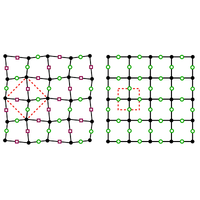
Phys. Rev. Lett. 137, 086502 (2026)
Condensed Matter and Materials
Probing the Quantum Geometry of Correlated Metals Using Optical Conductivity
Article | Condensed Matter and Materials | 2026-08-18 06:00 EDT
Deven P. Carmichael and Martin Claassen
Recent studies have revealed that the quantum geometry of electronic bands determines the electromagnetic properties of noninteracting insulators and semimetals. However, the role of quantum geometry in the optical responses of interacting electron systems remains largely unexplored. Here, we examin…
Phys. Rev. Lett. 137, 086503 (2026)
Condensed Matter and Materials
Majorana Edge Modes in Isolated Wires
Article | Condensed Matter and Materials | 2026-08-18 06:00 EDT
Jaden Thomas-Markarian, Kartiek Agarwal, and Ivar Martin
Topological superconductors are believed to host exotic quasiparticle excitations known as Majorana zero modes (MZMs), with much of the evidence based on BCS mean-field theory. The direct application of mean-field arguments is tenuous in finite, isolated systems relevant in some experiments. Here, w…
Phys. Rev. Lett. 137, 086504 (2026)
Condensed Matter and Materials
Quantum Brownian Motion: Proving That the Schmid Transition Belongs to the Berezinskii-Kosterlitz-Thouless Universality Class
Article | Statistical Physics; Classical, Nonlinear, and Complex Systems | 2026-08-18 06:00 EDT
F. G. Capone, A. de Candia, V. Cataudella, R. Fazio, N. Nagaosa, C. A. Perroni, and G. De Filippis
We investigate the equilibrium properties of a quantum Brownian particle moving in a periodic potential, specifically addressing the nature of the dissipation-driven Schmid transition in the Ohmic regime. By employing world-line Monte Carlo in the path-integral formalism and introducing a specific b…
Phys. Rev. Lett. 137, 087101 (2026)
Statistical Physics; Classical, Nonlinear, and Complex Systems
Charged Excitations Made Neutral: $N$-Centered Ensemble Density Functional Theory of Fukui Functions
Article | Polymers, Chemical Physics, Soft Matter, and Biological Physics | 2026-08-18 06:00 EDT
Lucien Dupuy and Emmanuel Fromager
An in-principle exact working equation to compute electronic affinity and ionization Fukui functions is derived within the -centered (Nc) ensemble extension of density functional theory (DFT). It circumvents the kernel derivative discontinuity problem of DFT for fractional electron numbers, whose c…
Phys. Rev. Lett. 137, 088001 (2026)
Polymers, Chemical Physics, Soft Matter, and Biological Physics
Paradoxical Increase of Capacity due to Spurious Overlaps in Attractor Networks
Article | Polymers, Chemical Physics, Soft Matter, and Biological Physics | 2026-08-18 06:00 EDT
Marco Benedetti, Nicolas Brunel, Enzo Marinari, and Ulises Pereira-Obilinovic
In Hopfield-type associative memory models, memories are stored in the connectivity matrix and can be retrieved subsequently thanks to the collective dynamics of the network. In these models, the retrieval of a particular memory can be hampered by overlaps between the network state and other memorie…
Phys. Rev. Lett. 137, 088401 (2026)
Polymers, Chemical Physics, Soft Matter, and Biological Physics
Physical Review X
Bulklike Costless Domain Walls Driven by Phonon Pair Condensation in ${\mathrm{HfO}}_{2}$
Article | 2026-08-18 06:00 EDT
Hyun-Jae Lee, Pawan Kumar, Kyoung-June Go, Chang Hoon Kim, Yungyeom Kim, Kyoungjun Lee, Takao Shimizu, Seung Chul Chae, Hosub Jin, Minseong Lee, Umesh Waghmare, Si-Young Choi, and Jun Hee Lee
A previously unrecognized governing principle helps to explain the stable electrical properties in some ferroelectric materials like hafnium oxide.
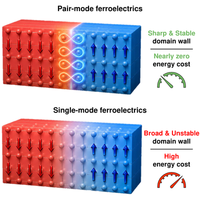
Phys. Rev. X 16, 031041 (2026)
Eigenstate Thermalization in Thermal First-Order Phase Transitions
Article | 2026-08-18 06:00 EDT
Maksym Serbyn, Alexander Avdoshkin, Oriana K. Diessel, and David A. Huse
Researchers demonstrate that thermal first-order phase transitions require a generalization of the eigenstate thermalization hypothesis, leading to the coexistence of distinct eigenstate classes and Schrödinger-cat-like states.
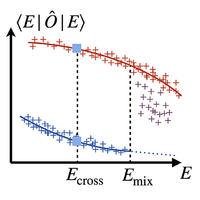
Phys. Rev. X 16, 031042 (2026)
arXiv
Critical couplings of two dimensional Ising model on various lattices
New Submission | Statistical Mechanics (cond-mat.stat-mech) | 2026-08-19 20:00 EDT
We develop a unified fermionic-field formulation of the two-dimensional Ising model on several planar lattices using the Kac–Ward representation. Grassmann fields are associated with directed lattice links, while the turning of a fermionic trajectory at a lattice vertex is encoded by the corresponding Kac–Ward phase factor. Within this approach the partition function is expressed through the determinant of a finite-dimensional momentum-space matrix, whose zeros determine the excitation spectrum and the critical coupling.
We apply the method to the regular square, honeycomb, triangular, kagomé, and dual kagomé (dice or $ T_3$ ) lattices. In all cases the known exact critical couplings are reproduced. Particular attention is given to the anisotropic kagomé lattice, for which the fermionic determinant yields the complete critical surface and the low-energy spectral equation. We also construct the fermionic action for the dual kagomé lattice and derive its anisotropic critical condition. In the isotropic dice model the spectrum reduces at low energy and momentum to a relativistic massive form, with the mass vanishing at $ \cosh(2J_c)=(1+\sqrt3)/2$ . The results demonstrate that the same fermionic construction provides a compact description of criticality and low-energy excitations for Ising models on lattices with different local geometries and coordination numbers.
Statistical Mechanics (cond-mat.stat-mech)
15 pages, 6 figures
Hydrodynamization in 1D Bose gases at nonzero temperature
New Submission | Quantum Gases (cond-mat.quant-gas) | 2026-08-19 20:00 EDT
Hydrodynamization refers to the remarkably rapid process in relativistic heavy-ion collisions by which hydrodynamic descriptions become applicable. Following the observation of analogous behavior in ultracold one-dimensional (1D) Bose gases, hydrodynamization has been conjectured to be a universal dynamical phenomenon in quantum systems following high-energy quenches. Theoretical studies in this cold-atom setting have so far been restricted to quenches from ground states. Here we study how nonzero temperatures affect hydrodynamization. Specifically, using a homogeneous 1D gas of hard-core bosons, we explore how the initial temperature affects the timescales associated with hydrodynamization and prethermalization following a Bragg-pulse quench. We find that while the hydrodynamization coherence time remains unchanged, increasing temperature shortens both the damping time of the hydrodynamization oscillations and the prethermalization time. We argue that this is mainly the result of the broadening of the initial rapidity distribution, and introduce a nonzero-temperature dephasing time defined in terms of the extent of the rapidity distribution.
Quantum Gases (cond-mat.quant-gas), Nuclear Theory (nucl-th), Atomic Physics (physics.atom-ph), Quantum Physics (quant-ph)
11 pages, 8 figures
PowderLine: a programmatic powder diffraction analysis application
New Submission | Materials Science (cond-mat.mtrl-sci) | 2026-08-19 20:00 EDT
Adam A. Corrao, Jennifer A. Perez, John D. Langhout, Megan M. Butal, Thomas A. Caswell, Daniel Olds
Whole-pattern fitting methods, such as Rietveld refinement, excel at extracting detailed structural, chemical, and microstructural information from powder diffraction data. Obtaining reliable results requires both considerable expertise and software-specific knowledge, and applying these methods at scale typically relies on custom scripts written for each application. High-throughput experiments and autonomous self-driving laboratories increasingly utilize powder diffraction analysis to proceed programmatically and to return structured, machine-readable results. Here, we introduce PowderLine, a Python application that encapsulates a complete refinement into a single declarative recipe, validates that recipe against a versioned schema, and executes it through refinement software to return structured results. The refinement recipe is an all-inclusive, machine-readable and -writable description of either Rietveld or single peak analysis that users, scripts, and automated agents can specify and run in the same way. As a result of PowderLine’s composability, it naturally fits into interactive, scripted, and autonomous workflows alike.
Materials Science (cond-mat.mtrl-sci), Software Engineering (cs.SE), Data Analysis, Statistics and Probability (physics.data-an)
11 pages, 3 figures
Local magnetic resonance of scalar spin chirality
New Submission | Mesoscale and Nanoscale Physics (cond-mat.mes-hall) | 2026-08-19 20:00 EDT
Mar Ferri-Cortés, Joaquin Fernández-Rossier
Quantum states with finite scalar spin chirality carry an orbital magnetic moment that has so far eluded direct measurement. We show that, whereas uniform electron spin resonance preserves chirality, a local drive breaks the cyclic symmetry and activates chirality-changing transitions, providing direct access to the chiral orbital magnetic moment. Lindblad simulations demonstrate experimentally accessible signatures in platforms with local spin addressability, including electron spin resonance with a scanning tunneling microscope, donor spins in silicon, and quantum-dot spin qubits.
Mesoscale and Nanoscale Physics (cond-mat.mes-hall), Quantum Physics (quant-ph)
Emissivity by Design: Geometric Mesh Inductance Governs Thermal Radiation in Metallic Nanowire Networks
New Submission | Mesoscale and Nanoscale Physics (cond-mat.mes-hall) | 2026-08-19 20:00 EDT
The thermal infrared emissivity of metallic nanowire networks - the property that makes them candidate low-emissivity transparent electrodes - follows regularities that have resisted physical explanation: a strong wire-diameter dependence with no wire-length dependence, a correlation with sheet resistance that breaks down above ~15 ohm/sq, and an angular signature that turns from dielectric-like to metallic as the network densifies. We show that all of them follow from one local geometric length, the average inter-wire gap g, acting through the geometric inductance of a mesh finer than the thermal wavelength: $ X_L = Z_0 (g/\lambda) \ln(2g/\pi D)$ , a parameter-free reactance that exceeds the ohmic loss and, unlike the DC sheet resistance, stays finite instead of diverging at the percolation threshold. Since the gap is fixed by areal density and wire diameter alone, the optics is length-independent and decoupled from percolative transport; what has been read as a second, optical percolation is instead a smooth impedance crossing. With a single fitted parameter the theory reproduces 56 silver-nanowire samples across four diameters to a mean absolute error of 0.04, collapses them onto one universal curve, and - unchanged - predicts the emissivity-transmittance data of five independent groups and the measured spectral emissivity, including the silica phonon band. Because this reactance contains no material constant, the inter-wire gap emerges as the master design variable for the radiative properties of metallic nanowire transparent conductors.
Mesoscale and Nanoscale Physics (cond-mat.mes-hall), Materials Science (cond-mat.mtrl-sci)
29 pages, 8 figures. Main text (8 pages, 3 figures) followed by Supplementary Information (21 pages, 5 figures). REVTeX 4.2. Code and data: this https URL
Hidden Ergodic Relaxation in the Quench Dynamics of a Bichromatic Mott Lattice
New Submission | Quantum Gases (cond-mat.quant-gas) | 2026-08-19 20:00 EDT
Áttis V. M. Marino, Rhombik Roy, M. A. Caracanhas, N. D. Chavda, Antônio M. S. Macêdo, V. S. Bagnato, Robin P Sagar, B. Chakrabarti
We investigate the nonequilibrium dynamics of strongly interacting bosons in a finite bichromatic Mott lattice following a sudden quench of the secondary lattice amplitude. The coefficient entropies and second Rényi entropy exhibit pronounced growth toward their Gaussian Orthogonal Ensemble (GOE) predictions from random-matrix theory, consistent with GOE-like statistical spreading in the employed multiconfigurational representation. In striking contrast, experimentally accessible observables, including the momentum distribution, fragmentation, and Glauber correlation functions, remain nearly unchanged throughout the evolution. For the sampled strong quenches, the coefficient entropies, second Rényi entropy, and the $ N$ -body coefficient spreading collapse onto a common relaxation trajectory that becomes largely independent of the perturbation strength. Our results reveal an emergent hidden ergodic relaxation beneath the persistent local Mott-like order. An effective embedded random-matrix model captures the qualitative crossover from restricted to extensive Hilbert-space spreading, providing an interpretive framework for the observed relaxation dynamics.
Quantum Gases (cond-mat.quant-gas)
6 pages, 4 figures; supplemental material: 9 pages, 4 figures
Controlling Structure and Properties of Vapor-Deposited Glasses of Organic Semiconductors: Recent Advances and Challenges
New Submission | Soft Condensed Matter (cond-mat.soft) | 2026-08-19 20:00 EDT
The last decade has seen great progress in manipulating the structure of vapor-deposited glasses of organic semiconductors. By varying the substrate temperature during deposition, glasses with a wide range of density and molecular orientation can be prepared from a given molecule. We review recent studies that show the structure of vapor-deposited glasses can be tuned to significantly improve the external quantum efficiency and lifetime of OLEDs (organic light emitting diodes). We highlight the ability of molecular simulations to reproduce experimentally observed structures, setting the stage for in-silico design of vapor-deposited glasses in the coming decade. Finally, we identify research opportunities for improving the properties of organic semiconductors by controlling the structure of vapor-deposited glasses.
Soft Condensed Matter (cond-mat.soft), Materials Science (cond-mat.mtrl-sci)
40 pages, 7 figures, 85 references
J. Phys. Chem. Lett. 2020, 11, 6935-6945
Rejuvenation versus overaging: The effect of cyclic loading/unloading on the segmental dynamics of PMMA glasses
New Submission | Soft Condensed Matter (cond-mat.soft) | 2026-08-19 20:00 EDT
Trevor Bennin, Enran Xing, Josh Ricci, M.D. Ediger
The acceleration of structural relaxation or physical aging by deformation, known as overaging, has been reported in experiments and simulations of polymer and colloid glasses, and correctly accounting for overaging is important for the prediction of the long-term behavior of polymer glasses in engineering applications. Here the effects of cyclic loading/unloading on the segmental dynamics and mechanical properties of PMMA glasses are investigated using a probe reorientation technique and time-aging time superposition of the mechanical response, respectively. Sets of 5000 tensile loading/unloading cycles were performed at temperatures between Tg - 10 K and Tg - 25 K with cycle extension strains ranging from 0.003 to 0.007. After cycling, the segmental dynamics measured with the probe reorientation technique either remained unchanged or were faster relative to an undeformed sample. The relaxation times of cycled glasses recovered with a common time scale on the order of their aging time, indicating that they retain a memory of their original age, as opposed to a full erasure of their thermal and mechanical history. Surprisingly, changes as a result of cycling were more obvious in probe reorientation measurements than in the mechanical properties, suggesting that the probe reorientation technique can sensitively detect nonlinear effects of deformation. No evidence of overaging was observed in the optical or mechanical measurements as a result of these cyclic loading/unloading experiments.
Soft Condensed Matter (cond-mat.soft), Materials Science (cond-mat.mtrl-sci)
26 pages, 9 figures, 56 references; Supplemental information (3 figures)
Macromolecules 2020, 53, 8467-8475
Over what length scale does an inorganic substrate perturb the structure of a glassy organic semiconductor?
New Submission | Materials Science (cond-mat.mtrl-sci) | 2026-08-19 20:00 EDT
Kushal Bagchi, Chuting Deng, Camille Bishop, Yuhui Li, Nicholas E Jackson, Lian Yu, M.F. Toney, J.J. de Pablo, M.D. Ediger
While the bulk structure of vapor-deposited glasses has been extensively studied, structure at buried interfaces has received little attention, despite being important for organic electronic applications. To learn about glass structure at buried interfaces, we study the structure of vapor-deposited glasses of the organic semiconductor DSA-Ph (1,4-di-[4-(N,N-diphenyl)amino]styryl-benzene) as a function of film thickness; structure is probed with grazing incidence X-ray scattering. We deposit on silicon and gold substrates and span a film thickness range of 10-600 nm. Our experiments demonstrate that interfacial molecular packing in vapor-deposited glasses of DSA-Ph is more disordered compared to the bulk. At a deposition temperature near room temperature, we estimate ~ 8 nm near the substrate can have modified molecular packing. Molecular dynamics simulations of a coarse-grained representation of DSA-Ph reveal a similar length scale. In both the simulations and the experiments, deposition temperature controls glass structure beyond this interfacial layer of a few nanometers.
Materials Science (cond-mat.mtrl-sci), Soft Condensed Matter (cond-mat.soft)
35 pages, 6 figures, 55 references: Supplemental material (9 figures)
ACS Appl. Mater. Interfaces 2020, 12, 26717-26726
Demonstration of a scalable all-solid-state refrigerator exploiting diffusion geometries and limiting interfacial conductances at temperatures below 1
New Submission | Superconductivity (cond-mat.supr-con) | 2026-08-19 20:00 EDT
Northrop Grumman Microelectronics Design, Applications Team: Robert M. Young, Zachary Stegen, John X. Przybysz, Edward R. Engbrecht, Aaron A. Hathaway, Justin C. Hackley, Kirby B. Myers, Christian C. Thorpe, Aurelius L. Graninger, Robert Miller, Diego A. Morales, Roberto D. Carcamo, Glen Walters, Jeric P. Sarad, Nicholas F. Pleim, Seth Whitsitt, Joshua T. Shipman, Anil Erol, Melissa G. Loving, Evan Donohue, Corey A. Kegerreis, Benjamin Dalfort, Moe S. Khalil, Christopher Pinion, Randi Jaramillo, John Milinichik, Sandro J. Di Giacomo, Thomas Zodda, Nilesh Tralshawala, Gregory R. Boyd, Jonathan M. Cochran, Katherine A. Maddock, Michael P. De Feo, Aaron A.Pesetski, Marc E. Sherwin
Solid-state refrigerators using Normal-metal/Insulator/Superconductor (NIS) junctions have previously demonstrated excellent electron cooling but limited ability to cool phonons. The energy gap of the superconductor is used as an energy filter to allow higher than average energy electrons to preferentially tunnel from the normal-metal through the insulator into the superconductor where they travel as quasi-particles. Typically, the heat is moved and work is done to deposit hot quasi-particles into a normal-metal quasi-particle trap for rejection to the next refrigeration stage. Realizing that (1) the quasi-particles flow diffusively, driven by a concentration gradient in the electric field-free superconductor, and (2) that the undesirable backwards leaking of heat from the hot-side trap can be reduced by engineering the geometry and materials at the superconductor-to-trap interface, enhanced cooling can be achieved. Fabrication of the refrigerator was accomplished using a tungsten and titanium-tungsten alloy as the cold-side normal-metal, aluminum oxide as the insulator, aluminum as the superconductor, and gold as the trap, with the cold-side NIS portion being attached to the hot-side gold trap by bump bonding. The refrigerator consisted of 1121 junction pairs, each pair being an SINIS unit, all electrically connected in series. Using this we have measured the effective phonon temperature of a 3.9 mm x 3.9 mm x 0.65 mm silicon chip driven down to 70 mK from a bath temperature of 120 mK, and down to 174 mK from a 271 mK rejection temperature (a cooling of -97 mK). This is the first demonstration of the sub 1 K cooling of an entire silicon chip using NIS junctions.
Superconductivity (cond-mat.supr-con), Mesoscale and Nanoscale Physics (cond-mat.mes-hall), Applied Physics (physics.app-ph)
Temperature-Induced Reorganization of Supported Zn$_3$ Clusters on Cu(111): From Minimum-Energy Structures to Finite-Temperature Ensembles
New Submission | Materials Science (cond-mat.mtrl-sci) | 2026-08-19 20:00 EDT
Jiayan Xu, Zheng Yu, Abhirup Patra, Amar Deep Pathak, Sharan Shetty, Detlef Hohl, Roberto Car
Understanding the nature of catalytic active sites under reaction conditions remains a central challenge in heterogeneous catalysis. In industrial copper/zinc oxide/alumina catalysts for methanol synthesis, small Zn-based species at the Cu interface have long been proposed as active-site candidates, yet their atomic-scale structure and stability remain controversial. Computational studies typically identify such species from optimized 0 K structures, assuming that minimum-energy configurations remain representative under reaction conditions. Here, we combine machine-learning-interatomic-potential-accelerated global optimization, molecular dynamics, and enhanced-sampling free-energy calculations to investigate supported Zn$ _3$ (OH)$ _3$ and Zn$ _3$ (OH)$ _2$ CHOO clusters on Cu(111)-based surfaces from 0 to 450 K. While compact triangular configurations are generally favored among minimum-energy structures at 0 K, finite-temperature free-energy calculations reveal a pronounced shift toward extended linear configurations with increasing temperature. This transition is driven primarily by entropic stabilization and cannot be inferred from potential energies alone. Molecular dynamics further shows substantial cluster mobility on pristine Cu(111), indicating that long-term persistence depends not only on configurational stability but also on surface mobility. Surface Zn alloying strongly suppresses diffusion, thereby stabilizing isolated interfacial Zn species. Together, these results show that thermodynamically relevant structures of supported Zn-based clusters can differ fundamentally from static 0 K predictions because of competing enthalpic and entropic effects. Our findings highlight the limitations of identifying catalytic active sites solely from 0 K structures and underscore the importance of explicit finite-temperature sampling in catalyst modeling.
Materials Science (cond-mat.mtrl-sci)
34 pages, 4 figures
Discovery of novel magnetic Y-Mn-B compounds via advanced machine learning guided framework
New Submission | Materials Science (cond-mat.mtrl-sci) | 2026-08-19 20:00 EDT
Weiyi Xia, Wei Shen Tee, Maxim Moraru, Ying Wai Li, Cai-Zhuang Wang
Rare-earth transition-metal borides offer critical structural motifs for permanent-magnet design; however, the manganese-rich regions within these compositional phase spaces remain largely unexplored. In this work, we develop an advanced machine-learning-assisted discovery framework to explore Y-Mn-B ternary system. Starting from over one million hypothetical structures generated from known structures in databases, we filtered promising candidates by first applying graph neural networks to predict material stability, then using machine-learning-interatomic-potential to relax their structures, and finally validating the results with first-principles calculations. We identify 5 stable and near-stable Y-Mn-B phases along with 61 metastable compounds with the formation energy within 100 meV/atom with respect to the ternary convex hull. Among them, Y2Mn7B7 and YMn4B4 are structurally analogous to the previously synthesized $ R_{1+\epsilon}Fe_4B_4$ 1D incommensurate composite chain compounds. In striking contrast to the strongly suppressed Fe moments reported, our first-principles calculations reveal that the predicted Mn-chain phases preserve sizable local Mn moments (approximately 1.1 $ \mu_B$ ) and favored ferromagnetic ordering. Electronic structure analyses elucidate the microscopic origin of moment recovery via an enhanced exchange splitting driven by a Stoner-like instability. We also perform systematic Mn-Fe substitution to confirm the thermodynamic continuity and a monotonic enhancement of the macroscopic magnetization, from Fe to Mn. These findings indicate that targeted transition-metal substitution within a one-dimensional boride family can recover transition-metal magnetism, offering a physically interpretable route for designing new magnetic rare-earth transition-metal borides.
Materials Science (cond-mat.mtrl-sci), Computational Physics (physics.comp-ph)
Windmill Spin Dynamics and Its Induced Anomalous Hall Effect in Noncollinear Antiferromagnet Mn3Sn
New Submission | Materials Science (cond-mat.mtrl-sci) | 2026-08-19 20:00 EDT
Jikun Zhou, Yang Gao, Qian Niu
We demonstrate that the spin dynamics of the noncollinear antiferromagnet Mn\textsubscript{3}Sn possesses a special soft eigen mode, which starts as a small-angle oscillation and eventually develops into a large-angle, windmill-type precession, when the canting angle surpasses a threshold value determined by the bending of the spin order. Such windmill precession possesses a unique chiral direction of motion, which can be sensed by electrons, producing a Berry curvature through the Berry connection polarizability in the mixed parameter space. Such Berry curvature can then yield a characteristic static anomalous Hall effect during windmill precession, even though the anomalous Hall effect from the equilibrium spin order vanishes. Our work reveals rich dynamical information in noncollinear antiferromagnets.
Materials Science (cond-mat.mtrl-sci)
Incidence-based random walks on simplicial complexes
New Submission | Statistical Mechanics (cond-mat.stat-mech) | 2026-08-19 20:00 EDT
C.T. Martínez-Martínez, Francisco J. Sevilla
We introduce an incidence-based random walk on the edges of a random two-dimensional simplicial complex with a complete $ 1$ -skeleton and independently retained triangular faces. The dynamics combine two transport channels, one mediated by vertices and the other by triangular faces, through an effective transition operator controlled by a mixing parameter $ q$ . This construction isolates the effects of higher-order connectivity without modifying the underlying pairwise support of the walk. We characterize the model through structural observables, spectral relaxation, stationary localization, and first-passage transport. Our results show that partial face retention generates heterogeneous higher-order connectivity, giving rise to a pronounced transport bottleneck at intermediate face densities. In this regime, the second-largest eigenvalue modulus, the inverse participation ratio of the stationary distribution, and the mean first-passage time all exhibit non-monotonic behavior, reaching their largest values at intermediate face densities. The corresponding first-passage-time distributions reveal an enhanced probability of unusually long trajectories. Together, these results establish a simple framework for investigating how heterogeneous higher-order connectivity reshapes spectral and transport properties beyond pairwise network dynamics.
Statistical Mechanics (cond-mat.stat-mech), Other Condensed Matter (cond-mat.other)
Zero Point Density Fluctuations and Electron Brownian Motion
New Submission | Mesoscale and Nanoscale Physics (cond-mat.mes-hall) | 2026-08-19 20:00 EDT
L. H. Ford, G. O. Heymans, N. F. Svaiter
The fluctuations in the phonon vacuum state can lead to zero point density fluctuations in a material, which in turn lead to local zero point fluctuations of the dielectric properties of the material. We argue that the density fluctuations lead to a fluctuating force on a test charge, such as an electron, located a short distance outside of the material. This force is due to fluctuating dipole moments inside the material, and produces Brownian motion of the electron. We calculate the mean squared velocity of the electron in both the normal and transverse direction relative to the boundary of the material. The result is nonzero in both directions, but larger in the normal case. We estimate the magnitude of this quantum Brownian motion and find that, in some cases, it can exceed the effects of both thermal motion and quantum momentum uncertainty. This suggests that the effect may be observable, and could constitute a source of quantum noise in nanoscale devices. It also potentially offers a means to remotely sense zero point density fluctuations in a material.
Mesoscale and Nanoscale Physics (cond-mat.mes-hall), High Energy Physics - Theory (hep-th), Quantum Physics (quant-ph)
8 pages, 1 figure
APS OPEN SCIENCE 1, L000096 (2026)
Second Harmonic Generation Spectroscopy of the Surface Charge Density Wave in the Weyl Semimetal CoSi
New Submission | Strongly Correlated Electrons (cond-mat.str-el) | 2026-08-19 20:00 EDT
Awadhesh K. Das, Wesley E. Deeg, Sujan Subedi, Chandra Shekhar, Claudia Felser, Darius H. Torchinsky
Using temperature-dependent rotational anisotropy second harmonic generation (RA-SHG), we identify a charge density wave (CDW) instability on the CoSi (001) face with an onset temperature at $ 90.0 \pm 0.8$ K. The SHG response tracks the order parameter amplitude, dominated by two nonlinear tensor elements, whose background-subtracted intensity evolves with temperature as a power law. The extracted critical exponent $ \beta = 0.30 \pm 0.03$ is consistent with the 3D XY universality class, an unexpected result for a nominally two-dimensional surface layer. No corresponding anomaly is observed in the bulk response, establishing the transition as a purely surface-driven phase transition. We attribute this unexpected scaling to the coupling between surface Fermi-arc states and the bulk topology they are tied to, grounded in a previously observed intra-unit-cell phase relationship between surface sublayers that gives the order parameter intrinsic three-dimensional structure.
Strongly Correlated Electrons (cond-mat.str-el), Mesoscale and Nanoscale Physics (cond-mat.mes-hall), Materials Science (cond-mat.mtrl-sci)
Spontaneous symmetry-breaking in equilibrium tree-packing configurations of a kinetically constrained cubic-lattice system
New Submission | Statistical Mechanics (cond-mat.stat-mech) | 2026-08-19 20:00 EDT
We explore kinetic-constraint induced thermodynamic phase transition in the cubic lattice, employing the Fredrikson-Anderson spin model with hyperparameter $ K=2$ as a representative kinetic system. Each lattice site may flip its binary occupation state if at most one of its six nearest neighbors is currently occupied. The whole set of microscopic configurations that are kinetically connected with the fully empty one is described by an equilibrium partition function with a single global constraint, that is, the occupied sites do not form closed loops but instead organize into different tree components in the lattice. We discover a continuous thermodynamic gas–crystal phase transition in the cubic system and determine the critical chemical potential $ \mu^\ast \approx -3.252$ , at which the occupied sites of the equilibrium tree-packing configurations start to prefer one of the two nested cubic sublattices. This thermodynamic phase transition is absent in the two-dimensional square lattice.
Statistical Mechanics (cond-mat.stat-mech), Disordered Systems and Neural Networks (cond-mat.dis-nn)
15 pages, 3 figures
Resonant Untrapping of Active Polymers in Breathing Lattices
New Submission | Soft Condensed Matter (cond-mat.soft) | 2026-08-19 20:00 EDT
Yihang Sun, Yixiang Li, Tsvi Tlusty, Guolong Zhu
In crowded environments, active polymers can trap themselves by winding into long-lived conformations. We show that fluctuations of the surrounding confinement can resonantly accelerate escape from these self-generated traps. Brownian dynamics simulations of a driven semiflexible chain in a breathing obstacle lattice reveal intermittent switching between a compact rotating spiral and an extended translating state. Long-time diffusion increases by up to two orders of magnitude when the environmental fluctuation rate becomes comparable to the spiral’s intrinsic relaxation rate. The enhancement persists under stochastic fluctuations, showing that coherent periodic forcing is not required. Activity creates a second optimum: it promotes escape once favorable conformations form, yet at strong drive stabilizes the spiral and suppresses their formation. Resonant untrapping thus provides a general mechanism by which fluctuating environments regulate transport through barriers generated by internal conformational dynamics.
Soft Condensed Matter (cond-mat.soft)
Fresnel diffraction imaging of surface nanostructure using coherent resonant X-ray scattering
New Submission | Materials Science (cond-mat.mtrl-sci) | 2026-08-19 20:00 EDT
L. Burgard, C. Neupane, A. Balodhi, S. Bista, S. Butun, R. Jangid, A. Barbour, N. Basit, D. F. Agterberg, M. Weinert, C. Mazzoli, M. G. Kim
We investigated surface nanostructures on an antiferromagnet MnBi$ _2$ Te$ _4$ using a novel imaging technique, direct (real)-space and real time coherent X-ray imaging (direct-CXI). This technique has provided new insights into antiferromagnetic textures, including the formation of anti-phase antiferromagnetic (AFM) domains and thermal dynamics of AFM domains and domain walls. While this method produces real-space images of AFM textures without requiring a complex imaging retrieval process, its underlying imaging mechanism has not been fully understood, limiting a deep understanding of AFM textures and the information they contain. By investigating the well-defined structural characteristics of the nanostructures fabricated on MnBi$ _2$ Te$ _4$ , we elucidate the imaging principle of this novel technique. We find that the observed images can be well explained by Fresnel diffraction integral. Using a simple model from classical optics, our calculations successfully reproduce the experimentally observed images of the nanostructures. This demonstrates that direct-CXI not only provides straightforward real-space imaging but also contains phase information through its Fresnel diffraction integral.
Materials Science (cond-mat.mtrl-sci)
J. Appl. Phys. 138, 013902 (2025)
Flux-tunable global and local superconductivity in a topological insulator nano-SQUID
New Submission | Mesoscale and Nanoscale Physics (cond-mat.mes-hall) | 2026-08-19 20:00 EDT
Ella Nikodem, Jakob Schluck, Michał Papaj, Max Geier, Mahasweta Bagchi, Liang Fu, Henry F. Legg, Yoichi Ando
Topological systems are defined by global properties that enforce the existence of local boundary modes. Three-dimensional topological insulators (TIs) were among the earliest proposed systems for hosting topological superconductivity, but experimental focus subsequently shifted to other platforms. Here, we revisit bulk-insulating TIs using a columnar nano-superconducting quantum interference device (nano-SQUID) architecture. This geometry optimises the proximity effect on the TI surface and enables simultaneous probing of global superconducting properties - via the critical current through the nano-SQUID - alongside the local states at the ends of the nano-SQUID via tunnel junctions. We observe several global superconducting features that appear to show a flux-driven global phase transition consistent with entering the topological regime, including periodic critical current oscillations and a sign reversal in the superconducting diode effect. Simultaneously, tunnelling spectroscopy reveals spectral jumps in local and nonlocal conductance that align with these global features. However, zero-bias peaks (ZBPs) in local conductance are present both within the predicted topological range of magnetic fields and in theoretically trivial regimes, including at zero magnetic field. Ultimately, the lack of correlation between local ZBP signatures and global signatures emphasises that conclusively identifying Majorana bound states will necessitate a combined approach, integrating the establishment of global topological properties with the use of local and other, more advanced, probes.
Mesoscale and Nanoscale Physics (cond-mat.mes-hall), Superconductivity (cond-mat.supr-con)
Main text: 8 pages, 4 figures. SM: 7 pages, 5 figures
Giant Bandgap Pulsation Driven by Hotspot Breathing Phonons in a Flat-Band Solid
New Submission | Materials Science (cond-mat.mtrl-sci) | 2026-08-19 20:00 EDT
Wenjie Liu, Huaxin Wu, Jiyang Fan
The electronic bandgap of solids is conventionally viewed as a static property at a given temperature, with only weak and stochastic thermal fluctuations under equilibrium conditions. Here, using ab initio molecular dynamics and first-principles electron-phonon calculations, we reveal a pronounced room-temperature bandgap pulsation at about 7.8 THz in a perovskite-like flat-band solid, with a maximum peak-to-peak variation approaching 0.95 eV. This behavior originates from a dual selection mechanism: the A1g-like breathing branch couples much more strongly to the flat conduction-band edge than other phonon branches, while real-space phase selectivity distinguishes its hotspot gamma-point and finite-q components. Although finite-q modes retain appreciable microscopic coupling, their intercell phase shifts produce smaller-amplitude shorter-recurrence-period responses, leaving the unit-cell-synchronous gamma-point A1g component to dominate the fundamental-period bandgap pulsation. The resulting band-edge dynamics further modulates the optical response on femtosecond timescales. These findings demonstrate that an unexpectedly ordered electronic response can emerge from intrinsically disordered thermal lattice fluctuations.
Materials Science (cond-mat.mtrl-sci), Mesoscale and Nanoscale Physics (cond-mat.mes-hall), Applied Physics (physics.app-ph), Computational Physics (physics.comp-ph)
Many-Anyon Braiding in Non-Abelian Fractional Quantum Hall Effect with Hybrid Monte Carlo Simulation
New Submission | Strongly Correlated Electrons (cond-mat.str-el) | 2026-08-19 20:00 EDT
Ting-Tung Wang, Ha Quang Trung, Qianhui Xu, Min Long, Bo Yang, Zi Yang Meng
We employ the hybrid Monte Carlo method to efficiently compute the many-anyon non-Abelian braiding matrices associated with different braiding schemes of the Moore-Read quasiholes. A novel proposal in this work is that anyon braiding schemes based on a global rotation are robust against finite-size effects, as demonstrated by benchmarking their errors in the braiding matrix against those of a simple two-anyon exchange. Moreover, we investigate how electron-electron interactions and local electrostatic trapping potentials influence the energetic preference of different fusion channels. Their effect on the non-Abelian braiding matrices has been verified, a surprising phenomenon that demonstrates long-range entanglement of non-Abelian states. Our results are relevant to the experimental realization of non-Abelian physics in fractional quantum Hall and other analogous systems, including the fast-growing field of fractional quantum anomalous Hall states in moiré materials.
Strongly Correlated Electrons (cond-mat.str-el)
8+10 pages, 3+1 figures
Flat band and Bulk-Boundary correspondence in a non-Hermitian trimerized lattice model with generic boundary conditions
New Submission | Mesoscale and Nanoscale Physics (cond-mat.mes-hall) | 2026-08-19 20:00 EDT
Supriyo Ghosh, Pijush K. Ghosh, Shreekantha Sil
We consider a Su-Schrieffer-Heeger(SSH)-type trimer model with next-nearest-neighbor(NNN) interaction and balanced loss-gain(BLG) to study the combined effect of lattice symmetries, topology, non-hermiticity and general boundary conditions(GBC)on the existence of flat band and the nature of Bulk-Boundary correspondence(BBC). We derive the necessary and sufficient conditions for the existence of an entirely real spectrum under the periodic boundary condition(PBC). The exact expressions for the compact localized states(CLS) and energy eigenvalues corresponding to flat bands are derived analytically under the PBC. We establish topological phase transitions(TPT) for PT-symmetry and pseudo-chiral symmetry through the computation of the Zak phase and sub-lattice Zak phase, respectively. The Hamiltonian under the open boundary condition(OBC) is studied numerically, and edge states are observed in the topologically non-trivial phase, thereby establishing the non-hermitian BBC. The CLS exists in both bulk and the boundary for systems having only pseudo-chiral symmetry, and an additional PT-symmetry destroys the CLS at the boundary. We generalize a known formalism to study the same Hamiltonian under GBC, and derive analytic expressions for the energy and eigenstates for a class of boundary conditions in parametric ranges which admit flat band under the PBC. The edge states for these boundary conditions, including the OBC, are obtained analytically in the topologically non-trivial phase, thereby establishing BBC. The non-hermitian skin effect(NHSE) is seen in the model with reciprocal bulk interaction and strongly non-reciprocal boundary terms. The winding number based on spectral topology is computed analytically.
Mesoscale and Nanoscale Physics (cond-mat.mes-hall), Other Condensed Matter (cond-mat.other), Mathematical Physics (math-ph), Quantum Physics (quant-ph)
24 pages, 11 figures, two columns
Intra-atomic magnetic octupoles and their coupling to cluster magnetic octupoles in Chiral antiferromagnets Mn$_3$Sn
New Submission | Materials Science (cond-mat.mtrl-sci) | 2026-08-19 20:00 EDT
Dohoon Park, Seungyun Han, Hyun-Woo Lee
We demonstrate that Mn$ _3$ Sn hosts finite intra-atomic magnetic octupoles (AMOs) $ \mathbf{o}$ in addition to the well-established cluster magnetic octupole (CMO) $ \mathbf{O}$ . In contrast to the cluster-scale CMO, the AMO is a site-localized magnetic multipole associated with the anisotropic intra-atomic spin density. Symmetry analysis shows that the CMO and AMO transform in the same representation, allowing a bilinear interaction of the form $ -g,\mathbf{O}\cdot\mathbf{o}$ . Using first-principles calculations, we confirm the presence of finite AMO densities and show that the AMO transforms concomitantly with the CMO under rotations of the noncollinear magnetic structure, providing microscopic evidence for the coupling between them. We further show that the magnetic band splitting can be represented by projected AMO operators, with manifold-dependent effective octupolar exchange coefficients in realistic Mn$ _3$ Sn. The presence of AMOs has three important implications. First, we show that the nonrelativistic spin splitting of Mn$ _3$ Sn can be described in terms of projected AMO operators, with manifold-dependent effective octupolar exchange coefficients, establishing the AMO as a microscopic operator underlying the spin splitting. Second, the AMO reveals a close connection between Mn$ _3$ Sn and $ d$ -wave altermagnets from the magnetic-octupole perspective. Third, the $ \mathbf{O}\cdot\mathbf{o}$ coupling suggests a new route to manipulate the CMO using AMO currents, opening a direction for controlling the multipolar order in Mn$ _3$ Sn.
Materials Science (cond-mat.mtrl-sci)
Universal quantum corrections of two-body correlation in a weakly interspecies interacting binary Bose mixture
New Submission | Quantum Gases (cond-mat.quant-gas) | 2026-08-19 20:00 EDT
Rui-Yan Chen, Zhaoxin Liang, Gao Xianlong
We investigate universal quantum corrections to two-body correlations in a zero-temperature binary Bose mixture using the Cornwall-Jackiw-Tomboulis two-particle-irreducible effective action formalism. In the weak interspecies-coupling regime, a saddle-point treatment based on Hubbard-Stratonovich transformations can be combined with a two-loop expansion and a gapless Hartree-Fock correction, thereby preserving the Goldstone theorem and reducing the coupled two-component problem to two analytically solvable single-component theories. Within this framework, we derive the ground-state energy density as a low-density expansion in the gas parameter, together with the quantum depletion and chemical potentials. The results exhibit a simple mapping to the single-component case: the universal quantum corrections of the mixture are obtained by evaluating the known single-component series at an effective scattering length $ a_{\sigma\sigma}-a_{12}$ for each species, where $ a_{\sigma\sigma}$ and $ a_{12}$ are the intra- and interspecies $ s$ -wave scattering lengths. This reproduces Petrov’s equation of state at one-loop order in the weak-coupling limit and yields beyond-Lee-Huang-Yang corrections at two-loop order. We also analyze the role of mass imbalance, which enters the energy density through the exact rescaling factor $ (1+m_{1}/m_{2})/2$ .
Quantum Gases (cond-mat.quant-gas)
Unconventional Pressure Evolution of Spin-Density-Wave State in La${3}$Ni${2}$O$_{7}$
New Submission | Superconductivity (cond-mat.supr-con) | 2026-08-19 20:00 EDT
Xiaoxiang Zhou, Shiyu Xie, Liangxin Qiao, Hengyuan Zhang, Jun Shu, Rui Liu, Mengwu Huo, Deyuan Hu, Hengjie Liu, Chuansheng Hu, Yilin Wang, Ge He, Zeming Qi, Meng Wang, Dong-Lai Feng, Zengyi Du
The discovery of pressure-induced high temperature superconductivity in the bilayer nickelate La$ _{3}$ Ni$ _{2}$ O$ {7}$ has raised the question of how its spin-density-wave (SDW) state evolves toward the superconducting regime. Here, we report a systematic electronic Raman study of La$ {3}$ Ni$ {2}$ O$ {7}$ single crystals under hydrostatic pressures up to 16.51 GPa. Both the SDW gap energy and the transition temperature $ T{\mathrm{SDW}}$ show an overall increase with pressure, while the dimensionless coupling ratio 2$ \Delta{\text{SDW}}/(k{\text{B}}T{\text{SDW}})$ remains constant around $ \sim7.5$ , indicating a robust strong-coupling character of SDW state. At the same time, the Raman SDW peak broadens as pressure is applied, indicating a gradual weakening of long-range SDW order. These results reveal an unusual pressure evolution in which the SDW energy scale is enhanced while the SDW state becomes progressively less coherent, providing spectroscopic constraints on the magnetic correlations relevant to superconductivity in bilayer nickelates.
Superconductivity (cond-mat.supr-con)
Conditional-path Monte Carlo for rare stochastic dynamics on networks: Details and derivations
New Submission | Statistical Mechanics (cond-mat.stat-mech) | 2026-08-19 20:00 EDT
Thomas Barthel, Jiazheng Sun, Jhao-Hong Peng
The simulation of rare macroscopic events in stochastic network dynamics, such as widespread epidemic outbreaks, cascading failures in communication networks, or the escape from metastable states in many-body systems, is severely hindered by methodological challenges like catastrophic rejection rates, weight degeneracy, genealogical correlations, and critical slowing down inherent to standard forward-time algorithms, splitting methods, and transition-path sampling. Conditional-path Monte Carlo (CPMC) overcomes these limitations by employing non-local Swendsen-Wang-like cluster updates that operate directly on full-system trajectories. Serving as the technical companion to [Sun, Moody, and Barthel, arXiv:2608.16171], this paper provides the rigorous mathematical foundations and algorithmic details underlying the CPMC framework. We formally define the joint path-graph probability weights and derive the transition and uniformization sum rules that guarantee detailed balance. Applying the framework to susceptible-infectious-susceptible (SIS) models, we systematically construct and optimize single-node and edge graph vertex sets specifically designed to prevent lock avalanches and maintain the structural mobility of the epidemic trunk. Furthermore, we detail a dynamic programming scheme to exactly implement complex boundary conditions - including patient-zero and macroscopic outbreak-size constraints - enabling the rejection-free generation of valid trajectories. Finally, we assess the computational complexity of the algorithm, describe parallelization strategies, and validate CPMC against exact solutions for dynamics on small networks.
Statistical Mechanics (cond-mat.stat-mech), Social and Information Networks (cs.SI), Computational Physics (physics.comp-ph), Physics and Society (physics.soc-ph)
16+2 pages, 5 figures
Growth of Altermagnetic α-MnTe Films: Substrate Variation and Surface Modification
New Submission | Materials Science (cond-mat.mtrl-sci) | 2026-08-19 20:00 EDT
M. Dittmar, L. Hirnet, H. Haberkamm, F. Beisler, C.-W. Chuang, R. Ganser, P. Kagerer, M.-J. Huang, J. Buck, M. Hoesch, K. Rossnagel, M. Ünzelmann, F. Reinert
Manganese telluride (MnTe) in its hexagonal {\alpha}-MnTe crystal structure has evolved as one of the altermagnet workhorse materials. The synthesis of MnTe thin films is highly relevant for both fundamental science and device applications. Here, we report on the epitaxial growth of MnTe thin films and heterostructures. The films are studied by X-ray and electron diffraction as well as soft X-ray angle-resolved photoemission spectroscopy. We demonstrate the ability to grow high-quality {\alpha}-MnTe on various substrates, ranging from transparent band insulators, over topological insulators, metallic transition metal chalcogenides, to the van der Waals ferromagnet Fe$ _3$ GeTe$ _2$ . While insulating substrates are useful for transport experiments or optical spectroscopy, metallic topological surface states may trigger spintronic interface effects, such as spin-orbit torques. Metallic substrates, in general, are highly relevant to avoid charging at the insulating MnTe films in electron spectroscopy or microscopy methods. Lastly, ferromagnetic substrates will be of interest to control magnetization across the interface. In addition, we discuss the formation of superstructures on the MnTe(0001) surfaces, that emerge directly after growth, upon subsequent tellurium evaporation and after thermal treatment. This will be relevant in further studying the surface magnetic and electronic structure in {\alpha}-MnTe.
Materials Science (cond-mat.mtrl-sci)
Equilibrium and nonequlibrium scaling behaviors of localization transition in a non-Hermitian Aubry-André model with onsite gain and loss
New Submission | Disordered Systems and Neural Networks (cond-mat.dis-nn) | 2026-08-19 20:00 EDT
Wen-Jing Yu, Yue-Mei Sun, Xin-Yu Wang, Liang-Jun Zhai
The interplay between non-Hermiticity and localization has attracted considerable interest, yet the driven dynamics of localization transitions in non-Hermitian systems with on-site gain and loss remains largely unexplored. Here we investigate the critical scaling behavior and driven dynamics of the non-Hermitian Aubry-André (AA) model with on-site gain and loss. Through finite-size scaling analyses of the localization length, the inverse participation ratio (IPR), and the energy gap, we extract the critical exponents $ \nu = 1.00(2)$ , $ s = 0.7965(2)$ , and $ z = 1.999(2)$ . These exponents are different from those of both the Hermitian AA model and the nonreciprocal hopping AA model, particularly the IPR exponent $ s$ , demonstrating that the gain-loss mechanism belongs to a distinct universality class. For the driven dynamics, we focus on the case where the system is initially prepared in a gapless extended state and linearly driven across the critical point. We verify that the finite-time scaling (FTS) framework remains applicable provided that the criterion $ z’ < r$ is satisfied, where $ z’ = 1.999(2)$ characterizes the gap closure in the extended phase and $ r = z + 1/\nu \approx 2.999$ . The predicted FTS scaling forms for the IPR are numerically validated across a wide range of system sizes and driving rates, demonstrating that the unified scaling description can be successfully generalized to the gain-loss type non-Hermitian AA model. Our work not only establishes the gain-loss AA model as a new universality class of localization transitions but also extends the applicability of the FTS framework to non-Hermitian systems with gapless initial states.
Disordered Systems and Neural Networks (cond-mat.dis-nn), Statistical Mechanics (cond-mat.stat-mech)
Absence of nontrivial local conserved quantities in a class of $U(1)$-symmetric spin-1 chains
New Submission | Strongly Correlated Electrons (cond-mat.str-el) | 2026-08-19 20:00 EDT
Shunsuke Sengoku, Haruki Watanabe
We prove the absence of nontrivial local conserved quantities in a class of $ U(1)$ -symmetric spin-$ 1$ chains with nearest-neighbor interactions in which some of the quadrupolar couplings vanish, a class that is not covered by previous studies. Applying the technique of Shiraishi to these systems, we show that, for every model in this class on a periodic chain of $ N$ sites, there is no $ k$ -local conserved quantity for any $ 3\le k\le N/2$ . In particular, for a frustration-free spin-$ 1$ chain that exhibits spontaneous $ U(1)$ symmetry breaking at zero temperature in one spatial dimension, we prove that every local conserved quantity with support up to half of the system size is a linear combination of the identity, the total magnetization $ S^z$ , and the Hamiltonian itself. This rigorously establishes that, unlike the Heisenberg ferromagnet, the model admits no local order parameter commuting with the Hamiltonian, so that its continuous symmetry breaking is enabled by the frustration-free structure rather than by a conserved order parameter. We also prove the absence of $ k$ -local conserved quantities for $ 3\le k\le N/2$ in the periodic Motzkin chain, a frustration-free spin-$ 1$ chain closely related to the original Motzkin chain, for which spontaneous $ U(1)$ symmetry breaking at zero temperature has also been reported.
Strongly Correlated Electrons (cond-mat.str-el), Statistical Mechanics (cond-mat.stat-mech), Mathematical Physics (math-ph)
24pages
Multiple topological electronic and phononic quasiparticle excitations in hexagonal TTe (T=Hf, Zr & Ti) crystals
New Submission | Materials Science (cond-mat.mtrl-sci) | 2026-08-19 20:00 EDT
Prakash Pandey, Sudhir K. Pandey
The exploration of topological fermions and bosons marks a new chapter in condensed matter physics, unveiling rich and unconventional phenomena. Particularly in quantum field theory, exotic quasiparticle excitations such as Dirac and Weyl fermions can serve as direct analogs, and their recent experimental realizations have sparked significant interest in these topological quasiparticles. Although there are various reports on the coexistence of unconventional fermionic quasiparticles such as spin-1/2 (type-I, type-II, & type-III), spin-1 (threefold degeneracy), nodal line (type-I, type-II, & type-III) and others, reports on the simultaneous presence of such quasiparticles in both electronic and phononic spectra within a single material remain extremely limited. Herein, using state-of-theart ab initio calculations, we propose the HfTe class of materials, which hosts coexisting type-I, type-II, and type-III Weyl and nodal line phases, along with pseudospin-1/spin-1 quasiparticles in both electronic and phononic states. We have found that these excitations are robust against variations in exchange-correlation functionals, spin-orbit coupling, and lattice parameters, confirming that multiple topological phases in this class of materials are likely to be observed experimentally.
Materials Science (cond-mat.mtrl-sci)
Inducing metal-insulator transition via disorder in correlated kagome systems
New Submission | Strongly Correlated Electrons (cond-mat.str-el) | 2026-08-19 20:00 EDT
Qingzhuo Duan, Hongdao Zhuge, Zixuan JIa, Tianxing Ma
The metal-insulator transition is often accompanied by fascinating quantum phenomena, including superconducting domes, antiferromagnetic phase transitions, and quantum spin liquids. Concurrently, kagome materials are predominantly metallic, necessitating the realization of insulating states to fully exploit their significant potential in logic and optoelectronic device applications. To address this, we investigate the electronic transport and magnetic properties in correlated kagome systems with hopping disorder using the determinant quantum Monte Carlo method. Through comprehensive analysis of the kinetic energy, dc conductivity, and density of states at the Fermi level, we demonstrate that the cooperative interplay between hopping disorder and electron correlations promotes electron localization. Within the insulator, an increase in the disorder level reduces the Coulomb interaction required for the Mott transition. Additionally, while disorder partially suppresses antiferromagnetic ordering, it remains insufficient to induce a complete magnetic transition. Finally, we summarize two schematic regions distinguishing between antiferromagnetic metal, correlated Anderson insulator, and disordered Mott insulator. Our study advances the understanding of metal-insulator transition in kagome systems by disorder and provides actionable insights for experimental control of these transitions.
Strongly Correlated Electrons (cond-mat.str-el)
Accepted for publication in Physical Review B
KPZ scaling in one-dimensional arrays of photon condensates
New Submission | Quantum Gases (cond-mat.quant-gas) | 2026-08-19 20:00 EDT
Michiel Yzewyn, Michiel Wouters
Bose-Einstein condensates of photons in dye filled microcavities are known to feature many properties of the ideal bose gas at thermal equilibrium. Nevertheless, the finite photon life time renders them driven dissipative systems where losses are balanced by continuous driving by a pump laser. We show here with simulations based on a classical field model that their driven-dissipative nature causes their first order coherence to feature Kardar-Parisi-Zhang (KPZ) scaling, a phenomenon well known in the related condensates of exciton-polaritons. Remarkably, we find that the KPZ scaling even occurs in a regime with large density fluctuations. We discuss the modification of the scaling by the occupation of excited states and how to recover the universal scaling behavior by spectral filtering.
Quantum Gases (cond-mat.quant-gas), Statistical Mechanics (cond-mat.stat-mech), Optics (physics.optics)
Chiral Spinterfaces as an Overlooked Component of the Chiral-Induced Spin Selectivity Effect
New Submission | Materials Science (cond-mat.mtrl-sci) | 2026-08-19 20:00 EDT
Franziska Schölzel, Aybüke Gülkaya, Rico Ehrler, Dominik Hornig, Lokesh Rasabathina, Aleksandra Lindner, Jürgen Lindner, Aleksandr Kazimir, Christina Lamers, Dietrich R.T. Zahn, Michael Mehring, Olav Hellwig, Shuxia Tao, Georgeta Salvan
The chiral-induced spin selectivity (CISS) effect is generally attributed to spin-selective transport through chiral molecules, while the role of the molecule-electrode interface remains largely unexplored. Here, we show that adsorption of chiral amino acid derived molecules on ferromagnetic Ni thin films generates a remanent chirality-dependent magneto-optical response that is localized to the molecule-Ni/NiO interface and can be reversibly switched by an external magnetic field, demonstrating its genuine magnetic character. A comprehensive series of control experiments establishes that the response originates from the interfacial region rather than from the molecular layer or the bulk ferromagnet. First-principles calculations reveal that Boc-methionine adsorption proceeds through energetically accessible sulfur- and carboxyl-bound configurations that produce distinct molecular orientations and ligand-p/Ni-d hybridization, thereby defining structurally and electronically distinct interfaces. Together, the experimental and theoretical results support the formation of chiral spinterfaces, identifying the molecule-ferromagnet interface as an active and previously overlooked component of CISS systems. These findings broaden the microscopic picture of CISS beyond the chiral molecule itself and reveals interface electronic structure as a key design parameter for spin-selective molecular devices.
Materials Science (cond-mat.mtrl-sci)
26 pages, 12 figures
Quantized Spin Hall Effect in Three-Dimensional Nodal-Ring Semimetal: Geometric Scaling and Symmetry-Engineered Spin Response
New Submission | Materials Science (cond-mat.mtrl-sci) | 2026-08-19 20:00 EDT
Jiali Chen, Chaoxi Cui, Zhi-Ming Yu, Wei Jiang, Yugui Yao
The anomalous Hall conductivity in magnetic Weyl semimetals scales linearly with the momentum separation between Weyl nodes, establishing a geometric paradigm for three-dimensional Hall responses. Here we discover an analogous phenomenon in the spin Hall effect: a quantized spin Hall conductivity (SHC) in nodal-ring semimetals that scales linearly with the nodal-ring radius $ R$ . From an ideal model with a single nodal ring, we derive analytically that the SHC inside the spin-orbit-coupled gap obeys $ \sigma_{\alpha \beta}^{S, 3D}=\sigma_0^{S,2D} \cdot (\pi R/2 \pi)$ , where $ \sigma_0^{S,2D}=(e^2/h) \cdot (\hbar/2 e)$ is the two-dimensional quantum spin Hall conductance. Crucially, the symmetry of the spin-orbit coupling acts as an independent switch: Rashba coupling generates purely conventional SHC components, while Weyl coupling additionally activates unconventional ones, providing separate control over response magnitude and tensor symmetry. We validate this principle in yttrium nitride, where strain tunes $ R$ and symmetry breaking toggles between response types. Our work establishes a new paradigm for engineering quantized geometric responses in three dimensions, opening pathways to tailored spin-orbit functionalities.
Materials Science (cond-mat.mtrl-sci)
5 pages, 4 figures
Physical Review Letters 137, 086301 (2026)
Gauge-constrained Spinon Complexes Near Deconfined Quantum Criticality
New Submission | Strongly Correlated Electrons (cond-mat.str-el) | 2026-08-19 20:00 EDT
Zhi-Yao Ning, Xue-Feng Zhang, Naoki Kawashima, Jun Takahashi
Quantum magnets provide a microscopic platform for studying confinement and gauge-constrained structures mediated by emergent gauge fields. We investigate confined spinon complexes in the columnar valence-bond-solid (VBS) phase near deconfined quantum criticality using pinned-spin defects and quantum Monte Carlo simulations. The pinned spins act as static spinon sources with controlled positions, spin projections, and VBS vorticities, enabling measurement of defect energies and direct real-space visualization of the associated VBS domain-wall strings. For matched spinon-antispinon sources, the excitation energy saturates beyond a characteristic separation as one extended dipole reorganizes into two shorter neutral dipoles, providing energetic and real-space evidence of string breaking. We further show that domain-wall connectivity is governed by lattice-scale VBS phase offsets in addition to vorticity and spin-projection neutrality. Compatible multi-pin patterns generate connected four-spinon complexes and extended domain-wall networks that retain their global connectivity under local distortions. These results establish pinned-spin defects as a controlled tool for assembling and resolving multi-spinon structures and their confining strings in a VBS phase.
Strongly Correlated Electrons (cond-mat.str-el), Statistical Mechanics (cond-mat.stat-mech)
6 pages, 4 figures + supplemental materials 10 pages, 9 figures
Wavelength-Resolved Control of Photovoltaic Screening and Defect-Mediated Doping in Photo-Ferroelectric/Graphene Devices
New Submission | Other Condensed Matter (cond-mat.other) | 2026-08-19 20:00 EDT
Krishna Prasad Maity, Mohd Uvais, Jean-Francois Dayen, Bernard Doudin, Roman Gumeniuk, Bohdan Kundys
Ferroelectrics enable large charge doping of two-dimensional overlayers, but the coexistence of switching and nonswitching charge dynamics complicate electro-optical analysis. Here, we investigate the optoelectronic response of a ferroelectric/graphene device under 365 and 530 nm illumination, disentangling effects on ferroelectric dipole alignment from extrinsic current pathways. Graphene acts as a high-gain sensor, amplifying subtle polarization dynamics into a pronounced resistance difference. By resolving switching and nonswitching channels in dark and illuminated conditions, we reveal a competition between photovoltaic charge screening and defect-assisted excitation that governs device electrostatics. Above-band gap illumination generates free carriers that induce leaky ferroelectric hysteresis and suppress the graphene resistance ratio between opposite remanent polarization states from 290% to 15% due to dynamic photovoltaic charge screening. In contrast, 530 nm illumination primarily induces charge redistribution in ferroelectrics via defect-state excitation, leading to a significantly weaker suppression of the resistance variation of graphene. These results establish practical guidelines for selecting photon energy and intensity to either preserve remanent polarization while tuning channel doping or deliberately reconfigure polarization through optical programming.
Other Condensed Matter (cond-mat.other), Strongly Correlated Electrons (cond-mat.str-el)
14 pages, 9 figures, journal paper
ACS Appl. Electron. Mater. 8 (4): 1635 (2026)
Long-range Nonlinear Sigma Model for a Singular Quantum Kicked Rotor
New Submission | Disordered Systems and Neural Networks (cond-mat.dis-nn) | 2026-08-19 20:00 EDT
Singular kicked rotors have long been compared with power-law random banded matrices (PRBM) because their momentum-space Floquet matrix elements decay algebraically. However, it has remained unclear whether the deterministic correlations of the rotor become irrelevant at long distances and, consequently, under what conditions the two systems share the same infrared theory. To address this question, we derive a nonlocal supersymmetric nonlinear sigma model directly from a quantum kicked rotor with a power-law or logarithmic singularity. By carrying out the renormalization-group analysis up to two-loop order, we show that, after matching the symmetry class and coupling convention, the rotor reproduces the long-range Anderson transition of the corresponding PRBM, including its localized, critical, and extended infrared regimes.
Disordered Systems and Neural Networks (cond-mat.dis-nn), Statistical Mechanics (cond-mat.stat-mech), Quantum Physics (quant-ph)
28 pages, no figures
Dispersive Shock Waves in a 1D Quantum Liquid
New Submission | Quantum Gases (cond-mat.quant-gas) | 2026-08-19 20:00 EDT
Philipp Schüttelkopf, Mohammadamin Tajik, Federica Cataldini, Si-Cong Ji, Igor Mazets, Sebastian Erne, Nataliia Bazhan, Mojtaba Alyannezhadi, Mostafa Alyannezhadi, Jörg Schmiedmayer, Frederik Møller
We implement a moving boundary condition in a 1D quantum liquid to study nonlinear wave breaking and its regularization by dispersion. Programmable optical potentials allow us to compress a weakly interacting ultra-cold Bose gas trapped on an atomchip at tunable speeds of up to three times the speed of sound and we subsequently measure the quasi-in-situ density distribution to extract the shock wave edge dynamics. We resolve both leading and trailing edge velocities and observe a shock wave width that increases linearly in time, which are distinguishing features of dispersive shock waves, consistent with asymptotic predictions using Whitham’s method. Quantitative agreement is found with finite temperature non-polynomial Schrödinger equation simulations, taking into account the imaging process and the finite height of the piston potential. Our results constitute a controlled, quantitative test of dispersive shock dynamics in a 1D quantum fluid and demonstrate that the coarse-grained dispersive-shock phenomenology remains robust even as the microscopic dynamics depart from the strictly integrable 1D regime.
Quantum Gases (cond-mat.quant-gas)
7 pages, 4 figures, 6-page SM, Comments welcome
Robust stabilization of high-frequency magnetic droplets in W-CoFeB-MgO nanoconstriction spin Hall nano-oscillators
New Submission | Mesoscale and Nanoscale Physics (cond-mat.mes-hall) | 2026-08-19 20:00 EDT
Hind Prakash, Arunima TM, Roman Khymyn, Himanshu Fulara
Magnetic droplets are highly nonlinear spin-wave solitons that can be excited in nanoscale spintronic devices with strong perpendicular magnetic anisotropy. Although extensively studied in nanocontact-based spin-torque oscillators, their stabilization in pure spin current-driven devices such as spin Hall nano-oscillators (SHNOs) has remained elusive. Here, we micromagnetically demonstrate the robust stabilization of non-propagating high-frequency droplets in CMOS-compatible W/CoFeB/MgO nanoconstriction SHNOs under oblique magnetic fields. While the constriction geometry gives rise to noncircular droplet shapes in an inhomogeneous effective field landscape, stable droplet modes exhibiting complete core magnetization reversal and pronounced hysteresis are observed. At lower current densities, droplets display breathing oscillations with periodic expansion and contraction, whereas higher drive currents lead to drift, deformation, and the emergence of sidebands around the fundamental frequency. Tuning the strength and orientation of the applied magnetic field alters the effective field landscape, allowing droplets to escape confinement and propagate over distances exceeding 2$ \mu$ m.
Mesoscale and Nanoscale Physics (cond-mat.mes-hall), Applied Physics (physics.app-ph)
Effect of Convection Rolls in Motility-Induced Phase Separation of Active Janus Particles
New Submission | Soft Condensed Matter (cond-mat.soft) | 2026-08-19 20:00 EDT
We numerically study motility-induced phase separation of active particles in two-dimensional convection rolls. We analyse local packing-fraction distributions, density fluctuations, the corresponding phase diagrams, and diffusivity curves to characterise the interplay between self-propulsion, global packing fraction, and advection strength. In the weak-flow regime, the system exhibits phase separation characterised by bimodal density distributions, slowly decaying density fluctuations, and a sharp reduction in diffusivity. Increasing advection suppresses clustering by enhancing particle transport and reducing trapping, leading to a shift in the critical self-propulsion velocity for motility-induced phase separation and a shrinkage of the spinodal region. Beyond the intuitive suppression of clustering by weak-flow advection, our results reveal several non-trivial phenomena including a reentrant phase behaviour where extremely high self-propulsion hinders motility-induced phase separation by facilitating particle escape from dense regions. We also observe that the density distributions strongly depend on roll periodicity. These findings demonstrate that convection rolls provide an effective means to control non-equilibrium collective behaviour in active matter.
Soft Condensed Matter (cond-mat.soft)
The Journal of Physical Chemistry B, 2026
Hydrodynamic Mode Coupling: Effects of density variations in nanoscale channel flows
New Submission | Soft Condensed Matter (cond-mat.soft) | 2026-08-19 20:00 EDT
We apply a modal framework for investigating the effect of density variations on gravity-type driven flows at the nanoscale. Using eigenfunction decomposition of the density and acceleration fields, each shear-pressure mode is separated into a homogeneous contribution and an inhomogeneous contribution determined by the Fourier amplitudes of the density and applied acceleration. This decomposition provides a direct means of identifying how density variations and external forcing couple and govern the flow behavior. We first revisit the Poiseuille flow and show that for channel heights larger than the characteristic intermolecular distance the homogeneous contribution dominates the long wave length (small wave vector) response, consistent with previous simulation results. In contrast, for sinusoidally driven flow, selective excitation of acceleration modes can produce the opposite behavior, with the inhomogeneous contribution dominating the long wave length response. The results show that the effect of the density variations depends on the specific flow; specifically the detailed mode coupling between the acceleration and density fields. The framework presented here provides a direct systematic approach for understanding and predicting the flow depending on the applied acceleration.
Soft Condensed Matter (cond-mat.soft), Fluid Dynamics (physics.flu-dyn)
6 pages, 4 figures
Atomistic Structure Generation and Neural-Network Screening of Hard Carbons to Identify High-Capacity Sodium Storage
New Submission | Materials Science (cond-mat.mtrl-sci) | 2026-08-19 20:00 EDT
Harry Mclean, Aiden Daniel Emery, Theodore Thomas Walton, Ned Thaddeus Taylor, Steven Paul Hepplestone
Hard carbons are established anodes for lithium-ion batteries and leading candidates for sodium-ion batteries, yet their electrochemical performance is governed by a heterogeneous network of graphitic domains, defects, and nanopores that conventional atomistic methods cannot model at the required length scales. We combine universal machine-learned interatomic potentials with the RAFFLE structure-generation framework to construct 13,096 realistic hard carbon models containing up to 4,378 atoms, matching experimentally measured densities, porosities, and sp$ ^2$ /sp$ ^3$ bonding fractions. Explicit sodium intercalation of representative structures reproduces the characteristic sloping-to-plateau voltage profiles, revealing that capacity increases with decreasing carbon density and increasing porosity. To screen the full library, we train a lightweight neural-network surrogate that predicts capacity directly from the host using frozen universal-potential descriptors augmented by geometric void features. The surrogate identifies high-capacity candidates exceeding 800 mAh g$ ^{-1}$ , which are validated by full intercalation calculations. This scalable framework links hard carbon microstructure to sodium-storage performance and provides atomistic design principles for high-capacity anodes. More broadly, the workflow enables systematic exploration of synthesis-dependent amorphous microstructures, including precursor chemistry, pyrolysis, heteroatom doping, and pore engineering, providing a route toward atomistically informed hard carbon design.
Materials Science (cond-mat.mtrl-sci), Disordered Systems and Neural Networks (cond-mat.dis-nn), Computational Physics (physics.comp-ph)
Vacancy-Driven Electronic Reconstruction in Monolayer PtSe$_2$: Formation Thermodynamics and Charge States
New Submission | Materials Science (cond-mat.mtrl-sci) | 2026-08-19 20:00 EDT
Xiwen Gai, Jingang Wang, Tianxing Ma
Layered transition metal dichalcogenides are an important platform for two-dimensional materials, where the inevitable intrinsic defects provide new degrees of freedom for tuning their physical properties. Based on first-principles calculations, this work systematically investigates the formation energies, charge states, and electronic structural characteristics of V$ _{\mathrm{Pt}}$ , V$ _{\mathrm{Se}}$ , and composite vacancies in monolayer PtSe$ _2$ . The results indicate that while vacancy formation energies are highly sensitive to chemical potentials, the V$ _{\mathrm{Se}}$ structure consistently exhibits the lowest formation energy. The charge defect calculation reveals the stable charge state intervals of V$ _{\mathrm{Se}}$ and V$ _{\mathrm{Pt}}$ as a function of the Fermi level, thus describing the evolution of the charge states of intrinsic vacancies at different electronic chemical potentials. Climbing Image Nudged Elastic Band calculations reveal high migration barriers for V$ _{\mathrm{Se}}$ and V$ _{\mathrm{Pt}}$ , indicating strongly hindered vacancy diffusion at room temperature, while short Ab Initio Molecular Dynamics simulations confirm the absence of immediate structural collapse within the simulated time window. Optical property calculations indicate that point defects significantly alter the dielectric response of monolayer PtSe$ _2$ and generate new low-energy absorption channels associated with in-gap defect states. These findings provide new insights into defect-mediated electronic and optical property modulation in monolayer PtSe$ _2$ , offering guidance for its potential device design.
Materials Science (cond-mat.mtrl-sci)
14+6 pages. Latest version submitted to Physical Review B
Active learning molecular beam epitaxy of complex quantum materials
New Submission | Materials Science (cond-mat.mtrl-sci) | 2026-08-19 20:00 EDT
Raghutheja Bollampally, Soumya Sankar, Yuqi Qin, Berthold Jäck
The integration of machine learning (ML) into materials science offers a transformative pathway toward fully autonomous synthesis workflows. For precise thin-film deposition techniques like molecular beam epitaxy (MBE), this automation is critical to overcome the time-consuming, manual navigation of high-dimensional thermodynamic phase spaces. Existing approaches for ML-assisted thin film growth predominantly rely on continuous Bayesian optimization (BO) models that assume smooth parameter landscapes. Consequently, they struggle to capture the abrupt crystallographic phase boundaries and narrow growth windows inherent to binary quantum materials. Here, we demonstrate an active learning protocol based on Sequential Model-Based Optimization (SMBO) designed specifically for the closed-loop MBE of such compounds. To overcome the limitations of continuous models while retaining the efficient exploration-exploitation logic of traditional BO, we combine a random forest surrogate model capable of capturing highly non-linear phase transitions and thermodynamics constraints of the growth process with an expected improvement function to predict optimum growth parameters. We apply this combined SMBO framework to the MBE of the topological Weyl ferromagnet Fe$ _3$ Sn, which exists as a metastable line compound. Using a small initial training set of fewer than twenty growth iterations, our active learning loop rapidly navigates a complex optimization landscape to identify an optimum growth window bounded by sharp transitions. Within only four active learning iterations, the absolute predictive error is halved to $ \approx10%$ . This data-efficient framework paves the way for the autonomous discovery and thin-film synthesis of functional quantum materials.
Materials Science (cond-mat.mtrl-sci)
Bridging ambient- and high-pressure superconductivity in La$_2$LnNi$_2$O$_7$ films
New Submission | Superconductivity (cond-mat.supr-con) | 2026-08-19 20:00 EDT
Motoki Osada, Chieko Terakura, Shusaku Imajo, Jean-Baptiste Morée, Akiko Kikkawa, Masamichi Nakajima, Hsiao-Yi Chen, Yusuke Nomura, Koichi Kindo, Ryotaro Arita, Yoshinori Tokura, Atsushi Tsukazaki
The discovery of high critical-temperature $ T_{\mathrm{c}}$ superconductivity near 80 K in bilayer nickelates under high pressure has sparked extensive studies. While superconductivity exceeding 40 K was subsequently discovered at ambient pressure in compressively strained films, the relationship between ambient- and high-pressure regimes remains an open question. Here we present a systematic investigation of superconductivity in compressively strained La$ 2$ LnNi$ 2$ O$ 7$ films (Ln = lanthanides) at ambient and high pressures. The normal-state resistivity at ambient pressure, revealed by suppressing superconductivity with magnetic fields of 59 T, tends toward $ T^2$ behaviour. Under high pressure in a cubic-anvil cell, $ T{\mathrm{c}}$ was enhanced from 41-42 K at ambient pressure to 67-73 K at 16 GPa. On the other hand, lattice compression induced by Ln substitution, which may mimic effects of pressure, lowers $ T{\mathrm{c}}$ . In both cases, $ T{\mathrm{c}}$ correlates with the evolution of normal-state transport between $ T^2$ and $ T$ -linear behaviour, offering insight into the interplay between lattice structure and superconductivity in bilayer nickelates.
Superconductivity (cond-mat.supr-con), Materials Science (cond-mat.mtrl-sci), Strongly Correlated Electrons (cond-mat.str-el)
31 pages, 4 figures
Nature Materials (2026)
Rheology and Dynamic Arrest in Colloidal Depletion Gels Mediated by Surface Brush Density
New Submission | Soft Condensed Matter (cond-mat.soft) | 2026-08-19 20:00 EDT
Ziye Zhuang, Robert A. Campbell, Safa Jamali, Ali Mohraz
We use the density of surface-grafted polymers as a geometry-preserving control parameter for tuning the rheology of colloidal depletion gels. Reducing brush density accelerates gelation and produces gels with higher plateau storage modulus and yield stress. This mechanical enhancement is not accompanied by increased local densification; low-brush networks exhibit lower average contact number and reduced spatial heterogeneity while displaying stronger elastic responses than their high-brush counterparts. Our findings demonstrate a reduced coordination threshold to form elastic nodes in the low-brush gel network. In addition, low-brush gels relax more slowly, accumulate less creep deformation, and exhibit lower effective noise temperatures within the Soft Glassy Rheology framework. These results establish surface-brush density as an experimentally accessible control parameter for colloidal depletion gel rheology with coupled changes in effective attraction, network architecture, and contact kinematics.
Soft Condensed Matter (cond-mat.soft)
Entropy mapping under uniaxial pressure utilizing the elastocaloric effect
New Submission | Superconductivity (cond-mat.supr-con) | 2026-08-19 20:00 EDT
Zhenhai Hu, You-Sheng Li, Aleksei V. Frolov, Fabian Jerzembeck, Manuel Brando, Naoki Kikugawa, Dmitry A. Sokolov, Hilary M. L. Noad, Andrew P. Mackenzie, Michael Nicklas, Andreas W. Rost
Uniaxial pressure is a powerful tuning parameter for quantum materials, but conventional thermodynamic probes such as specific heat are difficult to realize in the constrained geometries of strain apparatus. We develop a quantitative analysis framework for a.c. elastocaloric effect measurements that enable the reconstruction of the absolute entropy and hence specific heat across complex phase diagrams. The absolute accuracy is achieved by combining measurements in the strong coupling regime at low frequencies with high signal-to-noise measurements in the quasi-adiabatic regime at high frequencies. Applying the approach to the correlated superconductor Sr$ _2$ RuO$ _4$ , we obtain an absolute entropy map across the phase diagram including across phase transitions deep into the superconducting state. We demonstrate that from such data one can derive the absolute specific heat which is currently not possible through other approaches. This data reinforces the finding that the quenching of entropy within the superconductor Sr$ _2$ RuO$ _4$ is strongest at the critical strain consistent with the superconducting gap being maximized at the Van Hove singularity (VHs). Furthermore, we demonstrate that, although $ \Delta c /(\gamma T) $ does increase at the VH strain, this increase is much weaker than previously inferred from more indirect caloric experiments.
Superconductivity (cond-mat.supr-con), Strongly Correlated Electrons (cond-mat.str-el)
12 pages, 10 figures
Polarization-Dependent Raman Selection Rules in Sb$_2$S$_3$ from First Principles and Experiment
New Submission | Materials Science (cond-mat.mtrl-sci) | 2026-08-19 20:00 EDT
Tobias Dierke, Michael Hüttenkofer, Stefan Wolff, Mingjian Wu, Julien Bachmann, Erdmann Spiecker, Janina Maultzsch
Antimony sulfide (Sb$ _2$ S$ _3$ ) is a semiconductor composed of quasi-one-dimensional ribbon-like structural units, which give rise to pronounced structural anisotropy in the bulk crystal. Despite growing interest in Sb$ _2$ S$ _3$ , in particular Sb$ _2$ S$ _3$ thin films, a detailed understanding of its symmetry-based lattice dynamics remains incomplete. Here, we present a combined experimental and theoretical study of polarization-dependent Raman scattering in Sb$ _2$ S$ _3$ thin films. We derive the Raman selection rules from the crystal symmetry and calculate the zone-center phonon modes and corresponding Raman tensors using density functional theory. The calculated polarization dependencies are systematically compared with polarization-dependent Raman measurements performed on oriented crystalline domains of Sb$ _2$ S$ _3$ thin films. This combined analysis enables reliable mode assignments, elucidates the anisotropic Raman response associated with the ribbon-like crystal structure, and demonstrates the sensitivity of polarized Raman spectroscopy to crystal orientation and structural order in antimony chalcogenide (Sb$ _2$ S$ _3$ , Sb$ _2$ Se$ _3$ ) as well as isostructural Bi$ _2$ S$ _3$ thin films.
Materials Science (cond-mat.mtrl-sci)
16 pages, 10 figures
Defect Geometry Selects Polar and Anomalous Hall Phases in Two-Dimensional Altermagnets
New Submission | Materials Science (cond-mat.mtrl-sci) | 2026-08-19 20:00 EDT
Xujia Gong, Amar Fakhredine, Hosein Alavi-Rad, Mahyar Hassani-Vasmejani, Xing Ming, Xiangang Wan, Carmine Autieri, Meysam Bagheri Tagani, Sahar Izadi Vishkayi
Point defects in altermagnets can create phases absent in the pristine host by selectively breaking crystal symmetries. Combining symmetry analysis, first-principles calculations, and Hamiltonian modeling, we identify how point impurities modify the altermagnetic phase. Using the pristine d- wave altermagnetic monolayer V2Se2O as a testbed, we identify three distinct classes of impurities: those that preserve spin-momentum locking, those that induce a hybrid-parity state associated with Edelstein spin conversion, and those that produce a metallic ferrimagnetic state with an anomalous Hall effect. We further discuss the robustness of two-dimensional altermagnets against point impurities. Results for other two-dimensional systems, such as Mn4N2 and 2H-FeBr3, reveal the same symmetry-based control across distinct lattices and parent spin harmonics, establishing defect geometry as a general route for engineering spin textures and transport properties.
Materials Science (cond-mat.mtrl-sci)
Observation of magnetic quantum phase crossovers in a semiconductor spin ladder
New Submission | Mesoscale and Nanoscale Physics (cond-mat.mes-hall) | 2026-08-19 20:00 EDT
Elizaveta Morozova, Xin Zhang, Utso Bhattacharya, Pablo Cova Fariña, Daniel Jirovec, Alexander Nico-Katz, Stefan D. Oosterhout, Sougato Bose, Giordano Scappucci, Menno Veldhorst, Eugene Demler, Lieven M. K. Vandersypen
Understanding collective phases of strongly correlated quantum magnets relies on theoretically tractable model systems with precise microscopic control. Antiferromagnetic spin ladders provide such a setting, hosting field-tunable gapped and gapless phases at half filling and unconventional pairing tendencies upon doping. Here, we realize a programmable Heisenberg spin ladder in a half-filled germanium quantum dot array featuring site-resolved, continuously tunable exchange interactions. Under a fixed magnetic field, we vary the rung and leg coupling to map the rung-singlet, canted antiferromagnetic, and fully polarized phases. Hamiltonian-learning protocols combining equilibrium and dynamical measurements quantitatively characterize the ladder, incorporating spin-orbit interactions to reproduce the observed crossover behavior. Measurements of higher-order spin correlators – including four-point correlations inaccessible to conventional bulk probes – reveal signatures of the underlying phase structure despite the finite size. Our results establish germanium quantum dot arrays as a controllable platform for quantum magnetism, opening routes to investigate unconventional superconductivity in doped ladders.
Mesoscale and Nanoscale Physics (cond-mat.mes-hall), Quantum Physics (quant-ph)
38 pages, 4 figures (main), 12 figures (suppl.)
Electron transport in amorphous materials: from localization to predictive transport modeling
New Submission | Materials Science (cond-mat.mtrl-sci) | 2026-08-19 20:00 EDT
Amorphous materials are disordered solids without long-range structural order, making them useful systems for studying electron transport beyond the crystalline picture. This review discusses how structural disorder changes the spatial character of electron wavefunctions and how these changes govern carrier transport in amorphous materials, especially amorphous semiconductors. Basic concepts of Anderson localization, mobility edges, diffusive transport, and hopping transport are first reviewed, followed by representative amorphous semiconductors, including amorphous silicon and amorphous oxide semiconductors. Computational approaches are then discussed, from conventional Boltzmann and Green’s-function-based transport theories to real-space Kubo-Greenwood simulations combined with molecular dynamics. The discussion focuses on localization, spectral broadening, finite-temperature lattice fluctuations, and electron-phonon interactions. Recent progress and remaining issues in predictive transport modeling of amorphous materials are then outlined.
Materials Science (cond-mat.mtrl-sci)
Frustration without Glass in Non-Abelian Simplicial Networks
New Submission | Statistical Mechanics (cond-mat.stat-mech) | 2026-08-19 20:00 EDT
We formulate a non-Abelian theory of structural consistency for systems in which dynamical transformations reside on the links of a simplicial network. Gauge covariance follows from freedom to choose local representation frames, while plaquette holonomies quantify the incompatibility of alternative paths. For an SU(2) model on the complete simplicial $ 2$ -complex with quenched random plaquette couplings, parallel-tempering simulations reveal a continuous disorder-driven loss of global compatibility. In the high-disorder phase, the uniform compatibility $ M_P$ decreases with system size, the integrated adjacent correlation weight $ \mathcal I_{\mathrm{adj}}$ remains finite value. Moreover, the connected replica-overlap width approaches the numerical noise floor and its distribution narrows, providing no evidence for thermodynamic replica-symmetry breaking. Dense frustration therefore produces a non-glassy correlated gauge liquid in which individual pair correlations are geometrically diluted while a finite integrated correlation weight survives.
Statistical Mechanics (cond-mat.stat-mech), Disordered Systems and Neural Networks (cond-mat.dis-nn), Other Condensed Matter (cond-mat.other), High Energy Physics - Theory (hep-th), Quantum Physics (quant-ph)
4 pages, 2 figures. Feedback welcome!
The Deformed Image Vortex Ansatz: A Perturbation-Aware Description of Magnetic Vortices in In-Plane Fields
New Submission | Mesoscale and Nanoscale Physics (cond-mat.mes-hall) | 2026-08-19 20:00 EDT
Thomas G. Coppée, Colin Ducarme, Simon de Wergifosse, Flavio Abreu Araujo
Thiele-based descriptions of magnetic vortex dynamics in thin ferromagnetic nanodots rely on magnetization ansätze that describe the equilibrium texture but cannot represent perturbation-induced deformations. We introduce the Deformed Image Vortex Ansatz (DIVA): a perturbation-aware ansatz in which the response to an external perturbation is built into the magnetization profile itself, rather than appended to the dynamics as a correction. Here, we demonstrate the concept for a uniform, stationary in-plane field applied to a Permalloy nanodot, for which the deformation is analytically tractable. A symmetry-based perturbative expansion identifies the leading deformation as a single $ m = 1$ harmonic around the disk, while energy minimization and a dominant-balance analysis yield a closed-form interpolant for the radial profile. Benchmarked against micromagnetic simulations on Permalloy disks of aspect ratio $ t/R = 0.1$ and $ 0.0125$ , this realization reduces the disk-averaged angular deviation by a factor of 3 to 6 relative to the two-vortex ansatz, depending on geometry and field, and reduces the total-energy deviation by about a factor of six in the thicker disk.
Mesoscale and Nanoscale Physics (cond-mat.mes-hall)
18 pages, 8 figures, 2 tables. Includes Supplemental Material (Secs. S1-S6) appended to the main text
A solid-state theory for dense cylindrical packings of balls
New Submission | Soft Condensed Matter (cond-mat.soft) | 2026-08-19 20:00 EDT
Luke K. Davis, Alexander R. Klotz
We develop an analytical theory for the dense packing of hard spheres in cylinders. Physically, our theory consists of a finite cylindrical masking of a close-packed three-dimensional solid and covers the entire range of cylinder aspect ratios, thus going beyond efforts that are focused on very tall cylinders in a narrow range of widths. We explicitly derive an exact equation for resulting packing fractions, valid for any regular lattice, and it provides a basis to understand the oscillations and scaling of volume fractions that have appeared in previous works. Our analytical relation serves as a rigorous lower bound and to tighten it we derive, and implement, an efficient mathematical procedure to optimize the orientation of the cylinder. Furthermore, we suggest simple techniques to improve on the predicted packings. Overall, we provide a general theoretical foundation for the packing of balls in cylinders, valid for all container sizes.
Soft Condensed Matter (cond-mat.soft), Statistical Mechanics (cond-mat.stat-mech)
5 pages, 3 figures, plus supplemental material
Optical decoherence in Er$^{3+}$-doped CeO$_2$ spin qubit platforms
New Submission | Materials Science (cond-mat.mtrl-sci) | 2026-08-19 20:00 EDT
Vrindaa Somjit, Ignas Masiulionis, Gregory D. Grant, Weiguo Jing, Matteo Giantomassi, Supratik Guha, Gian-Marco Rignanese, F. Joseph Heremans, Jiefei Zhang, Giulia Galli
Erbium ions (Er$ ^{3+}$ ) in cerium dioxide (CeO$ _2$ ) represent a promising spin-photon interface for quantum communication, but the mechanisms limiting their optical coherence remain poorly understood. Using periodic hybrid density functional theory calculations with finite-size corrections, we identify Ce$ ^{3+}$ polarons and their complexes with oxygen vacancies and Er$ ^{3+}$ dopants as likely sources of optical decoherence. These defects exhibit finite photoionization cross-sections at 0.8 eV, coinciding with both the laser excitation energy used experimentally and the emission energy of Er$ ^{3+}$ . This resonance enables photoionization of the polarons and photoluminescence quenching of Er$ ^{3+}$ , leading to the broadening of optical linewidths, shortening of excited-state lifetimes, and introduction of charge noise. Our concentration-dependent photocurrent measurements in Er$ ^{3+}$ -doped CeO$ _2$ films under 0.8 eV illumination validate the predicted decoherence pathway. Our combined computational and experimental results identify a concrete defect-engineering target for improving the Er$ ^{3+}$ -doped CeO$ _2$ platform, and point to a decoherence mechanism likely relevant to other Er$ ^{3+}$ -doped multivalent-oxide quantum platforms.
Materials Science (cond-mat.mtrl-sci)
7 pages, 4 figures
Hidden Unbounded Potential and Re-Entrant Multifractalization in a Generalized Su-Schrieffer-Heeger Model
New Submission | Disordered Systems and Neural Networks (cond-mat.dis-nn) | 2026-08-19 20:00 EDT
Yun-Yan Chen, Jia-Ming Zhang, Zhi Li
We study the multifractal criticality in a generalized Su-Schrieffer-Heeger model. The results show that the system supports not only critical phases but also re-entrance multifractalization (REM). By mapping the hopping term to an effective potential, we analytically prove that although the model has no explicit unbounded potential, a hidden unbounded potential is actually present-this is the key mechanism driving the emergence of multifractal critical phases. Moreover, one can get a condition where the competition between the explicit and hidden unbounded potentials is exactly balanced. Under this condition, the multifractal critical phase vanish, and the system returns to the extended phase. Based on this mechanism, we achieve both demultifractalization and re-entrant multifractalization. Finally, we double check the theoretical predictions through wave packet dynamics, and the numerical results are consistent with our theoretical analysis. This work broadens our understanding of how unbounded potentials induce multifractal critical phases, providing a theoretical basis for designing new systems with multifractal critical phases.
Disordered Systems and Neural Networks (cond-mat.dis-nn)
14 pages, 10 figures
Heat capacity as a marker for shape and jamming transitions in active systems
New Submission | Statistical Mechanics (cond-mat.stat-mech) | 2026-08-19 20:00 EDT
Persistence influences the stationary states of active particles, producing boundary accumulation at the single-particle level, and clustering or jamming in interacting systems. These features disappear as the persistence decreases and the system approaches a more passive-like stationary state. We show that these transitions have a distinct calorimetric signature. Using a lattice run-and-tumble dynamics, consistent with local detailed balance, we compute the nonequilibrium heat capacity from the excess heat released following a small temperature perturbation. For a single particle confined between reflecting boundaries, the heat capacity develops a maximum in the persistence regime corresponding to shape transition. Adding an exclusion interaction to the active particles on a periodic lattice, the reorganization of jammed clusters produces a corresponding peak in the thermal response. We also discuss the impact of the time-symmetric part of the transition rates, and show the possibility of seeing the same signatures of heat response in experiments by AC calorimetry. Our results show that nonequilibrium heat capacities can serve as calorimetric probes of nonequilibrium phase transitions.
Statistical Mechanics (cond-mat.stat-mech)
Comments are welcome
Dephasing-induced distinct mobility edges in a dimerized off-diagonal quasicrystal
New Submission | Disordered Systems and Neural Networks (cond-mat.dis-nn) | 2026-08-19 20:00 EDT
Ming-Jie Tao, Yi-Ting Wang, Jing Li, Hongsheng Hou, Xiang-Ping Jiang, Lei Pan
Anderson localization and the mobility edge (ME) have been extensively studied in isolated aperiodic systems. Conventional theory suggests that dephasing and decoherence should disrupt localization and facilitate transport. In this work, we investigate localization behaviors in a dimerized off-diagonal Aubry-Andre-Harper (AAH) quasicrystal subject to on-site pure dephasing. In the strong-dephasing limit, we apply adiabatic elimination within the Lindblad master equation framework to derive an effective classical Markov transition matrix that governs the dissipative relaxation dynamics. Counterintuitively, we demonstrate that pure dephasing can induce distinct MEs, including both conventional MEs separating extended and localized states and anomalous MEs separating multifractal critical states from localized states, even when all eigenstates of the original closed coherent system are delocalized or multifractal. Using fractal dimension finite-size scaling, wave-packet spreading dynamics, and energy spectrum statistics, we numerically verify the coexistence of fully extended, multifractal critical, and localized regions within the relaxation spectrum of the dissipative system, and construct the global dissipative phase diagram. These findings reveal that dephasing can see as a powerful mechanism for controlling localization transitions, thus enhancing our understanding of dissipative quasicrystal systems.
Disordered Systems and Neural Networks (cond-mat.dis-nn), Quantum Physics (quant-ph)
Topology of Nonequilibrium Currents Controls Active Transport
New Submission | Soft Condensed Matter (cond-mat.soft) | 2026-08-19 20:00 EDT
A. Escobar, G. Geva, A. Alexander-Katz, L.R. Arriaga, J.V. Alvarez, J.L. Aragones
Structured environments repeatedly redirect active particles, producing transport pathways that cannot be readily inferred from individual trajectories. Here, we show that the large-scale organization of these transport pathways is governed by topological constraints. Hydrodynamic scattering generates nonequilibrium current fields whose defect structure, characterized by integer indices, constrain transport pathways and renders them robust to smooth perturbations. This principle is demonstrated with rotating colloids in obstacle arrays and extended to stokeslet and force-dipole flows, thereby linking microscale transport to the topology of hydrodynamically generated nonequilibrium currents.
Soft Condensed Matter (cond-mat.soft)
6 pages, 3 figures
Energy-efficient, Reconfigurable Optoelectronic Artificial Synapses Based on MoWS$_2$ Alloy for Pattern Recognition and Color Image Filtering Applications
New Submission | Materials Science (cond-mat.mtrl-sci) | 2026-08-19 20:00 EDT
Deepak Kumar Sahu, Santu Kumar Ghosh, Sagarneel Ghoshal, Saranya Das, Samit K. Ray
Two-dimensional transition-metal dichalcogenide alloys are potential candidates for advanced optoelectronic and neuromorphic applications due to their strong light-matter interactions and controllable defect properties. However, large-area growth of such alloys remains challenging, while the correlation between their physical and neuromorphic properties remains largely unclear. In this work, we present an innovative microcavity chemical vapor deposition (CVD) reactor pathway to grow uniform, and large-area MoWS$ _2$ mono- and few-layer alloy films for demonstrating optoelectronic synaptic functionalities. Driven by growth-induced intrinsic sulfur vacancies, as confirmed by XPS, KPFM, and STEM measurements, our optoelectronic synaptic device (OSD) successfully emulates essential biological synaptic features, such as excitatory postsynaptic currents (EPSC), paired-pulse facilitation (PPF~170%), and stimulus-dependent short- and long-term plasticities (STP & LTP). With picojoule-order energy consumption per synaptic event and nanoampere-order dark current, the device enables low-power neuromorphic learning, including emulation of Pavlovian associative learning. Furthermore, the experimentally measured conductance weight-update characteristics enabled an artificial neural network (ANN) simulation to achieve 92.43% recognition accuracy on the MNIST handwritten digit dataset. Finally, we demonstrate advanced neuromorphic visual processing by executing color image filtering based on the device’s wavelength-selective photoresponse characteristics. This simple, yet multifunctional device architecture provides a promising path toward energy-efficient, spectral-selective neuromorphic vision applications.
Materials Science (cond-mat.mtrl-sci)
main manuscript (5 figures, 37 pages) and supporting information (17 figures, 12 pages)
Critical behavior and crossover scaling in the Light-Heavy model
New Submission | Statistical Mechanics (cond-mat.stat-mech) | 2026-08-19 20:00 EDT
Shilpa Prakash, Mustansir Barma, Kabir Ramola
The Light-Heavy (LH) model involves two species of particles (light and heavy) coupled with a fluctuating surface (described by tilts). The dynamics include the inherent diffusion of the particles (or tilts) as well as the drive provided by the tilts (or particles). When the two are of similar magnitude, the system lies in the unscaled (uLH) regime, while a significantly weaker drive leads to the scaled (sLH) regime. In the unscaled limit, the model exhibits an order-disorder transition characterized by the fluctuation-dominated phase ordering (FDPO). In this state, interestingly the dynamics is driven by multiple modes, giving rise to dynamic clusters. Away from the critical regime the disordered phase retains vestiges of FDPO behavior on length scales smaller than the correlation length. We examine this local FDPO-like behavior by using a scaling function that links the off-critical and critical regimes. We next turn to the scaled model and show that the multi-mode dynamics present in the unscaled regime is replaced by dynamics that is effectively controlled by a single dominant mode in the scaled regime. Concurrently, the two-point correlations change from the $ \mathcal{O}(1)$ FDPO form to an anomalous long-range form that decays as $ 1/\sqrt{L}$ . Drawing on the analogy with the sABC model, where similar anomalous correlations appear at criticality, we derive an analytical expression for the two-point correlation function using the same approach used for that model.
Statistical Mechanics (cond-mat.stat-mech), Soft Condensed Matter (cond-mat.soft)
29 pages, 9 figures
Dynamics of Majorana tetron qubits under quasiparticle poisoning
New Submission | Mesoscale and Nanoscale Physics (cond-mat.mes-hall) | 2026-08-19 20:00 EDT
Sauri Bhattacharyya, Bernard van Heck
We study the dissipative dynamics of a Majorana tetron qubit in the presence of extrinsic quasiparticle poisoning due to the coupling to external leads. From the Bloch-Redfield equation describing a finite-size topological superconductor hosting four Majorana zero modes, we recover analytical expressions for the steady state, the parity leakage rate, and the decoherence rate of a Majorana qubit at arbitrary values of the charging energy. The analysis shows that the exponential suppression of the dephasing rate is gradually removed by the energy splitting of the qubit states. These results can be useful to understand time-domain experimental data in Majorana qubit prototypes.
Mesoscale and Nanoscale Physics (cond-mat.mes-hall), Quantum Physics (quant-ph)
17 pages, 3 figures
Long-time fermionic quantum transport with controlled full-state error using an adaptive reservoir-mode window
New Submission | Mesoscale and Nanoscale Physics (cond-mat.mes-hall) | 2026-08-19 20:00 EDT
Mikhail Umanskii, Nataliya Arefyeva, Georgy Sultanov, Alexey Rubtsov, Evgeny Polyakov
Real-time simulations of interacting nanostructures coupled to fermionic reservoirs can require a growing number of environmental degrees of freedom to retain long-lived correlations. We introduce tape-recorder coarse graining, which reorganizes each noninteracting lead into incoming, active, and outgoing modes. The device is propagated with the active modes, while outgoing modes are stochastically sampled and removed once their remaining integrated coupling falls below a prescribed threshold. For each outgoing-mode truncation, we derive a nonperturbative upper bound on the infidelity between the exact and truncated full device–reservoir states over any prescribed finite interval. The bound depends on the mode’s remaining coupling weight and finite-interval response factors. Numerically, the active-mode count saturates in time at fixed relative threshold and grows logarithmically as the threshold is reduced. We benchmark the method on a two-site quantum point contact at zero temperature and maximal bias. For Lorentzian reservoirs, the dynamics agrees with converged HEOM calculations and the steady-state current with the Landauer–Büttiker result. For flat-band reservoirs with algebraically decaying correlations, it agrees with direct Schrödinger evolution before finite-size recurrences and reproduces the Landauer–Büttiker stationary current, while finite exponential HEOM decompositions remain unconverged. For interacting contacts, the method yields Coulomb-blockade peak splitting. In the noninteracting driven limit, it agrees with an exact Floquet Green-function calculation and reproduces coherent current suppression under periodic driving, which persists at finite Coulomb repulsion. Together, these benchmarks show that tape-recorder coarse graining enables practical long-time simulations of the full device–reservoir state in interacting fermionic transport.
Mesoscale and Nanoscale Physics (cond-mat.mes-hall), Quantum Physics (quant-ph)
28 pages, 12 figures
Electronic Reconstruction at the Quasicrystal-Moiré Crossover in Twisted Bilayer Graphene
New Submission | Mesoscale and Nanoscale Physics (cond-mat.mes-hall) | 2026-08-19 20:00 EDT
Kuo-En Chang, Aitor Garcia-Ruiz, Ta-Lei Chou, Yen-Ting Liu, Sheng-Chin Ho, Yu-Chiang Hsieh, Ching-Hua Kao, Chiu-Hua Huang, Ying-Mei Yang, Kenji Watanabe, Takashi Taniguchi, Ming-Wen Chu, Ming-Hao Liu, Tse-Ming Chen
Large twist angles in twisted bilayer graphene are widely expected to be electronically trivial, with negligible interlayer coupling and no electronic reconstruction, in contrast to the rich moiré-driven band reconstruction and correlated physics that emerge at small twist angles. Here, we show that this paradigm breaks down near a twist angle of 29°, where the system crosses over between quasicrystalline and commensurate order. Atomic-resolution transmission electron microscopy directly reveals the coexistence of near-dodecagonal quasicrystalline symmetry and emerging moiré periodicity, indicating an intermediate, nonperiodic structural regime. Magnetotransport measurements uncover strong interlayer hybridization mediated by Umklapp scattering, manifested by magneto-intersubband oscillations and a highly unconventional Landau-level spectrum. Remarkably, the Landau-level degeneracy evolves from 4- to 12-fold with increasing temperature, a behavior incompatible with two decoupled graphene monolayers. These findings establish large-angle twisted bilayer graphene as a platform where quasiperiodic symmetry fundamentally reshapes low-energy electronic states beyond the conventional moiré framework.
Mesoscale and Nanoscale Physics (cond-mat.mes-hall), Materials Science (cond-mat.mtrl-sci)
7 pages, 4 figures; PRL Editors’ Suggestion
Phys. Rev. Lett. 137, 076301 (2026)
Quantum Geometric Tensor Preconditioning for Stable Training of Recurrent Neural Quantum States
New Submission | Disordered Systems and Neural Networks (cond-mat.dis-nn) | 2026-08-19 20:00 EDT
Adil Attar, Amine M. Aboussalah, Mohamed Hibat-Allah
Neural Quantum States (NQS) provide a powerful neural network-based variational framework for representing many-body wave functions and solving for ground states. Recurrent Neural Networks (RNNs) are particularly promising owing to their relatively low computational cost and their autoregressive property, which enables perfect sampling. Recently, RNNs have been reported to be unstable under curvature-based optimizers such as the minimum-step stochastic reconfiguration (minSR) method. In this paper, we address this perceived limitation and show that minSR can be stabilized through simple regularization techniques, enabling robust training of RNN-based NQS with only a few samples. Our approach outperforms the Adam optimizer on the one-dimensional transverse-field Ising model and the one-dimensional cluster state, and provides competitive results on the two-dimensional Heisenberg and $ J_1-J_2$ models. This work offers a promising pathway for using modern optimization techniques with autoregressive NQS to address open questions in quantum simulation.
Disordered Systems and Neural Networks (cond-mat.dis-nn), Strongly Correlated Electrons (cond-mat.str-el), Computational Physics (physics.comp-ph), Quantum Physics (quant-ph)
24 pages, 6 figures, 2 tables
Research Square
Uncovering Collective Modes Underlying the Giant Dielectric Response of Ferroelectric Nematic Liquid Crystals
Article | Liquid crystals | 2026-08-18 20:00 EDT
Kazuma Nakajima, Hirokazu Kamifuji, Hirotsugu KIKUCHI, Kenjiro Fukuda, Masanori Ozaki
Ferroelectric nematic liquid crystals (FNLCs) are polar fluids in which spontaneous polarization coexists with nematic orientational order, giving rise to unusual dielectric and electromechanical responses. However, the collective modes underlying their giant dielectric response remain unclear. Here, we show that this response originates from the superposition of two distinct relaxation modes rather than a single process. Dielectric spectroscopy reveals that the low-frequency mode exhibits soft-mode-like behavior associated with short-axis molecular rotation, whereas the high-frequency mode corresponds to a Goldstone-like phase displacement of an effective transverse polarization component rotating around the director. These assignments are supported by systematic analyses of temperature, electric-field, cell-thickness, and alignment-layer dependences. Our results demonstrate that the giant dielectric response of ferroelectric nematics reflects multiple collective polarization dynamics with different symmetries and restoring forces, providing a framework for interpreting dielectric spectra in polar nematic fluids.
Research Square:rs-10380608 (2026)
Posted on Research Square and Under Review at Nature Portfolio
Physical sciences/Materials science/Soft materials/Liquid crystals, Physical sciences/Materials science/Condensed-matter physics/Ferroelectrics and multiferroics
Time-Resolved Atomic Mechanisms of Nickel Oxide Transformations
Article | Synthesis and processing | 2026-08-18 20:00 EDT
Andrei Khlobystov, Emerson Kohlrausch, Christopher Leist, Gazi Aliev, Zhiqing Ge, Fanyi Zhao, Kecheng Cao, Wolfgang Theis, Ute Kaiser, Jesum Alves Fernandes
The formation and reduction of metal oxides play key roles in processes such as corrosion, catalysis, and energy conversion. However, understanding the atomic events that drive transformations within oxide lattices has proven challenging. In this study, we present a platform and workflow that enable time-resolved imaging to reveal the atomic mechanisms involved in the interconversion between metals and metal oxides. We achieved this by controlling the rate of electron-atom interactions and synchronising it with the image-capture rate, allowing us to link the reaction kinetics to movements of individual atoms during the formation, growth, dissociation, and sintering of nickel oxide (NiO) crystals. This approach determined key parameters governing metal-metal oxide transformations, such as the critical nucleus size of ~ 4-5 NiO lattice units required for oxide crystal growth, and a similar critical size for the reverse process, demonstrating a fundamental link between the two. Time-resolved imaging of crystal growth revealed the crucial role of an atomic step edge on the (100) facet, serving as an active site for the incorporation of incoming nickel atoms. Furthermore, the sintering of oxide particles follows a sequence of steps: interparticle contact, rotational alignment, crystal lattice reconstruction, and particle merging. The critical parameter in this multistep process is lattice misorientation, which must be below 5° to allow a stable, continuous crystalline NiO interface. Opportunities for the control and visualisation of transformations in metal oxides offered by our approach provide deeper insights into the atomic mechanisms that underpin the functional properties of materials, harnessed in catalysis, magnetism, and optics, where a precise metal-metal oxide interface is essential.
Research Square:rs-10670639 (2026)
Posted on Research Square
Physical sciences/Nanoscience and technology/Nanoscale materials/Synthesis and processing, Physical sciences/Materials science/Techniques and instrumentation/Microscopy/Transmission electron microscopy
Saturation-induced adaptive attractor in open non-equilibrium systems
Physical Sciences - Article | Nonlinear phenomena | 2026-08-18 20:00 EDT
Young Bae
Open non-equilibrium systems across physics, biology, and computation operate under finite capacity constraints, where saturation is conventionally viewed as a performance-limiting nonlinearity that quenches response and triggers dynamic instability. Here we reveal the opposite regime: deep saturation collapses phase space onto a saturation-induced adaptive attractor, enabling performance regimes previously inaccessible to conventional weakly saturated systems. We develop a general theory showing that saturation induces derivative collapse, suppressing microscopic fluctuations and slaving state trajectories onto stable, low-dimensional attractor manifolds. This autonomous tracking transition is governed by a universal dimensionless Adaptive Number, A, which quantifies the competition between internal relaxation and external driving–enabling autonomous state tracking without active feedback or frequency matching. Isomorphic mathematical mappings across quantum networks, open non-equilibrium condensates, biochemical pathways, neural circuits, and continual-learning artificial intelligence establish these adaptive attractors as a broad organizing principle for complex system resilience. Experimentally validating this mechanism in a deeply saturated high-finesse (F~3,000) non-Hermitian laser resonator, we observe that saturation-induced adaptive attractors sustain ~1,000-fold intracavity power enhancement by continuously absorbing severe optomechanical boundary excursions and perturbations without active feedback. Ultimately, this establishes a universal physical framework for self-organized stability induced by deep saturation, unlocking transformative operational regimes across physics, biology, and computation.
Research Square:rs-10736385 (2026)
Posted on Research Square
Physical sciences/Physics/Statistical physics, thermodynamics and nonlinear dynamics/Nonlinear phenomena, Physical sciences/Optics and photonics/Optical physics/Nonlinear optics, Biological sciences/Computational biology and bioinformatics/Computational neuroscience/Dynamical systems, Physical sciences/Mathematics and computing/Computational science, Physical sciences/Engineering/Mechanical engineering
Nonlocality-induced critical-length hierarchy from non-Hermitian competition
Article | Phase transitions and critical phenomena | 2026-08-18 20:00 EDT
Mengjie Yang, Alexander Poddubny, Ching Hua Lee
Spectral transitions in non-Hermitian lattices often arise from the competition between non-reciprocal skin accumulation and inter-component hybridization. In short-range systems formed by two coupled chains, this competition conventionally leads to the logarithmic critical-length law $N_c\sim\ln D$, where $D$ is the transverse separation between the chains. Here we show that long-range hoppings fundamentally reorganizes this critical behavior, producing a hierarchy of distinct scaling laws. When only the hybridization couplings are power-law decaying with exponent $\alpha$, the onset becomes algebraic, $N_c\sim D^{\alpha/3}$. When the hoppings within each chain are themselves also power-law decaying, in addition to the hybridization couplings, the system enters a scale-covariant regime for $\alpha<2$, in which the criticality threshold equation depends only on the system aspect ratio $N_c/D$. At $\alpha=2$ and beyond, this regime is followed by a marginal logarithmically corrected and algebraically corrected regimes, respectively. We identify two new non-local mechanisms that enable this unconventional critical hierarchy: a nonanalytic band-edge dispersion from long-range intra-chain hoppings, and parity-mixing hybridization induced by non-reciprocity. Our results show that nonlocality systematically removes the physical length scales i.e. skin depth underlying conventional critical non-Hermitian skin behavior, offering a platform-independent framework testable in programmable topoelectrical circuits, photonic lattices and digital quantum simulators.
Research Square:rs-10684516 (2026)
Posted on Research Square and Under Review at Nature Portfolio
Physical sciences/Physics/Condensed-matter physics/Phase transitions and critical phenomena, Physical sciences/Physics/Condensed-matter physics
Flow-Induced Non-Hermitian Sensing and Fundamental Capacity Budget
Article | Thermodynamics | 2026-08-18 20:00 EDT
Ying Li, Qiang-Kai-Lai Huang, Yanxiang Wang, Pei-Chao Cao, Yuhan Zhong, Ran Ju, Dong Wang, Xiaochang Xing, Yifan Shou, Hanqi Chen, Wenduo Yu, Haoran Yan, Lianjie Li, Run Hu, Yihao Yang, Fei Gao, Rui Xi, Cheng-Wei Qiu, Hongsheng Chen
Non-Hermitian physics provides a framework for describing and controlling open systems, with non-reciprocal couplings offering a powerful means of shaping their dynamics. However, such couplings are usually implemented using hardware-intensive discrete active components, limiting scalability and systematic exploration of parameter space. Here, we establish a flow-induced non-Hermitian sensing scheme in a reconfigurable liquid-metal thermal lattice, where advective flow acts as a spatially continuous and tunable synthetic imaginary gauge field that generates distributed non-reciprocity. By developing a compact thermal-circuit method, we quantify how target-induced boundary coupling modifies the non-Hermitian spectrum and harness this response for thermal coupling sensing. We uncover a dual scaling law in which exponential gains in sensitivity come at the cost of an exponential reduction in dynamic range, defining an intrinsic capacity budget for non-Hermitian boundary-coupling sensing. By varying the lattice size and non-reciprocal strength, our modular platform experimentally navigates this trade-off, achieving a 20-fold tuning range in sensitivity and a more than fourfold change in dynamic range. Our findings establish a streamlined paradigm for breaking reciprocity, enabling adaptable, low-overhead exploration of non-Hermitian dynamics.
Research Square:rs-10446532 (2026)
Posted on Research Square and Under Review at Nature Portfolio
Physical sciences/Physics/Statistical physics, thermodynamics and nonlinear dynamics/Thermodynamics, Physical sciences/Physics/Condensed-matter physics/Topological matter