CMP Journal 2026-08-18
Statistics
Nature Materials: 2
Nature Physics: 1
Physical Review Letters: 13
Physical Review X: 2
arXiv: 126
Research Square: 1
Nature Materials
Bridging ambient- and high-pressure superconductivity in La2LnNi2O7 films
Original Paper | Superconducting properties and materials | 2026-08-17 20:00 EDT
Motoki Osada, Chieko Terakura, Shusaku Imajo, Jean-Baptiste Morée, Akiko Kikkawa, Masamichi Nakajima, Hsiao-Yi Chen, Yusuke Nomura, Koichi Kindo, Ryotaro Arita, Yoshinori Tokura, Atsushi Tsukazaki
The discovery of high-critical-temperature (high-Tc) superconductivity near 80 K in bilayer nickelates under high pressure has sparked extensive studies. Whereas superconductivity exceeding 40 K was subsequently discovered at ambient pressure in compressively strained films, the relationship between ambient- and high-pressure regimes remains an open question. Here we present a systematic investigation of superconductivity in compressively strained La2LnNi2O7 films (where Ln is a lanthanide) at ambient and high pressures. The normal-state resistivity at ambient pressure, revealed by suppressing the superconductivity with magnetic fields of 59 T, tends towards T2 behaviour. Under high pressure in a cubic anvil cell, Tc was enhanced from 41-42 K at ambient pressure to 67-73 K at 16 GPa. On the other hand, lattice compression induced by Ln substitution, which may mimic the effects of pressure, lowers Tc. In both cases, Tc correlates with the evolution of normal-state transport between T2 and T-linear behaviour, offering insight into the interplay between lattice structure and superconductivity in bilayer nickelates.
Superconducting properties and materials, Surfaces, interfaces and thin films
Krypton-sputtered tantalum films for scalable high-performance quantum devices
Original Paper | Electronic devices | 2026-08-17 20:00 EDT
Maciej W. Olszewski, Lingda Kong, Simon Reinhardt, Daniel Tong, Xinyi Du, Gabriele Di Gianluca, Haoran Lu, Saswata Roy, Luojia Zhang, Aleksandra B. Biedron, David A. Muller, Valla Fatemi
Superconducting qubits and microwave resonators based on tantalum thin films have recently demonstrated large increases in performance. This makes Ta an attractive material for superconducting quantum computing applications, but so far direct deposition has largely relied on high substrate temperatures exceeding 400 °C to achieve the cubic (bcc) phase of tantalum. Here we show that changing the sputter gas from argon to krypton promotes synthesis of bcc tantalum films on silicon at temperatures as low as 200 °C. This provides a wide process window compatible with back-end-of-line fabrication standards. The microwave performance of coplanar-waveguide resonators fabricated from krypton-sputtered films shows an excellent tight performance distribution. Higher-temperature-grown films exhibit higher losses, in correlation with the degree of tantalum-silicon intermixing. Finally, we demonstrate with these films transmon qubits with a compact, 20-μm capacitor gap, achieving quality factors up to 16.9 million.
Electronic devices, Qubits, Superconducting devices, Superconducting properties and materials
Nature Physics
Irreversibility and symmetry breaking in the creation and annihilation of defects in active living matter
Original Paper | Biological physics | 2026-08-17 20:00 EDT
A. Be’er, E. D. Neimand, Y. Agarwal, D. Corbett, D. J. G. Pearce, G. Ariel, V. Yashunsky
Active living matter continuously creates and annihilates topological defects with underlying dynamics that are not fully understood. Here we show that the process of defect creation and annihilation involves spontaneous spatial mirror-symmetry breaking. We investigate these dynamics in two active living systems–swarming bacteria and human bronchial epithelial cells. Despite their distinct evolutionary origins, biological functions and physical scales, both systems exhibit half-integer defects, consistent with the nematic phase. However, in contrast to active nematic theory, we find that the creation and annihilation of defect pairs break mirror symmetry with respect to the line connecting the defects. We propose that this phenomenon stems from a dualism between nematic structural organization and generated polar forces, which are intrinsic to living systems. Furthermore, the estimation of entropy production reveals that creation and annihilation are not reverse processes. Our findings emphasize the role of defect-mediated dynamics in non-equilibrium biological systems as a major source of entropy production and may challenge conventional nematic models.
Biological physics, Statistical physics, Structure of solids and liquids
Physical Review Letters
Stringent Constraints on Spin-Spin-Velocity-Dependent Exotic Interactions with a Levitated Magnet Force Sensor
Article | Cosmology, Astrophysics, and Gravitation | 2026-08-17 06:00 EDT
Kenan Tian, Siwen Chen, Lei Wang, Yuanji Sheng, Dingjiang Long, Rui Li, Han Xie, Yiming Chen, Xiang Bian, Hao Wang, Ruoyu Ding, Chang-Kui Duan, Peiran Yin, Xi Kong, and Pu Huang
Exotic spin-spin-velocity-dependent interactions, predicted in extensions of the standard model involving new bosonic fields, could resolve fundamental puzzles from dark matter to cosmic asymmetry. However, exploring these weak potential interactions at centimeter scales presents formidable challeng…
Phys. Rev. Lett. 137, 081001 (2026)
Cosmology, Astrophysics, and Gravitation
Complete-Coverage Searches for Lorentz Violation in the Minimal Matter Sector
Article | Particles and Fields | 2026-08-17 06:00 EDT
Marshall J. Basson, Eric Biddulph-West, Caitlyn Holl, Will Lankenau, Facundo Martin Lopez, Bianca Rose Lott, Chihui Shao, Danny P. Shope, Jay D. Tasson, and Zhiyu Zhang
All 43 previously unconstrained Lorentz-violating degrees of freedom in the minimal matter sector are constrained for the first time, completing a decades-long program.
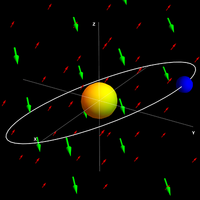
Phys. Rev. Lett. 137, 081601 (2026)
Particles and Fields
Four-Loop Gluon Anomalous Dimension of General Lorentz Spin: Transcendental Part
Article | Particles and Fields | 2026-08-17 06:00 EDT
B. A. Kniehl, S.-O. Moch, V. N. Velizhanin, and A. Vogt
We consider the anomalous dimension of the twist-two gluon operator of arbitrary Lorentz spin in the quark flavor singlet sector of a general gauge theory at four loops and construct its contribution proportional to in analytic form by applying the Lenstra-Lenstra-Lovász algorithm t…
Phys. Rev. Lett. 137, 081901 (2026)
Particles and Fields
Evidence of Nuclear Geometry-Driven Anisotropic Flow in $\mathrm{O}+\mathrm{O}$ and $\mathrm{Ne}+\mathrm{Ne}$ Collisions at $\sqrt{s_{\mathrm{NN}}}=5.36\text{ }\text{ }\mathrm{TeV}$
Article | Nuclear Physics | 2026-08-17 06:00 EDT
I. J. Abualrob et al. (ALICE Collaboration)
Light-ion collisions at the LHC reveal collective hydrodynamic flow with a larger elliptic flow in central Ne-Ne collisions than in OO collisions that might be due to the bowling-pin nuclear shape of Ne.
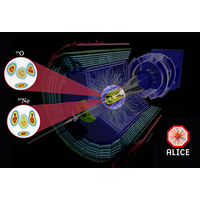
Phys. Rev. Lett. 137, 082301 (2026)
Nuclear Physics
Observation of Long-Range Collective Flow in $\mathrm{O}+\mathrm{O}$ and $\mathrm{Ne}+\mathrm{Ne}$ Collisions and Implications for Nuclear Structure Studies
Article | Nuclear Physics | 2026-08-17 06:00 EDT
A. Hayrapetyan et al. (CMS Collaboration)
Light-ion collisions at the LHC reveal collective hydrodynamic flow with a larger elliptic flow in central Ne-Ne collisions than in OO collisions that might be due to the bowling-pin nuclear shape of Ne.
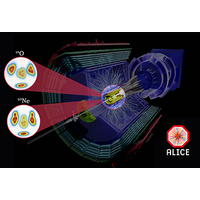
Phys. Rev. Lett. 137, 082302 (2026)
Nuclear Physics
Deformation and Magicity in Heavy Actinides: First Observation of the Ground-State Rotational Band of $^{252}\mathrm{Fm}$
Article | Nuclear Physics | 2026-08-17 06:00 EDT
R. Orlandi et al.
Observation of the ground-state rotational band in Fm provides compelling evidence that and act as a deformed doubly magic shell closure.
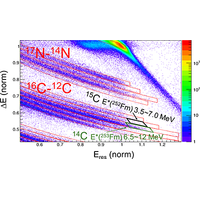
Phys. Rev. Lett. 137, 082501 (2026)
Nuclear Physics
Robust Two-Dimensional Surface Superconductivity and Vortex Lattice in the Weyl Semimetal $γ\text{-}{\mathrm{PtBi}}_{2}$
Article | Condensed Matter and Materials | 2026-08-17 06:00 EDT
Jose Antonio Moreno, Pablo García Talavera, Edwin Herrera, Sara López Valle, Zhuoqi Li, Lin-Lin Wang, Sergey Bud’ko, Alexander I. Buzdin, Isabel Guillamón, Paul C. Canfield, and Hermann Suderow
Vortex formation from surface superconductivity is observed in the topological semimetal -PtBi, which confirms the robustness of the surface superconductivity at a higher T than the bulk.
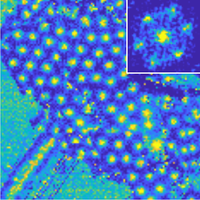
Phys. Rev. Lett. 137, 086001 (2026)
Condensed Matter and Materials
Quantized Spin Hall Effect in Three-Dimensional Nodal-Ring Semimetal: Geometric Scaling and Symmetry-Engineered Spin Response
Article | Condensed Matter and Materials | 2026-08-17 06:00 EDT
Jiali Chen, Chaoxi Cui, Zhi-Ming Yu, Wei Jiang, and Yugui Yao
The anomalous Hall conductivity in magnetic Weyl semimetals scales linearly with the momentum separation between Weyl nodes, establishing a geometric paradigm for three-dimensional Hall responses. Here, we discover an analogous phenomenon in the spin Hall effect: a quantized spin Hall conductivity (…
Phys. Rev. Lett. 137, 086301 (2026)
Condensed Matter and Materials
Anomalous Hydrodynamic Fluctuations in the Quantum XXZ Spin Chain
Article | Condensed Matter and Materials | 2026-08-17 06:00 EDT
Takato Yoshimura, Žiga Krajnik, Alvise Bastianello, and Enej Ilievski
The quantum XXZ spin- chain features non-Gaussian spin current fluctuations in the regime of easy-axis anisotropy. Using ballistic macroscopic fluctuation theory, we derive the exact asymptotic probability distribution of typical spin-current fluctuations in thermal equilibrium at zero average ma…
Phys. Rev. Lett. 137, 086302 (2026)
Condensed Matter and Materials
Quantized Chern-Simons Axion Coupling in Anomalous Floquet Systems
Article | Condensed Matter and Materials | 2026-08-17 06:00 EDT
Lucila Peralta Gavensky, Nathan Goldman, and Gonzalo Usaj
Quantized bulk response functions are hallmark signatures of topological phases, but their manifestation in periodically driven (Floquet) systems is not yet fully established. Here, we show that two-dimensional anomalous Floquet systems exhibit a quantized bulk response encoded in a Chern-Simons axi…
Phys. Rev. Lett. 137, 086601 (2026)
Condensed Matter and Materials
Lattice Deformation Induced Higher-Order Hybrid Topology
Article | Condensed Matter and Materials | 2026-08-17 06:00 EDT
Peng Wu, Yu-Gui Peng, Qi-Li Sun, Min-Hang Ling, Weiyin Deng, Xue-Feng Zhu, and Zhengyou Liu
Hybrid systems provide a general framework for realizing cooperative effects among multiple topological phases. Unlike the simple coexistence of topological phases in separate band gaps, intrinsic hybridization integrates different topological phases into a single band gap, enabling controlled spati…
Phys. Rev. Lett. 137, 086602 (2026)
Condensed Matter and Materials
Quantum Entanglement of XY-Type Spin Dimers on the Shastry-Sutherland Lattice
Article | Condensed Matter and Materials | 2026-08-17 06:00 EDT
Qianli Ma, Brianna R. Billingsley, Alin Niraula, Madalynn Marshall, David A. Dahlbom, Yiqing Hao, Daniel M. Pajerowski, Alexander I. Kolesnikov, Xiaojian Bai, Cristian D. Batista, Tai Kong, and Huibo Cao
We report a comprehensive study on the origin of the enigmatic disordered ground state within the Shastry-Sutherland lattice, , at low temperatures. The magnetization and heat capacity data show a lack of magnetic ordering down to 73 mK. We deploy a localized spin dimer model which can accu…
Phys. Rev. Lett. 137, 086701 (2026)
Condensed Matter and Materials
Curved Odd Elasticity
Article | Polymers, Chemical Physics, Soft Matter, and Biological Physics | 2026-08-17 06:00 EDT
Yuan Zhou, Lazaros Tsaloukidis, Jack Binysh, Yuchao Chen, Nikta Fakhri, Corentin Coulais, and Piotr Surówka
Living materials such as membranes, cytoskeletal assemblies, cell collectives, and tissues can often be described as active solids--materials that are energized from within, with elastic response about a well-defined reference configuration. These materials often live in complex and curved manifolds,…
Phys. Rev. Lett. 137, 088301 (2026)
Polymers, Chemical Physics, Soft Matter, and Biological Physics
Physical Review X
Standard Model of Electromagnetism and Chirality in Crystals
Article | 2026-08-17 06:00 EDT
R. Winkler and U. Zülicke
A comprehensive symmetry-based classification identifies 12 fundamentally distinct types of crystal structures across five polar and five chiral categories, providing a complete taxonomy to predict and engineer next-generation multifunctional materials.
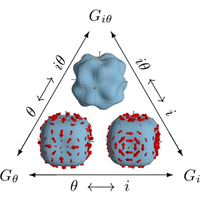
Phys. Rev. X 16, 031039 (2026)
Coulomb Screening of Superconductivity in Magic-Angle Graphene
Article | 2026-08-17 06:00 EDT
Julien Barrier, Liangtao Peng, Shuigang Xu, Christophe De Beule, V. I. Fal’ko, K. Watanabe, T. Tanigushi, A. K. Geim, Shaffique Adam, and Alexey I. Berdyugin
Metallic layers placed near magic-angle graphene suppress Coulomb interactions and reveal that its superconductivity is driven by electronic interactions rather than conventional atomic vibrations.
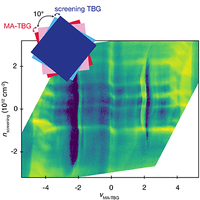
Phys. Rev. X 16, 031040 (2026)
arXiv
Trimer Thouless Pump: Topology, Symmetries, and Multigap Structure
New Submission | Mesoscale and Nanoscale Physics (cond-mat.mes-hall) | 2026-08-18 20:00 EDT
Topological charge pumping is paradigmatically understood through two-band systems such as the Rice-Mele model, which are intrinsically restricted to a single independent pumping channel. In this work, we introduce the Trimer Thouless Pump (TTP), a minimal three-band generalization that exhibits genuinely multigap topological transport. By subjecting a one-dimensional three-site lattice to cyclic adiabatic modulations of its hopping amplitudes and antisymmetric onsite potentials, we explore a topological regime characterized by two independent bulk gaps. We show that the quantized charge transport is driven by highly localized Berry curvature hotspots corresponding to effective two-level Dirac avoided crossings on the parameter torus. Crucially, we demonstrate that the middle energy band acts as a geometric mediator: it facilitates the exchange of quantized Berry flux between the upper and lower bands while maintaining a net zero Chern number itself. This bulk topology is corroborated by the spectral flow of boundary-localized edge states traversing multiple gaps. Furthermore, we map the topological phase diagram as a function of central-site detuning, illustrating a band-selective transfer of topological invariants across discrete phase transitions. Finally, we propose a concrete experimental protocol to realize the TTP and observe its multigap charge transport using ultracold atoms in phase-controlled optical superlattices.
Mesoscale and Nanoscale Physics (cond-mat.mes-hall), Strongly Correlated Electrons (cond-mat.str-el)
Spectral preservation under momentum-dependent similarity transformations in non-Hermitian lattice systems
New Submission | Mesoscale and Nanoscale Physics (cond-mat.mes-hall) | 2026-08-18 20:00 EDT
We investigate the conditions under which momentum-dependent similarity transformations preserve spectral properties of lattice Hamiltonians with open boundary conditions (OBC). While such transformations exactly preserve spectra in infinite systems, their application to finite systems introduces subtleties due to the long-range nature of the inverse transformation in real space. For general traceless $ 2\times 2$ Hamiltonians, we derive necessary and sufficient conditions for reduction to skew-diagonal form via constant similarity transforms, providing explicit transformation matrices for all cases. We then establish rigorous conditions for bulk spectral preservation under momentum-dependent transformations: the generalized Brillouin zone of $ H$ must lie inside the smallest zero of $ \det S(z)$ (the two-radius condition $ r_{\mathrm{GBZ}}^{\max}<z_{\min}$ ), together with a spectral-stability (no critical non-Hermitian skin effect) condition on $ H$ . Two-sidedness of $ S(z)$ governs only the modification of a finite number of boundary eigenvalues, not the bulk. Our results establish when bulk topological invariants computed in transformed coordinates reliably predict boundary physics, with implications for non-Hermitian systems, photonic crystals, and other platforms where chiral or hidden symmetries emerge only after appropriate basis changes.
Mesoscale and Nanoscale Physics (cond-mat.mes-hall), Other Condensed Matter (cond-mat.other)
No-Go Theorem and Routes towards Cavity-Enhanced Superconductivity
New Submission | Superconductivity (cond-mat.supr-con) | 2026-08-18 20:00 EDT
Recent experiments reporting cavity-vacuum-modified superconductivity raise a fundamental question: under what conditions can vacuum electromagnetic fluctuations increase a superconducting transition temperature? Starting from a Ginzburg–Landau theory minimally coupled to a quantized cavity mode, we derive the cavity-induced renormalization of the superconducting free energy. This correction comprises a positive diamagnetic contribution and a negative paramagnetic exchange contribution. We prove that, in a passive cavity, the latter cannot exceed the former, establishing a no-go theorem: within minimal cavity electrodynamics, vacuum fluctuations suppress, rather than enhance, superconductivity. We then identify two routes beyond this constraint, both involving additional collective degrees of freedom. In the collective-mode route, a cavity-active excitation amplifies the attractive paramagnetic contribution. In the competing-order route, the cavity weakens an order that competes with superconductivity, thereby indirectly enhancing superconductivity. Together, these results turn the no-go theorem into a practical design principle: cavity superconductivity enhancement requires an additional cavity-coupled material mode that either strengthens paramagnetic exchange or suppresses a competing order.
Superconductivity (cond-mat.supr-con), Quantum Physics (quant-ph)
6 pages 3 figures
Interaction driven charge transfer transitions in closely spaced graphene double layers
New Submission | Mesoscale and Nanoscale Physics (cond-mat.mes-hall) | 2026-08-18 20:00 EDT
Kenneth A. Lin, Unmesh Ghorai, Kenji Watanabe, Takashi Taniguchi, Emanuel Tutuc, Rafi Bistritzer
Charge transfer between two conductors is conventionally viewed as a single-particle process governed by electrostatics and band alignment. Using tunneling spectroscopy, we show that charge transfer in closely spaced graphene double layer quantum Hall ferromagnets instead proceeds through a sequence of interaction driven phase transitions governed by the competition between capacitive charging and Coulomb exchange interactions. A comparison of experimental data and theoretical calculations identifies spectroscopic signatures of the interaction driven charge transfer transitions, and reveals that this charge transfer reconstructs the quasiparticle spectrum. While intralayer exchange favors abrupt transfer of entire spin-valley subbands between the layers, interlayer exchange stabilizes coherent intermediate phases that enable gradual charge transfer. Our results establish interlayer tunneling as a powerful probe of interacting electronic systems whose quasiparticle spectrum is itself bias dependent.
Mesoscale and Nanoscale Physics (cond-mat.mes-hall), Strongly Correlated Electrons (cond-mat.str-el)
30 pages, 7 figures
Electronic structure and magnetic correlations in the epitaxially strained bilayer nickelate La$_3$Ni$2$O${7}$
New Submission | Strongly Correlated Electrons (cond-mat.str-el) | 2026-08-18 20:00 EDT
Using the DFT+dynamical mean-field theory method we study the effects of electron-electron correlations and epitaxial strain of the crystal structure on the normal-state electronic structure, quasiparticle band renormalizations, Fermi surface, and magnetic correlations of the bilayer Ruddlesden-Popper nickelate La$ _3$ Ni$ _2$ O$ _7$ (LNO). Our results exhibit a remarkable orbital-selective renormalization and strong incoherence of the Ni $ 3d$ bands, pointing to the proximity of the Ni $ x^2-y^2$ and $ 3z^2-r^2$ states to orbital-selective localization. The electronic properties of LNO show a high sensitivity to the in-plane strain. We note that both a tensile and a moderate compressive strain (up to about $ -2$ %) yield a significant enhancement of magnetic correlations compared to the unstrained LNO. Under a large compressive strain of about $ -4$ %, we observe a Lifshitz transition characterized by the disappearance of the $ \gamma$ Fermi surface sheet, which is associated with a nearly fully occupied, shallow flat-band of the bonding Ni $ 3z^2-r^2$ orbital character. As a result, we observe a sharp decrease of magnetic correlations, implying suppression of superconductivity. Overall, our results support the picture of spin- and change-density-wave stripe instability driven by the Fermi surface nesting in LNO. Our results suggest that both pressure and strain can effectively tune (suppress or enhance) spin-change-density-wave ordering, giving rise to enhanced spin fluctuations.
Strongly Correlated Electrons (cond-mat.str-el), Superconductivity (cond-mat.supr-con)
11 pages, 7 figures
Rapid supercurrent decay in Mn$_5$Si$_3$ Josephson junctions
New Submission | Superconductivity (cond-mat.supr-con) | 2026-08-18 20:00 EDT
Arjun Sapkota, Kurt Lorenzen, Tyler Kuhn, Juan Gomez, Demet Korucu, Robert M. Klaes, Reza Loloee, Norman O. Birge, Nathan Satchell
Theoretical work predicts that Josephson junctions containing metallic altermagnetic barriers should display $ 0$ -$ \pi$ transitions of the critical current as a function of both barrier thickness and temperature, with the decay and oscillation period of the supercurrent depending on the orientation of the crystal axes relative to the transport direction. Motivated by these predictions, and by reports of a compensated magnetic phase attributed to altermagnetism in epitaxial Mn$ _5$ Si$ _3$ thin films, we fabricate and measure Nb/Pt/Mn$ _5$ Si$ _3$ /Pt/Nb Josephson junctions varying the thickness of the Mn$ _5$ Si$ 3$ barrier. The critical current decays as a single exponential over more than four orders of magnitude with decay length $ \xi{\text{Mn}_5\text{Si}_3} = 0.31 \pm 0.03$ nm, shorter than reported for Josephson junctions containing the metallic antiferromagnets FeMn, Cr, and NiMn. The Mn$ _5$ Si$ _3$ barrier has an estimated current-perpendicular-to-plane resistivity of $ 320 \pm 10 \mu\Omega,$ cm. No $ 0$ -$ \pi$ transition is resolved at the sampled barrier thicknesses, and the temperature dependence of the critical current of a junction with a 1 nm barrier is smooth and monotonic. We discuss the absence of resolvable transitions in terms of the microstructure of the barrier, its uncertain magnetic phase, and the narrow thickness window imposed by the rapid decay, and identify barriers with well-defined crystalline orientation as the key requirement for future tests of altermagnetic Josephson physics.
Superconductivity (cond-mat.supr-con), Mesoscale and Nanoscale Physics (cond-mat.mes-hall)
6 pages, 3 figures main text. 4 pages, 2 figures SM
Exact Thermoelectric Transport Coefficients and Figure of Merit for Graphene Photothermoelectric Devices from a Finite Zeta-Function Mott Series
New Submission | Statistical Mechanics (cond-mat.stat-mech) | 2026-08-18 20:00 EDT
Luis Daniel Villa Cortes, S. R. Valluri, Atul Jhalani, Ajay Soni, P. C. Deshmukh
The standard Mott formula is widely used to describe thermoelectric transport, but it becomes less accurate when the temperature is not much smaller than the Fermi energy. In this work, we develop an all-orders extension of the Mott approach using a series of Riemann zeta functions. We show that when the transport function is a polynomial, the series ends after a finite number of terms, giving exact results within the model. We apply this method to graphene photothermoelectric devices using a quadratic conductivity model. The results provide closed-form expressions for the Seebeck coefficient, Lorenz ratio, and electronic figure of merit. The analysis shows that the Seebeck coefficient reaches a maximum instead of increasing indefinitely, while the Wiedemann-Franz law can be significantly violated at higher temperatures. We also find that disorder reduces the thermoelectric performance and that the electronic figure of merit has an upper limit in the clean graphene model. Finally, we discuss the effect of radiative heat transport on the figure of merit. These results provide a simple analytical way to study graphene thermoelectric transport beyond the usual low-temperature Mott approximation.
Statistical Mechanics (cond-mat.stat-mech)
29 pages, 4 figures, 5 tables
Physics-Informed Symbolic Regression for Predicting the Glass Transition Temperature of Alkali Borate Glasses
New Submission | Soft Condensed Matter (cond-mat.soft) | 2026-08-18 20:00 EDT
Leonardo dos Santos Vitoria, Marcio Luis Ferreira Nascimento, Susana de Souza Lalic, Daniel Roberto Cassar
The glass transition temperature ($ T_{g}$ ) of alkali borate glasses is strongly composition-dependent and difficult to predict from first principles due to the structural complexity of the boron network. Here, we apply physics-informed symbolic regression (combining evolutive search with physically meaningful descriptors) to derive an interpretable closed-form expression for $ T_{g}$ in the $ x\mathrm{M}_2\mathrm{O}\cdot(100-x)\mathrm{B}2\mathrm{O}3$ glass family, with M = Li, Na, and K and $ x$ expressed in mol%, and subsequently extrapolate it to M = Rb and Cs. The resulting model achieves a root-mean-square error of 14-16 K while maintaining clear physical interpretability, explicitly capturing the interplay among $ T{g}$ , structural dissociation energy, and network packing. Critically, models built on the Rigid Unit Packing Fraction (RUPF) yield substantially more realistic $ T{g}$ predictions than those using the conventional Atomic Packing Fraction (APF), as APF overestimates structural rigidity at intermediate compositions. The fitted dissociation energies are further validated against the revised Makishima-Mackenzie model, confirming that the inferred parameters are physically consistent, not merely statistically effective, within the alkali borate family. Finally, Monte Carlo uncertainty quantification reveals that prediction uncertainty is highest in the compositional regions associated with the boron anomaly, directly linking model limitations to a known structural transition in these glasses. This result highlights the potential of physics-informed symbolic regression as a transparent and interpretable alternative to black-box models for property prediction in glass systems.
Soft Condensed Matter (cond-mat.soft), Materials Science (cond-mat.mtrl-sci)
21 pages, 3 figures
When do machine-learned exchange-correlation improvements inherit into density-functional tight binding?
New Submission | Materials Science (cond-mat.mtrl-sci) | 2026-08-18 20:00 EDT
Can Polat, Mustafa Kurban, Erchin Serpedin, Hasan Kurban
Machine-learned exchange-correlation functionals correct band gaps at near-semilocal cost, while density-functional tight binding reaches the $ 10^3$ -$ 10^6$ -atom regime; combining them assumes that a better parent yields a better parameterization, but we show it does not. Current-generation functionals are orbital-dependent generalized Kohn-Sham operators, whereas the parameterization channel is built on a multiplicative potential, preventing exact representation. Using the transfer ratio, the surviving fraction of a parent-level change, we find anti-transfer: coherently negative ratios across four covalent semiconductors move the gap in the wrong direction, consistent with a molecular proxy and an r$ ^2$ SCAN control. The minimal-basis overgap is dominated by the on-site convention rather than basis incompleteness; correcting the on-site block removes most of it, while one $ d$ -polarization shell closes a further $ 16$ -$ 40%$ , depending on the placement of the empty $ d$ level, which no free-atom eigenvalue uniquely fixes. Occupied-manifold enhancements, ionic and closed-shell repulsive potentials, and rocksalt-oxide gaps inherit, whereas elemental and III-V covalent networks inherit neither gaps nor repulsive potentials and oxide networks inherit only the latter. We screen 23 elements and release the parameter sets, showing that the transfer ratio provides a cheap pre-test before any parameterization campaign.
Materials Science (cond-mat.mtrl-sci), Machine Learning (cs.LG), Chemical Physics (physics.chem-ph), Quantum Physics (quant-ph)
Coherent Phonon Blocking in Superlattices
New Submission | Materials Science (cond-mat.mtrl-sci) | 2026-08-18 20:00 EDT
Anil Erol, Xiang Hua, Kirby Myers, Lawrence Friedman, Alexander Marakov, Melissa G. Loving, Joshua Shipman, Arsha Mamoozadeh, Sarah Millen, Ronald J. Warzoha, Jeremy Clark, Robert M. Young
At cryogenic temperatures, phonons become one of the dominant energy carriers and thus can strongly influence the performance of electronic and sensing devices. In this work, we present a wave-mechanics based framework that predicts phonon transmission and thermal resistance of arbitrarily thick superlattices while retaining all acoustic branches, mode-conversion pathways, and angles of incidence. By enforcing phase coherence, our model predicts frequency-dependent transmission through arbitrary multi-layered this http URL use a genetic algorithm (NSGA-II) to efficiently select both materials and layer thicknesses. Our success criterion is that constituent layers satisfy the quarter-wavelength condition of the dominant phonon frequencies at a target temperature. This strategy identifies novel bilayer combinations that achieve thermal resistance of up to 3000 times greater than previously reported superlattices. The identified superlattices are poised to advance any technology that relies on coherent acoustic scattering, from ultra-low-temperature thermal insulation in superconducting flip-chip assemblies to phonon-blocking components in micro- and nano-electromechanical systems.
Materials Science (cond-mat.mtrl-sci), Statistical Mechanics (cond-mat.stat-mech)
21 pages, 9 figures, The following article has been submitted to the Journal of Applied Physics. After it is published, it will be found at (this https URL)
Higher-order nonadiabaticity governs the temperature dependence of the phonon spectrum
New Submission | Materials Science (cond-mat.mtrl-sci) | 2026-08-18 20:00 EDT
Nina Girotto Erhardt, Samuel Poncé
Nonadiabatic effects determine the frequency and linewidth of coupled phonon modes, shape of Kohn anomalies and have important implications on many material properties. State-of-the-art ab-initio nonadiabatic phonon self-energy relies on an infinite electron lifetime approximation, which cannot capture the temperature dependence of the phonon spectrum, neglects long-wavelength intraband phonon decay, and exhibits exaggerated phonon splitting. In MgB$ _2$ , we show how the higher-order nonadiabatic phonon corrections mitigate these deficiencies, yielding linewidths in a closer experimental agreement and a dome-like coupling strength temperature dependence.
Materials Science (cond-mat.mtrl-sci)
Antiferroquadrupolar Order in Altermagnetic CoF$_2$
New Submission | Strongly Correlated Electrons (cond-mat.str-el) | 2026-08-18 20:00 EDT
Daniel Halliday, Laura Pöysti, Chung Xu, Daniel A. Mayoh, Didier Wermeille, Dharmalingam Prabhakaran, David R. Bowler, Roger D. Johnson
Altermagnets host non-relativistic spin-split electronic states whose microscopic origin is theoretically linked to a hidden charge order, yet experimental studies of this charge order are limited. We therefore investigate charge order within CoF$ _2$ , a $ d$ -wave altermagnetic compound with a rutile crystal structure and $ \Gamma$ -point antiferromagnetism. Combining resonant elastic X-ray scattering, symmetry analysis and ab initio calculations, we directly observe charge ordering and identify it as antiferroquadrupolar in nature. Via electronic structure calculations, we show that the experimentally observed antiferroquadrupolar order gives rise to the characteristic altermagnetic spin-splitting, thereby establishing empirical evidence for the decomposition of the altermagnetic order parameter into magnetic and charge degrees of freedom. We hence demonstrate that antiferroquadrupolar order is the microscopic origin of altermagnetism in CoF$ _2$ , with implications to the wider family of rutile altermagnets. Furthermore, our approach is applicable to studying altermagnetism in general, having demonstrated that resonant elastic X-ray scattering can serve as a direct probe of the charge multipoles that underpin spin-split electronic states in these materials.
Strongly Correlated Electrons (cond-mat.str-el)
Data-Efficient Construction of Material-Specific Machine-Learning Interatomic Potentials from Ab Initio Molecular Dynamics Trajectories
New Submission | Materials Science (cond-mat.mtrl-sci) | 2026-08-18 20:00 EDT
Jonas Hänseroth, Christian Dreßler
Pretrained machine-learning interatomic potentials, so-called universal or foundation models offer an appealing starting point for atomistic simulations, but their accuracy for material-specific observables often remains limited without additional reference data (fine-tuning). Here, we systematically quantify how much first-principles data are required to convert universal models into ab initio-accurate material-specific potentials, and ask whether fine-tuning is necessarily preferable to training from scratch. We compare five universal MLIP frameworks, MACE-MP-0, SevenNet-0, GRACE-1L-OAM, MatterSim-v1-5M and ORB-v2, across seven chemically diverse systems incorporating rare and reactive events. Fine-tuning on only 10 AIMD-derived configurations is insufficient for the investigated systems; 200 configurations succeed in favorable cases, but the outcome remains strongly system-dependent. By contrast, 2000 AIMD configurations constitute a robust default, yielding low force and energy errors and reproducing the target material-specific observables. Moderately dense sub-sampling of the AIMD trajectory reduces the required trajectory length tenfold with little loss in model quality. Training from scratch on the same datasets is competitive with, and often slightly more accurate than, naive fine-tuning for MACE and SevenNet, whereas GRACE requires more data. The energy profile for a sulfur-vacancy jump in MoS$ _2$ reveals that low trajectory-level errors do not guarantee a correct reaction profile, highlighting the need for observable-level validation. Finally, we show that averaging independently trained models improves predictions in scarce-data regimes at no additional first-principles cost. Together, these results provide practical guidelines for converting limited AIMD reference data into reliable material-specific MLIPs for nanosecond-timescale simulations at near-DFT accuracy.
Materials Science (cond-mat.mtrl-sci), Chemical Physics (physics.chem-ph)
ESPResSo++: A Fast and Extensible Molecular Simulation Package for Coarse-Grained Models
New Submission | Soft Condensed Matter (cond-mat.soft) | 2026-08-18 20:00 EDT
Zhen-Hao Xu, James Vance, Nikita Tretyakov, Sebastian Eibl, Pavel Kus, Jakub Krajniak, Tristan Bereau, Horacio V. Guzman, Bin Song, Markus Rampp, Torsten Stuehn, Christoph Junghans
ESPResSo++ is an open-source software package for molecular dynamics (MD) simulations with a particular emphasis on coarse-grained (CG) models of soft matter systems. Written in C++ with a flexible Python interface, it is designed for high-performance computing (HPC) environments and supports massively parallel simulations through MPI. The package enables simulations of polymers, membranes, colloids and complex fluids with a wide range of interaction models and advanced algorithms.
Soft Condensed Matter (cond-mat.soft), Computational Physics (physics.comp-ph)
Low temperature magnetic structure and lattice response in SmCuAs$_2$
New Submission | Strongly Correlated Electrons (cond-mat.str-el) | 2026-08-18 20:00 EDT
M. G. Kim, C. Neupane, Y. Yu, R. Acevedo-Esteves, C. Nelson, D. Evans, E. D. Mun, D. F. Agterberg, J.-W. Kim
We investigated the structural and magnetic properties of single-crystalline SmCuAs$ _2$ using high-resolution synchrotron X-ray diffraction and X-ray resonant magnetic scattering (XRMS) at the Sm $ L_2$ and $ L_3$ edges. Temperature-dependent diffraction measurements confirm that SmCuAs$ _2$ maintains its tetragonal symmetry from room temperature down to 8 K, with lattice parameters showing anomalous behavior below the resistivity minimum ($ T \approx$ 30 K). Notably, the \textbf{c}-axis lattice parameter exhibits a plateau and subsequent increase near the Néel temperature, indicating magnetoelastic coupling. XRMS measurements reveal a commensurate antiferromagnetic structure with a propagation vector \textbf{\textit{q}} = (0, 0, 0.5). Our measurement shows that the Sm moments are aligned within the \textbf{\textit{ab}} plane and arranged in a $ ++–$ stacking along the \textbf{\textit{c}}-axis. Comparison with related \textit{RE}CuAs$ _2$ compounds (\textit{RE} = Pr, Nd, and Gd) suggests that in-plane moment orientation and associated magnetic frustration play a key role in the emergence of the resistivity minimum. Differences in spin-orbit and magnetoelastic coupling across the series highlight their importance in governing low-temperature transport behavior.
Strongly Correlated Electrons (cond-mat.str-el)
Phys. Rev. B 113, 064403 (2026)
Paraexciton Excitation in Cu$_2$O under Laguerre–Gaussian Illumination
New Submission | Materials Science (cond-mat.mtrl-sci) | 2026-08-18 20:00 EDT
Nguyen Que Huong, David W. Facemyer
In Cu$ _2$ O the lowest yellow exciton, the $ \Gamma_2^+$ paraexciton, is optically inaccessible in conventional spectroscopy because transitions to this state are forbidden in both electric-dipole and electric-quadrupole approximations. We investigate whether optical fields carrying orbital angular momentum (OAM) can overcome this restriction. A microscopic symmetry analysis identifies the gradient-assisted $ l=5$ and direct $ l=6$ OAM channels as the leading contributions that couple to the paraexciton, independent of the detailed radial profile of the optical field. Calculations for finite-waist Laguerre–Gaussian beams, however, show that the corresponding matrix elements are strongly suppressed because the optical field varies only weakly over the exciton Bohr radius. Thus, satisfying the OAM selection rule alone is insufficient: efficient excitation requires not only the correct angular symmetry but also optical-field variations on the spatial scale of the exciton. This second condition is achieved by localized OAM fields. Expressing the coupling in terms of the physical intensity-ring radius provides a direct comparison between the optical and excitonic length scales and reveals that the optimal localization is determined primarily by the polynomial degree of the target cubic harmonic. For the degree-six $ \Gamma_2^+$ paraexciton the strongest coupling occurs for an intensity-ring radius of approximately $ 6a_B$ –$ 7a_B$ . These results establish that paraexciton excitation is governed jointly by symmetry and spatial localization: cubic symmetry selects the allowed OAM channels, whereas the polynomial degree sets the characteristic radial scale for efficient coupling. This work provides both the symmetry framework and a practical design rule for engineering structured-light excitation of paraexcitons in Cu$ _2$ O.
Materials Science (cond-mat.mtrl-sci)
21 pages, 6 figures
Anharmonicity and Nonadiabaticity in Hydride Superconductors
New Submission | Superconductivity (cond-mat.supr-con) | 2026-08-18 20:00 EDT
Shashi B. Mishra, Francesco Belli, Eva Zurek, Elena R. Margine
We study superconductivity in representative hydrides using anharmonic phonons, electron-phonon vertex corrections, and full-bandwidth Eliashberg theory. The high-pressure binary hydrides H3S, YH6, and YH9 must be treated with both anharmonic and nonadiabatic corrections, whereas the ambient-pressure PdH/PdD/PdT series is strongly anharmonic but remains adiabatic, reproducing the inverse isotope effect without sizable vertex contributions. LaBeH8 exhibits weak anharmonicity, while vertex corrections reduce the critical temperature (Tc) by approximately 4 K, leaving the predicted Tc above experiment. To identify when treatments beyond harmonic, adiabatic Migdal-Eliashberg theory are required, we introduce the anharmonic renormalization $ A_{\lambda}$ and the vertex ratio $ R_{V}$ as material-specific diagnostics.
Superconductivity (cond-mat.supr-con), Materials Science (cond-mat.mtrl-sci)
21 pages, 15 figures
Probing three-dimensional structures of complex colloidal quantum dots at the single-atomic level
New Submission | Materials Science (cond-mat.mtrl-sci) | 2026-08-18 20:00 EDT
Qikai Wu, Meng Pei, Jiancheng Zhang, Wei Xu, Tianding Xu, Colin Ophus, Zaiping Zeng, Botao Ji, Yao Yang
Colloidal quantum dots (QDs) are promising optoelectronic materials due to their size-tunable properties, yet their three-dimensional (3D) quantum confinement makes electronic states highly sensitive to structural and chemical heterogeneity, which critically impacts their optoelectronic performance. Accurately resolving the 3D atomic structure with sub-angstrom precision is thus essential for rational design. Here, we applied atomic electron tomography (AET) to determine, for the first time, the 3D atomic structure of complex core/shell QDs, resolving over 14,000 atoms per particle. Our reconstructions reveal surface morphology, eccentric cores, and nearly atomically abrupt heterovalent interfaces and identify anisotropic shell growth directed by twin boundaries. Utilizing an AET-derived atomic structure, we performed large-scale quantum mechanical calculations to uncover an orientation-dependent strain accommodation mechanism where the heterogeneous strain is compensated at interfaces and twin boundaries. Furthermore, our results reveal strain-induced localized states near the band edge, which contribute to the key features of the experimental ensemble absorption spectrum. This work sets a new benchmark for atomic-level characterization, establishing a powerful framework for the rational design of next-generation nanomaterials.
Materials Science (cond-mat.mtrl-sci)
Symmetry-Tunable Skyrmions and Merons in Magnetic Nanodisks via Spatially Engineered Anisotropy
New Submission | Mesoscale and Nanoscale Physics (cond-mat.mes-hall) | 2026-08-18 20:00 EDT
X. D. Wang, J. F. Oliveira da Silva, Z. H. Tao, H. M. Dong, K. Chang, M. V. Milošević
We demonstrate that spatially engineered magnetic anisotropy can stabilize skyrmion and meron spin textures in magnetic nanodisks even in the absence of Dzyaloshinskii-Moriya interaction (DMI). Using a constrained analytical model and micromagnetic simulations, we show that competing perpendicular and in-plane anisotropies can generate non-collinear topological textures in non-chiral magnetic systems. We further show that DMI and dipolar interactions lift the helicity degeneracy and select preferred chiral configurations; micromagnetic simulations were used to identify physically stable states. These results establish anisotropy-patterned nanodisks as a platform for studying DMI-free topological spin textures and their controllable magnetic response. We also show that arrays of anisotropy-engineered skyrmions can control spin-wave transmission by manipulating their vorticity arrangement, pointing to reconfigurable magnonic elements based on non-chiral topological textures.
Mesoscale and Nanoscale Physics (cond-mat.mes-hall), Materials Science (cond-mat.mtrl-sci)
16 pages, 5 figures
Discovering Physically Interpretable Mathematical Expression for Predicting CO2 Adsorption in Metal-Organic Frameworks via Machine Learning-Symbolic Regression
New Submission | Materials Science (cond-mat.mtrl-sci) | 2026-08-18 20:00 EDT
Yimin Shao, Shengluo Ma, Shenghong Ju, Yijun Shi, Wei Li
This work presents a machine learning-symbolic regression (ML-SR) strategy to develop a physically interpretable formula for predicting low pressure CO2 adsorption capacity in hypothetical metal-organic frameworks (hMOFs). Four ML models were trained on a small dataset of 1,000 samples, and five key descriptors-largest cavity diameter, pore limiting diameter, void fraction, gravimetric surface area, and number of hydrogen atoms-were identified through SHAP and feature importance analyses. Symbolic regression was then employed to derive a concise adsorption formula, Q=aA, where a represents an adsorption baseline (mmol/g) and A is a dimensionless adsorption number incorporating four structural descriptors. We interpret A as the ratio between an adsorption binding force and a diffusion driving force, revealing how pore topology and surface chemistry jointly influence adsorption. Validation against a comprehensive dataset of 137,652 hMOFs demonstrates that this formula achieves over 70% prediction accuracy for 62,448 structures, confirming strong applicability within defined structural and operational ranges. Unlike conventional black box ML models, the proposed physics-guided expression enables efficient prediction and provides clearer insight into adsorption mechanisms.
Materials Science (cond-mat.mtrl-sci), Mesoscale and Nanoscale Physics (cond-mat.mes-hall), Chemical Physics (physics.chem-ph)
Shear effects in active models of normal and cancer cells
New Submission | Soft Condensed Matter (cond-mat.soft) | 2026-08-18 20:00 EDT
Souvik Sadhukhan, Rajsekhar Das, Lin Zhao, Wolfgang Losert, D. Thirumalai
Mechanical properties of biological tissues, driven by passive and active forces, play a vital role in several processes ranging from development to cancer metastasis. However, the dynamical responses of cells in tissues, subject to mechanical deformations such as shear and the associated rheological properties, are not well characterized. Here, we use three-dimensional agent-based models for normal and cancer tissues to investigate their responses to simple shear as a function of cell stiffness and stochastic active forces. In the normal epithelium, with uniform strength of active force, the yield stress as a function of shear rate follows the Herschel-Bulkley form over a range of cell volume fraction. Strikingly, the shear rate dependence and the elasticity-dependent changes in the yield stress fall on master curves upon suitable scaling. To model cancer-like behavior, a certain fraction ($ N_p$ ) of cells was chosen to have enhanced activity and decreased stiffness. As $ N_p$ increases, the extent of collective cell movement decreases, transitioning from affine (collective) to non-affine (individualistic) movement, a finding that is in accord with imaging experiments. Simulations of a model of a stiff solid tumor, with radius $ R_s$ embedded in normal tissue, show that as $ R_s$ increases, the yield stress increases. Interestingly, the cells migrate collectively as $ R_s$ increases. A Gaussian Mixture Model (GMM) and a mean field theory quantitatively account for the simulation as well as experimental results on cancerous, non-cancerous, and a mixture of these two types. The combined theoretical and experimental study establishes that heterogeneity in stiffness and activity determines non-affine movements in normal and cancer tissues.
Soft Condensed Matter (cond-mat.soft), Biological Physics (physics.bio-ph)
Network Topology of Hafnia-Based Amorphous Optical Coatings by Grazing-Incidence X-ray Total Scattering and Atomic Modeling
New Submission | Materials Science (cond-mat.mtrl-sci) | 2026-08-18 20:00 EDT
K. Prasai, B. LaBell, K. H. Lee, A. Mehta, B. Shyam, M. M. Fejer, R. Bassiri
Amorphous hafnia-based films are promising optical-coating materials for cryogenic GW detectors, but their performance depends on how doping and annealing modify the atomic network. We combine grazing-incidence X-ray total scattering measurements with experimentally constrained atomic modeling to study the as-deposited HfO$ _2$ and 27% SiO$ _2$ -doped HfO$ _2$ films annealed at 150$ ^\circ$ C and 400$ ^\circ$ C. Pure amorphous HfO$ _2$ is a dense, high-coordination network of Hf-centered polyhedra with substantial edge- and face-sharing connectivity. Incorporating SiO$ _2$ introduces stable SiO$ _4$ tetrahedra, lowers the Hf and O coordination, and replaces highly connected Hf-rich oxygen environments with mixed Si–O–Hf bridges. This produces a chemically mixed network rather than isolated SiO$ _2$ -rich regions, and shifts the cation topology toward corner-sharing connectivity. Annealing to 400$ ^\circ$ C produces only modest additional structural relaxation. These results provide an atomic-scale description of how SiO$ _2$ modifies the topology of amorphous HfO$ _2$ -based coatings and suggest structural descriptors relevant to understanding their mechanical-loss behavior.
Materials Science (cond-mat.mtrl-sci)
Quantum Many-Body Scars, Magnon-Pair Condensation, and Hilbert Space Fragmentation in an Anisotropic Heisenberg Model
New Submission | Strongly Correlated Electrons (cond-mat.str-el) | 2026-08-18 20:00 EDT
We investigate a spin-$ 1/2$ anisotropic Heisenberg model on a lattice consisting of two identical bipartite sublattices. A family of exact eigenstates generated by the restricted spectrum generating algebra (RSGA) constitutes quantum many-body scar states, characterized by subextensive entanglement entropy and supporting. These scar states are magnon-pair condensates exhibiting off-diagonal long-range order (ODLRO). At the resonance point of the inter-sublattice interaction, the model exactly maps onto a mixed spin-$ 1$ and spin-$ 0$ XY model on a bipartite lattice, which decomposes into independent sub-Hamiltonians labeled by all possible spin configurations. Each spin-$ 0$ particle is dynamically isolated from its neighbors and acts as a kinetic constraint, giving rise to emergent Hilbert space fragmentation (HSF). Our work establishes an exactly solvable platform in which quantum many-body scars, magnon-pair condensation exhibiting off-diagonal long-range order, and Hilbert space fragmentation naturally coexist.
Strongly Correlated Electrons (cond-mat.str-el), Statistical Mechanics (cond-mat.stat-mech), Quantum Physics (quant-ph)
Time-resolved sedimentation of dense potato-starch suspensions measured by optical coherence tomography
New Submission | Soft Condensed Matter (cond-mat.soft) | 2026-08-18 20:00 EDT
We demonstrate optical coherence tomography (OCT) as a measurement technique for dense, optically opaque suspensions. Conventional optical methods cannot access the interior of such suspensions. OCT resolves individual potato-starch particles ($ {\sim}20\mathrm{\mu m}$ ) as distinct scatterers, even though the suspension appears opaque to the eye. By tracking the vertical centroid position of the particle-laden layer $ \langle Z \rangle(t)$ and the supernatant boundary $ Z_\mathrm{sup}(t)$ in the same OCT image sequence, we obtain the instantaneous settling velocity $ V(t)$ and the time-evolving effective volume fraction $ \phi_\mathrm{eff}(t)$ simultaneously and continuously in time. To our knowledge, this is the first measurement to combine settling velocity and particle concentration into a single continuous trajectory within one sedimentation run. Conventional batch measurements yield only one velocity value per run. We applied this method to dense potato-starch suspensions, varying the initial volume fraction $ \phi_0$ from 0.30 to 0.50 and the solvent density $ \rho_\mathrm{L}$ from 1.0 to $ 1.3{\times}10^3\mathrm{kg~m^{-3}}$ using aqueous sodium polytungstate solutions. The normalized velocity $ V/V_\mathrm{Stokes}$ plotted against $ \phi_\mathrm{eff}$ collapses onto a common trend consistent with both the Krieger–Dougherty model and the Richardson–Zaki law over $ \phi_\mathrm{eff} \simeq 0.30$ –$ 0.52$ , confirming that the method captures physically reasonable hindered-settling behavior. These results establish OCT as a viable tool for probing internal dynamics in dense suspensions that were previously inaccessible to optical measurement.
Soft Condensed Matter (cond-mat.soft), Fluid Dynamics (physics.flu-dyn)
8 pages, 5 figures
Skimming transition in flexible granular sweeping
New Submission | Soft Condensed Matter (cond-mat.soft) | 2026-08-18 20:00 EDT
A flexible body placed in a steady flow bends to reduce drag. This self-streamlining is a hallmark of fluid-structure interaction (FSI). Granular-structure interaction is equally ubiquitous in nature. However, it remains poorly understood. Thus, we investigate inertial granular-structure interaction (IGSI). Specifically, ejection induced by a flexible plate sweeping a granular bed is experimentally examined. We find that a faster sweep results in less ejection, particularly for a flexible plate. To understand the underlying physics of this behavior, a dimensionless number Sk is introduced as the ratio of the plate elastic timescale to the sweep timescale. At $ \mathrm{Sk} \lesssim 1$ , the plate deflection follows the self-streamlining law of FSI and induces substantial ejection. At $ \mathrm{Sk} \gtrsim 1$ , on the other hand, the plate skims the bed and the mass of ejected grains decreases sharply. Sk organizes IGSI as the granular counterpart of FSI.
Soft Condensed Matter (cond-mat.soft), Fluid Dynamics (physics.flu-dyn)
8 pages, 9 figures
Localization and Transport in a Non-Hermitian Hexagonal Harper Model
New Submission | Disordered Systems and Neural Networks (cond-mat.dis-nn) | 2026-08-18 20:00 EDT
Akshey Rajoriya, Dibyajyoti Sahu, Suhas Gangadharaiah, Tanay Nag
We investigate a one-dimensional non-Hermitian hexagonal Harper model with quasiperiodically modulated hopping amplitudes. In the Hermitian limit, the model exhibits metallic, insulating, and multifractal phases characterized by distinct eigenstate properties. Upon introducing non- Hermiticity, the phase diagram is qualitatively altered, with an expansion of metallic regions and strong boundary sensitivity arising from the non-Hermitian skin effect. By analyzing wave-packet dynamics, we uncover qualitatively distinct transport signatures in metallic, multifractal, and in- sulating regimes. In the metallic region, nonreciprocal hopping induces finite sliding, resulting in ballistic center-of-mass motion that is absent in the Hermitian model, while wave-packet spreading is simultaneously suppressed and exhibits diffusive scaling. Interestingly, the multifractal regime emerges as a distinct dynamical phase supporting both enhanced spreading and finite sliding, both primarily of superdiffusive nature, in contrast to metallic regions where sliding (spreading) shows ballistic (diffusive) scaling. These features are markedly different from their Hermitian counterpart. On the other hand, in the insulating region, both the spreading and sliding are strongly suppressed. We reconfirm these intriguing transport characteristics by investigating the distinct growth profile of single-particle entanglement entropy where the effect of spreading of the wave-packet is clearly manifested. These results demonstrate that quasiperiodicity in hopping amplitudes, combined with non-Hermiticity, establishes the multifractal regime as a key mediator of transport.
Disordered Systems and Neural Networks (cond-mat.dis-nn)
DINO4DSTEM: A self-supervised framework for structural discovery in 4D-STEM
New Submission | Materials Science (cond-mat.mtrl-sci) | 2026-08-18 20:00 EDT
Daniel Khaykelson, Lothar Houben, Boris Rybtchinski
Nanodiffraction using 4D-STEM has become a key technique for quantitative nanoscale structural mapping in materials research, yet interpreting its high-dimensional datasets in structurally complex materials remains a major bottleneck. Existing analysis workflows typically rely on structural models, manual annotation, predefined classes, or sample-specific heuristics, limiting their ability to characterize heterogeneous complex materials. Here, we introduce DINO4DSTEM, a self-supervised machine learning framework that automatically discovers structurally meaningful states directly from raw diffraction data. Without structural models, manual labels, a predefined number of classes, or system-specific parameter tuning, the framework learns representations that organize diffraction patterns by their intrinsic structural similarities, transforming large collections of low-dose measurements into quantitative nanoscale structure maps. Across diverse datasets, DINO4DSTEM consistently identifies the dominant structural degrees of freedom, providing segmentation without human supervision. We applied the framework to the crystallization of indomethacin, a beam-sensitive, multidomain pharmaceutical system, revealing that crystallinity emerges from a partially ordered precursor and spans a continuous spectrum of structural order. The discovered nanoscale structural states are mapped to reveal the evolution of order across the specimen quantitatively. By replacing task-specific analysis with general self-supervised representation learning, DINO4DSTEM provides a broadly applicable framework for quantitative nanoscale structural mapping in complex materials, enabling the discovery of emergent structural organization in heterogeneous, beam-sensitive systems.
Materials Science (cond-mat.mtrl-sci), Applied Physics (physics.app-ph)
Main text: 17 pages, 6 figures. Includes Supplementary Information (14 pages, 20 supplementary figures). Code: this https URL
The $6-ε$ Expansion for Long-Range Lee–Yang and Percolation Criticality
New Submission | Statistical Mechanics (cond-mat.stat-mech) | 2026-08-18 20:00 EDT
Zhiyi Li, Kun Chen, Zhijie Fan, Youjin Deng
The crossover from long-range (LR) to short-range (SR) criticality in percolation has remained unsettled because previous renormalization-group (RG) analysis within the $ \epsilon’=3\sigma-d$ expansion fixes the anomalous dimension at $ \eta=2-\sigma$ , whereas SR percolation has $ \eta_{\rm SR}<0$ near $ d=6$ . Sak’s matching condition then places the crossover above $ \sigma=2$ , outside the regime in which the LR interaction dominates. In spatial dimension $ d=6-\epsilon$ , we formulate a perturbative expansion for the LR $ \phi^3$ field theory and perform a one-loop RG analysis throughout the perturbatively accessible nonclassical regime $ 0<\delta<\epsilon/3$ , where $ \delta = 2-\sigma$ . We derive the one-loop corrections to the critical exponents $ \eta$ and $ \nu$ , which acquire nontrivial dependence on $ \epsilon$ and $ \delta$ . They reduce to their mean-field values at the LR upper critical line and continuously recover the SR $ 6-\epsilon$ results as $ \sigma\to2$ . These results support a crossover threshold $ \sigma_\ast=2$ and remove the apparent discontinuity of $ \eta$ between the LR and SR values within this framework. The same approach also yields the anomalous and edge exponents of the LR Lee–Yang universality class and $ q$ -state Potts universality classes with $ q<2$ .
Statistical Mechanics (cond-mat.stat-mech)
7 pages, 2 figures
Broadband phonon-velocity suppression and a finite anisotropic crossover in twisted bilayer SnSe
New Submission | Materials Science (cond-mat.mtrl-sci) | 2026-08-18 20:00 EDT
Peng Kang, Wei Yin, Da Wan, Shulin Bai, Sirui Fan, Qi Zou, Hongfeng Li, Xiao Xiang, Zhen Li, Yu Liu, Lei Zheng, Li-Dong Zhao
Moiré superlattices reshape lattice dynamics without altering chemical composition, yet how crystal anisotropy modifies this control remains unclear. We combine density-functional-theory (DFT)-calibrated lattice-dynamical calculations with angle-matched untwisted controls to study puckered bilayer SnSe across seven commensurate twist angles ($ 3.18^\circ$ –$ 8.77^\circ$ ). At 300 K, twisting suppresses the band-path heat-capacity-weighted mean-square group velocity to 2.6–8.4% of the control values; the suppression spans a broad frequency range rather than a few soft branches. The velocity response crosses over between $ 4.78^\circ$ and $ 3.82^\circ$ into a regime where the relaxed stacking textures and frequency-resolved velocity profiles become self-similar, with the normalized mean-square velocity ratio spanning only 11.1% of its mean across the three smallest angles—a finite anisotropic crossover, not a singular-angle condition. Direct DFT–MACE force-constant agreement ($ r=0.996$ ), uniform $ 4\times4\times1$ stability scans, and acoustic-sum-rule and path-density tests support the trend. The equilibrium trend is defined by six structures after excluding one relaxation-sensitive case. These results extend phonon twistronics to low-symmetry layered materials and identify crystal anisotropy as a key determinant of finite-angle phonon crossover behavior.
Materials Science (cond-mat.mtrl-sci), Computational Physics (physics.comp-ph)
15 pages, 8 figures
Linking Electronic Bonding and Short-range Order to Strength in $α$-Titanium Alloys: A First-Principles Study
New Submission | Materials Science (cond-mat.mtrl-sci) | 2026-08-18 20:00 EDT
Md Faiz Akhtar, Nilesh P. Gurao, Somnath Bhowmick
The development of accurate strength prediction models for titanium alloys is critical for advanced materials design. This study systematically examines how the mechanical properties of $ \alpha$ -Ti are affected by substitutional (X = Al, V, Mo) and interstitial (Y = H, C, N, O) alloying elements, with a focus on electronic bonding. Using density functional theory (DFT), we uncover the short-range ordering (SRO) of substitutional atoms and quantify their influence on the electronic bonding and mechanical behavior. The primary novelty of this work lies in developing a predictive model for tensile strength that goes beyond traditional empirical approaches. To quantify the contributions of individual solutes to strengthening, we use physically grounded quantum-chemical descriptors, such as the Integrated Crystal Orbital Hamilton Population (ICOHP), which is a direct measure of bond strength derived from first-principles calculations. The resulting formula quantitatively predicts the tensile strength of a wide range of $ \alpha$ -Ti alloys, demonstrating a significant advancement in the computational design of high-performance structural materials.
Materials Science (cond-mat.mtrl-sci)
Temperature-Dependent Spin-Orbit Torque Generation in Perpendicularly Magnetized Topological Insulator-Magnetic Multilayer Heterostructures
New Submission | Mesoscale and Nanoscale Physics (cond-mat.mes-hall) | 2026-08-18 20:00 EDT
Soumyarup Hait, Benjamin A. Brereton, Ahmet Yagmur, Satoshi Sasaki, Gavin Burnell, Christopher H. Marrows
We report a comprehensive temperature-dependent investigation of spin-orbit torque (SOT) generation in heterostructures comprising a perpendicularly magnetized metallic multilayer grown on top of a topological insulator (TI) epilayer. Temperature-dependent second-harmonic Hall measurements reveal distinct trends in the magnitude of the spin-orbit torque across the studied heterostructures. Samples incorporating Bi2Se3 exhibit torques reaching approximately 12 mT/(10^12 A m^-2) at 15 K, around 5 times larger than those in a multilayer without the topological layer. The structure with a thin 2-nm Ta buffer for the multilayer shows the strongest enhancement and a pronounced increase at low temperatures, highlighting efficient spin-current generation from the topological surface states. In contrast, the sample with a 10 nm-thick Ta spacer exhibits reduced torque efficiency, consistent with partial attenuation of spin transmission through the buffer. Systems lacking Bi2Se3 but containing two heavy metals (Ta and Pt) yield significantly smaller torques, around 2.5 mT/(10^12 A m^-2), despite the presence of conventional spin Hall sources. These observations underscore the dominant role of TI-derived spin-momentum-locked currents in driving large damping-like torques and their sensitivity to interfacial structure and buffer-layer thickness.
Mesoscale and Nanoscale Physics (cond-mat.mes-hall)
Claude-SpinDynamics: a cross-platform, dual-precision CPU/GPU micromagnetic simulator with native mumax3 script compatibility
New Submission | Materials Science (cond-mat.mtrl-sci) | 2026-08-18 20:00 EDT
Quantitative spintronics increasingly depends on a handful of GPU micromagnetic codes, all of which require NVIDIA hardware and single precision throughout, leaving researchers without such hardware unable to run even the standard validation problems. We report Claude-SpinDynamics (Claude-SD), a new open source micromagnetic simulator with a cross platform C++20 core (Windows and Linux) and a Python interface that closes this gap: a complete CPU build, validated by the same test suite as the GPU path, runs every unit test and uMAG standard problem with no accelerator at all, alongside GPU builds offering both single and double precision, a choice of two demagnetization FFT backends, and natively implemented spin-orbit, spin-transfer, and Zhang-Li torques, Dzyaloshinskii-Moriya interaction, and percell this http URL-SD natively interprets mumax3’s .mx3 scripting language, so existing community scripts run unmodified; under matched conditions the two codes agree cell-by cell to single-precision round-off, and, together with mumax+ and OOMMF, to within 2% on the uMAG dynamic-switching standard problem, with MuMax-CO agreeing to mumax3 to float32 round-off on the same problem. Benchmarked head-to-head against these three codes, Claude-SD’s single-precision build is the fastest solver on small and two-dimensional problems and remains competitive at the largest grid sizes, while its double-precision and dual-FFT-backend paths are unmatched among GPU micromagnetic codes. A GPU replicabatching extension further advances an entire ensemble of finite-temperature trajectories in a single kernel launch per step, giving one to two orders of magnitude of throughput over a per-trial loop while reproducing single-trajectory results to numerical round-off. The complete source is openly licensed and distributed with runnable example notebooks and documentation for independent reproduction.
Materials Science (cond-mat.mtrl-sci)
23 pages, 12 figures
Field-Gated Programming of Nested Skyrmion Bags by Spatially Selective Skyrmion Writing
New Submission | Mesoscale and Nanoscale Physics (cond-mat.mes-hall) | 2026-08-18 20:00 EDT
Nested skyrmion bags are composite magnetic solitons whose internal occupation numbers provide an expanded state space for multilevel information encoding. However, deterministic and region-selective writing of individual skyrmions into nested bags remains challenging. Here, using micromagnetic simulations, we propose a field-gated nanocontact protocol for generating and programming double-layer nested skyrmion bags S(m,S(n)). The protocol exploits the opposite field responses of bag regions with antiparallel magnetic backgrounds. Spatially segmented perpendicular magnetic fields selectively expand either the outer region or the inner bag until it overlaps with a nanocontact. A spin-polarized current pulse of the appropriate polarity then nucleates one skyrmion in the selected region, while subsequent field-driven contraction moves the written skyrmion away from the contact and restores the writing site for repeated operation. Starting from an empty nested bag S(0,S(0)), this procedure enables the controlled construction of S(m,S(0)), S(0,S(n)), and general S(m,S(n)) states. The simulated total topological charge changes in unit steps during sequential writing, confirming one-at-a-time and region-selective control. These results provide a possible route toward programmable nested topological states for multilevel spintronic information encoding.
Mesoscale and Nanoscale Physics (cond-mat.mes-hall)
Growth-Induced Transitions in Viscoelastic Matter
New Submission | Soft Condensed Matter (cond-mat.soft) | 2026-08-18 20:00 EDT
Valentin Slepukhin, Oskar Hallatschek
Growth is a fundamental process in living systems. Although the stress-deformation response of growing materials is often described as either purely elastic or purely viscous, many biological tissues, from biofilms to tumors, exhibit both elastic and viscous behavior. Here, we show that this viscoelastic response can crucially control the mechanics of proliferating matter when the growth rate becomes comparable to the rate of stress relaxation. Focusing first on the prototypical case of a growing elastic beam, we find that the dynamics are governed by a single dimensionless parameter, $ g \tau$ , where $ g$ is the growth rate and $ \tau$ is the viscoelastic relaxation time. While the limits $ g \tau \to 0$ and $ g \tau \to \infty$ recover purely viscous and purely elastic behavior, respectively, the intermediate regime is not merely a smooth crossover between them. Instead, qualitatively new dynamics emerge at $ g \tau \sim 1$ , including rapid transitions between metastable states that occur in neither limiting regime. We then develop a general, growth-compatible theoretical framework in which unconstrained growth is intrinsically stress-free, extending the analysis to other prototypical geometries and enabling simulations of more realistic growing biological materials. Within this framework, sharp mechanical transitions arise when stress generated by exponential growth accumulates faster than it can be dissipated by viscoelastic relaxation.
Soft Condensed Matter (cond-mat.soft), Populations and Evolution (q-bio.PE)
Three-body contact for fermions. II. Non-degenerate limit
New Submission | Quantum Gases (cond-mat.quant-gas) | 2026-08-18 20:00 EDT
A fundamental quantity characterizing Fermi gases with zero-range interactions is the three-body contact $ C_3$ , which determines several observables including the number of nearby triplets of fermions and the three-body loss rate in cold atom experiments, as shown in a companion article. Here, we compute $ C_3$ to leading order in the non-degenerate limit for the homogeneous gas with negative or infinite scattering length $ a$ . At $ a=\infty$ , using a wavefunction approach, we obtain the analytical expression of $ C_3$ , which has a remarkably slow $ 1/T^{0.22728}$ dependence on the temperature $ T$ . In the Feynman diagram technique, which we use for $ a<0$ , the correct three-body short-distance correlations emerge only after a non-trivial cancellation between leading order two-body and three-body correlations, and the resulting power-law scaling comes from the large-wavevector tail of the 3-body T-matrix, which we derive inspired by the analytical solution of the three-body problem at the unitary limit.
Quantum Gases (cond-mat.quant-gas)
Tracking Chirality during Molecular Motor Photoisomerization via Simulated Time-Resolved Circular Dichroism
New Submission | Other Condensed Matter (cond-mat.other) | 2026-08-18 20:00 EDT
Leonardo Biancorosso, Ali Hassanali, Mauro Stener, Emanuele Coccia, Marta Monti, Gonzalo Díaz Mirón
Ultrafast spectroscopic techniques are widely used to investigate photoinduced processes, yet they remain largely blind to molecular chirality. Here we introduce a framework for simulating time-resolved electronic circular dichroism (TRCD) along an ensemble of nonadiabatic molecular dynamics, and apply it to the photoisomerization of a second-generation molecular motor[1]. While transient absorption captures the overall excited-state dynamics, it cannot distinguish the two photoproduct pathways. The TRCD response, by contrast, resolves the stereochemical branching: trajectories returning to the stable P isomer (right-handed helix) retain a distinct chiroptical band in the visible region, whereas those forming the M isomer (leftl-handed helix) become chiroptically dark as they twist through the conical intersection. This asymmetry constitutes a directly measurable signature of the stereochemical branching, offering a real-time probe of the formation of molecular chirality and concrete predictions for future TRCD experiments.
Other Condensed Matter (cond-mat.other)
Barium Hexaferrite Thin Films as a Scalable Magnetic-Insulator Platform for Proximity-Engineered Spintronics
New Submission | Materials Science (cond-mat.mtrl-sci) | 2026-08-18 20:00 EDT
Shyam Sundar Poriah, Sanjana D. S., Agrim Sharma, Sreelakshmi M. Nair, Pankaj Bhardwaj, Laxmipriya Nanda, Aryaman Das, Jagadish Rajendran, R. S. Patel, Manish Jain, Dhavala Suri
Rare-earth iron garnets, such as yttrium iron garnet (YIG) and thulium iron garnet (TmIG), are the benchmark magnetic insulators for spintronic and magnonic devices, but achieving usable perpendicular magnetic anisotropy (PMA) in these materials typically relies on substrate strain- engineering, requiring careful lattice-matching and specific growth conditions that constrain ma- terial accessibility. Here we establish sputter grown barium hexaferrite (BaFe12O19, BaM) as a magnetic-insulator alternative with strong intrinsic perpendicular anisotropy, requiring no strain engineering. X-ray diffraction, transmission electron microscopy and Raman spectroscopy confirm stoichiometric films with atomically smooth surfaces, while first-principles calculations corroborate a robust ferrimagnetic ground state. The films exhibit square out-of-plane hysteresis with a coercive field of nearly 0.1 T. Unlike rare-earth garnets, the perpendicular anisotropy in BaM is intrinsic to its magnetoplumbite crystal structure, arising independent of highly ordered strain. Interfaced with Pt and with exfoliated BiSbTeSe2 (BSTS), BaM induces proximity induced anomalous Hall trans- port, confirming efficient interfacial exchange coupling, while the BSTS/BaM heterostructure shows an additional Hall contribution suggestive of non-collinear interfacial spin textures. These results position BaM thin films as a scalable magnetic-insulator platform for spintronic and topological heterostructure devices beyond the constraints of garnet chemistry.
Materials Science (cond-mat.mtrl-sci)
What makes a useful molecular model of biochar? A community roadmap
New Submission | Materials Science (cond-mat.mtrl-sci) | 2026-08-18 20:00 EDT
Valentina Sierra-Jimenez, Jonathan P. Mathews, Luca Bellucci, Edo Boek, Carla de Tomas, Manuel Garcia-Perez, Stef Ghysels, Paola Giudicianni, Corinna Maria Grottola, Kelly Anne Hawboldt, Robert L. Johnson, Fenna B.E. Kolff, Jean-Marc Leyssale, Diego Liberati, Francisco J. Martin-Martinez, Jacob W. Martin, Ondřej Mašek, Mohammad Mezbah Ul Hoque, Audrey Ngambia, Amaël Obliger, Frederik Ossler, Muhammad Riaz, John M. Tobin, Xiaolei Zhang, Valentina Erastova
Biochars are disordered carbonaceous materials produced by biomass pyrolysis, with applications spanning soil amendment, water remediation, carbon storage, and functional materials. Although they share structural features with other disordered carbons such as coal, kerogen, and activated carbons, the questions posed to biochar models are distinct, and no single model can answer all of them equally well. Model usefulness must be defined relative to a specific question and validated against independent experimental observables. This community roadmap, arising from a CECAM workshop, critically maps current molecular approaches: experimentally guided top-down reconstruction, mimetic bottom-up simulation, and hybrid methods. We argue that first-generation models have been more successful than is often acknowledged, provided they are built at sufficient length scale and with explicit control over microporosity and bulk chemistry. Structural and equilibrium interfacial properties are increasingly tractable with classical force fields, whereas dynamic and reactive behaviours require selective use of reactive methods within multiscale workflows. A parallel, largely unaddressed gap concerns the mineral and ash components of biochar, and the changes the material undergoes during ageing in soil. We identify seven open questions current models cannot yet answer reliably, and five community priorities: force field benchmarking, open model and data repositories, shared classification and metadata standards, ensemble validation, and training in reproducible practice. Across these, sustained interaction with experimentalists is essential to ground models in real observables and document where they fail. Progress will be accelerated by adapting transferable methods from coal, kerogen, and clay-organic matter frameworks rather than repeating trial-and-error development.
Materials Science (cond-mat.mtrl-sci)
Nonequilibrium Maxwell-Demon NEMD simulations of transport: I. Extrapolating shear viscosity to the hydrodynamic limit
New Submission | Statistical Mechanics (cond-mat.stat-mech) | 2026-08-18 20:00 EDT
Hesam Arabzadeh, Brad Lee Holian
We present a Maxwell-Demon nonequilibrium molecular dynamics method for measuring the shear viscosity of a Lennard-Jones fluid. The simulation cell is divided into two regions of width $ w$ in the $ x$ -direction, with particles free to move between the two sides. The Demon maintains equal and opposite regional average particle velocities in the $ y$ -direction ($ \pm u_p$ ), by applying an acceleration $ g_{total}$ that includes both total force balance and a correction for diffusion of particles across boundaries. The momentum relaxation rate needed to sustain the nonequilibrium steady state (NESS) is $ \gamma=g_{total}/u_p$ . We show that the driven velocity profile is not imposed point-wise in $ x$ by the constraint, but is selected by the regional hydrodynamic response of the fluid. For this shear geometry, the measured NESS profile in Eulerian slabs is well represented by a piecewise parabolic form, reminiscent of planar Poiseuille flow. The parabolic profile estimates the kinematic viscosity from work done on the shearing fluid, $ \nu_{para}=\gamma_{total}w^2/12$ , as well as an entropy production estimate, derived from heat removal by the Nosé–Hoover thermostat that keeps each regional average temperature constant. For a representative run, the work and entropy routes agree to within $ 0.6%$ , confirming consistency between the mechanical work supplied by the Demon and the heat removed by the thermostat. Once NESS driving is removed, the parabolic velocity profile relaxes exponentially rapidly to sinusoidal, the natural transverse momentum-diffusion eigenmode. These results establish the Maxwell-Demon shear method as a direct NEMD route for obtaining shear viscosity from momentum diffusion, work, and entropy balances. Our results in 3D for increasing system size $ N$ (the number of particles) demonstrate that shear viscosity approaches an asymptote (the hydrodynamic limit) as $ 1/\sqrt{N}$ .
Statistical Mechanics (cond-mat.stat-mech), Fluid Dynamics (physics.flu-dyn)
Motile Bacteria Modify Salt Precipitation Patterns in Dried Sessile Droplet
New Submission | Soft Condensed Matter (cond-mat.soft) | 2026-08-18 20:00 EDT
Yumeng Zhao, Boyoung Jeong, Markus C. Noll, Sheng C. Dai
Motile Escherichia coli bacteria can alter salt crystallization patterns during the evaporation of sessile droplets. In dilute bacterial suspensions in deionized water, dried bacteria cells predominantly accumulate at the droplet periphery, consistent with the classic “coffee-ring” effect. At higher cell densities, however, the bacterial distribution becomes more uniform. In the absence of bacteria, pure Phosphate Buffered Saline also forms salt crystals in a coffee-ring pattern. When bacteria are present alongside the salt solute, additional isolated crystals appear near the droplet center, with their abundance increasing with bacterial concentration, while crystals at the periphery adopt dendritic morphologies that extend radially. To investigate these phenomena, we used a Stokes-based analytical model to estimate the evolution of internal flow fields and compare them with bacterial motility. Then a finite volume model is implemented for bacteria and salt transport and adsorption, and a stochastic model for salt nucleation was developed, which successfully explains the crystallization pattern seen in the experiments. Our results show that bacterial motility can overcome evaporation induced flow during early stage, enabling bacteria cells to serve as nucleation sites and thereby altering the final crystalline morphology. This work highlights the potential of motile microorganisms to actively control evaporative crystallization, with implications for porous media flow and microfluidic deposition processes.
Soft Condensed Matter (cond-mat.soft)
11 main pages, 9 appendices pages, 10 figures
Intrinsic Defects in Amorphous Optical Coatings of TiO$_2$-doped GeO$_2$ for Gravitational-wave Detectors
New Submission | Materials Science (cond-mat.mtrl-sci) | 2026-08-18 20:00 EDT
K. Prasai, K. Lee, R. Bassiri, A. Davenport, D. A. Drabold, M. M. Fejer, A. Markosyan, C.S. Menoni, S. Tait
The increased laser power of future gravitational-wave detectors will require mirror coatings with optical absorption below 0.1 ppm per mirror. TiO$ _2$ -doped GeO$ _2$ , currently the best high-index material for reducing room-temperature coating thermal noise, still exhibits ppm-level absorption even after extrinsic contamination is minimized. Using ab-initio simulations and absorption measurements, we identify oxygen-deficient Ti-rich environments as the origin of this residual absorption. We find that ordinary structural disorder in the amorphous network can localize electronic states but does not produce defects capable of absorbing 1064-nm light. In contrast, oxygen vacancies in compact Ti-rich environments create localized Ti$ ^{3+}$ –Ti$ ^{3+}$ -like polaron-pair or mixed Ti-polaron states states with transitions near 1064 nm. Photothermal measurements show increased absorption after dry/inert annealing, supporting the formation of these reduction-sensitive defects. These results show that the residual absorption is not an intrinsic limitation of TiO$ _2$ -doped GeO$ _2$ , but a process-dependent defect that may be mitigated through control of oxygen stoichiometry during deposition and annealing.
Materials Science (cond-mat.mtrl-sci)
Josephson network as a~model for high-temperature superconductor and beyond: Macroscopic quantum coherence probed by microwave absorption
New Submission | Superconductivity (cond-mat.supr-con) | 2026-08-18 20:00 EDT
Since the seminal experiment by Stankowski et al. [Phys. Rev. B 36, 7126 (1987)] on YBa$ _2$ Cu$ _3$ O$ _{7-x}$ , Magnetically-Modulated Microwave Absorption (MMMA) has become an important technique for detecting the superconducting transition in inhomogeneous ceramic compounds. The rise of microwave absorption below $ T_c$ is accompanied by several low-field anomalies, usually attributed to the weak links between superconducting grains showing the Josephson effect, or to the dynamics of Abrikosov-Josephson vortices. In this article, we briefly review selected theoretical models rationalizing MMMA spectra for high-temperature superconductors, focusing on the $ 3$ -dimensional array of Josephson junctions with random parameters including the resistivity, capacity and inductance of each junction, showing characteristic absorption anomalies observed in the experiment. The implications for recently studied microwave absorption in Josephson junction qubits are also discussed.
Superconductivity (cond-mat.supr-con)
RevTeX, 10 pages, 6 figures. Submitted to the special issue of Acta Phys. Pol. A, in commemoration of the 40th anniversary of the discovery of high-temperature superconductivity
Why the Multi-Sphere Shape Generator Works: Medial-Axis Placement of Spheres
New Submission | Soft Condensed Matter (cond-mat.soft) | 2026-08-18 20:00 EDT
Arash Moradian, Felix Buchele, Thorsten Poeschel
The Multi-Sphere Shape Generator (MSS) [1] places spheres according to a feature-enhanced residual field, but the geometric basis of this strategy has remained unknown. We prove that every local maximum of the residual field lies on the medial axis of the target shape, implying that MSS places spheres at the centers of maximal inscribed spheres without explicit skeleton extraction. Numerical tests show that deviations from the exact medial axis are limited to the voxel resolution. This result provides a mathematical explanation for the placement strategy that underlies the accuracy of MSS.
Soft Condensed Matter (cond-mat.soft)
6 pages, 3 figure
Information, order, complexity, and entropy in materials including biological systems: a thermodynamic theory based on state variables
New Submission | Statistical Mechanics (cond-mat.stat-mech) | 2026-08-18 20:00 EDT
Entropy plays a central role in thermodynamics, statistical mechanics, information theory, and biology. However, its interpretation becomes increasingly ambiguous when information-theoretic concepts are applied to materials, including biological systems. For example, in biology, it is common practice to evaluate the entropy of DNA by enumerating possible configurations. This configuration entropy does not vanish at $ T=0$ , apparently contradicting the third law. Similar conceptual difficulties also arise in relating entropy to order, randomness, complexity, and information. In thermodynamics, entropy is a state function, and hence the entropy must be uniquely determined by a given state of a material. The crucial issue is therefore to identify the state variables that uniquely specify the thermodynamic state of a material. By establishing consistent definition of equilibrium and state variable, it is found that the time-averaged atom positions serve as the state variables of a solid. This leads to the important conclusion that a solid possesses many equilibrium states even at fixed temperature and volume. Entropy is not information but uncertainty associated with the state variables. The latter quantities convey the information of a material. This framework provides a unified thermodynamic basis of entropy, information, order, complexity, hysteresis, and residual entropy while preserving the third law. Frozen configurations and their activation resolve many longstanding ambiguities the thermodynamic evaluation of entropy.
Statistical Mechanics (cond-mat.stat-mech)
GEMSS: A C++ Library for Multi-Sphere Modeling in DEM Simulations
New Submission | Soft Condensed Matter (cond-mat.soft) | 2026-08-18 20:00 EDT
Arash Moradian, Felix Buchele, Thorsten Poeschel
GEMSS (GEnerator of Multi-Sphere Shapes) converts 3D surface meshes or voxel grids into multi-sphere representations of granular particles using the recently published MSS algorithm. It computes key physical properties required for discrete element method (DEM) and general multibody dynamics simulations, including particle volume, center of mass, and principal moments and axes of inertia. Implemented as a header-only C++ library, GEMSS is easily integrated into DEM and molecular dynamics frameworks. The library has been integrated into MercuryDPM, which enables on-the-fly generation of multi-sphere particles directly within the simulation loop.
Soft Condensed Matter (cond-mat.soft)
9 pages, 7 figures
A cold-insertable scanning probe microscope for dry dilution refrigerators with picometer stability and ultra-low electron temperatures
New Submission | Mesoscale and Nanoscale Physics (cond-mat.mes-hall) | 2026-08-18 20:00 EDT
Investigating the microscopic mechanisms of quantum materials requires high-resolution scanning probe techniques, often based on atomic force microscopy (AFM). However, implementing AFM in cryogen-free dilution refrigerators with picometer stability is challenged by intense pulse tube mechanical noise ($ S_{\rm PT}(f)\approx10^{-6},\text{m}/\sqrt{\text{Hz}}$ ) and the fundamental trade-off with thermalizing piezoelectric motion stages below 100,mK. Here, we demonstrate an AFM-based scanning microwave impedance microscope integrated onto a standard cold-insertable probe that successfully resolves this bottleneck. By employing a two-pronged design strategy—coupling a mechanically stiff AFM module with a magnetic-field-compatible, critically damped internal spring-suspension—we achieve an extremely low relative tip-sample vibration noise density of $ S_{\rm AFM}(f)<10^{-11},\text{m}/\sqrt{\text{Hz}}$ . This yields a spectrally integrated relative tip-sample displacement of $ \Delta z\approx10,\text{pm}$ , representing a greater than 100-fold stability improvement over recent fast-loading dry SPM setups. Simultaneously, optimized thermal interfaces, customized copper strapping, and comprehensive RF filtering enable a local sample electron temperature of $ T_{\rm e}\leq 60,$ mK, circumventing the thermal penalties of mechanical decoupling. By avoiding permanent structural modifications to the host cryostat, this robust, modular architecture provides an accessible framework for adapting other scanning probe techniques, accelerating the exploration of fragile quantum phases in dry cryostats with picometer stability.
Mesoscale and Nanoscale Physics (cond-mat.mes-hall)
Weak localization in magnetic Euler bands
New Submission | Mesoscale and Nanoscale Physics (cond-mat.mes-hall) | 2026-08-18 20:00 EDT
Doh Young Kim, Seung Hun Lee, Akira Furusaki, Bohm-Jung Yang
We study the quantum correction to the conductivity due to disorder in two-dimensional fragile topological bands with nonzero Euler class. Contrary to graphene where two Dirac nodes have opposite vorticities, two bands with a unit Euler number possess two Dirac points with the same vorticity, which may affect the Anderson localization. Most notably, we report an anomalous localization behavior in spinful magnetic Euler bands based on symmetry analysis and diagrammatic calculations. Despite the presence of spin-orbit coupling and an in-plane magnetization that explicitly breaks physical time-reversal symmetry, the system exhibits weak localization behavior characteristic of the orthogonal symmetry class. We demonstrate that this counter-intuitive phenomenon originates from an emergent effective time-reversal symmetry composed of crystalline and spacetime inversion symmetries, allowing it to supersede the standard localization behavior. Our findings reveal that the effective crystalline symmetries can fundamentally alter the universality class of disordered systems, rendering the localization behavior independent of the specific vorticity configuration of Dirac nodes.
Mesoscale and Nanoscale Physics (cond-mat.mes-hall)
26 pages, 6 figures
Zero-point theorems in quantum many-body physics
New Submission | Strongly Correlated Electrons (cond-mat.str-el) | 2026-08-18 20:00 EDT
We propose several zero-point type arguments based on the inevitable zero point(s) of a spectral gap in the quantum spin system phase diagrams in various dimensions. We consider multi-parameter families of Hamiltonian extending the conventional zero-point theorem that includes only one parameter. Analogously to the zero-point theorem, we only impose model-independent transformation relations along the parameter boundary, rather than specifying any low-energy dynamics or response. We further give a series of conjectures, which generalize our statements in a uniform way. Our results give powerful and universal model-independent constraints on the possible relevant operators for critical phenomena in quantum spin models in arbitrary high dimensions.
Strongly Correlated Electrons (cond-mat.str-el), Statistical Mechanics (cond-mat.stat-mech), High Energy Physics - Theory (hep-th), Mathematical Physics (math-ph), Quantum Physics (quant-ph)
5 pages, 4 figures
Hydrogen (deuterium) dynamics and thermal stability in ion-irradiated platinum-hydride thin films synthesized at low temperature
New Submission | Materials Science (cond-mat.mtrl-sci) | 2026-08-18 20:00 EDT
S. S. Das, T. Ozawa, Y. Komatsu, R. Shimizu, T. Hitosugi, K. Fukutani
Hydrogen (H) and deuterium (D) interactions with transition metals play a central role in heterogeneous catalysis and hydrogen-related technologies. While H-Pt surface interactions have been extensively studied, direct investigations of hydrogen incorporation and transport in Pt remain limited due to its low solubility. Here, we study H(D) incorporation and desorption dynamics in metastable $ PtH(D)_x$ thin films prepared by low-energy ion irradiation, enabling hydrogen loading far above equilibrium concentrations. Nuclear reaction analysis (NRA) reveals a nonuniform hydrogen depth profile with two accumulation regions: the subsurface and the film-substrate interface. Thermal desorption spectroscopy (TDS) exhibits two desorption peaks near 190 and 230 K, consistent with hydrogen release from these sites. Resistance relaxation measurements, analyzed within a two-parallel-channel conduction model, indicate different relaxation kinetics for subsurface and near-interface hydrogen. Arrhenius analysis reveals two thermally activated processes for $ PtH_x$ with an average hydrogen concentration of $ x = 0.15$ , with activation energies of $ 130 \pm 18$ meV (subsurface) and $ 164 \pm 26$ meV (near interface). Above 140 K, D exhibits slower relaxation rates with activation energies of $ 117 \pm 8$ and $ 121 \pm 7$ meV for $ PtD_x$ prepared under the same implantation dose. Within experimental uncertainty, the activation barriers remain comparable, while the prefactors are reduced significantly for D, indicating isotope-dependent attempt frequencies and zero-point energy effects. TDS simulations based on the Polanyi-Wigner formalism reproduce the experimental desorption spectra by resolving subsurface and near-interface contributions, in agreement with the NRA profile. These findings provide insight into hydrogen kinetics in $ PtH_x$ for Pt-based catalysis, sensing, and hydrogen-metal interactions.
Materials Science (cond-mat.mtrl-sci)
35 pages, 6 figures, 1 table, including supplementary material
Acta Materialia 317 (2026) 122531
Individual Vanadium Dopants Form Deep In-Gap States in Monolayer WS2
New Submission | Materials Science (cond-mat.mtrl-sci) | 2026-08-18 20:00 EDT
Tianhui Zhu, Carlos A. Gonzalez, Shihao Tu, Søren Tornøe, Ivan Pelayo, Dong-Rong Wu, Zhehao Ge, Hem Prasad Bhusal, Kenji Watanabe, Takashi Taniguchi, Nobuhiko P. Kobayashi, Yuan Ping, Jairo Velasco Jr., Aiming Yan
Point defects in atomically thin materials have a strong impact on physical properties and those that induce in-gap states are advantageous for quantum information science and engineering (QISE). However, dopant engineering consisting of well-controlled synthesis and robust identification of in-gap states is challenging. In this work, we addressed this challenge by first using finely tuned chemical vapor deposition to incorporate vanadium dopants into a monolayer WS2 (V-WS2). Next, we utilized a suite of scanned probe microscopy techniques to identify and characterize individual dopants. The latter included conductive atomic force microscopy (cAFM), low temperature scanning tunneling microscopy and spectroscopy (STM/STS), and scanning transmission electron microscopy and unambiguously revealed that vanadium dopants form deep in-gap states 0.35 eV above the valence band maximum in V-WS2. Our experimental results are well supported by first principles calculations and taken together demonstrate that V-WS2 is a promising platform for QISE applications.
Materials Science (cond-mat.mtrl-sci), Mesoscale and Nanoscale Physics (cond-mat.mes-hall)
Intrinsic Wannier Functions for Hamiltonian downfolding
New Submission | Materials Science (cond-mat.mtrl-sci) | 2026-08-18 20:00 EDT
Shuoxue Li, Garnet Kin-Lic Chan
Downfolding ab initio material band structure into a low-energy subspace spanned by orbitals of specified atomic character, a procedure known as Wannier downfolding, is a common task in the simulation of complex materials. We introduce the Intrinsic Wannier Function (IWF) method to Wannierize bands with given atomic character. The method is non-iterative and requires only a single dimensionless parameter to disentangle bands. In benchmarks on silicon, graphene, and the three-band model of a mercury cuprate, we show that Intrinsic Wannier Functions provide high quality downfolded band structures compared to those from standard approaches such as Maximally Localized Wannier Functions and the Selected Columns of the Density Matrix method. Further, their straightforward implementation and robustness positions Intrinsic Wannier Functions as a general and useful tool for Wannier downfolding in materials electronic structure and in high-throughput applications.
Materials Science (cond-mat.mtrl-sci), Strongly Correlated Electrons (cond-mat.str-el), Chemical Physics (physics.chem-ph)
9 pages, 7 figures
Reflection Resonances in the One-Dimensional Anderson Localization: Finite-Length Statistics, Wigner Time Delay, and Boundary Eigenfunctions
New Submission | Disordered Systems and Neural Networks (cond-mat.dis-nn) | 2026-08-18 20:00 EDT
We study reflection-resonance poles $ Z_j=E_j-i\Gamma_j$ , $ \Gamma_j>0$ , of a finite one-dimensional disordered sample of length $ L$ , coupled at one end to a semi-infinite lead, in the regime $ L\gg\ell_L\gg k^{-1}$ , where $ \ell_L$ is the localization length and $ k=\sqrt{E}$ . The key step is to relate the resonance density to the reflection coefficient at the complex energy $ E+i\Gamma$ , corresponding to uniform absorption. Exact finite-chain Kac–Rice and Poincaré–Lelong identities reduce pole counting to a finite-length diffusion of the reflected intensity. For the perfect contact transparency the density crosses over from the localization-controlled $ \Gamma^{-1}$ law to the broad-resonance $ \Gamma^{-2}$ law at $ \Gamma_L=k/\ell_L$ , in agreement with $ L\to\infty$ result of Fyodorov and Meibohm. Finite length cuts off the $ \Gamma^{-1}$ regime at $ \Gamma_{\rm ultra}=\frac{e^{1-\gamma_{\rm E}}}{2}\Gamma_L e^{-L/\ell_L}$ . We derive the ultranarrow resonances crossover shape as an explicit moving front; for contact transparency $ \mathcal T<1$ this scale shifts to $ \mathcal T\Gamma_{\rm ultra}$ . The same reflection process yields the finite-length Wigner time-delay statistics and, in the weak-absorption limit, the Comtet–Texier distribution. We show that at eigenvalues of the corresponding closed Dirichlet sample the Wigner delay is inversely proportional to the squared boundary derivative of the normalized eigenfunction. This quantity also gives the eigenvalue response to displacement of the Dirichlet boundary at the lead-contact end, and hence the force exerted by the eigenmode on that boundary; we obtain its finite-length distribution. Finally, the finite-transparency resonance density obeys the single-channel Moldauer–Simonius sum rule, linking its perfect-coupling divergence to the $ \Gamma^{-2}$ tail. Direct lattice and spectral computations test the crossover and front constant.
Disordered Systems and Neural Networks (cond-mat.dis-nn), Mathematical Physics (math-ph)
56 pages, 5 figures
Neural-Embedded Graphical Model for Self-Consistent Hierarchical Upscaling of Complex Composites
New Submission | Disordered Systems and Neural Networks (cond-mat.dis-nn) | 2026-08-18 20:00 EDT
A persistent challenge in computational physical modeling is the substantial disparity between the characteristic length scales of microstructures and macroscopic structural components. Multiscale modeling has been widely adopted to bridge this gap by coupling methodologies tailored to different scales. However, conventional approaches, such as asymptotic homogenization (bottom-up) and submodeling (top-down), often entail rigorous mathematical prerequisites or intricate interfacing procedures. To address these limitations, we introduce a fully scalable neural-embedded graphical model (NEGM) that provides a unified framework for the progressive upscaling of highly heterogeneous composite materials. Specifically, NEGM encodes all microstructure- and material-related complexities into constituent neural network blocks, which are then organized into a hypergraph to simulate progressively larger domains. Extensive numerical benchmarks demonstrate that NEGM reliably predicts the physical responses of 2D and 3D composites exhibiting strong material nonlinearity, arbitrary boundary conditions, and irregular geometries. Crucially, because NEGM relies solely on neural network training and inference, it offers a scale-invariant formulation. This enables iterative application of NEGM to upscale from the microscale to arbitrarily large scales, circumventing the need for complex interfacing protocols between disparate modeling frameworks. We validate this progressive upscaling strategy on a large mosaic composite domain, showing that the accumulated error can be effectively contained provided the constituent blocks achieve sufficiently high prediction accuracy. Our findings suggest that artificial neural networks not only enhance the efficiency of direct single-scale simulations, as previously demonstrated, but also provide a clean and elegant pathway toward streamlined multiscale modeling.
Disordered Systems and Neural Networks (cond-mat.dis-nn)
A General-purpose Solver of Fourier Neural Swarm Operator Towards Accurate and Efficient Mechanical Modeling of Ultra Large Composite Materials
New Submission | Disordered Systems and Neural Networks (cond-mat.dis-nn) | 2026-08-18 20:00 EDT
Composite media with complex microstructures exhibit highly tailorable mechanical properties but remain challenging to model efficiently and accurately. Conventional homogenization often oversimplifies microstructural effects, whereas multiscale approaches typically require costly coupling across spatial and temporal scales. To address these limitations, we propose a two-scale neural-swarm framework for large-scale mechanical modeling of heterogeneous composites. At the local scale, the mechanical characteristics of representative microstructural features are encoded into building-block Fourier neural operators (FNOs) using level-set representations. At the global scale, these pretrained FNOs are assembled into an FNO swarm according to the spatial distribution of microstructural constituents. A coarse-mesh finite element model is employed to provide global physical guidance, while Schwarz iteration is used to synchronize neighboring FNOs and enforce consistency across shared interfaces. The proposed framework is validated through nonlinear simulations of SiC-Al composites with diverse microstructural configurations. Compared with nonlinear finite element analysis, the FNO-swarm method achieves comparable accuracy while reducing computational cost by orders of magnitude. For an extreme dual-property SiC-Al composite containing more than a billion nodal points, the proposed approach predicts the mechanical response within approximately one hour, demonstrating exceptional scalability. Furthermore, the framework naturally accommodates arbitrary Dirichlet boundary conditions and complex domain geometries. The proposed neural-swarm strategy provides a robust and scalable paradigm for large-scale mechanics simulations, reconciling the longstanding trade-off between computational efficiency and physical fidelity in heterogeneous materials modeling.
Disordered Systems and Neural Networks (cond-mat.dis-nn), Materials Science (cond-mat.mtrl-sci)
Observation of nonlocal ferron-drag thermoelectricity
New Submission | Mesoscale and Nanoscale Physics (cond-mat.mes-hall) | 2026-08-18 20:00 EDT
Takuma Itoh, Takamasa Hirai, Ping Tang, Hossein Sepehri-Amin, Ryo Iguchi, Yusuke Kozuka, Takao Shimizu, Soshi Akita, Shunsuke Mori, Gerrit E. W. Bauer, Ken-ichi Uchida
The Peltier effect induces a heat current when a charge current passes through a conductor. Since a charge current is conserved at the junction between two different conductors, the difference between the heat flowing in both conductors for the same charge current leads to heating or cooling of the interface, providing an operating mechanism of solid-state heat pumps. Here, we report observation of heat absorption and release signals even in a junction-free, homogeneous metal when placed in proximity to a ferroelectric insulator. Our experiments using active thermographic imaging techniques confirm the prediction of the ferron-drag effect, i.e., the nonlocal excitation of ferrons, the collective excitation of the ferroelectric order, by conduction electrons in the adjacent metal. We reveal the electric-polarization-direction dependence of the temperature change signals and their unexpected increase with the metal thickness beyond the charge screening length, uncovering additional electron-phonon-ferron interactions in the metal/ferroelectric hybrid structure. The discovery of crosstalk between metals and ferroelectrics via remote ferrons could become both a nuisance and an opportunity for highly integrated circuits with ferroelectric barrier materials and revolutionize the design architecture of thermoelectric devices.
Mesoscale and Nanoscale Physics (cond-mat.mes-hall), Materials Science (cond-mat.mtrl-sci)
26 pages, 11 figures
Graph neural network prediction of temperature-dependent hydrogen diffusion and thermal conductivity tensors of tungsten containing helium bubbles and grain boundaries
New Submission | Materials Science (cond-mat.mtrl-sci) | 2026-08-18 20:00 EDT
S. Saito, M.I. Kobayashi, T. Kasahara
Helium bubbles and grain boundaries in tungsten plasma-facing components alter hydrogen-isotope transport and thermal conduction by orders of magnitude, yet evaluating these transport properties for a given microstructure requires hours of molecular dynamics (MD) per configuration. We present a graph neural network surrogate that maps a tungsten atomic configuration containing helium bubbles and grain boundaries directly to the full $ 3\times3$ symmetric tensors of the hydrogen diffusion coefficient $ D_H(T)$ and the thermal conductivity $ \kappa(T)$ at arbitrary temperature. Anisotropy is captured by a rotation-equivariant tensor pooling layer; temperature enters through predicted temperature-independent parameters (an Arrhenius pair $ (D_0,E_a)$ , a phonon conductivity tensor, and a defect residual resistivity) expanded analytically via the Arrhenius and Wiedemann-Franz-Matthiessen relations. Training labels for 635 microstructures are generated with an embedded-atom-method potential (Green-Kubo conductivity and multi-temperature tracer diffusion); the electronic channel is calibrated against published irradiation-degradation measurements, and the pipeline is anchored to a first-principles machine-learning potential (VASP+FLARE) through paired MD calibration runs and an active-learning loop. The learned activation energies (median 0.21 eV, rising in bubble and grain-boundary structures) reproduce literature hydrogen migration barriers and trapping physics, and the equivariant pooling keeps predictions consistent across arbitrarily oriented sub-blocks. Coupled finite-element thermal-hydrogen analyses driven by the surrogate show that conductivity degradation changes predicted hydrogen permeation by a factor of 2.5 through the temperature field. The model returns both tensors in milliseconds, enabling microstructure-resolved transport input for component-scale analyses of fusion divertors.
Materials Science (cond-mat.mtrl-sci)
Complex nonlinear dynamics of area-preserving, active vesicles
New Submission | Soft Condensed Matter (cond-mat.soft) | 2026-08-18 20:00 EDT
Reiner Kree, Annette Zippelius
We investigate the nonlinear shape dynamics and autonomous propulsion of actively driven quasi-spherical vesicles with locally inextensible membranes at low Reynolds number. Starting from Stokes hydrodynamics, linearized membrane elasticity, and harmonic active forcing, we derive a reduced description in terms of spherical harmonic deformation modes. The global area constraint enforced by local inextensibility is the sole source of dynamic nonlinearity. It confines the dynamics to compact manifolds in the space of possible shapes. Autonomous propulsion arises through nonlinear mode coupling and is determined geometrically by the oriented area swept by the trajectories in shape space. For two active modes, the dynamics reduces to a periodically driven phase equation exhibiting synchronization, phase slips, and mode locking. Introducing a third active mode fundamentally changes the dynamics, giving rise to quasiperiodic invariant tori and resonant periodic cycles. A recurrence diagnostic reveals the resulting resonance structure, while fluctuations of the cycle-averaged propulsion provide an experimentally accessible signature of the underlying shape dynamics. Our results demonstrate that, for actively driven vesicles, a geometric constraint is sufficient to transform an otherwise linear dynamical system into one exhibiting rich nonlinear dynamics.
Soft Condensed Matter (cond-mat.soft), Fluid Dynamics (physics.flu-dyn)
Electrode-tunable nonlocal Rashba-Edelstein effect and layer-selective chirality switch in WSe$_2$-intercalated bilayer graphene
New Submission | Mesoscale and Nanoscale Physics (cond-mat.mes-hall) | 2026-08-18 20:00 EDT
Marko Milivojević, Juraj Mnich, Martin Gmitra
We show that intercalating a WSe$ _2$ monolayer into bilayer graphene creates a synthetic bilayer graphene at the Fermi level, in which WSe$ _2$ -mediated wavefunction overlap hybridizes the two graphene layers, giving rise to states delocalized across both layers. Because the interlayer coupling is comparable in energy to the proximity-induced spin-orbit interaction, the resulting spintronic behavior goes beyond what is typically accessible in conventional single-interface proximity systems. A simple four-electrode device, with source and drain electrodes on both the top and bottom graphene layers, gives access to distinct regimes depending on which electrodes are activated. The most prominent feature is a nonlocal Rashba-Edelstein effect, activated via cross-layer source and drain electrodes, in which a charge current injected into one graphene layer generates a spin accumulation in the spatially separated opposite layer. This effect is robust to the twist angle modulation between graphene and WSe$ _2$ and to the applied electric field, suggesting that a moderate degree of structural asymmetry along the vertical direction does not destroy it. In addition, activating the source and drain electrodes on either the top or bottom graphene layer reveals local Rashba-Edelstein signals of opposite sign in the two layers, thereby realizing a layer-selective chirality switch. This is a consequence of the hidden Rashba effect, which is present even when a net Rashba splitting is forbidden. Our results suggest new physical regimes and device architectures that could be useful for spintronic applications.
Mesoscale and Nanoscale Physics (cond-mat.mes-hall)
8 pages, 3 figures
Uncovering the deformation mechanism of glasses during indentation through high-resolution X-ray scattering
New Submission | Materials Science (cond-mat.mtrl-sci) | 2026-08-18 20:00 EDT
M. Faizal Ussama Jalaludeen, Søren S. Sørensen, Johan F. S. Christensen, Anders K. R. Christensen, Sidsel Mulvad Johansen, Samraj Mollick, Yuanzheng Yue, Sharafat Ali, Sebastian Kalbfleisch, Morten M. Smedskjaer
Indentation experiments can be used to mimic real-life damage events of glasses that lead to surface flaws and thus lower practical strength. Conventional indentation studies often focus on the surface deformation after unloading. However, to understand the link between the surface deformation and structure, it is crucial to characterize the sub-surface deformation during the indentation process. The indentation-induced deformation, consisting of both elastic and plastic zones, is governed by the glass composition and structure, indentation and atmospheric conditions, and stress state. However, only a few experimental methods exist for characterizing the sub-surface indentation deformation mechanism during indentation. In this study, we use synchrotron X-ray nanoscattering to probe the deformation mechanism in situ during indentation of four types of oxide and oxynitride glasses with distinct structural features. This is done by measuring the variation in the position and intensity of the first sharp diffraction peak of the X-ray structure factor with a high spatial resolution down to ~100 nm. We find that the deformation zones of these glasses, which are characterized by the shape, size, and relative contribution between densification and shear flow under different indentation loads, vary with Poisson’s ratio. Thus, our work provides new insights into the mechanical behavior of oxide glasses, contributing to the design of more damage-resistant glasses.
Materials Science (cond-mat.mtrl-sci)
Accessing Gapped Chiral Phase with Auxiliary-Assisted PEPS
New Submission | Strongly Correlated Electrons (cond-mat.str-el) | 2026-08-18 20:00 EDT
It has been controversial whether infinite projected entangled pair state (PEPS) can faithfully describe chiral gapped phases in two dimensions or not. Finite-bond-dimension PEPS can capture many local and topological properties of chiral phases, but generically develop spurious long-range power-law like correlations. We introduce an auxiliary-assisted framework that bypass this obstruction by embedding the physical chiral system together with an auxiliary time-reversed partner, yielding a non-chiral enlarged representation whose physical chiral sector is recovered with controlled decoupling. For both a free-fermion Chern insulator and an interacting chiral spin liquid, the resulting PEPS show clean gapped correlation functions, and a finite transfer-matrix correlation length, in contrast with the artificial long-range tail of direct chiral PEPS representations. There exist small and negligibly coupling between the physical and auxiliary systems due to the finite entanglement effect, which only affect short-ranged local quantities. Despite the nonchiral enlarged representation, the chiral topological information remains encoded in the entanglement. Using layer-resolved momentum projection, we recover the expected universal chiral entanglement boundary spectrum. Our study provides a practical route to access gapped chiral phases with finite bond-dimension PEPS by changing the representation problem rather than directly studying the chiral pure state.
Strongly Correlated Electrons (cond-mat.str-el)
Superconducting Hydride Mg2RhH6 Experimentally Achieved at Lower Pressure
New Submission | Superconductivity (cond-mat.supr-con) | 2026-08-18 20:00 EDT
Linjing Wu, Zelong Wang, Guiqi Liu, Yuanhao Su, Runteng Chen, Hongyu Liu, Jun Zhang, Wenmin Li, Sijia Zhang, Jingcheng Zhu, Jianfa Zhao, Zheng Deng, Shaomin Feng, Jing Song, Qingqing Liu, Haozhe Liu, Panpan Kong, Xiancheng Wang, Changqing Jin
Although tremendous progress has been made in recent years in the field of polyhydride superconductors, the realization of high critical temperature superconductivity still relies on formidable high pressures. Searching for superconducting hydrides at lower pressures is of particular importance. Here we report the first experimental synthesis of the Mg2RhH6, which achieves superconductivity under a significantly reduced pressure of 30 GPa. The synthesis of Mg2RhH6 proceeds via a two step process (1) preparation of the Mg2RhH5 precursor containing hydrogen atoms stabilized by covalent bonding, followed by (2) hydrogen supplementation resulting in the filling of electrons into anti bonding orbitals above 30 GPa, which was accompanied by the structural transition from RhH5 square pyramid to RhH6 octahedron. Superconductivity is achieved at 30 GPa with a Tc of 24 K, which is further enhanced to 29 K at 53 GPa, evidenced by a sharp drop of resistivity to zero and characteristic suppression of Tc under applied magnetic fields. Our experiments prove the Mg2RhH6 superconductor to be thermodynamically stable above 30 GPa, making it the first case exhibiting a Tc of approximately 30 K at a readily accessible pressure. This study pioneers a highly promising pathway for the rational design and discovery of high temperature superconductors within phonon mediated BCS framework.
Superconductivity (cond-mat.supr-con), Materials Science (cond-mat.mtrl-sci), Strongly Correlated Electrons (cond-mat.str-el), Chemical Physics (physics.chem-ph)
23 pages, 4 figures
Design of altermagnetism in oxide superlattices exploiting interface effects and quantum confinement
New Submission | Materials Science (cond-mat.mtrl-sci) | 2026-08-18 20:00 EDT
Subhadeep Bandyopadhyay, Rossitza Pentcheva
The discovery of altermagnetism has initiated intensive research and opened new avenues for spin- tronic and transport applications. While current efforts are mostly focused on bulk materials which are typically insulating, here we propose design strategies to achieve a combination of altermag- netism and metallicity in oxide superlattices by exploiting symmetry breaking, electrostatic doping and confinement. While bulk SrCrO3 does not exhibit altermagnetism due to compensating effects between adjacent layers our density functional theory calculations with a Hubbard U parameter re- veal, that a single SrCrO3 layer confined in a (SrCrO3)1/(SrTiO3)1(001) superlattice (SL) exhibits a sizable non-relativistic spin splitting (NRSS) up to 350 meV with bulk d-wave nature due to the coexistence of orbital ordering and octahedral rotations (OORs). Since this system is insulating, we extend to SrCrO3/LaCrO3(001) SLs. In the (SrCrO3)4/(LaCrO3)4(001) SL the combination of a polar discontinuity at the interface and stronger OORs promotes metallic d-wave altermagnetism. The NRSS of up to 120 meV is contributed by the interfacial Cr d bands at the Fermi level with indications for a spin-selective Fermi surface nesting. These findings establish oxide superlattices as a promising platform to realize and explore altermagnetism for quantum transport and spintronic functionalities
Materials Science (cond-mat.mtrl-sci), Strongly Correlated Electrons (cond-mat.str-el)
ALKEMIE Agent: an autonomous platform for computational materials design
New Submission | Materials Science (cond-mat.mtrl-sci) | 2026-08-18 20:00 EDT
Hongfu Huang, Yuzhe Li, Ao Xu, Bo Liu, Changrui Wang, Kan Tang, Ning Yang, Shengxian Liu, Hanyu Liu, Pengpeng Zhang, Linggang Zhu, Fengkai Liu, Yichen Lu, Tong Zhao, Naihua Miao, Jian Zhou, Zhimei Sun
Despite the powerful multi-scale modeling methods and high-throughput infrastructures established in the materials community, real material computation workflows remain fragmented and heavily manual, requiring researchers to constantly bridge software tools, data analysis, and intermediate decisions. This growing gap between methodological capability and practical execution highlights the need for a new kind of autonomous computational framework, one that can coordinate tools, knowledge, and workflows in a more unified and adaptive way. Here, we introduce ALKEMIE Agent, an agentic platform in which retrieval-augmented generation, a materials-computation knowledge base, registered skills, database-supported provenance, AI-assisted structure modeling, bounded task execution, tool-calling iteration, and error-diagnostic assistance are integrated within a traceable control loop. The capabilities of ALKEMIE Agent are demonstrated through applications including materials recommendation, structure modeling, phonon calculations, machine-learned interatomic potential training, LAMMPS simulations, Ab Initio Monte Carlo (AIMC) sampling, and active-learning-based materials screening. Finally, we outline the future directions and challenges for the development of agentic platforms for computational materials design.
Materials Science (cond-mat.mtrl-sci), Artificial Intelligence (cs.AI)
The Hodge structure of Berry-phase transport: topology, geometry, and noise
New Submission | Mesoscale and Nanoscale Physics (cond-mat.mes-hall) | 2026-08-18 20:00 EDT
Zhi-Wei Wang, Samuel L. Braunstein
We show that the Hodge-de Rham decomposition of the Berry curvature organises the transport of a Bloch band and its fluctuations within a single geometric structure. Splitting the curvature into $ L^2$ -orthogonal harmonic, exact, and co-exact sectors yields a dictionary for both moments of the current. In the mean response the harmonic sector carries the topological anomalous-Hall conductivity, the exact sector the Fermi-surface geometry and the antisymmetric Berry-curvature dipole of polar metals, and, in three dimensions, the co-exact sector the chiral anomaly, quantised by the Weyl-node charges. In the fluctuations, described by a particle-conserving stochastic Boltzmann equation constrained by the fluctuation-dissipation theorem (FDT), the harmonic sector is silent, so topological transport is noiseless, while the field-driven noise is sourced by the geometric sectors (solely the exact sector in two dimensions); current-noise spectroscopy therefore separates global band topology from local band geometry. We prove that the harmonic null-space protection is dimension-independent, and we settle the remaining sector: the co-exact (monopole) sector carries no conservation law and, under the thermal sampling measure, mixes with the exact sector at $ \mathcal{O}(1)$ , so it furnishes no clean noise observable. The separation the noise provides is therefore two-way, topology versus geometry, in both two and three dimensions.
Mesoscale and Nanoscale Physics (cond-mat.mes-hall), Statistical Mechanics (cond-mat.stat-mech), Strongly Correlated Electrons (cond-mat.str-el)
12 pages, 2 figures
Linear response functions from inhomogeneous dynamical mean-field theory
New Submission | Strongly Correlated Electrons (cond-mat.str-el) | 2026-08-18 20:00 EDT
We present a method for calculating static lattice susceptibilities with inhomogeneous dynamical mean-field theory. The method utilizes the response of the system to an external field and thereby circumvents two-particle vertex functions. We demonstrate the success of our approach for the magnetic susceptibility of the square-lattice Hubbard model using the numerical renormalization group as an impurity solver and show that it compares well with the results obtained using the standard vertex approach. As it avoids vertex functions and is compatible with virtually any impurity solver, our method is able to reach low temperatures that are hard to access with other methods.
Strongly Correlated Electrons (cond-mat.str-el)
13 pages, 9 figures
Topological Altermagnetic Insulators
New Submission | Strongly Correlated Electrons (cond-mat.str-el) | 2026-08-18 20:00 EDT
Jasmin Bedow, Nitin Kaushal, Marcel Franz
We study the emergence of altermagnetic topological phases stabilized by Ising spin-orbit coupling in a prototypical Lieb lattice model of a correlated altermagnet. Treating the electron interactions within the Hartree-Fock and the exact diagonalization techniques, we establish the co-existence of a quantum spin Hall effect with altermagnetic spin order over a wide region of the parameter space for average electron densities of 2 and 4 per unit cell. We explore how the magnetic structure along edges influences the electronic behavior of the associated topological edge modes, demonstrating their robustness against inversion-symmetry breaking terms.
Strongly Correlated Electrons (cond-mat.str-el)
Strain-stabilized altermagnetism and conductivity anisotropy in FeSb2
New Submission | Materials Science (cond-mat.mtrl-sci) | 2026-08-18 20:00 EDT
Masoumeh Davoudiniya, Alyssa M. Kennedy, Amy Y. Liu, Gen Yin
We show that FeSb2 experiences a transition from a conventional antiferromagnet to an altermagnet when tensile strain is applied. In the altermagnetic phase, the lifted Kramers degeneracy results in spin splitting up to ~0.2eV near the Fermi level even without spin-orbit coupling. The transition to the altermagnetic phase is accompanied by a dramatic change in the Fermi-surface geometry, which leads to a uniaxial conductivity anisotropy up to ~60%, much greater than those observed in typical ferromagnetic metals. Using density-functional theory and Wannier interpolated Fermi surfaces, we show that this magnetotransport behavior may function as an experimental indicator of the transition to the altermagnetic phase. These findings highlight FeSb2 as a versatile, strain-tunable platform for exploring and utilizing altermagnetic transport phenomena for spintronic devices.
Materials Science (cond-mat.mtrl-sci)
Morphology-Guided Deterministic Fabrication of Low-Noise High-Temperature Superconducting Quantum Interference Devices
New Submission | Mesoscale and Nanoscale Physics (cond-mat.mes-hall) | 2026-08-18 20:00 EDT
Bingke Xiang, Wanjuan Tang, Shiqun Liu, Lingtong Hou, Geming Zhang, Yibo Wang, Ruonan Wang, Zhiqiang Cao, Jiaqi Wei, Xueshen Wang, Xueying Zhang, Xiaoyang Lin
Reproducible bicrystal high-temperature superconducting quantum interference devices remain limited by local variability along the grain boundaries that form the Josephson junctions. Here, we develop a site-selective fabrication workflow in which atomic force microscopy maps the intended junction region before lithography, quantifies an apparent grain-boundary width, rejects pore-rich segments, and writes a nearby registration mark for site-specific pattern alignment. The apparent grain-boundary width provides a practical morphology metric, with narrower regions consistently yielding larger critical currents and characteristic voltages. Iterative optimization within this workflow further improves junction and device performance, reaching a liquid-nitrogen-temperature field-noise level of 40 fT Hz^(-1/2). This strategy turns local grain-boundary heterogeneity from an uncontrolled source of variability into a basis for site-selective fabrication, providing a route towards scalable manufacturing of low-noise HTS SQUIDs with high uniformity.
Mesoscale and Nanoscale Physics (cond-mat.mes-hall)
12 pages, 4 figures
Rare-earth chalcogenide perovskites: A promising class of materials for optoelectronic applications
New Submission | Materials Science (cond-mat.mtrl-sci) | 2026-08-18 20:00 EDT
Surajit Adhikari, Priya Johari
Rare-earth chalcogenide perovskites have attracted significant attention for optoelectronic applications due to their nontoxic composition, robust phase stability, and excellent optoelectronic properties. However, their excitonic and polaronic properties remain largely unexplored due to the high computational cost of accurate theoretical treatments. In this work, we present a comprehensive first-principles investigation of excitonic dynamics and polaronic effects in a series of III-III rare-earth chalcogenide perovskites ABX$ _{3}$ (A = Y, La; B = Sc, Y; X = S, Se), along with their structural stability and optoelectronic properties, using state-of-the-art density functional theory in conjunction with many-body perturbation theory within the G$ _{0}$ W$ _{0}$ and Bethe-Salpeter equation (BSE) frameworks. All investigated compounds satisfy the dynamical and mechanical stability criteria. They exhibit quasiparticle band gaps in the range of 2.75$ -$ 4.47 eV, and the BSE calculations reveal strong optical absorption spanning the visible to ultraviolet regions. The computed excitonic properties indicate intermediate-to-large exciton binding energies (0.148$ -$ 0.517 eV), moderately localized excitons, and strong electron-hole wavefunction overlap, indicative of favorable radiative recombination characteristics and enhanced light-matter interaction. Furthermore, analysis based on the Fröhlich model demonstrates intermediate-to-strong carrier-phonon coupling, with electron-phonon interactions generally stronger than hole-phonon interactions. Overall, rare-earth chalcogenide perovskites ABX$ _{3}$ exhibit a compelling combination of structural stability, tunable optoelectronic properties, pronounced excitonic effects, and favorable polaronic transport, positioning them as promising lead-free materials for next-generation optoelectronic devices, including light-emitting devices and photodetectors.
Materials Science (cond-mat.mtrl-sci)
13 pages, 4 figures, 5 tables
Dynamic critical exponent of the Yang–Lee edge singularity at three loops
New Submission | Statistical Mechanics (cond-mat.stat-mech) | 2026-08-18 20:00 EDT
Loran Ts. Adzhemyan, Diana A. Davletbaeva, Daniil A. Evdokimov, Mikhail V. Kompaniets
We compute the dynamic critical exponent $ z$ of the Yang–Lee edge singularity in relaxational dynamics using perturbative renormalization-group methods to the three-loop order. The calculation combines diagram reduction, analytic two-loop evaluation via parametric integration with hyperlogarithms, and numerical evaluation of three-loop integrals using the Sector Decomposition method. The perturbative series obtained is resummed using Padé and Padé-Borel-Leroy methods to produce estimates of $ z$ in various spatial dimensions. The resulting values are consistent with previous perturbative and functional renormalization-group calculations.
Statistical Mechanics (cond-mat.stat-mech), Chaotic Dynamics (nlin.CD)
14 pages
Crystal-structure design by agentic AI in a language of motifs
New Submission | Materials Science (cond-mat.mtrl-sci) | 2026-08-18 20:00 EDT
Dinh-Khiet Le, Minh-Quyet Ha, Hong-Phuc Vu-Dinh, Takashi Miyake, Hiori Kino, Hieu-Chi Dam
Data-driven materials discovery interpolates more reliably than it extrapolates and seldom reaches new structure types. We present MatEvolve, an agentic-AI framework designing crystals, proposing each candidate with a stated rationale and testing it. The agent reasons in an interpretable \emph{language of motifs}, writing each crystal as a \emph{motif profile} that describes the recurring geometric patterns—the \emph{motifs}—composing it. The motif profile serves not merely as a description of a material but as the medium for material design: the agent edits the profile and constructs a crystal from the modified one, and the most promising candidates are validated by first-principles calculation. Applied to the design of rare-earth-lean permanent magnets, MatEvolve—built on the state-of-the-art language model Claude Fable~5 without fine-tuning—reaches new structural prototypes more than three times as often as generative models under an equal validation budget, at a comparable on-target-magnet rate. Beyond design, analysing the discovered crystals’ human-readable profiles reveals structure–property relationships.
Materials Science (cond-mat.mtrl-sci), Machine Learning (cs.LG)
External identification and electrothermal modeling of persistent-current-switch operating states in a Siemens MRI magnet
New Submission | Superconductivity (cond-mat.supr-con) | 2026-08-18 20:00 EDT
A persistent current switch (PCS) closes the superconducting loop of an MRI magnet; a heater makes it resistive so an external supply can change the magnet current. PCS control is usually treated as binary: heater on–resistive, heater off–superconducting. External current and voltage logs from an MPS2 service power supply (Digit Systems) show for a Siemens MAGNETOM Avanto magnet that the command does not uniquely determine the PCS state: after heater switch-off, Joule self-heating can sustain the resistive state. Purpose-designed maneuvers separate two resistive regimes. With the heater energized, the branch resistance is nearly constant at 1.86–2.19 $ \Omega$ below 0.5 V. After switch-off, the self-sustained regime follows $ R_{sw}=0.65|V_{node}|^{1.5}$ ($ R_{sw}$ in ohms, $ V_{node}$ in volts) and is 12-fold below the heater-on resistance at 0.4 V. Both regimes obey one electrothermal relation, $ R_{sw}=C(P_h h+V_{node}^2/R_{sw})^a$ , with $ h$ the binary heater command, over a 690-fold resistance range. First, branch resistance and coil inductance set the redistribution time constant, $ \tau=L/R_{sw}$ ; final-hold duration therefore controls persistent-current accuracy. Across 18 service sessions on other Siemens magnets, analyzed without transferring the Avanto coefficients, the median hold was $ 13\tau$ and the median residual branch current was 8 ppm of coil current. Second, the intersection of the PCS characteristic and external-circuit load line sets the self-sustainment boundary. The cross-session estimate of 0.062 V lies between observed retrapping at 0.06 V and retention at 0.07 V. In dynamic simulation, the two fixed-coefficient characteristics $ R(V,h)$ reduce current RMSE from 1.449 to 0.154 A (9.4-fold); omitting explicit heater input gives no improvement over the inductance-only model.
Superconductivity (cond-mat.supr-con), Instrumentation and Detectors (physics.ins-det)
27 pages, 10 figures
Synthesizing like a chemist: an iterative, feedback-driven loop for materials discovery
New Submission | Materials Science (cond-mat.mtrl-sci) | 2026-08-18 20:00 EDT
Fang Sheng, Steven B. Torrisi, Amanda Volk, Kevin Tran, Koki Nakano, Brian W. Anthony, Tonio Buonassisi
Most computationally predicted materials are never synthesized because conventional synthesis optimization is slow, expertise-dependent, and iterative. Here we present a closed-loop framework that automates this expert workflow by placing human tacit knowledge in the loop through a large language model (LLM) that distills synthesis knowledge from the literature, high-throughput hyperspectral imaging for rapid film evaluation, and multi-objective Bayesian optimization guided by experimental feedback. In a paired optimization campaign, LLM-assisted initialization produced more Pareto-optimal samples and higher hypervolume than a Latin hypercube sampling baseline at matched trial counts, and this advantage persisted throughout iterative optimization. We demonstrate the framework by synthesizing the previously unreported perovskite-inspired compound Rb3BiI6 as thin films and validating the optimized films by optical bandgap analysis and X-ray diffraction. The framework transforms synthesis prediction from single-shot recommendation to iterative learning, providing a generalizable strategy to accelerate automated and fully autonomous experimental materials discovery.
Materials Science (cond-mat.mtrl-sci)
38 pages, 5 figures
Electrically Switchable Spintronics in a Multiferroic Altermagnet
New Submission | Mesoscale and Nanoscale Physics (cond-mat.mes-hall) | 2026-08-18 20:00 EDT
We introduce a minimal model of a two-dimensional lattice that, upon spontaneous symmetry breaking, simultaneously develops altermagnetic order, a finite electric polarization, and a spin-polarized transport response, all of which are controlled by an external electric field. By coupling a dimerized altermagnet to an external electric field, we show that the three order parameters are not merely compatible but dynamically entangled, so that switching one (for instance, reversing the polarization with an electric field) necessarily reconfigures the other two. We show that this model offers a clear physical blueprint for designing next-generation spintronic logic and pure spin current memdevices that merge the ultrafast, stray-field-free advantages of compensated magnets with the low-power switching architectures of ferroelectrics.
Mesoscale and Nanoscale Physics (cond-mat.mes-hall)
7 pages, 3 figures
Beyond Local Berry Geometry: A First-Principles Finite-Momentum Theory of Electronic Position
New Submission | Materials Science (cond-mat.mtrl-sci) | 2026-08-18 20:00 EDT
M. S. Si, Y. Q. Li, G. P. Zhang
Electronic position controls how a crystal polarizes and responds to an external field. In crystals, it is usually described through local changes of electronic states in momentum space. This Berry framework has reshaped modern solid-state physics, but strong fields drive electrons across a finite momentum range, where coherence between different momenta becomes part of the response. Here we establish a first-principles theory of electronic position at finite momentum that retains this missing information. We show that unequal-momentum coherence can cancel under spatial averaging and still produce polarization, forming a coherence dipole. We obtain the matrix directly from material wave functions, without model bands or fitted transition elements. In Si, the finite-momentum geometry sets a material momentum scale. Comparing this scale with the momentum change driven by the field predicts when finite-momentum physics becomes active. Crossing the scale strongly reorganizes the fifth and higher harmonics, showing that momentum-space geometry, rather than emitted photon energy alone, controls the nonlinear response. HHG is the first demonstration, but the theory applies whenever driven electrons explore a finite momentum range. It therefore extends quantum geometry beyond the local Berry limit and provides a general basis for predicting field-driven phenomena in real materials.
Materials Science (cond-mat.mtrl-sci), Quantum Physics (quant-ph)
Transport-Noise Witnesses of Electronic Multipartite Entanglement
New Submission | Strongly Correlated Electrons (cond-mat.str-el) | 2026-08-18 20:00 EDT
Shuhan Ding, Prakash Sharma, Zecheng Shen, Jiang-Xiazi Lin, Sergei Urazhdin, Yao Wang
Entanglement among particles is a defining feature of strongly correlated quantum materials, distinguishing them from conventional metals and semiconductors. The ability to certify intrinsic entanglement among interacting electrons in solid-state materials is important not only for classifying quantum states of matter, but also for developing material-based quantum technologies. Here, we introduce a transport-based protocol for witnessing multipartite entangled electronic states, based on the equilibrium noise spectrum as an experimentally accessible observable. The appropriately integrated, symmetrized, and projected current noise obeys an upper bound that can be derived from microscopic model parameters and is invariant with respect to the choice of electronic basis. We benchmark this framework in several paradigmatic systems, including twisted bilayer graphene, twisted bilayer MoTe$ _2$ , and Hubbard models, certifying entanglement in the fractional Chern insulating state. The method extends recently developed scattering-based entanglement witnesses to ultralow-temperature materials, where conventional spectroscopic probes are inaccessible but candidate entangled states are expected to arise.
Strongly Correlated Electrons (cond-mat.str-el), Quantum Physics (quant-ph)
9 pages, 4 figures
Chiral Damping-Induced Chirality Switching and Control of Domain Walls in Antiferromagnets
New Submission | Mesoscale and Nanoscale Physics (cond-mat.mes-hall) | 2026-08-18 20:00 EDT
Collins Ashu Akosa, Mu-Kun Lee, Aurélien Manchon, Masahito Mochizuki
We investigate the impact of chiral damping (CD) on current-driven domain-wall (DW) dynamics in antiferromagnets (AFMs). Asymmetric CD between sublattices generates off-diagonal components in the DW mass tensor, thereby coupling translational and rotational modes. When CD is modulated by an ac gate voltage via the Rashba spin-orbit interaction (RSOI), symmetric and asymmetric contributions induce oscillations in the DW velocity and tilt angle, respectively. A perturbative analysis yields explicit expressions for the oscillation amplitudes, in quantitative agreement with numerical simulations. Remarkably, even in the absence of Dzyaloshinskii-Moriya interaction (DMI), asymmetric CD enables chirality switching between Néel- and Bloch-type DWs. Finally, by exploiting the relativistic Lorentz contraction of the DW width at high driving currents, we propose an experimentally viable protocol to qualitatively and quantitatively extract the CD contribution. These results establish clear experimental signatures of CD in antiferromagnetic DW dynamics and demonstrate its potential as a control parameter for magnetic textures.
Mesoscale and Nanoscale Physics (cond-mat.mes-hall)
13 pages, 3 figures
Superconducting $T_\mathrm{c}$ up to 20.6 K in bulk YSi$_2$ and YSi$_2$/Si superlattices due to chemical flattening
New Submission | Superconductivity (cond-mat.supr-con) | 2026-08-18 20:00 EDT
Ding-qing Li, Chong Tian, Juan Du, Jun-jie Shi, Pei-song He, Deng-hui Xu, Hong-xia Zhong, Yao-hui Zhu
Currently, the fundamental building blocks of leading quantum computers are Josephson junctions, whose core is usually the superconducting Al on Si wafers. However, the transition temperature $ T_\mathrm{c}$ of bulk Al ($ \sim1.1$ K) is below the boiling point of liquid helium ($ \sim4.2$ K), which is one of the challenges to its widespread application. Here, we propose a Si-matched AlB$ 2$ -type superconductor YSi$ 2$ as a promising alternative to Al. The solution of anisotropic (isotropic) Migdal-Eliashberg equation without (with) anharmonicity gives $ T\mathrm{c}\sim20.6$ K ($ 17.2$ K), which is at the highest level in silicides. Its excellent superconductivity can be attributed mainly to the Si honeycombs, which become plane here due to the ‘chemical flattening’ effects of the Y atoms instead of being buckled in most silicides. We tested its thermodynamical, kinetic, dynamical, and mechanical stability by first-principles calculations. Particularly, the negative elastic stiffness constant $ C{66}$ calculated by usual methods turns positive even without the zero-point energy once the Si honeycombs are compressed below a threshold. This strain can also make its calculated lattice constants agree with the experimental ones. We propose structures to realize this strain, i.e., YSi$ _2$ (0001)/Si(111) superlattices, which can also strengthen the overall stability of YSi$ 2$ while maintaining its $ T\mathrm{c}$ above $ 7.0$ K.
Superconductivity (cond-mat.supr-con)
Helical Magnon Frequency Comb in Synthetic Antiferromagnetic Skyrmion Lattices
New Submission | Mesoscale and Nanoscale Physics (cond-mat.mes-hall) | 2026-08-18 20:00 EDT
Liu Xuejuan, Zheng Xingen, Li Zhixiong, Li Xiaoguang, Zhou Cangtao, Li Hui, Sun Haipeng, Yan Peng
Synthetic antiferromagnetic skyrmion lattices (SAF-SkLs), consisting of two ferromagnetic SkLs coupled antiferromagnetically with compensated magnetization, provide a promising platform for robust nonlinear magnonics. Here, we investigate helical magnon frequency comb (HMFC) generation in a SAF-SkL by combining analytical modeling with micromagnetic simulations. We show that nonlinear coupling between helical magnon edge states and the skyrmion gyration produces frequency combs with pronounced edge localization. The HMFC exhibits strong enhancement exclusively when the driving frequency lies within the helical edge-state band, whereas the interior response remains negligible. This frequency selectivity confirms the essential role of helical edge modes in localized nonlinear frequency conversion. We further demonstrate that the interlayer antiferromagnetic coupling reconstructs the magnon spectrum, thereby tuning the comb spacing and the number of comb teeth while also redistributing modal energy. Our results establish SAF-SkLs as a tunable platform for edge-localized HMFCs and suggest a route toward robust coherent magnonic signal processing.
Mesoscale and Nanoscale Physics (cond-mat.mes-hall)
7 pages, 5 figures
First-Principles Prediction of Phonon-Mediated Infrared Optical Properties of WO$_3$ Polymorphs
New Submission | Materials Science (cond-mat.mtrl-sci) | 2026-08-18 20:00 EDT
Sreerag Sundaram, Karthik Sasihithlu
Many crystals exhibit polymorphism, undergoing atomic rearrangements that result in unit cells belonging to different symmetry groups. These structural changes directly affect lattice vibration modes and consequently influence their mid-infrared optical properties. In this study, we use tungsten trioxide (WO$ _3$ ) as a representative system, owing to its multiple temperature-dependent phases, to study the impact of polymorphism on mid-infrared optical behaviour. Using a fully first-principles approach, we investigate three phases of WO$ _3$ and evaluate their mid-infrared optical properties. Significant differences are observed among the three crystallographic phases, demonstrating the potential of this methodology as a predictive tool for materials discovery and targeted design.
Materials Science (cond-mat.mtrl-sci)
Finite strain homogenization of periodic rod networks with application to semi-flexible biopolymers
New Submission | Soft Condensed Matter (cond-mat.soft) | 2026-08-18 20:00 EDT
Vinayak, Prashant K. Purohit, Ajeet Kumar
In this work, we adopt a finite strain computational homogenization approach to characterize the response of semi-flexible biopolymer networks modeled as idealized 8- and 14-chain periodic networks. We use the geometrically exact special Cosserat rod theory to model the microscale fibers forming these 8- and 14-chain networks. This allows us to capture arbitrarily large microscale deformations. Both macroscopic strain- and stress-driven homogenization are performed to study the macroscopic uniaxial tension, compression and simple shear responses. Several phenomena unique to biopolymer networks are recovered such as strain-stiffening and volume shrinkage under uniaxial tension, softening under compression and reverse Poynting effect under simple shear. We find that nonlinearity and non-affine deformation at microscale, especially bending and buckling of microscale fibers, plays an important role in these phenomena. We obtain the postbuckled solutions of the homogenization problem using a nonlinear, imperfection-free path following approach and also check for their stability. We further compare our homogenization results with experimental data for uniaxial tension and compression of biofilament networks and find good agreement. When the fibers are replaced by helical rods in the 8-chain unit cell, we are also able to capture the enlarged stretching behaviour as shown in recently fabricated compliant metastructures.
Soft Condensed Matter (cond-mat.soft), Materials Science (cond-mat.mtrl-sci)
Spin-pump-induced spin transport demonstration in a photoconductive PTCDA molecular thin film with a transparent spin current detector
New Submission | Materials Science (cond-mat.mtrl-sci) | 2026-08-18 20:00 EDT
We demonstrate spin-pump-induced spin transport in a photoconductive PTCDA (3,4,9,10-perylene-teracarboxylic dianhydride) molecular thin film with a transparent ITO (In2O3 + SnO2) film as a spin current detector. In a tri-layer stacking structure sample composed of ITO/PTCDA/Ni80Fe20, pure spin current is generated in the PTCDA layer by using the spin pumping driven by the ferromagnetic resonance of the Ni80Fe20 layer. The generated spin current is absorbed into the ITO layer, converted to a charge current due to the inverse spin-Hall effect of the ITO layer, and detected as an electromotive force via the ITO resistance. Also, the light irradiation effect on spin transport in PTCDA films is investigated.
Materials Science (cond-mat.mtrl-sci)
20 pages, 6 figures
Rare-event sampling for stochastic dynamics in network systems using cluster updates
New Submission | Statistical Mechanics (cond-mat.stat-mech) | 2026-08-18 20:00 EDT
Jiazheng Sun, James Moody, Thomas Barthel
Understanding the stochastic evolution in complex networks is a central challenge across physics, biology, engineering, social science, and finance. The most consequential macroscopic events, like cascading failures in communication networks, widespread epidemic outbreaks, and rapid shifts in societal opinions, often emerge from a confluence of rare, localized stochastic processes and need to pass certain bottlenecks. Standard forward-time simulation algorithms like the Gillespie method are inefficient for the investigation of such phenomena due to catastrophic rejection rates. Advanced rare-event techniques like splitting methods and transition-path sampling often suffer from kinetic trapping, path degeneracy, genealogical correlations, or critical slowing down when applied to complex heterogeneous networks. We propose to overcome this challenge by establishing a novel technique called conditional-path Monte Carlo (CPMC), inspired by loop algorithms from equilibrium condensed-matter physics. By employing non-local updates on spacetime clusters without rejections, CPMC generates a Markov chain of trajectories that all strictly respect the targeted macroscopic boundary conditions like the occurrence of a massive network failure. We demonstrate the framework’s potential by performing a simple risk factor analysis for rare large-scale epidemic outbreaks in SIS dynamics on kinship networks.
Statistical Mechanics (cond-mat.stat-mech)
5 pages, 4 figures
Non-Equilibrium Instantaneous Approximation and Dipole Forbidden d-d Transitions
New Submission | Strongly Correlated Electrons (cond-mat.str-el) | 2026-08-18 20:00 EDT
Marco Marino, Lasse Sternemann, Mirko Cinchetti, Frithjof B. Anders
Time- and angle-resolved photoemission spectroscopy provides direct access to pump-induced changes in the electronic structure of correlated materials, but its theoretical description generally requires computationally demanding two-time non-equilibrium calculations. We introduce an instantaneous approximation for pump-driven correlated systems, based on a separation between the rapid decay of the Green’s functions in the relative time variable and their slower evolution in the average time. Combined with a one-shot dynamical mean-field construction at the Hubbard I level, the method incorporates the driven dynamics of the local correlated shell into the lattice Green’s function while retaining momentum resolution. We also derive an effective coupling for nominally dipole-forbidden d-d excitations. It arises from a dipole-allowed d-p transition followed by p-d hybridization; beyond the instantaneous limit, the same process produces an energy-dependent vertex correction to the optical response. As a proof of principle, we apply the framework to paramagnetic and antiferromagnetic FePS3, using a density-functional theory derived tight-binding model together with a supercell unfolding procedure. The calculated momentum-resolved spectra reproduce the main qualitative features observed after excitation of the first and second d-d transitions in recent time-resolved photoemission experiments.
Strongly Correlated Electrons (cond-mat.str-el)
Efficient nonequilibrium electron dynamics from first-principles: leveraging Koopmans spectral functionals and Wannier localization
New Submission | Materials Science (cond-mat.mtrl-sci) | 2026-08-18 20:00 EDT
Giovanni Cistaro, Miguel Sá, Davide Sangalli, Antonio Picón, Nicola Colonna
We present an efficient first-principles approach for simulating the nonequilibrium electron dynamics in extended systems beyond the linear regime. The method combines Koopmans-compliant functionals, which provide an accurate quasiparticle band structures, with the real-time evolution of the electronic density matrix in a Wannier basis within the Hartree plus screened exchange (HSEX) approximation. The locality of the orbital basis enables physically motivated approximations that significantly reduce both the computational cost and memory requirements while preserving accuracy. The screened Coulomb interaction, the central ingredient of the HSEX self-energy, is computed efficiently using density-functional perturbation theory. We benchmark the approach in the linear regime against experimental spectra and reference Green’s function calculations for systems featuring both weakly and strongly bound excitons. Moving to the nonlinear regime, we investigate high-harmonic generation (HHG) in silicon and lithium fluoride. While in silicon the HHG spectrum is largely governed by the quasiparticle band structure, in LiF, a material featuring strong excitonics effect, the harmonic emission is selectively enhanced at excitonic resonances, suggesting that HHG probes correlated electron-hole excitations rather than solely the quasiparticle band structure. The present framework enables fully \textit{ab-initio} simulations of excitonic effects in nonlinear optical spectra at a significantly reduced computational cost compared to real-time Green’s function approaches, providing an efficient route to the study of ultrafast and strong-field phenomena in solids.
Materials Science (cond-mat.mtrl-sci)
Toward the Ultimate Limit: Elemental Metals in One Dimension
New Submission | Materials Science (cond-mat.mtrl-sci) | 2026-08-18 20:00 EDT
Mohammad Bagheri, Kameyab Raza Abidi, Sushree Sarita Sahoo, Sukhbir Singh, Pekka Koskinen
Low-dimensional materials exhibit extraordinary properties that make them promising candidates for advanced technologies. Although they have been investigated extensively, most of the research has focused on layered two-dimensional (2D) materials. Here, inspired by recent advances in atomically thin metallenes, we further reduce dimensionality and use density-functional theory simulations to study the geometry, energetics, elasticity, and electronic structure of 40 non-magnetic one-dimensional (1D) atomic chains of elemental metals. We find that nearly all chains have a buckled ground state, nine chains are distorted, and three chains—Cd, Hg, and Sr—are semiconducting with an electronic gap. We also find that transition metals retain a substantial fraction of their 3D bulk cohesive energy even in 1D chains. We assessed chains’ dynamical stabilities by molecular dynamics simulations and found that 26 of them are thermodynamically stable at 100 K. Finally, we performed chain pulling simulations to investigate the straightening dynamics of selected stable chains. Given that experimental techniques have recently reached the 1D-chain limit, our systematic study provides a foundation and timely guide to accelerating synthesis and characterization of these materials.
Materials Science (cond-mat.mtrl-sci)
Bagheri et al 2026 J. Phys.: Condens. Matter
Bond Disproportionation, Ligand Holes, and Persistent Spin Textures in Ag$_2$BiO$_3$
New Submission | Materials Science (cond-mat.mtrl-sci) | 2026-08-18 20:00 EDT
Atanu Paul, Subhadeep Bandyopadhay, Anupam Mondal, Indra Dasgupta
The origin of the proposed bond disproportionated insulating state of the non-centrosymmetric ($ Pnn2$ ) phase of Ag$ _{2}$ BiO$ _{3}$ is explored using first principles electronic structure calculations. The novel insulating state is elucidated by first considering the initially proposed centosymmetric metallic ($ Pnna$ ) phase of Ag$ _{2}$ BiO$ _{3}$ . Our calculations reveal that the valence skipping Bi$ ^{4+}$ ions in this phase are better described as Bi$ ^{3+}\underline{L}$ with completely filled Bi-(6$ s$ ) states and a ligand hole. However, phonon calculations indicate that the metallic ($ Pnna$ ) state is dynamically unstable. Structural stability is achieved through breathing distortions of the oxygen octahedra, resulting in two inequivalent Bi sites and a reduction of symmetry to the $ Pnn2$ phase. Electronic structure calculations further reveal that the $ Pnn2$ phase is a bond disproportionated insulator where the nominal charge state of Bi is described by : 2[Bi$ ^{3+}\underline{L}$ (Bi$ ^{4+}$ )] $ \rightarrow$ Bi$ ^{3+}\underline{L}^{2-\delta}$ (Bi1$ ^{5+}$ ) + Bi$ ^{3+}\underline{L}^{\delta}$ (Bi2$ ^{3+}$ ), highlighting the crucial role of ligand holes in driving the insulating state. Next we have investigated the electronic structure of Ag$ _{2}$ BiO$ _{3}$ in the insulating ($ Pnn2$ ) phase including spin-orbit coupling. Our density functional theory (DFT ) calculations complemented by $ {\bf k.p}$ model Hamiltonian analysis reveal persistent spin-textures around the $ X$ and $ Y$ high symmetry points of the orthorhombic Brillouin zone imposed by non-symmorphic symmetry, positioning Ag$ _{2}$ BiO$ _{3}$ as a promising candidate for spintronic applications.
Materials Science (cond-mat.mtrl-sci), Strongly Correlated Electrons (cond-mat.str-el)
Dimensionality Mismatch Enables Decoupled Heat and Charge Transport
New Submission | Materials Science (cond-mat.mtrl-sci) | 2026-08-18 20:00 EDT
Luman Shang, Shuming Zeng, Chenhan Liu, Yu Wu
Decoupling heat and charge transport is a key challenge in thermoelectrics. Here, we identify a route to spatially separate phonon and carrier transport in quasi-one-dimensional materials through high-throughput screening of the Materials Project database. Representative Sn$ _2$ S$ _3$ and SbTeI exhibit a strong-intrachain–weak-interchain bonding hierarchy that favors phonon propagation along the chains while suppressing transverse lattice heat transport. In contrast, transverse valence-band states provide effective interchain electronic coupling and relatively light hole transport. This mismatch between lattice and electronic transport dimensionalities produces an inverted thermal–electrical anisotropy. Across the screened candidates, interchain lattice thermal conductivity is strongly suppressed, whereas hole transport remains weakly anisotropic or even favors the interchain direction. For SbTeI, this decoupling yields a maximum $ zT$ of approximately 2.1 near 900~K. These results establish dimensionality mismatch as a general strategy for decoupling phonon and carrier transport in thermoelectric materials.
Materials Science (cond-mat.mtrl-sci), Computational Physics (physics.comp-ph)
Direct inference of viscoelastic memory from chirp rheometry via physics-informed Gaussian processes
New Submission | Soft Condensed Matter (cond-mat.soft) | 2026-08-18 20:00 EDT
Isaac Y. Miranda-Valdez, Juha Koivisto, Mikko J. Alava
Soft materials remember their deformation history, and identifying that memory from experiments is essential for predicting how these materials behave under real-world loading conditions. Chirp rheometry has recently emerged as a way to accelerate this characterization, compressing hours of conventional measurement into seconds and yielding thousands of stress-strain pairs per experiment. That density is then largely discarded: the standard pipeline reduces the record to a handful of frequency-domain estimates before any constitutive model is fitted. We introduce a physics-informed Gaussian process framework that infers the material’s constitutive law directly from the raw time-domain record of a single chirp, selecting among candidate memory kernels and parametrizing the selected one without any intermediate signal processing step. Because the framework infers the memory kernel rather than the specific waveform used during training, it predicts the response to deformation histories it never saw, without retraining. The method also resolves material evolution within a single chirp directly in the time domain.
Soft Condensed Matter (cond-mat.soft)
Effect of Magnetic Vacancies on the Spontaneous Spin-Reorientation Transition in HoFe$_{1-x}$Al$_x$O$_3$ Single Crystals
New Submission | Materials Science (cond-mat.mtrl-sci) | 2026-08-18 20:00 EDT
S. A. Skorobogatov, V. A. Babkina, M. S. Pavlovskii, M. I. Kolkov, S. V. Semenov, I. N. Khoroshiy, S. E. Nikitin, K. A. Shaykhutdinov
In this work, we report the first growth of single crystals of the substitution series HoFe$ {1-x}$ Al$ x$ O$ 3$ with aluminium concentrations up to $ x=0.2$ and investigate the evolution of their spontaneous spin-reorientation transition (SRT). Among rare-earth orthoferrites, HoFeO$ 3$ exhibits a distinctive sequence of magnetic phases ($ \Gamma_4$ -$ \Gamma{24}$ -$ \Gamma{12}$ -$ \Gamma_2$ ). This complex sequence arises from the competition between the $ K{ac}$ and $ K{ab}$ anisotropies associated with the Ho$ ^{3+}$ ions and the effective magnetic field produced by the weak ferromagnetic moment of the canted Fe$ ^{3+}$ sublattice. Introducing magnetic vacancies perturbs the antiferromagnetic compensation of the Fe$ ^{3+}$ subsystem in the $ ab$ plane and generates an additional effective magnetic field acting on the Ho$ ^{3+}$ ions. This field alters the balance between the $ K_{ac}$ and $ K_{ab}$ anisotropies within the SRT temperature range and thereby broadens the stability range of the $ \Gamma_{12}$ phase in the magnetic phase diagram.
Materials Science (cond-mat.mtrl-sci)
Theory of Magnetic Excitations in the Heavy-Fermion Spin-Triplet Superconductor UTe$_2$
New Submission | Superconductivity (cond-mat.supr-con) | 2026-08-18 20:00 EDT
Koki Shimura, Shuntaro Sumita, Yusuke Kato
We study the dynamical spin response of UTe$ 2$ by using a mixed-dimensional periodic Anderson model. Within the BCS-RPA formalism, we examine how the $ f$ -orbital character of the quasiparticles affects magnetic excitations in both the normal and superconducting (SC) states. In the normal state, finite mixing between localized $ f$ electrons and conduction electrons produces a hybridization gap and enhances the spin response at $ \mathbf{Q}{\mathrm{Y}} = (0,\pi,0)$ , indicating that the magnetic excitation originates from particle–hole scattering across the hybridization gap. In the SC state, we compare four odd-parity irreducible representations, $ A_u$ , $ B_{1u}$ , $ B_{2u}$ , and $ B_{3u}$ , for the spin-triplet order parameter. We find that, for the component of the spin susceptibility parallel to the $ \mathbf{d}$ vector, a pronounced superconductivity-induced spin resonance appears at $ \mathbf{Q}{\mathrm{Y}}$ only in the $ B{2u}$ state. This behavior arises because the $ B_{2u}$ order parameter remains finite and changes its sign between the relevant $ f$ -electron-dominated Fermi-surface regions connected by $ \mathbf{Q}_\mathrm{Y}$ near $ k_z=\pi$ . The sign-change criterion is applicable to multiband superconductors in three-dimensional heavy-fermion systems, in the presence of (i) low-dimensional portions of the Fermi surface connected by a nesting vector, (ii) the dominance of the $ f$ -electron character, and (iii) the finite amplitude of SC gap on the portions.
Superconductivity (cond-mat.supr-con), Strongly Correlated Electrons (cond-mat.str-el)
16 pages, 13 figures, and 2 tables
Optical Response Beyond Magnetic Symmetries
New Submission | Materials Science (cond-mat.mtrl-sci) | 2026-08-18 20:00 EDT
Javier Sivianes, Enrique Boquete-Someso, Daniel Hernangómez-Pérez, Julen Ibañez-Azpiroz
The optical response of magnetic materials is conventionally classified through magnetic space groups (MSGs), where spin and lattice are locked by the relativistic spin-orbit interaction. However, most optical observables are governed primarily by nonrelativistic physics, and thus a purely MSG-based description can overlook important insights. Here we systematically show that spin-space groups (SSGs), which operate at the nonrelativistic level, provide a broader and more predictive framework for analyzing a variety of optical responses of magnets. Focusing on linear optical absorption, we derive the transformation rules imposed by SSGs and show that they generate effective real-space point groups, which can enforce relations among charge response coefficients that are absent from conventional MSG analysis. We illustrate the basic principle in a Lieb-lattice altermagnet model with tunable spin-orbit coupling, where SSG predictions on the linear dichroism remain remarkably accurate even when relativistic band splittings become sizable. We further establish the predictive power of this framework through first-principles calculations on two altermagnetic candidates: the actinide UCr2Si2C, where the optical absorption remains nearly isotropic despite its strong spin-orbit coupling and the pronounced anisotropy apparent from magnetic symmetries, and the transition-metal fluoride RbMnF4, where birefringence is confined to a single plane by symmetries emerging exclusively from SSGs. Finally, we extend the concept to the spin Hall response of the coplanar noncollinear antiferromagnet ScMnO3, where SSGs explain the hierarchy of calculated spin Hall coefficients, demonstrating their direct relevance to spintronics as well.
Materials Science (cond-mat.mtrl-sci)
31 pages, 5 figures
Tunable Fano Resonance and Frequency Locking in a Graphene-SiNx Hybrid Nanomechanical Resonator
New Submission | Mesoscale and Nanoscale Physics (cond-mat.mes-hall) | 2026-08-18 20:00 EDT
Ateesh K. Rathi, Javed A. Mondal, Rajan Singh, Ryan J.T. Nicholl, Kirill I. Bolotin, Saikat Ghosh
Fano resonances, arising from the interference between discrete and continuum states, are observed across a wide range of quantum and classical systems. Here, we report the experimental observation of Fano resonances in a graphene SiNx hybrid nanomechanical system modeled as coupled oscillators. The broad, low quality factor graphene mode plays the role of the continuum, while the dense comb of sharp, high quality factor SiNx modes provides the discrete states. The inter-mode detuning is tunable via a DC gate voltage, enabling dynamic control of the Fano resonance: we demonstrate gate controlled switching of both the sign and the magnitude of the Fano asymmetry parameter $ q$ , in quantitative agreement with a coupled oscillator theory that predicts $ q=-\cot\phi$ , with $ \phi$ the phase of the continuum response. At strong drive, the graphene mode enters the Duffing regime and its jump-down frequency locks to successive SiNx modes, producing a staircase of drive insensitive frequency plateaus; a weak seeding tone deterministically switches the resonator between adjacent locked states. The dense SiNx mode thus acts, in the linear regime, as the discrete states of a tunable Fano interferometer and, in the nonlinear regime, as a frequency ruler that stabilizes and quantizes the graphene oscillation. This platform offers a controllable mechanical realization of Fano interference and opens new avenues for high resolution hybrid resonant sensors and stable nanomechanical frequency references.
Mesoscale and Nanoscale Physics (cond-mat.mes-hall)
A magnonic-optoelectronic reservoir for physical reservoir computing
New Submission | Mesoscale and Nanoscale Physics (cond-mat.mes-hall) | 2026-08-18 20:00 EDT
Alexey B. Ustinov, Ivan Y. Tatsenko, Andrei A. Nikitin, Mikhail P. Kostylev
Physical reservoir computing is a promising approach for fast and energy efficient computer vision, natural language processing, and general pattern recognition. This work presents a physical reservoir based on magnonic-optoelectronic oscillator (MOEO). This approach allowed us to realize short-term memory and nonlinearity as separate system components. The device`s optical path uses a fiber-optic delay line as a short-term-memory element. The microwave path is responsible for nonlinear mapping of input data to a higher-dimensional space. The strong four-wave nonlinearity of spin waves propagating in an yttrium-iron garnet (YIG) ferrite film enables the process. The reservoir performance is evaluated by completing task-independent tests known as short-term memory (STM) and parity-check (PC) tasks. In addition, a numerical model of the MOEO based reservoir is developed. Results of the numerical simulation of the reservoir performance are in good agreement with the experimental data.
Mesoscale and Nanoscale Physics (cond-mat.mes-hall)
Optics Communications 616, 133313 (2026)
Tuning electronic properties and Schottky contact in graphene-based van der Waals heterostructures by electric gating and interlayer coupling
New Submission | Materials Science (cond-mat.mtrl-sci) | 2026-08-18 20:00 EDT
Poonam Sharma, Archana Sharma, Alok Shukla
Van der Waals heterostructures (vdW HTSs) incorporating graphene (GE) have been an active area of research, both theoretical and experimental, due to their potential to yield devices with a wide variety of applications. In this paper, first-principles calculations are employed to investigate C$ _{6}$ N$ _{6}$ /GE, hg-C$ _{3}$ N$ _{4}$ /GE, and C$ _{6}$ N$ _{6}$ /hg-C$ _{3}$ N$ _{4}$ 2D vdW HTSs. A systematic analysis of structural and thermodynamic stability, electronic, mechanical, and optical properties of semiconductor/metal and semiconductor/semiconductor interfaces is performed. Both semiconductor/metal HTSs form $ n$ -type Schottky contacts, which can be converted into $ p$ -type Schottky or Ohmic contacts by tuning the external perpendicular electric field and the interlayer coupling. In the semiconductor/semiconductor C$ _{6}$ N$ _{6}$ /hg-C$ _{3}$ N$ _{4}$ HTS, the valence and conduction band edges originate from distinct layers, resulting in a type-II band alignment that promotes efficient electron-hole (e-h) separation. Furthermore, the band alignment can be effectively tuned between type-I and type-II by applying an external electric field and varying the interlayer distance. From the optical absorption spectra of the HTSs, we concluded that the C$ _{6}$ N$ _{6}$ /GE and hg-C$ _{3}$ N$ _{4}$ /GE exhibit an optical response across a wide frequency range, whereas the C$ _{6}$ N$ _{6}$ /hg-C$ {3}$ N$ {4}$ HTS shows prominent activity primarily in the ultraviolet region. Using the $ G{0}W{0}$ +BSE approach, the exciton binding energies are also calculated for the gapped systems, namely C$ _{6}$ N$ _{6}$ , hg-C$ _{3}$ N$ _{4}$ monolayers, and their HTS (C$ _{6}$ N$ _{6}$ /hg-C$ _{3}$ N$ _{4}$ ), yielding values of 1.01 eV, 1.14 eV, and 1.18 eV, respectively, highlighting strong e-h interactions. Moreover, the band-edge analysis of C$ _{6}$ N$ _{6}$ /hg-C$ _{3}$ N$ _{4}$ HTS further favors pronounced interlayer e-h coupling.
Materials Science (cond-mat.mtrl-sci)
Main Manuscript: 13 figures, 16 pages. Supplemental Material: 9 figures, 6 pages
Phys. Rev. B 114, 105301 (2026)
Field-controlled breaking and restoration of parity-time symmetry in Josephson interference
New Submission | Mesoscale and Nanoscale Physics (cond-mat.mes-hall) | 2026-08-18 20:00 EDT
Yi-Chen Tsai, Yung-Yeh Chang, Tao-Yi Hsu, Thomas Kuo, Chia-Nung Kuo, Chin-Shan Lue, Kuei-Lin Chiu, Chen-Hsuan Hsu, Chung-Ting Ke
Symmetry plays a fundamental role in determining the phases and physical properties of quantum matter. Controlling symmetry in mesoscopic superconducting devices provides a route to reconfigure their phase-coherent transport. Here we demonstrate symmetry-selective Josephson interferometry in lateral NbTi/PtTe2/NbTi junctions by controlling the relative orientations of the current and magnetic field. From the supercurrent interference patterns, we construct a field-current symmetry map that identifies configurations exhibiting or violating the device-level parity (\mathcal{P}), time-reversal (\mathcal{T}) and their combined \mathcal{P}\mathcal{T} symmetry. In the absence of an in-plane field, the junction exhibits a symmetric Fraunhofer pattern. An in-plane field parallel to the current produces a pronounced side-lobe asymmetry, whereas reversing both the current and the complete magnetic-field configuration restores a generalized \mathcal{T} relation. Remarkably, orienting the in-plane field perpendicular to the current restores the \mathcal{P}\mathcal{T}-symmetric Fraunhofer response even at substantial field strengths. A microscopic model attributes this behavior to the interplay between disorder-induced potential variations and flux dipoles generated by in-plane-field Meissner focusing near the superconducting electrodes. Our results establish a reconfigurable Josephson interferometer in which the field-current geometry selects the symmetry operation being probed and switches the device between symmetry-broken and symmetry-restored interference states.
Mesoscale and Nanoscale Physics (cond-mat.mes-hall), Superconductivity (cond-mat.supr-con)
Main text: 12 pages, 4 figures. Supplementary Information: 23 pages, 18 figures
Stability and optoelectronic properties of oligothiophene molecules confined in boron-nitride nanotubes : A many-body theoretical approach
New Submission | Mesoscale and Nanoscale Physics (cond-mat.mes-hall) | 2026-08-18 20:00 EDT
Xavier Blase, Mauricio Rodriguez-Mayorga, Ivan Duchemin
We investigate the structural and optoelectronic properties of oligothiophene (nT) molecules encapsulated in boron-nitride (BN) nanotubes using density functional theory, many-body GW and Bethe-Salpeter equation approaches. We show that the binding energy is maximized for tube diameters of approximately 10 Å, decreasing gradually for larger diameters. The nT molecules can slide along the tube with a corrugation potential smaller than room temperature thermal energy, promoting their head-to-tail aggregation. Regarding the electronic properties, we find that hybridization with the tube electronic states has a much smaller effect than that of screening, which can close the nT photoemission gap by as much as an eV. A simple model for the polarization of the BN tube demonstrates how these polarization effects decrease with increasing nT molecule length and BN tube diameter. Compared to the gas phase optical properties, structural relaxation, hybridization, and screening can redshift the absorption onset by up to 250 meV for isolated intercalated nTs. Additionally, the study of a head-to-tail sexithiophene dimer reveals an exciton-exciton interaction that splits the absorption onset into a lowest bright exciton, separated by approximately 75 meV from a dark peak. This suggests possible collective effects upon the formation of nT chains inside BN tubes. Our results confirm and clarify experimental data, mitigating the conclusion that insulating BN tubes just act as a protecting environment for encapsulated molecules.
Mesoscale and Nanoscale Physics (cond-mat.mes-hall), Computational Physics (physics.comp-ph)
Raman-detected quantum dot microscopy for nanoscale electrostatic potential imaging
New Submission | Mesoscale and Nanoscale Physics (cond-mat.mes-hall) | 2026-08-18 20:00 EDT
Jiří Doležal, Amandeep Sagwal, Rodrigo Cezar de Campos Ferreira, Martin Švec
Quantification of electrostatic potentials at the nanoscale is crucial for understanding the principles governing properties of materials across multiple length scales. Currently, one of the most successful approaches relies on the charging response of a molecular quantum dot, suspended on a tip of a scanning probe microscope and measured using dynamic force spectroscopy. We investigate the possibility of an optical detection, aiming to improve the speed and reduce the complexity of this measurement scheme. We show that the integrated tip-enhanced Raman scattering intensity strongly correlates with the charge state of the quantum dot, and use it to map the electrostatic potential of a single atom. A quantitative equivalence with the established force spectroscopy method is found. We address the underlying photophysical principle of this new method by measuring the Raman spectra as a function of excitation wavelength and the molecular quantum dot charge. We reveal that the observed Raman intensity variations are primarily driven by transitions between resonant and non-resonant Raman scattering regimes of the molecule.
Mesoscale and Nanoscale Physics (cond-mat.mes-hall), Optics (physics.optics)
Insights into the Structural and Orientational Ordering of 2D Metal Halide Perovskites
New Submission | Materials Science (cond-mat.mtrl-sci) | 2026-08-18 20:00 EDT
Mustafa Mahmoud Aboulsaad, German Alvarez Carrero, Trupthi Devaiah Chonamada, Germán Salazar Alvarez, Ute Cappel, Rafael B. Araujo, Tomas Edvinsson
Metal halide perovskite nanoplatelets combine quantum confinement with structural anisotropy, yet how thickness and processing govern their internal crystal lattice versus collective organization remains unresolved. In this study, we separate internal structure, superlattice organization, and film texture using 2-5 monolayer CsPbBr3 nanoplatelets and larger nanocrystals across spin-coating and drop-casting routes. Grazing incidence X-ray diffraction analysis of the specimens indicates that orthorhombic-compatible signatures recur throughout the thickness and deposition series, with a preserved lattice-morphology relationship in which 020/040 and 101/202 lattice planes are associated with the platelet thickness and lateral dimensions, respectively. Upon deposition on the substrate, we notice a thickness-dependent crossover: 2-monolayer nanoplatelets remain predominantly face-on across deposition routes, whereas thicker nanoplatelets show marked processing sensitivity and orientational disorder. Processing therefore can be used as a tool to direct the NPL packing, establishing thickness as a key determinant of processing sensitivity.
Materials Science (cond-mat.mtrl-sci)
Experimental evidence of an Apolar Biaxial Smectic-A Phase Comprised of Bent-Core Molecules
New Submission | Soft Condensed Matter (cond-mat.soft) | 2026-08-18 20:00 EDT
Susovan Bhandary, Abhijith K, Arun Roy
We report structural and physical investigations on the biaxial smectic-A phase exhibited by a compound consisting of asymmetric bent-core molecules. Upon cooling from the isotropic phase, the compound exhibits the following phase sequence: Isotropic (403.9 K) $ \rightarrow$ biaxial Smectic-A (359.8 K) $ \rightarrow$ Crystal. The polarized optical microscopy, X-ray diffraction, and polarization reversal current measurements clearly establish the biaxial nature of the smectic-A phase without any layer polarization. The measured layer spacing in the entire temperature range of the smectic-A phase is close to the molecular length. The schlieren texture in a homeotropically aligned sample shows both $ \pm \frac{1}{2}$ and $ \pm 1$ defects which indicate the biaxial nature of this smectic-A phase. The dielectric spectroscopy studies on the samples revealed Debye-type relaxation processes with the relaxation time following the Arrhenius equation with temperature. Interestingly, the observed biaxial smectic-A phase exhibits a remarkable electro-optic response for a planar-aligned sample without any reorganization of the smectic layer structure.
Soft Condensed Matter (cond-mat.soft)
9 pages, 14 figures
Plexciton-mediated Raman scattering in strongly coupled systems
New Submission | Mesoscale and Nanoscale Physics (cond-mat.mes-hall) | 2026-08-18 20:00 EDT
Danyang Liu, Meijuan Sun, Li Chen, Hao Shen
A series of experimental results demonstrate a distinctive Raman response in plasmon-exciton coupled systems. The enhancement of Raman scattering varies for different phonon modes. We describe the microscopic dynamical process of this Raman scattering using quantum many-body theory. Unlike conventional Raman scattering involving electron-phonon interactions, the process in plasmon-exciton coupled systems is characterized by inelastic scattering between phonons and plasmon-exciton polaritons-formed through the coupling of plasmons and excitons-acting as intermediate states. We derive analytical expressions for the Raman intensity and enhancement factors for various phonon modes, which show excellent agreement with experimental data. Furthermore, experimental fittings indicate a substantial disparity in the linewidths of the upper and lower polariton branches, for which we provide a comprehensive theoretical explanation. Based on linear response theory, we propose a microscopic mechanism for the formation of plasmon-exciton polaritons, enabling the analytical calculation of their dispersions and linewidths. This approach naturally accounts for the significantly asymmetry observed in the linewidths of the upper and lower polariton branches. By characterizing the polariton-phonon scattering process at the quantum level, we reveal the fundamental physical mechanism driving polariton-enhanced Raman scattering. Our work establishes a universal framework for describing the dynamical evolution of coupled systems, providing a versatile paradigm for exploring the interactions between plasmons and other quasiparticles.
Mesoscale and Nanoscale Physics (cond-mat.mes-hall)
Mechanical-microstructural correlation on SPS-fabricated NiTi alloy
New Submission | Materials Science (cond-mat.mtrl-sci) | 2026-08-18 20:00 EDT
Tadeáš Těhan, Jaromír Kopeček, Elizaveta Iaparova, Eduardo Alarcón, Sneha Samal
Mechanical properties and dynamical mechanical analysis were performed on compact Spark Plasma Sinter samples. It has been observed that the sample with less porosity reflects the behavior of superelasticity response. Other samples show failure during first cycles that may be due to porosity. Compaction of metallic powder is one of the standard procedures in the field of powder metallurgy for the fabrication of bulk material. Consolidation of the sample as a function of sintering temperature plays a crucial role in the final compaction mechanism. However, the evolution of compaction, microstructure, phase transformation and mechanical properties as a function of sintering temperature is hardly disclosed. In this work, a correlation has been established between mechanical and microstructural properties of compact samples. The maximum compactness and the corresponding microstructure, porosity, texture, phase transformation, grain size, hardness, mechanical properties of compact samples were discussed. The research establishes mechanical properties-structure correlations for compaction of NiTi alloy in advanced engineering applications.
Materials Science (cond-mat.mtrl-sci)
21 pages, 12 figures, 3 tables
Non-invertible Lattice 1-Form Symmetries for Non-Abelian Topological Order
New Submission | Strongly Correlated Electrons (cond-mat.str-el) | 2026-08-18 20:00 EDT
Rafael Flores-Calderón, Frank Pollmann, Michael Knap
Higher-form symmetries generalize conventional global symmetries and act on lower-dimensional submanifolds of a quantum system. While Abelian topological phases can be organized by 1-form symmetries that form a group, non-Abelian topological phases based on finite groups require 1-form symmetry operators governed by non-invertible fusion algebras. In this work, we make this statement precise in quantum double lattice models $ \mathcal D(G)$ for finite non-Abelian groups $ G$ . We construct the electric, magnetic, and dyonic 1-form operators directly at the lattice fixed point and show that together they form a complete nonlocal diagnostic algebra for the topological Hilbert space. Using these operators, we explicitly determine the cylinder and torus ground-state subspaces for arbitrary finite $ G$ . Furthermore, we calculate the microscopic fusion and gluing of the 1-form symmetries and show that their topological deformation properties emerge after projection to the defect-free topological subspace. Our results establish ground states of non-Abelian quantum double models as a concrete microscopic realization of spontaneous non-invertible 1-form symmetry breaking and provide an operator language that may be useful for characterizing such states in quantum processors.
Strongly Correlated Electrons (cond-mat.str-el), High Energy Physics - Lattice (hep-lat), Quantum Physics (quant-ph)
Enhancing Hydrogen Adsorption Ability of MOF-5 with Metal Node Exchange and Linker Functionalisation
New Submission | Materials Science (cond-mat.mtrl-sci) | 2026-08-18 20:00 EDT
Joshua Edzards, Holger-Dietrich Sassnick, Caterina Cocchi
In the search for promising material candidates for hydrogen storage, we investigate from first principles derivatives of metal organic framework 5 (MOF-5), including isoelectronic substitution of the metal centers (Zn $ \rightarrow$ Mg, Cd) and linker functionalization with NH$ _2$ , OH, and NO$ _2$ groups. Metal-node substitution consistently stabilises and ligand functionalization systematically enhances H$ _2$ binding at the metal-oxo cluster sites. The combination of Cd centers and NO$ _2$ groups proves to be most efficient, yielding an adsorption energy of -15.58 kJ mol$ ^{\text{-1}}$ , which substantially outperforms the storage ability of pristine MOF-5. Detailed electronic structure analysis clarifies how the local framework environment coordinates the guest molecule, providing a robust design framework to guide the experimental development of advanced adsorbent materials.
Materials Science (cond-mat.mtrl-sci)
Absence of critical scaling in the Schelling segregation model
New Submission | Statistical Mechanics (cond-mat.stat-mech) | 2026-08-18 20:00 EDT
We find no evidence of critical scaling in the Schelling segregation model, in either the Moore neighborhood or its dense-spectrum extension to Chebyshev radii up to $ r_0 = 6$ ($ k = 168$ neighbors). On periodic grids up to $ L = 320$ with 50 trials per point (> 12,500 runs), every finite-size scaling diagnostic in the Moore baseline fails: the per-$ L$ $ T_c$ does not drift, Var$ (S) \sim L^{-2.02 \pm 0.09}$ matches trivial averaging, $ \gamma/\nu \approx 0$ , and the scaling collapse never reaches a finite optimum. The 8-site Moore neighborhood restricts satisfaction to ratios $ j/k$ with $ k \leq 8$ , giving $ S(T)$ a staircase structure with 23 rational thresholds; discreteness alone does not forbid criticality (cf. the Ising model), but the scaling evidence rules it out empirically. A branching-ratio calculation predicts subcritical cascades of mean size $ 1/(1-R)$ and is validated by perturbation experiments to within 15%; the multiscalar dissimilarity length stays finite across the transition. The dense-spectrum extension strengthens the negative verdict: across $ r_0 \in {3,4,5,6}$ on $ L \in {40,80,160}$ the Binder cumulant has no $ L$ -curve crossing and the per-$ L$ $ T_c$ drift is monotonic and unsaturated; at $ r_0 = 4$ , extending to $ L = 320$ gives $ \alpha = -2.70$ , below the critical boundary $ \alpha = -2$ , dissolving an apparent $ \alpha = +0.81$ signal visible only on $ L \in {40,80}$ . The mechanism is the absence of long-range correlation in equilibrium plus deterministic high-$ k$ dynamics, not the staircase structure. With a Beta-distributed heterogeneous tolerance, the intolerant tail drives segregation even at moderate population-average tolerance. The staircase theorem and cascade mechanism together account for the Schelling transition without invoking critical phenomena.
Statistical Mechanics (cond-mat.stat-mech), Computer Science and Game Theory (cs.GT), Multiagent Systems (cs.MA)
24 pages, 16 figures, 6 appendices. Over 12,500 simulation runs on periodic grids up to L = 320; Chebyshev radii r_0 up to 6 (k = 168 neighbors)
Five-terminal quantized transconductance originating from symmetric quantum fluctuations
New Submission | Mesoscale and Nanoscale Physics (cond-mat.mes-hall) | 2026-08-18 20:00 EDT
Klaiv Mertiri, Yuli V. Nazarov
We consider the renormalization of transport in a quantum contact by the external electromagnetic environment and show that weak quantum fluctuations from a symmetric environment can lead to a quantized transconductance in five-terminal contacts. This mechanism does not work for fewer terminals. We present an implementation of the environment and investigate several example quantum contacts where the quantization takes place.
Mesoscale and Nanoscale Physics (cond-mat.mes-hall)
Machine Learning-Accelerated Band-Edge Engineering of Pnictogen Chalcohalide Solid Solutions for Solar Energy Technologies
New Submission | Materials Science (cond-mat.mtrl-sci) | 2026-08-18 20:00 EDT
Cibrán López, David Rovira, Edgardo Saucedo, Claudio Cazorla
Pnictogen chalcohalide (MChX; M=Bi,Sb; Ch=S,Se; X=I,Br) solid solutions combine earth-abundant constituents, tunable band gaps ($ 1.2$ -$ 2.1$ eV), and strong optical absorption, making them attractive for solar energy conversion. Yet their vast compositional space has so far prevented a systematic assessment of how band-edge positions vary with stoichiometry and surface termination. Here, we combine first-principles density functional theory with machine learning to predict the valence and conduction band-edge positions of $ \mathrm{Bi}x\mathrm{Sb}{1-x}\mathrm{S}y\mathrm{Se}{1-y}\mathrm{I}z\mathrm{Br}{1-z}$ solid solutions across their full compositional range on the two most stable surfaces, (010) and (011). We find that the valence-band maximum and conduction-band minimum can be tuned by more than $ 1$ eV through composition alone, and shift by up to $ 0.6$ eV between the two surface terminations for a same composition despite their nearly degenerate formation energies, establishing facet selection as a design parameter on par with chemical substitution. Guided by these results, we identify specific compositions capable of driving hydrogen, ammonia, methane, hydrogen peroxide, and oxygen (photo)electrochemical half-reactions, and show that several electron- and hole-transport contact materials commonly used in photovoltaic devices align with MChX solid solutions only as hole-selective contacts.
Materials Science (cond-mat.mtrl-sci)
Scarred discrete time crystal in a periodically driven dimerized spin chain
New Submission | Strongly Correlated Electrons (cond-mat.str-el) | 2026-08-18 20:00 EDT
Davood Marripour, Saeed S. Jahromi, Jahanfar Abouie
We investigate the emergence of a scarred discrete time crystal (SDTC) phase in a periodically driven dimerized spin chain. While generic interacting Floquet systems are expected to thermalize according to the eigenstate thermalization hypothesis (ETH), we demonstrate that this system hosts quantum many-body scars (QMBS) that induce a regime of weak ergodicity breaking. Through an analysis of Floquet level statistics, entanglement entropy, and eigenstate fidelity, we identify a manifold of low-entanglement states characterized by semi-Poisson statistics embedded within an otherwise thermal spectrum. These scarred states support robust subharmonic oscillations with period doubling, signaling the spontaneous breaking of discrete time-translation symmetry. We show that the SDTC response is robust against a variety of initial state configurations, demonstrating its stability beyond fine-tuned conditions. A finite-size scaling analysis reveals that the time-crystalline lifetime grows with system size within the range accessible to our exact-diagonalization calculations. However, drawing on the general phenomenology of approximate many-body scars, we expect that hybridization between Floquet scars and the thermal continuum will eventually curtail this growth, causing the lifetime to saturate at system sizes beyond our current numerical reach. This characterizes the SDTC as a long-lived metastable dynamical regime rather than a strictly stable thermodynamic phase, providing a comprehensive framework for understanding the interplay between periodic driving and constrained many-body dynamics in disorder-free systems.
Strongly Correlated Electrons (cond-mat.str-el), Disordered Systems and Neural Networks (cond-mat.dis-nn), Quantum Physics (quant-ph)
13 pages, 15 Figures
Statistical Mechanics of a Quantum Harmonic Oscillator with Folded Gaussian Frequency
New Submission | Statistical Mechanics (cond-mat.stat-mech) | 2026-08-18 20:00 EDT
A self-contained statistical-mechanics treatment of a single quantum harmonic oscillator is presented, whose frequency $ \omega$ is drawn from a folded Gaussian distribution: $ \omega=|\xi|$ with $ \xi\sim\mathcal{N}(\mu,\sigma^2)$ . The exact integral representations for the partition function, internal energy, free energy, heat capacity, and entropy are derived, and analytic approximations are given in two complementary limits—small variance ($ \sigma\ll\mu$ ) via a cumulant expansion, and the zero-center case ($ \mu=0$ ) via low-frequency asymptotic analysis. The model is extended to $ N$ independent oscillators, where the heat capacity is shown to be extensive with self-averaging fluctuations $ \propto N^{-1/2}$ , and finally to a disordered oscillator lattice, where the folded-Gaussian kink at $ \omega=0$ produces a soft-mode infrared tail. For a single isolated oscillator with $ \mu=0$ , both $ C$ and $ S$ vanish linearly at low $ T$ . In the lattice case, the van Hove factor converts this to a $ T^d$ power law. The oft-quoted ``third-law violation’’ for disordered phonons is here shown to be a spectral property—the absence of an energy gap and a power-law freeze-out—driven by the single-site distribution kink rather than by a genuine Lifshitz tail (which requires rare large-scale spatial fluctuations). The folded Gaussian thus serves as a minimal benchmark for soft-mode disorder thermodynamics.
Statistical Mechanics (cond-mat.stat-mech), Disordered Systems and Neural Networks (cond-mat.dis-nn)
11 pages
Strain control of mid-IR spectroscopic nonlinear photocurrents in PtSe$_2$
New Submission | Materials Science (cond-mat.mtrl-sci) | 2026-08-18 20:00 EDT
M. Gerlei, G. J. de Coster, J. Papp, S. Heiserer, S. Schlosser, G. S. Duesberg, P. Seifert
Semi-metallic noble-metal dichalcogenides are promising materials for infrared optoelectronics, yet the origin and tunability of their nonlinear optical responses remain poorly understood. Here, we demonstrate in-situ mechanical control of photon-drag photocurrents in polycrystalline PtSe$ _2$ thin films grown on flexible polyimide substrates. Using polarization-resolved mid-infrared photocurrent spectroscopy under uniaxial tensile strain, we observe pronounced strain-dependent changes in resistivity, photoconductivity, and helicity-dependent nonlinear photocurrents. The spectral response is consistent with optical excitations across the spin-orbit-coupling-induced (SOC) band gap near the K point. We develop a theoretical framework attributing the photocurrent primarily to photon-drag induced by photon-momentum symmetry breaking. Strain modifies its magnitude and polarization dependence through deformation potentials that tune the SOC-induced band gap. These results establish mechanical strain as a route toward reconfigurable infrared polarization detection.
Materials Science (cond-mat.mtrl-sci)
Data-driven discovery and rapid, direct synthesis of MXenes
New Submission | Materials Science (cond-mat.mtrl-sci) | 2026-08-18 20:00 EDT
Ali Saffar Shamshirgar, Guilherme Ribeiro Portugal, Soheil Ershadrad, Roman Ivanov, Martin Dahlqvist, Florian Chabanais, Sanjay Chakraborty, Rainer Traksmaa, Irina Hussainova, Fredrik Heintz, Per O.Å. Persson, Johanna Rosen
MXenes, two-dimensional transition-metal carbides and nitrides, are typically obtained from MAX phases, yet historical reports suggest a broader, largely unexplored chemical space. Here we combine machine-learning-assisted database mining with experiments to uncover overlooked multilayer (ml) MXenes. Screening of repositories reveals a “Treasure Chest” of 38 previously synthesized but unrecognized ml-MXene candidates. Guided by these findings, we rediscover five MXenes using a rapid, scalable self-propagating high-temperature synthesis that requires no sustained external heating and completes within minutes. Inspired by the identified chemistries, we further realize 11 previously unexplored rare-earth-based M2CT2 MXenes (M= Pr, Nd, Sm, Gd, Tb, Ho, and Tm). Experiments and theory reveal semiconducting behavior and diverse magnetic states across this family. Together, these results expand the MXene family and demonstrate a data-driven strategy for accelerating materials discovery through sustainable methods.
Materials Science (cond-mat.mtrl-sci)
A nuclear-quantum-corrected machine-learning potential reveals quantum-enhanced hydrogen segregation at general grain boundaries in alpha-iron
New Submission | Materials Science (cond-mat.mtrl-sci) | 2026-08-18 20:00 EDT
Atomistic descriptions of hydrogen diffusion and trapping at defects are essential for understanding hydrogen embrittlement. As the lightest solute in metals, hydrogen exhibits nuclear quantum effects that alter these processes even at room temperature. Explicit treatment of such effects is computationally demanding, limiting large-scale simulations of complex environments. Here, we use an Fe-H machine-learning interatomic potential (MLIP) based on the performant implementation of the atomic cluster expansion (PACE), covering diverse Fe-H environments, and relabel the training configurations underpinning its transferability with quantum mean forces from centroid-constrained path-integral molecular dynamics at 300 K. This yields a nuclear-quantum-corrected PACE (NQC-PACE) without additional density functional theory calculations. At parent PACE, NQC-PACE describes nuclear quantum effects on hydrogen trapping at vacancies, dislocations, surfaces and general grain boundaries, H-H interactions, and diffusion in alpha-Fe. Grand-canonical Monte Carlo/molecular dynamics simulations show nuclear quantum effects markedly enhance hydrogen segregation at general grain boundaries and trapping behaviour in closer agreement with experimental trends. This enhancement arises from selective quantum stabilisation of open, anisotropically soft local environments. Our framework uses finite-temperature quantum mean forces to relabel the configurational space covered by an MLIP, enabling large-scale analysis of complex materials where light-element quantum effects matter.
Materials Science (cond-mat.mtrl-sci), Quantum Physics (quant-ph)
Topological insulator realization induced by fermionic interaction through BF mediators
New Submission | Mesoscale and Nanoscale Physics (cond-mat.mes-hall) | 2026-08-18 20:00 EDT
G. B. de Gracia, R. da Rocha, A. A. Nogueira, M. A. C. de Barcelos
This paper demonstrates that ordinary fermions, interacting via a BF mediator, form a renormalized structure with non-trivial topological properties. We explore the analogy between the renormalized fermion and a subset of real three-dimensional topological insulators (TIs) in the vicinity of their single Dirac cones. Using the typical magnitude of TI lattice and gaps, we constrain model parameters. The topological structure induced by radiative corrections enters a class of modified Dirac equations, ensuring the existence of helical gapless near-boundary modes. We derive an effective potential for inter-quasi-particle interactions that incorporates finite-size effects in the axial direction, revealing signatures of spin-orbit coupling and time-reversal invariance. Remarkably, particles with different spins do not interact via the characteristic spin-orbit coupling, and a non-central spin-dependent force arises. We also address the behavior of the system in the phase transition associated with the thin-film limit.
Mesoscale and Nanoscale Physics (cond-mat.mes-hall), High Energy Physics - Theory (hep-th)
13 pages, 2 figures, to be published in Phys. Lett. A
Proximity-induced superconductivity in a bilayer graphene quantum point contact
New Submission | Mesoscale and Nanoscale Physics (cond-mat.mes-hall) | 2026-08-18 20:00 EDT
Clara Galante-Agero, Christoph Adam, Artem O. Denisov, Jonas D. Gerber, Markus Niese, Alexandra Mestre-Torà, Marta Perego, Jessica Richter, Takashi Taniguchi, Kenji Watanabe, Klaus Ensslin, Thomas Ihn
We report the realization of a gate-defined quantum point contact (QPC) in bilayer graphene proximitized by a single aluminum superconducting electrode. Superconducting correlations induced in the ballistic channel enhance the conductance plateaus beyond their normal-state values. In addition, we observe a pronounced above-gap conductance anomaly which serves as a spectroscopic signature of the loss of superconductivity and the associated collapse of the Andreev excess current. By reconstructing the nonlinear current-voltage characteristics, we find that the magnitude of the excess current increases as successive QPC modes are populated. Additionally, we find that the switching current associated with the loss of superconductivity follows the underlying mode structure of the QPC, exhibiting discrete levels consistent with a heat dissipation-driven transition. These results demonstrate that the one-dimensional transport modes of the QPC govern both the equilibrium proximity effect and the non-equilibrium dynamics of the hybrid system.
Mesoscale and Nanoscale Physics (cond-mat.mes-hall), Superconductivity (cond-mat.supr-con)
Engineering two-qubit gates via anisotropic exchange in germanium spin qubits
New Submission | Mesoscale and Nanoscale Physics (cond-mat.mes-hall) | 2026-08-18 20:00 EDT
Leonardo Massai, Bence Hetényi, Eoin G. Kelly, Inga Seidler, Konstantinos Tsoukalas, Michele Aldeghi, Alexei Orekhov, Lisa Sommer, Marta Pita-Vidal, Uwe von Lüpke, Stephan Paredes, Stephen W. Bedell, Felix J. Schupp, Matthias Mergenthaler, Gian Salis, Andreas Fuhrer, Patrick Harvey-Collard
Germanium hole spin qubits are a promising and versatile platform for quantum computation and simulation. In this system, strong spin-orbit interaction (SOI) renders the single-qubit $ g$ -tensor anisotropic and electrically tunable, enabling operational sweet spots with reduced noise sensitivity. SOI also transforms the isotropic two-qubit exchange coupling into an anisotropic tensor whose geometry is inherited from the single-qubit $ g$ -tensors and spin-flip tunnelling. Here, using two hole spin qubits in a strained-germanium quantum well and full vector control of the magnetic field, we map this exchange tensor, separate it into longitudinal and transverse components, and show that they govern controlled-phase and SWAP-like dynamics, respectively. We find that the longitudinal exchange can be tuned via the magnetic field orientation from a conventional positive value, through zero, to an effectively negative one, as measured by inverted exchange-split spin transitions. The magnetic field direction thus provides continuous control over the interaction Hamiltonian: at a point of purely transverse exchange, we engineer a single-pulse baseband iSWAP, unattainable under isotropic exchange. Linking $ g$ -tensor geometry to exchange anisotropy establishes native Hamiltonian engineering, enabling spin-based quantum simulation and gate sets selected by the global field orientation alone.
Mesoscale and Nanoscale Physics (cond-mat.mes-hall), Quantum Physics (quant-ph)
20 pages, 5 figures, 9 supplementary figures
Exact mobility rings in non-Hermitian quasiperiodically decorated Lieb lattices
New Submission | Disordered Systems and Neural Networks (cond-mat.dis-nn) | 2026-08-18 20:00 EDT
Ming-Jie Tao, Yi-Ting Wang, Jing Li, Hongsheng Hou, Xiang-Ping Jiang, Lei Pan
The mobility ring (MR), a critical boundary in the complex energy plane separating extended and localized states, is fundamental to understanding the Anderson transition in non-Hermitian (NH) disordered systems. While MRs have been extensively studied in one-dimensional (1D) NH quasiperiodic models, rigorous analytical frameworks beyond 1D remain critically scarce. Here, we investigate a class of two-dimensional (2D) quasiperiodically decorated Lieb lattices (QDLLs) featuring complex incommensurate potentials selectively applied to the lattice vertices. By exactly mapping these 2D structures onto NH generalized Aubry-Andr{é}-Harper (AAH) models and leveraging extended-localized transition point, we analytically derive the Lyapunov exponents and obtain exact expressions for the MRs. These exact theoretical boundaries are strongly corroborated by numerical computations of wavefunction fractal dimensions and real-space probability distributions. Furthermore, we reveal distinct evolutionary behaviors of the MRs driven by the quasiperiodic potential strength: systems characterized by $ \kappa=2$ possess a single MR, whereas systems with $ \kappa=3$ undergo a dynamic sequential evolution from a single integrated ring into two independent rings. We hope that our exact results of MRs in 2D will benefit the study of Anderson localizations and MRs in high-dimensional NH systems.
Disordered Systems and Neural Networks (cond-mat.dis-nn), Quantum Physics (quant-ph)
Reduced vortex descriptors linking polycrystallinity in magnetic nanoparticles with polarized magnetic small-angle neutron scattering
New Submission | Mesoscale and Nanoscale Physics (cond-mat.mes-hall) | 2026-08-18 20:00 EDT
M.P. Adams, J. Leliaert, A. Michels, E.M. Jefremovas
Analytical vortex models reduce polarized magnetic small-angle neutron scattering (SANS) from nanoparticle ensembles to a small set of texture descriptors. In this work, we apply this reduction to micromagnetic simulations of polycrystalline iron oxide nanoflowers at a fixed particle size and examine how a controlled parametrization of multigrain disorder is reflected in the remanent descriptors. The particles are represented by explicit Voronoi microstructures, and intraparticle disorder is varied through the intergrain exchange coupling and anisotropy-axis coherence. Fitting each remanent magnetization state to a hyperbolic vortex model reveals a predominantly two-channel organization: the intergrain exchange coupling is associated mainly with the radial vortex profile, whereas the anisotropy-axis coherence is associated mainly with the orientational moment of the vortex-axis distribution. The normalized spin-flip SANS cross sections are accurately represented by independent fits of the analytical linear-vortex SANS expression obtained from the first-order expansion of the hyperbolic profile. The fitted orientational descriptor agrees closely with its independent real-space estimate, whereas the corresponding radial descriptors exhibit a strong global nonlinear relation. This separation identifies which information from the micromagnetic vortex textures is robustly retained by the reduced analytical representation.
Mesoscale and Nanoscale Physics (cond-mat.mes-hall), Materials Science (cond-mat.mtrl-sci)
Resolving the Magnetic Ground State and Field-Induced Transitions in Magnetic Dirac Semimetal Candidate EuMnSb$_2$
New Submission | Strongly Correlated Electrons (cond-mat.str-el) | 2026-08-18 20:00 EDT
Yiu-Fung Chiu, Jian-Rui Soh, Sanjay Sharma, J. Alberto Rodríguez-Velamazán, John Singleton, Eugen Weschke, Oleksandr Prokhnenko, Oksana Zaharko, Dharmalingam Prabhakaran, Stephen J. Blundell, Paul A. Goddard, Andrew T. Boothroyd
The magnetic structure of a magnetic topological semimetal EuMnSb$ _2$ is investigated in fields up to 30 T using polarized and unpolarized neutron diffraction, pulsed-field x-ray magnetic circular dichroism and pulsed-field magnetometry. We determine the zero-field magnetic structures of the Eu and Mn sublattices, and find that magnetic transitions induced by applied fields below 2 T correspond to changes in the magnetic order of the Eu spins alone without detectable perturbation to the order of the Mn spins. An additional magnetic transition is observed at fields close to the saturation field for the Eu spins. We present a mean-field model which describes key features of the magnetic behavior and allows us to estimate the dominant Eu–Eu and Eu–Mn exchange interactions responsible for the coupling between magnetism and electronic topology.
Strongly Correlated Electrons (cond-mat.str-el)
Classical Mechanics Exactly Yields the Full Bound-State Spectrum of the Two-Dimensional Coulomb Problem
New Submission | Mesoscale and Nanoscale Physics (cond-mat.mes-hall) | 2026-08-18 20:00 EDT
Gang Zheng, Wenqi Xue, Mengli Wang, Peng Chen, Benniu Zhang
High-lying Rydberg excitons in two-dimensional semiconductors universally exhibit a characteristic odd-integer energy scaling distinct from three-dimensional systems. While this hallmark of two-dimensional Coulomb interaction is well known from quantum mechanical solutions, its deeper classical geometric origin remains unclarified. Here we show that the complete bound-state spectral structure of the two-dimensional Coulomb problem—a central model for two-dimensional exciton physics—follows as an exact theorem from classical mechanics augmented by a single phase-scale parameter $ \alpha$ with dimensions of action. We derive an amplitude-closure criterion as a necessary and sufficient condition for a classical propagator kernel to satisfy a linear evolution equation, and demonstrate that the singular Coulomb potential can be mapped shell-by-shell via Levi-Civita regularization into the class of quadratic Hamiltonians that obey this criterion exactly. The resulting spectrum bears odd-integer modal numbers, $ 1/N^2$ energy ratios and $ N$ -fold degeneracies, all independent of $ \alpha$ and consistent with experimental observations of high-lying Rydberg excitons. This work provides a pure classical-geometry benchmark for two-dimensional exciton spectral analysis, allowing quantitative disentanglement of universal Coulomb effects from material-specific screening effects. No semiclassical, short-wavelength or $ \hbar \to 0$ approximation is invoked at any stage. Our results invert the usual logical hierarchy for this integrable system: the wave equation emerges as a representation of the underlying classical geometry, rather than as an independent first principle.
Mesoscale and Nanoscale Physics (cond-mat.mes-hall)
25 pages, 1 figures
Automated Burgers Vector Identification for Individual Dislocations in Bulk Crystals
New Submission | Materials Science (cond-mat.mtrl-sci) | 2026-08-18 20:00 EDT
Abderrahmane Benhadjira, Carsten Detlefs, Vincent Favre-Nicolin, Henning Friis Poulsen, Grethe Winther, Can Yildirim, Sina Borgi
Weak-beam imaging in dark-field X-ray microscopy (DFXM) can resolve individual dislocations in bulk crystals, but assigning Burgers vectors from the resulting contrast typically requires manual comparison with forward simulations. Here, we train a physics-informed convolutional neural network (CNN) on geometrical optics simulations of isolated dislocations in face-centred cubic (FCC) aluminium, incorporating crystallographic constraints into the learning pro- cess. The model identifies Burgers vectors from weak-beam integrated rocking-curve images. On synthetic test data, the model achieves an accuracy of approximately 93%. In an experimental cross-slip case, the constrained model as- signs 72.7% of the layer-wise predictions to the reference Burgers vector. These results show that simulation-trained, physics-informed CNNs represent a step toward automated dislocation identification in DFXM.
Materials Science (cond-mat.mtrl-sci)
Approximation of anisotropic pairwise interactions for charged objects using multivariate polynomials and a multipole expansion
New Submission | Soft Condensed Matter (cond-mat.soft) | 2026-08-18 20:00 EDT
Mohammadreza Fakhraei, Dylan McElheny, Chris A. Kieslich, Michael P. Howard
We formulate a physics-informed data-driven method for modeling anisotropic pairwise interactions in the presence of long-ranged electrostatics. The method separates the total interaction into a long-ranged electrostatic interaction that is approximated using a multipole expansion truncated at the dipole level and a short-ranged residual interaction that is approximated using multivariate Chebyshev polynomials fit to measurements from a limited number of configurations. We assess the approach on a sequence of aromatic molecules (benzene, benzonitrile, and phenoxide), finding that it produces satisfactory results using a modest cutoff distance for the short-ranged interaction. This method has applications for modeling complex interactions for, and conducting dynamic simulations of, synthetic and biological materials with charge.
Soft Condensed Matter (cond-mat.soft)
Surface weak ferromagnetism
New Submission | Mesoscale and Nanoscale Physics (cond-mat.mes-hall) | 2026-08-18 20:00 EDT
This paper proposes a model of a Néel-ordered antiferromagnet exhibiting a weak ferromagnetic moment restricted to the crystal surface, generated by spin-orbit coupling induced by broken surface symmetries. Depending on crystal termination, the surface magnetic moment can align with identical or opposing signs on the top and bottom surfaces, resulting in a zero Faraday effect paired with a finite Kerr effect upon reflection for the latter configuration.
Mesoscale and Nanoscale Physics (cond-mat.mes-hall)
Tuning single-molecule fluorescence by atomic-scale control of the local environment
New Submission | Mesoscale and Nanoscale Physics (cond-mat.mes-hall) | 2026-08-18 20:00 EDT
Thiago G. L. Brito, Daniel Arribas, Sofia Canola, Klaus Kuhnke, Tomáš Neuman, Anna Rosławska
Molecules that absorb and emit light play a central role in microscopy, light-emitting devices and photosynthesis. Their fluorescence arises from well-defined radiative transitions that are governed by the electronic states and their coupling to the nuclear motion that are influenced by the local environment. Yet the effect of controlled atomic-scale variations in the emitter surroundings remains unexplored. Here, we use scanning tunneling microscopy combined with optical spectroscopy to investigate the optical response of a single phthalocyanine to the change in the position of a nearby molecule, controlled with precision better than 100 pm. Upon decreasing the intermolecular distance, the molecular emission energy redshifts and its line profile evolves. Supported by theoretical calculations, we disentangle the electronic and nuclear contributions to the changes in fluorescence. We find that the redshift originates from the interaction between the excitations of the two molecules, while the lineshape changes reflect modifications of the molecular rotational degree of freedom and non-equilibrium dynamics. We extend this control to larger assemblies, where one molecule tunes the energies of two chromophores, mimicking the environmental tuning in photosynthetic systems. Our study provides atomic-scale insight into how the local environment affects the optical properties of molecular systems.
Mesoscale and Nanoscale Physics (cond-mat.mes-hall)
Spectral Edge Rigidity of Quantum Chaotic States
New Submission | Disordered Systems and Neural Networks (cond-mat.dis-nn) | 2026-08-18 20:00 EDT
Joaquim Telles de Miranda, Tobias Micklitz
We determine the distribution of fidelity susceptibility for chaotic eigenstates at the spectral edge of Gaussian random-matrix ensembles. Previous work showed that, in the unitary class, the characteristic susceptibility scale of edge states grows as $ D^{1/3}$ , rather than proportionally to $ D$ as in the spectral bulk, reflecting Airy-edge level rigidity. Extending a determinant-based framework introduced for bulk states, we derive the universal edge distributions for both the orthogonal and unitary ensembles. The two symmetry classes share the scaling variable $ g/D^{1/3}$ and exhibit a symmetry-dependent cubic suppression of small susceptibilities, while their algebraic large-$ g$ tails reflect the corresponding symmetry-dependent level repulsion. Although eigenvector statistics retain their random-matrix form throughout the spectrum, edge rigidity makes low-lying chaotic states parametrically less sensitive to generic perturbations than bulk states. Our results establish universal, symmetry-dependent spectral-edge fidelity-susceptibility statistics in systems whose chaotic dynamics extends down to the ground state.
Disordered Systems and Neural Networks (cond-mat.dis-nn), Statistical Mechanics (cond-mat.stat-mech), Quantum Physics (quant-ph)
9 pages, 1 figure
Size matters more than packing in bimodal colloidal gel compositions
New Submission | Soft Condensed Matter (cond-mat.soft) | 2026-08-18 20:00 EDT
Robert A. Campbell, Ziye Zhuang, Ali Mohraz, Safa Jamali
Colloidal gels are frequently modeled as monodisperse particle networks, although practical formulations commonly contain particles with multiple characteristic sizes. Here, we use large-scale, hydrodynamically resolved simulations of colloidal depletion gels to isolate the effects of particle size and local packing in bimodal systems with a small-to-large size ratio of 1:2. Increasing the large-particle fraction introduces new heterotypic angular motifs and substantially increases the fraction of bonds participating in tetrahedral structures, with a maximum at intermediate composition. However, these additional rigid motifs do not reorganize into larger or more highly connected tetrahedral aggregates. The mean coordination and characteristic aggregate size remain nearly composition independent. By contrast, the void and cluster-size distributions coarsen systematically as the large-particle fraction increases. These mesoscale distributions largely collapse when normalized by a composition-dependent particle length scale, indicating that changes in composition primarily rescale gel architecture rather than producing distinct rigid-network topologies. An elastic modulus estimated using Cauchy-Born theory similarly follows this effective length scale more closely than the abundance of local tetrahedral motifs. These results show that, for moderate size disparity, particle size controls the structural scale and predicted mechanical response of bimodal colloidal gels more strongly than enhanced local packing.
Soft Condensed Matter (cond-mat.soft)
Giant Thermal Amplification via Engineered Dissipation in a Sierpiski-Gasket Aharonov-Bohm Interferometer
New Submission | Statistical Mechanics (cond-mat.stat-mech) | 2026-08-18 20:00 EDT
Shubhra Shubhadarshini Mallick, Salil Bedkihal, Mattias Fitzpatrick, Malay Bandyopadhyay
We propose a three-terminal thermal amplifier based on a Sierpiski-gasket Aharonov-Bohm interferometer, where the third (base) terminal is realized as a floating Buttiker probe that acts as an engineered dissipative reservoir, exchanging energy with the conductor while carrying no net charge current. Using the nonequilibrium Green’s function formalism, we demonstrate that the interplay of quantum coherence and engineered dissipation gives rise to giant, magnetic-flux-controlled thermal amplification, whereas purely coherent transport exhibits little or no amplification. We show that the amplification originates from a flux-induced cancellation of the energy-resolved thermal response of the base terminal, causing its differential heat current to vanish while finite heat currents continue to flow through the emitter and collector terminals. As a result, the thermal gain diverges without requiring resonant transmission. This interference-driven cancellation gives rise to an emergent thermal transparency, closely analogous to electromagnetically induced transparency in optical systems, where destructive quantum interference suppresses the thermal response of the base reservoir while maintaining finite heat transport through the remaining terminals. Our results establish the interplay of engineered dissipation and quantum interference as a powerful mechanism for controlling heat flow and realizing high-performance thermal amplifiers in mesoscopic conductors.
Statistical Mechanics (cond-mat.stat-mech)
Research Square
Ultrafast optical route to coupled ferroelectric and altermagnetic switching
Article | Ferroelectrics and multiferroics | 2026-08-17 20:00 EDT
Peng-Jie Guo, Yuhao Gu
Exploring novel magnetoelectric coupling mechanisms to achieve control of ferroelectric polarization and magnetism is highly significant for both fundamental science and electronic device applications. Although extensive studies have been conducted on electrical switching of magnetism in multiferroic materials, simultaneous ultrafast laser switching of ferroelectric polarization and altermagnetism remains unexplored. In this work, we propose that the ultrafast laser can be used to switch ferroelectric polarization and altermagnetism concurrently in charge-order-induced altermagnetic ferroelectrics. Building on this idea, we further demonstrate that such dual switching can be realized in charge-order-induced altermagnetic ferroelectric LiV2F6 by first-principles calculations, symmetry analysis and time-dependent density functional theory (TDDFT) calculation. Given that LiV2F6 has already been experimentally synthesized, our work not only provides an ideal material platform for experimentally realizing simultaneous switching of ferroelectric polarization and altermagnetism but also holds potential application value in future ultrafast spintronic devices.
Research Square:rs-10187073 (2026)
Posted on Research Square and Under Review at Nature Portfolio
Physical sciences/Physics/Condensed-matter physics/Ferroelectrics and multiferroics, Physical sciences/Physics/Condensed-matter physics/Magnetic properties and materials, Physical sciences/Physics/Optical physics/Magneto-optics, Physical sciences/Materials science/Materials for devices/Electronic devices, Physical sciences/Materials science/Materials for optics/Ultrafast photonics