CMP Journal 2026-08-04
Statistics
Physical Review Letters: 17
Physical Review X: 2
arXiv: 139
Physical Review Letters
Obstruction to Ergodicity from Locality and $\mathrm{U}(1)$ Higher Symmetries on the Lattice
Article | Quantum Information, Science, and Technology | 2026-08-03 06:00 EDT
Ramanjit Sohal and Ruben Verresen
We argue that the presence of any exact U(1) higher-form symmetry, under mild assumptions, presents a fundamental obstruction to ergodicity under unitary dynamics in lattice systems with local interactions and finite on-site Hilbert space dimension. Focusing on the two-dimensional case, we show that…
Phys. Rev. Lett. 137, 060401 (2026)
Quantum Information, Science, and Technology
Tight Bounds on Recurrence Time in Closed Quantum Systems
Article | Quantum Information, Science, and Technology | 2026-08-03 06:00 EDT
Marcin Kotowski and Michał Oszmaniec
The evolution of an isolated quantum system inevitably exhibits recurrence: the state returns to the vicinity of its initial condition after finite time. Despite its fundamental nature, a rigorous quantitative understanding of recurrence has been lacking. We establish upper bounds on the recurrence …
Phys. Rev. Lett. 137, 060402 (2026)
Quantum Information, Science, and Technology
Energy Gap of Quantum Spin Glasses: A Projection Quantum Monte Carlo Study
Article | Quantum Information, Science, and Technology | 2026-08-03 06:00 EDT
L. Brodoloni, G. E. Astrakharchik, S. Giorgini, and S. Pilati
The performance of quantum annealing for combinatorial optimization is fundamentally limited by the minimum energy gap encountered at quantum phase transitions. We investigate the scaling of with system size for two paradigmatic quantum spin-glass models: the two-dimensional Edwards-Anderson (…
Phys. Rev. Lett. 137, 060403 (2026)
Quantum Information, Science, and Technology
Overcoming the Speed-Fidelity Trade-Off in Fast cz Gates via Cyclic Control
Article | Quantum Information, Science, and Technology | 2026-08-03 06:00 EDT
Ze-An Zhao, Hai-Feng Zhang, Tian-Le Wang, Xiao-Yan Yang, Peng Wang, Ren-Ze Zhao, Sheng Zhang, Zhi-Fei Li, Yuan Wu, Zi-Hao Fu, Sheng-Ri Liu, Peng Duan, and Guo-Ping Guo
High-fidelity quantum gates are essential for scalable quantum computation. However, at short durations, short-timescale waveform distortions break the time-reflection symmetry of control pulses, preventing the precise closure of cyclic evolution. This mechanism renders conventional symmetric protoc…
Phys. Rev. Lett. 137, 060601 (2026)
Quantum Information, Science, and Technology
Single-Period Floquet Control of Bosonic Codes with Quantum Lattice Gates
Article | Quantum Information, Science, and Technology | 2026-08-03 06:00 EDT
Tangyou Huang, Lei Du, and Lingzhen Guo
Bosonic codes constitute a promising route to fault-tolerant quantum computing. Existing Floquet protocols enable analytical construction of bosonic codes but typically rely on slow adiabatic ramps with thousands of driving periods. In this Letter, we circumvent this bottleneck by introducing an ana…
Phys. Rev. Lett. 137, 060602 (2026)
Quantum Information, Science, and Technology
Decoy-State Quantum Key Distribution over 227 km with a Frequency-Converted Telecom Single-Photon Source
Article | Quantum Information, Science, and Technology | 2026-08-03 06:00 EDT
Frederik Brooke Barnes, Roberto G. Pousa, Christopher L. Morrison, Zhe Xian Koong, Joseph Ho, Francesco Graffitti, John Jeffers, Daniel K. L. Oi, Brian D. Gerardot, and Alessandro Fedrizzi
We implement a decoy-state quantum key distribution scheme using a telecom C-band single-emitter source. The decoy states are created by varying the optical excitation of the quantum emitter to modulate the photon-number distribution. We provide an analysis of our scheme based on existing security p…
Phys. Rev. Lett. 137, 060801 (2026)
Quantum Information, Science, and Technology
Limits on Global Cosmic Birefringence Using Radio Sources
Article | Cosmology, Astrophysics, and Gravitation | 2026-08-03 06:00 EDT
Richard A. Battye, Neal Jackson, and Ian Browne
We have made measurements of the difference between the position angle (PA) on the sky and the polarization position angle (PPA) of radio sources using data from a combination of the Radio Fundamental Catalogue (RFC) across a range of frequencies between 2.7 and 15 GHz and Cosmic Lens All-Sky Survey…
Phys. Rev. Lett. 137, 061001 (2026)
Cosmology, Astrophysics, and Gravitation
$CP$ Violation Analysis of Local and Nonlocal Amplitudes in the ${\overline{B}}^{0}→{\overline{K}}^{*0}{μ}^{+}{μ}^{-}$ Decay
Article | Particles and Fields | 2026-08-03 06:00 EDT
R. Aaij et al. (LHCb Collaboration)
A search for violation in the decay is performed using proton-proton collision data collected by the LHCb experiment during Run 1 and Run 2, corresponding to an integrated luminosity of . The analysis exploits the full angular distribution of the decay, providing sensitivity…
Phys. Rev. Lett. 137, 061801 (2026)
Particles and Fields
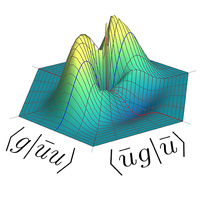
Determination of Quark-Gluon-Quark Interference within the Proton
Article | Particles and Fields | 2026-08-03 06:00 EDT
Alexey Vladimirov, Guillermo Portela, and Simone Rodini
A proof-of-concept global QCD fit finds the quark-gluon-quark interference comparable in size to polarized quark density contributions, which suggests a more quantum nature of the proton than assumed.
Phys. Rev. Lett. 137, 061902 (2026)
Particles and Fields
Thermodynamics and Melting of a Quantum Quasicrystal
Article | Atomic, Molecular, and Optical Physics | 2026-08-03 06:00 EDT
Ethan C. McGarrigle, Thomas G. Kiely, Leon Balents, and Glenn H. Fredrickson
A quantum quasicrystal was proposed to exist by mean-field, variational arguments in two-dimensional Rashba spin-orbit coupled BECs with dipolar interactions. Despite this remarkable prediction, there is little known about the superfluid character or stability of this quasicrystalline state against …
Phys. Rev. Lett. 137, 063401 (2026)
Atomic, Molecular, and Optical Physics
Coherent Control of Three-Level System Using Shaped Free Electrons
Article | Atomic, Molecular, and Optical Physics | 2026-08-03 06:00 EDT
Dixuan Wu, Jing Li, Yuhan Jiang, and Yunquan Liu
Three-level systems exhibit quantum interference effects absent in two-level systems, making them important for quantum optics. Here, we study the coherent interaction of a -type three-level system with free electrons shaped by optical near fields. By treating the electron train as a quantum drive,…
Phys. Rev. Lett. 137, 063601 (2026)
Atomic, Molecular, and Optical Physics
Density-Corrected Density Functional Theory for Solids
Article | Condensed Matter and Materials | 2026-08-03 06:00 EDT
Youngsam Kim, Suhwan Song, Mihira Sogal, Kieron Burke, and Eunji Sim
Density-corrected density functional theory (DC-DFT) considers whether self-consistent densities yield optimal energetics in Kohn-Sham calculations. With considerable success in molecular calculations, we here apply DC-DFT to solid-state calculations with Hartree-Fock (HF) densities. We resolve a kn…
Phys. Rev. Lett. 137, 066401 (2026)
Condensed Matter and Materials
Spinon Band Flattening by Its Emergent Gauge Field in a Quantum Kagome Ice
Article | Condensed Matter and Materials | 2026-08-03 06:00 EDT
Masafumi Udagawa and Roderich Moessner
Fractional excitations provide a key to identifying sought-after topological quantum spin liquid states in realistic materials. Their single-particle dynamics already presents a challenging many-body problem on account of the coupling to their emergent gauge field. Here, we study the spinon excitati…
Phys. Rev. Lett. 137, 066501 (2026)
Condensed Matter and Materials
Parastatistics in Interacting Periodic Chains Revealed by Peierls Phase Twists and Shifted Conformal Towers
Article | Condensed Matter and Materials | 2026-08-03 06:00 EDT
Dirk Schuricht and Jesko Sirker
We consider interacting paraparticle chains with a constant matrix where the Hamiltonian sums over the internal degrees (flavors) of the paraparticles. For such flavor-blind Hamiltonians, we show a general factorization of the Hilbert space into occupation and flavor parts with the Hamiltonian act…
Phys. Rev. Lett. 137, 066503 (2026)
Condensed Matter and Materials
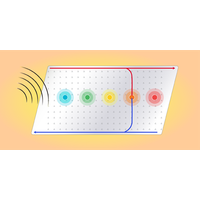
Visualization of Elastic Flat Landau Rainbow
Article | Condensed Matter and Materials | 2026-08-03 06:00 EDT
Yafeng Chen, Zhihao Lan, Xueyun Wen, and Jie Zhu
Two experiments demonstrate a promising platform for trapping, sorting, and directing vibrational energy.
Phys. Rev. Lett. 137, 066601 (2026)
Condensed Matter and Materials
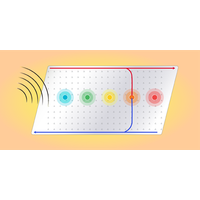
Capturing Rainbow in On-Chip Phononic Crystals
Article | Condensed Matter and Materials | 2026-08-03 06:00 EDT
Riyi Zheng, Weijian Xie, Xinhua Wen, Weiyin Deng, Manzhu Ke, Jiuyang Lu, Xueqin Huang, and Zhengyou Liu
Two experiments demonstrate a promising platform for trapping, sorting, and directing vibrational energy.
Phys. Rev. Lett. 137, 066602 (2026)
Condensed Matter and Materials
Confinement-Induced Motion of Ciliates
Article | Polymers, Chemical Physics, Soft Matter, and Biological Physics | 2026-08-03 06:00 EDT
G. C. Antunes, C. Obst, and H. Stark
The time dynamics of flagellar and ciliary beating is often neglected in theories of microswimmers, with the most common models prescribing a time-constant actuation of the surrounding fluid. By explicitly introducing a metachronal wave, coarse-grained to a sinusoidal surface slip velocity, we show …
Phys. Rev. Lett. 137, 068301 (2026)
Polymers, Chemical Physics, Soft Matter, and Biological Physics
Physical Review X
Editorial: Closing Special Collection on 2D Materials
Article | 2026-08-03 06:00 EDT
Liuyan Zhao and Xavier Marie
Phys. Rev. X 16, 030002 (2026)
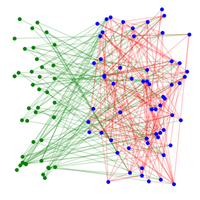
High-Dimensional Dynamics in Low-Dimensional Networks
Article | 2026-08-03 06:00 EDT
Yue Wan and Robert Rosenbaum
The relationship between the dimensionality of a network's structure and its dynamics is investigated, showing that networks with low-dimensional structures can produce either high- or low-dimensional responses.
Phys. Rev. X 16, 031025 (2026)
arXiv
Prismatic Soft Cubes
New Submission | Soft Condensed Matter (cond-mat.soft) | 2026-08-04 20:00 EDT
Soft cells are shapes without sharp corners that can fill the space without gaps and overlaps [2]. A sharp corner is a point on the surface of the solid through which no smooth curve passes. In the paper introducing the concept of soft cells [2], the authors proved that there exists an algorithm that can soften tilings consisting of convex polyhedra, preserving the lattice points and combinatorial structure of the original tiling. Although the algorithm guarantees (with a few restrictions) that there exists a soft tiling that is combinatorially equivalent to the convex polyhedral tiling, the proof does not address how to find all such tilings. For a polyhedral tiling based on a truncated octahedral cell, paper [3] shows how to find all soft tilings for a fixed symmetry group. In this paper, we extend this method and apply it to the cubic lattice, imposing only natural conditions, rather than symmetry constraints. The natural conditions being, the directions of edge half-tangents of the tiling are restricted to lattice directions, and the edges of the tiling are planar. This results in 26 soft cubic cells with different geometries. A total of 68 fundamental domains can be created from the cells, which can be classified into 8 groups based on their lattice symmetry. The paper also presents an algorithmic process (with a corresponding program in language Python) for classifying the 26 non-equivalent geometric cell types.
Soft Condensed Matter (cond-mat.soft)
41 pages, 27 figures, 2 tables
Static compliance and directional instability in indefinite conformation states
New Submission | Soft Condensed Matter (cond-mat.soft) | 2026-08-04 20:00 EDT
A conformation tensor is positive definite for every physically realizable polymer microstructural state. Numerical discretization can move the conformation tensor outside the positive-definite domain. This raises a question: can the least eigenvalue alone identify the first unstable direction? We answer it by linearizing Oldroyd-B, equilibrium-normalized FENE-P and Giesekus models about uniform frozen states. All include solvent viscosity and stress diffusion. We examine every non-zero planar Fourier mode, assuming each model’s uncoupled constitutive tangent is strictly stable. The margin $ 1+r\chi$ measures the balance between solvent damping and the zero-frequency polymer response. The complete velocity–conformation system is stable if and only if this margin is positive. At zero margin, a simple stationary root appears; finite inertia changes growth rates but not the neutral boundary. At fixed wavenumber and other parameters, decreasing $ \lambda_1$ identifies the first neutral direction. Oldroyd-B and equilibrium-normalized FENE-P first become neutral along principal directions; Giesekus mobility can instead make an oblique direction neutral first. For the reference case, onset is $ \lambda_{1,c}=-1.933$ at $ \theta_c=23.94^\circ$ , before the principal-axis prediction. Along this family, the all-direction threshold approaches $ -2.319$ as the other principal stretch grows, whereas the formal principal-axis extrapolation tends to negative infinity. A rational-parameter counterexample, matrix spectra and uniform forced-base calculations test the neutral boundary and both sides. These results concern one linear, uniform, planar Fourier mode, not nonlinear or inhomogeneous-flow stability. Within this scope, onset depends not on indefiniteness alone but also on constitutive-tangent geometry and wavevector direction.
Soft Condensed Matter (cond-mat.soft)
23 pages, 2 figures; appendices included in the same PDF
Inferring partial crystalline order in liquids from electrical resistivity
New Submission | Soft Condensed Matter (cond-mat.soft) | 2026-08-04 20:00 EDT
Nadine Wetta, Jean-Christophe Pain
This work investigates how locally persistent crystal-like ordering in liquids influences the Debye-Waller factor. We have developed a theoretical framework based on liquid-phonon theory which introduces a phonon relaxation time, expressed as the ratio of shear viscosity to infinite-frequency shear modulus. These values are obtained using the Yukawa one-component plasma model. Within this framework, we establish expressions for the heat capacity at constant pressure and the Debye-Waller factor for the liquid state. These expressions explicitly introduce additional temperature dependence arising from the finite phonon lifetime. Anharmonicity is accounted for within the quasi-particle approximation. We compare our heat capacity results with values measured by Gathers for aluminum and copper, finding good agreement when assuming partial local crystal-type order. Comparisons with experimental heat capacities serve to validate the approach prior to its application to the study of electrical resistivity, the principal objective of this work. Using liquid-phonon Debye-Waller factors in the methodology developed earlier in [Phys. Rev. E 102, 053209 (2020)] for electrical resistivity in dense matter, and comparing with experimental resistivities from Gathers, we elucidate the character of the locally persisting crystal order in liquid aluminum and liquid copper. These results indicate that the electrical resistivity measurements can serve as a valuable probe for determining both the extent and the nature of crystalline order in the liquid state.
Soft Condensed Matter (cond-mat.soft)
submitted to Phys. Rev. E
Phys. Rev. E 114, 015220 (2026)
Conservation laws determine what physical learning remembers
New Submission | Soft Condensed Matter (cond-mat.soft) | 2026-08-04 20:00 EDT
Physical learning rules such as equilibrium propagation (EP), coupled learning (CL), and adjoint coupled learning (AL) train resistive networks through local measurements. In the small-nudge limit EP and CL exactly conserve the conductance mass K = (1/2) sum_e kappa_e^2, a property that stabilizes training. We show that conservation also governs the inductive bias of these rules. For a single output we prove that EP and CL are trajectory equivalent, so single-output experiments cannot distinguish what the two rules learn. We prove that AL does not conserve the mass but dissipates it at exactly twice its own loss. In linear circuits we prove that the conserved mass has no functional consequence: all three vector fields are homogeneous in the conductances, so the selected solution is independent of the initialization scale. Fixed nonlinear elements break this protection. In diode circuits the learned input-output function depends on the initialization scale by up to about forty percent, an effect absent in linear controls, and the conservative rules retain this memory permanently while the dissipative rule partially erases it. At matched training loss the dissipative rule typically generalizes worse than the conservative rules, although it reaches low training loss faster; the penalty correlates with the mass dissipated en route and fades in larger circuits, where little mass is lost. The conservation structure of a local learning rule thus sets its initialization memory, its training speed, and, where dissipation is appreciable, its generalization; it should be treated as a design parameter of physical learning machines.
Soft Condensed Matter (cond-mat.soft), Disordered Systems and Neural Networks (cond-mat.dis-nn), Artificial Intelligence (cs.AI), Machine Learning (cs.LG)
6 pages, 2 figures, 3 tables
Centimeter-scale fully suspended metal and metal oxide thin films by one-step transfer-free liquid metal capillary forming
New Submission | Materials Science (cond-mat.mtrl-sci) | 2026-08-04 20:00 EDT
Chunlei Song, Zhenqi Guo, Yuanting Su, Changren Tian, Yeqi Zhu, Liang Lei, Jianbo Tang
Fully suspended thin films can decouple substrate effects and provide additional tuning degrees of freedom compared with their substrate-supported counterparts, making them unique platforms for next-generation thin film devices. Here we report one-step, transfer-free and substrate-free fabrication of centimeter-scale ultrathin fully suspended metal and metal oxide film structures via liquid metal capillary forming. We show that, analogous to soap film formation, the instantaneously developed few-nanometer-thick native surface oxide can laminate various liquid metals into micrometer-thick metallic films. Surprisingly, the surfactant-like metal oxide bilayer can survive dewetting-induced liquid metal drainage, forming suspended two-dimensional films featuring an enormous lateral size-to-thickness ratio on the order of 10^7. We further demonstrate rapid prototyping of metallic minimal-surface thin-walled structures and ultra-sensitive acoustic wave detection with these suspended thin film platforms.
Materials Science (cond-mat.mtrl-sci), Fluid Dynamics (physics.flu-dyn)
AC Field-driven orientational crossover and energy dissipation in suspended magnetic nanoparticles
New Submission | Materials Science (cond-mat.mtrl-sci) | 2026-08-04 20:00 EDT
Iago López-Vázquez, Siraj Ul Haq, Kazuya Okada, Sergiu Ruta, Roy W. Chantrell, Òscar Iglesias, David Serantes
By combining the Landau–Lifshitz–Gilbert equation with Brownian rotational dynamics of magnetic nanoparticles (MNPs), we theoretically investigate the role of particle rotation through easy-axis reorientation in magnetic fluid hyperthermia (MFH). Our results reveal a field-driven crossover in the stationary orientation of the easy axes, from predominantly perpendicular to predominantly parallel or antiparallel to the applied field as the field amplitude increases. Although the precise crossover field depends on particle size and excitation frequency, it occurs at approximately $ 0.5H_k$ , where $ H_k$ is the uniaxial anisotropy field. These orientational regimes are directly linked to the underlying microscopic dynamics and the associated MFH performance through the occurrence of switching and non-switching hysteresis cycles, predominantly associated with Néel magnetization reversal and Brownian particle rotation, respectively. The relative importance of these dissipation mechanisms also depends on frequency: at $ f=1$ MHz, Brownian heating dominates at low field amplitudes, whereas Néel heating dominates at high fields. By contrast, at $ f=100$ kHz, both contributions remain comparable over most of the investigated field range.
Materials Science (cond-mat.mtrl-sci)
15 pages, 14 figures, submitted
Wrinkling of Randomly Heterogeneous Film-Substrate Systems
New Submission | Materials Science (cond-mat.mtrl-sci) | 2026-08-04 20:00 EDT
Xinyu Xing, Liyu Zhong, Feng Deng, Sheng Mao
Wrinkling instabilities in stiff films on compliant substrates are strongly affected by spatial fluctuations in film stiffness. We develop a homogenized instability theory for one-dimensional film–substrate systems with random bending stiffness. The heterogeneous stability equation is reformulated as a Lippmann–Schwinger equation for the curvature field, and a strong-contrast expansion is derived using a local–nonlocal kernel decomposition and a cavity-field formulation. Truncation at third order yields an effective polarizability and a Dyson-type dispersion relation for predicting the critical load and wavenumber. The stiffness is modeled as an exponentially mapped Gaussian random field, allowing the required two- and three-point connected statistics to be obtained analytically. The theory is validated against generalized eigenvalue calculations and Fourier spectral simulations. Increasing stiffness contrast lowers the critical load and shifts the instability toward higher wavenumbers, producing shorter wrinkles. At weak contrast, the threshold follows the universal scaling $ N_c^{(0)}-N_c\sim\varepsilon^2$ , whereas at moderate and strong contrast the third-order approximation is more accurate than the second-order theory. Wavelength selection is controlled by the ratio of the dominant material wavelength $ \lambda^\ast$ to the harmonic-mean reference wavelength $ \lambda_H$ . For $ \lambda^\ast/\lambda_H<1$ , the harmonic-mean model accurately predicts the wrinkle wavelength. The framework provides a mechanics-based tool for reliability assessment and design of statistically heterogeneous film–substrate systems.
Materials Science (cond-mat.mtrl-sci)
Vibrational spectroscopy identifies the bond asymmetry of hexagonal diamond
New Submission | Materials Science (cond-mat.mtrl-sci) | 2026-08-04 20:00 EDT
Bulk hexagonal diamond has been synthesized by independent routes, but its structure remains contested: the two recent refinements disagree even on the sign of the difference between its two inequivalent bond lengths, 238mÅ apart, and both depart from an earlier 2003 refinement. Here we test the competing structures with first-principles lattice dynamics. Relaxed hexagonal diamond has an interlayer bond \emph{longer} than the intralayer bonds by 24mÅ in both functionals, an effect of its eclipsed conformation that scales with polytype hexagonality. The bright zone-center $ A_{1g}$ mode gauges the interlayer bond at $ \approx!-2{,}100$ \icmÅ$ ^{-1}$ , and neither refined coordinate reproduces the full pattern of measured modes. The only structure matching the twinned sample’s three bands requires tens-of-gigapascals confining stress and lattice constants excluded by its own diffraction. Raman spectroscopy and diffraction jointly select a small positive bond asymmetry: inverting the spectrum of the phase-pure sample gives $ \OB-\OA=24\pm3$ mÅ (95% interval), and two determinations on separate samples give $ +33\pm8$ and $ +60\pm45$ ~mÅ. The 1{,}529\icm{} feature cannot be assigned to homogeneous ideal 2H diamond, and the local HRTEM observation remains an open puzzle.
Materials Science (cond-mat.mtrl-sci), Chemical Physics (physics.chem-ph)
A Synthetically-accessible Universe of Chemically Recyclable Polymers
New Submission | Soft Condensed Matter (cond-mat.soft) | 2026-08-04 20:00 EDT
Anagha Savit, Wei Xiong, Harikrishna Sahu, Shivank S. Shukla, Will R. Gutekunst, Rampi Ramprasad
Polymers synthesized via ring-opening polymerization (ROP) of cyclic monomers represent an important class of materials due to their chemical recyclability and possible insertion in several critical applications. We present a dataset of 1 million synthetically realizable ROP polymer structures generated through a combination of Virtual Forward Synthesis (VFS) and polymer expert language models and qualified by stringent chemical heuristics. VFS is used to generate ROP polymers by applying known reactions to existing monomers. The polymer foundation models polyBART and POLYT5 further enable the generation of ROP candidates, with polyBART exploring its learned latent space and POLYT5 producing candidates via sequence-to-sequence generation. The resulting ROP polymers are subjected to robust filtering criteria to ensure novelty, validity and overall data quality through a combination of automated validation pipelines and a comprehensive set of chemist-informed heuristic rules introduced in this work for the first time. We hope that this dataset will serve as a valuable resource for downstream sustainable applications.
Soft Condensed Matter (cond-mat.soft), Artificial Intelligence (cs.AI)
An asymptotically solvable model of many-body critical phases: mobility edges, scars, and inverted scars
New Submission | Disordered Systems and Neural Networks (cond-mat.dis-nn) | 2026-08-04 20:00 EDT
Yi-Ting Tu, Zi-Jian Li, Sankar Das Sarma
While the prethermal regime of random many-body localized (MBL) systems is dominated by accidental many-body resonances, another class of resonances, originating from the underlying potential structure, is expected in large-size deterministic systems. It is known that this class of resonances can lead to single-particle critical phases that are neither localized nor extended, but the consequences in interacting systems remain unclear. In this work, we construct an asymptotically solvable model of a one-dimensional nearest-neighbor interacting spin chain, whose spatial structure induces a hierarchy of mirror-like many-body resonances. We derive two phases in the thermodynamic limit, characterized by the satisfaction and violation of a version of the weak eigenstate thermalization hypothesis (ETH). While these two phases are similar to the usual MBL and ETH phases, there exist rare eigenstates that behave like the opposite phase, interpreted as many-body scars and inverted scars. Surprisingly, the two phases can be separated by a finite-temperature phase transition, corresponding to a thermodynamic many-body mobility edge, which was often believed to be impossible. Our results also suggest the existence of delocalized rare regions in an otherwise-localized interacting Aubry-André model, even if there are no low-disorder regions like those in random systems. This challenges the common belief that there is no avalanche instability in quasiperiodic MBL.
Disordered Systems and Neural Networks (cond-mat.dis-nn), Statistical Mechanics (cond-mat.stat-mech), Quantum Physics (quant-ph)
40 pages, 9 figures
Rhombohedral Graphene: A Tale of Many Crystals
New Submission | Strongly Correlated Electrons (cond-mat.str-el) | 2026-08-04 20:00 EDT
Ahmed Abouelkomsan, Filippo Gaggioli, Daniele Guerci, Liang Fu
Experiments on rhombohedral graphene have uncovered an extraordinary wealth of correlated quantum phases - from chiral superconductors to electronic crystals - all within a single family of atomically thin materials. Here, we introduce a simple indicator, derived from the noninteracting band dispersion, that identifies strongly correlated regions in the phase diagram of rhombohedral graphene as a function of carrier density and displacement field. We develop a neural-network variational Monte Carlo method, combined with Hartree-Fock theory, to solve the interacting ground states. Our calculation reveals a variety of electron crystals with no classical analog. These include, at increasing density: Wigner crystal, self-doped Wiger crystal, as well as ‘’anticrystal’’, a lattice of holes in an electron liquid. We discuss their experimental manifestations and possible connection to superconductivity.
Strongly Correlated Electrons (cond-mat.str-el)
5 pages, 4 figures + Supplemental Material
Shape of Wigner Crystals and Hole Self-Doping in a Mexican-Hat Dispersion
New Submission | Strongly Correlated Electrons (cond-mat.str-el) | 2026-08-04 20:00 EDT
We study Wigner crystals (WCs) induced by a strong Coulomb interaction from the ring-like Fermi surface of a Mexican-hat dispersion $ \epsilon_k= c_2k^2+c_4k^4$ . We design orbital shape in order to minimize the energy of the WC, and find that a low ground-state energy requires an orbital shape with a depletion of electrons near $ k=0$ . To capture the Coulomb-induced correlations, we include a Jastrow factor as well as a factor describing the correlation between electrons and doped vacancies. Using variational Monte Carlo calculations, we calibrate the effective band parameters $ c_2$ and $ c_4$ to reproduce the two transitions observed experimentally as the electron density is lowered: from a spin-valley-polarized Fermi liquid with a disk-like Fermi surface, to one with a ring-like Fermi surface, and finally to a WC. We find that, even with an optimized orbital shape that depletes electrons near $ k=0$ , a WC with hole self-doping near $ k=0$ can still be energetically favorable near the WC transition, provided that the electron-vacancy correlation is included. We also estimate the dispersion of the doped hole.
Strongly Correlated Electrons (cond-mat.str-el), Mesoscale and Nanoscale Physics (cond-mat.mes-hall)
6 pages plus appendices, 4+2 figures
Neural Quantum States for Nuclear Magnetic Resonance Spectroscopy
New Submission | Disordered Systems and Neural Networks (cond-mat.dis-nn) | 2026-08-04 20:00 EDT
Bharadwaj Chowdary Mummaneni, Bo Xing
Predicting a nuclear magnetic resonance (NMR) spectrum from first principles requires propagating a quantum state of dimension $ 2^N$ for $ N$ coupled spins, which becomes intractable beyond larger $ N$ . We benchmark Neural Quantum States (NQS), a class of variational quantum states expressed as an artificial neural network, as an alternative representation for this problem. Using two propagation methods, the Time-Dependent Variational Principle (TDVP) and projected time-dependent Variational Monte Carlo (p-tVMC), we compute the $ ^1$ H spectra of four ($ 2 \to 5$ spins) experimentally parameterized molecules. TDVP reproduces all line positions and intensities with average spectral mean squared errors of $ <10^{-3}$ ; p-tVMC reproduces the same features, with accuracy determined by its per-step optimization parameters. One dominant obstacle to larger systems is the steep growth of the number of integration steps with spectral bandwidth, which can be removed by propagating in the interaction frame of the chemical-shifted Hamiltonian. Retaining the same accuracy, this reduces the number of integration steps roughly eightfold for the 3-spin system and by at least an order of magnitude for the 4- and 5-spin systems, and it enables a 14-spin molecule (sucrose) to be accurately propagated via Monte Carlo sampling.
Disordered Systems and Neural Networks (cond-mat.dis-nn)
11 pages, 7 figures
Configuration averaging of X-ray absorption spectra of disordered systems within the augmented-space full multiple-scattering formalism
New Submission | Materials Science (cond-mat.mtrl-sci) | 2026-08-04 20:00 EDT
We present a formulation of the full multiple-scattering theory of X-ray absorption spectroscopy (XAS) for disordered systems based on the augmented-space method of Mookerjee. Both substitutional (chemical) and thermal (vibrational) disorder are cast, on the same footing, as exact matrix elements of a non-random operator acting on an enlarged Hilbert space. The configuration-averaged scattering-path operator is thereby obtained by inverting a non-random secular matrix, with no expansion in scattering paths, without recourse to the single-site approximation and without any assumption on the shape of the disorder distribution. This is what the quantitative analysis of the near-edge region requires: XANES lies where the multiple-scattering series does not converge, so that a treatment of disorder tied to a path expansion is unavailable there. The inversion is carried out by a continued-fraction (Lanczos) recursion, which accesses the required matrix element without constructing the full configuration basis or diagonalising the augmented operator. The operator Debye-Waller factor of the harmonic theory is recovered as the Gaussian special case, and anharmonic disorder is included with no additional machinery, through the moments of a non-Gaussian displacement distribution. Where the series does converge, the construction also settles a question of principle: for statistically independent site variables, replacing each t-matrix by its configuration average is exact only for scattering paths in which every site occurs once, and for paths that revisit a site we obtain the exact second-order correction.
Materials Science (cond-mat.mtrl-sci)
35 pages; 1 figure
Chiral Magnon Mixing by Symmetry-Breaking in Collinear Ferrimagnets
New Submission | Strongly Correlated Electrons (cond-mat.str-el) | 2026-08-04 20:00 EDT
Dhurba R. Jaishi, Tyler J. Slade, S. X. M. Riberolles, Bing Li, Tianxiong Han, D. M. Pajerowski, D. L. Abernathy, Barry Winn, Melissa Graves-Brook, B. G. Ueland, R. J. McQueeney
Magnons in ferromagnets possess spin angular momentum defined by right-handed precession of the moment around the magnetization direction. In antiferromagnets with no net magnetization, left-and right-handed magnons are degenerate in the absence of an applied field. Ferrimagnets possess uncompensated magnetic sublattices, which should natively possess right-and left-handed magnons where their energy is split by the internal molecular field. Here, we show that RMn6Sn6 (R = Tb, Er) ferrimagnets possess right and left-handed magnon bands that cross at finite momentum (k) within the basal plane, defining modes with opposite dynamical chirality. Depending on the symmetry of the ferrimagnetic order, which may be manipulated by varying the rare-earth magnetic anisotropy or with applied field, the band crossing may remain a nodal line or may be gapped. The gapped modes contain hybridized chiral excitations whose chirality becomes k-dependent.
Strongly Correlated Electrons (cond-mat.str-el)
Phys. Rev. Lett. 137, 046702 (2026)
Ion Flow under an Applied Electric Field in Semiconducting and Metallic Carbon Nanotubes
New Submission | Mesoscale and Nanoscale Physics (cond-mat.mes-hall) | 2026-08-04 20:00 EDT
Measurements made by Li, et. al., showed that the flow rates of potassium ions through 11nm long, subnanometer diameter, metallic and semiconducting carbon nanotubes under an applied electric field are almost the same. In contrast, measurements of the electrical conductivity of potassium chloride solution through 100 long metallic and semiconducting carbon nanotubes with diameters between 2.6-5.4nm by Cui, et. al., show that the ionic conductivity in the semiconducting nanotubes is larger than that of the metallic nanotubes. Possible theoretical origins of these differences are explored in this article.
Mesoscale and Nanoscale Physics (cond-mat.mes-hall)
a short paper commenting on measurements of ion flow in carbon nanotubes
Analytical Charge Density Profile of Vortex Core in Weak-Coupling Superconductor
New Submission | Superconductivity (cond-mat.supr-con) | 2026-08-04 20:00 EDT
Self-consistent Bogoliubov-de Gennes calculations have long shown that solving the Poisson equation inside a superconducting vortex turns a one-signed charge depletion into a modulation that alternates in sign with period $ \pi/k_F$ . We give an elementary account of that result. Taking the Caroli-de Gennes-Matricon bound states in a step-like gap, we show that the normalization of the bound-state spinor is nearly independent of angular momentum, which collapses the mode sum into closed form. Inside the core the vortex winding removes one Bessel channel from a completeness sum, so the density vanishes on the vortex line and carries Friedel-like oscillations of wavevector $ 2k_F$ ; outside it the sum gives a $ 1/r$ envelope decaying over a coherence length, with a residual ripple. The bound-state charge does not integrate to zero, so neutrality obliges the extended states to compensate it exactly. That compensation is complete at long wavelength but fails at the diameter of the Fermi circle, and what survives is a sign-alternating $ 2k_F$ modulation reduced only by $ 4k_F^2/(4k_F^2+k_{TF}^2)$ , a factor lying between one-half and three-quarters for any metal. The oscillation is therefore not a delicate effect but a consequence of neutrality and the inefficiency of screening at large momentum transfer: in the screened total the smooth terms cancel and only the ripple is left.
Superconductivity (cond-mat.supr-con), Mathematical Physics (math-ph)
Interplay of spin-orbit coupling, crystal field splitting and correlations: a ghost rotationally invariant slave boson treatment
New Submission | Strongly Correlated Electrons (cond-mat.str-el) | 2026-08-04 20:00 EDT
Xue Sun, Walber Hugo Brito, Andreas Gleis, Ran Adler, Tsung-Han Lee, Gabriel Kotliar, Corey Peters
We investigate the interplay of spin-orbit coupling, crystal field splittings, and electronic correlations in the $ t_{2g}$ Hubbard-Kanamori model within the recently formulated ghost rotationally invariant slave-boson method (GRISB). In particular, we study a tight binding model of Sr$ _2$ RuO$ _4$ with parameters extracted from density functional theory and linearized quasiparticle self-consistent GW (LQSGW) calculations; we study the behavior of different physical quantities as the number of ghosts increases to examine the convergence of GRISB to dynamical mean field theory (DMFT) and experimental results; and we leverage the ability of GRISB to investigate the model over a wide range of parameters at low temperature. In particular, we examine both static and dynamical observables driven by the spin orbit coupling (SOC) and study how they vary as a function of the Hubbard $ U$ and Hund’s coupling $ J$ . GRISB converges quickly for most of these observables, and the calculations reveal the following: $ U$ enhances the spin-orbit coupling while $ J$ suppresses it. We also study the shape of the Fermi surface within different methodologies, and examine the Lifshitz transition which takes place as a function of strain in this material.
Strongly Correlated Electrons (cond-mat.str-el)
Resonant Raman spectroscopies beyond density-functional theory
New Submission | Materials Science (cond-mat.mtrl-sci) | 2026-08-04 20:00 EDT
Aleksandr Poliukhin, Corto Babs Aubry, Lorenzo Bastonero, Nicola Marzari
Resonant Raman spectroscopy probes, in a single measurement, how electrons and phonons couple in a material. Density-functional theory (DFT) typically reproduces well phonon frequencies, but resonant Raman intensities hinge on electron-phonon matrix elements and electronic transitions that are far more sensitive to the underlying exchange-correlation approximation. However, electron-phonon coupling has so far been accessible only through linear-response theories developed for a handful of semilocal DFT methods, leaving the sensitivity of resonant Raman intensities to the electronic-structure approximation essentially unexplored. Here, we introduce a general finite-difference framework that can compute resonant Raman tensors for any electronic-structure method capable of delivering forces, eigenvalues, and wavefunctions of pristine and displaced configurations. We apply the formalism to graphene and monolayer MoS$ _2$ , using hybrid functionals or meta-GGAs, and show that these approaches systematically enhance electron-phonon couplings relative to semilocal DFT, reflecting reduced dielectric overscreening. A decomposition of the Raman tensor shows that accurate intensities require electronic eigenvalues and electron-phonon matrix elements to be treated consistently at the same level of theory. Among the approaches tested, hybrid functionals provide the best overall agreement with experiment. Because the framework needs only quantities every electronic-structure code already produces, it opens the door to systematic, beyond-DFT Raman characterization or benchmarking against experiments, especially for 2D materials.
Materials Science (cond-mat.mtrl-sci)
8 pages, 4 figures, 2 tables. Supplemental Material included (5 pages, 4 figures)
Transient Liquid Phase Bonding of NiTi Using Cu- and Nb-base Interlayers
New Submission | Materials Science (cond-mat.mtrl-sci) | 2026-08-04 20:00 EDT
Zhaoxi Cao, Samuel Price, Alessandra Crippa, John P. Reidy, Gianna M. Valentino, Ian McCue
Transient liquid phase (TLP) bonding was examined as an approach for joining NiTi to achieve a high joint efficiency while minimizing chemical variance within the joint region. Two bonding interlayer chemistries (Cu-base and Nb-base) were identified by screening thermodynamic criteria for TLP in ternary alloys using the CALPHAD method. These two systems were then experimentally evaluated with respect to their impact on solidification kinetics, microstructure in the joint region, and performance during quasistatic and cyclic tensile loading. For both interlayer chemistries, the composition profile and microstructure in the joint region confirmed an isothermal solidification mechanism. In addition, the joints were found to be fully dense and contain at most 1.2% intermetallic phases. Tensile testing showed excellent load transfer across the joints with approximately 4% recoverable strain and martensite onset stresses reaching 94% and 89% of the unbonded, annealed NiTi values for Cu-base and Nb-base interlayers, respectively. Lastly, a stable superelastic response was observed under cyclic loading for both bond chemistries, with spatial variation in the strain evolution linked to enhanced stiffness and hardness in the joint region arising from the substitutional Cu and Nb solutes, as confirmed via nanoindentation. This study demonstrates that TLP bonding of NiTi can produce high-strength and nearly intermetallic-free joints without sacrificing functional performance, such as the superelastic response.
Materials Science (cond-mat.mtrl-sci)
25 pages, 11 figures, 7 tables
Ferroelectric superconductivity in noncentrosymmetric metals
New Submission | Superconductivity (cond-mat.supr-con) | 2026-08-04 20:00 EDT
Jason G. Kattan, T. Pereg-Barnea
It has recently been shown in experiments that certain materials can display both superconductivity and ferroelectricity, contrary to a long-standing conjecture that these two phenomena are incompatible, or at least unrelated. In this work we study superconductivity in ferroelectric metals, using a formalism of ionic polarization fields coupled to itinerant electrons, both of which are treated at the microscopic level. The ferroelectric order manifests as a spontaneous polarization that may be uniform or spatially modulated, and fluctuations of the polarization mediate interactions between the electrons. The polarization fluctuations give rise to attractive interactions that can lead to Cooper pairing in certain lattice configurations, analogous to the nonpolar phonons in conventional BCS theory. Working with a simplified BCS model, we derive conditions under which superconductivity can coexist with and even emerge from ferroelectricity.
Superconductivity (cond-mat.supr-con)
2 figures
Memory with Onsager-Casimir symmetry: Rotating particle in a viscoelastic fluid
New Submission | Statistical Mechanics (cond-mat.stat-mech) | 2026-08-04 20:00 EDT
Debankur Das, Niloyendu Roy, Niklas Windbacher, Clemens Bechinger, Matthias Krüger
We study the stochastic dynamics of a rotating Brownian particle in a non-Markovian fluid. Experimentally, we find that rotation enhances the long-time diffusivity of the particle and generates time-antisymmetric cross-correlations between orthogonal displacement components in the plane perpendicular to the rotation axis. To rationalize these observations, we introduce a minimal linear model in which a tracer is coupled to a slow bath degree of freedom and rotation enters through an advective coupling. Eliminating the bath variable yields a generalized Langevin equation with a non-reciprocal memory kernel. This kernel rotates in time, forming a logarithmic spiral, and it obeys Onsager-Casimir symmetry under reversal of the rotation vector, and the corresponding fluctuation-response relation. From the latter we obtain a geometric construction that links two-time cross-correlations to the transverse response of the particle in bulk. Unlike the ordinary Einstein relation, this relation involves the antisymmetric sector of the response. Our experiments and theory are in qualitative agreement, establishing rotating colloids in viscoelastic fluids as a minimal realization of Onsager-Casimir symmetry in time-nonlocal stochastic dynamics
Statistical Mechanics (cond-mat.stat-mech), Soft Condensed Matter (cond-mat.soft)
10 pages 6 figures
An essay on $d_0$ in neutron-based strain measurement techniques: equilibrium-based methods for non-destructive $d_0$ estimation
New Submission | Materials Science (cond-mat.mtrl-sci) | 2026-08-04 20:00 EDT
Christopher Wensrich, Giles Parkes, Vladimir Luzin, Benjamin Daly, Floriana Salvemini
Determination of the stress-free reference lattice spacing, $ d_0$ , is a central and often underestimated difficulty in diffraction-based strain measurement. Although commonly treated as a material constant, $ d_0$ often varies with position and measurement direction as a result of composition, phase, texture and residual stress at the sub-bulk scale. While direct measurement of $ d_0$ from coupons is usually preferable, this is sometimes impractical or even impossible. This paper reviews the $ d_0$ problem in general and develops a hierarchy of non-destructive alternatives based on mechanical equilibrium. This ranges from established techniques based on force-balance, to the application of boundary conditions and finally an approach based on point-wise equilibrium within a sample, implemented through eigenstrain analysis. In all cases, examples are provided in the form of real samples including an additively manufactured Inconel cube, ancient Roman bronze medical probes and an ancient bronze dagger of purported Persian origin. These latter examples demonstrate that equilibrium can provide a practical physical constraint for estimating $ d_0$ when destructive reference measurements are entirely inappropriate.
Materials Science (cond-mat.mtrl-sci)
32 pages, 11 figures
Universal scaling of the Anomalous Hall voltage of magnetic layer with the adjacent conducting layer
New Submission | Mesoscale and Nanoscale Physics (cond-mat.mes-hall) | 2026-08-04 20:00 EDT
Zhihao Yan, Qianbiao Liu, Zhengxiao Li, Lijun Zhu
The anomalous Hall voltage of magnetic heterostructures plays a key role as the indicator for the magnetization state and its interplay with a variety of spintronic effects. In this letter, we report the observation, mechanism, and impact of the universal, dramatic scaling of the anomalous Hall voltage of magnetic heterostructures with the thickness and resistivity of the nonmagnetic conducting layers (e.g., normal metal) by combining transport experiments, analytical derivation, and finite-element analyses. We identify that the mechanism is the serial resistor effect of the magnetic and non-magnetic layers within the magnetic heterostructures and irrelevant to any Fermi surface variation or angular momentum injection from the nonmagnetic layer to the magnetic layer. We also show that the accuracy of the harmonic Hall voltage analyses of magnetic heterostructures are unaffected by the under-measuring of the anomalous Hall voltage and other transverse voltages due to the serial resistor effect. These findings provide crucial information for understanding a variety of spintronic phenomena involving the anomalous Hall and other transverse voltages.
Mesoscale and Nanoscale Physics (cond-mat.mes-hall)
Planar Interfaces for Transmission of Chiral Spin Textures
New Submission | Mesoscale and Nanoscale Physics (cond-mat.mes-hall) | 2026-08-04 20:00 EDT
Robin Msiska, Cynthia J.O. Reichhardt, Charles Reichhardt, Eric Fullerton, Avadh Saxena
Lateral magnetic interfaces provide a direct way to test whether skyrmions remain robust when driven across abrupt changes in material parameters and magnetic order. Here we study skyrmion transmission across planar ferromagnet-ferromagnet (FM-FM), antiferromagnet-antiferromagnet (AFM-AFM), ferromagnet-antiferromagnet (FM-AFM), and antiferromagnet-ferromagnet (AFM-FM) interfaces using micromagnetic simulations and analytic reduced-coordinate criteria. The outcomes are organized into phase diagrams according to the morphology formed in the receiving region, distinguishing compact transmission from deformed skyrmions, stripe-domain states, amorphous textures, and relaxation into the background. Same-order FM-FM and AFM-AFM skyrmion transmission is captured by an analytically defined range of the reduced Dzyaloshinskii-Moriya interaction, identifying the wall-softening regime that supports compact transmission without stripe formation. Mixed-order FM-AFM and AFM-FM interfaces are directionally distinct, requiring conversion between ferromagnetic magnetization and antiferromagnetic Néel textures. These results show that planar interfaces act as active transport elements and provide reduced design criteria for heterogeneous skyrmion tracks.
Mesoscale and Nanoscale Physics (cond-mat.mes-hall)
14 pages, 5 figures, research article
Skyrmion Excitations in the $ν=-1$ Quantum Hall state in Monolayer Graphene
New Submission | Mesoscale and Nanoscale Physics (cond-mat.mes-hall) | 2026-08-04 20:00 EDT
Jincheng An, Ajit C. Balram, Ganpathy Murthy
We investigate the skyrmion excited states atop the $ SU(4)$ quantum Hall ferromagnetic ground state at filling factor $ \nu=-1$ in monolayer graphene. The competition among short-range anisotropic interactions, the Zeeman coupling, and sublattice symmetry-breaking potential gives rise to four distinct spin-valley-ordered ground-state phases. Combining effective field theory with the Hartree–Fock approximation, we develop a variational framework that incorporates both the long-range Coulomb interaction and the symmetry-breaking terms on an equal footing. Variational minimization determines the optimal skyrmion texture, including both its spatial radial profile and internal $ SU(4)$ spinor structure. We establish the phase diagram of skyrmion excitations, identify thirteen distinct skyrmion phases under different external-field conditions, and determine their spin-valley textures, energies, and characteristic sizes. The robustness of the results against different radial ansätze demonstrates the reliability of our variational approach. Our work provides a systematic framework for studying skyrmion excitations in multicomponent quantum Hall ferromagnets and can be naturally extended to more general $ SU(4)$ quantum Hall systems.
Mesoscale and Nanoscale Physics (cond-mat.mes-hall)
20 pages, 11 figures
The AFLOW Library of Crystallographic Prototypes: Part 5
New Submission | Materials Science (cond-mat.mtrl-sci) | 2026-08-04 20:00 EDT
Nicholas H. Anderson, Michael J. Mehl, Hagen Eckert, Simon Divilov, Xiomara Campilongo, Stefano Curtarolo
The AFLOW library of crystallographic prototypes has been updated to incorporate an additional 344 entries, which now reaches 2,127 prototypes. ICSD and CCDC numbers have been added to the website alongside improvements to the user interface. New tutorials covering the basics of crystallography in the context of materials science have also been added. Lastly, we covered the current known applications of AFLOW prototype labels and materials data across research software.
Materials Science (cond-mat.mtrl-sci)
43 pages, 2 figures
Breakdown of Universal Whirling Order in a Heisenberg Tsai-Type Approximant
New Submission | Strongly Correlated Electrons (cond-mat.str-el) | 2026-08-04 20:00 EDT
Farid Labib, Guillaume Beutier, Alessandro Bombardi, Marc de Boissieu, Ryuji Tamura
Noncoplanar whirling magnetic order has recently been proposed as a universal magnetic state in non-Heisenberg Tsai-type quasicrystal approximants. Here, X-ray resonant magnetic scattering measurements on Heisenberg and non-Heisenberg Au-Al-R (R = Gd, Tb) 1/1 approximants reveal a clear breakdown of this universality in the Heisenberg limit. While the non-Heisenberg Au-Al-Tb system is well described by the previously identified whirling magnetic structure, the Heisenberg Au-Al-Gd counterpart exhibits qualitatively different azimuthal-angle dependences that are incompatible with the universal whirling-order model. Despite nearly identical crystal structures and comparable magnetic energy scales, the two systems stabilize distinct antiferromagnetic ground states with the same propagation vector k = (1, 0, 0), demonstrating that the apparent universality of whirling order is not a consequence of Tsai-cluster geometry alone but requires spin anisotropy. These results further reveal the emergence of a competing manifold of nearly degenerate magnetic states in the Heisenberg limit.
Strongly Correlated Electrons (cond-mat.str-el)
5 pages; 4 figures
Negative thermal expansion, lattice dynamics, and complex magnetism in TbFeO$_3$
New Submission | Strongly Correlated Electrons (cond-mat.str-el) | 2026-08-04 20:00 EDT
Shubham Farswan, Reshma Kumawat, Dipankar Sarkar, Deeksha Singh, Md. Atif Hasan, Devajyoti Mukherjee, Kaushik Sen
We report a temperature-dependent investigation of orthoferrite TbFeO$ 3$ using x-ray diffraction, DC magnetization, and Raman scattering, complemented by room-temperature x-ray photoelectron spectroscopy. X-ray diffraction reveals negative thermal expansion over 5-300 K, with a small but systematic increase in unit-cell volume upon cooling in the absence of any structural phase transition. Raman scattering measurements identify the Raman-active phonon modes and show clear deviations from the conventional Klemens anharmonic decay model, particularly in phonon frequencies, indicating the presence of spin-phonon coupling. Two modes of $ A_g$ and $ B{1g}$ symmetry exhibit a crossover from Gaussian-dominated line shapes at low temperatures to mixed Gaussian-Lorentzian profiles at higher temperatures, reflecting a transition from inhomogeneous broadening to lifetime-driven dynamics. High-energy Raman spectra reveal two-magnon excitations associated with the Fe sublattice, consistent with linear spin-wave theory, whose spectral weight shows only weak temperature dependence. In addition, a broad Raman mode emerging below $ \sim 175$ K exhibits an order-parameter-like temperature evolution and coincides with the onset of phonon anomalies, while no corresponding strong anomaly is observed in the two-magnon response. Taken together, these results establish TbFeO$ _3$ as a system with pronounced interplay among lattice dynamics, spin correlations, and emergent local magnetic-lattice anomalies.
Strongly Correlated Electrons (cond-mat.str-el), Materials Science (cond-mat.mtrl-sci)
22 pages, 19 figures
Correlated Insulator Moiré Bolometer
New Submission | Mesoscale and Nanoscale Physics (cond-mat.mes-hall) | 2026-08-04 20:00 EDT
L. Elesin, A. L. Shilov, M. Kravtsov, X. Zhou, M. Lukianov, A. Kuksov, S. Jana, I. Iorsh, R. Izmaylov, K. Shein, I. Gayduchenko, T. Taniguchi, K. Watanabe, K. S. Novoselov, G. N. Goltsman, A. Principi, D. A. Bandurin
Light incident on an insulator is generally not expected to turn it into a metal without invoking intense ultrafast excitation that leads to transient structural transitions. Here we show that magic-angle twisted bilayer graphene tuned to half filling of the moiré band provides a notable exception to this expectation. We find that weak beam of long-wavelength photons, with energies comparable to the flat-band width, selectively heat the low-heat-capacity electronic subsystem, thereby suppressing the correlated gap. This produces a giant resistance change governed not by a persistent photocarrier population, but by the extreme sensitivity of a many-body correlated gap to weak electronic heating. The resulting photon-driven insulator-to-metal transition produces a broadband low-noise photoresponse with voltage responsivity exceeding millivolts per nW of absorbed power. The mechanism is dual to superconducting hot-electron response: radiation-heated electrons suppress a many-body order, but in reverse the correlated insulator melts into a metal, providing robustness to magnetic fields of several tesla and a sharp insulator-to-metal resistive contrast. Our results establish correlated flat-band systems as a platform for ultra-sensitive detection of faint long-wavelength radiation.
Mesoscale and Nanoscale Physics (cond-mat.mes-hall), Materials Science (cond-mat.mtrl-sci), Other Condensed Matter (cond-mat.other), Strongly Correlated Electrons (cond-mat.str-el)
37 pages and 20 figures (main text and SI together)
{\it Ab initio} prediction of $d_{x^2-y^2}$-wave superconductivity in infinite-layer nickelates
New Submission | Superconductivity (cond-mat.supr-con) | 2026-08-04 20:00 EDT
Guang-Yu Guo, Ren-Guo Guo, Yun-Chen Liao, Yang-hao Chan
Infinite-layer nickelates have recently emerged as a new family of potential unconventional high critical temperature ($ T_c$ ) superconductors. However, fundamental questions such as their superconducting (SC) pairing mechanism and gap symmetry remain under intense debate. Here we present a fully {\it ab initio} theoretical study on the SC properties of optimally doped nickelates $ Re$ _{0.8}$ Sr$ _{0.2}$ NiO$ 2$ ($ Re=$ La, Pr, Nd), based on the density functional theory for superconductors calculations with electron-phonon coupling (EPC), screened Coulomb repulsion and spin fluctuation (SF) interaction treated on an equal footing. We find that $ Re{0.8}$ Sr$ {0.2}$ NiO$ 2$ are two-band superconductors with sign reversal $ d{x^2-y^2}(\pm)$ -wave gap functions on the different Fermi surface (FS) pockets. Interestingly, when the SF interaction is turned off, $ T_c$ becomes negligibly small ($ \sim$ 0.01 K), thus demonstrating that the superconductivity in $ Re{0.8}$ Sr$ _{0.2}$ NiO$ 2$ is driven by SF interaction. Moreover, our {\it ab initio} calculations reveal that the SF interaction is an order of magnitude stronger than both EPC and Coulomb repulsion on the large quasi-two-dimensional FS pocket around the Brillouin zone (BZ) center, thus leading to the SF-mediated pairing mechanism, although the EPC dominates on the small three-dimensional electron FS pockets at the BZ corners. The emergence of nodal $ d{x^2-y^2}(\pm)$ -wave gap structure is traced to the pronounced peaks in the Lindhard response function at the BZ corners. Our calculated FS, SC critical temperature, nodal gap structure and SC quasiparticle density of states are consistent with most available experiments. Furthermore, predicted unconventional SC properties such as scanning tunneling spectra of La$ _{0.8}$ Sr$ _{0.2}$ NiO$ _2$ and Pr$ _{0.8}$ Sr$ _{0.2}$ NiO$ _2$ are ready for immediate experimental verifications.
Superconductivity (cond-mat.supr-con), Materials Science (cond-mat.mtrl-sci), Strongly Correlated Electrons (cond-mat.str-el)
13 pages, 11 figures and 3 tables
Machine Learning Compatible CALPHAD-type Optimization from Phase Equilibria by Auto-differentiation
New Submission | Materials Science (cond-mat.mtrl-sci) | 2026-08-04 20:00 EDT
Wenhao Zhang, Jean-Claude Crivello, Yusuke Matsuoka, Toshiyuki Koyama, Taichi Abe
To accurately determine phase boundaries and phase transitions, thermodynamic models that describe free energies of phases often have to be optimized based on experimentally observed phase equilibria. While different approaches exist for thermodynamic optimizations, these approaches are often implemented in ways that are not compatible with machine learning workflows that requires differentiable calculation of loss function. In this work, we derive a phase equilibrium loss function based on thermodynamic potentials that can be efficiently evaluated and enable gradient based optimization by auto-differentiation in the PyTorch package. By minimizing this loss function, general thermodynamic model parameters can be optimized with respect to experimental phase equilibria data. Using thermodynamic models in the CALculation of PHAse Diagram (CALPHAD) framework, We illustrate successful and efficient optimization in different systems including ternary ones with more than 100 parameters. As the loss function is defined independently of the details of the thermodynamic models, it can be used to optimize machine learning thermodynamic models in general. In particular, we demonstrate a top-down optimization of atomistic potential from target phase equilibria.
Materials Science (cond-mat.mtrl-sci)
Spin- and Angle-resolved Photoelectron Spectroscopy Study of the Quantum Spin Hall Insulator Bismuthene and its Precursor Phase
New Submission | Materials Science (cond-mat.mtrl-sci) | 2026-08-04 20:00 EDT
Niclas Tilgner, Andres David Peña Unigarro, Susanne Wolff, Mats Leandersson, Craig Polley, Fabian Göhler, Sibylle Gemming, Thomas Seyller, Philip Schädlich
Recent studies have revealed that a confined bismuth layer at the graphene/SiC interface can be reversibly switched between a topologically trivial precursor phase and the quantum spin Hall insulator bismuthene. Here, we present a detailed spin- and angle-resolved photoelectron spectroscopy study of both structures, resolving the spin texture of their low-energy electronic states. Owing to the strong intrinsic spin-orbit coupling of bismuth and the asymmetric confinement potential at the interface, the valence bands of both structures are Rashba-split. We demonstrate the expected spin-momentum locking for both phases and Kramers’ doublets through the investigation of the valence bands’ spin polarization at multiple positions in reciprocal space.
Materials Science (cond-mat.mtrl-sci)
Uncertainty-guided active learning for surrogate prediction of stream-finishing wear fields
New Submission | Materials Science (cond-mat.mtrl-sci) | 2026-08-04 20:00 EDT
Anand Kumar, Puli Saikiran, Vineet Dawara, Koushik Viswanathan
In stream finishing, the wear experienced by a workpiece depends strongly on its orientation within the rotating abrasive media. Determining suitable orientations to achieve uniform wear requires evaluating the wear-rate field over all feasible orientations. Although the discrete element method (DEM) accurately resolves particle interactions, simulating hundreds of feasible orientations for a new geometry is computationally expensive. We present an uncertainty-guided surrogate framework that predicts, directly from geometry, the three fields governing erosion: per-triangle normal impact velocity, tangential impact velocity, and particle impact flux. These fields are combined through the Finnie wear model to reconstruct the wear-rate distribution. The surrogate employs a deep ensemble whose disagreement estimates epistemic uncertainty, enabling an active-learning strategy that selectively performs DEM simulations for the most uncertain orientations. Trained using only $ 13%$ of the $ 696$ feasible orientations, the surrogate achieves Spearman rank correlations of $ 0.93$ , $ 0.89$ , and $ 0.93$ for the normal impact velocity, tangential impact velocity, and particle impact flux, respectively. Moreover, the predicted uncertainty is well calibrated, reliably anticipating prediction error and the fidelity of the reconstructed wear field, which matches DEM with a Spearman rank correlation of up to $ 0.97$ for low-uncertainty orientations and degrades in a controlled manner as uncertainty increases.
Materials Science (cond-mat.mtrl-sci), Machine Learning (cs.LG), Data Analysis, Statistics and Probability (physics.data-an)
Confinement-Induced Optimization of Fluctuation-Induced Forces in Active Fluids
New Submission | Soft Condensed Matter (cond-mat.soft) | 2026-08-04 20:00 EDT
Reza Shaebani, Hashem Fatemi, Hamidreza Khalilian, Jalal Sarabadani
Active matter generates nonequilibrium fluctuations that mediate effective interactions between immersed objects. While fluctuation-induced (FI) forces in active fluids depend on activity, density, and geometry, their dependence on confinement remains poorly understood. We study FI forces between fixed intruders in two-dimensional active fluids composed of self-propelled circular or rodlike particles using Langevin dynamics simulations. We find that the FI force exhibits a pronounced nonmonotonic dependence on intruder separation, reaching a maximum at an optimal gap size well beyond the depletion regime, in contrast to the commonly assumed monotonic decay. This optimal confinement is robust across parameters and is more pronounced for elongated particles. The effect arises from a confinement-controlled balance between particle transport and crowding: narrow gaps hinder exchange between inner and outer regions, whereas large separations effectively decouple the intruders. At intermediate distances, enhanced crowding around the intruders generates maximal collision-rate asymmetries, leading to the strongest effective interactions. These results identify confinement geometry as a key control parameter for FI forces in active matter.
Soft Condensed Matter (cond-mat.soft)
Spin selectivity induced by non-collinear spins in Rashba wires
New Submission | Mesoscale and Nanoscale Physics (cond-mat.mes-hall) | 2026-08-04 20:00 EDT
Luciano Jacopo D’Onofrio, Maria Teresa Mercaldo, Mario Cuoco, Carmine Ortix
We report a previously overlooked general mechanism to obtain highly efficient spin selectivity in conventional time-reversal symmetric one-dimensional systems without invoking phase decoherence. We reveal that Rashba quantum wires featuring non-collinear spin states at the Fermi level inherently possess spin-selective transport properties. We show that this spin noncollinearity can be systematically designed and engineered by introducing an additional pseudospin degree of freedom - such as valley, sublattice, or orbital angular momentum - into spin-orbit coupled systems. By applying this framework to multi-subband semiconducting quantum wires and oxide nanowires, we establish a generalized route toward quantum-coherent spin selectivity up to 10 %. Our findings offer practical design principles for spin-selective transport devices.
Mesoscale and Nanoscale Physics (cond-mat.mes-hall), Materials Science (cond-mat.mtrl-sci), Other Condensed Matter (cond-mat.other), Applied Physics (physics.app-ph), Quantum Physics (quant-ph)
13 pages (with supplemental material), 5 figures
Ultrahigh Intrinsic Hole Mobilities in $M$N$_2$ ($M$= Mo and W) at Room Temperature
New Submission | Materials Science (cond-mat.mtrl-sci) | 2026-08-04 20:00 EDT
Zhongjuan Han, Rong-Tian Pang, Wu Xiong, Zhonghao Xia, Jin-Jian Zhou, Jiangang He
High-mobility $ p$ -type semiconductors are essential for advanced electronic devices but remain scarce. Here, using a hierarchical screening framework that combines first-principles calculations with Boltzmann transport theory, we identify $ M$ N$ 2$ ($ M$ = Mo and W) family as polar semiconductors with exceptionally high intrinsic hole mobilities. In particular, 1H-WN$ 2$ exhibits a room-temperature hole mobility exceeding $ 10^{4}$ ~$ \mathrm{cm^2,V^{-1},s^{-1}}$ . This exceptional transport performance arises from the synergistic suppression of polar-optical-phonon and acoustic-phonon scattering, together with a reduced intervalley-scattering phase space induced by spin–valley locking. These effects arise from anomalously small Born effective charges, strong covalent N–N bonds, and orbital hybridization between N-$ 2p_x$ /$ 2p_y$ and W-$ 5d{xy}$ /$ 5d{x^2-y^2}$ in the N$ _2$ -dimer-based structure. Our results establish MoN$ _2$ and WN$ _2$ as a promising class of high-mobility polar semiconductors and introduce a crystal-structure-based strategy for concurrently suppressing multiple electron–phonon scattering channels, thereby revising design principles for high-mobility materials.
Materials Science (cond-mat.mtrl-sci)
7 pages, 4 figures
Atomic-scale reactivity of the CeO$_2$~(100) surface reconstructions by scanning probe microscopy
New Submission | Materials Science (cond-mat.mtrl-sci) | 2026-08-04 20:00 EDT
Kyungmin Kim, Manuel González Lastre, Estefanía Fernández-Villanueva, Pablo Pou, Hossein Sepehri-Amin, Masayuki Abe, Shigeki Kawai, M. Verónica Ganduglia-Pirovano, Ruben Perez, Oscar Custance
The atomic-scale structure and reactivity of the CeO$ _2$ (100) surface remain poorly understood because its intrinsic polarity and low stability lead to complex reconstructions. Here, we combine scanning tunneling microscopy (STM) and atomic force microscopy (AFM) experiments using oxygen-terminated probes with first-principles modeling to investigateCeO$ _2$ (100) films at the atomic scale. STM revealsthe patterns associated with the CeO$ _4$ -pyramid-terminated (2$ \times$ 2) and oxygen-terminated c(2$ \times$ 2) reconstructions, the latter forming small patches at step edges. AFM imaging andforce spectroscopy provide direct identification of the exposed surface atomic species and revealfeatures compatible with adsorbate-related perturbations. Density functional theoryand AFM simulations reproduce the main experimental observations and show that the interaction with the probe isgoverned by the short-range Pauli repulsion for the oxygen-terminated surface, while that for the CeO$ _4$ -terminated surface is markedly affected by electrostatic contributions, highlighting the limits of simple probe models for describing copper-oxide probes on strongly corrugated polar oxide surfaces. For CeO$ _4$ -terminated surfaces, STM alone is not a robust fingerprint of the local reduction state, as STM simulations of the oxidized and reduced surfaces yield a similar apparent contrast due to the interplay between the vacuum decay of the local density of states and the highly corrugated surface geometry. In contrast, for the oxygen-terminated reconstruction, STM is sensitive to the reduced state and provides information on the distribution of Ce$ ^{3+}$ and Ce$ ^{4+}$ ions in the first Ce layer. These results establish an experimental-theoretical framework that connects surface reconstruction, atomic-site assignment, local force response, and adsorbate sensitivity on complex oxide surfaces.
Materials Science (cond-mat.mtrl-sci), Mesoscale and Nanoscale Physics (cond-mat.mes-hall)
Conditional grain-graph diffusion for property-guided inverse design of polycrystalline microstructures
New Submission | Materials Science (cond-mat.mtrl-sci) | 2026-08-04 20:00 EDT
Yuheng Zhou, Xiao Shang, Huicong Chen, Yu Zou
Graph representations compactly encode polycrystalline microstructures while retaining grain topology and grain boundary information. We present a conditional graph diffusion framework for property-guided inverse design of dual-phase Ti-6Al-4V microstructures. An enhanced grain graph neural network (GNN) with grain boundary edge features, learnable node and edge embeddings, and multi-statistic pooling serves as a forward surrogate for stress prediction and candidate evaluation. The conditional diffusion model generates candidates through reverse diffusion under prescribed {\alpha}-phase volume fraction, elastic modulus, and yield-stress proxy targets. Across four target regimes and independently seeded starting sets, generated candidates consistently approach the prescribed properties, including a target outside the property envelope of the existing microstructures. Local crystallographic consistency is evaluated post-generation from deviations from the Burgers orientation relationship (BOR). BOR-aware ranking increases mean BOR consistency by up to 44.9% and 56.4% for the in- and out-of-envelope targets, respectively, while maintaining property alignment. Finite element validation of the five best candidates in each primary design case yields a maximum absolute relative error of 1.0% in their mean properties. In a representative benchmark, diffusion requires 32 candidate evaluations per input graph, compared with approximately 40,000 for random search and evolutionary optimization, and reduces runtime by approximately two orders of magnitude in the tested implementations. These results establish conditional grain-graph diffusion as an efficient framework for property-guided polycrystalline microstructure design.
Materials Science (cond-mat.mtrl-sci)
How NOT to build control-target gates in semiconductor quantum dots and beyond
New Submission | Mesoscale and Nanoscale Physics (cond-mat.mes-hall) | 2026-08-04 20:00 EDT
Roman Korol, John Nichol, Ignacio Franco
Universal quantum computation requires single-qubit control together with at least one entangling two-qubit gate. CNOT and CROT gates are two famous examples of such gates, wherein the state of one qubit (control) dictates the transformation applied to the other (target). By using a simple derivation motivated by symmetry, we show that current device architectures of semiconductor-based quantum dot devices prevent efficient implementation of a CNOT and other asymmetric control-target gates via Heisenberg exchange, Coulomb repulsion, or other interaction that is invariant under spin exchange. Guided by this general principle, we propose a heterogeneous blueprint of double quantum dot devices that enables efficient implementation of the CNOT by breaking the spin exchange symmetry. Crucially, our numerical simulations predict that this novel device blueprint can enable a single-pulse fault-tolerant 100-ns CNOT gate in isotopically purified silicon.
Mesoscale and Nanoscale Physics (cond-mat.mes-hall), Quantum Physics (quant-ph)
High-speed and high-gain graphene photovoltaic phototransistor gated by a van der Waals heterojunction
New Submission | Materials Science (cond-mat.mtrl-sci) | 2026-08-04 20:00 EDT
Yihan Yin, Jiayi Zhang, Xiaolong Zhang, Jiongtao Zhang, Liang Liu, Haiya Ma, Xiaoguang Luo, Xuetao Gan
Two-dimensional (2D) material-based phototransistors offer a unique combination of optical sensing, signal amplification, and logic operation within a single device, yet fundamentally suffering from an inherent gain-speed trade-off. Here, we demonstrate a 2D photovoltaic phototransistor that overcomes this limitation using a MoS2/PtSe2 heterojunction to gate a graphene channel. The ultrafast photovoltaic effect in the heterojunction enables charge separation, yielding ultrahigh photoconductive gain (up to 10^8) in graphene channel via interfacial gating. Besides, the response time (below the instrumental resolution of 550 ns) is governed by carrier transit in graphene channel, enabling simultaneous high speed and high gain. Moreover, broadband photodetection from visible to near-infrared is enabled by the optical properties of the MoS2/PtSe2 heterojunction, with the detectivity exceeding 10^11 Jones. These results establish a new paradigm for high-performance 2D phototransistors by harnessing photovoltaic and photogating effects to overcome the classical gain-speed trade-off.
Materials Science (cond-mat.mtrl-sci)
main body: 21 pages, 5 figures
A Large-scale Parallel Implementation of Quasi-Four-Component Relativistic Density Functional Theory with Numeric Atom-centered Orbitals
New Submission | Materials Science (cond-mat.mtrl-sci) | 2026-08-04 20:00 EDT
Wentao Zhang, Rundong Zhao, Volker Blum
We present a large-scale parallel implementation of fully relativistic density functional theory (DFT) for both molecules and periodic solids, using the quasi-four-component (Q4C) method and numeric atom-centered orbital basis sets. Our approach employs a domain decomposition method on nonuniform real-space integration grids, which enables order-N integration of the Q4C Hamiltonian matrix elements using efficient, distributed-memory and compute-parallel real-space operations. Next, we build the Hamiltonian and overlap matrices in a two-dimensional block-cyclic distribution layout. The resulting generalized eigenvalue problems are solved with the massively parallel ELPA eigenvalue solver library. We benchmark memory usage, parallel efficiency, and scalability across multiple MPI tasks and compute nodes. This algorithm extends the reach of fully relativistic DFT simulations for periodic solids, tested up to 3,383 atoms per unit cell (216,628 basis functions) and likely still well below the true reach of the implementation. As a demonstration, we calculate the fully relativistic band structure for a 3,383 atom-per-unit-cell doped hybrid organic-inorganic perovskite, (PEA)2(Pb1-xBix)I4 (PEA=phenethylammonium), showing nearly ideal scalability between 336 and 672 physical CPU cores.
Materials Science (cond-mat.mtrl-sci)
Magnetoelastic control of quantum correlations and field sensitivity in a spin-1/2 Heisenberg dimer
New Submission | Mesoscale and Nanoscale Physics (cond-mat.mes-hall) | 2026-08-04 20:00 EDT
E. W. B. de Souza, Moises Rojas, Onofre Rojas
We investigate the thermodynamic and quantum properties of a magnetoelastic spin-1/2 Heisenberg dimer, where the exchange interaction depends on the dimer displacement. By combining an exact treatment of the spin sector with a harmonic description of the vibrational degree of freedom, we obtain an effective model in which each spin configuration is associated with a distinct vibrational mode, leading to a non-factorizable partition function. We analyze the thermal behavior and identify regimes corresponding to entangled and fully polarized states. Quantum correlations are analyzed through concurrence and local quantum uncertainty, showing that while entanglement is rapidly suppressed by temperature, nonclassical correlations persist over a broader range due to the competition between spin sectors. We further examine the magnetic Fisher information, which provides a measure of the sensitivity of the system to the external magnetic field. Its behavior reveals enhanced response in crossover regions where magnetoelastic effects induce strong redistribution of the level populations. Our results demonstrate that magnetoelastic coupling plays a central role in controlling both quantum correlations and magnetic response, establishing a direct link between entanglement, nonclassical correlations, and thermodynamic sensitivity in coupled spin-dimer systems.
Mesoscale and Nanoscale Physics (cond-mat.mes-hall)
15 pages,7 figures
Spin Quantum Hall Effect: the Critical Exponents
New Submission | Disordered Systems and Neural Networks (cond-mat.dis-nn) | 2026-08-04 20:00 EDT
Hrant Topchyan, Win Nuding, Andreas Klümper, Ara Sedrakyan
The spin quantum Hall effect (SQHE) provides one of the few examples of an Anderson localization transition for which exact critical exponents are known, making it an important testing ground for theories of disordered topological systems and conformal field theory. The corresponding network model, obtained by replacing the random $ U(1)$ phases of the Chalker–Coddington model with random $ SU(2)$ matrices, belongs to symmetry class C of the Altland–Zirnbauer classification and is believed to describe quasiparticle transport in two-dimensional disordered superconductors with broken time-reversal symmetry. In this work, we perform high-precision numerical calculations of the localization-length exponent ($ \nu$ ) and the boundary critical exponent ($ \mu$ ) for the SQHE network model using the recently developed $ S$ -matrix approach to random networks.
Disordered Systems and Neural Networks (cond-mat.dis-nn)
Non-relativistic spin splitting in a triangular metal-excess magnet Fe$_{1+δ}$Sb
New Submission | Materials Science (cond-mat.mtrl-sci) | 2026-08-04 20:00 EDT
Chao-Chun Wei, Xiaojuan Ni, Sophia Adams, Jacob Kjeldahl Jensen, Jue Liu, Qiang Zhang, Luisa Whittaker-Brooks, Huiwen Ji
Non-relativistic spin-splitting (NRSS) antiferromagnets have recently emerged as an important class of magnetic materials that combine compensated magnetism with momentum-dependent spin splitting, offering new opportunities for spintronic applications. Here, we investigate a NiAs-type Fe$ _{1+\delta}$ Sb series ($ \delta = 0.17$ -0.30) using neutron diffraction, pair distribution function, magnetometry and density functional theory calculations. Neutron diffraction establishes that Fe$ _{1+\delta}$ Sb adopts a $ 120^\circ$ coplanar compensated magnetic order with a non-zero propagation vector $ \mathbf{k}=(1/3,,1/3,,0)$ . Increasing interstitial Fe suppresses the ordered magnetic moment while inducing local symmetry lowering, as revealed by pair distribution function refinements. Density functional theory predicts momentum-dependent spin splitting, dominated by an out-of-plane spin polarization with an odd-parity f-wave-like symmetry, establishing the material as a non-collinear NRSS antiferromagnet. Motivated by the structural similarities between Fe$ _{1+\delta}$ Sb and a known altermagnet CrSb, we further investigate their solid solution and find that Cr substitution at intermediate concentrations gives rise to a ferromagnetic component and a cluster spin-glass behavior. These results establish Fe$ _{1+\delta}$ Sb as a new platform for non-collinear NRSS antiferromagnetism and demonstrate metal interstitial and substitution as effective parameters for tuning the magnetic order and properties.
Materials Science (cond-mat.mtrl-sci)
Evidence for superconductivity at 190 K in a pressure-overdoped cuprate
New Submission | Superconductivity (cond-mat.supr-con) | 2026-08-04 20:00 EDT
Alexander C. Mark, Huu T. Do, David Rodriguez, D. Gonzalez Arevalo, Adam Denchfield, Eduardo H.T. Poldi, Daniel P. Phelan, N. K. Man, Rssell J. Hemley
It is well established that the critical temperature ($ T_c$ ) of cuprate superconductors can be tuned by pressure. For example, compression decouples the hole doping from chemical doping allowing for overdoped samples far beyond what is possible at ambient pressure. In this work, multiple techniques are used to probe the onset of the Meissner effect at $ T_c$ as a function of pressure in $ \mathrm{Pb_{0.4}Bi_{1.6}Sr_2Ca_2Cu_3O_{10+\delta}}$ (Bi-2223) to 60 GPa in different compression environments. Samples compressed under quasihydrostatic conditions exhibit a distinctive non-monotonic pressure dependence of $ T_c$ below 25 GPa, in agreement with previous reports. With further increase in pressure $ T_c$ climbs continuously to 190 K at 60 GPa. Evidence for critical temperatures exceeding those reported to date for cuprates at ambient and high pressures, the results may be understood in terms of the proposed second superconducting regime at high hole doping.
Superconductivity (cond-mat.supr-con)
9 pages, 6 figures
Spin-chirality-driven nonrelativistic Edelstein effects in two-dimensional antiferromagnets
New Submission | Materials Science (cond-mat.mtrl-sci) | 2026-08-04 20:00 EDT
Hao Zuo, Xiaoyin Li, Jian Zhou
Charge current-induced magnetic moment accumulation-Edelstein effect has been extensively attracting attention for its promising applications in spintronics. While most prior works focus on the spin-orbit coupling (SOC) induced Edelstein responses that rely on the presence of heavy elements, the nonrelativistic Edelstein effect (in the absence of SOC) that could be applied in a broader material family has been largely unexplored. Here, we perform a combined group-theoretical and ab initio numerical simulation study to show that vector spin chirality could serve as an effective control parameter of nonrelativistic Edelstein responses in antiferromagnetic system. In addition to spin degree of freedom, we also explore the orbital angular momentum contributions to current-induced magnetic moments (dubbed orbital Edelstein effect), which obey distinct symmetry constraints from the spin counterpart. Microscopically, vector spin chirality k gives rise to electronic and Zeeman-like band-geometric quantities, such as the anomalous spin/orbital polarizability and the Berry connection polarizability, which govern the nonrelativistic Edelstein responses. Our work identifies vector spin chirality as a key magnetic order parameter to enable and tune nonrelativistic Edelstein effects, and uncovers a new route toward electrically controlling magnetization without relying on SOC effect.
Materials Science (cond-mat.mtrl-sci)
11 pages and 7 figures, comments welcome
Predictive Formulas for Scattering Mean Free Path for General Disordered Dielectric Media Beyond the Long-Wavelength Regime
New Submission | Disordered Systems and Neural Networks (cond-mat.dis-nn) | 2026-08-04 20:00 EDT
We derive predictive formulas for the scattering mean free path $ \ell_s$ of statistically homogeneous two-phase dielectric media in dimensions $ d=1,2,3$ . Unlike Mie-based estimates limited to identical circular or spherical scatterers, the formulas apply to arbitrarily shaped and polydisperse particulate media as well as nonparticulate media, with microstructure entering through the spectral density. The formulas are based on the exact strong-contrast expansion for the effective dynamic dielectric constant. We apply them to five nonhyperuniform and hyperuniform models and validate selected cases using finite-difference time-domain simulations. For $ k_1/s \lesssim 1$ , where $ k_1$ is the incident wavenumber and $ s$ is the specific surface, the predictions agree well with simulations and are consistent with Mie theory where applicable, while improving accuracy for two-dimensional transverse-magnetic polarization. Mie estimates become more accurate for $ k_1/s \gtrsim 1$ . For hyperuniform media with $ \widetilde{\chi}_V(k)\sim k^\alpha$ at small $ k$ , the theory predicts $ \ell_s\sim k_1^{-(d+1+\alpha)}$ ; stealthy hyperuniform media are transparent over a finite wavenumber interval. These results provide a microstructure-based route to predict and design wave transport in general disordered dielectric materials.
Disordered Systems and Neural Networks (cond-mat.dis-nn), Soft Condensed Matter (cond-mat.soft), Optics (physics.optics)
22 pages, 8+3 figures, one supplementary document and one supplementary data set
published: J. Kim and S. Torquato, Advanced Optical Materials, 14 e03370 (2026)
Spin-orbit-entangled frustrated magnetism in fcc Ba$_2$(Yb,Nd)NbO$_6$ double perovskites
New Submission | Strongly Correlated Electrons (cond-mat.str-el) | 2026-08-04 20:00 EDT
S. M. Hossain, Sk. Soyeb Ali, S. Mohanty, R. Kolay, M. P. Saravanan, A. K. Yogi, Y. Tokiwa, R. Nath, S. K. Panda, M. Majumder
The search for candidate Kitaev materials has largely focused on 4$ d$ and 5$ d$ transition-metal compounds with various lattice geometries. In contrast, investigations of rare-earth 4$ f$ systems have thus far been restricted mainly to honeycomb and triangular lattices. In this work, we investigate the rare-earth-based double perovskites Ba$ _2$ YbNbO$ _6$ and Ba$ _2$ NdNbO$ 6$ , which crystallize in a face-centered cubic structure. Magnetization and heat-capacity measurements establish isolated $ {j{\rm eff}} = 1/2$ Kramers doublet ground states arising from strong spin-orbit coupling (SOC) and crystal electric-field effects, which are further supported by density-functional theory calculations. Millikelvin-temperature thermodynamic measurements reveal long-range magnetic order with moderate frustration in both compounds. The emergence of magnetic order may be understood within an order-by-disorder scenario, as theoretically proposed for rare-earth fcc lattices with finite Kitaev interactions. Our results thus identify Ba$ _2$ YbNbO$ _6$ and Ba$ _2$ NdNbO$ _6$ as promising rare-earth spin-orbit-entangled magnets and motivate further experimental and theoretical investigations aimed at determining the complete exchange tensor to elucidate the microscopic origin of the underlying magnetic interactions.
Strongly Correlated Electrons (cond-mat.str-el)
13 pages and six figures
Magnetic circular dichroism of THz modes and selection rules of Raman-active optical phonons in the polar altermagnet candidate \ce{Mn2Mo3O8}
New Submission | Strongly Correlated Electrons (cond-mat.str-el) | 2026-08-04 20:00 EDT
F. Schilberth, K. Vasin, M. Knauft, M. Kondákor, M. Vuckovic, N. Herrmann, K. Penc, M. Minola, B. Keimer, V.A. Martinez, K. Panda, A.A. Sirenko, L. Prodan, V. Tsurkan, A.A. Tsirlin, I. Kézsmárki, J. Deisenhofer
We investigated the magnetic and vibrational excitations in the collinear altermagnet candidate \ce{Mn2Mo3O8} by temperature dependent Raman scattering and magneto-optical THz time-domain transmission spectroscopy. By comparison to \textit{ab initio} calculations accurately capturing the eigenfrequencies of the vibrational eigenmodes, we identify all optical phonons, including the lowest-lying Raman modes of $ A_1$ and $ E_2$ type, which had remained elusive in a previous Raman study. Moreover, we compare the selection rules for optically active phonons in the paramagnetic and the magnetically ordered phases of \ce{Mn2Mo3O8} and analyze the Raman selection rules with respect to pseudo-angular momentum conservation. No evidence of the expected splitting of the degenerate paramagnetic $ E_2$ optical phonons into modes with circular polarization upon magnetic ordering could be resolved, likely due to weak spin-orbit coupling typical for Mn$ ^{2+}$ . In contrast, we observe strong magnetic circular dichroism at a broad THz excitation band, emerging in the magnetically ordered state. This band, potentially originating from two-magnon excitations, is only electric-dipole active and features a field-dependent two-component fine structure. Its magnetic circular dichroism vanishes above the spin-flop transition at 4~T.
Strongly Correlated Electrons (cond-mat.str-el), Materials Science (cond-mat.mtrl-sci)
Time-dependent Berry curvature and quantum metric of Floquet-Bloch states
New Submission | Mesoscale and Nanoscale Physics (cond-mat.mes-hall) | 2026-08-04 20:00 EDT
The quantum geometry of Bloch bands, characterized by the Berry curvature and the quantum metric, underpins a wide range of linear and nonlinear responses in static systems. Here, we extend this framework to periodically driven (Floquet) systems by introducing a time-dependent Berry curvature and quantum metric defined directly in the Floquet-Bloch basis. We derive optical sum rules that relate the Fourier components of these geometric quantities to the optical conductivity and demonstrate that, under ideal Floquet-band occupations, the first-order DC Hall and longitudinal responses at harmonic frequencies vanish identically. We further introduce a mixed Berry curvature involving time and momentum derivatives, which gives rise to a non-adiabatic quantized charge-pumping mechanism that occurs naturally during each driving period without requiring adiabatic evolution. In addition, we identify the time-domain quantum metric as a measure of the energy fluctuations of a Floquet band and interpret its mixed components as quantifying polarization-energy correlations. A comprehensive symmetry analysis reveals how time-reversal, sublattice (chiral), particle-hole, inversion, rotational, and reflection symmetries constrain the time-dependent quantum geometric tensor and its associated topological invariant. Numerical simulations of the Rudner-Lindner-Berg-Levin model and a fully symmetric Floquet model confirm the analytical predictions. These results establish the time-dependent quantum geometric tensor as a unified framework for describing the geometric, topological, and dynamical properties of periodically driven quantum systems, with direct implications for optical spectroscopy, quantum transport, and topological charge-pumping experiments.
Mesoscale and Nanoscale Physics (cond-mat.mes-hall)
From oligomers to entangled polymers: How to train a transferable machine learning interatomic potential
New Submission | Soft Condensed Matter (cond-mat.soft) | 2026-08-04 20:00 EDT
Over the past decade, Machine Learning Interatomic Potentials (MLIPs) have emerged as a powerful technique for performing molecular dynamics (MD) simulations with nearly ab initio accuracy. Alongside the development of new descriptors and advanced machine learning architectures, sophisticated procedures for the generation of diverse and accurate reference datasets have been established. To date, research has focused primarily on MLIPs for crystalline or amorphous inorganic and small molecular systems; however, large macromolecules such as polymers remain underrepresented in the literature, despite beeing an important class of materials. In this work, we investigate several aspects of developing MLIPs for polymers, utilizing polyethylene as a representative, yet simple model system. First, we compare various local atomic descriptors, identifying the Atomic Cluster Expansion (ACE) as the most effective for this application. Second, we implement and automatized active learning scheme to efficiently generate diverse training data and demonstrate that ACE potentials fitted on small oligomers are transferable to larger polymers. Given that the accurate reproduction of the density depends critically on a correct description of intermolecular interactions, which are far more complex to learn than intramolecular interactions, we carefully evaluate the performance of the ACE potentials with respect to non-bonded interactions. By utilizing the computationally efficient OPLS-AA force field as a ground truth reference, we are able to perform a direct comparison of nanosecond-scale MD trajectories resulting from the ACE and reference potential. We find that the ACE potential accurately reproduces key thermodynamic, structural and dynamical properties.
Soft Condensed Matter (cond-mat.soft)
Main manuscript: 21 pages, 8 figures; Supporting Information: 16 pages, 12 figures
Noise-enhanced temporal boundary states in non-Hermitian systems
New Submission | Statistical Mechanics (cond-mat.stat-mech) | 2026-08-04 20:00 EDT
Jielong Zhang, Bozheng Xue, Xianfeng Man, Baizhan Xia
Time-periodic modulation introduces a synthetic degree of freedom to manipulate topological phases. This synthetic dimension can trigger a phase transition that localizes a boundary state at the temporal interface. Noise is widely deemed a fundamental threat to topological protection, universally anticipated to weaken or even destroy topological states. Here, we introduce periodically repeated temporal noise and fully random temporal noise into a 2D periodically driven non-Hermitian system. Paradoxically, under ensemble averaging, such temporal noise drives an exponential enhancement of the response intensity at the temporal interface. An averaged superoperator analysis shows that the noiseless band structure is preserved under both types of noise. Yet the noise increases the growth rate of growing modes while suppressing the decay rate of decaying ones. Finally, we experimentally realize the noise-enhanced temporal boundary state in a robotic metamaterial network. This finding establishes temporal noise as a constructive ingredient, enabling the unambiguous emergence of topological states and conferring exceptional robustness upon topological devices.
Statistical Mechanics (cond-mat.stat-mech), Applied Physics (physics.app-ph)
Anisotropic transport of Josephson vortices in atomic-layer superconductors on vicinal surfaces
New Submission | Superconductivity (cond-mat.supr-con) | 2026-08-04 20:00 EDT
Wenxuan Qian, Yash Chauhan, Ryohei Nemoto, Keisuke Sagisaka, Shunsuke Yoshizawa, Takashi Uchihashi
Atomic steps have strong influences on surface two-dimensional superconductors. Josephson vortices formed at the atomic steps under magnetic fields may dominate transport phenomena at low temperatures, but its experimental verification is still lacking. Here, we report the vortex transport properties of atomic-layer superconductor Si(111)-$ (\sqrt{7}\times\sqrt{3})$ -In with vicinal surfaces, for which Josephson vortices are directly observed by scanning tunneling microscopy. A sharp drop in resistance with decreasing temperature $ T$ , detected under out-of-plane magnetic field $ B$ , reveals a distinctive anisotropy with respect to the atomic step direction. The anisotropy of sheet resistance, proportional to that of vortex mobility, amounts to the order of $ 10^3$ at intermediate magnetic fields. In the high-$ T$ and low-$ B$ region, Josephson vortices exhibit thermally excited creep motions with anisotropic activation energy $ U_\mathrm{act}$ . A further increase in $ B$ suppresses $ U_\mathrm{act}$ toward zero anisotropically, resulting in one-dimensional pinning-free vortex flow at $ 0.10 \lesssim B \lesssim 0.20$ T. At the lowest temperatures, the vortex motion is governed by quantum tunneling. A $ B$ -$ T$ phase diagram constructed based on these measurements reveals multiple regions characterized by directionally dependent vortex-transport mechanisms.
Superconductivity (cond-mat.supr-con), Mesoscale and Nanoscale Physics (cond-mat.mes-hall)
5 pages, 5 figures
Phys. Rev. B 114, 055422 (2026)
Bulk Ising superconductivity in an intercalated TaSe2 bilayer structure
New Submission | Superconductivity (cond-mat.supr-con) | 2026-08-04 20:00 EDT
Yupeng Li, Zhaopeng Guo, Lihong Hu, Guoan Li, Siqi Wu, Xinyi Zheng, Xiao Deng, Zhiyuan Zhang, Anqi Wang, Xingchen Guo, Ziwei Dou, Peiling Li, Yuke Li, Fanming Qu, Guangtong Liu, Jin-Ke Bao, Guang-Han Cao, Li Lu, Jie Shen, Zhu-An Xu
Ising spin-orbit coupling in bulk systems has drawn considerable interest for its ability to conveniently construct spin-orbit environments and enable exotic quantum phenomena. In this work, we synthesize intercalated 2Hb-TaSe$ 2$ bilayers with noncentrosymmetric structure and, through multifaceted analysis, present multiple lines of evidence for the emergence of bulk Ising superconductivity. Resistivity measurements reveal anisotropic superconducting behavior, with a remarkably large in-plane upper critical field $ B{c2}^{|}$ that exceeds the Pauli limit $ B_{p}$ . Band structure calculations further show band splitting accompanied by out-of-plane spin polarization. Collectively, these observations point to the presence of Ising superconductivity. Additional measurements of the thickness-dependent ratio $ B_{c2}^{|}$ /$ B_{p}$ and the superconducting diode effect not only further support the Ising superconducting nature of this material, but also reveal additional features of bulk Ising superconductivity evolving with thickness. Our findings provide valuable insights that may contribute to the search for bulk Ising superconductors.
Superconductivity (cond-mat.supr-con)
8 pages, 4 figures
EBSD and Subtle Crystallographic Differences - A Study of Resolving Interlayer Spacings in Nb-Ni and Nb-Co mu-phases
New Submission | Materials Science (cond-mat.mtrl-sci) | 2026-08-04 20:00 EDT
Lukas Berners, Nisa Ulumuddin, Annika Baum, Silvia Richter, Khalil Rejiba, Joshua Spille, Siyuan Zhang, Christina Scheu, Joachim Mayer, Benjamin Berkels, T. Ben Britton, Sandra Korte-Kerzel
In ordered intermetallics, slight variations in lattice site occupancy and specific interlayer spacings have been identified as the sources of significant changes in critical resolved shear stress and therefore how a given phase may affect alloy properties. So far, atom positions and lattice site occupancies have traditionally been characterised by high-resolution transmission electron microscopy (HR-TEM) and X-ray diffraction (XRD), which are methods that offer either local detail or high statistical significance but not both. Electron backscatter diffraction (EBSD), by contrast, provides high spatial resolution across large sample areas and therefore, has the potential to enable the local investigation of interlayer spacing and site lattice occupancy with improved statistical reliability. The objectives of the study are to benchmark EBSDs capability for resolving these subtle features and to correlate them with compositional and mechanical properties. In this case study, we therefore show that EBSD can resolve key crystallographic features of mu-phase intermetallics, specifically interlayer spacings. We combine pattern matching with large-scale dynamical simulations of template libraries guided by XRD based information on lattice parameters. For this, we generate structures that vary in the spacing between triple-layer and Kagome layer and in the site lattice occupancy of the 3a site. This approach successfully predicts the change of interlayer spacing between Kagome and triple layers in Nb-Co and Nb-Ni mu-phases, in good agreement with XRD and HR-TEM.
Materials Science (cond-mat.mtrl-sci)
Suppressed plasmon excitations, enhanced damping and static screening in Kek-Y strained $α-\mathcal{T}_3$ model
New Submission | Mesoscale and Nanoscale Physics (cond-mat.mes-hall) | 2026-08-04 20:00 EDT
Jean Marseille, Teresa Lee, Andrii Iurov, Liubov Zhemchuzhna, Godfrey Gumbs, Danhong Huang
We performed a rigorous theoretical and numerical investigation into the polarization function, plasmon excitations, and plasmon damping in the Kek-$ \alpha$ model, a two-dimensional material combining the key features of the $ \alpha-\mathcal{T}_3$ lattice and Kekule-distorted graphene. Unlike conventional Kek-Y graphene, the Kekule modulation in the Kek-$ \alpha$ model affects only one of the two sublattices, giving rise to a fundamentally new model with unusual electronic properties. The low-energy spectrum consists of two degenerate flat bands and two inequivalent Dirac cones with different Fermi velocities, referred to as the fast and slow cones. The particle-hole continuum responsible for Landau damping exhibits two distinct branches associated with transitions involving these Dirac cones. An additional particle-hole mode originates from electron transitions associated with the fast Dirac cone, appearing above the main diagonal. As the parameter $ \alpha$ increases, the contribution from the fast Dirac cone becomes dominant. The additional transitions involving the flat bands and the fast Dirac cone substantially reduce the region where undamped plasmons can exist, similarly to the conventional $ \alpha-\mathcal{T}_3$ . Consequently, stable plasmons are observed only for relatively small values of $ \alpha$ or at very small wave vectors. These unusual electronic and collective properties make the Kek-$ \alpha$ model a promising platform for future plasmonic and nanoscale electronic applications.
Mesoscale and Nanoscale Physics (cond-mat.mes-hall), Materials Science (cond-mat.mtrl-sci)
24 pages, 8 figures
Twist-induced magnetic topological phase transition in stacked altermagnetic CrO
New Submission | Materials Science (cond-mat.mtrl-sci) | 2026-08-04 20:00 EDT
Zi-Hao Ding, Ze-Feng Gao, Xiang-Hua Kong, Peng-Jie Guo, Zhong-Yi Lu
Interlayer twisting offers a geometric route to controlling electronic states, but whether it can simultaneously reconstruct magnetic symmetry and band topology remains unclear. Here, based on symmetry analysis and first-principles calculations, we show that commensurate twisting drives magnetic topological phase transitions in stacked bilayer CrO. In particular, it transforms an antiferromagnetic Dirac semimetal into either a $ d$ -wave altermagnetic bipolarized Weyl semimetal or an unconventional compensated magnetic Weyl semimetal. A key result is that the Weyl points in the $ d$ -wave altermagnetic phase lie at generic $ k$ points in the Brillouin zone and are protected by the spin symmetry $ \left{ C_2 T||C_{2z} T\right}$ . This sharply contrasts with conventional two-dimensional Weyl semimetals, where Weyl points are typically protected by mirror or rotational symmetries and thus pinned to high-symmetry lines. We further show that commensurate twisting preserves the spin symmetry $ \left{ C_2 T||C_{2z} T\right}$ , making the Weyl phase a robust consequence of twisting rather than a fine-tuned feature of a specific angle. Our work establishes a symmetry-based route to engineering magnetic topological phases in twisted two-dimensional materials.
Materials Science (cond-mat.mtrl-sci)
7 pages, 5 figures
Pressure-induced self-doping and Fermi surface reconstruction in UAs2
New Submission | Strongly Correlated Electrons (cond-mat.str-el) | 2026-08-04 20:00 EDT
Zhenchao Wu, Yingying Cao, Yi-feng Yang
Superconductivity has recently been reported in the heavy-fermion compound UAs2 under pressure, with the highest Tc among uranium-based correlated 5f-electron superconductors. To elucidate its microscopic origin, we investigate its electronic structure using density functional theory combined with dynamical mean-field theory (DFT+DMFT). At ambient pressure, our calculations reproduce the characteristic Kondo-lattice electronic structure, with flat hybridization bands near the Fermi energy around the {\Gamma} and M points, in good agreement with angle-resolved photoemission spectroscopy (ARPES). Under pressure, we find a systematic transfer of electrons from the more localized 5f5/2 orbitals to the more itinerant 5f7/2 orbitals, while the total U-5f occupancy remains nearly unchanged. This orbital-selective charge redistribution constitutes a pressure-induced self-doping effect that drives the 5f5/2 electrons from a localized Kondo regime toward a mixed-valence regime with enhanced charge fluctuations, leading to a dramatic reconstruction of the low-energy electronic structure. Remarkably, superconductivity emerges in the pressure range where the Fermi surface consists of two disconnected sheets with enhanced nesting, but disappears when they bend and merge into a corrugated three-dimensional cylinder. Our results provide an electronic-structure basis for understanding superconductivity in UAs2 and suggest that Fermi-surface nesting and charge fluctuations may contribute to the enhanced superconducting Tc, pointing to a possible distinction from conventional heavy-fermion superconductors.
Strongly Correlated Electrons (cond-mat.str-el), Materials Science (cond-mat.mtrl-sci)
$d$-spacing distributions as a probe of nematoelastic response in iron-based superconductors
New Submission | Superconductivity (cond-mat.supr-con) | 2026-08-04 20:00 EDT
Wenting Zhang, Ruixian Liu, Tingjun Zhang, Weiliang Yao, Xüe Fu, Hanqing Xie, Ziye Mo, Ting Guo, Kuo-Feng Tseng, Thomas Keller, Jitae T. Park, Fankang Li, Masaaki Matsuda, Avishek Maity, Long Tian, Pengcheng Dai, Xingye Lu
Electronic nematicity in iron-based superconductors (FeSCs) couples bilinearly to orthorhombic strain, allowing nematic correlations to appear in the lattice response. Here we use neutron Larmor diffraction to measure the temperature-dependent distribution of relative $ d$ spacings in electron-doped Ba(Fe$ _{1-x}$ Co$ _x$ )$ _2$ As$ _2$ , hole-doped Ba$ _{0.83}$ K$ _{0.17}$ Fe$ _2$ As$ _2$ , FeSe, and Fe$ _{1.07}$ Te. In Ba(Fe$ _{1-x}$ Co$ _x$ )$ _2$ As$ 2$ crystals without intentionally applied uniaxial stress, the in-plane distribution width, $ \varepsilon{\rm FWHM}$ , increases on cooling in the tetragonal phase and can be described phenomenologically by a Curie–Weiss-like form. The fitted scale $ T^\ast$ decreases with Co doping and evolves similarly to the nematic phase diagram inferred from elastoresistance, although the two experiments probe different response functions. Related broadening in Ba$ _{0.83}$ K$ _{0.17}$ Fe$ _2$ As$ _2$ and FeSe supports extending this interpretation beyond electron-doped BaFe$ _2$ As$ _2$ . By contrast, Fe$ _{1.07}$ Te shows no extended Curie–Weiss-like regime without applied stress, whereas uniaxial pressure produces a strongly anisotropic broadening that can contain contributions from both the field-biased lattice response and inhomogeneous loading. A mean-field model with bilinear nematoelastic coupling and spatially varying symmetry-breaking stress explains the Curie–Weiss-like broadening in terms of the renormalized orthorhombic compliance. Neutron Larmor diffraction therefore provides a bulk-sensitive probe of nematic-related lattice broadening that complements electronic and elastic measurements.
Superconductivity (cond-mat.supr-con), Strongly Correlated Electrons (cond-mat.str-el)
9 pages, 4 figures
Why Ammoniated Lithium Borohydrides Liquefy and Resolidify?
New Submission | Materials Science (cond-mat.mtrl-sci) | 2026-08-04 20:00 EDT
Qian Wang, Zixin Xu, Ryuhei Sato, Hiroki Miyaoka, Takayuki Ichikawa, Eric Jianfeng Cheng, Shin-ichi Orimo, Fangqin Guo, Hao Li
Ammonia ($ \mathrm{NH_3}$ ) absorption drives $ \mathrm{LiBH_4}!\cdot!x\mathrm{NH_3}$ through a re-entrant “solid-liquid-solid” transition: $ \mathrm{LiBH_4\cdot NH_3}$ is a well-defined solid ammoniate, compositions near $ \mathrm{LiBH_4\cdot 2NH_3}$ are liquid-like or partially liquefied, whereas $ \mathrm{LiBH_4\cdot 3NH_3}$ returns to a more rigid, non-liquid ammoniate state. However, the microscopic origin of this unintuitive response remains a long-lasting mystery. Here, we uncover its mechanism. Cross-database analysis identifies borohydrides as a particularly state-diverse and composition-responsive material family. Structure prediction and ab initio molecular simulations reveal that $ \mathrm{NH_3}$ progressively replaces $ \mathrm{BH_4^-}$ in the Li coordination shell. The liquid-like state emerges not at the highest $ \mathrm{NH_3}$ loading but near $ x \approx 2$ , where Li-N and Li-B coordination modes are strongly mixed, coordination memory is weakest, and the sampled Li-N/N$ \cdots$ B coordination landscape is broadest. Further ammoniation produces Li-N-dominant coordination and slows $ \mathrm{BH_4^-}/\mathrm{NH_3}$ contact renewal, resulting in increased network persistence and recovery of a rigid ammoniate state. Pressure-composition isotherm, $ ^1\mathrm{H}$ and $ ^{11}\mathrm{B}$ nuclear magnetic resonance, and Raman measurements support this non-monotonic state evolution and the associated $ \mathrm{BH_4^-}/\mathrm{NH_3}$ reorganization. These findings transform ammonia-induced liquefaction from an empirical phase anomaly into a competition among native-network disruption, mixed-coordination frustration, and ligand-built network reconstruction, providing a framework for chemically switching between transport-favouring fluidity and stability-favouring rigidity in hydrogen-rich materials.
Materials Science (cond-mat.mtrl-sci)
21 pages, 4 figures
Algorithmic overlaps in the Baxter-Wu model: cluster dynamics under Novotny-Evertz updates
New Submission | Statistical Mechanics (cond-mat.stat-mech) | 2026-08-04 20:00 EDT
We study the spatial overlap of successive spin configurations generated by Markov chain Monte Carlo simulations of the Baxter-Wu model. Using the Novotny-Evertz sublattice-freezing single-cluster update, we track the mean and variance of the algorithmic overlap across the critical region. We show that, even in this three-spin model, the overlap acts as an algorithmic observable that follows the thermodynamics of the transition: the single-cluster overlap mean behaves like an order parameter, dropping from a finite ordered-phase plateau toward zero across $ T_c$ . The overlap does not diverge at criticality, instead it remains finite and its finite-size value decays as a clean power law, $ U_2(T_c)\sim L^{-\psi}$ , over eleven sizes with an exponent $ \psi{=}0.378(4)$ smaller than the value $ \approx0.42$ found for the Ising and Potts models under standard Fortuin-Kasteleyn cluster dynamics, indicating that it reflects the Novotny-Evertz sublattice-freezing dynamics rather than any static property of the model.
Statistical Mechanics (cond-mat.stat-mech)
8 pages, 12 figures
Electron-like high-temperature superconductivity induced by compressive strain in La2PrNi2O7 thin films
New Submission | Superconductivity (cond-mat.supr-con) | 2026-08-04 20:00 EDT
Zhiwei Wang, Zhengjie Wang, Huiyu Wang, Mingyi Zhu, Mengzu Shi, Zongyao Huang, Houpu Li, Shoucong Ning, Jing Tao, Tao Wu, Xianhui Chen
The realization of high-temperature superconductivity in bilayer nickelates under epitaxial compressive strain is widely interpreted as mimicking the effects of high hydrostatic pressure. To test the equivalence of these mechanisms, we investigated a comprehensive strain continuum ranging from compressive (-2.14%) to tensile (+0.91%). Crucially, via ozone-assisted atomic-layer epitaxy, we realized high-temperature superconductivity in as-grown La2PrNi2O7 films on NdAlO3 substrates, which induce the most extreme compressive strain in this material system. Under extreme compression (-2.14%), these films exhibit a Tc_onset of 60 K, zero resistance at 33 K, and a diamagnetic response at 20 K, with magnetotransport measurements confirming a quasi-two-dimensional superconducting nature. Comparing our phase diagram with reported data reveals distinct lattice responses: unlike in pressurized crystals, the superconducting window in epitaxial films diverges significantly in the out-of-plane parameter c (or c/ap ratio) but remains consistent with the bulk regarding the in-plane parameter ap. Crucially, while superconductivity in both systems emerges from the suppression of spin-density waves (SDW), Hall measurements reveal a fundamental electronic dichotomy: optimal superconducting films are intrinsically electron-like (exhibiting a negative Hall coefficient), in stark contrast to the hole-like nature (positive Hall coefficient) of high-pressure bulk crystals and non-superconducting tensile films. Ultimately, both tuning strategies effectively modulate the underlying correlation landscape - the true driver of superconductivity - transcending the constraints of specific Fermi surface topologies. This work establishes a macroscopic platform for probing the multi-orbital physics of nickelates, offering a new dimension for investigating high-temperature superconductivity.
Superconductivity (cond-mat.supr-con), Materials Science (cond-mat.mtrl-sci), Strongly Correlated Electrons (cond-mat.str-el)
35 pages, 14 figures, 2 Tables
All-Electric Topological Phase Transitions in Proximity-Coupled Bilayer MnBi2Te4 Heterostructures
New Submission | Strongly Correlated Electrons (cond-mat.str-el) | 2026-08-04 20:00 EDT
The intrinsic magnetic topological insulator MnBi2Te4, in the two-dimensional limit, hosts thickness dependent axion and quantum anomalous Hal (QAH) insulating states governed by antiferromagnetic interlayer coupling. However, controlled interconversion between these phases typically requires extreme external magnetic fields exceeding 9 T, limiting practical tunability. Using complementary first-principles calculations and effective Hamiltonian modeling, we demonstrate a field-free, reversible mechanism to engineer topological phase transitions by exploiting magnetic proximity at the interfaces with a ferromagnetic insulator. Gate-tunable magnetic anisotropy within the ferromagnetic insulator dynamically modulates the proximity-induced exchange bias, enabling all-electric switching of interlayer coupling and band topology in ultrathin MnBi2Te4. Crucially, long-range Heisenberg Monte Carlo simulations reveal that the magnetic ordering temperature of the encapculated MnBi2Te4 film is dramatically elevated. By eliminating the high-field requirement and simultaneously improving thermal stability, this gate-tunable paradigm solves a critical bottleneck in topological physics and offers a viable route toward scalable, high-temperature topological electronics.
Strongly Correlated Electrons (cond-mat.str-el), Mesoscale and Nanoscale Physics (cond-mat.mes-hall), Materials Science (cond-mat.mtrl-sci)
7 pages, 3 figures, Supporting Information
Microwave Response of the Superconducting Diode Effect in Proximitized Bilayer Graphene Interferometers
New Submission | Mesoscale and Nanoscale Physics (cond-mat.mes-hall) | 2026-08-04 20:00 EDT
Shili Yan, Rubén Seoane Souto, Yi Luo, Jeroen Danon, Haitian Su, Junze Zhang, Han Gao, Xingjun Wu, Ji-Yin Wang, H. Q. Xu
Microwave irradiation has emerged as a promising means to tune the superconducting diode effect (SDE) in Josephson junction devices. Previous experimental studies have mainly focused on the adiabatic-driving regime, in which the diode efficiency increases monotonically with microwave power and can approach the ideal value of unity. Beyond this regime, however, the microwave response of the SDE remains largely unexplored experimentally. In this work, we investigate the microwave response of the SDE in bilayer-graphene-based superconducting quantum interference devices (SQUIDs) under a broad range of driving frequencies. We show that increasing the driving frequency changes the response characteristics of the diode efficiency to microwave power–the dependence of the diode efficiency evolves from monotonic enhancement with increasing microwave power in the adiabatic regime to non-monotonic behavior beyond this regime, and ultimately to sign-reversal as well oscillatory characteristics at sufficiently high frequencies. We find that these experimentally observed frequency-dependent power response characteristics of the diode efficiency can be qualitatively captured by simulations based on the resistively shunted junction model using the device current-phase relations extracted from the experiments. These results establish SQUIDs made from bilayer graphene as a versatile platform for studying dynamic properties of superconducting junction devices.
Mesoscale and Nanoscale Physics (cond-mat.mes-hall)
Quantum geometry and RKKY in flat bands
New Submission | Strongly Correlated Electrons (cond-mat.str-el) | 2026-08-04 20:00 EDT
Chang-geun Oh, Makoto Shimizu, Youichi Yanase, Shuichi Murakami
Flat conduction bands quench the group velocity and thus challenge conventional, dispersion-driven pictures of the Ruderman-Kittel-Kasuya-Yosida (RKKY) interaction, where localized moments are coupled via an effective exchange mediated by conduction electrons. Here we show that RKKY interactions in the flat-band limit are not extinguished by the vanishing group velocity but are instead mediated by the quantum geometry of Bloch states. Starting from a microscopic RKKY derivation, we demonstrate that the Brillouin-zone-averaged quantum metric controls the long-wavelength structure of the static susceptibility, thereby determining the magnetic correlation length and the spin stiffness. As a result, the finite spatial spread of Wannier functions provides an effective long-range coupling channel even when single-particle dispersion is absent. Furthermore, we establish the general principle that the ordering temperature is governed by the quantum metric in finite and low-dimensional samples, effectively circumventing the thermodynamic-limit constraint of the Mermin-Wagner theorem. Specifically, our theoretical investigation reveals that increasing the quantum metric enhances magnetic rigidity and leads to a corresponding rise in the critical temperature within finite-sized systems.
Strongly Correlated Electrons (cond-mat.str-el)
5 pages, 4 Figures
Bulk-Boundary Correspondence in Semi-Infinite Chains from Sublattice Zeros
New Submission | Mesoscale and Nanoscale Physics (cond-mat.mes-hall) | 2026-08-04 20:00 EDT
Ilya Iakoub, Nicolas Levasseur, Kylian Lionnet, Richard MacKenzie
We provide an alternative derivation of the bulk-boundary correspondence for semi-infinite chains. To describe edge states, we analytically continue the usual Bloch Hamiltonian to complex wave vectors $ k$ . To start, we note that the zeros of a Bloch wavefunction are related to edge states, at least in systems with nearest-neighbour hoppings. We show that an analytically continued Bloch Hamiltonian with chiral symmetry has exceptional points, where two different states coalesce. These special points are related to the adiabatic protection of edge states. We derive a winding number that counts the number of topological edge states protected by chiral symmetry.
Mesoscale and Nanoscale Physics (cond-mat.mes-hall)
11 pages, 4 figures
Griffiths phase in clique percolation in random geometric graphs
New Submission | Disordered Systems and Neural Networks (cond-mat.dis-nn) | 2026-08-04 20:00 EDT
Vasilii Tiselko, Olga Valba, Alexander Gorsky
In this study, we discuss the clique percolation in the ensembles of random geometric graphs with different kernels that quantify the geometrical constraints. For the sharp cut-off we find the wide Griffiths phase of extended criticality with the power-law behavior. One boundary of the Griffiths phase is the generalization of a percolation critical point for the ER ensemble when the percolation within the large but finite cluster emerges. The second boundary corresponds to the point in the parameter space when the percolation in the entire clustered system becomes available. For the power-law kernel, richer behavior with a clique-size-dependent boundary between the effective ER and geometric regimes has been identified. The Griffiths phase in this case exists as well. Finally, the pattern with the exponential kernel has been analyzed. We briefly discuss the possible applications of our findings.
Disordered Systems and Neural Networks (cond-mat.dis-nn), Statistical Mechanics (cond-mat.stat-mech)
Performance of Tkatchenko-Scheffler Dispersion Method with Updated van der Waals Radii: Importance for Alkali-Containing Systems
New Submission | Materials Science (cond-mat.mtrl-sci) | 2026-08-04 20:00 EDT
Aaron M. Schankler, Ruyi Song, Sampreeti Bhattacharya, Ela Lucas, Lee Hampton III, Alexandre Tkatchenko, Yosuke Kanai, Volker Blum
The Tkatchenko-Scheffler (TS) pairwise method to calculate dispersion interactions is a widely used approach to incorporate missing long-range van der Waals contributions in semilocal and hybrid density functional calculations. Despite numerous refinements of the approach to include many-body terms, the original formulation still remains highly relevant as an efficient and robust method, especially for organic and/or insulating materials. In 2018, Fedorov et al. reported updated van der Waals radii to the seminal work published in 2009. The present work examines the accuracy of the TS method with updated van der Waals radii (abbreviated as TS_2018), coupled with the semilocal Perdew-Burke-Ernzerhof density functional, for structural predictions of semiconducting and insulating materials in comparison to the non-local many-body dispersion method and the original TS method (TS_2009). Special attention is paid to materials containing alkali elements, for which the TS_2009 method exhibits a large overbinding, associated with potentially large errors in predicted atomic structures. We also consider a more narrow reformulation (TS_alkali) where only the the alkali atoms are corrected, so the method remains otherwise compatible with TS_2009. The binding energy curves of five alkali dimers are used to assess the TS_2009 and the TS_2018 methods in comparison to the random phase approximation. Using 45 inorganic solid compounds with available experimental reference data, as well as three widely studied, Cs-containing halide perovskites, CsPb$ X_3$ ($ X$ = Cl, Br, I), we then examine the performance of the TS_2018 and TS_alkali approaches compared to TS_2009 and the beyond-pairwise, nonlocal many-body dispersion method; the latter found to give good results as well.
Materials Science (cond-mat.mtrl-sci)
The following article has been submitted to the Journal of Chemical Physics
Reciprocal Skin Effect from Internal Rotation
New Submission | Other Condensed Matter (cond-mat.other) | 2026-08-04 20:00 EDT
We present a class of lattices in which an internal rotation—a conserved compact angular momentum in each unit cell—turns reciprocal couplings into a non-Hermitian skin effect. In each conserved channel, the rotation character makes the left- and right-going amplitudes unequal, so the channel localizes directionally while the full Hamiltonian remains reciprocal, with conjugate channels pinned to opposite boundaries. Every channel is exactly solvable and carries an integer point-gap winding: under exact channel conservation, the phases form $ \Z^{q}$ , with one integer per conjugate channel pair, $ q$ unbounded across multiplets, and $ q=j+\tfrac{1}{2}$ for half-integer spin $ j$ in the symplectic class AII$ ^{\dagger}$ . Mixing conjugate channels collapses the grading to a critical, scale-free skin effect, with only the odd AII$ ^{\dagger}$ $ \Z_{2}$ parity surviving. A cyclic three-site lattice and a passive lossy resonator array realize the effect.
Other Condensed Matter (cond-mat.other)
10 pages, 3 figures
Layer-Hybridized Wigner Crystals in MoSe2/WS2 Moiré Superlattice
New Submission | Mesoscale and Nanoscale Physics (cond-mat.mes-hall) | 2026-08-04 20:00 EDT
Tianyi Ouyang, Yuze Meng, Li Yan, Yuxuan Chen, Shuai Zhang, Xinyue Chen, Melike Erdi, Takashi Taniguchi, Kenji Watanabe, Seth Ariel Tongay, Benjamin Hunt, Ming Xie, Yong-Tao Cui, Su-Fei Shi
Transition metal dichalcogenide moiré heterobilayers with type-II band alignment provide a versatile platform for layer-polarized generalized Wigner crystals, in which strong Coulomb interactions drive charge ordering at fractional lattice fillings. With a finite interlayer band offset, an out-of-plane electric field can tune layer-resolved moiré bands through resonance and enable controllable interlayer hybridization. Although hybridized Mott insulators have been previously demonstrated, whether fractional charge-ordered states can survive such hybridization remains elusive. Here we drive an H-stacked MoSe2/WS2 moiré heterobilayer through a type-I-to-type-II band-alignment transition and realize layer-hybridized Mott insulator and generalized Wigner crystals. For fillings below one electron per moiré cell, tunneling delocalizes electrons and modifies Wigner crystallization. However, above one electron per cell, Coulomb repulsion overcomes tunneling and favors layer-separated occupation, stabilizing stronger charge-ordered states. These results establish electrically tunable hybridized moiré heterobilayers as a powerful platform for engineering correlated charge order and exploring fractional Chern phases and emergent magnetism.
Mesoscale and Nanoscale Physics (cond-mat.mes-hall)
LieStoNet: Learning Lie Symmetries from Spatiotemporal Data for Stochastic Dynamical Systems
New Submission | Statistical Mechanics (cond-mat.stat-mech) | 2026-08-04 20:00 EDT
Shida Liu, Abhishek Gupta, Sumit Sinha, L. Mahadevan
Symmetry is central to modern machine learning and physics: invariances and equivariances improve sample efficiency, robustness, and out-of-distribution generalization, while symmetry principles guide scientific modeling. Yet for stochastic dynamical systems the relevant continuous symmetries are rarely known, and symmetry discovery for SDEs has remained essentially unexplored. We introduce \textit{LieStoNet}, an end-to-end, \emph{template-free} framework for discovering Lie-point symmetries of SDEs directly from spatiotemporal trajectories, without prespecifying symmetry groups, templates, or canonical coordinates. Building on the seminal SDE Lie-symmetry theory of Gaeta and Quintero (1999), which formalizes Lie-point SDE symmetries and their relation to Fokker-Planck symmetries, LieStoNet learns neural surrogates for drift and diffusion from increments, then learns projectable generators by enforcing the SDE determining equations, separately regularizing for closure under Lie brackets, adherence to the Lie algebra axioms (bilinearity, antisymmetry, Jacobi), and a non-redundant independent basis. The surrogate also defines an associated Fokker-Planck equation, enabling optional discovery of its Lie-point symmetries in parallel. Across multiple canonical SDEs with known analytic symmetries, LieStoNet recovers generators consistent with the ground-truth symmetry algebra, providing interpretable symmetry discovery for noisy dynamics. Code is available at \href{this https URL}{this link}.
Statistical Mechanics (cond-mat.stat-mech), Disordered Systems and Neural Networks (cond-mat.dis-nn), Machine Learning (cs.LG), Mathematical Physics (math-ph)
25 Pages, 7 figures. Accepted to the International Conference on Machine Learning (ICML 2026)
Physics-Informed Neural Networks for Sparse Strain-Field Reconstruction in 4D-STEM
New Submission | Materials Science (cond-mat.mtrl-sci) | 2026-08-04 20:00 EDT
Roberto dos Reis, Gabriel T. dos Santos, Yukun Liu, Xiaobing Hu, Vinayak P. Dravid
Quantitative strain mapping using four-dimensional scanning transmission electron microscopy (4D-STEM) typically requires densely sampled scans that can damage beam-sensitive specimens. We develop a physics-informed neural network (PINN) for sparse 4D-STEM strain reconstruction that embeds elastic equilibrium and Saint-Venant compatibility in the training loss through automatic differentiation. The architecture combines a coordinate-based implicit representation, sine activations with stable second derivatives, frozen residual-scale normalization, an exponential physics-weight ramp, and residual-based adaptive collocation. We apply a sine-activated residual network to an experimental $ 180\times400$ -pixel strain map of domain-structured PbGeSnSe$ _{1.5}$ Te$ {1.5}$ . Across $ 1$ -$ 75%$ sampling ($ 720$ -$ 54{,}000$ probe positions), $ R^2$ for $ \varepsilon{xx}$ reaches $ 0.80$ at $ 10%$ sampling and saturates near $ 0.86$ by $ 25%$ ; the chevron strain-band morphology is recovered from $ 10%$ of probe positions. At $ 10%$ sampling, the PINN reduces mean absolute error by approximately $ 26%$ relative to compressed sensing and $ 22%$ relative to Gaussian-process regression. An ablation against an equal-capacity data-only SIREN shows that the PDE prior improves accuracy at extreme sparsity and consistently improves physical self-consistency, but biases the reconstruction when data are abundant. Monte Carlo dropout and mean-field variational inference provide per-pixel epistemic uncertainty maps correlated with reconstruction error. With an appropriate constitutive model, the framework is adaptable to strain mapping across diverse material systems.
Materials Science (cond-mat.mtrl-sci), Instrumentation and Detectors (physics.ins-det)
18 pages, 7 figures, 1 table, and Supplementary Material. Code and processed data are available at this https URL
Fate of moiré flat bands for a weakly repulsive Bose-Einstein condensate in one-dimensional $\mathcal{PT}$-symmetric bichromatic optical lattices
New Submission | Quantum Gases (cond-mat.quant-gas) | 2026-08-04 20:00 EDT
Enhong Cheng, Yu Tan, Yanzhen Xu, Li-Jun Lang
One-dimensional (1D) superlattices provide one simplified platform for exploring moiré physics from a low-dimensional perspective, with the ratio of lattice constants playing a role analogous to the twist angle in two-dimensional bilayers. Here, we propose a 1D $ \mathcal{PT}$ -symmetric bichromatic optical lattice for a weakly repulsive Bose-Einstein condensate and investigate how the interplay of dissipation and interaction impacts the lowest moiré flat band.
Without interaction, we find that the lowest-band flatness induced by commensurate ratios exhibits a parity-dependent response to the $ \mathcal{PT}$ -symmetric imaginary potential due to the distinct $ \mathcal{PT}$ pairing mechanism for the energy spectrum.
For ratios with even denominators (i.e., even parities), the level attraction and thus the $ \mathcal{PT}$ -symmetry breaking occur within the lowest two bands, leading to a monotonic broadening of the lowest flat band, whereas odd denominators (i.e., odd parities) yield a nonmonotonic response due to the $ \mathcal{PT}$ -symmetry breaking within the second and the third lowest bands instead while the lowest band remains purely real.
This parity-dependent phenomenon can be understood by the perturbation theory.
Furthermore, by solving the Gross-Pitaevskii equation, we also find that although the weak repulsive interaction can broaden the moiré bands alone, the combined effects of interaction and imaginary potential also lead to parity-dependent behaviors.
For even parities, band flattening is consistently diminished, whereas for odd parities, the imaginary potential can either enhance or reduce the degree of flattening.
These results pave the way for experimental studies of dissipation and interaction effects on band flatness in moiré systems.
Quantum Gases (cond-mat.quant-gas), Quantum Physics (quant-ph)
14 pages, 7 figures
Machine-Learning-Accelerated Metallene Stabilization from High-Throughput Sandwich Modeling
New Submission | Materials Science (cond-mat.mtrl-sci) | 2026-08-04 20:00 EDT
Mohammad Bagheri, Pekka Koskinen
Metallenes have appealing properties, but stabilizing them in a monolayer phase poses challenges for their synthesis. A recent experiment showed that the van der Waals squeezing method can stabilize certain metallenes in a MoS2 sandwich. This pioneering work motivates systematic studies, but such studies are experimentally impractical, while first-principles modeling remains prohibitive. Here, armed with universal machine-learning interatomic potentials, we constructed 1620 metallene sandwich heterostructures containing 6 different sandwich layers and 45 metals. We performed phonon calculations, which revealed 1208 dynamically stable structures. We found that transition-metal dichalcogenides, particularly MoSe2, are highly effective in stabilizing metallenes. Specifically, buckled hexagonal and honeycomb crystal lattices exhibit the greatest stability. We further evaluated the thermal stability of selected heterostructures with density-functional theory molecular dynamics simulations at room temperature. By uncovering the physical and chemical factors governing the stabilization of metallenes, our results provide systematic insights to guide and accelerate synthesis for future applications.
Materials Science (cond-mat.mtrl-sci), Computational Physics (physics.comp-ph)
Non-linear spin current in the surface states of topological insulators
New Submission | Mesoscale and Nanoscale Physics (cond-mat.mes-hall) | 2026-08-04 20:00 EDT
Srijan Chatterjee, Tarun Kanti Ghosh
Spin Hall effect is one of the primary sources of pure spin current in spintronic devices, observed in spin-orbit coupled materials. In this work, we investigate linear and non-linear pure spin currents in the hexagonally warped surface states of topological insulators like $ \rm Bi_2Te_3$ , using the formalism of conserved spin transport. The hexagonal warping effect enables the application of this formalism by providing a well-defined Berry curvature without breaking the time-reversal symmetry. The absence of in-plane spin currents in the linear response motivates the extension of the formalism to the non-linear regime, by combining the perturbation of Bloch states with the Boltzmann transport equation. The second-order response exhibits both intrinsic and extrinsic in-plane spin currents induced by the spin-weighted Berry curvature, Berry connection polarizability (BCP) dipole and Berry curvature dipole (BCD) respectively. The band anisotropy due to the $ C_{3v}$ symmetry of the material ($ \rm Bi_2Te_3$ ) propagates through the spin textures and the band geometric quantities, resulting in the selection of certain components of the spin conductivity tensors.
Mesoscale and Nanoscale Physics (cond-mat.mes-hall)
8 pages, 4 figures
Impedance of an electric double layer capacitor with a multi-component electrolyte
New Submission | Soft Condensed Matter (cond-mat.soft) | 2026-08-04 20:00 EDT
I derive the impedance response of an ideal electrolyte containing an arbitrary number of mobile ionic species between blocking planar electrodes, described by the Poisson–Nernst–Planck equations. By transforming the linearized equations to a charge–salt basis, the response is written in terms of a multi-component diffusion–migration matrix and its eigenvalues/eigenvectors. When all diffusivities are equal, the charge mode decouples from the neutral concentration subspace and the classical binary-electrolyte result is recovered. In contrast, unequal diffusivities couple charge relaxation to one or more neutral composition modes. For a ternary electrolyte with two cations and one anion, this coupling produces additional diffusive features and broadens the crossover between resistive and capacitive regimes. The results found in this paper provide a minimal continuum explanation for why mixed electrolytes can display impedance spectra that cannot be interpreted as a simple binary electrolyte with an averaged diffusion coefficient.
Soft Condensed Matter (cond-mat.soft), Chemical Physics (physics.chem-ph)
9 pages, 1 figure
Fluid-structure coupling governs a dynamic transition in foam scraping
New Submission | Soft Condensed Matter (cond-mat.soft) | 2026-08-04 20:00 EDT
Foam scraping exhibits a dynamic transition between a slip state, in which the foam moves beneath a plate, and a scraping state, in which the foam is expelled from the confined region. Although this transition has been associated with the propagation of local T1 rearrangements, the physical parameter controlling their propagation remains unclear. Here, we investigate the dependence of the critical scraping velocity on the liquid fraction, bulk viscosity, and surfactant system. For all examined conditions, the critical capillary number follows $ \mathrm{Ca}_c\propto\phi^{-1}$ , apart from a solution-dependent prefactor. We propose a local fluid–structure-coupling model in which viscous work transmitted through the Plateau-border network competes with the effective energetic cost required for one T1 event to trigger the next. The observed scaling implies an effective energetic cost governed by the Laplace pressure and is consistent with a small local compressive component of the bubble deformation. These results identify local coupling between interstitial flow and bubble deformation as a mechanism controlling the macroscopic slip–scraping transition.
Soft Condensed Matter (cond-mat.soft), Fluid Dynamics (physics.flu-dyn)
5 pages, 5 figures
Universal Scaling of the Magnetocaloric Effect in 2D Ising Monolayers and Bilayer
New Submission | Statistical Mechanics (cond-mat.stat-mech) | 2026-08-04 20:00 EDT
We report a Monte Carlo study of the magnetocaloric effect (MCE) in two-dimensional ferromagnetic Ising models on square, honeycomb, and triangular lattices with monolayer and bilayer configurations. Using Binder cumulant analysis, we determine the critical temperature ($ T_c$ ) of each structure and find that $ T_c$ increases with coordination number, from the honeycomb ($ r=3$ ) to the triangular ($ r=6$ ) lattice. In contrast, the magnetic entropy change ($ -\Delta S_M$ ) decreases with coordination number, reaching its maximum for the honeycomb lattice. After normalization by their peak values and appropriate temperature scaling, both $ -\Delta S_M$ and the field exponent $ n$ collapse onto universal master curves for different magnetic fields and across all six lattice structures at a fixed low field. This demonstrates universal MCE scaling independent of coordination number and layer count. Critical scaling analysis further supports the observed universality and power-law behavior. Unlike $ -\Delta S_M$ , the adiabatic temperature change ($ \Delta T_{ad}$ ) increases with coordination number, whereas the magnetic Grüneisen parameter ($ \Gamma_M$ ) follows the same trend as $ -\Delta S_M$ . Although the peak value of $ -\Delta S_M$ decreases with coordination number, the relative cooling power and cooling capacity remain nearly unchanged due to compensating broadening of the $ -\Delta S_M$ curves. The field dependence of $ -\Delta S_M$ , relative cooling power, and cooling capacity follows power laws up to $ \sim2.6$ T (assuming $ J\approx1$ meV). Hysteresis analysis shows that lattices with lower coordination numbers exhibit a faster reduction in loop width with increasing temperature. These results establish the universal scaling behavior of the magnetocaloric effect in two-dimensional monolayer and bilayer magnetic lattices and provide guidelines for designing magnetic refrigerants.
Statistical Mechanics (cond-mat.stat-mech)
28 pages, 14 Figures
Dual-Mode Exciton Coupling in Epitaxially Registered Organic-Inorganic 2D Heterocrystals
New Submission | Materials Science (cond-mat.mtrl-sci) | 2026-08-04 20:00 EDT
Eunbeen Jeon, Kihyun Lee, Jieun Yeon, Juseung Oh, Kenji Watanabe, Takashi Taniguchi, Kwanpyo Kim, Sunmin Ryu
Two-dimensional (2D) heterocrystals comprising molecules and semiconductors can serve as an ideal platform for studying interfacial excitons and for future optoelectronic applications, yet the energy and charge flow across these atomically sharp interfaces remain unclear. In this work, we investigated PTCDA-MoS2 as a prototypical 2D organic-inorganic heterostructure and revealed dual-mode exciton coupling between the constituent crystals. Monolayer-resolved PTCDA molecular crystals were grown on monolayer MoS2 via physical vapor assembly, and their crystallographic details, including the stacking angle, were determined by electron diffraction. Upon the formation of the heterostructures, PTCDA’s photoluminescence was completely quenched because of organic-to-inorganic hole transfer, whereas that of MoS2 increased markedly with PTCDA thickness. Using differential reflectance and photoluminescence excitation spectroscopy, we found that the enhancement arises from two distinct mechanisms. Ground-state charge transfer injects holes into MoS2, which suppresses negative trion formation and enhances the radiative recombination of neutral excitons. In addition, resonant energy transfer, enabled by spectral overlap between PTCDA and MoS2, diverts excitation energy from PTCDA to MoS2. Our findings reconcile previously proposed mechanisms and establish a unified framework in which charge and energy transfer cooperate to govern exciton coupling at organic-inorganic interfaces.
Materials Science (cond-mat.mtrl-sci)
23 pages, 5 figures
Emergent modular Luttinger liquid from spin-partitioned entanglement in the one-dimensional Hubbard model
New Submission | Strongly Correlated Electrons (cond-mat.str-el) | 2026-08-04 20:00 EDT
Ádám Bácsi, Catalin Pascu Moca, Balázs Dóra
We study the spin-partitioned entanglement Hamiltonian of the one-dimensional repulsive Hubbard model. By combining bosonization with exact diagonalization, we show that tracing out one spin species produces a modular Luttinger liquid, whose properties fundamentally differ from those of the physical system. While the modular spectrum is fully dispersionless and possesses a momentum-independent entanglement gap, its eigenstates exhibit algebraic correlations governed by a single effective Luttinger parameter equal to the geometric mean of the charge and spin Luttinger parameters. The resulting entanglement spectrum displays a universal branching hierarchy in excellent agreement with exact diagonalization. We further demonstrate that the modular ground state is nearly identical to that of the spinless Luttinger liquid. These results uncover a universal modular structure in interacting one-dimensional fermionic systems.
Strongly Correlated Electrons (cond-mat.str-el), Quantum Gases (cond-mat.quant-gas)
7 pages, 4 figures
Tunneling the Loss Landscape: Bypassing Memorization with Monte Carlo Parameter Swapping
New Submission | Disordered Systems and Neural Networks (cond-mat.dis-nn) | 2026-08-04 20:00 EDT
Lai Shun Chan, Xiaotian Zhang, Yue Shang, Ge Zhang, Entao Yang
Grokking is a striking phenomenon in neural network training, where a model can undergo a prolonged period of pure memorization before abrupt generalization. While previous works have attempted to interpret it through classical machine learning mechanisms like weight norm, recent research draws an analogy from statistical physics, framing grokking as a form of computational glass relaxation. This theory defines the initial memorization as a result of fast cooling' where the training loss is reduced so quickly that a glass state is formed, followed by a slow relaxation’ towards final generalization. Although providing a unifying framework for representative grokking theories, this perspective has remained largely at the theoretical on macroscopic level without direct empirical validation on training dynamics. Here we introduce a three-component framework to directly characterize the training dynamics via parameter mobility (PM), and two representative measurements from glassy dynamics: replica correlation (RC) and fractal dimension (FD). We demonstrate that standard optimization presents clear signatures of glass dynamics and inherently traps the grokking network in a kinetic arrested memorization state with a collapsed mobility, strong history dependence, and channel-like motions. This quantitative agreement motivates us to introduce State-Aware Monte Carlo Parameter Swapping (SAM-Swap), an optimization plug-in that can accelerate generalization, inspired by swap Monte Carlo algorithm widely used in glass dynamics. Comparing SAM-Swap, weight decay, and Gaussian gradient noise, we find that accelerated generalization is consistently associated with random exploration in the parameter space, similar to diffusion in physics.
Disordered Systems and Neural Networks (cond-mat.dis-nn), Machine Learning (cs.LG)
Topological Defects in Triple-$Q$ Magnetic Orders: A Fixed-Lattice Homotopy Classification
New Submission | Strongly Correlated Electrons (cond-mat.str-el) | 2026-08-04 20:00 EDT
Multiple-$ Q$ magnetic orders combine continuous spin rotations with discrete crystalline sectors associated with translations and point-group transformations, producing a richer defect structure than conventional single-$ Q$ magnets. We classify the bulk defects of all seven stable phases for $ N=2$ and $ 3$ in the $ M$ -point triple-$ Q$ Ginzburg–Landau theory with $ (\Vfour\rtimes\Dthree)\times\OO(N)$ symmetry, where $ \Vfour$ is the translation-generated Klein four-group. The atomic lattice is treated as a prescribed background, with lattice dislocations and disclinations excluded and the three Fourier fields retaining their physical $ M$ -point labels. The parent-group transformations continuously connected to the identity form $ G_0={e}\times\SO(N)$ . For a reference-state stabilizer $ H$ , the connected component containing the reference state is $ G_0/(H\cap G_0)$ , not the quotient obtained by projecting $ H$ onto spin space. This distinction gives the orthogonal triple-$ Q$ phase the full manifold $ \OO(3)$ , with chirality walls and Abelian $ \ZZ_2$ frame vortices rather than non-Abelian binary-polyhedral vortices. Every connected component of the $ \OO(2)$ phases supports an integer $ 2\pi$ vortex, whereas fractional windings close only when attached to a discrete-domain wall and are linearly confined at nonzero wall tension. Translation symmetry further forbids cross-gradient bilinears, reducing the quadratic elastic sector to an isotropic and an $ M$ -point-locked anisotropic stiffness. The classification separates free internal defects, crystalline domain walls, and wall-bound composites in triple-$ Q$ magnets.
Strongly Correlated Electrons (cond-mat.str-el)
Gap distributions between successive personal bests in cricket: Data and Models
New Submission | Statistical Mechanics (cond-mat.stat-mech) | 2026-08-04 20:00 EDT
Priyanka D. Bhoyar, Prashant M. Gade
Successive personal best performances provide a natural measure of progression in an athlete’s career. Classical record theory predicts a universal gap distribution, $ P(g)\sim 1/g$ , for independent and identically distributed (i.i.d.) sequences. However, sporting careers are shaped by learning, aging, changes in ability, and external influences that violate these assumptions. We investigate the statistics of inter-record gaps, defined as the number of innings between successive personal best scores, in cricket. Using career records of leading Test, ODI, and T20 players obtained from ESPN Cricinfo. We find that the empirical distributions are well described by truncated power law $ P(g) \propto g^{-\alpha} e^{-\lambda g}$ with exponents in the range (0.799 $ \leq \alpha \leq$ 0.843). Much of this deviation disappears when the temporal ordering of innings is destroyed, indicating that career evolution plays a key role in shaping record occurrence. Bootstrap-shuffled careers, which preserve individual score distributions and career lengths while removing temporal ordering, yield significantly larger exponents ($ \alpha \approx 0.939\text{–}0.979$ ). These findings show that the progression of personal best performances retains information about the temporal organization of a player’s career and cannot be fully explained by simple stochastic record processes. More generally, they illustrate how record statistics are altered in nonstationary and path-dependent systems.
Statistical Mechanics (cond-mat.stat-mech), Data Analysis, Statistics and Probability (physics.data-an), Physics and Society (physics.soc-ph)
Diodes and capacitors for the transport of monopoles in fragmented spin ice
New Submission | Strongly Correlated Electrons (cond-mat.str-el) | 2026-08-04 20:00 EDT
Anoop Raj, Sumiran Pujari, Ludovic D.C. Jaubert
Spin-ice materials are famous for their quasi-particle excitations that behave like magnetic monopoles. Magnetricity is the concept that these monopoles can conduct an AC magnetic current, in analogy with conduction electrons. While monopole dynamics has been intensively studied and is reasonably well understood, very little has been done to design devices in order to control magnetricity. Here we develop a theoretical proof of concept for the design of diodes and capacitors for the transport of monopoles. We use the property of systems with magnetic fragmentation, where spin-ice physics co-exists with long-range antiferromagnetic order. The key point is that magnetic order allows for the existence of domain walls. Under certain conditions of preparation, this domain wall is equivalent to an asymmetric filter for monopoles. In a given direction, positive charges can go through while negative ones are repelled; the opposite applies in the opposite direction. This asymmetry effectively functions like a diode for monopole current. Successive domain walls separate positive from negative charges with a vacuum of charge in between, producing a capacitor for monopoles. Once the capacitor is charged, it can in principle be used as a battery for monopoles. All microscopic mechanisms are explained and our proof of concept is validated by simulations of more than a million spins. Application to experiments are discussed for rare-earth pyrochlore oxides and artificial spin ice. Finally, we discuss in general terms how a domain wall in fragmented spin ice can also be seen as an emergent boundary separating two mirror “worlds” separated by time-reversal symmetry. Beyond spin ice, our work opens a promising direction of investigation for the dynamics of emergent quasi-particles crossing domain walls in chiral and nematic spin liquids, which also possess a broken symmetry.
Strongly Correlated Electrons (cond-mat.str-el)
Microscopic magnetic phase evolution in the Weyl semimetal Mn$_3$Sn revealed by $μ^+$SR
New Submission | Strongly Correlated Electrons (cond-mat.str-el) | 2026-08-04 20:00 EDT
U. Miniotaite, O. K. Forslund, H. Luetkens, V. Rai, J. Persson, G. D. Morris, D. Zuhair, D. W. Tam, S. Nandi, Y. Sassa, M. Månsson
We report a comprehensive muon spin relaxation ($ \mu^+$ SR) and bulk magnetization study of the antiferromagnetic (AFM) Weyl semimetal Mn$ 3$ Sn (composition Mn$ {2.99}$ Sn). Mn$ 3$ Sn is reported to exhibit a commensurate inverse triangular (IT) AFM phase, an incommensurate (IC) helical AFM phase, and a proposed low-temperature spin-glass-like state. In our sample, we establish the respective transition temperatures for these phases to be $ T\mathrm{N} = 418$ K, $ T\mathrm{t} \approx 275$ K, and $ T\mathrm{f} = 21$ K. Investigating the low-temperature regime below $ T_\mathrm{f}$ , we find no evidence of a static spin-glass state. Instead, the sample exhibits an increasing ferromagnetic (FM) component accompanied by a localized slowing of spin fluctuations, indicating that these phenomena may be decoupled. In the IC helical AFM phase, fitting the zero-field (ZF) spectra reveals an asymmetric internal magnetic-field distribution, indicating that the magnetic structure is heavily modified by anharmonicity. Upon warming above 150 K, a continuous redistribution of muon spectral weight reveals a broad regime of coexisting local magnetic environments associated with the IC helical and IT-AFM phases. In the commensurate IT-AFM phase above $ T_\mathrm{t}$ , a persistent missing fraction in the initial asymmetry indicates that a subset of implanted muons, corresponding to roughly 20% of the sample-related asymmetry, undergoes unresolved ultrafast depolarization. Finally, we observe temperature-driven shifts in muon site populations above 325 K. Ultimately, our results show a highly dynamic magnetic landscape in Mn$ _3$ Sn, demonstrating how its complex magnetic orders often coexist and evolve continuously with temperature.
Strongly Correlated Electrons (cond-mat.str-el)
13 pages total (8 pages main text, 5 pages appendix and references), 7 Figures
Wannier-Stark localization, confinement and edge states
New Submission | Mesoscale and Nanoscale Physics (cond-mat.mes-hall) | 2026-08-04 20:00 EDT
N. Aucar Boidi, A. Aharony, O. Entin-Wohlman, C.Proetto
The boundary between a system’s bulk and the vacuum can be modeled by a potential which confines the electrons to the bulk. Here we present the example of the Wannier-Stark linear potential, generated by an electric field along one axis of a two-dimensional lattice. Along that axis, the potential generates electronic states which are localized around each lattice site, with eigenenergies which form the Wannier-Stark ladder. In the transverse direction, the states are governed by a tight binding model with free Bloch states. In the ground state, filling these states under the Pauli principle generates an insulating bulk and an edge which can be metallic in the transverse direction. This paper explains the concepts of localization, localization length, filling and confinement. The paper also acquaints the readers with the use of Bessel functions in the solution of a simple physical model. These topics can be easily included in courses on solid state physics, and only require prior knowledge of quantum mechanics.
Mesoscale and Nanoscale Physics (cond-mat.mes-hall)
Accepted for publication in Am. J. Phys
Machine Learning Assisted Design of Complex and High Entropy Alloys by Hybrid HiPIMS/Pulsed-DC PVD Process for Low Carbon Energy Applications in Extreme Environments
New Submission | Materials Science (cond-mat.mtrl-sci) | 2026-08-04 20:00 EDT
Paul Foulquier, Ryma Haddad, Ali Mahmoud, Eric Monsifrot, Fanny Balbaud-Celerier, Jean-Philippe Poli, Frederic Schuster
Complex and high entropy alloys are attracting much attention currently thanks to their mechanical and corrosion resistance properties in harsh environments, in particular needed for carbon-free energy applications. However, their elaboration in bulk and in thin film form in a trial-and-error approach is impractical due to their complexity and the cocktail effect. The recent development of artificial intelligence brings a new possibility for their elaboration and adjustment of their properties.
Firstly, we present an overview of Materials and data science research. Then we describe how DIADEM - French initiative for Materials and Data science convergence - tackles the development of innovative coatings for carbon-free energy applications (nuclear, high temperature electrolysis, …) thanks to the development of a nationwide network of synthesis and characterization platforms - the DIADEM discovery hub. We describe in particular DIADEM-2D, an AI-driven Hybrid HiPIMS/Pulsed-DC PVD process using 4 cathodes in confocal combinatorial configuration. We present the high entropy alloy determination using data from the literature for corrosion resistance in molten salt media and nuclear accidental conditions. An element-independent model gathering deposition parameters and coating properties has been implemented allowing the design of protective coatings with a particular composition. We demonstrate the feasibility of this process and its accuracy.
Materials Science (cond-mat.mtrl-sci)
A numerical study to analyze the interplay of Weissenberg number and viscosity ratio in a log-strain tensorial model for viscoelastic fluids
New Submission | Soft Condensed Matter (cond-mat.soft) | 2026-08-04 20:00 EDT
Nehal Dash, Ramon Codina, Giulio G. Giusteri
We present a computational study aimed at exploring the different and independent roles of the Weissenberg number and of the ratio between the polymeric and solvent viscosity contributions in a viscoelastic fluid model. The tensorial model under investigation, recently proposed, is based on a logarithmic relation between the elastic (or recoverable) strain and the elastic stress. In this model, the elastic strain plays the role of a conformation tensor and its evolution equation inherently preserves its determinant and positive definiteness. These properties are also enforced in the computational method employed in the study. A finite-difference discretization in time is combined with a stabilized mixed finite element formulation based on the Variational Multiscale method for the spatial discretization and with a generalized Lie derivative approach for the advection terms. The behavior of the model is analyzed in paradigmatic pressure-driven flows and we find that the value of the viscosity ratio is crucial in determining to which extent non-Newtonian flow profiles are observed upon increasing the Weissenberg number. By comparing the solutions of the log-strain tensorial model with those of a suitable Generalized Newtonian Fluid model, we show that flow-type dependence plays a significant role even in the simple planar flow past a cylinder.
Soft Condensed Matter (cond-mat.soft)
Resonantly-enhanced Raman response in graphene-capped bismuthene on SiC
New Submission | Materials Science (cond-mat.mtrl-sci) | 2026-08-04 20:00 EDT
Lukas Gehrig, Cedric Schmitt, Erica Fragomeni, Simone Sotgiu, Stefan Enzner, Tommaso Venanzi, Bing Liu, Kilian Strauß, Jonas Erhardt, Martin Kamp, Elena Stellino, Paolo Postorino, Jörg Schäfer, Simon Moser, Christoph Stampfer, Giorgio Sangiovanni, Ralph Claessen, Leonetta Baldassarre
Two-dimensional quantum spin Hall insulators based on atomic monolayers offer a promising route toward dissipationless electronics, yet their practical use is often limited by environmental instability. Encapsulating the system with a graphene capping layer has been shown to be a reliable method to prevent oxidation and degradation. However, the confirmation of a successful encapsulation still relies on ultra-high vacuum techniques, that considerably slow the process. Here, we present an ex situ, rapid, nondestructive and spatially resolved Raman characterization of graphene-capped bismuthene, a honeycomb monolayer of Bi on SiC. A pronounced Raman scattering peak at around 122 cm-1 is identified as the E2g phonon of bismuthene, via a comparison with density functional perturbation theory calculations. We use excitation-energy and polarization-dependent Raman measurements to enable an unambiguous assignment of the spectral features. Tuning the excitation energy close to the excitonic transition in pristine bismuthene, we observe a strong enhancement of the Raman response and the emergence of additional scattering peaks. In this regime, higher-order phonon features, as well as interfacial modes between bismuthene and the SiC substrate, become visible, suggesting the involvement of resonant scattering processes. Our results establish Raman micro-spectroscopy as a versatile tool for probing graphene-protected quantum materials, providing access to lattice dynamics and interlayer coupling.
Materials Science (cond-mat.mtrl-sci), Mesoscale and Nanoscale Physics (cond-mat.mes-hall)
Spin Josephson diode effect induced by higher-harmonic spin Josephson currents in a diffusive Josephson junction
New Submission | Superconductivity (cond-mat.supr-con) | 2026-08-04 20:00 EDT
We theoretically investigate the spin Josephson diode effect (SJDE) in a diffusive Josephson junction with a Rashba metal layer under a ferromagnetic exchange field. Within the quasiclassical Green’s function framework, we derive analytical expressions for the first- and second-harmonic spin Josephson currents. The interplay between Rashba spin-orbit interaction and the exchange field breaks inversion and time-reversal symmetries, generating additional cosine terms in the spin current-phase relations and a finite phi0 phase shift. This phase shift induces an intrinsic asymmetry between forward and backward spin currents, leading to the SJDE without an external magnetic field. Numerical results show that the efficiency decreases with increasing metal thickness due to suppression of the second-harmonic component, while its dependence on spin-orbit interaction strength reflects competing effects between phase shift enhancement and harmonic suppression. These findings demonstrate that the interplay between harmonic components provides a mechanism for nonreciprocal spin transport without requiring suppression of spin-singlet correlations.
Superconductivity (cond-mat.supr-con), Mesoscale and Nanoscale Physics (cond-mat.mes-hall)
17 pages, 8 figures
J. Phys.: Condens. Matter 38, 315601 (2026)
Benchmarking the fermionic quasi-1D many-body problem
New Submission | Quantum Gases (cond-mat.quant-gas) | 2026-08-04 20:00 EDT
Ekaterina Gradova (LPENS), Fr{é}d{é}ric Chevy (LPENS, IUF)
We investigate the validity of effective one-dimensional models for quasi-1D fermionic systems by benchmarking a coupled-channel approach against the exact low-energy theory derived from the underlying three-dimensional problem in the weakly and strongly attractive limits. We show that reproducing the exact two-body scattering amplitude is insufficient to construct the correct effective low-energy theory of quasi-1D fermions. In the weakly attractive regime, it does not capture the emergent three-body interaction induced by transverse excitations. In the strongly attractive regime, it yields an atom-dimer scattering length with an incorrect dependence on the three-dimensional scattering length. These results demonstrate the limitations of effective one-dimensional descriptions based solely on two-body physics and highlight the need to explicitly include few-body correlations in quasi-1D systems.
Quantum Gases (cond-mat.quant-gas)
Extracting higher-order nonlinearities in nanomechanical resonators using the backbone relation
New Submission | Mesoscale and Nanoscale Physics (cond-mat.mes-hall) | 2026-08-04 20:00 EDT
Maria Kallergi, Daniel K. J. Boneß, Maximilian Seitner, Wolfgang Belzig, Eva M. Weig
Nanomechanical resonators are a powerful platform for studying nonlinear dynamics with high sensitivity and precision. We explore the nonlinear response of a high-Q nanomechanical string resonator in and beyond the Duffing regime and introduce a robust framework for accurately extracting its conservative nonlinearities. The method is based on the backbone curve obtained from ringdown measurements, making it inherently resilient to small frequency fluctuations while explicitly accounting for both symmetry-breaking and non-symmetry-breaking nonlinearities. To validate the approach, we perform complementary ringdown and frequency-response measurements on the nanostring resonator and benchmark the backbone-based extraction against established frequency-response techniques. The comparison confirms the accuracy of the proposed framework and demonstrates its advantages over conventional methods for nonlinear characterization.
Mesoscale and Nanoscale Physics (cond-mat.mes-hall)
Exciton-induced magnons carrying orbital angular momentum in CrI3
New Submission | Materials Science (cond-mat.mtrl-sci) | 2026-08-04 20:00 EDT
Martin Pavelka, Vishal Shokeen, Ruslan Chulkov, Soma Dutta, David Muradas Belinchón, Ulrich Noumbe, Mahmoud Abdel-Hafiez, M. Venkata Kamalakar, Mathias Augustin, Vitaliy Goryashko, Torstein Hegstad, Johan H. Mentink, Jamal Berakdar, Oscar Grånäs, Anders Bergman, Olle Eriksson, Anna Delin, Hermann A. Durr
Magnons are collective spin excitations that contain and transport spin angular momentum in magnetic materials. It has been suggested that they can also carry orbital angular momentum in analogy to the electronic motion around the nucleus. We explore the real-space topology of magnon wave-packets emanating from atomic-like excitons in the ferromagnetic insulator CrI3 and demonstrate the existence of orbital angular momentum in such wave-packets. We reveal that orbital angular momentum of magnons is nearly equal to their spin angular momentum and compensates the latter. This illustrates the existence of an unexplored internal angular momentum balance and demonstrates that the magnetization can be quenched without the need of angular momentum exchange with the lattice.
Materials Science (cond-mat.mtrl-sci)
9 pages, 4 figures
Emission dynamics in zincblende InAsxP1-x quantum dots in InP nanowires: influence of quantum dot size, composition and nanowire geometry
New Submission | Mesoscale and Nanoscale Physics (cond-mat.mes-hall) | 2026-08-04 20:00 EDT
Tomasz Gzyl, Giada Bucci, Krzysztof Gawarecki, Elisa García-Tabarés, Anna Musiał, Valentina Zannier, Ylea Vlamidis, Fabio Beltram, Julian V. Montero, Beatriz Galiana, Lucia Sorba, Wojciech Rudno-Rudziński, Grzegorz Sęk
Hereby, we present an experimental and theoretical investigation of emission dynamics in zincblende InAsxP1-x quantum dots (QDs) embedded in InP nanowires (NWs) grown via vapour-liquid-solid mechanism by chemical beam epitaxy, using Au nanoparticles as a nucleation catalyst. By measuring time-resolved photoluminescence from an ensemble of QD-NWs it was possible to determine the exciton lifetime dependence on QD composition and height. Changes in the InP shell thickness surrounding the InP NW stem with a QD, brought additional insight into the influence of photonic environment on the carrier dynamics. High-resolution transmission electron microscopy, combined with energy-dispersive X-ray spectroscopy, provided actual structural parameters. The experimentally obtained lifetimes were interpreted in the light of results of 8 band kp calculations combined with configuration-interaction model to take into account the Coulomb interactions and finite-difference time domain photonic simulations to include the effect of optical confinement. The full understanding of the experimental results required considering both, the changes in the QD potential and the Purcell effect, the latter leading to spontaneous emission inhibition in the case of NWs with thin InP shell.
Mesoscale and Nanoscale Physics (cond-mat.mes-hall)
22 pages, 7 figures, submitted to: Photonics and Nanostructures - Fundamentals and Applications
Resolving High-Energy States of Interlayer Excitons in MoSe$_2$/WSe$_2$ Heterostructures
New Submission | Mesoscale and Nanoscale Physics (cond-mat.mes-hall) | 2026-08-04 20:00 EDT
Chirag Chandrakant Palekar, Paulo E. Faria Junior, Tobias Manthei, Maximilian Nagel, Bhabani Sankar Sahoo, Shachi Machchhar, Imad Limame, Martin Podhorský, Jaroslav Fabian, Bárbara Rosa, Stephan Reitzenstein
High-energy states of interlayer excitons (IXs) in van der Waals heterostructures remain largely unexplored despite their importance for understanding many-body interactions and nonlinear optical phenomena. Here, we use photoluminescence excitation (PLE) spectroscopy to resolve a Rydberg-like series of excited IX states in MoSe$ _2$ /WSe$ _2$ heterostructures. We observe multiple PLE resonances below the intralayer exciton energies, which we assign to the 2s-, 3s-, and 4s-like states of the IXs. These resonances are consistently observed across heterostructures with different twist angles, indicating that the high-energy state spectrum is only weakly affected by the twist angle. Wannier-exciton calculations incorporating screened Coulomb interactions reproduce the overall energy scale and qualitative trends of the measured Rydberg-like series, supporting the assignment of the observed resonances. Our findings demonstrate that PLE provides direct experimental access to the previously unexplored high-energy IX states in van der Waals heterostructures.
Mesoscale and Nanoscale Physics (cond-mat.mes-hall), Materials Science (cond-mat.mtrl-sci)
Enhanced and robust superconductivity in La0.8Sr0.2NiO2 membranes compressed up to 210 GPa
New Submission | Superconductivity (cond-mat.supr-con) | 2026-08-04 20:00 EDT
Shu Cai, Yuqing Tian, Shengjun Yan, Jinyu Zhao, Bo Hao, Jianfeng Zhang, Shuaihang Sun, Yang Ding, Qi Wu, Ho-kwang Mao, I. Bozovic, Yuefeng Nie, Liling Sun
The discovery of superconductivity in infinite-layer nickelate thin films has opened a new frontier for exploring unconventional oxide superconductors beyond the copper oxide family. However, the presence of substrate hampers investigations under very high pressure. Recently, this problem was circumvented by a study of freestanding Nd0.85Sr0.15NiO2 membranes, which revealed that superconducting transition temperature kept increasing as the pressure was ramped up to 91 GPa, without showing signs of saturation. Naturally, one wonders what would happen at even higher pressures. Here, we report that superconductivity in a freestanding La0.8Sr0.2NiO2 membrane persists under applied ultrahigh pressures up to 210 GPa. The superconducting transition onset temperature exhibits a continuous dome-like evolution, increasing from 16 K at ambient pressure to a peak of 74.5 K at 146 GPa, and then gradually decreasing to 57.4 K at 210 GPa. Such robustness of superconductivity against ultrahigh pressure has not been observed in high-Tc oxide superconductors before.
Superconductivity (cond-mat.supr-con)
18 pages and 5 figures
Transient Ferromagnetism in Ultrafast Phase Transitions in Perovskites under XUV Irradiation: A Comparative Study of SrTiO3 and KTaO3
New Submission | Materials Science (cond-mat.mtrl-sci) | 2026-08-04 20:00 EDT
Aldo Artimez Pena, Nikita Medvedev
We study ultrafast structural and electronic responses of strontium titanate and potassium tantalate to intense femtosecond irradiation using the XTANT3 multiscale code. It is found that at threshold doses of 0.7 eVatom in STO and 0.9 eVatom in KTO, a superionic state thermally forms with selective melting of the oxygen subsystem while metallic sublattices remain ordered. This state persists up to 1.6 eVatom STO and 1.5 eVatom KTO, above which complete disorder occurs. Analysis of the transient electronic density of states suggests that the B site d orbitals govern the divergent behaviour of the two materials: the compact Ti 3d orbitals in STO produce a narrow conduction band and large intraatomic exchange parameter, driving a transient ferromagnetic instability on 1 ps timescales, whereas the more spatially extended Ta 5d orbitals in KTO yield a broader conduction band and smaller exchange parameter, keeping KTO paramagnetic. These results suggest d orbital spatial extent as a structural parameter that influences phase transition sequences, and magnetic response under extreme electronic excitation, with implications for the ultrafast optical control of electronic and magnetic properties in perovskite based optoelectronic devices. Landau Devonshire analysis shows that irradiation at 0.3 eVatom transiently deepens the polar potential well in unstrained and strained STO and KTO, with the effect amplified approximately 2 fold in strained STO and 6 fold in strained KTO with respect to the unstrained cases.
Materials Science (cond-mat.mtrl-sci)
Coherent migration of the single excitation injected into finite-length segment of the biomolecular chain
New Submission | Other Condensed Matter (cond-mat.other) | 2026-08-04 20:00 EDT
D. Chevizovich, V. Matic, Z. Przulj, S. Galovic
We study the migration of a single excitation excited at a structural element of a finite molecular segment, which is a part of a long biomolecular chain. The excitation cannot leave the segment and is locally coupled to thermal vibrations of the lattice, forming a self-trapped state corresponding to a nonadiabatic polaron. The time-dependent probability distribution of finding the excitation at the nodes of the segment is calculated, with particular emphasis on the role of the initial excitation position. A formal analogy is observed between the present model and continuous-time quantum walk models on finite chains with reflecting boundaries. The results reveal an asymmetry in the probability distribution for nodes symmetrically positioned with respect to the initially excited site, which arises solely from the asymmetric placement of the initial excitation within the finite segment. The only exception occurs when the initially excited node is located at the center of the segment, where the probability distribution becomes symmetric. The complex interference pattern and the absence of well-defined revivals stem from the non-equidistant spectrum of mode frequencies, leading to progressive dephasing of the constituent modes. As a result, the initially well-localized probability maximum fragments into one dominant maximum accompanied by several secondary maxima of lower intensity. These findings highlight the importance of boundary conditions and initial-state geometry in controlling quantum transport in finite molecular systems.
Other Condensed Matter (cond-mat.other)
Complete Structural Determination of Mesostructural Dodecagonal Quasicrystalline Particles
New Submission | Mesoscale and Nanoscale Physics (cond-mat.mes-hall) | 2026-08-04 20:00 EDT
Xueliang Zhang, Xi Wang, Nobuhisa Fujita, Osamu Terasaki, Lu Han
Quasicrystals have revolutionized our understanding of order in solids by demonstrating exotic structural and physicochemical properties with diverse potential applications. Despite the development of various theoretical models and experimental techniques to describe quasicrystal structures, the precise determination of local three dimensional (3D) arrangements of constituent atoms, or of secondary building units such as clusters or micelles, remains elusive. This challenge is particularly acute in self assembled soft matter quasicrystalline systems, where the complex assembly of molecular groups introduces additional defects and structural modulations. Herein, we report the first complete structural determination of self-assembled mesostructural dodecagonal quasicrystalline particles. Employing advanced electron tomography, combined with dedicated structural tracing and processing workflows, the 3D coordinates of all nodal sites were extracted. This approach reveals that the actual structure deviates from the conventionally assumed tetrahedral close packing geometry, exhibiting diverse coordination environments and displacive fluctuations. We identified and quantified rotational intergrowths arising from node exchange, as well as various defects and disorder, with these features discernible only through 3D analysis. Additionally, we propose a simplified two-layer stacking of isomorphic hexagonal model to form dodecagonal quasicrystal. This work advances our understanding of soft-matter dodecagonal quasicrystals and paves the way for detailed structural elucidation of self-assembled systems.
Mesoscale and Nanoscale Physics (cond-mat.mes-hall), Soft Condensed Matter (cond-mat.soft)
Time reversal symmetry broken quantum spin hall effect in pseudospin-1 Dirac-Rashba system
New Submission | Mesoscale and Nanoscale Physics (cond-mat.mes-hall) | 2026-08-04 20:00 EDT
Puspita Parui, Bheema Lingam Chittari
The Quantum spin Hall (QSH) phase is conventionally understood to be protected by time-reversal symmetry (TRS). Here, we theoretically investigated the fate of the QSH phase in a pseudospin-1 fermionic $ \alpha-\mathcal{T}3$ system in the presence of a TRS-breaking ferromagnetic exchange field and spin-nonconserving Rashba spin-orbit coupling. Despite broken TRS, the QSH phase survives over a finite parameter regime and is characterised by a non-zero projected spin-Chern number $ C\sigma (\sigma = \uparrow, \downarrow)$ , protected by a spin-spectral gap. In the absence of Rashba coupling, the QSH phase remains robust up to an $ \alpha$ -dependent critical exchange field. Rashba SOC qualitatively reshapes the phase diagram by driving transitions into two distinct quantum anomalous Hall (QAH) phases: a $ C=2$ phase, irrespective of $ \alpha$ -values, and a $ C=1$ phase for $ \alpha \neq 0,1$ , which is further identified as a valley-polarized QAH phase arising from a single valley. Rotating the magnetization to in-plane gaps out the first-order helical edge states and gives rise to second-order topological insulator (SOTI) phases that host localized corner states in suitable finite geometry. We further identify a topological phase transition between two different SOTI phases, mediated by nanoribbon edge states at an exchange field equal to $ \alpha$ . These results establish spin-resolved topology in a higher pseudospin system as well as the $ \alpha-\mathcal{T}_3$ lattice as a versatile platform for engineering and controlling multiple topological phases through magnetic exchange and spin-orbit coupling.
Mesoscale and Nanoscale Physics (cond-mat.mes-hall)
Band topology and symmetry-driven magneto-optical response in two-dimensional d-wave altermagnets with staggered spin-orbit coupling
New Submission | Mesoscale and Nanoscale Physics (cond-mat.mes-hall) | 2026-08-04 20:00 EDT
Meysam Bagheri Tagani Carmine Autieri, Wojciech Brzezicki
Altermagnets combine compensated collinear magnetic order with momentum-dependent spin splitting, providing a route to transverse electronic and optical responses without a net ferromagnetic moment. We develop a strictly periodic four-band tight-binding model for a two-dimensional d-wave altermagnet and distinguish the roles of three spin orbit coupling (SOC) channels: uniform Rashba SOC, a sublattice-staggered Rashba interaction, and bond-staggered SOC.
In the absence of SOC, the d-wave kinetic anisotropy produces spin-polarized Dirac points on orthogonal Brillouin-zone boundaries, related by the altermagnetic fourfold spin-group symmetry. Uniform Rashba SOC mixes the spin sectors and shifts these nodes but preserves the antiunitary symmetry that forbids an integrated Hall response. The sublattice-staggered Rashba term breaks this symmetry and activates transverse optical response, whereas the bond-staggered SOC provides the mass that gaps the boundary nodes. Their combined action generates strong Berry-curvature hot spots and, within a narrow parameter window, an isolated lower two-band manifold with Chern number C=-2. For the representative parameters considered here it is possible to stabilize a Chern insulator phase.
Using covariant-velocity Kubo calculations, we show that large optical Hall conductivity and circular dichroism extend well beyond the nonzero-Chern region and are controlled by SOC-induced avoided crossings and symmetry breaking. We further find that carrier doping strongly modifies the resonant and dc Hall responses through Pauli blocking and the occupation of Berry-curvature hot spots, enabling gate-controlled sign reversals. These results identify the complementary roles of distinct interfacial SOC mechanisms in producing topology and tunable magneto-optical activity in compensated two-dimensional magnets.
Mesoscale and Nanoscale Physics (cond-mat.mes-hall), Materials Science (cond-mat.mtrl-sci)
16 pages, 9 figures
Inhomogeneous Ising Model on 2D kagomé Lattice: Fermionic field approach
New Submission | Statistical Mechanics (cond-mat.stat-mech) | 2026-08-04 20:00 EDT
Shahane A. Khachatryan, Zhidong Zhang, Ara G. Sedrakyan
We investigate the two-dimensional inhomogeneous Ising model (2DIM) on the kagom’e lattice by mapping it onto a particular non-symmetric eight-vertex model and constructing the corresponding $ R$ -matrix. Using a fermionic representation, we evaluate the partition function and derive explicit expressions for the main thermodynamic quantities. In the thermodynamic limit, we obtain an exact equation for the critical surface determining the phase transition of the model. We also calculate the free energy, specific heat, and spontaneous magnetization in the ferromagnetic case. Furthermore, we show that when one or two coupling constants vanish, the model reduces, respectively, to the square-lattice and one-dimensional Ising models. In both limits, our results reproduce the corresponding exact critical couplings and free energies.
Statistical Mechanics (cond-mat.stat-mech), Strongly Correlated Electrons (cond-mat.str-el), Mathematical Physics (math-ph)
31 pages, 4 figures
Charge Tunable Optical Nonlinearity of Moiré Exciton-Polaritons
New Submission | Mesoscale and Nanoscale Physics (cond-mat.mes-hall) | 2026-08-04 20:00 EDT
Zhijie Li, Kok Wee Song, Jens-Christian Drawer, Vita Solovyeva, Martin Esmann, Niklas Nilius, Muhammad Sufyan Ramzan, Caterina Cocchi, Falk Eilenberger, Takashi Taniguchi, Kenji Watanabe, Atanu Patra, Subhamoy Sahoo, Simon Betzold, Sven Höfling, Alexander Högele, Oleksandr Kyriienko, Christian Schneider, Bo Han
Transition metal dichalcogenides represent a versatile platform to study strong light-matter interactions based on excitons and electrons in ordered lattices. Twist-engineering of moiré structures further enables the manipulation of the polaritonic nonlinearities via engineering the exciton landscape on the nanoscale. In this work, we demonstrate in-situ control of the optical saturation-based nonlinearity of moiré exciton-polaritons by phase space restriction via charge doping. Strong exciton-photon coupling is established in a gate-controllable MoTe$ _2$ -MoSe$ _2$ heterobilayer, embedded in a spectrally-tunable open cavity. A small gate voltage can effectively lower the necessary polariton density by one order of magnitude to achieve a similar nonlinear saturation effect as in the charge-neutral case. Our microscopic description successfully explains the observed phenomena in the framework of Pauli blocking for the moiré superlattices with charge preoccupation.
Mesoscale and Nanoscale Physics (cond-mat.mes-hall), Materials Science (cond-mat.mtrl-sci)
7 pages, 3 figures
Direct visualization of local electric fields in a layer of a ferroelectric nematic liquid
New Submission | Soft Condensed Matter (cond-mat.soft) | 2026-08-04 20:00 EDT
Anej Sterle, Natan Osterman, Calum J. Gibb, Jordan Hobbs, Richard J. Mandle, Nerea Sebastián, Alenka Mertelj
Ferroelectric nematic liquids exhibit complex ferroelectric domains shaped by competing elastic and electrostatic interactions. Using fluorescence and polarizing optical microscopy, we investigate domain formation and evolution under different anchoring conditions. Charged fluorescent ions map the electrostatic potential, revealing that electric fields are localized near domain walls and material surfaces. Upon cooling, domain walls transform from Ising- to Néel-type configurations, lowering the electrostatic potential, and reversibly recover upon heating.
Soft Condensed Matter (cond-mat.soft)
Front Selection Is Not Determined by Renormalization-Group Stability
New Submission | Statistical Mechanics (cond-mat.stat-mech) | 2026-08-04 20:00 EDT
The Fisher–Kolmogorov–Petrovsky–Piskunov equation provides a paradigmatic example of front propagation and asymptotic-state selection. Using a unified renormalization-group (RG) framework, we show that its traveling-wave solutions form a continuous family of RG fixed points and that all fronts with $ v \ge 2$ are RG-stable. Nevertheless, the asymptotically selected front is not determined by RG stability. The FKPP equation therefore provides an explicit example in which RG fixed-point stability and asymptotic-state selection are distinct concepts.
Statistical Mechanics (cond-mat.stat-mech)
5 pages, no figure
Ab initio High-Pressure Phase Diagrams of Al-Mg Alloys in the Low Solute Concentration Limit
New Submission | Materials Science (cond-mat.mtrl-sci) | 2026-08-04 20:00 EDT
Shambhu Bhandari Sharma, Shailesh Mehta, Dario Alfè
Binary alloy phase diagrams at high pressure are essential for understanding solidification and chemical partitioning in both engineered materials and planetary interiors, yet their experimental determination becomes increasingly challenging under extreme conditions. We apply a fully ab initio approach [J. Chem. Phys. 162, 184502 (2025)], based on density-functional theory, to compute the dilute-limit phase diagram of the Al-Mg system from ambient conditions up to 150 GPa. As a first step, we calculate the melting curves of pure fcc Al and pure hcp/bcc Mg, including the hcp-bcc phase boundary and triple point of Mg, all of which agree closely with available experimental data. The binary phase diagram is then constructed at both compositional extremes. On the Al-rich side, Mg consistently favours the liquid throughout the entire pressure range, with this preference strengthening monotonically under compression. On the Mg-rich side, Al partitions preferentially into the liquid at ambient pressure but undergoes a complete reversal above ~60 GPa, becoming solid-favouring as the Mg host transitions from hcp to bcc. This pressure-driven reversal inverts the topology of the Mg-rich coexistence field from a conventional downward-sloping to an upward-sloping phase boundary, and has direct implications for models of planetary differentiation and interior chemical stratification.
Materials Science (cond-mat.mtrl-sci)
Proximity effects of chiral magnetization on transition metal dichalcogenides monolayers
New Submission | Mesoscale and Nanoscale Physics (cond-mat.mes-hall) | 2026-08-04 20:00 EDT
Vladimir N. Mantsevich, Igor S. Krivenko, Dmitry S. Smirnov
We consider the proximity effects of a commensurate chiral $ 120^{\circ}$ Néel magnetic structure on the transport and optical properties of a transition metal dichalcogenide monolayer (TMD ML). The enlarged magnetic unit cell leads to the folding of the Brillouin zone and enables efficient intervalley spin-flip scattering. Starting from a six band tight binding model, we develop an effective $ k\cdot p$ model, which describes the coupling between charge carriers in the TMD ML and the chiral magnetization. We predict the anomalous antiferromagnetic Hall effect (AHE) for conduction electrons and describe it accounting for the interplay between anomalous velocity, side jump, and skew scattering contributions. The proximity of the chiral magnetization also leads to the mixing and splitting of the exciton resonances in the two valleys which are related by the time reversal symmetry despite zero net magnetization. Finally, we demonstrate the possibility to measure the distribution of in-plane orientation of the chiral magnetization through Faraday rotation and the ellipticity of incident linearly polarized light.
Mesoscale and Nanoscale Physics (cond-mat.mes-hall)
8 pages, 3 figures, joint submission with “Valley-controlled chiral magnetism in transition metal dichalcogenide monolayers” by the same authors
Polaron-mediated metal-insulator transition and proton conduction in hydrogenated nickelate perovskites
New Submission | Materials Science (cond-mat.mtrl-sci) | 2026-08-04 20:00 EDT
Hang Ma, Tianxing Ma, Ying Liang
Nickel-based perovskites, owing to their spontaneous hydrogen uptake and the dramatic increase in resistivity upon hydrogenation, have emerged as promising candidates for proton-conducting fuel cell electrolytes. However, the mechanism of the hydrogen-induced metal-insulator transition (MIT) in rare-earth nickelates remains under debate, particularly regarding whether the doped electrons occupy Ni e$ _g$ states or O 2p ligand hole states. Here, we reveal a comprehensive MIT mechanism using first-principles calculations on NdNiO$ _3$ : the electrons introduced by hydrogen doping occupy the O 2p ligand hole states of the Ni-O hybridized d$ _8$ L configuration, promoting electron-polaron formation. The resulting electron polarons, together with proton polarons, weaken the Ni-O hybridization and thereby drive the originally itinerant Ni e$ _g$ electrons toward localization. This generates a local d8 (t$ _{2g}$ ^6$ e$ _g$ ^2$ ) electronic configuration, leading to a Mott transition. In addition, we also find that compared with NdNiO$ _3$ , SmNiO$ _3$ with a smaller A-site ionic radius more readily absorbs hydrogen but exhibits weaker proton diffusion capability. Hydrogenation promotes proton permeation along the [001] direction via the intraoctahedral transfer, whereas the overall proton diffusivity is reduced. These results provide guidance for experimental screening of strongly correlated oxides as electrolyte materials and offer theoretical insights for enhancing proton conductivity in rare-earth nickelates.
Materials Science (cond-mat.mtrl-sci)
Valley-controlled chiral magnetism in transition metal dichalcogenide monolayers
New Submission | Mesoscale and Nanoscale Physics (cond-mat.mes-hall) | 2026-08-04 20:00 EDT
Igor S. Krivenko, Vladimir N. Mantsevich, Dmitry S. Smirnov
We put forward the Ruderman-Kittel-Kasuya-Yosida (RKKY) interaction in transition metal dichalcogenide monolayers as a tool to create and control a chiral magnetic texture. We show that in the spin-valley locking regime, the RKKY interaction acts as a Dzyaloshinskii-Moriya coupling with an effective spin rotation period exactly equal to the tripled lattice constant. Using mean field theory and classical Monte Carlo simulations, we demonstrate that this interaction qualitatively reshapes the phase diagram of atomically thin antiferromagnets. It destroys the chirality-related phase transition by selecting a single chirality value even when the RKKY interaction is small. At the same time, it shifts the Berezinskii-Kosterlitz-Thouless transition associated with spins orientation to higher temperatures. We argue that the valley degree of freedom of electrons mediating the RKKY interaction provides a powerful control knob for exploring non-universal phase transitions and quantum spin liquid states in two-dimensional van der Waals heterostructures.
Mesoscale and Nanoscale Physics (cond-mat.mes-hall)
7+2 pages, 4+1 figures, joint submission with “Proximity effects of chiral magnetization on transition metal dichalcogenides monolayers” by the same authors
Pressure-Driven Evolution of Electronic and Magnetic Correlations in Bilayer Nickelate La3Ni2O7
New Submission | Strongly Correlated Electrons (cond-mat.str-el) | 2026-08-04 20:00 EDT
Jian Zhou, Rui Song, Haiyan Lu
The recent discovery of high-temperature superconductivity in pressurized bilayer La3Ni2O7 has sparked intense research interest, yet the microscopic mechanism governing its pressure-dependent superconducting transition temperature (Tc) remains elusive. In this work, we investigate the electronic and magnetic correlations of La3Ni2O7 under high pressure using a combination of density-functional theory (DFT), constrained random phase approximation (cRPA), and dynamical mean-field theory (DMFT). We find that while hydrostatic pressure enhances the interlayer hopping and the bare superexchange energy scale (4t2/U), it simultaneously drives the system toward a more itinerant regime by reducing the relative correlation strength (U/W). Crucially, our results reveal a distinct orbital-selective evolution: the Ni dx2-y2 states become increasingly itinerant, whereas the Ni dz2 orbitals retain a more localized character. This pressure-induced itinerancy significantly enhances the hybridization between the two, leading to a dramatic amplification of the Kondo-like screening of the local dz2 moments by the itinerant dx2-y2 electrons. Consequently, the effective magnetic exchange coupling (Jeff), which serves as the pairing glue, is suppressed in the high-pressure regime. Our findings suggest that the monotonic decrease of Tc at high pressures is driven by the dominance of Kondo screening over superexchange interactions, providing a coherent microscopic explanation for the dome-shaped superconducting phase diagram in La3Ni2O7.
Strongly Correlated Electrons (cond-mat.str-el)
16 pages, 11 figures
Second-Harmonic Imaging of Magnetic Domains in Thin Film Hematite
New Submission | Materials Science (cond-mat.mtrl-sci) | 2026-08-04 20:00 EDT
Holger Mirkes (1 and 2), Johannes Schmuck (1 and 2), Katharina Müller (3 and 4), János Papp (5), Paul Seifert (5), Matthias Althammer (3 and 4), Hans Huebl (3 and 4 and 2), Stephan Geprägs (3), Alexander W. Holleitner (1 and 2), Christoph Kastl (1 and 2) ((1) Walter Schottky Institute and Physics Department, Technical University of Munich, Am Coulombwall 4a, 85748 Garching, Germany, (2) Munich Center of Quantum Science and Technology (MCQST), Schellingstraße 4, 80799 Munich, Germany, (3) Walther-Meißner-Institut, Bayerische Akademie der Wissenschaften, Walther-Meißner-Straße 8, 85748 Garching, Germany, (4) Physics Department, TUM School of Natural Sciences, Technical University of Munich, 85748 Garching, Germany, (5) Institute of Physics and Center for Integrated Sensor Systems (SENS), University of the Bundeswehr Munich, Werner-Heisenberg-Weg 39, 85577 Neubiberg, Germany)
Hematite is an antiferromagnetic oxide and candidate altermagnetic insulator whose Néel order reorients from an easy-axis to an easy-plane phase at the Morin transition. Interpreting altermagnetic transport and symmetry sensitive optical responses requires knowledge of the Néel vector orientation relative to the crystal axes and of the domain structure within the probed device. Here, we show that polarization-resolved second-harmonic generation (SHG) microscopy resolves magnetic symmetry and domains in epitaxial (0001)-oriented hematite films. Across the Morin temperature, the SHG polarization anisotropy evolves from an approximately sixfold pattern consistent with the easy-axis orientation to pronounced twofold patterns consistent with the easy-plane orientation. A symmetry analysis based on magnetic-dipole and electric-quadrupole contributions reproduces this evolution. Importantly, the interference between SHG amplitudes that are odd and even under reversal of the magnetic order renders opposite Néel-vector orientations optically distinguishable. Consistently, opposite directions of an applied in-plane magnetic field produce distinct SHG responses in our experiments. Using this magnetic contrast, we image micrometer-scale domains, their reorganization across the Morin transition, and their reconfiguration under magnetic and thermal cycling, including a remanent change after cycling through the spin-flop transition. These results establish SHG microscopy as a local probe of magnetic symmetry, Néel-vector orientation, and domain evolution in hematite films.
Materials Science (cond-mat.mtrl-sci)
26 pages, 13 figures; First two authors contributed equally to this work
Quantum resetting with memory
New Submission | Statistical Mechanics (cond-mat.stat-mech) | 2026-08-04 20:00 EDT
Gabriele de Mauro, Manas Kulkarni, Satya N. Majumdar
We introduce a quantum stochastic resetting protocol with uniform memory, in which each resetting event returns the system to a state visited at a time chosen uniformly from its entire history. The resulting dynamics is nonunitary, non-Markovian and a direct quantum generalization of the classical preferential relocation model. Working in the energy eigenbasis, we derive the exact evolution of every density-matrix element for an arbitrary time-independent Hamiltonian and show that the Hamiltonian enters the dynamics only through the corresponding Bohr frequencies. This leads to a natural distinction between two classes of quantum systems: gapped and gapless. In \emph{gapped systems} (systems with a discrete energy spectrum), while the diagonal elements remain unchanged, the off-diagonal elements of the density matrix in the energy eigenbasis decay algebraically with a continuously varying exponent and with an amplitude that oscillates periodically in $ \log t$ . The system therefore approaches a stationary state that is independent of the resetting rate and retains a strong memory of the initial state. In \emph{gapless systems} (systems with a continuous energy spectrum), arbitrarily small Bohr frequencies prevent stationarity. Instead, the position distribution spreads on the universal (ultra-slow) scale $ \log(rt)/r$ , independently of the initial state and of the details of the Hamiltonian. We illustrate these results with a two-level system, a harmonic oscillator, and a free quantum particle, and contrast them with their classical counterparts.
Statistical Mechanics (cond-mat.stat-mech), Quantum Physics (quant-ph)
Long and short time linear response of metals: a geometric approach
New Submission | Strongly Correlated Electrons (cond-mat.str-el) | 2026-08-04 20:00 EDT
Nishchhal Verma, Raquel Queiroz
The time-dependent quantum geometric tensor, which captures dipole fluctuations of bound electrons, is essential for understanding the electronic properties of insulators, superconductors, and flat bands. It is often considered subleading for low-energy descriptions of metals that are dominated by intra-band processes. Here, we revisit this perspective and highlight scenarios where the quantum geometry of the wavefunctions close to the Fermi surface plays a significant role. We compute the time-dependent quantum geometric tensor for metals, explain its divergence, and contrast it against singular geometric tensors of Dirac and Weyl semi-metals. We identify the ratio of Drude to total spectral weight, $ D/\mathcal{S}_1$ , as a lattice-scale probe of bound versus itinerant charge, and quantify it in the kagome metal, where the two van Hove fillings respond differently despite identical Fermi surfaces.
Strongly Correlated Electrons (cond-mat.str-el), Materials Science (cond-mat.mtrl-sci)
11 pages, 2 figures
Equilibrium gigahertz acoustics reveals long-range confinement in liquids
New Submission | Soft Condensed Matter (cond-mat.soft) | 2026-08-04 20:00 EDT
Ievgeniia Chaban, Thomas Pezeril
Understanding how the mechanical properties of liquids confined within nanometer-scale gaps differ from bulk behavior is central to biophysics, lubrication, catalysis, electrochemistry, and surface science. Yet the characterization of ultrathin confined liquids remains challenging, as many existing approaches rely on destructive or intrusive contact-based techniques, mostly measuring the liquid flow in the low frequency regime. Here, we present a non-invasive, all-optical technique based on ultrafast laser ultrasonics that probes confined liquids at equilibrium in the gigahertz frequency range. The method measures the phase and amplitude of time-domain Brillouin scattering signals transmitted through liquid layers whose thickness is varied step by step with subnanometer effective sampling. Supported by numerical modeling of acoustic propagation and optical detection, these signals allow us to extract the thickness-dependent acoustic velocity and attenuation of confined liquids. We show that nanometric confinement modifies the GHz acoustic response of glycerol, the liquid crystal 8CB, and a butyl-based ionic liquid over unexpectedly long spatial scales. These effects extend from a few nanometers to several tens of nanometers and reveal bound interfacial layers, acoustic stiffening, and enhanced solid-like behavior under confinement. Our results open a route to probing liquid confinement in a scarcely explored regime: dynamically measured at gigahertz frequencies, yet sufficiently weakly perturbative to preserve the equilibrium confined state.
Soft Condensed Matter (cond-mat.soft), Materials Science (cond-mat.mtrl-sci)
Colloidal Systems
New Submission | Soft Condensed Matter (cond-mat.soft) | 2026-08-04 20:00 EDT
This book has one primary goal: To get you moving quickly from learning basic principles of colloid science, to designing colloidal systems for function or motion in the lab. It is not intended to provide encyclopedic knowledge about all aspects of colloid and surface science; rather, I have chosen not to include many topics of genuine importance. In reaching the intended goal, I use two parallel strategies. First, I give practical results that can be used immediately. If there is a cumbersome calculation, I have worked to reframe it into a table or figure. This is the case for Hamaker constants and hydrodynamics of spheroids, for instance. Second, I describe the physics of various colloidal phenomena, so that you as a researcher can think about alternative strategies.
In balancing algorithms with explanations, I provide plug-and-chug example problems to familiarize you with units, constants, and typical values. The practice problems provide extensions to the most basic theory that open new possibilities, while also giving results that are useful in practical and research studies. Throughout the book, I provide data we commonly use for viscosities, zeta potentials, ionic phenomena, and other parameters. Rather than providing every reference and every technique, I have provided those references and techniques that we most often use in our lab. In the end, this book aims not to be an exhaustive study of colloids, but rather to be a doorway to producing desired colloidal systems as quickly as possible.
Soft Condensed Matter (cond-mat.soft), Chemical Physics (physics.chem-ph), Fluid Dynamics (physics.flu-dyn)
10 Chapters in this book
Synthesis and structural validation of close-to-stoichiometric NiTe$_2$ single crystals
New Submission | Materials Science (cond-mat.mtrl-sci) | 2026-08-04 20:00 EDT
T. Tirasutt, L. H. Tjeng, A. C. Komarek
We report the synthesis of stoichiometric NiTe$ _{2}$ single crystals via chemical vapor transport together with precise structural characterization. A combined analysis using powder X-ray diffraction (XRD) and single crystal XRD was performed to determine lattice parameters and structural details. High-resolution single crystal XRD reveals no evidence of interstitial nickel, confirming a close-to-stoichiometric composition. This work establishes a reliable benchmark for the crystal structure of stoichiometric NiTe$ _{2}$ , offering a reference for future studies on its physical properties.
Materials Science (cond-mat.mtrl-sci), Strongly Correlated Electrons (cond-mat.str-el)
Optical switching of magnetic order in few-layer CrSBr
New Submission | Mesoscale and Nanoscale Physics (cond-mat.mes-hall) | 2026-08-04 20:00 EDT
Lukas Husel, Julian Trapp, Moritz Würf, Anna Rupp, Tim Wedl, Kenji Watanabe, Takashi Taniguchi, Iva Plutnarova, Zdenek Sofer, Alexander Högele
Manipulating magnetism with light is crucial for both fundamental understanding and technological advancements of information storage devices. The layered antiferromagnet CrSBr, part of the recently emerging class of two-dimensional van der Waals magnets, offers a unique path towards optical control of magnetism via magneto-excitons, which allow optical readout of the spin alignment and also provide a strong absorption channel. Here, we use exciton absorption and photoluminescence to demonstrate optical switching of the magnetic order in bi- and trilayer CrSBr. Using a continuous-wave laser with a power as low as a few microwatts at near-critical external magnetic fields, we demonstrate both local and remote switching of the magnetic configuration in extended lateral domains and further employ this mechanism to deterministically prepare the zero-field magnetic configuration. Our results establish optical switching as a useful means of controlling magnetism in CrSBr, with potential applications in magneto-optoelectronic devices.
Mesoscale and Nanoscale Physics (cond-mat.mes-hall), Materials Science (cond-mat.mtrl-sci)
7 pages, 5 figures
Pressure-induced concurrent amorphization and superconductivity in topological material NbNiTe5
New Submission | Superconductivity (cond-mat.supr-con) | 2026-08-04 20:00 EDT
Lingxiao Zhao, Yi Zhao, Bangshuai Zhu, Qi Wang, Cuiying Pei, Juefei Wu, Jin-Ke Bao, Wen-He Jiao, Yanpeng Qi
We have systematically studied the structural and electronic properties of a topological material NbNiTe5 under high pressure. The evolution of the normal state resistance shows a non-monotonic trend from 0.7 GPa to 5.1 GPa, in accordance with the second-order transition along the inter-layer direction observed in X-ray diffraction and Raman spectra. At around 10 GPa, the sample starts amorphization, which is concurrent with the emergence of superconductivity. Upon further compression, the structural disorder enhances and the superconducting transition becomes clearer, suggesting that the superconductivity is modulated by the degree of disorder in NbNiTe5 under high pressure. Within 45.7 GPa, the superconducting transition temperature (Tc) slowly rises from 0.6 K at 9.5 GPa to 1.4 K at 45.7 GPa. Our findings extend the family of transition metal chalcogenide superconductors and shed new light on understanding superconductivity in disordered systems.
Superconductivity (cond-mat.supr-con), Materials Science (cond-mat.mtrl-sci)
11 pages,4 figures
Sci. China-Phys. Mech. Astron. 69, 296112 (2026)
Cryogenic focused-ion-beam microstructuring enabling quantitative $c$-axis transport measurements in Tl$_2$Ba$2$CuO${6+δ}$
New Submission | Superconductivity (cond-mat.supr-con) | 2026-08-04 20:00 EDT
Ayanesh Maiti, Carsten Putzke, Linus Holeschovsky, Roemer D. H. Hinlopen, Chunyu Guo, Dorothee Herrmann, Seunghyun Khim, Berit H. Goodge, Andre W. Tyler, Michele S. Conroy, Andreas W. Rost, Andrew P. Mackenzie, Philip J. W. Moll
Absolute transport measurements in correlated quantum materials are often limited by disorder, inhomogeneity, geometric uncertainty, and small crystal size. Focused ion beam (FIB) technology offers a route to overcome many of these limitations by enabling transport devices with precisely defined geometry to be fabricated from lamellae extracted from carefully selected regions of a crystal, but its application to cuprate superconductors has been hindered by ion-beam-induced damage. Here we study the clean overdoped cuprate Tl2201 and show that conventional FIB processing causes thermally driven oxygen loss, while cryogenic FIB microstructuring largely suppresses this degradation and preserves the crystal structure from the bulk to the atomic scale. Microstructured devices quantitatively reproduce established in-plane resistivity and Hall carrier density measurements without rescaling. Applying this approach to $ c$ -axis transport, we obtain absolute $ \rho_c(T)$ values approximately three times larger than previously reported, bringing the transport anisotropy into quantitative agreement with the known Fermi surface geometry within an isotropic relaxation-time approximation. These results resolve a long-standing discrepancy between transport and quantum oscillation measurements in overdoped Tl2201 and establish cryogenic FIB microstructuring as a route to reliable quantitative transport measurements in quantum materials where disorder, inhomogeneity, geometry, or small crystal size have previously limited experimental accuracy.
Superconductivity (cond-mat.supr-con), Materials Science (cond-mat.mtrl-sci)
Superconducting ternary compounds Li-X-B (X=Mo, W) within the mild pressure range: First-principles predictions
New Submission | Superconductivity (cond-mat.supr-con) | 2026-08-04 20:00 EDT
Bangshuai Zhu, Juefei Wu, Dexi Shao, Junjie Wang, Yu Han, Cuiying Pei, Qi Wang, Jian Sun, Yanpeng Qi
Among the superconducting hydrides under high pressure, a number of studies concentrate on the ternary compounds to explore unique superconductors, which are capable of reducing the stable pressure and maintain superconductivity. In this work, to verify our proposed strategy of ternary composition lines (TCLs) to explore ternary compounds, we combined the first-principles calculations and crystal structure predictions to study the ternary compounds Li-X-B (X=Mo, W) under high pressure. After calculations along five and four TCLs in Li-W-B and Li-Mo-B, respectively, five Li-W-B compounds and four Li-Mo-B compounds were predicted. The compositions of LiWB4, Li4MoB2 and LiMo2B2 could be thermodynamically stable under high pressure, and Li2WB6 is around 0.02 eV/atom above the convex hull at 0 GPa, which has potential for synthesizing. Both of the predicted Li2WB6 P6/mmm and Li2WB4 R-3m are superconducting and their Tc are around 11 K, which are similar to the Tc of WB2 P6/mmm around 100 GPa. An anomalous increase of Tc was found in Li4MoB2 C2/m upon compression. We carried out full ternary search (FTS) to evaluate the validity of the TCLs strategy in Li-W-B system at 0 GPa. Our results are helpful for understanding the phase diagram of Li-X-B (X=Mo, W) under high pressure and the introducing of Li atoms provide candidate structures to reduce the measured stable pressure from ~100 GPa in WB2 P6/mmm to 0 GPa. Meanwhile, we preliminary validate the strategy of TCLs in structure predictions and we expect to improve this strategy in the future, shedding light on the studies of ternary compounds.
Superconductivity (cond-mat.supr-con), Materials Science (cond-mat.mtrl-sci)
30 pages,11 figures
Physical Review B 113 (14), 144115 (2026)
Bayesian Inference with Structured Signal: Static Replica Symmetry Breaking on the Nishimori Line in the Planted Spin Glass
New Submission | Disordered Systems and Neural Networks (cond-mat.dis-nn) | 2026-08-04 20:00 EDT
Andrea Vincenzo Dell’Abate, Louise Budzynski
A common assumption in theoretical models of Bayesian inference is that the signal has i.i.d. components. To study the effect of correlations in the signal prior, we consider a minimal model: the planted spin glass on random regular graphs, where the signal is sampled from an Ising model with coupling $ \kappa$ . Depending on the phase of the prior, we find that adding structure in the signal can either help or hinder inference. In the paramagnetic regime, correlations in the signal lower the reconstruction threshold, so that weaker signal strength is sufficient for recovery. In the ferromagnetic regime, the prior alone already enables partial recovery, and we identify the threshold above which the observations provide additional information. When the prior itself is in a replica symmetry breaking (RSB) phase, we detect a static RSB transition in the posterior under Nishimori conditions. This provides an example where a non-separable, correlated prior leads to static RSB in a Bayes-optimal inference problem. We discuss the consequences of this glassy phase for algorithmic performance, in particular for Belief Propagation.
Disordered Systems and Neural Networks (cond-mat.dis-nn), Statistical Mechanics (cond-mat.stat-mech), Information Theory (cs.IT)
31 pages, 11 figures
Second-harmonic generation in twisted double bilayer graphene: Double-resonant enhancement from moiré flat bands
New Submission | Mesoscale and Nanoscale Physics (cond-mat.mes-hall) | 2026-08-04 20:00 EDT
Takaaki V. Joya, Takuto Kawakami, Mikito Koshino
We theoretically investigate second-harmonic generation (SHG) in twisted double bilayer graphene (TDBG) with AB–AB and AB–BA stacking configurations using a perturbative approach based on an effective continuum Hamiltonian. We present a systematic analysis of the SHG response as a function of twist angle, vertical bias voltage, Fermi energy, and stacking configuration. We find that the SHG signal is strongly enhanced at small twist angles due to the emergence of moiré flat bands and the associated increase in the joint density of states. Beyond this conventional enhancement mechanism, we demonstrate that the reduced bandwidth enables a pronounced double-resonant process, in which optical transitions at both $ \omega$ and $ 2\omega$ are simultaneously satisfied over extended regions of the moiré Brillouin zone. This mechanism leads to a substantial amplification of the SHG response, analogous to the enhancement observed in systems with discrete energy levels, but realised here in a tuneable moiré band structure. Furthermore, we show that the AB–AB and AB–BA configurations exhibit a systematic $ \pi$ phase shift in the SHG response at large bias voltages, reflecting their distinct symmetry and electronic structure. Our results identify double-resonance effects as a generic mechanism for enhancing SHG in moiré systems and provide a unified framework for understanding and controlling nonlinear optical responses in tuneable flat-band materials.
Mesoscale and Nanoscale Physics (cond-mat.mes-hall)
Floquet spin-group framework and its application to light-tailored spin splitting in collinear magnets
New Submission | Mesoscale and Nanoscale Physics (cond-mat.mes-hall) | 2026-08-04 20:00 EDT
Tongshuai Zhu, Zixuan Li, Huaiqiang Wang, Su-Huai Wei, Jiawei Ruan
Altermagnets combine momentum-dependent spin splitting with vanishing net magnetization, opening new opportunities for spintronics. Recent studies have shown that periodic driving by linearly or circularly polarized light, as well as by multicolor light fields, can control spin splitting in altermagnets and conventional antiferromagnets, and can even generate spin splitting patterns absent in equilibrium. Despite this progress, a unified principle connecting the dynamical symmetry of light to the symmetry of spin-split bands remains lacking, limiting the systematic design of light-induced spin structures. Here, by combining the spin group of crystals with the dynamical group of light, we establish a unified Floquet spin group framework for the study of periodically driven collinear magnets with negligible spin-orbit coupling. This framework systematically determines the allowed parity, momentum dependence, and nodal structure of spin splitting under different driving protocols. Guided by this symmetry classification, we show that odd-parity, even-parity, and mixed-parity spin splittings can be switched within the same material by tailoring the driving field. We further uncover higher-order $ h$ -wave and $ k$ -wave spin splittings in three-dimensional systems. Our work establishes a unified symmetry framework for light-controlled spin splitting and provides general principles for engineering nonequilibrium spin-band structures in altermagnets and related magnetic materials.
Mesoscale and Nanoscale Physics (cond-mat.mes-hall)
8 pages, 3 figures
Emergence of Double-Dome Superconductivity in the Pressurized Dirac Semimetal BaMg2Bi2
New Submission | Superconductivity (cond-mat.supr-con) | 2026-08-04 20:00 EDT
Qi Wang, Juefei Wu, Cuiying Pei, Yi Zhao, Yiyan Wang, Yanpeng Qi
Dirac semimetal BaMg2Bi2 is reported to be a unique topological material that manifests surface superconductivity that coexistswith bulk band topology at ambient pressure. Here, we present a comprehensive investigation of high-pressure superconductingproperties in BaMg2Bi2 single crystal. Significantly, a pressure-driven double-dome superconducting behavior was revealed, withthe superconducting transition temperature Tc approaching the maximum values of 6.67 K at 4.5 GPa and 7.22 K at 10.4 GPafor the first and second superconducting domes, respectively. The combination of high-pressure X-ray diffraction, Hall resistivitymeasurements, and theoretical calculations demonstrates that, the first superconducting regime is closely related to the pressure-modulated Lifshitz transition, whereas the second superconducting phase emerges concurrently with a structural transition fromthe ambient-pressure P3m1 phase to a high-pressure Pnma phase.
Superconductivity (cond-mat.supr-con), Materials Science (cond-mat.mtrl-sci)
8 pages, 7 figures
Advanced Electronic Materials 12 (10), e00806 (2026)
GRADAR: orientation-map-driven detection and ranking of grains for targeted two-beam electron channeling contrast imaging
New Submission | Materials Science (cond-mat.mtrl-sci) | 2026-08-04 20:00 EDT
Electron channeling contrast imaging (ECCI) resolves individual dislocations in bulk samples, but only when the imaged grain is held in a two-beam diffraction condition to well under half a degree. In a polycrystal it must be re-established grain by grain, and every published workflow we are aware of chooses the grain first and solves the stage for that orientation. This paper treats the inverse problem: nominate one reflection family and a stage envelope, and determine which grains of an EBSD-mapped polycrystal can reach that family’s two-beam condition, a question posed in 2019 and open since. At fixed tilt $ t$ , stage rotation sweeps the incident beam around a cone of half-angle $ t$ in each grain’s crystal frame, and a family with Bragg angle $ \theta_B$ is reachable exactly when one of its plane normals lies within $ (t + \theta_B)$ of the specimen surface. On a measured 163-grain austenitic stainless steel map at 20 kV, {111} reachability rises from 38.7% at 7 deg tilt to 77.3% at 15 deg; {220} and {311} already reach 79.8% and 91.4% at 7 deg. Ranking survivors by predicted darkness alone is wrong: same-family candidates are equivalent with respect to their own band at exact Bragg incidence, and the darkest tend to lie closest to rival-band Bragg conditions. GRADAR therefore ranks darkest-clean, gating every candidate on a minimum clearance from all rivals, and returns a dial-ready stage move per selected grain. Because the beam moves only ~0.12 deg per degree of stage rotation at 7 deg tilt, an ordinary rotation stage sets the selected condition to better than 0.1 deg. The predicted sweep is checked against the AstroECP dataset’s published silicon precession series: simulated and measured traces agree at r = 0.84, and the measured intensity is dark at all 16 predicted two-beam edges. Per-grain polycrystal validation is deferred to a companion study.
Materials Science (cond-mat.mtrl-sci)
17 pages, 8 figures
Magnetically tunable symmetry-enforced nodal lines producing huge anomalous Hall conductivity in altermagnetic $α$-MnTe
New Submission | Materials Science (cond-mat.mtrl-sci) | 2026-08-04 20:00 EDT
Mathews Benny, Xujia Gong, Amar Fakhredine, Raphaël Salazar, Ashutosh S. Wadge, Juraj Krempaský, Gunther Springholz, Sarath Sasi, Dawid Wutke, Rafał Kurleto, Natalia Olszowska, Sahar Izadi Vishkayi, Asiyeh Shokri, Ján Minár, Carmine Ortix, Jeroen van den Brink, Jakub Schusser, Carmine Autieri
Altermagnetic $ \alpha$ -MnTe exhibits huge anomalous Hall conductivity (AHC) up to room-temperature together with weak ferromagnetism arising from spin and orbital polarizations. We clarify the origin of the large value of the AHC by identifying two sets of distinct symmetry-enforced nodal lines in the valence bands with Mn character, located at $ k_z=0$ and $ k_z=\frac{\pi}{c}$ , protected by mirror symmetry $ M_z$ and glide symmetry $ G_z = {M_z,|,0,0,\tfrac{c}{2}}$ , respectively. Both nodal lines are energy-dependent with an approximate C$ _6$ symmetry, which is reduced to an exact C$ _2$ symmetry due to the presence of the Néel vector. The highest valence band exhibits a Mexican-hat dispersion, whereas the second-highest valence band exhibits an inverted Mexican-hat dispersion, with nodal lines at the crossing between the two bands. Within first-principles accuracy, we demonstrate that these nodal lines give rise to the large AHC observed experimentally and exhibit a strong interplay with the weak ferromagnetism. We further show that even a small spin canting strongly modifies the nodal lines and the AHC, making them both magnetically tunable. By disentangling the altermagnetic and ferromagnetic contributions to the AHC, the altermagnetic contribution dominates at small canting angles, while the ferromagnetic contribution becomes sizeable for larger values. Using linear dichroism in angle-resolved photoemission spectroscopy, we show a signature of the nodal line at the border of the Brillouin zone.
Materials Science (cond-mat.mtrl-sci), Other Condensed Matter (cond-mat.other)
Screening phonon-mediated superconductors from static orbital Hamiltonians
New Submission | Superconductivity (cond-mat.supr-con) | 2026-08-04 20:00 EDT
Jian-Feng Zhang, Ze-Feng Gao, Xiao-Qi Han, Dingshun Lv, Miao Gao, Kai Liu, Xinguo Ren, Zhong-Yi Lu, Tao Xiang
The first-principles search for superconductors is severely limited by the high cost of electron-phonon coupling (EPC) calculations. Here we develop a low-cost, physically transparent framework that identifies strong-EPC materials directly from static orbital-based Hamiltonians without explicit phonon perturbation calculations. Verification using density functional perturbation theory (DFPT) for representative superconductors shows that the framework captures semi-quantitatively the EPC scale at substantially lower computational cost. Applied to more than 36,000 compounds in the MattKeyBond database, it identifies 34 dynamically stable superconducting candidates with calculated $ T_c > 10$ K after DFPT verification. These candidates reveal two distinct routes to relatively high-$ T_c$ superconductivity: a metallized covalent $ \sigma$ -bond route that is more favorable for achieving high-$ T_c$ superconductors, and a Fermi-level density-of-states accumulation route that can enhance $ T_c$ but usually to a more limited extent.
Superconductivity (cond-mat.supr-con)
12 pages, 5 figures, 2 tables
Discrete states and ballistic interference in quantum wires approaching macroscopic lengths
New Submission | Mesoscale and Nanoscale Physics (cond-mat.mes-hall) | 2026-08-04 20:00 EDT
Henok Weldeyesus, Taras Patlatiuk, Christian P. Scheller, Amir Yacoby, Loren N. Pfeiffer, Ken W. West, Dominik M. Zumbühl
Increasing the size of a system showing quantum effects is a difficult task limited by decoherence, a diminishing quantum level spacing, and the effects of disorder spoiling the quantum behavior when growing in size. Systems in 1D offer very strong confinement in the transverse directions, thus generally enhancing quantum effects, but are notoriously sensitive to disorder. In this work, we present a system of 1D electrons exhibiting discrete quantum levels and fully ballistic coherent quantum interference with lengths of up to 18,$ \mu$ m. Tunneling spectroscopy between two parallel quantum wires with a central gated segment shows intricate interference patterns exhibiting several different periods in magnetic field and density. An analysis over three different wire lengths and a comparison with single particle numerical simulations without any free parameters remarkably explains the full pattern including the observed periods. Therefore, these wires are essentially ideal 1D systems with aspect ratios approaching 1’000. In addition, at low bias, we also observe not only the Coulomb charging energies but can clearly resolve the discrete orbital and spin states in up to 10,$ \mu$ m long wires when filling 100 electrons with the center gate. This is made visible by a state-of-the-art low temperature and low noise measurement system. The spin filling sequence is completely regular, strictly alternating spin up and down, avoiding high spin states, while the peak conductance is modulated in accordance with the previously discussed interference patterns. These striking results show that single particle Schrödinger quantum mechanics such as ballistic quantum interference and discrete quantum states may be observed, under the right conditions, in systems of up to 18,$ \mu$ m length, thus approaching macroscopic sizes.
Mesoscale and Nanoscale Physics (cond-mat.mes-hall)
Composite quantum geometry of superconductors
New Submission | Superconductivity (cond-mat.supr-con) | 2026-08-04 20:00 EDT
Florian Simon, Thomas Bernat, Annica M. Black-Schaffer
The interplay of superconductivity and the quantum geometry of the normal state has recently been the subject of an array of studies, especially regarding the superfluid weight. In this work, we turn our attention to the quantum geometry of the superconducting state itself, set by the Bogoliubov-de Gennes (BdG) Hamiltonian, which dictates the geometric and topological properties of superconductivity. We show that under three general conditions, namely superconducting fitness, orbital uniformity of the superconducting pairing, and absence of normal-state spin-flip terms, the BdG quantum geometry exactly separates into a sum of the normal-state quantum geometry and an additional pairing quantum geometry, thereby displaying a simple composite structure. We show that this separation holds for all spin-singlet and -triplet pairings, including nonunitary spin-triplet pairing. We further provide explicit analytical formulas for the pairing quantum geometry for all these cases. These results establish how superconducting pairing alone easily drives both topology and a finite quantum metric, thus being present even in topological trivial or flat band superconductors, with no normal state quantum geometry. To complement these results, we also derive the BdG quantum geometry of a general two-orbital spin-singlet superconductor with non-uniform pairing and finite superconducting fitness. Here, our explicit analytical results establish a non-separable composite BdG quantum geometry, with the normal state and pairing contributions generally intertwining, thereby producing even more possibilities for finite quantum geometry. Our results provide design rules for creating superconductors and superconducting hybrid structures with nontrivial topology and finite quantum metric and will additionally help in the experimental diagnosis of unconventional superconductivity.
Superconductivity (cond-mat.supr-con)
Real-time dynamics of the two-step charge-density-wave transition in bulk 1T-TaS$_2$
New Submission | Materials Science (cond-mat.mtrl-sci) | 2026-08-04 20:00 EDT
Daeheon Kim, Jinseok Oh, Kahyeon Koh, Yejun Cho, Angel Rubio, Noejung Park, Dongbin Shin
The charge-density wave (CDW) of bulk 1T-TaS2 is built from Star-of-David (SoD) clusters tiling a sqrt{13} x sqrt{13} superlattice, and it melts through a two-step sequence accompanied by order-of-magnitude changes in resistivity. Whether these steps proceed by collapse of the SoD amplitude or by rearrangement of the SoD lattice has remained unresolved, because the relevant dynamics occur on length and time scales beyond the reach of ab initio molecular dynamics. Here we follow the CDW transitions in real time using a machine-learning force field trained on first-principles data, giving access to 1404-atom supercells over 5 ns. The two steps are mechanistically distinct. Above 200 K, SoD clusters translate coherently by transiently dissolving and re-forming about shifted centers, a deformation-formation process that preserves the local SoD amplitude while randomizing the interlayer stacking order and nucleating domain walls. Only near 350 K does the SoD distortion itself collapse. These results provide microscopic support for the recently proposed two-step model of the CDW transition and offer a framework for interpreting light-induced hidden phases and cavity-modified transition temperatures in 1T-TaS2.
Materials Science (cond-mat.mtrl-sci)
4 figures
Optimized Tensor-Network Renormalization for Quantum Dynamics: Resolving the Spectral Function of $\mathrm{K_2Co(SeO_3)_2}$
New Submission | Strongly Correlated Electrons (cond-mat.str-el) | 2026-08-04 20:00 EDT
Jiahang Hu, Runze Chi, B. Normand, Hai-Jun Liao, T. Xiang
Tensor-network methods have opened a powerful route for the study of dynamical spectral functions in two-dimensional quantum systems. However, existing approaches within the framework of infinite projected entangled-pair states construct the required renormalization tensors solely from the ground-state environment and can suffer from severe numerical instability. We identify the origin of this instability and introduce an excitation-tailored corner-transfer-matrix renormalization-group (ET-CTMRG) method to resolve it. By incorporating excitation tensors into the renormalization procedure, the method constructs a substantially more accurate effective Hamiltonian matrix and thereby yields reliable and well-converged excitation spectra. For Heisenberg antiferromagnets, it reduces truncation errors by orders of magnitude and for the particularly complex case of the supersolid phase in the triangular-lattice XXZ magnet $ \mathrm{K_2Co(SeO_3)_2}$ , it achieves excellent quantitative agreement with inelastic neutron-scattering measurements. ET-CTMRG therefore provides a robust framework for investigating the dynamical properties of strongly correlated quantum systems.
Strongly Correlated Electrons (cond-mat.str-el), Quantum Physics (quant-ph)
17 pages, 13 figures
Superconducting dome due to the Fano-Feshbach shape resonance in artificial high-Tc superlattices
New Submission | Superconductivity (cond-mat.supr-con) | 2026-08-04 20:00 EDT
Gaetano Campi, Andrea Alimenti, Danielle Villa, G. Alexander Smith, Fedor F. Balakirev, Luis Balicas, Andrea Perali, Sergio Caprara, Gennady Logvenov, Antonio Bianconi1
In this work we provide compelling experimental validation of the Bianconi Perali Valletta (BPV) theory predicting a superconducting dome based on a quantum material design of Artificial High TC Superlattices (AHTS) made with a selected nanoscale heterostructure geometry. These AHTS are SNSN superlattices of quantum wells of period d, composed of first units, superconducting doped Mott insulator layers with Rashba spin orbit coupling (S) of thickness L, intercalated by second units, normal metal spacers (N). In these superlattices, grown by molecular beam epitaxy (MBE), the experimental superconducting dome is obtained by material quantum design changing the chemical potential via the quantum geometrical factor L/d which tunes the Fano-Feshbach shape resonance in the pair transfer between superconducting gaps in the BCS regime and different gaps in the BEC-BCS crossover. Here we present a systematic magneto-transport study of AHTS artificial superlattices across the full doping range of the superconducting dome, from the deeply underdoped to the overdoped regime, using pulsed magnetic fields up to 72 T. By varying the L/d ratio, we tune the effective hole concentration delta=0.45(1-L/d) and map the evolution of the resistive transitions, the upper critical magnetic field and the Ginzburg-Landau coherence length
Superconductivity (cond-mat.supr-con)
18 pages, 9 figures
Comparison of Lindblad and circuit approaches for quantum heat transport
New Submission | Mesoscale and Nanoscale Physics (cond-mat.mes-hall) | 2026-08-04 20:00 EDT
We compare two popular models applicable to analyzing heat transport by thermal microwave photons in quantum circuits. The first model is derived from a weak-coupling Lindblad master equation, with transition rates determined by Fermi’s golden rule induced by thermal dissipation sources. The second approach employs a circuit model, where thermal Johnson-Nyquist noise generated by dissipative elements introduces currents, and consequently Joule power, in other parts of the circuit. This leads to a Landauer type expression of heat transport where the transmission coefficient is proportional to the transconductance in the circuit. We find that the two models yield identical results in a linear circuit in the weak coupling limit with an analytic expression of power in an archetypal circuit of a cavity mediating heat between two baths. Our analysis yields a quantitative assessment of the range of validity of the weak coupling assumption in a circuit. Due to the correspondence of the two results, we feel confident in applying the weak coupling Lindblad model also for analyzing heat transport in quantum circuits consisting, e.g. of qubits and/or non-linear resonators.
Mesoscale and Nanoscale Physics (cond-mat.mes-hall), Quantum Physics (quant-ph)
Strain engineering of transient exciton diffusion in WSe2 monolayers at cryogenic temperatures
New Submission | Mesoscale and Nanoscale Physics (cond-mat.mes-hall) | 2026-08-04 20:00 EDT
Roberto Rosati, Mohammed Adel Aly Nouh, Robert Schmidt, Rudolf Bratschitsch, Ermin Malic
Tungsten-based transition metal dichalcogenides exhibit dark excitons as the energetically lowest states. These are crucial for exciton thermalization and propagation and they dominate low-temperature photoluminescence via the emergence of pronounced phonon sidebands. After a resonant excitation, highly mobile hot dark excitons are formed, which quickly thermalize into an equilibrium distribution. The application of strain modifies the exciton energy landscape and, in particular, the relative energy separation between bright and dark exciton states. The impact of strain on the transient photoluminescence and diffusion of non-equilibrium excitons has remained largely unexplored so far. In this work, we investigate the spatiotemporal exciton dynamics in strained hBN-encapsulated WSe2 monolayers at cryogenic temperatures. We demonstrate that tensile strain abruptly increases the excess energy of hot excitons, thereby accelerating their transient diffusion. We trace this back to suppressed phonon-mediated scattering from bright to dark excitons. Furthermore, we predict a periodic modulation of the transient exciton diffusion in the presence of a compressive strain resulting from strain-driven emission of M phonons. The gained microscopic insights illustrate how strain can be used to engineer transient photoluminescence and exciton diffusion in technologically promising 2D semiconductors.
Mesoscale and Nanoscale Physics (cond-mat.mes-hall)
8 pages, 4 figures, Supplementary Material
Gradient expansion approximation of the inhomogeneous electron-gas revisited: Higher-order corrections
New Submission | Materials Science (cond-mat.mtrl-sci) | 2026-08-04 20:00 EDT
Mario Benites, Angel Rosado, Efstratios Manousakis
In our recently published work (our Ref. 1) we revisited the gradient expansion approximation (GEA) of the interacting electron gas, and recalculated the leading-order contribution$ -$ with respect to the Wigner-Seitz radius $ r_s$ -$ to the coefficient $ B_{xc}[n]$ of the square of the gradient of the electron density in the high-density and slowly varying limits. That work resolved historical controversies regarding these coefficients and demonstrated that serious misconceptions have led to incorrect constraints being imposed on popular functionals within the generalized gradient approximation (GGA). In the present paper, we extend this calculation to obtain the coefficient of the next-to-leading term, which scales as $ r_s \ln(r_s)$ relative to the leading order. First, we establish a systematic framework to evaluate the integral expressions for the $ b_{xc}$ coefficient of the leading term ($ \sim q^2$ ) of the density-density response function in the long-wavelength limit ($ q \to 0$ )$ -$ a prerequisite for computing $ B_{xc}[n]$ . The significance of the calculation stems from the proof that the coefficient of this $ r_s \ln(r_s)$ term receives no corrections from higher-order diagrammatic expressions. Consequently, our derived value serves as an exact, definitive constraint for future GGA functional development; in the high-density slowly-varying limit, any valid functional must reproduce the exact constraints established in both our previous work and the present paper.
Materials Science (cond-mat.mtrl-sci), Strongly Correlated Electrons (cond-mat.str-el)
26 two-column pages, 7 figures
Revealing Intrinsic Anisotropy of Collective Magnetic Excitations in Twinned Crystals of a Kitaev-Heisenberg Quantum Magnet
New Submission | Materials Science (cond-mat.mtrl-sci) | 2026-08-04 20:00 EDT
Naipeng Zhang, Nikolai Simonov, Mykhaylo Ozerov, Sumedh Rathi, Nolan Heffner, Sara Huszar, Long Chen, Haidong Zhou, Guangxin Ni, Chaebin Kim, Martin Mourigal, Stephen M. Winter, Zhigang Jiang, Dmitry Smirnov
Quantum magnets with competing interactions often emerge from delicate balances among microscopic parameters, making it essential to disentangle intrinsic spin dynamics from extrinsic disorder effects. Here, we introduce a multimodal optical approach combining magneto-infrared spectroscopy with domain-resolved micro-Raman spectroscopy at high magnetic fields to reconstruct the intrinsic magnetic excitation spectrum of twinned crystals of the Kitaev-Heisenberg quantum magnet Na$ _3$ Co$ _2$ SbO$ _6$ . Far-infrared spectroscopy reveals multiple field-tunable magnetic excitations, but the intrinsic response is obscured by replica features arising from twin domains. By correlating magneto-infrared and domain-resolved Raman spectra, we isolate the single-domain magnon response and uncover a pronounced twofold in-plane magnon anisotropy. This anisotropy far exceeds that expected from the measured in-plane g-factor anisotropy and is instead dominated by anisotropic bond-dependent exchange interactions. By unifying high-field, high-resolution and spatially selective optical probes, our work establishes a broadly applicable framework for revealing intrinsic spin dynamics and constraining the spin Hamiltonian in multidomain quantum magnets.
Materials Science (cond-mat.mtrl-sci)
Thermal Stability of Two-Dimensional Crystals with Extended OH Hydrogen-Bonded Chains
New Submission | Mesoscale and Nanoscale Physics (cond-mat.mes-hall) | 2026-08-04 20:00 EDT
Numerical simulations of the dynamics of monolayer structures of molecules deposited on a sheet of hexagonal boron nitride (h-BN) have been performed. It is shown that molecules containing benzene rings and hydroxyl groups in their structure can form stable two-dimensional crystals with linear chains of hydrogen bonds OH$ \cdots$ OH$ \cdots$ OH$ \cdots$ Such structures are formed by the following molecules: phenol (C$ _6$ H$ _5$ OH), hydroquinone (C$ _6$ H$ _4$ (OH)$ _2$ ), 4-phenylphenol (C$ _6$ H$ _5$ –C$ _6$ H$ _4$ OH), 4-(4-phenylphenyl)phenol (C$ _6$ H$ _5$ –C$ _6$ H$ _4$ –C$ _6$ H$ _4$ OH), paracetamol (CH$ _3$ C(O)NHC$ _6$ H$ _4$ OH), 4-hydroxybenzanilide (C$ _6$ H$ _5$ C(O)NHC$ _6$ H$ _4$ OH) and 4,4-dihydroxybenzanilide (C$ _6$ H$ _4$ OHC(O)NHC$ _6$ H$ _4$ OH). On the one hand, the benzene rings in these molecules ensure their strong interaction with the flat substrate; on the other hand, they do not hinder the formation of extended hydrogen-bonded chains. The monolayer structures of these molecules exhibit high thermal stability: the onset melting temperatures of their 2D crystals are 47, 187, 127, 247, 167, 307, and 377 $ ^\circ$ C, respectively. The simulations allow us to conclude that multilayer structures composed of h-BN sheets and molecules of hydroquinone, paracetamol, and 4-hydroxybenzanilide can be used for the development of novel proton-exchange membranes capable of operating at elevated temperatures.
Mesoscale and Nanoscale Physics (cond-mat.mes-hall)
12 pages, 14 figures
Magnetic Skyrmion Interacting with Optical Skyrmion
New Submission | Mesoscale and Nanoscale Physics (cond-mat.mes-hall) | 2026-08-04 20:00 EDT
Lan Bo, Jian Chen, Xichao Zhang, Yan Zhou, Chengwei Qiu, Masahito Mochizuki
Magnetic skyrmions (MSks) and optical skyrmions (OSks) embody topology in matter and in light, respectively. Here we investigate the interaction between a single MSk and an OSk beam. Three distinct nonlinear dynamical modes are identified: rotation, skipping, and trochoidal motion. By decomposing the optical driving force into gradient, orbital-angular-momentum, and spin-angular-momentum contributions, we clarify their respective roles of radial confinement, azimuthal drift, and precessional modulation. The skipping motion arises from the azimuthal asymmetry of the OSk beam and exhibits spatial selectivity originating from the magnetization-polarization coupling between the MSk and OSk. In three dimensions, the coupling acquires a propagation-dependent phase dominated by the differential Gouy phase, which yields $ z$ -asymmetric skipping trajectories. These results bridge topological particles and topological fields within a unified framework, offering helicity-selective and phase-programmable routes to optomagnonic control.
Mesoscale and Nanoscale Physics (cond-mat.mes-hall), Optics (physics.optics)
6 pages, 4 figures