CMP Journal 2026-07-15
Statistics
Nature: 25
Nature Physics: 1
Physical Review Letters: 10
Physical Review X: 1
arXiv: 63
Nature
Selectivity Emerges from Indiscriminate Photoreduction
Original Paper | Catalysis | 2026-07-14 20:00 EDT
Joseph M. Edgecomb, Arindam Sau, Niket Manoj, Matthew D. Resmini, Alissia F. Meyer, Robert S. Paton, Niels H. Damrauer, Zachary K. Wickens
Single electron transfer (SET) reduction is amongst the most fundamental strategies for the activation of organic compounds. The design of selective reactions that leverage SET is grounded by the premise that differences in substrate redox potentials predict relative rates of SET, with more favorable reductions occurring faster.1 However, across the diverse modes of redox catalysis,2,3 devising reactions that require SET to the harder-to-reduce of two reactants remains challenging. This restriction all but precludes coupling reactions when targeting substrates that are thermodynamically difficult to reduce or oxidize.4,5 Here, we introduce an alternative selectivity paradigm for outer sphere SET that is divorced from substrate redox potentials. We show that super-potent photoreductants render substrate redox potentials irrelevant through diffusion-limited SET, allowing a new selectivity profile to emerge from competition between downstream chemical steps and back electron transfer (BET). We validate these principles in the context of radical annulation reactions between cyclopropyl ketones and easier-to-reduce alkenes. While these mismatched redox potentials previously precluded such reactions, we promote selective radical annulation even as the requisite ketone reduction becomes disfavored by a volt. More broadly, these studies offer a general blueprint for the design of SET reactions that require violation of redox potential control.
Catalysis, Organic chemistry, Photochemistry, Physical chemistry
An ATPγS recycling strategy for practical biocatalytic thiophosphorylation
Original Paper | Biocatalysis | 2026-07-14 20:00 EDT
Xiangyu Wu, Yu Fu, Hans Renata
In light of its superior metabolic stability, the thiophosphate motif is widely regarded as a valuable substitute for its native phosphate counterpart1-3. This property has led to the incorporation of thiophosphates and phosphorothioates in various therapeutic modalities, such as antisense oligonucleotides4,5 and cyclic dinucleotide analogs6. Biochemically, thiophosphates can be installed on proteins by combining protein kinases and adenosine-5’-O-(3-thio-triphosphate) (ATPγS)7, but the method has never been explored on additional substrate classes and is impractical to scale up because it requires superstoichiometric amounts of the expensive ATPγS. Here, we report the invention of an ATPγS recycling strategy, which circumvents these limitations through the use of a specially designed creatine derivative to turn over the kinase reaction byproduct. The developed protocol significantly improves the practicality of enzymatic thiophosphorylation and is compatible with many kinases. The versatility of the strategy is demonstrated in the design of multi-enzyme cascades to synthesize a diverse range of thiophosphate-containing small and macromolecules, including nucleoside 5’-monothiophosphates, 3’,5’-cyclic monophosphorothioates and thiophosphorylated oligopeptides. Our findings open the door for new biocatalytic approaches to thiophosphate-containing modalities in drug development endeavors.
Biocatalysis, Kinases
Modular in vivo antibody-ADC click to reverse drug resistance in tumours
Original Paper | Antibody therapy | 2026-07-14 20:00 EDT
Cristina Simó, Alexander C. Vanover, Ricardo D’Oliveira Albanus, Sandeep Surendra Panikar, Shayla Shmuel, Alex Benton, Jader Giraldo-Guzman, José M. Luna, Yifei Xu, Na-Keysha Berry, Nai Keltee, Jingxia Liu, Farrokh Dehdashti, Patrícia M. R. Pereira
Antibody-drug conjugates (ADCs) have significantly advanced cancer therapy by enabling the selective delivery of cytotoxic agents to tumour cells. However, ADC efficacy remains constrained by its dependence on a single target antigen, which limits tumour targeting and promotes resistance in heterogeneous tumours with variable and low antigen expression<a data-test=”citation-ref” data-track=”click” data-track-action=”reference anchor” data-track-label=”link” href=”https://www.nature.com/articles/s41586-026-10789-w#ref-CR1“ id=”ref-link-section-d17692013e611” title=”Fu, Z., Li, S., Han, S., Shi, C. & Zhang, Y. Antibody drug conjugate: the “biological missile” for targeted cancer therapy. Signal Transduct. Target. Ther. 7, 93 (2022).”>1,2,3,4,5,6. Here we introduce an in vivo bioorthogonal ligation strategy that generates functional antibody-ADC click constructs following systemic administration. This platform provides a modular and translatable approach for enhanced targeted drug delivery in heterogeneous tumours. We conjugate therapeutic antibodies and ADCs with trans-cyclooctene and tetrazine moieties for sequential administration to enable in vivo ligation of an antibody with an ADC after systemic delivery. The antibody-ADC click approach demonstrated improved antitumour activity relative to standard ADC monotherapy or antibody plus ADC combinations in preclinical models of HER2 and EGFR co-expression. These included tumours with low, ultralow, negative or heterogeneous HER2 expression and resistant or ineligible for conventional HER2-directed ADCs. This modular strategy leverages receptor biology and bioorthogonal chemistry for optimal therapeutic efficacy and does not require extensive antibody re-engineering. Moreover, the antibody-ADC click approach can be extended to other receptor pairs, which makes it a flexible modular platform to address heterogeneity and resistance to targeted therapies across different tumour types.
Antibody therapy, Breast cancer, Cancer imaging, Tumour heterogeneity
A queen odour mediates reproductive suppression in a eusocial mammal
Original Paper | Molecular ecology | 2026-07-14 20:00 EDT
Mohammed A. Khallaf, Daniel W. Hart, Wenhan Luo, Firdevs Murad, Felipe Cybis Pereira, Daniel Mendez-Aranda, Nicole Hagenah, Alice Rossi, Valérie Bégay, Jan Okrouhlík, Dietmar Krautwurst, Mungo Kisinza Ngalameno, Andre Ganswindt, Alison J. Barker, Radim Šumbera, Markus Knaden, Sophie Pezet, Andrew Woehler, Bill S. Hansson, Nigel C. Bennett, Gary R. Lewin
Eusociality is exceptionally rare in mammals, and its proximate mechanisms remain poorly understood. Naked mole-rats provide a striking example, with reproduction restricted to a single queen, while all other females remain infertile1. Here we identify a chemical signal in queens that can regulate this reproductive hierarchy. Isopropyl myristate is a low-volatility ester that is enriched in queens and nearly absent from non-breeding animals. Isopropyl myristate is detected by peripheral and central olfactory neurons and elicits avoidance in high-ranking animals. Exposure alters levels of prolactin and progesterone in non-breeders to suppress reproduction. Daily addition of isopropyl myristate to a queenless colony prevented queen succession, whereas withdrawal triggered aggression and reproductive competition. Isopropyl myristate was also detected in breeding females of several Fukomys mole-rat species, but reaches higher levels in naked mole-rats, paralleling their extreme reproductive skew. These findings reveal a chemical cue that can mediate reproductive suppression in a mammal, linking insect and mammalian eusociality.
Molecular ecology, Olfactory receptors, Social evolution
Highly fragmented European wetlands with uneven restoration needs
Original Paper | Environmental impact | 2026-07-14 20:00 EDT
Gyula Mate Kovács, Xiaoye Tong, Dimitri Gominski, Stefan Oehmcke, Stéphanie Horion, Christin Abel, Eva Ivits, Guy Schurgers, Bo Elberling, Alexander Prishchepov, Sebastian van der Linden, Susan Page, Alexandra Barthelmes, Franziska Tanneberger, Rasmus Fensholt
European wetlands store large carbon reserves1, but centuries of land use have eroded carbon stocks and biodiversity2. The European Union (EU) Nature Restoration Law (NRL)3 requires at least 30% of wetland ecosystems not in ‘good condition’ to be restored by 2030, yet spatially consistent information on wetland types and condition remains scarce. Using 10-m satellite imagery and machine learning, we map six seminatural open wetland types and land-use disturbance across 38 European countries. Wetlands are highly fragmented, with an estimated 27-33% of wetland area occurring in map-defined patches <25 ha and 7-11% in patches <1 ha, exposing many small sites missed by coarser products. We estimate that human activities affect 20.4 ± 3.4% of wetland areas (95% confidence interval), with inland wetland types most affected, and up to 5 Gt CO2-eq of soil carbon potentially lost relative to an undisturbed baseline. Translating disturbed area into NRL restoration targets, we find that several countries’ pledges are broadly consistent with our 2030 estimates, whereas others lack quantified commitments despite substantial candidate areas identified by our maps. The resulting standardized, high-resolution products provide an EU-wide baseline tailored to the NRL and a reproducible template for linking satellite mapping to restoration targets, supporting progress tracking.
Environmental impact, Geography, Restoration ecology
Universal gates from braiding and fusing anyons on quantum hardware
Original Paper | Condensed-matter physics | 2026-07-14 20:00 EDT
Chiu Fan Bowen Lo, Anasuya Lyons, Dan Gresh, Michael Mills, Peter E. Siegfried, Maxwell D. Urmey, Nathanan Tantivasadakarn, Henrik Dreyer, Ashvin Vishwanath, Ruben Verresen, Mohsin Iqbal
A quantum computer requires the ability to store and manipulate information globally to protect against local noise. Topologically ordered phases1,2 offer two routes: encoding information in the ground-state subspace3 or in anyonic excitations1,4,5. The toric code1 exemplifies the first approach but does not intrinsically support a universal gate set. The latter–topological quantum computation–implements gates by braiding non-Abelian anyons6 around each other. However, the simplest non-Abelian generalizations of the toric code cannot achieve universality by braiding alone7,8,9. Here we demonstrate that anyon fusion, used as a computational primitive, renders these minimally non-Abelian topologically ordered states universal. We prepare a 54-qubit ground state of the quantum double of S3, the smallest non-Abelian group, on the H2 processor of Quantinuum. We encode logical information in the global fusion space of non-Abelian anyons, and by combining braiding with fusion, we realize a universal topological gate set and read-out, which we demonstrate by topologically preparing a magic state. This demonstrates that the S3 topologically ordered state is scalably preparable, yet rich enough to support a universal gate set. More broadly, this work opens up new pathways for harnessing the intrinsic properties of quantum matter to manipulate quantum information.
Condensed-matter physics, Quantum information, Qubits
Food systems transformation would reshape global agriculture
Original Paper | Agriculture | 2026-07-14 20:00 EDT
Matthew Gibson, Marina Sundiang, Daniel Mason-D’Croz, Thais Diniz Oliveira, Felicitas Beier, Lauren Benavidez, Astrid Bos, Maksym Chepeliev, Jonathan Doelman, Shahnila Dunston, Shinichiro Fujimori, Tomoko Hasegawa, Petr Havlik, Jordan Hristov, Jonas Jägermeyr, Marta Kozicka, Marijke Kuiper, Page Kyle, Thijs de Lange, Benjamin Leon Bodirsky, Hermann Lotze-Campen, Hermen Luchtenbelt, David Meng-Chuen Chen, Abhijeet Mishra, Christoph Müller, Gerald Nelson, Amanda Palazzo, Ignacio Perez Dominguez, Alexander Popp, Ronald Sands, Marco Springmann, Elke Stehfest, Timothy B. Sulser, Kiyoshi Takahashi, Gianmaria Tassinari, Ferike Thom, Philip Thornton, Kazuaki Tsuchiya, Willem-Jan van Zeist, Hans van Meijl, Dominique van der Mensbrugghe, Detlef Van Vuuren, Hannah H. E. van Zanten, Isabelle Weindl, Keith Wiebe, Xin Zhao, Mario Herrero
Food systems are a major contributor to exceeding planetary boundaries1,2,3 and poor quality diets are a key mortality risk globally4. Projected population and income growth could exacerbate these challenges5. In response, there are calls for transformation towards healthy and sustainable food systems6,7,8. However, the scale and distribution of the impacts of this transformation on agriculture are underexplored. Here we show that, by 2050, the transformation of food systems towards healthy diets (adoption of the EAT-Lancet reference diet), improved productivity and halving of food waste results in a fundamental restructuring of global agriculture, aspects of which break with historical trends. Scenario simulations using a multimodel ensemble of ten global economic models show a 6% median decrease in agricultural land (+1% to -26%) compared with 2020 levels. By 2050, agricultural production would be 17% lower than business-as-usual projections (-2% to -32%) and, economically, the value of this production is US$1.6 trillion (26%) lower (+8% to -58%). Within this, the value of livestock production would be substantially lower than current 2050 projections (-49% to -83%), while vegetable, fruit, nut and legume production value would increase by 23% (-33% to +106%). Results are dependent on the assumed policies to achieve the transformation scenario. We highlight a more active role for food policy to consider the benefits of such a transformation (improved population health and reduced environmental pressures) and navigate the political economy of its impacts.
Agriculture, Economics, Environmental impact, Socioeconomic scenarios, Sustainability
Quantum statistical plasmonic metacrystals
Original Paper | Nanophotonics and plasmonics | 2026-07-14 20:00 EDT
Chenglong You, Riley B. Dawkins, Jannatul Ferdous, Mohammed Mehedi Hasan, Aadi Singh, Ziang Zhuang, Addison Wilberg, Ian Baum, Benjamin Bertoni, Mingyuan Hong, Omar S. Magaña-Loaiza
Engineering materials that control quantum many-body dynamics remains challenging, as multiparticle interactions typically produce complex emergent behaviour that is difficult to predict1,2. Here we introduce quantum statistical plasmonic metacrystals, structures in which the multiparticle dynamics mediated by optical near fields produce forbidden quantum statistical bands that enable selective transmission of different types of light. This functionality arises from a plasmonic structure composed of nanoantennas acting as meta-atoms3. Multiphoton fields with statistics within the allowed bands propagate without distortion, whereas fields in forbidden bands are suppressed or driven towards the nearest accessible statistical state. We show that these bands are determined by the geometry and collective arrangement of the meta-atoms, providing a deterministic route to engineering quantum statistical transport. This platform establishes a room-temperature quantum material intrinsically sensitive to the quantum coherence of many-body photonic systems, enabling their robust manipulation and transport4. Our results have implications for coherence-sensitive photonic materials for energy harvesting and scalable many-body quantum technologies2,5.
Nanophotonics and plasmonics, Optics and photonics, Quantum physics
Ammonia pressure controls colloidal metal nitride synthesis in molten salts
Original Paper | Nanoparticle synthesis | 2026-07-14 20:00 EDT
Ruiming Lin, Vikash Khokhar, Ningxin Jiang, Wooje Cho, Zirui Zhou, Di Wang, Justin C. Ondry, Zehan Mi, James Cassidy, Alex M. Hinkle, Alexander S. Filatov, John S. Anderson, Richard D. Schaller, De-en Jiang, Dmitri V. Talapin
Metal nitrides represent a large class of materials with extensive applications in optoelectronics, energy and healthcare technologies. For example, GaN and related nitride semiconductors are key materials for solid-state lighting and high-power electronics1,2. TiN and other early transition metal nitrides (TMNs) are widely used in wear-resistant alloys, tool coatings, catalysts and medical implants3. Strong metal-nitrogen bonds grant nitrides structural rigidity as well as chemical and thermal stability4. However, the covalency of metal-nitrogen bonds necessitates high temperatures to synthesize crystalline metal nitrides. Common synthetic routes include high-temperature solid-state nitridation5, crystal growth in supercritical ammonia6, molecular-beam epitaxy (MBE)7, reactive sputtering8,9 and chemical vapour deposition1,10,11,12. The solution synthesis of colloidal nanocrystals (NCs) has been demonstrated for late TMNs with relatively weak chemical bonds13,14,15,16,17, whereas the synthesis of early TMN NCs is challenging because it requires temperatures far above the stability range of commonly used solvents. Here we report a general approach to solution synthesis of refractory metal nitride NCs by reacting metal halides and ammonia dissolved in molten inorganic salts at elevated pressures. Successful syntheses of colloidal TiN, VN, GaN, NbN, Mo2N, Ta3N5, TaN, W2N and ternary Ti1-xVxN NCs are demonstrated. These NCs expand the scope of solution-processable technologically important materials.
Nanoparticle synthesis, Quantum dots, Synthesis and processing
Scalable quasi-pure MOF membranes for energy-efficient gas separations
Original Paper | Metal-organic frameworks | 2026-07-14 20:00 EDT
Shizheng Song, Dong Fan, Xilin Jia, Zhe Zhou, Alejandro Diaz-Marquez, Zhihao Liu, Lingzhi Huang, Shuo Liu, He Wen, Yanjie Wang, Dahua Yao, Guillaume Maurin, Yu Han, Haihui Wang, Mohamed Eddaoudi, Sheng Zhou
Metal-organic framework (MOF) membranes offer great potential to address the energy penalties of energy-intensive gas separations1,2,3,4,5. Deriving convenient scalable protocols is essential for the successful translation and deployment of MOF-based membranes into practical applications6,7,8. Here we report a new membrane architecture, the quasi-pure MOF membrane (>90 vol% MOF), manufacturable at scale using industry-reliable solution-processing techniques and offering separation performance approaching that of associated pure MOF membranes, fully realizing the MOF intrinsic potential. This advance is enabled by a merged-phase approach fusing MOFs and polymers into a single pseudo-continuous phase and proffering MOFs with polymer-like surface properties, allowing rheologically controlled flocculated networks even at extreme solid concentrations. Representative benchmark MOFs (ZIF-67, CALF-20 and CuBDC) were fabricated into quasi-pure membranes and evaluated for essential separations, including propylene/propane, ethylene/ethane, carbon capture and hydrogen purification. Demonstrating industrial relevance, continuous roll-to-roll fabrication of quasi-pure (110)-oriented ZIF-67 membranes was achieved at an industrial plant. For propylene/propane separation, these membranes achieve a propylene permeability of about 160 barrer and mixed-gas selectivity of about 100–sufficient to produce polymer-grade propylene, offering an 80% purification cost reduction compared with distillation based on techno-economic analysis. This study addresses the long-standing gap between performance and scalability of crystalline membranes for demanding molecular separations.
Metal-organic frameworks, Organic-inorganic nanostructures
A Bayesian framework for longitudinal EHR and genetic discovery
Original Paper | Genetic markers | 2026-07-14 20:00 EDT
Sarah M. Urbut, Yi Ding, Tetsushi Nakao, Satoshi Koyama, Anika Misra, Xilin Jiang, Achyutha Harish, Leslie Gaffney, Whitney E. Hornsby, Jordan W. Smoller, Alexander Gusev, Pradeep Natarajan, Giovanni Parmigiani
Electronic health records (EHRs) provide rich longitudinal disease histories, but existing methods for analysing these data typically treat diseases in isolation1 and rarely integrate germline genetics. Here we present ALADYNOULLI, a Bayesian generative framework that jointly models longitudinal EHR diagnoses, age and polygenic risk to recover latent time-varying disease signatures and patient-specific signature loadings; the model is formulated as a mixture of probabilities rather than a probability of a mixture2, correctly accommodating simultaneous and chronic conditions. Applied to three independent biobanks (UK Biobank3, Mass General Brigham4 and All of Us; total n > 683,000) spanning up to 52 years of follow-up and 348 diseases, the model recovers 21 replicable signatures with high cross-cohort composition preservation (median of 80%) and reveals biological subtypes within diagnostic categories (Cohen’s d up to 4.25; P ≤ 1 × 10⁻⁸ for 95% of comparisons). Signatures are concordant with established disease biology: carriers of familial hypercholesterolaemia5 enrich in the cardiovascular signature; carriers of clonal haematopoiesis of indeterminate potential6 in the inflammation signature; and a rare variant burden in LDLR, TTN and BRCA2 (refs. 7,8) aligns with disease specificities. A signature-based genome-wide association study identifies 151 genome-wide significant loci including cardiovascular associations missed by single-trait analyses. An explicit likelihood enables inverse probability weighting for selection bias9 while preserving biological signal. For disease prediction, ALADYNOULLI outperforms Pooled Cohort Equation (PCE), PREVENT and Gail at 1-year and 10-year horizons; disease-level (PheCode) predictions complement code-level foundation models such as Delphi-2M (ref. 10).
Genetic markers, Genome-wide association studies, Predictive medicine, Risk factors, Statistics
Programming fracture resistance in metamaterials via elastic instabilities
Original Paper | Applied physics | 2026-07-14 20:00 EDT
Yujia Wang, Yangchengyi Liu, Kunlin Wu, Xuan Zhang, Hanzheng Xing, Songyan Zhang, Changhong Linghu, Yifan Wang, Xiaoyan Li, Huajian Gao
The design of fracture-resistant materials has long been hindered by the complexity of toughening mechanisms across multiple length scales1,2. Mechanical metamaterials offer a promising platform to address this challenge, yet existing research has largely focused on passively characterizing fracture in conventional lattice architectures3,4,5,6,7,8. Recent studies have demonstrated the potential of elastic instabilities to enhance functionalities in architected materials9,10,11,12,13,14,15,16,17,18; however, their connection to fracture resistance remains unexplored. Here we demonstrate that fracture behaviours in mechanical metamaterials can be actively programmed by exploiting elastic instabilities, thereby bridging the two traditionally disconnected failure modes. Through a combination of experiments and simulations, we show that controlled manipulation of the inelastic zone size in pseudoplastic metamaterials enables a transition from intrinsic to extrinsic fracture behaviour, accompanied by up to a one-order-of-magnitude increase in fracture energy. This work represents a shift from passive observation to active control of fracture mechanics, establishing a new framework for designing metamaterials with tailored fracture resistance. Our findings not only advance the fundamental understanding of instability-fracture interactions in metamaterials but also suggest a broadly applicable route for programming fracture behaviours through instability design.
Applied physics, Mechanical engineering, Mechanical properties
Regression to the mean can explain saturation of geomagnetic storms
Original Paper | Magnetospheric physics | 2026-07-14 20:00 EDT
Nithin Sivadas, David Sibeck, Varsha Subramanyan, Maria-Theresia Walach, Dogacan Su Ozturk, Banafsheh Ferdousi, Bayane Michotte de Welle
Extreme space weather events on Earth occur during intervals of strong solar wind driving1. The solar wind drives plasma convection and currents in the near-Earth space environment2. For low values of the driver, the Earth’s response is linear, estimated by parameters such as the polar cap index based on ground magnetometer activity3. Curiously, for extreme solar wind driving, the Earth’s response appears not to increase beyond a saturation limit4. Theorists have advanced a host of explanations for this saturation effect, but there is no consensus5. Here we demonstrate that this saturation is a manifestation of the regression to the mean effect6 arising from random uncertainty in the timing and magnitude of solar wind measurements. Our results reveal that data analysis underpinning the saturation theories is nonlinearly biased, thereby challenging the validity of the theories. Correcting for the uncertainties reveals that the Earth’s response to solar wind driving is linear throughout, and that the impact of extreme geomagnetic storms can be twice as large as previously thought. We show that regression to the mean is a fundamental property of the relationship between measurement and the truth, where the truth corresponding to the measurement is closer to the mean. This effect is particularly pronounced for uncertain measurements of extreme values and is likely to manifest across various fields, from extreme climate studies to chronic medical pain.
Magnetospheric physics, Space physics, Statistics
Metabolite glues as a means of purine sensing and chemotherapeutic response
Original Paper | Cryoelectron microscopy | 2026-07-14 20:00 EDT
Samuel R. Witus, Megan M. Kober, Heegwang Roh, Zhi Yang, Fouad Choueiry, Avani S. Ghate, Denis V. Titov, Michael Rapé
Molecular glues stabilize weak interactions to impart new functionalities to complexes1,2,3. Although molecular glues have been described in plant signalling and as human therapeutics4,5, it is unclear whether this modality provides endogenous regulation in human cells. Here we show that purine nucleotides are molecular glues that tether the rate-limiting enzyme in purine biosynthesis–phosphoribosyl pyrophosphate amidotransferase (PPAT)–to its inhibitor NUDT5. This mechanism allows cells to sense the levels of purines and to establish essential feedback control of their synthesis. We refer to such molecules as metabolite glues. Thiopurine chemotherapeutics6, which have been in clinical use since the 1950s, glue the same complex but adopt distinct orientations for enhanced function. Unlike most known glues, the PPAT-NUDT5 metabolite-glue pocket can adjust its conformation to notable compound alterations, enabling increased glue potency and improved on-target activity. We therefore identify endogenous metabolite glues as a mode of nutrient sensing that can be exploited for therapeutic benefit.
Cryoelectron microscopy, Nutrient signalling
Rising dust pollution across Europe in a changing climate
Original Paper | Climate and Earth system modelling | 2026-07-14 20:00 EDT
Petros N. Vasilakos, Abhishek Upadhyay, Manousos I. Manousakas, Andrés Alastuey, James D. Allan, Célia A. Alves, Benjamin Bergmans, Benjamin T. Brem, Sonia Castillo, Theodoros Christoudias, Cristina Colombi, Sébastien Conil, Katja Dzepina, Anja Eichler, Konstantinos Eleftheriadis, Olivier Favez, Michael Flynn, Kristina Glojek, Stuart K. Grange, David C. Green, Christoph Hueglin, Jean-Luc Jaffrezo, Theo M. Jenk, Jianhui Jiang, Ekaterina Krymova, Franco Lucarelli, Petra Makorič, Dario Massabò, Nikolaos Mihalopoulos, Griša Močnik, Robin L. Modini, Claudia Mohr, Attilio Naccarato, Petra Pokorná, Paolo Prati, Nicole Probst-Hensch, André S. H. Prévôt, Xavier Querol, Cristina Reche, Jesús D. de la Rosa, Mark M. Scerri, Jean Sciare, Michael Sigl, Anja H. Tremper, Rita Traversi, Daniel Trejo Banos, Maria Tsagkaraki, Gaëlle Uzu, Roberta Vecchi, Marta Via, Kees de Hoogh, Imad El-Haddad, Kaspar R. Daellenbach
Mineral desert dust is a major contributor to total atmospheric particulate matter1. Desert dust outbreaks degrade air quality and can pose adverse health effects2, including asthma exacerbation3 and increased mortality4. At some European locations, there has been a rise in the intensity and frequency of transported dust outbreaks from deserts in recent decades5,6,7,8,9. However, it remains unclear whether this increase is consistent across Europe and whether desertification and aridity or shifts in atmospheric circulation are the main drivers behind this rise. Here we compile a database of daily dust metal concentrations from European sites, establishing robust elemental ratios for transported dust. Using this database, we develop a machine learning model to estimate daily PM10 (particulate matter smaller than 10 μm) dust concentrations from 2012 to 2021, ranging from 2.09 ± 1.05 μg m-3 across northern and central Europe to 5.28 ± 2.65 μg m-3 across the south. In southern Europe, residents are exposed to transported dust events averaging 9.68 ± 4.85 μg m-3, linked to a 0.67 ± 0.02% rise in daily mortality. Intensified dust intrusions over the past decade are linked to shifts in atmospheric circulation. Data from an Alpine ice core record shows a 110% increase in dust concentrations since pre-industrial times, mostly associated with North African desertification. As climate change accelerates land degradation and affects weather patterns, worsening dust pollution may pose increasing risks to public health and air quality goals.
Climate and Earth system modelling, Environmental impact
Rarely categorical, highly separable representations along the cortical hierarchy
Original Paper | Decision | 2026-07-14 20:00 EDT
Lorenzo Posani, Shuqi Wang, Samuel P. Muscinelli, Liam Paninski, Stefano Fusi
A long-standing debate in neuroscience concerns whether individual neurons are organized into functionally distinct populations that encode information differently (categorical representations1,2,3) and the implications for neural computation. Here we systematically analysed how cortical neurons encode cognitive, sensory and movement variables across 43 cortical regions during a complex task (14,000+ units from the International Brain Laboratory public Brainwide Map dataset4) and studied how these properties change across the sensory-cognitive cortical hierarchy5. We found that the structure of the neural code was scale dependent. At the whole-cortex scale, neural selectivity was categorical and organized across regions in a way that reflected their anatomical connectivity. However, within individual regions, categorical representations were rare and limited to primary sensory areas, and neuronal responses were instead very diverse. With theoretical arguments and empirical evidence, we demonstrate that the diversity of neural responses enables high-dimensional representations and therefore high separability, allowing linear readouts to separate experimental conditions in many arbitrary ways. Indeed, when accounting for information that is actually encoded in each area, all cortical regions exhibit maximal separability. Our results indicate that cortical circuits prioritize diversity over categorical structure, supporting a computational regime geared towards high-dimensional, highly separable neural representations.
Decision, Neural decoding, Neural encoding
People use fast and flat simulation to reason about new games
Original Paper | Computer science | 2026-07-14 20:00 EDT
Katherine M. Collins, Cedegao E. Zhang, Lionel Wong, Mauricio Barba da Costa, Graham Todd, Adrian Weller, Samuel J. Cheyette, Thomas L. Griffiths, Joshua B. Tenenbaum
Games have long been a microcosm for studying planning and reasoning in both natural and artificial intelligence, often focusing on expert-level or even super-human play1,2,3,4,5,6. But real life also pushes human intelligence along a different frontier, requiring people to flexibly navigate decision-making problems that they have never thought about before. Here we use novice gameplay to study how people reason about new problem settings. Through a series of large-scale behavioural studies with over 1,000 participants and 121 two-player strategic board games (almost all novel to our participants), we show that people are systematic and adaptively rational in how they play a game for the first time or evaluate a game (for example, how fair or how fun it is likely to be) before they have played it even once. We explain these capacities via a computational cognitive model that we call the ‘Intuitive Gamer’: a model based on mechanisms of fast and flat (depth-limited) goal-directed probabilistic simulation. Our work offers insights into how people rapidly evaluate, act and make suggestions when encountering novel problems, and could inform the design of more flexible and human-like artificial intelligence systems that can determine not just how to solve new tasks but also whether a task is worth thinking about at all.
Computer science, Human behaviour
Cell-type signatures of Alzheimer’s disease shared across population groups
Original Paper | Molecular neuroscience | 2026-07-14 20:00 EDT
Tain Luquez, Jonathan Algoo, Rebecca Chiu, Jason A. Mares, Archana Yadav, Matti Lam, Pallavi Gaur, Xiaoying Lai, Dylan I. Lee, Fahad Paryani, Rafe Batchelor, Irla Belli, Jordan Henry, Bat Hoter-Ishay, Courteney Mattison, Lindsey Starr, Tsering Lama, Berke Karaahmet, Wenqing Cao, Philip L. De Jager, Mariko Taga, Lisa L. Barnes, David X. Marquez, David A. Bennett, Ya Zhang, Vilas Menon
Genomic studies at single-cell resolution have identified several cell types associated with clinical and pathological traits in Alzheimer’s disease1,2,3,4,5,6,7,8,9, but have not examined associations that are shared across populations. To bridge this gap, here we use single-nucleus RNA sequencing and assay for transposase-accessible chromatin with sequencing to profile cortical and subcortical regions in post-mortem brain-tissue samples from Latin, white (excluding Latin) and African American (excluding Latin) individuals. Using discrete and continuous dissections of molecular programs, we identify cell-type-specific clusters associated with Alzheimer’s disease in a region-specific manner across all three population groups, including microglial (GPNMB+ and CD74+ subgroups), astrocytic (SERPINH1+, CD44+ and WIF1+ subgroups) and neuronal (SST+ GABAergic and superficial-layer glutamatergic) signatures. We also report continuous gene-expression factors in astrocytes and oligodendrocytes that are not captured by discrete cluster assignments, but which show strong associations with disease phenotypes; these factors are enriched for genes associated with annotated functions such as lipid processing and neurotransmitter reuptake. Finally, we find that molecular programs reveal six distinct subgroups of individuals with cognitive impairment that span all three populations, are not captured by neuropathology, and are instead distinguished by molecular signatures that are not universally present but are nonetheless associated with ante-mortem impairment. Overall, our study identifies key cell types and gene programs implicated in Alzheimer’s disease that are shared across population groups, and underscores how representative sampling can capture both shared signatures and disease heterogeneity, thereby enabling better prioritization of key cell types for further investigation.
Molecular neuroscience, Neurodegeneration, Neuroimmunology
Ketogenic diet mediates intestinal tumorigenesis through lipids not ketones
Original Paper | Cancer metabolism | 2026-07-14 20:00 EDT
Jessica E. S. Shay, Fangtao Chi, Constantine N. Tzouanas, Shixun Han, Xiao Zhang, Johanna Ten Hoeve, Kevin J. Williams, Seda Neptun, Tolga Sever, Isabela Fuentes, Sangeeta N. Bhatia, Gizem Calibasi-Kocal, Matthew G. Vander Heiden, Alex K. Shalek, Ömer H. Yilmaz
Diet composition shapes tissue function and disease risk by modulating nutrient availability, metabolic state and cellular dynamics1. In the gastrointestinal tract, obesogenic high-fat diets enhance small-intestinal stem cell activity and tumorigenesis2. However, the impact of ketogenic diets (KDs), which contain even higher lipid content but reduce circulating insulin and induce ketogenesis, remains poorly understood3. This is particularly relevant for patients with familial adenomatous polyposis who face a high risk of small-intestinal tumours4. Here we combine dietary, genetic and metabolic manipulations in mouse models of spontaneous intestinal adenoma formation to dissect the role of systemic and epithelial ketogenesis in intestinal cancer. We show that KD accelerates tumour burden and shortens survival, independent of ketone metabolites. Through genetic manipulation of the ketogenic pathway, we modulate the production of local and systemic ketone metabolites; however, neither inhibition nor augmentation of the ketogenic enzyme 3-hydroxy-3-methylglutaryl-coenzyme A synthase 2 nor disruption of ketolysis altered tumorigenesis. Combined intestinal loss of PPARα/δ/γ attenuates KD-driven intestinal stem cell expansion, proliferation and clonogenicity, whereas inhibition of downstream fatty acid oxidation through CPT1A loss limits adenoma formation specifically under KD, linking tumour initiation to fatty acid oxidation of dietary lipids rather than lipid accumulation. These findings reveal that dietary lipid content, through fatty acid oxidation rather than ketone metabolism, influences intestinal tumorigenesis and highlight the need for nuanced consideration of dietary strategies for cancer prevention in genetically susceptible populations.
Cancer metabolism, Intestinal stem cells
Fractional high-Chern insulator in twisted rhombohedral graphene
Original Paper | Graphene | 2026-07-14 20:00 EDT
Zexu Li, Wenxuan Wang, Fajie Wang, Zaizhe Zhang, Qiu Yang, Kenji Watanabe, Takashi Taniguchi, X. C. Xie, Jie Wang, Kaihui Liu, Zhida Song, Xiaobo Lu
The realization of fractional Chern insulators opens the possibility of exploring fractionally charged excitations1,2,3,4,5,6,7 and anyonic statistics8,9,10,11 in the absence of a magnetic field. A central question is whether lattice-based systems can give rise to radically new states, distinct from those observed in traditional fractional quantum Hall systems12,13,14,15,16,17,18,19,20. Here we investigate a type of moiré flat-band system composed of Bernal bilayer graphene and rhombohedral tetralayer graphene. We discover an unprecedented richness of quantum anomalous Hall insulators with Chern numbers from |C| = 1 to |C| = 7 at a moiré filling factor v = 1 and around v = 3. Remarkably, we observe an exotic fractional Chern insulator with C = 7/3 around v = 2/3, which is beyond all known fractional Chern insulators described by either the Jain sequence or current high-Chern theory21,22,23,24,25,26,27. Our work expands the understanding of fractionally charged excitations beyond the Landau-level basis and offers a moiré platform for exploring anyons.
Graphene, Topological matter
An encyclopedia of human enhancer-gene regulatory interactions
Original Paper | Chromatin structure | 2026-07-14 20:00 EDT
Andreas R. Gschwind, Kristy S. Mualim, Alireza Karbalayghareh, Maya U. Sheth, Kushal K. Dey, Evelyn Jagoda, Ramil N. Nurtdinov, Wang Xi, Anthony S. Tan, James Galante, Hank Jones, X. Rosa Ma, David Yao, Dulguun Amgalan, Judhajeet Ray, Chad J. Munger, Joseph Nasser, Žiga Avsec, Benjamin T. James, Muhammad S. Shamim, Neva C. Durand, Suhas S. P. Rao, Ragini Mahajan, Benjamin R. Doughty, Kalina Andreeva, Jacob C. Ulirsch, Kaili Fan, Elizabeth M. Perez, Tri C. Nguyen, David R. Kelley, Hilary K. Finucane, Jill E. Moore, Zhiping Weng, Manolis Kellis, Michael C. Bassik, Berk Ustun, Alkes L. Price, Michael A. Beer, Roderic Guigó, John A. Stamatoyannopoulos, Erez Lieberman Aiden, William J. Greenleaf, Christina S. Leslie, Lars M. Steinmetz, Anshul Kundaje, Jesse M. Engreitz
Identifying transcriptional enhancers and their target genes is essential for understanding gene regulation and the effect of human genetic variation on disease1,2,3,4,5,6. Here we create and evaluate a resource of more than 92 million enhancer-gene regulatory interactions across 1,458 biosamples covering 369 cell types and tissues, by integrating predictive models, chromatin states, three-dimensional contacts and large-scale genetic perturbations generated by the ENCODE Consortium7. We first create a systematic benchmarking pipeline to compare predictive models, assembling a dataset of 10,356 element-gene pairs measured in CRISPR perturbation experiments, more than 30,000 fine-mapped expression quantitative trait loci and 569 fine-mapped genome-wide association study (GWAS) variants linked to a probable causal gene. Using this framework, we develop ENCODE-rE2G, a predictive model achieving state-of-the-art performance across several prediction tasks, demonstrating that iterative perturbations and supervised machine learning can build increasingly accurate predictive models of enhancer regulation. Using ENCODE-rE2G, we build an encyclopedia of enhancer-gene regulatory interactions in the human genome, revealing global properties of enhancer networks, identifying differences in regulatory complexity across genes and improving analyses linking noncoding variants to target genes and cell types for common complex diseases. By interpreting the model, we find that beyond enhancer activity and three-dimensional enhancer-promoter contacts, additional features that guide enhancer-promoter communication include promoter class and enhancer-enhancer synergy. These genome-wide maps of enhancer-gene regulatory interactions, benchmarking software, predictive models and insights about enhancer function provide a valuable resource for future studies of gene regulation and human genetics.
Chromatin structure, Computational biology and bioinformatics, Epigenomics, Functional genomics, Gene regulation
Magnetic character of the low-energy enhancement in 70Zn
Original Paper | Experimental nuclear physics | 2026-07-14 20:00 EDT
E. K. Ronning, A. L. Richard, S. N. Liddick, A. Spyrou, R. Ringle, H. Arora, H. C. Berg, J. M. Berkman, D. L. Bleuel, K. Bosmpotinis, S. E. Campbell, X. Chen, B. P. Crider, R. J. Coleman, P. A. DeYoung, A. A. Doetsch, H. Erington, T. Gaballah, N. D. Gamage, E. C. Good, B. Greaves, A. C. Hartley, J. Huffman, C. M. Ireland, C. Izzo, R. Jain, A. C. Larsen, J. E. L. Larsson, R. S. Lubna, F. M. Maier, M. J. Mogannam, D. Mücher, M. R. Mumpower, G. Owens-Fryar, T. H. Ogunbeku, D. P. Scriven, M. K. Smith, C. S. Sumithrarachchi, A. Sweet, K. Taft, A. Tsantiri, S. Uthayakumaar, M. Wiedeking
The transition of an atomic nucleus from an excited state to a state of lower energy is typically accompanied by the emission of photons. The likelihood of photon emission is a function of the photon energy and of properties of the initial and final nuclear states and is known as the photon (or γ-ray) strength function (γSF)1,2. Of the features present in the γSF, an enhancement in the low-energy region has been observed in some nuclei, but the electromagnetic nature of this enhancement remains an open question3,4. This low-energy enhancement in the γSF significantly impacts our understanding of how elements are created in stars and the structure of the nucleus5,6. Here we present the results from an experiment on the γSF of 70Zn that show that the enhancement in the γSF of this nucleus is of magnetic nature. This observation helps address a long-open question about γSFs in atomic nuclei and directly impacts our predictive capabilities in nuclear science.
Experimental nuclear physics, Nuclear astrophysics, Nuclear physics
GPC3-specific dnTGFβRII-armoured CAR T cells for hepatocellular carcinoma
Original Paper | Cancer microenvironment | 2026-07-14 20:00 EDT
Qi Zhang, Qihan Fu, Yinan Shen, Wanyue Cao, Gaowei Jin, Yize Zhang, Jiangchao Wu, Cao Chen, Hongkan Wang, Xingyuan Xu, Ke Sun, Xing Xue, Attilio Bondanza, Daisy Cao, Nina Chu, Nick Durham, Mark Cobbold, Benedetto Farsaci, Maria Letizia Giardino Torchia, Yixin Hao, Yi Hong, Jiaqi Huang, Michael Humphries, Qijie Jian, Gordon Moody, John Stone, Lingyan Sun, Eric Tu, Fei Wang, Fuzhe Wang, Ye Yang, Yihong Yao, Andy Zou, Xueli Bai, Tingbo Liang
Glypican-3 (GPC3) is highly expressed in hepatocellular carcinoma (HCC), making it an attractive target for chimeric antigen receptor (CAR) T cell therapy; however, this approach has previously shown limited clinical efficacy, potentially owing to high levels of transforming growth factor-β (TGFβ) in the tumour microenvironment1,2,3,4. We therefore engineered CAR T cells with a dominant-negative TGFβ receptor II, which showed enhanced antitumour activity in preclinical studies5. Here we report findings from a first-in-human trial evaluating the safety and efficacy of C-CAR031 in patients with advanced, treatment-refractory HCC (NCT05155189). Thirty-six patients received CAR T infusions at four dose levels (from 0.75 × 10⁶ to 4.0 × 10⁶ cells per kg). Cytokine release syndrome was reported in 34 patients, of which two cases were grade 3. Nine patients had non-haematological adverse events of grade 3 or higher. Tumour regression was observed in 32 patients, with a median best tumour reduction from baseline of 41.6% (range: 3.4-94.4%) in target lesions. The objective response rate was 44.4%, and the median duration of response was 4.4 months (95% confidence interval: 2.9-7.4). Median progression-free survival and overall survival were 4.2 months (95% confidence interval: 2.9-4.8) and 14.2 months (95% confidence interval: 10.1 to not evaluable), respectively. High-throughput analyses of tumour samples and functional validation suggested that GPC3 antigen loss and increased TGFβ levels may contribute to C-CAR031 resistance. Collectively, these results indicate that C-CAR031 has a manageable safety profile and encouraging antitumour activity in heavily pretreated patients with advanced HCC.
Cancer microenvironment, Cancer therapy, Liver cancer
Catalyst-free, microdroplet-mediated waste plastic conversion to diacids
Original Paper | Synthetic chemistry methodology | 2026-07-14 20:00 EDT
Ruiliang Gao
(高瑞良), Liwei Zhang
(张立炜), Richard J. Lewis, Hao Wang
(王浩), Zhiyan Pan
(潘志彦), Yage Zhang
(张亚各), Zekai Yu
(俞泽楷), Zhiqiang Liu
(刘志强), Xiaolin Guo
(郭晓琳), Xiangbowen Du
(杜向博文), Wencong Liu
(刘文聪), Minghang Li
(李明航), Shipan Liang
(梁世潘), Bing Lu
(陆冰), Ichiro Daigo
(醍醐市朗), Shanjun Mao
(毛善俊), Graham J. Hutchings, Yong Wang
(王勇)
Plastic waste accumulation poses a global threat to both the environment and public health1,2,3. Although catalytic upcycling to value-added chemicals holds promise, its industrial adoption is hindered by additive-induced catalyst deactivation, feedstock heterogeneity, process inflexibility and limited economic viability4. Here we report a catalyst-free upcycling strategy that makes use of in situ generation of hydroxyl radicals at microdroplet interfaces5,6,7,8 to enable oxidative cleavage of diverse waste plastics–from polyolefins to rubbers–into carboxylic acids under mild conditions. By eliminating catalyst-dependent pathways, this approach circumvents key challenges of catalyst design and poisoning, while substantially lowering technical barriers and costs9,10. Our method achieves complete conversion of polyethylene (PE) with selectivity to short-chain diacids approaching 69% under relatively mild conditions and demonstrated broad applicability to mixed commercial plastics, with scalability demonstrated up to the 300-g scale. Radical intermediate analysis reveals the crucial role of H2O in mediating a unique oxidative degradation mechanism: sequential hydroxyl radical addition to alkyl radicals, distinct from classical liquid-phase aerobic oxidation of alkane11. This interfacial radical-mediated strategy enables sustainable polymer upcycling with minimal infrastructure. More broadly, this work provides a scalable blueprint for the first, to our knowledge, industrial implementation of microdroplet chemistry, with transformative implications for oxidation processes in organic acid synthesis and beyond.
Synthetic chemistry methodology, Pollution remediation
Graphene oxide-polydopamine membranes with controlled interlayer spacing
Original Paper | Chemical physics | 2026-07-14 20:00 EDT
Youhua Lu, Laiyang Wei, Zi-an Xie, Xuefei Wu, Han Xue, Huimei Su, Jie Liu, Mengfei Jing, Junjie Chen, Guosheng Shi, Zhenhuang Su, Fenggang Bian, Zhi-Kang Xu, Chongqin Zhu, Wei-Hai Fang, Xiao Cheng Zeng, Jianjun Wang
Stacked graphene oxide membranes (GOMs) show exceptional capabilities for high-throughput sieving of water, ions and molecules, offering transformative potential in environmental and energy sectors1,2,3,4,5. However, achieving GOMs with subnanometre interlayer spacing and subangstrom tunability while maintaining their structural robustness for rapid and selective ion transport remains a big challenge6,7,8. Here we present polydopamine-pillared composite GOMs with tunable and stable interlayer spacing, featuring controllable interlayer spacing down to 5.9 Å in the dry state, and capable of sieving hydrated rubidium (Rb+) and potassium (K+) ions differing in size by less than 0.1 Å in aqueous environments, achieving an Rb+/K+ separation factor of 5,320. These composite GOMs were fabricated by using the dopamine assembly and reaction timescale separation method. Specifically, the GOM fabrication capitalizes on the fact that nanoconfined water has a lower freezing temperature than that of bulk water, such that the interlayer spacing is regulated by the rapid assembly of dopamines into nanopillars, driven by nanoconfined liquid water while the surrounding is in bulk ice. The assembly process can be halted anytime by further lowering the temperature to tune and fix the interlayer spacing. Thereafter, the GOM is rigidified through the slower chemical reactions, including polymerization of dopamine molecules and covalent bonding at specific oxygen-containing sites on the graphene oxide surface while retaining ample graphene subnanochannels for high-flux transportation. The GOMs deliver continuous freshwater production for 30 days at a water permeance of 67.9 l m-2 h-1 bar-1, 1-2 orders of magnitude higher than conventional membranes9.
Chemical physics, Nanopores
Nature Physics
All-mechanical coherence protection and fast control of a spin qubit
Original Paper | NEMS | 2026-07-14 20:00 EDT
Eliza Cornell, Zhujing Xu, Zhaoyou Wang, Hana K. Warner, Eliana Mann, Michael Haas, Smarak Maity, Graham Joe, Liang Jiang, Peter Rabl, Benjamin Pingault, Marko Lončar
In a phononic quantum network, quantum information is stored and processed within stationary nodes defined by solid-state spins, and phonons carry the information between nodes. Phonons have a number of benefits in comparison to photons, including smaller device footprints, reduced crosstalk, long cavity lifetimes at low temperatures and coupling to both solid-state spins and electromagnetic waves. Previous results on multiple platforms have demonstrated enhanced interactions between a phononic cavity and a stationary qubit. However an outstanding issue is the compatibility between the spin’s coupling to the resonant phononic cavity and the simultaneous use of pulse sequences to suppress low-frequency environmental noise. Here we demonstrate all-mechanical coherence protection of a silicon-vacancy spin in diamond. Optical initialization, quantum operations and readout are performed in a dressed basis, which is protected from low-frequency noise and compatible with a phononic cavity. We additionally show a Rabi frequency reaching 800 MHz, which enables ultrafast quantum control. Our results establish a basis for high-fidelity, phonon-mediated quantum gates and represent a crucial advance towards robust on-chip quantum phononic networks.
NEMS, Quantum information, Qubits
Physical Review Letters
Anomalous Heat Flows and Quantum Otto Engine with (In)definite Causal Order
Article | Quantum Information, Science, and Technology | 2026-07-14 06:00 EDT
Qing-Feng Xue, Qi Zhang, Xu-Cai Zhuang, Ying-Jie Zhang, Yun-Jie Xia, Enrico Russo, Giulio Chiribella, Rosario Lo Franco, and Zhong-Xiao Man
The principle that heat spontaneously flows from higher temperatures to lower temperatures is a cornerstone of classical thermodynamics. While this principle holds true for macroscopic systems at equilibrium, here we show that, when a quantum system undergoes two thermalization processes in an indef…
Phys. Rev. Lett. 137, 030404 (2026)
Quantum Information, Science, and Technology
Hidden Sector Custodial Naturalness
Article | Particles and Fields | 2026-07-14 06:00 EDT
Thede de Boer, Manfred Lindner, and Andreas Trautner
Custodial naturalness is a recently introduced idea that combines conformal and scalar sector custodial symmetry to address the electroweak (EW) scale hierarchy problem of the standard model (SM). We introduce a new model that realizes custodial naturalness without extension of the SM gauge group. T…
Phys. Rev. Lett. 137, 031801 (2026)
Particles and Fields
Demonstration of Deuterium’s Enhanced Sensitivity to Symmetry Violations Governed by the Standard-Model Extension
Article | Particles and Fields | 2026-07-14 06:00 EDT
A. Nanda, D. Comparat, O. Dulieu, S. Lahs, C. Malbrunot, L. Nowak, M. C. Simon, and E. Widmann
We have performed hyperfine spectroscopy of two transitions in ground-state deuterium and searched for violations of and Lorentz symmetry that would manifest as sidereal variations of the observed transition frequencies. Several nonrelativistic proton coefficients of the Standard-Model extension…
Phys. Rev. Lett. 137, 031802 (2026)
Particles and Fields
Study of the Reactions $\overline{n}p→2{π}^{+}{π}^{-}$, $2{π}^{+}{π}^{-}{π}^{0}$, and $2{π}^{+}{π}^{-}2{π}^{0}$ Using $J/ψ→p{π}^{-}\overline{n}$
Article | Particles and Fields | 2026-07-14 06:00 EDT
M. Ablikim et al. (BESIII Collaboration)
We report an experimental investigation of the reactions , , and using events collected with the BESIII detector at the BEPCII storage ring. The antineutron () is produced in the decay with studied momentum from 200 to ,…
Phys. Rev. Lett. 137, 031902 (2026)
Particles and Fields
Atomic Clock Frequency Ratios with Fractional Uncertainty $≤3.2×{10}^{-18}$
Article | Atomic, Molecular, and Optical Physics | 2026-07-14 06:00 EDT
Alexander Aeppli et al. (BACON Collaboration)
We report high-precision frequency ratio measurements between optical atomic clocks based on , , and . With total fractional uncertainties at or below , these measurements meet an important milestone criterion for redefinition of the second in the International System of Units…
Phys. Rev. Lett. 137, 033201 (2026)
Atomic, Molecular, and Optical Physics
Significance of Microtearing Turbulence in Turbulence-Reduced High-Density-Gradient Plasmas in Wendelstein 7-X
Article | Plasma and Solar Physics, Accelerators and Beams | 2026-07-14 06:00 EDT
H. Cu-Castillo, A. Bañón Navarro, G. Merlo, F. Reimold, T. Romba, O. Ford, S. Bannmann, L. Vanó, M. Wappl, J. Geiger, A. Goodman, A. Zocco, F. Jenko, and W7-X Team
Gyrokinetic simulations of a turbulence-reduced Wendelstein 7-X discharge--characterized by a steep density gradient, moderate temperature gradients, and low plasma beta--show that microtearing mode (MTM) turbulence dominates transport. The simulated heat and particle fluxes agree with experimental me…
Phys. Rev. Lett. 137, 035102 (2026)
Plasma and Solar Physics, Accelerators and Beams
Deep Indentation of Soft Thin Films Beyond the $10%$ Rule
Article | Condensed Matter and Materials | 2026-07-14 06:00 EDT
Huang Lu and Zhaohe Dai
Indentation is one of the simplest ways to feel the stiffness of matter. Interpreting indentation, however, requires care, especially for thin films--such as biological cells or soft coatings supported by rigid substrates--because the substrate effect can make a film appear orders of magnitude stiffer…
Phys. Rev. Lett. 137, 036201 (2026)
Condensed Matter and Materials
Commensurate-Incommensurate Mott Transition without Magnetic Field: Emergence of Nematic Luttinger Liquid in XXZ Chain
Article | Condensed Matter and Materials | 2026-07-14 06:00 EDT
Julien Fitouchi and Natalia Chepiga
We investigate the zero magnetization and ground state phase diagram of a spin- chain with competing ferromagnetic nearest-neighbor and antiferromagnetic next-nearest-neighbor exchange couplings in the strongly interacting regime. Using density matrix renormalization group (DMRG) simulations, we …
Phys. Rev. Lett. 137, 036503 (2026)
Condensed Matter and Materials
Pseudochiral Phonons from Octupolar Magnetic Order
Article | Condensed Matter and Materials | 2026-07-14 06:00 EDT
Ruairidh Sutcliffe, Kathleen Hart, Swati Chaudhary, and Arun Paramekanti
Motivated by the recent discovery of anomalously large magnetic response of chiral phonons in dipolar magnets, we introduce the concept of pseudochiral phonons which are shown to emerge in multipolar magnets. We consider Raman active quantum phonons, such as doublet phonons in cu…
Phys. Rev. Lett. 137, 036703 (2026)
Condensed Matter and Materials
Geometric Pathway for Tuning Ferroelectric Properties via Polar State Reconfiguration
Article | Condensed Matter and Materials | 2026-07-14 06:00 EDT
Hao-Cheng Thong, Bo Wu, Fan Hu, Pedro B. Groszewicz, Chen-Bo-Wen Li, Jun Chen, Mao-Hua Zhang, Dragan Damjanovic, Ben Xu, and Ke Wang
We report the discovery of a geometric pathway for tuning ferroelectric properties through a thermally driven reconfiguration between coexisting polar states in Li-substituted . Using a first-principles density functional theory calculation and solid-state nuclear magnetic resonance spectr…
Phys. Rev. Lett. 137, 036801 (2026)
Condensed Matter and Materials
Physical Review X
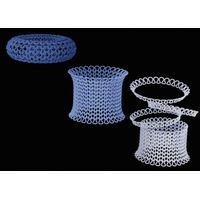
Topological Defect Propagation to Classify Knitted Fabrics
Article | 2026-07-14 06:00 EDT
Daisuke S. Shimamoto, Keiko Shimamoto, Sonia Mahmoudi, and Samuel Poincloux
The ability of a fabric to be knitted into a textile can be determined on the basis of the topology of its pattern.
Phys. Rev. X 16, 031006 (2026)
arXiv
Density evolution at fluid-fluid interfaces: A generalized Gibbs-Duhem theory
New Submission | Statistical Mechanics (cond-mat.stat-mech) | 2026-07-15 20:00 EDT
The classical Gibbs-Duhem relation applies to quasi-static processes and neglects kinetic effects, leaving a fundamental gap between Gibbs thermodynamics and Newtonian mechanics. Here, we derive a generalized Gibbs-Duhem framework that incorporates kinetic contributions, thereby establishing a unified connection between classical thermodynamics and Newtonian mechanics. Based on this framework, we propose an alternative evolution equation governing density dynamics at fluid-fluid interfaces. In appropriate limiting cases, the resulting density evolution equation naturally recovers the definition of the speed of sound, Bernoulli’s law, and the van der Waals equation of state (EOS).
Statistical Mechanics (cond-mat.stat-mech), Chemical Physics (physics.chem-ph), Classical Physics (physics.class-ph), Fluid Dynamics (physics.flu-dyn)
Coordination-Resolved Surrogate Models for Thermodynamic Stability, Band Gaps, and Magnetic Moments of Spinel Oxides, Sulfides, and Selenides
New Submission | Materials Science (cond-mat.mtrl-sci) | 2026-07-15 20:00 EDT
Keltoum Khallouq, Ayoub El Maazouzi, Rachid Masrour
We curated 320 cubic ($ Fd\bar{3}m$ ) spinel entries from the Materials Project-nitrides, oxides, sulfides, and selenides, including single-cation mixed-valence $ A_3X_4$ compounds-and trained tree-ensemble surrogates for the formation energy, energy above the convex hull, band gap, total magnetization, and metallicity. Cations were assigned to tetrahedral-like and octahedral-like groups from CrystalNN coordination numbers rather than from element identity, and the evaluation was group-aware throughout: splits were grouped by reduced formula, every transform was fit on training folds only, and champion models were selected on cross-validated scores before the holdout was examined. Over twenty repeated grouped holdouts (single-seed refits that reuse the tuned hyperparameters, and are therefore mildly optimistic) the champions reach mean absolute errors of $ 0.121\pm0.030$ eV/atom for the formation energy, $ 0.048\pm0.013$ eV/atom for the hull distance, and $ 1.27\pm0.19$ ~\muBfu{} for the magnetization, with a metallicity accuracy of $ 0.85\pm0.06$ . Band-gap regression does not beat a trivial baseline on the 19-member non-metal holdout under paired bootstrap testing, we report this negative result and trace it to sample scarcity and to the semi-local DFT labels. On the identical grouped split, the tabular champion is more accurate than an untuned MEGNet trained from scratch (0.087 versus 0.209 eV/atom formation-energy MAE on the primary holdout), a comparison that bounds, rather than settles, the descriptor-versus-graph question at this data scale. SHAP attribution ties the magnetization model to octahedral $ d$ -occupancy and the formation-energy and band-gap models to electronegativity descriptors, and grouped conformal intervals, permutation nulls, and leave-one-chemistry-out tests bound a domain of applicability that is uneven across anions and cations.
Materials Science (cond-mat.mtrl-sci)
Symmetry-Twisted Multi-Entropies: Order Parameters for 2D SPT Phases
New Submission | Strongly Correlated Electrons (cond-mat.str-el) | 2026-07-15 20:00 EDT
Ramanjit Sohal, Michael Levin, Ruben Verresen
Although symmetry-protected topological phases (SPTs) can be distinguished by their entanglement properties, it has been unclear how to extract this information directly from expectation values beyond the 1D case. Here, we close this gap and propose a pair of nonlocal order parameters that can detect and distinguish all bosonic SPTs in 2D protected by internal discrete, Abelian unitary symmetries. The desired topological invariants are extracted by these quantities by effectively simulating the SPT path integral on topologically non-trivial spacetime manifolds. Our order parameters are defined in terms of expectation values of partial symmetry and permutation operations acting on fixed numbers of replicas of the system in finite spatial regions. These expectation values correspond to symmetry-twisted versions of multipartite entanglement quantities known as multi-entropies. We show explicitly that our two order parameters detect symmetry-protected four-party and six-party entanglement, respectively, and we constrain possible “spurious” contributions. We analytically test our proposal in fixed-point lattice models. Our results suggest multipartite entanglement to be a defining feature of SPTs; indeed, we expect our methods to generalize to fermionic and higher-dimensional systems.
Strongly Correlated Electrons (cond-mat.str-el), High Energy Physics - Theory (hep-th), Quantum Physics (quant-ph)
14+18 pages, 11+6 figures
Mapping vortices to anyons in toric code phases of generalized Kitaev models
New Submission | Strongly Correlated Electrons (cond-mat.str-el) | 2026-07-15 20:00 EDT
Li Ern Chern, Roderich Moessner, Claudio Castelnovo
We present a comprehensive theory of mapping flux excitations, or vortices, to electric and magnetic particles in the toric code phases of generalizations of the Kitaev honeycomb model in two spatial dimensions. Our method, which is formulated with the Majorana fermion representation, utilizes the fusion rule of the Abelian anyons and the physical constraint on the fermion parity, and applies to generic model parameters including any perturbative limit. Not only are we able to reproduce the known mapping scheme in the dimer limit, we also derive the conditions for the invariance of anyon species of individual vortices. We prove that the mapping of anyons is left unchanged by any continuous evolution of model parameters that does not close the fermion gap in both the vortex-free and two-vortex sectors, which enables precise demarcations between multiple regimes associated with different maps within a single phase characterized by a trivial Chern number. We illustrate our theory via extensive computations for a number of selected models, in particular those defined on the square-octagon lattice and the honeycomb lattice with a Kekulé structure. We also demonstrate that distinct mappings of anyons can nevertheless exhibit the same weak symmetry breaking, and further argue that they belong to the same symmetry-enriched topological order.
Strongly Correlated Electrons (cond-mat.str-el)
20+16 pages, 10+9 figures, 2+0 tables
Logarithmic corrections to bulk and surface criticality in a three-dimensional quantum Heisenberg antiferromagnet
New Submission | Strongly Correlated Electrons (cond-mat.str-el) | 2026-07-15 20:00 EDT
Xuyang Liang, Xiao-Chuan Wu, Zenan Liu, Zhe Wang, Zheng Yan, Dao-Xin Yao
At the bulk upper critical dimension, marginally irrelevant interactions generate multiplicative logarithmic corrections to mean-field scaling. While these corrections are well understood for bulk observables, their consequences for boundary criticality, particularly for finite-size scaling, remain much less explored. Here we combine large-scale quantum Monte Carlo simulations with boundary renormalization-group analysis to study a (3 + 1)D O(3) quantum critical point. After verifying the known logarithmically modified bulk finite-size scaling, including the correlation-length scaling governed by the logarithmic finite-size exponent \hat{\coppa}, we tune the surface coupling to identify ordinary, special, and extraordinary boundary regimes. For the ordinary and special transitions, we derive logarithmic correction exponents and \hat{\coppa}-dependent finite-size scaling forms for boundary correlations, including results that have not been systematically established before. These predictions are quantitatively supported by Monte Carlo data. In the extraordinary regime, we find long-range surface magnetic order and a logarithmically enhanced surface-bulk correlation.
Strongly Correlated Electrons (cond-mat.str-el)
Bulk and microphase separation in chiral active systems
New Submission | Statistical Mechanics (cond-mat.stat-mech) | 2026-07-15 20:00 EDT
Sumeja Bureković, S. J. Kole, Ananyo Maitra, Cesare Nardini
Many active particles phase-separate due to quorum-sensing interactions, and their self-propulsion mechanisms often break chiral symmetry. Using particle and continuum models, we uncover the role of chirality in inducing bulk or microphase separation, including a chiral phase formed of vapor bubbles. Analytical predictions for the emergence of these phases require a coarse-graining technique based on multiple-scale analysis. Further, introducing a minimal active field theory, we show that, in the bulk phase separation regime, chirality does not alter the diffusive $ t^{1/3}$ coarsening law nor the dynamical exponent associated with capillary waves, but induces traveling waves at the interface. We finally demonstrate that, even in the absence of fluid flows, chirality can cause the breakup of elongated droplets, resembling phenomena previously observed experimentally.
Statistical Mechanics (cond-mat.stat-mech), Soft Condensed Matter (cond-mat.soft)
9 pages, 5 figures
Hyperfine Structure and Exchange Coupling of Vacancy-Induced Ce$^{3+}$ Spin Centers in Nuclear-Spin-Dilute CeO$_2$
New Submission | Materials Science (cond-mat.mtrl-sci) | 2026-07-15 20:00 EDT
T.M. Chithresh, Rudra Banerjee
Oxygen vacancies in ceria CeO$ _2$ donate electrons that localize as Ce$ ^{3+}$ ($ 4f^1$ , $ S=1/2$ ) small polarons, creating rare-earth spin centers through native defect chemistry rather than implantation or extrinsic doping. We investigate the magnetic environment of these centers using first-principles PBE$ +U$ calculations with a linear-response Hubbard parameter ($ U=5.8382$ eV), hyperfine tensors from the all-electron reconstruction of the projector-augmented-wave method, and Korringa-Kohn-Rostoker exchange calculations within the coherent-potential approximation. Four vacancy configurations spanning concentrations from $ 3.125%$ to $ 12.5%$ are considered. A distinctive feature of the host follows from cerium isotopics: all naturally occurring cerium isotopes possess nuclear spin $ I=0$ , eliminating on-site hyperfine interactions at the Ce$ ^{3+}$ center and leaving the nuclear-spin bath entirely on the oxygen sublattice, whose sole magnetic isotope, $ ^{17}O$ ($ I=5/2$ ), occurs at $ 0.038%$ natural abundance. The resulting $ ^{17}O$ hyperfine landscape consists of a small number of strongly coupled, nearly axial first-shell nuclei with contact couplings reaching $ 6$ ~MHz, surrounded by a weakly coupled and strongly anisotropic outer shell. These tensors define experimentally accessible signatures for $ ^{17}O$ ESEEM and HYSCORE measurements and provide the microscopic hyperfine parameters required for cluster-correlation-expansion calculations of spin coherence. Exchange interactions between neighboring polarons are weak and oxygen-mediated, leaving the vacancy-generated spins largely independent over the concentration range considered. Together, these results establish oxygen-deficient CeO$ _2$ as a chemically generated and intrinsically nuclear-spin-dilute host for rare-earth spin centers, and provide the first-principles magnetic parameters needed to assess their coherence properties.
Materials Science (cond-mat.mtrl-sci)
11 pages, 8 figures
Harvesting Reshapes Dynamical Populations
New Submission | Statistical Mechanics (cond-mat.stat-mech) | 2026-07-15 20:00 EDT
R. K. Singh, Michael Assaf, Jason R. Green, Erez Aghion
Harvesting – the periodic removal of individuals above or below a threshold trait value – reshapes heterogeneous populations without altering their underlying stochastic dynamics. We study how repeated harvesting events steer the evolution of probability densities for classes of stochastic processes exhibiting both normal and anomalous dynamics, as well as a prototypical predator-prey model. Removal of the upper portion of the density drives the system to a quasi-steady state when viewed at the ``harvesting clock’’. This state depends only on the harvesting threshold and frequency but not on the initial conditions. Removal of the lower portion of the density fixes its shape while generating a constant effective drift that exceeds that of the unharvested mean. Our results suggest the possibility of manipulating the dynamics of stochastic populations through external selection interventions.
Statistical Mechanics (cond-mat.stat-mech), Computational Physics (physics.comp-ph), Populations and Evolution (q-bio.PE)
10 pages, 6 figures
Topological building blocks of nonequilibrium response
New Submission | Statistical Mechanics (cond-mat.stat-mech) | 2026-07-15 20:00 EDT
Nonequilibrium systems can exploit energy to amplify their sensitivity to external stimuli, allowing them to be harnessed for a variety of functions in both engineered devices and living organisms. An assortment of theoretical results capture different facets of this nonequilibrium amplification, including fluctuation-response relations as well as bounds and constraints that limit the potential behavior. Here, we take a broader perspective, aiming for a systematic characterization of the full range of possible response behaviors. For a wide class of nonequilibrium dynamics, we identify a collection of optimally sensitive models whose behavior is determined by the topology of the state space. We further conjecture that every response can be written as a convex combination of these optimal models, thereby structuring the entire space of responses. We use this geometric perspective to put sensitivity limits on nonmonotonic biochemical input-output functions, and identify all optimal kinetic schemes for the unordered binding of molecules among three sites.
Statistical Mechanics (cond-mat.stat-mech)
Analytical and numerical solutions to the non-diffusive Stefan problem
New Submission | Mesoscale and Nanoscale Physics (cond-mat.mes-hall) | 2026-07-15 20:00 EDT
Matthew Van Ham, Minghan Xu, Samuel Huberman
In this work, the Maxwell–Cattaneo–Vernotte (MCV) equation is used to model the one-dimensional hyperbolic Stefan problem in the limit of a small Stefan number (Ste $ \ll$ 1). The solutions are approximated with perturbation series expansions using a reformulation in which time is expressed as a function of the solid-liquid interface position. The first proposed solution is derived in a framework that considers diffusive heat transfer at the phase change interface, for analytic tractability. Two rectification strategies are proposed to address the asymptotic divergence present in this formulation: a rescaled inner solution which is then combined with the outer solution to yield a composite solution, and size-dependent thermo-physical system parameters for better capture of hyperbolic effects at the phase change interface. The resulting interface profiles exhibit a characteristic parabolic-like shape, consistent with diffusive Stefan problem findings, with pronounced early-time hyperbolic effects at larger thermal relaxation times. Parametric studies are done over three pertinent variables in the dimensionless system: the Stefan number ($ \mathrm{Ste}$ ), the dimensionless thermal relaxation time ($ \widetilde \tau$ ), and the thermal diffusivity ($ \alpha$ ). The studies suggest that model error scales with the Stefan number in accordance with the theoretical truncation error of the perturbation expansion. Additionally, larger values of $ \widetilde \tau$ amplify early-time hyperbolic effects, thereby increasing model error, while larger $ \alpha$ extends the relative temporal domain over which these hyperbolic effects remain significant, also corresponding to an increase in model error.
Mesoscale and Nanoscale Physics (cond-mat.mes-hall), Mathematical Physics (math-ph)
35 pages, 12 figures
Oscillatory Active Brownian Motion: A Minimal Model for Sperm Dynamics
New Submission | Soft Condensed Matter (cond-mat.soft) | 2026-07-15 20:00 EDT
Adrian Pacheco-Pozo, Arturo Matamoros Volante, Pilar Ameijeiras, Mariano G. Buffone, Diego Krapf
Active biological microswimmers typically combine persistent self-propulsion with cyclic motion generated by flagellar or ciliary beating. However, standard active Brownian motion (ABM) does not explicitly account for these intrinsic oscillations. This limitation is particularly relevant for sperm cells, whose transport depends not only on directional persistence and stochastic reorientation but also on periodic head motion. Here we introduce oscillatory active Brownian motion (OABM), a minimal extension of ABM in which the swimmer orientation undergoes directional diffusion while being modulated by a periodic angular drive. The model yields analytical expressions for experimentally relevant observables, including the time-averaged mean-squared displacement, velocity autocorrelation function, and transverse excursion amplitude. A central prediction is a crossover between two ballistic regimes: short-time motion governed by the swimming velocity and an intermediate regime with a reduced, oscillation-averaged effective velocity determined by the angular beat amplitude. Using trajectories of human sperm, we infer model parameters from standard motility measures. The model quantitatively reproduces both single-cell trajectories and population-level dynamics under control conditions and following induction of hyperactivation. Overall, OABM provides a compact active-matter framework that links measurable flagellar kinematics to coarse-grained transport, enabling a description of sperm motility across different physiological states.
Soft Condensed Matter (cond-mat.soft), Disordered Systems and Neural Networks (cond-mat.dis-nn)
21 pages, 5 figures
Phase-Controlled Epitaxy and Anisotropic Antiferromagnetism of Polar Wurtzite MnTe
New Submission | Materials Science (cond-mat.mtrl-sci) | 2026-07-15 20:00 EDT
Janusz Sadowski, Jaroslaw Z. Domagala, Piotr Dziawa, Anna Kaleta, Sania Dad, Maciej Wójcik, Dorota Janaszko, Sławomir Kret, Oleksii Liubchenko, Maciej Sawicki, Katarzyna Gas
Altermagnetic spintronics requires materials in which compensated magnetic order, symmetry-controlled electronic responses, and epitaxial tunability can be combined in experimentally accessible thin films. MnTe is a key material in this context, but experimental studies have focused mainly on the stable NiAs-type polymorph, whereas the polar wurtzite phase remains largely unexplored. Here we demonstrate molecular-beam epitaxy growth and investigate properties of nearly phase-pure wurtzite MnTe deposited directly on GaAs(111)B, and show that small changes in the growth conditions strongly modify the phase composition, from a multiphase state with endotaxial NiAs-type inclusions embedded in wurtzite MnTe matrix to an almost single-phase polar wurtzite layer.
Materials Science (cond-mat.mtrl-sci)
main text pages 1-20, 6 figures; supplement pages 21-29, 5 figures
Analytical solution of the Eliashberg equations for strong-coupling superconductivity in hydrides
New Submission | Superconductivity (cond-mat.supr-con) | 2026-07-15 20:00 EDT
Tomas J. Escamilla, Chumin Wang
The recent discovery of room-temperature superconductivity in hydrogen-rich materials under extreme pressures has renewed interest in phonon-mediated pairing mechanisms described by the Eliashberg theory, which generalizes the BCS framework by incorporating phonon retardation effects. In this article, we present an analytical solution to the isotropic Eliashberg equations for the superconducting critical temperature, formulated within the Debye model. This solution exhibits good agreement with fully selfconsistent numerical calculations across both weak- and strong-coupling regimes, correctly reproducing the exponential and square-root dependences on the electron-phonon coupling parameter. We further apply the solution to YH6, benchmarking against experiment and the McMillan-Allen-Dynes formula. More broadly, across a diverse set of hydride superconductors, the predicted critical temperature shows scaling consistency with ab initio calculations and experimental data.
Superconductivity (cond-mat.supr-con)
Accepted for publication in Annals of Physics. To appear in Annals of Physics (2026). DOI: https://doi.org/10.1016/j.aop.2026.170637
Emergent interweaved CDW unoccupied states in hole-doping LaTe2 with element substitution
New Submission | Strongly Correlated Electrons (cond-mat.str-el) | 2026-07-15 20:00 EDT
Shuya Xing, Hongyu Liu, Xu Chen, Zhenkai Xie, Zhongxu Wei, Shifeng Zhao, Wenping Zhou, Xin qi Li, Zhihai Cheng
Multiple CDW-ordered layered rare-earth tellurides have increasingly emerged as a research hotspot, owing to their unconventional CDW formation, high transition temperature, and confirmed existence of axial Higgs modes. Recently, interweaved CDW in LaTe2 and its element-substituted phase LaTe2-xSbx have been investigated through TEM and ARPES measurements, revealing their distinct origins. Nevertheless, several complex diffraction features observed in TEM patterns remain unelucidated. In this work, we carried out scanning tunneling microscopy (STM) on LaTe1.6Sb0.4 crystals at 9 K. Three interweaved CDW wave vectors, q1=8/11a\ast, q2=5/11a\ast and q3=3/11a\ast were observed, which are induced by hole doping in unoccupied states. The q1 and q3 are theoretically verified to be nesting vectors connecting px- and py- bands. Furthermore, the satellite spots relative to the main Bragg spots p corresponding to a 11-a-superlattice have also been detected. Our findings provide critical insights for further exploring the origin of the interweaved CDW in hole/electron doping materials.
Strongly Correlated Electrons (cond-mat.str-el)
20 pages, 6 figures
Giant magnetocaloric effect at low fields in triangular-lattice NdMgAl${11}$O${19}$
New Submission | Strongly Correlated Electrons (cond-mat.str-el) | 2026-07-15 20:00 EDT
Yantao Cao, He Sun, Zhendong Fu, Zhaoming Tian, Huiqian Luo, Junsen Xiang, Peijie Sun, Jinkui Zhao, Hanjie Guo
Magnetic refrigeration in the sub-Kelvin regime requires refrigerant materials to retain a large magnetic entropy at low temperatures by suppressing magnetic ordering. Quantum spin liquids (QSLs), which evade long-range magnetic ordering while retaining strong quantum fluctuations to the lowest temperatures, therefore provide a promising platform for realizing high-performance magnetic refrigerants. Here, we investigate the magnetic ground state and the magnetocaloric effect of the hexaaluminate, NdMgAl$ _{11}$ O$ _{19}$ , in which the Nd$ ^{3+}$ ions form a network of triangular lattices. Magnetic susceptibility and specific heat measurements indicate a magnetically dynamic state down to 50mK, consistent with a QSL state. Specific heat measurements further reveal substantial magnetic entropy retained below 50mK. Quasi-adiabatic demagnetization measurements demonstrate a superior cooling performance of NdMgAl$ _{11}$ O$ _{19}$ , which can be cooled to 113mK from 1.9K by only a small magnetic field change of 2~T. The outstanding refrigeration performance is attributed to the persistent spin fluctuations associated with the QSL-like ground state, together with a large effective \textit{g} factor and the smallness of the exchange interactions along the easy-axis direction. This study demonstrates that frustration, combined with strong spin-orbit coupling and crystal-electric-field effect in the rare earth magnets provides a promising design principle for next-generation cryogenic magnetic refrigerants.
Strongly Correlated Electrons (cond-mat.str-el)
8 pages, 4 figures, 1 table
Zero-Field Long Range Order at $T \sim 40$ mK in the Proximate Quantum Spin Ice Ce$_2$Sn$_2$O$_7$ and Phase Diagram for Magnetic Fields Along [1,1,0]
New Submission | Strongly Correlated Electrons (cond-mat.str-el) | 2026-07-15 20:00 EDT
E. M. Smith, M. S. Powell, R. Schäfer, A. P. Dioguardi, J. W. Kolis, R. Movshovich, B. D. Gaulin
The Ce$ ^{3+}$ pseudospin-1/2 degrees of freedom in the pyrochlore magnets Ce$ _2$ X$ _2$ O$ _7$ , with $ X$ = Zr, Hf, or Sn, possess dipole-octupole character. The XYZ nearest-neighbor model Hamiltonians which have successfully described their properties make them attractive candidates for quantum spin ice ground states. We report new heat capacity measurements to very low temperatures on a high-quality single crystal of Ce$ _2$ Sn$ _2$ O$ _7$ grown by hydrothermal techniques. Our zero-field measurements uncover a clear first order transition to long-ranged order at $ T \sim 0.04$ K, well below the downturn in the broader Schottky-like anomaly that is a common feature in the zero-field heat capacity for cerium pyrochlores. This observation settles the debate as to whether Ce$ _2$ Sn$ _2$ O$ _7$ possesses a QSI ground state in zero field - it does not. However, we also find compelling evidence suggesting that spin ice physics is nearby, and remains relevant to Ce$ _2$ Sn$ _2$ O$ _7$ . Application of a magnetic field along the $ [1,1,0]$ direction leads to an evolution of this peak to a weak anomaly at higher temperature more characteristic of a continuous, mean field transition. At higher fields along $ [1,1,0]$ , the Schottky-like anomaly bifurcates similar to expectations for independent polarized $ \alpha$ and orthogonal $ \beta$ chains in classical spin ice. These new experimental results demonstrate richness to the phase diagram for Ce-based pyrochlores.
Strongly Correlated Electrons (cond-mat.str-el)
Main Text (5 pages, 4 figures), Supplemental Material (6 pages, 4 figures)
Solvent Mixing Effect on Free-Energy Barrier and Stability for Molecular Recognition Driven by the Translational Motion of Solvent Molecules
New Submission | Soft Condensed Matter (cond-mat.soft) | 2026-07-15 20:00 EDT
We calculated the potentials of mean force (PMFs) between a ring-like host and a spherical guest in a solvent mixture. We adopted hard-body interactions between particles to discuss the effects of solvent-particle translational motion. The PMFs were obtained using the three-dimensional Ornstein-Zernike equation coupled with the modified hypernetted-chain closure (3D-MHNC-OZ theory). The entropic stabilization at the recognition site is confirmed, and a free-energy barrier wall is observed surrounding it. The free-energy barrier for the solvent mixture is much lower than that for the one-component solvent. Similar barrier reduction for the association of two spherical solute molecules has also been reported, and the mixing effect also reduced the dimerization stability. By contrast, the mixing effect does not significantly reduce recognition stability in the present study. In this respect, the behavior of the host-guest association is different from that of the association of two spherical solute molecules.
Soft Condensed Matter (cond-mat.soft)
Engineering Two-Dimensional Hybrid-Order Topological Insulators via Trilayer Coupling
New Submission | Mesoscale and Nanoscale Physics (cond-mat.mes-hall) | 2026-07-15 20:00 EDT
Lizhou Liu, Cheng-Ming Miao, Qing-Feng Sun
We propose an interlayer-engineering scheme to realize a two-dimensional hybrid-order topological insulator, characterized by the coexistence of first-order and second-order topological phases, in a coupled trilayer Chern system. Starting from three quantum anomalous Hall layers with Chern numbers $ \mathcal{C}_{1/2/3}=+1/-1/+1$ in the decoupled limit, interlayer tunneling hybridizes their edge states into a single chiral edge mode, while simultaneously opening a gap that supports corner states. Consequently, the system exhibits the coexistence of one-dimensional chiral edge states and zero-dimensional corner states within the same bulk gap, a hallmark of the hybrid-order topology. Furthermore, we map out the topological phase diagram, and show that the hybrid-order phase is robust against mass-type disorder. Our results identify interlayer hybridization as a minimal and broadly applicable strategy for engineering coexisting edge and corner states within a topological platform.
Mesoscale and Nanoscale Physics (cond-mat.mes-hall)
Phys. Rev. B 113, L20140 (2026)
Quantum anomalous Hall effect with tunable Chern numbers induced by d-wave sublattice-staggered altermagnetism
New Submission | Mesoscale and Nanoscale Physics (cond-mat.mes-hall) | 2026-07-15 20:00 EDT
We construct a minimal spinful tight-binding model on a square lattice, where a $ d$ -wave sublattice-staggered altermagnetism drives the quantum anomalous Hall effect. Here the exchange field is staggered between the two sublattices, where it takes opposite signs on $ A$ and $ B$ described by the Pauli matrix $ \tau_z$ . The resulting insulating phases host tunable Chern numbers $ \mathcal{C}=\pm1$ and $ \mathcal{C}=\pm2$ , controlled by the staggered exchange strength and the sublattice-staggered potential. We determine the complete phase diagram, identify valley-resolved band inversions at the $ X$ and $ Y$ points in the Brillouin zone, and demonstrate chiral edge states together with quantized two-terminal conductance plateaus. Our work provides a simple route to realizing the quantum anomalous Hall effect in compensated magnets via a $ d$ -wave sublattice-staggered altermagnetism.
Mesoscale and Nanoscale Physics (cond-mat.mes-hall)
Chinese Phys. B 35 057301 (2026)
Emergent toroidal induction in a polar Weyl ferromagnet
New Submission | Materials Science (cond-mat.mtrl-sci) | 2026-07-15 20:00 EDT
Yuuri Suzuki, Yukako Fujishiro, Masataka Mogi, Juba Bouaziz, Takahiro Anan, Akiko Kikkawa, Daiki Yamaguchi, Max T. Birch, Yuto Kiyonaga, Minoru Kawamura, Yasujiro Taguchi, Takahiro Morimoto, Naoto Nagaosa, Ryotaro Arita, Yoshinori Tokura
Spin-orbit coupling (SOC) underpins modern spintronics by enabling the electrical generation of spin torques. Its reciprocal counterpart, in which magnetization dynamics produce electromotive forces through a spin-dependent Berry phase, is known as emergent electromagnetic induction (EEMI). However, this effect has previously been observed only in magnetic textures with spatial gradients, such as domain walls, helices, and skyrmions. Here, we demonstrate that even a spatially uniform ferromagnet can host EEMI through a previously unrecognized Berry-phase mechanism inherent to noncentrosymmetric conductors. In the polar Weyl ferromagnet PrAlGe, an applied alternating current generates spin-orbit torques that drive collective magnetization dynamics. The resulting emergent toroidal moment (T = P \times M), where (P) is the crystal’s polar axis and (M) is the net magnetization, acts as a gauge potential whose time derivative (dT/dt) induces a Hall voltage. This contribution appears specifically in the out-of-phase component of the AC Hall response and scales linearly with frequency, providing direct evidence for EEMI. First-principles calculations further reveal that this toroidal vector encodes the collective motion of Weyl nodes in momentum space. These findings establish “emergent toroidal induction” as a new manifestation of spin-orbit entanglement, unifying Berry phase, topology, and spin dynamics while opening a pathway toward intrinsic and energy-efficient spin-charge interconversion.
Materials Science (cond-mat.mtrl-sci)
35 pages, 4 figures, 2 extended figures
Second-order topological insulator induced by compensated altermagnetism without bulk spin splitting
New Submission | Mesoscale and Nanoscale Physics (cond-mat.mes-hall) | 2026-07-15 20:00 EDT
Lizhou Liu, Qing-Feng Sun, Ying-Tao Zhang
We theoretically demonstrate a second-order topological insulating phase induced by compensated altermagnetism, while keeping the bulk gap unchanged, in a two-dimensional topological insulator film. By introducing a layer-resolved out-of-plane $ d$ -wave altermagnetic term with opposite signs on the top and bottom layers, the system preserves $ \mathcal{PT}$ symmetry and maintains spin degeneracy in the bulk bands, while simultaneously gapping the helical edge states and generating localized corner states. The resulting higher-order phase is characterized by nonzero mirror-graded winding numbers, and an effective edge theory shows that the corner states arise from Dirac mass domain walls. We further determine the phase boundaries analytically and construct the corresponding topological phase diagram, establishing a robust route to higher-order topology without bulk spin splitting.
Mesoscale and Nanoscale Physics (cond-mat.mes-hall)
Phys. Rev. B 114, 045416 (2026)
Domain wall motion in ferromagnetic nanowires driven by a localized Gaussian thermal gradient
New Submission | Mesoscale and Nanoscale Physics (cond-mat.mes-hall) | 2026-07-15 20:00 EDT
M. A. Jafar Pikul, M. A. S. Akanda, M. T. Islam
We investigate magnetic domain wall (DW) dynamics in a uniaxial ferromagnetic nanowire under the localized Gaussian temperature profile of a laser spot using the stochastic Landau-Lifshitz-Gilbert equation. The DW velocity increases linearly with peak laser temperature and decreases with increasing laser to DW distance. The velocity varies nonlinearly with Gilbert damping because damping strengthens thermal magnon excitation but shortens the magnon propagation length. The DW initially lies away from the laser-heated region, so the temperature gradient at its position is effectively zero and the entropic torque is negligible. The DW motion is therefore mainly driven by magnonic spin-transfer torque. We analyze laser temperature, laser to DW distance, damping, uniaxial anisotropy, and laser width. The analysis shows that laser width and laser to DW distance independently control the DW response. These findings may clarify the mechanism of localized thermally driven DW motion and guide thermal control strategies in spintronic racetrack-memory devices.
Mesoscale and Nanoscale Physics (cond-mat.mes-hall)
From stable periodic orbits to many-body chaos: doubly tunable prethermalization via engineering of an emergent band structure
New Submission | Statistical Mechanics (cond-mat.stat-mech) | 2026-07-15 20:00 EDT
Jianan Wang, Yang Hou, Andrea Pizzi, Johannes Knolle, Roderich Moessner, Hongzheng Zhao
We uncover a family of many-body periodic orbits in a periodically driven (Floquet) spin system away from the high-frequency limit. While linear stability analysis predicts that perturbed many-body trajectories remain close to stable periodic orbits, thermodynamic principles dictate that Floquet heating will ultimately set in. Our work aims to resolve the tension between these two expectations. In particular, we show that perturbations away from the stable periodic orbits feature a description akin to a quasiparticle band structure. A long-lived prethermal regime appears when modes around the gapless point are slowly populated. The dispersion determines the prethermal lifetime, and we show how band engineering leads to a “doubly tunable” parametric dependence of the prethermal lifetime $ R^{-W}$ , with $ R$ the width in momentum space of the quasiparticle distribution and $ W$ the exponent of the dispersion around the gapless point. Our results not only establish a powerful route toward stabilizing non-equilibrium phases of matter in driven many-body systems but also establish a conceptual bridge between periodic orbits in ‘low-dimensional’ nonlinear systems and many-body chaos.
Statistical Mechanics (cond-mat.stat-mech), Quantum Gases (cond-mat.quant-gas), Quantum Physics (quant-ph)
A Gaussian-Remainder Hierarchy for Sums of Random Variables with Big-Jump Statistics
New Submission | Statistical Mechanics (cond-mat.stat-mech) | 2026-07-15 20:00 EDT
We develop an exact Gaussian-remainder hierarchy for the probability density of the sum of $ N$ independent, identically distributed random variables with broad, finite-variance distribution for the summands. The hierarchy separates the Gaussian fixed-point contribution from residual sectors that retain the original single-summand density. For subexponential densities, the first nontrivial truncation yields a simple finite-$ N$ approximation that involves one convolution with a Gaussian background and a subtraction that removes Gaussian overcounting. This approximation captures the Gaussian center, the crossover region, and the big-jump tail within a single expression, as demonstrated numerically for stretched-exponential and finite-variance power-law examples. The same first-order approximation reproduces the known asymptotic anomalous rate function for sums of stretched-exponential random variables and also provides an accurate approximation to the corresponding finite-$ N$ rate function.
Statistical Mechanics (cond-mat.stat-mech)
12 pages
Measurement-induced phase transition in space
New Submission | Strongly Correlated Electrons (cond-mat.str-el) | 2026-07-15 20:00 EDT
Jia-Qiang Li, Liang-Jun Zhai, Shuo Liu, Shuai Yin
Measurement-induced phase transitions (MIPTs) in monitored quantum circuits are usually characterized by preparing steady states at different uniform measurement probabilities. Here we introduce a spatial realization of the MIPT by imposing a deterministic measurement gradient in a single monitored Clifford chain. The resulting steady state contains coexisting volume-law, critical, and area-law regions, with the point $ p(x)=p_c$ acting as a spatial critical cut. By scanning entanglement observables across this profile, we show that the transition is organized by a spatial scaling form. Although this structure is analogous to finite-time scaling in temporally driven MIPT, the spatial protocol has no Kibble-Zurek dynamics. Instead, the physical bounds $ 0\le p\le 1$ impose a finite linear window, producing cutoff-controlled asymptotic regimes whose fitted exponents provide direct access to the correlation-length exponent $ \nu$ . Our results establish spatially inhomogeneous measurements as a controlled route to engineer and probe measurement-induced criticality within a single steady state.
Strongly Correlated Electrons (cond-mat.str-el), Statistical Mechanics (cond-mat.stat-mech), Quantum Physics (quant-ph)
14 pages, 7 figures
Magnetic Contributions to Phase Stability in the Co-Ni Binary: A First-Principles CALPHAD Study
New Submission | Materials Science (cond-mat.mtrl-sci) | 2026-07-15 20:00 EDT
Prajna Jalagam, Zhigang Wu, John Lawson, Axel van de Walle
We propose a simple method to employ ab-initio calculations to determine magnetic contributions to free energy of alloys. Validation on the Co-Ni binary demonstrates that this ab initio approach reproduces experimental FCC-HCP phase equilibria while providing physically transparent, structure-dependent magnetic parameters suitable for multicomponent extrapolation. Our results demonstrate that physically grounded magnetic parametrization, derived directly from electronic structure calculations, enables predictive phase diagram modeling for magnetic alloy systems.
Materials Science (cond-mat.mtrl-sci)
16 pages, 12 figures
Systematic modulation of superconducting gap dynamics in YBCO|BNT|YBCO Josephson Junctions through THz field interaction and BNT ferroelectric barrier
New Submission | Superconductivity (cond-mat.supr-con) | 2026-07-15 20:00 EDT
Sukhanidhan Singh, Muthukkumaran Karthikeyan, Geoffrey Chanda, Thanayut Kaewmaraya, Pairot Moontragoon, Guoxing Sun, Zongjin Li, Anucha Watcharapasorn
The integration of ferroelectric barriers into high-temperature Josephson junctions offers a pathway to tunable superconducting quantum devices. Here, we demonstrate robust Josephson coupling in YBa2Cu3O7-x (YBCO)/Bi0.5Na0.5TiO3 (BNT)/YBCO trilayer junctions incorporating a 40 nm ferroelectric BNT barrier. Epitaxial trilayers were fabricated by pulsed laser deposition on SrTiO3 substrates and investigated under broadband terahertz (THz) irradiation (0.5-2.5 THz). At 1.5 THz, close to the Josephson plasma resonance, the BNT polarization increased from 33.4 to 46.4 uC/cm2 at 30 K, enhancing superconducting transport. The junctions exhibited a well-defined zero-voltage supercurrent branch, with the critical current Ic(T) remaining nearly constant up to 60 K and reaching 468.2 uA under 1.5 THz excitation, evidencing strong phase coherence. Scanning tunneling spectroscopy revealed an enhanced superconducting gap in YBCO/BNT/YBCO (Delta = 1.3 meV) compared with pure YBCO (Delta = 1.05 meV), while optical conductivity measurements showed a reduction in conductivity and gap with increasing temperature, consistent with BCS theory under THz excitation. Atomic force microscopy and X-ray reflectivity confirmed uniform morphology and sharp interfaces, excluding defect-mediated transport. Magnetic field modulation of Ic(B) exhibited a canonical Fraunhofer interference pattern, and resistance mapping revealed alternating lobes of high and low dissipation, indicating coherent Josephson tunneling. These results establish that Josephson coupling is intrinsic to the YBCO/BNT/YBCO junctions, enabled by the dipolar character and dynamic THz response of the BNT barrier. This study identifies BNT as a viable, tunable barrier material for next-generation high-Tc superconducting quantum devices.
Superconductivity (cond-mat.supr-con)
Pokrovsky–Talapov and Berezinskii–Kosterlitz–Thouless Phase Transitions in Bilayer Superconducting Films under an In-Plane Magnetic Field
New Submission | Superconductivity (cond-mat.supr-con) | 2026-07-15 20:00 EDT
We study finite-temperature phase transitions in a Josephson-coupled bilayer superconducting film with compact layer phases under an in-plane magnetic field. At zero temperature, where thermally excited layer vortices are absent, the relative-phase sector undergoes a Pokrovsky–Talapov (PT) commensurate–incommensurate (C–IC) transition from a commensurate Fulde–Ferrell (C/FF) state to an incommensurate Bloch superconducting (IC/Bloch SC) state. At finite temperature, compactness separates two distinct defect mechanisms. The C–IC boundary remains a PT soliton-entry line: interlayer Josephson vortex–antivortex-pair solitons enter with the square-root onset $ \rho_{\rm sol}\propto [k_0-k_0^c(T)]^{1/2}$ . Thermal melting is instead Berezinskii–Kosterlitz–Thouless (BKT)-like, with correlation exponent $ \eta=1/4$ at the boundary, but the active vortex channel changes across the phase diagram. Josephson locking suppresses elementary layer vortices in the C/FF state and selects a same-vorticity layer-pair BKT channel, whereas elementary layer vortices control melting of the IC/Bloch SC state.
Superconductivity (cond-mat.supr-con), Statistical Mechanics (cond-mat.stat-mech), Strongly Correlated Electrons (cond-mat.str-el)
Tunable Signal Penetration and Response Plateaus in Bistable Mechanical Media
New Submission | Soft Condensed Matter (cond-mat.soft) | 2026-07-15 20:00 EDT
Sven Pattloch, Joachim Dzubiella
Dynamically processing mechanical signals is crucial for soft robotics and mechanosensing, where classical viscoelastic materials lack intrinsic tunability. We show that internal bistability actively controls the response and signal attenuation in mechanical (meta)materials. In our model, bistable elements switch discretely with a predefined timescale between states distinguished by potential energy $ \epsilon$ , equilibrium length $ \Delta l$ , and spring constant $ \Delta k$ . The system is simulated via microscopic Brownian dynamics coupled to Poisson switching with rate $ \nu$ , and described macroscopically by a nonlinear continuum field theory. Crucially, the model yields closed-form analytical solutions for the linear response and spatial penetration depth, revealing two phenomena: a universal screening mechanism (akin to the electrostatic ‘skin effect’) reducing spatial signal penetration when the driving frequency exceeds the internal relaxation rate, and a frequency-insensitive response plateau from timescale separation. The screening length is controlled primarily by the conformational length change $ \Delta l$ , while the attenuation regime and plateau are tuneable via the switching rate $ \nu$ . A systematic parameter study exposes a fundamental design trade-off: larger $ \Delta l$ strengthens dissipation but raises the energy barrier for state transitions, eventually causing state-locking where damping vanishes. Optimal attenuation thus requires a compromise between pronounced bistability and a surmountable barrier. Due to its analytical tractability, our framework provides explicit design rules for fine-tuning the adaptive response of bistable media. It applies to diverse experimental systems-from biopolymers to synthetic catch bonds and metamaterials-enabling the predictive engineering of intelligent soft matter for frequency-selective signal processing.
Soft Condensed Matter (cond-mat.soft)
Fractionalized Fermi liquids with the ghost-Gutzwiller Ansatz
New Submission | Strongly Correlated Electrons (cond-mat.str-el) | 2026-07-15 20:00 EDT
Ivan Pasqua, Carlos Mejuto-Zaera, Michele Fabrizio
Fractionalized Fermi liquids ($ \mathrm{FL}^{!\ast}$ ), elusive metallic states characterized by fractionalized quasiparticles alongside conventional ones and defying Luttinger’s theorem, are prime candidates for the pseudogap regime of underdoped cuprates. We show that a $ \mathrm{FL}^{!\ast}$ phase emerges in the single-band $ t$ -$ J$ model through a simple ghost-Gutzwiller Ansatz, optimized at the cost of a mean-field calculation. The resulting temperature-doping phase diagram encompasses a low-doping $ \mathrm{FL}^{!\ast}$ , a $ d$ -wave superconducting dome, and an overdoped conventional Fermi liquid, thereby reproducing key qualitative features of cuprate phenomenology.
Strongly Correlated Electrons (cond-mat.str-el), Superconductivity (cond-mat.supr-con)
5 pages of main text with 2 figures, and 7 pages of supplemental material
Quantized Photocurrents in Gapless Topological Matter
New Submission | Materials Science (cond-mat.mtrl-sci) | 2026-07-15 20:00 EDT
Byunghoon Kim, Tenzin Norden, Mohammad Yahyavi, Kaustuv Manna, Tyler A. Cochran, Zi-Jia Cheng, Xian P. Yang, Yu-Xiao Jiang, Xiangyu Luo, Payman Kazemikhah, Areeq Hasan, Vladimir N. Strocov, Sergey Shilov, Ilya Belopolski, Claudia Felser, Md Shafayat Hossain, Rohit P. Prasankumar, Guoqing Chang, M. Zahid Hasan, Prashant Padmanabhan
The quantum Hall effect in gapped systems represents a defining signature of nontrivial topology. Realizing this principle in gapless matter has remained a central challenge in quantum materials. Chiral topological semimetals provide a unique platform to achieve this aim via symmetry-protected multifold crossings that act as Berry-curvature monopoles. When optical transitions are confined to a single multifold node, the resulting circular photogalvanic effect is predicted to be quantized in terms of the topological charge of the node. In real materials, however, this phenomenon remains experimentally elusive, obscured by trivial band transitions, the energy separation between the node pairs, and their relative positions with respect to the Fermi level. Here we observe a quantized circular photogalvanic effect in the chiral topological semimetal Rh0.95Ni0.05Si. Ni substitution opens a photon-energy window dominated by interband optical transitions at the {\Gamma}-point multifold node. This allows circularly polarized near- to mid-infrared pulses to drive a helicity-odd terahertz response that manifests three hallmarks of quantization: a sharp onset, a wavelength-independent plateau governed by the magnitude of monopole charge, and an abrupt cutoff imposed by Pauli blocking. Our work establishes an all-optical analogue for the quantum Hall effect and a new paradigm for topological quantization in gapless matter.
Materials Science (cond-mat.mtrl-sci), Mesoscale and Nanoscale Physics (cond-mat.mes-hall), Optics (physics.optics)
Magnetothermopower and particle-hole symmetry in a cuprate strange metal
New Submission | Superconductivity (cond-mat.supr-con) | 2026-07-15 20:00 EDT
Yu-Te Hsu, Matija Čulo, Thom Ottenbros, Yingkai Huang, Jake Ayres, Steffen Wiedmann, Mikhail I. Katsnelson, Nigel E. Hussey, Mikhail Titov
Here, we report magnetothermopower measurements on overdoped (Bi,Pb)2(Sr,La)2CuO6+delta (Bi2201) single crystals in magnetic fields up to 35 T. Whereas the temperature dependence of the zero-field Seebeck coefficient S(T) can be captured using Boltzmann transport theory, the field-dependent response S(H) cannot. Instead, the magnetothermopower contains a large additional contribution whose field and temperature dependence is consistent with the presence of short-range superconducting order well above Tc. Combined with earlier Hall and magnetoresistance results, these data imply that the overdoped cuprate strange metal contains two transport sectors with distinct particle-hole symmetry: a conventional particle-hole-asymmetric Fermi-liquid (FL) contribution governing the Hall effect and the zero-field thermopower, and a nearly particle-hole-symmetric sector dominating the anomalous longitudinal magnetotransport. We formulate a phenomenological real-space model in which disconnected FL islands are embedded in a compensated Dirac liquid of phase-incoherent d-wave Bogoliubov quasiparticles. This picture reconciles conventional zero-field transport with anomalous magnetothermopower and magnetoresistance and offers a concrete framework for thinking about strange metallicity in overdoped cuprates.
Superconductivity (cond-mat.supr-con), Strongly Correlated Electrons (cond-mat.str-el)
Solitary waves of attracting SU(N) fermions
New Submission | Quantum Gases (cond-mat.quant-gas) | 2026-07-15 20:00 EDT
Aysha Alsubaihi, Wayne J. Chetcuti, Frederic Chevy, Juan Polo, Luigi Amico
We study the formation, dynamics, and disorder robustness of bound states in attractively interacting SU(N) fermions on a one-dimensional ring lattice. Using exact diagonalization in fixed-momentum sectors and Bethe ansatz exact results as a guide, we resolve the many-body spectrum into bands related to the possible partitions of the particles into bound composites, and characterize their internal structure also through density-density and N-body correlations. A pinning quench protocol reveals a transition from dispersive spreading to dynamical localization as the attractive interaction increases relative to the single-particle hopping. We find that the bound state dynamics for one-particle per component occurs as a many-body quantum walk similar to that of a single particle with a re-normalized effective mass. Such a property, that is the quantum version of the shape-preserving motion of classical solitons, can provide the dynamical signature of the fermionic solitary waves. We probe the robustness of the fermionic bound-state dynamics under on-site disorder.
Quantum Gases (cond-mat.quant-gas)
13 pages, 9 figures
Many-body interactions in the dielectric theory of stopping power of solids for classical and quantum projectiles
New Submission | Materials Science (cond-mat.mtrl-sci) | 2026-07-15 20:00 EDT
Vladimir U. Nazarov, Vyacheslav M. Silkin
We take account of the many-body dynamic interactions by including the wave-vector and frequency-dependent exchange and correlations (xc) kernel $ f_{xc}(\qv,\omega)$ in the framework of the dielectric theory of the stopping power of crystals for moving charges. The cases of classical and quantum projectiles are considered. We find that (I) the role of the xc effects in slowing of charges in crystalline solids is more pronounced than it is within the jellium model and (II) For velocities below the stopping maximum, inclusion of xc leads to the improvement of the comparison of the theory with experiment over a range of solid targets. On the other hand, in the high-velocity regime, the role of the dynamic xc proves negligible, which does not contradict experiment, and which we substantiate analytically within the jellium model of the target. The input to our theory is the microscopic dielectric matrix $ \epsilon_{\Gv \Gv’}(\qv,\omega)$ within the random phase approximation (i.e., with neglect of $ f_{xc}$ ), the calculation of which matrix is implemented in the existing solid-state codes.
Materials Science (cond-mat.mtrl-sci)
13 pages, 12 figures, 1 table
Physical Review B, 114, 014308 (2026)
Research on topological materials using ultrafast spectroscopy
New Submission | Strongly Correlated Electrons (cond-mat.str-el) | 2026-07-15 20:00 EDT
Topological materials, characterized by symmetry-protected nontrivial band structures such as Dirac cones and Weyl nodes, host diverse quantum phenomena, with potential applications in quantum transport, spintronics, and nonlinear optics. Ultrafast pump-probe spectroscopy has emerged as a powerful tool for exploring nonequilibrium dynamics in these systems. Its femtosecond resolution allows charge, spin, orbital, and lattice interactions to be tracked on their intrinsic timescales, thereby revealing key coupling mechanisms in topological phases. This review summarizes progress in ultrafast spectroscopic studies of topological insulators, topological semimetals, and magnetic topological materials. We first discuss the relaxation pathways of photoexcited surface and bulk electronic states, emphasizing electron-phonon scattering, surface-bulk charge transfer, and ultrafast spin conversion. We then examine population inversion in Dirac and Weyl semimetals, spin-polarization dynamics associated with tilted Weyl bands, and the effects of magnetic order on topological states, including coherent phonon and magnon excitations, magnetically driven topological transitions, and terahertz emission. We further review photoinduced topological phase transitions driven by electronic correlations, lattice distortions, and magnetic order under intense optical excitation, highlighting routes toward nonthermal control of quantum phases. Finally, we outline future directions that combine multidimensional ultrafast spectroscopy with temporal, energy, momentum, and spin resolution and advanced theoretical modeling to establish a unified picture of nonequilibrium topological states. This review aims to provide a useful reference for ultrafast studies of topological quantum materials and to advance their applications in high-speed, low-power information processing, spintronics, and quantum technologies.
Strongly Correlated Electrons (cond-mat.str-el), Materials Science (cond-mat.mtrl-sci)
40 pages, 10 figures. This manuscript is an English translation version of our original paper published in Acta Physica Sinica
Acta Physica Sinica, 2026, 75(4): 040703
Effect of the local field and dipole-dipole interaction on the spontaneous ordering of dipole moments in bismuth monolayers with an orthorhombic structure
New Submission | Mesoscale and Nanoscale Physics (cond-mat.mes-hall) | 2026-07-15 20:00 EDT
D. V. Ponkratova, I. V. Zagorodnev, V. V. Enaldiev
Using two complementary approaches, the instability of bismuth monolayers with an orthorhombic structure with respect to the emergence of spontaneous electric dipole moments at the crystal lattice sites has been studied. The first approach, based on determining the dipole moments of lattice sites through the polarizability of bismuth atoms and taking into account the local Lorentz-Lorenz field, suggests the possibility of the existence of several antiferroelectric and ferroelectric phases in orthorhombic bismuth monolayers. Using the second approach, the vibrational spectrum of a nonpolar symmetric lattice has been analyzed, and two types of soft optical modes corresponding to the ferroelectric and antiferroelectric instabilities of the monolayers have been revealed. The relationship of the Born effective charges to the polarization direction in the ferroelectric phase, as well as their role in the reduction of the frequency of the polar optical phonon, which characterizes the lattice deformation in the ferroelectric phase due to the dipole-dipole interaction, has been shown.
Mesoscale and Nanoscale Physics (cond-mat.mes-hall)
JETP Letters, Vol. 123, pp. 714-719 (2026)
Compatibility of Martensitic Microstructures in Polycrystals
New Submission | Materials Science (cond-mat.mtrl-sci) | 2026-07-15 20:00 EDT
John M. Ball, Myrto Galanopoulou
The paper studies martensitic microstructures in polycrystals, focussing on their compatibility across grain boundaries. After a reduction to the case of a planar grain boundary, the case when the grain boundary separates two constant gradients of zero energy is considered. It is shown that for cubic-to tetragonal transformations such a configuration can occur when the relative grain rotation is not in the cubic group. Then the case when the grain boundary separates two simple laminates of zero energy is considered, it being shown using a computer-assisted symbolic calculation that in the cubic-to-tetragonal case compatibility is only possible for a closed set of measure zero in the manifold of grain boundary normals and relative grain rotations, and that a similar slightly weaker result holds for cubic-to-orthorhombic transformations. The results suggest why higher-order laminates are often observed for such transformations.
The Taylor set of deformation gradients is defined and studied, this set having the property that any deformation whose gradient belongs to it corresponds to a zero-energy microstructure for the polycrystal independent of grain geometry and grain rotations. New upper bounds for the Taylor set are proved for cubic-to-tetragonal and cubic-to-orthorhombic transformations, generalizing those of Bhattacharya and Kohn using the geometrically linearized theory. The bounds imply in particular a result of Peigney characterizing the positive diagonal matrices in the quasiconvex hull of three tetragonal wells, and we give a simple independent proof of this result.
Materials Science (cond-mat.mtrl-sci), Analysis of PDEs (math.AP)
28 pages
IceCAPA: patterning particles and microorganisms at a freezing front
New Submission | Soft Condensed Matter (cond-mat.soft) | 2026-07-15 20:00 EDT
Isabelle M. Feller, Jakob Paulsen, Muriel Scherer, Robert W. Style, Lucio Isa
The ability to precisely pattern micro- and nano-scale objects on surfaces is important for a range of different applications. For example, colloidal patterning has been used to create plasmonic surfaces, light-emitting diodes or authentication marks, while microbial cell patterning can be applied to screening antibiotic response and cellular interactions over larger populations at the single-cell level. However, we still lack versatile techniques that can pattern a wide range of synthetic and biological objects on a spectrum of different substrate types. Here, we present a robust patterning technique based on the directional freezing of a particle or bacterial suspension over a patterned substrate. Growing ice pushes the desired objects into traps in the substrate, while sweeping away non-trapped ones, leaving behind high-fidelity patterns. We show that this method works for a range of different materials (both synthetic particles and microbial cells), and is unaffected by substrate wettability. Furthermore, patterned bacterial cells retain excellent post-assembly viability, highlighting the gentle nature of the assembly technique. Beyond patterning applications, our results also give insights into processes involving the freezing of particulate suspensions. In particular, we demonstrate the importance of the temperature gradient as a key control which determines how particles interact with freezing fronts. Finally, we highlight a tight analogy between particles interacting with a freezing front and with air-water interfaces, suggesting that results from capillarity may shed light on freezing phenomena.
Soft Condensed Matter (cond-mat.soft), Materials Science (cond-mat.mtrl-sci)
5 figures
From phase space to Krylov space, one shell at a time
New Submission | Statistical Mechanics (cond-mat.stat-mech) | 2026-07-15 20:00 EDT
Nicolas De Ro, Adrián Sánchez-Garrido, Julian Sonner
In this work, we develop and study the classical Lanczos algorithm allowing us to define Krylov complexity using the symplectic structure of phase space: Poisson brackets take on the role of the quantum commutators and phase-space integrals furnish the inner product needed to define the Lanczos recursion. We show, using general methods of quantum mechanics in phase space, that the $ \hbar \to 0$ limit of the usual quantum mechanical Krylov framework smoothly goes over into the classical one. In theories with well-defined semiclassical limits, we show that classical Krylov complexity accurately approximates quantum complexity at early enough times, and thus is a useful characteristic of early-time chaotic dynamics. We define a Krylov-Ehrenfest time, which quantifies the eventual divergence of classical and quantum complexities, corresponding to a characteristic depth of the Krylov chain, $ n\sim n_\ast(\hbar)$ , which in the time domain translates to the well-known scale, $ t_\ast\sim\lambda_K^{-1}\log(1/\hbar)$ , in generic chaotic systems. We additionally define microcanonical Krylov complexities, both in the classical and quantum setting, which allows one a fine-grained study of complexity, energy shell by energy shell. We apply this framework to the Lipkin-Meshkov-Glick (LMG) and Feingold-Peres (FP) models, which are collective spin systems known to classicalize in the thermodynamic limit. In particular, while the FP model features spectral chaos for some range of coupling values, the LMG model is known to exhibit early-time saddle-dominated scrambling. Our analysis shows that the instability in LMG is resolved by the microcanonical Krylov complexity, which is controlled by the integrable structure of the Hamiltonian in spectral windows away from the instability, both at early and late times.
Statistical Mechanics (cond-mat.stat-mech), Strongly Correlated Electrons (cond-mat.str-el), High Energy Physics - Theory (hep-th), Chaotic Dynamics (nlin.CD), Quantum Physics (quant-ph)
74 pages, 27 figures
Halogen control of magnetic competition in Kitaev candidate Ru$X_3$ ($X =$ Cl, Br)
New Submission | Strongly Correlated Electrons (cond-mat.str-el) | 2026-07-15 20:00 EDT
Ryuta Iwazaki, Shinnosuke Koyama, Takashi Koretsune, Shintaro Hoshino, Joji Nasu
The spin-orbital Mott insulators Ru$ X_3$ ($ X =$ Cl, Br) have attracted considerable attention as promising candidate materials for realizing a Kitaev spin liquid. In this study, we construct effective pseudospin models from multiorbital Hubbard models derived from first-principles calculations and investigate the magnetic states of RuCl$ _3$ and RuBr$ _3$ . From the constructed effective models, we find that RuBr$ _3$ has more extended Wannier orbitals and stronger interlayer exchange interactions than RuCl$ _3$ . These interactions enhance three-dimensional correlations, consistent with the stronger antiferromagnetic tendency experimentally inferred for RuBr$ _3$ . Orbital-dependent Coulomb anisotropy further reduces the energy difference between ferromagnetic and zigzag states. Our results clarify how halogen substitution controls magnetic competition in Ru$ X_3$ through interlayer exchange interactions and effects of orbital-dependent Coulomb interactions.
Strongly Correlated Electrons (cond-mat.str-el)
17 pages, 11 figures
Emergent exchange bias in ultra-thin La0.67Sr0.33MnO3 films driven by ferro-antiferromagnetic phase coexistence
New Submission | Materials Science (cond-mat.mtrl-sci) | 2026-07-15 20:00 EDT
Inés García-Manuz, Gabriel Caballero, Jose Luis F. Cunado, Miguel Romera, Mariela Menghini, Carlos León, Jacobo Santamaría, Julio Camarero, Paolo Perna, Fernando Ajejas
Ultra-thin La0.67Sr0.33MnO3 (LSMO) films are generally regarded as single-phase ferromagnets, yet their reduced dimensionality enhances the impact of oxygen stoichiometry and local structural distortions. Here we demonstrate that LSMO layers with thicknesses between 3 and 17 nm develop a robust and thickness-independent exchange bias (EB) despite the absence of an engineered ferromagnetic-antiferromagnetic (FM-AFM) interface. Angular magneto-optical Kerr effect measurements reveal a reproducible hysteresis-loop shift that reverses sign upon 180-degree rotation, confirming its intrinsic origin. X-ray photoelectron spectroscopy shows a thickness-independent Mn2+ fraction (about 20 percent), indicating the presence of oxygen-deficient reduced regions embedded within the Mn3+/Mn4+ ferromagnetic matrix. A simple interfacial-exchange model suggests that only a sub-percent fraction of antiferromagnetic (or frustrated spin-ice-like) regions is required to generate the observed EB. These results demonstrate that ultra-thin LSMO can spontaneously host internal FM-AFM interfaces driven by oxygen deficiency, revealing an emergent route to exchange bias in nominally single-phase manganite films.
Materials Science (cond-mat.mtrl-sci)
8 pages, 5 figures
How Quasicrystals Remember: Hierarchical Memory Under Cyclic Shear
New Submission | Soft Condensed Matter (cond-mat.soft) | 2026-07-15 20:00 EDT
Edwin A. Bedolla-Montiel, Marjolein Dijkstra
Quasicrystals occupy a unique middle ground between periodically ordered crystals and disordered glasses, making them an ideal platform for examining the interplay between disorder and the emergence of mechanical memory. Using athermal quasistatic shear simulations, we show that two-dimensional dodecagonal quasicrystals encode and recover memory under cyclic driving. Above the yielding transition, the response becomes irreversible, characterized by persistent shear bands and locally transformed regions. Below yielding, cyclic shear with varying amplitudes produces a hierarchy of nested hysteresis loops in the stress-strain response characteristic of loop-return point memory. By resolving the underlying reversible plastic events, we reveal localized phason-like tile rearrangements as the elementary switching units and identify tile-switch hysterons responsible for memory in the quasicrystal. Such a microscopic identification of the fundamental switching units is considerably more challenging, and often impossible, in amorphous solids. Despite their structural diversity, these rearrangements share a compact core, sharp bistability, and an Eshelby-compatible elastic far field. In contrast, a periodic approximant of the quasicrystal lacks both the structural disorder and the bistable tile-switch rearrangements required for cyclic-shear memory, linking phason degrees of freedom to bistable hysterons.
Soft Condensed Matter (cond-mat.soft)
24 pages, Main text + Supplementary information
Standard basis operator method for ground-state and temperature properties of single and two-component Bose-Hubbard model
New Submission | Quantum Gases (cond-mat.quant-gas) | 2026-07-15 20:00 EDT
Oliwier Urbański, Tomasz P. Polak
We formulate an improved standard basis operator (SBO) method for the single and two-component Bose-Hubbard model in three dimensions. In the first case, nonzero temperature predictions are qualitatively and quantitatively enhanced by taking into account necessary number of on-site states, not just three as in previous works. Performance of the final numerical calculations is also improved by asymptotic analysis of the self-consistent equations near the critical line. Obtained results are compared with Monte-Carlo, tensor networks, Quantum Rotor Approach and experimental data. In the two-component case, SBO generalizes rather poorly, being able to account for intra-species thermal and quantum fluctuations, but not the inter-species ones. Deeper reasons for this situation are discussed. Still however, non-trivial deformation of the phase diagrams is predicted, together with first-order phase transitions steered by the changes in chemical potential.
Quantum Gases (cond-mat.quant-gas)
Geometric Spin-Orbit Coupling Resolves the Contradictory CISS Effect in Chiral Single Molecules
New Submission | Mesoscale and Nanoscale Physics (cond-mat.mes-hall) | 2026-07-15 20:00 EDT
Shu-Zheng Zhou, Xi Sun, Kai-Yuan Zhang, Hua-Hua Fu
Some studies have reported clear chirality-induced spin selectivity (CISS) effect in four classes of chiral single molecules with remarkable spin polarization. In contrast, a recent high-precision measurement involving nearly a thousand individual tests failed to detect significant CISS signals in the same molecular systems (J. Am. Chem. Soc. 2025, \textbf{147}, 25043). These conflicting results cast doubt on whether CISS truly occurs in these chiral systems at the single-molecular level. To resolve this discrepancy, we develop a theoretical framework incorporating geometric spin-orbit coupling and environmental decoherence, enabling systematic study of the CISS in four chiral single molecules with distinct geometries and sizes. Our calculations show that the CISS effect is completely suppressed in both strong-coherence and strong-decoherence regimes, but becomes pronounced in the intermediate-decoherence regime, where observable spin polarization emerges. In the strong-coherence regime, both electron-electron interaction and electron-vibration coupling enhance the CISS effect: the former is more effective in large molecules, whereas the latter plays a more significant role in smaller ones. Increasing temperature further enhances spin polarization. The proposed mechanism unifies contradictory experimental observations and reveals how the CISS effect evolves from regular helical (helical symmetric) to irregular helical (point-symmetric or axially symmetric) chirality. This framework thus provides a basis for unifying CISS phenomena across single-molecule systems, regardless of their specific molecular configurations or symmetry classes.
Mesoscale and Nanoscale Physics (cond-mat.mes-hall)
10 Pages, 5 figures
Emergence of drifted diffusion in quantum walks with subspace restart
New Submission | Statistical Mechanics (cond-mat.stat-mech) | 2026-07-15 20:00 EDT
Liwei Qiao, Ruoyu Yin, Wei Zhang
Restart of a quantum process is typically modeled as a global reinitialization that erases the system’s entire history. Here we introduce subspace restart, a protocol that periodically resets only the internal degrees of freedom while preserving the spatial distribution, as a tunable knob for the quantum-to-classical crossover. Using the discrete-time quantum walk as an example, we show that this selective reset drives the walker into an engineered drifted-diffusion regime. This phenomenon can be understood by a Huygens-Fresnel mechanism, where each restart fragments the wave function into a set of independent secondary sources to screen long-range correlations and isolate a robust classical backbone, whose drift and diffusivity are set by the geometric orientation of the initial coin and the restart period. Residual quantum interference, confined to effective light cones, survives only as a short-range correction that renormalizes these coefficients and imprints periodic modulations on the cumulants. Our results establish subspace restart as a route to controlling the quantum-to-classical crossover in synthetic lattices.
Statistical Mechanics (cond-mat.stat-mech), Quantum Physics (quant-ph)
7 pages, 4 figures
Magnetic field-driven phase switching in the antiferromagnetic Mott insulator Ca$3$(Ru${0.99}$Ti$_{0.01}$)$_2$O$_7$
New Submission | Strongly Correlated Electrons (cond-mat.str-el) | 2026-07-15 20:00 EDT
Ksenia S. Rabinovich (1), Tim Priessnitz (1), Nils Gross (1), George Jackeli (1 and 2), Maximilian J. Krautloher (1), Pascal Reiss (1), Eberhard J. Goering (1), Jurgen H. Smet (1), Bernhard Keimer (1), Alexander V. Boris (1) ((1) Max Planck Institute for Solid State Research, Stuttgart, Germany, (2) Andronikashvili Institute of Physics, Tbilisi State University, Georgia)
A bandwidth-controlled antiferromagnetic Mott-insulating phase in Ca$ _3$ (Ru$ _{1-x}$ Ti$ _x$ )$ _2$ O$ _7$ is realized through isovalent substitution at the Ru site. For a dilute substitution with only 1% Ti, the Mott insulator ground state remains nearly degenerate with the ground state of pristine Ca$ _3$ Ru$ _2$ O$ _7$ , where the Ru moments are ferromagnetically aligned within the metallic RuO$ _2$ bilayers stacked in an antiferromagnetic fashion. The exceptionally shallow free energy landscape of this doped compound arises from intertwined electron-electron and electron-lattice interactions. This makes its magnetic and transport properties highly sensitive to external perturbations. We systematically investigated magnetic-field-induced phase switching in Ca$ _3$ (Ru$ _{0.99}$ Ti$ _{0.01}$ )$ _2$ O$ _7$ to explore its magnetic $ H$ -$ T$ phase diagram. With the field applied along the easy $ b$ -axis, parallel to the antiferromagnetic moments, the magnetization exhibits a first-order spin-flop transition at $ \approx $ 6 T, indicating reorientation of the Ru moments perpendicular to the field. The transition is accompanied by a decrease in the electrical resistance, but the spin-flop phase remains insulating. Above 10.5 T, all Ru moments align with the $ b$ -axis, resulting in a forced ferromagnetic metallic phase. In contrast, neither spin-flop nor forced-ferromagnetic phases are observed up to 14 T, when the field is applied along the $ a$ -axis. While the electronic kinetic energy and the electron-lattice coupling contribute to the free-energy balance of this system, the resulting $ H$ -$ T$ phase diagram is remarkably simple and closely resembles that of a canonical anisotropic antiferromagnet, albeit with substantially renormalized critical fields.
Strongly Correlated Electrons (cond-mat.str-el)
10 pages, 7 figures
Antiphase boundary-driven large exchange bias and negative magnetoresistance in NiCo2O4
New Submission | Materials Science (cond-mat.mtrl-sci) | 2026-07-15 20:00 EDT
Biswanath Pramanik, Pushpesh Pathak, Binoy K. Hazra
Nickel-based spinel oxide has recently attracted significant attention due to its remarkable magneto-transport properties, promising various spintronic applications. In this study, we observe an exchange bias effect, where the magnetic hysteresis loop shifts both horizontally and vertically when single-phase nanocrystalline NiCo2O4 is cooled in the presence of an external magnetic field. The magnitude of the exchange bias field is approximately 375 Oe at 5 K, and this effect disappears around 300 K. Furthermore, NiCo2O4 shows semiconducting behaviour in longitudinal resistivity and demonstrates a substantial negative magnetoresistance of ~31.5% at 10 K. The magnetoresistance exhibits a butterfly-shaped behaviour at low magnetic fields and becomes almost linear at high magnetic fields. A detailed analysis of the negative magnetoresistance and exchange bias reveals that both phenomena originate from the formation of antiphase boundaries in the as-synthesized NiCo2O4 sample, as confirmed by the high-resolution transmission electron micrograph.
Materials Science (cond-mat.mtrl-sci)
5 figures
Dynamical Generation of Rectified Electric Current
New Submission | Mesoscale and Nanoscale Physics (cond-mat.mes-hall) | 2026-07-15 20:00 EDT
Rectification is a fundamental nonlinear transport process that converts an alternating drive into a direct current. In this work, we propose a general theoretical framework for electric current rectification triggered by a dynamical external drive that couples to an arbitrary well-defined operator of a periodic system, and which in the static limit forbids any steady current. In the dynamical regime, the finite frequency $ \Omega$ of the time-varying drive breaks time-translation invariance and injects energy into the system, enabling a second-order {\it nonlinear rectified} current that has no static counterpart. This rectification process has two distinct origins: (i) an impurity-scattering-modified distribution function at finite frequency, and (ii) a time-domain anomalous velocity stemming from a dynamical mixed Berry curvature. Both contributions persist when the driving frequency lies well below the optical transition gap. Applying our general theory to a buckled magnetic system subject to an out-of-plane oscillating electric field, we characterize the generated current as a {\it nonlinear magnetoelectric gyrotropic effect} and predict that the induced rectified current is sensitive to the magnetic order, thereby offering a feasible electrical probe of Néel order in non-coplanar antiferromagnets.
Mesoscale and Nanoscale Physics (cond-mat.mes-hall)
7 pages, 3 figures
Entropy-Driven Initiation and Cellular Uptake Mediated by Viscoelastic Cytoskeleton: A Kinetic Phase Diagram from Onsager Variational Principle
New Submission | Soft Condensed Matter (cond-mat.soft) | 2026-07-15 20:00 EDT
Jinjie Liu, Zhong-Can Ou-Yang, Hao Wu
A fundamental question in receptor-mediated endocytosis remains unanswered: what initial driving force brings ligands and receptors into close proximity? While previous models assume pre-existing contact and overlook this initiation problem, we propose that entropic forces from nanoscale biomolecules in crowded cellular environments provide the essential driving mechanism. We develop a unified continuum model rooted in the Onsager variational principle, where engulfment depth serves as the generalized coordinate and the driving force derives from a free energy landscape of entropic, binding, membrane, and cytoskeleton contributions. The framework naturally incorporates: (i) entropy-driven adhesion as initiation; (ii) ligand-receptor binding as the sustaining force; (iii) membrane deformation via the Helfrich-Canham Hamiltonian; and (iv) cytoskeleton viscoelasticity through the elastic-viscoelastic correspondence principle. The kinetic phase diagram predicts a critical biomolecule concentration for initiation, a lower bound of ligand density for complete engulfment, a finite size window for engulfable particles, and an optimal virus radius of 30–60 nm that decreases with increasing binding energy. The Onsager solubility condition naturally yields the phase boundaries. The model exhibits asymptotic consistency with the classic Asakura-Oosawa result in the large-particle flat-surface limit. Stiffer cells lead to longer engulfment times and narrower size windows. Strikingly, the optimal size matches HIV-1 dimensions under physiologically realistic parameters. This work provides a variational foundation for cellular uptake with implications for virology, nanotechnology, and drug delivery.
Soft Condensed Matter (cond-mat.soft), Statistical Mechanics (cond-mat.stat-mech), Biological Physics (physics.bio-ph), Subcellular Processes (q-bio.SC)
45 pages, 8 figures
Emergent $s+id$ Superconductivity from the Interplay between Electronic Correlations and Electron-Phonon Coupling in $\mathrm{R}_{1-x}\mathrm{Sr}_x\mathrm{NiO}_2$
New Submission | Strongly Correlated Electrons (cond-mat.str-el) | 2026-07-15 20:00 EDT
Zi Yuan, Jun Zhan, Xianxin Wu, Shaozhi Li
Recent tunneling measurements on infinite-layer nickelates have revealed spatially varying superconducting symmetries, whose microscopic origin remains unclear. Motivated by this observation, we investigate the interplay between electron correlations and electron-phonon interactions in infinite-layer nickelates by combining first-principles calculations with the fluctuation-exchange-Migdal-Eliashberg theory. Our calculations show that spin fluctuations yield robust $ d$ -wave superconductivity on the Ni $ d_{x^2-y^2}$ orbital, whereas electron-phonon coupling induces $ s$ -wave pairing on an interstitial orbital, leading to an $ s+id$ superconducting state. The emergence of the $ s$ -wave component is strongly carrier-density dependent: an intermediate electron-phonon coupling of $ \lambda=0.4$ stabilizes the $ s+id$ state at $ n=0.9$ but not at $ n=0.8$ . These results imply that local oxygen defects tune the local electron density and form finite-size domains with distinct pairing symmetries, offering a compelling explanation for the spatially inhomogeneous superconducting symmetries observed in experiments.
Strongly Correlated Electrons (cond-mat.str-el), Superconductivity (cond-mat.supr-con)
8 pages, 5 figures
The self-organized vacancy order in Pr$9$Ge${16}$
New Submission | Materials Science (cond-mat.mtrl-sci) | 2026-07-15 20:00 EDT
Jayashani S. T. Wickramasinghe, Melissa G. Anderson, Kelci Graville, Gregory T. McCandless, Zachary J. Morgan, Brianna R. Billingsley, Tai Kong, Hyunsoo Kim, Aleksandr V. Chernatyskiy, Simon G. Mitchell, Liang Wu, Julia Y. Chan, Feng Ye, Halyna Hodovanets
In this work, we report the discovery of a new crystal structure on the Ge-rich side of the Pr-Ge binary phase diagram. Using a high-temperature flux technique, we grew single crystals of $ Pr_9Ge_{16}$ , which adopt a previously unreported orthorhombic $ Fdd$ 2 structure type featuring ordered Ge vacancies. We present the anisotropic magnetic properties and identify the crystallographic $ b$ axis perpendicular to the crystal plane as the magnetic easy axis. Temperature-dependent resistivity measurements reveal metallic behavior with a distinct anomaly at $ T_{\mathrm{C}}$ = 14.3 K. Hall resistivity data indicate that electron-like carriers dominate, with a carrier concentration on the order of $ 10^{27}~\mathrm{m}^{-3}$ . The magnetic order is readily suppressed by a magnetic field of approximately 0.4 T applied along the easy $ b$ axis.
Materials Science (cond-mat.mtrl-sci), Strongly Correlated Electrons (cond-mat.str-el)
accepted for publication in Phys. Rev. Mater
Photogeneration and signatures of coherent phonons in time-resolved photoemission spectroscopy: First-principles time-dependent adiabatic GW approach
New Submission | Materials Science (cond-mat.mtrl-sci) | 2026-07-15 20:00 EDT
Yang-hao Chan, Zhenglu Li, Steven G. Louie
Coherent lattice dynamics can be observed in pump-probe time-resolved and angle-resolved photoemission spectroscopy (TR-ARPES) as a periodic modulation of intensity and energy of photoelectrons over probe time. We present an ab initio time-dependent GW approach including electron-phonon (e-ph) couplings to simulate the photogeneration of coherent phonons and their effects on the TR-ARPES of monolayer MoS2. We demonstrate that state-resolved e-ph coupling strength can be obtained from analyzing coherent phonon modulations on TR-ARPES. Features of both the impulsive stimulated Raman scattering mechanism and the displacive excitation mechanism of coherent phonon generation are identified in our simulations. We clarify their origins and the coincident selection rule of coherent phonon generation and Raman scattering intensity. This method provides supports to analyze coherent phonon dynamics and e-ph couplings in TR-ARPES and enables quantitative engineering of band structure through coherent phonons.
Materials Science (cond-mat.mtrl-sci)
11 pages, 4 figures
Strain-Tunable Shift Current and Magneto-Optical Kerr Effect in Multiferroic Altermagnet Fe2Mo3O8
New Submission | Materials Science (cond-mat.mtrl-sci) | 2026-07-15 20:00 EDT
Shengqiao Wang, Bo Zhao, Harish K. Singh, Jiahao Xie, Fu Li, Hongbin Zhang, Yang Su, Chen Shen, Lijun Zhang
Altermagnetism has recently emerged as a compelling frontier in spintronics, seamlessly merging the agile tunability of ferromagnets with the hallmark merits of antiferromagnets. As a prototypical polar multiferroic featuring distinctive altermagnetism, Fe2Mo3O8 hosts an ideal playground for exploring the intricate interplay among ferroelectric polarization, altermagnetic order, and spin-dependent responses. Here, employing first-principles calculations, we systematically investigate the coupling among polarization, spin splitting, shift current, and magneto-optical responses in Fe2Mo3O8. Our findings reveal that switching the ferroelectric polarization not only inverts the sign of the shift current but also comprehensively reshapes the momentum-space spin-splitting texture. Furthermore, the shift current and magneto-optical spectrum exhibits strong tunability under mechanical strain. Remarkably, the application of a-axis uniaxial strain breaks the crystalline symmetry, thereby activating a finite magneto-optical Kerr effect that is otherwise forbidden in the pristine phase.
Materials Science (cond-mat.mtrl-sci)
Single-orbital tight-binding model for chiral one-dimensional hybrid organic-inorganic lead halide perovskites
New Submission | Materials Science (cond-mat.mtrl-sci) | 2026-07-15 20:00 EDT
Yuya Ominato, Tetsuya Furukawa, Ayumi Ishii, Tetsuaki Itou
We present a single-orbital tight-binding model for the low-energy electronic states of the chiral one-dimensional hybrid organic-inorganic lead halide perovskite $ \mathrm{(}R/S\mathrm{-PEA)PbI}_3$ . The model is constructed from a single effective orbital on each of the four symmetry-related sites in the primitive unit cell and incorporates layer, in-plane sublattice, and spin degrees of freedom. Using separate parameter sets for the conduction and valence bands, the effective Hamiltonian reproduces the overall band dispersions obtained from density-functional-theory calculations and quantitatively captures the spin splittings near the band edges. It also captures the leading spin-polarization patterns of the Bloch states, showing that the band-edge spin splitting and spin polarization are encoded in a small number of symmetry-adapted spin-dependent hopping terms. We further analyze the accidental degeneracies of the effective Hamiltonian using screw eigenvalues and antiunitary operators. This analysis separates accidental degeneracies originating from the restricted term content of the effective Hamiltonian from degeneracies enforced by nonsymmorphic screw symmetries and time-reversal symmetry. The present model provides a symmetry-transparent starting point for understanding the band-edge electronic structure of chiral lead halide perovskites and for analyzing optical, spin, and transport responses in this class of materials.
Materials Science (cond-mat.mtrl-sci)
13 pages, 5 figures
What Is the Real-Time Atomistic Mechanism Behind Chirality-Induced Spin Selectivity in Donor-Chiral Bridge-Acceptor Molecules?
New Submission | Mesoscale and Nanoscale Physics (cond-mat.mes-hall) | 2026-07-15 20:00 EDT
Shu-Zheng Zhou, Xi Sun, Kai-Yuan Zhang, Hua-Hua Fu
Chiral-induced spin selectivity (CISS) has been experimentally observed in photo-excited donor-chiral bridge-acceptor (D-B{\chi}-A) molecules [Science 382, 197-201 (2023)]. However, the microscopic mechanism underlying CISS in such chiral systems remains elusive. Here we develop a quantum dynamical model that precisely maps the atomic structure of binaphthyl-type bridge dimers in isolated D-B{\chi}-A molecules and introduce a geometric spin-orbit coupling (SOC) mechanism to unveil the intrinsic origin of CISS in axially chiral systems. During photo-excited electron transport along the twisted pathways, the geometric SOC coupling strength exceeds the intrinsic coupling of light atoms by one to two orders of magnitude, readily producing observable high spin polarizations. The resulting spin polarization comprises two components: the CISS-associated polarizations along and perpendicular to the chiral axis are intrinsic to axial chirality, requiring neither external fields nor spin-superexchange transfer, while a non-Abelian curvature correction provides a rigorous mathematical definition of the chiral axis direction. Our calculated polarization components, chirality dependence, and relative magnitudes (30-40%) quantitatively match time-resolved electron paramagnetic resonance measurements. This geometric SOC framework offers a self-consistent and general physical picture of CISS in axially chiral molecules and provides explicit theoretical guidance for the design of chiral spintronic devices.
Mesoscale and Nanoscale Physics (cond-mat.mes-hall)
10 pages, 4 figures
Phase-shifted multicomponent spin-charge nematicity in an altermagnet
New Submission | Strongly Correlated Electrons (cond-mat.str-el) | 2026-07-15 20:00 EDT
Christopher Candelora, Siyu Cheng, Muxian Xu, Keyu Zeng, Hengxin Tan, Younghun Hwang, Binghai Yan, Federico Mazzola, Ziqiang Wang, Ilija Zeljkovic
Altermagnets host spin-split Fermi surfaces without net magnetization. This intrinsically multicomponent electronic setting raises the possibility that familiar correlated electron phases acquire unconventional spin-charge structure. Here we report the discovery of altermagnetic nematicity in Co0.25NbSe2. Using spectroscopic-imaging scanning tunneling microscopy and spin-polarized scanning tunneling microscopy, we find that the three nominally C3-related directions lose rotational equivalence in the zero-field state, in both charge and spin-sensitive tunneling channels. Strikingly, the dominant spin-sensitive component is shifted by one C3 sector relative to the dominant charge component, revealing a phase-shifted spin-charge nematic response. A phenomenological theory shows that altermagnetic order favors a finite relative phase between the charge and spin-sensitive nematic components – C3 lattice pinning frustrates this preferred offset and selects the observed phase locking. These results establish altermagnetic nematicity as a new form of multicomponent electronic liquid-crystal order and point to a potentially generic route by which altermagnets can transform conventional correlated phases into symmetry-engineered spin-charge orders.
Strongly Correlated Electrons (cond-mat.str-el), Materials Science (cond-mat.mtrl-sci)
submitted version June 1, 2026
Microscopic Spin-1 Parent Hamiltonians for Emergent Valence-Bond Loop Manifolds
New Submission | Strongly Correlated Electrons (cond-mat.str-el) | 2026-07-15 20:00 EDT
Hari Borutta, Yasir Iqbal, Kirill Shtengel
We construct an exact spin-$ 1$ parent Hamiltonian for constrained valence-bond loop manifolds on the checkerboard and pyrochlore lattices. The Hamiltonian is local, SU(2)- and time-reversal-invariant, and built from positive-semidefinite projectors acting on triangular faces. Each projector removes only the maximally polarized state of a triangle, so the model is frustration-free. Its zero-energy states are generated by an AKLT-like construction in which each spin-$ 1$ moment is resolved into two virtual spin-$ \tfrac12$ degrees of freedom, singlets are formed inside every crossed plaquette or tetrahedron, and the physical spin-$ 1$ Hilbert space is recovered by projection. The resulting ground states are fully packed singlet-loop states on the corner-sharing lattice. Thus, a loop or dimer constraint, usually introduced as part of an effective Rokhsar–Kivelson description, appears here as the exact zero-energy manifold of a microscopic spin Hamiltonian. We analyze spin correlations within this manifold and show that, for a fixed loop covering, they are determined by loop connectivity. We also project symmetry-allowed perturbations into the ground-state manifold and derive the resulting low-energy pseudospin dynamics. The checkerboard and pyrochlore cases differ sharply. On the pyrochlore lattice, tetrahedral symmetry removes simple local bias terms, and the leading nontrivial next-nearest-neighbour Heisenberg perturbation gives an emergent spin-$ \tfrac12$ XY model on the diamond lattice of tetrahedron centers. These results give an exact spin-$ 1$ microscopic starting point for constrained valence-bond physics in two and three dimensions, and show how loop, dimer, and gauge-theoretic descriptions can be approached from a small-spin, SU(2)-invariant frustrated magnet.
Strongly Correlated Electrons (cond-mat.str-el), Statistical Mechanics (cond-mat.stat-mech)
35 pages, 13 figures, 3 tables
Coherent Bose-Einstein condensation with fluctuating density
New Submission | Statistical Mechanics (cond-mat.stat-mech) | 2026-07-15 20:00 EDT
L. Salasnich, A. Crisanti, A. Sarracino, M. Zannetti
Bose-Einstein condensation in the grand canonical ensemble admits a formulation in terms of a phase-density decomposition of the condensate mode operator $ \hat{\psi}{\bf 0}$ . In the presence of macroscopic condensate number fluctuations this representation presents nontrivial implications. In particular, we show that, for the ideal gas, under the assumption of a well-defined phase and a fluctuating condensate density, the full hierarchy of correlation functions is determined by the statistics of the density. Within this framework, the modulus squared of the anomalous average $ \langle \hat{\psi}{\bf 0}\rangle$ can provide only a fraction of the whole condensate density $ \rho_{\bf 0}$ and for the grand canonical statistics of the ideal Bose gas one obtains the value $ |\langle {\hat \psi}{\bf 0}\rangle|^2 =(\pi/4) \rho{\bf 0}$ . The remaining part is supplemented by the (macroscopic) fluctuations of $ \hat{\psi}_{\bf 0}$ , which become a distinctive feature of the BEC in this setting. This provides a transparent physical picture of a condensate of photons with a well-defined phase but large number fluctuations, as observed in dye-filled microcavity photon experiments. We also propose a way to access the square modulus of the anomalous average to test theoretical predictions.
Statistical Mechanics (cond-mat.stat-mech), Quantum Gases (cond-mat.quant-gas)
9 pages
Optimal preparation and reachable-state constraints in the Mpemba effect
New Submission | Statistical Mechanics (cond-mat.stat-mech) | 2026-07-15 20:00 EDT
C. Ríos-Monje, A. Patrón-Castro, C. A. Plata, B. Sánchez-Rey, A. Prados
The Mpemba effect, whereby an initially hotter system relaxes faster than a colder one towards a common final state, is often analysed within the kinetic framework by assuming non-stationary initial conditions that are selected a priori. Here, we revisit this viewpoint by explicitly incorporating the aging protocol used to prepare those states. Focusing on uniformly heated granular fluids, we formulate the preparation stage as an optimal-control problem in which the energy injection is tuned to generate the initial conditions that maximise or minimise the subsequent relaxation rate. Within the first Sonine approximation, this optimisation reduces to extremising the excess kurtosis of the velocity distribution function, the quantity controlling the cooling rate at fixed temperature. Applying Pontryagin’s maximum principle, we show that the optimal preparation protocol is always a one-bang protocol and determine the corresponding extremal values of the excess kurtosis. Most importantly, we find that the stochastic thermostat imposes non-trivial reachable-state constraints: the accessible non-Gaussianities are bounded by those of the homogeneous cooling state, thereby limiting the relaxation-rate asymmetry and the maximum attainable Mpemba effect. These results demonstrate that the strength of the kinetic Mpemba effect cannot be disentangled from the accessibility of the underlying non-equilibrium states. More generally, our work establishes a connection between anomalous relaxation, optimal control, and state accessibility in non-equilibrium systems.
Statistical Mechanics (cond-mat.stat-mech)
17 pages, 3 figures
Decoupling Strain-Rate Sensitivity and Deformation Length Scale Effects in Neutron-Irradiated Tungsten: A Coupled Nano-Indentation, HR-EBSD and Crystal Plasticity Study
New Submission | Materials Science (cond-mat.mtrl-sci) | 2026-07-15 20:00 EDT
Prashil S. Joshi, Bethany Jim, Chris Hardie, Angus Wilkinson, David EJ Armstrong, Suchandrima Das
Plastic deformation during strain-rate-controlled spherical nanoindentation is governed by the coupled evolution of constitutive strain-rate sensitivity and deformation length scale, making the intrinsic influence of strain rate difficult to isolate experimentally. This coupling is investigated in unirradiated and neutron-irradiated single-crystal tungsten using spherical nanoindentation, atomic force microscopy, high-resolution electron backscatter diffraction (HR-EBSD), and crystal plasticity finite element (CPFE) modeling. Nanoindentation experiments were performed at strain rates from 3.2e-5 to 3.2e-3 per second. AFM and HR-EBSD quantified surface pile-up, residual lattice strain, and geometrically necessary dislocation (GND) distributions. A strain-gradient CPFE framework incorporating thermally activated slip, GND hardening, irradiation-induced obstacle hardening, and strain-dependent softening was calibrated using a single experimental condition and validated across all remaining strain rates without further parameter adjustment. The validated model was then used to independently vary strain rate and indentation depth. Simulations show that strain rate primarily controls the stress required for thermally activated plastic flow, whereas indentation depth governs plastic-zone evolution, pile-up, and GND accumulation. Irradiation increases obstacle strength and promotes deformation localization while remaining consistent with a common thermally activated mechanism. The framework also predicts the compression response of a polycrystalline cube, demonstrating transferability across loading conditions and length scales, providing a robust basis for constitutive modeling of irradiation-hardened materials under transient loading.
Materials Science (cond-mat.mtrl-sci)
64 pages, 12 figures
Active Quantum Nematics: The First Quantization
New Submission | Soft Condensed Matter (cond-mat.soft) | 2026-07-15 20:00 EDT
Ghansham Chandel, Siddhartha Das
Nematic symmetry entails conserved quantized quantities such as number of topological defects and vorticity cells. Correspondingly, countless quantum analogies have been found in Active Nematics. We formalize Active Nematics and Liquid Crystal theory into the framework of Quantum Mechanics by introducing a complex valued Nematic Wavefunction to the Beris Edward equations, thus splitting spatiotemporally varying nematic systems into quantized states. We obtain the Planck’s energy-frequency relationship for active micro-swimmers such as peristaltic worms and bacterium as a consequence of local complex phase-symmetry of the governing equations, similar to the gauge formulation of Electromagnetism. For organisms operating on diffusive chemotaxis, we obtain predator-prey dynamics that evolve to maximize/minimize pheromones field gradient overlap. Furthermore, when quantizing beating hearts, similar to the orbitals of hydrogen atoms, the state-function allows us to characterize hearts not only through the rhythm, but also the spaciotemporal distribution of contractile activity of various harmonics among healthy and unhealthy hearts.
Soft Condensed Matter (cond-mat.soft), Quantum Physics (quant-ph)
21 Pages, Double Spaced, 4 figures. Towards PhD thesis work of Ghansham Chandel, under the guidance of Dr Siddhartha Das
Surface Phase-Field-Crystal-Helfrich model for out-of-plane deformations in thin crystalline sheets with lattice mismatch
New Submission | Materials Science (cond-mat.mtrl-sci) | 2026-07-15 20:00 EDT
Emma Radice, Ingo Nitschke, Marco Salvalaglio, Axel Voigt
Thin, flexible crystalline sheets exhibit unique elastic properties due to their ability to undergo out-of-plane deformations. Understanding this behavior requires a description that couples in-plane elasticity, out-of-plane deformation, and their coupling, taking the crystalline structure and its defects into account. We develop a multiscale description for these systems by extending the surface Phase-Field-Crystal-Helfrich model. The extension permits a spatially varying equilibrium lattice spacing, enabling the representation of localized lattice eigenstrain to mimic lattice mismatch in heterostructures. We validate the extended model against analytical predictions from classical Föppl-von Kármán equations for uniaxial compression and from Eshelby’s inclusion problem. Using this validated framework, we then show how locally induced compressive stresses drive out-of-plane deformation in the sheets.
Materials Science (cond-mat.mtrl-sci), Mesoscale and Nanoscale Physics (cond-mat.mes-hall)
7 pages, 5 figures
Topological characterization of multifold band degeneracies in Altland-Zirnbauer symmetry classes
New Submission | Mesoscale and Nanoscale Physics (cond-mat.mes-hall) | 2026-07-15 20:00 EDT
Askar Iliasov, Zoltán Guba, Tsuneya Yoshida, Apoorv Tiwari, Tomáš Bzdušek
Topological band degeneracies are conventionally characterized by invariants defined on enclosing spheres over which the energy spectrum remains gapped. This program has been completed for minimal degeneracies in all ten Altland-Zirnbauer (AZ) symmetry classes, whereas higher-order degeneracies have been studied almost exclusively under crystalline-symmetry protection. In this work, we characterize generic n-fold band degeneracies whose stability derives solely from AZ symmetries acting locally in momentum space. We find that their codimension grows quadratically with n, placing such multifold nodes in parameter spaces that combine physical momenta with tuning parameters or synthetic dimensions. However, the enclosing sphere paradigm faces a fundamental obstruction: two (n-1)-fold degeneracy loci intersecting at the n-fold band node pierce every enclosing sphere, implying that no uniform spectral gap (and thus no standard homotopy classification) exists. Here, we turn this obstruction into the diagnostic itself. On the nodal manifolds where the two loci intersect the enclosing sphere, complementary spectral gaps are restored, allowing us to characterize each with conventional band invariants. This enables us to establish a two-way correspondence: (1)the multifold node is topologically protected whenever the nodal manifolds are robustly linked on the enclosing sphere, and (2)band invariants on cycles of one nodal manifold encode their linking numbers with cycles of the other. We carry out this characterization for minimal models of all ten AZ classes, computing the band invariants wherever an explicit parametrization is available. Our results recast multifold band topology as the topology of linked nodal manifolds in momentum space, while our methods provide the foundation for a general characterization of multifold band degeneracies in models with arbitrarily many bands.
Mesoscale and Nanoscale Physics (cond-mat.mes-hall), Mathematical Physics (math-ph)
46 pages, 5 figures