CMP Journal 2026-07-14
Statistics
Nature Materials: 1
Physical Review Letters: 14
Physical Review X: 2
Review of Modern Physics: 1
arXiv: 128
Nature Materials
Topological piezoelectricity in bulk ferroelectrics
Original Paper | Ferroelectrics and multiferroics | 2026-07-13 20:00 EDT
Zheng Wu, Yating Ran, Yuanbo Li, Danyang Wang, Xiaobing Li, Feifei Wang, Anyang Cui, Xiaoming Shi, Yifan Chen, Feilong Yan, Zhongchen Gao, Zhihua Duan, Liman Sai, Xiaomei Qin, Tao Wang, Yanxue Tang, Xiangyong Zhao, Qiaozhen Zhang, Jie Jiao, Haosu Luo, Yiu-Wing Mai, Fei Li, Zibin Chen, Houbing Huang, Shujun Zhang
Ferroelectric topological vortex domains have attracted interest for their topologically protected properties and potential in next-generation electronics. Although extensive research has focused on low-dimensional nanostructures, the role of vortex domains in bulk ferroelectrics remains poorly understood. Here we identify topological vortex structures in bulk Pb(Mg1/3Nb2/3)O3-PbTiO3 crystals and demonstrate their direct role in enhancing the piezoelectric response, establishing a mechanistic link between vortex structures and macroscopic performance. We develop a straightforward and scalable method, mechanically assisted electrical poling, to engineer vortex domain density, which increases the vortex core density from 0.01 μm-2 in conventionally poled samples to 21 μm-2. This controlled domain engineering leads to a remarkable improvement in the piezoelectric response, primarily attributed to localized strain surrounding the vortex cores. This study advances our understanding of topological structures in bulk ferroelectrics, and opens up a practical pathway to engineer high-performance ferroelectrics for device applications.
Ferroelectrics and multiferroics, Topological matter
Physical Review Letters
Connecting Magic Dynamics in Thermofield Double States to Spectral Form Factors
Article | Quantum Information, Science, and Technology | 2026-07-13 06:00 EDT
Ning Sun and Pengfei Zhang
Under unitary evolution, chaotic quantum systems initialized in simple states rapidly develop high complexity, precluding any efficient classical description. The hardness of classical simulation within the stabilizer formalism, commonly referred to as magic resources, can be quantified by the stabi…
Phys. Rev. Lett. 137, 030401 (2026)
Quantum Information, Science, and Technology
Planckian Bound on Quantum Dynamical Entropy
Article | Quantum Information, Science, and Technology | 2026-07-13 06:00 EDT
Xiangyu Cao
We introduce a simplified version of Connes-Narnhofer-Thirring's quantum dynamical entropy for quantum systems. It quantifies the amount of information gained about the initial condition from continuously monitoring an observable. A nonzero entropy growth rate can be obtained by monitoring the therm…
Phys. Rev. Lett. 137, 030402 (2026)
Quantum Information, Science, and Technology
Thermal Operations from Informational Equilibrium
Article | Quantum Information, Science, and Technology | 2026-07-13 06:00 EDT
Seok Hyung Lie, Jeongrak Son, Paul Boes, Nelly H. Y. Ng, and Henrik Wilming
Thermal operations are quantum channels that play a central role in deriving thermodynamic limitations in quantum systems. However, they were originally defined by implementation procedures rather than by fundamental principles. Alternative models of thermal processes have been proposed, but they ob…
Phys. Rev. Lett. 137, 030403 (2026)
Quantum Information, Science, and Technology
Volume-Law Protection of Metrological Advantage
Article | Quantum Information, Science, and Technology | 2026-07-13 06:00 EDT
Piotr Wysocki, Jan Chwedeńczuk, and Marcin Płodzień
Although entanglement can boost metrological precision beyond the standard quantum limit, the advantage often disappears with particle loss. We demonstrate that scrambling safeguards precision by dispersing information about the encoded parameter into many-body correlations. For Haar-random scrambli…
Phys. Rev. Lett. 137, 030801 (2026)
Quantum Information, Science, and Technology
Edge of Safety: Charge-Charge Correlation in the Back-to-Back Limit
Article | Particles and Fields | 2026-07-13 06:00 EDT
Pier Francesco Monni, Gherardo Vita, Zhen Xu, and Hua Xing Zhu
We investigate the charge-charge correlation (QQC) in electron-positron annihilation as a probe of charge dynamics in quantum chromodynamics. While generally divergent beyond leading order, we show that the QQC is infrared and collinear safe in the back-to-back limit, a property that we dub leading-…
Phys. Rev. Lett. 137, 031901 (2026)
Particles and Fields
Detecting Solenoidal Plasma Turbulence via Laser Polarization Rotation
Article | Plasma and Solar Physics, Accelerators and Beams | 2026-07-13 06:00 EDT
Kenan Qu and Nathaniel J. Fisch
Recent theoretical studies suggest that solenoidal turbulence can significantly enhance fusion reactivity, yet no standard diagnostic exists to directly measure these solenoidal flows in high-energy-density plasmas, nor to distinguish between solenoidal and compressional turbulence. We propose a met…
Phys. Rev. Lett. 137, 035101 (2026)
Plasma and Solar Physics, Accelerators and Beams
Symmetric Localization of ${ν}_{tot}=4/3$ Fractional Topological Insulator Edges
Article | Condensed Matter and Materials | 2026-07-13 06:00 EDT
Yang-Zhi Chou and Sankar Das Sarma
Motivated by the recent twisted experiment [Wang et al., Magnetic Signatures of a Putative Fractional Topological insulator in twisted , arXiv:2601.18508], we develop a disordered interacting edge theory of a fractional topological insulator at , consisting of two time-reversal-co…
Phys. Rev. Lett. 137, 036501 (2026)
Condensed Matter and Materials
Hidden Density-Wave Instability in the Trimer Ruthenate ${\mathrm{Ba}}{4}{\mathrm{Ru}}{3}{\mathrm{O}}_{10}$
Article | Condensed Matter and Materials | 2026-07-13 06:00 EDT
Gang Cao, Hengdi Zhao, Adrienne Bond, Tristan R. Cao, Gabriel Schebel, Arabella Quane, Yifei Ni, Yu Zhang, Logan Wall, Rahul Nandkishore, Pedro Schlottmann, Stephan Rosenkranz, and Feng Ye
Simultaneous signatures in structure, thermodynamics, and transport reveal a strongly pinned density-wave in an antiferromagnetic oxide previously regarded as a purely magnetic insulator.
Phys. Rev. Lett. 137, 036502 (2026)
Condensed Matter and Materials
Stimulated Magnonic Frequency Combs
Article | Condensed Matter and Materials | 2026-07-13 06:00 EDT
Xueyu Guo, Tianci Gong, Guibin Lan, Mengying Guo, Xiufeng Han, Guoqiang Yu, Peng Yan, and Qi Wang
Magnonic frequency combs, characterized by a series of discrete frequency lines, have emerged as a promising frontier in magnon spintronics, with potential applications in advanced information processing and sensing technologies. Although the three-magnon scattering process is widely recognized as a…
Phys. Rev. Lett. 137, 036701 (2026)
Condensed Matter and Materials
Signatures of Altermagnetism in ${\mathrm{BiFeO}}_{3}$
Article | Condensed Matter and Materials | 2026-07-13 06:00 EDT
Sajid Husain, Maya Ramesh, Qian Song, Sergei Prokhorenko, Shashank Kumar Ojha, Surya Narayan Panda, Xinyan Li, Yousra Nahas, Yogesh Kumar, Pushpendra Gupta, Tenzin Chang, Alan Ji-in Jung, Rogério de Sousa, James G. Analytis, Lane W. Martin, Zhi Yao, Yimo Han, Sang-Wook Cheong, Laurent Bellaiche, Manuel Bibes, Darrell G. Schlom, and Ramamoorthy Ramesh
Magnons provide a route to ultrafast transport and nondestructive readout of spin-based information transfer. Here, we report magnon transport and its emergent anisotropic nature in layers confined between ultrathin layers of the antiferromagnet . Because of the confined state, s…
Phys. Rev. Lett. 137, 036702 (2026)
Condensed Matter and Materials
Pushy Random Walk: A Minimal Model for Transport in Deformable Media
Article | Statistical Physics; Classical, Nonlinear, and Complex Systems | 2026-07-13 06:00 EDT
Ofek Lauber Bonomo, Itamar Shitrit, Shlomi Reuveni, and Sidney Redner
In a minimal model of a pushy random walk, a moving tracer can displace obstacles, giving rise to new diffusive behaviors in both 1D and 2D.
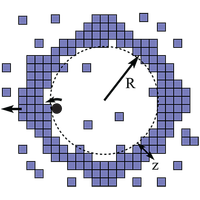
Phys. Rev. Lett. 137, 037101 (2026)
Statistical Physics; Classical, Nonlinear, and Complex Systems
Direct Observation of Energy Transport Dynamics and High Thermal Conductance across Single Solid-Molecule Junctions
Article | Polymers, Chemical Physics, Soft Matter, and Biological Physics | 2026-07-13 06:00 EDT
Md. Shahriar Hossain Shuvo, Xing He, Mithun Ghosh, and Ding-Shyue Yang
We report dynamic energy transport across multicomponent molecular junctions observed at the atomic level. A clear temporal sequence of energy transfer is revealed at early times following photoexcitation of Au(111) bonded with self-assembled monolayers of alkanethiols: from the gold surface layer t…
Phys. Rev. Lett. 137, 038001 (2026)
Polymers, Chemical Physics, Soft Matter, and Biological Physics
Reptation and Beyond: Neutron Spin Echo Experiments Verify the Fundamental Predictions of the Cooperative-Dynamics Generalized Langevin Equation Theory
Article | Polymers, Chemical Physics, Soft Matter, and Biological Physics | 2026-07-13 06:00 EDT
Margarita Kruteva, Jürgen Allgaier, Marina Guenza, Rustem Valiullin, Ingo Hoffmann, and Dieter Richter
We have investigated the dynamics of nonentangled and weakly entangled polyisoprene (PI) melts using neutron spin echo spectroscopy and pulsed field gradient NMR and compared the spectra with those from a highly entangled PI melt. Except for Brownian diffusion, which was observed in the long-time re…
Phys. Rev. Lett. 137, 038101 (2026)
Polymers, Chemical Physics, Soft Matter, and Biological Physics
Odd Elasticity in Disordered Chiral Active Materials
Article | Polymers, Chemical Physics, Soft Matter, and Biological Physics | 2026-07-13 06:00 EDT
Cheng-Tai Lee, Tom C. Lubensky, and Tomer Markovich
A new theoretical framework for a chiral active solid allowing local internal rotations due to active torques shows how odd elasticity emerges in structurally-disordered materials relevant to biological and synthetic systems.
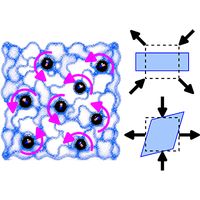
Phys. Rev. Lett. 137, 038301 (2026)
Polymers, Chemical Physics, Soft Matter, and Biological Physics
Physical Review X
Autonomous Stabilization of Remote Entanglement in a Cascaded Quantum Network
Article | 2026-07-13 06:00 EDT
Abdullah Irfan, Kaushik Singirikonda, Mingxing Yao, Andrew Lingenfelter, Michael Mollenhauer, Xi Cao, Aashish A. Clerk, and Wolfgang Pfaff
Researchers have achieved stable remote entanglement between separate quantum devices. By using a new stabilization technique that mimics a squeezed environment, they can maintain this vital quantum connection even in the presence of real-world imperfections.
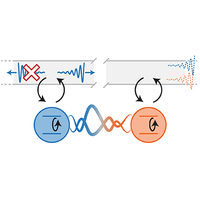
Phys. Rev. X 16, 031004 (2026)
Distributing Stationary Qubit Entanglement through a Nonlocal Squeezed Reservoir
Article | 2026-07-13 06:00 EDT
A. Andrés-Juanes, J. Agustí, R. Sett, E. S. Redchenko, L. N. Kapoor, S. Hawaldar, P. Rabl, and J. M. Fink
A fully autonomous process is demonstrated that entangles two spatially separated superconducting qubits by coupling them to a shared, quantum-correlated microwave reservoir, offering a robust new platform for high-throughput entanglement distribution in future quantum networks.
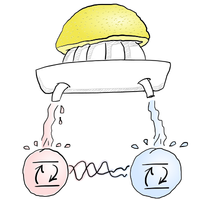
Phys. Rev. X 16, 031005 (2026)
Review of Modern Physics
Colloquium: What do we mean by ‘active matter’?
Article | 2026-07-13 06:00 EDT
Michael te Vrugt, Benno Liebchen, and Michael E. Cates
Active matter has become a lively topic in recent years, but what exactly is meant by the term ‘active matter' is often unclear. This Colloquium discusses the scientific and semantic issues underlying this ambiguity, as well as the history of the field, and offers a definition of active matter as a well-defined subset of nonequilibrium systems. It then surveys recent developments including nonreciprocal interactions, intracellular phase separation, and quantum active matter.
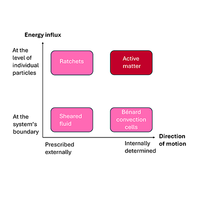
Rev. Mod. Phys. 98, 031001 (2026)
arXiv
SlaKoNet-VQD: A universal Slater-Koster tight-binding Hamiltonian for variational quantum band-structure calculations on near-term hardware
New Submission | Materials Science (cond-mat.mtrl-sci) | 2026-07-14 20:00 EDT
Akshaya Ajith, Jaehyung Lee, Charles Rhys Campbell, Kamal Choudhary
Variational quantum algorithms such as VQE and VQD are promising for near-term electronic structure calculations, but for periodic solids their reach is limited by the cost of building a faithful second-quantized Hamiltonian, typically via DFT plus Wannierization or hand-fit tight-binding parameters. SlaKoNet addresses this by combining deep learning with the Slater-Koster tight-binding formalism to fit hopping and overlap parameters across 65 elements, enabling deterministic Hamiltonian construction for any crystal built from these elements. Here we couple a SlaKoNet model trained on JARVIS-TBmBJ with a Qiskit-based VQD algorithm, replacing costly Hamiltonian construction with a universal neural Hamiltonian generator. The resulting SlaKoNet-VQD workflow is structure-agnostic, differentiable, and suited to high-throughput bandstructure screening. We benchmark on silicon, recovering the full eight-band structure along the standard k-path with mean absolute deviation of 1.78 meV from exact diagonalization on a 3-qubit simulator, and extend to five conventional superconductors (Al, Ta, Nb, V, ZrN) with similar accuracy. We demonstrate execution on IBM Quantum hardware for a k-point ground-state calculation on aluminum (MAE ~0.37 eV). We further promote the Hamiltonian to a correlated Hubbard model solved via dynamical mean-field theory, recovering weakening correlations across group-5 metals and strong quasiparticle renormalization in La2CuO4, identifying the impurity problem as a natural quantum solver target. This pipeline enables high-throughput VQA benchmarking across the periodic table and gradient-based ansatz-Hamiltonian co-optimization for materials discovery. Web app: this https URL.
Materials Science (cond-mat.mtrl-sci), Strongly Correlated Electrons (cond-mat.str-el)
Landau-Zener tunneling and quantum interference of Andreev states
New Submission | Superconductivity (cond-mat.supr-con) | 2026-07-14 20:00 EDT
Mikhail S. Kalenkov, Andrei D. Zaikin
With the aid of a microscopic theory we derive an effective Hamiltonian that controls quantum dynamics of Andreev states in superconducting nanojunctions out of equilibrium. Resolving the corresponding Schrödinger-like equation we obtain the “wave functions” for Andreev levels and evaluate electric current across the junction in the presence of an external voltage bias. We demonstrate that quantum interference of Andreev states may yield pronounced coherent oscillations of the supercurrent as a function of the Josephson phase in junctions with barrier transmissions slightly below unity. Further implications of this novel effect are expected for junctions with diffusive barriers.
Superconductivity (cond-mat.supr-con)
7 pages, 4 figures
Approximate explicit formulas for Stoner-Wohlfarth hysteresis loops
New Submission | Materials Science (cond-mat.mtrl-sci) | 2026-07-14 20:00 EDT
Savin Vladimir P., Koksharov Yury A
Approximate explicit formulas for the hysteresis loops in the Stoner-Wohlfarth model are derived. We consider the hysteresis loops both for a single particle with a fixed easy-axis direction and for an ensemble of particles with randomly oriented anisotropy axes. The physical assumption used to derive the formulas is that the particle magnetic moment lies in the vicinity of the easy axis or the external field direction, at low and high fields, respectively. Surprisingly, the low-field formula is approximately valid even near the Stoner-Wohlfarth astroid, where the reduced magnetic field h0 is not very small. The general piecewise formula is obtained by an appropriate matching of the functions defined on different intervals of the magnetic field, which are chosen to maximize the formula accuracy. For the averaged hysteresis loop, the maximal, but reasonably small, deviation of our formula from numerically calculated magnetization occurs at h0 = 0.5, which corresponds to the sharp change in magnetization slope.
Materials Science (cond-mat.mtrl-sci)
38 pages, 7 figures
Bragg Interferometry of Moiré Superlattices: From Geometric Phase Principles to Atomic Reconstruction
New Submission | Materials Science (cond-mat.mtrl-sci) | 2026-07-14 20:00 EDT
Isaac M. Craig, D. Kwabena Bediako
The emergence of moiré superlattices formed by twisting and stacking two-dimensional materials has created a need for characterization techniques capable of mapping sub-angstrom atomic reconstruction across micron-scale fields of view. This review surveys a suite of methodologies developed to extract geometric phases in electron microscopy and X-ray spectroscopy, with a primary focus on the interference of overlapping Bragg reflections in the dark field. We provide a comparative analysis of some established techniques, including geometric phase analysis, converged beam electron diffraction holography, and various ptychographic paradigms, culminating in a discussion of Bragg interferometry for measuring interlayer displacement fields and strain in moiré materials. We demonstrate the utility of Bragg interferometry through case studies of twisted bilayer and trilayer graphene as well as transition metal dichalcogenide moiré systems. Special attention is given to the unique advantages of this dark-field interferometric method for probing buried interfaces and encapsulated heterostructures, as well as the inherent challenges of interpreting incomplete phase information in the presence of dynamical scattering. By examining the physical principles underlying these approaches, this review highlights the conceptual similarities and practical trade-offs involved in high-resolution structural mapping of materials in which the interplay between structural relaxation and electronic behavior defines a scientific frontier at the nexus of modern condensed matter physics, nanomaterials engineering, and interfacial chemistry.
Materials Science (cond-mat.mtrl-sci)
39 pages, 8 figures
The Precursor Genome: A Pairwise Reaction Dataset for Solid-State Synthesis
New Submission | Materials Science (cond-mat.mtrl-sci) | 2026-07-14 20:00 EDT
Lauren N. Walters, Matthew J. McDermott, Bernardus Rendy, Yuxing Fei, Kristin A. Persson, Gerbrand Ceder
Solid-state reactions remain the dominant route to inorganic materials, yet no large, machine-readable dataset reports their experimental protocols and outcomes with consistent provenance; this gap obstructs first-principles, data-driven, and machine-learning approaches to synthesis science. Here, we present the Precursor Genome, a dataset of 1,035 pairwise solid-state reactions generated autonomously by the A-Lab self-driving laboratory, spanning 46 precursors and 39 elements. Every reaction is reported together with its full experimental metadata, including measured thermal profiles, precursor and recovered masses, and instrument configuration. Every product mixture is identified from raw X-ray diffraction (1,351 scans) through automated Rietveld refinement with the Dara framework, yielding 1,950 refinement cases that are independently validated by human experts on a three-tier quality scale. Raw pattern files, serialized refinement objects, and reviewer annotations are distributed through a Pydantic-validated JSON ledger, preserving full traceability from each precursor pair to its final phase assignment. The Precursor Genome establishes a FAIR, reusable benchmark for training and evaluating predictive models of solid-state reactivity.
Materials Science (cond-mat.mtrl-sci)
4 figures, 20 pages, article submission
Auditing Machine-Learning Models and Their Training Data with Explainability and First-Principles Verification: Application to Spin Hall Conductivity
New Submission | Materials Science (cond-mat.mtrl-sci) | 2026-07-14 20:00 EDT
Mohammed Mahshook, Rudra Banerjee
Machine-learning models for materials properties rest on two assumptions that standard validation never tests: that a model’s features reflect the physics of the property rather than accidents of the training distribution, and that the training labels are themselves correct. We introduce a model-agnostic audit protocol for both, combining SHAP attribution, counterfactual partial dependence analysis, and Rashomon-style cross-model verification, with every finding adjudicated by targeted density functional theory (DFT). Demonstrated on intrinsic spin Hall conductivity using a composition-only Random Forest, the model needs no relaxed crystal structure, reaching accuracy competitive with structure-aware graph networks while remaining applicable to the far larger space of compositions for which no structure has been computed. The model audit reveals that the average p-valence descriptor becomes statistically entangled with Pt content - a property of the learned representation rather than the physics; DFT confirms the consequence, a Pt-free compound (HgOsPb$ _2$ ) whose true SHC is nearly four times the prediction. The data audit exposes a thirtyfold error in the HfC training label, inherited undetectably by every black-box model trained on the same data. The protocol audits a model and its training data for the cost of a few DFT calculations, wherever one element dominates the high-property regime.
Materials Science (cond-mat.mtrl-sci)
Improved Heat Dissipation in CsPbBr${_3}$-hBN Heterostructures
New Submission | Materials Science (cond-mat.mtrl-sci) | 2026-07-14 20:00 EDT
Liudmila Starodubtceva, Ahmed Kadid, Naho Kurahashi, Cedric Kreusel, Jasper Ruhkop, Sebastian Lukas, Ulrich Plachetka, Ralf Heiderhoff, Thomas Riedl, Maryam Mohammadi, Max C. Lemme
Metal halide perovskite semiconductors are promising materials for optoelectronic and photonic devices, including solar cells and next-generation coherent light sources. However, their low thermal conductivity limits the practical operation of devices under high excitation levels. Integrating thermally conductive, large band-gap two-dimensional (2D) materials into perovskite devices could suppress heat accumulation, while preserving their optical properties. Here, we show that planar hot-pressed (PHP) cesium lead bromide (CsPbBr$ {_3}$ ) thin films capped with few-layer 2D hexagonal boron nitride (hBN) are less affected by laser-induced heating under high-power continuous-wave excitation than uncapped perovskite samples. A large-scale semidry transfer method was developed to integrate 2D hBN onto PHP CsPbBr$ {_3}$ thin films. The process is chemically and thermally compatible with perovskites. Microscopic and spectroscopic analyses show that the hBN capping layer does not alter the morphology and optical properties of the perovskite thin film. The PHP CsPbBr$ {_3}$ -hBN heterostructure exhibits a thermal conductivity of 3 W/(m \ast K), approximately seven times higher than that of the bare perovskite films of 0.45 W/(m \ast K). Heat diffusion simulations confirm enhanced heat dissipation in the heterostructure relative to bare perovskite films. Our experiments demonstrate an effective approach to enhancing heat dissipation in perovskite devices using transparent, thermally conductive 2D materials.
Materials Science (cond-mat.mtrl-sci)
A d-Electron Route to Heavy-Fermion-Like Superconductivity via Geometrical Frustration
New Submission | Strongly Correlated Electrons (cond-mat.str-el) | 2026-07-14 20:00 EDT
Chaoguo Wang, Hyeonhu Bae, Jiaqi Tian, Qing-Ping Ding, Yongbin Lee, Yuji Furukawa, Shannon Gould, Brianna R. Billingsley, Si Athena Chen, Matthias Frontzek, Tai Kong, Binghai Yan, Sheng Ran, Xin Gui
Heavy-fermion superconductors are mostly associated with f-electron materials with Kondo lattices, while known d-electron heavy-fermion-like systems are often linked to orbital-selective local moments, Hund-metal physics, or a charge-density-wave mechanism. Here we report Mo4PtGa17, a noncentrosymmetric itinerant d-electron superconductor with a geometrically frustrated breathing-pyrochlore Mo lattice. Thermodynamic, transport and NMR measurements reveal heavy-fermion-like behavior superconductivity and enhanced ferromagnetic spin fluctuations near a ferromagnetic instability. Theoretical calculations identify nearly flat bands, van Hove singularities and Kramers nodal lines near the Fermi energy, derived intrinsically from Mo-4d states and are robust against on-site electronic correlations. These results suggest that the geometrically frustrated lattice in Mo4PtGa17 generates an intriguing electronic structure that enhances the density of states, spin susceptibility and quasiparticle mass. Mo4PtGa17 therefore identifies a unique route to heavy-fermion-like superconductivity in d-electron materials through geometrical frustration. It also allows further investigations into superconductivity emerging from a correlated and spin-fluctuating state.
Strongly Correlated Electrons (cond-mat.str-el), Materials Science (cond-mat.mtrl-sci), Superconductivity (cond-mat.supr-con)
40 pages, 13 figures, 3 tables
Odd Polycatenanes Tank-Tread in Strong Shear Flow
New Submission | Soft Condensed Matter (cond-mat.soft) | 2026-07-14 20:00 EDT
Ali Seyedi, Charles W. Manke, Alex Albaugh
Polycatenanes are mechanically interlocked polymers composed of ring molecules linked through mechanical bonds. Here, we investigate the single-molecule dynamics of linear polycatenanes under strong steady shear flow using coarse-grained Brownian dynamics simulations with hydrodynamic interactions. We identify a stable tank-treading state in which individual rings rotate continuously while the overall polymer remains highly extended and aligned with the flow direction, adopting conformations typically associated with extensional flow. Remarkably, tank-treading is observed almost exclusively in odd polycatenanes, polycatenanes with an odd number of rings. We attribute this odd-even effect to the orientation of the terminal rings within the flow-gradient plane, where they act as anchors that stabilize polymer extension, a configuration accessible only to odd polycatenanes. Furthermore, our simulations and a Markov state model demonstrate that this dynamic behavior remains stable over long timescales. Finally, we show that tank treading polycatenanes can be used to fully extend other molecules in strong shear flow, hinting at applications of this behavior to manipulate molecules in rotational flows.
Soft Condensed Matter (cond-mat.soft)
7 pages + supplementary material, 5 figures, 2 tables
Nonreciprocal multi-body interactions activate liquid state of acoustically levitated particle ensembles
New Submission | Soft Condensed Matter (cond-mat.soft) | 2026-07-14 20:00 EDT
Nina M. Brown, Heinrich M. Jaeger
Nonreciprocal forces are often a consequence of asymmetry in the properties of the interacting objects. However. even if all objects are identical and isotropic, and the pairwise interactions between two objects are completely reciprocal, nonreciprocal forces can still appear when an arrangement of many objects breaks configurational symmetry in the presence of non-pairwise, multi-body interactions. Here we demonstrate that such emergent nonreciprocity can activate a particle ensemble to behave like a liquid, albeit with unique traits. In our experiments, passive microspheres are acoustically levitated in air, where they form a freely floating monolayer containing up to a couple hundred particles and collectively behave like a two-dimensional liquid droplet. The particles interact via nonreciprocal multi-body forces that arise from the combination of acoustic scattering and sound-induced viscous microstreaming. We find that these forces drive superdiffusive particle motion with non-Gaussian tails in the particles’ speed distribution. Using probes that reach laterally into the levitation plane, we perform liquid pendant drop and pinch-off experiments. Compared to ordinary liquids, the droplets are found to have a kinematic viscosity similar to that of water, but in combination with an extremely low interfacial tension. The pinching-off is driven by nonreciprocity-induced active fluctuations and exhibits the self-similar double-cone neck profile seen also in liquid nanojets close to rupture, however here characterized by power law behavior with a scaling exponent that is anomalously small.
Soft Condensed Matter (cond-mat.soft)
Thermodynamics of hydride formation: Anisotropic size-dependent coupled chemo-thermo-mechanical effects at Ni/NiH interfaces
New Submission | Materials Science (cond-mat.mtrl-sci) | 2026-07-14 20:00 EDT
Sourabh Singha, Abhijit Chatterjee
Ni nanoparticles are frequently used as catalysts for hydrogenation reactions as well as in hydrogen storage applications. Recently, we have shown that small Ni nanoparticles can absorb hydrogen at < 10 bar pressure to form Ni hydride. During this process, the hydride growth is anisotropic, and a coherent Ni/NiH interface is formed. In order to explain the anisotropy and to comprehensively account for the coupling chemical, mechanical and thermal effects, we develop in this study a simplified chemo-thermo-mechanical enthalpy model for Ni/NiH interfaces in thin films. This model captures the combined influence of extent of hydride formation x, temperature T, pressure P, size effect ($ l$ ), and the $ {\alpha}$ /$ {\beta}$ interface energy $ {\lambda}$ . Two different $ {\alpha}$ /$ {\beta}$ interface orientations, namely (100) and (111), are investigated. The model is shown to correctly predict the enthalpy and volume changes over a wide range of length scales, from atomically thin layers (~1 nm) to micron scale and larger. This work provides the basis for the development of similar enthalpy models for other solid-state hydrogen storage nanostructured materials where anisotropic growth of hydride phases is also observed.
Materials Science (cond-mat.mtrl-sci)
40 pages, 12 figures
Spatiotemporal Disk Packing for Directed Growth of Complex Geometries
New Submission | Soft Condensed Matter (cond-mat.soft) | 2026-07-14 20:00 EDT
Yigit Hergul, Yun Seong Kim, Rohan Shah, Sameh Tawfick, Varda F. Hagh
Growing complex shapes requires control over both where growth begins and how it evolves in time. Here, we introduce a geometric framework for growing prescribed 2D shapes using a disk packing algorithm. In this approach, a target geometry is filled by disks whose centers define where growth is initiated and whose radii define how long each region is allowed to grow. The allowed disk sizes are constrained by the physics of the process, including the growth velocity, the time required to initiate each growth event, and the number of initiations that can occur in parallel. To generate physically realizable packings, we introduce the Largest Gap Algorithm (LGA), which sequentially fills the largest remaining gaps in a target shape with the largest disk that satisfies both geometric and kinetic constraints. We show that this method produces high coverage packings for a variety of geometries and that the resulting packings can be directly converted into spatiotemporal packing instructions. We then demonstrate that these instructions can be realized experimentally using multi-point initiation of frontal polymerization in viscosified dicyclopentadiene (DCPD) resin using CO$ _2$ laser. Our results show that complex shapes can be grown by programming a small number of local initiation events, providing a simple connection between geometry and dynamics of growth.
Soft Condensed Matter (cond-mat.soft)
7 pages, 7 figures
Anisotropic representations for E(3)-equivariant machine learning coarse-grained potentials
New Submission | Materials Science (cond-mat.mtrl-sci) | 2026-07-14 20:00 EDT
Varun Shankar, Emil Annevelink
Coarse-graining (CG) lowers the computational cost of atomistic simulations by representing groups of atoms as effective interaction sites, reducing the degrees of freedom of the system but often compromising structural fidelity or requiring system-specific parameterization. Here, we introduce a novel anisotropic machine learning CG potential that extends the point particle representation of atomic nuclei to massive ellipsoidal beads with orientation-dependent features, enabling the learning of energies, forces, and torques directly from atomistic data. The anisotropic representation is physically motivated for polar and asymmetric molecules, where directional interactions and shape anisotropy play important roles in determining structure and dynamics. Using an equivariant message-passing neural network, the model accurately reproduces radial and angular distribution functions as well as relative orientation correlations in liquid water, demonstrating that both translational and rotational dynamics are well captured. Comparison with an isotropic baseline reveals that the lack of orientation information leads to systematic errors in short and long range order and degradation of angular correlations, proving orientation features are essential for accurate coarse-graining. The anisotropic model also exposes rotational structural observables fundamentally inaccessible to isotropic representations, with minimal computational overhead. Even for coarse-graining just three degrees of freedom, CG simulations achieve 7-27$ \times$ speedups while preserving structural fidelity, highlighting the efficiency gains of this systemic reduction. This framework establishes the feasibility and necessity of learned equivariant representations for anisotropic CG modeling and provides a path towards accurate and efficient mesoscopic simulations of complex molecular liquids, polymers, and biomolecular systems.
Materials Science (cond-mat.mtrl-sci)
Probing the Nature of Interstitial Anionic Electrons in 2D Electride Ca$_2$N via Landau-Level Spectroscopy
New Submission | Materials Science (cond-mat.mtrl-sci) | 2026-07-14 20:00 EDT
Arjyama Bordoloi, Daniel Kaplan, Sobhit Singh
We investigate the magnetic-field response of interstitial anionic electrons (IAEs) in two-dimensional electrides, using monolayer Ca$ _2$ N as a prototypical system. By computing the Landau-level (LL) spectrum of the electride bands forming the Fermi surface, we find a linear LL evolution with magnetic field that closely resembles the behavior of a nearly-free 2D electron gas (2DEG). The extracted cyclotron effective mass and Landé g-factor deviate moderately from their free-electron values, indicating that the IAEs retain a remarkably free-electron-like character. Furthermore, the energy dispersion of the electride bands remains insensitive to the choice of exchange-correlation functional (LDA vs.~PBEsol), indicating that local exchange and correlation effects have minimal influence on the IAEs. Overall, our findings provide fundamental insight into the quantum nature of electrides and open new avenues for exploring magnetic confinement, correlation effects, and emergent quantum phenomena in low-dimensional interstitial electronic systems.
Materials Science (cond-mat.mtrl-sci), Computational Physics (physics.comp-ph)
Alloy engineering of Magnetic phases in two-dimensional Chromium Trihalides
New Submission | Materials Science (cond-mat.mtrl-sci) | 2026-07-14 20:00 EDT
Pedro Roberto Lopes Vieira, Daniel D. Rivera, Lucas Martin Farigliano, Fernando P. Sabino, Gustavo Martini Dalpian
Two-dimensional magnetic materials offer unique opportunities for exploring low-dimensional spin phenomena and next-generation spintronic devices. Chromium trihalides CrX3 (X = Cl, Br, I) belong to an important family of these materials, where alloying opens pathways for tailoring their electronic, magnetic, optical properties, and thermodynamic stability. In this work, we present a density functional theory study of CrX3 compounds and their ternary alloys. Our results show that for the pure compounds, the ground state is ferromagnetic (FM), with the antiferromagnetic-zigzag (AFM-Z) and paramagnetic (PM) phases being close in energy. For these pure systems, the band gap variation among different magnetic phases does not exceed 0.16 eV, and the average magnetic moments on Cr atoms increase from Cl to Br to I. For the alloys, the FM state remains the lowest-energy configuration, but the energy difference towards the AFM-Z phase decreases for compounds with lower iodine concentration. The calculated band gaps reveal a pronounced bowing along the compositional edge connecting CrCl3 and CrI3. The Curie temperatures show a smooth variation across compositions, consistent with the nearly linear behavior of the magnetic exchange parameters. Based on the calculated mixing enthalpy and configurational entropy, the approximate Gibbs free energy indicates that alloy formation becomes thermodynamically favorable at finite temperatures, which is important to overcome the intrinsic experimental instability of these compounds.
Materials Science (cond-mat.mtrl-sci)
29 pages, 9 figures, submitted to Physical Review Materials
Flux Jamming and Bimodal Dynamics in Bounded Spin Networks
New Submission | Materials Science (cond-mat.mtrl-sci) | 2026-07-14 20:00 EDT
We present a quantitative framework for predicting how kinetic barriers governing temperature dependent relaxation arise in finite square magnetic networks. By formulating a series of non homogeneous transfer matrices from the adjacency spectrum of the underlying graph, we show how local coordination shapes the energy landscape and identifies geometric regions that act as bottlenecks for flux transport. Our approach predicts bimodal kinetic behavior, in which long intervals of trapping within charge compensated manifolds are interrupted by sudden, avalanche like relaxation episodes. Representing finite systems with a Husimi tree, we find that low temperature data from forty generations collapse onto a single curve consistent with a power law scaling form, implying that boundary truncation alone can give rise to scale invariant flux arrest, analogous to athermal granular jamming. By employing transition probabilities constructed from local Boltzmann factors, this framework connects equilibrium energy landscape concepts to non equilibrium phenomena, including kinetic arrest and telegraph noise, thereby enabling the prediction and design of intermittent transport in finite, frustrated networks.
Materials Science (cond-mat.mtrl-sci)
14 pages, 3 figures
Engineering Topology by Design in Two-dimensional Materials
New Submission | Materials Science (cond-mat.mtrl-sci) | 2026-07-14 20:00 EDT
Arjyama Bordoloi, Sobhit Singh
Two-dimensional topological insulators (2D TIs) have emerged as a cornerstone of next-generation spintronic technologies due to their robust, dissipationless edge states protected by time-reversal symmetry. Initial realizations of 2D TIs have primarily focused on materials with strong intrinsic spin-orbit coupling capable of driving band inversion, an approach that significantly constrains the accessible materials landscape. More recently, a paradigm shift has occurred toward engineering topological phases in van der Waals (vdW) heterostructures, where nontrivial band topology can arise from interfacial coupling rather than relying solely on intrinsic material properties. This framework provides an exceptionally versatile platform with multiple tunable degrees of freedom, including stacking configuration, twist angle, and chemical functionalization, allowing systematic manipulation of the band topology. Furthermore, external stimuli, such as electric fields, strain, and light-matter coupling, enable dynamic and reversible control of the topological character. The combined use of vdW interface engineering and external modulation allows the realization of 2D TI phases even in otherwise topologically trivial systems, substantially expanding the accessible materials landscape. This Research Update reviews key milestones in the development of vdW-engineered 2D topological quantum materials, critically assesses outstanding theoretical and experimental challenges, and outlines promising directions for future breakthroughs.
Materials Science (cond-mat.mtrl-sci)
Polarization Rotation Drives a Spin-Topological Transition in Ferroelectric Bismuth Monolayer
New Submission | Materials Science (cond-mat.mtrl-sci) | 2026-07-14 20:00 EDT
Jinming Zhai, Lingzhi Cao, Yateng Wang, Huicong Li, Zhilong Yang, Yali Yang, Jiangang He
Bismuth monolayer is the first two-dimensional elemental ferroelectric and an appealing platform for coupling polar order to spin-orbit-driven topology. However, its microscopic switching mechanism remains elusive. Here, using first-principles lattice dynamics and symmetry-adapted mode analysis, we identify a previously overlooked rotational pathway for in-plane polarization switching. Its energy barrier is more than four times lower than that of direct reversal, naturally explaining the vortexlike domain textures observed in molecular dynamics simulations. Remarkably, this polarization rotation also drives a spin-topological transition, changing the spin Chern number from $ C_s=-2$ to $ 0$ . Directional uniaxial strain further steers the polarization orientation and tunes the associated topological transition. These results establish polarization rotation as the switching mechanism of ferroelectric Bi monolayer and as an efficient route to electrically and mechanically programmable topology in two-dimensional ferroelectrics.
Materials Science (cond-mat.mtrl-sci)
7 pages, 4 figures
Geometric Universality and Thermodynamic Microstructure of Real Fluids in a Unified Entropic Framework
New Submission | Statistical Mechanics (cond-mat.stat-mech) | 2026-07-14 20:00 EDT
Carlos E. Romero-Figueroa, Jose Miguel Ladino, Sasha A. Zaldivar, Hernando Quevedo
We introduce a unified entropic framework for real fluids that encompasses the van der Waals, Berthelot, Redlich Kwong, and Peng Robinson equations of state within a common thermodynamic description. The corresponding microscopic interactions are then explored using Geometrothermodynamics, GTD, through the scalar curvature $ mathcal{R}$ of the equilibrium manifold. We show that curvature singularities accurately reproduce macroscopic critical phenomena, while vanishing curvature $ \mathcal{R}=0$ identifies specific thermodynamic states where attractive and repulsive intermolecular forces effectively balance. Furthermore, we introduce a set of dimensionless critical-amplitude ratios $ Q^i_{j}$ , which reveal universal geometric features of the critical regime. Although individual critical amplitudes exhibit a logarithmic dependence on the system size, these invariant ratios organize different molecular species according to the strength of criticality and encode universal scaling features, suggesting their potential as robust classification parameters. Finally, employing Bayesian inference and Markov Chain Monte Carlo, MCMC methods, we statistically reconstruct the zero-curvature curves. The posterior distributions support the consistency of the geometric scaling behavior, demonstrating that the GTD manifold encodes non-trivial information about the underlying thermodynamical models.
Statistical Mechanics (cond-mat.stat-mech), Mathematical Physics (math-ph)
Dynamical Nonrelativistic Spin Splitting via THz Nonlinear Phononics
New Submission | Materials Science (cond-mat.mtrl-sci) | 2026-07-14 20:00 EDT
Linding Yuan, ChanJu You, Ankit Disa, James M. Rondinelli
Nonrelativistic spin splitting (NRSS) in collinear antiferromagnets offers a route to high-frequency spintronics immune to stray fields, but its dynamic control has remained elusive. We demonstrate, using density functional theory (DFT) and nonlinear phononics, that THz laser pulses can achieve ultrafast, reversible control of NRSS on picosecond timescales in antiferromagnets. We derive two symmetry criteria, accounting for phonon and magnetic wavevector compatibility and order-parameter parity, to identify which Raman-active phonon modes can activate or amplify NRSS. Applying these rules to NiO and LaFeO$ _3$ , we show that resonant driving of an infrared-active mode at 11.08 THz transiently converts spin-degenerate NiO into an NRSS state via biquadratic anharmonic coupling, generating a time-averaged spin splitting of $ \sim$ 40 meV. In LaFeO$ _3$ , selective excitation amplifies the existing NRSS by about 100%. In both cases, the induced spin splitting is accompanied by a transient SOC-induced net moment detectable via the magneto-optical Kerr effect. This framework establishes nonlinear phononics as a general route for ultrafast manipulation of spin-split antiferromagnetic phases well beyond the reach of static strain.
Materials Science (cond-mat.mtrl-sci)
7 pages, 5 figures
Correlated Plasmonic Excitation in Twisted Nematic Plasmonic Superlattices
New Submission | Materials Science (cond-mat.mtrl-sci) | 2026-07-14 20:00 EDT
Rui Huang, Jordan Austin-Frank Wilson, Anders Dollard, Nicholas C Fisher, Zixian Fang, John T. Fourkas, Zhiwei Li
Superlattices with twisted configurations, such as moire lattices, have recently been extensively exploited for their unique electronic, magnetic, and optical properties. One remarkable feature of nanoscale twisted superlattices is the distinct lattice symmetries and the continuous phase transitions between periodic or aperiodic phases, representing a unique opportunity to study many emerging physical phenomena. Here, we report a correlated light and matter interaction between the collective polarization effect of nematic plasmonic superstructures and the plasmonic excitation of individual constituent nanorods in reconfigurable twisted plasmonic superlattices. Using hybrid Fe3O4 and Au nanorods as building blocks, we assembled plasmonic nematic liquid crystals with unidirectionally aligned nanorods, which could be further assembled into moire plasmonic lattices through a vertical stacking assembly method. A twist angle dependent plasmonic excitation is recognized in the twisted bilayer of two plasmonic superlattices, featuring enhanced transverse and longitudinal plasmonic excitation at a twisting angle of 0 degree and 90 degree, respectively. Such correlated plasmonic excitation in twisted plasmonic superstructures is induced by the correlation between the collective polarization effect of the liquid crystal phases and the anisotropic plasmonic excitation of individual nanorods. The magnetic orientation control allows for precise alignment of hybrid Fe3O4 and Au nanorods in polymer substrates and enables the coding of nematic domains and plasmonic patterns in each sublattice. The correlated plasmonic excitation and light polarization create reconfigurable photonic moire superlattices with well-defined domain colors, feature sizes, periodicities, symmetries, and dimensions determined by twist angles and displacements in the twisted plasmonic lattices.
Materials Science (cond-mat.mtrl-sci)
Self-organized quasicrystals and their excitations in dipolar Bose-Einstein condensates via optical feedback
New Submission | Quantum Gases (cond-mat.quant-gas) | 2026-07-14 20:00 EDT
Liang-Jun He, Fabian Maucher, Yong-Chang Zhang
Quasicrystals emerge from competing interactions with incommensurate characteristic length scales that inhibit translational periodicity. Here, we show that such multiscale interactions can be realized in a dipolar Bose-Einstein condensate through the interplay between intrinsic dipole-dipole interactions and photon-mediated interactions generated by coupling to an excited-state manifold together with a suitably engineered optical feedback. This interplay gives rise to two pronounced roton instabilities in the Bogoliubov excitation spectrum, leading to a rich ground-state phase diagram including dodecagonal quasicrystals with twelvefold rotational symmetry for experimentally realistic parameters. We further propose a protocol to access these quasicrystals dynamically and develop a general numerical framework for calculating their collective excitation spectra.
Quantum Gases (cond-mat.quant-gas)
6 pages, 4 figures
Staggered Potential and Elliptical Light Driven Topological Phase Transitions in $α$-$\mathcal{T}_{3}$ Lattice
New Submission | Mesoscale and Nanoscale Physics (cond-mat.mes-hall) | 2026-07-14 20:00 EDT
Muhammad Faisal, Muhammad Irfan Sarwar
We theoretically investigate the influence of hexagonal boron nitride (h-BN) on the electronic properties of an $ \alpha$ -$ \mathcal{T}{3}$ lattice driven by an off-resonant elliptically polarized light field. The staggered potential $ M$ breaks the sublattice inversion symmetry, transforming the initial semimetal into a trivial insulator with Chern number $ C=0$ . We identify a fundamental geometric singularity at $ \alpha=1/\sqrt{2}$ , independent of $ M$ , below which no finite drive can close the lower band gap, creating a stable topological window where conduction–flat band inversion yields a Chern insulator with $ C=1$ . Above this critical value the lower gap closes with finite intensity, allowing a transition from $ C=1$ to $ C=2$ as the dice limit ($ \alpha=1$ ) is approached. The topological phases are characterized by quantized anomalous Hall plateaus at $ \sigma{xy}=e^2/h$ ($ C=1$ ) and $ \sigma_{xy}=2e^2/h$ ($ C=2$ ), with each valley contributing exactly $ \frac{1}{2}e^2/h$ . The $ C=1$ plateau remains robust from $ 0$ K to $ 300$ K, while $ C=2$ requires $ T<100$ K due to its narrower gap. A highly asymmetric thermoelectric Seebeck response further serves as an experimental fingerprint of each phase, providing a realistic framework for realizing stable high-Chern-number phases in substrate-supported $ \alpha$ -$ \mathcal{T}_{3}$ materials.
Mesoscale and Nanoscale Physics (cond-mat.mes-hall)
19 pages, 9 figures
Anyons and Inherently Complex F-symbols
New Submission | Strongly Correlated Electrons (cond-mat.str-el) | 2026-07-14 20:00 EDT
Matthew Buican, Peter Huston, Jiannis K. Pachos
Anyons in $ 2+1$ dimensions are not only characterized by exotic braiding statistics but also by intricate fusion properties. Two anyons may fuse into multiple topological charge sectors, and associativity of fusing three anyons to produce a fixed charge sector is governed by $ F$ -symbols. While braiding invariants, such as the modular data, are typically complex valued, a complete description of general anyon models requires understanding the arithmetic properties of its fusion associativity data as well. The $ F$ -symbols for many of the most common $ 2+1$ d topological orders, including all Abelian anyon models as well as Fibonacci and Ising anyons, can be made real valued. We show this phenomenon is not universal by exhibiting braided fusion categories whose $ F$ -symbols cannot be made real. We call such $ F$ -symbols \lq\lq inherently complex.” The examples we study lack a charge-conjugation symmetry and our results are therefore consistent with the converse of a statement proved in a companion work linking real $ F$ -symbols in braided fusion categories with the existence of a suitable charge-conjugation symmetry. We analyse the smallest-rank braided fusion categories we know of with inherently complex $ F$ -symbols: $ {\rm Rep}(\mathbb{Z}_7\rtimes\mathbb{Z}_3)$ and $ {\rm Rep}(\mathbb{Z}_5\rtimes\mathbb{Z}_4)$ . Consequently, the corresponding $ \mathcal Z({\rm Rep}(\mathbb{Z}_7\rtimes\mathbb{Z}_3))$ and $ \mathcal Z({\rm Rep}(\mathbb{Z}_5\rtimes\mathbb{Z}_4))$ anyon models also have inherently complex $ F$ -symbols. Our presentation connects these examples with recent results on classifying anyons beyond modular data.
Strongly Correlated Electrons (cond-mat.str-el), High Energy Physics - Theory (hep-th), Mathematical Physics (math-ph), Quantum Algebra (math.QA), Quantum Physics (quant-ph)
25 pages; 1 figure;
Chiral charge density waves in transition metal dichalcogenide
New Submission | Materials Science (cond-mat.mtrl-sci) | 2026-07-14 20:00 EDT
The emergence of chirality in the charge density wave (CDW) phase of 1$ T$ -TiSe$ _2$ has recently attracted significant attention, yet its microscopic origin remains debated. The prevailing interpretation attributes chirality to a relative phase shift between the charge density components. Here, using density functional theory and symmetry analysis, it is demonstrated that such phase-shifted states entail prohibitive energy costs, rendering them unlikely candidates for the ground state. Instead, a nearly degenerate metastable CDW phase stacking order with monoclinic symmetry is identified, that naturally breaks mirror and inversion symmetries. The CDW in 1$ T$ -TiSe$ _2$ possesses a dual physical nature: the electronic charge redistribution is intrinsically bond-modulated, while the periodic lattice distortion is atom-centered transverse. This spatial separation allows a specific optical coupling mechanism where circularly polarized light breaks the energetic degeneracy between chiral domains. These results reconcile conflicting experimental observations, identifying the “spontaneous” chirality observed in local probes as a statistical distribution of CDW phase stacking domains, while establishing the mechanism for macroscopic, light-induced gyrotropic order.
Materials Science (cond-mat.mtrl-sci)
Evidence for spin swapping from modulation of transverse resistance in magnetic heterostructures with Rashba interface
New Submission | Mesoscale and Nanoscale Physics (cond-mat.mes-hall) | 2026-07-14 20:00 EDT
Heeman Kim, Shutaro Karube, Juan Borge, Junyeon Kim, Kouta Kondou, YoshiChika Otani
We investigate the transverse response under the out-of-plane magnetic field for magnetic heterostructures with Cu/Bi2O3 or Ag/Bi2O3 Rashba interfaces. We detect opposite contributions on the transverse resistance by the Cu/Bi2O3 and the Ag/Bi2O3 interfaces, which interestingly coincide well with the opposite signs of the spin/charge interconversion from the two interfaces. We suppose the opposite influences on the transverse resistance feature spin swapping occurrence of the converted spin current. The transverse spin flow emerges due to the spin swapping in both Cu and Ag layer, but the direction of the spin flow is opposed dependent on the spin direction of the converted spin current.
Mesoscale and Nanoscale Physics (cond-mat.mes-hall)
Arrhenius-Type Description and Noise-Composition Dependence of Single-Vacancy Hopping in Active Brownian Crystals
New Submission | Soft Condensed Matter (cond-mat.soft) | 2026-07-14 20:00 EDT
Hiroto Tomida, Yoshihiro Yamazaki
We study vacancy-mediated hopping in a two-dimensional active Brownian-particle crystal with a single vacancy. Under active driving, the hopping rates are not organized by the free-particle effective noise amplitude alone. In contrast, in the passive limit, the hopping rate follows an Arrhenius-like activated trend with respect to the translational diffusion coefficient. Effective-noise comparisons show systematic dependence on the active fraction, indicating that the composition of thermal and persistent active fluctuations affects the hopping kinetics. These results demonstrate a breakdown of an effective-temperature description for microscopic defect-mediated transport in an active crystal.
Soft Condensed Matter (cond-mat.soft), Statistical Mechanics (cond-mat.stat-mech)
8 pages, 3 figures. Accepted for publication in Journal of the Physical Society of Japan
Self-Consistent Phonon Spectral Functions and Thermal Transport Beyond the Quasiparticle Approximation
New Submission | Materials Science (cond-mat.mtrl-sci) | 2026-07-14 20:00 EDT
Anharmonic lattice dynamics shapes phonon spectra and thermal transport, yet first-principles linewidth calculations typically assume phonon quasiparticles with sharply defined frequencies. Here, we introduce a self-consistent spectral function framework that represents each phonon by its full frequency distribution and uses the resulting spectra to dress the internal lines of the three-phonon bubble self-energy. The method self-consistently determines the real and imaginary parts of the self-energy on equal footing, eliminates externally chosen smearing parameter for enforcing energy conservation, and extends lattice dynamics and thermal transport calculations beyond the quasiparticle approximation. Applied to zincblende HgTe, self-consistency substantially broadens acoustic and optical phonon spectra, activates scattering channels inaccessible in the one-shot quasiparticle calculation, and reduces the lattice thermal conductivity by approximately a factor of five to the experimental scale while reproducing its temperature dependence, without explicitly invoking higher-order interactions. Mode-resolved spectral functions are further validated against the power spectra from direct molecular dynamics simulations. These results establish self-consistent spectral functions as a practical bridge between quasiparticle perturbation theory and fully dynamical simulations, and provide a framework readily generalizable to higher-order anharmonic processes.
Materials Science (cond-mat.mtrl-sci)
Topological delocalisation of confined 3D active nematics
New Submission | Soft Condensed Matter (cond-mat.soft) | 2026-07-14 20:00 EDT
Louise C. Head, Pasquale Digregorio, Davide Marenduzzo, Ignacio Pagonabarraga, Daniel A. Beller, Giuseppe Negro
Defect lines in 3D active nematic systems are intriguing topological singularities whose out-of-equilibrium dynamics remain elusive in confined settings. Here, we numerically study 3D active nematics confined within closed cylinders to elucidate the roles of geometry and activity. We reveal a competition between passive elasticity, which causes localisation of defects near edges, and activity, which endows defects with motility and gives rise to disorderly, delocalised dynamics. Varying boundary curvature, activity strength, and cylinder radius reveals a state space of static and dynamic localisation states, including handle-like configurations and chaotic motion bounded within the cylinder endcap. As activity is tuned to induce delocalisation, we identify phase transition signatures, including pronounced fluctuations and an emergent power law scaling of defect number and average defect length. We find that these scaling properties are strongly altered by confinement: unlike in bulk systems where activity governs length distributions, confinement tunes an activity-independent characteristic length, with an exponent reminiscent of self-avoiding confined polymers. These results establish confinement of inhomogeneous curvature as a versatile mechanism for controlling active topological dynamics.
Soft Condensed Matter (cond-mat.soft)
Retarded interaction between opposite chiral edges in anomalous Hall crystals
New Submission | Mesoscale and Nanoscale Physics (cond-mat.mes-hall) | 2026-07-14 20:00 EDT
Wangqian Miao, Mu-Yang Chen, Binghai Yan, Chunli Huang
An anomalous Hall crystal combines spontaneous electronic crystallization with a Chern insulating gap, supporting both chiral edge modes and low-energy electronic phonons. We show that this coexistence produces a distinct dynamical effect from ordinary Chern insulators: transverse bulk phonons can mediate a retarded interaction between counterpropagating chiral edge modes on opposite sides of the sample, realizing a Luttinger-liquid variant with delayed inter-edge coupling. Using microscopic time-dependent Hartree–Fock calculations for rhombohedral pentalayer graphene, we find that lowering the carrier density softens the long-wavelength transverse phonon mode. Near this instability regime, the resulting boundary-projected phonon continuum inevitably overlaps with the edge dispersion, thereby enabling their coupling. A smoking-gun probe is a nonlocal measurement: a drive applied to one edge can induce a response on the other edge, delayed by the transverse phonon time of flight across the sample.
Mesoscale and Nanoscale Physics (cond-mat.mes-hall), Strongly Correlated Electrons (cond-mat.str-el)
5 pages, 4 figures. Comments are welcome
Lifshitz-Kosevich Theory of Anomalous Landau Levels in Topological Flat Bands
New Submission | Mesoscale and Nanoscale Physics (cond-mat.mes-hall) | 2026-07-14 20:00 EDT
In conventional metals, quantum oscillations arise from Landau quantization of Fermi-surface cyclotron orbits, whose dynamics are governed by the Fermi velocity and cyclotron effective mass within Lifshitz-Kosevich (LK) theory. A perfectly flat band, by contrast, has vanishing group velocity, which would naively imply an infinite cyclotron mass and complete thermal suppression of quantum oscillations. Yet topological flat bands can support anomalous Landau levels (LLs) whose finite-field spacing is generated by quantum geometry rather than band curvature, allowing quantum oscillations to persist. This work addresses how such anomalous flat-band LLs behave within the LK framework and whether their thermal damping can reveal quantum geometric information. Using a minimal model with exactly flat topological bands, we derive an LK theory for these anomalous LLs and analyze fixed-density magnetization oscillations. The resulting oscillations exhibit a finite LK effective mass that is substantially larger than the normal-band value and possesses a strong magnetic-field dependence. In the weak-field limit, this anomalous mass reflects the quantum geometric origin of the LL spacing and scales inversely with both the magnetic field and the trace of the quantum metric. Thus, thermal damping of flat-band quantum oscillations directly measures the quantum metric, establishing quantum oscillations as a probe to flat-band quantum geometry.
Mesoscale and Nanoscale Physics (cond-mat.mes-hall), Materials Science (cond-mat.mtrl-sci)
5 pages, 4 figures
Superconducting dome and field-enhanced superconductivity of PLD synthesized Nd1-xEuxNiO2 thin films
New Submission | Superconductivity (cond-mat.supr-con) | 2026-07-14 20:00 EDT
Wenlong Yang, Qiang Zhao, Xingke Fu, Gaofei Ren, Zhongjing Wu, Zhen Chen, Jianping Sun, Boseng Wang, Jiacai Nie, Pengtao Yang, Jinguang Cheng
We report on the synthesis of infinite-layer Nd1-xEuxNiO2 (0<x<0.7) thin films using pulsed laser deposition (PLD) followed by topotactic reduction with CaH2. Resistivity measurements on these films reveal a superconducting dome within the doping range 0.2<x<0.5, which is wider than that achieved by molecular beam epitaxy and comparable to that obtained by chemical synthesis. The x=0.3 PLD film exhibits the optimal superconducting transition temperature Tc~31 K, much higher than those grown by other vacuum epitaxial techniques. This result indicates that PLD is an ideal approach for fabricating high-quality, high-Tc Nd1-xEuxNiO2 superconducting films. Magneto-transport measurements reveal robust field-enhanced and re-entrant superconductivity in both underdoped and overdoped regimes. At low temperatures just above the onset Tc, the Hall resistance exhibits nonlinear behavior, which may originate from magnetic impurity scattering. These results highlight the crucial role of magnetic rare-earth Eu2+ ions in producing the exotic physical properties of the infinite-layer nickelates.
Superconductivity (cond-mat.supr-con)
10 pages, 5 figures
Interwoven long-range order induced by random fields
New Submission | Disordered Systems and Neural Networks (cond-mat.dis-nn) | 2026-07-14 20:00 EDT
We propose a distinct type of long-range ordered phase that can occur in classical and quantum many-particle systems. It is induced by impurities and defects that locally break a subset of the order-parameter symmetries, i.e., by random-field disorder that couples to a composite vestigial order parameter. The proposed ``implectic’’ phase is characterized by spontaneous symmetry breaking on the background of the spatially interwoven domain structure created by the random fields. We explicitly demonstrate the existence of this phase in a layered $ J_1-J_2$ Ising magnet by means of large-scale Monte Carlo simulations. We then discuss numerous potential applications in systems featuring charge and spin density wave order including frustrated magnets, cuprate and iron-based superconductors, and ultracold atoms.
Disordered Systems and Neural Networks (cond-mat.dis-nn), Statistical Mechanics (cond-mat.stat-mech), Strongly Correlated Electrons (cond-mat.str-el), Superconductivity (cond-mat.supr-con)
7 pages + 4 pages supplement
Enabling temperature controlled in-situ vapor dosing for lab source X-ray reflectivity measurements
New Submission | Materials Science (cond-mat.mtrl-sci) | 2026-07-14 20:00 EDT
Erin E. Dunphy, Mara A. Fischer, Sasha R. Neefe, Devin L. Shaffer, Anthony P. Straub, Michael F. Toney, J. Will Medlin
X-ray Reflectivity (XRR) is a valuable technique for probing buried interfaces in complex systems relevant to thin-film, membrane, and battery applications, among others. However, many operando and in situ reflectivity cells are designed for use at synchrotron facilities, limiting the broader accessibility of these measurements. We present an XRR transmission cell that enables in situ vapor dosing and temperature-dependent experiments on in-house diffractometers. We demonstrate its capabilities with two case studies: the adsorption of water into polyamide (PA) membranes on silicon and temperature-dependent restructuring of polystyrene (PS) pseudo brushes on alumina. Vapor dosing allows for controlled release of vapor into the cell, allowing operation across a wide range of conditions from rough vacuum to saturation. We demonstrate that the manifold can reach 90-95% of saturated pressures, with the measurements presented here spanning 0-250 mbar, which is desirable for adsorption isotherms. Heating studies performed between 25 and 200C demonstrate the ability to resolve Ångstrom scale structural changes in a surface bound polymer. These results establish a novel streamlined approach to temperature controlled vapor dosing on a laboratory diffractometer, offering straightforward probe-molecule exchange, vacuum-sealed operations, and variable temperature capabilities.
Materials Science (cond-mat.mtrl-sci)
Oxygen-nonstoichiometry-driven phase transition in $\mathrm{Sr}{1-x}\mathrm{Nd}{x}\mathrm{CoO}_{3-δ}$ ($x = 0.1, 0.2, 0.3$) perovskites
New Submission | Materials Science (cond-mat.mtrl-sci) | 2026-07-14 20:00 EDT
Nina Tereshko, Roman Lanovsky, Olivier Toulemonde, Maxim Bushinsky, Stanislav Savvin, Vadim Sikolenko, Lingyan Xu, Aleksandr Nikitin
We report a systematic study of the interplay between oxygen nonstoichiometry, crystal structure, and magnetic/electrotransport properties in $ \mathrm{Sr}{1-x}\mathrm{Nd}{x}\mathrm{CoO}_{3-\delta}$ ($ x = 0.1, 0.2, 0.3$ ). High-resolution neutron powder diffraction combined with synchrotron x-ray powder diffraction reveals that increasing the oxygen content induces a structural transition from a layered $ I4/mmm$ ($ 2a_p \times 2a_p \times 4a_p$ ) to an oxygen-deficient orthorhombic $ Pmmm$ ($ a_p \times a_p \times 2a_p$ ) phases with preferential oxygen-vacancy occupation. This transition is accompanied by a crossover from G-type antiferromagnetic with a weak ferromagnetic component to a ferromagnetic state, and a drastic decay in resistivity. The evolution of the magnetic and transport properties is discussed in terms of changes in the Co spin state, enhanced Co $ 3d$ - O $ 2p$ orbital overlap upon oxygen uptake, and a magnetically inhomogeneous ferromagnetic state associated with residual oxygen vacancies and mixed $ \mathrm{Co}^{3+}/\mathrm{Co}^{4+}$ valence. Our findings experimentally confirm that the stabilization of the layered “314” structure is driven by the presence and ordering of oxygen vacancies rather than A-site cation ordering, whereas the oxygen-deficient oxidized compounds represent an intermediate orthorhombic state preceding fully stoichiometric phases.
Materials Science (cond-mat.mtrl-sci)
14 pages, 8 figures, 6 tables
Anomalous field evolution of the mixed-state linewidth in the second superconducting dome of LaFeAsO$_{1-x}M_x$ ($M={\rm F,H}$)
New Submission | Superconductivity (cond-mat.supr-con) | 2026-07-14 20:00 EDT
Rustem Khasanov, Pierre Dalmas de Réotier, Samuele Sanna, Gianrico Lamura, Hubertus Luetkens, Matteo Moroni, Pietro Carretta, Rhea Kappenberger, Rowena Wachtel, Bernd Büchner, Sabine Wurmehl, Nikolai D. Zhigadlo
We report a transverse-field muon-spin rotation/relaxation ($ \mu$ SR) study of the internal-field distribution in the mixed state of LaFeAsO$ {0.89}$ F$ {0.11}$ and LaFeAsO$ {0.75}$ H$ {0.25}$ , representative of the first (SC1) and second (SC2) superconducting domes of the LaFeAsO$ {1-x}M_x$ ($ M={\rm F,H}$ ) family, respectively. Below the superconducting transition temperature $ T{\rm c}$ , the linewidth of the internal-field distribution increases in both samples, indicating the formation of a vortex lattice. Above $ T{\rm c}$ , the linewidth remains field dependent and increases approximately linearly with field, consistent with broadening of the powder spectrum caused by an anisotropic Knight shift. After subtraction of this normal-state contribution, the superconducting linewidth $ \sigma{\rm sc}$ exhibits qualitatively different field dependences in the two samples. At 4K, the SC1 ($ x{\rm F}=0.11$ ) sample shows the expected monotonic decrease with increasing field, whereas the SC2 ($ x{\rm H}=0.25$ ) sample develops a pronounced local maximum near 3T. A contour representation of $ \sigma_{\rm sc}(T,H)$ further reveals a ridge of local maxima whose field position, $ H_{\sigma,\max}(T)$ , shifts to lower fields upon warming and disappears near $ T_{\rm c}$ . The anomalous field evolution observed in the SC2 sample is consistent with an additional field-induced contribution associated with enhanced Pauli-paramagnetic effects, highlighting the distinct electronic character of the two superconducting domes.
Superconductivity (cond-mat.supr-con)
6 pages, 3 figures
Staggered orbital magnetization from itinerant electrons: orbital antiferro- and ferrimagnetic phases
New Submission | Mesoscale and Nanoscale Physics (cond-mat.mes-hall) | 2026-07-14 20:00 EDT
Lucas L. Lage, Kevin J. U. Vidarte, Tarik P. Cysne, Tatiana G. Rappoport, A. Latgé, R. B. Muniz
Because electronic orbital angular momentum in solids is inherently non-local, its contribution to magnetism is usually cast in terms of a net orbital magnetization. Here, we show that itinerant electrons can generate orbital magnetic phases with ferromagnetic, antiferromagnetic, or ferrimagnetic orders. We demonstrate this possibility in a honeycomb lattice, using both the standard and a modified Haldane model. Employing real-space formulations, we decompose the itinerant orbital magnetization into sublattice contributions, $ M_A$ and $ M_B$ . Their net ($ M_z=M_A+M_B$ ) and staggered ($ M_z^s=M_A-M_B$ ) combinations are then used to identify the orbital order. By varying the sublattice potential and the Fermi energy, we find distinct regimes: a (PT)-symmetric orbital antiferromagnet in the modified Haldane model, an orbital ferromagnet in the standard Haldane model, ferrimagnetic metallic states where net and staggered orbital magnetizations coexist, and insulating regimes in which the ferro- and antiferromagnetic orbital characters can be this http URL findings are explained by a low-energy theory in terms of two distinct valley mechanisms: valley-dependent Dirac masses in the standard Haldane model and valley-dependent energy shifts in its modified version.
Mesoscale and Nanoscale Physics (cond-mat.mes-hall)
Anomalous Compressibility and Electronic Robustness of Metallic Delafossite PdCoO$_2$ under Pressure
New Submission | Materials Science (cond-mat.mtrl-sci) | 2026-07-14 20:00 EDT
Cheng Peng, Pahuni Jain, Tyler Harper, Chris Leighton, Weiwei Xie
The layered delafossite PdCoO$ _2$ is an exceptional oxide metal whose ultrahigh conductivity arises from a Pd-derived nearly-free-electron band. Here, high-pressure single-crystal X-ray diffraction combined with first-principles calculations is used to investigate its structural, bonding, and electronic evolution up to 10 GPa. PdCoO$ _2$ retains the rhombohedral R-3m structure throughout the investigated pressure range, with no structural phase transition. The lattice exhibits an unusual anisotropic compression, with the in-plane a-axis contracting more strongly than the stacking c-axis, opposite to the behavior of most layered materials. Despite this anomalous compressibility, only minor changes are observed in the local Pd-O and Co-O coordination environments, indicating a remarkably rigid bonding framework. Crystal orbital Hamilton population analysis reveals only subtle strengthening of the existing bonding interactions, without the emergence of destabilizing Pd-related antibonding states. Consistent with these findings, the Pd-derived metallic band and quasi-two-dimensional Fermi surface remain essentially unchanged under compression. Boltzmann transport calculations further show that the in-plane conductivity is nearly pressure-independent, whereas the out-of-plane conductivity decreases modestly, resulting in a slight increase in transport anisotropy. These results demonstrate that the anomalous compressibility of PdCoO$ _2$ originates from its robust chemical bonding network, which preserves both the crystal structure and the highly conductive Pd-derived metallic state under pressure.
Materials Science (cond-mat.mtrl-sci)
Numerical analysis of capillarity-driven thinning rheometry for polydisperse polymer solutions
New Submission | Soft Condensed Matter (cond-mat.soft) | 2026-07-14 20:00 EDT
Isaac Pincus, Vincenzo Calabrese, Simon J. Haward, Gareth H. McKinley
Liquid bridges of polymer solutions that are self-thinning due to the action of capillarity undergo a transition from Newtonian-like linear thinning to exponential elastocapillary (EC) thinning when the polymer chains are stretched by the elongational flow and the resulting elastic contribution to the stress exceeds the viscous stress. As the Oldroyd-B model predicts that the EC thinning rate is set by the relaxation time ($ \tau$ ) of the polymer, the characteristic thinning timescale extracted from the exponential decay ($ \tau_{EC}$ ) is commonly interpreted as a direct measure of $ \tau$ . Here we show that for real polydisperse polymer solutions, $ \tau_{EC}$ reflects only a subset of the molecular weight (MW) distribution – those chains actively stretched by the flow. We demonstrate this using a multi-mode FENE-PM model that explicitly incorporates the molecular weight distribution, validated against the filament thinning experiments of Calabrese et al. [Phys. Rev. X 15, 021025 (2025)] on bidisperse blends of narrowly-distributed low-MW and high-MW polystyrene solutions. The model predicts that only chains with effective Weissenberg number $ Wi = \dot{\varepsilon} \tau > 1/2 $ are extended by the flow and contribute elastic stress; this threshold naturally favors high molecular weight species, whose longer relaxation times allow them to remain stretched throughout the elastocapillary regime. The measured $ \tau_{EC}$ is therefore set by this stress-contributing sub-ensemble rather than the full distribution. Further, our model predicts that $ \tau_{EC}$ depends on both the molecular weight distribution and total polymer concentration, as well as experimental parameters including pre-stretch and initial filament diameter, confirming that it is best understood as an experiment-specific quantity rather than an intrinsic fluid property.
Soft Condensed Matter (cond-mat.soft)
16 pages, 10 figures
Why Do Thick MOCVD-Grown beta-Ga2O3 Epilayers on (001) Substrates Crack: Crystallographic Origin
New Submission | Materials Science (cond-mat.mtrl-sci) | 2026-07-14 20:00 EDT
Martin Frentrup, Indraneel Sanyal, Dan Lamb, Ciaran P. Llewelyn, Jonathan Evans, Owen J. Guy, Mike Jennings, Saptarsi Ghosh
Thick, defect free epitaxial layers grown using industry standard techniques are a fundamental requirement for the widespread adoption of fully vertical power devices based on ultra wide bandgap gallium oxide (Ga2O3). However, metal-organic chemical vapour deposition (MOCVD) of such layers on native beta-Ga2O3 substrates with the largest diameter (001) orientation remains relatively unexplored, and the origins of the reported surface roughening and cracking with increasing thickness are not yet fully understood. To address this, we report a systematic study of MOCVD grown beta-Ga2O3 epilayers deposited at growth rates of ~3.5 um/h, with thicknesses from 0.3 to 3.5 um. The epilayers exhibit a relatively smooth but striated surface morphology, with progressively increasing nanometre-scale roughness beyond coalescence and crack formation observed from ~1.8 um thickness. High resolution X ray diffraction reveals that, despite growth on (001) substrates, the epilayers adopt a predominantly (-401)-oriented structure from the earliest stages of growth. Rocking curve analysis further indicates a higher degree of in-plane twist than tilt, both decreasing with increasing epilayer thickness. While the epilayer and substrate are lattice-matched along the [010] in plane direction, the epitaxial alignment in the orthogonal epilayer [104] in plane direction imposes, in theory, a maximum tensile in-plane strain of approximately +4.1% arising from the underlying lattice mismatch, thereby driving crack formation perpendicular to this direction. Our results suggest that this epitaxial relationship is likely associated with faceted reconstruction of the (001) substrate surface during annealing, driven by the minimisation of surface energy under oxygen-rich MOCVD growth conditions.
Materials Science (cond-mat.mtrl-sci)
Main article: 16 pages with 7 figures
Revisiting the non-equilibrium phase transitions of the continuous-trait Axelrod model
New Submission | Statistical Mechanics (cond-mat.stat-mech) | 2026-07-14 20:00 EDT
Sandro M. Reia, Paulo R. A. Campos, José F. Fontanari
We investigate the non-equilibrium phase transitions of the continuous-trait Axelrod model, an agent-based framework where individual culture is represented by a vector of $ F$ continuous features confined to the interval $ (0,1)$ . Local interactions are governed by a metric similarity threshold $ d$ , which acts as a continuous control parameter of social tolerance. The dynamics inevitably freeze into one of two absorbing configuration classes: an ordered, homogeneous monocultural state at high tolerance, or a highly fragmented, disordered state at low tolerance. While previous studies characterized the transition as hybrid based on the continuous behavior of the domain density $ \mu$ alongside a discontinuous jump in the largest domain fraction $ \rho$ , we show that this apparent continuity is an artifact of severe finite-size masking effects. By shifting the methodological focus to the scaling of the median $ \tilde{\mu}$ and analyzing the full probability distributions $ P(\mu)$ , we unveil a clear bimodal structure with disjoint maxima across independent simulation runs. Our results reveal that for $ F=2$ , the system undergoes a genuinely hybrid transition in the contemporary sense, featuring a tiny but finite latent jump ($ \mu_c \approx 0.089$ ) at the critical threshold $ d_c \approx 0.0784$ while scaling toward it from below via a non-analytical power law with a mean-field exponent $ \beta \approx 1/2$ . Conversely, for $ F=3$ , the higher trait-space dimensionality suppresses local fluctuations, yielding a traditional, non-hybrid first-order transition. We apply this framework to the alternative discrete Poisson variant of the model, successfully confirming its known continuous transition for $ F=2$ and discontinuous, non-hybrid transition for $ F=3$ , thereby establishing a unified characterization of phase transitions in Axelrod-like systems.
Statistical Mechanics (cond-mat.stat-mech), Adaptation and Self-Organizing Systems (nlin.AO)
The evolution of AI from image interpretation toward scientific inference in nanoparticle electron microscopy
New Submission | Materials Science (cond-mat.mtrl-sci) | 2026-07-14 20:00 EDT
Evropi Toulkeridou, Jiafei Li, Leonardo Lari, Panagiotis Grammatikopoulos
Artificial intelligence (AI) is transforming electron microscopy by enabling quantitative analysis of increasingly large and complex datasets for nanoparticle characterization. Recent advances in machine learning (ML) and deep learning (DL) have expanded microscopy from a descriptive imaging technique into a data-driven platform for structural interpretation, dynamic analysis, and scientific inference. This review examines AI methodologies for nanoparticle electron microscopy, focusing on transmission electron microscopy (TEM), high-resolution transmission electron microscopy (HRTEM), scanning transmission electron microscopy (STEM), and in situ TEM. The discussion is organized around the principal challenges in nanoparticle characterization, including particle detection, segmentation, morphology quantification, atomic-resolution restoration, defect identification, two-dimensional-to-three-dimensional structural inference, and analysis of dynamic processes in situ. We review computational approaches from conventional ML and convolutional neural networks to transformer architectures, self-supervised learning, foundation models, multimodal AI, and physics-informed learning. We further discuss integrating microscopy data with simulations, metadata, and autonomous experimentation to relate nanoparticle structure, dynamics, synthesis conditions, and functional properties. The advantages, limitations, benchmarking, and data requirements of current methodologies are critically assessed. Finally, emerging opportunities for foundation models, AI-guided microscopy, closed-loop experimentation, and autonomous materials discovery are discussed. By integrating advances across computer vision, materials informatics, and electron microscopy, this review highlights the role of AI in next-generation nanoparticle characterization and accelerated materials discovery.
Materials Science (cond-mat.mtrl-sci), Artificial Intelligence (cs.AI)
Main article: 34 pages, 8 figures (including Graphical Abstract), 5 tables. Appendix: 18 pages, 1 figure, 4 tables. This manuscript has been submitted (after invitation) to Advanced Intelligent Discovery for peer review
Connecting Diffuse Scattering to Atomic-Site-Resolved Occupancy and Displacement Fields through Fourier Filtering
New Submission | Materials Science (cond-mat.mtrl-sci) | 2026-07-14 20:00 EDT
Maksim Eremenko, Victor Krayzman, Matthew G. Tucker, Igor Levin
Local structural correlations are encoded in diffuse scattering, but identifying atomic motifs that produce specific diffuse features can be challenging. We introduce MOSAIC, a computational framework for this task when an atomistic configuration is available and a phase-bearing scattering amplitude can be calculated. Our approach relies on applying the Fourier filter to this amplitude over the reciprocal-space regions encompassing the scattering features of interest to obtain maps of atomic displacements and site occupancies responsible for those features. The method is effective in interrogating the nature and spatial distributions of interatomic correlations in large-scale structural models, such as obtained using Reverse Monte Carlo refinements from experimental data, molecular dynamics, or Monte Carlo simulations, or 2D structural projections derived from atomic-resolution electron microscopy images.
Materials Science (cond-mat.mtrl-sci)
19 pages, 7 figures
Growing, Buckling, and Swirling: motility from polymerization
New Submission | Soft Condensed Matter (cond-mat.soft) | 2026-07-14 20:00 EDT
Naveen Kumar D, Michael J. Shelley, Brato Chakrabarti
Locomotion in low-Reynolds-number environments is achieved through a remarkable diversity of strategies, from flagellar rotation and ciliary beating to large-scale body deformations. A distinct and biologically important class of propulsion arises when surface-anchored filaments grow and collectively reorient - as seen in the cellulose-extruding bacterium Acetobacter xylinum and in recent experiments on actin-propelled synthetic colloids inspired by the motility of Listeria monocytogenes - suggesting that polymerization itself is a generic route to self-propulsion. Developing a theoretical framework for this class of problems requires simultaneously resolving filament kinetics, their orientational dynamics, and fluid-structure interactions - all self-consistently coupled to the resulting locomotion. To address this, we formulate a continuum framework in which the active forces driving locomotion emerge self-consistently from filament nucleation, growth, catastrophe, and hydrodynamic interactions. We show analytically that polymerization-induced compressive forces drive a long-wavelength buckling instability, leading to spontaneous symmetry breaking of the filament carpet and large-scale flows. In coupling this framework to a force- and torque-free motile spheroidal particle, a wide variety of behaviors emerge - this includes spontaneous spinning, directed motility, and chiral swimming - whose selection is governed by the spatial patterning of polymerizing filaments. These results establish a general theoretical foundation for motility, driven by collective dynamics of polymerizing filaments and point towards new design principles for synthetic micron-scale swimmers.
Soft Condensed Matter (cond-mat.soft), Fluid Dynamics (physics.flu-dyn)
Chiral, Electronically Decoupled Layers of 1T’-WS2 Topological Insulator via Neutral-Molecule Intercalation
New Submission | Materials Science (cond-mat.mtrl-sci) | 2026-07-14 20:00 EDT
Jiaze Xie, Fatmagül Katmer, Fang Yuan, Jaime M. Moya, Guangming Cheng, Connor J. Pollak, Xiaoyu Song, Nirmal Roy, Yakov Bloch, Moshe Ben Shalom, Jennifer Cano, Leslie M. Schoop
Monolayer 1T’-WS2 is predicted to be a two-dimensional topological insulator, but its intrinsic electronic properties are masked by strong interlayer coupling in its metallic and superconducting bulk parent phase, 2M-WS2. Isolating monolayers by mechanical exfoliation is also hindered by this coupling, preventing experimental examination of monolayer properties. Here we show that 2M-WS2 undergoes amine intercalation through a simple wet-chemical reaction, yielding superlattices in which the 1T’ layers are structurally preserved but electronically decoupled by neutral molecular spacers. Intercalation expands the interlayer spacing from 0.5 to 1-4 nm and reconstructs the stacking while preserving the intralayer 1T’ framework. Controlled (de)intercalation reversibly switches the system between a superconducting metal and an insulator with an activation gap matching that of the isolated monolayer. Density functional theory indicates that the electronically decoupled layers retain the nontrivial Z2 topology of the monolayer. Chiral amine intercalation further induces chiroptical activity in WS2 electronic transitions. Overall, the successful intercalation challenges the long-held view that group VIB dichalcogenides are inert toward neutral-molecule intercalation and demonstrates molecular intercalation as a general chemical route for realizing monolayer-like topological-insulator physics and enabling chiral van der Waals superlattices in bulk single crystals.
Materials Science (cond-mat.mtrl-sci), Mesoscale and Nanoscale Physics (cond-mat.mes-hall), Superconductivity (cond-mat.supr-con), Chemical Physics (physics.chem-ph)
Effect of superconducting fluctuations on nonreciprocal dichroism and gyrotropy
New Submission | Superconductivity (cond-mat.supr-con) | 2026-07-14 20:00 EDT
We study the spatially dispersive conductivity of a two-dimensional noncentrosymmetric superconductor, demonstrating that it acquires a nonreciprocal, odd-in-wavevector component from fluctuation-induced Cooper pairs above the critical temperature $ T_c$ . Utilizing time-dependent Ginzburg-Landau theory generalized to include particle-hole asymmetry and the cubic Lifshitz invariant of trigonal superconductors, we compute the Aslamazov-Larkin contribution to the gyrotropic conductivity in closed form, including its complete frequency dependence. The dissipative part describes nonreciprocal directional dichroism: it is odd in frequency and displays a nonmonotonic dependence, peaking at frequencies comparable to the decay rate of fluctuating Cooper pairs. Its Kramers-Kronig dual component describes gyrotropic birefringence, which remains finite in the static limit and is strongly enhanced as the temperature approaches $ T_c$ . Both effects require simultaneously broken inversion and time-reversal symmetries, are dependent on particle-hole asymmetry in close analogy to the fluctuation Hall effect, and trace to the same asymmetric Cooper-pair dispersion responsible for the superconducting diode effect and the giant magnetochiral anisotropy observed near $ T_c$ . This critical enhancement dominates over the smooth normal-state gyrotropy, which we evaluate for the same band model as a baseline. Finally, we frame our analysis within the context of gated transition metal dichalcogenides like MoS$ _2$ , discussing the implications for probing superconducting dynamics through nitrogen-vacancy-center quantum noise spectroscopy.
Superconductivity (cond-mat.supr-con)
9 pages, 2 figures
Nonperturbative magnetotransport from band geometry in Weyl semimetals
New Submission | Mesoscale and Nanoscale Physics (cond-mat.mes-hall) | 2026-07-14 20:00 EDT
L. Medel Onofre, A. Martín-Ruiz
We develop a nonperturbative semiclassical theory of magnetotransport in Weyl semimetals, retaining the full magnetic-field dependence of the Fermi-surface conductivity in the presence of Berry curvature and orbital magnetic moment effects. We obtain closed-form expressions valid to all orders in the magnetic field within the semiclassical regime. We show that the exact continuum formulation exhibits an intrinsic infrared sensitivity associated with the singular behavior of the orbital magnetic moment, requiring a physically motivated regularization. While the full conductivity tensor reduces to the standard quadratic magnetoconductivity, we demonstrate that magnetic-field expansion and momentum integration do not commute, leading to nonanalytic contributions at the level of scalar transport coefficients. Our results identify a regime, relevant for low carrier densities or moderate magnetic fields, where magnetotransport becomes intrinsically nonperturbative and cannot be captured by conventional weak-field expansions.
Mesoscale and Nanoscale Physics (cond-mat.mes-hall), Materials Science (cond-mat.mtrl-sci)
Accepted for publication in Journal of Physics: Condensed Matter
A Cascade of Volterra-Operator BBP Transitions in a Correlated Wigner Matrix
New Submission | Statistical Mechanics (cond-mat.stat-mech) | 2026-07-14 20:00 EDT
We study a Wigner-type random matrix in which the off-diagonal correlation between entries is generated by a random factor shared among all entries in a given row and column, with the coupling strength held fixed as the matrix size grows. Although the bulk spectral moments remain those of the pure semicircle law, we show that the underlying correlation matrix decomposes into a vanishing bulk together with a countable family of outlier eigenvalues that, at fixed rank $ k$ , converge to the singular values of a compact Volterra (cumulative-sum) integral operator – obtained in closed form via the classical Karhunen–Loève expansion of Brownian motion and confirmed numerically to better than one percent across the top twenty such values. Each singular value drives an independent Baik–Ben Arous–Péché (BBP) transition as the coupling strength increases, producing an evenly spaced, discrete hierarchy of critical points – rather than a single transition – at each of which one further eigenvalue detaches from the semicircle edge, in close agreement with direct diagonalization. We show that this mechanism generalizes to a broader family of correlation structures, with the critical hierarchy in every case set by the spectrum of an associated compact integral operator.
Statistical Mechanics (cond-mat.stat-mech), Mathematical Finance (q-fin.MF)
26 pages, 2 figures
Surface Variables Description of Axion Topological Materials
New Submission | Materials Science (cond-mat.mtrl-sci) | 2026-07-14 20:00 EDT
Francisco J. Solis, Hugo García-Compeán
We study the response of axion topological materials under the presence of external static electric and magnetic fields. We focus on the macroscopic quasi-static magnetoelectric response of topological insulators. We use techniques based on surface variables that have been previously employed in soft condensed matter problems for the description of heterogeneous systems composed of multiple homogeneous materials. A complete description of the whole system is written in terms of surface degrees of freedom, which in this case correspond to effective surface charge and surface current densities. We obtain a set of integral equations satisfied by these variables. We present exact analytic solutions for axial-symmetric cases. We develop a numerical method for the solution of the integral equations by means of a boundary finite element method. We apply the numerical method to topological insulators with different geometries such as spheres, hollow spheres and toroidal surfaces. We show that that a variational principle can be used to recover the surface variables equations.
Materials Science (cond-mat.mtrl-sci), Other Condensed Matter (cond-mat.other)
Spectral Signatures of Replica Symmetry Breaking in Optimization-Induced Random Matrices
New Submission | Disordered Systems and Neural Networks (cond-mat.dis-nn) | 2026-07-14 20:00 EDT
We study optimization-induced matrix ensembles generated by Gibbs measures. The same quenched disorder that weights configurations also supplies the matrix entries observed on them. For glassy Gibbs measures this raises a natural question: does the induced spectrum inherit the underlying glassy Gibbs geometry? In a dense tensor optimization model we find a selective answer. A single induced matrix has a universal leading bulk that washes out the glassy organization. The difference of two matrices built from independent thermal samples in the same disorder does not: its spectrum gives an explicit image of the glassy Gibbs geometry, encoded by the distribution of mutual overlaps between samples. Parisi theory and Monte Carlo confirm this mechanism across simple and glassy phases.
Disordered Systems and Neural Networks (cond-mat.dis-nn)
Spectral-Domain Deep Learning of Intrinsic Scattering Operators for Arbitrarily Shaped Compact 3D Particles
New Submission | Mesoscale and Nanoscale Physics (cond-mat.mes-hall) | 2026-07-14 20:00 EDT
Daize Li, Jiafu Shen, Yifei Liu, Bonan Zhang, Heping Xie
Rapid prediction of optical scattering from arbitrarily shaped three-dimensional particles is important for particle optics and photonic characterization, but remains challenging because of the large variability of complex morphologies and the strong angular dependence of their scattering responses. To address both issues, a dual spectral-domain neural scattering model is introduced in which morphology and scattering are represented in physically ordered bases: particle geometry is compressed into only 256 spherical-harmonic coefficients, and the optical response is encoded by the complex T-matrix in a spherical-vector-wave basis. The morphology spectrum replaces high-dimensional Euclidean geometry representations, such as voxel grids, point clouds, or meshes, with a compact ordered descriptor, while the T-matrix represents a geometry-determined scattering operator that can be queried for different incidence directions, polarizations, and observation angles. A spectral-token Transformer trained on 50{,}000 irregular particles at 1064~nm maps the morphology spectrum directly to the T-matrix. The predicted operators recover modal structure and reproduce full-angle differential scattering maps and incidence-angle scans. Generalization to out-of-distribution synthetic shapes and natural sand-particle morphologies shows that the dual spectral architecture learns an intrinsic relation from the geometry spectrum to multipolar scattering. This establishes spectral-domain operator learning as a compact route for reusable, angle- and polarization-resolved optical scattering prediction of complex 3D particles.
Mesoscale and Nanoscale Physics (cond-mat.mes-hall)
Nonlinear Tellegen limit
New Submission | Materials Science (cond-mat.mtrl-sci) | 2026-07-14 20:00 EDT
Abhinava Chatterjee, Nikhil Kalyanapuram
The Tellegen limit is the fundamental electromagnetic stability bound on magnetoelectric media. We show that nonlinear magnetoelectric coupling gives rise to a new Tellegen limit, which we term the nonlinear Tellegen limit. Unlike the linear Tellegen limit, which is fixed by material parameters, the nonlinear Tellegen limit is field-tunable – a static electric or magnetic field drives the system toward electromagnetic instability at a material-specific critical field determined by the magnetic point group symmetry. The approach to this limit is accompanied by a field-tunable Faraday rotation that grows linearly with the applied field and is bounded from above by a universal maximum set by the nonlinear Tellegen limit – beyond which the medium becomes electromagnetically unstable. We demonstrate the nonlinear Tellegen limit and the field-space stability phase diagram in two magnetically ordered material systems – a d-wave altermagnet and an M-type hexagonal ferrite – showing that the symmetry of the magnetic point group governs both the structure of the nonlinear magnetoelectric tensor and the resulting electromagnetic instability.
Materials Science (cond-mat.mtrl-sci), Optics (physics.optics)
Enhanced diffusion of colloidal tracers due to enzymatic activity
New Submission | Soft Condensed Matter (cond-mat.soft) | 2026-07-14 20:00 EDT
Mauricio Gomez, Erick Leyva, Justine Miqueu-Petit, Dakota Feldcamp, Anthony Estrada, W. Benjamin Rogers, Jennifer L. Ross, Wylie W. Ahmed
Enzymatic catalysis can generate nonequilibrium fluctuations, but how these couple to tracer motion at larger length scales depends on physical context. Here, we investigate colloidal tracers in two configurations: passive particles dispersed in an enzymatically active solution, and enzyme-decorated particles where catalysis occurs directly at the tracer surface. We combine differential dynamic microscopy (DDM), which probes ensemble-averaged long-time diffusion, with optical tweezer (OT) measurements of short-time force fluctuations, and compare several complementary metrics for quantifying activity-induced enhancement. For 1 $ \mu$ m tracers, we observe activity-induced enhancements in both configurations, with the strongest effects for enzyme-decorated particles, which exhibit enhanced diffusion and increased non-thermal force fluctuations. For 200 nm tracers, enhancements are more subtle and method-dependent: DDM detects modest increases in diffusion for bare particles, while corresponding signatures are not resolved by the OT. These results demonstrate that enzymatic activity can be transduced from molecular to microscale motion and forces, but that the apparent magnitude and detectability of enhancement depend strongly on tracer size, localization of activity, the timescales probed by the measurement, and the metric used to quantify enhancement. More broadly, understanding how enzyme activity modifies transport and fluctuations across scales is important for interpreting nonequilibrium dynamics in active soft matter, intracellular transport, and chemically crowded biological environments.
Soft Condensed Matter (cond-mat.soft), Biological Physics (physics.bio-ph), Biomolecules (q-bio.BM)
12 pages, 8 figures
Transport in magnetic-topological-insulator nanoribbons containing multiple superconductor-proximitized sectors
New Submission | Mesoscale and Nanoscale Physics (cond-mat.mes-hall) | 2026-07-14 20:00 EDT
Javier Osca, Sungguen Ryu, Rosa López, Llorenç Serra
Transport in devices with multiple proximitized sectors depends heavily on the complex phases of the pairing gaps of those sectors. We investigate magnetic topological insulator nanoribbons in two- and three-terminal setups with proximitized sectors and asymptotic normal leads. Our focus is on the regime of single chiral Majoranas. The characteristic electric and thermal interferometries of chiral Majoranas can be controlled by the complex phases of the pairing. We predict an AC Majorana effect, in which phase dynamics induced by a voltage bias generate measurable time-dependent conductance oscillations. A three-terminal junction with superconducting islands can be used as a Majorana router when the relative complex phases are configured.
Mesoscale and Nanoscale Physics (cond-mat.mes-hall)
14 pages, 13 figures
Soft point-contact Andreev reflection spectroscopy in a palm-type cubic anvil-pressure cell
New Submission | Superconductivity (cond-mat.supr-con) | 2026-07-14 20:00 EDT
Qingxin Dong, Fengrui Shi, Yan Zhang, Tong Shi, Yi Liu, Shaoheng Ruan, Zhongjin Wu, Jianping Sun, Zhaoming Tian, Yoshiya Uwatoko, Guanghan Cao, Xin Lu, Bosen Wang, Jin-Guang Cheng
We have implemented soft point-contact Andreev reflection spectroscopy (PCARS) in a palm-type cubic anvil pressure cell by combining a substrate anchoring strategy with an external wire-splitting technique. This design enables the stable formation of multiple point contact junctions under hydrostatic pressures up to 15 GPa. Benchmark measurements on the elemental superconductor Nb demonstrate high reproducibility and yield a zero-temperature superconducting gap with a gap ratio of 3.3. We further apply this technique to the Kagome metal superconductor CsCr3Sb5 and the bilayer nickelate superconductor La2PrNi2O7. Pronounced zero-bias conductance peaks are observed, and their evolution with temperature, magnetic field and applied pressure is investigated, together with the superconducting gap magnitude and possible pairing symmetries. These measurements provide spectroscopic evidence consistent with unconventional superconductivity in these materials. Our work establishes a robust experimental platform that bridges macroscopic electrical transport and microscopic spectroscopic probes, opening a new avenue for investigating pairing symmetry in a wide range of pressure-induced unconventional superconductors.
Superconductivity (cond-mat.supr-con), Materials Science (cond-mat.mtrl-sci), Strongly Correlated Electrons (cond-mat.str-el)
16 pages, 4 figures
Parity-driven RKKY decoupling and anomalous $1/R$ Dzyaloshinskii-Moriya interaction in $p$-wave magnets
New Submission | Mesoscale and Nanoscale Physics (cond-mat.mes-hall) | 2026-07-14 20:00 EDT
Morteza Salehi, Tohid Farajollahpour
Unconventional $ p$ -wave magnets, characterized by an odd-parity momentum-dependent spin splitting, offer a fundamentally distinct paradigm for non-collinear spintronics. Here, we theoretically investigate the Ruderman-Kittel-Kasuya-Yosida indirect exchange in a two-dimensional $ p$ -wave magnet subjected to Rashba spin-orbit coupling. Using an analytical real-space Green’s function formalism, we uncover a parity-driven spatial decoupling in the magnetic response. Because of the odd-parity exchange field, the out-of-plane Ising interaction is structurally insulated from the macroscopic $ p$ -wave modulation, oscillating isotropically at the shifted Fermi wavevector. Conversely, the in-plane Heisenberg components exhibit pronounced, directionally tunable spatial beating. Beyond collinear exchange, the hybridized bands generate a highly tunable, three-component Dzyaloshinskii-Moriya interaction alongside symmetric off-diagonal anisotropies. We reveal that the out-of-plane chiral twisting is driven by the massive, nonrelativistic $ p$ -wave momentum shift, while the in-plane chiral components are strictly relativistic. Furthermore, the competition between the $ p$ -wave nodal geometry and the Rashba gap drives an anomalous, dimension-reducing crossover, in which the in-plane chiral components follow a 1D-like $ 1/R$ spatial decay along the nodal lines over an extended intermediate-distance window before ultimately recovering the conventional 2D $ 1/R^2$ asymptote. These findings establish $ p$ -wave magnets as promising platforms for engineering robust, directionally tunable non-collinear spin textures.
Mesoscale and Nanoscale Physics (cond-mat.mes-hall)
18 pages, 6 figures, 3 appendices
Learning as a Geometric Phase Transition: Renormalization Group Flow and Anisotropic Symmetry Breaking in Deep Networks
New Submission | Disordered Systems and Neural Networks (cond-mat.dis-nn) | 2026-07-14 20:00 EDT
We formulate feature learning as a geometric critical phenomenon of the lifted tensor-product learning metric. The central object is not a scalar overlap, but the target-active geometry of [ \mathcal N_{0,L}=\frac1N\sum_{r=1}^{L}\Sigma_{r\to L}\otimes T_{0\to r-1}, ] which entangles forward pullback survival with backward push-forward visibility. The neutral phase is target-isotropic: after restriction to endpoint target-active states and trace normalization, the lifted metric is proportional to the identity. Learning corresponds to an instability of this target-isotropic fixed point and to the emergence of traceless target-aligned eigentensors. We derive discrete Dyson expansions for local anisotropic insertions and their continuous Callan–Symanzik flow. Crucially, before constructing the full temporal mean-field theory, we identify the local spatial source of the $ \beta$ -functions directly from microscopic kinematics: asynchronous gradient updates generate synchronous metric strains, whose target-active symmetric traceless components act as curvature-like defects. The Wilsonian depth RG flow is then governed by the transport, balance, and coarse-grained irrelevance of these defects. Heavy-tailed spectra arise, under a scale-free counting hypothesis, as the spectrum of the target-active lifted geometry, with exponent addition in the matched pullback–push-forward sector. Finally, we relate this depth RG picture to temporal stochastic training dynamics and to the kinematic imprint of the learned channel on empirical weight Gram matrices.
Disordered Systems and Neural Networks (cond-mat.dis-nn)
11 pages. Working paper under technical review
Spinel Ferrite-Based Materials for Electrochemical Applications: Synthesis, Applications, and Future Perspectives
New Submission | Materials Science (cond-mat.mtrl-sci) | 2026-07-14 20:00 EDT
Sakhi Tiwari, Ashish Dubey, Pragyanand Prajapati, Akhilesh Kumar Singh, Ashutosh Kumar, Jai Singh
Spinel ferrites have shown wide range of applications in various fields, including supercapacitors, Li-ion batteries, water splitting, chemical sensors, catalytic activity, high-frequency magnetic devices, and biomedical, hyperthermia, drug delivery applications., etc. This review focuses on the latest progress and trends on design of spinel ferrites (MFe2O4; M = Divalent transition metal ion) based materials for electrochemical applications. Spinel ferrites exhibit good chemical stability, high surface area and excellent electrochemical behaviour with their multiple oxidation states, making them suitable for the detection of a wide range of gaseous analytes including volatile organic compounds, heavy metal ions, biomolecules, and environmental pollutants. It also makes spinel ferrites a great choice for efficient energy storage and utility in supercapacitors. The electrochemical performance of spinel ferrite-based electrode materials can be effectively tuned via morphology control, incorporation of carbon-based materials, compositional substitution, doping and forming composition systems, especially in nanostructured form. This review will serve as a comprehensive resource for researchers interested in the synthesis and various enhancement techniques for electrode material composition of electrochemical device applications specifically, gas sensors and supercapacitors, which are two of the highest emerging functional applications for the new sustainability directed world, utilizing these advanced materials.
Materials Science (cond-mat.mtrl-sci)
104 Pages, 35 figures, 6 tables
Evolution from an acoustic-plasmon-mediated superconductivity to an acoustic-phonon-mediated superconductivity in bilayers
New Submission | Superconductivity (cond-mat.supr-con) | 2026-07-14 20:00 EDT
Shuyang Wang, Sankar Das Sarma, Jay D. Sau
Motivated by recent developments in van der Waals heterostructures, we revisit the acoustic plasmon mechanism of superconductivity in bilayer systems composed of a light layer (LL) and heavy layer (HL) by employing Eliashberg theory. The exchange of virtual plasmons in the HL can lead to a retarded in time attractive interaction between electrons of LL that we model through the screened interaction in the bilayer system within the random phase approximation. We explore the evolution from acoustic plasmon mediated superconductivity to phonon mediated superconductivity by studying the evolution of $ T_c$ as the HL mass is increased by a few orders of magnitude compared with the electronic mass in LL. The lower HL mass corresponds to the bilayer acoustic plasmon, while the latter regime is closer to the Born-Oppenheimer regime of acoustic phonon mediated strongly retarded pairing. The heavy HL mass limit is known to obey Migdal’s theorem by virtue of the small ratio of the two individual layer masses. We study the nonadiabatic effects for the arbitrary mass ratio with no small parameter systematically by using a frequency cut off in the Eliashberg theory, providing $ T_c$ as a function of this cut off.
Superconductivity (cond-mat.supr-con)
7 pages, 3 figures
Catalog of Altermagnetism in Magnetic Wallpaper/Space Groups and Nonsymmorphic Altermagnets
New Submission | Materials Science (cond-mat.mtrl-sci) | 2026-07-14 20:00 EDT
Congcong Le, Fan Cui, Iao-Fai Io, Moritz Hirschmann, Xianxin Wu, Ching-Kai Chiu
Conventional altermagnetism, characterized by compensated collinear spin alignment and spin splitting, exhibits identical spin states at opposite momenta. In this work, we employ a non-spatial global symmetry $ S$ , the spinless time-reversal symmetry, which effectively replaces inversion symmetry in preserving the spin-state equivalence; hence, we systematically extend the classification of altermagnetism to all possible non-centrosymmetric crystals. By analyzing the necessary symmetry conditions, we provide a complete catalog of altermagnetic orders for all 2D magnetic wallpaper groups and all 3D magnetic space groups, identifying 17 altermagnetic wallpaper groups (12 centrosymmetric and 5 non-centrosymmetric) and 422 altermagnetic space groups (160 centrosymmetric and 262 non-centrosymmetric). This catalog assigns each altermagnetic wallpaper and space group to one of the six altermagnetic wave types established in the literature and presents its distinct spin distribution in the Brillouin zone (BZ); notably, the low-energy wave-type description does not necessarily extend throughout the full BZ, since the spin-degenerate nodal lines and planes can be unpinned from the high-symmetry planes. Beyond the catalog, nonsymmorphic symmetries further bring new patterns of the altermagnetic BZs through the emergence of hourglass dispersions, which arise from the compatibility relations between two symmetry-protected degenerate manifolds: same-spin and opposite-spin degeneracies. In both the non-centrosymmetric altermagnetism and the emergence of the hourglass dispersion, the spinless time-reversal symmetry plays the key role. Our work extends the symmetry catalog of altermagnetism and reveals that nonsymmorphic symmetries are essential for realizing altermagnetic band structures beyond the six established wave types, such as an $ i$ -wave-like spin winding in a tetragonal BZ.
Materials Science (cond-mat.mtrl-sci), Strongly Correlated Electrons (cond-mat.str-el)
30 pages, 7 figures
Dimensional and Spin Interpolation for the O$(n)$ Model: From Exact Anchors to RG-Improved Critical Exponents
New Submission | Statistical Mechanics (cond-mat.stat-mech) | 2026-07-14 20:00 EDT
We develop a two-axis interpolation framework for the O$ (n)$ universality family, treating the spatial dimension $ D$ and the spin-component number $ n$ as independent continuous parameters connecting exact limiting solutions. On the spatial axis, anchoring between the Onsager solution at $ D=2$ and mean-field theory at $ D\to\infty$ yields a closed-form prediction for the 3D Ising critical coupling that agrees well with Monte Carlo benchmarks $ K_c = 0.2204$ (benchmark: $ 0.22165$ ) with no adjustable parameters. Wilson–Fisher-constrained polynomial interpolation gives $ \nu=2/3$ , $ \beta=31/96$ , and $ \eta=35/864$ at $ D=3$ (benchmarks: $ 0.6299$ , $ 0.3265$ , $ 0.0362$ ), and reproduces conformal-bootstrap results across $ 3 \le D < 4$ . On the spin axis, we establish a necessary compatibility criterion: two-anchor interpolation succeeds only for observables that vary monotonically between the anchor values. The critical coupling $ K_c(n)$ violates this criterion because the Heisenberg value falls below the spherical limit, whereas the correlation-length exponent $ \nu(n)$ satisfies it. A perturbative $ 1/n^2$ expansion yields $ \nu(3) = 0.7493$ (benchmark: $ 0.7112$ ), and propagation through exact scaling relations gives $ \beta(3) = 0.3797$ (benchmark: $ 0.3689$ ) and $ \gamma(3) = 1.489$ (benchmark: $ 1.396$ ), without introducing additional parameters. The framework naturally extends to non-integer spin, producing the prediction $ \nu(2.5) = 0.7143$ for the O$ (2.5)$ universality class. These results establish dimensional and spin interpolation as a unified and predictive approach to critical phenomena, while clarifying the structural conditions under which interpolation succeeds.
Statistical Mechanics (cond-mat.stat-mech), Mathematical Physics (math-ph), Chemical Physics (physics.chem-ph)
19 pages, 4 figures
Edge-state interferometry as a probe of local flux in isolated quantum Hall systems
New Submission | Quantum Gases (cond-mat.quant-gas) | 2026-07-14 20:00 EDT
Botao Wang, Nathan Goldman, André Eckardt
Quantum point contacts (QPCs) are essential tools for transport experiments in solid-state systems, enabling the detection of fractional charges and anyonic braiding statistics. Realizing analogous transport setups in isolated quantum-simulation platforms, such as ultracold atoms, remains challenging, since it typically requires coupling to external reservoirs. Here we show that the scattering properties of chiral edge states at a QPC can instead be extracted directly from the stationary edge currents of an isolated, reservoir-free lattice system. Exploiting the sensitivity of this scattering to Aharonov-Bohm-type phases, we propose an equilibrium protocol to detect local magnetic fluxes from ground-state edge currents. We further introduce a dynamical scheme, robust against finite temperature and particle-number fluctuations, based on the post-quench evolution following a sudden potential-bias removal. Since anyonic excitations are themselves associated with a local, quantized magnetic flux, our approach should extend to probing anyonic statistical phases in quantum-engineered platforms.
Quantum Gases (cond-mat.quant-gas)
9 pages, 4+1 figures; comments are welcome
Pinwheel-shaped bound triplet pairs in the magnetization plateaus of SrCu$_2$(BO$_3$)$_2$
New Submission | Strongly Correlated Electrons (cond-mat.str-el) | 2026-07-14 20:00 EDT
Igor Vinograd, Philippe Corboz, Steffen Krämer, Yanan Li, Frédéric Mila, Hiroshi Kageyama, Masashi Takigawa, Mladen Horvatić
The sequence of magnetization plateaus at 1/8, 2/15, 1/6, 1/4, 1/3, 2/5, and 1/2 of the saturation observed in SrCu$ _2$ (BO$ _3$ )$ _2$ remained a puzzle until tensor-networks-based numerical simulations suggested that the low-magnetization plateaus are stabilized as Wigner crystals of spin-2 bound states, and not as one of the standard configurations (semiclassical up-down, or crystals of triplets). We report on $ ^{63,65}$ Cu nuclear magnetic resonance spectra up to 41.9 T: Based on constraints deduced from the 1/3 plateau, we show that the spectra in the 1/8 and 2/15 plateaus indeed agree with the prediction for the spin-2 bound states, while being incompatible with a crystal of triplets. This adds the formation of Wigner crystals of bound states as an alternative fundamental paradigm in the theory of magnetization plateaus.
Strongly Correlated Electrons (cond-mat.str-el)
High-Quality Ge-Doped (010) $β$-Ga$_2$O$_3$ Homoepitaxial Films Grown by Low-pressure CVD: Structural, Electrical, and Schottky Diode Characteristics
New Submission | Materials Science (cond-mat.mtrl-sci) | 2026-07-14 20:00 EDT
Ahmed Ibreljic, Saleh Ahmed Khan, Sourav Sarker, Stephen Margiotta, Stephen Lam, Anhar Bhuiyan
In this work, Ge-doped $ \beta$ -Ga$ _2$ O$ _3$ homoepitaxial films were grown on native (010) $ \beta$ -Ga$ _2$ O$ _3$ substrates using low-pressure chemical vapor deposition (LPCVD). Controlled $ n$ -type doping was achieved with room-temperature carrier concentrations ranging from $ 7.4\times10^{17}$ to $ 2.57\times10^{18}\ \mathrm{cm}^{-3}$ and corresponding electron mobilities of 105-62 cm$ ^2$ /V$ \cdot$ s. The films exhibited smooth surface morphology with RMS roughness values of 2.94-3.97 nm, while X-ray diffraction, Raman spectroscopy, and X-ray photoelectron spectroscopy confirmed phase-pure $ \beta$ -Ga$ _2$ O$ _3$ with excellent crystalline quality and near-stoichiometric composition. Temperature-dependent Hall measurements on the film with a room-temperature carrier concentration of $ 7.4\times10^{17}\ \mathrm{cm}^{-3}$ and mobility of 105 cm$ ^2$ /V$ \cdot$ s yielded a peak electron mobility of 234 cm$ ^2$ /V$ \cdot$ s at 116 K, while charge-neutrality and transport modeling revealed a dominant shallow donor level with an activation energy of 14 meV, confirming efficient electrical activation of Ge donors. Vertical Ni/$ \beta$ -Ga$ _2$ O$ _3$ Schottky barrier diodes fabricated using the Ge-doped drift layer exhibited good rectifying behavior with a turn-on voltage of 0.74 V, an ideality factor of 1.32, a Schottky barrier height of 1.02 eV, and a specific on-resistance of 2.49 m$ \Omega\cdot$ cm$ ^2$ . Capacitance-voltage measurements yielded a net donor concentration of $ 7.7\times10^{17}\ \mathrm{cm}^{-3}$ and a Schottky barrier height of 1.13 eV, in good agreement with Hall and current-voltage measurements. These results demonstrate that LPCVD enables controllable Ge doping while maintaining high structural and electronic quality, establishing LPCVD-grown Ge-doped $ \beta$ -Ga$ _2$ O$ _3$ as a promising platform for future high-voltage power electronic devices.
Materials Science (cond-mat.mtrl-sci), Applied Physics (physics.app-ph)
High-Mobility Ge-Doped $β$-Ga$_2$O$_3$ Growth on Sapphire by Low-Pressure Chemical Vapor Deposition
New Submission | Materials Science (cond-mat.mtrl-sci) | 2026-07-14 20:00 EDT
Ahmed Ibreljic, Saleh Ahmed Khan, Sourav Sarker, Ibrahim Isah, Stephen Margiotta, Michael Davenport, Stephen Lam, Anhar Bhuiyan
In this work, high-quality Ge-doped (-201) $ \beta$ -Ga$ _2$ O$ _3$ thin films were heteroepitaxially grown on c-plane sapphire substrates with offcut angles of 0 deg, 2 deg, 6 deg, and 8 deg using low-pressure chemical vapor deposition (LPCVD). Increasing sapphire offcut promoted step-flow growth, resulting in improved terrace alignment, reduced surface roughness, and enhanced crystalline quality. Phase-pure monoclinic $ \beta$ -Ga$ _2$ O$ _3$ with strong (-201) preferential orientation was confirmed by X-ray diffraction and Raman spectroscopy, while X-ray photoelectron spectroscopy revealed near-stoichiometric composition with an O/Ga ratio of 1.48. Electrical transport properties exhibited a strong dependence on substrate offcut angle, with room-temperature Hall mobility increasing from 15 to 117 cm$ ^2$ /V s as the offcut angle increased from 0 deg to 6 deg, across carrier concentrations spanning $ 1.43 \times 10^{17}$ to $ 2.75 \times 10^{18}$ cm$ ^{-3}$ . The 6 deg offcut sample achieved a room-temperature mobility of 117 cm$ ^2$ /V s at a carrier concentration of $ 1.43 \times 10^{17}$ cm$ ^{-3}$ and a peak low-temperature mobility of 337 cm$ ^2$ /V s at 128 K with a carrier concentration of $ 8.96 \times 10^{16}$ cm$ ^{-3}$ , representing the highest reported room-temperature and low-temperature mobilities for Ge-doped $ \beta$ -Ga$ _2$ O$ _3$ films grown on sapphire substrates. Carrier concentration and mobility data were analyzed using charge-neutrality and Boltzmann transport models incorporating donor activation together with polar optical phonon, ionized impurity, neutral impurity, acoustic deformation potential, and dislocation scattering mechanisms. The fitting revealed shallow donor activation energies of 12.5-19 meV, a deeper donor level at 80 meV, low acceptor compensation ($ < 5 \times 10^{15}$ cm$ ^{-3}$ ), and threading dislocation densities on the order of $ 10^9$ cm$ ^{-2}$ .
Materials Science (cond-mat.mtrl-sci), Applied Physics (physics.app-ph)
Assembly pathways of anisotropic lipid membrane-deforming colloids
New Submission | Soft Condensed Matter (cond-mat.soft) | 2026-07-14 20:00 EDT
Ali Azadbakht, Thomas Weikl, Daniela J. Kraft
Membrane-deformation mediated interactions play an important role in the spatial organization of proteins on the cell membrane. Although interactions between isotropic membrane deformations have been extensively investigated, the role of anisotropic deformations remains largely unexplored despite their prevalence in biological systems. Here, we experimentally investigate the assembly of anisotropic colloidal objects that deform a lipid membrane while being confined underneath it, without direct attachment. Combining experiments and numerical calculations, we analyze how a wide range of shapes, including ellipsoids, dumbbells, cubes, scalene triangles, tetrahedra, and bent rods, interact with each other through the membrane deformations they induce. We find that membrane-deforming objects initially attract through regions of highest curvature and subsequently reorient into close packed arrangements with an approximately spherical circumference. This is achieved through the alignment of flat faces - if possible in register - and locally optimized geometric packing, with regions of high curvature imposing energy barriers that influence the assembly pathway. Our work reveals general principles how anisotropic membrane deformations govern the assembly pathways and final particle arrangements, providing new insights into the behavior of membrane-deforming proteins and other inclusions.
Soft Condensed Matter (cond-mat.soft)
A Cluster-Based Model of the Spectrum of Erbium-Doped GdVO$_4$
New Submission | Materials Science (cond-mat.mtrl-sci) | 2026-07-14 20:00 EDT
Zachary H. Roberts, Masaya Hiraishi, Luke S. Trainor, Jevon J. Longdell
Experimental observations of rare-earth ions doped into an antiferromagnetic crystal show an enriched optical spectrum. In this paper we present a cluster-based model to describe erbium ions doped into a gadolinium vanadate (Er:GdVO$ _4$ ) host crystal, wherein the erbium ion couples directly to its four nearest neighbour gadolinium ions, which in turn couple to the mean field of the rest of the crystal. Compared to previous models in the literature, the parameters used to fit this model are fewer in number, with clearer physical origins. Agreement with the experimentally observed optical spectrum of Er:GdVO$ _4$ suggests that our model succeeds in capturing the most important interactions of the system, suggesting that it may be useful for predicting microwave-to-optical transduction in future experiments.
Materials Science (cond-mat.mtrl-sci), Quantum Physics (quant-ph)
8 pages, 4 figures
A minimal model for the Weyl nodes and Fermi arcs of PtBi$_2$
New Submission | Superconductivity (cond-mat.supr-con) | 2026-07-14 20:00 EDT
Tobias Cristófoli, Manuel Alonso Lemos, Jorge I. Facio, Pablo S. Cornaglia
Weyl semimetals host topologically protected Fermi arcs on their surfaces, originating from the Chern number of the bulk Weyl nodes. In trigonal PtBi$ _2$ , superconducting signatures have been associated with the Fermi arcs. Theoretical descriptions of this surface superconductivity have so far relied on effective models that are not directly tied to the microscopic electronic structure of the material. In this work we develop a minimal description of the low-energy bands guided by density functional theory calculations and fully constrained by the relevant crystalline and time-reversal symmetries. The model captures the evolution of the Weyl nodes with spin-orbit coupling, including node annihilations, and is able to describe the spin-momentum locking of the surface Fermi arcs. It reproduces the orbital content and the band topology of PtBi$ _2$ and provides a starting point for further studies.
Superconductivity (cond-mat.supr-con)
7 pages, 3 figures, see Supplementary Material as ancillary file (19 pages, 6 figures)
Single-Contact Problem in Atomically Flat Interfaces: a Simulation Approach
New Submission | Mesoscale and Nanoscale Physics (cond-mat.mes-hall) | 2026-07-14 20:00 EDT
Rui Dong, Ahmed Uluca, Graham Cross, Stefano Sanvito
Understanding friction at single-asperity contacts is essential for bridging the gap between nanoscale structural superlubricity and realistic tribological systems dominated by Hertzian contact geometry. In this work, we combine atomistic simulations and a modified continuum model to investigate the onset of sliding at crystalline SiO$ _2$ /SiO$ _2$ interfaces. Interfacial sliding potential energy surfaces (ISPES) are computed to determine the load-dependent shear strength and minimal-scale sliding (MSS) friction. Both quantities exhibit linear dependence on normal pressure below 3 GPa, and have non-zero values at zero pressure. Incorporating these parameters, we extend the classical Mindlin model by including adhesion and nanoscale load effects, allowing us to describe the stick to slip transition under realistic Hertzian stress distributions. The model shows that nonuniform pressure distributions substantially lower the effective static friction, and oscillatory-shear experiments on graphene-passivated contacts reproduce both the predicted stiffness-collapse signature and, in the passivated limit, the adhesion-limited shear strength obtained from simulation, supporting the model’s relevance to real micro-asperity tribology.
Mesoscale and Nanoscale Physics (cond-mat.mes-hall)
Analytical mobility edge in nonreciprocal quasiperiodic lattices with next-nearest-neighbor hopping
New Submission | Disordered Systems and Neural Networks (cond-mat.dis-nn) | 2026-07-14 20:00 EDT
Wenmin Wang, Xiaosen Yang, Xianqi Tong
We investigate localization transitions and spectral topology in a one-dimensional non-Hermitian generalization of the Aubry-André model in which both the nearest-neighbor and the next-nearest-neighbor hopping amplitudes are nonreciprocal. By extending the Fermi-surface point-matching method to nonreciprocal hopping, we derive a closed-form expression for the energy-dependent mobility edge in which the two nonreciprocity parameters are absorbed into exponentially renormalized effective hopping amplitudes. The mobility edge forms a single parabola in the energy–potential plane: nearest-neighbor nonreciprocity rigidly shifts the localization boundary toward stronger potentials, whereas next-nearest-neighbor nonreciprocity reduces the curvature of the boundary and thereby broadens the energy window in which extended and localized states coexist. Exact diagonalization confirms the analytical boundary for purely nearest-neighbor, purely next-nearest-neighbor, and combined nonreciprocity, and recovers the known Hermitian mobility edge in the reciprocal limit. We further analyze the spectral topology under periodic boundary conditions and show that the spectral winding numbers evaluated at base energies near the two band edges directly bracket the mixed phase: the winding number at the lower band edge drops when the mobility edge enters the spectrum and the first localized states appear, while the winding number at the upper band edge drops when the last extended states localize, delineating the full potential-strength window over which extended and localized states coexist. These results provide a compact analytical framework that connects energy-dependent localization, spectral topology, and nonreciprocity in quasiperiodic lattices, and they are directly testable in photonic, atomic, and electrical-circuit platforms.
Disordered Systems and Neural Networks (cond-mat.dis-nn), Quantum Physics (quant-ph)
9 pages, 5 figures
Measurement of Kerr rotation using a variable-angle polarizer method
New Submission | Materials Science (cond-mat.mtrl-sci) | 2026-07-14 20:00 EDT
Shusmita Podder Pooza, Hailey Cossey, Dipanjan Mazumdar
The magneto-optical Kerr effect (MOKE) occurs when polarized light reflects from a magnetized surface, causing a small change in the polarization angle and state. Measurement of the rotation in the angle (Kerr rotation) is well established and typically performed close to the null configuration in a polarizer-analyzer geometry. However, accurate measurement always remains a challenge and as the effect depends intricately on several optical parameters. Here we performed a series of longitudinal magneto-optical Kerr effect (MOKE) measurements on $ p$ and $ s$ polarized laser light at various polarizer angles on a Cobalt thin film and measured the orthogonal components of the reflected polarized light using a Wollaston prism. Analytical expressions for the orthogonal light components were fitted to the average intensity and the MOKE signal measured at different polarizer angles to obtain the Kerr roations. Our analysis yielded a $ p (s)$ -Kerr rotation of 0.46 (0.65) milliradians for a 633~nm laser at 45$ ^\circ$ angle of incidence, which agrees very well with our estimated value for Co using available literature data. Apart from being very accurate, the advantage of the process is that it eliminates the inherent uncertainties in single-point measurements of the Kerr rotation.
Materials Science (cond-mat.mtrl-sci)
17 pages, 5 figures
Ferroelectric–Superconducting Interaction in Epitaxial YBa2Cu3O7-δ/BaTiO3 Films
New Submission | Superconductivity (cond-mat.supr-con) | 2026-07-14 20:00 EDT
Louis Oppong-Antwi, David L. Cortie, Qi Zhang, Avi Bendavid, Nagarajan Valanoor, Wendy Purches, Golrokh Akhgar
Microscopic theories predict that the critical temperature of a superconducting layer can be strongly modified in proximity to a ferroelectric; however, experimental evidence is lacking. We report on BaTiO3 (BTO)/YBa2Cu3O7-{\delta} (YBCO) heterostructures grown on SrTiO3 (001) substrates using pulsed laser deposition (PLD), with precise control of growth conditions and oxygen stoichiometry. Piezoresponse force microscopy confirms ferroelectric switching within both single-layer and heterostructured films. Neutron reflectometry measurements show low roughness parameters for the buried interfaces, which is critical for mediating the interfacial coupling between superconductivity and ferroelectric polarization. The superconducting transition temperature ($ T_{\mathrm{C}}^{R}$ ) measured from the $ R(T)$ curve of the single-layer YBCO was approximately 86 K, and a transition temperature ($ T_{\mathrm{C}}^{M}$ ) of approximately 80-85 K was observed from the $ M(T)$ curve. For the heterostructure film (YBCO/BTO/YBCO) grown under the same conditions, both resistivity and magnetization measurements indicate lower transition temperatures of approximately 75 K and approximately 55 K, respectively, as well as a lower overall susceptibility. These findings highlight the need to combine multiple techniques to characterize BTO/YBCO heterostructures and identify subtle features of the ferroelectric–superconducting coupling. This establishes BTO/YBCO heterostructures as promising systems for tunable oxide electronics and reconfigurable superconducting devices.
Superconductivity (cond-mat.supr-con), Materials Science (cond-mat.mtrl-sci), Quantum Physics (quant-ph)
Layer-Resolved Topological Metals in the Bilayer Lieb Lattice
New Submission | Mesoscale and Nanoscale Physics (cond-mat.mes-hall) | 2026-07-14 20:00 EDT
Mengjie Yang, S Rahul, Giandomenico Palumbo
We identify a two-dimensional time-reversal-invariant topological metallic phase on a bilayer Lieb lattice, characterized by a quantized layer–resolved pseudo-spin Chern number. Without the orbital-angular-momentum-dependent (OAM-dependent) coupling, the system gives rise to a time-reversal-invariant topological semimetal with a zero indirect gap and quantized pseudo-spin Chern number. Opposite-sign intralayer OAM-dependent coupling immediately converts the zero-indirect-gap semimetal into a metal, in which the global spectrum is metallic while the layer–resolved pseudo-spin Chern number remains well defined as long as the direct gap at each crystal momentum and the pseudo-spin gap remain open. The model also exhibits asymmetric boundary states: in the semimetallic regime, one edge hosts perfectly flat bands, whereas the opposite edge supports gapless counter-propagating modes forming a one-dimensional Dirac cone. An edge-localized interlayer coupling gaps only the counter-propagating edge states, leaving the flat-band edge essentially intact, while intralayer OAM-dependent coupling bends the exact flat band into a dispersive boundary mode without affecting the gapped Dirac edge. These results open a route toward the controlled engineering of layer–resolved topological gapless phases in synthetic and quantum materials.
Mesoscale and Nanoscale Physics (cond-mat.mes-hall), Other Condensed Matter (cond-mat.other), Mathematical Physics (math-ph), Quantum Physics (quant-ph)
Any comments are welcome
Telecom-band Chiral Light Detection through Hidden Giant Third-Order Nonlinear Circular Dichroism in Two-dimensional Halide Perovskite
New Submission | Materials Science (cond-mat.mtrl-sci) | 2026-07-14 20:00 EDT
Yuki Takahashi, Daichi Okada, Koshi Oi, Kazuki Mitamura, Takahiko Endo, Yasumitsu Miyata, Taishi Takenobu, Kenichi Yamashita
Chiral nonlinear optical (NLO) responses enable efficient discrimination of circularly polarized light (CPL) and are attracting increasing interest for optical and optoelectronic technologies. However, studies on NLO properties in chiral materials have largely focused on second-order NLO processes, while the role of chirality in third-order NLO processes remains poorly explored. Here, we demonstrate telecom-band CPL detection by third harmonic generation circular dichroism (THG-CD) in the chiral two-dimensional perovskite (R/S-MBACl)2PbI4 and uncover a giant hidden THG-CD anisotropy that is accessible via polarization-resolved detection. Polarization-resolved THG measurements reveal that opposite chiral NLO responses emerge in orthogonal THG polarization channels. Therefore, these chiral anisotropic contributions largely cancel each other in the total-THG signal detection, leading to underestimation of the THG-CD dissymmetry in conventional evaluations based on total-THG intensity. By separating these hidden chiral contributions, we observe exceptionally large dissymmetry factors exceeding 1.9 and achieve selective extraction of chiral NLO responses with opposite handedness, without any structural chiral inversion. These findings highlight the importance of polarization-resolved analysis for evaluating more accurate chiral NLO responses inherent to the material and provide a promising platform for optical information processing, encryption, and anti-counterfeiting technologies at technologically relevant telecommunication wavelengths.
Materials Science (cond-mat.mtrl-sci), Applied Physics (physics.app-ph)
Spectroscopy of low-lying valley states in hot Si/SiGe quantum dots
New Submission | Mesoscale and Nanoscale Physics (cond-mat.mes-hall) | 2026-07-14 20:00 EDT
Connor Nasseraddin, Heun Mo Yoo, Tanner M. Janda, Jason R. Petta
The presence of low-lying valley states in Si may hinder the development of large-scale spin-based quantum processors. Rapid prototyping of novel Si/SiGe heterostructures and gate stacks will be central to identifying pathways that increase the valley splitting. We compare the performance of pulsed-gate spectroscopy (PGS) and detuning axis spectroscopy (DAPS) at temperatures up to 700 mK. We find that DAPS outperforms PGS, with DAPS resolving valley splittings as small as 86 $ \mu$ eV, while the energy resolution of PGS is only ~210$ \mu$ eV. Our work demonstrates that DAPS can be used to efficiently extract valley splittings at elevated temperatures in high throughput cryostats.
Mesoscale and Nanoscale Physics (cond-mat.mes-hall), Quantum Physics (quant-ph)
Generalized Keldysh formalism for nonequilibrium correlation functions and its application to fluctuation dynamics
New Submission | Strongly Correlated Electrons (cond-mat.str-el) | 2026-07-14 20:00 EDT
Ken Inayoshi, Hiroshi Shinaoka, Yuta Murakami
Recent advances in time-resolved spectroscopies provide increasing access to collective dynamics in correlated quantum materials. However, computing the corresponding nonequilibrium two-particle correlation functions remains a major challenge. Here, by introducing a contour-dependent virtual probe field within the generalized Keldysh formalism, we propose an approach that computes such correlation functions with the vertex corrections essential for describing collective dynamics. In particular, we introduce a linear integral equation that computes the correlation functions without explicitly constructing the four-time vertex kernel, and develop its matrix-free Krylov solver based on quantics tensor trains. Combining our method with nonequilibrium dynamical mean-field theory, we show that the fluctuation dynamics of the order parameter in a nonequilibrium symmetry-broken state depends significantly on whether vertex corrections are included, and that the fluctuation and its decay time grow near the nonthermal critical point. Our approach thus provides a practical route for evaluating nonequilibrium correlation functions, which are emerging as key observables for characterizing states far from equilibrium.
Strongly Correlated Electrons (cond-mat.str-el)
9 pages, 3 figures (Main Text) + 2 pages, 2 figures (End Matter) + 4 pages, 3 figures (Supplemental Material)
Neural-network-based reconstruction of spin and orbital angular momentum from X-ray magnetic circular dichroism spectra
New Submission | Materials Science (cond-mat.mtrl-sci) | 2026-07-14 20:00 EDT
X-ray magnetic circular dichroism (XMCD) is a powerful probe of element-specific spin and orbital angular momentum. Conventional analyses based on sum rules, however, rely on integrated spectral intensities and can become insufficient when multiple parameters influence the spectral line shape. Here, we formulate XMCD analysis as an inverse problem and develop a neural-network (NN) based approach to reconstruct spin and orbital angular momentum directly from full spectral line shapes. Using many-body multiplet calculations of Fe, Co, and Ni $ L_{2,3}$ -edge X-ray absorption spectra (XAS) and XMCD spectra as a physically well-defined training dataset, we systematically vary key parameters including crystal-field splitting, spin–orbit coupling, and exchange field. The NN is trained to map spectral line shapes onto the expectation values of spin and orbital angular momentm $ \langle S_z \rangle$ and $ \langle L_z \rangle$ , and validated using strictly test-only data. The results demonstrate accurate and unbiased reconstruction, establishing a proof of concept for data-driven inverse reconstruction from XAS and XMCD spectra. These findings show that exploiting the full XAS and XMCD line shapes provide access to information beyond conventional sum-rule analyses while remaining consistent with established theoretical frameworks.
Materials Science (cond-mat.mtrl-sci)
18 pages, 5 figures, 2 tables
Finite-time Scaling of the surface special transition in a 3D classical Heisenberg model
New Submission | Statistical Mechanics (cond-mat.stat-mech) | 2026-07-14 20:00 EDT
Dongxu Liu, Zhe Wang, Shuai Yin, Zheng Yan
We investigate nonequilibrium driven dynamics across the special surface phase transition in the three-dimensional classical Heisenberg model with open boundaries, where tuning the surface coupling gives access to an extraordinary-log boundary critical state characterized by logarithmic, rather than power-law, decay of correlations. Using Monte Carlo simulations, we realize four driving protocols: temperature heating and cooling across the special transition, and surface-coupling ramps from the ordinary and extraordinary-log critical states into the special point. For temperature-driven protocols, the surface order parameter obeys a generalization of the finite-time scaling (FTS) and the Kibble-Zurek mechanism. The central finding emerges when the system is driven from the extraordinary-log critical state: the large-rate scaling relation acquires a logarithmic correction and takes the novel form $ M^{2}{s}\propto R^{(1+\eta{s})/r_{s}}[\log(LR^{1/\eta_{s}})]^{-q}$ , where $ R$ is the driving rate, $ L$ the system size, $ \eta_{s}$ the surface anomalous dimension, $ r_{s}$ the scaling dimension of $ R$ , and $ q$ the exponent governing the logarithmic boundary criticality. We demonstrate that this form follows from the general FTS framework by incorporating the logarithmic initial-state memory, and we achieve excellent data collapse over a wide range of system sizes and driving rates. Our results establish that extraordinary-log initial states alter nonequilibrium critical scaling, extending boundary FTS beyond conventional power-law initial conditions.
Statistical Mechanics (cond-mat.stat-mech), Strongly Correlated Electrons (cond-mat.str-el)
Effect of annealing temperature on the structure and properties of co-sputtered Fe-Mn-Sn films near 2:1:1 ratio
New Submission | Materials Science (cond-mat.mtrl-sci) | 2026-07-14 20:00 EDT
Lance Griswold, Dipanjan Mazumdar
Research in recent years has focused on the thin-film synthesis of high-quality ternary alloys, identified for their tunable properties and potential in spintronics (e.g., Heusler alloys, Kagome magnets). In a previous study, we identified the conditions for stabilizing Fe$ _2$ MnSn, a Kagome magnet with a high Curie temperature and magnetic anisotropy. However, ternary phases such as Fe$ _2$ MnSn are challenging to synthesize and stabilize within a narrow temperature window, as binary and elemental phases can also form during the growth process. To highlight these observations, we investigated the thin film phases in the Fe-Mn-Sn system near the 2:1:1 ratio as a function of annealing temperature, ranging from 400 to 700\degree C. The elemental Fe, Mn, and Sn targets were pre-calibrated to a close to 2:1:1 ratio and co-sputtered at room temperature, followed by annealing. Two binary hexagonal structures, Fe$ _3$ Sn$ _2$ and Fe$ _5$ Sn$ _3$ , along with the elemental Fe phase, are stabilized between 400-550\degree C, but disappear at 580\degree C, where Fe$ _2$ MnSn is the only stable phase. Elemental Mn phase starts to appear starting from 600\degree C, and becomes dominant by 750\degree C. Electrical, magnetic and magneto-optical properties are observed to correlate with the structural findings and the best properties are observed in the temperature range where Fe$ _2$ MnSn is the dominant phase. In general, our study highlights the difficulty in growing phase-pure ternary alloys such as Fe$ _2$ MnSn, which is very strongly based on precise temperature conditions. We also observed significant disordered growth below 100 nm for Fe$ _2$ MnSn, implying poor thickness scaling behavior.
Materials Science (cond-mat.mtrl-sci)
7 pages, 4 figures
Tiling decomposition multiplicity predicts stability of GaN(0001) surface reconstructions
New Submission | Materials Science (cond-mat.mtrl-sci) | 2026-07-14 20:00 EDT
Tetsuji Kuboyama, Akira Kusaba, Karol Kawka, Pawel Kempisty
The stable adatom configurations of a semiconductor surface have traditionally been sought by sampling: density functional theory (DFT) energies steer a heuristic or Bayesian search through a configuration space far too large to cover. Here we show that, for the GaN(0001)-$ (6\times6)$ surface under the electron counting (EC) rule, the search can instead be posed as a discrete tiling problem and solved exhaustively. Enumerating all rhombus tilings of the surface lattice, together with all EC-compatible adatom arrangements built on them, yields the complete catalog of 416,683 configurations at fixed stoichiometry (3 Ga adatoms and 18 H atoms), organized by symmetry into 14 Ga placement classes. The number of tilings compatible with a given configuration, its tiling decomposition multiplicity $ n_\mathrm{til}$ , predicts stability. Within each class, the configuration maximizing $ n_\mathrm{til}$ is the most stable. The rule holds strictly in 13 of the 14 classes; in the remaining class the minimum is itself among the highest-multiplicity configurations, with the $ n_\mathrm{til}$ -max configuration only 8.5 meV above it; this ordering is reproduced by independent DFT calculations, and the difference is negligible at growth temperature. Stability screening uses a machine-learning interatomic potential validated against 710 DFT-computed structures. The rule reduces the candidate set for first-principles evaluation from 416,683 to 24 configurations, all of which have been evaluated with DFT. Analysis of the rule identifies the local mechanism, the avoidance of adjacent bare surface sites, while the existence of a compatible tiling remains a separate requirement with an energy cost of its own. Enumeration thus provides what sampling cannot: a coverage guarantee, and a route to stable-structure prediction in which first-principles input enters only at the final ranking step.
Materials Science (cond-mat.mtrl-sci), Computational Physics (physics.comp-ph)
16 pages, 11 figures, 3 tables
Strain-Tuned Nodal Superconductivity in the Charge-Ordered Kagome Metal CsV$_3$Sb$_5$
New Submission | Superconductivity (cond-mat.supr-con) | 2026-07-14 20:00 EDT
Yusuke Takeuchi, Akito Kobayashi, Saki Uchida, Takumi Nagao, Seigo Ogawa, Rui Zhou, Shinji Kawasaki, Fei Song, Hao Ni, Yong Zhao, Guo-qing Zheng
The nature of the superconducting pairing symmetry in the kagome metal CsV$ _3$ Sb$ 5$ and its relationship with the charge density wave (CDW) order are central unresolved issues. Here, we investigate the evolution of superconductivity in CsV$ 3$ Sb$ 5$ under in-situ uniaxial pressure using $ ^{121}$ Sb nuclear quadrupole resonance (NQR). We find that tensile strain significantly enhances the superconducting transition temperature, $ T{\rm c}$ , while the CDW remains unchanged, demonstrating that superconductivity can be tuned independently of the bulk charge order. At a tensile strain of $ \varepsilon$ = +0.90%, the nuclear spin-lattice relaxation rate reveals a remarkable double transition: an upper transition at $ T{\rm c1}$ = 3.6 K to a nodal gap state, and a lower one at $ T{\rm c2}$ = 3.0 K characterized by a nodeless gap. These results evidence degenerate superconducting states with different gap symmetry in the kagome metal at ambient pressure which split under strain. Our work demonstrates a high tunability of superconductivity by uniaxial pressure.
Superconductivity (cond-mat.supr-con), Strongly Correlated Electrons (cond-mat.str-el)
8 pages, 8 figures, to appear in Phys. Rev. Lett
Molecular Dynamics-Derived Coloured Noise Mediates Anderson Localisation and Environment-Assisted Transport of Tryptophan Excitons in Tubulin
New Submission | Soft Condensed Matter (cond-mat.soft) | 2026-07-14 20:00 EDT
The tryptophan residues in tubulin $ \alpha\beta$ -dimers form an ordered aromatic network that has been proposed to support quantum exciton transport even under physiological environmental noise. Existing studies of this system mostly assume white-noise dephasing, but the statistical properties of the protein-solvent bath coupled to tryptophan sites remain uncharacterised under physiological conditions. Here we characterise this fluctuation bath via all-atom molecular dynamics simulations of a solvated tubulin dimer at 310K, combining high-frequency and long-time trajectories with 10fs and 10~ps sampling intervals. The resulting autocorrelation of the site-energy fluctuations is tri-exponential, with three well-separated decay modes: sub-100-fs and picosecond fluctuations driven by water dynamics, and a nanosecond mode originating from protein conformational rearrangements. All three modes fall deep within the non-Markovian regime. We further demonstrate that the slow protein mode introduces strong quasi-static disorder, which results in Anderson localisation, while the two fast water modes frequently tune chromophore pairs through resonance, enabling environment-assisted quantum transport (ENAQT). On the full eight-site network, the coloured-noise bath confines excitons predominantly to strongly coupled proximal tryptophan pairs, in marked contrast to the more uniform delocalisation predicted by the standard white-noise Haken–Strobl model. Our workflow generalises to other pigment–protein systems with solvent-exposed chromophores.
Soft Condensed Matter (cond-mat.soft), Biological Physics (physics.bio-ph), Quantum Physics (quant-ph)
15 pages total; 5 main figures, 5 supplementary figures; analysis code publicly available at this https URL
A Generalized Frank-Bilby Equation for Interfaces in Crystalline Materials
New Submission | Materials Science (cond-mat.mtrl-sci) | 2026-07-14 20:00 EDT
Dongsong Tao, Luchan Zhang, David J. Srolovitz, Yang Xiang, Jian Han
The classical Frank-Bilby equation (FBE) is commonly used to predict the structure of interfaces in crystalline materials in terms of interfacial dislocation networks. However, in general, the line defects in interfaces are disconnections, possessing both dislocation and step character, which are not captured by the classical FBE. As a result, the FBE cannot fully describe the structure of most interfaces of practical interest. To address this issue, we derive a generalized Frank-Bilby equation (GFBE) that explicitly incorporates both dislocation and step components of interfacial defects. We demonstrate its application to several representative interface systems.
Materials Science (cond-mat.mtrl-sci)
Vectorial driving of multistable materials: singularities, pt-graphs, and non-generic paths
New Submission | Soft Condensed Matter (cond-mat.soft) | 2026-07-14 20:00 EDT
Colin M. Meulblok, Martin van Hecke
Describing and predicting the response of multistable materials to external driving is central to memory formation, programmable metamaterials, soft robotics, and in-materia computing. While scalar driving is captured by transition graphs (t-graphs), vectorial driving produces path-dependent responses that require the recently introduced path-transition graphs (pt-graphs). In both cases, transitions are governed by singularities in the energy landscape: for scalar driving these correspond to saddle-node bifurcations, but for vectorial driving, higher-order singularities become important. Combining experiments on chain-like metamaterials with a minimal spring model, we investigate how higher-order singularities shape pt-graphs and the resulting path-dependent responses. We moreover discuss the role of non-generic driving paths through higher-order singularities, where the response is governed by spontaneous symmetry breaking. Finally, we demonstrate how t-graphs emerge as the one-dimensional limit of pt-graphs, unifying scalar and vectorial driving within a common graph-based framework. These results establish a singularity-based approach to path-dependent responses and provide a foundation for designing multistable materials with programmable sequential functionality for smart sensing, soft robotics, and in-materia computation.
Soft Condensed Matter (cond-mat.soft)
11 pages, 10 figures
Electric field induced Berry curvature dipole in quasi-one-dimensional Bi$_4$I$_4$
New Submission | Materials Science (cond-mat.mtrl-sci) | 2026-07-14 20:00 EDT
Amiya Mondal, Awadhesh Narayan
The nonlinear Hall effect in time-reversal symmetric materials offers a powerful probe into quantum geometry. Here, we investigate the electric-field-tunable nonlinear Hall response in few-layer $ \text{Bi}_4\text{I}_4$ using comprehensive first-principles calculations across both its $ \alpha$ and $ \beta$ phases. Guided by symmetry analysis, we track the evolution of the Berry curvature dipole (BCD) tensor from the monolayer to the bilayer configuration under an out-of-plane electric field. While the monolayer features a highly rigid band structure and modest BCD tunability, the bilayer architecture exhibits substantial field-induced band modifications, including a progressive Rashba splitting and eventual gap closure in the $ \beta$ phase. Crucially, this field-tunability allows substantial enhancement of the BCD magnitude relative to the monolayer counterpart. Our findings establish quasi-one-dimensional bismuth halogenides as a promising platform for engineering nonlinear Hall response.
Materials Science (cond-mat.mtrl-sci)
Comments are welcome!
Temperature dependence of charge-to-spin conversion in rhombohedral (110) bismuth thin film
New Submission | Materials Science (cond-mat.mtrl-sci) | 2026-07-14 20:00 EDT
K. Tatsuoka (1), N. Fukumoto (1), S. Sakamoto (2), S. Miwa (2), Y. Fuseya (3), J. Fujimoto (4), R. Ohshima (1), J. Puebla (1), Y. Ando (5), M. Shiraishi (1) ((1) Kyoto Univ., (2) ISSP, Univ. Tokyo, (3) Kobe Univ., (4) Saitama Univ., (5) Osaka Metropolitan Univ.)
The amplitude of charge-to-spin conversion, namely the spin Hall effect (SHE), in bismuth (Bi) strongly depends on its crystal orientation. The conversion efficiency at room temperature in rhombohedral (110) bismuth is notably large as expected from its large spin-orbit interaction, and such a large SHE is ascribed to the large effective g-factor in bismuth [N. Fukumoto et al., Proc. Nat. Acad. Sci. 120, e2215030120 (2023)]. Despite the successful observation of the large conversion efficiency, a more detailed physical mechanism of the SHE in (110) bismuth is still elusive and under debate. In this work, we investigate the temperature dependence of charge-to-spin conversion in an epitaxial Bi(110)/Ni bilayer system using the second harmonic Hall method, revealing that both spin Hall conductivity and spin diffusion length augment with decreasing temperature. This finding suggests that spin scattering in (110) bismuth is dominated by the Elliott-Yafet mechanism, and the charge-to-spin conversion is mainly attributed to skew scattering.
Materials Science (cond-mat.mtrl-sci)
17pages, 5figures
Physical Review B113, 134422 (2026)
Anomalous Transverse Response and Multi-Field Ferrialtermagnetic-Ferroelectric Valve with CrSb Flakes
New Submission | Materials Science (cond-mat.mtrl-sci) | 2026-07-14 20:00 EDT
Long Zhang, Xinfeng Chen, Hongfei Liang, Jianting Dong, Fei Zou, Yi Yan, Guangqian Ding, Guoying Gao
Altermagnets combine the zero-stray-field of antiferromagnets with the spin polarization of ferromagnets, showing great potential for spintronic applications. Here, we propose ferrialtermagnetism as a distinct subclass of altermagnetic family, where symmetry-inequivalent altermagnetic sublattices possess nonidentical Neel vectors, preventing mutual cancellation of alternating spin splitting and conferring intrinsic robustness against perturbations. This concept is realized in the three-atomic-layer CrSb (110) flakes, which exhibits spin splitting of 344 meV, moderate uniaxial magnetic anisotropy, and high Neel temperature of 657 K. The magneto-optical Kerr and the anomalous Hall effects are observed. Integrating this ferrialtermagnetic CrSb with ferroelectric Sc2CO2 and Cu spacer, we design an ferrialtermagnetic-ferroelectric valve. This device displays equilibrium tunneling magnetoresistance and electroresistance of ~10^3%, and non-equilibrium magnitudes under bias, thermal, or light field reaches ~10^4% with high spin filtering of 90%. The negative differential resistance and photogalvanic effects, and photocurrent extinction ratio of 283.8 are achieved. These findings establish ferrialtermagnetism as a fertile platform for multi-field-controlled, ultracompact, and self-powered spintronics and electronics.
Materials Science (cond-mat.mtrl-sci), Mesoscale and Nanoscale Physics (cond-mat.mes-hall), Applied Physics (physics.app-ph), Computational Physics (physics.comp-ph)
30 pages, 3 tables, and 6 figures
Anisotropic hot carrier relaxation mediated by electron phonon scattering in TiN thin films
New Submission | Materials Science (cond-mat.mtrl-sci) | 2026-07-14 20:00 EDT
Hemant Verma, Tzu-Yu Peng, Shyr-Shyan Yeh, Sheng-Chieh Huang, Pritam Sardar, Yang-Hao Chan, Yu-Jung Lu, Chao-Cheng Kaun
Crystal orientations can shape the ultrafast energy relaxations of transition-metal nitride thin films. Here, we investigate the orientation-dependent electron-phonon (e-ph) mediated relaxation in titanium nitride (TiN) thin films along the [100], [110], and [111] directions by combining first-principles calculations with ultrafast pump-probe transient absorption spectroscopy. Using maximally localized Wannier functions, we evaluate e-ph quasiparticle scattering lifetimes near the Fermi level and identify a clear anisotropy: The TiN [111] orientation exhibits a longer e-ph scattering lifetime (15.96 fs) than [100] (13.69 fs) and [110] (11.12 fs), indicating reduced intrinsic e-ph scattering strength. Furthermore, we grew quasi-epitaxial, orientation-controlled TiN thin films on MgO substrates. Pump-probe measurements reveals that the population-level relaxation (hot-electron cooling) time also depends on orientations, with [111] films showing a significantly slower decay (110 fs) than [100] (90 fs) and [110] (80 fs). We emphasize that the calculated few-femtosecond scattering lifetimes and the measured few-hundred-femtosecond cooling time respectively represent single-event scattering and collective cooling, yet they exhibit consistent trends. These results demonstrate that crystallographic orientation provides a practical and powerful route to tune e-ph-governed relaxation in TiN thin films, offering essential design guidelines for refractory plasmonic and energy-conversion platforms.
Materials Science (cond-mat.mtrl-sci), Mesoscale and Nanoscale Physics (cond-mat.mes-hall)
Impact of Electronic Energy Dissipation on Primary Radiation Damage Formation in Silicon
New Submission | Materials Science (cond-mat.mtrl-sci) | 2026-07-14 20:00 EDT
Nadezda Korepanova, Rafael Nuñez-Palacio, Andrea E. Sand
In this work, we investigate the role of ion-electron coupling in simulations of radiation damage formation in silicon using molecular dynamics simulations within a two-temperature model. We explore predictions of a threshold-free approach to the coupling that accounts for both the electronic stopping and electron-phonon coupling using a local electron density-based formalism. We compare two different coupling functions across a range of primary knock-on atom energies using two interatomic potentials. Our results demonstrate that the functional form of the ion-electron coupling plays a critical role in determining defect production efficiency, clustering, and recombination, and must therefore be carefully considered for accurate modeling of radiation damage formation. Furthermore, we find that the impact of the coupling in particular on the recombination of defects during the cooling phase of the cascade depends on the choice of interatomic potential, emphasizing the importance of physically grounded descriptions for both electronic effects and atom-atom interactions for reliable radiation damage predictions.
Materials Science (cond-mat.mtrl-sci)
Tellurium Metasurface Beam Splitter with Pulse Laser-Controlled Anisotropy
New Submission | Mesoscale and Nanoscale Physics (cond-mat.mes-hall) | 2026-07-14 20:00 EDT
Takuto Hiraoka, Mizuho Matoba, Yuta Kobayashi, Arata Mitsuzuka, Masashi Kawaguchi, Haruyuki Sakurai, Kuniaki Konishi, Masamitsu Hayashi
Laser-programmable optical anisotropy offers a new route to developing reconfigurable metasurfaces without conventional nanofabrication processes. Here, we demonstrate a lithography-free approach based on spatial control of the crystallographic $ c$ axis orientation in tellurium (Te) using pulse laser irradiation. As a proof of concept, we demonstrate a Te metasurface beam splitter by laser-written optical-axis patterning and experimentally confirm that its optical response is in good agreement with theoretical predictions and numerical simulations. By directly programming the local optical anisotropy, this method enables a simple fabrication process while offering the possibility of rewriting and dynamically reconfiguring device functionality. These features make this approach a promising platform for non-resonant active metasurfaces and other reconfigurable flat-optics applications.
Mesoscale and Nanoscale Physics (cond-mat.mes-hall), Materials Science (cond-mat.mtrl-sci), Optics (physics.optics)
Mode-locking instability and multiple soliton formation in GaN polariton waveguide cavities
New Submission | Mesoscale and Nanoscale Physics (cond-mat.mes-hall) | 2026-07-14 20:00 EDT
O. Bahrova, V. Develay, H. Souissi, C. Brimont, L. Doyennette, B. Alloing, E. Cambril, S. Bouchoule, T. Ackemann, J. Zuniga-Perez, D. Solnyshkov, G. Malpuech, T. Guillet
We study the emergence of multi-soliton regimes in 1D ridge polariton waveguides of two different lengths. We show that by varying the position of the gain, which in out-of-equilibrium polariton systems is provided by the pumping laser and its associated excitonic reservoir, it is possible to tune the regime of soliton formation between single and multiple solitons. This soliton dynamics can be quantitatively reproduced by solving the Gross-Pitaevskii equations of the coupled exciton-photon system, which show that the soliton splitting mechanism is governed by the exciton reservoir dynamics.
Mesoscale and Nanoscale Physics (cond-mat.mes-hall), Pattern Formation and Solitons (nlin.PS), Optics (physics.optics)
PAC Studio Machine Learning: Human-in-the-Loop Analysis of TDPAC Spectra
New Submission | Materials Science (cond-mat.mtrl-sci) | 2026-07-14 20:00 EDT
Thien Thanh Dang, Doru Constantin Lupascu
Time-differential perturbed angular correlation (TDPAC or PAC) analysis is an ill-conditioned inverse problem in which site count, interaction type, correlated hyperfine parameters, damping, and initialization choices can produce competing numerical solutions. This software paper presents PAC Studio ML, a human-in-the-loop Python desktop environment for physics-informed inverse analysis of PAC spectra. The software integrates a Hamiltonian-based forward PAC model, user-defined synthetic training libraries, feature extraction, one-, two-, and three-site machine-learning predictors, direct parameter prediction, Auto sites model-family screening, ML-seeded nonlinear least-squares refinement, visualization, benchmarking, diagnostics, model-card reporting, and export tools. The ML component is designed to support, not replace, conventional fitting and expert interpretation by accelerating parameter exploration, suggesting plausible initialization regions, comparing site-count hypotheses, and improving reproducibility. Held-out synthetic tests demonstrate proof of operation and illustrate the unequal recoverability of PAC parameters in difficult inverse problems. Selected BiFeO3 examples demonstrate conventional, direct-ML, ML-seeded, and Auto sites workflows as software case studies, not as a complete experimental validation corpus. PAC Studio ML is therefore positioned as a supporting tool for expert PAC analysis: it improves workflow speed and diagnostic transparency while final model choice, physical constraints, and materials interpretation remain the responsibility of the researcher.
Materials Science (cond-mat.mtrl-sci)
Iron-Based Superconductors: A Decade of Materials, Magnetism, and Mechanisms
New Submission | Superconductivity (cond-mat.supr-con) | 2026-07-14 20:00 EDT
Xingye Lu, Hechang Lei, Jun Zhao, Hideo Hosono, Pengcheng Dai
Since its discovery in 2008, iron-based superconductors (FeSCs) have become a central platform for exploring high-temperature superconductivity in multiband, electron-correlated materials. This review focuses on major developments over the past decade or so, emphasizing experimental advances, pairing mechanisms, and emerging applications. Structural tuning through chemical substitution, pressure, and epitaxial growth enables precise control of the electronic, magnetic, and superconducting ground states, thereby revealing their interplay. In particular, the electronic nematic phase and stripe-type antiferromagnetic order-often coexisting or competing-are central to understanding the phase diagrams. Spin waves in magnetically ordered parent compounds and spin excitations (fluctuations) in doped superconductors are extensively characterized by inelastic neutron scattering. While high-energy spin excitations in doped superconductors retain substantial spectral weight across a wide energy range reminiscent of spin waves in their undoped parents, the low-energy response reveals a collective spin excitation termed ``resonance’’ coupled to superconductivity. The momentum structure of superconductivity-induced resonance provides strong evidence for sign-changing pairing in many FeSCs, while disorder effects, orbital-fluctuation scenarios, quasiparticle damping, and compound-dependent gap structures indicate that $ s_{\pm}$ , $ s_{++}$ , nodal $ s$ , $ d$ -wave, and multicomponent states must be discussed in a material-specific framework. Advances in thin-film growth, intercalation chemistry, and interface engineering-particularly in FeSe-based systems-have enabled enhanced $ T_{c}$ and novel device geometries. With high upper critical fields, moderate anisotropy, and improving current densities, FeSCs continue to drive both fundamental insight and technological applications in superconductivity.
Superconductivity (cond-mat.supr-con), Strongly Correlated Electrons (cond-mat.str-el)
73 pages, 43 figures, 3 tables
Conformal Nature of Quantum Phase Transitions via Fuzzy Three-Sphere Regularization
New Submission | Strongly Correlated Electrons (cond-mat.str-el) | 2026-07-14 20:00 EDT
Xue Meng, Liangdong Hu, Wei Zhu
Conformal field theory (CFT) offers a modern viewpoint for understanding phase transitions. However, directly accessing the conformal algebra and microscopically uncovering the emergent conformal symmetry, especially in higher dimensions, remains a significant challenge. Motivated by recent advances in revealing CFT features via the fuzzy two-sphere, here we generalize this approach to higher dimensions and aim to expose the conformality at the (3+1)-D quantum critical point. We demonstrate this framework by investigating quantum phase transitions belonging to the Ising and Yang-Lee universality classes in a (3+1)-D quantum model (equivalent to a classical four-dimensional system), realized via Landau level projection on the fuzzy three-sphere. By computing the energy spectra at criticality, we explicitly verify the state-operator correspondence, a hallmark of conformal invariance. Together with prior advances, this work establishes a new pathway for the microscopic study of emergent conformality in higher-dimensional phase transitions.
Strongly Correlated Electrons (cond-mat.str-el), Statistical Mechanics (cond-mat.stat-mech)
Amorphous materials as a frontier challenge for universal interatomic potentials
New Submission | Materials Science (cond-mat.mtrl-sci) | 2026-07-14 20:00 EDT
Natascia L. Fragapane, Volker L. Deringer
Pre-trained or ‘foundational’ machine-learned interatomic potentials (MLIPs) are now widely used in materials modelling. However, early pre-trained models and benchmarks have largely focused on ordered, crystalline structures, and their transferability to non-crystalline solids remains unclear. Here, we show that the amorphous state is indeed a central challenge for future universal MLIPs, based on a systematic evaluation of current mainstream models in this domain. We introduce a benchmarking framework built on a curated reference dataset of canonical amorphous systems, as well as validation for structures and properties. Our study identifies limitations in the transferability of many current pre-trained models and investigates fine-tuning strategies tailored to disordered phases. Together, our results can facilitate future applications of MLIPs in the fast-growing field of amorphous functional materials, and they provide guidance for designing next-generation training datasets and transferable atomistic models.
Materials Science (cond-mat.mtrl-sci), Computational Physics (physics.comp-ph)
A method for measuring the dispersion of elastic waves in disordered computer-solids
New Submission | Soft Condensed Matter (cond-mat.soft) | 2026-07-14 20:00 EDT
The dispersion of elastic waves in disordered solids plays a key role in determining the vibrational density of states and harmonic wave attenuation rates. As such, the availability of robust computational approaches to the precise extraction of the dispersion is of key importance. Here we present a simple method – the imposed wave method (IWM) – , which provides direct access to the dispersion of elastic waves in computer models of solids, without any fitting involved. We directly benchmark the method against the `ground-truth’ obtained from direct diagonalization of solids’ hessian matrices, to find good agreement. We discuss limitations of and finite-size effects in the method, and show that exploiting the method’s finite-size scaling provides access to a fundamental quantifier of mechanical disorder that determines wave attenuation rates and spectral widths.
Soft Condensed Matter (cond-mat.soft)
6 pages, 6 figures
Ab initio path integral Monte Carlo study of the 2D uniform electron liquid at finite temperatures
New Submission | Quantum Gases (cond-mat.quant-gas) | 2026-07-14 20:00 EDT
Tobias Dornheim, Fotios Kalkavouras, Paul Hamann, Zhandos A. Moldabekov, Jan Vorberger, Panagiotis Tolias
We present extensive \emph{ab initio} path integral Monte Carlo (PIMC) simulations of the two-dimensional uniform electron gas (2DEG), covering a broad range of density parameters $ r_s=0.1,\dots,50$ and temperatures $ \Theta=k_\textnormal{B}T/E_\textnormal{Fermi}=0.5,\dots,16$ . This allows us to analyze various structural, linear density response and spectral properties. We find clear evidence of a \emph{roton-type} feature in the dynamic structure factor at strong coupling and intermediate wavenumbers. We also benchmark novel dielectric theory implementations for the 2DEG[Kalkavouras \emph{et al.}arXiv:2601.14989] for structural and spectral properties across the liquid phase diagram. The PIMC results can be used to benchmark existing theories and approximations, and guide the development of new methodologies.
Quantum Gases (cond-mat.quant-gas)
Extended Landau–Lifshitz equation for nanomagnets: a path-integral derivation of surface-induced magnetization nutation
New Submission | Mesoscale and Nanoscale Physics (cond-mat.mes-hall) | 2026-07-14 20:00 EDT
An effective dynamical equation for the magnetization of a nanomagnet with surface anisotropy is derived from an atomistic spin Hamiltonian using the spin coherent-state path integral formalism. The derivation proceeds in two steps. First, the continuum Euclidean action for the many-spin nanomagnet is obtained, including the Wess–Zumino–Witten (Berry phase) term, as well as exchange, Zeeman, and core/surface anisotropy contributions. Second, the local magnetization density is decomposed into a slowly varying macrospin component and transverse spin-misalignment fluctuations driven by surface effects.
A systematic expansion of the action is then performed up to quadratic order in the transverse-fluctuation variables. Under the adiabatic approximation, in which transverse modes relax much faster than the macrospin, these modes are eliminated by using their static Green’s function solution. This results in a closed, extended Landau–Lifshitz equation for the macrospin, featuring an effective field with nontrivial corrections from spin misalignment. These corrections renormalize both the Zeeman and anisotropy fields and introduce additional terms that act as nutation- and damping-like contributions. …
Together, these results establish a microscopic foundation for surface-induced magnetization nutation in nanomagnets and provide a framework to estimate corrections to the precession frequency and effective damping. The corresponding shift in the ferromagnetic-resonance frequency and linewidth is measurable with standard GHz spectrometers, and the underlying adiabatic-elimination mechanism is expected to generalize to any slow magnetic variable coupled to a bath of fast-fluctuating modes.
Mesoscale and Nanoscale Physics (cond-mat.mes-hall)
18 pages, 1 figure
Interference-Enhanced Large Electron-Phonon Coupling from Raman-active Breathing Modes in Moiré Semiconductors
New Submission | Superconductivity (cond-mat.supr-con) | 2026-07-14 20:00 EDT
Ning Mao, Shaozheng Wang, Cheng Xu, Xumin Chang, Kenji Watanabe, Takashi Taniguchi, Claudia Felser, Shengwei Jiang, Yang Zhang
Superconductivity was recently observed in twisted WSe2 and MoTe2, raising a central question: is the pairing driven by electronic correlations, by phonons, or by both? Answering it requires determining the electron-phonon coupling (EPC) in these moiré semiconductors, whose calculation in realistic supercells of thousands of atoms lies beyond the reach of direct first-principles methods. Here we combine filling-dependent Raman spectroscopy with machine-learning first-principles calculations to obtain the EPC mode by mode in supercells of up to tens of thousands of atoms. Raman reveals only a few moiré phonons whose frequencies shift strongly with filling; we trace this to an interference selection rule: a phonon couples strongly only when its displacement texture matches the static lattice-reconstruction pattern, and is otherwise suppressed by destructive interference. The rule selects the low- and high-frequency breathing modes seen in Raman and makes the coupling peak at large twist angles, near those at which superconductivity appears. Lattice-reconstruction interference thus emerges as an organizing principle for moiré EPC, pointing to a substantial, potentially dominant, phonon contribution to large-angle pairing.
Superconductivity (cond-mat.supr-con)
Colloid recovery from porous structures under ambient flow: enhanced extraction via phoretic and osmotic mechanisms
New Submission | Soft Condensed Matter (cond-mat.soft) | 2026-07-14 20:00 EDT
Jitendra Dhakar, Kapil Upadhyaya, Akash Choudhary
Chemical gradients are widely employed to enhance particle transport in porous media, such as laundry detergency and enhanced oil recovery. Diffusiophoresis and diffusioosmosis refer to the movement of colloid and movement of near-surface fluid in response to electrolyte gradients, respectively. These mechanisms play a crucial role in colloid and drug transport in constricted regions where bulk transport is infeasible. Our earlier work [Tiwari et al., Langmuir 41, 18583 (2025)] has shown that phoretic and osmotic transport in dead-end micro-pores can be controlled by orienting salt gradients into or out of the pores; however, the extent to which this orientation influences large-scale spatiotemporal patterns and colloid extraction is not thoroughly explored. In this work, we study the phoretic and osmotic colloidal extraction from porous structure exposed to an ambient flow. We characterize the impact of solute gradient orientation, such as solute-out (i.e., solute-emitting porous media) and solute-in (i.e., solute-consuming media) modes. The two-dimensional porous structure is made of a number of pillars/fibers arranged in a lattice ordered hexagonal packing with equal spacing. The results from finite-element simulations show that phoretic colloidal extraction exhibits a qualitatively distinct behavior in the two modes: in the solute-out mode, colloids are extracted from the peripheral region of the porous structure, whereas in the solute-in mode, extraction predominantly occurs from the stagnant core. Diffusioosmotic slip on the internal surface of pillars/fibres further amplifies extraction in both modes, with a relatively larger enhancement in the solute-in mode due to internal spatiotemporal flow patterns. Beyond demonstrating the sensitivity of osmotic transport in porous media, these insights can guide enhanced membrane filtration, laundry detergency, and enhanced oil recovery.
Soft Condensed Matter (cond-mat.soft), Fluid Dynamics (physics.flu-dyn)
9 figures with supplementary material
Theory of phonon-induced spin relaxation in a structured phononic reservoir
New Submission | Mesoscale and Nanoscale Physics (cond-mat.mes-hall) | 2026-07-14 20:00 EDT
Raseeb F. Haroon, Paweł Machnikowski
By combining Markovian and non-Markovian open quantum system theory with finite-element simulations, we develop a theory of electron spin relaxation in a structured phononic reservoir. This problem is crucial for understanding spin dynamics in hybrid systems involving mechanical modes, as well as for the design of devices combining spin degrees of freedom with photonic and phononic architectures, where the phonon density of states is modulated in the relevant spectral range corresponding to moderate magnetic fields. Taking a QD in a phononic waveguide as a representative and technologically relevant example, we show that spin relaxation in such environments is much more complex than in bulk. While the relaxation rates are typically an order of magnitude higher than in bulk, there are parameter windows where the relaxation is suppressed by many orders of magnitude due to gaps in mode dispersion and selection rules imposed by mode symmetry. At the border between these two sectors, van Hove singularities in phonon dispersion lead to singularities in relaxation rates, for which we develop power-law scaling and propose a non-Markovian description of the dynamics, revealing polaronic dressing of the spin into slow acoustic modes.
Mesoscale and Nanoscale Physics (cond-mat.mes-hall)
15 pages, 9 figures
Fractionalized metals from doped anyons: Application to tMoTe2
New Submission | Strongly Correlated Electrons (cond-mat.str-el) | 2026-07-14 20:00 EDT
A fluid of mobile anyons may arise naturally when a Fractional Quantum Anomalous Hall (FQAH) state is doped. Motivated by recent experiments on twisted $ MoTe_2$ , we study metallic phases obtained by doping the $ \sigma_{xy} = 2e^2/3h$ state. We propose that the high-resistivity metal observed adjacent to this FQAH state is a $ Z_3$ Orthogonal Metal: a non-Fermi liquid with sharp charge $ 1/3$ fermionic quasiparticles coupled to a discrete $ Z_3$ gauge field but with no sharp electronic quasiparticle. For a dilute gas of three species of charge-$ 1/3$ anyons with $ \pi/3$ statistics, we construct two $ U(3)$ symmetric $ Z_3$ Orthogonal Metals, distinguished by whether the gapless fermions transform as $ SU(3)$ triplets or singlets. We show that these states naturally yield large electrical resistivities even when the fractionalized quasiparticles are in a good metallic regime. Pairing of the charge-$ 1/3$ fermions produces an ordinary charge-$ 2e$ superconductor, smoothly connected to a BCS state but obtained through an intrinsically fractionalized normal state. We discuss experimental signatures of the idea that the normal metallic state in the lightly doped $ 2/3$ state may have fractionalized charge carriers.
Strongly Correlated Electrons (cond-mat.str-el)
17 pages (single column) + Appendices
Purcell enhanced and blinking free single photons from InAs/GaAs quantum dots in deterministically placed circular Bragg gratings
New Submission | Mesoscale and Nanoscale Physics (cond-mat.mes-hall) | 2026-07-14 20:00 EDT
Peter Gschwandtner (1), Quirin Buchinger (1), Krishna Chand Maurya (1), Mohamed Helal (1), Barbara Souza Damasceno (1), Ravindra Kumar (1), Hyemin Kim (1) (2), Ievgen Brytavskyi (3), Silke Kuhn (1), Arne Ludwig (4), Dirk Reuter (5), Yong-Hoon Cho (2), Tobias Huber-Loyola (1) (6), Sven Höfling (1) ((1) Julius-Maximilians-Universität Würzburg, (2) Korea Advanced Institute of Science and Technology, (3) Johannes Kepler Universität Linz, (4) Ruhr-Universität Bochum, (5) Paderborn University, (6) Karlsruhe Institute of Technology)
The development of efficient, deterministic, and tunable single-photon sources is a cornerstone for the realization of long-distance quantum communication, quantum repeaters, and photonic quantum computing technologies. In this study, we demonstrate a bright, charge-tunable single-photon source in the 900 nm wavelength range based on InAs quantum dots (QDs) embedded in a p-i-n doped GaAs membrane, which shows blinking free emission.
We use a modified circular Bragg grating (CBG) as a micro-resonator. By adding fourfold symmetric bridges in a labyrinth-like geometry, we provide a conductive pathway to the central disk, thereby enabling electrical contact to the QD while maintaining high Purcell enhancement and photon extraction efficiency (PEE). For the negative trion (X-), we demonstrate a lifetime of $ 44.3 \pm 0.2$ ps - corresponding to a Purcell factor of $ 18.0 \pm 0.7$ and a PEE of $ 68.1% \pm 3.1$ %. Furthermore, the device is blinking-free with very low multi-photon contribution, evidenced by a second-order autocorrelation value $ g(2)(0) < 0.017 \pm 0.015$ . By applying a vertical diode bias, we demonstrate precise charge-state control, resolving distinct emission plateaus ranging from the single negatively charged trion ($ X^-$ ) to triply negatively charged excitons ($ X^{3-}$ ).
These results showcase a robust architecture that simultaneously provides high efficiency, high repetition rates, and deterministic charge control, fulfilling key requirements for the next generation of quantum network hardware.
Mesoscale and Nanoscale Physics (cond-mat.mes-hall)
Microscopic equivalence of the vortex-entry current and the depairing current in a superconducting thin-film strip
New Submission | Superconductivity (cond-mat.supr-con) | 2026-07-14 20:00 EDT
The current at which vortices enter a superconducting strip is usually identified in Pearl–London theory with the disappearance of an edge barrier. This work reformulates the same question microscopically as the loss of local stability of the vortex-free current-carrying state, using the fixed-current Gibbs functional of dirty-limit Usadel theory, which is valid at arbitrary temperatures. For an ideal homogeneous thin-film strip at zero applied field, with self-field effects neglected, the stability of the vortex-free state is examined against both spatially uniform and nonuniform perturbations. The barrier-disappearance current is shown to be set by the uniform perturbation and to coincide exactly with the depairing current.
Superconductivity (cond-mat.supr-con), Instrumentation and Detectors (physics.ins-det)
5 pages, no figures
Capturing the calendering U-shape in lithium-ion electrode thermal conductivity
New Submission | Materials Science (cond-mat.mtrl-sci) | 2026-07-14 20:00 EDT
Calendering is a key manufacturing step in lithium-ion electrode production, increasing volumetric energy density by reducing electrode porosity. Its effect on through-plane effective thermal conductivity, however, can be non-monotonic: measurements of graphite-based anodes show an initial decrease in thermal conductivity during early calendering followed by recovery at higher compaction. Conventional porosity-based effective-medium closures cannot reproduce this U-shaped behaviour. We develop a calendering-aware extension of the Zehner–Bauer–Schlünder model that combines a Knudsen-corrected porous-medium baseline with a compression-indexed contact contribution. For graphite electrodes, the model represents the competing effects of increasing particle contact and calendering-induced reorientation of anisotropic graphite particles, which initially reduces favourable through-plane heat-transport pathways. For quasi-isotropic NMC cathodes, the observed response is instead captured through process-dependent contact-network evolution. Across 27 calendering states spanning thin and thick graphite anodes and NMC622 and NMC811 cathodes, the proposed closure reduces the mean absolute percentage error from 31.1% for the zero-fit reference model to 4.5%. The result shows that incorporating process-dependent microstructural evolution is necessary to capture the measured conductivity minimum. Validation across additional electrode formulations, thicknesses, and chemistries remains necessary to assess transferability.
Materials Science (cond-mat.mtrl-sci), Chemical Physics (physics.chem-ph)
Accompanying analysis and interactive visualisation available at this https URL
Harnessing finite-size effects to gauge aging in the $2D$ Ising model
New Submission | Statistical Mechanics (cond-mat.stat-mech) | 2026-07-14 20:00 EDT
Dustin Warkotsch, Malte Henkel, Wolfhard Janke
The relaxation behavior towards equilibrium of the $ 2D$ Ising model with nearest-neighbor interactions has been studied with focus on the two-time autocorrelator $ C(t,s)$ . Finite-size effects affecting the growing magnetic domains lead to the saturation of $ C(t,s)$ with a distinct plateau of height $ C_{\infty}^{(2)}(s,L)$ scaling algebraically with waiting time $ s$ and lattice size $ L$ . These scaling relations are used to produce precise estimates for the autocorrelation exponent $ \lambda$ and dynamical exponent $ z$ with deliberately small lattices. Treating smooth domain walls in a similar manner to the lattice boundaries, their effect on $ C(t,s)$ can be understood as premature finite-size phenomenon, extending our ansatz to systems not yet in equilibrium.
Statistical Mechanics (cond-mat.stat-mech)
18 pages, 16 figures; to be published in the Journal of Statistical Mechanics: Theory and Experiment (JSTAT)
Stripe-Ordered Altermagnetism Emerging from Correlation-Driven Spin-Density-Wave Instability
New Submission | Strongly Correlated Electrons (cond-mat.str-el) | 2026-07-14 20:00 EDT
Zenghui Fan, Jingyao Meng, Tianxing Ma
Altermagnetism is conventionally identified within the paradigm of collinear antiferromagnets. Its potential realization within other spin instabilities, such as a spin-density wave (SDW), remains a fundamentally compelling open question. Here, we combine Hartree-Fock mean-field and unbiased determinant quantum Monte Carlo methods to investigate a minimal Hubbard model relevant to iron pnictides. We reveal a novel $ d_{xy}$ -wave stripe-ordered altermagnetic (SOAM) insulating phase driven fundamentally by the correlation-induced $ (\pi,0)$ SDW instability. Within this phase, an introduced uniaxial staggered electric potential alters the underlying symmetry: it breaks the original combined time-reversal and spatial translation symmetry ($ T_{d}\mathcal{T}$ ) and retains a combined time-reversal and mirror invariance ($ M\mathcal{T}$ ), thereby unlocking the pronounced nonrelativistic spin splitting. Crucially, the exact finite-size scaling from our determinant quantum Monte Carlo simulations confirms that this correlation-driven SOAM phase stably survives at accessible finite temperatures. Our study pushes the frontier of altermagnetism beyond the conventional antiferromagnetic paradigm into the realm of SDW instability, advancing the fundamental understanding of altermagnetism in strongly correlated electron systems.
Strongly Correlated Electrons (cond-mat.str-el)
8+4 pages with 4+3 figures
Synthesis of Ti2B2Clx MBenes in molten salts from theoretical and experimental perspectives
New Submission | Materials Science (cond-mat.mtrl-sci) | 2026-07-14 20:00 EDT
Rodrigo M. Ronchi, Emile Defoy, Andrejs Petruhins, Justinas Palisaitis, Lianghao Yu, Lan Tang, Solenn Reguer, Dominique Thiaudière, Ningjun Chen, Durga Sankar Vavilapalli, David Portehault, Jonas Björk, Per O. Å. Persson, Johanna Rosen
The unique properties and application possibilities of two-dimensional (2D) materials motivates the exploration of different nanolaminated compounds. Here, by using a molten salt approach, we selectively etch Ti2InB2 with ZnCl2 to produce a multilayer (ml) Ti2B2Clx MBene. Scanning transmission electron microscopy, in combination with energy dispersive X-ray, and electron energy loss spectroscopies show that In atoms are completely removed from the precursor upon etching, being replaced by chlorine surface terminations with a coverage 1.1 < x < 1.4. Further, in situ X-ray diffraction indicates a direct biphasic transformation from Ti2InB2 to ml-MBene, with no signs of intermediate phase formation. A computational framework based on density functional theory further corroborates these experimental observations by showing a negative reaction free energy for the formation of ml-MBene, favourable over all competing processes. In addition, A-element substitution into to the 3D Ti2ZnB2 phase is predicted to be endergonic, consistent with the absence of experimental evidence for its formation. Initial Li-ion battery performance evaluation showed a stable discharge capacity similar or better than MAX phases and other borides. Altogether, the theoretical framework combined with materials synthesis and characterization provides a general approach for 2D materials development, for further expansion of the family of 2D materials.
Materials Science (cond-mat.mtrl-sci), Computational Physics (physics.comp-ph)
4 figures, 27 pages
Robust Spin Qubit Coupler via Minimal Kitaev Chain
New Submission | Mesoscale and Nanoscale Physics (cond-mat.mes-hall) | 2026-07-14 20:00 EDT
While a minimal Kitaev chain is promised to host unprotected Majorana zero modes, its role for spin qubits is relatively underappreciated. Following recent breakthroughs in the fine control of transport behaviors, we propose to use minimal Kitaev chain as a robust coupling module between spin qubits. Long-distance, anisotropic exchange coupling can be mediated by the Andreev bound states (ABSs) in the hybrid segment. The chemical potential of ABS gives a simple way to selectively control the coupling strength and its response to local perturbations. Moreover, this additional control degree of freedom creates a unique sweet spot, allowing both strong coupling and first-order immunity against charge noise. The protected qubit encoded on the minimal Kitaev chain at the sweet spot is shown to boast over 200 fold improvement in decoherence time.
Mesoscale and Nanoscale Physics (cond-mat.mes-hall), Quantum Physics (quant-ph)
Discovery of a symmetry-driven electronic cascade in a $d$-wave altermagnet
New Submission | Mesoscale and Nanoscale Physics (cond-mat.mes-hall) | 2026-07-14 20:00 EDT
Zhouyi Yin, Zheng Shi, Shuxuan Zhang, Changchao Liu, Xingkai Cheng, Fayuan Zhang, Han-Bin Deng, Jia-Xin Yin, Chaoyu Chen, Guang-Han Cao, Junwei Liu, Yue Zhao
Altermagnets host magnetic compensation together with non-relativistic spin-split bands, a coexistence enabled by crystal symmetry. Yet whether and how crystal symmetry organizes collective electronic order remains largely unexplored. Here we uncover a symmetry-driven cascade of finite-$ q$ charge order in a $ d$ -wave altermagnet Rb$ _{1-{\delta}}$ V$ _2$ Te$ _2$ O, using phase-resolved scanning tunneling microscopy. A primary density-wave instability drives an initial electronic reconstruction, followed by the emergence of a nematic component and an off-axis modulation with wave vectors geometrically tied to the preceding orders. Phase-resolved spectroscopy distinguishes these components through separate contrast-inversion energies and maps out branch-selective spectral-weight redistribution within the off-axis mode. Together with doping and temperature evolution, these observations establish a highly coordinated hierarchy of coupled density-wave instabilities, consistent with successive symmetry lowering. This multi-component hierarchy can be well described in the Landau framework through sequential softening of the charge orders, where bilinear coupling to their compatible octupolar partners at the lower-symmetry stages enables mutual stabilization within an intertwined charge-multipole state. Such a transparent realization of a charge-order cascade shows how altermagnetic symmetry can extend beyond band formation to organize collective electronic order, offering a new perspective on emergent many-body states in correlated quantum materials.
Mesoscale and Nanoscale Physics (cond-mat.mes-hall)
26 pages, 11 figures. Comments are welcome
Hygroscopic hysteresis drives intermittent salt creeping
New Submission | Soft Condensed Matter (cond-mat.soft) | 2026-07-14 20:00 EDT
Javier Rodríguez-Rodríguez, Manikuntala Mukhopadhyay, Lijun Thayyil Raju, Detlef Lohse, Jasper van der Gucht, Uddalok Sen
Salt creeping – the precipitation of salt crystals away from an evaporating liquid interface along surrounding surfaces – occurs across settings from geology and cultural-heritage weathering to inkjet printing and carbon sequestration. Yet why its dynamics are sometimes smooth and sometimes violently intermittent has remained unexplained. Here we investigate the confined evaporation of salt solutions from a capillary with unidirectional water loss and show that salt creeping is an intrinsically intermittent, out-of-equilibrium process. By systematically varying the initial salt concentration and the ambient relative humidity, we identify regimes in which crystal deposition on the outer capillary surface goes hand in hand with non-monotonic, intermittent dynamics. Time-resolved measurements reveal that these intermittent dynamics are sustained by episodic water imbibition into the growing salt structures on the outer surface of the capillary, which sets up a self-amplifying feedback between evaporation and crystallization. Combining experiments with a minimal theoretical model, we demonstrate that hysteresis between deliquescence and efflorescence concentrations is sufficient to generate oscillatory salt accumulation and intermittent dynamics. Hygroscopic hysteresis, in other words, is the switch that turns steady evaporation into intermittent creeping. Our results recast salt creeping as a relaxation oscillator, and point to the hysteretic phase change as a generic route to intermittency in evaporating multicomponent fluids.
Soft Condensed Matter (cond-mat.soft), Fluid Dynamics (physics.flu-dyn)
Photoconductive nonpolar liquids based on azobenzene
New Submission | Soft Condensed Matter (cond-mat.soft) | 2026-07-14 20:00 EDT
Carlo Rigoni, Promeet K. Saha, Jinyu Sheng, Rafal Klajn
The weakly conductive properties of mixtures of organic surfactants in nonpolar liquids are fundamental to many electrohydrodynamic phenomena and underpin several cutting-edge technologies, particularly the development of electrophoretic displays. To date, tuning the electrical properties of these systems has involved modifying their composition, including surfactant type and concentration, water content, and the carrier liquid, all of which influence their behavior. Here, we use photoresponsive molecules to control electric phenomena in nonpolar liquids externally with light irradiation, thereby rendering them photoconductive. In particular, we examine azobenzene solutions in toluene, whose conductivity can be adjusted by two colors of light: UV induces trans to cis isomerization, leading to an increase in conductivity, while blue light triggers cis to trans back-isomerization, decreasing conductivity. The findings of this study suggest new ways to expand the applications of weakly conductive organic fluids, such as in self-regulating devices that respond to sunlight or in externally programmable displays.
Soft Condensed Matter (cond-mat.soft), Materials Science (cond-mat.mtrl-sci)
Total of 42 pages and 27 figures. Main text 14 pages and 5 figures, Supplementary Information 28 pages and 22 supplementary figures
Anomalous Dissipation in Current Biased Josephson Systems
New Submission | Mesoscale and Nanoscale Physics (cond-mat.mes-hall) | 2026-07-14 20:00 EDT
Johannes Hauff, Niklas Gaiser, Joachim Ankerhold, Dominik Maile
A new phase diffusive regime in a current biased Josephson junction is theoretically explored which originates from embedding the junction in a circuit environment with anomalous dissipation. This is realized by placing parallel to the junction a resistor in series with a capacitor such that electromagnetic fluctuations effectively couple also to the charge of the junction. This leads to rich Josephson dynamics, in particular for the switching of the junction out of a zero voltage state. Modelled as the escape process of a fictitious phase-particle out of a metastable well, a detailed study reveals that anomalous dissipation has a strong impact at low temperatures when quantum tunneling dominates against thermal activation. As a manifestation, a regime is found, where for realistic circuit parameters the quantum escape process is substantially enhanced, followed by a short voltage pulse and re-trapping with high probability. This class of circuits may be leveraged for detecting microwave photons or dissipative quantum annealing processes. In addition, the analysis provides a general framework for engineering dissipative dynamics in nonlinear systems using anomalous environments.
Mesoscale and Nanoscale Physics (cond-mat.mes-hall), Quantum Physics (quant-ph)
How do 3M Command strips work? A fracture mechanics approach
New Submission | Soft Condensed Matter (cond-mat.soft) | 2026-07-14 20:00 EDT
Xue-Ling Luo, Nikolaos Bouklas, Chung-Yuen Hui
Removable adhesive systems such as 3M Command strips are designed to support substantial loads while allowing clean, damage-free removal from the substrate. These systems rely on a highly extensible adhesive strip that bonds strongly during use but releases when stretched, causing the adhesive layer to elongate and progressively debond from the surfaces. A central challenge in the design of stretch-release adhesives is therefore to maximize load-bearing capacity while minimizing the force required for removal. This study investigates the finite-deformation mechanics governing both load support and tape release in a hyperelastic stretch-release adhesive system, with particular focus on the 3M Command tape geometry. Explicit analytical expressions are derived for the energy release rate of interfacial cracks under both load-bearing and release conditions and are validated against $ J$ -integral evaluations from finite element simulations. The results show that the ratio of maximum supported load to release force scales linearly with the ratio of bonded length to adhesive thickness, which is typically very large. We also investigate geometry-driven alternating crack propagation between the backing and substrate interfaces, governing tape removal, by analytical solutions and simulations. Parametric studies of competing interfacial fracture toughnesses produce failure envelopes that provide a predictive framework for estimating release forces and unstable crack propagation in multilayer stretch-release adhesive systems.
Soft Condensed Matter (cond-mat.soft), Materials Science (cond-mat.mtrl-sci), Computational Physics (physics.comp-ph)
Submitted to Soft Matter
Thermal phase transitions in a mixed-spin Ising model on the Lieb lattice: Exact results beyond zero magnetic field
New Submission | Statistical Mechanics (cond-mat.stat-mech) | 2026-07-14 20:00 EDT
Jozef Strecka, Katarina Karlova
We investigate the ground-state and finite-temperature properties of a mixed spin-1/2 and spin-1 Ising model on a decorated square (Lieb) lattice incorporating a uniaxial single-ion anisotropy and magnetic field. By employing the generalized decoration-iteration transformation, the model is mapped exactly onto an effective spin-1/2 Ising model on the square lattice characterized by an effective nearest-neighbor interaction and an effective field. The studied model consequently becomes exactly solvable even for finite values of the applied magnetic field whenever the effective field vanishes. The ground-state analysis reveals three distinct phases: ferrimagnetic phase (FRI), disordered phase (DP), and ferromagnetic (FM) phase. The ground-state boundary between FRI and DP phases gives rise to a dome-shaped surface of discontinuous thermal phase transitions, which is terminated by a line of Ising-type critical points associated with continuous thermal phase transitions. Both continuous and discontinuous thermal phase transitions belong to the exactly solvable parameter regime defined by a vanishing effective field in spite of the fact that the applied magnetic field is finite. Two consecutive discontinuous thermally-induced reentrant phase transitions DP-FRI-DP are identified in a narrow parameter region. The exact analytical predictions including reentrance, field- and thermally-driven phase transitions are independently verified by classical Monte Carlo simulations.
Statistical Mechanics (cond-mat.stat-mech)
20 pages, 7 figures
Emergent quantum chaos from correlations on a random graph
New Submission | Disordered Systems and Neural Networks (cond-mat.dis-nn) | 2026-07-14 20:00 EDT
Mrinal Sarkar, Valerio Pagni, Tilman Enss, Nicolò Defenu
This work demonstrates that sparse long-range random bonds on a one-dimensional lattice alone can generate quantum-chaotic spectral correlations and also drive a localization transition in a noninteracting single-particle Hamiltonian. The model is a one-dimensional ring in which each pair of sites is connected independently with a probability $ p_{ij}= d_{ij}^{-(1+\sigma)}$ . Each bond carries identical unit hopping and on-site disorder is absent. Despite the absence of on-site disorder and interaction, the model displays quantum chaotic spectra with Gaussian orthogonal ensemble (GOE) level statistics at small $ \sigma$ and localized eigenstates with Poisson statistics at larger $ \sigma$ . The transition occurs in the range $ 0.80 \lesssim \sigma_c \lesssim 0.85$ , far above the summability threshold of the mean hopping profile ($ \sigma=0$ ). A Gaussian field theory retaining only the mean and variance of the Bernoulli bonds instead predicts a threshold at $ \sigma=1$ , suggesting that higher cumulants are infrared-relevant. Our findings hint towards a universality class that is distinct from both the power-law random banded matrix model and the standard Anderson transition.
Disordered Systems and Neural Networks (cond-mat.dis-nn)
8 (6+2) pages, 4 figures. Comments are welcome
Still life in a classic Blume-Capel model: pseudo-transitions in a spin-1 diamond chain
New Submission | Statistical Mechanics (cond-mat.stat-mech) | 2026-07-14 20:00 EDT
Elham Shahhosseini Shahrabadi, Majid Moradi, Jozef Strecka
We exactly investigate the ground-state, magnetic, and thermodynamic properties of a spin-1 Blume-Capel diamond chain in a magnetic field by means of the transfer-matrix method. After establishing the complete ground-state phase diagram and characterizing each ground-state spin configuration, we examine the finite-temperature behavior in the vicinity of selected phase boundaries and triple points. It is demonstrated that an extremely small energy gap between a nondegenerate ground state and competing macroscopically degenerate low-lying excited states gives rise to entropically-driven pseudo-transitions. These pseudo-transitions manifest themselves through abrupt but continuous changes in the magnetization and entropy resembling discontinuous jumps, while the magnetic susceptibility and specific heat exhibit exceptionally sharp yet finite peaks resembling divergences. Our results provide the exact evidence that pseudo-transitions can also emerge in the classical spin-1 Blume-Capel model and thereby extend the class of one-dimensional spin systems known to display pseudo-transitions.
Statistical Mechanics (cond-mat.stat-mech)
22 pages, 5 figures
Electronic tuning of the soft-phonon transport anomaly in Ta$_2$Ni(S$x$Se${1-x}$)$_5$
New Submission | Strongly Correlated Electrons (cond-mat.str-el) | 2026-07-14 20:00 EDT
Yuan-Shan Zhang, Masahiko Isobe, Hidenori Takagi, Dennis Huang
Ta$ 2$ NiSe$ 5$ continues to be investigated for its phase transition at $ T\textrm{c}$ = 326 K, where it develops both an electronic gap and a distortion of its Ta/Ni chains. One intriguing feature at $ T\textrm{c}$ seen in thermal transport is the giant anisotropic scattering of phonons moving perpendicular to the chains, which is apparently associated with the softening of a transverse acoustic phonon, but whose microscopic origin and significance demand clarification. By tuning the normal-state band overlap/gap with S substitution, we uncover a close connection between this soft-phonon transport anomaly and underlying electronic instabilities: When Ta$ _2$ Ni(S$ _x$ Se$ _{1-x}$ )$ _5$ approaches a band insulator at high $ x$ , and signatures of the electronic transition are suppressed, the soft-phonon transport anomaly concomitantly vanishes. Our results establish the following picture for the Ta$ _2$ Ni(S$ _x$ Se$ {1-x}$ )$ 5$ family: Near the S end, a sole lattice instability gives rise to a weak structural transition with $ T\textrm{c}$ approaching 130 K. Near the Se end, additional electronic instabilities boost $ T\textrm{c}$ up to 326 K and amplify experimental signatures of the transition. The strong interaction between electrons, holes, and the lattice is manifested as a soft-phonon transport anomaly accompanied by electronic fluctuations, which include excitonic and hybridization-gap fluctuations.
Strongly Correlated Electrons (cond-mat.str-el)
7 pages, 4 figures
Thermodynamic bound on the Fano factor of a coherent thermoelectric heat engine
New Submission | Mesoscale and Nanoscale Physics (cond-mat.mes-hall) | 2026-07-14 20:00 EDT
Nahual Sobrino, Rosario Fazio, Matteo Acciai
We show that for fermionic coherent thermoelectric transport, selecting heat-engine operation yields a thermodynamic uncertainty relation for the charge current that imposes a universal lower limit of $ F > 1/2$ on the corresponding Fano factor. We find that violations of the thermodynamic uncertainty relation for classical Markov processes, typically associated with a quantum advantage, are far more restricted for heat engines than what is allowed by a generic thermodynamic process. For bosonic and classical carriers, the minimum Fano factor increases to $ F > 1$ , and the thermodynamic uncertainty relation for classical Markov processes is never violated. We provide numerical evidence that all the obtained bounds are tight and can be saturated by properly designed transmissions.
Mesoscale and Nanoscale Physics (cond-mat.mes-hall)
4 + 2 pages (+ supplementary info), 4 + 4 figures. Comments are welcome!
High-field Josephson effect enabled by a moiré Hofstadter spectrum
New Submission | Mesoscale and Nanoscale Physics (cond-mat.mes-hall) | 2026-07-14 20:00 EDT
A. Díez-Carlón, M. Cárdenes Wuttig, N. Wei, D. Ivanov, P. Altpeter, P. Hakonen, K. Watanabe, T. Taniguchi, L. I. Glazman, D. K. Efetov
Magnetic fields generally suppress phase-coherent Josephson transport, limiting superconducting interferometry to relatively low fields. Here we show that moiré-engineered graphene Josephson junctions can overcome this constraint. Using ballistic graphene/hBN junctions, we establish phase-coherent Andreev transport through Fabry-Pérot oscillations and Fraunhofer interference that persist across both the primary Dirac cone and reconstructed moiré minibands. We then demonstrate phase-coherent Josephson interference up to 6 T in the fractal Hofstadter-butterfly regime, well beyond the range expected for conventional ballistic graphene junctions. Comparison with Hofstadter-spectrum calculations reveals that superconductivity survives where the moiré potential transforms Landau levels with quenched group velocity into dispersive magnetic Bloch bands with finite quasiparticle group velocity, enabling extended electron-hole Andreev trajectories across the junction. Our results show that Hofstadter minibands can stabilize phase-coherent superconductivity deep into the parameter domain conventionally associated with the quantum Hall regime, establishing a new platform for high-field superconducting interferometry.
Mesoscale and Nanoscale Physics (cond-mat.mes-hall), Superconductivity (cond-mat.supr-con), Quantum Physics (quant-ph)
Exchange topology and criticality in ferrite and chromium spinels: a unified Monte Carlo analysis
New Submission | Materials Science (cond-mat.mtrl-sci) | 2026-07-14 20:00 EDT
Keltoum Khallouq, Ayoub El Maazouzi, Kamal Boumhara, Rachid Masrour
We report a unified analysis of Metropolis Monte Carlo results for two families of magnetic spinels: inverse ferrites Fe$ ^{3+}_{A}$ [M$ ^{2+}$ Fe$ ^{3+}$ ]$ _{B}$ O$ _4$ (M = Co, Cu, Fe, Ni), where superexchange couples two chemically distinct sublattices, and chromium spinels $ A$ Cr$ _2X_4$ ($ A$ = Zn, Cd, Hg, $ X$ = S, Se) together with the breathing-lattice chromates Li$ M$ Cr$ 4$ O$ 8$ ($ M$ = Ga, In), where a single Cr$ ^{3+}$ species occupies a corner-sharing tetrahedral network. Placing the exchange constants, transition temperatures, critical exponents, hysteresis, and magnetocaloric responses of these systems on a common footing, we introduce two reduced quantities not previously reported: the ratio $ \theta{\mathrm{CW}}/T_C$ for the ferrites and the normalized ordering scale $ t^{\ast}=k_BT_C/[J_1S(S+1)]$ for the chromium compounds. The ferrites cluster in the range $ \theta{\mathrm{CW}}/T_C = 0.94$ -$ 1.19$ , close to the mean-field expectation of unity and the signature of dominant, unfrustrated A-B superexchange, and their exponents ($ \beta = 0.20$ -$ 0.26$ , $ \gamma = 1.23$ -$ 1.27$ , $ \delta = 4.76$ -$ 4.78$ ) follow the three-dimensional Ising class. The chromium systems split into three regimes: $ t^{\ast} \approx 1.4$ -$ 1.9$ for Ising-treated sulfides, $ t^{\ast} \approx 0.99$ for Heisenberg-treated selenides, and $ t^{\ast} \approx 0.24$ -$ 0.25$ for the antiferromagnetic breathing chromates, quantifying the combined suppression of $ T_C$ by continuous spin symmetry and by geometric frustration. Finite-thickness simulations of Fe$ _3$ O$ _4$ resolve a dimensionality crossover between two and four unit cells. We identify the Ising-versus-Heisenberg dependence of the predicted universality class in frustrated chromites as the principal open problem.
Materials Science (cond-mat.mtrl-sci)
A Fokker-Planck approach to a stochastic multiplicative wealth model with taxation and redistribution
New Submission | Statistical Mechanics (cond-mat.stat-mech) | 2026-07-14 20:00 EDT
Iago Nascimento Barros, Marcelo Lobato Martins, Celia Anteneodo
We develop a Fokker-Planck description of the dynamics of wealth distribution in a stochastic multiplicative economic growth model with taxation and redistribution, as introduced by P.M.C. de Oliveira. Extending the original formulation, our theoretical framework includes general redistribution protocols, encompassing a broad class of state-dependent transfer mechanisms. As a particular case, we investigate a two-state protocol designed to emulate conditional cash transfer programs. Analytical expressions for the stationary wealth distributions are derived, revealing how the interplay between multiplicative noise, taxation, and redistribution shapes the emergence of inequality. The theoretical results are corroborated by agent-based simulations. To quantify and compare the impact of the different protocols, we employ the Gini index as a measure of inequality. Our analysis highlights how specific nonuniform redistribution schemes can significantly mitigate wealth disparities.
Statistical Mechanics (cond-mat.stat-mech), Physics and Society (physics.soc-ph)
11 pages, 6 figures
Correlation-renormalized spin-fluctuation pairing and the stabilization of $s_{\pm}$ superconductivity in pressurized La$_3$Ni$_2$O$_7$
New Submission | Superconductivity (cond-mat.supr-con) | 2026-07-14 20:00 EDT
The superconducting gap symmetry of pressurized La$ 3$ Ni$ 2$ O$ 7$ remains unsettled because conventional weak-coupling calculations often place the system close to competing sign-changing $ s$ - and $ d$ -wave instabilities. Using the four-orbital Wannier Hamiltonian of Xia et al., we combine single-site two-orbital dynamical mean-field theory (DMFT) with a self-energy-renormalized random-phase approximation (RPA). The central step is to replace the bare particle-hole bubble $ G_0G_0$ of ordinary RPA by a $ G{\rm DMFT}G{\rm DMFT}$ bubble, while keeping the same residual Slater–Kanamori interaction vertices. In the bare RPA benchmark, the leading pairing eigenvalue belongs to the $ B{2g}$ $ d_{xy}$ channel. Once the DMFT self-energy is included, the hierarchy is reversed: the $ A_{1g}$ sign-changing $ s_{\pm}$ state becomes dominant, the $ B_{1g}$ $ d_{x^2-y^2}$ channel is subleading, and the original $ B_{2g}$ instability is strongly suppressed. Pocket-pair decomposition and orbital-resolved susceptibilities show that the reversal originates from orbital-selective renormalization of the $ d_{3z^2-r^2}$ sector, which filters the $ \gamma$ -pocket scattering processes that stabilize $ d_{xy}$ pairing in bare RPA while preserving distributed inter-pocket processes favorable to $ s_{\pm}$ pairing. As an independent two-particle validation, we further compute the static spin susceptibility using the dual Bethe–Salpeter equation with the local DMFT vertex. The resulting susceptibility retains a broad finite-momentum magnetic response and is weak near $ \Gamma$ , strengthening the spin-fluctuation background for the correlation-stabilized $ s_{\pm}$ state. Our results demonstrate that strong correlations are not a secondary correction in La$ _3$ Ni$ _2$ O$ _7$ : an appropriate treatment of correlation-renormalized quasiparticles is essential for predicting the superconducting pairing symmetry.
Superconductivity (cond-mat.supr-con)
11 pages, 5 figures
Strain-controlled crystalline–amorphous transition and flat-band tuning in buckled silicon kagome
New Submission | Materials Science (cond-mat.mtrl-sci) | 2026-07-14 20:00 EDT
Chenhaoyue Wang, Amartya S. Banerjee
Electronic flat bands in an elemental two-dimensional material provide an attractive setting for electron interactions competing with suppressed kinetic energy. Here we propose a buckled silicon kagome lattice (SiKL), an unfunctionalized six-atom monolayer of bond-linked Si$ _3$ triangles and dodecagonal pores. Its planar parent hosts a dispersionless Kohn–Sham band near the Fermi level but is unstable to out-of-plane distortions. Following three soft zone-centre phonons and relaxing displaced structures yields two nearly degenerate buckled forms. The high-buckling form retains a partially flat kagome-derived band near the Fermi level. Biaxial tension controls lattice dynamics and electronic dispersion: at 10% strain, the bandwidth decreases significantly, the density-of-states peak approaches the Fermi level, and the softest phonon hardens. At 315 K, $ 6\times6$ ab initio MD shows the unstrained network disordering while the strained network remains ordered, indicating finite-temperature metastability. Fifty-nanosecond classical MD of $ 36\times36$ sheets reveals a strain-controlled crystalline–amorphous transition and local-bonding crossover near 2% strain. Low-strain trajectories show gradual, two-stage disordering; higher strains undergo an abrupt, first-order-like collapse, with the transition temperature reaching approximately 600 K at 10% strain. An exploratory Ag(111) substrate model suggests epitaxial mismatch could supply comparable tension, retain a narrow SiKL band, and preserve crystalline order above room temperature. Unlike passivated or hybrid-lattice silicon kagome proposals aimed mainly at conventional semiconductors, SiKL is elemental and uses strain alone to couple thermal metastability, bond rearrangement, and near-Fermi flat-band tuning. Buckled SiKL is a candidate platform for strain-controlled flat-band and electronic correlation physics.
Materials Science (cond-mat.mtrl-sci), Mesoscale and Nanoscale Physics (cond-mat.mes-hall)
Extending the Mpemba effect to the underdamped realm
New Submission | Statistical Mechanics (cond-mat.stat-mech) | 2026-07-14 20:00 EDT
Shahaf Aharony Shapira, Gene Chen, Marija Vucelja, Oren Raz
The Mpemba effect is the counterintuitive phenomenon in which an initially hotter system cools faster than a colder, otherwise identical system. It has been experimentally demonstrated in various classical overdamped systems. Here, we explore the existence of the same effect in a regime where inertia cannot be neglected, namely, the underdamped regime. We consider the underdamped dynamics of a Brownian particle in a potential. We show perturbatively that, if the effect exists in the overdamped limit, it persists for sufficiently large but finite damping. In the ultra-weak-damping limit, we show that the effect cannot occur for smooth confining single-well potentials with canonical initial states, but can arise in more complex potentials. We demonstrate our results numerically using double-well potentials, the canonical setting for the Mpemba effect in the overdamped limit.
Statistical Mechanics (cond-mat.stat-mech)
15 pages, 7 figures
Universal scalings and switching entropy in yield-stress fluids
New Submission | Soft Condensed Matter (cond-mat.soft) | 2026-07-14 20:00 EDT
Rajam Elancheliyan, Jean Marc Fromental, Edouard Chauveau, Domenico Truzzolillo
Yield-stress fluids undergo a singular solid-to-liquid transition at a critical stress threshold. While conventionally investigated under steady shear, large-amplitude oscillatory tests force these materials to cyclically navigate between arrested and fluidized states. Here, we uncover a hidden universality in their non-linear oscillatory response: at sufficiently low frequencies their first-harmonic viscoelastic moduli collapse onto master curves against strain amplitude. This collapse reflects an invariant intra-cycle stress plateau, showing that the material rearranges almost instantaneously to maintain a constant stress state governed by a unique temporal trajectory of its relaxation time. We capture this phenomenology using a new fluidity model derived from a Lyapunov function exhibiting symmetry breaking. Our framework reveals that recoverable elastic energy, fragility, and the entropy produced during stress inversion are fundamentally intertwined, defining a single viscoplastic parameter that governs yielding abruptness and provides a novel thermomechanical foundation for the dynamic yield stress.
Soft Condensed Matter (cond-mat.soft), Materials Science (cond-mat.mtrl-sci)
20 pages, 4 figures
Direct writing of individual quantum dots
New Submission | Materials Science (cond-mat.mtrl-sci) | 2026-07-14 20:00 EDT
Weikun Zhu, Natalie Ngoh, Shelly Ben-David, Maxwell Conte, Teddy Hsieh, Sarah O. Spector, Tara Sverko, Patricia Jastrzebska-Perfect, Will Jack, Jinwoo Sim, Peter F. Satterthwaite, Farnaz Niroui
Quantum light sources capable of generating single photons are fundamental building blocks for photonic quantum technologies. In the ongoing search for an ideal quantum emitter, inorganic halide perovskite nanocrystals have emerged as a promising source of single photons. Their unique optical response, with an unmatched ease of synthetic tunability, stands out amongst the competing platforms. However, their stochastic dispersion in solution challenges the deterministic and stable integration of individual emitters with photonic structures that is required for practical technologies. Notably, resolution and material compatibility constraints make conventional top-down fabrication processes insufficient for such heterogeneous integration. Here, we report direct writing of perovskite quantum dots (QDs) with individual-emitter resolution. By inducing a nanoscale-confined formation volume using a thermal scanning probe method, we achieve site-selective synthesis down to a single atomic-scale QD with spectral tunability and < 25 nm spatial control. As a result, we demonstrate high-yield arrays of CsPbI3 single-photon emitters with narrow linewidths and high single-photon purity up to 98% at room temperature, performance consistent with that of their state-of-the-art colloidal counterparts. Through such deterministic control, we uniquely realize the precise, on-demand coupling of these emitters to photonic cavities, as evidenced by a measured enhancement in the spontaneous emission rate. This represents a key advancement toward addressing the longstanding integration obstacles of these materials. Overall, by combining the atomic-scale tunability of chemical synthesis with the spatial control of additive manufacturing, our work opens new emitter engineering strategies to realize the untapped potential of colloidal materials for next-generation quantum technologies.
Materials Science (cond-mat.mtrl-sci), Optics (physics.optics)
13 pages, 4 figures
Slow is fast: raising barriers to accelerate thermal relaxation
New Submission | Statistical Mechanics (cond-mat.stat-mech) | 2026-07-14 20:00 EDT
For a reversible system relaxing to equilibrium, the obvious fastest strategy is to lower all kinetic barriers (open all gates). We find that such intuition holds at three levels: the all-open-gate strategy achieves the highest local conductance, it maximizes the instantaneous speed of approach in every $ f$ -divergence, and it simultaneously maximizes all relaxation eigenvalues. Nevertheless, we show that a counter-intuitive finite-time optimum lies beyond this intuition and operates at a fourth level, invisible to all three: eigenvector rotation. Noncommutativity enables timed schedules to reproject residual amplitudes across relaxation modes, thereby achieving faster relaxation. Optimal schedules are bang–bang. In our illustrative example, the best-found schedule also employs counter-gating, transiently raising selected barriers, and reduces the terminal residual by a factor of $ 130$ relative to all-open, and by $ 7$ relative to the best static landscape. A no-go theorem shows that noncommutativity is necessary: commuting generators collapse every schedule to a static time-averaged landscape, worse than the intuitive static control. In the reverse problem, the dual schedule preserves nonequilibrium free energy far more effectively than intuitively keeping all barriers at maximum heights. Whether accelerating or delaying relaxation, barrier control performs no work on the reduced Markov system; it only re-times a fixed total dissipation budget.
Statistical Mechanics (cond-mat.stat-mech), Applied Physics (physics.app-ph)