CMP Journal 2026-07-02
Statistics
Nature: 1
Nature Reviews Physics: 1
Science: 18
Physical Review Letters: 8
Physical Review X: 1
arXiv: 74
Nature
Electrodeposited self-assembled molecules for perovskite photovoltaics
Original Paper | Devices for energy harvesting | 2026-07-01 20:00 EDT
Zhihui Xiong, Xuanang Luo, Fushen Tang, Bohan Wang, Sen Yin, Yu Li, Zhangyu Yuan, Chenxi Peng, Shaohua Tong, Jialin Wu, Xingwang Kang, Ganlin Liu, Ying Wang, Youran Lin, Mingke Li, Yulong Li, Yuanyuan Shu, Wei Meng, Ning Li, Lei Ying
Preventing the detachment of self-assembled molecules (SAMs) and enhancing their passivation effect on perovskites are critical challenges for improving the performance and stability of perovskite solar cells (PSCs)1-3. Electrodeposited SAMs provide a route to improve coverage uniformity and anchoring robustness on conductive substrates beyond the limitations of conventional solution processing. Here, we use potential-cycled electrodeposition to promote molecular rearrangement and re-anchoring of SAMs, resulting in a uniform and dense layer on an indium tin oxide (ITO) substrate with enhanced anchoring capability. Building on this base SAM, functional units are grown via electrochemical oxidative coupling to form tailored coupled carbazole phosphonic SAMs, yielding power conversion efficiencies of 26.8% for lab-scale solar cells and 21.3% for solar modules (65 cm2).
Devices for energy harvesting, Solar cells
Nature Reviews Physics
Ultrahigh spatiotemporal resolution terahertz scanning tunnelling microscopy
Review Paper | Condensed-matter physics | 2026-07-01 20:00 EDT
Jiayu Xu, Yunpeng Xia, Qiuyan Lin, Shijing Tan, Bing Wang, Jia-Xin Yin
Understanding and controlling matter at atomic scales is critical for materials science and condensed matter physics, as many macroscopic properties stem from phenomena and mechanisms at sub-nanometre dimensions. Although optical spectroscopy remains a cornerstone of materials characterization, scanning tunnelling microscopy (STM) has become an essential tool because of its atomic-level spatial resolution. Terahertz (THz) STM brings together these two approaches by introducing picosecond THz pulses into the STM junction. This enables the exploration and manipulation of electron dynamics, molecular motions and many-body states with both atomic spatial and sub-picosecond temporal resolution. Here, we review the principles, methodologies and applications of THz-STM, highlighting its unique ability to simultaneously access temporal, spatial and energy domains to provide insight into ultrafast nanoscale phenomena and driving advances in next-generation technologies. We project future opportunities for THz-STM in quantum materials, including measuring non-equilibrium quantum topology that may feature Floquet and non-Hermitian physics as well as exploring optical control of superconductivity and light-induced Cooper pairing.
Condensed-matter physics, Microscopy, Scanning probe microscopy
Science
Membrane protein solubilization and structure determination using de novo-designed proteins
Research Article | Protein design | 2026-07-02 03:00 EDT
Ljubica Mihaljević, David E. Kim, Pooja D. Bandawane, Helen E. Eisenach, Andrew J. Borst, Alexis Courbet, Connor Weidle, Kenneth D. Carr, Everton Bettin, Qiushi Liu, Aldo T. Trejos, Sagardip Majumder, Surabhi Kokane, Alexander Stevens, Edin Muratspahić, Thomas Schlichthaerle, Marc Expòsit, Xinting Li, Mila Lamb, Analisa Nicole Azcárraga Murray, Rashmi Ravichandran, Elizabeth C. Williams, Shuyuan Hu, Lynda Stuart, Linda Grillová, Nicholas R. Thomson, Michael Landreh, Pengxiang Chang, Lorenzo Giacani, Melissa J. Caimano, Kelly L. Hawley, Neil P. King, David Baker
Developing therapies and vaccines against integral membrane proteins is hindered by their extensive hydrophobic surfaces, which complicate production and structural analysis. Here, we describe a general deep learning-based design approach for solubilizing native membrane proteins while preserving their sequence, fold, active-site, and ligand-binding properties. Genetically encoded de novo protein WRAPs [water-soluble RFdiffused amphipathic proteins] surround the lipid-interacting hydrophobic surfaces, rendering them thermostable and water-soluble without the need for detergents. We design WRAPs for both monomeric and oligomeric beta-barrel outer membrane proteins and helical multipass transmembrane proteins. A 2.95-angstrom-resolution cryo-electron microscopy structure of WRAPed mycobacterial porin demonstrates that WRAPs can be used for the structural determination of membrane proteins in solution. As a step toward syphilis vaccine development, we generated soluble versions of Treponema pallidum antigens.
Observation of disorder-free localization using a (2+1)D lattice gauge theory on a quantum processor
Research Article | Quantum dynamics | 2026-07-02 03:00 EDT
Google Quantum AI and Collaborators†
Disorder-induced phenomena in quantum many-body systems pose a challenge for analytical and numerical approaches at relevant time and system scales. To reduce the cost of disorder sampling, we investigated quantum circuits initialized in states that form tunable superpositions over all disorder configurations, which in lattice gauge theories can be interpreted as superpositions over gauge sectors. On the experimentally accessible timescales, we observed localization in the absence of disorder in one and two dimensions: Perturbations failed to diffuse despite fully disorder-free evolution and initial states. However, entropy measurements revealed that superposition-prepared states fundamentally differ from those obtained by direct disorder sampling. Leveraging superposition, we propose an algorithm with a polynomial speedup in sampling disorder configurations, a long-standing challenge in many-body localization studies.
Patterning human kidney organoids with synthetic Wnt-secreting organizers
Research Article | Synthetic biology | 2026-07-02 03:00 EDT
Connor C. Fausto, Fokion Glykofrydis, Navneet Kumar, Jack Schnell, Reka L. Csipan, Faith De Kuyper, Minnal Kunnan, Brendan Grubbs, Matthew Thornton, Michael Thompson, Enmian Chang, Xuduo Wen, Manuel Pelayo, MaryAnne Achieng, Anoothi Seth, Kelly Street, Leonardo Morsut, Nils O. Lindström
Human stem cell-derived miniature organs, including kidney organoids, reproduce aspects of tissue development but lack reliable spatial patterning. In embryos, spatial organization is often established by developmental organizers that generate morphogenetic fields. However, how such organizing geometry operates in kidney nephrogenesis–and whether it can be reconstructed in vitro–has remained unclear. Using spatial transcriptomics of human kidney development, we found that nascent nephrons establish a collecting duct adjacent-to-distant polarity bordering a WNT11-WNT9B signaling boundary. Engineered WNT-secreting cellular organizers introduced into kidney organoids restored this organizing geometry, biasing distal nephron differentiation and orienting nephron morphogenesis toward the signal source, which demonstrates that developmental signaling geometry can be reconstructed synthetically to control tissue patterning.
Orbital magnetoresistance in the antiferromagnet CoO driven by dynamic orbital angular momentum
Research Article | Magnetism | 2026-07-02 03:00 EDT
Christin Schmitt, Sachin Krishnia, Mahmoud Zeer, Edgar Galíndez-Ruales, Mehak Loyal, Jonas Köhler, Luca Micus, Takashi Kikkawa, Hiroki Arisawa, Thibaud Denneulin, András Kovács, Renyou Xu, Duc Tran, Florian Kronast, Dongwook Go, Leonid V. Pourovskii, Rafal E. Dunin-Borkowski, Timo Kuschel, Marjana Ležaić, Jairo Sinova, Eiji Saitoh, Gerhard Jakob, Olena Gomonay, Yuriy Mokrousov, Mathias Kläui
Recent predictions of orders of magnitude larger orbital current effects compared with spin currents have attracted considerable interest. However, orbital currents must first be converted into spin currents to interact with the static magnetization dominated by spin angular momentum in conventional magnets. By using a magnet dominated by orbital angular momentum (OAM), we demonstrate a 70-fold enhancement in orbital Hall magnetoresistance in cobalt II oxide/copper (CoO/Cu*), compared with spin Hall magnetoresistance in cobalt II oxide/platinum (CoO/Pt). This arises from interactions between dynamic OAM from surface-oxidized Cu* and static OAM in the antiferromagnetic insulator CoO. Our results show how by using OAM-dominated materials, we can harness the benefits of giant orbital currents that have not been possible using conventional spin-dominated magnets.
Fruit flies actively restart their circadian clock by proactively shaping their environment
Research Article | Circadian rhythms | 2026-07-02 03:00 EDT
Angelica Coculla, Luis Garcia Rodriguez, Maite Ogueta, Ralf Stanewsky
Circadian clocks provide adaptive advantages, enabling organisms to adjust their physiology and behavior to daily environmental changes on Earth. Here, we show that fruit flies prefer a temporally organized life. Because of light-induced degradation of the core circadian clock protein Timeless, constant illumination stops the circadian clock and leads to arrhythmic locomotor activity. When given the choice to move between dark and illuminated areas in a constant light environment, flies were able to maintain, or even regain, rhythmic behavioral patterns. These self-inflicted rhythms were accompanied by molecular rhythms in clock neurons known to drive behavioral rhythms. Behavioral rhythmicity was correlated with improved sleep quality compared with that of arrhythmic flies, demonstrating an immediate benefit of choosing to live under circadian clock control.
Surface immune signaling unlocks NLR activation through mRNA alternative splicing
Research Article | Plant immunity | 2026-07-02 03:00 EDT
Chuyun Gao, Xi Meng, Xianchu Chen, Leiyun Yang, Tarhan Ibrahim, AmirAli Toghani, Enoch Lok Him Yuen, Nick Eilmann, Freddie King, Kangping Li, Luyao Wang, Biying Sun, Yuanchao Wang, Tolga Osman Bozkurt, Suomeng Dong
Plants activate pattern-triggered immunity (PTI) and effector-triggered immunity (ETI) to combat pathogens. However, how these systems coordinate immune activation while preventing autoimmunity remains poorly understood. In this study, we uncovered a regulatory mechanism in which surface immune signaling unlocks nucleotide-binding leucine-rich repeat (NLR) immune receptor activation through mRNA splicing. We identified an N-terminal prodomain in the potato late blight resistance protein Rpi-vnt1.1 that inhibits resistosome formation, preventing potential autoactivation of this NLR. Upon pathogen perception, PTI signaling induced alternative splicing of Rpi-vnt1.1 mRNA, removing this inhibitory element. This primed Rpi-vnt1.1 for activation by the Phytophthora infestans effector AVRvnt1, enabling resistosome assembly and immune signaling. The widespread conservation of N-terminal extensions in coiled coil-type NLRs points to a common regulatory mechanism in preventing potential autoactivation while preserving pathogen sensitivity.
A dietary switch promotes sensory neuron-dependent cancer-associated cachexia
Research Article | Cancer metabolism | 2026-07-02 03:00 EDT
Michael Cross, Stefan Kotschi, Warren Wu, Fedra Luciano-Mateo, Young-Yon Kwon, Ezequiel Dantas, Taha Niazi, Shijia Chen, Ali Rashidfarrokhi, Ray Pillai, Jack Sanford, Jeshua Kim, Juliya Hsiang, Begona Gamallo-Lana, Adam C. Mar, Yuan Hao, Sahith Rajalingam, Annie Huang, Jackie Shan, Habon A. Issa, Maria Gomez, Alice R. Wang, Xiang Zhao, Tobias Janowitz, Eileen White, Yin Liu, Kwok-Kin Wong, Leopoldo N. Segal, Sheng Hui, Marcus D. Goncalves, Robert C. Froemke, Thales Papagiannakopoulos
Sickness behaviors are common in cancer-associated cachexia and affect up to half of lung cancer patients. We demonstrate that among the most common cancer mutations, loss of liver kinase B1 (Lkb1) promotes the development of cachexia in preclinical models of lung cancer. In an effort to improve caloric intake with an obesogenic high-fat diet, we paradoxically observed worsened cachexia-associated sickness. We found that local production of prostaglandin E2 (PGE2), rather than circulating factors, promotes sickness and that genetic, dietary, and pharmacological inhibition of tumor-derived PGE2 suppresses sickness and cachexia. Notably, we demonstrate that lung sensory neuron abrogation prevents PGE2-dependent cachexia. Our study establishes localized tumor-derived signals to sensory neurons, rather than circulating factors, as drivers of cachexia and highlights a previously unknown role of the peripheral nervous system in cancer cachexia.
Continental breakup-driven uplift instigated East Antarctic Ice Sheet formation
Research Article | Ice sheets | 2026-07-02 03:00 EDT
Thomas M. Gernon, Thea K. Hincks, Philip Goodwin, Guy J. G. Paxman, Sascha Brune, Eelco J. Rohling, Derek Keir, Jean Braun
Why Antarctica became glaciated ∼34 million years ago (Ma) remains debated, as relatively warm climates and sea temperatures appear inconsistent with ice sheet formation. Although a critical decline in CO2 is considered primarily responsible, evidence suggests that other factors were important, too. We investigated whether regional topographic uplift, rooted in Jurassic continental breakup and mantle-surface feedbacks, enabled nucleation of the East Antarctic Ice Sheet (EAIS). By integrating geodynamic-topographic models with ice sheet and energy balance models, we show that progressive plateau growth in East Antarctica, including Eocene uplift of the Gamburtsev Mountains, pushed landscapes above the threshold for ice sheet nucleation by ∼45 Ma. Uplift enabled EAIS growth under warmer-than-expected climates, producing hemispheric asymmetry in early glaciation and reconciling Oligocene polar warmth with the onset of the modern icehouse world.
ILC2s regulate a fibroblast progenitor niche in the pancreas
Research Article | Immunology | 2026-07-02 03:00 EDT
Thomas Yip, Julie Stockis, Charlotte Simpson, Erika E. McCartney, Shwetha Raghunathan, Martha M. Rangel-Sosa, Sydney N. Hummel, Julia Moreno-Vicente, Gianmarco Raddi, Celine Garcia, Rugile Linkute, Silvain Pinaud, Maye F. Cheng, Lesley A. Hill, T. Michael Underhill, Hans-Reimer Rodewald, Christoph Schneider, Claus Jørgensen, Andrew N.J. McKenzie, Sophie E. Acton, Patrick Seale, Menna R. Clatworthy, Matthew B. Buechler, Timotheus Y. F. Halim
Local fibroblast development and densities influence organ health and disease, although it remains unclear how tissue fibroblast topography is controlled in situ. Here, we defined Group 2 innate lymphoid cells (ILC2s) as key regulators of fibroblast homeostasis in the pancreas. ILC2s colocalized with fibroblasts expressing the genes Pi16+Dpp4+Ly6c+ in an interstitial niche of the exocrine pancreas, which encapsulates the organ parenchyma. ILC2s specifically regulated the expansion of Pi16+Dpp4+Ly6c+ fibroblasts, which have progenitor capacity, while restraining differentiated intraparenchymal Col15a1+ fibroblasts during inflammation. These circuits reinforced fibroblast numbers after injury and set an inflammatory threshold. The ILC2 and Pi16+Dpp4+Ly6c+ fibroblast progenitor niche expanded around tumors and controlled cancer-associated fibroblast ontogeny and density. Hence, ILC2-fibroblast dialogue represents a regulatory node that locally orchestrates tissue homeostasis and pathology.
Height does not impair the hydraulic system of the tallest tropical Dipterocarp trees
Research Article | Tree physiology | 2026-07-02 03:00 EDT
Paulo Bittencourt, Arne Scheire, Palasiah Jotan, Jehova Lourenço, Lindsay F. Banin, Mohd Aminur Faiz bin Suis, David F. R. P. Burslem, Bradley Christoffersen, David Coomes, Peter Groenendijk, Steven Jansen, Tommaso Jucker, Radim Matula, Maurizio Mencuccini, Rafael Oliveira, Roman Plichta, Reuben Nilus, Rolando Robert, Martin Svátek, Lucy Rowland
Half of the aboveground biomass in forests is stored in a disproportionately small number of very tall trees. These giants are predicted to be more vulnerable to drought-induced damage because height impairs their hydraulic system. We evaluated whether the hydraulic system of world’s tallest tropical tree species–Southeast Asian dipterocarps–are negatively affected by their height. The more negative xylem pressures caused by tree height were fully compensated for through adjustment of vessel anatomy and leaf hydraulic traits, and the trees suffered no height-related loss in growth during a severe drought. Therefore, height does not make the hydraulic systems of the world’s tallest tropical tree species more vulnerable to drought, and the growth rates of these trees are not more negatively affected by drought than are their smaller counterparts.
A Hormone Cell Atlas maps the human endocrine system at cellular resolution
Research Article | Endocrinology | 2026-07-02 03:00 EDT
Lijiang Fei, Isabel Huang-Doran, Katherine Lawler, Yizhou Yu, Jan Patrick Pett, Kevin M. Méndez-Acevedo, Dinesh Shah, Jaume Margalef-Rieres, Joseph S. Pohlman, Batuhan Cakir, Madelyn R. Moy, Robert G. Legg, Chuan Xu, Ken To, Duy Pham, Alexander V. Predeus, Ruth Hanssen, Tessa M. Cacciottolo, Rakesh K. Kapuge, Krzysztof Polanski, Amanda J. Oliver, Sarah A. Teichmann, I. Sadaf Farooqi
Hormones act across tissues and organs to coordinate physiological functions. Drawing inspiration from the Human Cell Atlas, we analyzed the expression of 379 hormone and receptor genes in a transcriptomic dataset comprising 14 million single cells and nuclei across 47 human tissues. Using hormone2cell, we mapped putative hormone-producing and hormone-receiving cell types, defining tissue-specific and cross-tissue endocrine signatures. We predicted nonclassical sites of hormone expression, including secretin in plasmacytoid dendritic cells, inferred convergent hormone action and endocrine feedback loops, and implicated cell populations in monogenic endocrine disorders. In a cross-tissue integration of adipocyte datasets, we uncovered dynamic endocrine programs across depots, within adipocyte subtypes and through adipogenic differentiation. Cumulatively, the Hormone Cell Atlas (hormonecellatlas.org.uk) provides a comprehensive framework for dissecting hormonal impact on health and disease.
Hierarchical sensory processing in zebrafish thalamocortical-like circuits
Research Article | 2026-07-02 03:00 EDT
Anh-Tuan Trinh, Anna Maria Ostenrath, Ignacio del Castillo-Berges, Fanchon Cachin, Mina Koç, Susanne Kraus, Bram Serneels, Koichi Kawakami, Emre Yaksi
Thalamocortical projections shape the functional regionalization and parallel sensory computations across the mammalian cortex. However, the principles of thalamocortical computations in non-mammalian vertebrates remain underexplored. Here we investigated how the zebrafish pallium, a homolog of the vertebrate cortex, receives and processes sensory information, and how its architecture compares to thalamocortical circuits in other vertebrates. We revealed that the preglomerular complex (PG), a thalamocortical-like pathway, is the primary source of visual and vibrational information to the zebrafish pallium. PG and its pallial projections exhibit sensory-specific and topographically organized responses. In contrast, pallial neurons display topographically organized hierarchies, ranging from sensory-specific to multimodal and coincidence-detecting nonlinear responses. Our results suggest that hierarchies of sensory transformations across topographically organized thalamocortical-like circuits reflect a convergent principle across vertebrates.
TranscriptFormer: A generative cell atlas across 1.5 billion years of evolution
Research Article | Generative biology | 2026-07-02 03:00 EDT
James D. Pearce, Sara E. Simmonds, Gita Mahmoudabadi, Lakshmi Krishnan, Giovanni Palla, Ana-Maria Istrate, Alexander Tarashansky, Benjamin Nelson, Omar Valenzuela, Donghui Li, Stephen R. Quake, Theofanis Karaletsos
Single-cell transcriptomics is revolutionizing our understanding of cellular diversity, yet comparing transcriptional programs across the tree of life remains challenging. We developed TranscriptFormer, a family of generative foundation models trained on up to 112 million cells spanning 1.53 billion years of evolution across 12 species. We demonstrate state-of-the-art performance on cell type classification, even for species separated by over 685 million years of evolution, and zero-shot disease state identification in human cells. Developmental trajectories, phylogenetic relationships, and cellular hierarchies emerge naturally in TranscriptFormer’s representations without any explicit training on these annotations. This work establishes a powerful framework for quantitative single-cell analysis and comparative cellular biology, thus demonstrating that universal principles of cellular organization can be learned and predicted across the tree of life.
Alternating atomic-dipole layers and switching dynamics in Al1-xScxN ferroelectrics
Research Article | Ferroelectrics | 2026-07-02 03:00 EDT
Yonghui Zheng, Ruirong Bai, Tianjiao Xin, Xuanyu Zhao, Yan Cheng, Yu-Ning Wu, Yingfen Wei, Binghui Ge, He Tian, Shiyou Chen, Qi Liu, Chungang Duan, Ming Liu
Wurtzite Al1-xScxN ferroelectrics exhibit exceptional polarization and thermal stability, making them highly promising for a wide range of electronic applications. However, a more profound understanding is required regarding the atomic-scale mechanism through which cation substitution lowers the switching energy barrier and thus reduces the coercive field. We used spherical aberration-corrected transmission electron microscopy to reveal a periodic modulation of cation-anion spacing along the polarization direction, forming alternating atomic dipole layers. This modulation arises from energetically favorable chemical ordering of aluminum and scandium atoms between adjacent layers, with layer-resolved asymmetry in atomic arrangement. In situ imaging directly captures atomic-scale, noncollective, stepwise polarization switching, revealing intermediate states and local spacing fluctuations. Compositional inhomogeneity in these dipole layers creates multiple transient states that reduce the switching energy barrier. Our findings connect atomic-scale dipole structures to polarization switching kinetics, enabling the rational design of wurtzite ferroelectrics.
Zonated mechanosensing by PIEZO1 controls liver regeneration
Research Article | Liver biology | 2026-07-02 03:00 EDT
Ying Zhang, Yuzhuo Sun, Guangkui Xu, Yue Wu, Zhijun Shi, Zhuo Chang, Junjun Liu, Kaidan Pang, Siyu Liu, Han Wang, Weixin Rong, Zehua Shao, Xingqian Liu, Yu He, Yang Yan, Bin Zhou, Zuyi Yuan, Xu-Feng Zhang, Stefan Offermanns, Shengpeng Wang
The liver exhibits a marked regenerative capacity organized through distinct zones, yet how tissue mechanics coordinate zonated proliferation remains elusive. We reveal that mechanical cues critically contribute to mouse liver regeneration in a highly region-specific manner through sensing by a subpopulation of mid-lobular hepatocytes, which are characterized by dipeptidyl peptidase-4 (DPP4) expression and represent the key proliferative pool of hepatocytes. PIEZO1 is a primary mechanosensor enriched in zone 2 DPP4+ hepatocytes that integrates biomechanical cues to drive liver regrowth by insulin-like growth factor binding protein 2 (IGFBP2). Genetic disruption of PIEZO1 restrains hepatocyte proliferation and compromises liver regeneration, whereas zonated PIEZO1 gain of function enhances proliferation and accelerates recovery. These findings reveal that DPP4+ mechanosensitive hepatocytes orchestrate liver regrowth through PIEZO1-mediated mechanosensing, establishing a link between tissue mechanics and liver regeneration.
Manipulation of protein translation and stem cell self-renewal by CRISPR activation of rRNA transcription
Research Article | 2026-07-02 03:00 EDT
Maximilian Wiesbeck, Emilie L. Alard, Florencia Merino, Niti Chowdhury, Luisa Egert, Anna Danese, Simon Imhof, Matilde Iraci Borgia, Akshaya Rajan, Nadine Fernandez-Novel Marx, Edina Kepesidis, Anna Köferle, Luis Miguel Cerron-Alvan, Franziska Vierl, Thi-Tram Truong, Manja Thorwirth, Lorina Bilalli, Jovica Ninkovic, Rico Schieweck, Markus Diefenbacher, Stefanie M. Hauck, Paul Trainor, Faraz K. Mardakheh, Magdalena Götz, Stefan H. Stricker
Ribosomal RNA (rRNA) transcription rates vary during development, and their dysregulation is linked to diseases such as cancer and ribosomopathies. Owing to their high abundance and genomic redundancy, the functional significance of rRNA-levels remains unclear. Here, we developed TAPIR (Targeted Activation of Protein Translation), a CRISPR-based approach to elevate rRNA-levels by inducing 47S rDNA transcription. TAPIR increased nucleolar size and enhanced protein synthesis, even in rapidly proliferating cells. In neural stem cells, elevated translation promoted self-renewal and proliferation in vitro and in vivo. Furthermore, TAPIR enabled the modeling and partial rescue of associated disease phenotypes. Our findings revealed that rRNA-levels directly regulate translational output and that protein synthesis capacity can act as a key determinant of mammalian stem cell behavior.
A CDK1 phospho-switch reprograms TRAIP to unload replisomes in mitosis
Research Article | 2026-07-02 03:00 EDT
Geylani Can, Maksym Shyian, Archana Krishnamoorthy, Samreen Ahmed, Yang Lim, Alex Wu, Raphael Pavani, Manal S. Zaher, André Nussenzweig, Markus Räschle, Thomas E. Wilson, Thomas W. Glover, Johannes C. Walter, David Pellman
Cells entering mitosis with incompletely replicated DNA face catastrophic chromosome segregation failure. During interphase, the replisome-associated E3 ubiquitin ligase TRAIP ubiquitylates barriers in front of the fork to allow replisome progression. In mitosis, TRAIP is reprogrammed from a trans-acting to a cis-acting ligase that can ubiquitylate the replisome itself. This enables the processing of unreplicated DNA by promoting replisome disassembly, fork breakage, and joining of the broken chromosome arms. Here, we describe a mechanism for this reprogramming: the ATPase TTF2 is recruited to the replisome, where its noncatalytic N-terminal domain tethers Cyclin B-CDK1-phosphorylated TRAIP to the leading strand DNA polymerase ε in a geometry that allows replisome ubiquitylation. Thus, a phospho-regulated architectural switch alters replisome organization in mitosis to safeguard genome integrity before chromosome segregation.
TTF2 processes sites of incomplete DNA replication during mitosis via sister-chromatid exchanges
Research Article | 2026-07-02 03:00 EDT
Ryo Fujisawa, Karim P. M. Labib
Mammalian cells frequently enter mitosis before DNA replication has finished, necessitating the rapid processing of unreplicated loci to facilitate chromosome segregation. The TRAIP ubiquitin ligase induces replisome disassembly during mitosis, triggering the cleavage of DNA replication forks. Until now, the mechanisms that regulate TRAIP and process cleaved DNA replication forks were unclear. Here we show that the TTF2 ATPase is a new type of phospho-receptor that binds a conserved phosphorylation site on TRAIP during mitosis. TTF2 couples phosphorylated TRAIP to DNA polymerase epsilon (Pol ε) in the replisome, leading TRAIP to ubiquitylate the CDC45-MCM-GINS (CMG) helicase. This triggers mitotic replisome disassembly, and a repair pathway that produces sister-chromatid exchanges, supporting a model for how fork cleavage promotes the segregation of under-replicated loci in mammalian cells.
Physical Review Letters
Heisenberg-Scaling Characterization of a Two-Channel Optical Network via Two-Port Homodyne Detection
Article | Quantum Information, Science, and Technology | 2026-07-01 06:00 EDT
Atmadev Rai, Paolo Facchi, and Vincenzo Tamma
We present a fully Gaussian and experimentally feasible scheme for the simultaneous estimation of the four real parameters that characterize a two-channel optical network. The scheme utilizes a two-mode squeezed probe and balanced homodyne detection at both output ports, for which we derive the comp…
Phys. Rev. Lett. 137, 010801 (2026)
Quantum Information, Science, and Technology
Controlling Isomer Population Using a Dual-Oscillator Infrared Free-Electron Laser
Article | Atomic, Molecular, and Optical Physics | 2026-07-01 06:00 EDT
América Y. Torres-Boy, Anoushka Ghosh, Myles B. T. Osenton, Akash C. Behera, Sandy Gewinner, Marco De Pas, Heinz Junkes, Wieland Schöllkopf, Alexander Paarmann, Gert von Helden, and Gerard Meijer
We report on the control and characterization of the isomer population of ions inside superfluid helium nanodroplets, using two-color operation of a dual-oscillator infrared free-electron laser. The timing of both lasers is highly synchronized and their frequencies (or "colors") can be tuned indepen…
Phys. Rev. Lett. 137, 013001 (2026)
Atomic, Molecular, and Optical Physics
Resolving Spin State Discrepancies of Small Cationic Iron Clusters by Far-Infrared Vibrational Spectroscopy
Article | Atomic, Molecular, and Optical Physics | 2026-07-01 06:00 EDT
Kevin Anthony Kaw, Ozan Lacinbala, Deepak Pradeep, Joost M. Bakker, Ewald Janssens, Peter Lievens, and Piero Ferrari
A technique combining spectroscopy and computational simulations allows the geometry and spin magnetic moment of iron nanoclusters to be determined more precisely.
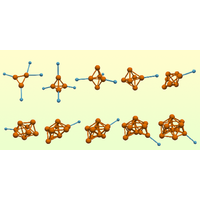
Phys. Rev. Lett. 137, 013002 (2026)
Atomic, Molecular, and Optical Physics
Microscopic Rydberg Electron Orbit Manipulation with Optical Tweezers
Article | Atomic, Molecular, and Optical Physics | 2026-07-01 06:00 EDT
Homar Rivera-Rodríguez, Matthew T. Eiles, Tilman Pfau, and Florian Meinert
Laser cooling and trapping of atomic matter waves in optical potentials has enabled rapid progress in quantum science, particularly when combined with Rydberg excitation of the atoms to induce long-range interactions. Here, we propose the local manipulation and spatiotemporal sculpting of the electr…
Phys. Rev. Lett. 137, 013401 (2026)
Atomic, Molecular, and Optical Physics
Direct Observation of Structural Disorder Near Critical Point in ${\mathrm{BaTiO}}_{3}$ Crystal
Article | Condensed Matter and Materials | 2026-07-01 06:00 EDT
Min-Chul Kang, Joshua Townsend, Sergey Lisenkov, Inna Ponomareva, Xiaoli Tan, and Lin Zhou
Critical points (CPs) in ferroelectrics are known for their association with giant dielectric and electromechanical responses, yet their structural origin, especially in nonrelaxor systems, remains unclear. We combine in situ biasing-heating transmission electron microscopy with first-principles-bas…
Phys. Rev. Lett. 137, 016102 (2026)
Condensed Matter and Materials
Continuous Ring of Unidirectional Guided Resonances Induced by Isotropic Interband Coupling
Article | Condensed Matter and Materials | 2026-07-01 06:00 EDT
Zengping Su, Wei Li, Jue Li, Haoye Qin, Yongkang Wang, Wenjing Lv, Mengyao Li, Bo Li, and Qinghua Song
Topologically protected, continuous ring of unidirectional guided resonances that locks vortex laser emission into a single direction is constructed by engineering isotropic interband coupling in a bilayer photonic crystal.
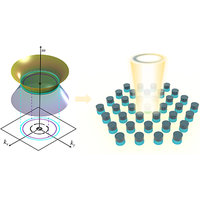
Phys. Rev. Lett. 137, 016201 (2026)
Condensed Matter and Materials
Origin of Misleading Convergence in Self-Consistent Many-Electron Theories: Fundamental Aspects and Practical Implications
Article | Condensed Matter and Materials | 2026-07-01 06:00 EDT
Herbert Eßl, Matthias Reitner, Evgeny Kozik, and Alessandro Toschi
Formally disentangling the issue of misleading convergence observed in iterative many-body schemes from the branching of the Luttinger-Ward functional provides a rigorous, model-independent procedure converging to a physical solution.

Phys. Rev. Lett. 137, 016502 (2026)
Condensed Matter and Materials
Ab Initio Free-Energy Surfaces for Coupled Ion-Electron Transfer
Article | Polymers, Chemical Physics, Soft Matter, and Biological Physics | 2026-07-01 06:00 EDT
Ethan Abraham, Martin Z. Bazant, and Troy Van Voorhis
A physically consistent formalism provides a first-principles route to electrochemical current-overpotential relations by computing finite-temperature coupled ion-electron transfer free-energy surfaces from constrained trajectories.
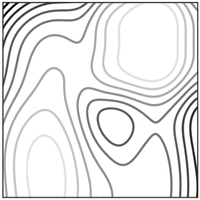
Phys. Rev. Lett. 137, 018001 (2026)
Polymers, Chemical Physics, Soft Matter, and Biological Physics
Physical Review X
Editorial: Physical Review X at Fifteen
Article | 2026-07-01 06:00 EDT
Denis Bartolo and Brent Grocholski
Phys. Rev. X 16, 030001 (2026)
arXiv
Dissipation splits the Mott transition in one dimension
New Submission | Strongly Correlated Electrons (cond-mat.str-el) | 2026-07-02 20:00 EDT
Oscar Bouverot-Dupuis, Alberto Rosso, Laura Foini
Understanding how dissipation modifies quantum phase transitions is a central challenge in many-body physics. A paradigmatic example is the one-dimensional Mott transition, which in isolated systems separates a conducting Luttinger liquid (LL) from a Mott insulator (MI). Here, we study the fate of this transition in the presence of dissipative baths locally coupled to the density. Using bosonisation and an exact integration of the bath degrees of freedom, we show that dissipation fundamentally reshapes the phase diagram for bath exponents $ s<3/2$ , where $ s$ characterises the low-energy bath spectrum. Rather than undergoing a direct LL-MI transition, the system develops an intermediate dissipative phase (DP) that is compressible and gapless, yet has zero superfluid stiffness. As a result, the conventional Mott transition splits into two distinct critical phenomena: a Berezinskii-Kosterlitz-Thouless transition from the LL to the DP, followed by a new commensurate-incommensurate transition from the DP to the MI. We derive an effective field theory for the latter transition and characterize its universality. For $ 1<s<3/2$ , the critical exponents vary continuously with the bath exponent as $ \beta=\nu=1/z=s-1$ , while for $ s<1$ the transition is governed by $ \beta=\nu=1/z=0$ and the doping vanishes sharper than any power law. State-of-the-art Monte Carlo simulations quantitatively support our predictions. These results demonstrate that dissipation can qualitatively alter the nature of the Mott transition and generate novel critical behaviour in strongly correlated one-dimensional systems.
Strongly Correlated Electrons (cond-mat.str-el), Statistical Mechanics (cond-mat.stat-mech)
26 pages, 11 figures
An analog ac voltage amplifier based on a single straintronic magnetic tunnel junction
New Submission | Mesoscale and Nanoscale Physics (cond-mat.mes-hall) | 2026-07-02 20:00 EDT
Cael Johnson, Rahnuma Rahman, Supriyo Bandyopadhyay
Magnetic tunnel junctions (MTJs) are known for their digital applications (memory and logic). A special class of them called “straintronic” magnetic tunnel junctions (s-MTJ) has lately emerged as a potential platform for analog applications because their conductance can be varied continuously with mechanical strain generated with a gate voltage. The conductance versus gate voltage (transfer) characteristic always has a linear region and that can be leveraged for a variety of analog applications. Here, we discuss one such application, namely analog voltage amplification. If the s-MTJ’s gate voltage is fixed around the midpoint of the linear region and a small ac voltage is superimposed on it, then the ac voltage can be amplified without distortion as long as its amplitude is small enough to avoid gate voltage excursion beyond the linear region. Unlike a transistor-based voltage amplifier whose amplification is determined solely by the transistor’s internal parameters - namely the transconductance and Early resistance - here the amplification can be varied by an external power supply voltage. We examine the maximum allowed amplitude and frequency of input signal for distortion-free amplification by modeling the magnetization dynamics and derive an expression for the amplification.
Mesoscale and Nanoscale Physics (cond-mat.mes-hall), Signal Processing (eess.SP)
Phase distinction of Gibbs states without symmetry breaking: topological invariants of the 3D toric code
New Submission | Strongly Correlated Electrons (cond-mat.str-el) | 2026-07-02 20:00 EDT
We study the finite-temperature topological order of the three-dimensional $ \mathbb{Z}_2$ toric code in a generic magnetic field, where every higher-form symmetry is explicitly broken and can at most be emergent. We show perturbatively, and confirm by large-scale quantum Monte Carlo, that the topological entanglement entropy stays quantized at $ \gamma = \ln 2$ throughout the topological phase – at finite temperature and under the symmetry-breaking field alike – and collapses to $ 0$ across the thermal transition, a quantization protected geometrically by the Bianchi identity rather than by any exact symmetry of the system. The plateau $ \gamma = \ln 2$ is, however, not invariant under quasi-local channels: a constant-depth channel can generate this identical quantized value from a trivial product state. We therefore introduce the decoded Wilson-loop correlation $ f_W$ , which quantizes to $ 1$ in the topological phase and $ 0$ in the trivial phase as $ L\to\infty$ and, unlike $ \gamma$ , is a quasi-local-channel invariant – a robust topological invariant of the mixed state.
Strongly Correlated Electrons (cond-mat.str-el), Other Condensed Matter (cond-mat.other), Statistical Mechanics (cond-mat.stat-mech)
21+18 pages, 11 figures
Topological Hall plateau in quasi-2D kagome magnet YMn$_6$Sn$_6$
New Submission | Materials Science (cond-mat.mtrl-sci) | 2026-07-02 20:00 EDT
Sambit Jena, Nastaran Salehi, Manuel Pereiro Lopez, Olle Eriksson, Narayan Mohanta, Karthik V Raman, Tanay Nag, Banasree Sadhukhan
We examine the impact of the Dzyaloshinskii-Moriya interaction (DMI) in kagome magnets and show that a predominantly planar DMI together with ferromagnetic exchange stabilizes a disordered skyrmion phase in quasi-two-dimensional (2D) YMn$ 6$ Sn$ 6$ . Within an ab initio framework combining density functional theory and spin-dynamics simulations, we generate realistic spin textures of disordered skyrmion and find that this phase persists for $ B{ext} < 0.5$ T, with a decreasing skyrmion size as magnetic field increases. We demonstrate the emergence of topological Hall plateau in the range $ -0.5 \leq B{ext} < 0.5$ T, driven by nearly uniform scalar spin chirality and the resulting constant real-space Berry curvature. This response is anti-symmetric with magnetic field while magnitude and sign of these plateau are determined by a complex interplay between Hund’s coupling strength and chemical potential signifying the role of Dirac points and van Hove singularities. In addition, we reveal topological magnon excitations in the disordered skyrmion phase of quasi-2D YMn$ _6$ Sn$ _6$ .
Materials Science (cond-mat.mtrl-sci)
Structure-Dependent Chemical Order Modification in Strained Alloy Nanoparticles
New Submission | Materials Science (cond-mat.mtrl-sci) | 2026-07-02 20:00 EDT
Yue Wang, Zibo Chen, Evropi Toulkeridou, Joseph Kioseoglou, Panagiotis Grammatikopoulos
Alloy nanoparticles (nanoalloys) exhibit tuneable physicochemical properties that depend sensitively on their atomic arrangement, making control over chemical ordering a central challenge in nanomaterials design. While most theoretical studies consider nanoalloys in vacuum, practical systems are typically supported, where strong cluster-substrate interactions can introduce significant lattice strain. Here, we investigate strain as a control parameter for chemical ordering in bimetallic nanoalloys using atomistic molecular dynamics and Monte Carlo simulations. By imposing controlled tensile and compressive strain through an implicit anchored interface, we systematically probe the response of NiPt nanoparticles with distinct structural motifs. For truncated octahedral particles, we find that chemical ordering and segregation behaviour remain remarkably robust even under large strains, indicating that intrinsic thermodynamic preferences dominate. In contrast, icosahedral nanoparticles exhibit pronounced strain-induced chemical redistribution, with a significant increase in surface Ni concentration under tensile strain. This behaviour is attributed to the combined effects of intrinsic geometric frustration and a high fraction of undercoordinated sites in icosahedral structures. Our results demonstrate that strain can selectively modulate chemical ordering in nanoalloys in a structure-dependent manner, establishing a general framework for understanding strain-induced chemical ordering in nanoalloys.
Materials Science (cond-mat.mtrl-sci)
Manuscript: 17 pages, 5 figures; Supporting Information: 10 pages, 7 figures, 6 Tables
Dominant-pair free energies predict phase selection in high-entropy alloys
New Submission | Materials Science (cond-mat.mtrl-sci) | 2026-07-02 20:00 EDT
Phase selection in multicomponent alloys is governed by the competition between entropic stabilization of disordered solutions and enthalpic driving forces for chemical ordering. However, widely used parametric criteria reduce it to a single scalar, carrying no explicit free energy for any competing ordered phase. Herein, we develop a thermodynamic framework based on the semi-empirical macroscopic atom model and the Dinsdale lattice stability database to fill this gap. We show that a dominant-pair mechanism, in which the Al-transition-metal interaction family dominates the ordering enthalpy, enables the complex multicomponent B2-ordering problem to be reduced to an effective pseudo-binary system with an analytically evaluated Bragg-Williams free energy. Combined with a minimum-free-energy classifier, the framework predicts the lowest-energy phase as a function of composition and temperature. This provides continuous phase stability maps rather than the single-value predictions of conventional descriptors. Demonstrated on high-entropy alloys using a dataset of 269 experimentally characterized samples, the model outperforms widely used phase-selection criteria in the class-balanced macro-F1 metric and achieves 77.9% on the well-posed three-class task, outperforming the valence electron concentration criterion. The model is general by construction and computationally efficient for predicting phase stability in multicomponent alloys over a broad range of compositions and temperatures.
Materials Science (cond-mat.mtrl-sci)
Anomalous bulk dealloying below the parting limit
New Submission | Materials Science (cond-mat.mtrl-sci) | 2026-07-02 20:00 EDT
Weiyue Zhou, Hooman Gholamzadeh, Lei Ding, Kevin Daub, Mehdi Mosayebi, Travis Casagrande, Yingxin Zhu, Miaomiao Jin, Mark R. Daymond, Yang Yang, Michael P. Short, Suraj Y. Persaud
Dealloying has been extensively studied both as a corrosion degradation mechanism in structural materials, including those used in nuclear, aerospace, or marine environments, and as a versatile method to fabricate porous materials for catalysts and other functional applications. Classical dealloying theory in aqueous environments predicts a critical reactive-element concentration (parting limit) for continuous selective dissolution at temperatures where bulk diffusion does not dominate; this threshold is commonly reported around 50~60 at.%. Yet recent studies show that molten salt environments can generate extensive bulk dealloying below this threshold. Despite the importance of this anomalous dealloying behavior in many energy systems and electrochemical applications, its fundamental origin remains elusive. Here, we address this critical gap, revealing a grain boundary (GB)-assisted bulk dealloying mechanism. Using three-dimensional (3D) reconstruction of the dealloyed regions correlated with crystallographic and elemental analyses, we directly map the 3D GB-void architecture and reveal that diffusion-induced recrystallization (DIR) generates a high-density GB network, which then promotes molten-salt infiltration and can drive bulk dealloying far-below the conventionally reported parting limit, producing a distinctive morphology reminiscent of discontinuous precipitation (DP). Understanding this dynamic GB-void interplay is crucial for the prediction and control of dealloying in complex electrochemical environments.
Materials Science (cond-mat.mtrl-sci)
Valley-dependent electron optics using quantum dots in bilayer graphene
New Submission | Other Condensed Matter (cond-mat.other) | 2026-07-02 20:00 EDT
Fereshte Ildarabadi, Stephen R. Power
Electrostatically defined quantum dots (QDs) with layer-antisymmetric gating in Bernal-stacked bilayer graphene (BLG) open a local gap and generate a mass-like term with opposite sign in the two valleys, producing strongly valley-dependent scattering without magnetic fields, strain, or spin-orbit coupling. Building on this mechanism, we propose a tunable platform based on such QDs for valley-dependent electron optics in BLG. Using a four-band continuum model and a generalized multiple-scattering formalism, we analyze scattering of Gaussian electron beams from single- and multi-dot architectures and compute valley-resolved currents and angular profiles. A single dot produces distinct valley-dependent deflection, while multi-dot configurations enable enhanced control: identical-dot arrays act as valley splitters, whereas oppositely gated pairs function as valley filters. Combining these elements yields tunable generation, steering, and filtering of highly valley-polarized currents with strong suppression of forward transmission. The required energy scales, gate asymmetries, and device dimensions are within experimentally accessible regimes for dual-gated BLG, establishing quantum-dot arrays as a realistic platform for controllable valley-resolved electron optics.
Other Condensed Matter (cond-mat.other), Mesoscale and Nanoscale Physics (cond-mat.mes-hall)
Universal Scaling of the Spin Hall Effect
New Submission | Mesoscale and Nanoscale Physics (cond-mat.mes-hall) | 2026-07-02 20:00 EDT
We study the spin Hall (SH) effect for the Dirac electrons in terms of the spin and magnetic-moment accumulation coefficients $ -\Gamma^{00} g_{s(m)z}^{\phantom{s(m)z} xy}$ . We take short-range nonmagnetic impurities into account within the self-consistent $ T$ -matrix approximation. Similarly to the universal scaling for the anomalous Hall (AH) effect, we find three disctinct regimes by changing the electric conductivity $ \sigma^{yy}$ ; the superclean regime with $ -\Gamma^{00} g_{s(m)z}^{\phantom{s(m)z} xy} \propto \sigma^{yy}$ owing to the skew scattering, moderately dirty regime with almost constant $ -\Gamma^{00} g_{s(m)z}^{\phantom{s(m)z} xy}$ , and dirty regime with a new scaling relation $ -\Gamma^{00} g_{s(m)z}^{\phantom{s(m)z} xy} \propto (\sigma^{yy})^{0.6}$ whose exponent differs from that of the AH conductivity. Our results construct a unified theory of the SH effect without any ambiguity of spin current.
Mesoscale and Nanoscale Physics (cond-mat.mes-hall)
12 pages, 4 figures
Modulation of anomalous Hall angle in a magnetic topological semimetal
New Submission | Mesoscale and Nanoscale Physics (cond-mat.mes-hall) | 2026-07-02 20:00 EDT
Jinying Yang, Yanxing Shang, Xingchen Liu, Yibo Wang, Xuebin Dong, Qingqi Zeng, Meng Lv, Shen Zhang, Yang Liu, Binbin Wang, Hongxiang Wei, Yizheng Wu, Stuart Parkin, Gangqin Liu, Claudia Felser, Enke Liu, Baogen Shen
The anomalous Hall angle ({\theta}A) is a measure of the efficiency of converting a longitudinal driving current to a transverse spin-polarized Hall current. For anomalous Hall sensing, a large anomalous Hall angle can improve the sensitivity of magnetic field detection. However, modulation of this angle is challenging and magnetic materials typically have low angles of 0.1 to 3°. Here, we report modulation of the anomalous Hall angle in the magnetic Weyl semimetal Co3Sn2S2. We propose that the angle parameter tan{\theta}A can be formulated as a function of the product of electrical resistivity and anomalous Hall conductivity. Our scheme was utilized to demonstrate the modulation of tan{\theta}A up to a magnitude of 0.46, corresponding to an angle of around 25°. Microfabricated anomalous Hall devices using Fe-doped Co3Sn2S2 single-crystalline nanoflakes exhibit a high Hall sensitivity of 7028 {\mu}{\Omega}ucm/T and a magnetic field detectability of 23.5 nT/Hz0.5 at 1 Hz.
Mesoscale and Nanoscale Physics (cond-mat.mes-hall), Materials Science (cond-mat.mtrl-sci)
Nature Electronics 8, 386-393 (2025)
Holographic Quantum Transformer: A Generalist Neuro-Symbolic Architecture for Solving Frustrated Systems via Generative Attention
New Submission | Strongly Correlated Electrons (cond-mat.str-el) | 2026-07-02 20:00 EDT
Xingran Guo, Tiaojie Xiao, Jie Liu, Keqin Li
Simulating two-dimensional frustrated quantum matter is a grand challenge due to the sign problem and exponential Hilbert space complexity. In this work, we introduce the Holographic Quantum Transformer (HQT), a physics-inspired generative architecture that leverages global self-attention to resolve non-local entanglement patterns. We validate HQT on the square lattice $ J_1-J_2$ Heisenberg model. On the heavily frustrated $ 8 \times 8$ lattice at the quantum critical point ($ J_2=0.5$ ), HQT reaches a ground-state energy per site ($ E/N$ ) of $ \mathbf{-0.5001(1)}$ , consistent with the expected finite-size scaling trend. Beyond numerical accuracy, HQT exhibits intrinsic physical awareness, autonomously recovering the underlying $ J_2$ interaction geometry through interpretable attention maps. Our central contribution is ``Holographic Transfer”, a zero-shot size-extrapolation protocol with rapid alignment: a model trained on $ 8 \times 8$ systems is directly projected onto larger $ 10 \times 10$ lattices via continuous positional-embedding interpolation and head re-initialization, achieving high-fidelity initialization and rapid convergence. This zero-shot protocol yields an energy of $ E/N = \mathbf{-0.49782(3)}$ , statistically consistent with the variational state of the art while requiring no from-scratch training on the target lattice. Our results establish generative attention as a scalable paradigm for transferable quantum simulation.
Strongly Correlated Electrons (cond-mat.str-el), Artificial Intelligence (cs.AI), Emerging Technologies (cs.ET)
10 pages, accepted to KDD ‘26
In Proceedings of the 32nd ACM SIGKDD Conference on Knowledge Discovery and Data Mining V.2 (KDD ‘26), August 09-13, 2026, Jeju Island, Republic of Korea
Modulation of the Nernst Thermoelectrics by Regulating the Anomalous Hall and Nernst Angles
New Submission | Materials Science (cond-mat.mtrl-sci) | 2026-07-02 20:00 EDT
Meng Lyu, Junyan Liu, Jianlei Shen, Shen Zhang, Yang Liu, Jinying Yang, Yibo Wang, Yiting Feng, Binbin Wang, Hongxiang Wei, Enke Liu
The large anomalous Nernst effect in magnetic Weyl semimetals is one of the most intriguing transport phenomena, which draws significant attention for its potential applications in topological thermoelectrics. Despite frequent reports of substantial anomalous Nernst conductivity (ANC), methods to optimize Nernst thermoelectrics remain limited. Our research reveals that the magnitude of the ANC is directly related to the sum of the anomalous Nernst and Hall angles. While the sign of the anomalous Hall angle is relatively stable in a certain material, the sign of the anomalous Nernst angle can be intrinsically tuned. Therefore, the ANC can be effectively optimized by regulating these angles to work in concert. This finding is verified by experimental modulation from iron-doped magnetic topological material Co3Sn2S2. Additionally, we observed a robust TlnT scaling law of the ANC over the temperature range of 40 to 140 K in all studied samples, suggesting an intrinsic origin of the ANC. Considering the common opposite sign of the anomalous Nernst and Hall angles in many magnetic topological materials, our research offers an applicable scheme for optimizing the Nernst thermoelectrics.
Materials Science (cond-mat.mtrl-sci)
Advanced Science 2025, 12, 2411702
Surface Platinum Alloying for Passivation of Oxide Interfaces on Superconducting Niobium Films
New Submission | Superconductivity (cond-mat.supr-con) | 2026-07-02 20:00 EDT
Ananya Chattaraj, Conan Weiland, Bruce Ravel, Kim Kisslinger, Sooyeon Hwang, Xiao Tong, Ajith Pattammattel, Andrew M. Kiss, Steven L. Hulbert, Aswin kumar Anbalagan, Andrew L. Walter, Peter V. Sushko, Mingzhao Liu
Dielectric loss arising from two-level systems (TLS) at surfaces and interfaces remains a primary limitation to coherence in superconducting transmon qubits. Niobium (Nb), a widely used material in superconducting quantum circuits, readily forms native oxides under ambient conditions, leading to lossy dielectric interfaces that degrade device performance. Here, a robust and scalable fabrication strategy is demonstrated for chemically stabilizing Nb surfaces and mitigating further oxidation, including protection of both surface and sidewall regions. High-purity Nb films were fabricated with bulk-like superconducting transition temperatures ($ T_c = 9.30\pm0.10$ ) K. We demonstrate that a thin Pt encapsulation layer, deposited after native oxide formation, can be transformed via thermal annealing into a Nb-Pt alloy at the surface. Spectroscopic and microscopic analyses confirm the formation of a chemically stable metallic alloy layer and its ability to suppress further oxide growth. Ab initio simulations elucidate the atomic-scale rearrangement and electronic structure evolution associated with Pt incorporation on native niobium oxide, providing insight into the stabilization mechanism of the alloyed surface. This approach offers a materials pathway for engineering chemically robust Nb interfaces, including sidewalls, toward higher-coherence superconducting qubit architectures.”
Superconductivity (cond-mat.supr-con)
51 pages, 19 figures
Slow heat-driven flow in a gas of hard disks
New Submission | Statistical Mechanics (cond-mat.stat-mech) | 2026-07-02 20:00 EDT
Amit Kumar, Abhishek Dhar, Baruch Meerson
We study a slow heat-driven flow in a gas of elastically colliding hard disks confined to a long channel. The initial state consists of two regions with large temperature and density contrasts but nearly equal pressures, leading to a low-Mach-number, nearly isobaric evolution. In the dilute limit, the corresponding isobaric hydrodynamic theory reduces to a previously known ideal-gas description. We extend this theory to finite densities by incorporating a non-ideal equation of state of a hard-disk fluid, and solve the resulting one-dimensional equations numerically. Finite-density effects produce appreciable deviations from the ideal-gas prediction. We then test the theory directly against event-driven molecular dynamics simulations of hard disks and find very good agreement in both the dilute and finite-density regimes. The results provide, to our knowledge, the first particle-level test of isobaric gas dynamics of a strongly inhomogeneous cooling flow.
Statistical Mechanics (cond-mat.stat-mech), Fluid Dynamics (physics.flu-dyn)
Single-cell-level distributions and relationships can differentiate cell-division and growth models
New Submission | Statistical Mechanics (cond-mat.stat-mech) | 2026-07-02 20:00 EDT
Vikas, Rahul Marathe, Anjan Roy
Complex interactions among regulatory molecules determine the rules underlying cell growth and division in microbial cells. While the governing molecular network may not always be obvious, it is well known that correlations among certain physiological quantities measured in experiments, such as birth-size, division-size, division-time, and division-added-size, can differentiate among various cell-division models, such as Timer, Sizer, and Adder. Here we show that, apart from these correlations, which we extend for the case of stochastic single-cell growth and stochastic asymmetric partitioning, probability distributions of these quantities and statistical relationships between them can also be used to differentiate between these division models. Interestingly, we show that these quantities can not only differentiate the division models, but also distinguish among the single-cell growth paradigms, such as linear and exponential growth. We then demonstrate this differentiability among various division and growth models by comparing our analytical results with published experimental data. We further show that these results remain valid even when the growth rate of a cell is correlated with the growth rate of cells from previous generations in the lineage.
Statistical Mechanics (cond-mat.stat-mech), Soft Condensed Matter (cond-mat.soft)
34 pages, 4+8 Figures, 6 Appendices, some overlap with arXiv:2510.24169
Weak Ferromagnetism in NiS$_2$ under Nanocrystallization
New Submission | Strongly Correlated Electrons (cond-mat.str-el) | 2026-07-02 20:00 EDT
Hayato Miyazaki, Tomohiko Yoshinaga, Ojiro Miyazaki, Akira Matsuo, Koichi Kindo, Hirofumi Ishii, Tatsuya Kawae, Tetsuya Kida, Masashi Nantoh, Yoichi Ishiwata
Structurally well-ordered NiS$ _2$ nanocrystals with an average diameter of $ 27.0 \pm 6.5$ nm retain the bulk-like two-step antiferromagnetic transitions, as shown by magnetization and heat-capacity measurements. Below the lower transition, the nanocrystals exhibit a hysteretic ferromagnetic response with large coercivity, exchange bias, and a vertical loop shift after field cooling, whereas the $ M$ -$ H$ response just above the transition is nearly linear. These features are best explained by uncompensated surface moments generated where the low-temperature antiferromagnetic order terminates at the nanocrystal surface. The absence of a clear additional bulk-like weak-ferromagnetic component constrains homogeneous-canting models and indirectly favors a domain-wall scenario for the weak ferromagnetism of bulk NiS$ _2$ .
Strongly Correlated Electrons (cond-mat.str-el), Mesoscale and Nanoscale Physics (cond-mat.mes-hall)
5 pages, 3 figures
Atom-selective spin-polarized transport in a charge-ordered altermagnet
New Submission | Materials Science (cond-mat.mtrl-sci) | 2026-07-02 20:00 EDT
Liu Yang, Yuan-Yuan Jiang, Xiao-Yan Guo, Yi-Dong Liu, Xian-Zhe Chen, Wen-Jian Lu, Yu-Ping Sun, Ming Li, Ding-Fu Shao
Altermagnets provide a promising platform for spin-polarized transport without net magnetization, but their transport properties are usually discussed in terms of momentum-space spin splitting. Here, using first-principles calculations and quantum transport simulations, we show that the charge-ordered altermagnet $ \alpha$ -Fe$ _2$ PO$ _5$ exhibits a distinct form of real-space spin selectivity despite weak altermagnetic spin splitting near the Fermi level. The charge order creates inequivalent Fe$ ^{2+}$ and Fe$ ^{3+}$ sites within each sublattice, while the puckered C-type antiferromagnetic stacking suppresses inter-sublattice transport. As a result, electron and hole doping activate spin-polarized transport predominantly through Fe$ ^{3+}$ - and Fe$ ^{2+}$ -based channels, respectively. These atom-selective channels carry opposite spin polarizations on the two antiferromagnetic sublattices, giving rise to a globally compensated charge current with hidden Néel spin character. We further propose an all-in-one $ \alpha$ -Fe$ _2$ PO$ _5$ tunnel junction, where matching or mismatching atom-selective conduction channels yields orders-of-magnitude conductance modulation. Our findings establish a real-space design principle for atomically controlled spin functionality and spintronic devices.
Materials Science (cond-mat.mtrl-sci), Mesoscale and Nanoscale Physics (cond-mat.mes-hall)
Real-time dynamics of triplet-resonant tunneling driven by nonequilibrium phonons
New Submission | Mesoscale and Nanoscale Physics (cond-mat.mes-hall) | 2026-07-02 20:00 EDT
Kazuyuki Kuroyama, Sasha R. Valentin, Arne Ludwig, Andreas D. Wieck, Yasuhiro Tokura, Seigo Tarucha, Sadashige Matsuo
Driven nonequilibrium systems can host emergent functionalities beyond equilibrium, but real-time access to excited-state dynamics remains limited. Here we report real-time measurements of phonon-driven charge and spin dynamics in excited states of a double quantum dot. Under phonon irradiation, resonant inter-dot tunneling emerges at triplet resonance. Time-resolved charge sensing reveals that the resonant inter-dot tunneling is strongly modified by spin blockade. For weaker inter-dot coupling, the nonequilibrium phonon environment generates a unidirectional transport cycle along the phonon density gradient.
Mesoscale and Nanoscale Physics (cond-mat.mes-hall)
Effect of granules anisotropy on “double quantum” magnetic resonance excitation in nanogranular composites
New Submission | Materials Science (cond-mat.mtrl-sci) | 2026-07-02 20:00 EDT
A.B. Drovosekov, M.Yu. Dmitrieva, A.V. Sitnikov, S.N. Nikolaev, V.V. Rylkov
Films of metal-insulator nanogranular composites (CoFeB)x(Al2O3)100-x with different contents of the metal ferromagnetic (FM) phase CoFeB (x ~ 15-50 at.%) are investigated by the method of electron spin resonance (ESR) in a wide range of frequencies (f = 7-80 GHz) and temperatures (T = 4.2-300 K). Besides the conventional FM resonance signal, the experimental spectra demonstrate an additional absorption peak with a double effective g-factor g ~ 4 which is explained within the quantum mechanical “giant spin” model by excitation of “double quantum” transitions in FM granules CoFeB. According to the theory, the intensity of this “double quantum” peak is a complex function of frequency and temperature, including as parameters the granule magnetic moment and anisotropy. Experimentally, the size and anisotropy of the granules can be varied either changing the nominal FM phase content x in the composites or annealing the samples at different temperatures. Here we study the effects of concentration x and thermal annealing of (CoFeB)x(Al2O3)100-x films on their ESR spectral parameters. The observed behavior of the “double quantum” peak intensity is well explained within the considered “giant spin” theoretical concept. In conclusion, we demonstrate the correlation between the size of FM granules in nanocomposites and their anisotropy, indicating the surface origin of this anisotropy.
Materials Science (cond-mat.mtrl-sci)
Strongly frustrated 2D magnetism in a 3D hexagonal perovskite
New Submission | Strongly Correlated Electrons (cond-mat.str-el) | 2026-07-02 20:00 EDT
Bocheng Yu, Otkur Omar, Songtai Lv, Long Ma, Zhengcai Xia, Jing Meng, Yanran Yang, Jie Ma, Yang Xu, Qingfeng Zhan, Vladimir Yu. Pomjakushin, Haiyuan Zou, Shang Gao, Toni Shiroka, Tian Shang
Exotic quantum phenomena are often found to occur in spin systems that exhibit low-dimensional magnetism. By combining nuclear magnetic resonance, neutron scattering, and muon-spin spectroscopy ($ \mu$ SR) techniques, we report a rare instance of strongly frustrated two-dimensional (2D) magnetism in a three-dimensional (3D) hexagonal perovskite. Here, Ba$ _2$ La$ _2$ MnTe$ _2$ O$ {12}$ , a triangular-lattice magnet, is shown to undergo a magnetic transition at $ T\mathrm{N} \approx$ 4.4 K, below which the manganese moments form a 120$ ^{\circ}$ AFM order within the $ ab$ -plane, while staying disordered along the $ c$ -axis. This exotic ground state, which exhibits ideal 2D magnetism, is highly consistent with the persistently strong spin fluctuations and the large internal field distributions revealed by zero-field $ \mu$ SR. Further, the 2D magnetism also leads to a significant frustration, much larger than that of most known magnetically-ordered frustrated systems. Our work on Ba$ _2$ La$ _2$ MnTe$ _2$ O$ _{12}$ not only challenges the interpretations of magnetic order in other 3D hexagonal perovskites, but it also provides insight into how the dimensionality affects the exotic magnetic states.
Strongly Correlated Electrons (cond-mat.str-el), Materials Science (cond-mat.mtrl-sci)
10 pages, 6 figures
A general-purpose atomic cluster expansion interatomic potential for niobium
New Submission | Materials Science (cond-mat.mtrl-sci) | 2026-07-02 20:00 EDT
Aleksei Egorov, Ralf Drautz, Thomas Hammerschmidt
Niobium, a body-centered cubic transition metal, poses a challenge for interatomic potentials, which struggle to capture its properties, such as phonons, high-pressure behavior, energy barriers to dislocation glide, and others. To tackle this challenge, we constructed a general-purpose atomic cluster expansion (ACE) potential for niobium. We trained our ACE on thousands of density functional theory (DFT) structures spanning a diversity of local environments. We validated it across a range of properties and compared it with existing empirical and machine learning (ML) potentials, including a novel universal ML potential. The resulting ACE balances accuracy, efficiency, and robustness, enabling large-scale exploration of niobium with near-DFT precision. Finally, our ACE held its own in a stringent test: a near-million-atom molecular dynamics simulation of fracture
Materials Science (cond-mat.mtrl-sci)
Entropy-Driven Structural Phase Transition in Nb$_3$Cl$_8$ via Density Functional Theory and an Effective Model
New Submission | Materials Science (cond-mat.mtrl-sci) | 2026-07-02 20:00 EDT
Chenjie Zhu, Shuai Zhang, Zhong Fang, Zhijun Wang, Quansheng Wu, Hongming Weng
As a prototypical flat-band cluster Mott insulator on an effective triangular lattice, Nb$ _3$ Cl$ _8$ is a potential candidate for hosting a quantum spin liquid (QSL) state. Nevertheless, a first-order structural phase transition around 90K transforms the high-temperature paramagnetic $ \alpha$ phase into the low-temperature nonmagnetic $ \beta$ phase, suppressing the candidate QSL regime of the $ \alpha$ phase. To clarify the microscopic origin of this transition, we combine first-principles calculations with an extended Hubbard model to construct a unified free-energy framework. This framework reveals that the transition is jointly driven by phonon and spin entropy: the $ \alpha$ phase is stabilized by softer phonons and larger paramagnetic spin entropy, whereas the $ \beta$ phase is favored by interlayer dimerization, which hardens the phonons and quenches the spin entropy through singlet formation. Furthermore, by evaluating the pressure-dependent generalized enthalpy, we provide a thermodynamic explanation for the suppression of the transition under c-axis uniaxial pressure, where stabilizing the $ \alpha$ phase may allow the candidate QSL regime of the $ \alpha$ phase to be explored at low temperatures.
Materials Science (cond-mat.mtrl-sci), Strongly Correlated Electrons (cond-mat.str-el)
14 pages, 9 figures, including 5 pages of supplemental material
Robustness of Quantum Discord in Nonequilibrium Electronic Transport through Tunnel-Coupled Quantum Dots
New Submission | Mesoscale and Nanoscale Physics (cond-mat.mes-hall) | 2026-07-02 20:00 EDT
Thingujam Yaiphalemba Meitei, Saikumar Krithivasan, Md. Manirul Ali, Arijit Sen
Quantum discord captures quantum correlations beyond entanglement and can remain finite even when the entanglement vanishes. We investigate the transient nonequilibrium dynamics and steady-state behavior of quantum discord and classical correlations in a double quantum dot (DQD) system coupled to fermionic reservoirs. By employing a quantum Langevin equation formalism, we obtain the exact reduced density matrix of the system, enabling a comprehensive analysis of its quantum and classical correlations under nonequilibrium conditions. The influence of system-reservoir coupling strength, spectral bandwidth, thermal bias, and varying initial state on both the transient dynamics and steady-state correlations is systematically analyzed. Quantum discord remains finite in the nonequilibrium steady state over a broad parameter range. Although thermal gradients reduce the overall magnitude of correlations, quantum discord persists and exhibits greater resilience. These results demonstrate that nonequilibrium electronic transport, together with the environmental spectral properties and reservoir asymmetry, provides an effective means of controlling nonclassical correlations in mesoscopic systems and establishes quantum discord as a robust hallmark of open fermionic quantum devices.
Mesoscale and Nanoscale Physics (cond-mat.mes-hall), Quantum Physics (quant-ph)
In vacuo synthesis of single-layer Ni3(HITP)2 on HOPG surface using metallo-organic precursor
New Submission | Materials Science (cond-mat.mtrl-sci) | 2026-07-02 20:00 EDT
Chuyu Song, Yifei Feng, Henan Chen, Nian Lin
Single-layer conjugated metal-organic frameworks (SL c-MOFs) are predicated theoretically to host rich quantum phases. To date, however, the experimental synthesis has largely resulted in SL c-MOFs on metal substrates, whose intrinsic properties are strongly screened due to substrate hybridization. To overcome this obstacle, here we develop a method to grow clean SL c-MOF Ni3(HITP)2 on a chemically inert substrate of highly oriented pyrolytic graphite (HOPG). By means of an ultra-high vacuum based multi-step protocol using nickel acetylacetonate [Ni(acac)2] precursor, we obtain continuous single-layer Ni3(HITP)2. Scanning tunneling microscopy reveals a well-defined hexagonal framework with a uniform azimuthal orientation rotated by approximately 30 degrees with respect to the underlying graphite lattice. Furthermore, we control the growth of bilayer Ni3(HITP)2 which features an unusual AA stacking configuration. This work establishes metallo-organic chemistry as an efficient route for integrating 2D c-MOFs onto inert substrates, which opens a new avenue for exploring the exotic quantum properties of SL c-MOFs.
Materials Science (cond-mat.mtrl-sci)
Quench of chiral superconductivity by quantum phase fluctuations in twisted cuprate bilayers
New Submission | Superconductivity (cond-mat.supr-con) | 2026-07-02 20:00 EDT
Yin Shi, Mengxian Zhao, Fei Yang, Miao Liu, Sheng Meng
Following theoretical proposals of chiral $ d+id’$ superconductivity in twisted cuprate bilayers, experimental signatures of time-reversal symmetry breaking (TRSB) remain highly controversial. Here we demonstrate that quantum phase fluctuations fundamentally reshape the phase diagram of this proposed chiral state. Unlike regular superconducting orders, the chiral $ d+id’$ state requires long-range coherence of an interlayer phase degree of freedom and is therefore intrinsically vulnerable to phase fluctuations. Incorporating these fluctuations nearly eliminates the chiral phase over most parts of the phase diagram, restricting it to a narrow twist-angle window and ultra-low temperatures. The fluctuation-driven destruction of chirality produces a first-order transition into the $ d$ -wave state, giving rise to coexistence and metastability. Meanwhile, Josephson phase locking is strongly weakened at the TRSB quantum critical point, which sits well within the superconducting regime. More broadly, our work establishes quantum phase fluctuations as a fundamental constraint on the emergence of TRSB phases in low-dimensional layered quantum materials.
Superconductivity (cond-mat.supr-con)
5 pages, 4 figures
Double-pulse control of all optical magnetization reversal in Tb/Co multilayers
New Submission | Materials Science (cond-mat.mtrl-sci) | 2026-07-02 20:00 EDT
Sheng Li, Dinar Khusyainov, Rein Liefferink, Lukas Körber, Quoc-Trung Trinh, Ricardo C. Sousa, Liliana D. Buda-Prejbeanu, Johan H. Mentink, Theo Rasing, Alexey V. Kimel
Recent experiments have shown that femtosecond laser pulse with a Gaussian intensity profile can induce magnetization reversal in Tb/Co multilayers with a ring-shaped switching pattern within the laser-irradiated area. Here, we investigate the ultrafast magnetization dynamics leading to such a ring-shaped switching by using double-pulse laser excitation. The laser pulses cause heat-induced quenching and subsequent recovery of the magnetic anisotropy in the multilayers and drive the precessional magnetization switching in the magnetic multilayers. By adjusting the delay between the two pump pulses, we demonstrate that the recovery process can be manipulated and show, experimentally and numerically, that this allows control over the final magnetic domain pattern.
Materials Science (cond-mat.mtrl-sci)
Collective phase modes in twisted $d$-wave superconducting bilayers
New Submission | Superconductivity (cond-mat.supr-con) | 2026-07-02 20:00 EDT
Yin Shi, Mengxian Zhao, Fei Yang, Miao Liu, Sheng Meng
Twisted cuprate bilayers have been predicted to host high-temperature chiral $ d+id’$ superconductivity, originating from higher-order Josephson coupling processes. In such two-dimensional superconducting systems, long-wavelength fluctuations in the phase of the superconducting order parameter constitute gapless collective modes and therefore remain significant even at zero temperature. Here, we perform a theoretical analysis of the low-energy phase fluctuations in twisted $ d$ -wave superconducting bilayers, systematically retaining Josephson coupling to all orders. We demonstrate that higher-order Josephson coupling processes lead to nontrivial modifications of the phase dynamics. In particular, the stiffness of the relative phase between the two layers is finite even in the normal state, which is a direct consequence of the intralayer U(1) symmetry breaking explicitly induced by interlayer tunneling. Phase fluctuations suppress the relative-phase stiffness but enhance the overall-phase stiffness in the $ d+id’$ phase. Furthermore, the relative-phase fluctuations acquire a small but finite excitation gap, which is no longer equal to the Josephson plasma frequency and is strongly suppressed upon approaching the chiral quantum critical point, indicating the breakdown of Josephson phase locking within the superconducting state.
Superconductivity (cond-mat.supr-con)
8 pages, 3 figures
Spinterface-like mechanism of the chirality-induced spin selectivity in donor chiral-bridge acceptor complexes
New Submission | Mesoscale and Nanoscale Physics (cond-mat.mes-hall) | 2026-07-02 20:00 EDT
Subhajit Sarkar, Oliver L. A. Monti, Yonatan Dubi
The chirality-induced spin selectivity (CISS) effect has been invoked to explain recent reports of differences in the time-resolved EPR signals between chiral and achiral molecules. However, the microscopic origin of these differences and their connection to CISS remains contested, particularly since these systems lack a metal interface. Here we introduce an intramolecular spinterface-like mechanism that naturally arises within donor-chiral bridge-acceptor (D–$ \chi$ B–A) complexes and quantitatively reproduces experimentally reported observed spin polarization in time-resolved EPR studies. In our two-electron Lindblad model, the photoexcited charge-transfer electron traversing the chiral bridge exchanges with the residual donor electron, which acts as a localized magnetic moment analogous to an induced magnetic moment on an electrode surface. The resulting through-bridge charge current produces an effective solenoidal field at the donor–bridge interface, breaking spin degeneracy and directional symmetry, thus enabling spin-selective transport without invoking intrinsic spin-orbit coupling on the bridge. We show that the interplay between this current-induced field, donor thermalization (which breaks time-reversal symmetry), and bridge spin mixing yields tens-of-percent polarization over realistic experimental conditions and charge-transfer time scales, matching reported CISS signatures in triads and DNA hairpins. By explicitly resolving the dependence on solenoidal coupling strength, temperature, and spin-mixing rates, the model identifies the regime in which internal spinterfaces can generate robust CISS-like spin filtering. These findings demonstrate that CISS-like signals in isolated D–$ \chi$ B–A complexes are fully compatible with a spinterface mechanism, providing a unified conceptual framework for interpreting both device-based and molecule-internal CISS platforms.
Mesoscale and Nanoscale Physics (cond-mat.mes-hall), Materials Science (cond-mat.mtrl-sci), Chemical Physics (physics.chem-ph), Quantum Physics (quant-ph)
Accepted for publication in the Journal of the American Chemical Society
Quantum Oscillations of $\mathrm{Sr}_2\mathrm{RuO}_4$ under c-Axis Uniaxial Stress
New Submission | Strongly Correlated Electrons (cond-mat.str-el) | 2026-07-02 20:00 EDT
Fabian Jerzembeck, Maximilian T. Pelly, Helge Rosner, Edgar Abarca Morales, Naoki Kikugawa, Dmitry A. Sokolov, Andrew P. Mackenzie, Andreas W. Rost, Elena Hassinger, Javier F. Landaeta
Uniaxial stress has now been widely used to study correlated electron materials. However, Fermi surface-resolved experimental data on the evolution of the electronic structure under piezoelectrically applied stress are sparse, with no reports of de Haas-van Alphen (dHvA) effects under uniaxial stress. Here we present dHvA measurements under $ c$ -axis uniaxial stress on the unconventional superconductor $ \mathrm{Sr}_2\mathrm{RuO}4$ . This allows us to study the evolution of the electronic structure directly and to gain insight into the contradicting behavior of the predicted enhancement of the electronic density of states and the observed suppression of $ T\text{c}$ . We are able to follow all Fermi surfaces for stress up to $ -1.8$ ~GPa and find that the cross-sectional areas of the hole-like $ \alpha$ sheet increase and electron-like $ \beta$ sheet decrease. At the same time, the area of the electron-like $ \gamma$ sheet increases. Therefore, in contrast to in-plane uniaxial stress, charge transfer is the mechanism for approaching the electron-to-hole Lifshitz transition and the associated Van Hove singularity. Additionally, we find that the effective masses on all three Fermi sheets are slightly enhanced as the Lifshitz transition is approached. We compare the dHvA results with quantum oscillations in the magnetostriction and band structure calculations, and find good agreement. At a more general level, our findings show that quantum oscillation measurements under uniaxial stress, combined with band-structure calculations, offer a promising new route for studying quantum materials.
Strongly Correlated Electrons (cond-mat.str-el), Superconductivity (cond-mat.supr-con)
10 pages, 9 figures
Facet-selective ballistic supercurrent in a weak topological insulator
New Submission | Mesoscale and Nanoscale Physics (cond-mat.mes-hall) | 2026-07-02 20:00 EDT
Prasanna Rout, Ankit Khola, Lalit Pandey, Paolo Sessi, Xiaochun Huang, Ivo Cools, S. Galeski, Matthias Bode, Johan Åkerman, Floriana Lombardi, Thilo Bauch, Saroj P. Dash
Topological superconductivity is widely pursued by inducing superconducting correlations in topologically protected boundary states. In two dimensions, this strategy has been realized using one-dimensional topological edge modes, but in three-dimensional crystals, spatially separated surface supercurrents confined to selected facets have not yet been achieved. Here we demonstrate facet-selective ballistic supercurrent in Josephson junctions based on the weak topological insulator ZrTe5. Superconducting quantum interferometry reveals SQUID-like critical current oscillations with flux-quantum periodicity, establishing that the supercurrent is spatially concentrated on specific crystallographic facets that host gapless topological surface states. Rotating the magnetic field yields markedly distinct interference patterns, linking the supercurrent distribution to the underlying bulk topology. The exponential temperature dependence of the critical current and triangular interference lobes provide signatures of ballistic transport due to high-transmission topological channels. These results establish weak topological insulators as a platform for facet-resolved superconducting devices and higher-order topological superconductivity.
Mesoscale and Nanoscale Physics (cond-mat.mes-hall), Materials Science (cond-mat.mtrl-sci), Superconductivity (cond-mat.supr-con)
12 pages, 5 figures
Dependence of charge separation efficiency on the exciton-charge transfer offset and Gaussian disorder in organic solar cells
New Submission | Disordered Systems and Neural Networks (cond-mat.dis-nn) | 2026-07-02 20:00 EDT
Maik Schwuchow, Carsten Deibel, Angela Thränhardt
State-of-the-art organic solar cells increasingly rely on low-offset semiconductor blends, challenging the traditional requirement of a large energetic driving force for efficient charge separation. In these systems, the energetic offset $ \Delta E_{\mathrm{LE-CT}}$ between local exciton (LE) and charge-transfer (CT) states approaches the thermal energy, making exciton-CT hybridization and thermal repopulation of the exciton level critical to device performance. In this work, we directly compare a macroscopic two-state rate model with three-dimensional kinetic Monte-Carlo (kMC) simulations to investigate microscopic charge separation dynamics and the role of Gaussian energetic disorder. We demonstrate that in the absence of disorder, the analytical rate model accurately reproduces kMC predictions for the whole range of $ \Delta E_{\mathrm{LE-CT}}$ . Specifically, the macroscopic model successfully explains horizontal shifts in the internal quantum efficiency curves that arise depending on how the energetic offset is physically realized in the constituent molecules. We show that these variations can be captured entirely through the ratio of degeneracies of the LE and CT states, respectively. Introducing Gaussian energetic disorder into the kMC simulation reveals a distinct crossover behavior depending on $ \Delta E_{\mathrm{LE-CT}}$ . While disorder is mostly detrimental at large offsets, it can significantly boost efficiency at intermediate and low offsets. Thermalization of charge carriers within the disorder-broadened density of states creates an effective driving force allowing charge separation even at zero or negative energetic offsets.
Disordered Systems and Neural Networks (cond-mat.dis-nn)
9 pages excluding bibliography, 6 figures
Weak-coupling tensor cross interpolation impurity solver for nonequilibrium dynamical mean-field theory
New Submission | Strongly Correlated Electrons (cond-mat.str-el) | 2026-07-02 20:00 EDT
Shuta Matsuura, Hiroshi Shinaoka, Philipp Werner, Naoto Tsuji
Simulating nonequilibrium quantum many-body systems remains a major challenge due to the exponential growth of the computational complexity with real time. Here we implement a nonequilibrium impurity solver based on the weak-coupling expansion and the tensor cross interpolation (TCI), and apply it to nonequilibrium dynamical mean-field theory (DMFT). The method approximates the integrands of the high-dimensional integrals arising in the weak-coupling expansion in a tensor-train form, enabling efficient evaluations without stochastic sampling and thereby mitigating the sign problem affecting continuous-time quantum Monte Carlo (CT-QMC) methods. Benchmark calculations for an exactly solvable nonequilibrium impurity model agree well with the exact results and reveal a low-rank structure of the integrands. When applied to interaction-quench problems in the half-filled Hubbard model, the method reproduces fast thermalization at a critical interaction strength with accuracy comparable to CT-QMC. Away from half filling, where the sign problem becomes even more severe, the present approach remains well controlled, revealing a crossover instead of a sharply defined fast thermalization point in the 3/4-filled case. The solver can also be applied to steady-state DMFT problems, yielding accurate spectral functions in the metallic regime without analytic continuation.
Strongly Correlated Electrons (cond-mat.str-el)
30 pages, 19 figures
Atomic Cluster Expansion Potentials for Screw Dislocations in BCC Refractory Metals
New Submission | Materials Science (cond-mat.mtrl-sci) | 2026-07-02 20:00 EDT
Accurate atomistic modeling of screw dislocations in body-centered cubic (bcc) metals remains challenging because their plasticity is governed by a complex dislocation glide behavior due to their compact three-fold symmetric core structure and a strongly temperature-dependent flow stress induced by the large Peierls barrier. In the context of group 6 (V, Nb, Ta) and group 5 (Mo, W) refractory metals (RMs), both classical interatomic potentials and some machine learning potentials consistently fail to reproduce density functional theory (DFT) Peierls barriers and the glide plane. Here, we developed an array of atomic cluster expansion (ACE) potentials for these RMs by extending an existing DFT database. The developed ACE potentials significantly improve the description of screw dislocation properties, achieving near-DFT accuracy for Mo and W and substantial improvement for V, Nb, and Ta. The results show that transferability to screw dislocation behavior depends sensitively on both database composition and element-specific energetics, and that achieving a single-humped Peierls barrier alone is not a sufficient validation metric for accurate prediction of dislocation glide. For Nb, Mo, and W, the developed ACE models also enable reliable calculation of kink-pair activation enthalpies, which are well described by both Kocks’ law and a line-tension model.
Materials Science (cond-mat.mtrl-sci)
11 figures
Pattern formation in nonlinear dynamics of nematic liquid crystals above the flexoelectric instability threshold
New Submission | Soft Condensed Matter (cond-mat.soft) | 2026-07-02 20:00 EDT
E.S. Pikina, E.I. Kats, A.R. Muratov, V.V. Lebedev
For many decades, researchers have been studying various types of electro-hydrodynamic instabilities in liquid crystals. A significant amount of experimental data has been collected, however, the theoretical interpretations of the results typically rely on linear analysis. In response to this limitation, we investigate the nonlinear stage of the flexoelectric instability in nematics, focusing on liquid crystals with a negative anisotropy in their dielectric permittivity and electrical conductivity. We base our analysis on a comprehensive set of nonlinear electro-hydrodynamic equations for these nematics influenced by an external alternating electric field. The equations predict an instability that is driven by the flexoelectric effect. In order to examine the peculiarities of this phenomenon, we use a model that was proposed in our previous publications, Refs. [1,2], which allows us to perform numerical simulation of nonlinear dynamics. We examine patterns that are formed above the instability threshold. Through numerical simulations, we have identified static and dynamic patterns that occur over a timescale that is much longer than the period of the external electric field. The static patterns are one-dimensional structures and dynamic patterns are standing or traveling one-dimensional waves. The type of the realized pattern depends on the material and experimentally controlled parameters. We found that the standing waves are stable with respect to small transverse perturbations, whereas the propagating waves are unstable. We present a Ginzburg-Landau-like phenomenology that applies near the instability threshold. This approach allows us to rationalize our numerical findings with a few parameters.
Soft Condensed Matter (cond-mat.soft)
The BiP-PRISM algorithm for fast and scalable core-loss STEM-EELS simulations
New Submission | Materials Science (cond-mat.mtrl-sci) | 2026-07-02 20:00 EDT
Quantitative interpretation of atomic-resolution STEM-EELS requires dynamical simulation of the electron probe before and after core-loss transitions, which is computationally expensive. While the PRISM algorithm accelerates this by reusing scattering matrices, we introduce beam partitioning for both the probe-forming ($ \mathcal{S}_1$ ) and detector-propagating ($ \mathcal{S}_2$ ) PRISM matrices to further reduce computational and memory costs. Each matrix is calculated on a sparse set of parent beams and reconstructed via natural-neighbor interpolation locally at the ionized atom. A locality result demonstrates that the total error is governed entirely by this on-atom reconstruction error. The resulting BiP-PRISM algorithm removes per-scan exit wave propagation and significantly reduces memory requirements, enabling full-resolution elemental mapping, 4D cubes, and momentum-resolved qEELS on consumer-grade GPUs. We characterize the approximation’s validity regime and demonstrate the simulation of a multimodal five-edge oxide-interface map and an FePt nanoparticle Fe-L map at 5x memory reduction, showing that the algorithm achieves high accuracy with significantly lower computational demands.
Materials Science (cond-mat.mtrl-sci), Atomic Physics (physics.atom-ph), Computational Physics (physics.comp-ph)
21 pages, 7 figures, 7 tables; includes supplementary material
Deconfined criticality between an antiferromagnetic insulator and a nodal d-wave superconductor: a quantum Monte Carlo study
New Submission | Strongly Correlated Electrons (cond-mat.str-el) | 2026-07-02 20:00 EDT
Chuang Chen, Subir Sachdev, Zi Yang Meng
We present a quantum Monte Carlo study of the transition between the insulating Néel state and the nodal $ d$ -wave superconductor on the square lattice at half-filling. We access a regime of frustrated magnetic order without a sign problem using a parton representation of the electron in terms of fermionic spinons and bosonic chargons. Both partons move in a background $ \pi$ -flux (so the electron experiences no net flux) and are coupled to a quantum fluctuating SU(2) lattice gauge field. In contrast to earlier studies directly on the electronic degrees of freedom, we find evidence for a second-order deconfined quantum phase transition at which both the Néel and $ d$ -wave superconductivity orders vanish continuously. We compute correlators of the spinon-chargon composite with the same quantum numbers as the electron: we find a gapless Dirac dispersion inside the $ d$ -wave superconductor, turning into a gapped dispersion in the antiferromagnet.
Strongly Correlated Electrons (cond-mat.str-el)
14 pages, 6 figures
Resilient $j$=3/2 superconductivity in topological semimetal YPtBi
New Submission | Superconductivity (cond-mat.supr-con) | 2026-07-02 20:00 EDT
Prathum Saraf, Nicholas A. Crombie, Rahul Sharma, Jared Z. Dans, Danila Sokratov, Carsyn L. Mueller, Ram Kumar, Hyunsoo Kim, Connor Roncaioli, Winslow Weiss, David Graf, Chandra Shekhar, Claudia Felser, Johnpierre Paglione
Cooper pairing in most of the known fermionic superfluids occurs via spin-1/2 quasiparticle interactions that lead to spin-singlet or spin-triplet pairing. In the topological semimetal YPtBi, strong spin-orbit coupling results in a band inversion between highly symmetric $ s$ - and $ p$ -like electronic bands and a degeneracy at the $ \Gamma$ point that ensures the manifold of $ j$ =3/2 quasiparticle states thrive near the Fermi level, where superconducting pairing occurs. Here we study the effects of magnetic and nonmagnetic disorder and carrier density on this exotic superconducting pairing state. By varying levels of disorder and carrier densities by nearly two and three orders of magnitude, respectively, we show that the superconducting critical temperature of YPtBi has a remarkable robustness, with little variation across this span. Our results suggest that superconductivity in YPtBi may reside in a regime where phase stiffness, rather than pair formation, governs the transition temperature. The insensitivity of Cooper pairing to dramatic changes in quasiparticle environment in a $ j$ =3/2 superconductor highlights a new form of protection realized in topological high-spin superconductors.
Superconductivity (cond-mat.supr-con), Strongly Correlated Electrons (cond-mat.str-el)
Power-Law Relaxation of Non-Gaussian Parameter and Self-Dynamic Structure Factor in Multidimensional Rugged Energy Landscapes
New Submission | Statistical Mechanics (cond-mat.stat-mech) | 2026-07-02 20:00 EDT
Ruggedness of the underlying energy landscape gives rise to heterogeneous mobility and non-Gaussian diffusion. We develop a theoretical framework for tagged-particle diffusion in multidimensional rugged energy landscapes modeled as correlated quenched Gaussian random fields. Using the self-propagator and self-dynamic structure factor, we characterize finite-time diffusion beyond the effective diffusion coefficient. We determine the effects of dimensionality, spatial correlations, and initial preparation. By introducing a coarse-grained mobility field and a mobility-memory approximation, we relate the non-Gaussian parameter to the time correlation of the mobility sampled by the particle. In the homogenized diffusive regime, the mobility correlation decays algebraically, leading to long-time relaxation of the non-Gaussian parameter as $ t^{-1/2}$ in one dimension, $ (\ln t)/t$ in two dimensions, and $ t^{-1}$ for $ d>2$ , with amplitudes that depend on dimensionality and the initial ensemble. Our results show that rugged energy landscapes leave distinct signatures in the effective diffusion coefficient, self-dynamic structure factor, and relaxation of non-Gaussian fluctuations.
Statistical Mechanics (cond-mat.stat-mech)
63 pages, 1 Figure
Universal logic circuit for gate-controlled superconductor-based switches operating at liquid-helium temperatures
New Submission | Mesoscale and Nanoscale Physics (cond-mat.mes-hall) | 2026-07-02 20:00 EDT
Martin Berke, Lőrinc Kupás, Tosson Elalaily, Máté Sütő, Szabolcs Csonka, Péter Makk
The observation of the gate-controlled supercurrent (GCS) effect in superconducting nanostructures initiated major research efforts toward the realisation of superconducting-based computing architectures. Here we introduce a universal logic circuit that can be a promising superconducting building block of classical hybrid supercomputers. We demonstrate a functionally complete set of logic gates by realising the AND, OR, NOT and COPY gates. The general layout and scalability of our device, combined with recent experiments demonstrating fast switching and small voltage signals, make it a functional candidate in superconducting electronics. Our device enables the realization of all classical logic gates and the half-adder combinational logic circuit using at most three nanowires, each uniquely configured with two side-gate electrodes.
Mesoscale and Nanoscale Physics (cond-mat.mes-hall), Superconductivity (cond-mat.supr-con)
18 pages
Prediction of coherent interfaces between diamond and clathrate structures
New Submission | Materials Science (cond-mat.mtrl-sci) | 2026-07-02 20:00 EDT
Eva Pospíšilová, Marek Mihalkovič
Diamond (or its binary zincblende variant)-type structure can form coherent interface with clathrate type II via the common transitional layer known previously as a $ (3\times 3)$ -dimer-stacking fault (DS) reconstruction of the (111)-diamond surface. The generic $ \sim 11%$ lattice misfit can be eliminated in multicomponent heterostructures such as Ge(diamond)/CsSn(clathrate) or InN(zincblende)/Ge(clathrate). Interface models subjected to ab-initio molecular dynamics annealing are stable up to the temperatures approaching melting point of the constituent systems, and in some studied cases the diamond/clathrate bonding is stronger than the intra-clathrate bonding, as evidenced by simulated crack experiments. Composition-calibrated lattice-matching can stabilize even metastable clathrates as epitaxially grown films on the diamond/zincblende substrate.
Materials Science (cond-mat.mtrl-sci)
21 pages, Graphical Abstract, Research Highlights, 4 figures, 4 tables
Computational Materials Science, Volume 226, 112228, 2023
Electrical control of spin photocurrent in a magnetoelectric oxide Cr$_2$O$_3$
New Submission | Mesoscale and Nanoscale Physics (cond-mat.mes-hall) | 2026-07-02 20:00 EDT
Zhuo-Cheng Gu, Hiroaki Ishizuka
Controlling magnetism by electric field or current is a central topic in spintronics. In this work, we argue that the magnon spin photocurrent can also be controlled by the electric field in magnetoelectrics. Taking Cr$ _2$ O$ _3$ as an example, we demonstrate how the spin current is modified by the electric field, using nonlinear response theory. We find that the Dzyaloshinsky–Moriya interaction induced by the applied field plays a key role in modifying spin-current conductivity, which exhibits pronounced anisotropy with respect to the light polarization. In particular, both the resonance frequency and the peak intensity show distinct dependences on the external electric field $ E$ , demonstrating electrical control of the spin photocurrent. In addition, we show that the two-magnon processes give rise to a continuum spectrum, a consequence of the field-induced spin canting. These results show that Cr$ _2$ O$ _3$ is a promising platform for realizing electrically tunable spin photovoltaic effect.
Mesoscale and Nanoscale Physics (cond-mat.mes-hall)
14 pages, 6 figures
Vanadium superconducting microwave resonators on silicon wafers
New Submission | Materials Science (cond-mat.mtrl-sci) | 2026-07-02 20:00 EDT
Y. Fujita, Y. Urade, Y. Hibino, M. Tsujimoto, K. Inomata, G. Fujii, W. Mizubayashi
Understanding the correlation between material properties and microwave losses in superconducting films is a crucial subject for developing low-loss materials for quantum circuits. We focus on vanadium (V) as a novel material for superconducting quantum devices and discuss loss in V films in relation to their structural properties. Using a sputtering method, we grow four V-film structures on (001)-oriented Si wafers, employing Nb and Ta as the buffer and capping layer materials, respectively: Nb/V/Ta, Nb/V, V/Ta, and V. X-ray diffraction and atomic force microscopy reveal that the V films grown on the Nb buffer layers have higher uniformity of lattice orientation and smaller grain size than that directly grown on the Si wafer. Coplanar waveguide resonators are fabricated from the four V-film structures, and averaged photon number ($ \langle n_{\rm ph} \rangle$ ) dependences of internal quality factor ($ Q_{\rm int}$ ) are obtained by performing microwave measurements. By analyzing the obtained $ Q_{\rm int}$ vs $ \langle n_{\rm ph} \rangle$ , it is found that loss at the V surface is dominated by $ \langle n_{\rm ph} \rangle$ -independent non-two-level-system (non-TLS) losses, which can be mitigated by introducing the Ta capping layer. Furthermore, the V films on the Nb buffer layers exhibit lower $ Q_{\rm int}$ in the $ \langle n_{\rm ph} \rangle$ range from 10$ ^{0}$ to 10$ ^{6}$ and higher non-TLS loss than that directly grown on Si wafers, even though the former has higher lattice-orientation uniformity than the latter. Origins of these trends might be relevant to V oxides, of which presence at surfaces and grain boundaries in bulk regions in the V resonators is suggested by energy dispersive X-ray spectroscopy and X-ray photoelectron spectroscopy, and/or V hydrides.
Materials Science (cond-mat.mtrl-sci), Quantum Physics (quant-ph)
The Role of Compressibility in Modified Quasi-Linear Viscoelasticity: A Comparison of Simple Shear and Torsion
New Submission | Soft Condensed Matter (cond-mat.soft) | 2026-07-02 20:00 EDT
Valentina Balbi, Griffen Small
We investigate the role of compressibility in the modified quasi-linear viscoelastic (MQLV) constitutive framework for soft solids at finite strain, where shear and bulk responses are governed by distinct relaxation functions. Analytical and semi-analytical results are derived for simple shear and torsion, under incompressible and slightly compressible assumptions. We show that compressibility affects the response only when volume changes occur: under isochoric deformations, the bulk contribution vanishes, while even small deviations from isochoricity significantly alter the normal response. Shear stress and torque are largely insensitive to compressibility, whereas normal stress and axial force exhibit pronounced sensitivity due to the coupling between shear and bulk relaxation. We further demonstrate that volumetric effects interact with the Poynting effect: in simple shear they oppose each other, reducing relaxation, while in torsion they reinforce each other, enhancing it. These trends agree with brain tissue experiments but reveal limitations of the slightly compressible model for highly compressible materials, such as agarose gels. Overall, the results emphasise the importance of accounting for compressibility in modelling normal stress responses and motivate the development of fully compressible formulations and numerical implementations.
Soft Condensed Matter (cond-mat.soft), Mathematical Physics (math-ph)
22 pages, 8 figures
Non-self-averaging topological Anderson insulator
New Submission | Disordered Systems and Neural Networks (cond-mat.dis-nn) | 2026-07-02 20:00 EDT
Current research on the disordered topological quantum phases primarily focuses on the uncorrelated and short-range correlated disorder regime. These topological Anderson insulators are typically self-averaging. However, topological quantum systems with long-range correlated disorder have received limited attention due to the absence of tractable analytical methods. In fact, the long-range correlated disorder introduces more complex effects on topological quantum states. Here, we demonstrate that the long-range correlated disorder could induce anomalously statistical feature where the topological Anderson states become non-self-averaging, and the phase diagram is strongly dependent on individual disorder configurations. We term this statistical phase the non-self-averaging topological Anderson insulator. The non-self-averaging property is identified by the non-vanishing finite values of the relative variance of the Lyapunov exponent in the thermodynamic limit, alongside the non-Gaussian distributions of the Lyapunov exponent. Consequently, the topological properties of a single disordered sample deviate from the ensemble average, causing a breakdown of the central limit theorem. The non-self-averaging topological Anderson insulator provides insights into the interplay between correlated disorder and topology.
Disordered Systems and Neural Networks (cond-mat.dis-nn)
9 pages, 5 figures
Phys. Rev. B 114, 024201, (2026)
Two-dimensional vertically polarized Hg3AsSe4I monolayer for efficient photocatalytic water-splitting: promoting carrier separation by intrinsic electric field and Rashba effect
New Submission | Materials Science (cond-mat.mtrl-sci) | 2026-07-02 20:00 EDT
Xinfeng Chen, Wenchao Shan, Fengfeng Ye, Gaoyang Gou
Efficient separation of photo-excited electron-hole pairs is essential for developing the high performance photocatalysts towards light-driven water-splitting applications. To this end, pho tocatalytic performances of two-dimensional (2D) semiconducting ferroelectric (FE) materials with out-of-plane polarizations have been extensively explored. However, out-of-plane polarizations in 2D FE materials are susceptible to the critical thickness limitation and can be easily compensated by surface adsorbates. On the other hand, 2D vertically polarized materials with stable and ir reversible out-of-plane polarizations may overcome the critical thickness limitation, enabling the practical advantage for spatial separation of photo-excited electron-hole pairs during the photo catalytic reactions. In the current work, 2D vertically polarized Hg3AsSe4I, an experimentally synthesized van der Waals (vdW) layered material, has been systematically investigated as a high performance 2D photocatalyst. Owing to its semiconducting band gap suitable for visible-light absorption, high carrier mobility, and desirable band edge alignment ideally matching water reduc tion and oxidation potentials, Hg3AsSe4I monolayer fulfills both optical and electronic prerequisites for photocatalytic water-splitting reactions. Besides the stable vertical polarization able to persist in Hg3AsSe4I monolayer, the dual mechanism for efficient separation of photo-excited carriers has also been demonstrated. Rashba spin-orbit coupling (SOC) of large strength emerges within 2D Hg3AsSe4I, splitting the band edges into spin-resolved band branches with unique spin-momentum locking characters………
Materials Science (cond-mat.mtrl-sci)
Characterization of Hydroxyls in Surface Oxide of Superconducting Tantalum and Their Mitigation in Quantum Circuits
New Submission | Superconductivity (cond-mat.supr-con) | 2026-07-02 20:00 EDT
Ekta Bhatia, Nicholas Pieniazek, Aleksandra Biedron, Sandra Schujman, Hunter Frost, Zhihao Xiao, Jakub Nalaskowski, Kevin Musick, Thomas Murray, Satyavolu Papa Rao
Recently, tantalum (Ta) has gained attention in superconducting quantum circuits due to the longer coherence times achieved when replacing niobium (Nb) in capacitor pads. Previous literature shows that surface oxides that form upon ambient exposure on superconducting metals such as Ta, Al, and Nb host two-level system (TLS) defects, which are a leading source of microwave loss and decoherence. While the surface oxides of Nb and Al have been extensively studied, Ta oxides remain less well understood. Using secondary ion mass spectrometry of alpha-Ta films deposited at 300 mm wafer scale, we show for the first time that hydroxyls accumulate in the Ta suboxide region above the underlying Ta. Angle-resolved X-ray photoelectron spectroscopy shows that the surface region is dominated by Ta2O5, with sub-stoichiometric TaOx present in between the Ta2O5 and underlying Ta. The thickness of the tantalum oxide is confirmed by transmission electron microscopy. We demonstrate that [OH] incorporation can be suppressed by replacing the native oxide with an oxide formed during chemical mechanical planarization of alpha-Ta films. Our findings support the hypothesis that TLS defects are non-uniform within the oxide thickness and suggest hydroxyls as a probable molecular origin of these loss channels. Furthermore, we show the feasibility of plasma nitridization as a method to decrease hydroxyl loading on alpha-Ta surfaces. The modulation of hydroxyl content through surface engineering of alpha-Ta can enable the fabrication of more robust, high-coherence superconducting quantum circuits by addressing a potential TLS source.
Superconductivity (cond-mat.supr-con)
12 pages, 5 figures
Strengthening and interface-mediated plastic co-deformation in an ultrafine Cr-Ni eutectic: A nanomechanical investigation
New Submission | Materials Science (cond-mat.mtrl-sci) | 2026-07-02 20:00 EDT
Arkajit Ghosh, Mustafa Tobah, Jianing Zhou, Jian Wang, Amit Misra
Ultrafine eutectic heterostructures provide a stringent test of plasticity in high-strength materials, where deformation must be accommodated through interfaces and strain gradients. Room temperature ductility is typically limited by premature fracture of the hard phase, leaving open the fundamental questions regarding the interface spacing, atomic structure and local chemistry that enable plastic co-deformation. Here we address this question using a model system of Cr-Ni binary alloy, processed via electron-beam powder bed fusion that produces a lamellar eutectic microstructure of Cr-rich BCC and Ni-rich FCC phases, with an average interlamellar spacing of ~450 nm. Atomic-resolution STEM revealed a stepped semi-coherent FCC/BCC interface with the Kurdjumov-Sachs orientation relationship and Ni-enrichment confined to a few atomic planes on the BCC side. In situ micro-scale compression and tension tests in SEM demonstrate high flow stresses coupled with large plastic strains without cracking, indicating stable accommodation of plastic incompatibility. Correlative TEM/HR-STEM establishes a deformation sequence: initial plasticity is dominated by strain-gradient driven dislocation accumulation in the FCC lamellae adjacent to interfaces, followed by deformation twinning in FCC and local interfacial shear and reorientation. The BCC phase subsequently develops a high density of mobile dislocations. Atomistic modeling has been employed to understand the influence of the FCC/BCC interface atomic structure and chemistry on the slip activation in the hard phase. These findings show that nanoscale confinement, stepped K-S interfacial structure, and interfacial chemistry collectively promote dislocation glide in a hard phase below its monolithic brittle to ductile transition temperature, and plastic codeformation at high flow strengths.
Materials Science (cond-mat.mtrl-sci)
Imaging superconducting weak spots through vortex-assisted THz near-field photovoltage
New Submission | Superconductivity (cond-mat.supr-con) | 2026-07-02 20:00 EDT
Sergio J. Salvía-Fernández, Ekaterina Khestanova, Zoe Velluire-Pellat, Leonardo R. Cadorim, Sergi Batlle-Porro, David A. Czaplewski, Johann Osmond, Sebastian Castilla, Adrian Bachtold, Milorad V. Milošević, Aharon Kapitulnik, Frank H.L. Koppens
Nanoscale inhomogeneities are a defining feature of many superconducting materials, yet their local electromagnetic response has remained difficult to access experimentally. This is because their relevant energy scale lies in the terahertz range, where wavelengths – on the order of hundreds of microns – are too large to spatially resolve nanoscopic variations. Here, we demonstrate the first application of THz near-field photovoltage nanoscopy in a superconductor, achieving 300 nm spatial resolution at 2.52 THz. Scanning a current-biased NbN strip, we reveal photovoltage peaks within the bulk associated with nanoscopic defects of reduced superfluid density. The observed photovoltage follows the evolution of the vortex-dissipative state and is attributed to enhanced vortex-antivortex pair nucleation at defect sites. Together, these results open a direct route to probing how material inhomogeneities influence light-matter interactions in superconductors, with implications for superconducting devices and strongly inhomogeneous systems such as high-Tc and moiré materials.
Superconductivity (cond-mat.supr-con), Mesoscale and Nanoscale Physics (cond-mat.mes-hall)
13 pages, 4 figures
Symmetry Classification of Non-Reciprocal Responses in Multiterminal Ring Devices
New Submission | Mesoscale and Nanoscale Physics (cond-mat.mes-hall) | 2026-07-02 20:00 EDT
Chen-How Huang, Tero T. Heikkilä
We present a symmetry-based framework to classify the non-reciprocal responses of multiterminal ring quantum devices. The device is modeled as a ring of $ n$ vertices, where a binary variable $ e_k\in{+1,-1}$ on each bond encodes the preferred direction of signal flow between terminals. Non-reciprocity corresponds to a preferred current configuration on the ring, and the symmetry group of the device partitions all $ 2^n$ configurations into equivalence classes(orbits) characterized by a topological winding number $ W$ . Using the minimal non-trivial case $ n=3$ , we establish two results independent of microscopic details. First, lifting the degeneracy within an orbit generates non-reciprocal responses. For $ n=3$ this requires simultaneous breaking of both time-reversal $ T$ and spatial inversion $ I$ . Breaking either alone is insufficient. Second, the residual geometry symmetry after $ T$ and $ I$ are broken determines which responses are observable. For an isosceles triangular geometry, only two types of response are allowed: uniform circulation (all bonds carrying current in the same direction) and semi-circulation with the reversed bond on the geometrically distinct base. Semi-circulation with the reversed bond on either equal leg is symmetry-forbidden. Both predictions are validated using a minimal toy model of three quantum dots coupled to superconducting baths, which demonstrates a reactive quantum circulator response.
Mesoscale and Nanoscale Physics (cond-mat.mes-hall), Superconductivity (cond-mat.supr-con)
13 pages, 10 Figures
First-principles calculations of spin-split bands in chiral hybrid organic-inorganic perovskites ($R$/$S$-PEA)PbI$_3$ and ($R$/$S$-NEA)PbI$_3$
New Submission | Materials Science (cond-mat.mtrl-sci) | 2026-07-02 20:00 EDT
Tetsuya Furukawa, Kazushi Nakano, Youta Suzuki, Takumi Kaneko, Ayumi Ishii, Tetsuaki Itou
Chiral hybrid organic-inorganic perovskites provide a promising platform for investigating the physics of chirality-driven spin-split bands because they combine robust molecular chirality with strong spin-orbit coupling from heavy inorganic ions. First-principles calculations including spin-orbit coupling are performed for the one-dimensional chiral perovskites ($ R$ /$ S$ -PEA)PbI$ _3$ and ($ R$ /$ S$ -NEA)PbI$ _3$ to compare their spin-split band structures and to identify the factors controlling their differences. In ($ R$ /$ S$ -PEA)PbI$ _3$ , the lowest conduction bands predominantly consist of Pb orbitals, whereas in ($ R$ /$ S$ -NEA)PbI$ _3$ , they are formed by hybridization between Pb orbitals and the lowest unoccupied molecular orbital of NEA. Both compounds exhibit pronounced spin splitting near the valence-band maximum and conduction-band minimum. The effective spin splitting of the edges of the valence bands is stronger in ($ R$ /$ S$ -NEA)PbI$ _3$ , despite similar linear-in-$ k$ splitting coefficients near the relevant high-symmetry points. This enhancement originates from larger gaps induced by spin-orbit coupling at high-symmetry points and band (anti)crossings in the multiband structure. For a given molecular handedness, the PEA- and NEA-based compounds exhibit opposite spin textures, consistent with the opposite chiral distortions of the [PbI$ _6$ ]$ ^{4-}$ octahedra and with the previously observed opposite signs of circular dichroism. Group-theoretical analysis for the nonsymmorphic space group $ P2_12_12_1$ further accounts for band sticking, symmetry-enforced degeneracies, and the disappearance of spin polarization at specific Brillouin-zone-boundary points. These results provide a solid foundation for future studies of chirality-dependent electromagnetic responses, including circular dichroism, in chiral hybrid organic-inorganic perovskites.
Materials Science (cond-mat.mtrl-sci)
11 pages, 9 figures
Modification of Damon-Eshbach magnetostatic mode spectra in ferromagnet/paramagnet bilayer
New Submission | Mesoscale and Nanoscale Physics (cond-mat.mes-hall) | 2026-07-02 20:00 EDT
Using the magnetostatic approximation, we calculate the spectra of bulk and surface spin waves in an in-plane magnetized ferromagnet/paramagnet bilayer. Due to the dipolar coupling between the layers, the paramagnet becomes polarized, which in turn modifies the spectrum of the Damon-Eshbach magnetostatic modes. We assume that the paramagnet is characterized by a magnetic susceptibility, $ \chi \propto 1/(T-T_C)$ , which reaches large values when the system temperature $ T$ is close to the Curie temperature $ T_C$ . We find the conditions under which surface spin waves become unidirectional, i.e., capable of carrying energy in only one direction, and determine the magnitude of their frequency nonreciprocity. We demonstrate the possibility of switching the unidirectional wave regime on and off by varying the external magnetic field or temperature, making the ferromagnet/paramagnet system an attractive platform for tunable magnonic logic devices.
Mesoscale and Nanoscale Physics (cond-mat.mes-hall)
9 pages, 9 figures
Substrate-dependent electrical transport in individual single-walled carbon nanotubes grown across SiO$_2$ and hexagonal boron nitride
New Submission | Materials Science (cond-mat.mtrl-sci) | 2026-07-02 20:00 EDT
Yuanjia Liu, Taiki Inoue, Yoshihiro Kobayashi
The electronic transport properties of carbon nanotubes (CNTs) are strongly affected by their surrounding environment, making the underlying substrate a critical factor for device performance. Here, we demonstrate enhanced carrier transport of individual single-walled CNTs on hexagonal boron nitride (hBN) by directly comparing CNT channels on SiO$ _2$ and hBN within the same nanotube. This within-tube comparison removes tube-to-tube variability in chirality, diameter, and defect density, allowing the intrinsic substrate effect to be evaluated more reliably. The CNTs were synthesized using gas flow-directed growth, which yields long, well-aligned CNTs without transfer processes, allowing a single nanotube to extend across different substrate regions. Multichannel field-effect transistors fabricated along an individual CNT exhibit clear ambipolar characteristics. CNT channels on hBN consistently exhibit higher field-effect mobility than those on SiO$ _2$ . In contrast, temperature-dependent transport near the charge neutrality point exhibits thermally activated behavior with similar activation energies (15-20 meV) on both substrates, indicating that the intrinsic small bandgap of CNTs is largely unaffected by the substrate. These results provide direct evidence that hBN enhances low-field carrier transport in CNTs and establish a foundation for the fabrication of high-performance electronics based on hBN-supported CNTs.
Materials Science (cond-mat.mtrl-sci)
Accepted manuscript. Main text: 23 pages, 4 figures; supporting information: 10 pages, 6 figures
Appl. Phys. Lett. 128 (2026) 261904
Tensor Network Solvers for Ultra-large Tight-binding Hamiltonians: Algorithms and Applications
New Submission | Strongly Correlated Electrons (cond-mat.str-el) | 2026-07-02 20:00 EDT
Tiago V. C. Antão, Anouar Moustaj, Yitao Sun, Jose L. Lado
Understanding quantum materials at meso and even macroscopic scales requires tight-binding calculations on system sizes where explicit matrix representations become prohibitively costly. This represents a major bottleneck to rationalize phenomena in moiré and super-moiré heterostructures and quasicrystals. Here, we present a unified tensor-network methodology to solve tight-binding problems at exceptionally large scales, by mapping a system of $ N = 2^L$ sites onto a many-body problem of $ L$ pseudospin sites, which is subsequently solved with tensor network algorithms. For Hamiltonians with compressible real-space structure, the tensor network bond dimension remains modest, typically of order a few tens, independent of $ N$ .Tensor network representations of arbitrary hopping functions including long-range, spatially modulated, and twisted-layer couplings are built with quantics tensor cross interpolation, and all physical observables are evaluated entirely with tensor network algebra without explicit matrix storage or diagonalization. We demonstrate applications to spectral functions, momentum-space spectra via the tensor-network quantum Fourier transform, real-space topological invariants, real-time dynamics, correlation induced symmetry breaking with self-consistent mean-field calculations, non-Hermitian phenomena, and excitonic many-body physics. Our methodology enables routinely solving systems with billions of sites, by leveraging the tensor network compressibility of real-space structures, and establishing a flexible framework to study quantum matter at ultra-large length scales. The methodology is implemented in the open-source Julia package this http URL.
Strongly Correlated Electrons (cond-mat.str-el), Mesoscale and Nanoscale Physics (cond-mat.mes-hall)
Single Chain Expulsion from Diblock Copolymer Micelles with Dense Corona
New Submission | Soft Condensed Matter (cond-mat.soft) | 2026-07-02 20:00 EDT
We use self-consistent field theory to investigate the free energy landscape for single-chain expulsion from a diblock copolymer micelle with a dense corona. Using the distance from the micelle center-of-mass to the hydrophilic-hydrophobic junction of the chain as the reaction coordinate, we compute the free energy landscape for chain exchange. Our results show that the expulsion free energy barrier scales linearly with both the hydrophobic block length and the solvent selectivity, consistent with recent experiments. To accurately resolve chain conformation, we introduce a second reaction coordinate: the distance between the junction and the free end of the hydrophobic block, and construct a two-dimensional free energy surface. Using the string method to identify the minimum energy path, we find that all pathways converge to a nearly degenerate reaction channel, irrespective of the initial path. Within this channel, the end-to-end distance of the hydrophobic block exhibits a broad distribution, yet the corresponding expulsion barriers remain nearly indistinguishable. Together, these findings establish a continuum-level theoretical foundation for understanding the hyperstretching mechanism and the transition state ensemble in micellar chain exchange.
Soft Condensed Matter (cond-mat.soft)
33 pages, 14 figures
Magnon-polaron mediated spin Seebeck effect in altermagnets
New Submission | Mesoscale and Nanoscale Physics (cond-mat.mes-hall) | 2026-07-02 20:00 EDT
Ilia Moghayer, Ritesh Das, Yaroslav M. Blanter
Altermagnets, distinguished by compensated antiparallel spins yet nondegenerate magnon spectra, bridge the gap between ferromagnets and antiferromagnets. Although several probes such as anisotropic transport and spectroscopic measurements have been proposed to identify altermagnetic order, experimentally accessible transport signatures remain highly desirable. Here, we show that in altermagnets subject to an external magnetic field, the spin Seebeck effect exhibits pronounced directional anisotropy. Specifically, the spin Seebeck coefficient differs significantly along in-plane directions, and this anisotropy increases with field strength. Magnetoelastic interactions further produce resonant peaks whose positions with respect to an applied magnetic field reflect the intrinsic magnon band anisotropy, and provide localized features that enhance the distinguishability of the altermagnetic response. The peaks provide a robust experimental signature of altermagnetic order. Our findings serve as signatures of altermagnetic order while laying the groundwork for their application in spintronic devices.
Mesoscale and Nanoscale Physics (cond-mat.mes-hall)
11 pages, 6 figures
Exceptional points in dissipative coupling polaron-polaritons
New Submission | Mesoscale and Nanoscale Physics (cond-mat.mes-hall) | 2026-07-02 20:00 EDT
A. J. Vega-Carmona, D. A. Mendoza, A. Camacho-Guardian, M. A. Bastarrachea-Magnani
Understanding how strong correlations and dissipation combine to shape collective quantum excitations is a central challenge in many-body physics. We investigate the effect of dissipative light-matter coupling on strongly interacting exciton-polaritons in the presence of a biexciton resonance, which gives rise to polaron-polariton quasiparticles. We show that the interplay between many-body correlations and non-Hermitian coupling generates anomalous dispersion relations and exceptional points in the polaron-polariton spectrum. The location and coexistence of exceptional points are controlled by the dissipative coupling and the relative decay rates of the excitonic and photonic constituents, allowing them to emerge across different polaron-polariton branches. These results identify dissipative polaron-polaritons as a versatile platform for exploring non-Hermitian many-body physics with tunable light-matter quasiparticles.
Mesoscale and Nanoscale Physics (cond-mat.mes-hall), Quantum Gases (cond-mat.quant-gas), Quantum Physics (quant-ph)
8 pages, 4 figures
Geometry-Driven Magnetoelectric Coupling in Two-Dimensional Compensated Ferrimagnets
New Submission | Materials Science (cond-mat.mtrl-sci) | 2026-07-02 20:00 EDT
Peibo Xu, Yixuan Che, Haifeng Lv, Xiaojun Wu, Jinlong Yang
The magnetoelectric coupling in compensated magnets enables stray-field-free manipulation of spin-splitting, holding great promise for spintronics, but inherently hindered by the symmetry mismatch between spatial-inversion-broken ferroelectricity and time-reversal-broken spin states. Here, based on a symmetry-decoupled analysis of magnetoelectric coupling in compensated magnets, we establish a geometry-driven spin-ferroelectric coupling mechanism in bilayer breathing kagome lattices. Within this geometric framework interlocking the out-of-plane electric polarization with cooperative intralayer structural distortions, we demonstrate that polarization switching drives a deterministic reversal of the global spin splitting. First-principles calculations on a prototype bilayer Nb3Cl8 successfully validate this mechanism, demonstrating the switching of spin-splitting states through an energetically feasible, asynchronous layer-by-layer transition pathway. Our proposed coupling originates from lattice geometry and structural symmetry, establishing a unique route toward switchable spin splitting in compensated ferrimagnets.
Materials Science (cond-mat.mtrl-sci)
7 pages, 5 figures
Complex crystal structure prediction using ML-enhanced multi-minima iterative genetic algorithm
New Submission | Materials Science (cond-mat.mtrl-sci) | 2026-07-02 20:00 EDT
Ling Tang, Weiyi Xia, Tyler J. Slade, Paul C. Canfield, Cai-Zhuang Wang
Current machine learning (ML) approaches for materials discovery rely heavily on known structural databases, limiting their ability to identify entirely novel structure types. In this work, we develop a multi-minima iterative genetic algorithm (MMIGA) that integrates an artificial-neural-network machine learning (ANN-ML) interatomic potential with an iterative, metadynamics-inspired penalty scheme. We demonstrate the robustness of this method on a complex ternary La-Co-Pb system, characterized by Co-Pb immiscibility and an intricate energy landscape. The ML-enhanced MMIGA successfully predicts the ground-state Pbam structure of the recently synthesized La4Co4Pb antagonistic-pair-phase, a novel structure missed by previous database-reliant ML predictions, while also identifying multiple metastable competing phases. Additionally, we challenged the MMIGA method to predict the structure of La5CoPb2 antagonistic-pair-phase, a new compound discovered during earlier attempts to synthesize the predicted phase La3CoPb. With only knowledge of the composition, our MMIGA approach successfully predicts the orthorhombic structure of La5CoPb2, producing an exact match with the structure independently determined by x-ray diffraction. By efficiently mapping both global minimum and relevant competing metastable states, this approach provides critical theoretical insights into phase selection for novel quantum and magnetic materials.
Materials Science (cond-mat.mtrl-sci)
Phase diagram of a double-occupancy cell model of a fluid with Curie-Weiss interaction
New Submission | Statistical Mechanics (cond-mat.stat-mech) | 2026-07-02 20:00 EDT
R. V. Romanik, O. A. Dobush, M. P. Kozlovskii, I. V. Pylyuk, M. A. Shpot
A double-occupancy cell model of a fluid with Curie-Weiss interaction is studied. First, we show that the model is isomorphic to the Blume-Capel model on a complete graph through a simple transformation from spin to occupancy variables. We then investigate its phase behavior within the grand-canonical ensemble using a combination of analytical and numerical methods. Despite its simplicity, the model exhibits a remarkably rich thermodynamic behavior depending on the ratio between the local repulsive and global attractive interactions. We identify regimes characterized by a single critical point, two distinct critical points, tricritical behavior, and triple-point formation. For sufficiently strong repulsion, the system possesses three fluid phases of different densities, leading to both gas-liquid and liquid-liquid coexistence. The locations of the critical, tricritical, and triple points are determined, and the corresponding phase diagrams are constructed. These results demonstrate that the competition between double-occupancy repulsion and long-range attraction is sufficient to generate complex phase behavior in a minimal multiple-occupancy lattice-gas model.
Statistical Mechanics (cond-mat.stat-mech), Soft Condensed Matter (cond-mat.soft)
17 pages, 3 figures
Effect of radially heterogeneous band gap collapse on formation of swift heavy ion tracks in Al2O3
New Submission | Materials Science (cond-mat.mtrl-sci) | 2026-07-02 20:00 EDT
Roman Voronkov, Danil Zainutdinov, Nikita Medvedev, Alexander E. Volkov
We estimate the effects of radial heterogeneity in the collapse of the electronic band gap on the damage in Al2O3 after impact of a swift heavy ion decelerated in the electronic stopping regime. The Monte Carlo code TREKIS describes the initial excitation of the electronic and ionic systems following the ion passage, while the density functional theory based molecular dynamics traces changes in the band structure in the ion track. This combination of methods enables us to compute the profile of energy transferred to the lattice by the time of relaxation of the electronic excitation, accounting for the induced spatial inhomogeneity of the band structure around the ion trajectory. We demonstrate that impact of a 700 MeV Bi ion induces a transient metal-semiconductor heterojunction in Al2O3: the metallization (the band gap collapse) occurs within a radius of about 2 nm from the ion trajectory. The band gap shrinks at distances of about 3-5 nm, while it remains almost unaffected at radii larger than 5 nm. Using this data, we estimate the atomic heating depending on the degree of band gap reduction at different radii from the ion trajectory. This approach refines the damage modeling, producing more pronounced discontinuous damage patterns along the ion path for all crystallographic directions compared to the model that assumes all the energy accumulated in the electron-hole ensemble is delivered to the atoms.
Materials Science (cond-mat.mtrl-sci)
Diffusiophoretic transport of colloids and emulsions in complex environments
New Submission | Soft Condensed Matter (cond-mat.soft) | 2026-07-02 20:00 EDT
Chemical gradients are ubiquitous in porous and crowded environments, including soils, filters, fabrics, tissues, hydrogels, biofilms and living cells. They arise from displacement fronts, dissolution and precipitation, ion exchange, metabolism, root exudation, evaporation, gas dissolution, freeze–thaw cycles and externally imposed chemical treatments. These gradients can drive colloids, macromolecules and emulsion droplets by diffusiophoresis, while simultaneously driving diffusioosmotic flows along confining surfaces. Classical models of colloid transport in porous media emphasize hydrodynamic dispersion, surface interactions, straining, deposition, detachment and filtration. This chapter places diffusiophoresis within that broader transport framework and reviews how porous media generate, stretch, disperse and sustain the solute gradients that drive phoretic motion. We first discuss sources of chemical gradients and the distinction between spreading and mixing, then summarize classical colloid transport, the minimal physicochemical model for diffusiophoresis and diffusioosmosis, and the experimental platforms used to study these effects. Particular emphasis is placed on recent results showing that diffuse solute fronts can enhance phoretic removal from dead-end pores by prolonging the duration of forcing, and that cross-streamline migration within flowing pathways can change macroscopic breakthrough and dispersion by orders of magnitude. We close by discussing emulsion droplets, multiphase flows, confined and living media, and open problems, including the transition from algebraic mixing in two-dimensional micromodels to chaotic mixing in three-dimensional porous media.
Soft Condensed Matter (cond-mat.soft), Biological Physics (physics.bio-ph), Chemical Physics (physics.chem-ph), Fluid Dynamics (physics.flu-dyn), Geophysics (physics.geo-ph)
This chapter is part of the book Diffusiophoresis and Diffusioosmosis: Theory, Experiment and Applications, Editors Guido Bolognesi, Ankur Gupta, Soft Matter Series of the Royal Society of Chemistry
Exact interlayer triplet-pairing eigenstates in the extended Hubbard model
New Submission | Strongly Correlated Electrons (cond-mat.str-el) | 2026-07-02 20:00 EDT
$ \eta$ -pairing symmetry generalizes the pairing mechanisms in superconductivity but is broken in the presence of interlayer interactions. In this work, we extend this approach to triplet pairs. We propose interlayer triplet-pairing operators for the multi-layer extended Hubbard model. We find that a set of exact condensate-pair eigenstates can be constructed, which exhibit off-diagonal long-range order. In contrast to the $ \eta$ -pairing mechanism, this originates from restricted spectrum generating algebra and is only available for bilayer and trilayer systems in the presence of interlayer Hubbard interactions. Nevertheless, the system also retains the original on-site $ \eta$ -pairing symmetry in the absence of interlayer interactions. Consequently, both singlet and triplet pairs coexist in the eigenstates of the multi-layer Hubbard model. We employ quench dynamics to demonstrate the results through numerical simulations. Our findings open avenues for the study of exact condensate-pair states in strongly correlated systems.
Strongly Correlated Electrons (cond-mat.str-el)
Breathing mode inducing dynamical pairing in Kagome materials
New Submission | Superconductivity (cond-mat.supr-con) | 2026-07-02 20:00 EDT
Debmalya Chakraborty, Anushree Datta, Jorge Cayao
The breathing mode in Kagome materials is a structural modulation that breaks inversion symmetry and has been shown to be a crucial source for intriguing phases in the normal state. In this work, we carry out a full classification of superconducting symmetries in kagome superconductors and demonstrate the emergence of odd-frequency dynamical Cooper pairs entirely driven by the breathing mode. We then show that odd-frequency spin-singlet Cooper pairs can be realized by controlling the breathing mode in kagome lattices with conventional spin-singlet $ s$ -wave superconductivity. Since odd-frequency pairing is intrinsically nonlocal in time, our results put forward the breathing mode for designing dynamical Cooper pairs in kagome materials.
Superconductivity (cond-mat.supr-con), Mesoscale and Nanoscale Physics (cond-mat.mes-hall), Strongly Correlated Electrons (cond-mat.str-el)
7 pages, 3 figures, 1 Table
Bandwidth-Limited Critical Currents in Electrically Tunable Moiré Bands
New Submission | Mesoscale and Nanoscale Physics (cond-mat.mes-hall) | 2026-07-02 20:00 EDT
Riccardo Bertini, Xueqiao Wang, Sergey Slizovskiy, Zhiren Zheng, Julien Barrier, Chiara Pizzo, Robin Smeyers, Krystian Nowakowski, Hitesh Agarwal, Alvaro Moreno, Bert Jorissen, Kenji Watanabe, Takashi Taniguchi, Milorad V. Milošević, Lucian Covaci, Vladimir Fal’ko, Pablo Jarillo-Herrero, Roshan Krishna Kumar, Frank H. L. Koppens
Moiré superlattices host narrow minibands whose bandwidth governs correlated and topological phases. Here, we demonstrate that the bandwidth also sets the critical current for the onset of out-of-equilibrium transport. In bilayer graphene aligned to hexagonal boron nitride, we explore the high-current transport regime as we continuously flatten the valence miniband using an out-of-plane displacement field. We observe a significant reduction in the critical current, which is captured by a minimal analytical model and corresponds to the calculated narrowing of the miniband. Moreover, by comparing distinct moiré platforms, we show that the scaling between critical current and bandwidth is a universal feature of graphene superlattices. Our results reveal a direct link between miniband dispersion and high-current transport, and establish this regime as a fast and accessible electrical probe of bandwidth evolution.
Mesoscale and Nanoscale Physics (cond-mat.mes-hall), Strongly Correlated Electrons (cond-mat.str-el)
Chiral enhancement of two-magnon bound states in an $S=1/2$ triangular-lattice magnet
New Submission | Strongly Correlated Electrons (cond-mat.str-el) | 2026-07-02 20:00 EDT
We study one- and two-magnon excitations above the fully polarized state of the spin-$ 1/2$ triangular-lattice $ J_1$ -$ J_2$ -$ J_3$ Heisenberg model with an additional uniform scalar-chirality interaction. In the one-magnon sector of the Heisenberg model, we identify two special minimum manifolds by rewriting the dispersion in complete-square form. The scalar-chirality term cancels exactly in this sector, leaving the one-magnon dispersion and the single-magnon instability unchanged. In contrast, it survives in the two-magnon sector as an oriented interaction between neighboring flipped spins. Using symmetry-adapted triangular-lattice harmonics, we derive finite-dimensional gap equations at the $ \Gamma$ point in the symmetry-resolved $ \mathsf{A_1}$ and $ \mathsf{E_2}$ -type partial-wave channels. The chirality coupling splits the two opposite relative-motion chiralities in the $ \mathsf{E_2}$ -type sector, thereby selectively enhancing one two-magnon bound-state channel. Exact diagonalization confirms this mechanism and reveals enhanced binding, as well as additional bound states at $ M$ and at incommensurate total momenta. Our results identify scalar chirality as an efficient microscopic mechanism for strengthening two-magnon binding without shifting the one-magnon spectrum, and provide a route toward high-field spin-nematic and multipolar instabilities.
Strongly Correlated Electrons (cond-mat.str-el)
18 pages, 7 figures
Universal Short-Imaginary-Time Quantum Critical Dynamics Near Boundaries
New Submission | Statistical Mechanics (cond-mat.stat-mech) | 2026-07-02 20:00 EDT
Yu-Rong Shu, Yuan-Biao Li, Shuai Yin
While imaginary-time evolution has long served as a standard paradigm for ground-state preparation in numerical simulations and quantum devices, its intrinsic dynamical properties has been largely overlooked. Here, we investigate the short-imaginary-time critical dynamics in quantum systems with boundaries. A universal scaling theory is developed and verified in the two-dimensional quantum Ising model, uncovering rich dynamic critical behaviors dictated by boundary universality classes. For ordered initial states, the boundary order parameter $ M_s$ decays with imaginary time $ \tau$ as $ M_s \propto \tau^{-\beta_1/\nu z}$ , where $ \beta_1$ denotes the boundary order parameter exponent, and $ \nu$ and $ z$ correspond to the correlation length exponent and the dynamic exponent, respectively. For disordered initial states, the autocorrelation of the boundary order parameter is governed by a novel critical exponent $ \theta_1$ , which is closely related to the critical initial slip behavior of $ M_s$ characterized by the corresponding exponent $ \theta_1’$ . In contrast to its positive bulk counterpart, the boundary initial-slip exponent $ \theta_1’$ is negative for the ordinary transition while remaining positive for the special transition. Although the static universality classes of $ d$ -dimensional quantum phase transitions generally coincide with those of $ (d+1)$ -dimensional classical phase transitions, we show that $ \theta_1$ does not follow this conventional quantum-classical mapping. We further discuss the implications of our results for more exotic forms of boundary criticality. Our findings provide new physical insights into boundary critical dynamics and offer a novel route for probing exotic boundary critical behaviors in quantum many-body systems.
Statistical Mechanics (cond-mat.stat-mech)
5 pages, 4 figures
Exact dimer ground states of long-range spin chains and ladders
New Submission | Strongly Correlated Electrons (cond-mat.str-el) | 2026-07-02 20:00 EDT
Interacting spin chains and ladders are known to support a plethora of quantum phases with complex ground-state phase diagrams. In this work, we study a large family of such models and determine precise, explicit conditions under which an exact dimer state is guaranteed to be the ground state. These general conditions are validated for various generalizations of the Majumdar-Ghosh model using exact diagonalization. Our results provide exact reference points in the phase diagrams of a wide class of spin chains and ladders, including those with anisotropic and arbitrary-range interactions.
Strongly Correlated Electrons (cond-mat.str-el)
17 pages, 11 figures
Diamond Diode for Extreme Venus Environments
New Submission | Materials Science (cond-mat.mtrl-sci) | 2026-07-02 20:00 EDT
Harshad Surdi, Gabriel Munro-Ludders, Mohamadali Malakoutian, Srabanti Chowdhury, Savannah Eisner, Mohamed Fadil Isamotu, Mengyang Yuan, Stephen Goodnick, Franz Koeck, James Lyons, Trevor Thornton, Robert Nemanich
A diamond Schottky PIN diode (SPIND) with the highest reported current density to date of ~116 kA/cm2 is demonstrated carrying a total current of ~1.3 A through a 50 micron wide pseudo-vertical diode structure. The diamond SPIND also provides a maximum power handling capacity of 1.85 MW/cm2 and a low specific on-resistance Ron,S of 0.05 mOhm-cm2 at a forward bias of ~16 V. The diamond SPIN diode also shows excellent rectification characteristics with a current on-off ratio of ~6e12. An analytical model including thermionic emission and space charge limited current is presented together with Silvaco ATLAS TCAD simulations, to accurately reproduce the experimental J-V characteristics using multiple single trap levels and other physical models emulating a real device. Theoretical analysis from the analytical models in conjunction with ATLAS simulations shows that further improvement in the device turn on voltage and Ron,S can be achieved by reducing the defect density and contact resistance in order to approach the ultimate performance in the Mott-Gurney space charge limited current regime
Materials Science (cond-mat.mtrl-sci)
Strange Luttinger liquids in a cavity-embedded one-dimensional electronic chain
New Submission | Strongly Correlated Electrons (cond-mat.str-el) | 2026-07-02 20:00 EDT
Danh-Phuong Nguyen, Christophe Mora, Cristiano Ciuti
We study a one-dimensional electronic chain coupled to a homogeneous quantized vacuum field and electron-electron interactions. In the absence of the latter, we derive a low-energy effective description in the presence of light-matter coupling, which we identify as a strange Luttinger liquid. Although it retains a formal resemblance to conventional Luttinger liquid theory, the coupling to the quantum field qualitatively modifies the low-energy sector and breaks the standard velocity relation underlying Luttinger universality. For finite electron-electron interactions, we recover a phase diagram featuring several phases as a function of interaction strength and hopping amplitude, including a phase hosting Majorana-like zero modes. Using exact diagonalization, we compute observables that characterize the phase boundaries and show that the cavity field significantly shifts them. We also study the fate of Majorana-like states under the influence of the cavity field, highlighting their modification by light-matter coupling. Finally, we investigate whether the strange Luttinger liquid description identified in the noninteracting regime continues to hold when electron-electron interactions are introduced.
Strongly Correlated Electrons (cond-mat.str-el), Quantum Physics (quant-ph)
11 pages, 4 figures
Topological Hall effect due to electron-skyrmion scattering
New Submission | Materials Science (cond-mat.mtrl-sci) | 2026-07-02 20:00 EDT
Arijit Mandal, Hareram Swain, B. R. K. Nanda, S. Satpathy
Electron scattering from chiral spin textures such as skyrmions is fundamental to the understanding of transport in more complex systems, including skyrmion crystals. Most of the previous studies have focused on the weak-coupling regime, where the exchange interaction is small compared with the electron energy. Real materials, however, often lie in the strong-coupling regime, which exhibits qualitatively different behavior. Using the Lippmann-Schwinger equation and Green’s function formalism, valid for all coupling strengths, we uncover several new features in the scattering cross section, including Ramsauer-Townsend minima, pronounced intermediate-coupling resonances, and Landau-level resonances for skyrmions with larger winding numbers. These features strongly influence the topological and spin Hall conductivities, which depend sensitively on the incident electron energy. Our work provides important insights into the Hall transport in collective chiral spin textures such as the skyrmion crystal.
Materials Science (cond-mat.mtrl-sci), Mesoscale and Nanoscale Physics (cond-mat.mes-hall)
12 pages, 12 figures, and 1 table
Electric-field effects on defect migration energetics in GaN
New Submission | Materials Science (cond-mat.mtrl-sci) | 2026-07-02 20:00 EDT
Farshid Reza, Hamdy Arkoub, Alexander S. Hauck, Adri C.T. van Duin, Miaomiao Jin
A predictive understanding of defect transport in GaN under operating electric fields is critical for assessing device reliability in high-power and radiation environments. In this work, a ReaxFF reactive force field for GaN is developed using a density-functional-theory training set that includes structural, thermodynamic, and defect properties. The force field yields various properties such as lattice parameters, cohesive energies, and defect formation and migration energies in close agreement with prior first-principles and experimental results. Under externally applied electric fields, we find that migration barriers can be strongly modulated, with changes that depend on defect type and field orientation. Notably, the electric fields do not simply linearly bias defect motion in GaN, but can anisotropically modify migration barriers through charge-lattice coupling, leading to nonlinear transport behavior. The response arises from field-induced partial charge redistribution and local lattice distortion. These results demonstrate that electric fields can complexly modify the defect migration landscape, providing new insight into defect transport in GaN under high-field conditions.
Materials Science (cond-mat.mtrl-sci), Mesoscale and Nanoscale Physics (cond-mat.mes-hall)
Observation of Flat Bands in Type-II Weyl Semimetal TaRhTe$_{4}$
New Submission | Materials Science (cond-mat.mtrl-sci) | 2026-07-02 20:00 EDT
Harry Rankin, Tyler J. Slade, Benjamin Schrunk, Yevhen Kushnirenko, Andrew Eaton, K. U. R. R. S. Rathnayaka, Maxwell Doyle, Lin-Lin Wang, Paul C. Canfield, Adam Kaminski
Flat bands have been theoretically predicted for decades but have only recently been realized in quantum materials such as magic-angle twisted bilayer graphene, kagome and Lieb lattices, and rare-earth metal compounds. To date, only twisted layered materials have enabled tuning of flat-band energies near the electronic chemical potential, thereby influencing transport and thermodynamic properties. Here, we report the presence of flat bands near the chemical potential in bulk TaRhTe$ _{4}$ , a noncentrosymmetric van-der Waals type-II Weyl semimetal. Flat bands are rarely observed in Weyl semimetals, particularly in nonmagnetic bulk systems, and the observed flat bands were not predicted by density functional theory calculations. TaRhTe$ _{4}$ therefore provides a platform in which nontrivial topology coexists with flat bands near the Fermi level, as evidenced by our angle-resolved photoemission spectroscopy measurements.
Materials Science (cond-mat.mtrl-sci), Strongly Correlated Electrons (cond-mat.str-el)
13 pages, 5 figures, 1 table
Confinement in a magnetically induced WSe$_2$ quantum dots
New Submission | Mesoscale and Nanoscale Physics (cond-mat.mes-hall) | 2026-07-02 20:00 EDT
Rachid El Aitouni, Mohammed El Azar, Clarence Cortes, David Laroze, Ahmed Jellal
Monolayer tungsten diselenide (WSe$ _2$ ) has become a suitable platform for quantum transport and spintronics and valleytronics applications because it possesses an intrinsic band gap and strong spin-orbit coupling and spin-valley coupling features. The electrostatic confinement of Dirac fermions proves challenging in graphene because of Klein tunneling, yet WSe$ _2$ provides an environment that supports both carrier localization and the development of confined quantum states. In this work, we theoretically investigate the confinement of massive Dirac fermions in a WSe$ _2$ quantum dot generated by a localized magnetic field. Using the effective Dirac Hamiltonian in the presence of a magnetic flux, we derive the exact wave functions and scattering coefficients by employing Kummer’s confluent hypergeometric functions together with Bessel and Hankel functions. Our results show that the localized magnetic field provides an efficient mechanism to suppress Klein tunneling and promote the formation of stable quasibound states. We systematically examine the scattering efficiency and carrier density distributions as functions of the incident energy, magnetic field strength, and quantum dot radius. We find that low-energy carriers are strongly confined by the magnetic barrier, while the interplay between magnetic localization and geometric confinement gives rise to sharp and tunable resonance peaks. These results provide valuable insight into the control of spin-valley transport in transition metal dichalcogenide nanostructures and establish a theoretical basis for the development of quantum confinement devices and quantum information technologies.
Mesoscale and Nanoscale Physics (cond-mat.mes-hall), Quantum Physics (quant-ph)
9 pages, 4 figures. Version to appear in Comput. Condens. Matter 2026
Brownian ratchets and pumps universally simulate many-body active dynamics
New Submission | Statistical Mechanics (cond-mat.stat-mech) | 2026-07-02 20:00 EDT
Charles Stahl, Ethan Lake, Vedika Khemani
Active systems can exhibit a broad range of phenomena forbidden in equilibrium. Their dynamics are often specified by abstract local update rules, and it is generally unclear when the same behavior can arise from physically natural driving. Here we show that two simple driving mechanisms can universally simulate any local active dynamics in spin systems. The first is the familiar setting of a time-periodic Hamiltonian coupled to a cold bath, which we call a “many-body Brownian pump.” As a second mechanism, we promote the Brownian ratchet, traditionally a mechanism for transport, to a “many-body Brownian ratchet”: a static Hamiltonian coupled to a hot bath and a cold bath, where the resulting steady heat current can be harnessed not only to drive transport but also to generate local active dynamics. Using probabilistic cellular automata as an explicit model, we prove that for any continuous-time (or discrete-time) local active dynamics, there is always a many-body Brownian ratchet (or pump) that approximates the dynamics, up to noise that can be made arbitrarily weak by tuning energy scales and other parameters. As a concrete demonstration, we construct a simple ferromagnetic Ising ratchet on a bilayer lattice. When the two layers are coupled to baths at different temperatures, this model serves as a robust classical memory even under a symmetry-breaking field, something impossible in equilibrium. More broadly, our work shows that ratchets can use steady heat currents to autonomously generate and stabilize novel collective behavior, realizing a new static setting for nonequilibrium many-body dynamics.
Statistical Mechanics (cond-mat.stat-mech), Quantum Physics (quant-ph)
18.2 pages, 13 figures