CMP Journal 2026-07-01
Statistics
Nature: 24
Nature Materials: 3
Nature Nanotechnology: 2
Physical Review Letters: 12
Physical Review X: 1
Review of Modern Physics: 1
arXiv: 85
Nature
Backreaction of stimulated Hawking radiation in an optical analogue
Original Paper | General relativity and gravity | 2026-06-30 20:00 EDT
Lorenzo M. Procopio, Raul Aguero-Santacruz, David Bermudez, Ulf Leonhardt
Hawking radiation1–the emission of quantum particles at the event horizon of a black hole2–connects gravity with quantum mechanics and thermodynamics3,4,5. But Hawking radiation has never been observed in astronomy, only in laboratory analogues6,7,8,9, and the chances of ever observing it in space are astronomically small9. The energy of Hawking radiation must come from the gravitational field around the black hole2, but how field quanta generate Hawking quanta has been unknown. Here we report on experimental and theoretical evidence for the process that generates Hawking radiation in a fibre-optical analogue of the event horizon10,11. There, as in gravity2, it has been believed that Hawking radiation comes from a complicated, cascaded process12; here we have identified theoretically a simple, direct process and observed experimentally how this process reacts back onto the field. Our findings suggest an equally direct process for other laboratory analogues6,7,8,13,14,15,16,17 and perhaps also for gravitational fields, shedding light on how black holes might radiate.
General relativity and gravity, Quantum optics, Supercontinuum generation, Ultrafast photonics
Isomeric multi-hydrogen-bonding enables blue perovskite LEDs
Original Paper | Lasers, LEDs and light sources | 2026-06-30 20:00 EDT
Yuanzhi Wang, Chengxi Zhang, Yingguo Yang, Lingmei Kong, Bin Zhao, Zirui Liu, Pu Du, Dongyuan Han, Mengjia Cen, Lin Wang, Sheng Wang, Yanjun Liu, Lyudmila Turyanska, Andrew Bruhacs, Ning Wang, Xuyong Yang
Despite huge progress accomplished in perovskite light-emitting diodes (PeLEDs), the electroluminescence performance of blue PeLEDs lags far behind, constraining the widespread application of PeLED technology for vibrant full-colour displays1,2,3,4,5. The wider bandgaps of blue emitters require higher working voltages of corresponding electroluminescent devices, intensifying the octahedral instability of perovskites with ionic nature6,7. Here we report efficient and stable PeLEDs with saturated blue emissions by constructing hydrogen-bonding networks formed within perovskite and at the interface using isomeric molecules. The O-benzylhydroxylamine hydrochloride (OBCl) between the hole transport layer and the emitter acts as hydrogen-bonding donor, binding to the perovskite inorganic framework, which enhances the perovskite structural stability and decreases the hole energy barrier due to the large dipole moment. The isomeric N-benzylhydroxylamine hydrochloride (NBCl) added into the perovskite provides acceptor and donor sites for forming hydrogen bonding with the OB+ and the perovskite. The isomeric molecular hydrogen bonding reinforces the preferential orientation of perovskite films induced by OB+ interfacial molecules, improving the carrier mobility and further enhancing material stability. We demonstrate, as a result, blue PeLEDs with external quantum efficiencies of 16.8% at 463 nm and 22.0% at 468 nm, as well as significantly improved device stability, representing state-of-the-art performance among pure- and deep-blue PeLEDs.
Lasers, LEDs and light sources
A secreted endosymbiont protein essential for colonizing host cells
Original Paper | Bacterial genes | 2026-06-30 20:00 EDT
Gerald P. Maeda, Allen Z. Xue, Ethan W. Yu, Aadhunik Sundar, Derrick L. Kamp, J. Elijah Powell, Thomas E. Smith, Nancy A. Moran
Intracellular bacterial symbioses have arisen myriad times in eukaryotes, with dozens known from insects alone1,2. Beginning with Buchnera, the obligate endosymbiont of aphids, genomes of endosymbionts have illuminated their evolutionary origins and metabolic contributions to hosts3,4. However, the mechanisms by which non-culturable endosymbionts enter host cells and suppress cellular immune processes have remained unclear. Here we show that an uncharacterized Buchnera protein, designated SyeA, was present in the Buchnera ancestor, is secreted into the host cytoplasm, is homologous to secreted effectors of bacterial pathogens and is essential for Buchnera transmission. Buchnera is transmitted through expulsion from specialized maternal cells and uptake by embryos5. Using immunofluorescence microscopy, we found elevated SyeA levels after colonization of the embryonic cell, accompanied by actin accumulation at the entry site. SyeA localizes outside the host-derived membrane and actin layer surrounding each Buchnera cell within host cytoplasm. Knockdown of syeA expression disrupts colonization of embryos and embryonic development and elevates lysosomal activity, leading to Buchnera destruction6. Our findings provide insights into how an anciently associated, mutualistic endosymbiont achieves its intracellular existence. SyeA represents a vestige of pathogenic origins that was followed by evolution of increased host control and erosion of the original, more complex pathogenicity machinery.
Bacterial genes, Coevolution, Symbiosis
Replication-stress-induced chromatin loops protect fork stability
Original Paper | Chromatin structure | 2026-06-30 20:00 EDT
Vincent Gaggioli, Kaustav Sengupta, Ashutosh Choudhury, Joanna Paulson, Raviprasad Kuthethur, Collin Bakker, Jialun Li, Calvin S. Y. Lo, Alex Whale, Jeroen van den Berg, Leire Asua Intxausti, Noelia Gil-Lanza, Iván Galván-Femenía, Eleni Maria Manolika, Sangavi Eswaran, Hina N. Khan, Estel Ferré, Gregorie Stik, Alexander van Oudenaarden, Argyris Papantonis, Jonathan Houseley, Sriram Sridharan, Arnab Ray Chaudhuri, Aleix Bayona-Feliu, Nitika Taneja
Replication stress poses a major threat to genome integrity, yet how higher-order chromatin organization contributes to replication fork protection remains unclear1,2. Here we show that replication stress induces the formation of transient chromatin loops that enclose de novo heterochromatin-enriched stalled replication forks3. Stressed forks preferentially stall at convergent CTCF motifs, triggering stress-dependent CTCF enrichment that constrains loop extrusion and stabilizes these structures. Loop stabilization requires both CTCF anchoring and G9a-dependent heterochromatin (trimethylation of Lys9 of histone H3 (H3K9me3)) deposition on nascent DNA within the loop body. These loops function as protective scaffolds that shield stalled and reversed forks from degradation by multiple nucleases. By contrast, combined loss of stress-induced heterochromatin and CTCF enrichment destabilizes the loop scaffold, exposing multiple entry points for nucleolytic attack and resulting in extensive nascent-strand degradation through mechanisms distinct from classical fork-reversal-dependent pathways. This protective architecture is similarly critical in BRCA2-deficient cells, in which replication-stress-associated loops predominantly safeguard replication initiation zones, while nascent DNA outside these loops undergoes massive degradation and remains highly susceptible to mutations. Our study elucidates the fundamental role of replication-stress-induced three-dimensional genome reorganization in preserving replication fork stability, thereby mitigating mutagenesis and genomic instability.
Chromatin structure, Stalled forks
Identification of cross-stage, cross-species malaria CD8+ T cell antigens
Original Paper | Malaria | 2026-06-30 20:00 EDT
Camila R. R. Barbosa, Luna B. de Lacerda, Paulo J. G. Bettencourt, David Morrow, Dhelio B. Pereira, Maya Aleshnick, Julie L. Mitchell, Nicholas C. Poulton, Cristopher Gomes, Lídia P. B. Cordeiro, Kadia Doumbia, Christina Ntalla, Charles Arama, Zezhou Zhao, Guilherme C. Maia, Gregório G. Almeida, Marie Rose Schrimpf, Thalia F. Hart, Derek Haumpy, Beatriz C. Medeiros-Rodrigues, Camila M. Costa, Annalisa Nicastri, Roxanne M. Gilbride, John B. Schell, Payton Kirtley, Lis R. V. Antonelli, Gaurav D. Gaiha, Scott G. Hansen, Judy Lieberman, Ricardo T. Gazzinelli, Moussa Niangaly, John Woodford, Joel Goldberg, Klaus Früh, Silvia Portugal, Patrick E. Duffy, Nicola Ternette, Brandon Wilder, Adrian V. S. Hill, Caroline Junqueira
A major limitation on the development of a malaria vaccine is the lack of validated T cell epitope targets. Plasmodium falciparum is the most prevalent malaria parasite affecting humans in Africa, whereas Plasmodium vivax is more widespread and is the main species that causes malaria in the Americas and Asia1. P. vivax exclusively infects peripheral-blood reticulocytes, which retain RNA and the capacity for host protein synthesis2. We previously reported that reticulocytes infected with P. vivax express human leukocyte antigen class I (HLA-I), which enables recognition and killing of the parasite by CD8+ T cells3. Here we use immunopeptidomics to identify Plasmodium-antigen-derived peptides presented by HLA-I on infected reticulocytes. We identified 453 unique peptides, mapping to 166 proteins. Seventy-five antigens were housekeeping proteins that are constitutively expressed at multiple stages of the parasite’s life cycle and are highly conserved between Plasmodium species. Identical peptides were presented in different individuals by the same or distinct HLA-A, HLA-B and HLA-C alleles, as well as by the non-classical HLA-E allele. The antigenicity of the newly identified epitopes was validated in samples from both P. vivax-infected and P. falciparum-infected individuals. Furthermore, T cell responses to several of these antigens were observed in the blood and liver of non-human primates after infection with Plasmodium or immunization with attenuated parasites. Two antigens also induced protective CD8+ T cell-mediated immunity in rodents. Thus, these antigens have the potential for use in a cross-stage and cross-species malaria vaccine.
Malaria, Protein vaccines, Proteomics
Targeted enzyme discovery using metal-coordination mining
Original Paper | Biocatalysis | 2026-06-30 20:00 EDT
Ioannis Kipouros, Michelle C. Y. Chang
The recent revolution in genome sequencing and protein structure prediction has opened new frontiers in understanding, predicting and designing enzyme function1,2. Central to these efforts is the discovery and functional annotation of novel enzymes, which is essential for elucidating the connection between genotype and phenotype and for developing biocatalysts for industrial applications. However, accurately predicting enzymatic function remains a major challenge, and the discovery of new enzymes often relies on serendipity. Here we present a metal-coordination-guided strategy that uses atomic-level mechanistic principles to mine protein structure databases for the targeted discovery of metalloenzymes. We apply this framework to the AlphaFold2 Protein Structure Database to identify new members of the FeII/α-ketoglutarate-dependent halogenase family, which selectively functionalize unactivated C(sp3)-H-bonds, a crucial transformation in the production of pharmaceuticals and other high-value compounds3,4. These radical halogenases constitute a low-abundance class within the large and diverse cupin superfamily5. Owing to low sequence conservation, they have been especially challenging to find against the complex background of related family members, such as hydroxylases, desaturases and epimerases. Our metal-coordination mining methodology reveals several previously unrecognized radical halogenase families spanning diverse phylogenetic space, at minimal computational cost. Our predictions are validated by the experimental characterization of two new radical halogenases, AspX and BtnX. Notably, BtnX shows a substrate promiscuity that is unprecedented in radical halogenases, opening the way for a broad range of biocatalytic applications.
Biocatalysis, Biosynthesis, Enzymes
Directly probing the carrier transfer length in 2D-material transistors
Original Paper | Electronic devices | 2026-06-30 20:00 EDT
Zi-Liang Yang, Bo-Chao Huang, Yu-Kuan Lin, Yan-Ruei Lin, Hung-Chang Hsu, Hao-Yu Chen, Yi Wan, Kai-Wei Tseng, Shu-Ting Yang, Han-Chieh Lo, You-Jia Huang, Fangyuan Zheng, Ni Yang, Wanqing Meng, Jiacheng Min, Po-Cheng Huang, Yann-Wen Lan, Lain-Jong Li, Ya-Ping Chiu
Transistors based on two-dimensional (2D) materials are on the roadmap for the beyond 1 nm logic technology node1. This stems from their ultrathin thickness and defect-free surfaces, granting remarkable electrostatic gate control2,3,4,5. The physical channel length of 2D transistors may eventually reach <10 nm for advanced node devices. However, the equally important scaling limit for metal contacts remains unknown because of the lack of technology to directly probe the carrier injection region in contact areas. Here we use cross-sectional scanning tunnelling microscopy to directly measure the carrier transfer length as approximately 2.0 nm at the contact region of a bismuth-contacted monolayer MoS2 transistor. This approach allows contact scaling constraints to be determined, providing information for the development of future ultra-scaled electronic devices.
Electronic devices, Scanning probe microscopy
Restoring cortical disinhibition improves Huntington’s disease phenotypes
Original Paper | Huntington’s disease | 2026-06-30 20:00 EDT
Sonja Blumenstock, David Arakelyan, Nicholas del Grosso, Sonja Schneider, Yufeng Shao, Enida Gjoni, Rüdiger Klein, Irina Dudanova, Takaki Komiyama
Huntington’s disease (HD) is a devastating movement disorder without a cure at present1. Although the monogenic basis of HD is well defined2, the complex downstream effects that underlie behavioural symptoms are poorly understood. These effects include cortical dysfunction3,4, yet the roles of specific cortical neuronal subtypes in HD symptoms remain largely unexplored. Here we used longitudinal in vivo two-photon calcium imaging to examine the activity of three cortical inhibitory neuron (IN) subtypes and excitatory corticostriatal (CStr) projection neurons in the motor cortex of the transgenic R6/2 HD mouse model throughout disease progression. We found that motor deficits in R6/2 mice were accompanied by neuron subtype-specific abnormalities in movement-related activity. This included marked hypoactivity of vasoactive intestinal peptide (VIP)-INs and CStr neurons, which was also observed in the knock-in zQ175DN HD mouse model. Optogenetic activation of VIP-INs in R6/2 mice restored healthy levels of activity in VIP-INs and their downstream CStr neurons and ameliorated motor deficits in R6/2 mice; behavioural improvements persisted for days after stimulation. Our findings highlight cortical INs as a potential therapeutic target for HD.
Huntington’s disease, Motor cortex, Neural circuits
Tin perovskite transistors stabilized through volatile coordination
Original Paper | Electrical and electronic engineering | 2026-06-30 20:00 EDT
Geonwoong Park, Dong Hyeon Lee, Youjin Reo, Wonryeol Yang, Soohwan Yoo, Wantae Park, Hyeyeon Jung, Hyesun Kim, Sungjae Cho, Mingoo Kwon, Sunmin Ryu, Liping Du, Ao Liu, Ji-Sang Park, Huihui Zhu, Yong-Young Noh
Tin (Sn2+) halide perovskites are promising lead-free semiconductors for optoelectronic and electronic devices, owing to their tunable bandgaps and favourable charge transport1,2. However, their practical implementation is fundamentally limited by an intrinsic redox instability at undercoordinated Sn2+ sites, which drives uncontrolled self-p-doping and rapid oxidative degradation3,4. Here we introduce a volatile-assisted coordination strategy that reconstructs the perovskite surface through transient acetate coordination and volatilization, which transforms reactive SnI2-terminated surfaces into chemically equilibrated and defect-mitigated interfaces. This surface reconstruction suppresses undercoordinated Sn-related trap states and stabilizes the local stoichiometry, thus enabling p-type transistors with robust transport characteristics, a near-zero threshold voltage and high on/off ratios exceeding 108. More importantly, the reconstructed interface acts as a self-passivating and thermally resilient barrier, resulting in markedly enhanced environmental stability, with devices maintaining stable operation for over 1 month at 100 °C. These results establish volatile-assisted surface reconstruction as an effective method for defect equilibration in metastable semiconductors, and they provide a general strategy for enabling durable, device-grade functionality in Sn2+-based materials.
Electrical and electronic engineering, Electronic devices
Hadean bridgmanite in the source of a present-day ocean island
Original Paper | Geochemistry | 2026-06-30 20:00 EDT
Claudine Israel, Catherine Chauvel, Edward Inglis, Hui Chen, Cécile Hébert, James Badro
Constraining the complex dynamics of the inner Earth unites research efforts across several scientific disciplines, including geochemistry, geophysics and geodynamics. Seismological and geodynamic studies offer insights into the present state of the mantle structure, whereas geochemical approaches characterize its chemical and isotopic heterogeneities1, shedding light on the complexity of its evolution. One key challenge is determining the age and origin of its chemical heterogeneities. Here we present new high-precision Nd isotopic measurements in present-day volcanism that identify heterogeneities dating back to the Earth’s earliest history. We report significantly positive 142Nd anomalies in lavas from the submarine Fani Maoré volcano in the Comoros archipelago. These anomalies require the preservation, in the mantle, of material depleted in light rare-earth elements (REE) and formed within the first 100 million years (Myr) of Earth’s history. We suggest that this material is mainly composed of bridgmanite that crystallized from an early Earth magma ocean. This Hadean bridgmanite may be more widespread in the present-day mantle than previously expected, raising new questions about its survival over billions of years of plate tectonics and vigorous mantle convection.
Geochemistry
Steatosis shapes prognosis-defining liver metastasis heterogeneity in CRC
Original Paper | Cancer metabolism | 2026-06-30 20:00 EDT
Yiming Peng-Winkler, Xiao-Zheng Liu, Sanne M. L. Verheul, Charlotte Girondel, Sebastian Igelmann, Sara Marie Rotter, Michail Doukas, Ming Liu, Anke Vandekeere, Mélanie Planque, Juan Fernández-García, Sébastien Tabariès, Marta Buetas-Arcas, Sandra Martínez-Martín, Florian Döbbe, Margherita Demicco, Ines Vermeire, Janine Theile, Johannes Ceuppens, Jonas Haesevoets, Emma Tobarra-López, Dorien Broekaert, Johannes Georg Bode, Tom Luedde, Peter Vermeulen, Daniele V. F. Tauriello, Raquel Perez-Lopez, Steve Stegen, Laura Soucek, Tiago De Oliveira, Lena-Christin Conradi, Peter M. Siegel, Cornelis Verhoef, Sarah-Maria Fendt
Patients with colorectal cancer (CRC) frequently develop liver metastases1,2,3. The prognosis of these patients is skewed by the histopathological heterogeneity of their liver metastases4,5. Patients with ‘replacement’ metastases have a 5-year overall survival of less than 44.2%, compared with 73.4% in patients with ‘encapsulated’ (previously known as desmoplastic) metastases5; yet there are currently no approved therapies targeting replacement liver metastases. Here we show that treatment-naive patients with CRC with liver steatosis have an increased occurrence of replacement metastases compared with patients without steatosis. Mechanistically, we find that steatosis-promoted fatty acid oxidation increases formation of replacement metastases by increasing MYC stability through acetylation. In turn, MYC activates proline synthesis, fuelling collagen production, enabling growth of replacement metastases. Targeting MYC, P5CS or COL1A1 suppresses the occurrence and growth of replacement metastases in patient-derived organoids, mouse or patient-derived xenograft models. Spatial metabolite and protein analyses of liver metastases from patients with CRC further support this mechanism. In conclusion, we provide a mechanistic understanding of the emergence of liver metastases with poor prognosis in treatment-naive patients with CRC, identifying potential targets for therapeutic intervention.
Cancer metabolism, Cancer microenvironment, Colorectal cancer, Metastasis, Tumour heterogeneity
Connecting single-cell transcriptomes to projectomes in the mouse visual cortex
Original Paper | Cellular neuroscience | 2026-06-30 20:00 EDT
Staci A. Sorensen, Nathan W. Gouwens, Yun Wang, Matt Mallory, Agata Budzillo, Rachel Dalley, Brian R. Lee, Olga Gliko, Hsien-chi Kuo, Xiuli Kuang, Rusty Mann, Leila Ahmadinia, Lauren Alfiler, Fahimeh Baftizadeh, Katherine S. Baker, Sarah Bannick, Darren Bertagnolli, Kris Bickley, Phil Bohn, Jasmine Bomben, Chris Bowman, Gabriella Boyer, Krissy Brouner, Dillan Brown, Alex Cahoon, Natalie Chen, Chao Chen, Kai Chen, Maggie Chvilicek, Forrest Collman, Tanya L. Daigle, Tim Dawes, Rebecca de Frates, Nick Dee, Maxwell DePartee, Tom Egdorf, Laila El-Hifnawi, Rachel Enstrom, Luke Esposito, Colin Farrell, Rohan Gala, Clare Gamlin, Amanda Gary, Andrew Glomb, Olena Gerasymchuk, Jeff Goldy, Hong Gu, Kristen Hadley, Mike Hawrylycz, Alex Henry, Dijon Hill, Karla E. Hirokawa, Zili Huang, Katelyn Johnson, Zoe Juneau, Sara Kebede, Lisa Kim, Lauren Kruse, Changkyu Lee, Arielle L. Leon, Phil Lesnar, Quinn Lheureux, Anan Li, Yaoyao Li, Elizabeth Liang, Katie Link, Michelle Maxwell, Medea McGraw, Delissa A. McMillen, Alice Mukora, Lindsay Ng, Thomas Ochoa, Aaron Oldre, Daniel Park, Christina Alice Pom, Zoran Popovich, Lydia Potekhina, Ram Rajanbabu, Shea Ransford, Melissa R. Reding, Augustin Ruiz, David Sandman, Martin Schroedter, Josh Sevigny, Lyudmila Shulga, La’Akea Siverts, Cliff R. Slaughterbeck, Kimberly A. Smith, Michelle Stoecklin, Josef Sulc, Susan M. Sunkin, Michael Tieu, Jonathan T. Ting, Jessica Trinh, Ramel Velasco, Sara Vargas, Dave Vumbaco, Miranda Walker, Micheal Wang, Adrian Wanner, Jack Waters, Mirah Wells, Grace Williams, Julia A. Wilson, Wei Xiong, Ed S. Lein, Jim Berg, Brian E. Kalmbach, Shenqin Yao, Hui Gong, Qingming Luo, Quanxin Wang, Lydia Ng, Uygar Sümbül, Zizhen Yao, Tim Jarsky, Bosiljka Tasic, Hongkui Zeng
The mammalian brain consists of diverse neuron types with various functions. Recent single-cell RNA sequencing approaches have led to a whole-brain taxonomy of transcriptomically defined cell types1. Patch-seq experiments augment these cell-type descriptions by linking transcriptomic profiles with local morphological and electrophysiological properties2,3,4,5,6,7. However, linking transcriptomic identities to long-range axonal projections remains a major unresolved challenge. Here, to address this, we collected two datasets from the mouse visual cortex consisting of: (1) 1,528 excitatory Patch-seq neurons, with local morphological, electrophysiological and transcriptomic data collected from each cell, and (2) 341 excitatory, whole-neuron morphologies. From the Patch-seq data, we defined 17 morphoelectric-transcriptomic types and built a multistep classifier to integrate cell-type assignments with whole-neuron morphology and interrogate cross-modality relationships. We find that transcriptomic variation within and across morphoelectric-transcriptomic types corresponds with morphological and electrophysiological phenotypes. In addition, these gene expression patterns, along with the anatomical location of the cell, can be used to predict projection targets of individual neurons. We observed novel multimodal cell-type signatures for layer 5 intratelencephalic and extratelencephalic neurons and shed new light on their axonal circuitry, including interhemispheric intratelencephalic projections. With this approach, we establish a comprehensive, integrated taxonomy of cortical, excitatory neuron types, and create a system for high-dimensional cell-type classification that can be extended to the whole brain and potentially across species.
Cellular neuroscience, Neural circuits, Striate cortex
Dual tumour-myeloid targeting of glioblastoma with GPNMB CAR-T cells
Original Paper | Cancer immunotherapy | 2026-06-30 20:00 EDT
Neil Savage, Shan Grewal, Muhammad Vaseem Shaikh, Franz J. Zemp, Dillon Mckenna, Nicholas Mikolajewicz, Hinda Najem, Joanna Pyczek, Jiuran Wei, Mohamed A. B. Taleb, Lucas C. Asselstine, Alisha Anand, Shawn C. Chafe, Kui Zhai, William T. Maich, Chirayu R. Chokshi, Hardikkumar Patel, Tiegan E. Korman, Minomi Subapanditha, Zoya Tabunshchyk, Nazanin Tatari, Petar Miletic, David Chen, Sebastian Pacheco, Abdelsimar T. Omar, Bill Wang, Hong Han, Jennifer A. Chan, Kevin R. Brown, Chitra Venugopal, Thomas Kislinger, Amy B. Heimberger, Jason Moffat, Douglas J. Mahoney, Sheila K. Singh
Glioblastoma is a lethal brain tumour for which current multimodal treatment rarely prevents recurrence1. Therapeutic failure is driven by extensive intratumoural cellular heterogeneity2 with a microenvironment dominated by tumour-associated macrophages that sustain tumour growth and immunosuppression3. Although chimeric antigen receptor (CAR)-T cell therapies are being developed for glioblastoma, sustained response has been undermined by non-uniform antigen expression, antigen loss and microenvironmental barriers that are not directly engaged by tumour-targeting designs4. These limitations motivate new strategies that address the disease as a coupled tumour-immune system rather than a single malignant compartment. Here we use a multi-omic target discovery platform to identify GPNMB as a dual-compartment antigen in glioblastoma. Anti-GPNMB CAR-T cells showed potent anti-tumour activity, with long-term disease control in orthotopic patient-derived xenografts and syngeneic glioma models through concomitant depletion of GPNMB+ tumour and immunosuppressive myeloid populations. By collapsing tumour control and microenvironmental reprogramming, these findings provide a new strategy for antigen selection and targeting in heterogenous, myeloid-rich solid cancers.
Cancer immunotherapy, CNS cancer, Target validation
Heat-triggered phospholipid flipping stabilizes plasma membrane fluidity
Original Paper | Cell biology | 2026-06-30 20:00 EDT
Shijun Fan, Peng Gao, Kailai Huang, Wei Ying, Lei Xu, Weilan Chen, Huan Ye, Yi Xi, Yan Yang, Hang Qian, Ting Li, Bin Tu, Hua Yuan, Bingtian Ma, Yuping Wang, Zhaohui Zhong, Jiawei Xiong, Hao Wang, Liangzhu Kang, Shiwen Tang, Xuewei Chen, Linfeng Sun, Chengbin Xiang, Shigui Li, Peng Qin
Cells must rapidly counteract heat stress-induced hyperfluidization of the plasma membrane to prevent membrane damage1,2, yet how cells achieve such early protection remains unknown. Here we show that in rice (Oryza sativa), the P4-ATPase OsALA5, together with its β-subunit OsALIS2, mediates a heat-responsive flipping of saturated phosphatidylcholines that rapidly stabilizes plasma membrane fluidity. Using leaflet-resolved lipidomics and complementary transport assays, we demonstrate that heat exposure induces a minute-timescale shift in OsALA5 transport activity that leads to selective enrichment of saturated phosphatidylcholines in the cytoplasmic plasma membrane leaflet. This OsALA5-mediated saturated phosphatidylcholine flipping prevents plasma membrane hyperfluidization upon heat stress, thus mitigating ion leakage and cell death. Our analyses of OsALA5 orthologues in Arabidopsis thaliana and yeast support functional conservation of a rapid heat-associated response within a subset of plasma membrane-localized, phosphatidylcholine-transporting P4-ATPases. We identified a rare haplotype of OsALA5 that confers both heat tolerance and yield stability in multi-year, multi-location field trials. Thus, beyond identifying this P4-ATPase-mediated flipping of saturated phosphatidylcholines in response to heat stress and providing genetic resources to advance breeding of heat-tolerant crops, our study reveals how cells counteract heat stress-driven plasma membrane hyperfluidization at an earlier stage than the previously known transcription-dependent lipid remodelling response.
Cell biology, Heat, Plant molecular biology, Plant transporters
TROP2 targeting reveals therapy-driven cell state dynamics in colorectal cancer
Original Paper | Cancer stem cells | 2026-06-30 20:00 EDT
Nuria Vaquero-Siguero, Nikolaos Georgakopoulos, Maria C. Puschhof, Ioannis Chiotakakos, Jasmin Meier, Sigrid K. Fey, Gabriele Diamante, Manuel Mastel, Aitana Guiseris-Martinez, Guillaume Belthier, Nikolai Schleußner, Julia Volk, Carolin Artmann, Bryce Lim, Ronald Koschny, Cyrill Wehling, Kyanna S. Ouyang, Michael Günther, Solveig Kuss, Paula Hoffmeister, Moritz Mall, Jens Neumann, Steffen Ormanns, Martin Schneider, Thomas Schmidt, Jens Puschhof, Andreas Trumpp, Jacco van Rheenen, Julio Saez-Rodriguez, Bruno C. Köhler, Rene Jackstadt
Metastasis remains the leading cause of cancer-related mortality and is driven by pronounced tumour cell plasticity1. Here we identify the transmembrane glycoprotein trophoblast cell-surface antigen 2 (TROP2) as a marker of poor-prognosis colorectal cancer (CRC) associated with WNTlow, fetal-like tumour cell states that are linked to metastasis and therapy resistance. Functional analyses demonstrate that TROP2+ cells exhibit context-dependent stem-like capacity and the ability to initiate metastatic outgrowth. Given that these detrimental tumour states converge on the cell-surface antigen TROP2, we explored therapeutic targeting of this cell population using clinically relevant TROP2-directed antibody-drug conjugates. Time-resolved analyses reveal therapy-associated dynamics in tumour cell state composition between WNThi LGR5+ states and WNTlowTROP2+ fetal-like states. Conventional chemotherapy promotes the induction of TROP2-expressing cells, whereas TROP2 antibody-drug conjugates selectively target these populations and remodel the tumour cell state landscape. Exploiting this plasticity, combined chemotherapy and TROP2 targeting enhances anti-tumour efficacy in patient-derived models. Together, our findings identify TROP2 as a therapeutic vulnerability of CRC and highlight the importance of targeting tumour cell states to improve therapeutic efficacy and overcome resistance in advanced disease.
Cancer stem cells, Colorectal cancer, Intestinal stem cells
Aerosols and hydrocarbons in the atmosphere of a white dwarf planet
Original Paper | Atmospheric chemistry | 2026-06-30 20:00 EDT
Ryan J. MacDonald, Christopher E. O’Connor, Victoria A. Boehm, E. M. May, David K. Sing, Elijah Mullens, L. C. Mayorga, Trevor O. Foote, Simon Blouin, Logan A. Pearce, Nikole K. Lewis, Jeff Valenti, Natasha E. Batalha, Maura Lally, Joshua D. Lothringer, Mark S. Marley, Ishan Mishra, Susan E. Mullally
Most stars, including our Sun, will one day evolve into red giants and, subsequently, white dwarfs. Several planet candidates have recently been identified orbiting white dwarfs1,2,3,4, demonstrating that planets can survive the stellar post-main-sequence stage intact. Little is known about the atmospheric composition of post-main-sequence planets, with the most evolved transiting planets with atmospheric detections so far orbiting subgiants5,6. Here we report an atmospheric detection for the white dwarf planet WD 1856 b, achieved through transmission spectroscopy with the James Webb Space Telescope (JWST) Near-Infrared Spectrograph (NIRSpec) PRISM. Our 0.5-5.0-μm spectrum reveals the presence of hydrocarbons (odds ratio of 167:1-5,377:1, with CH4 preferred at 17:1-30:1), aerosols (2 × 10⁵:1-2 × 10⁶:1) and thermal emission from the planetary nightside (2 × 1063:1-2 × 1073:1). Our spectral analysis constrains the mass of WD 1856 b to 4.3-10.9 MJ, finds a carbon-enriched atmosphere (with a CH4 abundance of approximately 7%) and an effective temperature exceeding the expected planetary equilibrium temperature (390-412 K versus 160 K). On the basis of cooling models, these results indicate that WD 1856 b underwent a migration-related reheating event 3.0-5.5 Gyr into the white dwarf phase, consistent with post-main-sequence tidal evolution to the present-day 0.02-au circular orbit. Our results provide a window into the ultimate fate of giant planets orbiting stars with masses similar to our Sun.
Atmospheric chemistry, Exoplanets, Giant planets, Stellar evolution
Moderate volcanic eruptions and extreme wildfires humidify the stratosphere
Original Paper | Atmospheric chemistry | 2026-06-30 20:00 EDT
Yifeng Peng, William Randel, Owen Brian Toon, Xinyue Wang, Kai Qie, Sean M. Davis, Karen H. Rosenlof, Pengfei Yu
Stratospheric water vapour (SWV) is a key greenhouse gas that influences both global climate and stratospheric ozone chemistry1,2,3,4. Its abundance is strongly modulated by natural climate variability1,5,6,7,8. Volcanic eruptions have long been expected to humidify the stratosphere via tropopause warming9,10, but observational confirmation has been lacking. Here we provide observational evidence that moderate volcanic eruptions and extreme wildfires since 2005 have systematically increased SWV. Both contribute through aerosol-induced tropopause warming; however, extreme wildfires reveal an additional self-lofting pathway that transports water vapour into the stratosphere. Complementary analysis of satellite observations and climate model simulations reveals an SWV enhancement of about 0.1 ppmv at 83 hPa, accumulating 76-203 million tons of water vapour during 2005-2021. This contribution explains 36 ± 7% of the observed SWV trend over this period, comparable to that from the global surface temperature increase. SWV changes induced by the surface temperature trend, moderate volcanic eruptions and extreme wildfire events have together effectively offset the sudden 10% SWV decrease observed around 2000. Episodic aerosol perturbations from moderate volcanic eruptions and extreme wildfires therefore emerge as a previously overlooked driver of SWV variability. Future projections of stratospheric composition, radiative forcing and ozone recovery should account for these aerosol-mediated processes, especially as extreme fires intensify in a warming world.
Atmospheric chemistry, Atmospheric dynamics
N4-Acetylcytidine enhances synthetic mRNA translation yield and fidelity
Original Paper | Innate immune cells | 2026-06-30 20:00 EDT
Sarah Schiffers, Blake W. Nelson, Maria Prigge, Shriya Krishna, Leslie Watkins, Yining Zhu, Nishu Tyagi, Hamid Beiki, Sudipto Das, Ayush Raman, Jingyao Ma, Thorkell Andresson, Hai-Quan Mao, Bin Wu, Shalini Oberdoerffer
Synthetic mRNA therapeutics offer a versatile platform for treating diverse conditions, including cancer and infectious diseases. For delivery into cells, these mRNAs are encapsulated in lipid nanoparticles and commonly incorporate modified ribonucleotides to improve stability, enhance translation and mitigate immune recognition1. N1-Methylpseudouridine (m1Ψ) has become the industry standard for synthetic mRNAs owing to its effectiveness in promoting translation and reducing immunogenicity2. However, recent studies have shown that m1Ψ can compromise translational fidelity, leading to errors such as premature termination and ribosomal frameshifting3,4,5. Here we reveal N4-acetylcytidine (ac4C) as a functionally distinct alternative to m1Ψ. Across cultured cell lines, primary human monocyte-derived dendritic cells and mouse liver, ac4C suppressed inflammatory responses as effectively as m1Ψ while driving higher protein yields. Single-molecule imaging of translation revealed broadly similar ribosome densities per mRNA for ac4C-modified and m1Ψ-modified transcripts. However, translation elongation with m1Ψ-modified mRNA was nearly twofold slower than with ac4C, which resulted in reduced protein output and increased ribosome collisions that further limited protein production through the engagement of quality-control pathways and +1 frameshifting. These findings underscore the importance of context in designing therapeutic mRNAs and position the translation elongation rate as a key determinant of the efficacy of modified ribonucleotides.
Innate immune cells, Nucleic-acid therapeutics, Ribosome, RNA, RNA modification
Food web complexity underlies biodiversity effects on ecosystem functioning
Original Paper | Biodiversity | 2026-06-30 20:00 EDT
Andrew D. Barnes, Ulrich Brose, Nico Eisenhauer, Emilio Berti, Mario Brauns, Susan L. Eggert, David Garcia-Callejas, Darren P. Giling, Robert O. Hall Jr., Jes Hines, Malte Jochum, Daniil I. Korobushkin, Susanne Kortsch, Pavel Kratina, Marina Manca, Jordi-René Mor, Marie C. Nordström, Eoin J. O’Gorman, David Ott, Daniel M. Perkins, Benjamin Rosenbaum, Ruslan A. Saifutdinov, Victor S. Saito, Andrew J. Tanentzap, Catarina Vinagre, Benoit Gauzens
Biodiversity change has elicited widespread concern over the consequences for functions and services provided by ecosystems1,2,3. Despite extensive evidence for a positive effect of biodiversity on ecosystem functioning within a single trophic level4,5, how this biodiversity effect varies with multi-trophic food web structure remains unresolved6 even though most ecosystems contain two to six trophic levels7. We investigate how food web complexity modulates biodiversity-ecosystem functioning relationships in nature by quantifying energy fluxes as proxies for two principal ecosystem functions8–primary consumption and predation–in 318 highly resolved, complex food webs from marine, lake, stream and soil ecosystems. Ecosystem functioning increased consistently with taxon richness across all trophic levels and ecosystems, which arose from greater vertical diversity (that is, maximum trophic level9) and trophic complementarity of predators in more taxonomically diverse food webs. Furthermore, predator trophic complementarity10,11 increased predation fluxes in all freshwater ecosystem types. These findings highlight the threat of trophic downgrading to critical ecosystem functions (for example, biological control and maintenance of biodiversity and ecosystem stability) provided by predators12,13, which are typically most vulnerable to anthropogenic disturbances14,15. Our study demonstrates that the consequences of biodiversity change are deeply entangled within the web of life, emphasizing the need to conserve the trophic complexity underlying biodiversity-ecosystem function relationships.
Biodiversity, Ecological networks, Ecosystem ecology, Ecosystem services, Food webs
Competing programs shape cortical sensorimotor-association axis development
Original Paper | Molecular neuroscience | 2026-06-30 20:00 EDT
Jeremiah Tsyporin, Menglei Zhang, Cai Qi, Ashlea Segal, Xinyun Li, Hyojin Kim, Sang-Hun Choi, Ivan Pavlovic, Sara Bandiera, Thomas Finn, Suel-Kee Kim, Akemi Shibata, Takumi Nakamura, Kohei Onishi, Ziqin Zhang, Elijah Hammarlund, Graham Su, Nikkita Salla, Joy Kachko, Christi Hawley, Shuiyu Li, Daniel Z. Doyle, Xueyan Peng, Timothy Nottoli, Nuria Ruiz-Reig, Fadel Tissir, Yasushi Nakagawa, Erica Herzog, Shaojie Ma, Kevin Gobeske, Kartik Pattabiraman, Tomomi Shimogori, Alvaro Duque, Alex Fornito, Hao Huang, Mikihito Shibata, Bin Chen, Nenad Sestan
The cerebral cortex is organized along a dominant sensorimotor-to-association (S-A) axis, anchored by modality-specific primary sensorimotor areas at one end and transmodal association areas forming distributed networks that support abstract cognition at the other1,2,3,4,5,6,7,8,9,10,11. The developmental mechanisms shaping this axis remain unclear9,10,11,12,13,14,15,16,17,18,19,20,21,22,23,24. Here we present converging multispecies evidence supporting the multinodal induction-exclusion in network development (MIND) model, in which S-A patterning is governed by competing processes of induction and exclusion driven by two opposing transcriptomically defined programs. ‘Pericentral’ programs are induced around the frontotemporal poles, progress inwards toward the central regions of the undifferentiated neocortex and define higher-order association features. ‘Central’ programs are induced centrally through first-order sensorimotor thalamocortical inputs, establish primary areas and exclude pericentral programs. These conserved programs compete for space, resulting in compartmentalized expression of axon guidance, cell-cell adhesion, retinoic acid signalling, synaptogenesis, WNT signalling and autism-risk-associated genes. Notably, PLXNC1 and SEMA7A, a receptor-ligand pair representing pericentral and central programs, respectively, exhibit repulsive interactions between primary and higher-order association corticocortical axons. Induction and exclusion together establish an S-A organization in which primary areas emerge as focal islands within a broader ocean of distributed association networks. The MIND model provides a unifying framework for experimental, evolutionary and clinical phenomena, revealing induction and exclusion as antagonistic yet complementary principles shaping the S-A axis and processing hierarchies.
Molecular neuroscience, Neural circuits, Neural patterning, Signalling gradients
Correcting congenital myasthenia-associated acetylcholine receptor defects
Original Paper | Cryoelectron microscopy | 2026-06-30 20:00 EDT
Huanhuan Li, Nuriya Mukhtasimova, Jinfeng Teng, Elfie S. Cavalli, Xilin Gu, Jason K. Sello, Steven M. Sine, Ryan E. Hibbs
Voluntary muscle contraction is triggered by the neurotransmitter acetylcholine binding its receptors on the postsynaptic membrane of the neuromuscular junction, opening ion channels that allow cation influx and initiate depolarization1,2,3. Mutations in muscle acetylcholine receptors disrupt this process by either impairing (fast-channel) or prolonging (slow-channel) channel openings1,4. These defects cause congenital myasthenic syndromes (CMS), characterized by severe muscle weakness that is often present at birth and, in some cases, progresses to paralysis and death5,6. The structural mechanisms underlying these pathogenic defects and their pharmacological correction remain unknown. Here, using cryogenic electron microscopy, chemical biology and electrophysiology, we determined the structures and functional consequences of representative CMS mutant receptors with and without drugs. In fast-channel disease-associated mutants, we discovered a cryptic allosteric site targeted by positive modulators that restore gating in a mutation-specific manner. In receptor mutants associated with slow-channel disease, quinidine, fluoxetine and reboxetine act as pore blockers; notably, the antidepressant reboxetine selectively blocks desensitized receptors in a mutation-independent fashion, suggesting repurposing potential. Mechanistically, fast-channel mutations uncouple agonist binding from gating, whereas slow-channel mutations stabilize an abnormally widened, desensitized-like pore. These findings reveal unifying principles of CMS pathogenesis and provide a framework for precision therapies.
Cryoelectron microscopy, Ion transport, Ligand-gated ion channels, Neuromuscular disease, Receptor pharmacology
Dendrite initiation and deflection in biaxially stressed solid electrolytes
Original Paper | Batteries | 2026-06-30 20:00 EDT
Teng Cui, Sunny Wang, Samuel S. Lee, Eddie Barks, John Cattermull, Celeste Melamed, Zhelong Jiang, Madison Morrison, Leah Narun, Yan-Kai Tzeng, Naoki Fujii, Seung Hyan Kim, Xin Xu, Geoff McConohy, Paul M. Wallace, Andrew C. Lee, Xiao Cui, Joon-Hyung Lee, William C. Chueh, X. Wendy Gu
Lithium-metal solid-state batteries offer advantages of high energy density and improved safety compared with lithium-ion batteries1,2. However, solid-state batteries fail through short-circuiting even at low charging rates (less than 1 mA cm-2) due to lithium dendrite initiation and propagation3,4,5. The location of dendrite initiation is under debate, particularly regarding whether initiation occurs within the interior of the solid electrolyte6,7,8,9 or at the surface10,11,12,13,14. Here we develop an in-plane biaxial compression method that provides direct evidence that dendrite initiation occurs within the interior of garnet Li6.6La3Zr1.6Ta0.4O12 solid electrolytes during long-term cycling when the surface initiation mechanisms are rendered ineffective in shorting the cell. The biaxial compression deflects dendrite propagation so that it is perpendicular to the electric field direction, leading to the generation of an unprecedentedly high density of dendrites without short-circuiting, even at an extreme fast-charging rate of 100 mA cm-2. After long-term cycling, dendrites eventually appeared throughout the entire thickness of the solid electrolyte. Under extreme cycling conditions, isolated lithium deposits are observed at grain-boundary junctions and pores, and these act as the dendrite initiation sites. This work reconciles the surface and interior initiation mechanisms in garnet solid electrolytes and demonstrates that in-plane biaxial compressive stress can prevent both from short-circuiting the cell.
Batteries, Mechanical engineering
Urokodia sheds light on the origin of chelicerae and book gills of Chelicerata
Original Paper | Palaeontology | 2026-06-30 20:00 EDT
Yu Liu, Lorenzo Lustri, Huijuan Mai, Mark Williams, Liming Liu, Yani Tang, Thomas H. P. Harvey, Xianguang Hou
Chelicerates are a diverse group of terrestrial and aquatic arthropods, yet their origin and early evolution remain debated1,2,3,4,5,6. Among different hypotheses7,8,9,10,11, one proposes that the front appendages, known as chelicerae, of chelicerates evolved from the short great appendages (SGAs) of Cambrian megacheirans12,13,14,15,16 and that book gills originated from their trunk limbs7. Although taxa such as Mollisonia plenovenatrix7 and Megachelicerax cousteaui16 provide important clues to the early evolution of chelicerates, the morphological transition from megacheiran-like appendages to true chelicerae and book gills remains unresolved. Here we use X-ray microtomography to reveal the three-dimensional anatomy of Urokodia aequalis, an early Cambrian euarthropod from the Chengjiang biota of China. Urokodia has a seven-segmented head with a sclerotized hypostome, pincer-like SGAs and biramous trunk appendages with overlapping exite flaps. Its pincer-like SGAs represent a bridge structure between the appearance of multisegmented SGAs and true chelicerae, and its trunk appendages support a megacheiran origin of book gills. Phylogenetic analyses consistently confirm the monophyly of Cheliceromorpha17, with Urokodia being the earliest-branching upper stem-group chelicerate that links lower stem-group megacheirans to crownward forms such as Mollisonia and Megachelicerax.
Palaeontology, Taxonomy
Casdatifan shows durable response linked to HIF-2α biology in kidney cancer
Original Paper | Renal cell carcinoma | 2026-06-30 20:00 EDT
Toni K. Choueiri, Jamie Merchan, Amita Patnaik, Alexandra Drakaki, Brian I. Rini, Sun Young Rha, Jae Lyun Lee, Moshe C. Ornstein, Rohit Kumar, Clara Hwang, Yusra Shao, Se Hoon Park, Pedro C. Barata, Bradley A. McGregor, Paul Foster, Jianfen Chen, Melissa Eisen, Hunter Cole, Ben Weeder, Yinghui Guan, Jaskirat Singh, Angelo Kaplan, Soonweng Cho, Richard Markus, Omar Kabbarah, Rana R. McKay
Clear cell renal cell carcinoma (ccRCC) is largely driven by the transcription factor hypoxia-inducible factor 2α (HIF-2α)1. Here we show that monotherapy with casdatifan–an orally bioavailable, potent and selective HIF-2α inhibitor2–produces meaningful, durable antitumour activity with manageable safety in individuals with refractory metastatic ccRCC. Dose-expansion data from the ARC-20 study (NCT05536141) are presented, including for the 100 mg once daily (QD) cohort (n = 32) and the total cohort (n = 127). Treatment discontinuation from casdatifan-related adverse events was infrequent (3%), and class-effect toxicities included anaemia and hypoxia. The confirmed objective response rates (ORRs) were 35% (95% confidence intervals (CI) = 19-55%; 100 mg QD) and 31% (95% CI = 23-40%; total); median progression-free survival (PFS) was not estimable (95% CI = 5.7-not estimable; 100 mg QD) and 12.2 months (9.4-20.6; total). Greater maximal reductions in serum erythropoietin were associated with improved clinical outcomes, including a higher ORR (P = 0.001), lower rates of progressive disease (P = 0.003) and longer PFS (P = 0.006). Erythropoietin expression was restricted to cancer cells and was significantly higher at the mRNA level in patients with clinical benefit. Concordantly, HIF-2α protein expression and HIF-2α expression signature were associated with prolonged PFS. Overall, our findings show that casdatifan achieves meaningful, durable responses with manageable safety. These data establish a link between on-target HIF-2α pathway modulation, tumour biology and clinical efficacy.
Renal cell carcinoma, Targeted therapies
Nature Materials
Quantum tunnelling and leakage current across two-dimensional materials
Original Paper | Electronic devices | 2026-06-30 20:00 EDT
Yue Yuan, Francesco Maria Puglisi, Andrea Padovani, Christoph Reuter, Tingting Han, Daria Belotcerkovtceva, Iakov Reznikov, Alexey Berdyugin, Yaqing Shen, Mahdi Pourfath, Theresia Knobloch, Marco A. Villena, Lukas Völkel, Max C. Lemme, Tibor Grasser, Deji Akinwande, Mario Lanza
Leakage current is a physical phenomenon that critically affects the operation and reliability of mainstream electronic devices and heterostructures for diverse applications. Two-dimensional materials are being integrated into the structure of ultrascaled electronic devices, but the leakage current across them is still not well understood. Here we analyse the leakage current across hexagonal boron nitride (hBN), molybdenum disulfide and tungsten disulfide of different thicknesses, and compare it with industrial-quality SiO2/n++Si samples. The samples are analysed at the nanoscale and at the device level, and the experimental data are complemented with computational modelling assisted by technology computer-aided design and density functional theory. First, we demonstrate that the surface roughness of the bottom electrode dramatically alters the leakage current when an electric field is applied. Second, we show that in multilayer two-dimensional materials, the energy bandgap and density of atomic defects are key factors that determine the leakage current; however, in monolayer two-dimensional materials, the leakage current is mainly determined by sample thickness, understood as the electrode-to-electrode distance. Consequently, leakage current across monolayer hBN is higher than that across monolayer molybdenum disulfide and tungsten disulfide despite hBN having a bandgap nearly three times larger, due to its approximately 50% lower thickness. Third, we establish an equivalence (in terms of leakage current) between hBN and SiO2 films of different thicknesses, which can be used to predict the performance and reliability of two-dimensional-material-based nano-electronic devices, such as transistors and memristors.
Electronic devices, Electronic properties and materials, Two-dimensional materials
An artificial neuromorphic interface for auditory restoration
Original Paper | Electronic devices | 2026-06-30 20:00 EDT
Jiaqi Liu
(刘甲奇), Qianbo Yu
(于千博), Feng Zhao
(赵丰), Zhigang Guo
(郭志刚), Wentao Xu
(徐文涛)
Sensorineural hearing loss affects ∼3% of the global population yet lacks feasible solutions. We present a neuromorphic interface capable of hybridizing with mammalian afferent nerves to reconstruct the auditory pathway. A self-powered acoustic device serves as the auditory receptor, while a star-shaped reconfigurable artificial neural circuit enables attention concentration via lateral inhibition logic. By leveraging WO3 nanowires for dynamic reversible proton insertion and extraction, synaptic units provide dynamic information and broad-range sequential sound processing. Three-dimensional sound localization was achieved using an 8 × 8 synaptic transistor array, enabling spatial mapping and differentiation via matrix-vector multiplication and synaptic current analysis. The artificial auditory neural circuit precisely differentiates homophones, forms a closed-loop neural circuit, and aids rabbits with hearing impairment to regain auditory function, enabling actions such as typing according to human speech and kicking a ball. This work provides insights into neural repair, replacement and biocybernetic systems.
Electronic devices
Intranasal DNA nanocarrier vaccines with surface-patterned antigens enhance efficacy against respiratory syncytial virus
Original Paper | Biomaterials - vaccines | 2026-06-30 20:00 EDT
Xiaoyu Gao, Liting Chen, Qingqing Feng, Wei Lv, Peijun Xu, Zetao Yu, Xinwei Wang, Qinyi Zhang, Tianyu Shao, Yichao Lu, Wenna Li, Jiabeini Zhang, Dingfei Qian, Xinze Du, Jiajia Zou, Linjie Chen, Guangjun Nie, Keman Cheng, Xiao Zhao
Although injectable respiratory syncytial virus (RSV) pre-F vaccines are clinically established, effective intranasal alternatives remain elusive. Geometric and surface antigen display properties are critical for respiratory B cell activation, yet lack strategies for systematic optimization. Here we report a library of DNA nanocarriers with controlled dimensions and sizes, aiming to systemically evaluate the influence of geometric properties on intranasal retention. Taking advantage of the precise control on DNA nanocarriers and antigen functionalization, we organized the surface antigen patterns of pre-F monomers on DNA nanocarriers to maximize B cell activation. The optimized DNA nanocarrier-based vaccine elicited humoral immunity in mice comparable to that induced by the clinically approved trimeric mRNA vaccine against RSV, but with greater durability. While intramuscular mRNA vaccines failed to induce effective respiratory mucosal immunity, the intranasal DNA nanocarrier-based vaccine achieved robust local and systemic immune activation, conferring potent protection against RSV infection. This rational design of intranasal RSV vaccines may be a general strategy for testing and advancing potent intranasal vaccines for a range of infectious respiratory diseases.
Biomaterials - vaccines, Drug delivery, Protein vaccines
Nature Nanotechnology
Nanoscale amorphization of poly(triarylamine) for efficient and stable inverted perovskite photovoltaics
Original Paper | Molecular self-assembly | 2026-06-30 20:00 EDT
Hongwei Zhu, Bingyao Shao, Zhongjin Shen, Jun Yin, Shanshan Zhang, Renqian Zhou, Mohamed Nejib Hedhili, Youyou Yuan, Qingxiao Wang, Luis Gutiérrez-Arzaluz, Mutalifu Abulikemu, Aqil Jamal, Issam Gereige, Marina Freitag, Omar F. Mohammed, Shuai You, Kai Zhu, Osman M. Bakr
Perovskite solar modules require hole-selective layers that combine efficient charge extraction, interfacial uniformity and scalable processing. Poly(triarylamine) (PTAA) is widely used in high-performance inverted perovskite photovoltaics, but its nanoscale crystallization and aggregation on indium tin oxide can disrupt film continuity, increase interfacial recombination and limit module stability. Here we show that 4-fluorobenzylphosphonic acid (4FBPA) modifies the surface of indium tin oxide to induce nanoscale amorphization of PTAA, forming a uniform sub-10-nm hole-selective layer. The molecule binds to indium tin oxide through a dehydration reaction, tunes the work function and surface free energy of the photoanode, and improves energy-level alignment with PTAA. The resulting amorphous PTAA film shows enhanced conductivity and hole extraction, suppresses non-radiative recombination at the buried interface and promotes more uniform perovskite growth. Inverted perovskite solar cells reach a power conversion efficiency of 26.63%, while blade-coated modules achieve a certified quasi-steady-state efficiency of 23.01%. The modules retain 95.9% of their initial efficiency after 2,600 hours of maximum-power-point operation under 1-sun illumination at 65 ± 5 °C in nitrogen. These results identify nanoscale amorphization of polymeric hole-selective layers as a route to efficient and stable inverted perovskite photovoltaics.
Molecular self-assembly, Solar cells
Halide-site-substituting spacer creates quasi-two-dimensional perovskites for vapour-deposited light-emitting diodes
Original Paper | Electrical and electronic engineering | 2026-06-30 20:00 EDT
Chan-Yul Park, Joo Sung Kim, Xian Wei Chua, Eojin Yoon, Young-Kwang Jung, Jaehyun Song, Min-Jun Sung, Hyun-Wook Kim, Woo Jin Jeong, Seong Eui Chang, Jinwoo Park, Bo-Hyun Choi, Somin Kim, Kyoo-Hyung Lee, Samuel D. Stranks, Tae-Woo Lee
Vapour deposition offers a scalable and industry-compatible route for perovskite light-emitting diodes, yet the process remains challenging owing to kinetically driven crystallization that produces mixed-dimensional phases and nanoscale heterogeneity. In particular, the lack of thermodynamic control leads to phase-disordered nanostructures, broadened energy landscapes and limited device efficiency. Here we report a thermodynamically guided vapour-phase synthesis of X-type quasi-two-dimensional perovskites, (CsPbBr3)n-1Cs2PbBr2X2, with controlled nanoscale phase distribution and interfacial coherence. By introducing a halide-site-substituting organic spacer molecule that covalently binds to Pb2+ during in situ deposition, we achieve selective crystallization of quasi-two-dimensional phases with high phase purity. A self-assembled hetero-scaffold of LiF and spacer molecule acts as a nanoscale growth template, promoting spatially uniform nucleation and minimizing phase segregation. Multimodal structural and spectroscopic analyses reveal dimensionally and spatially homogeneous films with high photoluminescence quantum yield (>85%) and reduced trap densities, enabling efficient exciton confinement and narrow emission. The resulting perovskite light-emitting diodes achieve an external quantum efficiency of 21.9%, an electroluminescence linewidth of 78.5 meV and operational stability exceeding 1,500 min, with scalable pixel arrays demonstrated. These results provide a scalable route to high-efficiency vapour-deposited perovskite optoelectronics.
Electrical and electronic engineering, Electronic devices, Synthesis and processing
Physical Review Letters
First Galaxy Ultraviolet Luminosity Function Limits on Dark Matter-Proton Scattering
Article | Cosmology, Astrophysics, and Gravitation | 2026-06-30 06:00 EDT
Hovav Lazare, Ely D. Kovetz, Kimberly K. Boddy, and Julian B. Muñoz
Scattering between dark matter (DM) and protons leads to suppressed small-scale fluctuations, with implications for a variety of cosmological observables. In this Letter, we search for evidence of DM-proton scattering with an interaction cross section for , 2 and 4, corresponding, e.g.…
Phys. Rev. Lett. 137, 011001 (2026)
Cosmology, Astrophysics, and Gravitation
Dark Secrets of Baryons: Illuminating Dark Matter-Baryon Interactions with JWST
Article | Cosmology, Astrophysics, and Gravitation | 2026-06-30 06:00 EDT
Souradeep Das, Ranjini Mondol, Abhijeet Singh, and Ranjan Laha
The James Webb Space Telescope (JWST) has discovered bright galaxies at high redshifts () and various galaxy candidates extending to even higher redshifts (). Many astrophysical and beyond the Standard Model physics scenarios have been proposed to explain these observations. We investi…
Phys. Rev. Lett. 137, 011002 (2026)
Cosmology, Astrophysics, and Gravitation
Neural-Network-Assisted Bayesian Qubit Readout at the Single-Photon Level for Scalable Atomic Quantum Processors
Article | Atomic, Molecular, and Optical Physics | 2026-06-30 06:00 EDT
Yaoting Zhou, Weisen Wang, Zhuangzhuang Tian, Bin Huang, Huancheng Chen, Donghao Li, Zhongxiao Xu, Li Chen, and Heng Shen
Quantum state readout with minimal resources is crucial for scalable quantum information processing. As a leading platform, neutral atom arrays rely on fluorescence readout, requiring short-exposure schemes to mitigate heating and atom loss. However, a fundamental challenge arises in the single-phot…
Phys. Rev. Lett. 137, 013601 (2026)
Atomic, Molecular, and Optical Physics
Realization of Dissipation-Enhanced Topological Valley Transport in Phononic Crystal
Article | Condensed Matter and Materials | 2026-06-30 06:00 EDT
He Gao, Jiamin Guo, Yinjie Su, Zhongming Gu, Haoran Xue, and Jie Zhu
Dissipation, originating from intrinsic material absorption or leakage to the environment, is usually considered detrimental to wave transport. Here, we experimentally demonstrate a counterintuitive phenomenon where transport is enhanced by deliberately introduced dissipation in phononic crystal. Th…
Phys. Rev. Lett. 137, 016301 (2026)
Condensed Matter and Materials
Quantum-Geometry-Induced Anomalous Chiral Transport and Hidden Symmetry Breaking in Centrosymmetric $2\mathrm{M}\text{-}{\mathrm{WS}}_{2}$
Article | Condensed Matter and Materials | 2026-06-30 06:00 EDT
Hang Cui, Shao-Bo Liu, Erqing Wang, Mingxiang Pan, Yuqiang Fang, Ning Ma, Wenlong Liu, Di Chen, Yu Zhang, Yuanjun Song, Tingting Hao, Jiankun Li, Jian Cui, Ya Feng, Haiwen Liu, Fuqiang Huang, Huaqing Huang, X.-C. Xie, and Jian-Hao Chen
Chirality, a widely existing material property in nature that involves breaking the left-right symmetry, has had profound influence on various fields of natural sciences. Nonlinear responses, such as electronic magnetochiral anisotropy (eMChA), have been recognized as sensitive probes for the effect…
Phys. Rev. Lett. 137, 016302 (2026)
Condensed Matter and Materials
Embedding Independent Length Scale of Flat Bands
Article | Condensed Matter and Materials | 2026-06-30 06:00 EDT
Seokju Lee, Seung Hun Lee, and Bohm-Jung Yang
In flat-band systems with quenched kinetic energy, most of the conventional length scales related to the band dispersion become ineffectual. Although a few geometric length scales, such as the quantum metric length, can still be defined, because of their embedding dependence, i.e., the dependence on…
Phys. Rev. Lett. 137, 016401 (2026)
Condensed Matter and Materials
Direct Visualization of Gate-Tunable Flat Bands in Twisted Double Bilayer Graphene
Article | Condensed Matter and Materials | 2026-06-30 06:00 EDT
Souvik Sasmal, Ryan Muzzio, Ahmed Khalifa, Paulina Majchrzak, Alfred J. H. Jones, I-Hsuan Kao, Kenji Watanabe, Takashi Taniguchi, Simranjeet Singh, Eli Rotenberg, Aaron Bostwick, Chris Jozwiak, Søren Ulstrup, Shubhayu Chatterjee, and Jyoti Katoch
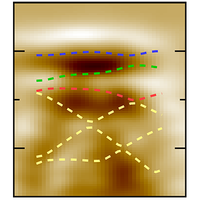
The evolution of moiré minibands under varying carrier density and displacement field may be directly visualized using microfocused angle-resolved photoemission spectroscopy.
Phys. Rev. Lett. 137, 016402 (2026)
Condensed Matter and Materials
Andreev Reflection to Probe Momentum-Dependent Spin Polarization in Altermagnet CrSb
Article | Condensed Matter and Materials | 2026-06-30 06:00 EDT
Yan Zhang, Yixuan Luo, Yue Yang, Zilong Li, Weilong Qiu, Lunhui Hu, Yuanfeng Xu, Yanfeng Guo, Chao Cao, and Xin Lu
Altermagnetic materials have recently emerged as promising candidates for next-generation spintronic applications, characterized by the -dependent spin-splitted band structure and a simultaneous zero-net-magnetization. Among them, altermagnetic candidate CrSb has attracted considerable attention, o…
Phys. Rev. Lett. 137, 016701 (2026)
Condensed Matter and Materials
Orbital Altermagnetism in Two Dimensions
Article | Condensed Matter and Materials | 2026-06-30 06:00 EDT
Mingxiang Pan, Feng Liu, and Huaqing Huang
We introduce the concept of orbital altermagnetism, a symmetry-protected magnetic order of pure orbital degrees of freedom. It is characterized with ordered antiparallel orbital magnetic moments in real space but momentum-dependent orbital band splittings, analogous to spin altermagnetism. Using a m…
Phys. Rev. Lett. 137, 016702 (2026)
Condensed Matter and Materials
Extended Mean-Field Theories for Networks of Real Neurons
Article | Polymers, Chemical Physics, Soft Matter, and Biological Physics | 2026-06-30 06:00 EDT
Luca Di Carlo, Francesca Mignacco, Christopher W. Lynn, and William Bialek
An extended version of mean-field theory accurately captures activity patterns seen in networks of biological neurons.

Phys. Rev. Lett. 137, 018401 (2026)
Polymers, Chemical Physics, Soft Matter, and Biological Physics
NANOG Assembles into Self-Limiting Aging Micelles That Drive a Sol-Gel Transition and Modulate DNA Dynamics
Article | Polymers, Chemical Physics, Soft Matter, and Biological Physics | 2026-06-30 06:00 EDT
Amandine Hong-Minh, Yair Augusto Gutiérrez Fosado, Abbie Guild, Nicholas Mullin, Laura Spagnolo, Ian Chambers, and Davide Michieletto
Proteins and nucleic acids form non-Newtonian liquids with complex rheological properties that contribute to their function in vivo. Here, we investigate the rheology of the transcription factor NANOG, a key protein to maintain embryonic stem cell pluripotency. We find that, at high concentrations, …
Phys. Rev. Lett. 137, 018402 (2026)
Polymers, Chemical Physics, Soft Matter, and Biological Physics
Erratum: Transverse Thermophotovoltaics from Nonreciprocal Plasmon Drag in Metal [Phys. Rev. Lett. 136, 176901 (2026)]
Article | 2026-06-30 06:00 EDT
Dingwei He and Gaomin Tang
Phys. Rev. Lett. 137, 019901 (2026)
Physical Review X
Multiscale Interfacial Mechanics of Soft Solids
Article | 2026-06-30 06:00 EDT
Nicolas Bain, Lawrence A. Wilen, Dominic Gerber, Mengjie Zu, Carl P. Goodrich, Senthilkumar Duraivel, Kaarthik Varma, Harsha Koganti, Robert W. Style, and Eric R. Dufresne
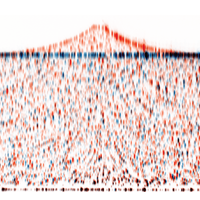
Using high-precision 3D location and tracking of nanotracers, this work investigates interfacial properties and mechanical response of soft polymer solids, revealing the multiscale nature of soft solid interfaces.
Phys. Rev. X 16, 021063 (2026)
Review of Modern Physics
Tip-enhanced molecular fluorescence microscopy with atomic-scale resolution
Article | Condensed matter | 2026-06-30 06:00 EDT
Anna Rosławska, Katharina Kaiser, Sofia Canola, Song Jiang, Fabrice Scheurer, Javier Aizpurua, Tomáš Neuman, and Guillaume Schull
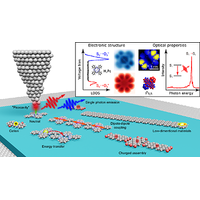
Scanning probe techniques have transformed our ability to study materials at the atomic scale, providing atom-by-atom views of surfaces. Tip-enhanced molecular fluorescence microscopy combines scanning probes with optical fluorescence. Such optical techniques normally have spatial resolution limited by the wavelength of the light used. However, using the scanning tip itself as a nanoscale optical antenna confines the electromagnetic field to the tip apex, achieving superresolution down to the atomic scale. Fluorescence is a fundamental probe of materials that reveals electronic structure and vibronic properties by exciting electrons to higher levels and observing the photons emitted when they relax. These capabilities are of particular interest for studying and identifying molecules, submolecular structures, and their reactions. This review discusses the techniques of tip-enhanced molecular fluorescence microscopy and the new insights they have revealed.
Rev. Mod. Phys. 98, 025007 (2026)
Condensed matter
arXiv
Magnetic Bloch Oscillations in Odd-Wave Magnets and the Nonlinear Edelstein Effect
New Submission | Strongly Correlated Electrons (cond-mat.str-el) | 2026-07-01 20:00 EDT
Bloch oscillations (BOs) are a quantum phenomenon in which electrons subjected to an electric field in a periodic potential exhibit an oscillating current without a net drift. In real conductors, scattering reduces the coherence required for BOs driving the system toward a steady state with a DC current. While previous studies have focused on charge transport, charge carriers also possess spin, raising the question of whether BOs can emerge in magnetic observables. Here, we show that the magnetization of odd-wave magnets can undergo BOs before relaxing to the steady-state Edelstein value, a phenomenon we term $ \textit{magnetic}$ BOs. Using analytical and numerical methods, we demonstrate this effect in a minimal one-dimensional model of a p-wave magnet and generalize it to two dimensions. Our analysis further reveals that the Edelstein magnetization is generically nonlinear in the applied electric field. Finally, we argue that magnetic BOs can be detected in materials through higher-harmonic generation in THz sub-cycle lightwave spectroscopy. Magnetic BOs provide a genuine non-equilibrium signature of spin-charge coupling in unconventional magnets.
Strongly Correlated Electrons (cond-mat.str-el)
16 pages, 4 figures
Athermality of generalized Gibbs ensembles
New Submission | Statistical Mechanics (cond-mat.stat-mech) | 2026-07-01 20:00 EDT
Riccardo Senese, Bruno Bertini, Katja Klobas, Pasquale Calabrese
Integrable quantum systems evolving from non-equilibrium initial states do not thermalize to conventional Gibbs ensembles (GE). Instead, at long times they relax to generalized Gibbs ensembles (GGEs), which incorporate the full set of local and quasi-local conserved quantities. While GGEs have been extensively studied in the literature, a quantitative characterization of how different they are from ordinary GEs is still lacking. In this work, we address this question by employing the concept of athermality, which we define within quantum resource theory as the relative entropy between a given state and the closest thermal state. We compute the athermality for several quantum quenches in paradigmatic integrable models, including the free XY spin chain, the interacting Lieb-Liniger model, the XXZ spin chain, and the harmonic chain. We find that often the athermality becomes anomalously small when the post-quench Hamiltonian is critical in its ground state, despite probing physics at a finite energy density. We also prove that it systematically develops a singularity at criticality, which is inherited from the entropy of the GGE.
Statistical Mechanics (cond-mat.stat-mech), Quantum Physics (quant-ph)
23 + 19 pages, 15 + 7 figures
Unconventional superconductivity in $A$V$_2X_2$O family of surface altermagnets
New Submission | Superconductivity (cond-mat.supr-con) | 2026-07-01 20:00 EDT
Motivated by the recent discovery of superconductivity at 16.3 K in layered oxychalcogenide Na$ _{2-x}$ V$ _2$ Se$ _2$ O we investigate pairing instabilities in the broader family of layered materials composed of V$ _2$ O planes, believed to exhibit altermagnetic order in their monolayer form. Even though the bulk family members KV$ _2$ Se$ _2$ O and Rb$ _{1-\delta}$ V$ _{2}$ Te$ _{2}$ O are likely conventional antiferromagnets that show only surface altermagnetism, our analysis predicts exotic equal-spin triplet superconductivity as the dominant pairing instability in these materials. This is a consequence of their unique magnetic and sublattice structure that renders electron bands incompatible with conventional spin-singlet pairing. The predicted triplet superconducting phases are topologically non-trivial and capable of supporting spin-polarized persistent currents, properties potentially useful in technological applications.
Superconductivity (cond-mat.supr-con), Strongly Correlated Electrons (cond-mat.str-el)
4 pages, 3 figures + short SM
Density Wave Ordering with Disordered Ultracold Fermions in Optical Cavities
New Submission | Quantum Gases (cond-mat.quant-gas) | 2026-07-01 20:00 EDT
Óscar Rios Alves, Filippo Ferrari, Lorenzo Fioroni, Alberto Mercurio, Vincenzo Savona
We investigate the interplay between cavity-induced density-wave ordering and controllable disorder in a trapped two-dimensional gas of ultracold fermions. The atoms are dispersively coupled to an optical cavity and transversely driven by a pump beam, while an additional speckle beam spatially modulates the atom-light coupling through an AC-Stark shift of the atomic transition. In momentum space, this disorder converts the usual coupling between the cavity mode and a discrete set of density-wave Fourier components into a coupling to a continuum of fermionic density modes, weighted by the spectrum of the speckle pattern. Using linear response theory, we derive the superradiant threshold and show that the disordered interaction renormalizes the effective light-matter coupling, lowering the critical pump strength on average, with the threshold becoming self-averaging for short speckle correlation lengths. We complement this analysis with a numerical mean-field treatment that gives access to the intracavity photon number and to the real-space fermion density across the transition. These results confirm that the disorder shifts the photonic phase boundary and, above threshold, distorts the density-wave crystal by populating Fourier components beyond those selected by the clean cavity geometry. Our findings identify both the emitted cavity light and in situ density images as probes of engineered disorder in fermionic matter coupled to optical cavities.
Quantum Gases (cond-mat.quant-gas), Disordered Systems and Neural Networks (cond-mat.dis-nn), Quantum Physics (quant-ph)
Critically Enhanced Magnon Transport in Low-dimensional Magnets
New Submission | Mesoscale and Nanoscale Physics (cond-mat.mes-hall) | 2026-07-01 20:00 EDT
Transport properties of (quasi)particles in condensed matter depend profoundly on the spatial dimension. Motivated by recent advances in growing ultrathin magnetic films and monolayer van der Waals magnets, we present a theory of magnon transport in magnetic films spanning the crossover from bulk to the two-dimensional (2D) limit. We find a magnon conductivity that diverges~\emph{logarithmically} in magnetically soft but stable (quasi)2D magnets with long-range dipolar interactions. This critical enhancement is absent in bulk systems and may explain the unusually large magnon conductivities recently observed in ultrathin yttrium iron garnet films. Our results reveal an intrinsic mechanism for enhanced magnon transport in low dimensions and highlight the potential for engineering high-efficiency magnon conductors in atomically thin magnets.
Mesoscale and Nanoscale Physics (cond-mat.mes-hall)
Magnetic Dipole in a Cuboidal Superconducting Trap
New Submission | Superconductivity (cond-mat.supr-con) | 2026-07-01 20:00 EDT
We derive the exact image-dipole potential of a point dipole inside a closed cuboidal superconducting trap. The construction generalises the parallel-plate result to a geometry that confines every translational degree of freedom, and we prove that the image lattice satisfies the Meissner boundary condition on all six walls. For a centred dipole the orientational energy reduces to a diagonal quadratic form whose three coefficients are Epstein-zeta-type lattice sums. We show that in both the infinite and finite rectangular traps the dipole orientation aligns with the \emph{short} cross-sectional axis over a finite range of aspect ratios. The equilibrium orientation in both cases is described by a phase diagram whose degeneracies we classify. Every prediction is verified against finite-element solutions of the same boundary-value problem, with agreement better than $ 0.16%$ .
Superconductivity (cond-mat.supr-con), Applied Physics (physics.app-ph), Quantum Physics (quant-ph)
7 pages, 4 figures
Experimental Realization of Synthetic Magnonic Lattice via Floquet Engineering
New Submission | Mesoscale and Nanoscale Physics (cond-mat.mes-hall) | 2026-07-01 20:00 EDT
Amin Pishehvar, Jayakrishnan M. P. Nair, Zhaoyou Wang, Zixin Yan, Yu Jiang, Liang Jiang, Benedetta Flebus, Xufeng Zhang
Magnonic systems, which exploit spin-wave excitations in magnetic materials, offer a promising platform for coherent information processing due to their low dissipation, strong nonlinearities, and intrinsic nonreciprocity. However, scaling magnonic circuits remains challenging, particularly with low-loss insulators such as yttrium iron garnet (YIG), which are difficult to pattern. Here, we experimentally realize a synthetic dimension in a magnonic system by coupling multimode magnon resonances in the frequency domain using time-periodic Floquet modulation. This approach enables electronically tunable interactions between discrete modes within a single YIG device, forming a reconfigurable mode-space lattice that supports functionalities such as Bloch oscillation. Our results demonstrate that high-dimensional magnonic dynamics can be achieved without increasing device footprint, establishing synthetic dimensions as a scalable and programmable route for integrated magnonic technologies. This advancement positions magnonic systems as promising platforms for engineering emergent phenomena that are inaccessible at equilibrium.
Mesoscale and Nanoscale Physics (cond-mat.mes-hall), Materials Science (cond-mat.mtrl-sci), Applied Physics (physics.app-ph)
16 pages, 6 figures
Carbon encapsulation of levitated Au nanoparticles
New Submission | Mesoscale and Nanoscale Physics (cond-mat.mes-hall) | 2026-07-01 20:00 EDT
Joyce E. Coppock, Sunghyun Kim, B.E. Kane
We investigate the formation of a barrier to evaporation that develops when levitated nanoscale Au nanoparticles are exposed to pulses of 532 nm laser radiation in a high vacuum (pressure $ p=10^{-8}-10^{-7}$ Torr) environment. Our data are derived from precision measurements of the charge to mass ratio ($ Q/M$ ) of $ \sim$ 200 nm diameter Au particles confined in a quadrupole ion trap. We characterize the development of the barrier over time as the particle is repeatedly heated with laser pulses and determine the impact of variations of the interval between pulses and of exposure to several gases added to the vacuum chamber. We observe a slow increase in the mass of particles upon prolonged exposure to the vacuum, which we attribute to the growth of a barrier layer. For particles that have acquired a barrier during exposure to CO, we observe a rapid decrease in their mass upon subsequent exposure to O$ _2$ . These findings are consistent with the growth and subsequent oxidation of a graphene layer on the Au that forms the barrier to evaporation. However, we have not found that the rate of formation of the barrier depends on the pressure of carbon-containing gases (CO, C$ _2$ H$ _4$ , CO$ _2$ ) we have added to the chamber. We hypothesize that a rare surface state on the solid Au particle catalyzes the reaction that introduces C to the particle. Repeated laser pulse heating is necessary–either to enable diffusion away from this state or to create fresh states that allow continued C uptake–to facilitate the growth of the surface graphene layer.
Mesoscale and Nanoscale Physics (cond-mat.mes-hall), Chemical Physics (physics.chem-ph)
11 pages, 8 figures
Atomic-Scale Characterization of Oxide Interfaces and Superlattices Using Scanning Transmission Electron Microscopy
New Submission | Materials Science (cond-mat.mtrl-sci) | 2026-07-01 20:00 EDT
Steven R. Spurgeon, Renae Gannon
Scanning transmission electron microscopy (STEM) is a cornerstone of our understanding of oxide interfaces and superlattices. No other technique provides the same level of insight into structure, chemistry, composition, and dynamics across as wide a variety of material systems. STEM imaging and diffraction, coupled with electron energy loss (EELS) and energy-dispersive X-ray (EDS) spectroscopies, offer unparalleled, high-resolution analysis of structure–property relationships. In this chapter we highlight investigations into key phenomena, including interfacial conductivity in oxide superlattices, charge screening effects in magnetoelectric heterostructures, interface engineering in iron oxides, and the complex physics governing atomic-scale chemical mapping. We also discuss emerging plasma preparation techniques and artificial intelligence-guided approaches to both ex situ and in situ microscopy. These studies illustrate how unique insights from STEM characterization can be integrated with other techniques and theory calculations to develop more predictive models for the behavior of functional oxides.
Materials Science (cond-mat.mtrl-sci)
33 pages, 12 figures
Adaptive fine-tuning of foundation models for crystal structure prediction: Discovery of high-pressure phases in the CaFeNi system
New Submission | Materials Science (cond-mat.mtrl-sci) | 2026-07-01 20:00 EDT
N.M. Chtchelkatchev, M.V. Magnitskaya, R.E. Ryltsev
The prediction of crystal structures is a key challenge in chemistry and materials science, but evolutionary crystal structure prediction (CSP) remains computationally expensive because it relies on repeated \textit{ab initio} relaxations and energy ranking. Machine learning interatomic potentials (MLIPs) can accelerate CSP, yet their use is limited by the need for large training sets and by the difficulty of choosing which candidate structures should be labeled by density functional theory (DFT). Here we introduce a self-consistent, foundation-model-assisted CSP workflow that combines evolutionary search with adaptive data selection and fine-tuning. Starting from a pretrained MLIP, the algorithm rapidly explores configuration space while iteratively selecting compact, representative, and physically relevant subsets of structures for DFT labeling, thereby reducing redundant calculations and improving a system-specific potential. We apply the method to the chemically complex Ca–Fe–Ni ternary system. The workflow reproduces the known low-pressure convex hull and enables efficient high-pressure exploration. It predicts a previously unreported compound, Ca$ _6$ FeNi, which becomes thermodynamically stable above 100~GPa. These results show that foundation-model-based, data-efficient CSP can greatly reduce computational cost while preserving accuracy and enabling the discovery of new materials in complex multicomponent systems.
Materials Science (cond-mat.mtrl-sci)
10 pages, 13 figures
Thermal transport and low-temperature specific heat in 4Hb-TaS$_2$
New Submission | Superconductivity (cond-mat.supr-con) | 2026-07-01 20:00 EDT
M. Gillig, I. Mangel, I. Feldman, V. Kocsis, A.Kanigel, D. V. Efremov, B. Büchner
We investigate the low-energy excitation spectrum of the van der Waals heterostructure superconductor 4Hb-TaS$ _2$ using ultra-low-temperature specific-heat and thermal-conductivity measurements with magnetic fields applied parallel and perpendicular to the crystallographic $ c$ axis. The specific heat is broadly consistent with a nodeless superconducting gap, but retains a finite residual linear contribution, indicating a small residual low-energy density of states in the superconducting state. In addition, a pronounced upturn appears below approximately 0.3K. Its weak magnetic-field dependence, together with the absence of a corresponding feature in thermal transport, supports an interpretation in terms of localized degrees of freedom, most likely a nuclear Schottky contribution. In contrast to the finite residual thermodynamic density of states, the thermal conductivity extrapolates to a vanishing zero-field electronic linear term within experimental uncertainty for both field orientations. Thus, the residual low-energy states do not form a detectable itinerant heat-conduction channel. In finite magnetic field, the electronic heat transport grows rapidly. For out-of-plane fields, this response is broadly consistent with previous thermal-conductivity measurements and with the behavior commonly associated with multigap nodeless superconductivity. The even steeper increase observed for in-plane fields suggests that the field-induced quasiparticle response of 4Hb-TaS$ _2$ is more complicated than the standard multigap picture alone.
Superconductivity (cond-mat.supr-con), Strongly Correlated Electrons (cond-mat.str-el)
Bridging electrode preparation and electrocatalyst performance with physics-based causal AI
New Submission | Materials Science (cond-mat.mtrl-sci) | 2026-07-01 20:00 EDT
Evelyna Wang, Linda Hung, Sam Witty, Michaela Burke Stevens, Kevin Tran
State-of-the-art artificial intelligence (AI) and Machine-Learning (ML) tools have not yet enabled rapid design of next-generation materials. Detailed physical understanding of how material properties affect device performance is required to advance materials development. For example, optimization of ink parameters for electrocatalysts has no known physical mathematical model and thus insights are difficult to translate from material studies to device studies. Herein, we demonstrate how to use the emerging AI tool, physics-based structural causal models (SCMs), to extract quantitative causative insights from complex heterogeneous electrochemical systems with small (n < 10), but multi-modal datasets (modes > 10). Our SCM quantitatively separates the role that varying the support-to-catalyst ratios and total material loadings plays on catalytic performance. The proof of concept model developed in this work enables root-cause-analysis on the cyclic voltammograms of manganese-antimony oxide oxygen reduction electrocatalysts on Vulcan carbon supports tested in alkaline media using a rotating disc electrode device configuration. Our preliminary causal analyses quantitatively disentangle how the catalyst performance is affected by the number of active sites versus the thickness of the electrode. To the best of our knowledge, this is the first demonstration of physics-based SCMs applied to electrochemical materials and their performance.
Materials Science (cond-mat.mtrl-sci), Chemical Physics (physics.chem-ph)
36 pages, 9 figures
Quantum sensing of nanoscale electronic phase segregation
New Submission | Mesoscale and Nanoscale Physics (cond-mat.mes-hall) | 2026-07-01 20:00 EDT
Izidor Benedičič, J. Paul Attfield, Denis Arčon
Doping of transition metal oxides such as CaFe$ _3$ O$ _5$ offers a controlled way to tune the interplay of charge, spin, and lattice degrees of freedom, yet local-probe studies remain difficult because strong correlations and dynamic charge-spin fluctuations obscure fine spectroscopic features in powder samples. Here, we employ quantum magnetometry based on nitrogen-vacancy (NV) centers in nanodiamonds impressed into an Mn-doped CaFe$ _3$ O$ _5$ powder pellet to probe static and dynamic magnetic fields at the nanoscale across the weak ferromagnetic transition. The splitting and broadening of the optically detected magnetic resonance (ODMR) spectra exhibit an order-parameter-like increase by ~ 15 MHz upon cooling below the critical temperature, T$ _{\rm c}$ . Concomitantly, the spin-lattice relaxation rate, 1/T$ _1$ , exhibits a pronounced, divergence-like enhancement at T$ _{\rm c}$ , increasing by about one order of magnitude from its high-temperature value. Moreover, detailed lineshape fits of ODMR spectra together with the stretched-exponential NV magnetization recovery curves corroborate the proposed electronic phase segregation in charge-ordered and charge-averaged phases at the nanometric scales. The presented study demonstrates the viability of using nanodiamonds as a platform for nanoscale magnetic probing of strongly correlated matter, including phenomena such as electronic phase separation.
Mesoscale and Nanoscale Physics (cond-mat.mes-hall), Materials Science (cond-mat.mtrl-sci), Strongly Correlated Electrons (cond-mat.str-el)
12 pages, 5 figures
Family of (NxH)-polytypes with La2WO6-related stoichiometry
New Submission | Materials Science (cond-mat.mtrl-sci) | 2026-07-01 20:00 EDT
E. Pospíšilová, M. Mihalkovič, N. Beronská, M. Gebura
Structure and chemical composition of non-stoichiometric $ \mathrm{(N \times H)}$ -polytypes, $ \mathrm{N} \in {3,,4,,5,,6,,7}$ , belonging to the family of La2WO6-related tungstates, are presented and the basic rules behind their construction are formulated. The polytypes are validated from the point of view of the internal energy per atom against all the competing La-O-W compounds by means of the ternary convex hull computed by DFT. According to DFT, the ground state of the La2WO6 family surprisingly turned out to be the as-yet hypothetical tungstate La2WO6.oP36, isostructural with the known compound Gd2WO6, closely related to the basic building H-block of the polytypes. One more candidate for an experimentally accessible low-energy structure, La2WO6.mC72, derived from the already observed Sm2MoO6, has been identified to lie only $ \Delta E \approx 5:\mathrm{meV/at.} \cong 60:\mathrm{K}$ above the convex envelope.
Materials Science (cond-mat.mtrl-sci)
36 pages, 20 pages supplementary material containing (NxH)-polytype CONTCAR-s, 7 figures
Journal of Applied Crystallography, Volume 59, Number 4, 2026
Rheological and Photoelastic Response of Hydrated Soft Granular Particles
New Submission | Soft Condensed Matter (cond-mat.soft) | 2026-07-01 20:00 EDT
Brandon Hayes, Krishnaroop Chaudhuri, Rylan Hodgson, Benjamin McMillan, Ruby Gans, Hale Burke, Stephanie McNamara, Thomas Chalklen, Nathalie M. Vriend
Photoelasticity is a qualitative and quantitative optical technique to image internal stress distributions in transparent materials. In the past few decades, discrete photoelastic particles have been used as a proxy for dry granular materials in both static, quasistatic, and dynamic analogue experiments. The technique allows the visualization of force chains, determination of the location and magnitude of contact forces, and outputs a stress tensor for each particle with shear and normal stress components. To date, little to no work has investigated photoelastic suspensions, where photoelastic granular particles are immersed in a fluid medium, despite its relevance in industrial and natural applications. The introduction of a fluid phase yields additional considerations in the rheological and photoelastic behavior of our proxy particles. In this manuscript, we summarize the state-of-the-art in resolving forces in immersed photoelastic granular materials. We introduce characterization techniques to probe changes in rheological and optical properties of hydrated photoelastic particles, and we report considerations for use of photoelastic particles in immersion-based experiments. We intend for this work to provide the leading framework to study the hydrodynamic interactions in 2D systems of photoelastic particles immersed in a fluid medium.
Soft Condensed Matter (cond-mat.soft)
Topological random alloy
New Submission | Mesoscale and Nanoscale Physics (cond-mat.mes-hall) | 2026-07-01 20:00 EDT
Subrata Pachhal, Aziz Hasan, Adhip Agarwala
Topological phases of matter are often realized in crystalline materials. To extend their understanding beyond perfect stoichiometry, we introduce a minimal model of a topological random binary alloy and show that the system realizes an exotic form of impurity-band engineering. We reveal that, in contrast to Wannier charge centers pinned by impurities in conventional semiconductors, doping a proximate quantum anomalous Hall insulator results in dopant-centric chiral current loops. The nature of such current loops is intrinsically tied to the properties of both the host and the dopant. We demonstrate that, even at dilute dopant density, these current loops can form topological domains in an otherwise trivial host and trigger a topological phase transition. On the other hand, doping a topological host having chirality opposite to that of the dopants can unexpectedly stabilize a metallic phase in which bulk transport is mediated by inter-domain edge modes.
Mesoscale and Nanoscale Physics (cond-mat.mes-hall), Disordered Systems and Neural Networks (cond-mat.dis-nn), Materials Science (cond-mat.mtrl-sci)
6+8 pages, 4+14 figures
An Interaction Language Model: Mechanism Discovery from Statistical Patterns of Physical Interactions
New Submission | Other Condensed Matter (cond-mat.other) | 2026-07-01 20:00 EDT
Triparna Ganguly (1), Hanqi Jiang (1), Xinliang Li (1), Yi Pan (1), Junhao Chen (1), Miyuki Karunathilaka (2), Tianming Liu (1), Yohannes Abate (2) ((1) School of Computing, University of Georgia, Athens, USA, (2) Department of Physics and Astronomy, University of Georgia, Athens, USA)
Interactions among building blocks in physical, chemical, and biological systems follow structured patterns interpretable as a learnable language: just as language models learn which words tend to follow others, one can learn which physical phenomena follow others and under what conditions. We introduce an Interaction Language Model (ILM): a framework that treats interaction as a statistically structured, learnable language for design-to-function reasoning across fields. By learning statistical dependencies and ordering among components, ILMs infer interaction pathways, identify missing steps, and predict the next likely interaction. We demonstrate it through two complementary components, PhenoLink and PhenoSeq, applied to molecular diffusion, a ubiquitous mechanism for energy and particle transport. PhenoLink is a directed graph of interactions among diffusion-based events extracted from publications, where each edge aggregates paragraph-level evidence and carries a transition probability interpreted as an information cost. PhenoSeq complements this with a sequence model that proposes missing mechanistic steps under endpoint constraints. Together they form a generate-then-verify pipeline returning every explanation with a reproducible, per-step, corpus-grounded audit trail. Across four held-out suites of 172 queries, the pipeline matches a zero-shot Claude Opus 4.7 baseline on in-distribution accuracy, yet unlike the baseline, which fabricates a chain for every impossible query, it refuses up to 93.5% of transitions in corpus evidence by construction. ILM thus delivers what zero-shot generation structurally cannot: deterministic refusal of evidence-absent queries and auditable, per-step support. The framework extends to natural and engineered systems where function emerges from sequential and conditional interactions among molecules, cells, devices, or other components.
Other Condensed Matter (cond-mat.other)
Corresponding authors: Tianming Liu, Yohannes Abate
Role of polarity in the growth of cubic GaN within silicon inverted pyramids
New Submission | Materials Science (cond-mat.mtrl-sci) | 2026-07-01 20:00 EDT
David Lister, Melissa Radford, Sara Fortin, Bilal Janjua, Mohsen Asad, Karen Kavanagh, Simon Watkins
A lack of spontaneous internal polarization makes cubic GaN (c-GaN) a well-suited material for emerging micro-LED-based short-range communication, where c-GaN promises increased speed over conventional hexagonal GaN (h-GaN). Although c-GaN is metastable, there are well-established methods for growing it in Si V- or U-grooves; the logical step is to truncate these grooves to wedges or inverted pyramids for small devices. There are limited reports of GaN grown in inverted pyramid templates, and the results are contradictory. To study this process, we perform selective area growth of GaN using organometallic vapor phase epitaxy (OMVPE) on Si inverted pyramidal templates and analyze our samples by cross-sectional TEM. We find that polarity is critical to understanding the growth of c-GaN in this four-fold geometry, in contrast to the growth in long grooves. This effect fits within the broader set of challenges of polar-on-nonpolar heteroepitaxy; the c-GaN inside the four-fold symmetric template has its symmetry reduced by polarity to be two-fold. In typical growth conditions – where the underlying h-GaN polarity is uniform – we find this implies that two h-GaN to c-GaN grain boundaries will have a polarity inversion. We observe two different structures at these inverting boundaries, including a previously unreported inversion domain boundary along the basal plane of the undoped h-GaN. These findings show that for small devices – such as micro-LEDs – the polarity-inverting interfaces must be prevented, for example by suppressing the growth of h-GaN on two facets of the template or by locally controlling the h-GaN polarity.
Materials Science (cond-mat.mtrl-sci), Applied Physics (physics.app-ph)
6 pages, 4 figures. Submitted to Applied Physics Letters
Prebiotic Chemistry Assemblies of L-Cysteine on Defect-Free Pyrite Terraces
New Submission | Materials Science (cond-mat.mtrl-sci) | 2026-07-01 20:00 EDT
Adriana E. Candia, Sindy J. Rodríguez, Vanina G. Franco, Mario C. G. Passeggi (Jr.), Jorge Lobo-Checa, Myriam H. Aguirre
Wächtershäuser’s theory proposes iron-sulfur minerals as key platforms for molecular synthesis and supramolecular organization in prebiotic environments. However, defects have been traditionally considered at the center of such assemblies, thereby underestimating the contributions of regular and pristine interfaces. Here, we combine scanning tunneling microscopy and spectroscopy (STM/STS) with density functional theory (DFT) to investigate the fundamental prebiotic chemistry system of L-Cysteine (L-Cys) on defectless FeS$ _2$ (100) terraces. To do so, we first achieved atomically ordered, defect-free terraces that act as support of two distinct supramolecular phases of L-Cys: one compact, highly ordered supramolecular network and another less packed, labile supramolecular network. We unveil trimer-based intermolecular interactions to be at the origin of these pattern formations. These results demonstrate that L-Cys self-assemblies can be hosted on flawless FeS$ _2$ terraces due to the cooperative interplay between substrate electronic structure and intermolecular interactions, without the participation of dominant defects. Therefore, the autocatalytic activity of pyrite could have triggered the on-surface polymerization process of these non-static self-assembled structures under primordial conditions, thereby endorsing Wächtershäuser’s postulates on the origin of life.
Materials Science (cond-mat.mtrl-sci), Chemical Physics (physics.chem-ph)
10 pages, 4 figures. Supplementary information is available as an ancillary file
Computed materials proposals depart from the structural memory of experimental discovery
New Submission | Materials Science (cond-mat.mtrl-sci) | 2026-07-01 20:00 EDT
Dan Nguyen, Karen Cao, Brian Chu, Nick Lemoff, Paul Kienzle, William Ratcliff II
Generative AI and high-throughput DFT pipelines propose millions of inorganic crystal structures, but lack a calibrated reference frame against experimentally realized chemistry. Here we embed 167,500 Inorganic Crystal Structure Database entries in a continuous structural-similarity space, partition it into graph communities, and replay them in time. Experimental discovery shows strong structural memory: 82.9% of new formulas enter pre-existing communities; new-community formation falls from 40.2% (1930s) to 2.6% (2010s). The communities are chemically meaningful, positively identifying nine textbook field-defining renaissances, including cuprates, colossal-magnetoresistance manganites, MAX phases, and Li-ion battery cathodes. Projecting GNoME, MatterGen-public, Materials Project, JARVIS-DFT, and Alexandria-PBE into frozen historical maps yields a cutoff-robust ordering: held-out ICSD > MatterGen > {GNoME ~ MP-theoretical} > JARVIS > Alexandria. Structural departure from experimental basins is not specific to generative AI but general across the tested computed sets. Combining structural proximity with reduced-formula precedent defines a historical synthesizability prior for triaging computed materials.
Materials Science (cond-mat.mtrl-sci), Computational Physics (physics.comp-ph)
20 pp main text, 10 pp Extended Data, 51 pp Supporting Information; 4 main + 5 ED figures, 3 ED tables. Joint first authors: D. Nguyen and K. Cao. Submitted to npj Comput. Mater. Derived artifacts: Zenodo doi:https://doi.org/10.5281/zenodo.20046302. Code: this http URL. Dashboard: this http URL
Deep Indentation of Hyperelastic Materials Reveals Tip Independent Parabolic Force Depth Response via Strain Energy Delocalization
New Submission | Soft Condensed Matter (cond-mat.soft) | 2026-07-01 20:00 EDT
Mohammad Shojaeifard, Zhenwei Ma, Jimmy Hsia, Norman Fleck, Mattia Bacca
Indentation is a practical route for probing soft materials when standard tests are difficult, destructive, or cannot be performed in situ. Conventional indentation is usually interpreted in the shallow-depth regime, where the indentation depth D is small compared with the indenter radius R. In this limit, the response is controlled by local contact geometry and primarily identifies the small-strain Young’s modulus E. Here, we show that at deep indentation, D >> R, flat and spherical indenters converge to the same parabolic force-depth law, F = beta E D^2. The coefficient beta is independent of indenter radius and tip shape, only mildly affected by interfacial friction, and controlled by the hyperelastic strain-stiffening response. Finite-element simulations show that this scaling arises from strain-energy delocalization: the region where SED/mu > 0.01 expands into a spheroidal domain whose size scales with D. The activated volume therefore scales as D^3, giving stored elastic energy U ~ E D^3 and force F = dU/dD ~ E D^2. Far from contact, the strain-energy-density fields collapse toward the Boussinesq far-field solution when distances are normalized by a = sqrt(F/E), which scales as D in the deep-indentation regime. These results provide a mechanistic basis for tip-shape independence and link beta to the Ogden strain-stiffening parameter alpha, enabling hyperelastic parameter extraction from deep-indentation data.
Soft Condensed Matter (cond-mat.soft)
The competition between low-temperature kinks and magnons at the vicinity of the deconfinement transition point in 1D easy-axis XXZ ferromagnet
New Submission | Strongly Correlated Electrons (cond-mat.str-el) | 2026-07-01 20:00 EDT
Studying the ordered phases and quantum supercritical low-temperature regime at the vicinity of the deconfinement transition point in 1D easy-axis XXZ ferromagnet, we suggest their interpretations according to the corresponding dominant lowest-energy excitations. We show, that the two ordered phases are governed by magnons, while the quantum supercritical regime is governed by kinks. Within this framework the Ising model is treated in detail.
Strongly Correlated Electrons (cond-mat.str-el)
16 pages 3 figures
Self-consistent field theory of semiflexible nematics: Density-nematic coupling, anisotropic elasticity, and defect core sizes
New Submission | Soft Condensed Matter (cond-mat.soft) | 2026-07-01 20:00 EDT
The linear response of wormlike chains in the nematic phase is studied by self-consistent field theory. The model Hamiltonian incorporates Maier–Saupe orientational interactions together with an isotropic excluded volume interaction. The latter models implicitly solvent mediated chain interactions, as appropriate for a lyotropic nematic. An effective free energy description for uniform nematic states is constructed in terms of the chain segment density and uniaxial nematic order parameter, providing a unified framework for density–degree of order coupling, isotropic-nematic coexistence, and the limit of stability of the nematic phase. Our results show that strong density–nematic degree of order coupling can destabilize the nematic state. The location of the instability depends on the ratio of excluded volume and nematic interaction, $ u_0/u_2$ . In contrast, director distortions couple to density and nematic order variations only at higher order, remaining effectively decoupled in the linear response regime. The Frank elastic constants and the correlation lengths are obtained from a linear response analysis based on the self-consistent field theory free energy. Increasing flexibility strongly suppresses twist and bend elasticity while affecting splay elasticity comparatively weakly, leading to a crossover from bend-dominated to splay-dominated elasticity. The correlation lengths and Frank elastic anisotropy obtained from the linear response analysis explain well director profiles around a +1/2 disclination core, including the core size. The latter is proportional to the equilibrium correlation length, in agreement with Landau–de Gennes scaling.
Soft Condensed Matter (cond-mat.soft)
18 pages, 8 figures
Investigation of the $J_1$-$J_2$ Heisenberg model on the triangular lattice: A study with projected entangled-pair states
New Submission | Strongly Correlated Electrons (cond-mat.str-el) | 2026-07-01 20:00 EDT
Litao Ma, Wei-Lin Tu, Didier Poilblanc, Ji-Yao Chen
The nature of the quantum spin liquid (QSL) phase in the frustrated $ J_1$ -$ J_2$ Heisenberg model on the triangular lattice remains an open and actively debated problem. In this work, we employ the infinite projected entangled-pair state (PEPS) to systematically investigate the model under different symmetry constraints. Our simulations reveal a direct transition from the $ 120^\circ$ Néel state to a putative QSL at $ J_2/J_1\approx 0.08$ , signaled by the collapse of magnetic order. We further show that, through either an appropriate unitary rotation or spontaneous spin long-range order, the stripe antiferromagnetic phase can also be accurately captured within the infinite PEPS framework. A central focus of our study is the role played by the PEPS symmetry in approximating the QSL ground-state sandwiched between the two magnetic phases. We first found that a fully-symmetric topological $ \mathbb{Z}_2$ Resonating Valence Bond state, which can be written as a simple PEPS with bond dimension $ D=3$ , exhibits a reasonably good variational energy. Motivated by this finding, we have further constructed generic $ \mathbb{Z}_2$ -symmetric PEPS of larger bond dimension (up to $ D=7$ ). We found that, under wavefunction optimization, spinons condense and, simultaneously, topological vison excitations get confined, hence precluding $ \mathbb{Z}_2$ topological order. This strongly indicates the gapless (or critical) nature of the QSL phase, which is most naturally consistent with a U(1) Dirac spin liquid scenario.
Strongly Correlated Electrons (cond-mat.str-el)
12 pages, 10 figures
Tunable Extended Magnetic Non-Fermi Liquid in Graphene Moiré Heterostructures
New Submission | Mesoscale and Nanoscale Physics (cond-mat.mes-hall) | 2026-07-01 20:00 EDT
Yongqin Xie, Jian Wang, Moyu Chen, Chen Zhao, Fanqiang Chen, Qiao Li, Sicheng Chen, Jiao Xie, Kenji Watanabe, Takashi Taniguchi, Jin-hua Gao, Rui Wang, Shi-Jun Liang, Chunming Yin, Bin Cheng, Feng Miao
Exploring exotic quantum metallic states beyond Landau’s Fermi liquid theory remains a central focus in condensed matter physics. Such non-Fermi liquid behavior is mostly observed near quantum criticality, yet growing attention is directed toward extended NFL phases with intrinsic quantum fluctuations rooted in the extended ground state. While these extended NFL states have been previously reported only in a limited set of d- and f-electron systems, realizing a single, highly tunable platform capable of exhibiting multiple resistance exponent values is essential for uncovering the connection between the resistance exponent and the dominant quantum fluctuations coupled to quasiparticles. However, corresponding experimental progress remains elusive. Here, we report the observation of tunable extended non-Fermi liquid behavior in twisted double bilayer graphene encapsulated by aligned hBN layers. This NFL phase spans a broad range of carrier densities and exhibiting a carrier density dependent resistance exponent. Combined with temperature dependent resistance, magnetotransport and differential resistance measurements, these findings support a scenario where strong quantum fluctuations emerge from the interplay between localized and itinerant carriers. Our work establishes a highly tunable platform beyond conventional frameworks to investigate the organizing principles of non-Fermi liquid physics manifested in diverse behaviors.
Mesoscale and Nanoscale Physics (cond-mat.mes-hall)
Hidden ordered compound-layer and its tailoring of the electronic/optical property in Ge2Sb2SexTe5-x alloys
New Submission | Materials Science (cond-mat.mtrl-sci) | 2026-07-01 20:00 EDT
Chenxu Yu, Linggang Zhu, Hanyu Liu, Xianyao Huan, Naihua Miao, Jian Zhou, Zhimei Sun
Ge2Sb2SexTe5-x (GSST) alloys represent an emerging class of phase-change materials for integrated photonics. However, the microscopic origins underlying their superior performance compared to the parent compound Ge2Sb2Te5 remain elusive. By using atomic simulations, this work elucidates that the thermal stability and low optical loss of GSST are fundamentally governed by the formation of an in-layer compound-like structure with SeTe2 or Se2Te stoichiometry depending on the Se content, contrasting to the previously believed pure-element-layered model where Se and Te atoms occupy separate layers inside GSST. The newly identified compound-layered structures maintaining stability at temperature above 370 K, yield an enlarged bandgap, weakened antibonding character, and more importantly, a moderate refractive index as well as decreased extinction coefficient which align better with the experiment compared to the previously believed model. The present findings not only help bridge the long-standing theory-experiment gap regarding the optical properties of GSST by redefining its atomic structure, but also establish local chemical ordering as a critical materials design principle for high-performance photonics.
Materials Science (cond-mat.mtrl-sci), Applied Physics (physics.app-ph)
Beyond binary scission: a generalized three-species cascade breakage model for wormlike micellar solutions
New Submission | Soft Condensed Matter (cond-mat.soft) | 2026-07-01 20:00 EDT
Rongxin Lu, Jiwei Jia, Young Ju Lee
Wormlike micellar fluids exhibit complex rheological behavior driven by the continuous breakage and recombination of self-assembled micellar networks. Existing two-species models provide a coarse binary representation of the micellar population, limiting their ability to resolve intermediate structural states and broad relaxation spectra. To address this limitation, we develop a three-species cascade breakage model consisting of gel-network, long chains, and short chains. By introducing an intermediate micellar state, the model links the rapid relaxation of short fragments to the slow recovery of the gel-network within a unified kinetic framework. This additional structural pathway gives rise to a three-mode viscoelastic response, improves the high-frequency description of the dynamic moduli, and produces a non-monotone constitutive curve that evolves into a stress plateau with coexisting shear bands in Couette flow. This cascade mechanism also governs the transient response, including stress overshoot, hysteresis, and multistep relaxation after shear cessation. Overall, the proposed three-species model provides a physically interpretable framework for worm-like micellar shear banding, capturing the connection between cascade microstructural evolution, broad relaxation dynamics, and macroscopic flow localization.
Soft Condensed Matter (cond-mat.soft), Numerical Analysis (math.NA)
Nonlinear topological laser based on multipole insulators
New Submission | Strongly Correlated Electrons (cond-mat.str-el) | 2026-07-01 20:00 EDT
Zi-Yuan Li, Zi-Xiang Hu, Qi Li
Two-dimensional higher-order topological insulators (HOTIs), characterized by distinctive one-dimensional edge states and zero-dimensional corner states, provide an ideal platform for developing higher-order topological lasers. In this work, we systematically investigate the two-dimensional Benalcazar-Bernevig-Hughes (BBH) model, which hosts quantized quadrupole moments and topologically protected corner and edge states. By confining the lasing mode to selected topological corner or edge states under controlled gain, we demonstrate that the stable light excitation achieved after long-time evolution is predominantly determined by the topological properties of the model Hamiltonian. To characterize the system’s topological features, we introduce several diagnostic ratios: the corner decay ratio $ \tau_{1}$ and edge-to-corner ratio $ \tau_{2}$ quantify the localization degree and spatial extent of corner states, respectively, while the inter-corner transfer ratio $ \chi$ measures the intensity transfer efficiency mediated by coherent edge-state dynamics. The abrupt changes in $ \tau_{1}$ and $ \tau_{2}$ as functions of the hopping parameter $ \gamma/\lambda$ directly reveal topological phase transitions, providing a comprehensive toolkit for extracting topological signatures from the system’s dynamical evolution. Additionally, modulating the lattice site parity enables flexible tuning of corner state localization positions, offering insights for device engineering. Our calculations reveal that achieving bistability between corner states and edge states is relatively challenging.
Strongly Correlated Electrons (cond-mat.str-el)
10 pages, 9 figures
Andreev reflection mediated by topological corner states in a two-dimensional honeycomb lattice
New Submission | Mesoscale and Nanoscale Physics (cond-mat.mes-hall) | 2026-07-01 20:00 EDT
Kai-Tong Wang, Yunjin Yu, Fuming Xu, Jian Wang
Topological corner states in two-dimensional second-order topological insulators (SOTIs) are localized in real space. We numerically demonstrate that such localized topological corner states can mediate Andreev reflection when coupled to a superconducting lead. We consider a transport setup based on a two-dimensional honeycomb lattice, consisting of a normal lead, a central SOTI region, and a superconducting lead. The central SOTI region is described by the modified Kane–Mele model with an in-plane Zeeman field and hosts topological corner states in a diamond-shaped flake. Although the central region is insulating, the local density of states shows that incident electrons can turn the localized corner state into an extended scattering state, which forms a resonant tunneling channel to the superconducting lead. This process leads to a perfect Andreev reflection peak near zero energy. Away from this resonance, antiresonance dips appear in the Andreev reflection spectrum, and their positions can be tuned by the Zeeman field strength. We show that the suppression of Andreev reflection is caused by quantum interference and the imbalance between electron and hole dwell times in the central region. These results demonstrate that topological corner states can provide a resonant tunneling path to the superconducting interface and mediate Andreev reflection in second-order topological systems.
Mesoscale and Nanoscale Physics (cond-mat.mes-hall)
High-Mobility and High-Reliability Top-Gate Oxide Semiconductor Transistors by Oxygen Engineering
New Submission | Materials Science (cond-mat.mtrl-sci) | 2026-07-01 20:00 EDT
Kai Jiang, Zhiyu Lin, Ziheng Wang, Chen Wang, Mengwei Si
In this work, we investigate the role of oxygen (O) on the performance of top-gate (TG) atomic-layer-deposited (ALD) oxide semiconductor transistors. The results reveal distinct defect characteristics and positive bias temperature instability (PBTI) degradation mechanisms between oxygen-rich (O-rich) and oxygen-deficient (O-poor) devices. It is found that an O-rich device fabrication process followed by O-free annealing can effectively achieve TG indium-rich (In-rich) oxide semiconductor transistors with high mobility, high reliability and high stability in hydrogen environment because O-rich process can suppress oxygen vacancies and their interaction with hydrogen, while O-free annealing plays a critical role in minimizing the formation of O-rich defects such as oxygen dimers (O-O bonds). Consequently, TG In-rich transistors with high mobility, steep subthreshold slope, and high PBTI reliability at high temperature are demonstrated. The understanding of O-rich defects provides a new insight to overcome the mobility-stability trade-off.
Materials Science (cond-mat.mtrl-sci)
Observation of Intrinsic Anderson Localization in Few-Layer ReS$_2$
New Submission | Mesoscale and Nanoscale Physics (cond-mat.mes-hall) | 2026-07-01 20:00 EDT
Shreya Paul, Pritam Das, Devarshi Chakrabarty, Shamashis Sengupta, Sajal Dhara
Electron localization phenomena are expected to play an important role in the transport properties of two-dimensional materials. Rhenium disulfide (ReS$ _2$ ), with its narrow conduction bandwidth, is uniquely susceptible to this effect. However, extrinsic disorder caused by fabrication methods obscures inherent localization behavior arising from reduced dimensionality and degrades transport properties. We report intrinsic Anderson localization in few-layer ReS$ _2$ by eliminating extrinsic fabrication-induced disorder through all-dry van der Waals assembly and suppressing interface charge trapping through a hexagonal boron nitride (hBN) gate dielectric. Temperature-dependent transport reveals a crossover from nearest-neighbor hopping to two-dimensional (2D) Mott variable-range hopping (VRH). The non-monotonic gate-voltage dependence of activation energy provides direct access to the energy-resolved band-tail density of states of the ReS$ _2$ conduction band. 2D Mott VRH yields a localization length of (3.5 $ \pm$ 0.1) nm, an order of magnitude larger than disorder-dominated devices, providing a quantitative characterization of intrinsic Anderson localization in ReS$ _2$ .
Mesoscale and Nanoscale Physics (cond-mat.mes-hall), Materials Science (cond-mat.mtrl-sci)
11 pages, 4 figures with Supplementary Information
Quantitative description of cognitive fatigue in repetitive monotonous tasks
New Submission | Statistical Mechanics (cond-mat.stat-mech) | 2026-07-01 20:00 EDT
There is strong qualitative empirical evidence in the scientific literature that, due to cognitive fatigue, workers performing repetitive and monotonous tasks are characterized by a gradual deterioration in their performance abilities as the time-on-task increases, a phenomenon known as the vigilance decrement. Using a time-dependent Sisyphus random climb model, we provide a quantitative description of this intriguing phenomenon. In particular, we use analytical techniques in order to determine the success probability function $ S(t;{\cal N})$ of Sisyphus workers, the time-dependent fraction of workers who succeed, after making $ t$ repetitive operations or less, to complete their task by making $ {\cal N}$ successful operations in a row without a single fault in between. It is explicitly shown that the functional behavior of the increasing-in-time one-operation tumble probability $ 1-s(t)$ of exhausted Sisyphus workers may have a dramatic effect on the probability of the workers to achieve their ultimate goal in repetitive monotonous processes. In particular, we prove that the Sisyphus random climb model with the inverse power law functional behavior $ s(t)\sim t^{-1/{\cal N}}$ of the one-operation success probability marks the boundary between Sisyphus workers whose success functions $ S[t;s(t),{\cal N}]$ approach $ 1$ asymptotically in time (implying that all the workers eventually complete their task) and Sisyphus workers whose success functions approach an asymptotic value which is less than $ 1$ , in which case some of the exhausted Sisyphus workers never complete their task successfully.
Statistical Mechanics (cond-mat.stat-mech)
11 pages
Physica A 608, 128270 (2022)
Symmetry-Enforced Ferroelectric Switching of Two-Dimensional Altermagnetism
New Submission | Materials Science (cond-mat.mtrl-sci) | 2026-07-01 20:00 EDT
Jiangyu Zhao, Yibo Liu, Guoli Wu, Xinru Li, Ying Dai, Baibiao Huang, Yandong Ma
Altermagnetism features strong momentum-dependent spin splitting despite zero net magnetization, offering a transformative platform for next-generation spintronics. However, the nonvolatile and deterministic switching between its two equivalent spin-splitting states remains a fundamental bottleneck. Here, we propose a universal layer-engineering paradigm to achieve symmetry-enforced ferroelectric switching of two-dimensional altermagnetism. By sandwiching a conventional antiferromagnetic monolayer between two identical ferroelectric layers, the out-of-plane polarization cleanly breaks the spatial symmetry to induce robust altermagnetic splitting. Crucially, the global combined parity-time symmetry dictates that reversing the ferroelectric polarization exactly inverts the altermagnetic spin-splitting pattern. We rigorously validate this mechanism in the In2Se3/MnPTe3/In2Se3 trilayer using first-principles calculations. As a direct consequence, the ferroelectrically driven spin-splitting reversal deterministically flips the anomalous Hall effect signal, providing an unambiguous transport fingerprint to electrically distinguish the two altermagnetic states. Unconstrained by the stringent symmetry requirements of intrinsic single-phase materials, our findings establish a versatile physical framework for electrically addressable altermagnetic spintronics.
Materials Science (cond-mat.mtrl-sci)
Kinetic Monte Carlo-Ising Machine Optimization for Atomistic Inverse Design of Solid Electrolytes
New Submission | Materials Science (cond-mat.mtrl-sci) | 2026-07-01 20:00 EDT
Ai Koizumi, Tomofumi Tada, Ryo Tamura
Maximizing ionic conductivity remains a fundamental challenge in the atomistic design of solid electrolytes. To this end, we present a framework that combines kinetic Monte Carlo (KMC) and factorization machine with quadratic-optimization annealing (FMQA), an Ising-machine-based black-box optimization algorithm for large-scale combinatorial optimization. KMC evaluates the ionic conductivity for a given dopant configuration, whereas FMQA iteratively learns a surrogate model from a small configuration-conductivity dataset and proposes configurations expected to maximize conductivity. To address the severe combinatorial explosion in large KMC simulation cells, we partition the configuration space for parallel optimization. As a proof of concept, we apply this KMC-FMQA framework to bulk 8 mol % yttria-stabilized zirconia, identifying a dopant configuration with an order-of-magnitude higher conductivity than that of random configurations and the experimentally reported conductivity. Combined with experiments, this framework will enable the determination of microscopic structures from measured conductivity, providing insight into the underlying transport mechanisms.
Materials Science (cond-mat.mtrl-sci)
Thermal rectification due to phonon confinement in nanoparticles
New Submission | Mesoscale and Nanoscale Physics (cond-mat.mes-hall) | 2026-07-01 20:00 EDT
Alexej D. Semenov, Mariia Sidorova, Alessio Zaccone, Marcel Di Vece
We demonstrate that thermal rectification can arise at the contact between two spherical nanoparticles of identical material but different size due to the geometric confinement of phonons. This confinement suppresses long-wavelength phonons differently in differently sized particles and creates a size-dependent gap in the phonon density of states. This gives rise to direction-dependent heat transport even in perfectly homogeneous materials. We develop an analytical model based on phonon confinement and phonon ray-tracing in the Casimir regime and derive expressions for heat fluxes and rectification efficiency as functions of particle sizes and temperatures. The model predicts measurable rectification efficiencies for nanoparticles with radii of a few tens of nanometers, reaching fraction of percent at room temperature and much larger values at low temperatures. The proposed mechanism provides a straightforward and scalable route to thermal rectification in granular nanomaterials without requiring material heterogeneity or strong nonlinearities.
Mesoscale and Nanoscale Physics (cond-mat.mes-hall)
Orientation-tunable correlated Chern insulating states in chiral twisted double bilayer graphene proximitized by WSe2
New Submission | Mesoscale and Nanoscale Physics (cond-mat.mes-hall) | 2026-07-01 20:00 EDT
Jiao Xie, Yongqin Xie, Fanqiang Chen, Jiliang Yang, Sicheng Chen, Moyu Chen, Kenji Watanabe, Takashi Taniguchi, Shi-Jun Liang, Kemi Xu, Bin Cheng, Feng Miao
Moire flat bands in graphene systems proximitized by transition-metal dichalcogenides (TMDCs) provide a setting where spin-orbit coupling (SOC) can reshape band topology. The crystallographic alignment angle twist angle between TMDC and graphene layers is predicted to tune the balance of Ising and Rashba SOC, but a combined theoretical and experimental understanding of how twist angle governs the topological character of correlated states has not been systematically established. Here we show that in chiral-stacked twisted double bilayer graphene in proximity to WSe2, twist angle between graphene and WSe2 determines the topological character of correlated Chern insulators. Continuum model calculations reveal that Ising spin-orbit coupling dominates at zero twist angle, giving rise to flat bands with finite valley Chern numbers, whereas Rashba coupling dominates at larger twist angle, resulting in topologically trivial bands. Transport measurements at quarter filling confirm this picture: twist angle = 0 deg devices exhibit C = +1 Chern insulators, consistent with spontaneous isospin polarization, whereas twist angle = 15 degree devices show C = 0 despite exhibiting similar correlated insulating behavior. The sharp contrast establishes crystallographic alignment as a new tuning knob, complementary to twist angle, displacement field, and carrier density, for engineering correlated topological states in van der Waals heterostructures.
Mesoscale and Nanoscale Physics (cond-mat.mes-hall)
Phonon-induced pseudogap phase in TiSe$_2$
New Submission | Strongly Correlated Electrons (cond-mat.str-el) | 2026-07-01 20:00 EDT
Sotirios Fragkos, Nina Girotto Erhardt, Evgenia Symeonidou, Hibiki Orio, Dominique Descamps, Stéphane Petit, Polychronis Tsipas, Kai Rossnagel, Jakub Schusser, Athanasios Dimoulas, Samuel Beaulieu, Dino Novko
To comprehend quantum ordered states, such as charge density waves (CDW), in layered transition metal dichalcogenides (TMDCs), it is essential to uncover their underlying normal states. Here, we use time- and angle-resolved extreme ultraviolet photoemission spectroscopy and ab initio electron-phonon calculations to perform excited state band mapping of three prototypical 1T TMDCs, i.e., TiSe$ _2$ , HfTe$ _2$ , and ZrTe$ _2$ , at room temperature. The results reveal the profound impact of strong electron-phonon-induced thermal fluctuations on the normal-phase electronic structure. Specifically, in the moderate electron-phonon coupling regime, as in HfTe$ _2$ and ZrTe$ _2$ , thermal fluctuations only lead to small spectral broadening and band renormalization. In the strongly coupled case, exemplified by TiSe$ _2$ , we observe soft-phonon-induced, momentum-dependent suppression of spectral weight, i.e., pseudogaps - extending up to 1 eV above the Fermi level. Our work establishes the normal phase of TiSe$ _2$ as a phonon-induced pseudogap phase governed by strong CDW fluctuations, thereby uncovering previously missing aspects of the TiSe$ _2$ phase diagram, with broader implications for other TMDCs in the strong electron-phonon coupling regime.
Strongly Correlated Electrons (cond-mat.str-el), Materials Science (cond-mat.mtrl-sci)
9 pages, 3 figures, SM in Anc folder
Three-phonon mixing as a source of light-induced chirality
New Submission | Materials Science (cond-mat.mtrl-sci) | 2026-07-01 20:00 EDT
Y . Zhu, A. Vanderhaegen, Z. Zeng, M. Först, M. Fechner, C. Putzke, P. J. W. Moll, D. Prabhakaran, P. Radaelli, A. Cavalleri
Mid- and far-infrared optical pulses have found wide applicability in experiments in which collective modes of solids are driven nonlinearly, as a means to manipulate functional properties of materials on ultrafast time scales. In the illustrative case of boron phosphate (BPO$ _4$ ), mid-infrared excitation has been used to induce chirality in an otherwise achiral crystal. The pump frequency dependence of photo-induced chirality reveals that, while on-resonance excitation is understood in terms of the well-documented phonon rectification from two-phonon mixing, additional pathways become relevant when the pump pulse is detuned from resonance. We find that a three-mode mixing mechanism becomes important in this case, whereas the contributions from other impulsive Raman terms are negligible. The results reported here provide a quantitative foundation for nonlinear phononic lineshapes in transparent materials, and open up new opportunities for lattice control.
Materials Science (cond-mat.mtrl-sci)
30 pages, including Supplementary Materials
Ultrafast magnetization induced by linearly polarized pulses is widespread in nonmagnetic semiconductors
New Submission | Materials Science (cond-mat.mtrl-sci) | 2026-07-01 20:00 EDT
Xiangzhou Zhu, Junfeng Qiao, Nicola Marzari, Matteo Calandra
Ultrafast optical on-off switching of magnetic order promises near-petahertz information processing. Recently, it has been proposed that non-magnetic semiconductors with narrow band edges or strong exchange interactions could display ultrafast magnetization when photoexcited with linearly polarized femtoseconds pulses, but the experimental detection of this effect remains a challenge, mostly for the lack of suitable candidate compounds. Here, we present a high-throughput first-principles screening of the MC3D database of experimentally known inorganic crystals, identifying nearly 440 non-magnetic semiconductors that develop spin polarization under photoexcitation with linearly polarized pulses via a light-induced exchange-driven instability. We determine how the crystal field environment and band-edge orbital character govern the magnitude and the type of magnetic order of the photoinduced state and we unveil systematic chemical and periodic trends that provide intuitive guidance for materials selection. Our results argue that on-off switching of magnetization with linearly polarized femtosecond pulses is a widespread occurrence in non-magnetic semiconductors, opening novel avenues for experimental verification and application.
Materials Science (cond-mat.mtrl-sci)
Photon Statistics from Yb3+-Doped CsPbCl3 are Inconsistent with Quantum Cutting
New Submission | Materials Science (cond-mat.mtrl-sci) | 2026-07-01 20:00 EDT
Vincent R.M. Benning, Faris Horani, Daniel R. Gamelin, Freddy T. Rabouw
CsPb(Cl1-xBrx)3:Yb3+ has been widely reported as a broadband quantum-cutting material with a photoluminescence quantum yield exceeding 100%, making it a promising candidate for enhancing the blue-green spectral response of silicon photovoltaics. Many groups have reproduced absolute photoluminescence quantum yields over 100%, but others have struggled to obtain such high values. Here, we test the quantum-cutting capabilities of CsPbCl3:Yb3+ nanocrystals and bulk material using photon-correlation analysis. A quantum-cutting material is expected to exhibit photon bunching, but our experiments on CsPbCl3:Yb3+ show no such behavior. In fact, we observe the opposite – anti-bunching – under focused-excitation conditions. This observation can be explained with the previously established Auger-quenching pathway in CsPbCl3:Yb3+. Our results thus confirm high-power Auger quenching but question earlier descriptions of quantum cutting in CsPb(Cl1-xBrx)3:Yb3+.
Materials Science (cond-mat.mtrl-sci)
Ultrafast Fluence-Reversal Fingerprint of Fragile Kondo Hybridization in CePt$_2$In$_7$
New Submission | Strongly Correlated Electrons (cond-mat.str-el) | 2026-07-01 20:00 EDT
Xin-Yi Tian, Qi-Yi Wu, Chen Zhang, Hao Liu, Yang Luo, Bo Chen, Ying Zhou, Zhong-Tuo Fu, Jin-Dong Bai, Chun-Hui Lyu, Zi-Jie Xu, Hai-Long Deng, Hai-Yun Liu, Jun He, Yu-Xia Duan, Jian-Qiao Meng
The emergence of heavy quasiparticles in a Kondo lattice is usually viewed as the formation of a low-energy hybridization gap. Whether this gap represents a rigid electronic structure or a fragile many-body state that can be dynamically reconfigured remains a central question for heavy-fermion systems near magnetic order, quantum criticality, and unconventional superconductivity. Here we use femtosecond pump-probe reflectivity to interrogate this problem in the weakly hybridized Kondo-lattice compound CePt$ _2$ In$ 7$ . At low fluence, a slow quasiparticle relaxation channel emerges below $ T^\ast \sim$ 40 K and follows a Rothwarf-Taylor bottleneck response with a low-energy recombination scale 2$ \Delta \approx$ 7.4 meV. Coherent optical phonons, independently identified by Raman spectroscopy, act as an internal lattice thermometer and rule out large quasi-equilibrium lattice heating as the origin of the nonlinear electronic response. The phonon-free electronic amplitude $ A{\rm elec}$ reveals a fluence-reversal fingerprint: with cooling from the hybridization-crossover regime, the response evolves from weak-linear behavior to Rothwarf-Taylor-like bottleneck suppression and finally to anomalous high-fluence enhancement at the lowest temperatures. This reversal cannot be accounted for by a rigid fixed-gap bottleneck alone and instead identifies an ultrafast optical signature of photoinduced redistribution of a fragile Kondo-hybridized electronic response.
Strongly Correlated Electrons (cond-mat.str-el)
6 pages, 4 figures
From Materials Database to Materials Bank: Assetizing Data for AI Driven Materials Innovation
New Submission | Materials Science (cond-mat.mtrl-sci) | 2026-07-01 20:00 EDT
Chenyao Ma, Di Zhang, Weibo Gong, Wei Du, Rui Su, Yuhang Chen, Kan Xu, Huan Gu, Limin Li, Piao Ma, Zhenghao Li, Hao Li
Driven by high-throughput experimentation, computational modeling, and artificial intelligence (AI), materials data has expanded at an unprecedented rate. Conventional materials databases function only as passive repositories, archiving raw experimental records indiscriminately including both successful and failed data, without systematic value filtering or asset management. This creates a critical gap between massive data accumulation and actionable innovation, hindering the identification of high-potential materials and industrial translation. To address this bottleneck, we propose an industrialization-oriented Materials Bank, a dedicated valuefiltering and assetization layer that operates beyond traditional databases. It does not merely curate high-quality data but systematically elevates qualified candidates into standardized, upgradable materials assets via a multi-dimensional BankCard framework covering scientific validity, synthesis feasibility, application readiness, and industrial value. By unifying databases, AI models, automated experimentation, and multi-criteria assessment into a cohesive closed-loop ecosystem, the Materials Bank establishes a clear trajectory from data to knowledge, candidate, asset, and product. It serves not as an enhanced database or screening tool, but as a decision infrastructure bridging academic discovery and industrial demand, offering a scalable paradigm to accelerate AI-driven materials innovation and deliver tangible real-world impact.
Materials Science (cond-mat.mtrl-sci), Artificial Intelligence (cs.AI), Chemical Physics (physics.chem-ph)
Deviations beyond the Kibble-Zurek mechanism in a Spin-Orbit-Coupled Bose-Einstein Condensate with phenomenological damping
New Submission | Quantum Gases (cond-mat.quant-gas) | 2026-07-01 20:00 EDT
Jun-Hang Ren, Sheng Liu, Yong-Sheng Zhang
We investigate the quench dynamics in a one-dimensional spin-orbit-coupled Bose-Einstein condensate (SOC-BEC) across the phase transition from plane-wave (PW) to stripe (ST), incorporating phenomenological damping. In the dissipation-free case, a state stagnation phenomenon emerges during the PW-ST quench: for slow quenches, the system remains trapped in the PW phase due to the energy gap induced by critical slowing down, which prevents spontaneous relaxation to the stripe ground state. To explore this phenomenon and examine the universal scaling predicted by the Kibble-Zurek mechanism (KZM) in open systems, we introduce a dissipative Gross-Pitaevskii equation with a phenomenological damping term. Numerical simulations reveal that weak dissipation preserves the expected KZM power-law scaling for the freeze-out time and defect density, whereas strong dissipation or long quench times lead to significant deviations. Our results demonstrate that the KZM remains applicable in dissipative quantum systems under appropriate conditions, providing insights into nonequilibrium dynamics in open quantum systems.
Quantum Gases (cond-mat.quant-gas)
6 pages, 5 figures
Hodge Topology of Semiclassical Transport: A Coordinate-Free Geometric Framework for the Anomalous Hall Effect and Non-Linear Berry Dipole
New Submission | Mesoscale and Nanoscale Physics (cond-mat.mes-hall) | 2026-07-01 20:00 EDT
Zhi-Wei Wang, Samuel L. Braunstein
We establish a coordinate-free differential geometric framework for anomalous transport in topological bands using the Hodge-de Rham decomposition of the Brillouin zone. Standard formulations face mathematical singularities (Dirac strings) when using the quantum Berry connection in bands with non-zero Chern numbers. Applying this decomposition to the Berry curvature 2-form isolates the quantized topological monopole flux from a globally smooth geometric 1-form proxy potential, $ \mathcal{A}$ . Substituting this regularized potential into semiclassical transport integrals yields distinct analytical advantages. For linear transverse transport, our cohomological decomposition enables an exact geometric derivation of Haldane’s insight via the co-area formula, partitioning the response into a continuous Fermi sea topological background and a localized Fermi surface geometric line integral. For non-linear transport, this globally smooth proxy unifies the geometric description, reproducing the high numerical stability of scalar integration-by-parts techniques directly from its exact sector, accommodating arbitrary Chern numbers. By enforcing the continuous Coulomb-Hodge gauge ($ \delta \mathcal{A} = 0$ ) alongside vanishing harmonic holonomies over fundamental 1-cycles ($ \oint_{\gamma_i} \mathcal{A} = 0$ ), we map the Hodge potential $ \mathcal{A}$ to the Maximally Localized Wannier Function (MLWF) gauge in trivial bands, providing a non-singular computational proxy for topologically obstructed bands. Finally, we analytically demonstrate that solving the Hodge Laplacian for $ \mathcal{A}$ zeroes the macroscopic Brillouin zone average (uniform $ \mathbf{R}=0$ zero-mode) topological divergence, yielding a mathematically consistent covariant formulation that matches the algorithmic robustness of standard methods against discrete $ \mathbf{k}$ -grid noise.
Mesoscale and Nanoscale Physics (cond-mat.mes-hall), Materials Science (cond-mat.mtrl-sci), Mathematical Physics (math-ph), Differential Geometry (math.DG)
5 pages, 1 figure
Side-Chain Tuning of Thermal-Expansion Crossover in Metal-Organic Frameworks
New Submission | Materials Science (cond-mat.mtrl-sci) | 2026-07-01 20:00 EDT
Achieving continuous control over macroscopic thermal expansion remains a fundamental challenge in solid-state physics. Using classical and path-integral molecular dynamics alongside lattice dynamics at near-\emph{ab initio} accuracy, we report an entropy-driven thermal-expansion crossover from positive (PTE) to negative thermal expansion (NTE) in alkoxy-functionalized MOF-5, an archetypal metal-organic framework (MOF). We demonstrate that this non-linear response is continuously tunable via the alkoxy side-chain length, quantified by the number of carbon atoms $ n$ grafted onto the archetypal cubic MOF-5 framework: systems with short chains ($ n \le 2$ ) exhibit monotonic NTE, whereas longer chains ($ n \ge 3$ ) trigger a pronounced PTE-to-NTE crossover. At low temperatures, thermal activation of longer side chains opens additional conformational states and generates steric pressure inside the pore, driving positive expansion through a gain in side-chain conformational entropy. Conversely, at elevated temperatures, the side chains enhance transverse linker fluctuations and strengthen the string-tension mechanism associated with low-frequency framework modes, causing structural contraction favored by framework vibrational entropy. Finally, by varying the concentration of side-chain-functionalized linkers, the thermal expansion coefficient can be continuously regulated to realize negative, near-zero, and positive thermal expansion within selected temperature windows. These results establish side-chain engineering as a practical route for programming macroscopic thermodynamic responses in MOFs.
Materials Science (cond-mat.mtrl-sci), Computational Physics (physics.comp-ph)
7 pages, 5 figures
Tuning topological phase and Dirac point position via Pb and Sb substitution in Mn${1-x}$Pb${x}$(Bi${1-y}$Sb${y}$)${2}$Te${4}$
New Submission | Materials Science (cond-mat.mtrl-sci) | 2026-07-01 20:00 EDT
T. P. Makarova, D. A. Estyunin, V. A. Golyashov, K. A. Kokh, O. E. Tereshchenko, A. S. Frolov, S. Ideta, Y. Kumar, K. Shimada, A. M. Shikin
This study presents a systematic investigation of Mn$ _{1-x}$ Pb$ _{x}$ (Bi$ _{1-y}$ Sb$ _{y}$ )$ _{2}$ Te$ _{4}$ crystals over a wide range of concentrations (x = 10-60%, y = 5-60%). It was found that the value of the bulk band gap is determined exclusively by the Pb concentration and it closes at Pb 40-50 %, which corresponds to a topological phase transition. The position of the Dirac point is determined by the Pb/Sb ratio, rather than the absolute Sb content. The magnetic properties depend on the dilution of the Mn sublattice by Pb and are weakly sensitive to Sb. We show that the simultaneous substitution of Mn and Bi allows independent control of the topological phase and the position of the Fermi level.
Materials Science (cond-mat.mtrl-sci)
Geometrically necessary boundaries accommodate the residual elastic strain in cold-rolled Fe-3%Si
New Submission | Materials Science (cond-mat.mtrl-sci) | 2026-07-01 20:00 EDT
Aditya Shukla, Nikolas Mavrikakis, Can Yildirim
The relationship between plastic deformation accommodation structures and residual elastic strain fields in deformed metals is poorly understood at the intragranular scale, largely because no experimental technique has provided simultaneous, three-dimensional, bulk-sensitive access to both fields at the length scale of dislocation boundaries. Here we use dark-field X-ray microscopy (DFXM) to map intragranular misorientation and residual elastic strain simultaneously in three dimensions within a grain of 50% cold-rolled Fe 3%Si alloy. We resolve geometrically necessary boundaries (GNBs) and incidental dislocation boundary (IDB) cell structures in the bulk non-destructively. Correlating the elastic strain field with the segmented plastically deformed substructure reveals that GNBs act as the primary carriers and distributors of long range residual elastic strain. GNBs separate subdomains of distinct mean d-spacing, across the grain volume. The plastic misorientation associated with IDBs and dislocation cells develops within GNB-delimited subdomains that carry comparatively similar values of elastic strain. This supports a mechanistic picture in which GNBs accommodate nearly all the long-range residual elastic strain in the deformed state, while plastic slip propagates into GNB interiors to organize into IDB cells with similar strain levels. The three-dimensional misorientation and strain gradients quantified here provide direct experimental input for recovery and recrystallization modelling in ferritic steels, such as electrical steels.
Materials Science (cond-mat.mtrl-sci)
Growth optimization of shallow Ge quantum wells grown by molecular beam epitaxy
New Submission | Materials Science (cond-mat.mtrl-sci) | 2026-07-01 20:00 EDT
J.T. Dong, J.P. Thompson, R. Card, K. Sardashti, C.J.K. Richardson
Shallow strained Ge quantum wells have gained recent attention for realizing scalable, high-performance hybrid superconductor/semiconductor-based qubits. Epitaxial superconducting contacts can improve the quality and consistency of the superconductor/semiconductor interface. The growth of Ge quantum wells by molecular beam epitaxy is then motivating due to the relative ease of integration with epitaxial superconductor growth. However, the performance of Ge quantum wells grown by molecular beam epitaxy (MBE) has been limited. To improve the properties of MBE-grown Ge quantum wells, the growth conditions were systematically optimized. Thick buffer layers are utilized to eliminate certain defects, and an optimal growth temperature is found. A peak hole mobility of 105,000 cm\textsuperscript{2}/Vs at 2 K is obtained in a 22-nm deep Ge quantum well, demonstrating that the Ge quantum wells grown in this study represent the highest mobilities for shallow MBE-grown samples. Mobility modeling indicates that the increase in mobility due to growth temperature optimization are likely due to a reduction in interface roughness scattering, and further improvements in mobility are expected through improved surface passivation.
Materials Science (cond-mat.mtrl-sci)
Floquet Majorana flat bands and emergent Cooper pair symmetries in $p-$wave magnet$-$superconductor heterostructure
New Submission | Mesoscale and Nanoscale Physics (cond-mat.mes-hall) | 2026-07-01 20:00 EDT
Subhendu Kumar Patra, Gaurab Kumar Dash, Manisha Thakurathi
We investigate the emergence of topological superconductivity at the two-dimensional heterostructure interface between a $ p$ -wave magnet (pWM) and an $ s$ -wave superconductor. By analyzing nodal gap closings, we identify seven distinct nodal topological phases, each characterized by the presence of Majorana zero-energy flat bands and quantized zero-bias conductance peaks. We demonstrate that the effective $ p$ -wave nature of the system gives rise to spin-triplet pairing correlations with even-frequency, odd-parity and odd-frequency, even-parity symmetries. Notably, the introduction of inter-orbital hopping induces an exotic orbital-singlet term characterized by simultaneous odd-parity and odd-frequency. Furthermore, we explore the transition from static phases to Floquet topological regimes through periodic driving. These driven phases host both zero and $ \pi$ Majorana flat bands, with transport signatures governed by the Floquet sum rule. Most significantly, we show that periodic driving fundamentally reshapes the topological and superconducting landscape by generating multiple nodal points that support higher winding numbers and multiple Majorana flat bands, while the emergent Floquet degree of freedom doubles the number of symmetry-allowed Cooper-pair correlations. The first class of correlations is hosted by the even-Floquet sectors and has a direct counterpart in the static limit. In contrast, the second is a distinct Floquet-generated class that confines to the odd-Floquet sectors, representing a fundamentally nonequilibrium pairing channel that cannot exist in static systems. Finally, we demonstrate the robustness of these topological modes against strong disorder, confirming their potential for stable fault-tolerant applications.
Mesoscale and Nanoscale Physics (cond-mat.mes-hall), Strongly Correlated Electrons (cond-mat.str-el), Superconductivity (cond-mat.supr-con)
18 pages, 13 figures
Self-propulsion of a polaron with an oscillating coupling to its quantum bath
New Submission | Statistical Mechanics (cond-mat.stat-mech) | 2026-07-01 20:00 EDT
Jacopo Romano, Andrea Gambassi
Motivated by the quest for active quantum matter, we investigate the dynamics of an impurity immersed in a quantum gas – a polaron – whose coupling to the surrounding medium is periodically modulated in time, alternating in sign. By integrating out the bath degrees of freedom, we derive an effective velocity-dependent drag force acting on the impurity. Above a critical modulation frequency, the corresponding drag coefficient becomes negative at low velocities, signaling the onset of self-propulsion. In the classical limit, we characterize this transition as a function of the modulation frequency and the bath chemical potential. We then compute the leading-order quantum corrections to the impurity dynamics and show that, while the transition remains robust, it can be suppressed by sufficiently precise measurements of the impurity position.
Statistical Mechanics (cond-mat.stat-mech), Quantum Gases (cond-mat.quant-gas)
6 pages, 2 figures
Design Principles for Quasi-Isotropic Exchange in Rare-Earth Quantum Magnets
New Submission | Strongly Correlated Electrons (cond-mat.str-el) | 2026-07-01 20:00 EDT
Kotaro Shimizu, Esteban Agustin Ghioldi, Filip Ronning, Cristian D. Batista
Rare-earth quantum materials provide a promising platform for emergent phenomena ranging from quantum spin liquids with long-range entanglement to topological magnetic textures. However, the strong spin-orbit coupling that stabilizes their low-energy pseudospin degrees of freedom also tends to generate strongly anisotropic exchange interactions, complicating the realization of quasi-isotropic Heisenberg magnetism. Here we investigate the microscopic origin of superexchange in $ \mathrm{Ce}^{3+}$ - and $ \mathrm{Yb}^{3+}$ -based insulators with edge-sharing octahedral geometry. Using degenerate perturbation theory for a multiorbital Hubbard model, we show that isotropic exchange originates predominantly from virtual hopping within the ground-state Kramers doublet, whereas anisotropic interactions arise primarily from processes involving excited multiplets. This leads to a simple orbital design principle: quasi-isotropic exchange is promoted when the ground-state doublet has a strong maximal-angular-momentum character with respect to the quantization axis perpendicular to the superexchange plane spanned by rare-earth and ligand ions. We demonstrate this mechanism for both ideal and distorted geometries and show that it is broadly consistent with experimentally studied Yb-based insulators. Our results establish a practical framework for engineering quasi-isotropic interactions in rare-earth quantum materials.
Strongly Correlated Electrons (cond-mat.str-el), Materials Science (cond-mat.mtrl-sci)
Spin-related transport in a polycrystalline NiCo2O4 film: Drastic current-induced change in resistivity-temperature characteristics via spin injection
New Submission | Materials Science (cond-mat.mtrl-sci) | 2026-07-01 20:00 EDT
Shiho Sugiyama, Masaaki Tanaka, Ryosho Nakane
We have studied spin-related transport in a polycrystalline NiCo2O4 (NCO) film on a MgAl2O4/Si(001) substrate, motivated by potential applications of the theoretical half-metallicity of NCO to Si-based high-performance spin-transport devices. Our approach is to systematically measure and analyze the temperature dependence of the film’s resistivity ($ \rho-T$ ) with various in-plane currents (100 nA$ -$ 1 mA) and temperatures (4$ -$ 290 K). With increasing current, the $ \rho-T$ curve changes drastically from semiconducting ($ d\rho/dT<0$ ) to non-monotonic and eventually toward metallic ($ d\rho/dT>0$ ). A distinctive feature is that the single NCO film exhibits a $ \rho-T$ characteristic of polycrystalline defective NCO at 100 nA, whereas it exhibits a $ \rho-T$ characteristic of epitaxial less-defective NCO over a wide temperature range at 1 mA. This current-induced evolution of $ \rho-T$ reflects the enhancement of the Curie temperature of defective regions near grain boundaries, accompanied by enhanced spin alignment there. We proposed a spin-related transport model that extends conventional hopping conduction models by incorporating the temperature- and current-dependent degree of spin alignment, as well as its spatial dependence inherent to polycrystalline NCO. This model comprehensively explains the interplay between the spin-alignment profile and transport mechanism. The analysis reveals that spin injection from grain bodies to grain boundaries enhances the spin alignment there and strengthens double-exchange interactions, facilitating conduction. This phenomenon strongly depends on both temperature and current. Our findings provide evidence of spin-polarized electrons inside the grain bodies, highlighting the potential of our polycrystalline NCO film as an efficient spin source. The present model is further supported by current$ -$ voltage and magnetoresistance features.
Materials Science (cond-mat.mtrl-sci)
27 pages, 15 figures
Electronic theory for scanning tunneling microscopy spectra in bilayer nickelate thin films
New Submission | Superconductivity (cond-mat.supr-con) | 2026-07-01 20:00 EDT
Marius Scholten, Steffen Bötzel, Frank Lechermann, Peayush Choubey, Ilya M. Eremin
Recent Scanning Tunneling Microscopy (STM) experiments measuring the superconducting gap features in thin films of superconducting bilayer nickelates La2PrNi2O7 at ambient pressure and compressive strain paved the way to study the Cooper-pairing models and the band-selective identification of the gap features in these systems. Here, using the realistic two-orbital bilayer model and the continuum Green’s function formalism, we theoretically analyze orbital and band-selective local density of states as well as the corresponding STM spectra. We find that the multiorbital character and the spatial dependence of the Wannier functions leads to the spectra developing characteristic features depending on the position of the scanning tunneling microscope’s tip. This allows for a band-resolved analysis of the superconducting coherence peaks and scattering momenta. We identify a clear path for experimental measurements to not only identify the debated incipiency of the gamma-band, but also identification of the coherence peaks’ band origins via distance dependent measurements of the local density of states and its corrections through impurity scattering.
Superconductivity (cond-mat.supr-con)
High-harmonic spin-current signatures of altermagnetic spin-group symmetry
New Submission | Mesoscale and Nanoscale Physics (cond-mat.mes-hall) | 2026-07-01 20:00 EDT
Spin point groups classify magnetic phases in the weak spin-orbit coupling regime and characterize the static properties of altermagnetic phases, but their dynamical consequences remain largely unexplored. Here, we derive selection rules for high-harmonic generation of charge and spin currents by extending dynamical symmetry to include spin point group operations. Since spin currents transform under both real and spin space operations, whereas charge currents transform only under real space operations, spin current selection rules can reveal magnetic information that is inaccessible to charge current harmonics. In a minimal altermagnetic model, an axis-aligned linearly polarized drive is non-diagnostic for distinguishing ferromagnetic and altermagnetic phases, although the antiferromagnetic phase is distinguished by the absence of the corresponding spin-current harmonics. A diagonal linearly polarized drive distinguishes the three SPG phases within the weak-SOC spin-group description, whereas a single-helicity circularly polarized drive provides a sharper spin-current-harmonic criterion for distinguishing them from magnetic-point-group mimics. These results establish spin current harmonics as a dynamical probe of spin group symmetry.
Mesoscale and Nanoscale Physics (cond-mat.mes-hall), Other Condensed Matter (cond-mat.other)
Topological zero-reflection points in multi-terminal quantum wire junctions
New Submission | Mesoscale and Nanoscale Physics (cond-mat.mes-hall) | 2026-07-01 20:00 EDT
Abhiram Soori, Udit Khanna, Diptiman Sen
We study scattering in noninteracting multi-terminal quantum wire junctions and show that junctions with dihedral symmetry can exhibit exact zero-reflection points for $ N \ge 4$ terminals. By analyzing the scattering matrix, we identify these reflectionless points in the $ (E,t’)$ parameter space, where $ E$ is the incident particle energy and $ t’$ is the junction hopping amplitude. These points exhibit an even-odd dependence on $ N$ and converge asymptotically to a common limiting value in the large-$ N$ limit. We show that the reflectionless points are characterized by an integer winding number associated with the phase of the reflection amplitude, providing a topological description for their stability against weak on-site disorder. We also consider junctions with broken time-reversal symmetry and find that a magnetic flux can induce additional reflectionless points, including for the $ N = 3$ case. For a four-terminal junction threaded by a $ \pi$ -flux, we identify a unique parameter regime in which the reflection amplitude vanishes over the entire energy band. Finally, we discuss experimental signatures through the behavior of Friedel oscillations and examine the stability of these reflectionless points in the presence of weak interactions.
Mesoscale and Nanoscale Physics (cond-mat.mes-hall), Quantum Physics (quant-ph)
15 pages, 1 table, 7 figures. Comments are welcome
Eigenstate Transitions, Duality, and Anomalous Diffusion in a Quasiperiodic Qi-Wu-Zhang Chern Insulator
New Submission | Disordered Systems and Neural Networks (cond-mat.dis-nn) | 2026-07-01 20:00 EDT
Tengming Lou (1), Haiyang Wang (1), Haijiao Ji (2), Haiwen Liu (1, 3 and 4) ((1) Center for Advanced Quantum Studies, School of Physics and Astronomy, Beijing Normal University, Beijing, China, (2) Tsung-Dao Lee Institute, Shanghai Jiao Tong University, Shanghai, China, (3) Key Laboratory of Multiscale Spin Physics, Ministry of Education, Beijing, China, (4) Interdisciplinary Center for Theoretical Physics and Information Sciences, Fudan University, Shanghai, China)
Quasiperiodic systems usually interpolate between extended, critical, and localized states as the quasiperiodic modulation is increased. Here we show that the magnetic Qi-Wu-Zhang Chern-insulator model realizes a distinct full-spectrum transition in which localization is avoided. For an irrational magnetic flux, the two-dimensional model reduces to a spinor quasiperiodic chain with a matrix onsite modulation controlled by the hopping amplitude $ t_x$ . When $ |m+2|>t_y$ , increasing $ t_x$ produces the conventional extended-critical-localized sequence with a critical line at $ t_x=t_y$ . In contrast, when $ |m+2|\le t_y$ , the system changes from an extended phase to a critical phase at $ t_x=|m+2|$ and remains critical even for stronger quasiperiodic modulation. Finite-size scaling of the average inverse participation ratio gives $ \overline{\mathrm{IPR}}\sim q^{-\alpha}$ with $ 0<\alpha<1$ throughout this persistent critical regime. A dual transformation exchanging $ t_x$ and $ t_y$ , together with a Lyapunov-exponent analysis, explains the phase diagram. Wave-packet dynamics further distinguish ballistic, anomalous-diffusive, and localized regimes. These results identify magnetic Chern-insulator systems as a natural platform for robust criticality and anomalous quantum transport.
Disordered Systems and Neural Networks (cond-mat.dis-nn), Mesoscale and Nanoscale Physics (cond-mat.mes-hall)
9 pages, 4 figures
Accelerated development of amorphous InZnO thin films as transparent conductive Cu diffusion barriers
New Submission | Materials Science (cond-mat.mtrl-sci) | 2026-07-01 20:00 EDT
Stefanie Frick (1), Reyu Sakakibara (2), Manuel Kober-Czerny (1), Arnold Müller (3), Miloš Baljozović (1,4), Franz-Josef Haug (2), Sebastian Siol (1) ((1) Empa, Swiss Federal Laboratories for Materials Science and Technology, Dübendorf, Switzerland (2) Institute of Microengineering (IMT), Photovoltaics and Thin-Film Electronics Laboratory, EPFL, Neuchatel, Switzerland (3) Laboratory of Ion Beam Physics, ETH Zurich, Zürich, Switzerland (4) Department of Chemistry, Marburg University, Marburg, Germany)
In light of the increasing supply chain concerns regarding silver for solar cell metallization, the replacement of the silver contacts by copper is desirable. As copper diffuses readily in silicon, deposition of an additional diffusion barrier to protect the respective absorber material stacks is required. We investigate multifunctional layers of transparent conductive oxides (TCOs) from the In-Zn-O system to serve as front electrode and Cu diffusion barrier coating, focusing on purely amorphous layers without grain boundaries to impede copper diffusion. We employ a 2D combinatorial approach to simultaneously screen the Zn/(In+Zn) ratio and the oxygen content in a single materials library deposited by magnetron sputtering without intentional substrate heating. Cu diffusion barrier performance was evaluated by depositing Cu on top of intentionally ultrathin In-Zn-O libraries of 7 nm on silicon wafers and annealing them at temperatures of 200-450°C. Both the formation of copper silicides, as well as the silicon photoluminescence signal were monitored. The first was detected only after the crystallization of the In-Zn-O films and required annealing temperatures of 450°C and above. Even for extended dwell times of 20 h at a relevant process temperature of 200°C, we find no evidence of Cu ingress for most of our fabricated In-Zn-O compositions, whereas Si/Cu stacks without In-Zn-O barriers showed a reduction of their photo-luminescence intensity already after less than 1 h. These results suggest thin amorphous In-Zn-O films with an optimal Zn/(In+Zn) ratio of ~0.12 and intermediate oxygen deficiency as effective transparent conductive Cu diffusion barriers for solar cell applications.
Materials Science (cond-mat.mtrl-sci)
Designing bistable nanostructures for target behavior
New Submission | Soft Condensed Matter (cond-mat.soft) | 2026-07-01 20:00 EDT
Andreas Ehrmann, Marija Krstić, Sahar Samadzadeh, Carl P. Goodrich
Many biological machines function through controlled conformational transitions, yet designing synthetic nanostructures with prescribed dynamical behavior remains a major challenge. Here, we develop a modular inverse-design framework for bistable nanostructures whose function is controlled by an energy profile along a geometric reaction coordinate. Inspired by proteins with rigid domains connected by flexible hinges, we introduce a hinge-arm paradigm in which a small bistable hinge controls the energetics of a conformational transition, while rigid arms map this transition onto the separation between external binding sites. Specifically, we ask which features of a target energy profile can be programmed under different design constraints. We find that the energy barriers and the binding-site separations in the two metastable states can be readily designed, while controlling the location of the transition state or the full shape of the energy profile requires additional design freedom. Using a differentiable design framework, we find that some optimized solutions are numerically inexact but still display the functional behavior for which the target profile was selected, emphasizing the importance of function-based evaluation criteria. These results establish a practical hierarchy of designability for bistable nanostructures and provide a route toward synthetic nanomachines that couple conformational transitions to target behavior.
Soft Condensed Matter (cond-mat.soft)
15 pages, 17 figures
Beating micromagnetic limits on skyrmion stability by long-range frustration
New Submission | Mesoscale and Nanoscale Physics (cond-mat.mes-hall) | 2026-07-01 20:00 EDT
Shiwei Zhu, Moritz A. Goerzen, Changsheng Song, Dongzhe Li
Skyrmion stability is commonly assumed to scale with skyrmion size or exchange stiffness within micromagnetic models. Here, we demonstrate that long-range exchange frustration can break this paradigm, enhancing the collapse energy barrier without increasing skyrmion size or magnetic energy scale. By mapping the continuum model onto a spin-lattice Hamiltonian, we find that skyrmions with identical micromagnetic parameters can exhibit significantly different energy barriers, depending on their underlying atomistic exchange interactions. We attribute this behavior to saddle point textures, whose pronounced noncollinearity captures long-range frustration beyond the micromagnetic approximation. We further develop an exchange optimization framework to predict that long-range frustration can double the energy barrier in physically realistic conditions, possibly valid for ultrathin films or van der Waals magnets. These results hold across different lattice symmetries, revealing an intrinsic limitation of micromagnetics and establishing long-range frustration engineering as a promising route toward highly stable nanoscale skyrmions.
Mesoscale and Nanoscale Physics (cond-mat.mes-hall)
6 pages, 4 figures
Effects of confinement in a Brownian gas with simultaneous stochastic resetting and dynamically emergent correlations
New Submission | Statistical Mechanics (cond-mat.stat-mech) | 2026-07-01 20:00 EDT
Gabriele de Mauro, Satya N. Majumdar, Gregory Schehr
We study $ N$ non-interacting Brownian particles in an external potential under simultaneous stochastic resetting to the origin. Although they do not interact directly, common resets generate strong dynamically emergent correlations (DEC). We analyze how confinement modifies these correlations and the nonequilibrium stationary state for $ V(x)=\kappa |x|^\alpha$ , $ \alpha\geq0$ , focusing mainly on two analytically tractable cases: harmonic confinement (HC), $ \alpha=2$ , and box confinement (BC), $ \alpha\to\infty$ . In both cases the stationary state is controlled by the competition between confinement and resetting lengths. We derive exact results for the stationary joint distribution, density, correlations, extreme value statistics (EVS), and gap statistics. While the density behaves similarly in HC and BC, the normalized correlation coefficient differs sharply. In BC it is non-monotonic and overshoots the unconfined value, as hard walls suppress decorrelating trajectories. In HC it instead increases monotonically toward the unconfined limit. For general $ \alpha$ , the behavior is monotonic for $ 0<\alpha<\alpha_c=1+\sqrt{5}$ and non-monotonic for $ \alpha>\alpha_c$ . The difference between HC and BC is also visible in edge observables. In HC, the maximum scales as $ M_1=O(\sqrt{\ln N})$ and has a limiting distribution with bounded support and a shape transition controlled by the ratio of the two length scales. In BC, the maximum is at distance $ O(1/N)$ from the boundary, as in equilibrium, but its fluctuations have a broad power-law tail with logarithmic corrections. The first gap shows a similar contrast: BC gives a smaller typical gap but stronger anomalous fluctuations than HC. Finally, we extend the EVS analysis to general $ \alpha$ and identify, via simulations and scaling arguments, three universality classes: $ 0\leq\alpha\leq1$ , $ 1<\alpha<\infty$ , and the singular limit $ \alpha\to\infty$ .
Statistical Mechanics (cond-mat.stat-mech)
67 pages, 15 images
Local magnon modes studied by dynamic magnetic pair-density function analysis
New Submission | Strongly Correlated Electrons (cond-mat.str-el) | 2026-07-01 20:00 EDT
Shin-ichi Shamoto, Yukio Yasui, Kazuki Iida, Yasuhiro Inamura, Motoyuki Ishikado, Mitsutaka Nakamura, Lieh-Jeng Chang
The dynamic magnetic pair-density function (DymPDF) $ D_{\rm M}(r, E)$ is obtained via the Fourier transform of the dynamic magnetic structure factor, $ S_{\rm M}(Q, E)$ , which is measured using nonpolarized inelastic neutron scattering. While there is a long history of magnetic excitation studies with $ S_{\rm M}(Q, E)$ , there are no reports on $ D_{\rm M}(r, E)$ . In this study, we examine simple magnet models and representative magnet examples, such as FeTiO$ _{3}$ and YBa$ _{2}$ Cu$ {3}$ O$ {6}$ , to investigate the real-space dynamics of $ D{\rm M}(r, E)$ . We derive the $ D{\rm M}(r, E)$ equations for simple magnet models in a low energy limit. By comparing these equations to the simulations, we demonstrate the characteristic energy dependence of real-space local magnon modes, including the transition of the magnon mode from acoustic to optical. Our novel analysis reveals the local magnon modes accompanied by a sign change in each spin-pair correlation at a given energy in nanoscale real space even under non-periodic conditions. This method is unique for studying local magnetic dynamics.
Strongly Correlated Electrons (cond-mat.str-el), Materials Science (cond-mat.mtrl-sci)
15 pages, 6 figures
Mesoscopic simulations of linear and ring polymer solutions with explicit hydrodynamics under good and poor solvent conditions
New Submission | Soft Condensed Matter (cond-mat.soft) | 2026-07-01 20:00 EDT
Ashish Kumar Singh, Angelo Rosa
We employ large-scale Dissipative Particle Dynamics simulations to investigate dilute solutions of linear polymers and unknotted, non-concatenated ring polymers in explicit solvent. By systematically varying solvent quality, we examine the interplay between hydrodynamic interactions, chain architecture, and intermolecular association. Under good solvent conditions, both linear and ring polymers remain expanded and well dispersed, displaying center-of-mass dynamics consistent with normal diffusion. In poor solvents, attractive polymer-polymer interactions drive the formation of irregular aggregates characterized by partial chain collapse, substantial interpenetration, and slower dynamics. Despite their different topologies, the two polymer architectures exhibit remarkably similar structural and dynamical responses across the solvent conditions considered. These results indicate that solvent quality largely determines the organization and transport properties of dilute polymer solutions, whereas topological effects remain comparatively weak in the investigated regime.
Soft Condensed Matter (cond-mat.soft), Computational Physics (physics.comp-ph)
10 pages, 8 figures, submitted for publication
Universal scaling of many-body effects in quantum tunneling
New Submission | Quantum Gases (cond-mat.quant-gas) | 2026-07-01 20:00 EDT
Hongmian Shui, Chi-Kin Lai, Chengyang Wu, Lorenzo Pizzino, Chi Zhang, Guohao Shen, Thierry Giamarchi, Hepeng Yao, Xiaoji Zhou
Quantum tunneling is fundamental to diverse phenomena and underpins a wide range of modern technologies. In the study of superconducting quantum computation and high-temperature superconducting materials, tunneling on multi-particle scale is central. Recently, several cold atom experiments successfully simulated the tunneling process in a many-particle ensemble. However, the many-body nature remains largely unexplored. Here, we observe the universal scaling of many-body effects in quantum tunneling process, using a hexagonal-triangular quantum simulator with independent control of barrier, temperature and interaction. In the weak-interaction regime, the critical tunneling coefficient scales parabolically with temperature under various conditions, in contrast to the linear scaling of single-particle tunneling. By further increasing the interactions beyond the mean-field regime, the scaling exponent decreases, consistent with quantum field theory predictions. Our results address the fundamental question of how many-body effects renormalize quantum tunneling, with direct implications for correlated quantum matter and devices.
Quantum Gases (cond-mat.quant-gas)
12 pages, 8 figures
Activated dynamics in the quantum random field Ising model
New Submission | Disordered Systems and Neural Networks (cond-mat.dis-nn) | 2026-07-01 20:00 EDT
Ivan Balog, Lovro Šaravanja, Andrei A. Fedorenko
We study the critical dynamics of the quantum random-field Ising model using the nonperturbative functional renormalization group (NP-FRG). The static critical behavior is found to be controlled by the zero-temperature fixed point of the classical random-field Ising model, where both thermal and quantum fluctuations are dangerously irrelevant. Considering a family of quantum dynamical universality classes defined by a bare dynamical kernel $ F_\Lambda(\omega)\sim |\omega|^\sigma$ , we show how this fluctuationless fixed point nevertheless controls the quantum dynamics by computing the full Matsubara-frequency dependence of the running dynamical kernel $ F_k(\omega)$ . This is essential at zero temperature: a naive treatment of the dynamical kernel flow leads to a divergence at a finite length scale, resulting in apparent localization. In contrast, keeping the full frequency dependence of the dynamical kernel and choosing a regulator adapted to its running scale yields a controlled flow. The resulting dynamics is of activated form, with a relaxation time given by $ \ln \tau \sim \xi^\Psi$ . The exponent $ \Psi$ is determined by the static RFIM fixed-point exponents and by $ \sigma$ . At finite temperature, the flow crosses over to the classical thermally activated scaling of the random-field Ising model. These results provide a quantitative field-theoretic realization of the heuristic activation scenario proposed earlier for the quantum random-field model and establish a framework for analyzing the dynamics of other disordered quantum systems that may exhibit similar tentative localization-like singularities.
Disordered Systems and Neural Networks (cond-mat.dis-nn), Statistical Mechanics (cond-mat.stat-mech)
47 pages, 9 figures and 1 table
Suppressing Parametric Instabilities in Driven Bosonic Lattices through Multi-tone Control
New Submission | Quantum Gases (cond-mat.quant-gas) | 2026-07-01 20:00 EDT
Robbie Cruickshank, Samuel Lellouch, Marin Bukov, Eugene Demler, Nathan Goldman, Elmar Haller
Periodically driven quantum systems offer remarkable flexibility in tailoring effective Hamiltonians and synthetic band structures. However, such driving also induces heating and dynamical instabilities that limit the coherence and lifetime of many-body states. Here, we demonstrate that these instabilities can be suppressed by employing multi-tone driving schemes. Using a Bose-Einstein condensate of cesium atoms in an optical lattice, we experimentally explore two approaches: pulsed driving composed of odd harmonics and two-tone driving with tunable amplitude and relative phase. We show that both methods allow independent control of the effective tunneling amplitude and Peierls phase factor, while significantly reducing phonon excitation and the resulting rapid decay of the condensate. Numerical simulations and theoretical modeling based on Bogoliubov-de Gennes equations confirm the suppression of unstable modes under optimized driving conditions. Our results establish multifrequency drives as powerful tools for stabilizing driven many-body systems and pave the way toward robust Floquet engineering with interactions.
Quantum Gases (cond-mat.quant-gas), Quantum Physics (quant-ph)
15 pages, 10 figures
Optimizing Ti substitution for the enhanced densification, ionic conductivity, and microstructure of garnet-type Li$_7$La$_3$Zr$2$O${12}$ solid electrolytes
New Submission | Materials Science (cond-mat.mtrl-sci) | 2026-07-01 20:00 EDT
Neha, A. V. Deshpande, Muktai Aote, Abhishek Pradhan
Garnet-type lithium lanthanum zirconium oxide Li$ _7$ La$ _3$ Zr$ _2$ O$ _{12}$ (LLZO) is a favorable solid electrolyte for all-solid-state Li-ion batteries due to its wide electrochemical stability, compatible ionic conductivity, and good safety. However, further improvement in ionic conductivity is required for its practical applications. In this work, titanium (Ti) is doped into LLZO to enhance its Li-ion transport properties and structural stability. The series Li$ _7$ La$ _3$ Zr$ _{2-x}$ Ti$ _x$ O$ _{12}$ has been successfully synthesized using conventional solid-state reaction method. The content of Ti has been varied from 0 to 0.20 atoms per formula unit (a.p.f.u). The conducting cubic phase has been confirmed by the X-ray diffraction technique (XRD). Scanning electron microscopy (SEM) and energy dispersive spectroscopy (EDS) have been used for structural analysis, and elemental distribution. Density measurements have been carried out for all the samples. Electrochemical impedance spectroscopy revealed that the high ionic conductivity of $ 8.08\times 10^{-5}$ Scm$ ^{-1}$ is offered by the Li$ _7$ La$ _3$ Zr$ _{1.9}$ Ti$ _{0.1}$ O$ _{12}$ sample, which has the lowest activation energy of 0.37 eV. The DC polarization analysis verified that the main contribution to conductivity in the 0.10 Ti sample comes from ions. A one order of magnitude increase in room temperature ionic conductivity is observed for the 0.10 Ti sample, making it a strong candidate for solid electrolyte applications.
Materials Science (cond-mat.mtrl-sci)
Strain-Tunable Harmonic Responses in Valley-Polarized Bilayer Graphene
New Submission | Mesoscale and Nanoscale Physics (cond-mat.mes-hall) | 2026-07-01 20:00 EDT
Narjes Kheirabadi, Aliasghar Shokri
We theoretically investigate the linear and second-order nonlinear optical responses of valley-polarized bilayer graphene under uniaxial strain. Employing a low-energy effective Hamiltonian that incorporates trigonal warping and strain-induced anisotropy, we calculate the optical susceptibilities within the quantum kinetic formalism. We show that, while the second-order response vanishes in valley-balanced bilayer graphene owing to the cancellation of contributions from opposite valleys, a finite valley polarization lifts this cancellation and enables a net second-harmonic generation (SHG) signal. Uniaxial strain substantially modifies the nonlinear response by distorting the low-energy electronic structure and altering the pseudospin texture, producing a highly anisotropic SHG spectrum. Pronounced resonant enhancements occur at photon energies $ \hbar\omega \approx E_f$ and $ \hbar\omega \approx 2E_f$ , associated with two-photon and one-photon interband resonances, respectively. Remarkably, changing the sign of the strain parameter reverses the direction of the induced second-harmonic current, providing a mechanically controlled switching mechanism for nonlinear optical transport. These results establish strain engineering as an effective route for manipulating valley-dependent nonlinear optical phenomena in bilayer graphene and suggest new opportunities for tunable mid-infrared photonic and valley-optoelectronic applications.
Mesoscale and Nanoscale Physics (cond-mat.mes-hall)
Energy-time entanglement from a monolithically integrated quantum dot on silicon
New Submission | Mesoscale and Nanoscale Physics (cond-mat.mes-hall) | 2026-07-01 20:00 EDT
Marcel Hohn, Imad Limame, Peter Ludewig, Chirag C. Palekar, Aris Koulas-Simos, Kerstin Volz, Stephan Reitzenstein
Scalable quantum photonic technologies require deterministic sources of entangled photons that are compatible with established semiconductor manufacturing platforms. While self-assembled III–V semiconductor quantum dots are among the most promising sources of on-demand entanglement generation, their integration with silicon-based architectures remains a central challenge. Here, we demonstrate energy–time entanglement from a single InGaAs/GaAs quantum dot monolithically grown on a silicon substrate. Under coherent two-photon excitation, we achieve coherent control of the biexciton–exciton cascade, evidenced by Rabi oscillations and dressed-state formation. Using a four-channel Franson interferometer, we observe phase-dependent two-photon interference with visibilities up to $ (64.0 \pm 7.0)%$ for an 80 ps integration window (and $ (49.4 \pm 1.9)%$ for a 1600 ps window), approaching the threshold for Bell inequality violation at short time scales. These results establish monolithically integrated III–V-on-silicon quantum dots as promising sources of energy–time entangled photons for scalable quantum photonic technologies.
Mesoscale and Nanoscale Physics (cond-mat.mes-hall)
Nonlinear diffusion and compressive rims in source-driven biopolymer condensates
New Submission | Soft Condensed Matter (cond-mat.soft) | 2026-07-01 20:00 EDT
Avraham Moriel, Howard A. Stone
Many subcellular condensates continuously produce biopolymers. Coupling Flory-Huggins thermodynamics to two-fluid viscoelasticity, we probe the diffusion of such source-driven polymeric droplets, and identify a universal structural compressive rim at their diffusion front. Integrating analytical scaling laws, numerical simulations, and experimental data, we show that this framework captures key structural and dynamic characteristics of the nucleolus, demonstrating the role of polymer diffusion in non-equilibrium biological transport.
Soft Condensed Matter (cond-mat.soft), Materials Science (cond-mat.mtrl-sci), Biological Physics (physics.bio-ph)
5 pages, 4 figures + Supplemental Materials
The exceptional origin of the strange metal and the LFL-HFL transition
New Submission | Strongly Correlated Electrons (cond-mat.str-el) | 2026-07-01 20:00 EDT
We propose an algebraic framework for the strange metal regime of strongly correlated electrons. We show that the exceptional superconformal algebra $ D(2,1;\alpha)$ admits two distinct contractions of its conformal sector: one to a pair of canonical fermions, the underlying degrees of freedom of the Landau-Fermi liquid (LFL), and one to the algebra of Hubbard operators, which characterise a distinct metallic regime, the Hubbard-Fermi liquid (HFL). We argue that competition between these two metallic states drives the emergence of the strange metal as a $ 0+1$ D superconformal bath. We analyse the resulting thermodynamics, and obtain a parameter-free prediction, $ 4\pi^2\gamma^{-1} =\chi_s^{-1} + \chi_c^{-1}$ , relating the Sommerfeld coefficient to the static spin and charge susceptibilities. We further show that the LFL-HFL transition is discontinuous at low temperature, owing to a degeneracy at the emergence of the HFL, and map out the resulting phase diagram. We connect the framework to microscopic lattice models and to the phenomenology of correlated insulators.
Strongly Correlated Electrons (cond-mat.str-el), High Energy Physics - Theory (hep-th)
A technical report on the surface-energy and morphology-based screening for electrode/electrolyte interface compatibility in SOFC/ReSOC materials
New Submission | Materials Science (cond-mat.mtrl-sci) | 2026-07-01 20:00 EDT
Guido Violano, Luciano Afferrante
The performance and durability of solid oxide fuel cells and reversible solid oxide cells are strongly affected by the electrode-electrolyte interface, where charge transfer, ionic transport, adhesion, morphology and thermomechanical stability interact. Early-stage compatibility screening is usually based on electrochemical or compositional criteria, whereas surface-related descriptors are rarely included in a unified framework. This work proposes a surface-based methodology to assess the expected compatibility of candidate electrode-electrolyte pairings. Contact-angle measurements with water and glycerol are used to determine total, dispersive and polar surface free energy components through the Owens-Wendt-Rabel-Kaelble method. Confocal topography is used to extract ISO 25178 roughness parameters, including average roughness, peak-to-valley height, valley depth, skewness, kurtosis and surface slope. A compatibility matrix is constructed by combining energetic affinity and morphological suitability, with emphasis on the electrolyte surface, since the electrode is deposited directly onto the electrolyte substrate. The results indicate that the most promising interfaces are not necessarily those with the highest surface free energy, but those combining high adhesion work, low interfacial energy and a substrate morphology suitable for continuous electrode deposition. The proposed approach provides a rational pre-electrochemical screening tool to prioritize electrode-electrolyte combinations for subsequent validation by electrochemical impedance spectroscopy, area specific resistance, electrical contact resistance, microstructural analysis and durability testing. Although it does not replace electrochemical characterization, it offers a physically grounded way to connect surface chemistry, topography and interface formation in solid oxide cell materials.
Materials Science (cond-mat.mtrl-sci)
14 pages; 6 figures
Optimal interactions for addressable self-assembly
New Submission | Soft Condensed Matter (cond-mat.soft) | 2026-07-01 20:00 EDT
Tighe McAsey, Sushrut Tadwalkar, Ali Fele-Paranj, Miranda Holmes-Cerfon
Addressable self-assembly asks that each building block assemble into a particular location in a target structure. Although particles may all be distinct, achieving high yield is a challenge because of monomer depletion: more target structures can nucleate than there are building blocks for, so they form partial fragments which cannot complete growth. We ask how to design the interactions between building blocks to achieve the highest yield in a given time. Using reaction equations describing all the intermediate steps of assembly, combined with numerical optimization, we show that the optimal interactions are such that (i) all bonds are either very strong or very weak, and (ii) the strong bonds form a spanning tree of the target structure. We then prove that when interactions form a spanning tree, monomer depletion cannot occur: assembly can always proceed downhill in energy space, with no kinetic traps. This result is a combinatorial property of the underlying interaction graph, and does not depend on the particular model for the kinetics. It suggests a robust design principle: create a network of strong interactions that has no loops, and make all other interactions much weaker. We validate this principle in numerical simulations of larger structures, and we further show that spanning trees that are more compact have typically better yield. Our results suggest a new framework for understanding monomer depletion and addressable self-assembly, which may be applied to DNA nanotechnology and which may give insight into the assembly pathways of certain multiprotein complexes.
Soft Condensed Matter (cond-mat.soft), Materials Science (cond-mat.mtrl-sci), Chemical Physics (physics.chem-ph)
Designing topological edge currents in chiral active matter
New Submission | Soft Condensed Matter (cond-mat.soft) | 2026-07-01 20:00 EDT
Yuta Kuroda, Ellen Meyberg, Gaurav Gardi, Thomas Speck, Saeed Osat
Achieving robust functionality in active matter driven away from thermal equilibrium is a current theoretical and experimental challenge. Several recent studies have reported edge currents–persistent transport along walls and density inhomogeneities–in chiral active matter. Yet, the microscopic rules that render these edge currents robust with respect to the confinement geometry and defects remain elusive. Here, we introduce a simple particle model of two-dimensional chiral active swimmers that undergo chirality switching and demonstrate that the model exhibits robust edge currents, i.e., when a single particle is confined, edge currents arise regardless of the confinement geometry or the presence of defects. We also investigate the collective behavior of interacting particles in bulk and find that chirality switching induces phase separation accompanied by edge currents along interfaces. This phase separation is distinct from motility-induced phase separation and is qualitatively explained by an effective hydrodynamic theory derived via bottom-up coarse-graining. Furthermore, by analyzing the topological properties of the linearized hydrodynamic equations, we show that the edge currents in our system are genuine topological edge modes. Notably, phase separation induced by chirality switching can be regarded as the coexistence of two topologically distinct domains. Our results provide guidelines for designing robust edge currents in active matter systems.
Soft Condensed Matter (cond-mat.soft)
27 pages, 19 figures
Universal Spectral Mirage Gaps in Superconductors with Time-Reversal-Symmetric Spin-Orbit Coupling
New Submission | Superconductivity (cond-mat.supr-con) | 2026-07-01 20:00 EDT
Xusheng Wang, Gaomin Tang, Shuai-Hua Ji
Spectral mirage gaps, regarded as evidence of finite-energy pairing correlations, have so far been mainly studied in superconductors with Ising spin-orbit coupling (SOC). Here, we show that superconductors with any time-reversal-symmetric SOC can generate mirage gaps near the SOC energy scale when the applied magnetic field has a component perpendicular to the SOC texture, whereas the parallel component produces Zeeman-split spectral features near the superconducting gap. We demonstrate this general principle in superconductors with Rashba and Rashba-Ising SOC. These universal field-dependent signatures establish superconducting spectroscopy as a powerful probe of SOC textures and strengths.
Superconductivity (cond-mat.supr-con)
7 pages, 4 figures
Anomalous Hall Effect Driven by Chiral Superconductivity
New Submission | Superconductivity (cond-mat.supr-con) | 2026-07-01 20:00 EDT
Vladislav Poliakov, Alex Levchenko, Leonid Levitov
Direct dc-current signatures of unconventional superconductivity remain scarce. Existing probes of unconventional pairing are typically indirect, relying on phase-diagram anomalies, responses to external fields, or optical measurements. Here we propose a zero-field Hall drag effect as a direct transport signature of chiral superconductivity. The effect arises from Coulomb drag between quasiparticles in a chiral superconductor and those in an adjacent time-reversal-symmetric normal layer. We develop a minimal hydrodynamic theory that includes both quasiparticle normal current and condensate supercurrent in the superconducting layer. In an open-circuit superconducting layer, the condensate generates a counterflowing supercurrent that cancels the net layer current, while a finite quasiparticle current remains and mediates the transverse drag response. This results in anomalous Hall voltage signal appearing abruptly when $ T$ is lowered below $ T_c$ , of the sign reflecting the sign of the superconducting order parameter phase winding.
Superconductivity (cond-mat.supr-con), Mesoscale and Nanoscale Physics (cond-mat.mes-hall)
Giant perpendicular Edelstein polarization in 2D compensated magnets via bichromatic Floquet driving
New Submission | Materials Science (cond-mat.mtrl-sci) | 2026-07-01 20:00 EDT
Mohsen Yarmohammadi, Daegeun Jo, Marco Berritta, Libor Šmejkal, James K. Freericks, Peter M. Oppeneer
While unconventional $ p$ -wave magnets can generate nonrelativistic Edelstein polarizations, spin-group symmetries strictly forbid these responses in unconventional magnets with higher-order harmonics, such as $ d$ -wave altermagnets. Here, we demonstrate that combining Rashba spin-orbit coupling with bichromatic Floquet driving activates giant perpendicular Edelstein polarizations (PEPs) across 2D altermagnets and broader classes of unconventional spin-polarized magnets – a feat monochromatic driving cannot achieve. By dynamically breaking two-fold rotational symmetry, the two-frequency drive (including bilinear, bicircular, and circular-linear configurations) induces a stray-field-free in-plane Zeeman-like field that generates orbitally dominated PEPs (0.5–1.5 $ \mu_{\rm B}$ ). This massive response is governed by universal selection rules tied to the system’s magnetic parity and the second beam’s harmonics. These emergent PEPs provide a powerful mechanism for perpendicular memory writing.
Materials Science (cond-mat.mtrl-sci), Mesoscale and Nanoscale Physics (cond-mat.mes-hall), Strongly Correlated Electrons (cond-mat.str-el), Quantum Physics (quant-ph)
17 pages (9 + 8), 4 figures, 1 table
Proximity-Induced Skyrmion Stabilization at the Cu2OSeO3/Bi2Se3 Interface
New Submission | Materials Science (cond-mat.mtrl-sci) | 2026-07-01 20:00 EDT
Sina Mehboodi, Victor Ukleev, Chen Luo, Radu-Marius Abrudan, Jie Xiao, Ronny Golnak, Florin Radu, Matthias Kronseder, Christian H. Back, Aisha Aqeel
We investigate proximity-induced magnetic interactions at the interface between the topological insulator Bi2Se3 and the chiral magnetic insulator Cu2OSeO3, with particular focus on the low temperature skyrmion phase. Broadband ferromagnetic resonance spectroscopy reveals enhanced stability of noncollinear spin textures in the Cu2OSeO3/Bi2Se3 heterostructure compared with bare Cu2OSeO3. In addition to an extra resonance mode in the tilted conical phase that is absent in bare Cu2OSeO3, field cycling resolves two counterclockwise skyrmion resonance branches separated by approximately 238 MHz, consistent with the coexistence of a bulk skyrmion lattice and an interfacial skyrmion phase stabilized by proximity-induced exchange coupling and enhanced interfacial Dzyaloshinskii-Moriya interactions. The finite frequency separation indicates that the two skyrmion phases occupy distinct magnetic energy landscapes while retaining similar resonance character. Resonant elastic x-ray scattering measurements further confirm that the interfacial skyrmion phase spans a broader magnetic-field range than the bulk phase, demonstrating enhanced stability and ordering of topological spin textures at the interface. These findings establish interface engineering as a promising route for extending the stability regime of skyrmion and tilted-conical phases in topological-magnetic heterostructures.
Materials Science (cond-mat.mtrl-sci), Strongly Correlated Electrons (cond-mat.str-el)
Self-Generated Electric Fields in Polyelectrolyte Gradients Increase Microparticle Transport
New Submission | Soft Condensed Matter (cond-mat.soft) | 2026-07-01 20:00 EDT
Max Huisman, Ali Azadbakht, Patrick B. Warren, Daniela J. Kraft
There are many situations in nature and industry where small particles are exposed to gradients of charged polymers, such as enzymes in biological gradients of DNA or RNA, virus particles in respiratory droplets, and colloidal particles in stratifying paint layers. Here, we study the phoretic propulsion of charged microparticles in a polyelectrolyte gradient. We theoretically predict the emergence of a macroscopic electric field from charge-separation dynamics in a polyelectrolyte gradient under a continuous diffusive driving force. We confirm the presence of this self-generated electric field experimentally and show that it significantly increases the phoretic velocity of the microparticles. Finally, for high molecular weight polyelectrolytes we observe that propulsion becomes gradient-independent, consistent with diffusiophoretic predictions for asymmetric electrolytes. Our results show that self-generated electric fields in polyelectrolyte gradients can enhance microparticle transport, with potential applicability wherever charged species of different mobility are continuously driven out of equilibrium.
Soft Condensed Matter (cond-mat.soft)
7 pages, 3 figures
Drift-diffusion interplay in active Brownian particles under orienting field
New Submission | Soft Condensed Matter (cond-mat.soft) | 2026-07-01 20:00 EDT
Andrey A. Kuznetsov, Vittoria Sposini, Sofia S. Kantorovich, Aleksei V. Chechkin
Magnetic active particles offer a versatile route to externally controlled microscale transport by combining self-propulsion with field-tunable orientation, as realized in both synthetic and living magnetic microswimmers. Here, we develop a theoretical framework for three-dimensional active Brownian motion in a uniform magnetic field, incorporating coupled translational and rotational dynamics and providing analytical approximations for low-order displacement moments. At long times, the system dynamics reduces to a combination of enhanced diffusion and permanent drift absent in regular active Brownian particles. The field acts as an external controller, channeling activity toward one of these two types of motion. At intermediate time scales, the interplay between rotational noise, self-propulsion, and magnetic alignment results in pronounced non-Gaussian displacement statistics. First-passage properties exhibit strong field sensitivity, highlighting the potential of magnetic guidance to optimize search processes and targeted delivery in active matter systems. Theoretical predictions are validated by numerical simulations.
Soft Condensed Matter (cond-mat.soft), Statistical Mechanics (cond-mat.stat-mech)
What enables GaOx as hole transport layer for a 16 percent 1.0 eV CuInSe2 Bottom Cells with VOC above 550 mV?
New Submission | Materials Science (cond-mat.mtrl-sci) | 2026-07-01 20:00 EDT
Francesco Lodola, Zhuangyi Zhou, Boaz Koren, Saeed Bayat, Alessandro Magon, Yucheng Hu, Adrian-Marie Philippe, Michele Melchiorre, Hasan Arif Yetkin, Gunnar Kusch, Nathalie Valle, Rachel A. Oliver, Susanne Siebentritt
Among the highly efficient photovoltaic technologies, that do not rely on epitaxy, only chalcopyrites have a bandgap tunable down to 1.00 eV, the ideal for tandem applications. This is obtained with a pure CuInSe2 absorber without Ga. GaOx has been shown to be an efficient hole transport layer that prevents recombination at the metallic back contact. On the other hand, GaOx has proven detrimental, when it forms on In containing transparent back contacts in bifacial solar cells. Here, we investigate the conditions that make the GaOx layer conductive. We employ a GaOx hole transport layer that is formed through ion exchange during co-evaporation of the low band gap absorber layer. We find that no additional Cu is needed, and that Na is not necessary for a conductive GaOx. Nor did we find a systematic influence of oxygen flow during the sputtering process of the oxide layer. The GaOx layer is partly crystalline. The optimized passivating hole transport layer enables a CuInSe2 bottom solar cell, without any addition of Ag or heavy alkalis, with an active area efficiency above 16% and a record-certified open-circuit voltage VOC of 552meV
Materials Science (cond-mat.mtrl-sci)
Untangling 3D atomic reconstruction in twisted bilayer 2D crystals via dark field transmission electron microscopy
New Submission | Mesoscale and Nanoscale Physics (cond-mat.mes-hall) | 2026-07-01 20:00 EDT
Pankaj Kumar, Michel Bosman, Nikolai Lavrentev, He Zheng, Ding Peng, Kostya S. Novoselov, Tatiana Latychevskaia
Reconstruction of the atomic crystal structure in twisted 2D materials has been demonstrated to be responsible for multiple exciting phenomena in van der Waals heterostructures, from the appearance of flat bands in twisted bilayer graphene to Wigner crystallization in transition metal dichalcogenides (TMDs). However, there are still no experimental methods for accessing the 3D atomic distributions nor models that describe the exact atomic shifts in such reconstructed structures, which significantly impedes the development of the field. Dark field (DF) transmission electron microscopy (TEM) has been conventionally employed to visualize the local in-plane atomic displacements. Here we expand this method to obtain a full description of the reconstructed atomic systems and demonstrate the quantitative relations between the local stacking and the intensity in the DF image. We show how local 3D atomic displacements and the interlayer distance can be extracted from a DF image.
Mesoscale and Nanoscale Physics (cond-mat.mes-hall), Materials Science (cond-mat.mtrl-sci)
Nano Letters, Volume 26, Issue 21, 6965-6971, 2026
Non-Maxwellian Velocity Statistics in Supercooled Liquids and Their Possible Relation to Super-Arrhenius Viscosity
New Submission | Statistical Mechanics (cond-mat.stat-mech) | 2026-07-01 20:00 EDT
Giorgi Tsereteli, Zohar Nussinov
For particles of fixed mass, classical equilibrium statistical mechanics dictates a Maxwellian velocity distribution determined solely by the temperature, regardless of the interactions, density, or structure. Supercooled glass forming liquids realize long lived metastable states that evade equilibrium crystallization and may thus violate assumptions underlying Maxwellian statistics. We numerically demonstrate that supercooled liquids can exhibit persistent non-Maxwellian velocity distributions with deviations connected to their exceptionally slow super-Arrhenius relaxation. Our work is motivated by a general result establishing that long lived metastable states may exhibit finite width distributions of intensive variables. A distribution of temperatures implies non-Maxwellian velocity statistics. We test this prediction by introducing stochastic thermostats that generate stationary states while, unlike conventional thermostats, not imposing Maxwellian velocity distributions. Simulations with these thermostats yield long lived states that have, by comparison to Maxwellian velocity distributions, an excess kurtosis $ 0<\kappa\lesssim0.3$ . Crystallization is strongly impeded with increasing $ \kappa$ . In a minimal description, temperature fluctuations are characterized by a dimensionless width $ \overline{A}$ with $ \kappa\simeq3\overline{A}^{2}$ . The nearly constant $ \overline{A}$ (of an average value $ 0.08$ and standard deviation $ 0.03$ ) found in viscosity data collapse across $ 45$ glass formers and in specific heat signatures is consistent with kurtosis found in our simulations. Long time non-Maxwellian velocity statistics may thus link slow relaxation, transport, and thermodynamic measurements. Independent of the tested theory, the stochastic thermostats that we introduce offer a molecular dynamics route to non-Maxwellian velocity statistics.
Statistical Mechanics (cond-mat.stat-mech), Soft Condensed Matter (cond-mat.soft)
29 pages, 18 figures
Exploring the entropic asymmetry on logical stochastic resonance with energetically equivalent intrinsic outputs
New Submission | Statistical Mechanics (cond-mat.stat-mech) | 2026-07-01 20:00 EDT
Small-scale systems are inherently subject to environmental noise that can be harnessed constructively to realize reliable logic operations – a phenomenon known as logical stochastic resonance (LSR), where a bistable system produces correct logical outputs within an optimal window of noise intensity. The Brownian dynamics governed by appropriate inputs inside a double-well potential, modeling the bistable system, mimic the logic operations. The two wells of this potential represent two distinct logical output states 0 and 1. Asymmetry in this potential is known to be essential for improving logical reliability. However, prior studies have focused on energetic asymmetry, characterized by unequal depths of the two wells of the potential. This left the role of the width asymmetry in the potential, unexplored. This latter class of asymmetry emerges due to the dissimilar widths of the two wells of the potential. It can be classified as the entropic asymmetry between the two logical output states. Here, we systematically investigate the effect of width or the entropic asymmetry in the system on the logical response for OR and AND gate operations. Unlike energetic asymmetry, width asymmetry preserves the energetic equivalence of the two intrinsic logical output states, making it a geometric effect. We find that increasing width asymmetry consistently improves the optimal P(logic), the quantifier measuring the successful logical outcome. Moreover, when it is combined with an energetic bias, it produces reliable logic gate operation at a significantly reduced energetic cost compared to the symmetric case. The requirement of this energy bias also diminishes gradually with the increasing degree of width asymmetry in the potential.
Statistical Mechanics (cond-mat.stat-mech)
12 pages, 9 figures
Multifractal Scaling in Hi-C Maps
New Submission | Statistical Mechanics (cond-mat.stat-mech) | 2026-07-01 20:00 EDT
Seong-Gyu Yang, Lucas Hedström, Jan Smrek, Ludvig Lizana
The three-dimensional organization of the genome exhibits rich, scale-dependent structure, as revealed by both chromosome contact maps (e.g., Hi-C maps) and chromatin density measured by microscopy. Recent studies have reported multifractal scaling in these data. Yet, the origin of this scaling behavior remains unclear: existing efforts describe it through postulated models. Here, we show that the multifractal structure of Hi-C maps is a direct consequence of the power-law contact probability $ P(s)$ , which is itself an empirical observable measured from Hi-C maps. Starting from $ P(s)$ with a single exponent $ \gamma$ , we analytically derive the mass exponent $ \tau(q)$ , which characterizes how the $ q$ -th moment of contact density scales with box size $ l$ used to coarse-grain the genomic coordinate. This multifractal behavior reflects the geometric competition between intra- and inter-segment contacts. We find that the slope of $ \tau(q)$ at large $ q$ is given by $ 2 -\gamma$ when $ \gamma <1$ , and by $ 1$ when $ \gamma \geq 1$ . We further show that this behavior is robust to noise and consistent across diverse organisms, indicating that it is a universal feature of chromatin organization. We extend our analysis into double-exponent $ P(s)$ , and show the $ l$ dependence in multifractal behavior. Taken together, these results provide a physical explanation for multifractal scaling and establish a direct link between the multifractality in Hi-C maps and polymer contact statistics, with the large-$ q$ slope of $ \tau(q)$ mapping onto a known polymer contact exponent.
Statistical Mechanics (cond-mat.stat-mech), Biological Physics (physics.bio-ph)
12 pages and 6 figures in main text, 13 pages and 9 figures in supporting information
Exactly solvable non-unitary conformal interfaces in unitary CFTs
New Submission | Statistical Mechanics (cond-mat.stat-mech) | 2026-07-01 20:00 EDT
Qicheng Tang, Zixia Wei, Xueda Wen
We construct directly on the lattice a class of non-unitary interfaces that are both exactly conformal and exactly solvable, and establish their corresponding boundary and interface conformal field theory (CFT) descriptions. The construction is obtained by analytically continuing the scattering data of known exact unitary conformal interfaces on the lattice, yielding an $ SL(2,\mathbb C)$ -parametrized family, which is non-compact and breaks probability-current conservation. Exploiting the exact lattice-continuum correspondence, we derive the conformal boundary states in the folded picture. We show that a proper definition of the Hilbert space in the closed-string channel requires the incoming and outgoing boundary states to be specified independently by boundary data associated with a pair of dual biorthogonal bases, in close analogy with the right and left eigenvectors of a non-Hermitian Hamiltonian. This requirement determines a consistent CFT construction of non-unitary boundaries and interfaces, and leads to a non-unitary generalization of the conventional Cardy’s condition for unitary boundary CFT. Beyond their formal construction, these non-unitary interfaces are shown to exhibit logarithmic entanglement scaling governed by an effective central charge that is generally complex. For the $ SU(1,1)$ subclass, the effective central charge remains real but grows without bound as the transmission coefficient increases. This result is demonstrated through analytical and numerical lattice calculations, as well as an interface CFT analysis in the unfolded picture. Finally, we present a general CFT analysis of a class of global quantum quenches whose initial states are prepared with non-unitary boundaries. We relate their effective temperature to the conformal dimension of the boundary-condition-changing operators associated with non-unitary boundary conditions.
Statistical Mechanics (cond-mat.stat-mech), High Energy Physics - Theory (hep-th)
26 pages, 1 figure